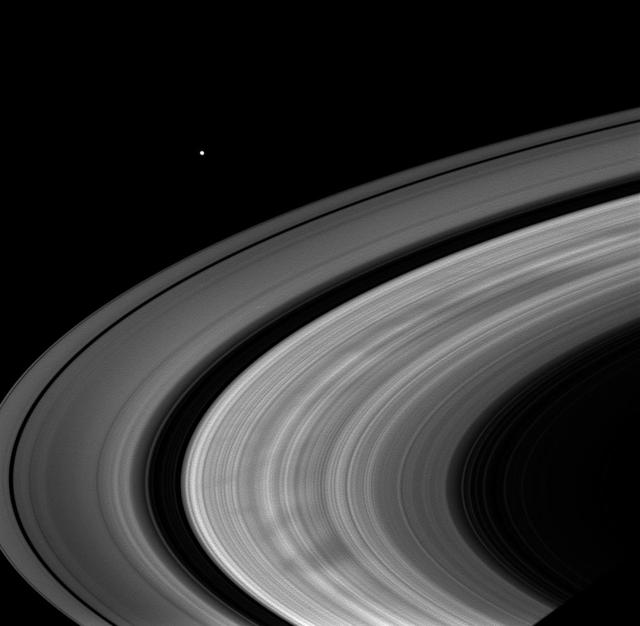
Spokes in the Morning
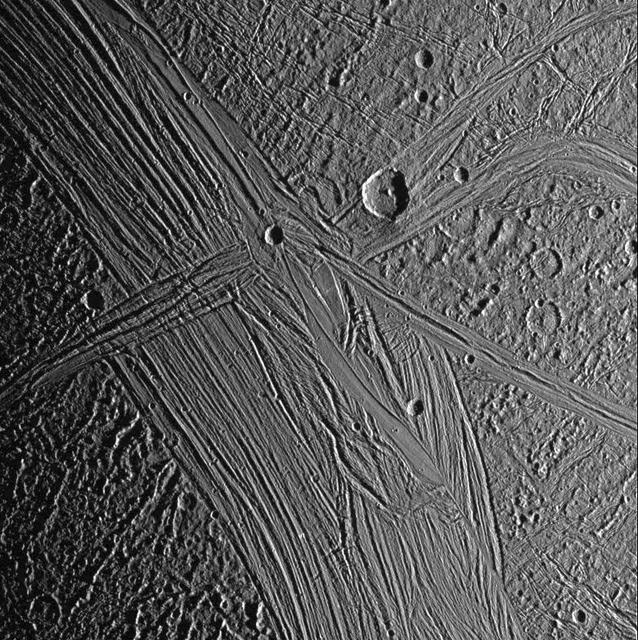
Morning in Tiamat Sulcus
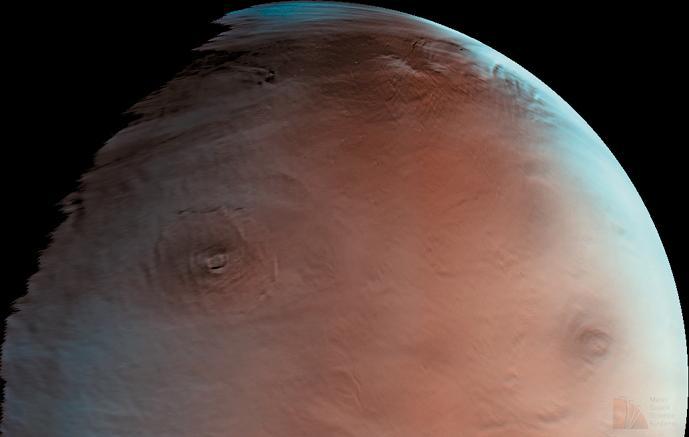
Winter Morning in Northern Tharsis
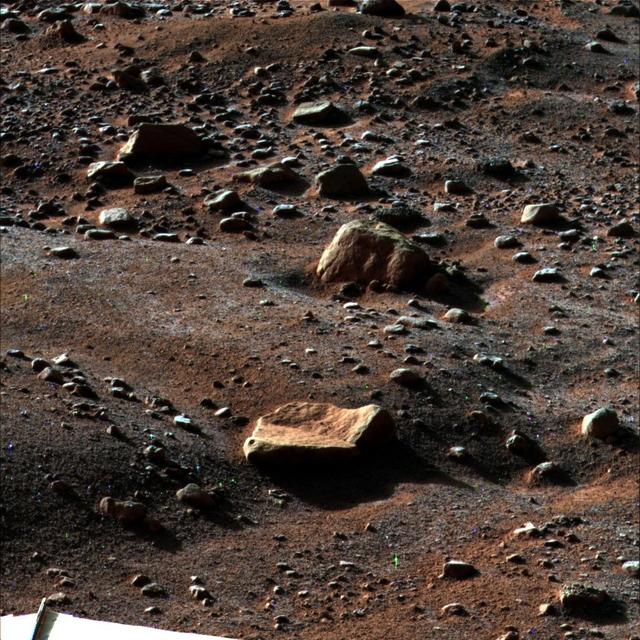
Morning Frost on Martian Surface
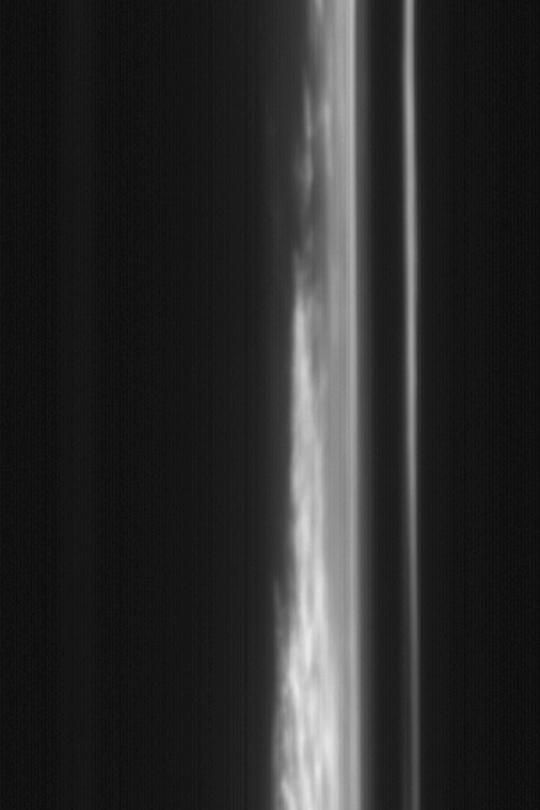
Clouds Over Morning Limb
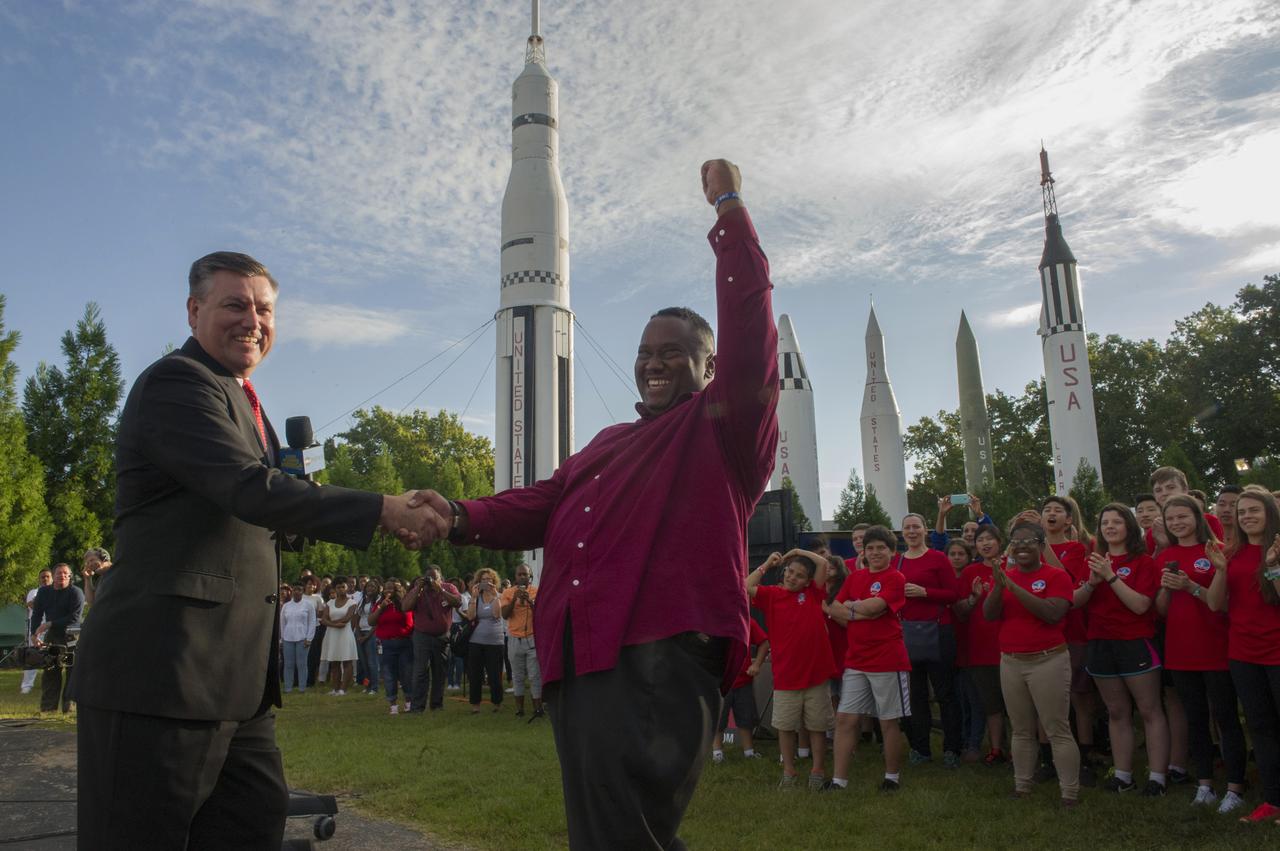
TRENT GRIFFIN, RIGHT, IS CONGRATULATED FOR HIS WORK IN THE COMMUNITY AND HIS OUTREACH EFFORTS TO ENCOURAGE STUDENTS TO ENTER THE SCIENCE, TECHNOLOGY, ENGINEERING AND MATH FIELDS BY MARSHALL CENTER DIRECTOR PATRICK SCHEUERMANN. GRIFFIN WAS FEATURED AS A HOMETOWN HERO ON ABC’S "GOOD MORNING AMERICA" AT THE U.S. SPACE & ROCKET CENTER.

Morning Frost in Trench Dug by Phoenix, Sol 113

Dawn on Saturn is greeted across the vastness of interplanetary space by the morning star, Venus, in this image from NASA Cassini spacecraft. Venus appears just off the edge of the planet directly above the white streak of Saturn G ring.
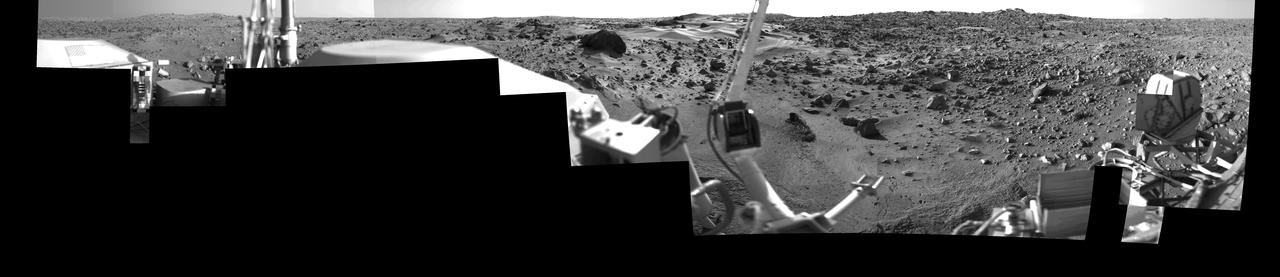
Morning on Chryse Planitia - Viking Lander 1 Camera 1 Mosaic

Morning Frost in Trench Dug by Phoenix, Sol 113 False Color
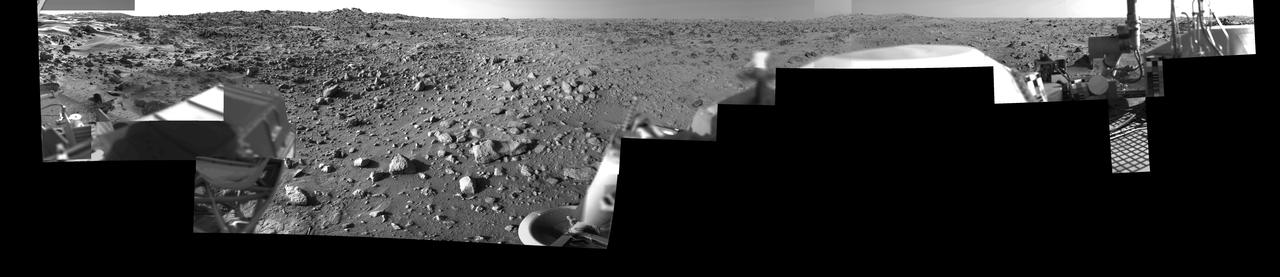
Morning on Chryse Planitia - Viking Lander 1 Camera 2 Mosaic
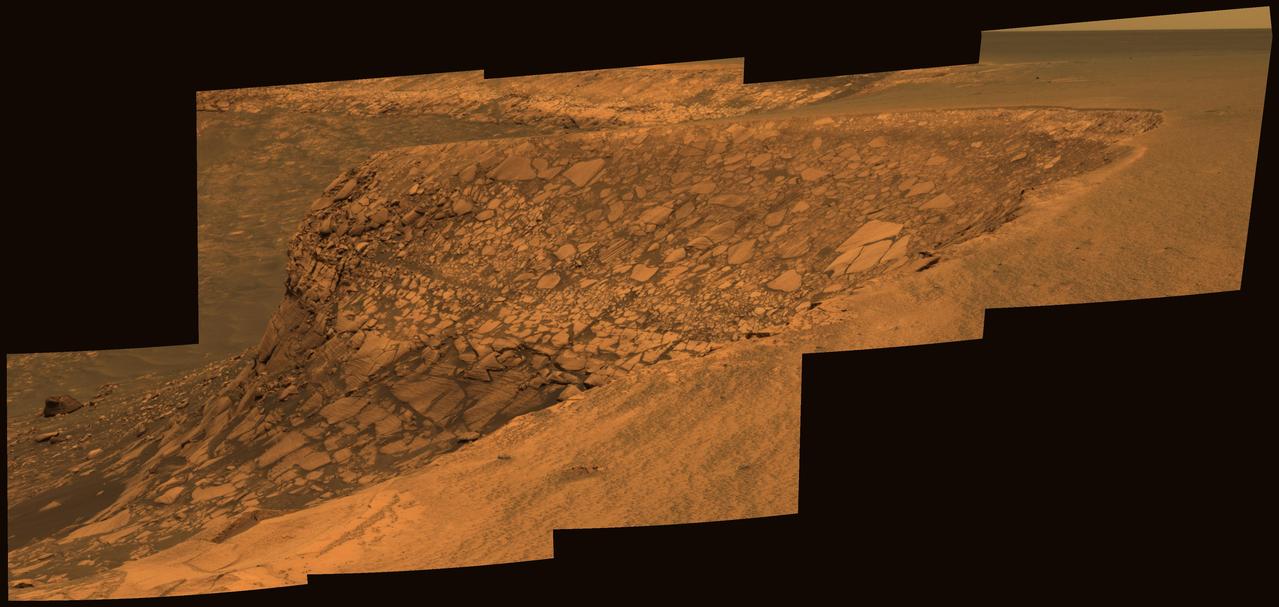
View of Cape Verde from Cape St. Mary in Late Morning
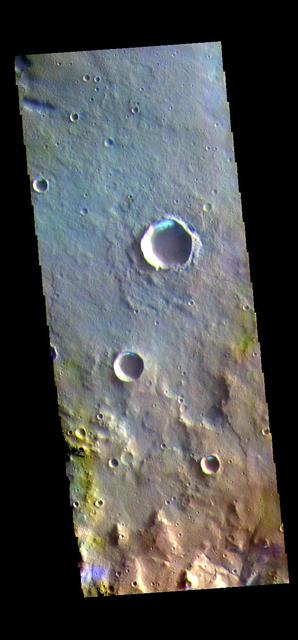
The THEMIS VIS camera contains 5 filters. The data from different filters can be combined in multiple ways to create a false color image. These false color images may reveal subtle variations of the surface not easily identified in a single band image. Today's false color image shows several small, unnamed craters in Terra Sirenum. The bright blue region on the inner crater rim is morning frost. Collected during the winter, south facing slopes stay in shadow and retain frost longer than the rest of the rim already in sunlight. Frosts are only identifiable in multi filter images. Orbit Number: 80442 Latitude: -36.3327 Longitude: 198.274 Instrument: VIS Captured: 2020-02-01 21:41 https://photojournal.jpl.nasa.gov/catalog/PIA24676
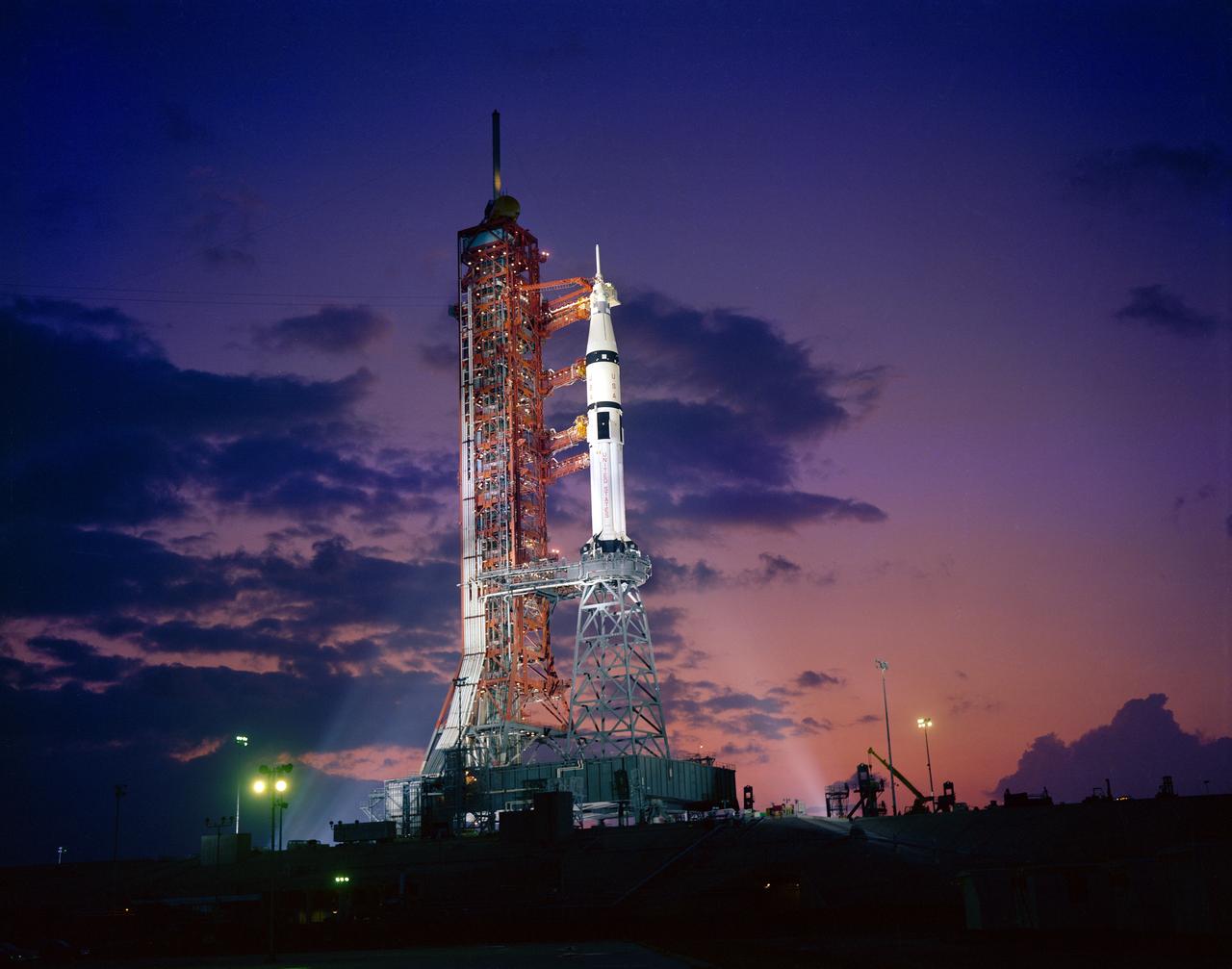
S75-28386 (2 July 1975) --- An early morning view of Pad B, Launch Complex 39, Kennedy Space Center, showing the ASTP Apollo/Saturn 1B space vehicle on the pad during Apollo-Soyuz Test Project prelaunch preparations. An ASTP countdown demonstration "wet" test (CDDT) was being conducted at KSC when this photograph was taken. The liftoff was on July 15, 1975.
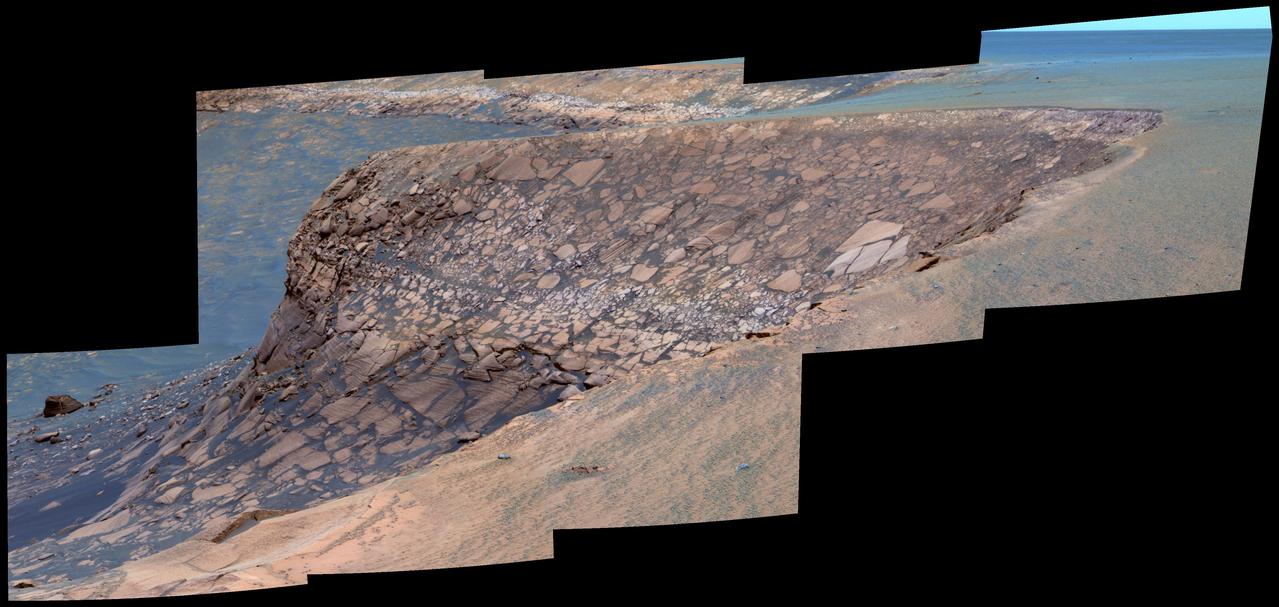
View of Cape Verde from Cape St. Mary in Late Morning False Color
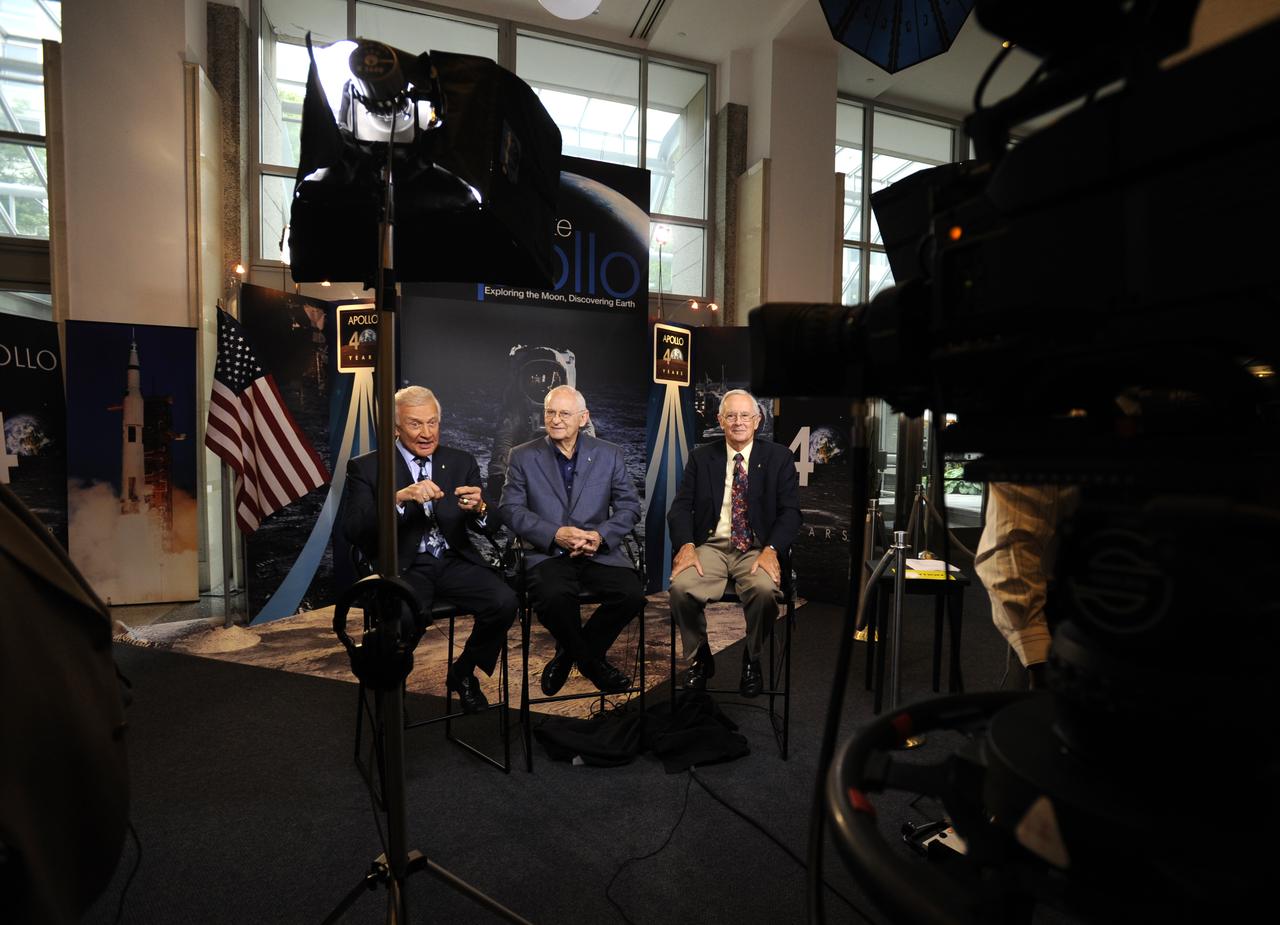
Apollo 11 astronaut Buzz Aldrin, the second man to walk on the Moon, seated left, responds to a question during a live television interview on Monday, July 20, 2009, at NASA Headquarters in Washington as Apollo 12 astronaut Alan Bean and Apollo 16 astronaut Charles Duke, right look on. The three sat in for interviews with morning talks shows covering the 40th Anniversary of the Apollo 11 landing on the Moon. Photo Credit: (NASA/Paul E. Alers)
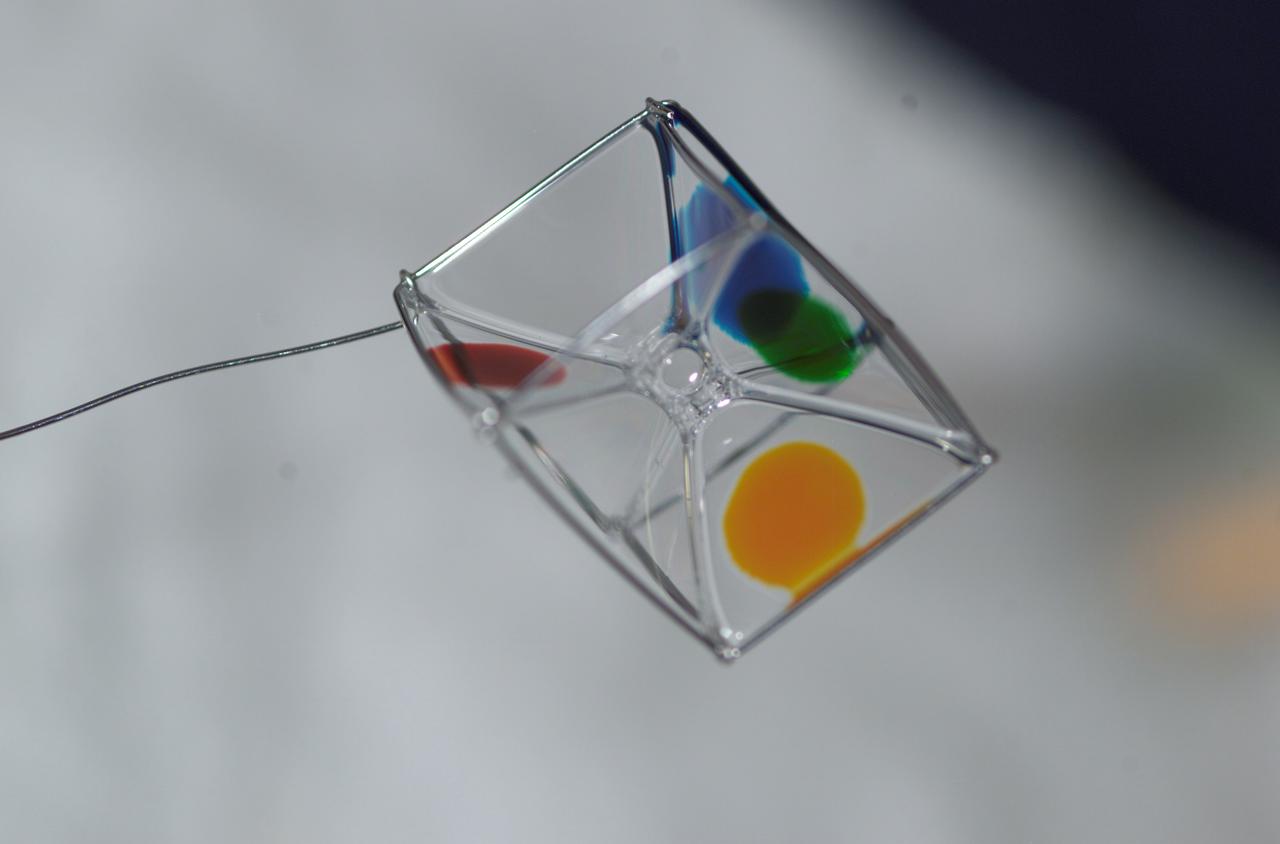
Expedition 6 astronaut Dr. Don Pettit photographed a cube shaped wire frame supporting a thin film made from a water-soap solution during his Saturday Morning Science aboard the International Space Station’s (ISS) Destiny Laboratory. Food coloring was added to several faces to observe the effects of diffusion within the film.
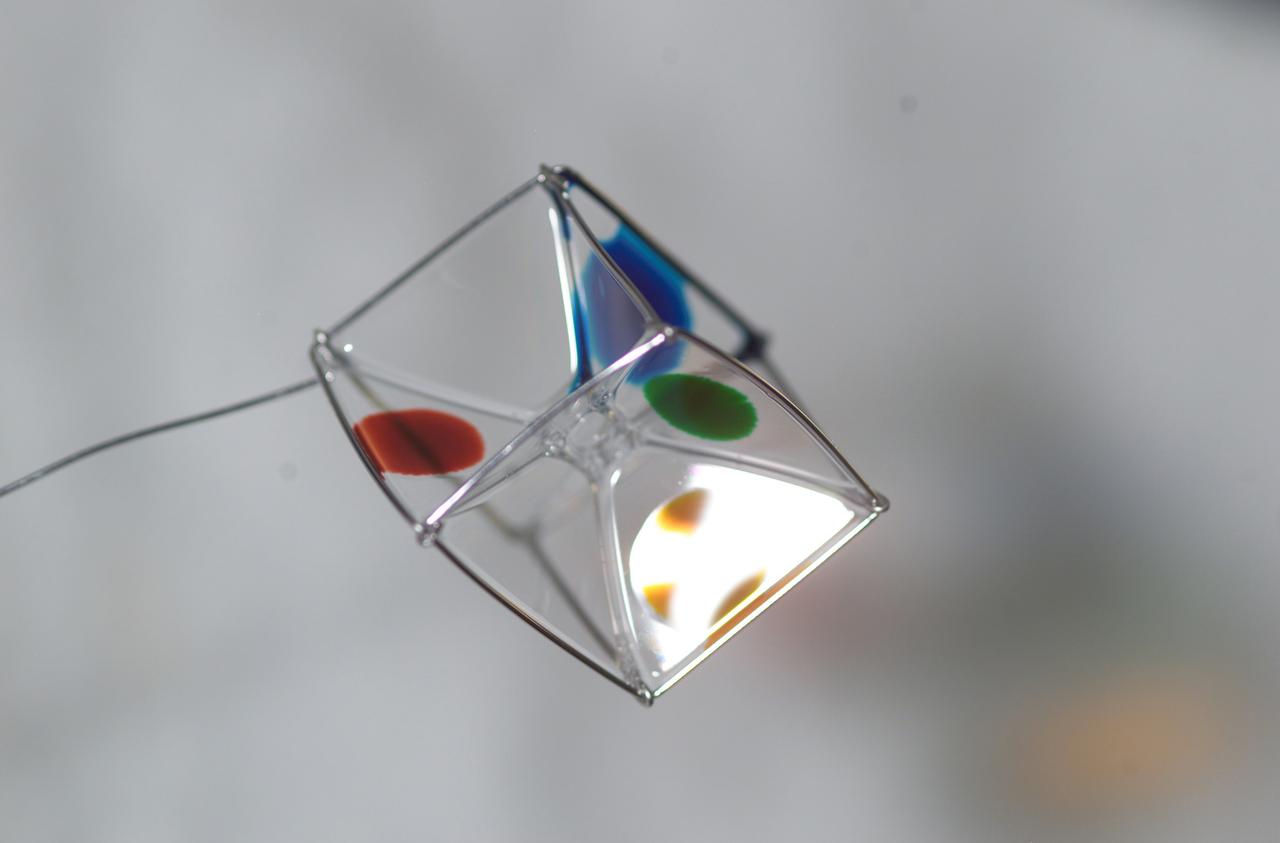
Expedition 6 astronaut Dr. Don Pettit photographed a cube shaped wire frame supporting a thin film made from a water-soap solution during his Saturday Morning Science aboard the International Space Station’s (ISS) Destiny Laboratory. Food coloring was added to several faces to observe the effects of diffusion within the film.
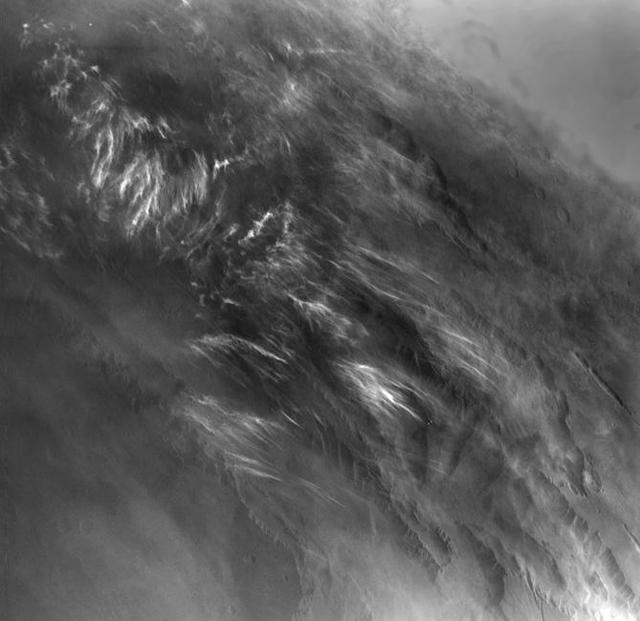
No NASA Mars orbiter has been in a position to observe morning daylight on Mars since the twin Viking orbiters of the 1970s. This image, taken by Viking Orbiter 1 on Aug. 17, 1976, shows water-ice clouds in the Valles Marineris area of equatorial Mars.
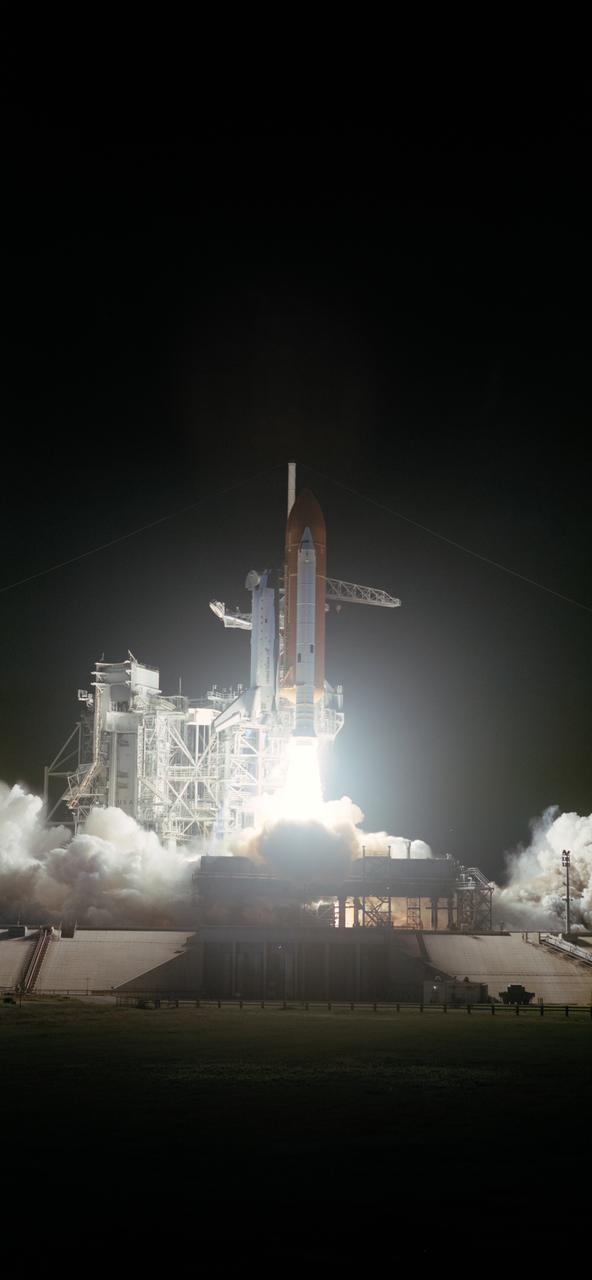
View of the early morning launch of STS 41-G Challenger. The dark launch complex is illuminated by spotlights as the orbiter begins its ascent from the pad.

S73-34367 (16 Nov. 1973) --- A view at the Kennedy Space Center showing in the near distance the Skylab 4/Saturn 1B space vehicle on Pad B, Launch Complex 39, on the morning of the launch. Photo credit: NASA
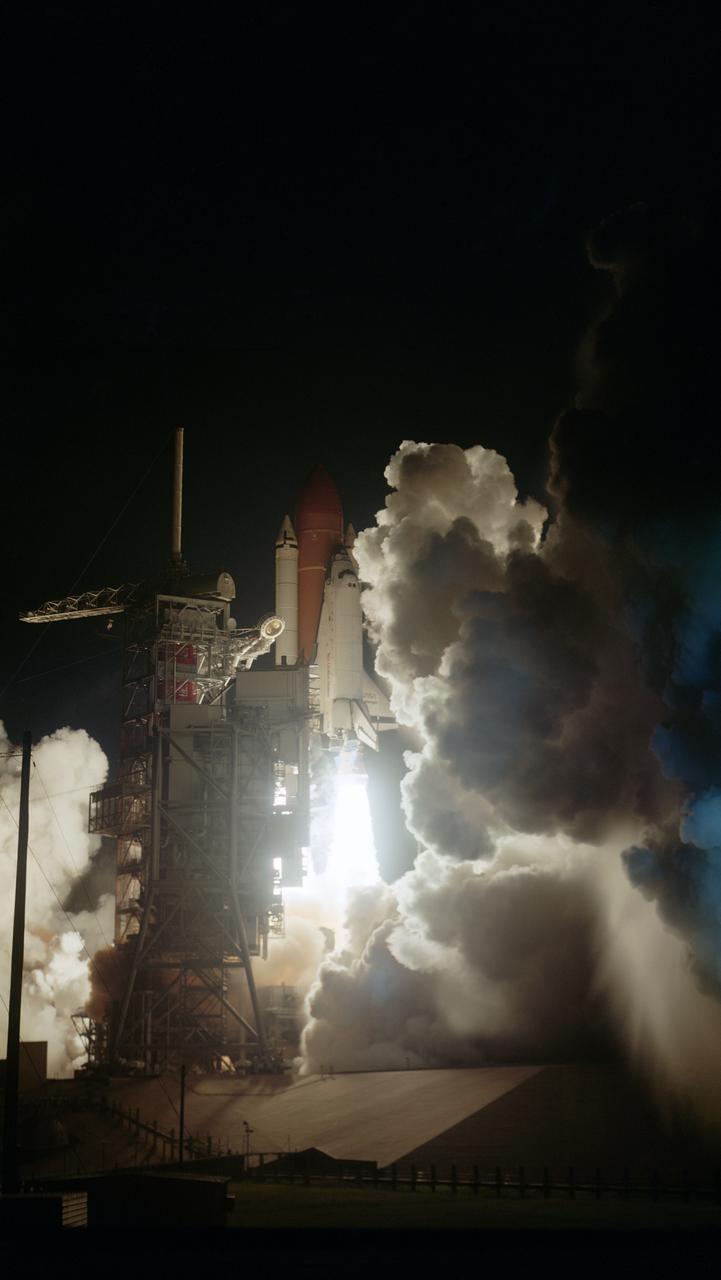
View of the early morning launch of STS 41-G Challenger. The dark launch complex is illuminated by spotlights as the orbiter begins its ascent from the pad. The light is reflected off the clouds of smoke from the orbiter's engines.
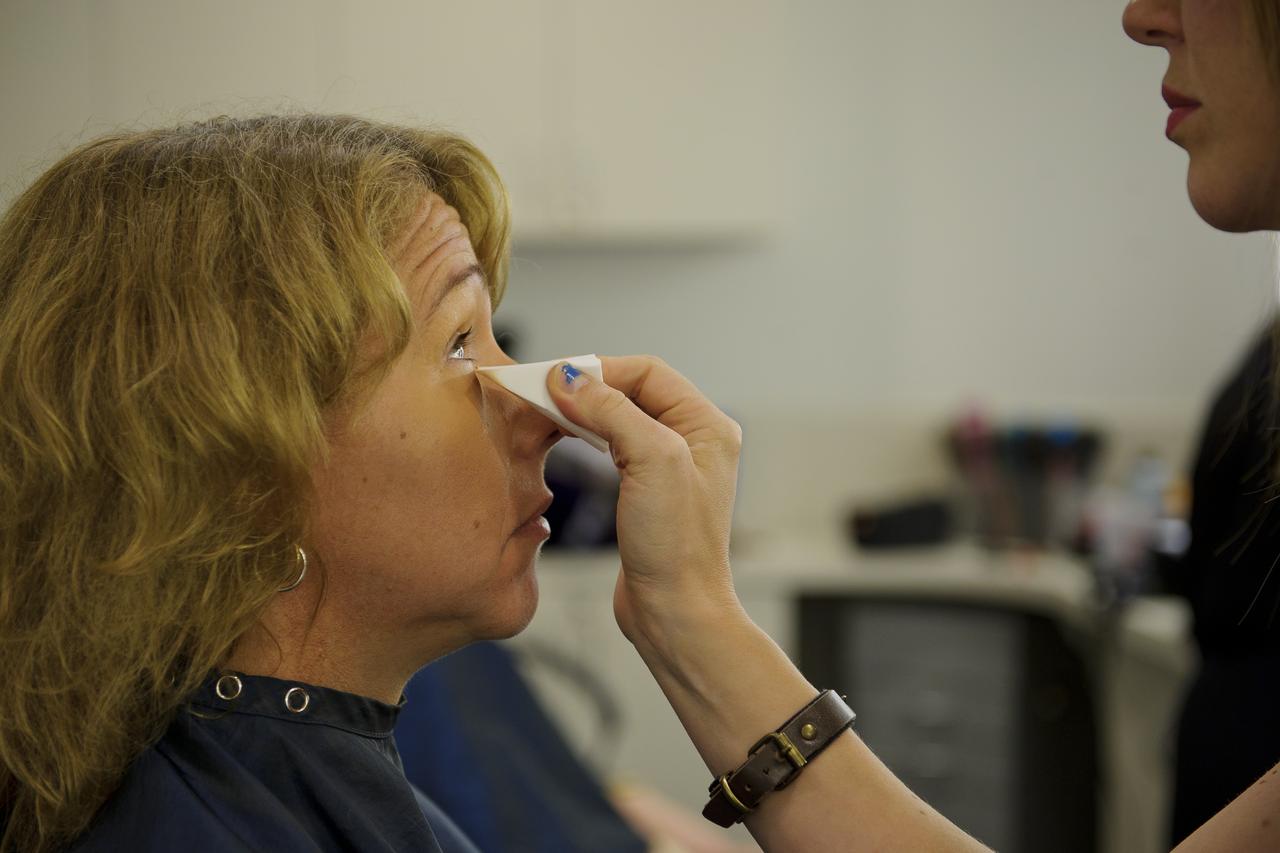
STS-135 mission specialist Sandra Magnus, has some make up applied prior to her appearance on CNN American Morning, Tuesday, Aug. 16, 2011, in New York City. The crew from space shuttle Atlantis (STS-135) is in New York City for a three-day visit. Photo Credit: (NASA/Paul E. Alers)
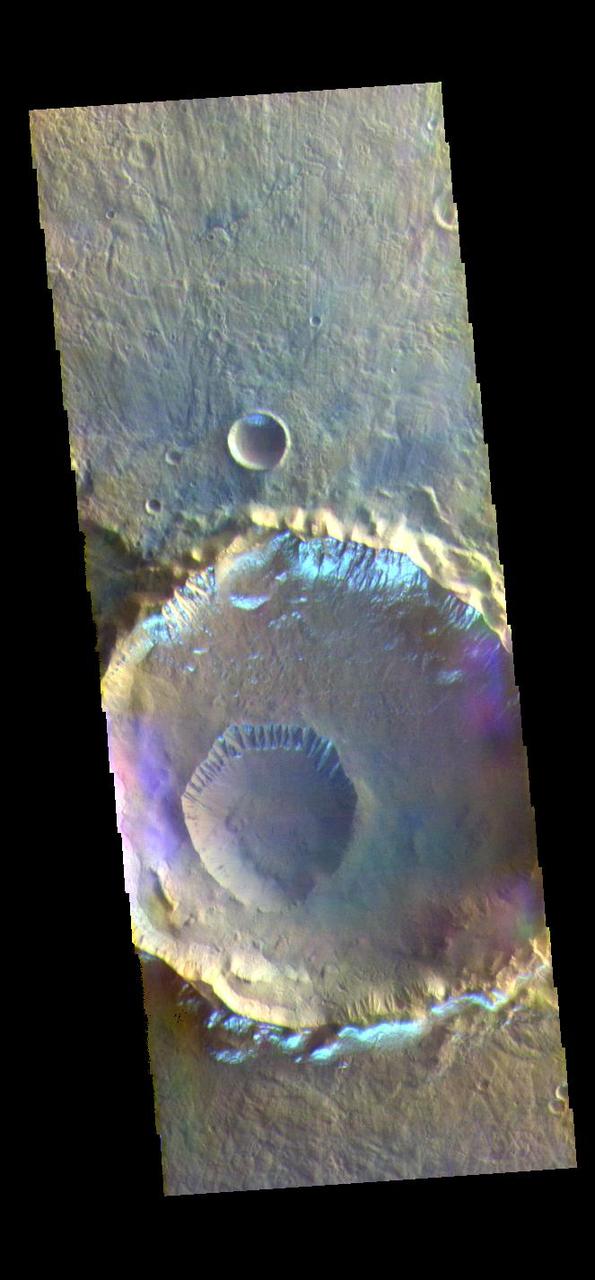
The THEMIS VIS camera contains 5 filters. The data from different filters can be combined in multiple ways to create a false color image. These false color images may reveal subtle variations of the surface not easily identified in a single band image. Today's false color image shows several craters in Eridania Planitia. The small crater inside the larger crater is Gasa Crater. The larger crater is unnamed. The bright silver-blue region on the inner and outer crater rim is morning frost. Collected during the winter, south facing slopes stay in shadow and retain frost longer than the rest of the rim already in sunlight. Frosts are only identifiable in multi filter images. The THEMIS VIS camera is capable of capturing color images of the Martian surface using five different color filters. In this mode of operation, the spatial resolution and coverage of the image must be reduced to accommodate the additional data volume produced from using multiple filters. To make a color image, three of the five filter images (each in grayscale) are selected. Each is contrast enhanced and then converted to a red, green, or blue intensity image. These three images are then combined to produce a full color, single image. Because the THEMIS color filters don't span the full range of colors seen by the human eye, a color THEMIS image does not represent true color. Also, because each single-filter image is contrast enhanced before inclusion in the three-color image, the apparent color variation of the scene is exaggerated. Nevertheless, the color variation that does appear is representative of some change in color, however subtle, in the actual scene. Note that the long edges of THEMIS color images typically contain color artifacts that do not represent surface variation. Orbit Number: 88618 Latitude: -35.5932 Longitude: 129.422 Instrument: VIS Captured: 2021-12-06 02:28 https://photojournal.jpl.nasa.gov/catalog/PIA25389
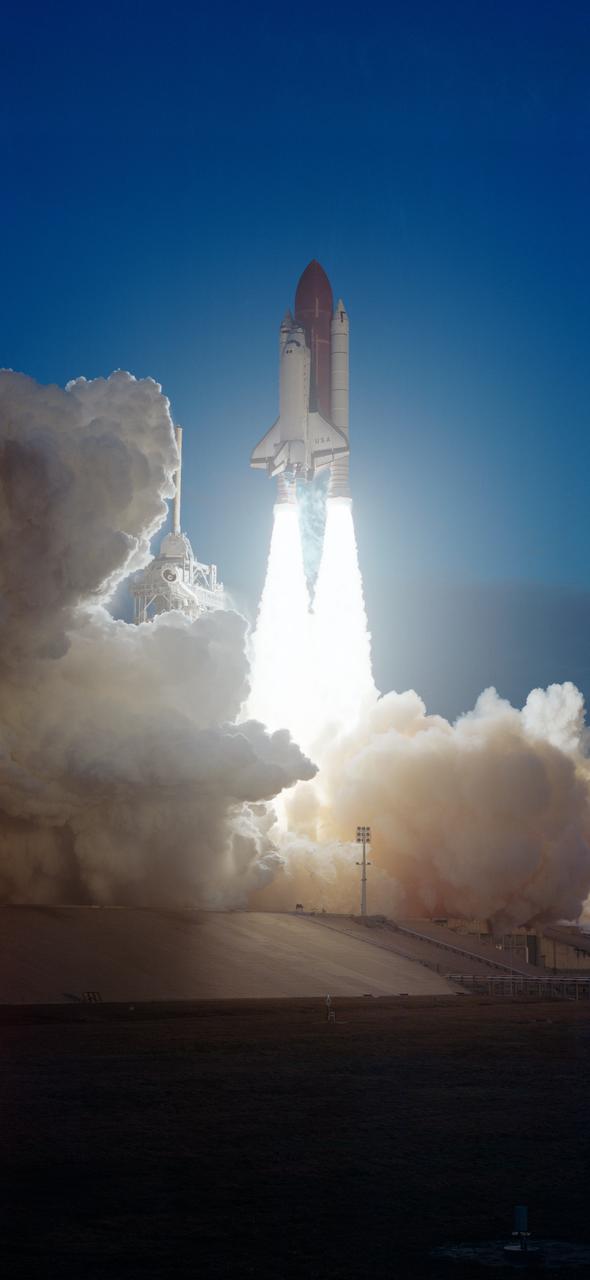
STS-32 Columbia, Orbiter Vehicle (OV) 102, atop the external tank (ET) and flanked by two solid rocket boosters (SRBs) rises above the mobile launcher platform and is nearly clear of the fixed service structure (FSS) tower at Kennedy Space Center (KSC) Launch Complex (LC) Pad 39A. Plumes of smoke billow from the SRBs and cover the launch pad in a cloud. Liftoff occurred at 7:34:59:98 am Eastern Standard Time (EST) some 24 hours after dubious weather at the return-to-landing site (RTLS) had cancelled a scheduled launch. OV-102's launch is highlighted against the early morning darkness.
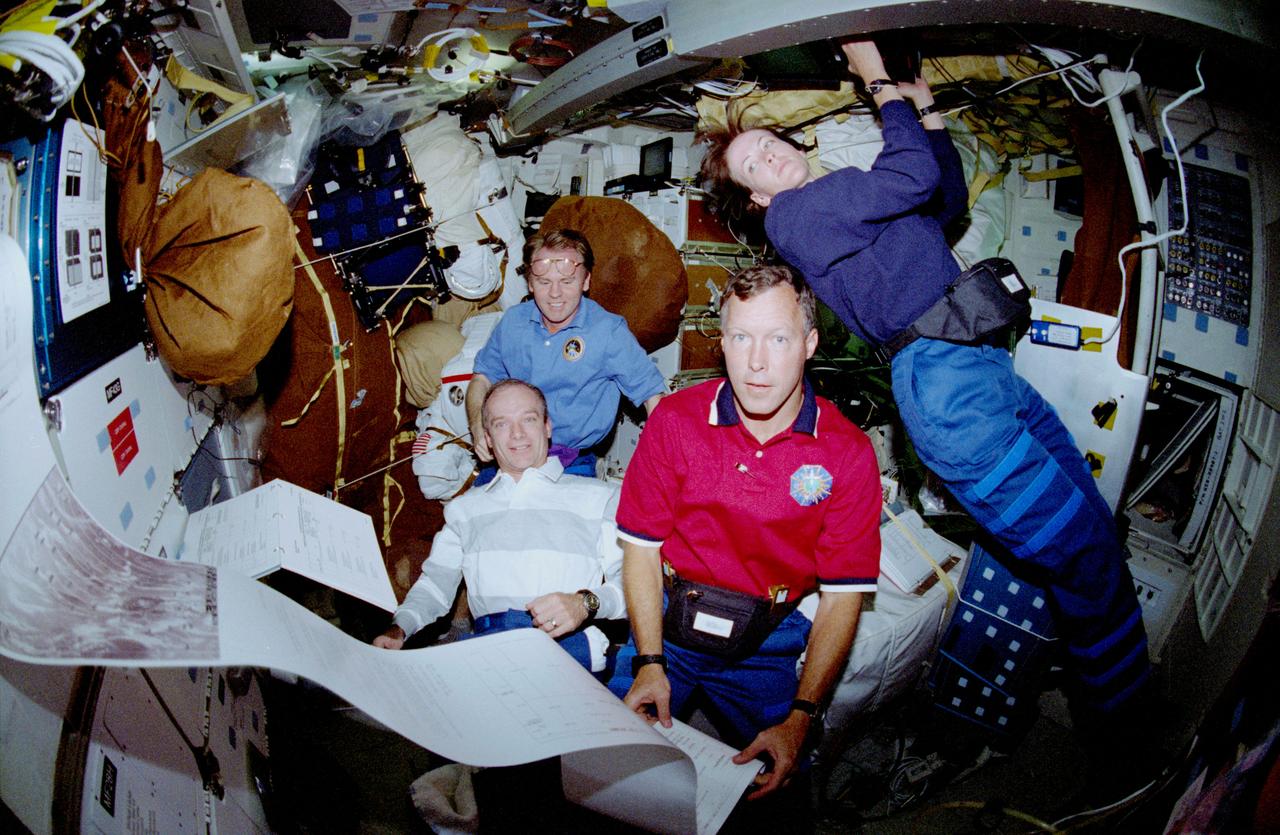
STS091-362-005 (2-12 June 1998) --- Four of the seven STS-91 crew members check the morning mail on the mid deck of the Earth-orbiting Space Shuttle Discovery toward the end of the scheduled ten-day mission. Left to right are astronauts Charles J. Precourt, commander; Andrew S.W. Thomas, mission specialist; Dominic C. Gorie, pilot; and Janet L. Kavandi, mission specialist. The emergency escape pole, flown on all shuttle missions, runs across the top center of the frame.
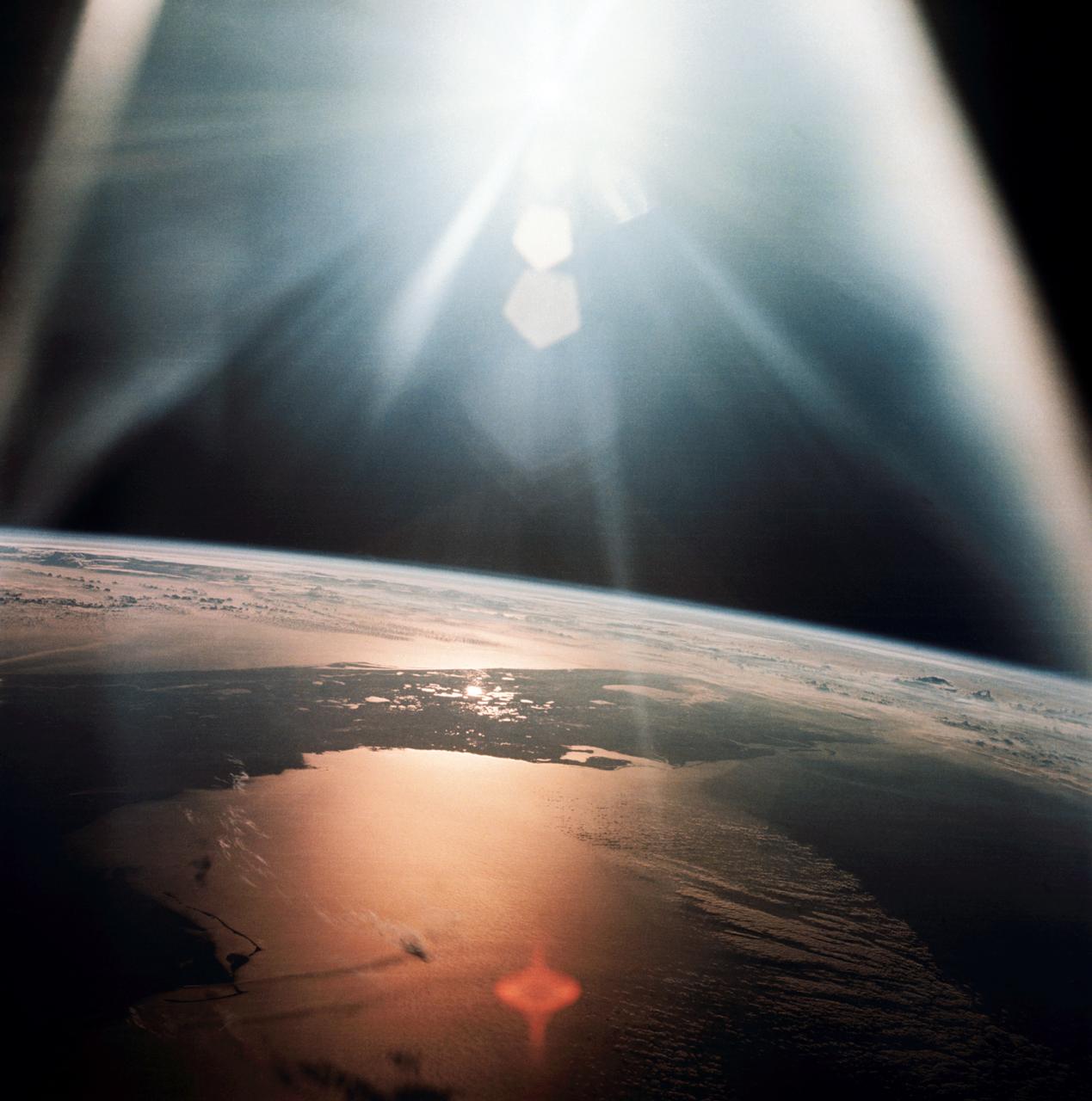
AS07-08-1933 (20 Oct. 1968) --- The morning sun reflects on the Gulf of Mexico and the Atlantic Ocean as seen from the Apollo 7 spacecraft at an altitude of 120 nautical miles above Earth. Most of Florida peninsula appears as a dark silhouette. This photograph was made during the spacecraft's 134th revolution of Earth, some 213 hours and 19 minutes after liftoff.
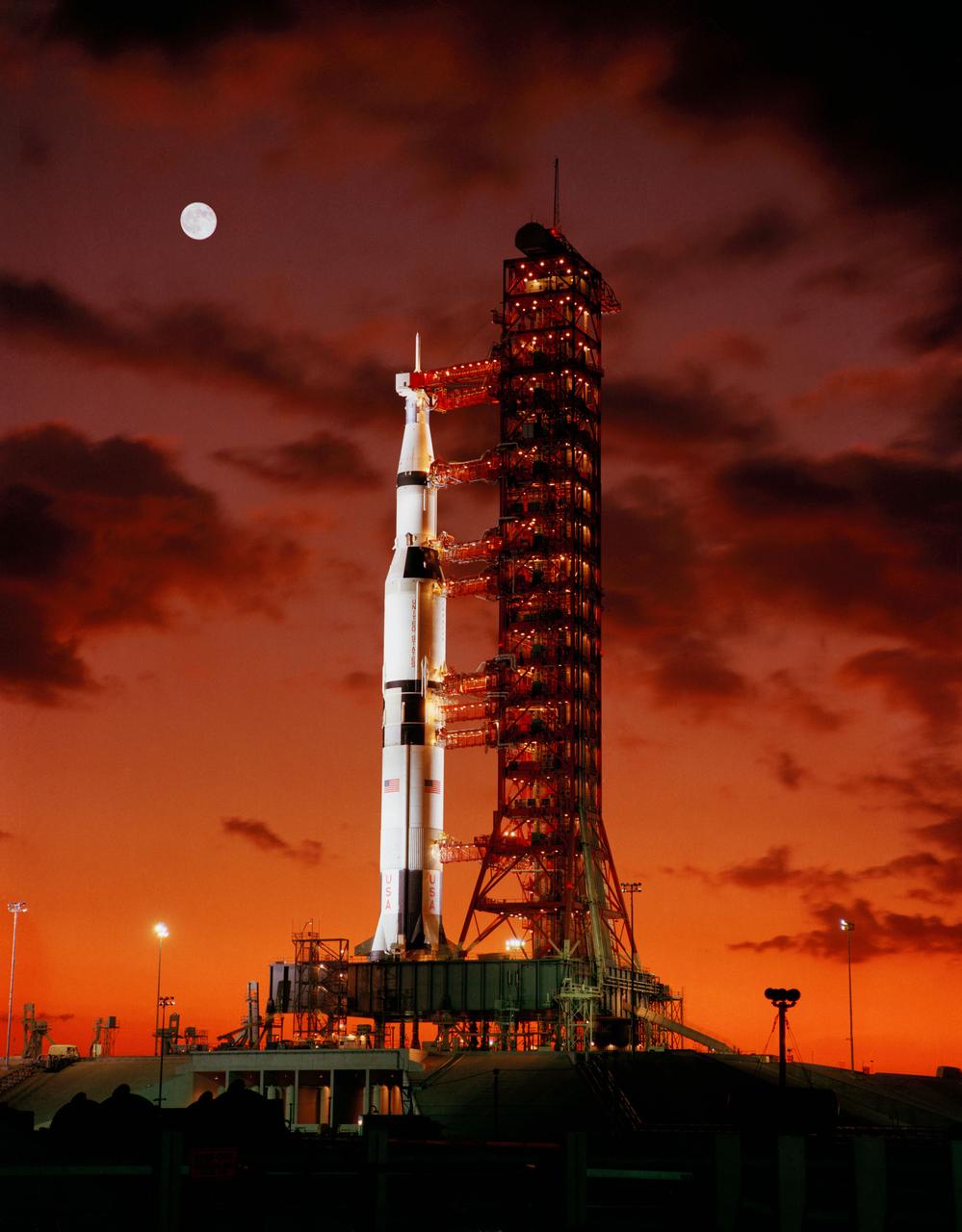
Early morning view of Pad A, Launch Complex 39, Kennedy Space Center, showing Apollo 4 (Spacecraft 017/Saturn 501) unmanned, earth-orbital space mission ready for launch, with a full moon in the upper left part of the image. The 363-foot tall Apollo/Saturn V space vehicle was launched at 7:00:01 AM (EST), November 9, 1967.
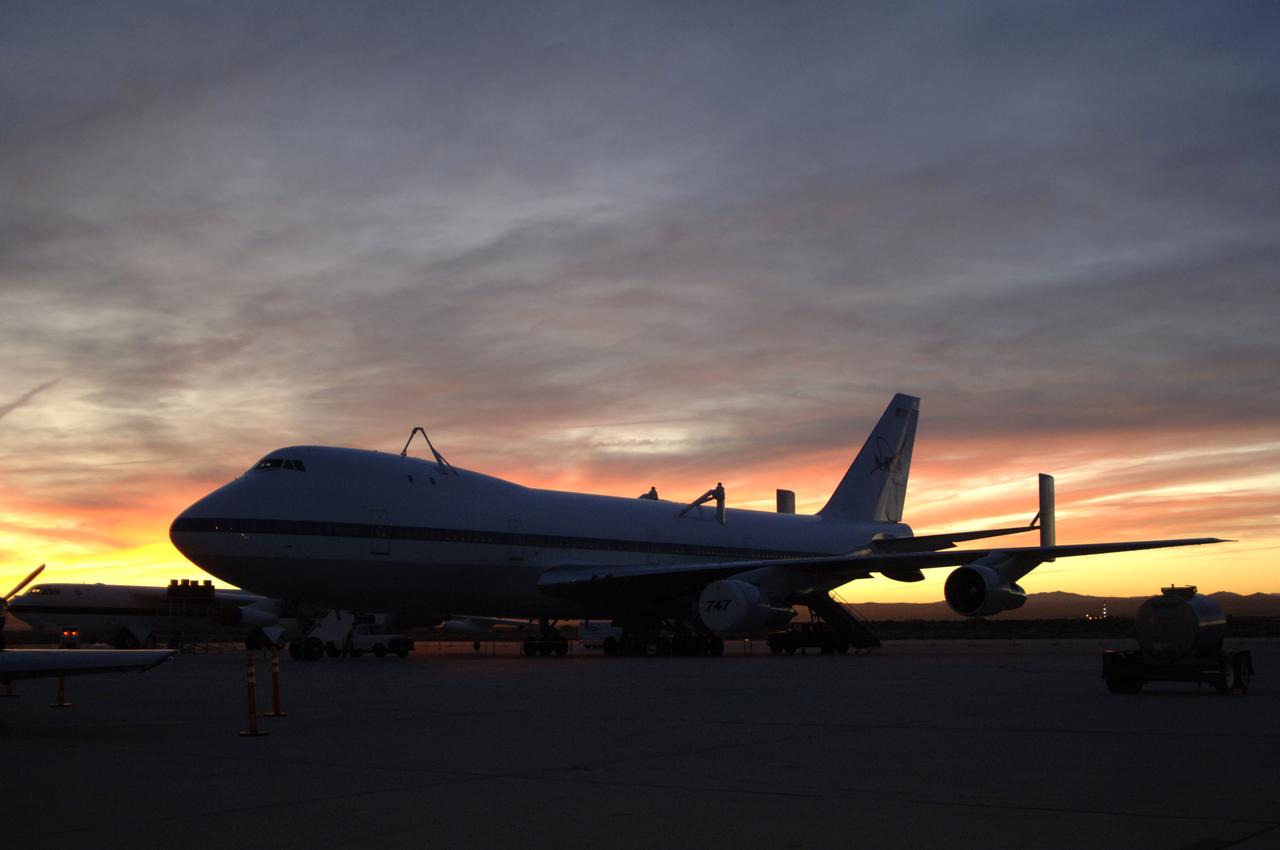
One of NASA's two modified Boeing 747 Shuttle Carrier Aircraft is silhouetted against the morning sky at sunrise on the ramp at Edwards Air Force Base.
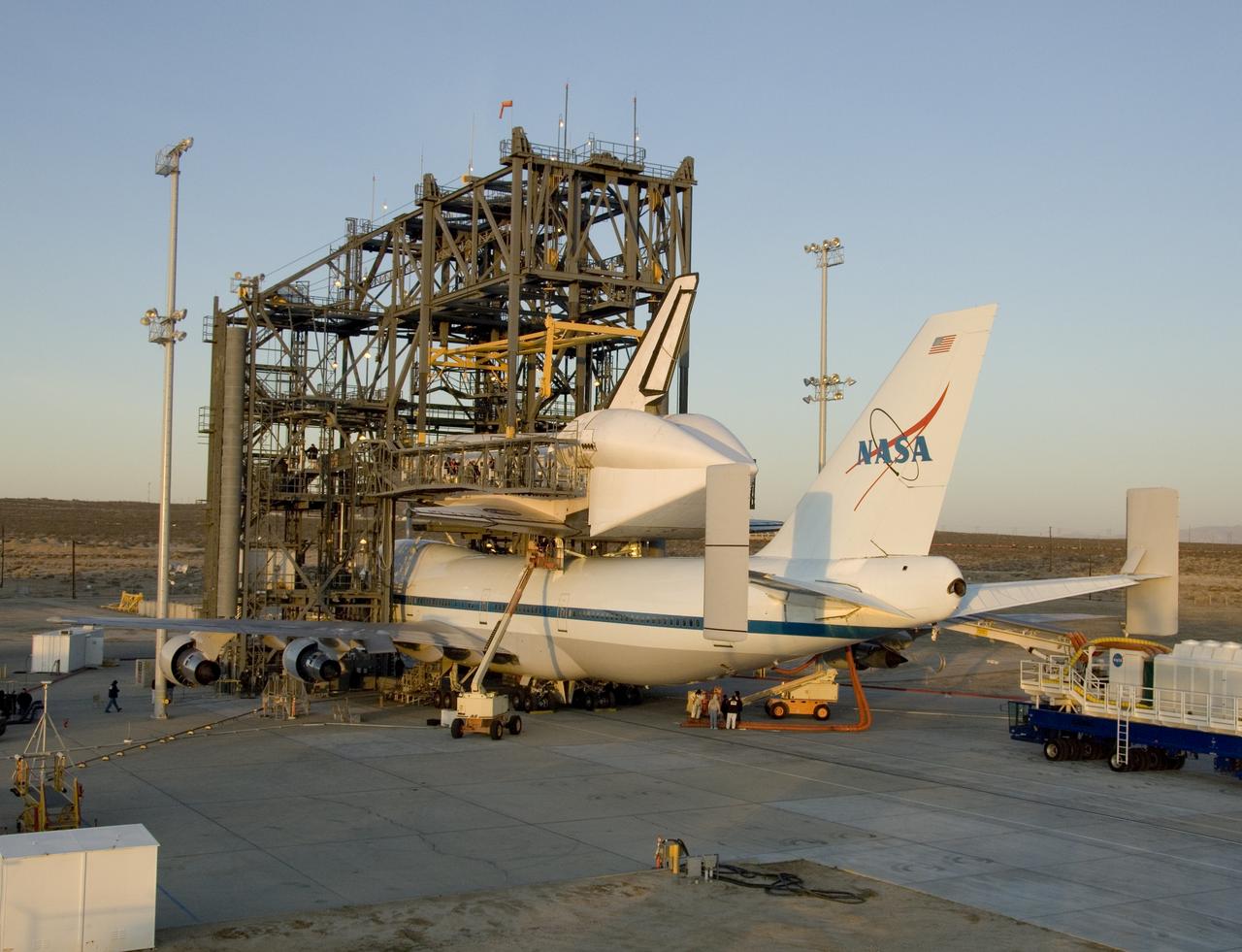
The Space Shuttle Endeavour and its modified Boeing 747 carrier aircraft are illuminated by the morning sun Tuesday after mating of the pair was completed overnight in the Mate-DeMate gantry at NASA Dryden Flight Research Center. The pair are scheduled to depart Edwards Air Force Base on their ferry flight back to the Kennedy Space Center early Wednesday morning, Dec. 10.
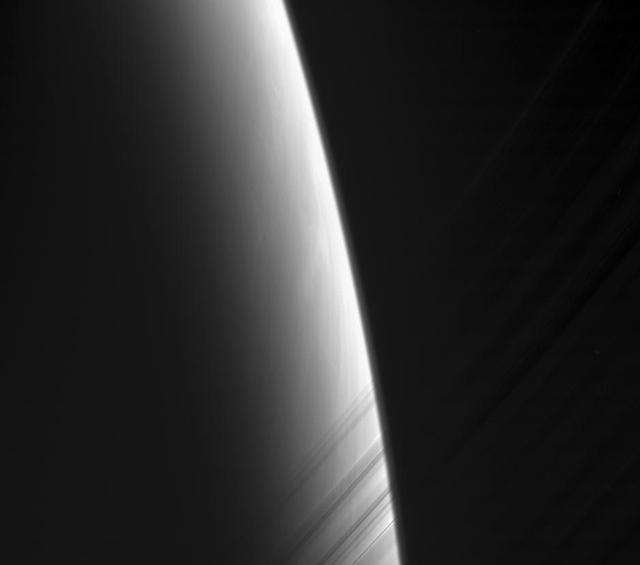
The Cassini spacecraft looks toward daybreak on Saturn through the delicate strands of the C ring. Some structure and contrast is visible in the clouds far below
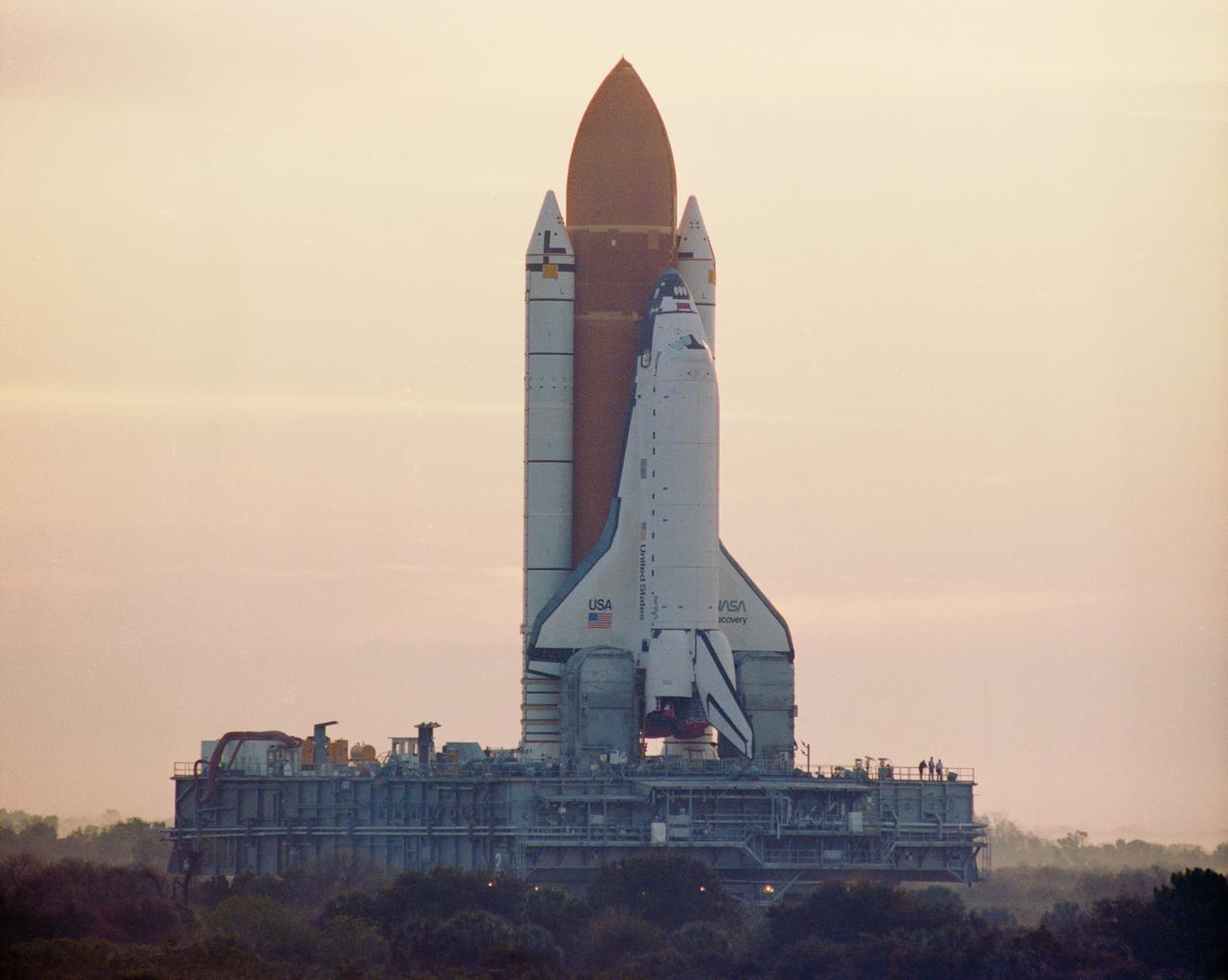
S89-28112 (3 Feb 1989) --- The Space Shuttle Discovery, atop a mobile launch platform, is rolled toward Kennedy Space Center's Launch Pad 39-B in the early morning hours of Feb. 3, l989. It rolled through the doors of the huge vehicle assembly building (VAB) at 6 a.m. The trip to the pad takes approximately 5 and 1/2 hours. Onboard the spacecraft in mid-March for a five-day mission, on which will be deployed a third tracking and data relay satellite (TDRS-D), will be Astronauts Michael L. Coats, John E. Blaha, James F. Buchli, James P. Bagian and Robert C. Springer.
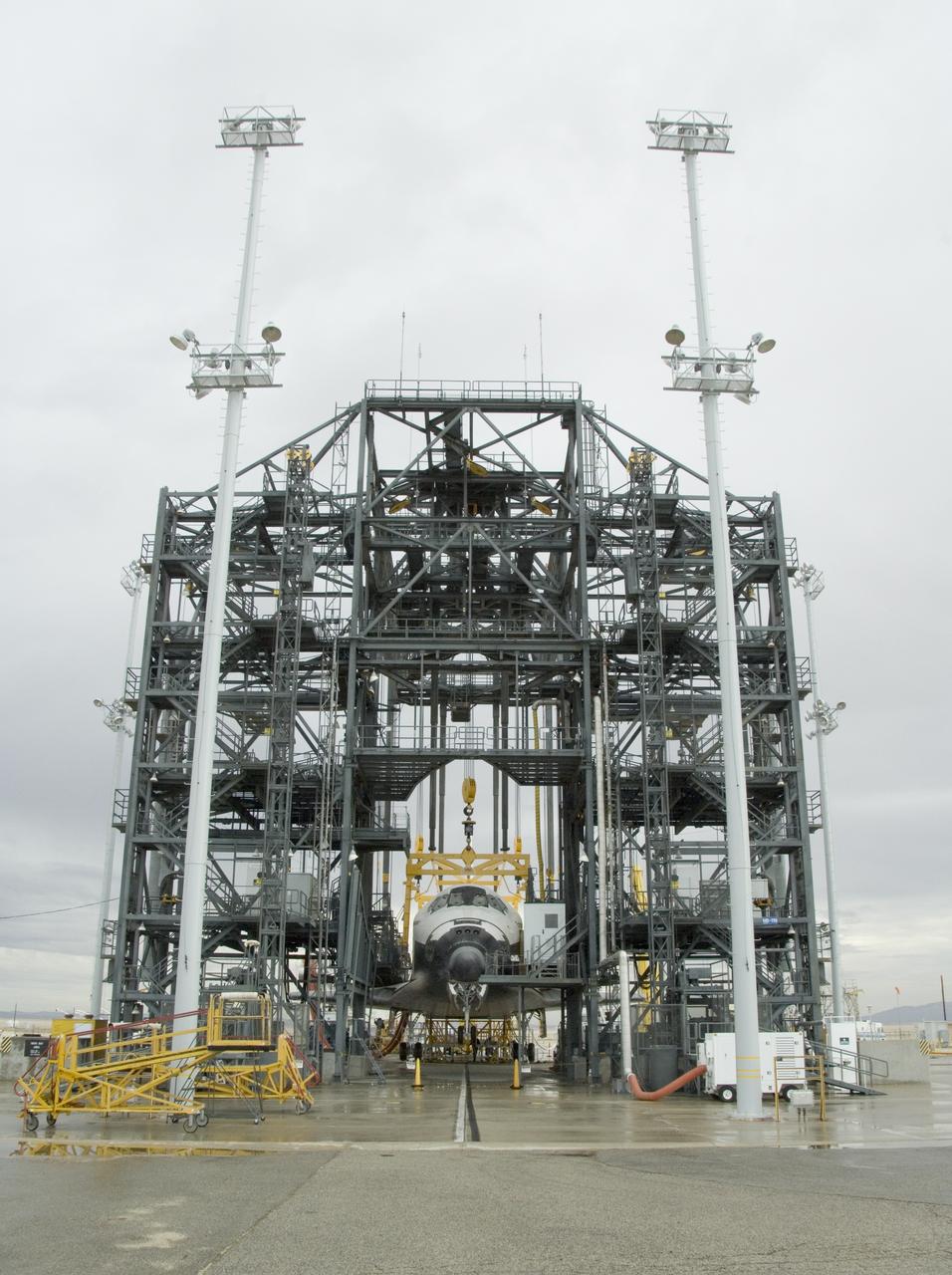
Under soggy skies on a Sunday morning, the Space Shuttle Endeavour is encased in the Mate-DeMate gantry during turnaround processing at NASA's Dryden Flight Research Center following its STS-126 landing at Edwards Air Force Base a week earlier.

NASA new CloudSat satellite captured its first tropical storm, Alberto, as it spun over the Gulf of Mexico the morning of June 12, 2006.
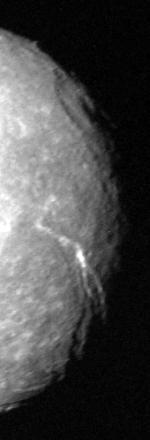
The terminator region of Titania, one of Uranus five large moons, was captured in this Voyager 2 image obtained in the early morning hours of Jan. 24, 1986.
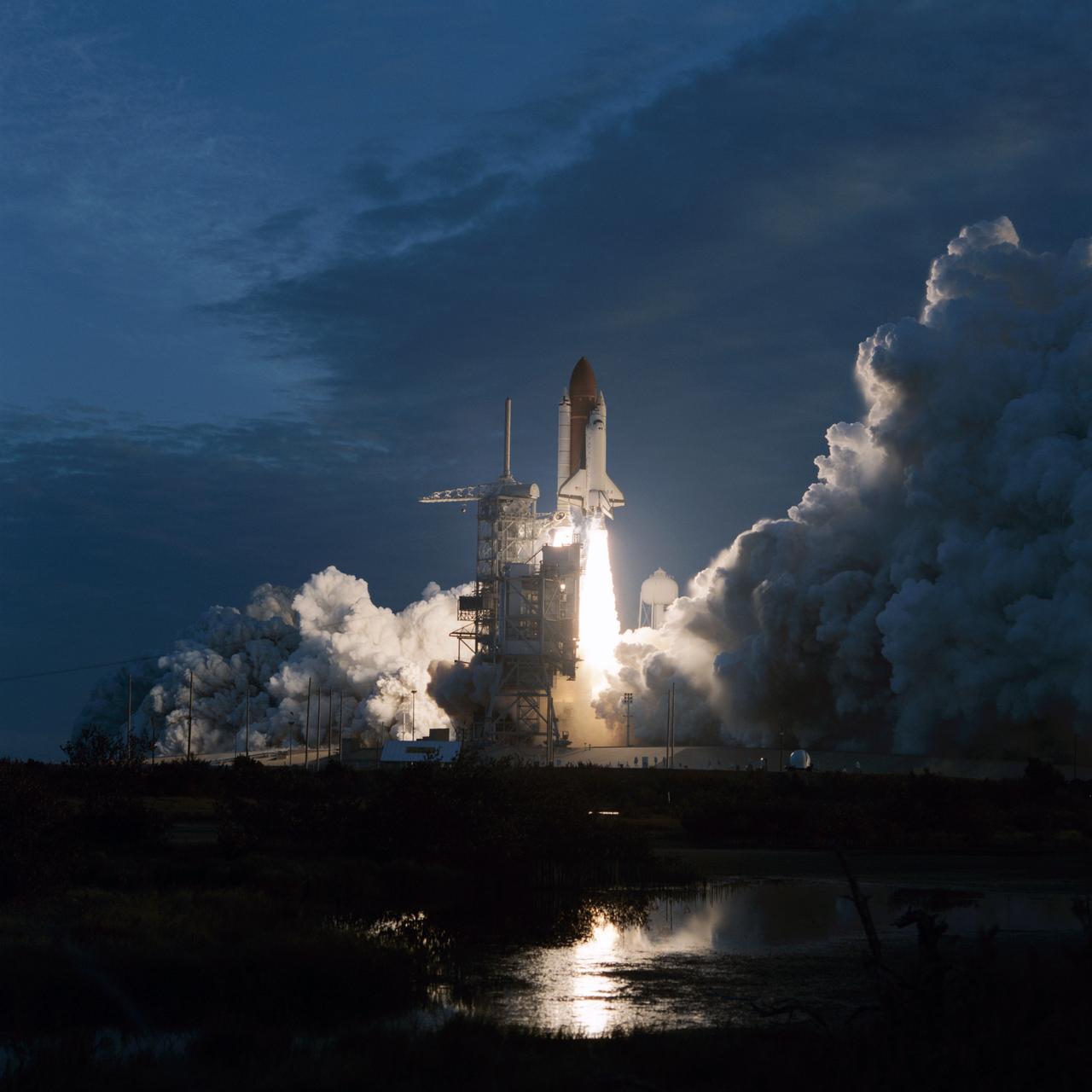
STS-32 Columbia, Orbiter Vehicle (OV) 102, its external tank (ET), and solid rocket boosters (SRBs) rise above the mobile launcher platform and begin to clear fixed service structure (FSS) tower (with rotating service structure (RSS) retracted) at Kennedy Space Center (KSC) Launch Complex (LC) Pad 39A. Liftoff occurred at 7:34:59:98 am Eastern Standard Time (EST) some 24 hours after dubious weather at the return-to-landing site (RTLS) had cancelled a scheduled launch. An exhaust cloud covers the launch pad. The firing SRBs and space shuttle main engines (SSMEs) are reflected in a nearby waterway. OV-102's launch is highlighted against the early morning darkness.
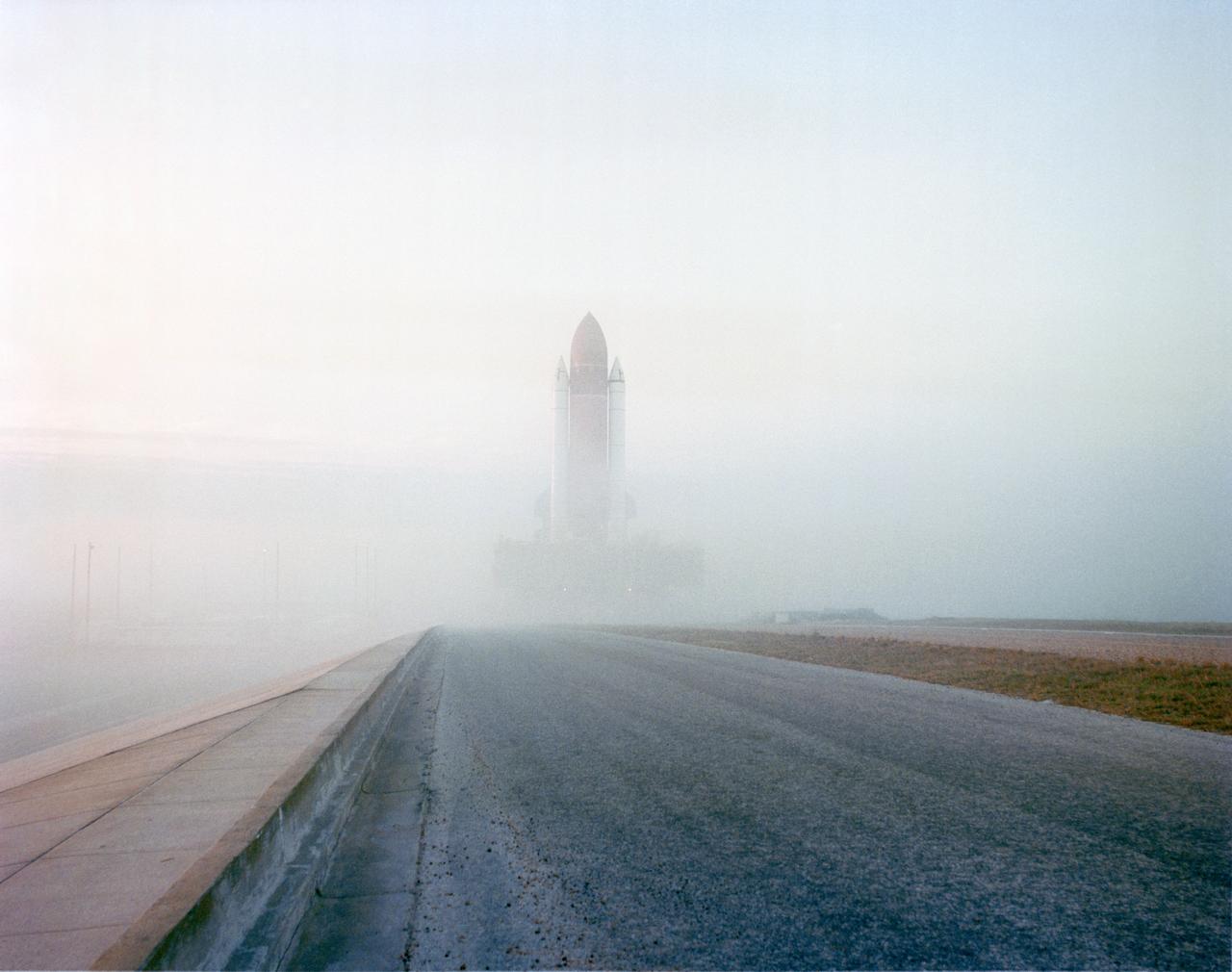
STS-32 Columbia, Orbiter Vehicle (OV) 102, rolls through the morning's foggy mist atop the mobile launcher platform and crawler transporter to Kennedy Space Center (KSC) Launch Complex (LC) Pad 39A. OV-102's wings appear on either side of the two solid rocket boosters (SRBs) and external tank (ET). Rollout from the Vehicle Assembly Building (VAB) began at 2:32 am Eastern Standard Time (EST), and OV-102 was on the pad pedestals about 8 hours later. This marks the first time a Space Shuttle has been at LC Pad 39A since 01-12-85 when OV-102 was launched on mission 61C. View provided by KSC with alternate number KSC-89PC-1259.
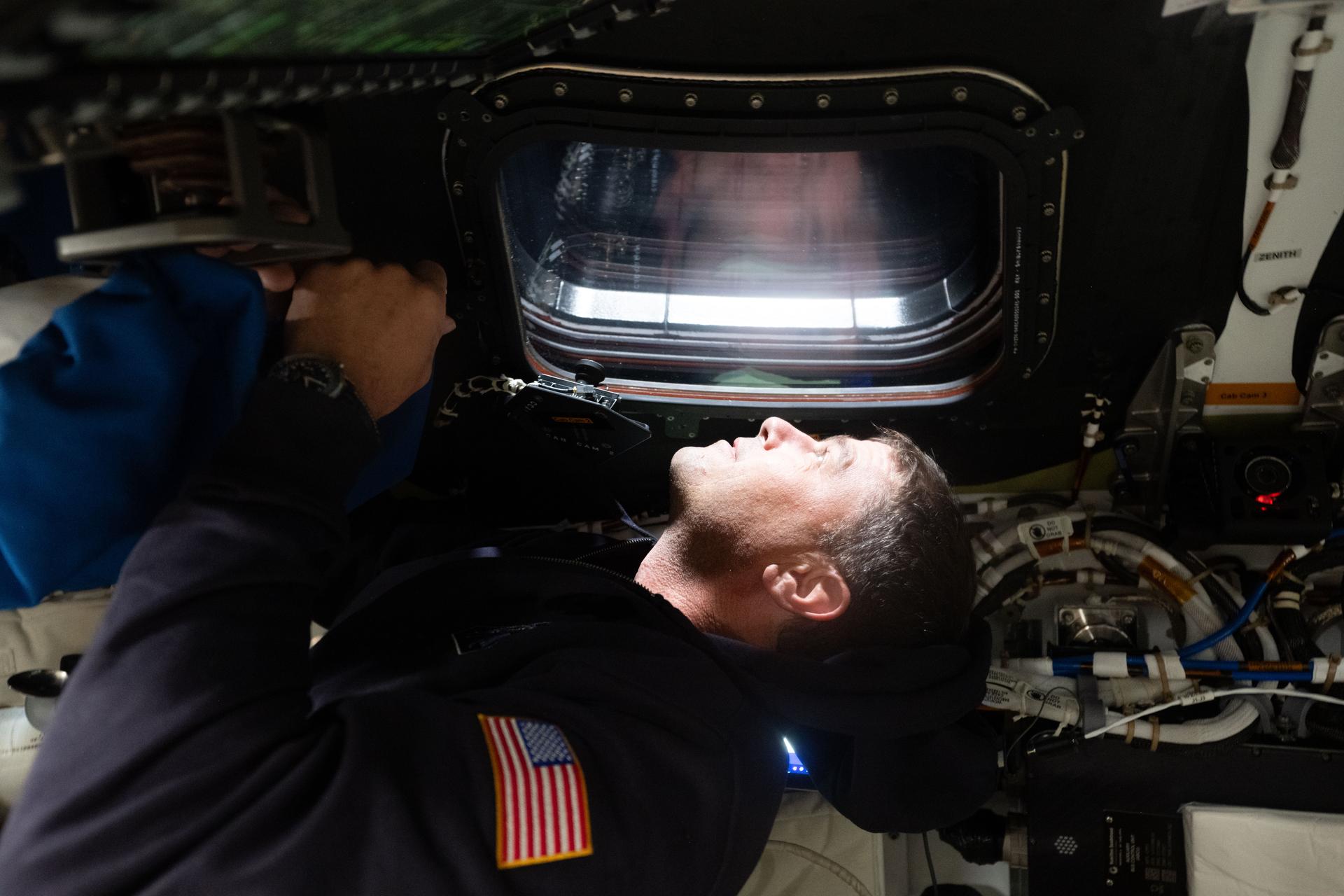
art002e029164 (April 6, 2026) - NASA astronaut and Artemis II commander Reid Wiseman gazes out the window of the Orion spacecraft upon the start of the sixth day of the mission and a few hours before the lunar flyby. Credit: NASA

This artist concept depicts in the foreground planet Kepler-62f, a super-Earth-size planet in the habitable zone of its star, which is seen peeking out from behind the right edge of the planet.
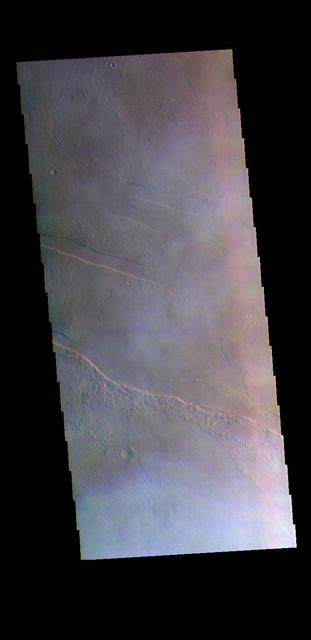
The THEMIS VIS camera contains 5 filters. The data from different filters can be combined in multiple ways to create a false color image. These false color images may reveal subtle variations of the surface not easily identified in a single band image. Today's false color image shows part of the extensive Tharsis volcanic fields. The pale wispy spots are clouds. This image was collected just after dawn during the spring season. Orbit Number: 77196 Latitude: 14.8308 Longitude: 241.3 Instrument: VIS Captured: 2019-05-10 15:01 https://photojournal.jpl.nasa.gov/catalog/PIA24609
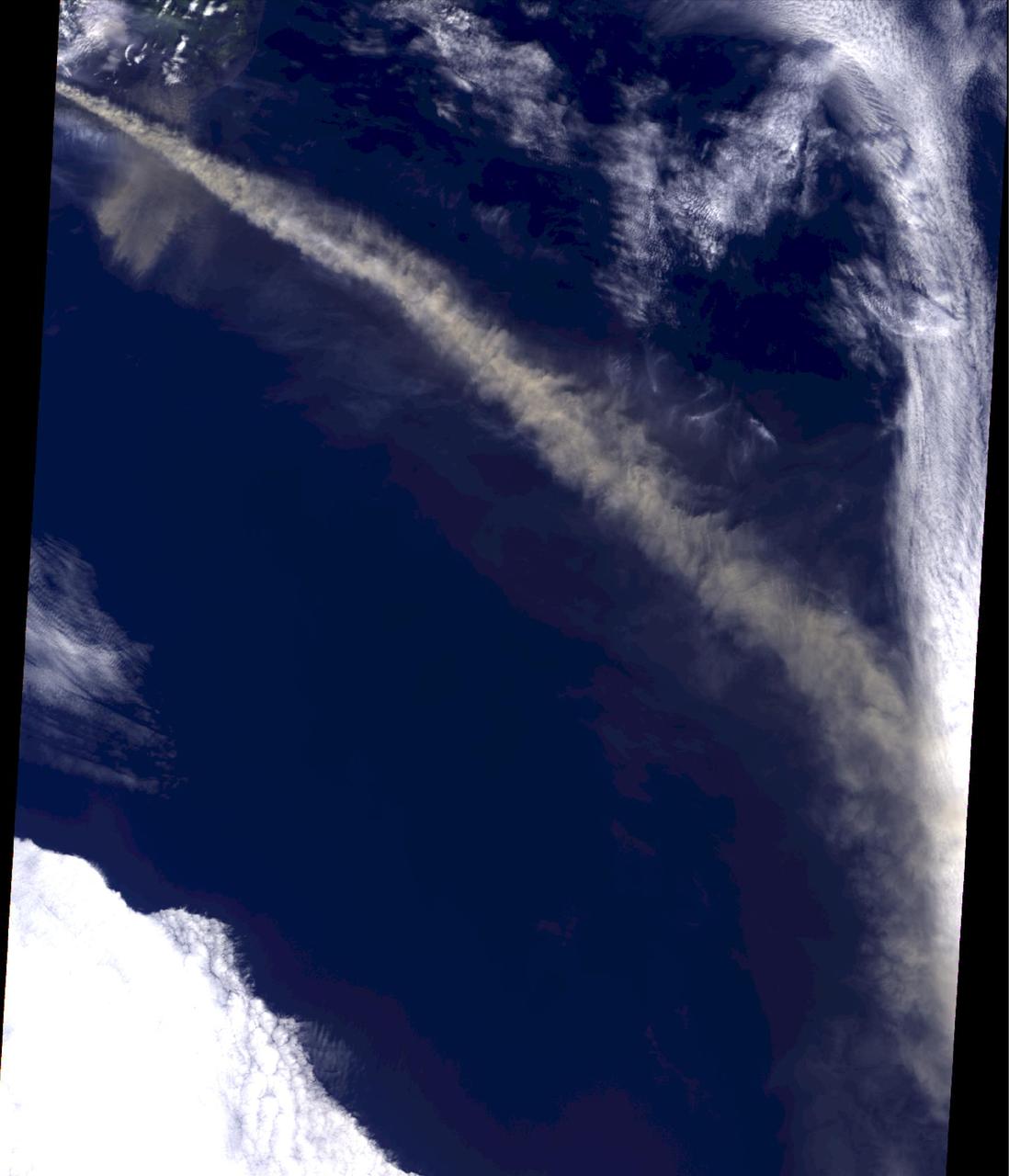
Iceland Eyjafjallajökull volcano produced its second major ash plume beginning on May 7, 2010. NASA Terra satellite passed just east of the volcano mid-morning and captured this image the same day.
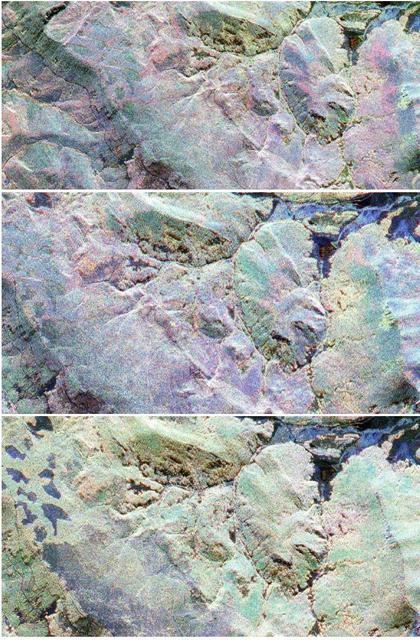
This sequence of three images in northern Colorado, taken by NASA Airborne Synthetic Aperture Radar AIRSAR in 2002, shows Fraser, Colorado, before snowfall, the morning after snow, and after the snow melted.

NASA Voyager 2 obtained this parting shot of Triton, Neptune largest satellite, shortly after closest approach to the moon and passage through its shadow on the morning of Aug. 25, 1989.
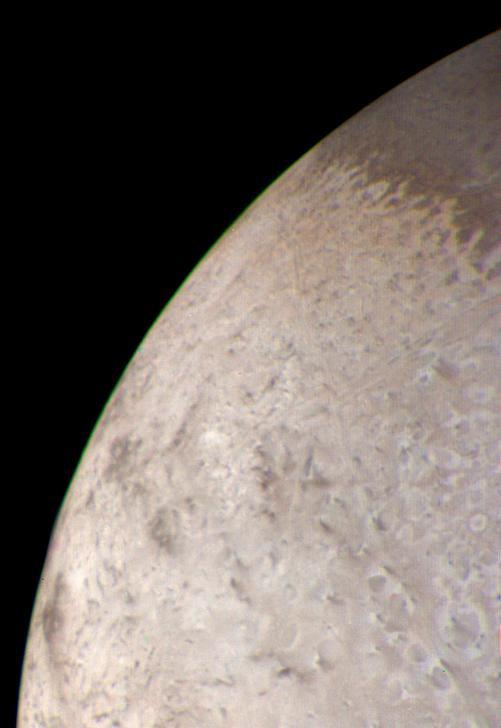
This natural color image of the limb of Triton was taken early in the morning of Aug. 25 1989, when the Voyager 2 spacecraft was at a distance of about 210,000 kilometers 128,000 miles from the icy satellite.
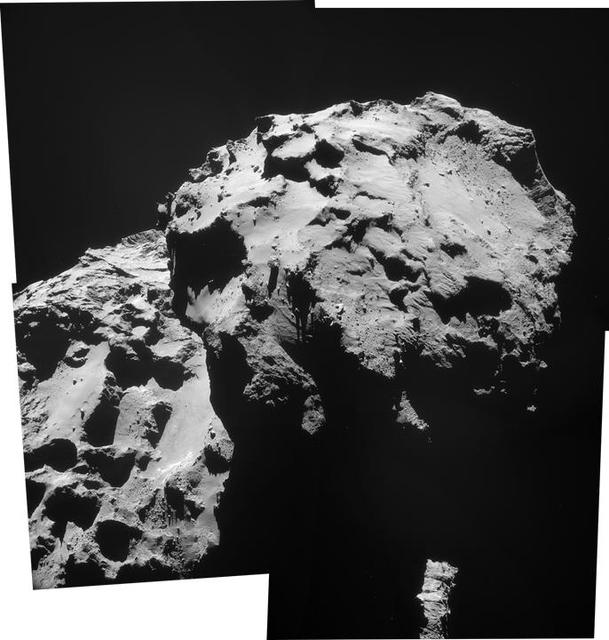
This mosaic of images from the navigation camera on the ESA Rosetta spacecraft shows the nucleus of comet 67P/Churyumov-Gerasimenko as it appeared at in the early morning, Universal Coordinated Time, of Dec. 17, 2014 evening of Dec. 16, PST.
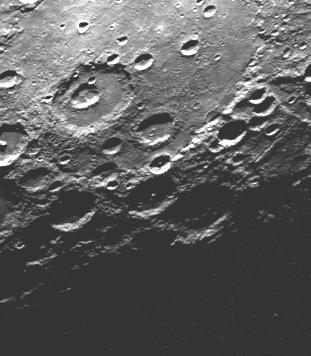
As NASA Mariner 10 passed by Mercury on its second encounter with the planet on Sept. 21, 1974, this picture of a large circular 350 kilometer, 220 mile diameter basin was obtained near the morning terminator.
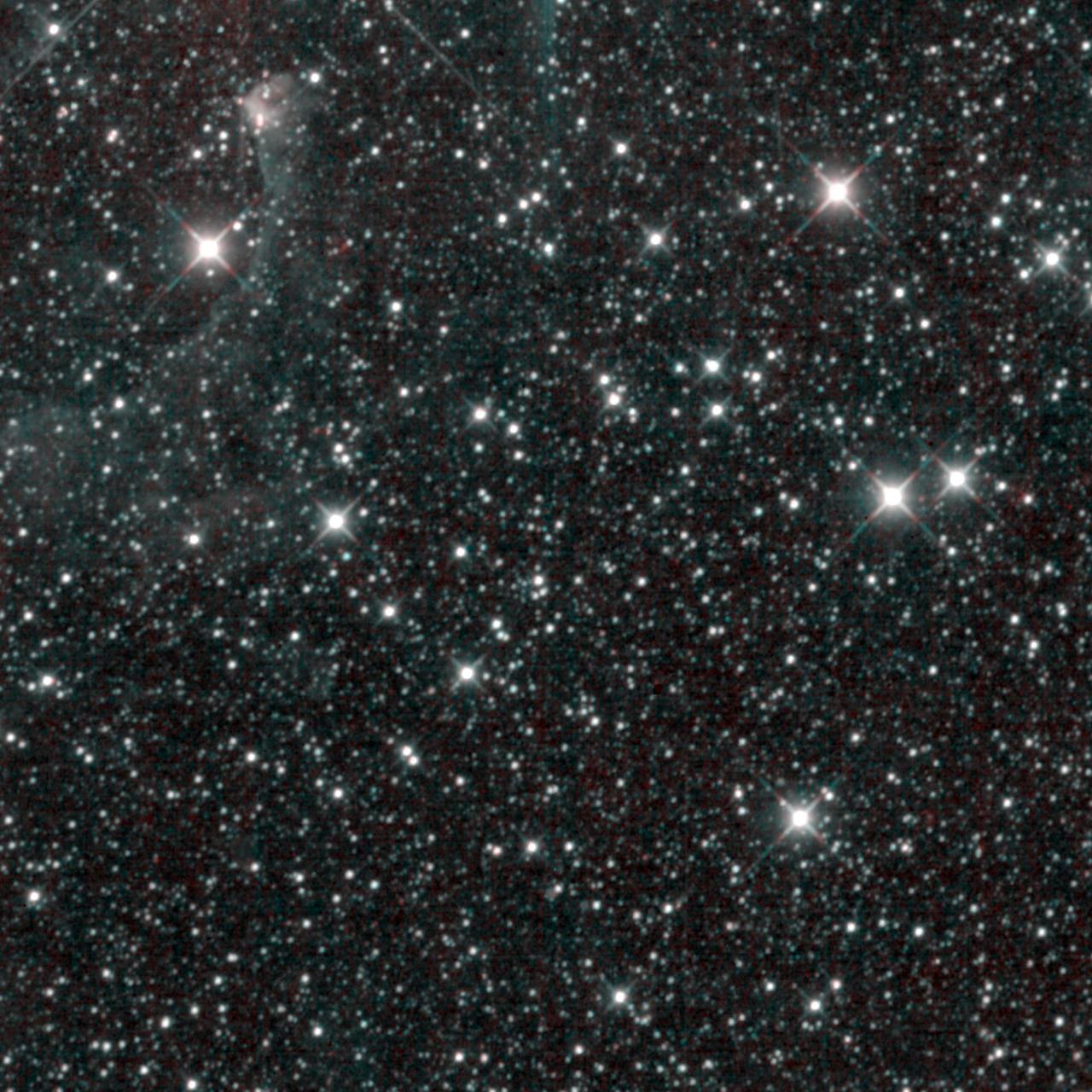
On the morning of February 1, 2011, NASA Wide-field Infrared Survey Explorer, or WISE, took its last snapshot of the sky. WISE final picture shows thousands of stars in a patch of the Milky Way galaxy in the constellation Perseus.

This image, taken by NASA Voyager 2 early in the morning of Aug. 23, 1989, is a false color image of Triton, Neptune largest satellite; mottling in the bright southern hemisphere is present.
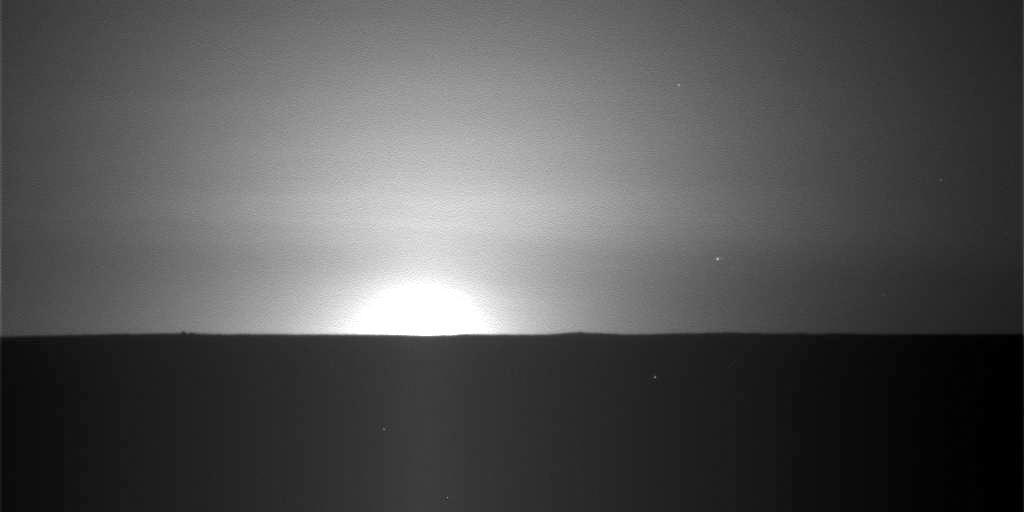
This frame from a sequence of nine images taken by the Surface Stereo Imager on NASA Phoenix Mars Lander shows the sun rising on the morning of the lander 101st Martian day after landing.
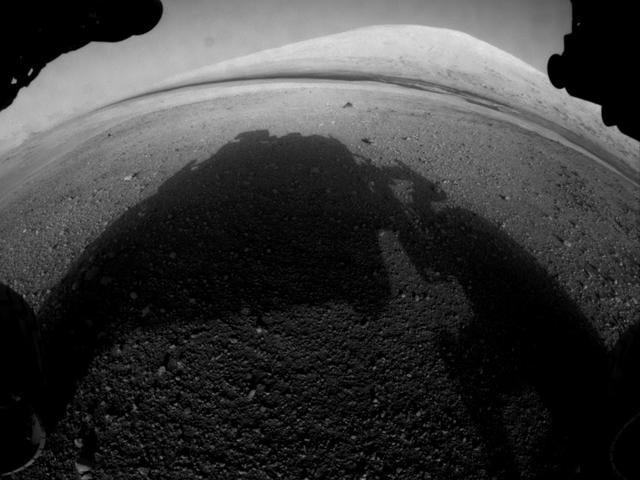
This full-resolution image shows one of the first views from NASA Curiosity rover, which landed on Mars the evening of Aug. 5 PDT early morning hours Aug. 6 EDT.
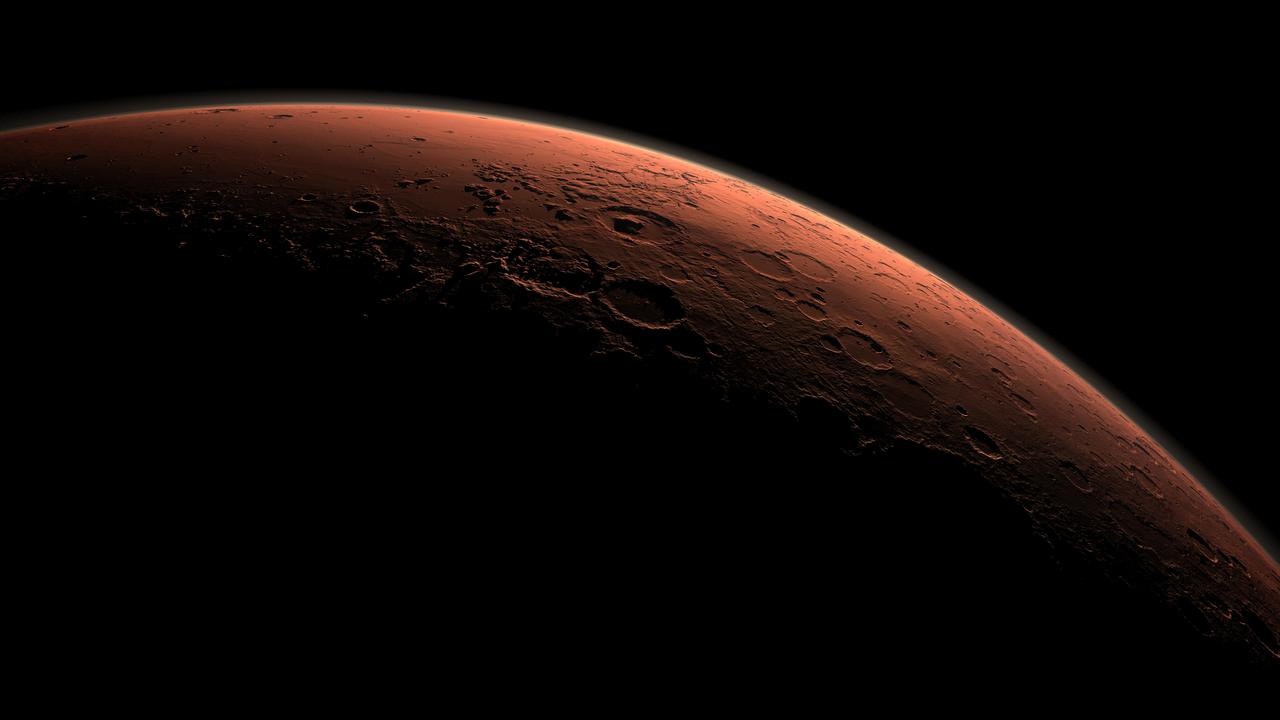
This computer-generated view depicts part of Mars at the boundary between darkness and daylight, with an area including Gale Crater beginning to catch morning light. NASA has selected Gale as the landing site for the Mars Science Laboratory mission.
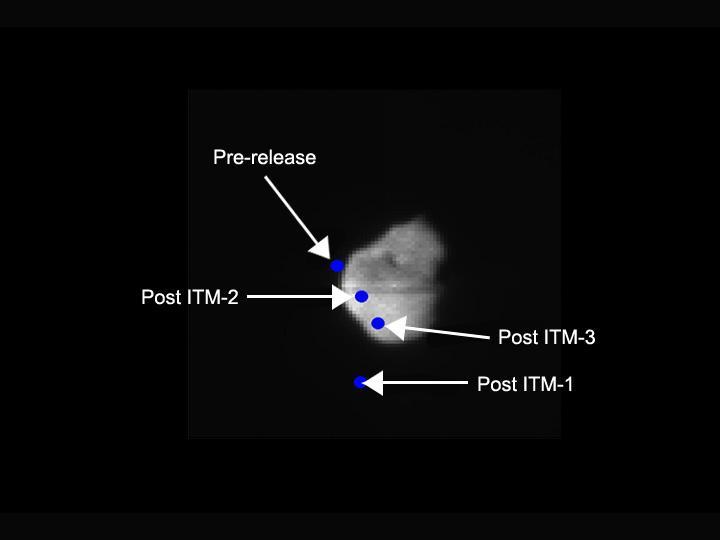
This image shows how NASA Deep Impact impactor targeted comet Tempel 1 as the spacecraft made its final approach in the early morning hours of July 4, 2005.
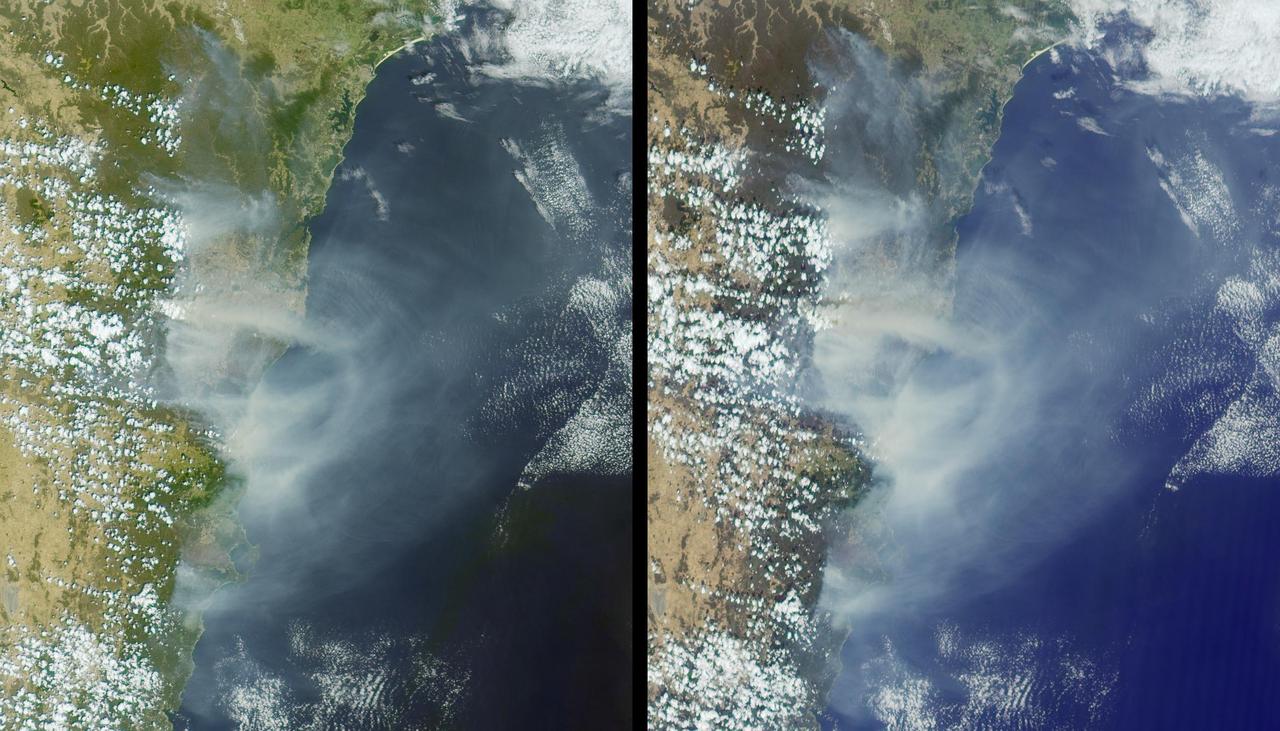
Australia largest city of Sydney was clouded with smoke when more than 70 wildfires raged across the state of New South Wales when NASA Terra satellite captured this image the morning of December 30, 2001.
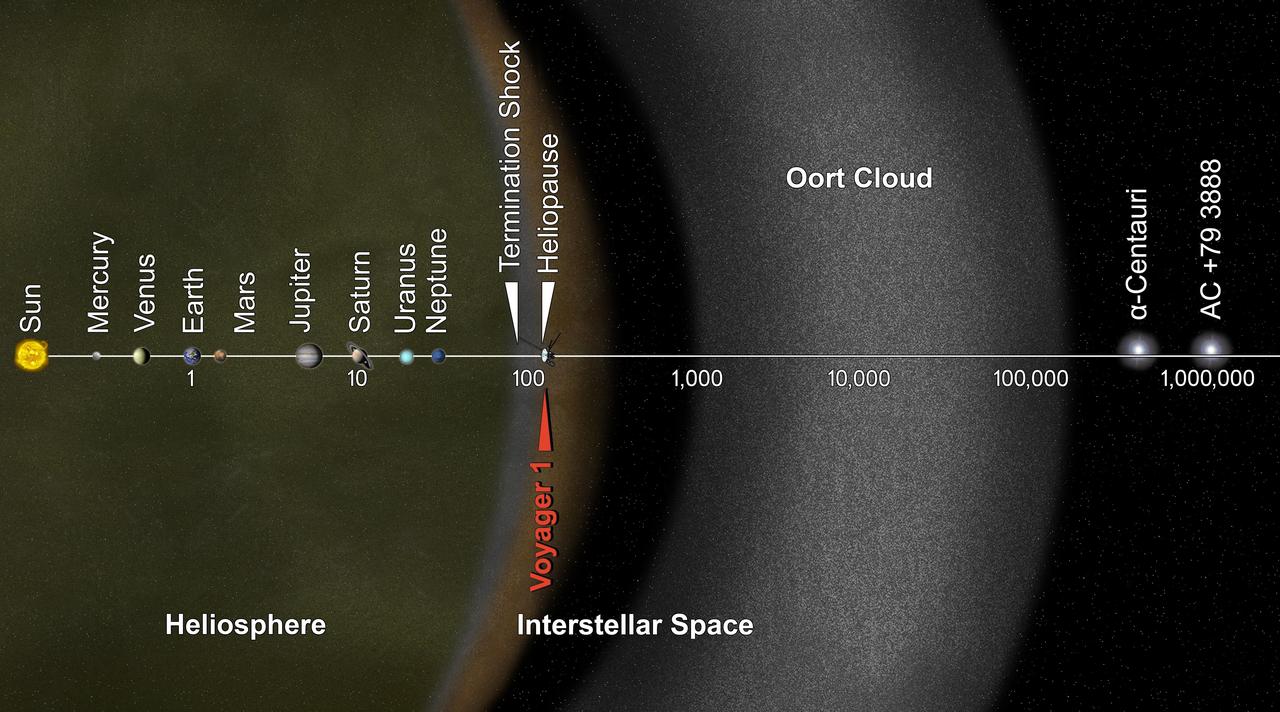
Voyager 1 has entered interstellar space. NASA spacecraft, which rose from Earth on a September morning 36 years ago, has traveled farther than anyone, or anything, in history.

Seen shortly after local Martian sunrise, clouds gather in the summit pit, or caldera, of Pavonis Mons, a giant volcano on Mars, in this image from the Thermal Emission Imaging System (THEMIS) on NASA's Mars Odyssey orbiter. The clouds are mostly made of ice crystals. They appear blue in the image because the cloud particles scatter blue light more strongly than other colors. Pavonis Mons stands about nine miles (14 kilometers) high, and the caldera spans about 29 miles (47 kilometers) wide. This image was made by THEMIS through three of its visual-light filters plus a near-infrared filter, and it is approximately true in color. THEMIS and other instruments on Mars Odyssey have been studying Mars from orbit since 2001. http://photojournal.jpl.nasa.gov/catalog/PIA19675
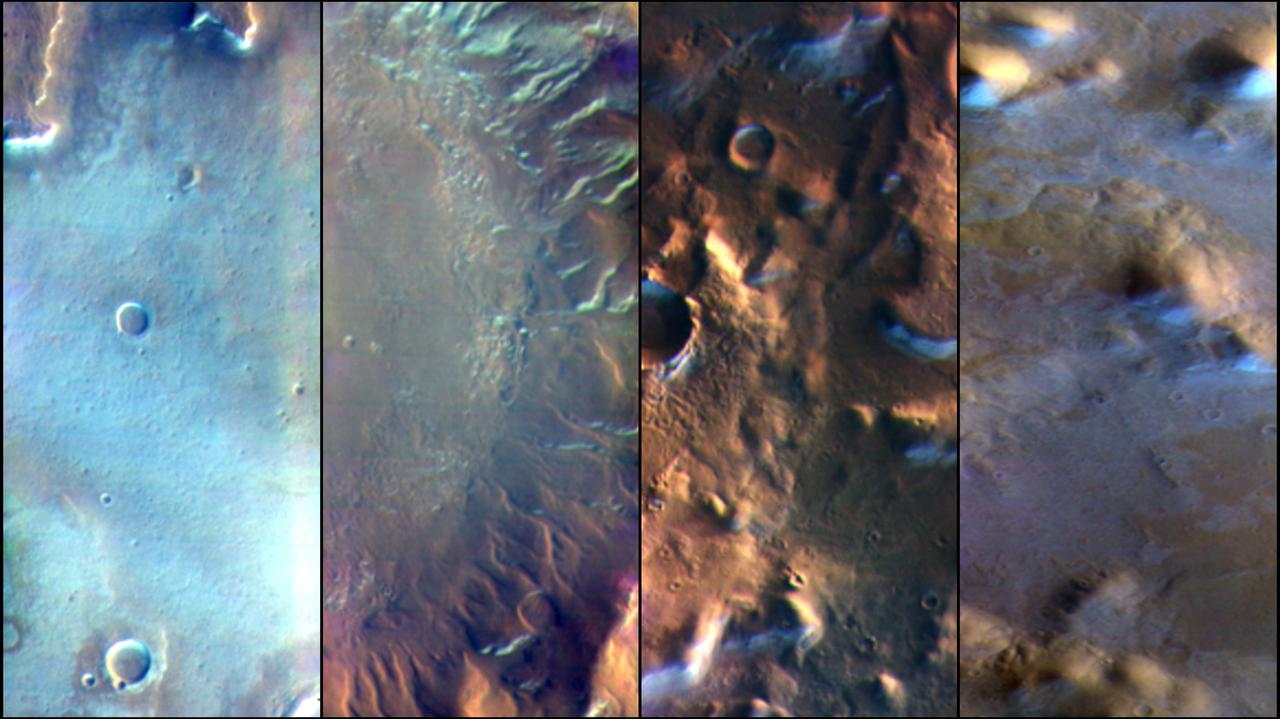
Martian surface frost, made up largely of carbon dioxide, appears blueish-white in these images from the Thermal Emission Imaging System (THEMIS) camera aboard NASA's 2001 Odyssey orbiter. THEMIS takes images in both visible light perceptible to the human eye and heat-sensitive infrared. https://photojournal.jpl.nasa.gov/catalog/PIA25233

Apollo astronaut Alan Bean, center, laughs at a comment made by Apollo astronaut Charles Duke, right, as Apollo astronaut Buzz Aldrin, left, looks on during a live television interview on Monday, July 20, 2009, at NASA Headquarters in Washington. Monday marked the 40th Anniversary of the historic landing of Apollo 11 on the Moon. Photo Credit: (NASA/Paul E. Alers)
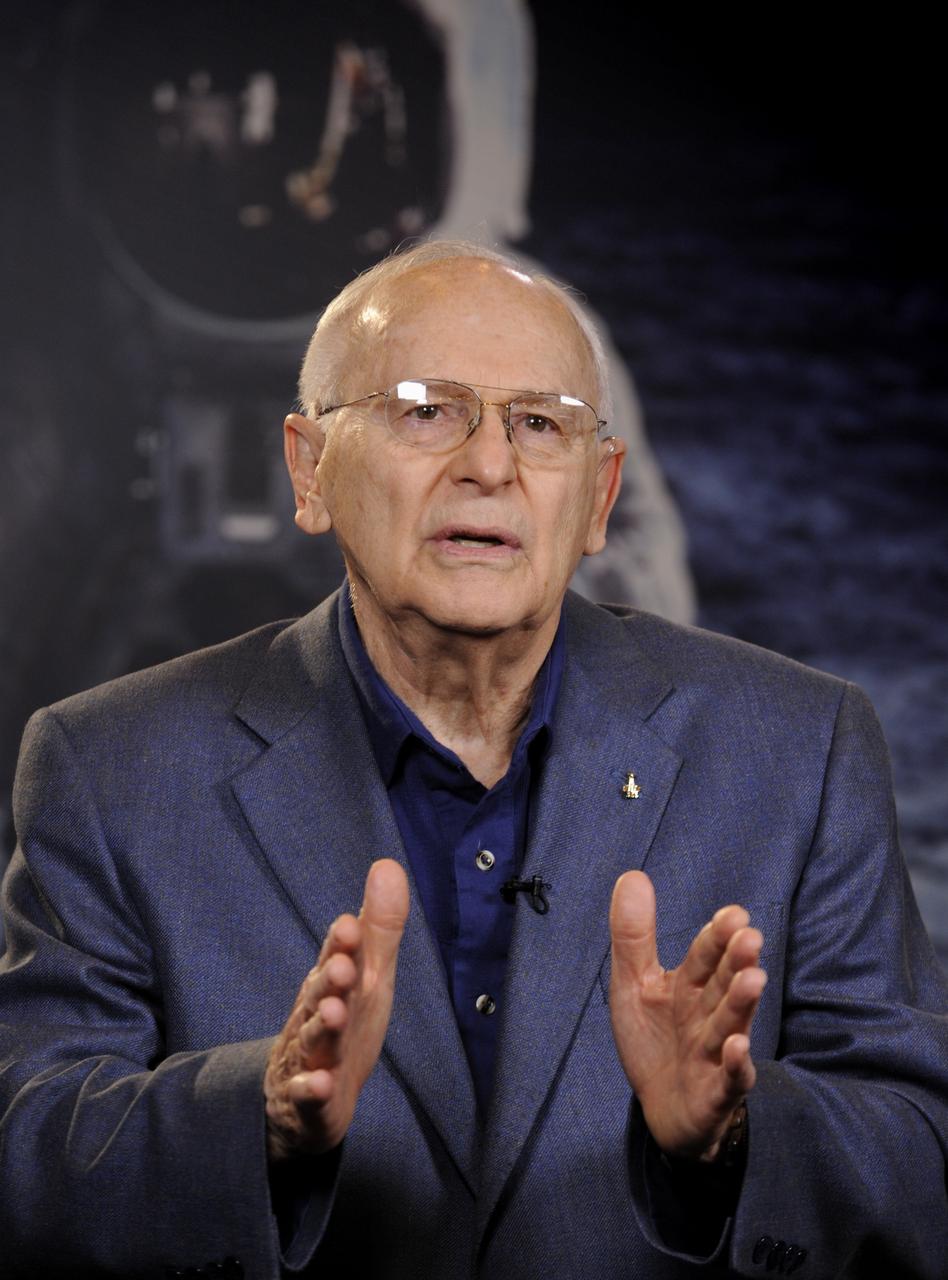
Apollo 12 astronaut Alan Bean responds to a question during a live television interview on Monday, July 20, 2009, at NASA Headquarters in Washington. Bean was lunar module pilot on Apollo 12, man's second lunar landing. Photo Credit: (NASA/Paul E. Alers)
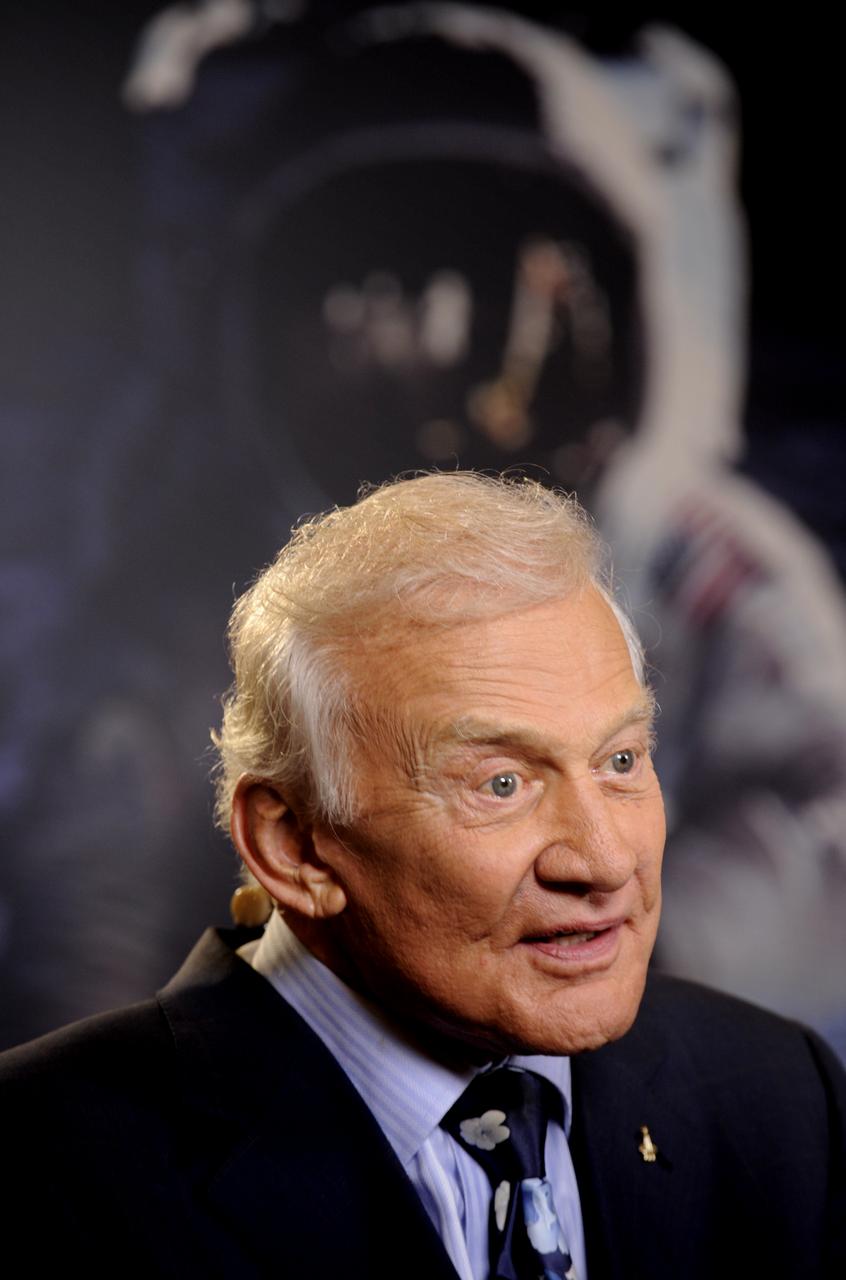
Apollo 11 astronaut Buzz Aldrin, the second man to walk on the Moon, responds to a question during a live television interview on Monday, July 20, 2009, at NASA Headquarters in Washington. Monday marked the 40th Anniversary of the historic landing. Photo Credit: (NASA/Paul E. Alers)
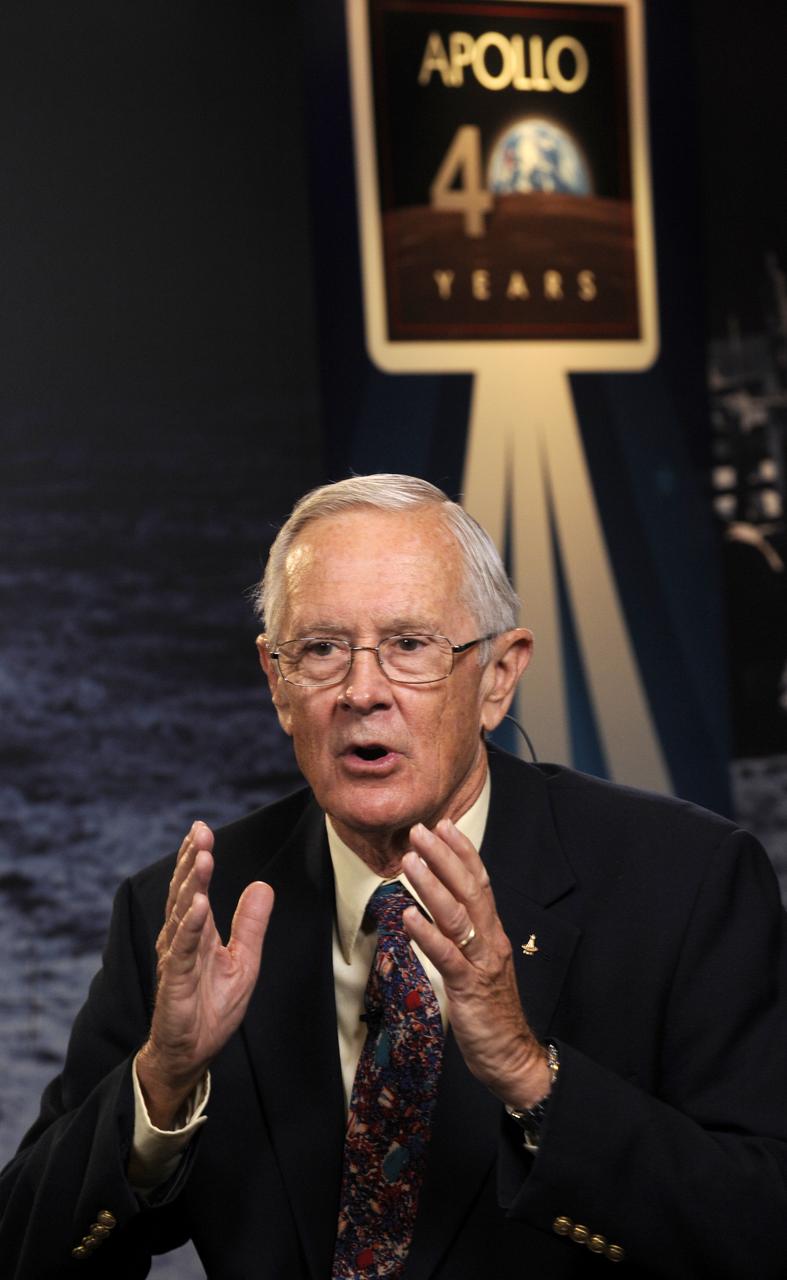
Apollo 16 astronaut Charles Duke responds to a question during a live television interview on Monday, July 20, 2009, at NASA Headquarters in Washington. Photo Credit: (NASA/Paul E. Alers)
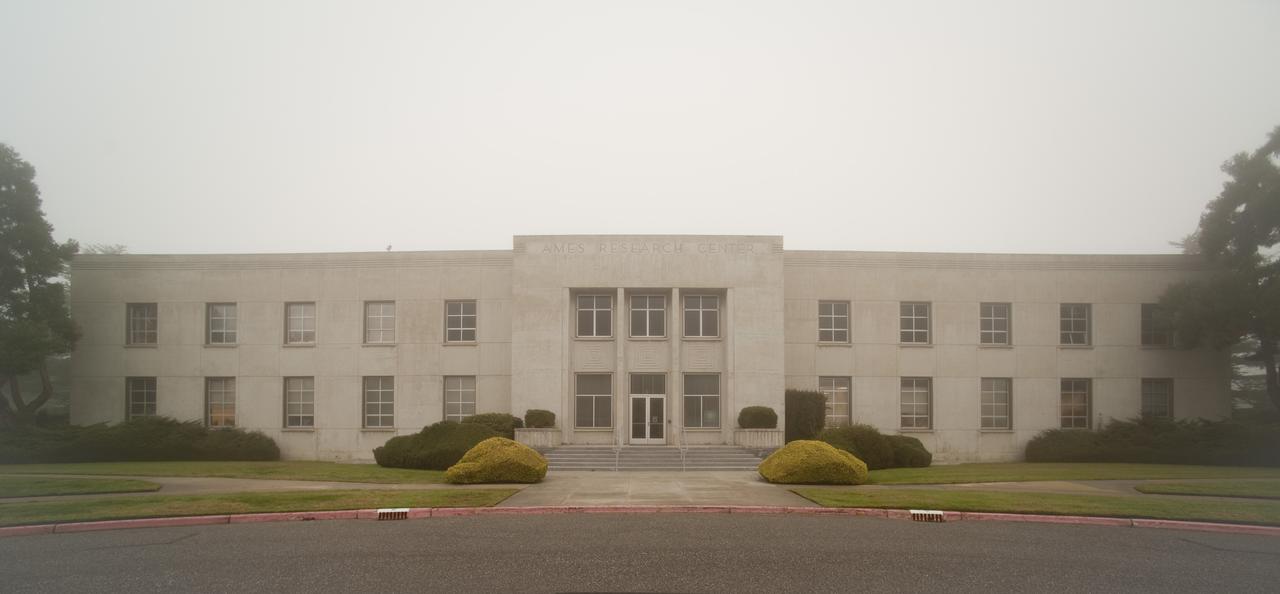
Ames Administration building N-200 on a foggy morning

This is one of the most detailed views of the surface of Triton taken by NASA Voyager 2 on its flyby of the large satellite of Neptune early in the morning of Aug. 25, 1989. The picture was stored on the tape recorder and relayed to Earth later. http://photojournal.jpl.nasa.gov/catalog/PIA00061
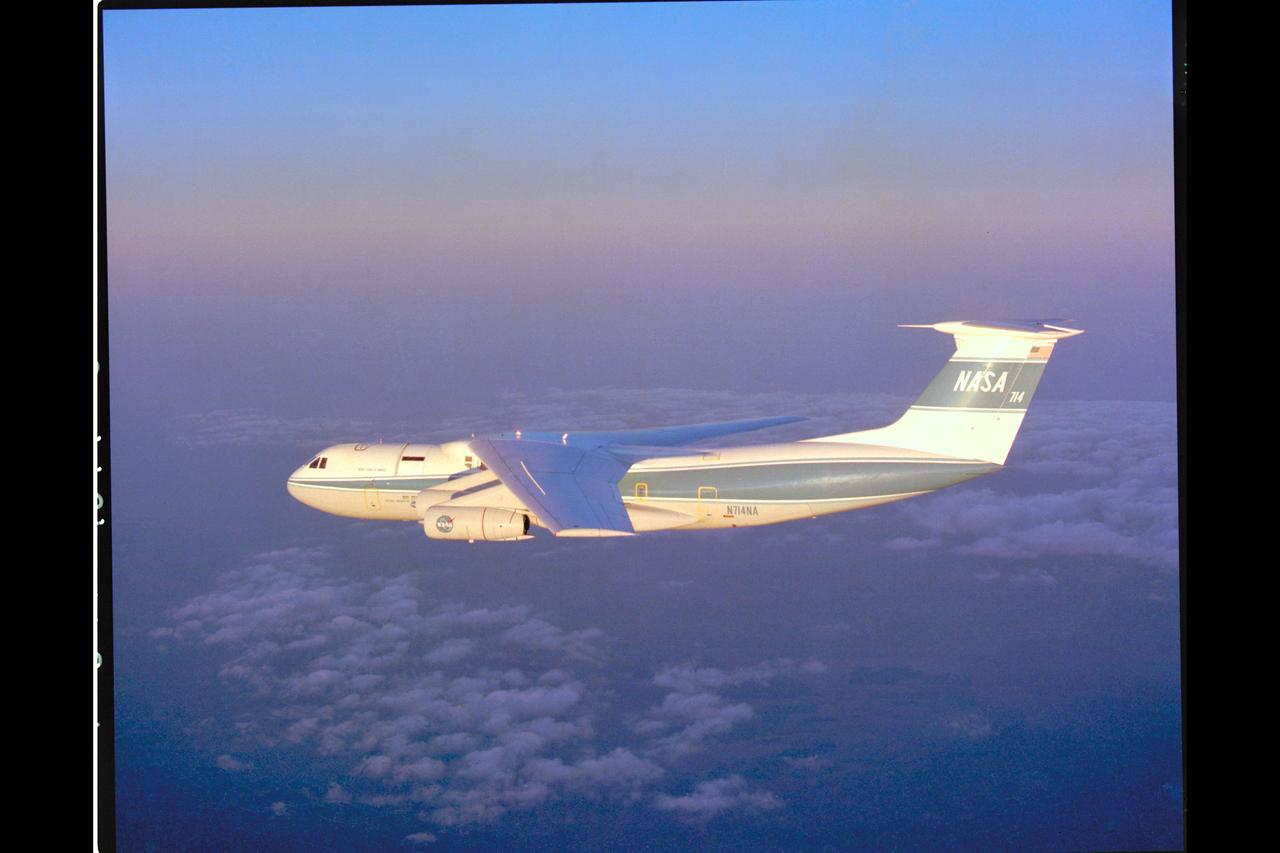
C-141 KAO in early morning flight home to Ames Research Center
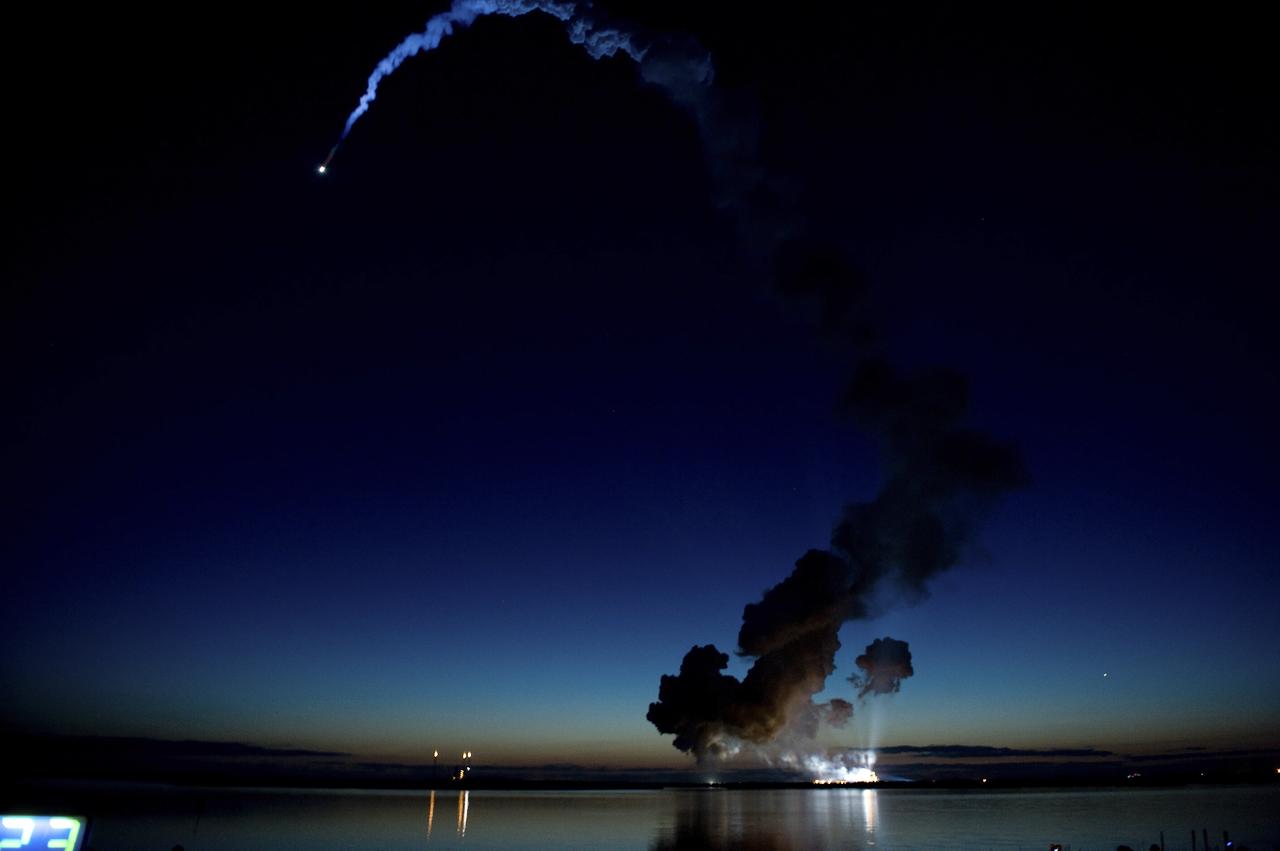
STS-131 LIFTS OFF INTO THE EARLY MORNING SKY AT KENNEDY SPACE CENTER
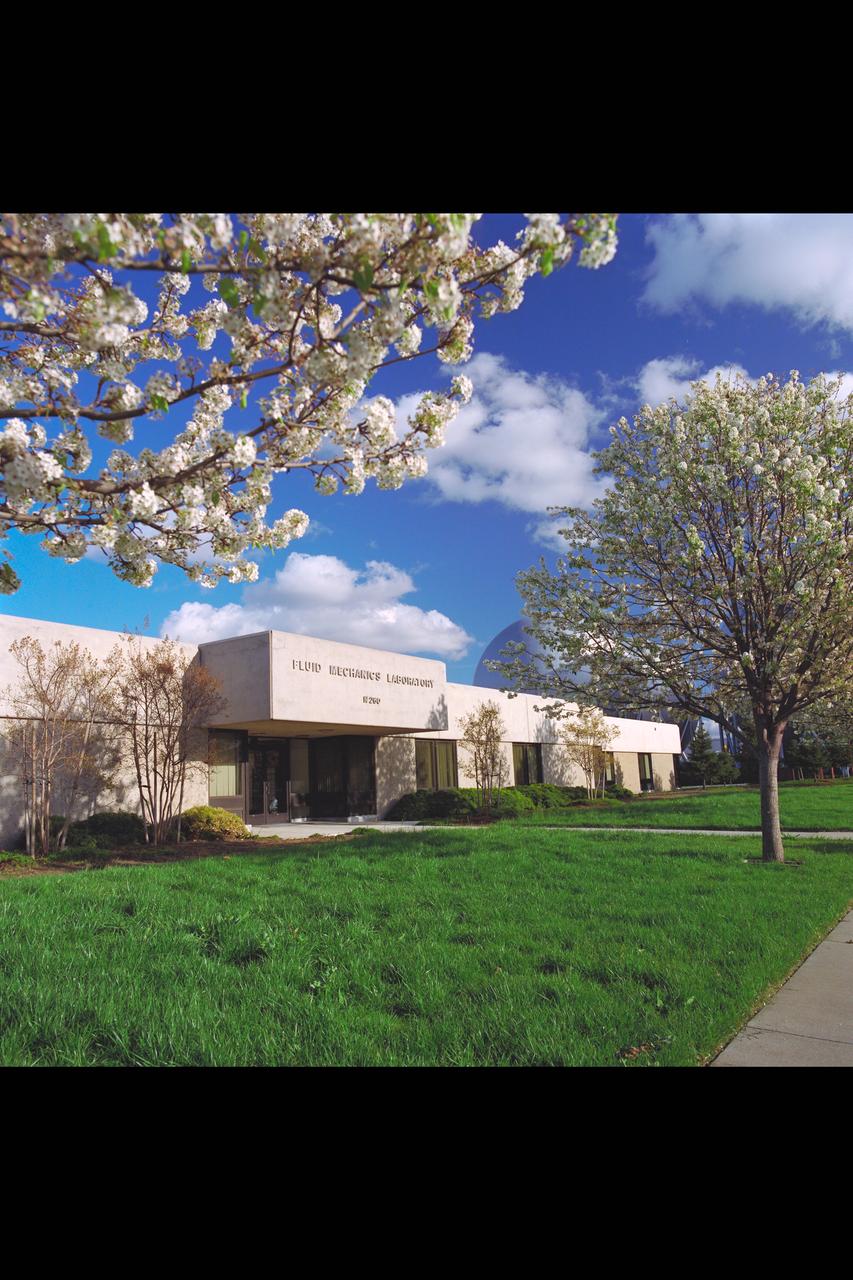
N-260 Fluid Mechanics Laboratory aerials (Morning) and ground (Afternoon) shots.
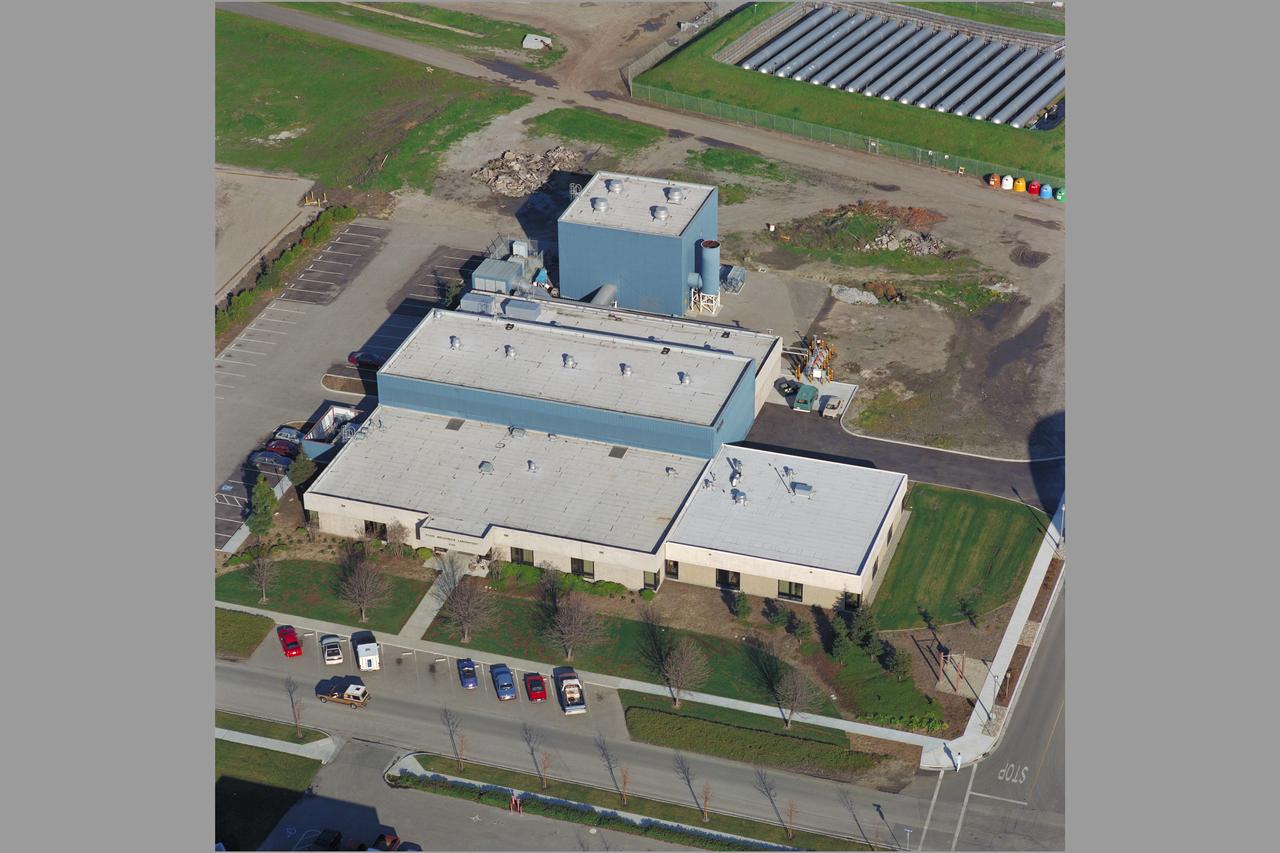
N-260 Fluid Mechanics Laboratory aerial in morning light
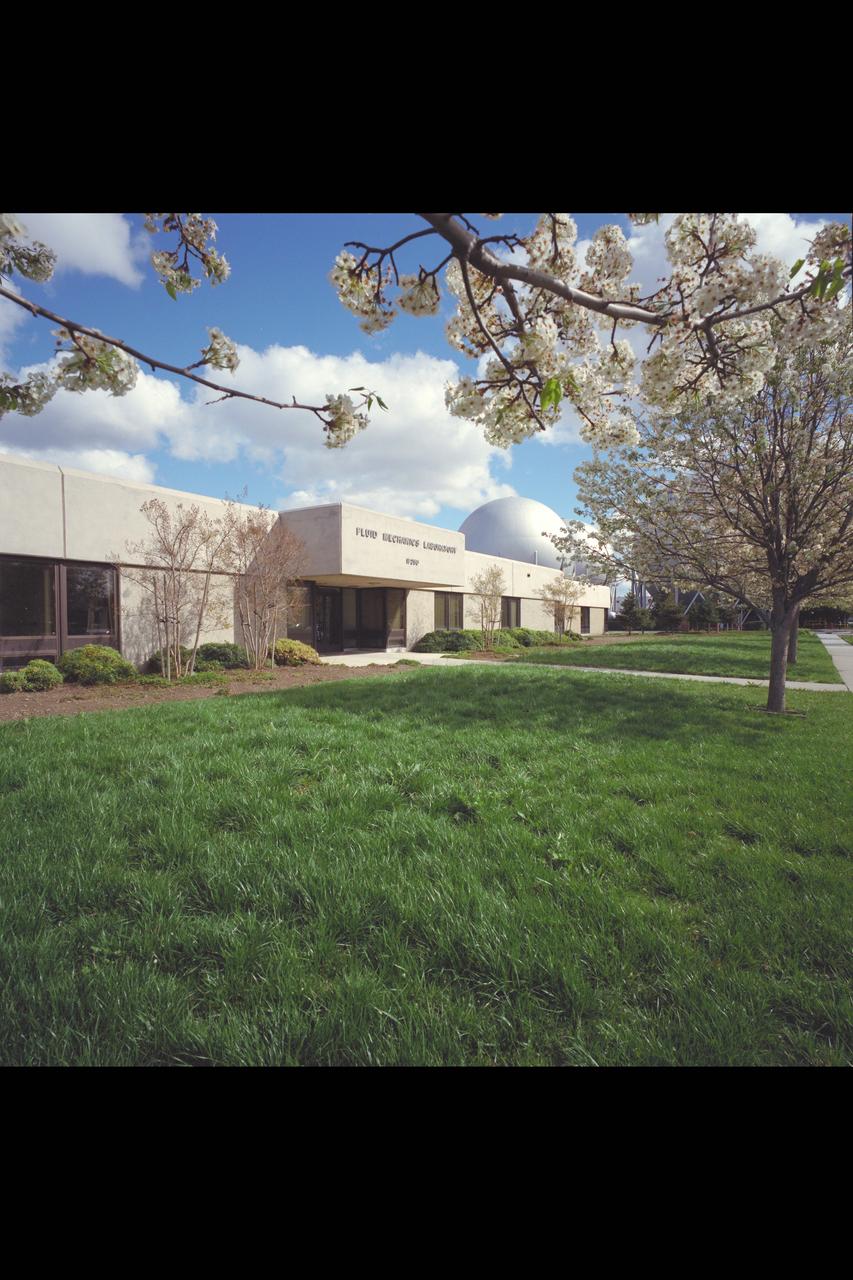
N-260 Fluid Mechanics Laboratory aerials (Morning) and ground (Afternoon) shots.
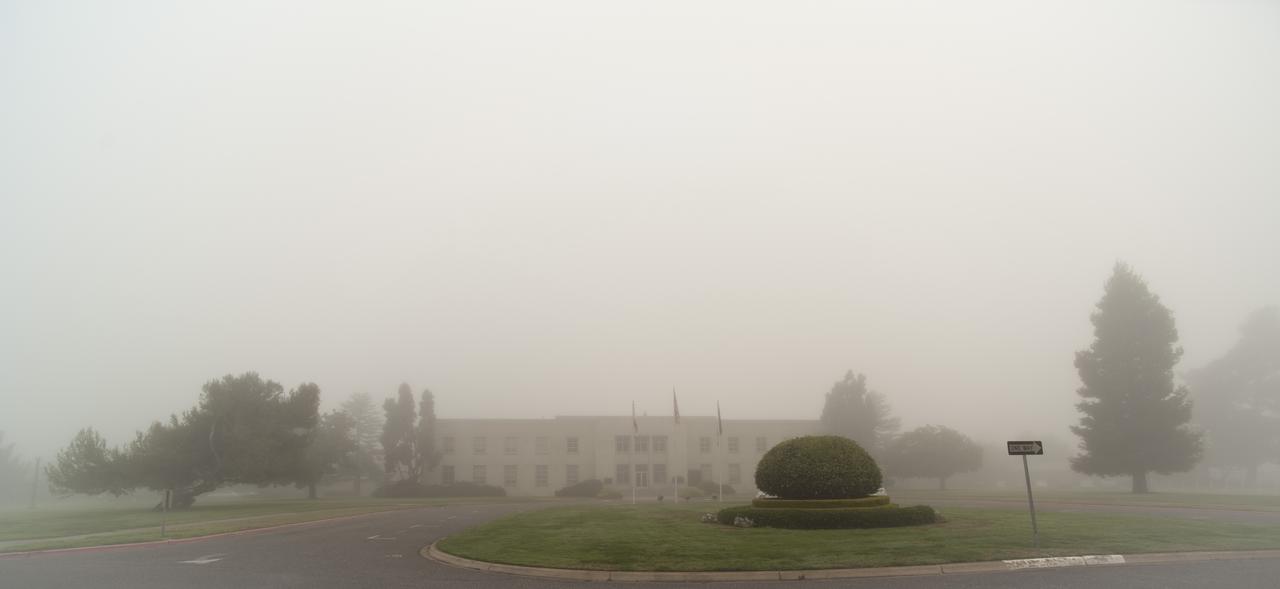
Ames Administration building N-200 on Bush Circle on a foggy morning
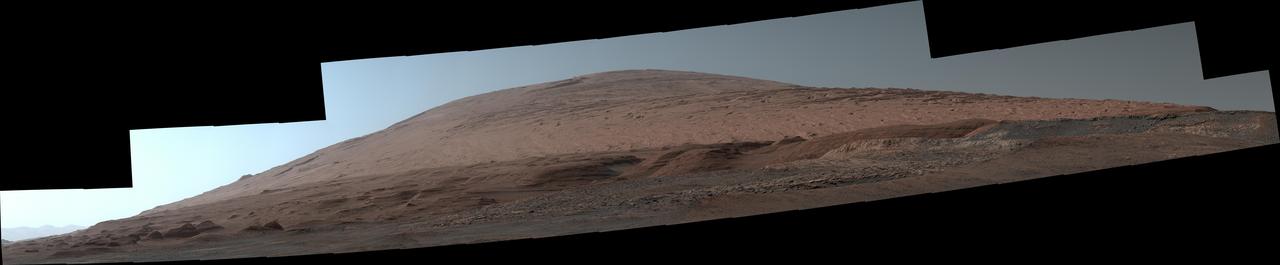
The Mast Camera, or Mastcam, on NASA's Curiosity Mars rover used its telephoto lens to capture Mount Sharp in the morning illumination on Oct. 13, 2019, the 2,555th Martian day, or sol, of the mission. The panorama is composed of 44 individual images stitched together. The panorama has been white-balanced and additionally brightened so that the colors of the rock materials resemble how they would appear under daytime lighting conditions on Earth. https://photojournal.jpl.nasa.gov/catalog/PIA23898
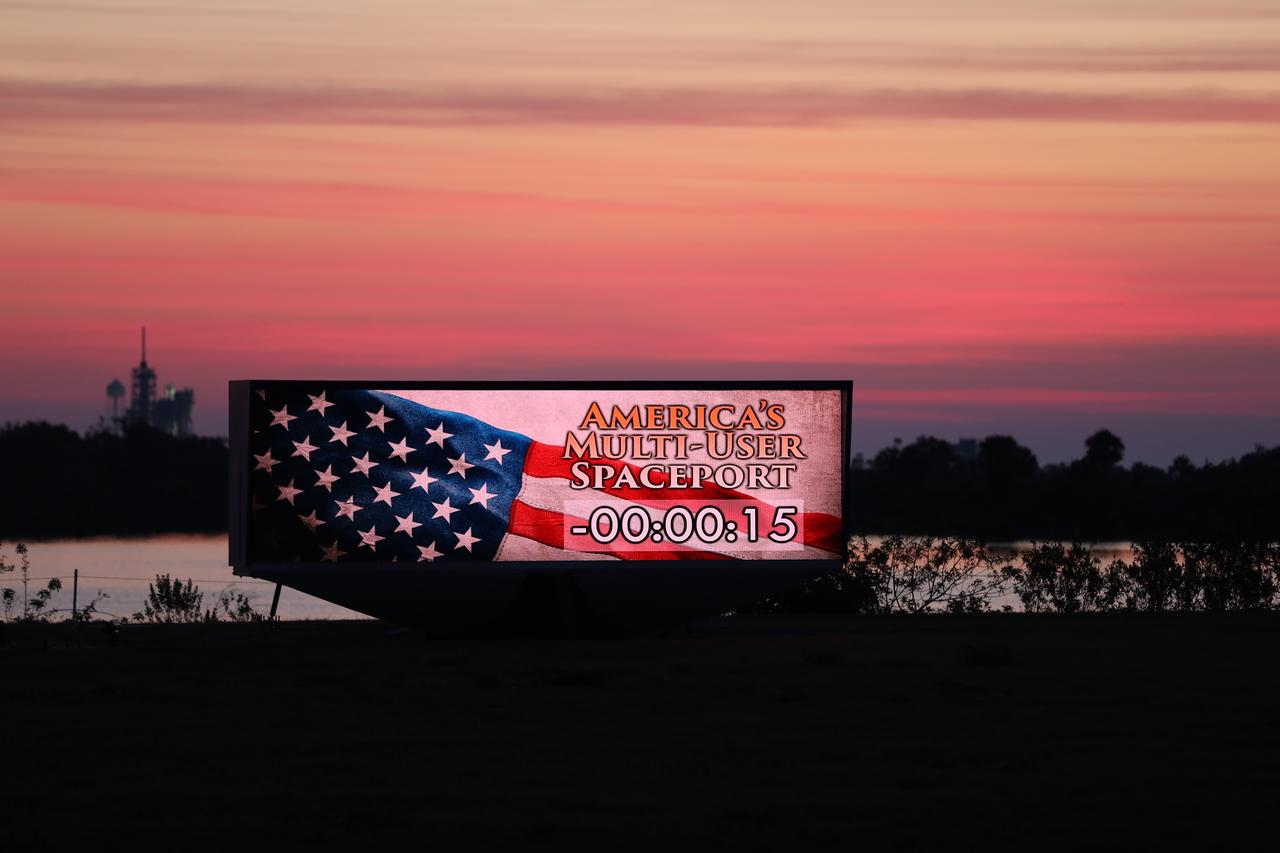
An early morning sunrise serves as the backdrop for the countdown clock near the News Center at NASA's Kennedy Space Center in Florida.
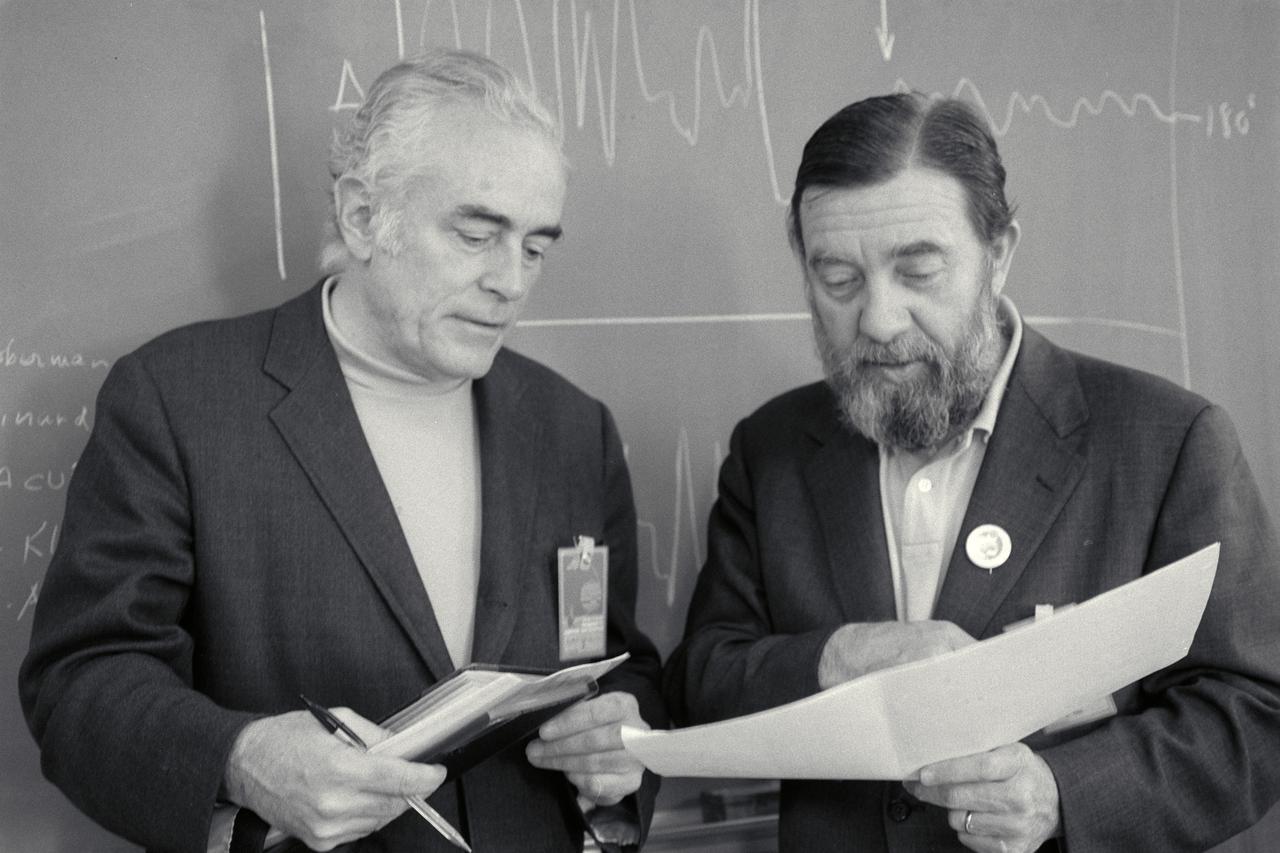
Dr. John A. Simpson and Dr James Van Allen discuss Pioneer 11 Mission to Juiter and Saturn during morning briefing.
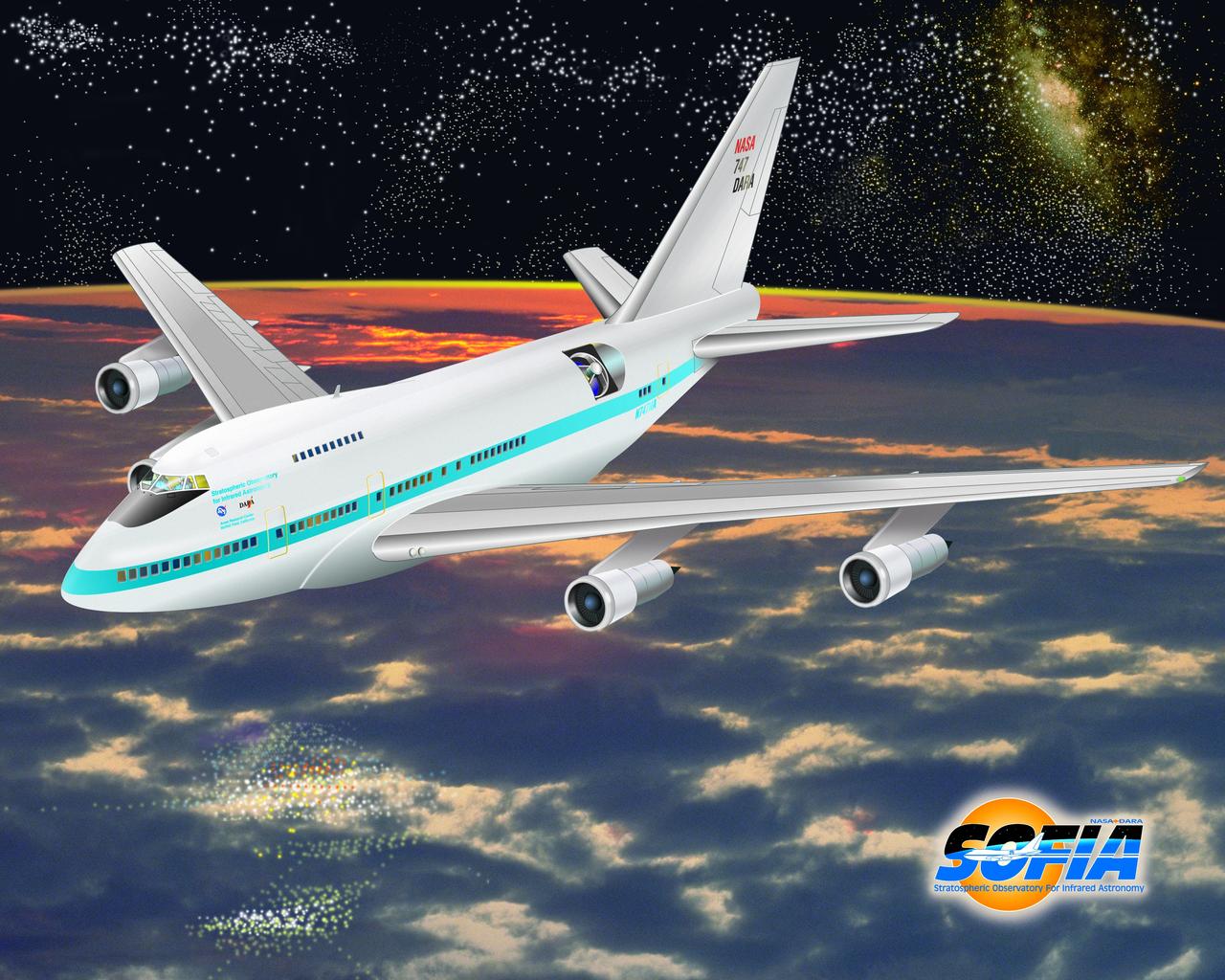
Artwork SOFIA (Stratospheric Observatory for Infrared Astronomy) in flight morning sky with logo in layers photoshop file
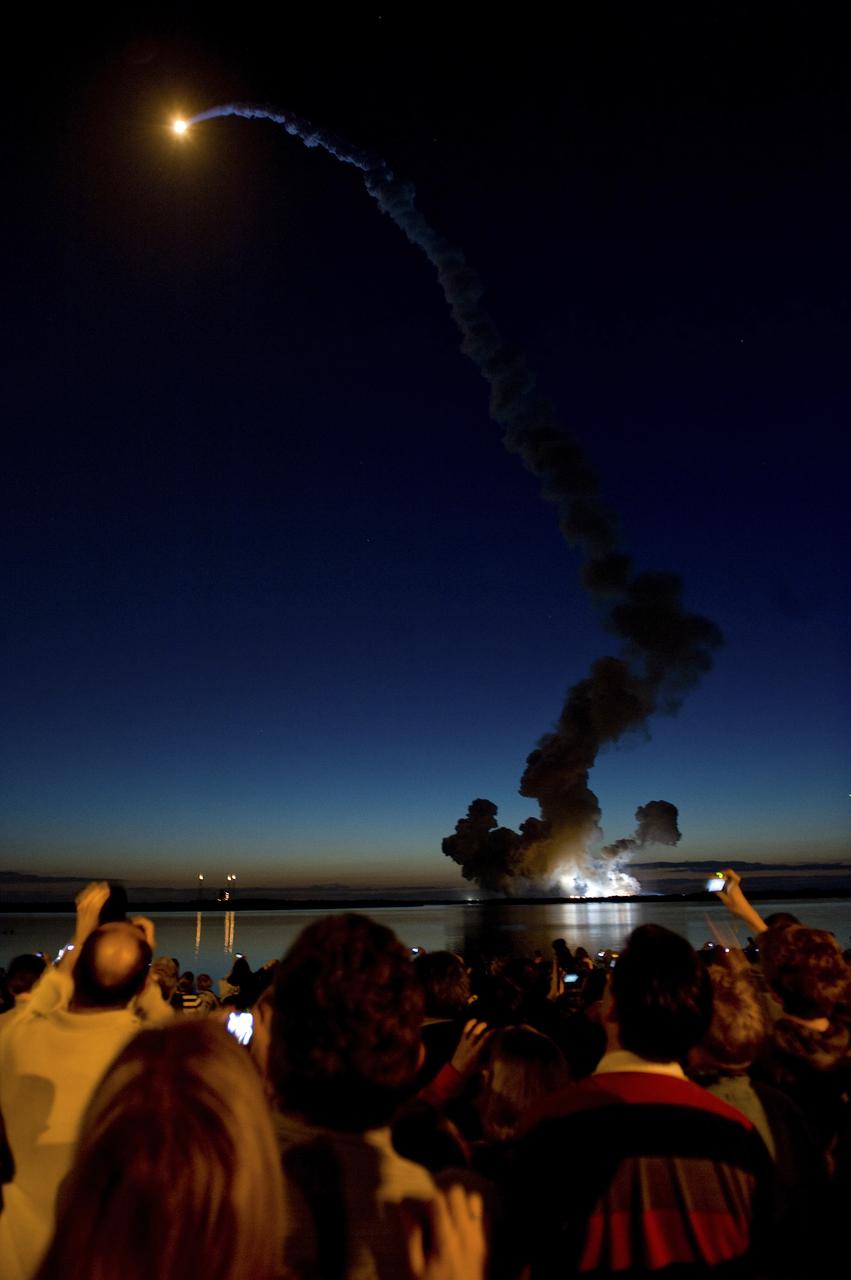
STS-131 LIFTS OFF INTO THE EARLY MORNING SKY AS SPECTATORS AT THE BANANA CREEK VIEWING AREA OBSERVE
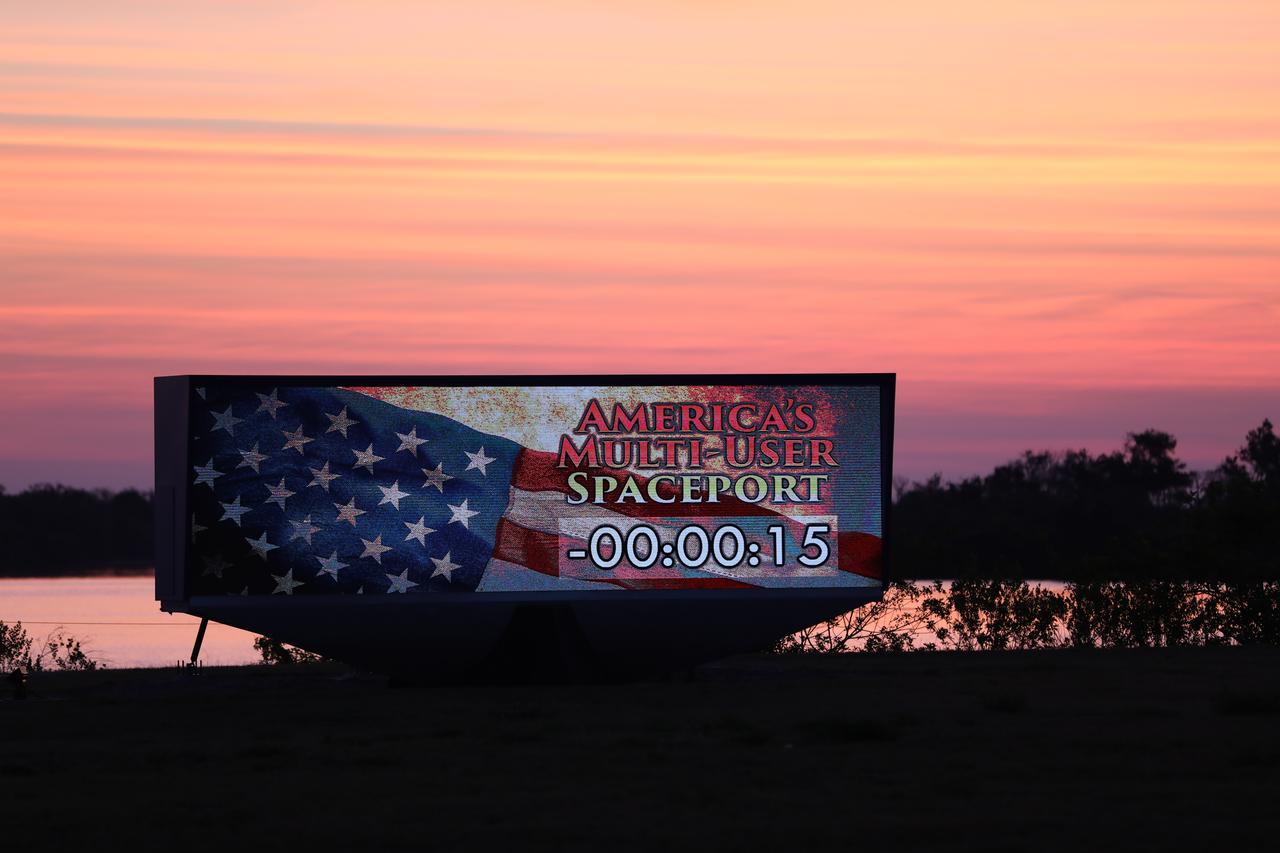
An early morning sunrise serves as the backdrop for the countdown clock near the News Center at NASA's Kennedy Space Center in Florida.
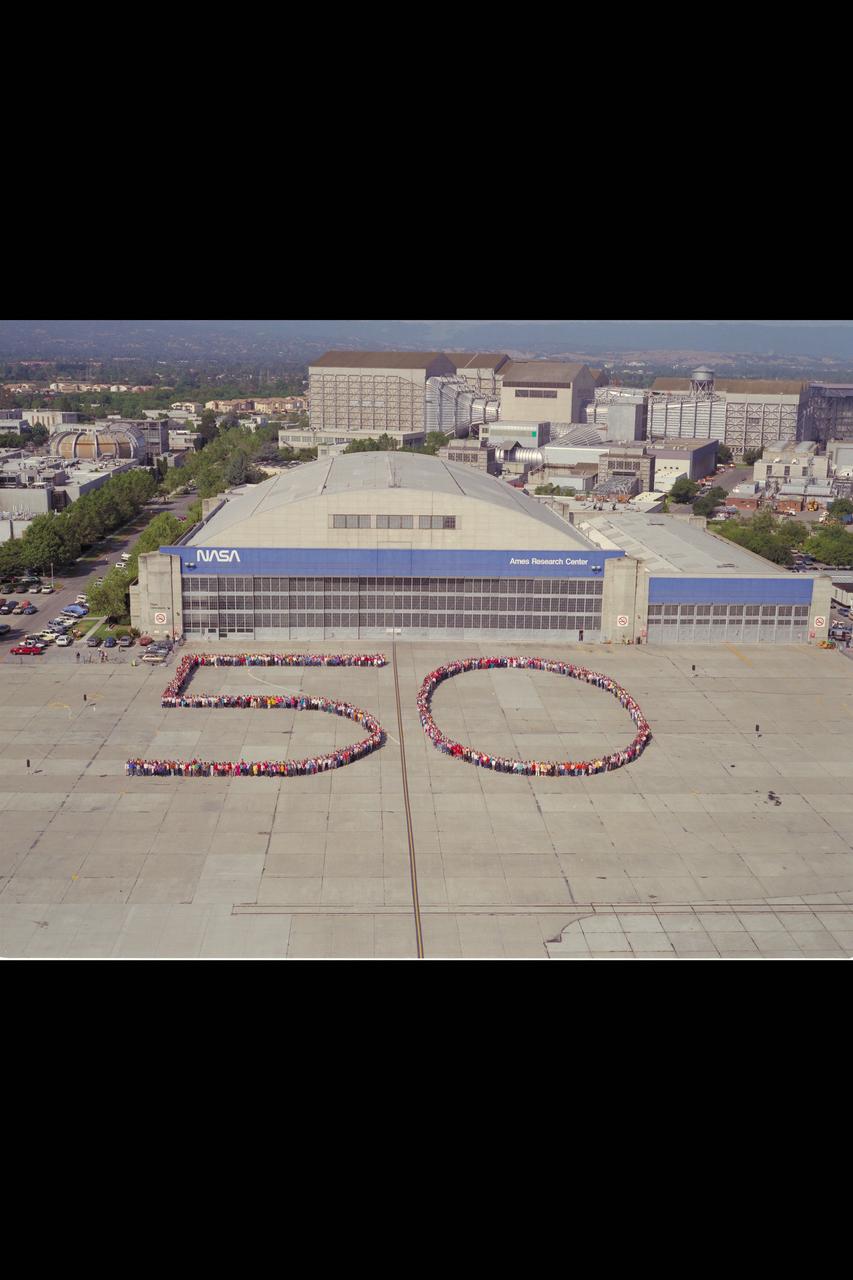
Nasa Ames 50 year celebration, employees on ramp for television show 'Good Morning America' group photo
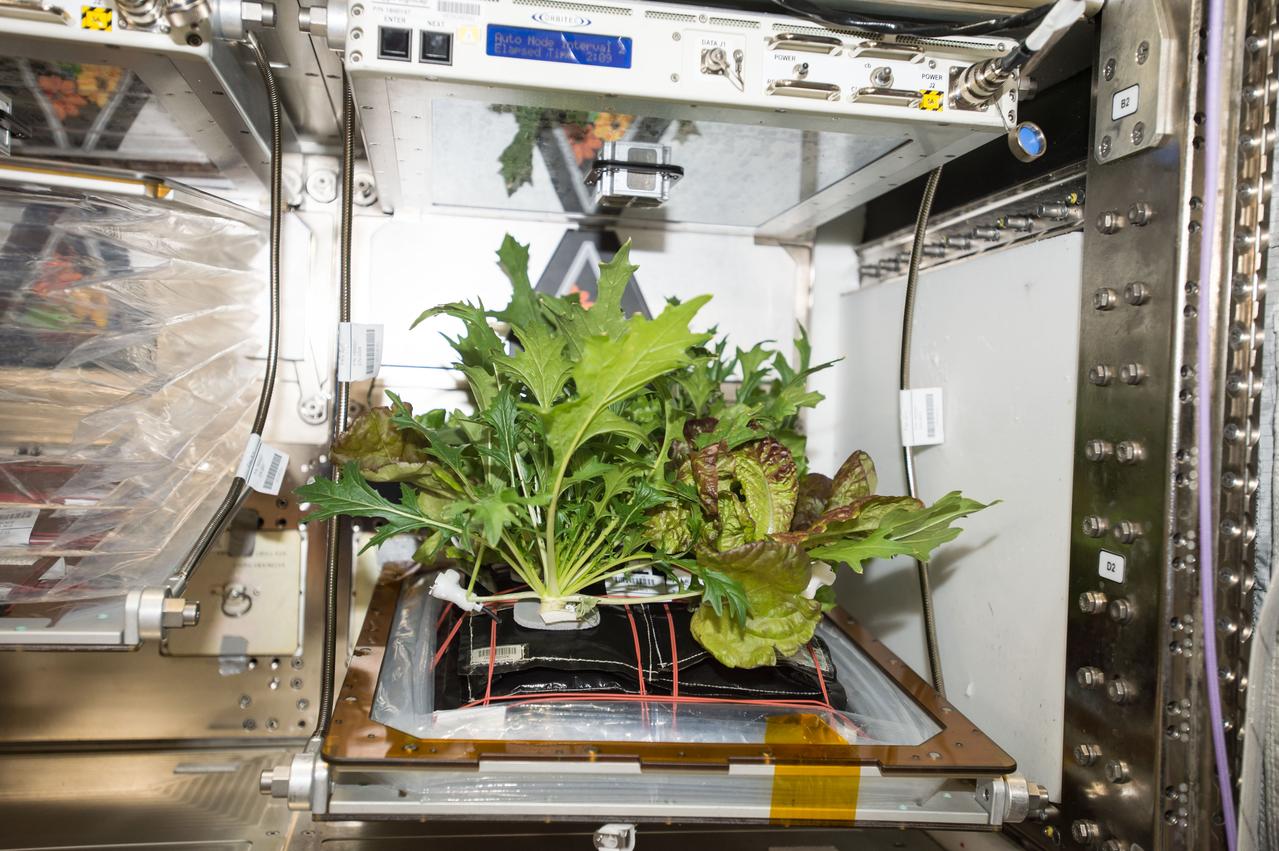
Three different varieties of plants growing in the Veggie plant growth chamber on the International Space Station were harvested this morning.
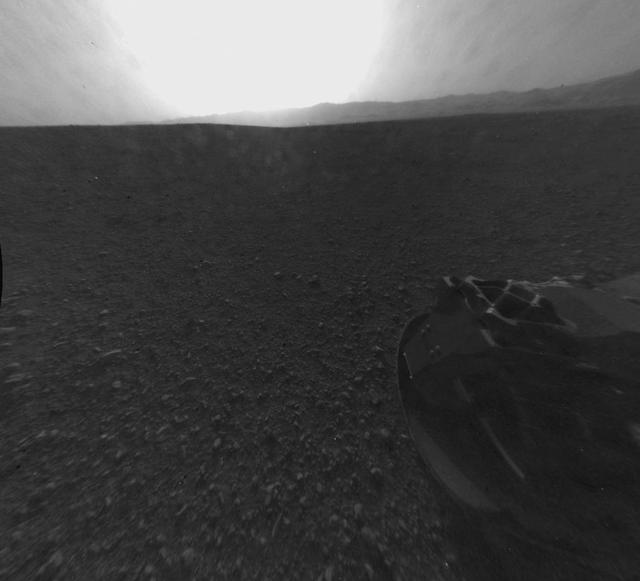
This is the full-resolution version of one of the first images taken by a rear Hazard-Avoidance camera on NASA Curiosity rover, which landed on Mars the evening of Aug. 5 PDT morning of Aug. 6 EDT. The image has also been cropped.
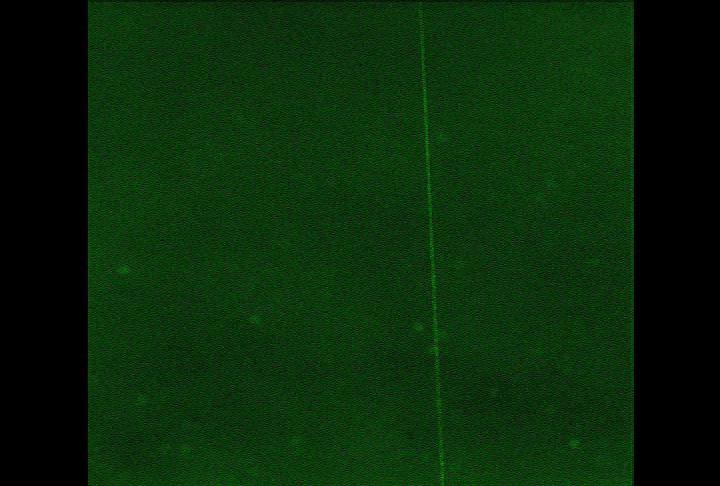
A laser beam from the Canadian-built lidar instrument on NASA Phoenix Mars Lander can be seen in this contrast-enhanced image taken by Phoenix Surface Stereo Imager on July 26, 2008, during early Martian morning hours of the 61st Martian day.
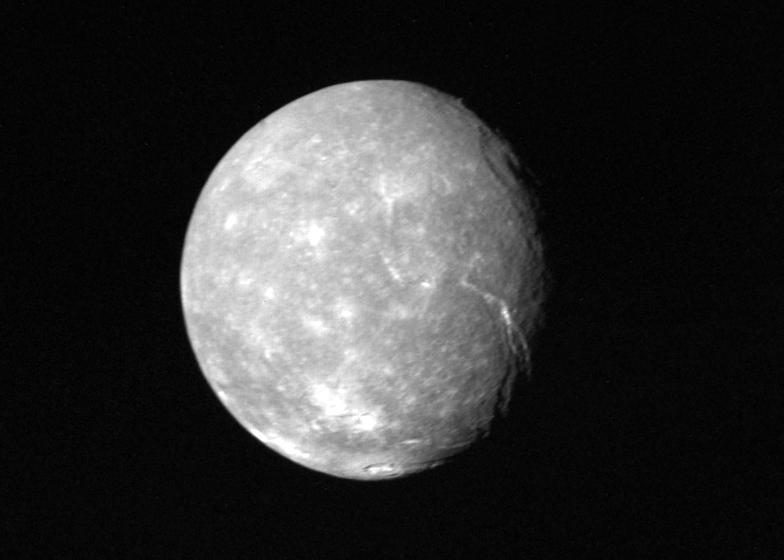
Voyager 2 obtained this full-disk view of Uranus moon Titania in the early morning hours of Jan. 24, 1986, from a distance of about 500,000 kilometers 300,000 miles. Many circular depressions, probably impact craters, are visible in this clear-filter.
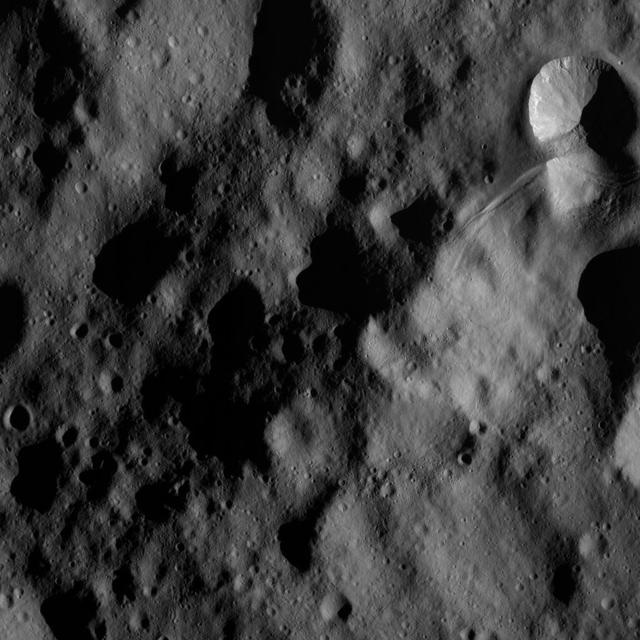
This image of the giant asteroid Vesta was obtained by NASA Dawn spacecraft in the evening Nov. 27 PST early morning Nov. 28, UTC, as it was spiraling down from its high altitude mapping orbit to low altitude mapping orbit.
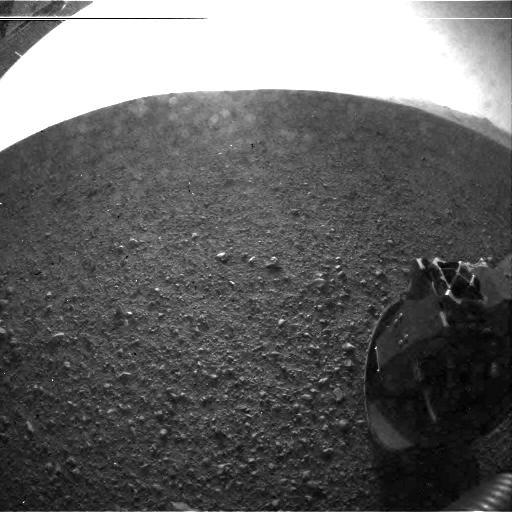
This is one of the first images taken by NASA Curiosity rover, which landed on Mars the evening of Aug. 5 PDT morning of Aug. 6 EDT. The clear dust cover that protected the camera during landing has been sprung open.
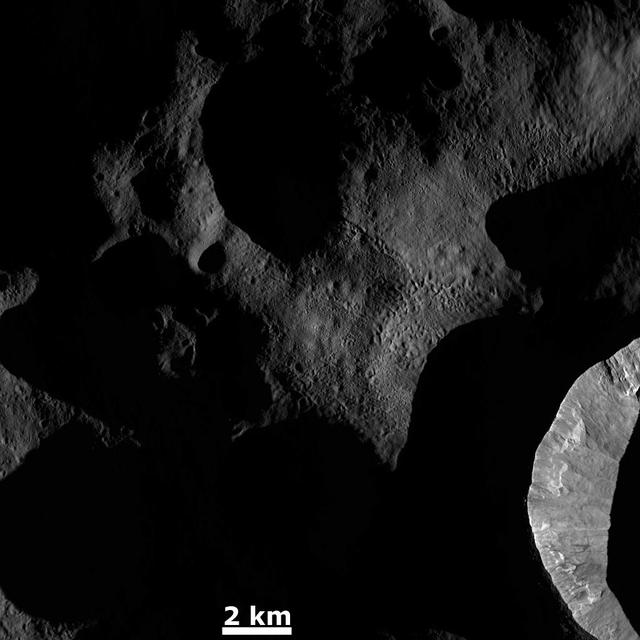
This image from NASA Dawn spacecraft shows the sun illuminating the landscape of asteroid Vesta during a Vestan unrise; the sun had a low angle relative to Vesta surface, just as the sun has a low angle in the sky in the morning on Earth.
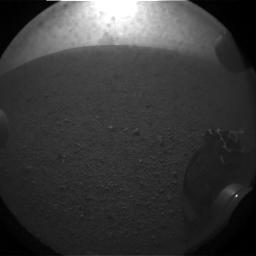
This is the first image taken by NASA Curiosity rover, which landed on Mars the evening of Aug. 5 PDT morning of Aug. 6 EDT. It was taken through a fisheye wide-angle lens on one of the rover rear left Hazard-Avoidance cameras.

NASA Terra spacecraft passed over Hurricane Irene while it was just north of the Bahamas on Aug. 25, 2011. At the time, Irene was a category three hurricane making landfall in North Carolina on the morning of Aug. 27 as a category one hurricane.
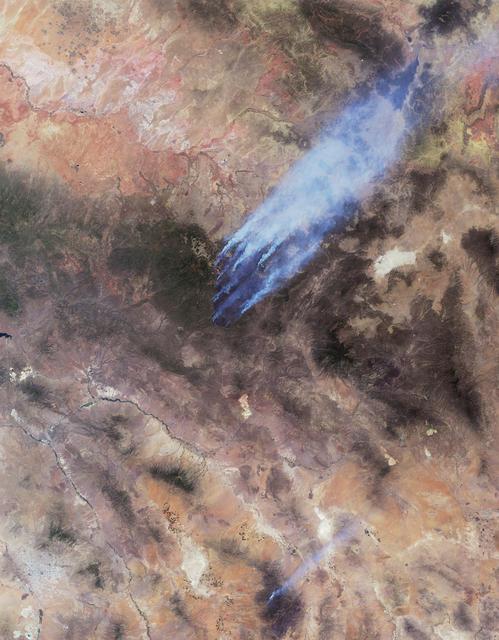
This image from NASA Terra spacecraft shows the Wallow and Horseshoe 2 Fires burning in Arizona. The data were acquired mid-morning on June 7, 2011. Nearly 10 distinct bluish-colored smoke plumes can be seen blowing toward the upper right northeast.
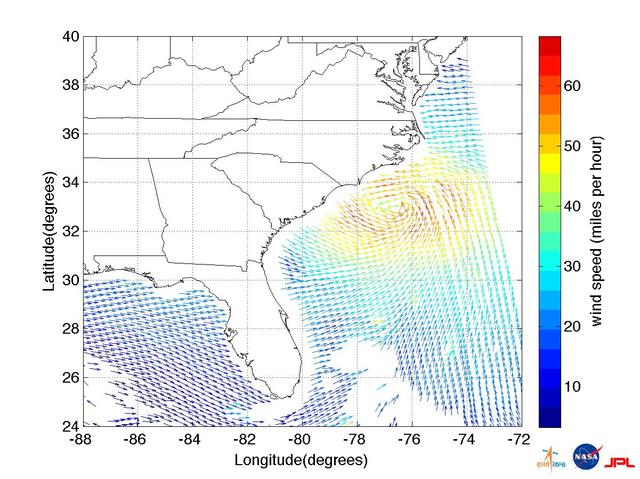
This ISRO-NASA-JPL-Caltech collaborative image shows ocean wind vector data from ISRO OceanSat 2 spacecraft of Hurricane Irene which made landfall early Saturday morning, Aug. 27, just west of Cape Lookout, NC.
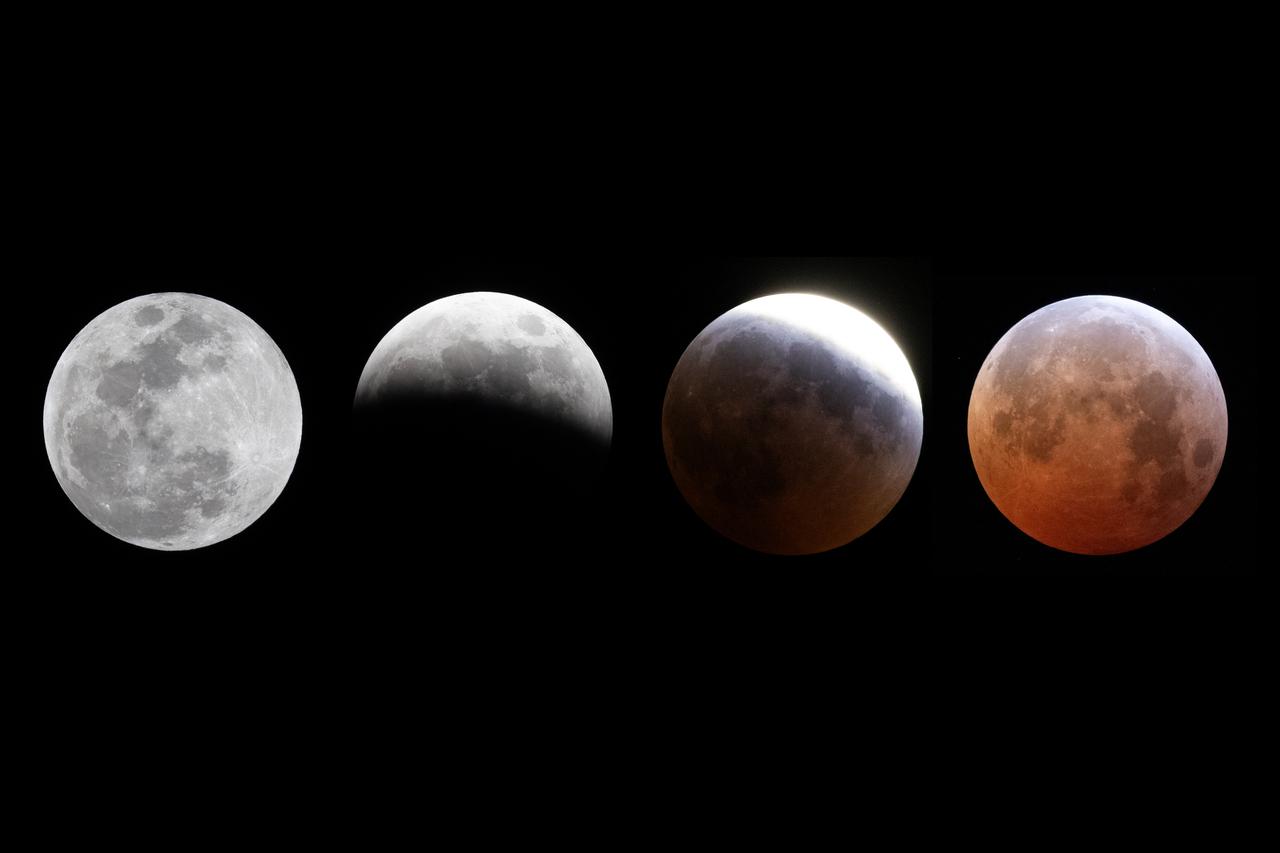
The blood moon lunar eclipse over New Orleans, home to NASA’s Michoud Assembly Facility, is shown from full moon to totality as it moves into the Earth’s umbral shadow in a composite of four images shot early Friday morning, March 14, 2025. Image credit: NASA/Michael DeMocker

CAPE CANAVERAL, Fla. – Mike Bolger, program manager for the Ground Systems Development and Operations, or GSDO, Program speaks to participants during completion of the preliminary design review in the Mission Briefing Room inside the Operations and Checkout Building at NASA’s Kennedy Space Center in Florida. Representatives from NASA, its contractor partners and experts from across the aerospace industry met in the Mission Briefing Room inside the Operations and Checkout Building at NASA’s Kennedy Space Center in Florida to conclude the initial design and technology development phase. Completion of this review has validated that the baseline architecture is sound and aligns with the agency's exploration objectives. NASA is developing the Space Launch System and Orion spacecraft to provide an entirely new capability for human exploration beyond low-Earth orbit, with the flexibility to launch spacecraft for crew and cargo missions, including to an asteroid and Mars. Orion’s first unpiloted test flight is scheduled to launch later this year atop a Delta IV rocket. A second uncrewed flight test is scheduled for fiscal year 2018 on the Space Launch System rocket. For more information, visit http://www.nasa.gov/orion. Photo credit: NASA/Cory Huston

CAPE CANAVERAL, Fla. – The Ground Systems Development and Operations, or GSDO, Program completed its preliminary design review which allows development of the ground systems to proceed to detailed design. Representatives from NASA, its contractor partners and experts from across the aerospace industry met in the Mission Briefing Room inside the Operations and Checkout Building at NASA’s Kennedy Space Center in Florida to conclude the initial design and technology development phase. Completion of this review has validated that the baseline architecture is sound and aligns with the agency's exploration objectives. NASA is developing the Space Launch System and Orion spacecraft to provide an entirely new capability for human exploration beyond low-Earth orbit, with the flexibility to launch spacecraft for crew and cargo missions, including to an asteroid and Mars. Orion’s first unpiloted test flight is scheduled to launch later this year atop a Delta IV rocket. A second uncrewed flight test is scheduled for fiscal year 2018 on the Space Launch System rocket. For more information, visit http://www.nasa.gov/orion. Photo credit: NASA/Cory Huston
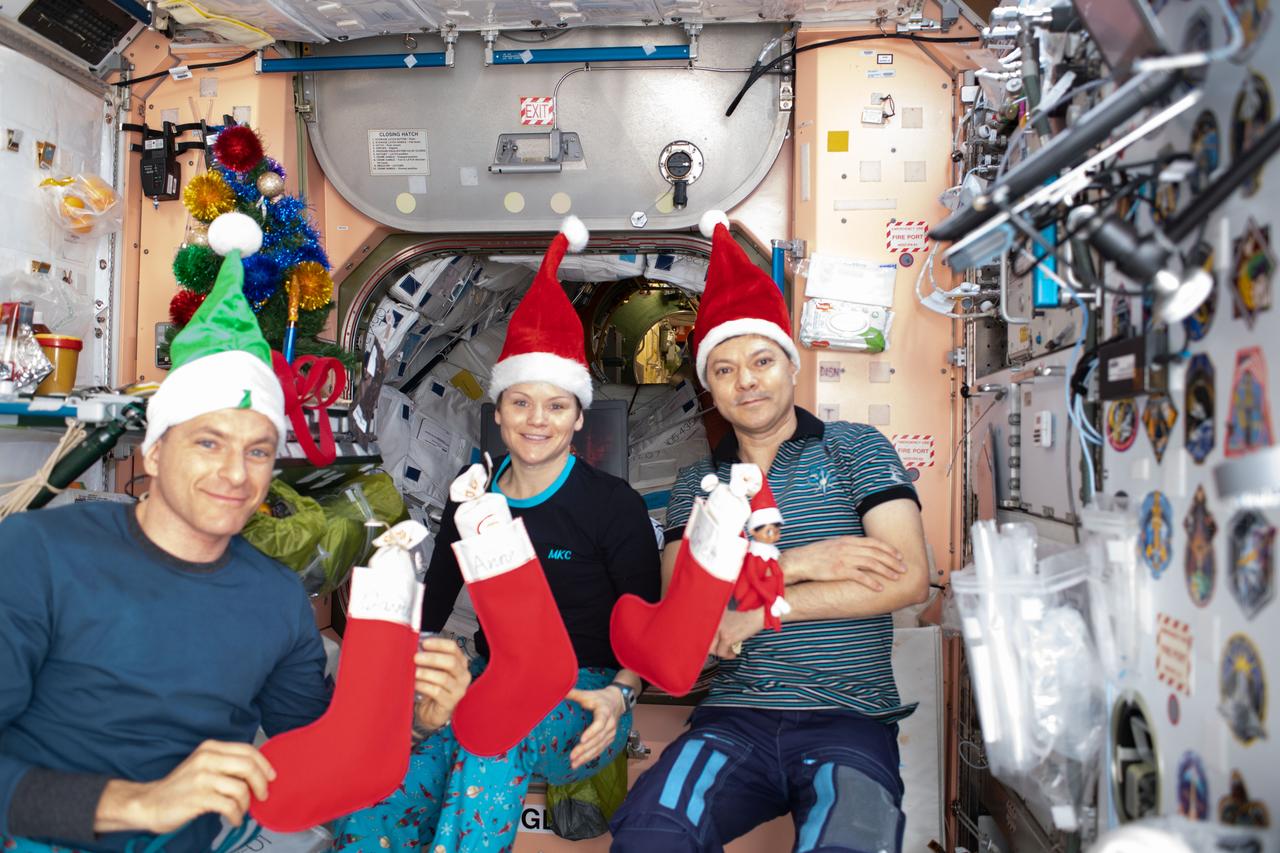
iss058e000835 (Dec. 25, 2019) --- Expedition 58 Flight Engineers (from left) David Saint-Jacques of the Canadian Space Agency (CXSA) and Anne McClain of NASA, with Commander Oleg Kononenko of Roscosmos are pictured in a festive mood opening their stockings on Christmas day inside the International Space Station's Unity module.
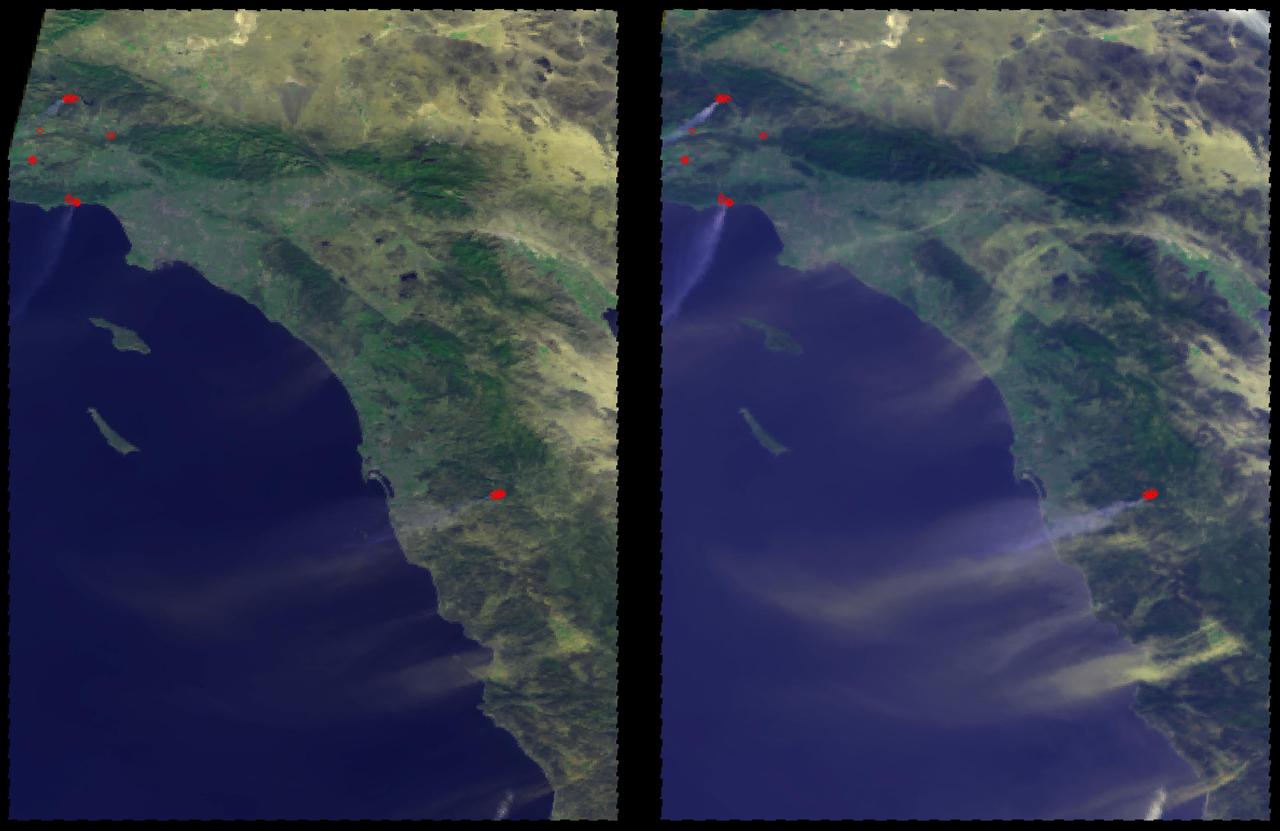
NASA Terra spacecraft showed hot, dry Santa Ana winds blowing through the Los Angeles and San Diego areas on Sunday October 21, 2007.
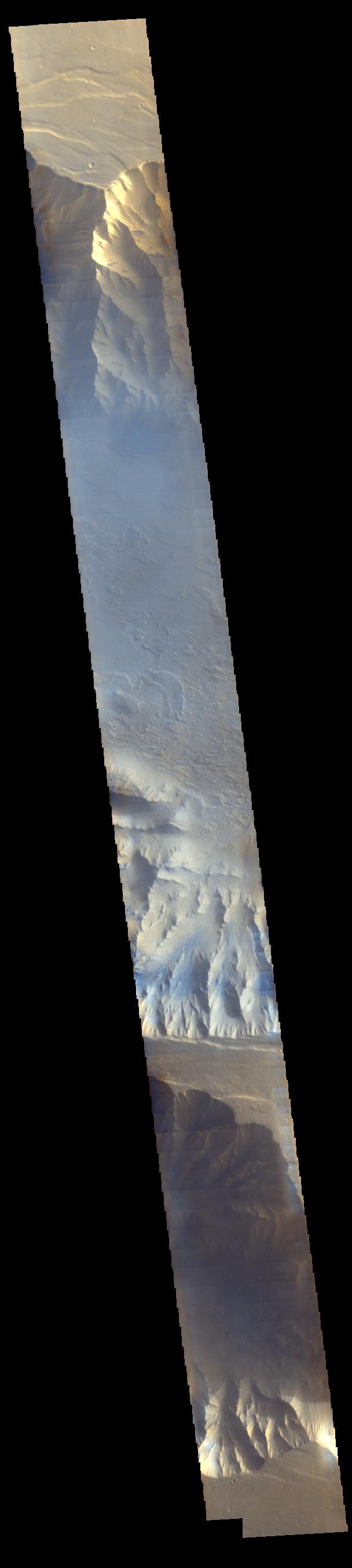
Light blue clouds fill Coprates Chasma on Mars, part of Valles Marineris, the vast Grand Canyon of Mars. The clouds are mostly ice crystals and they appear blue in color in this image from NASA Mars Odyssey.
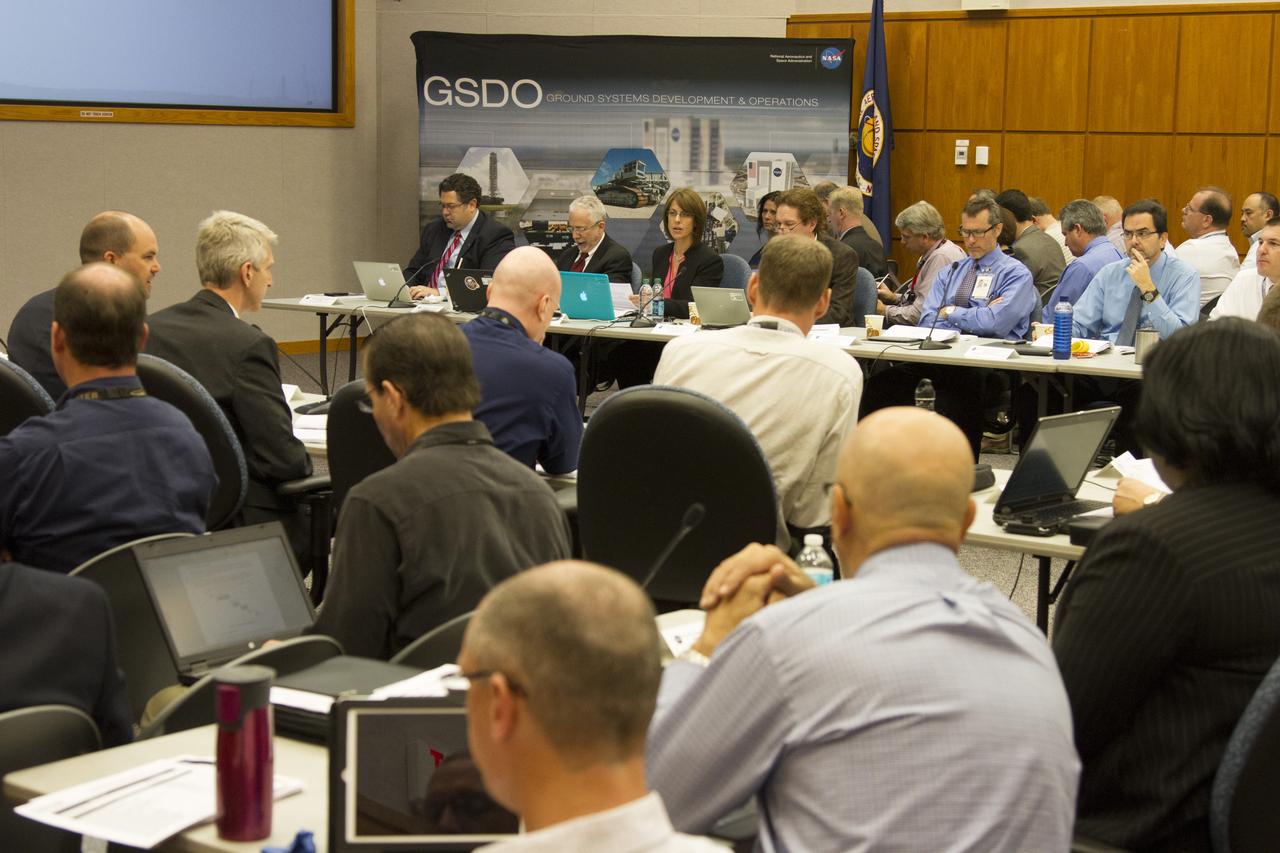
CAPE CANAVERAL, Fla. – The Ground Systems Development and Operations, or GSDO, Program completed its preliminary design review which allows development of the ground systems to proceed to detailed design. Representatives from NASA, its contractor partners and experts from across the aerospace industry met in the Mission Briefing Room inside the Operations and Checkout Building at NASA’s Kennedy Space Center in Florida to conclude the initial design and technology development phase. Completion of this review has validated that the baseline architecture is sound and aligns with the agency's exploration objectives. NASA is developing the Space Launch System and Orion spacecraft to provide an entirely new capability for human exploration beyond low-Earth orbit, with the flexibility to launch spacecraft for crew and cargo missions, including to an asteroid and Mars. Orion’s first unpiloted test flight is scheduled to launch later this year atop a Delta IV rocket. A second uncrewed flight test is scheduled for fiscal year 2018 on the Space Launch System rocket. For more information, visit http://www.nasa.gov/orion. Photo credit: NASA/Cory Huston
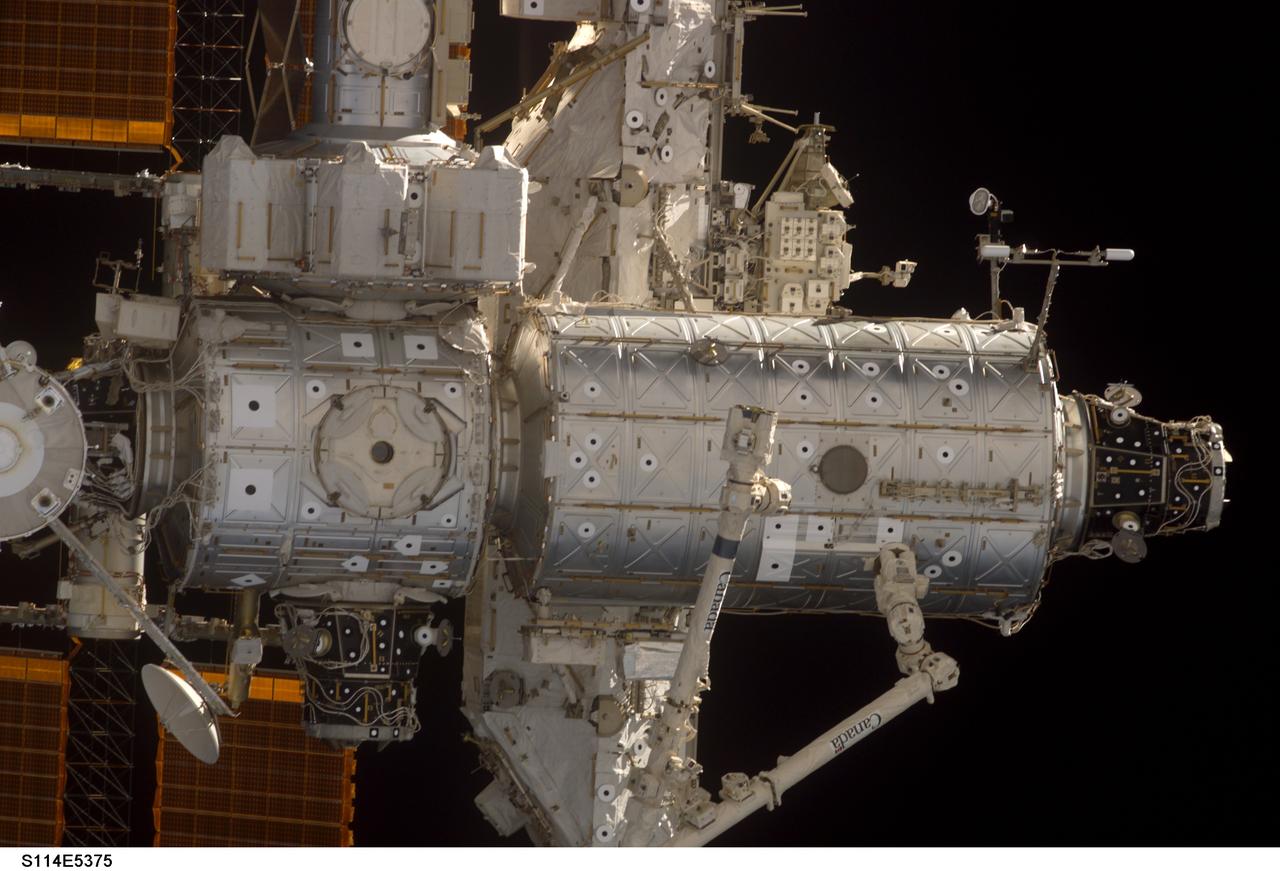
STS114-E-5375 (28 July 2005) --- International Space Station (ISS) very close to docking with Discovery on the morning of July 28.
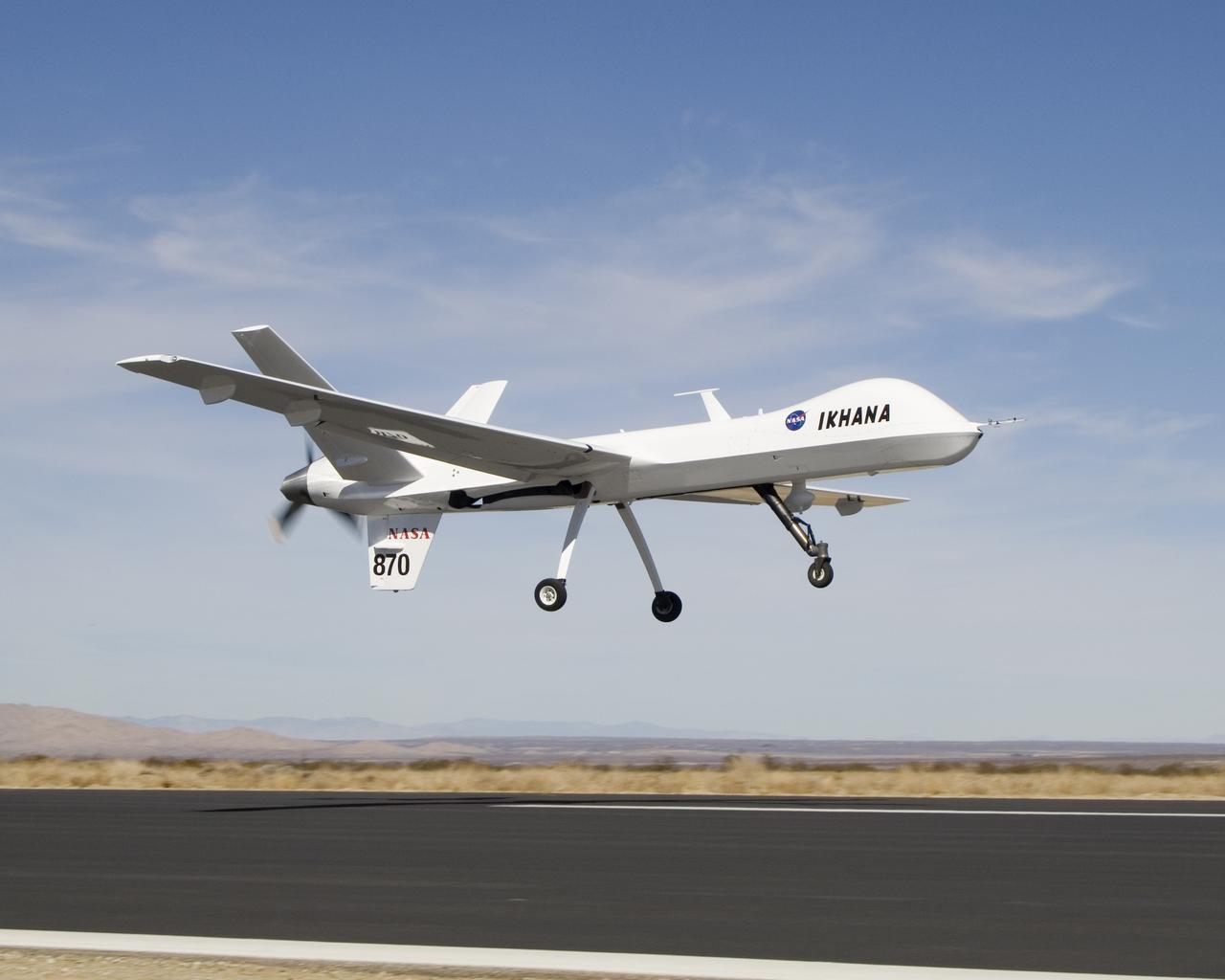
NASA's Ikhana, a civil variant of General Atomics' Predator B unmanned aircraft, takes to the sky for a morning checkout flight from the Grey Butte airfield.
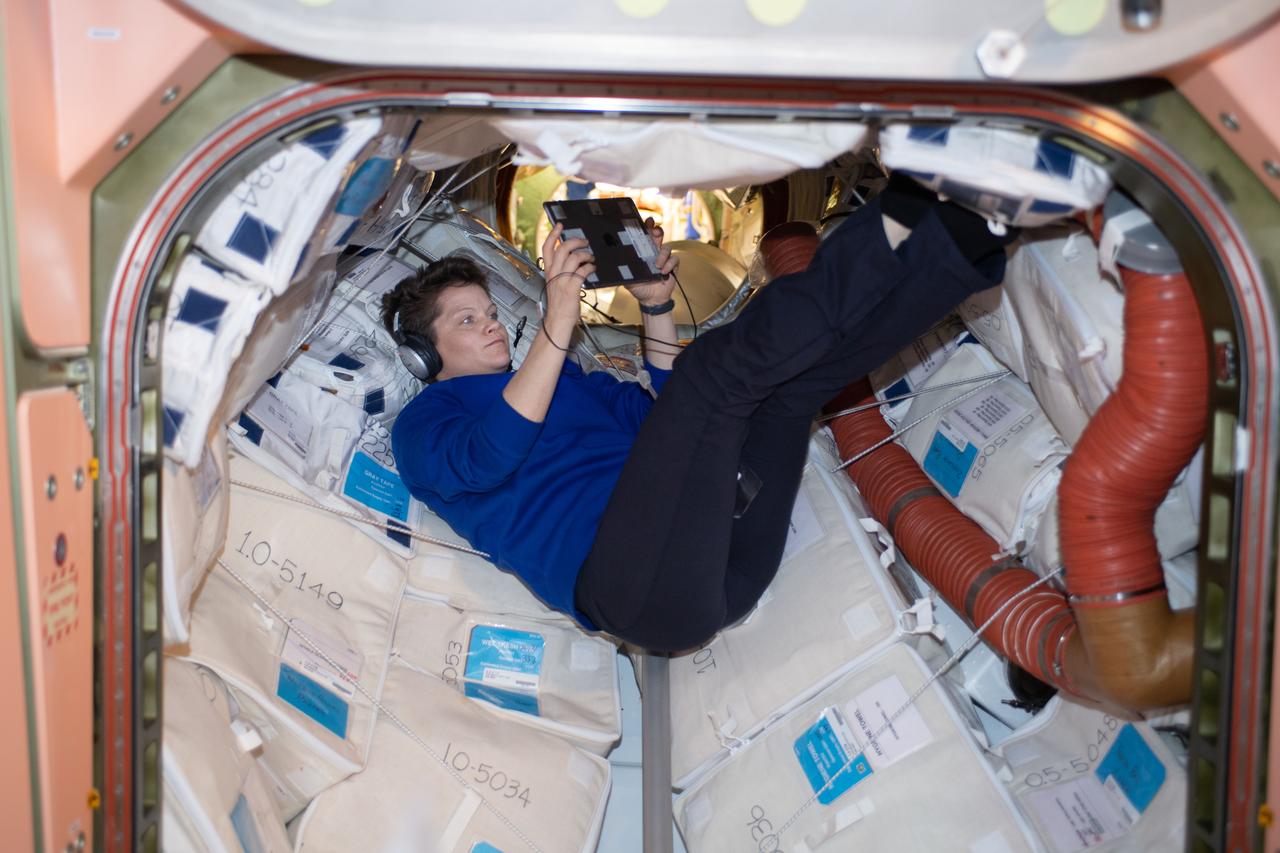
iss059e027379 (April 21, 2019) --- NASA astronaut Anne McClain relaxes with an electronic tablet on a Sunday morning inside the vestibule that connects the Unity module to the Zarya module.
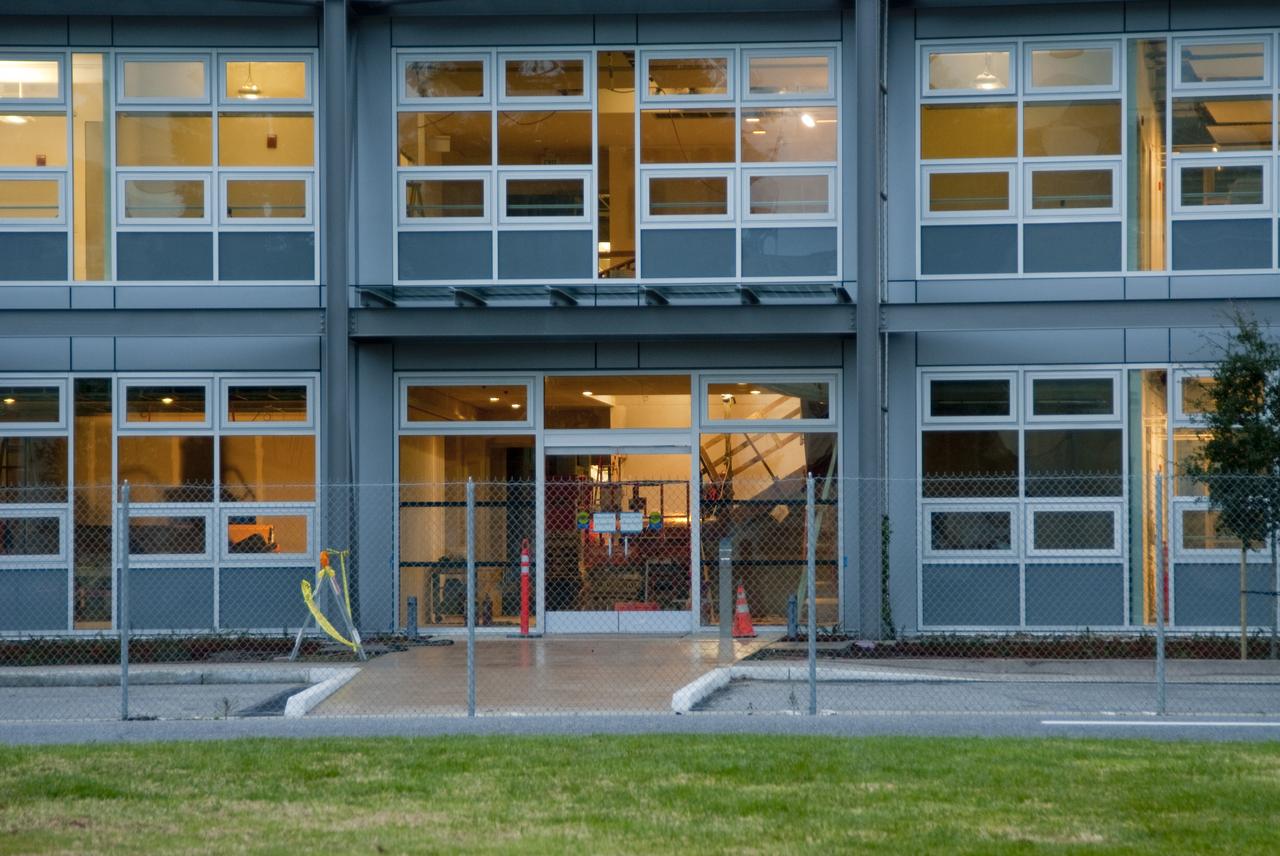
Construction of the new NASA Ames Green Building dubbed Sustainability Base located on the Ames Research Center campus at Moffett Field, CA. early morning
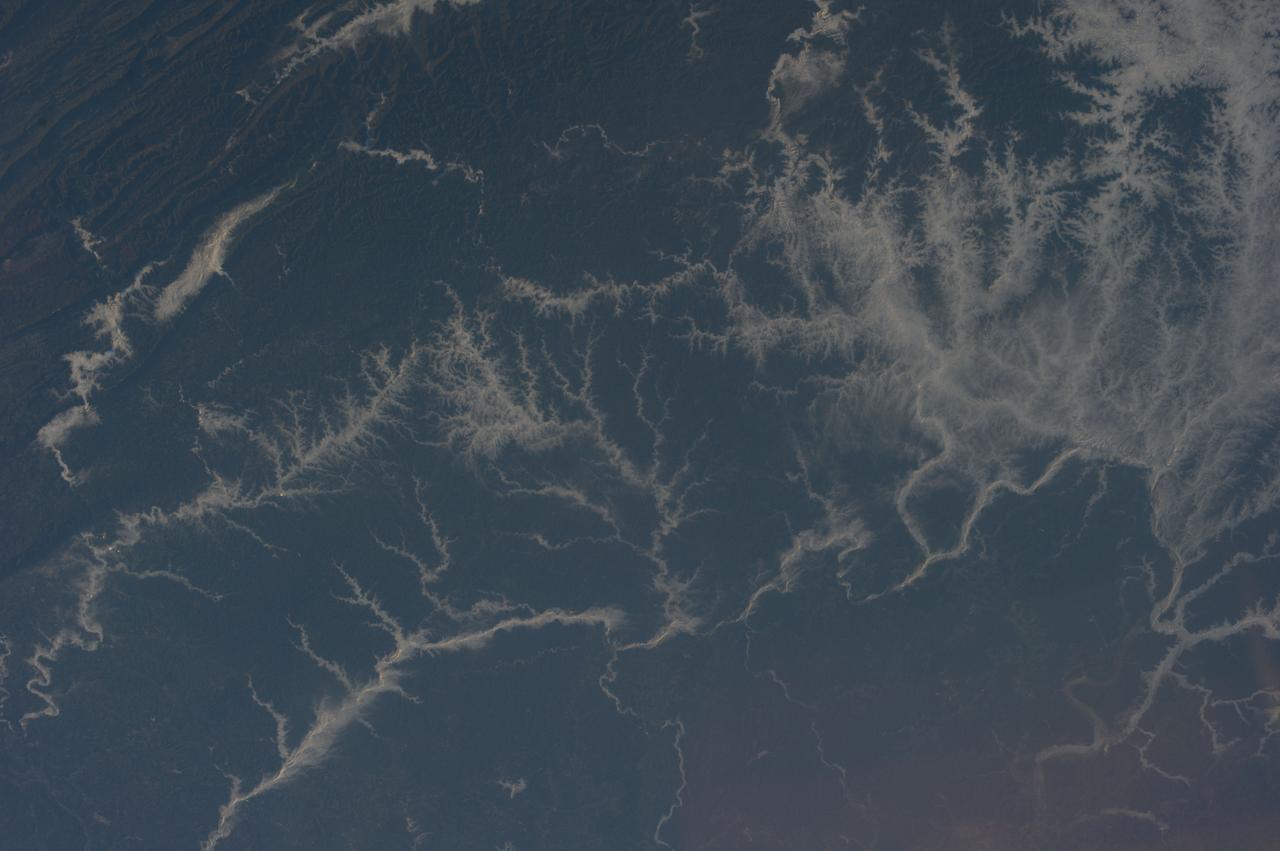
Earth observation taken during a day pass by the Expedition 37 crew. Per Twitter message: Early morning fog in the river valleys of Ohio and West Virginia.
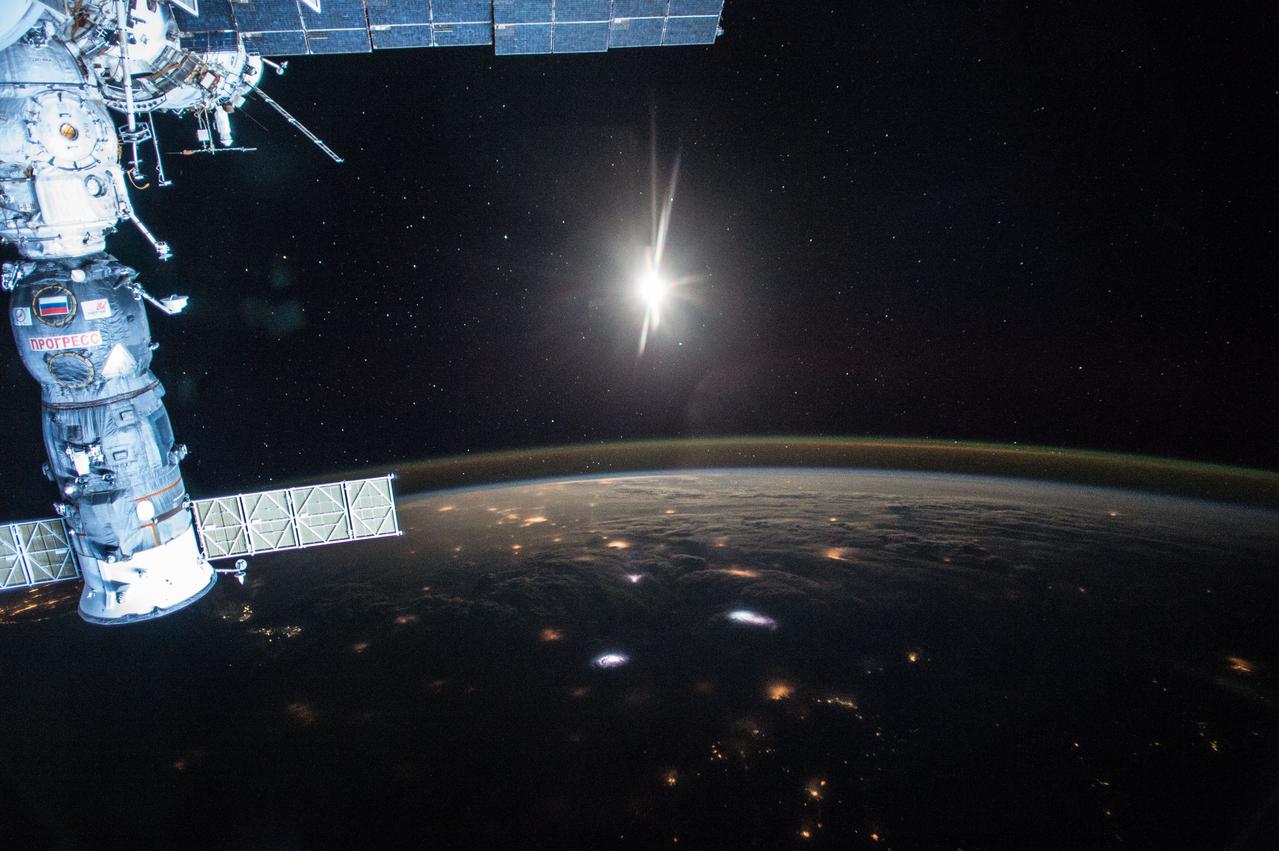
ISS044E022706 07/27/2015) --- NASA astronaut Scott Kelly on the International Space Station tweeted this image out July 25, 2015 with the greeting "Good Morning".
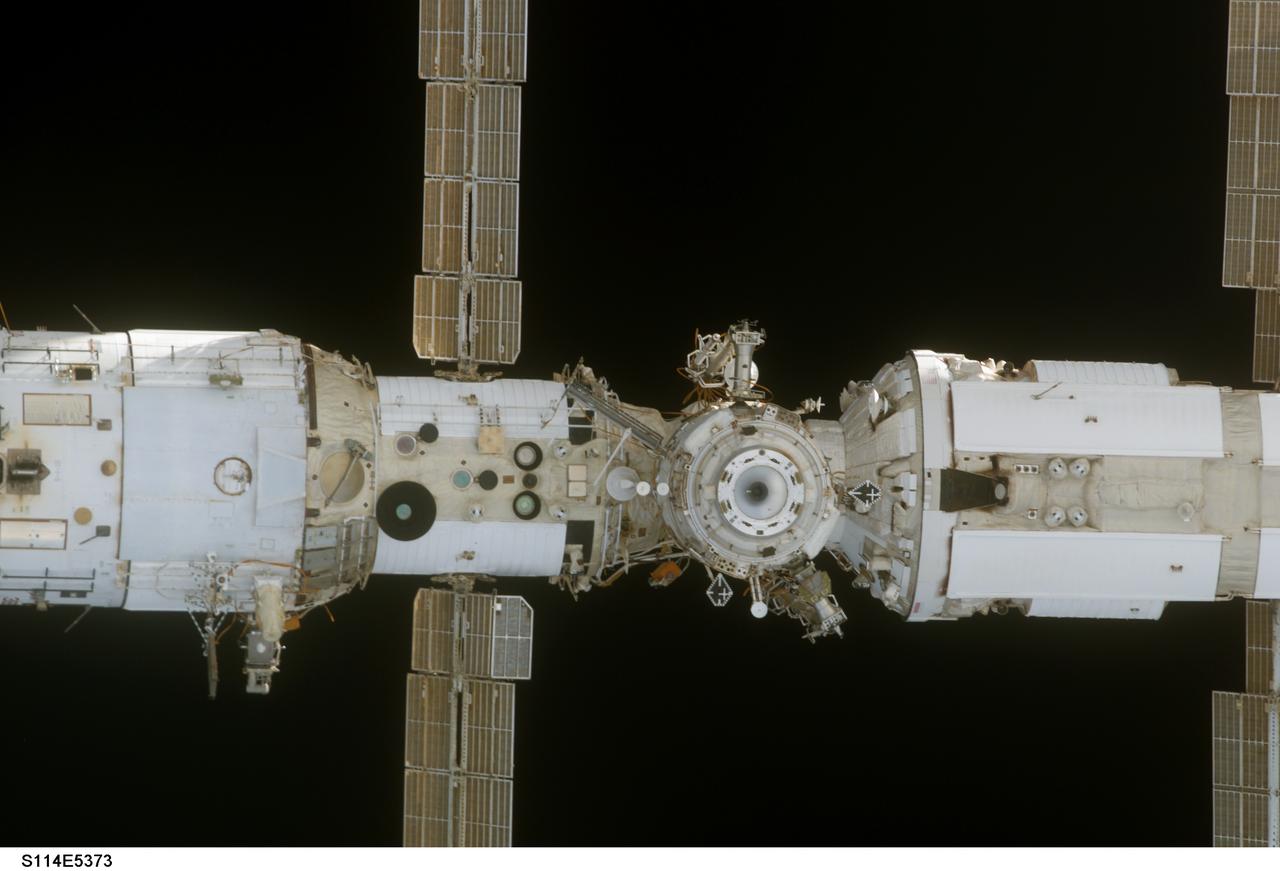
STS114-E-5373 (28 July 2005) --- International Space Station (ISS) very close to docking with Discovery on the morning of July 28.