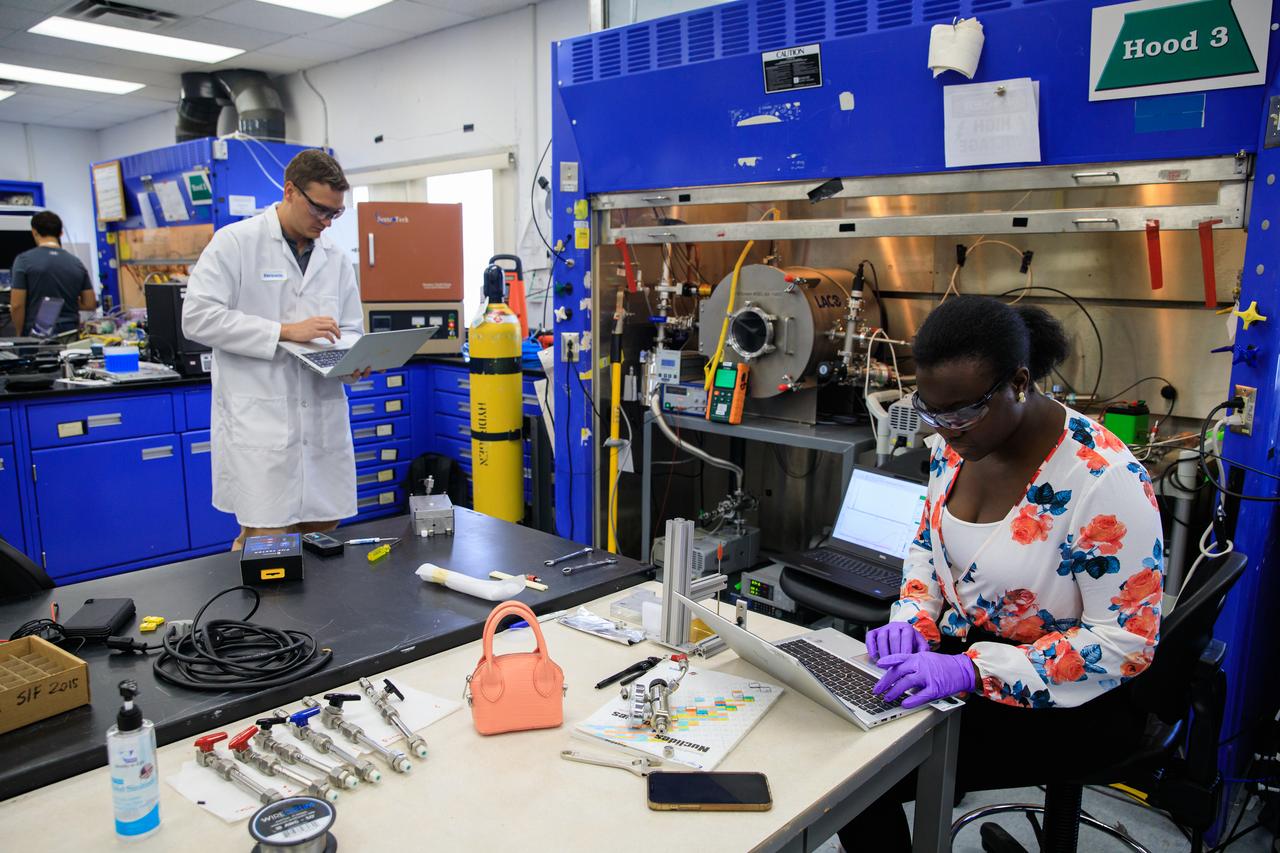
Engineers conduct testing of the Molten Regolith Electrolysis (MRE) inside a laboratory in the Neil A. Armstrong Operations and Checkout Building at NASA’s Kennedy Space Center in Florida on Aug. 30, 2022. This is a high-temperature electrolytic process which aims to extract oxygen from the simulated lunar regolith. Extraction of oxygen on the lunar surface is critical to the agency’s Artemis program. Oxygen extracted from the Moon can be utilized for propellent to NASA’s lunar landers., breathable oxygen for astronauts, and a variety of other industrial and scientific applications for NASA’s future missions to the Moon.

An engineer conducts testing of the Molten Regolith Electrolysis (MRE) inside a laboratory in the Neil A. Armstrong Operations and Checkout Building at NASA’s Kennedy Space Center in Florida on Aug. 30, 2022. This is a high-temperature electrolytic process which aims to extract oxygen from the simulated lunar regolith. Extraction of oxygen on the lunar surface is critical to the agency’s Artemis program. Oxygen extracted from the Moon can be utilized for propellent to NASA’s lunar landers., breathable oxygen for astronauts, and a variety of other industrial and scientific applications for NASA’s future missions to the Moon.
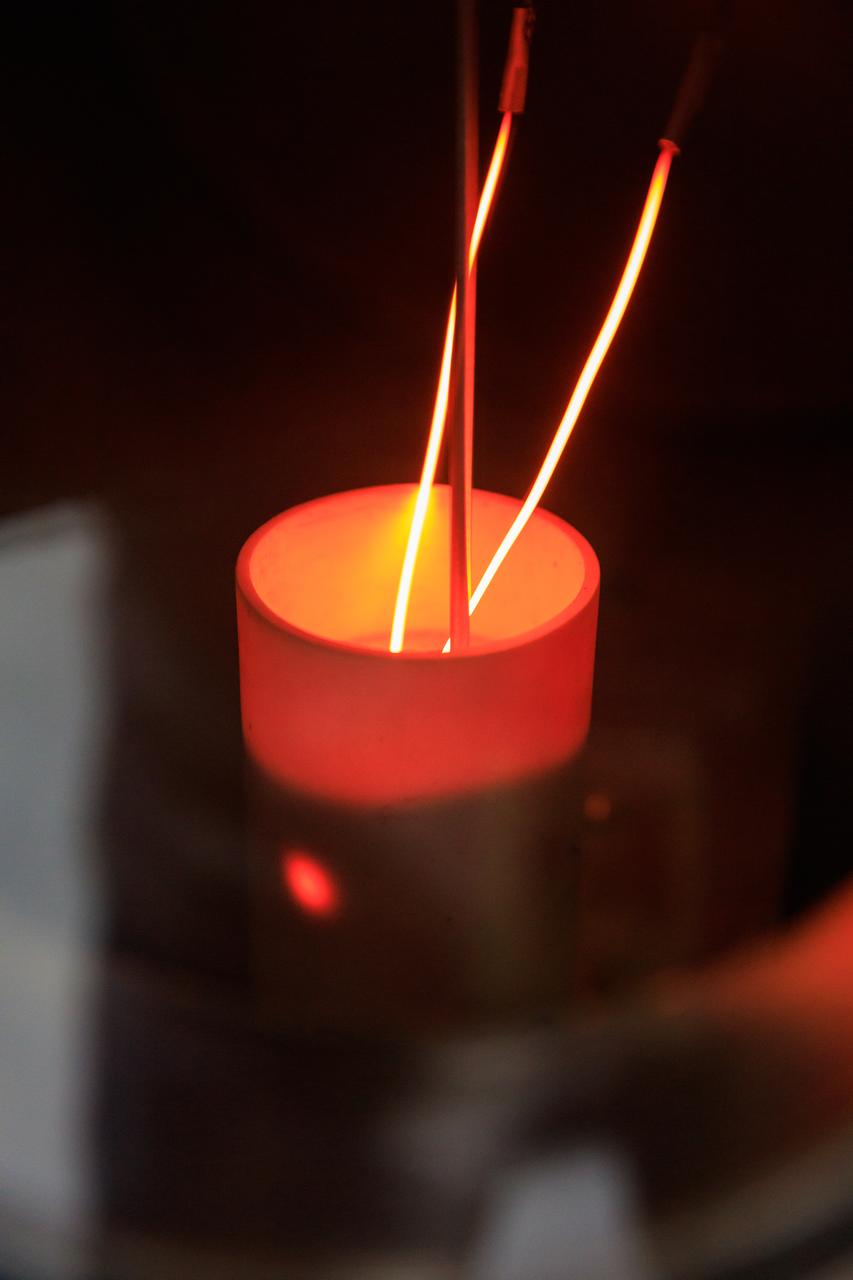
Inside a laboratory in the Neil A. Armstrong Operations and Checking Building at NASA’s Kennedy Space Center in Florida, testing is underway on the Molten Regolith Electrolysis (MRE) on Aug. 30, 2022. This is a high-temperature electrolytic process which aims to extract oxygen from the simulated lunar regolith. Extraction of oxygen on the lunar surface is critical to the agency’s Artemis program. Oxygen extracted from the Moon can be utilized for propellent to NASA’s lunar landers., breathable oxygen for astronauts, and a variety of other industrial and scientific applications for NASA’s future missions to the Moon.
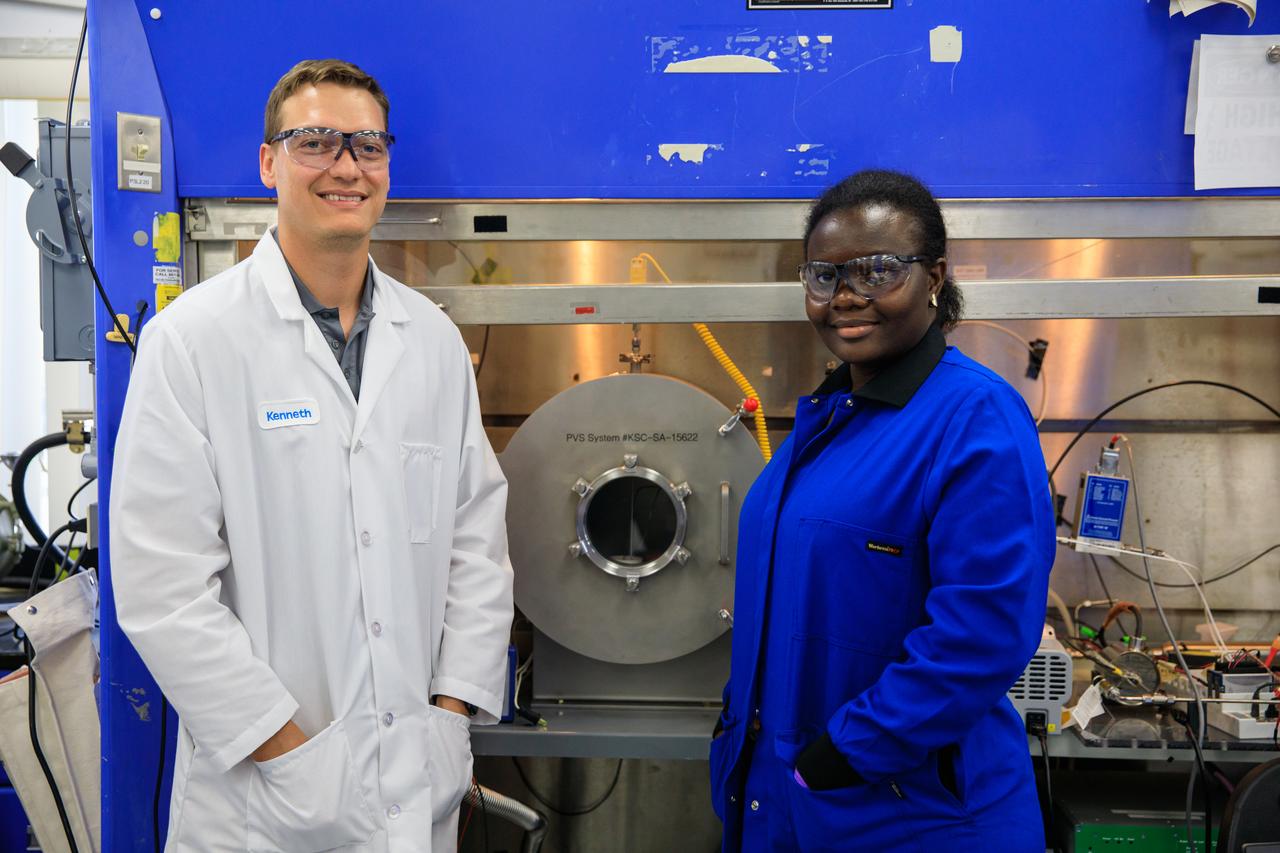
Engineers conduct testing of the Molten Regolith Electrolysis (MRE) inside a laboratory in the Neil A. Armstrong Operations and Checkout Building at NASA’s Kennedy Space Center in Florida on Aug. 30, 2022. This is a high-temperature electrolytic process which aims to extract oxygen from the simulated lunar regolith. Extraction of oxygen on the lunar surface is critical to the agency’s Artemis program. Oxygen extracted from the Moon can be utilized for propellent to NASA’s lunar landers., breathable oxygen for astronauts, and a variety of other industrial and scientific applications for NASA’s future missions to the Moon.
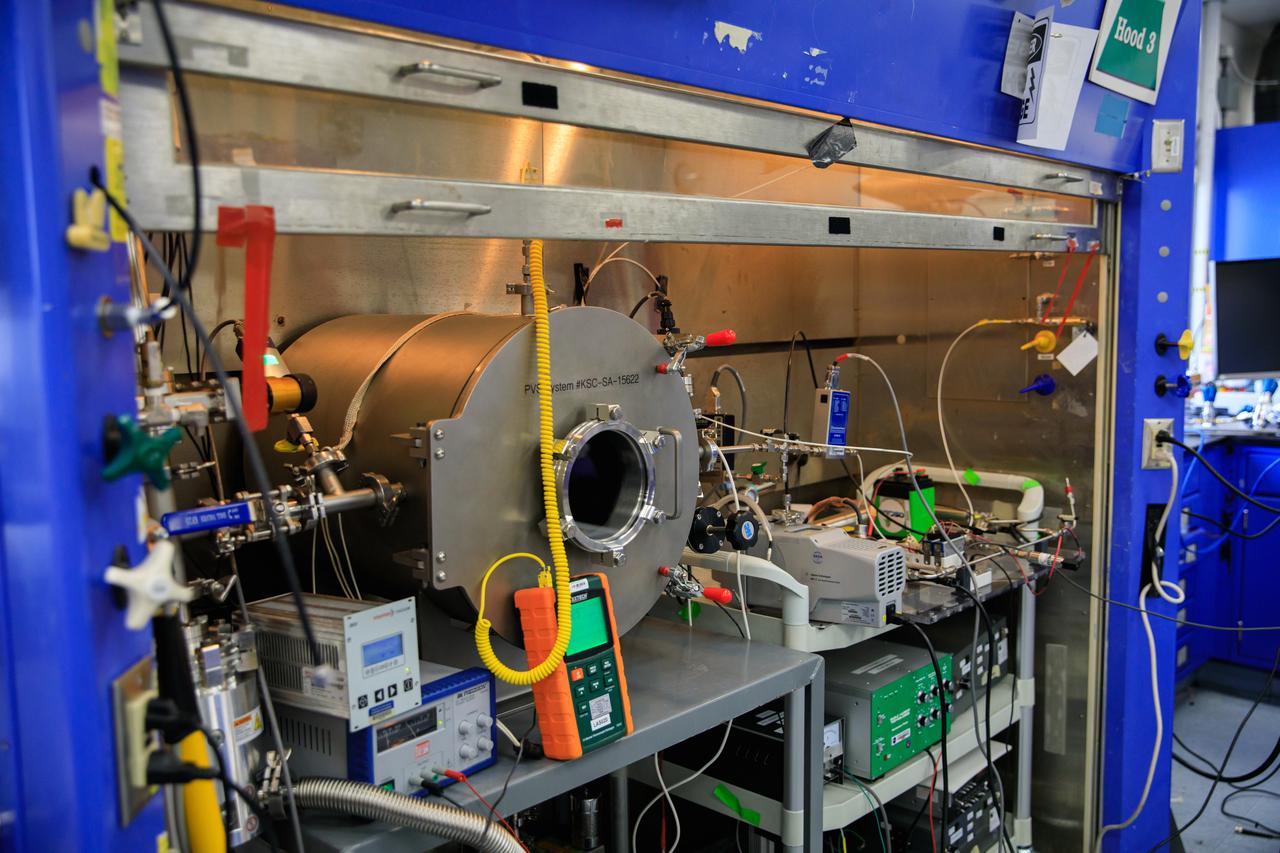
Inside a laboratory in the Neil A. Armstrong Operations and Checking Building at NASA’s Kennedy Space Center in Florida, testing is underway on the Molten Regolith Electrolysis (MRE) on Aug. 30, 2022. This is a high-temperature electrolytic process which aims to extract oxygen from the simulated lunar regolith. Extraction of oxygen on the lunar surface is critical to the agency’s Artemis program. Oxygen extracted from the Moon can be utilized for propellent to NASA’s lunar landers., breathable oxygen for astronauts, and a variety of other industrial and scientific applications for NASA’s future missions to the Moon.

An engineer conducts testing of the Molten Regolith Electrolysis (MRE) inside a laboratory in the Neil A. Armstrong Operations and Checkout Building at NASA’s Kennedy Space Center in Florida on Aug. 30, 2022. This is a high-temperature electrolytic process which aims to extract oxygen from the simulated lunar regolith. Extraction of oxygen on the lunar surface is critical to the agency’s Artemis program. Oxygen extracted from the Moon can be utilized for propellent to NASA’s lunar landers., breathable oxygen for astronauts, and a variety of other industrial and scientific applications for NASA’s future missions to the Moon.

Inside a laboratory in the Neil Armstrong Operations and Checking Building at NASA’s Kennedy Space Center in Florida, testing is underway on the Molten Regolith Electrolysis (MRE) on Sept. 13, 2022. This is a high-temperature electrolytic process which aims to extract oxygen from the simulated lunar regolith. Extraction of oxygen on the lunar surface is critical to the agency’s Artemis program. Oxygen extracted from the Moon can be utilized for propellent to NASA’s lunar landers., breathable oxygen for astronauts, and a variety of other industrial and scientific applications for NASA’s future missions to the Moon.
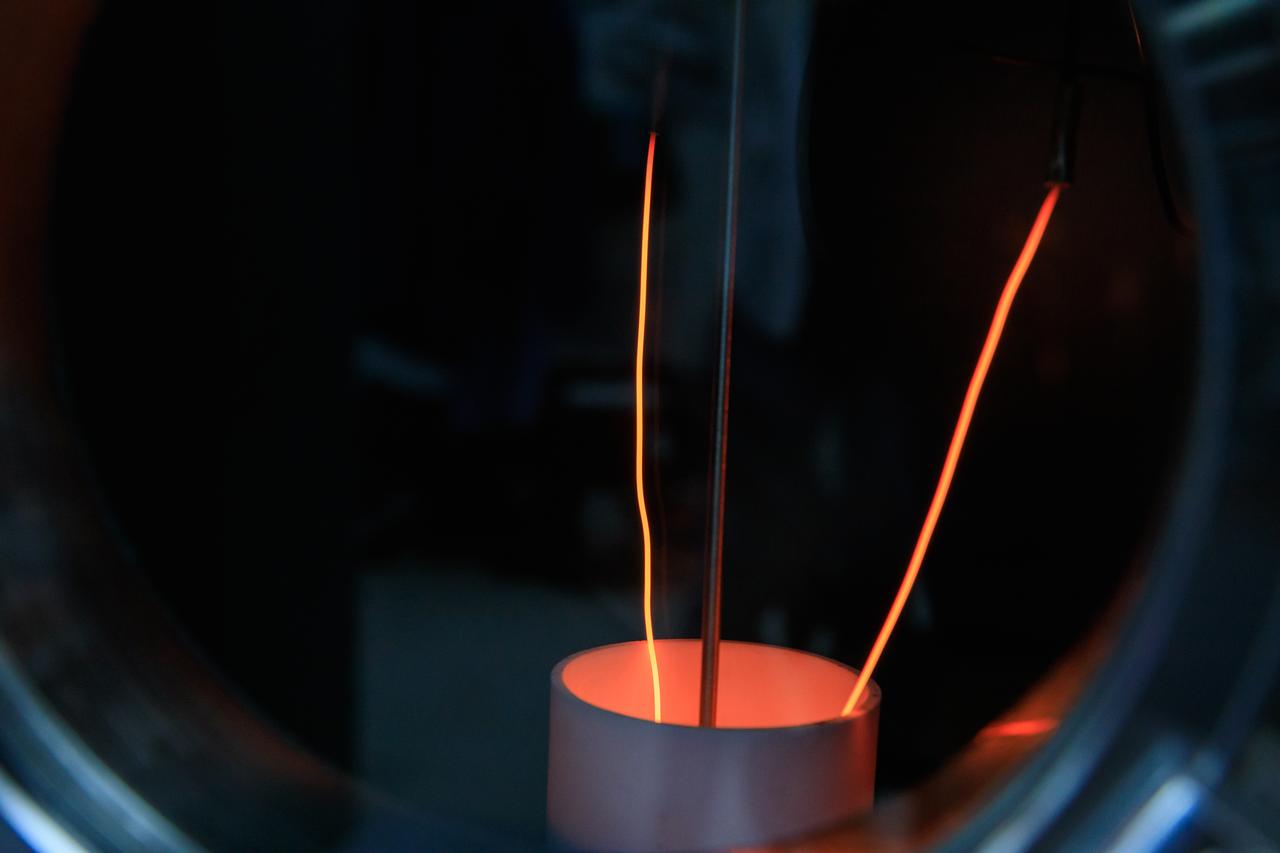
Inside a laboratory in the Neil Armstrong Operations and Checking Building at NASA’s Kennedy Space Center in Florida, testing is underway on the Molten Regolith Electrolysis (MRE) on Sept. 13, 2022. This is a high-temperature electrolytic process which aims to extract oxygen from the simulated lunar regolith. Extraction of oxygen on the lunar surface is critical to the agency’s Artemis program. Oxygen extracted from the Moon can be utilized for propellent to NASA’s lunar landers., breathable oxygen for astronauts, and a variety of other industrial and scientific applications for NASA’s future missions to the Moon.
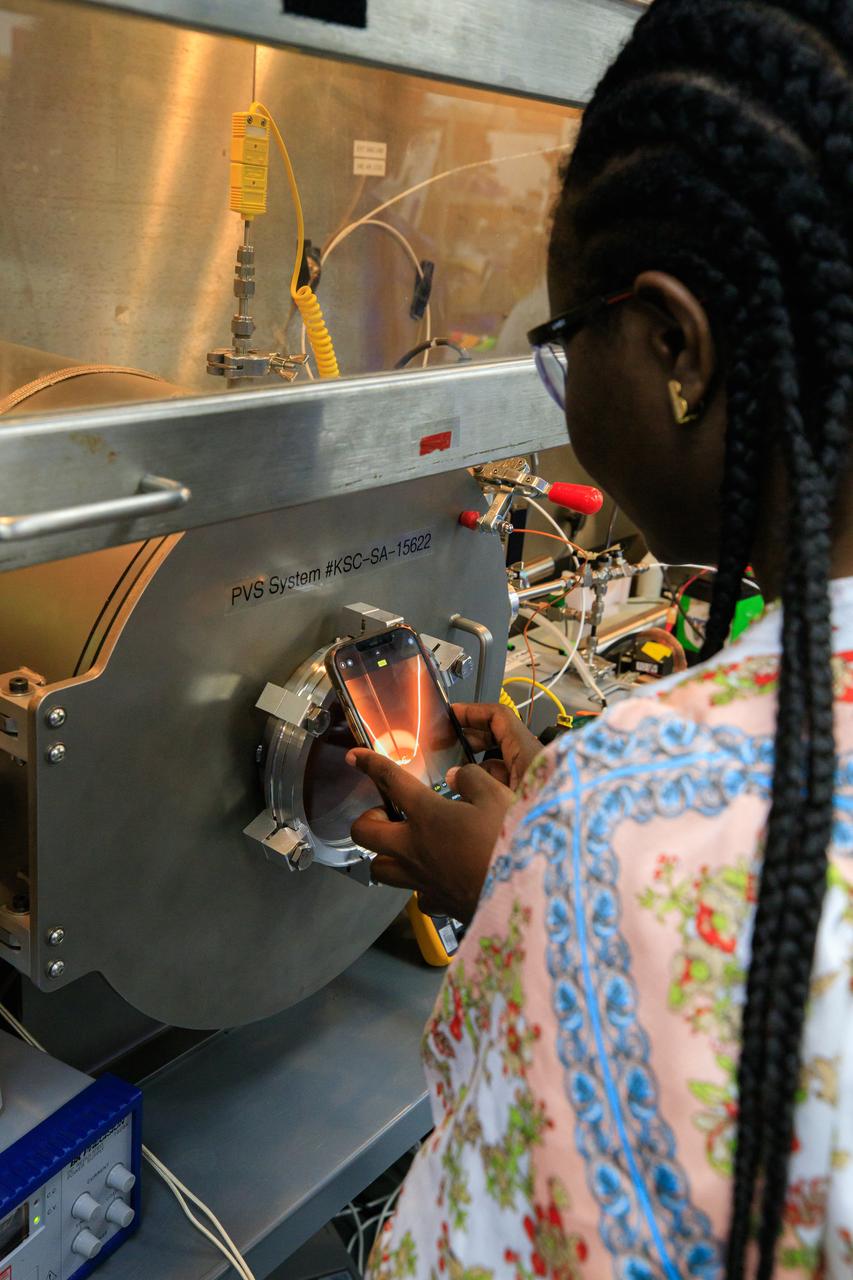
An engineer conducts testing of the Molten Regolith Electrolysis (MRE) inside a laboratory in the Neil Armstrong Operations and Checkout Building at NASA’s Kennedy Space Center in Florida on Sept. 13, 2022. This is a high-temperature electrolytic process which aims to extract oxygen from the simulated lunar regolith. Extraction of oxygen on the lunar surface is critical to the agency’s Artemis program. Oxygen extracted from the Moon can be utilized for propellent to NASA’s lunar landers., breathable oxygen for astronauts, and a variety of other industrial and scientific applications for NASA’s future missions to the Moon.
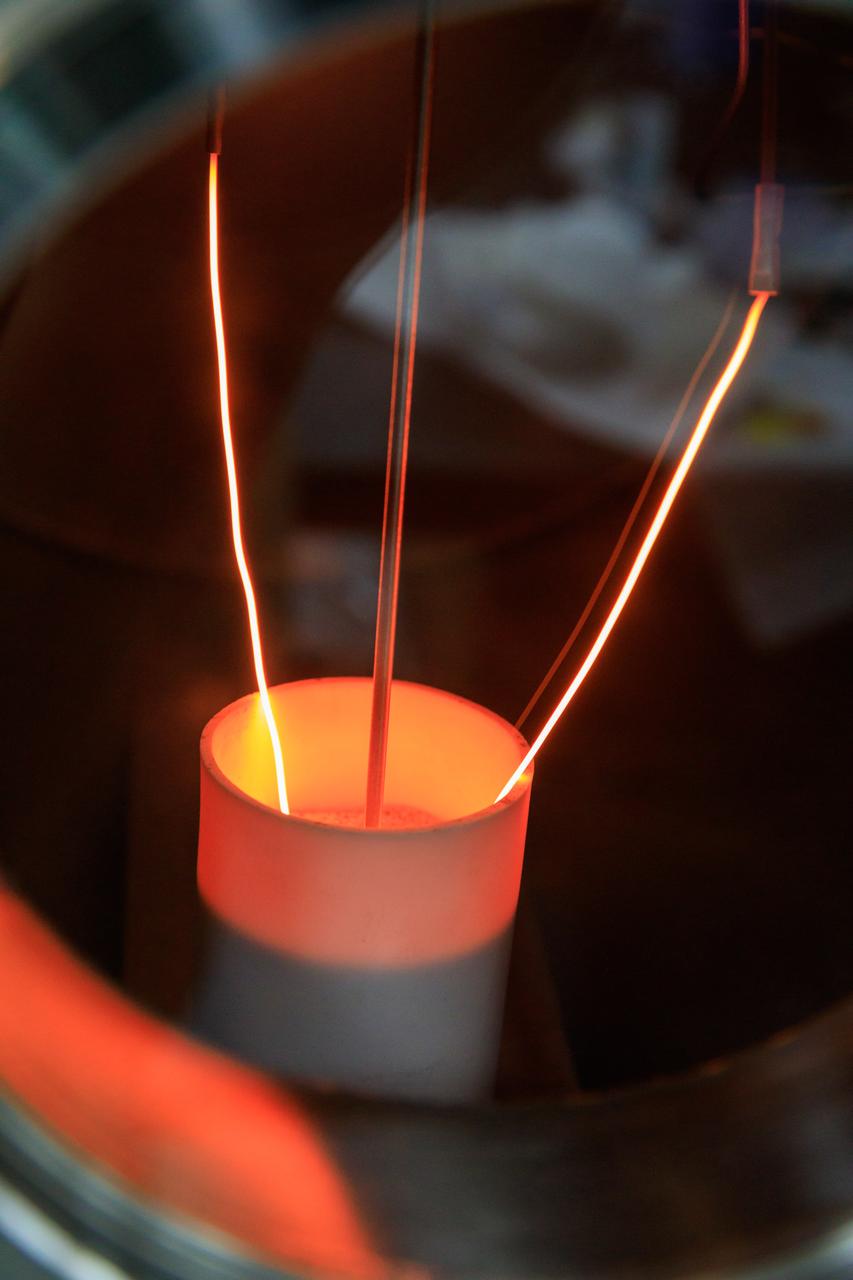
Inside a laboratory in the Neil Armstrong Operations and Checking Building at NASA’s Kennedy Space Center in Florida, testing is underway on the Molten Regolith Electrolysis (MRE) on Sept. 13, 2022. This is a high-temperature electrolytic process which aims to extract oxygen from the simulated lunar regolith. Extraction of oxygen on the lunar surface is critical to the agency’s Artemis program. Oxygen extracted from the Moon can be utilized for propellent to NASA’s lunar landers., breathable oxygen for astronauts, and a variety of other industrial and scientific applications for NASA’s future missions to the Moon.
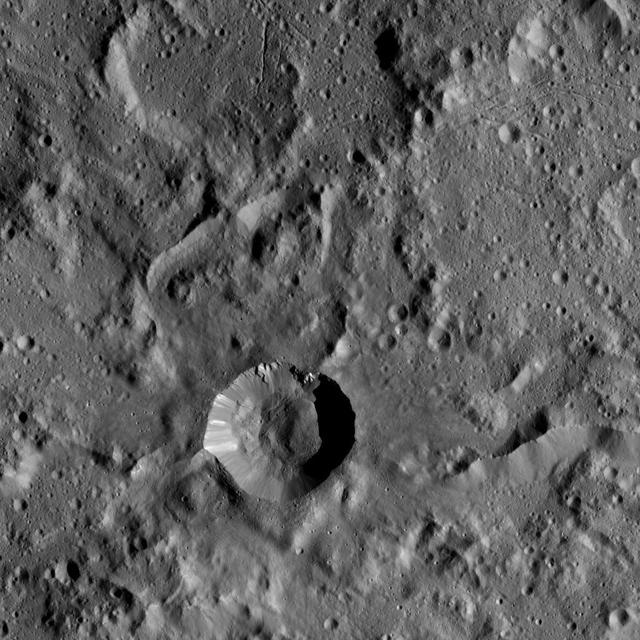
NASA Dawn spacecraft flys over dwarf planet Ceres which Dawn has been orbiting for mre than a year, providing us with fascinating views of an alien world.
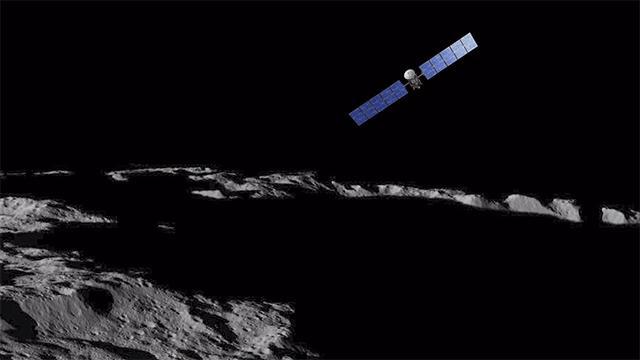
NASA Dawn spacecraft flys over dwarf planet Ceres which Dawn has been orbiting for mre than a year, providing us with fascinating views of an alien world.
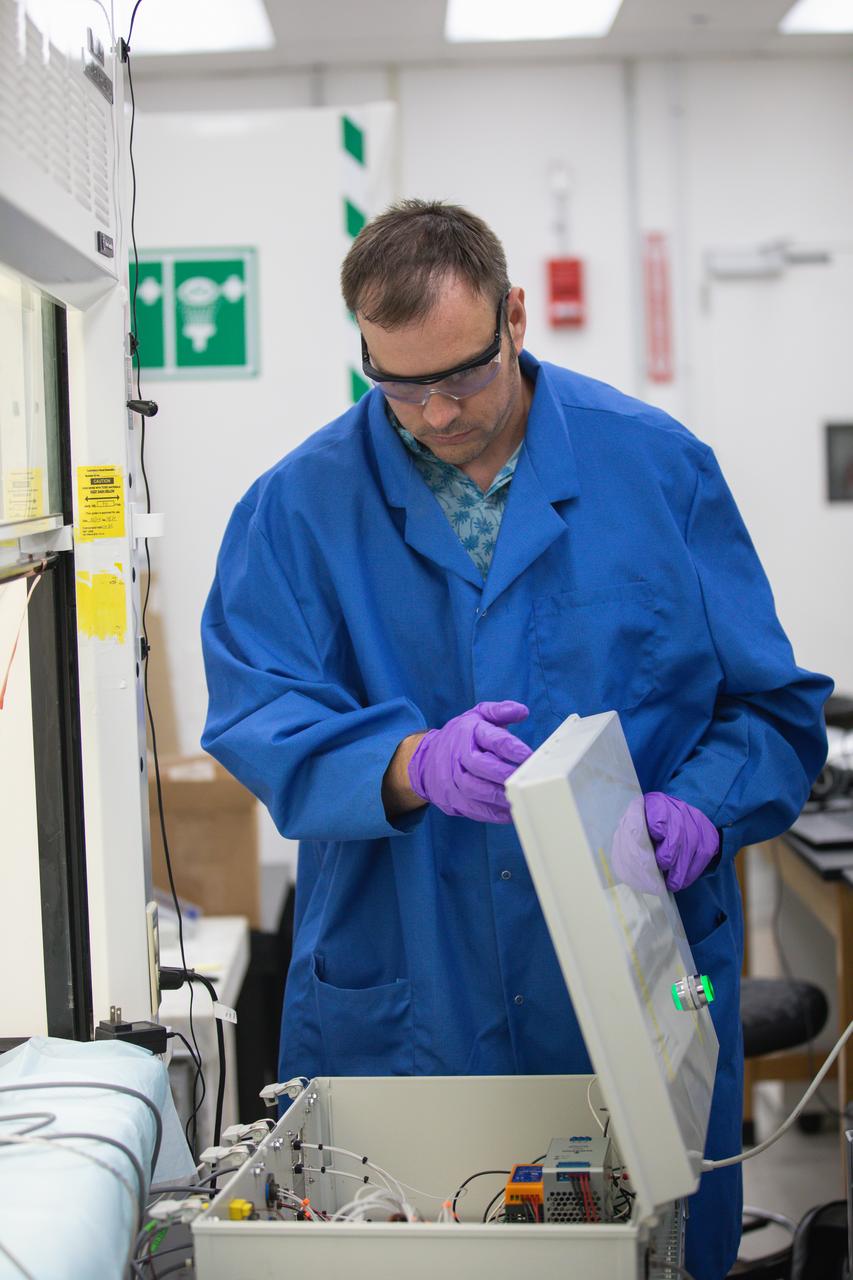
Beau Peacock, software engineer, conducts testing of the Volatile Monitoring Oxygen Measurement Subsystem (VMOMS) for Molten Regolith Electrolysis (MRE) inside a laboratory in the Neil A. Armstrong Operations and Checkout Building at NASA’s Kennedy Space Center in Florida on April 19, 2024. The high-temperature electrolytic process aims to extract oxygen from simulated lunar regolith which will be critical to the agency’s Artemis campaign. Oxygen extracted from the Moon can be utilized for propellent to NASA’s lunar landers, breathable oxygen for astronauts, and a variety of other industrial and scientific applications for NASA’s future missions to the Moon.
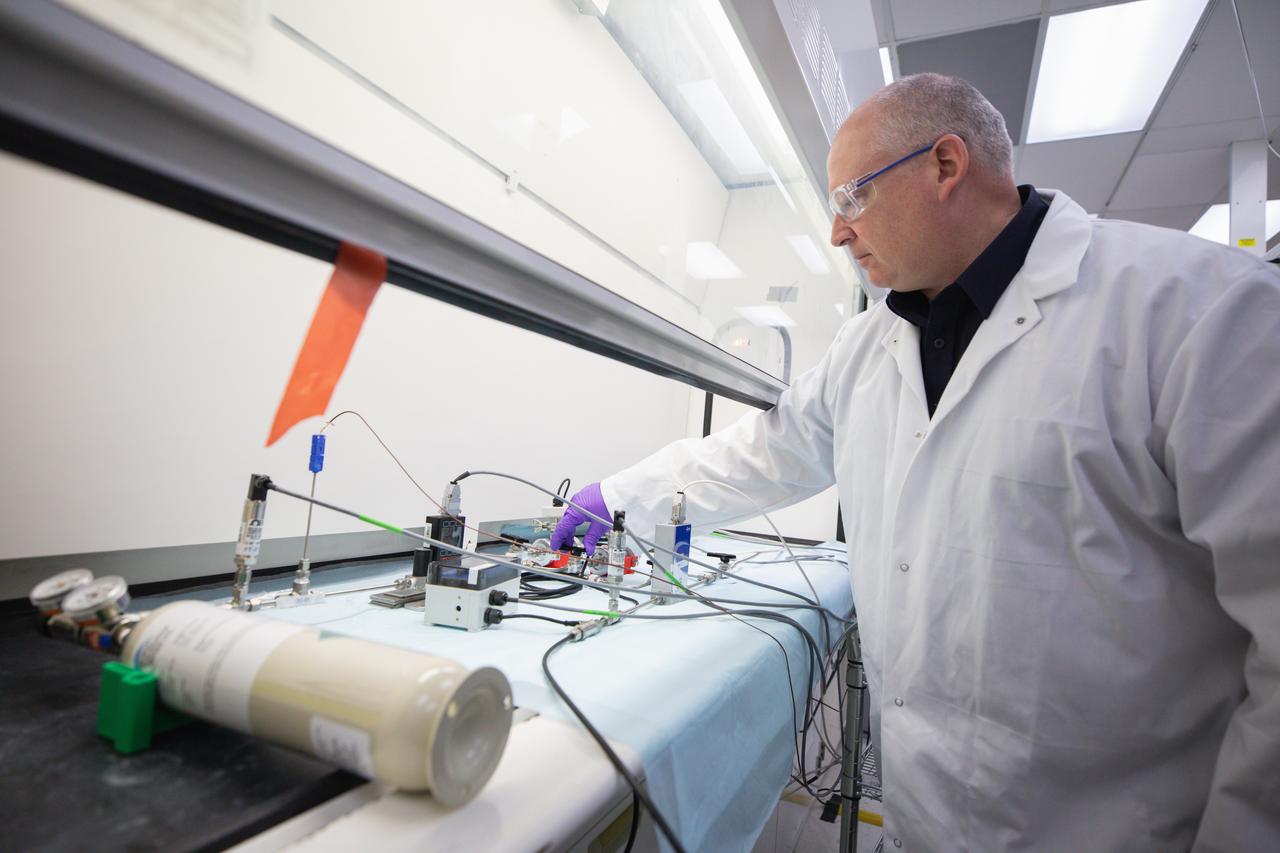
Dr. Joel Olson, subject matter expert, conducts testing of the Volatile Monitoring Volatile Monitoring Oxygen Measurement Subsystem (VMOMS) for Molten Regolith Electrolysis (MRE) inside a laboratory in the Neil A. Armstrong Operations and Checkout Building at NASA’s Kennedy Space Center in Florida on April 19, 2024. The high-temperature electrolytic process aims to extract oxygen from simulated lunar regolith which will be critical to the agency’s Artemis campaign. Oxygen extracted from the Moon can be utilized for propellent to NASA’s lunar landers, breathable oxygen for astronauts, and a variety of other industrial and scientific applications for NASA’s future missions to the Moon.
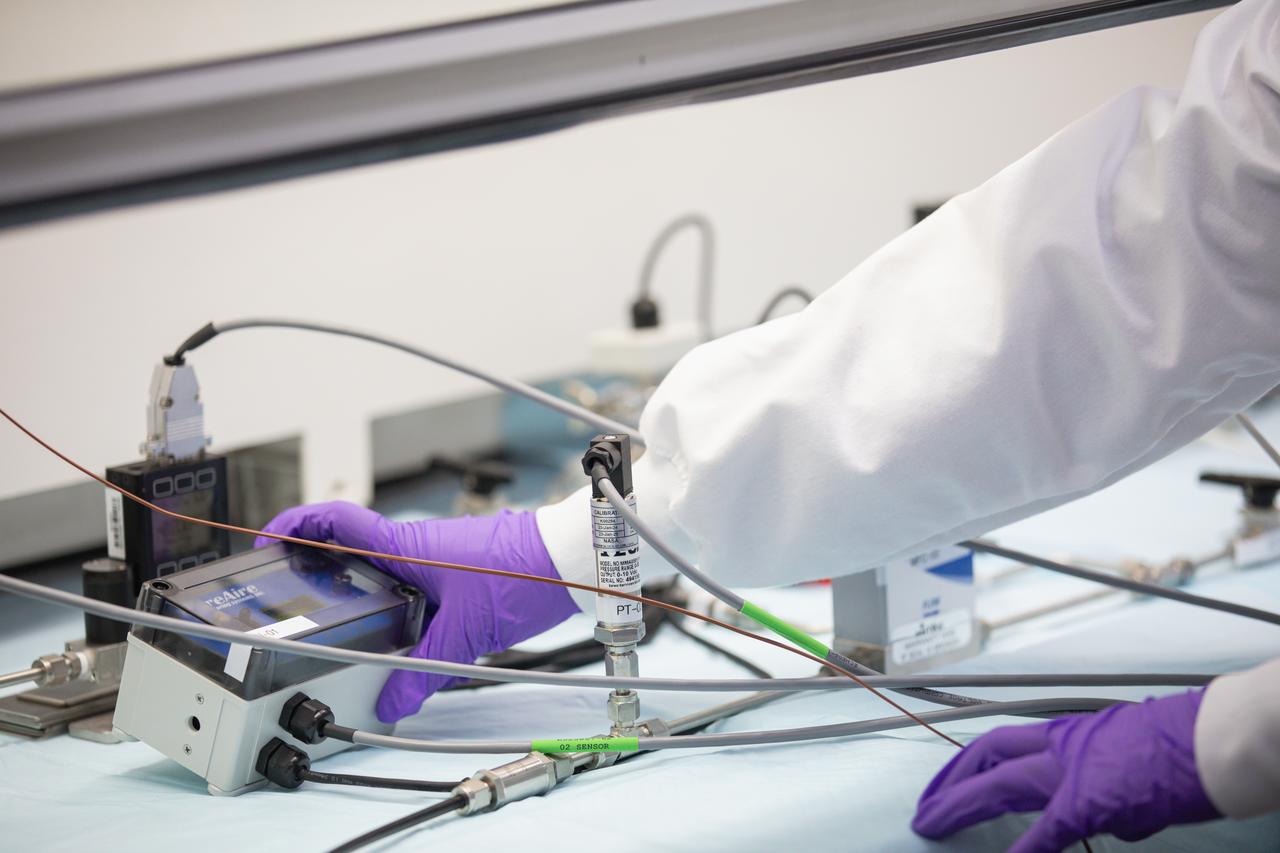
Inside a laboratory in the Neil A. Armstrong Operations and Checking Building at NASA’s Kennedy Space Center in Florida, testing is underway with the Volatile Monitoring Oxygen Measurement Subsystem (VMOMS) for Molten Regolith Electrolysis (MRE) on April 19, 2024. The high-temperature electrolytic process aims to extract oxygen from simulated lunar regolith, which will be critical to the agency’s Artemis campaign. Oxygen extracted from the Moon can be utilized for propellent to NASA’s lunar landers, breathable oxygen for astronauts, and a variety of other industrial and scientific applications for NASA’s future missions to the Moon.

Deborah Efua Adu Essumang, system lead scientist, conducts testing of the Volatile Monitoring Oxygen Measurement Subsystem (VMOMS) for Molten Regolith Electrolysis (MRE) inside a laboratory in the Neil A. Armstrong Operations and Checkout Building at NASA’s Kennedy Space Center in Florida on April 19, 2024. The high-temperature electrolytic process aims to extract oxygen from simulated lunar regolith which will be critical to the agency’s Artemis campaign. Oxygen extracted from the Moon can be utilized for propellent to NASA’s lunar landers, breathable oxygen for astronauts, and a variety of other industrial and scientific applications for NASA’s future missions to the Moon.
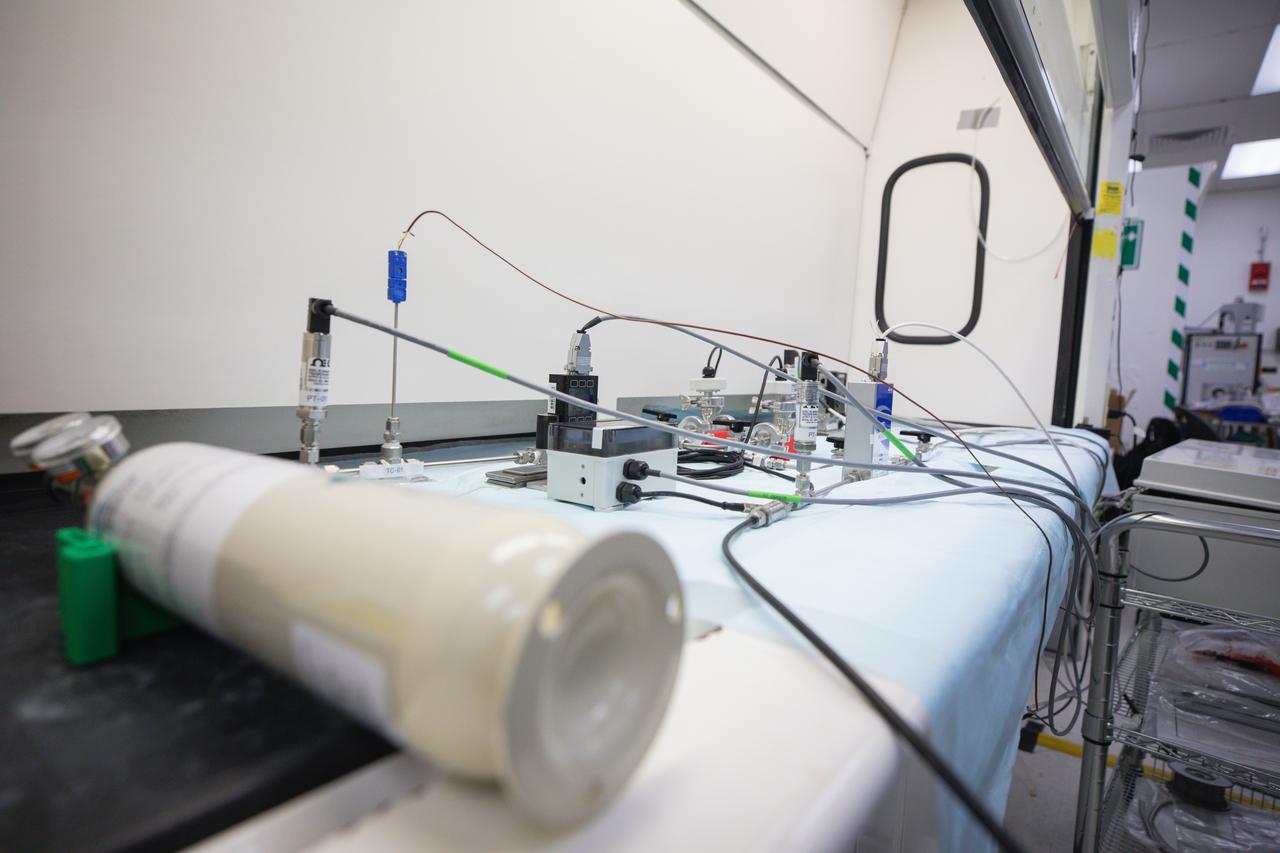
Inside a laboratory in the Neil A. Armstrong Operations and Checking Building at NASA’s Kennedy Space Center in Florida, testing is underway with the Volatile Monitoring Oxygen Measurement Subsystem (VMOMS) for Molten Regolith Electrolysis (MRE) on April 19, 2024. The high-temperature electrolytic process aims to extract oxygen from simulated lunar regolith, which will be critical to the agency’s Artemis campaign. Oxygen extracted from the Moon can be utilized for propellent to NASA’s lunar landers, breathable oxygen for astronauts, and a variety of other industrial and scientific applications for NASA’s future missions to the Moon.