![The stimulus of gravity affects RNA production, which helps maintain the strength of human muscles on Earth (top), as seen in this section of muscle fiber taken from an astronaut before spaceflight. Astronauts in orbit and patients on Earth fighting muscle-wasting diseases need countermeasures to prevent muscle atrophy, indicated here with white lipid droplets (bottom) in the muscle sample taken from the same astronaut after spaceflight. Kerneth Baldwin of the University of California, Irvine, is conducting research on how reducing the stimulus of gravity affects production of the RNA that the body uses as a blueprint for making muscle proteins. Muscle proteins are what give muscles their strength, so when the RNA blueprints aren't available for producing new proteins to replace old ones -- a situation that occurs in microgravity -- the muscles atrophy. When the skeletal muscle system is exposed to microgravity during spaceflight, the muscles undergo a reduced mass that translates to a reduction in strength. When this happens, muscle endurance decreases and the muscles are more prone to injury, so individuals could have problems in performing extravehicular activity [space walks] or emergency egress because their bodies are functionally compromised.](https://images-assets.nasa.gov/image/0300206/0300206~medium.jpg)
The stimulus of gravity affects RNA production, which helps maintain the strength of human muscles on Earth (top), as seen in this section of muscle fiber taken from an astronaut before spaceflight. Astronauts in orbit and patients on Earth fighting muscle-wasting diseases need countermeasures to prevent muscle atrophy, indicated here with white lipid droplets (bottom) in the muscle sample taken from the same astronaut after spaceflight. Kerneth Baldwin of the University of California, Irvine, is conducting research on how reducing the stimulus of gravity affects production of the RNA that the body uses as a blueprint for making muscle proteins. Muscle proteins are what give muscles their strength, so when the RNA blueprints aren't available for producing new proteins to replace old ones -- a situation that occurs in microgravity -- the muscles atrophy. When the skeletal muscle system is exposed to microgravity during spaceflight, the muscles undergo a reduced mass that translates to a reduction in strength. When this happens, muscle endurance decreases and the muscles are more prone to injury, so individuals could have problems in performing extravehicular activity [space walks] or emergency egress because their bodies are functionally compromised.
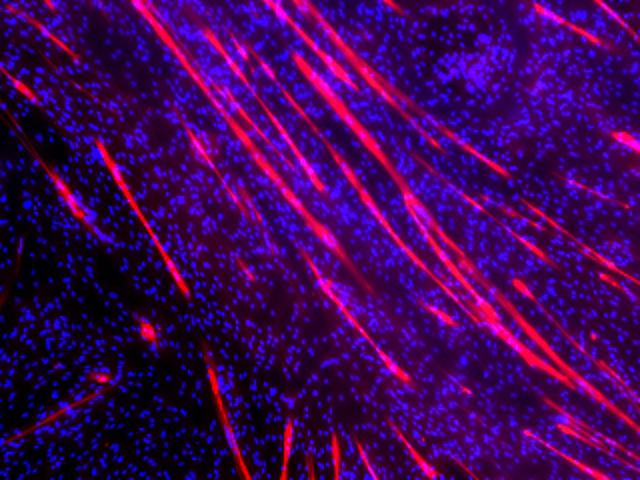
jsc2021e018129 (4/27/2021) --- Skeletal muscle myotubes form along strips of patterned scaffolds. The myotubes are labeled by antibodies directed against skeletal muscle myosin and visualized by immunofluorescence staining. The cellular nuclei are labeled in blue. Image courtesy of Palo Alto Veterans Institute for Research.
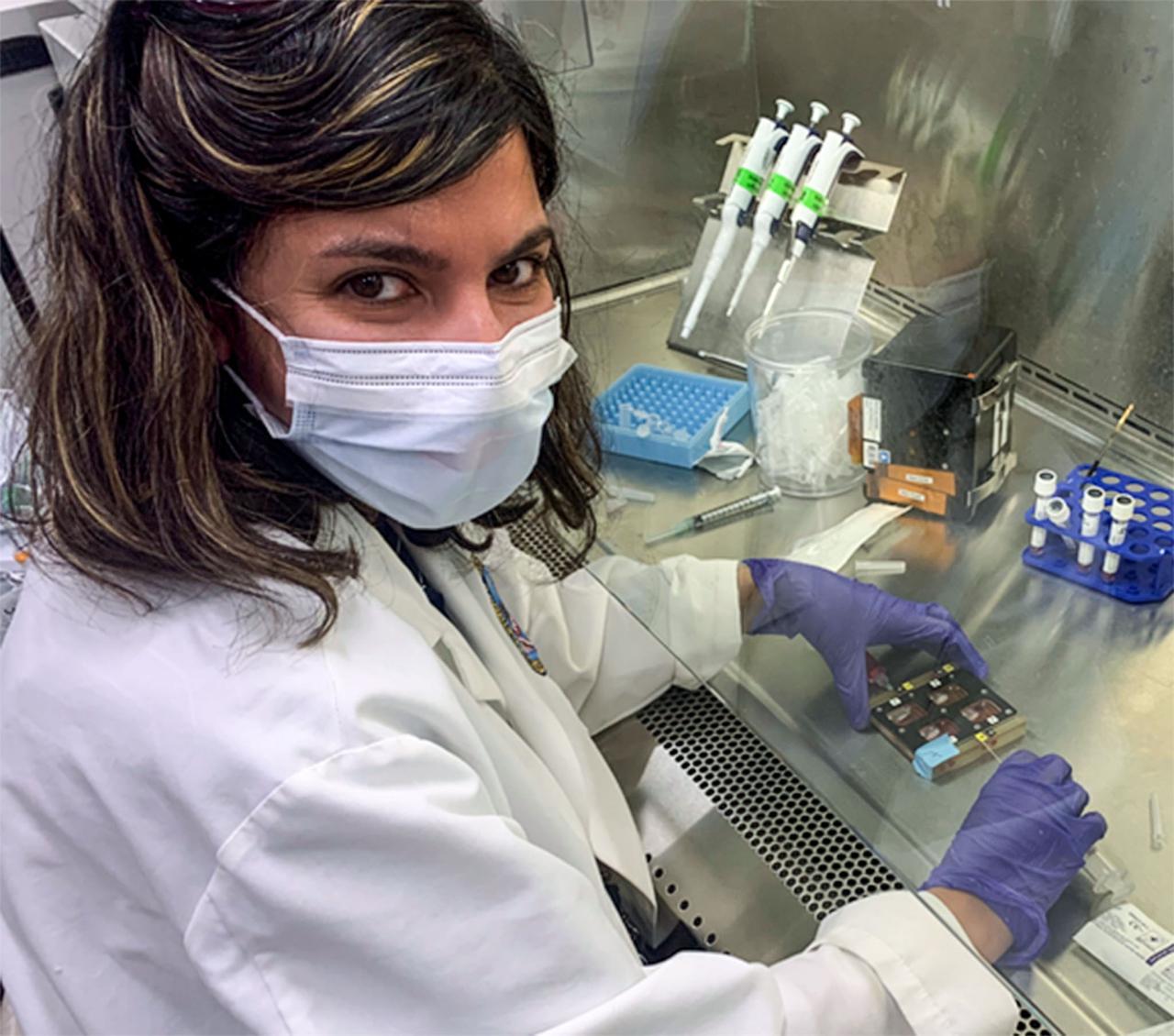
jsc2021e031155 (7/22/2021) --- A photo of postdoctoral fellow, Mahdis Shyan, PhD, exchanging the media of the engineered skeletal muscle bioreactor.T issue Engineered Muscle in Microgravity as a Novel Platform to Study Sarcopenia (Cardinal Muscle) evaluates whether engineered human muscle cells cultured in microgravity are a valid model for studying muscle loss. Photo courtesy of the Palo Alto Veterans Institute for Research.
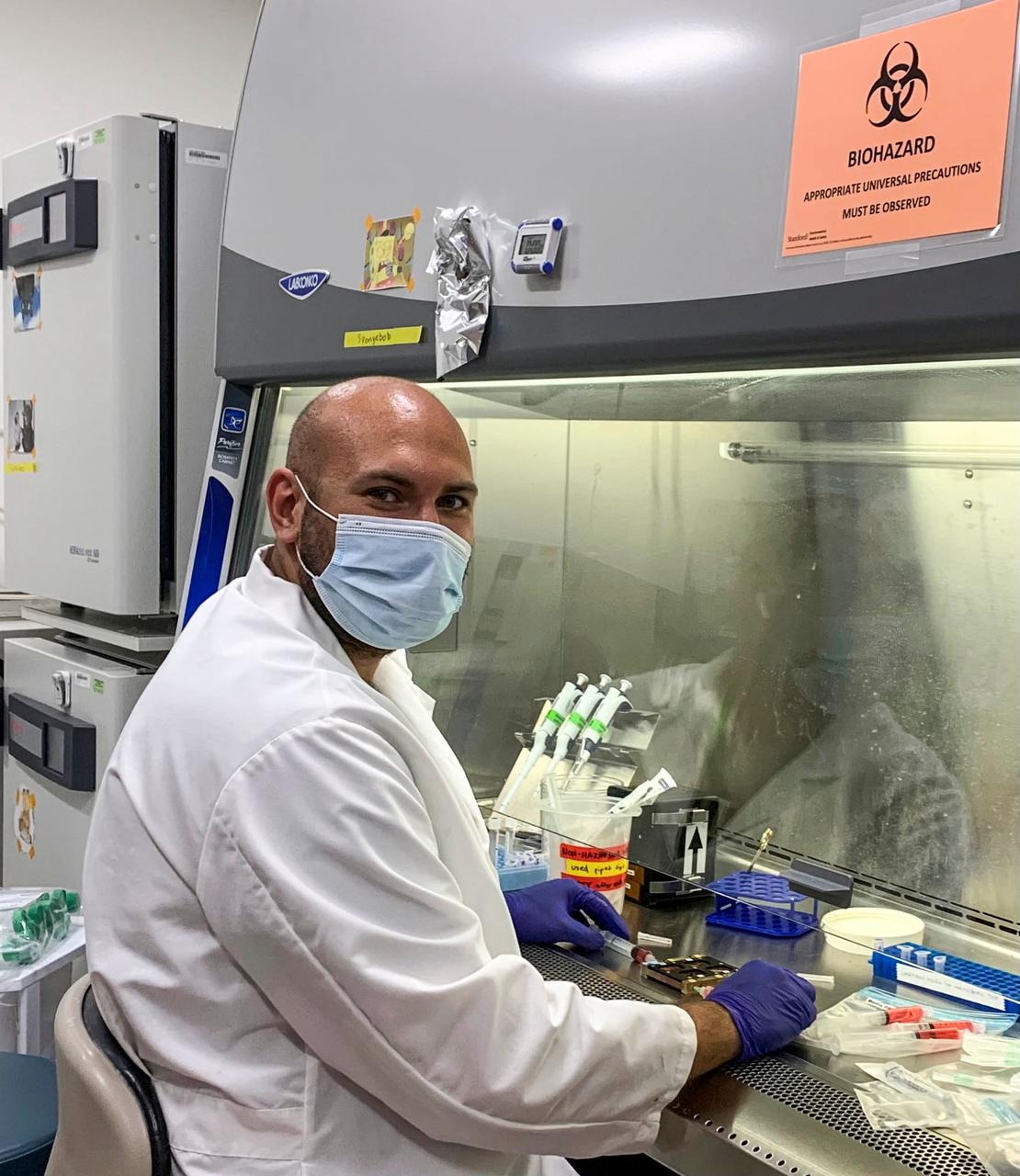
jsc2021e031156 (7/22/2021) --- A photo of postdoctoral fellow, Bugra Ayan, PhD, exchanging the media of the engineered skeletal muscle bioreactor. Tissue Engineered Muscle in Microgravity as a Novel Platform to Study Sarcopenia (Cardinal Muscle) evaluates whether engineered human muscle cells cultured in microgravity are a valid model for studying muscle loss. Photo courtesy of the Palo Alto Veterans Institute for Research.
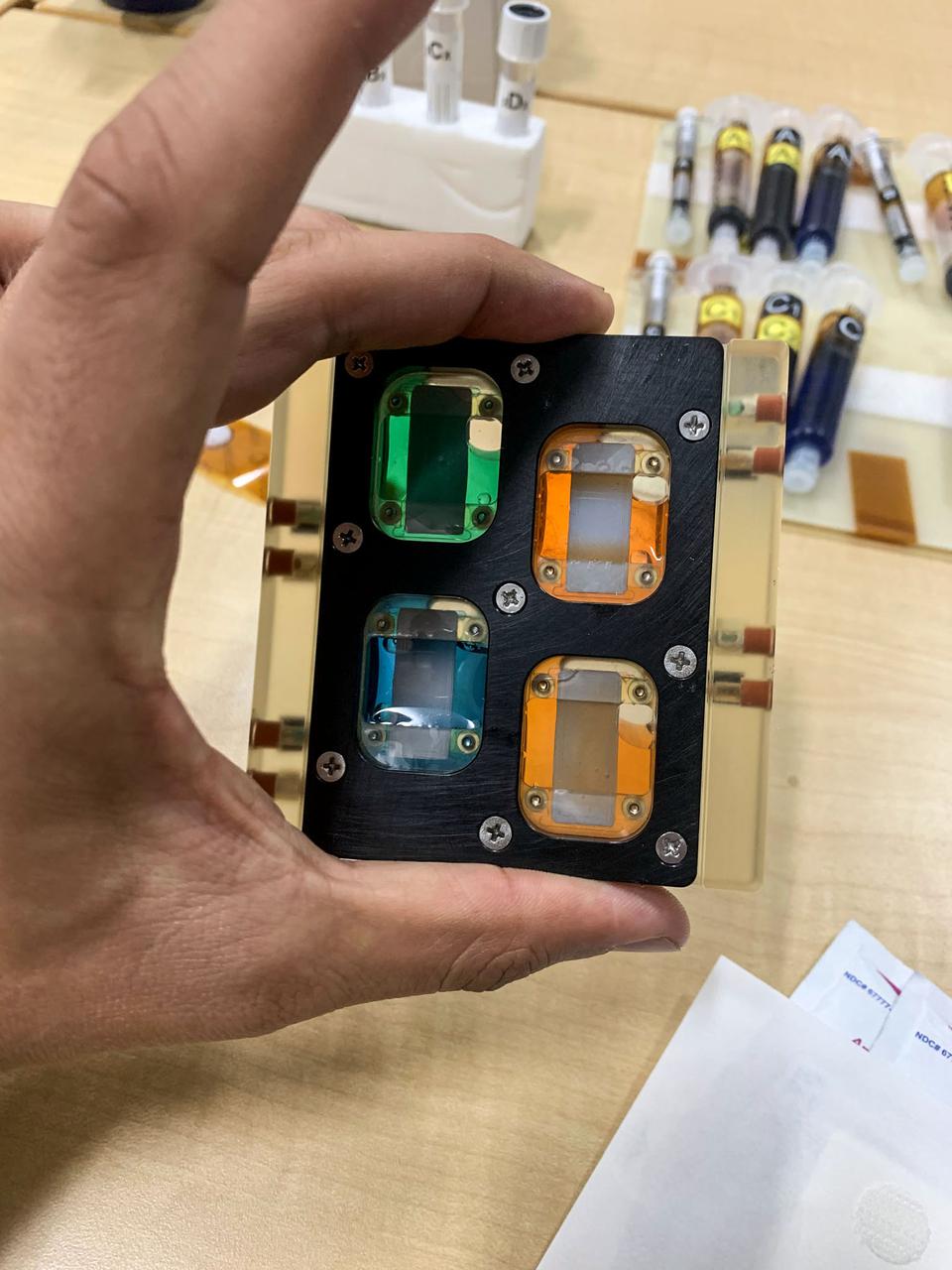
jsc2021e031154 (7/22/2021) --- A preflight photo of the BioCell bioreactor for housing engineered muscle. Developed in collaboration with BioServe Space Technologies. Part of Cardinal Muscle investigation. Photo courtesy of the Palo Alto Veterans Institute for Research.
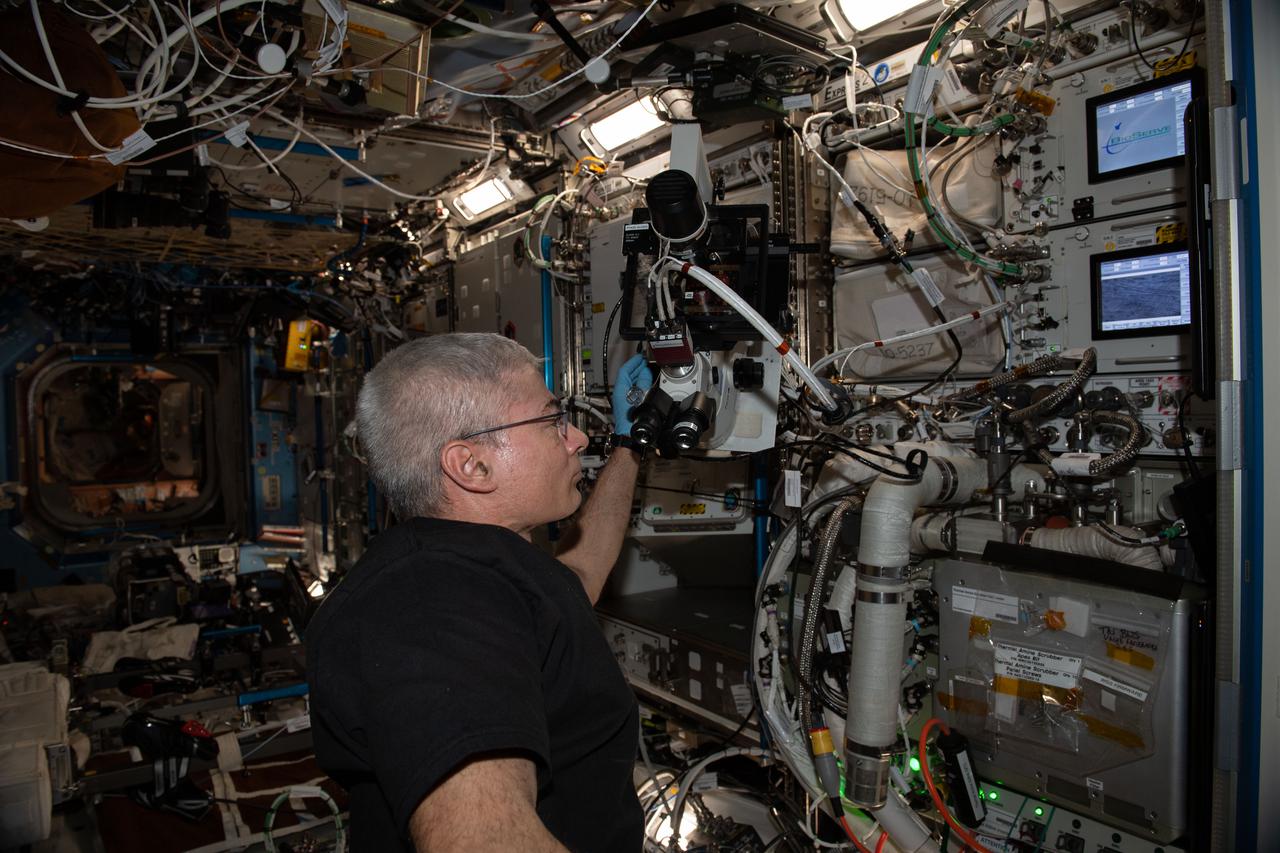
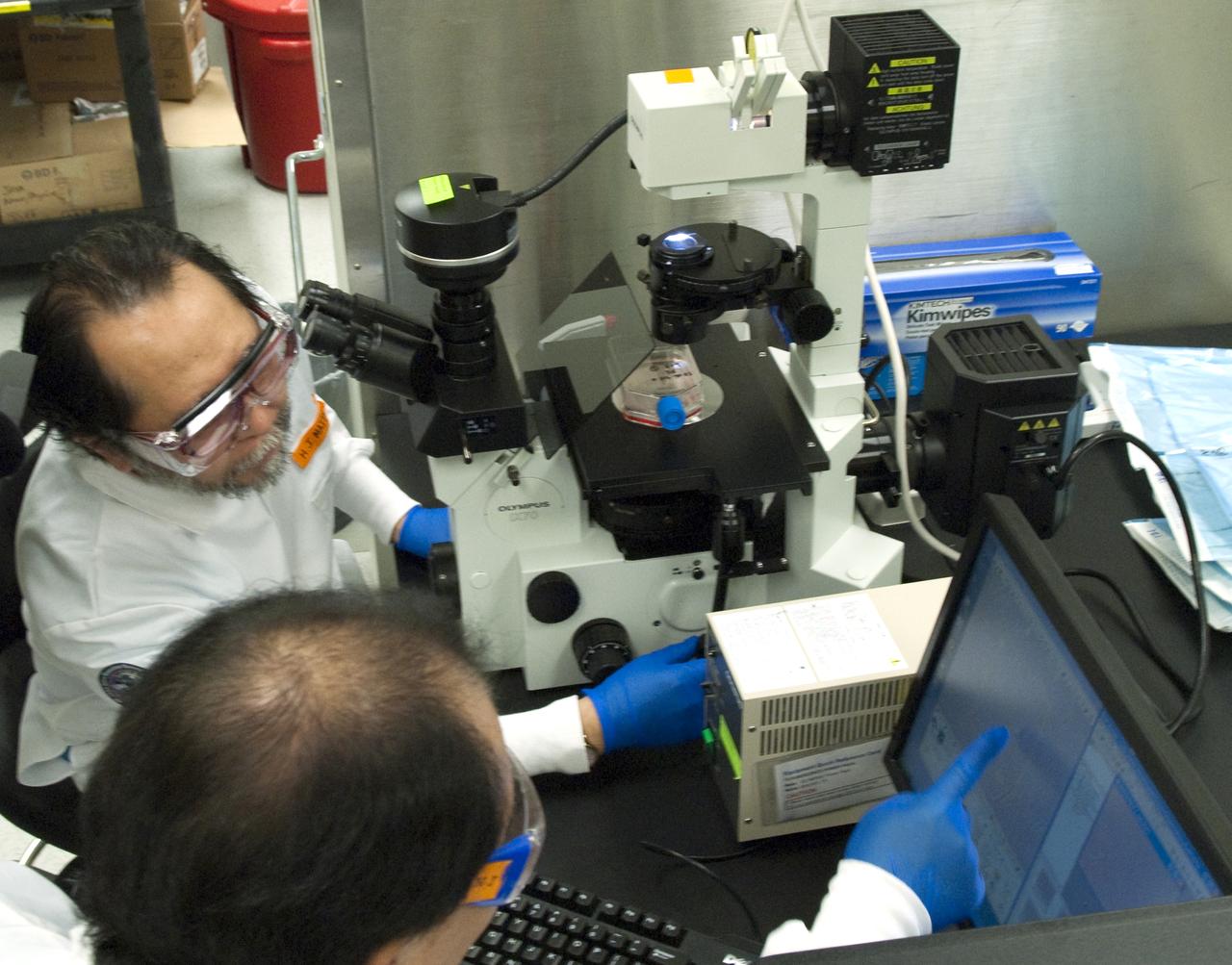
iss065e281836 (Aug. 20, 2021) --- NASA astronaut and Expedition 65 Flight Engineer Mark Vande Hei performs microscopy operations to capture images of the Cardinal Muscle investigation BioCells wells aboard the International Space Station. This study tests whether such engineered tissues cultured in space could provide a model for studying muscle loss and assessing possible therapeutics prior to clinical trials.
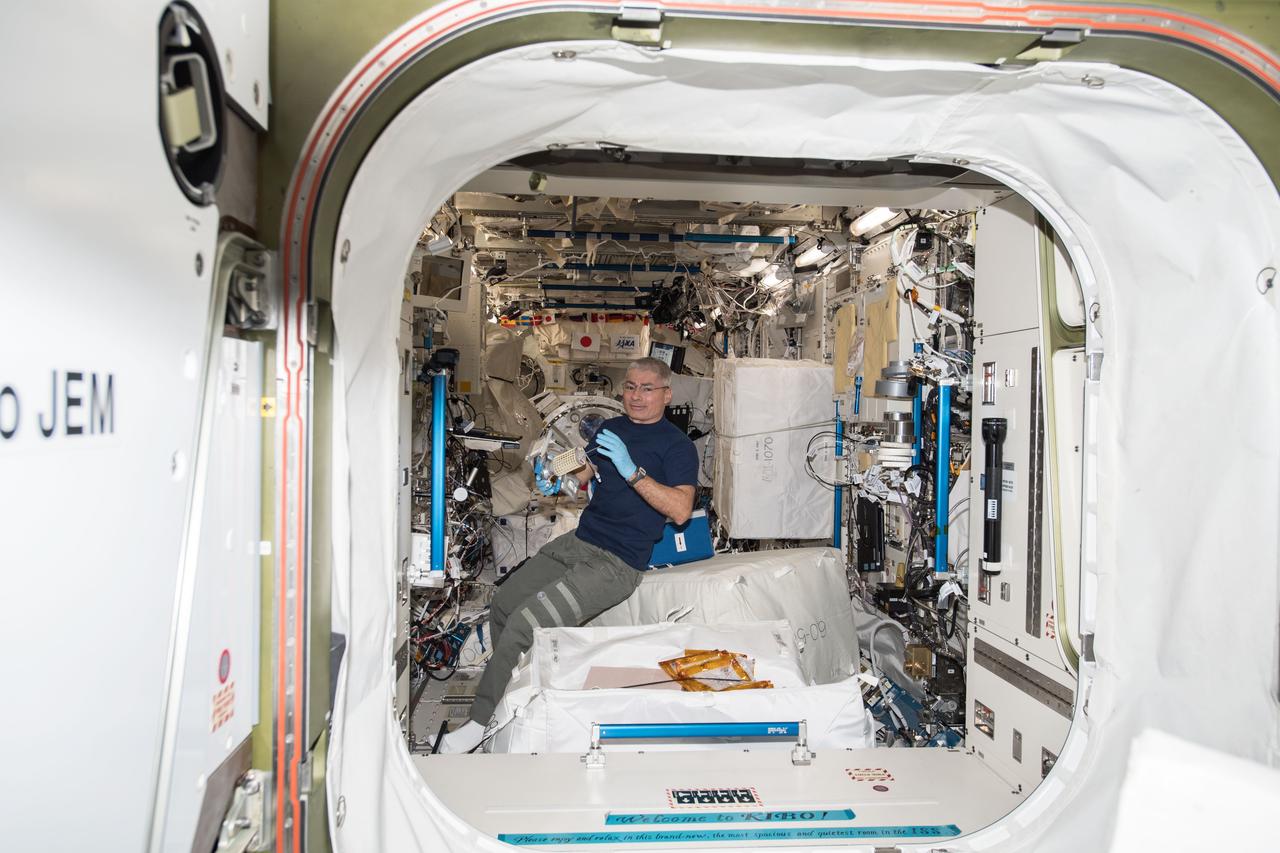
iss054e001244 (Dec. 18, 2017) --- NASA astronaut Mark Vande Hei installs a sample for the Zebrafish Muscle 2 experiment in the Kibo Japanese Experiment Pressurized Module (JPM) to study the effects of muscle atrophy in space.
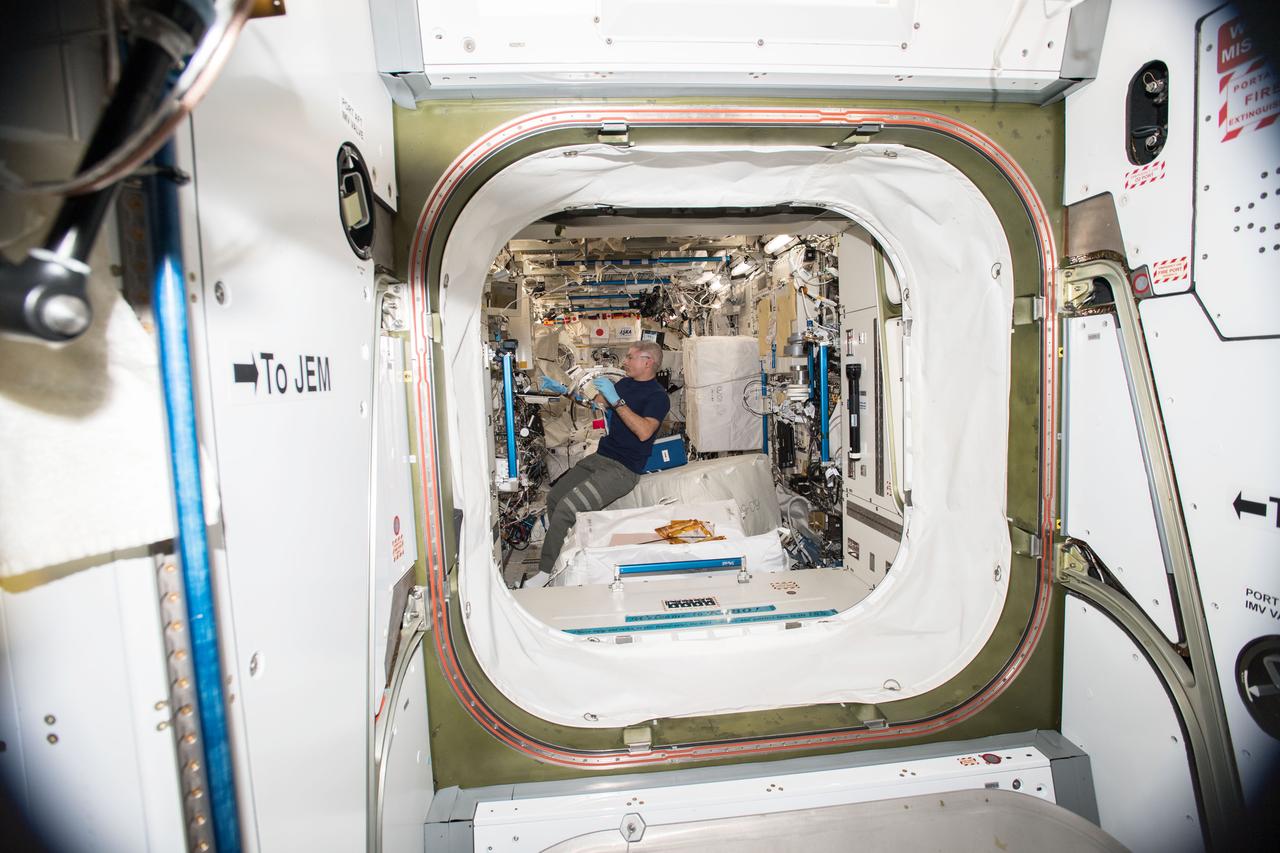
iss054e001241 (Dec. 18, 2017) --- NASA astronaut Mark Vande Hei installs a sample for the Zebrafish Muscle 2 experiment in the Kibo Japanese Experiment Pressurized Module (JPM) to study the effects of muscle atrophy in space.
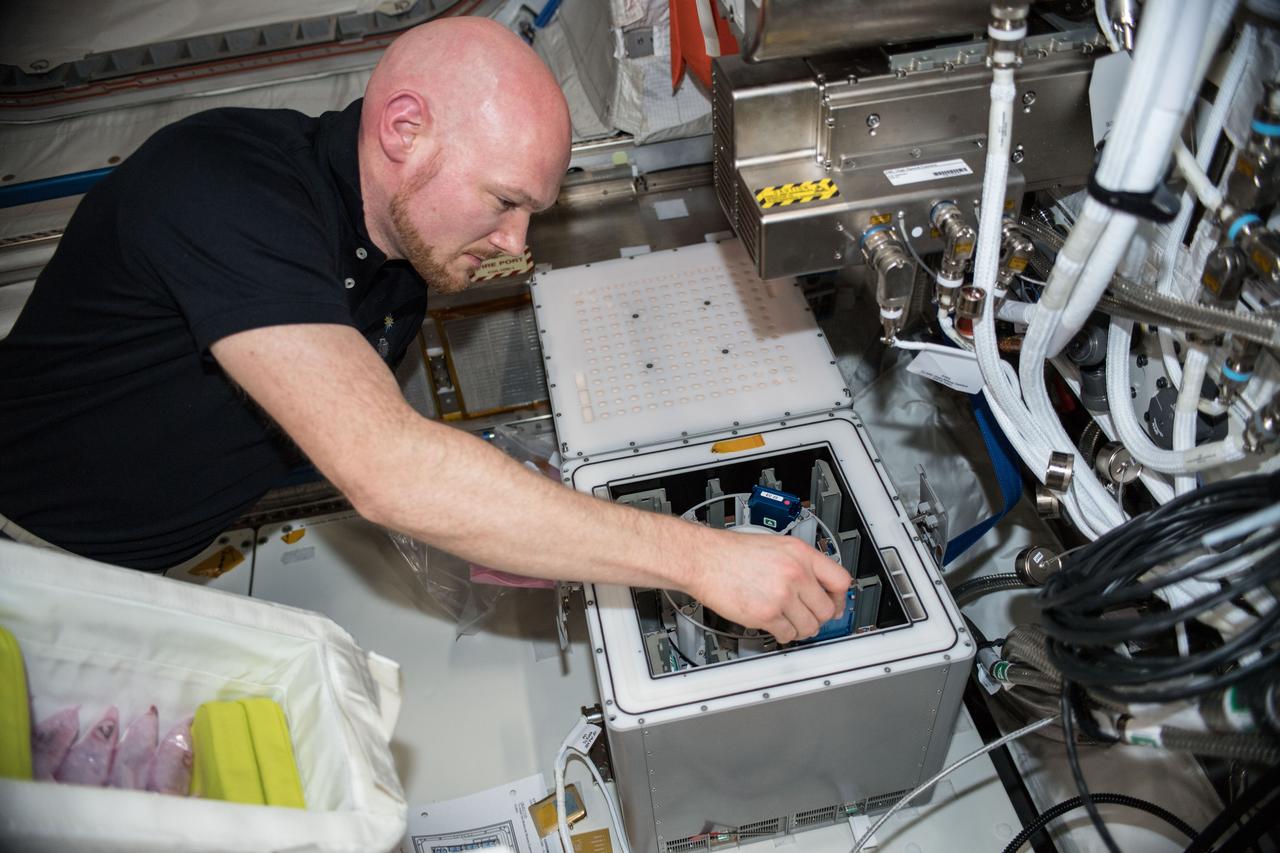
iss057e114873 (12/9/2018) --- A view of European Space Agency (ESA) astronaut Alexander Gerst placing the experiment canisters for the Molecular Muscle investigation into the Kubik incubator located on the Columbus module. The Molecular Muscle investigation examines the molecular causes of muscle abnormalities during spaceflight in order to establish effective countermeasures. Using the validated model organism C. elegans, combined with flight-validated methodologies, this experiment targets the molecular alterations that are most consistently correlated with muscular and metabolic abnormalities across species in spaceflight (i.e. insulin- and attachment-mediated signaling). The success of the interventions in recovering muscle health is assessed by successfully preventing the gene and protein expression changes that are repeatedly observed in spaceflight.
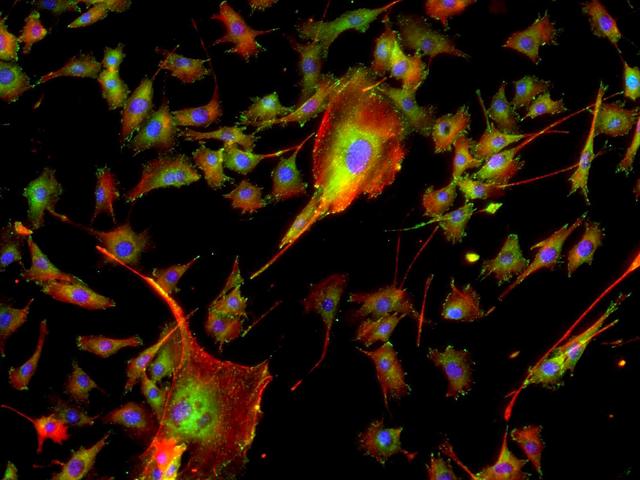
jsc2019e039830 (6/25/2019) --- A preflight photo taken as part of Nano Antioxidants experiment. C2C12 skeletal muscle cells grown in laboratory on Earth. Confocal microscopy image showing cytoskeletal actin in red, vinculin in green, and cell nuclei in blue. The experiment aims at elaborating antioxidant nanoparticle-based countermeasures to skeletal muscle loss occurring both in space and on Earth, in order to enable long-term human exploration of space and therapy of musculodegenerative diseases. Nanoparticles under study are composed of cerium oxide, that mimics natural defense against oxidative stress and shows long-lasting antioxidant effects. The aim of the Nano Antioxidants investigation is to research innovative approaches for cellular stimulation to counteract the negative effects of long-term microgravity on the musculoskeletal system. (Image courtesy of Dr. Gianni Ciofani, IIT and PoliTo)
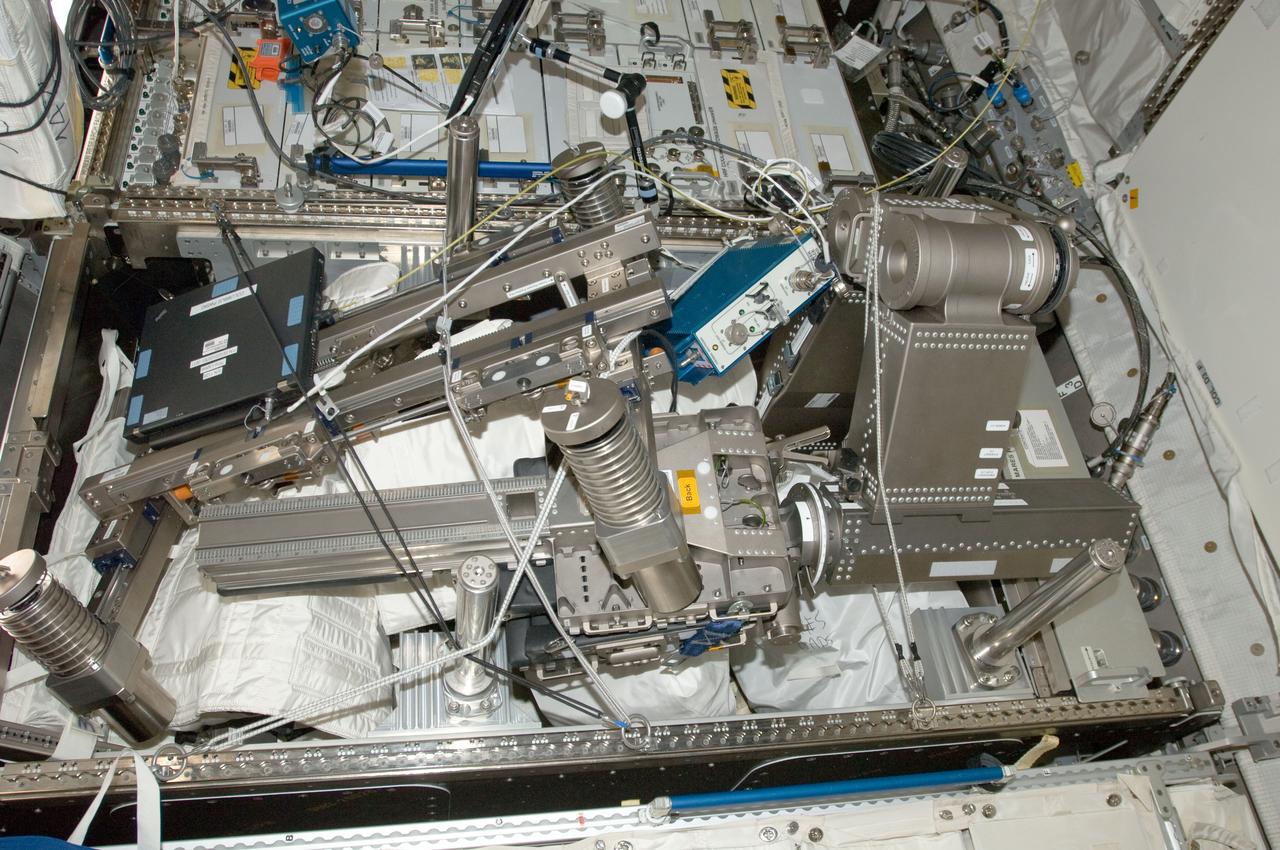
View of the Muscle Atrophy Research and Exercise System (MARES),in the Columbus Module (COL1F3). MARES will carry out research on musculoskeletal,bio-mechanical,and neuromuscular human physiology. Photo was taken during Expedition 34.
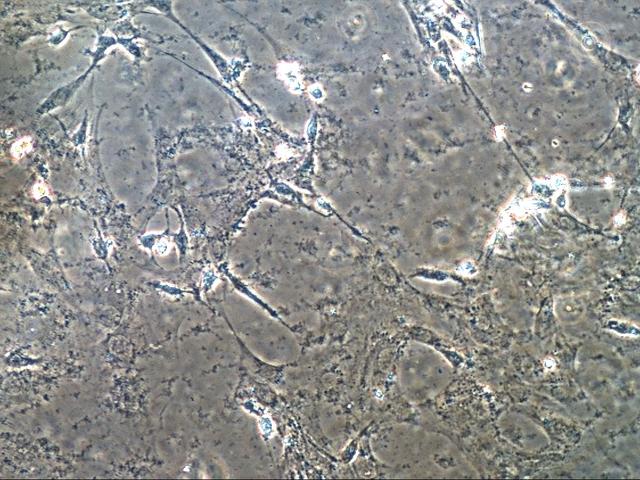
jsc2019e039829 (6/25/2019) --- A preflight photo taken as part of Nano Antioxidants Experiment to be performed in Kubik incubator on board the ISS. C2C12 skeletal muscle cells grown in laboratory on Earth. Confocal microscopy image showing cytoskeletal actin in red, vinculin in green, and cell nuclei in blue. The aim of the Nano Antioxidants investigation is to research innovative approaches for cellular stimulation to counteract the negative effects of long-term microgravity on the musculoskeletal system. (Image courtesy of Dr. Gianni Ciofani, IIT and Polytechnic University of Torino-PoliTo )
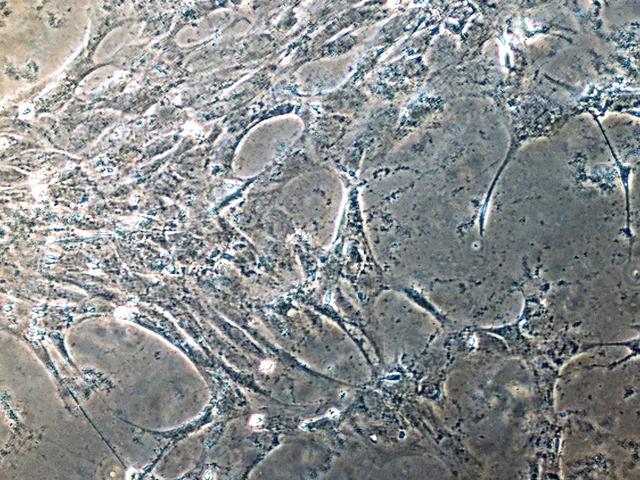
jsc2019e039828 (6/25/2019) --- A preflight photo taken as part of Nano Antioxidants Experiment to be performed in Kubik incubator on board the ISS. C2C12 skeletal muscle cells grown in laboratory on Earth. Confocal microscopy image showing cytoskeletal actin in red, vinculin in green, and cell nuclei in blue. The aim of the Nano Antioxidants investigation is to research innovative approaches for cellular stimulation to counteract the negative effects of long-term microgravity on the musculoskeletal system. (Image courtesy of Dr. Giada Genchi, Istituto Italiano di Tecnologia-IIT)
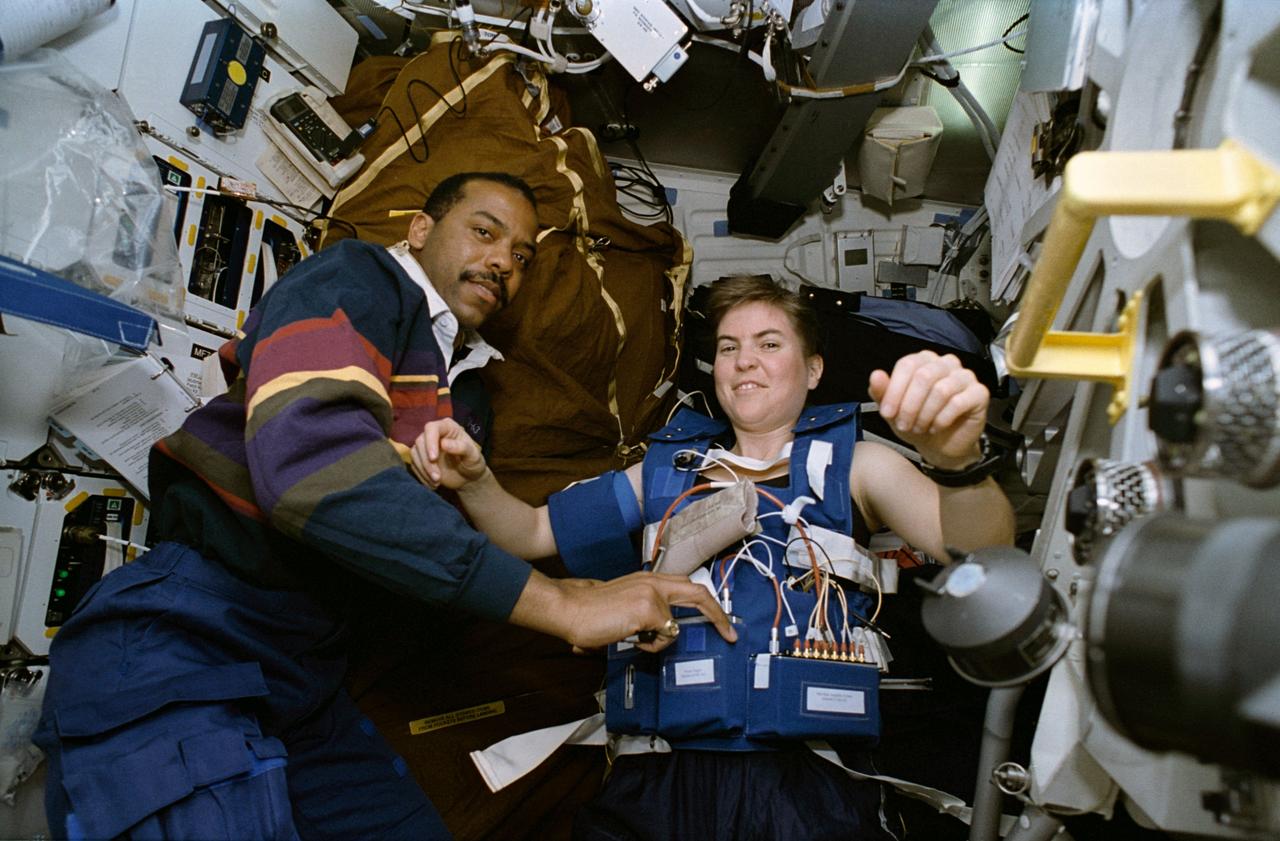
STS063-86-016 (3-11 Feb 1995) --- With astronaut Janice E. Voss, mission specialist, as his test subject, astronaut Bernard A. Harris, Jr., payload commander and a physician, uses a special biomedical harness experiment to check the response of muscles to microgravity. They are on the mid-deck, where many of the SpaceHab 3 experiments are located. The SpaceHab 3 Module is in the cargo bay. Others onboard the Space Shuttle Discovery were astronauts James D. Wetherbee, commander; Eileen M. Collins, pilot; mission specialists C. Michael Foale and Russian cosmonaut Vladimir G. Titov.
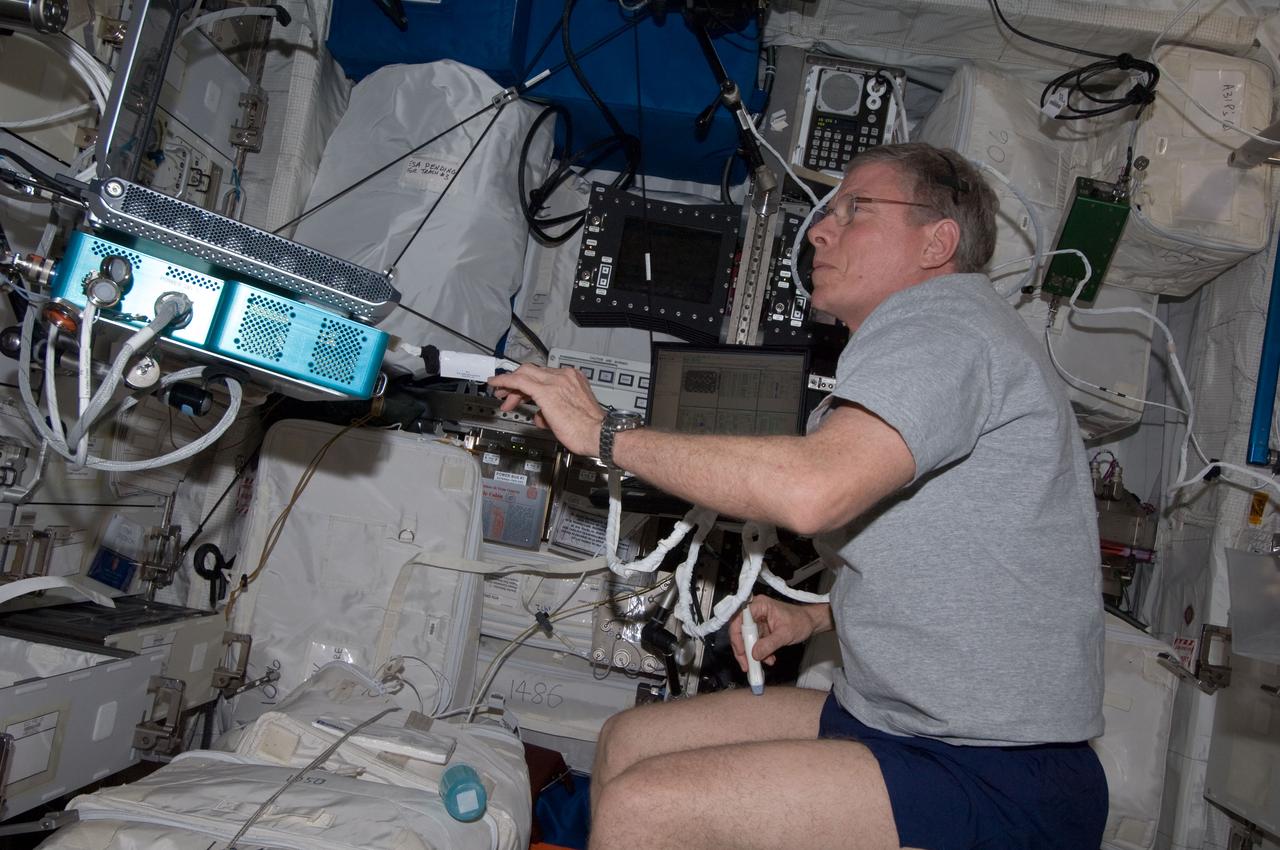
ISS029-E-025270 (3 Oct. 2011) --- NASA astronaut Mike Fossum, Expedition 29 commander, performs a SPRINT leg muscle self scan in the Columbus laboratory of the International Space Station. Fossum powered on the Ultrasound 2 (USND-2) unit and Video Power Converter (VPC) hardware, and connected the VPC to Human Research Facility 1 (HRF-1) in order to perform this activity.
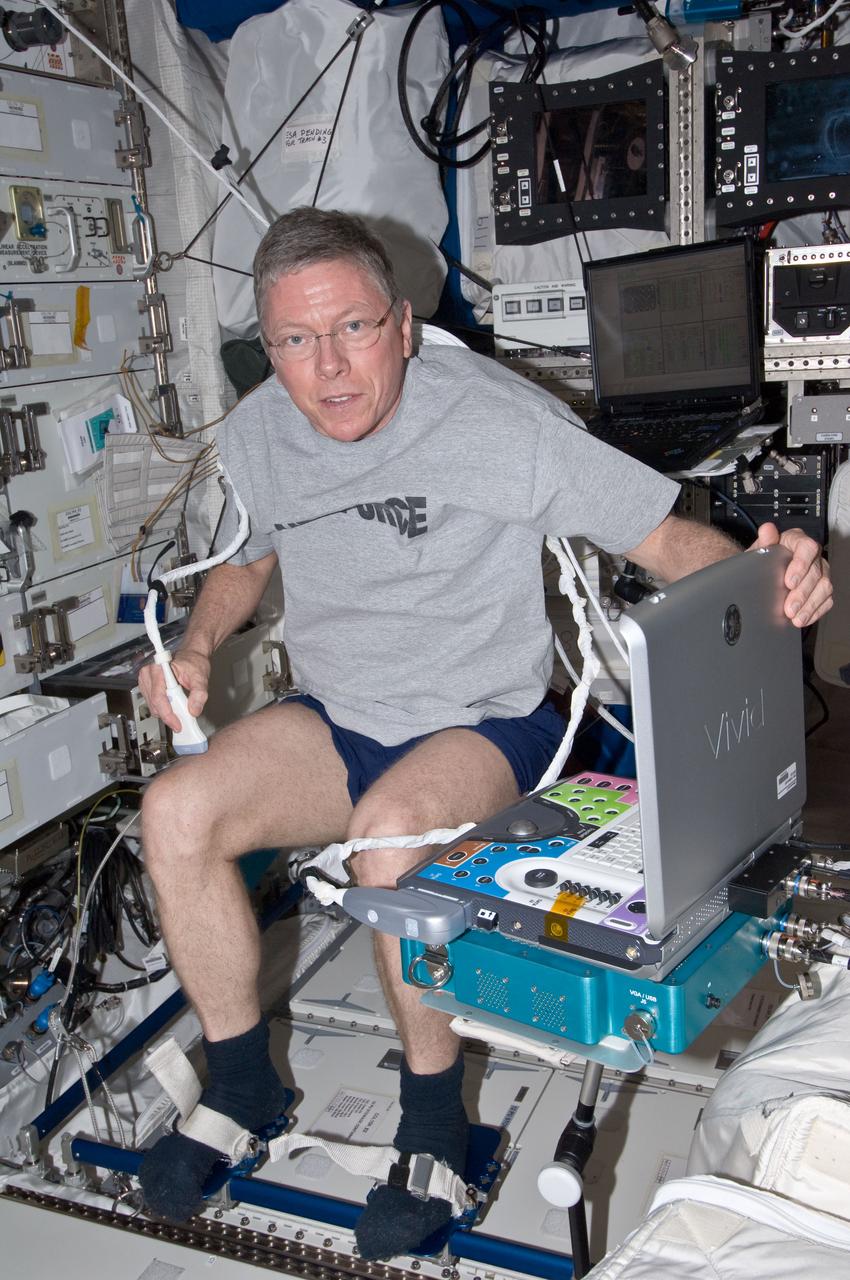
ISS029-E-025280 (3 Oct. 2011) --- NASA astronaut Mike Fossum, Expedition 29 commander, performs a SPRINT leg muscle self scan in the Columbus laboratory of the International Space Station. Fossum powered on the Ultrasound 2 (USND-2) unit and Video Power Converter (VPC) hardware, and connected the VPC to Human Research Facility 1 (HRF-1) in order to perform this activity.

iss065e277010 (Aug. 19, 2021) --- A view of cell samples for the Anti-Atrophy muscle investigation inside the International Space Station's Kibo laboratory module. The samples are being incubated and observed in the Cell Biology Experiment Facility to learn how to prevent and treat space-caused muscle atrophy and Earth-bound muscle conditions.
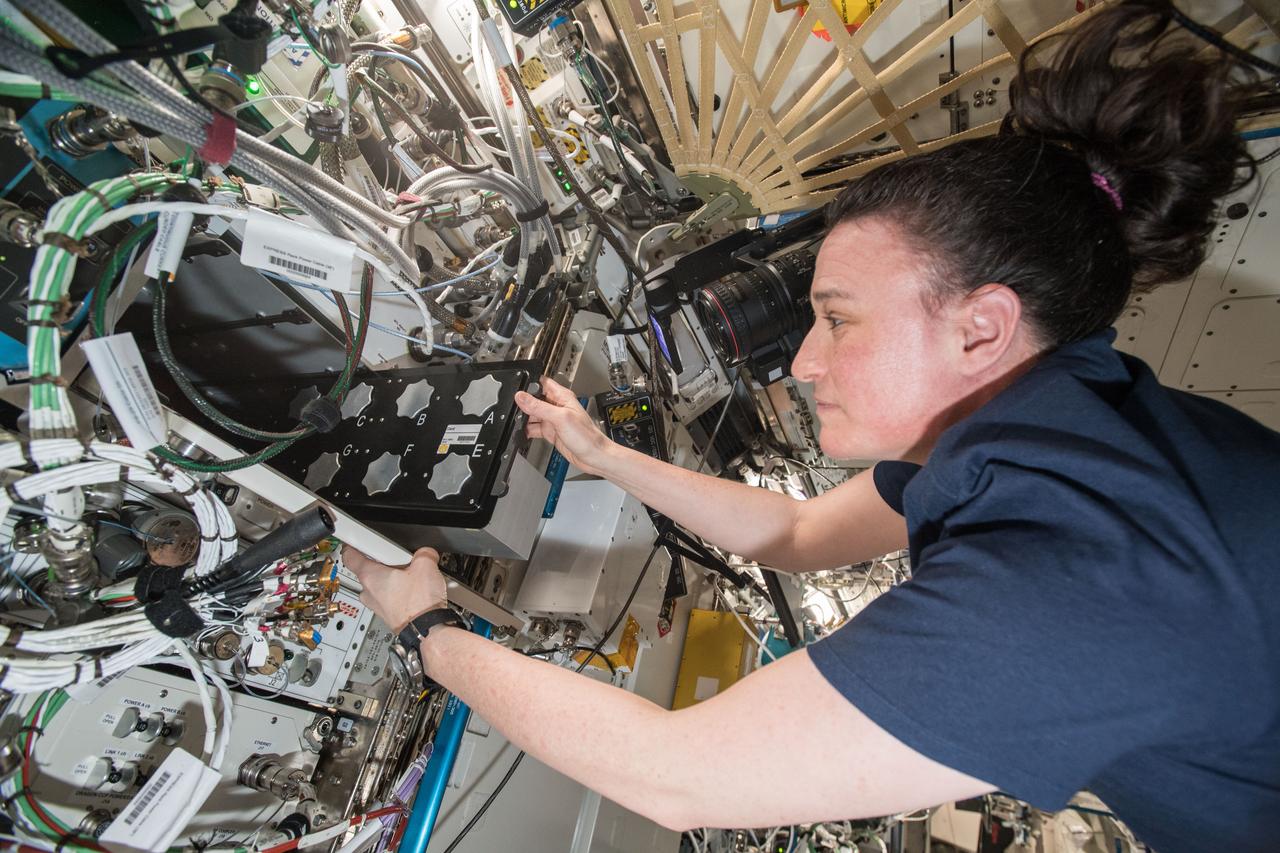
iss057e105719 (11/24/2018) --- A view of NASA astronaut Serena Auñón-Chancellor inserting the Microg-Rx CubeLab into the TangoLab facility. The Culturing of Human Myocytes in Microgravity: An In Vitro Model to Evaluate Therapeutics to Counteract Muscle Wasting (Culturing of Human Myocytes in Microgravity) experiment aims to better understand muscle growth and repair in microgravity. Muscle wasting occurs in people on Earth with cancer, HIV/AIDS, heart failure, rheumatoid arthritis, chronic obstructive pulmonary disease, and sarcopenia (age-related muscle loss). This investigation may support development of countermeasures and treatments for muscle wasting from these conditions.
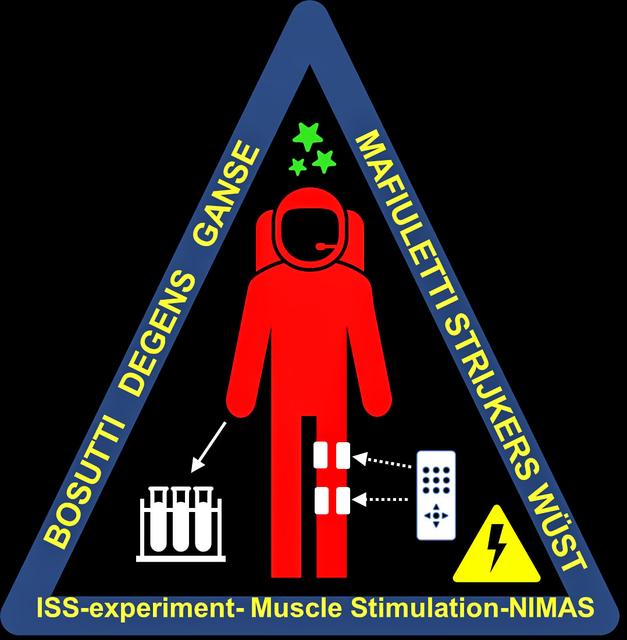
jsc2023e053549 (9/18/2023) --- The Muscle Stimulation Patch is designed to represent the aims of the experiment, namely apply inflight a small electrical muscle stimulation (represented by the yellow triangle) to the leg muscles (white arrows) of astronauts on-board the ISS, to sustain their muscle mass and performance, and measure with several experimental techniques (represented by the white cuvettes) in which way the muscles respond to this exercise modality delivered in Space (represented by the green stars)..The patch’s colors represent the Countries of the team members (Italy, United Kingdom, Germany, The Netherlands and Switzerland). Image courtesy of ESA.
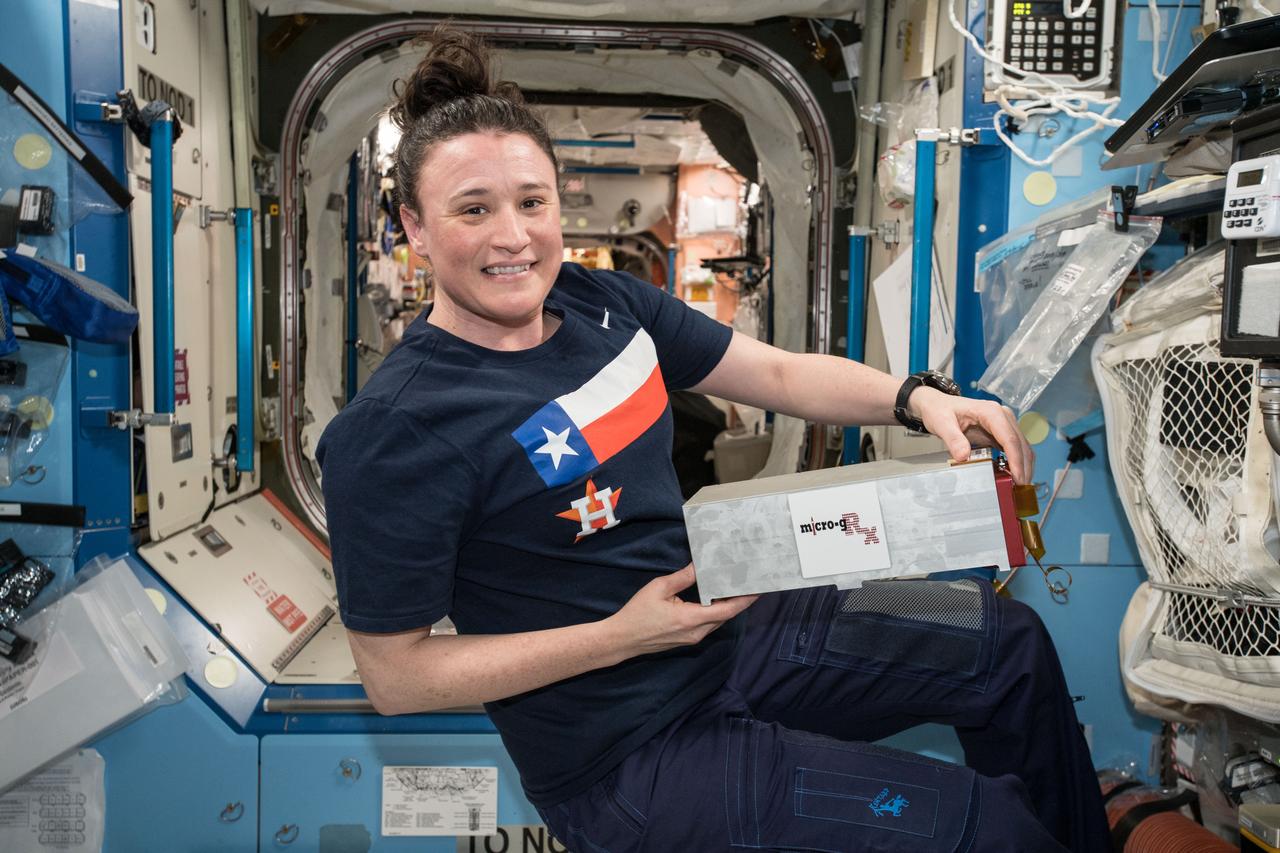
iss057e105708 (11/24/2018) --- A view of NASA astronaut Serena Auñón-Chancellor holding the Microg-Rx CubeLab. The Culturing of Human Myocytes in Microgravity: An In Vitro Model to Evaluate Therapeutics to Counteract Muscle Wasting (Culturing of Human Myocytes in Microgravity) experiment aims to better understand muscle growth and repair in microgravity. Muscle wasting occurs in people on Earth with cancer, HIV/AIDS, heart failure, rheumatoid arthritis, chronic obstructive pulmonary disease, and sarcopenia (age-related muscle loss). This investigation may support development of countermeasures and treatments for muscle wasting from these conditions.
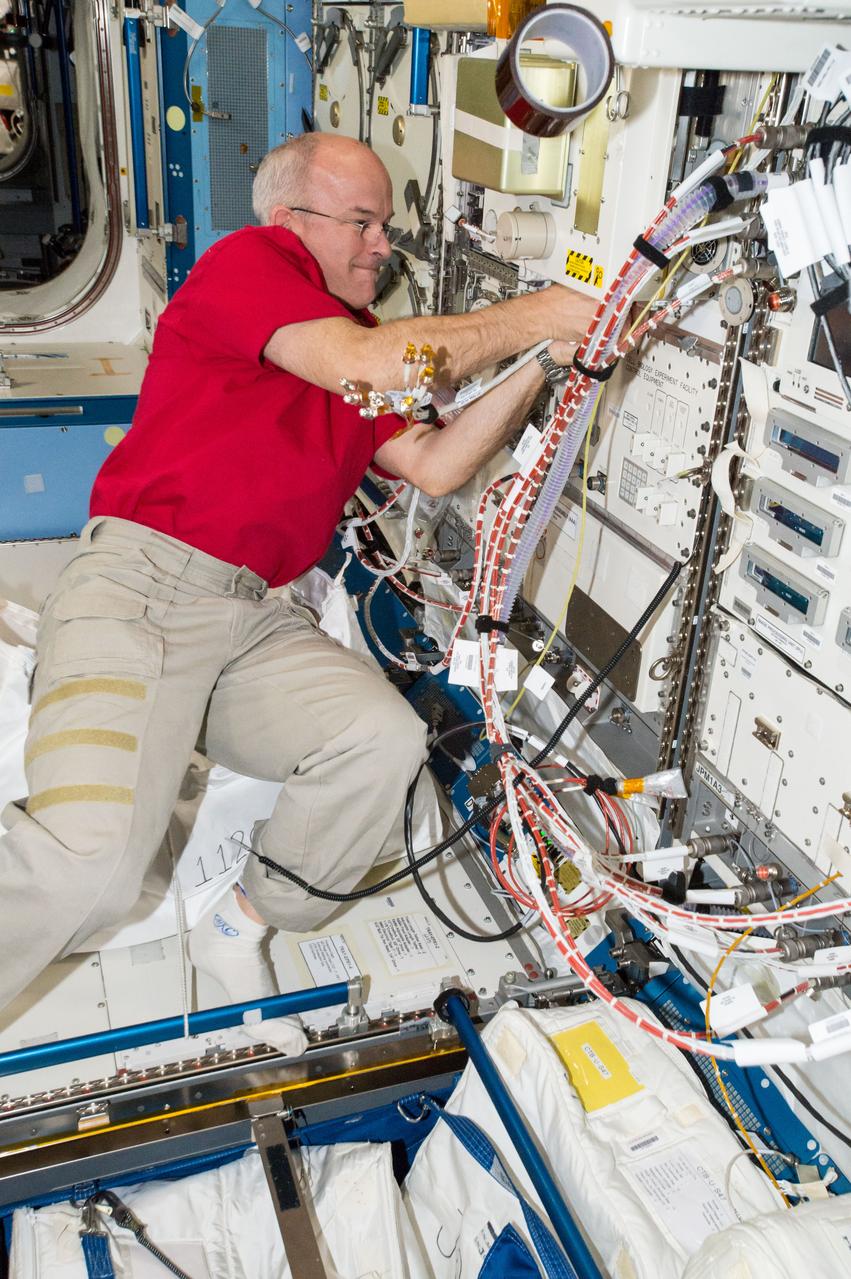
ISS047e032018 (04/01/2016) --- NASA astronaut Jeff Williams works to install the Cell Biology Experiment Facility (CBEF) Cell Mechanosensing Humidifier. Cell Mechanosensing is a Japan Aerospace Exploration Agency (JAXA) investigation that identifies gravity sensors in skeletal muscle cells to develop countermeasures to muscle atrophy, a key space health issue. Scientists believe that the lack of mechanical stress from gravity causes tension fluctuations in the plasma membrane of skeletal muscle cells which changes the expression of key proteins and genes, and allows muscles to atrophy.
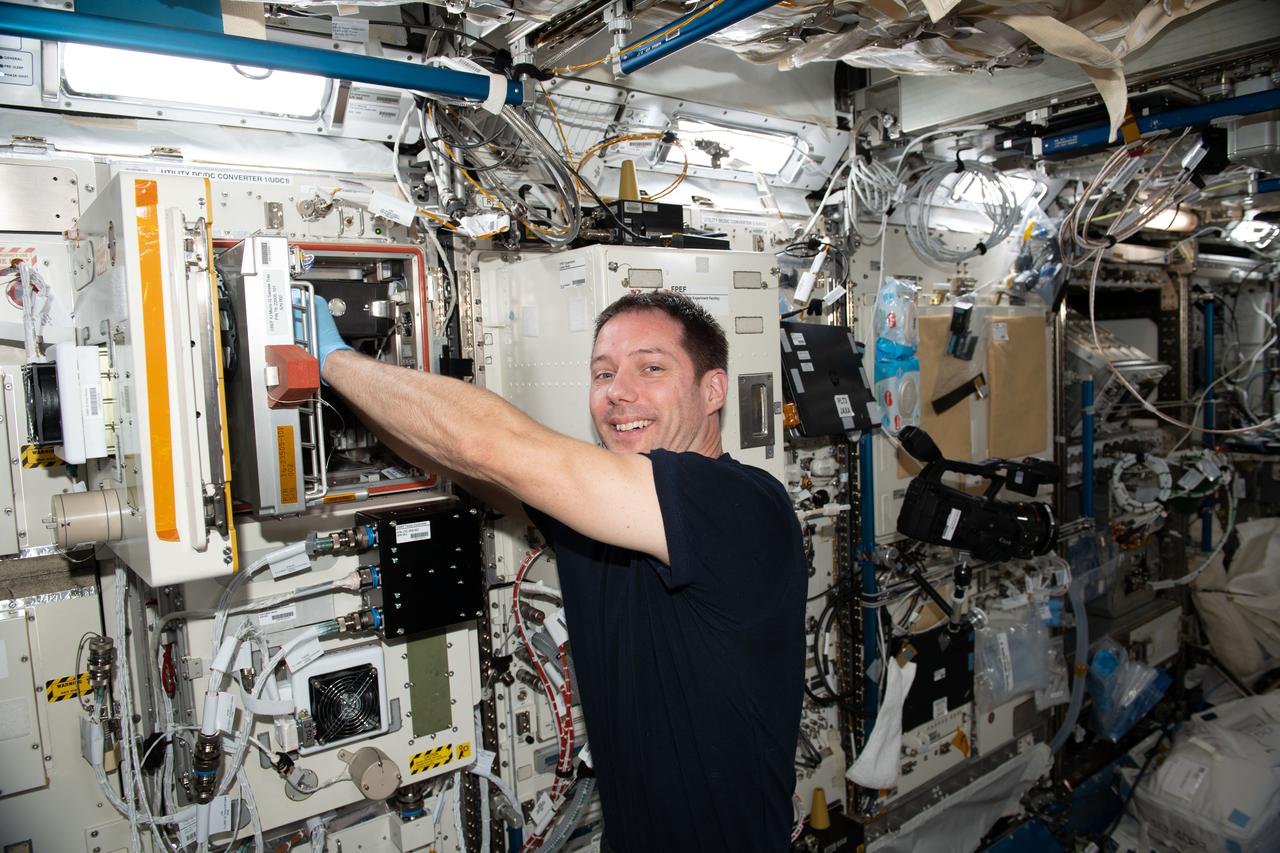
iss065e257436 (Aug. 17, 2021) --- European Space Agency astronaut and Expedition 65 Flight Engineer Thomas Pesquet works on sample preparation and installation for the Anti-Atrophy investigation. Muscle wasting affects both astronauts living in microgravity and people on Earth, particularly the elderly. This research examines how biomaterials that can either slow muscle atrophy or accelerate muscle growth could be used to supplement exercise as a countermeasure in space. It could also advance development of pharmaceuticals to prevent muscle atrophy for people on Earth.
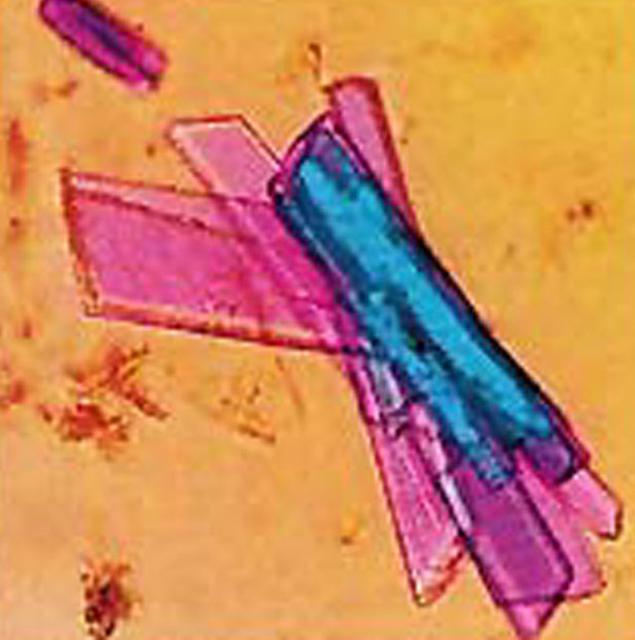
(Rabbit) Converts the major storage form of high energy phosphate (creatine phosphate) to usable energy form (ATP). A major muscle enzyme and implicated in some muscle diseases.
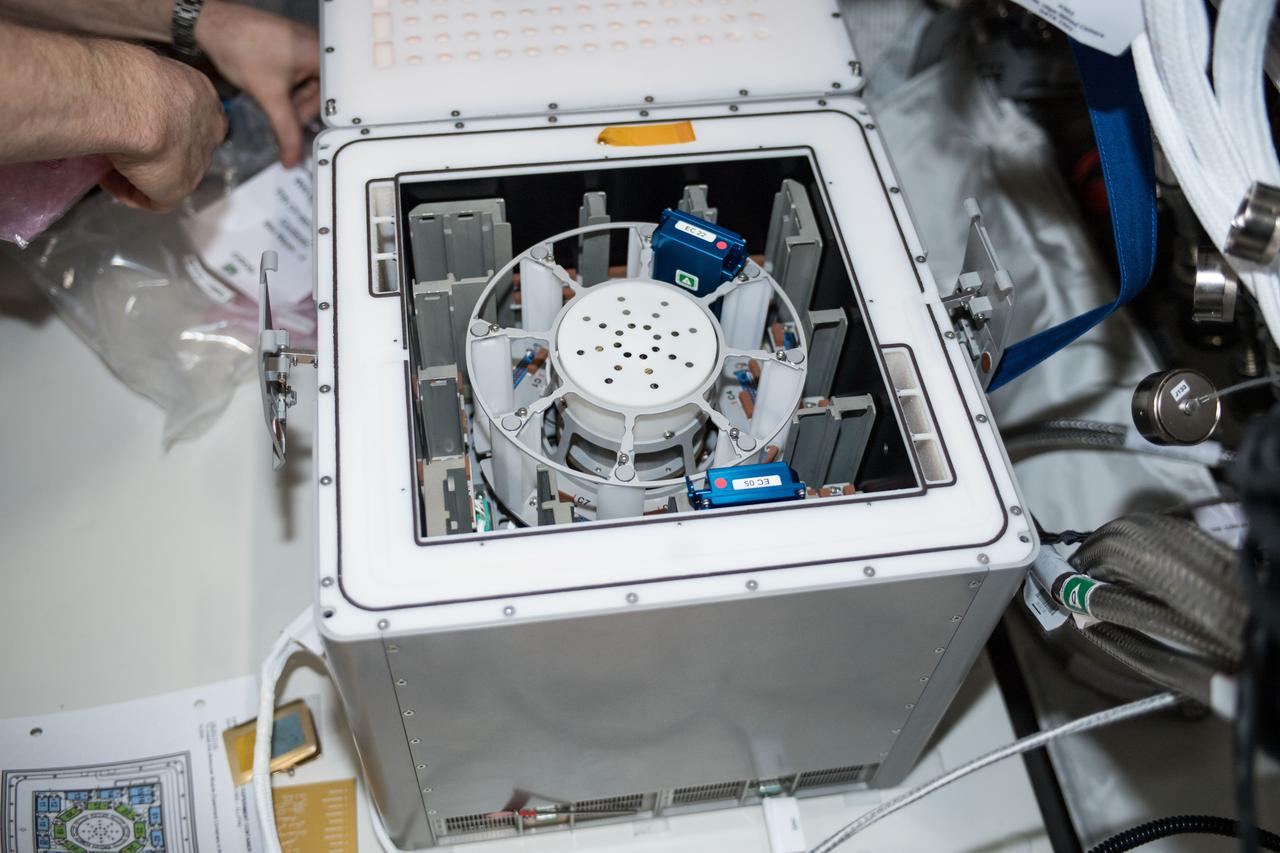
iss057e114874 (12/9/2018) --- A view of the Kubik incubator containing the experiment canisters for the Molecular Muscle investigation. The Molecular Muscle investigation examines the molecular causes of muscle abnormalities during spaceflight in order to establish effective countermeasures. Using the validated model organism C. elegans, combined with flight-validated methodologies, this experiment targets the molecular alterations that are most consistently correlated with muscular and metabolic abnormalities across species in spaceflight (i.e. insulin- and attachment-mediated signaling). The success of the interventions in recovering muscle health is assessed by successfully preventing the gene and protein expression changes that are repeatedly observed in spaceflight.

iss065e277007 (Aug. 19, 2021) --- Expedition 65 Commander Akihiko Hoshide of the Japan Aerospace Exploration Agency (JAXA) services cell samples for the Anti-Atrophy muscle investigation inside the International Space Station's Kibo laboratory module. The samples are being incubated and observed in the Cell Biology Experiment Facility to learn how to prevent and treat space-caused muscle atrophy and Earth-bound muscle conditions.

iss065e277599 (Aug. 19, 2021) --- Expedition 65 Commander Akihiko Hoshide of the Japan Aerospace Exploration Agency (JAXA) services cell samples for the Anti-Atrophy muscle investigation inside the International Space Station's Kibo laboratory module. The samples are being incubated and observed in the Cell Biology Experiment Facility to learn how to prevent and treat space-caused muscle atrophy and Earth-bound muscle conditions.
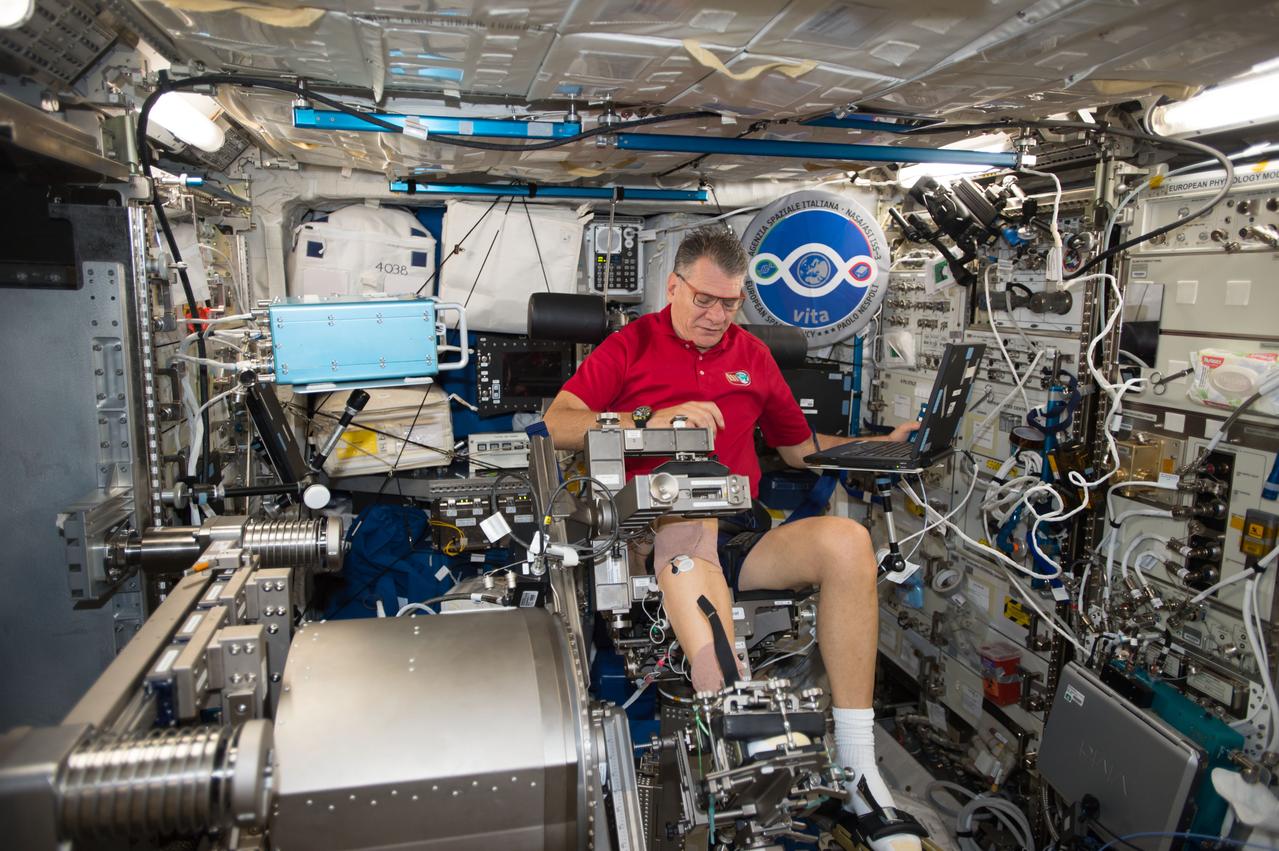
iss052e024957 (Aug. 1, 2017) --- Astronaut Paolo Nespoli ingressed the Muscle Atrophy Research & Exercise System (MARES) chair in the Columbus module and adjusted pads and constraints for the Sarcolab-3 ankle protocol. The data collected for Sarcolab-3 will be compared to pre and postflight measurements to assess the impact of hypothesized microgravity induced muscle loss.
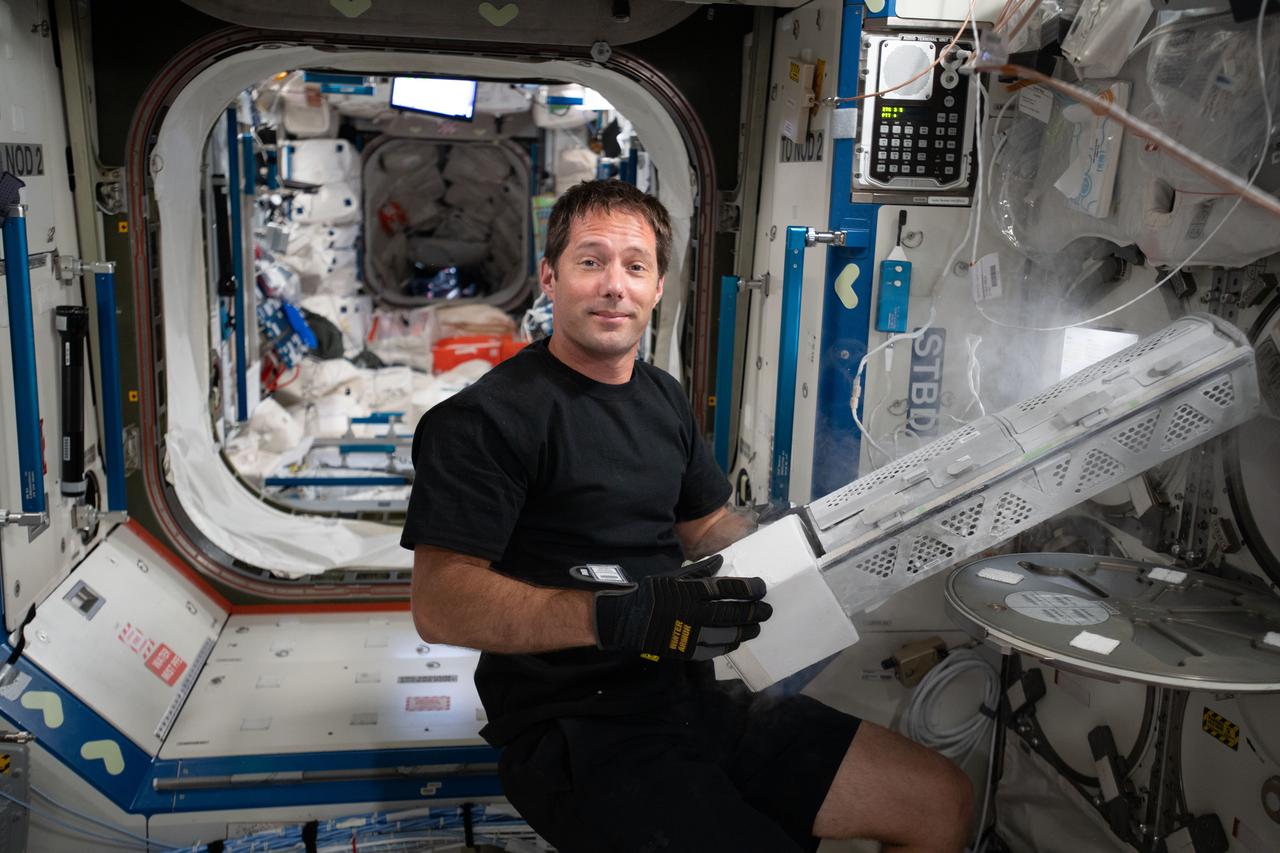
iss065e017719 (May 4, 2021) --- Astronaut and Expedition 65 Flight Engineer Thomas Pesquet of the European Space Agency transfers science samples to a science freezer for the Myotones investigation that observes how microgravity affects the biochemical properties of muscles, such as muscle tone, stiffness and elasticity.
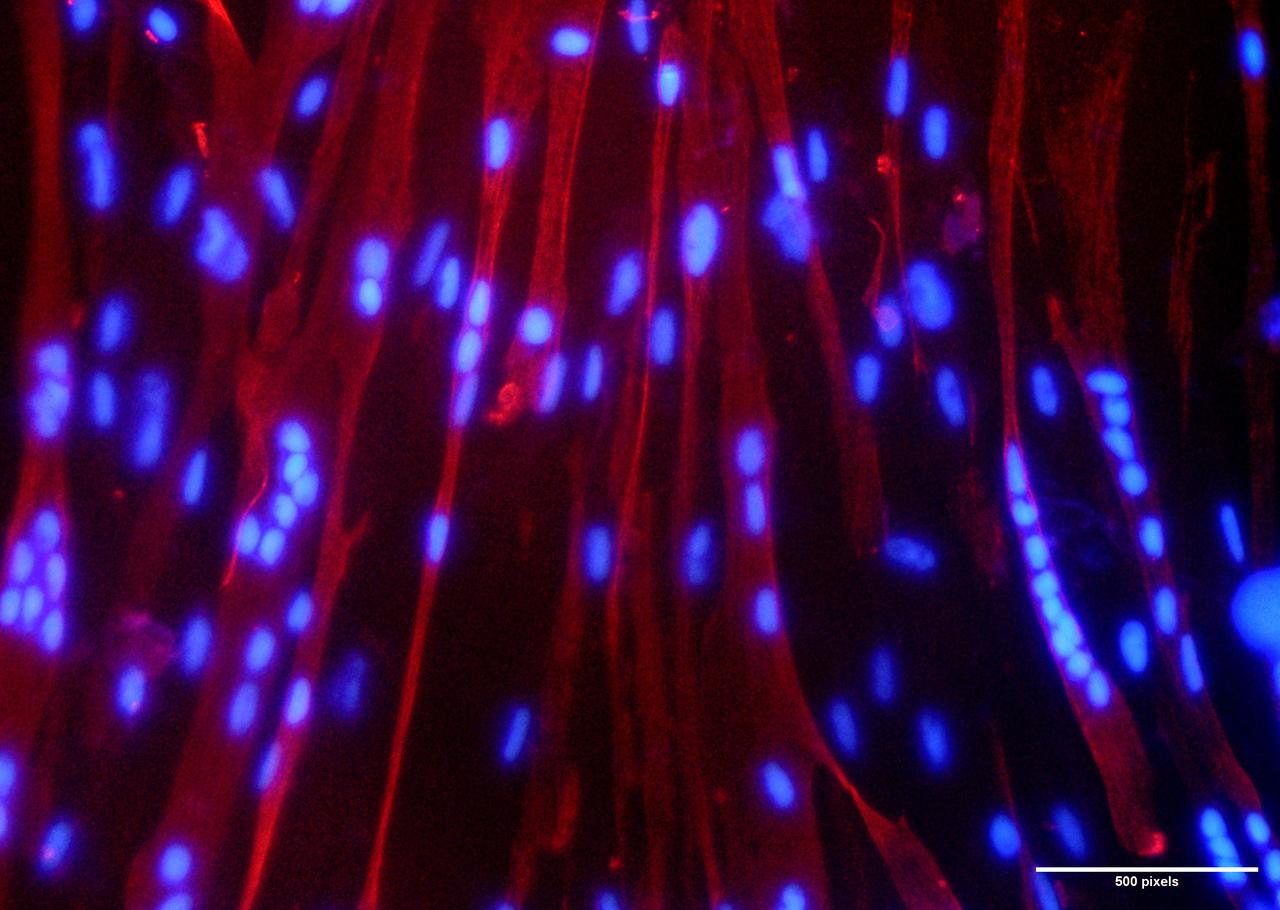
jsc2025e039327 (4/17/2025) --- Immunofluorescence images of multinucleated human myotubes with blue-colored nuclei and red-colored Myosin Heavy Chain protein are shown. The Myotube fibers were obtained after growing human skeletal muscle stem cells for eight days in a differentiation medium, during which individual cells fused into muscle fibers. The Myogenesis – ISRO investigation studies the mechanism of this differentiation process in the microgravity environment aboard the International Space Station in hopes of protecting the muscle health of astronauts on future long-duration space missions, as well as apply this technology to treating people on Earth that suffer from diseases that impair muscle function. Imagery courtesy of Institute for Stem Cell Science and Regenerative Medicine (India).
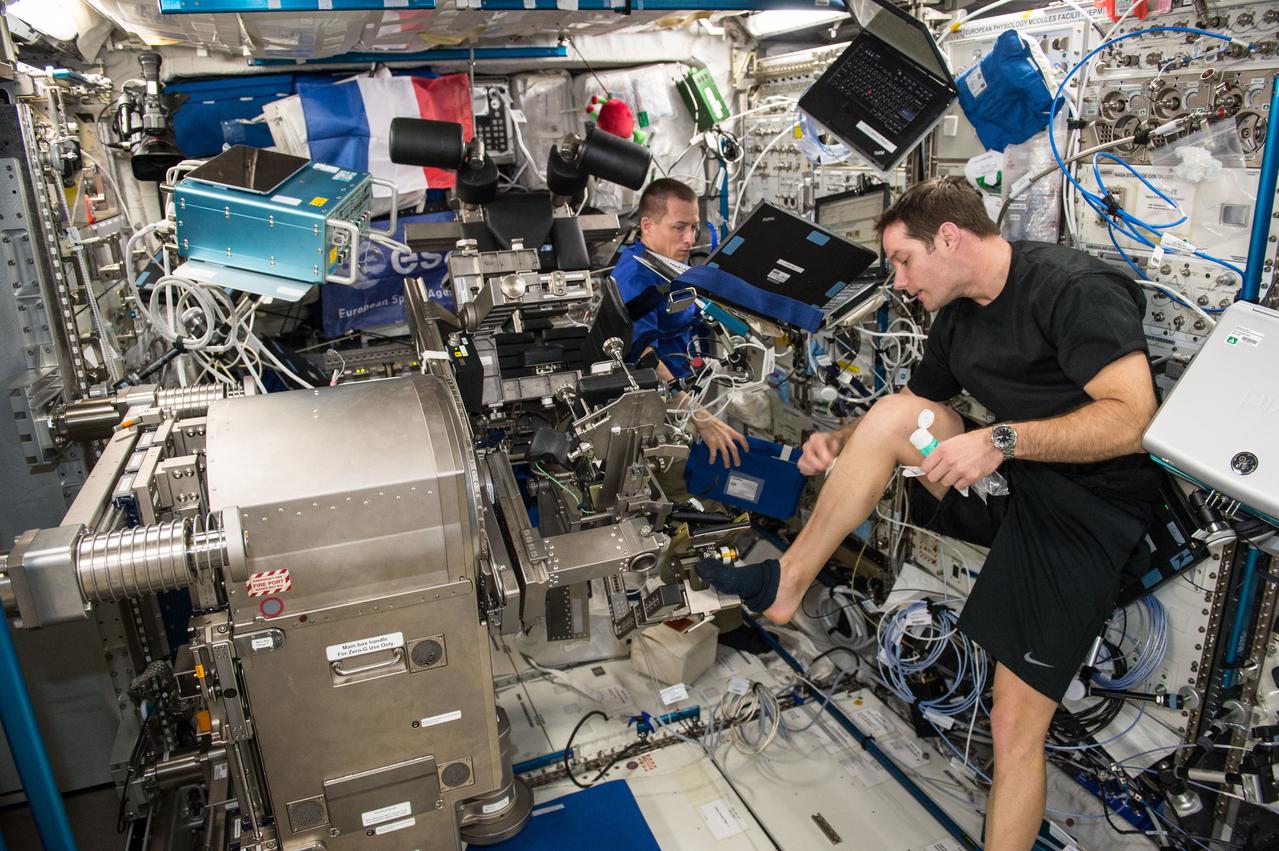
iss050e012767 (11/29/2016) --- European Space Agency (ESA) Thomas Pesquet and Cosmonaut Sergei Ryzhikov during the setup phase of the Sarcolab-3 Experiment, by deploying and configuring the Muscle Atrophy Resistive Exercise System (MARES), in the Columbus Module. Myotendinous and Neuromuscular Adaptation to Long-term Spaceflight (Sarcolab) investigates the adaptation and deterioration of the soleus, or calf muscle, where it joins the Achilles tendon, which links it to the heel and carries loads from the entire body. Muscle fiber samples are taken from crew members before and after flight, and analyzed for changes in structural and chemical properties.
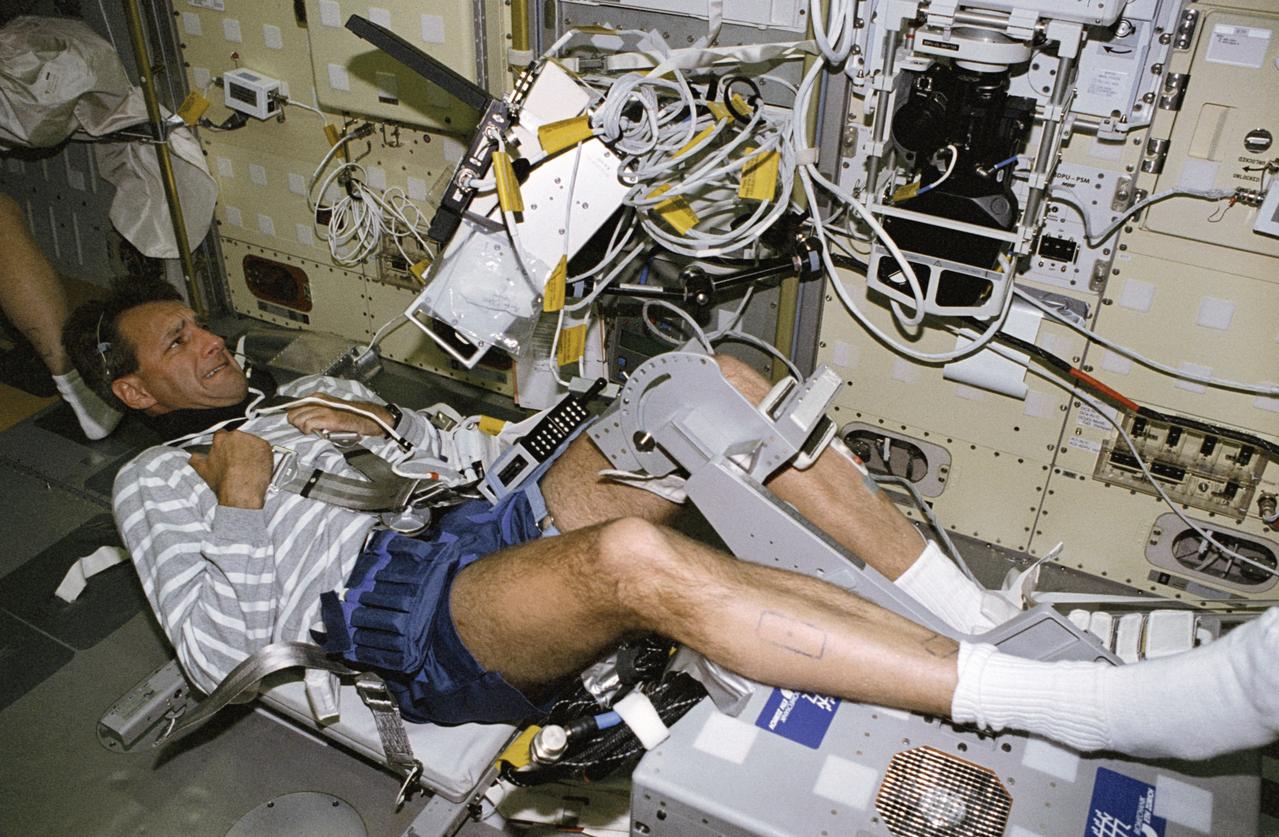
STS078-430-009 (20 June-7 July 1996) --- Astronaut Richard M. Linnehan, mission specialist, performs a test on his leg using the Torque Velocity Dynamometer (TVD). Dr. Thirsk was measuring changes in muscle forces of the leg in this particular view. The TVD hardware is also used to measure arm muscle forces and velocity at the bicep and tricep areas. Crewmembers for the mission performed all experiment protocols prior to flight to develop a baseline and will also perform post-flight tests to complete the analysis. Additionally, muscle biopsies were taken before the flight and will be conducted after the flight.
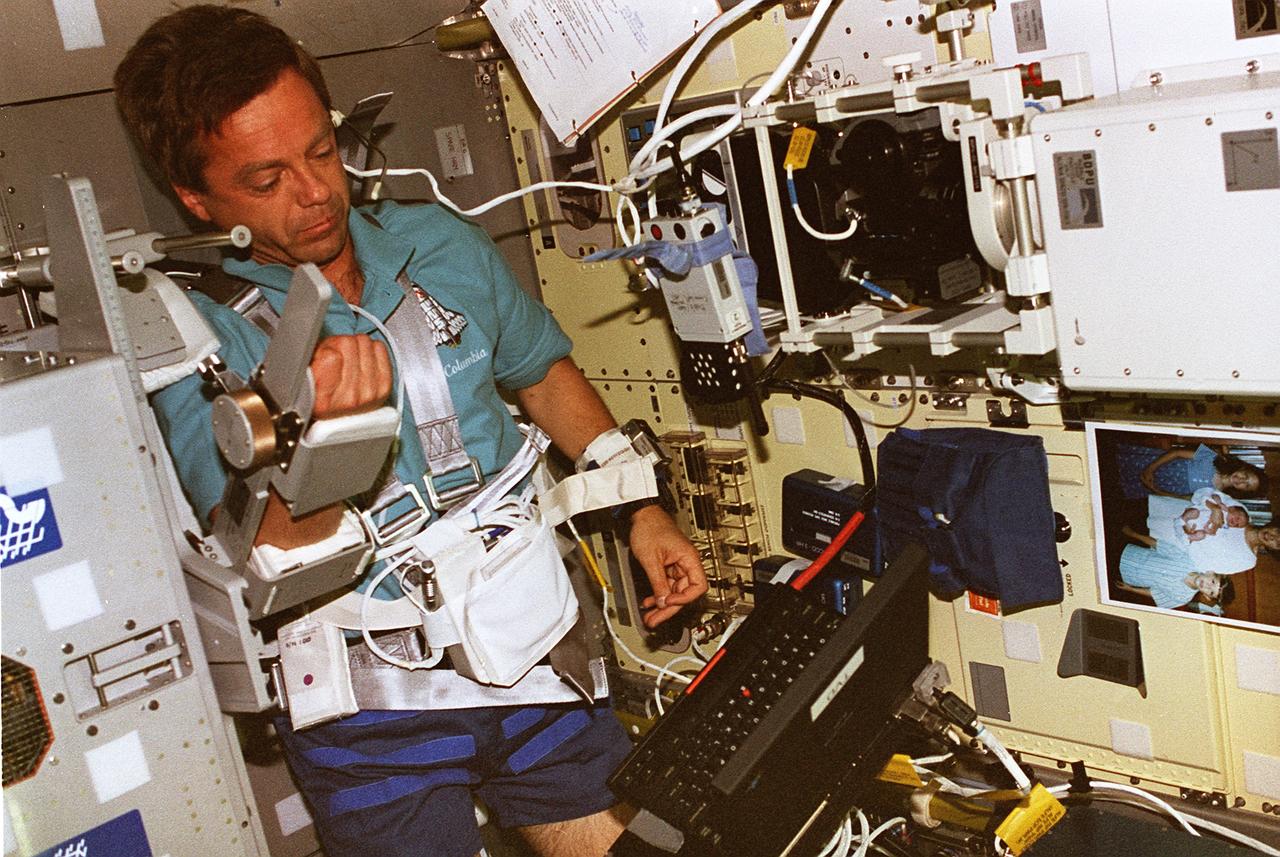
STS078-304-018 (20 June - 7 July 1996) --- Payload specialist Robert B. Thirsk, representing the Canadian Space Agency (CSA), performs a test on his arm using the Torque Velocity Dynamometer (TVD). Dr. Thirsk was measuring changes in muscle forces of the bicep and tricep in this particular view. The TVD hardware is also used to measure leg muscle forces and velocity at the ankle and elbow joints. Crew members for the mission performed all experiment protocols prior to flight to develop a baseline and will also perform post-flight tests to complete the analysis. Additionally, muscle biopsies were taken before the flight and will be conducted after the flight.
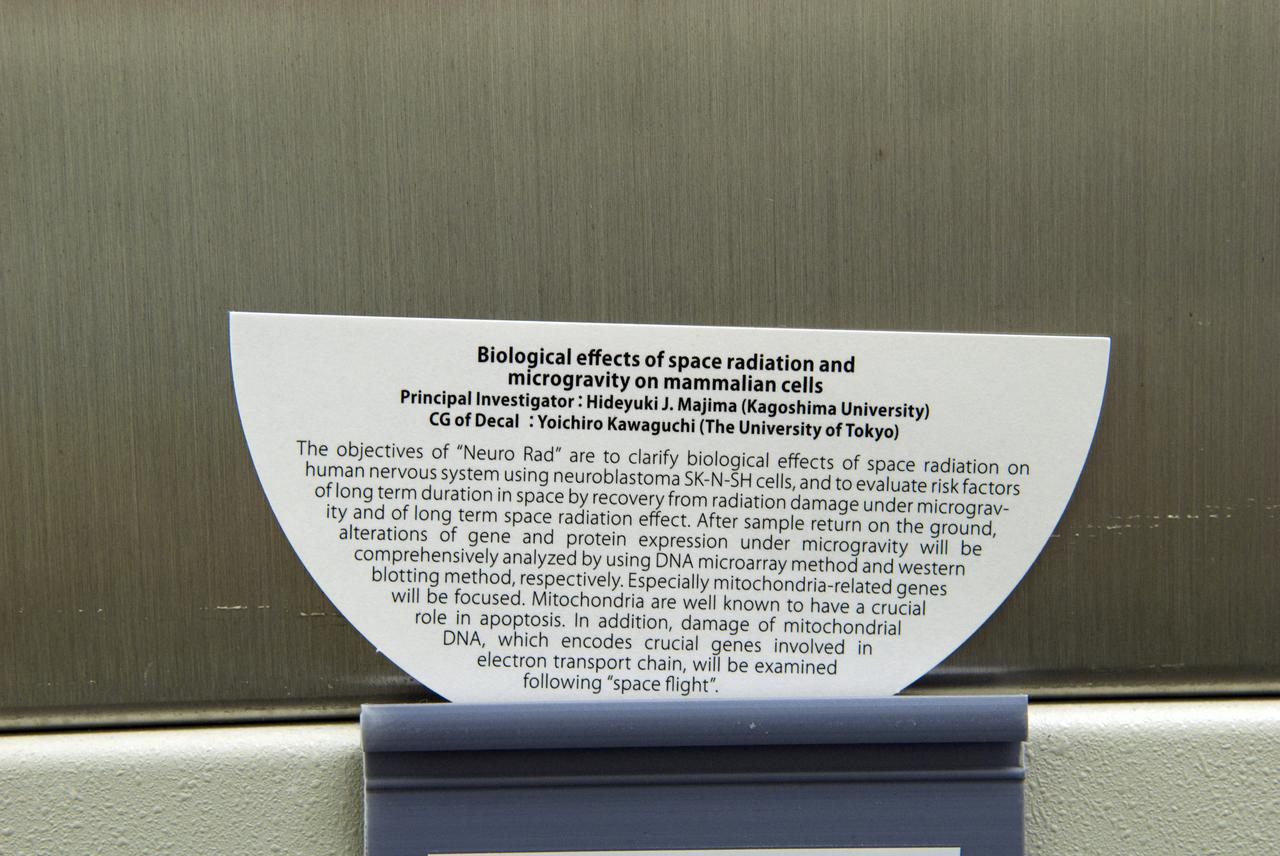
STS-131 JAXA SKELETAL MUSCLE CELLS GROWTH FACTORS IN SPACE EXPERIMENT - FLIGHT PREPS
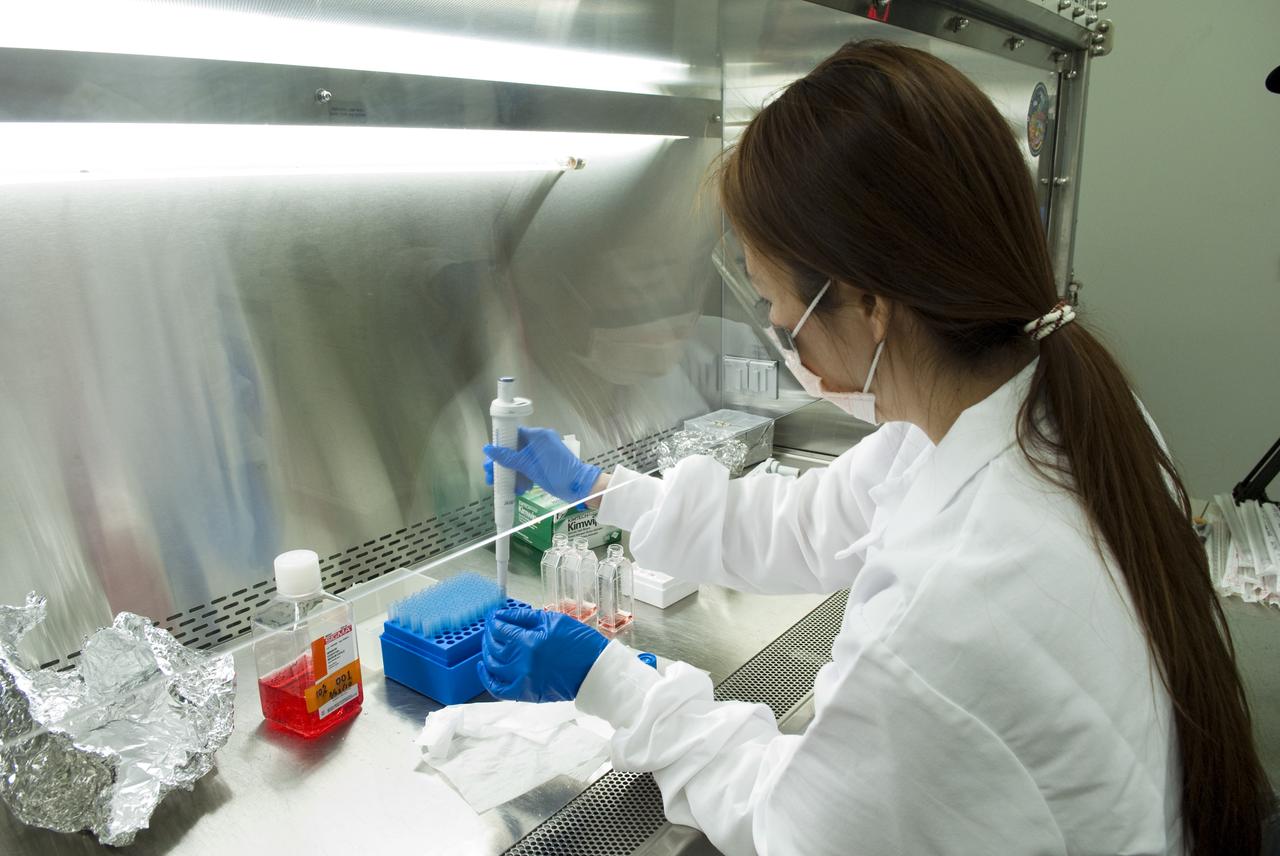
STS-131 JAXA SKELETAL MUSCLE CELLS GROWTH FACTORS IN SPACE EXPERIMENT - FLIGHT PREPS
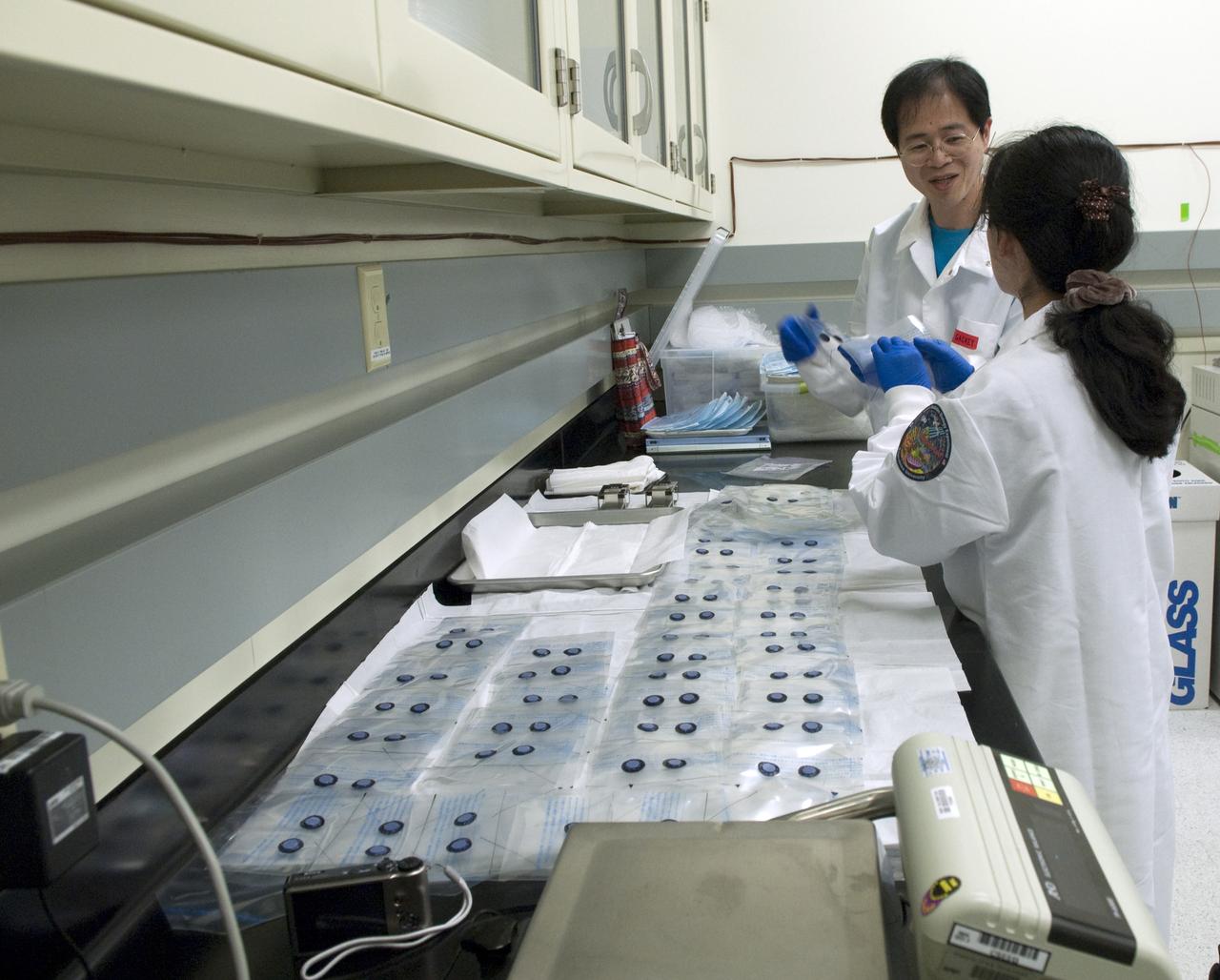
STS-131 JAXA SKELETAL MUSCLE CELLS GROWTH FACTORS IN SPACE EXPERIMENT - FLIGHT PREPS
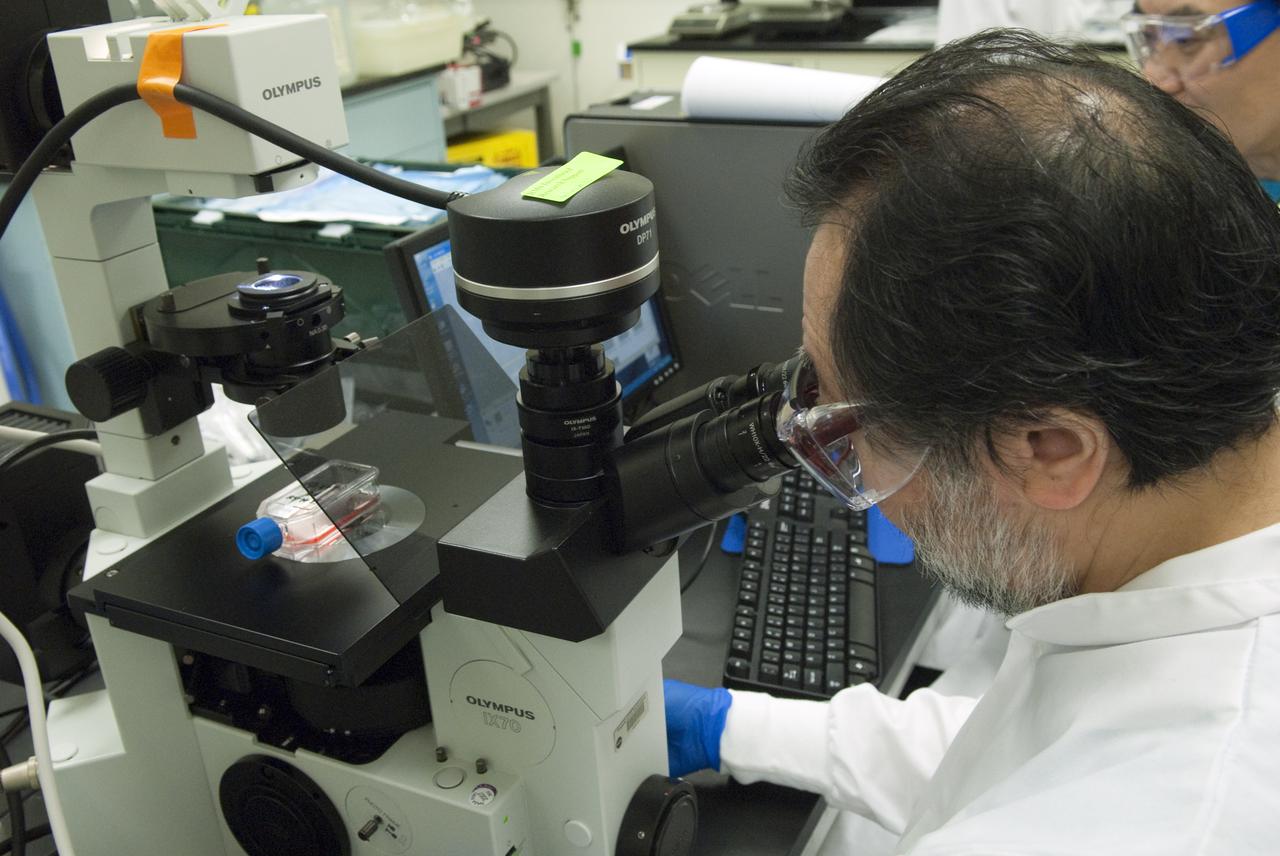
STS-131 JAXA SKELETAL MUSCLE CELLS GROWTH FACTORS IN SPACE EXPERIMENT - FLIGHT PREPS
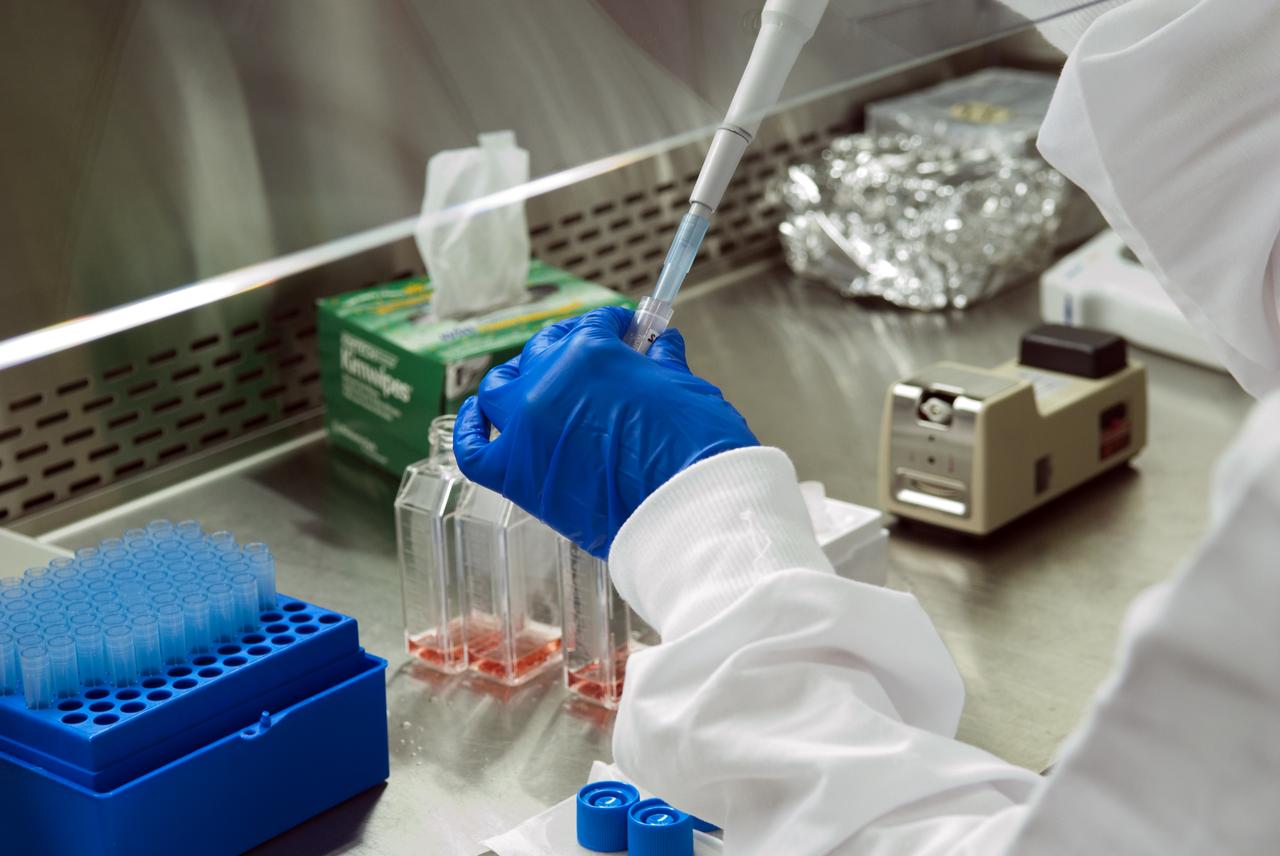
STS-131 JAXA SKELETAL MUSCLE CELLS GROWTH FACTORS IN SPACE EXPERIMENT - FLIGHT PREPS
STS-131 JAXA SKELETAL MUSCLE CELLS GROWTH FACTORS IN SPACE EXPERIMENT - FLIGHT PREPS
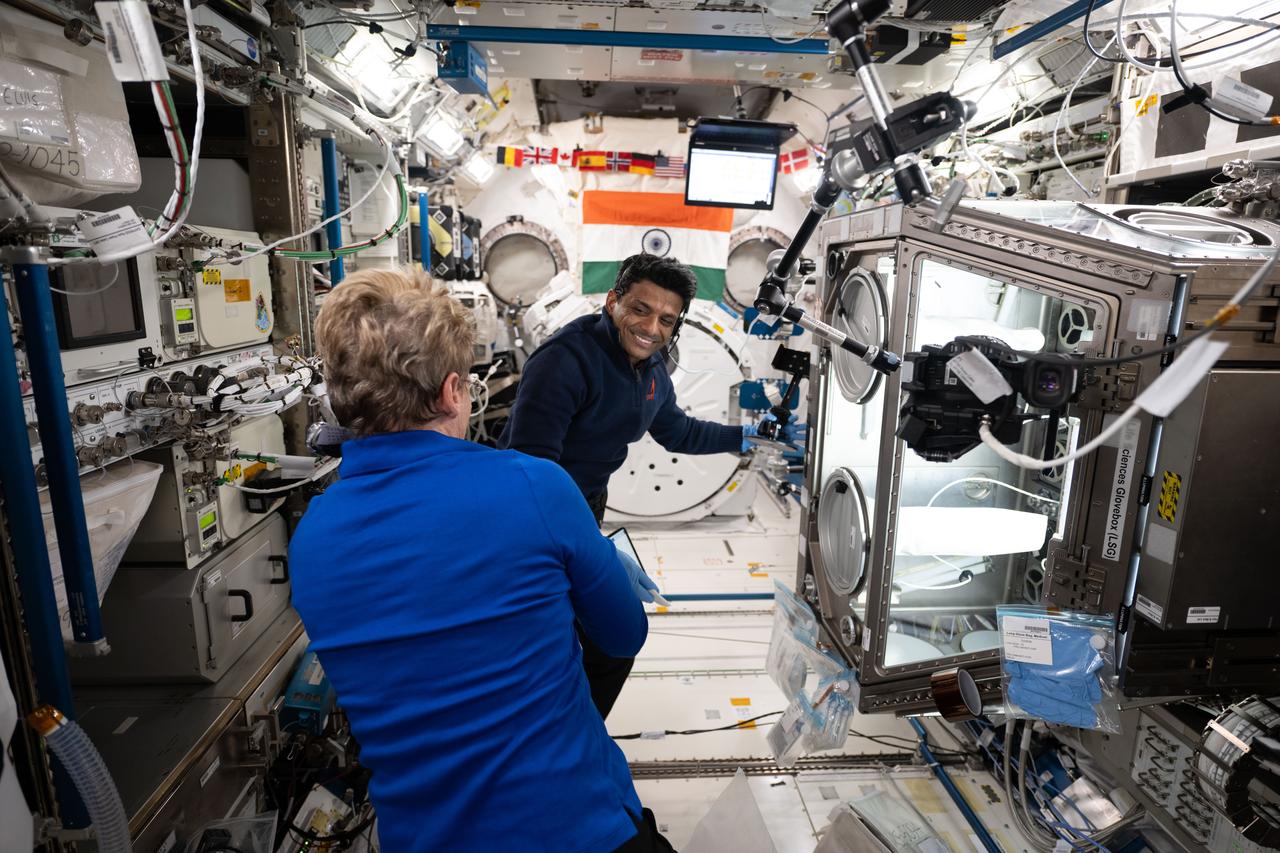
iss073e0252954 (June 28, 2025) --- Axiom Mission 4 (Ax-4) Commander and veteran astronaut Peggy Whitson assists Ax-4 Mission Specialist Shubhanshu Shukla from ISRO (Indian Space Research Organisation) during his research work inside the International Space Station's Kibo laboratory module. Shukla was using Kibo's Life Science Glovebox studying how to improve muscle regeneration in microgravity and maintain a crew member's muscle health during spaceflight.
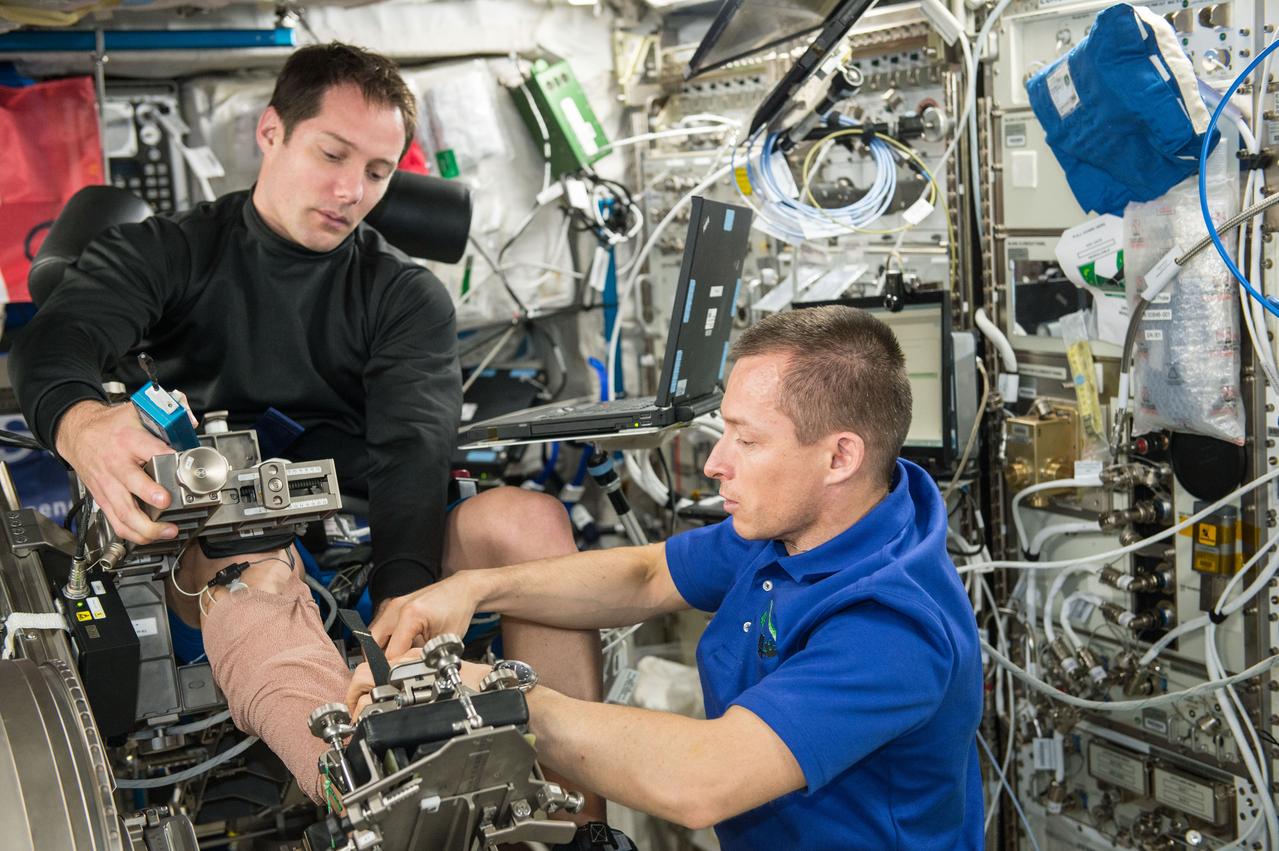
iss050e012915 (11/29/2016) --- European Space Agency (ESA) Thomas Pesquet and Cosmonaut Sergei Ryzhikov during the setup phase of the Sarcolab-3 Experiment in the Columbus Module. Myotendinous and Neuromuscular Adaptation to Long-term Spaceflight (Sarcolab) investigates the adaptation and deterioration of the soleus, or calf muscle, where it joins the Achilles tendon, which links it to the heel and carries loads from the entire body. Muscle fiber samples are taken from crew members before and after flight, and analyzed for changes in structural and chemical properties.
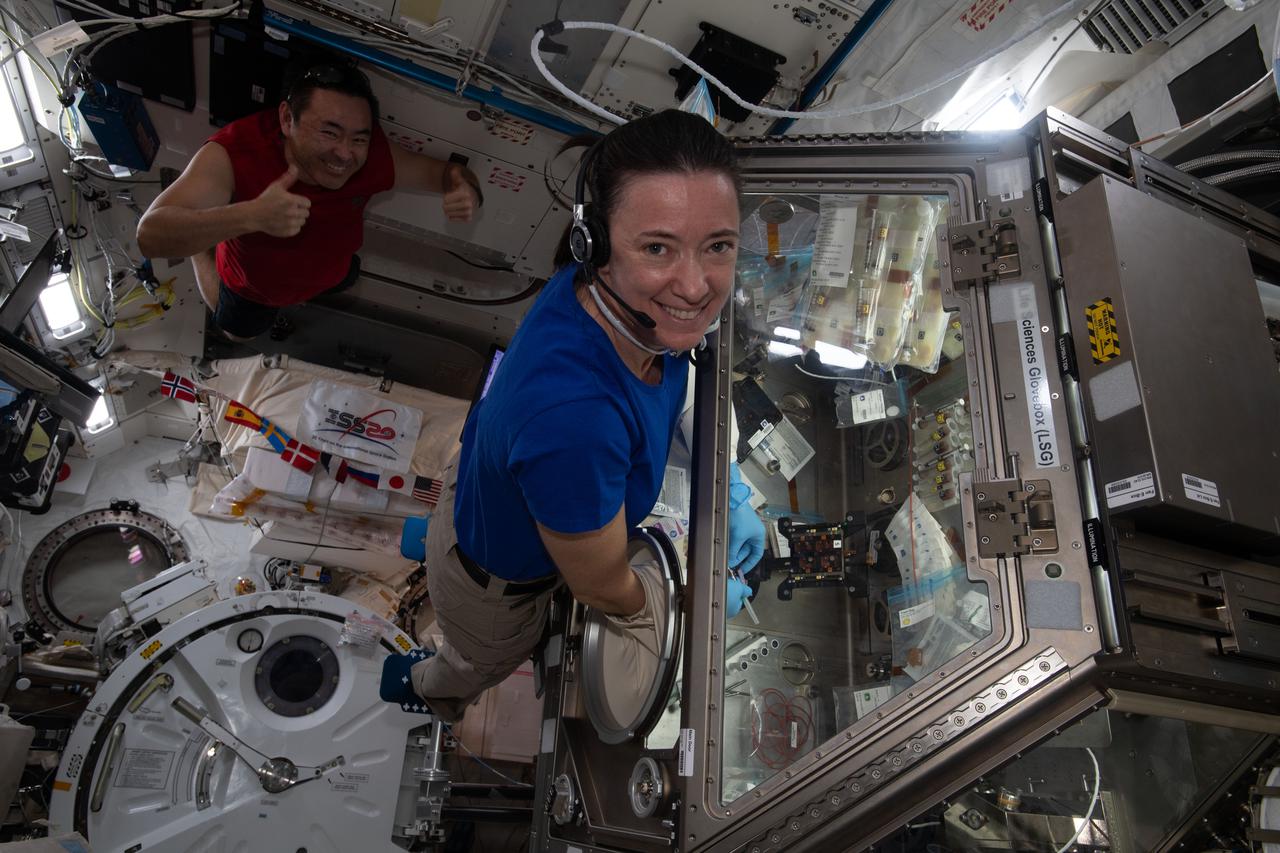
iss065e242460 (Aug. 14, 2021) --- NASA astronaut and Expedition 65 Flight Engineer Megan McArthur works on the Cardinal Muscle investigation in the Life Sciences Glovebox aboard the International Space Station. This study tests whether such engineered tissues cultured in space could provide a model for studying muscle loss and assessing possible therapeutics prior to clinical trials.
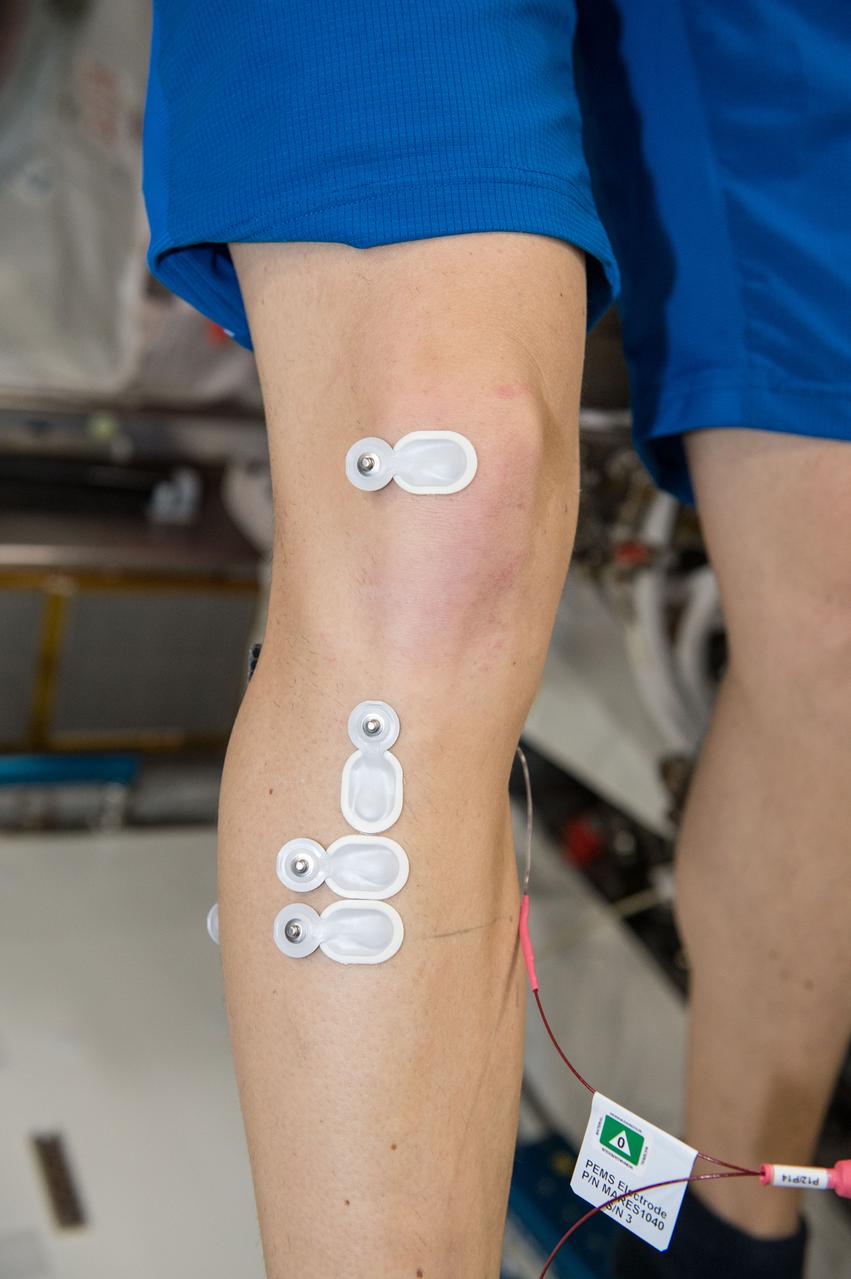
iss050e012907 (11/29/2016) --- European Space Agency (ESA) Thomas Pesquet (only leg - wearing electrodes) during the setup phase of the Sarcolab-3 Experiment in the Columbus Module. Myotendinous and Neuromuscular Adaptation to Long-term Spaceflight (Sarcolab) investigates the adaptation and deterioration of the soleus, or calf muscle, where it joins the Achilles tendon, which links it to the heel and carries loads from the entire body. Muscle fiber samples are taken from crew members before and after flight, and analyzed for changes in structural and chemical properties.
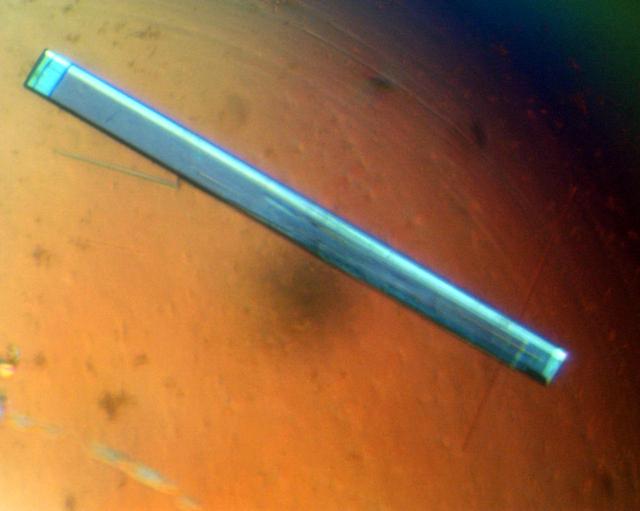
Parvalbumins are found in the muscles, endocrine glands, skin cells, and some neurons of vertebrates, but the role they play for musculature is not yet understood. Researchers are exploring theories of a correlation between parvalbumin concentration levels and the relaxation speed of mammalian muscles after contraction. An ultra-high resolution structure was achieved from samples grown on STS-83 and in July 1997, during STS-94, PCAM produced the largest crystals of pike parvalbumin grown to date. Principal Investigator: Dan Carter of New Century Pharmaceuticals.
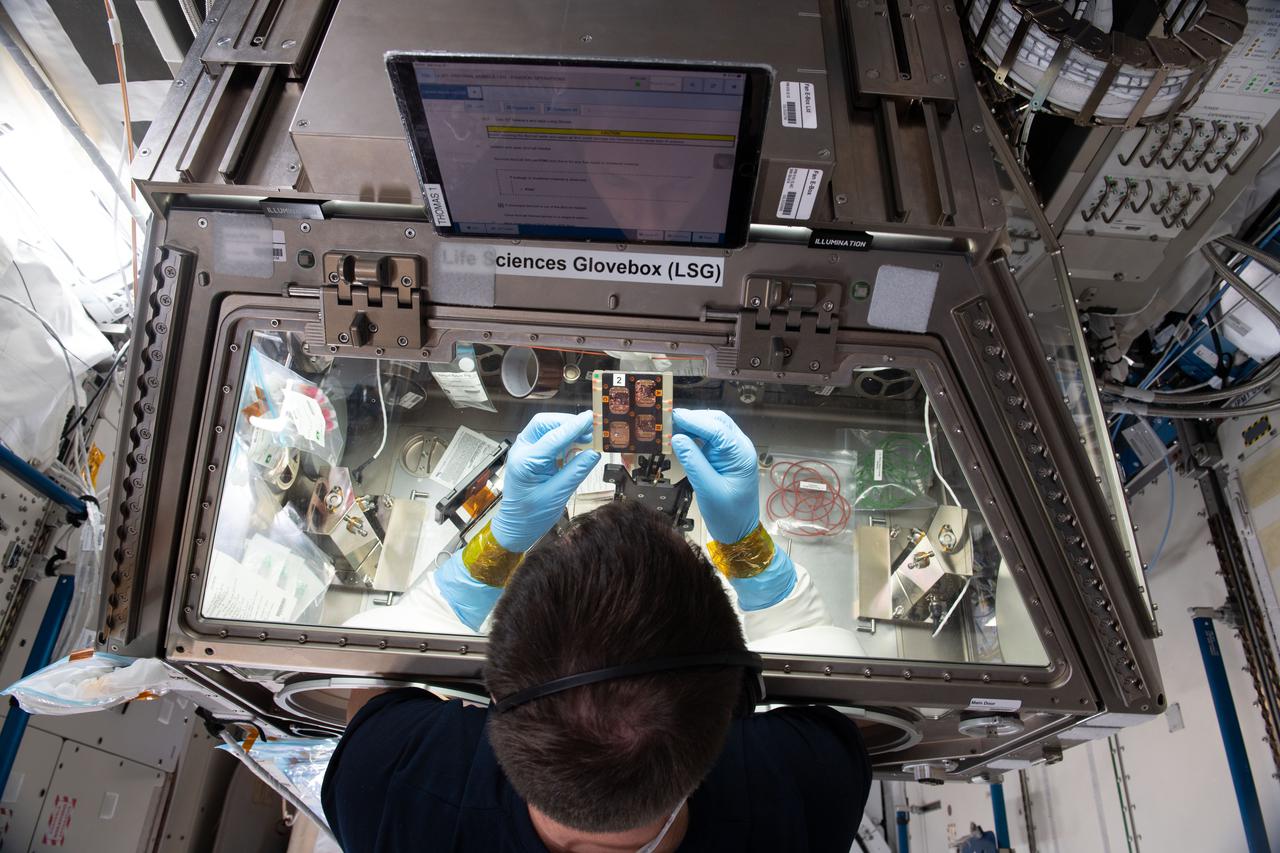
iss065e242370 (Aug. 14, 2021) --- European Space Agency astronaut and Expedition 65 Flight Engineer Thomas Pesquet works on the Cardinal Muscle investigation in the Life Sciences Glovebox aboard the International Space Station. This study tests whether such engineered tissues cultured in space could provide a model for studying muscle loss and assessing possible therapeutics prior to clinical trials.
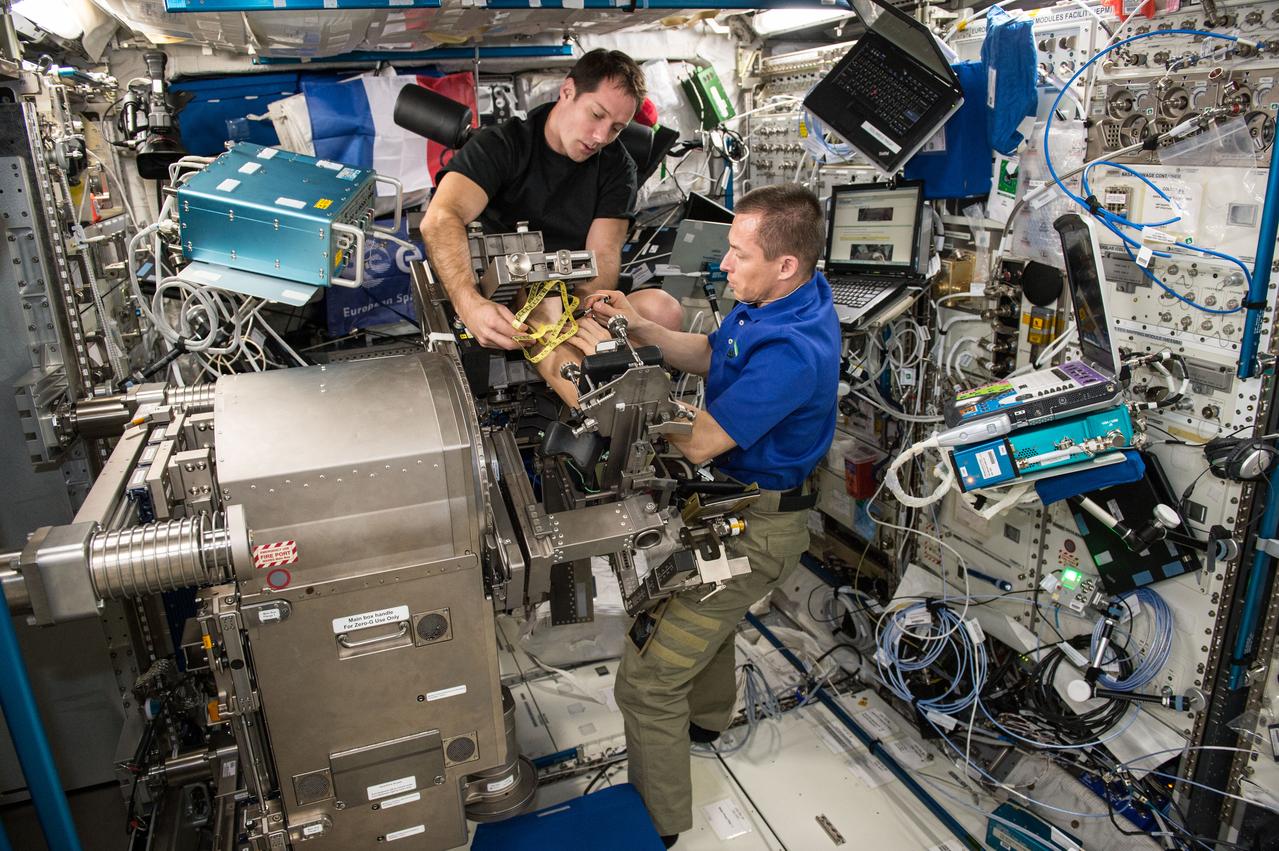
iss050e012389 (11/29/2016) --- European Space Agency (ESA) Thomas Pesquet and Cosmonaut Sergei Ryzhikov during the setup phase of the Sarcolab-3 Experiment in the Columbus Module. Myotendinous and Neuromuscular Adaptation to Long-term Spaceflight (Sarcolab) investigates the adaptation and deterioration of the soleus, or calf muscle, where it joins the Achilles tendon, which links it to the heel and carries loads from the entire body. Muscle fiber samples are taken from crew members before and after flight, and analyzed for changes in structural and chemical properties.
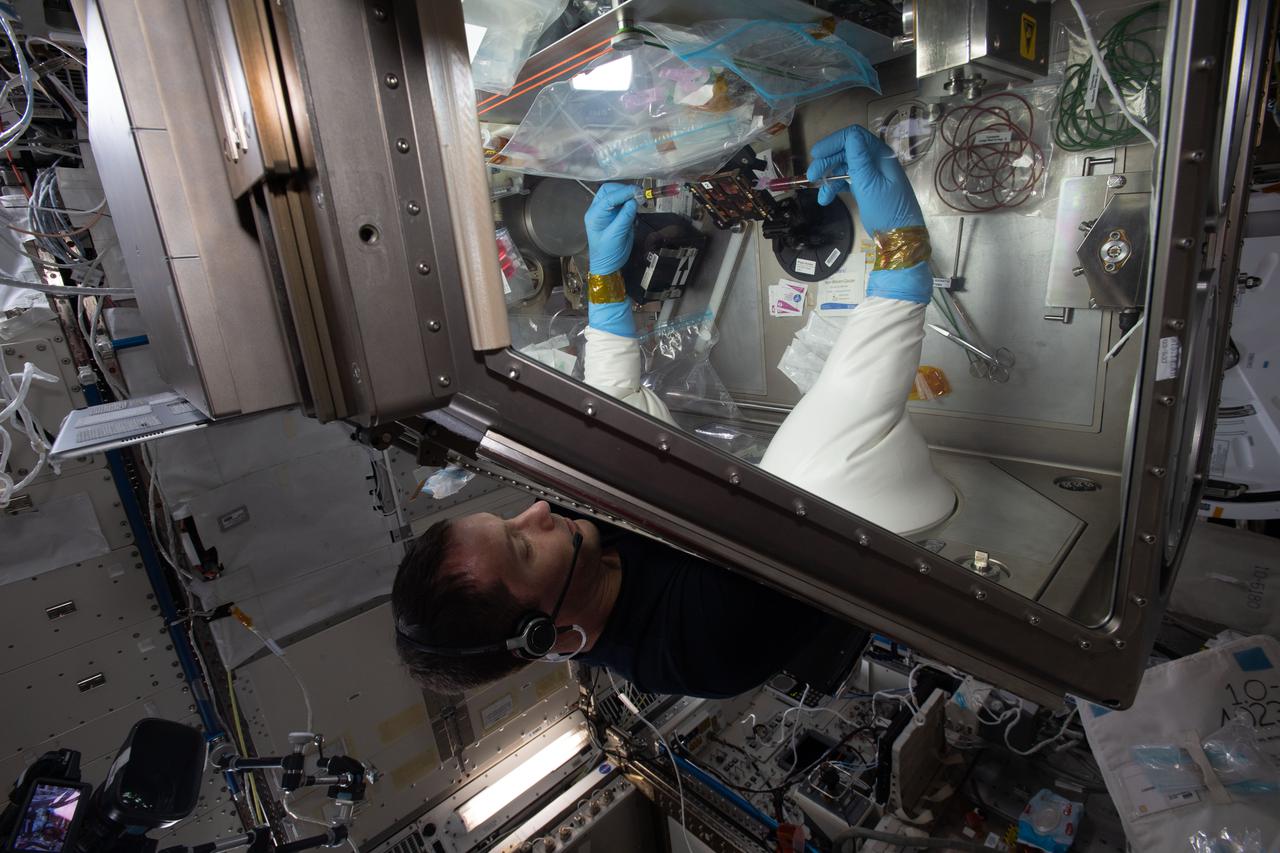
iss065e242454 (Aug. 14, 2021) --- European Space Agency astronaut and Expedition 65 Flight Engineer Thomas Pesquet works on the Cardinal Muscle investigation in the Life Sciences Glovebox aboard the International Space Station. This study tests whether such engineered tissues cultured in space could provide a model for studying muscle loss and assessing possible therapeutics prior to clinical trials.
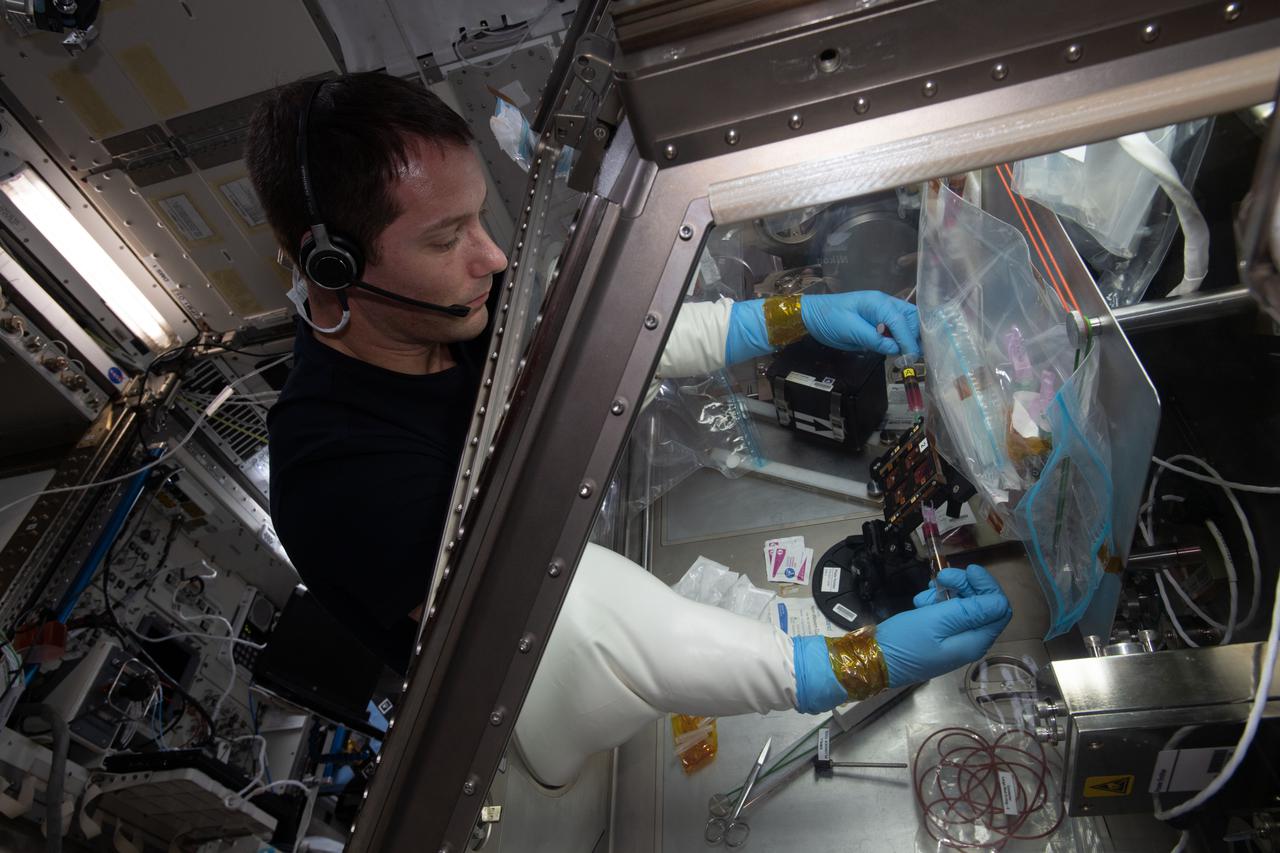
iss065e242456 (Aug. 14, 2021) --- European Space Agency astronaut and Expedition 65 Flight Engineer Thomas Pesquet works on the Cardinal Muscle investigation in the Life Sciences Glovebox aboard the International Space Station. This study tests whether such engineered tissues cultured in space could provide a model for studying muscle loss and assessing possible therapeutics prior to clinical trials.
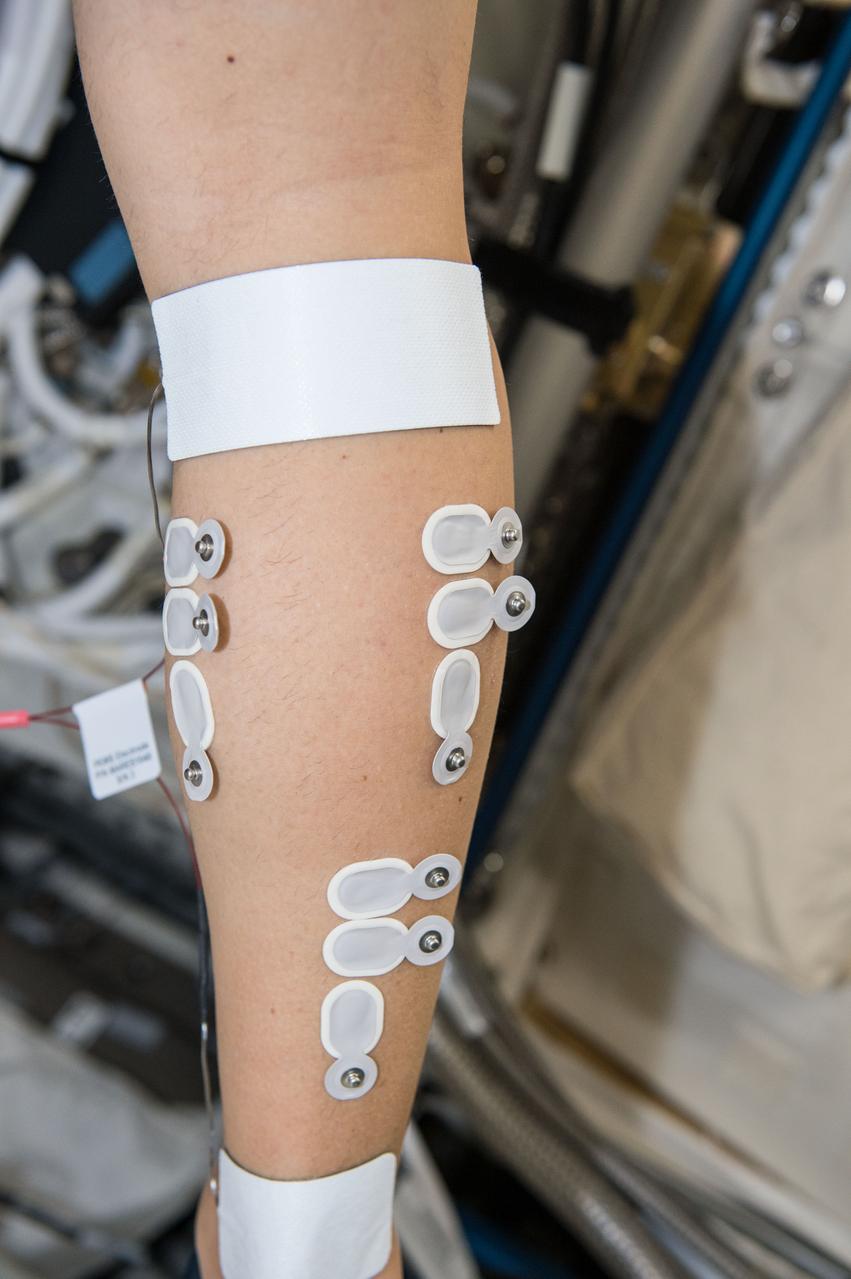
iss050e012909 (11/29/2016) --- A view of an Expedition 50 Crewmember (wearing electrodes) during the setup phase of the Sarcolab-3 Experiment in the Columbus Module. Myotendinous and Neuromuscular Adaptation to Long-term Spaceflight (Sarcolab) investigates the adaptation and deterioration of the soleus, or calf muscle, where it joins the Achilles tendon, which links it to the heel and carries loads from the entire body. Muscle fiber samples are taken from crew members before and after flight, and analyzed for changes in structural and chemical properties.
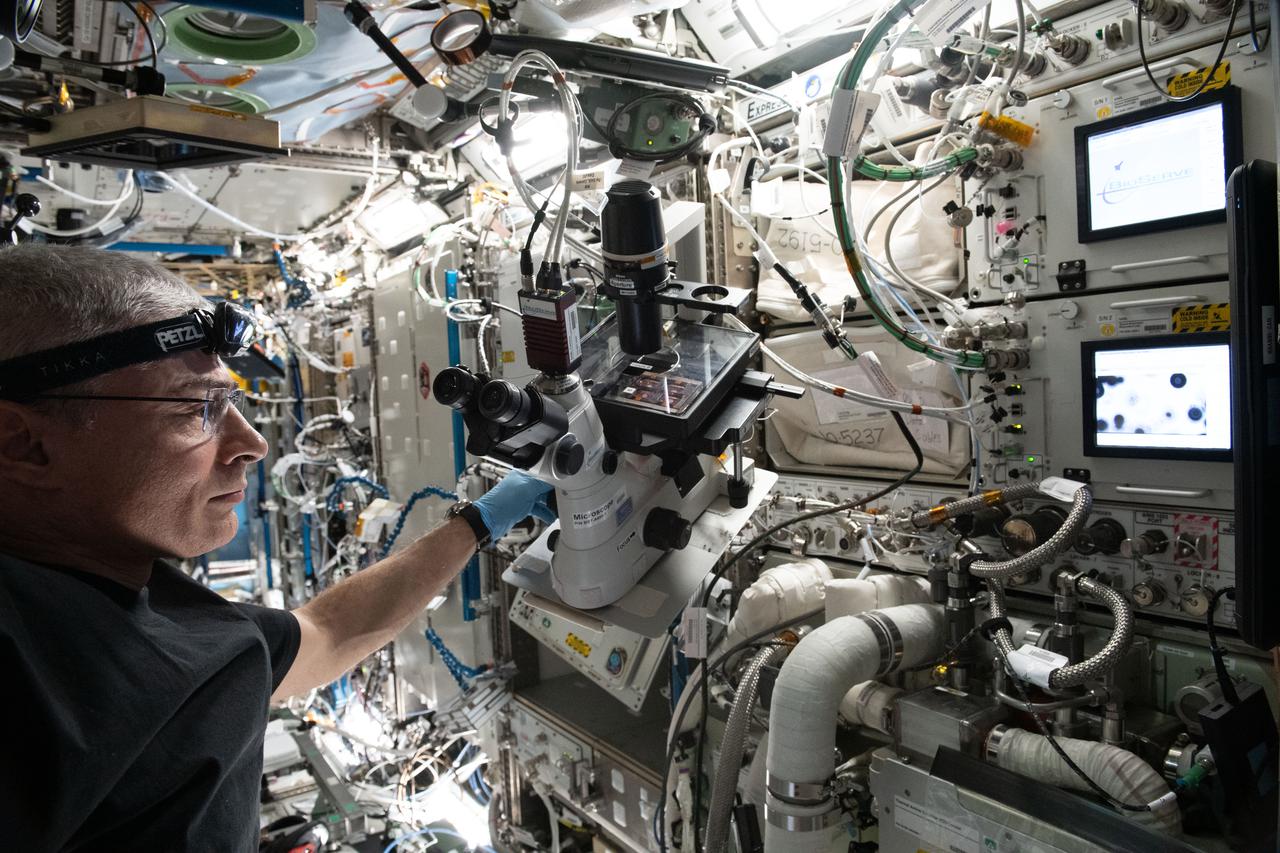
iss065e242412 (Aug. 15, 2021) --- NASA astronaut and Expedition 65 Flight Engineer Mark Vande Hei performs microscopy operations to capture images of the Cardinal Muscle investigation BioCells wells aboard the International Space Station. This study tests whether such engineered tissues cultured in space could provide a model for studying muscle loss and assessing possible therapeutics prior to clinical trials.
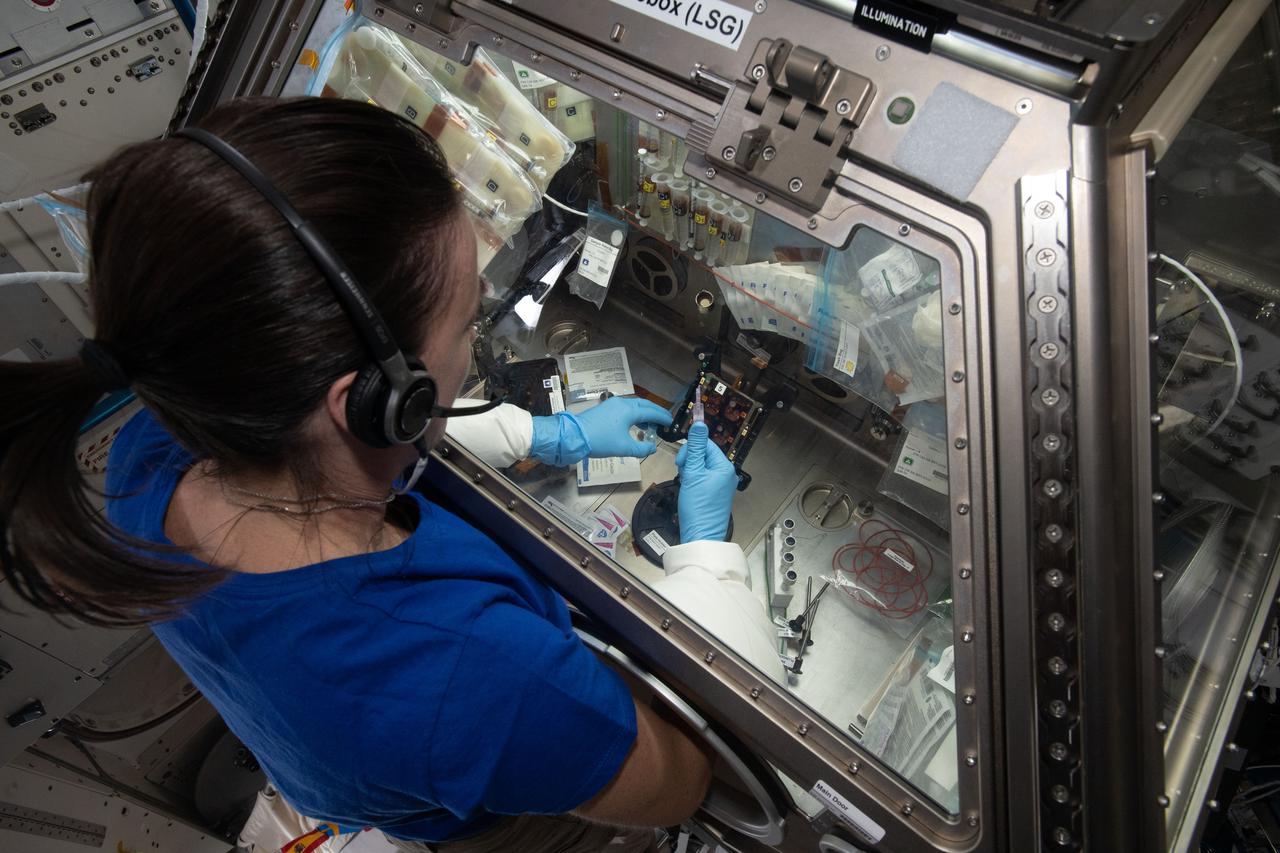
iss065e242471 (Aug. 14, 2021) --- NASA astronaut and Expedition 65 Flight Engineer Megan McArthur works on the Cardinal Muscle investigation in the Life Sciences Glovebox aboard the International Space Station. This study tests whether such engineered tissues cultured in space could provide a model for studying muscle loss and assessing possible therapeutics prior to clinical trials.
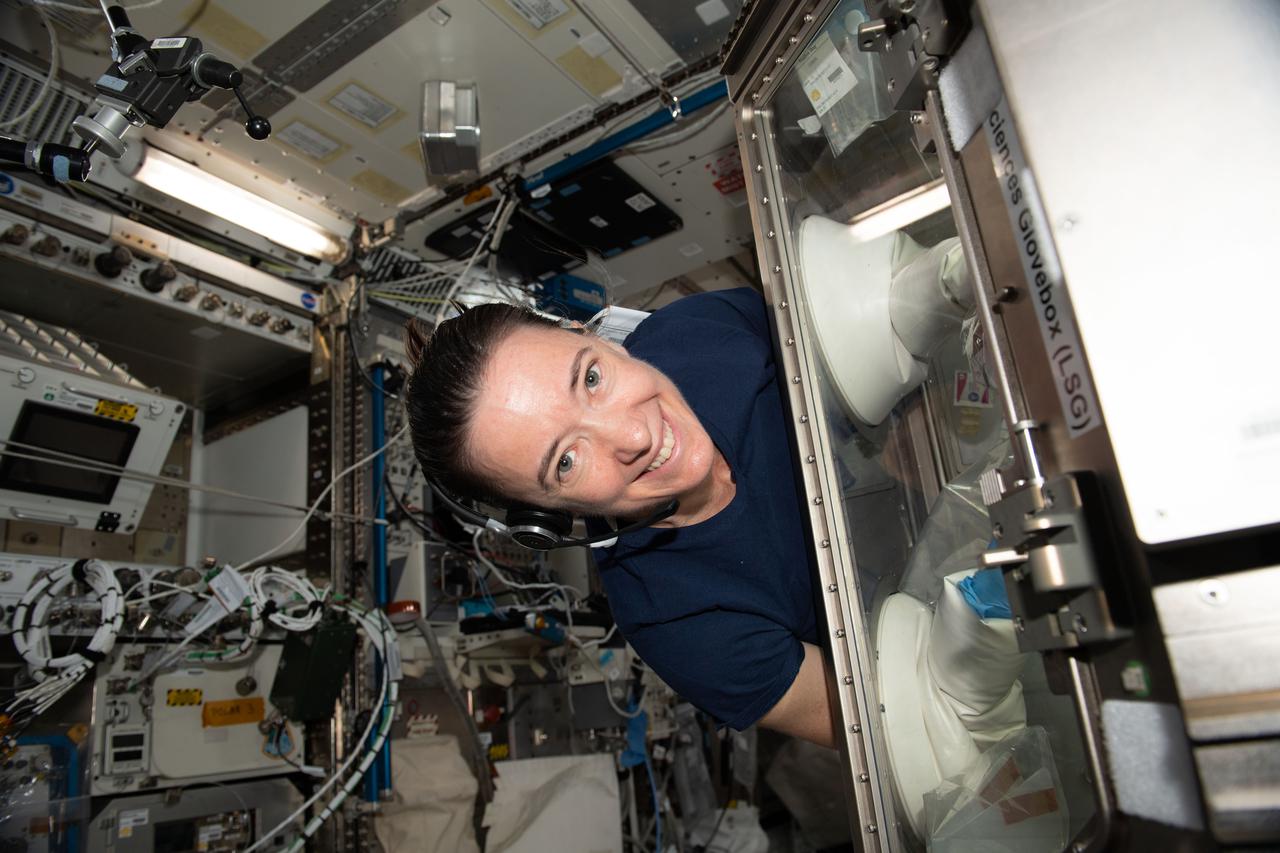
iss065e257439 (Aug. 17, 2021) --- NASA astronaut and Expedition 65 Flight Engineer Megan McArthur works on the Cardinal Muscle investigation in the Life Sciences Glovebox aboard the International Space Station. This study tests whether such engineered tissues cultured in space could provide a model for studying muscle loss and assessing possible therapeutics prior to clinical trials.
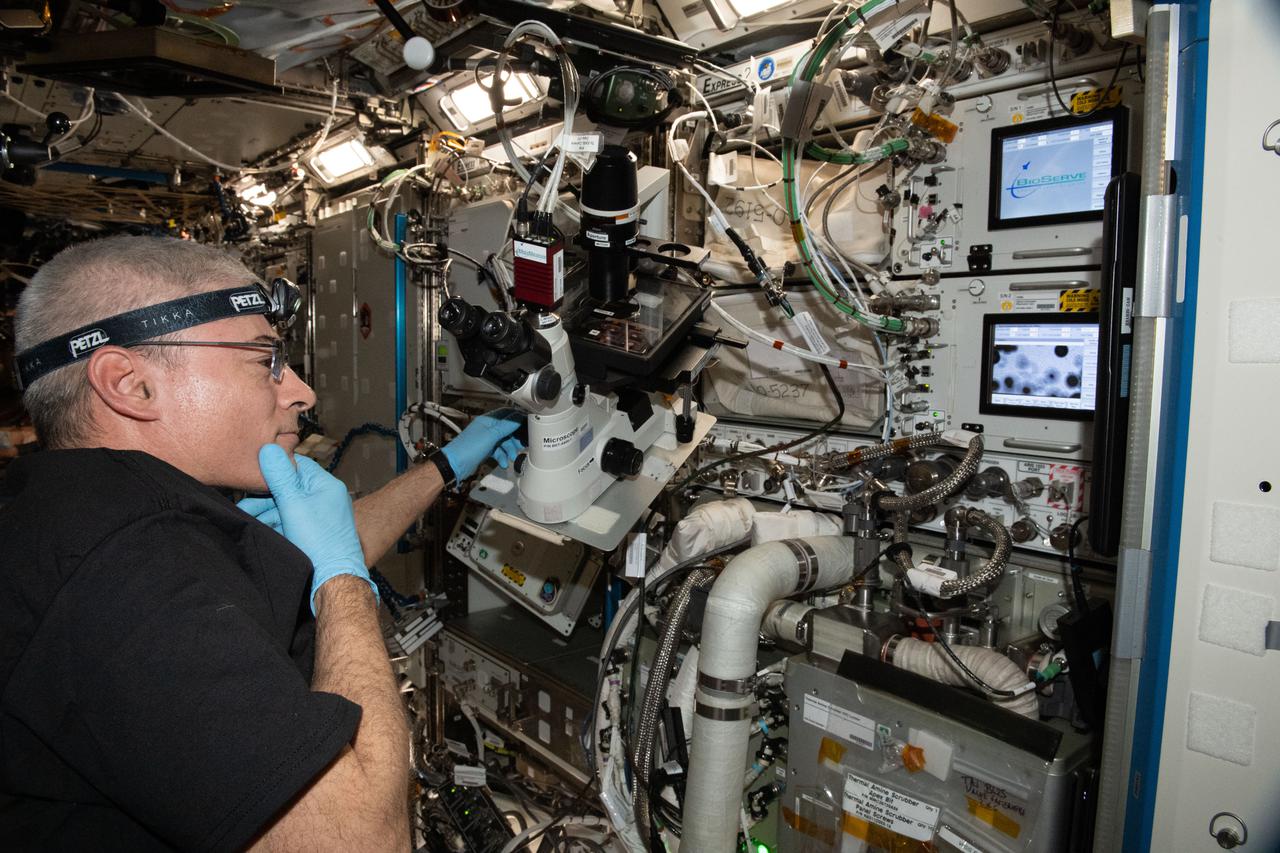
iss065e242415 (Aug. 15, 2021) --- NASA astronaut and Expedition 65 Flight Engineer Mark Vande Hei performs microscopy operations to capture images of the Cardinal Muscle investigation BioCells wells aboard the International Space Station. This study tests whether such engineered tissues cultured in space could provide a model for studying muscle loss and assessing possible therapeutics prior to clinical trials.
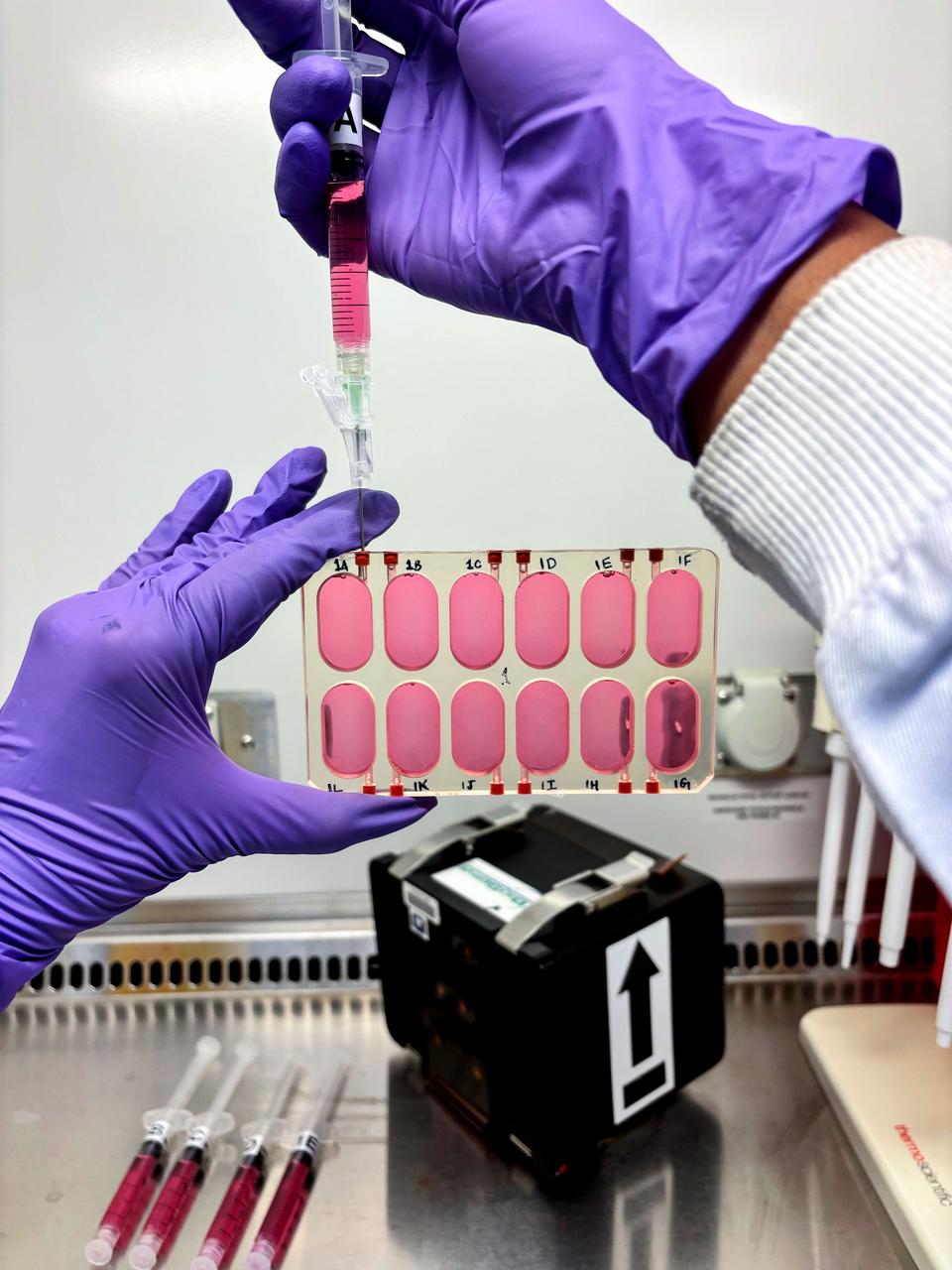
jsc2025e039326 (4/17/2025) --- Human skeletal muscle cells grow in a biocell that is placed in the plate habitat as part of the Myogenesis – ISRO investigation. The syringes contain a red-colored growth medium containing nutrients for the cells. The entire process is intended to mimic muscle repair process on-orbit, to compare with similar experiments carried out on Earth. the Image courtesy of Institute for Stem Cell Science and Regenerative Medicine (India).
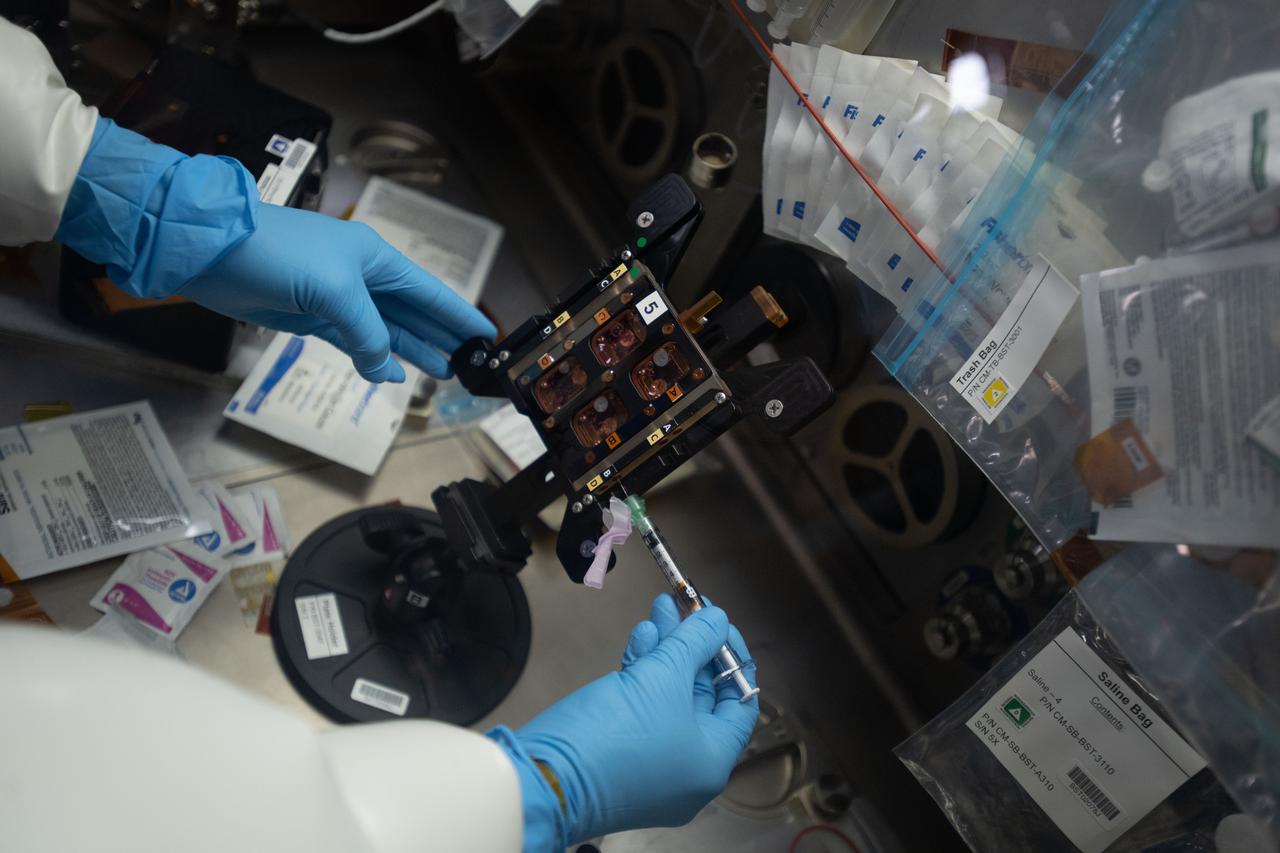
iss065e242462 (Aug. 14, 2021) --- NASA astronaut and Expedition 65 Flight Engineer Megan McArthur works on the Cardinal Muscle investigation in the Life Sciences Glovebox aboard the International Space Station. This study tests whether such engineered tissues cultured in space could provide a model for studying muscle loss and assessing possible therapeutics prior to clinical trials.
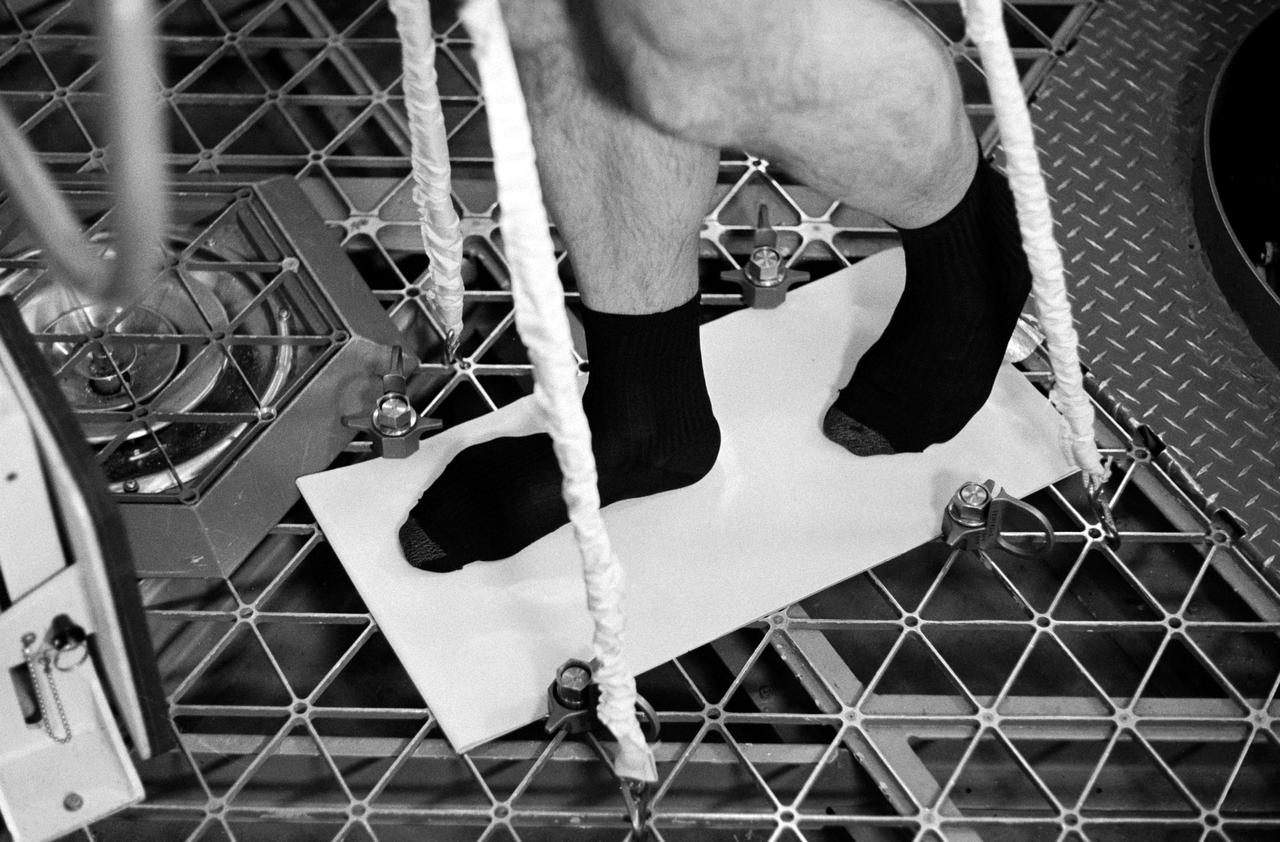
S73-33858 (November 1973) --- A close-up view of the feet of scientist-astronaut William E. Thornton as he demonstrates the use of a treadmill-like exercise device which was developed for maintaining the leg and back muscles of the Skylab 4 crewman. Thornton is in the Skylab Orbital Workshop simulator in Building 5 at the Johnson Space Center. The Skylab 2 and Skylab 3 astronauts had no exercise device onboard capable of adequately maintaining their leg and back muscles. The treadmill device consists of a Teflon-coated aluminum plate or sheet bolted to the floor of the Skylab Orbital Workshop. The crewmen will wear the bicycle ergometer harness while exercising. Bungee cords attached to the floor and to the harness will supply the downward pressure or force for the back and leg muscles. The astronaut's feet will slide over the Teflon-coated plate as he "marches in place." Photo credit: NASA
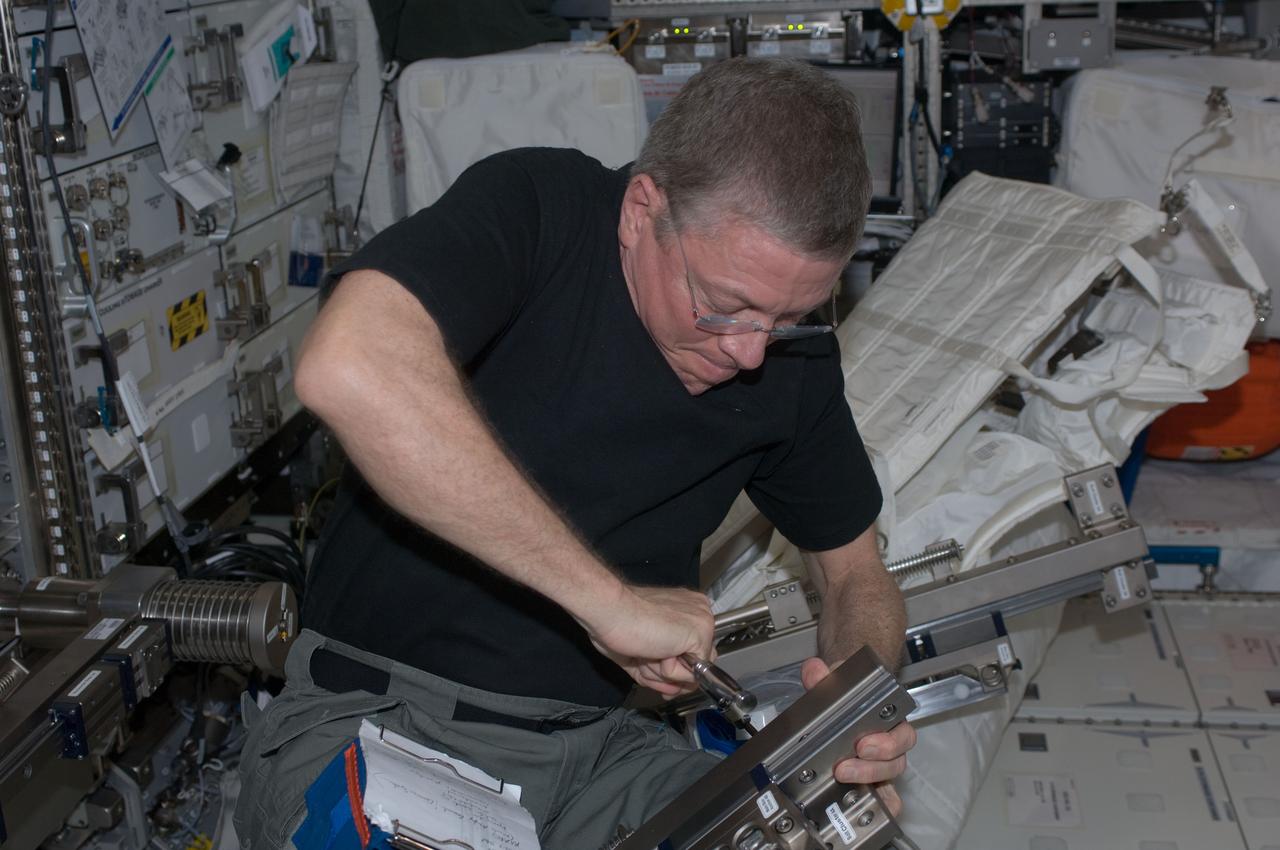
ISS028-E-034984 (30 Aug. 2011) --- NASA astronaut Mike Fossum, Expedition 28 flight engineer, performs in-flight maintenance on the Muscle Atrophy Research & Exercise System (MARES) in the Columbus laboratory of the International Space Station.
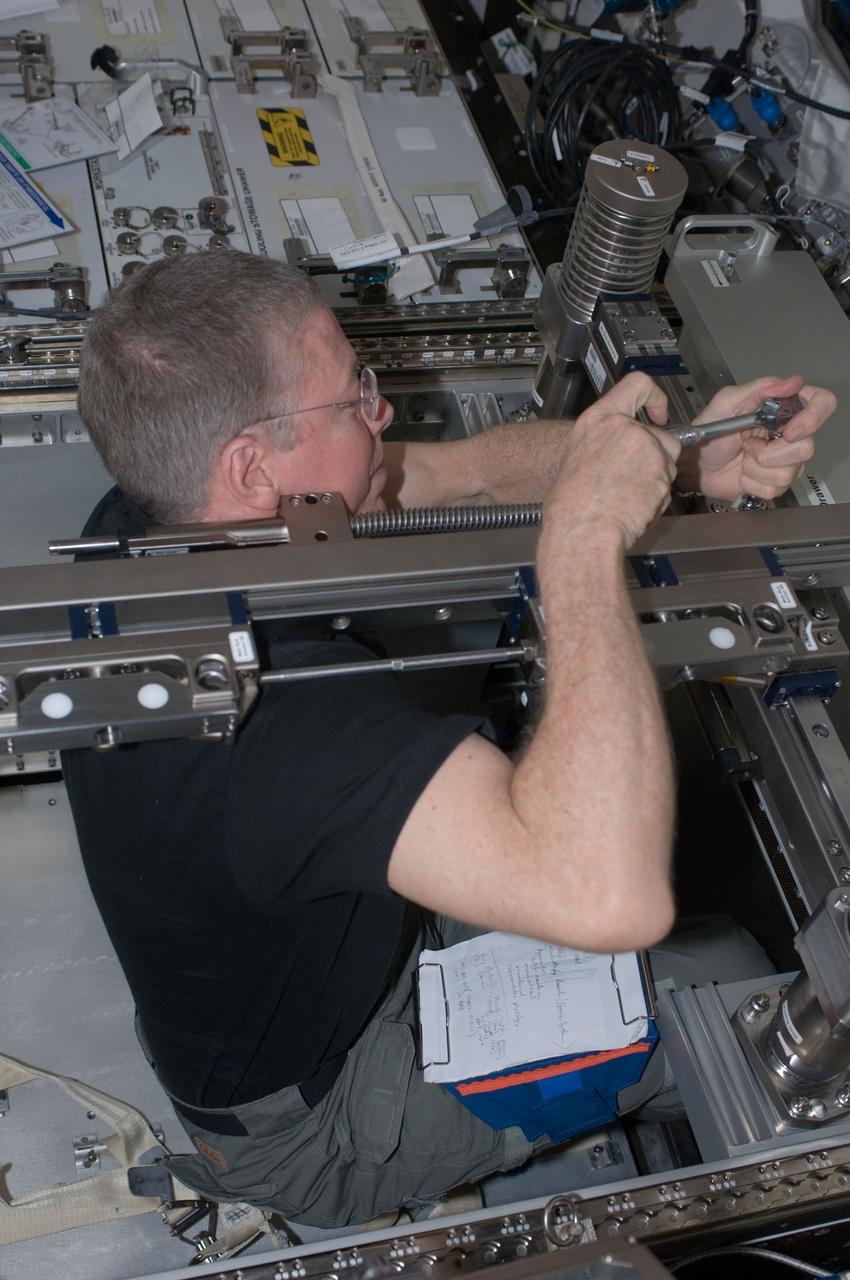
ISS028-E-034992 (30 Aug. 2011) --- NASA astronaut Mike Fossum, Expedition 28 flight engineer, performs in-flight maintenance on the Muscle Atrophy Research & Exercise System (MARES) in the Columbus laboratory of the International Space Station.
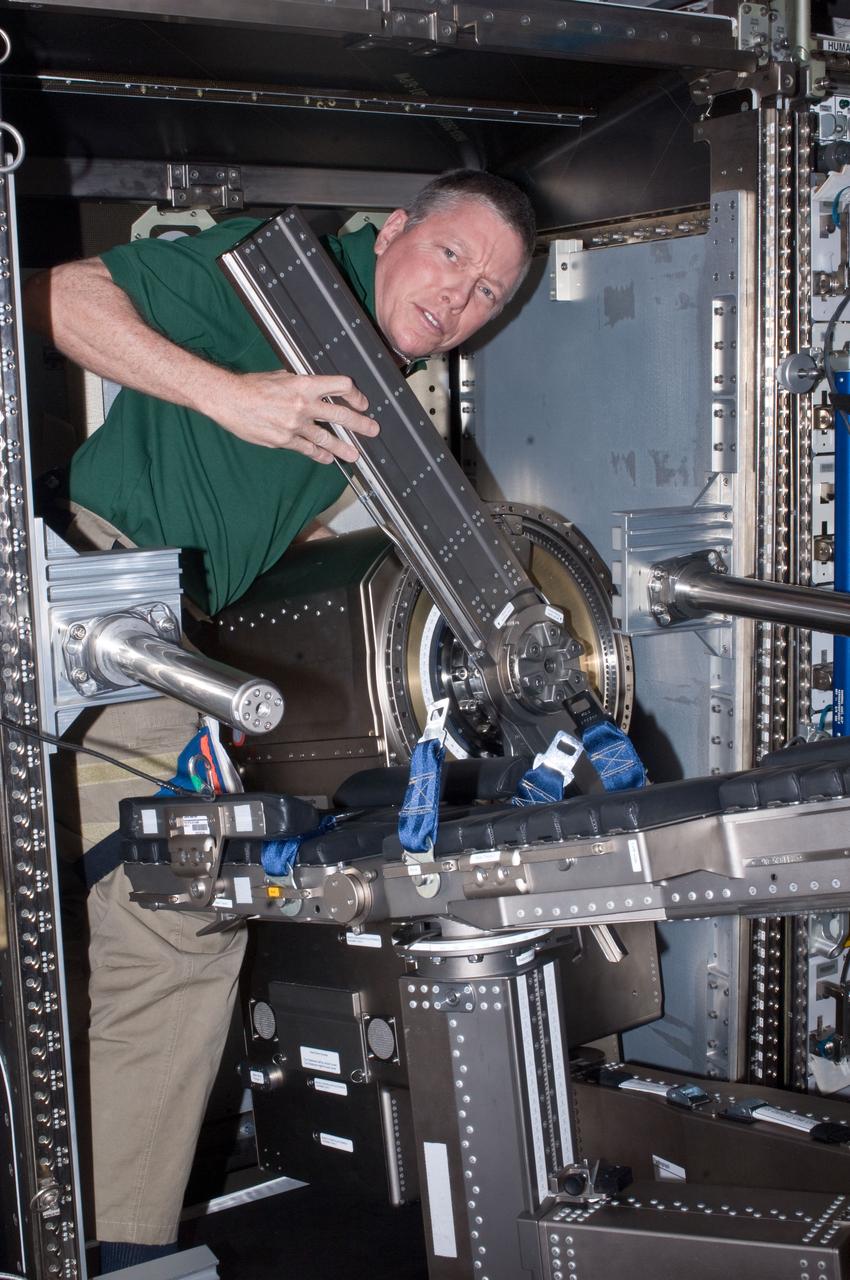
ISS028-E-035301 (31 Aug. 2011) --- NASA astronaut Mike Fossum, Expedition 28 flight engineer, works with Muscle Atrophy Research & Exercise System (MARES) hardware in the Columbus laboratory of the International Space Station.
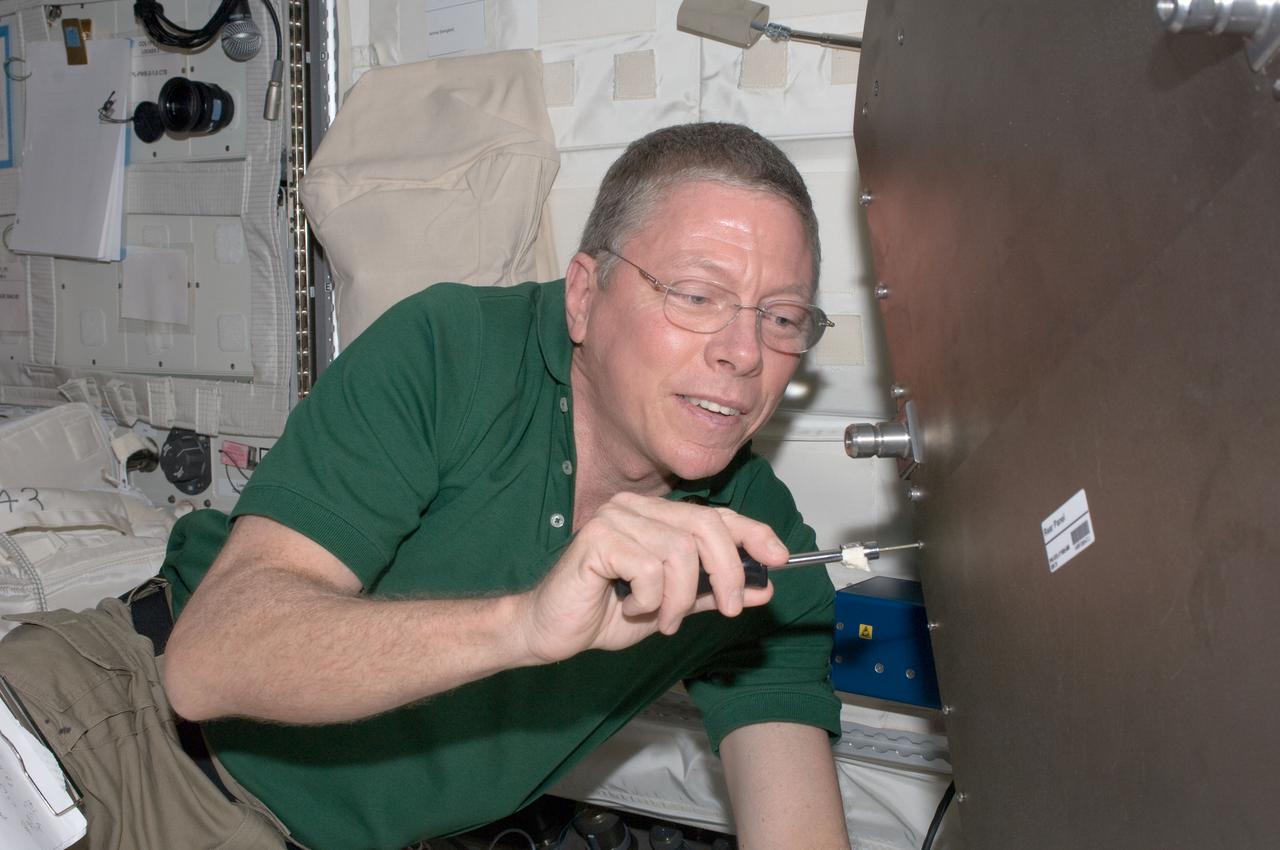
ISS028-E-035603 (31 Aug. 2011) --- NASA astronaut Mike Fossum, Expedition 28 flight engineer, works with Muscle Atrophy Research & Exercise System (MARES) hardware in the Columbus laboratory of the International Space Station.
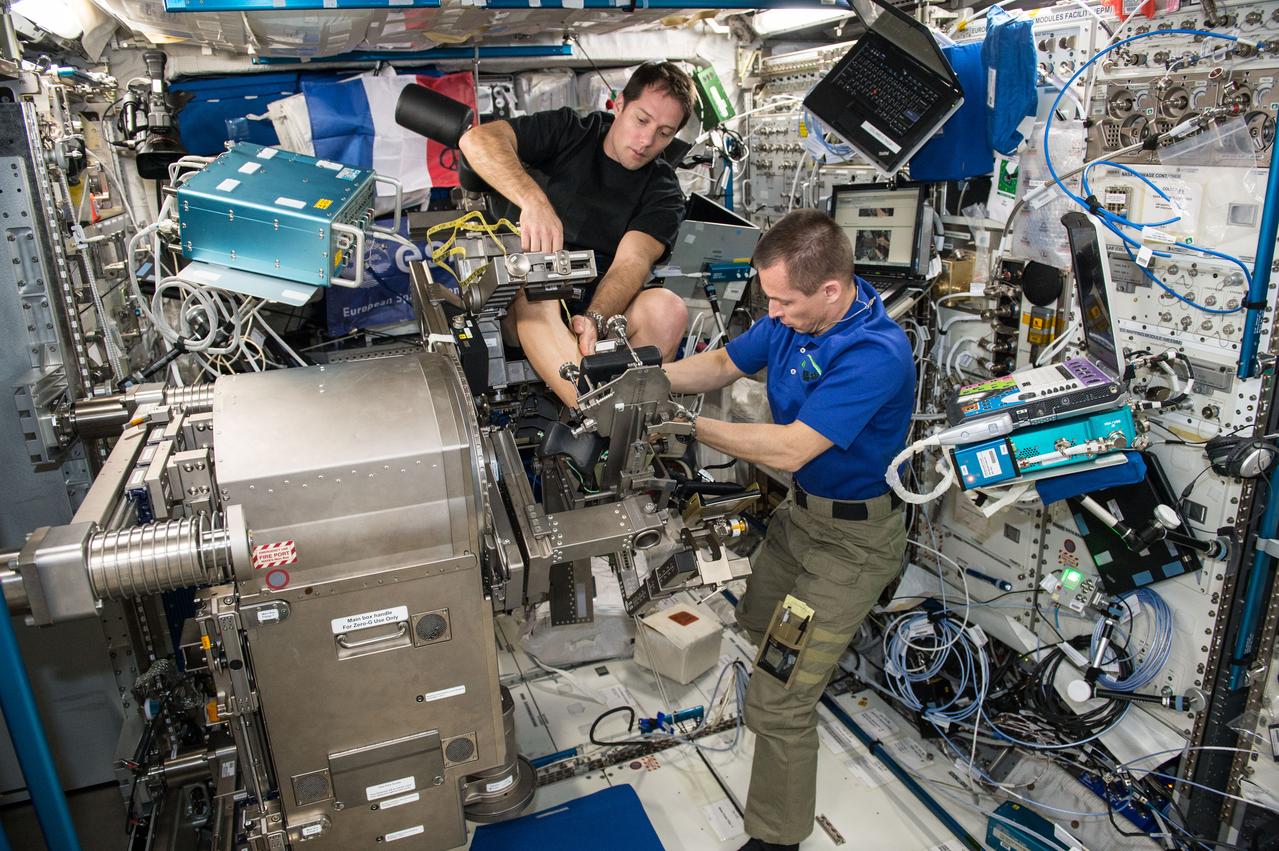
iss050e012379 (11/29/2016) --- European Space Agency (ESA) Thomas Pesquet and Cosmonaut Sergei Ryzhikov during the setup phase of the Sarcolab-3 Experiment, by configuring the Muscle Atrophy Resistive Exercise System (MARES), in the Columbus Module.
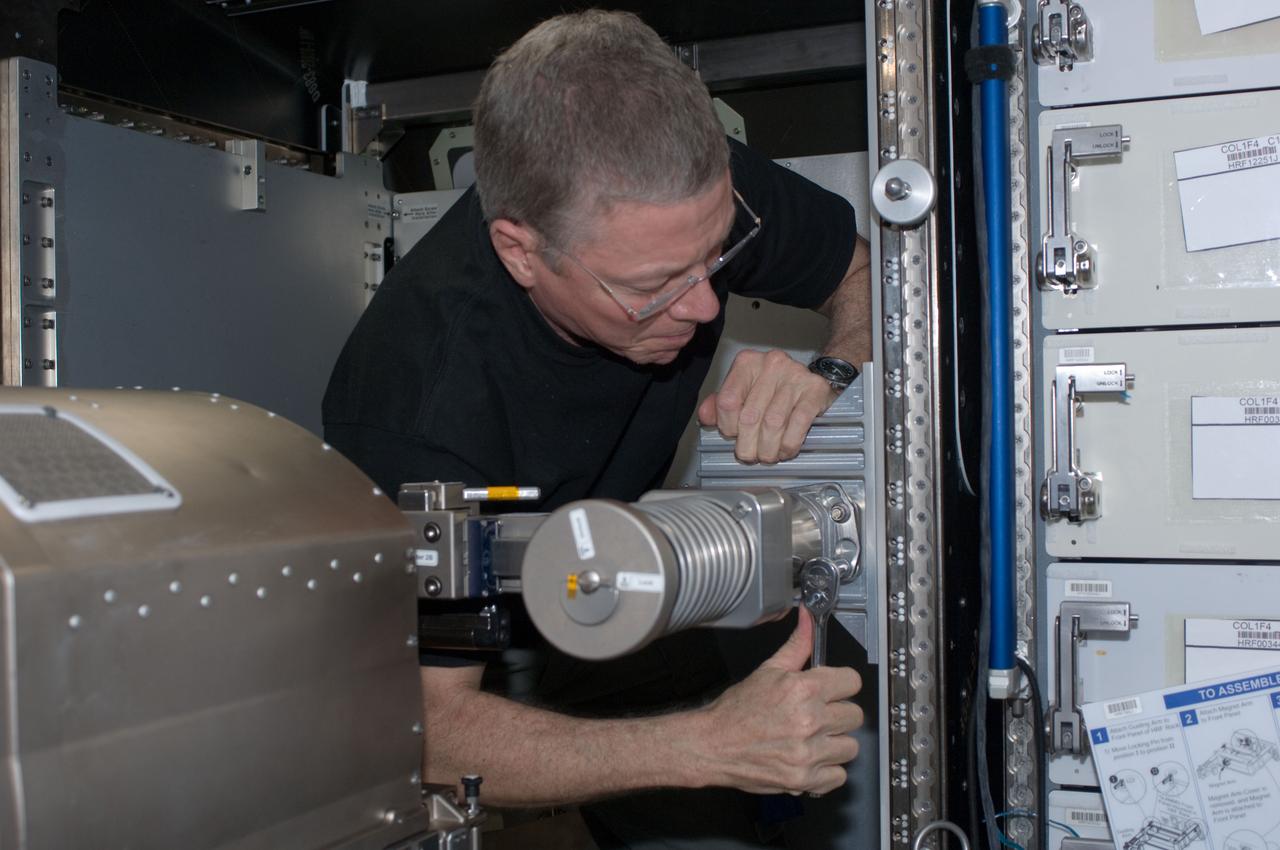
ISS028-E-035002 (30 Aug. 2011) --- NASA astronaut Mike Fossum, Expedition 28 flight engineer, performs in-flight maintenance on the Muscle Atrophy Research & Exercise System (MARES) in the Columbus laboratory of the International Space Station.
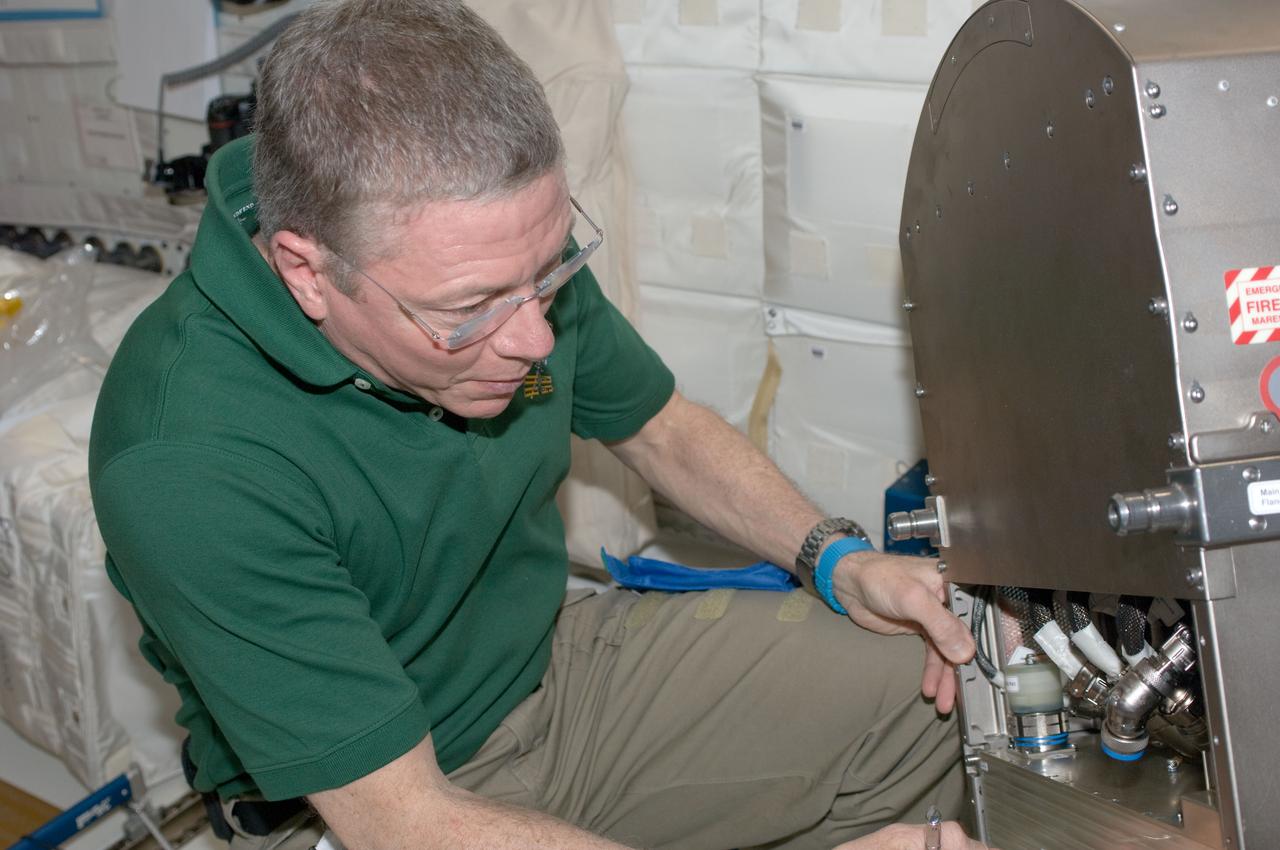
ISS028-E-035566 (31 Aug. 2011) --- NASA astronaut Mike Fossum, Expedition 28 flight engineer, works with Muscle Atrophy Research & Exercise System (MARES) hardware in the Columbus laboratory of the International Space Station.
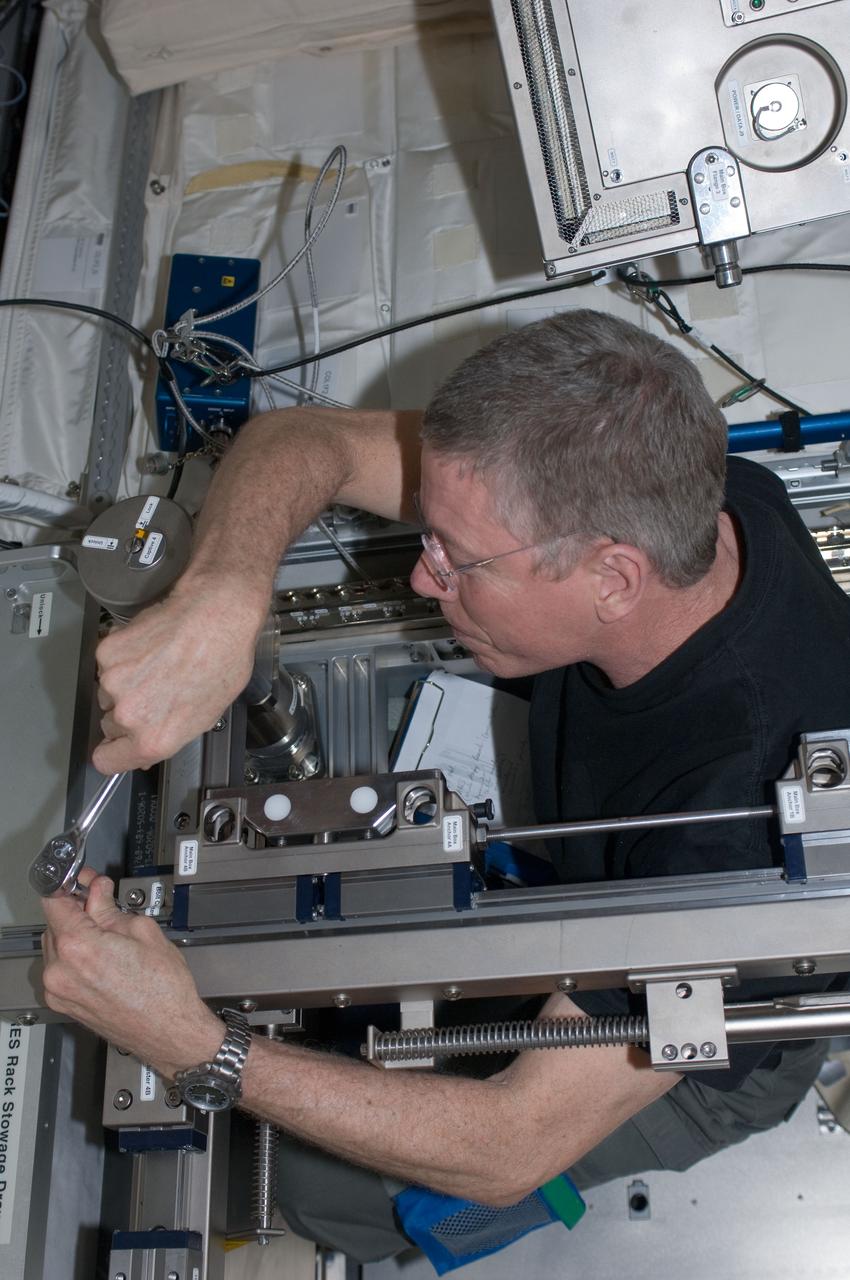
ISS028-E-034993 (30 Aug. 2011) --- NASA astronaut Mike Fossum, Expedition 28 flight engineer, performs in-flight maintenance on the Muscle Atrophy Research & Exercise System (MARES) in the Columbus laboratory of the International Space Station.
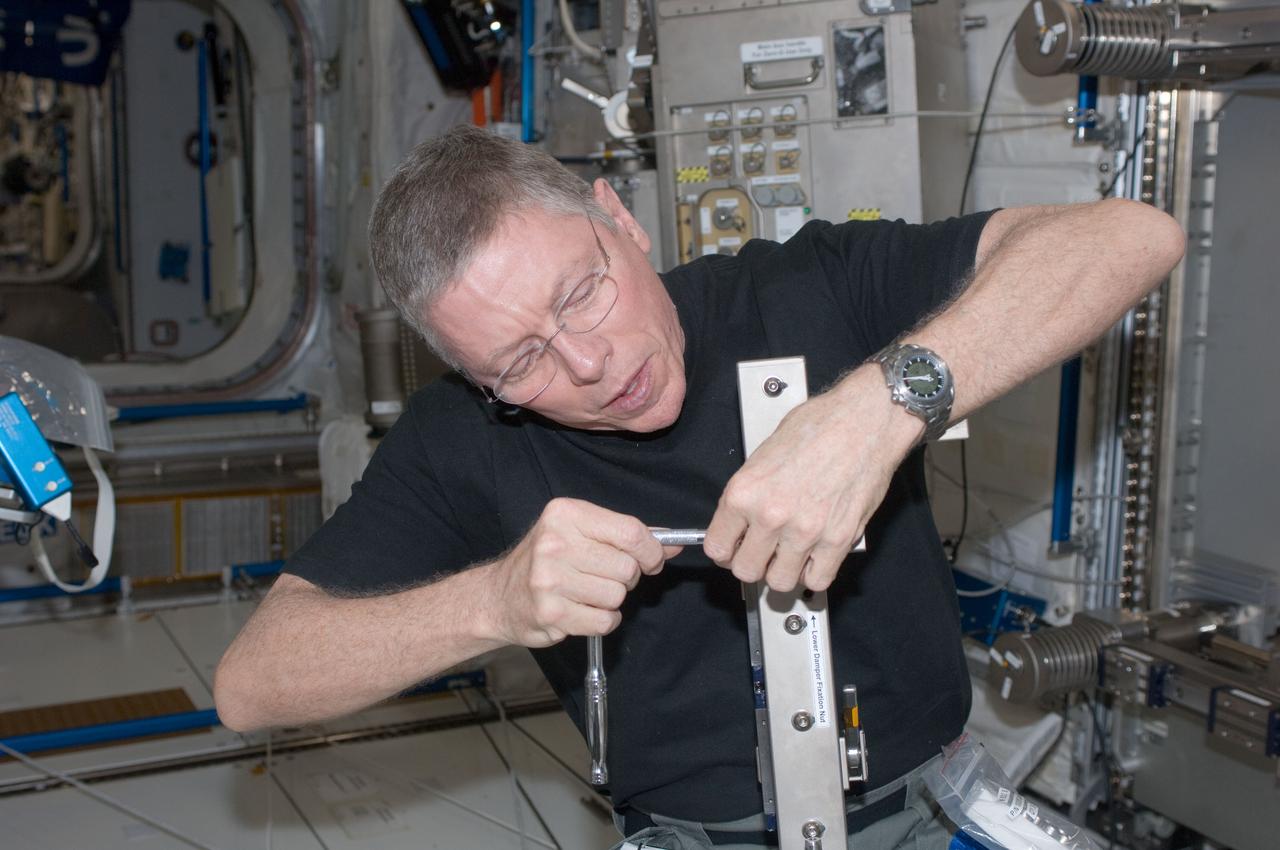
ISS028-E-034980 (30 Aug. 2011) --- NASA astronaut Mike Fossum, Expedition 28 flight engineer, performs in-flight maintenance on the Muscle Atrophy Research & Exercise System (MARES) in the Columbus laboratory of the International Space Station.
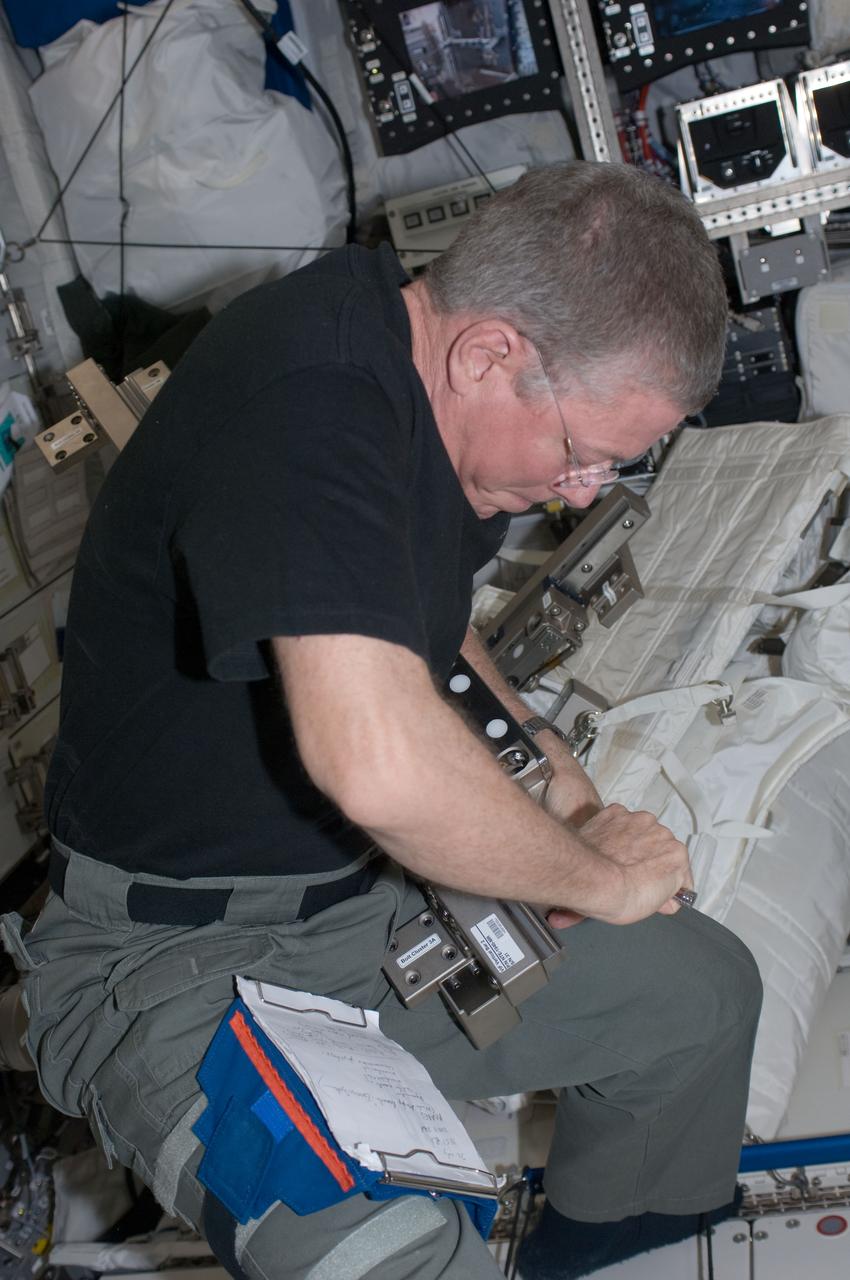
ISS028-E-034978 (30 Aug. 2011) --- NASA astronaut Mike Fossum, Expedition 28 flight engineer, performs in-flight maintenance on the Muscle Atrophy Research & Exercise System (MARES) in the Columbus laboratory of the International Space Station.
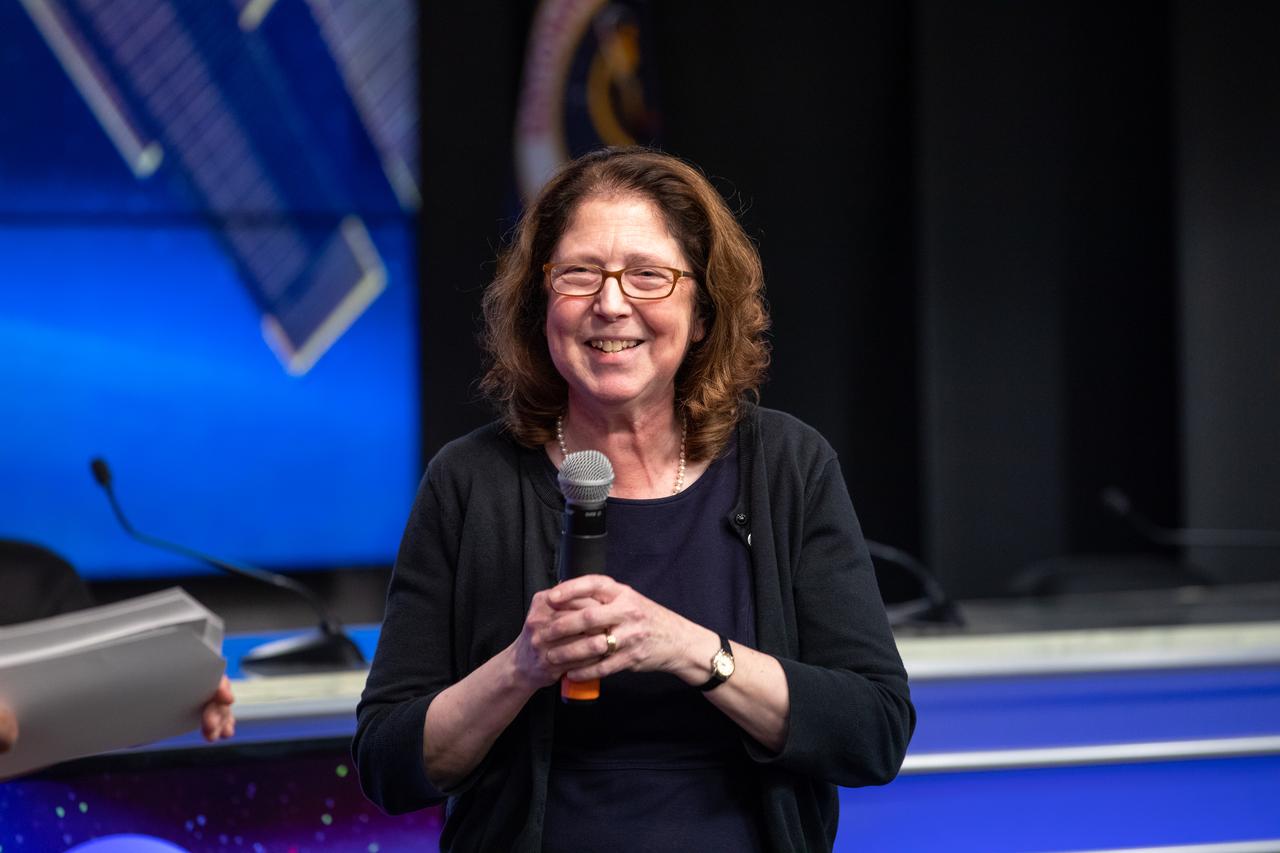
A What’s On Board Briefing for SpaceX’s 19th Commercial Resupply Services (CRS-19) mission for NASA to the International Space Station took place on Dec. 3, 2019, at the agency’s Kennedy Space Center in Florida. Emily Germain-Lee, professor at the University of Connecticut School of Medicine and chief of endocrinology and diabetes, Connecticut Children’s Medical Center, discussed her on molecular signaling pathways that influence muscle degradation to prevent skeletal muscle and bone loss during spaceflight, and enhance recovery following return to Earth. The SpaceX Falcon 9 rocket and Dragon cargo module are scheduled to launch on Dec. 4, 2019, from Space Launch Complex 40 on Cape Canaveral Air Force Station in Florida.
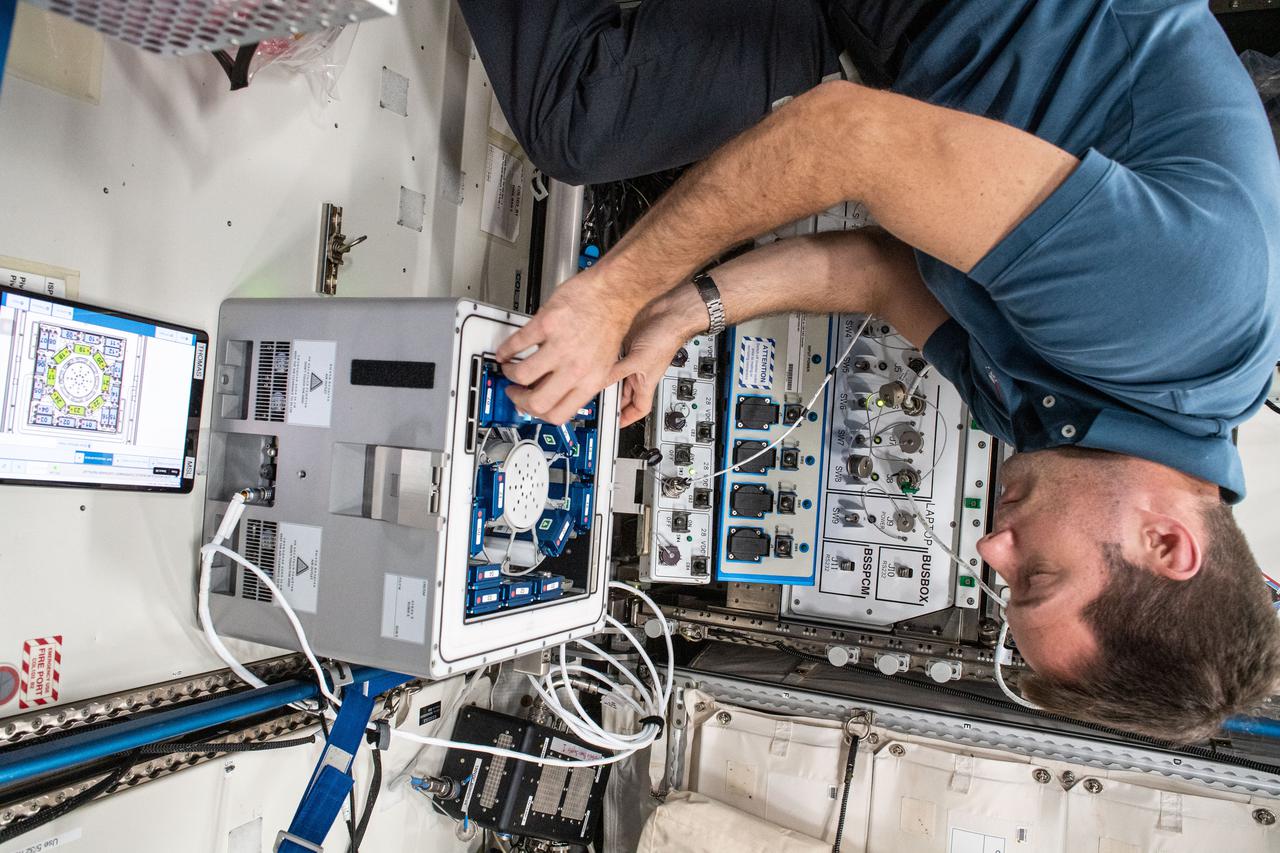
iss065e092424 (June 5, 2021) --- European Space Agency (ESA) astronaut Thomas Pesquet installs the Molecular Muscle Experiment-2 (MME-2) inside the Columbus laboratory module. MME-2 tests a series of drugs to see if they can improve health in space possibly leading to new therapeutic targets for examination on Earth.
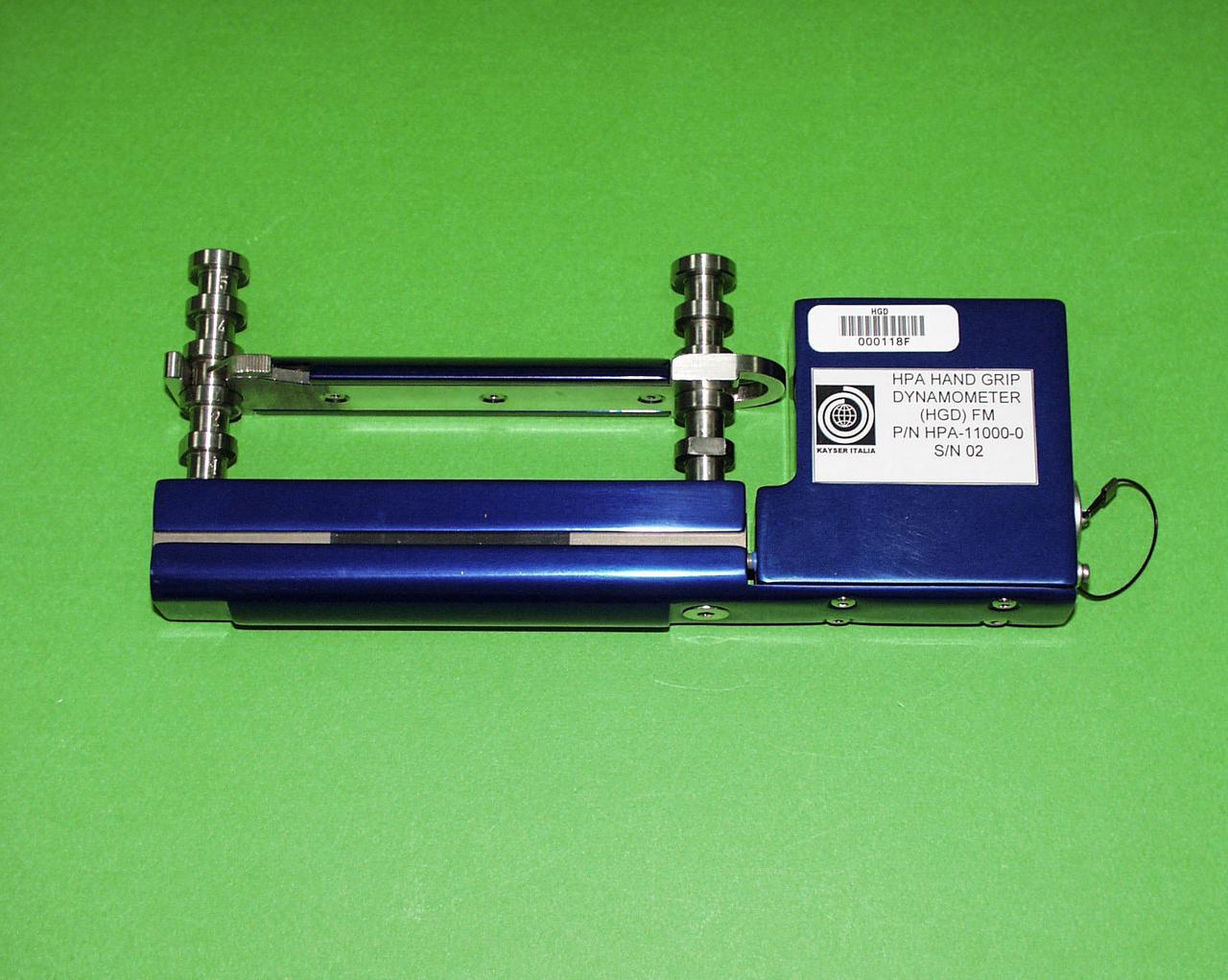
jsc2021e009414 (8/12/20020 --- A preflight view of theHand Posture Analyzer (HPA) Hand Grip Dynamometer (HGD). The Hand Posture Analyzer (HPA) facility helps to examine the way hand and arm muscles are used differently aboard the International Space Station (ISS). Image courtesy of the Italian Space Agency (ASI).
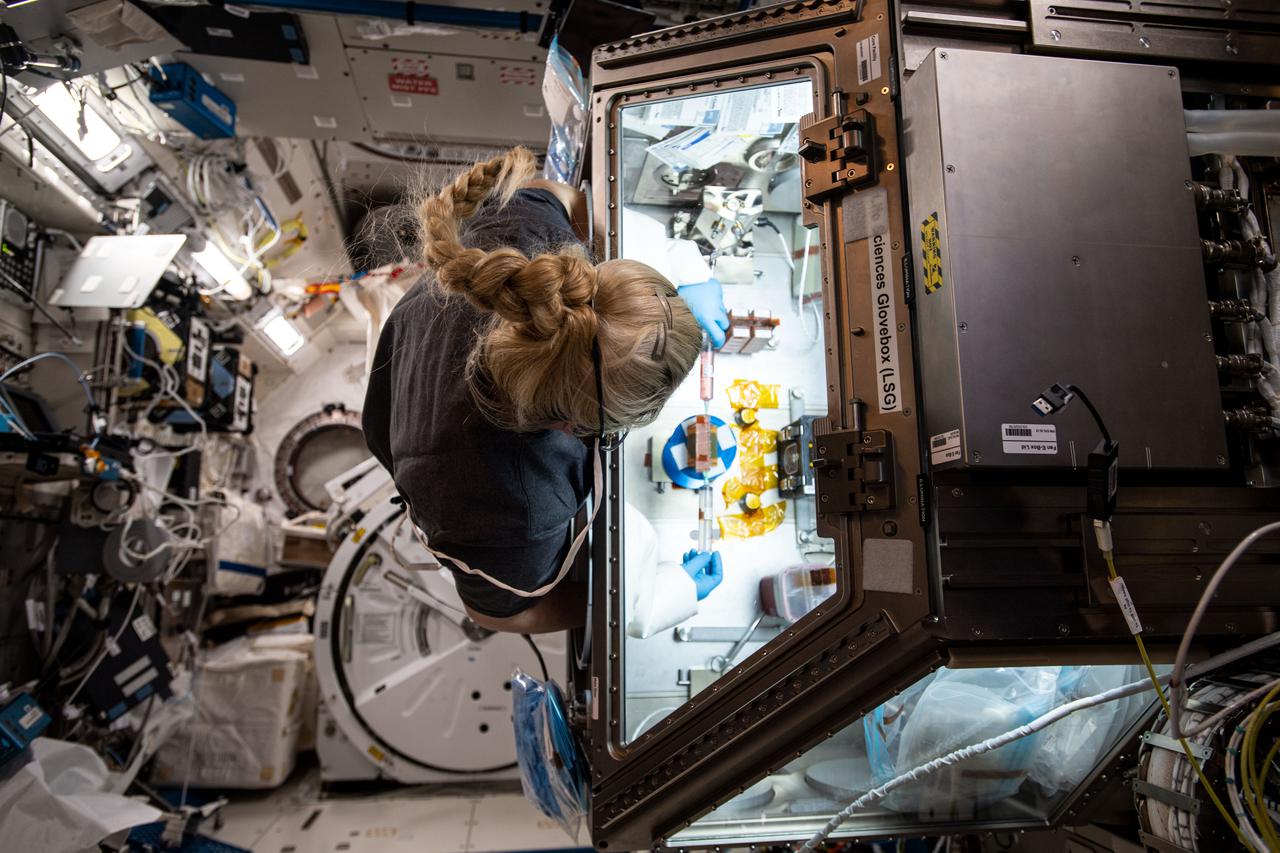
iss064e015251 (12/24/2020) --- NASA astronaut Kate Rubins works inside the Life Sciences Glovebox conducting research for the Cardinal Heart study. The biomedical research seeks to help scientists understand the aging and weakening of heart muscles to provide new treatments for humans on Earth and astronauts in space.
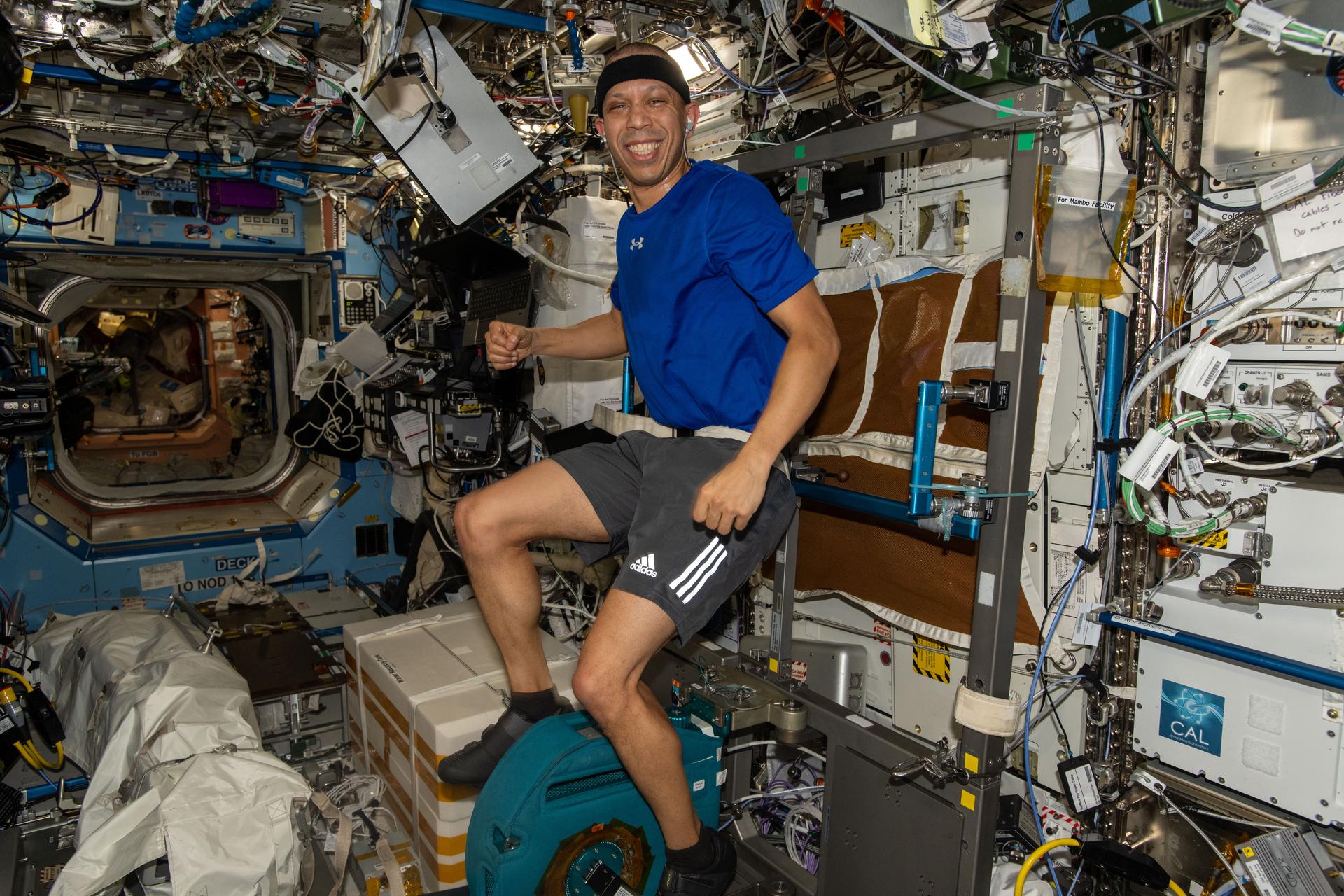
iss074e0364911 (March 6, 2026) --- NASA astronaut and Expedition 74 flight engineer Chris Williams pedals on the exercise cycle inside the International Space Station’s Destiny laboratory module. Astronauts work out daily on the exercise cycle to maintain muscle, bone, and cardiovascular health in microgravity. Credit: NASA/Jack Hathaway

ISS024-E-014973 (17 Sept. 2010) --- NASA astronaut Doug Wheelock, Expedition 24 flight engineer, works with Muscle Atrophy Resistive Exercise System (MARES) hardware during installation of MARES payload in the Columbus laboratory of the International Space Station.

ISS047e038968 (04/05/2016) --- ESA (European Space Agency) astronaut Tim Peake operates the Muscle Atrophy Research and Exercise System (MARES) equipment inside the Columbus module. MARES is an ESA system that will be used for research on musculoskeletal, biomechanical, and neuromuscular human physiology to better understand the effects of microgravity on the muscular system.
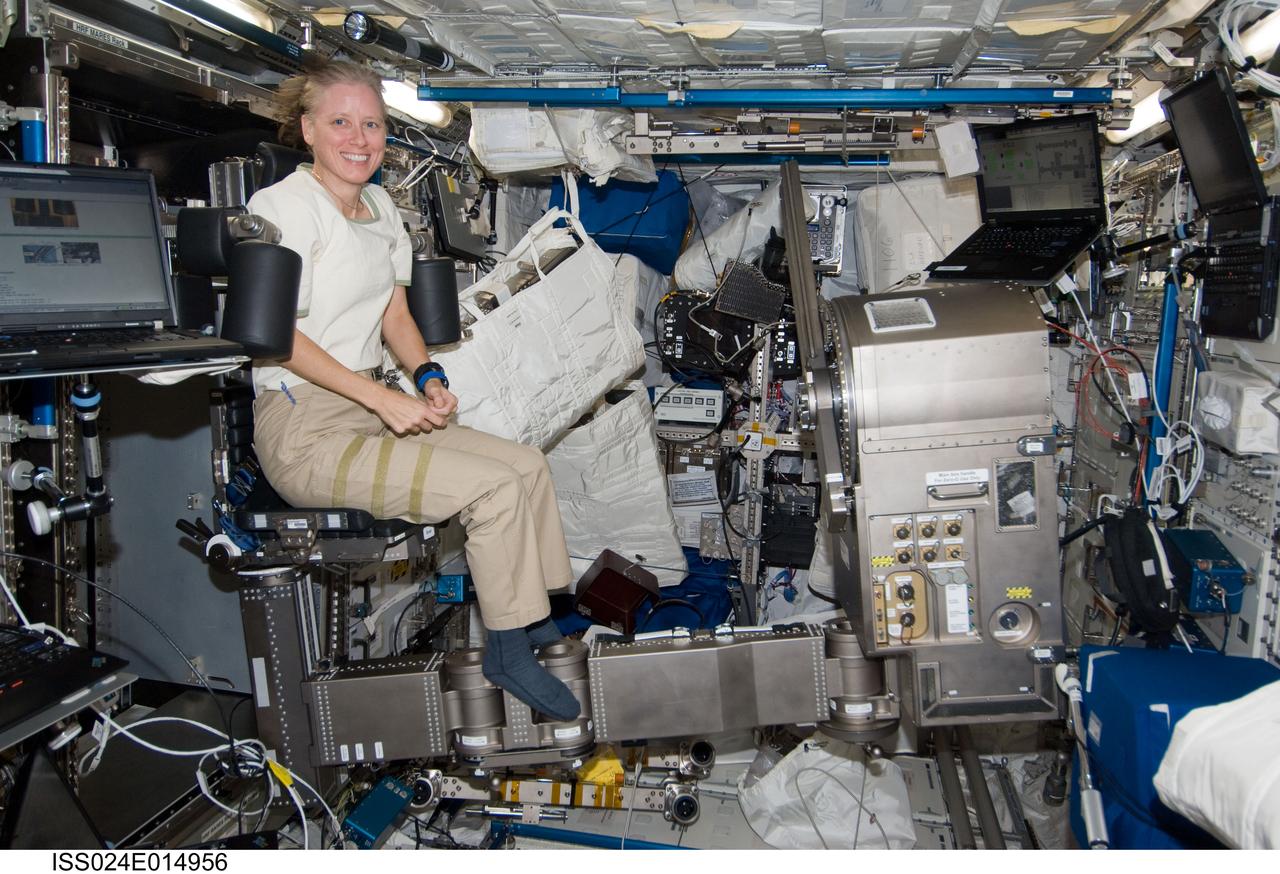
ISS024-E-014956 (16 Sept. 2010) --- NASA astronaut Shannon Walker, Expedition 24 flight engineer, works with Muscle Atrophy Resistive Exercise System (MARES) hardware during installation of MARES payload in the Columbus laboratory of the International Space Station.
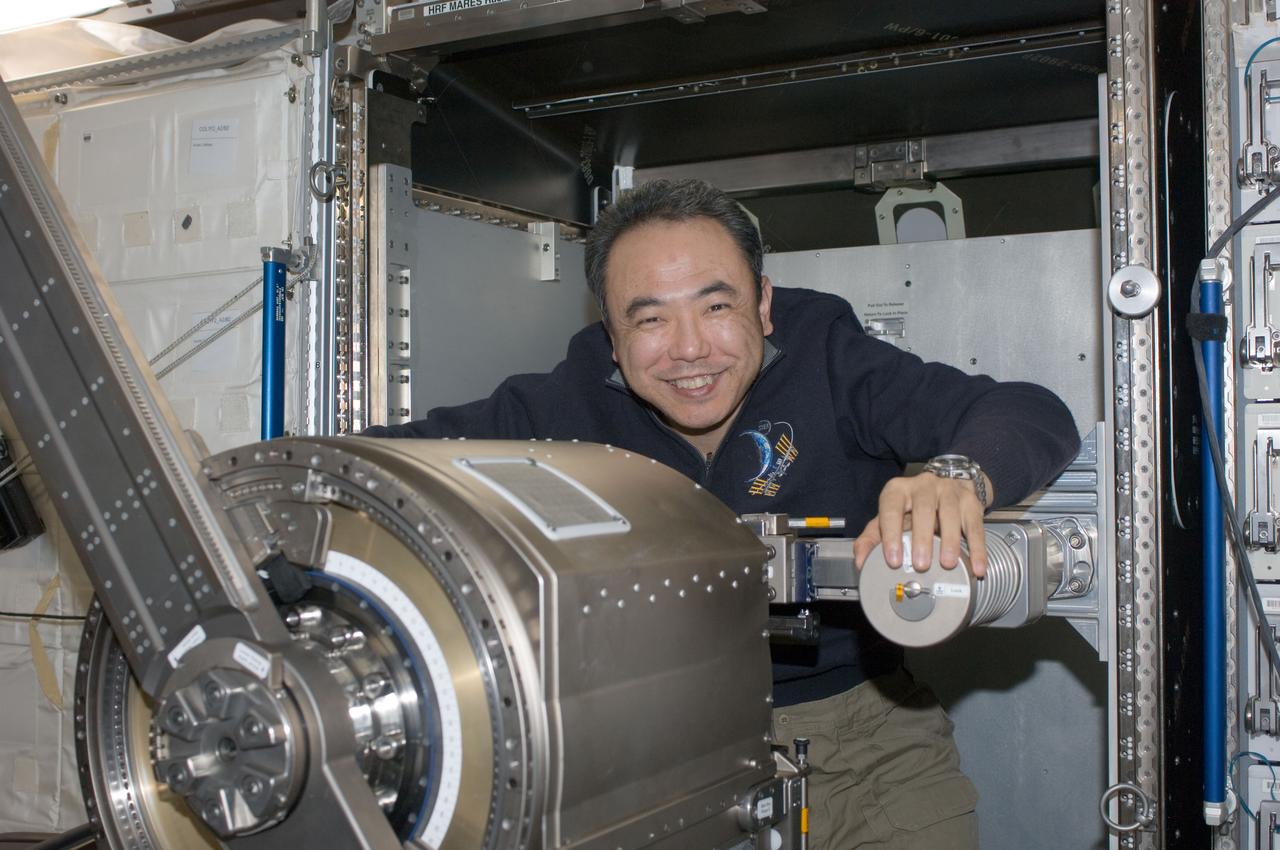
ISS028-E-035617 (31 Aug. 2011) --- Japan Aerospace Exploration Agency astronaut Satoshi Furukawa, Expedition 28 flight engineer, works with Muscle Atrophy Research & Exercise System (MARES) hardware in the Columbus laboratory of the International Space Station.
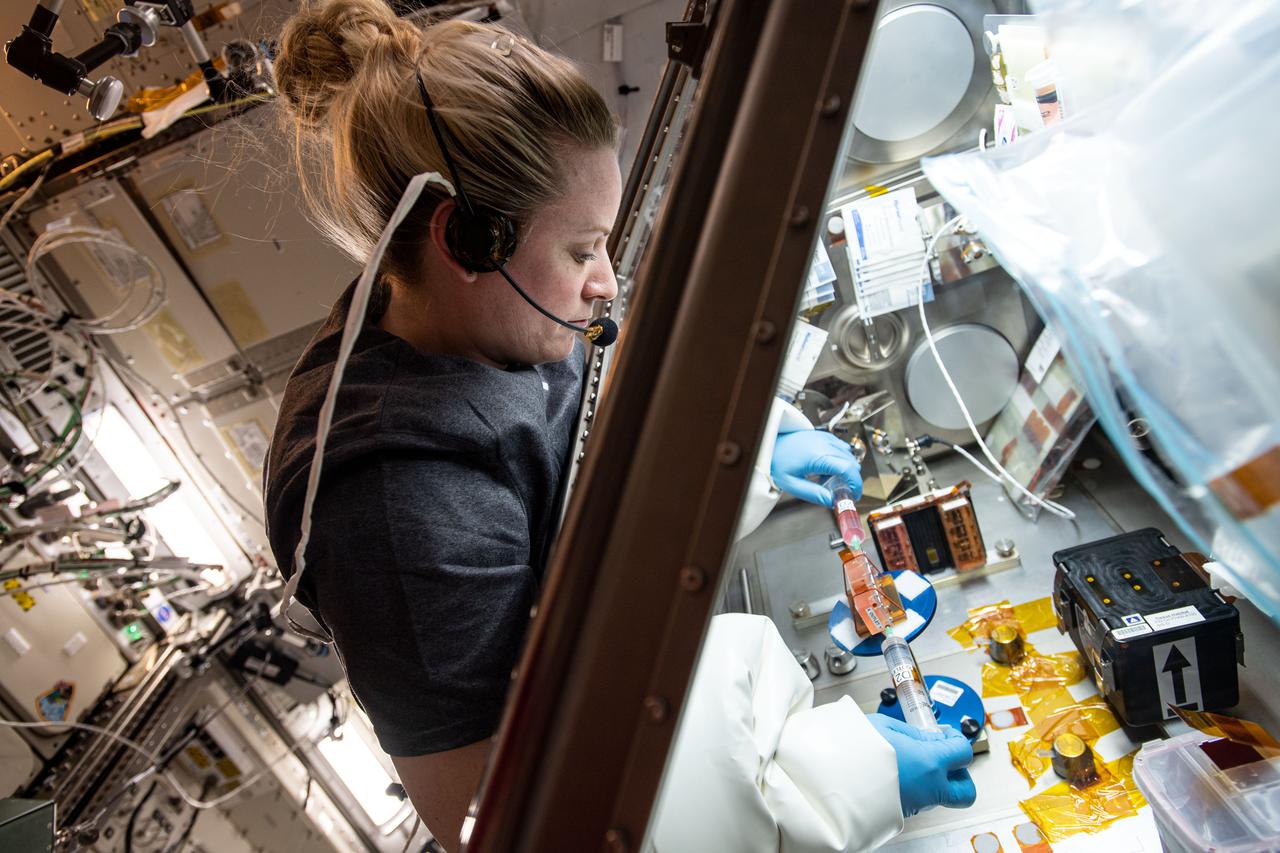
iss064e015256 (12/24/2020) --- NASA astronaut Kate Rubins works inside the Life Sciences Glovebox conducting research for the Cardinal Heart study. The biomedical research seeks to help scientists understand the aging and weakening of heart muscles to provide new treatments for humans on Earth and astronauts in space.
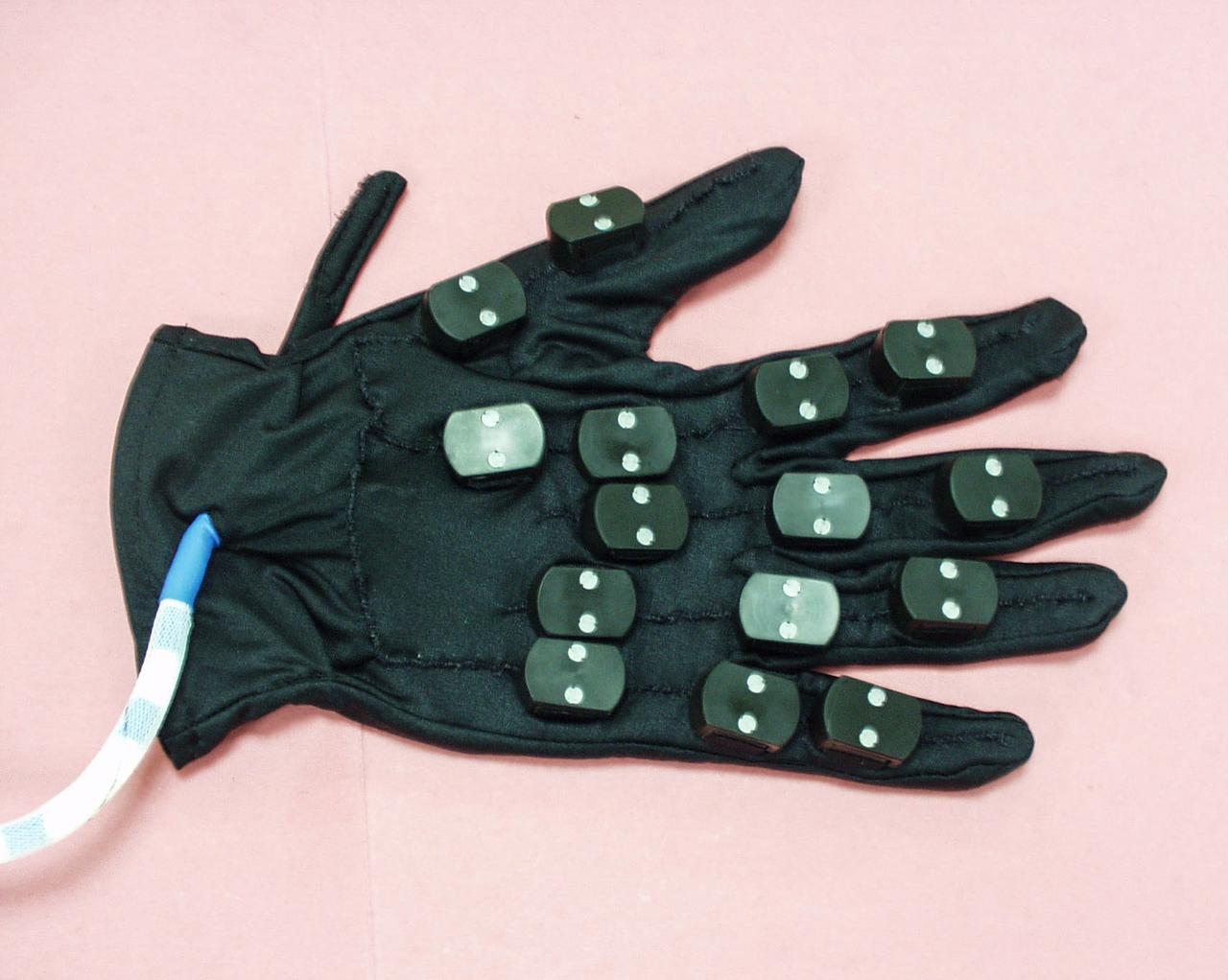
jsc2021e009416 (7/15/2002) --- A preflight view of the Hand Posture Analyzer (HPA) Posture Acquisition Glove (PAG). The Hand Posture Analyzer (HPA) facility helps to examine the way hand and arm muscles are used differently aboard the International Space Station (ISS). Image courtesy of the Italian Space Agency (ASI).
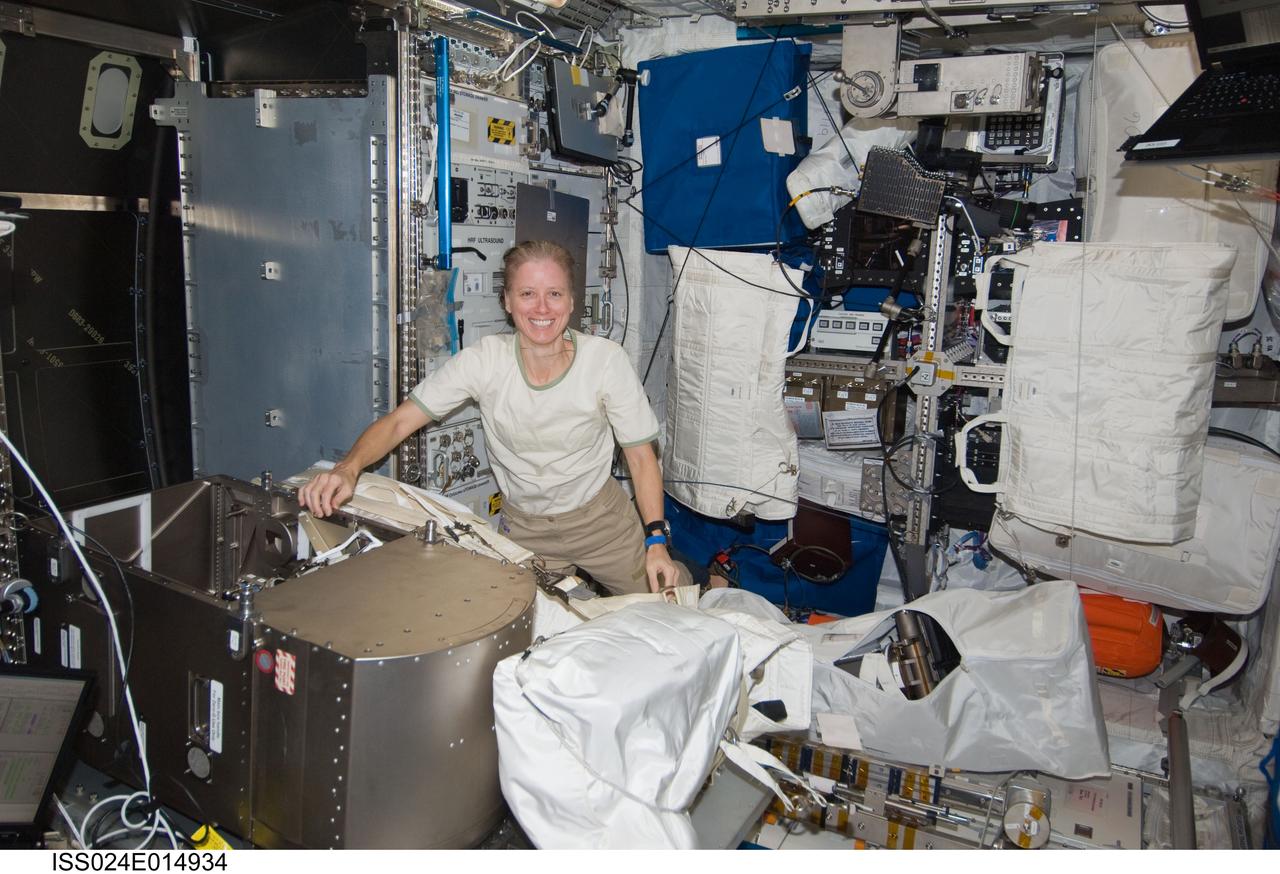
ISS024-E-014934 (16 Sept. 2010) --- NASA astronaut Shannon Walker, Expedition 24 flight engineer, works with Muscle Atrophy Resistive Exercise System (MARES) hardware during installation of MARES payload in the Columbus laboratory of the International Space Station.
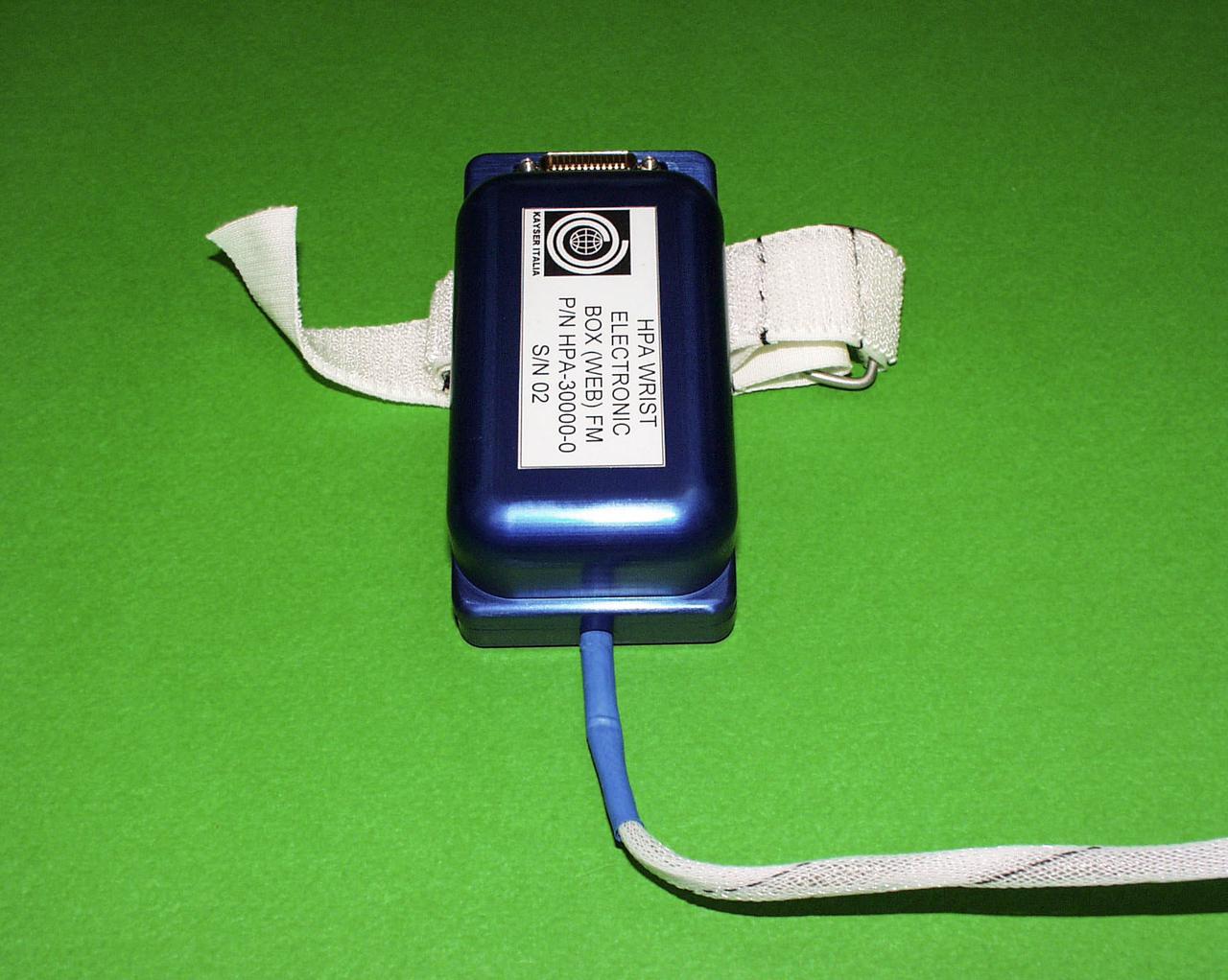
jsc2021e009418 (8/12/2002) --- A preflight view of theHand Posture Analyzer (HPA) Wrist Electronic Box (WEB). The Hand Posture Analyzer (HPA) facility helps to examine the way hand and arm muscles are used differently aboard the International Space Station (ISS). Image courtesy of the Italian Space Agency (ASI).
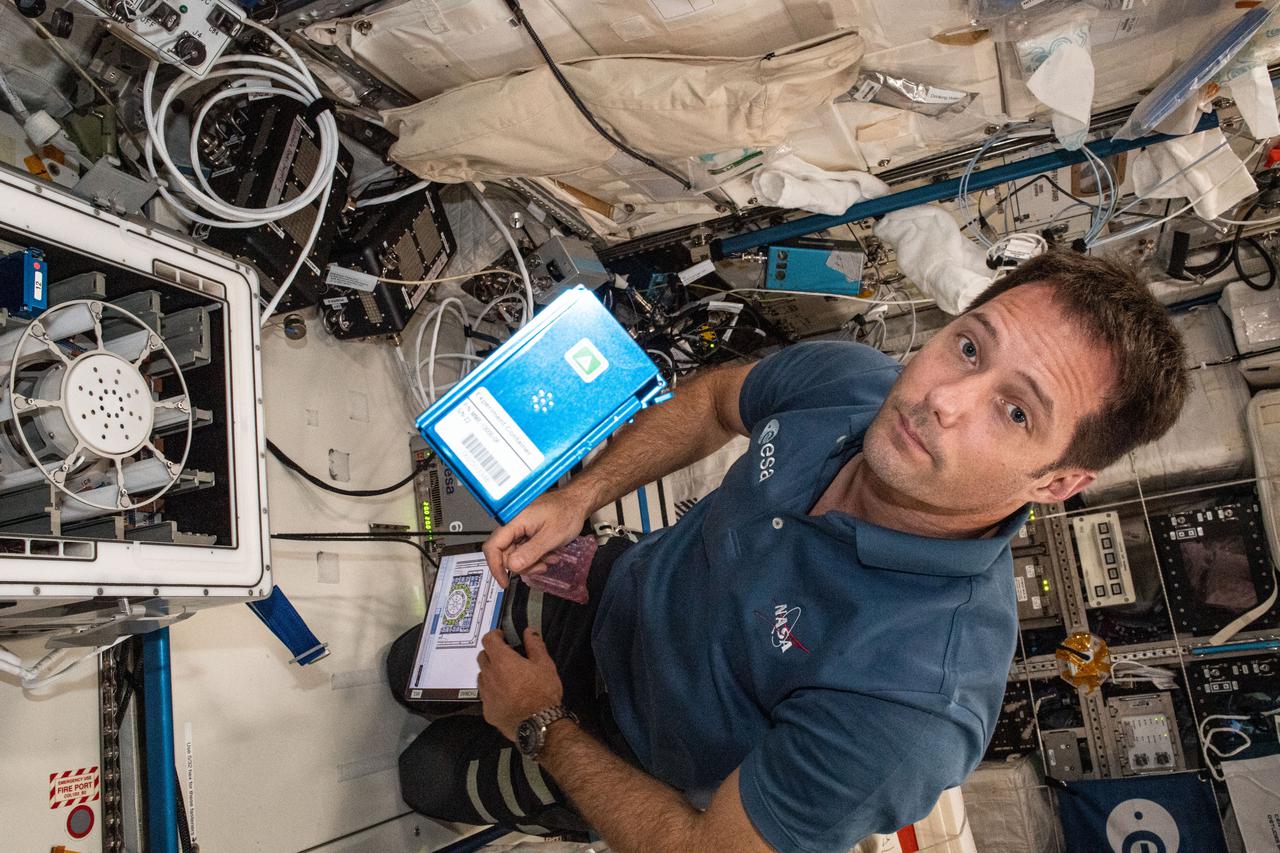
iss065e092399 (June 5, 2021) --- European Space Agency (ESA) astronaut Thomas Pesquet installs the Molecular Muscle Experiment-2 (MME-2) inside the Columbus laboratory module. MME-2 tests a series of drugs to see if they can improve health in space possibly leading to new therapeutic targets for examination on Earth.
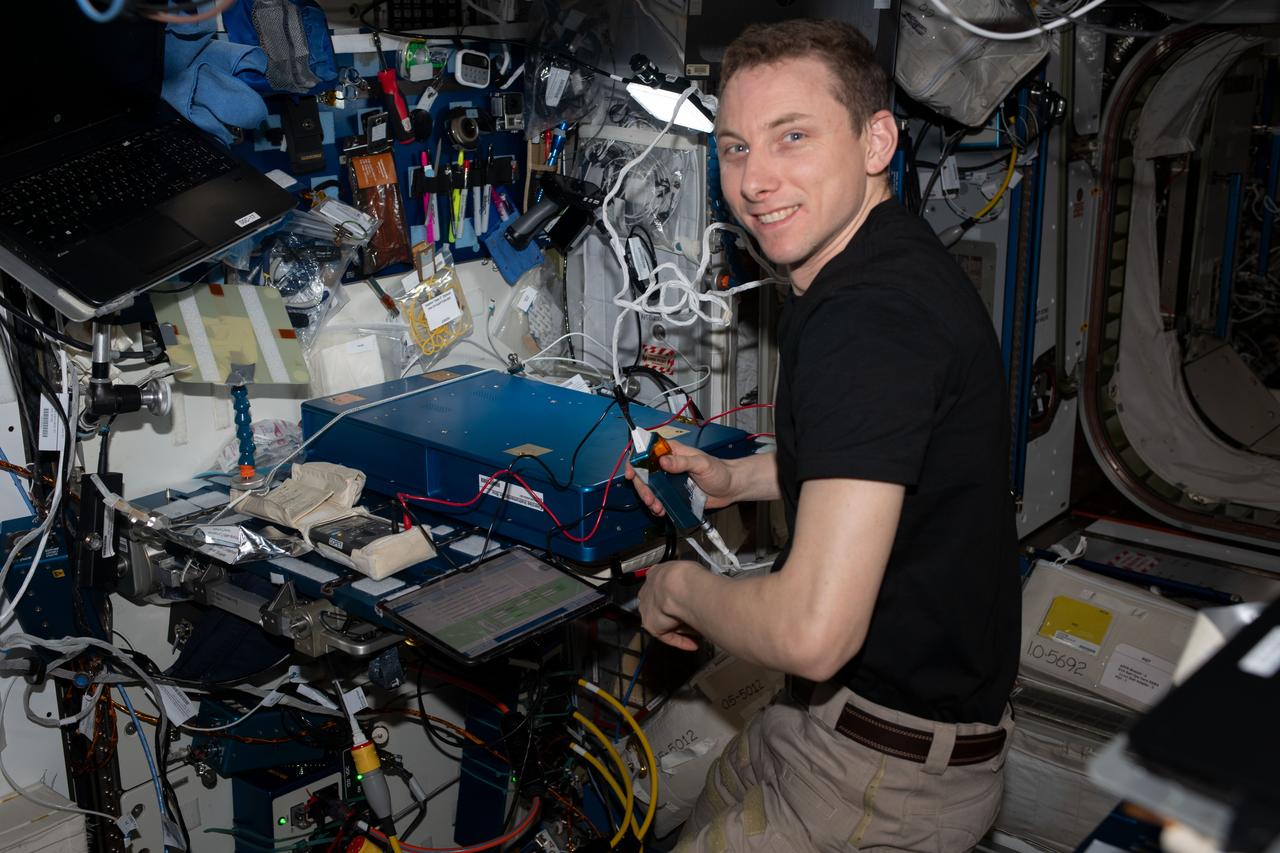
iss069e055097 (Aug. 8, 2023) --- NASA astronaut and Expedition 69 Flight Engineer Woody Hoburg troubleshoots hardware from the the Tranquility module's advanced resistive exercise device (ARED). The ARED is a workout system that mimics free weights on Earth to maintain muscle strength and mass in microgravity.
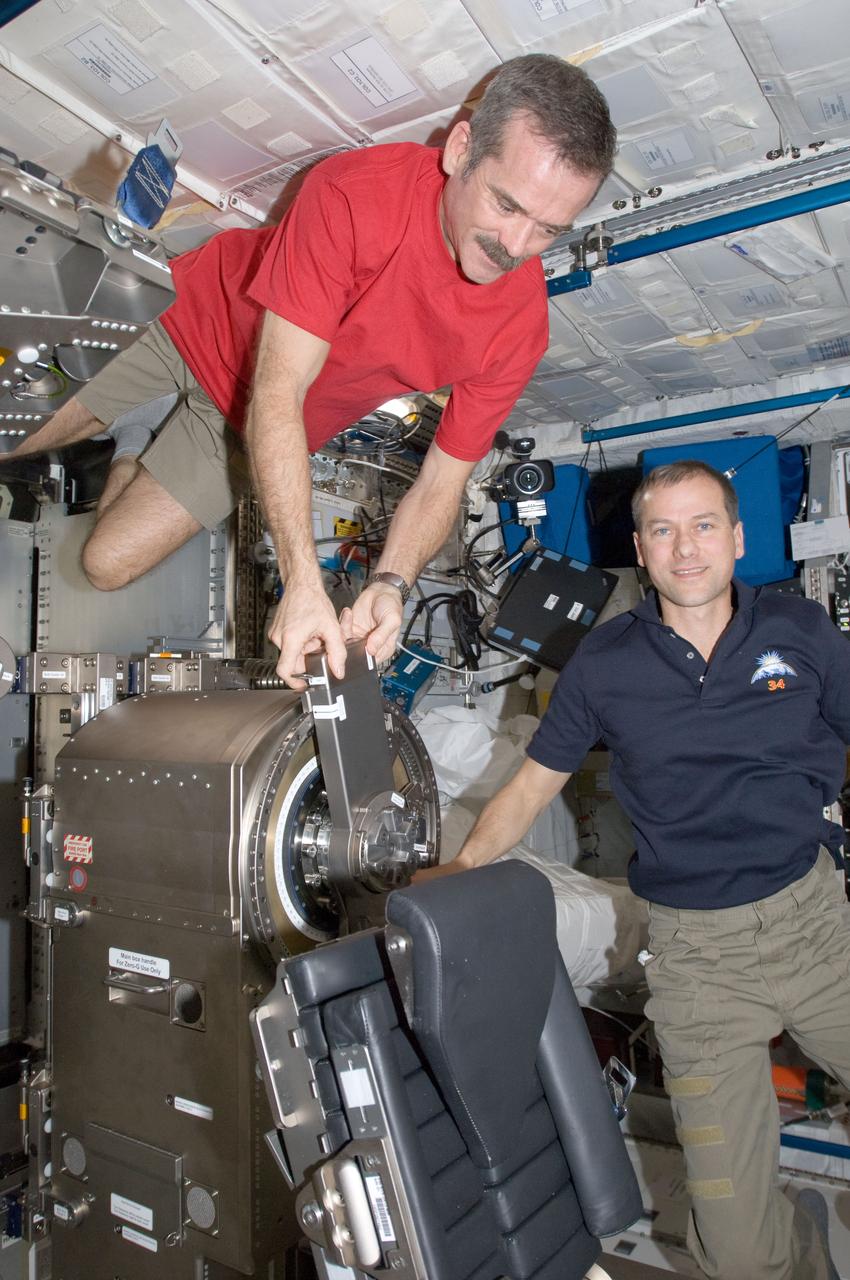
ISS034-E-014618 (3 Jan. 2013) --- Canadian Space Agency astronaut Chris Hadfield (left) and NASA astronaut Tom Marshburn, both Expedition 34 flight engineers, work with Muscle Atrophy Resistive Exercise System (MARES) hardware in the Columbus laboratory of the International Space Station.
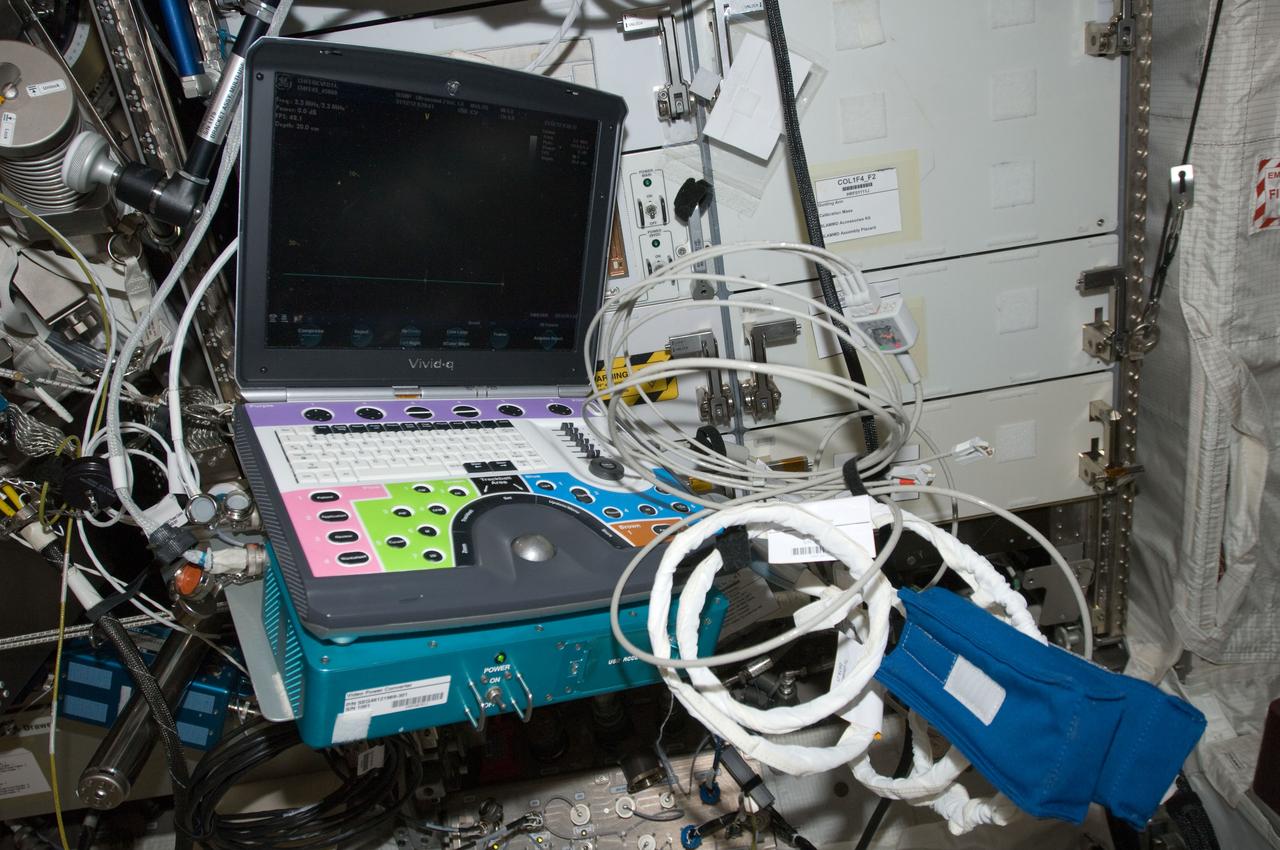
View of Integrated Cardiovascular (ICV) Echo Ultrasound Scan,in the Columbus module. ICV aims to quantify the extent,time course and clinical significance of cardiac atrophy (decrease in the size of the heart muscle) in space. Photo was taken during Expedition 34.
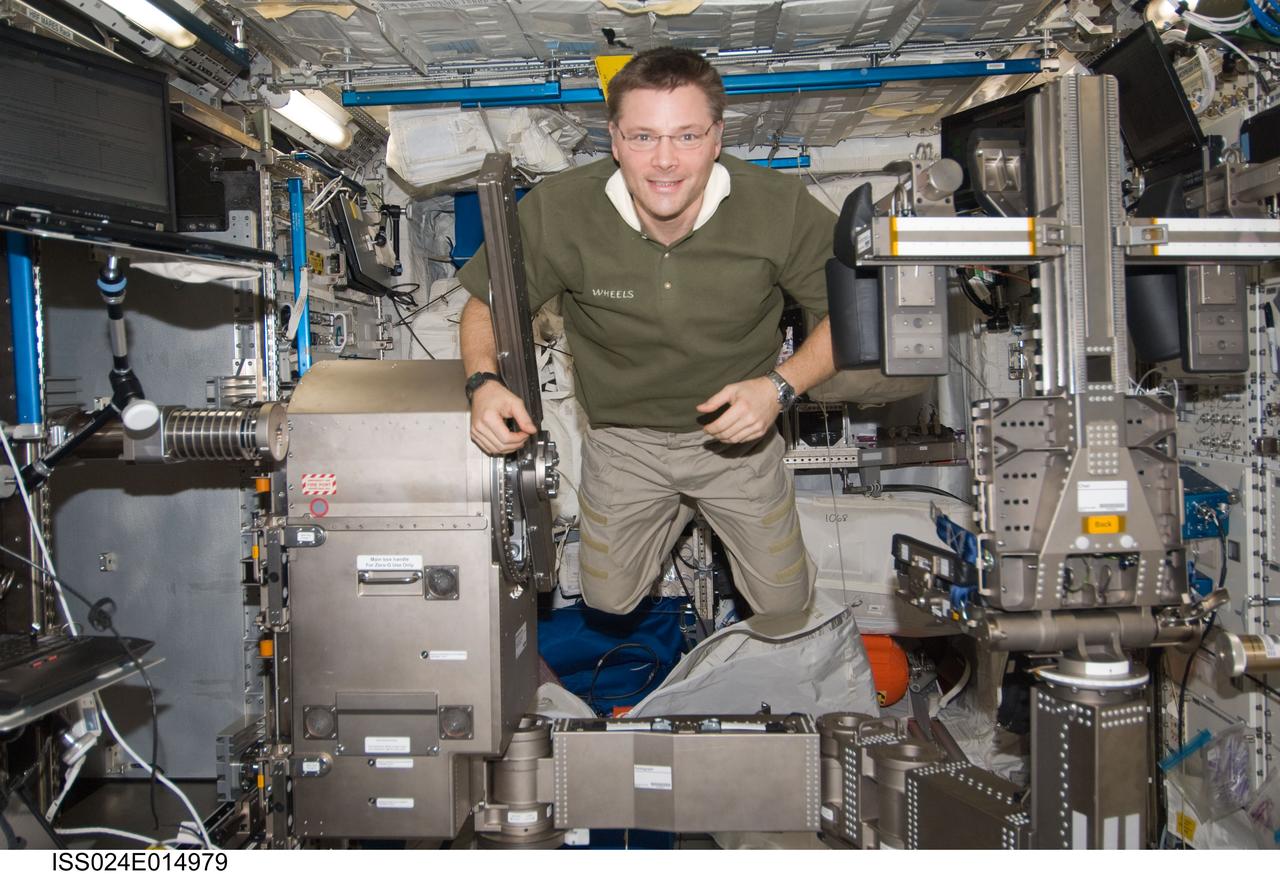
ISS024-E-014979 (17 Sept. 2010) --- NASA astronaut Doug Wheelock, Expedition 24 flight engineer, works with Muscle Atrophy Resistive Exercise System (MARES) hardware during installation of MARES payload in the Columbus laboratory of the International Space Station.
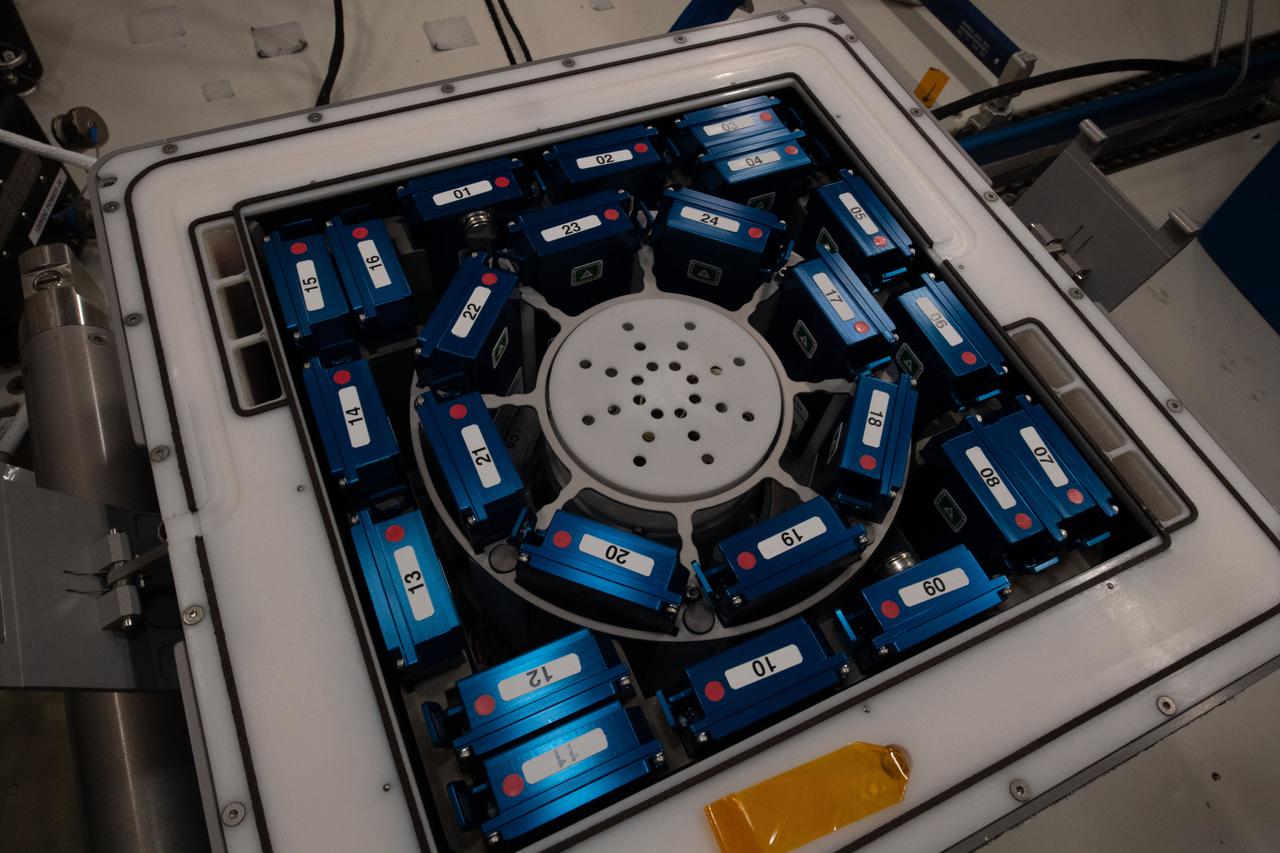
iss065e087579 (June 5, 2021) --- A view of the Kubik incubator with the experiment containers for the Molecular Muscle Experiment-2 (MME-2) inside the Columbus laboratory module. MME-2 tests a series of drugs to see if they can improve health in space possibly leading to new therapeutic targets for examination on Earth.
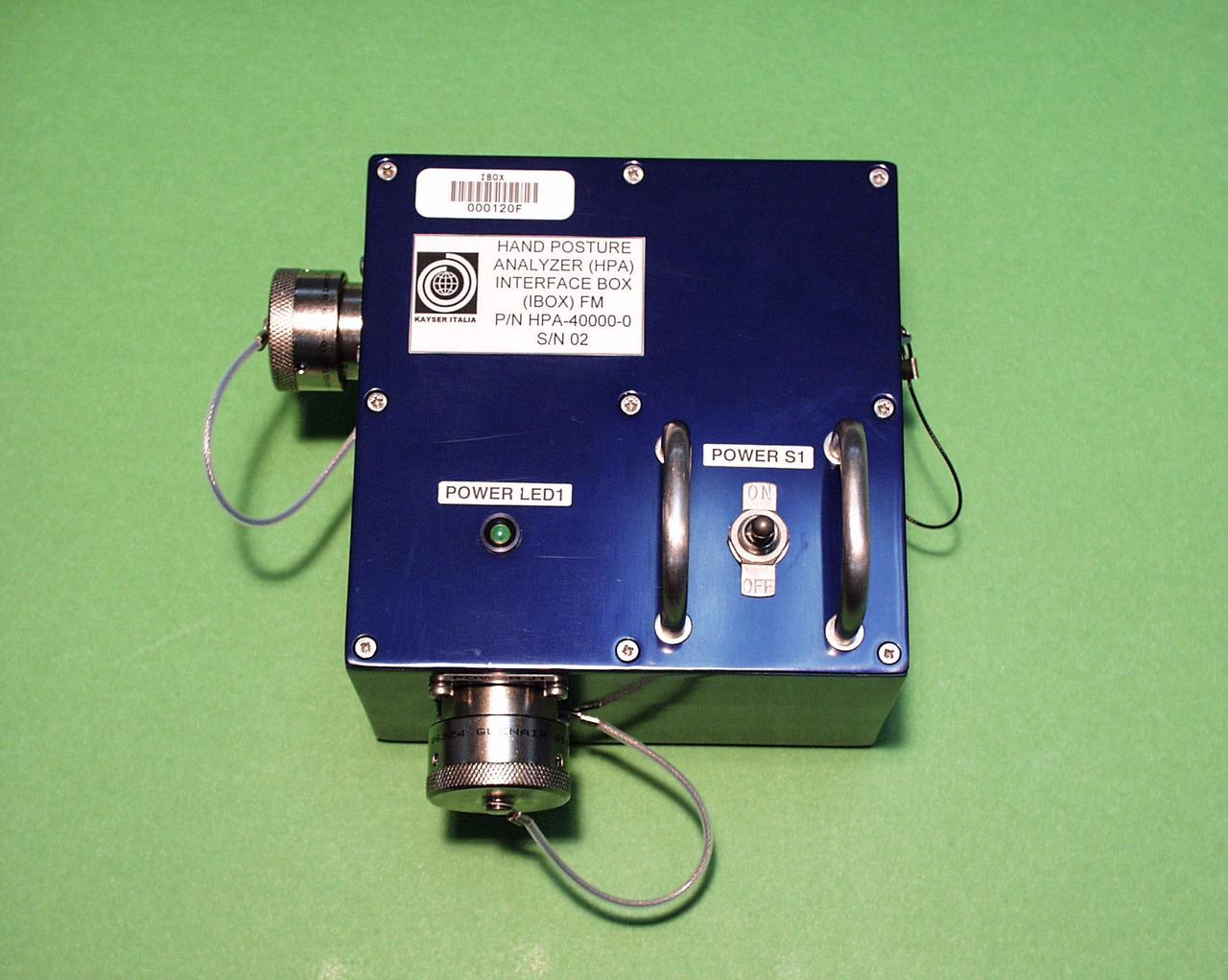
jsc2021e009415 (8/13/2002) --- A preflight view of the Hand Posture Analyzer (HPA) Interface Box (IBOX). The Hand Posture Analyzer (HPA) facility helps to examine the way hand and arm muscles are used differently aboard the International Space Station (ISS). Image courtesy of the Italian Space Agency (ASI).
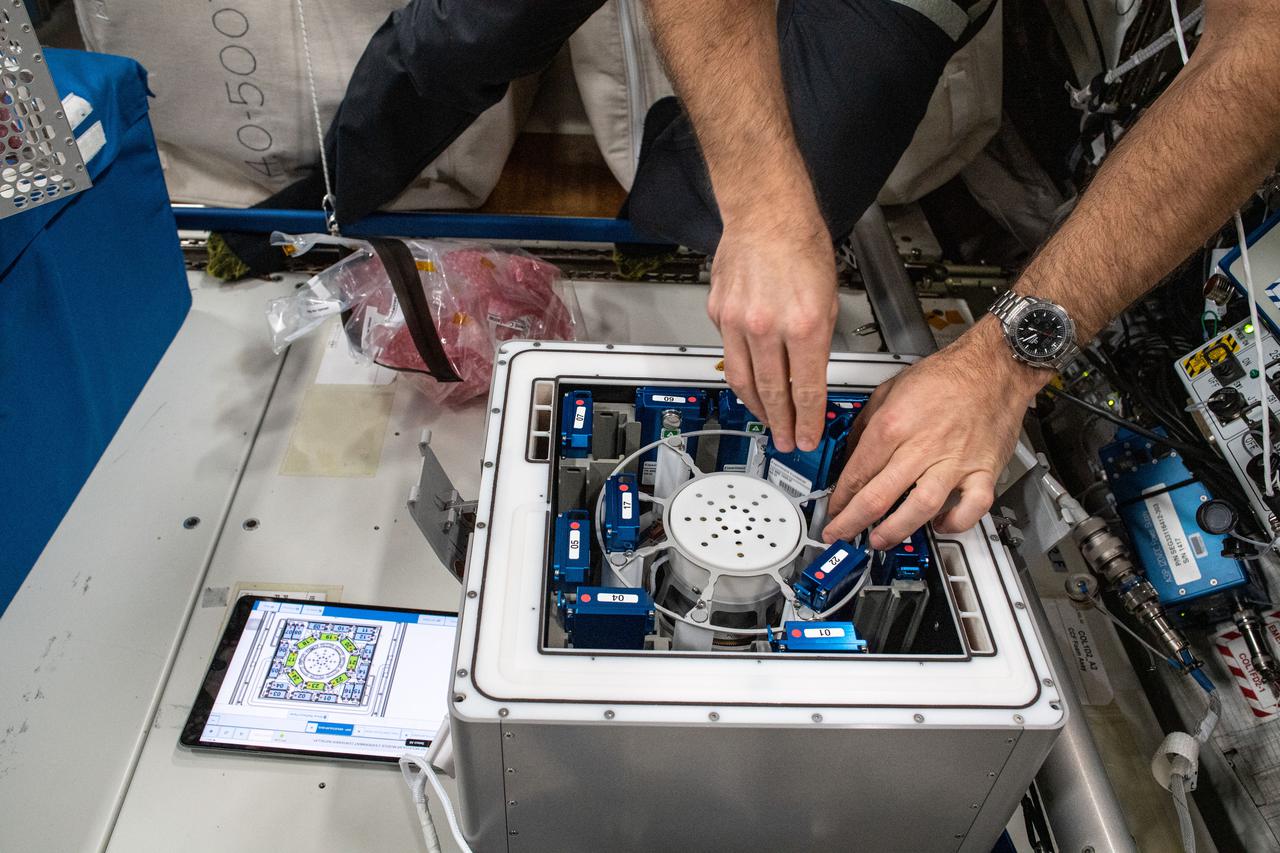
iss065e092421 (June 5, 2021) --- European Space Agency (ESA) astronaut Thomas Pesquet installs the Molecular Muscle Experiment-2 (MME-2) inside the Columbus laboratory module. MME-2 tests a series of drugs to see if they can improve health in space possibly leading to new therapeutic targets for examination on Earth.
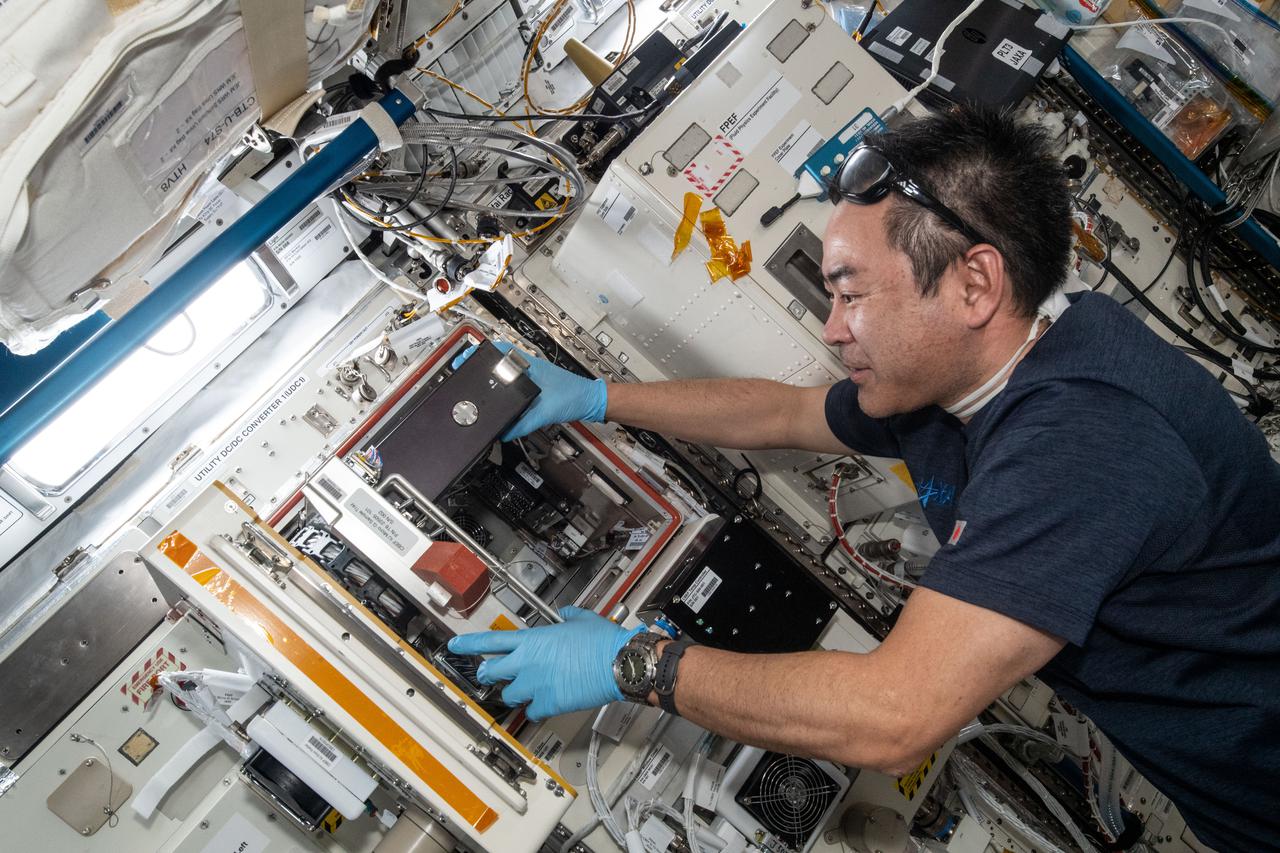
iss065e242205 (Aug. 13, 2021) --- Expedition 65 Commander Akihiko Hoshide of the Japan Aerospace Exploration Agency (JAXA) inserts cell samples into the Kibo laboratory module's Cell Biology Experiment Facility. The cells are being observed for how they adapt to weightlessness as part of the Cell Gravisensing muscle atrophy study.
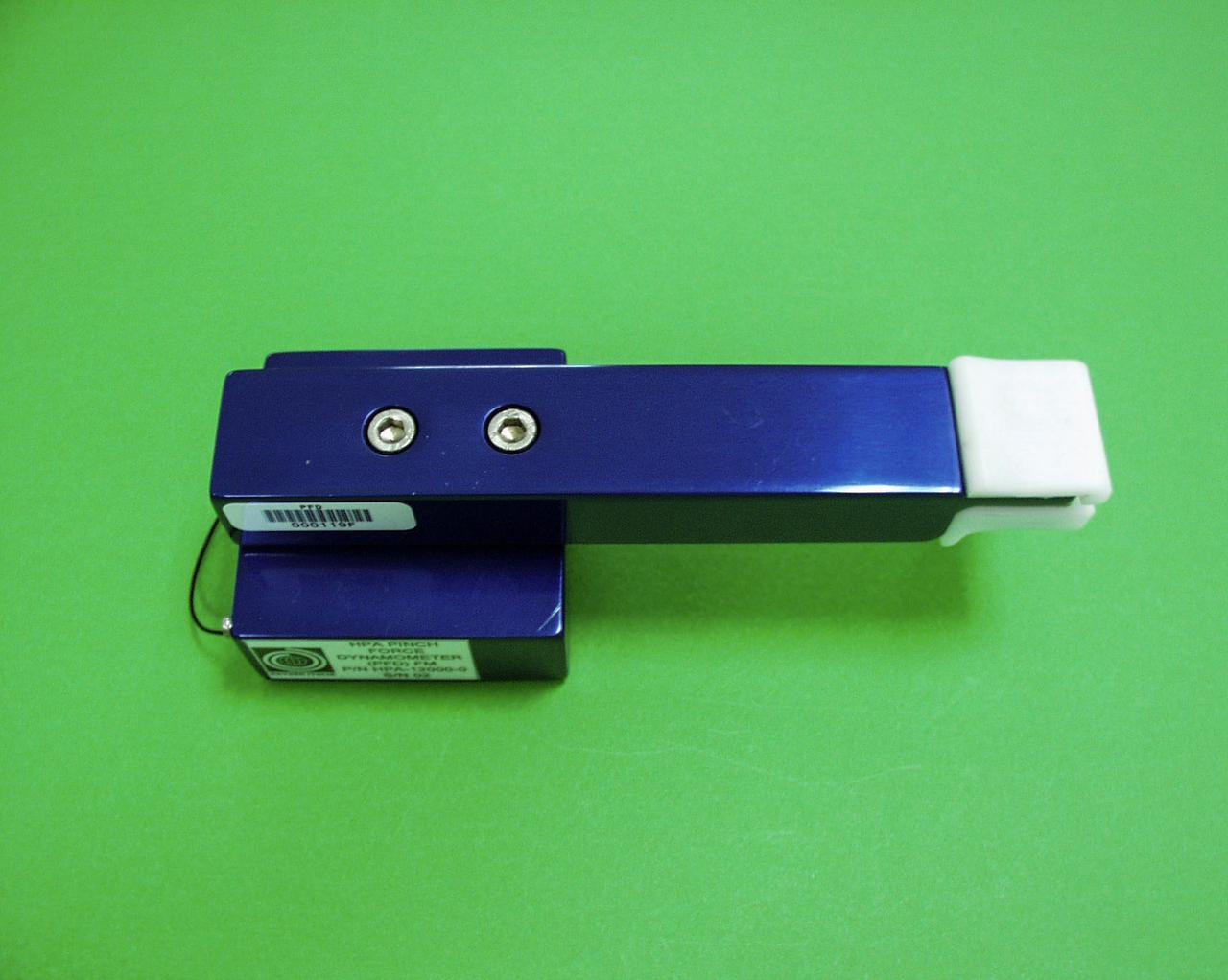
jsc2021e009417 (8/12/2002) --- A preflight view of the Hand Posture Analyzer (HPA) Pinch Force Dynamometer (PFD). The Hand Posture Analyzer (HPA) facility helps to examine the way hand and arm muscles are used differently aboard the International Space Station (ISS). Image courtesy of the Italian Space Agency (ASI).
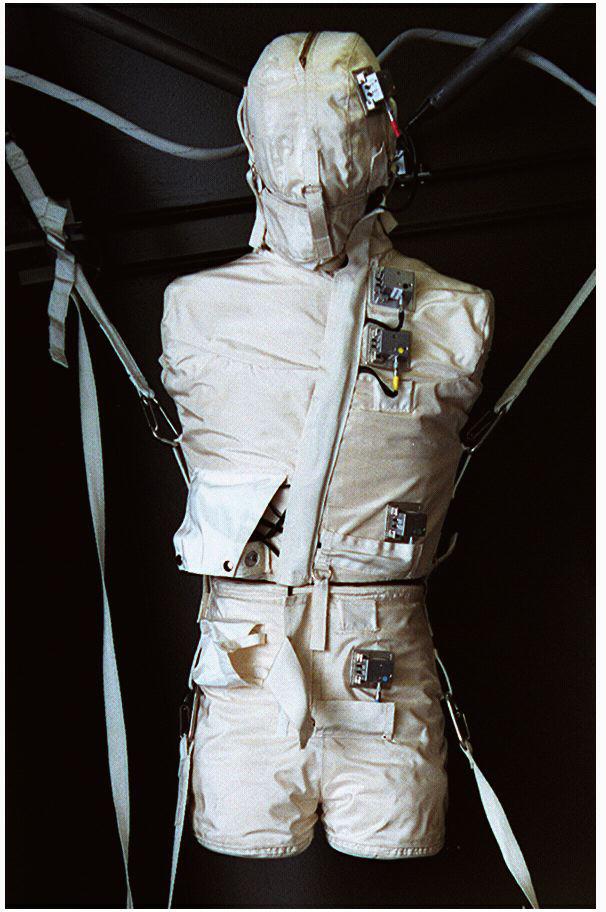
The Phantom Torso is a tissue-muscle plastic anatomical model of a torso and head. It contains over 350 radiation measuring devices to calculate the radiation that penetrates internal organs in space travel. The Phantom Torso is one of three radiation experiments in Expedition Two including the Borner Ball Neutron Detector and Dosimetric Mapping.
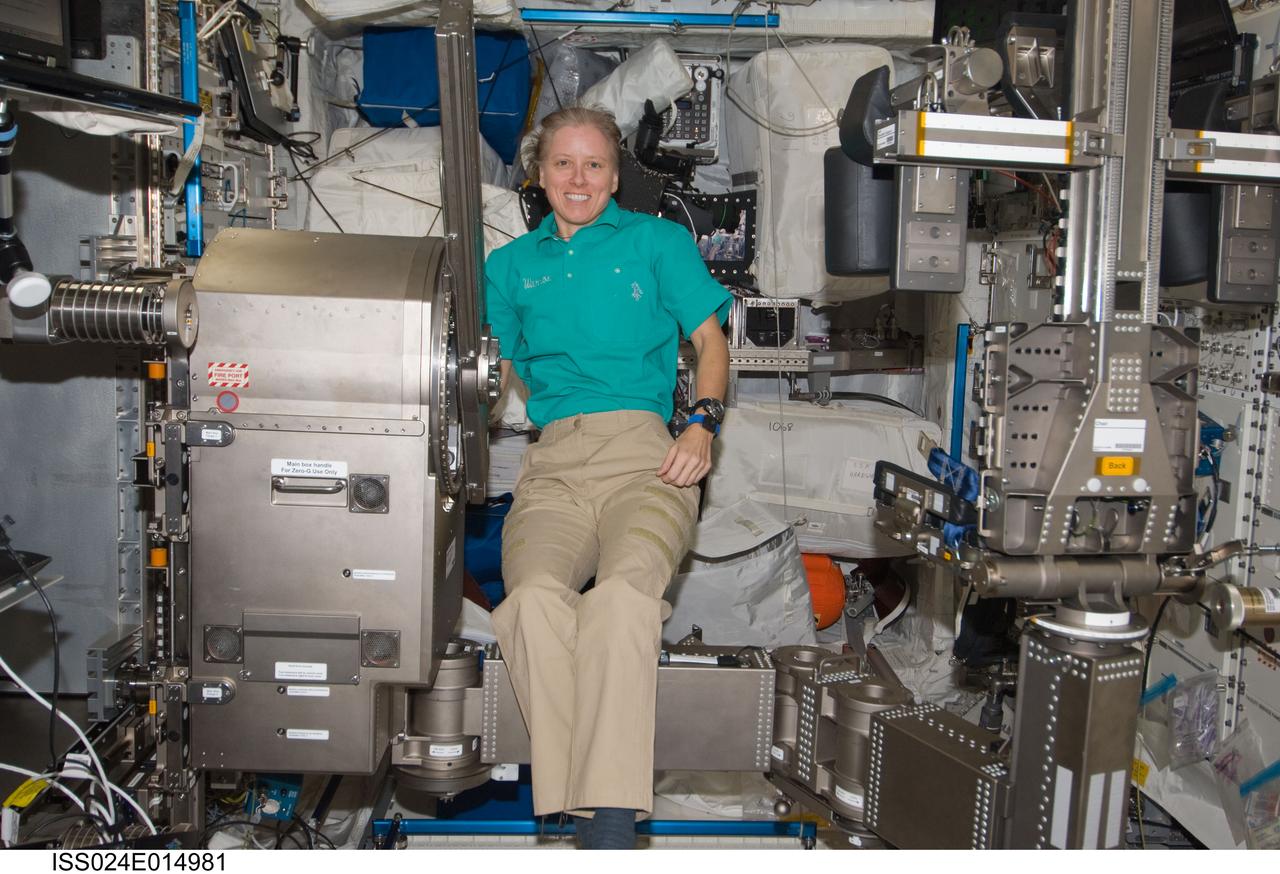
ISS024-E-014981 (17 Sept. 2010) --- NASA astronaut Shannon Walker, Expedition 24 flight engineer, works with Muscle Atrophy Resistive Exercise System (MARES) hardware during installation of MARES payload in the Columbus laboratory of the International Space Station.
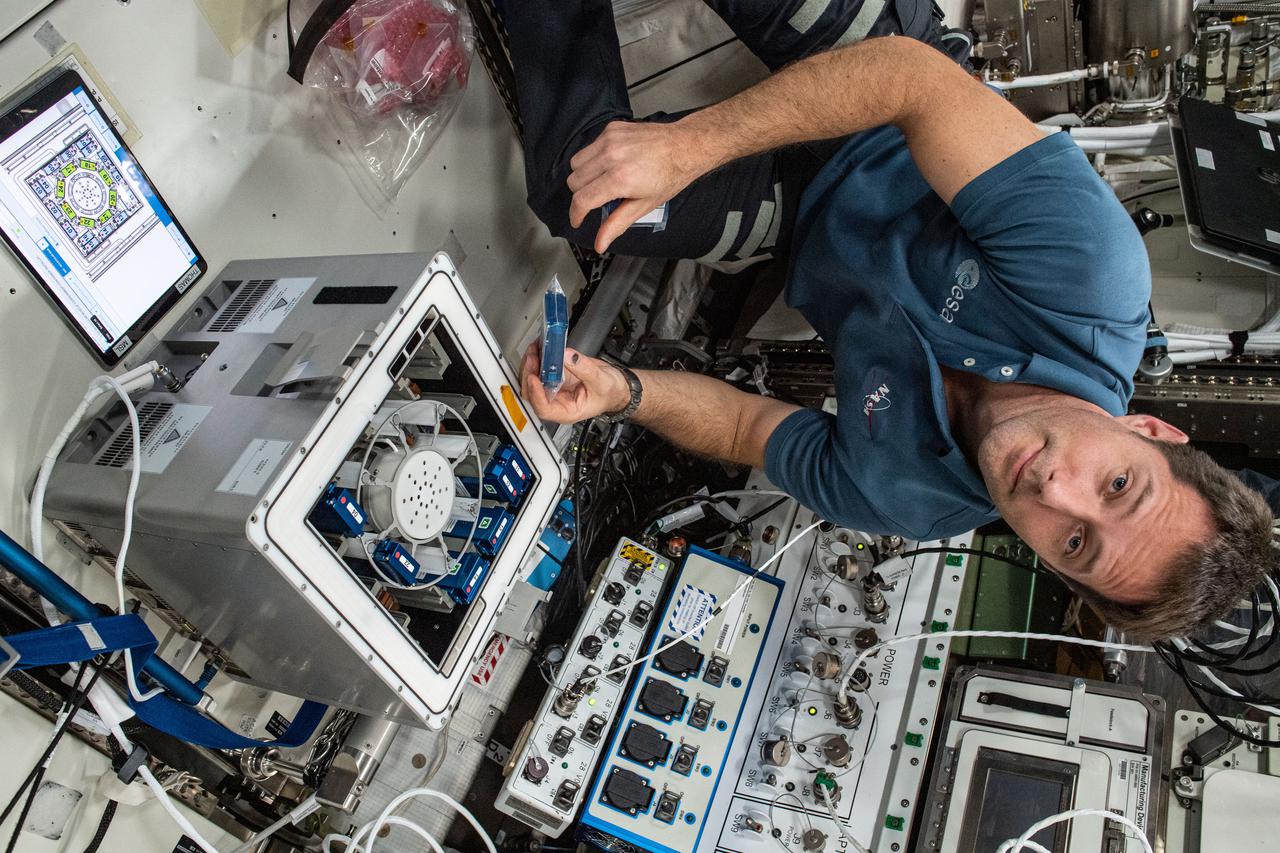
iss065e092410 (June 5, 2021) --- European Space Agency (ESA) astronaut Thomas Pesquet installs the Molecular Muscle Experiment-2 (MME-2) inside the Columbus laboratory module. MME-2 tests a series of drugs to see if they can improve health in space possibly leading to new therapeutic targets for examination on Earth.

ISS024-E-014930 (16 Sept. 2010) --- NASA astronaut Doug Wheelock, Expedition 24 flight engineer, works with Muscle Atrophy Resistive Exercise System (MARES) hardware during installation of MARES payload in the Columbus laboratory of the International Space Station.
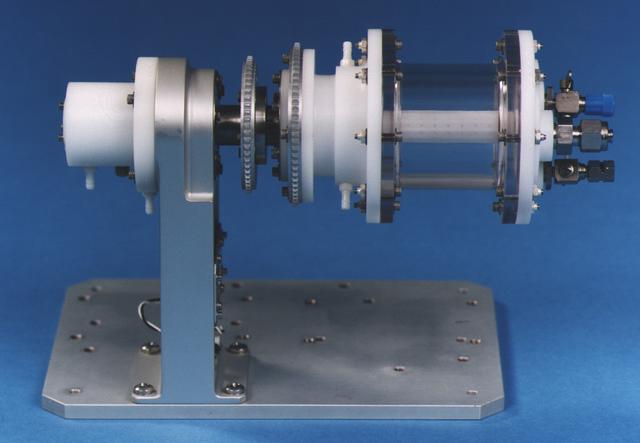
The heart of the bioreactor is the rotating wall vessel, shown without its support equipment. Volume is about 125 mL. The work is sponsored by NASA's Office of Biological and Physical Research. The bioreactor is managed by the Biotechnology Cell Science Program at NASA's Johnson Space Center (JSC). NASA-sponsored bioreactor research has been instrumental in helping scientists to better understand normal and cancerous tissue development. In cooperation with the medical community, the bioreactor design is being used to prepare better models of human colon, prostate, breast and ovarian tumors. Cartilage, bone marrow, heart muscle, skeletal muscle, pancreatic islet cells, liver and kidney are just a few of the normal tissues being cultured in rotating bioreactors by investigators.
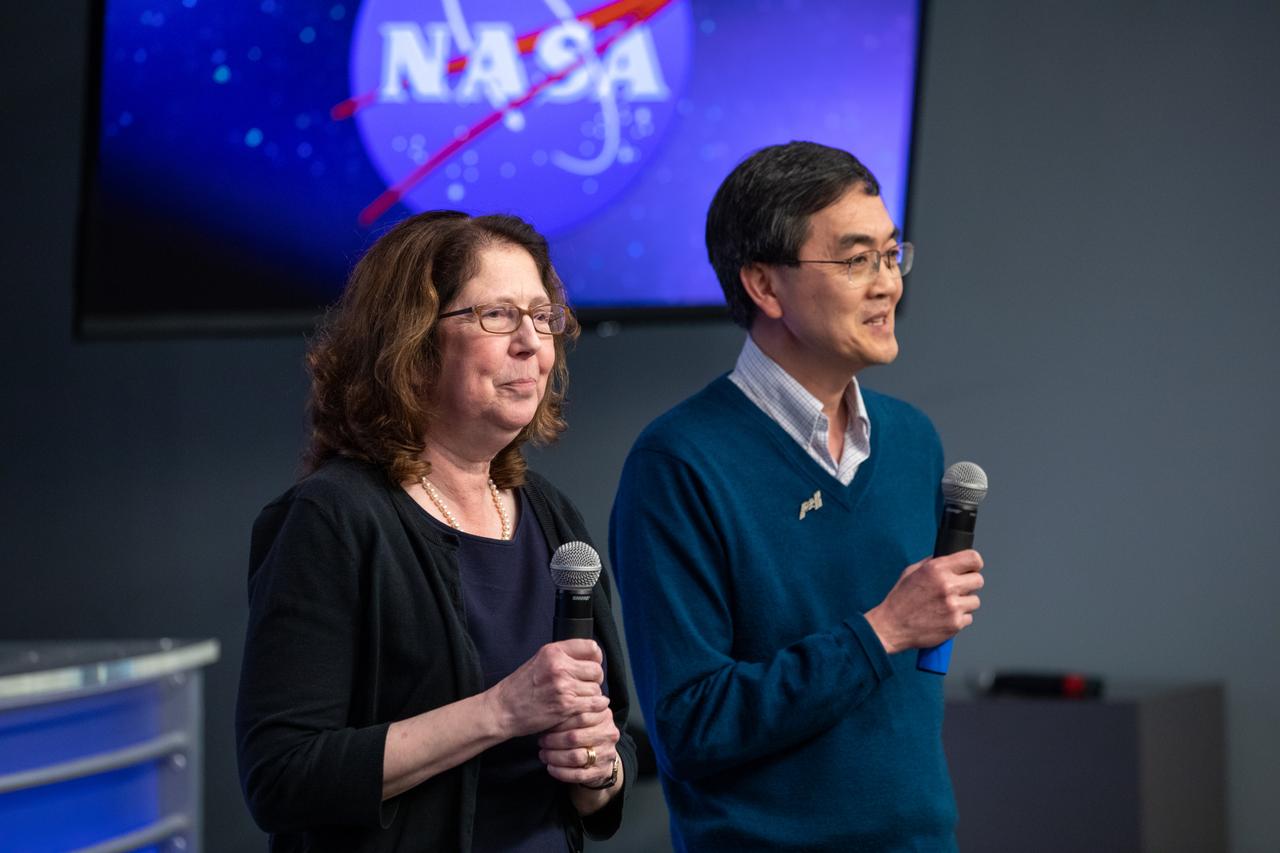
A What’s On Board Briefing for SpaceX’s 19th Commercial Resupply Services (CRS-19) mission for NASA to the International Space Station took place on Dec. 3, 2019, at the agency’s Kennedy Space Center in Florida. Se-Jin Lee (at right) professor at the Jackson Laboratory and University of Connecticut School of Medicine, and principal investigator of Rodent Research-19, and Emily Germain-Lee, professor at the University of Connecticut School of Medicine and chief of endocrinology and diabetes, Connecticut Children’s Medical Center, present their research to members of the media. They discussed the research on molecular signaling pathways that influence muscle degradation to prevent skeletal muscle and bone loss during spaceflight, and enhance recovery following return to Earth. The SpaceX Falcon 9 rocket and Dragon cargo module are scheduled to launch on Dec. 4, 2019, from Space Launch Complex 40 on Cape Canaveral Air Force Station in Florida.

Astronaut John Blaha replaces an exhausted media bag and filled waste bag with fresh bags to continue a bioreactor experiment aboard space station Mir in 1996. NASA-sponsored bioreactor research has been instrumental in helping scientists to better understand normal and cancerous tissue development. In cooperation with the medical community, the bioreactor design is being used to prepare better models of human colon, prostate, breast and ovarian tumors. Cartilage, bone marrow, heart muscle, skeletal muscle, pancreatic islet cells, liver and kidney are just a few of the normal tissues being cultured in rotating bioreactors by investigators. This image is from a video downlink. The work is sponsored by NASA's Office of Biological and Physical Research. The bioreactor is managed by the Biotechnology Cell Science Program at NASA's Johnson Space Center (JSC).

A What’s On Board Briefing for SpaceX’s 19th Commercial Resupply Services (CRS-19) mission for NASA to the International Space Station took place on Dec. 3, 2019, at the agency’s Kennedy Space Center in Florida. Se-Jin Lee, professor at the Jackson Laboratory and University of Connecticut School of Medicine, and principal investigator of Rodent Research-19 presents his research to members of the media. He discussed the research on molecular signaling pathways that influence muscle degradation to prevent skeletal muscle and bone loss during spaceflight, and enhance recovery following return to Earth. The SpaceX Falcon 9 rocket and Dragon cargo module are scheduled to launch on Dec. 4, 2019, from Space Launch Complex 40 on Cape Canaveral Air Force Station in Florida.
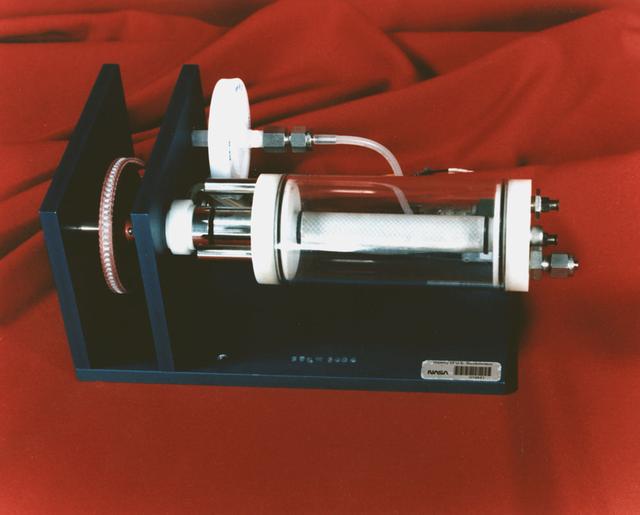
The NASA Bioreactor provides a low turbulence culture environment which promotes the formation of large, three-dimensional cell clusters. Due to their high level of cellular organization and specialization, samples constructed in the bioreactor more closely resemble the original tumor or tissue found in the body. NASA-sponsored bioreactor research has been instrumental in helping scientists to better understand normal and cancerous tissue development. In cooperation with the medical community, the bioreactor design is being used to prepare better models of human colon, prostate, breast and ovarian tumors. Cartilage, bone marrow, heart muscle, skeletal muscle, pancreatic islet cells, liver and kidney are just a few of the normal tissues currently being cultured in rotating bioreactors by investigators
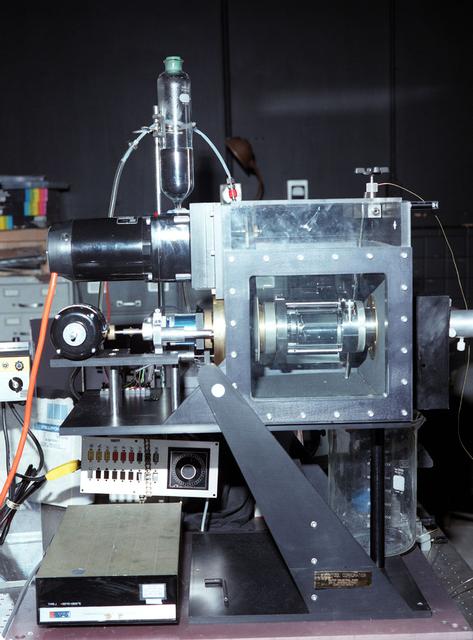
The NASA Bioreactor provides a low turbulence culture environment which promotes the formation of large, three-dimensional cell clusters. Due to their high level of cellular organization and specialization, samples constructed in the bioreactor more closely resemble the original tumor or tissue found in the body. NASA-sponsored bioreactor research has been instrumental in helping scientists to better understand normal and cancerous tissue development. In cooperation with the medical community, the bioreactor design is being used to prepare better models of human colon, prostate, breast and ovarian tumors. Cartilage, bone marrow, heart muscle, skeletal muscle, pancreatic islet cells, liver and kidney are just a few of the normal tissues currently being cultured in rotating bioreactors by investigators.

The first United States Microgravity Laboratory (USML-1) flew in orbit inside the Spacelab science module for extended periods, providing scientists and researchers greater opportunities for research in materials science, fluid dynamics, biotechnology (crystal growth), and combustion science. This photograph shows Astronaut Larry De Lucas wearing a stocking plethysmograph during the mission. Muscle size in the legs changes with exposure to microgravity. A stocking plethysmograph, a device for measuring the volume of a limb, was used to help determine these changes. Several times over the course of the mission, an astronaut will put on the plethysmograph, pull the tapes tight and mark them. By comparing the marks, changes in muscle volume can be measured. The USML-1 was launched aboard the Space Shuttle Orbiter Columbia (STS-50) on June 25, 1992.
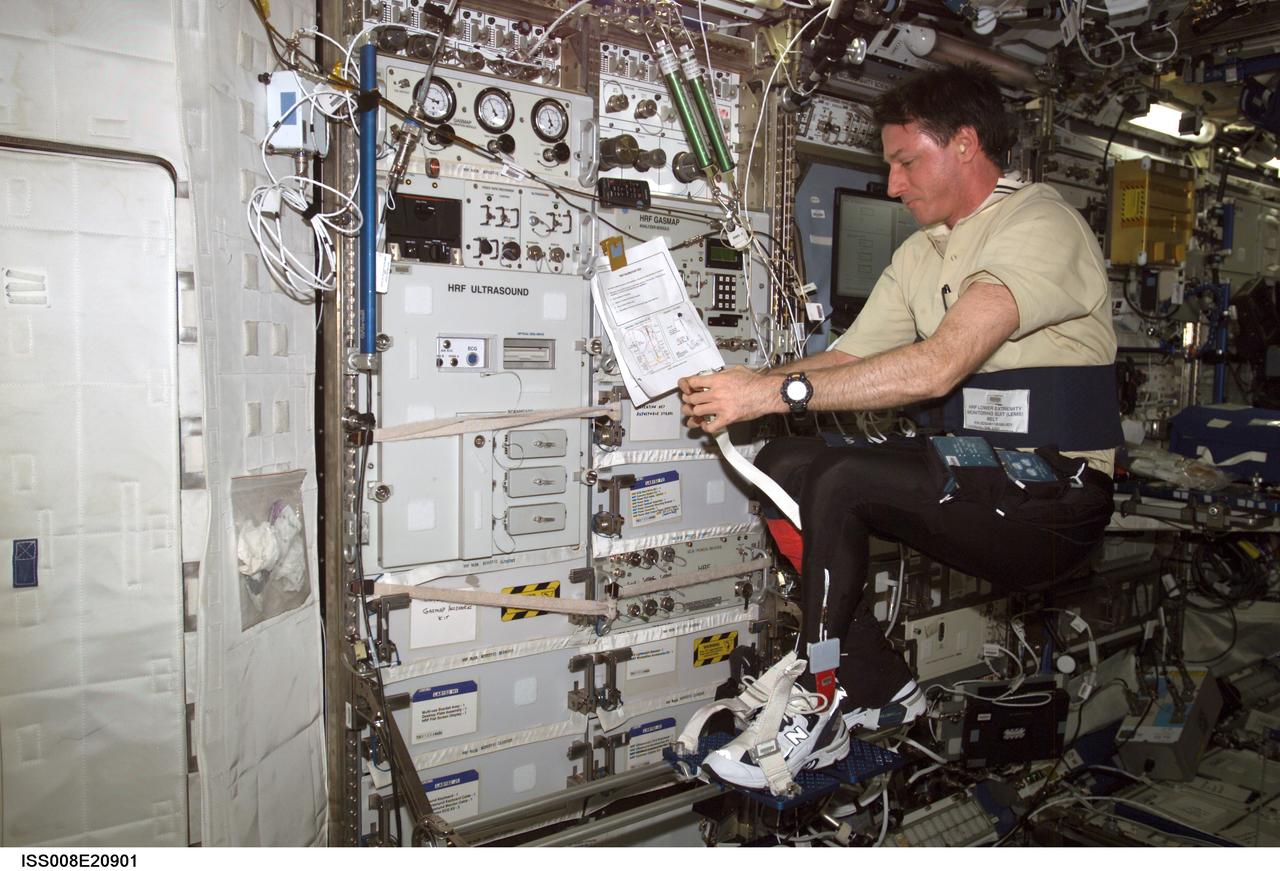
ISS008-E-20901 (7 April 2004) --- Astronaut C. Michael Foale, Expedition 8 commander and NASA ISS science officer, balances on the footplate of a special track attached to the Human Research Facility (HRF) rack in the Destiny laboratory on the International Space Station (ISS) to perform Foot/Ground Reaction Forces During Spaceflight (FOOT) / Electromyography (EMG) calibration operations. Foale is wearing the Lower Extremity Monitoring Suit (LEMS), the cycling tights outfitted with 20 sensors, which measures forces on joints and muscle activity.