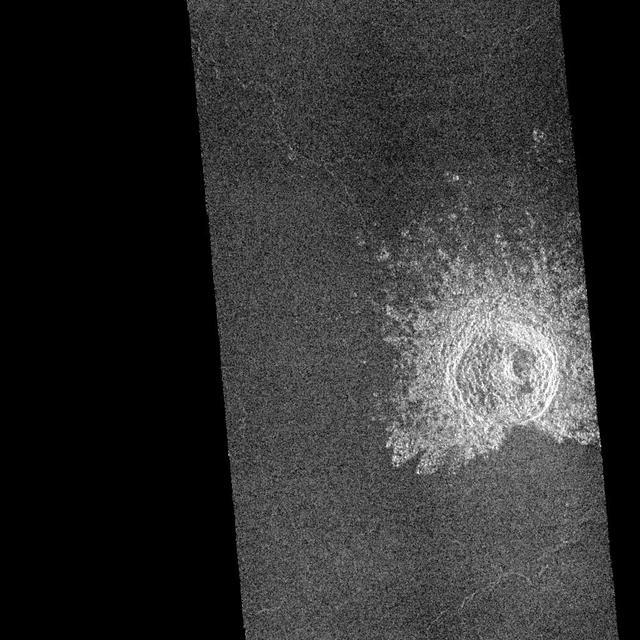
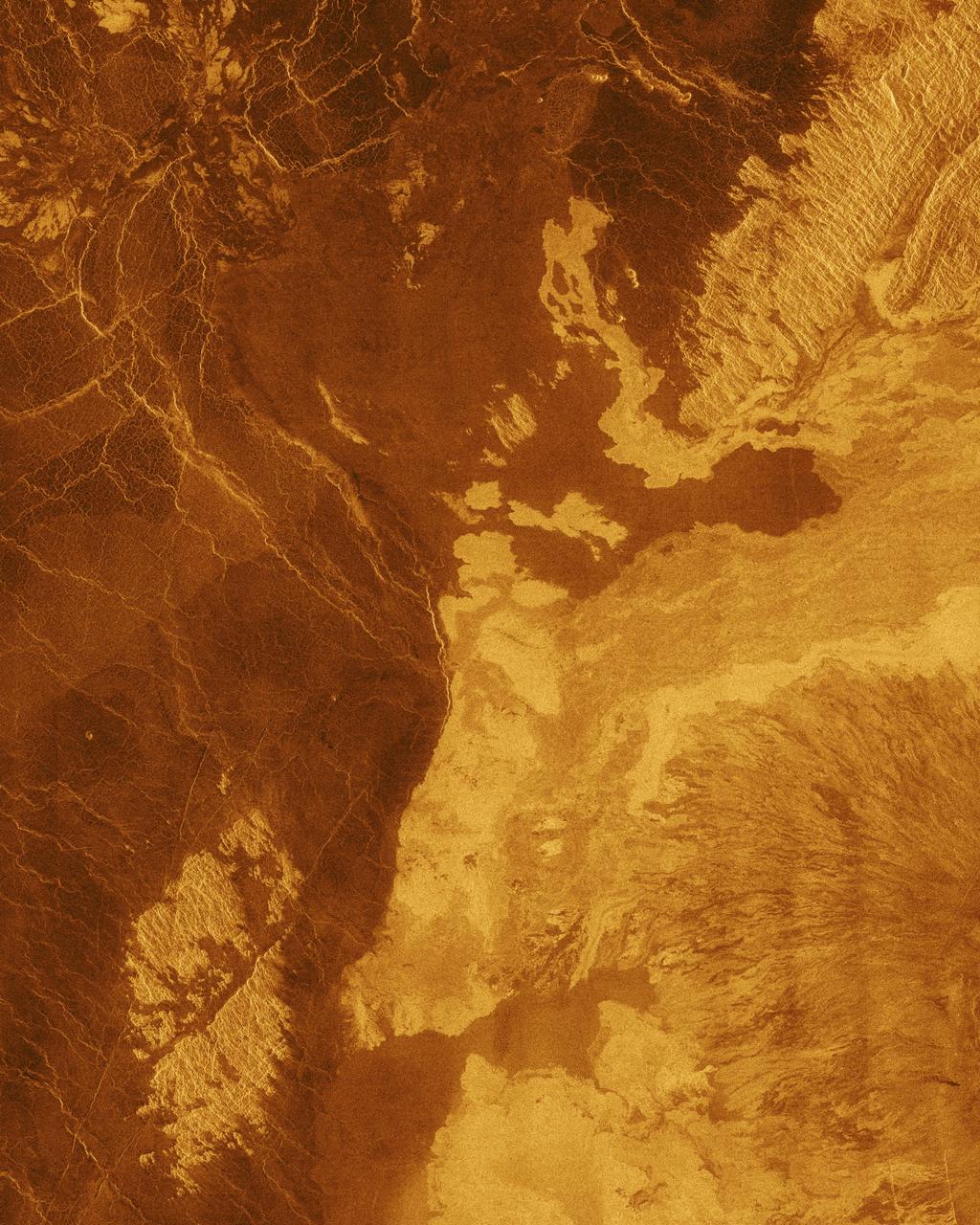
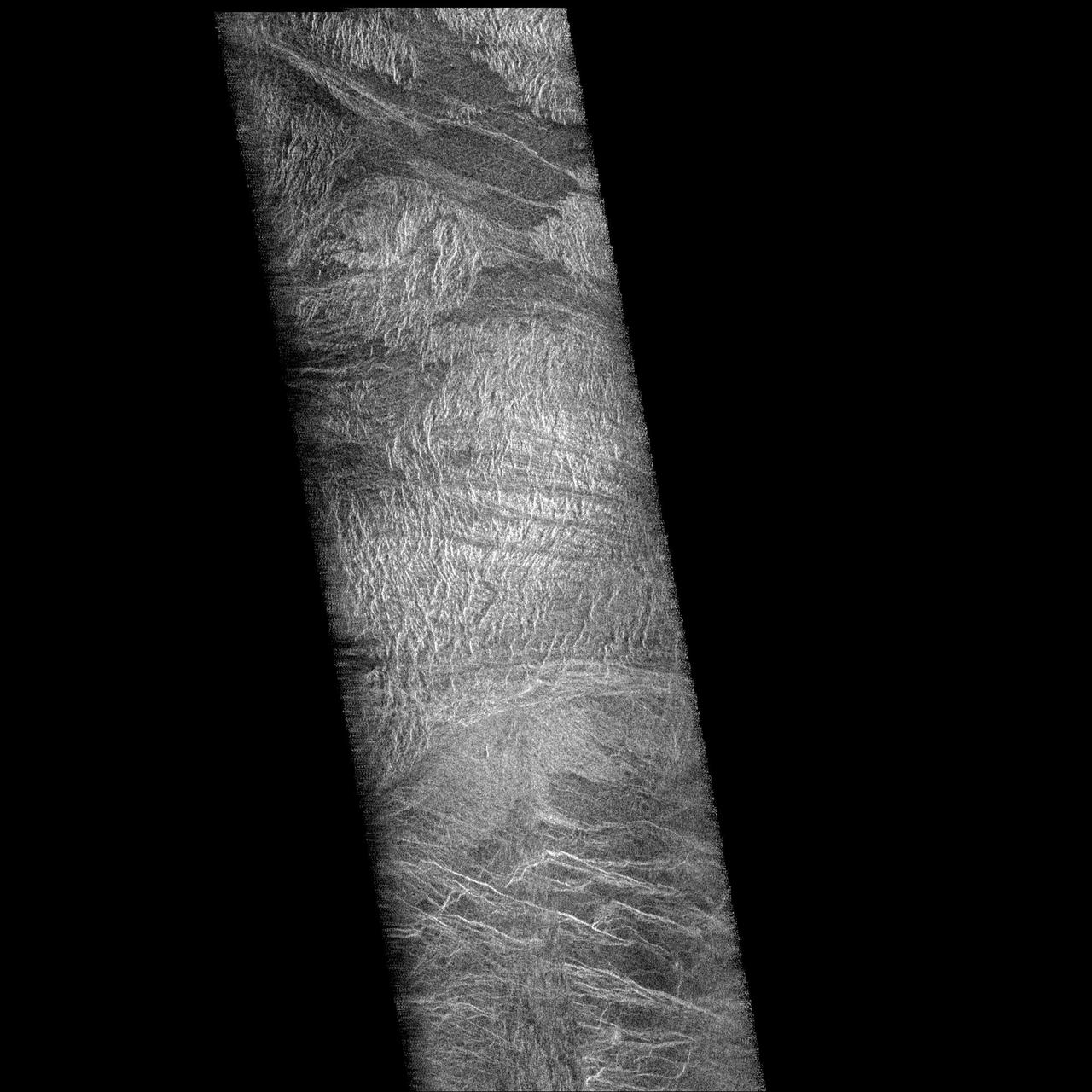
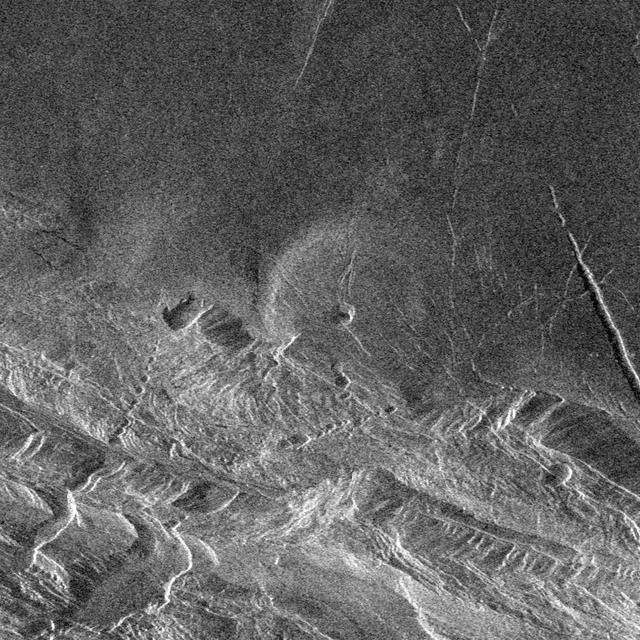
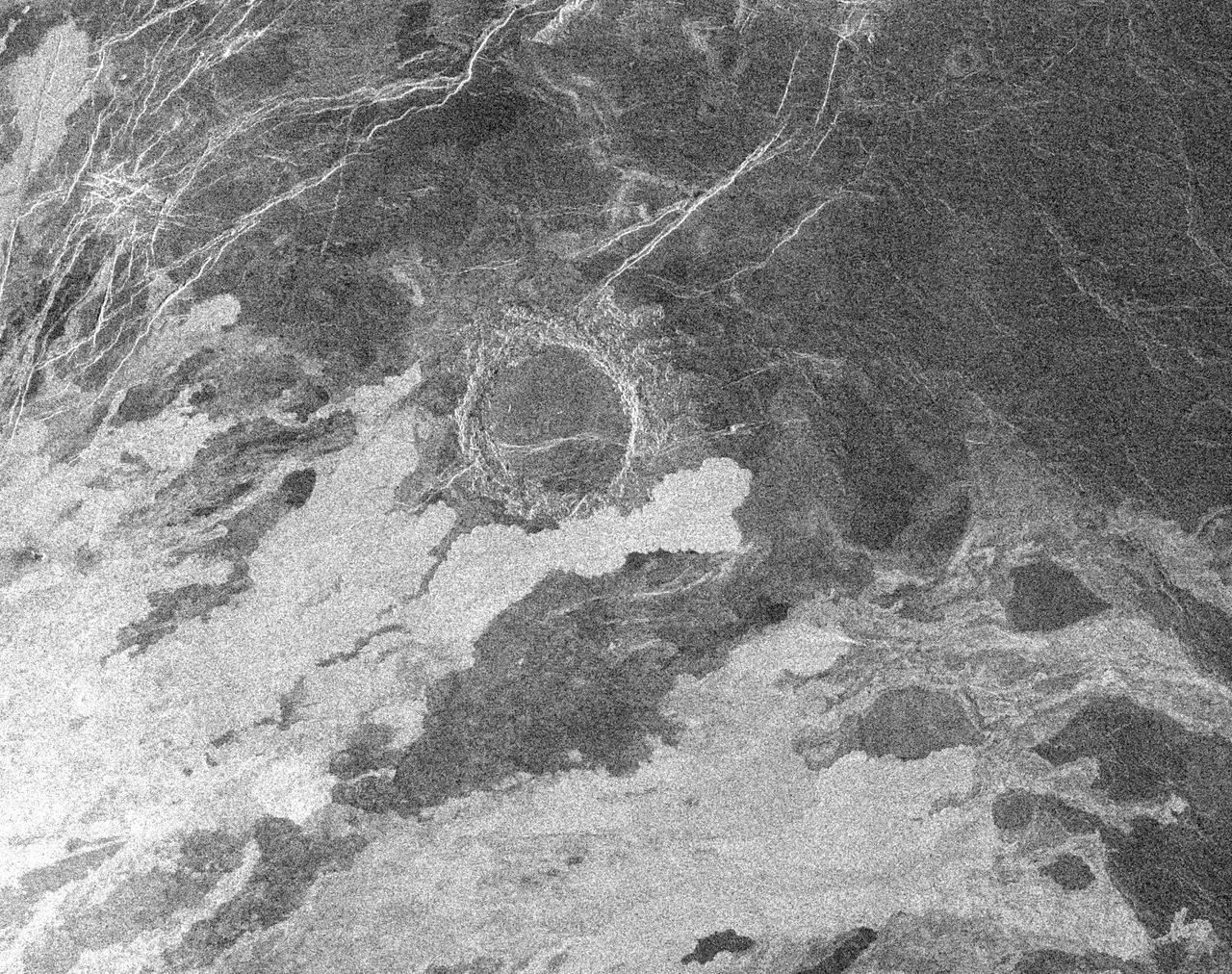
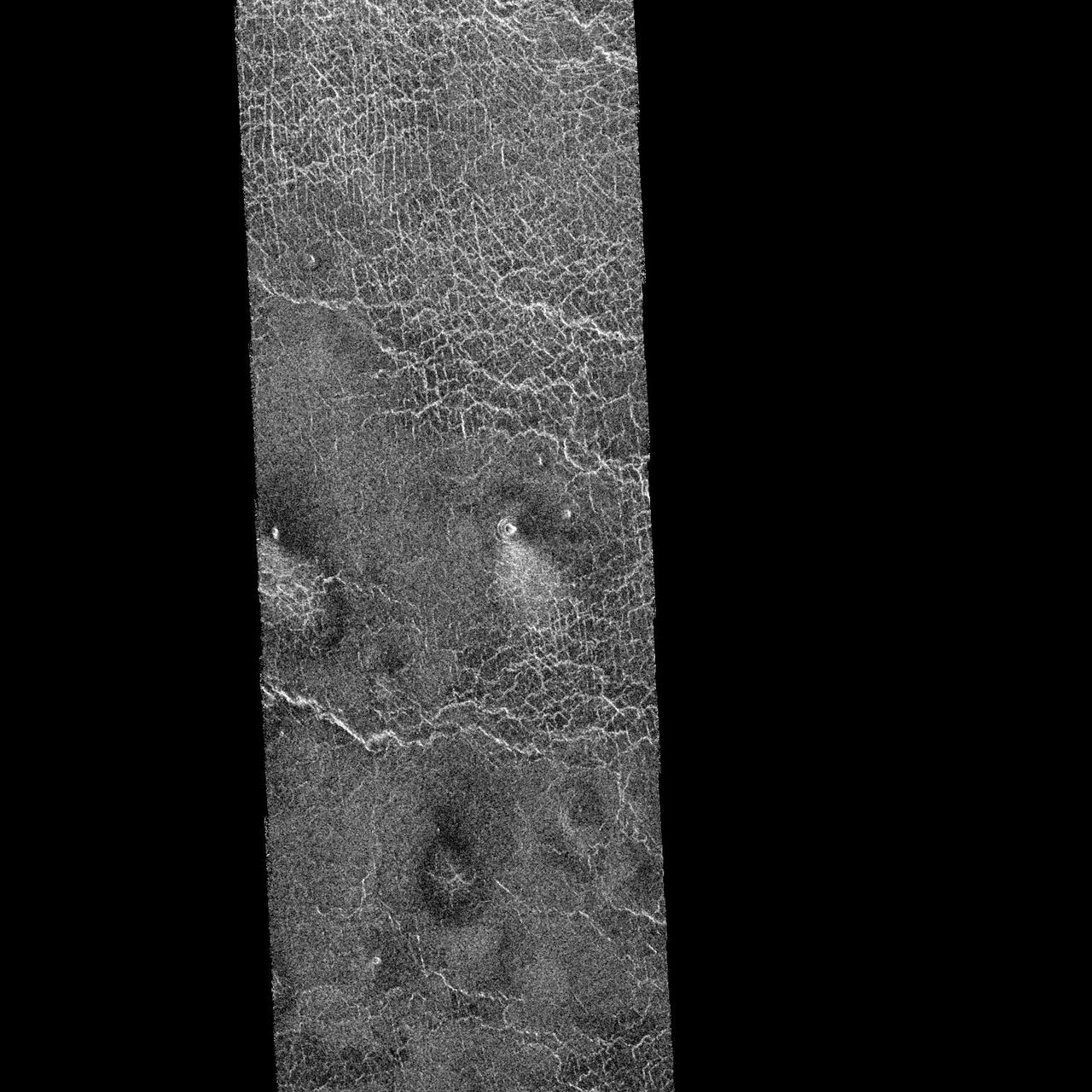
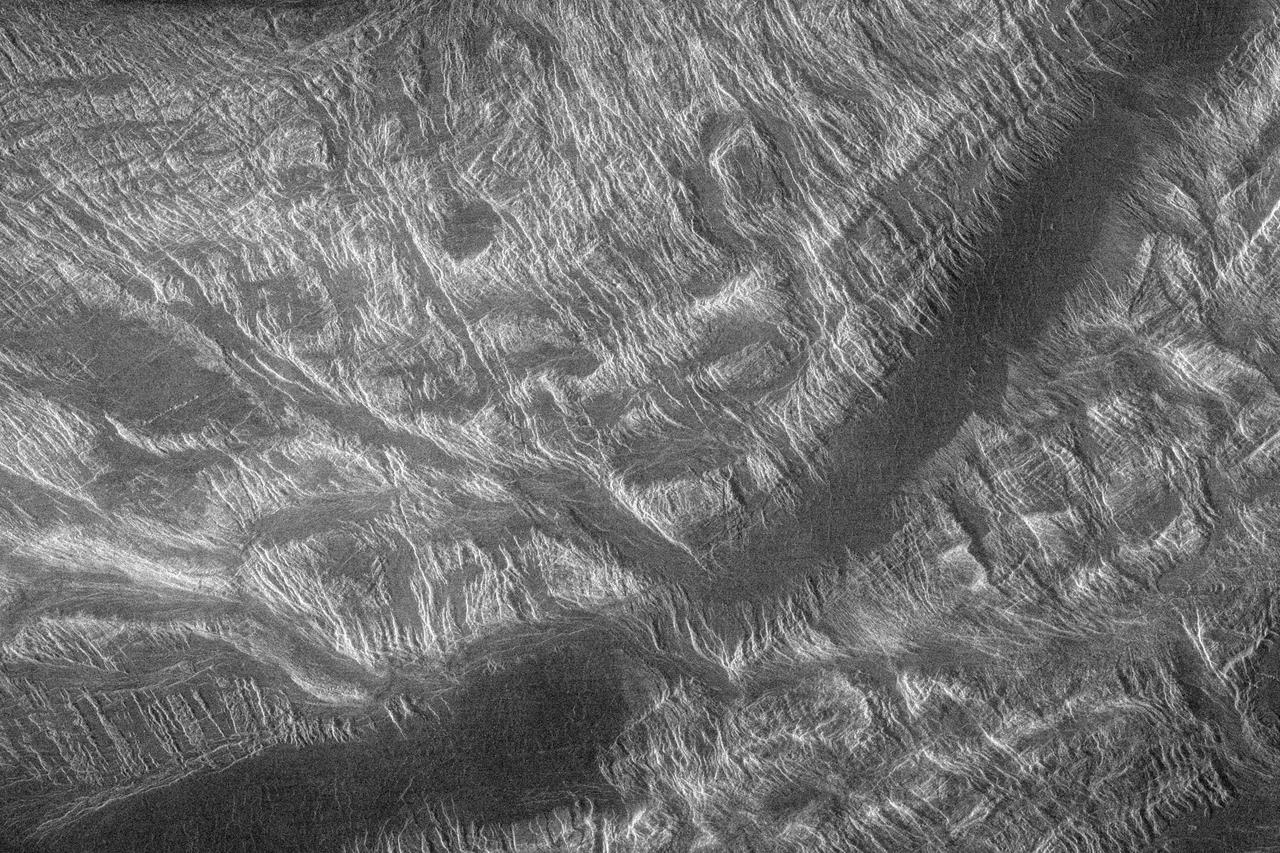
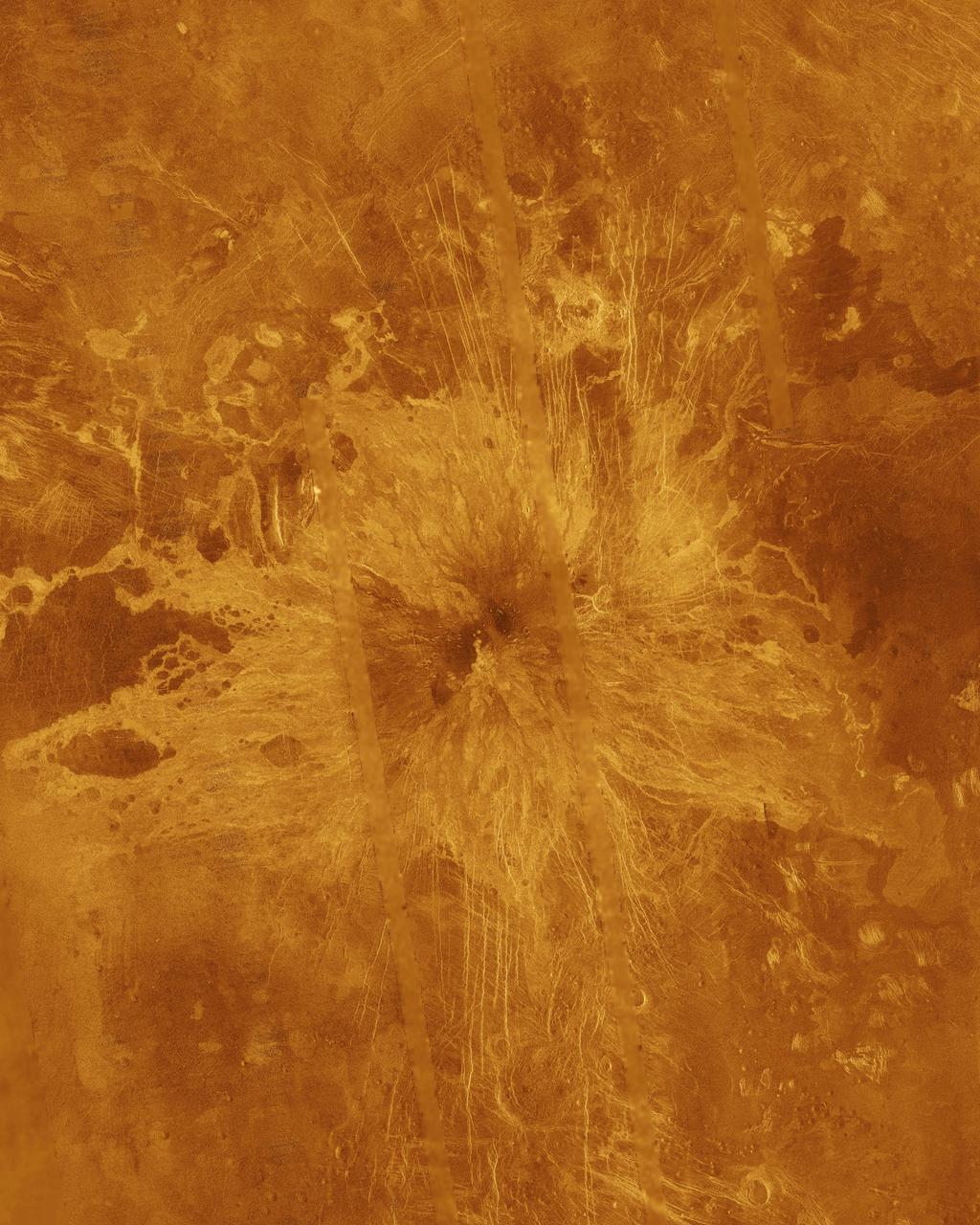
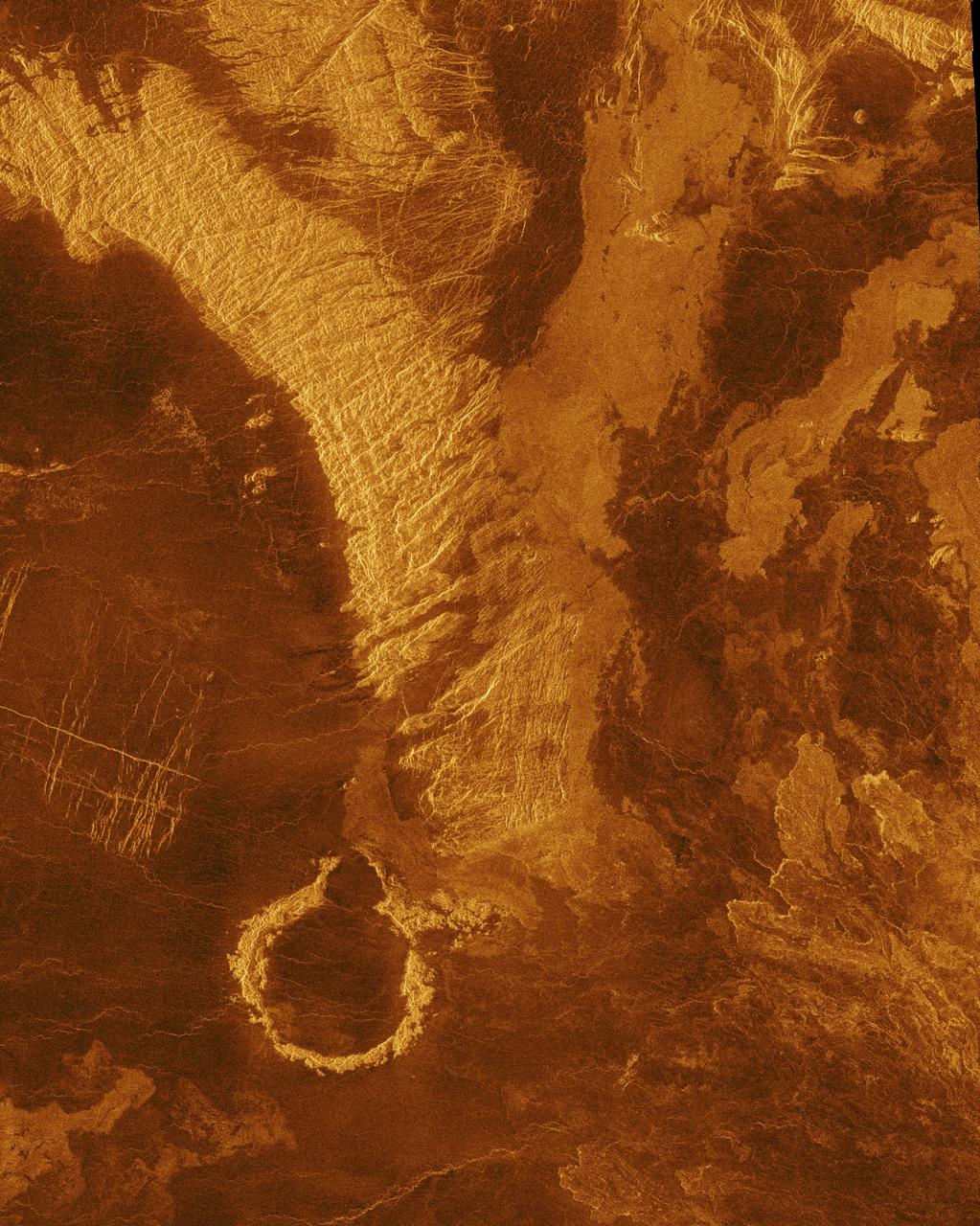
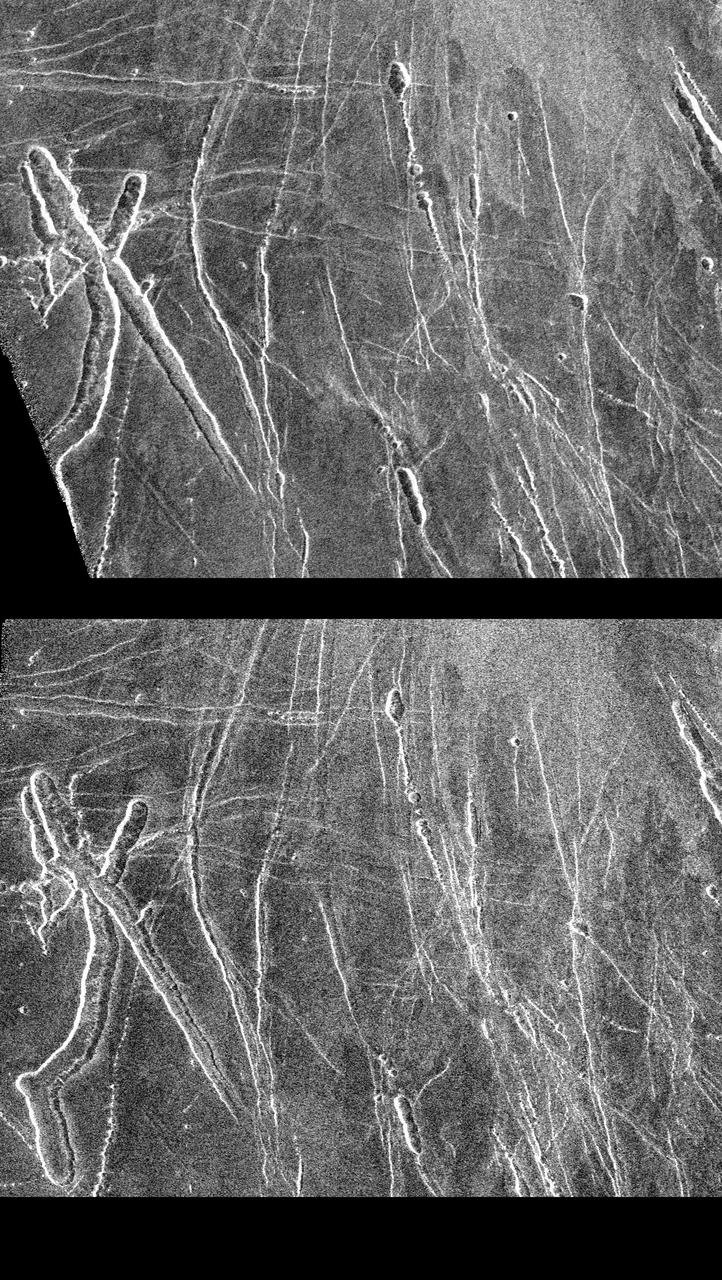
This image shows a comparison between NASA Magellan image right and the highest resolution Earth-based Arecibo radar image of Venus.  http://photojournal.jpl.nasa.gov/catalog/PIA00207
Venus - Magellan and Arecibo Comparison
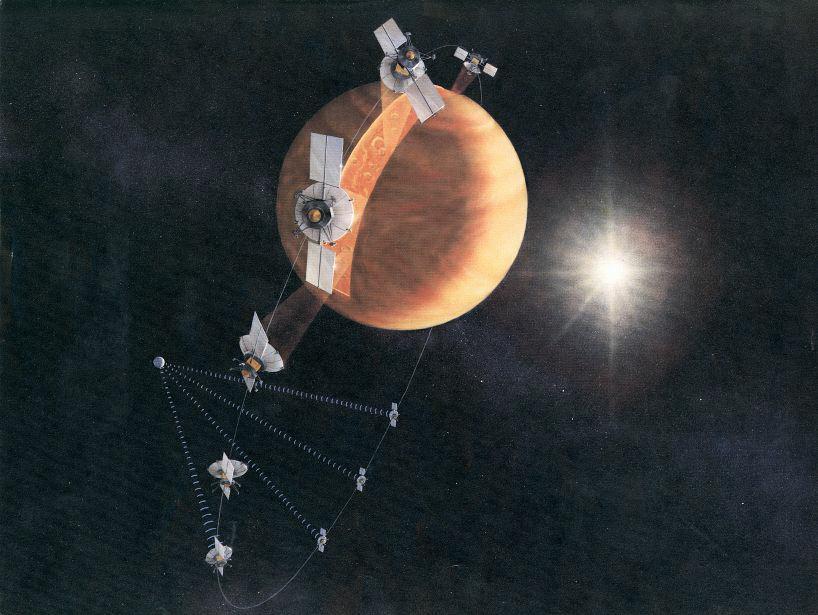
An artist's concept of the Magellan spacecraft making a radar map of Venus.  Magellan mapped 98 percent of Venus' surface at a resolution of 100 to 150 meters (about the length of a football or soccer field), using synthetic aperture radar, a technique that simulates the use of a much larger radar antenna. It found that 85 percent of the surface is covered with volcanic flows and showed evidence of tectonic movement, turbulent surface winds, lava channels and pancake-shaped domes. Magellan also produced high-resolution gravity data for 95 percent of the planet and tested a new maneuvering technique called aerobraking, using atmospheric drag to adjust its orbit.  The spacecraft was commanded to plunge into Venus' atmosphere in 1994 as part of a final experiment to gather atmospheric data.   http://photojournal.jpl.nasa.gov/catalog/PIA18175
Magellan Orbit Artist Concept
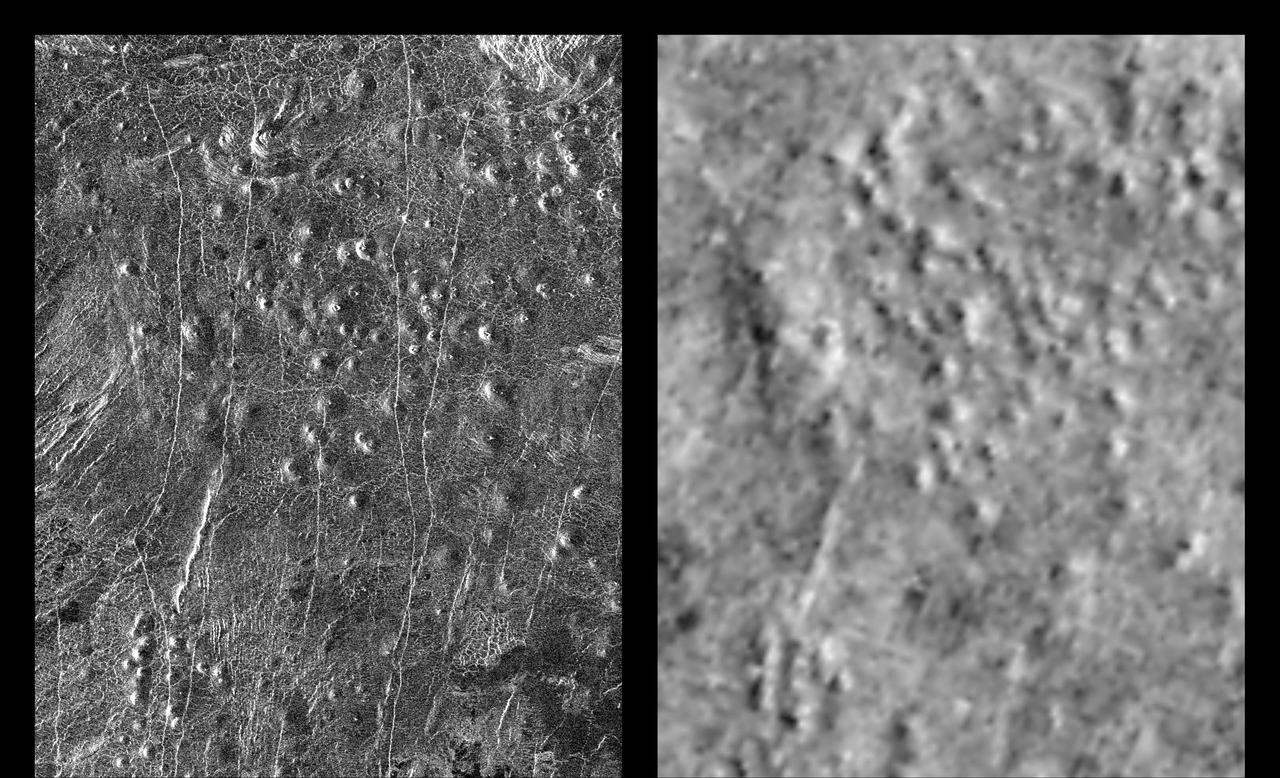
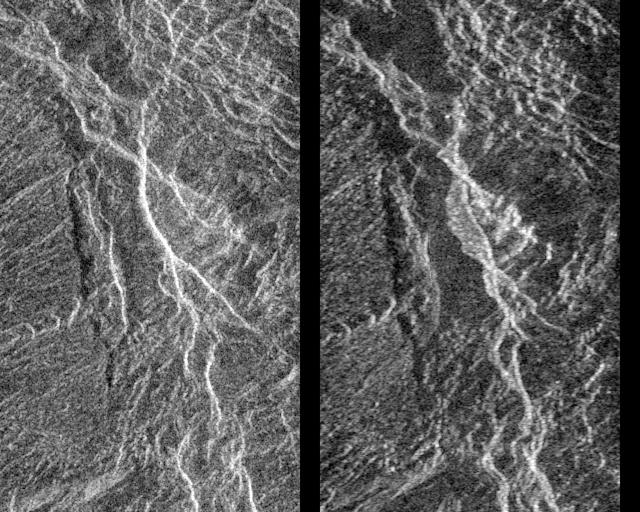
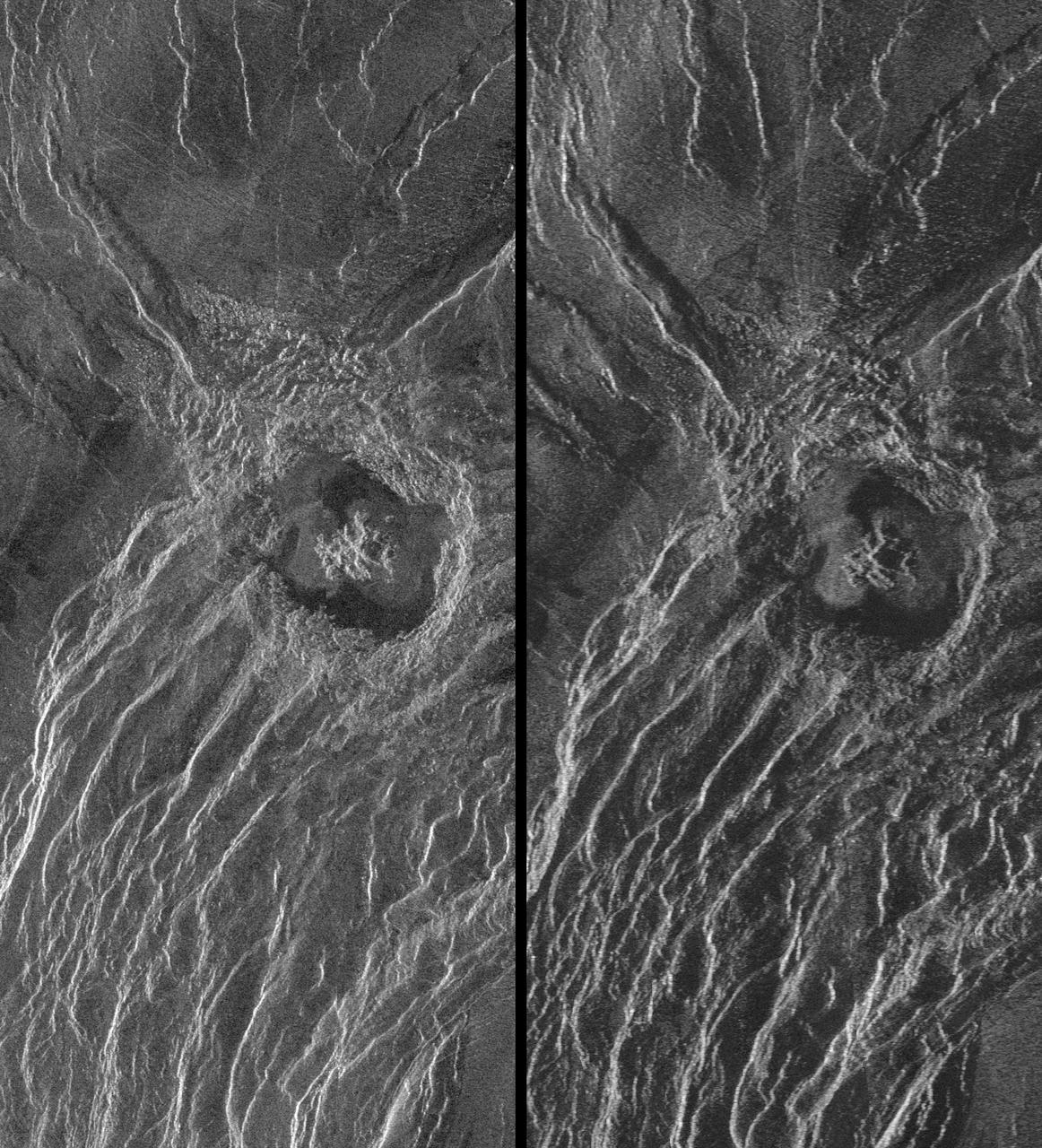
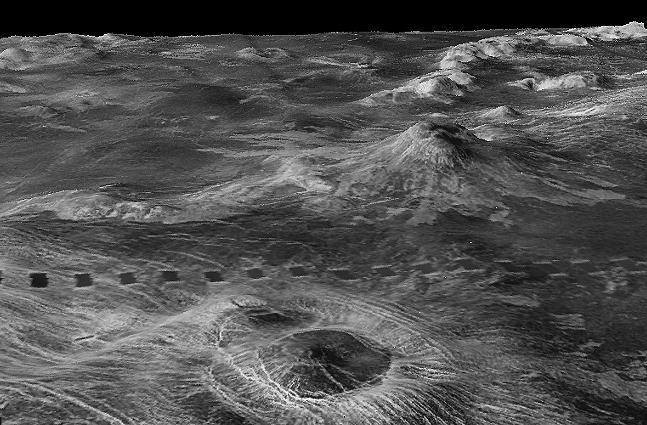
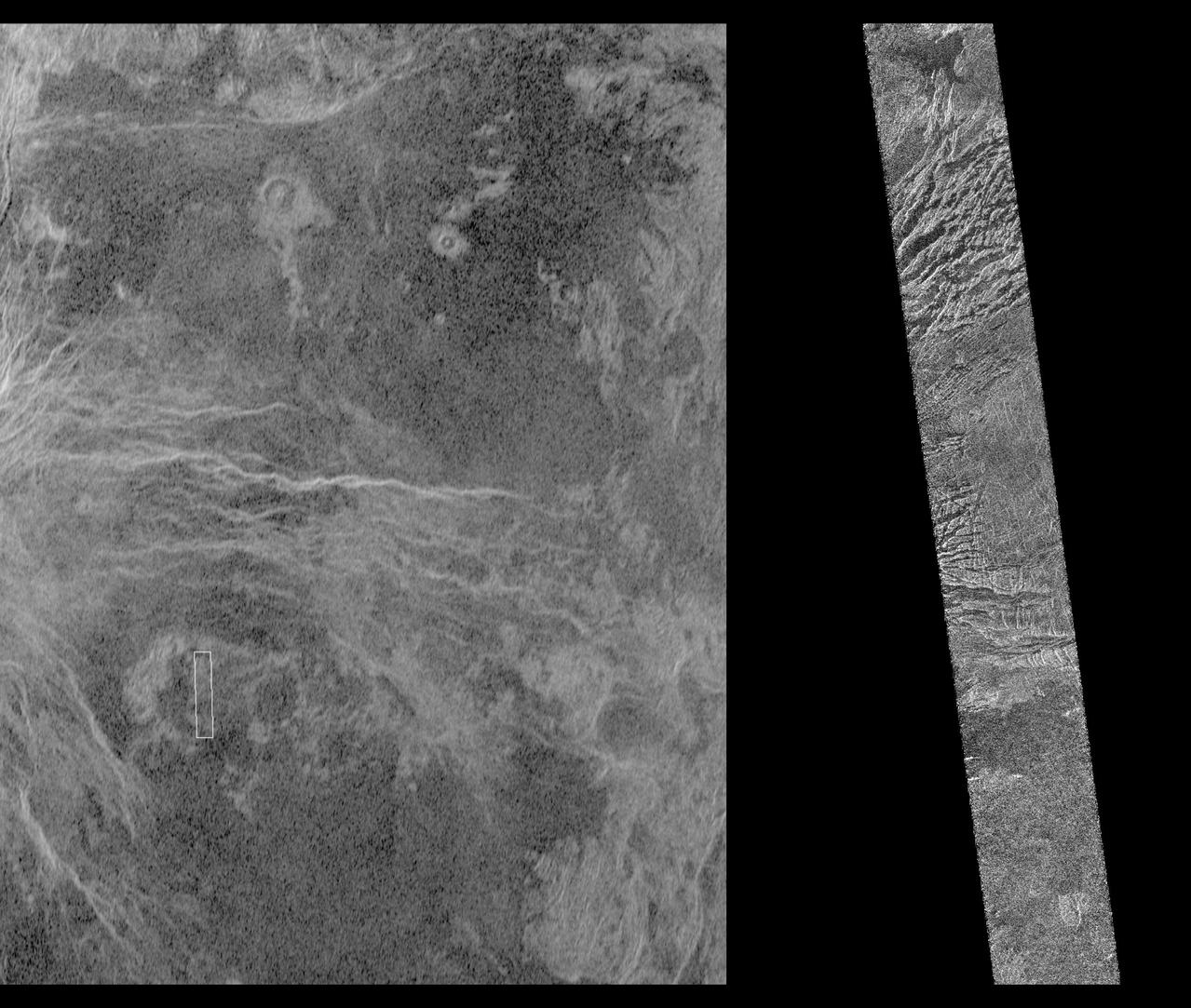
These radar images show an identical area on Venus (centered at 110 degrees longitude and 64 degrees north latitude) as imaged by the U.S. NASA Magellan spacecraft in 1991 (left) and the U.S.S.R. Venera 15/16 spacecraft in the early 1980's (right). Illumination is from the left (or west) in the Magellan image (left) and from the right (or east) in the Venera image (right). Differences in apparent shading in the images are due to differences in the two radar imaging systems. Prior to Magellan, the Venera 15/16 data was the best available for scientists studying Venus. Much greater detail is visible in the Magellan image owing to the greater resolution of the Magellan radar system. In the area seen here, approximately 200 small volcanoes, ranging in diameter from 2 to 12 kilometers (1.2 to 7.4 miles) can be identified. These volcanoes were first identified as small hills in Venera 15/16 images and were predicted to be shield-type volcanoes constructed mainly from eruptions of fluid lava flows similar to those that produce the Hawaiian Islands and sea floor volcanoes - a prediction that was confirmed by Magellan. These small shield-type volcanoes are the most abundant geologic feature on the surface of Venus, believed to number in the hundreds of thousands, perhaps millions, and are important evidence in understanding the geologic evolution of the planet. The only other planet in our Solar System with this large number of volcanoes is Earth. Clearly visible in the Magellan image are details of volcano morphology, such as variation in slope, the occurrence and size range of summit craters, and geologic age relationships between adjacent volcanoes, as well as additional volcanoes that were not identifiable in the Venera image.   http://photojournal.jpl.nasa.gov/catalog/PIA00465
Venus - Comparison of Venera and Magellan Resolutions
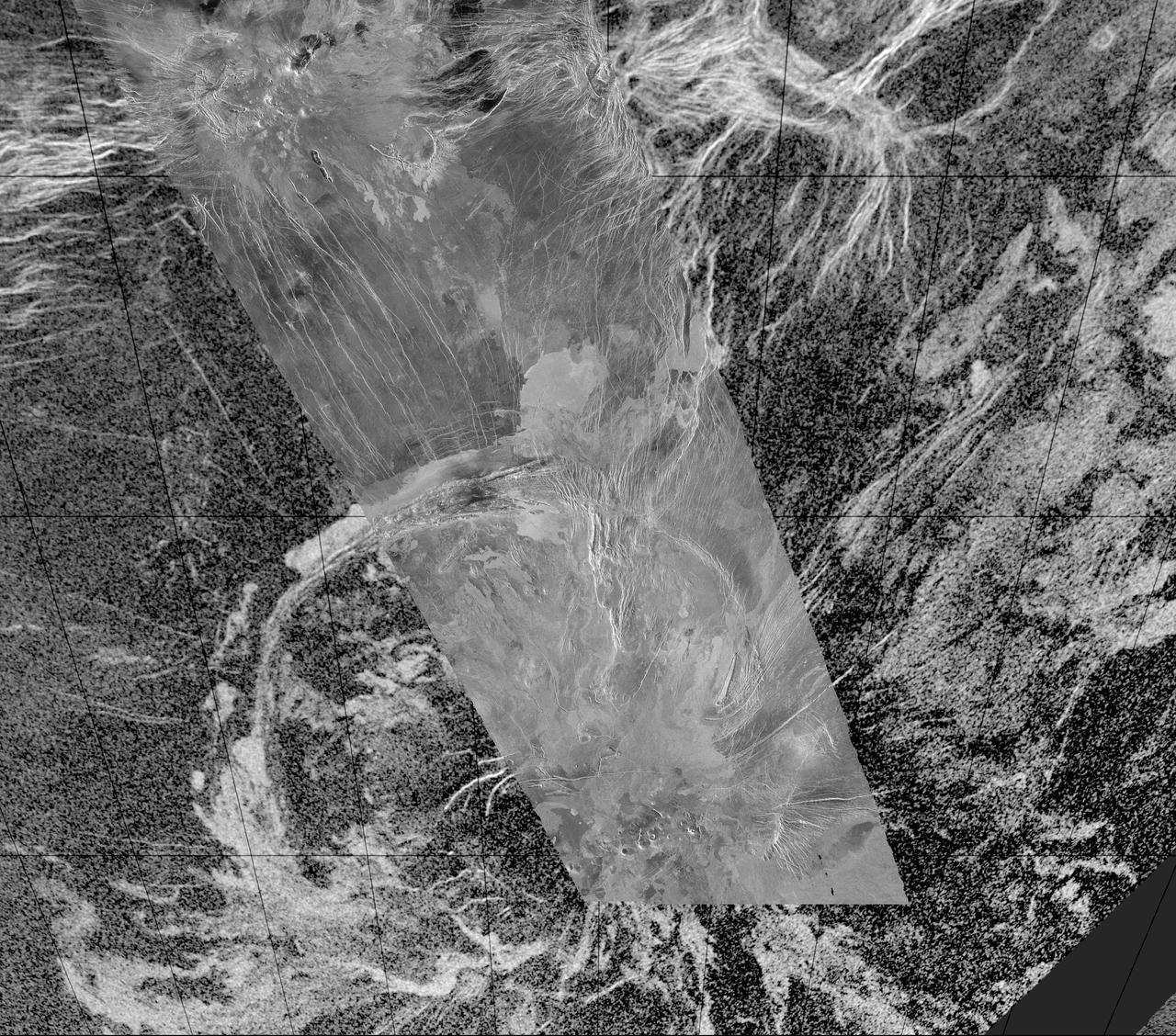
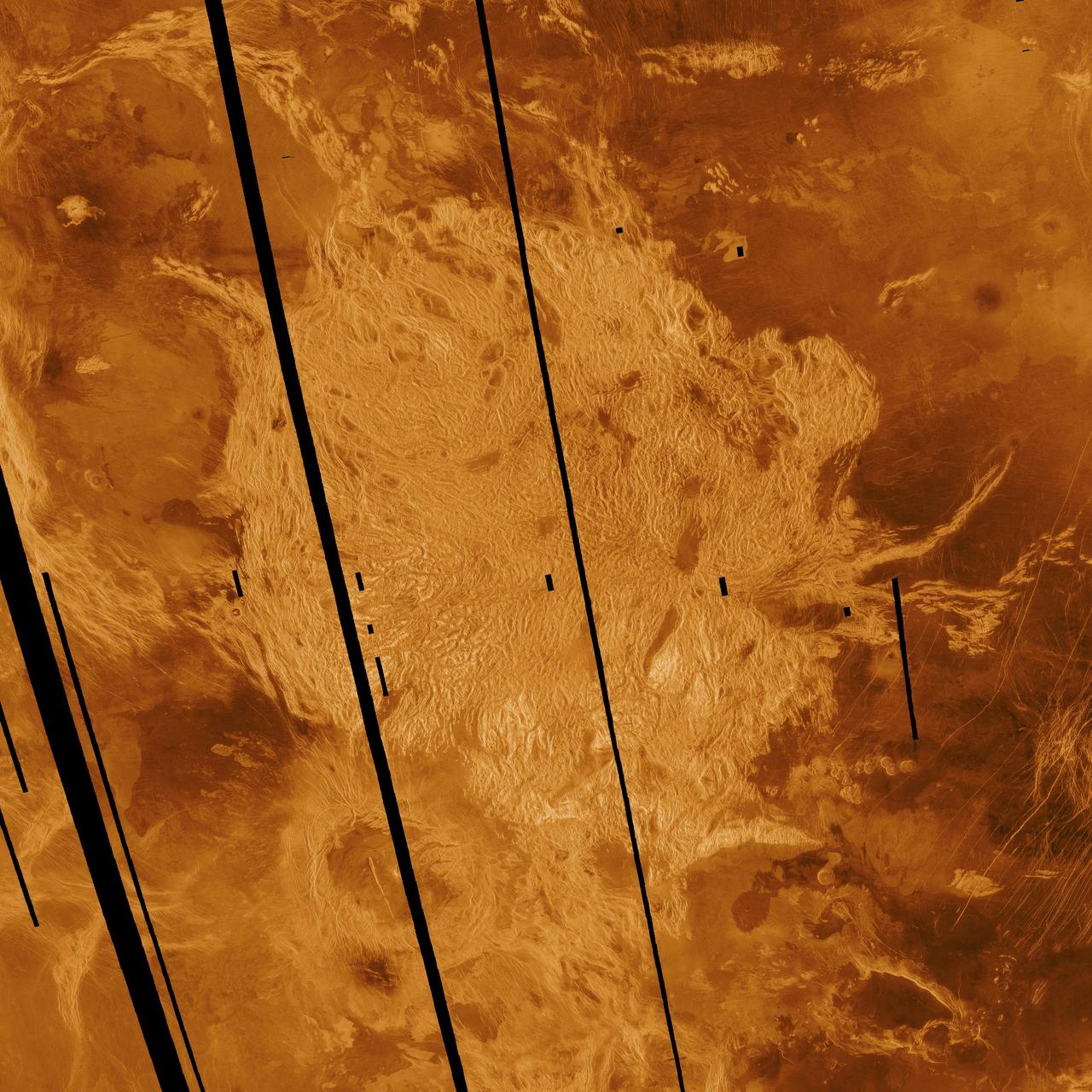
This composite image was created by inserting approximately 70 orbits of NASA Magellan data into an image obtained at the Arecibo, Puerto Rico radiotelescope and shows a geologically complex region in the southern hemisphere of Venus.  http://photojournal.jpl.nasa.gov/catalog/PIA00217
Arecibo/Magellan Composite of Quetzalpetlatl Corona
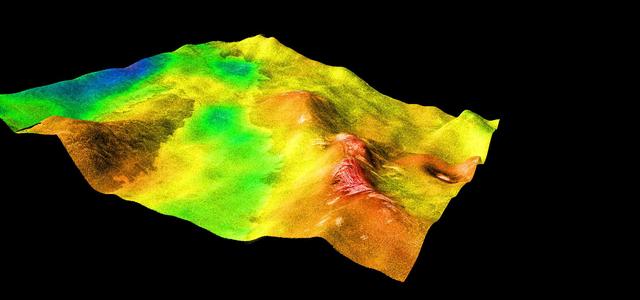
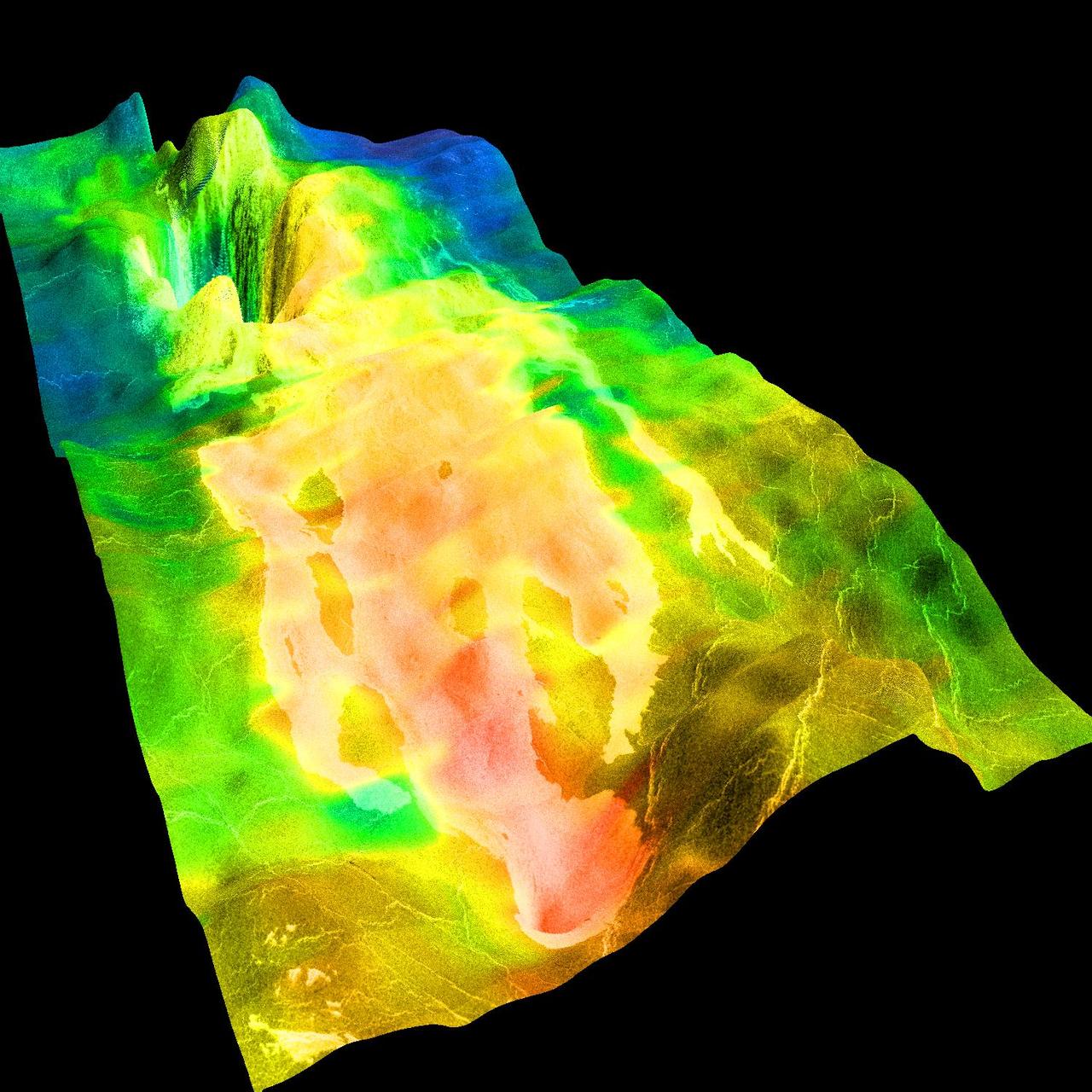
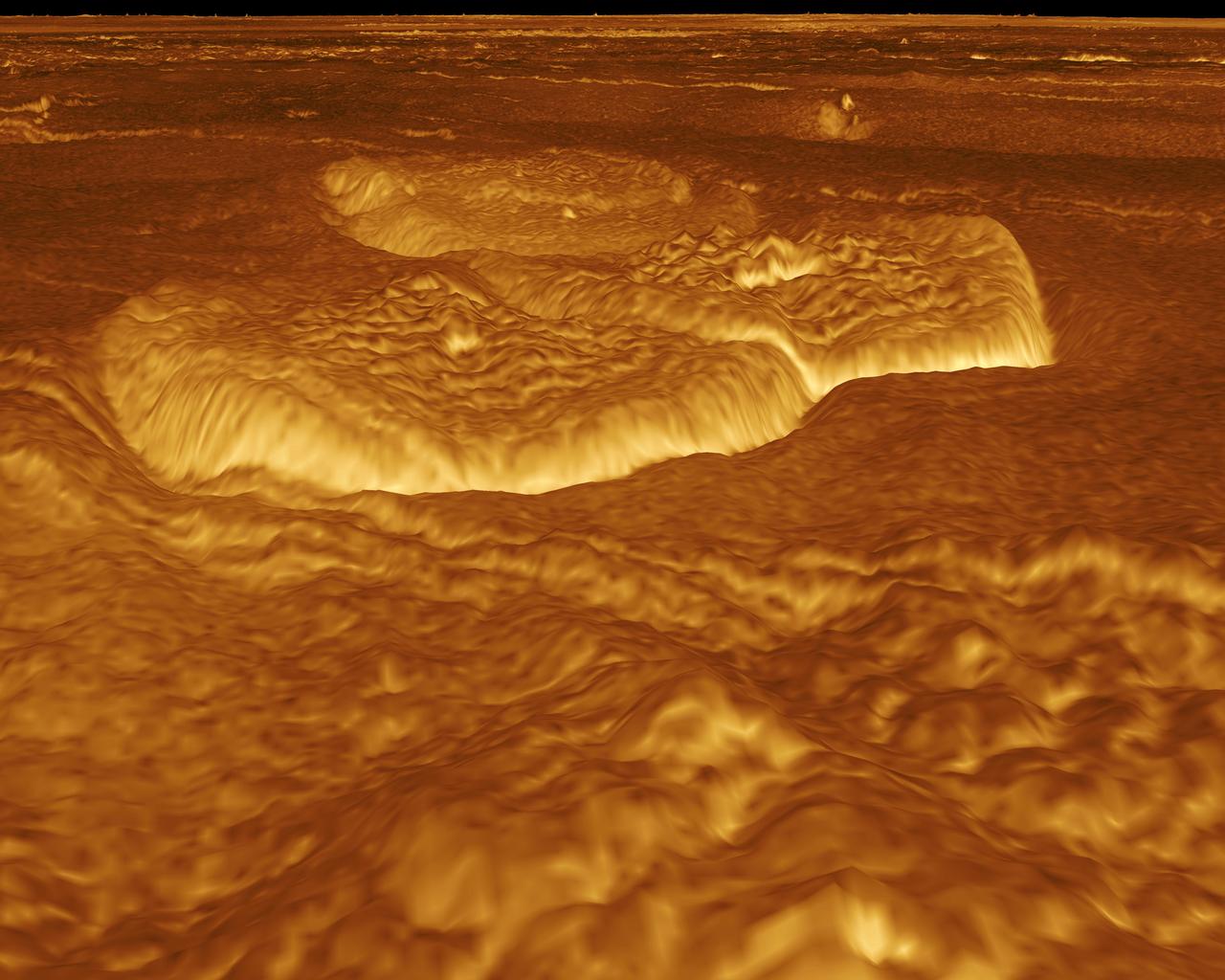
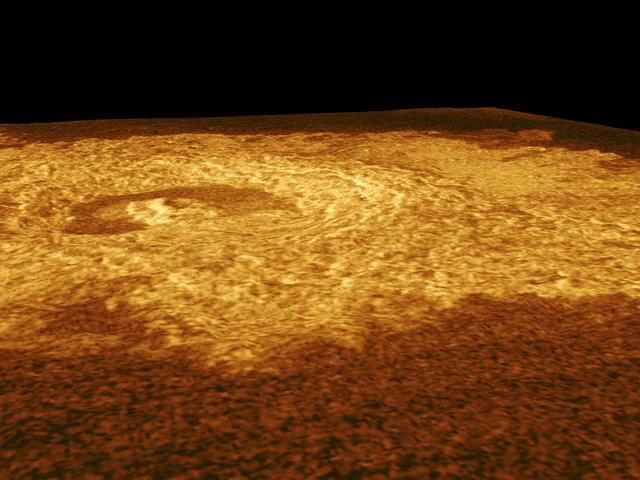
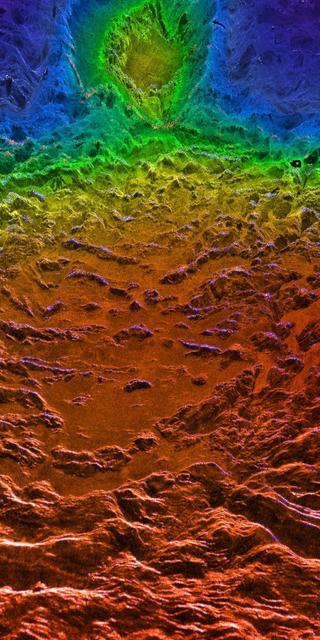
This perspective view of Venus, generated by computer from NASA Magellan data and color-coded with emissivity, shows part of the lowland plains in Sedna Planitia.  http://photojournal.jpl.nasa.gov/catalog/PIA00307
Magellan Perspective View of Sedna Planitia, 45° N, 11° E
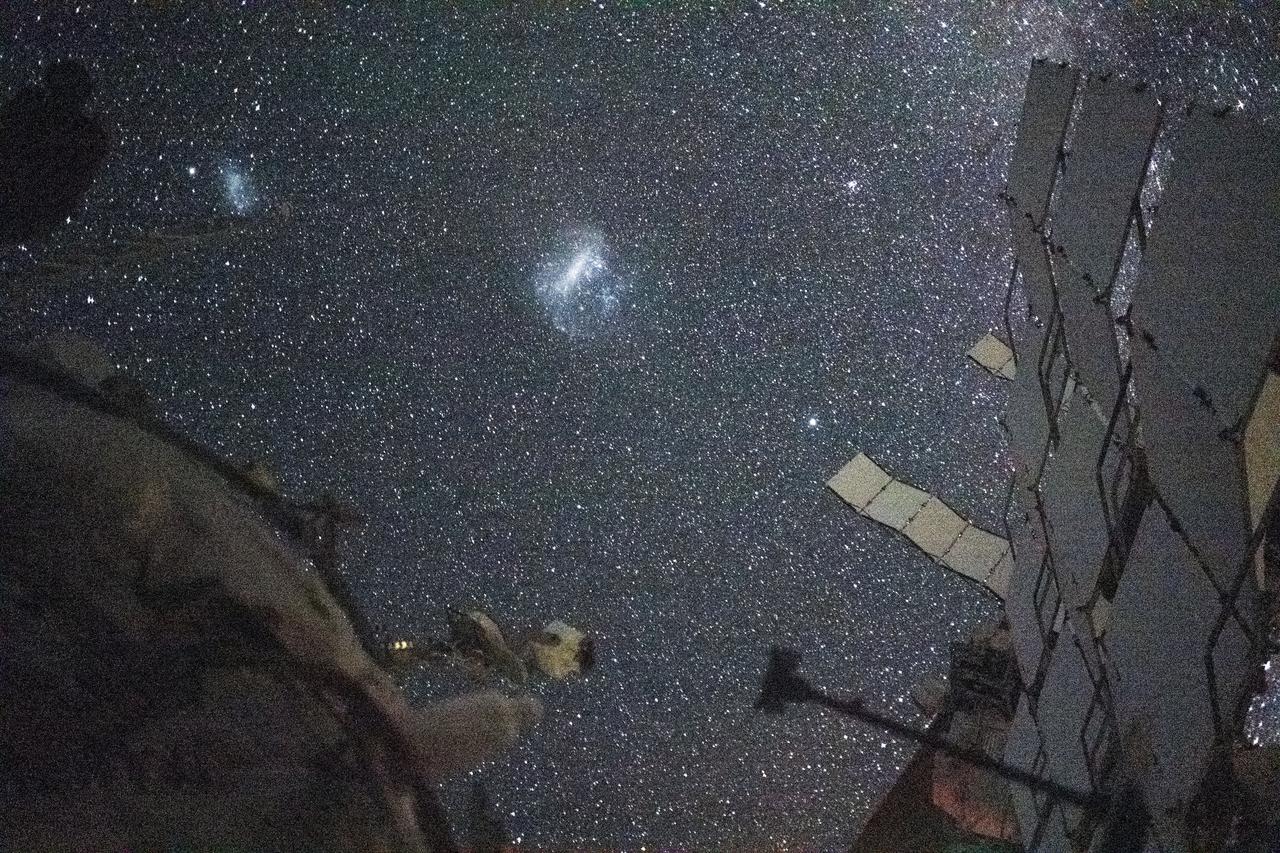
iss071e418742 (Aug. 6, 2024) --- The Large Magellanic Cloud (center) and the Small Magellanic Cloud (upper left), dwarf galaxies in close proximity with the Milky Way galaxy, are pictured from the International Space Station. NASA astronaut and Expedition 71 Flight Engineer Matthew Dominick took this long-duration photograph with a station camera increasing its sensitivity to account for low light conditions.
The Large Magellanic Cloud and the Small Magellanic Cloud
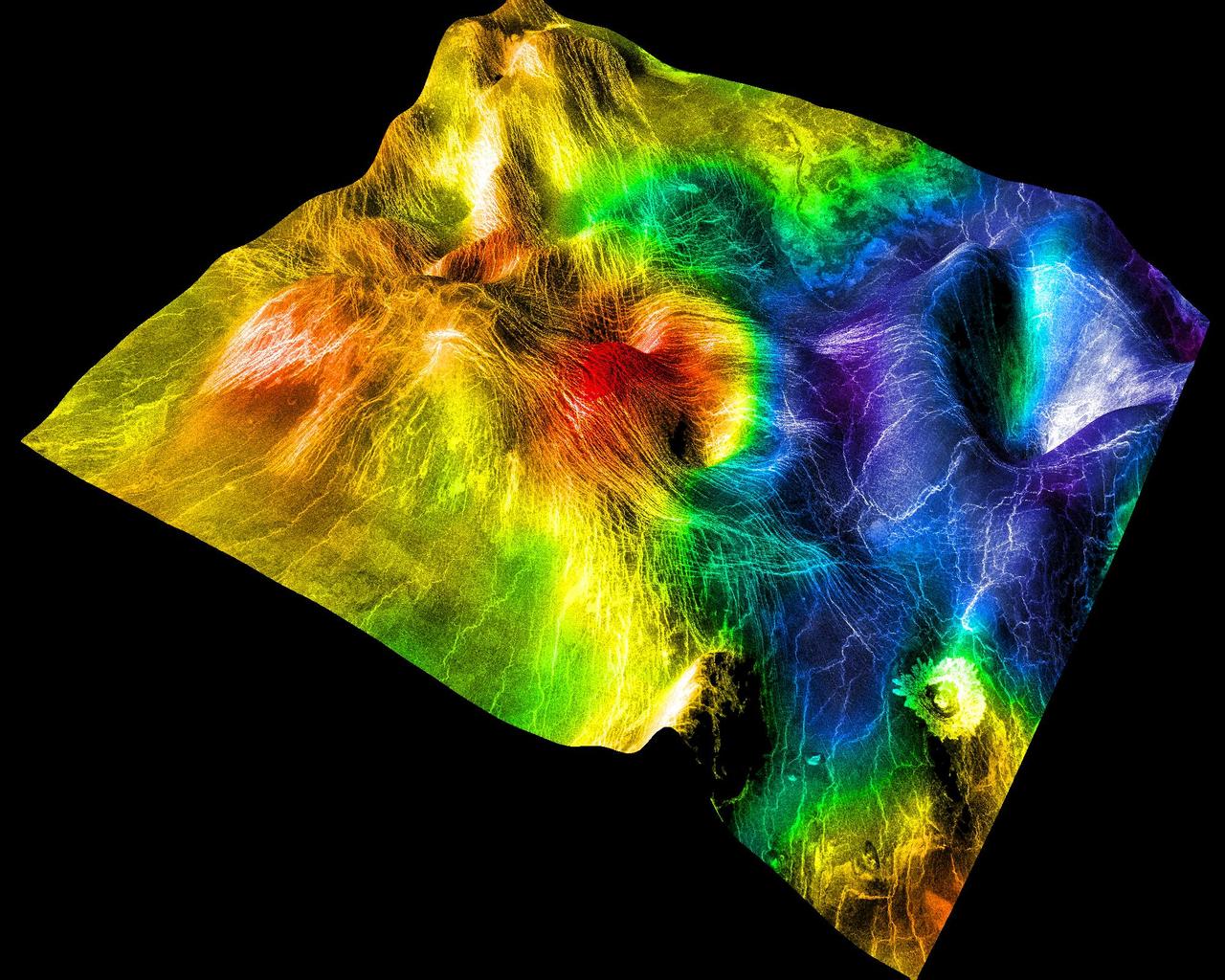
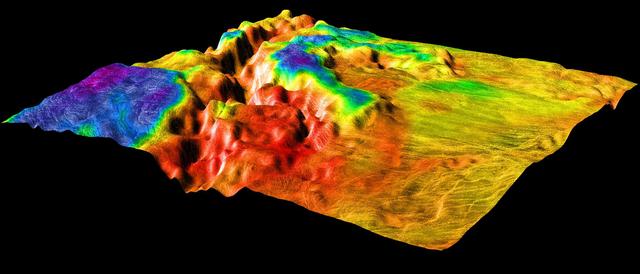
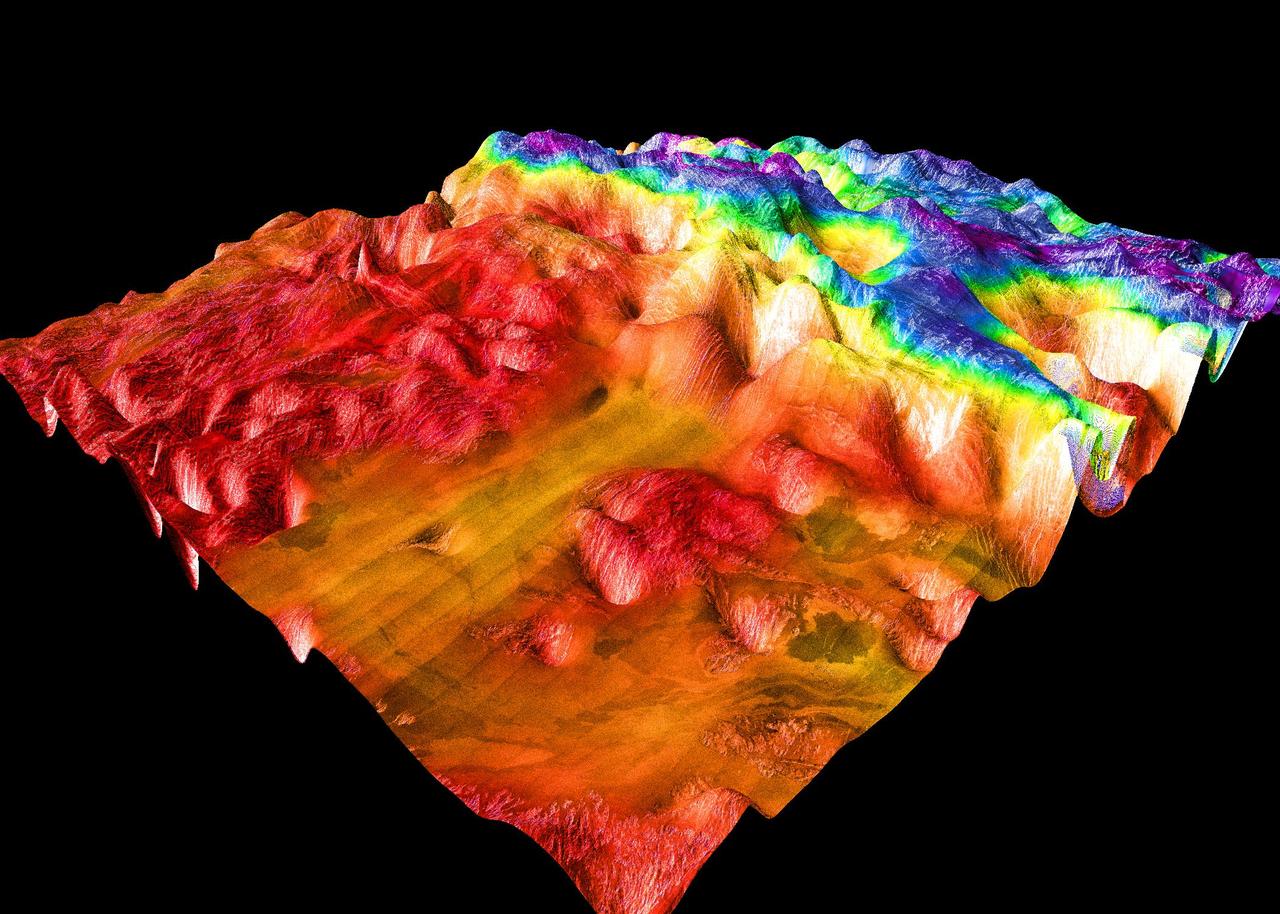
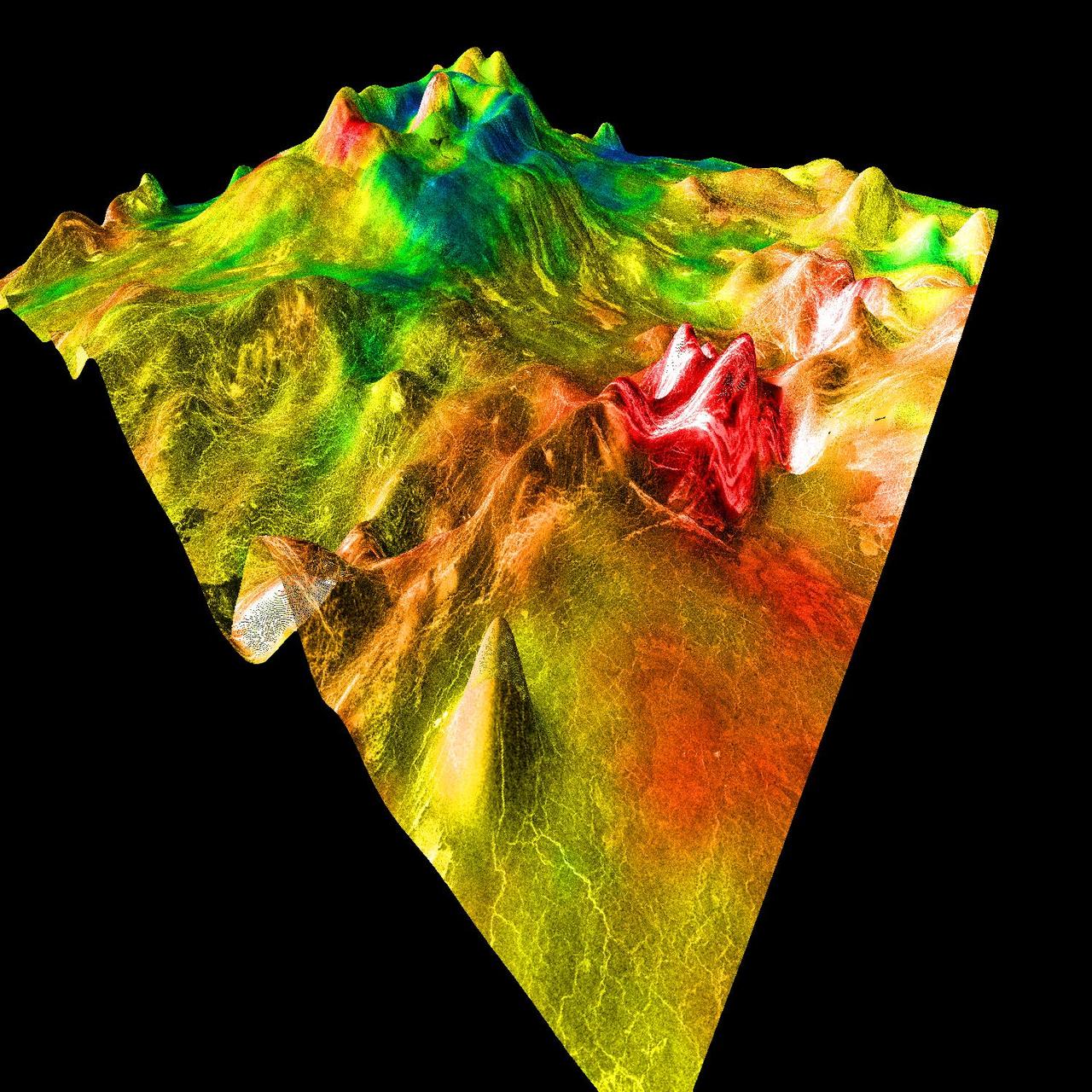
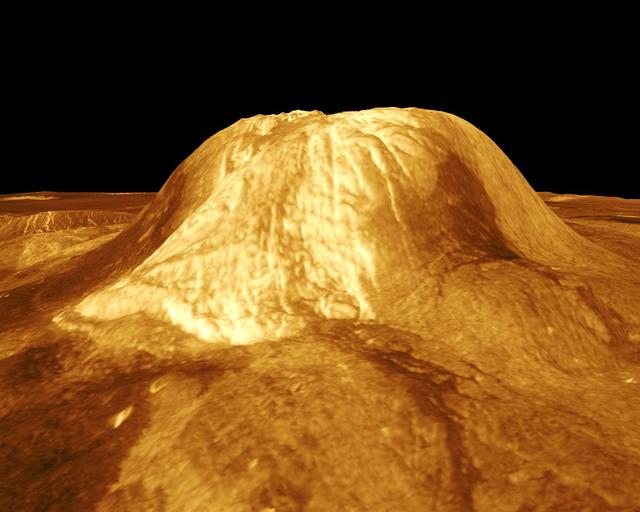
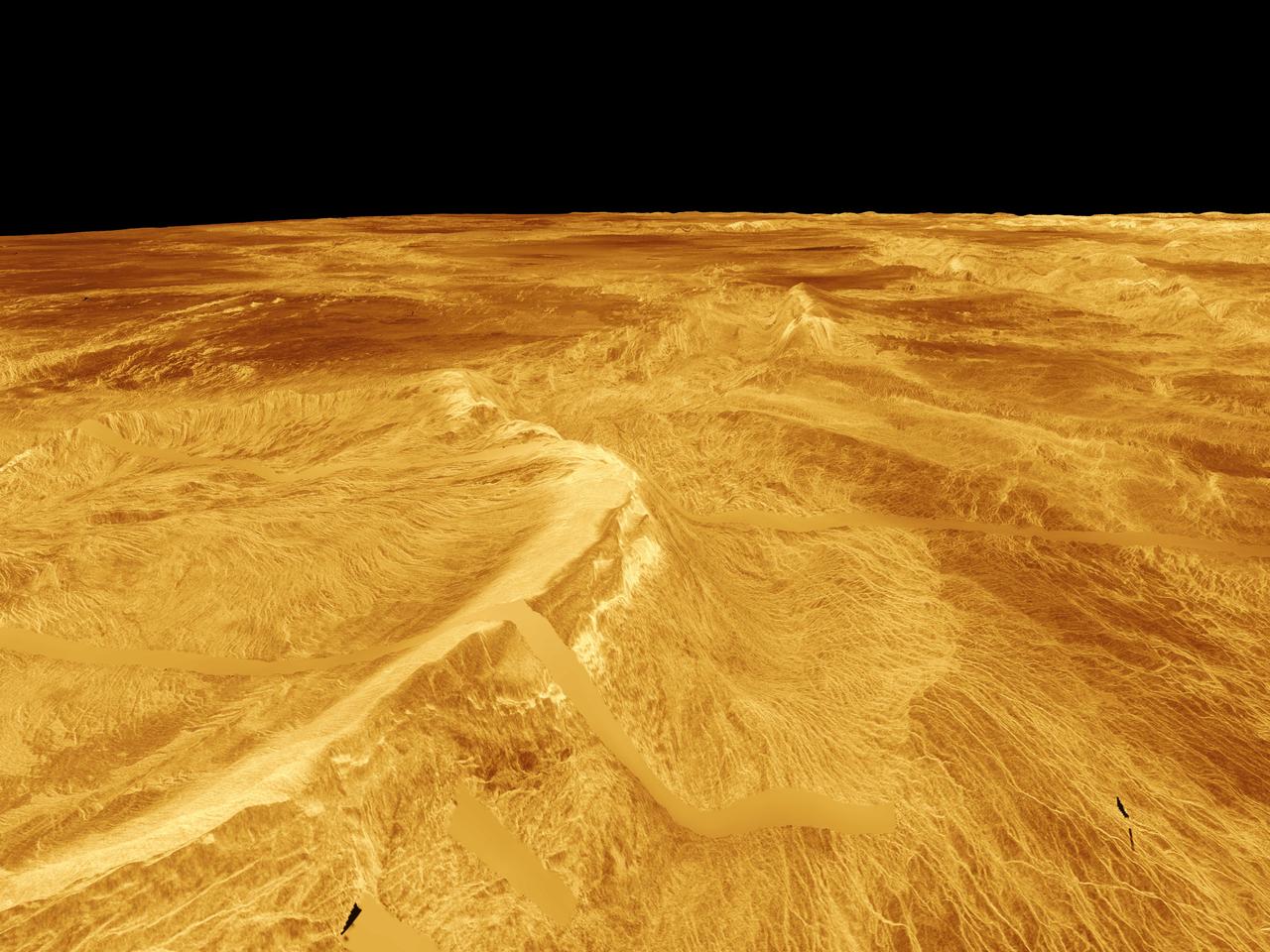
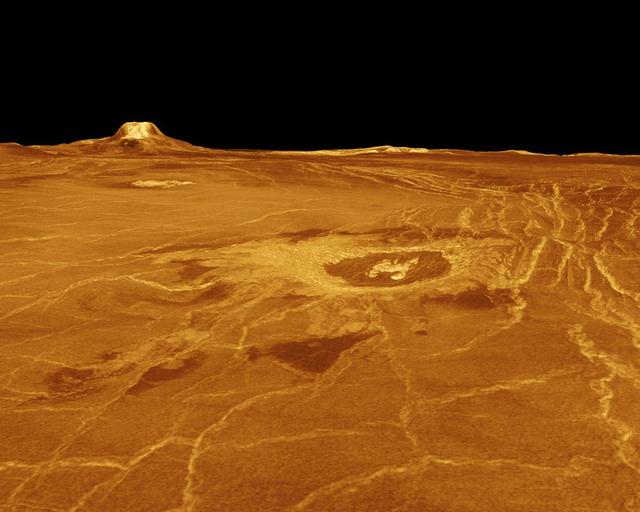
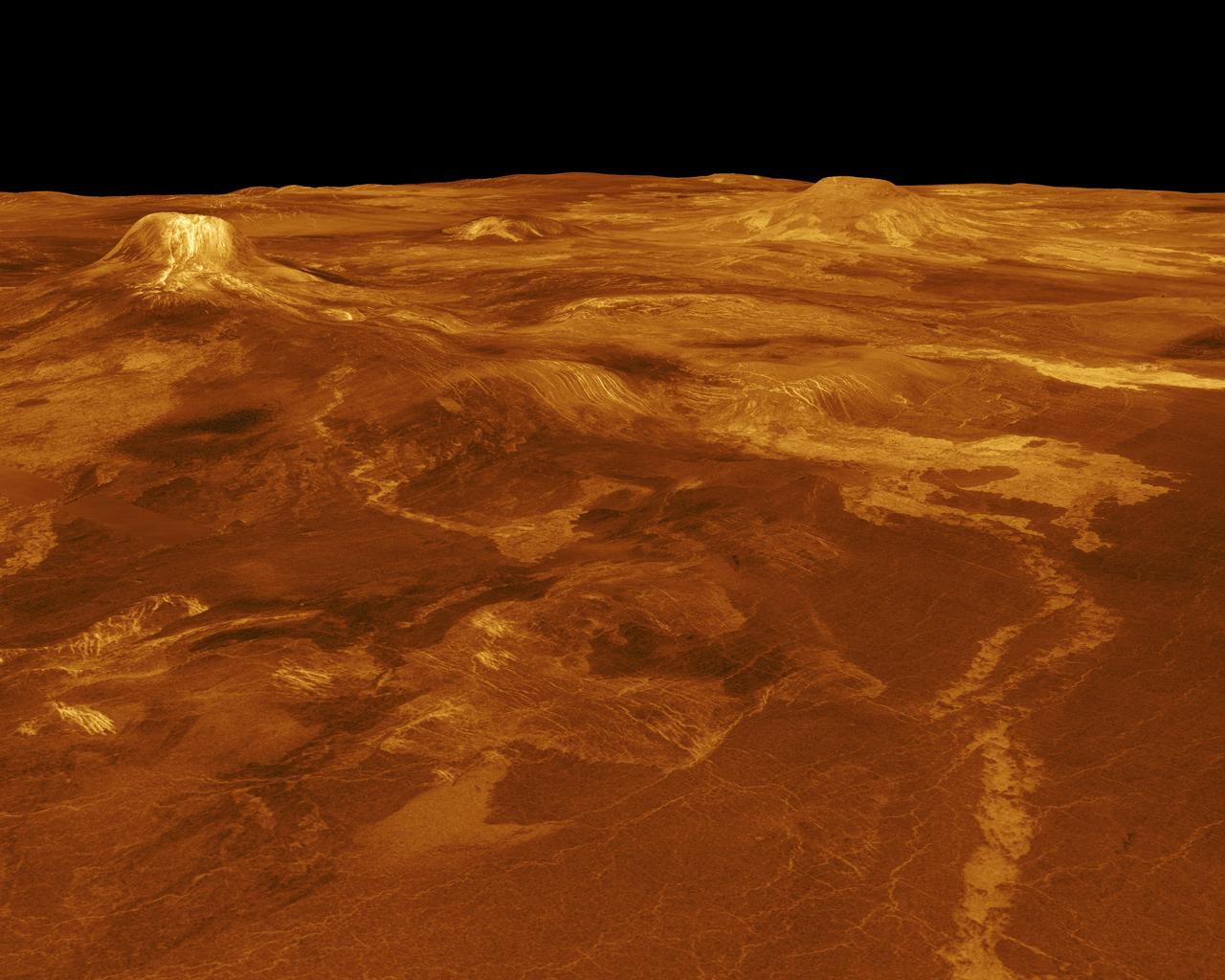
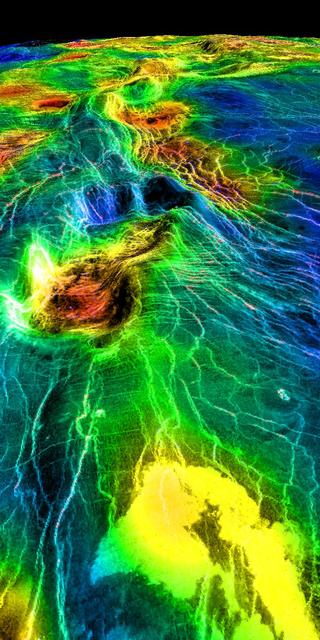
This perspective view of Venus, generated by computer from NASA Magellan data and color-coded with emissivity, shows part of the lowlands to the north of Ovda Regio. The prominent topographic feature is a shield volcano.  http://photojournal.jpl.nasa.gov/catalog/PIA00308
Magellan Perspective View of Ovda Regio, 15° N, 77° E
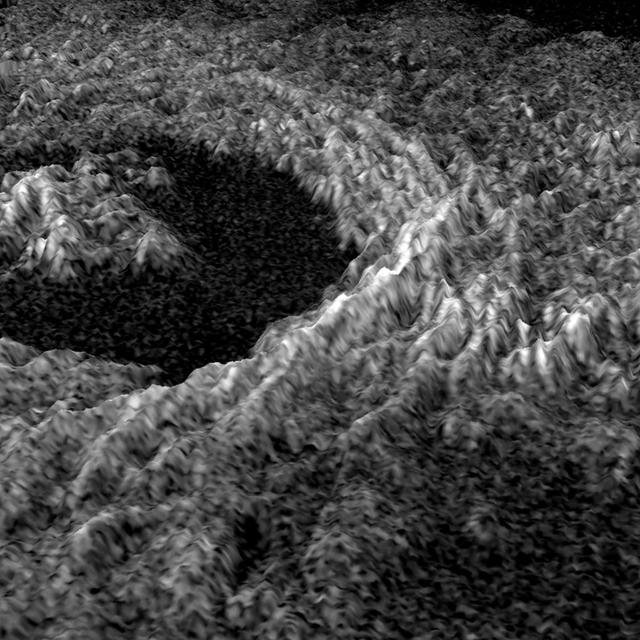
This perspective view of Venus, generated by computer from NASA Magellan data and color-coded with emissivity, shows the impact crater Markham, named after the English aviator Beryl Markham.  http://photojournal.jpl.nasa.gov/catalog/PIA00312
Magellan View of Crater Markham, 0° N, 163° E
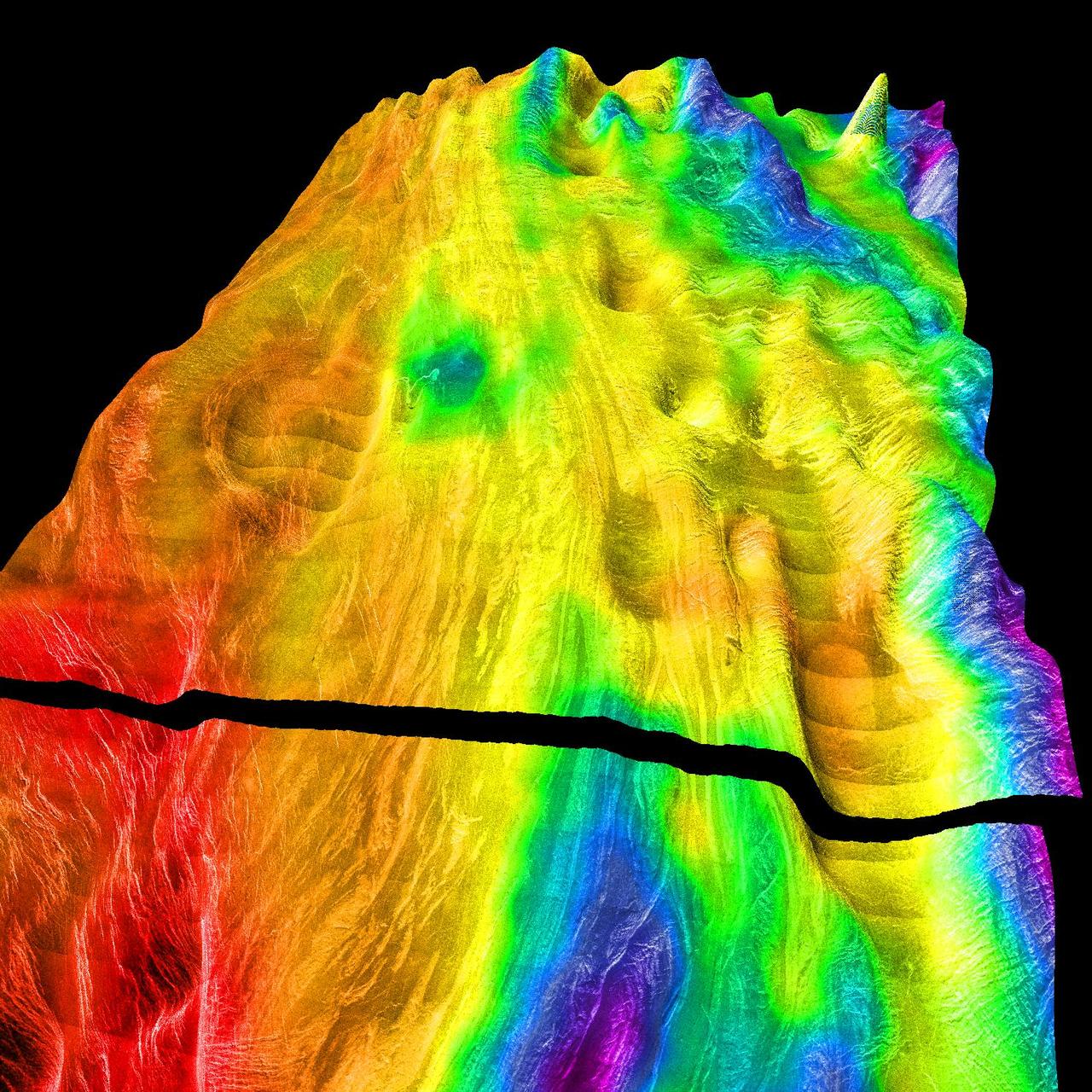
This perspective view of Venus, generated by computer from NASA Magellan data and color-coded with emissivity, shows the boundary between the lowland plains and characteristic Venusian highland terrain in Ovda Region.  http://photojournal.jpl.nasa.gov/catalog/PIA00311
Magellan Perspective View of Ovda Regio, 0° S, 129° E
This perspective view of Venus, generated by computer from NASA Magellan data and color-coded with emissivity, shows the boundary between the lowland plains and characteristic Venusian highland terrain in Ovda Regio.  http://photojournal.jpl.nasa.gov/catalog/PIA00310
Magellan Perspective View of Ovda Regio, 0° N, 129° E
This perspective view of Venus, generated by computer from NASA Magellan data and color-coded with emissivity, shows the boundary between the lowland plains and characteristic Venusian highland terrain in Ovda Regio.  http://photojournal.jpl.nasa.gov/catalog/PIA00309
Magellan Perspective View of Ovda Regio, 0° N, 77° E
This perspective view of Venus, generated by computer from NASA Magellan data and color-coded with emissivity, shows part of Sedna Planitia and illustrates a common phenomenon of the lowland plains of Venus.  http://photojournal.jpl.nasa.gov/catalog/PIA00306
Magellan Perspective View of Sedna Planitia, 45° N, 350° E
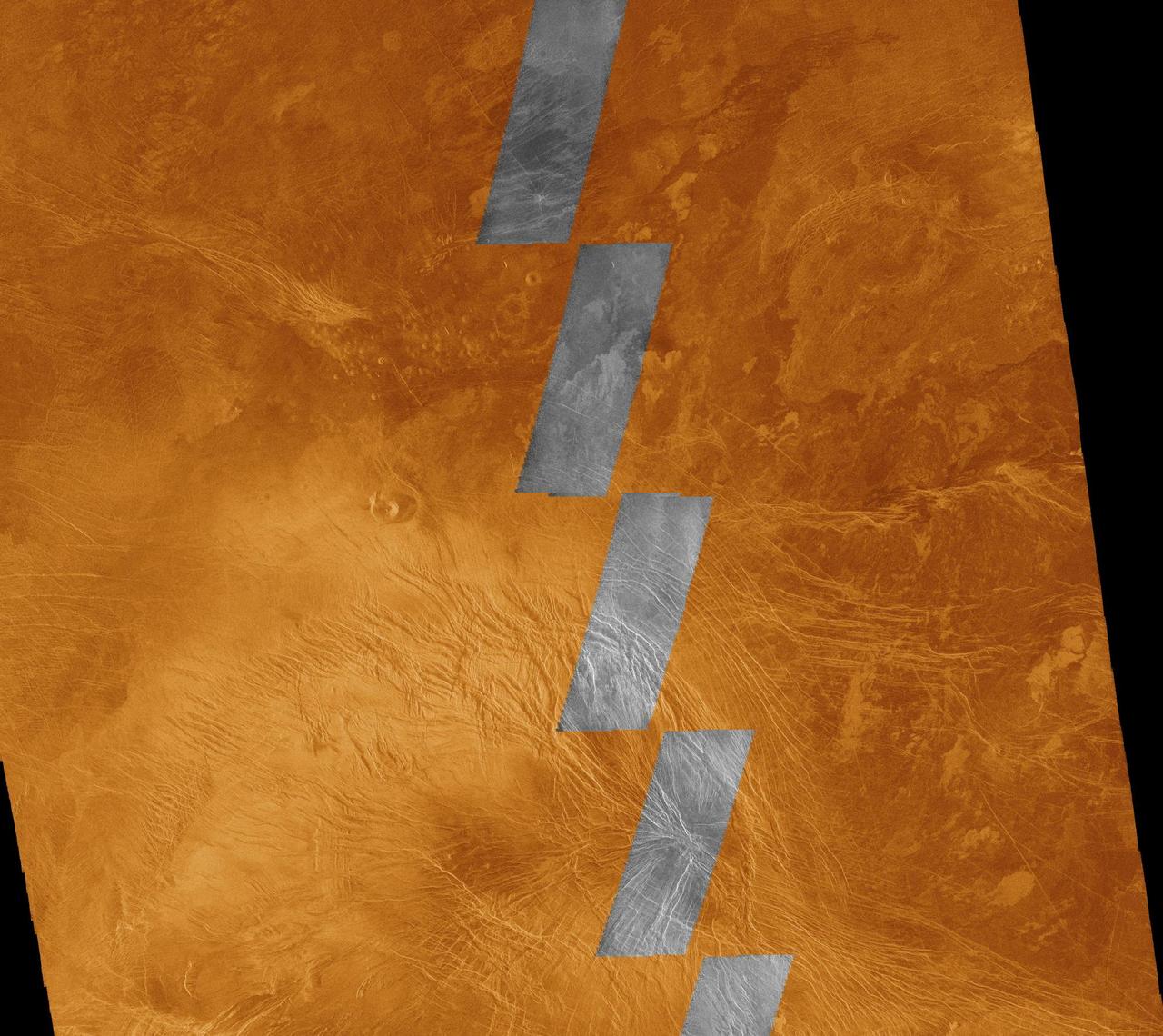
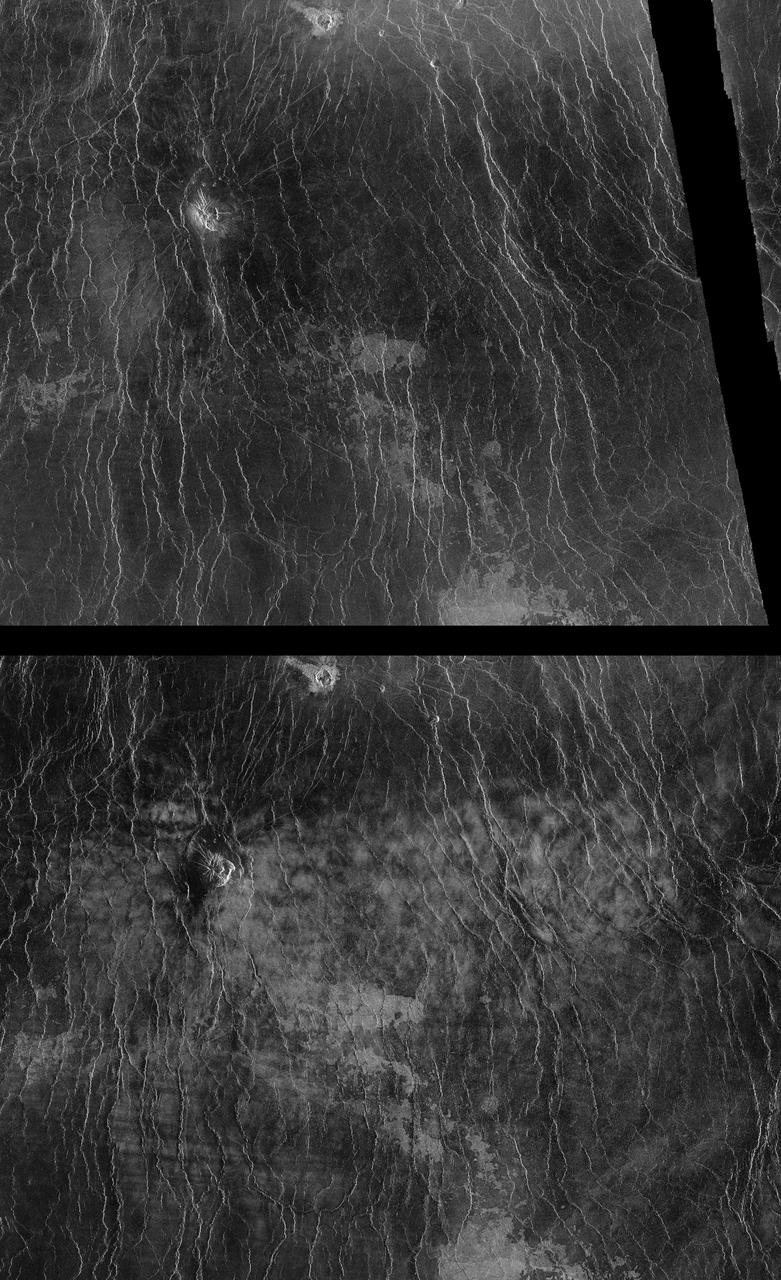
This image compares NASA Magellan data acquired in August 1990 during the initial test of the radar system black and white insets with data acquired by the spacecraft in April 1991 color background. The area is in the southern hemisphere of Venus.  http://photojournal.jpl.nasa.gov/catalog/PIA00220
Venus - Comparison of Initial Magellan Radar Test and Data Acquired in 4/91
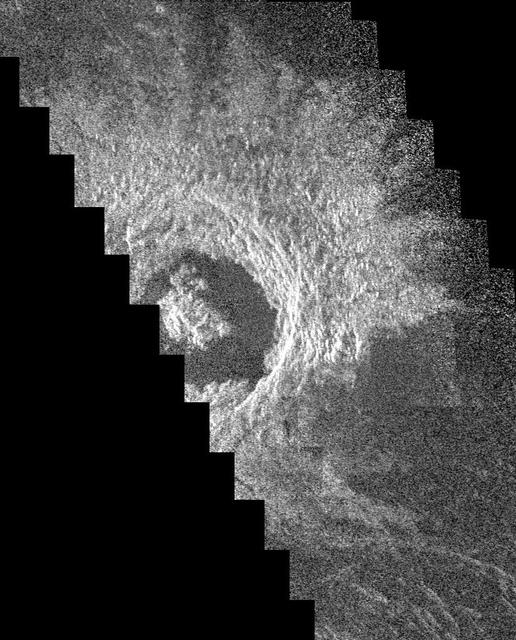
This image mosaic from NASA Magellan spacecraft shows the impact crater Golubkina.  http://photojournal.jpl.nasa.gov/catalog/PIA00236
Venus - Crater Golubkina
The eastern edge of Alpha Regio is shown in this image from NASA Magellan spacecraft.  http://photojournal.jpl.nasa.gov/catalog/PIA00215
Venus - Alpha Regio
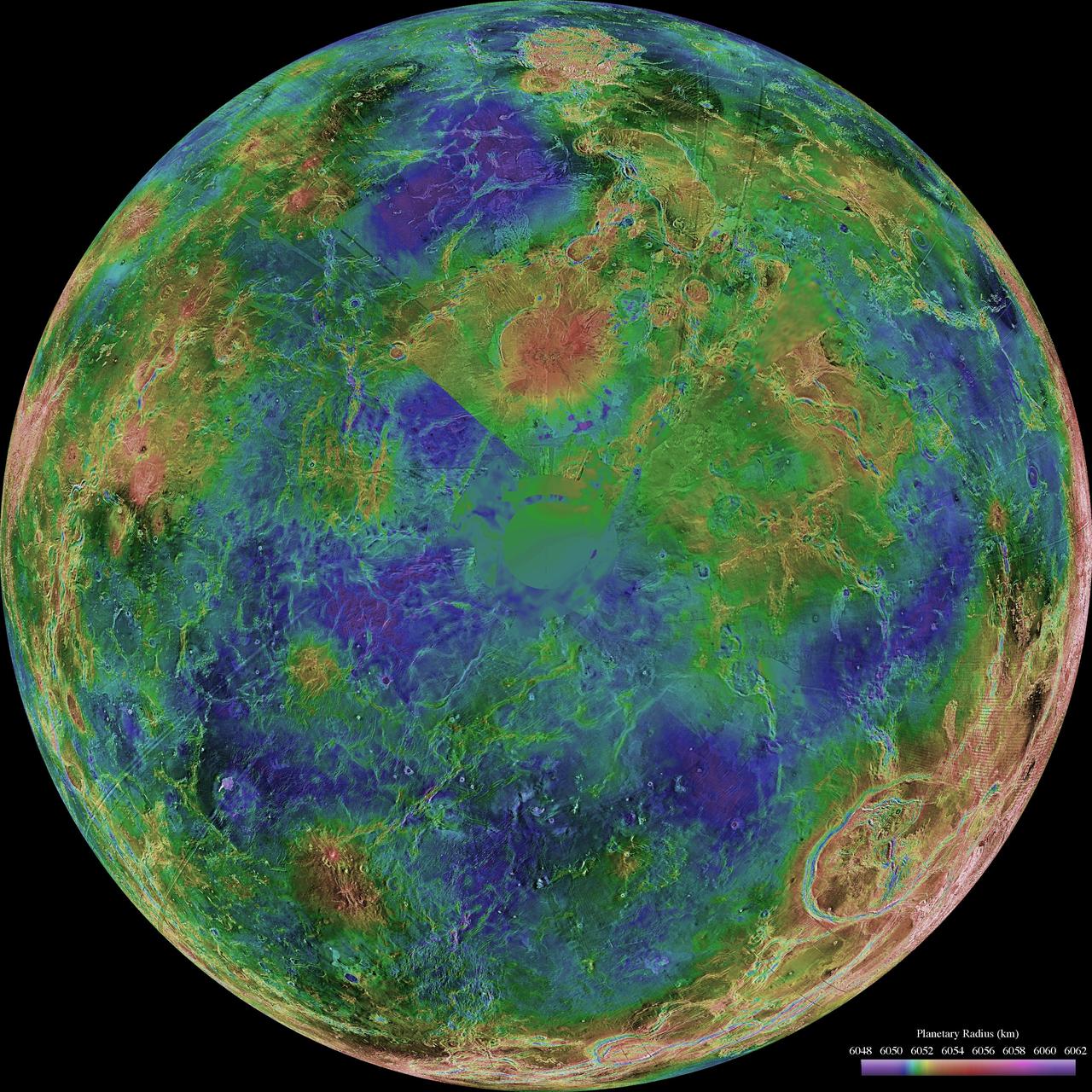
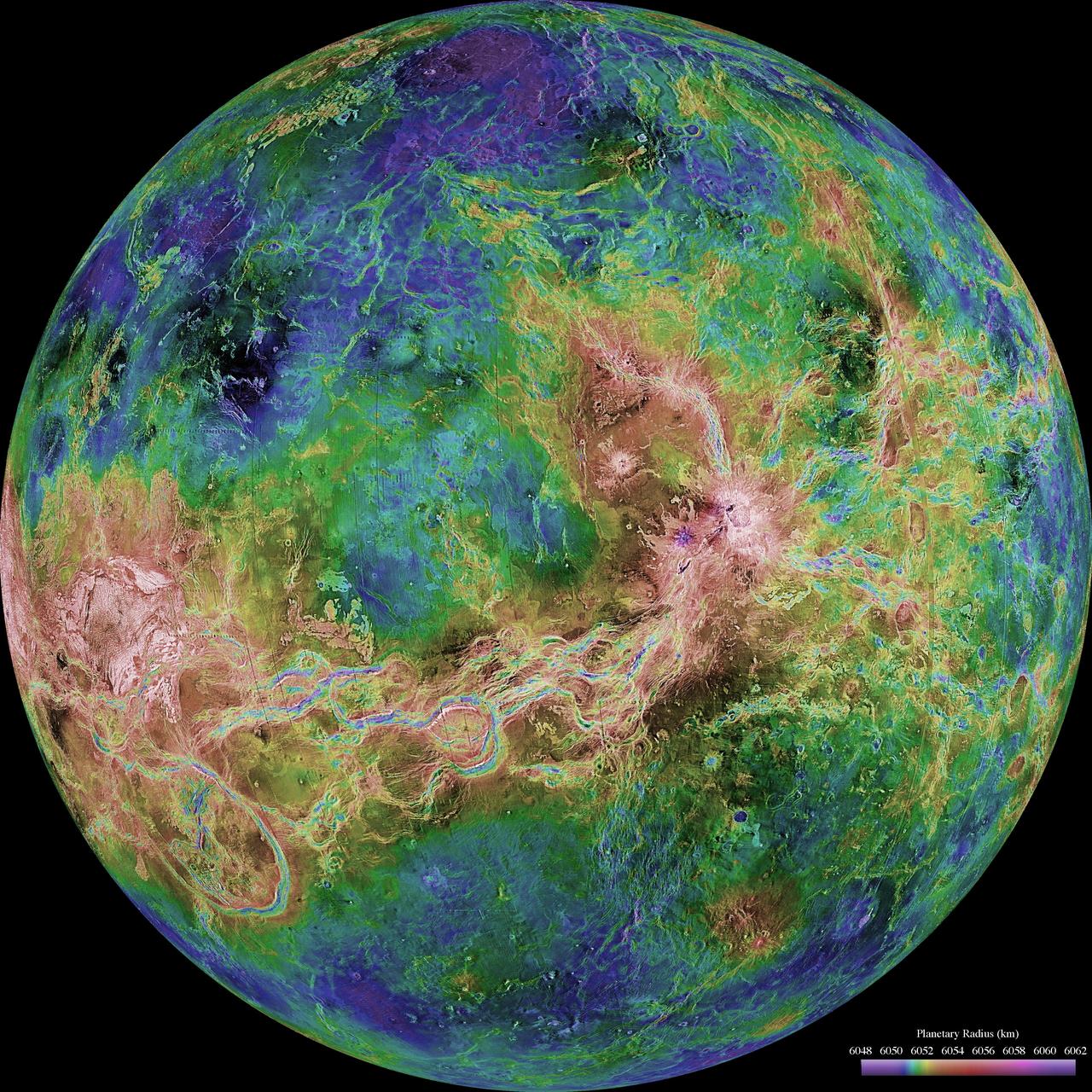
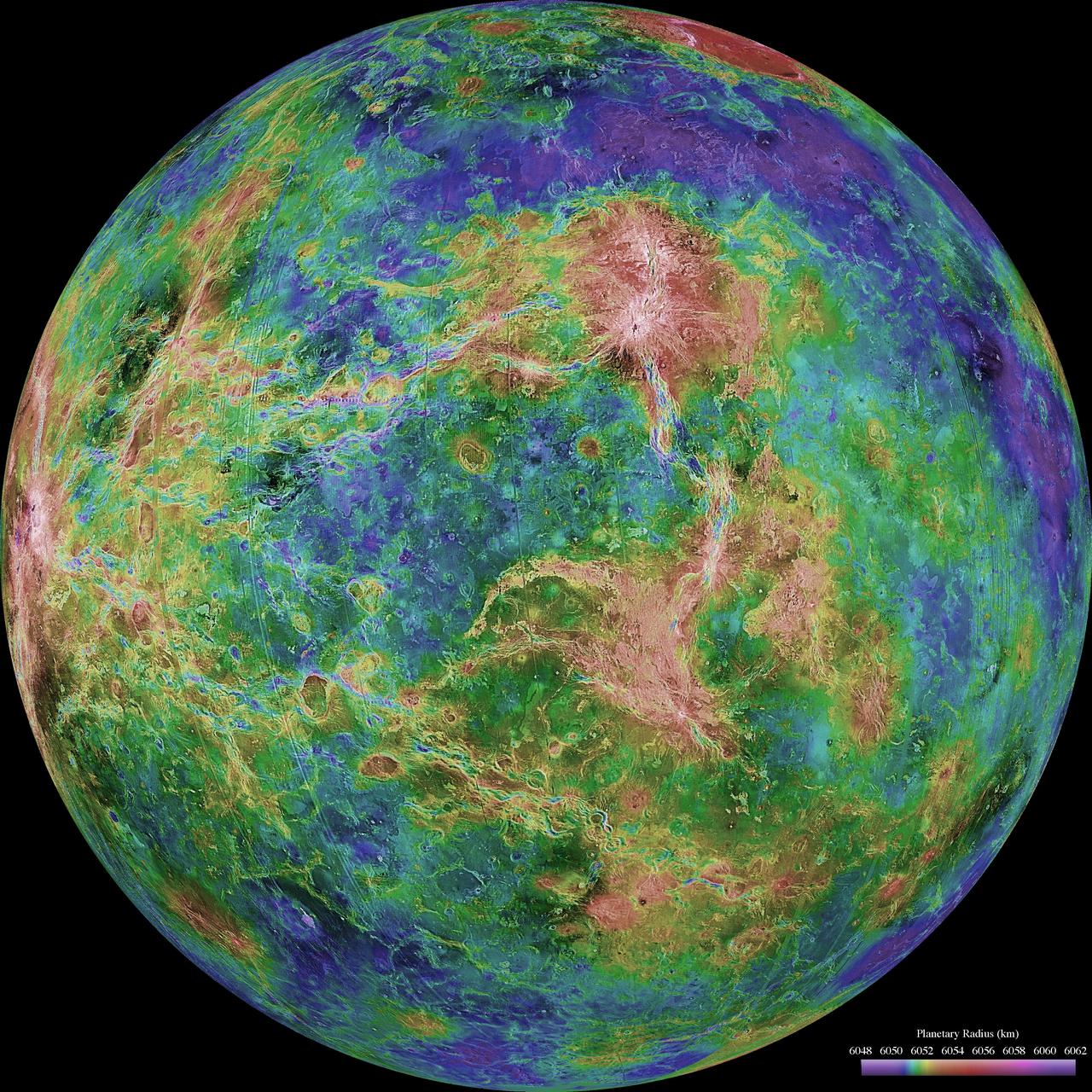
The hemispheric view of Venus, as revealed by more than a decade of radar investigations culminating in the 1990-1994 Magellan mission, is centered on the North Pole. The Magellan spacecraft imaged more than 98% of Venus at a resolution of about 100 meters; the effective resolution of this image is about 3 km. A mosaic of the Magellan images (most with illumination from the west) forms the image base. Gaps in the Magellan coverage were filled with images from the Earth-based Arecibo radar in a region centered roughly on 0 degree latitude and longitude, and with a neutral tone elsewhere (primarily near the south pole). The composite image was processed to improve contrast and to emphasize small features, and was color-coded to represent elevation. Gaps in the elevation data from the Magellan radar altimeter were filled with altimetry from the Venera spacecraft and the U.S. Pioneer Venus missions. An orthographic projection was used, simulating a distant view of one hemisphere of the planet. The Magellan mission was managed for NASA by Jet Propulsion Laboratory (JPL), Pasadena, CA. Data processed by JPL, the Massachusetts Institute of Technology, Cambridge, MA, and the U.S. Geological Survey, Flagstaff, AZ.  http://photojournal.jpl.nasa.gov/catalog/PIA00007
Hemispheric View of Venus Centered at the North Pole
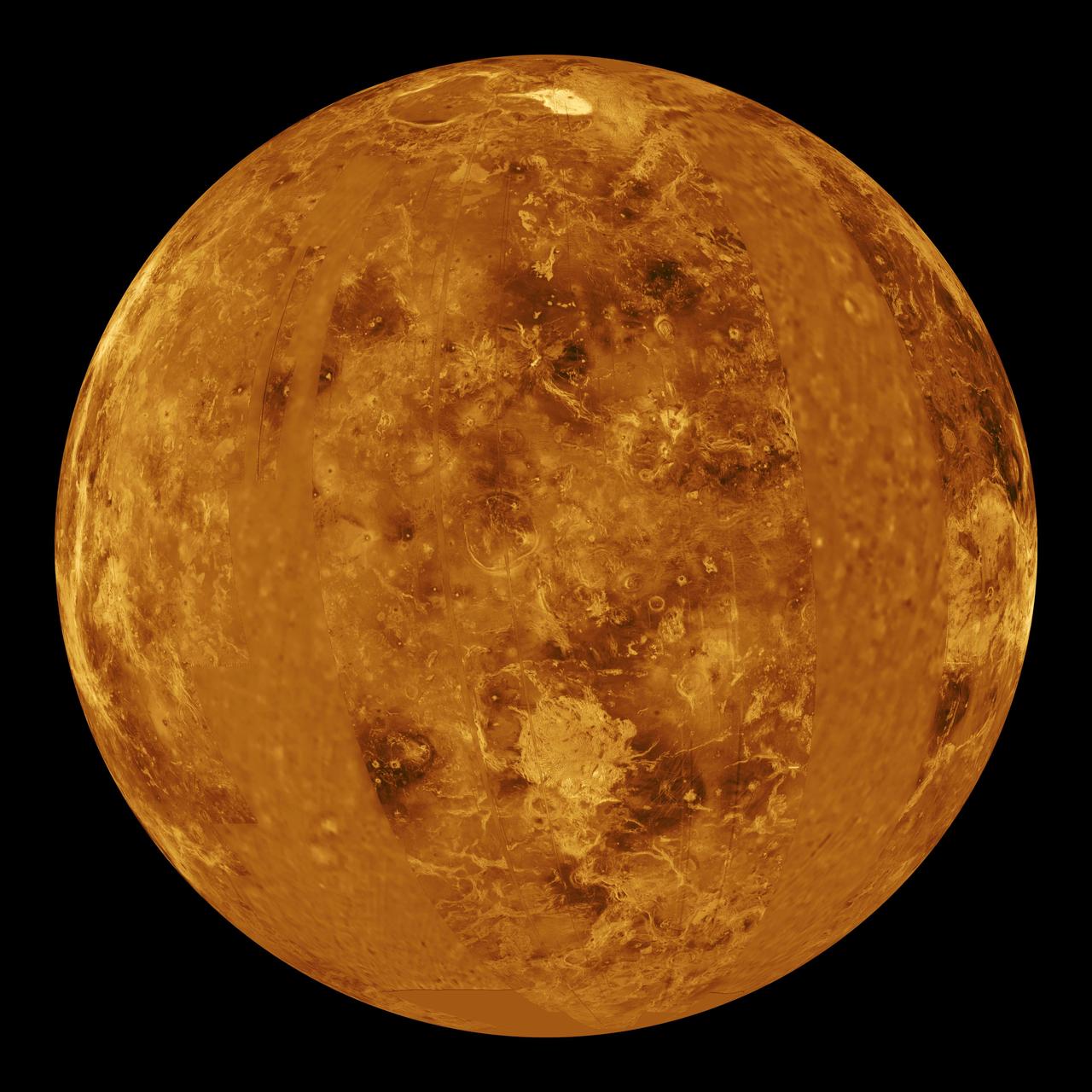
This global view of the surface of Venus is centered at 0 degrees east longitude. NASA Magellan synthetic aperture radar mosaics from the first cycle of Magellan mapping were mapped onto a computer-simulated globe to create this image.   http://photojournal.jpl.nasa.gov/catalog/PIA00257
Venus - Computer Simulated Global View Centered at 0 Degrees East Longitude
Landslides on Venus! The image on the left was taken in late November of 1990 during Magellan first trip around Venus. The image on the right was taken July 23, as the Magellan spacecraft passed over the region for the second time.  http://photojournal.jpl.nasa.gov/catalog/PIA00248
Venus - Aphrodite Terra
As NASA Magellan mission progressed, areas of Venus became accessible for a second look. During Magellan second 243-day global mapping cycle, the spacecraft was rotated 180 degrees to view the surface from the opposite direction.  http://photojournal.jpl.nasa.gov/catalog/PIA00260
Venus - Comparison of Left and Right Looking Views of Imdr Region
The northern hemisphere is displayed in this global view of the surface of Venus. NASA Magellan synthetic aperture radar mosaics from the first cycle of Magellan mapping were mapped onto a computer-simulated globe to create this image.  http://photojournal.jpl.nasa.gov/catalog/PIA00252
Venus - Computer Simulated Global View of Northern Hemisphere
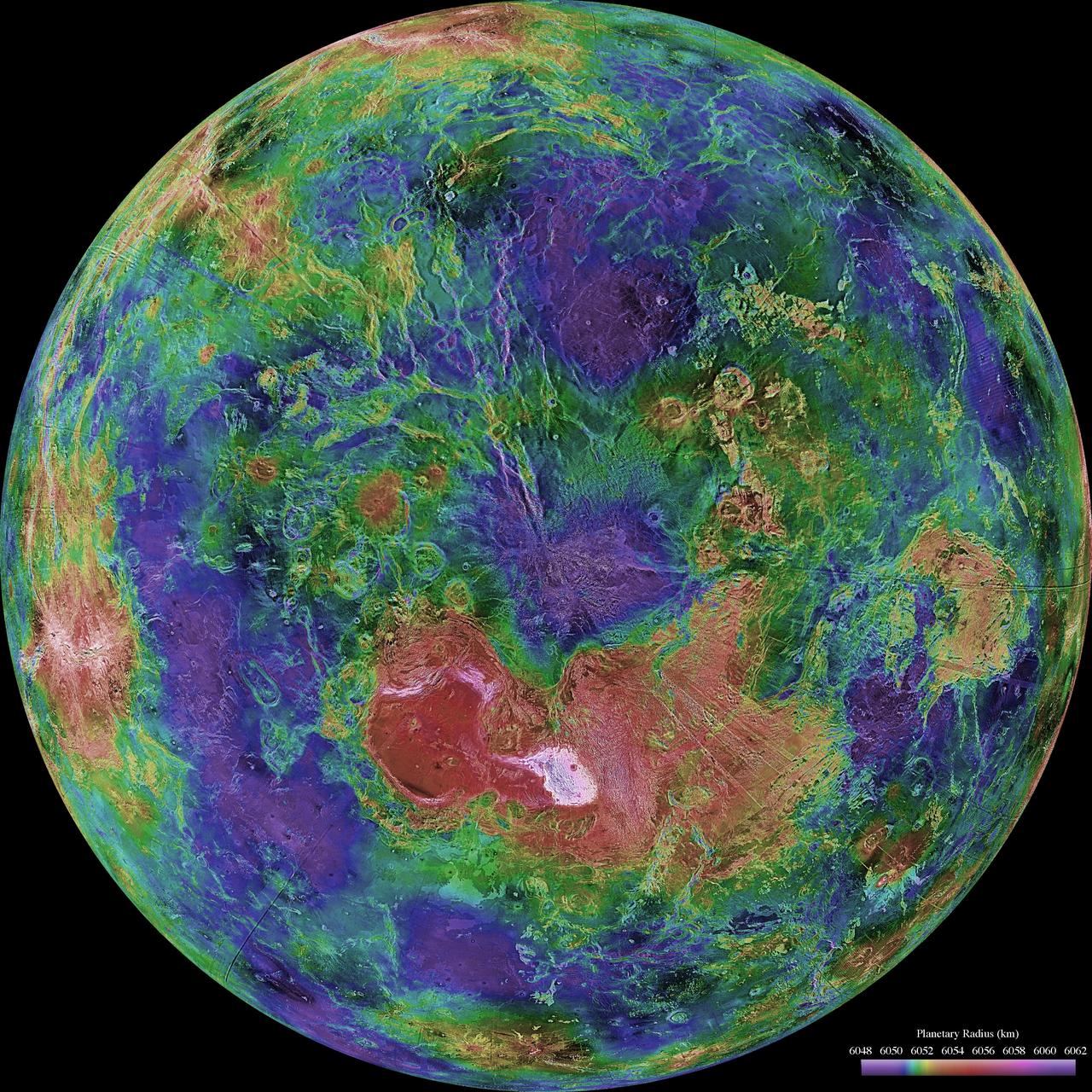
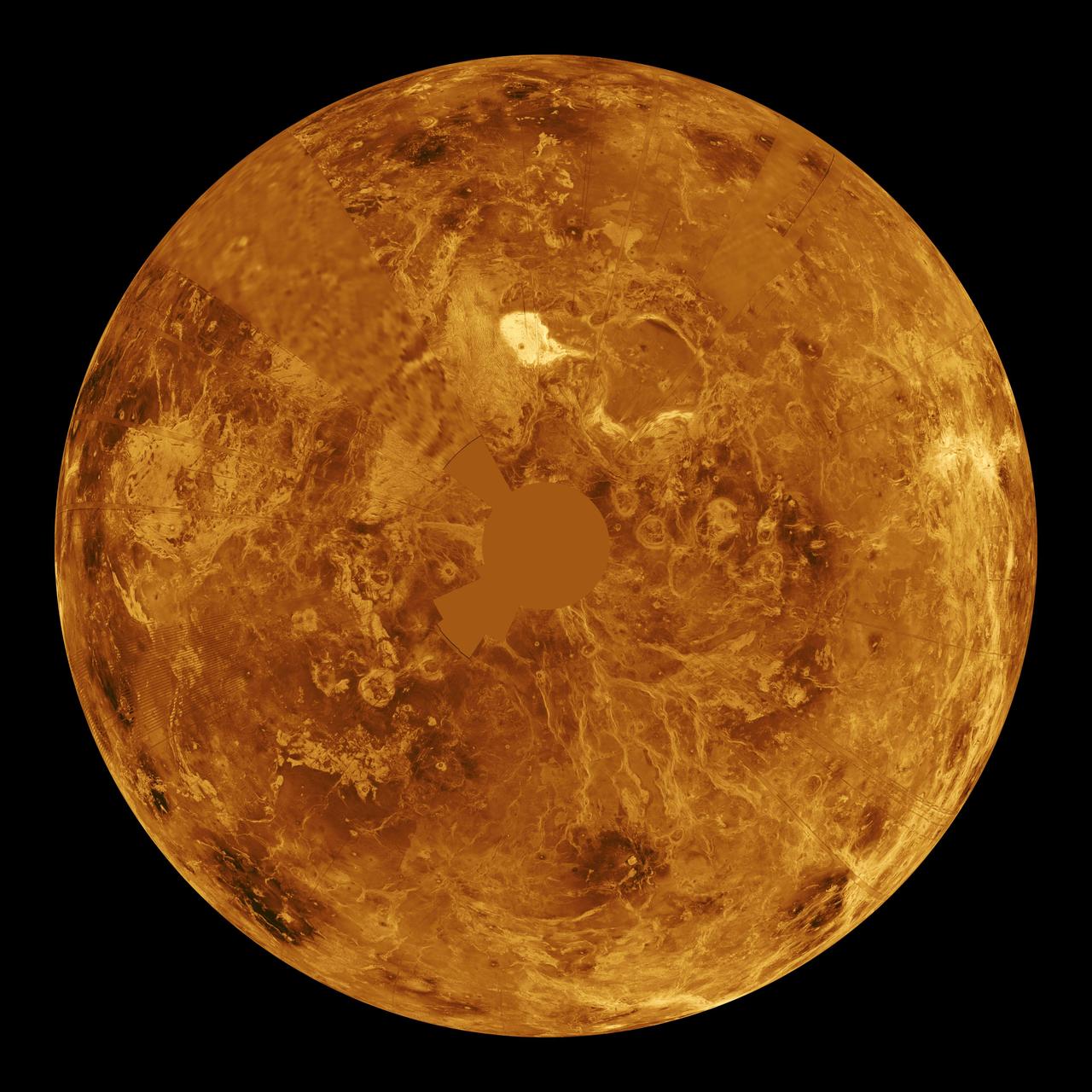
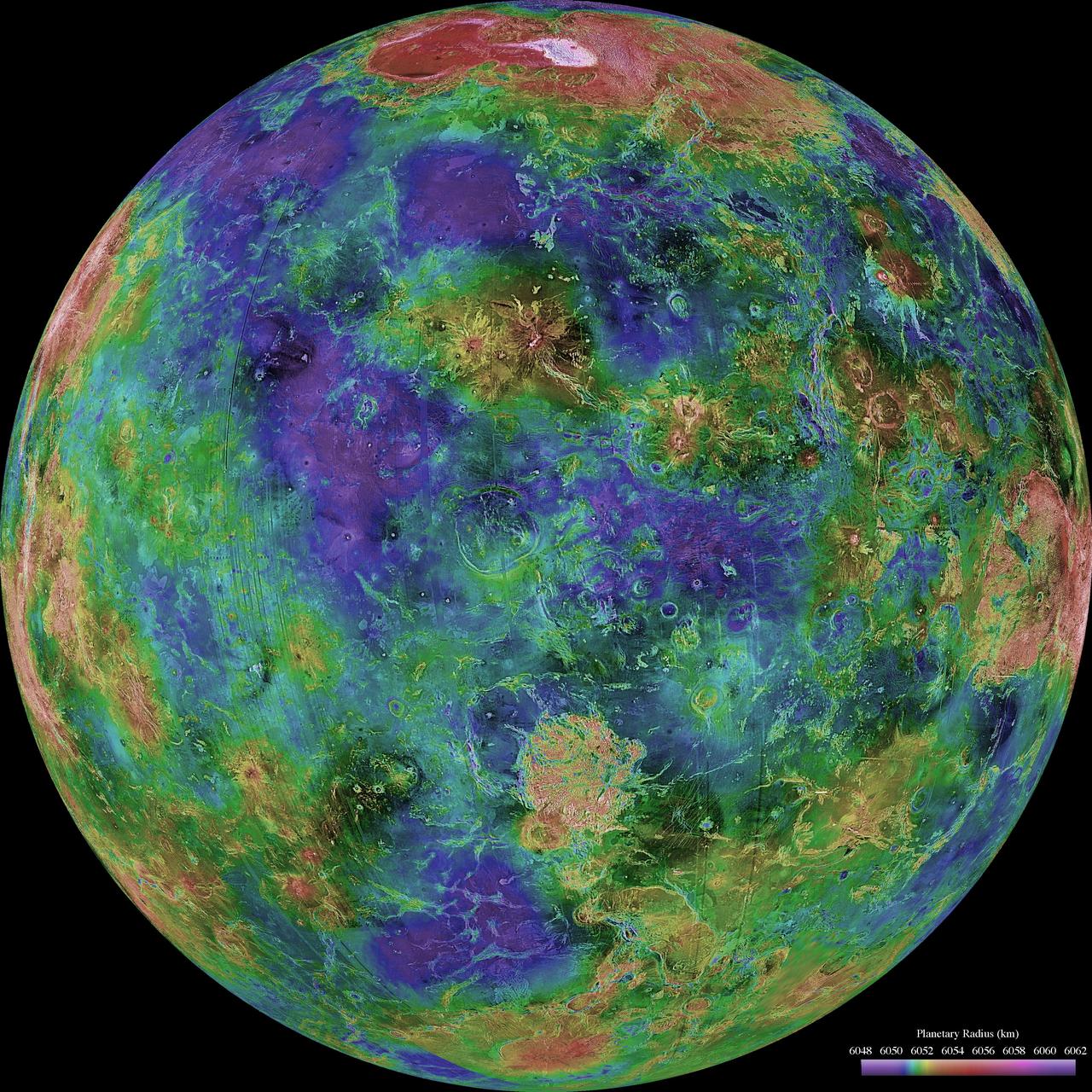
This hemispheric view of Venus, as revealed by more than a decade of radar investigations culminating in the 1990-1994 Magellan mission, is centered on the North Pole. NASA Magellan spacecraft imaged more than 98% of Venus.  http://photojournal.jpl.nasa.gov/catalog/PIA00008
Hemispheric View of Venus Centered at the South Pole
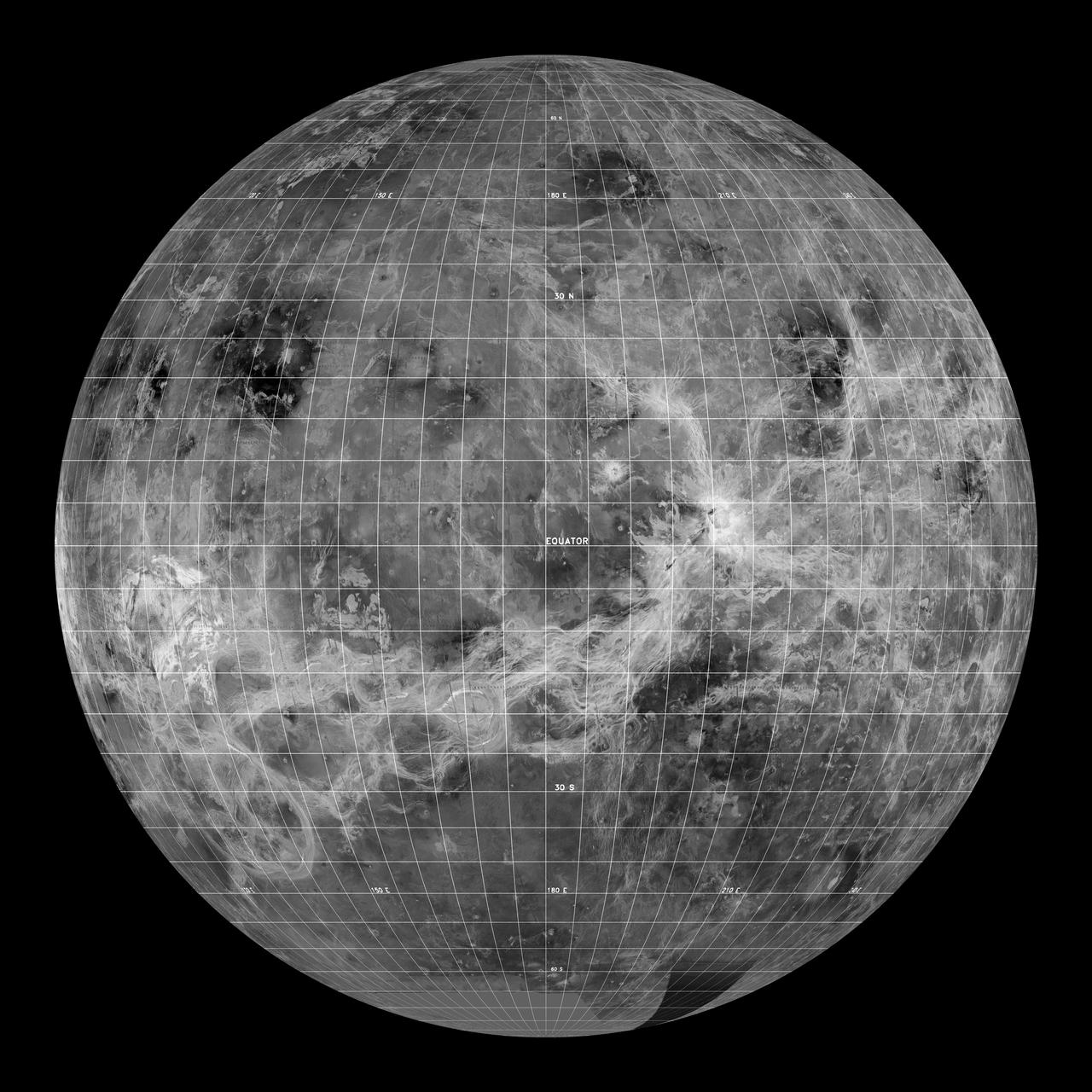
This global view of the surface of Venus is centered at 180 degrees east longitude. Magellan synthetic aperture radar mosaics from the first cycle of Magellan mapping, and a 5 degree latitude-longitude grid, are mapped onto a computer-simulated globe to create this image. Data gaps are filled with Pioneer-Venus Orbiter data, or a constant mid-range value. The image was produced by the Solar System Visualization project and the Magellan Science team at the JPL Multimission Image Processing Laboratory.   http://photojournal.jpl.nasa.gov/catalog/PIA00478
Venus - Global View Centered at 180 degrees
NASA's Magellan image mosaic shows the largest impact crater known to exist on Venus at this point in the Magellan mission. The crater is located north of Aphrodite Terra and east of Eistla Regio and was imaged during orbit 804 on November 12, 1990.  http://photojournal.jpl.nasa.gov/catalog/PIA00148
Venus - Mead Crater
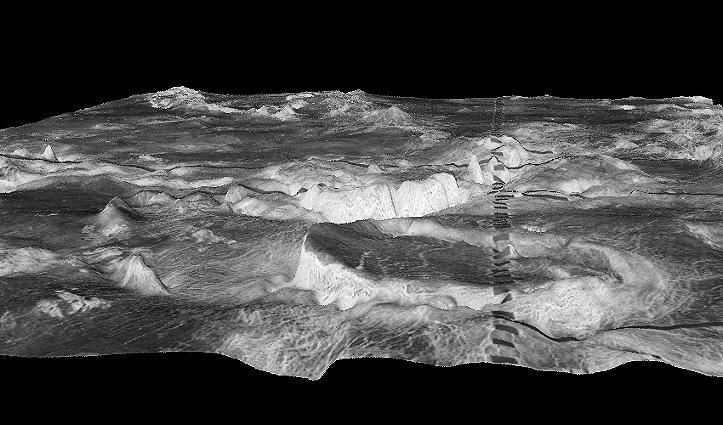
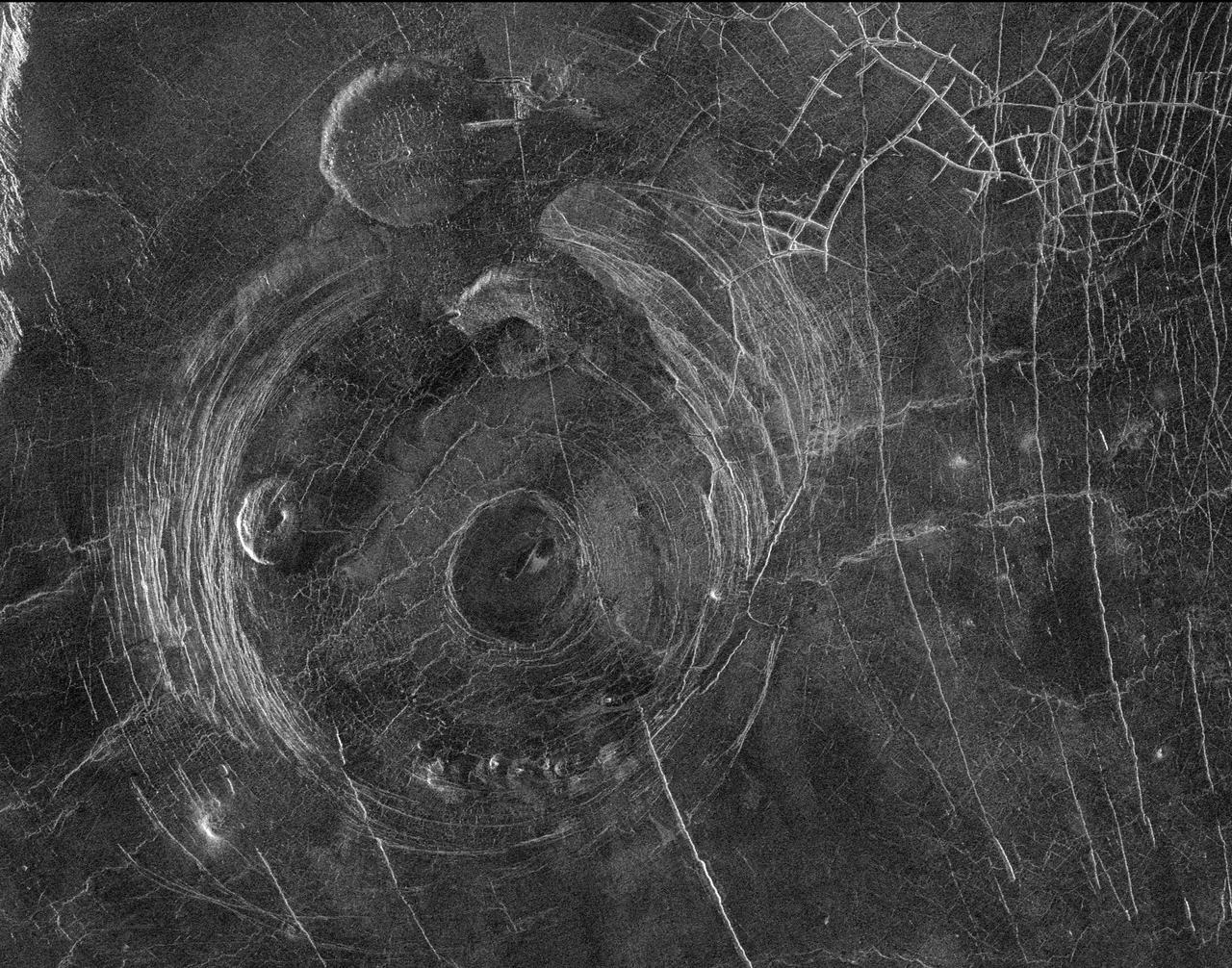
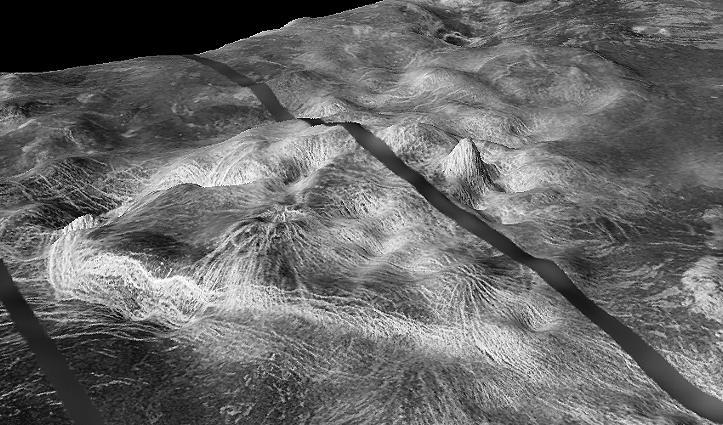
The view from NASA's Magellan spacecraft shows most of Galindo V-40 quadrangle looking east; Atete Corona, in the foreground, is a 600-km-long and about 450-km-wide, circular volcano-tectonic feature.  http://photojournal.jpl.nasa.gov/catalog/PIA00096
Three-dimensional perspective views of Venusian Terrains composed of reduced resolution left-looking synthetic-aperture radar images merged with altimetry data from the Magellan spacecraft.
Sif Mons is displayed in this computer-simulated view obtained by NASA's Magellan spacecraft of the surface of Venus.  http://photojournal.jpl.nasa.gov/catalog/PIA00108
Venus - 3-D Perspective View of Sif Mons
Gula Mons is displayed in this computer-simulated view from NASA Magellan spacecraft of the surface of Venus.  http://photojournal.jpl.nasa.gov/catalog/PIA00234
Venus - 3-D Perspective View of Gula Mons
This is a stereo image pair of crater Goeppert-Mayer obtained by NASA Magellan radar mapping mission.   http://photojournal.jpl.nasa.gov/catalog/PIA00269
Venus - Stereo Image Pair of Crater Goeppert-Mayer
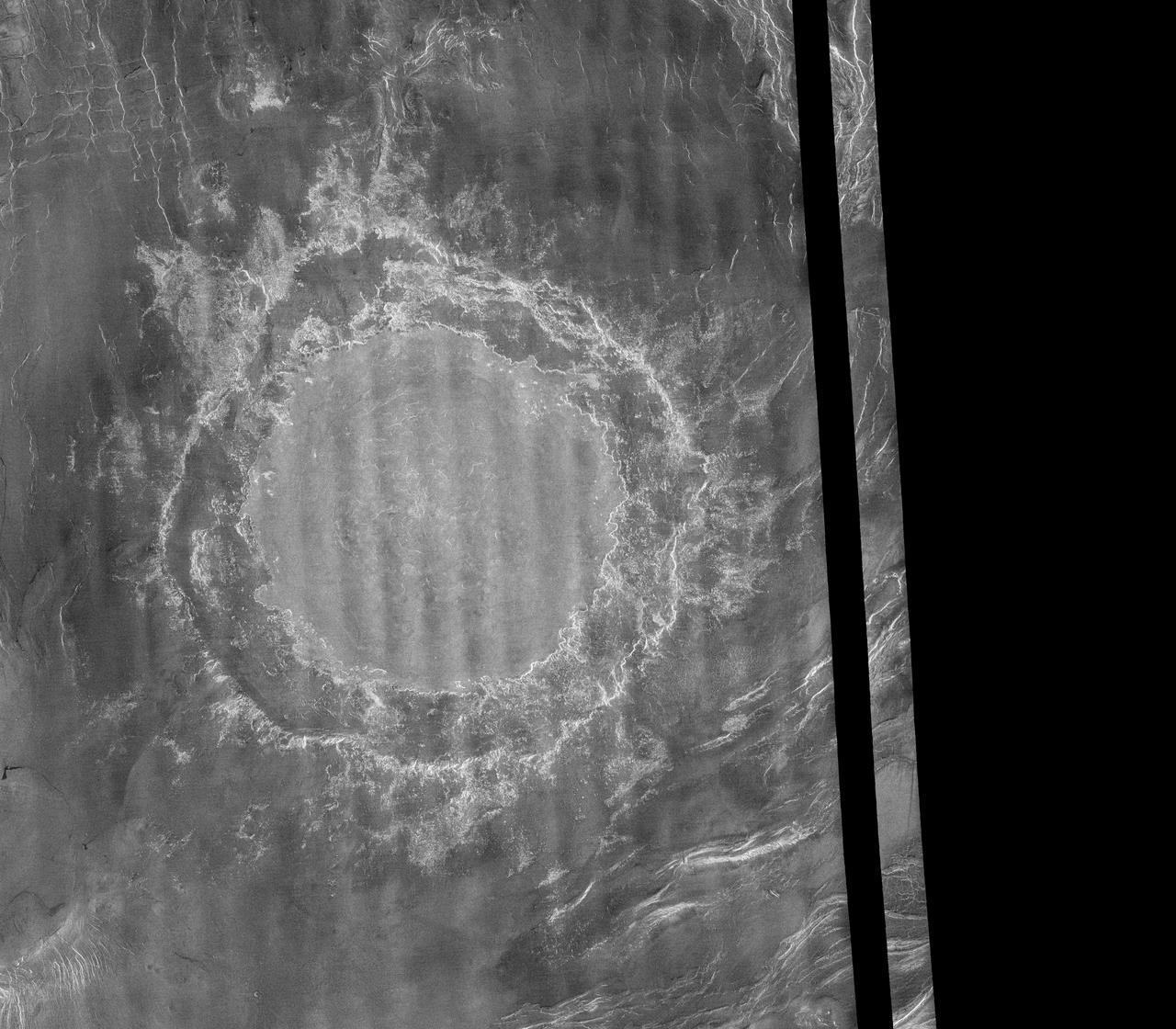
This image mosaic from NASA Magellan spacecraft is of an impact crater located in Guinevere Planitia on Venus.  http://photojournal.jpl.nasa.gov/catalog/PIA00238
Venus - Impact Crater in Guinevere Planitia
This image from NASA Magellan spacecraft is of an area located in the Eistla Region of Venus in the southern hemisphere.  http://photojournal.jpl.nasa.gov/catalog/PIA00089
Venus - Eistla Region
A corona is displayed in this computer-simulated view from NASA's Magellan spacecraft of the surface of Venus.  http://photojournal.jpl.nasa.gov/catalog/PIA00109
Venus - 3-D Perspective View of Idem-Kuva
The northern hemisphere is displayed in this global view of the surface of Venus as seen by NASA Magellan spacecraft.  http://photojournal.jpl.nasa.gov/catalog/PIA00271
Venus - Computer Simulated Global View of the Northern Hemisphere
The northern hemisphere is displayed in this global view of the surface of Venus as seen by NASA Magellan spacecraft.  http://photojournal.jpl.nasa.gov/catalog/PIA00270
Venus - Computer Simulated Global View Centered at 90 Degrees East Longitude
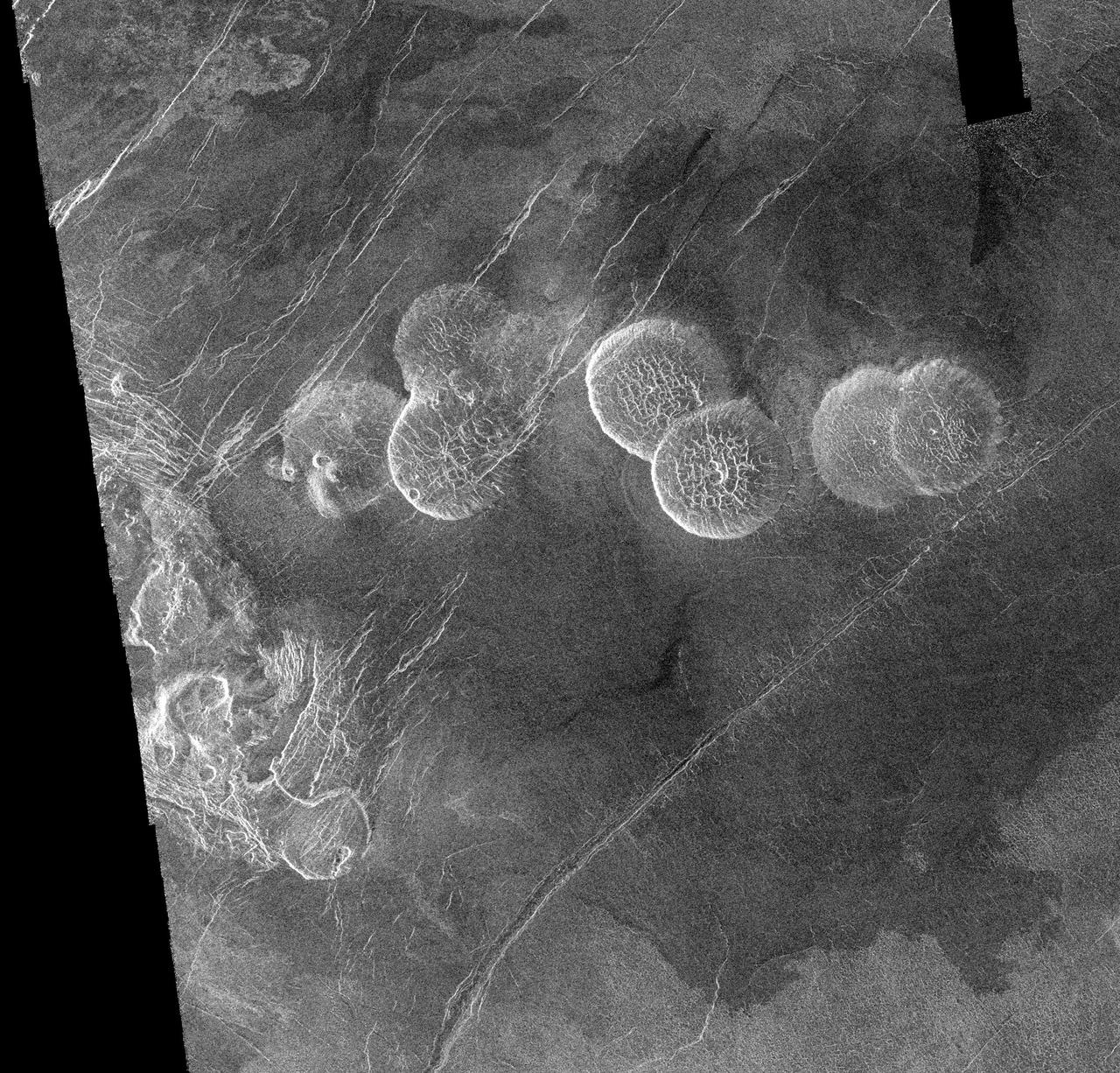
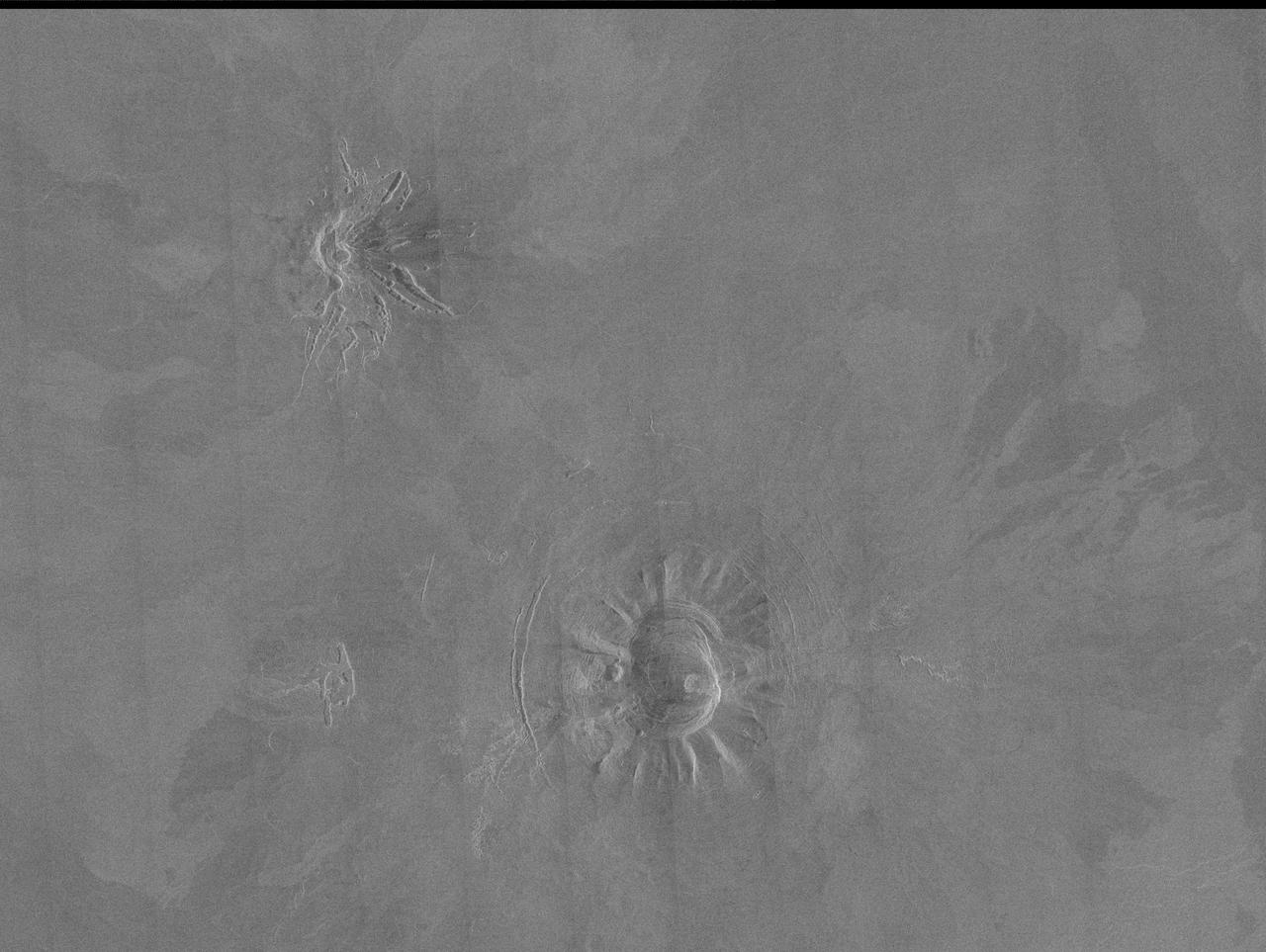
Two unusual volcanic domes are shown in this full-resolution mosaic obtained by NASA Magellan spacecraft.  http://photojournal.jpl.nasa.gov/catalog/PIA00244
Venus - Volcanic Domes East of Beta Regio
The view from NASA's Magellan spacecraft shows part of Galindo V40 quadrangle looking north; Nagavonyi Corona is in the foreground. Coronae are roughly circular, volcanic features believed to form over hot upwellings of magma within the Venusian mantle.  http://photojournal.jpl.nasa.gov/catalog/PIA00095
Three-dimensional perspective views of Venusian Terrains composed of reduced resolution left-looking synthetic-aperture radar images merged with altimetry data from the Magellan spacecraft.
This computer-generated perspective view of Latona Corona and Dali Chasma on Venus shows NASA Magellan radar data superimposed on topography.  http://photojournal.jpl.nasa.gov/catalog/PIA00268
Venus - 3-D Perspective View of Latona Corona and Dali Chasma
The western half of the planet is displayed in this simple cylindrical map of the surface of Venus obtained by NASA Magellan spacecraft.  http://photojournal.jpl.nasa.gov/catalog/PIA00255
Venus - Simple Cylindrical Map of Surface Western Half
A portion of western Eistla Regio is displayed in this three-dimensional perspective view from NASA's Magellan spacecraft of the surface of Venus.  http://photojournal.jpl.nasa.gov/catalog/PIA00102
Venus - 3-D Perspective View of Estla Regio
This false color image from NASA Magellan spacecraft shows a portion of Bereghinya Planitia plains in the northern hemisphere of Venus.  http://photojournal.jpl.nasa.gov/catalog/PIA00259
Venus - False Color of Bereghinya Planitia
This three dimensional representation of brightness variations in NASA Magellan radar image of Golubkina crater enhances the structural features of the crater.   http://photojournal.jpl.nasa.gov/catalog/PIA00209
Venus - 3-D Perspective of Golubkina Crater
This full-resolution image from NASA Magellan spacecraft shows the northern part of the Akna Montes mountains of Venus.   http://photojournal.jpl.nasa.gov/catalog/PIA00250
Venus - Wanda Crater in Akna Montes
A portion of western Eistla Regio is displayed in this three-dimensional perspective view of the surface of Venus as seen by NASA Magellan spacecraft.  http://photojournal.jpl.nasa.gov/catalog/PIA00233
Venus - 3-D Perspective View of Eistla Regio
This image from NASA Magellan spacecraft shows a complex crater with a circular rim, terraced walls, and central peaks.  http://photojournal.jpl.nasa.gov/catalog/PIA00239
Venus - Crater Aurelia
This global view from NASA's Magellan spacecraft is of the surface of Venus is centered at 180 degrees east longitude.  http://photojournal.jpl.nasa.gov/catalog/PIA00104
Venus - Computer Simulated Global View Centered at 180 Degrees East Longitude
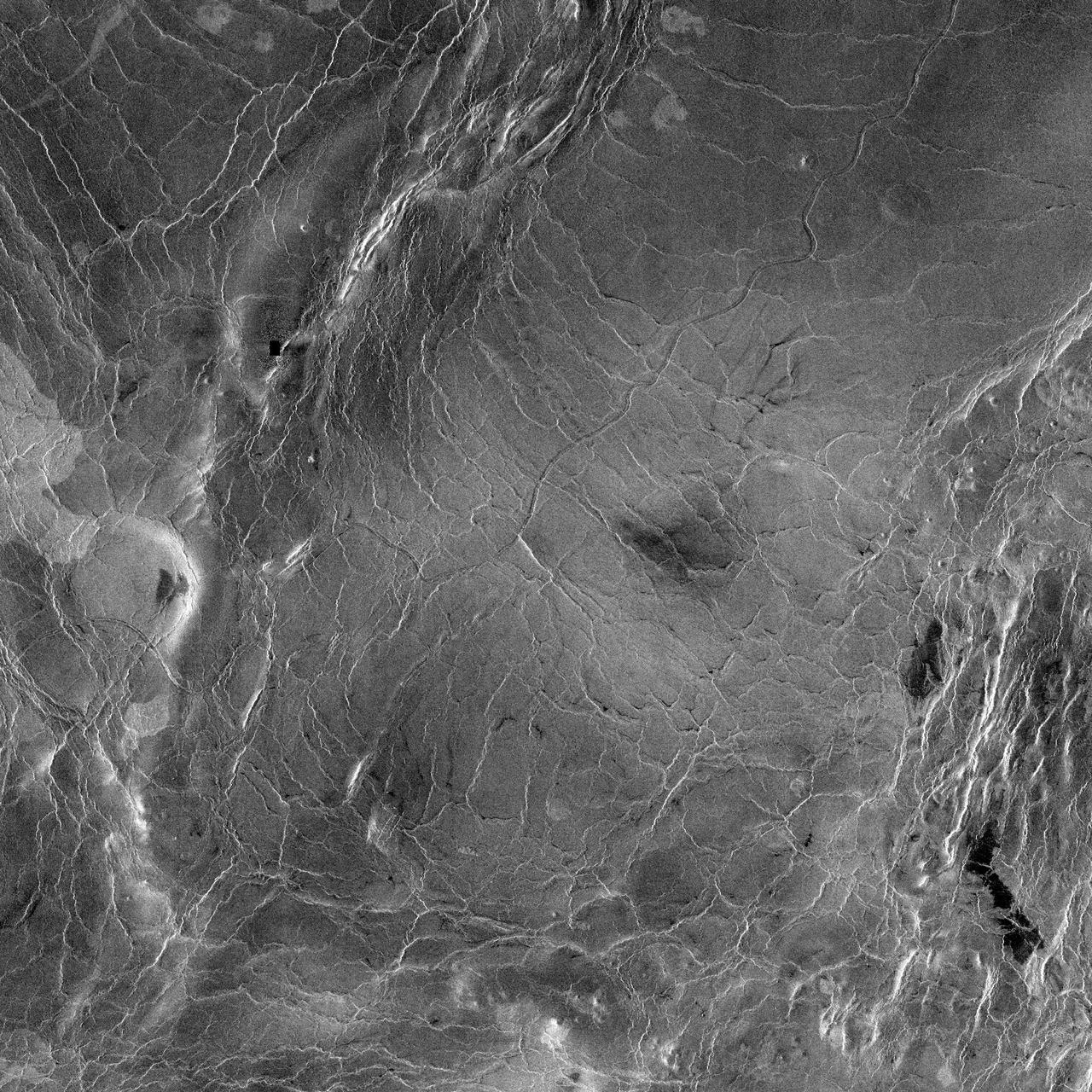
This image from NASA Magellan spacecraft shows a relatively flat plains region composed of many lava flows.  http://photojournal.jpl.nasa.gov/catalog/PIA00082
Venus - Lakshmi Region
Southwest Lakshmi Planum plains is bounded on the south by the Danu Montes mountains as shown by NASA Magellan spacecraft.  http://photojournal.jpl.nasa.gov/catalog/PIA00249
Venus - Danu Montes and Lakshmi Planum
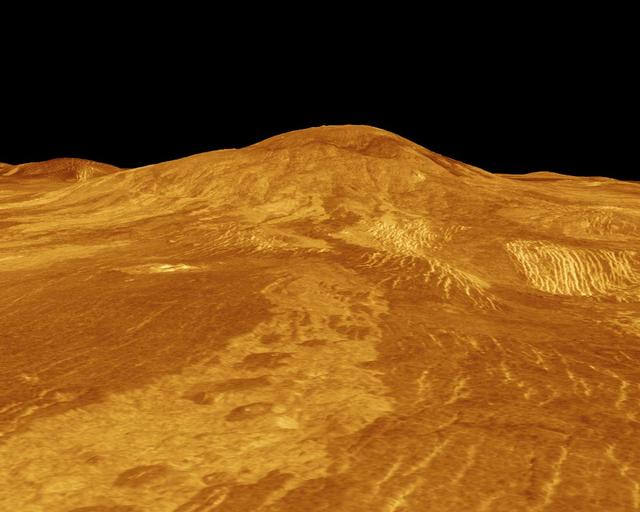
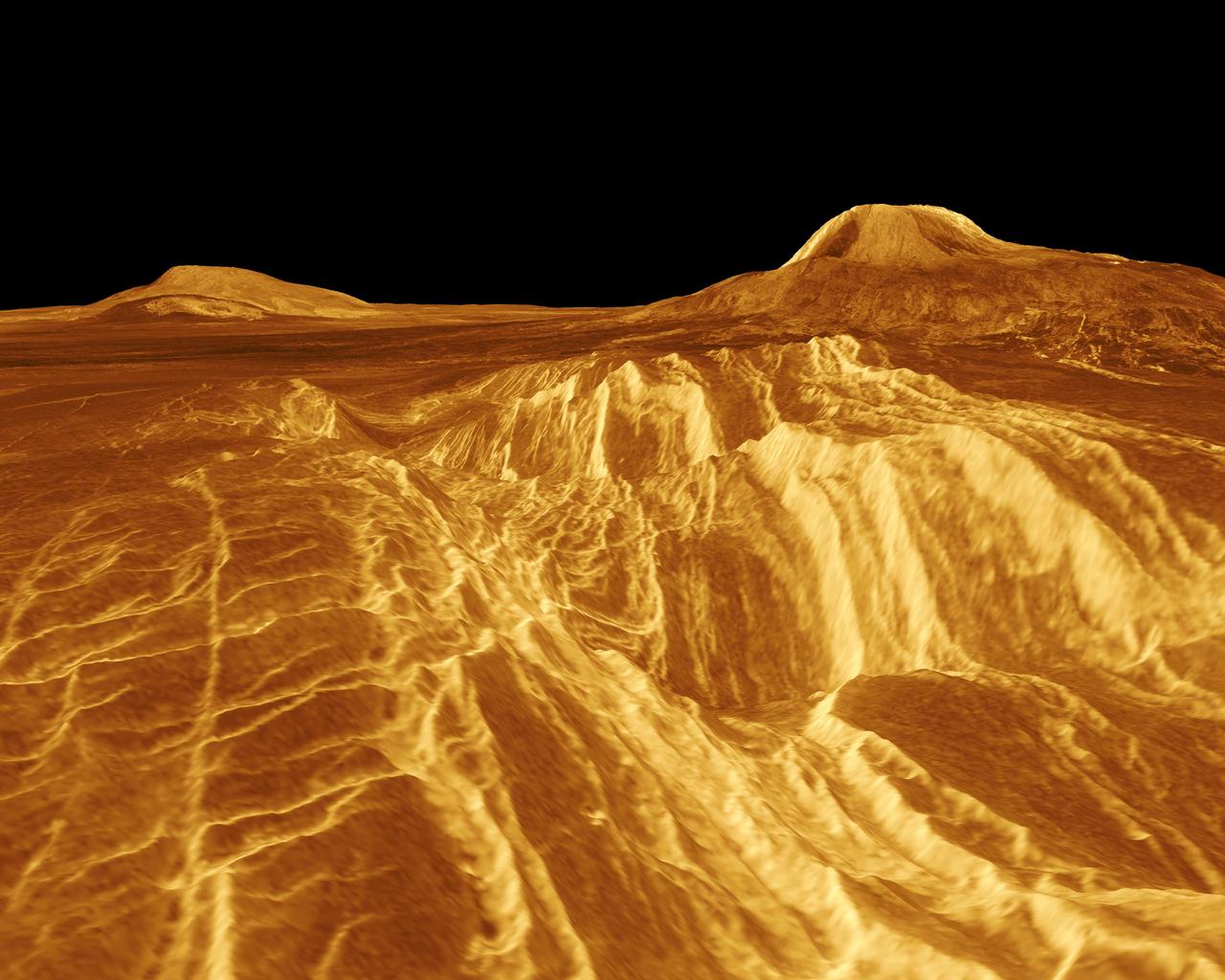
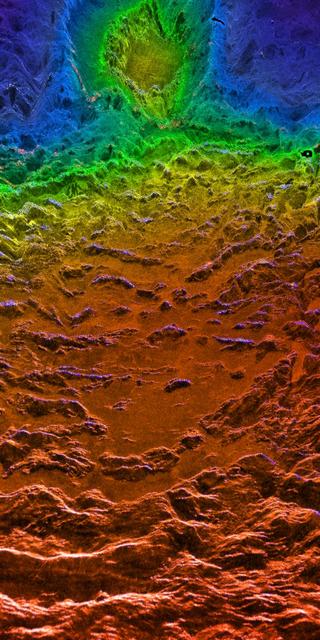
Sapas Mons is displayed in the center of this computer-generated three-dimensional perspective view from NASA's Magellan spacecraft of the surface of Venus.   http://photojournal.jpl.nasa.gov/catalog/PIA00107
Venus - 3-D Perspective View of Sapas Mons
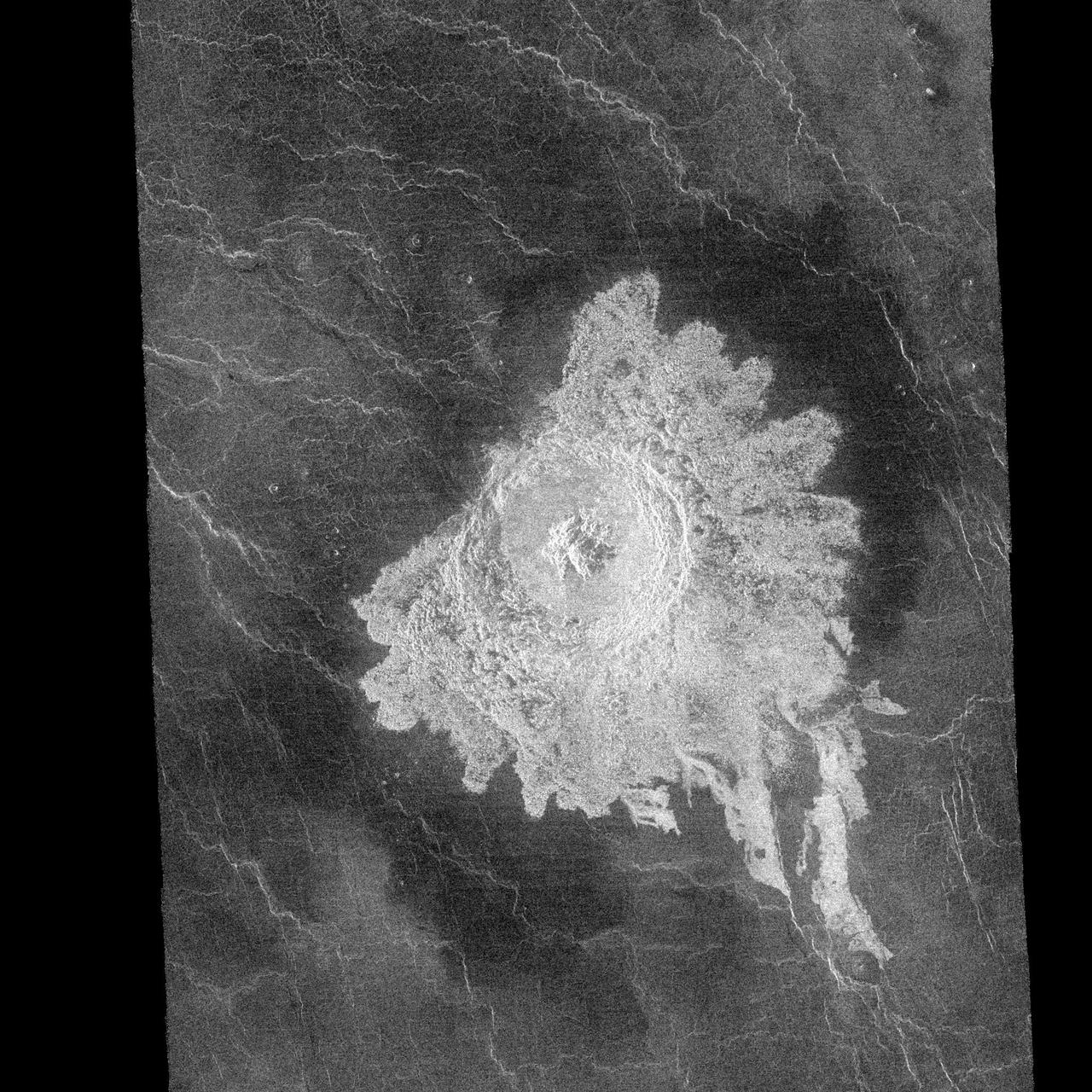
Two mosaiced pieces of NASA Magellan image strips display the area east of the Rhea Mons volcano on Venus.  http://photojournal.jpl.nasa.gov/catalog/PIA00208
Venus - Rhea Mons Volcano
NASA Magellan spacecraft has observed remnant landslide deposits apparently resulting from the collapse of volcanic structures.  http://photojournal.jpl.nasa.gov/catalog/PIA00263
Venus - Landslide Deposits
This image from NASA's Magellan spacecraft covers part of the eastern flank of the volcano Sapas Mons on the western edge of Atla Regio.  http://photojournal.jpl.nasa.gov/catalog/PIA00099
East Part of Sapas Mons with Flooded Crater
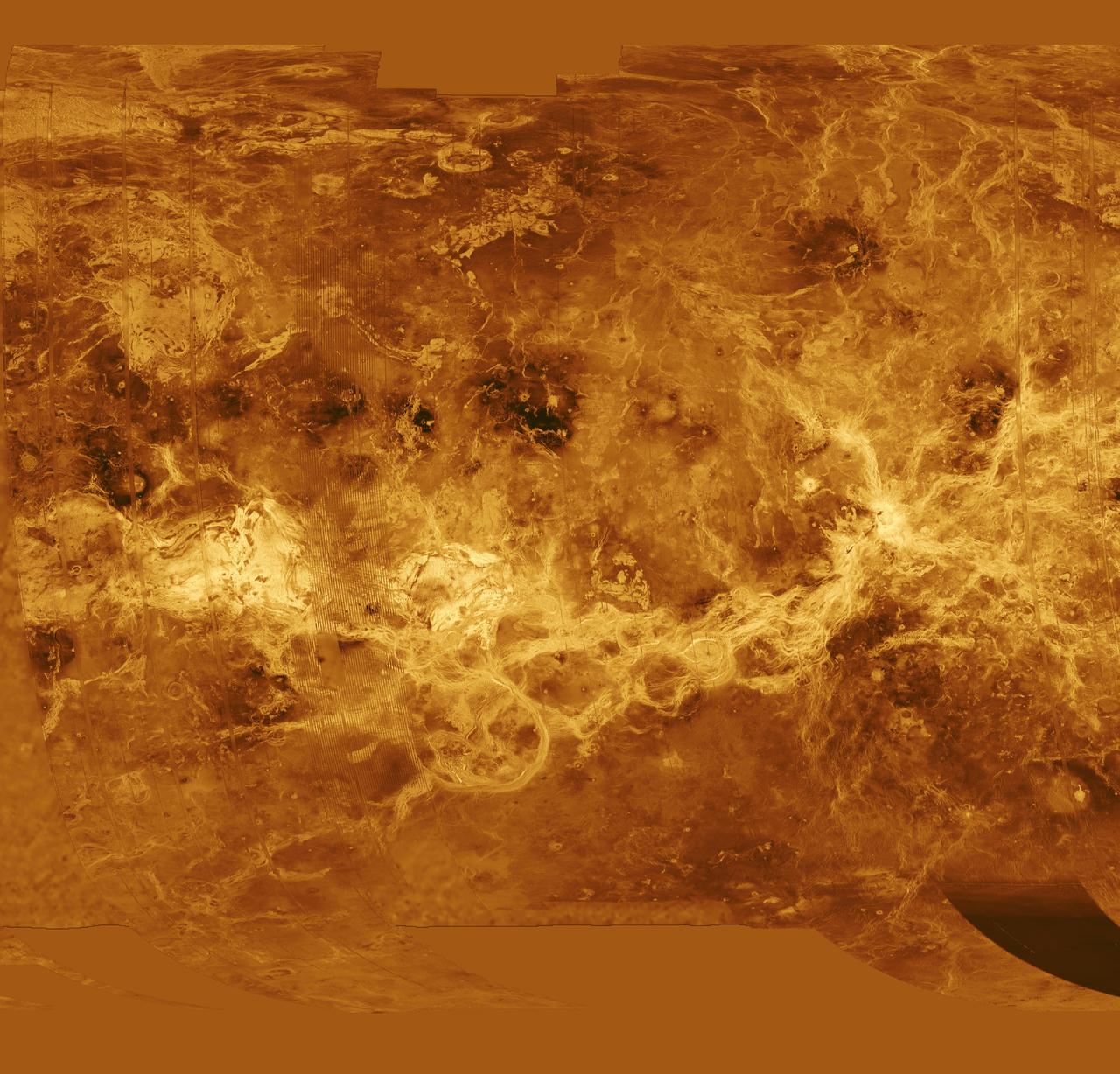
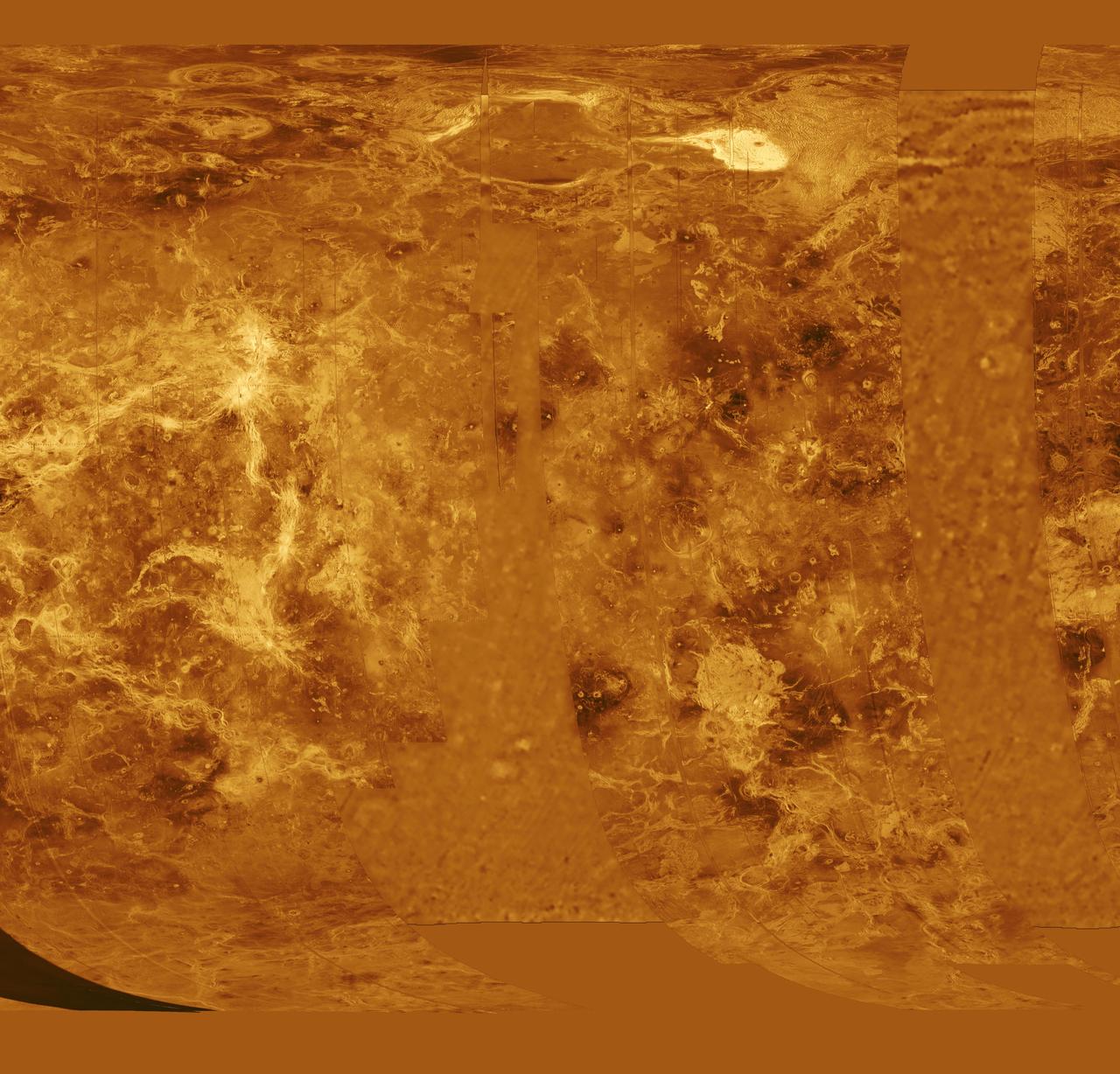
The eastern half of the planet is displayed in this simple cylindrical map of the surface of Venus obtained by NASA Magellan spacecraft.  http://photojournal.jpl.nasa.gov/catalog/PIA00256
Venus - Simple Cylindrical Map of Surface Eastern Half
A portion of the eastern edge of Alpha Regio is displayed in this three-dimensional perspective view of the surface of Venus from NASA Magellan spacecraft.  http://photojournal.jpl.nasa.gov/catalog/PIA00246
Venus - 3-D Perspective View of Eastern Edge of Alpha Regio
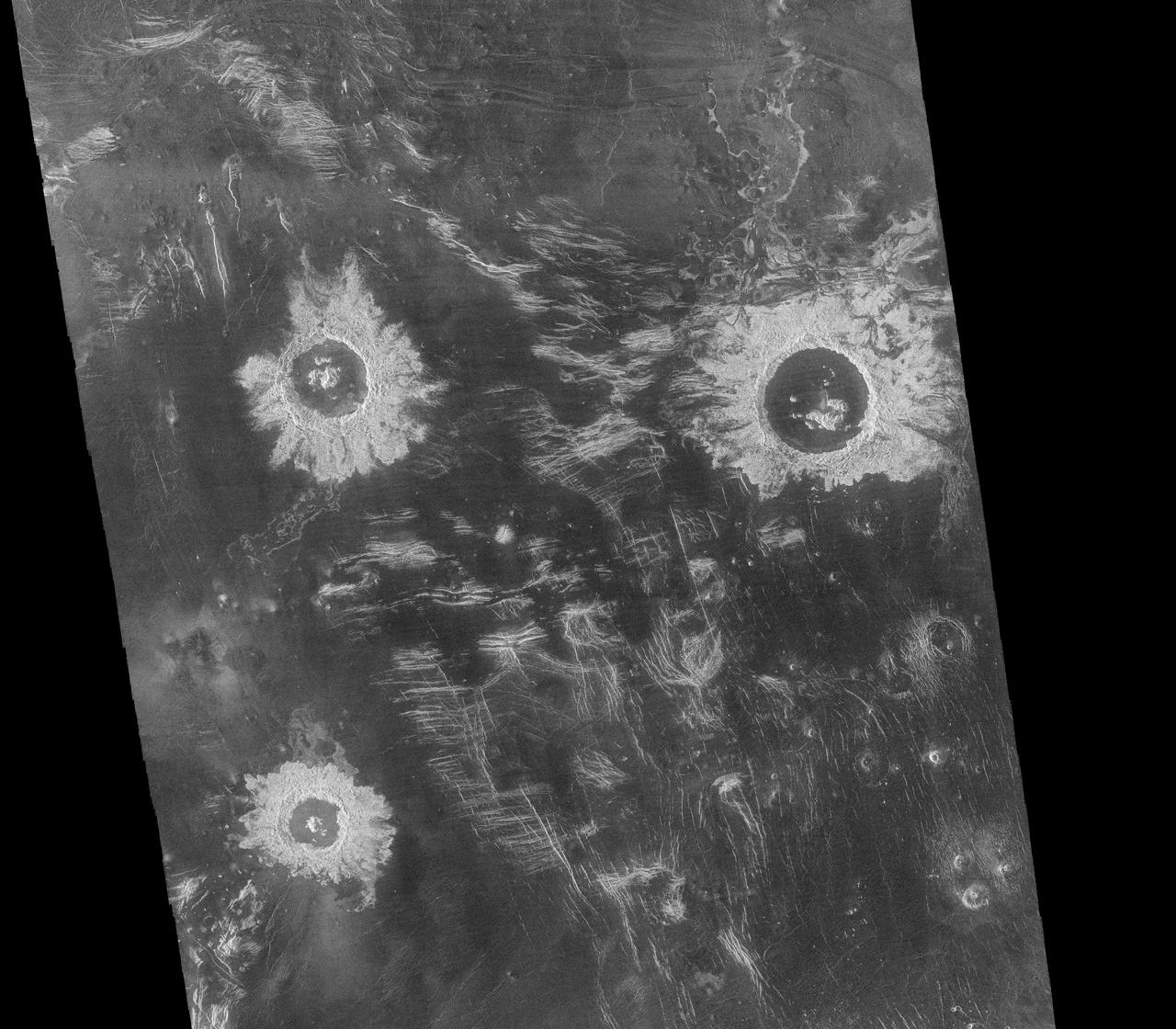
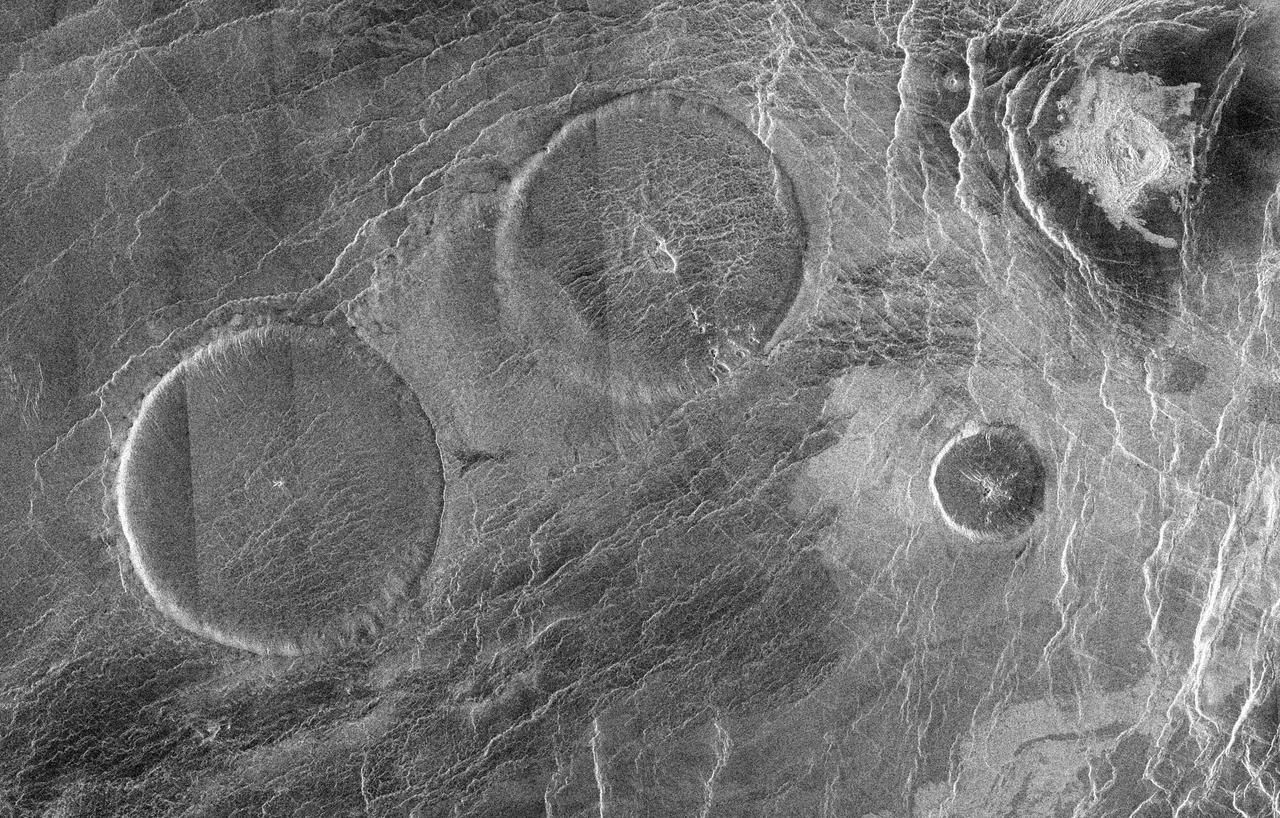
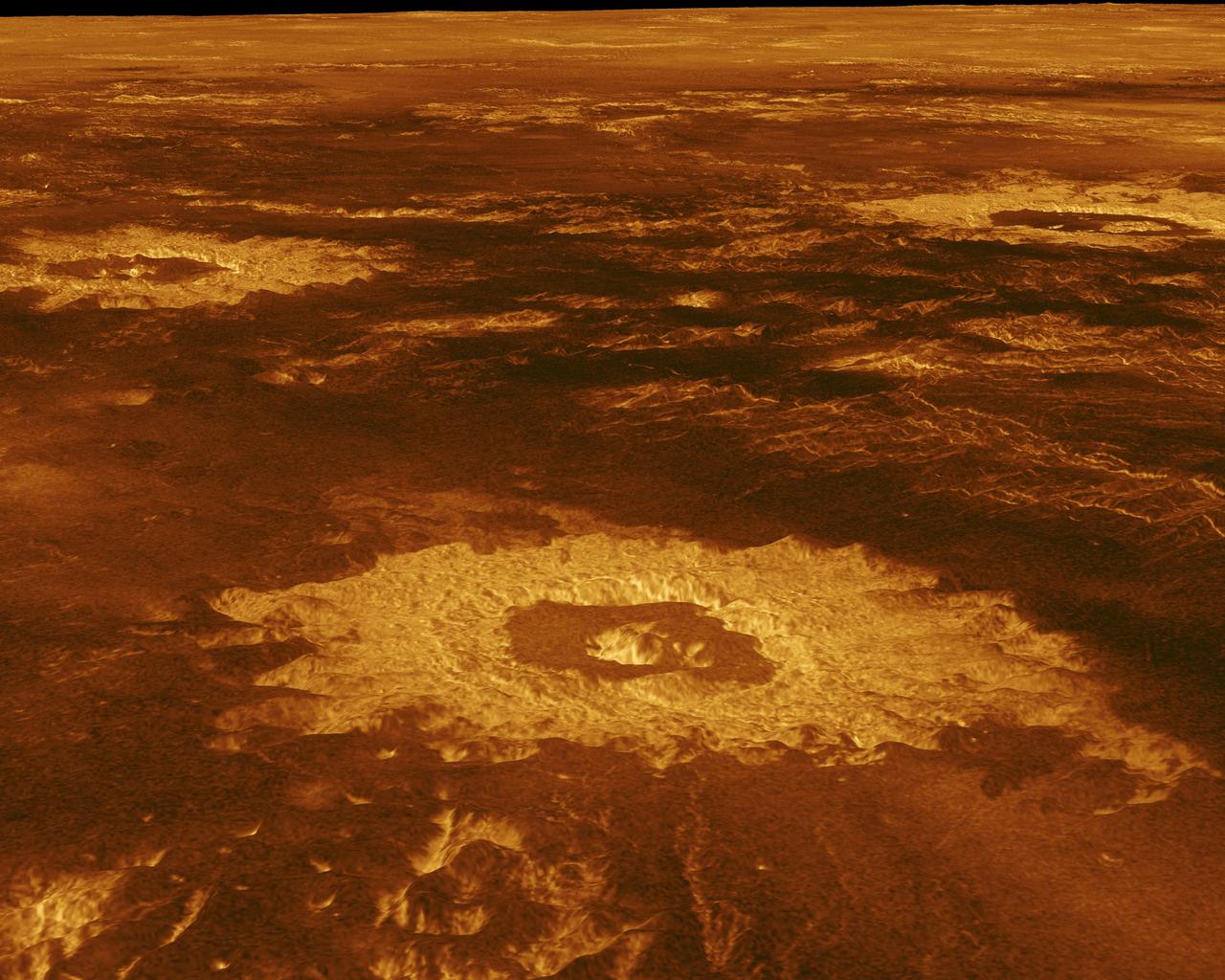
Three large meteorite impact craters are seen in this image obtained by NASA Magellan spacecraft of the Lavinia region of Venus.  http://photojournal.jpl.nasa.gov/catalog/PIA00214
Venus - Lavinia Region Impact Craters
This full-resolution mosaic of Venus, obtained by NASA Magellan spacecraft, shows an area replete with diverse volcanic features.  http://photojournal.jpl.nasa.gov/catalog/PIA00265
Venus - False Color of Volcanic Plains
This image from NASA Magellan spacecraft is from the eastern Ovda region of Venus. The image shows some small volcanic domes on the flank of the volcano Maat.
Venus - Volcanic Domes on Flank of Volcanic Maat in East Ovda Region
This image from NASA Magellan spacecraft reveals Sacajawea Patera, a large, elongate caldera located in Western Ishtar Terra on the smooth plateau of Lakshmi Planum.
Venus - A Large Elongated Caldera Sacajawea Patera
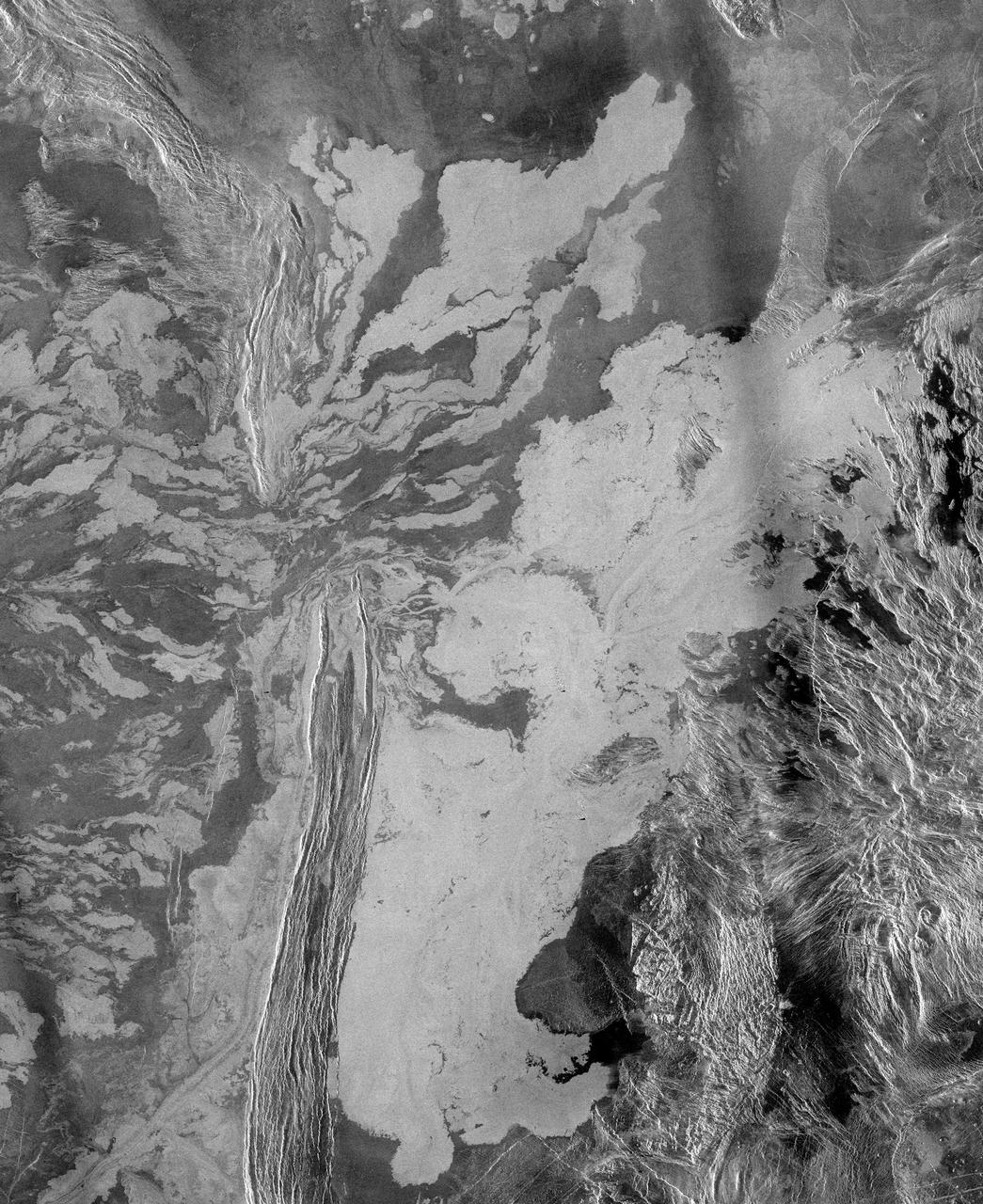
This image from NASA Magellan spacecraft is from the southern portion of Navka. In the center of this image are two bright deposits running north to south.
Venus - Outflow Channel in South Navka
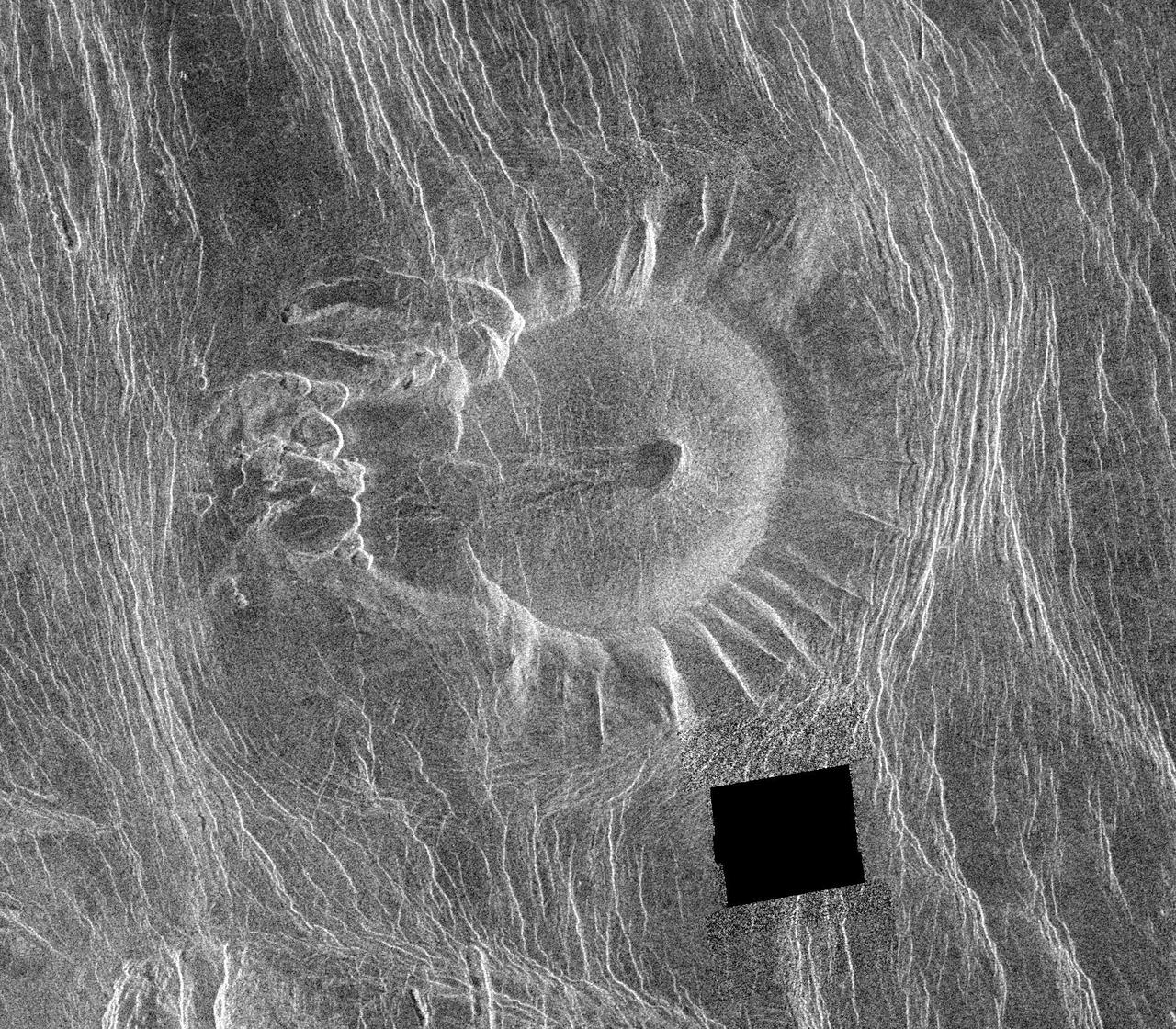
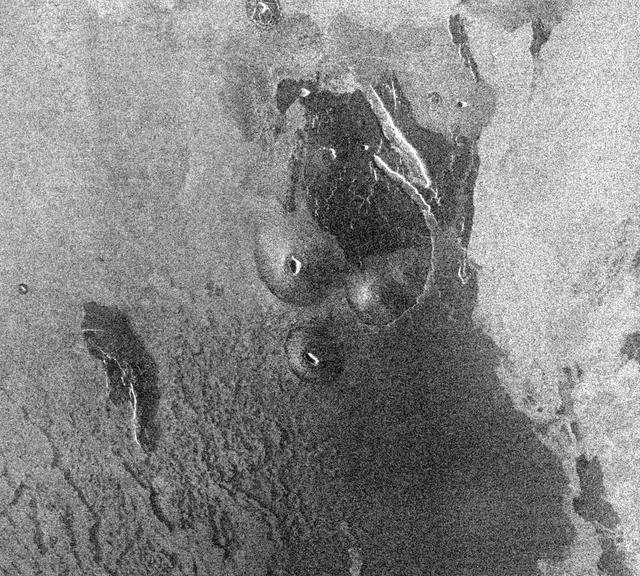
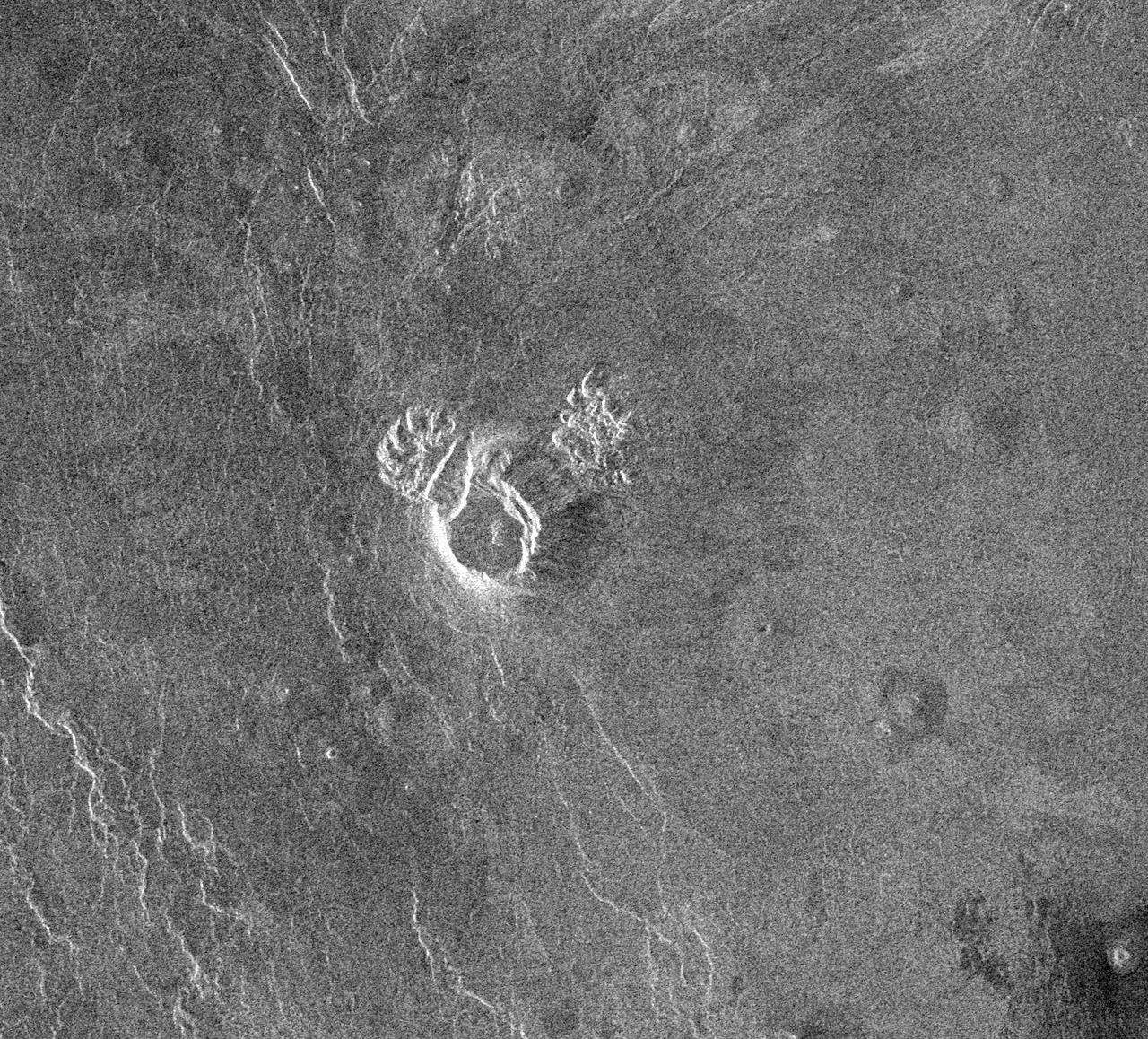
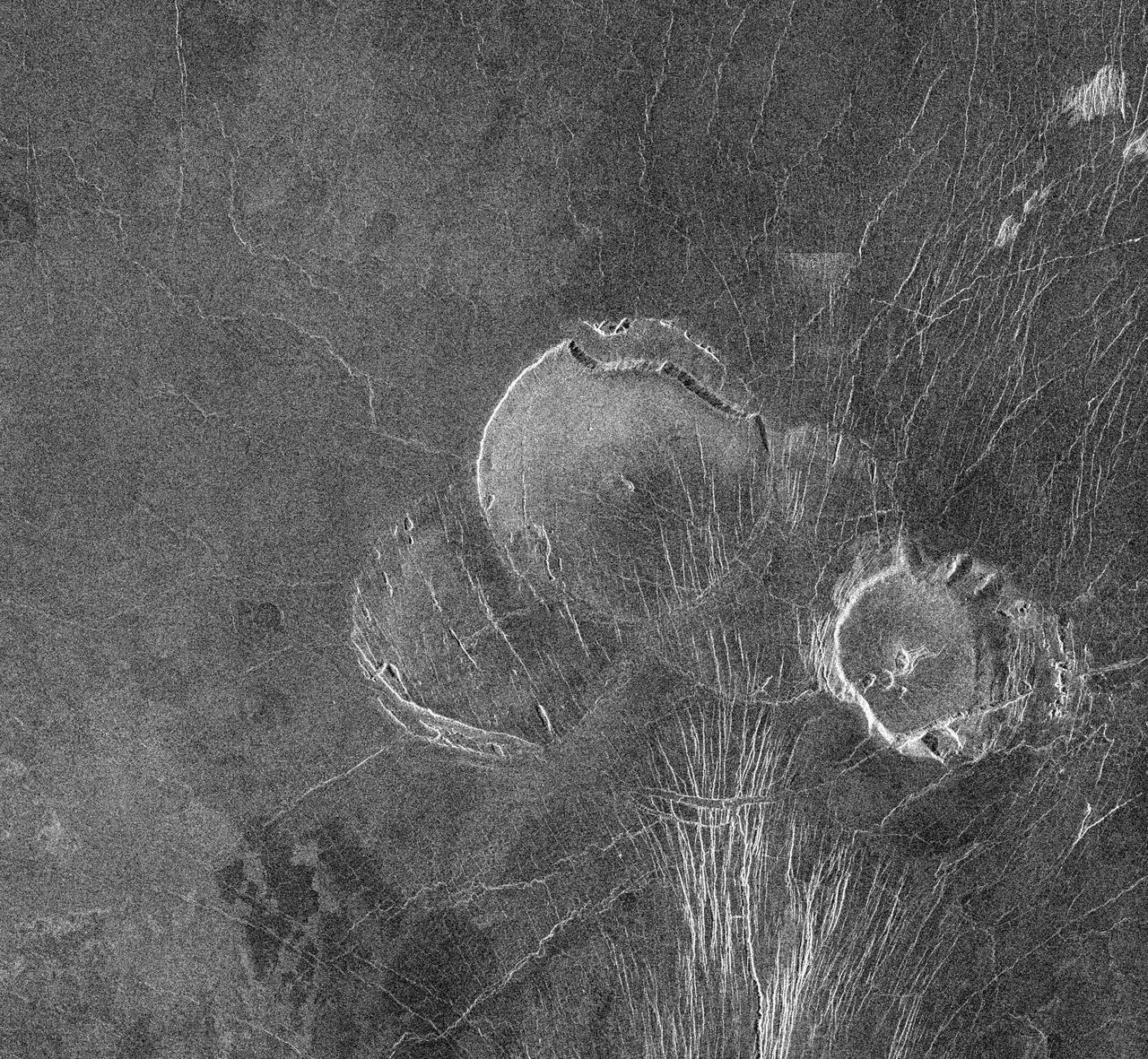
This image from NASA Magellan spacecraft, with radar illumination from west to east, shows three unusual volcanoes located in the Guinevere Planitia lowland.  http://photojournal.jpl.nasa.gov/catalog/PIA00261
Venus - Volcanos in Guinevere Planitia
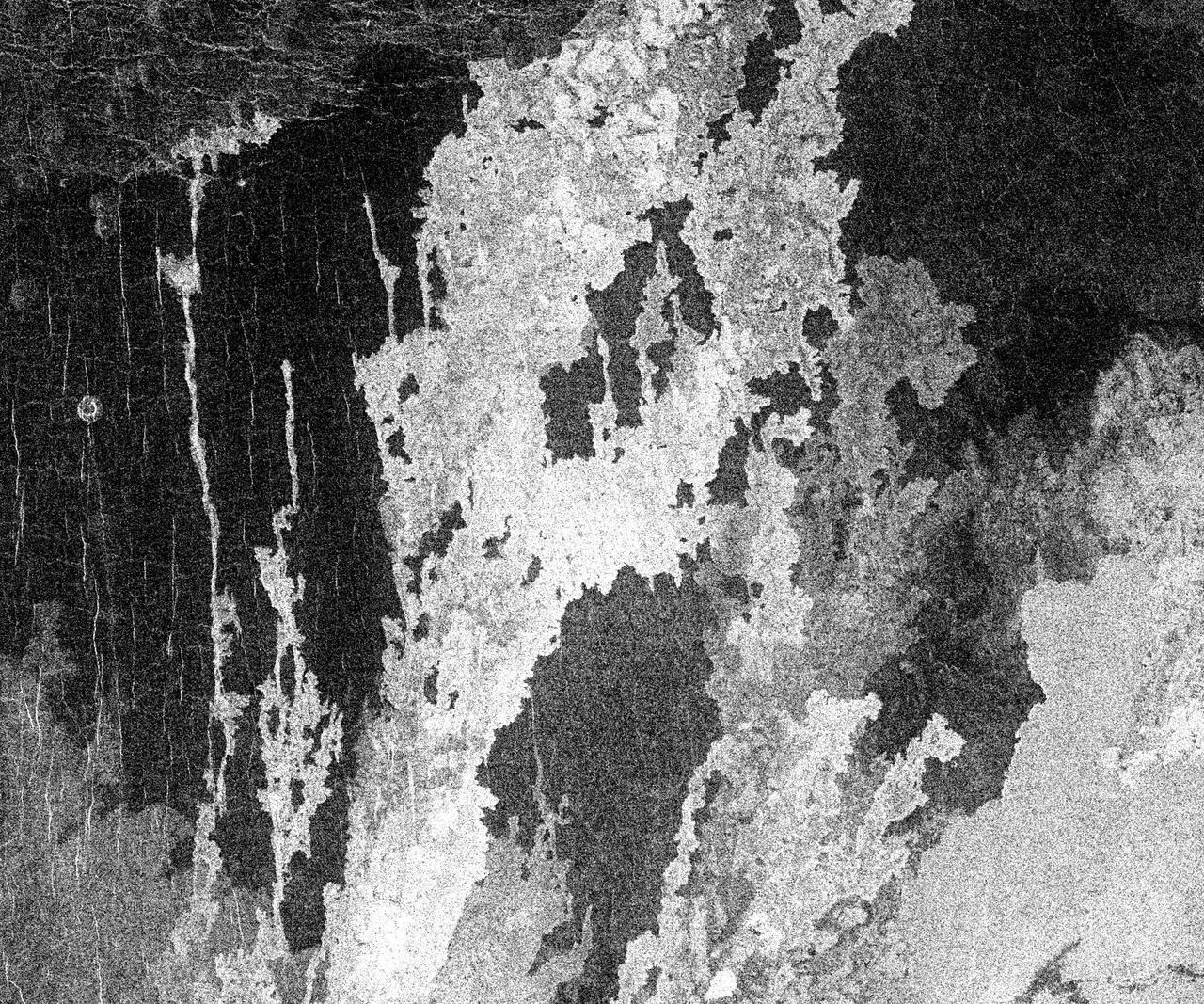
This full resolution radar mosaic from NASA Magellan spacecraft shows a 200 kilometer 124 mile segment of a sinuous channel on Venus.  http://photojournal.jpl.nasa.gov/catalog/PIA00253
Venus - Sinuous Channel
This full resolution radar mosaic from NASA Magellan spacecraftshows an oblique view of the impact crater Riley, named for Margaretta Riley, a 19th Century botanist.  http://photojournal.jpl.nasa.gov/catalog/PIA00266
Venus - Oblique View of Crater Riley
NASA's Magellan radar image shows Alpha Regio, a topographic upland. In 1963 Alpha Regio was the first feature on Venus to be identified from Earth based radar.  http://photojournal.jpl.nasa.gov/catalog/PIA00147
Venus - False Color Image of Alpha Regio
This Magellan full resolution mosaic, centered at 12.3 north latitude, 8.3 degrees east longitude, shows an area in the Eistla region of Venus.  http://photojournal.jpl.nasa.gov/catalog/PIA00084
Venus - Eistla Region
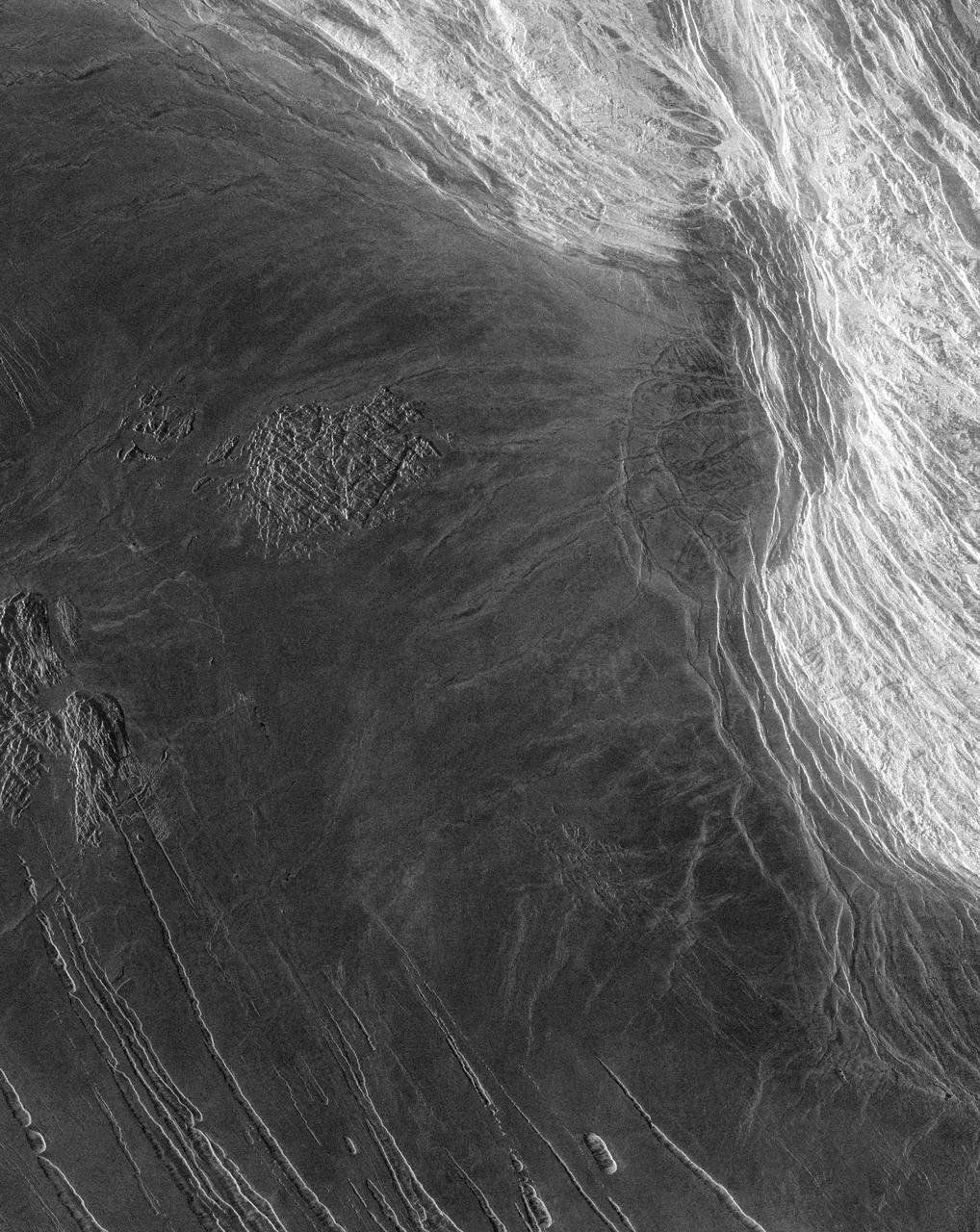
This full resolution radar image from NASA Magellan spacecraft is centered along the eastern edge of Lakshmi Planum and the western edge of Maxwell Montes.  http://photojournal.jpl.nasa.gov/catalog/PIA00241
Venus - Lakshmi Planum and Maxwell Montes
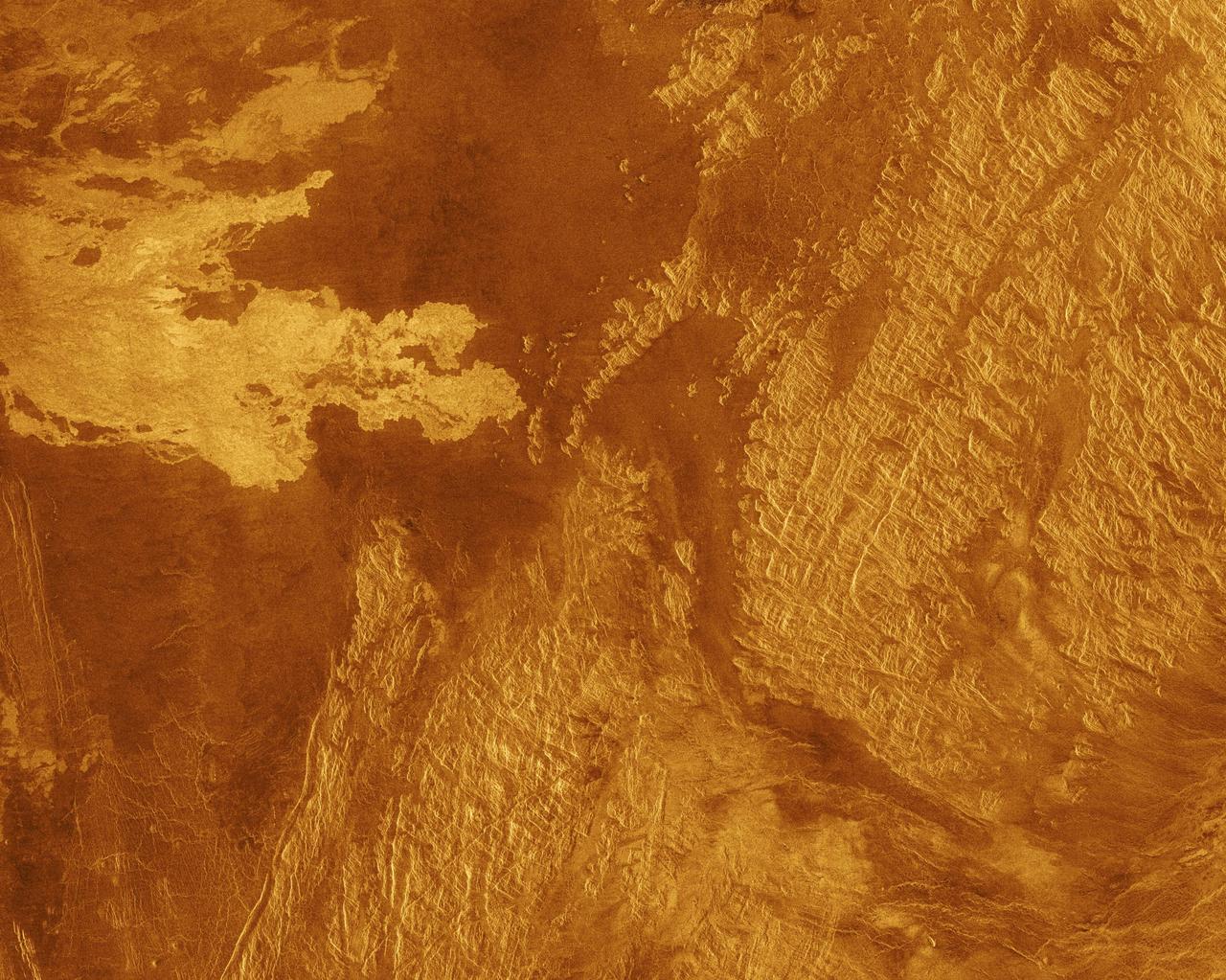
This image from NASA Magellan spacecraft shows part of the northern boundary of Ovda Regio, one of the large highlands ringing the equator of Venus.  http://photojournal.jpl.nasa.gov/catalog/PIA00242
Venus - Ovda Regio
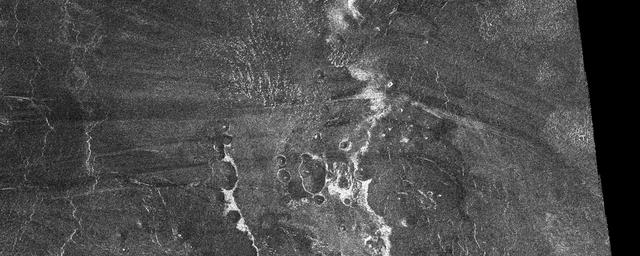
This image from the Atla region of Venus obtained by NASA Magellan spacecraft shows several types of volcanic features and superimposed surface fractures.  http://photojournal.jpl.nasa.gov/catalog/PIA00201
Venus - Volcanic features in Atla Region
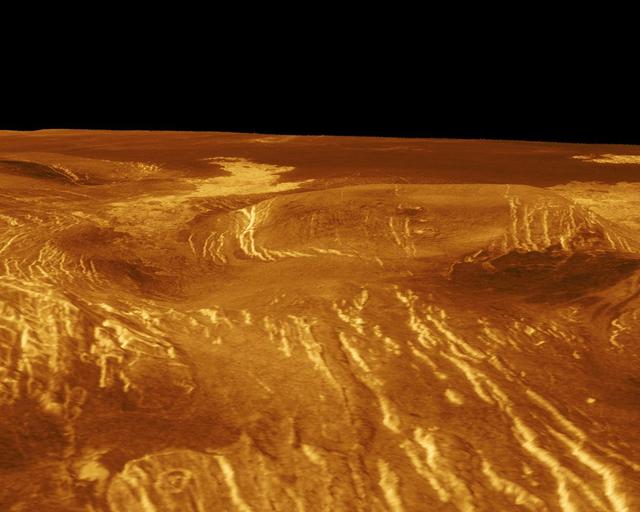
A portion of western Eistla Regio is shown in this three dimensional, computer-generated view of the surface of Venus. This NASA Magellan image was released on April 22, 1992.  http://photojournal.jpl.nasa.gov/catalog/PIA00200
Venus - False Color Perspective of Sif and Gula Mons
The hemispheric view of Venus, as revealed by more than a decade of radar investigations culminating in NASA's 1990-1994 Magellan mission, is centered at 90 degrees east longitude.  http://photojournal.jpl.nasa.gov/catalog/PIA00159
Hemispheric View of Venus Centered at 90 Degrees East Longitude
This mosaic from NASA Magellan data is in the Lavinia region of Venus. Three large impact craters can be seen located in a region of fractured plains.  http://photojournal.jpl.nasa.gov/catalog/PIA00086
Mosaic of Large Impact Craters
This image obtained by NASA Magellan spacecraft reveals Sacajawea Patera, a large, elongate caldera located in western Ishtar Terra on the smooth plateau of Lakshmi Planum.  http://photojournal.jpl.nasa.gov/catalog/PIA00216
Venus - False Color of Sacajawea Petera
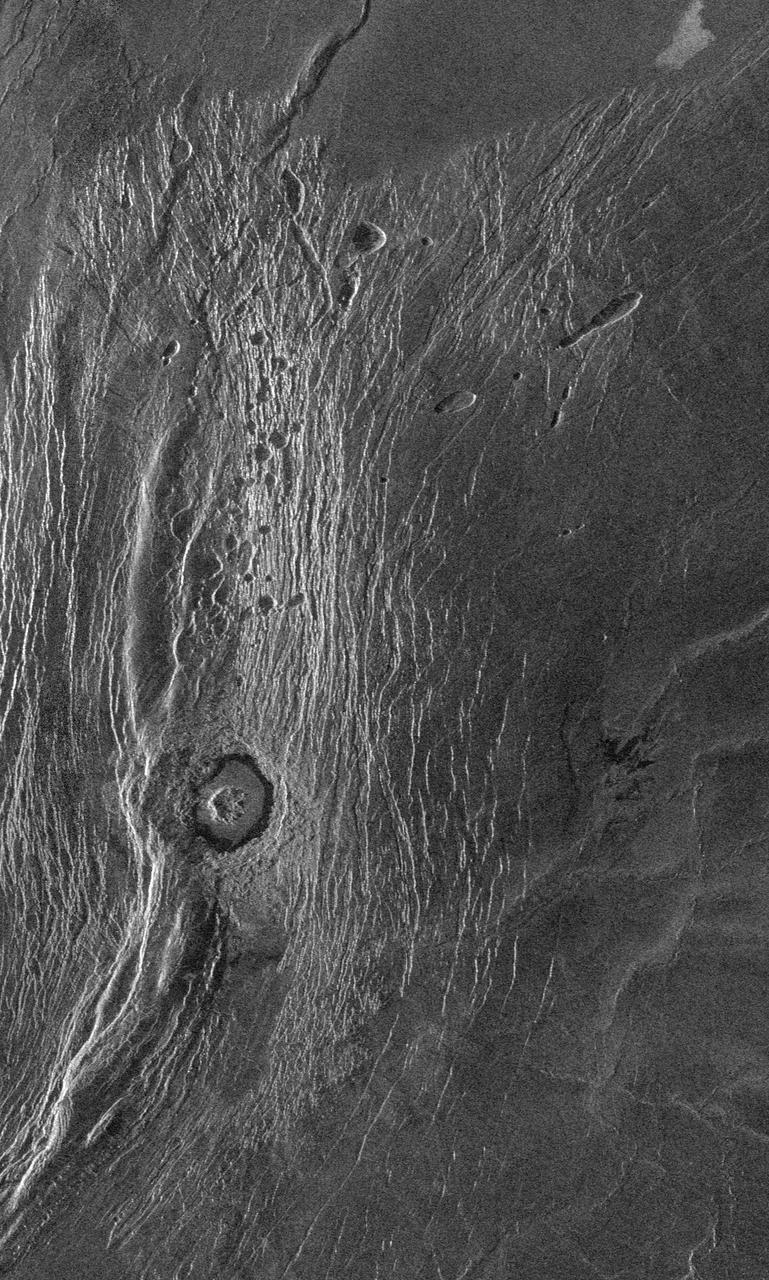
This is a full resolution radar mosaic of the Lavinia region of Venus as seen by NASA Magellan spacecraft. This area shows a diverse set of geologic features.  http://photojournal.jpl.nasa.gov/catalog/PIA00087
Lavinia Region Ridge Belts, Plains and Lava Flows
This perspective view of Venus, generated by computer from NASA Magellan data and color-coded with emissivity, shows part of the lowland plains in Sedna Planitia.  http://photojournal.jpl.nasa.gov/catalog/PIA00314
Sedna Planitia Right Member of a Synthetic Stereo Pair
This compressed resolution radar mosaic from NASA Magellan spacecraft shows a 600 kilometers 360 mile segment of the longest channel discovered on Venus in 1990.  http://photojournal.jpl.nasa.gov/catalog/PIA00245
Venus - 600 Kilometer Segment of Longest Channel on Venus
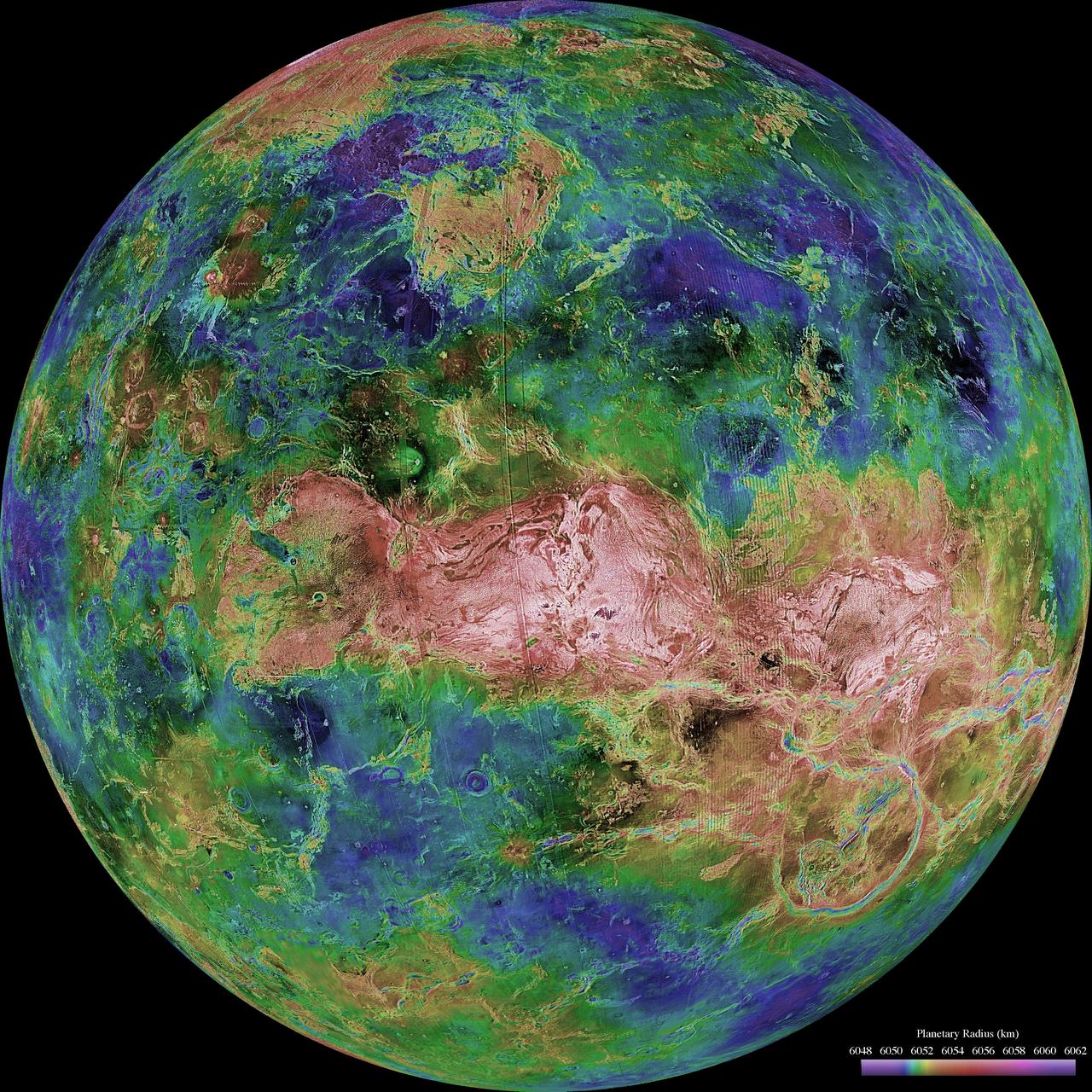
The hemispheric view of Venus, as revealed by more than a decade of radar investigations culminating in NASA's 1990-1994 Magellan mission, is centered at 0 degrees east longitude.  http://photojournal.jpl.nasa.gov/catalog/PIA00157
Hemispheric View of Venus Centered at 0 Degrees East Longitude
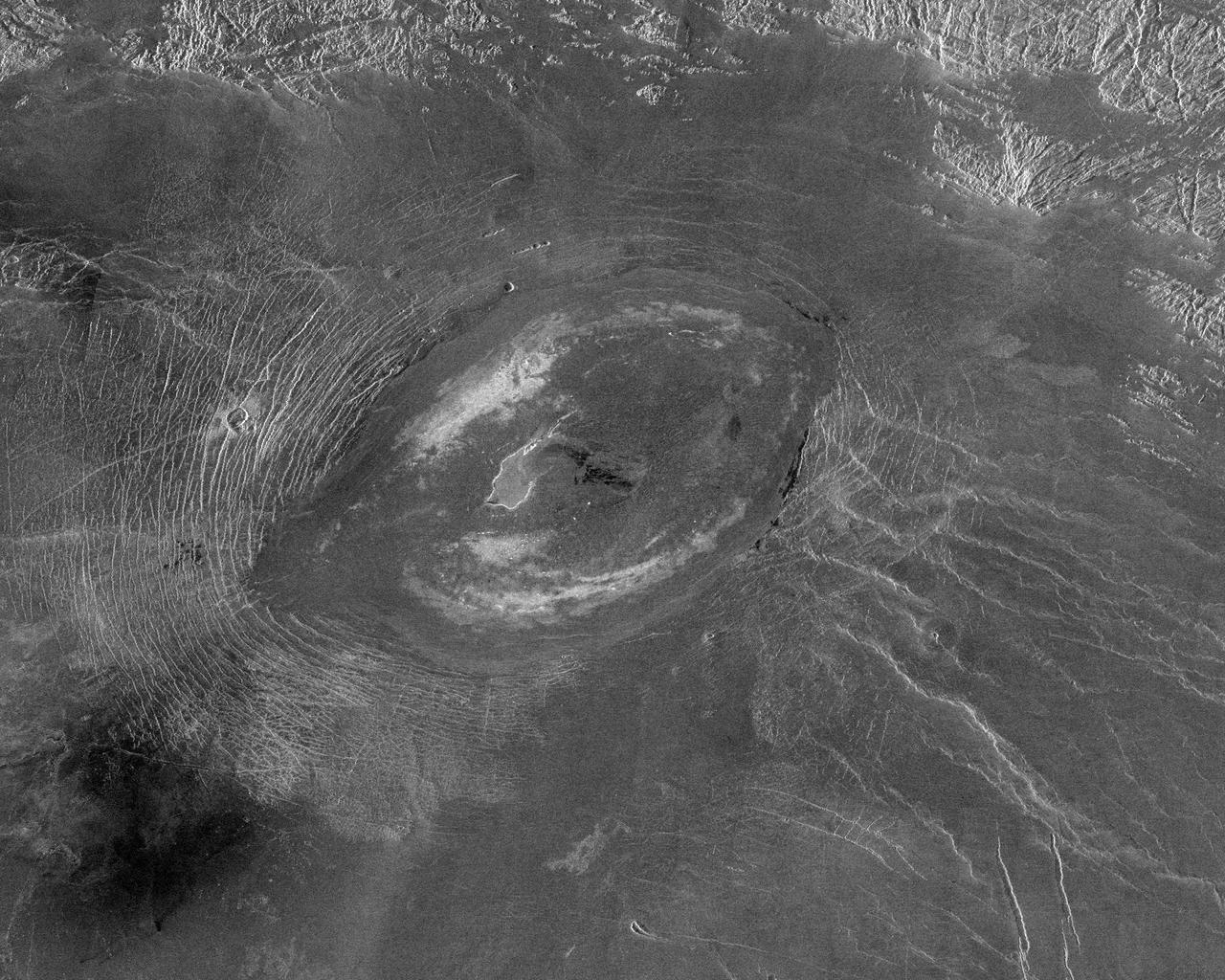
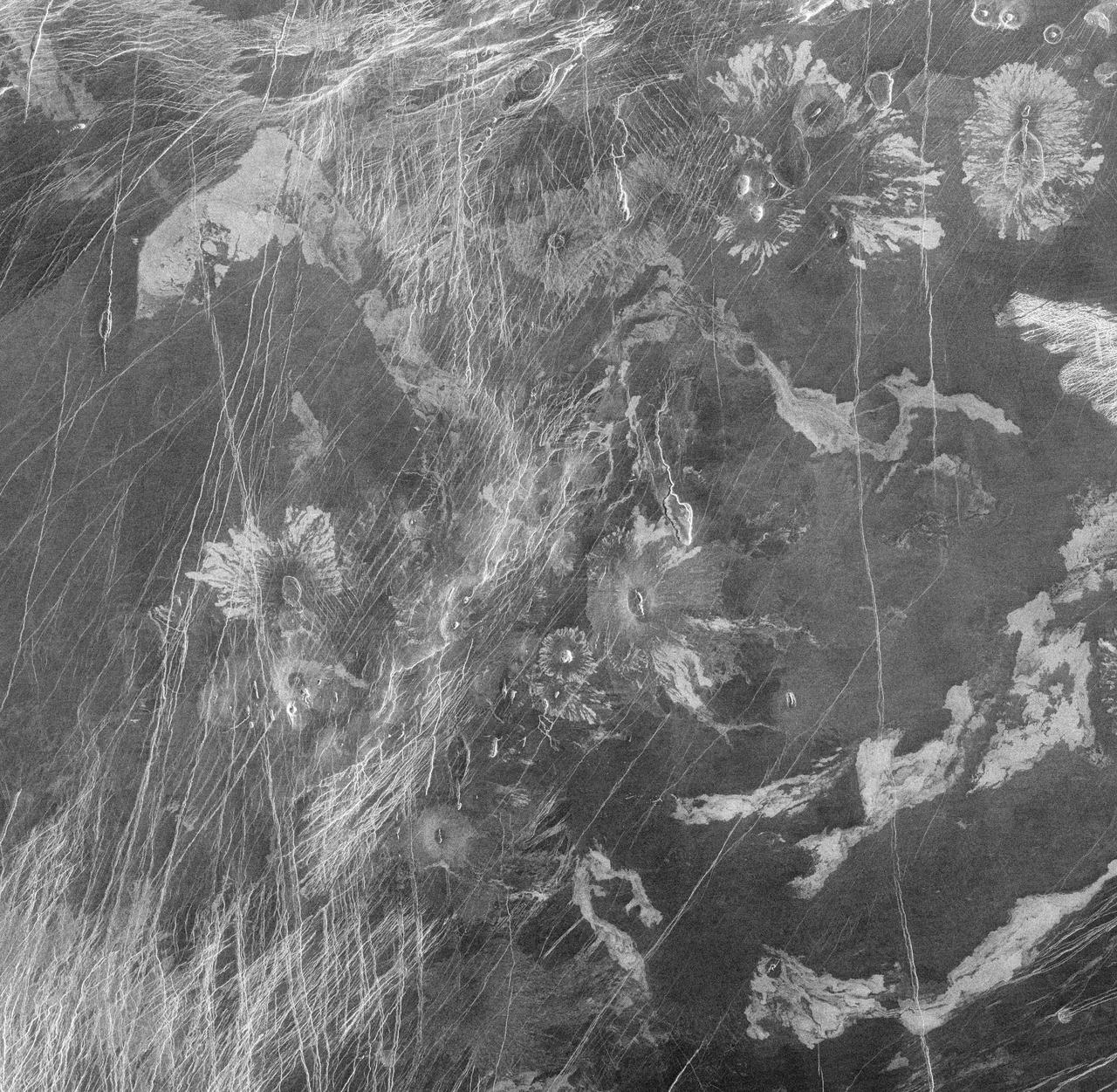
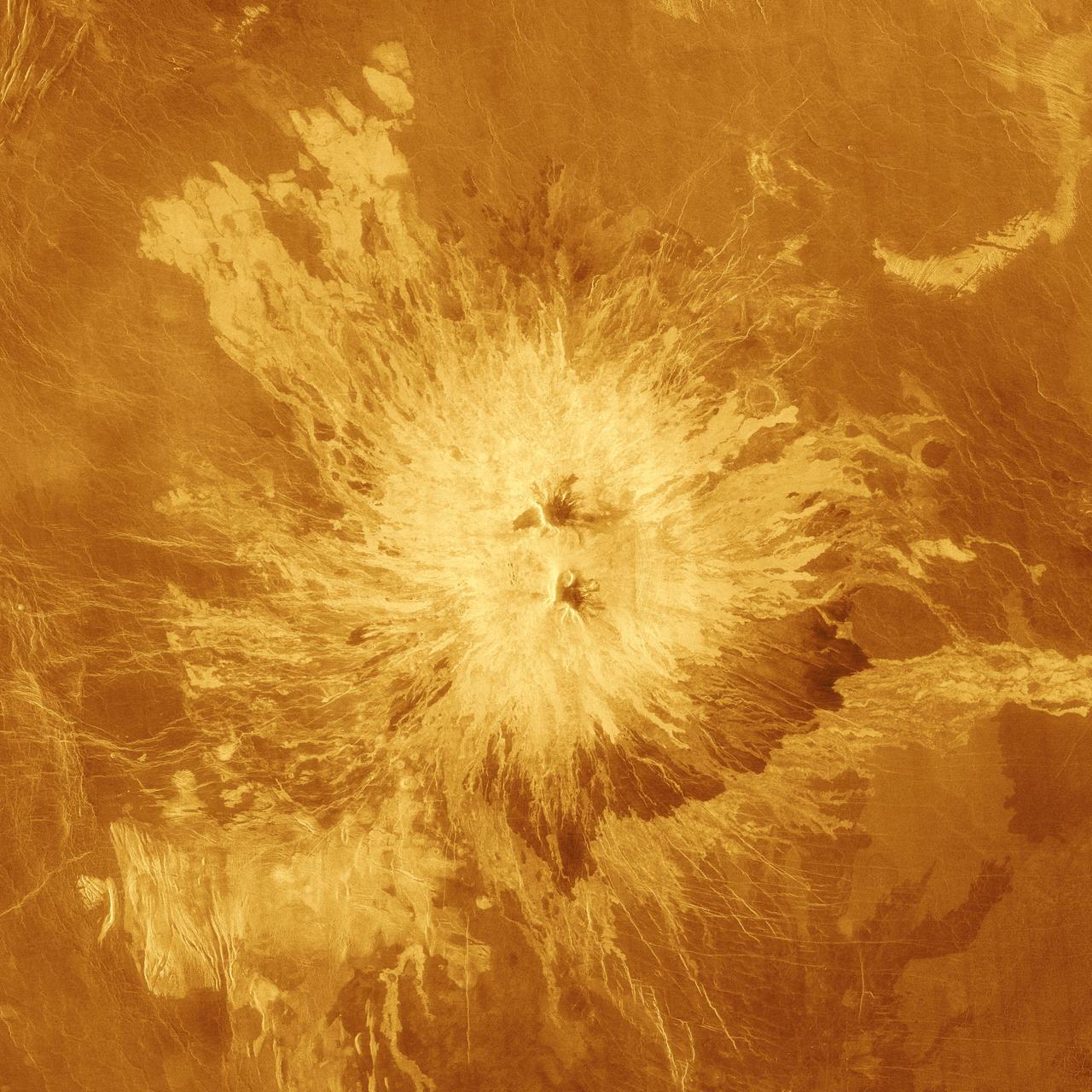
This false-color image obtained by NASA Magellan spacecraft shows the volcano Sapas Mons, which is located in the broad equatorial rise called Atla Regio.  http://photojournal.jpl.nasa.gov/catalog/PIA00203
False Color Image of Volcano Sapas Mons
NASA Magellan spacecraft observed remnant landslide deposits apparently resulting from the collapse of volcanic structures. This radar image is centered in the southwestern Navka Region of Venus.  http://photojournal.jpl.nasa.gov/catalog/PIA00262
Venus - Landslide in Navka Region
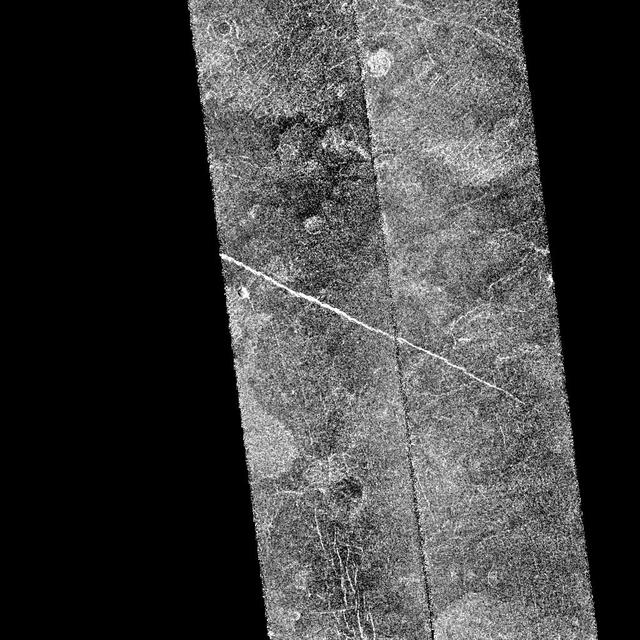
After traveling more than 1.5 billion kilometers 948 million miles, NASA Magellan spacecraft was inserted into orbit around Venus on Aug. 10, 1990.  http://photojournal.jpl.nasa.gov/catalog/PIA00205
Venus - First Radar Test
The view of Venus, after more than a decade of radar investigations culminating in the 1990-1994 NASA's Magellan mission, is centered at 270 degrees east longitude.  http://photojournal.jpl.nasa.gov/catalog/PIA00160
Hemispheric View of Venus Centered at 270° East Longitude
This radar image from NASA Magellan spacecraft shows a region located in a vast plain to the south of Aphrodite Terra. The data for this image was obtained in January 1991.  http://photojournal.jpl.nasa.gov/catalog/PIA00202
Venus - Aine Corona F-MIDR 59S164
The view of Venus, after more than a decade of radar investigations culminating in the 1990-1994 NASA's Magellan mission, is centered at 180 degrees east longitude.  http://photojournal.jpl.nasa.gov/catalog/PIA00159
Hemispheric View of Venus Centered at 180° East Longitude
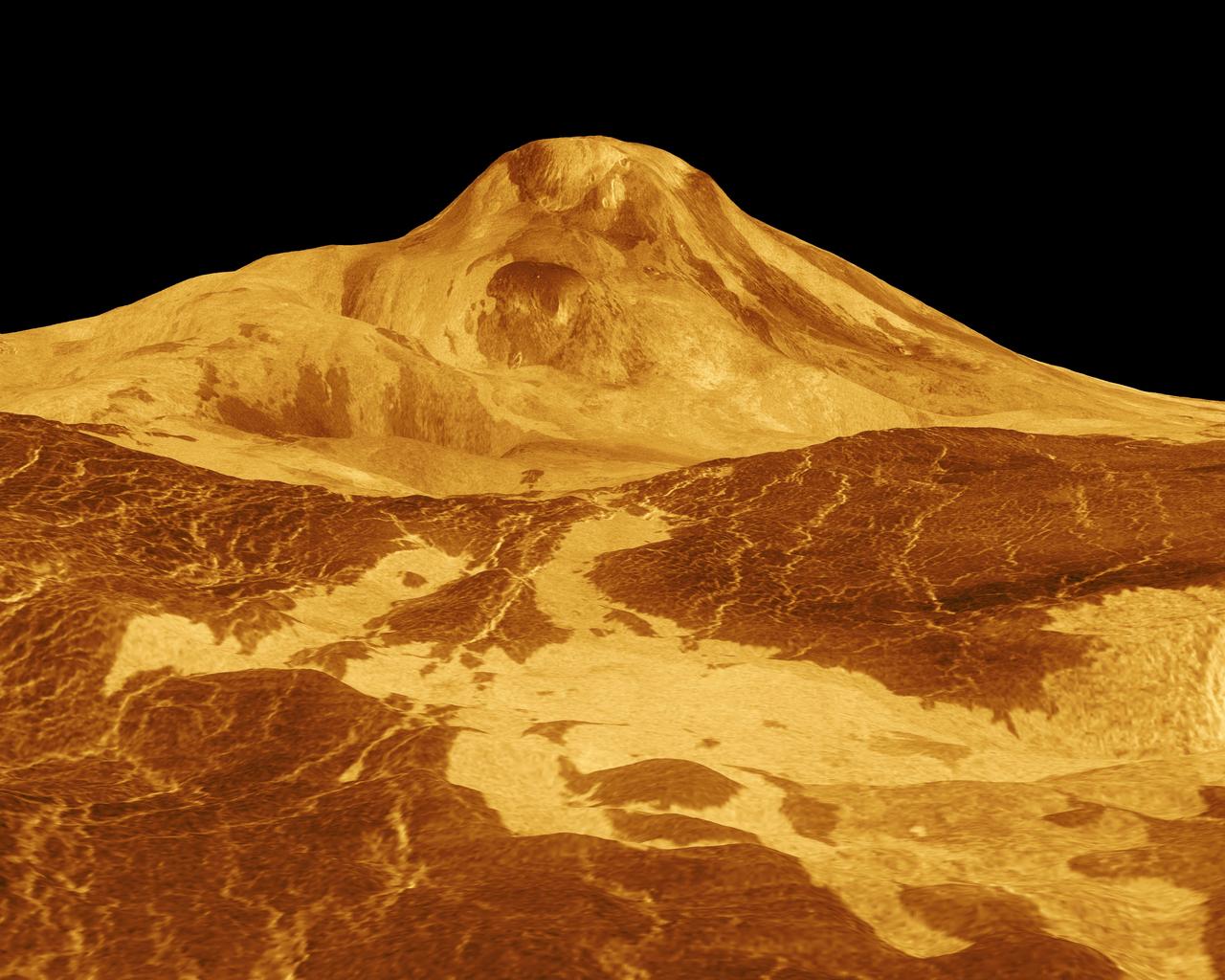
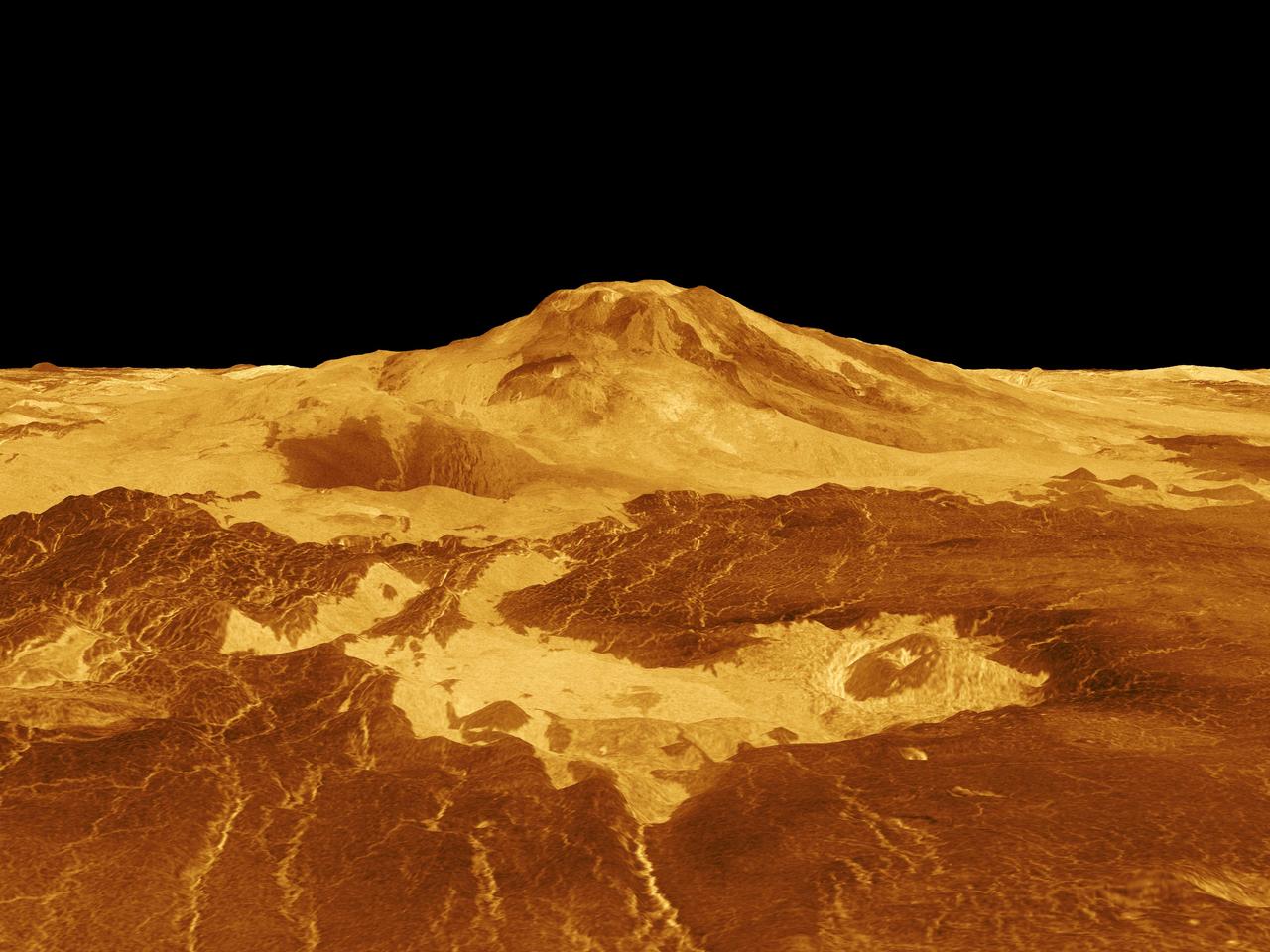
Maat Mons is displayed in this 3-dimensional perspective view of the surface of Venus taken by NASA Magellan. The viewpoint is located north of Maat Mons.  http://photojournal.jpl.nasa.gov/catalog/PIA00254
Venus - 3-D Perspective View of Maat Mons
Maat Mons is displayed in this computer generated three-dimensional perspective of the surface of Venus. This NASA's Magellan image was released on April 22, 1992.  http://photojournal.jpl.nasa.gov/catalog/PIA00106
Venus - 3-D Perspective View of Maat Mons
This image covers part of the 150 kilometer (90 mile) wide, 1 to 1.5 kilometer (0.6 to 0.9 mile) deep valley, Devana Chasma. The image is a composite of the first two orbits recorded by NASA's Magellan spacecraft in August 1990 superimposed on Pioneer Venus topography. This image is located at the intersection of Devana Chasma and the Phoebe Regio upland. It covers a region approximately 525 by 525 kilometers (315 by 315 miles), centered 288 degrees east longitude on the equator. Devana Chasma consists of radar bright lineaments, interpreted to be fault scarps, oriented in a north-northeast direction. This part of the planet is thought to be an area where the crust is being stretched and pulled apart producing a rift valley, similar to the East African rift.   http://photojournal.jpl.nasa.gov/catalog/PIA00464
Venus - Magellan Data Superimposed on Pioneer Venus Data - Devana Chasma and Phoebe Regio
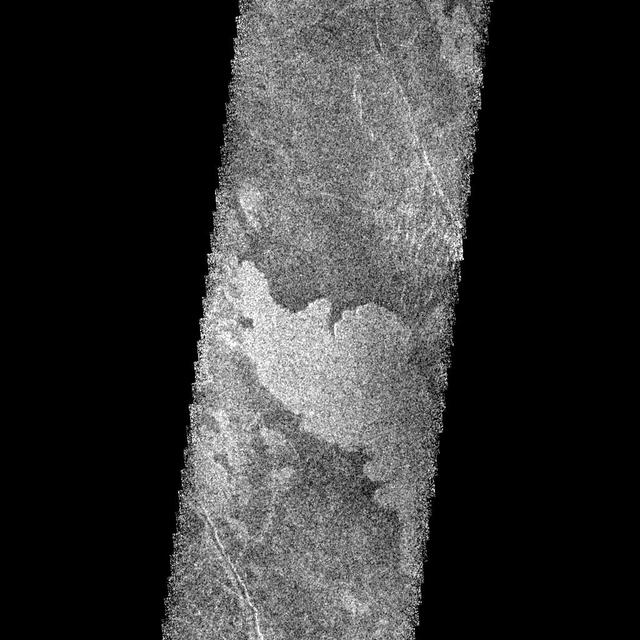
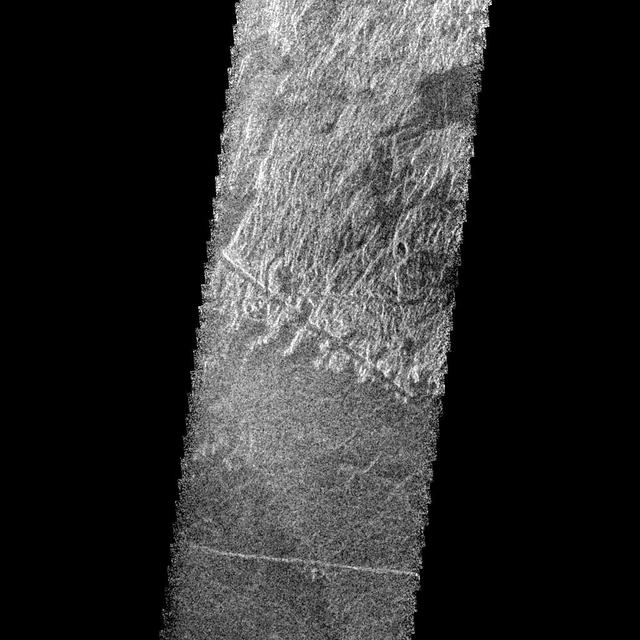
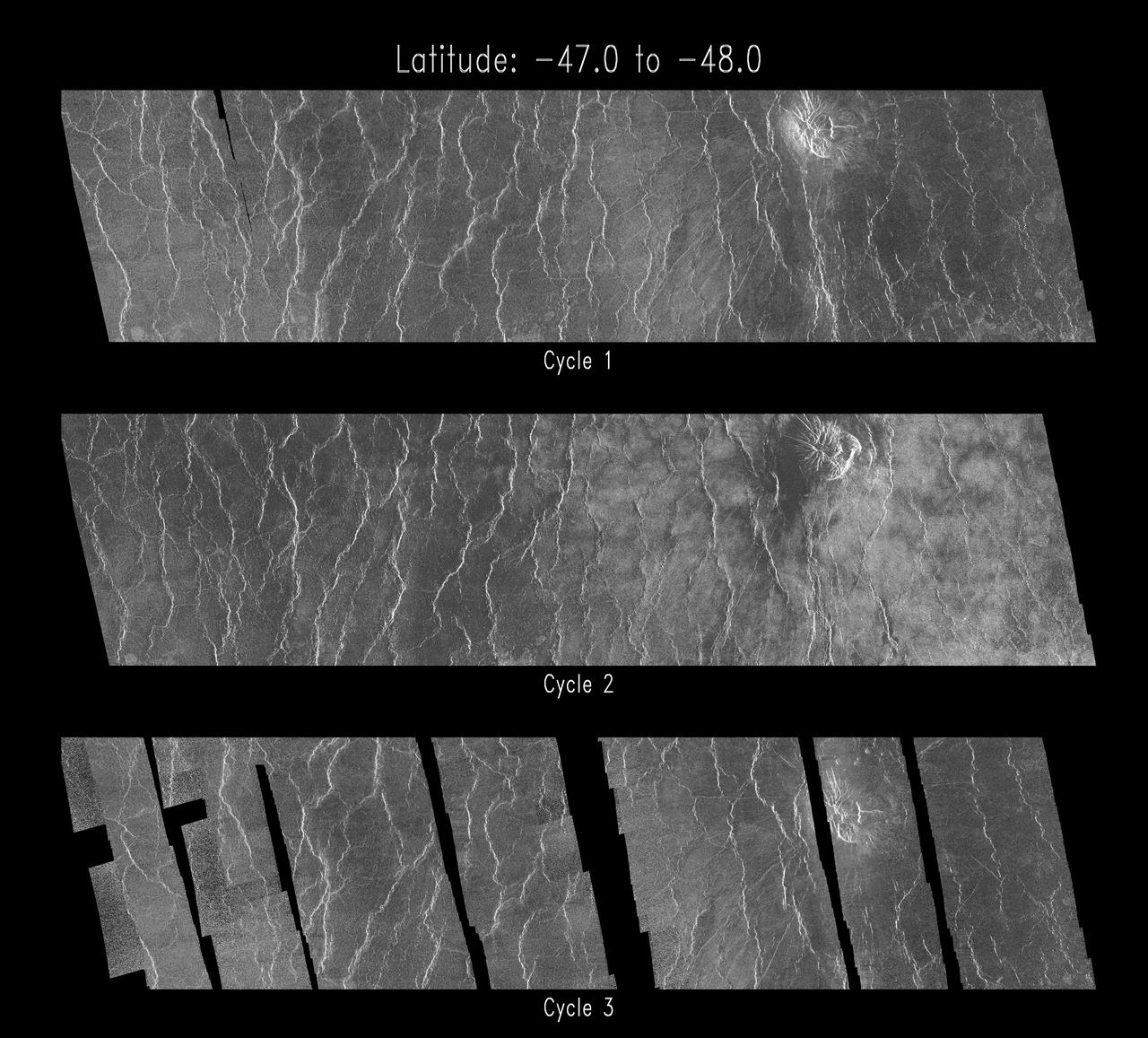
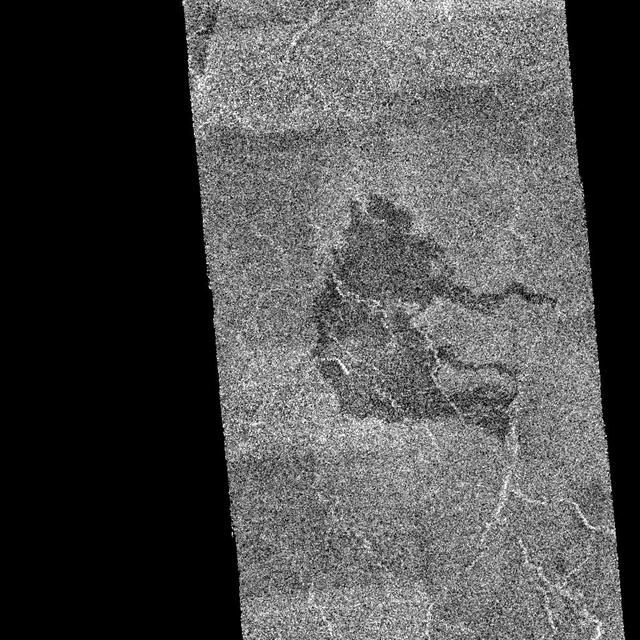
This set of three images from NASA Magellan spacecraft, shows a small volcano, lava plains distorted into wrinkle ridges, and some unusual wispy-appearing surface deposits.  http://photojournal.jpl.nasa.gov/catalog/PIA00267
Venus - Cycle 1, 2, and 3 Images of Imdr Region
This perspective view of Venus, generated by computer from NASA Magellan data and color-coded with emissivity, is a look westward across the Fortuna Tessera toward the slopes of Maxwell Montes.  http://photojournal.jpl.nasa.gov/catalog/PIA00315
Looking Westward Across the Fortuna Tessera Left Member of a Synthetic Stereo Pair
This radar image from NASA Magellan is of part of the Phoebe region of Venus. It is a mosaic of parts of revolutions 146 and 147 acquired in the first radar test on Aug. 16, 1990.  http://photojournal.jpl.nasa.gov/catalog/PIA00211
Venus - Phoebe Region
This image from NASA Magellan shows part of the interior of Ovda Regio, one of the large highlands ringing the equator of Venus. Several tectonic events formed this complex block fractured terrain.  http://photojournal.jpl.nasa.gov/catalog/PIA00218
Venus - Interior of Ovda Regio
This false color image from NASA's Magellan spacecraft shows a portion of Leda Planitia plains in the northern hemisphere of Venus, centered at 41 degrees north latitude, 52 degrees east longitude.  http://photojournal.jpl.nasa.gov/catalog/PIA00105
Venus - Simulated Color of Leda Planitia
This false color Magellan image shows a portion of Eistla Regio region in the northern hemisphere of Venus, centered at 1 degrees south latitude, 37 degrees east longitude.   http://photojournal.jpl.nasa.gov/catalog/PIA00258
Venus - False Color of Eistla Regio
The view from NASA's Magellan spacecraft shows Yavine Corona, looking northeast. Coronae are roughly circular, volcanic features believed to form over hot upwellings of magma within the Venusian mantle.  http://photojournal.jpl.nasa.gov/catalog/PIA00098
Close-up View of Yavine Corona
This radar image from NASA Magellan is of part of the Phoebe region of Venus. It is a mosaic of parts of revolutions 146 and 147 acquired in the first radar test on Aug. 16, 1990.   http://photojournal.jpl.nasa.gov/catalog/PIA00212
Venus Phoebe Regio
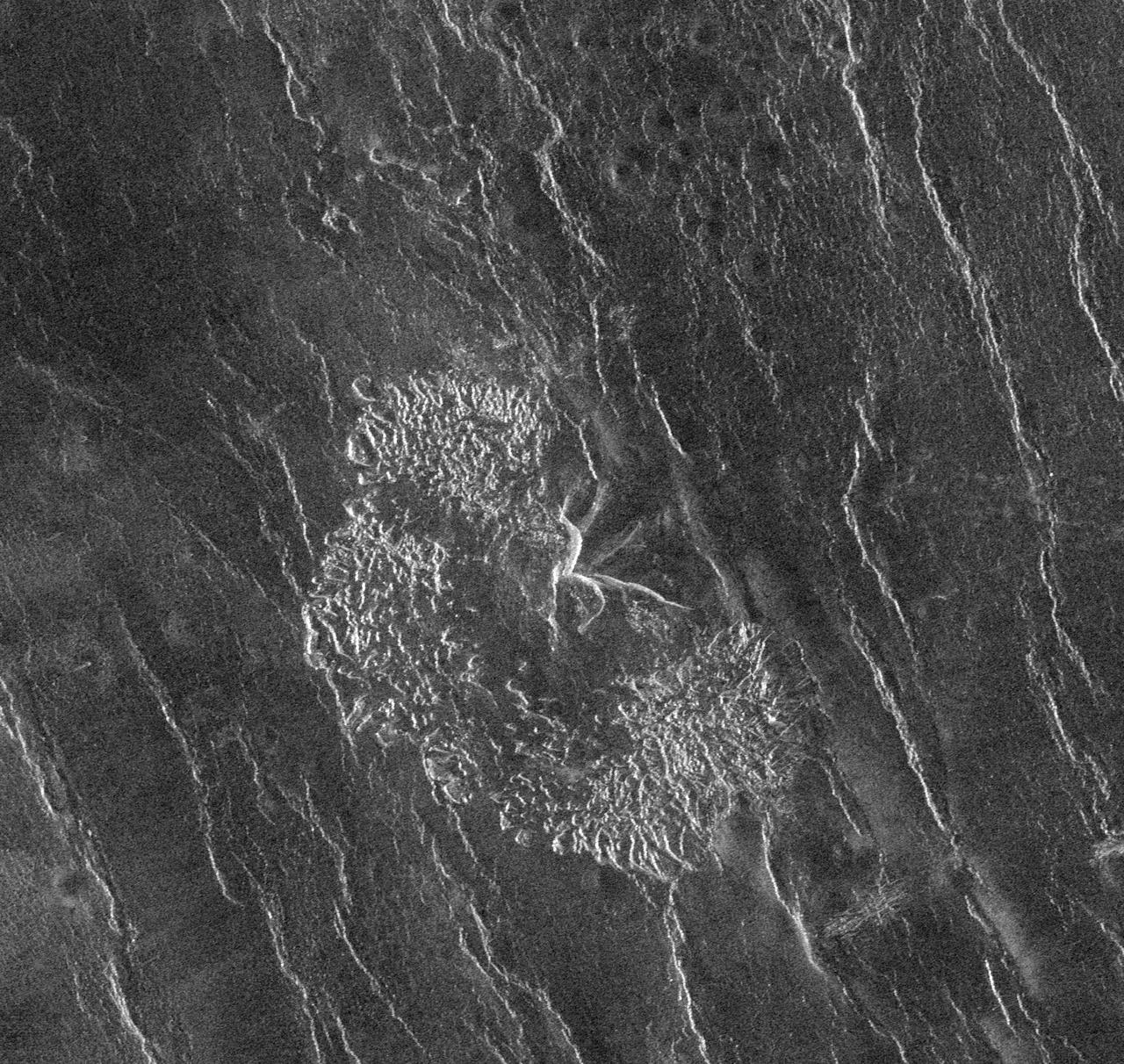
This area of Venus northeast of Ushas Mons measures 40 by 112 kilometers 25 by 70 miles and shows evidence of possible explosive volcanism as seen by NASA Magellan spacecraft.  http://photojournal.jpl.nasa.gov/catalog/PIA00213
Venus - Ushas Mons
These two radar images from NASA Magellan spacecraft are centered about 60.5 degrees south latitude and 348.8 degrees east longitude in the eastern Lavinia Region of Venus.  http://photojournal.jpl.nasa.gov/catalog/PIA00247
Venus - Left and Right Looking Images of Lavinia Region
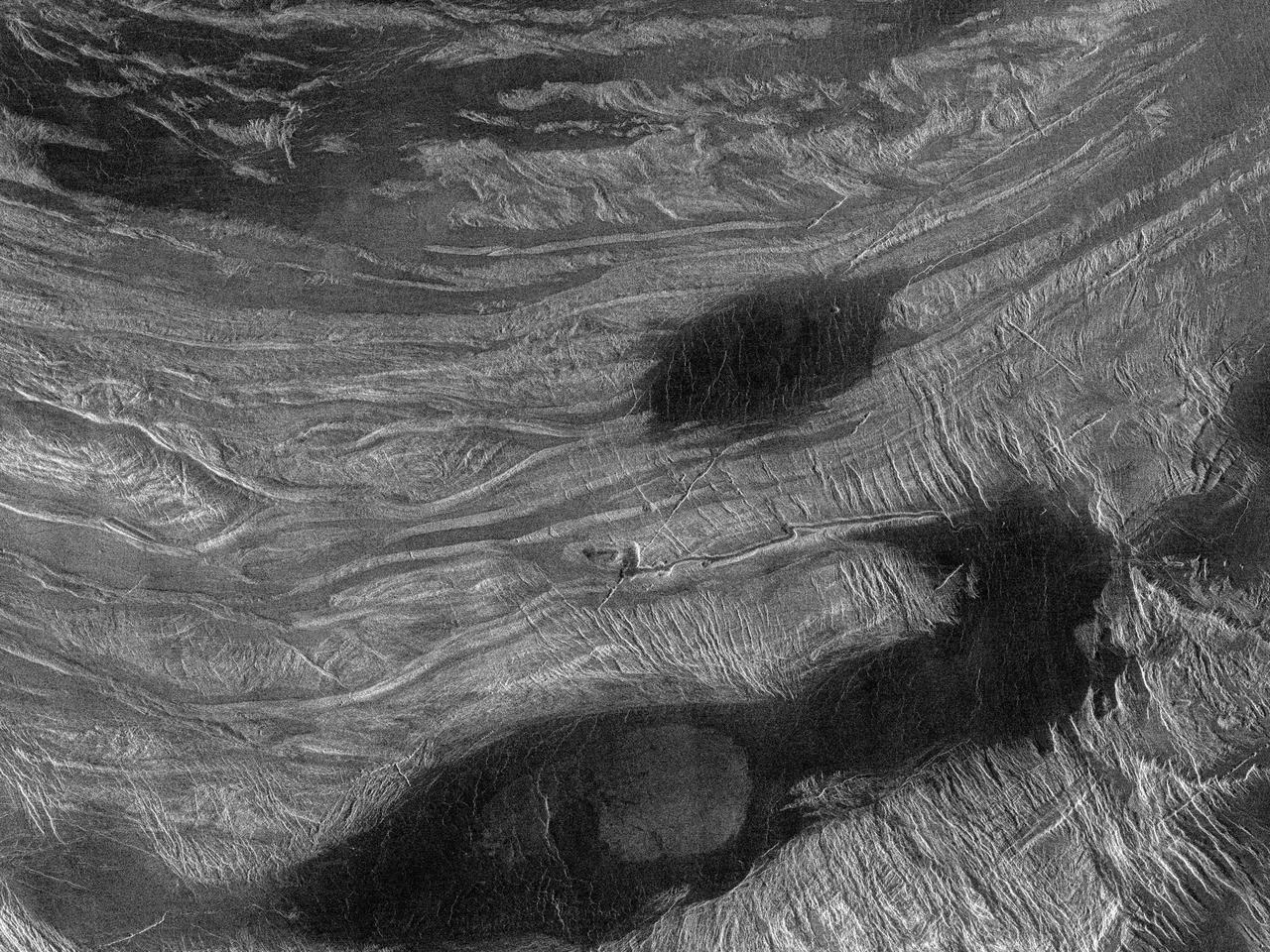
This is a full resolution mosaic from NASA Magellan spacecraft shows a series of complex lava flows which emerge from the northern flank of Sif Mons, a large volcano just to the south.
Venus - Complex Lava Flows at Sif Mons
Three impact craters are displayed in this three-dimensional perspective view from NASA's Magellan spacecraft of the surface of Venus. The center of the image is located in the northwestern portion of Lavinia Planitia.  http://photojournal.jpl.nasa.gov/catalog/PIA00103
Venus - 3-D Perspective View of Lavinia Planitia
This Magellan image depicts a stereoscopic pair of an area on Venus with small volcanic domes. Stereoscopic images of Venus offer exciting new possibilities for scientific analysis of Venusian landforms.  http://photojournal.jpl.nasa.gov/catalog/PIA00251
Venus - Stereoscopic Images of Volcanic Domes
A portion of Alpha Regio is displayed in this three-dimensional perspective view of the surface of Venus from NASA Magellan spacecraft. In 1963, Alpha Regio was the first feature on Venus to be identified from Earth-based radar.
Venus - Three-Dimensional Perspective View of Alpha Region
This perspective view of Venus, generated by computer from NASA Magellan data and color-coded with emissivity, is a look westward across the Fortuna Tessera toward the slopes of Maxwell Montes.  http://photojournal.jpl.nasa.gov/catalog/PIA00316
Looking Westward Across the Fortuna Tessera Right Member of a Synthetic Stereo Pair
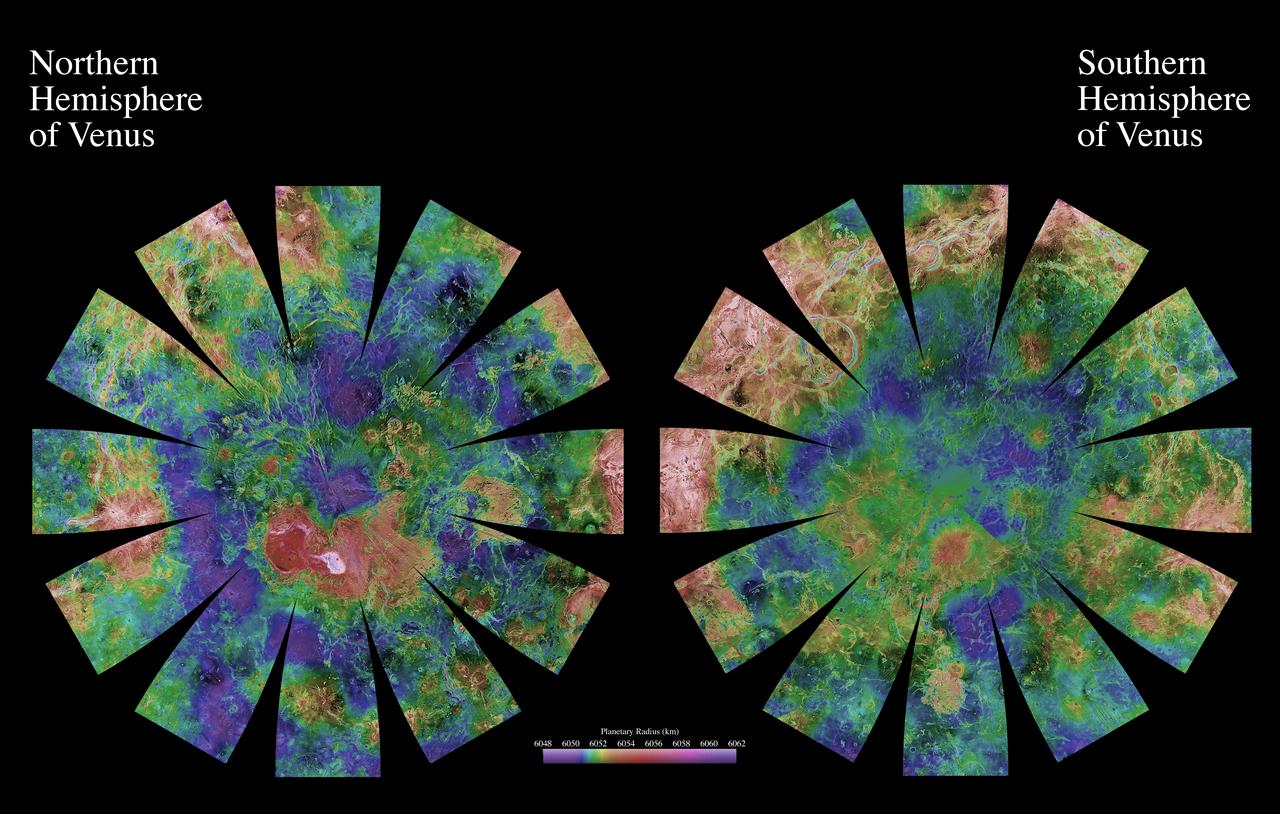
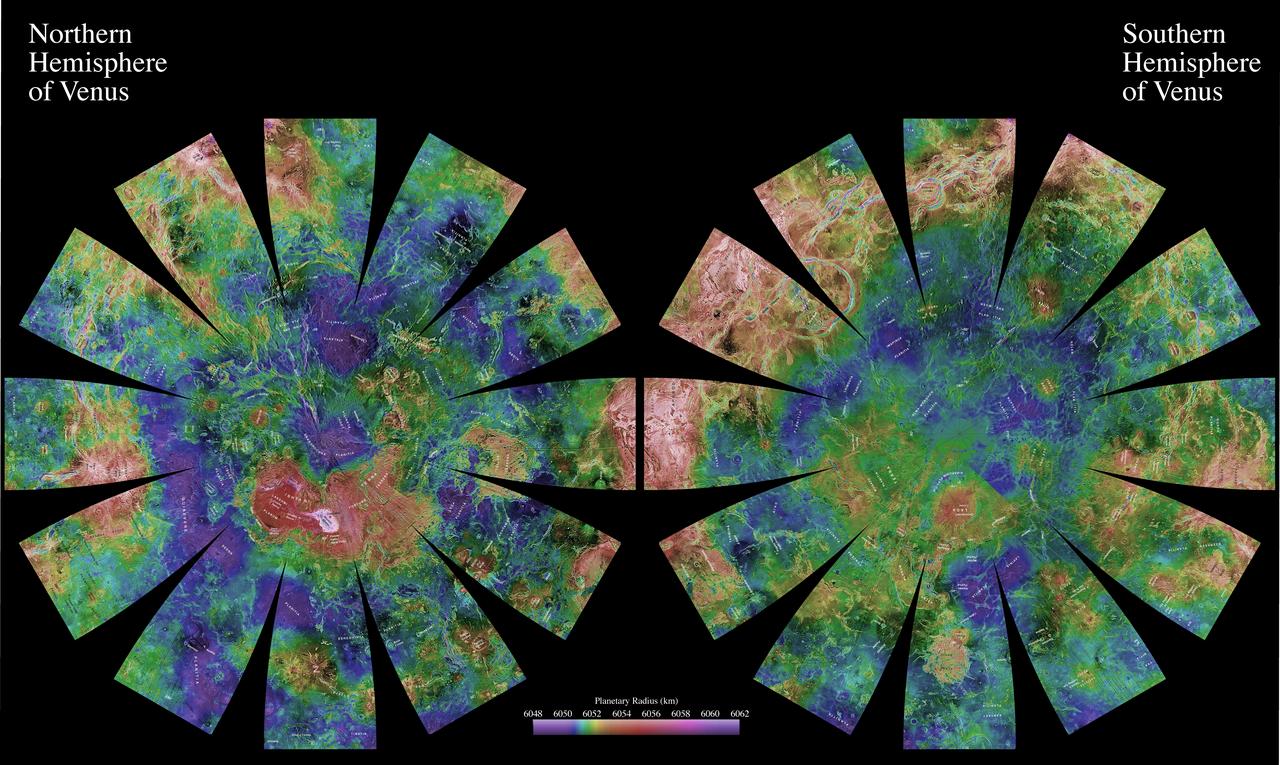
The images used for the base of this globe show the northern and southern hemispheres of Venus as revealed by more than a decade of radar investigations culminating in the 1990-1994 NASA Magellan mission.
Venus Hemispherical Globes
The images used for the base of this globe show the northern and southern hemispheres of Venus as revealed by more than a decade of radar investigations culminating in the 1990-1994 NASA Magellan mission.
Venus Hemispherical Globes with place names
Crater Isabella is seen in this radar image from NASA Magellan spacecraft. The second largest impact crater on Venus, the crater is named in honor of the 15th Century queen of Spain, Isabella of Castile.
Venus - Impact Crater Isabella
Ushas Mons, a volcano in the southern hemisphere of Venus is shown in this radar image from NASA Magellan spacecraft. The volcano is marked by numerous bright lava flows and a set of north-south trending fractures.  http://photojournal.jpl.nasa.gov/catalog/PIA00272
Venus - Simulated Color of Ushas Mons