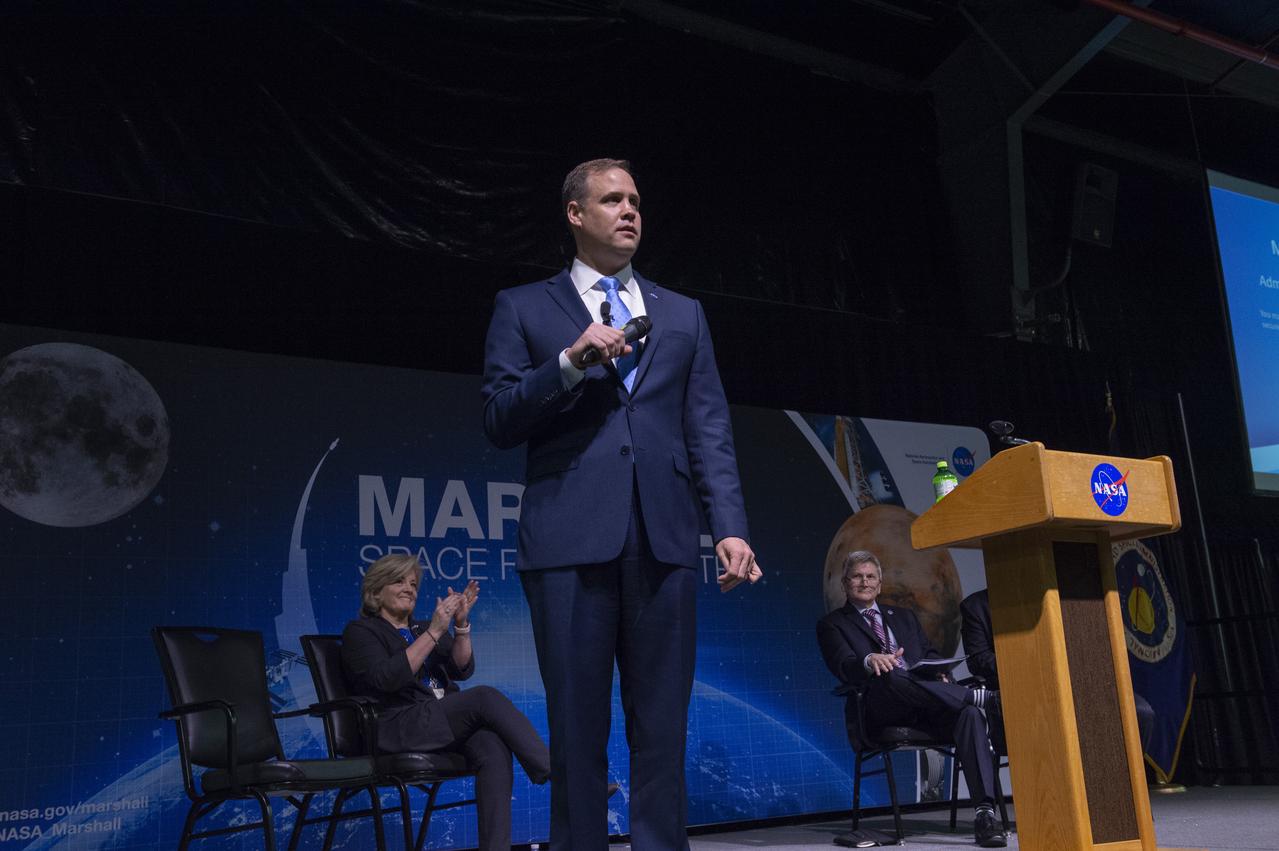
NASA Administrator Jim Bridenstine , March 26 all-hands event.
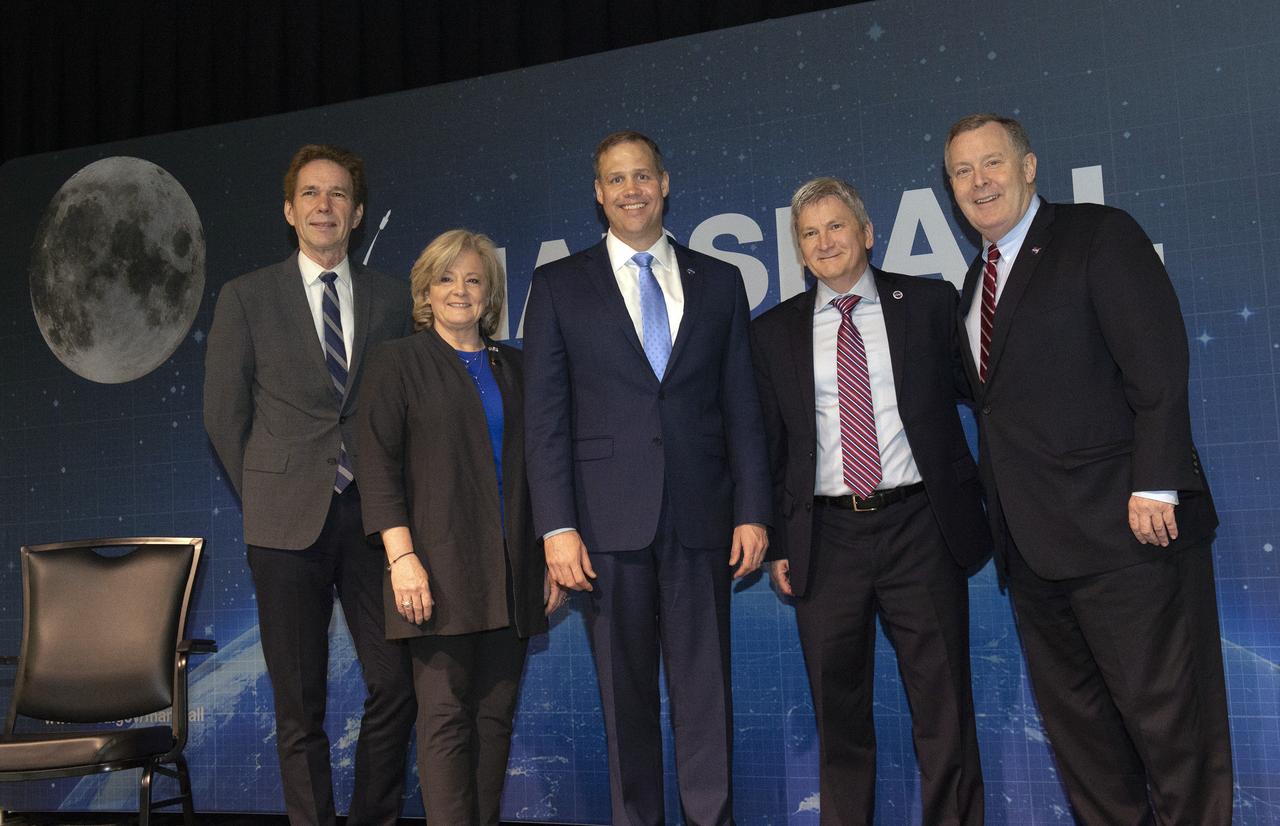
Group photograph at the March 26, 2019 MSFC all hands. From left to right: Paul McConnaughey, Jody Singer, Jim Bridenstine, Johnny Stephenson, James Morhard.

GOES 11 satellite image showing earth on March 26, 2010 8:00 AM EDT. <b><a href="http://goes.gsfc.nasa.gov/" rel="nofollow">Credit: NOAA/NASA GOES Project</a><b> <b><a href="http://www.nasa.gov/centers/goddard/home/index.html" rel="nofollow">NASA Goddard Space Flight Center</a></b> is home to the nation's largest organization of combined scientists, engineers and technologists that build spacecraft, instruments and new technology to study the Earth, the sun, our solar system, and the universe. <b>Follow us on <a href="http://twitter.com/NASA_GoddardPix" rel="nofollow">Twitter</a></b> <b>Join us on <a href="http://www.facebook.com/pages/Greenbelt-MD/NASA-Goddard/395013845897?ref=tsd" rel="nofollow">Facebook</a></b></b></b>
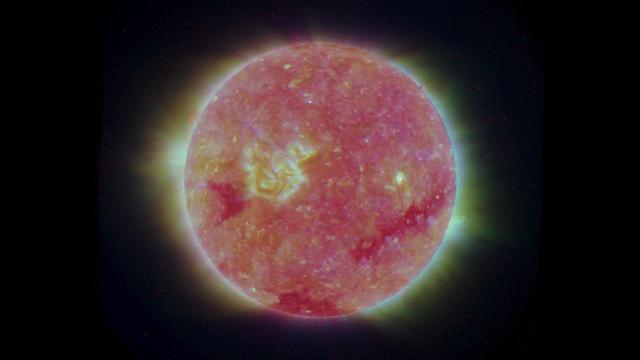
NASA Solar TErrestrial RElations Observatory STEREO satellites have provided the first three-dimensional images of the Sun. The structure of the corona shows well in this image.
This series of images shows the Martian moon Phobos as it crossed in front of the Sun, as seen by NASA's Curiosity Mars rover on Tuesday, March 26, 2019 (the 2,359th sol, or Martian day, of the mission). The images were captured by Curiosity's telephoto-lens camera, called its Mast Camera (Mastcam) using its right-eye solar filter. The images have been sped up by a factor of 10; the entire eclipse lasted about 35 seconds. Movie available at https://photojournal.jpl.nasa.gov/catalog/PIA23133
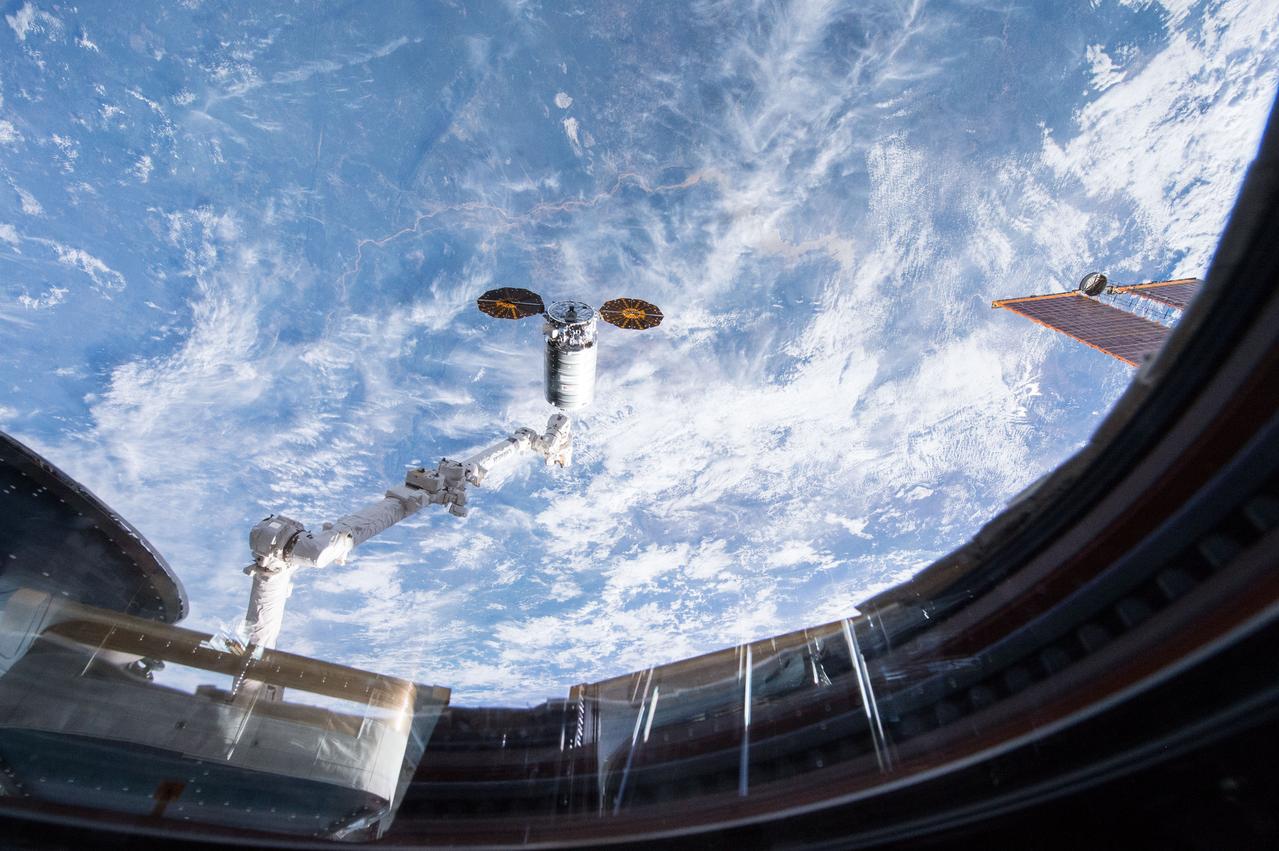
ISS047e021586 03/26/2016) --- Cygnus capture March 26, 2016. Expedition 47 robotic arm operator NASA astronaut Tim Kopra commanded the International Space Station’s Canadarm2 robotic arm to capture the Cygnus spacecraft .
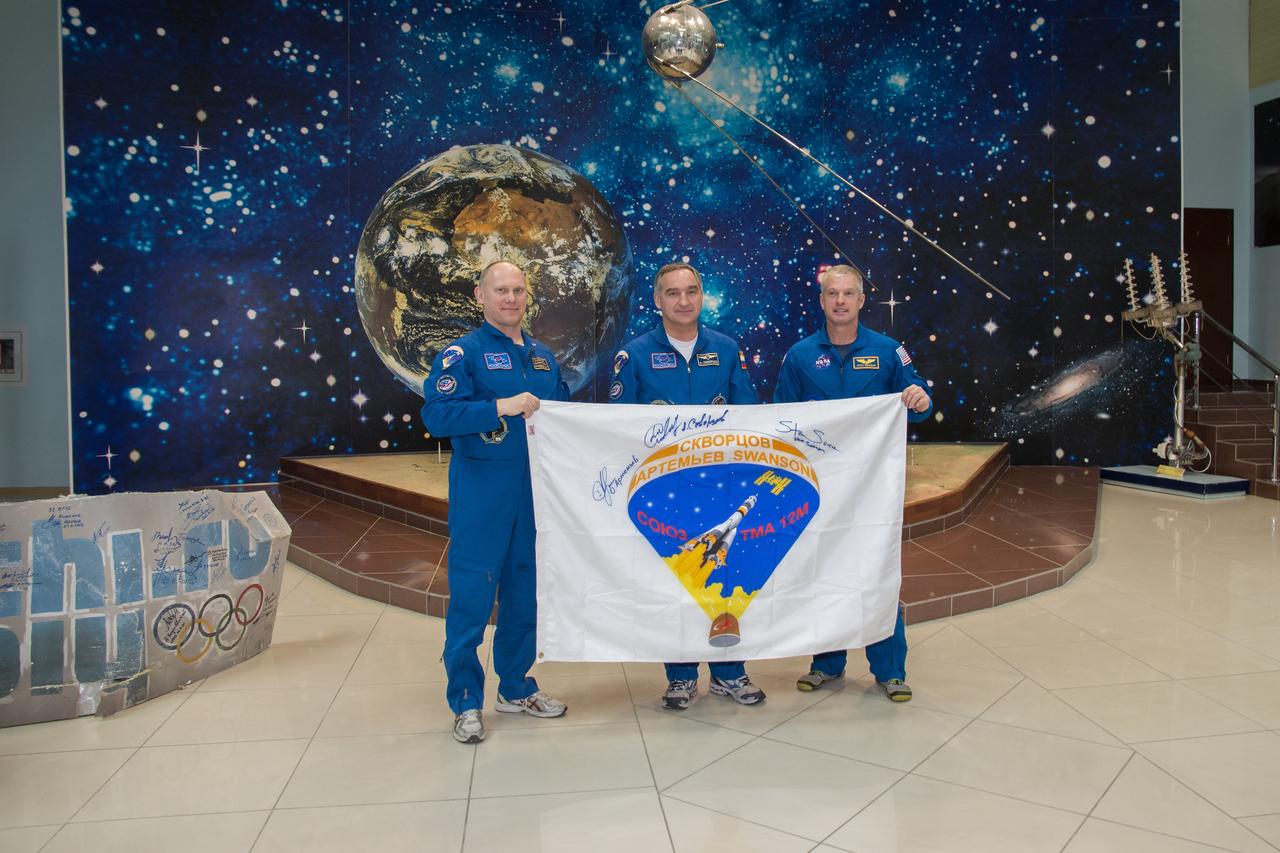
13-26-08: In the Baikonur Cosmodrome Museum in Kazakhstan, Expedition 39/40 Flight Engineer Oleg Artemyev of the Russian Federal Space Agency (Roscosmos; left), Soyuz Commander Alexander Skvortsov of Roscosmos (center) and Flight Engineer Steve Swanson of NASA (right) hold a banner bearing the insignia of their Soyuz crew patch March 21 during traditional ceremonies. Swanson, Skvortsov and Artemyev are wrapping up training for their launch to the station March 26, Kazakh time, Swanson, Skvortsov and Artemyev are wrapping up training for their launch to the station March 26, Kazakh time, on the Soyuz TMA-12 spacecraft for a six-month mission on the orbital laboratory. NASA/Victor Zelentsov
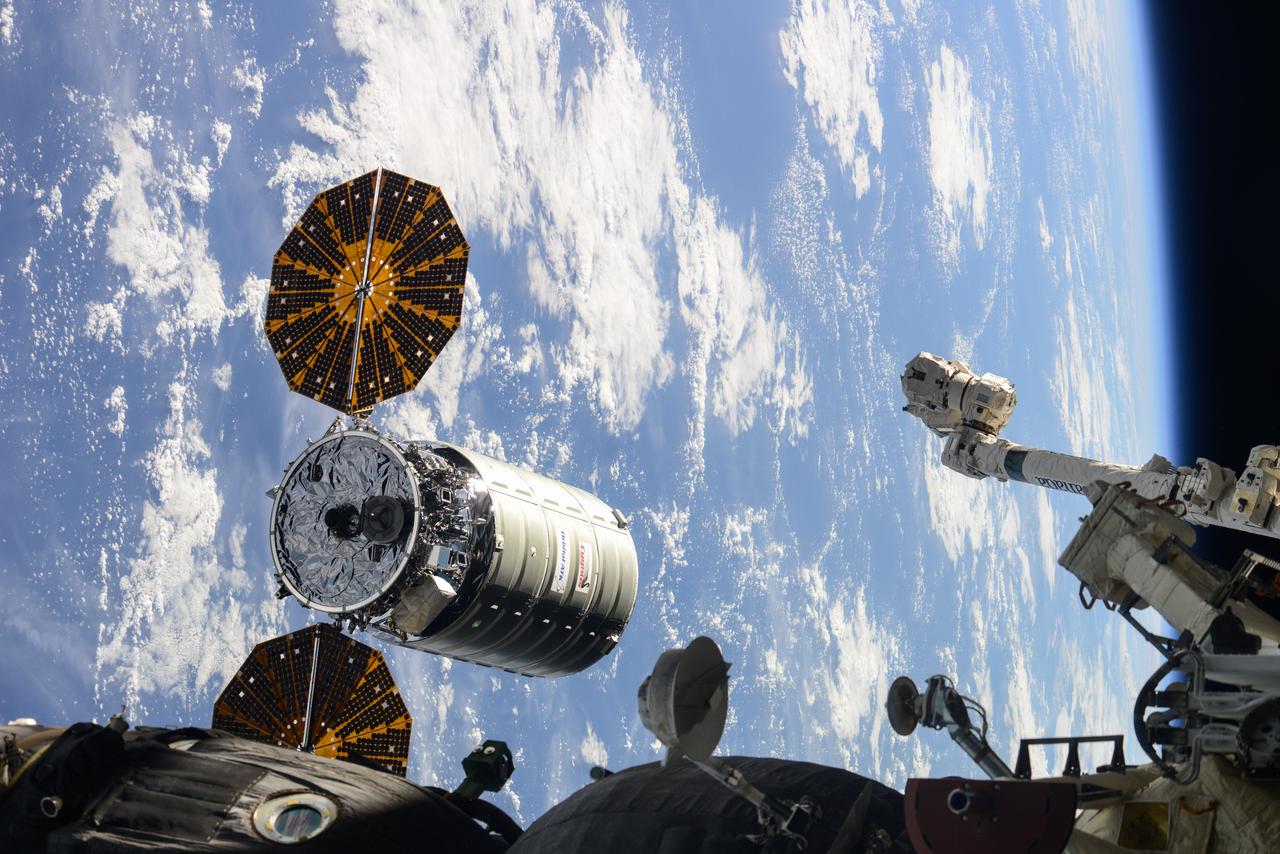
iss047e155876 (March 26, 2016) --- Orbital ATK's Cygnus resupply ship slowly maneuvers its way toward the International Space Station before its robotic capture and installation during Expedition 47 in March of 2016.
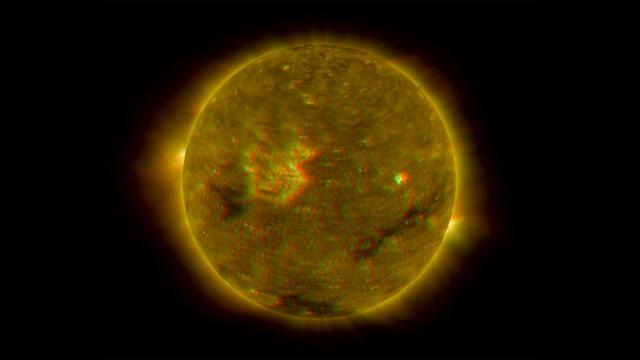
NASA Solar TErrestrial RElations Observatory STEREO satellites have provided the first three-dimensional images of the Sun. The structure of the corona shows well in this image. 3D glasses are necessary to view this image.
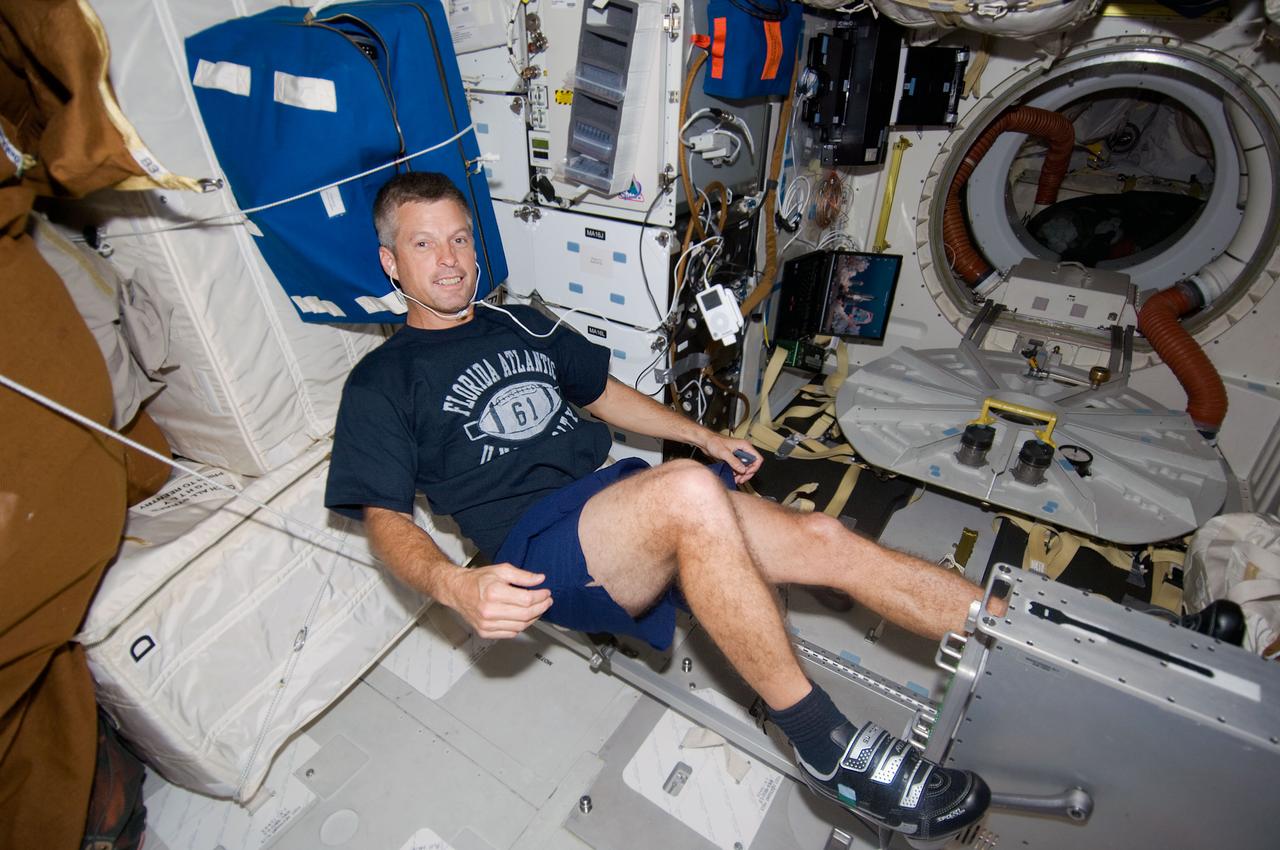
S119-E-010204 (26 March 2009) --- Astronaut Steve Swanson, STS-119 mission specialist, exercises on a bicycle ergometer on the middeck of Space Shuttle Discovery.
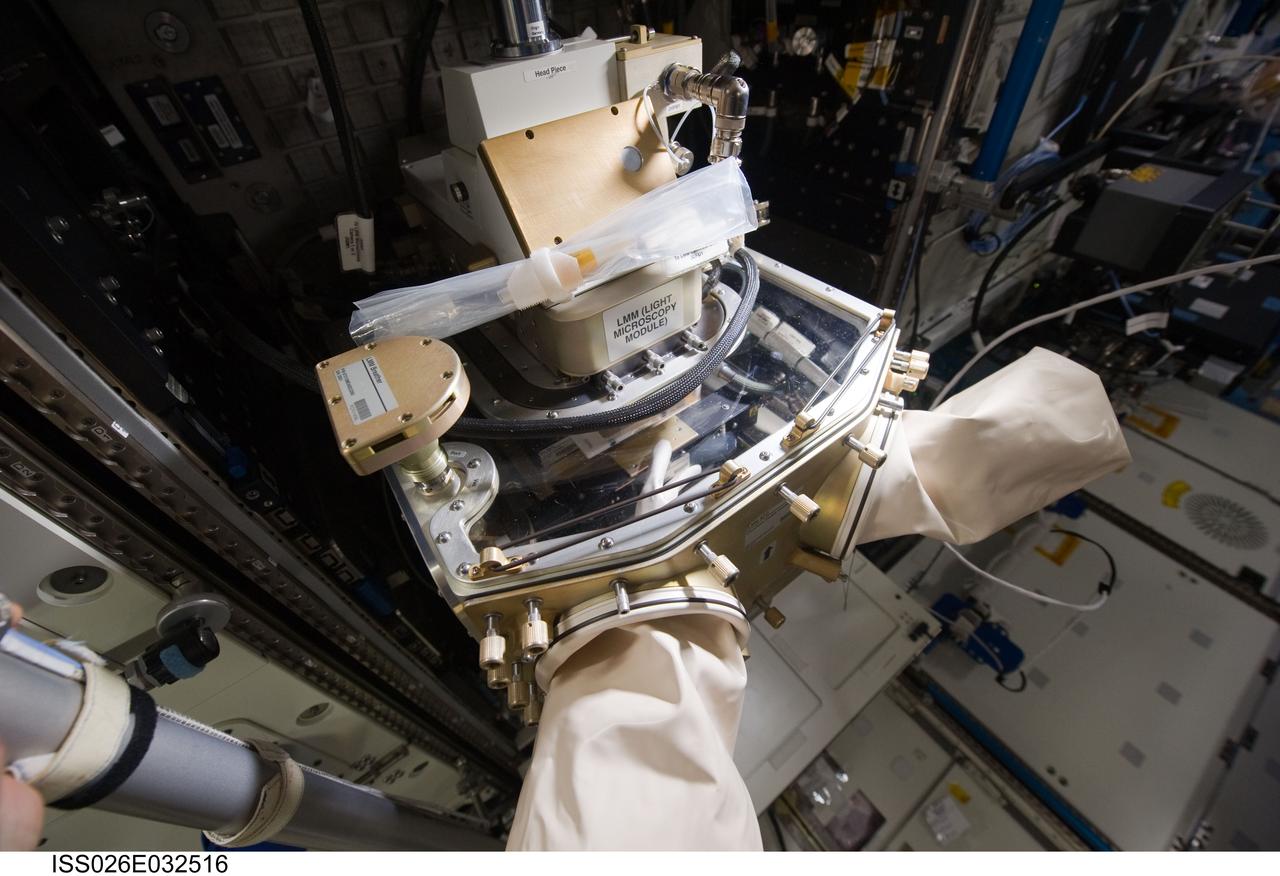
ISS026-E-032516 (8 March 2011) --- The Light Microscopy Module (LMM) in the Destiny laboratory of the International Space Station photographed by an Expedition 26 crew member.
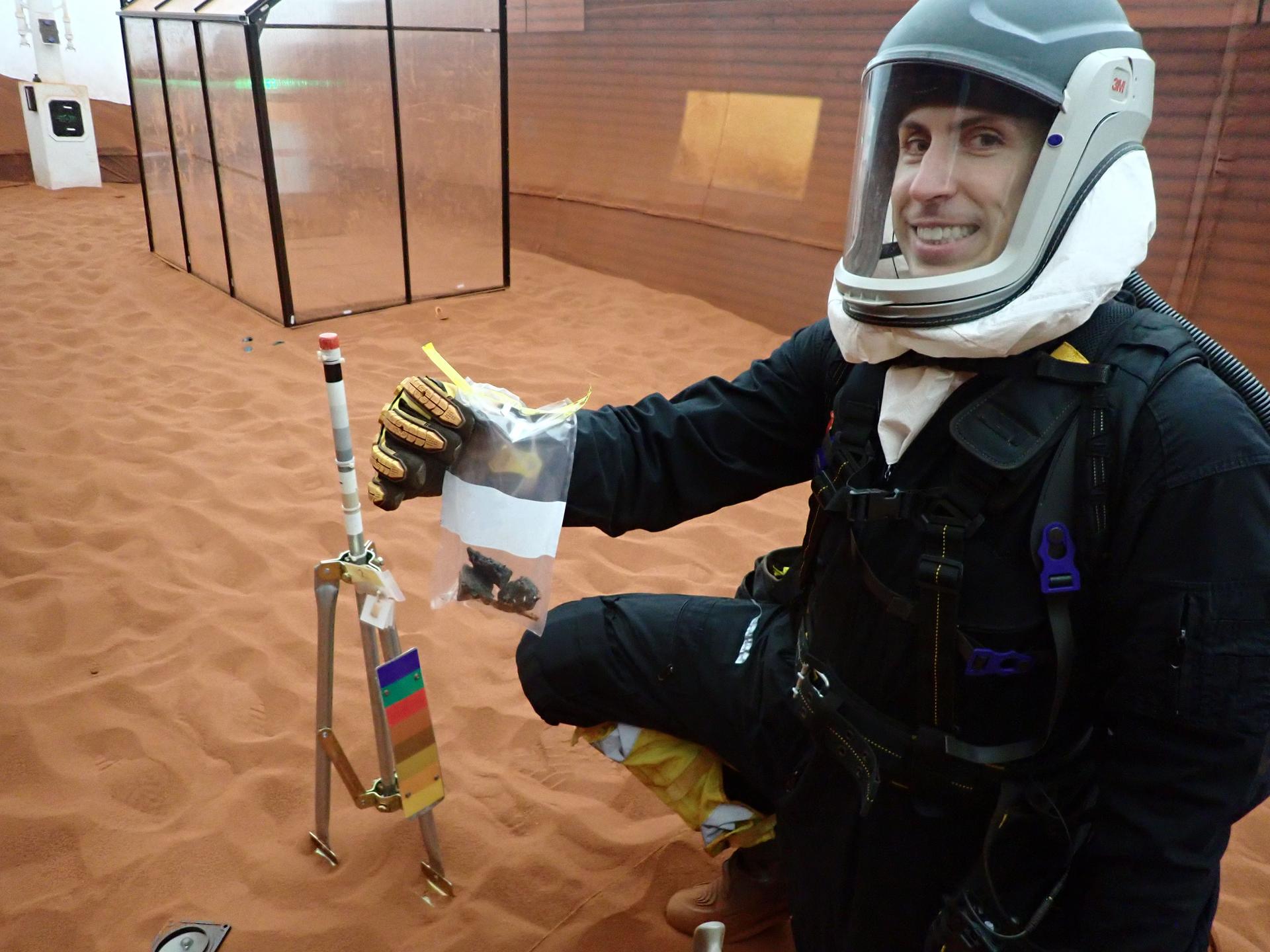
jsc2026e403172 (March 26, 2026) -- CHAPEA Mission 2 commander, Ross Elder, shows geological samples collected during a simulated extravehicular activity. Credit: NASA
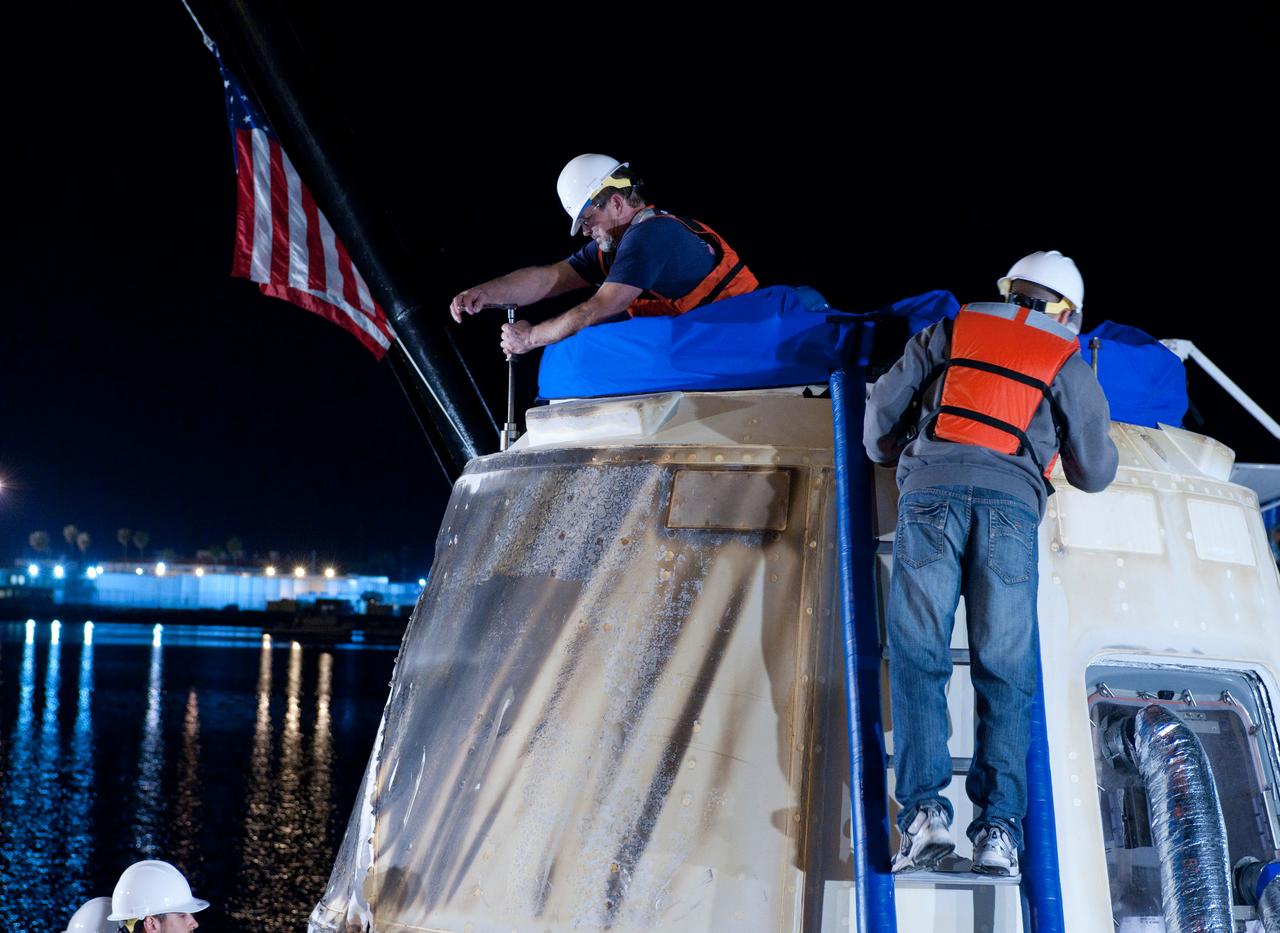
ED13-0079-07 (26 March 2013) ---- SpaceX Dragon's second operational mission ended on March 26 after three weeks attached to the International Space Station. The unmanned spacecraft splashed down in the Pacific Ocean about 214 miles off the coast of Baja California to successfully return about 2,670 pounds of science materials from the orbital outpost. Photo credit: NASA
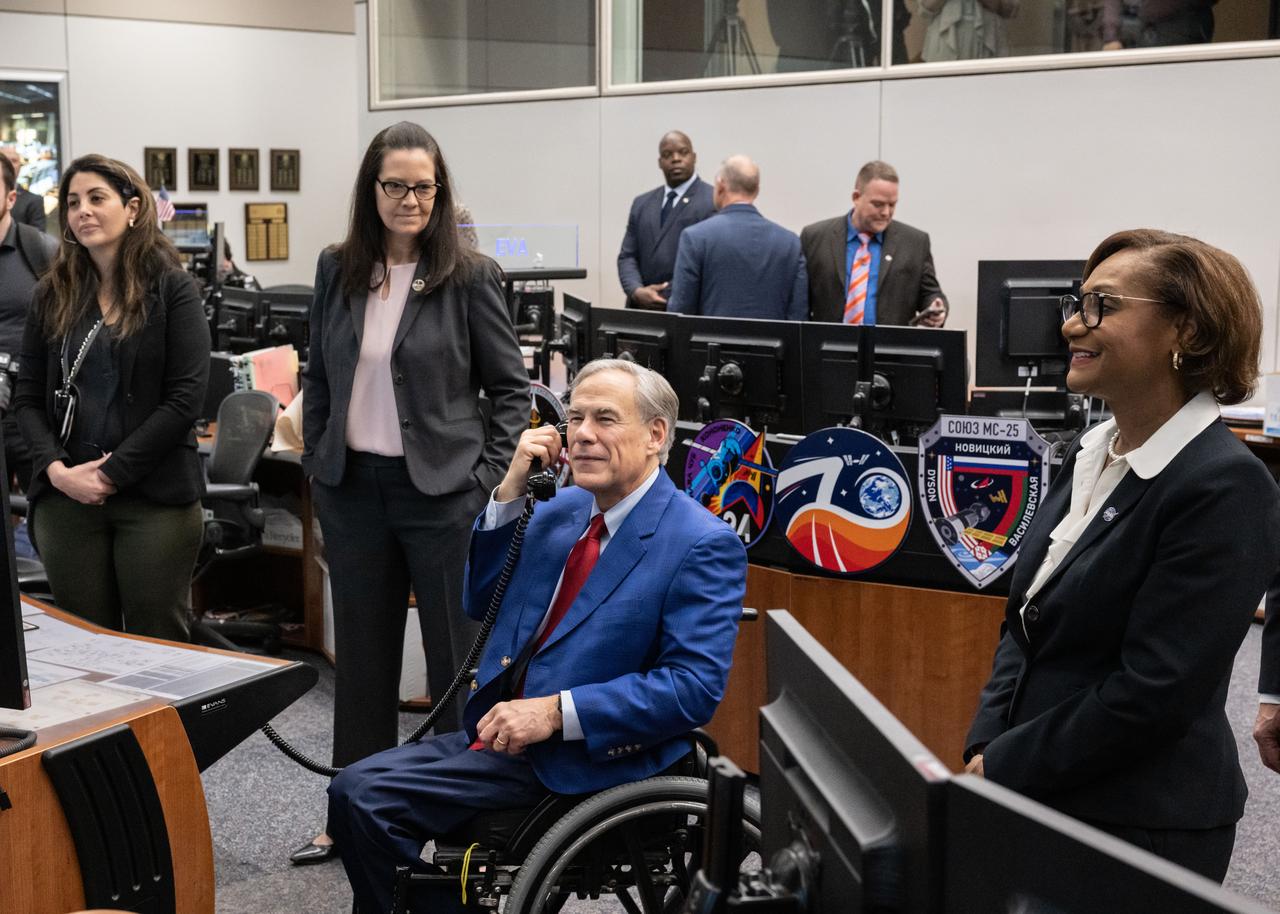
jsc2024e022819 March 26, 2024 -- NASA’s Johnson Space Center in Houston hosted a Tuesday, March 26, visit by Texas Governor Greg Abbott, who visited NASA’s Mission Control Center, spoke with native Texan and NASA astronaut Loral O'Hara aboard the International Space Station, and introduced the new members of the Texas Space Commission. Abbott was joined by NASA Johnson Space Center Director Vanessa Wyche, Texas House Speaker Dade Phelan, Texas Representative Greg Bonnen and other state and space industry leaders.
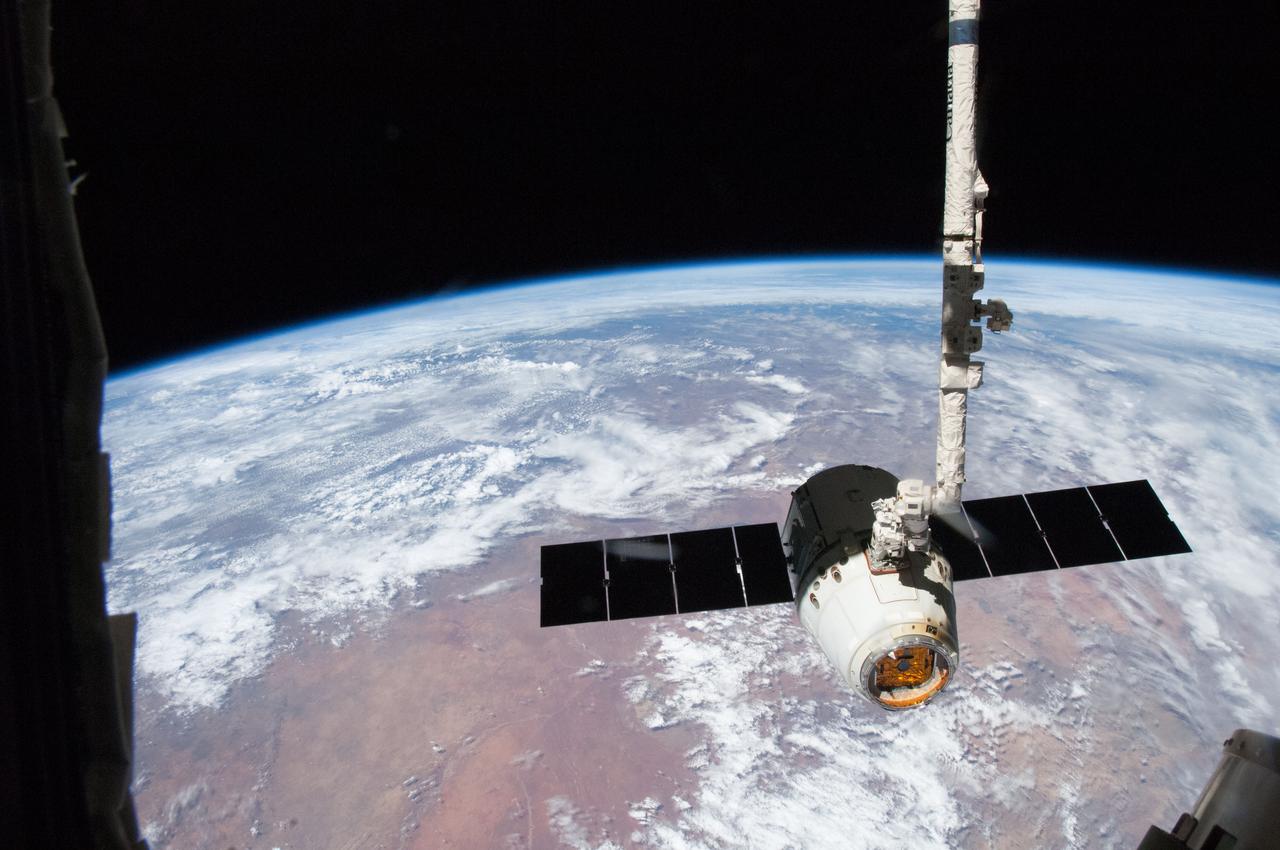
ISS035-E-008904 (26 March 2013) ---This image is one of a series of still photos documenting the process to release the SpaceX Dragon-2 spacecraft from the International Space Station on March 26. The spacecraft, filled with experiments and old supplies, can be seen in the grasp of the Space Station Remote Manipulator System’s robot arm or CanadArm2 after it was undocked from the orbital outpost. Forming the backdrop for this image is western Namibia. The Dragon was scheduled to make a landing in the Pacific Ocean, off the coast of California later in the day.

jsc2024e022812 March 26, 2024 -- NASA’s Johnson Space Center in Houston hosted a Tuesday, March 26, visit by Texas Governor Greg Abbott, who visited NASA’s Mission Control Center, spoke with native Texan and NASA astronaut Loral O'Hara aboard the International Space Station, and introduced the new members of the Texas Space Commission. Abbott was joined by NASA Johnson Space Center Director Vanessa Wyche, Texas House Speaker Dade Phelan, Texas Representative Greg Bonnen and other state and space industry leaders.
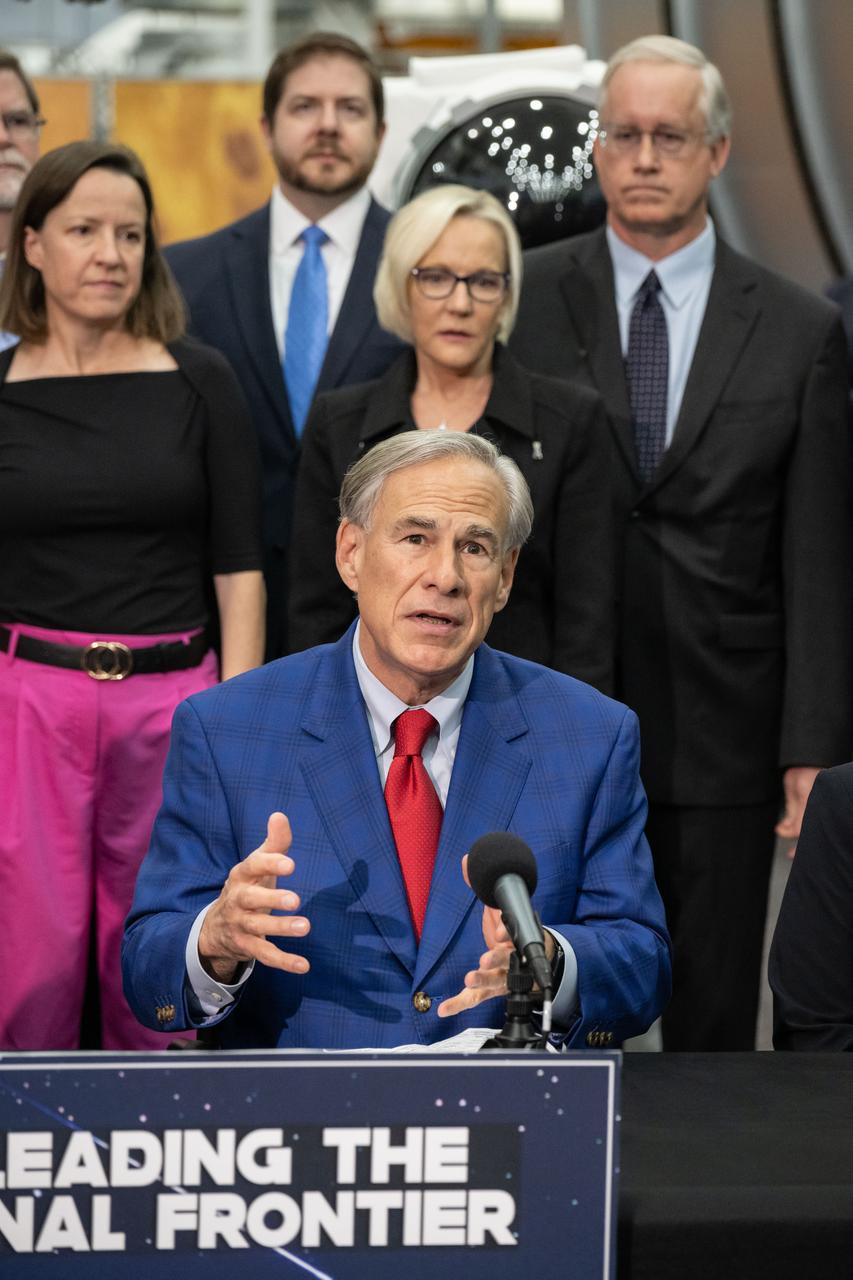
jsc2024e022805 March 26, 2024 -- NASA’s Johnson Space Center in Houston hosted a Tuesday, March 26, visit by Texas Governor Greg Abbott, who visited NASA’s Mission Control Center, spoke with native Texan and NASA astronaut Loral O'Hara aboard the International Space Station, and introduced the new members of the Texas Space Commission. Abbott was joined by NASA Johnson Space Center Director Vanessa Wyche, Texas House Speaker Dade Phelan, Texas Representative Greg Bonnen and other state and space industry leaders.
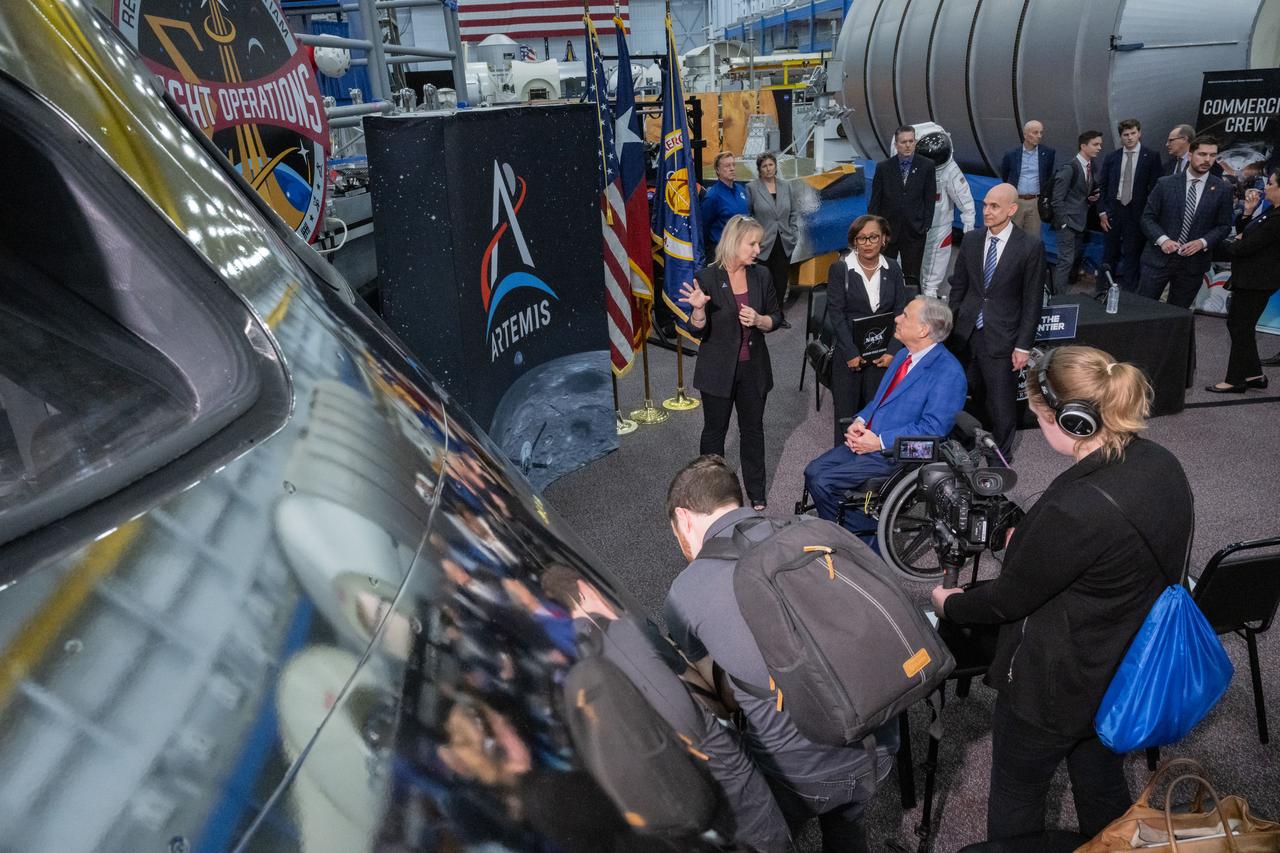
jsc2024e022825 March 26, 2024 -- NASA’s Johnson Space Center in Houston hosted a Tuesday, March 26, visit by Texas Governor Greg Abbott, who visited NASA’s Mission Control Center, spoke with native Texan and NASA astronaut Loral O'Hara aboard the International Space Station, and introduced the new members of the Texas Space Commission. Abbott was joined by NASA Johnson Space Center Director Vanessa Wyche, Texas House Speaker Dade Phelan, Texas Representative Greg Bonnen and other state and space industry leaders.
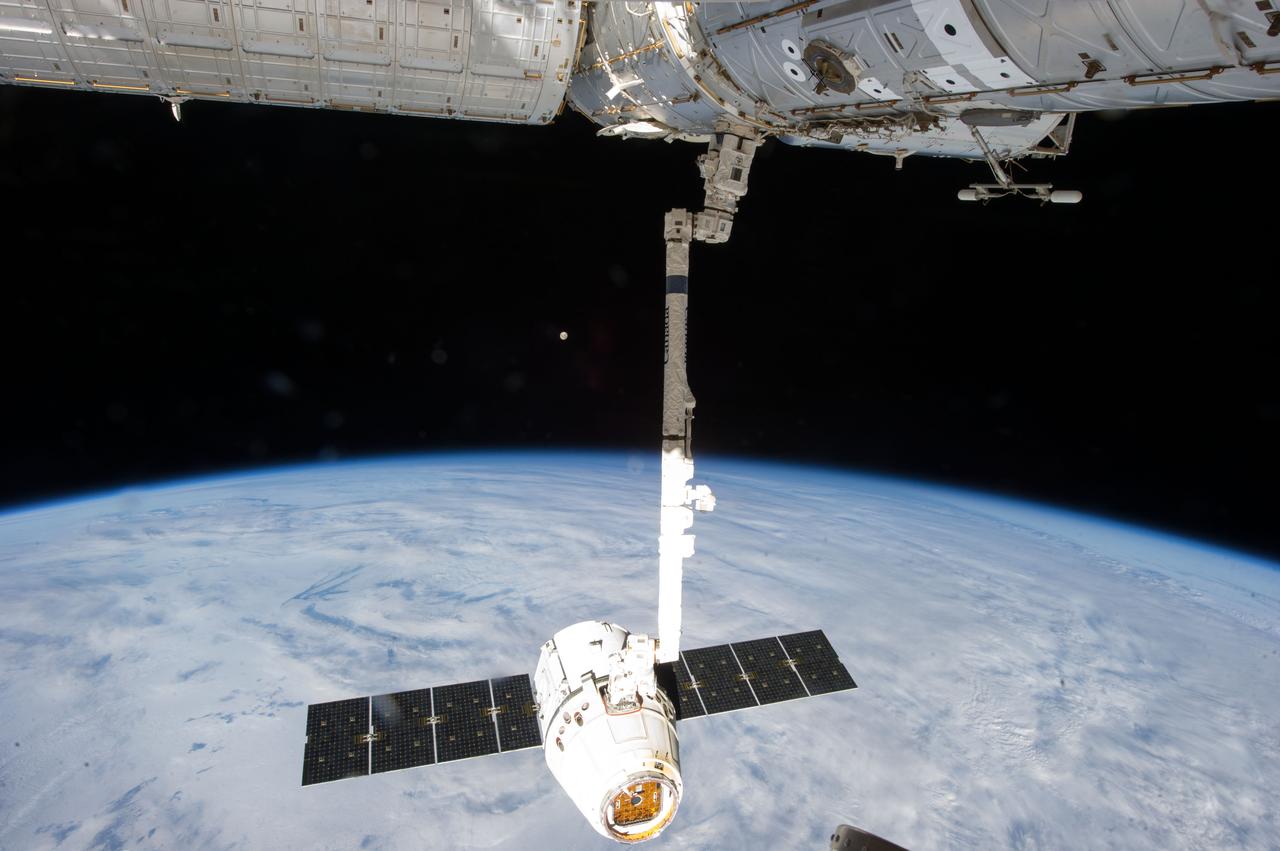
ISS035-E-008930 (26 March 2013) ---This image is one of a series of still photos documenting the process to release the SpaceX Dragon-2 spacecraft from the International Space Station on March 26. The spacecraft, filled with experiments and old supplies, can be seen in the grasp of the Space Station Remote Manipulator System’s robot arm or CanadArm2 after it was undocked from the orbital outpost. The Dragon was scheduled to make a landing in the Pacific Ocean, off the coast of California, later in the day.
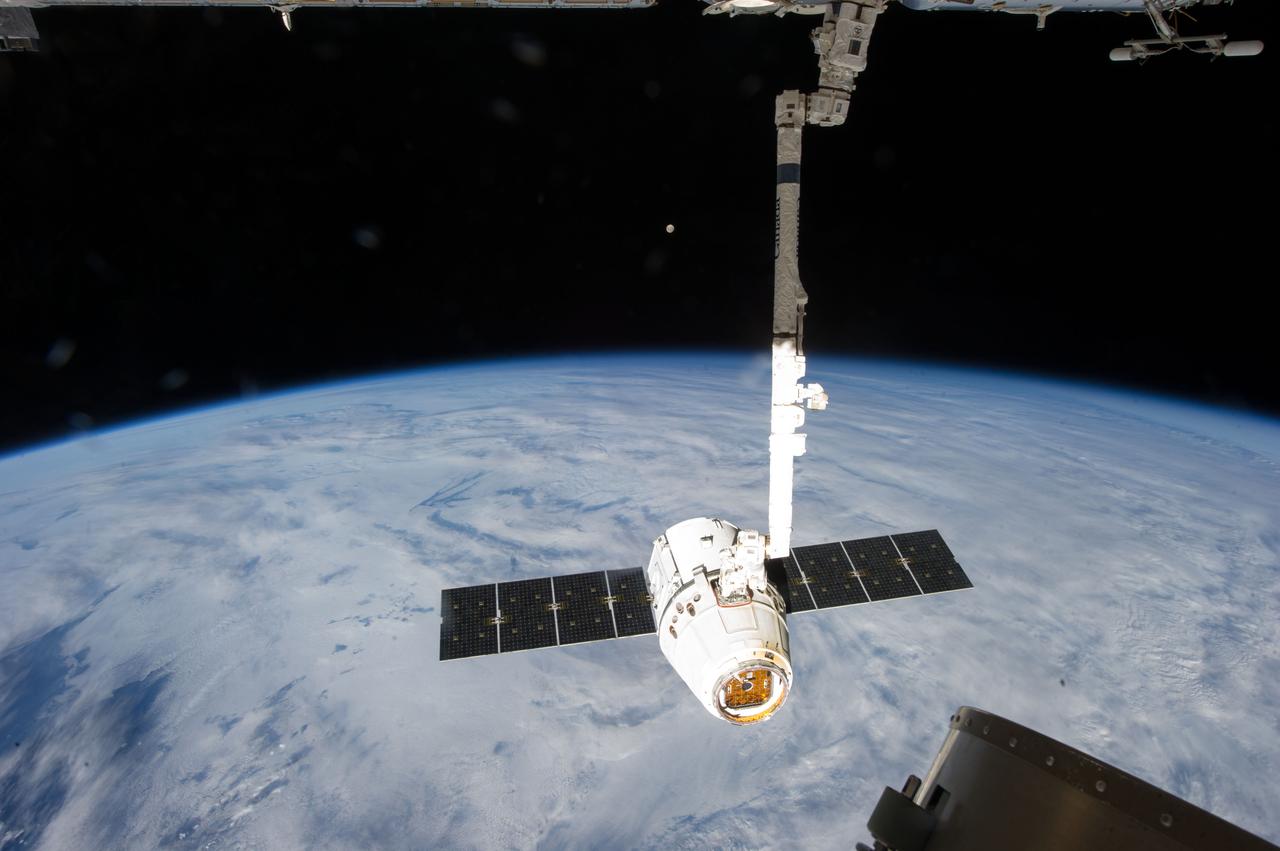
ISS035-E-008932 (26 March 2013) --- This image is one of a series of still photos documenting the process to release the SpaceX Dragon-2 spacecraft from the International Space Station on March 26. The spacecraft, filled with experiments and old supplies, can be seen in the grasp of the Space Station Remote Manipulator System’s robot arm or CanadArm2 after it was undocked from the orbital outpost. The Dragon was scheduled to make a landing in the Pacific Ocean, off the coast of California, later in the day.
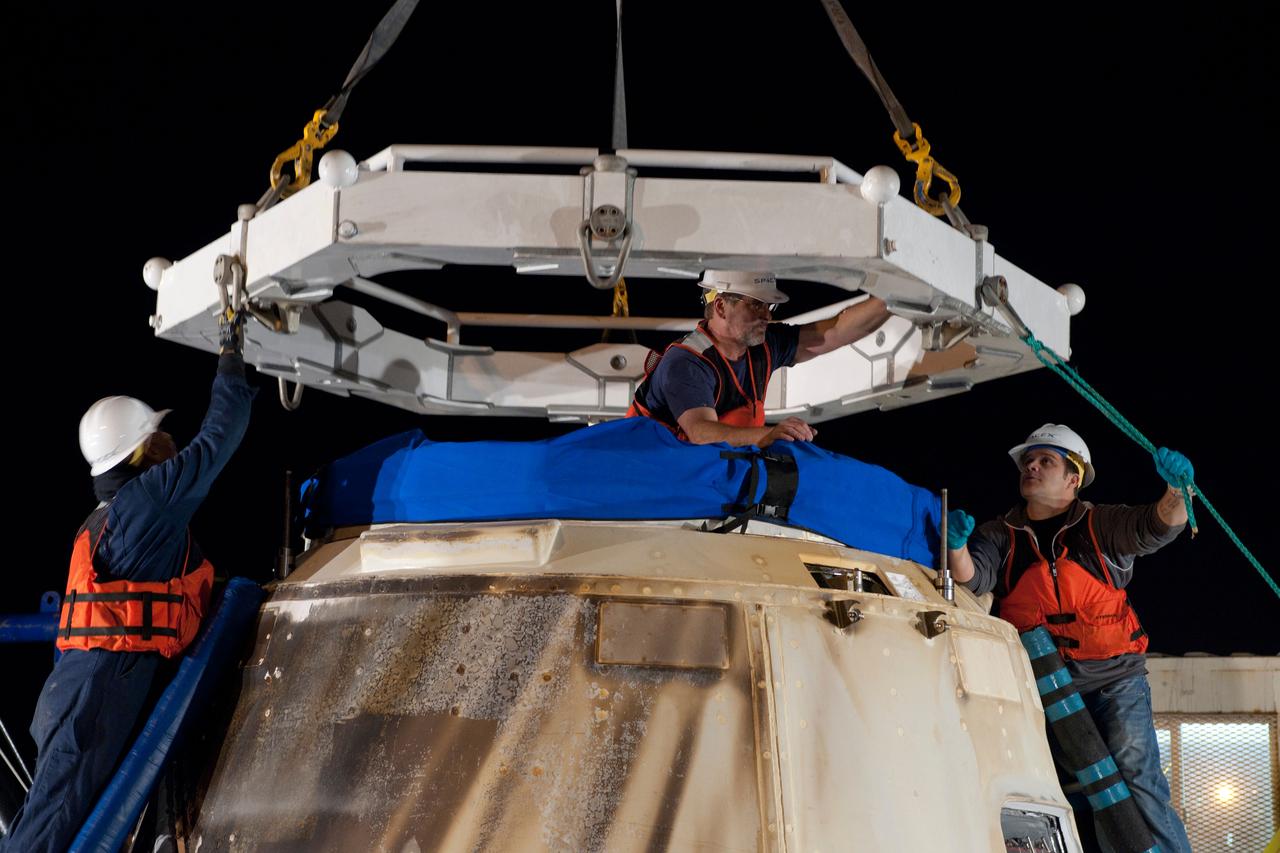
ED13-0079-10 (26 March 2013) ---- SpaceX Dragon's second operational mission ended on March 26 after three weeks attached to the International Space Station. The unmanned spacecraft splashed down in the Pacific Ocean about 214 miles off the coast of Baja California to successfully return about 2,670 pounds of science materials from the orbital outpost. Photo credit: NASA

jsc2024e022806 March 26, 2024 -- Johnson Space Center in Houston hosted a Tuesday, March 26, visit by Texas Governor Greg Abbott, who visited NASA’s Mission Control Center, spoke with native Texan and NASA astronaut Loral O'Hara aboard the International Space Station, and introduced the new members of the Texas Space Commission. Abbott was joined by NASA Johnson Space Center Director Vanessa Wyche, Texas House Speaker Dade Phelan, Texas Representative Greg Bonnen and other state and space industry leaders.
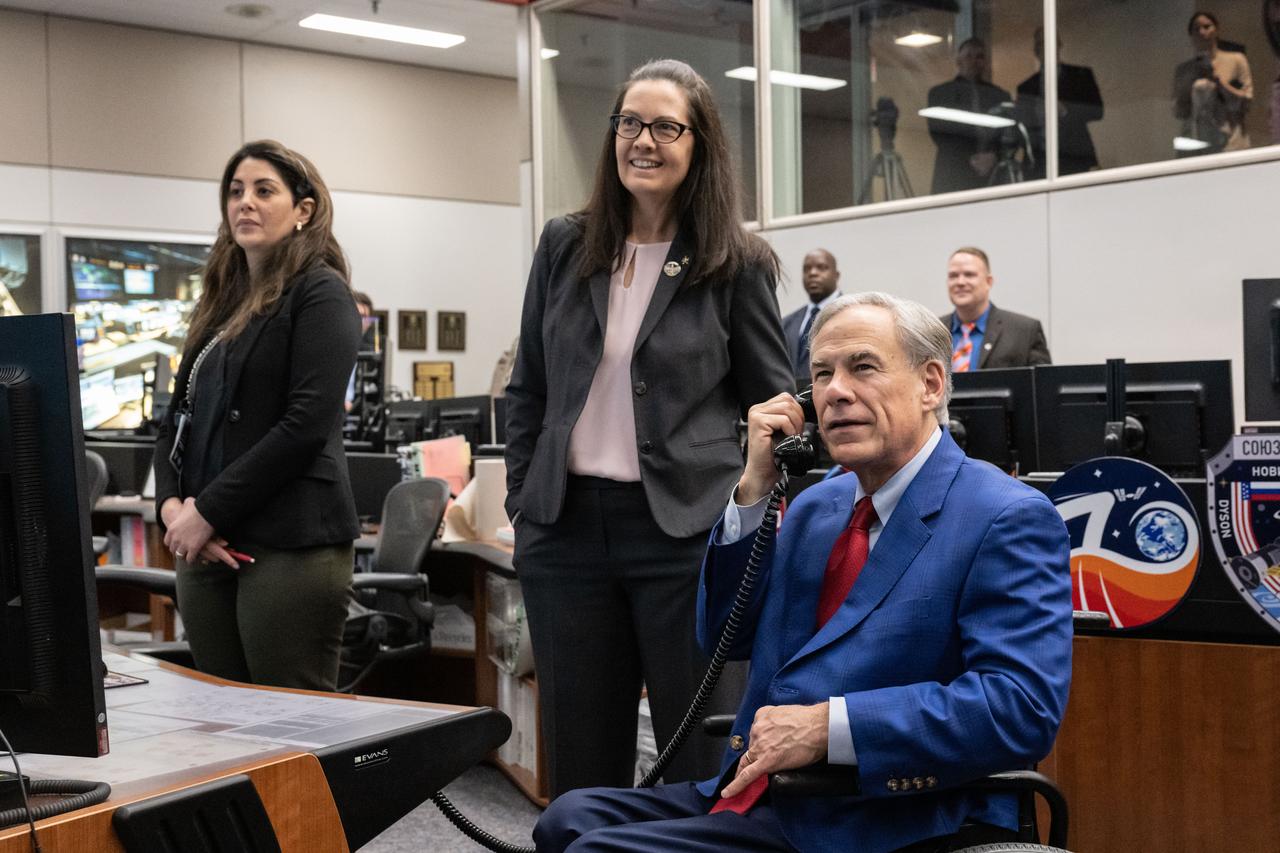
jsc2024e022818 March 26, 2024 -- NASA’s Johnson Space Center in Houston hosted a Tuesday, March 26, visit by Texas Governor Greg Abbott, who visited NASA’s Mission Control Center, spoke with native Texan and NASA astronaut Loral O'Hara aboard the International Space Station, and introduced the new members of the Texas Space Commission. Abbott was joined by NASA Johnson Space Center Director Vanessa Wyche, Texas House Speaker Dade Phelan, Texas Representative Greg Bonnen and other state and space industry leaders.
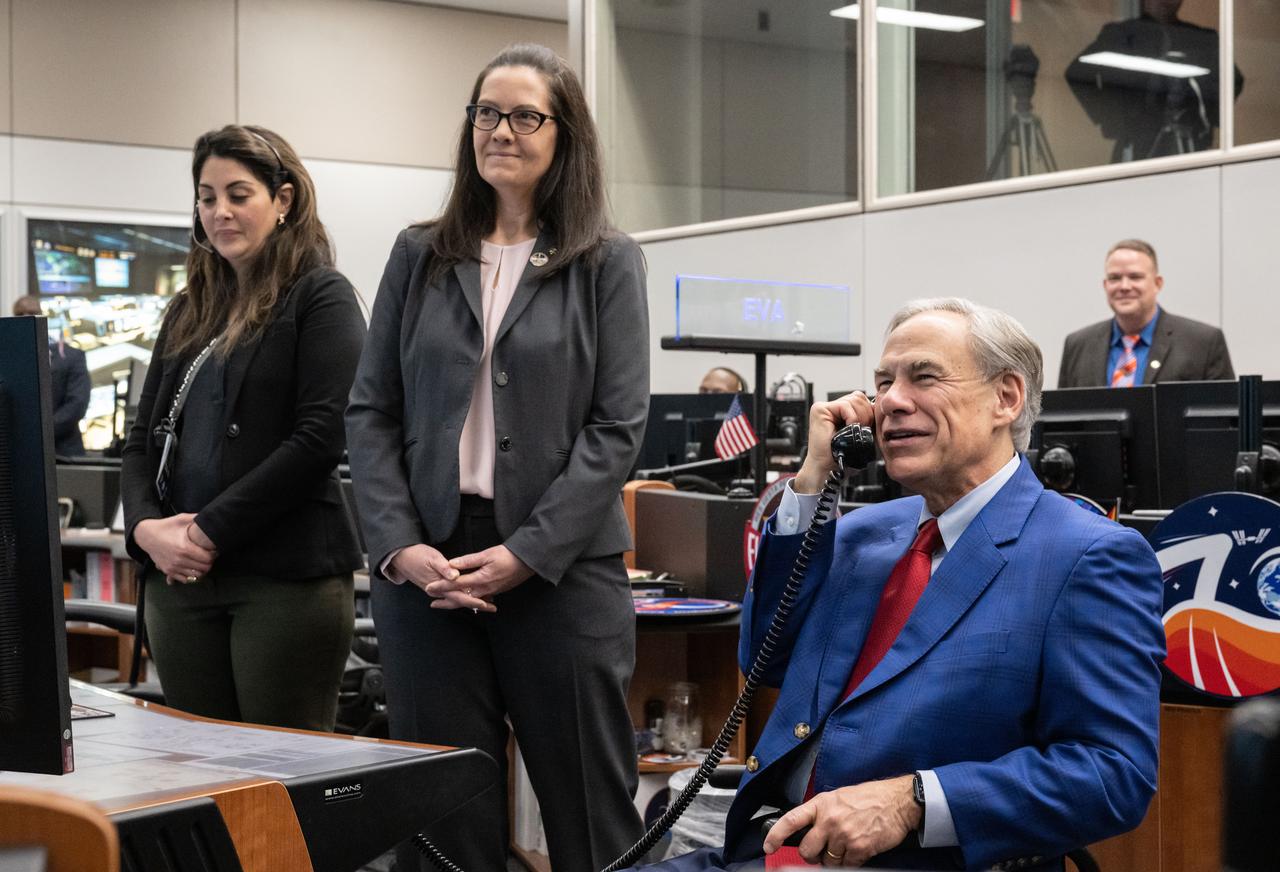
jsc2024e022824 March 26, 2024 -- NASA’s Johnson Space Center in Houston hosted a Tuesday, March 26, visit by Texas Governor Greg Abbott, who visited NASA’s Mission Control Center, spoke with native Texan and NASA astronaut Loral O'Hara aboard the International Space Station, and introduced the new members of the Texas Space Commission. Abbott was joined by NASA Johnson Space Center Director Vanessa Wyche, Texas House Speaker Dade Phelan, Texas Representative Greg Bonnen and other state and space industry leaders.
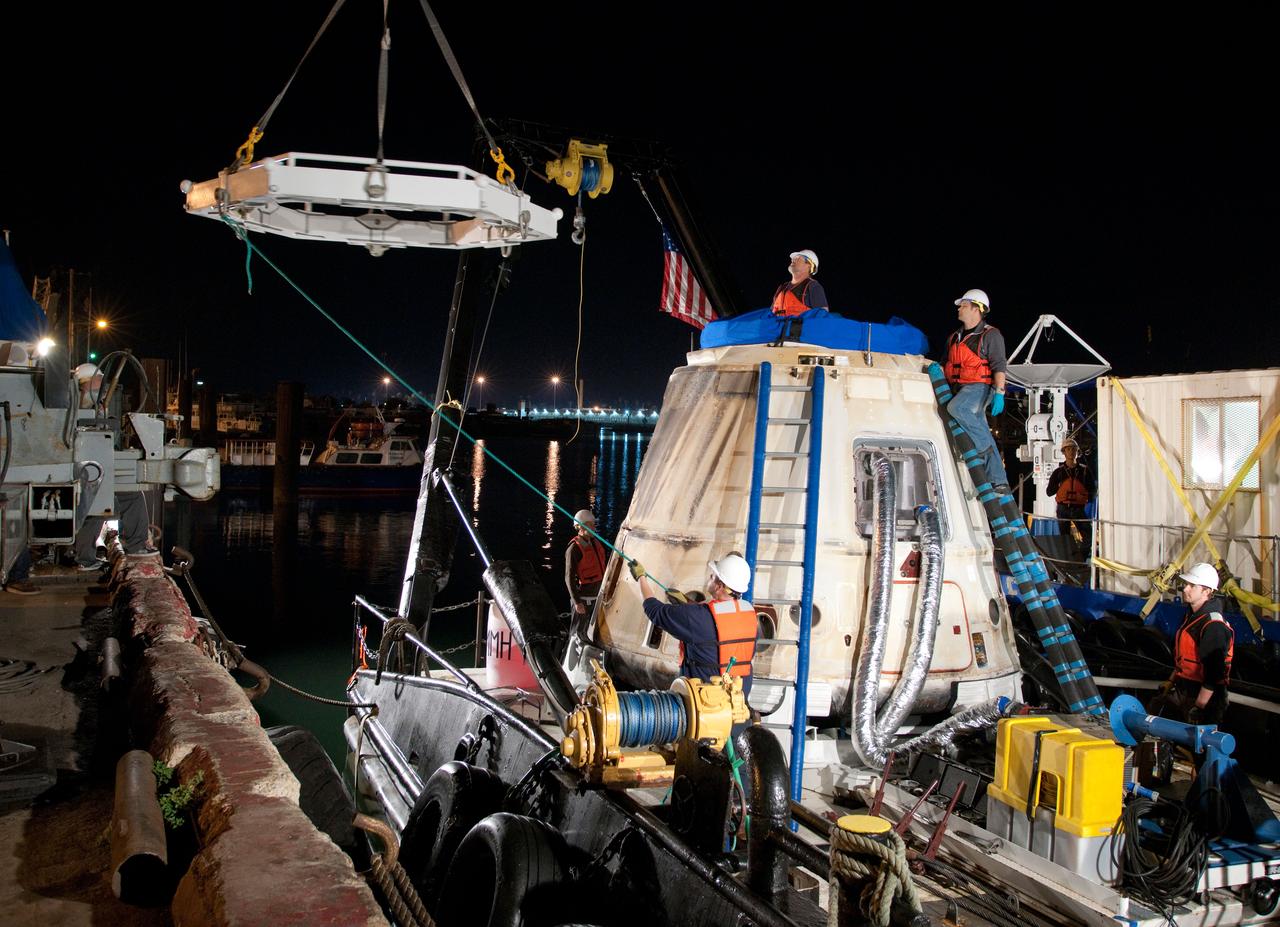
ED13-0079-08 (26 March 2013) ---- SpaceX Dragon's second operational mission ended on March 26 after three weeks attached to the International Space Station. The unmanned spacecraft splashed down in the Pacific Ocean about 214 miles off the coast of Baja California to successfully return about 2,670 pounds of science materials from the orbital outpost. Photo credit: NASA
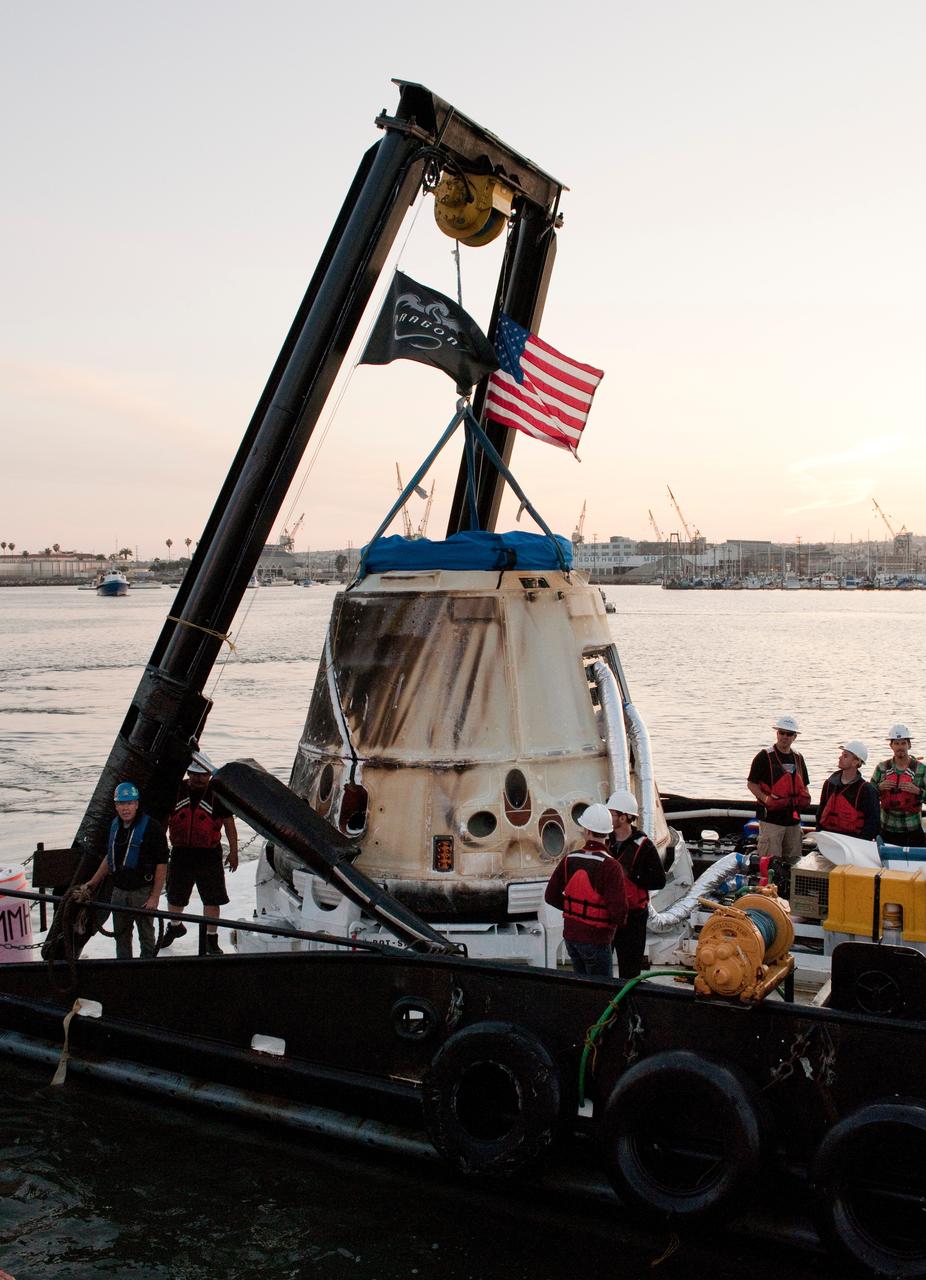
ED13-0079-02 (26 March 2013) ---- SpaceX Dragon's second operational mission ended on March 26 after three weeks attached to the International Space Station. The unmanned spacecraft splashed down in the Pacific Ocean about 214 miles off the coast of Baja California to successfully return about 2,670 pounds of science materials from the orbital outpost. Photo credit: NASA
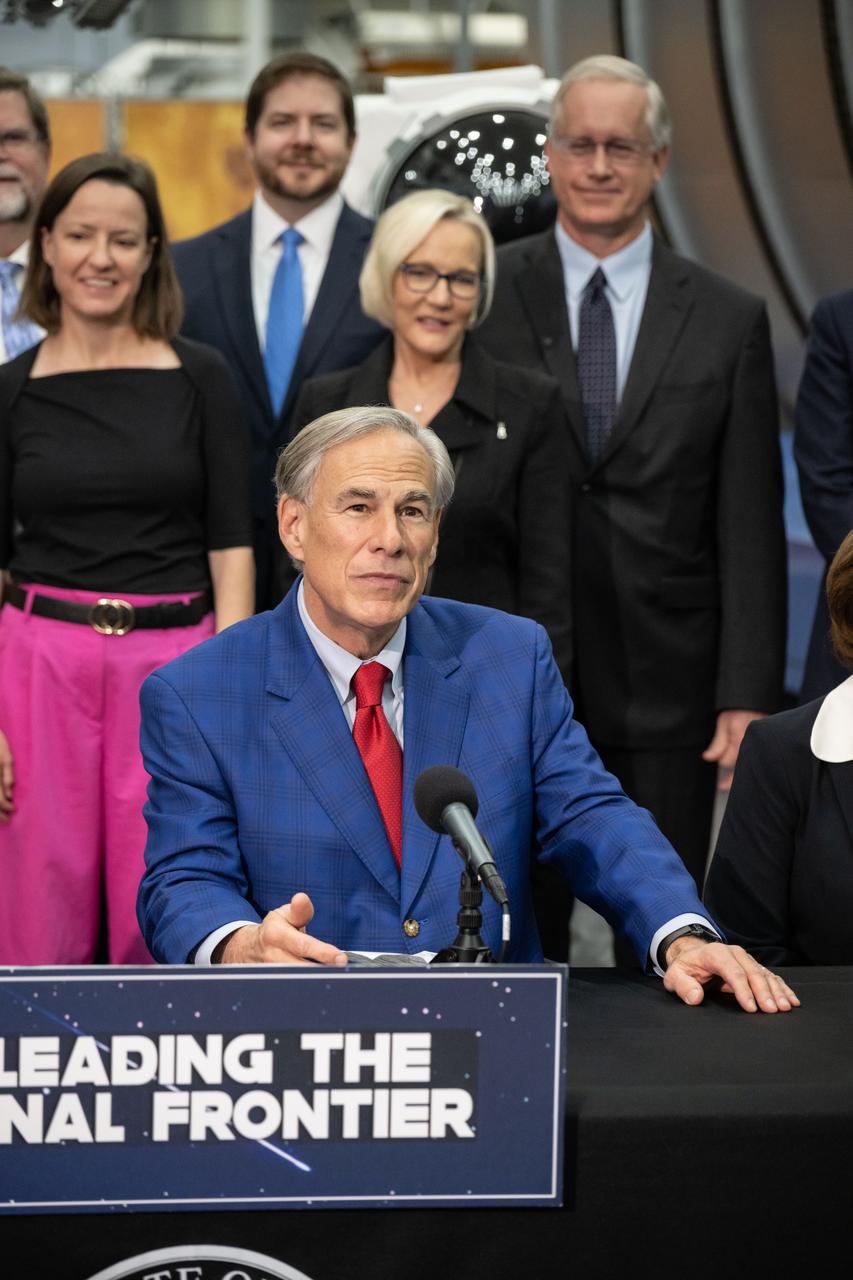
jsc2024e022809 March 26, 2024 -- NASA’s Johnson Space Center in Houston hosted a Tuesday, March 26, visit by Texas Governor Greg Abbott, who visited NASA’s Mission Control Center, spoke with native Texan and NASA astronaut Loral O'Hara aboard the International Space Station, and introduced the new members of the Texas Space Commission. Abbott was joined by NASA Johnson Space Center Director Vanessa Wyche, Texas House Speaker Dade Phelan, Texas Representative Greg Bonnen and other state and space industry leaders.
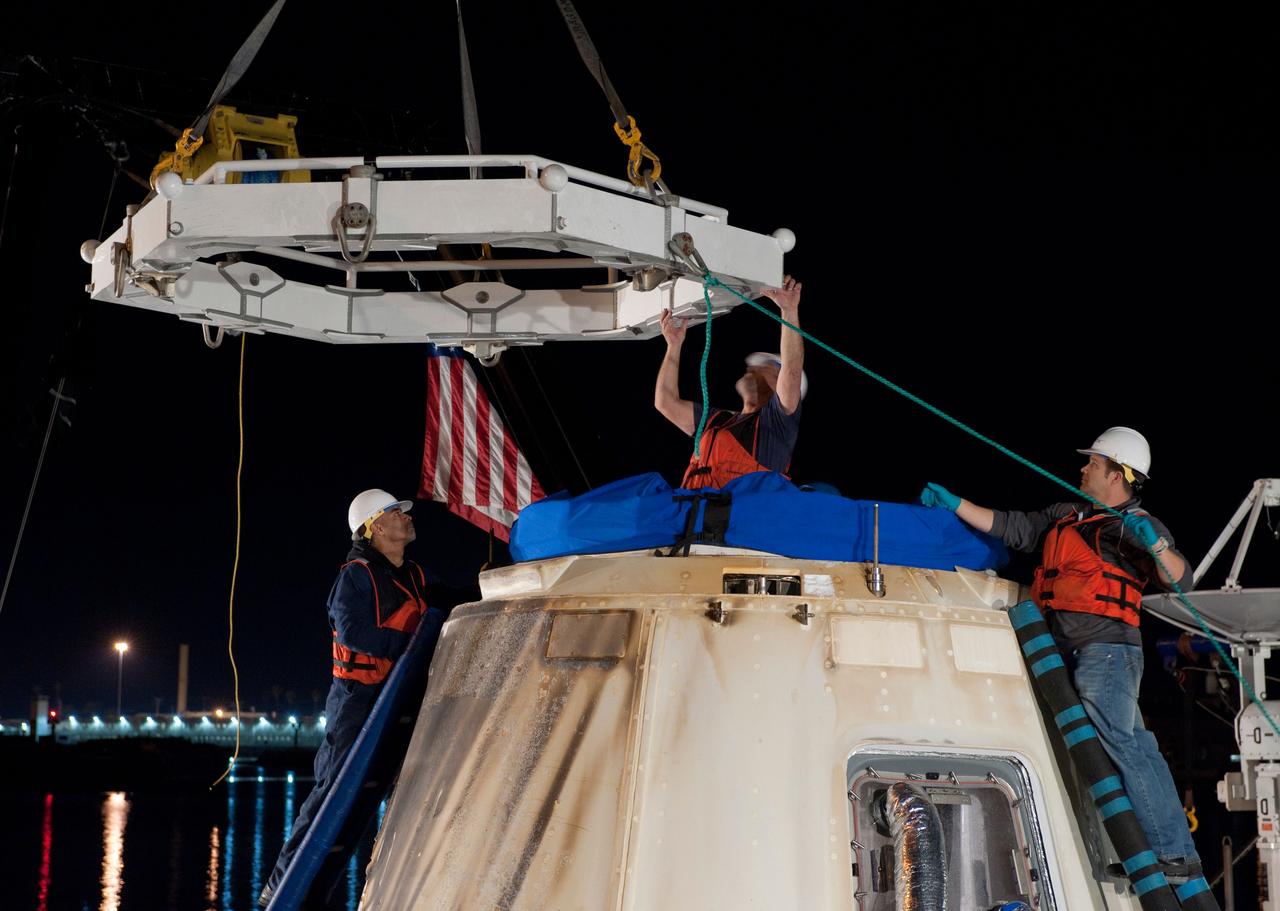
ED13-0079-09 (26 March 2013) ---- SpaceX Dragon's second operational mission ended on March 26 after three weeks attached to the International Space Station. The unmanned spacecraft splashed down in the Pacific Ocean about 214 miles off the coast of Baja California to successfully return about 2,670 pounds of science materials from the orbital outpost. Photo credit: NASA
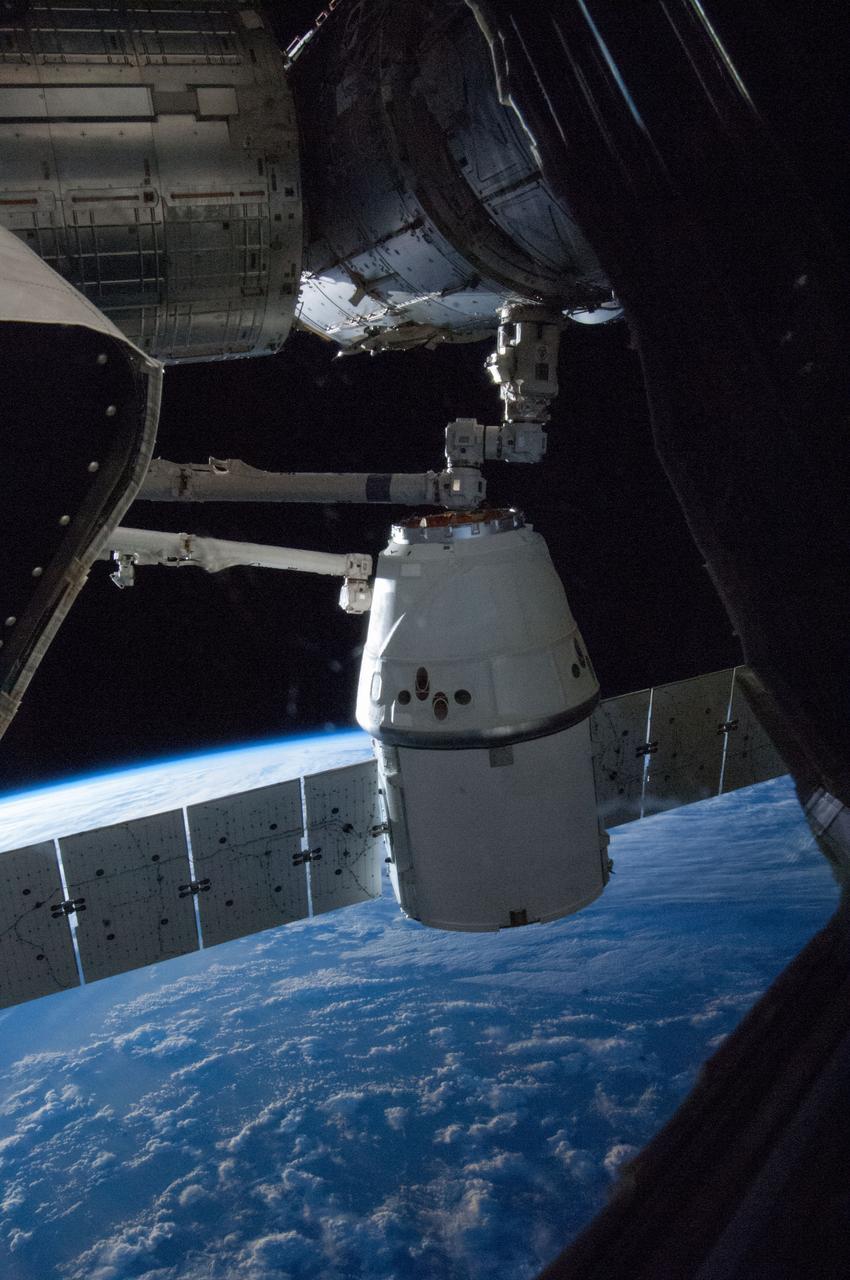
ISS035-E-010119 (26 March 2013) --- This image is one of a series of still photos documenting the process to release the SpaceX Dragon-2 spacecraft from the International Space Station on March 26. The spacecraft, filled with experiments and old supplies, can be seen in the grasp of the Space Station Remote Manipulator System’s robot arm or CanadArm2 after it was undocked from the orbital outpost. The Dragon was scheduled to make a landing in the Pacific Ocean, off the coast of California, later in the day.
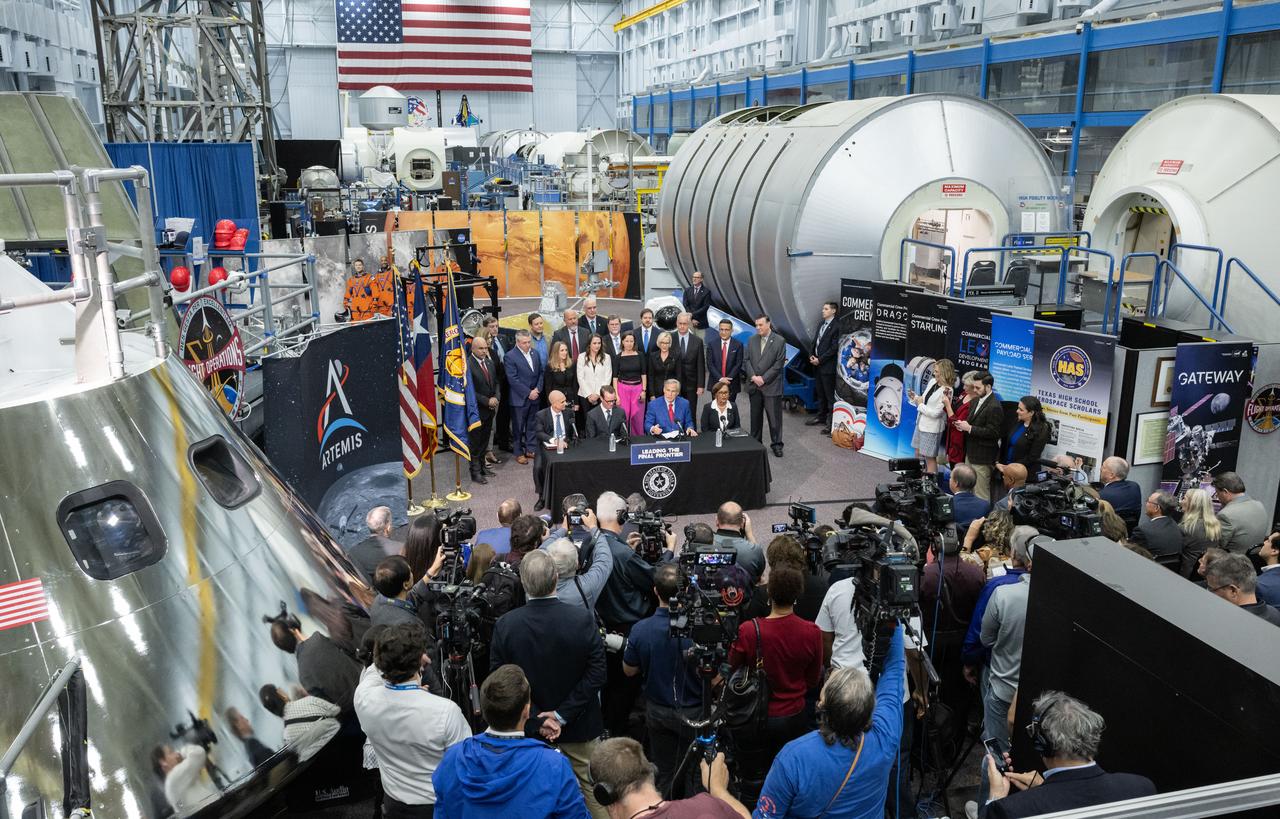
jsc2024e022828 March 26, 2024 -- NASA’s Johnson Space Center in Houston hosted a Tuesday, March 26, visit by Texas Governor Greg Abbott, who visited NASA’s Mission Control Center, spoke with native Texan and NASA astronaut Loral O'Hara aboard the International Space Station, and introduced the new members of the Texas Space Commission. Abbott was joined by NASA Johnson Space Center Director Vanessa Wyche, Texas House Speaker Dade Phelan, Texas Representative Greg Bonnen and other state and space industry leaders.
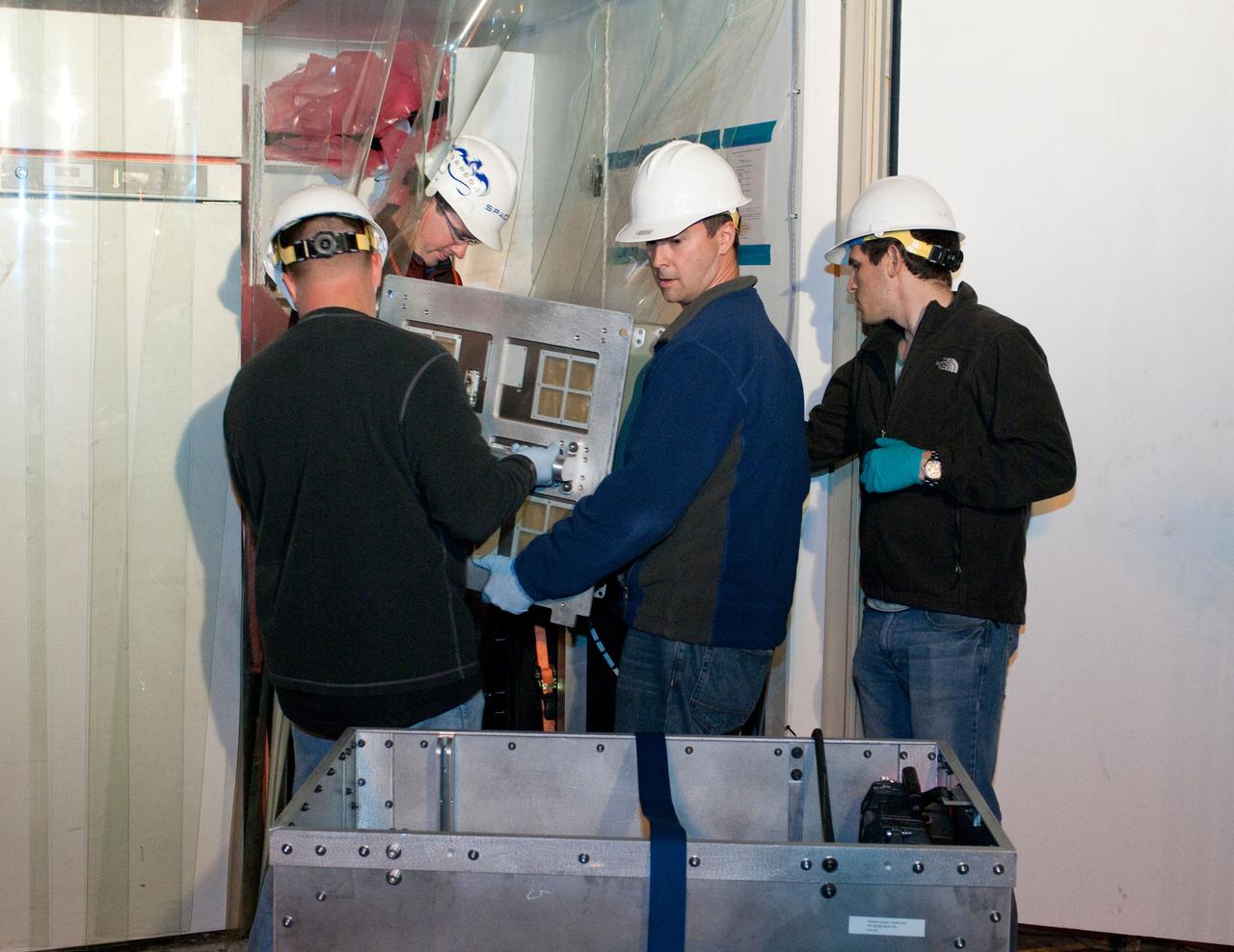
ED13-0079-04 (26 March 2013) ---- SpaceX Dragon's second operational mission ended on March 26 after three weeks attached to the International Space Station. The unmanned spacecraft splashed down in the Pacific Ocean about 214 miles off the coast of Baja California to successfully return about 2,670 pounds of science materials from the orbital outpost. Photo credit: NASA
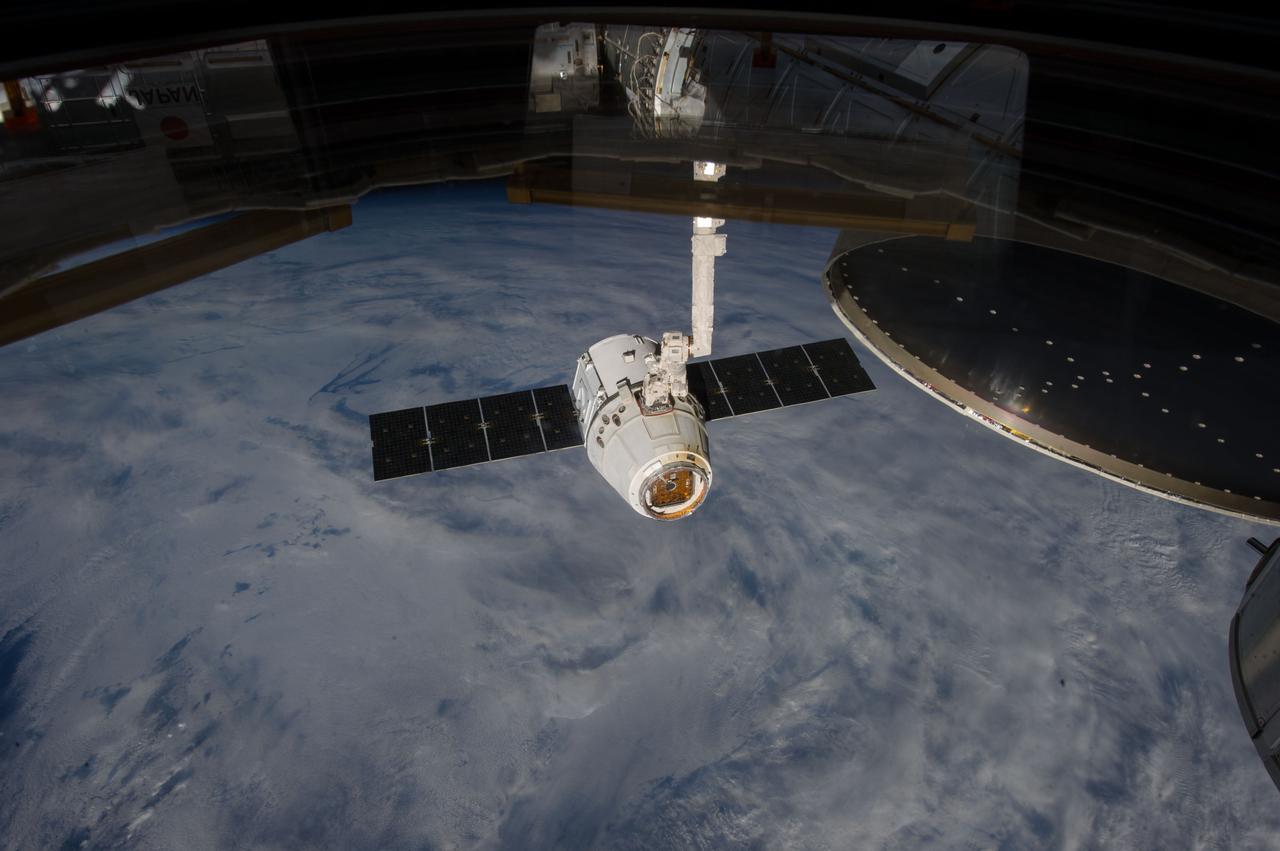
ISS035-E-008935 (26 March 2013) --- This image is one of a series of still photos documenting the process to release the SpaceX Dragon-2 spacecraft from the International Space Station on March 26. The spacecraft, filled with experiments and old supplies, can be seen in the grasp of the Space Station Remote Manipulator System’s robot arm or CanadArm2 after it was undocked from the orbital outpost. The Dragon was scheduled to make a landing in the Pacific Ocean, off the coast of California, later in the day.
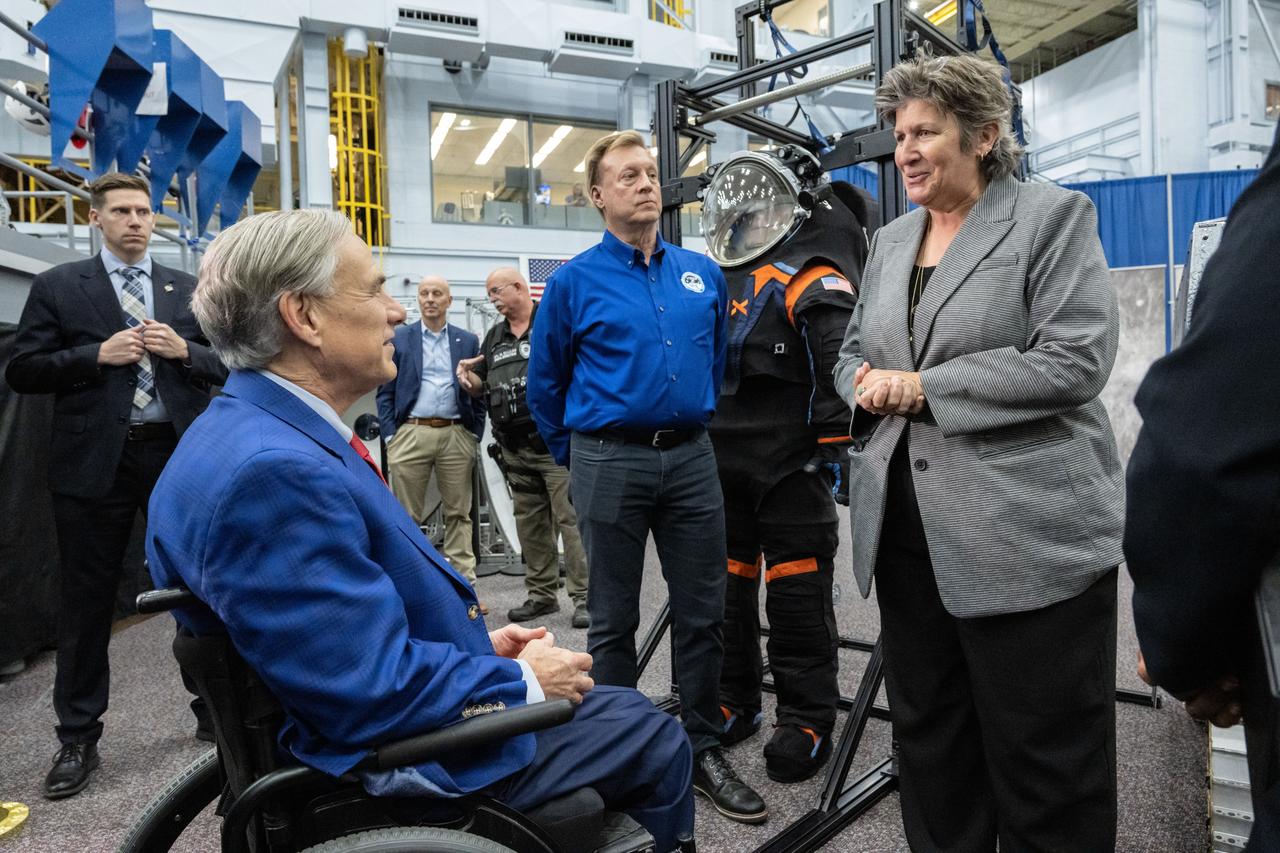
jsc2024e022827 March 26, 2024 -- NASA’s Johnson Space Center in Houston hosted a Tuesday, March 26, visit by Texas Governor Greg Abbott, who visited NASA’s Mission Control Center, spoke with native Texan and NASA astronaut Loral O'Hara aboard the International Space Station, and introduced the new members of the Texas Space Commission. Abbott was joined by NASA Johnson Space Center Director Vanessa Wyche, Texas House Speaker Dade Phelan, Texas Representative Greg Bonnen and other state and space industry leaders.
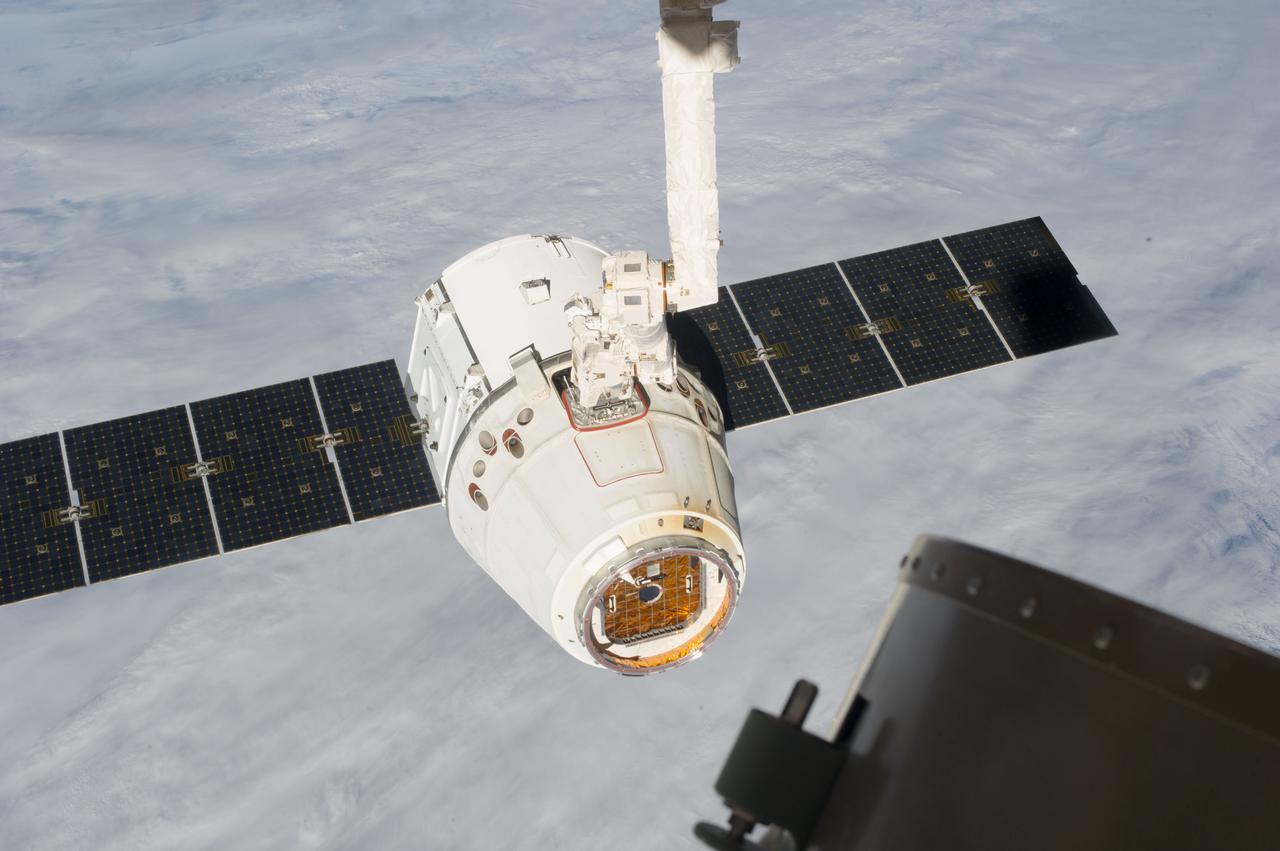
ISS035-E-012425 (26 March 2013) --- This image is one of a series of still photos documenting the process to release the SpaceX Dragon-2 spacecraft from the International Space Station on March 26. The spacecraft, filled with experiments and old supplies, can be seen in the grasp of the Space Station Remote Manipulator System’s robot arm or CanadArm2 after it was undocked from the orbital outpost. The Dragon was scheduled to make a landing in the Pacific Ocean, off the coast of California, later in the day.
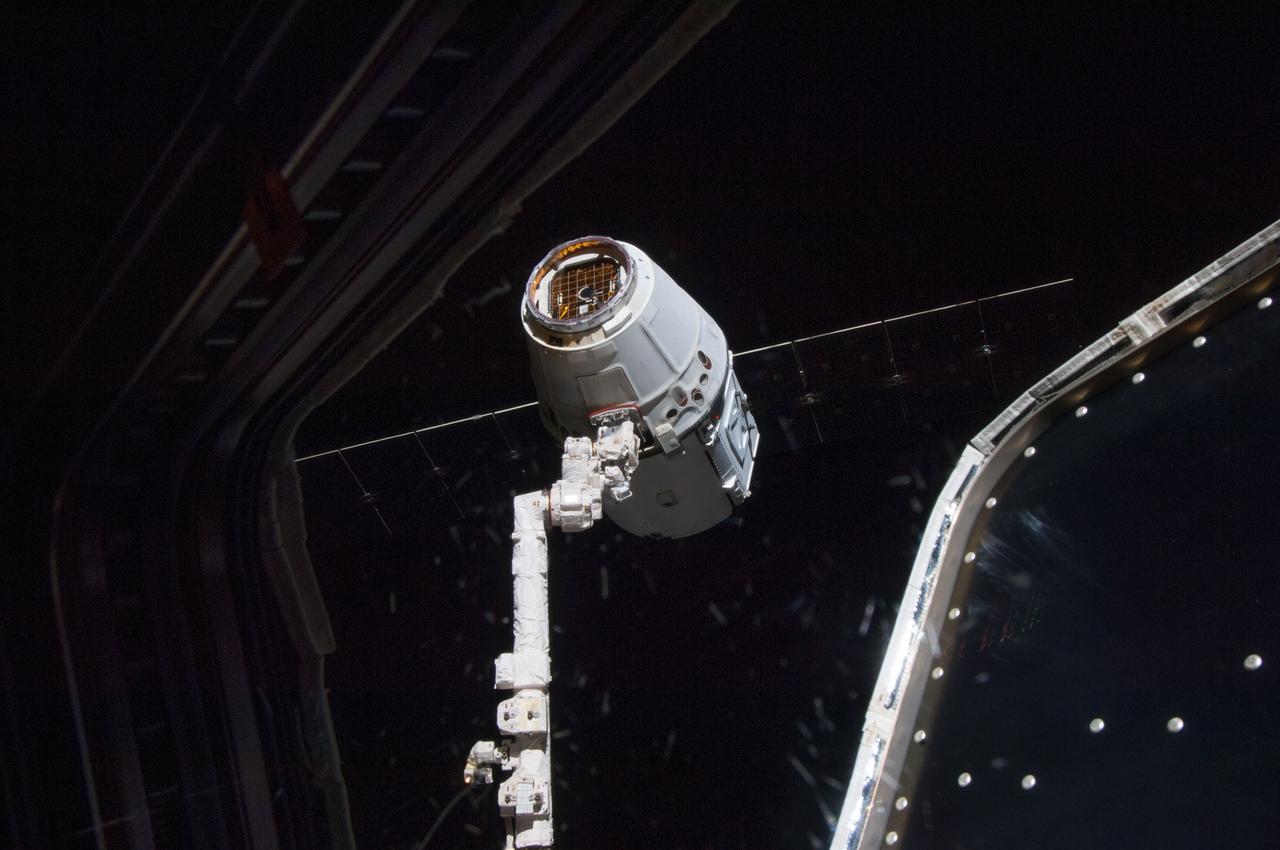
ISS035-E-010124 (26 March 2013) --- This image, photographed through one of the windows in the Cupola, is one of a series of still photos documenting the process to release the SpaceX Dragon-2 spacecraft from the International Space Station on March 26. The unmanned spacecraft, filled with experiments and old supplies, can be seen in the grasp of the Space Station Remote Manipulator System’s robot arm or CanadArm2 after it was undocked from the orbital outpost. The Dragon was scheduled to make a landing in the Pacific Ocean, off the coast of California, later in the day.
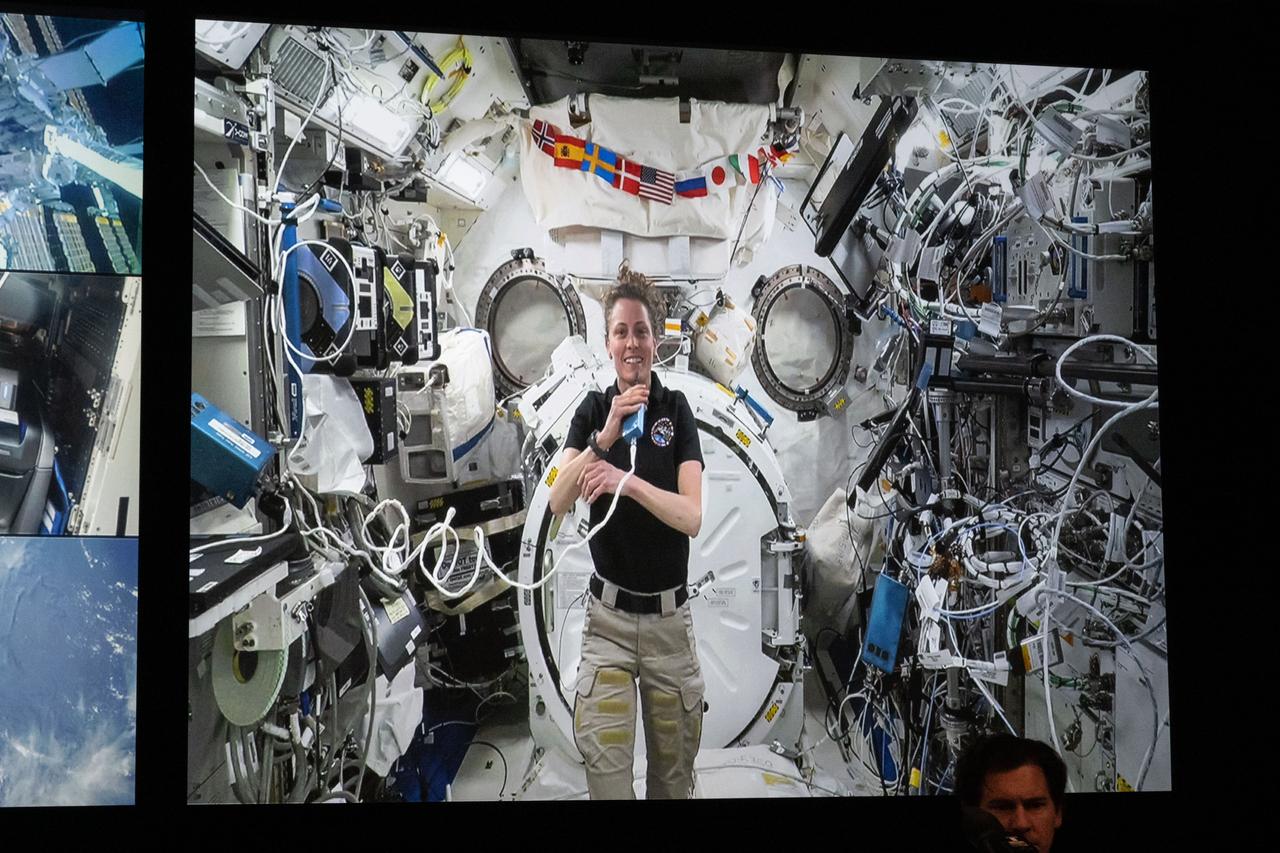
jsc2024e022829 March 26, 2024 -- NASA’s Johnson Space Center in Houston hosted a Tuesday, March 26, visit by Texas Governor Greg Abbott, who visited NASA’s Mission Control Center, spoke with native Texan and NASA astronaut Loral O'Hara aboard the International Space Station, and introduced the new members of the Texas Space Commission. Abbott was joined by NASA Johnson Space Center Director Vanessa Wyche, Texas House Speaker Dade Phelan, Texas Representative Greg Bonnen and other state and space industry leaders.
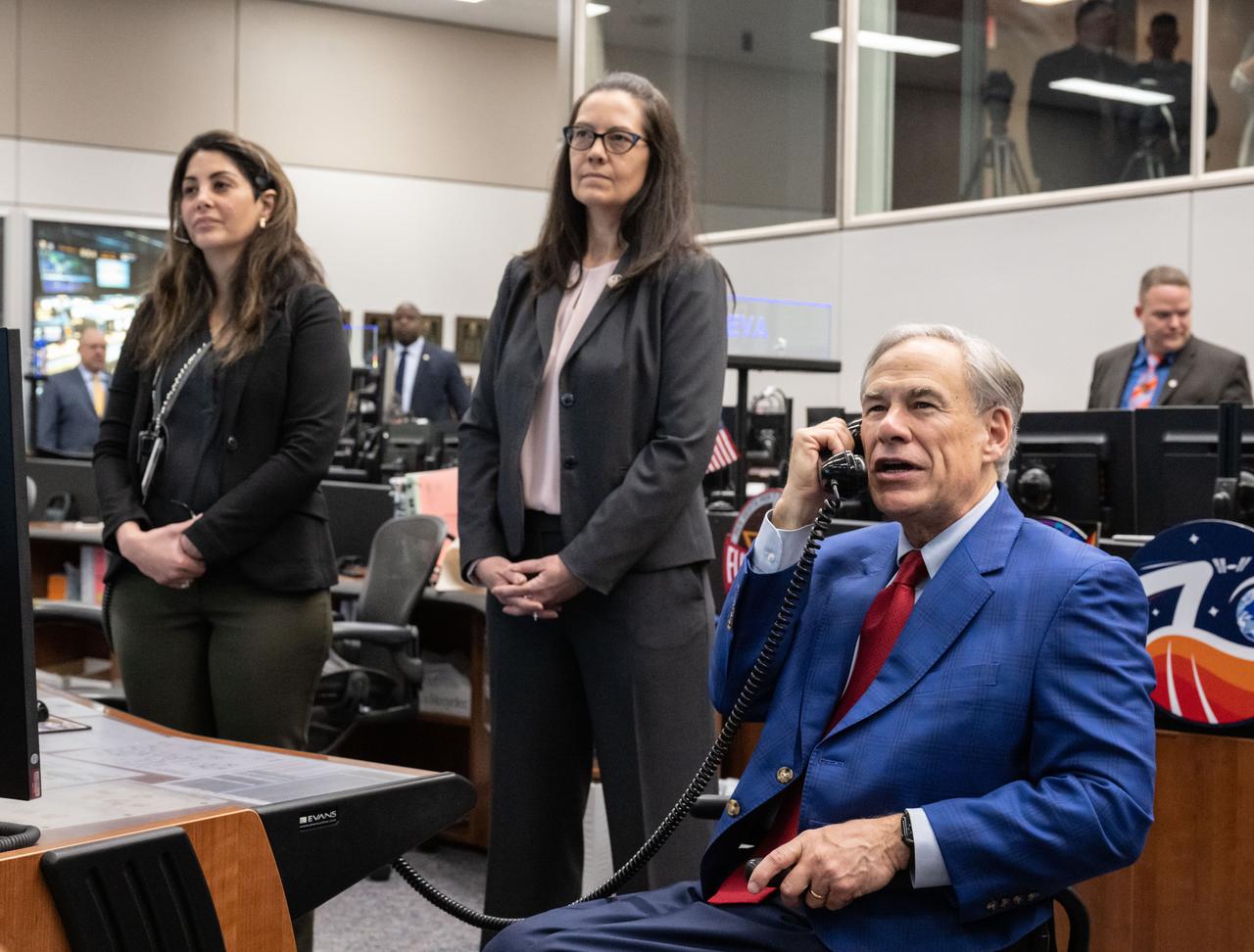
jsc2024e022821 March 26, 2024 -- NASA’s Johnson Space Center in Houston hosted a Tuesday, March 26, visit by Texas Governor Greg Abbott, who visited NASA’s Mission Control Center, spoke with native Texan and NASA astronaut Loral O'Hara aboard the International Space Station, and introduced the new members of the Texas Space Commission. Abbott was joined by NASA Johnson Space Center Director Vanessa Wyche, Texas House Speaker Dade Phelan, Texas Representative Greg Bonnen and other state and space industry leaders.
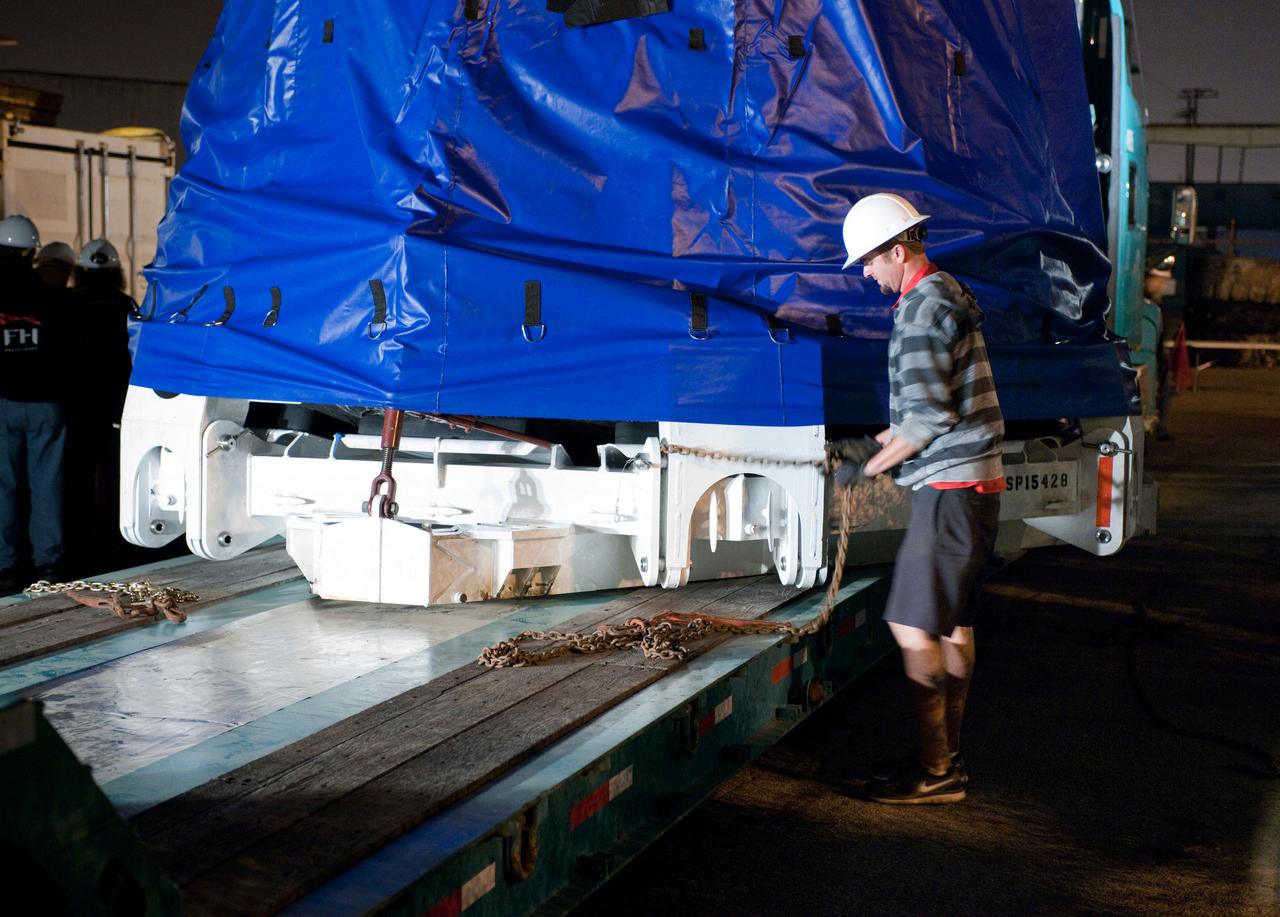
ED13-0079-16 (26 March 2013) ---- SpaceX Dragon's second operational mission ended on March 26 after three weeks attached to the International Space Station. The unmanned spacecraft splashed down in the Pacific Ocean about 214 miles off the coast of Baja California to successfully return about 2,670 pounds of science materials from the orbital outpost. Photo credit: NASA
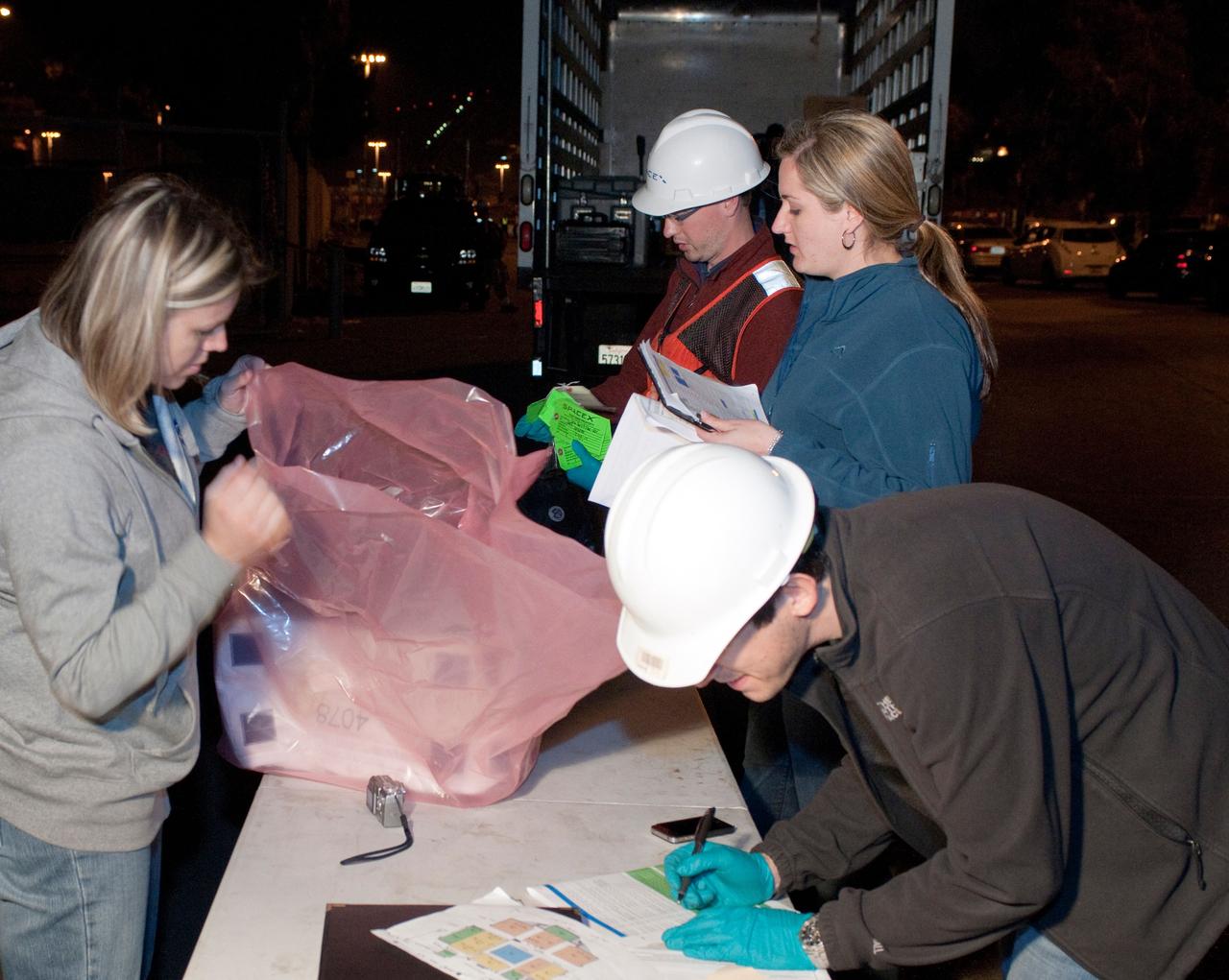
ED13-0079-11 (26 March 2013) ---- SpaceX Dragon's second operational mission ended on March 26 after three weeks attached to the International Space Station. The unmanned spacecraft splashed down in the Pacific Ocean about 214 miles off the coast of Baja California to successfully return about 2,670 pounds of science materials from the orbital outpost. Photo credit: NASA

ED13-0079-01 (26 March 2013) ---- SpaceX Dragon's second operational mission ended on March 26 after three weeks attached to the International Space Station. The unmanned spacecraft splashed down in the Pacific Ocean about 214 miles off the coast of Baja California to successfully return about 2,670 pounds of science materials from the orbital outpost. Photo credit: NASA
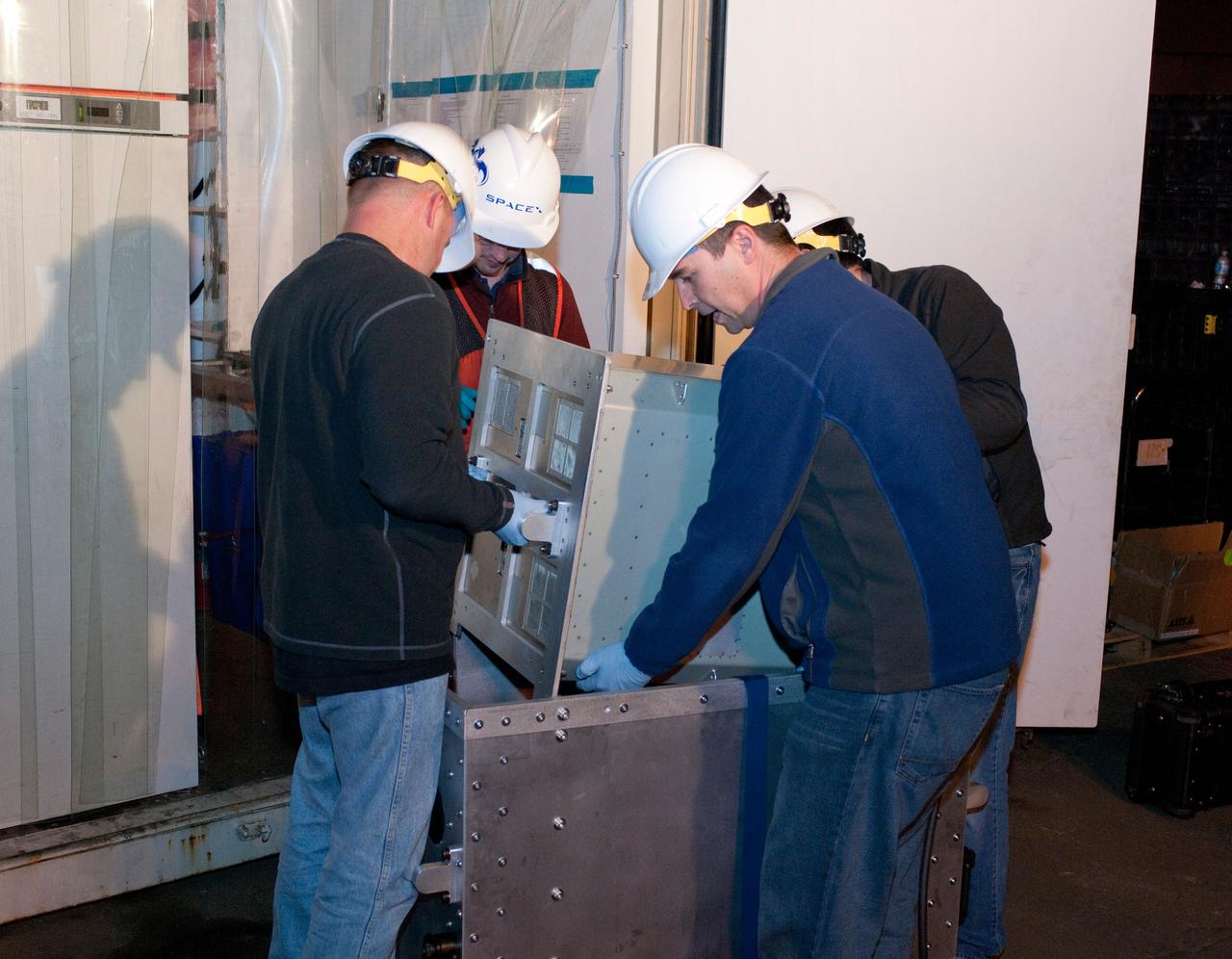
ED13-0079-05 (26 March 2013) ---- SpaceX Dragon's second operational mission ended on March 26 after three weeks attached to the International Space Station. The unmanned spacecraft splashed down in the Pacific Ocean about 214 miles off the coast of Baja California to successfully return about 2,670 pounds of science materials from the orbital outpost. Photo credit: NASA
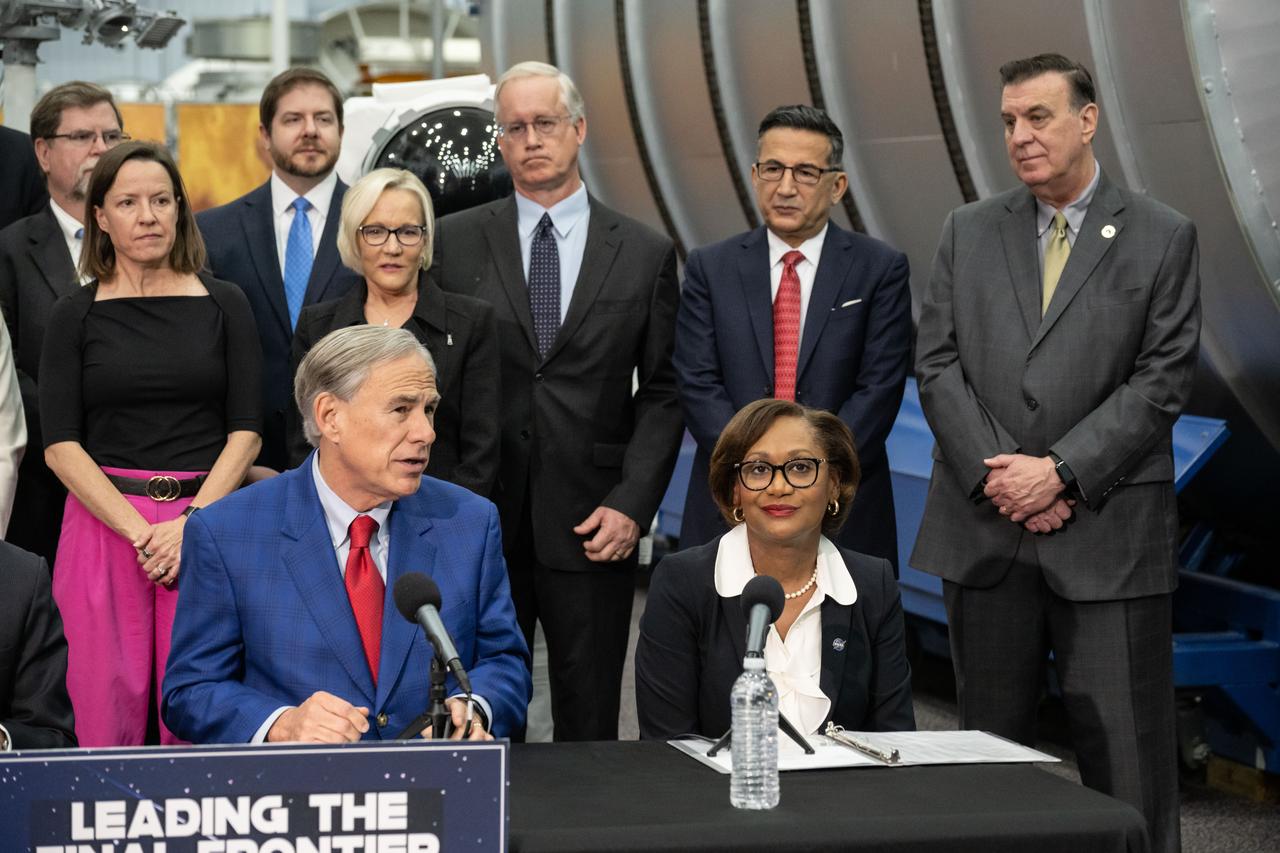
jsc2024e022816 March 26, 2024 -- NASA’s Johnson Space Center in Houston hosted a Tuesday, March 26, visit by Texas Governor Greg Abbott, who visited NASA’s Mission Control Center, spoke with native Texan and NASA astronaut Loral O'Hara aboard the International Space Station, and introduced the new members of the Texas Space Commission. Abbott was joined by NASA Johnson Space Center Director Vanessa Wyche, Texas House Speaker Dade Phelan, Texas Representative Greg Bonnen and other state and space industry leaders.

jsc2024e022811 March 26, 2024 -- NASA’s Johnson Space Center in Houston hosted a Tuesday, March 26, visit by Texas Governor Greg Abbott, who visited NASA’s Mission Control Center, spoke with native Texan and NASA astronaut Loral O'Hara aboard the International Space Station, and introduced the new members of the Texas Space Commission. Abbott was joined by NASA Johnson Space Center Director Vanessa Wyche, Texas House Speaker Dade Phelan, Texas Representative Greg Bonnen and other state and space industry leaders.
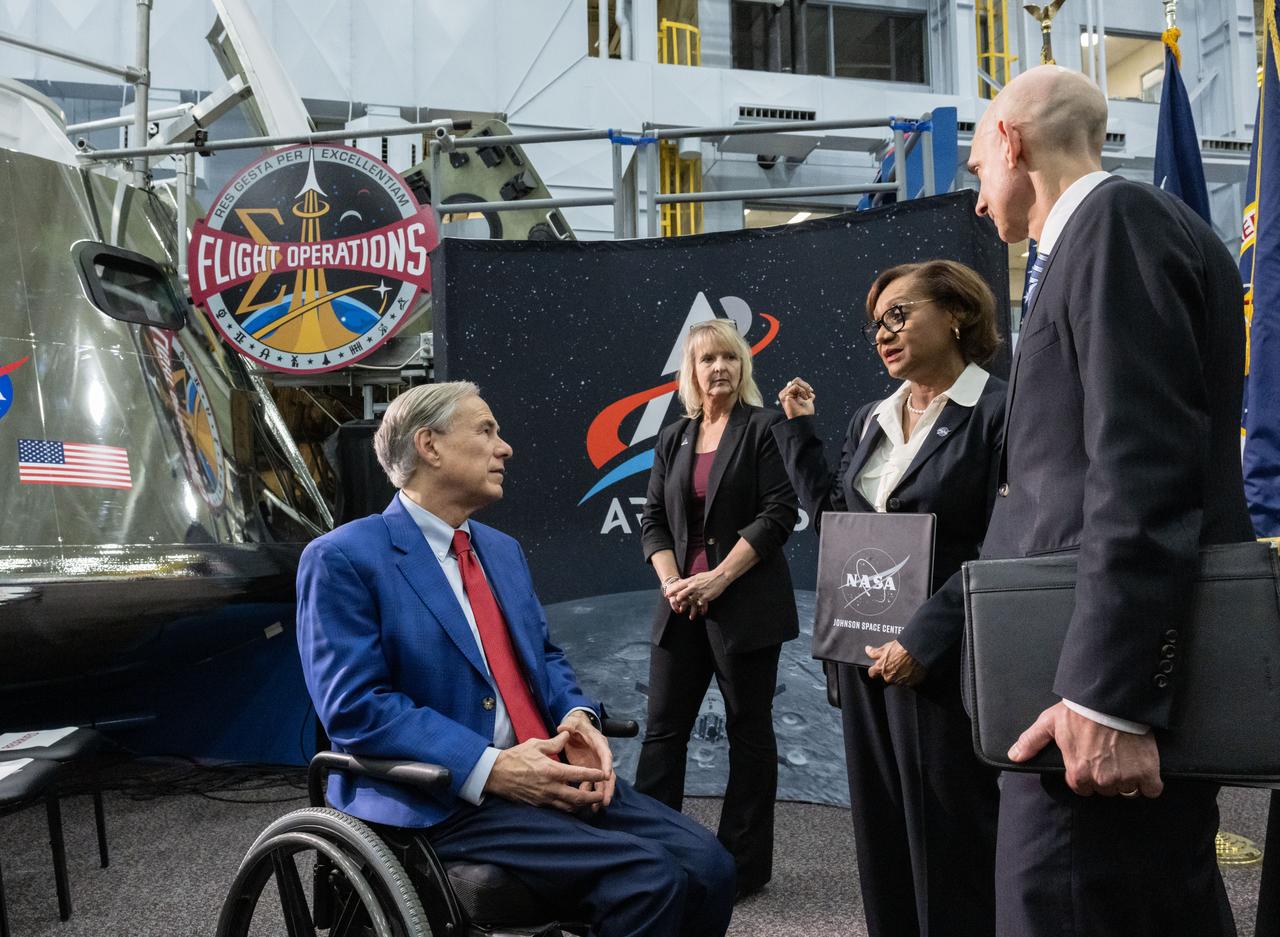
jsc2024e022826 March 26, 2024 -- NASA’s Johnson Space Center in Houston hosted a Tuesday, March 26, visit by Texas Governor Greg Abbott, who visited NASA’s Mission Control Center, spoke with native Texan and NASA astronaut Loral O'Hara aboard the International Space Station, and introduced the new members of the Texas Space Commission. Abbott was joined by NASA Johnson Space Center Director Vanessa Wyche, Texas House Speaker Dade Phelan, Texas Representative Greg Bonnen and other state and space industry leaders.
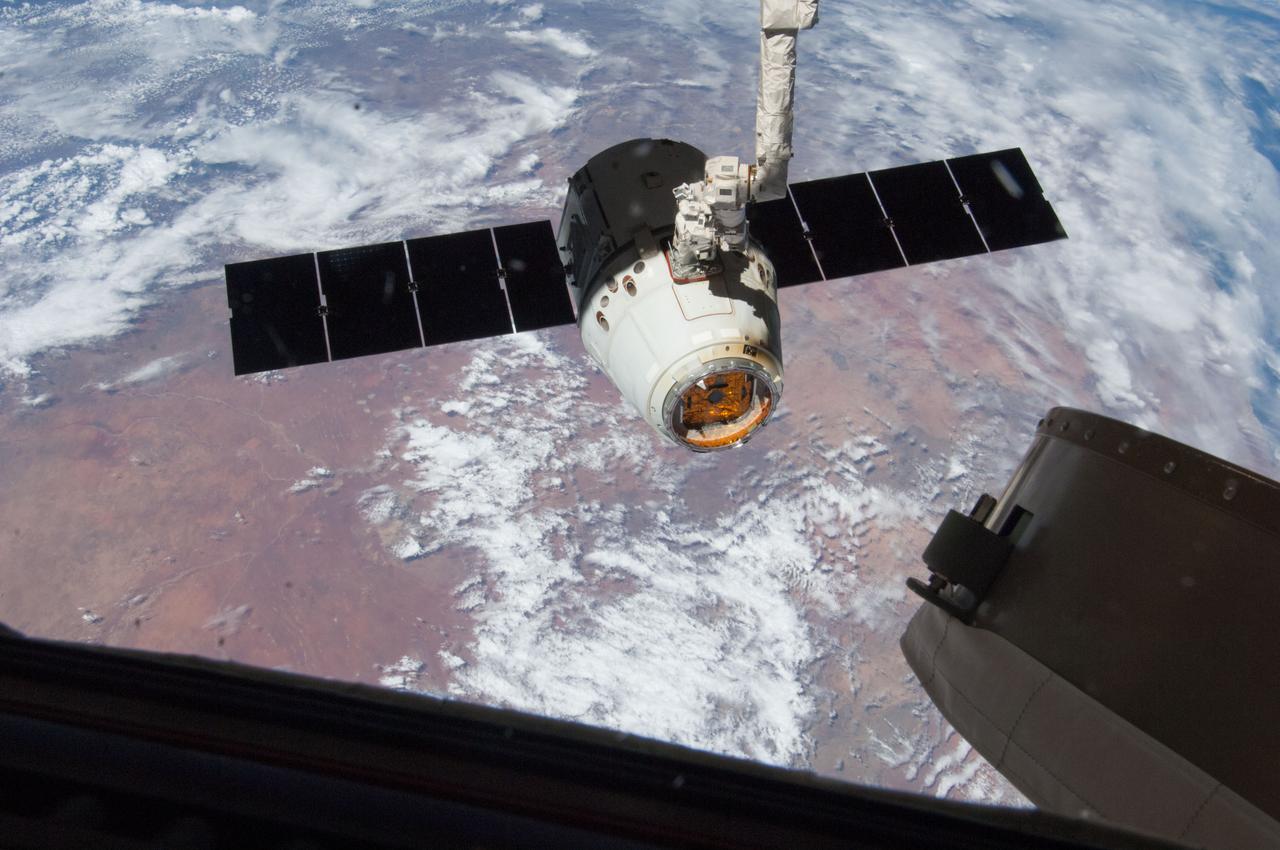
ISS035-E-010128 (26 March 2013) --- Backdropped over part of Namibia, this image is one of a series of still photos documenting the process to release the SpaceX Dragon-2 spacecraft from the International Space Station on March 26. The spacecraft, filled with experiments and old supplies, can be seen in the grasp of the Space Station Remote Manipulator System’s robot arm or CanadArm2 after it was undocked from the orbital outpost. The Dragon was scheduled to make a landing in the Pacific Ocean, off the coast of California, later in the day.
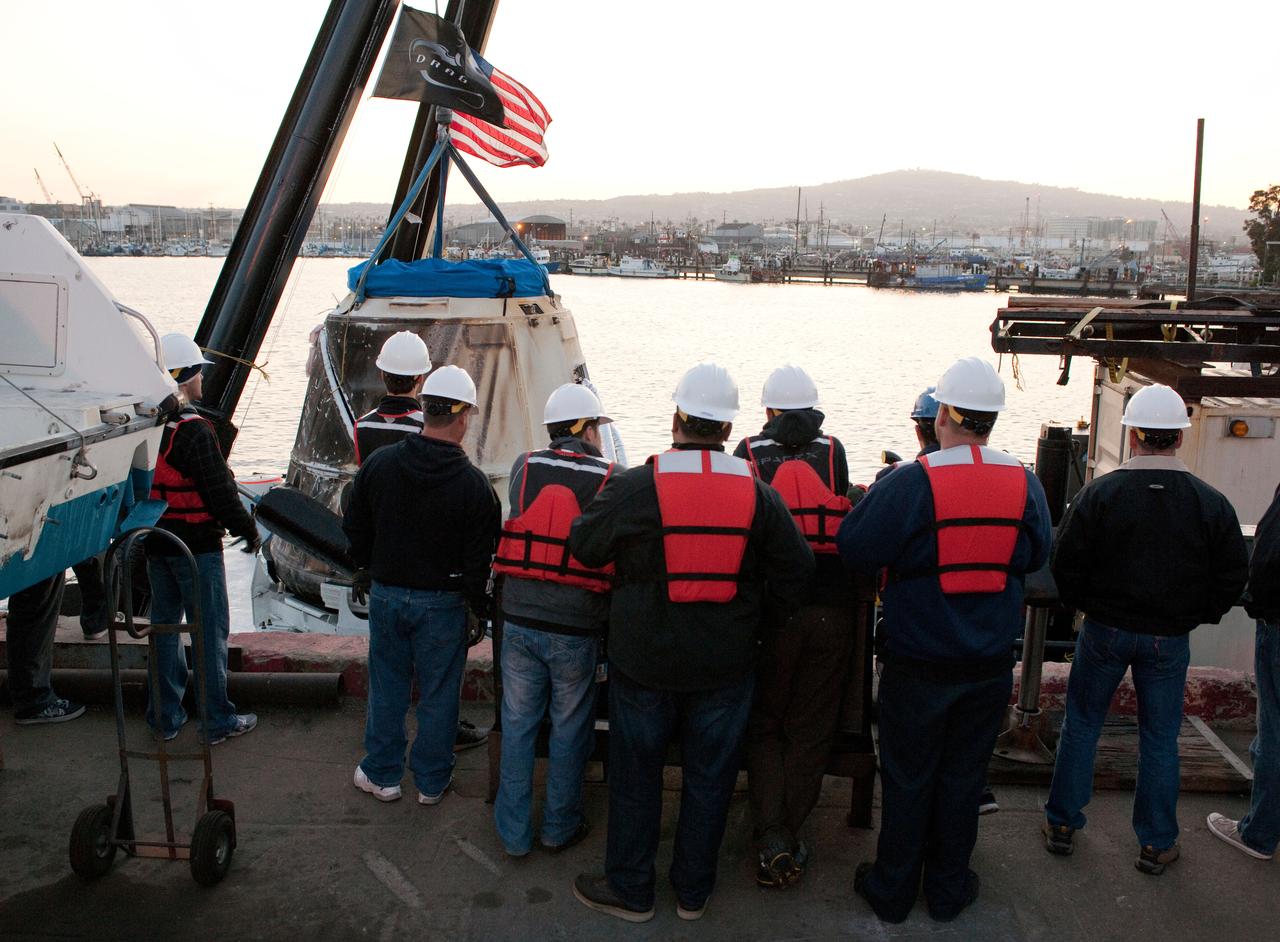
ED13-0079-03 (26 March 2013) ---- SpaceX Dragon's second operational mission ended on March 26 after three weeks attached to the International Space Station. The unmanned spacecraft splashed down in the Pacific Ocean about 214 miles off the coast of Baja California to successfully return about 2,670 pounds of science materials from the orbital outpost. Photo credit: NASA
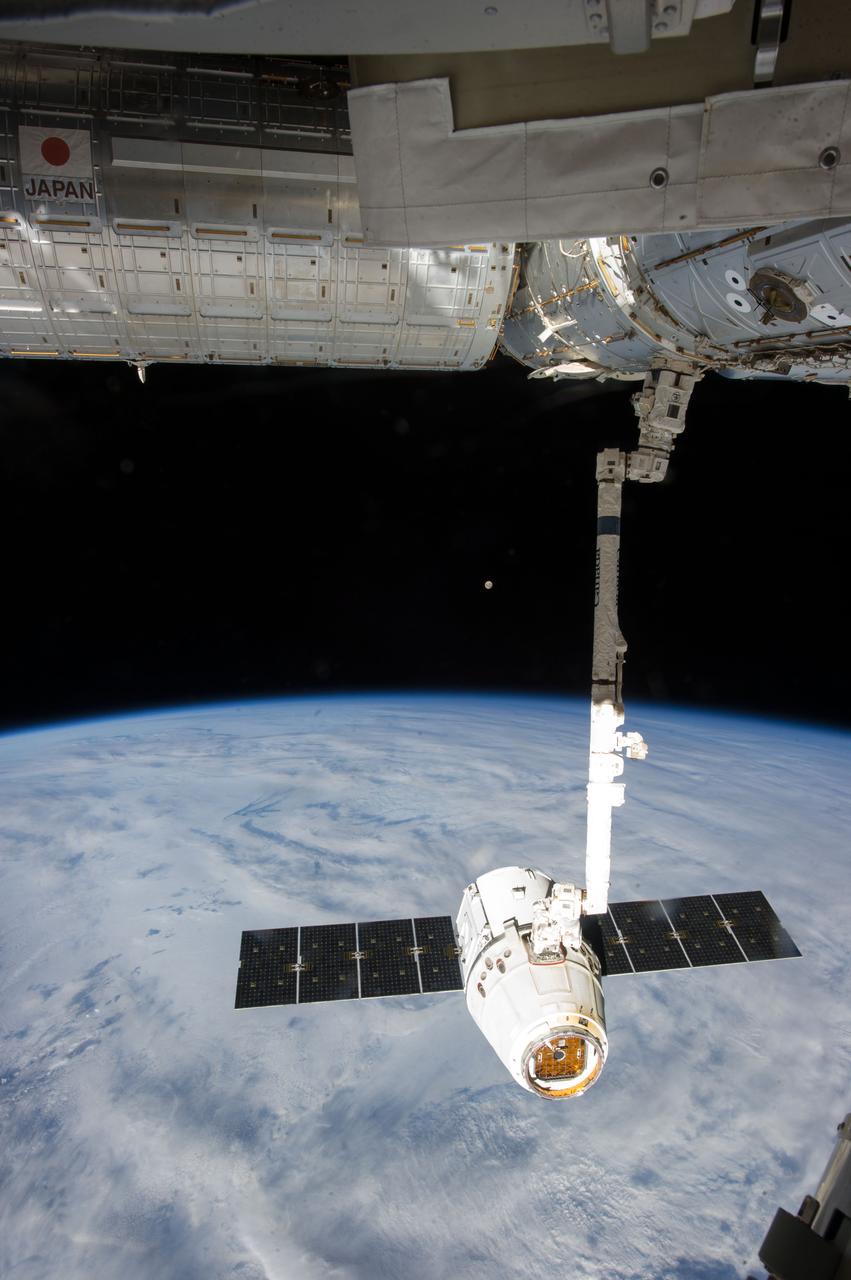
ISS035-E-008927 (26 March 2013) ---This image is one of a series of still photos documenting the process to release the SpaceX Dragon-2 spacecraft from the International Space Station on March 26. The spacecraft, filled with experiments and old supplies, can be seen in the grasp of the Space Station Remote Manipulator System’s robot arm or CanadArm2 after it was undocked from the orbital outpost. The Dragon was scheduled to make a landing in the Pacific Ocean, off the coast of California, later in the day.
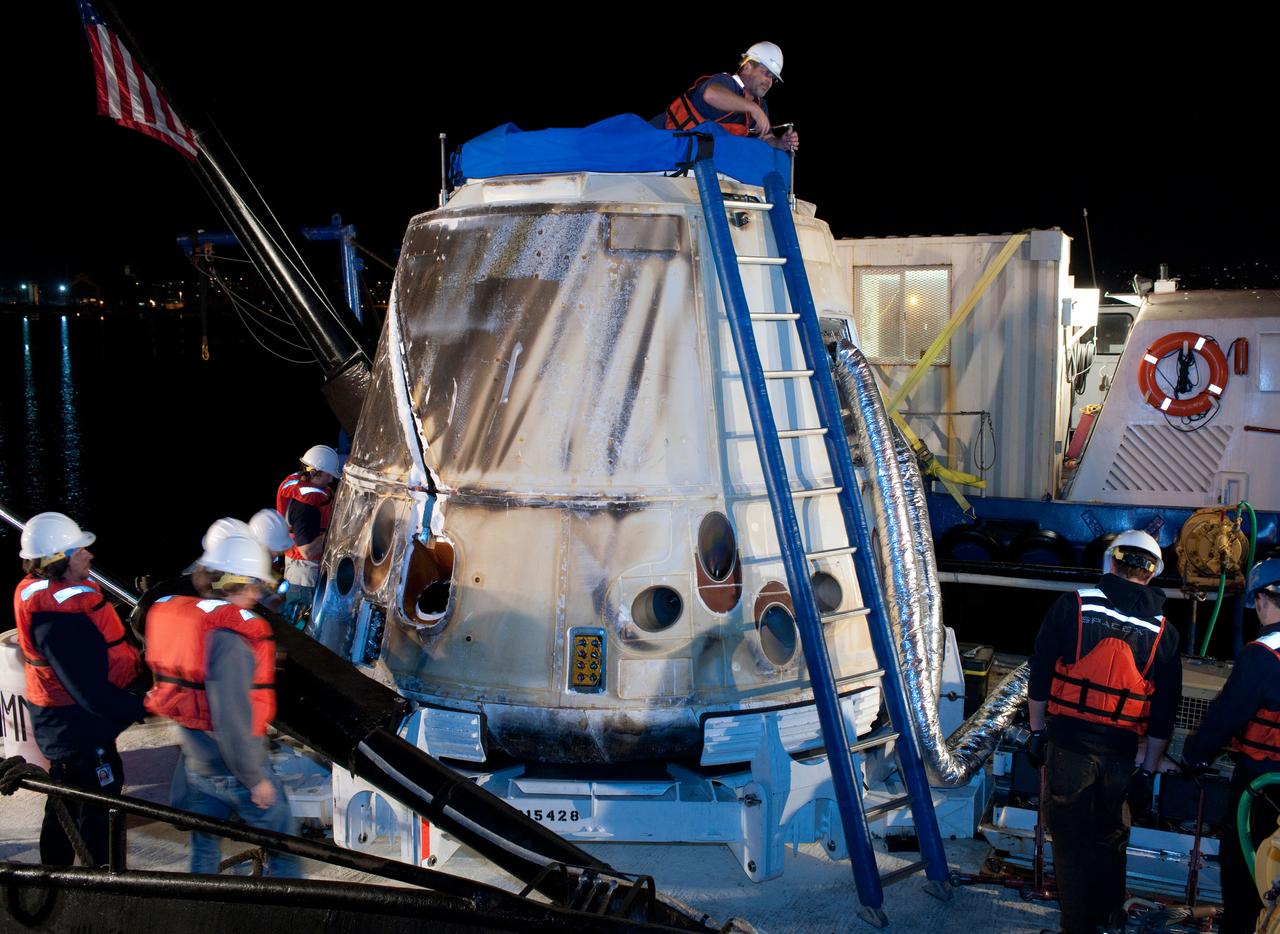
ED13-0079-06 (26 March 2013) ---- SpaceX Dragon's second operational mission ended on March 26 after three weeks attached to the International Space Station. The unmanned spacecraft splashed down in the Pacific Ocean about 214 miles off the coast of Baja California to successfully return about 2,670 pounds of science materials from the orbital outpost. Photo credit: NASA
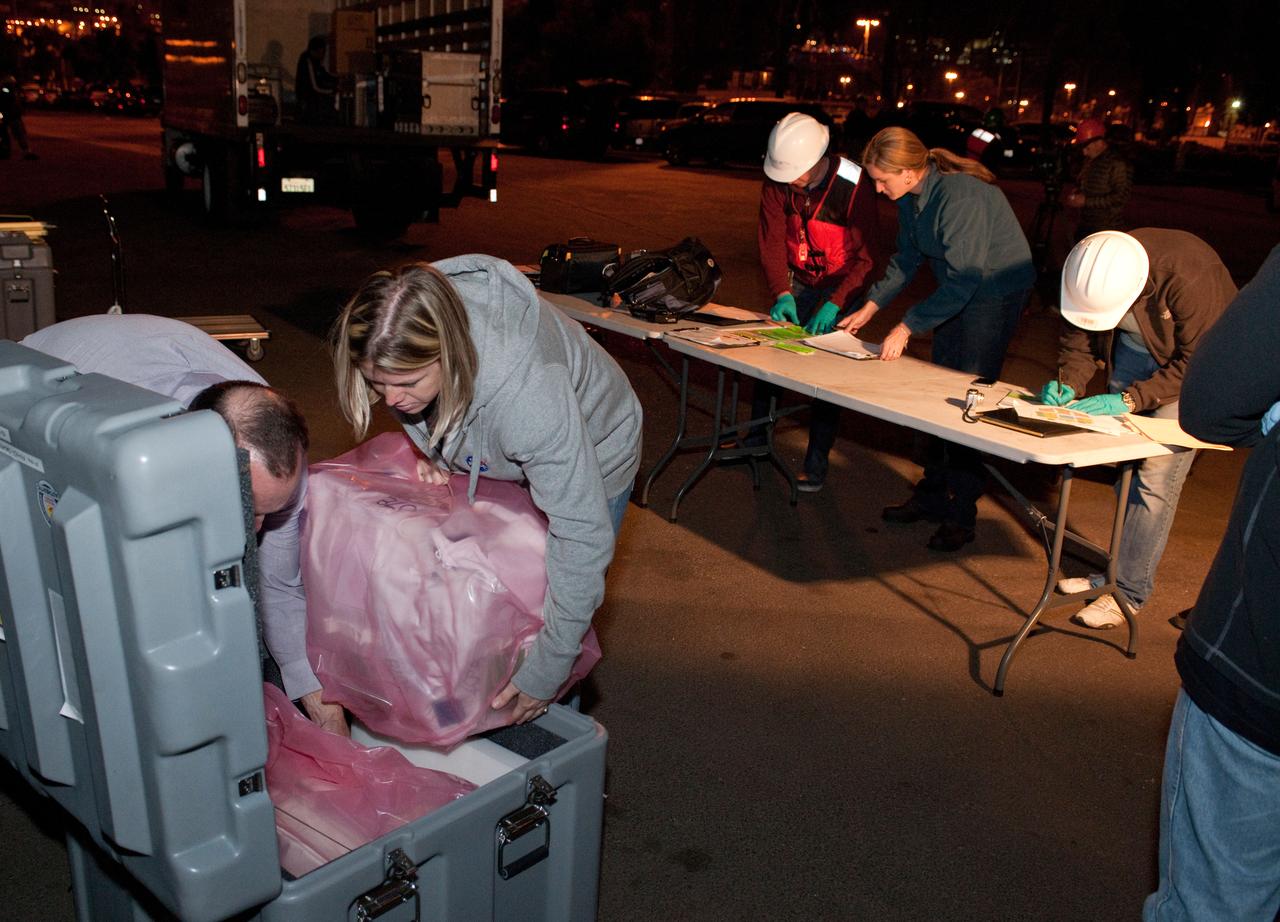
ED13-0079-12 (26 March 2013) ---- SpaceX Dragon's second operational mission ended on March 26 after three weeks attached to the International Space Station. The unmanned spacecraft splashed down in the Pacific Ocean about 214 miles off the coast of Baja California to successfully return about 2,670 pounds of science materials from the orbital outpost. Photo credit: NASA
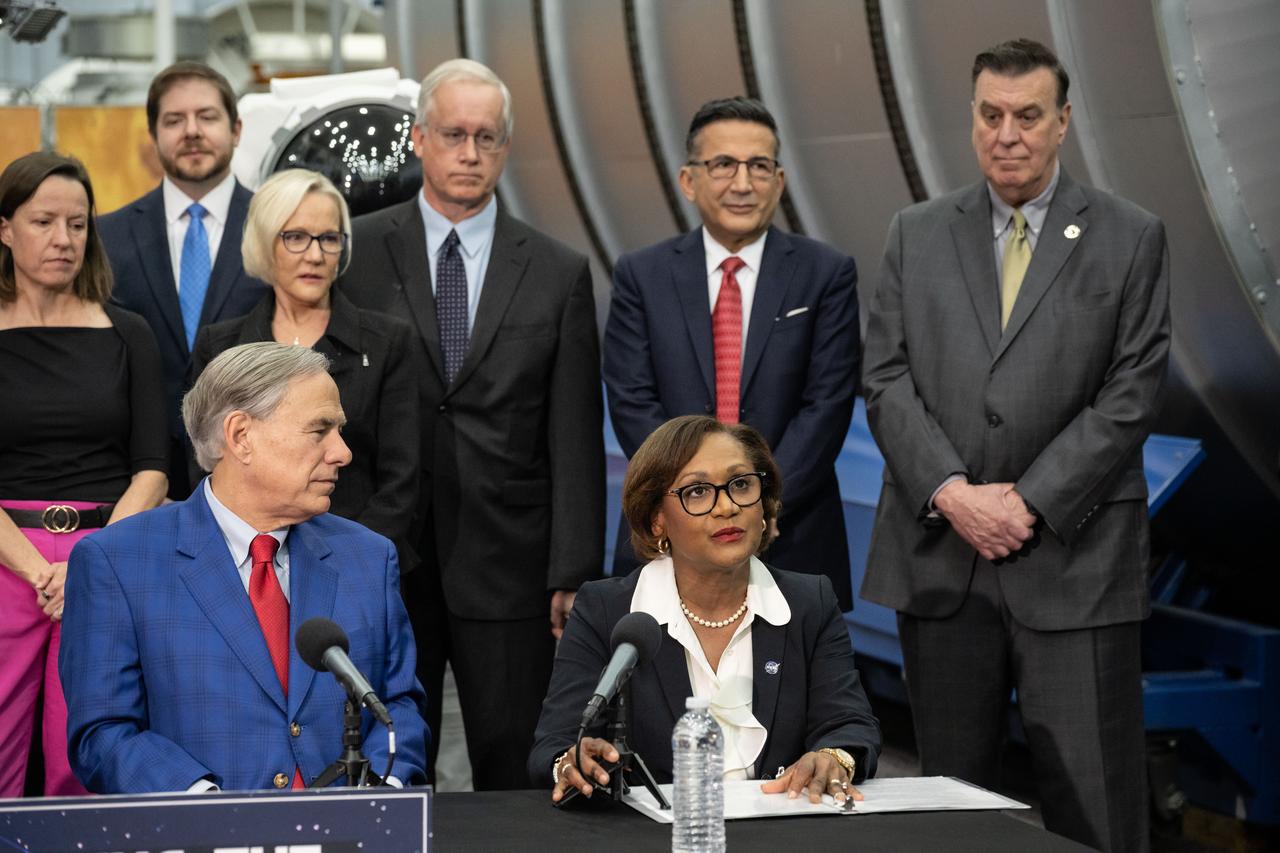
jsc2024e022815 March 26, 2024 -- NASA’s Johnson Space Center in Houston hosted a Tuesday, March 26, visit by Texas Governor Greg Abbott, who visited NASA’s Mission Control Center, spoke with native Texan and NASA astronaut Loral O'Hara aboard the International Space Station, and introduced the new members of the Texas Space Commission. Abbott was joined by NASA Johnson Space Center Director Vanessa Wyche, Texas House Speaker Dade Phelan, Texas Representative Greg Bonnen and other state and space industry leaders.
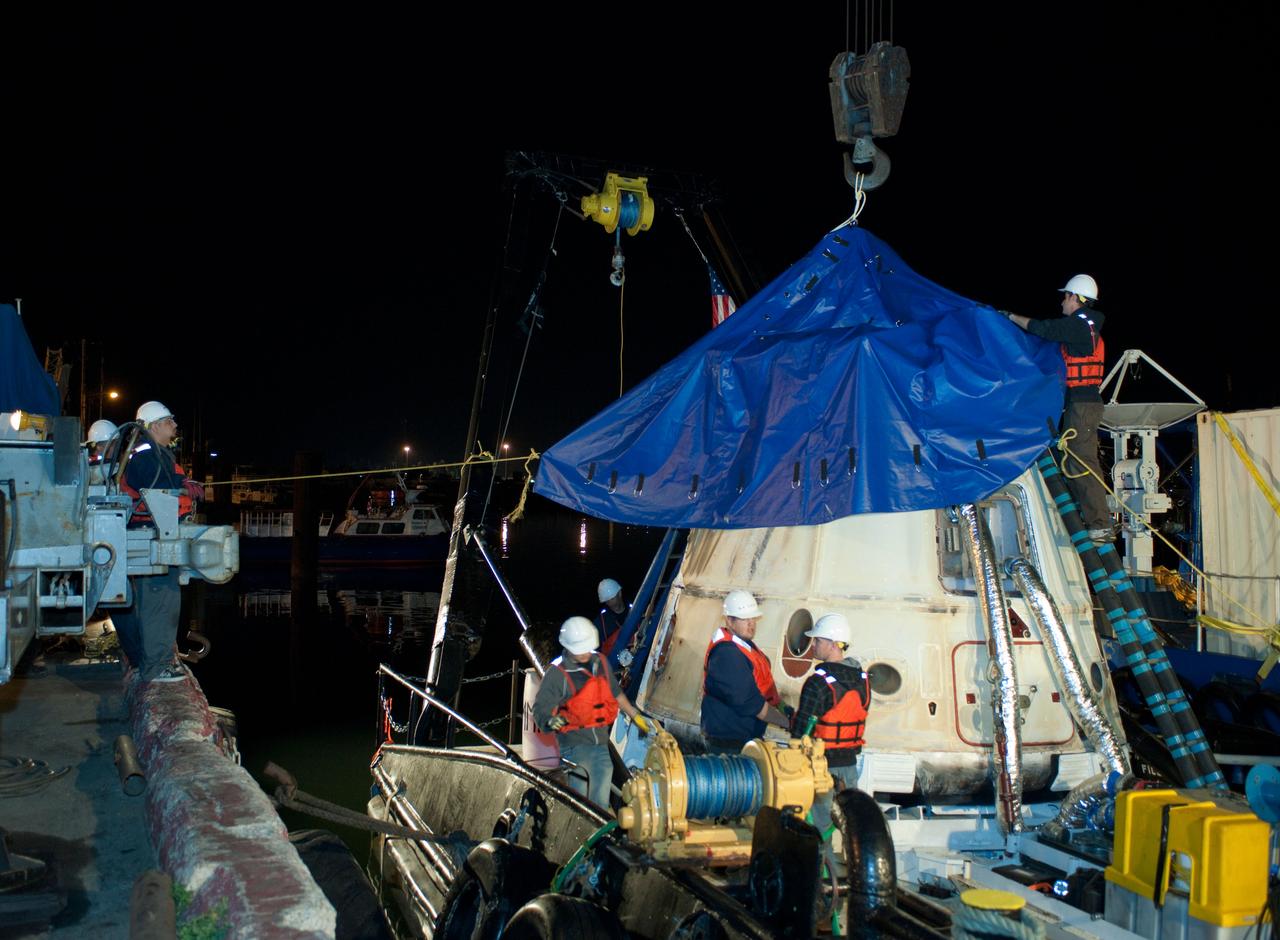
ED13-0079-13 (26 March 2013) ---- SpaceX Dragon's second operational mission ended on March 26 after three weeks attached to the International Space Station. The unmanned spacecraft splashed down in the Pacific Ocean about 214 miles off the coast of Baja California to successfully return about 2,670 pounds of science materials from the orbital outpost. Photo credit: NASA
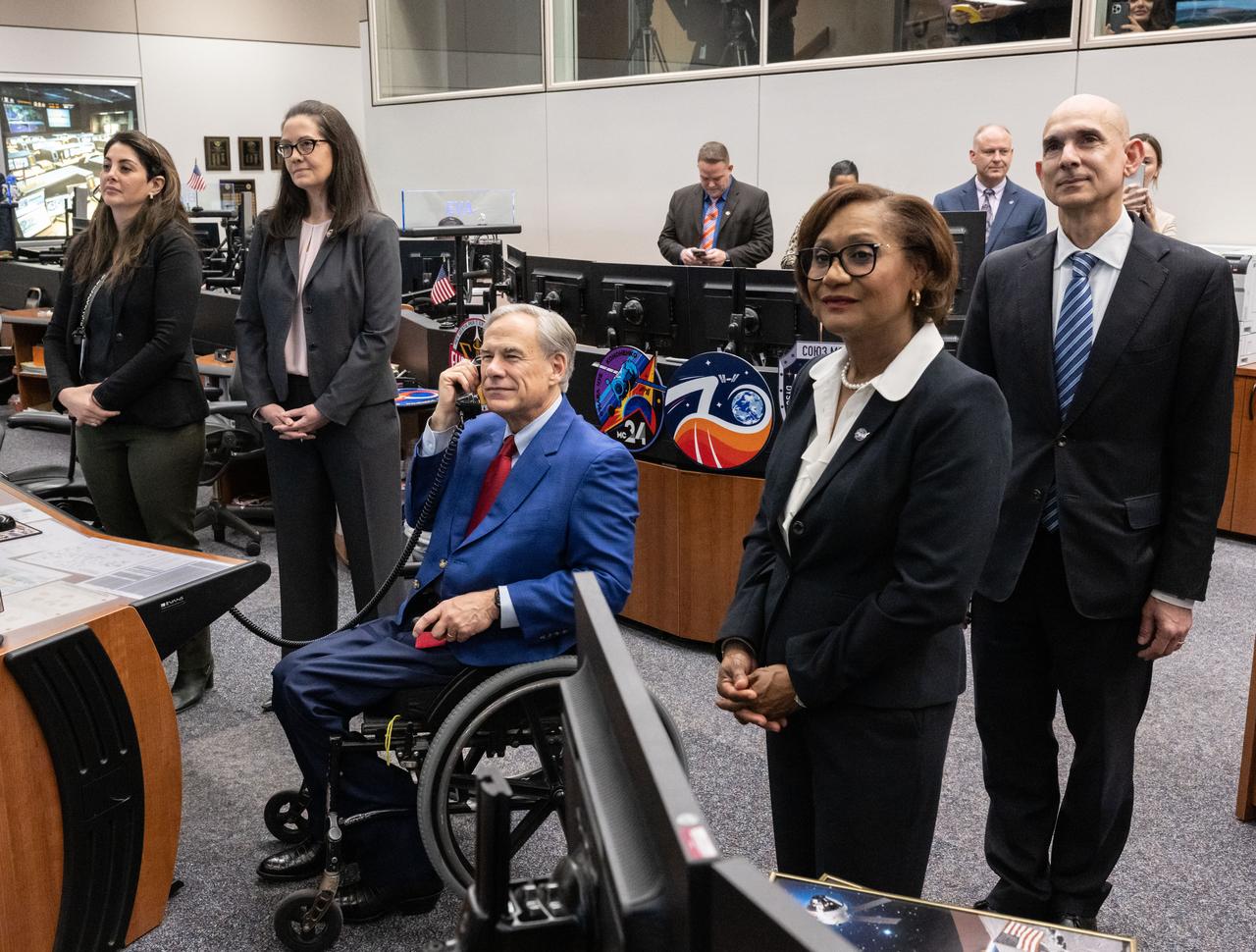
jsc2024e022823 March 26, 2024 -- NASA’s Johnson Space Center in Houston hosted a Tuesday, March 26, visit by Texas Governor Greg Abbott, who visited NASA’s Mission Control Center, spoke with native Texan and NASA astronaut Loral O'Hara aboard the International Space Station, and introduced the new members of the Texas Space Commission. Abbott was joined by NASA Johnson Space Center Director Vanessa Wyche, Texas House Speaker Dade Phelan, Texas Representative Greg Bonnen and other state and space industry leaders.

jsc2024e022817 March 26, 2024 -- NASA’s Johnson Space Center in Houston hosted a Tuesday, March 26, visit by Texas Governor Greg Abbott, who visited NASA’s Mission Control Center, spoke with native Texan and NASA astronaut Loral O'Hara aboard the International Space Station, and introduced the new members of the Texas Space Commission. Abbott was joined by NASA Johnson Space Center Director Vanessa Wyche, Texas House Speaker Dade Phelan, Texas Representative Greg Bonnen and other state and space industry leaders.
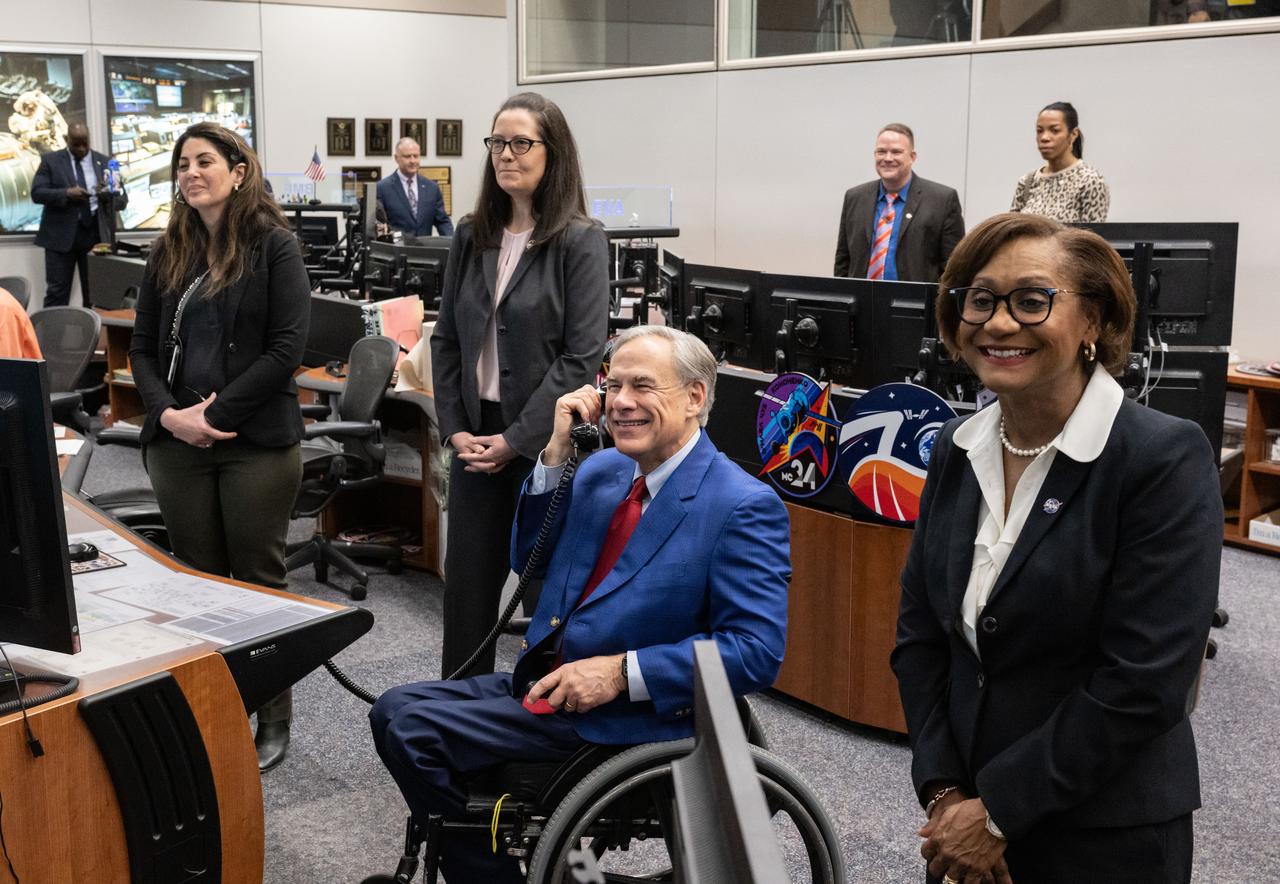
jsc2024e022822 March 26, 2024 -- NASA’s Johnson Space Center in Houston hosted a Tuesday, March 26, visit by Texas Governor Greg Abbott, who visited NASA’s Mission Control Center, spoke with native Texan and NASA astronaut Loral O'Hara aboard the International Space Station, and introduced the new members of the Texas Space Commission. Abbott was joined by NASA Johnson Space Center Director Vanessa Wyche, Texas House Speaker Dade Phelan, Texas Representative Greg Bonnen and other state and space industry leaders.
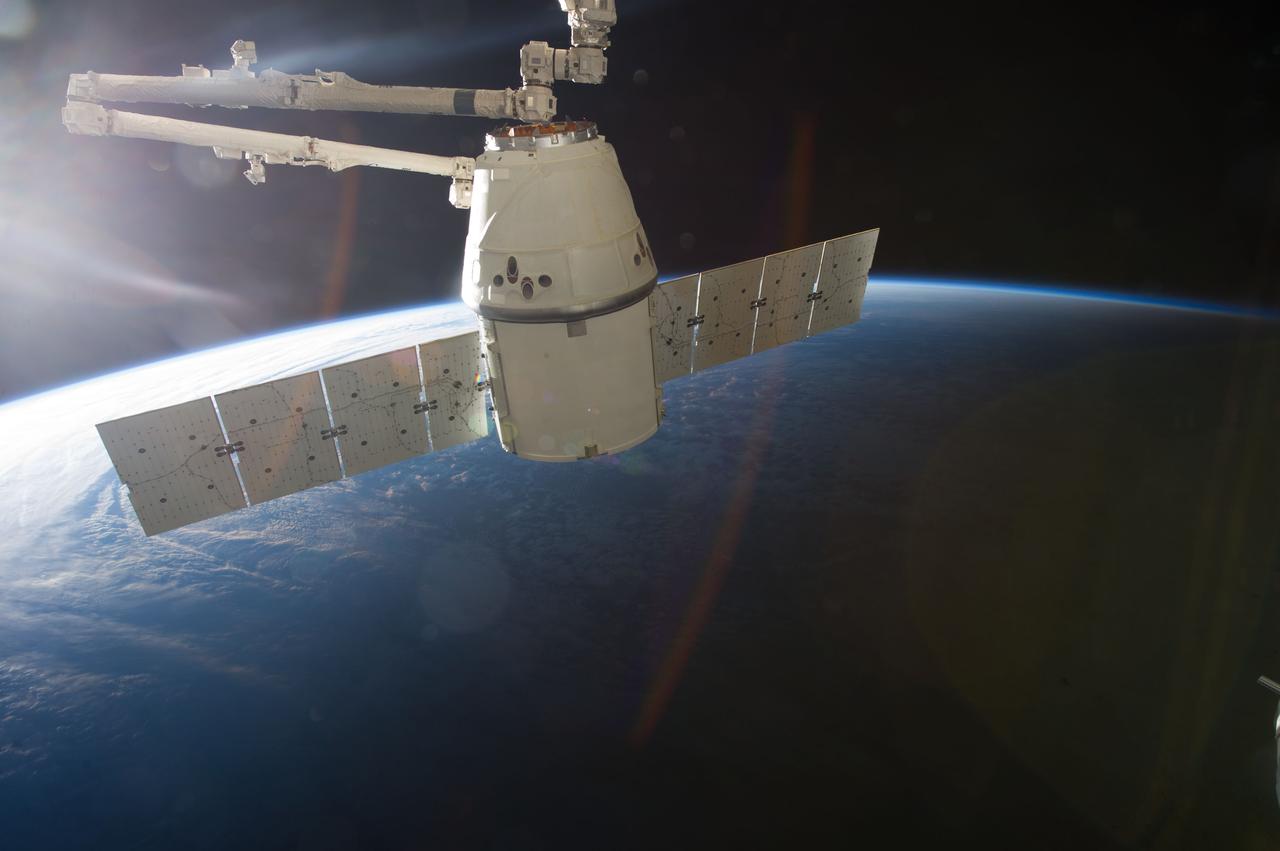
ISS035-E-008918 (26 March 2013) ---This image is one of a series of still photos documenting the process to release the SpaceX Dragon-2 spacecraft from the International Space Station on March 26. The spacecraft, filled with experiments and old supplies, can be seen in the grasp of the Space Station Remote Manipulator System’s robot arm or CanadArm2 after it was undocked from the orbital outpost. The Dragon was scheduled to make a landing in the Pacific Ocean, off the coast of California, later in the day.
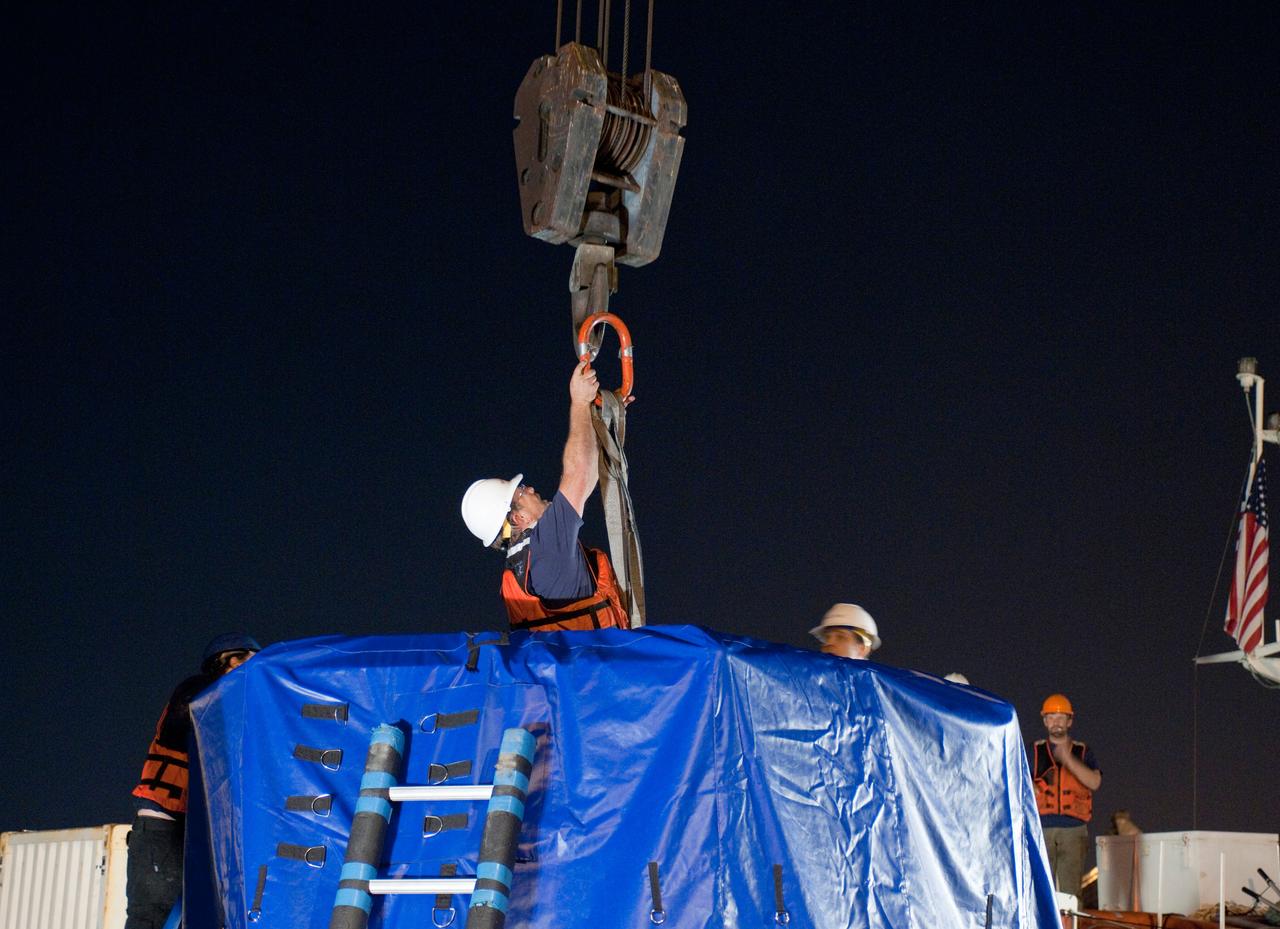
ED13-0079-14 (26 March 2013) ---- SpaceX Dragon's second operational mission ended on March 26 after three weeks attached to the International Space Station. The unmanned spacecraft splashed down in the Pacific Ocean about 214 miles off the coast of Baja California to successfully return about 2,670 pounds of science materials from the orbital outpost. Photo credit: NASA
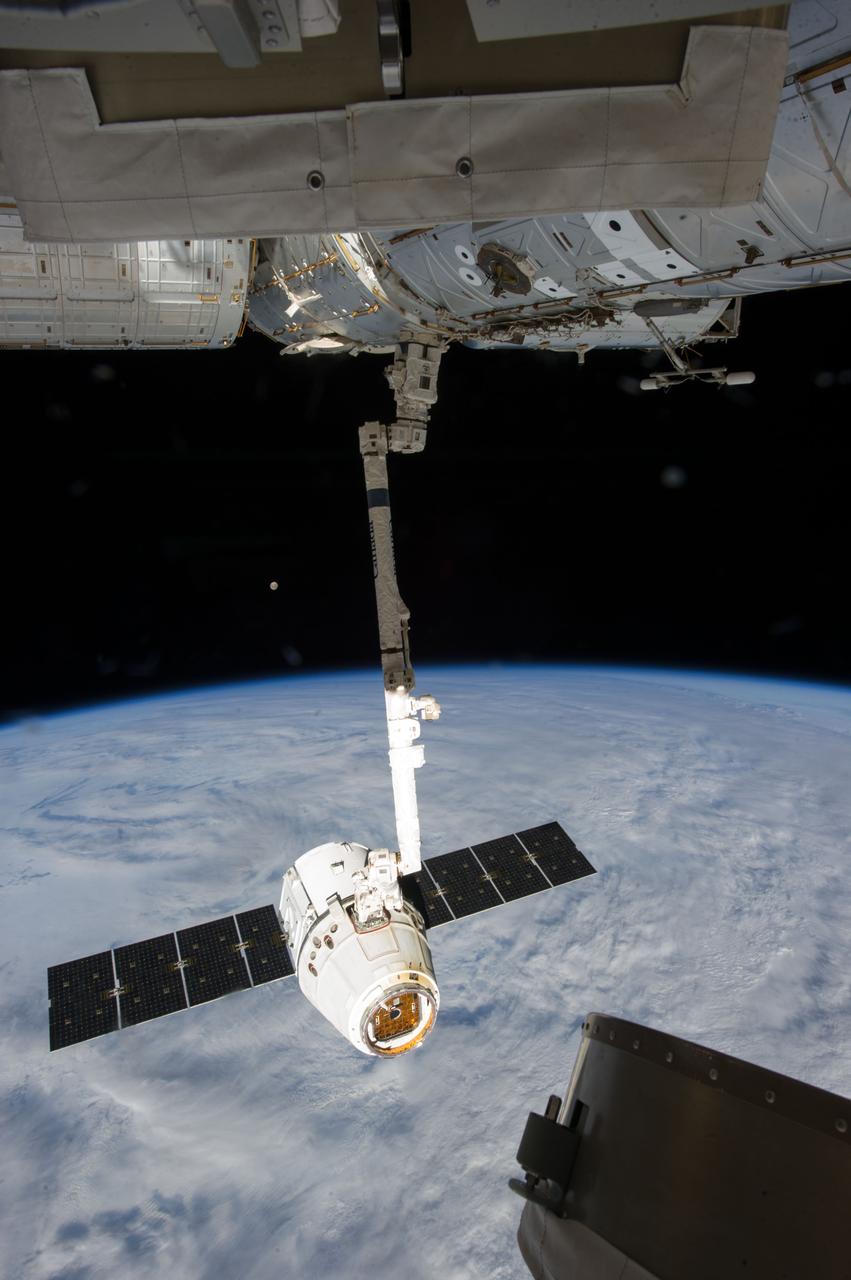
ISS035-E-008920 (26 March 2013) ---This image is one of a series of still photos documenting the process to release the SpaceX Dragon-2 spacecraft from the International Space Station on March 26. The spacecraft, filled with experiments and old supplies, can be seen in the grasp of the Space Station Remote Manipulator System’s robot arm or CanadArm2 after it was undocked from the orbital outpost. The Dragon was scheduled to make a landing in the Pacific Ocean, off the coast of California, later in the day.
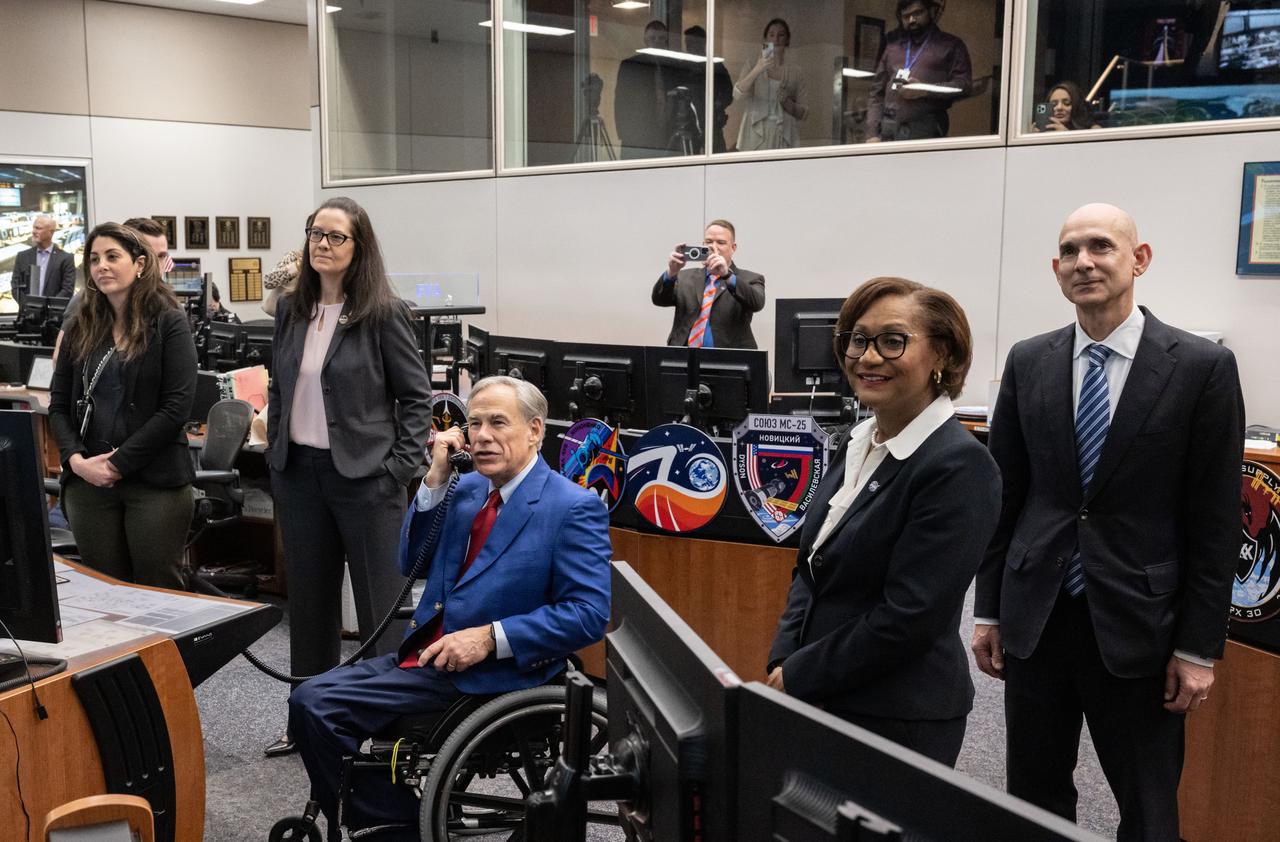
jsc2024e022820 March 26, 2024 -- NASA’s Johnson Space Center in Houston hosted a Tuesday, March 26, visit by Texas Governor Greg Abbott, who visited NASA’s Mission Control Center, spoke with native Texan and NASA astronaut Loral O'Hara aboard the International Space Station, and introduced the new members of the Texas Space Commission. Abbott was joined by NASA Johnson Space Center Director Vanessa Wyche, Texas House Speaker Dade Phelan, Texas Representative Greg Bonnen and other state and space industry leaders.
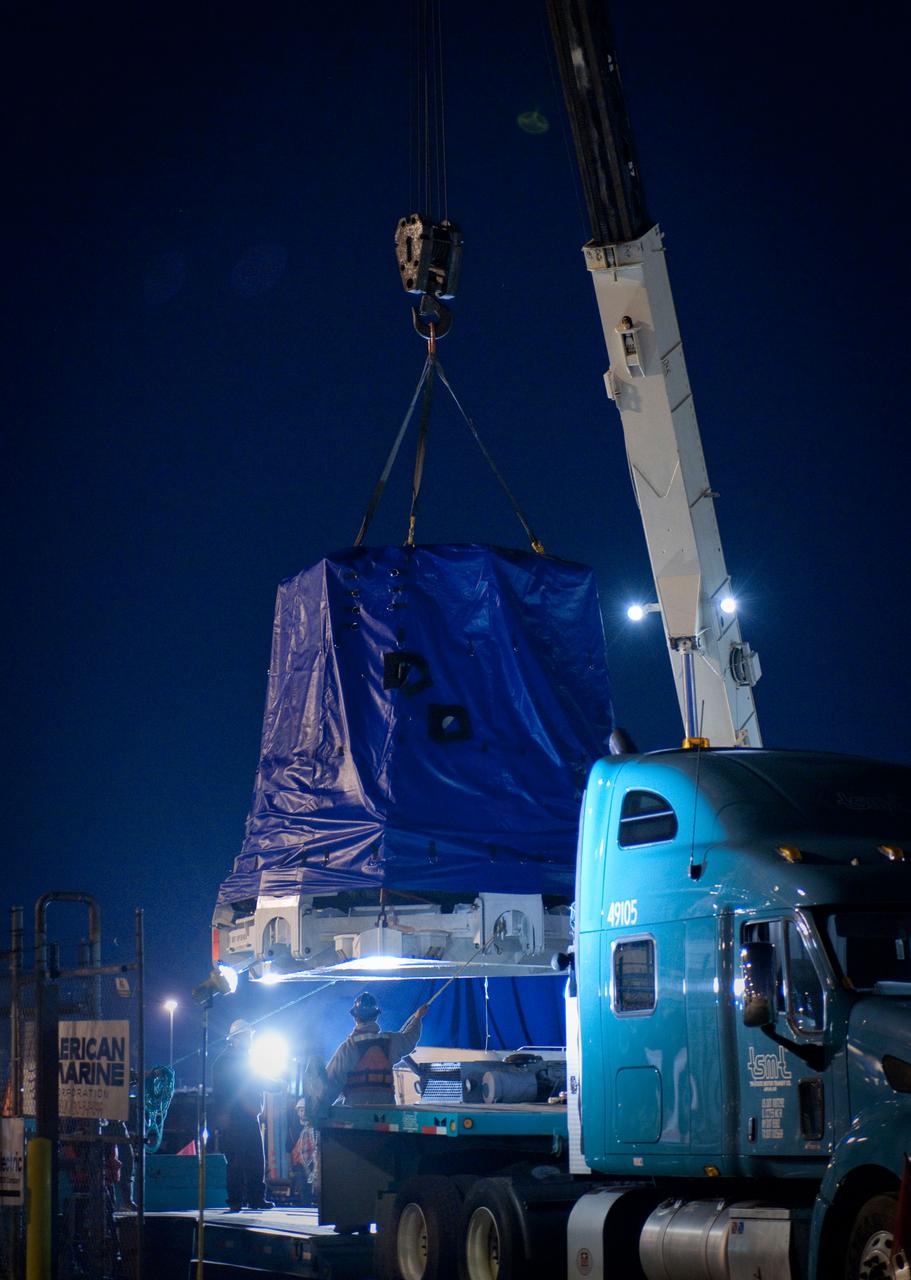
ED13-0079-15 (26 March 2013) ---- SpaceX Dragon's second operational mission ended on March 26 after three weeks attached to the International Space Station. The unmanned spacecraft splashed down in the Pacific Ocean about 214 miles off the coast of Baja California to successfully return about 2,670 pounds of science materials from the orbital outpost. Photo credit: NASA
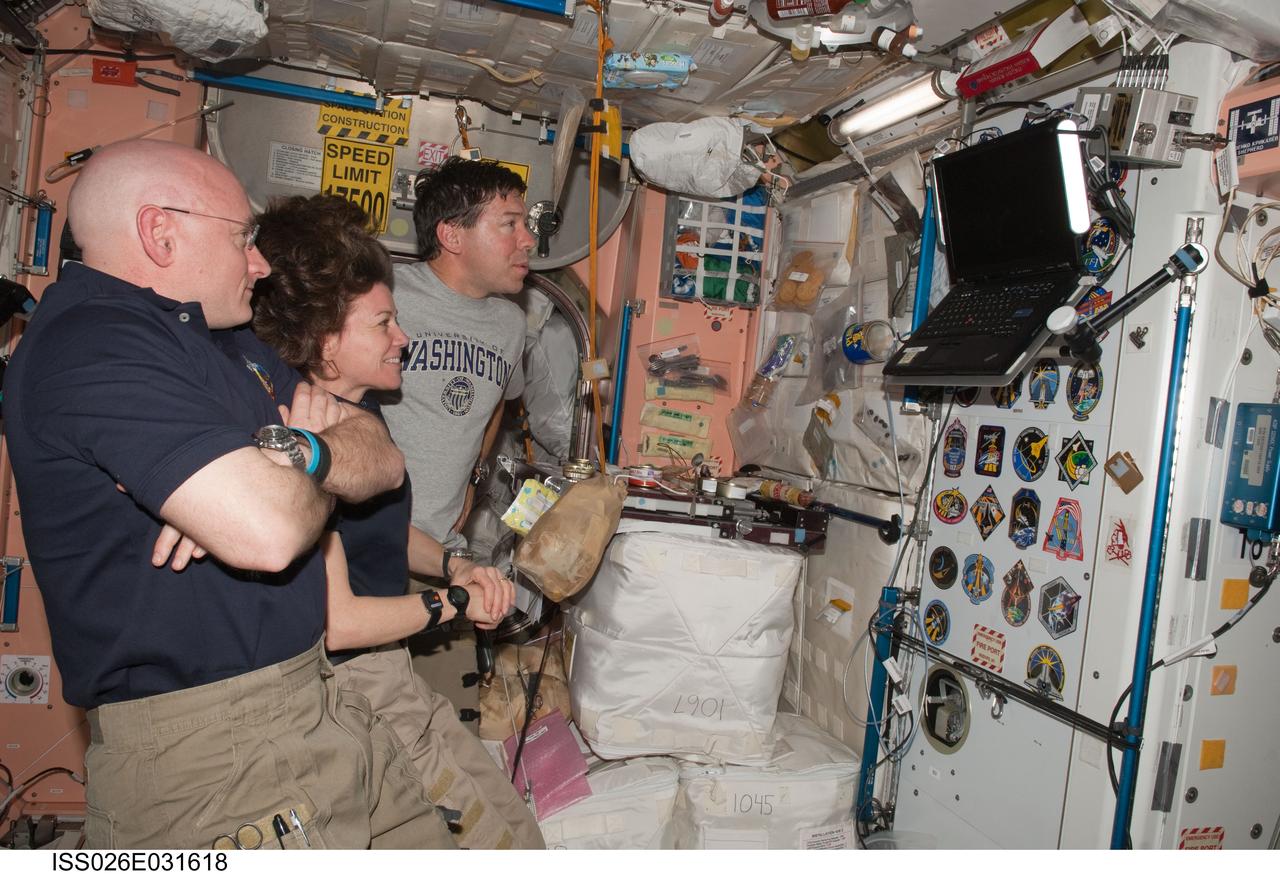
ISS026-E-031618 (3 March 2011) --- NASA astronauts Scott Kelly (foreground), Expedition 26 commander; Cady Coleman, Expedition 26 flight engineer; and Michael Barratt, STS-133 mission specialist, watch a monitor in the Unity node of the International Space Station while space shuttle Discovery remains docked with the station.
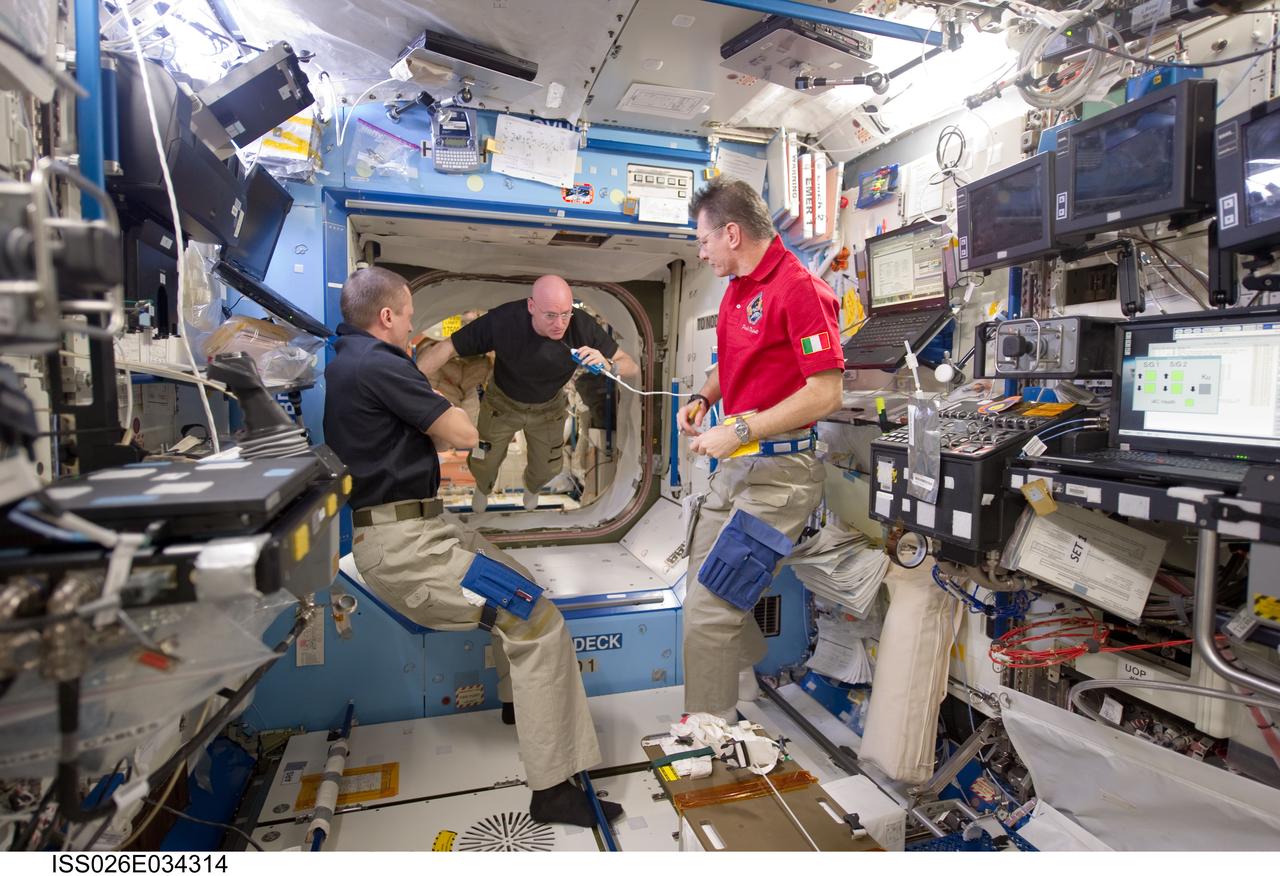
ISS026-E-034314 (15 March 2011) --- Russian cosmonaut Dmitry Kondratyev (left), Expedition 27 commander; NASA astronaut Scott Kelly (center), Expedition 26 commander; and European Space Agency astronaut Paolo Nespoli, Expedition 26/27 flight engineer, are pictured in the Destiny laboratory of the International Space Station.
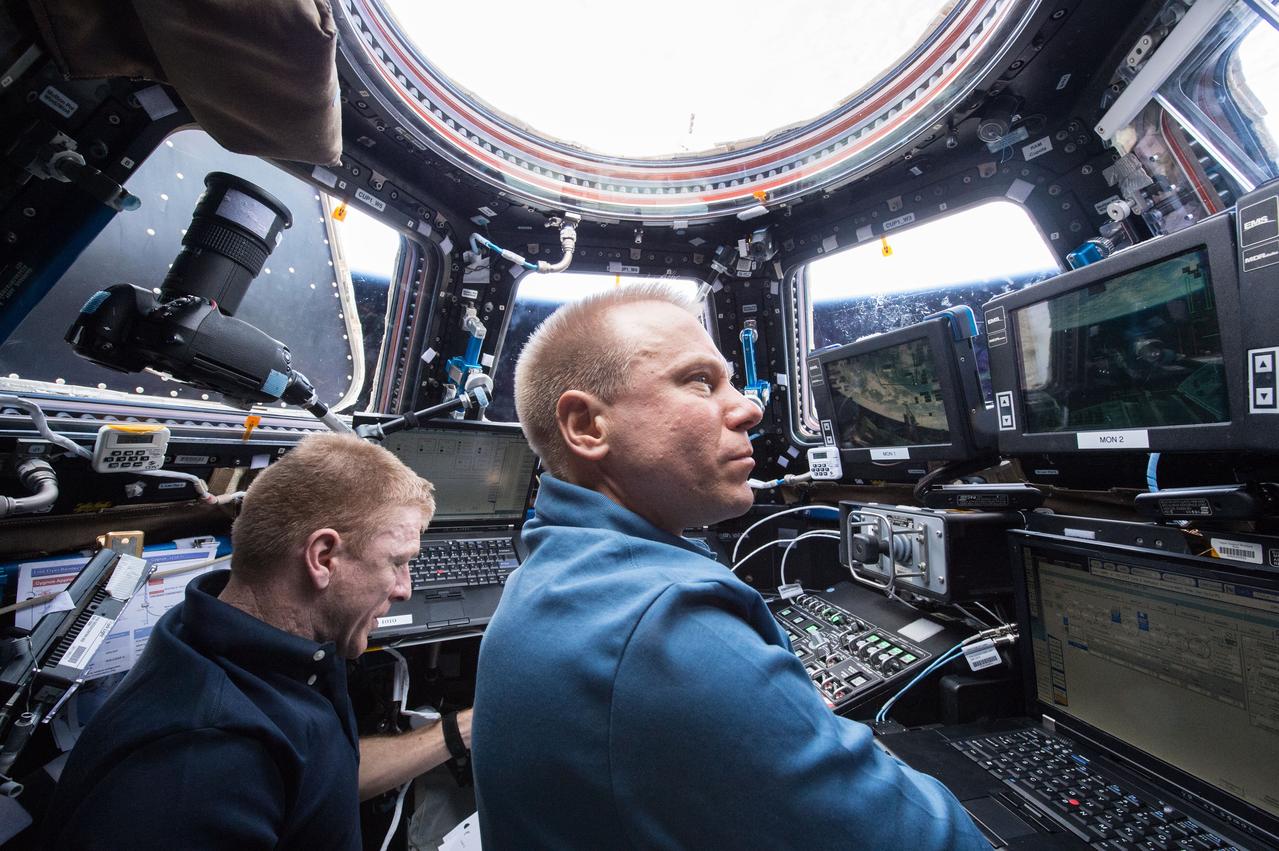
ISS047e021582 (03/26/2016) --- Cygnus capture on 26 March 2016. Expedition 47 robotic arm operator NASA astronaut Tim Kopra of NASA commanded the International Space Station’s Canadarm2 robotic arm to capture and dock the Cygnus spacecraft. He was assisted by ESA (European Space Agency) astronaut Tim Peake.
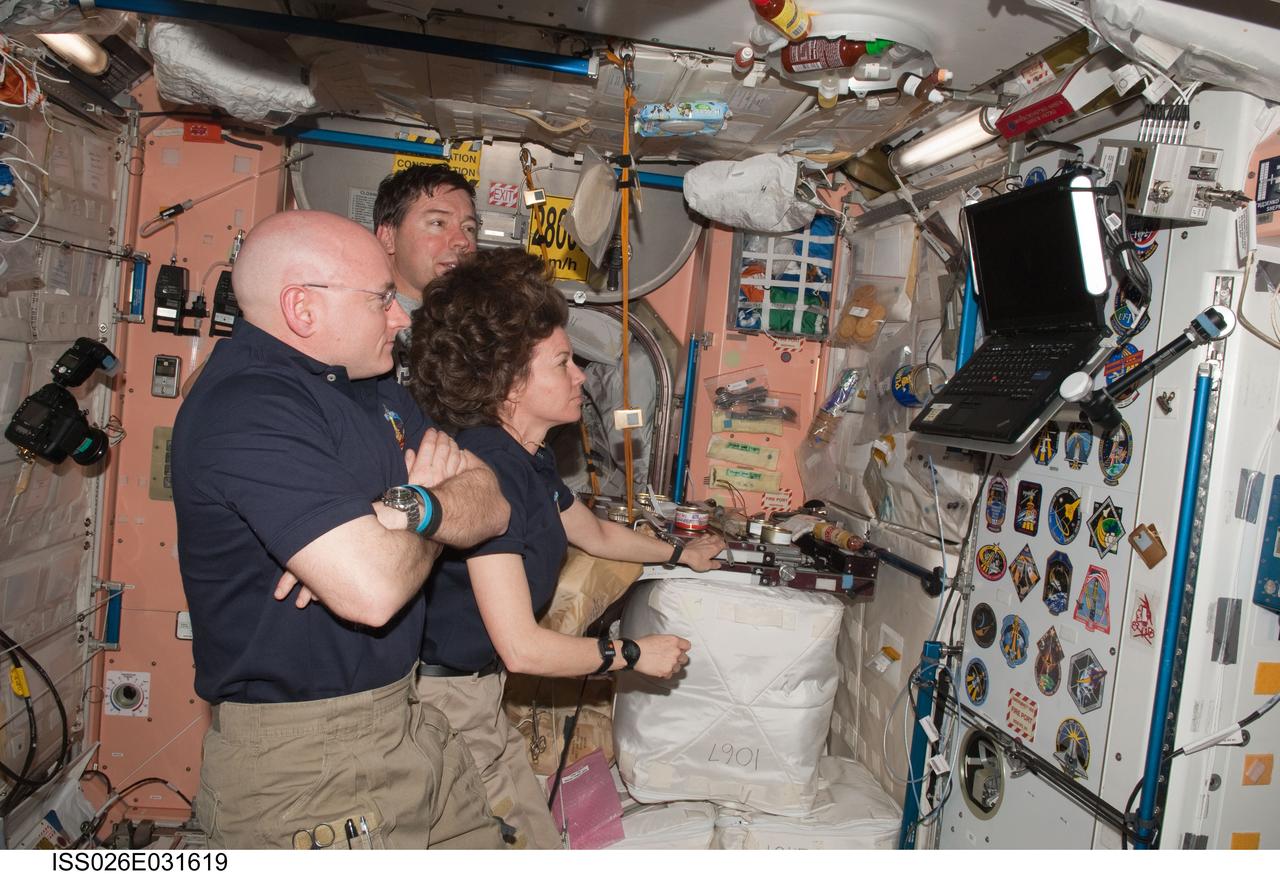
ISS026-E-031619 (3 March 2011) --- NASA astronauts Scott Kelly (foreground), Expedition 26 commander; Cady Coleman, Expedition 26 flight engineer; and Michael Barratt, STS-133 mission specialist, watch a monitor in the Unity node of the International Space Station while space shuttle Discovery remains docked with the station.
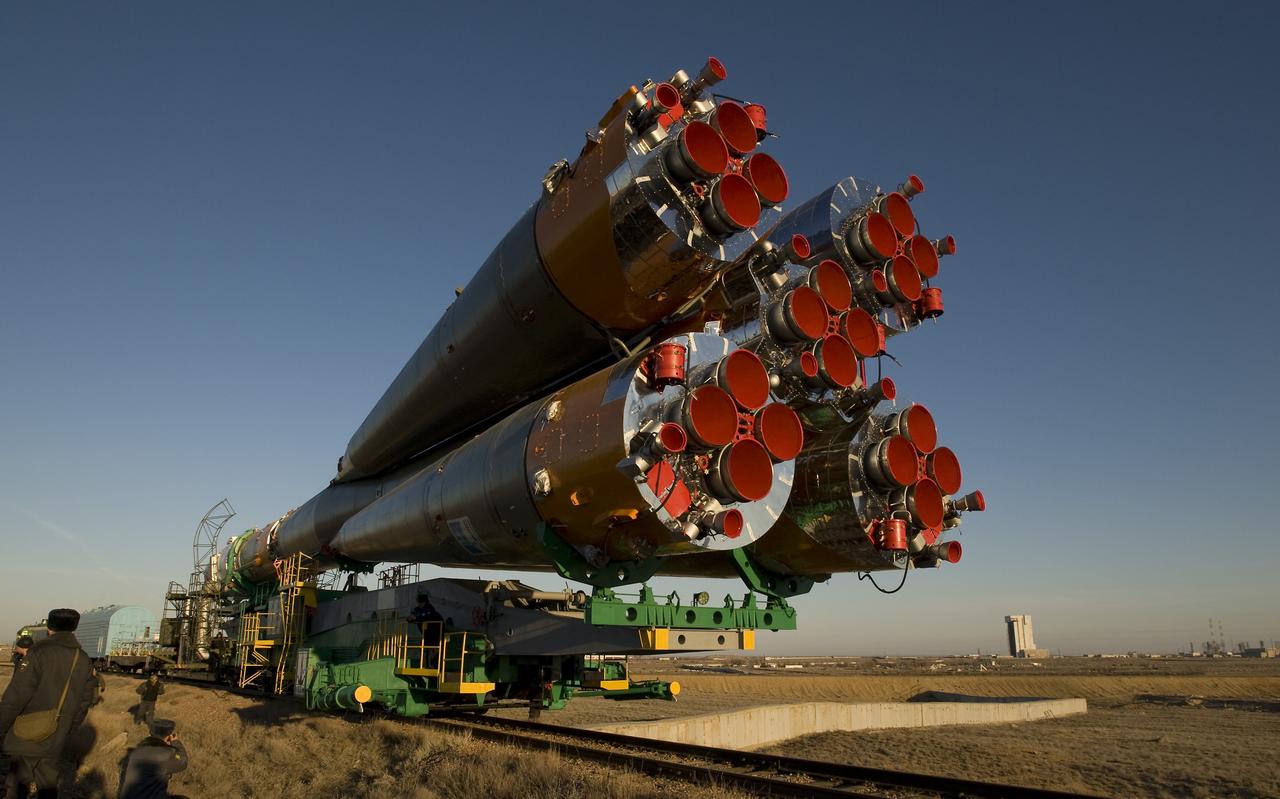
The Soyuz rocket is rolled out to the launch pad Tuesday, March 24, 2009 at the Baikonur Cosmodrome in Kazakhstan. The Soyuz is scheduled to launch the crew of Expedition 19 and a spaceflight participant on March 26, 2009. Photo Credit: (NASA/Bill Ingalls)
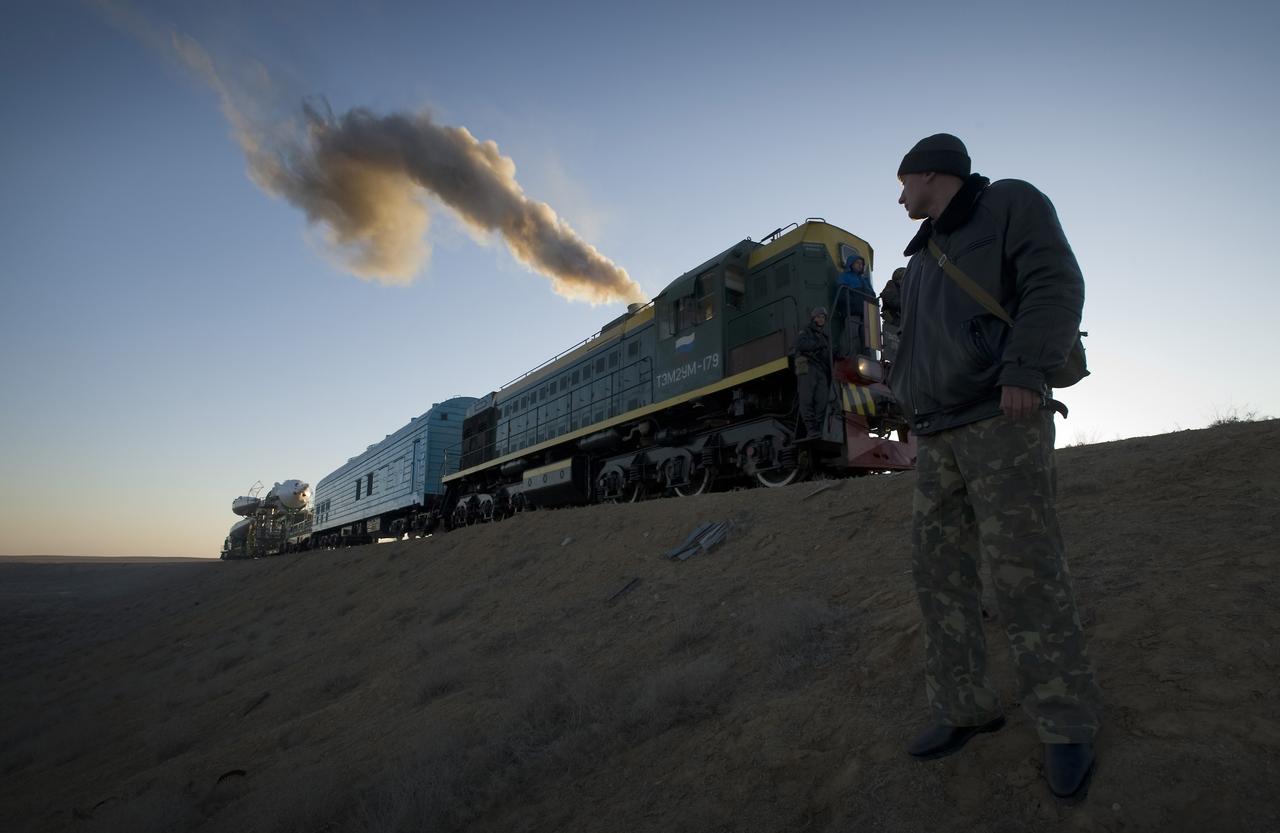
CAPE CANAVERAL, Fla. – A Russian security member monitors the railroad tracks as the Soyuz rocket rolls out to the launch pad March 24, 2009, at the Baikonur Cosmodrome in Kazakhstan. The Soyuz is scheduled to launch the crew of Expedition 19 and a spaceflight participant on March 26, 2009. Photo credit: NASA/Bill Ingalls
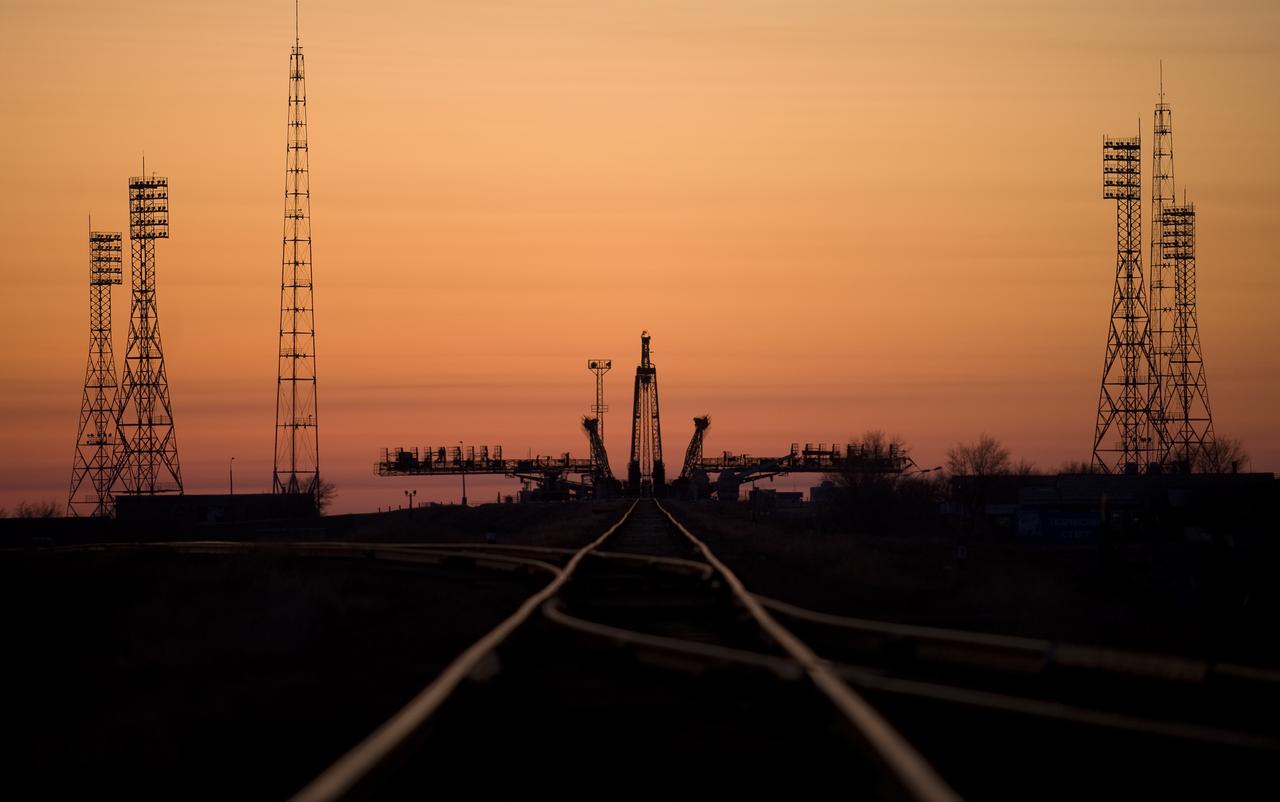
The Soyuz launch pad is seen about an hour before the Soyuz rocket is rolled out to the launch pad Tuesday, March 24, 2009 at the Baikonur Cosmodrome in Kazakhstan. The Soyuz is scheduled to launch the crew of Expedition 19 and a spaceflight participant on March 26, 2009. Photo Credit: (NASA/Bill Ingalls)
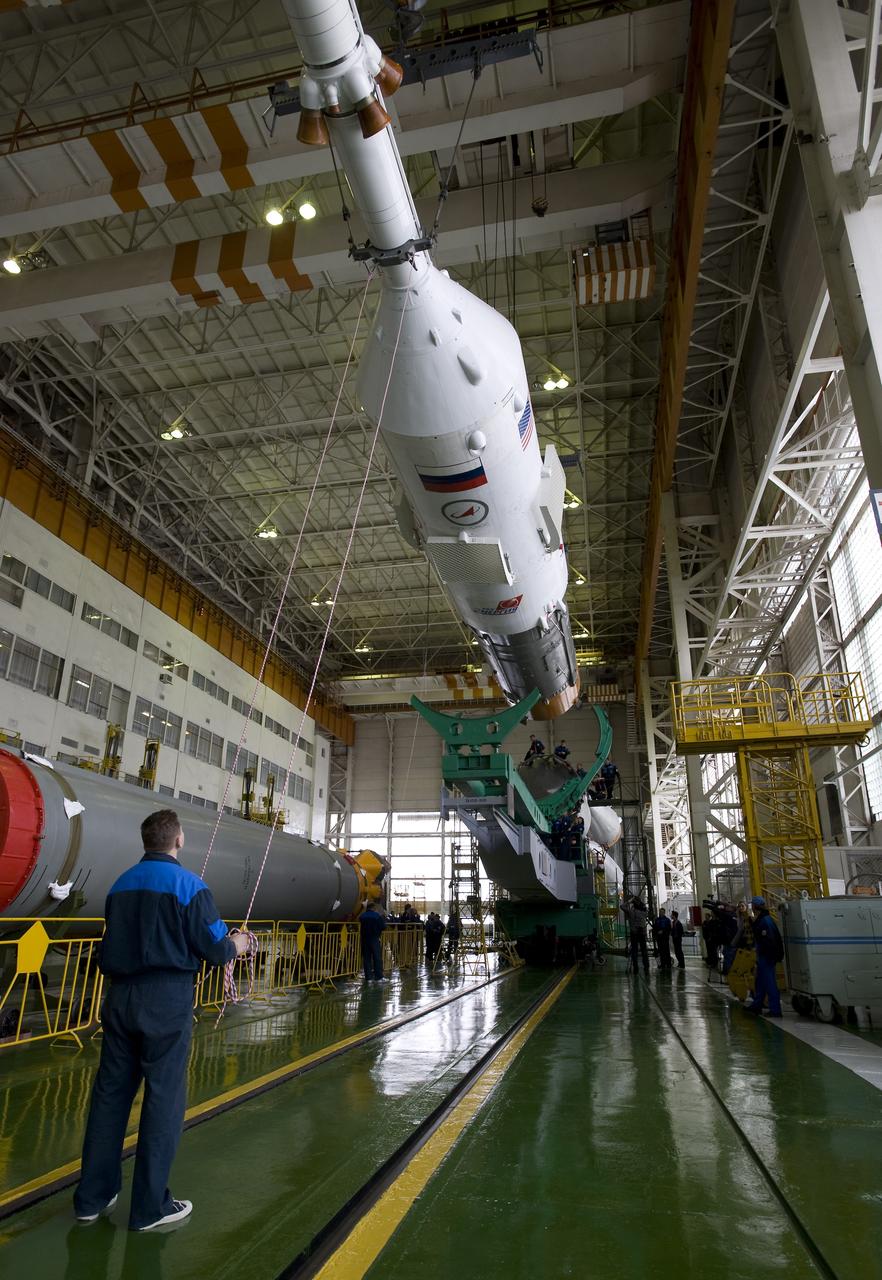
An engineer assists in maneuvering the Soyuz TMA-14 spacecraft and third stage for final assembly to the first and second stages Monday, March 23, 2009 at the Baikonur Cosmodrome in Kazakhstan. The Soyuz is scheduled to launch the crew of Expedition 19 and a spaceflight participant on March 26, 2009. Photo Credit: (NASA/Bill Ingalls)
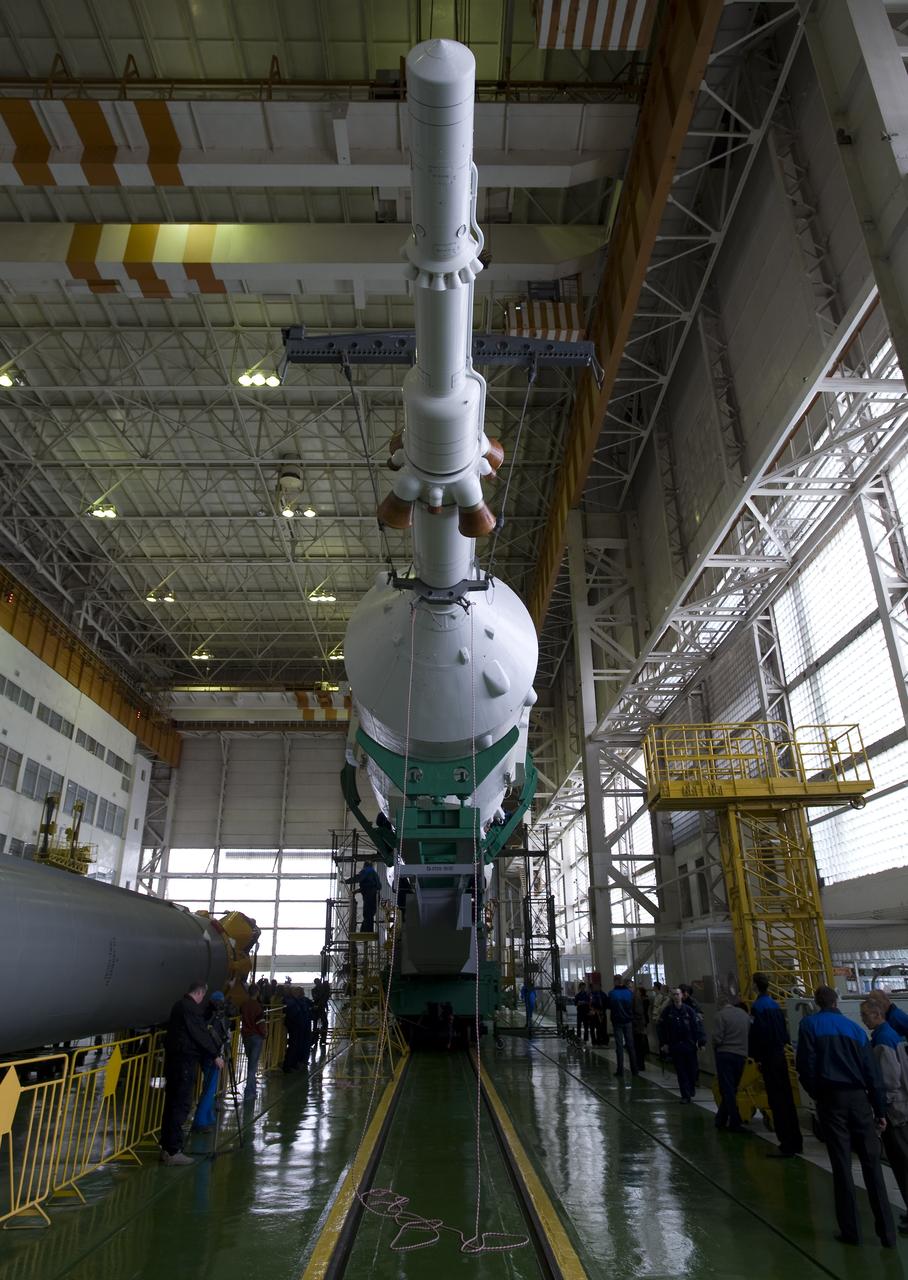
The Soyuz TMA-14 spacecraft, escape tower, first, second and third stages are seen after final assembly Monday, March 23, 2009 at the Baikonur Cosmodrome in Kazakhstan. The Soyuz is scheduled to launch the crew of Expedition 19 and a spaceflight participant on March 26, 2009. Photo Credit: (NASA/Bill Ingalls)
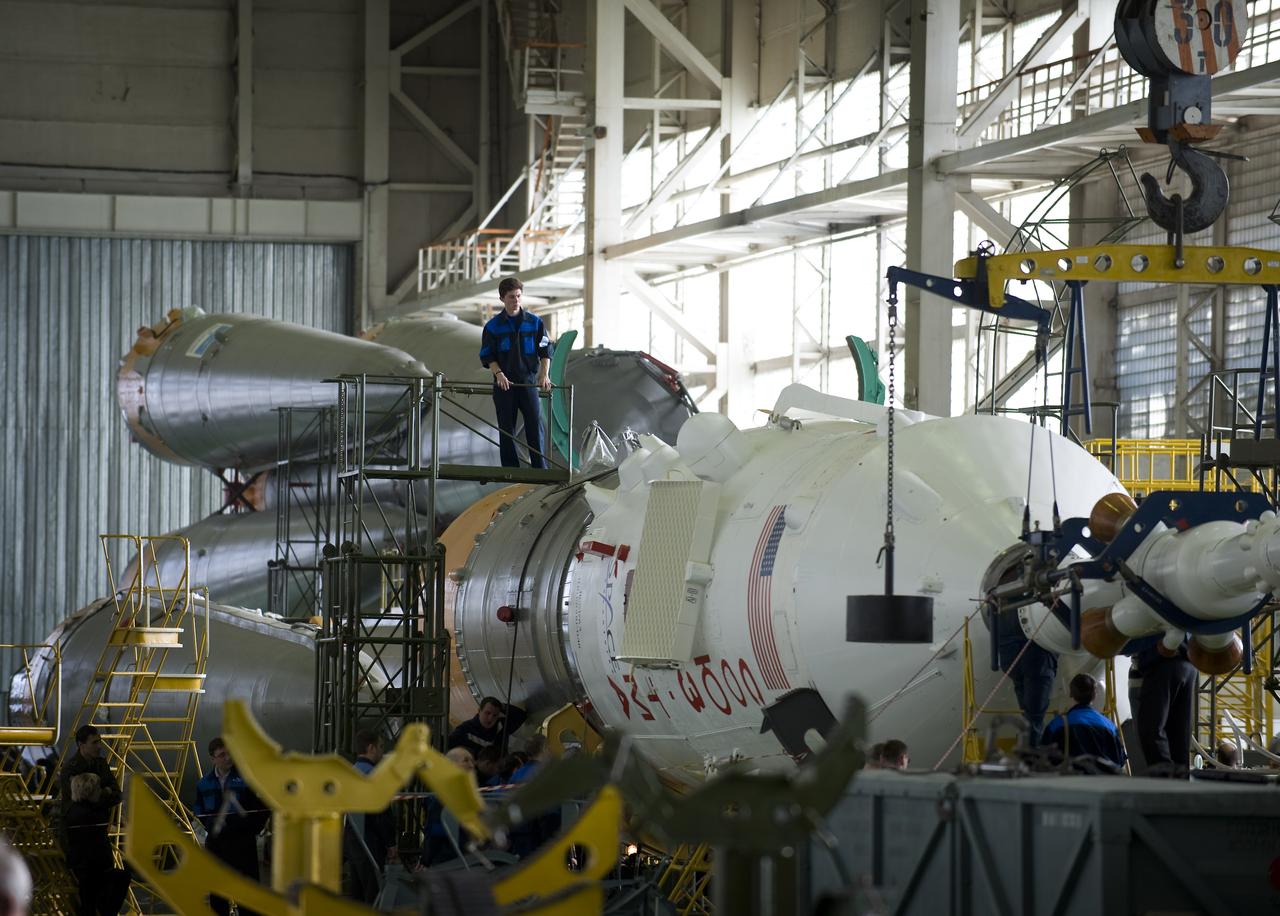
Russian engineers prepare the Soyuz TMA-14 spacecraft and boosters for mating Monday, March 23, 2009 at the Baikonur Cosmodrome in Kazakhstan. The Soyuz is scheduled to launch the crew of Expedition 19 and a spaceflight participant on March 26, 2009. Photo Credit: (NASA/Bill Ingalls)
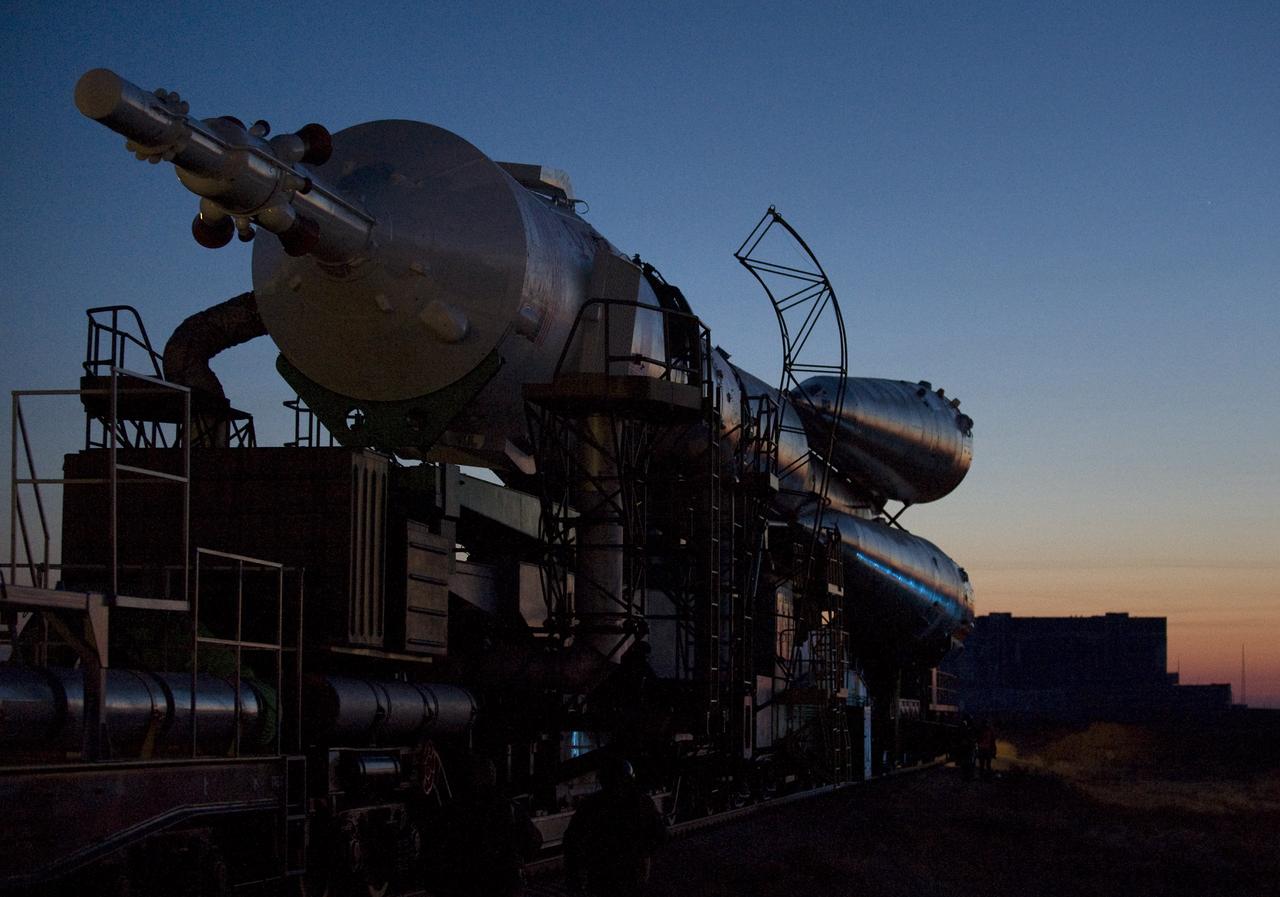
The Soyuz rocket is rolled out to the launch pad Tuesday, March 24, 2009 at the Baikonur Cosmodrome in Kazakhstan. The Soyuz is scheduled to launch the crew of Expedition 19 and a spaceflight participant on March 26, 2009. Photo Credit: (NASA/Bill Ingalls)
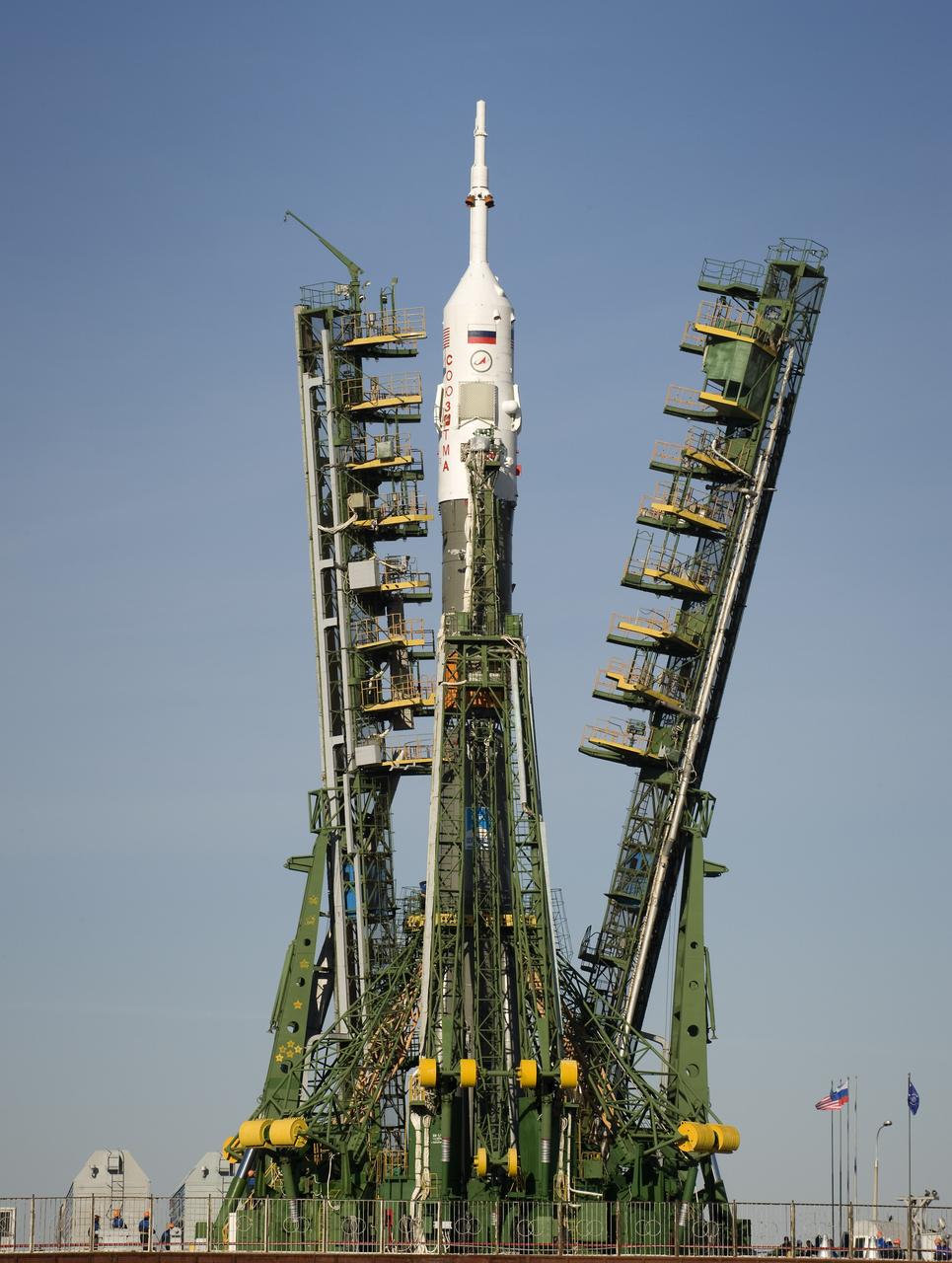
The Soyuz rocket is erected into position at the launch pad Tuesday, March 24, 2009 at the Baikonur Cosmodrome in Kazakhstan. The Soyuz is scheduled to launch the crew of Expedition 19 and a spaceflight participant on March 26, 2009. Photo Credit: (NASA/Bill Ingalls)
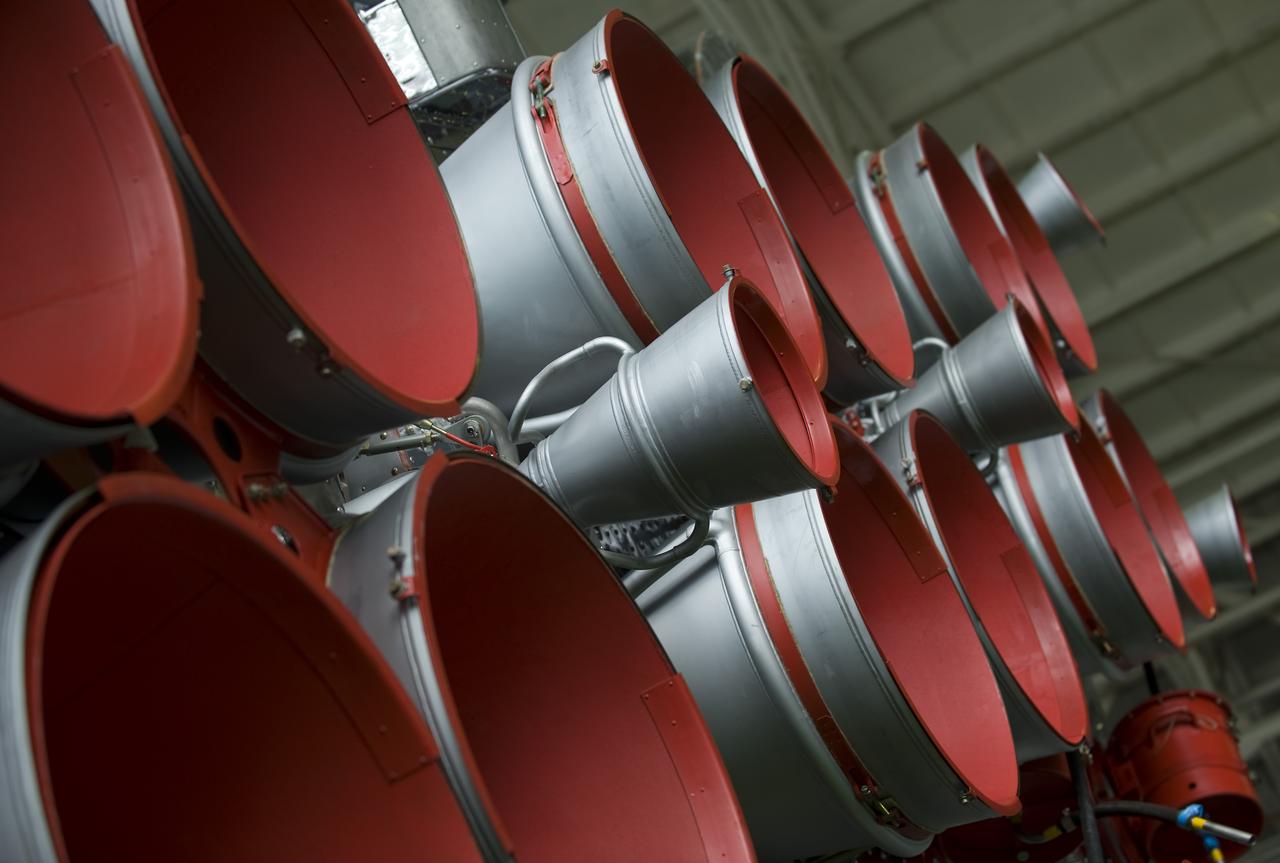
The boosters of the Soyuz rocket are seen as the Soyuz TMA-14 spacecraft and boosters are assembled Monday, March 23, 2009 at the Baikonur Cosmodrome in Kazakhstan. The Soyuz is scheduled to launch the crew of Expedition 19 and a spaceflight participant on March 26, 2009. Photo Credit: (NASA/Bill Ingalls)

Expedition 39 flight engineer Oleg Artemyev is seen in quarantine, behind glass, during the final press conference be Monday, March 24, 2014, at the Cosmonaut Hotel in Baikonur, Kazakhstan. The mission to the International Space Station is set to launch March 26 from the Baikonur Cosmodrome. Photo Credit: (NASA/Joel Kowsky)
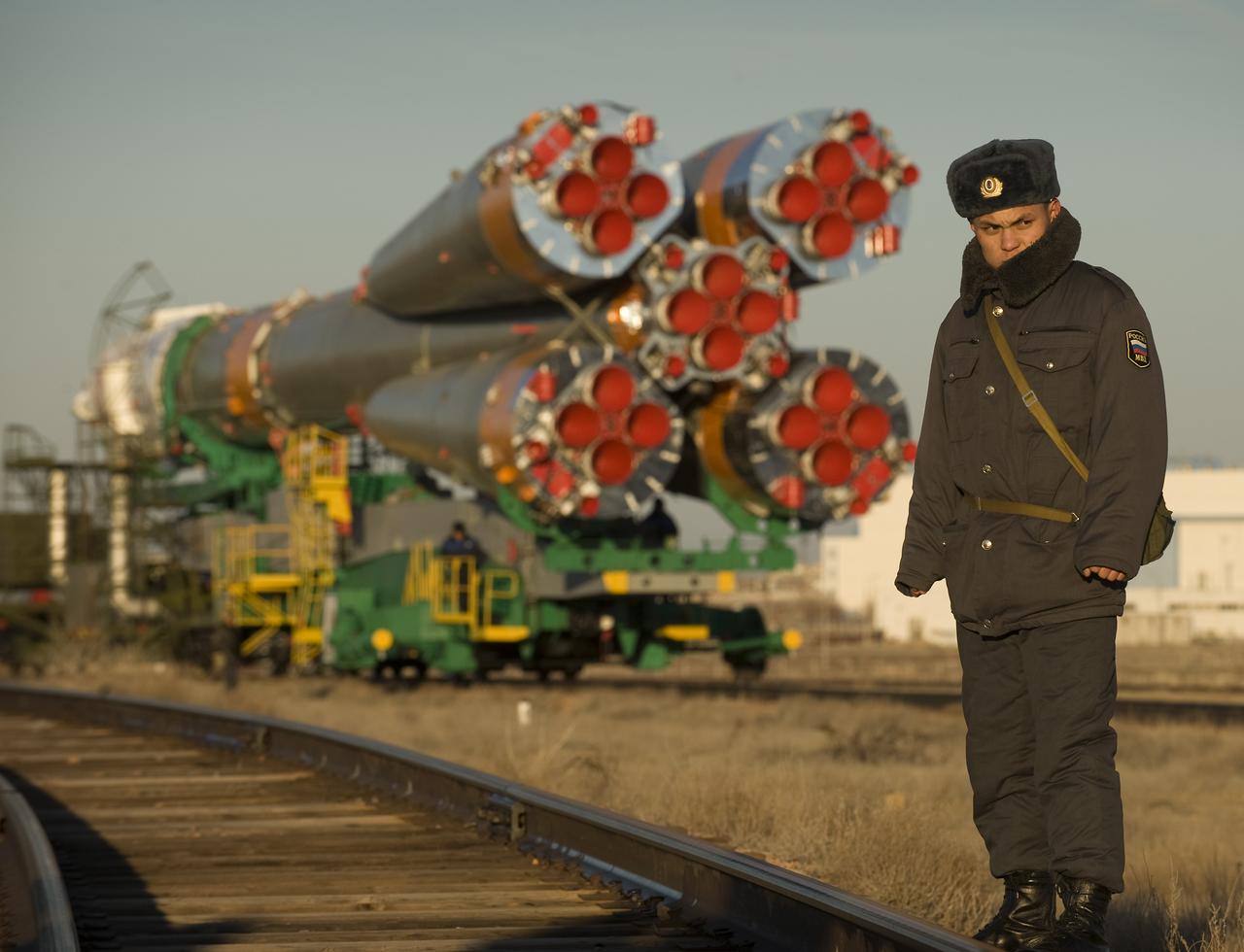
A Russian security member monitors the railroad tracks as the Soyuz rocket rolls out to the launch pad Tuesday, March 24, 2009 at the Baikonur Cosmodrome in Kazakhstan. The Soyuz is scheduled to launch the crew of Expedition 19 and a spaceflight participant on March 26, 2009. Photo Credit: (NASA/Bill Ingalls)
The Soyuz rocket is erected into position at the launch pad Tuesday, March 24, 2009 at the Baikonur Cosmodrome in Kazakhstan. The Soyuz is scheduled to launch the crew of Expedition 19 and a spaceflight participant on March 26, 2009. Photo Credit: (NASA/Bill Ingalls)
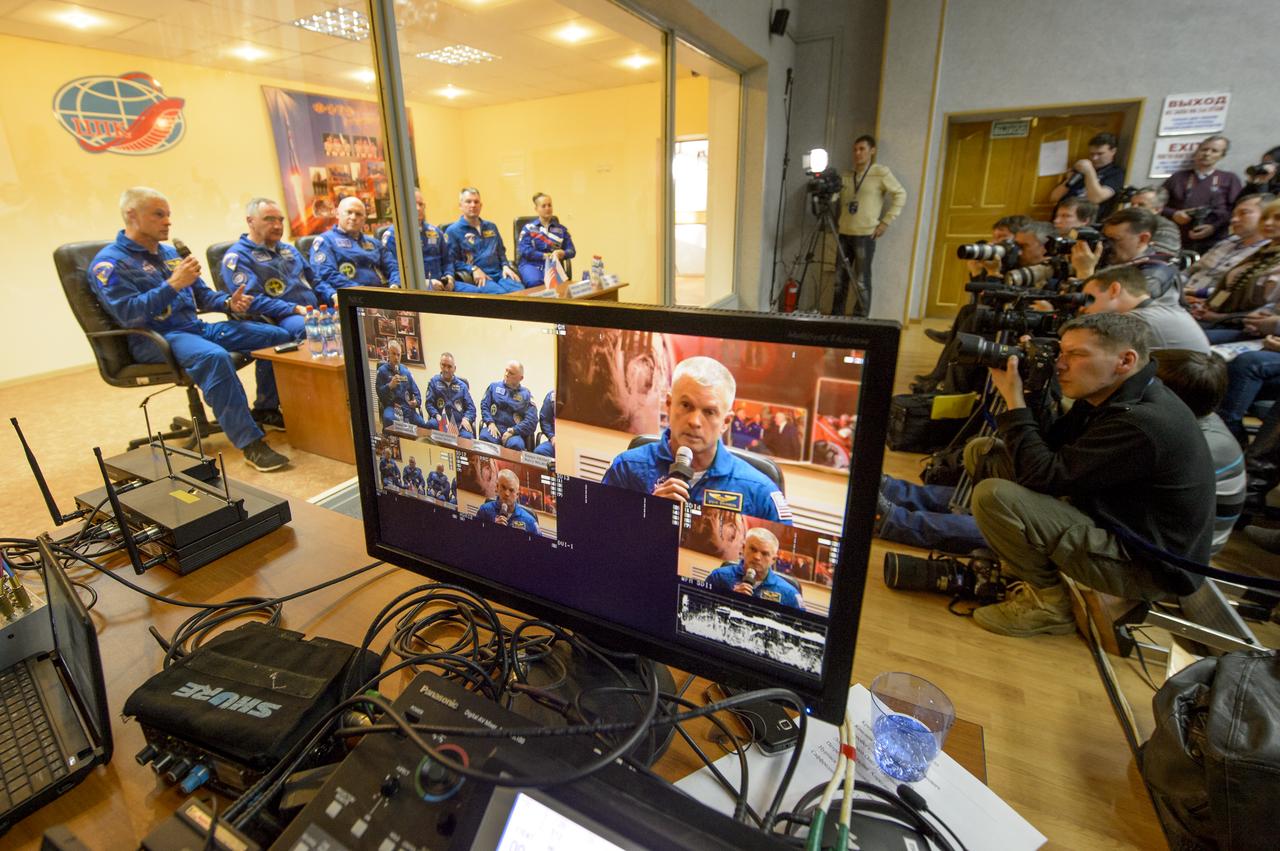
Expedition 39 flight engineer Steve Swanson of NASA is seen in quarantine, behind glass, during the final press conference be Monday, March 24, 2014, at the Cosmonaut Hotel in Baikonur, Kazakhstan. The mission to the International Space Station is set to launch March 26 from the Baikonur Cosmodrome. Photo Credit: (NASA/Bill Ingalls)
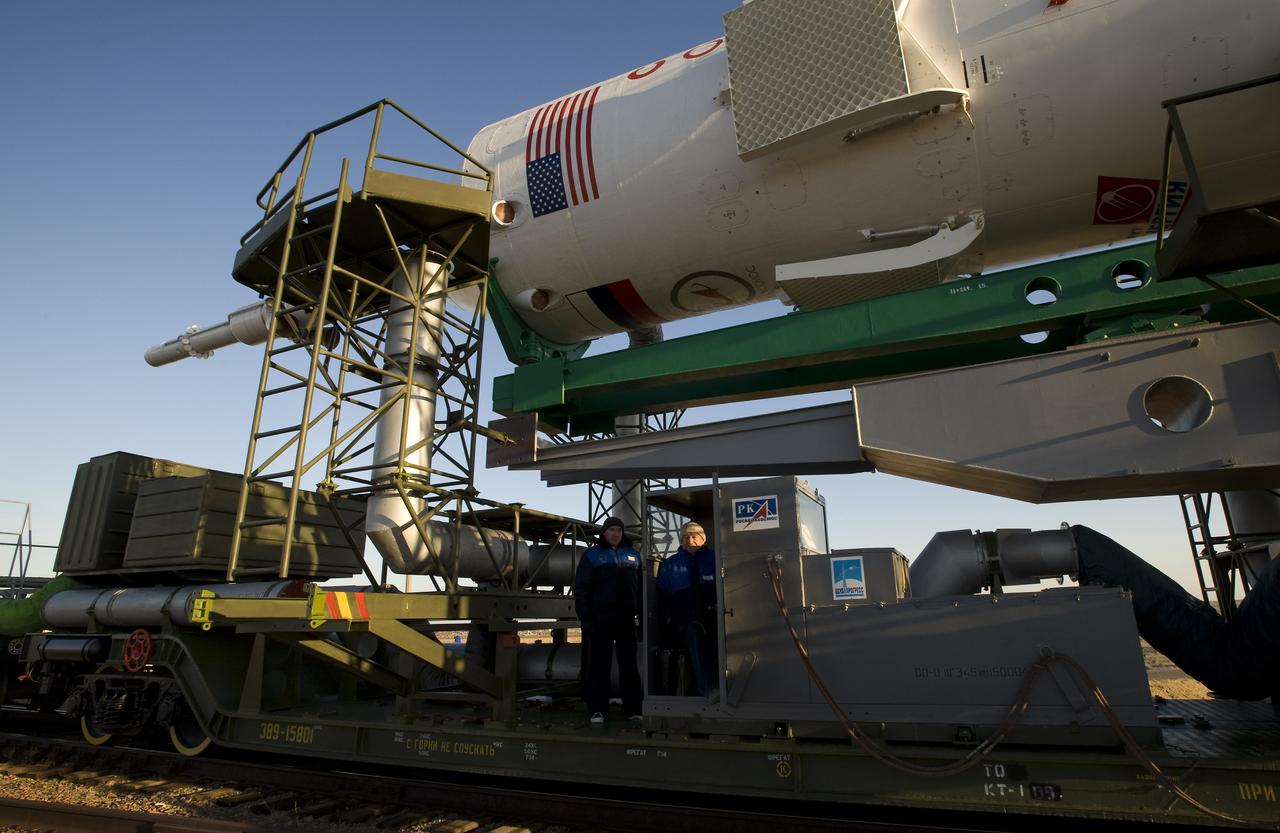
Russian engineers monitor the Soyuz rocket as it rolls out to the launch pad Tuesday, March 24, 2009 at the Baikonur Cosmodrome in Kazakhstan. The Soyuz is scheduled to launch the crew of Expedition 19 and a spaceflight participant on March 26, 2009. Photo Credit: (NASA/Bill Ingalls)
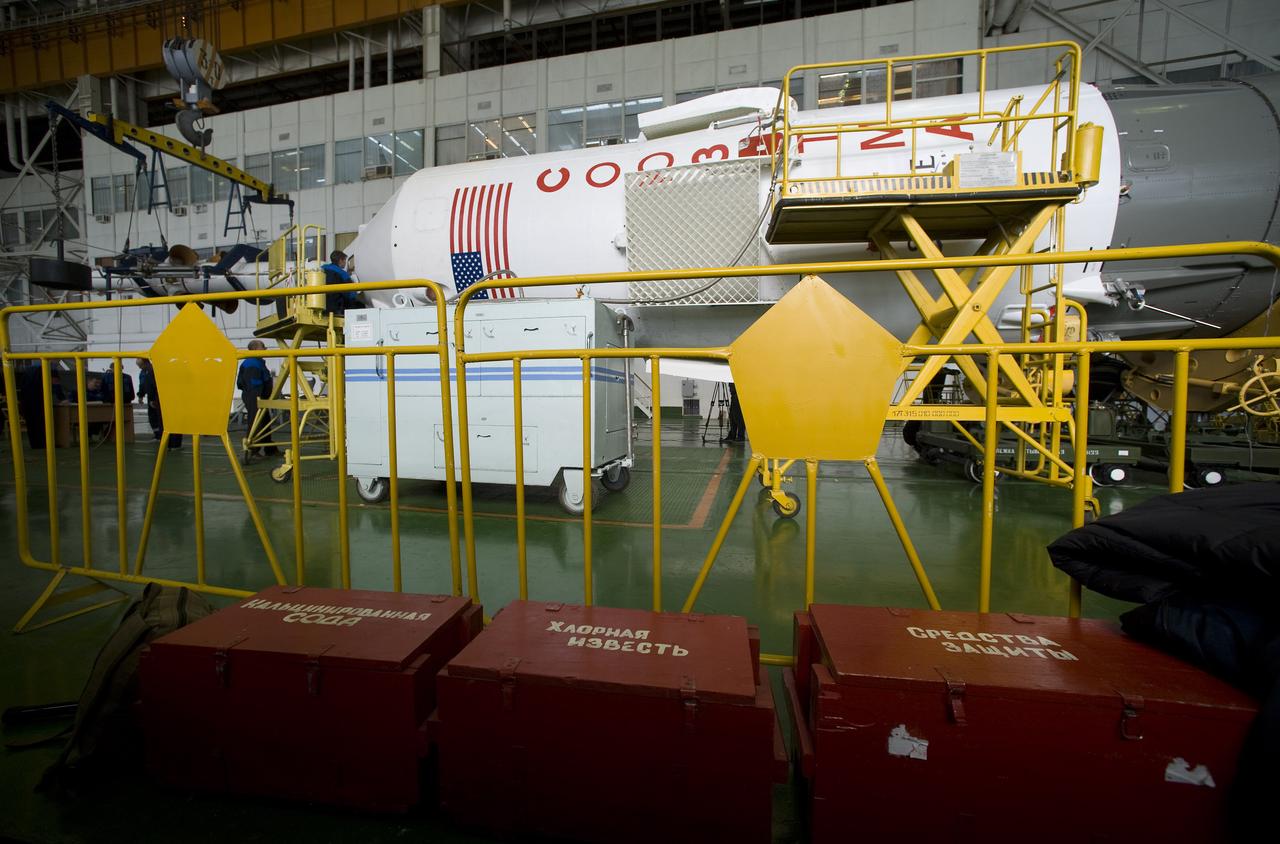
The Soyuz escape tower is being moved into position so that it may be attached to the Soyuz TMA-14 spacecraft and boosters Monday, March 23, 2009 at the Baikonur Cosmodrome in Kazakhstan. The Soyuz is scheduled to launch the crew of Expedition 19 and a spaceflight participant on March 26, 2009. Photo Credit: (NASA/Bill Ingalls)
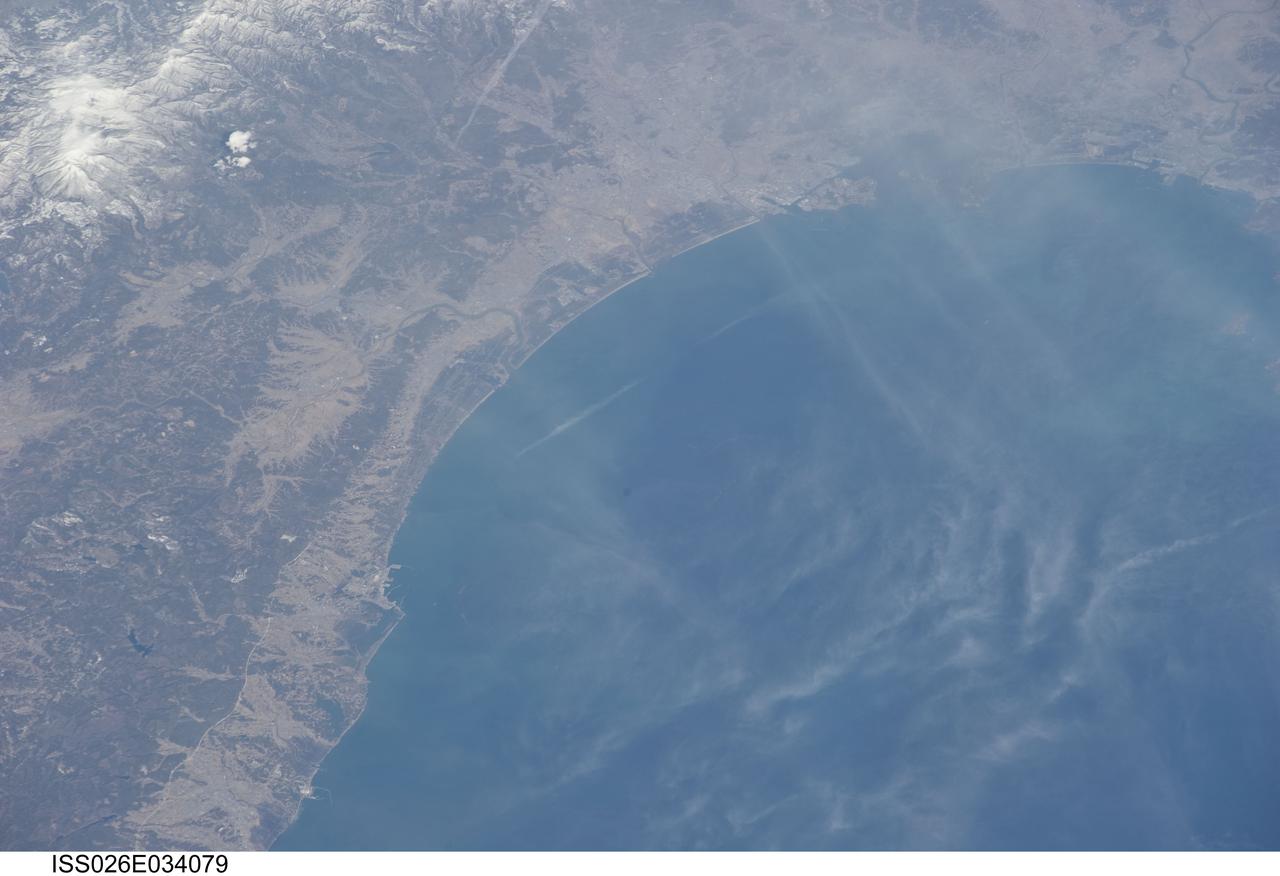
ISS026-E-034079 (14 March 2011) --- From 220 miles above Japan, an Expedition 26 crew member onboard the International Space Station took this 200mm view of the Sendai coast and southward, on March 14, three days after the one-two-punch of earthquake and tsunami.
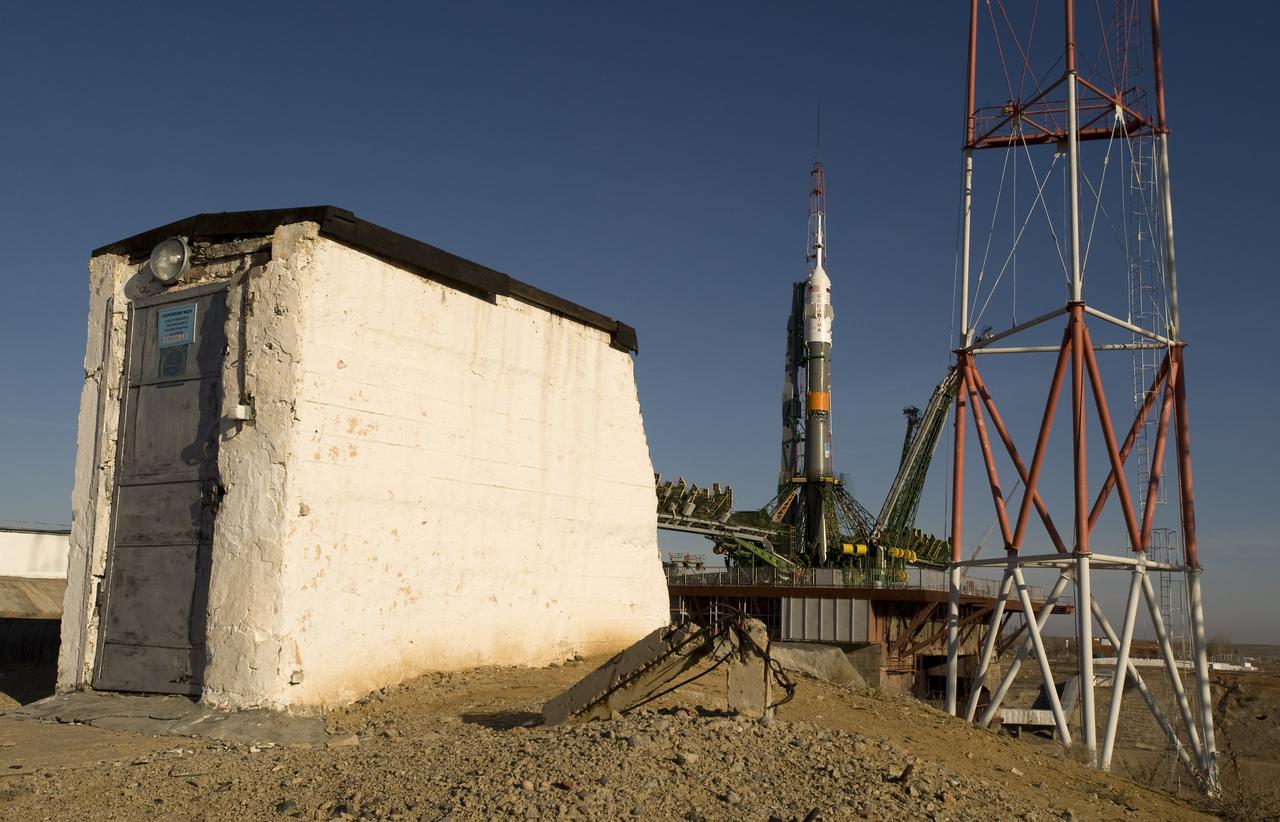
The Soyuz rocket is erected into position at the launch pad Tuesday, March 24, 2009 at the Baikonur Cosmodrome in Kazakhstan. The Soyuz is scheduled to launch the crew of Expedition 19 and a spaceflight participant on March 26, 2009. Photo Credit: (NASA/Bill Ingalls)
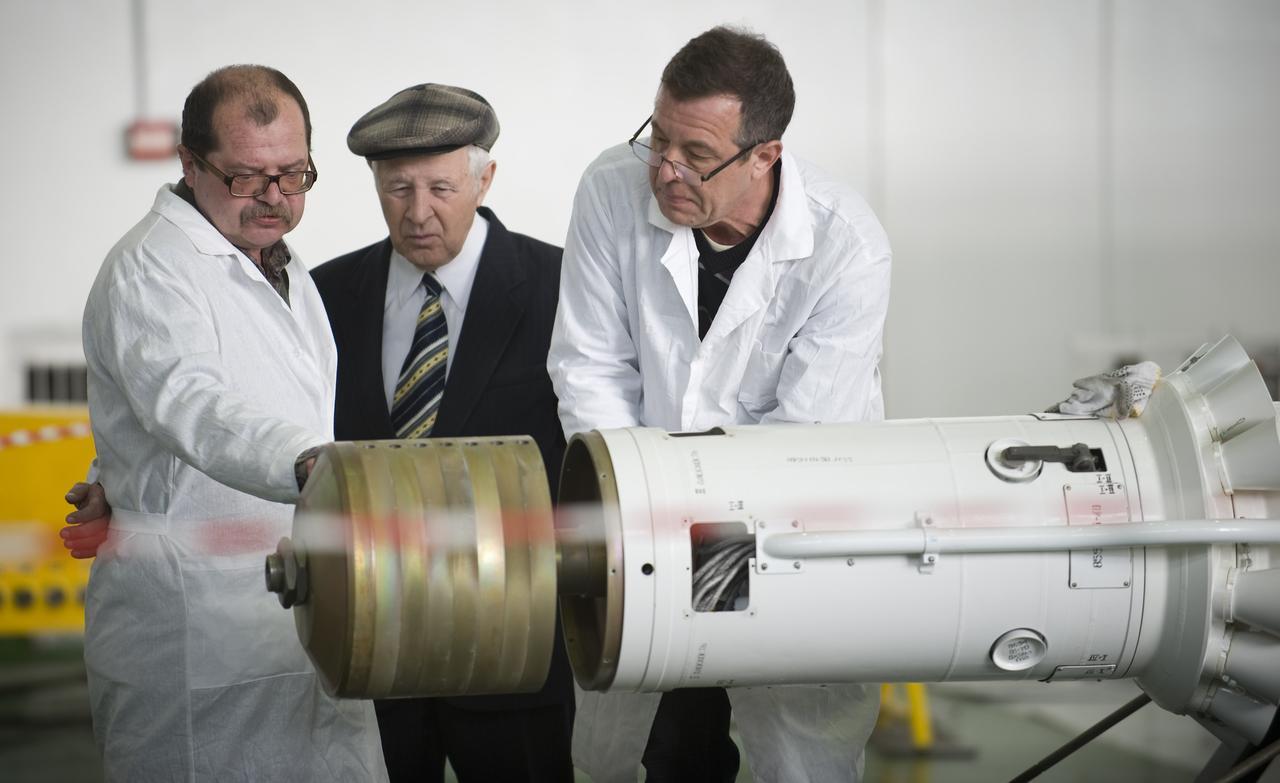
Russian engineers prepare the escape tower prior to attaching it to the Soyuz TMA-14 spacecraft and boosters Monday, March 23, 2009 at the Baikonur Cosmodrome in Kazakhstan. The Soyuz is scheduled to launch the crew of Expedition 19 and a spaceflight participant on March 26, 2009. Photo Credit: (NASA/Bill Ingalls)
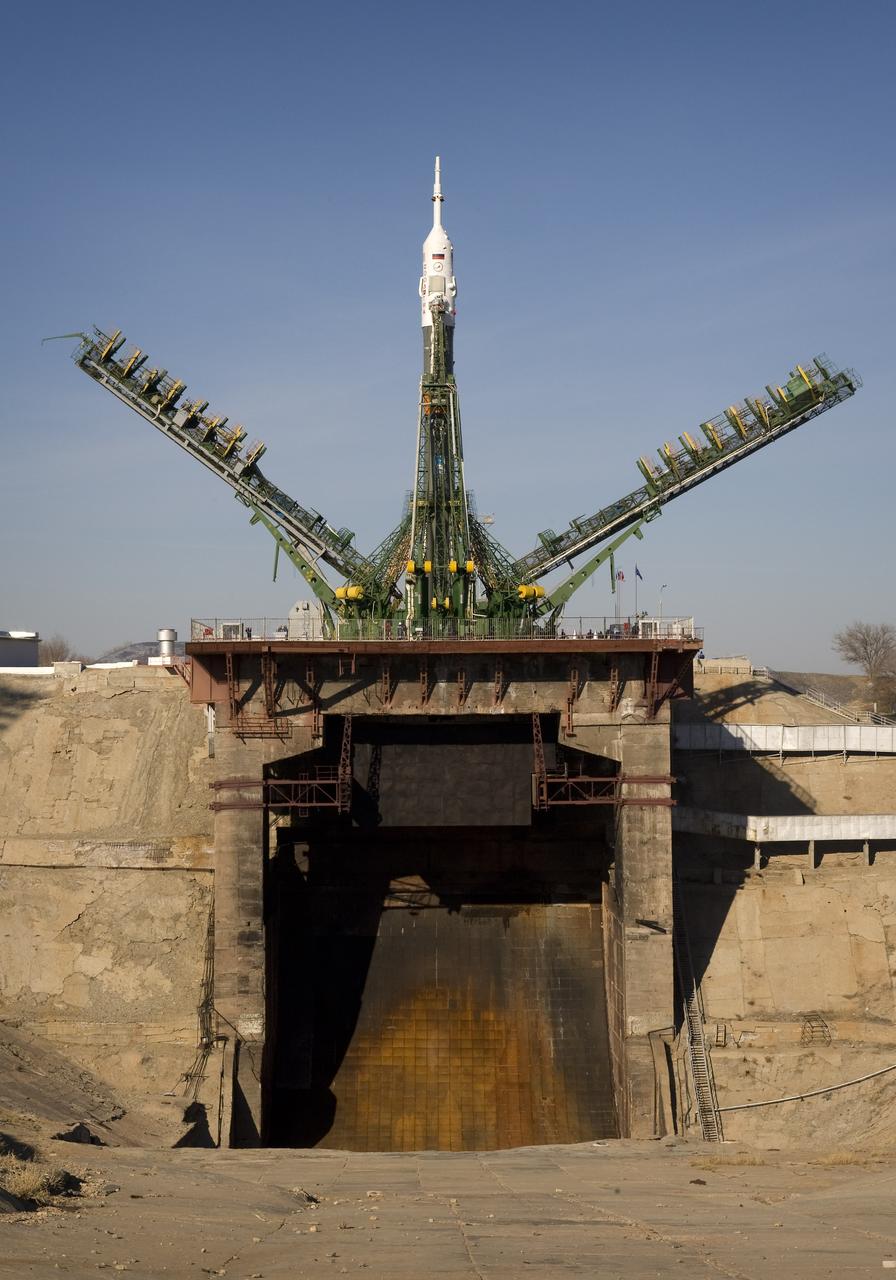
The Soyuz rocket is erected into position at the launch pad Tuesday, March 24, 2009 at the Baikonur Cosmodrome in Kazakhstan. The Soyuz is scheduled to launch the crew of Expedition 19 and a spaceflight participant on March 26, 2009. Photo Credit: (NASA/Bill Ingalls)
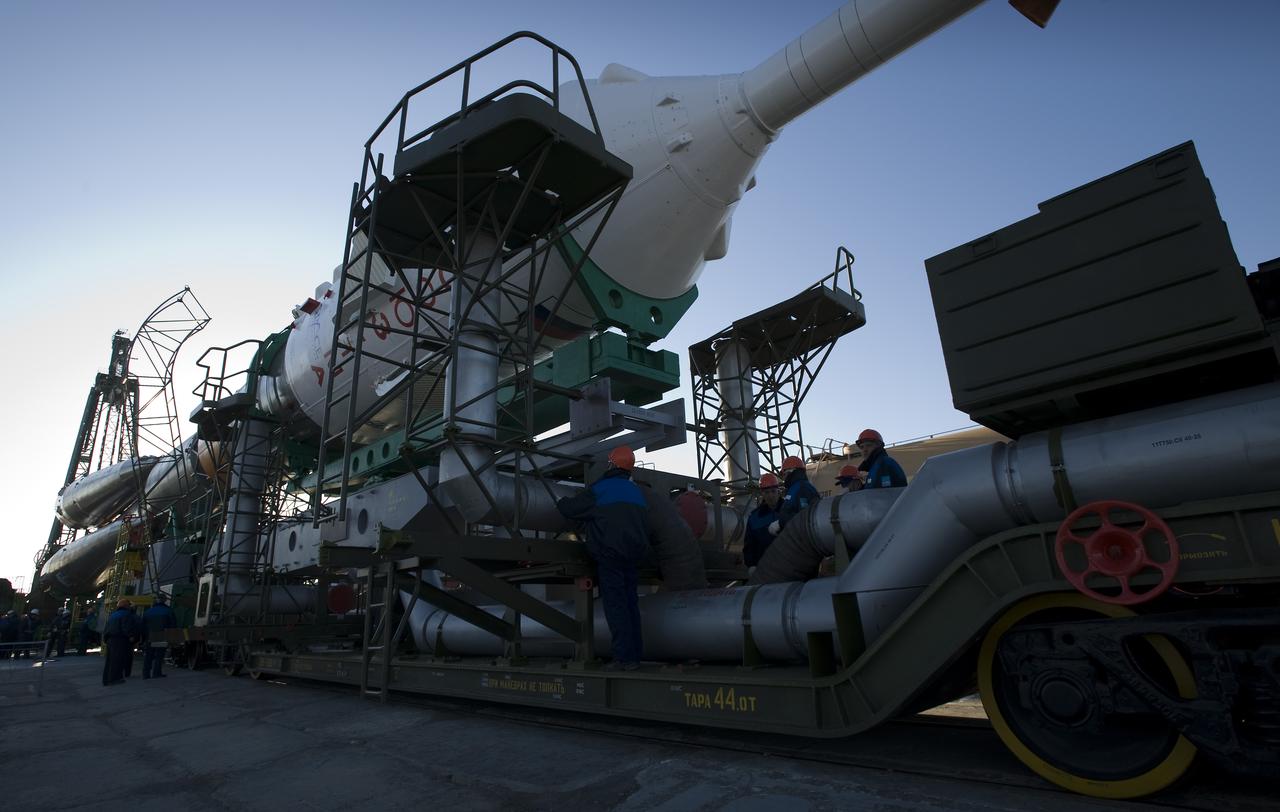
The Soyuz rocket is rolled out to the launch pad Tuesday, March 24, 2009 at the Baikonur Cosmodrome in Kazakhstan. The Soyuz is scheduled to launch the crew of Expedition 19 and a spaceflight participant on March 26, 2009. Photo Credit: (NASA/Bill Ingalls)
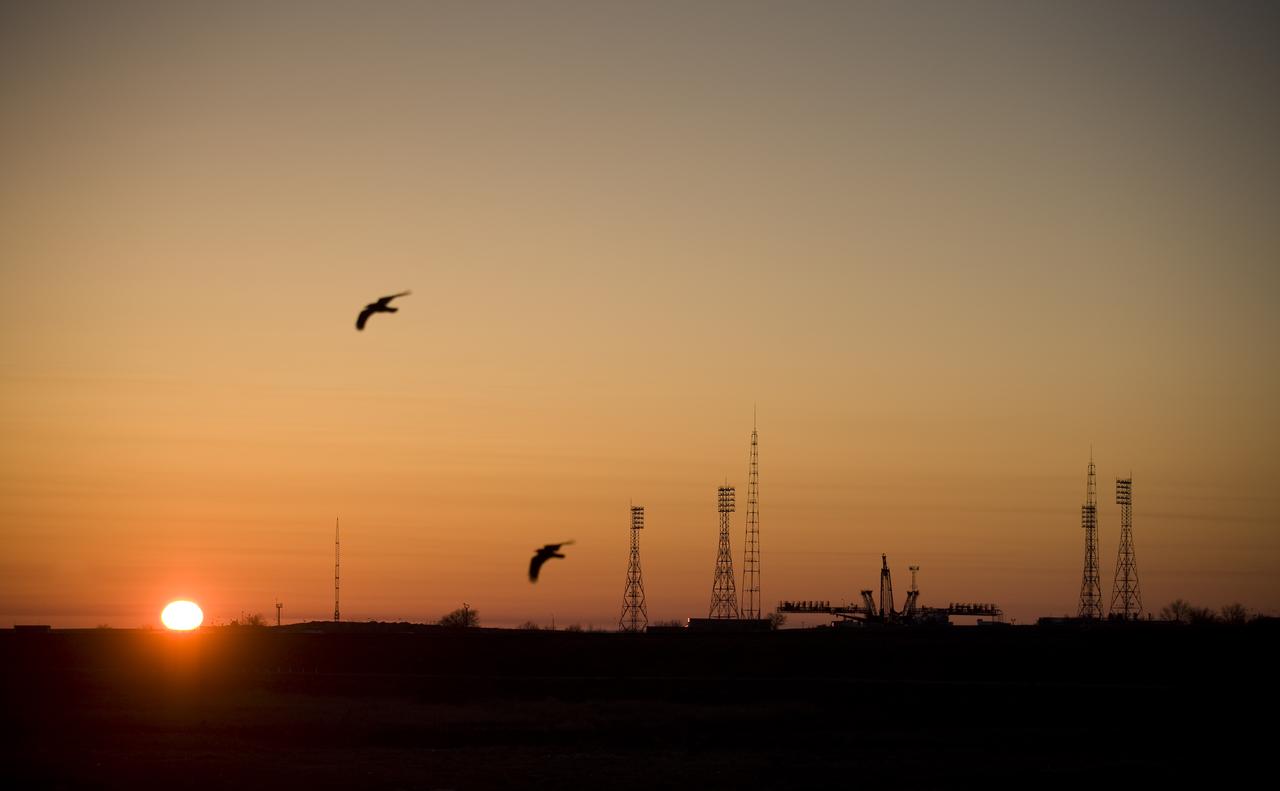
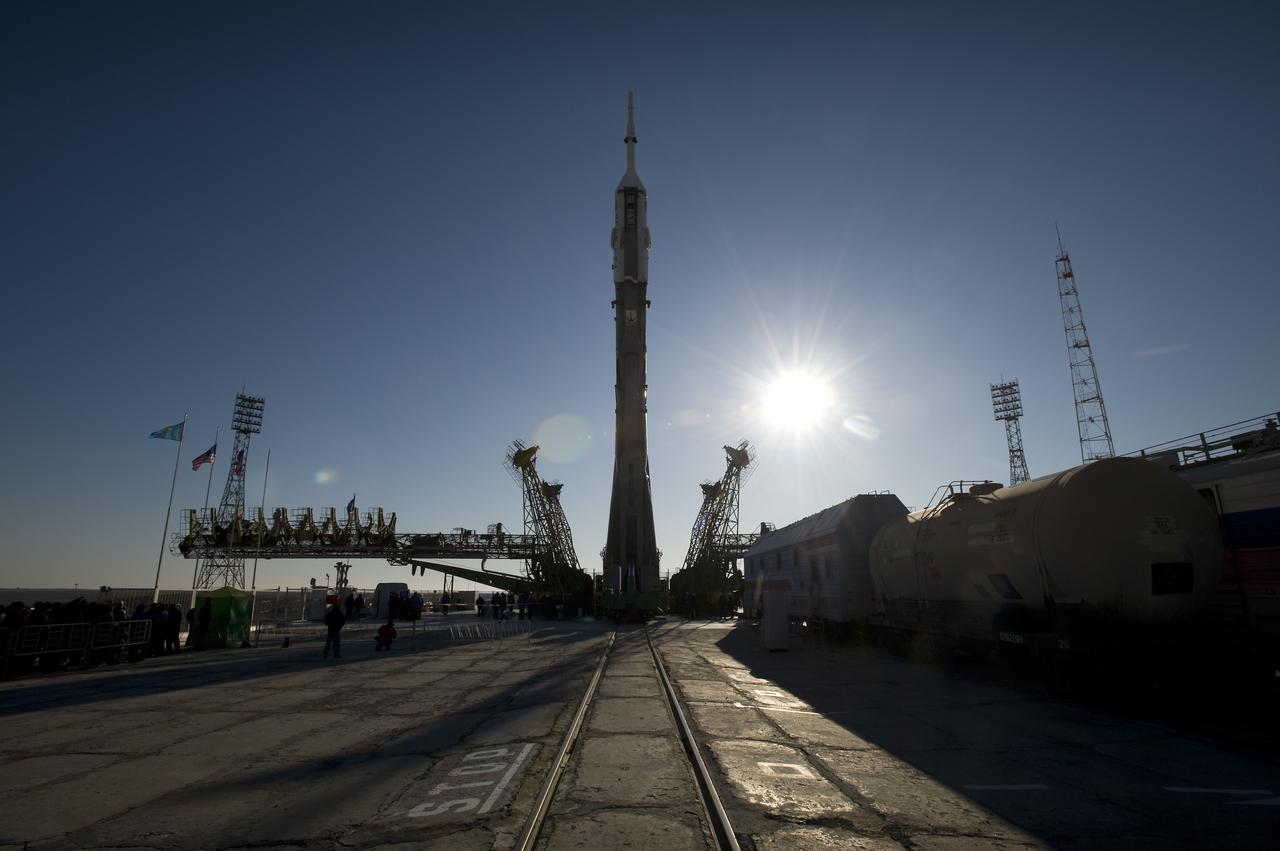
The sun rises to the left of Soyuz launch pad shortly before the Soyuz rocket is rolled out to the launch pad Tuesday, March 24, 2009 at the Baikonur Cosmodrome in Kazakhstan. The Soyuz is scheduled to launch the crew of Expedition 19 and a spaceflight participant on March 26, 2009. Photo Credit: (NASA/Bill Ingalls)
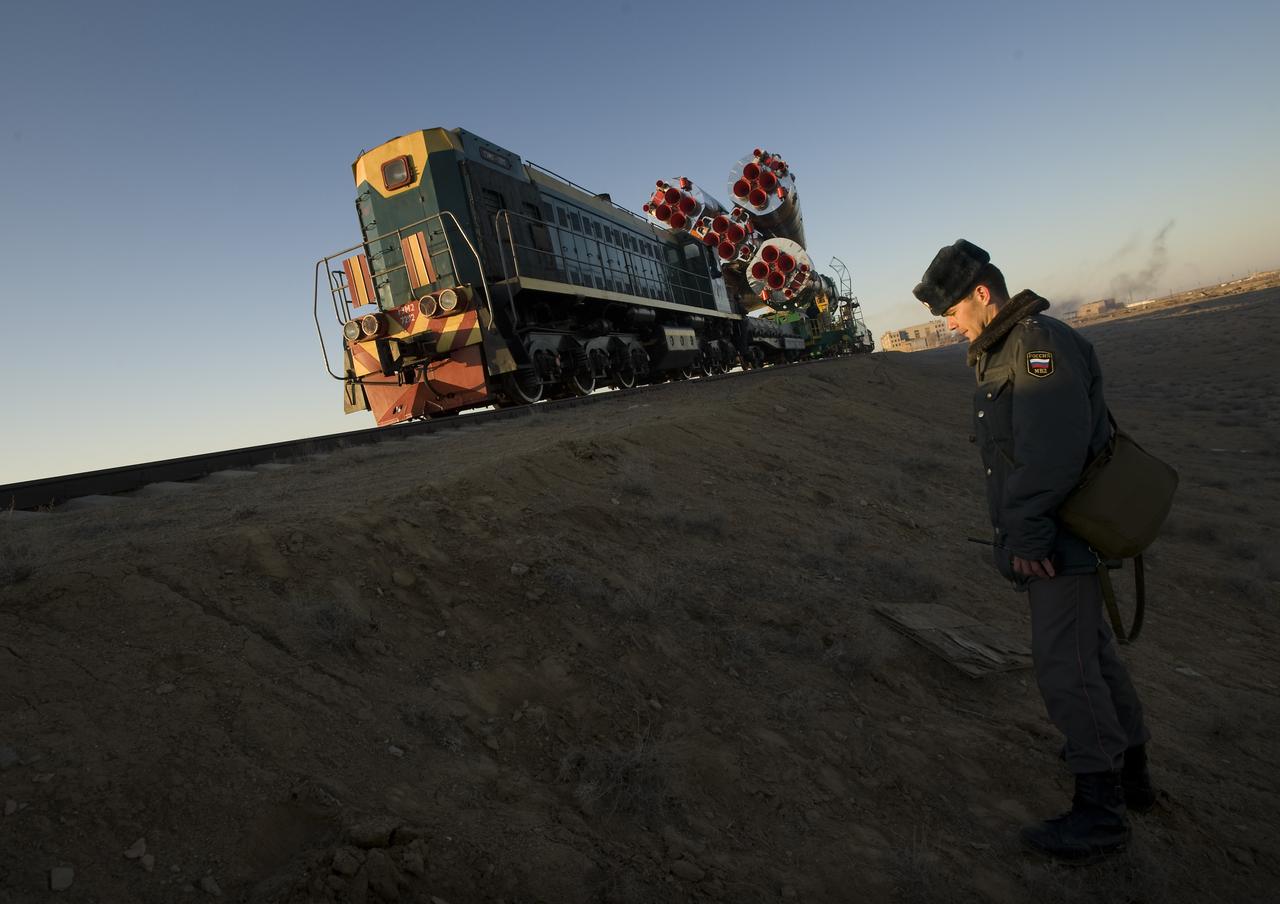
A Russian security member monitors the railroad tracks as the Soyuz rocket rolls out to the launch pad Tuesday, March 24, 2009 at the Baikonur Cosmodrome in Kazakhstan. The Soyuz is scheduled to launch the crew of Expedition 19 and a spaceflight participant on March 26, 2009. Photo Credit: (NASA/Bill Ingalls)
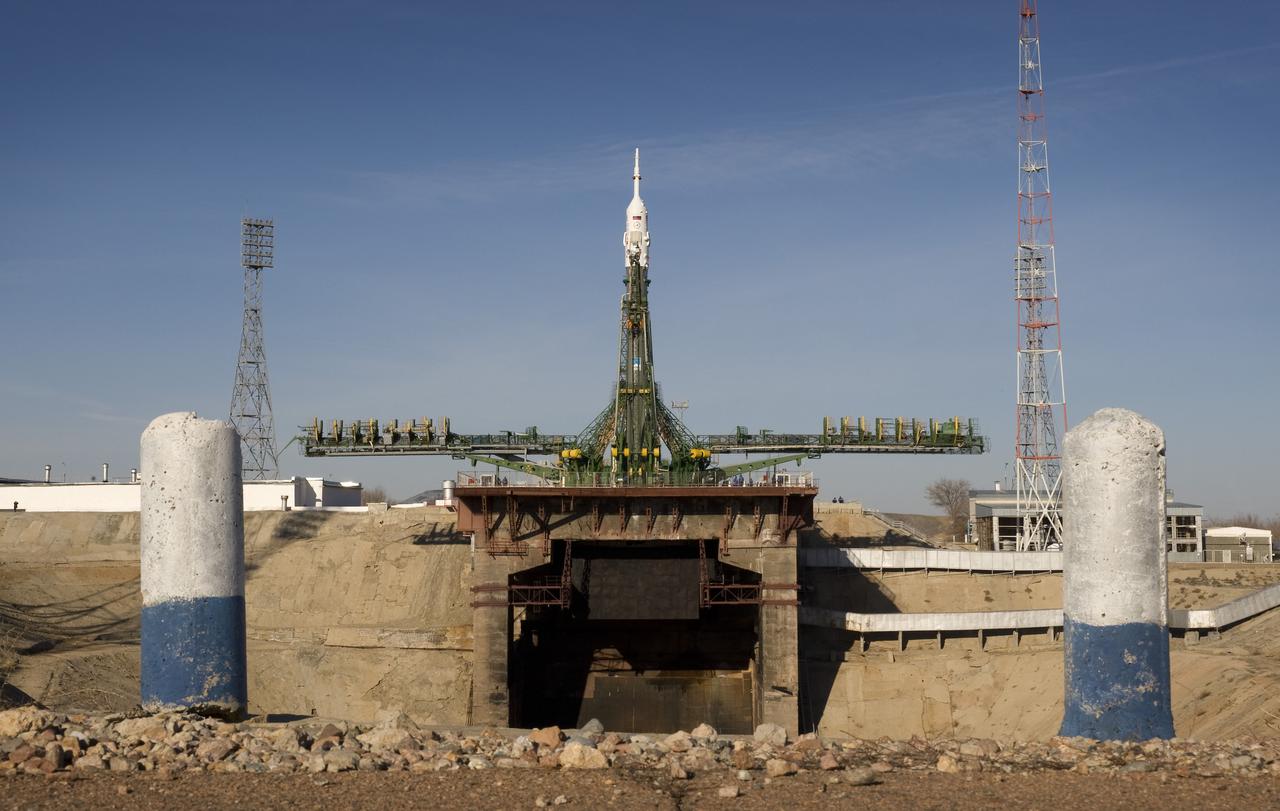
The Soyuz rocket is erected into position at the launch pad Tuesday, March 24, 2009 at the Baikonur Cosmodrome in Kazakhstan. The Soyuz is scheduled to launch the crew of Expedition 19 and a spaceflight participant on March 26, 2009. Photo Credit: (NASA/Bill Ingalls)
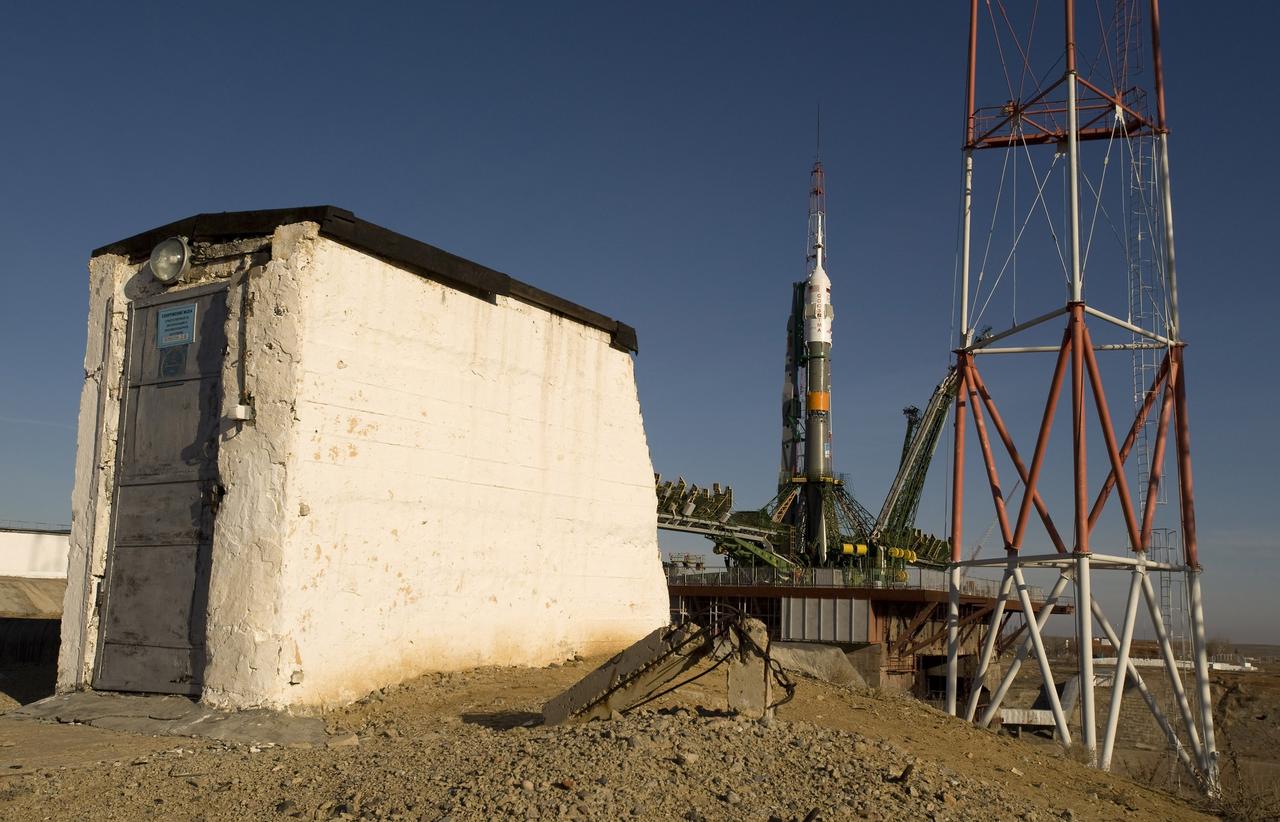
CAPE CANAVERAL, Fla. – The Soyuz rocket is erected into position at the launch pad March 24, 2009, at the Baikonur Cosmodrome in Kazakhstan. The Soyuz is scheduled to launch the crew of Expedition 19 and a spaceflight participant on March 26, 2009. Photo credit: NASA/Bill Ingalls
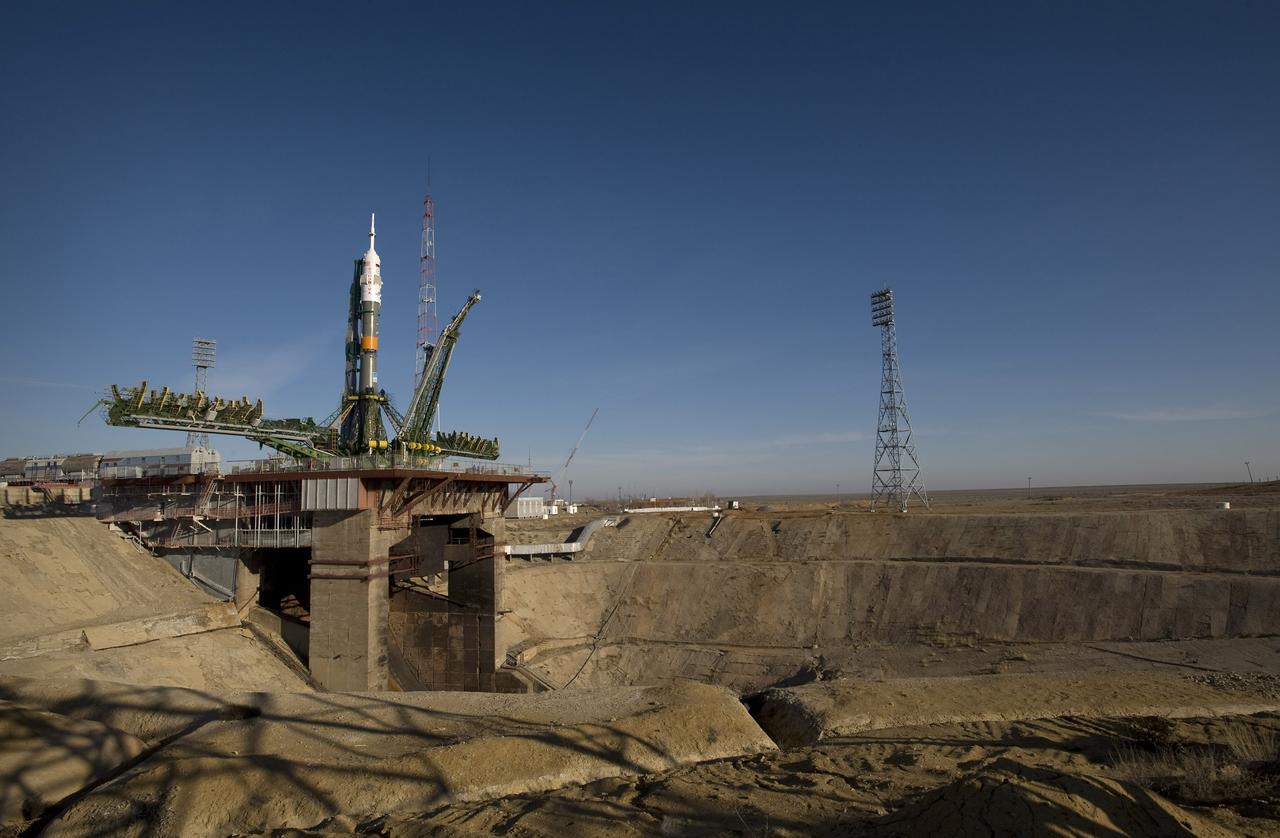
CAPE CANAVERAL, Fla. – The Soyuz rocket is erected into position at the launch pad March 24, 2009, at the Baikonur Cosmodrome in Kazakhstan. The Soyuz is scheduled to launch the crew of Expedition 19 and a spaceflight participant on March 26, 2009. Photo credit: NASA/Bill Ingalls
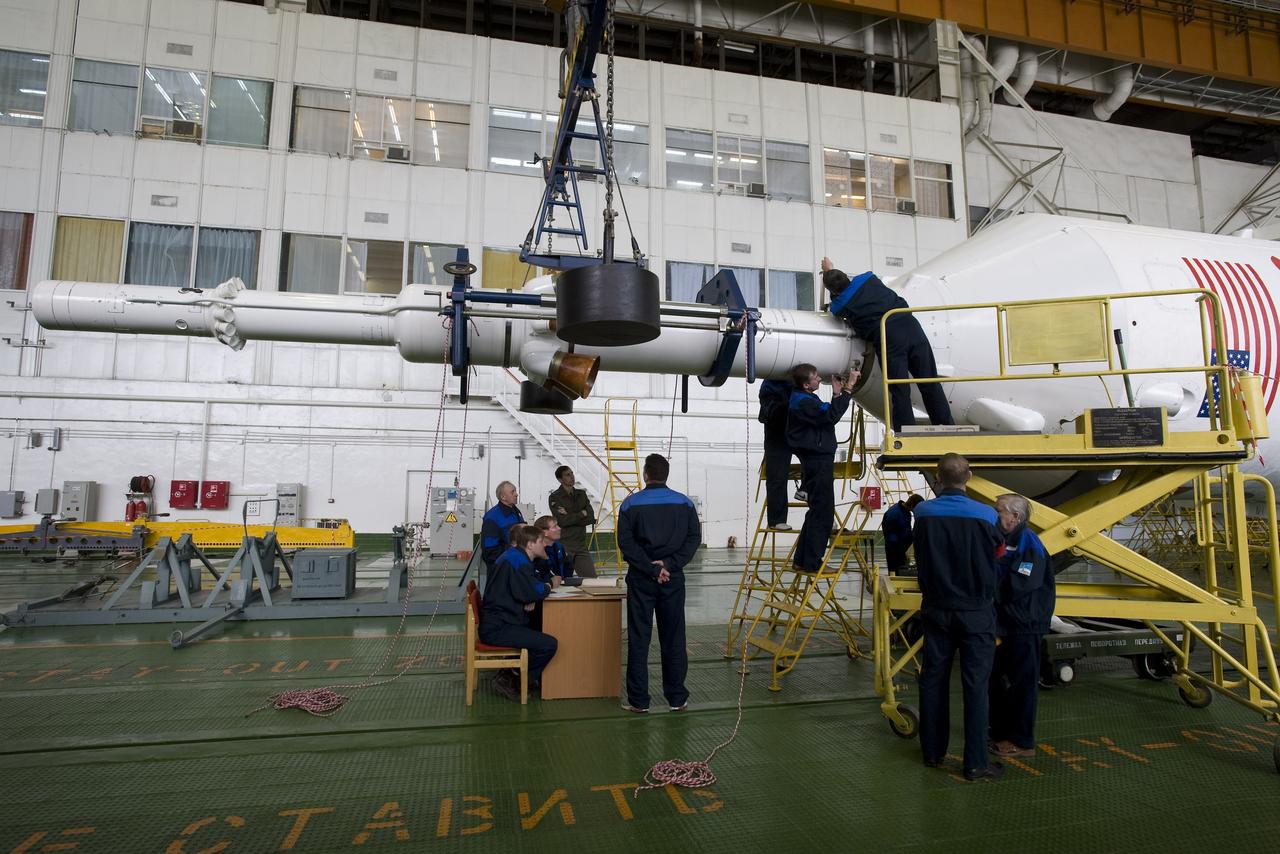
The Soyuz escape tower is being attached to the Soyuz TMA-14 spacecraft and boosters Monday, March 23, 2009 at the Baikonur Cosmodrome in Kazakhstan. The Soyuz is scheduled to launch the crew of Expedition 19 and a spaceflight participant on March 26, 2009. Photo Credit: (NASA/Bill Ingalls)
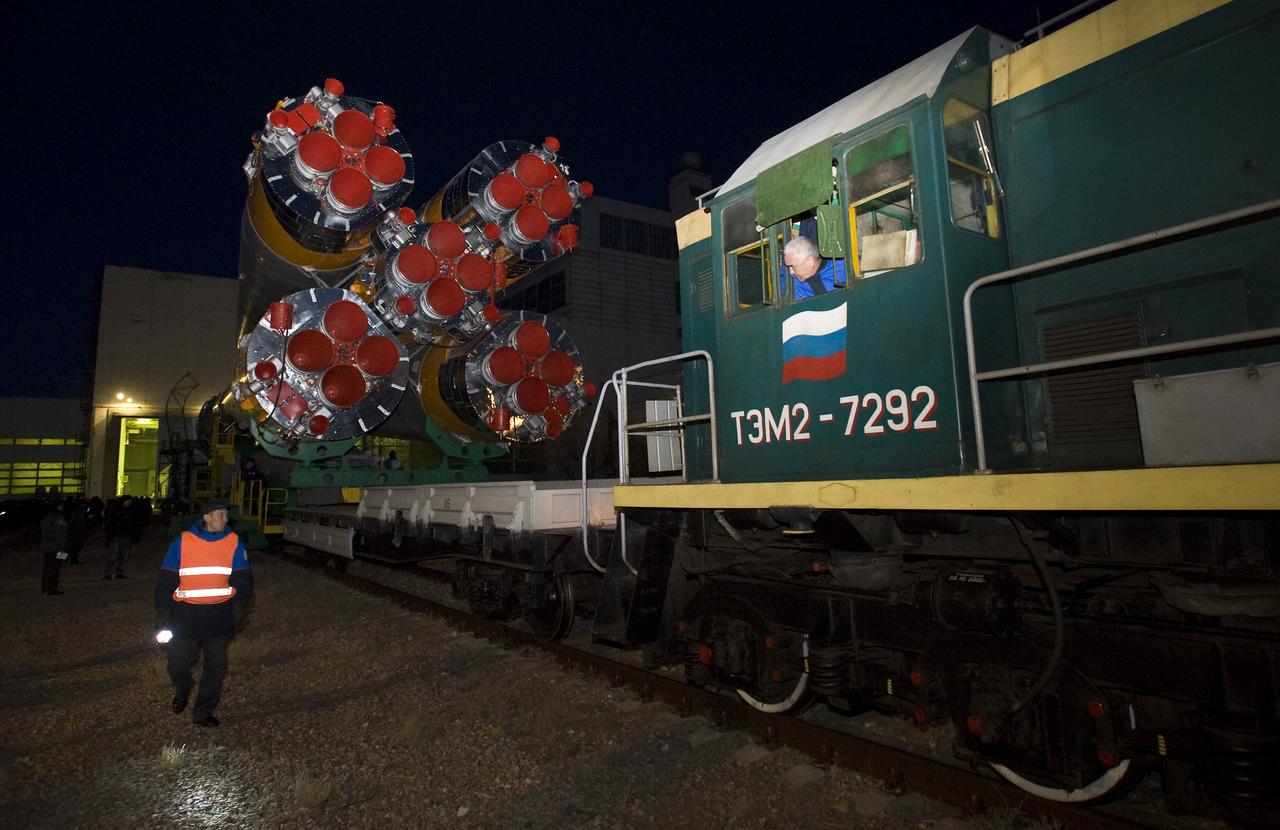
The Soyuz rocket is rolled out to the launch pad Tuesday, March 24, 2009 at the Baikonur Cosmodrome in Kazakhstan. The Soyuz is scheduled to launch the crew of Expedition 19 and a spaceflight participant on March 26, 2009. Photo Credit: (NASA/Bill Ingalls)
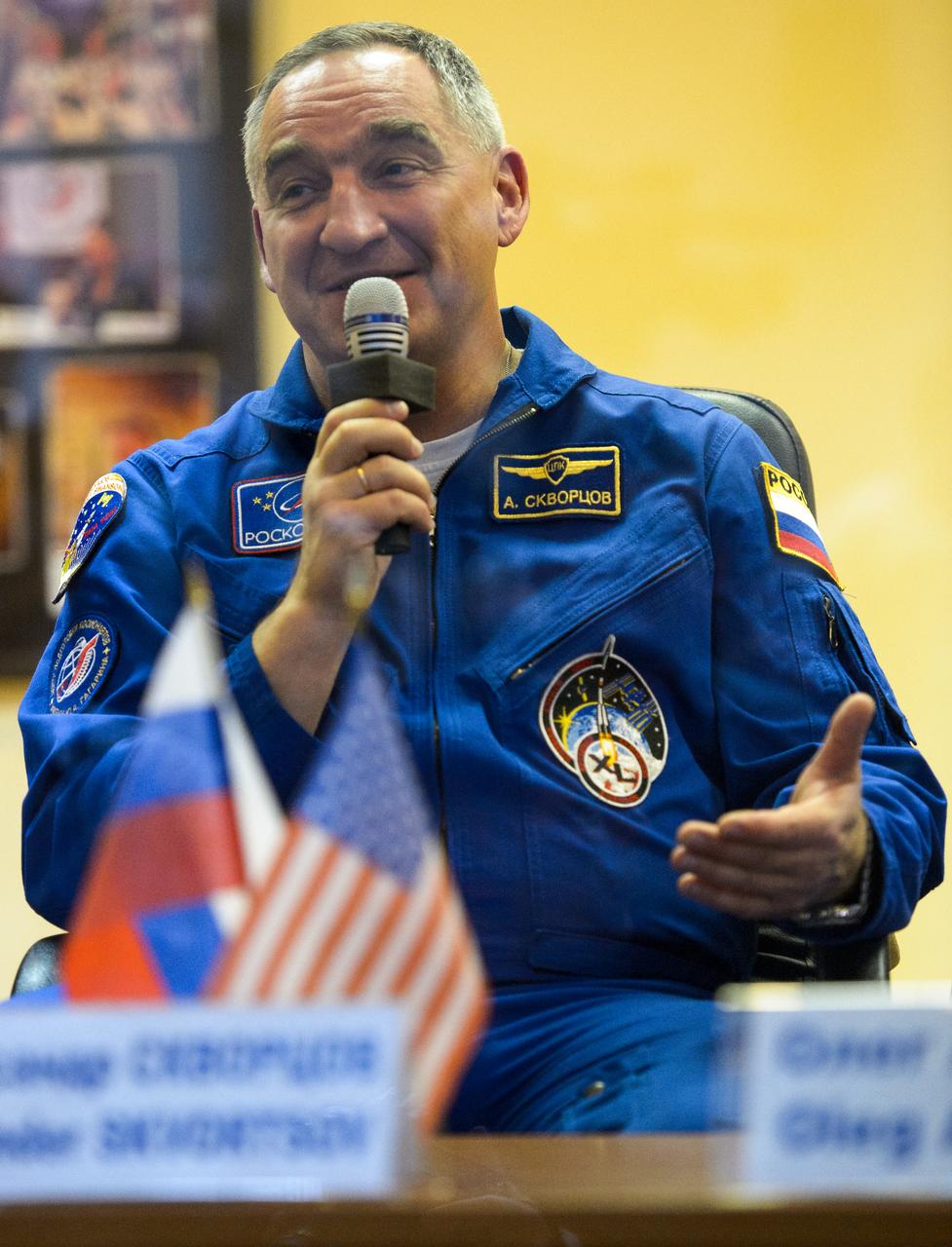
Expedition 39 Soyuz commander Aleksandr Skvortsov is seen in quarantine, behind glass, during the final press conference be Monday, March 24, 2014, at the Cosmonaut Hotel in Baikonur, Kazakhstan. The mission to the International Space Station is set to launch March 26 from the Baikonur Cosmodrome. Photo Credit: (NASA/Joel Kowsky)
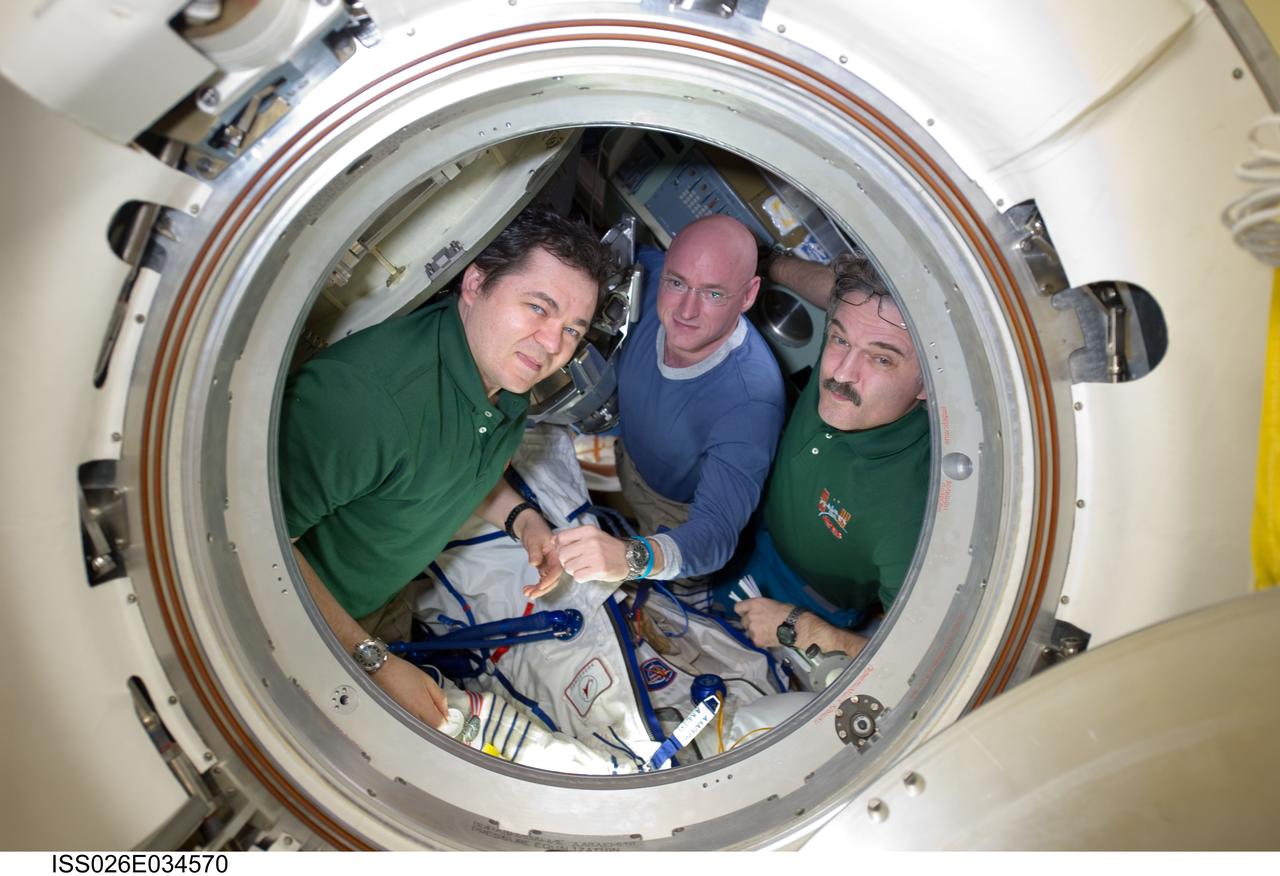
ISS026-E-034570 (16 March 2011) --- NASA astronaut Scott Kelly (center), Expedition 26 commander; along with Russian cosmonauts Oleg Skripochka (left) and Alexander Kaleri, both flight engineers, are pictured in the Soyuz TMA-01M spacecraft prior to their departure from the International Space Station on March 16, 2011.
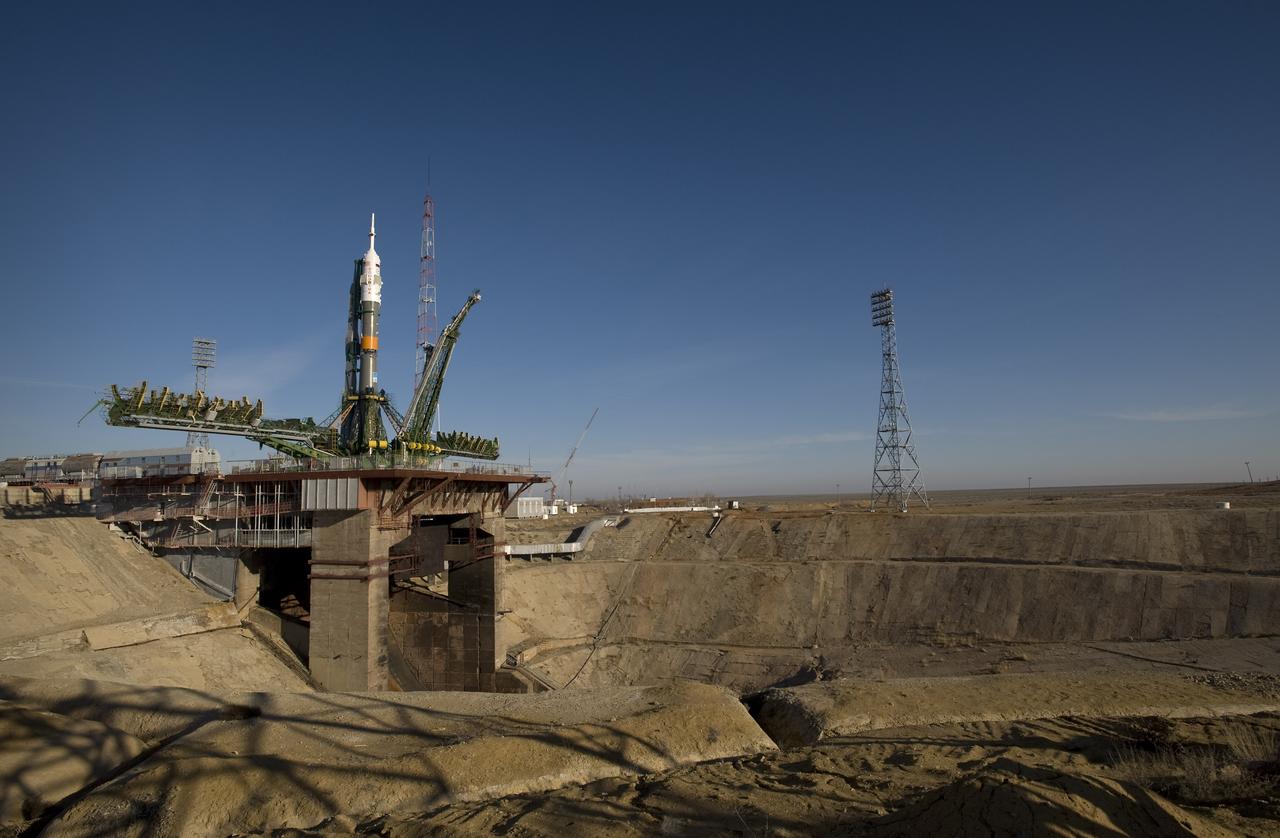
The Soyuz rocket is erected into position at the launch pad Tuesday, March 24, 2009 at the Baikonur Cosmodrome in Kazakhstan. The Soyuz is scheduled to launch the crew of Expedition 19 and a spaceflight participant on March 26, 2009. Photo Credit: (NASA/Bill Ingalls)
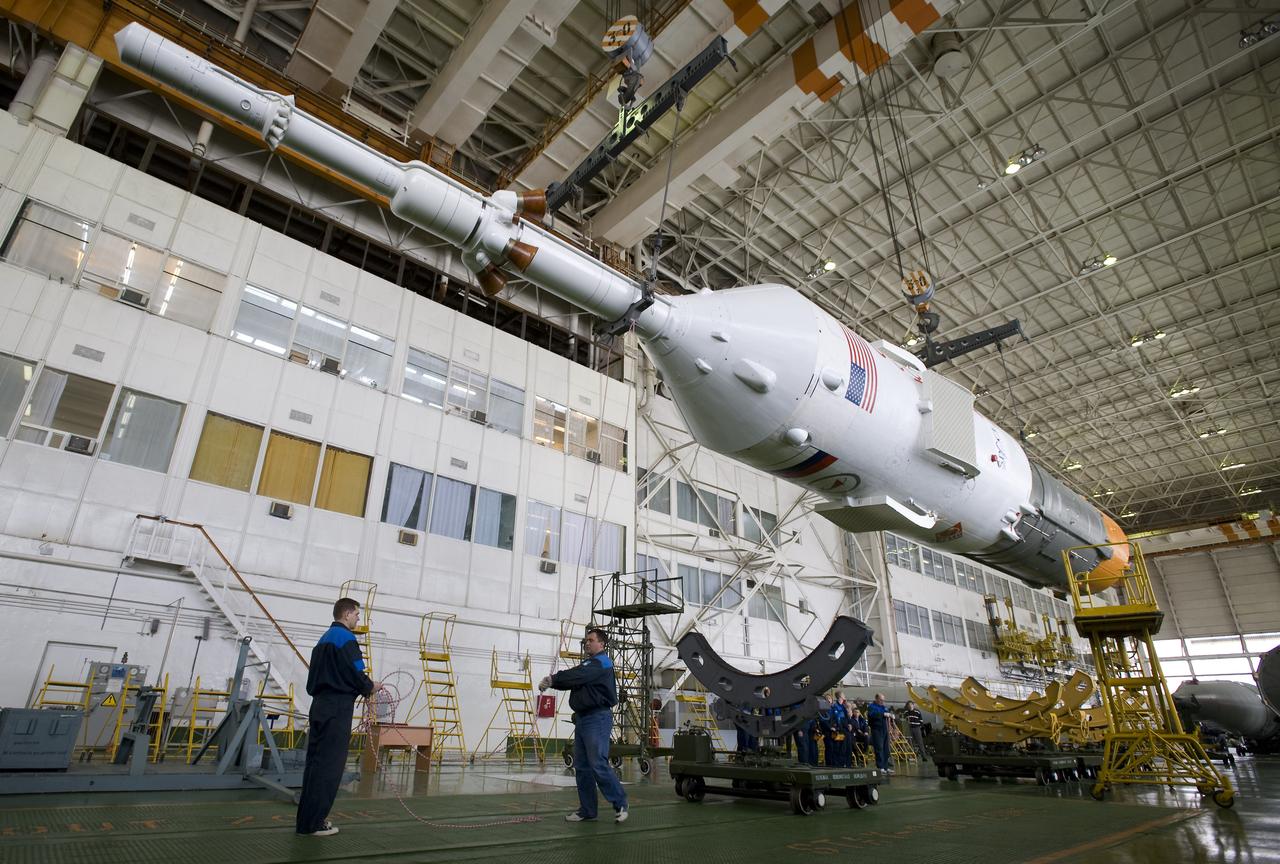
The escape tower, Soyuz TMA-14 spacecraft and third stage are moved for assembly to the first and second stages Monday, March 23, 2009 at the Baikonur Cosmodrome in Kazakhstan. The Soyuz is scheduled to launch the crew of Expedition 19 and a spaceflight participant on March 26, 2009. Photo Credit: (NASA/Bill Ingalls)
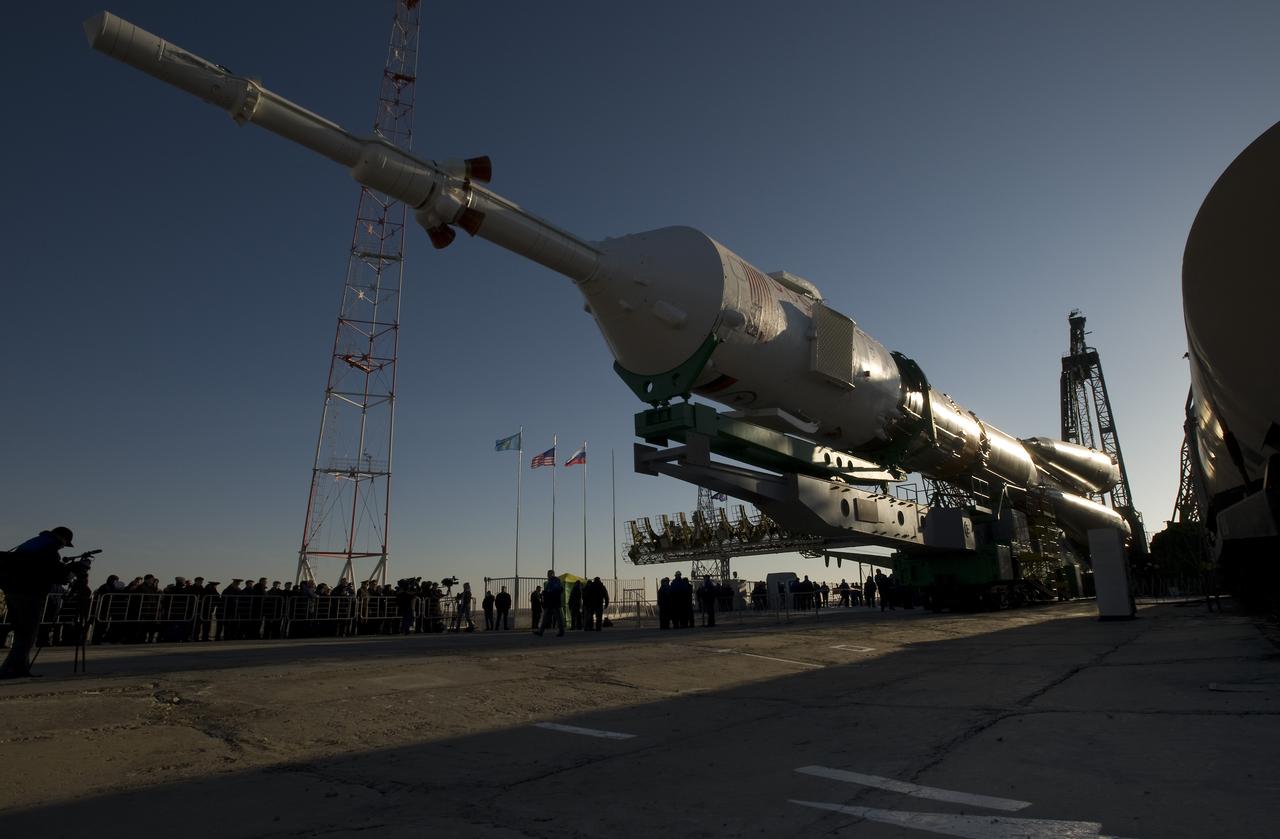
The Soyuz rocket is prepared to be erected into position at the launch pad Tuesday, March 24, 2009 at the Baikonur Cosmodrome in Kazakhstan. The Soyuz is scheduled to launch the crew of Expedition 19 and a spaceflight participant on March 26, 2009. Photo Credit: (NASA/Bill Ingalls)
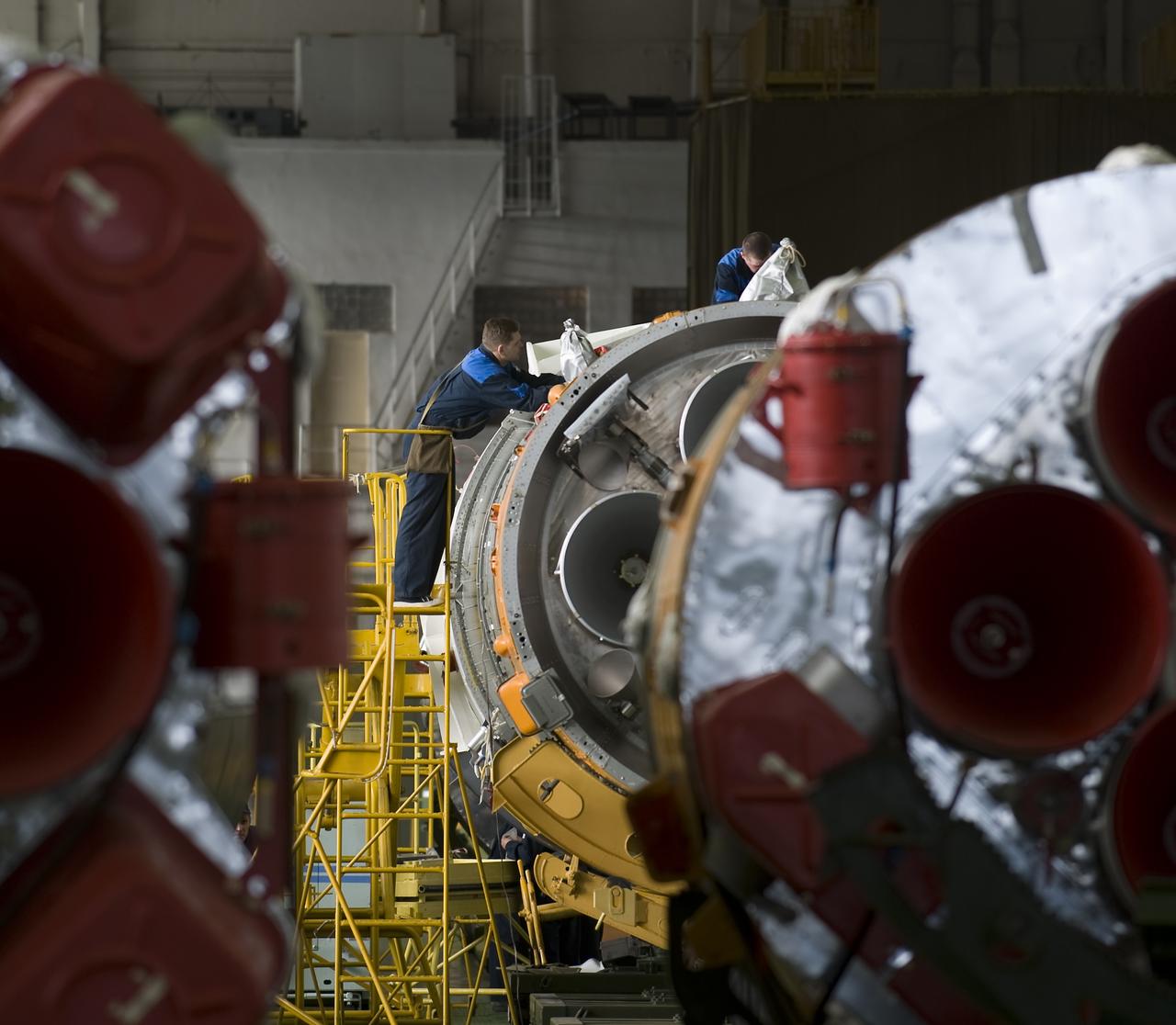
Russian engineers prepare the Soyuz TMA-14 spacecraft and boosters for mating Monday, March 23, 2009 at the Baikonur Cosmodrome in Kazakhstan. The Soyuz is scheduled to launch the crew of Expedition 19 and a spaceflight participant on March 26, 2009. Photo Credit: (NASA/Bill Ingalls)
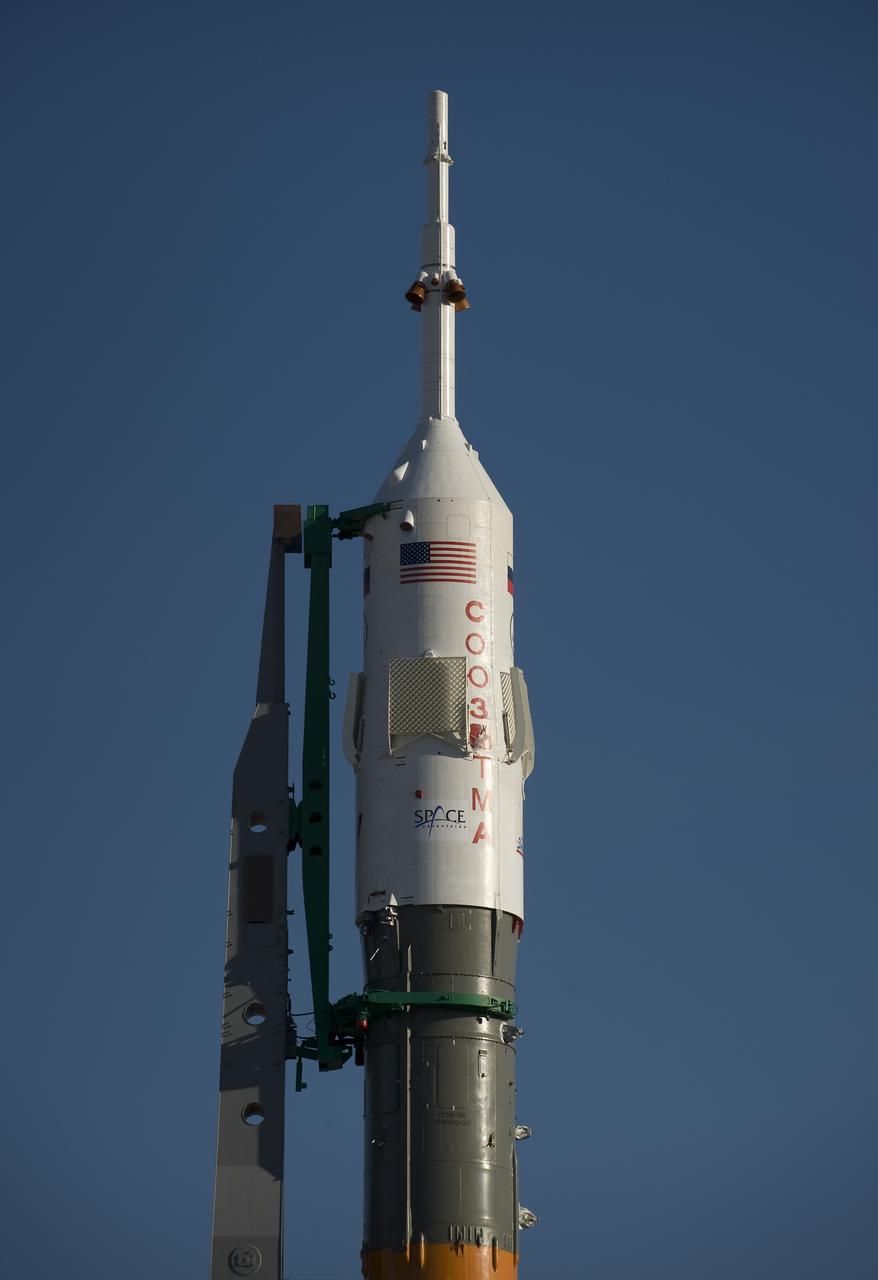
The Soyuz rocket is erected into position at the launch pad Tuesday, March 24, 2009 at the Baikonur Cosmodrome in Kazakhstan. The Soyuz is scheduled to launch the crew of Expedition 19 and a spaceflight participant on March 26, 2009. Photo Credit: (NASA/Bill Ingalls)
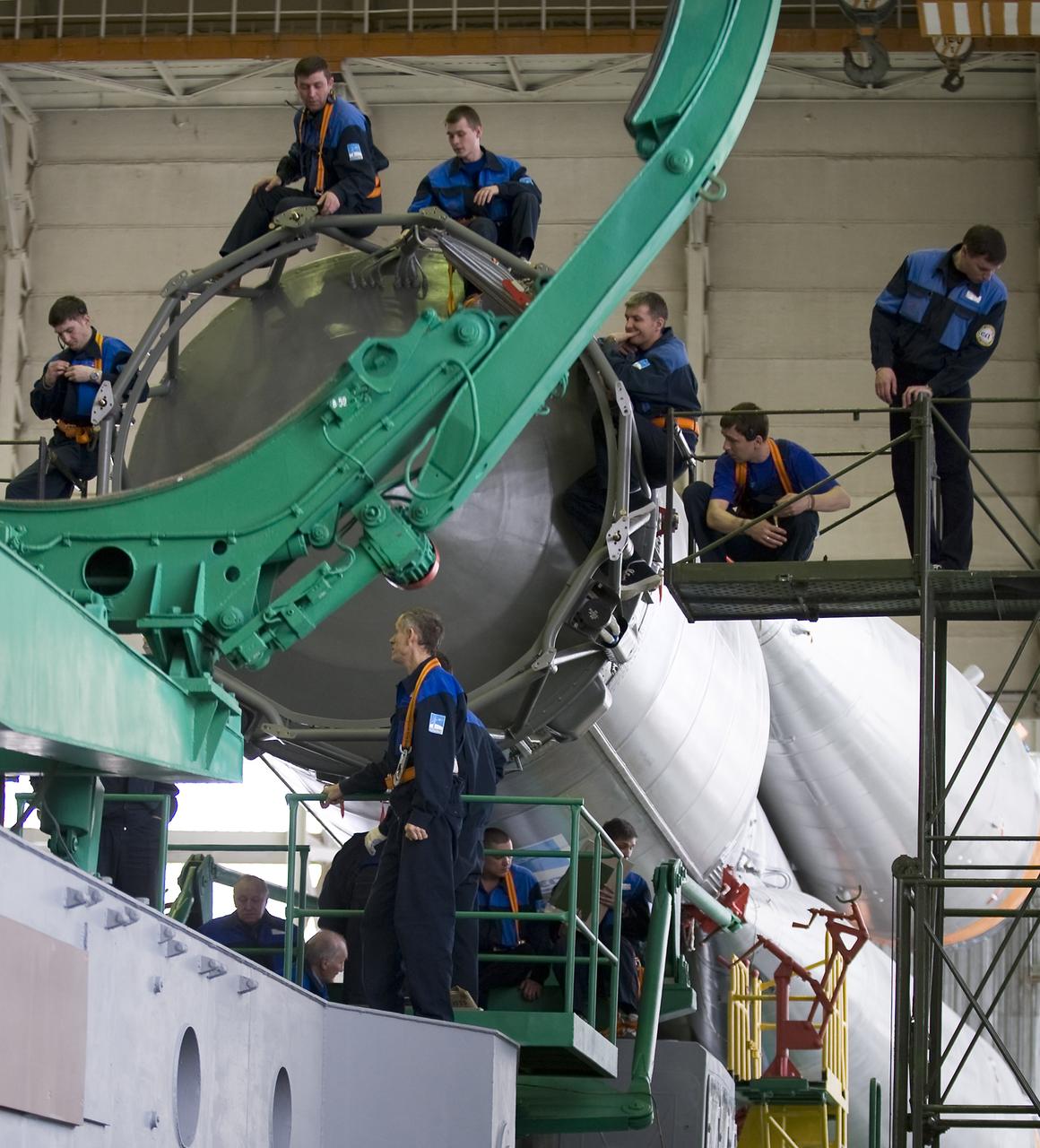
Engineers wait on the Soyuz second stage for the arrival of the Soyuz TMA-14 spacecraft and third stage for final assembly Monday, March 23, 2009 at the Baikonur Cosmodrome in Kazakhstan. The Soyuz is scheduled to launch the crew of Expedition 19 and a spaceflight participant on March 26, 2009. Photo Credit: (NASA/Bill Ingalls)
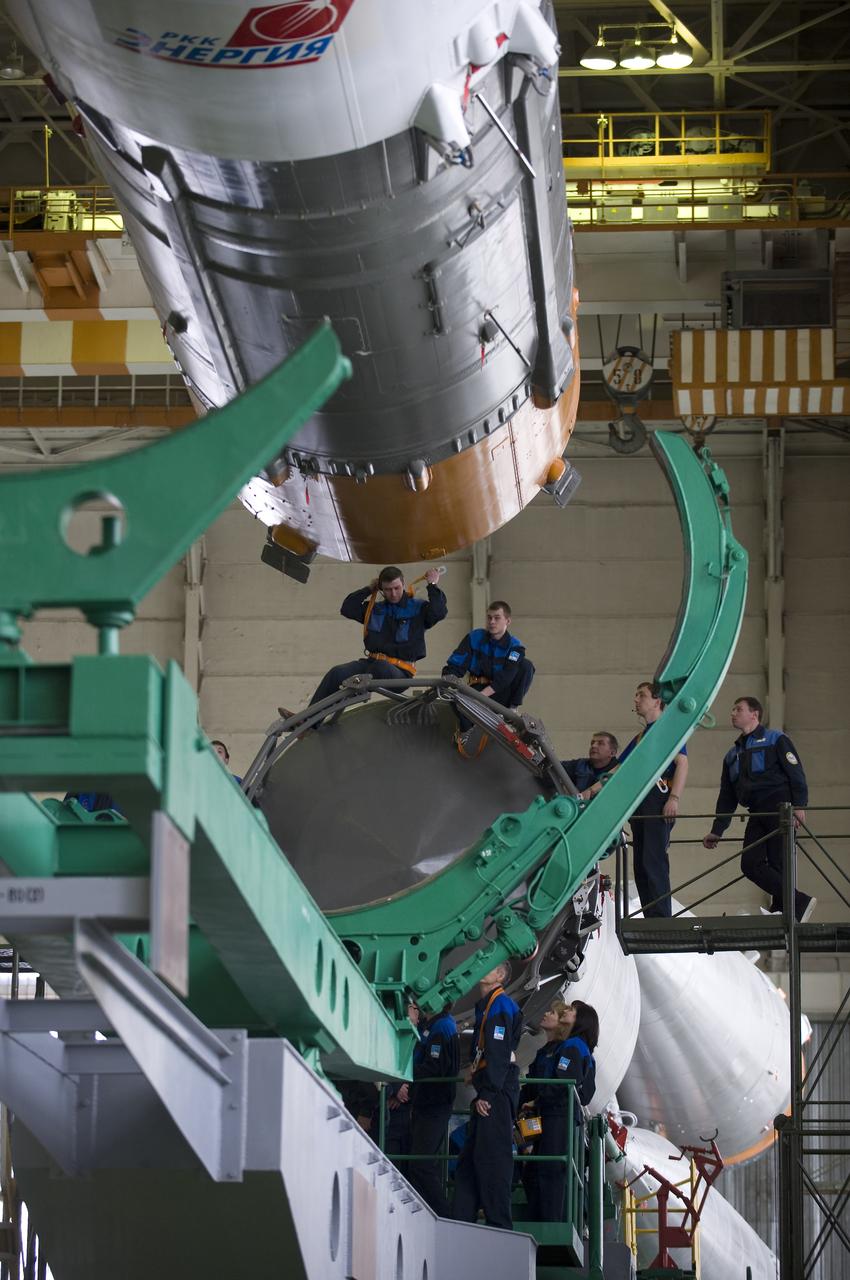
Engineers assemble the Soyuz TMA-14 spacecraft, escape tower and all three stages Monday, March 23, 2009 at the Baikonur Cosmodrome in Kazakhstan. The Soyuz is scheduled to launch the crew of Expedition 19 and a spaceflight participant on March 26, 2009. Photo Credit: (NASA/Bill Ingalls)
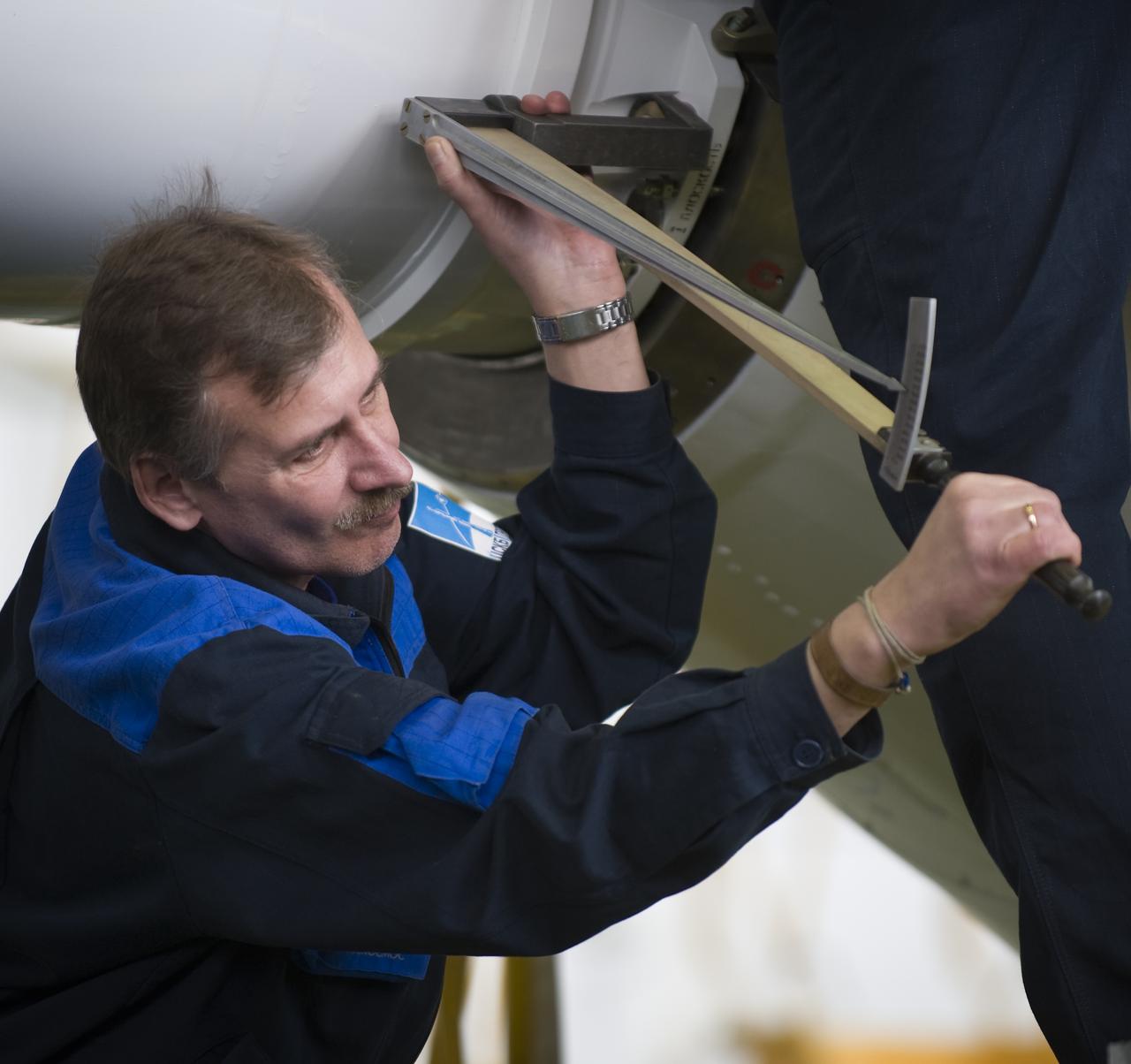
Russian engineers attach the escape tower to the Soyuz TMA-14 spacecraft and boosters Monday, March 23, 2009 at the Baikonur Cosmodrome in Kazakhstan. The Soyuz is scheduled to launch the crew of Expedition 19 and a spaceflight participant on March 26, 2009. Photo Credit: (NASA/Bill Ingalls)