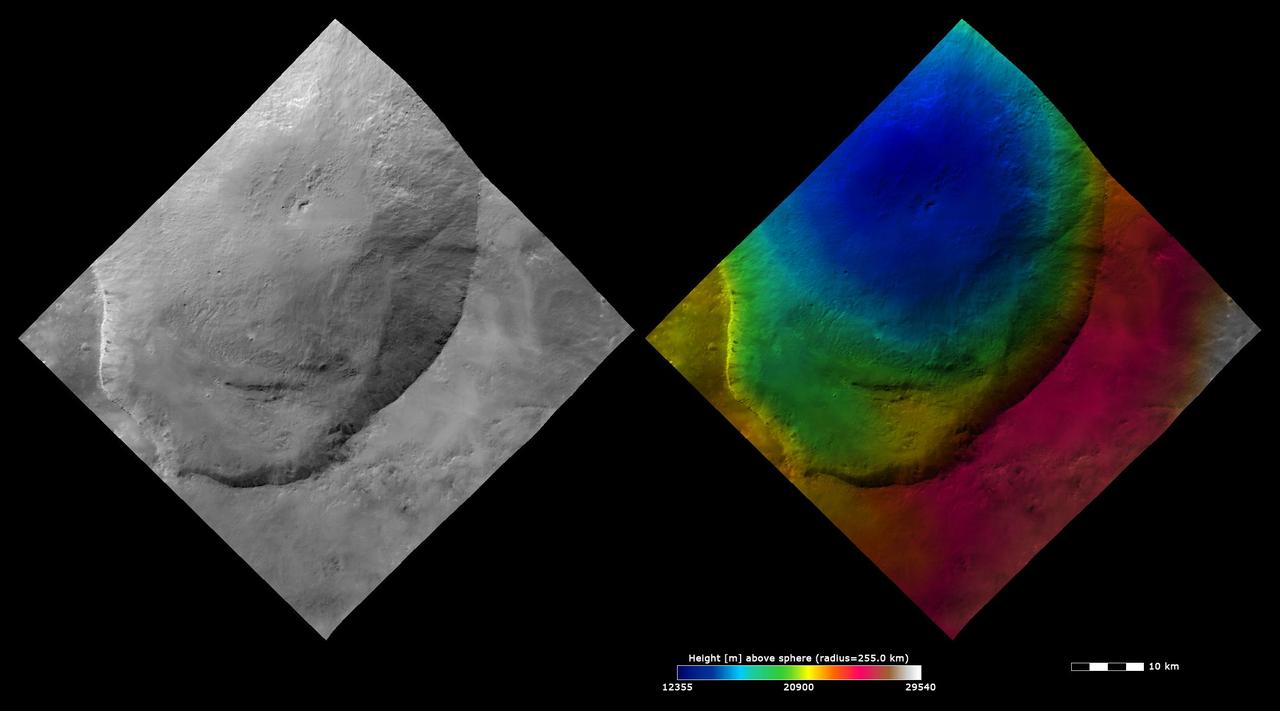
These images from NASA Dawn spacecraft show Marcia crater, after which Marcia quadrangle is named. Marcia crater is the largest and southernmost of the three Vestan craters nicknamed the Snowman.
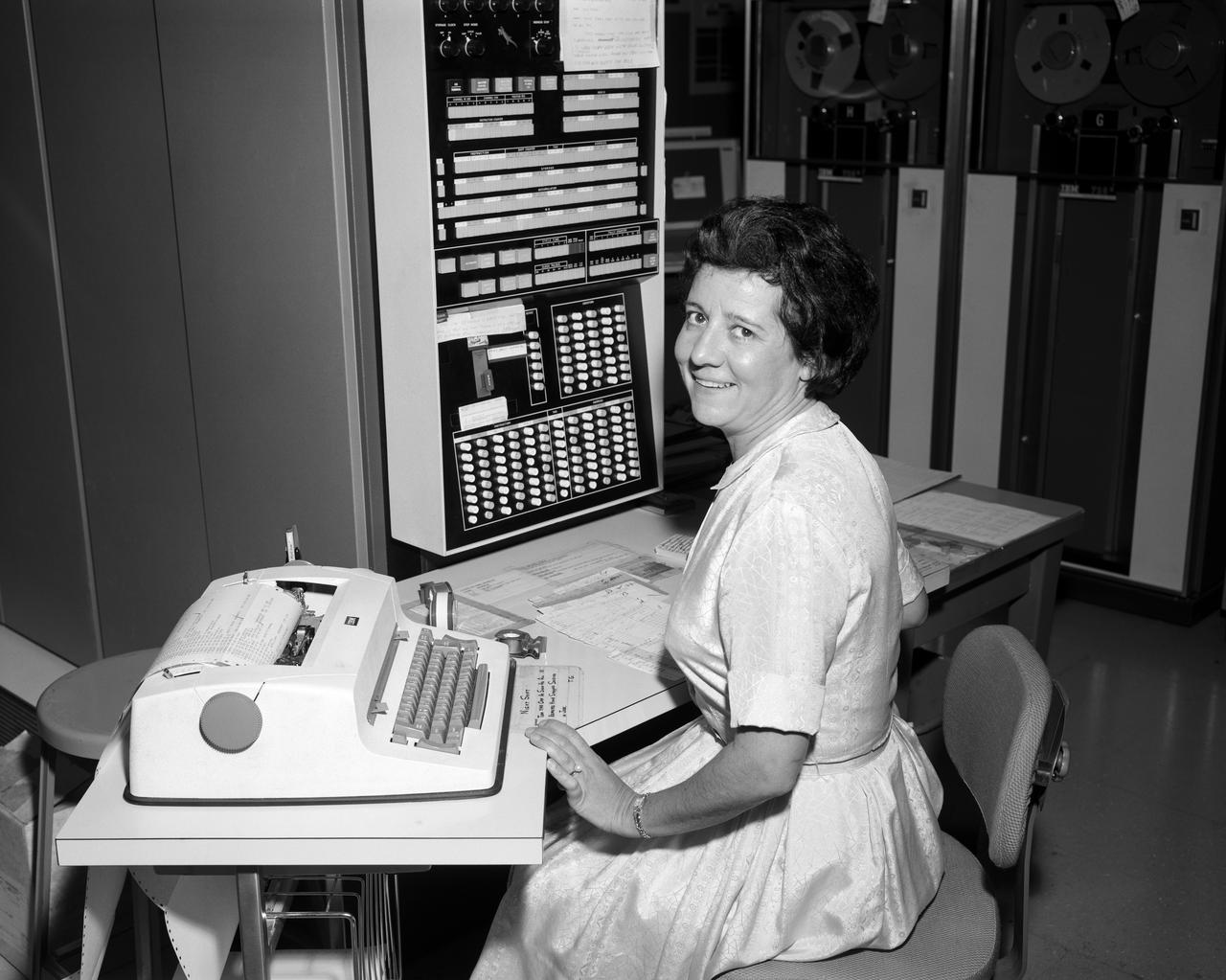
NASA Ames Computer Division, Smith (Weidlich). Candid: Marcia Smith Operating the IBM #740 Computer, Room #119-A, Building N-233.
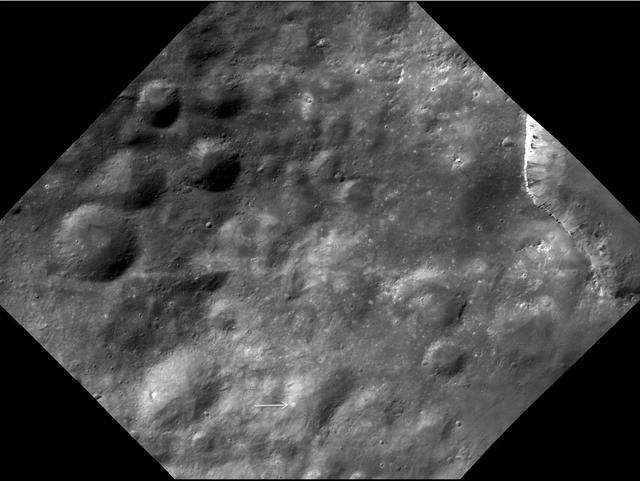
Numerous small, bright spots appear on asteroid Vesta, as seen in this image from NASA Dawn spacecraft. This region is just north of the equator, to the west of Marcia crater.
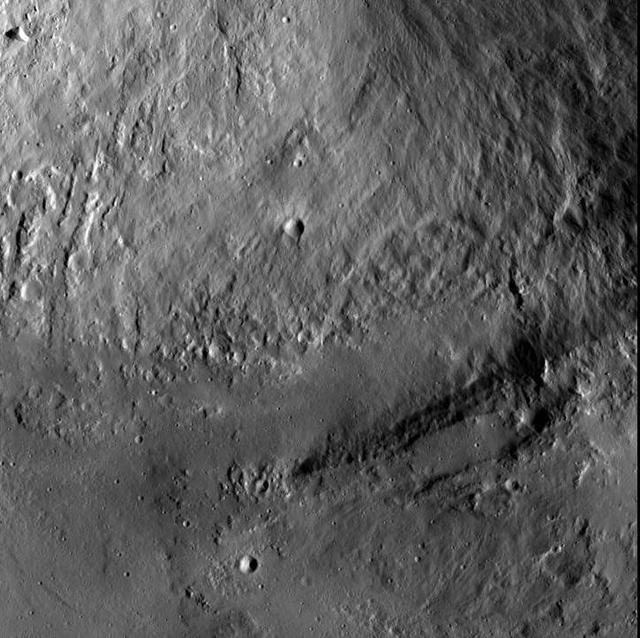
This image from NASA Dawn spacecraft shows an interior wall and southern terrace of Marcia crater on Vesta. Relatively smooth material covers much of the terrace and has flowed downslope toward the top of the image through channels.
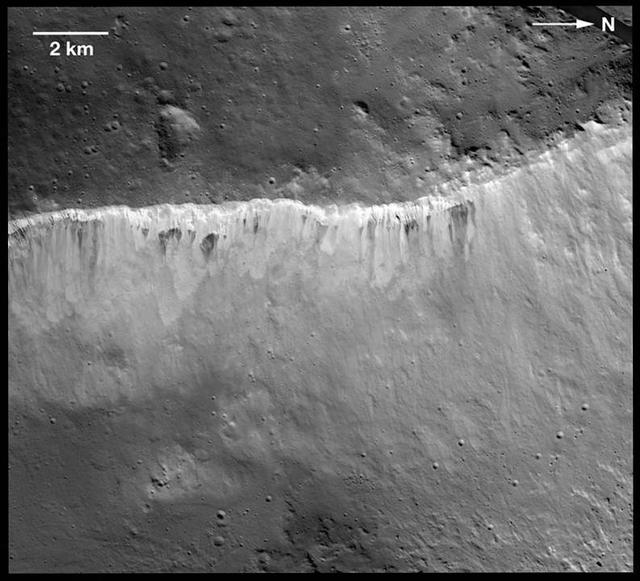
The interplay of bright and dark material at the rim of Marcia crater on Vesta is visible in this image mosaic taken by NASA Dawn spacecraft. The bright and dark material appear to be exposed from weathering.
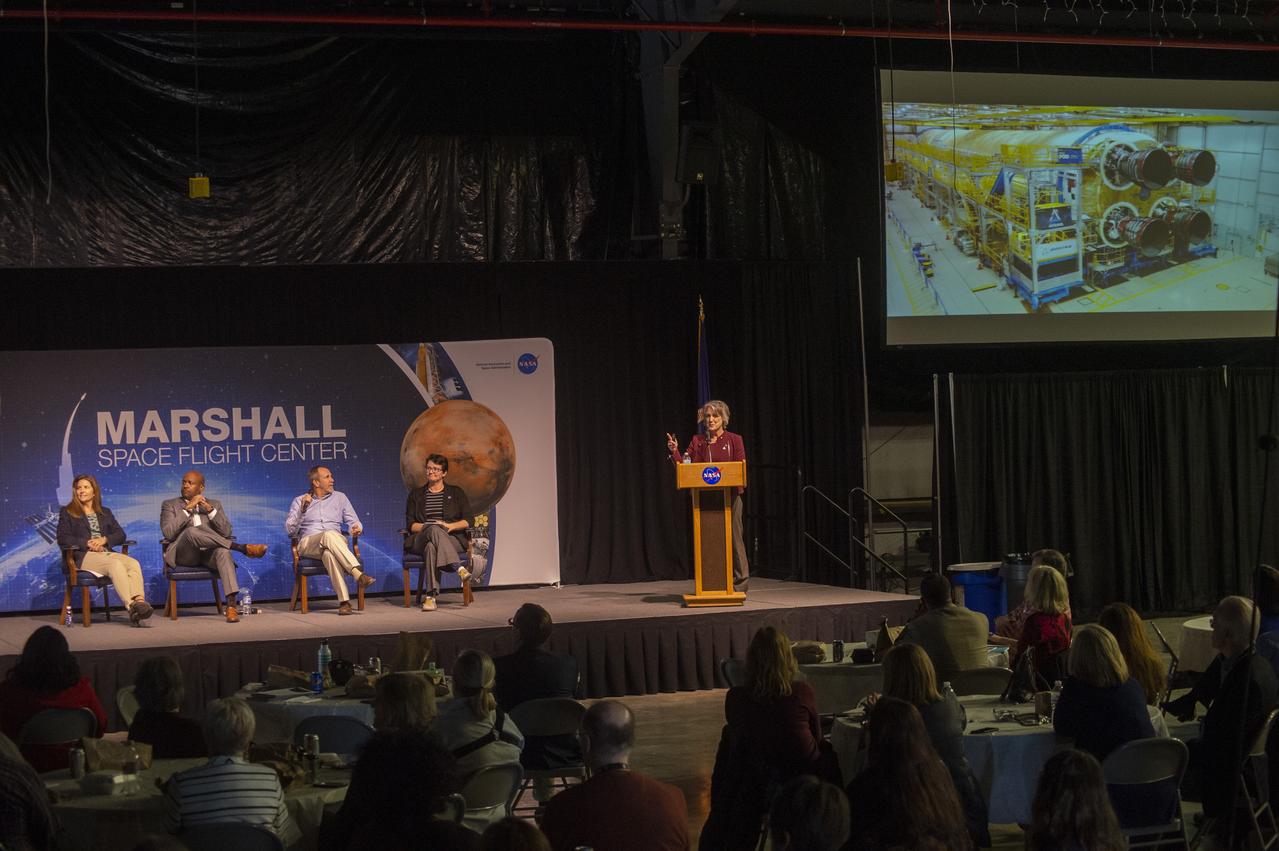
MARCIA LINDSTROM, AT PODIUM, FACILITATES ARTEMIS PROGRAM PANEL DISCUSSION AT NOVEMBER MARSHALL ASSOCIATION LUNCHEON. (L TO R), LISA WATSON-MORGAN, PROGRAM MANAGER, HUMAN LANDING SYSTEM; BOBBY WATKINS, DIRECTOR HUMAN EXPLORATION DEVELOPMENT & OPERATIONS OFFICE; DAVID BEAMAN, MANAGER, SYSTEMS ENGINEERING & INTEGRATION OFFICE, RENEE WEBER, ACTING CENTER CHIEF SCIENTIST
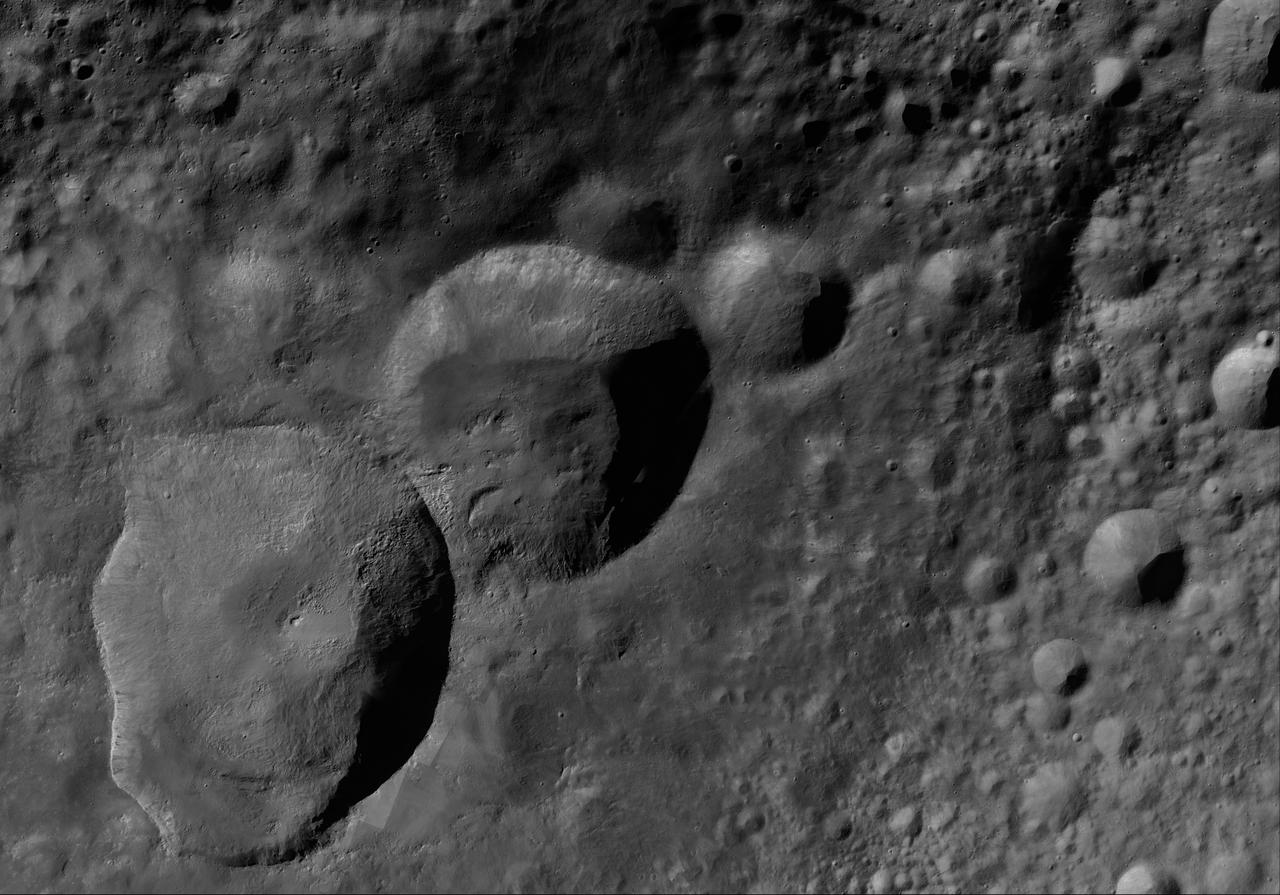
This image of Marcia AV-L-12, from the atlas of the giant asteroid Vesta, was created from images taken as NASA Dawn mission flew around the object, also known as a protoplanet. The set of maps was created from mosaics of10,000 images from Dawn's framing camera instrument, taken at a low altitude of about 130 miles (210 kilometers). This map is mostly at a scale about that of regional road touring maps, where every inch of map is equivalent to a little more than 3 miles of asteroid (one centimeter equals 2 kilometers). http://photojournal.jpl.nasa.gov/catalog/PIA19516
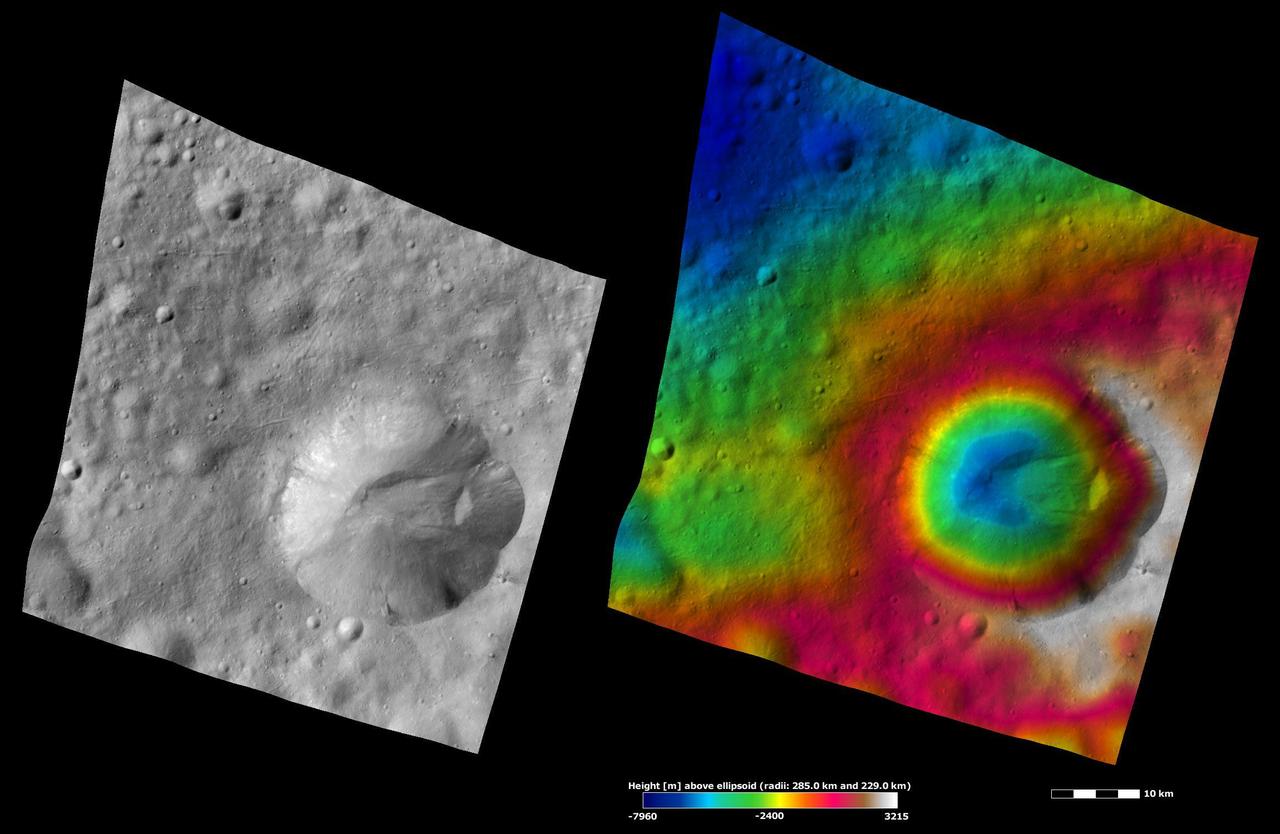
These images from NASA Dawn spacecraft are located in asteroid Vesta Marcia quadrangle, just south of Vesta equator.
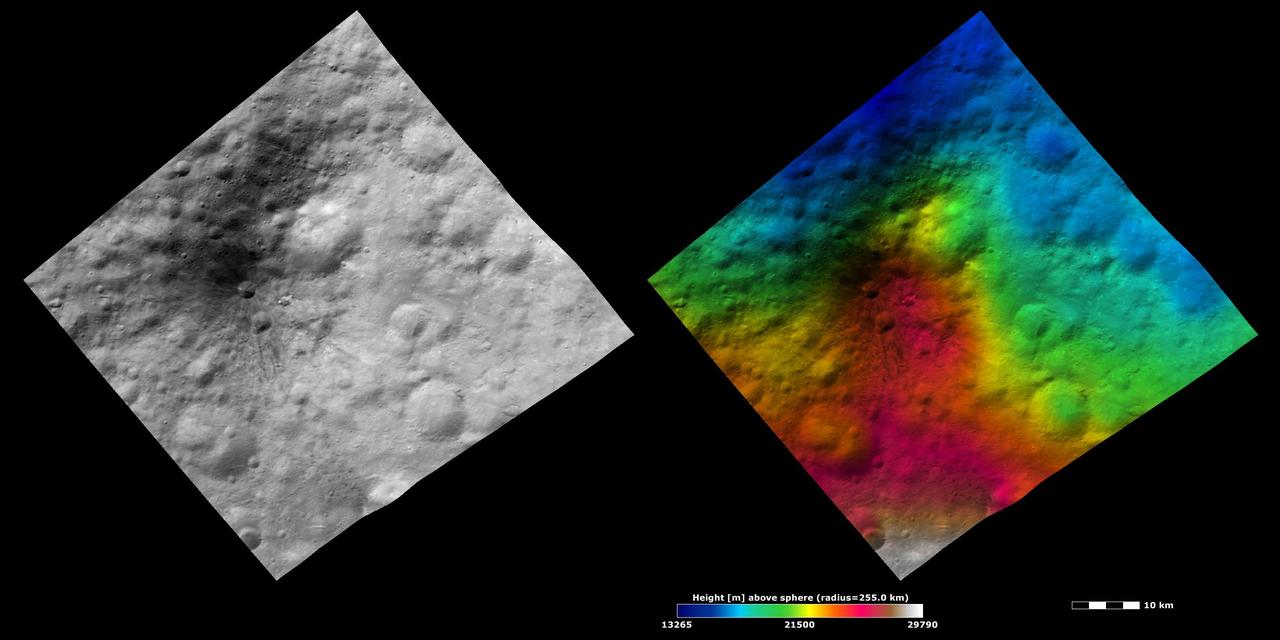
These images from NASA Dawn spacecraft show the brightness/darkness of asteroid Vesta surface. These images are located in Vesta Marcia quadrangle.
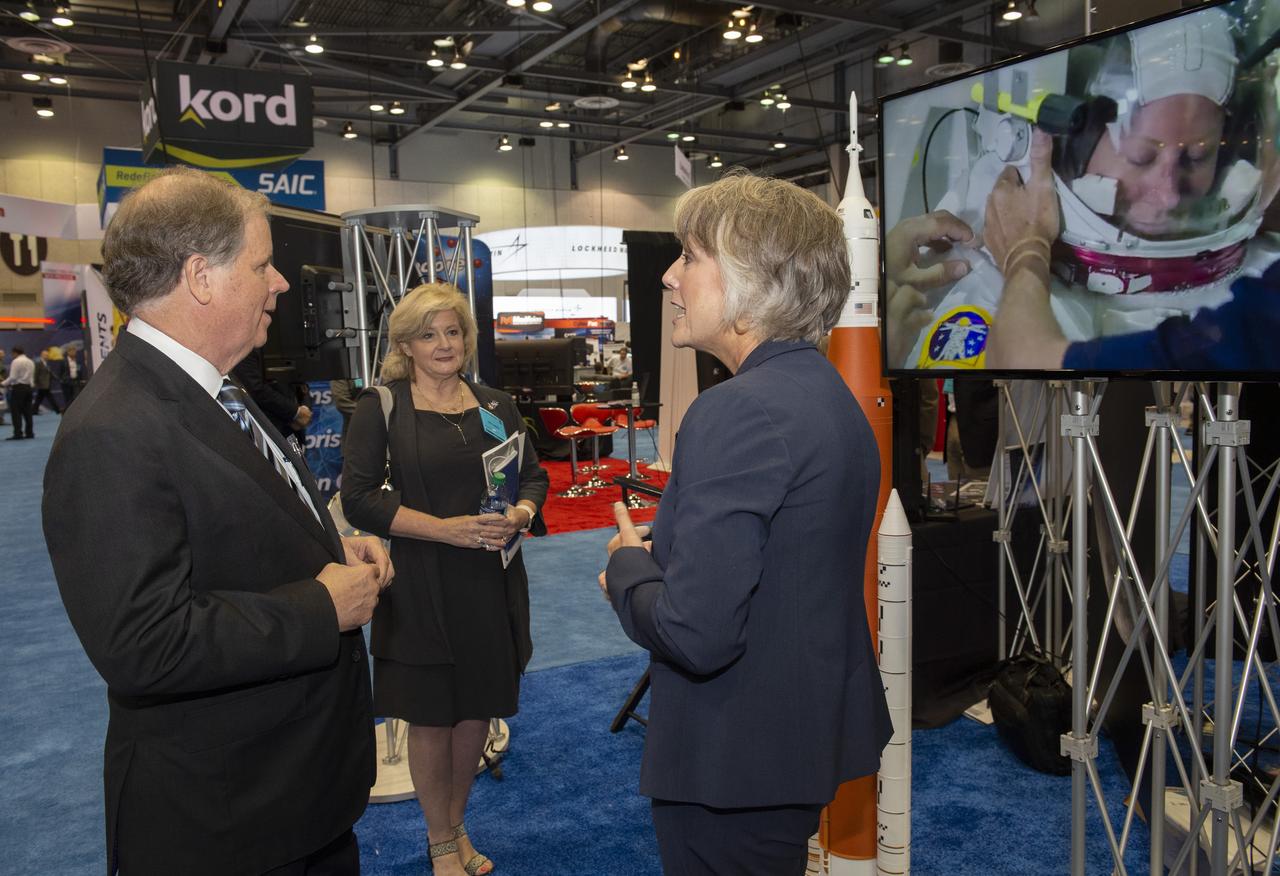
Sen. Doug Jones of Alabama, left, and Marshall Space Flight Center Director Jody Singer, center, talk with Marcia Lindstrom, Strategic Communications Manager for NASA’s Space Launch System, Aug. 7 at the annual Space & Missile Defense Symposium in Huntsville, Alabama. The SLS is the world’s most powerful rocket, and will be the backbone for deep space exploration as NASA’s Artemis program advances.

Marcia Smith, President, spacepolicyonline.com, participates in a panel discussion at the Women, Innovation and Aerospace event celebrating Women's History Month at the George Washington University Jack Morton Auditorium, Thursday, March 8, 2012 in Washington. The WIA day-long event will help to foster a discussion for students and early career professionals about how to continue to encourage women to enter and succeed in the field of aerospace. Photo Credit: (NASA/Carla Cioffi)
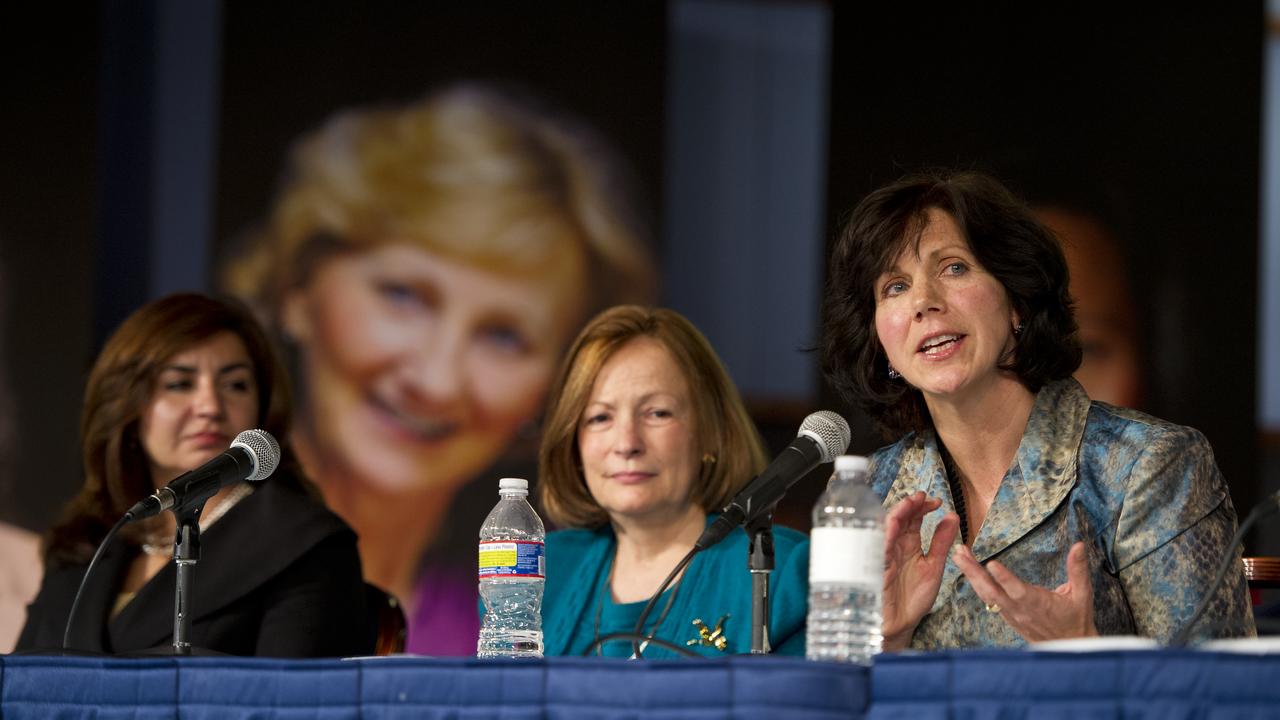
Catherine Didion, far right, Senior Fellow, National Academy of Engineering, participates in a panel discussion at the Women, Innovation and Aerospace event celebrating Women's History Month at the George Washington University Jack Morton Auditorium, Thursday, March 8, 2012 in Washington. Didion is joined by Marcia Smith, President, Space Policy Online.com, and Veronica Villalobos, Director, Office of Diversity and Inclusion, Office of Personnel Management, far left. The WIA day-long event will help to foster a discussion for students and early career professionals about how to continue to encourage women to enter and succeed in the field of aerospace. Photo Credit: (NASA/Carla Cioffi)
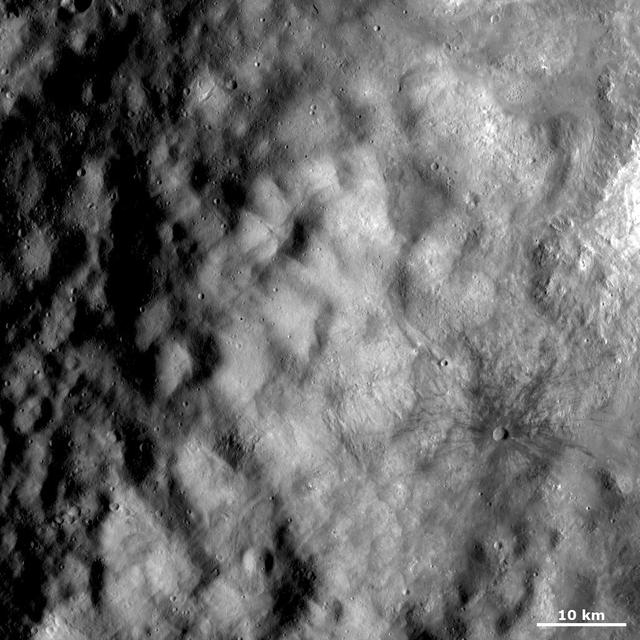
This image from NASA Dawn spacecraft shows part of the ejecta deposit surrounding the nowman craters, the largest of which has been named Marcia.
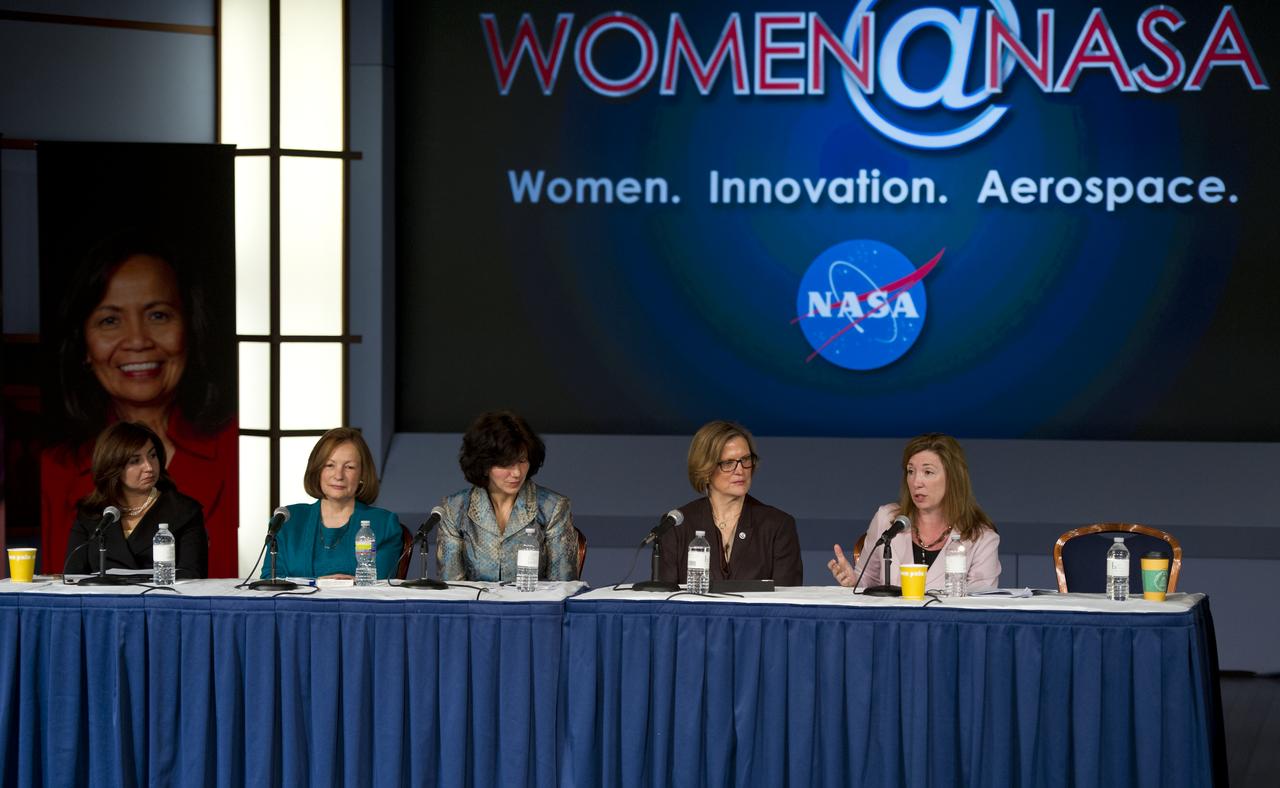
Lori Garver (far right) NASA Deputy Administrator, participates in a panel discussion at the Women, Innovation and Aerospace event celebrating Women's History Month at the George Washington University Jack Morton Auditorium, Thursday, March 8, 2012 in Washington. Garver is seen with Kathy Sullivan, NOAA Deputy Administrator; Catherine Didion, Senior Fellow, National Academy of Engineering; Marcia Smith, President, spacepolicyonline.com and Veronica Villalobos, Director, Office of Diversity and Inclusion, Office of Personnel Management (far left). The WIA day-long event will help to foster a discussion for students and early career professionals about how to continue to encourage women to enter and succeed in the field of aerospace. Photo Credit: (NASA/Carla Cioffi)
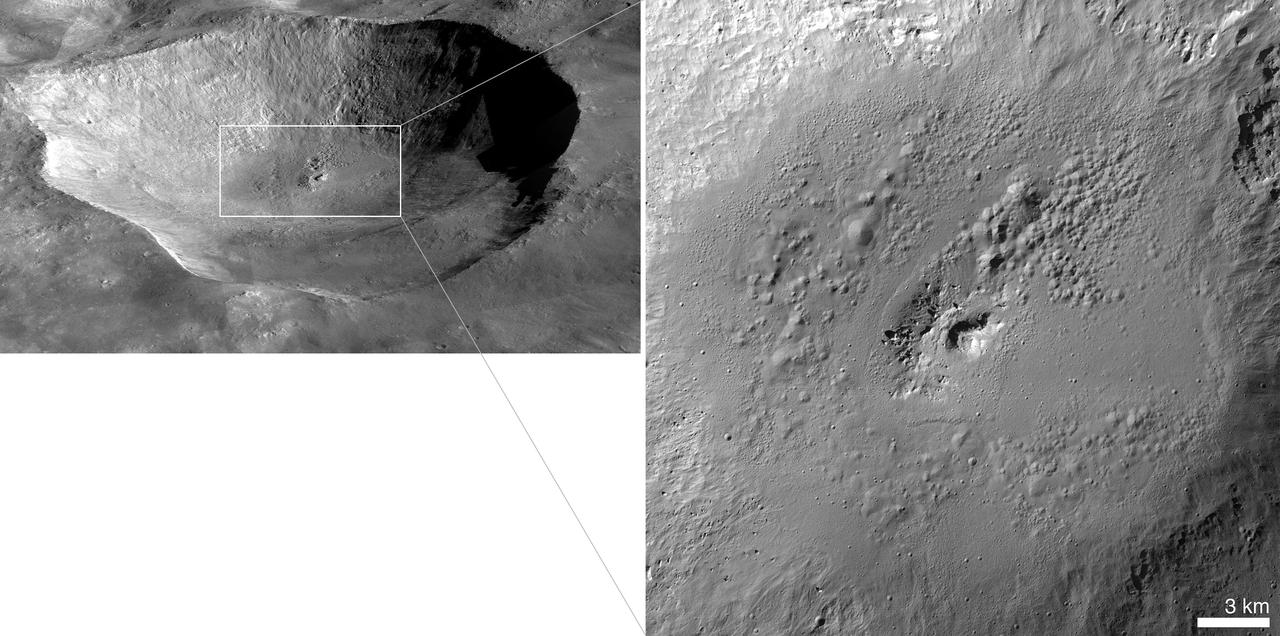
This perspective view of Marcia crater on the giant asteroid Vesta shows the most spectacularly preserved example of pitted terrain, an unexpected discovery in data returned by NASA Dawn mission.
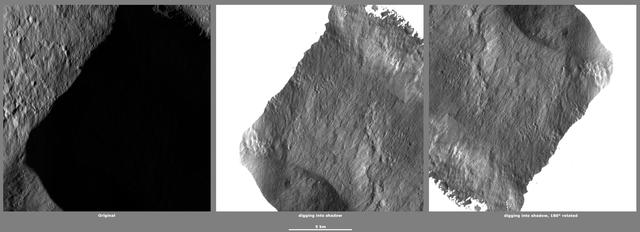
These images from NASA Dawn spacecraft, located in asteroid Vesta Marcia quadrangle, in Vesta northern hemisphere, demonstrate a special analytical technique, which results in shadowed areas of Vesta surface becoming illuminated.
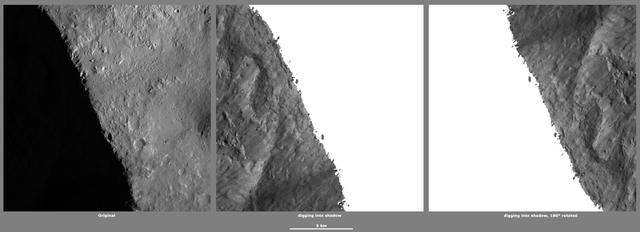
These images from NASA Dawn spacecraft, located in asteroid Vesta Marcia quadrangle, in Vesta northern hemisphere, demonstrate a special analytical technique, which results in shadowed areas of Vesta surface becoming illuminated.
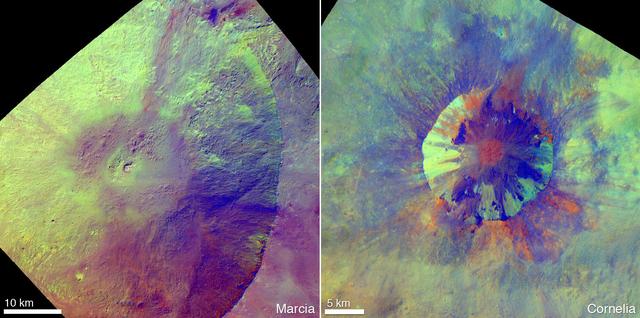
These enhanced-color views from NASA Dawn mission show an unusual pitted terrain on the floors of the craters named Marcia left and Cornelia right on the giant asteroid Vesta.
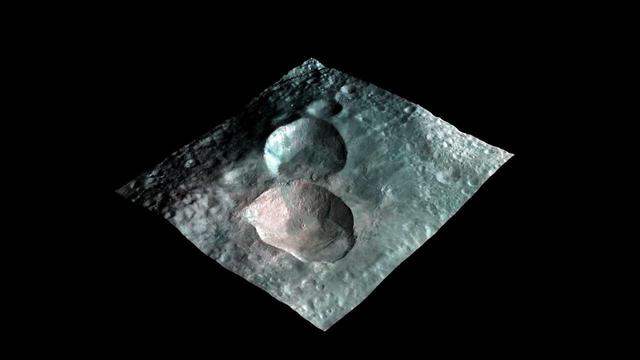
This image from NASA Dawn mission shows a 3-D rendering of the craters that make up the nowman feature on the giant asteroid Vesta. From left to right, the craters are named Marcia, Calpurnia, and Minucia.
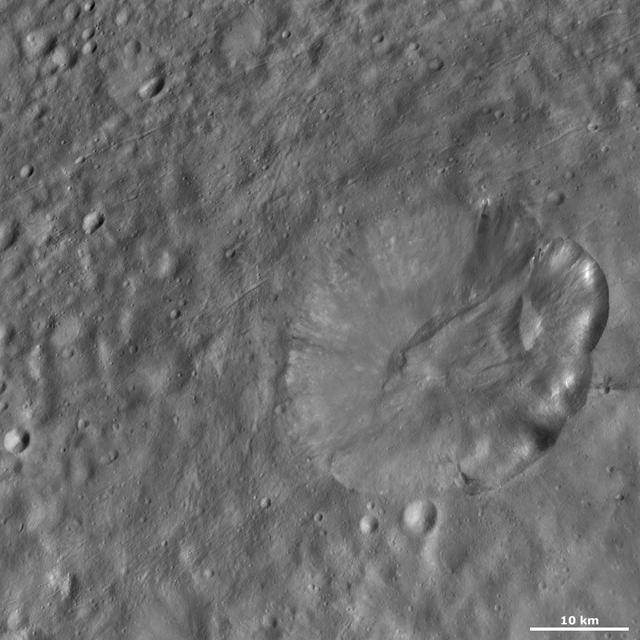
This image from NASA Dawn spacecraft of asteroid Vesta shows Octavia crater, located in Vesta Marcia quadrangle, just south of Vesta equator. Octavia rim is fresher on the right side and more degraded on the left side.
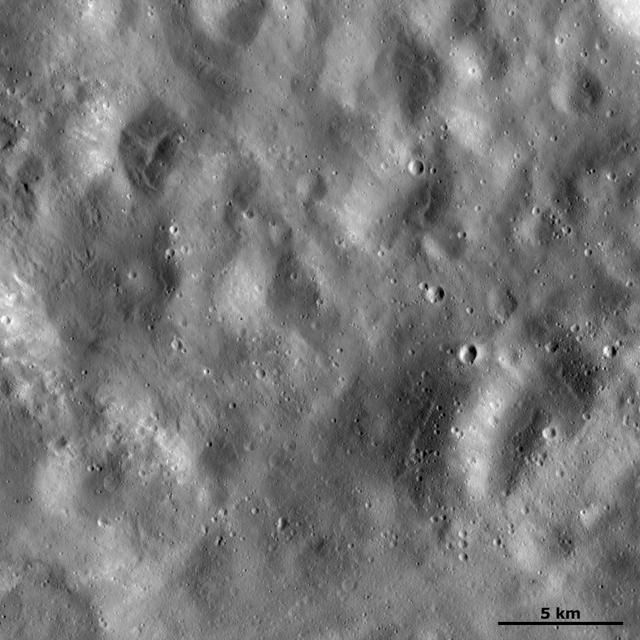
This image of asteroid Vesta from NASA Dawn spacecraft shows a region of the surface that is rather smooth in appearance which is located in Vesta Marcia quadrangle, near the Vestan equator.
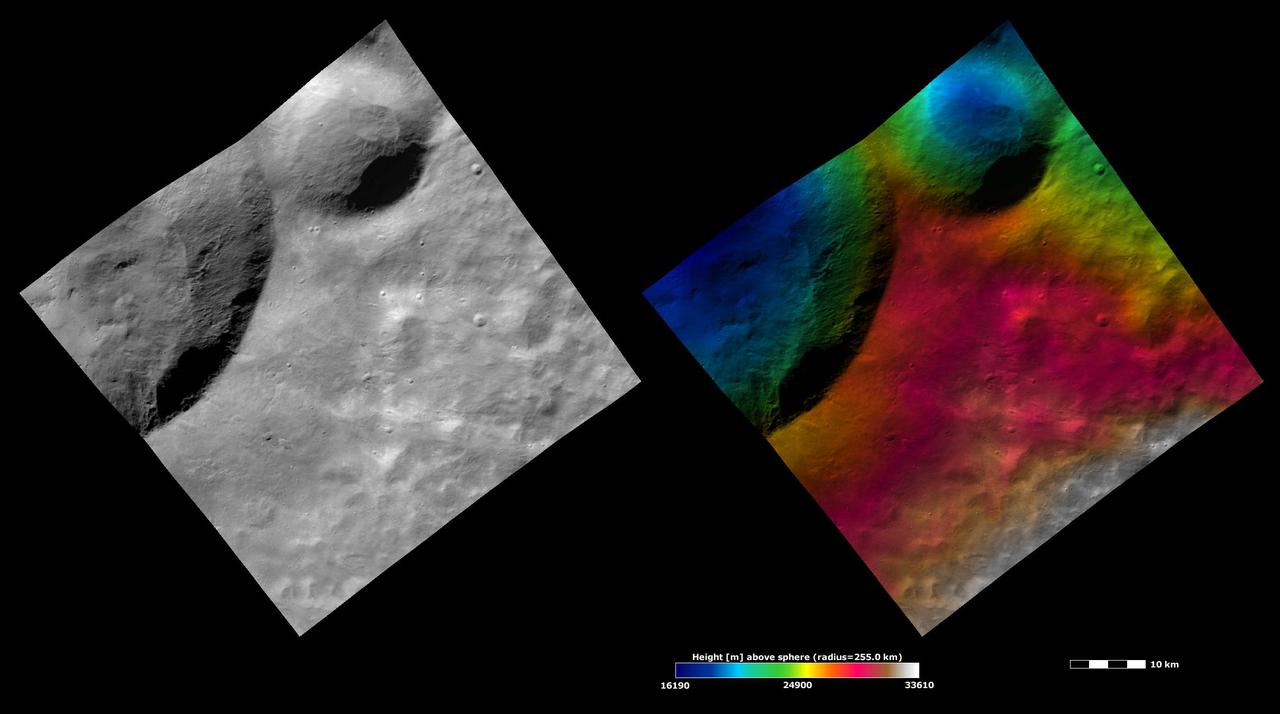
Located in the Marcia quadrangle, the left-hand image from NASA Dawn spacecraft shows the apparent brightness of asteroid Vesta surface. The right-hand image is based on this apparent brightness image.
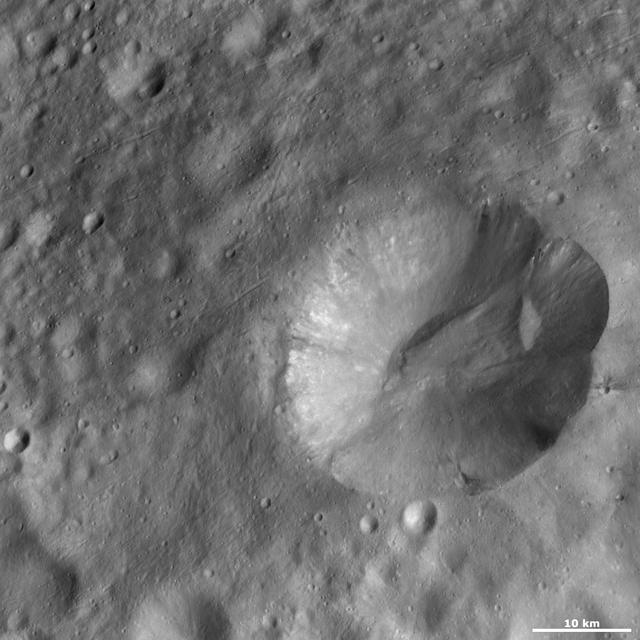
This image from NASA Dawn spacecraft is located in Marcia quadrangle, just south of Vesta equator. It has a scalloped shaped rim and the top part of the rim is more degraded than the rest.
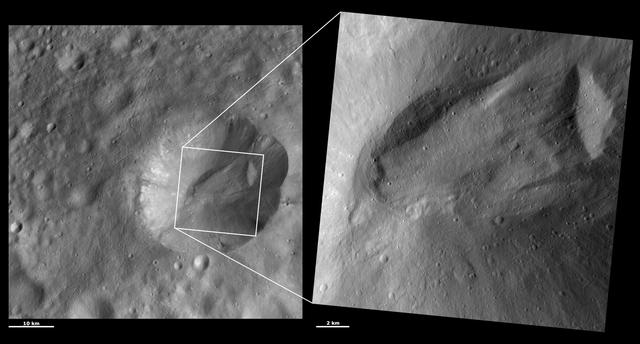
These images from NASA Dawn spacecraft are located in asteroid Vesta Marcia quadrangle, a few degrees below Vesta equator. Octavia Crater looks remarkably like a terrestrial landslide.
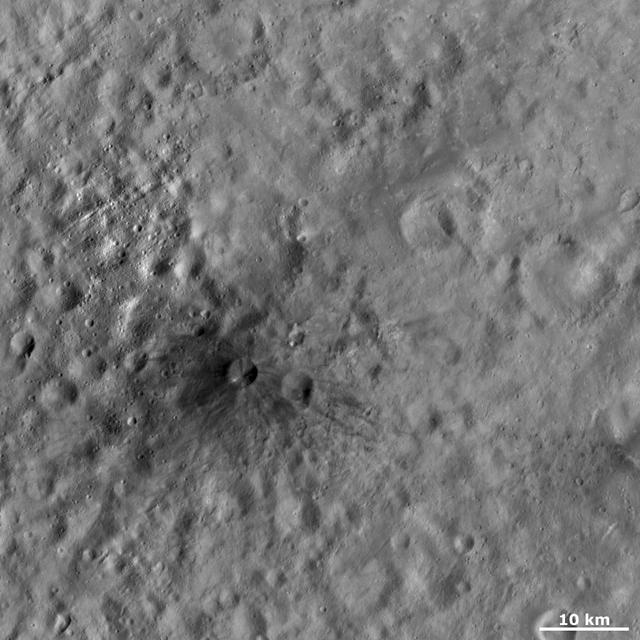
This image from NASA Dawn spacecraft shows Aricia Tholus, a dark hill located in asteroid Vesta Marcia quadrangle. Tholus is a word used to describe a small dome-like mountain or hill. Aricia was the name of a city in ancient Italy.
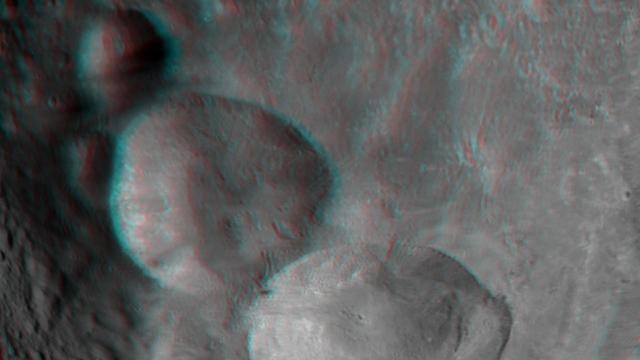
This anaglyph shows the topography of Vesta Snowman craters on asteroid Vesta. The bottom crater is named Marcia, the middle crater, Calpurnia, and the top crater, Minucia. You need 3-D glasses to view this image.

CAPE CANAVERAL, Fla. – Mark Hiebert, of the Running Zone, talks to a Kennedy worker during the National Employee Health and Fitness Day event in the Operations and Checkout Building's Mission Briefing Room. Employees also had the opportunity to be tested for diabetes, enter a raffle for prizes and get a five-minute massage. Other venders shown in the background are Sunseed Co-op’s Marcia Cooney, center, and Bridget Griffin from the YMCA of Titusville. Photo credit: NASA/Daniel Casper

CAPE CANAVERAL, Fla. – Linnea Applegate, right, of Grace Equine Rescue and Therapy for Humans, or GERTH, organizes her booth during the National Employee Health and Fitness Day event in the Operations and Checkout Building's Mission Briefing Room. GERTH is a nonprofit organization in Cocoa, Fla., that brings horses, children and adults together in a safe, nurturing and healing environment to promote therapeutic healing. Other vendors shown in the background include Bridget Griffin of the YMCA of Titusville, center, and Sunseed Co-op’s Marcia Cooney, in pink. Photo credit: NASA/Daniel Casper
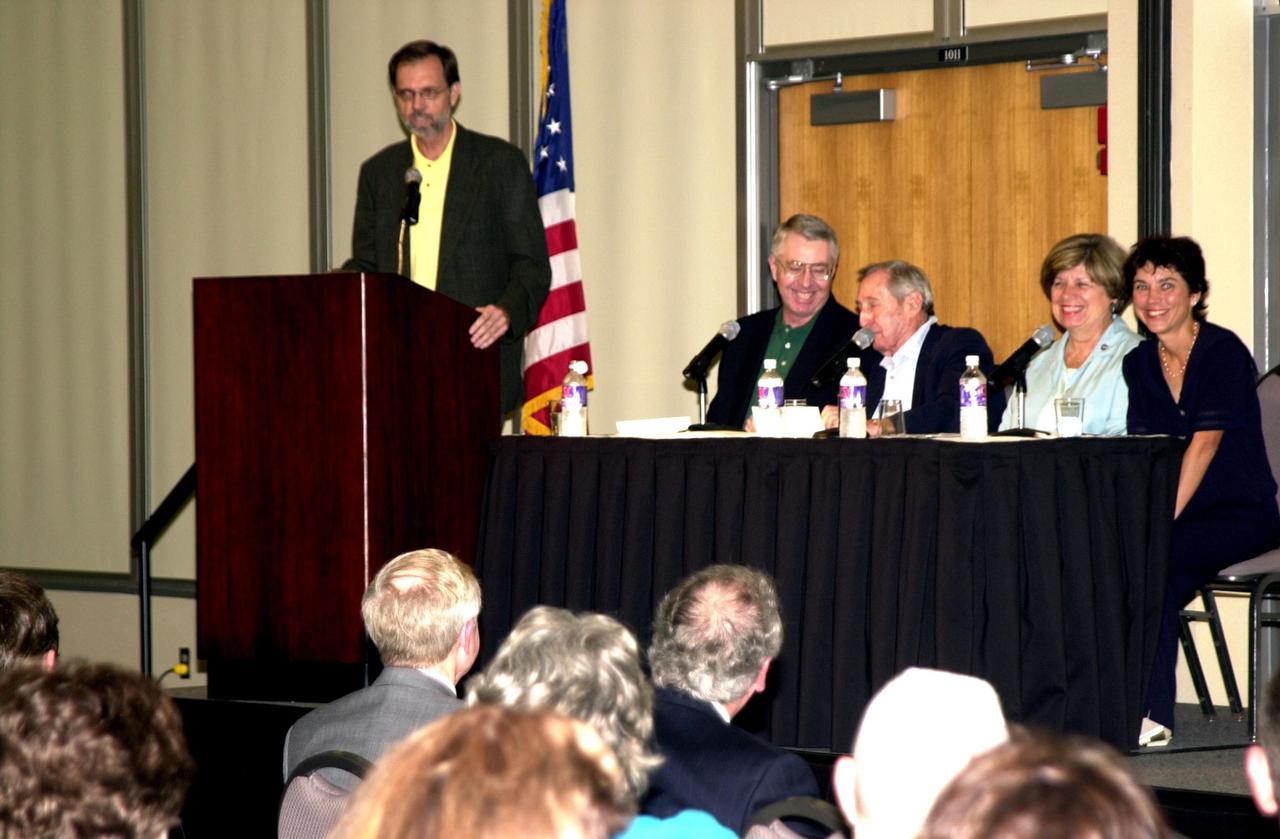
KENNEDY SPACE CENTER, FLA. -- The 2002 Florida Press Association and Florida Society of Newspaper Editors Convention offers a panel on space. At the podium is Bob Stover, managing editor, Florida Today. Seated on the panel are (left to right) Craig Covault, senior editor, Aviation Week; Howard Benedict, retired AP reporter; JoAnn Morgan, director, External Relations and Business Development, Kennedy Space Center; Marcia Dunn, AP reporter. The convention was held at the Debus Center, KSC Visitors Complex. Also speaking at the convention were Center Director Roy Bridges and NASA Associate Deputy Administrator Dr. Daniel Mulville
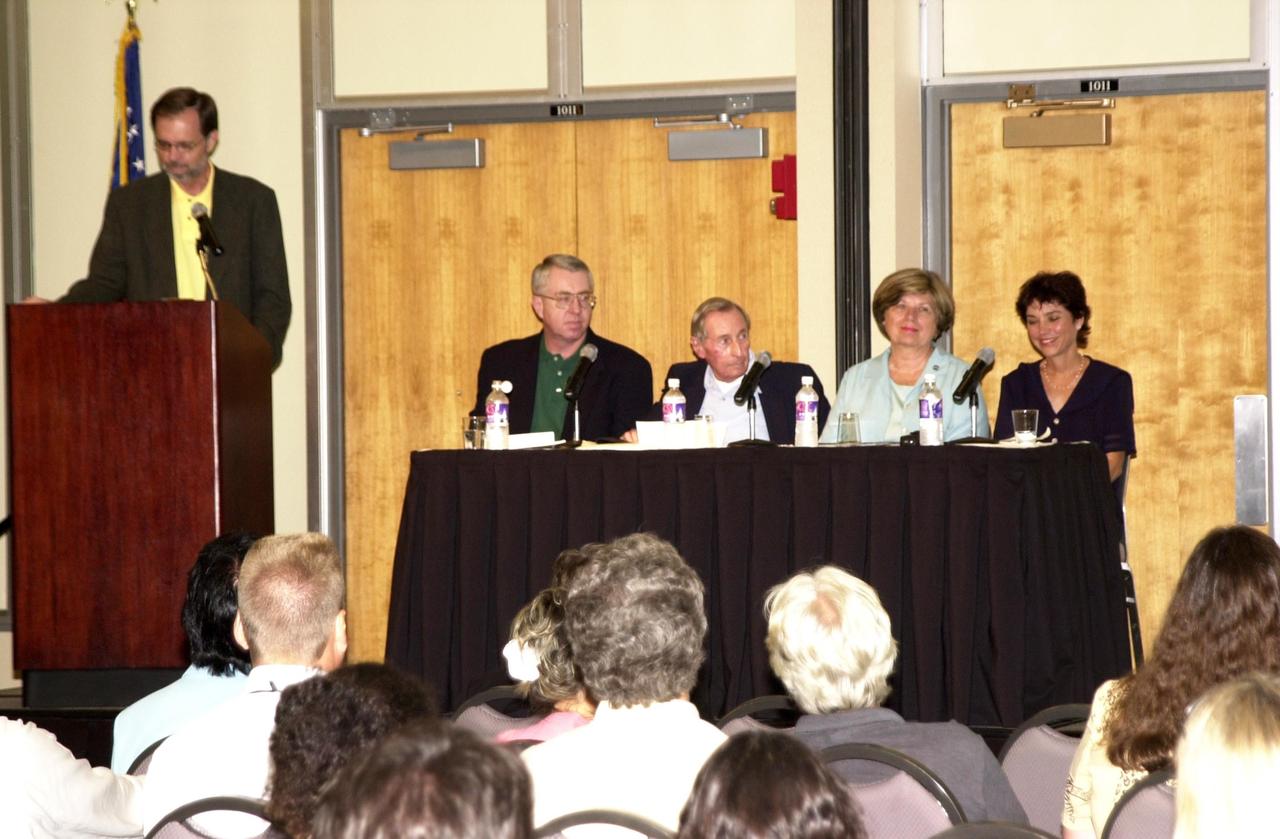
KENNEDY SPACE CENTER, FLA. -- The 2002 Florida Press Association and Florida Society of Newspaper Editors Convention offers a panel on space. At the podium is Bob Stover, managing editor, Florida Today. Panel participants enjoying a laugh are (left to right) Craig Covault, senior editor, Aviation Week; Howard Benedict, retired AP reporter; JoAnn Morgan, director, External Relations and Business Development, Kennedy Space Center; Marcia Dunn, AP reporter. The convention was held at the Debus Center, KSC Visitors Complex. Also speaking at the convention were Center Director Roy Bridges and NASA Associate Deputy Administrator Dr. Daniel Mulville

KENNEDY SPACE CENTER, FLA. -- The 2002 Florida Press Association and Florida Society of Newspaper Editors Convention offers a panel on space. At the podium is Bob Stover, managing editor, Florida Today. Seated on the panel are (left to right) Craig Covault, senior editor, Aviation Week; Howard Benedict, retired AP reporter; JoAnn Morgan, director, External Relations and Business Development, Kennedy Space Center; Marcia Dunn, AP reporter. The convention was held at the Debus Center, KSC Visitors Complex. Also speaking at the convention were Center Director Roy Bridges and NASA Associate Deputy Administrator Dr. Daniel Mulville

CAPE CANAVERAL, Fla. - In the Parachute Refurbishment Facility at NASA's Kennedy Space Center, United Space Alliance senior aero composite technicians Marcia Jones-Clark (left) and Dior Hubel pack a main parachute slated for use on the Ares I-X test flight. The launch is targeted for July 2009 from Kennedy’s Launch Pad 39B and will provide an early opportunity to test and prove hardware, facilities and ground operations associated with the Ares I rocket. The Ares I-X rocket is a combination of existing and simulator hardware that will resemble the Ares I crew launch vehicle in size, shape and weight. It will provide valuable data to guide the final design of the Ares I, which will launch astronauts in the Orion crew exploration vehicle. The test flight also will bring NASA one step closer to its exploration goals of returning humans to the moon for sustained exploration of the lunar surface and missions to destinations beyond. Photo credit: NASA/Jack Pfaller

CAPE CANAVERAL, Fla. - In the Parachute Refurbishment Facility at NASA's Kennedy Space Center, United Space Alliance senior aero composite technicians Dior Hubel (left) and Marcia Jones-Clark pack a main parachute slated for use on the Ares I-X test flight. The launch is targeted for July 2009 from Kennedy’s Launch Pad 39B and will provide an early opportunity to test and prove hardware, facilities and ground operations associated with the Ares I rocket. The Ares I-X rocket is a combination of existing and simulator hardware that will resemble the Ares I crew launch vehicle in size, shape and weight. It will provide valuable data to guide the final design of the Ares I, which will launch astronauts in the Orion crew exploration vehicle. The test flight also will bring NASA one step closer to its exploration goals of returning humans to the moon for sustained exploration of the lunar surface and missions to destinations beyond. Photo credit: NASA/Jack Pfaller
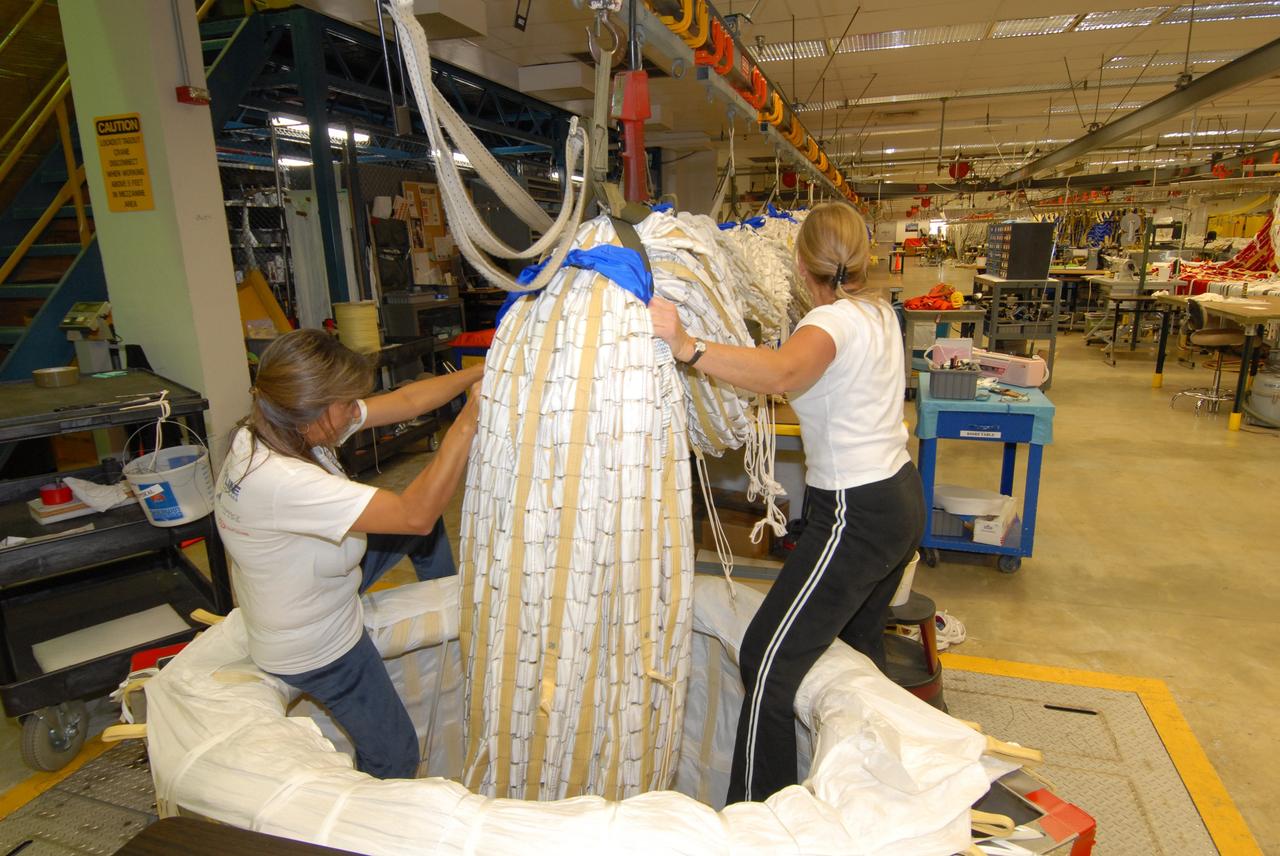
CAPE CANAVERAL, Fla. - In the Parachute Refurbishment Facility at NASA's Kennedy Space Center, United Space Alliance senior aero composite technicians Dior Hubel (left) and Marcia Jones-Clark pack a main parachute slated for use on the Ares I-X test flight. The launch is targeted for July 2009 from Kennedy’s Launch Pad 39B and will provide an early opportunity to test and prove hardware, facilities and ground operations associated with the Ares I rocket. The Ares I-X rocket is a combination of existing and simulator hardware that will resemble the Ares I crew launch vehicle in size, shape and weight. It will provide valuable data to guide the final design of the Ares I, which will launch astronauts in the Orion crew exploration vehicle. The test flight also will bring NASA one step closer to its exploration goals of returning humans to the moon for sustained exploration of the lunar surface and missions to destinations beyond. Photo credit: NASA/Jack Pfaller
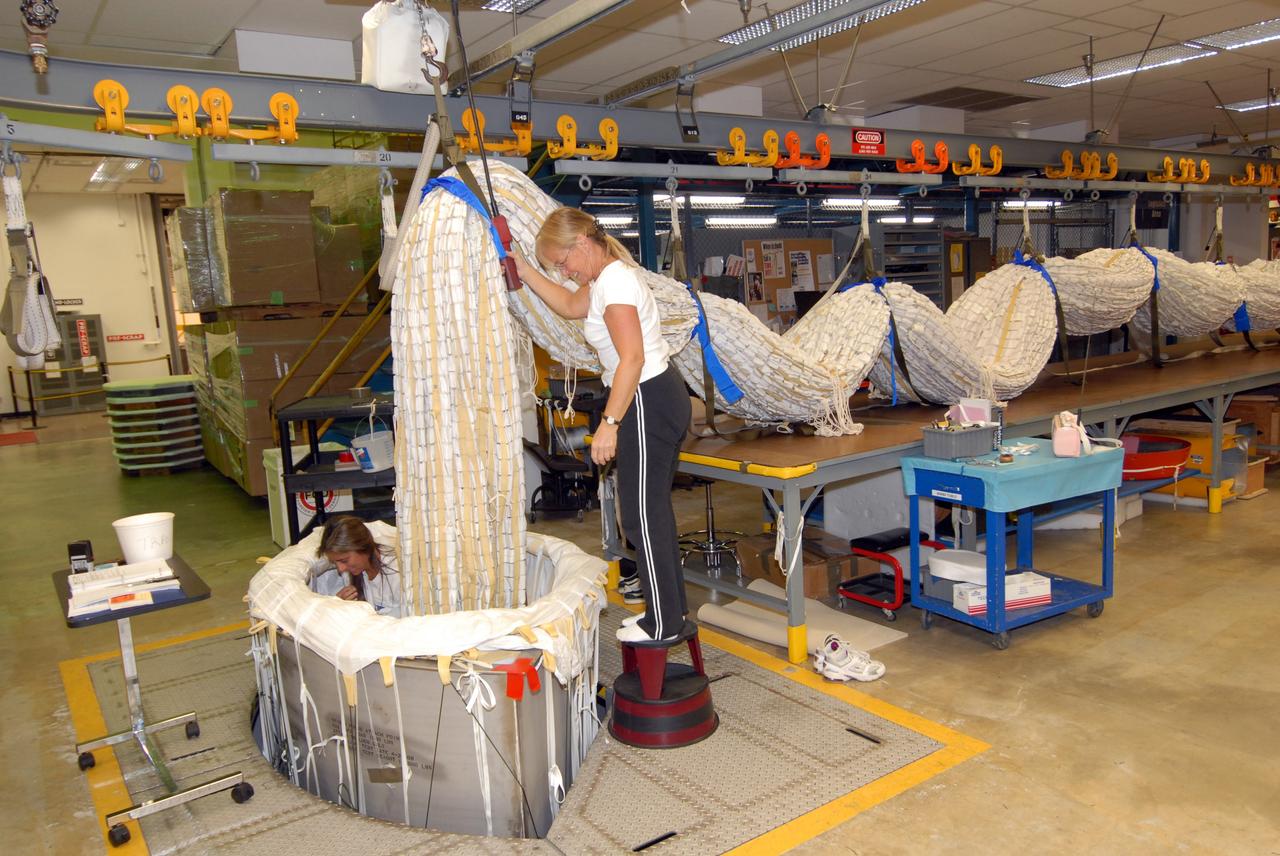
CAPE CANAVERAL, Fla. - In the Parachute Refurbishment Facility at NASA's Kennedy Space Center, United Space Alliance senior aero composite technicians Dior Hubel (kneeling) and Marcia Jones-Clark pack a main parachute slated for use on the Ares I-X test flight. The launch is targeted for July 2009 from Kennedy’s Launch Pad 39B and will provide an early opportunity to test and prove hardware, facilities and ground operations associated with the Ares I rocket. The Ares I-X rocket is a combination of existing and simulator hardware that will resemble the Ares I crew launch vehicle in size, shape and weight. It will provide valuable data to guide the final design of the Ares I, which will launch astronauts in the Orion crew exploration vehicle. The test flight also will bring NASA one step closer to its exploration goals of returning humans to the moon for sustained exploration of the lunar surface and missions to destinations beyond. Photo credit: NASA/Jack Pfaller
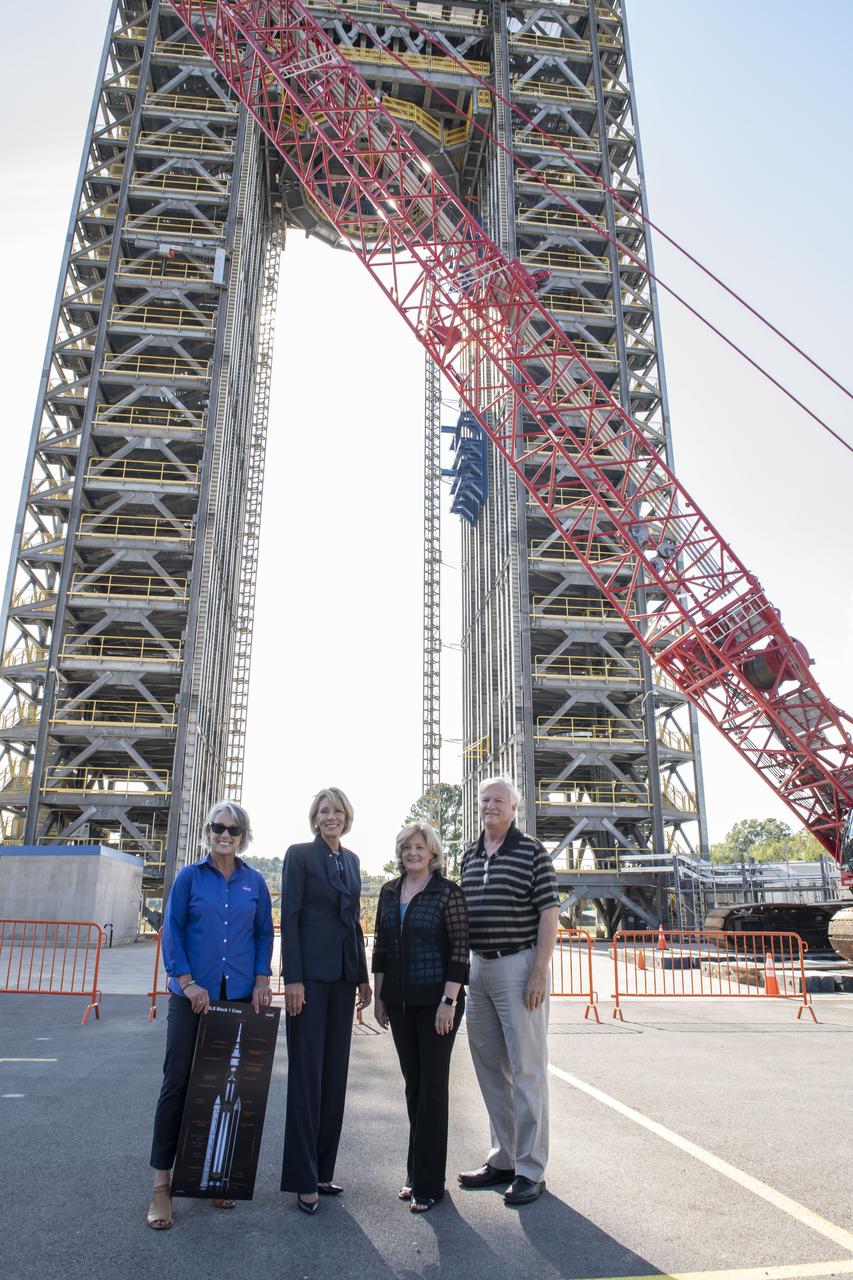
Secretary of Education Betsy DeVos visited the Payload Operations Integration Center (POIC) and test stand 4693 at the Marshall Space Flight Center (MSFC). The visit to MSFC was followed by a tour of educational facilities at the U.S. Space and Rocket Center (USSRC). Secretary DeVos was accompanied by Marshall Center Director Jody Singer and USSRC CEO Dr. Deborah Barnhart.
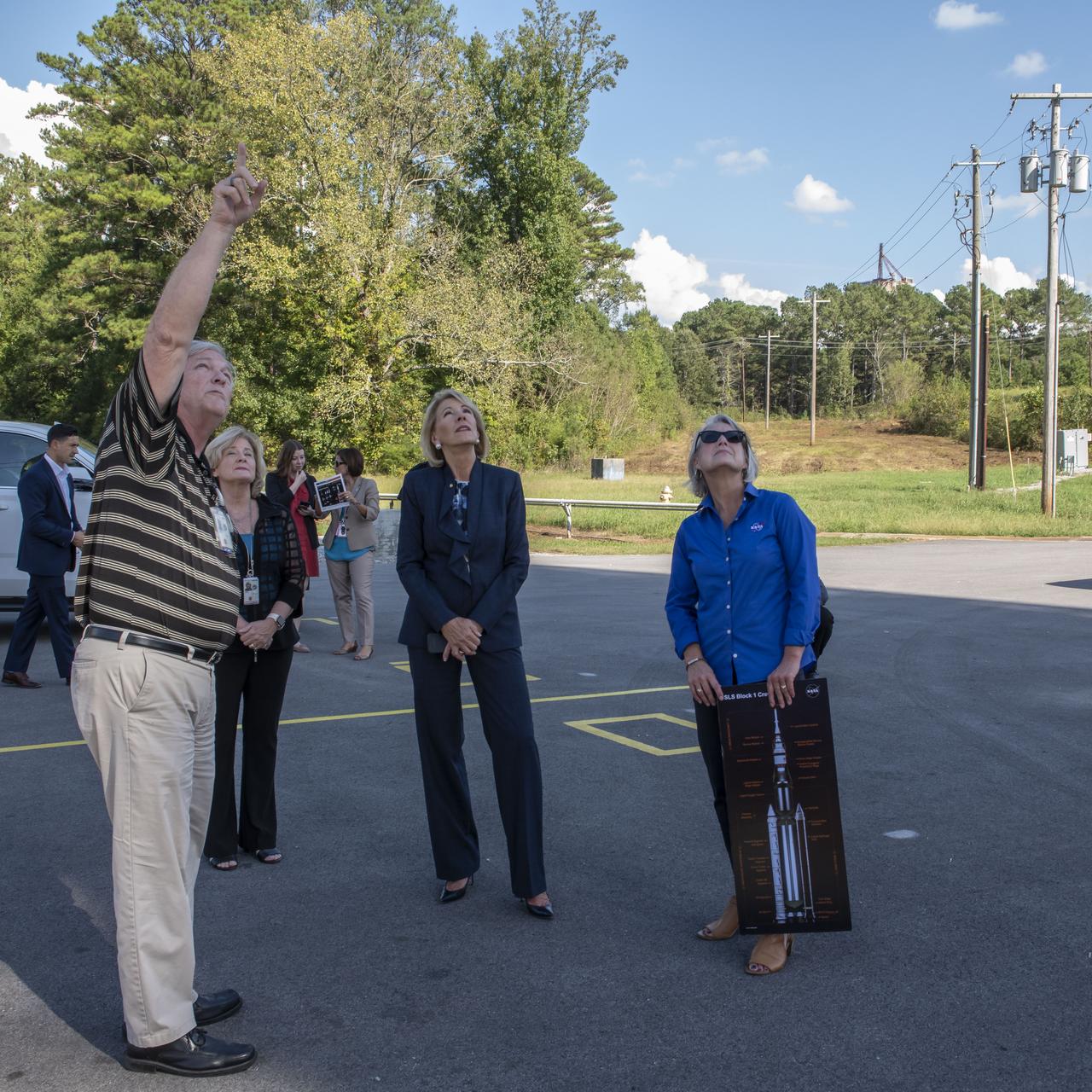
Secretary of Education Betsy DeVos visited the Payload Operations Integration Center (POIC) and test stand 4693 at the Marshall Space Flight Center (MSFC). The visit to MSFC was followed by a tour of educational facilities at the U.S. Space and Rocket Center (USSRC). Secretary DeVos was accompanied by Marshall Center Director Jody Singer and USSRC CEO Dr. Deborah Barnhart.
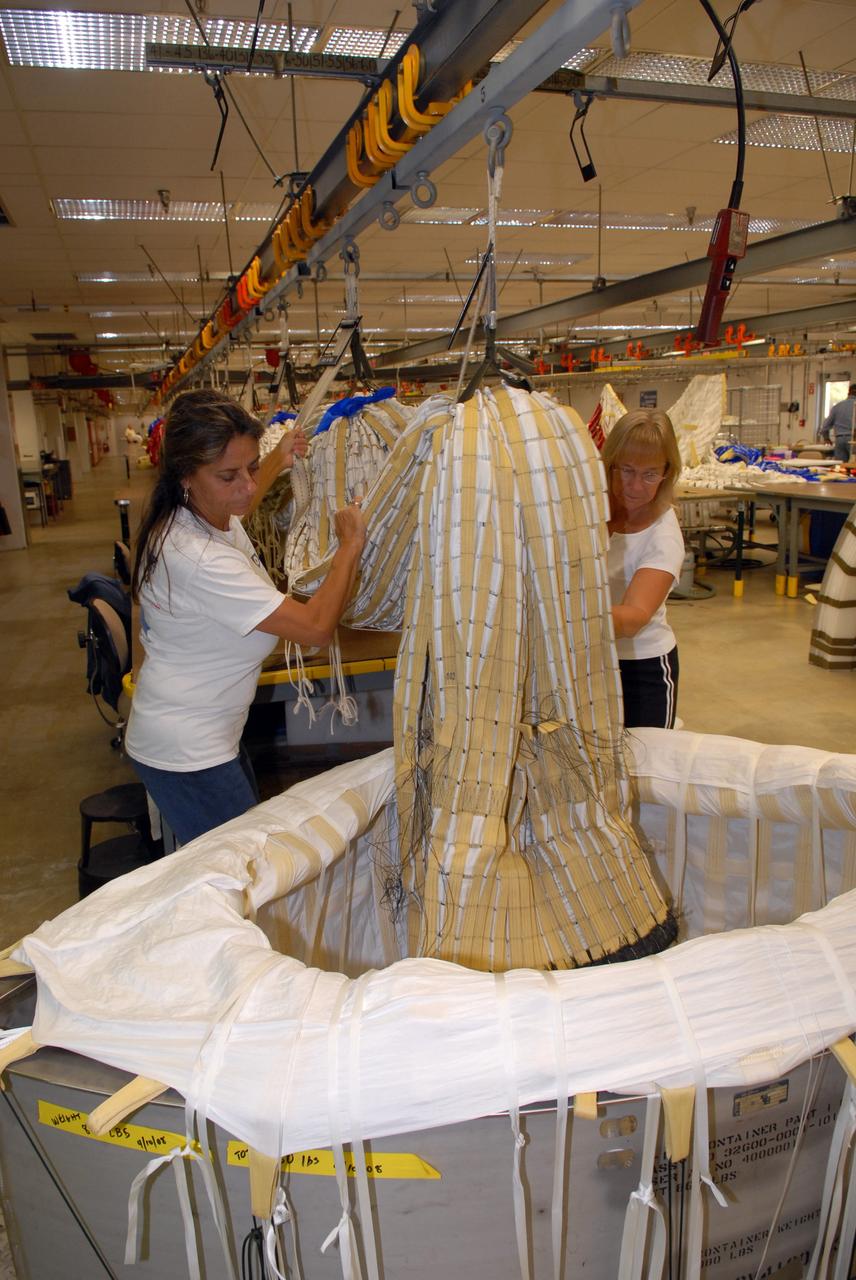
CAPE CANAVERAL, Fla. - In the Parachute Refurbishment Facility at NASA's Kennedy Space Center, United Space Alliance senior aero composite technicians Dior Hubel (left) and Marcia Jones-Clark begin to pack a main parachute slated for use on the Ares I-X test flight. The launch is targeted for July 2009 from Kennedy Space Center’s Launch Pad 39B and will provide an early opportunity to test and prove hardware, facilities and ground operations associated with the Ares I rocket. The Ares I-X rocket is a combination of existing and simulator hardware that will resemble the Ares I crew launch vehicle in size, shape and weight. It will provide valuable data to guide the final design of the Ares I, which will launch astronauts in the Orion crew exploration vehicle. The test flight also will bring NASA one step closer to its exploration goals of returning humans to the moon for sustained exploration of the lunar surface and missions to destinations beyond. Photo credit: NASA/Jack Pfaller
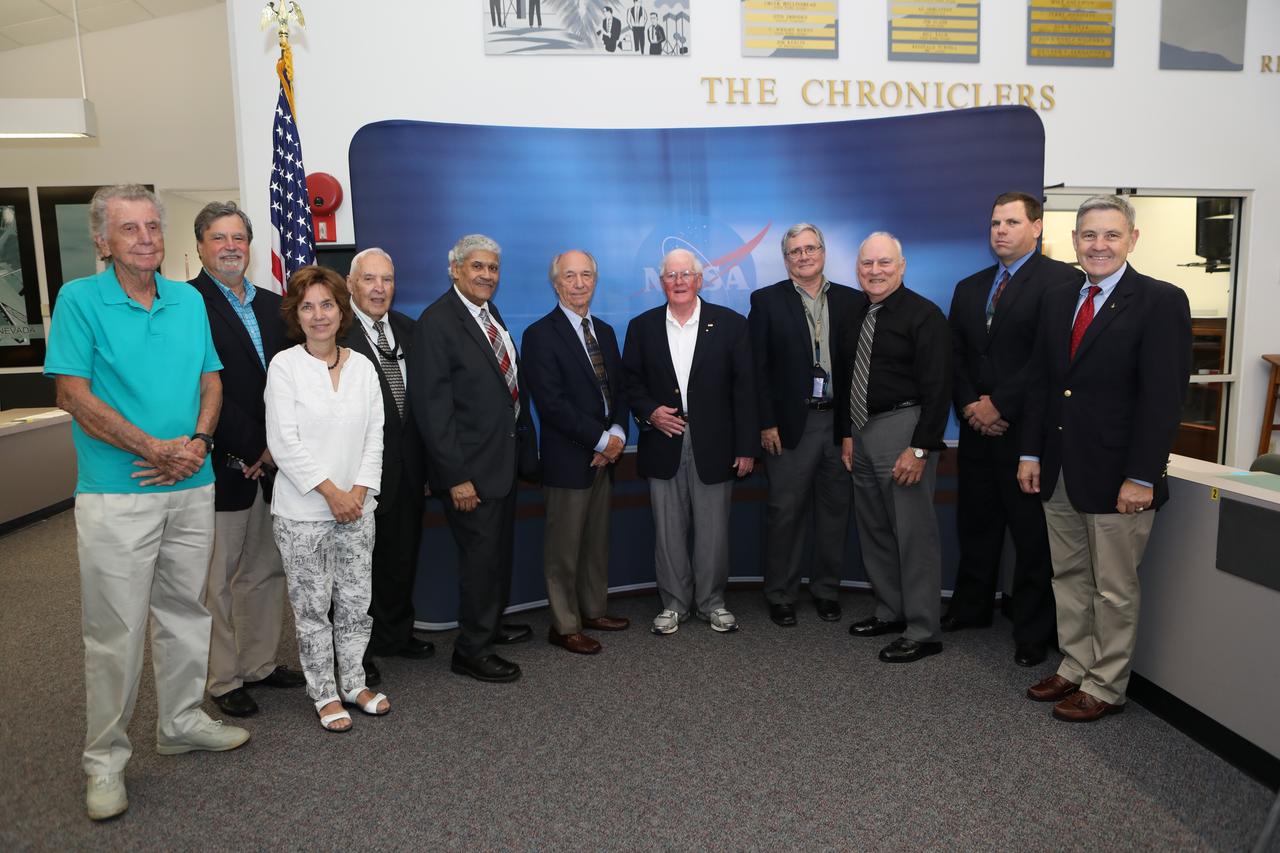
Current and retired NASA Public Affairs team members and space journalists gather in the NASA News Center at Kennedy Space Center in Florida for a ceremony in which six new honorees were added to the "Chroniclers" roll of honor. From left to right are Jay Barbree, NBC News; Al Feinberg, NASA Public Affairs; Marcia Dunn, Associated Press; Hugh Harris, NASA Public Affairs; Warren Leary, The New York Times; Phillip Sandlin, Associated Press photographer; Bob Murray, WDBO-TV, RCA and United Space Alliance; Bill Harwood, CBS News, there on behalf of the late Bruce Hall, CBS News; Bill Johnson, NASA Public Affairs; Emery McGough, son of the late Scott Harris, WESH, WKMG and Central Florida News 13; and Center Director Bob Cabana. Hall, Harris, Johnson, Leary, Murray and Sandlin are the 2017 Chroniclers. The program recognizes retirees of the news and communications business who helped spread news of American space exploration from Kennedy Space Center for ten years or more.
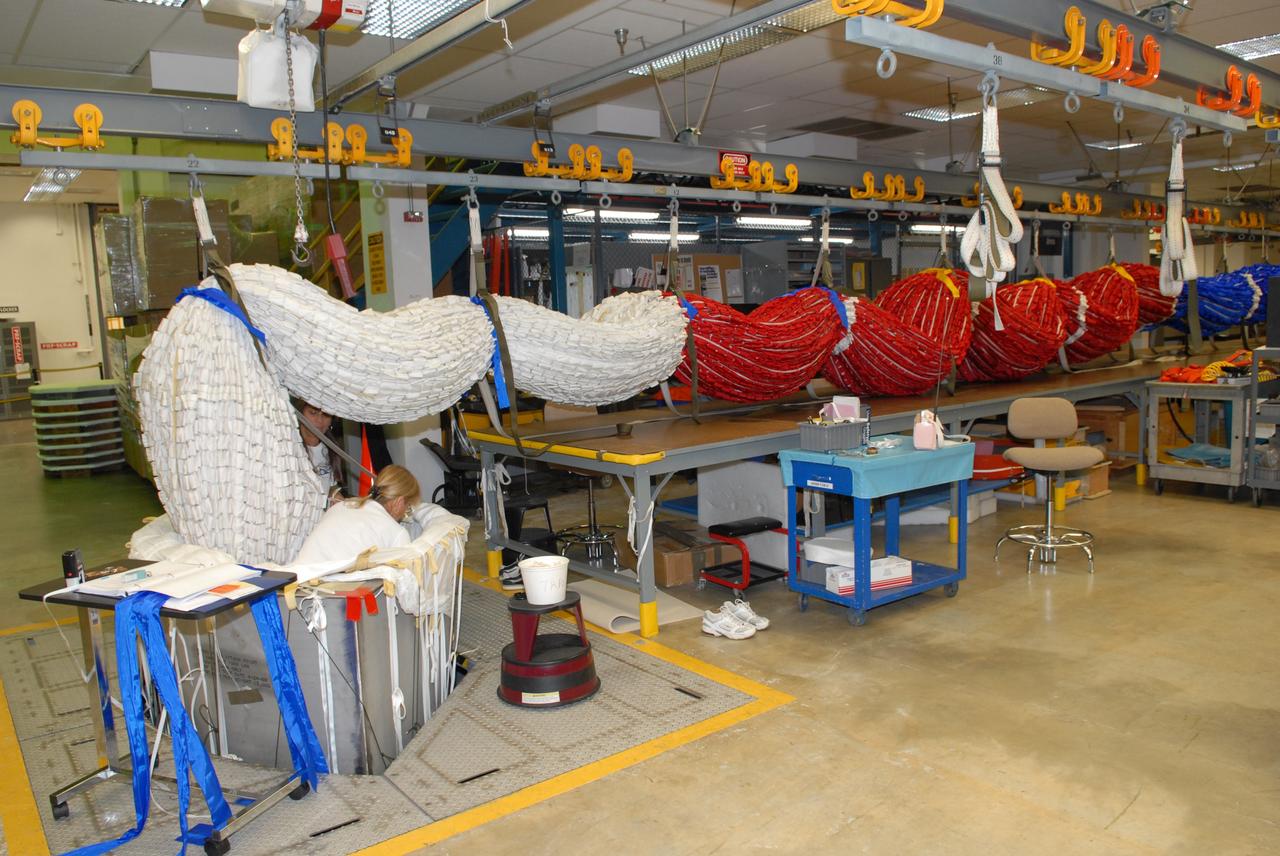
CAPE CANAVERAL, Fla. - In the Parachute Refurbishment Facility at NASA's Kennedy Space Center, United Space Alliance senior aero composite technicians Dior Hubel (behind parachute) and Marcia Jones-Clark pack a colorful main parachute slated for use on the Ares I-X test flight. The new parachutes are red, white and blue. The launch is targeted for July 2009 from Kennedy's Launch Pad 39B and will provide an early opportunity to test and prove hardware, facilities and ground operations associated with the Ares I rocket. The Ares I-X rocket is a combination of existing and simulator hardware that will resemble the Ares I crew launch vehicle in size, shape and weight. It will provide valuable data to guide the final design of the Ares I, which will launch astronauts in the Orion crew exploration vehicle. The test flight also will bring NASA one step closer to its exploration goals of returning humans to the moon for sustained exploration of the lunar surface and missions to destinations beyond. Photo credit: NASA/Jack Pfaller
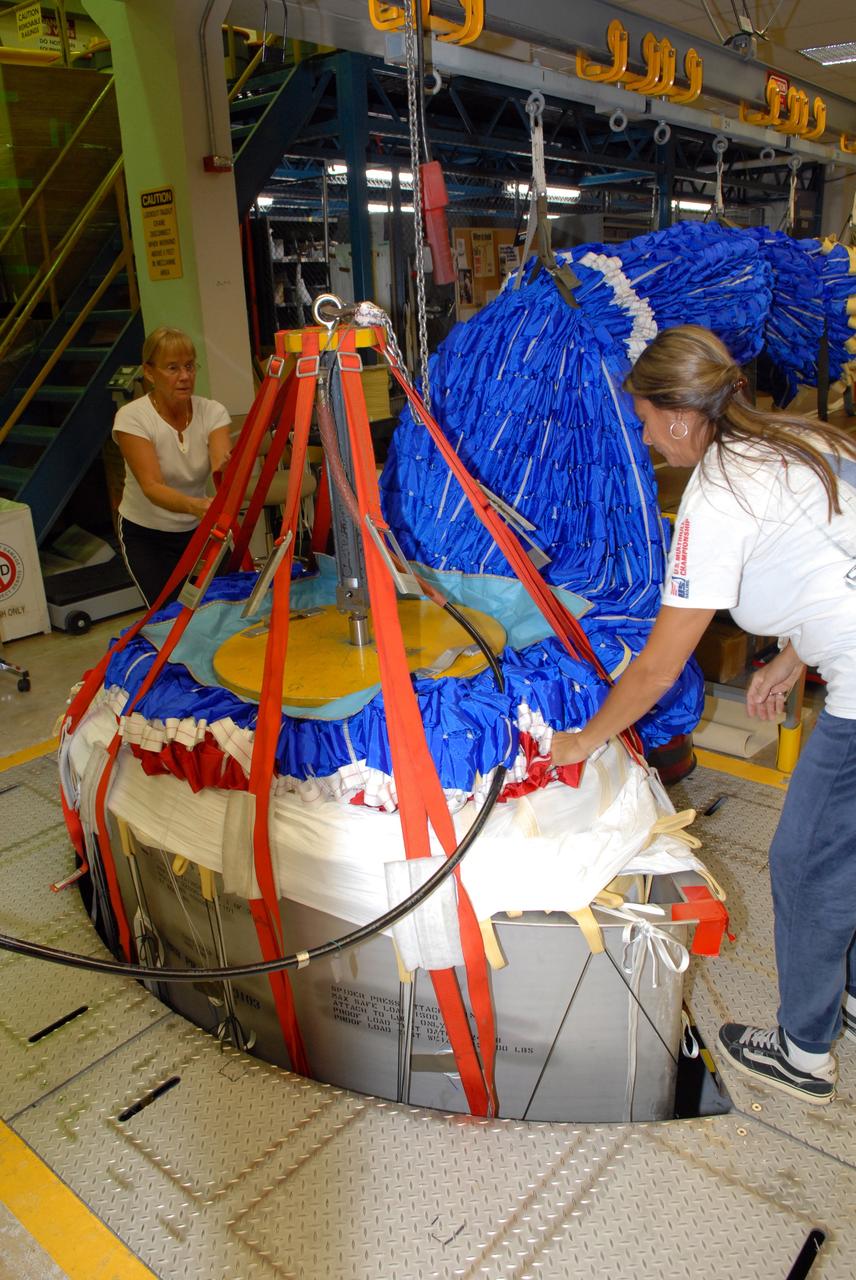
CAPE CANAVERAL, Fla. - In the Parachute Refurbishment Facility at NASA's Kennedy Space Center, United Space Alliance senior aero composite technicians Marcia Jones-Clark (left) and Dior Hubel pack a colorful main parachute slated for use on the Ares I-X test flight. The new parachutes are red, white and blue. The launch is targeted for July 2009 from Kennedy’s Launch Pad 39B and will provide an early opportunity to test and prove hardware, facilities and ground operations associated with the Ares I rocket. The Ares I-X rocket is a combination of existing and simulator hardware that will resemble the Ares I crew launch vehicle in size, shape and weight. It will provide valuable data to guide the final design of the Ares I, which will launch astronauts in the Orion crew exploration vehicle. The test flight also will bring NASA one step closer to its exploration goals of returning humans to the moon for sustained exploration of the lunar surface and missions to destinations beyond. Photo credit: NASA/Jack Pfaller
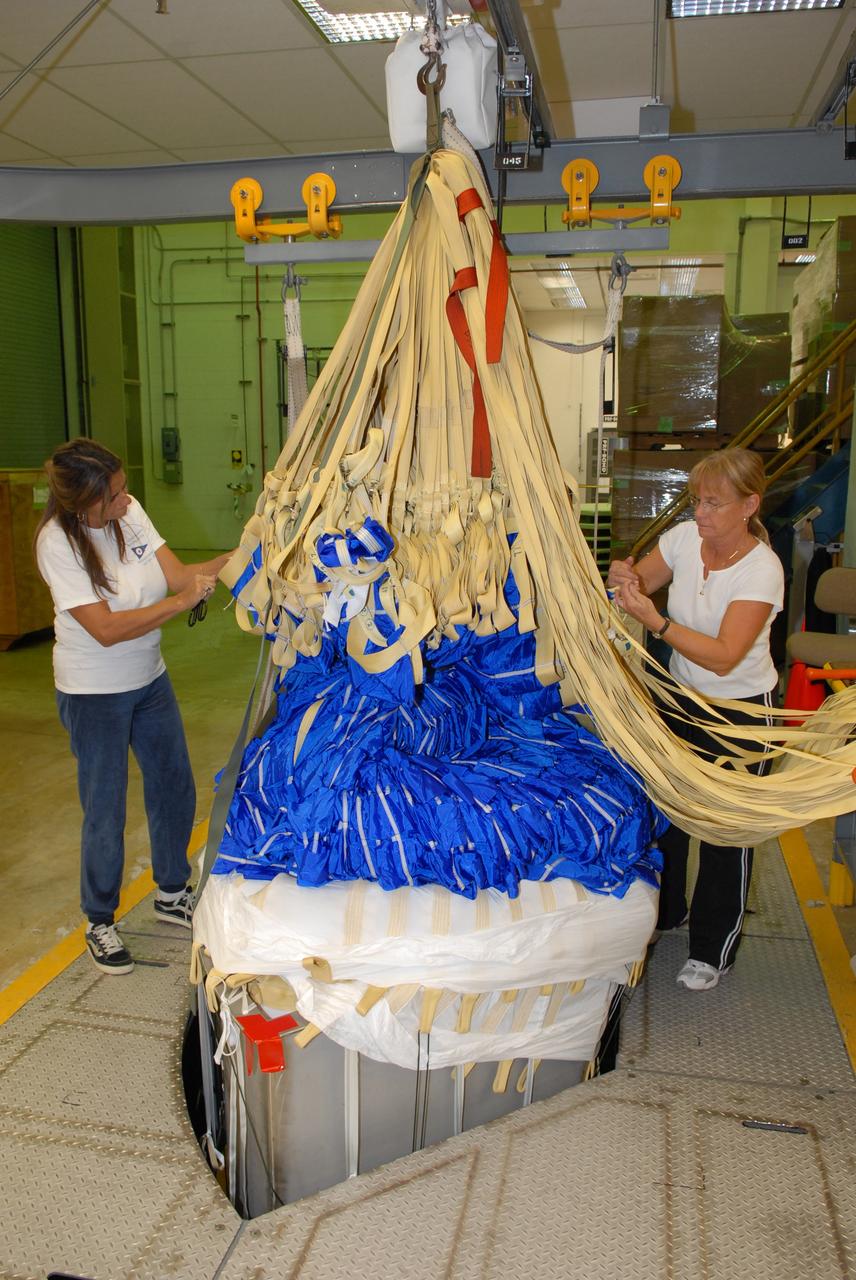
CAPE CANAVERAL, Fla. - In the Parachute Refurbishment Facility at NASA's Kennedy Space Center, United Space Alliance senior aero composite technicians Dior Hubel (left) and Marcia Jones-Clark pack a colorful main parachute slated for use on the Ares I-X test flight. The new parachutes are red, white and blue. The launch is targeted for July 2009 from Kennedy’s Launch Pad 39B and will provide an early opportunity to test and prove hardware, facilities and ground operations associated with the Ares I rocket. The Ares I-X rocket is a combination of existing and simulator hardware that will resemble the Ares I crew launch vehicle in size, shape and weight. It will provide valuable data to guide the final design of the Ares I, which will launch astronauts in the Orion crew exploration vehicle. The test flight also will bring NASA one step closer to its exploration goals of returning humans to the moon for sustained exploration of the lunar surface and missions to destinations beyond. Photo credit: NASA/Jack Pfaller
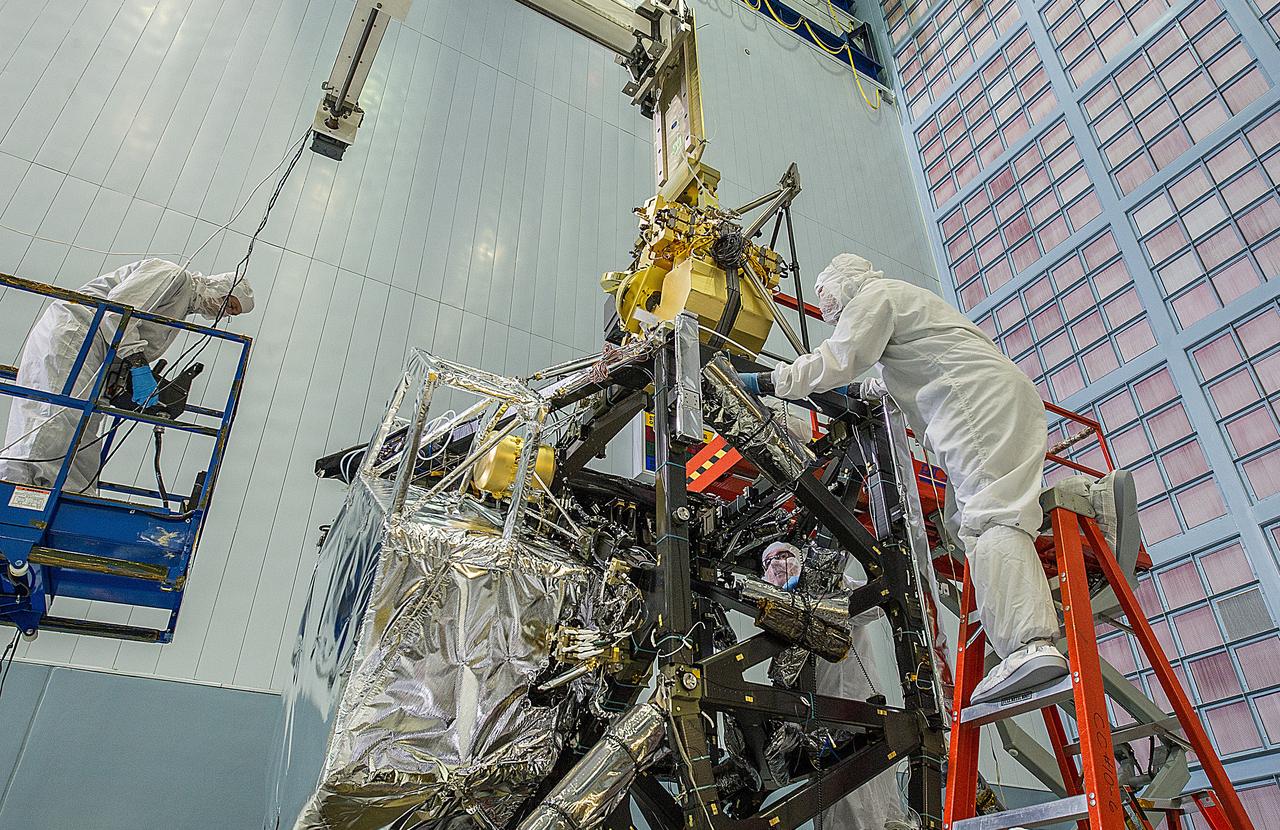
nside the world's largest clean room at NASA's Goddard Space Flight Center in Greenbelt, Md., engineers worked tirelessly to install another essential part of the James Webb Space Telescope - the Near Infrared Camera into the heart of the telescope. To complete this installation, the engineers needed to carefully move NIRCam inside the heart or ISIM, or Integrated Science Instrument Module that will house all of the science instruments. "Installing NIRCam into the center of the structure is nerve wracking because of the tight clearances," said Marcia J. Rieke, Professor of Astronomy at the University of Arizona, and principal investigator for the NIRCam. "I'm glad nothing bumped, and all the bolts are in place." NIRCam is a unique machine because in addition to being one of the four science instruments on the Webb, it also serves as the wavefront sensor, which means it will provide vital information for shaping the telescope mirrors and aligning its optics so that they can function properly and see into the distant universe. The NIRCam instrument will operate at very cold temperatures, and will be tested to ensure that it will be able to withstand the environment of space. The NIRCam is Webb's primary imager that will cover the infrared wavelength range 0.6 to 5 microns. It will detect light from the earliest stars and galaxies in the process of formation, the population of stars in nearby galaxies, as well as young stars and exoplanets in the Milky Way. NIRCam is provided by the University of Arizona and Lockheed Martin Advanced Technology Center. Webb is an international project led by NASA with its partners the European Space Agency and the Canadian Space Agency. The James Webb Space Telescope is the successor to NASA's Hubble Space Telescope. It will be the most powerful space telescope ever built. For more information about the Webb telescope, visit: <a href="http://www.jwst.nasa.gov" rel="nofollow">www.jwst.nasa.gov</a> or <a href="http://www.nasa.gov/webb" rel="nofollow">www.nasa.gov/webb</a> Credit: NASA/Goddard/Chris Gunn <b><a href="http://www.nasa.gov/audience/formedia/features/MP_Photo_Guidelines.html" rel="nofollow">NASA image use policy.</a></b> <b><a href="http://www.nasa.gov/centers/goddard/home/index.html" rel="nofollow">NASA Goddard Space Flight Center</a></b> enables NASA’s mission through four scientific endeavors: Earth Science, Heliophysics, Solar System Exploration, and Astrophysics. Goddard plays a leading role in NASA’s accomplishments by contributing compelling scientific knowledge to advance the Agency’s mission. <b>Follow us on <a href="http://twitter.com/NASAGoddardPix" rel="nofollow">Twitter</a></b> <b>Like us on <a href="http://www.facebook.com/pages/Greenbelt-MD/NASA-Goddard/395013845897?ref=tsd" rel="nofollow">Facebook</a></b> <b>Find us on <a href="http://instagram.com/nasagoddard?vm=grid" rel="nofollow">Instagram</a></b>