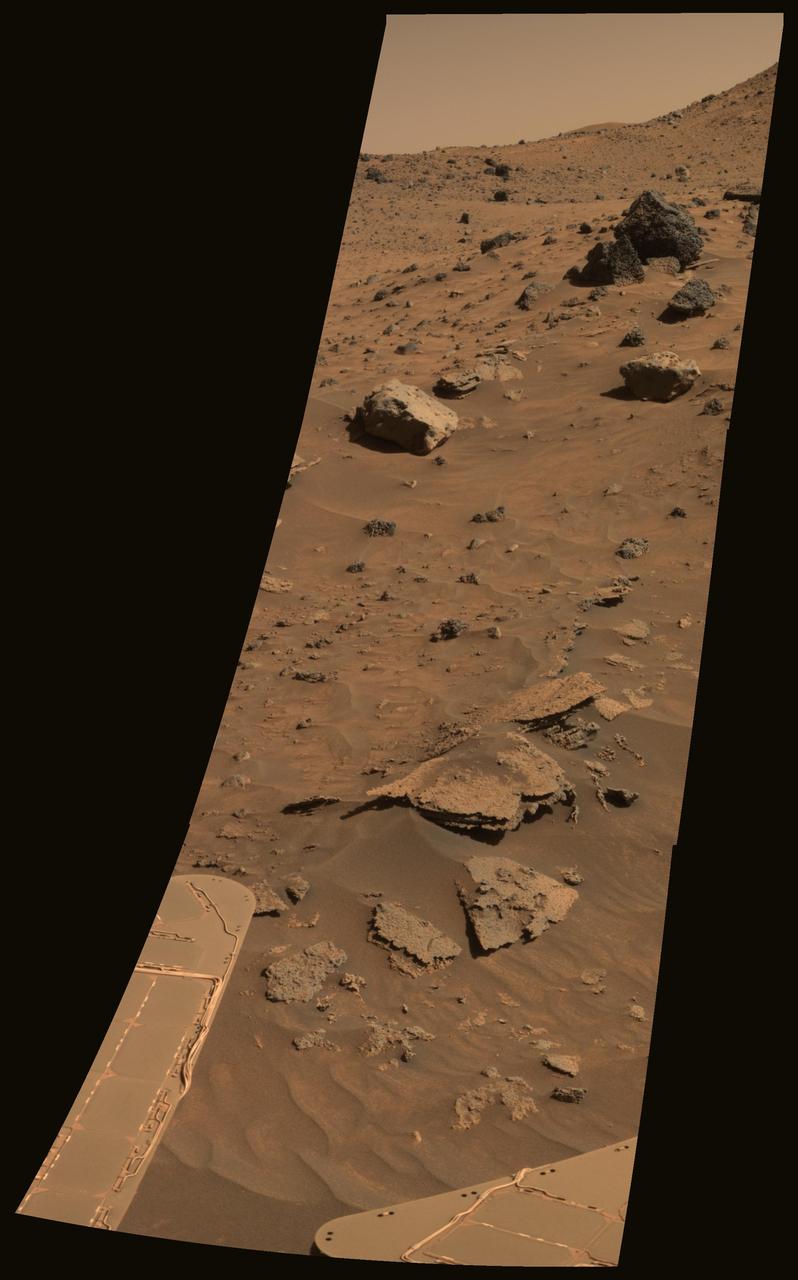
Possible Meteorites in the Martian Hills
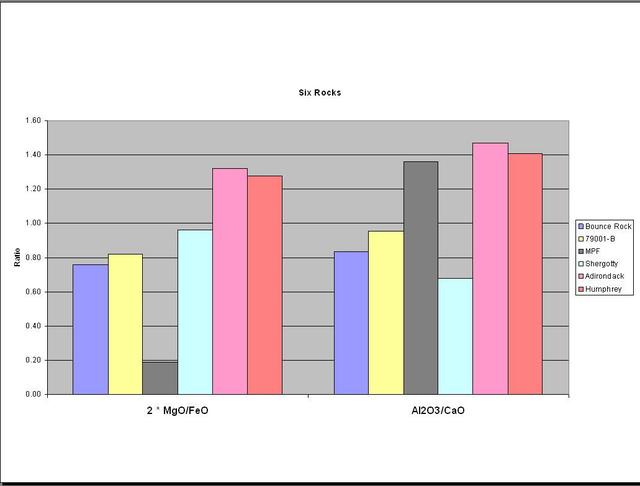
Bounce and Martian Meteorite of the Same Mold
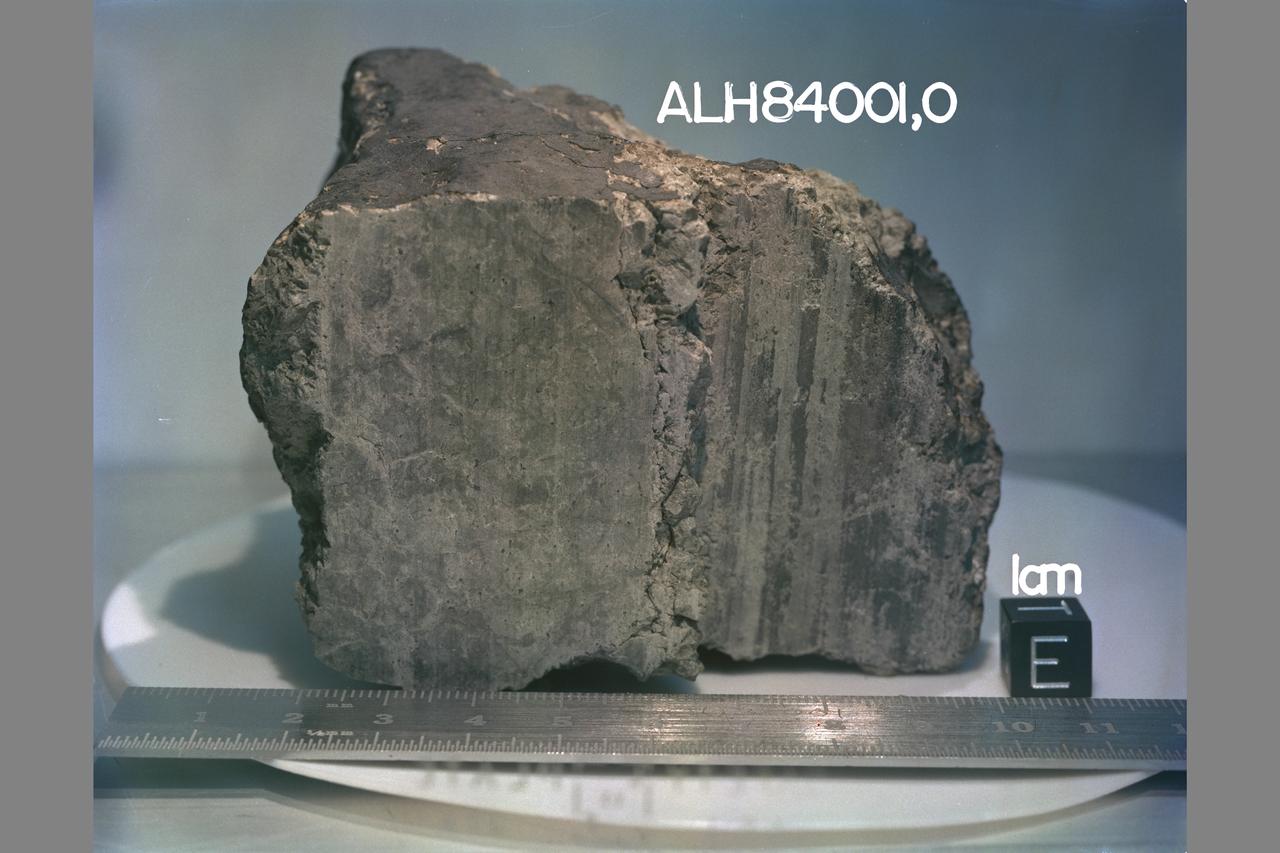
Martian Meteorite (ALH84001) Life on Mars? Microscopic Fossils
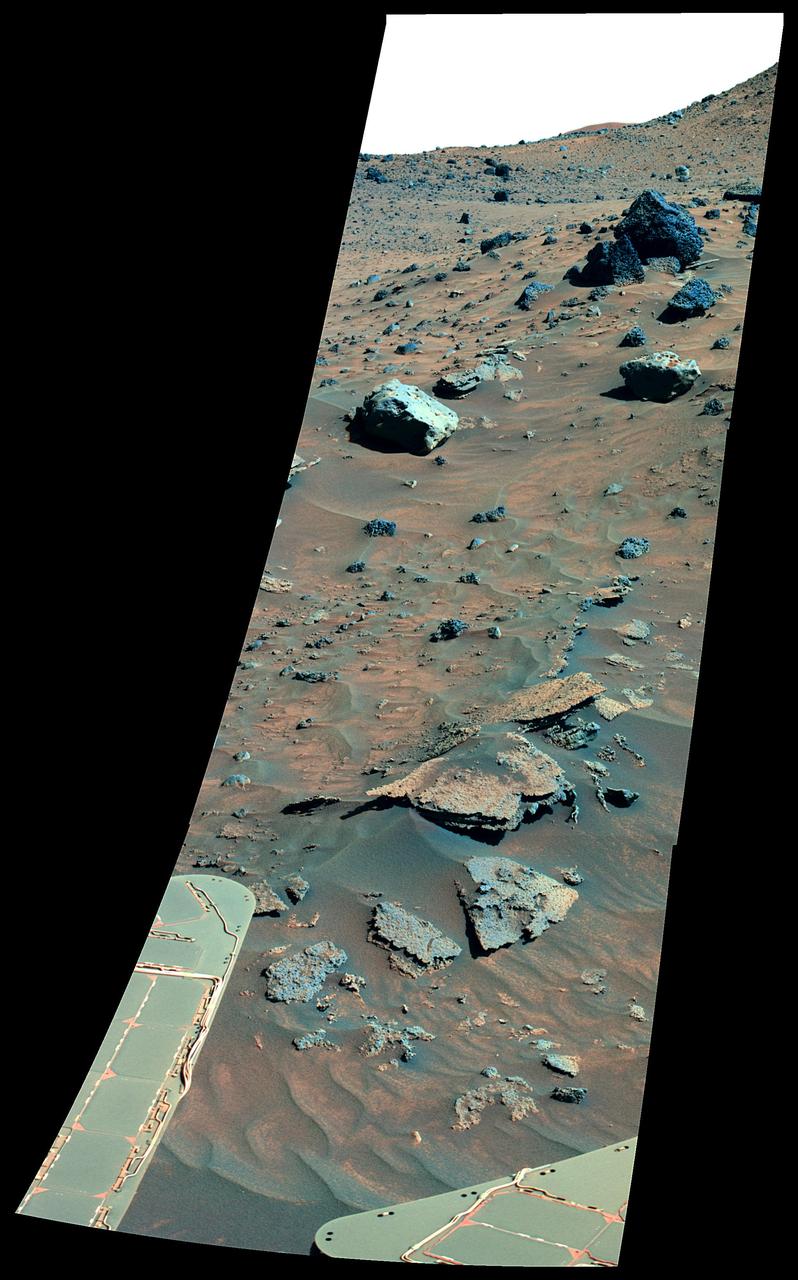
Possible Meteorites in the Martian Hills False Color
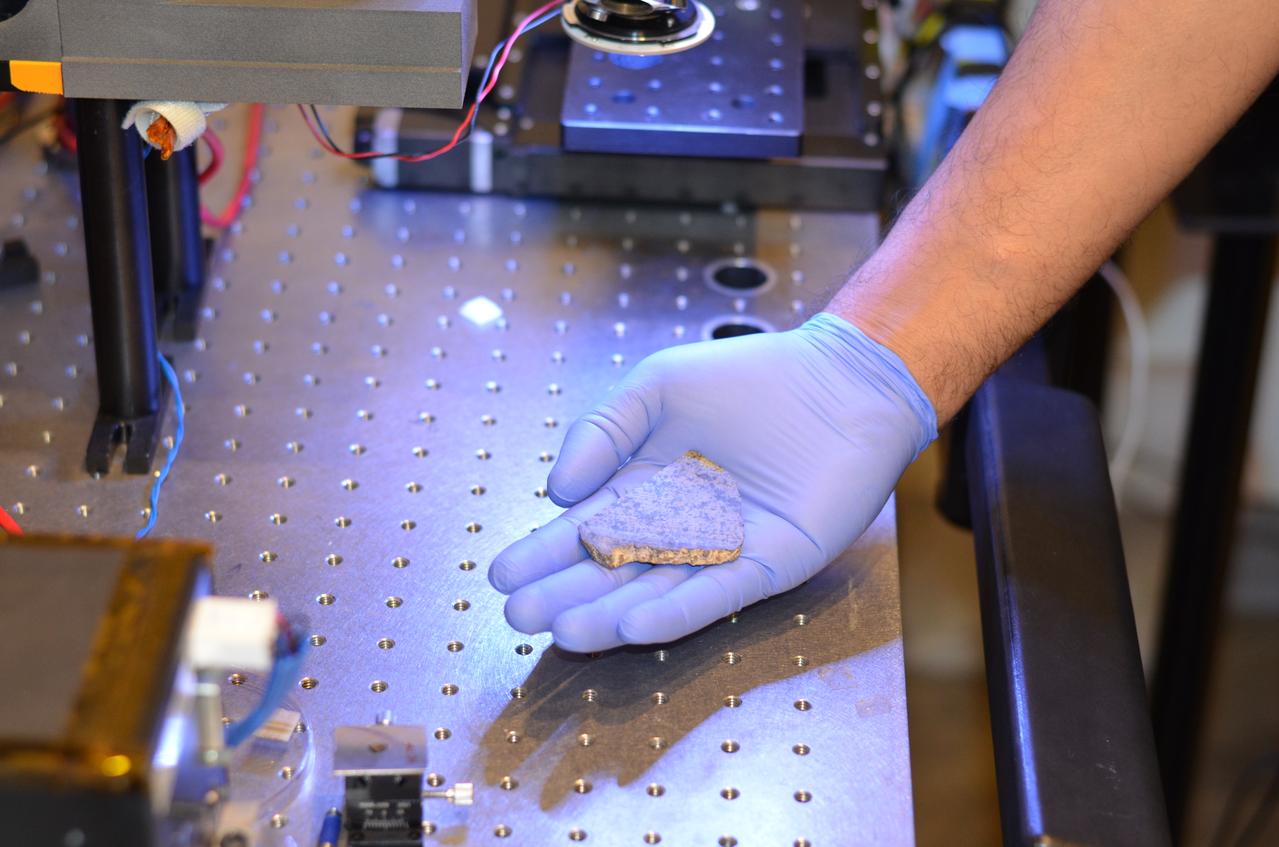
Rohit Bhartia of NASA's Mars 2020 mission holds a slice of a meteorite scientists have determined came from Mars. This slice will likely be used here on Earth for testing a laser instrument for NASA's Mars 2020 rover; a separate slice will go to Mars on the rover. Martian meteorites are believed to be the result of impacts to the Red Planet's surface, resulting in rock being blasted into the atmosphere. After traveling through space for eons, some of these rocks entered Earth's atmosphere. Scientists determine whether they are true Martian meteorites based on their rock and noble gas chemistry and mineralogy. The gases trapped in these meteorites bear the unique fingerprint of the Martian atmosphere, as recorded by NASA's Viking mission in 1976. The rock types also show clear signs of igneous processing not possible on smaller bodies, such as asteroids. https://photojournal.jpl.nasa.gov/catalog/PIA22245
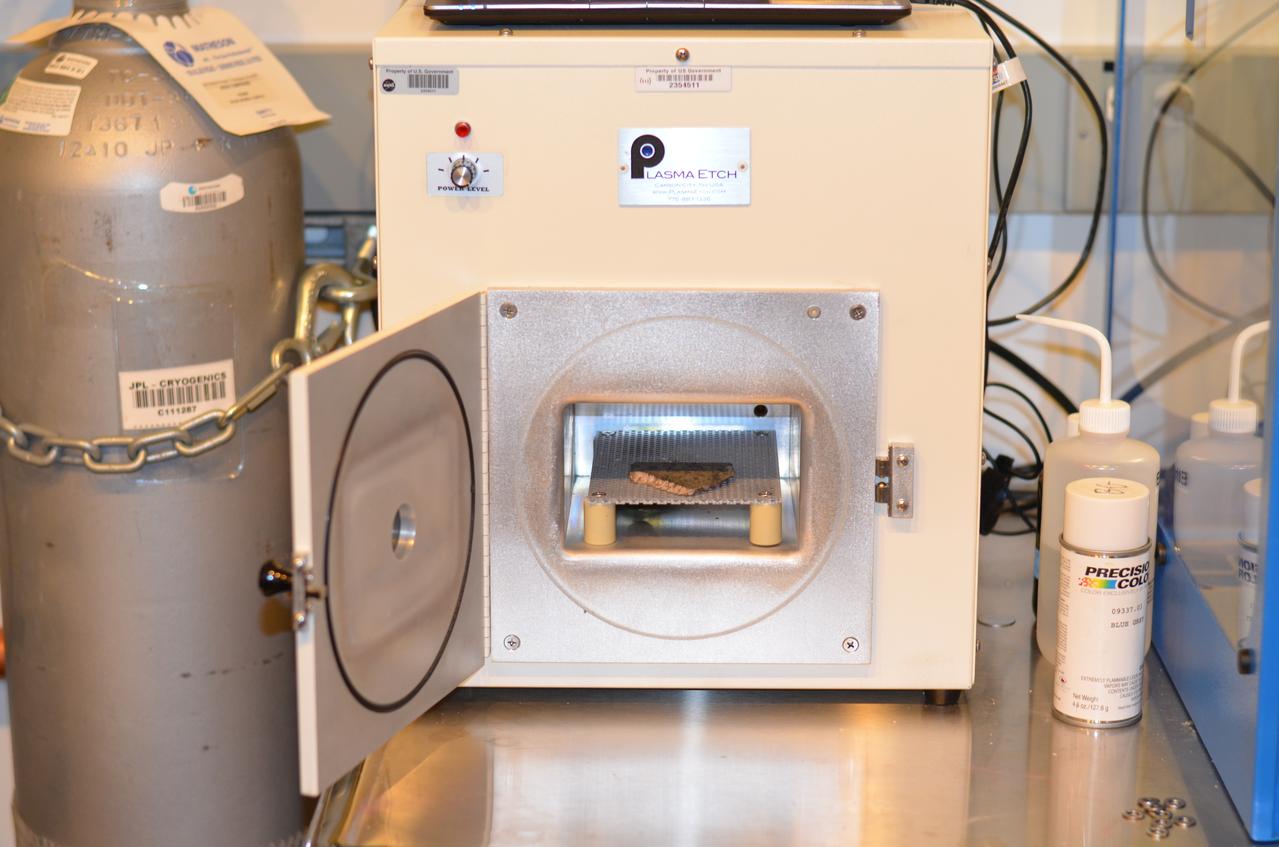
A slice of a meteorite scientists have determined came from Mars placed inside an oxygen plasma cleaner, which removes organics from the outside of surfaces. This slice will likely be used here on Earth for testing a laser instrument for NASA's Mars 2020 rover; a separate slice will go to Mars on the rover. Martian meteorites are believed to be the result of impacts to the Red Planet's surface, resulting in rock being blasted into the atmosphere. After traveling through space for eons, some of these rocks entered Earth's atmosphere. Scientists determine whether they are true Martian meteorites based on their rock and noble gas chemistry and mineralogy. The gases trapped in these meteorites bear the unique fingerprint of the Martian atmosphere, as recorded by NASA's Viking mission in 1976. The rock types also show clear signs of igneous processing not possible on smaller bodies, such as asteroids. https://photojournal.jpl.nasa.gov/catalog/PIA22247
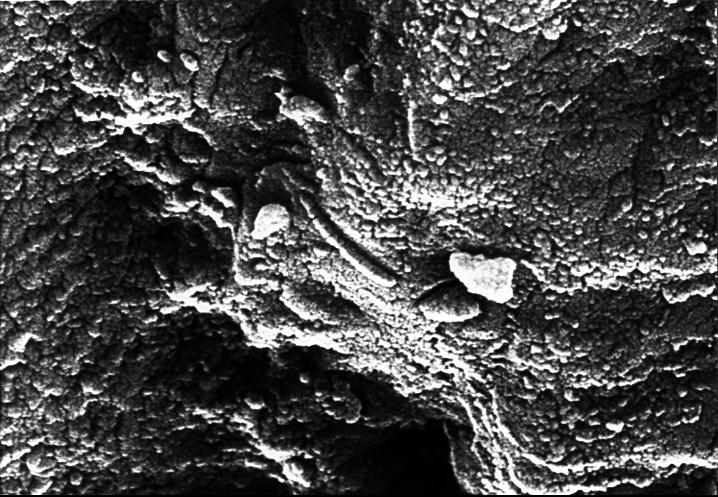
This high-resolution scanning electron microscope image shows an unusual tube-like structural form that is less than 1/100th the width of a human hair in size found in meteorite ALH84001, a meteorite believed to be of Martian origin. http://photojournal.jpl.nasa.gov/catalog/PIA00288
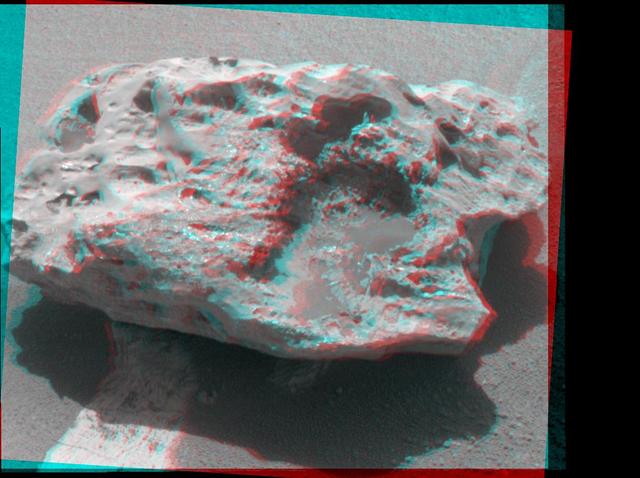
Composition measurements by NASA Mars Exploration Rover Opportunity confirm that this rock on the Martian surface is an iron-nickel meteorite. 3D glasses are necessary to view this image.
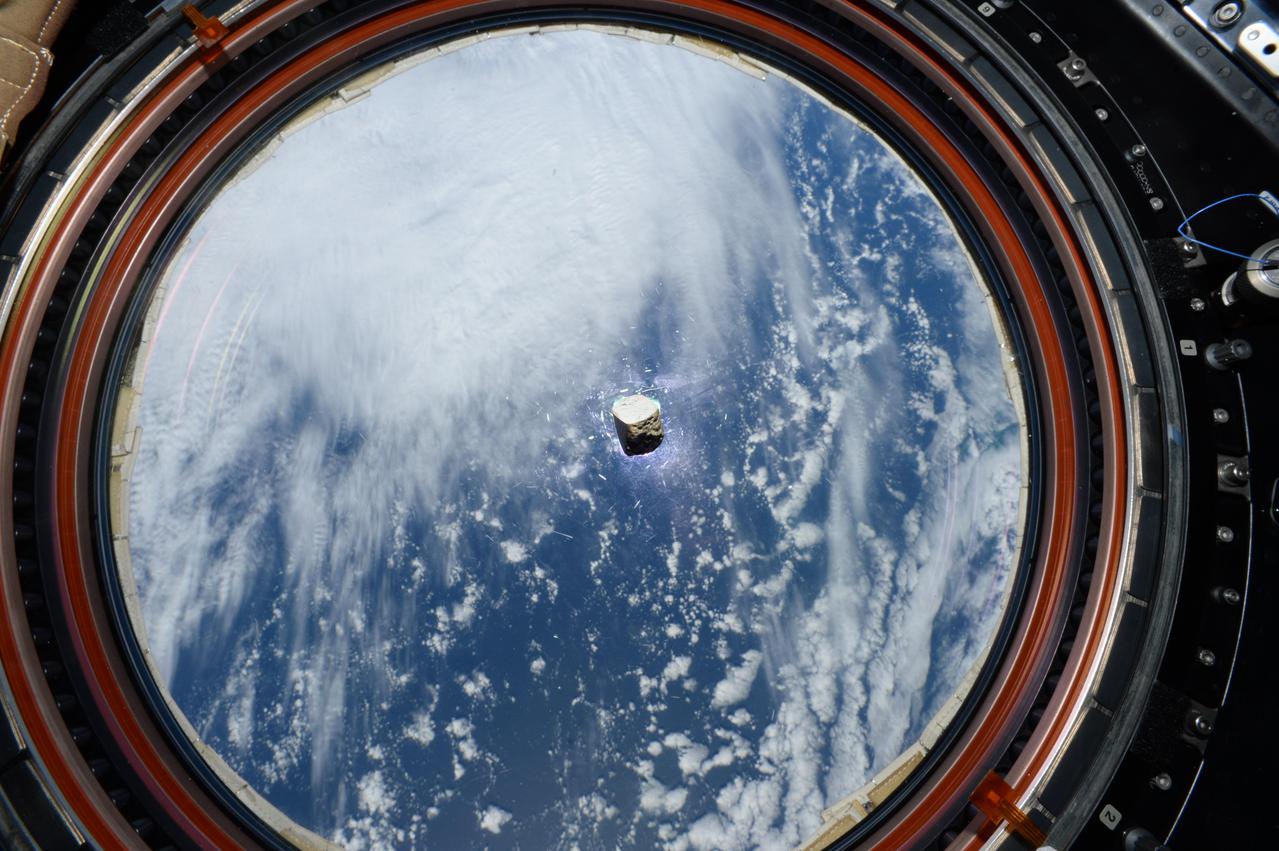
This slice of a Martian meteorite, seen floating inside the International Space Station, is now part of a calibration target for SuperCam, one of the instruments aboard NASA's Perseverance Mars rover. A piece of a different Martian meteorite is part of the calibration target for the instrument known as SHERLOC (Scanning Habitable Environments with Raman & Luminescence for Organics & Chemicals). Scientists use calibration targets as a kind of default they can use to check and fine-tune the settings of their instruments. A small number of meteorites on Earth have been determined to have originated on Mars based on mineral and chemical analyses by past NASA spacecraft. https://photojournal.jpl.nasa.gov/catalog/PIA24179
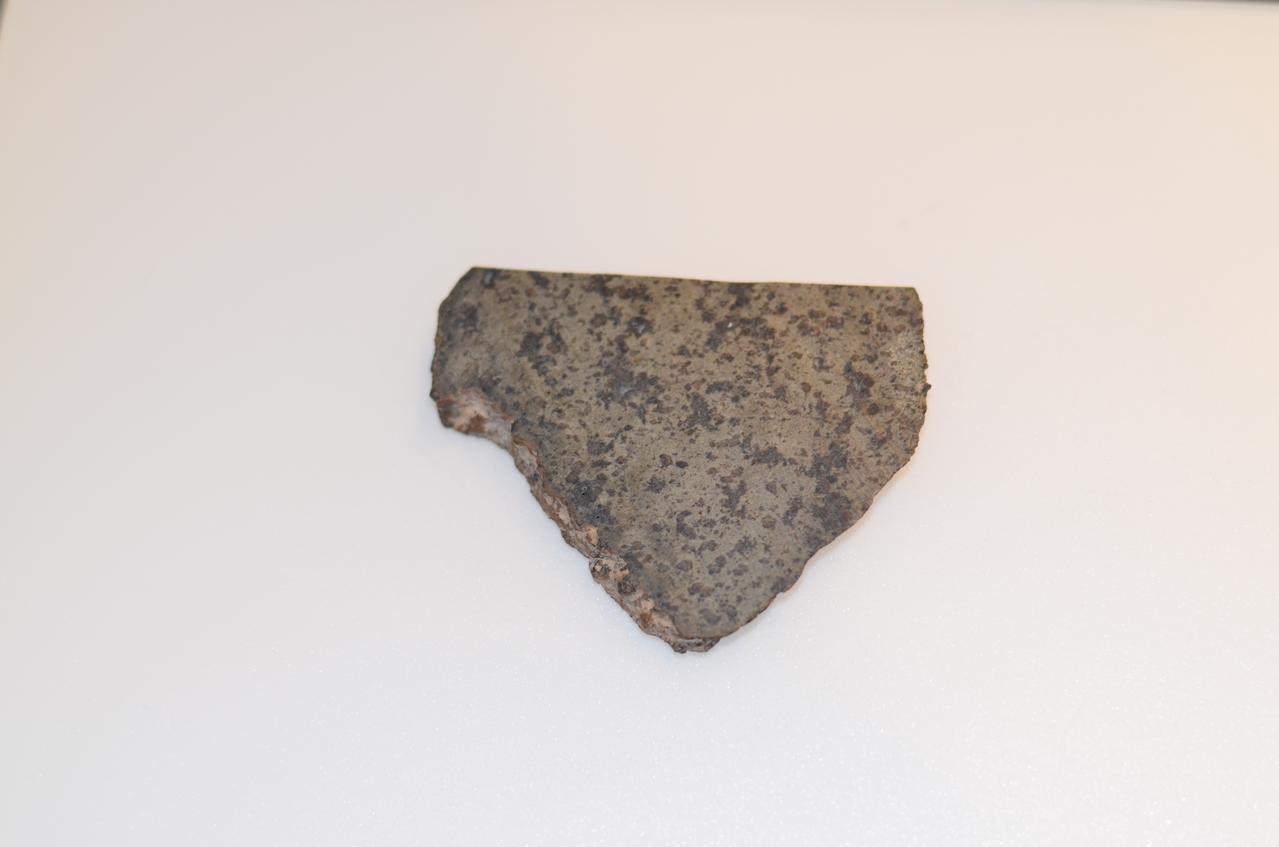
Close-up of a slice of a meteorite scientists have determined came from Mars. This slice will likely be used here on Earth for testing a laser instrument for NASA's Mars 2020 rover; a separate slice will go to Mars on the rover. Martian meteorites are believed to be the result of impacts to the Red Planet's surface, resulting in rock being heaved into the atmosphere. After traveling through space for eons, some of these rocks entered Earth's atmosphere. Scientists determine whether they are true Martian meteorites based on their rock and noble gas chemistry and mineralogy. The gases trapped in these meteorites bear the unique fingerprint of the Martian atmosphere, as recorded by NASA's Viking mission in 1976. The rock types also show clear signs of igneous processing not possible on smaller bodies, such as asteroids. https://photojournal.jpl.nasa.gov/catalog/PIA22246
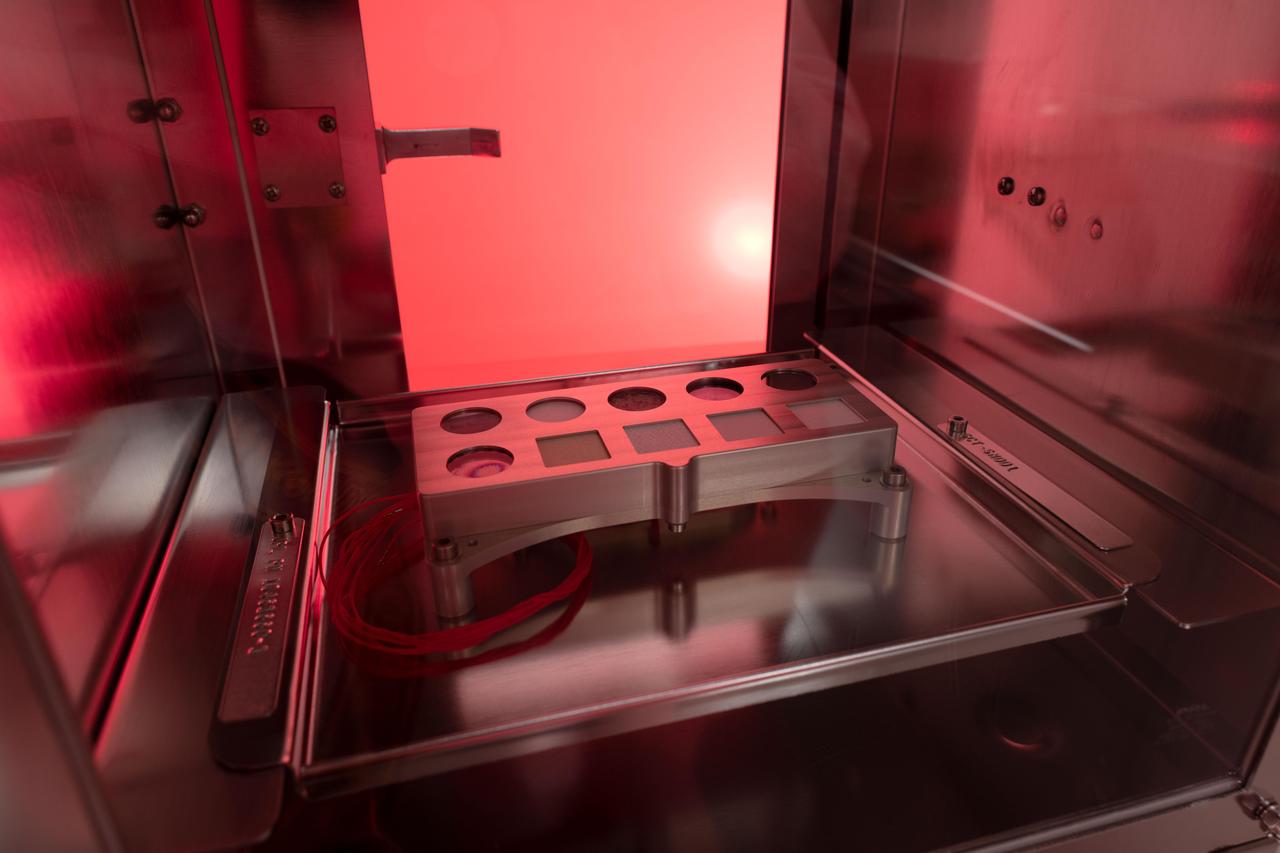
By providing a set of base measurements that were taken on Earth, this calibration target will help fine-tune the settings on the Scanning Habitable Environments with Raman & Luminescence for Organics and Chemicals (SHERLOC) instrument carried aboard NASA's Perseverance Mars rover. There are 10 kinds of materials on SHERLOC's calibration target, including a fragment of a Martian meteorite and five of the first spacesuit materials sent to Mars. They'll be observed to see how they hold up in the intense radiation on the Martian surface. https://photojournal.jpl.nasa.gov/catalog/PIA23980
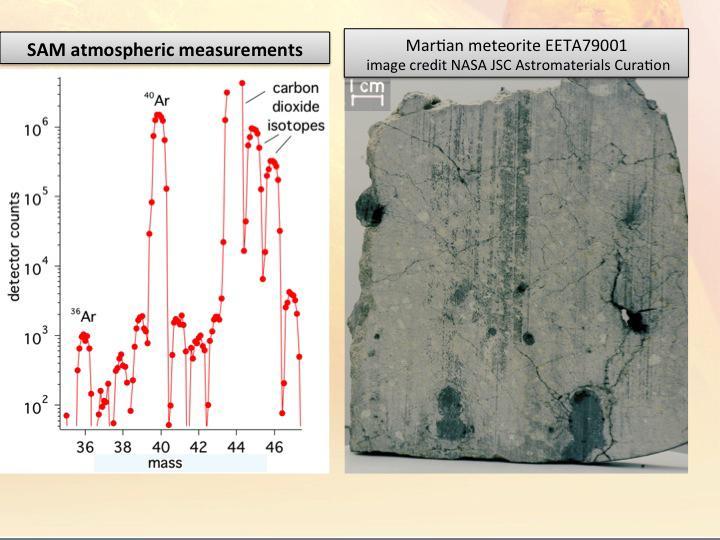
New results from the Sample Analysis at Mars, or SAM, instrument on NASA Curiosity rover detected about 2,000 times as much argon-40 as argon-36, which weighs less, confirming the connection between Mars and Martian meteorites found on Earth.
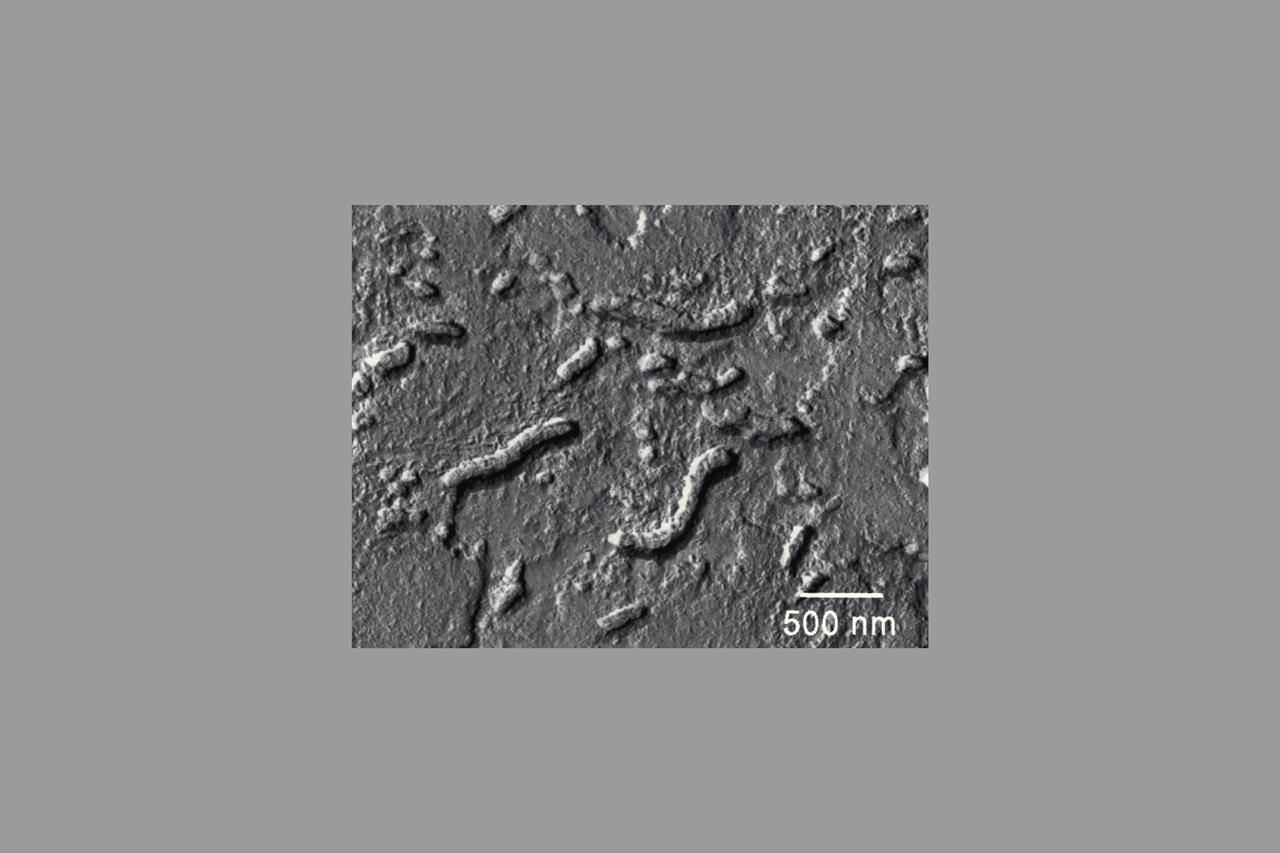
Martian Meteorite (ALH84001): This high resolution transmission electron microscope image is of a cast, or replica, from a chip of a Martian meteorite, labeled ALH84001, that shows the outline of what are believed to be possible microscopic fossils of bacteria-like organisms that may have lived on Mars more than 3.6 billion years ago. The tubular features in this image are less than a micrometer in size, or about 1/500th the diameter of a human hair. (JSC ref: S96-12637)
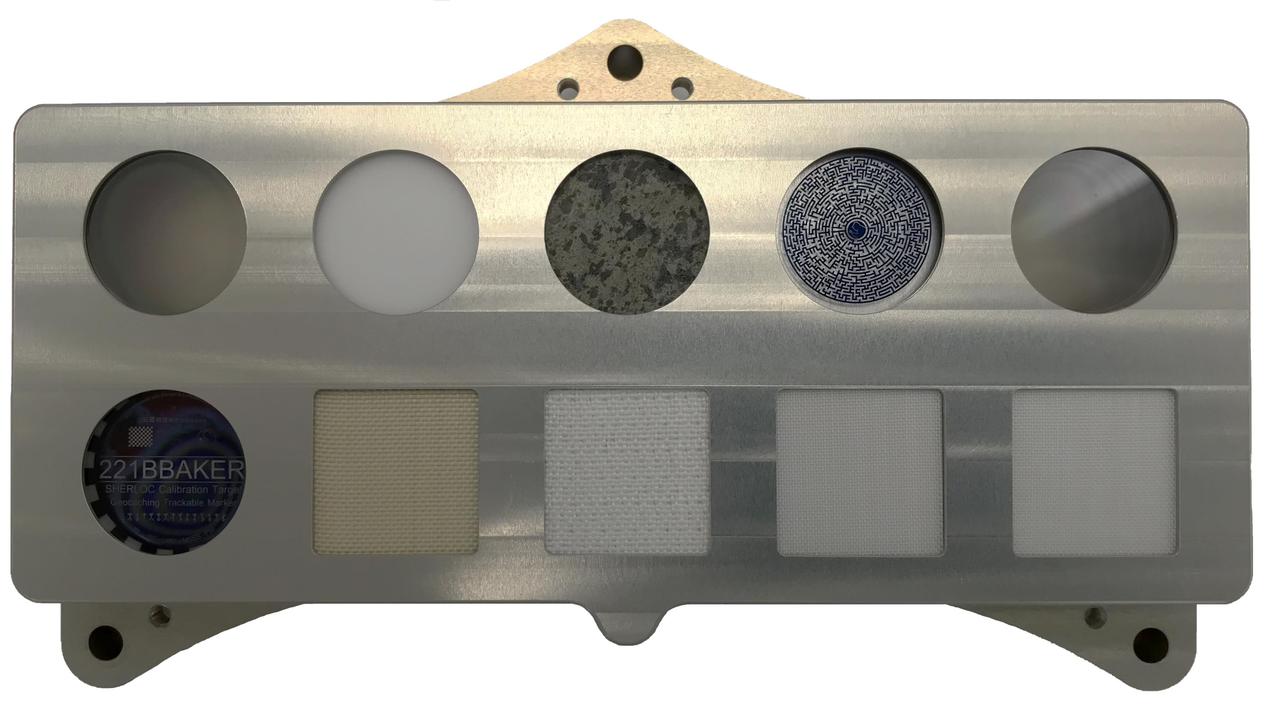
The calibration target for SHERLOC (Scanning Habitable Environments with Raman & Luminescence for Organics & Chemicals) an instrument on the end of the Perseverance Mars rover's 7-foot-long (3-meter-long) robotic arm, includes a geocaching target, spacesuit materials, and a slice of a Martian meteorite. Scientists rely on calibration targets to fine-tune instrument settings using materials with known properties. The bottom row of this target features spacesuit materials that scientists will observe to see how they react over time to the irradiated Martian atmosphere. The first sample at left is polycarbonate for use in a helmet visor; inscribed with the address of the fictional detective Sherlock Holmes, it doubles as a geochache for the public. Other materials in the bottom row, from left: Vectran; Ortho-Fabric; Teflon; coated Teflon. Top row, from left: aluminum gallium nitride on sapphire; a quartz diffuser; a slice of Martian meteorite; a maze for testing laser intensity; a separate aluminum gallium nitride on sapphire with different properties. https://photojournal.jpl.nasa.gov/catalog/PIA24261
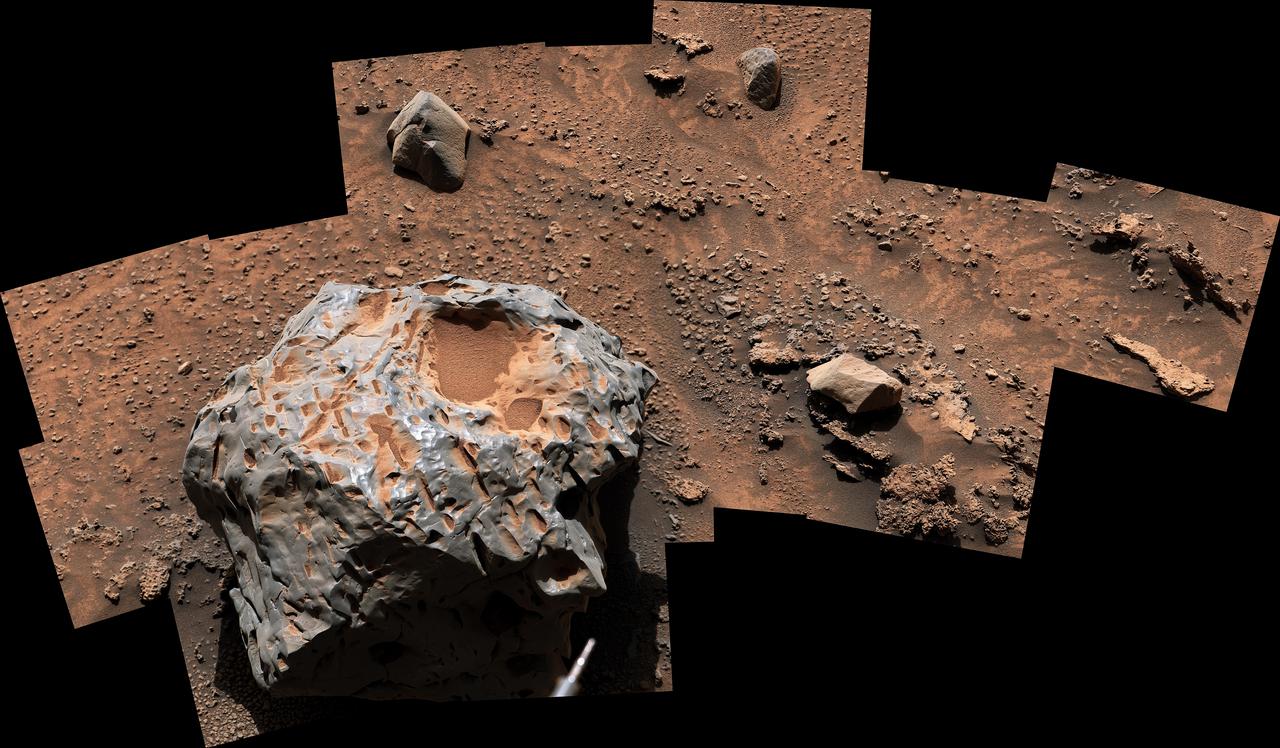
NASA's Curiosity Mars rover captured this image of an iron-nickel meteorite nicknamed "Cacao" on Jan, 28, 2023, the 3,725th Martian day, or sol, of the mission. This meteorite, discovered in the "sulfate-bearing unit," a region on Mars' Mount Sharp, is estimated to be about 1 foot (30 centimeters) across. It's one of several meteorites Curiosity has seen while exploring Mars. Curiosity's Mast Camera, or Mastcam, took the panorama with its 100-millimeter focal length lens. The panorama is made up of 19 individual images that were stitched together after being sent to Earth. The color has been adjusted to match lighting conditions as the human eye would perceive them on Earth. https://photojournal.jpl.nasa.gov/catalog/PIA25737
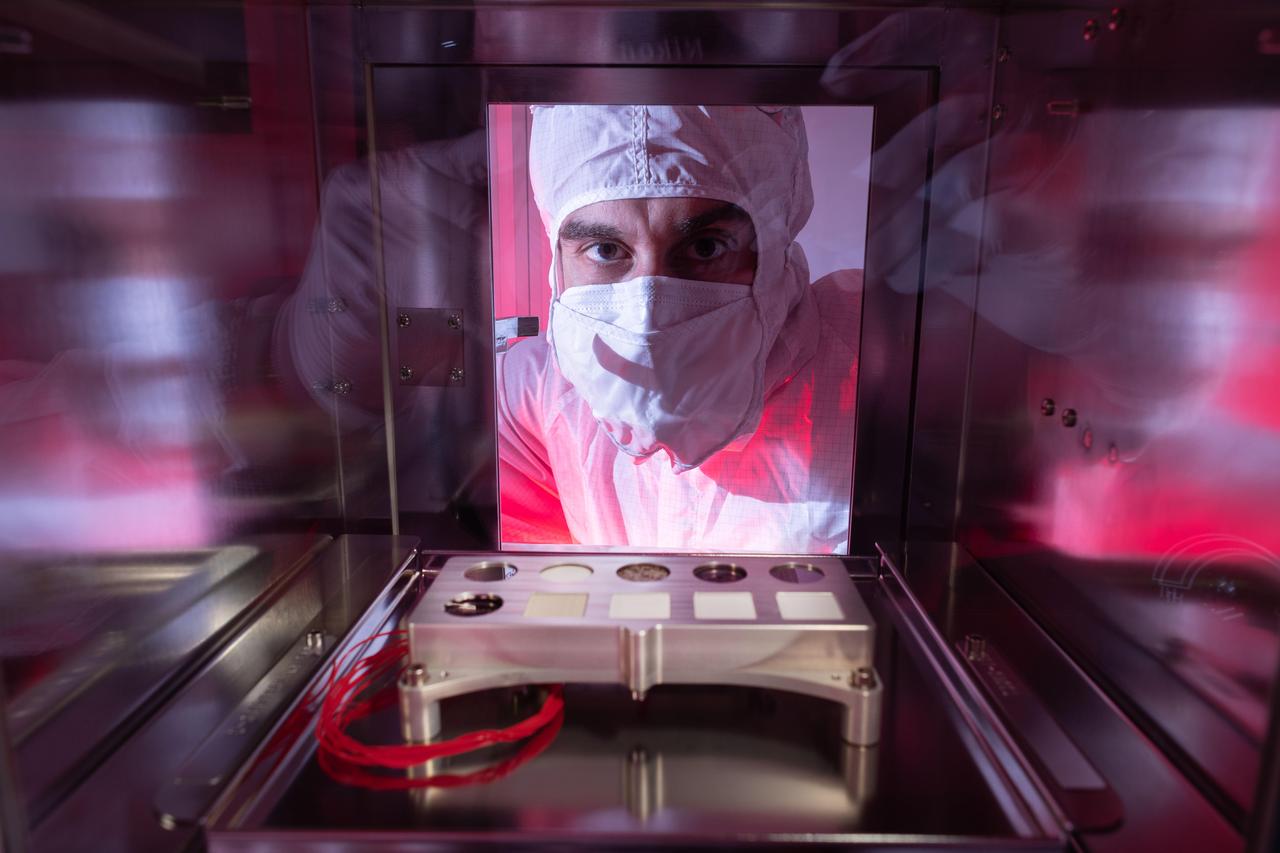
NASA scientist Trevor Graff peers at a calibration target, which will help fine-tune settings on the Scanning Habitable Environments with Raman & Luminescence for Organics and Chemicals (SHERLOC) instrument carried aboard NASA's Perseverance Mars rover. The calibration target is housed inside a special environmental chamber that was used to ship it from NASA's Johnson Space Center, Houston, to the agency's Jet Propulsion Laboratory in Southern California, where the target was added to the rover. There are 10 kinds of materials on SHERLOC's calibration target, including a fragment of a Martian meteorite and five of the first spacesuit materials sent to Mars. They'll be observed to see how they hold up in the intense radiation on the Martian surface. https://photojournal.jpl.nasa.gov/catalog/PIA23979
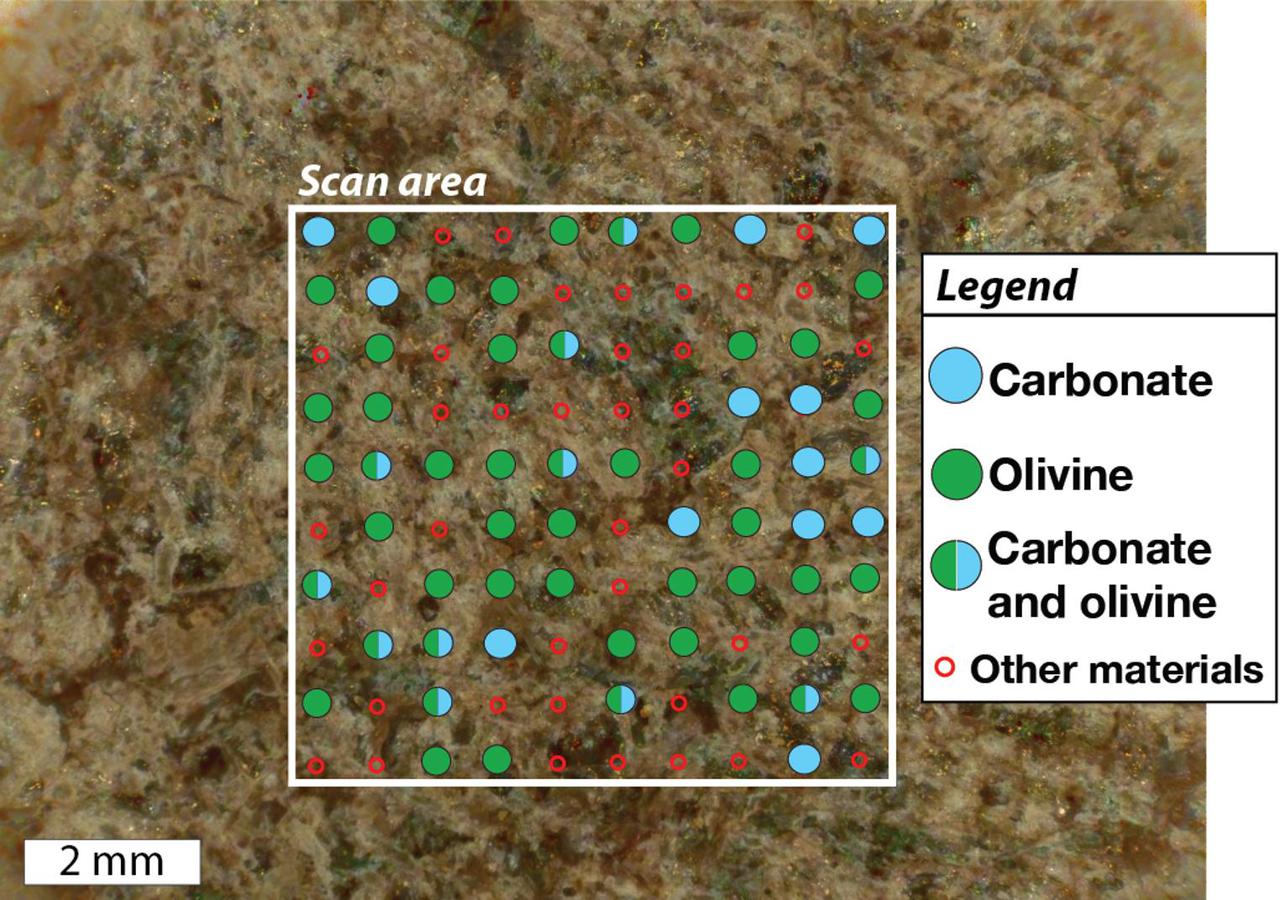
Different kinds of carbon-based molecules called organic compounds were viewed within a rock target called "Garde" by SHERLOC, one of the instruments on the end of the robotic arm aboard NASA's Perseverance Mars rover. The rover used its drill to abrade, or grind away, a patch of rock so that SHERLOC (Scanning Habitable Environments with Raman & Luminescence for Organics & Chemicals) could analyze its interior. This data was taken on Sept. 18, 2021, the 207th Martian day, or sol, of the mission. Nonbiological, geological processes can form organics. The organics found in PIXL's data and their association with the rocks that they're embedded within bear a striking resemblance to nonbiological organics within Martian meteorites, suggesting that these organics were formed by geological processes. Therefore, these organics findings are not biosignatures (compounds that indicate the presence of a biological process). SHERLOC made the first detection of organics on the Martian surface since the Curiosity rover. It is also the first detection of organics on the Martian surface made through ultraviolet fluorescence spectroscopy (whereas the Curiosity rover utilized a different methodology known as mass spectrometry), and it is the first discovery of the spatial distribution of organics on the Martian surface. The organics were found to be simple aromatics present at low concentrations, which is similar to what was found by the Curiosity rover and within Martian meteorites. A key objective for Perseverance's mission on Mars is astrobiology, including the search for signs of ancient microbial life. The rover will characterize the planet's geology and past climate, pave the way for human exploration of the Red Planet, and be the first mission to collect and cache Martian rock and regolith (broken rock and dust). Subsequent NASA missions, in cooperation with ESA (European Space Agency), would send spacecraft to Mars to collect these sealed samples from the surface and return them to Earth for in-depth analysis. The Mars 2020 Perseverance mission is part of NASA's Moon to Mars exploration approach, which includes Artemis missions to the Moon that will help prepare for human exploration of the Red Planet. https://photojournal.jpl.nasa.gov/catalog/PIA25042
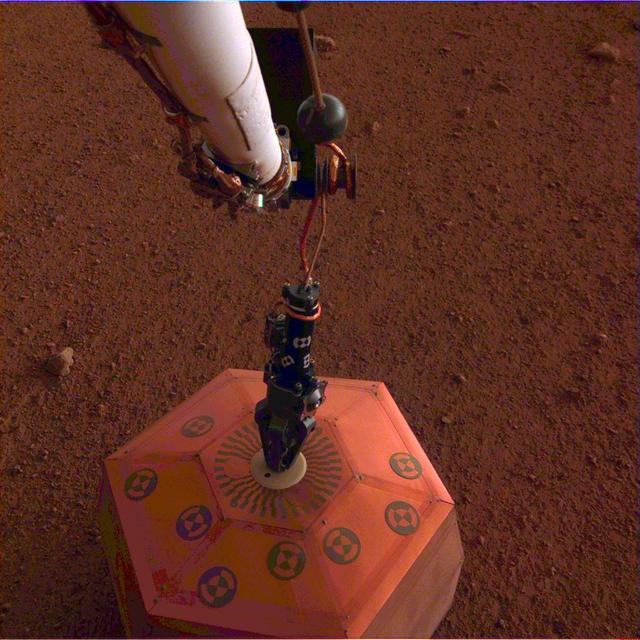
NASA's InSight lander placed its seismometer onto Mars on Dec. 19, 2018. This was the first time a seismometer had ever been placed onto the surface of another planet. The seismometer is the copper-colored object in this image, which was taken around Martian dusk. The seismometer, called Seismic Explorations for Interior Structure (SEIS), will measure seismic waves caused by marsquakes, meteorite strikes and other phenomena. Watching how these waves travel through Mars' interior will let scientists study how the planet's crust, mantle and core are layered. It will also reveal more about how all rocky bodies are formed, including Earth and its Moon. https://photojournal.jpl.nasa.gov/catalog/PIA22956
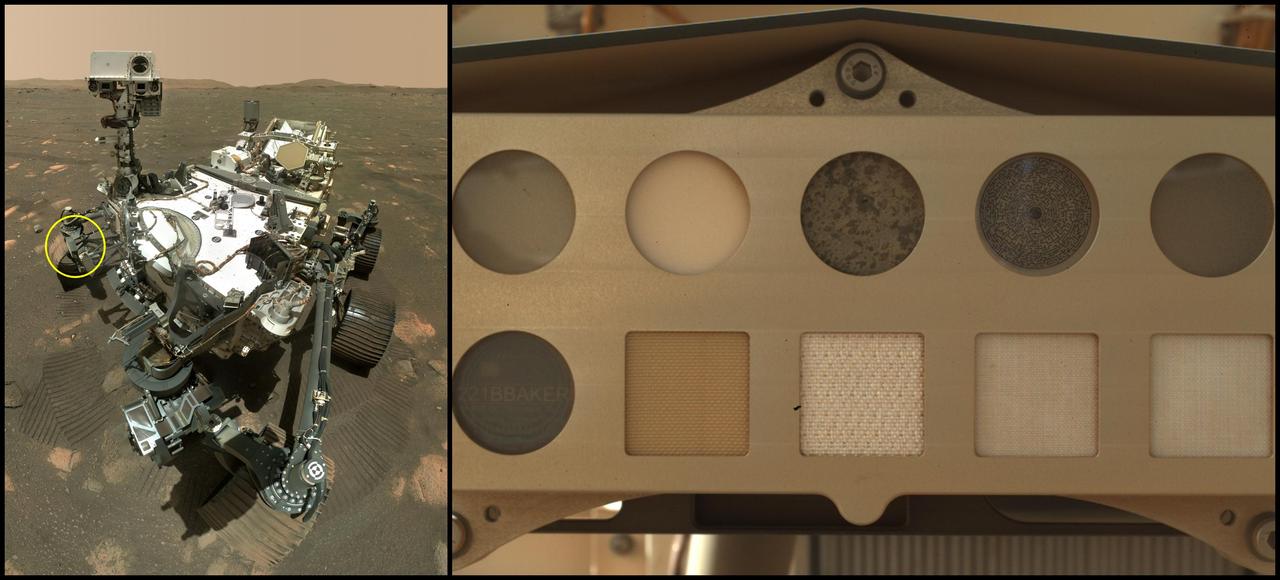
At left is NASA's Perseverance Mars rover. The annotation shows where spacesuit materials can be found attached to a calibration target for SHERLOC (Scanning Habitable Environments with Raman & Luminescence for Organics and Chemicals), one of the rover's instruments. At right is a close-up of the calibration target. Scientists rely on calibration targets to fine-tune instrument settings using materials with known properties. In the case of SHERLOC's calibration target, they are also studying how the five swatches of spacesuit materials arranged along the bottom row degrade in the Martian environment. Those materials, from left to right: a piece of polycarbonate visor used in spacesuit helmets; Vectran, a cut-resistant material used for the palms of astronaut gloves; a commonly used spacesuit material called Ortho-Fabric; and two kinds of Teflon, which has dust-repelling nonstick properties. Top row, left to right: two gallium nitride targets that glow different colors when illuminated with SHERLOC's laser; a slice of Martian meteorite named Sayh al Uhaymir 008 (SaH 008); a maze designed to focus SHERLOC's camera; and a diffuse transmission target that measures how SHERLOC's laser scatters light. This image was taken by the WATSON (Wide Angle Topographic Sensor for Operations and eNgineering) camera, which is part of SHERLOC on the end of Perseverance's robotic arm. A key objective for Perseverance's mission on Mars is astrobiology, including the search for signs of ancient microbial life. The rover will characterize the planet's geology and past climate, pave the way for human exploration of the Red Planet, and be the first mission to collect and cache Martian rock and regolith. NASA's Mars Sample Return Program, in cooperation with ESA (European Space Agency), is designed to send spacecraft to Mars to collect these sealed samples from the surface and return them to Earth for in-depth analysis. The Mars 2020 Perseverance mission is part of NASA's Mars Exploration Program (MEP) portfolio and the agency's Moon to Mars exploration approach, which includes Artemis missions to the Moon that will help prepare for human exploration of the Red Planet. https://photojournal.jpl.nasa.gov/catalog/PIA26520
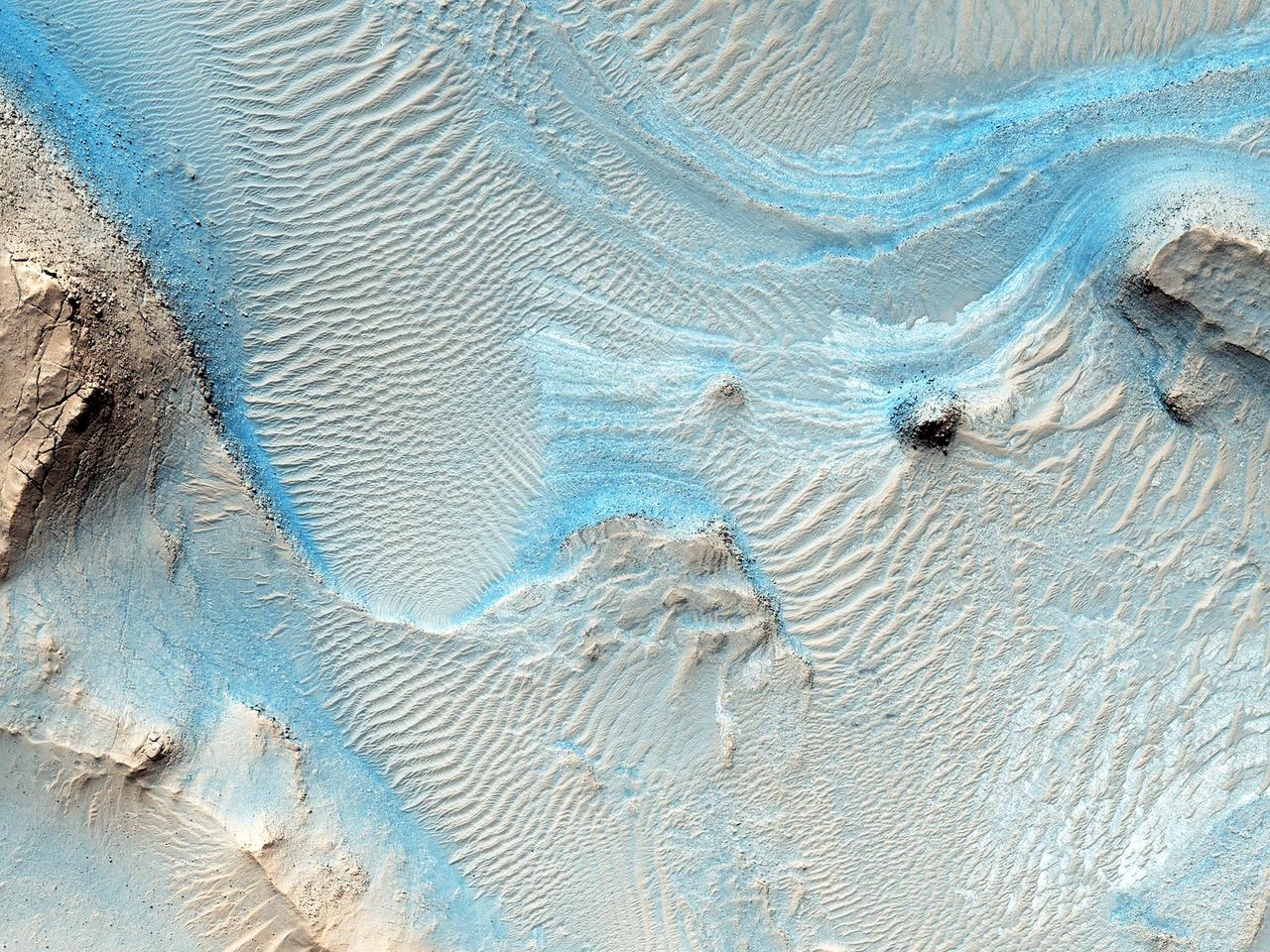
Nothing gets a geologist more excited than layered bedrock, except perhaps finding a fossil or holding a meteorite in your hand. All of these things create a profound feeling of history, the sense of a story that took place ages ago, long before we came appeared. Layered bedrock in particular tells a story that was set out chapter by chapter as each new layer was deposited on top of older, previously deposited layers. Here in Nili Fossae, we see layered bedrock as horizontal striations in the light toned sediments in the floor of a canyon near Syrtis Major. (Note: illumination is from the top of the picture) The ancient layered rocks appear in pale whitish and bluish tones. They are partially covered by much younger ripples made up of dust and other wind blown sediments. The rock of the nearby canyon wall is severely fractured and appears to have shed sand and rocks and boulders onto the floor. This canyon did not form by fluvial erosion: it is part of a system of faults that formed a series of graben like this one, but water probably flowed through Nili Fossae in the distant past. Orbital spectral measurements by the OMEGA instrument on Mars Express and CRISM on MRO detected an abundance of clay minerals of different types in the layered sediments inside Nili Fossae, along with other minerals that are typical of sediments that were deposited by water. The various colors and tones of the layered rocks record changes in the composition of the sediments, details that can tell us about changes in the Martian environment eons ago. Nili Fossae is a candidate site for a future landed robotic mission that could traverse across these layers and make measurements that could be used to unravel a part of the early history of Mars. Nili Fossae is a history book that is waiting to be read. http://photojournal.jpl.nasa.gov/catalog/PIA21206
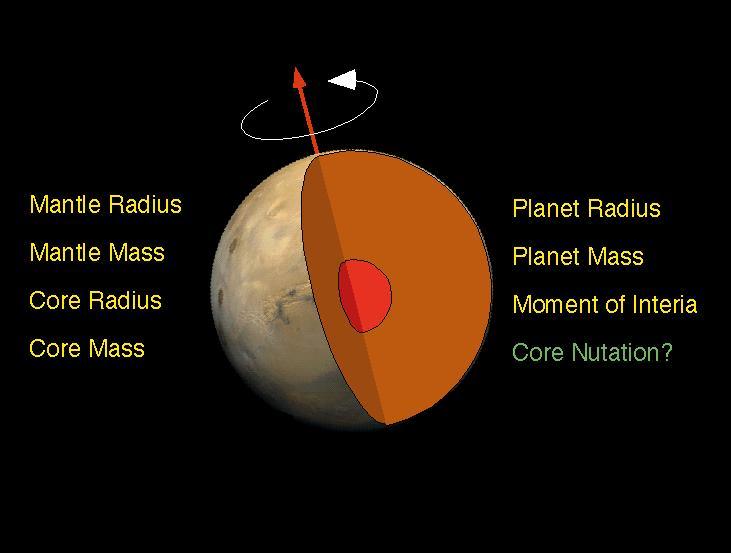
The interior of Mars is simply modeled as a core and mantle with a thin crust, similar to Earth. Mars' size and total mass have been determined by previous missions. Given four parameters, the core size and mass, and mantle size and mass can be determined. The combination of Pathfinder Doppler data with earlier data from the Viking landers has determined a third parameter, the moment of inertia, through measurement of Mars' precession rate. A fourth measurement is needed to complete the interior model. This may be achieved through future Doppler tracking of Pathfinder, since the presence of a fluid core may be detectable through its effect on Mars' nutation. The determination of the moment of inertia is a significant constraint on possible models for Mars' interior. If the core is as dense as possible (i.e. completely iron) and the mantle is similar to Earth's (or similar to the SNC meteorites thought to originate on Mars) then the minimum core radius is about 1300 km. If the core is made of less-dense material (i.e. a mixture of iron and sulfur) then the core radius is probably no more than 2000 km. Sojourner spent 83 days of a planned seven-day mission exploring the Martian terrain, acquiring images, and taking chemical, atmospheric and other measurements. The final data transmission received from Pathfinder was at 10:23 UTC on September 27, 1997. Although mission managers tried to restore full communications during the following five months, the successful mission was terminated on March 10, 1998. http://photojournal.jpl.nasa.gov/catalog/PIA00974