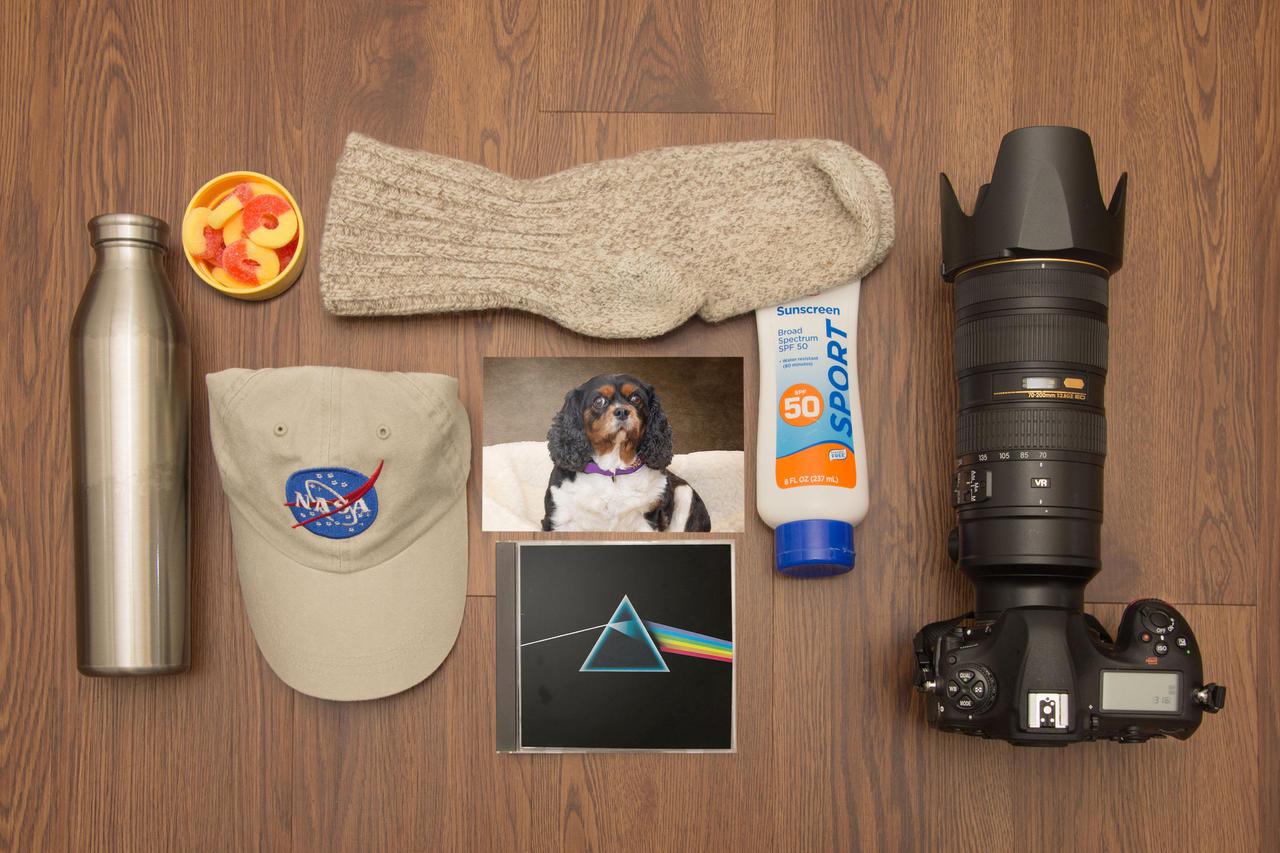
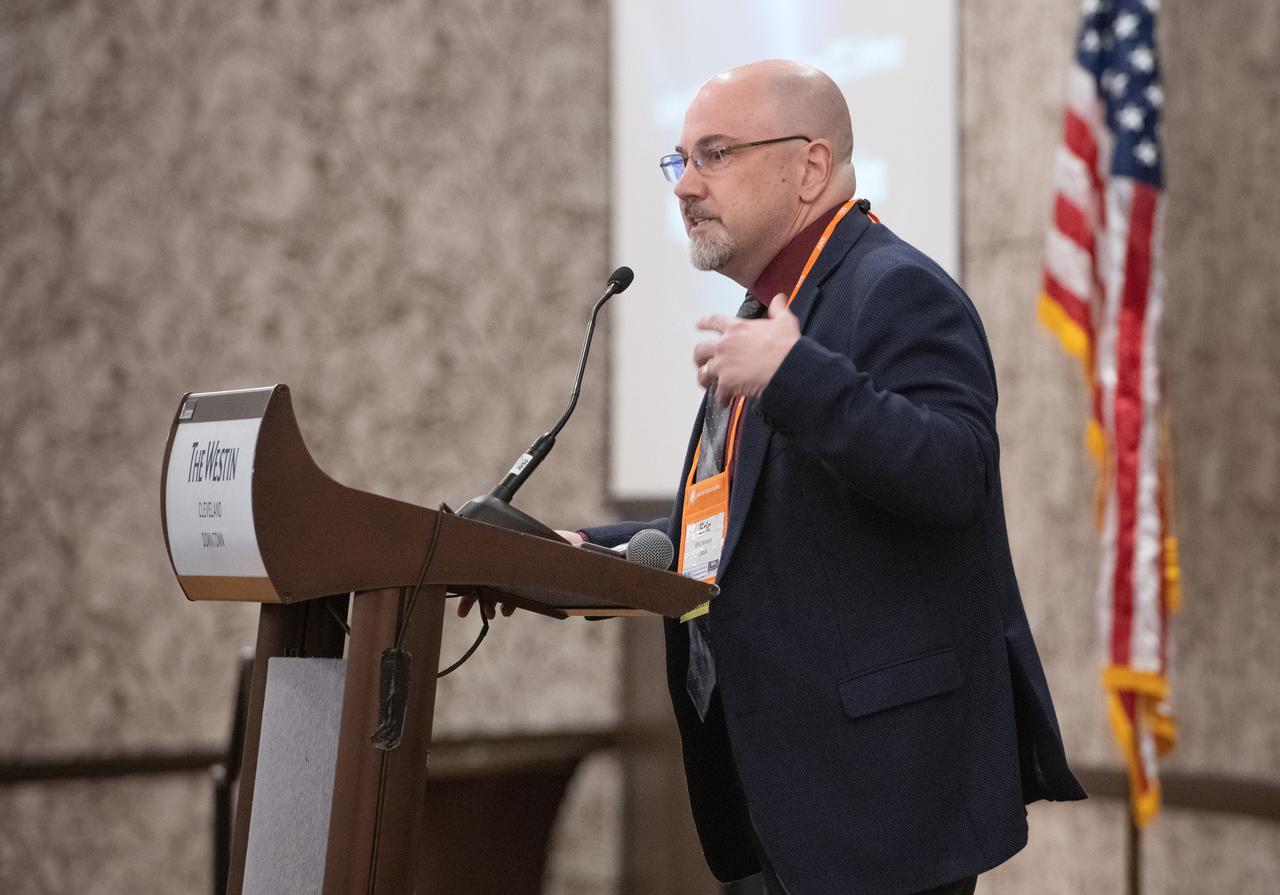
The first thing that went into my Moonkit was my camera.  Some of the most iconic photographs ever taken were captured on the surface of the Moon by NASA astronauts.  The camera has to go.  The hat and sunscreen will be a must to protect me from the unfiltered sunlight.  Warm socks?  Of course, my feet are always cold.  A little “Moon Music” and a photo of Holly, the best dog in the world, will pass the time during breaks.  Lastly, I need to eat.  Water and gummy peach rings will pack in a small corner of my pack.  Marv Smith Lead Photographer, NASA Glenn Research Center
NASA MoonKit - Marvin Smith
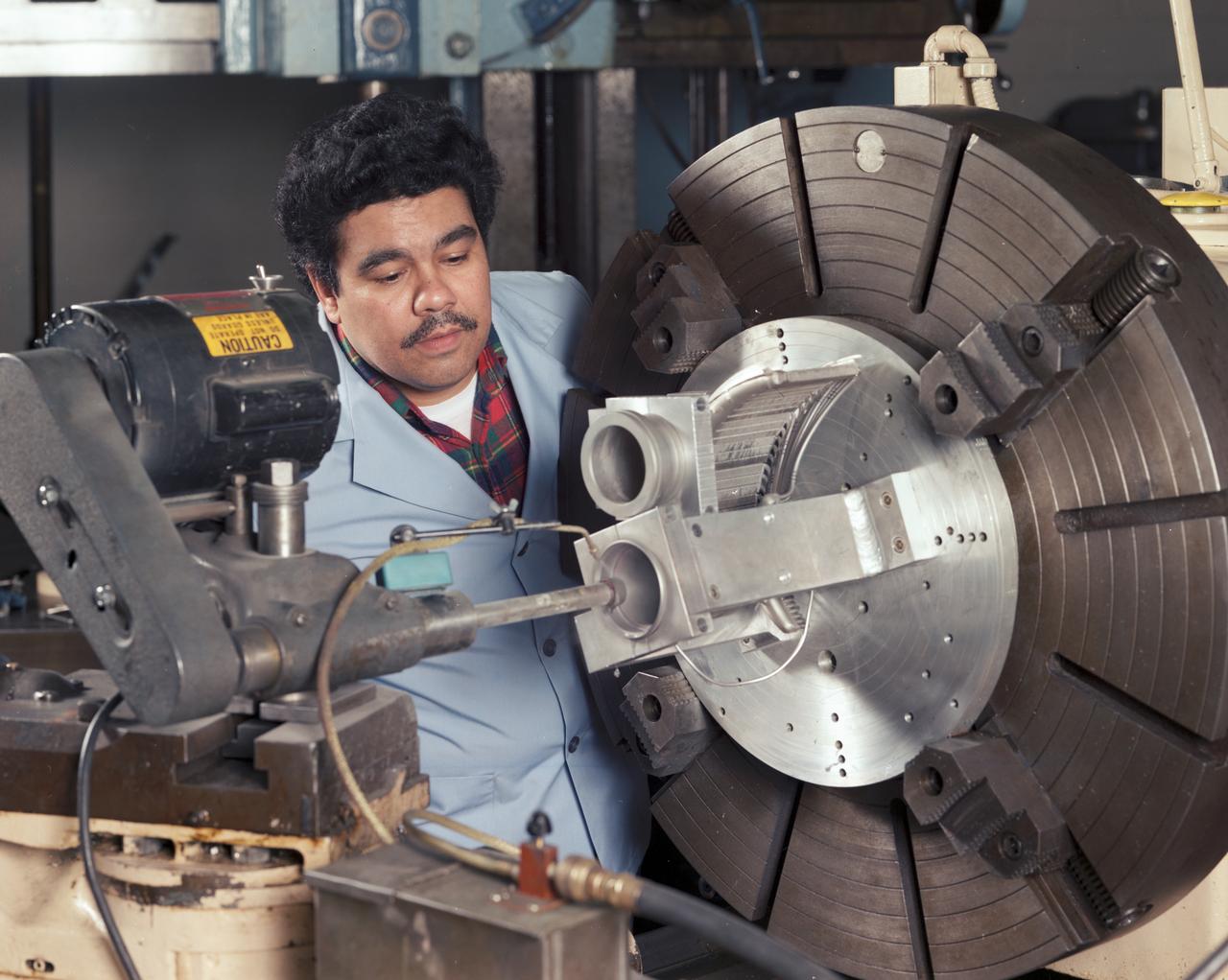
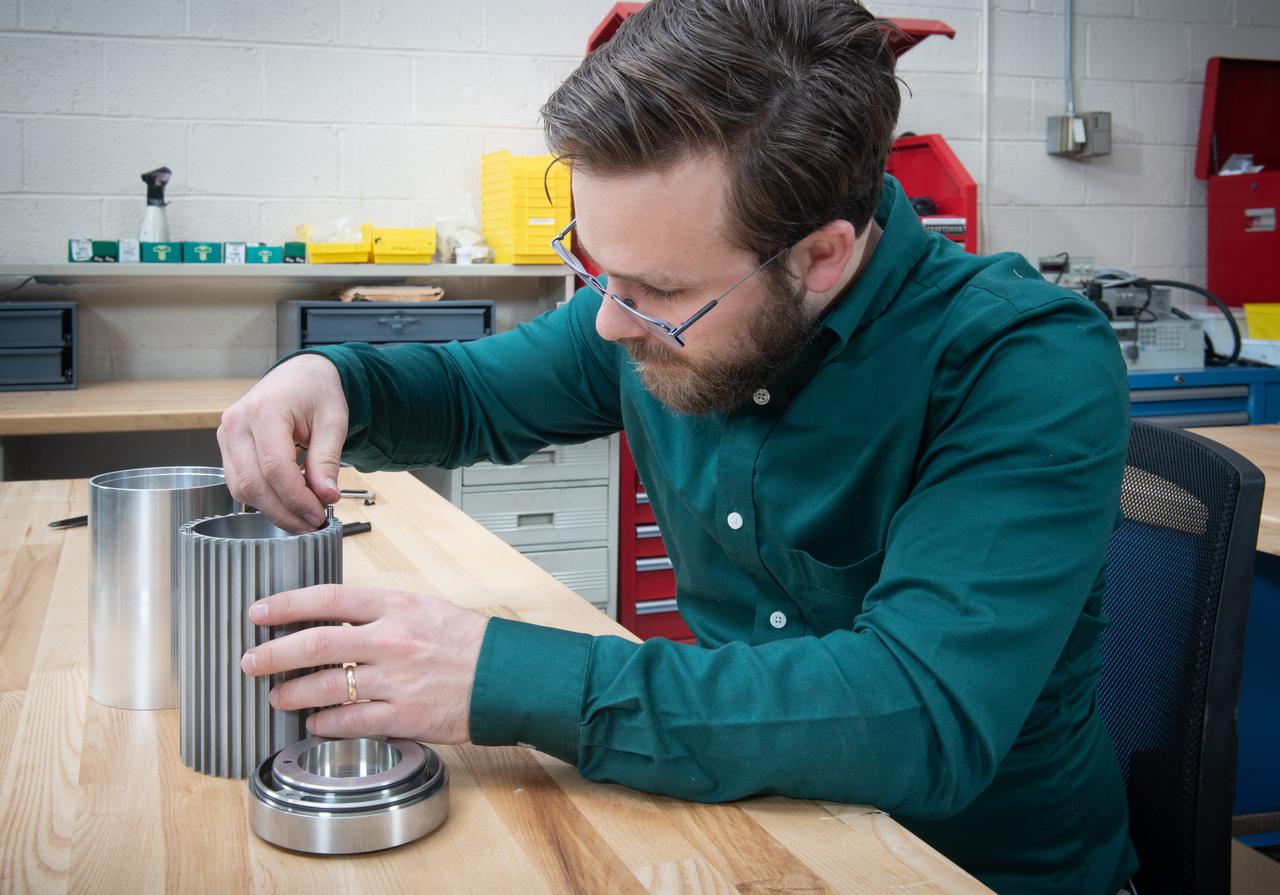
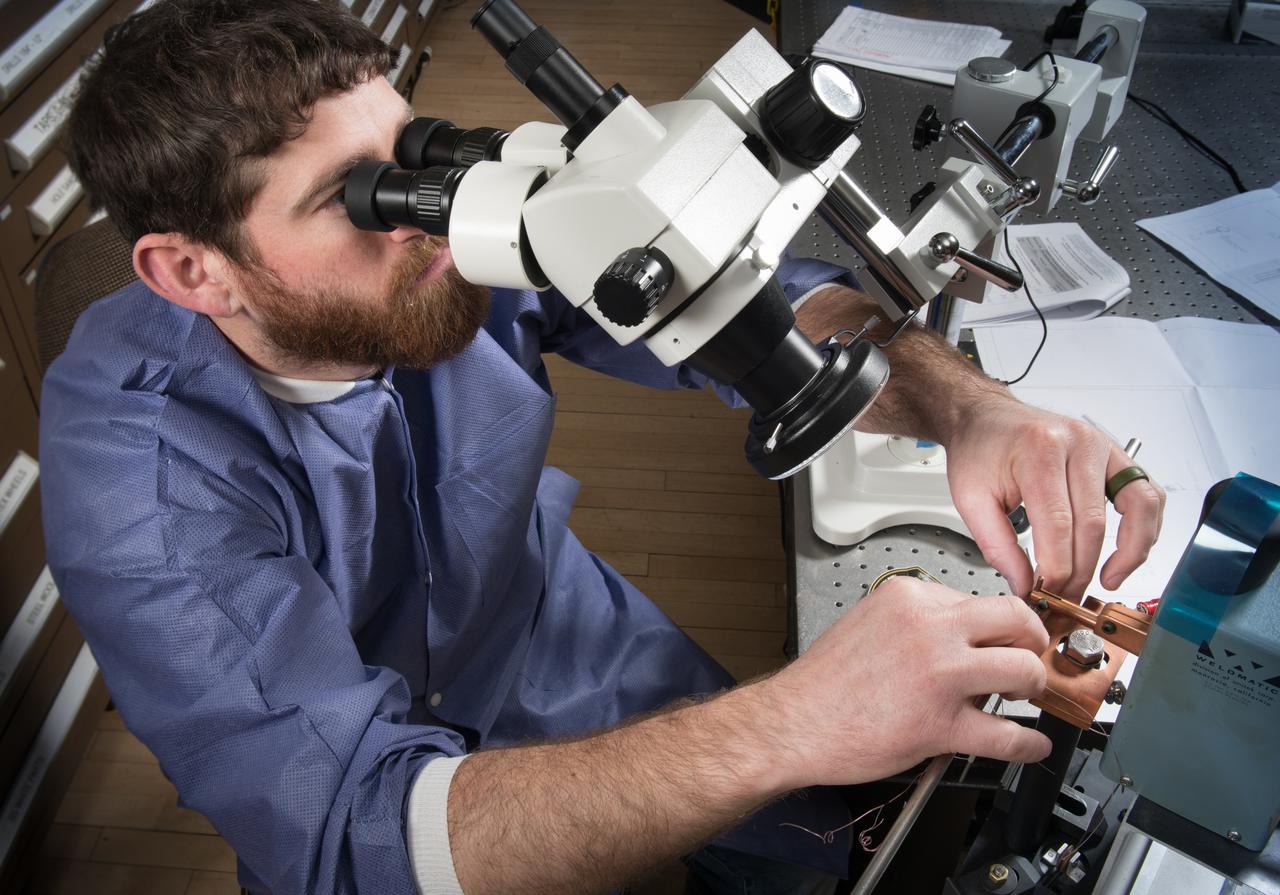
Fabrication of Stirling Engine Cylinder Test Hardware in the Machine Shop
Stirling Engine Cylinder Fabrication
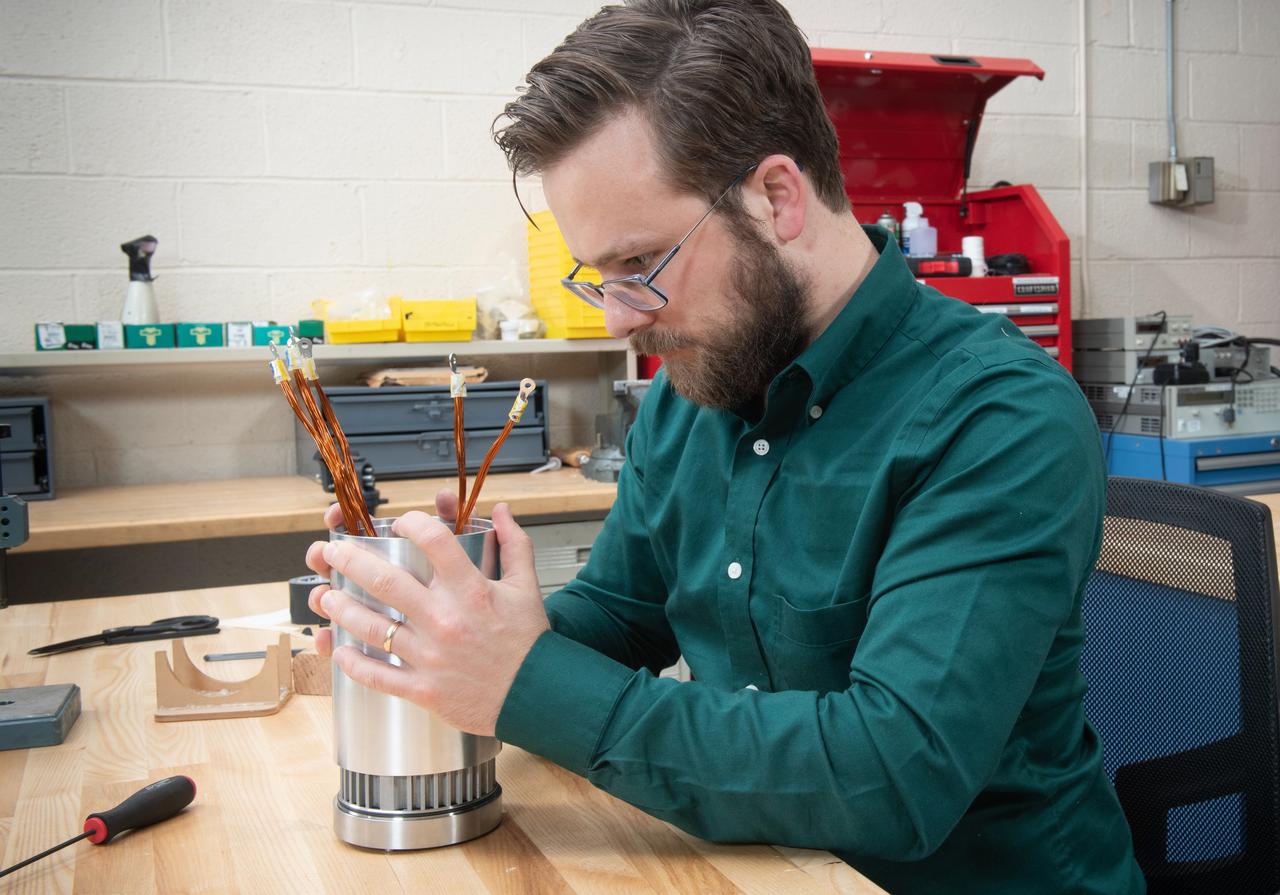
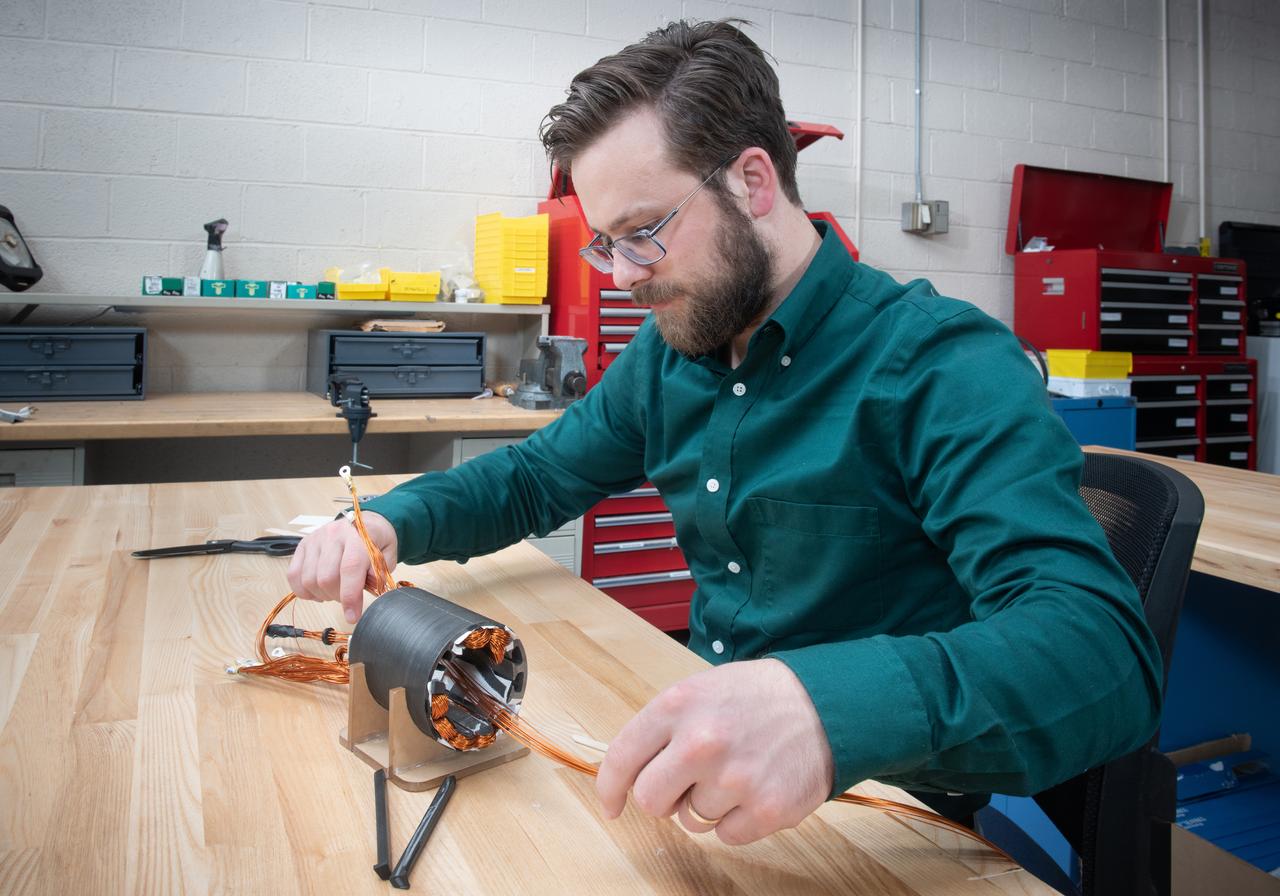
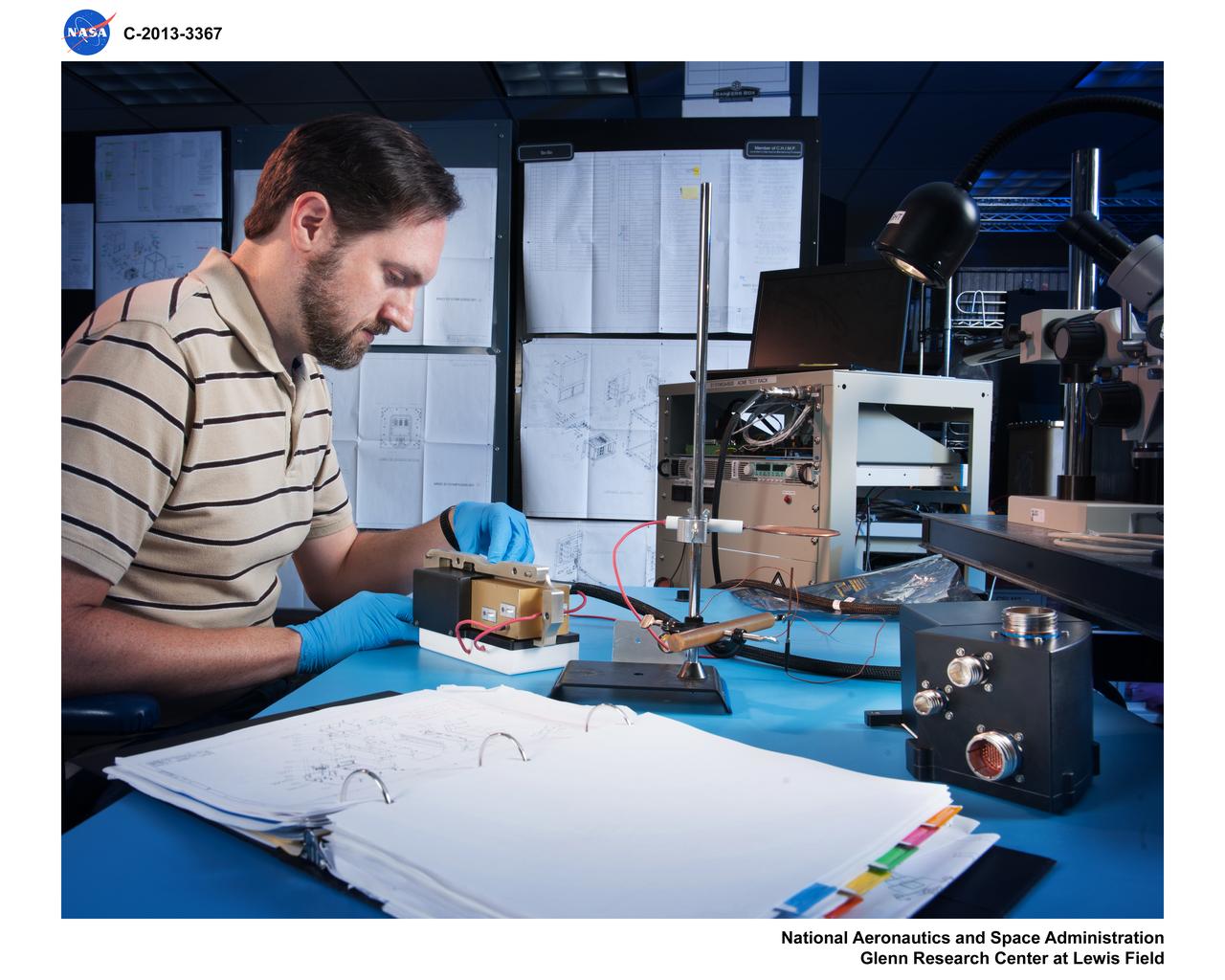
Assembly of a 20kW Electric Kokomotor for the SUbsonic Single Aft eNgine, SUSAN, 25% Flight Research Vehicle
GRC-2022-C-11760
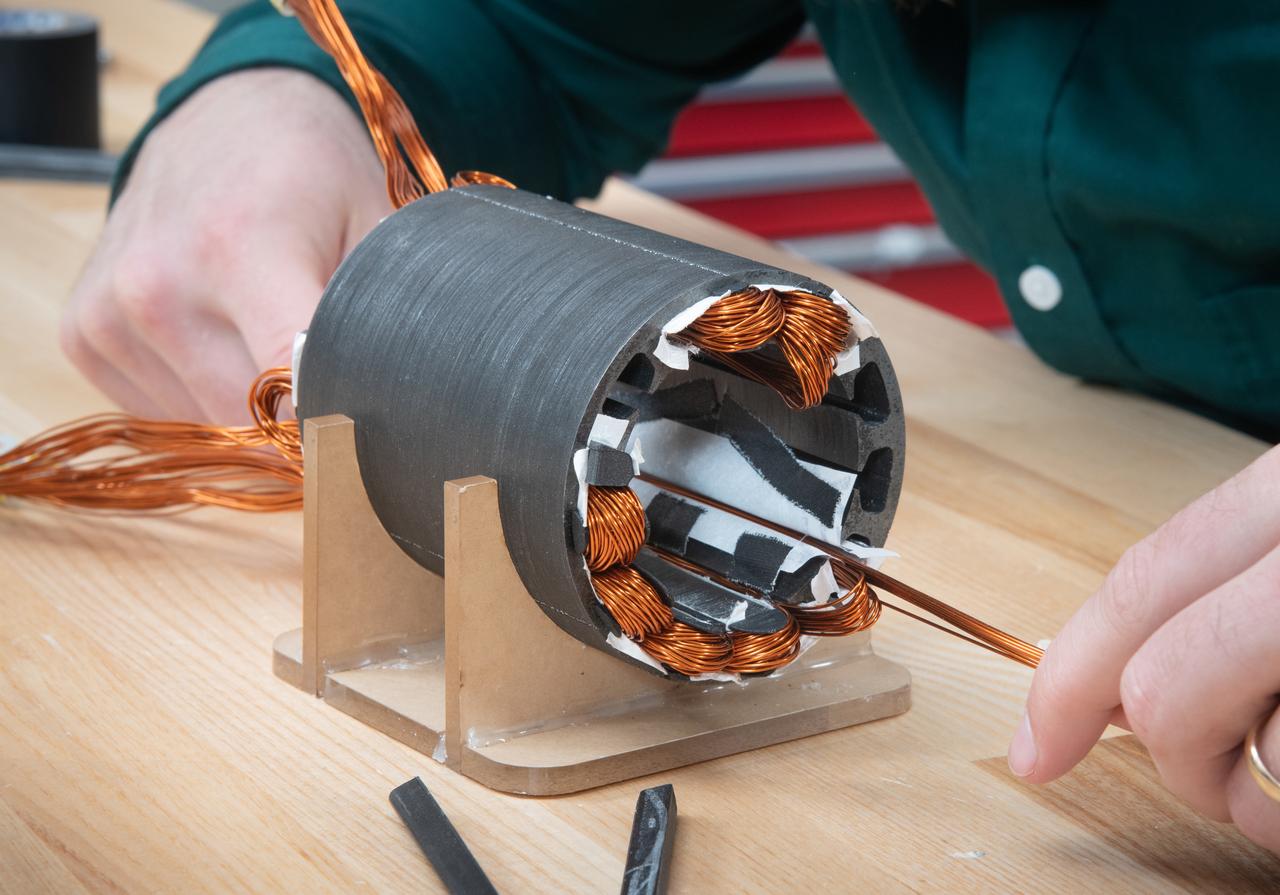
Assembly of a 20kW Electric Kokomotor for the SUbsonic Single Aft eNgine, SUSAN, 25% Flight Research Vehicle
GRC-2022-C-11762
Assembly of a 20kW Electric Kokomotor for the SUbsonic Single Aft eNgine, SUSAN, 25% Flight Research Vehicle
GRC-2022-C-11761
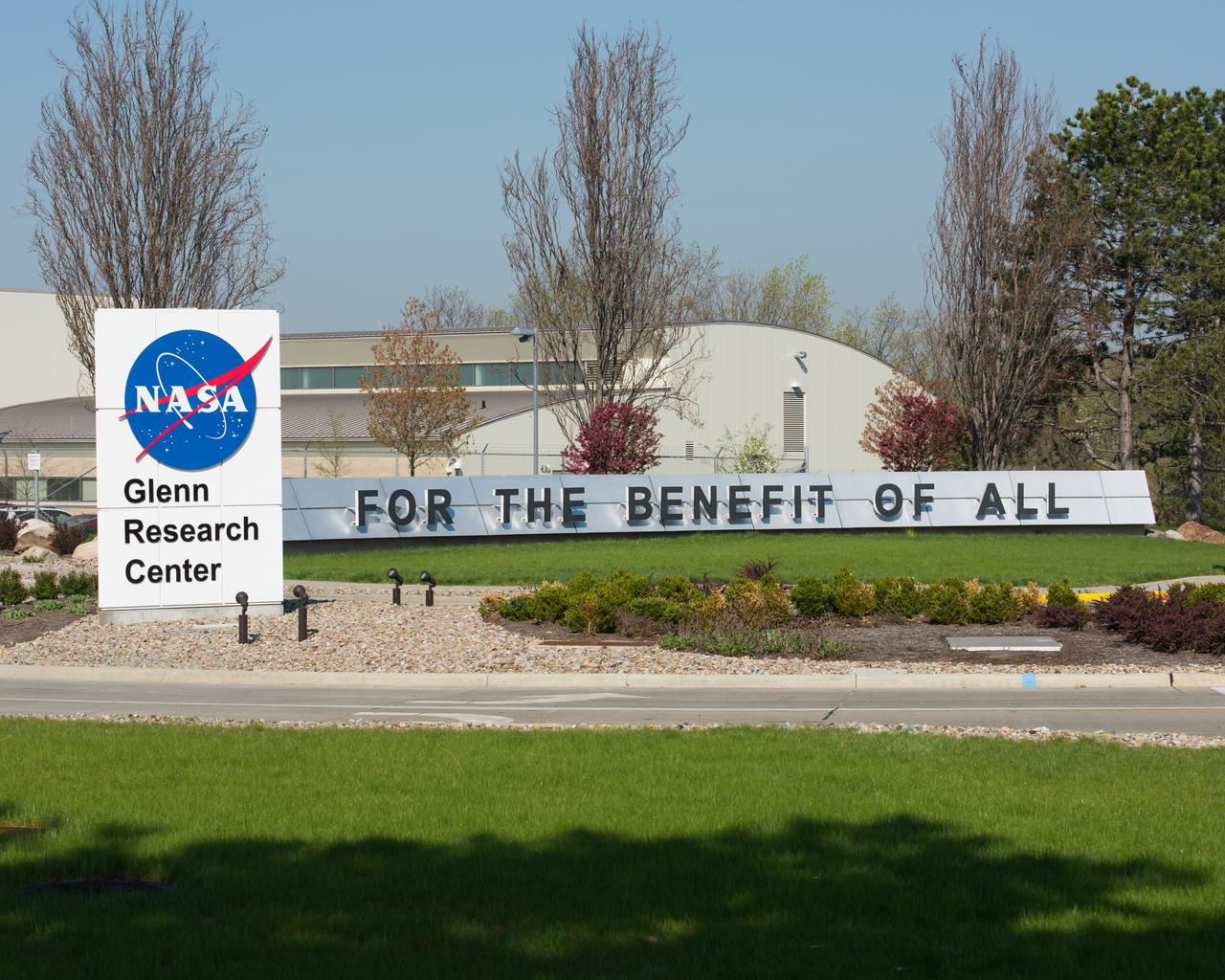
NASA Glenn Research Center Sign at the Intersection of NASA Parkway and Broiokpark Road.  The sign reads: For The Benefit Of All
NASA Glenn Research Center Sign at the Intersection of NASA Park
Assembly of a 20kW Electric Kokomotor for the SUbsonic Single Aft eNgine, SUSAN, 25% Flight Research Vehicle
GRC-2022-C-11780
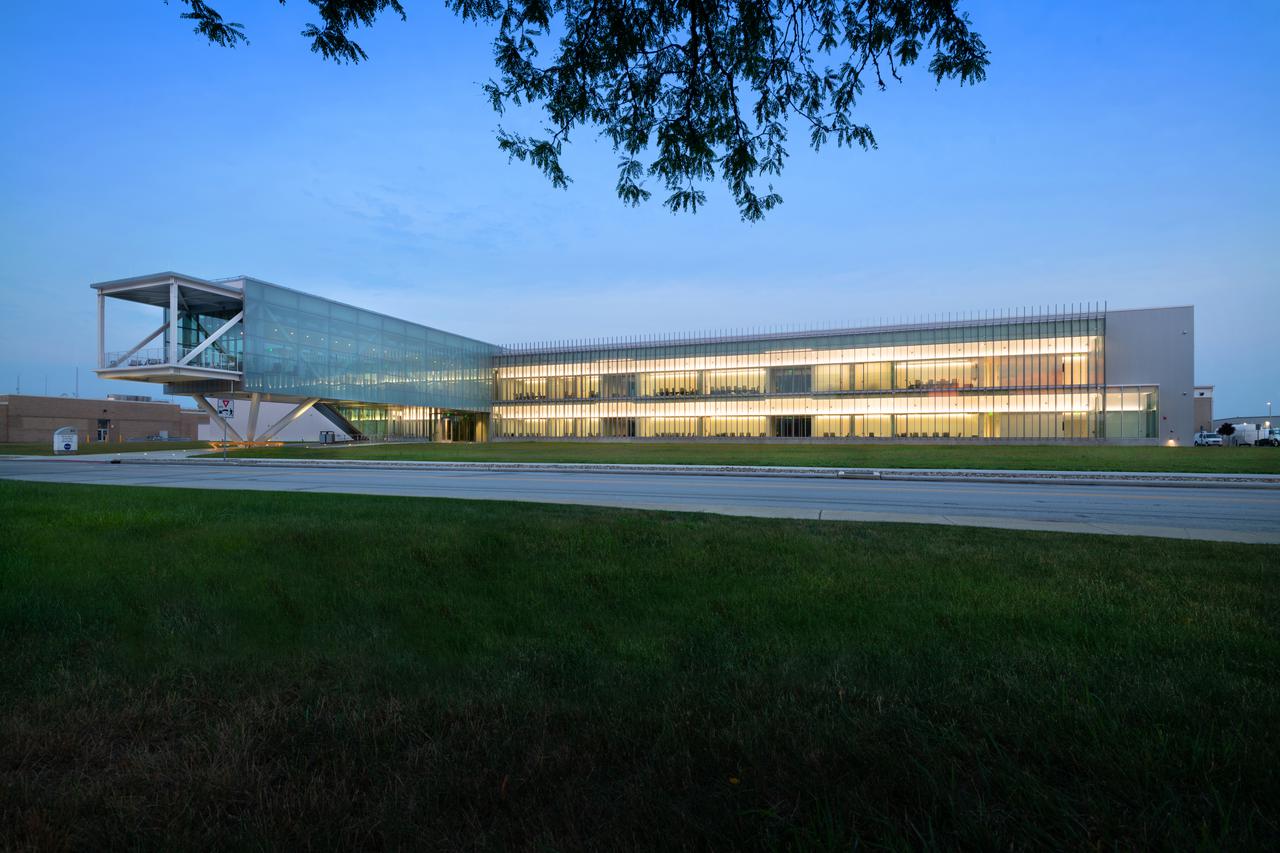
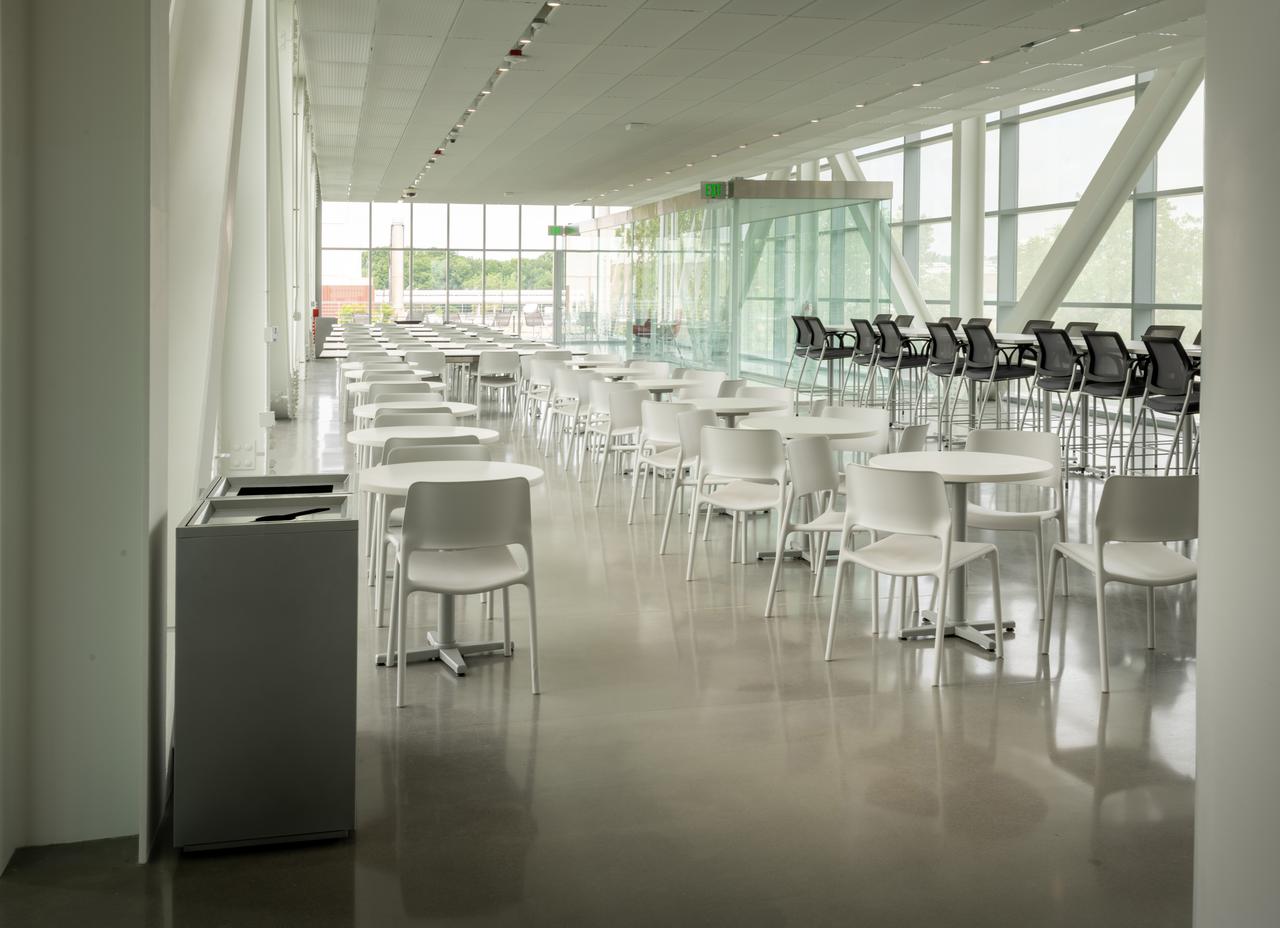
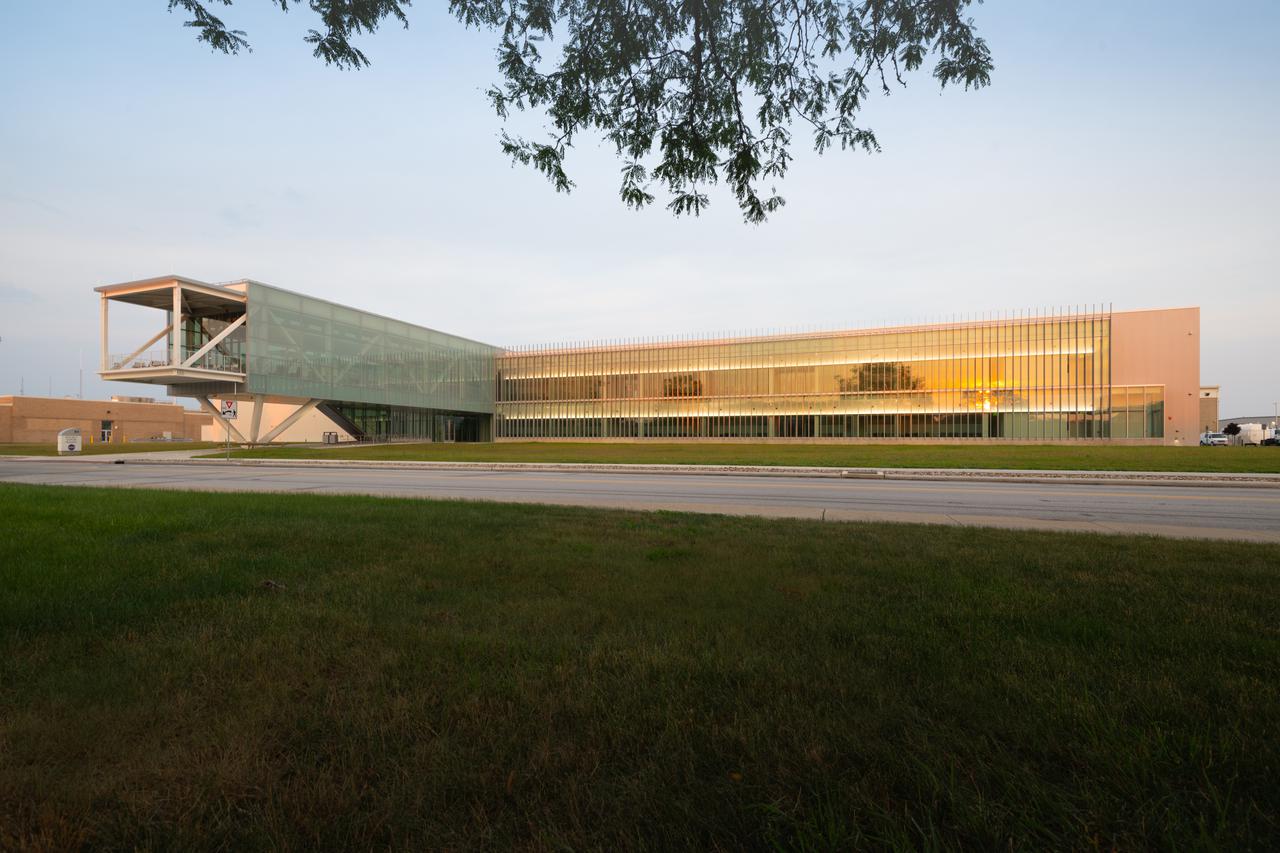
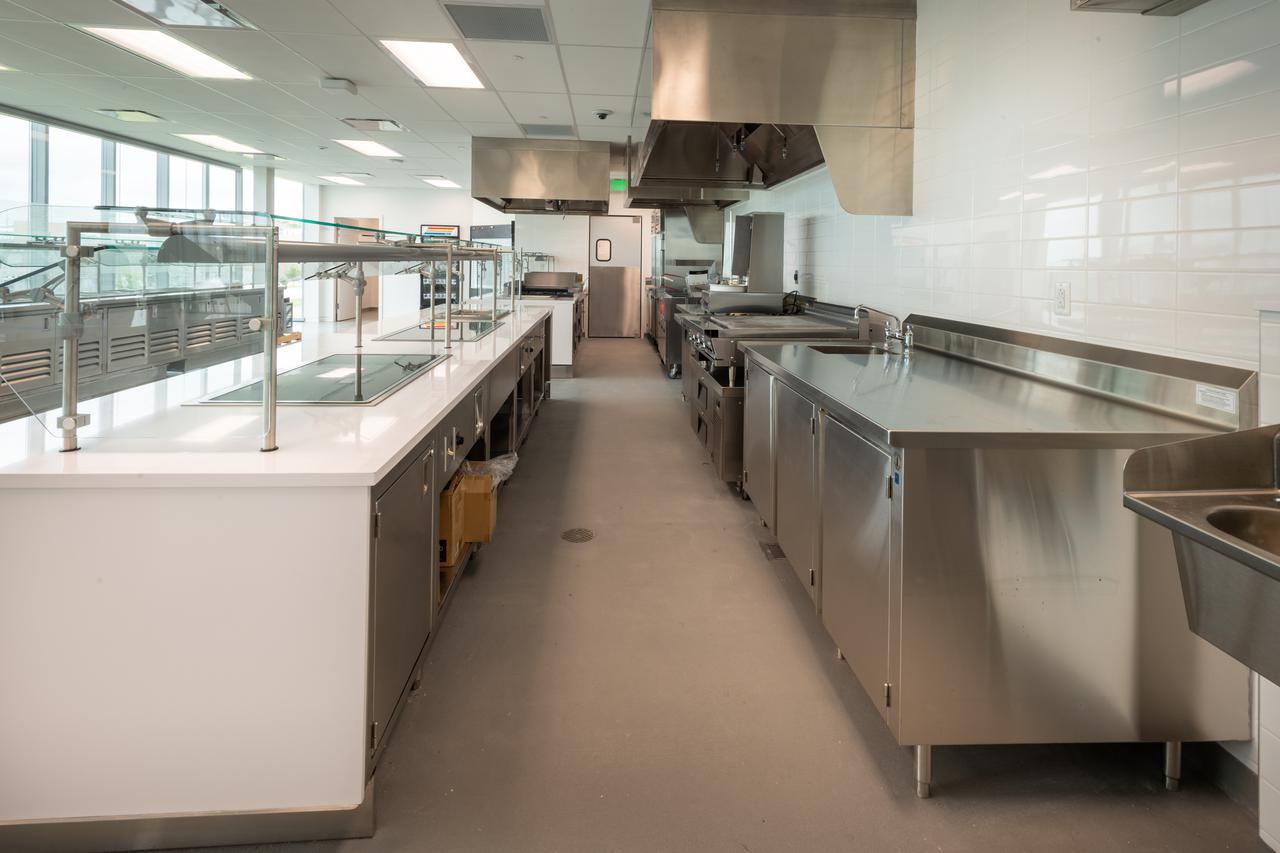
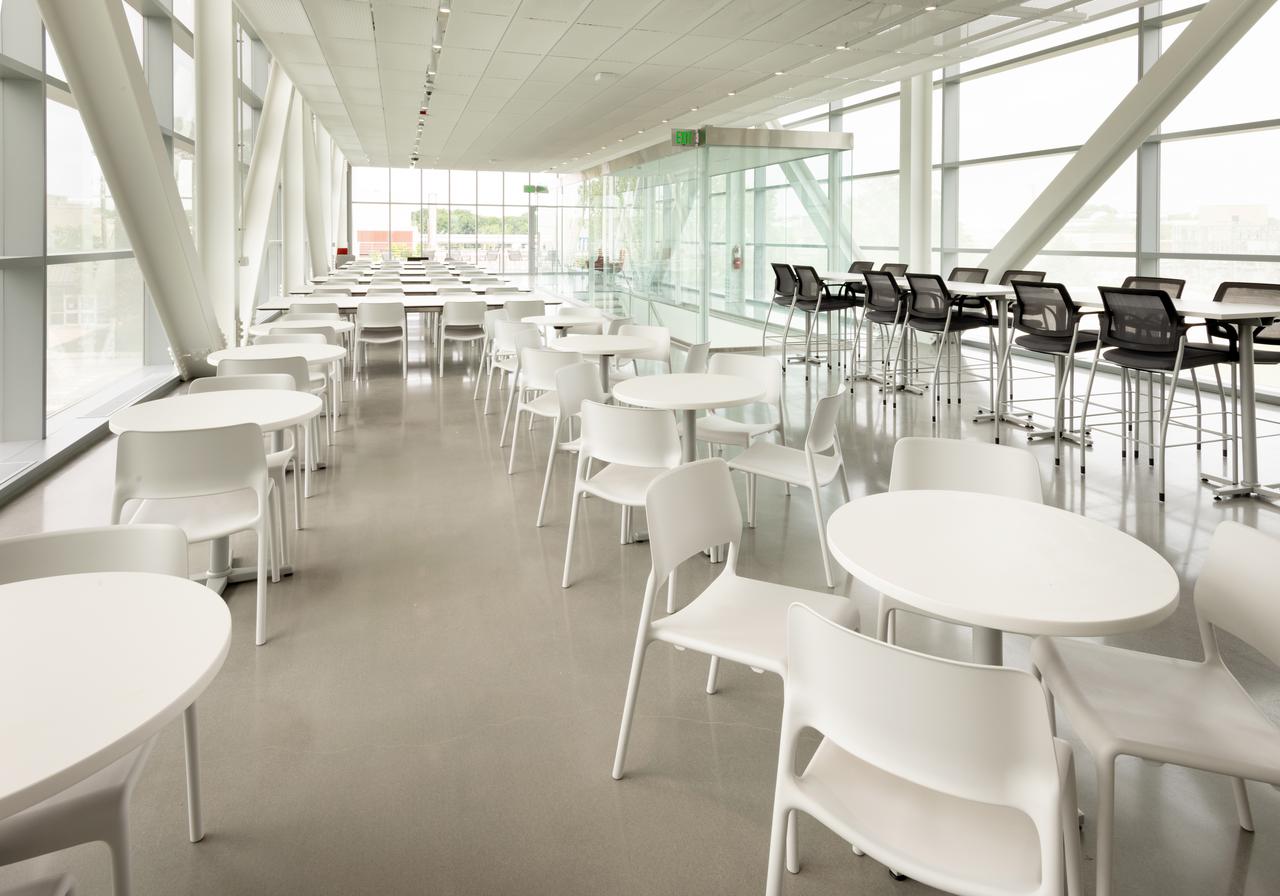
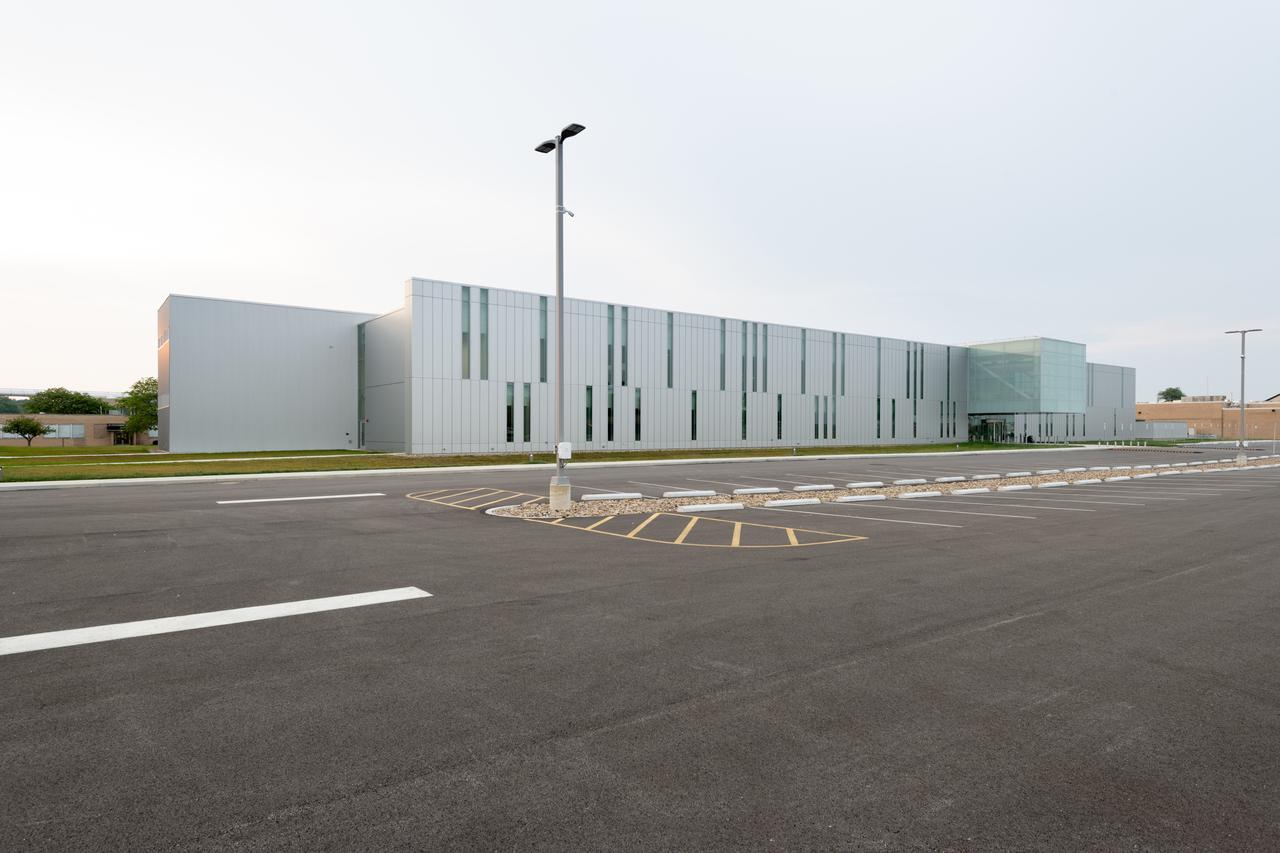
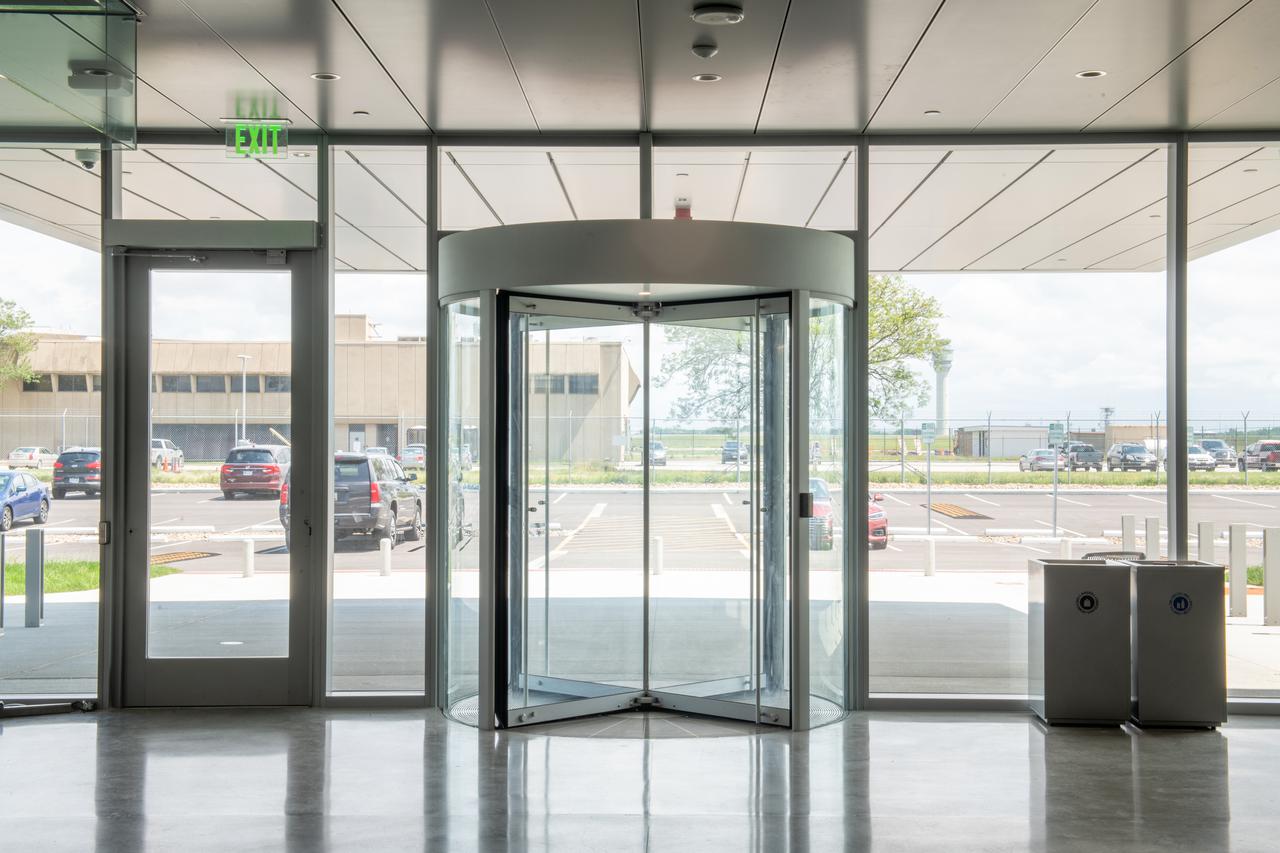
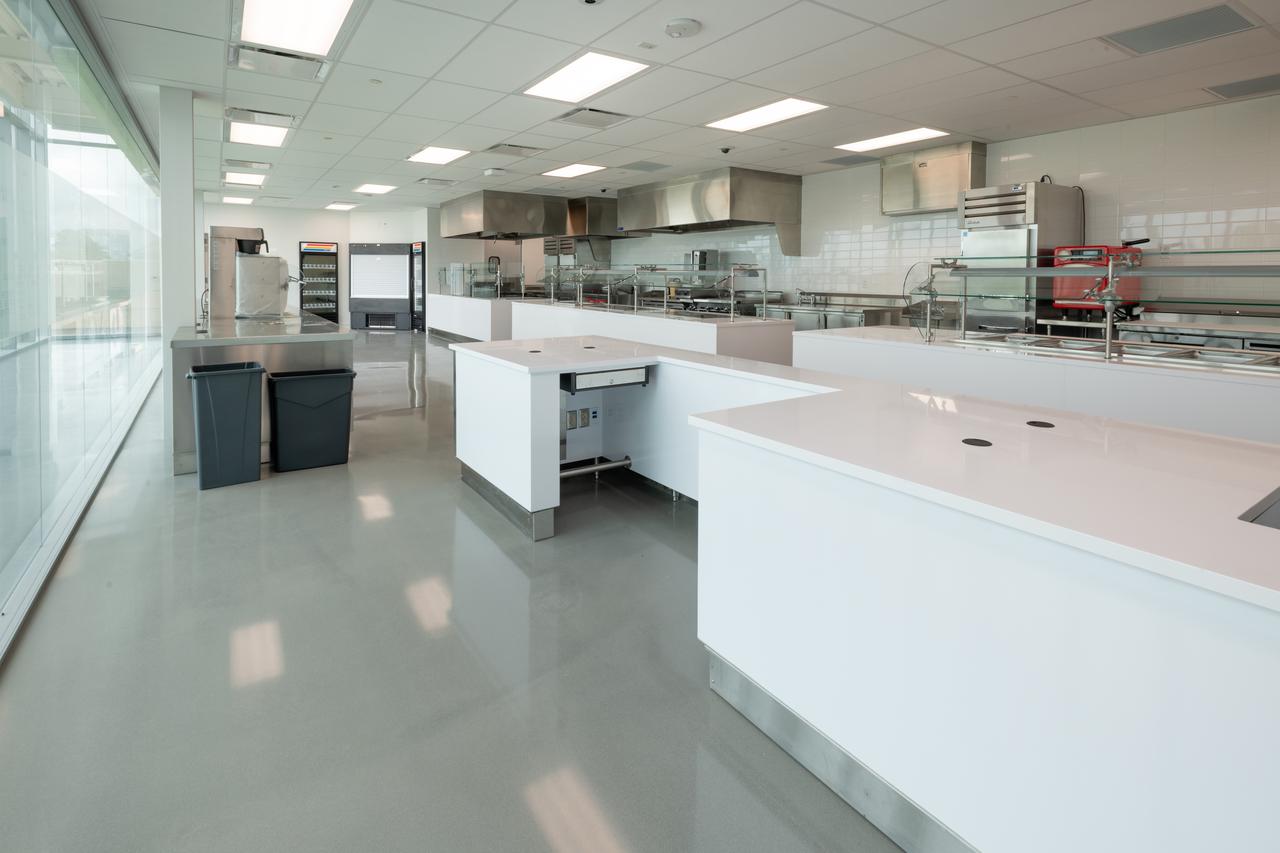
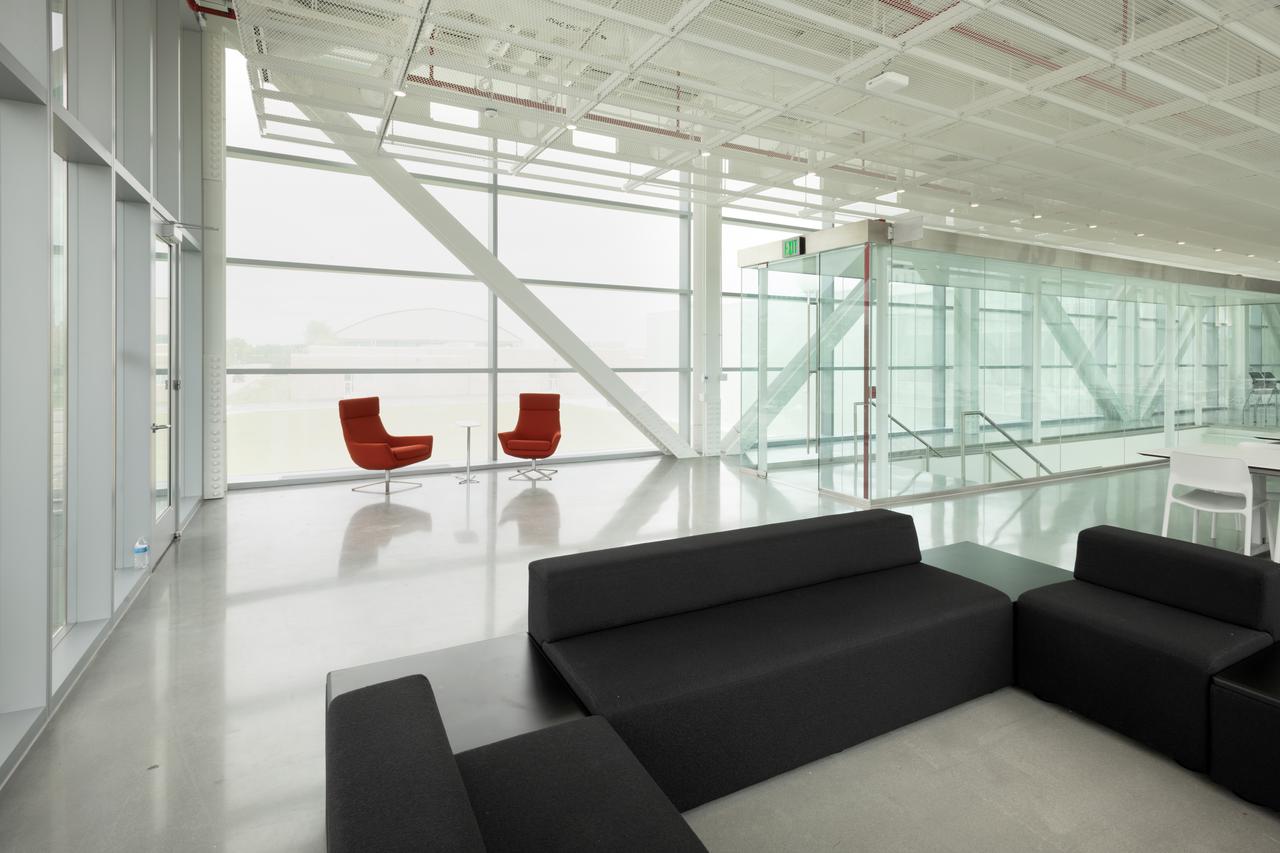
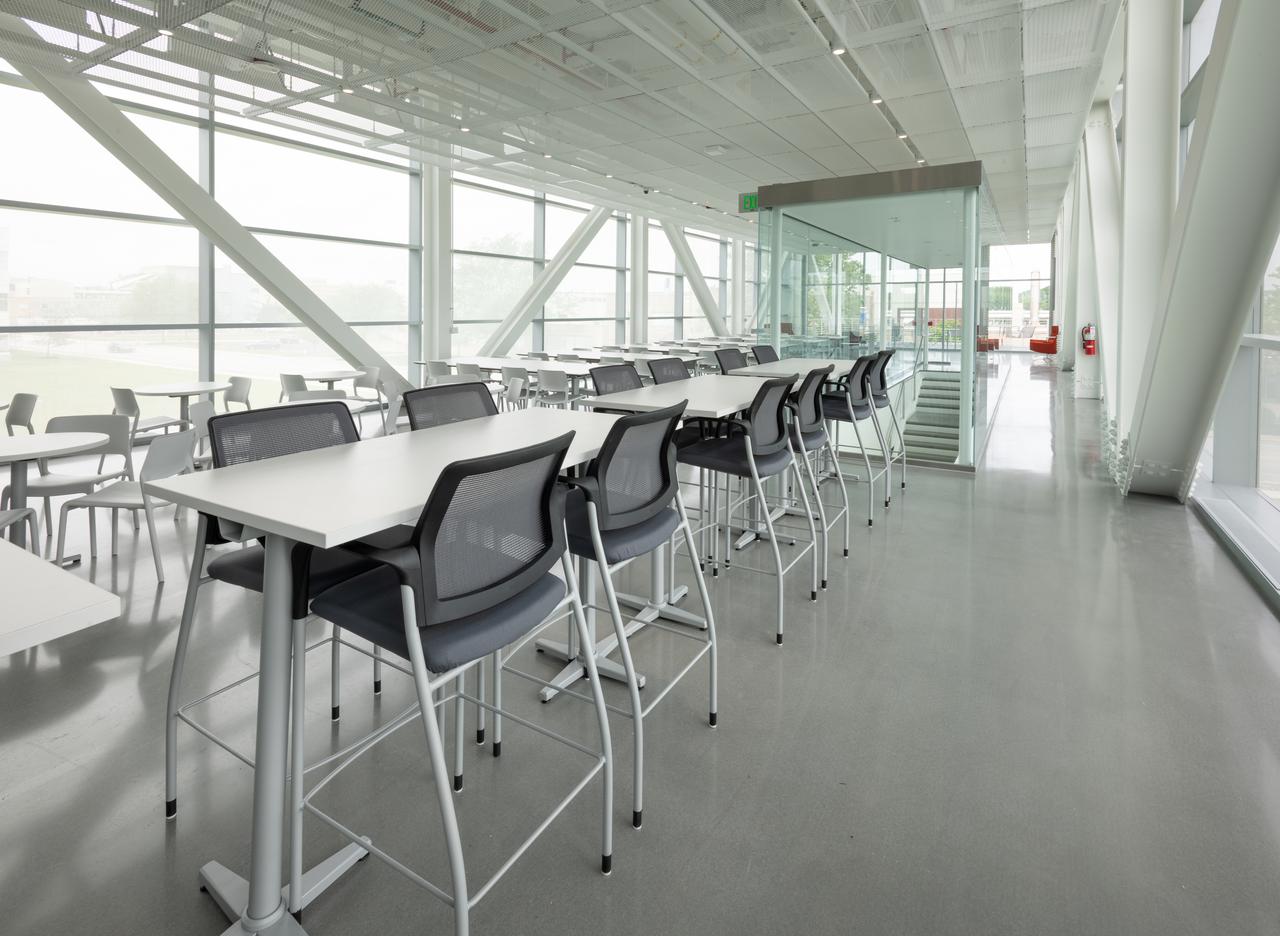
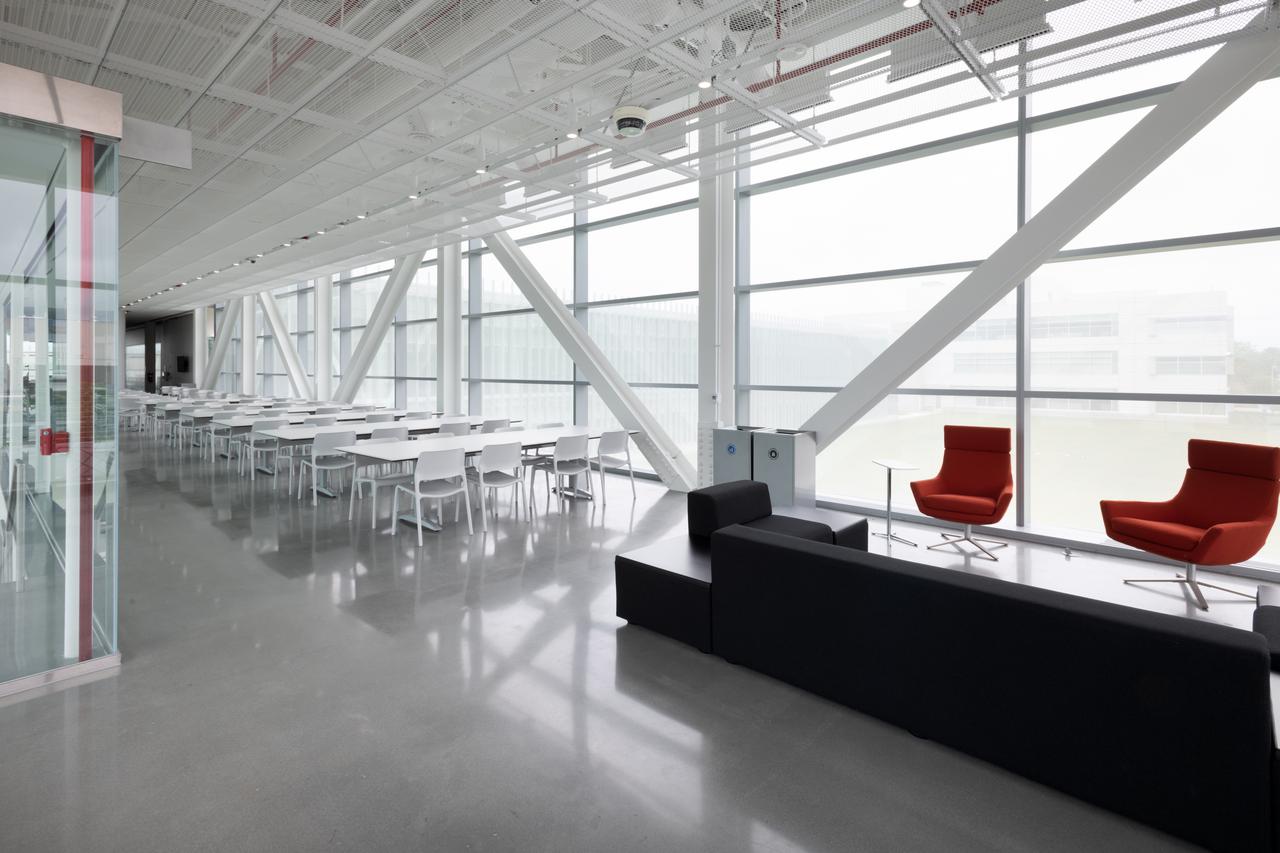
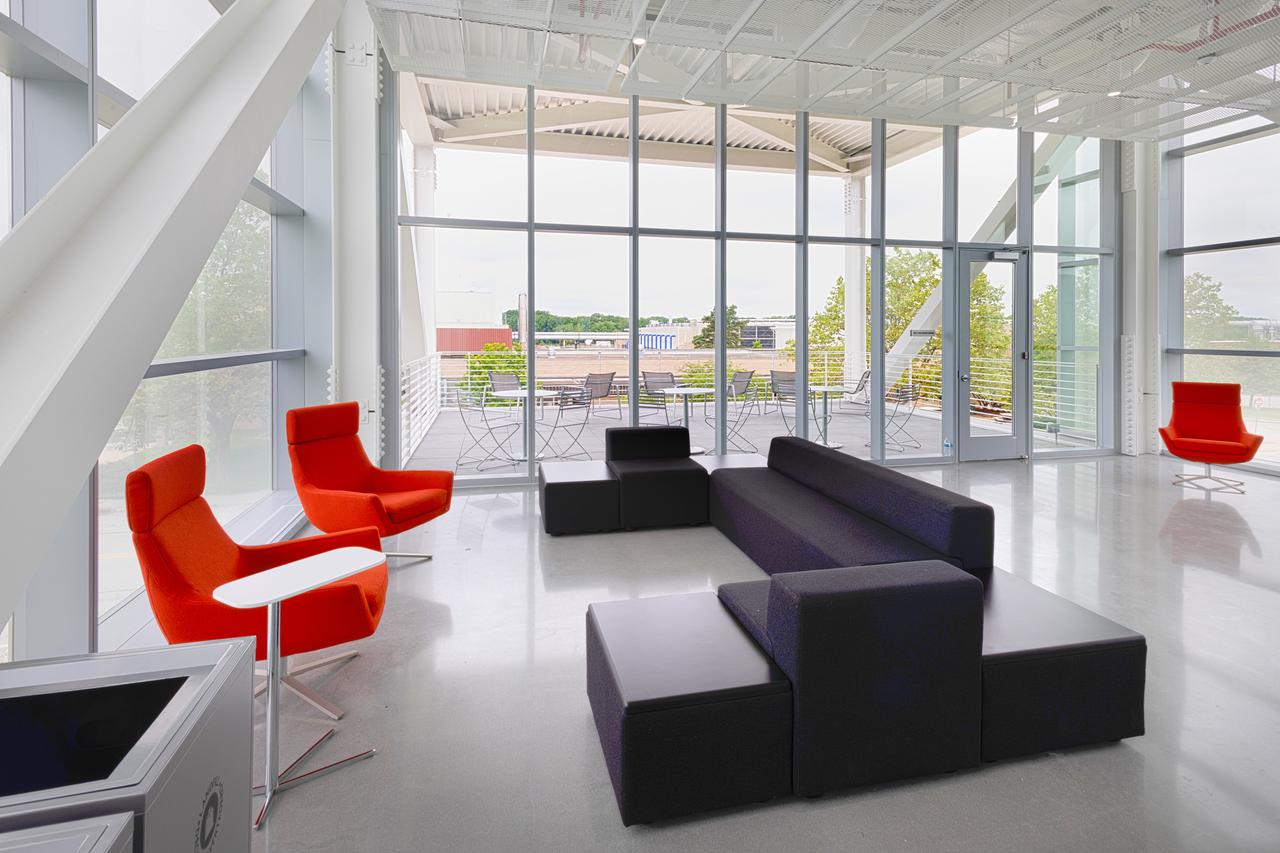
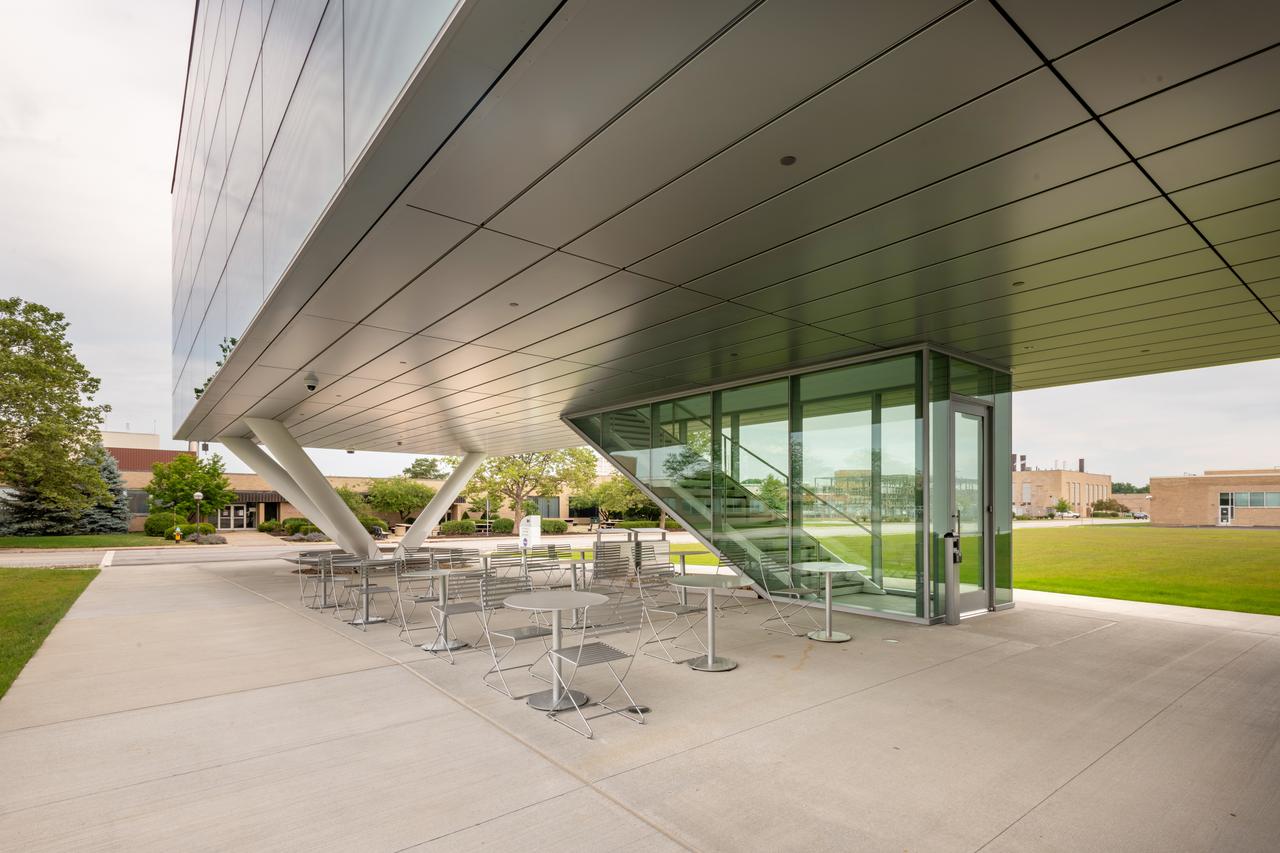
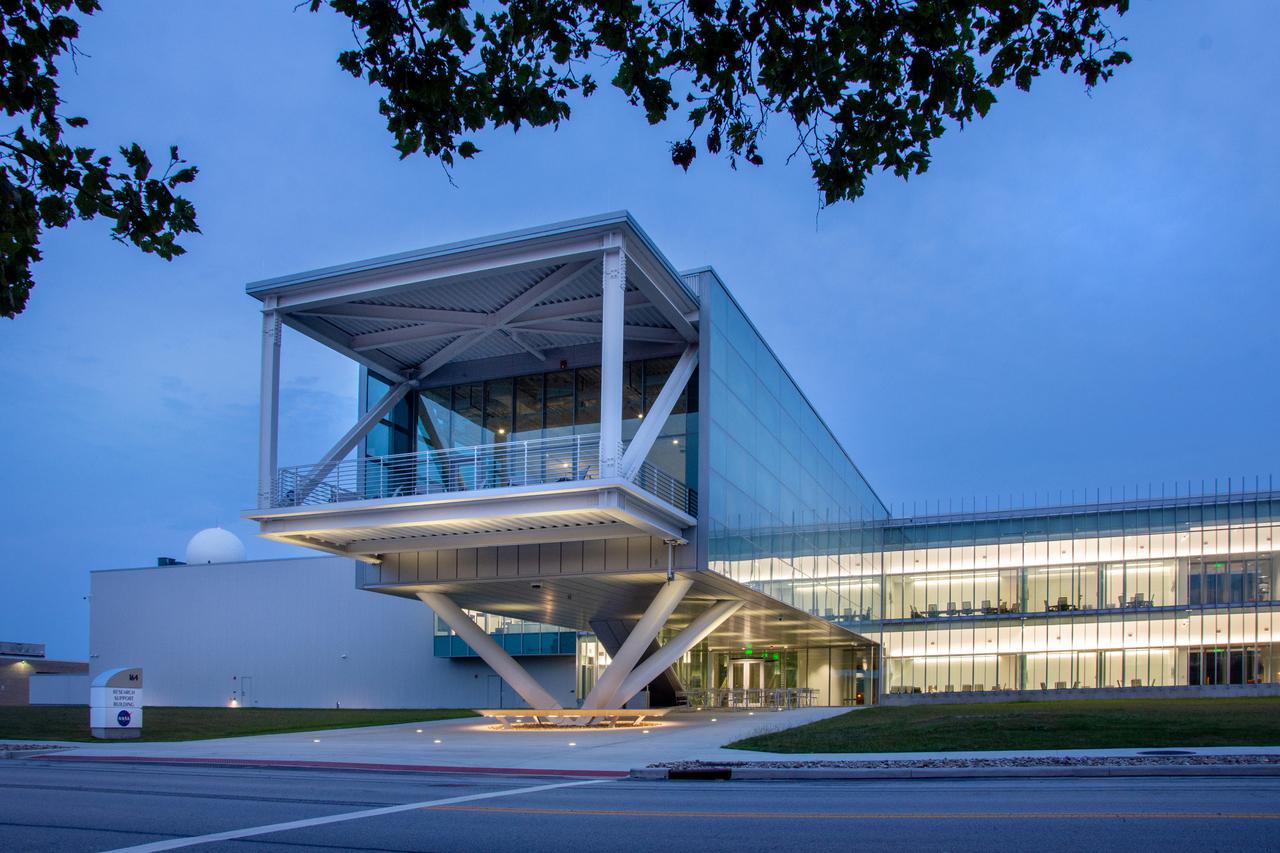
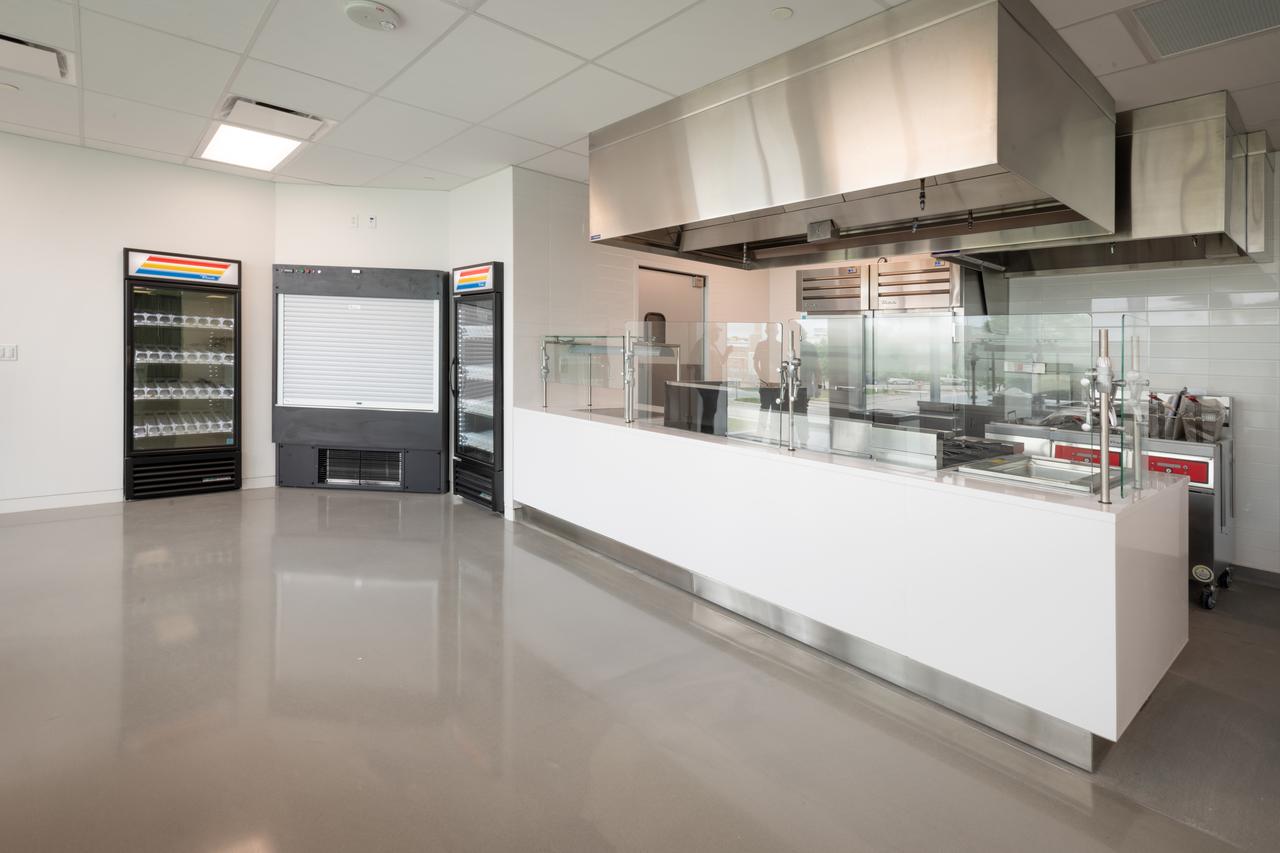
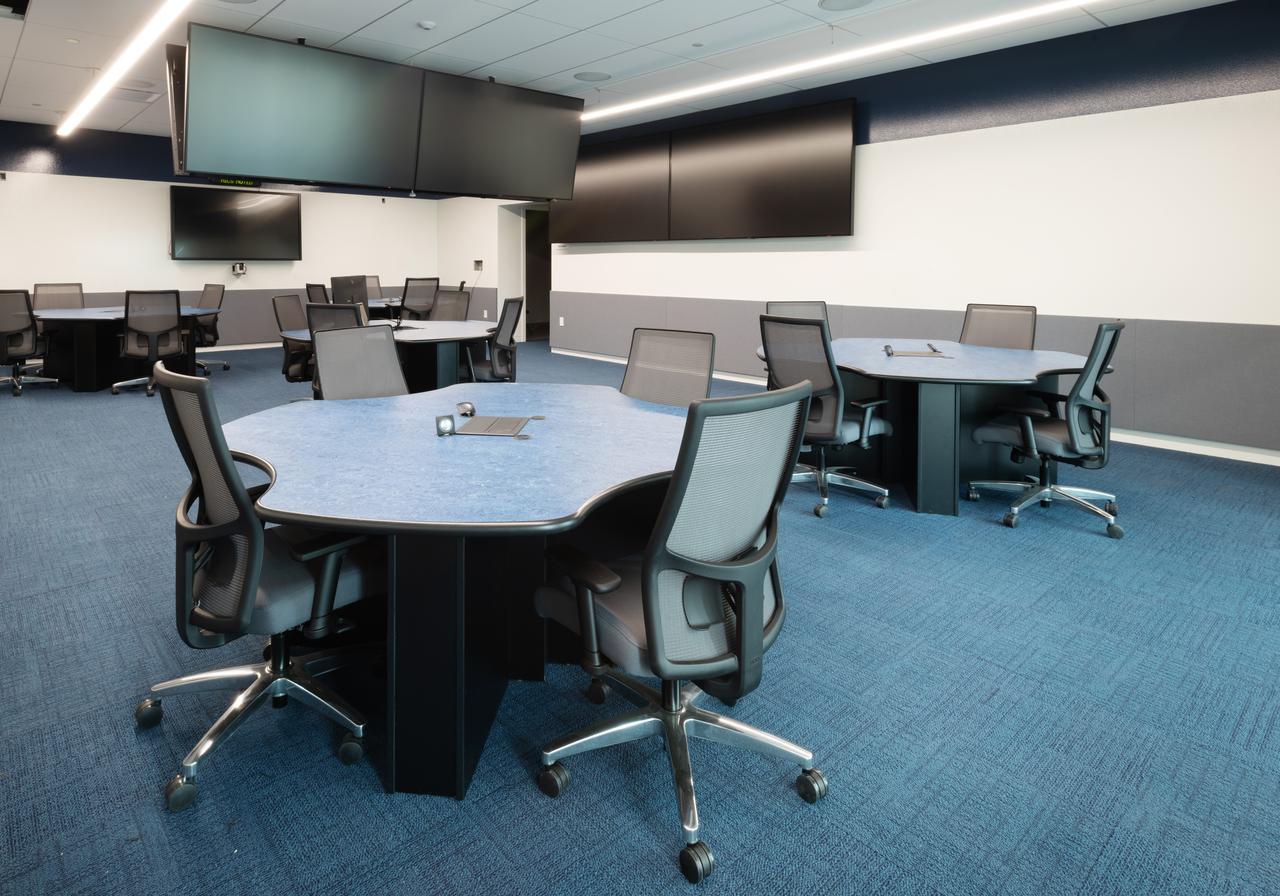
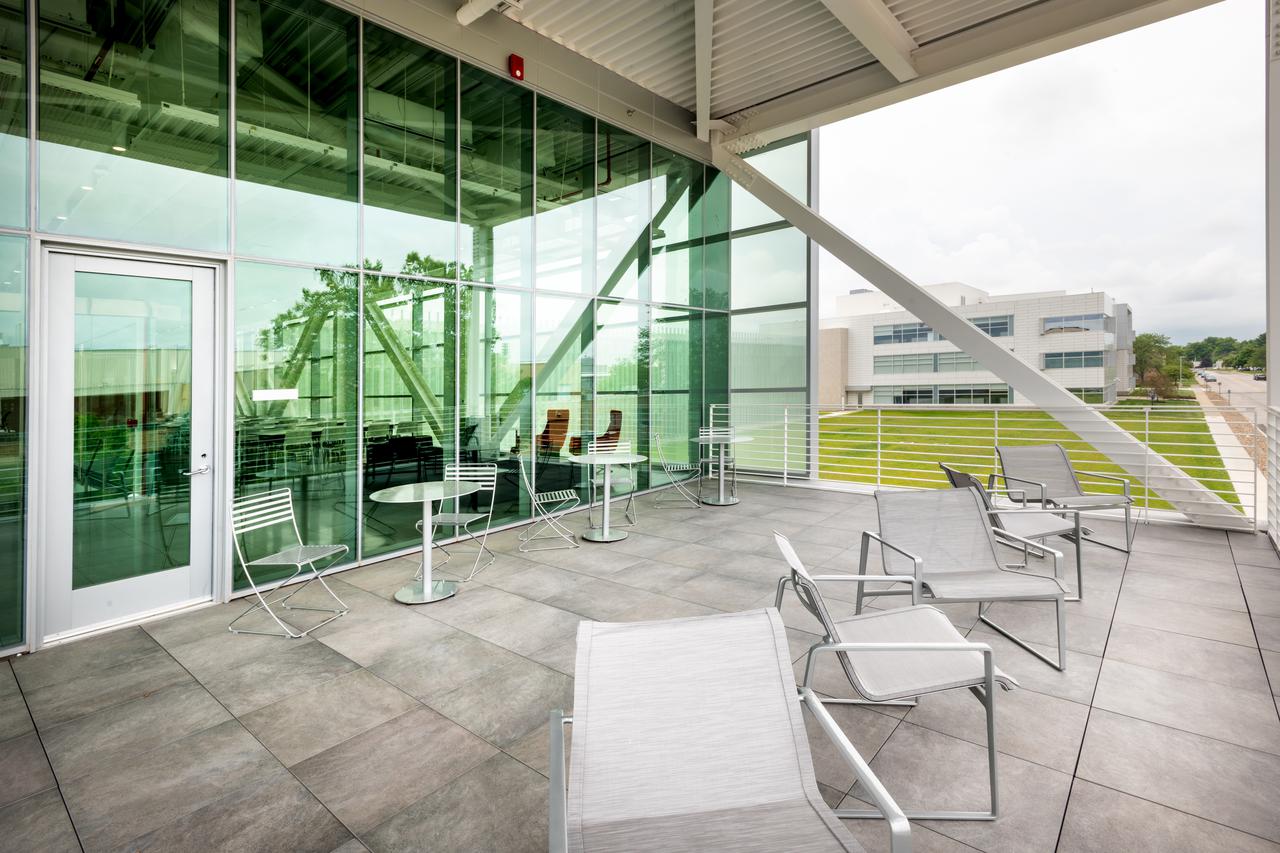
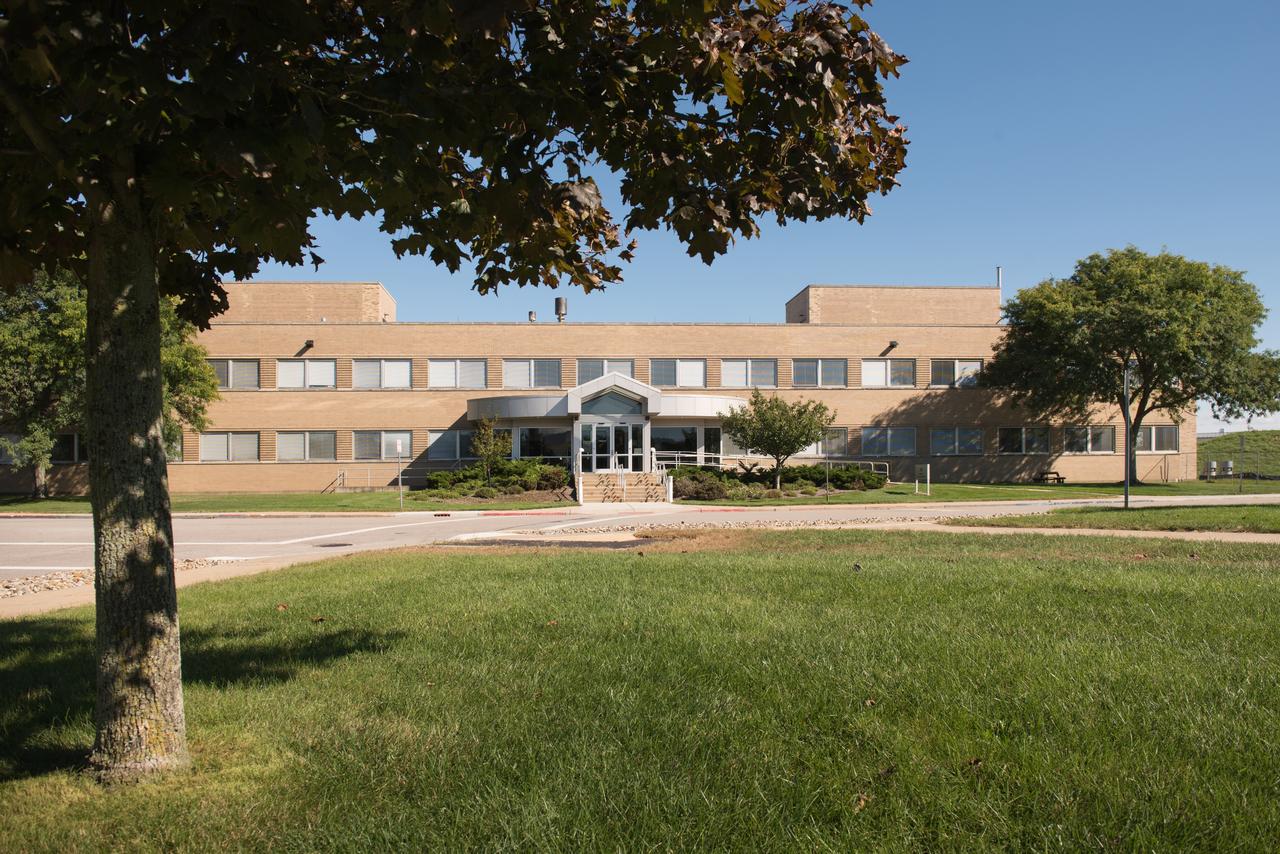
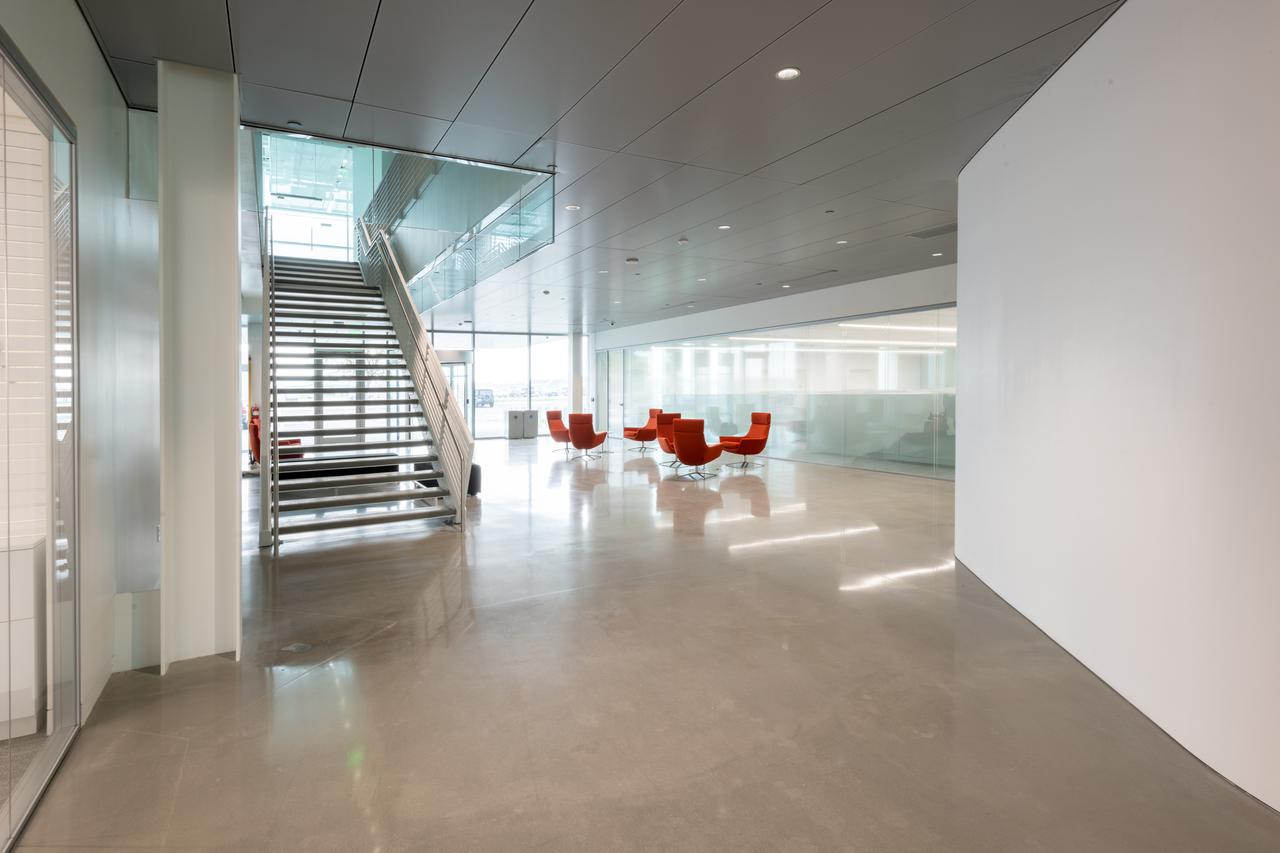
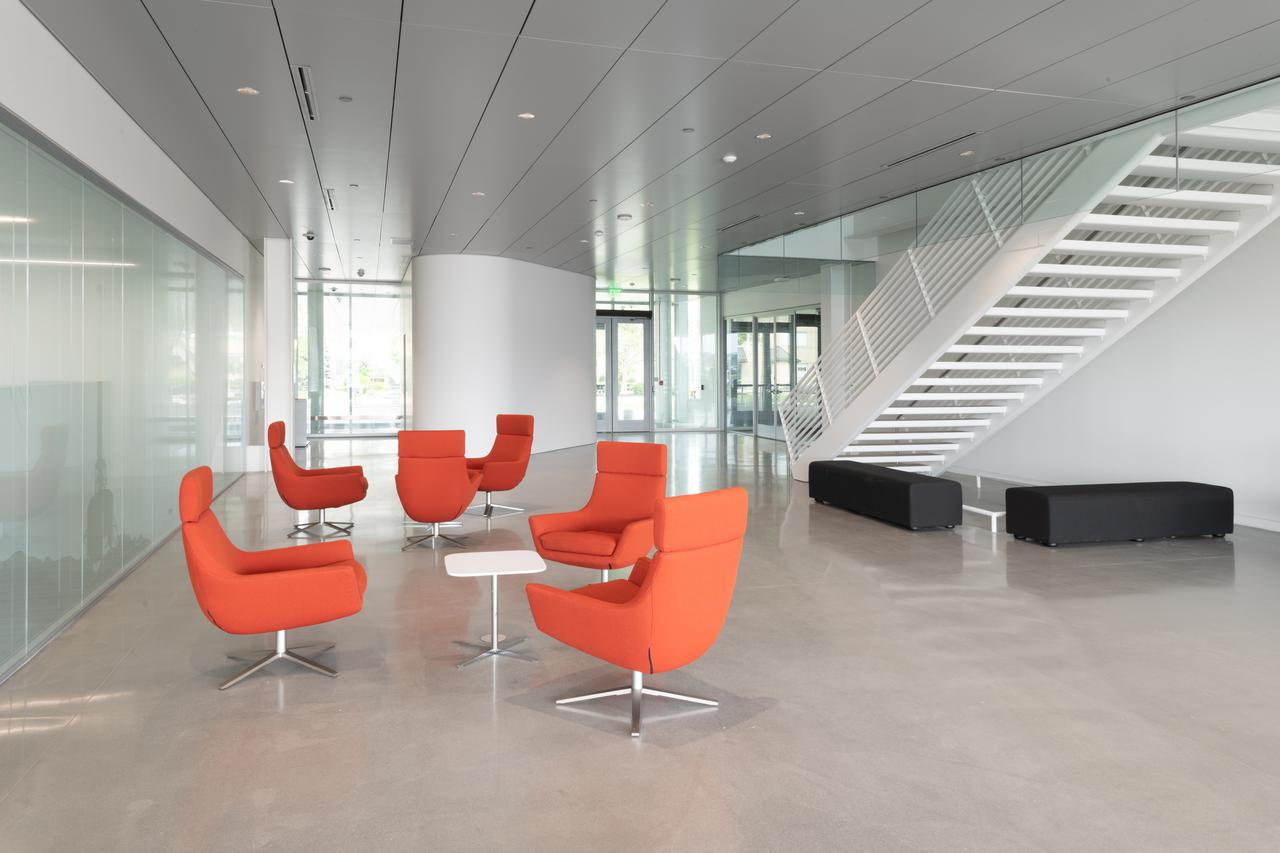
Research Support Building
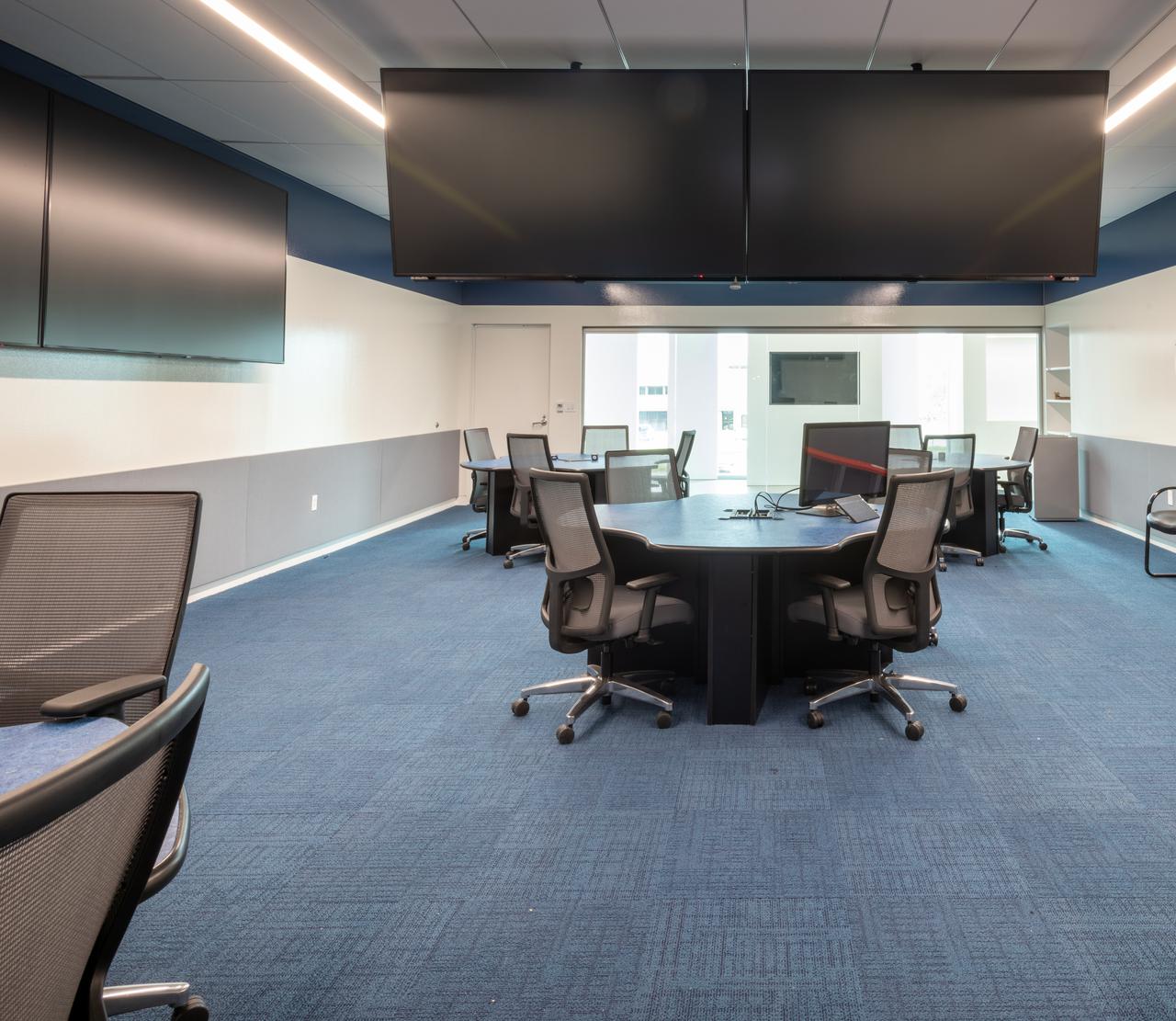
Research Support Building, COMPASS Laboratory
Research Support Building
Research Support Building, COMPASS Laboratory
Research Support Building
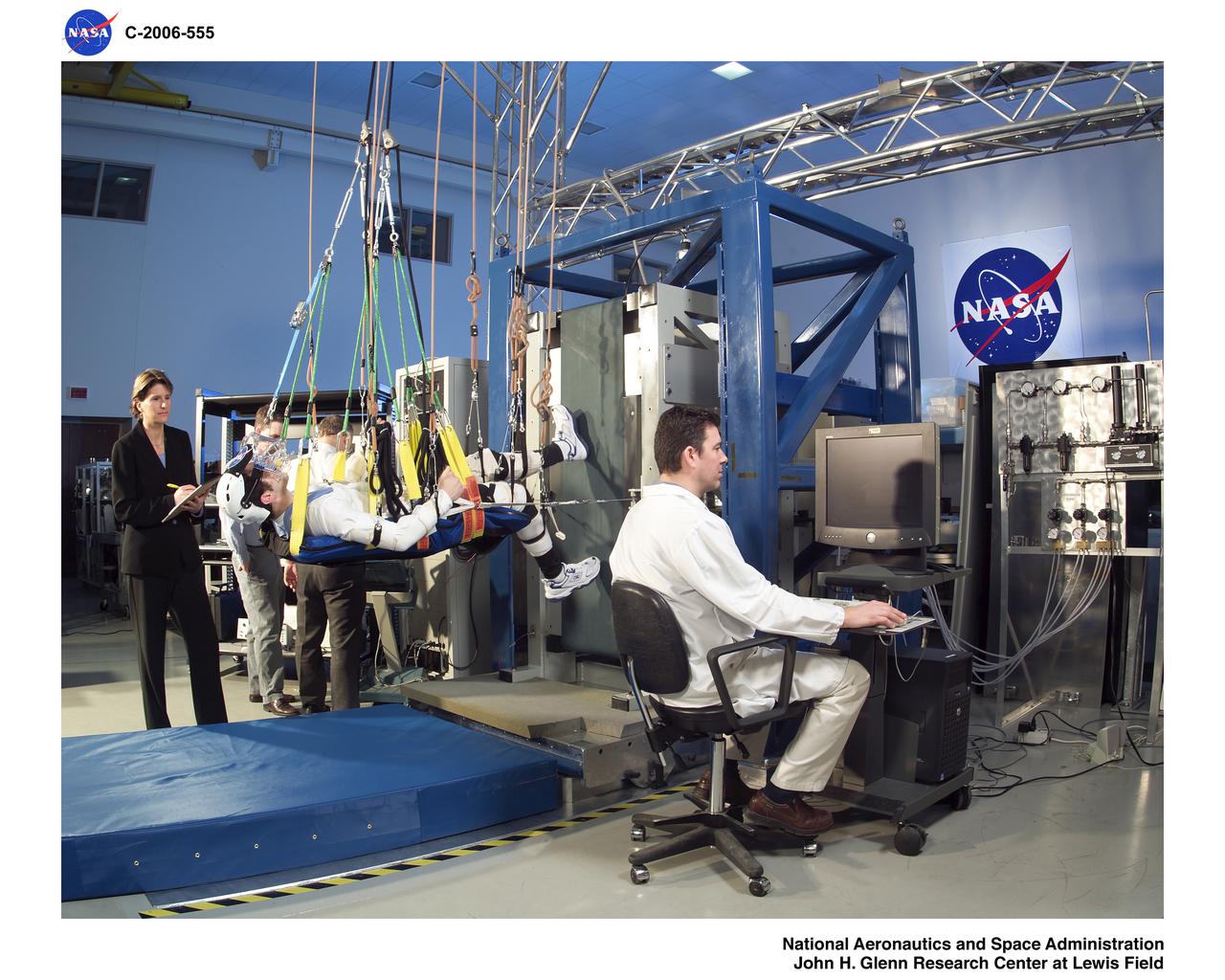
Exercise Countermeasures Lab, ECL
GRC-2006-C-00555
Research Support Building
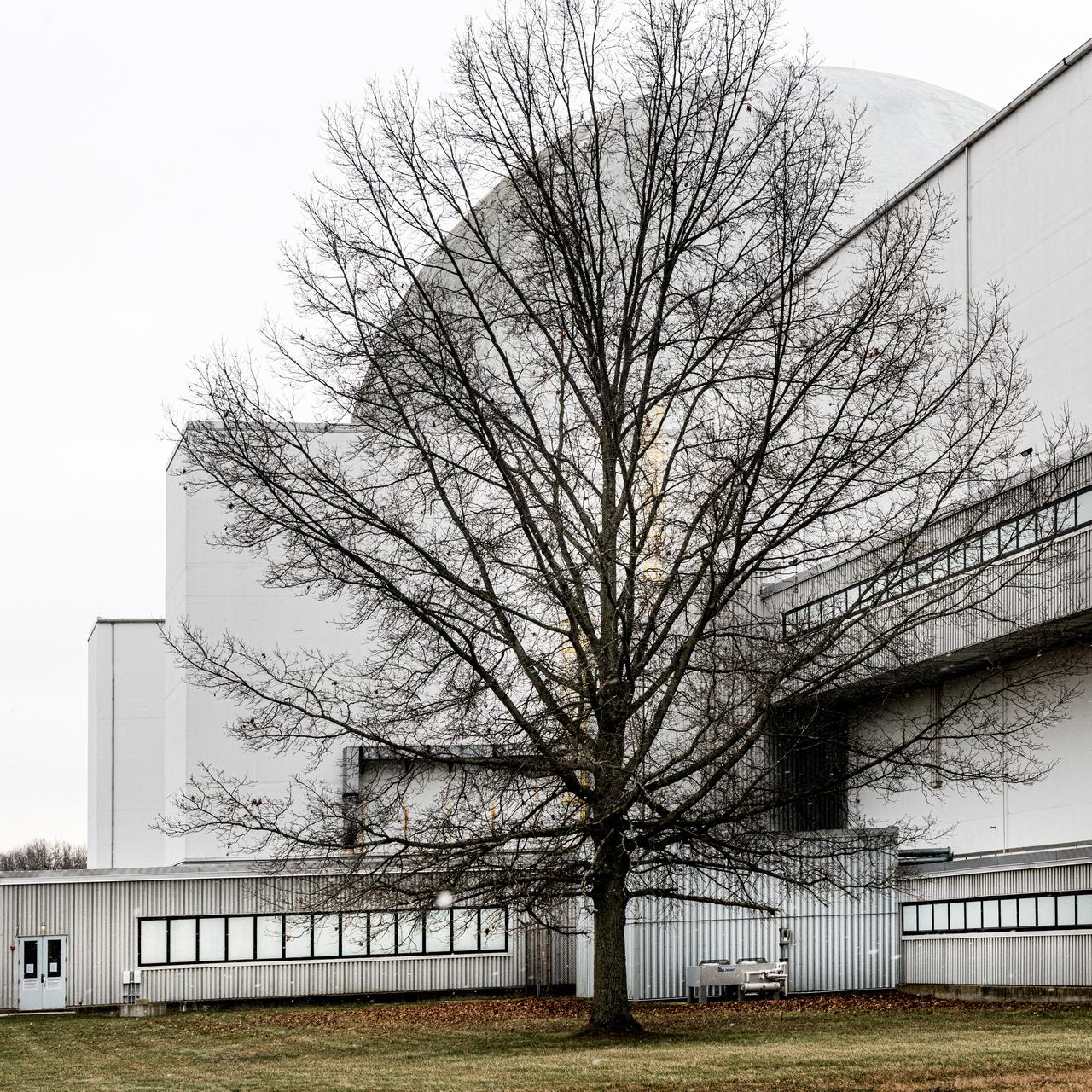
Exterior of the Space Environments Complex, SEC at the Glenn Research Center, Neil A Armstrong Test Facility
Exterior of the Space Environments Complex, SEC at the Glenn Research Center
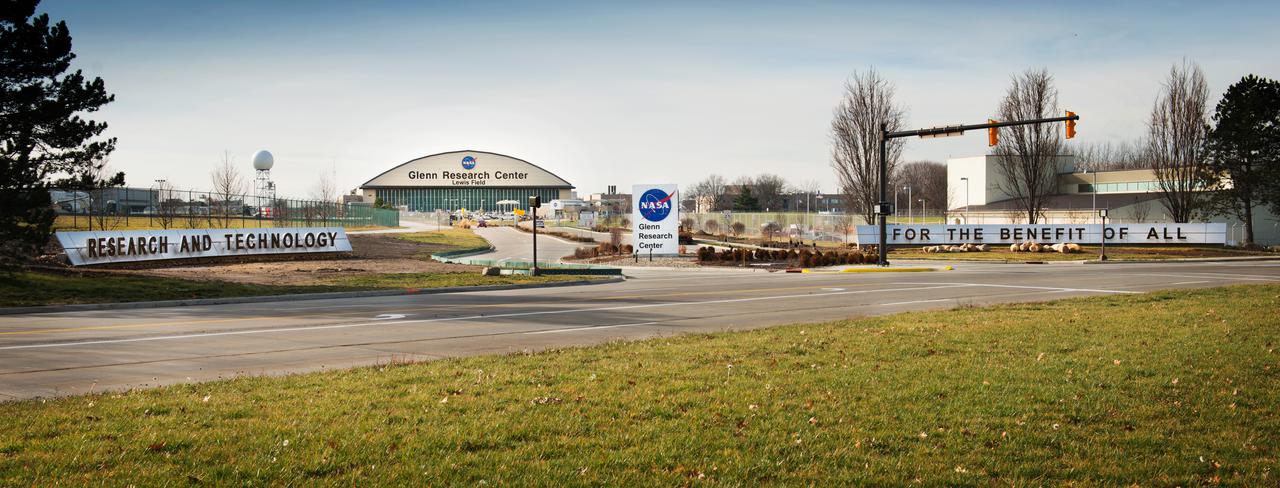
Main Entrance of NASA Glenn Research Center at Brookpark Road and NASA Parkway.  The signs read: Research and Technology For The Benefit Of All.
Main Entrance of NASA Glenn Research Center
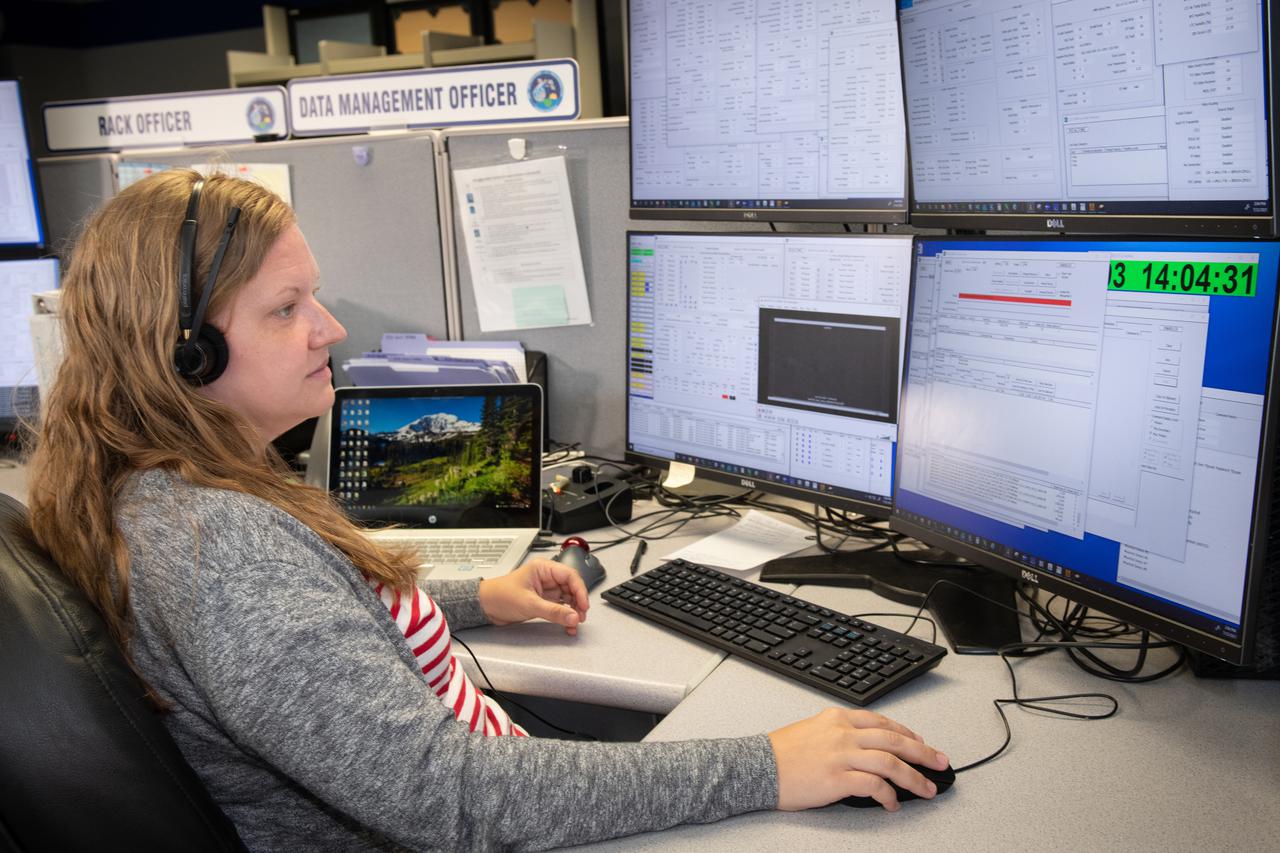
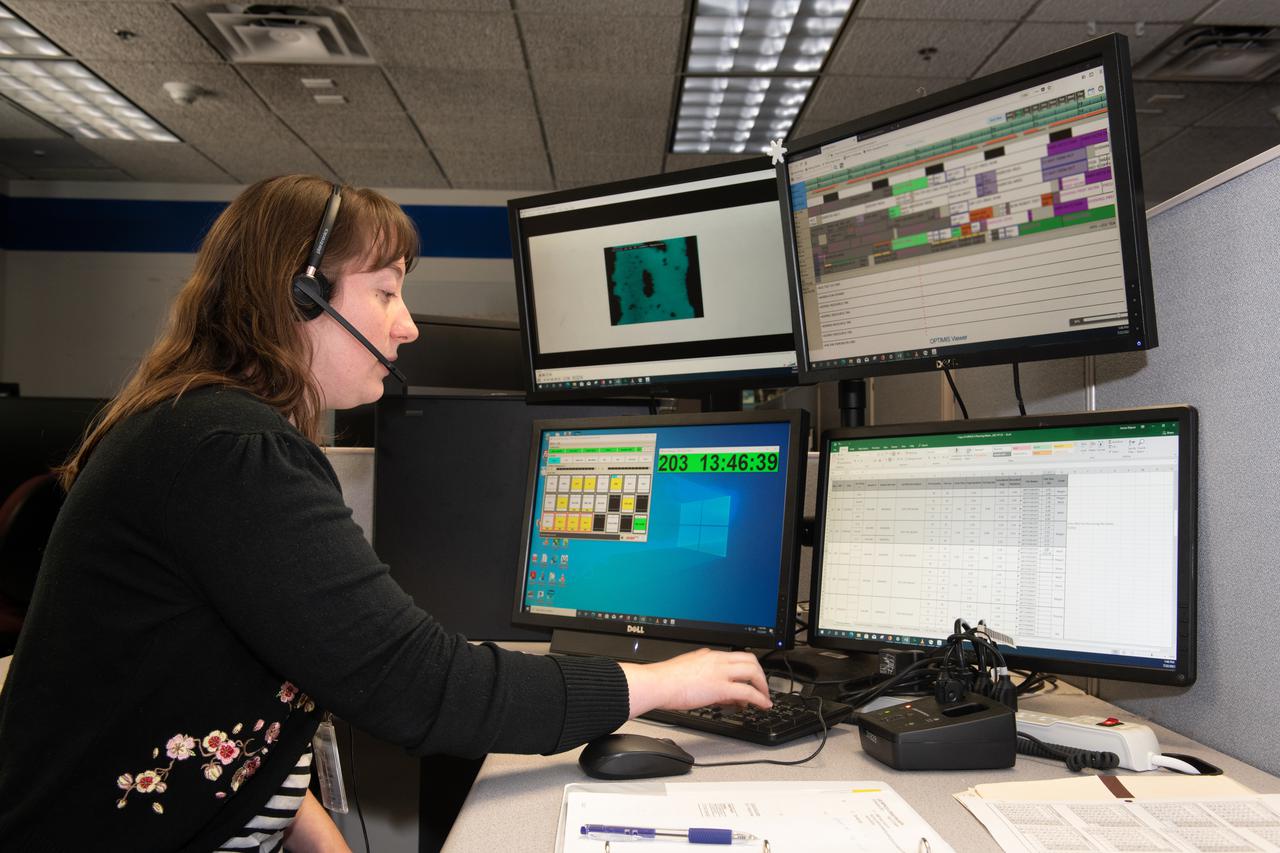
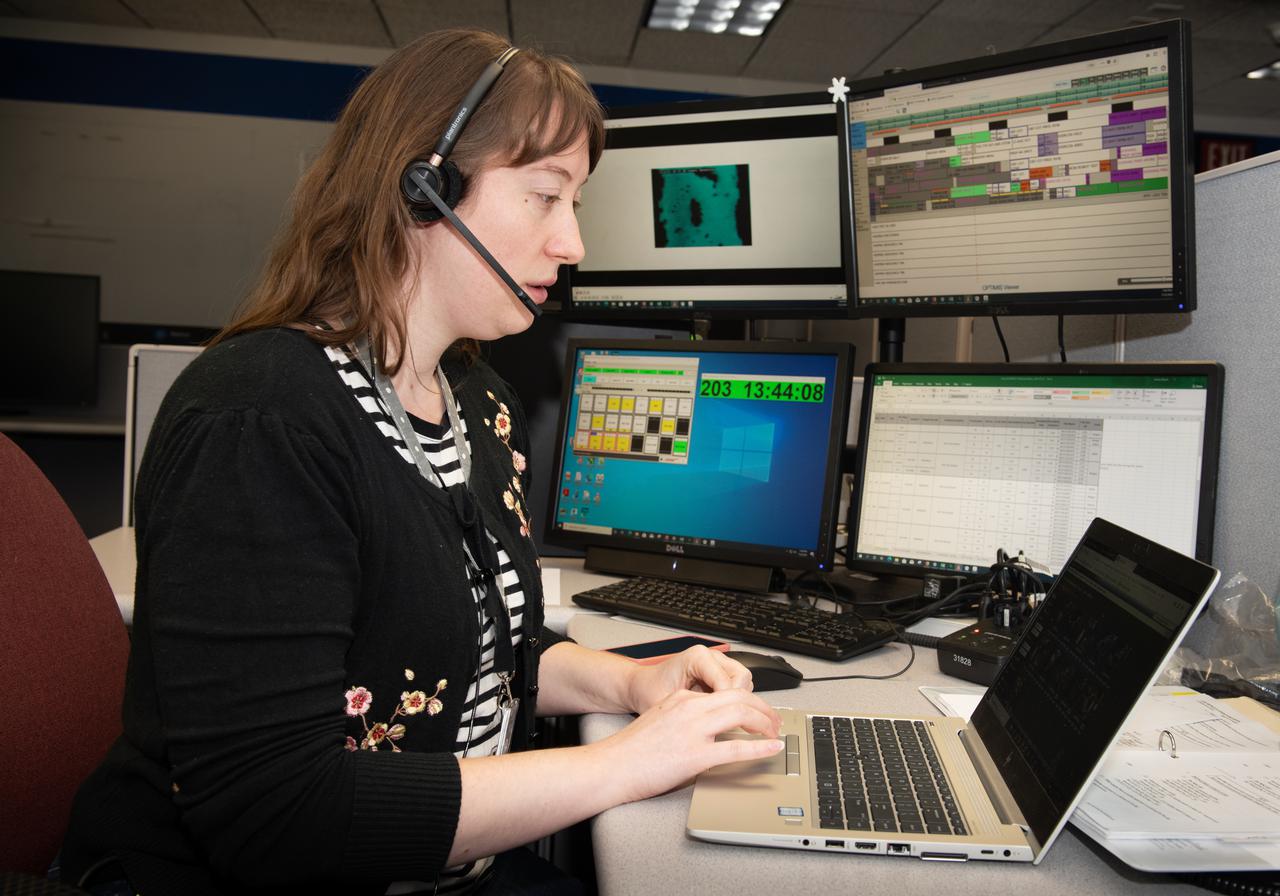
International Space Station, ISS Advanced Colloids Experiment – Thermal 5-3, ACE-T5-3 Operations in the Telescience Support Center, TSC
GRC-2021-C-03371
International Space Station, ISS Advanced Colloids Experiment – Thermal 5-3, ACE-T5-3 Operations in the Telescience Support Center, TSC
GRC-2021-C-03377
International Space Station, ISS Advanced Colloids Experiment – Thermal 5-3, ACE-T5-3 Operations in the Telescience Support Center, TSC
GRC-2021-C-03372
NASA, Lockheed Martin S-3B Viking Aircraft #N601NA on Hangar Apron
GRC-2011-C-00658
International Space Station, ISS Advanced Colloids Experiment – Thermal 5-3, ACE-T5-3 Operations in the Telescience Support Center, TSC
GRC-2021-C-03375
International Space Station, ISS Advanced Colloids Experiment – Thermal 5-3, ACE-T5-3 Operations in the Telescience Support Center, TSC
GRC-2021-C-03373
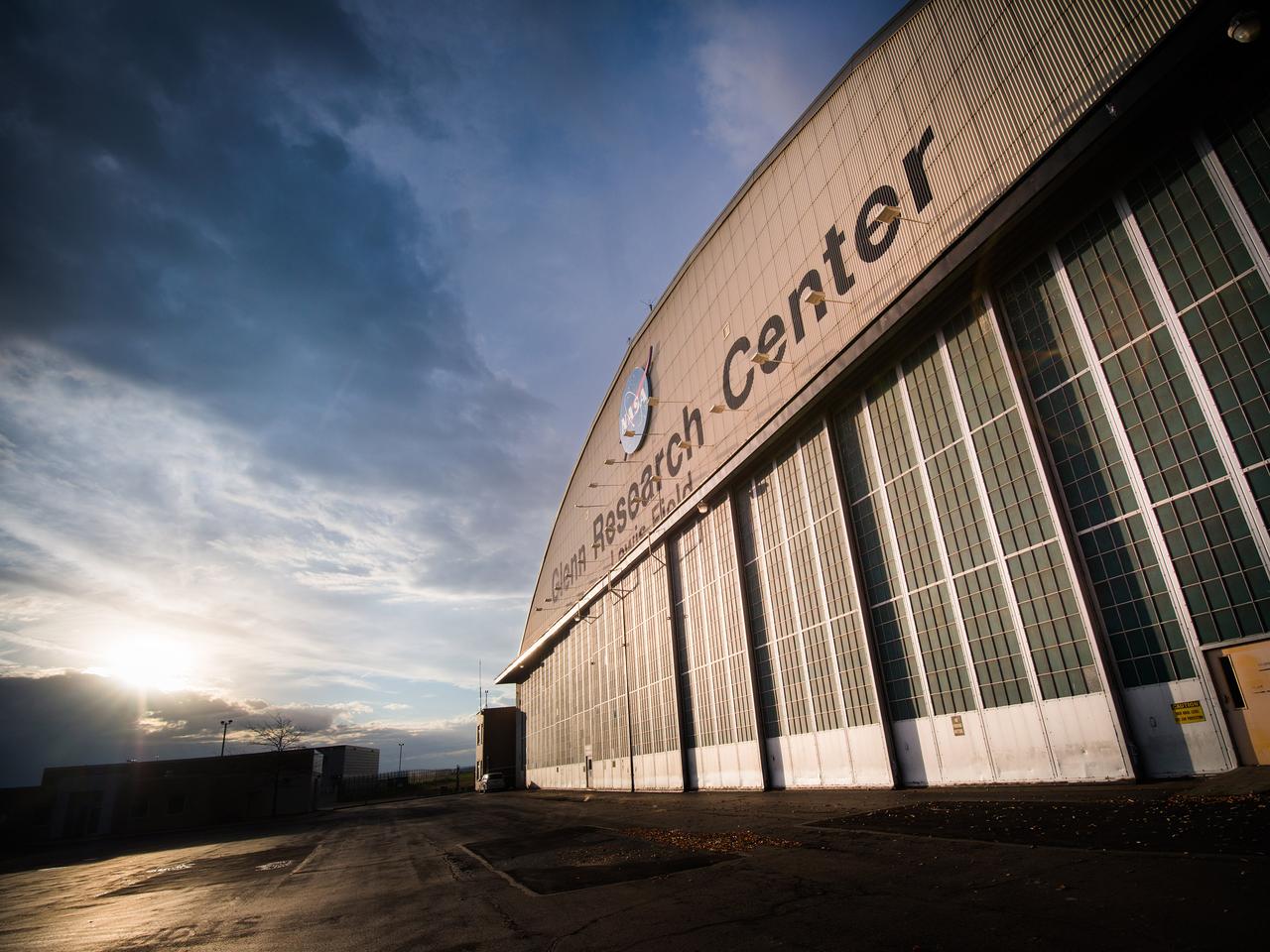
Sunrise in late September illuminates the front of the Hangar at NASA Glenn Research Center.
Hangar at Sunrise
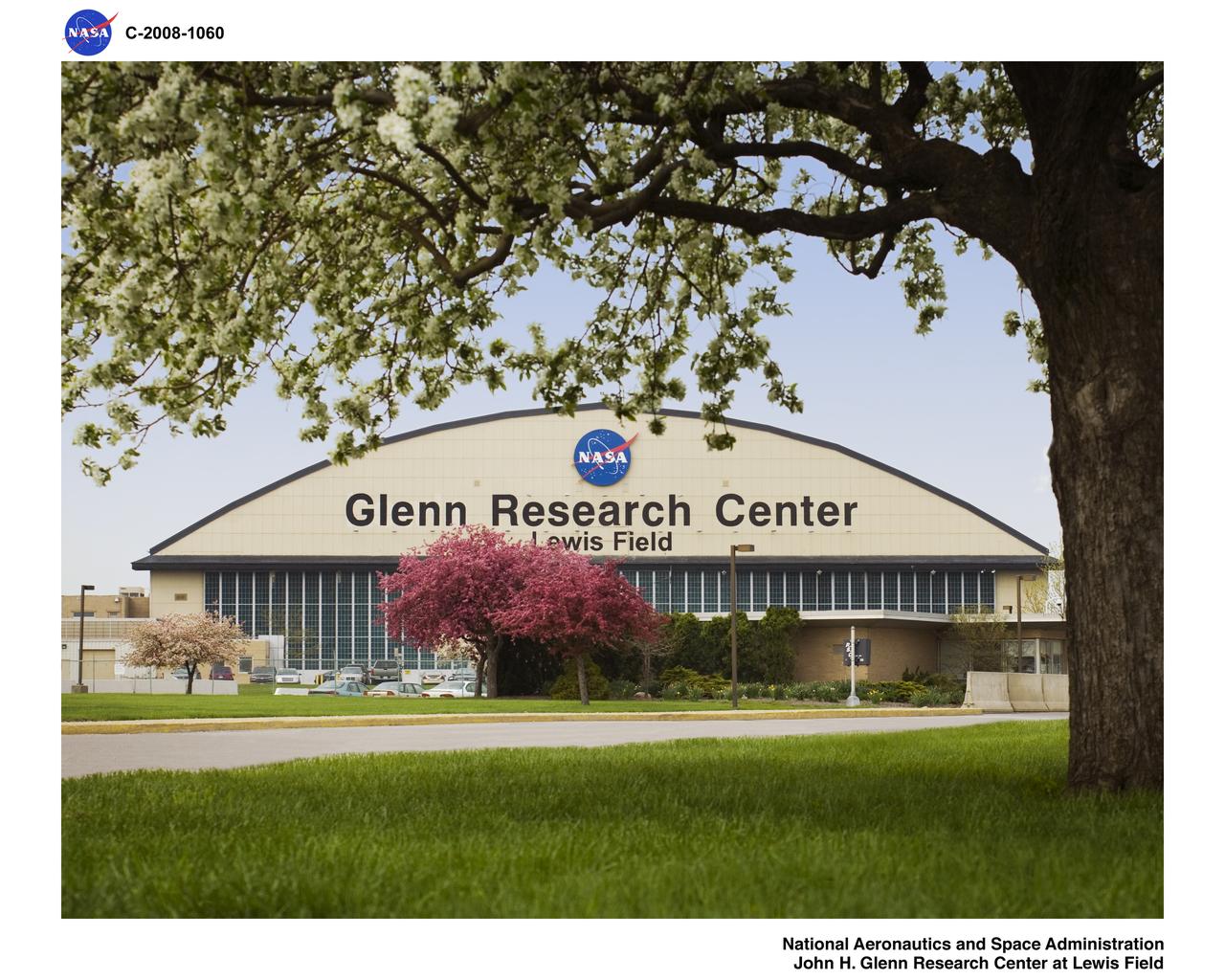
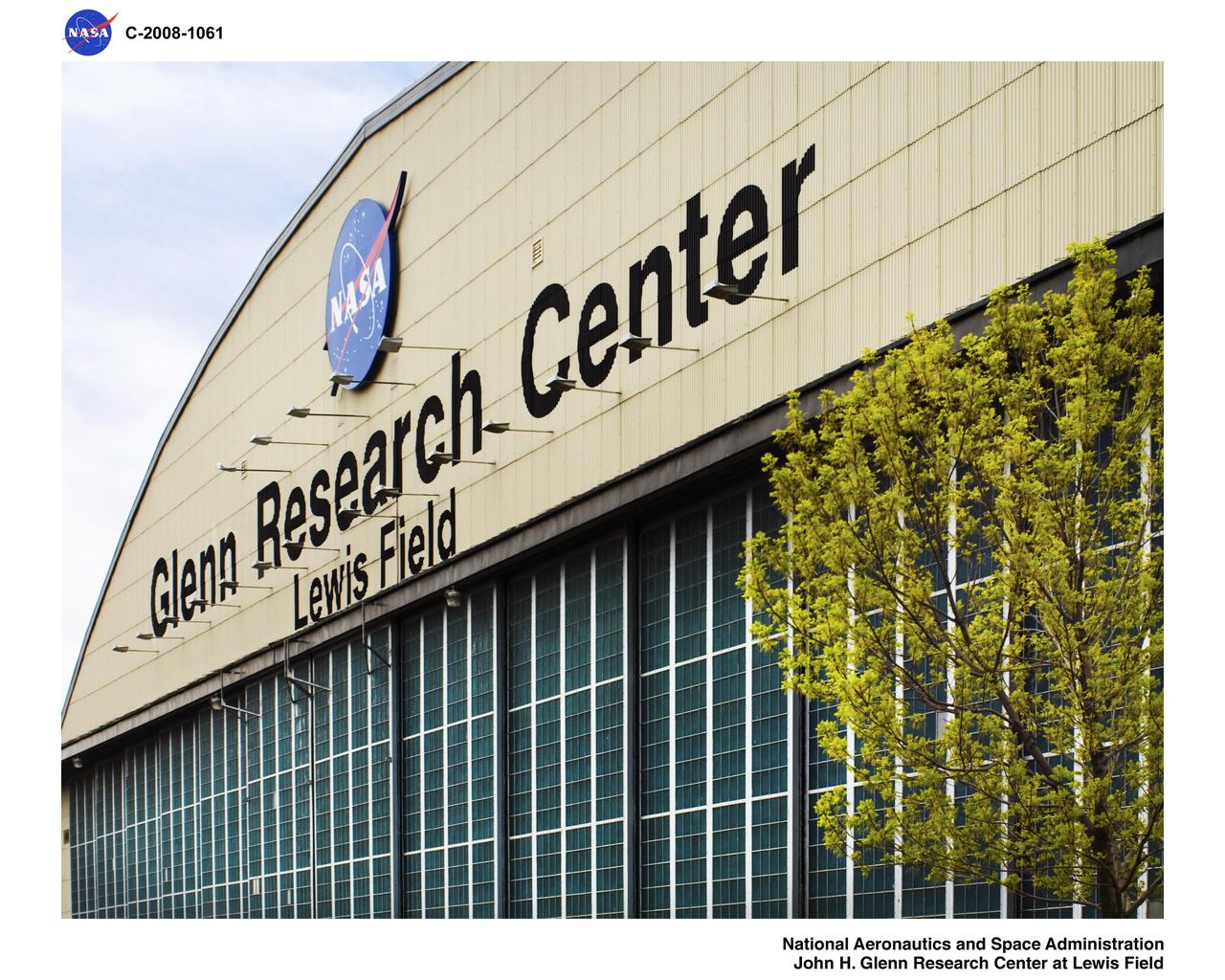
Glenn Research Center Hangar Front
GRC-2008-C-01061
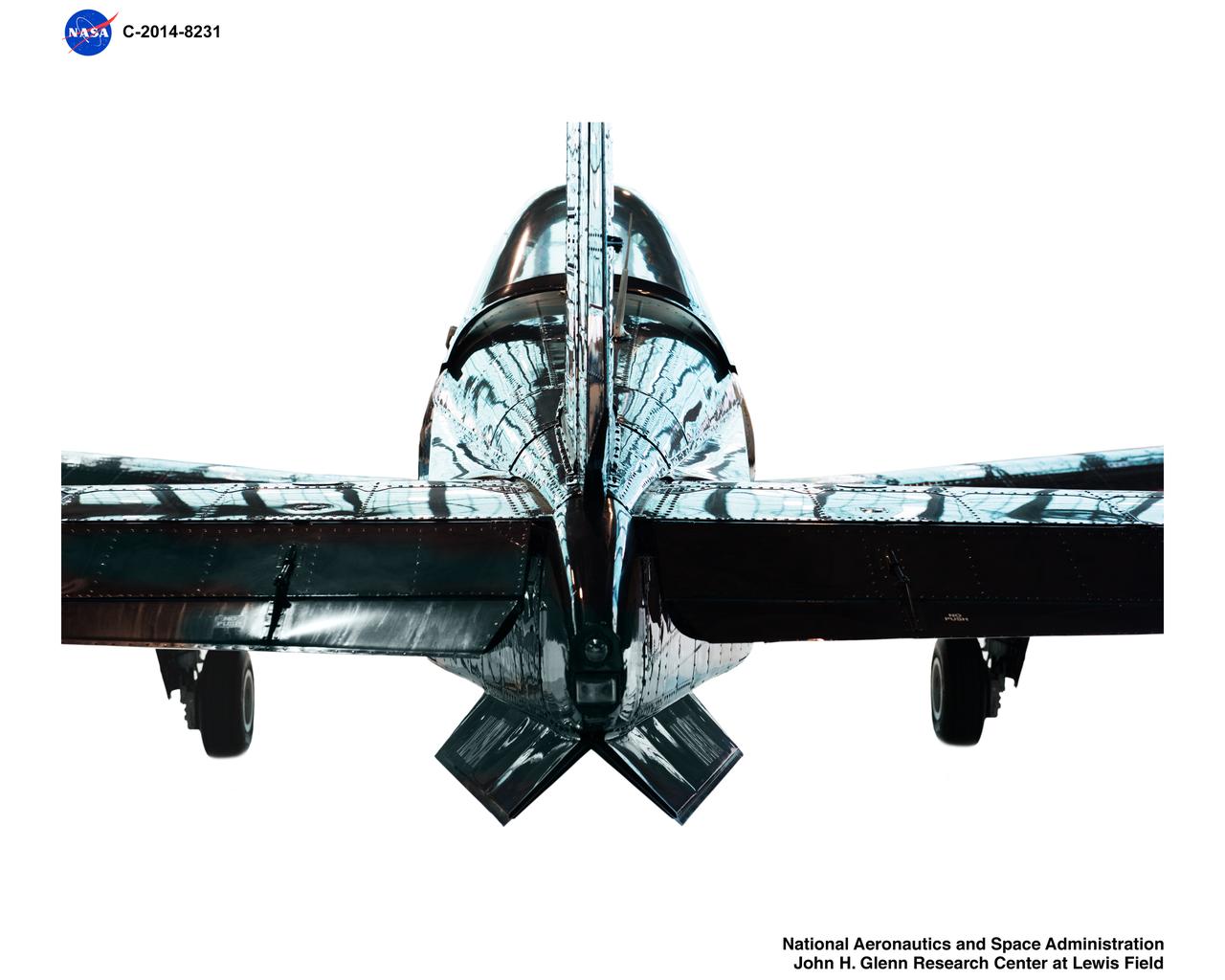
A T34-C aircraft reflects the large multi-paned windows on the Hangar doors.  When NASA GRC obtained this T-34C from the Navy it was painted in ‚Äúthrowback‚Äù paint schemes from an earlier time in celebration of the 100th birthday of Naval Aviation.  NASA kept it in the original paint job for posterity.  This T-34C airplane will be GRCs surrogate aircraft for Unmanned Aircraft Systems in the National Airspace System aeronautics initiative. A T34-C aircraft reflects the large multi-paned windows on the Hangar doors.  When NASA GRC obtained this T-34C from the Navy it was painted in “throwback” paint schemes from an earlier time in celebration of the 100th birthday of Naval Aviation.  NASA kept it in the original paint job for posterity.  This T-34C airplane will be GRCs surrogate aircraft for Unmanned Aircraft Systems in the National Airspace System aeronautics initiative.
GRC-2014-C-08231
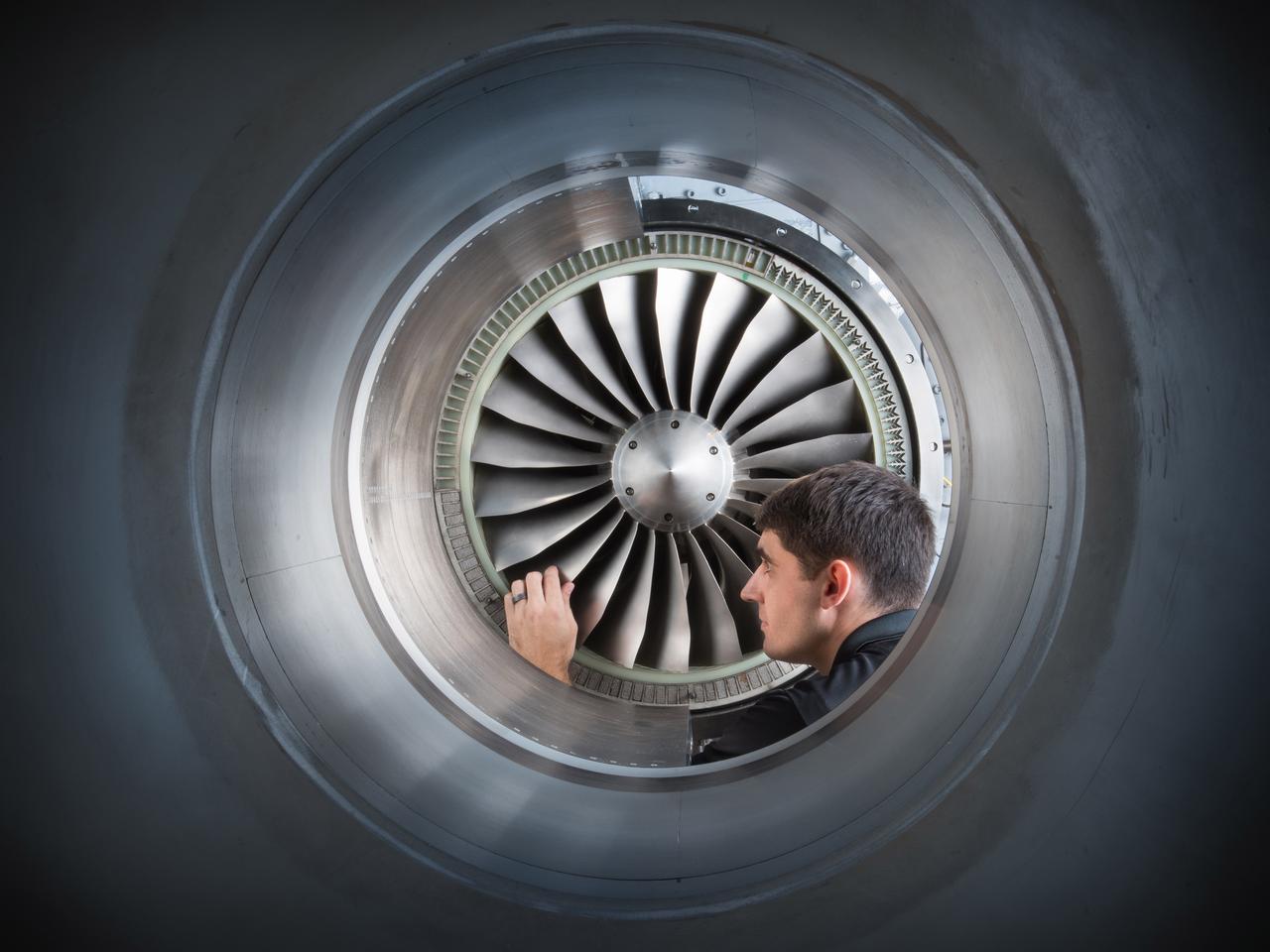
Title: W-8 Fan Acoustic Casing Treatment Test on the Source Diagnostic Test Rotor Alone Hardware Program: Advanced Air Vehicles Program (AAVP) Project: Advanced Air Transport Technology (AATT) Sub-project: Aircraft Noise Reduction (ANR)   Weekly Highlight: ·         Acoustic Casing Treatment Testing Completed in the W-8 Single Stage Axial Compressor Facility: Testing of Acoustic Casing Treatments on the Source Diagnostic Test (SDT) rotor alone hardware which had begun in early January was completed on Thursday, February 16th. Four different over-the-rotor acoustic casing treatment concepts were tested along with two baseline configurations. Testing included steady-aerodynamic measurements of fan performance, hotfilm turbulence measurements, and inlet acoustic measurements with an in-duct array. These measurements will be used to assess the aerodynamic and acoustic impact of fan acoustic casing treatments on a high bypass ratio fan at TRL 3. This test was the last of 3 planned tests of potential over-the-rotor acoustic casing treatments. The first treatment test was completed in the Normal Incidence Tube (NIT) at Langley Research Center (LaRC) in Fall 2015 and the second was completed on the Advanced Noise Control Fan (ANCF) in the Aero-Acoustic Propulsion Laboratory (AAPL) in Winter 2016. This work is supported by the Aircraft Noise Reduction (ANR) subproject of the Advanced Air Transport Technology (AATT) Project. (POC: LTV/ Rick Bozak 3-5160)
Accoustic Casing Treatment Test
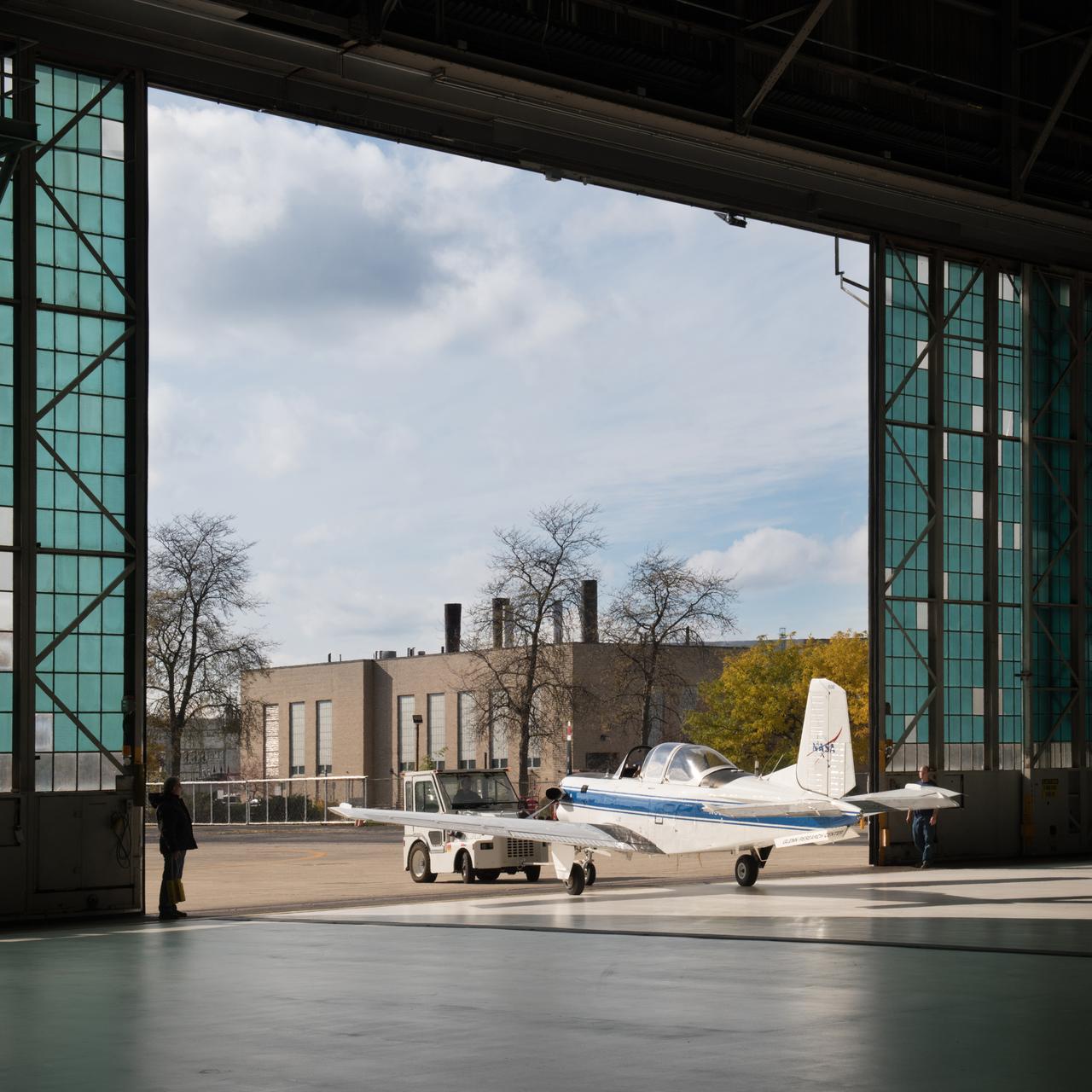
One of NASA Glenn's T-34C research aircraft is removed from the hangar prior to a flight
One of NASA Glenn's T-34C research aircraft is removed from t...
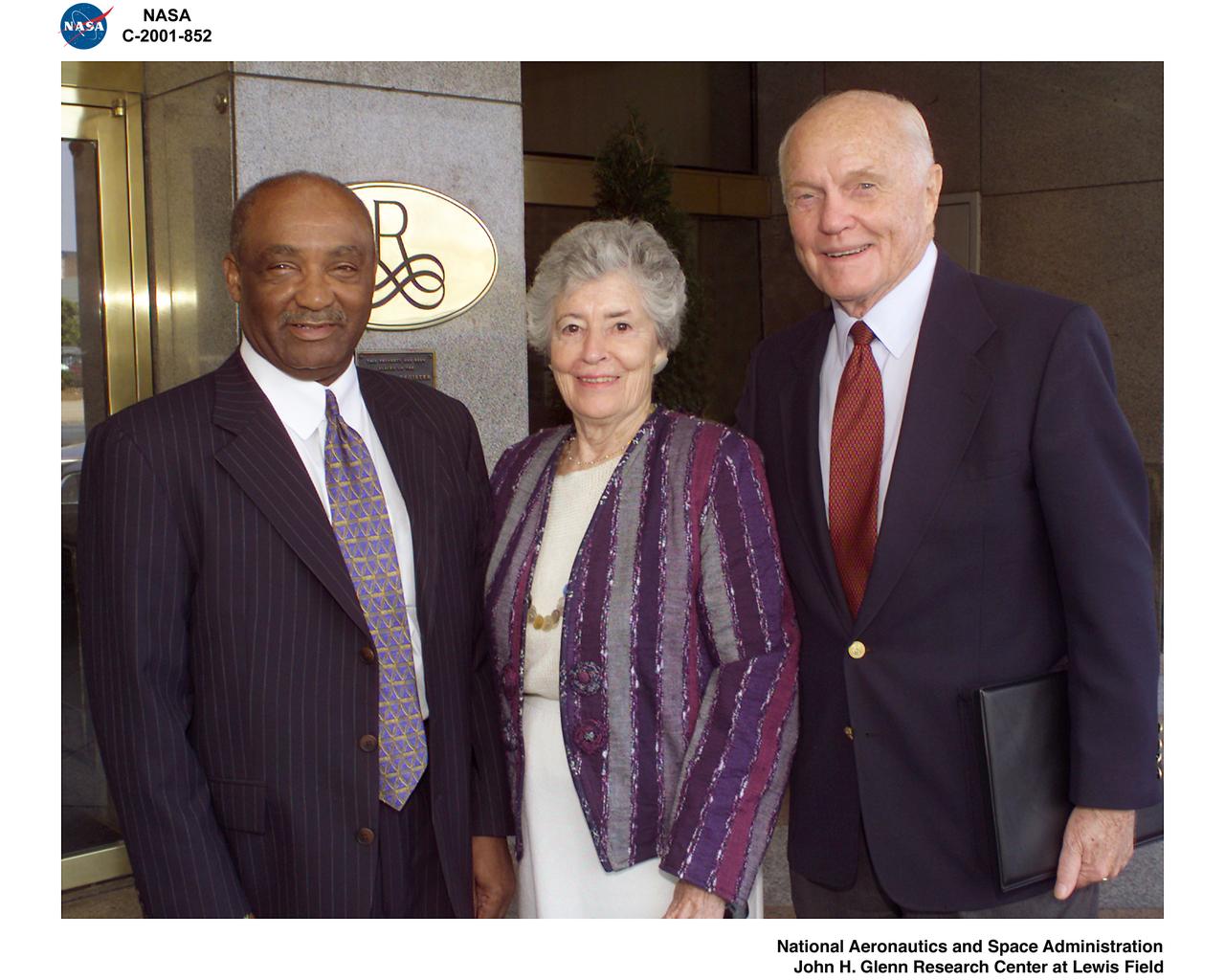
NASA JOHN H GLENN RESEARCH CENTER DIRECTOR DONALD CAMPBELL - ANNIE GLENN - JOHN GLENN AT THE GREATER CLEVELAND GROWTH ASSOCIATION MEETING
GRC-2001-C-00852
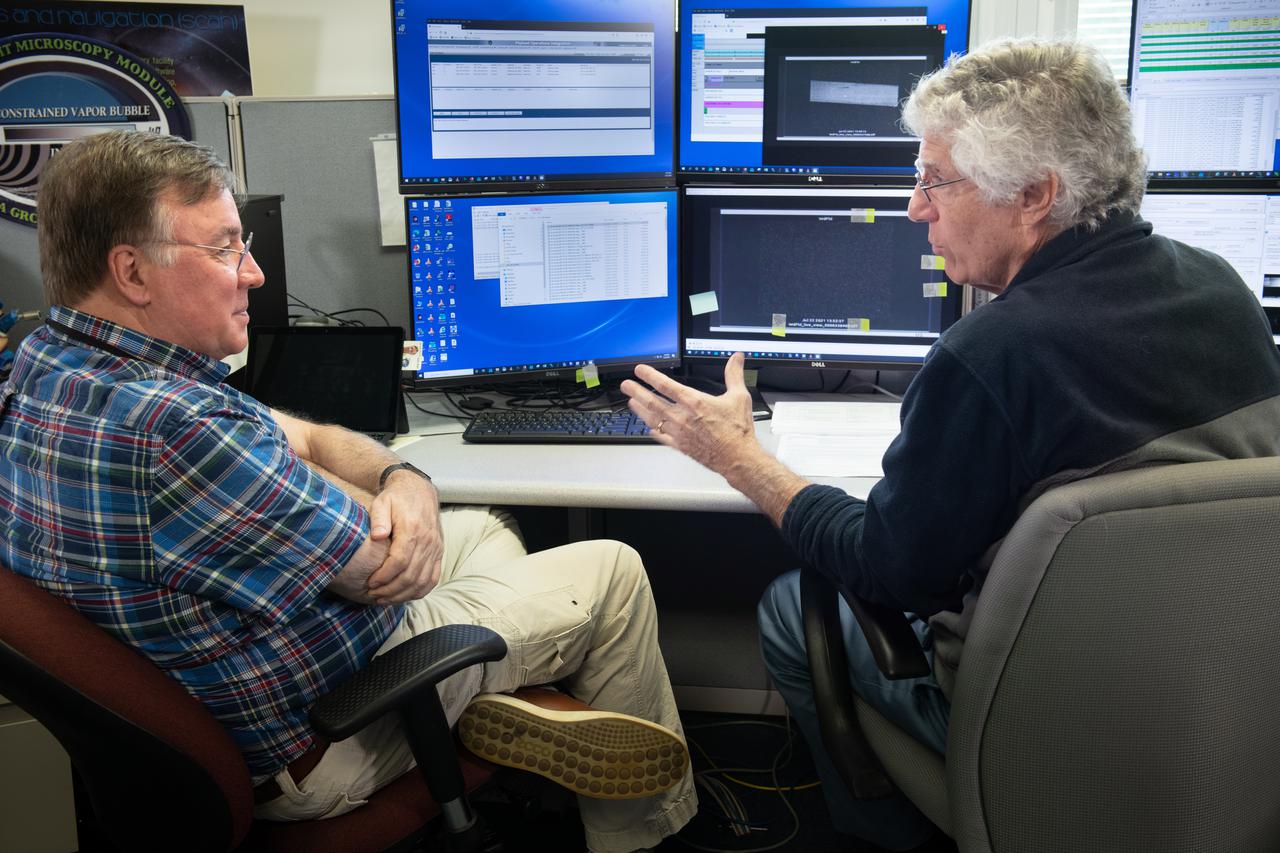
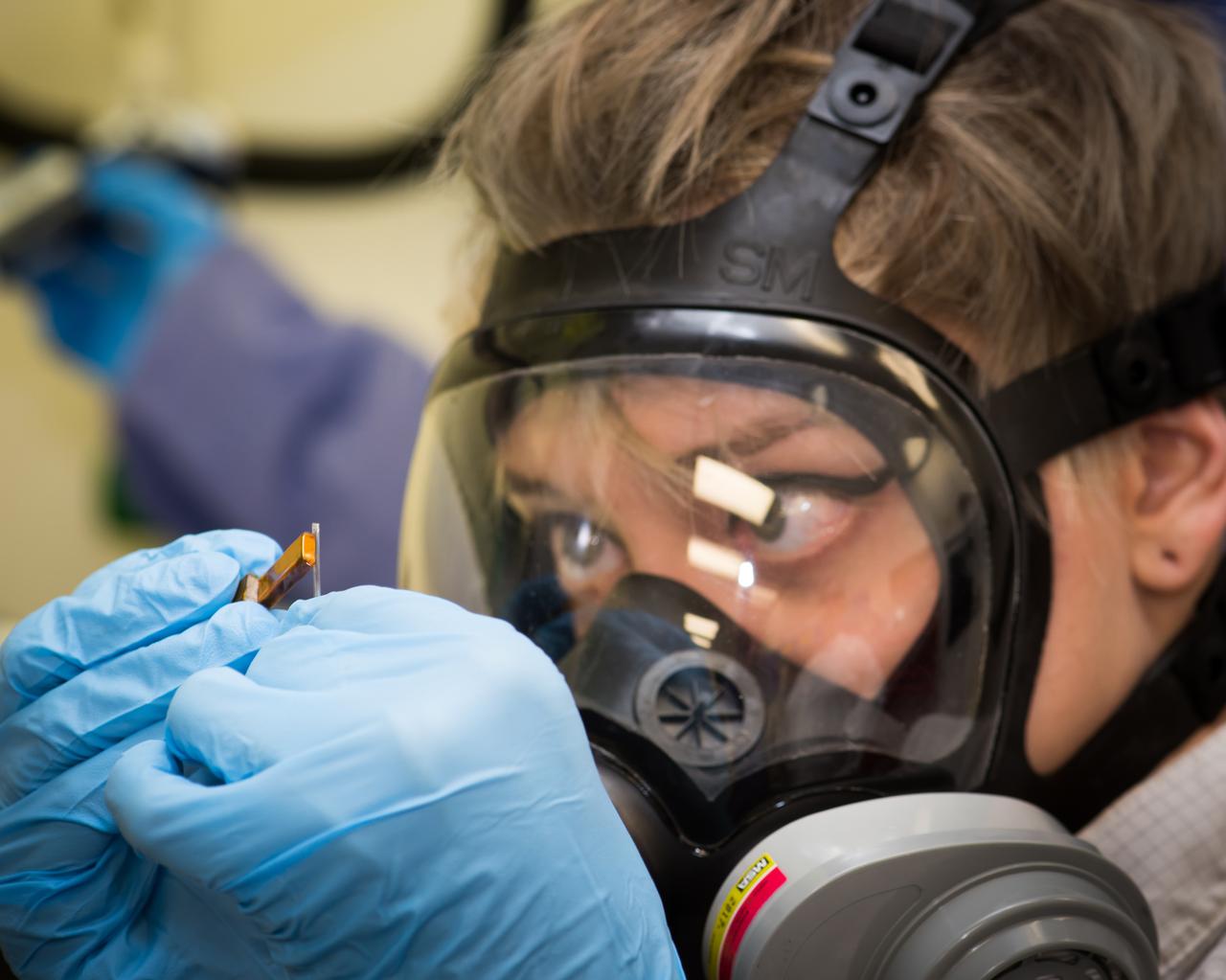
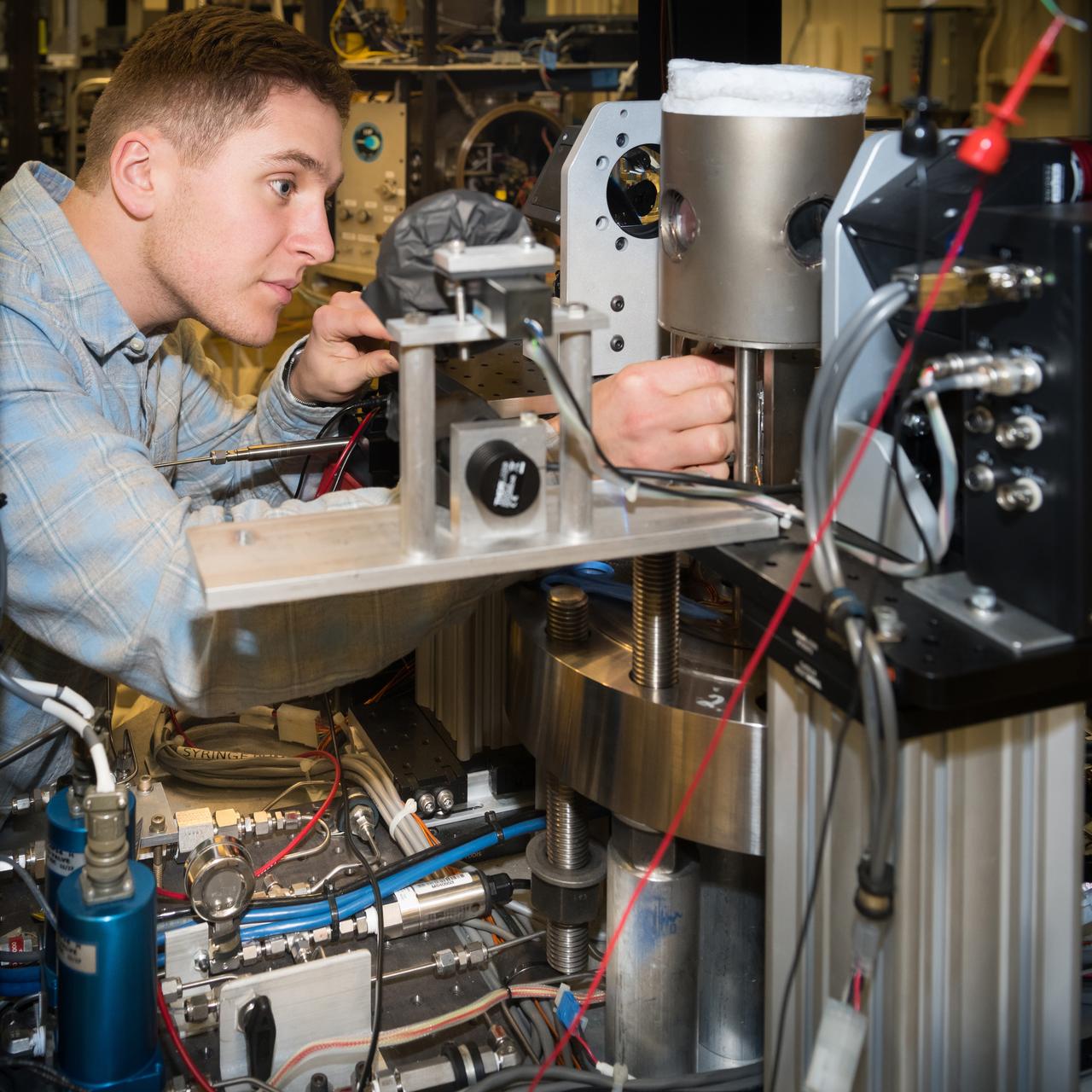
Light Microscopy Modle, LMM, Ground Unit Testing, GU.  Control Systems Engineer using a small magnet to maneuver a 1mm metal stir-bar into a colloid sample fluid-filled capillary.  The capillary tubes of sample fluid will be filled and sealed.  The sample fluid supplied by a Principal Investigator typically contains some hazardous/toxic chemicals that she must ensure will not leak and put the astronauts at risk. On-orbit on the LMM, ‘insitu mixing’ is used, which uses electromagnetic inductors to stimulate the metal stir-bar to mix the fluid within the sealed capillary.
Light Microscopy Modle, LMM, Ground Unit Testing, GU
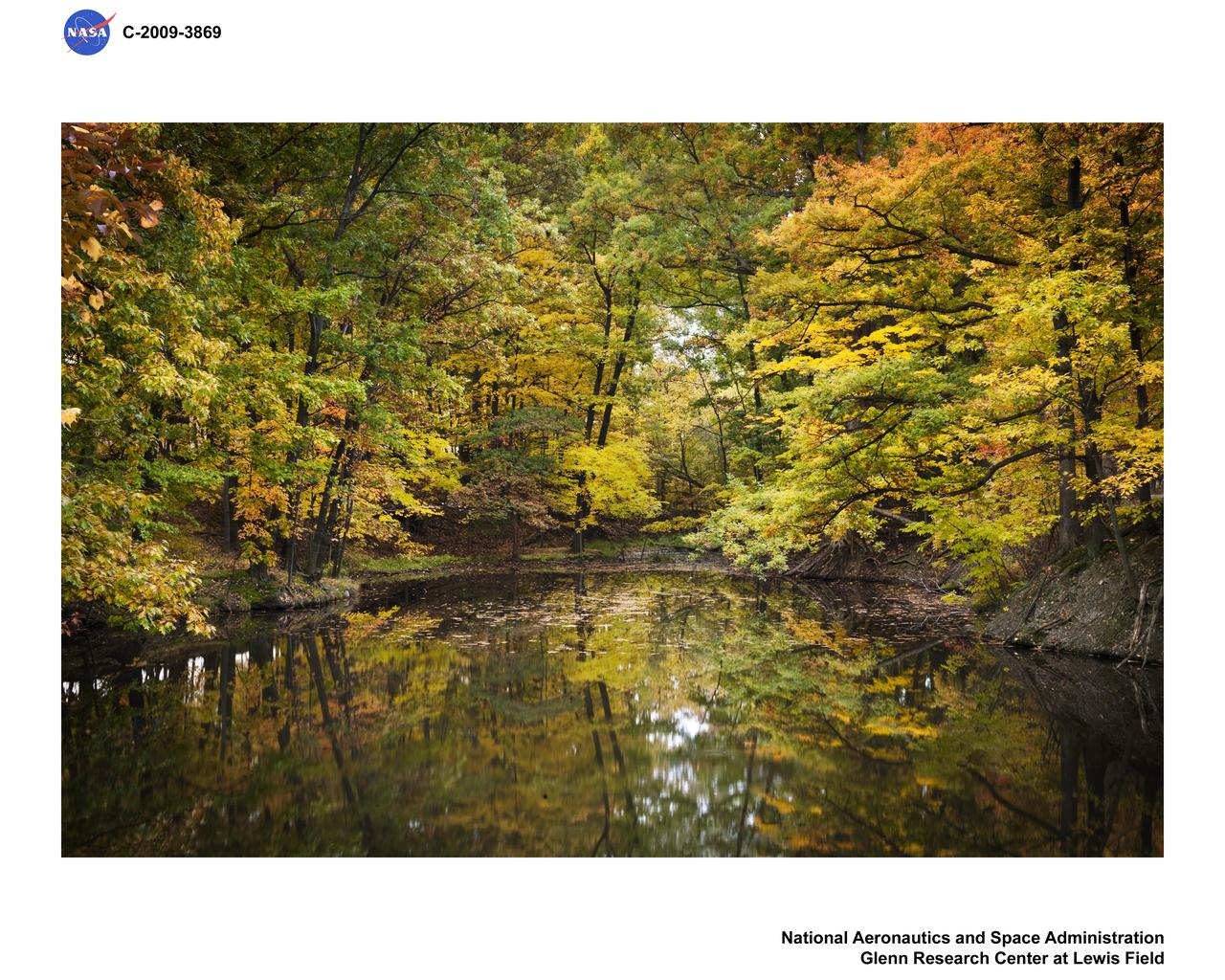
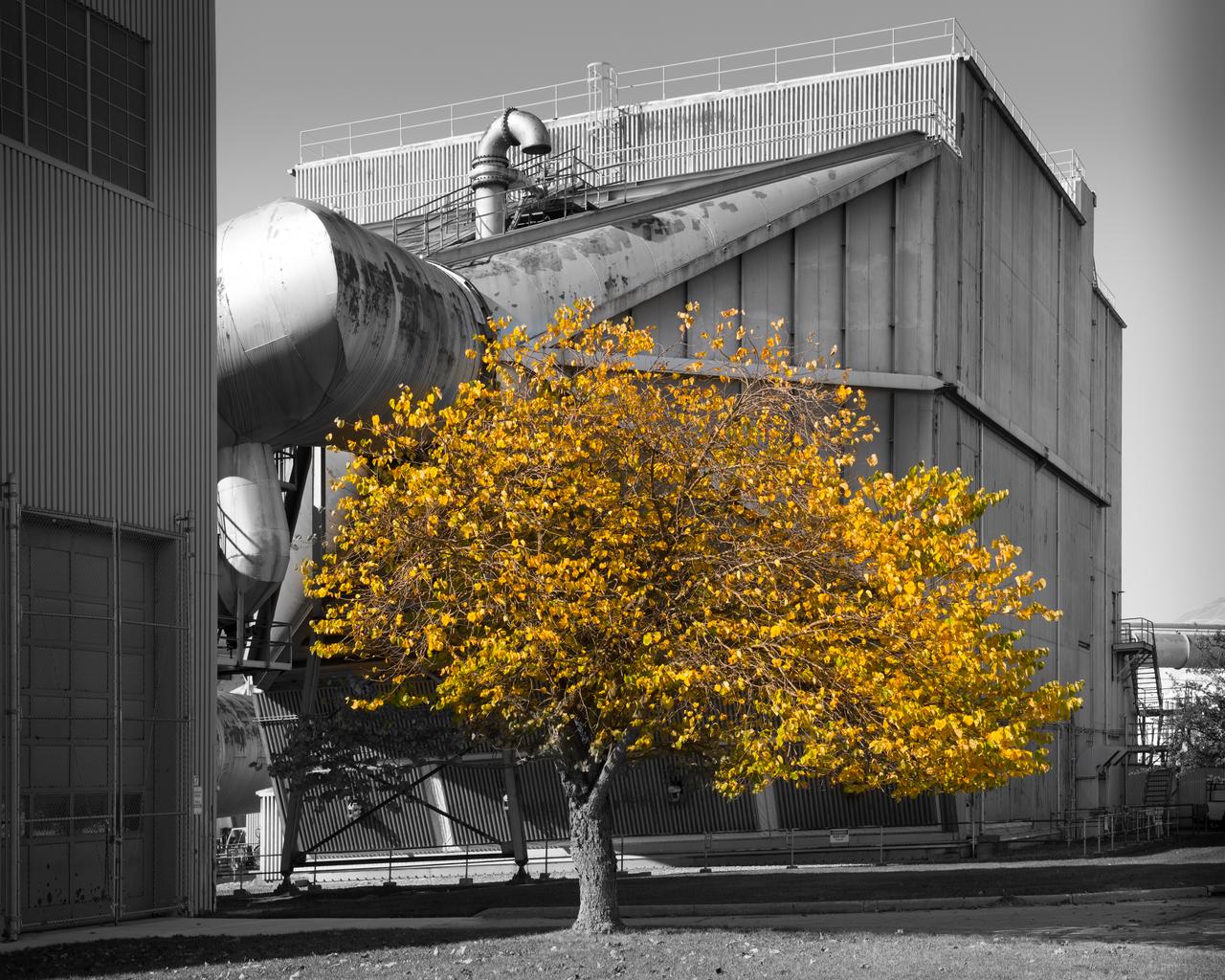
Fall color at Glenn Research Center
GRC-2009-C-03869
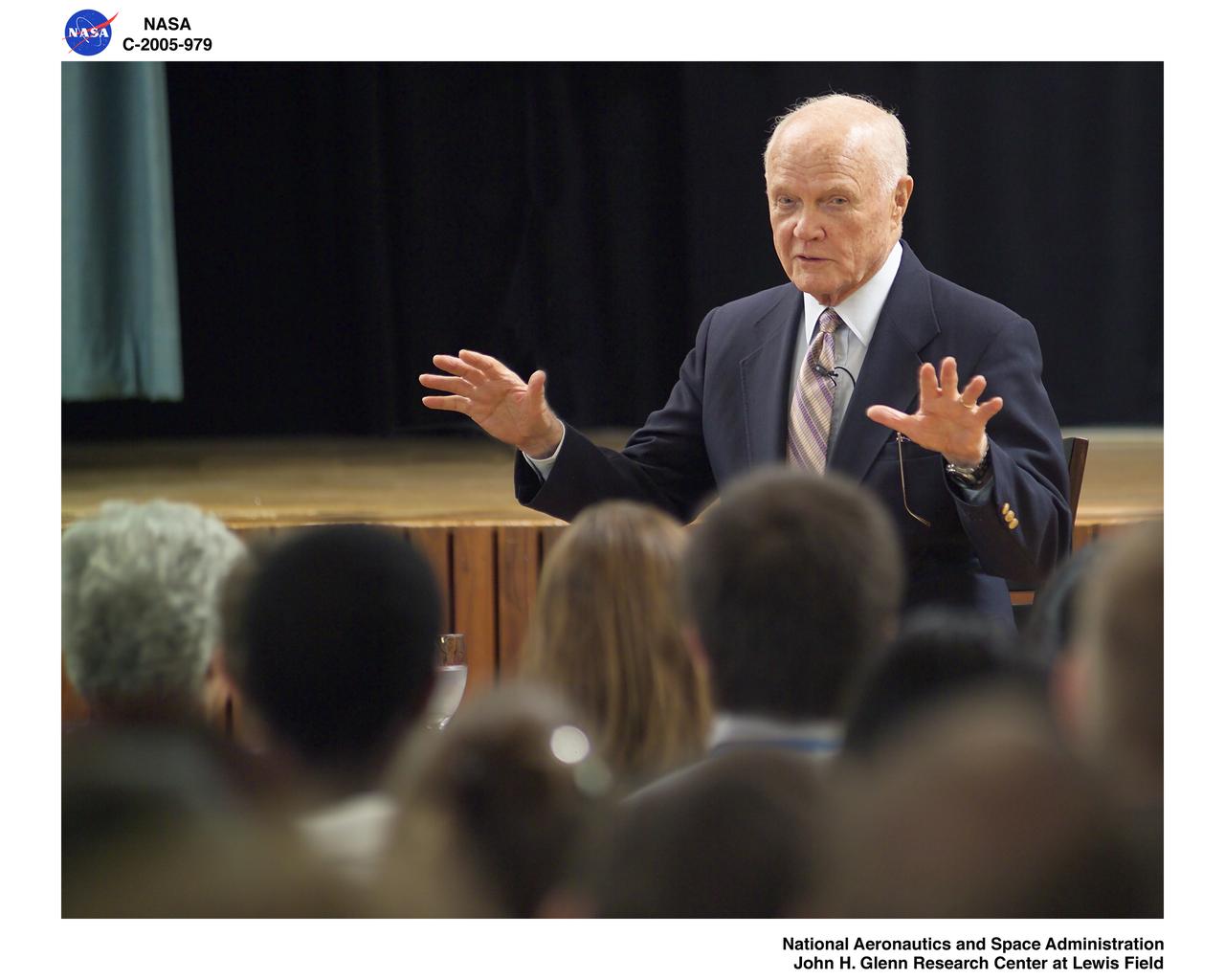
Visit to Glenn Research Center by a Senator John Glenn
GRC-2005-C-00979
High Pressure Microgravity Combustion Experiment, HPMC,  subjects liquid fuel droplets to high pressures and temperatures to study the ignition process in engine conditions, with a goal of improving fuel efficiency. In this configuration, the experiment is capable of testing droplet combustion at up to 100 atm of pressure, testing the droplet deployment system, which inserts the fuel droplet into the experiment.
High Pressure Microgravity Combustion, HPMC
Acoustic Casing Treatment Testing Completed in the W-8 Single Stage Axial Compressor Facility at NASA Glenn. Four different over-the-rotor acoustic casing treatment concepts were tested along with two baseline configurations. Testing included steady-aerodynamic measurements of fan performance, hotfilm turbulence measurements, and inlet acoustic measurements with an in-duct array.
Acoustic Casing Treatment Test
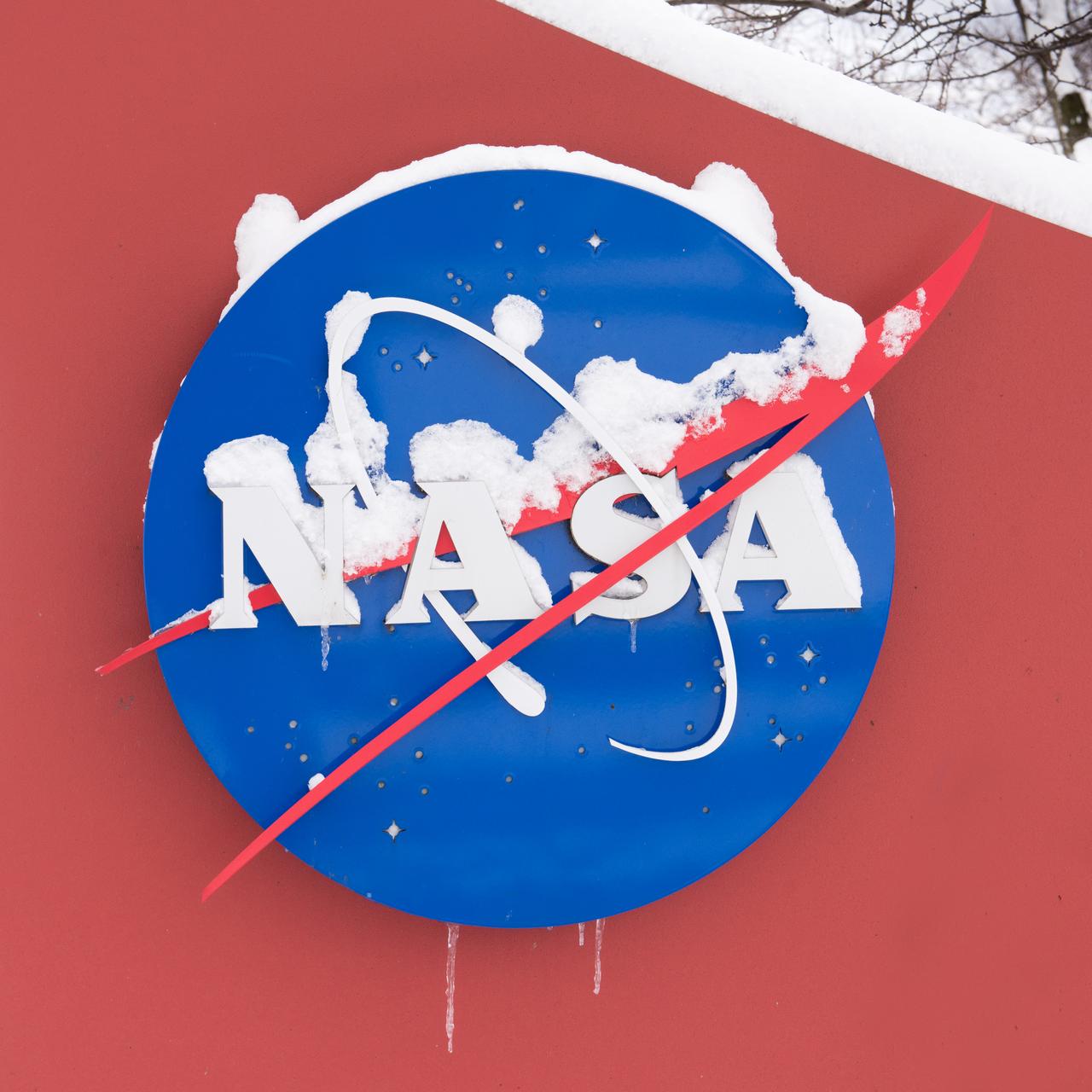
Late winter photograph of a snow-covered NASA Insignia at the Glenn Research Center in Cleveland, OH.
Snow-Covered NASA Insignia
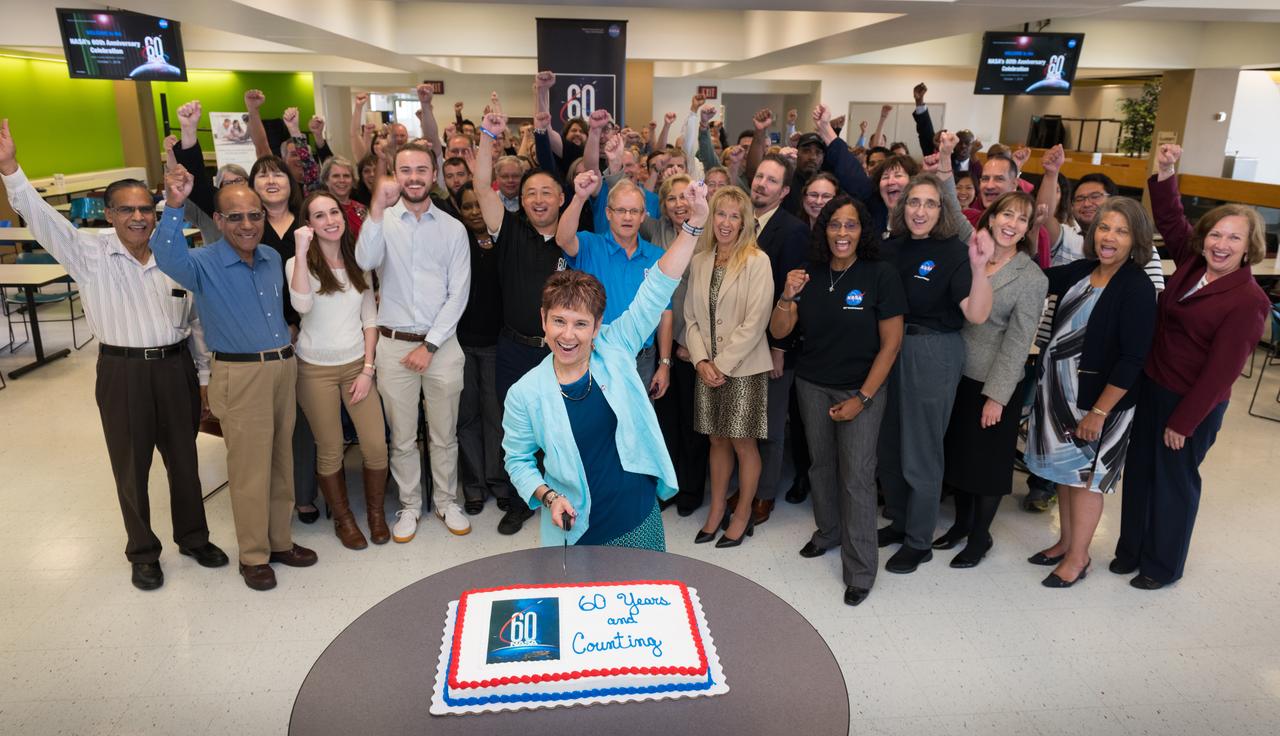
The Glenn Research Center Deputy Director, Dr. Marla Perez-Davis, cuts the ceremonial cake while employees cheer the NASA 60th Anniversary at the Employee Culminatiing Event.
NASA 60th Anniversary Employee Culminatiing Event
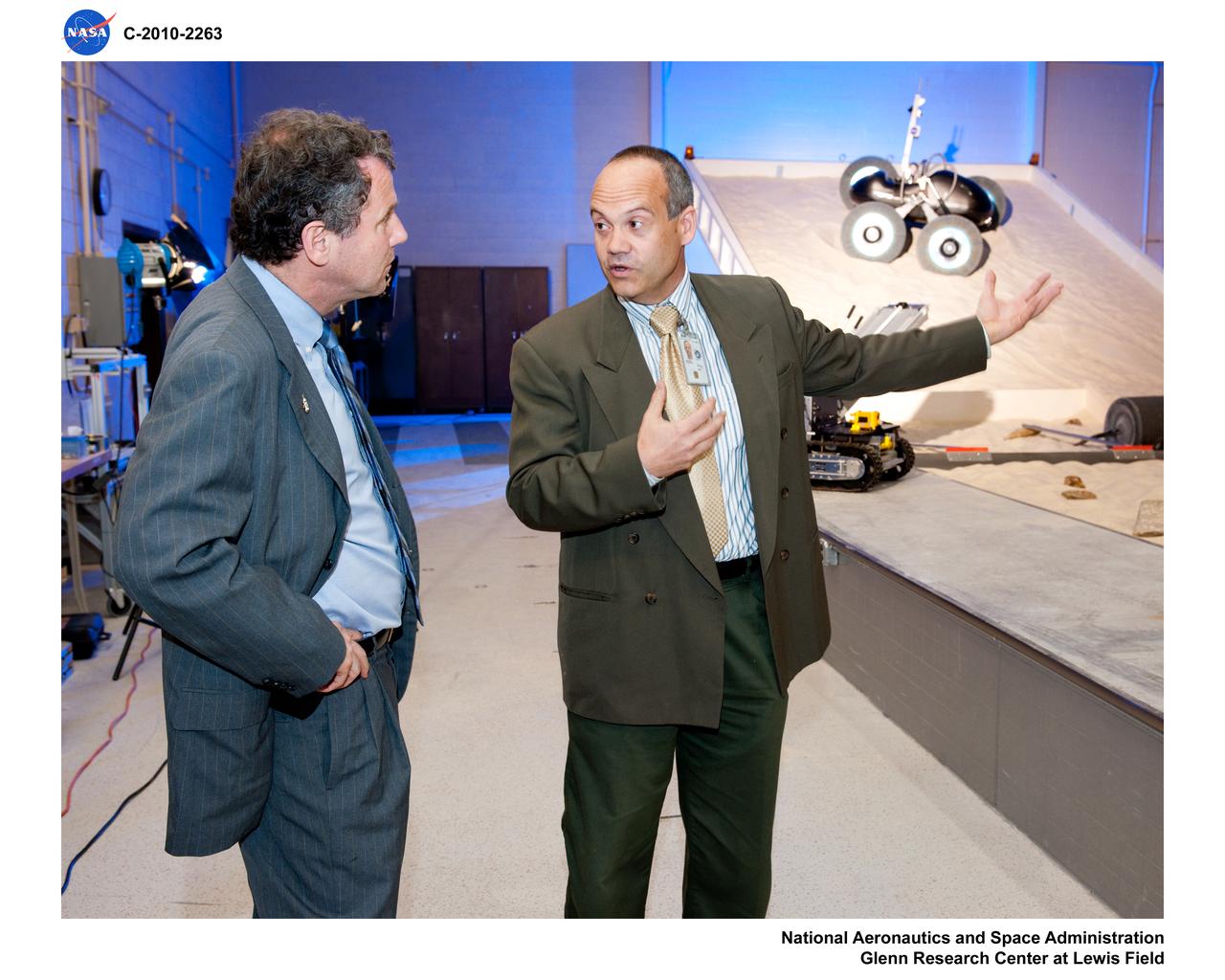
Visit to Glenn  Research Center by Ohio Senator Sherrod Brown
GRC-2010-C-02263
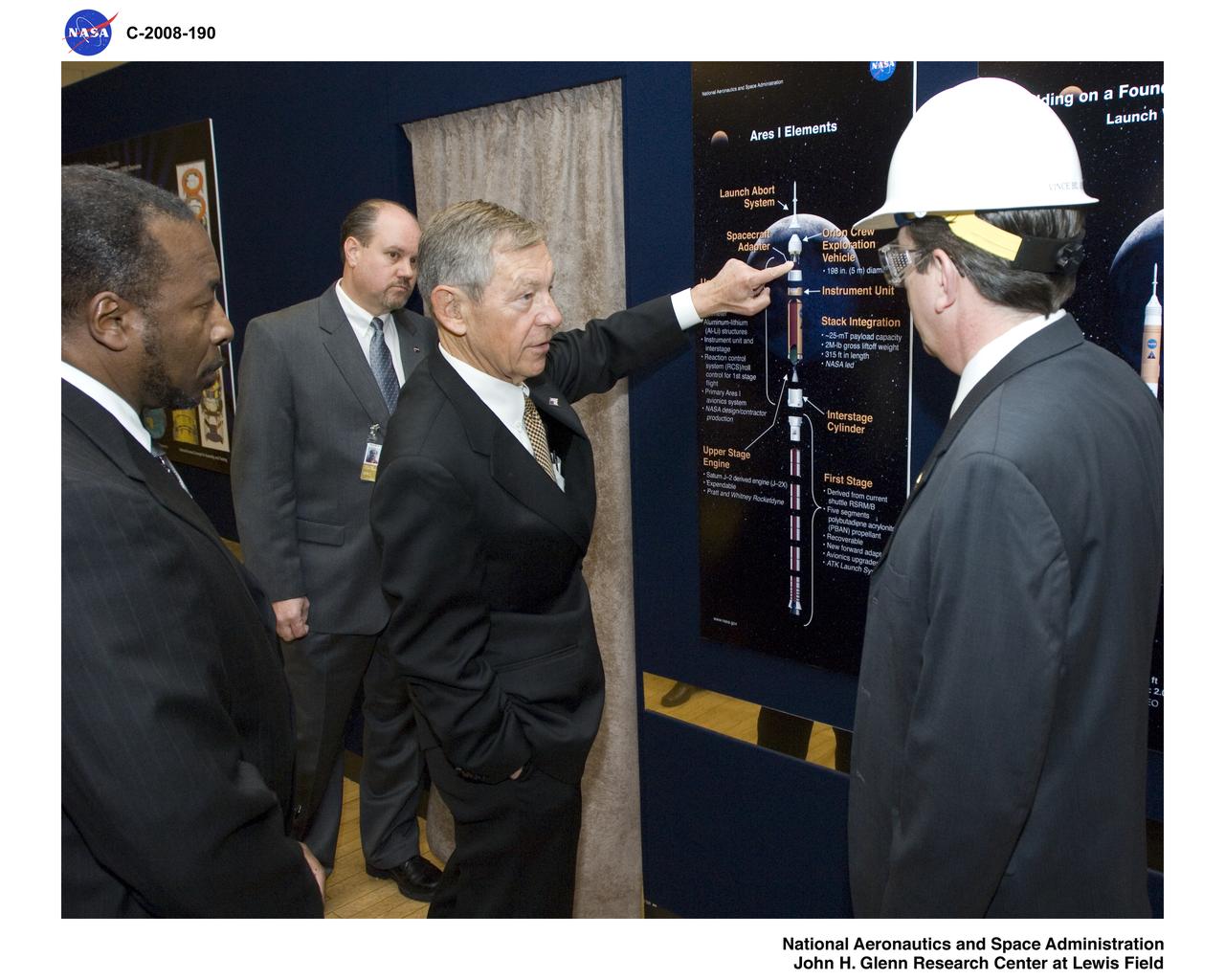
Visit to Glenn Research Center by United States Senator George Voinovich of Ohio
GRC-2008-C-00190
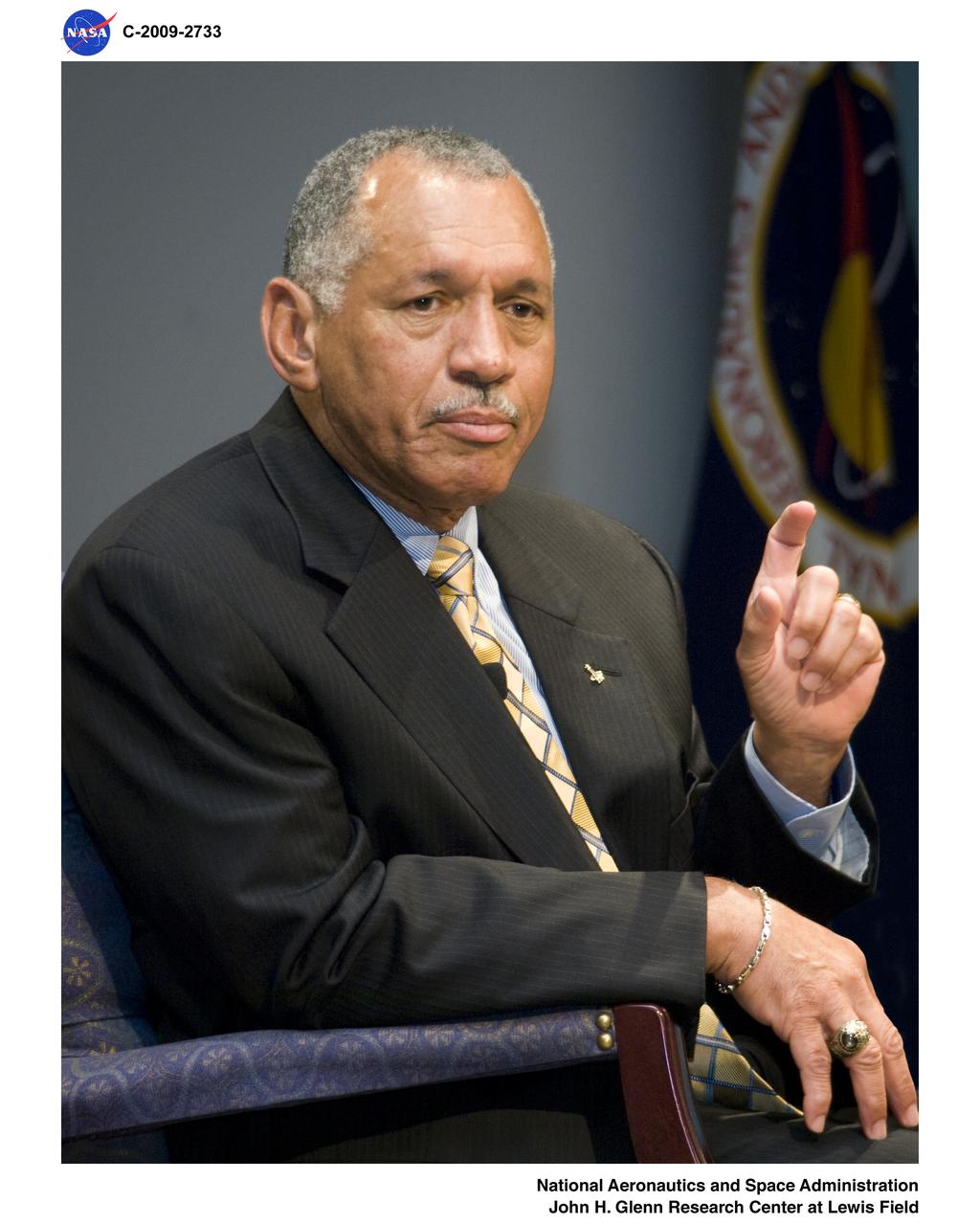
Visit to Glenn Research Center at Lewis Field by NASA Administrator and Deputy Administrator
GRC-2009-C-02737
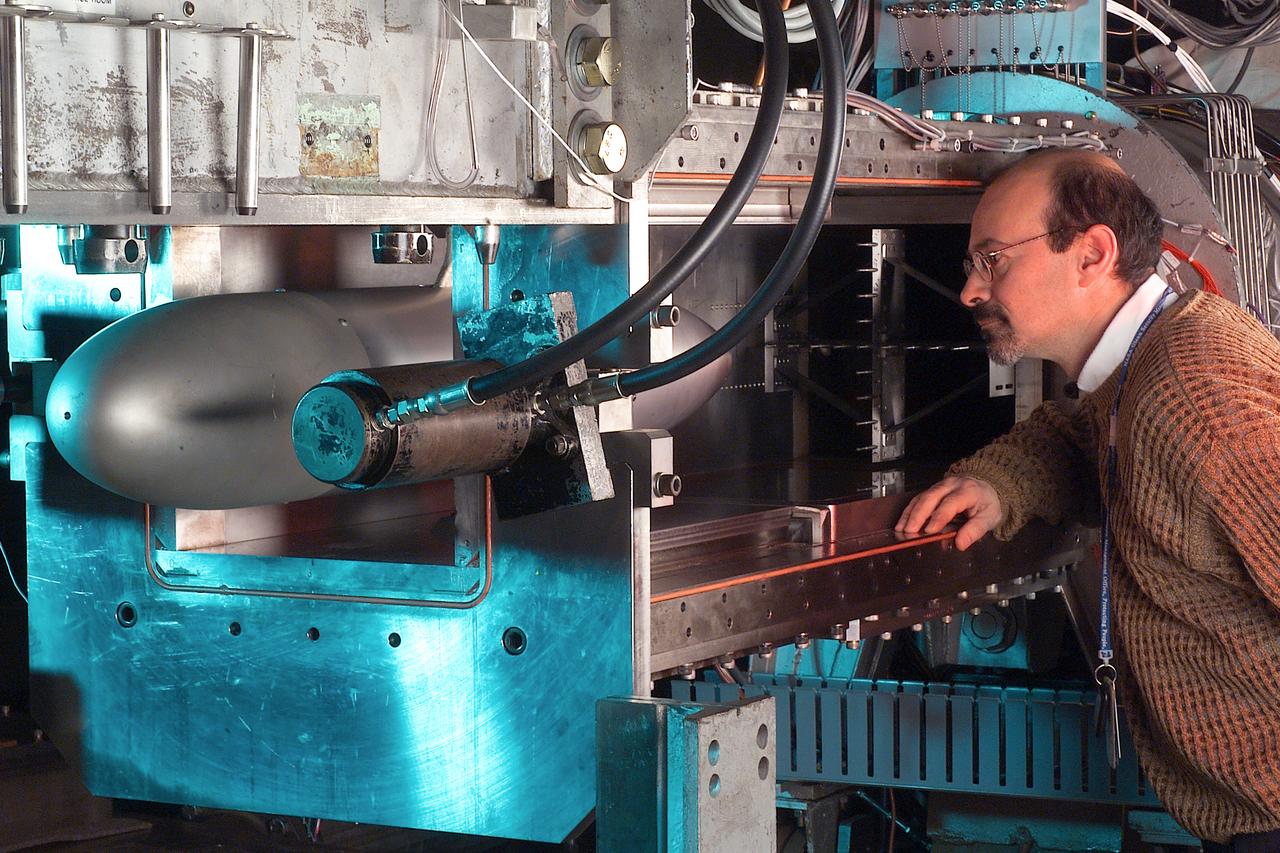
A researcher stands next to the Pulsed Ejector Wave Propagation Test Rig in an opened section of the 1'x1' Supersonic Wind Tunnel at NASA Glenn Research Center.
Pulsed Ejector Test
Glenn Research Center Hangar Front
GRC-2008-C-01060
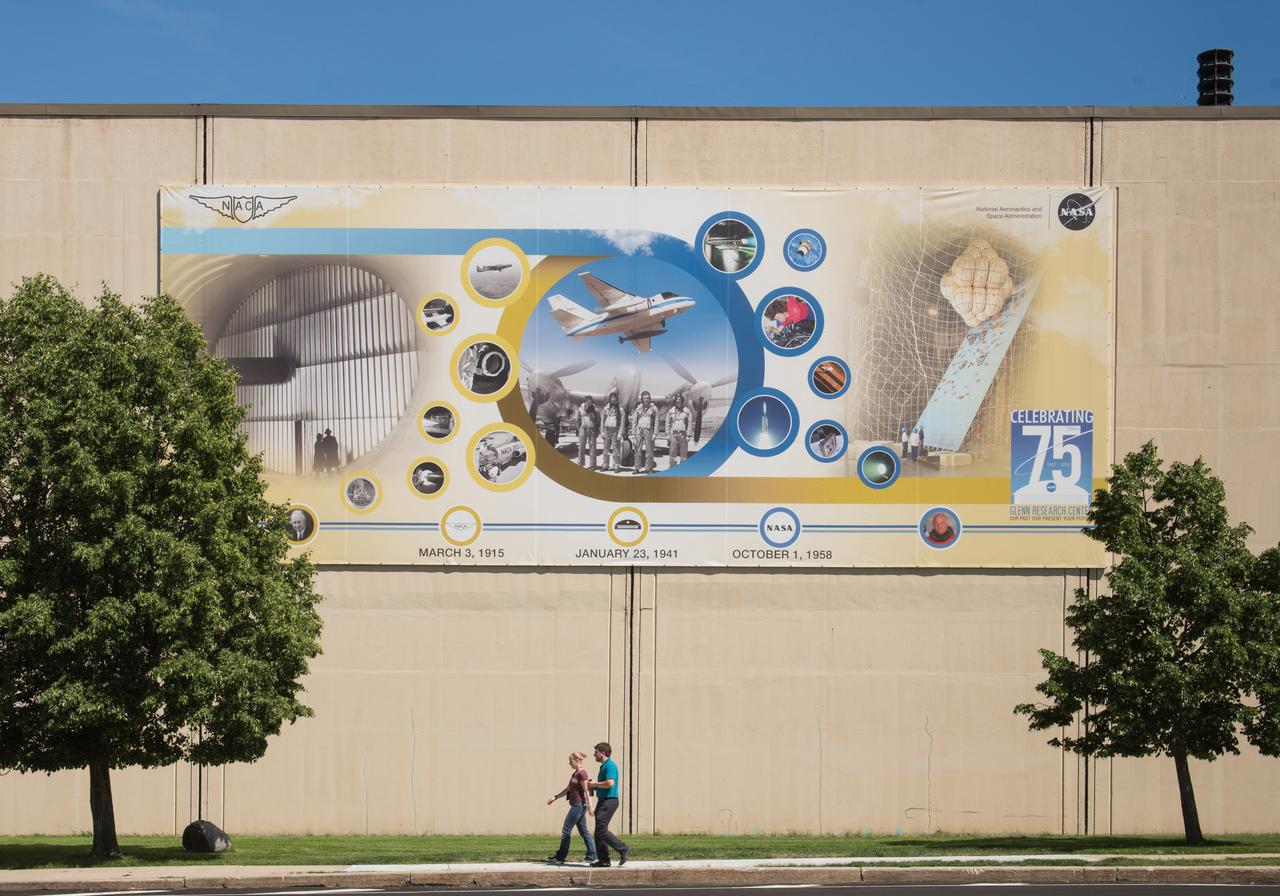
Glenn Research Center 75th Anniversary Sign
GRC-2016-C-07457
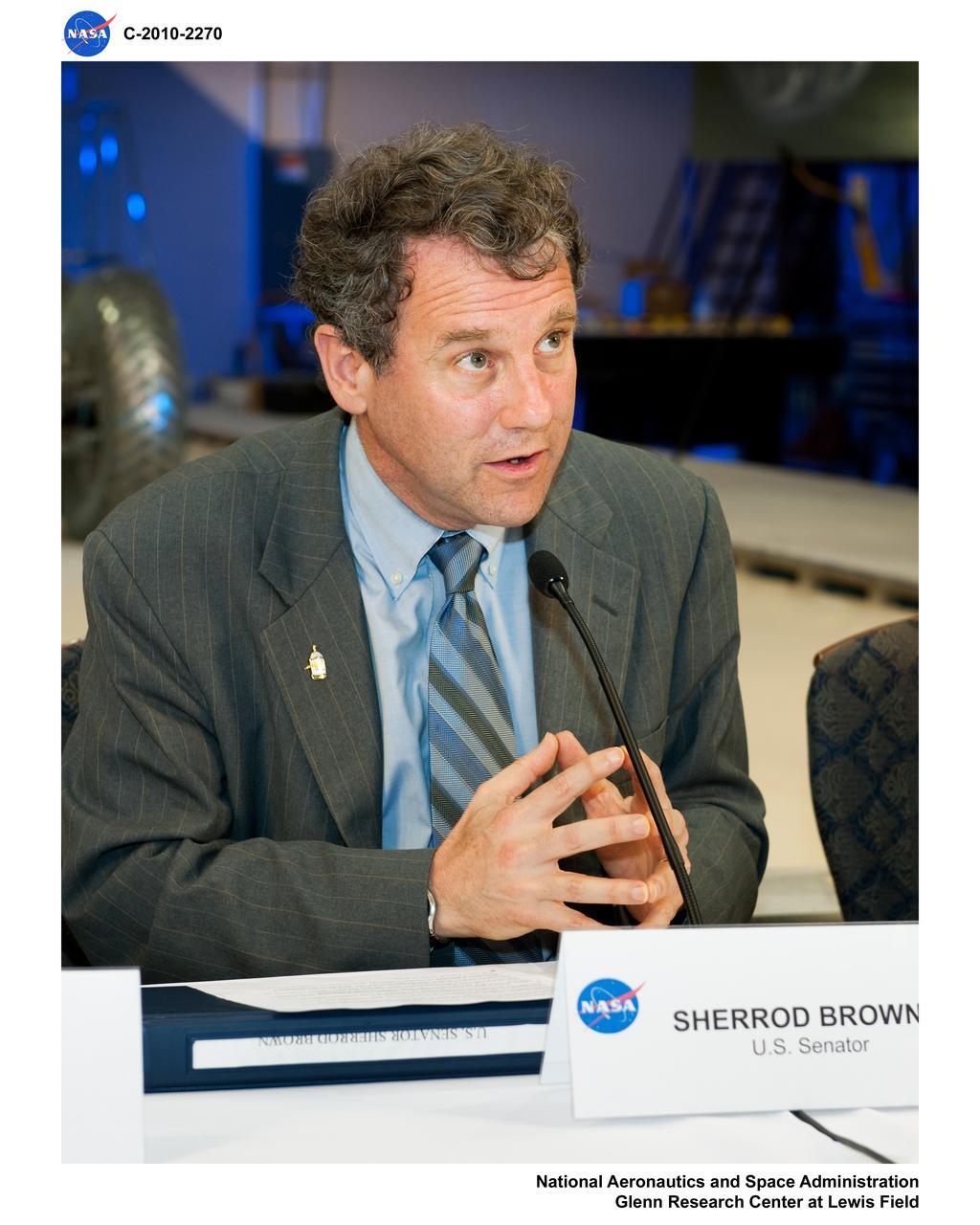
Visit to Glenn  Research Center by Ohio Senator Sherrod Brown
GRC-2010-C-02270
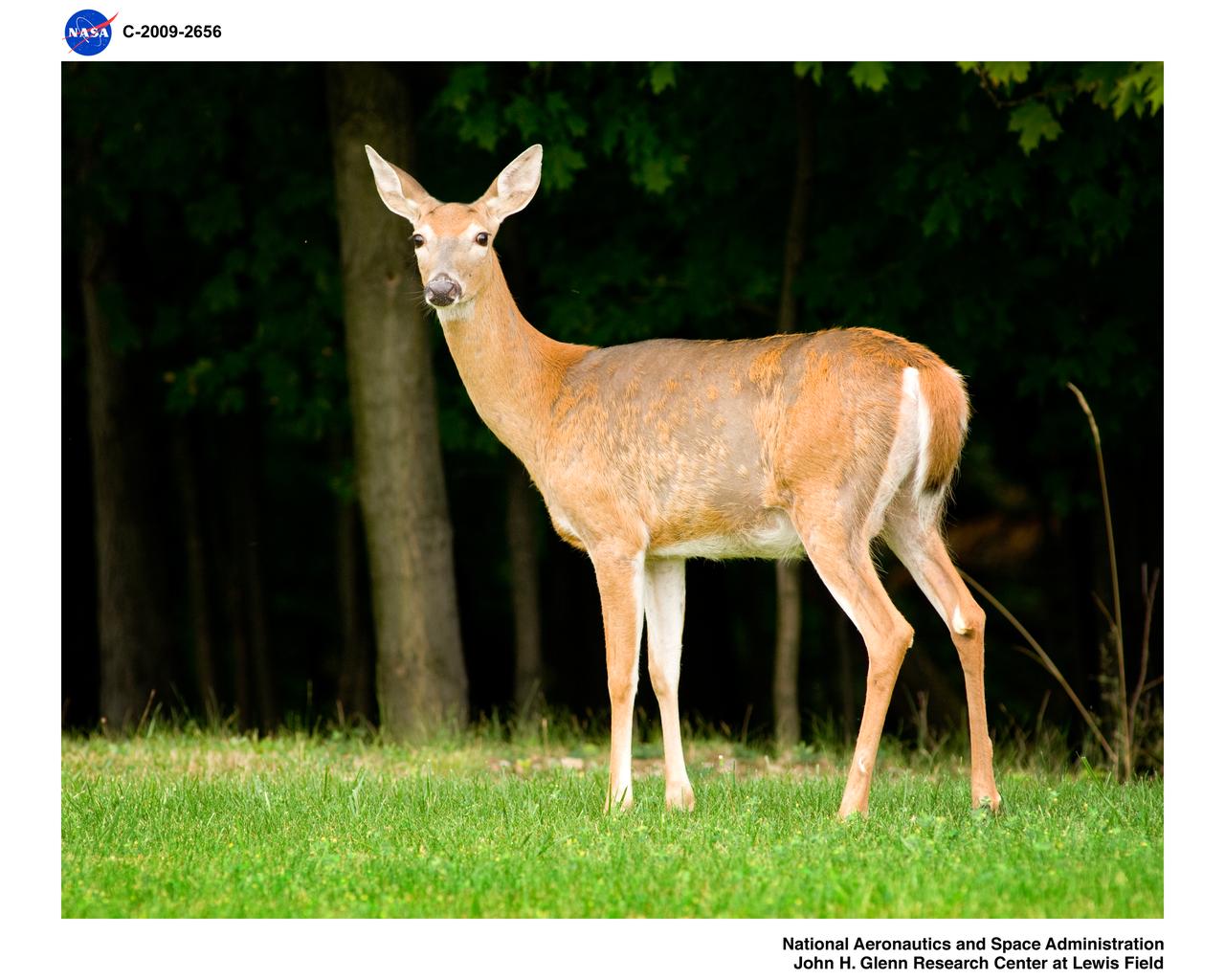
Deer in West Area, Glenn Research Center at Lewis Field
GRC-2009-C-02656
Visit to Glenn Research Center at Lewis Field by NASA Administrator and Deputy Administrator
GRC-2009-C-02733
A technician in the Instrumentation Shop during the buildup of Flow Boiling Condensation Experiment, FBCE Micro Gravity Payload, Condensation Module – Heat Transfer, CM-HT, Test Section Hardware Fabrication
Flow Boiling Condensation Experiment, FBCE Micro Gravity Payl...
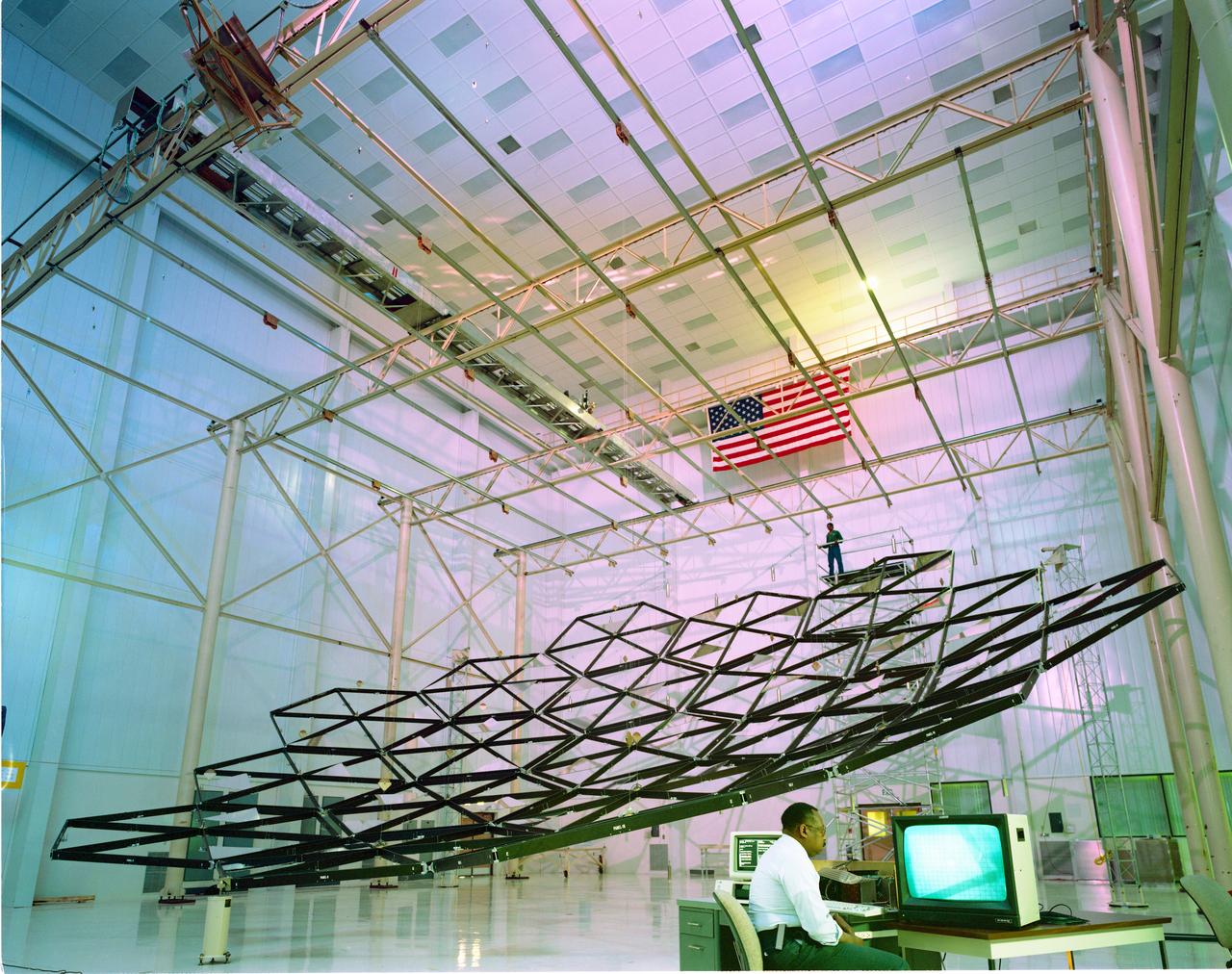
Testing of the Solar Dynamic Collector for Space Freedom.  The solar dynamic power system includes a solar concentrator, which collects sunlight; a receiver, which accepts and stores the concentrated solar energy and transfers this energy to a gas; a Brayton turbine, alternator, and compressor unit, which generates electric power; and a radiator, which rejects waste heat.
SOLAR CONCENTRATOR ADVANCED DEVELOPMENT for the space station
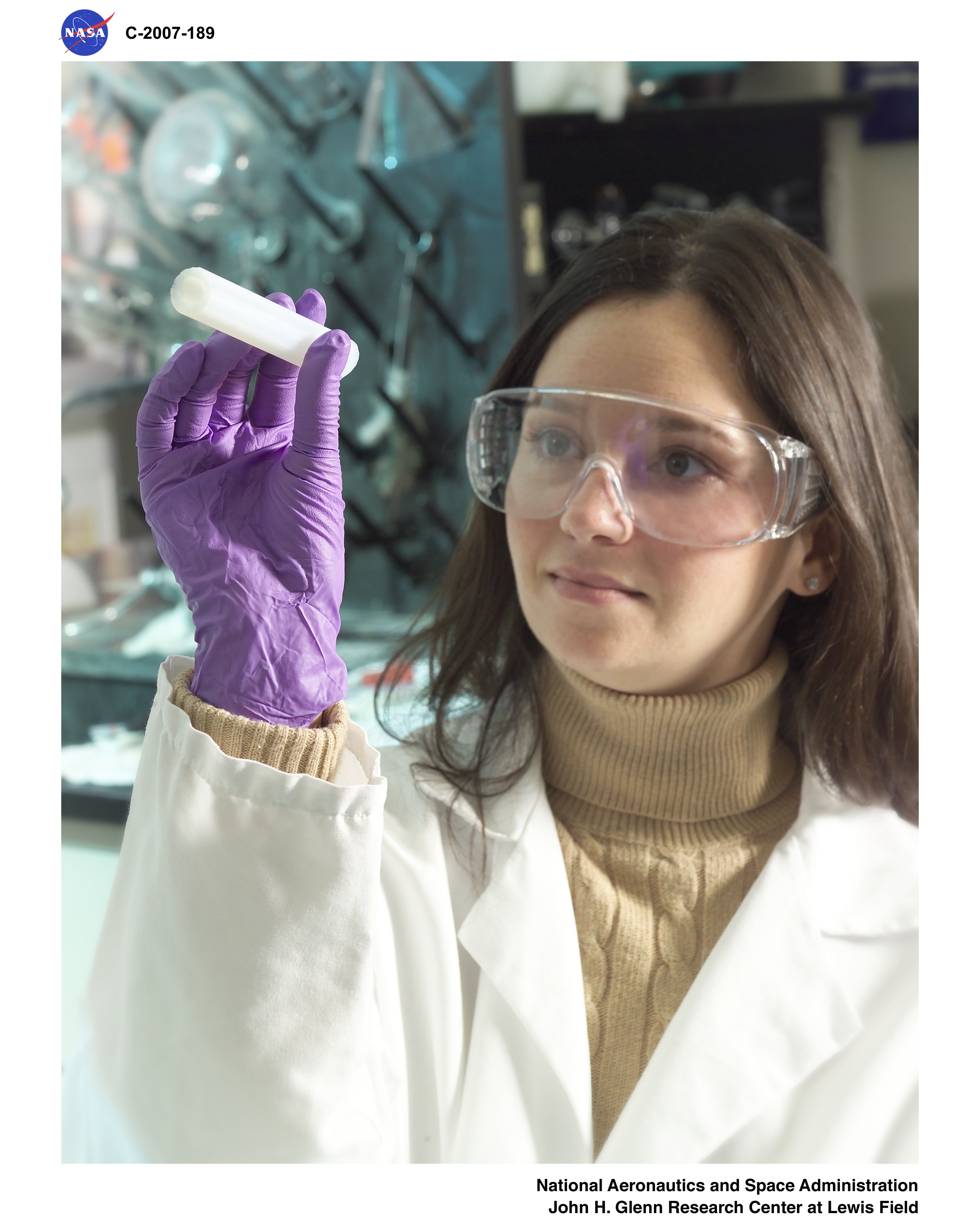
Researcher examines a tubular Aerogel material sample in its "green" state.  Aerogels are among the lightest solid materials known to man. They are created by combining a polymer with a solvent to form a gel, and then removing the liquid from the gel and replacing it with air. Aerogels are extremely porous and very low in density. They are solid to the touch. This translucent material is considered one of the finest insulation materials available.
Researcher examines a tubular Aerogel material sample in its "green" state.
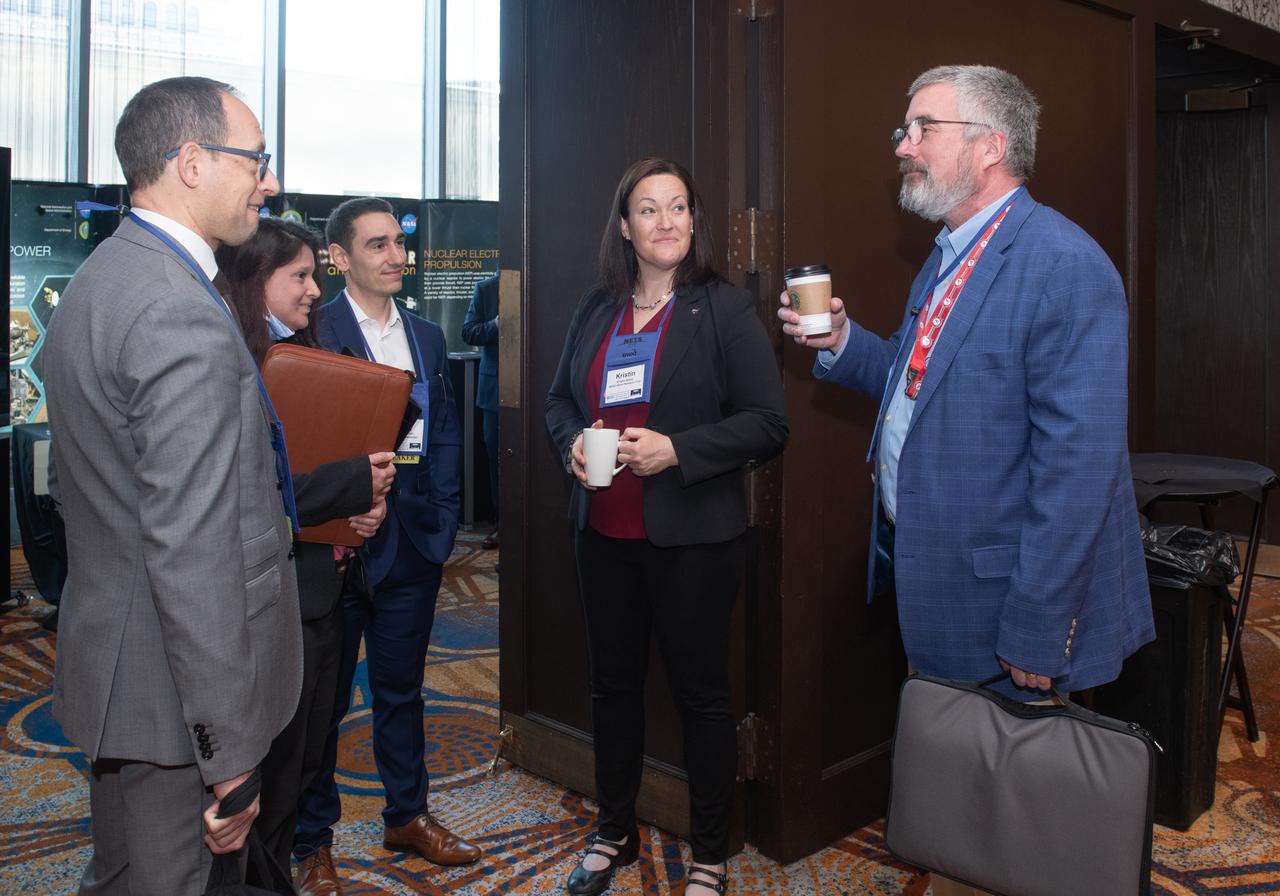
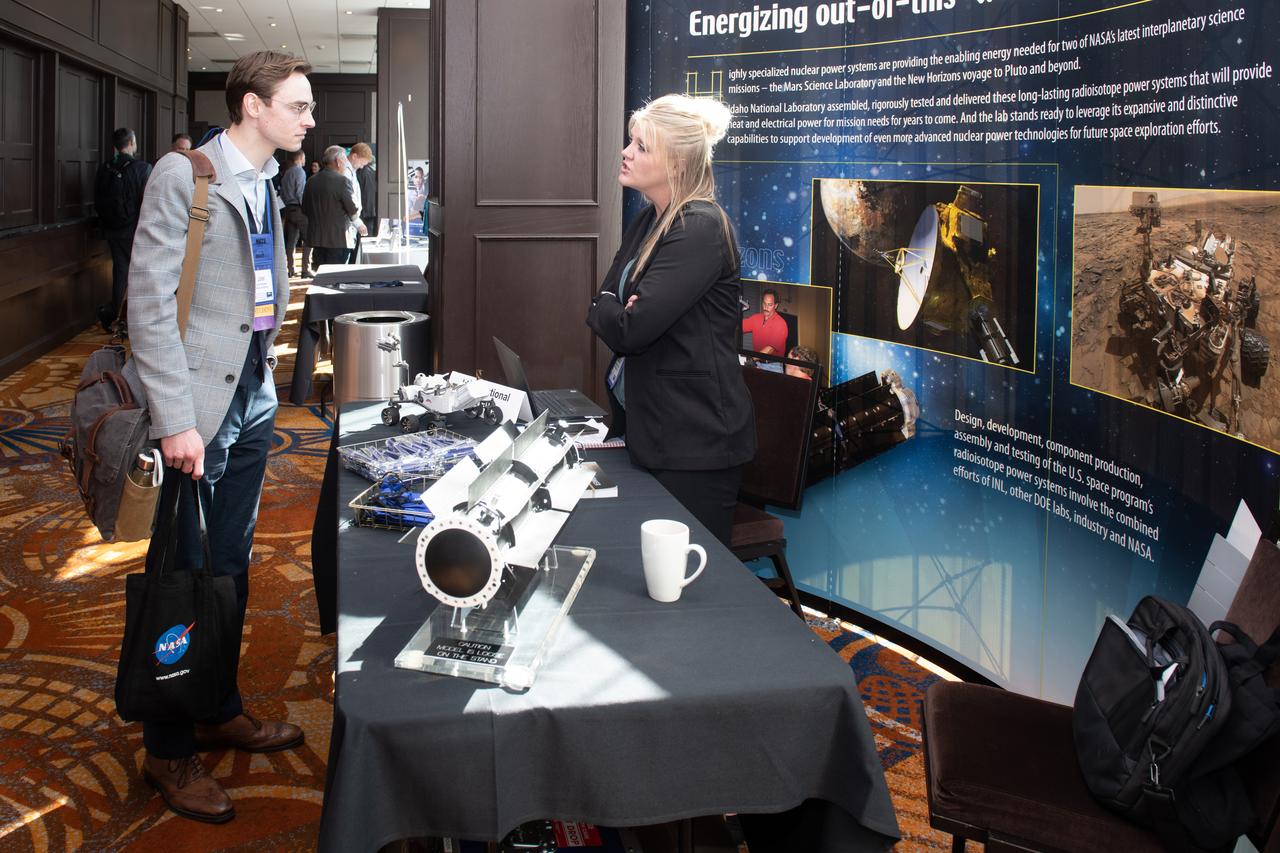
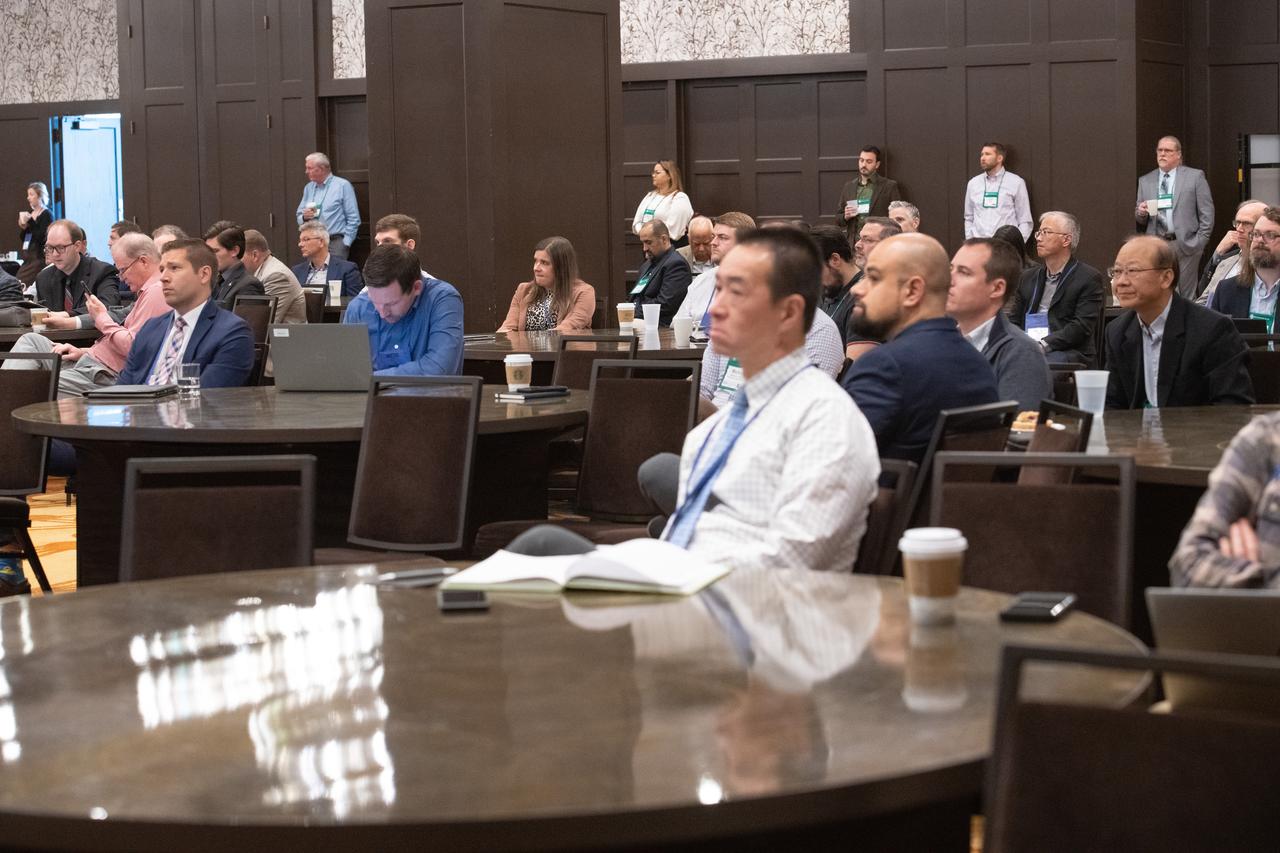
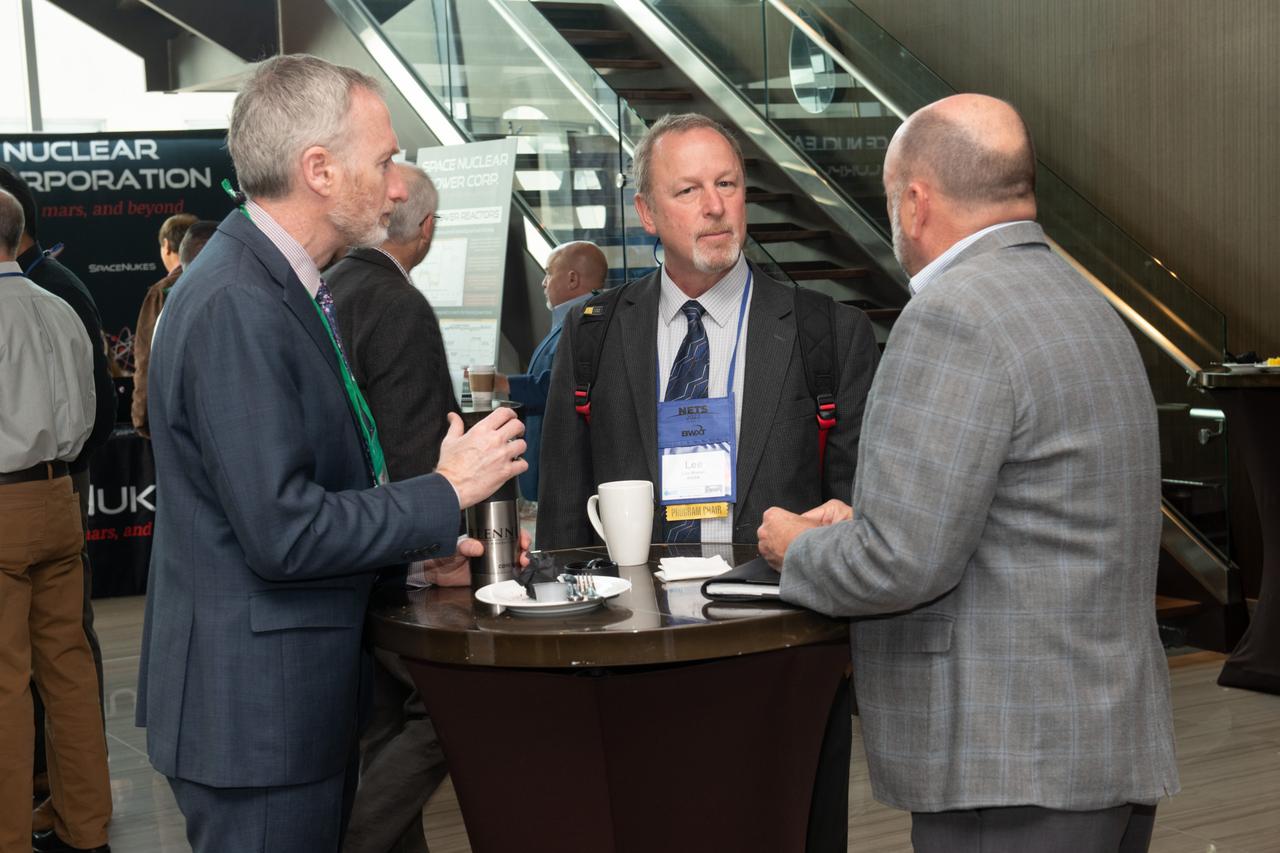
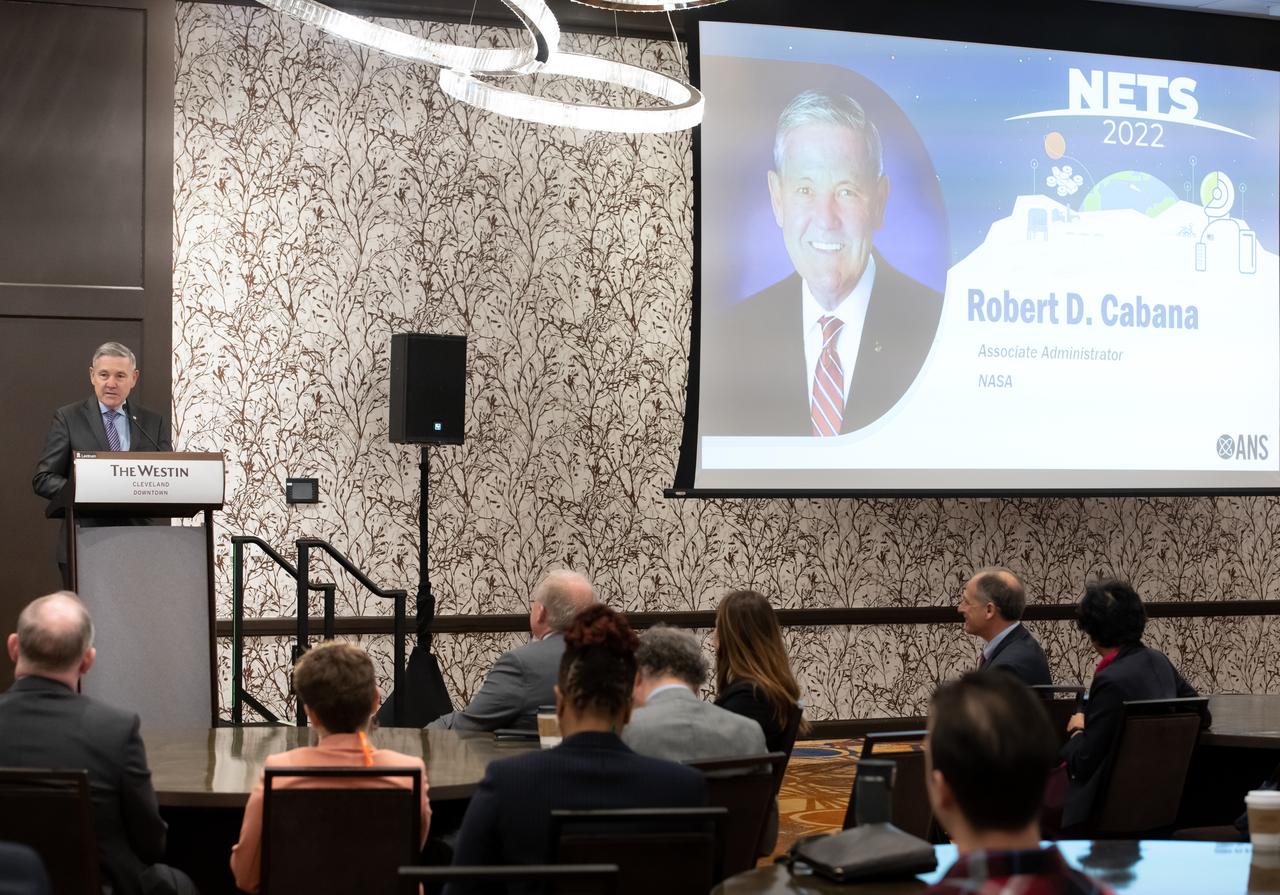
Nuclear Emerging Technologies for Space, NETS 2022 Conference
GRC-2022-C-00529
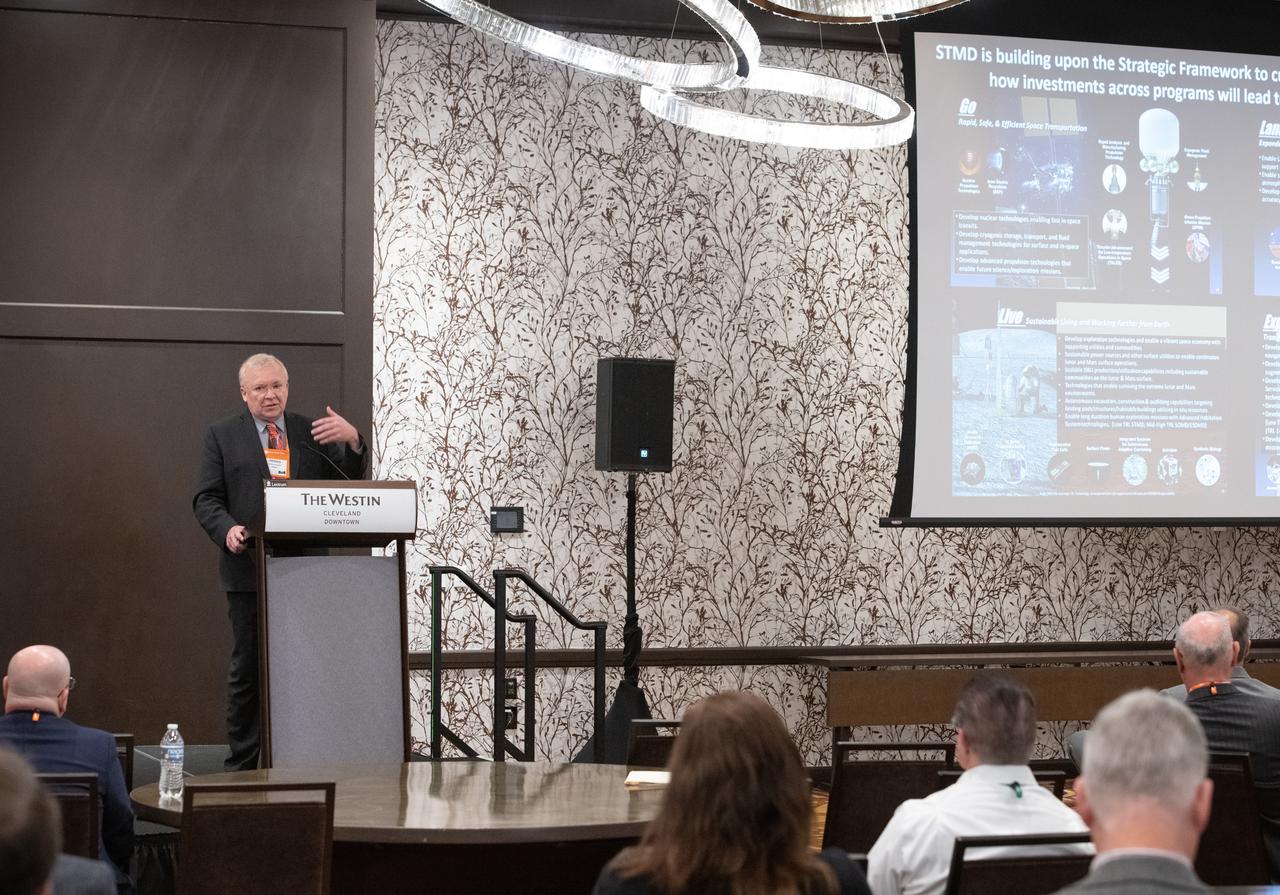
Nuclear Emerging Technologies for Space, NETS 2022 Conference
GRC-2022-C-00523
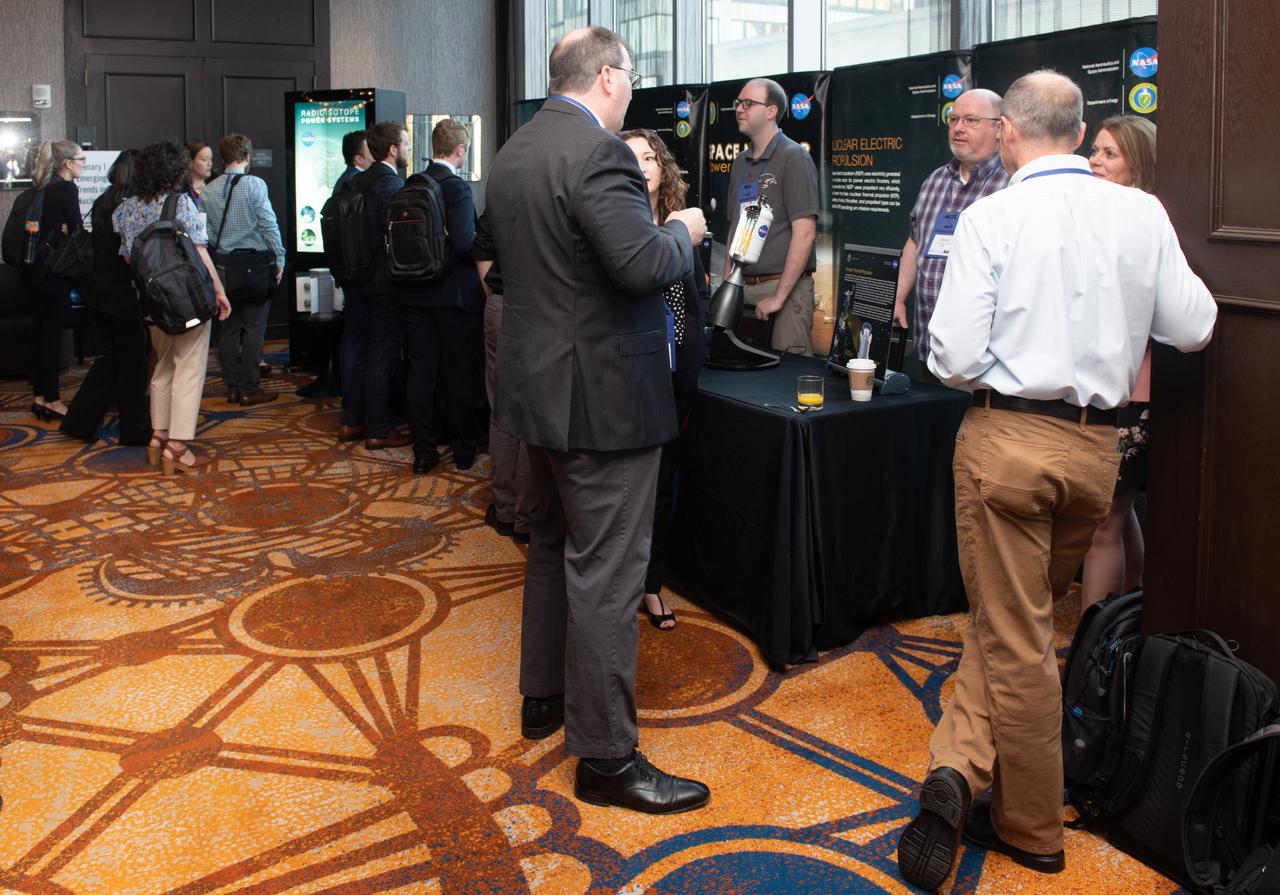
Nuclear Emerging Technologies for Space, NETS 2022 Conference
GRC-2022-C-00462
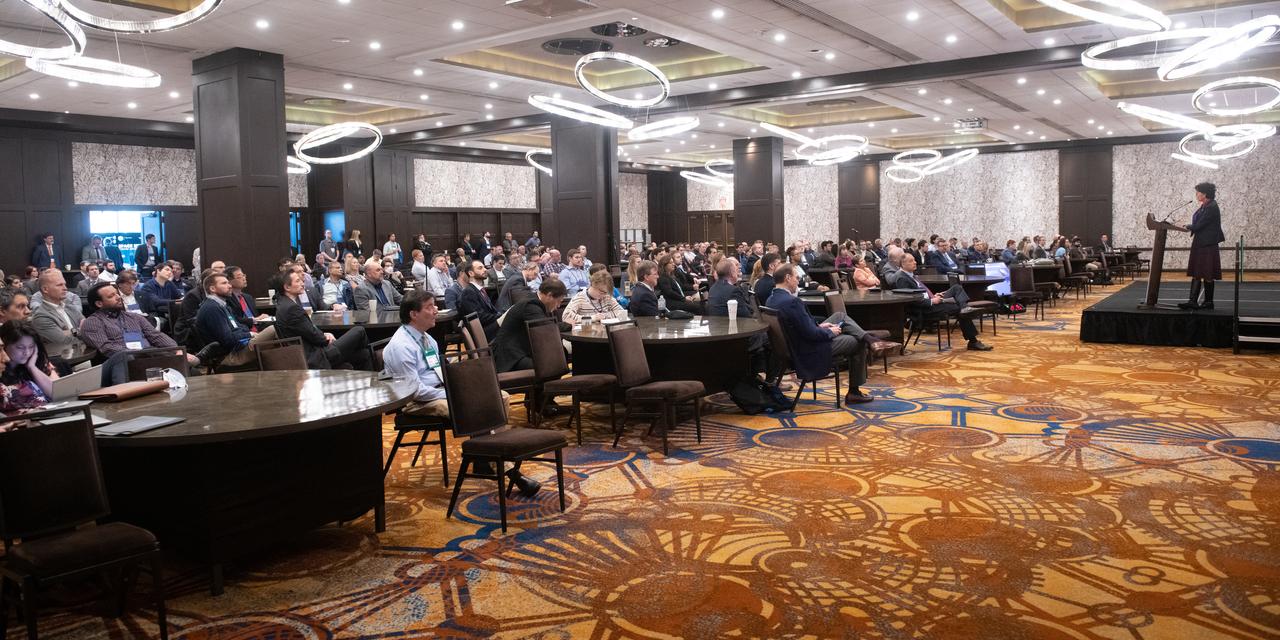
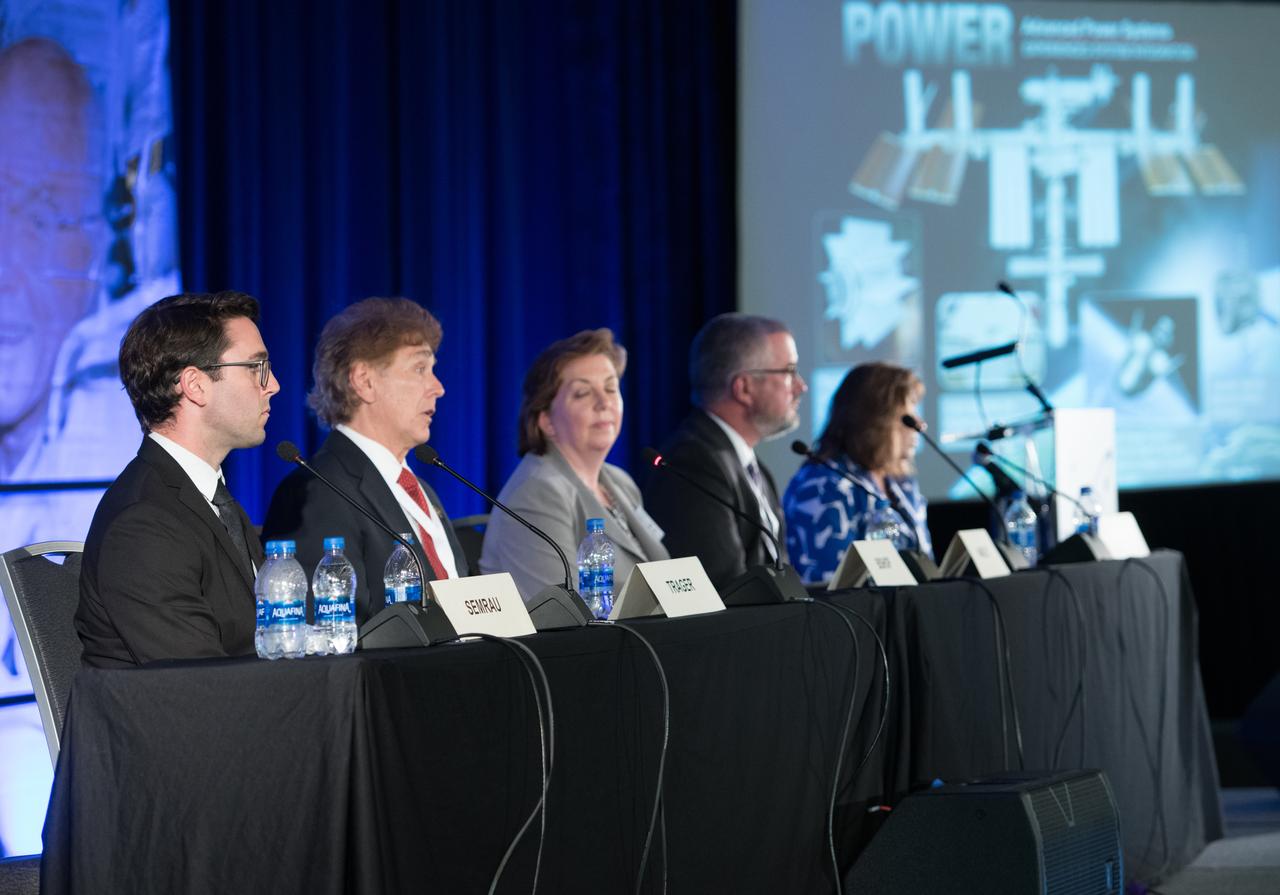
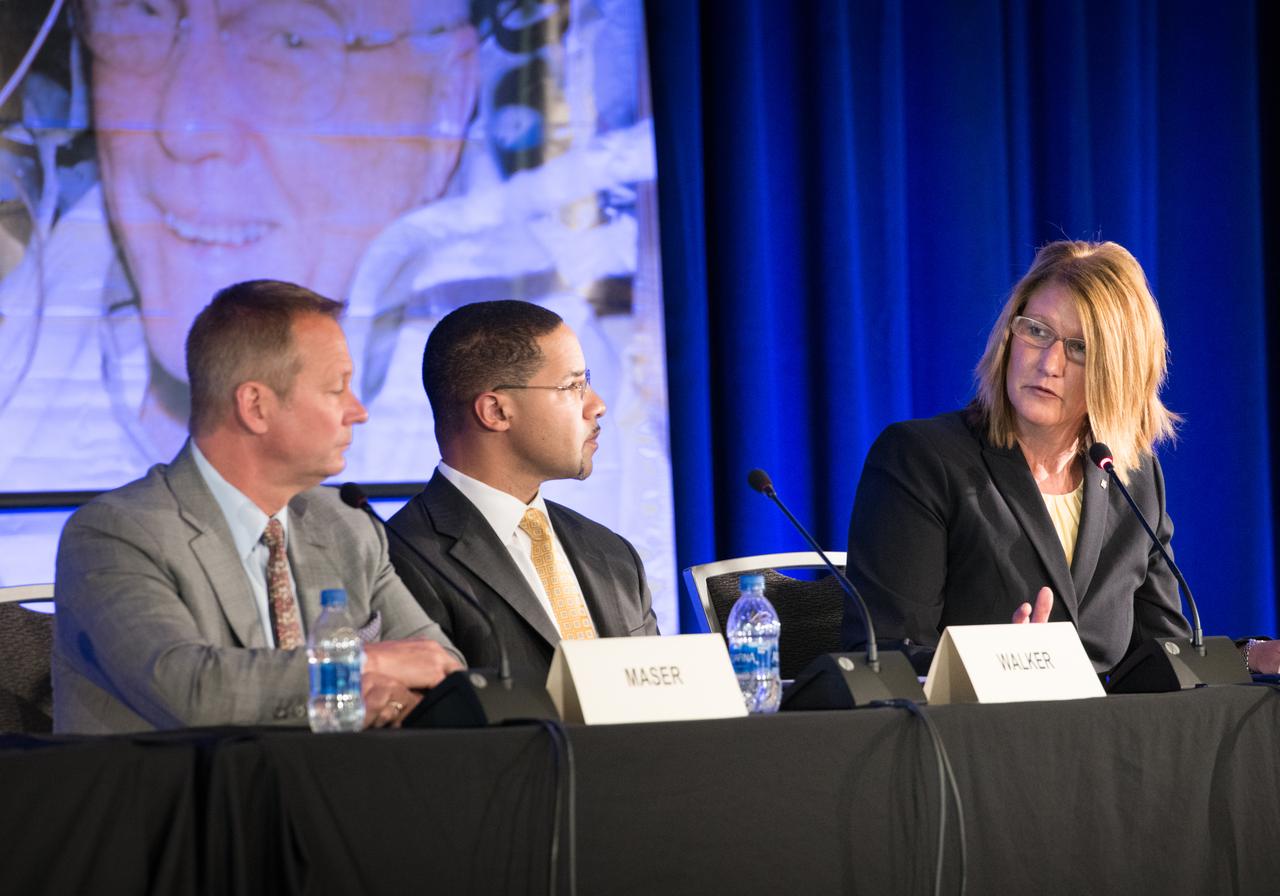
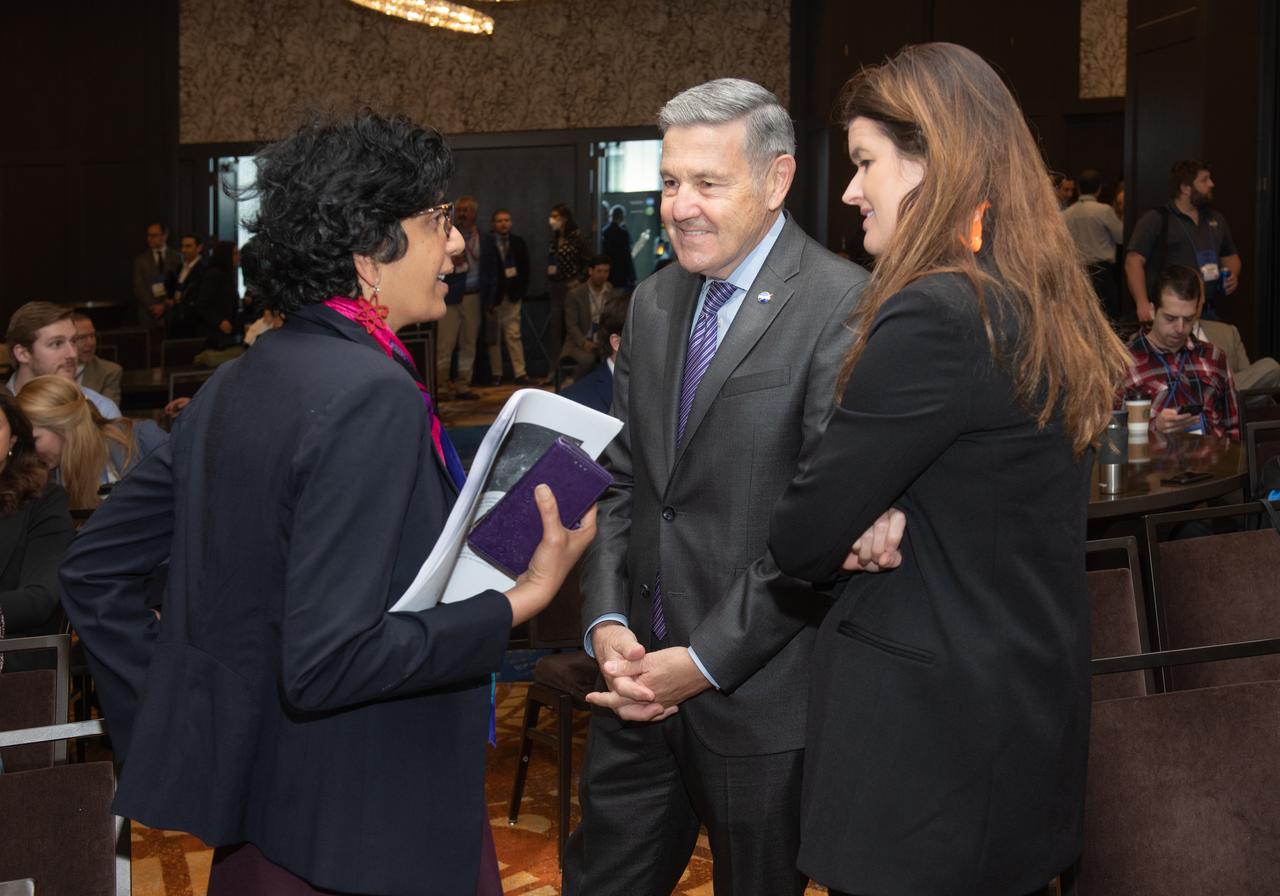
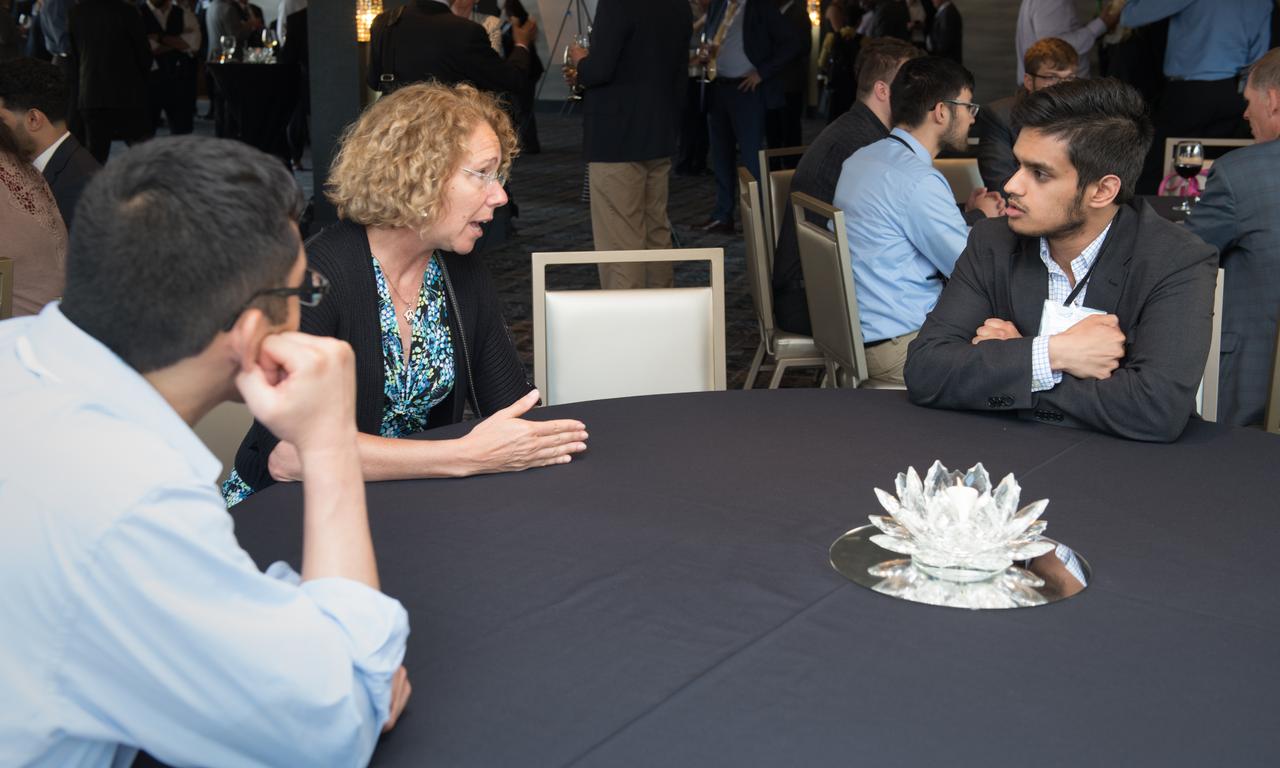
The inaugural Glenn Symposium focused on advancements in aerospace technology including power and propulsion, autonomy and communications, low boom supersonics, hypersonics, and more. Discussion also encompassed humans returning to the moon, including challenges associated with the 2024 mission.
The Inaugural John Glenn Memorial Symposium
Advanced Electric Propulsion Systems Contract, Technology Demonstration Unit, TDU-3 Checkout Test Hardware Installed in Vacuum Facility 5, VF-5
Advanced Electric Propulsion Systems Contract, Technology Dem...
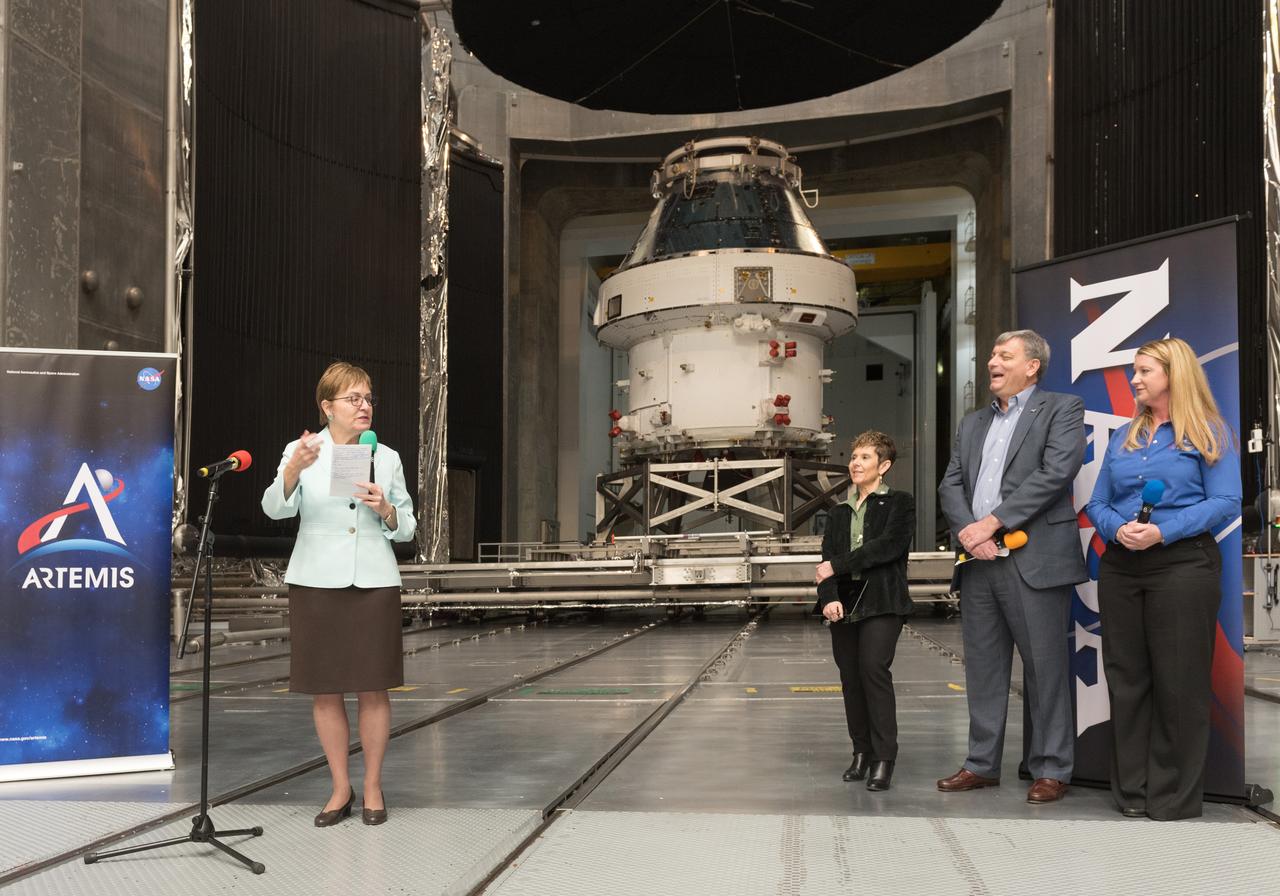
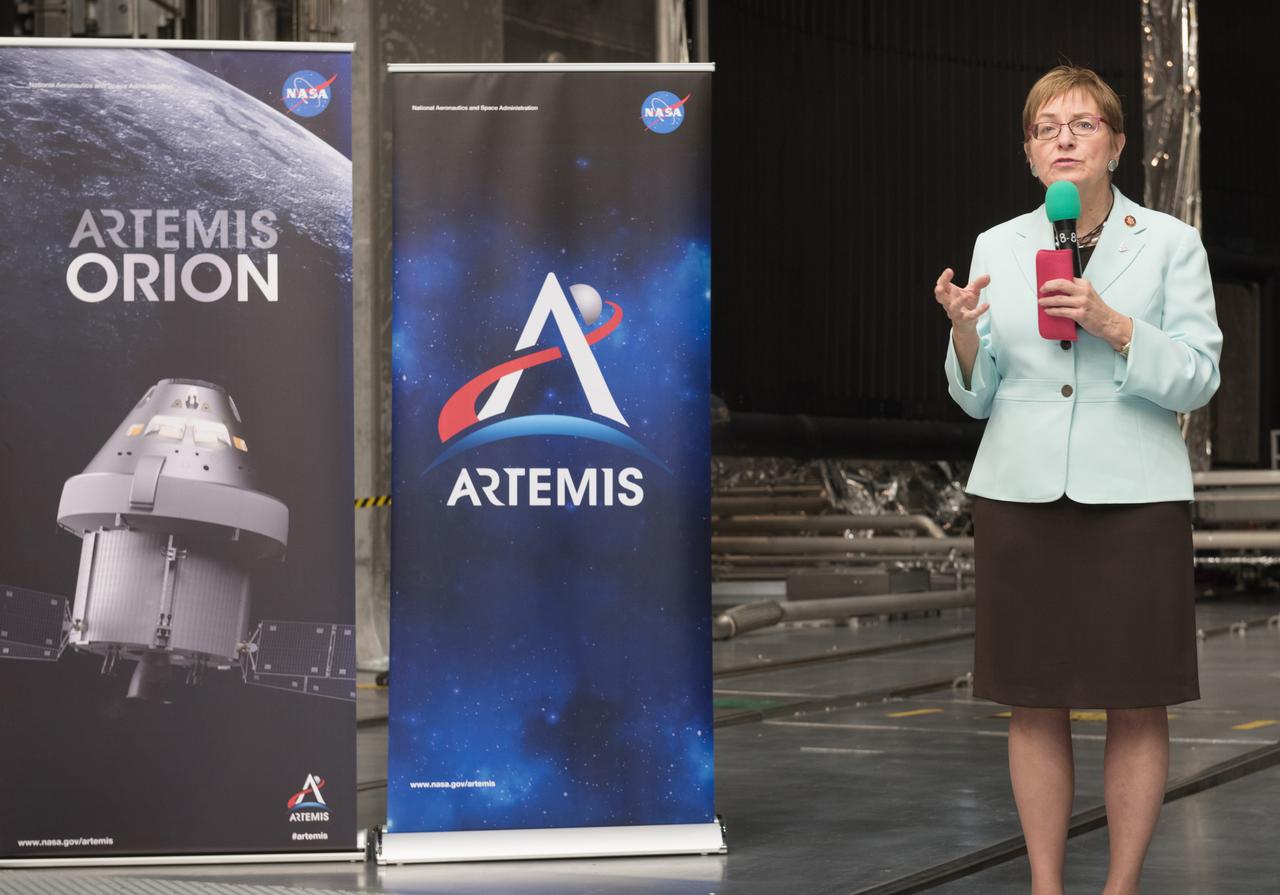
Artemis Departure Media Event
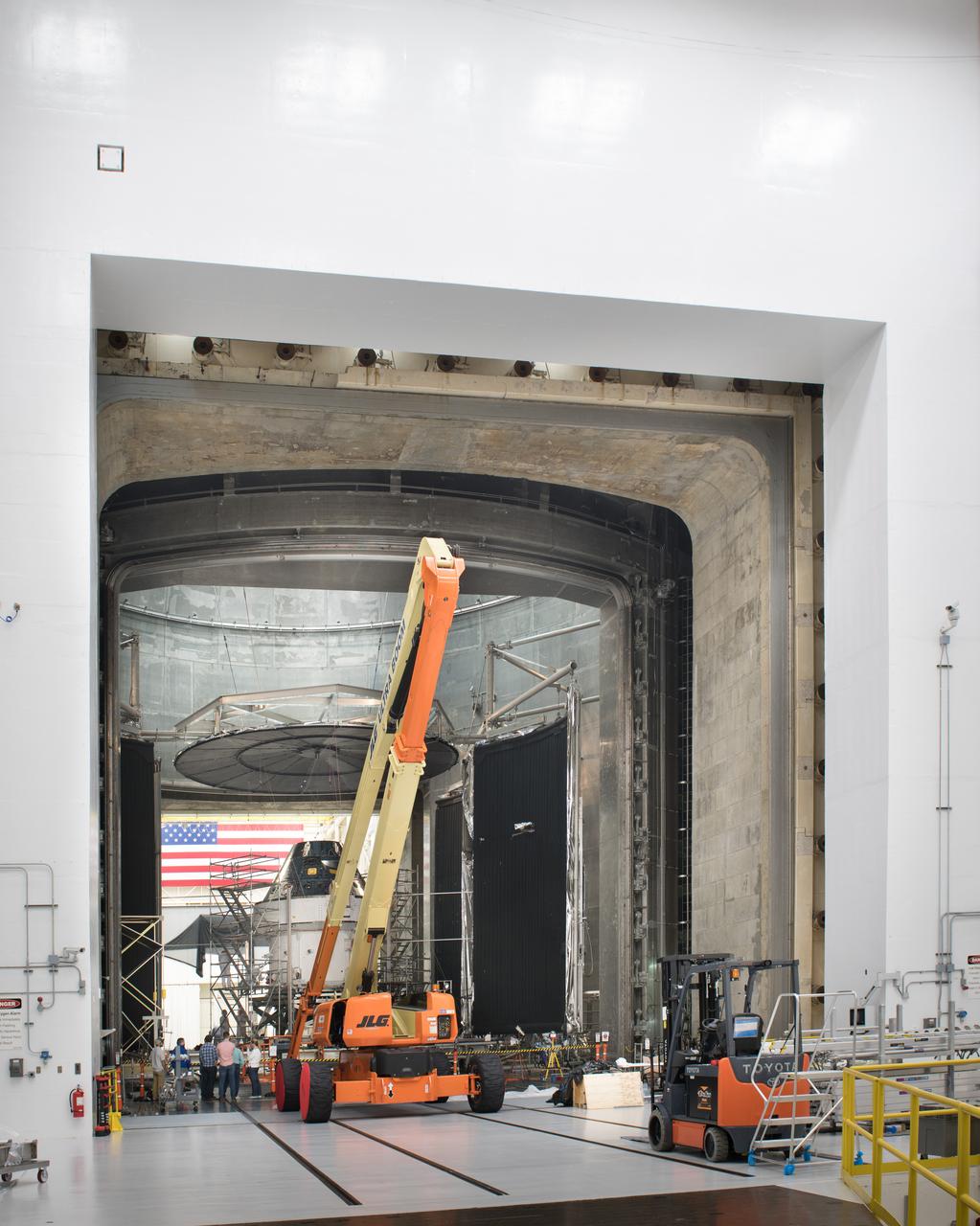
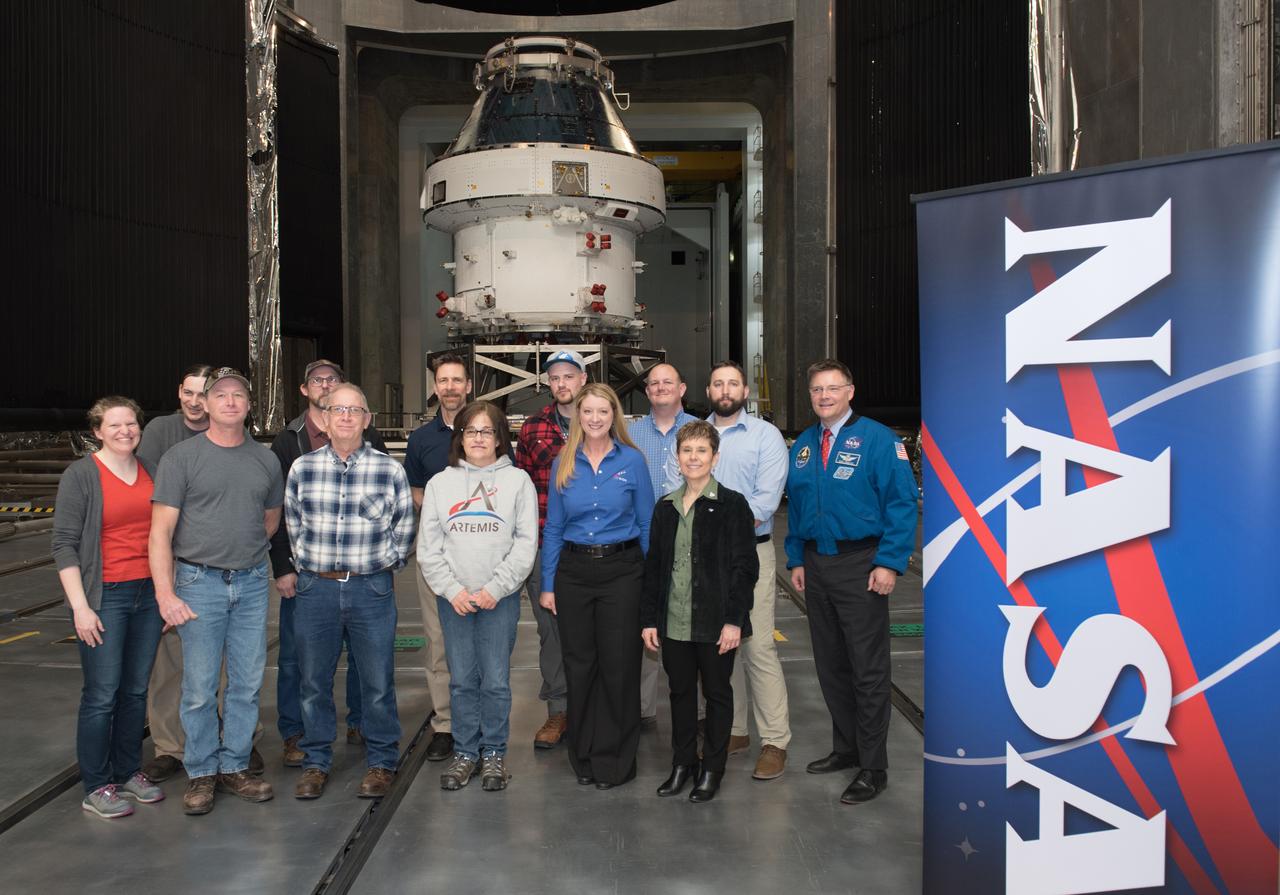
The Orion spacecraft for the Artemis I Mission, consisting of the crew module and European-built service module, sits in the NASA Glenn Research Center, Plum Brook Station, Space Environments Complex, SEC, Thermal Vacuum Chamber after more than three months of testing where it was subjected to the extreme temperatures and electromagnetic environment it will experience in the vacuum of space during Artemis missions.    Orion is a key component of Artemis I, an uncrewed test flight around the Moon that will land the first woman and next man on the lunar surface by 2024.
Orion spacecraft for the Artemis I Mission, consisting of the crew module and European-built service module, sits in the NASA Glenn Research Center, Plum Brook Station, Space Environments Complex, SEC, Thermal Vacuum Chamber
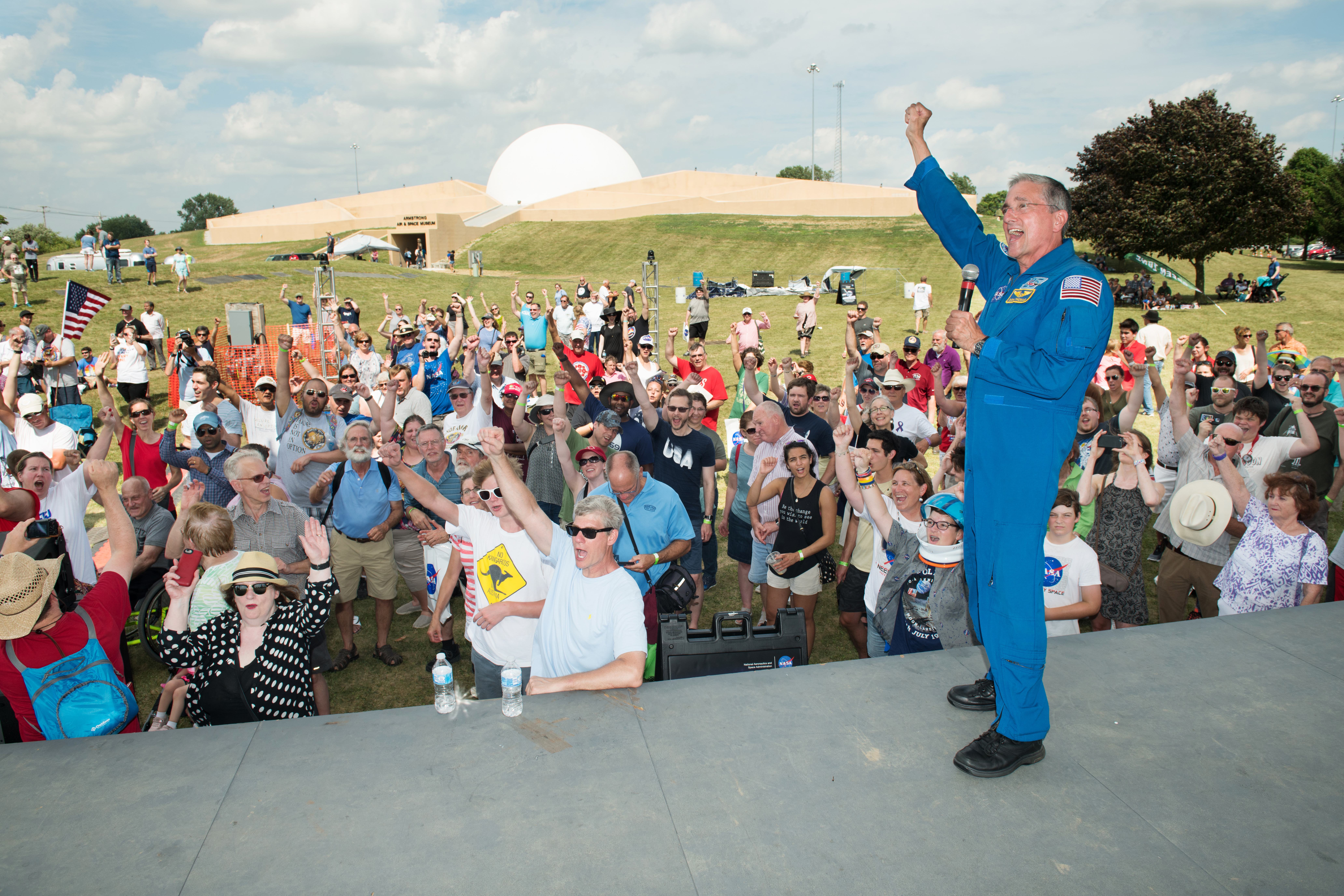
Astronaut Don Thomas and the crowd cheer at the moment of the Apollo 11 touchdown on the Moon during a replay of the 1969 television broadcast at the Summer Moon Festival, Wapakoneta, Ohio, Apollo 11 Moon Landing 50th Anniversary
Summer Moon Festival, Wapakoneta, Ohio, Apollo 11 Moon Landin...
Nuclear Emerging Technologies for Space, NETS 2022 Conference
GRC-2022-C-00504
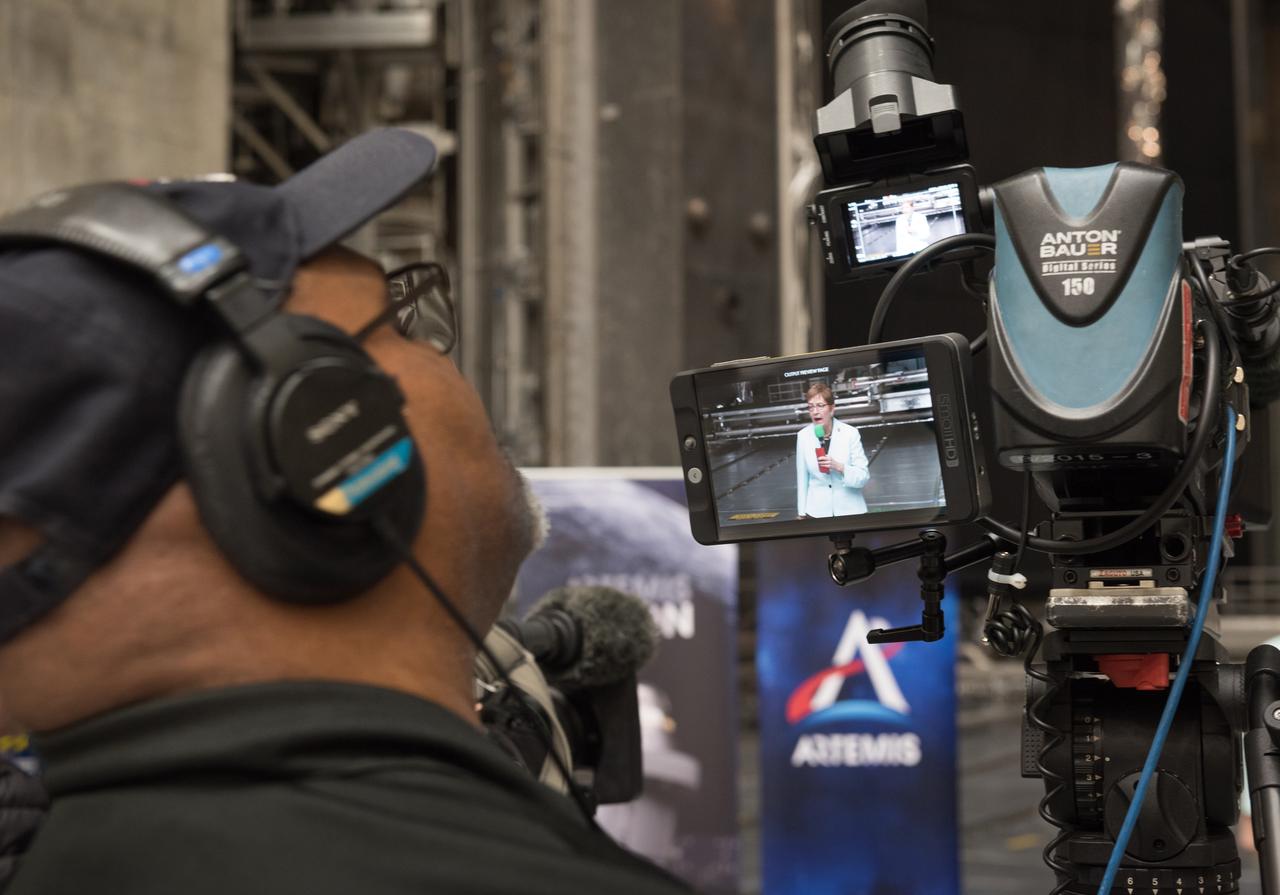
Artemis Departure Media Event
GRC Center Director, Dr. Marla Perez-Davis reacts to a presentation during the Retirement Reception for the Director of Aeronautics, Ruben Del Rosario
Retirement Reception for the Director of Aeronautics, Ruben D...
Combustion Integrated Rack (CIR)
GRC-2006-C-00540
Artemis Hardware Arrival at the NASA Glenn Research Center, Plum Brook Station for testing at the Space Environments Complex, SEC
Artemis Hardware Arrival at the NASA Glenn Research Center, Plum
Nuclear Emerging Technologies for Space, NETS 2022 Conference
GRC-2022-C-00522
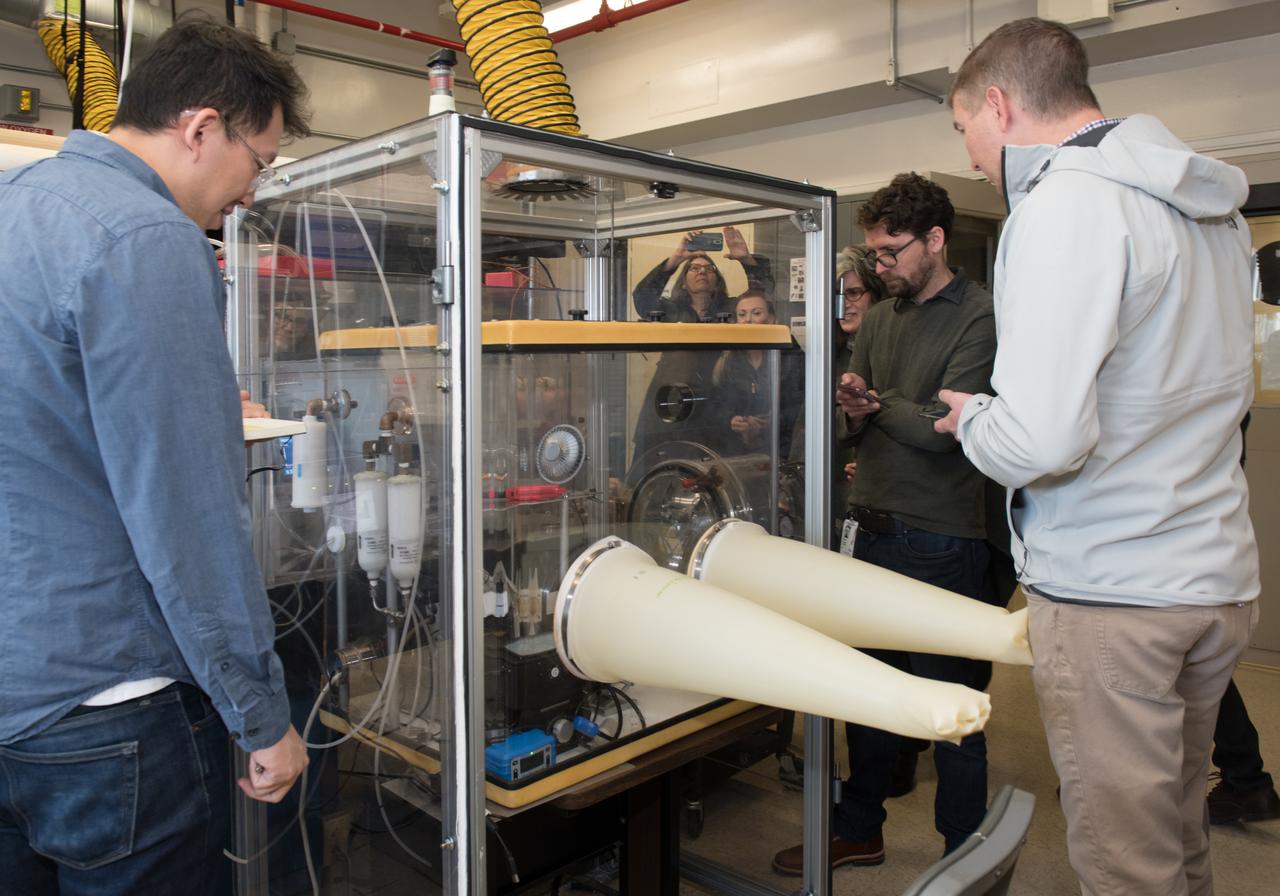
NASA Earth & Space Air Prize Demonstration Event
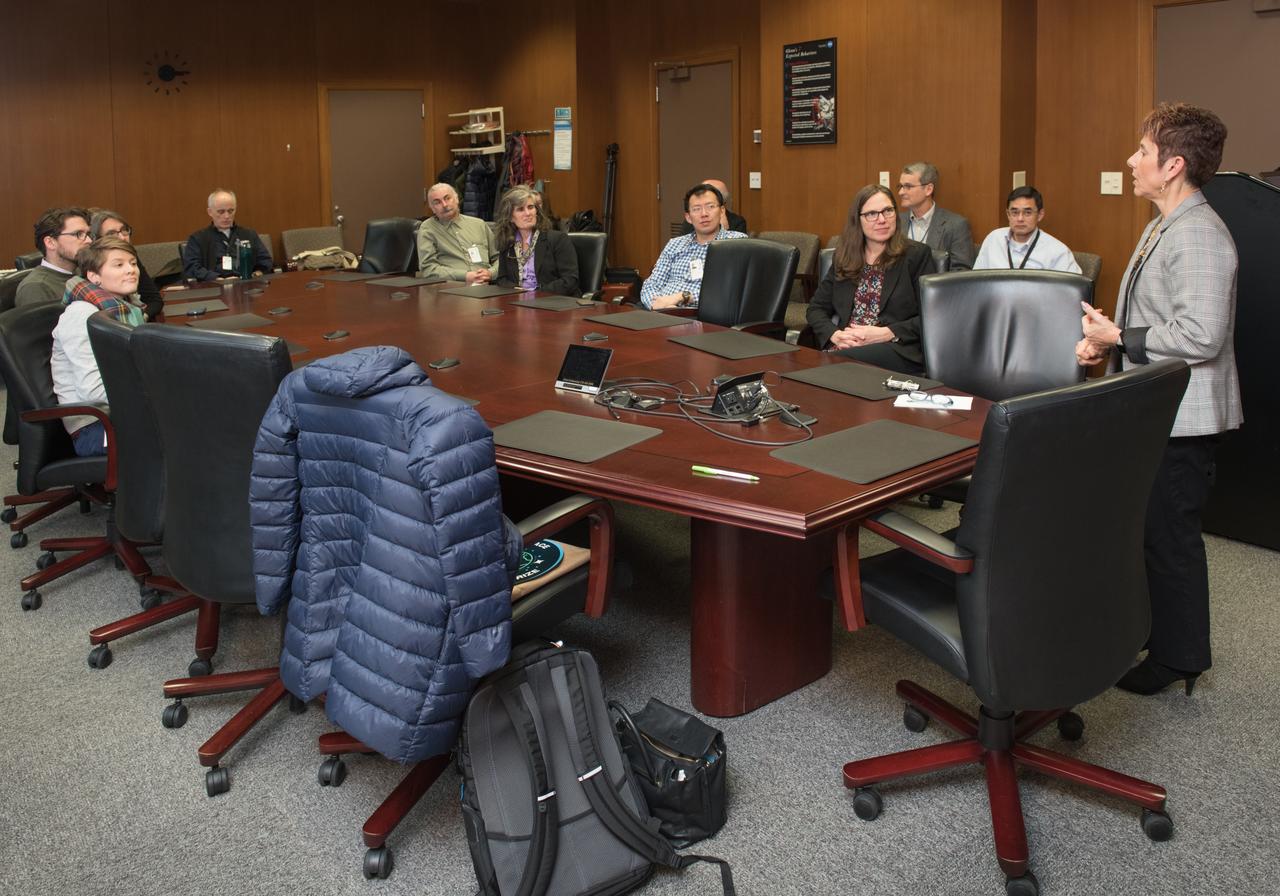
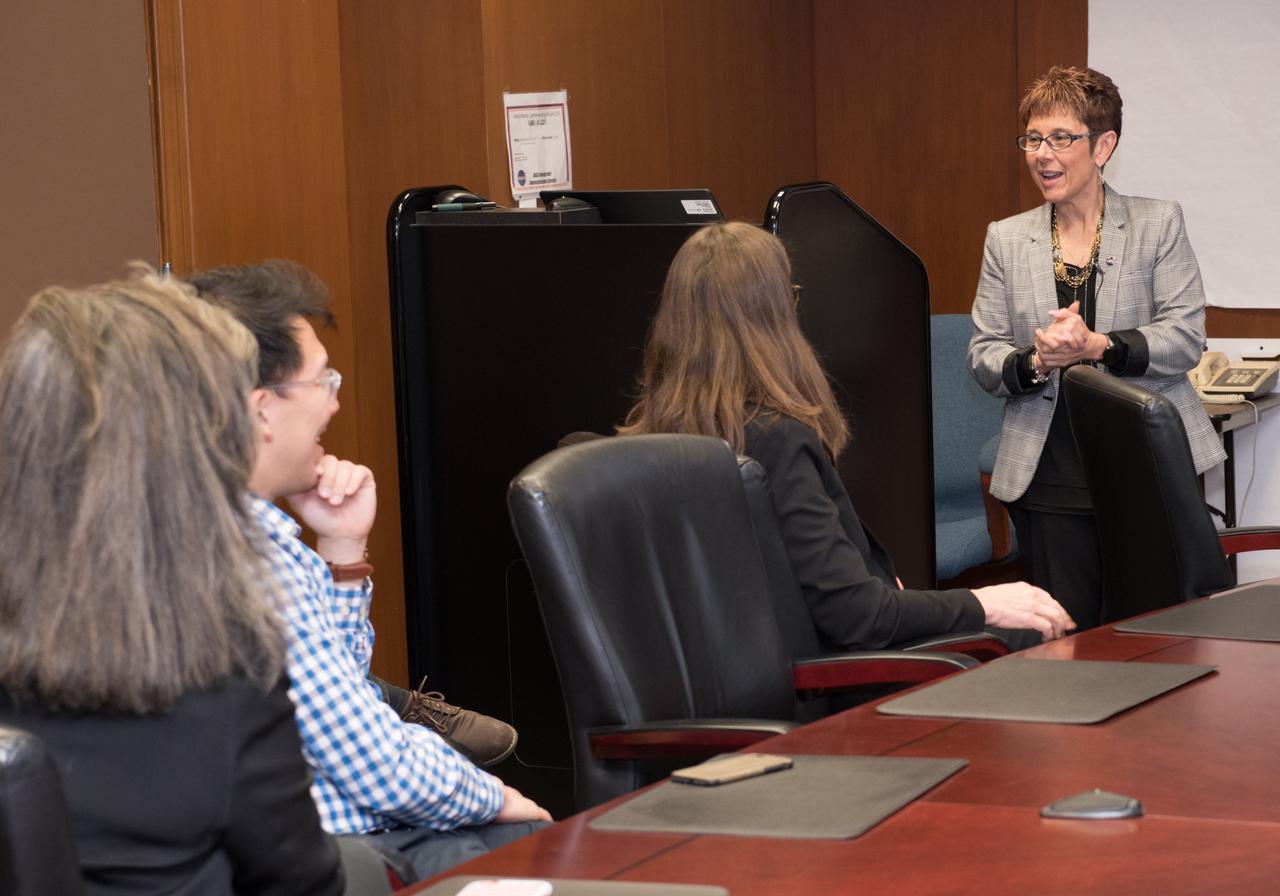
Office of the Chief Technologist, OCT Innovation Workshop, and Facility Tours
Office of the Chief Technologist, OCT Innovation Workshop, and F
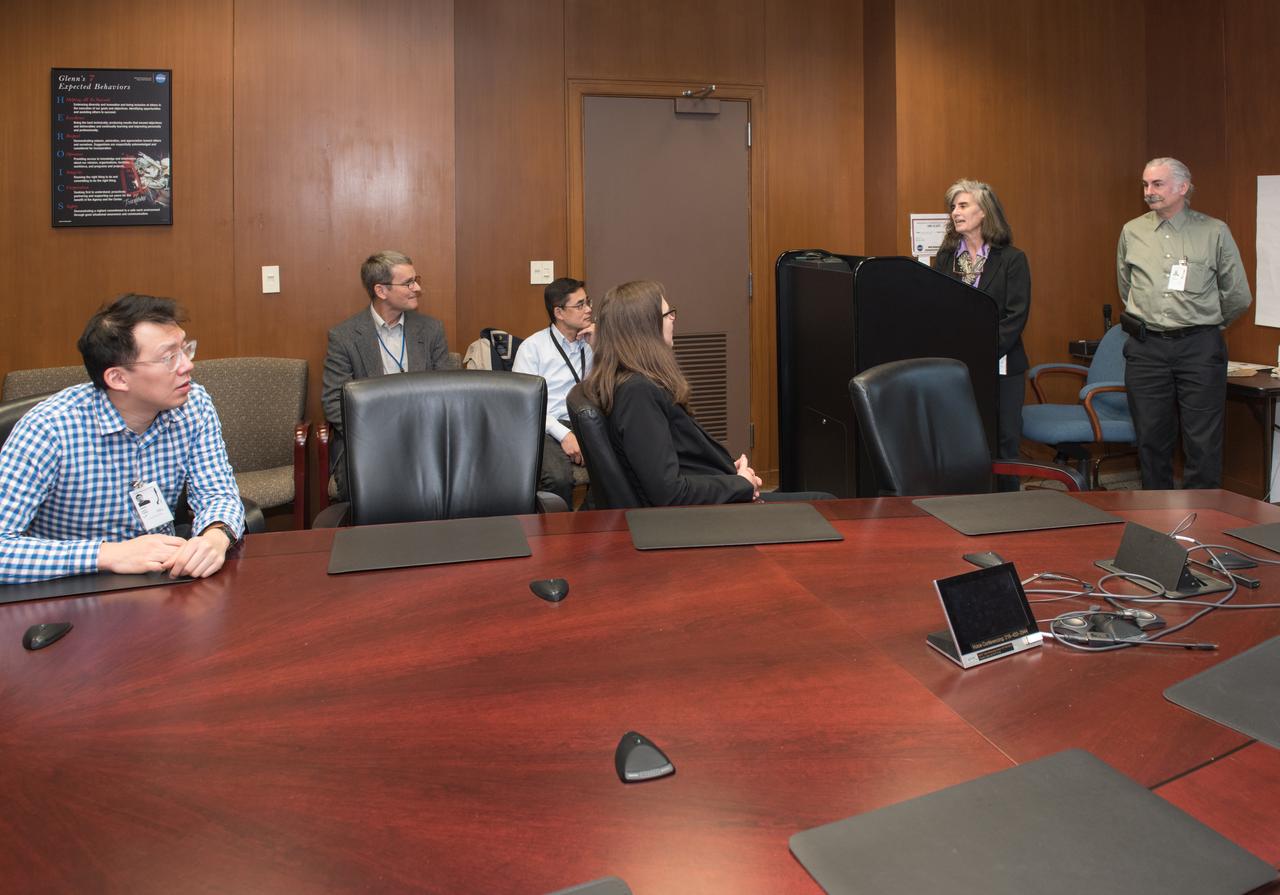
Office of the Chief Technologist, OCT Innovation Workshop, and Facility Tours
Office of the Chief Technologist, OCT Innovation Workshop, and F
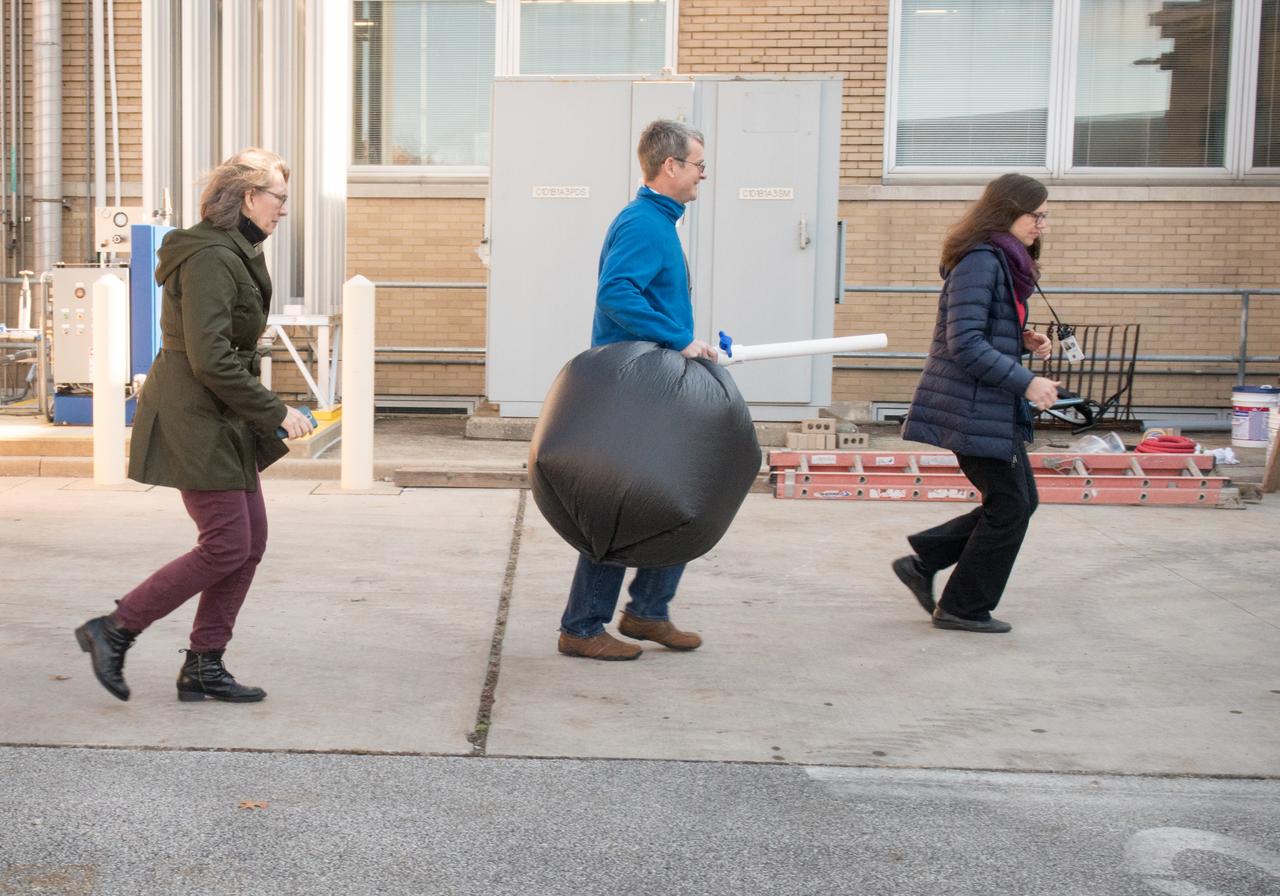
NASA Earth & Space Air Prize Demonstration Event
Combustion Integrated Rack (CIR)
GRC-2006-C-00543
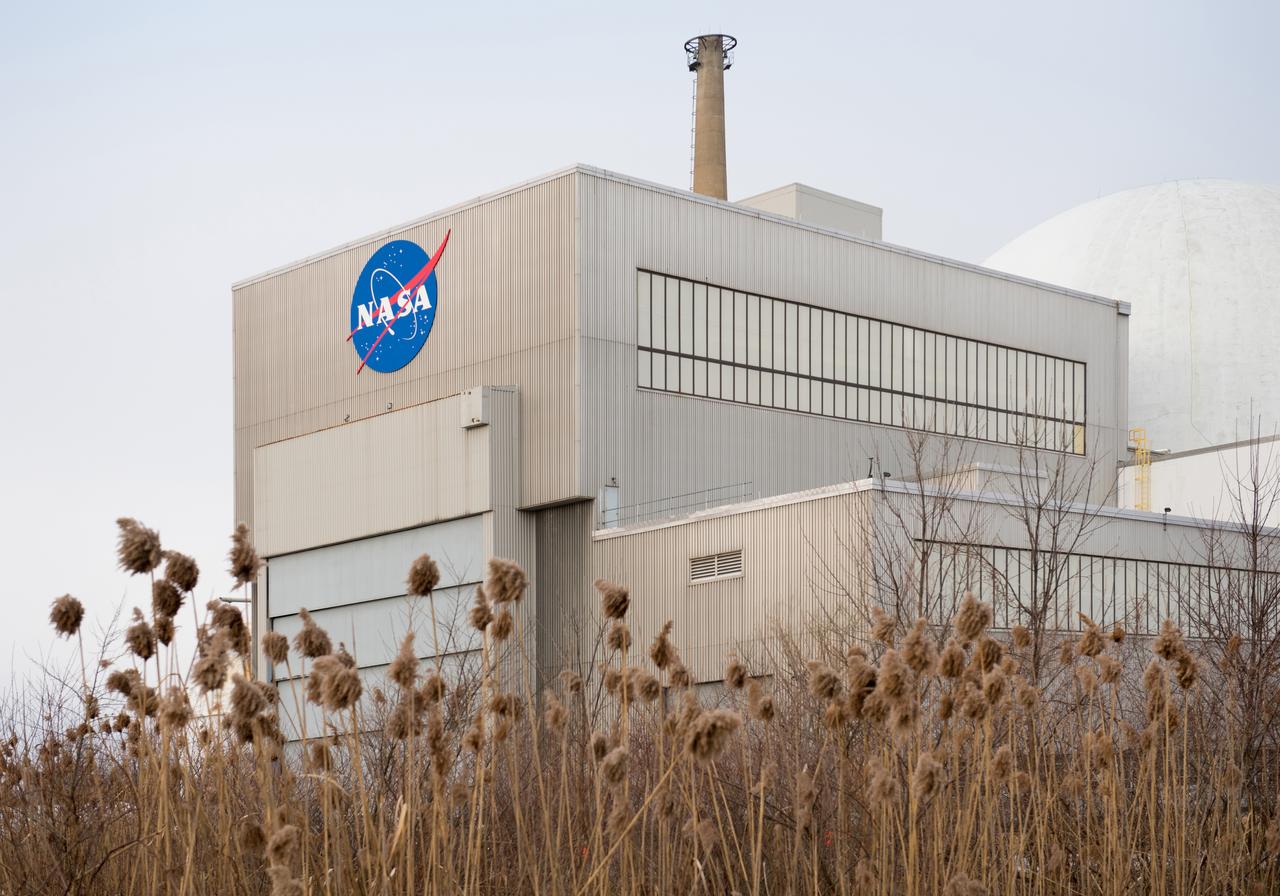
Space Environments Complex at Plum Brook Station
Research Support Building
The inaugural Glenn Symposium focused on advancements in aerospace technology including power and propulsion, autonomy and communications, low boom supersonics, hypersonics, and more. Discussion also encompassed humans returning to the moon, including challenges associated with the 2024 mission.
The Inaugural John Glenn Memorial Symposium
Orion Spacecraft is prepared for Space Environment Testing at the Glenn Research Center, GRC Plum Brook Station, Space Environments Complex, SEC
Orion Spacecraft is prepared for Space Environment Testing at th
Nuclear Emerging Technologies for Space, NETS 2022 Conference
GRC-2022-C-00533
Artemis Flag Flys in Front of the Glenn Research Center Administration Building
Artemis Flag Flys in Front of the Glenn Research Center Admin...
Mars Science Laboratory (MSL) Flexible Canopy Testing in the Glenn Research Center, 10x10 Supersonic Wind Tunnel
Mars Science Laboratory (MSL) Flexible Canopy Test
The inaugural Glenn Symposium focused on advancements in aerospace technology including power and propulsion, autonomy and communications, low boom supersonics, hypersonics, and more. Discussion also encompassed humans returning to the moon, including challenges associated with the 2024 mission.
The Inaugural John Glenn Memorial Symposium
Nuclear Emerging Technologies for Space, NETS 2022 Conference
GRC-2022-C-00536
Nuclear Emerging Technologies for Space, NETS 2022 Conference
GRC-2022-C-00463
NASA Glenn engineer Christopher Mroczka inspects the gas-jet burner within the Advanced Combustion via Microgravity Experiments, ACME insert for the Combustion Integrated Rack, CIR. The apparatus allows researchers to conduct experiments with flames of gaseous fuels on the International Space Station, ISS
Advanced Combustion via Microgravity Experiments, ACME chamber insert
The inaugural Glenn Symposium focused on advancements in aerospace technology including power and propulsion, autonomy and communications, low boom supersonics, hypersonics, and more. Discussion also encompassed humans returning to the moon, including challenges associated with the 2024 mission.
The Inaugural John Glenn Memorial Symposium
Nuclear Emerging Technologies for Space, NETS 2022 Conference
GRC-2022-C-00521
Nuclear Emerging Technologies for Space, NETS 2022 Conference
GRC-2022-C-00510
Artemis Departure Media Event
The inaugural Glenn Symposium focused on advancements in aerospace technology including power and propulsion, autonomy and communications, low boom supersonics, hypersonics, and more. Discussion also encompassed humans returning to the moon, including challenges associated with the 2024 mission.
The Inaugural John Glenn Memorial Symposium
The inaugural Glenn Symposium focused on advancements in aerospace technology including power and propulsion, autonomy and communications, low boom supersonics, hypersonics, and more. Discussion also encompassed humans returning to the moon, including challenges associated with the 2024 mission.
The Inaugural John Glenn Memorial Symposium
Office of the Chief Technologist, OCT Innovation Workshop, and Facility Tours
Office of the Chief Technologist, OCT Innovation Workshop, and F
Orion - EM-1 - Artemis Spacecraft Arrival at Mansfield Lahm Airport on Board the Super Guppy Aircraft, Transportation to Plum Brook Station and Installation in the Space Environment Complex, SEC Thermal Vacuum Chamber
Orion - EM-1 - Artemis Spacecraft Arrival at Mansfield Lahm A...