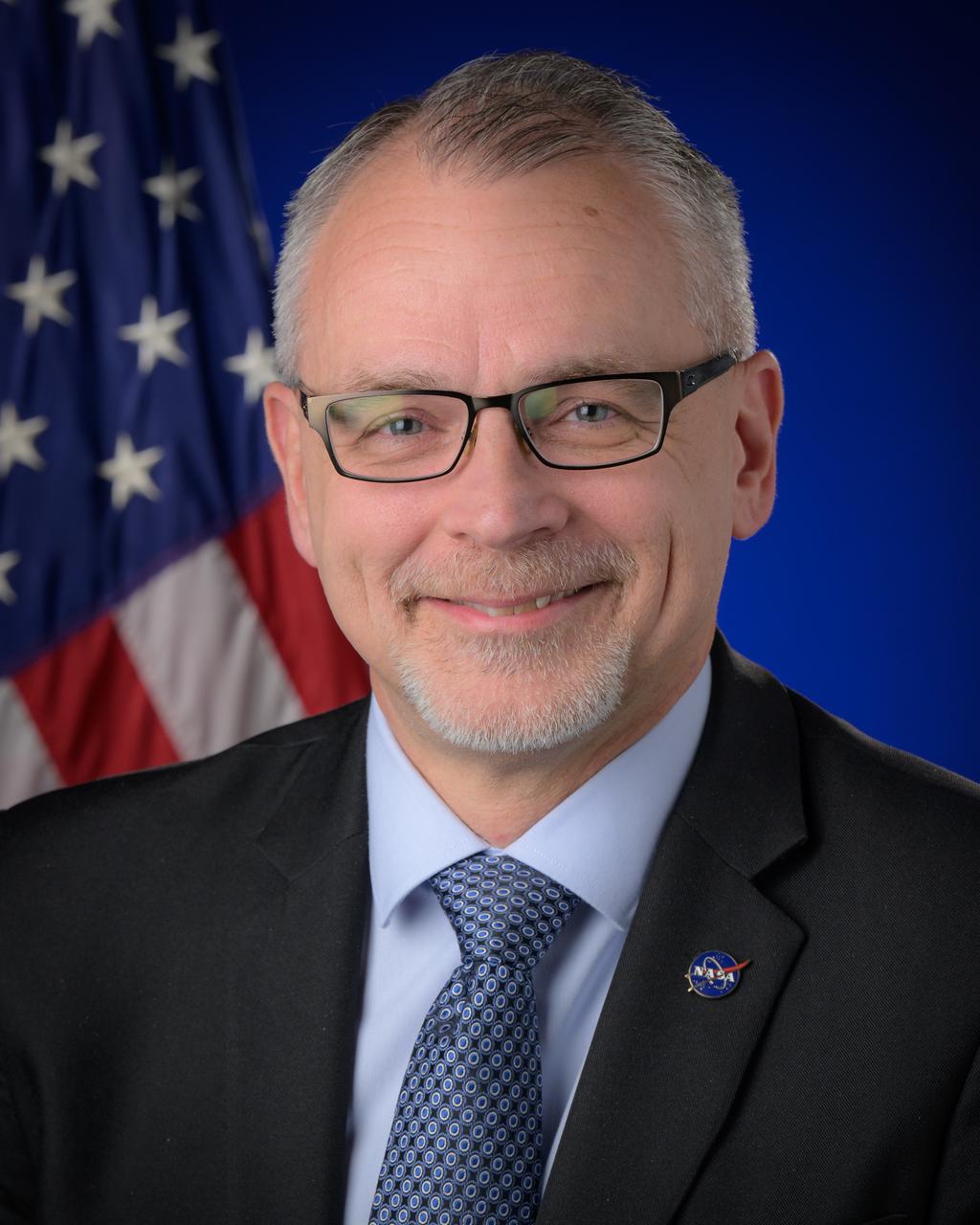
NASA Associate Administrator Jim Free, Official Portrait, Friday, Nov. 22, 2024, Mary W. Jackson NASA Headquarters Building in Washington. Photo Credit: (NASA/Bill Ingalls)
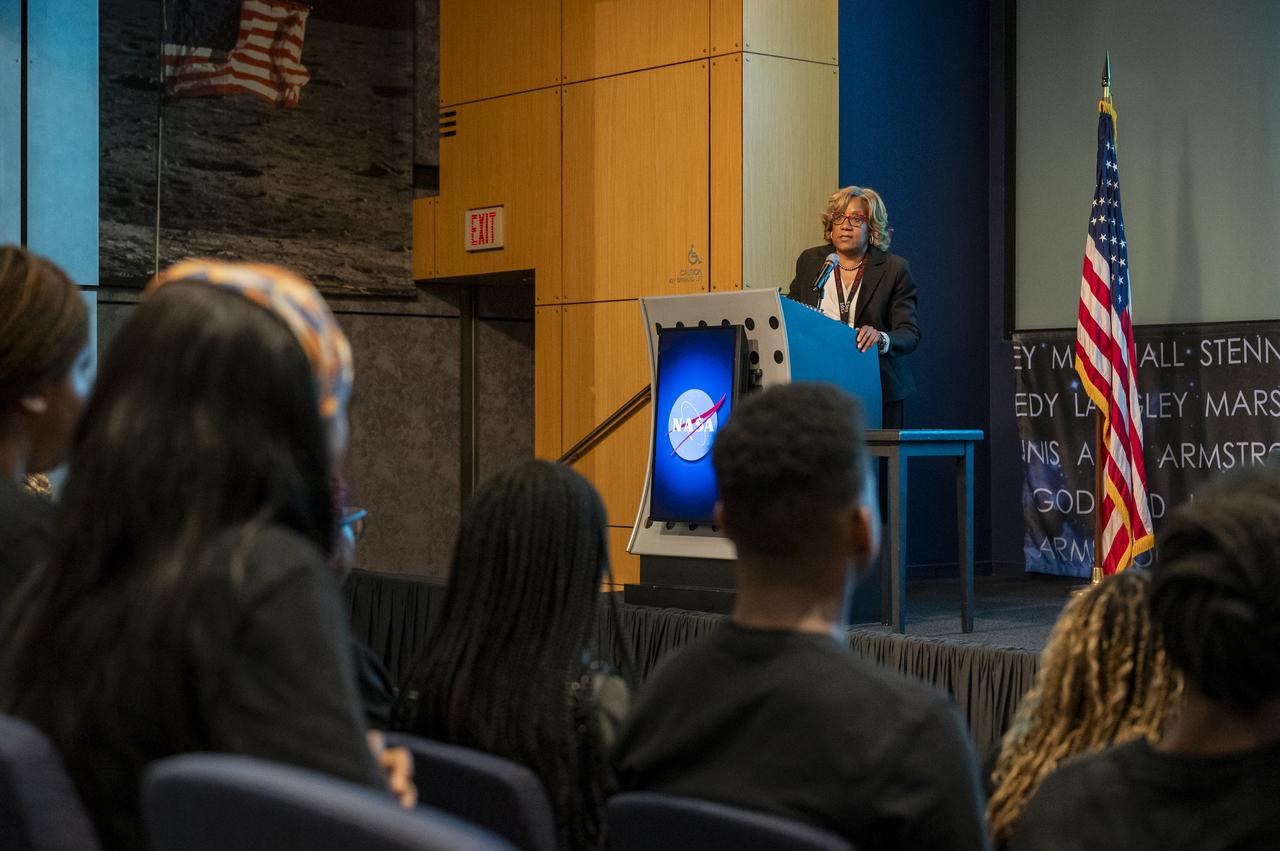
Mission Support and Headquarters Operations Director Nichole Pinkney delivers remarks during a high school student engagement event, Thursday, July 6, 2023, at the Mary W. Jackson NASA Headquarters building in Washington. Photo Credit: (NASA/Keegan Barber)
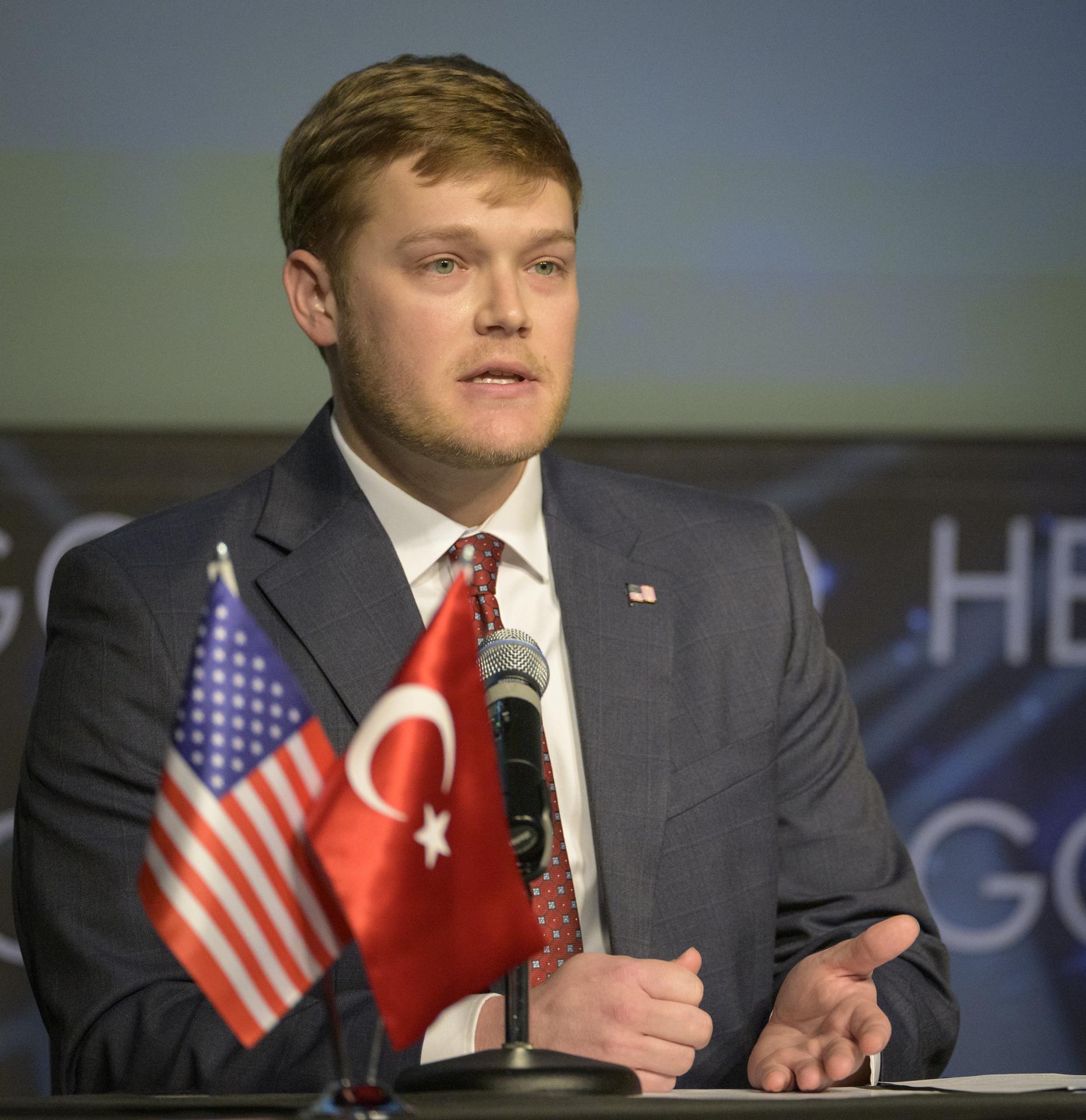
U.S. Deputy Assistant Secretary of State for Space and Environment Connor Tomlinson gives remarks during an Artemis Accord signing ceremony with the Republic of Türkiye Monday, August 31, 2026, at the Mary W. Jackson NASA Headquarters building in Washington. Türkiye is the 71st country to sign the Artemis Accords, which establish a practical set of principles to guide space exploration cooperation among nations participating in NASA’s Artemis program. Photo Credit: (NASA/Bill Ingalls)
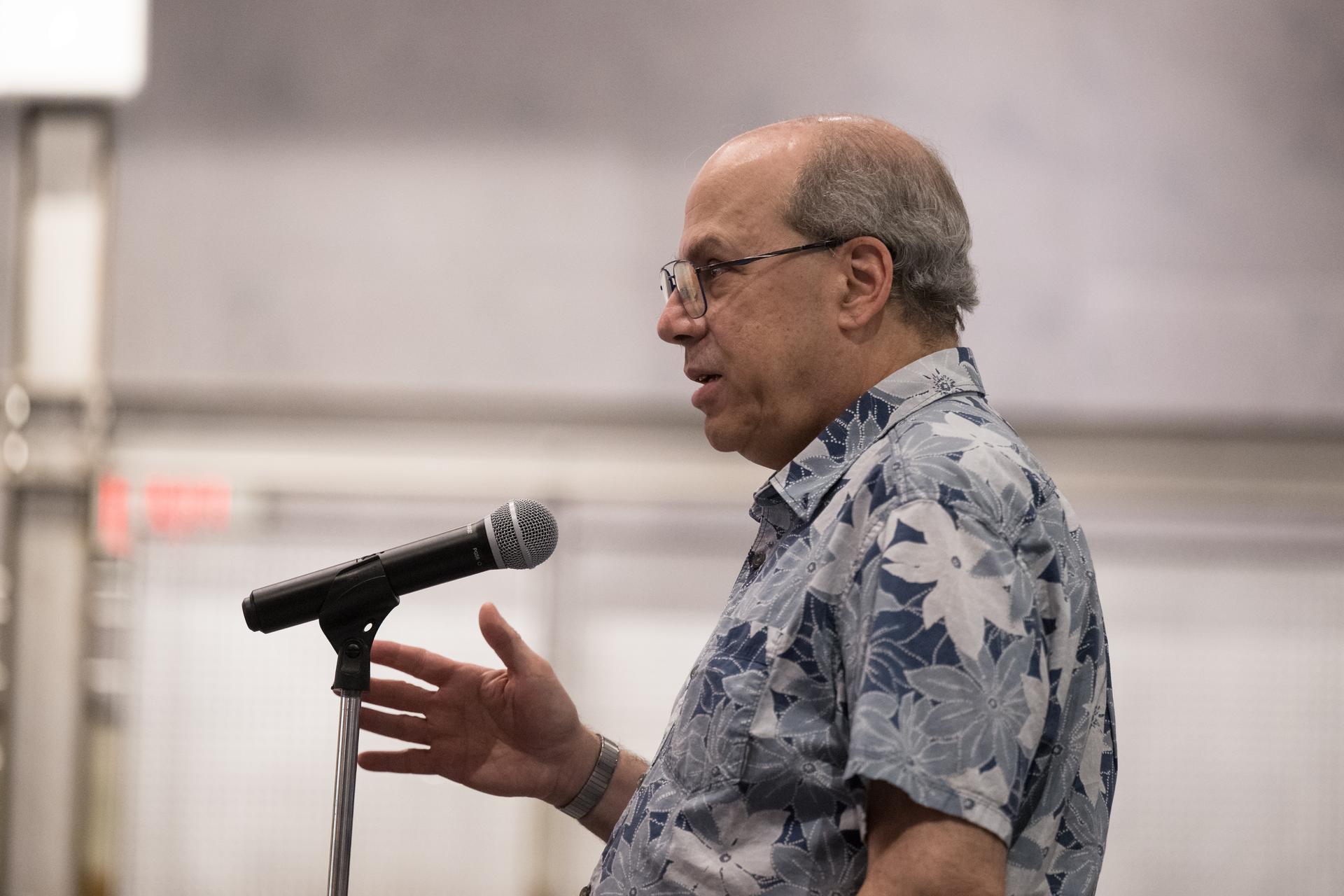
An audience member asks a question at the conclusion of a panel discussion about the contributions of the Hubble Space Telescope to future astronomy missions during an event titled “Beyond the Deep Field: Hubble’s Legacy and the Future of Cosmic Observation,” Friday, June 5, 2026, at the Mary W. Jackson NASA Headquarters building in Washington. Photo Credit: (NASA/Aubrey Gemignani)
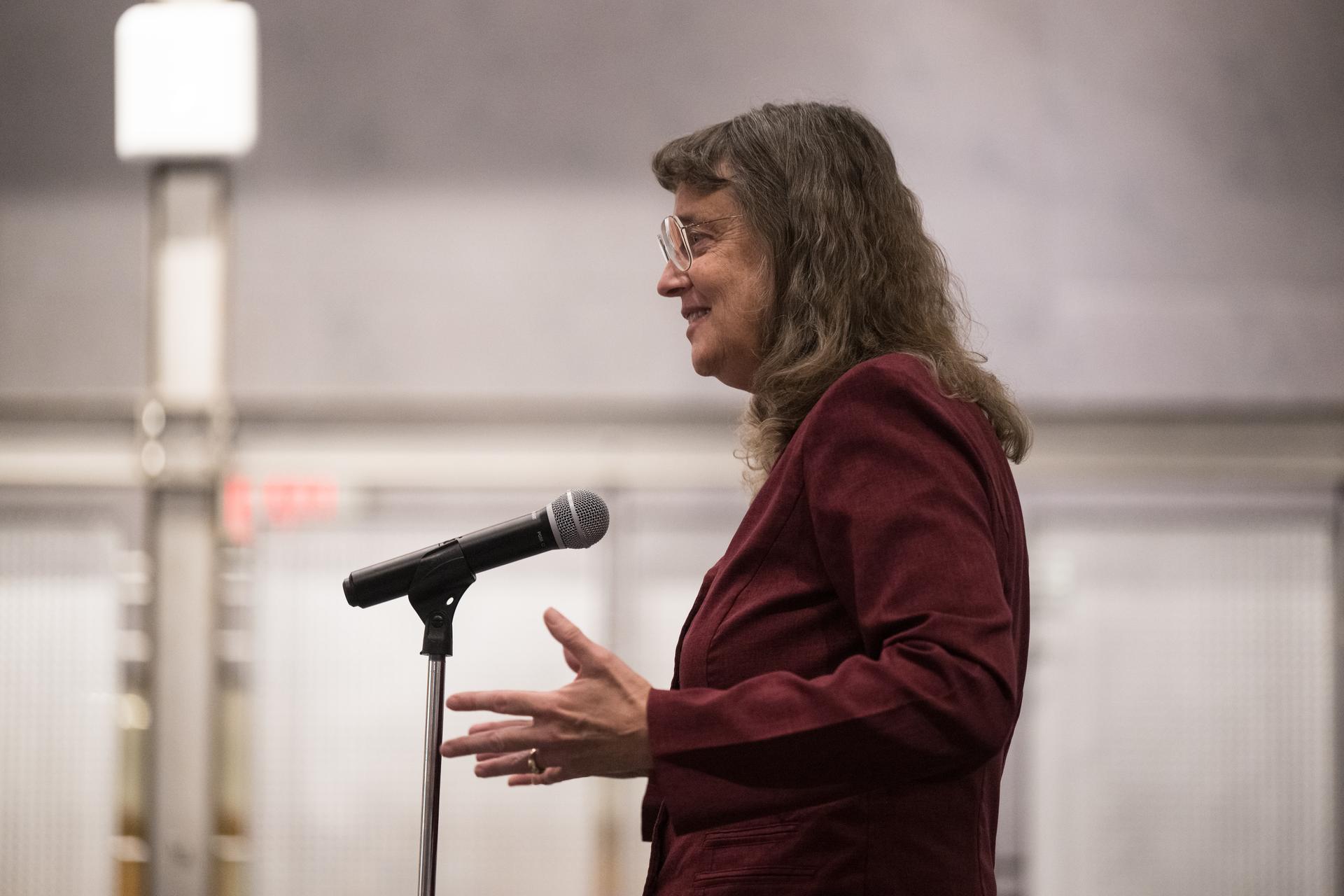
An audience member asks a question at the conclusion of a panel discussion about the contributions of the Hubble Space Telescope to future astronomy missions during an event titled “Beyond the Deep Field: Hubble’s Legacy and the Future of Cosmic Observation,” Friday, June 5, 2026, at the Mary W. Jackson NASA Headquarters building in Washington. Photo Credit: (NASA/Aubrey Gemignani)
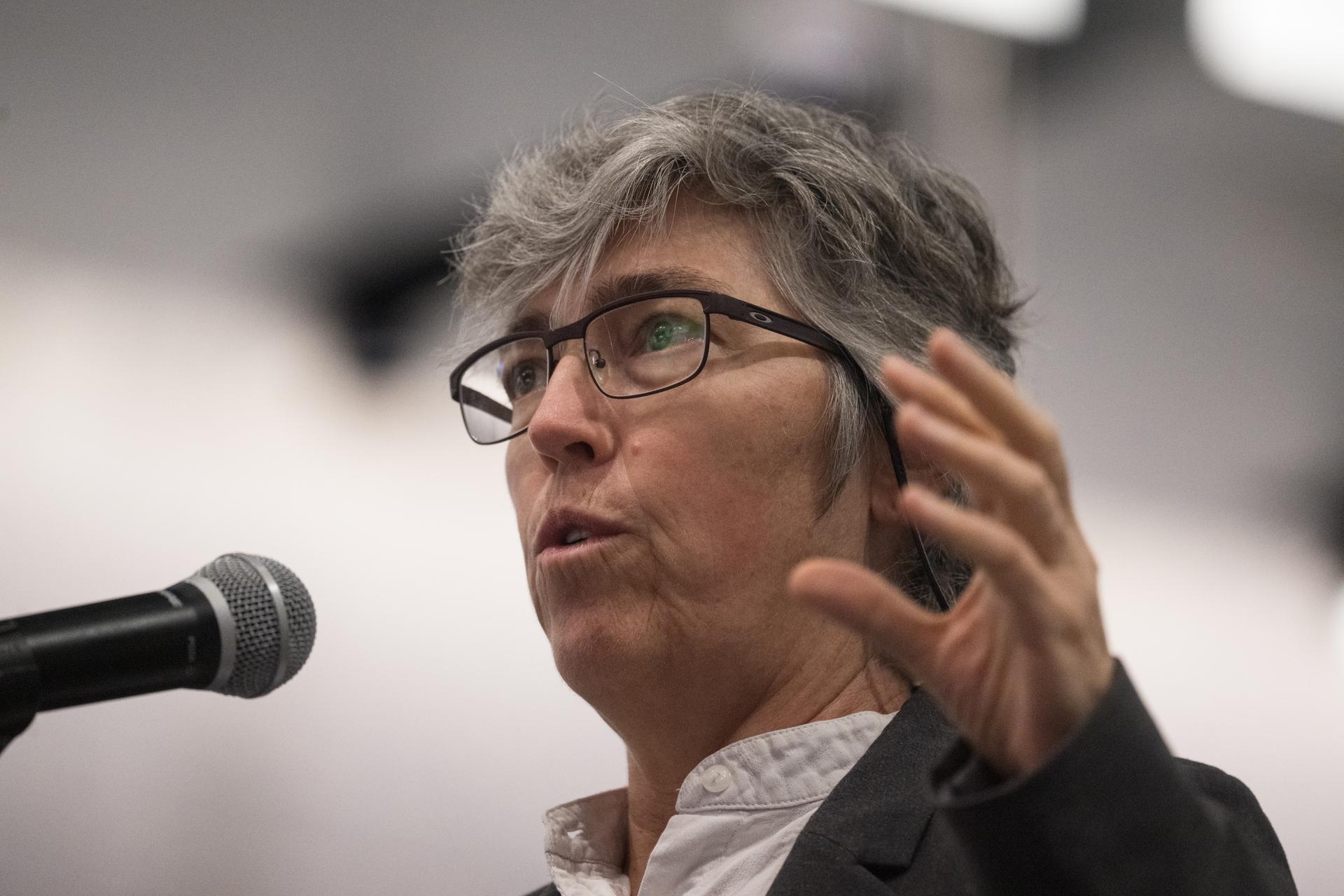
An audience member asks a question at the conclusion of a panel discussion about the contributions of the Hubble Space Telescope to future astronomy missions during an event titled “Beyond the Deep Field: Hubble’s Legacy and the Future of Cosmic Observation,” Friday, June 5, 2026, at the Mary W. Jackson NASA Headquarters building in Washington. Photo Credit: (NASA/Aubrey Gemignani)

Space Telescope Science Institute (STScI) head of the Hubble Space Telescope mission office Julia Roman-Duval, second from right, speaks about the history of the Hubble Space Telescope during an event titled “Beyond the Deep Field: Hubble’s Legacy and the Future of Cosmic Observation,” Thursday, June 4, 2026, at the Mary W. Jackson NASA Headquarters building in Washington. Photo Credit: (NASA/Keegan Barber)
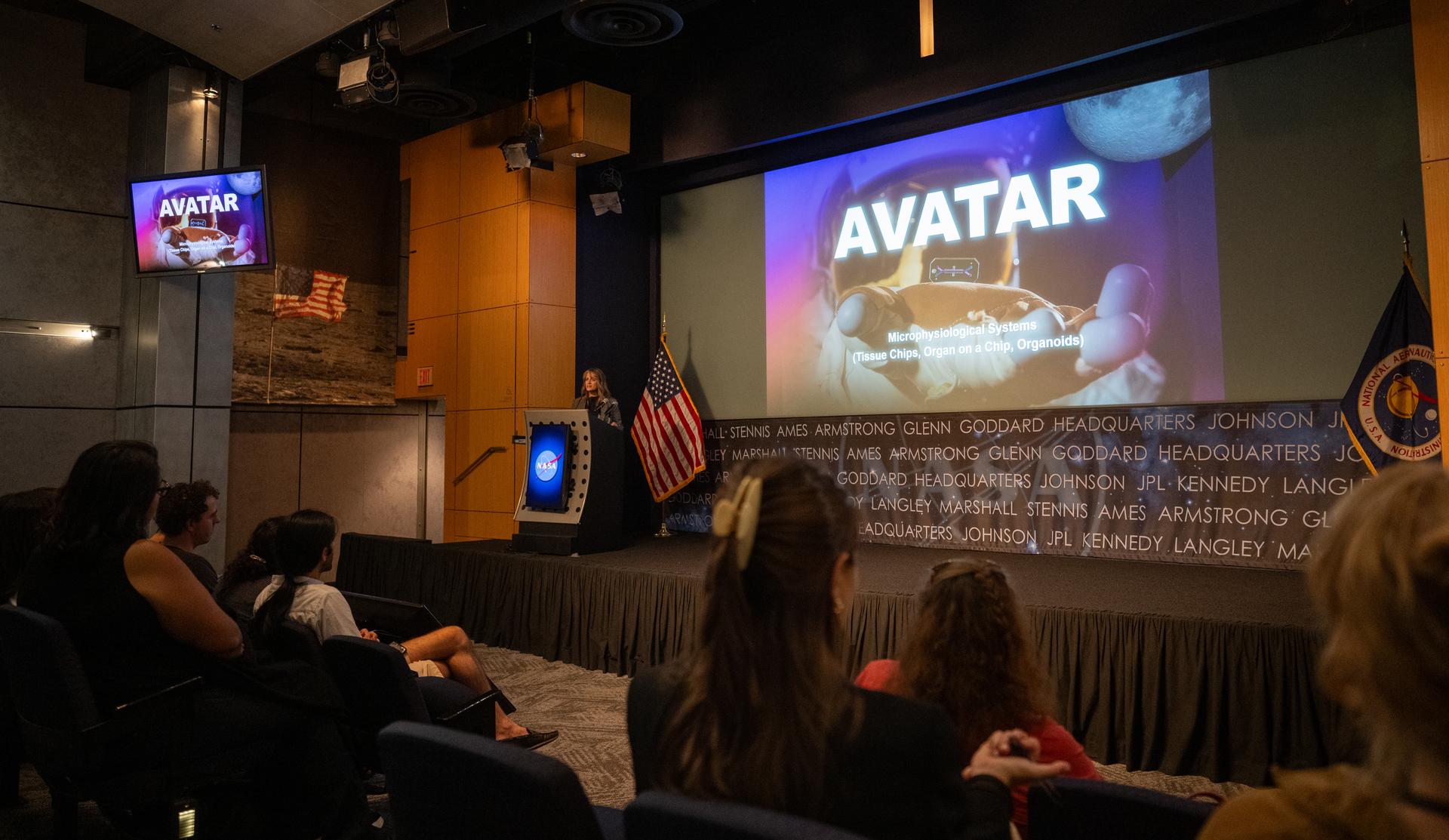
Dr. Lisa Carnell, director of NASA’s Biological and Physical Sciences Division, is seen during a Frontiers Forum talk titled “Revolutionizing Medicine – In Space,” Wednesday, Sept. 16, 2026, at the Mary W. Jackson NASA Headquarters building in Washington. Photo Credit: (NASA/Joel Kowsky)
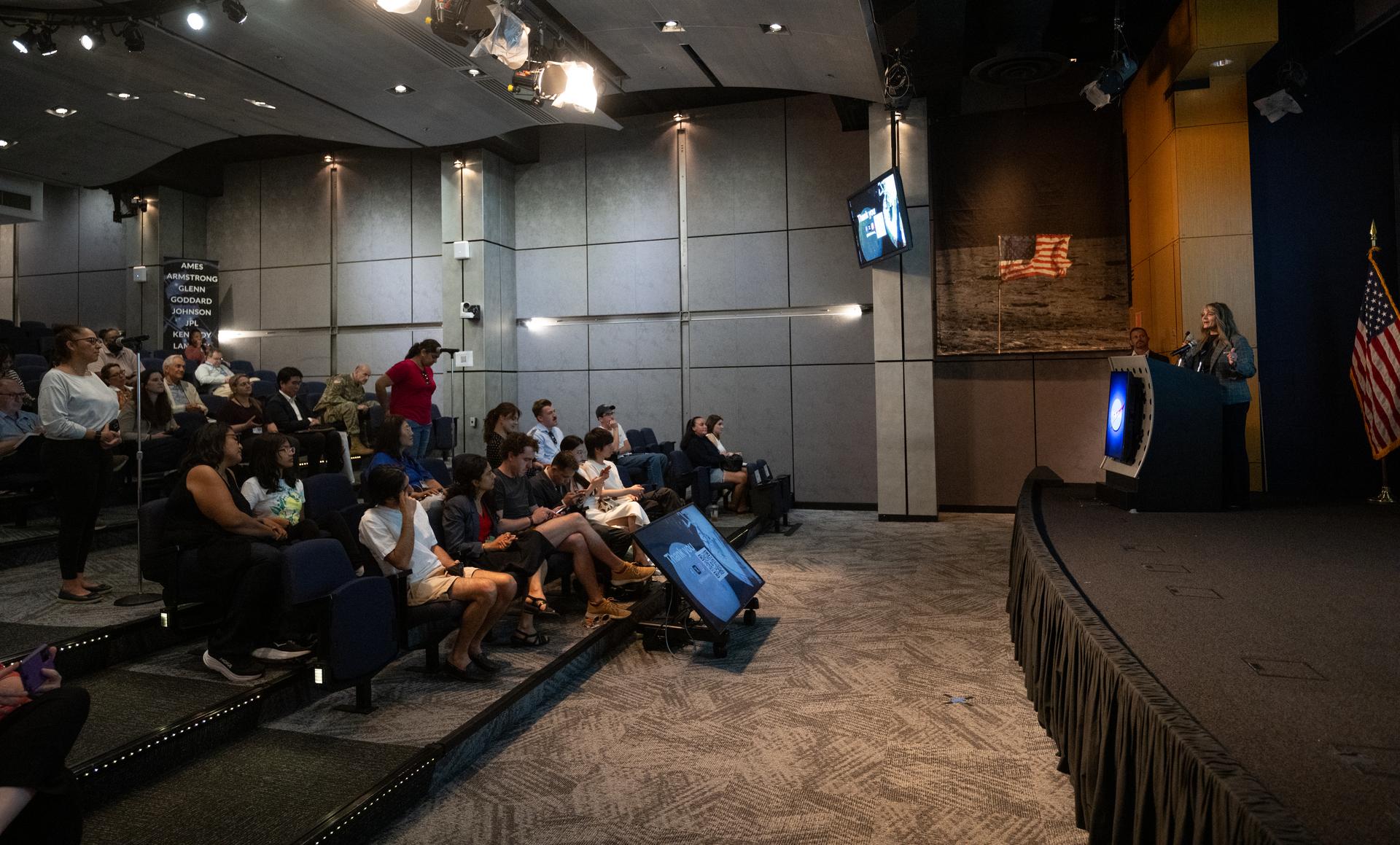
Dr. Lisa Carnell, director of NASA’s Biological and Physical Sciences Division, answers a question from the audience during a Frontiers Forum talk titled “Revolutionizing Medicine – In Space,” Wednesday, Sept. 16, 2026, at the Mary W. Jackson NASA Headquarters building in Washington. Photo Credit: (NASA/Joel Kowsky)

NASA Hubble Senior Project Scientist Jennifer Wiseman speaks about the history of the Hubble Space Telescope during an event titled “Beyond the Deep Field: Hubble’s Legacy and the Future of Cosmic Observation,” Thursday, June 4, 2026, at the Mary W. Jackson NASA Headquarters building in Washington. Photo Credit: (NASA/Keegan Barber)
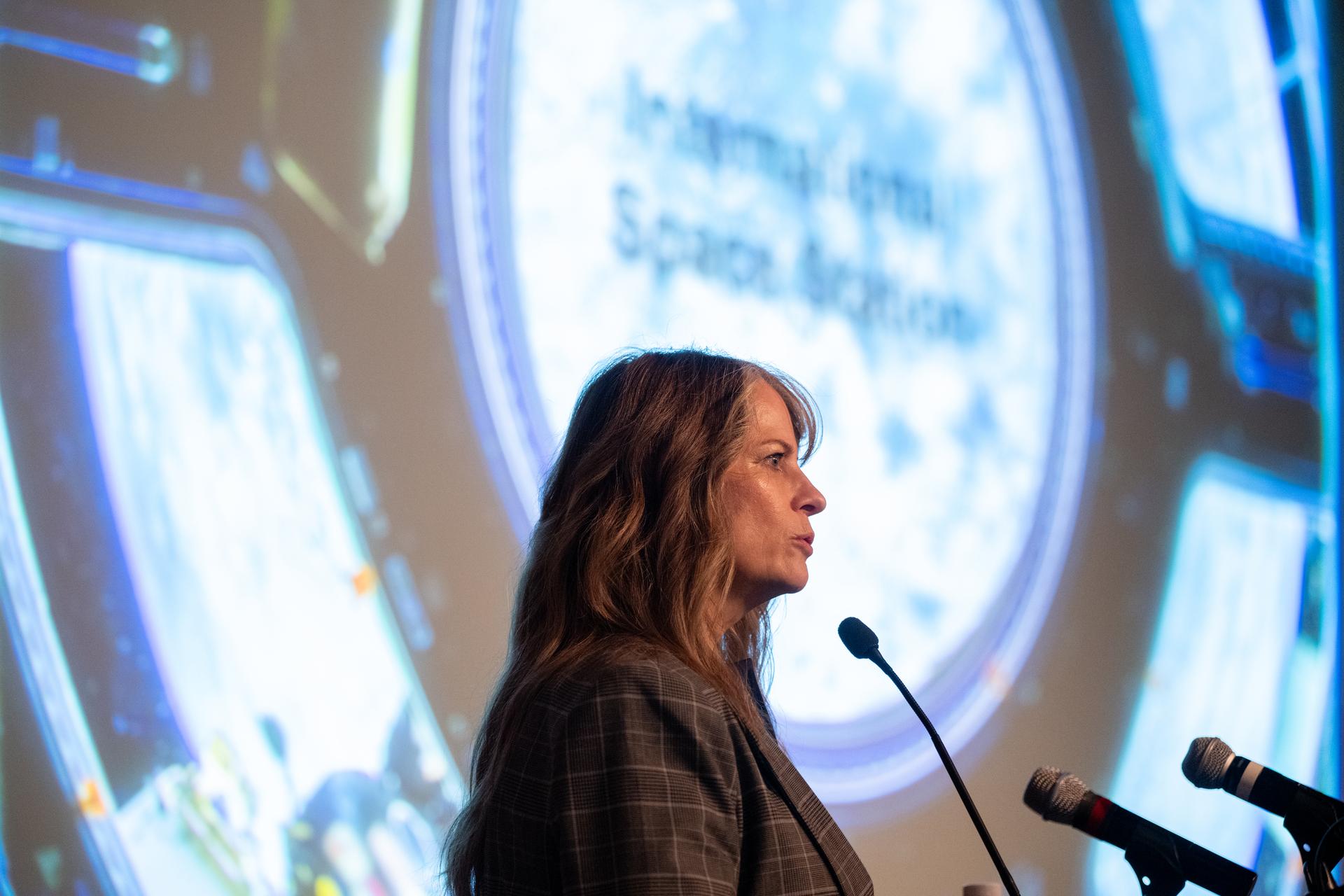
Dr. Lisa Carnell, director of NASA’s Biological and Physical Sciences Division, is seen during a Frontiers Forum talk titled “Revolutionizing Medicine – In Space,” Wednesday, Sept. 16, 2026, at the Mary W. Jackson NASA Headquarters building in Washington. Photo Credit: (NASA/Joel Kowsky)
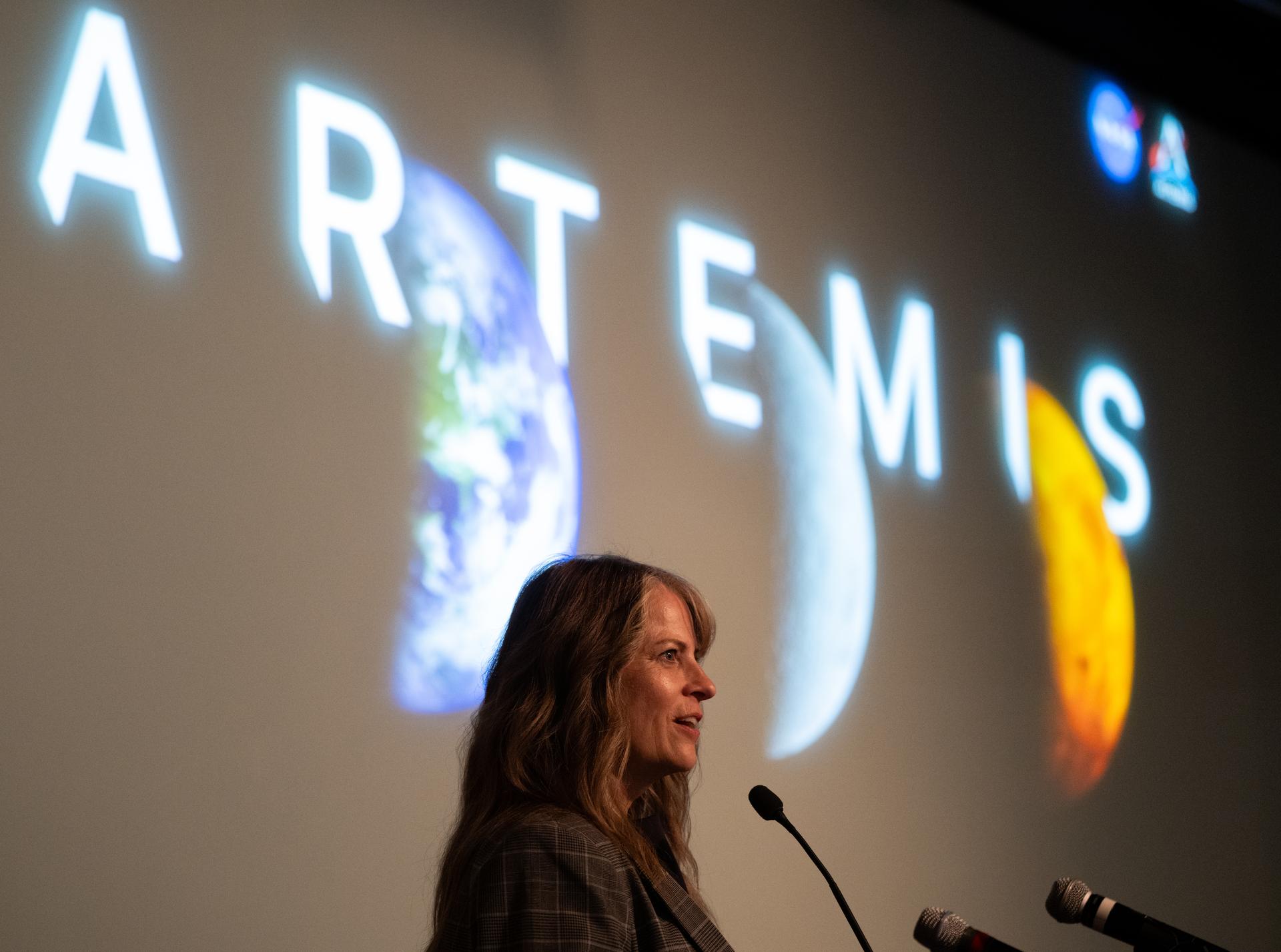
Dr. Lisa Carnell, director of NASA’s Biological and Physical Sciences Division, is seen during a Frontiers Forum talk titled “Revolutionizing Medicine – In Space,” Wednesday, Sept. 16, 2026, at the Mary W. Jackson NASA Headquarters building in Washington. Photo Credit: (NASA/Joel Kowsky)
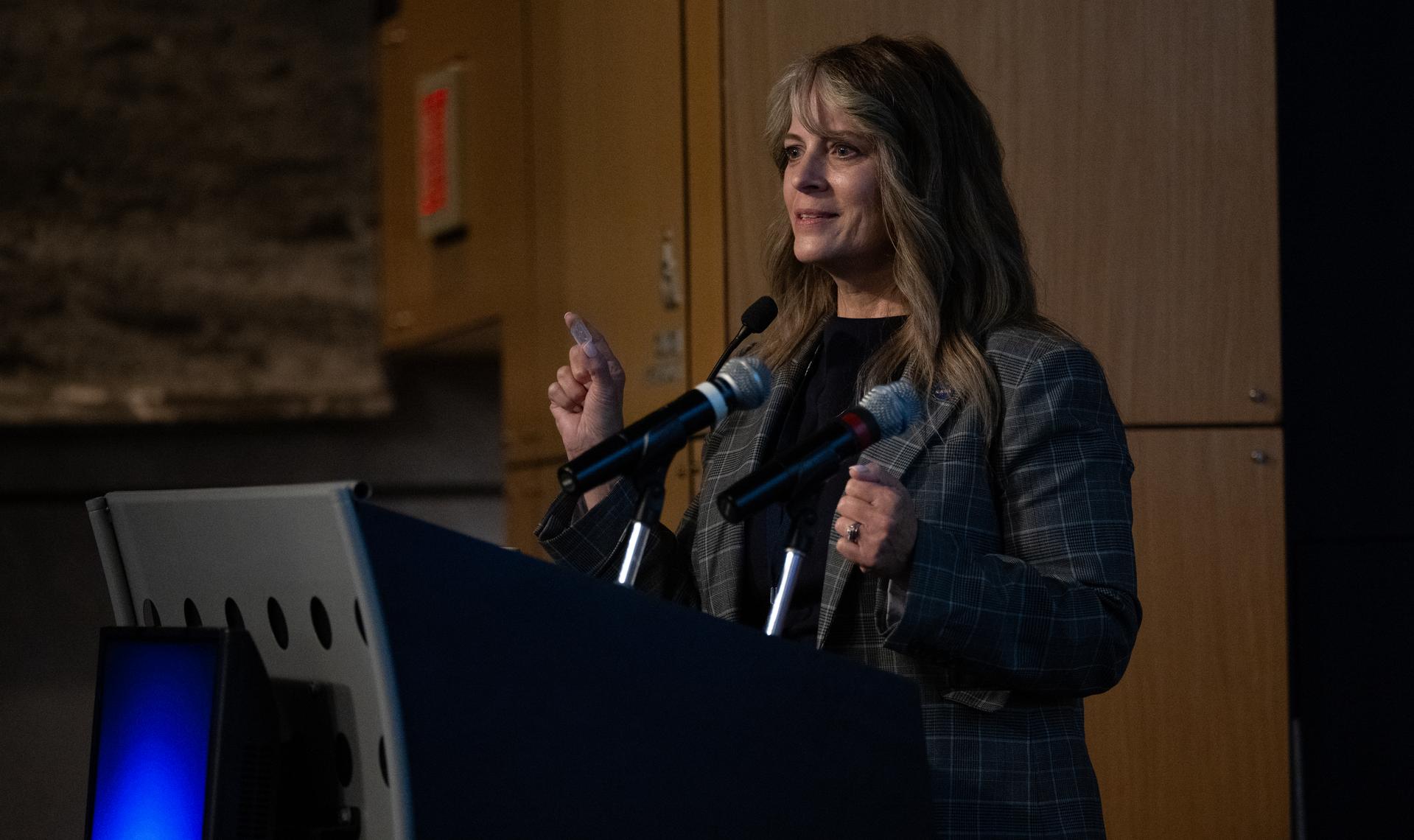
Dr. Lisa Carnell, director of NASA’s Biological and Physical Sciences Division, holds an organ chip during a Frontiers Forum talk titled “Revolutionizing Medicine – In Space,” as she discusses the AVATAR investigation, Wednesday, Sept. 16, 2026, at the Mary W. Jackson NASA Headquarters building in Washington. Photo Credit: (NASA/Joel Kowsky)
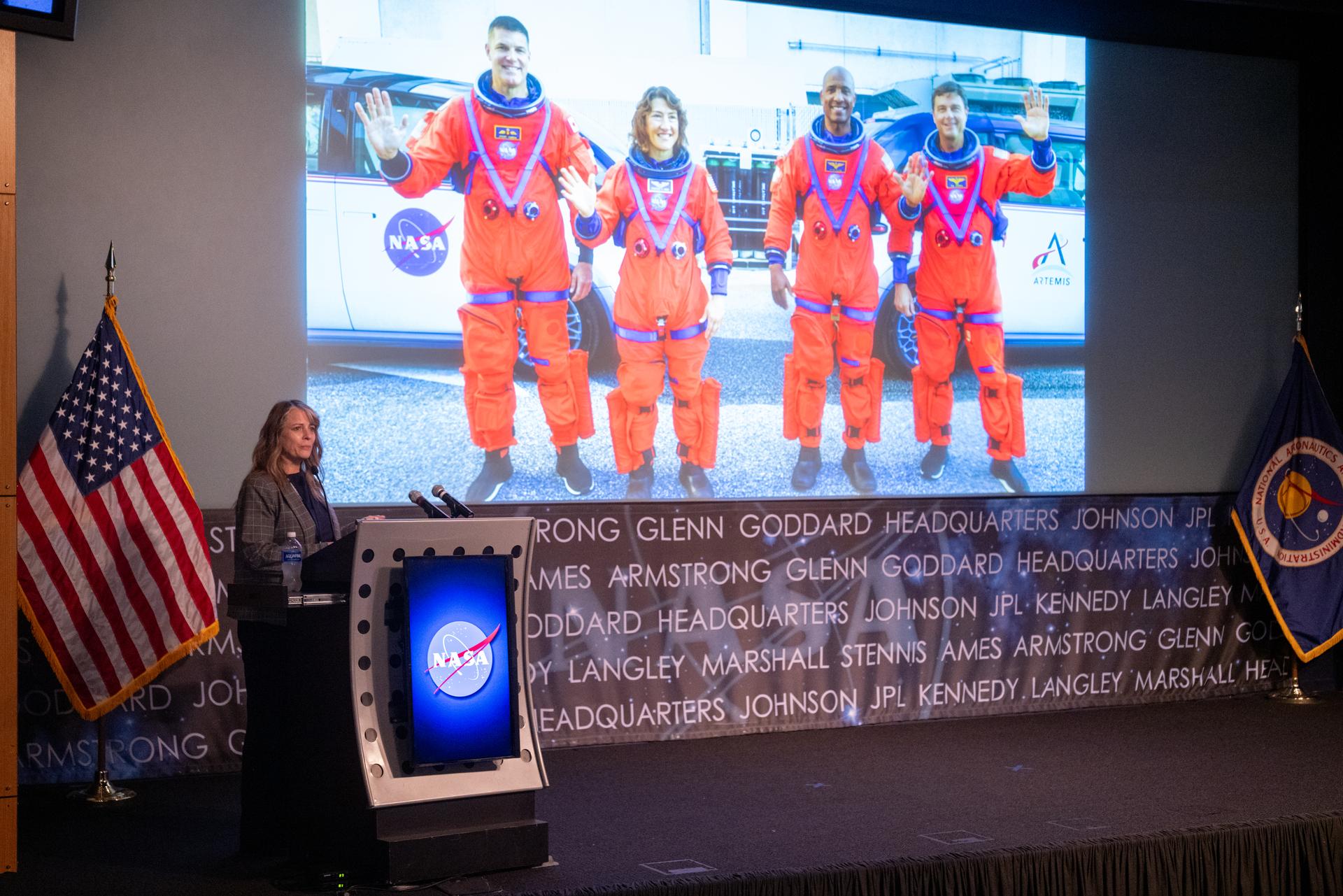
Dr. Lisa Carnell, director of NASA’s Biological and Physical Sciences Division, is seen during a Frontiers Forum talk titled “Revolutionizing Medicine – In Space,” Wednesday, Sept. 16, 2026, at the Mary W. Jackson NASA Headquarters building in Washington. Photo Credit: (NASA/Joel Kowsky)

NASA Deputy Project Scientist For Communications Amber Straughn speaks about the history of the Hubble Space Telescope during an event titled “Beyond the Deep Field: Hubble’s Legacy and the Future of Cosmic Observation,” Thursday, June 4, 2026, at the Mary W. Jackson NASA Headquarters building in Washington. Photo Credit: (NASA/Keegan Barber)
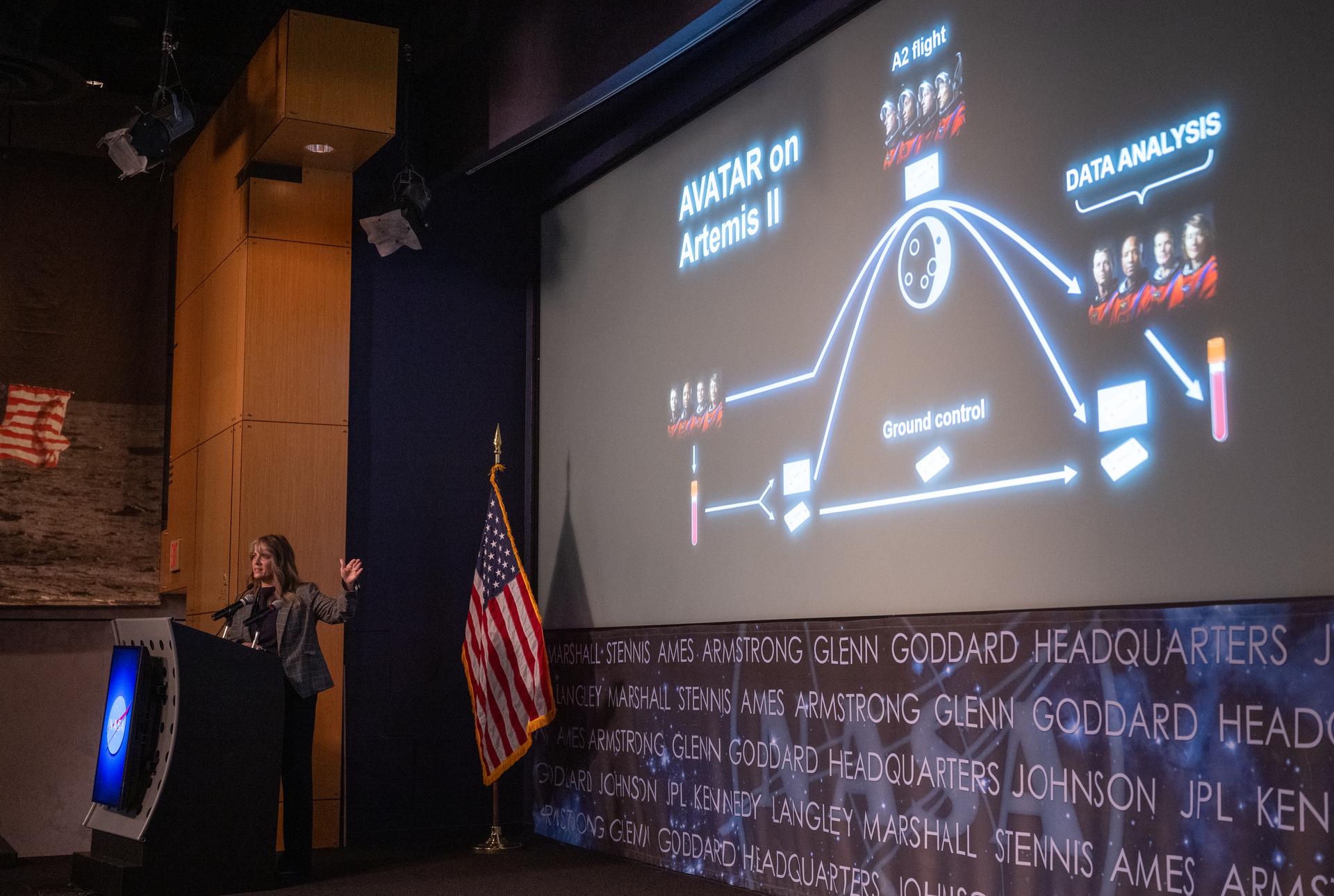
Dr. Lisa Carnell, director of NASA’s Biological and Physical Sciences Division, is seen during a Frontiers Forum talk titled “Revolutionizing Medicine – In Space,” Wednesday, Sept. 16, 2026, at the Mary W. Jackson NASA Headquarters building in Washington. Photo Credit: (NASA/Joel Kowsky)
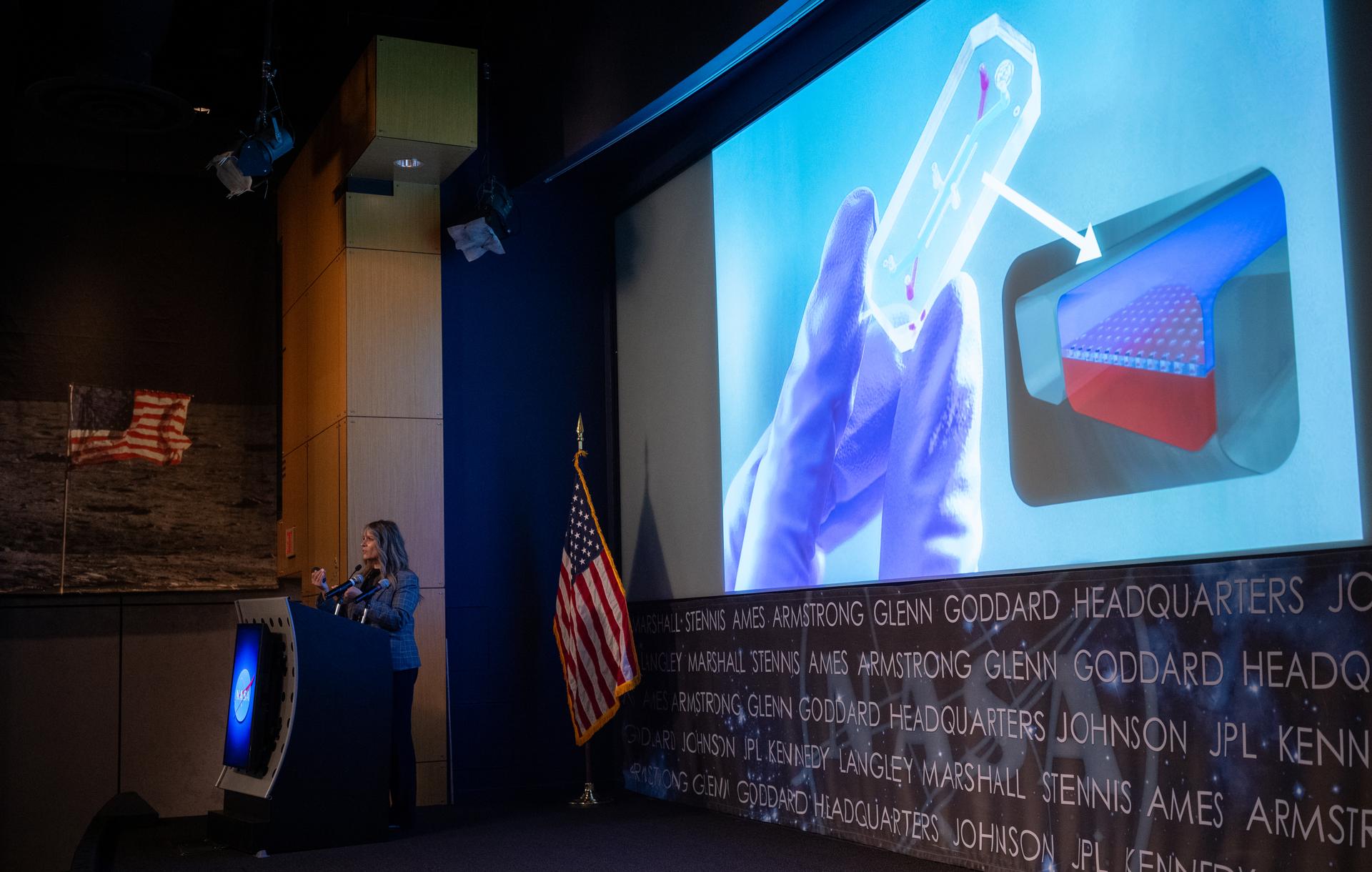
Dr. Lisa Carnell, director of NASA’s Biological and Physical Sciences Division, is seen during a Frontiers Forum talk titled “Revolutionizing Medicine – In Space,” Wednesday, Sept. 16, 2026, at the Mary W. Jackson NASA Headquarters building in Washington. Photo Credit: (NASA/Joel Kowsky)
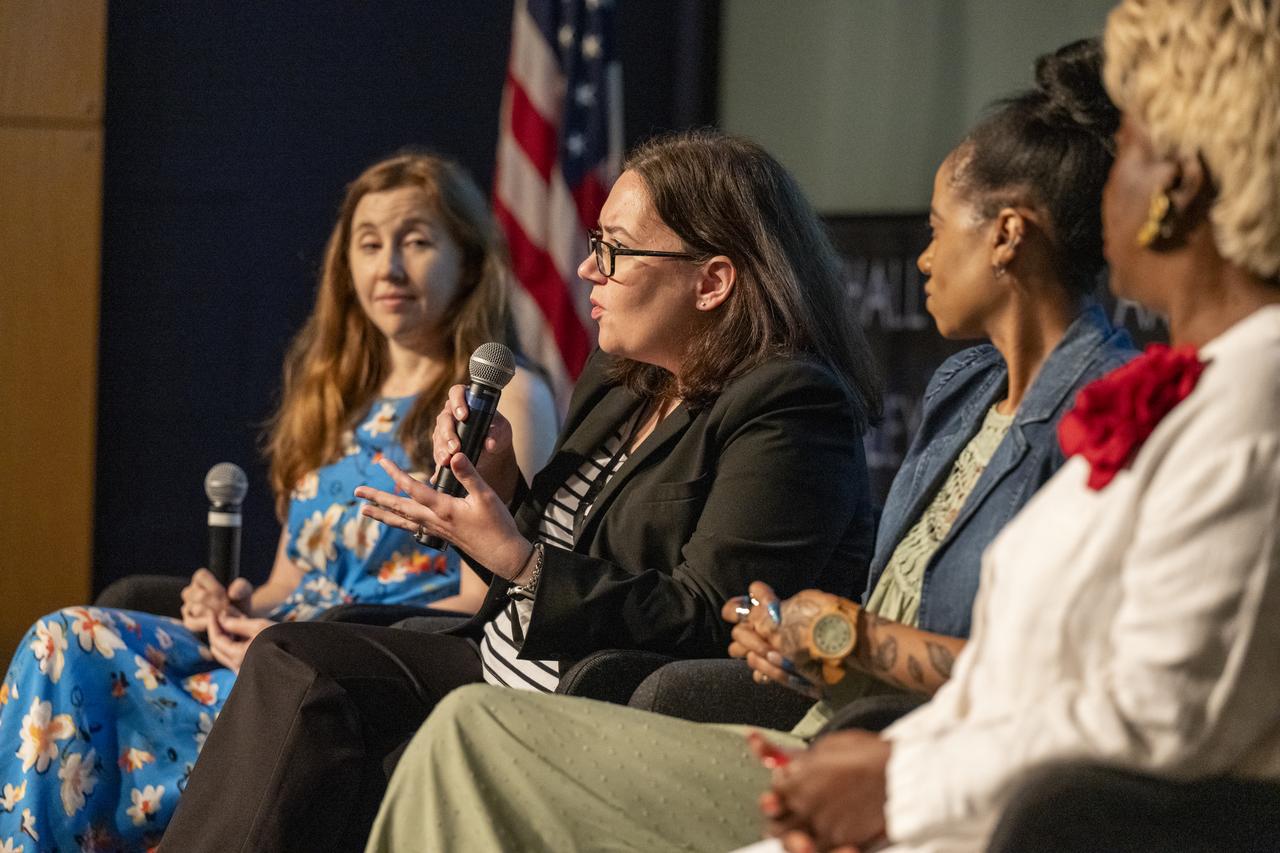
Chief Knowledge Officer for NASA’s Aeronautics Research Mission Directorate (ARMD) Tiffany Smith, second from left, answers questions during a high school student engagement event, Thursday, July 6, 2023, at the Mary W. Jackson NASA Headquarters building in Washington. Photo Credit: (NASA/Keegan Barber)
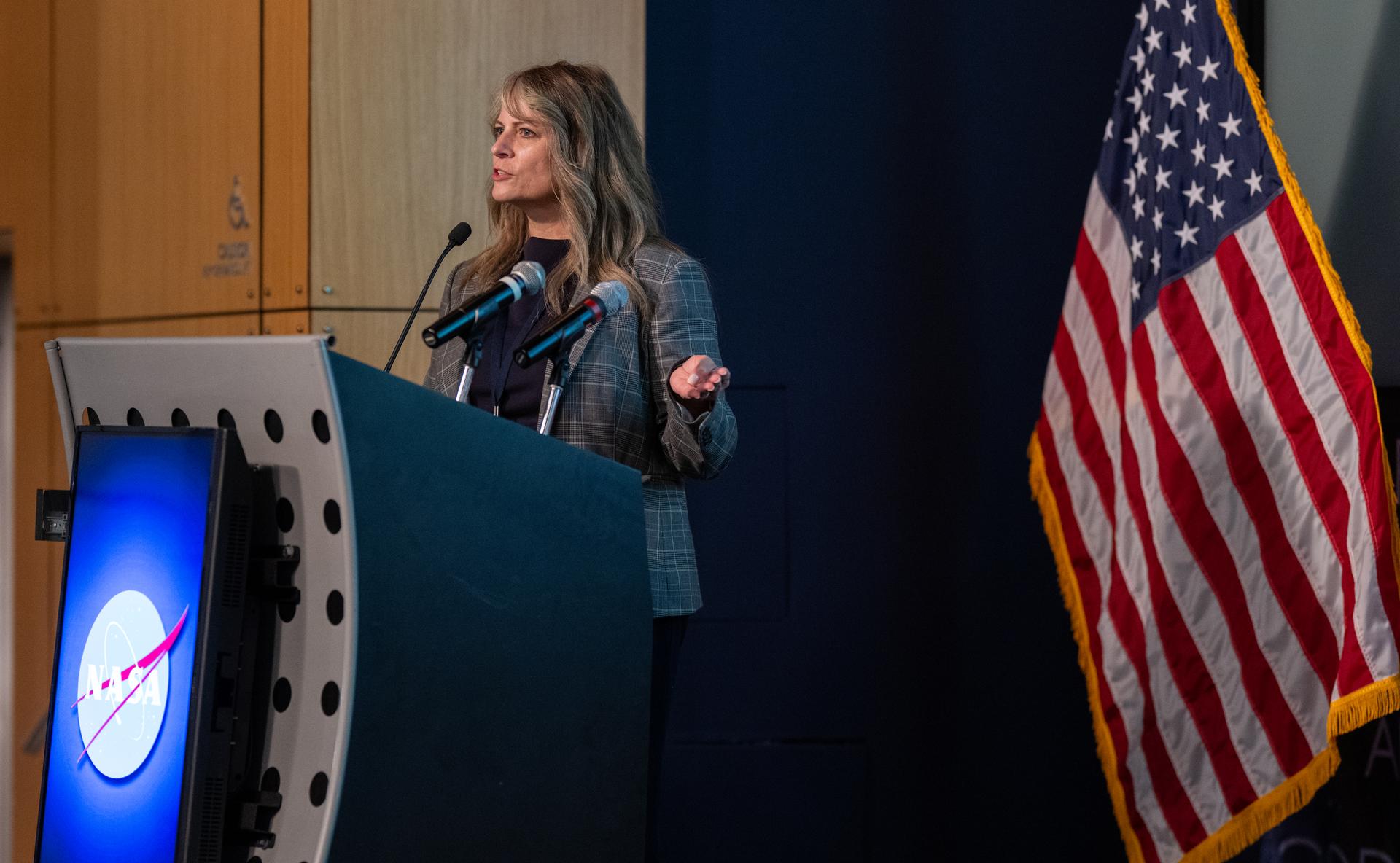
Dr. Lisa Carnell, director of NASA’s Biological and Physical Sciences Division, is seen during a Frontiers Forum talk titled “Revolutionizing Medicine – In Space,” Wednesday, Sept. 16, 2026, at the Mary W. Jackson NASA Headquarters building in Washington. Photo Credit: (NASA/Joel Kowsky)
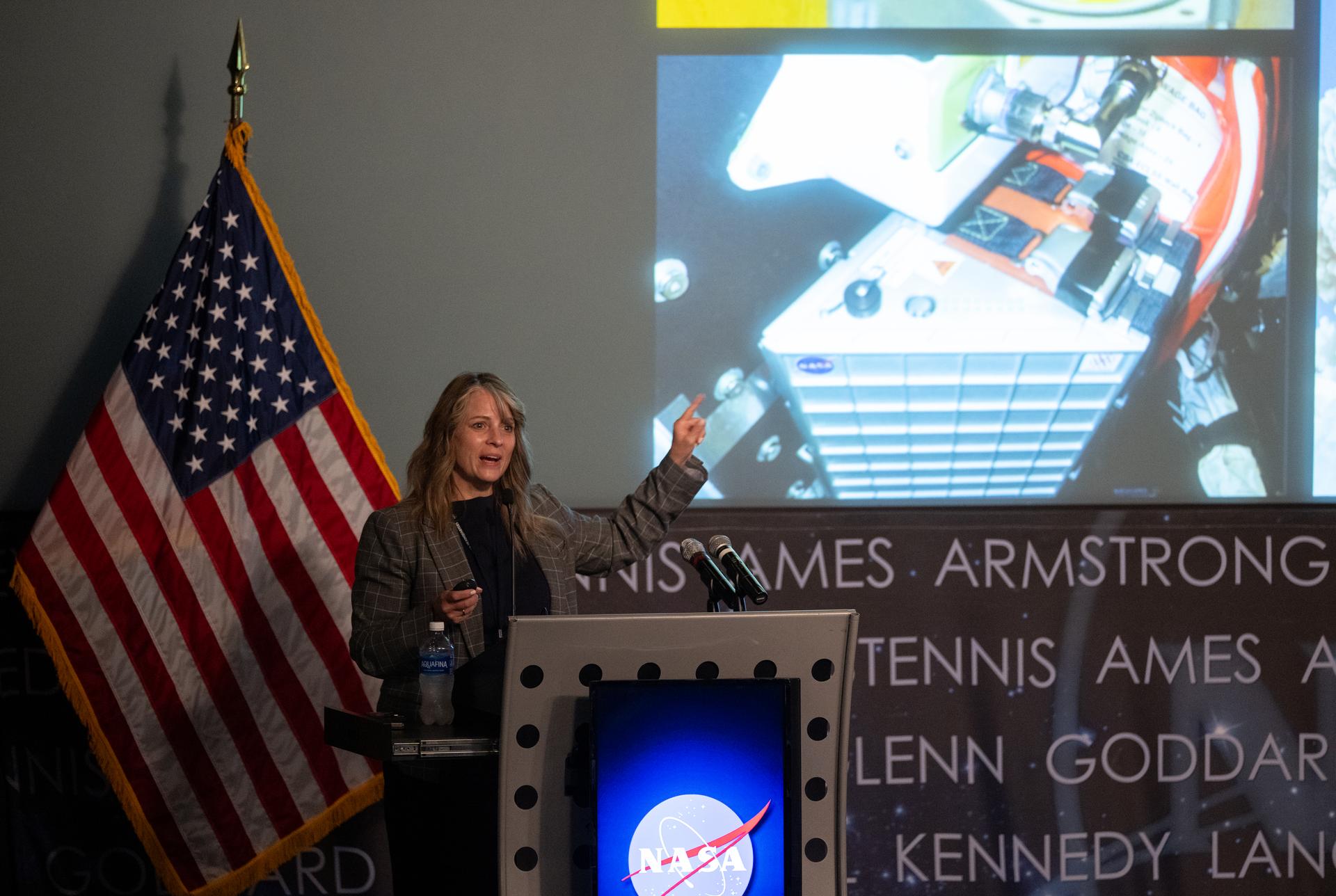
Dr. Lisa Carnell, director of NASA’s Biological and Physical Sciences Division, is seen during a Frontiers Forum talk titled “Revolutionizing Medicine – In Space,” Wednesday, Sept. 16, 2026, at the Mary W. Jackson NASA Headquarters building in Washington. Photo Credit: (NASA/Joel Kowsky)
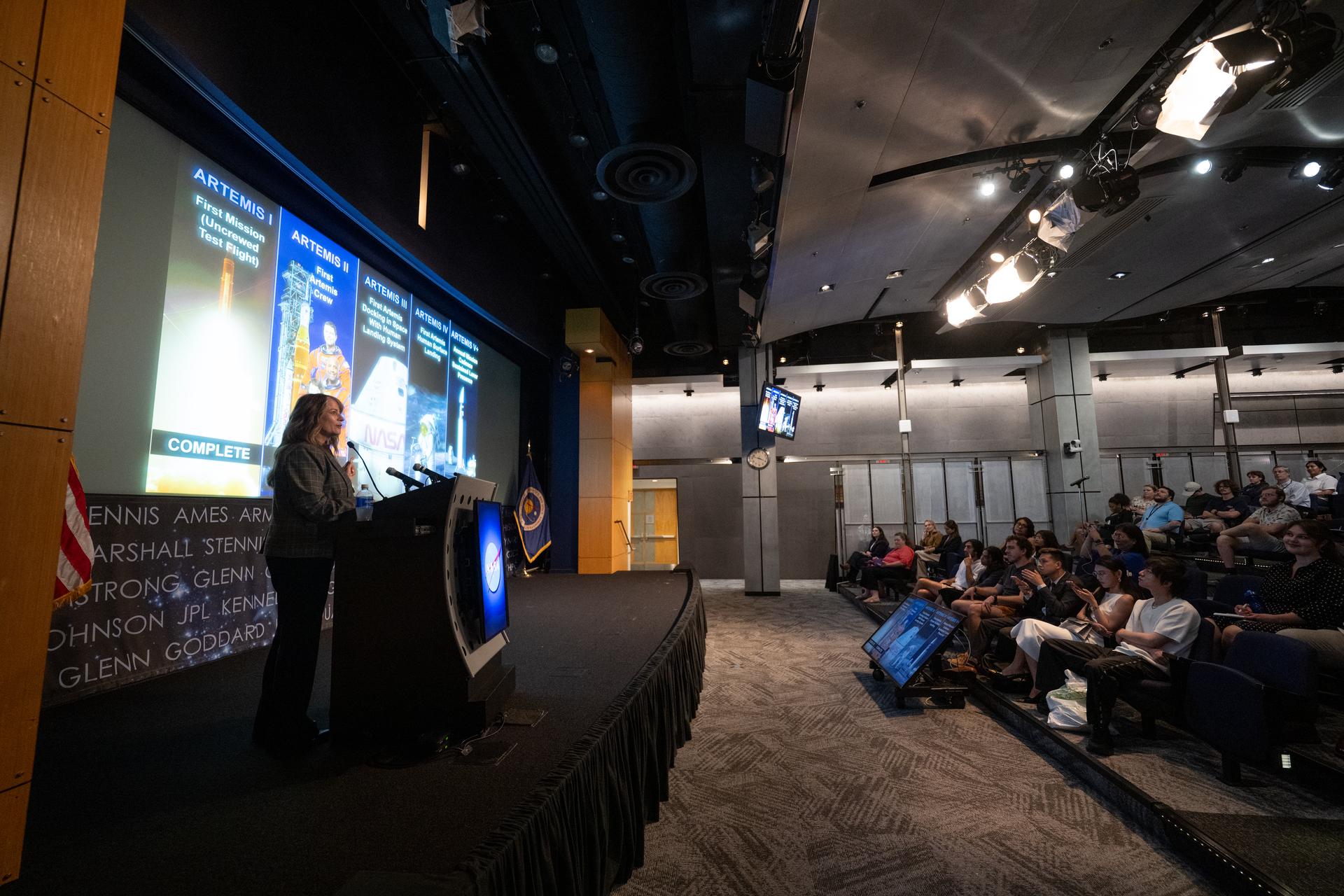
Dr. Lisa Carnell, director of NASA’s Biological and Physical Sciences Division, is seen during a Frontiers Forum talk titled “Revolutionizing Medicine – In Space,” Wednesday, Sept. 16, 2026, at the Mary W. Jackson NASA Headquarters building in Washington. Photo Credit: (NASA/Joel Kowsky)
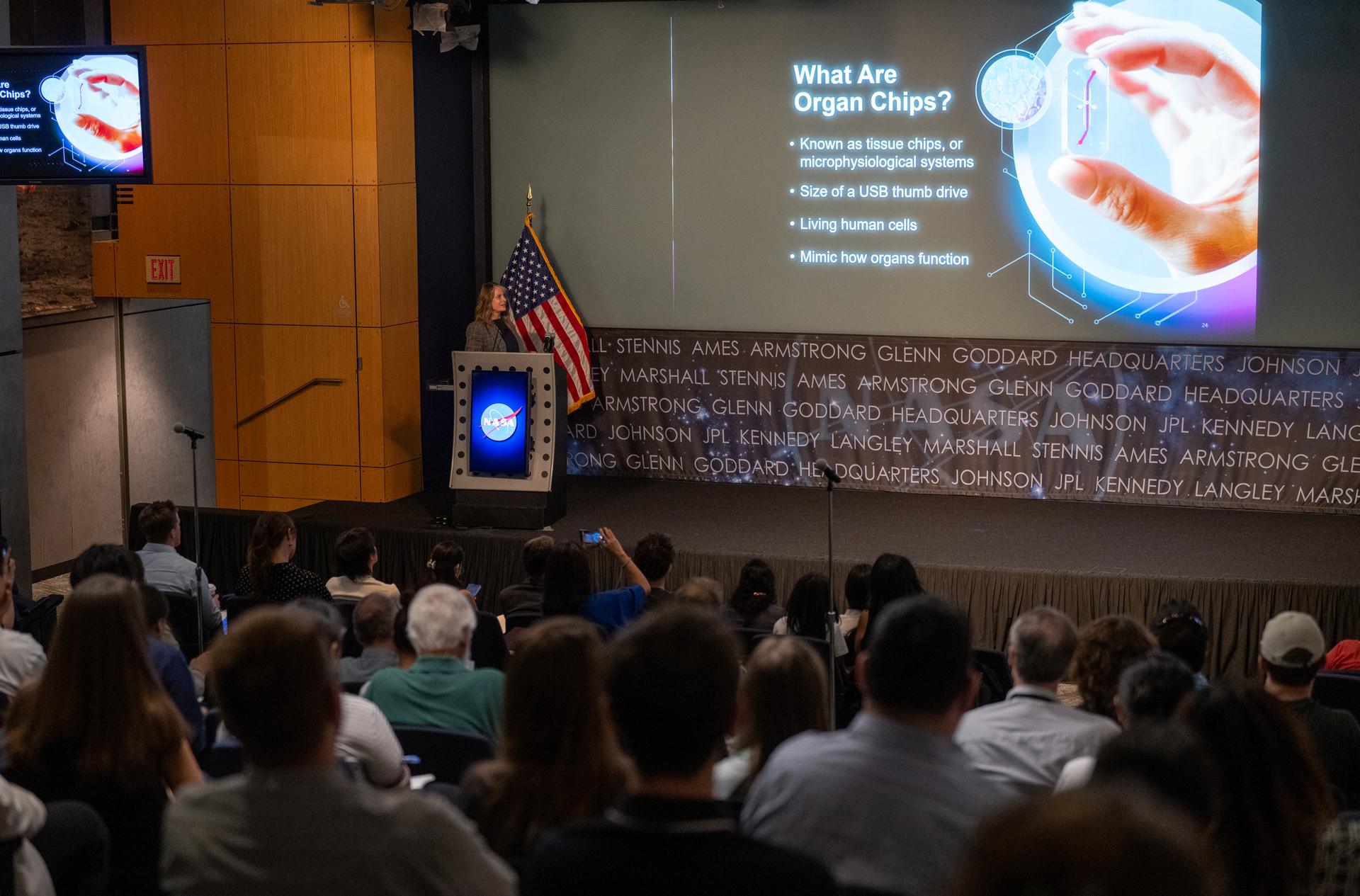
Dr. Lisa Carnell, director of NASA’s Biological and Physical Sciences Division, is seen during a Frontiers Forum talk titled “Revolutionizing Medicine – In Space,” Wednesday, Sept. 16, 2026, at the Mary W. Jackson NASA Headquarters building in Washington. Photo Credit: (NASA/Joel Kowsky)

NASA Chief Historian Brian Odom introduces a panel to discuss “Partnerships Across Hubble’s History” during an event titled “Beyond the Deep Field: Hubble’s Legacy and the Future of Cosmic Observation,” Friday, June 5, 2026, at the Mary W. Jackson NASA Headquarters building in Washington. Photo Credit: (NASA/Aubrey Gemignani)
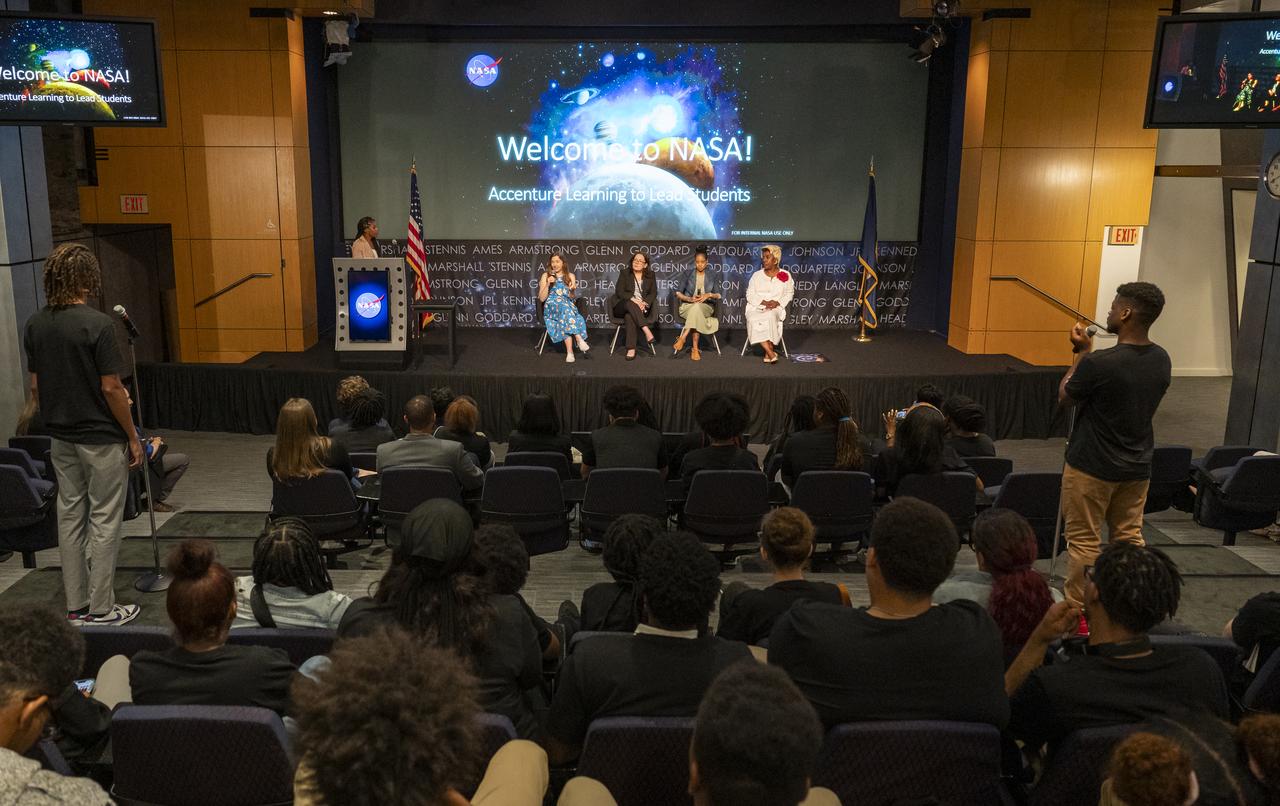
Senior Communications Specialist Elizabeth Landau, left, answers questions during a high school student engagement event, Thursday, July 6, 2023, at the Mary W. Jackson NASA Headquarters building in Washington. Photo Credit: (NASA/Keegan Barber)
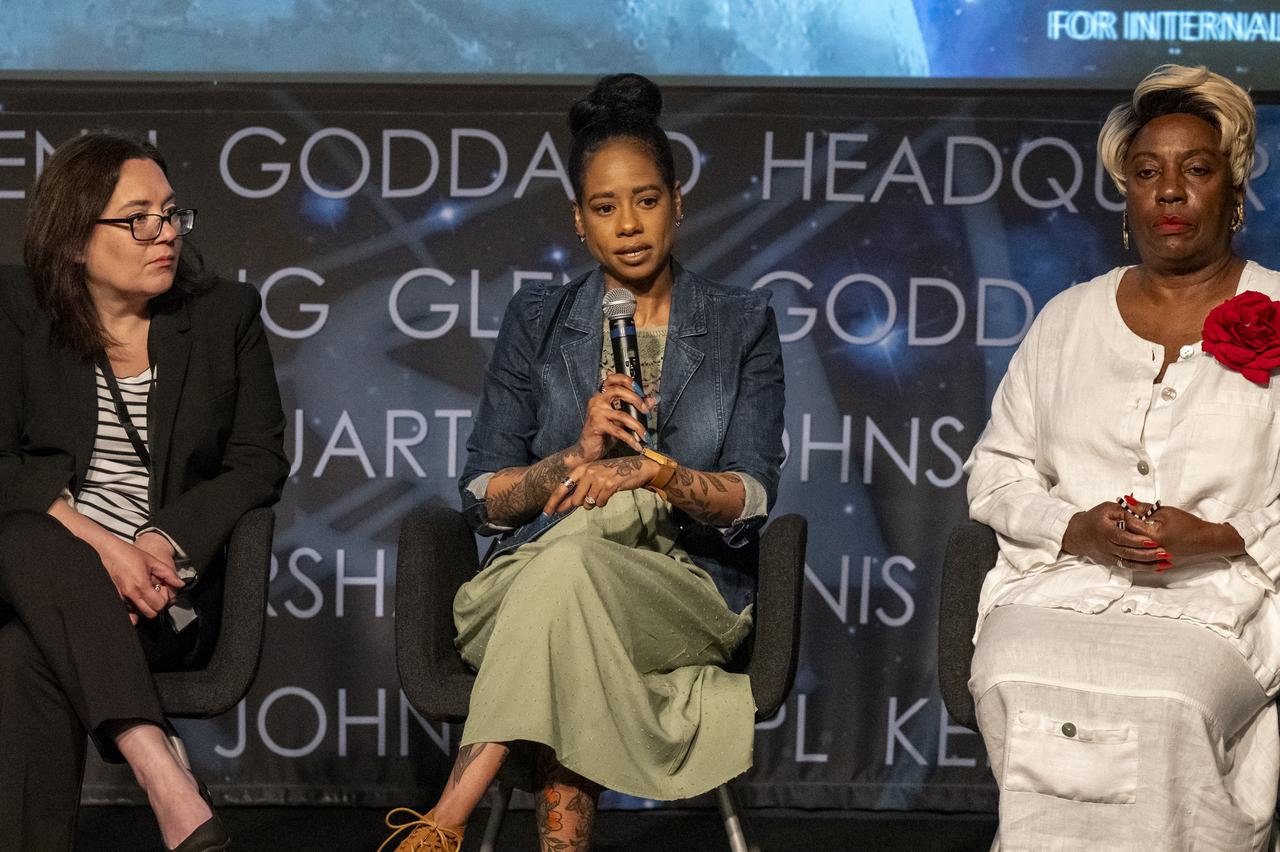
Strategic Communications and Outreach Lead Denise Hill, center, answers questions during a high school student engagement event, Thursday, July 6, 2023, at the Mary W. Jackson NASA Headquarters building in Washington. Photo Credit: (NASA/Keegan Barber)

Strategic Integration & Management Division Director Alotta Taylor, right, answers questions during a high school student engagement event, Thursday, July 6, 2023, at the Mary W. Jackson NASA Headquarters building in Washington. Photo Credit: (NASA/Keegan Barber)
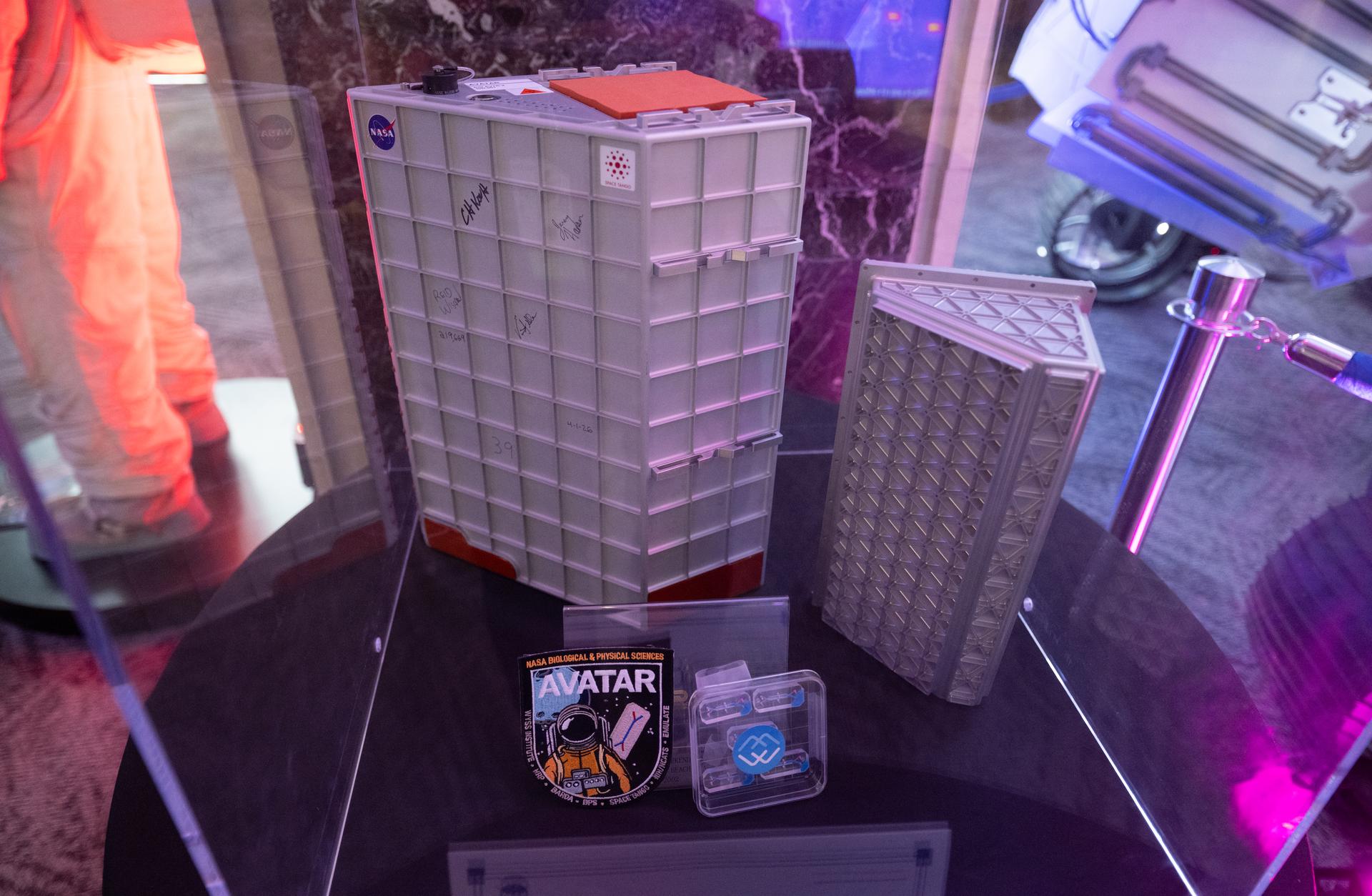
The AVATAR (A Virtual Astronaut Tissue Analog Response) payload the flew on the Artemis II mission is seen in the lobby of the Mary W. Jackson NASA Headquarters building in Washington, Wednesday, Sept. 16, 2026, following a Frontiers Forum talk titled “Revolutionizing Medicine – In Space.” Photo Credit: (NASA/Joel Kowsky)

Senior Project Scientist for the James Webb Space Telescope, Jane Rigby’s socks are seen during an event titled “Beyond the Deep Field: Hubble’s Legacy and the Future of Cosmic Observation,” Friday, June 5, 2026, at the Mary W. Jackson NASA Headquarters building in Washington. Photo Credit: (NASA/Aubrey Gemignani)
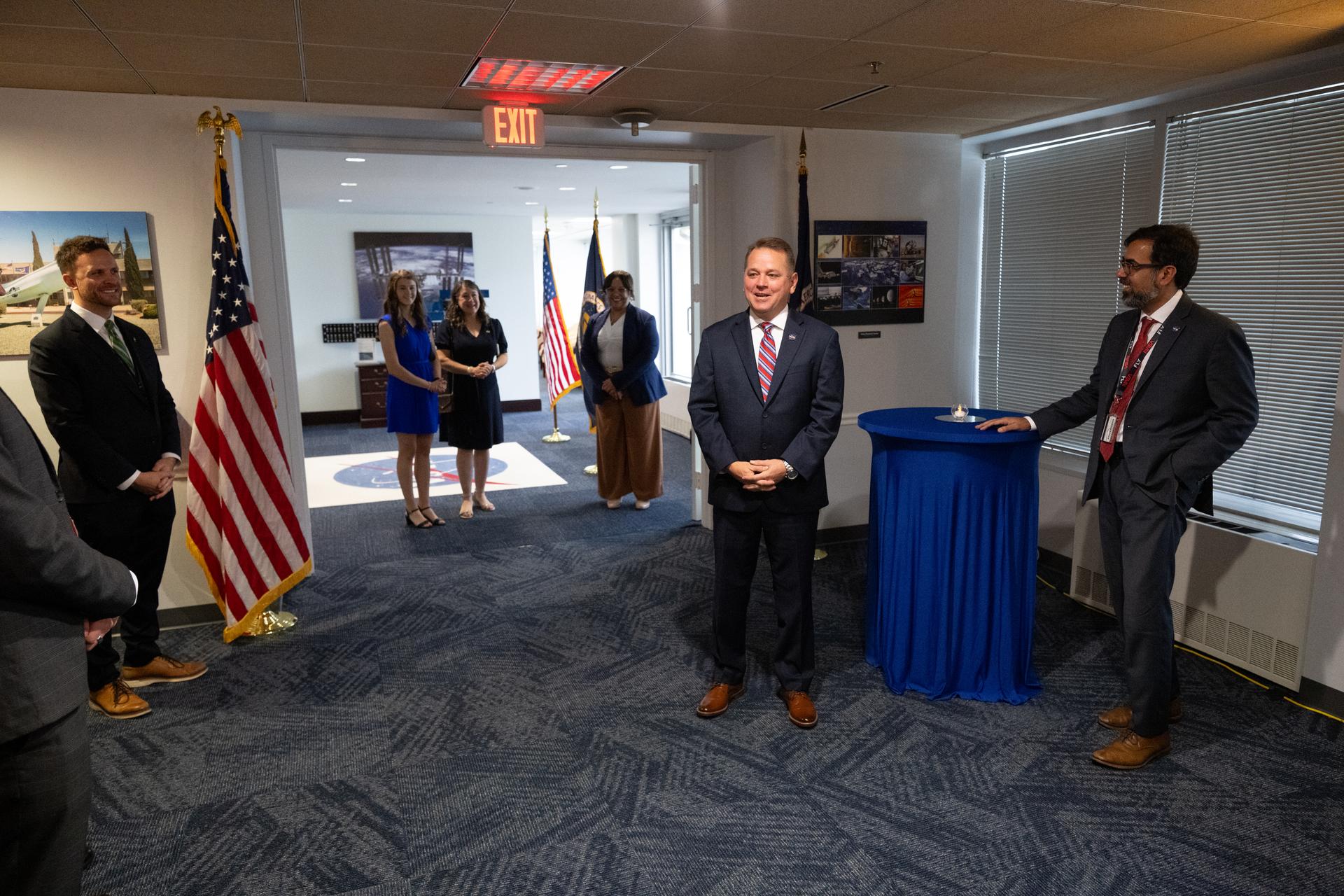
NASA Deputy Administrator Matt Anderson is welcomed to NASA Headquarters by NASA Associate Administrator Amit Kshatriya and other members of agency leadership, Thursday, May 21, 2026, at the Mary W. Jackson NASA Headquarters building in Washington. Anderson was sworn-in as the agency’s 16th Deputy Administrator during a ceremony at the Eisenhower Executive Office Building earlier this morning. Photo Credit: (NASA/Joel Kowsky)
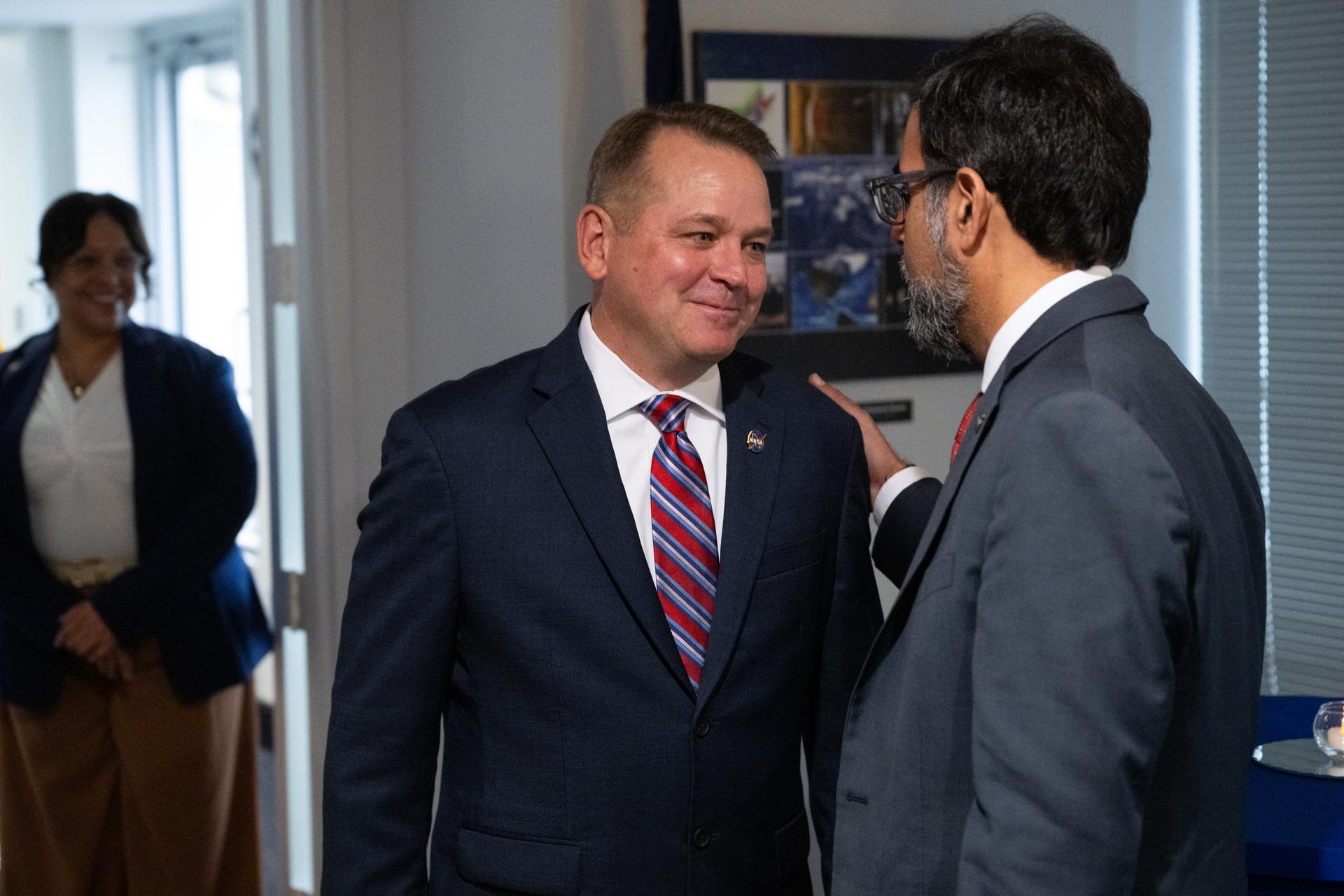
NASA Associate Administrator Amit Kshatriya, right, welcomes NASA Deputy Administrator Matt Anderson to NASA Headquarters along with other agency leadership, Thursday, May 21, 2026, at the Mary W. Jackson NASA Headquarters building in Washington. Anderson was sworn-in as the agency’s 16th Deputy Administrator during a ceremony at the Eisenhower Executive Office Building earlier this morning. Photo Credit: (NASA/Joel Kowsky)

Mark Clampin, Deputy Associate Administrator in the Science Mission Directorate at NASA Headquarters, speaks about the contributions of the Hubble Space Telescope to future astronomy missions during an event titled “Beyond the Deep Field: Hubble’s Legacy and the Future of Cosmic Observation,” Friday, June 5, 2026, at the Mary W. Jackson NASA Headquarters building in Washington. Photo Credit: (NASA/Aubrey Gemignani)

Mark Clampin, Deputy Associate Administrator in the Science Mission Directorate at NASA Headquarters, speaks about the contributions of the Hubble Space Telescope to future astronomy missions during an event titled “Beyond the Deep Field: Hubble’s Legacy and the Future of Cosmic Observation,” Friday, June 5, 2026, at the Mary W. Jackson NASA Headquarters building in Washington. Photo Credit: (NASA/Aubrey Gemignani)

Mark Clampin, Deputy Associate Administrator in the Science Mission Directorate at NASA Headquarters, speaks about the contributions of the Hubble Space Telescope to future astronomy missions during an event titled “Beyond the Deep Field: Hubble’s Legacy and the Future of Cosmic Observation,” Friday, June 5, 2026, at the Mary W. Jackson NASA Headquarters building in Washington. Photo Credit: (NASA/Aubrey Gemignani)
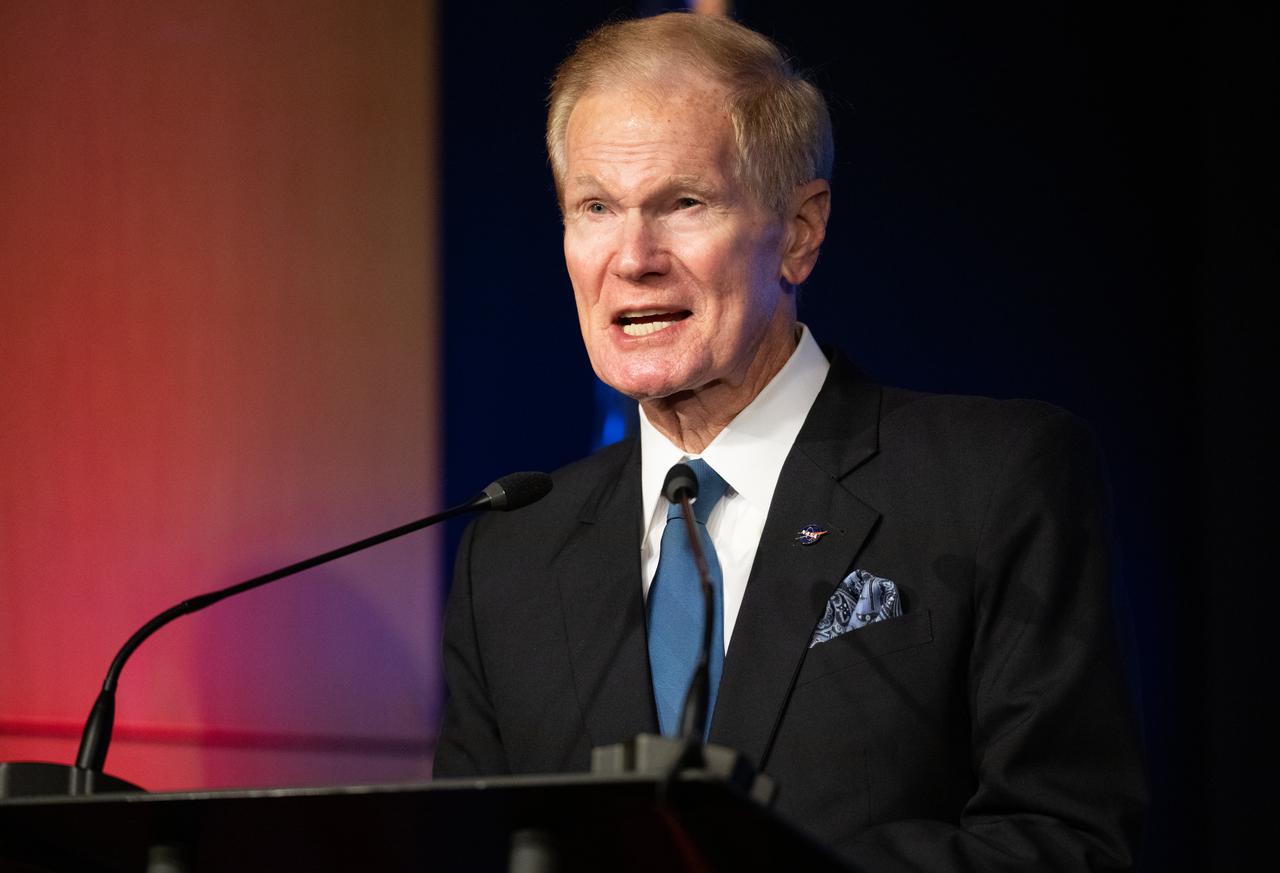
NASA Administrator Bill Nelson delivers remarks during an end-of-the year all hands with senior leadership, Tuesday, Dec. 13, 2022, at the Mary W. Jackson NASA Headquarters building in Washington. Nelson, NASA Deputy Administrator Pam Melroy, and NASA Associate Administrator Bob Cabana highlighted the agency’s 2022 accomplishments and looked forward to what is coming in 2023 and beyond. Photo Credit: (NASA/Joel Kowsky)
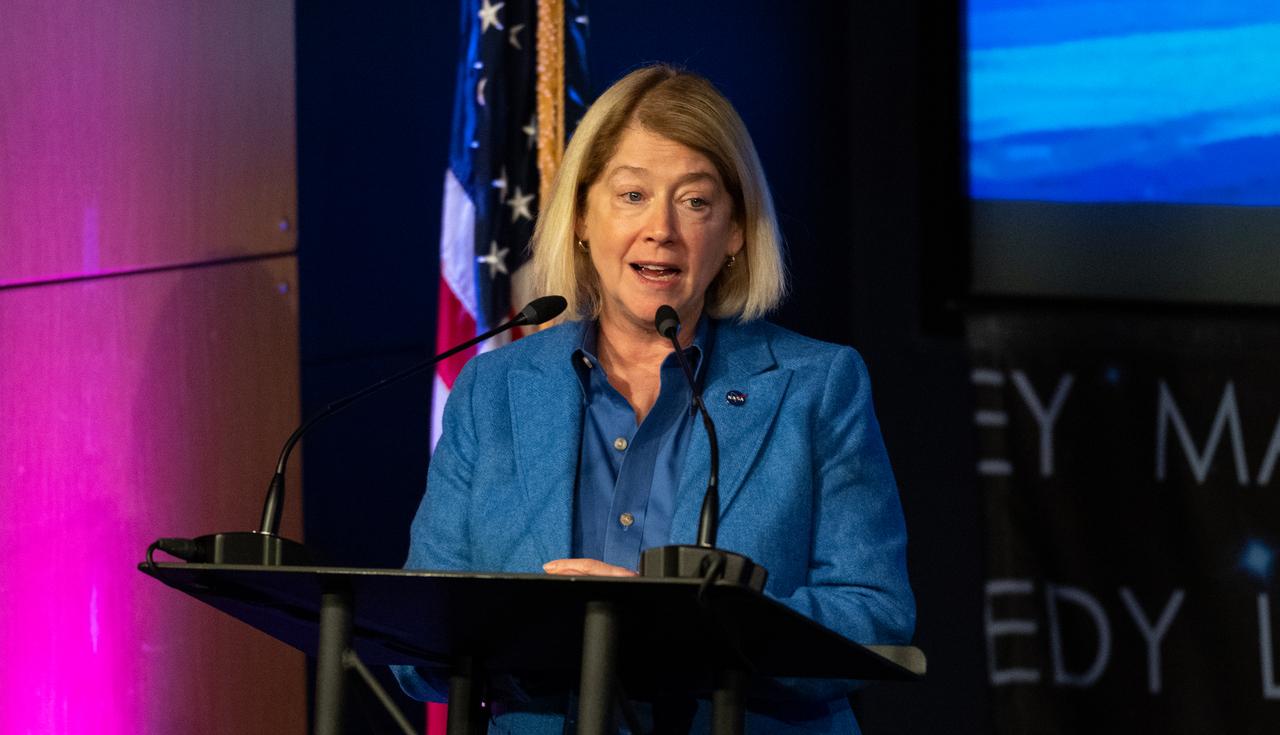
NASA Deputy Administrator Pam Melroy delivers remarks during an end-of-the year all hands with senior leadership, Tuesday, Dec. 13, 2022, at the Mary W. Jackson NASA Headquarters building in Washington. Melroy, NASA Administrator Bill Nelson, and NASA Associate Administrator Bob Cabana highlighted the agency’s 2022 accomplishments and looked forward to what is coming in 2023 and beyond. Photo Credit: (NASA/Joel Kowsky)
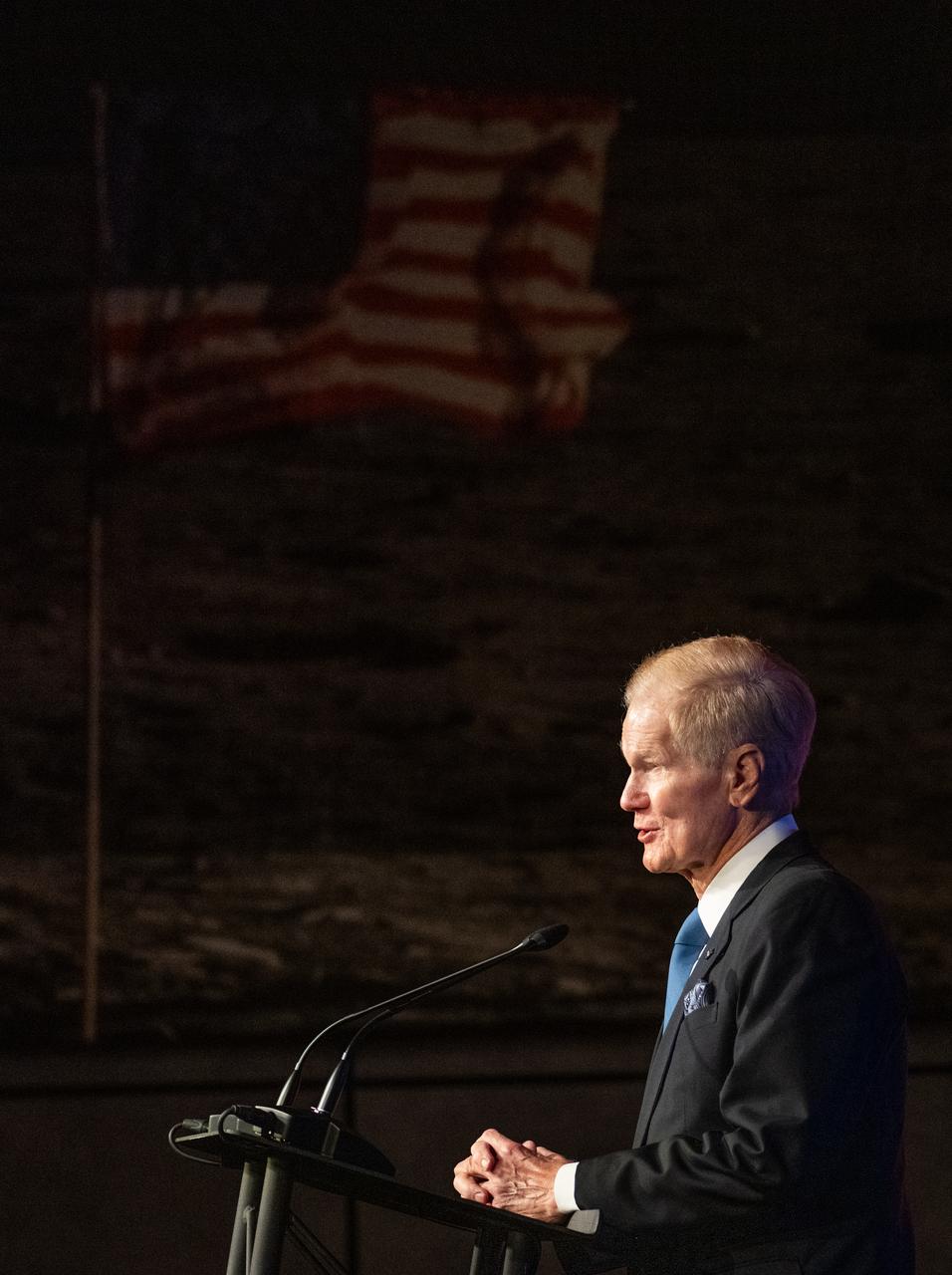
NASA Administrator Bill Nelson delivers remarks during an end-of-the year all hands with senior leadership, Tuesday, Dec. 13, 2022, at the Mary W. Jackson NASA Headquarters building in Washington. Nelson, NASA Deputy Administrator Pam Melroy, and NASA Associate Administrator Bob Cabana highlighted the agency’s 2022 accomplishments and looked forward to what is coming in 2023 and beyond. Photo Credit: (NASA/Joel Kowsky)
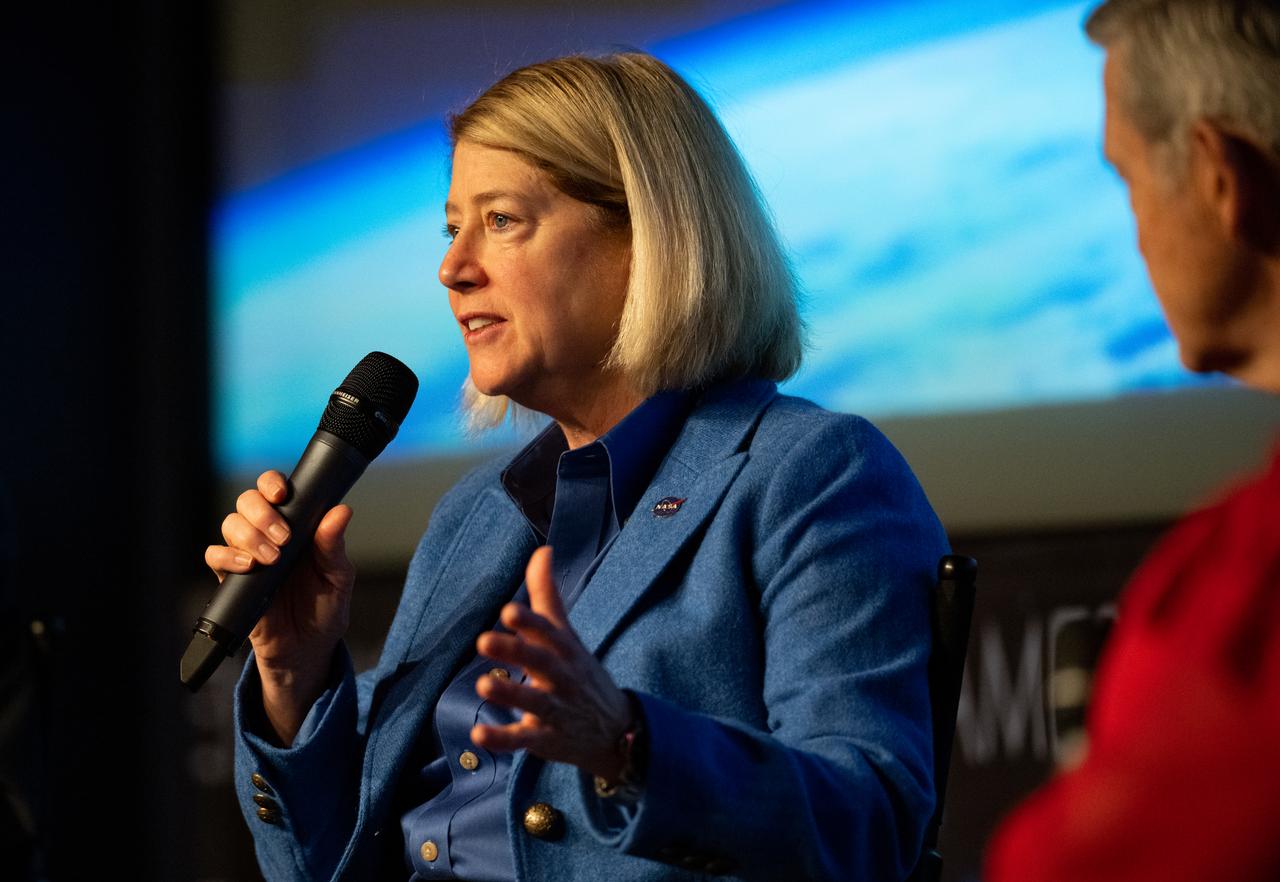
NASA Deputy Administrator Pam Melroy answers a question during an end-of-the year all hands with senior leadership, Tuesday, Dec. 13, 2022, at the Mary W. Jackson NASA Headquarters building in Washington. Melroy, NASA Administrator Bill Nelson, and NASA Associate Administrator Bob Cabana highlighted the agency’s 2022 accomplishments and looked forward to what is coming in 2023 and beyond. Photo Credit: (NASA/Joel Kowsky)
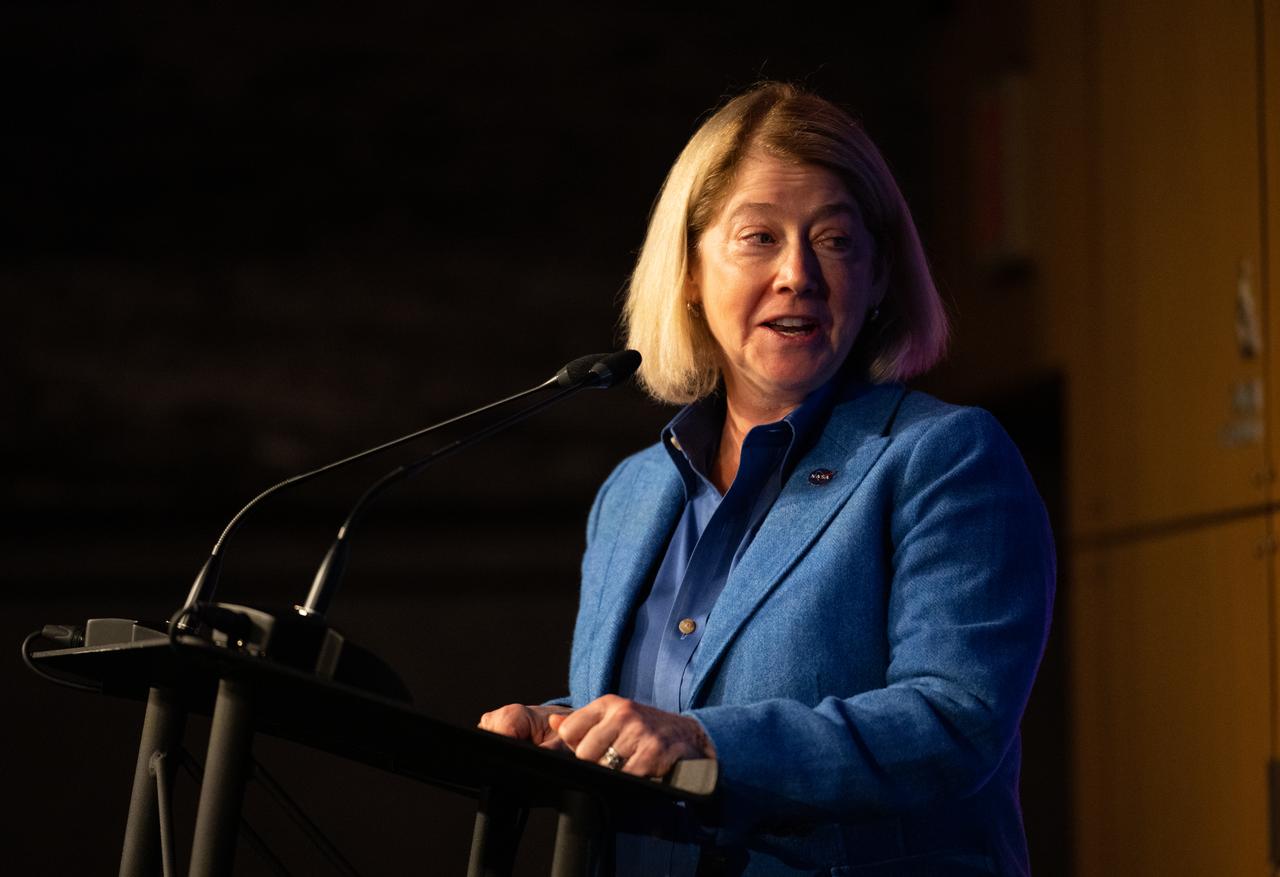
NASA Deputy Administrator Pam Melroy delivers remarks during an end-of-the year all hands with senior leadership, Tuesday, Dec. 13, 2022, at the Mary W. Jackson NASA Headquarters building in Washington. Melroy, NASA Administrator Bill Nelson, and NASA Associate Administrator Bob Cabana highlighted the agency’s 2022 accomplishments and looked forward to what is coming in 2023 and beyond. Photo Credit: (NASA/Joel Kowsky)
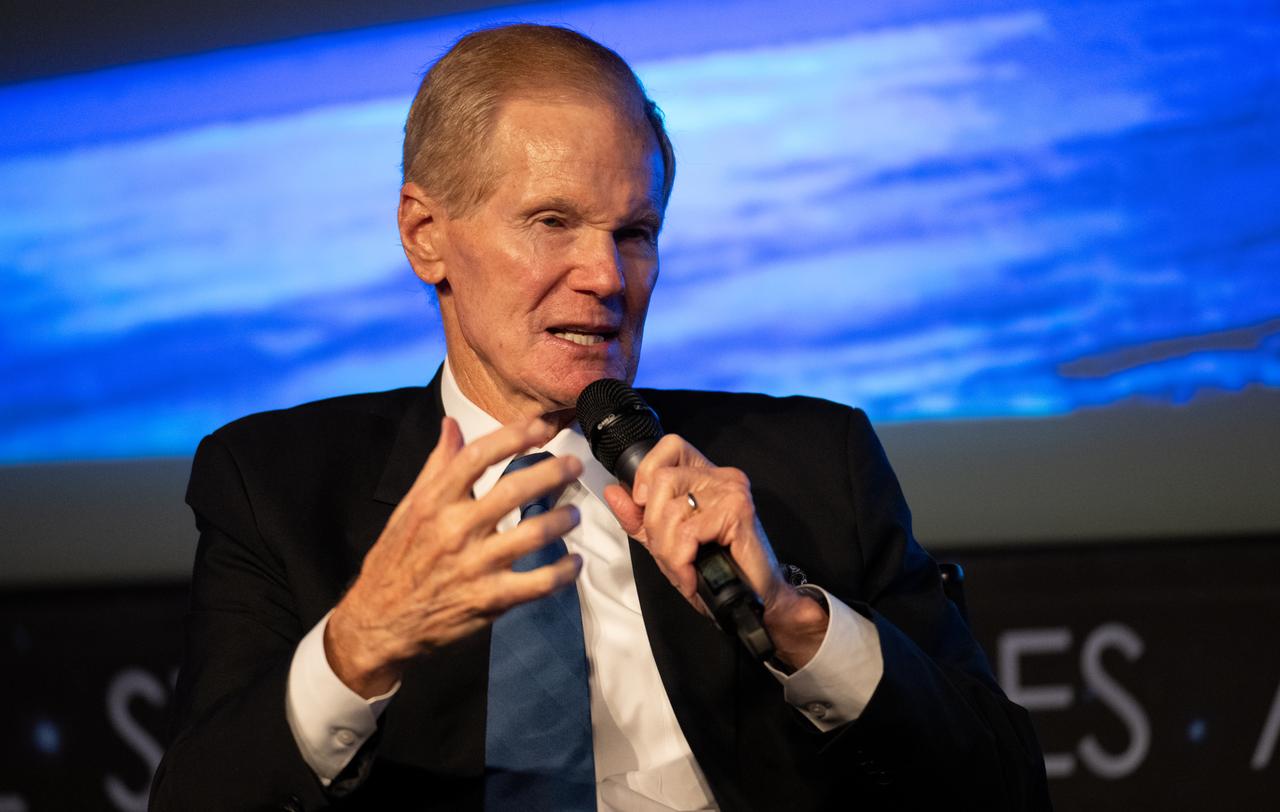
NASA Administrator Bill Nelson answers a question during an end-of-the year all hands with senior leadership, Tuesday, Dec. 13, 2022, at the Mary W. Jackson NASA Headquarters building in Washington. Nelson, NASA Deputy Administrator Pam Melroy, and NASA Associate Administrator Bob Cabana highlighted the agency’s 2022 accomplishments and looked forward to what is coming in 2023 and beyond. Photo Credit: (NASA/Joel Kowsky)
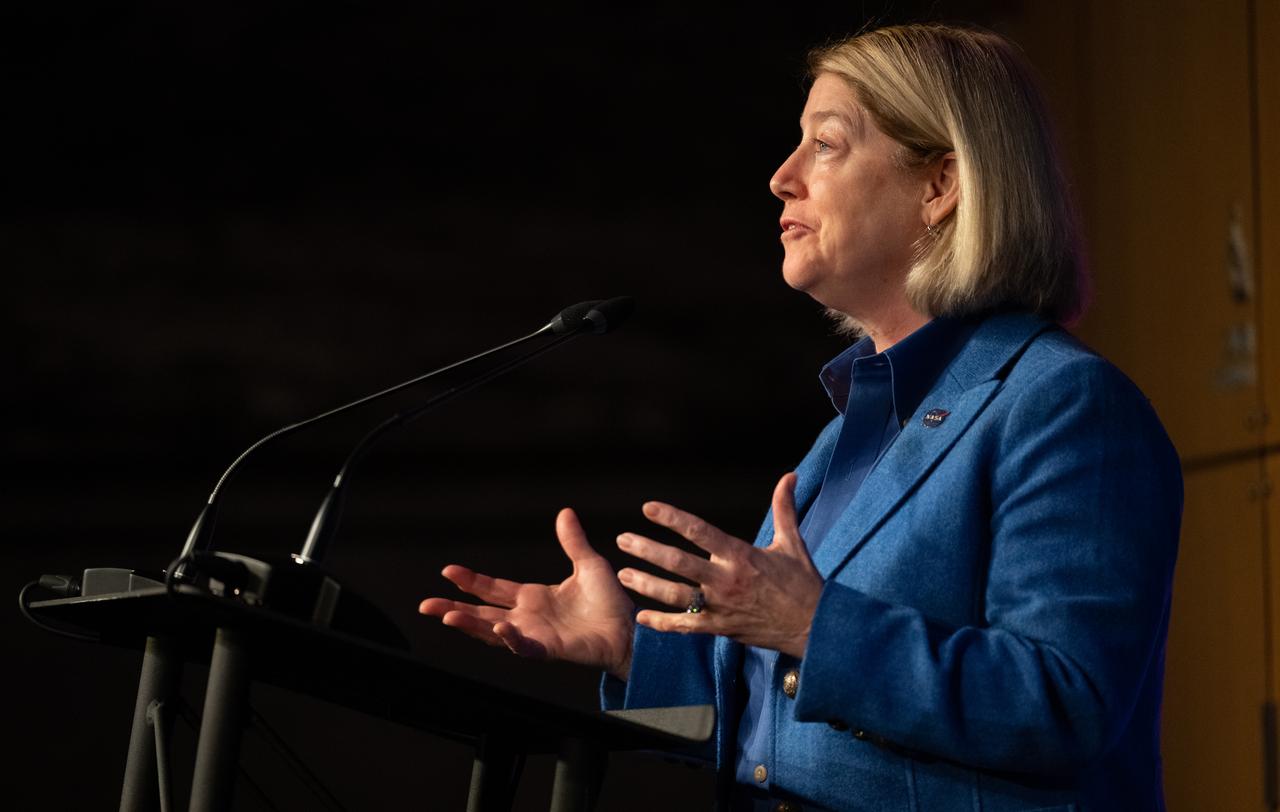
NASA Deputy Administrator Pam Melroy delivers remarks during an end-of-the year all hands with senior leadership, Tuesday, Dec. 13, 2022, at the Mary W. Jackson NASA Headquarters building in Washington. Melroy, NASA Administrator Bill Nelson, and NASA Associate Administrator Bob Cabana highlighted the agency’s 2022 accomplishments and looked forward to what is coming in 2023 and beyond. Photo Credit: (NASA/Joel Kowsky)
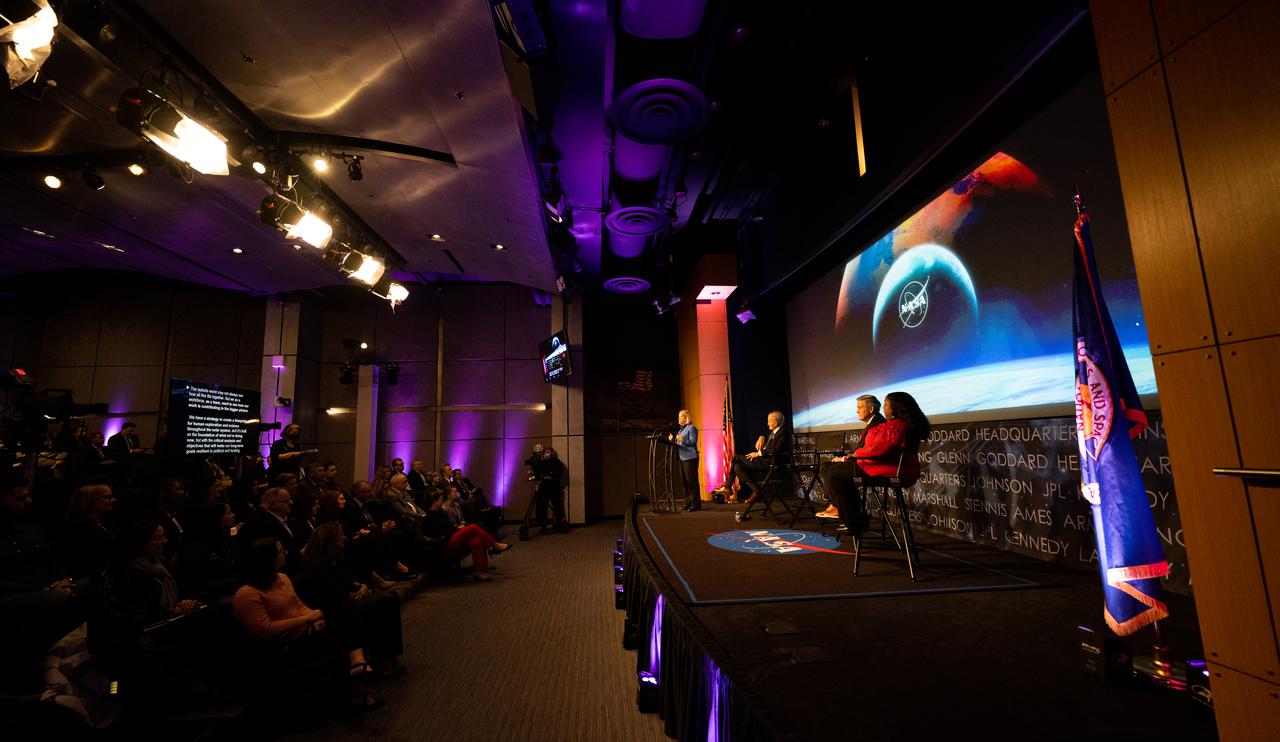
NASA Deputy Administrator Pam Melroy, center, delivers remarks during an end-of-the year all hands with senior leadership, Tuesday, Dec. 13, 2022, at the Mary W. Jackson NASA Headquarters building in Washington. Melroy, NASA Administrator Bill Nelson, and NASA Associate Administrator Bob Cabana highlighted the agency’s 2022 accomplishments and looked forward to what is coming in 2023 and beyond. Photo Credit: (NASA/Joel Kowsky)
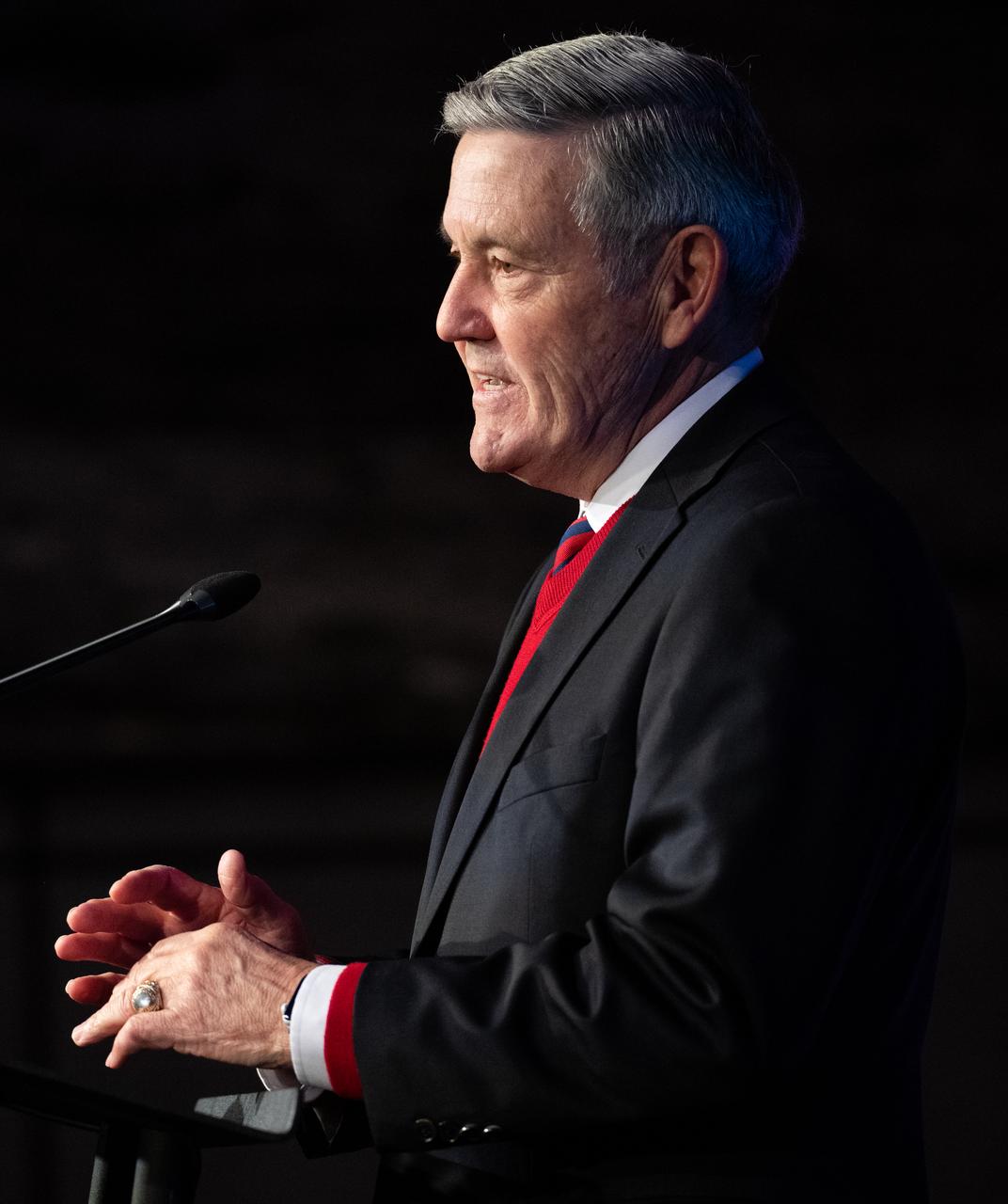
NASA Associate Administrator Bob Cabana delivers remarks during an end-of-the year all hands with senior leadership, Tuesday, Dec. 13, 2022, at the Mary W. Jackson NASA Headquarters building in Washington. Cabana, NASA Administrator Bill Nelson, and NASA Deputy Administrator Pam Melroy highlighted the agency’s 2022 accomplishments and looked forward to what is coming in 2023 and beyond. Photo Credit: (NASA/Joel Kowsky)
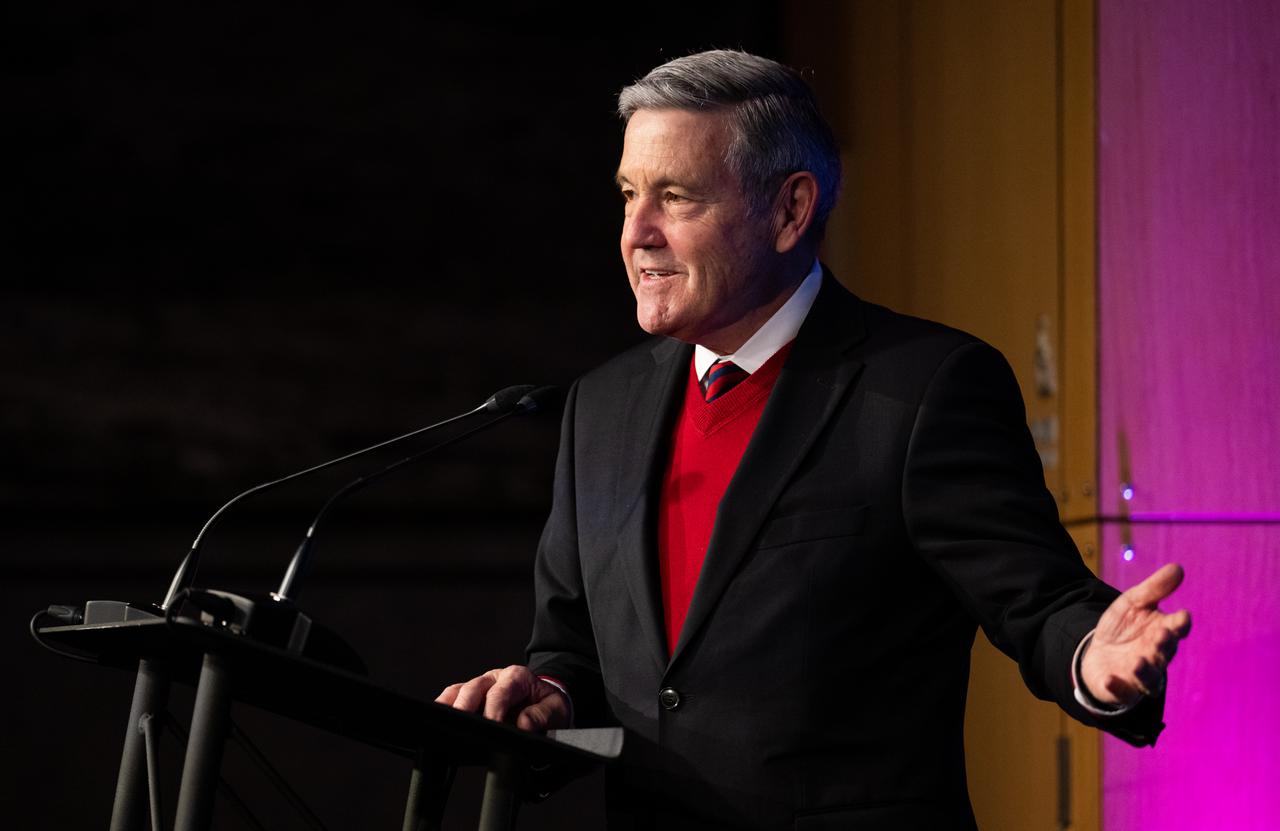
NASA Associate Administrator Bob Cabana delivers remarks during an end-of-the year all hands with senior leadership, Tuesday, Dec. 13, 2022, at the Mary W. Jackson NASA Headquarters building in Washington. Cabana, NASA Administrator Bill Nelson, and NASA Deputy Administrator Pam Melroy highlighted the agency’s 2022 accomplishments and looked forward to what is coming in 2023 and beyond. Photo Credit: (NASA/Joel Kowsky)
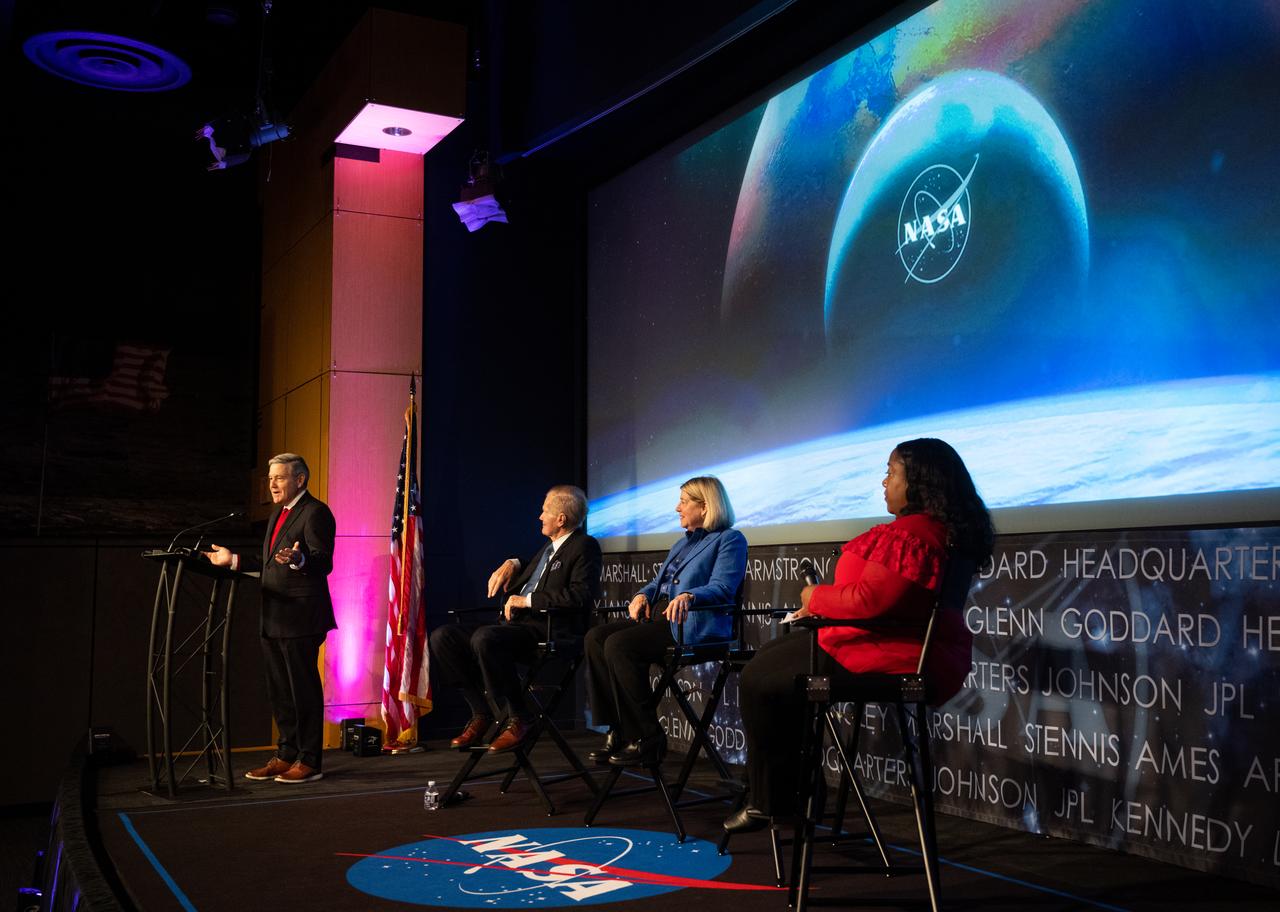
NASA Associate Administrator Bob Cabana, left, delivers remarks during an end-of-the year all hands with senior leadership, Tuesday, Dec. 13, 2022, at the Mary W. Jackson NASA Headquarters building in Washington. Cabana, NASA Administrator Bill Nelson, and NASA Deputy Administrator Pam Melroy highlighted the agency’s 2022 accomplishments and looked forward to what is coming in 2023 and beyond. Photo Credit: (NASA/Joel Kowsky)
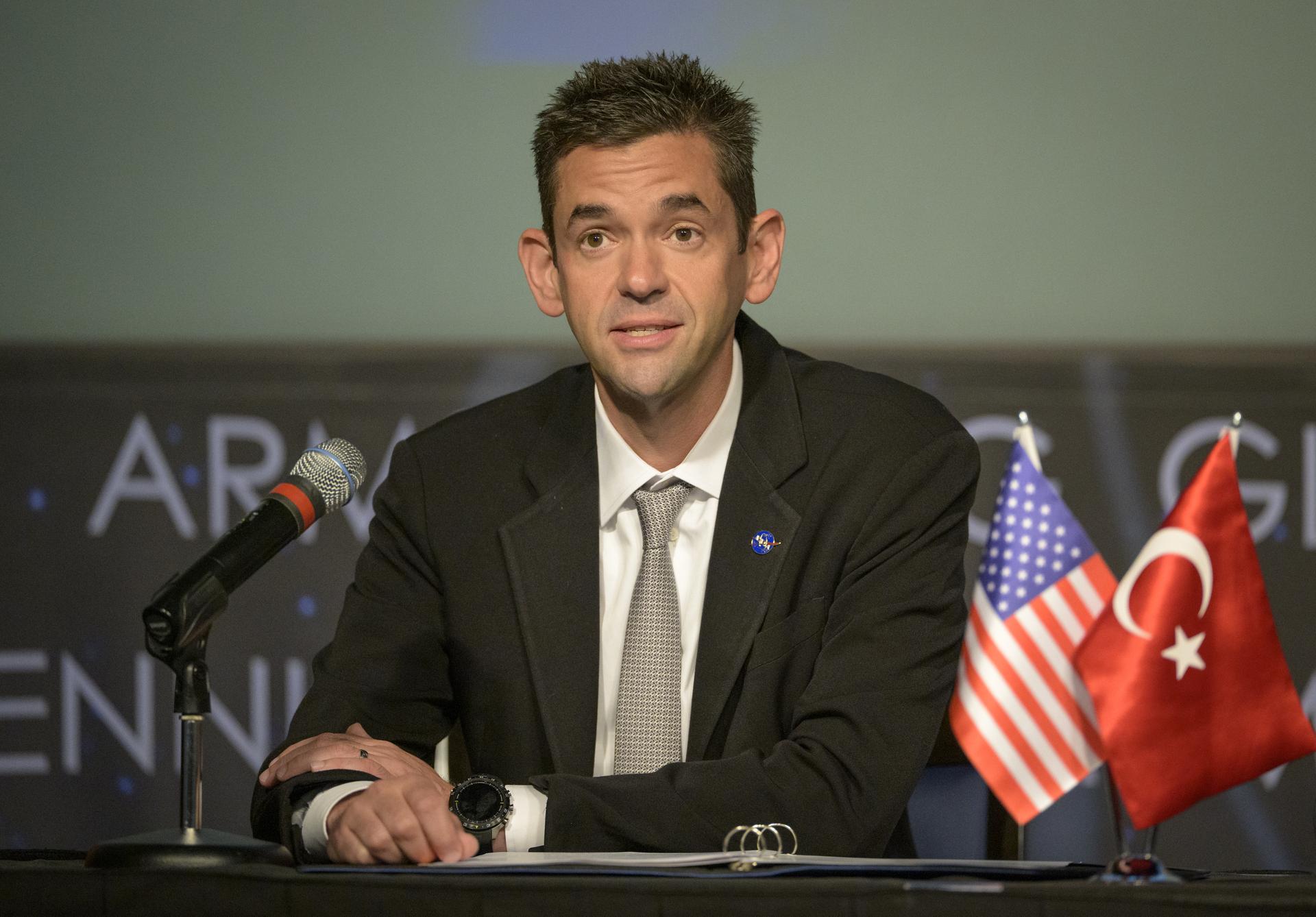
NASA Administrator Jared Isaacman gives remarks during an Artemis Accord signing ceremony with the Republic of Türkiye Monday, August 31, 2026, at the Mary W. Jackson NASA Headquarters building in Washington. Türkiye is the 71st country to sign the Artemis Accords, which establish a practical set of principles to guide space exploration cooperation among nations participating in NASA’s Artemis program. Photo Credit: (NASA/Bill Ingalls)
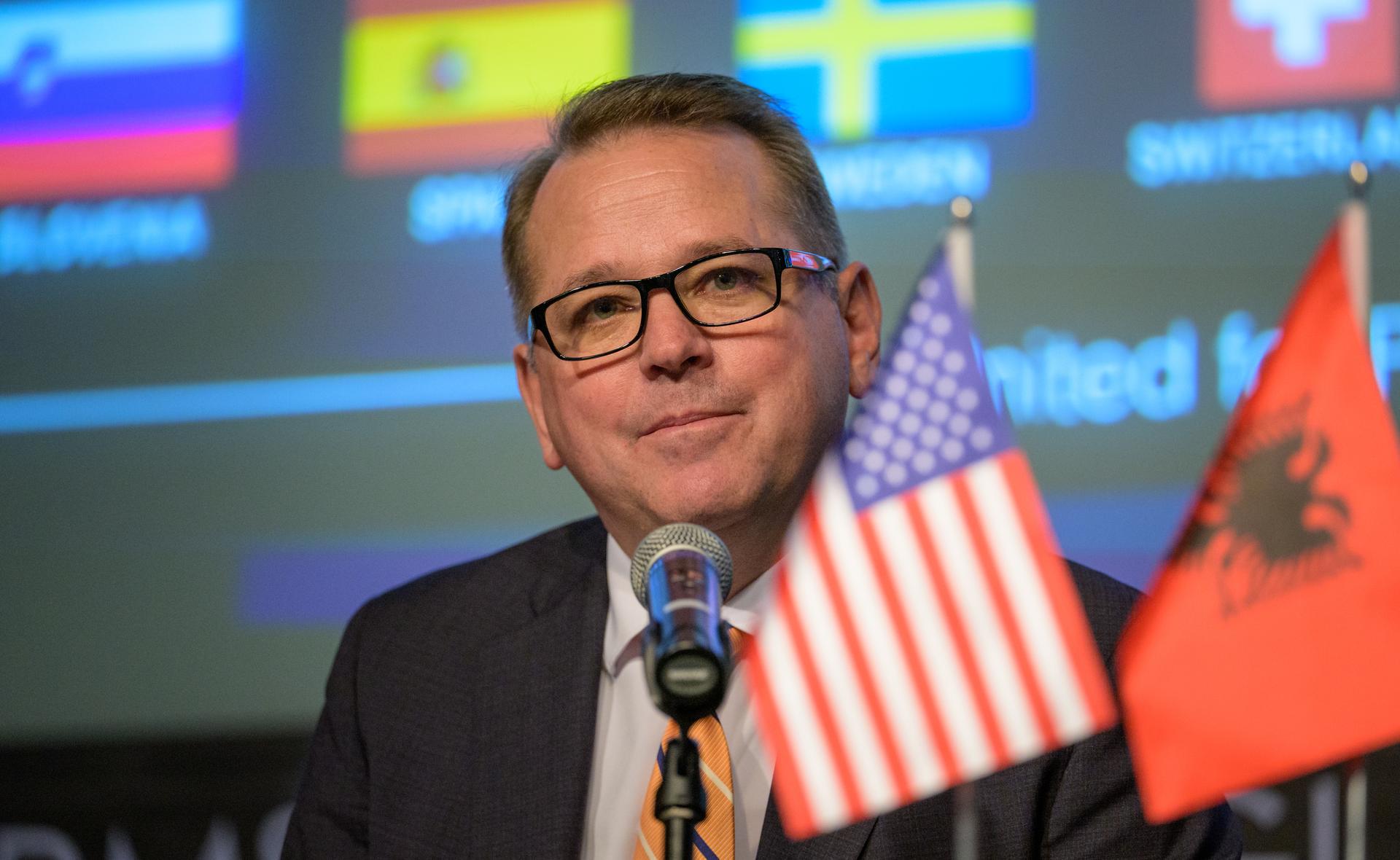
NASA Deputy Administrator Matt Anderson gives remarks during an Artemis Accords signing ceremony with the Republic of Albania Monday, September 21, 2026, at the Mary W. Jackson NASA Headquarters building in Washington. Albania is the 73rd country to sign the Artemis Accords, which establish a practical set of principles to guide space exploration cooperation among nations participating in NASA’s Artemis program. Photo Credit: (NASA/Bill Ingalls)
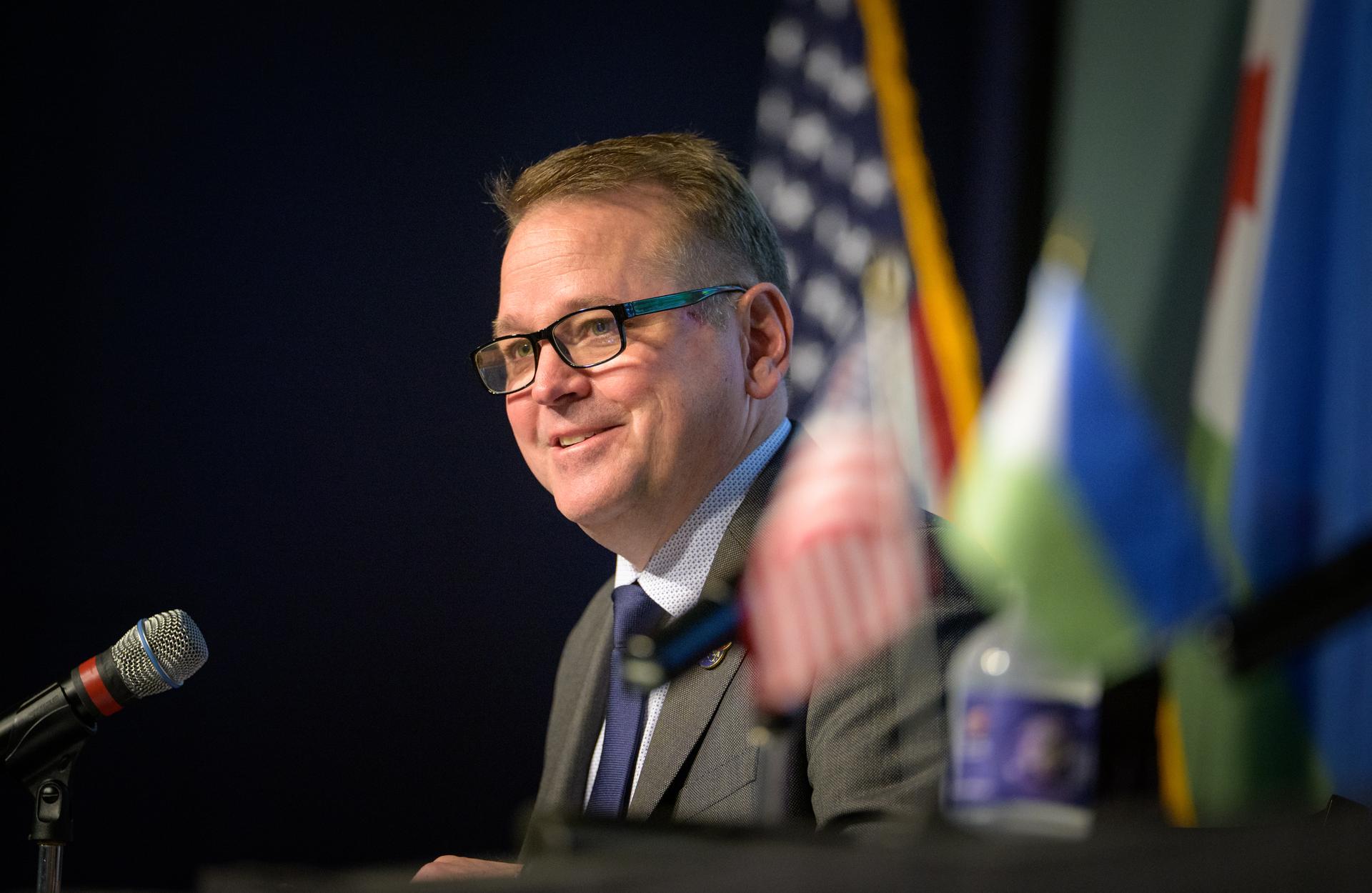
NASA Deputy Administrator Matt Anderson gives remarks during an Artemis Accord signing ceremony with Djibouti, Monday, September 14, 2026, at the Mary W. Jackson NASA Headquarters building in Washington. Djibouti is the 72nd country to sign the Artemis Accords, which establish a practical set of principles to guide space exploration cooperation among nations participating in NASA’s Artemis program. Photo Credit: (NASA/Bill Ingalls)
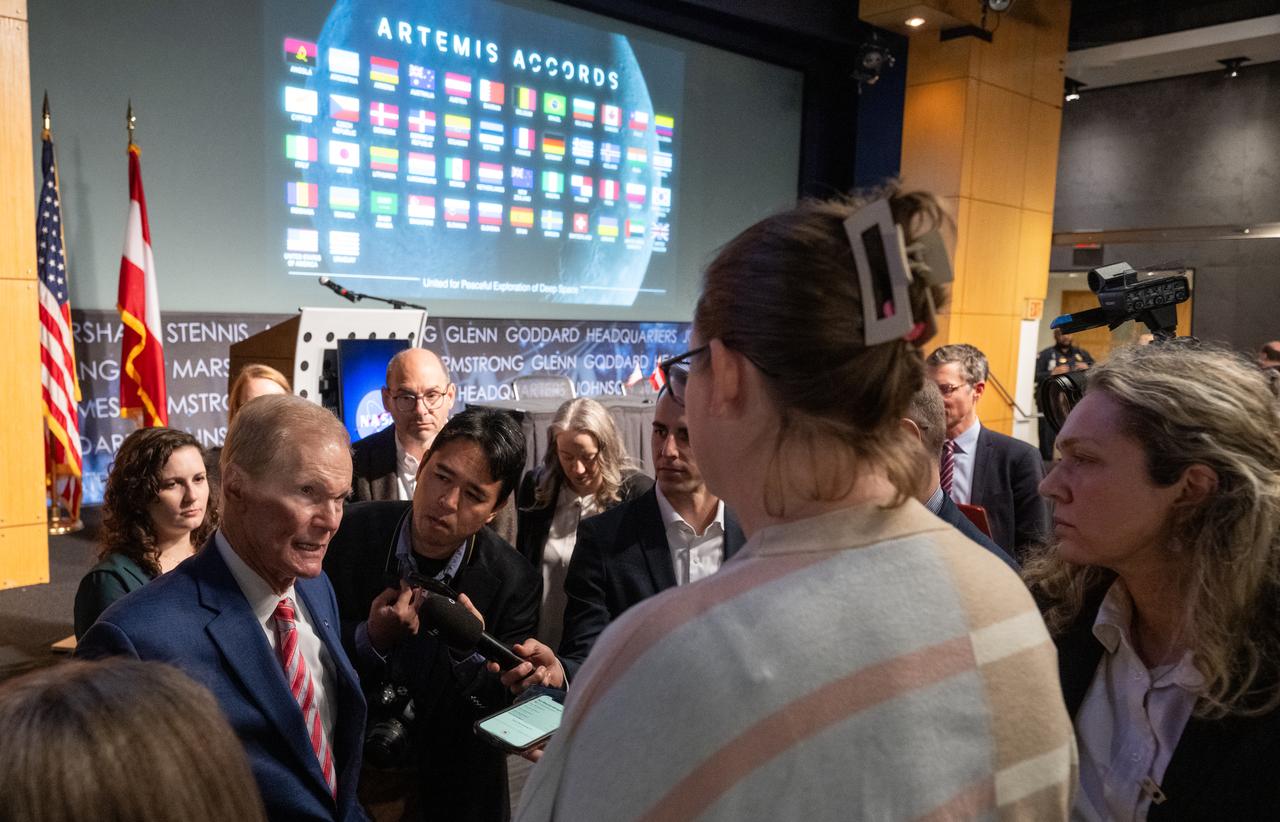
NASA Administrator Bill Nelson speaks to members of the media after Austria signed the Artemis Accords, Wednesday, Dec. 11, 2024, at the Mary W. Jackson NASA Headquarters building in Washington. The Republic of Austria is the 50th country to sign the Artemis Accords, which establish a practical set of principles to guide space exploration cooperation among nations participating in NASA’s Artemis program. Photo Credit: (NASA/Joel Kowsky)
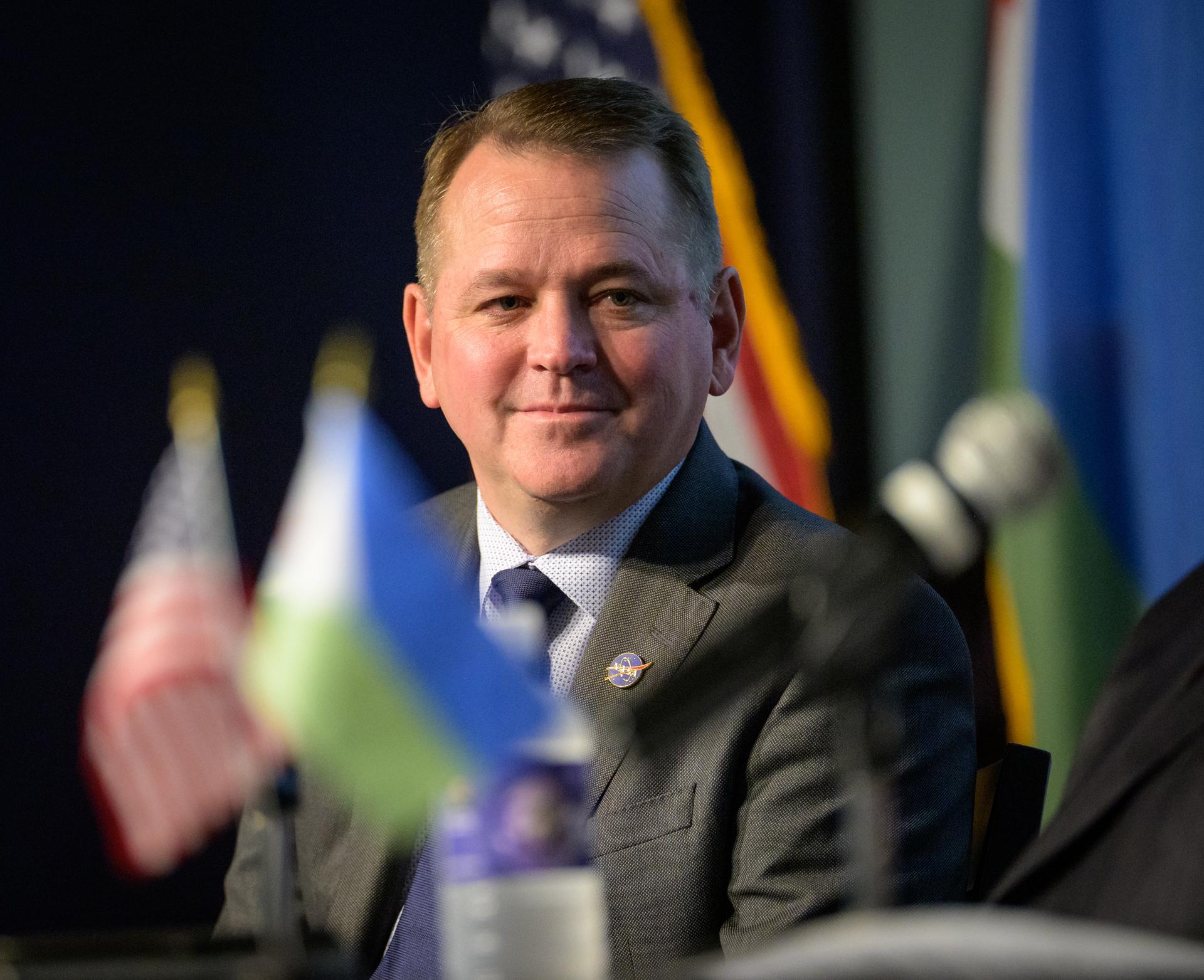
NASA Deputy Administrator Matt Anderson is seen during an Artemis Accord signing ceremony with Djibouti, Monday, September 14, 2026, at the Mary W. Jackson NASA Headquarters building in Washington. Djibouti is the 72nd country to sign the Artemis Accords, which establish a practical set of principles to guide space exploration cooperation among nations participating in NASA’s Artemis program. Photo Credit: (NASA/Bill Ingalls)
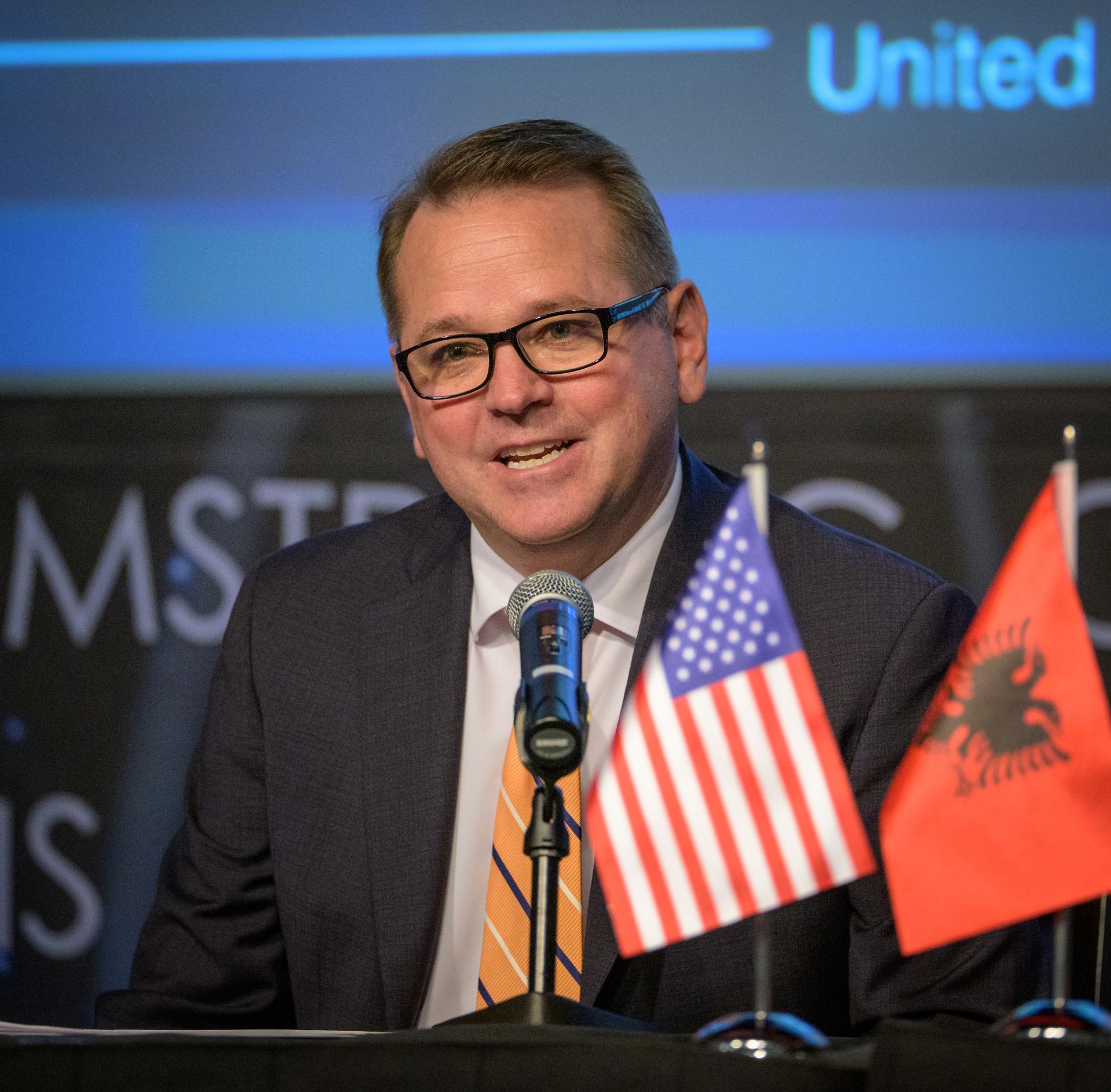
NASA Deputy Administrator Matt Anderson gives remarks during an Artemis Accords signing ceremony with the Republic of Albania Monday, September 21, 2026, at the Mary W. Jackson NASA Headquarters building in Washington. Albania is the 73rd country to sign the Artemis Accords, which establish a practical set of principles to guide space exploration cooperation among nations participating in NASA’s Artemis program. Photo Credit: (NASA/Bill Ingalls)
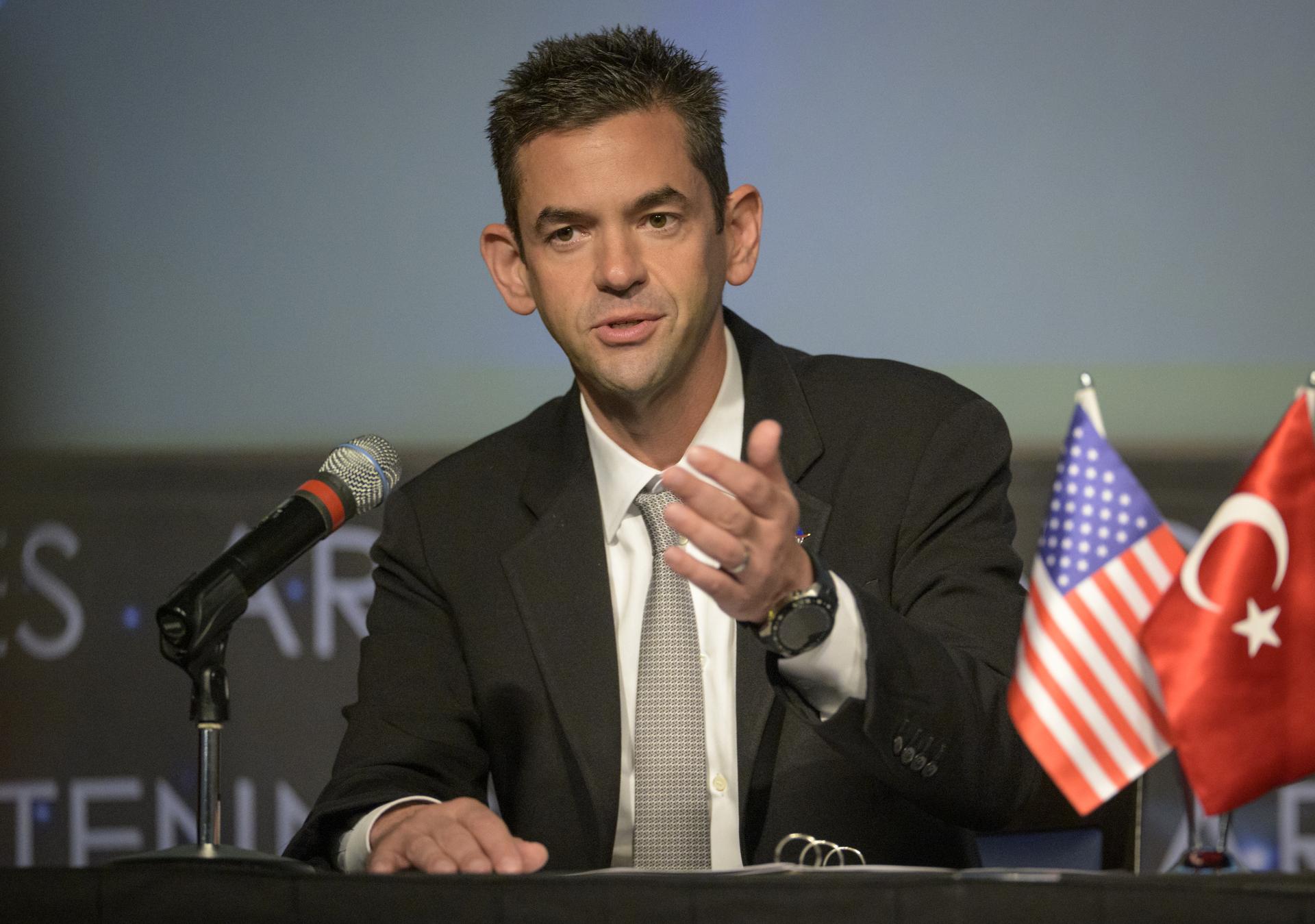
NASA Administrator Jared Isaacman gives remarks during an Artemis Accord signing ceremony with the Republic of Türkiye Monday, August 31, 2026, at the Mary W. Jackson NASA Headquarters building in Washington. Türkiye is the 71st country to sign the Artemis Accords, which establish a practical set of principles to guide space exploration cooperation among nations participating in NASA’s Artemis program. Photo Credit: (NASA/Bill Ingalls)
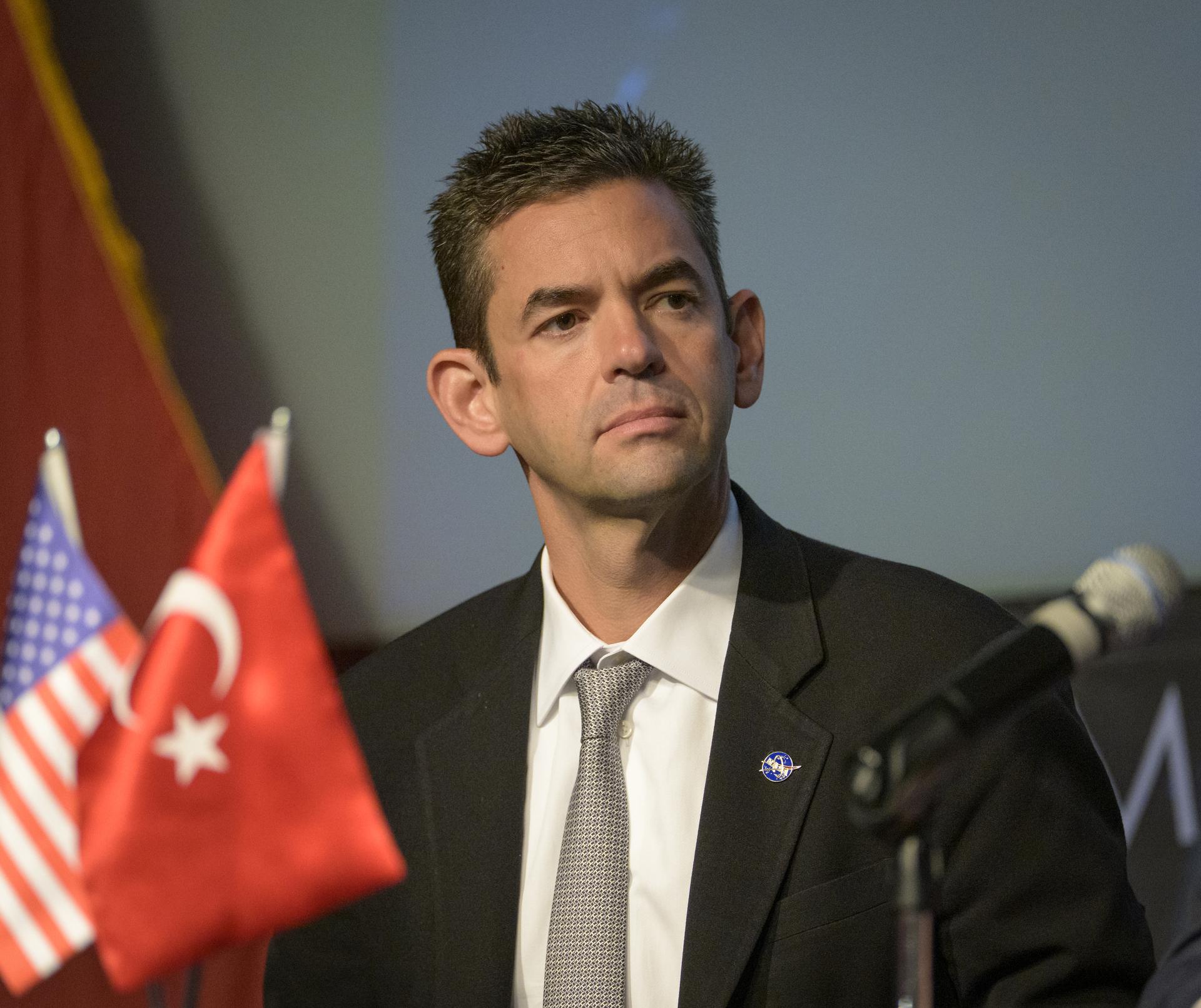
NASA Administrator Jared Isaacman is seen during an Artemis Accord signing ceremony with the Republic of Türkiye Monday, August 31, 2026, at the Mary W. Jackson NASA Headquarters building in Washington. Türkiye is the 71st country to sign the Artemis Accords, which establish a practical set of principles to guide space exploration cooperation among nations participating in NASA’s Artemis program. Photo Credit: (NASA/Bill Ingalls)
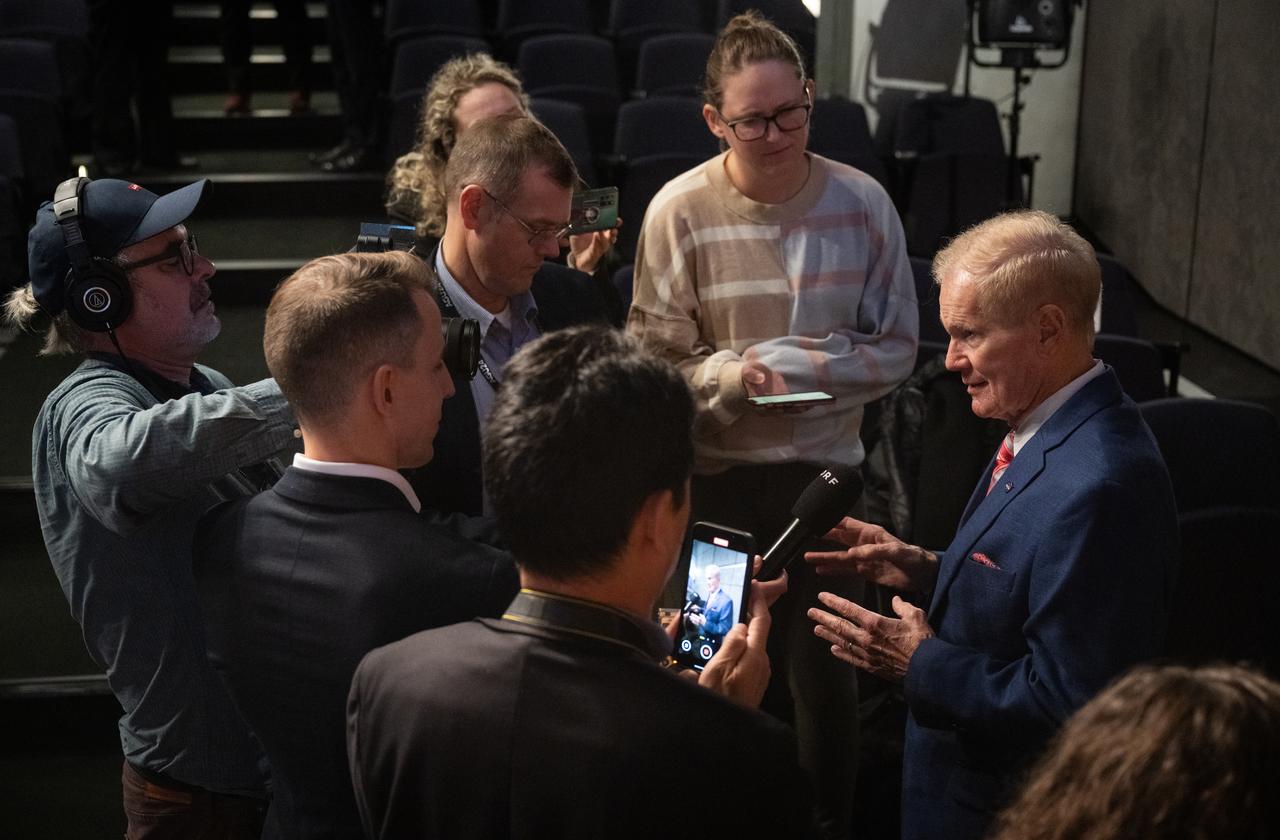
NASA Administrator Bill Nelson speaks to members of the media after Austria signed the Artemis Accords, Wednesday, Dec. 11, 2024, at the Mary W. Jackson NASA Headquarters building in Washington. The Republic of Austria is the 50th country to sign the Artemis Accords, which establish a practical set of principles to guide space exploration cooperation among nations participating in NASA’s Artemis program. Photo Credit: (NASA/Joel Kowsky)
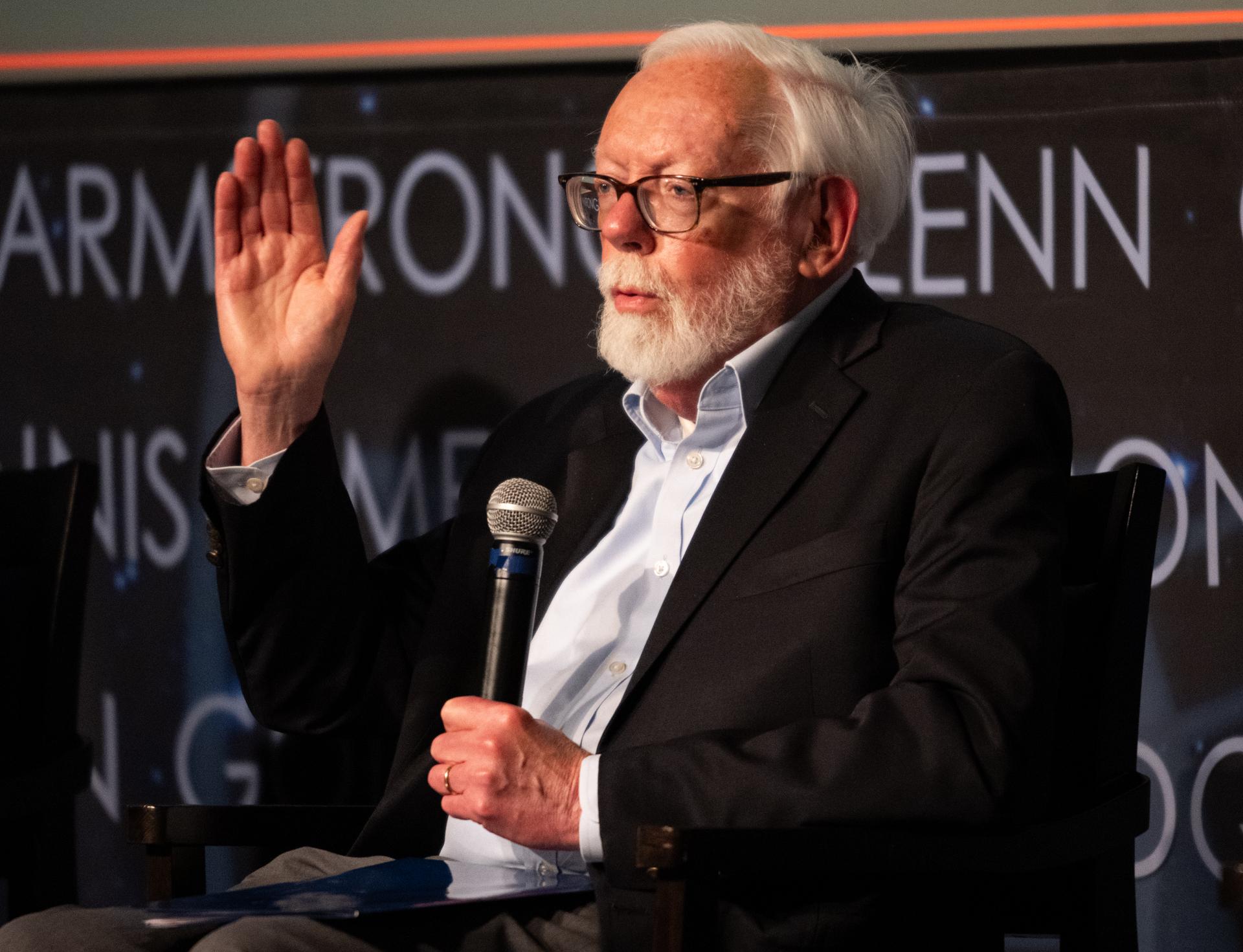
Lennard Fisk, former associate administrator for NASA Space Science and Applications, speaks about building a foundation for Hubble science during an event titled “Beyond the Deep Field: Hubble’s Legacy and the Future of Cosmic Observation,” Thursday, June 4, 2026, at the Mary W. Jackson NASA Headquarters building in Washington. Photo Credit: (NASA/Joel Kowsky)
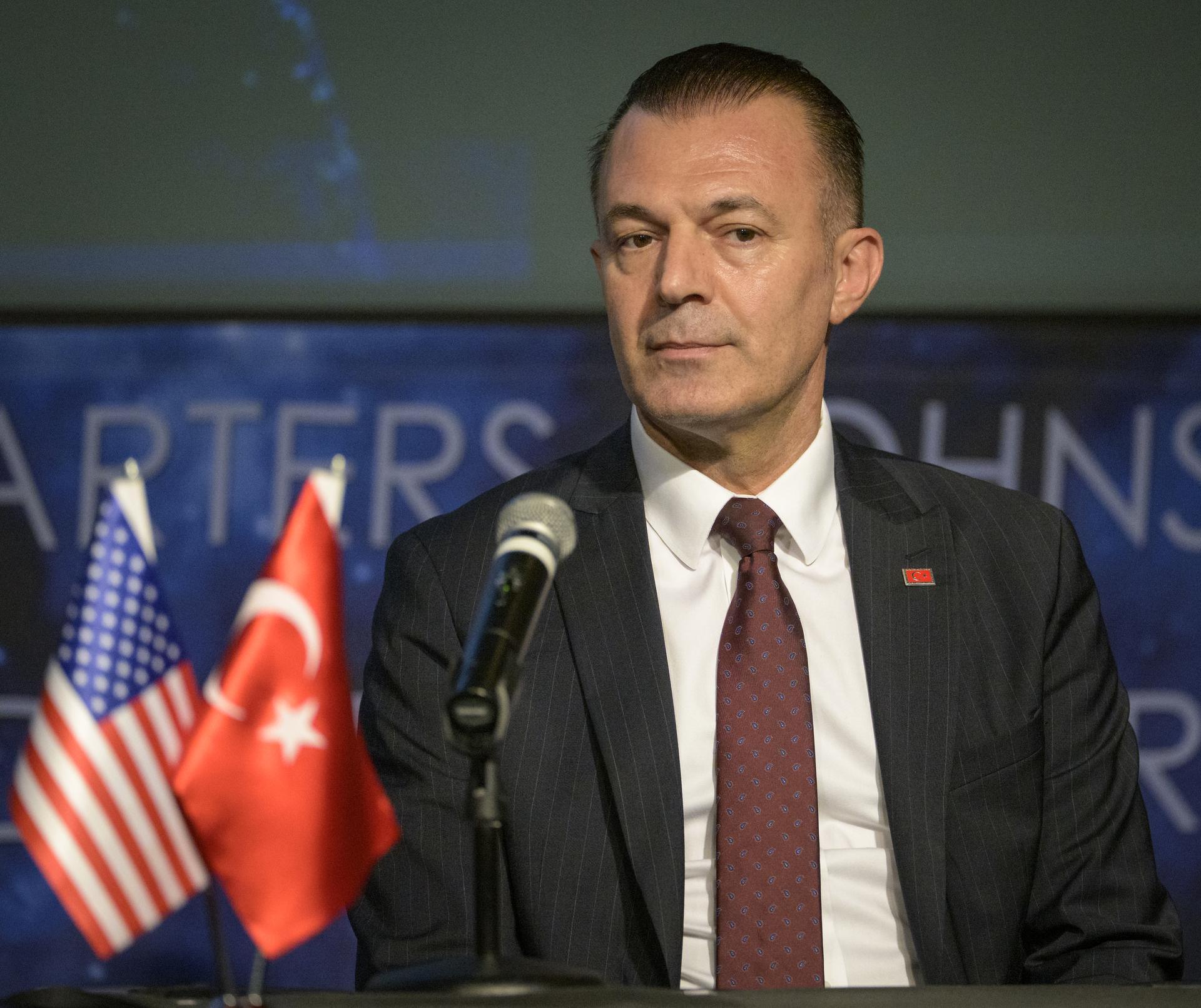
Turkish Space Agency President, Yusuf Kıraç is seen during an Artemis Accords signing ceremony Monday, August 31, 2026, at the Mary W. Jackson NASA Headquarters building in Washington. Türkiye is the 71st country to sign the Artemis Accords, which establish a practical set of principles to guide space exploration cooperation among nations participating in NASA’s Artemis program. Photo Credit: (NASA/Bill Ingalls)
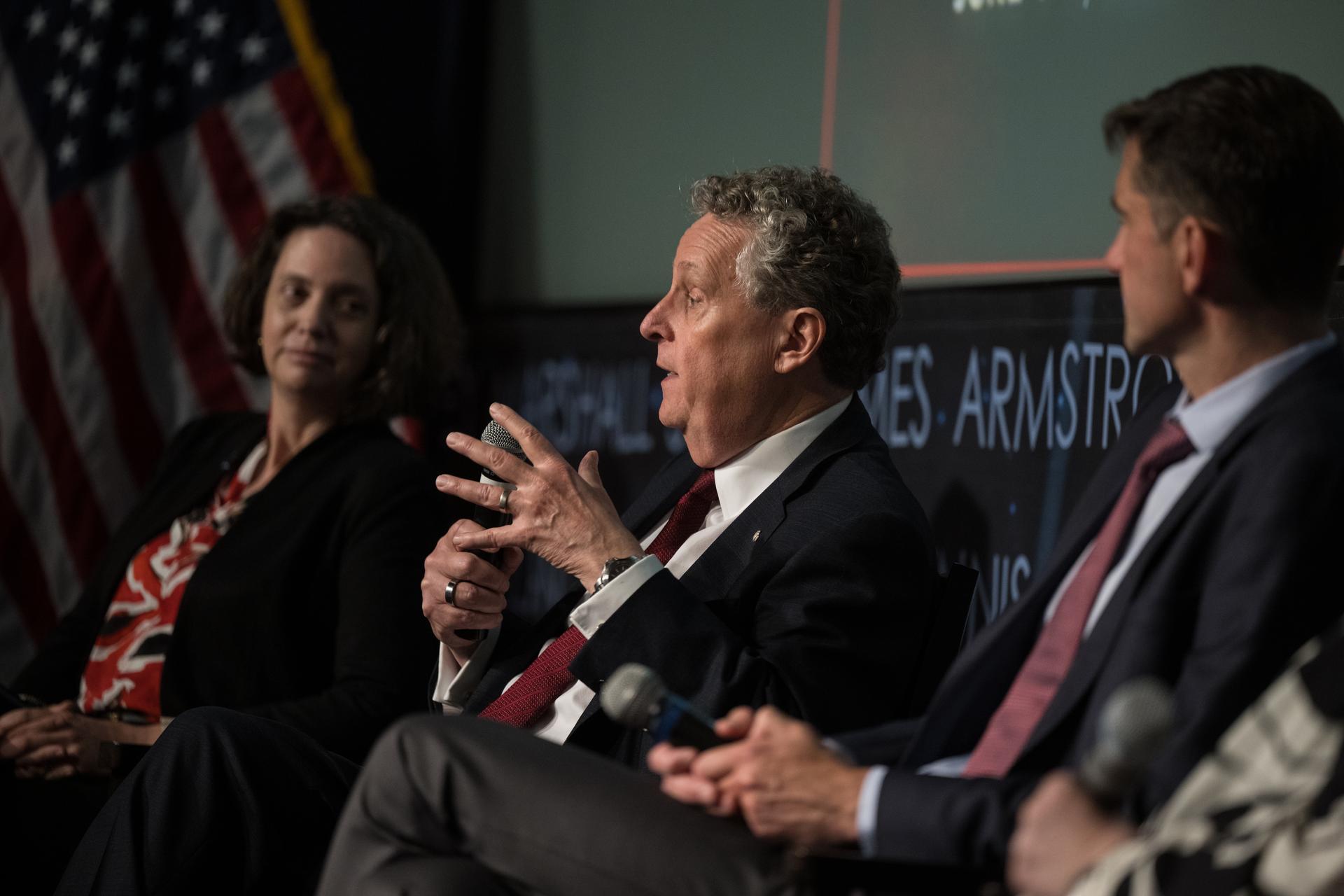
Matt Mountain, president of AURA, speaks about the history of the Hubble Space Telescope’s partnerships during an event titled “Beyond the Deep Field: Hubble’s Legacy and the Future of Cosmic Observation,” Friday, June 5, 2026, at the Mary W. Jackson NASA Headquarters building in Washington. Photo Credit: (NASA/Aubrey Gemignani)
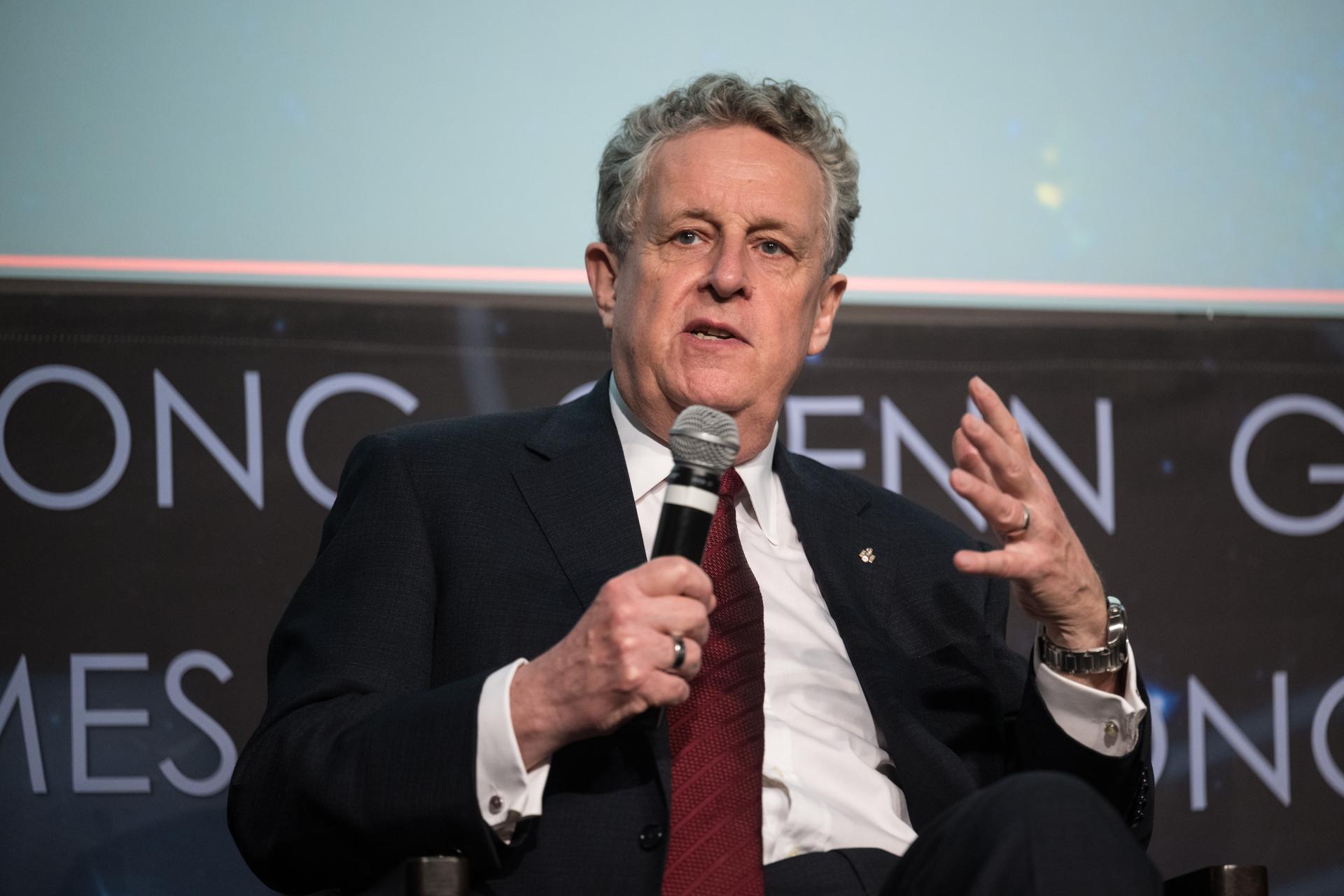
Matt Mountain, president of AURA, speaks about the history of the Hubble Space Telescope’s partnerships during an event titled “Beyond the Deep Field: Hubble’s Legacy and the Future of Cosmic Observation,” Friday, June 5, 2026, at the Mary W. Jackson NASA Headquarters building in Washington. Photo Credit: (NASA/Aubrey Gemignani)
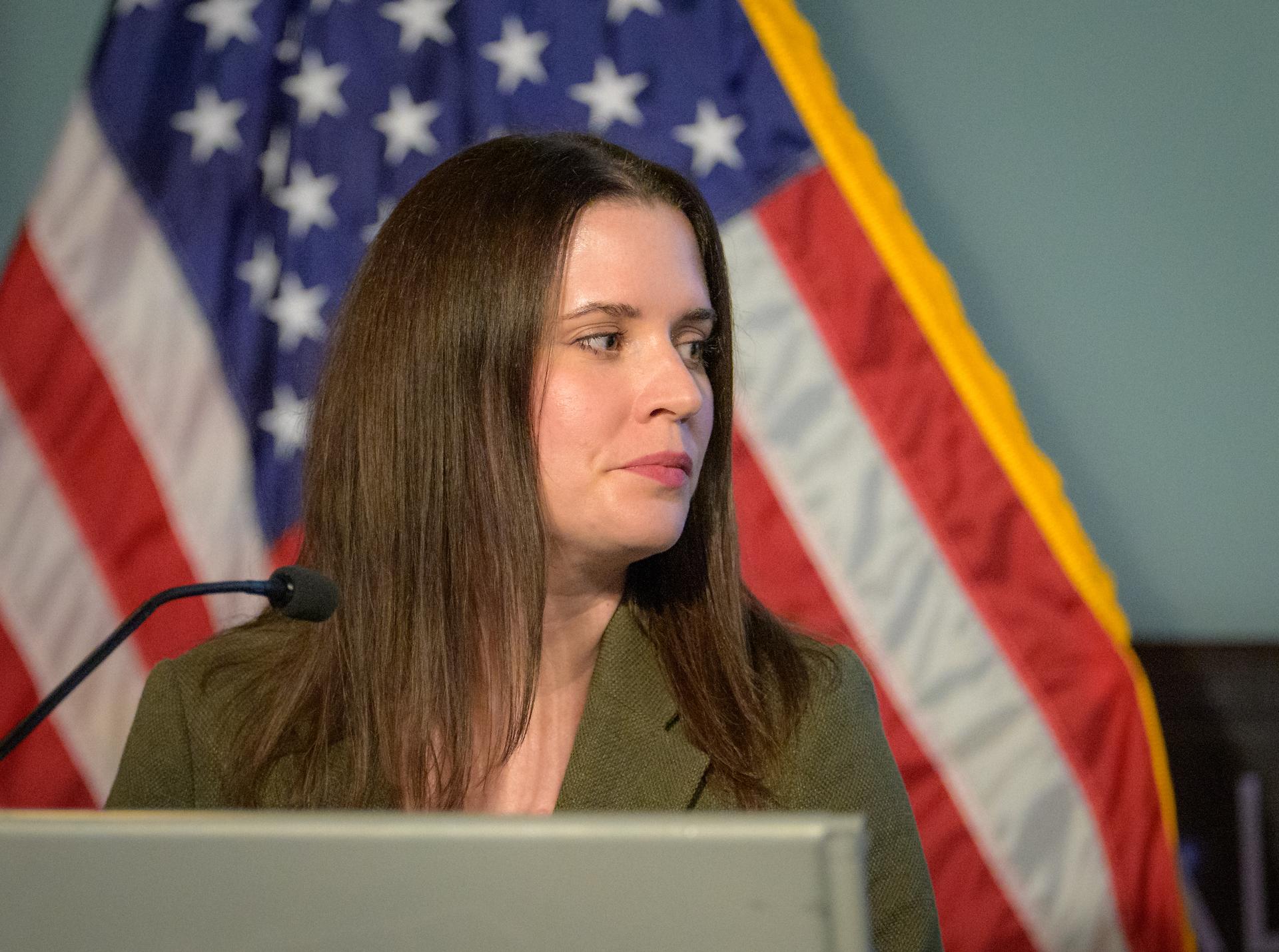
NASA Communications Manager Camille Gallo moderates a Artemis Accord signing ceremony with Djibouti, Monday, September 14, 2026, at the Mary W. Jackson NASA Headquarters building in Washington. Djibouti is the 72nd country to sign the Artemis Accords, which establish a practical set of principles to guide space exploration cooperation among nations participating in NASA’s Artemis program. Photo Credit: (NASA/Bill Ingalls)
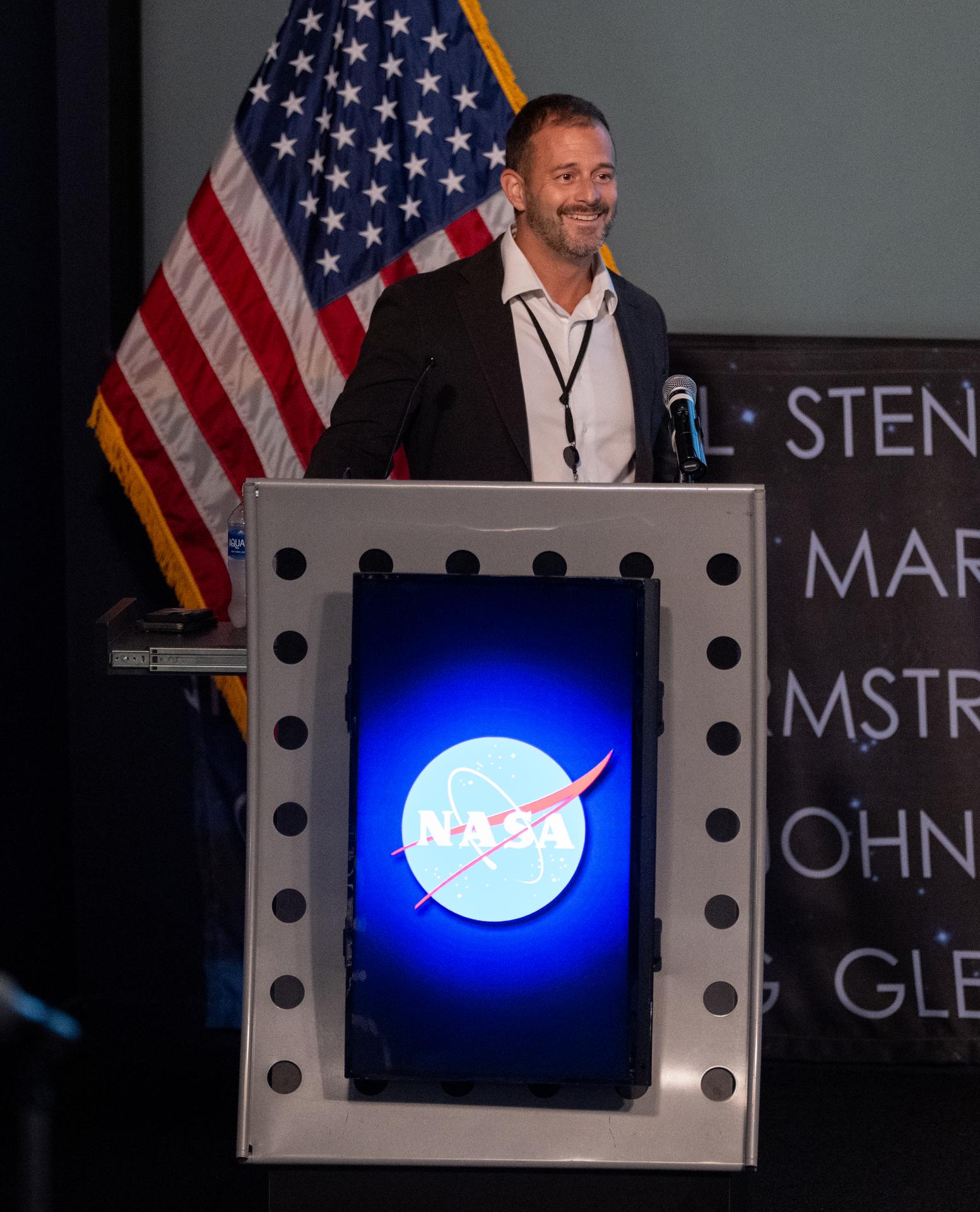
Stephen Zepecki, strategic communications manager for NASA’s Science Mission Directorate, introduces Dr. Lisa Carnell, director of NASA’s Biological and Physical Sciences Division, during a Frontiers Forum talk titled “Revolutionizing Medicine – In Space,” Wednesday, Sept. 16, 2026, at the Mary W. Jackson NASA Headquarters building in Washington. Photo Credit: (NASA/Joel Kowsky)
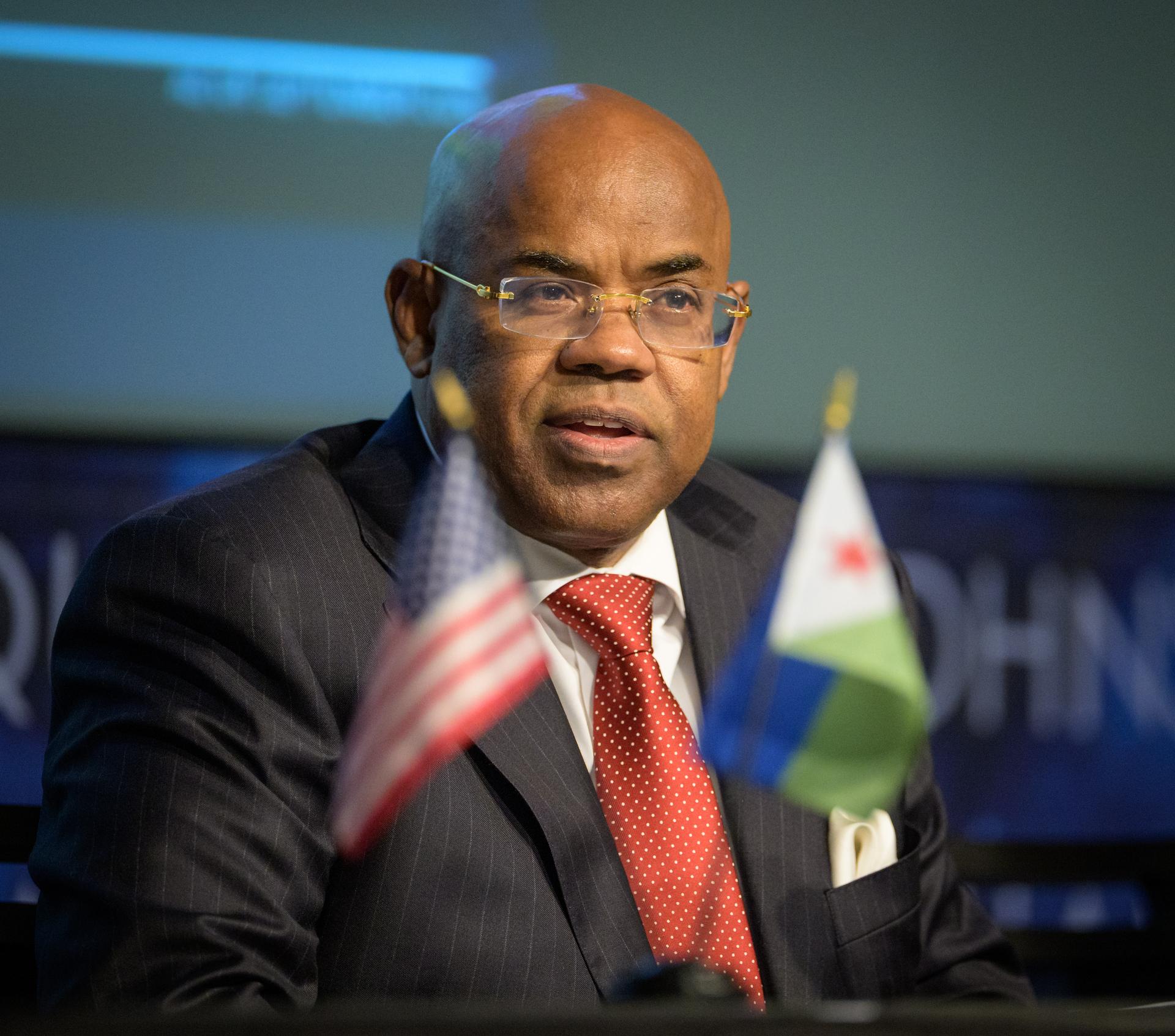
Ambassador of Djibouti to the United States, Mohamed Siad Douale gives remarks during an Artemis Accord signing ceremony with Djibouti, Monday, September 14, 2026, at the Mary W. Jackson NASA Headquarters building in Washington. Djibouti is the 72nd country to sign the Artemis Accords, which establish a practical set of principles to guide space exploration cooperation among nations participating in NASA’s Artemis program. Photo Credit: (NASA/Bill Ingalls)
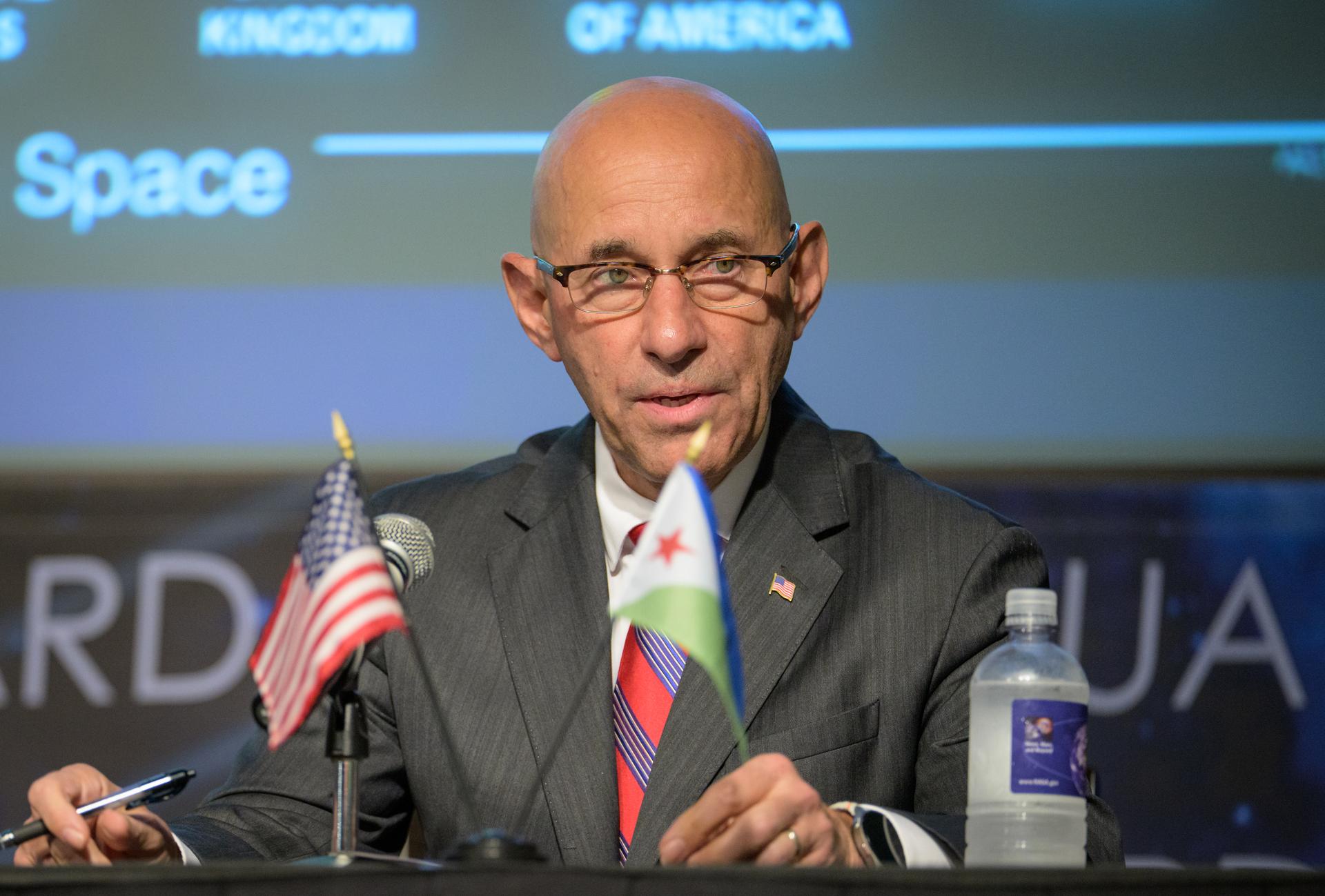
Assistant Secretary of State for African Affairs, Frank Garcia gives remarks during an Artemis Accord signing ceremony with Djibouti, Monday, September 14, 2026, at the Mary W. Jackson NASA Headquarters building in Washington. Djibouti is the 72nd country to sign the Artemis Accords, which establish a practical set of principles to guide space exploration cooperation among nations participating in NASA’s Artemis program. Photo Credit: (NASA/Bill Ingalls)
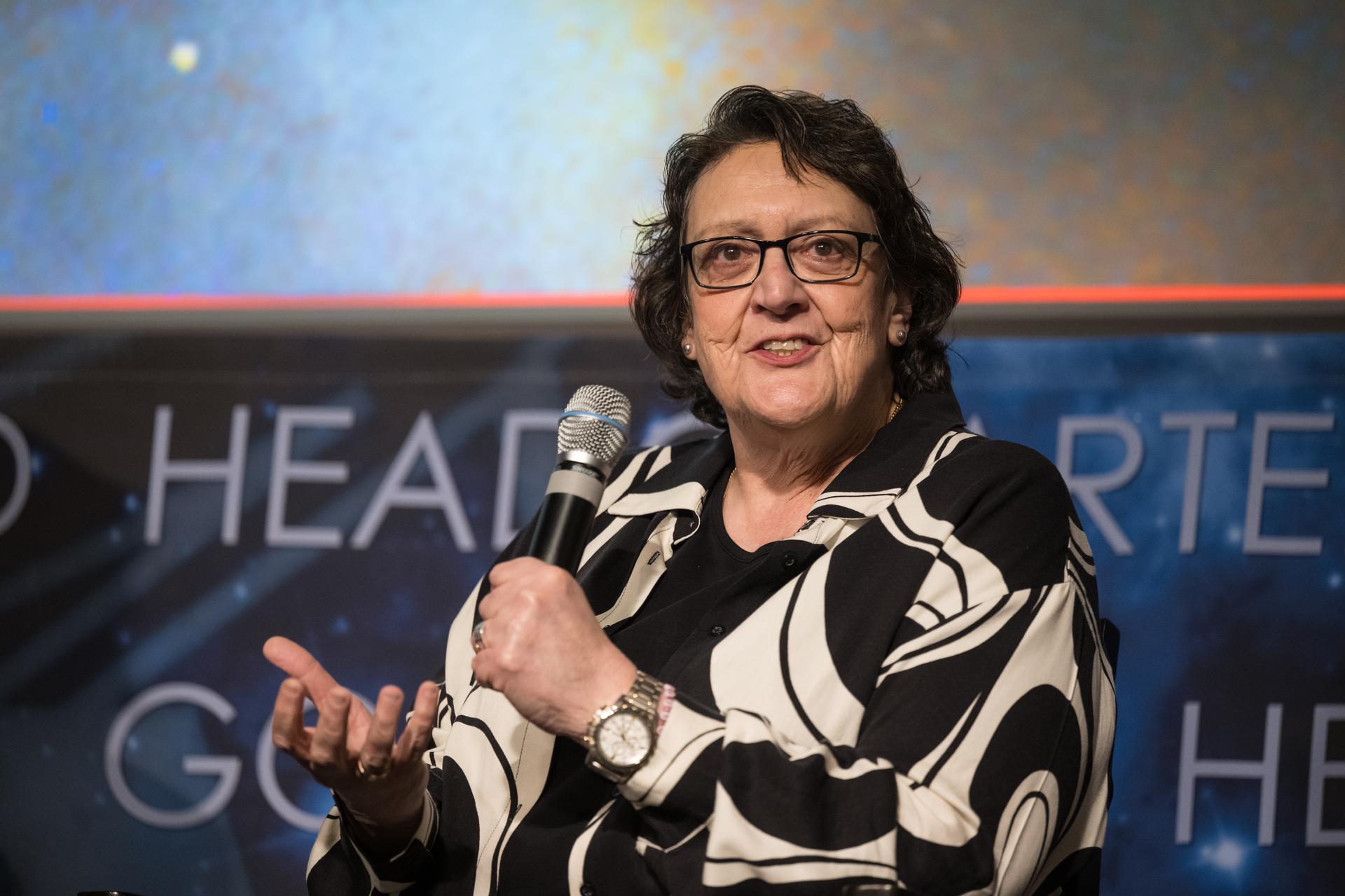
Olivia Lupie, Hubble Space Telescope instrument systems manager at NASA's Goddard Space Flight Center, speaks about the history of the Hubble Space Telescope’s partnerships during an event titled “Beyond the Deep Field: Hubble’s Legacy and the Future of Cosmic Observation,” Friday, June 5, 2026, at the Mary W. Jackson NASA Headquarters building in Washington. Photo Credit: (NASA/Aubrey Gemignani)
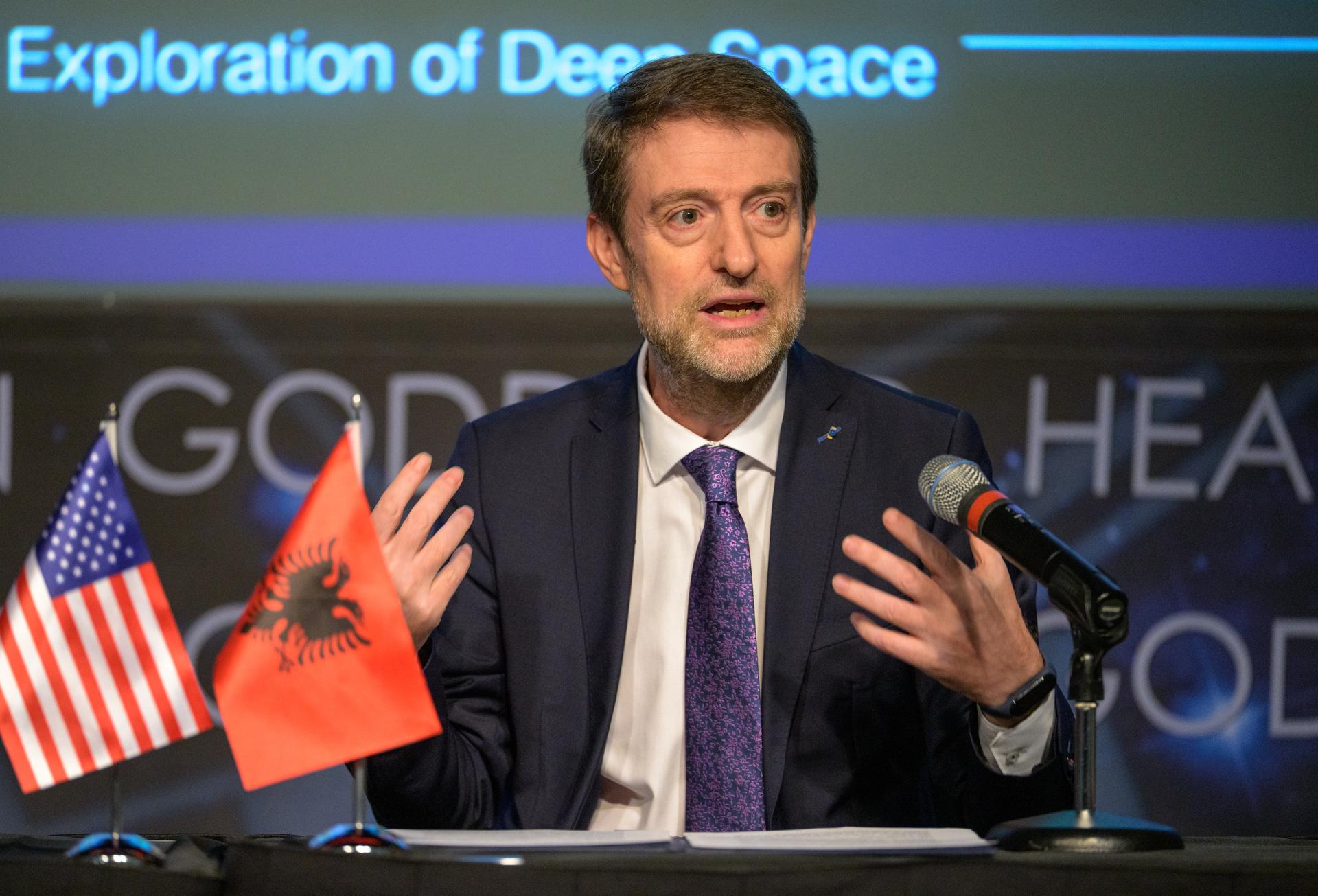
Albania’s Minister for Europe and Foreign Affairs Ferit Hoxha gives remarks during an Artemis Accords signing ceremony Monday, September 21, 2026, at the Mary W. Jackson NASA Headquarters building in Washington. Albania is the 73rd country to sign the Artemis Accords, which establish a practical set of principles to guide space exploration cooperation among nations participating in NASA’s Artemis program. Photo Credit: (NASA/Bill Ingalls)

NASA’s Goddard Space Flight Center deputy project manager for the Hubble Space Telescope, Jim Jeletic, moderates a panel about “Partnerships Across Hubble’s History” during an event titled “Beyond the Deep Field: Hubble’s Legacy and the Future of Cosmic Observation,” Friday, June 5, 2026, at the Mary W. Jackson NASA Headquarters building in Washington. Photo Credit: (NASA/Aubrey Gemignani)
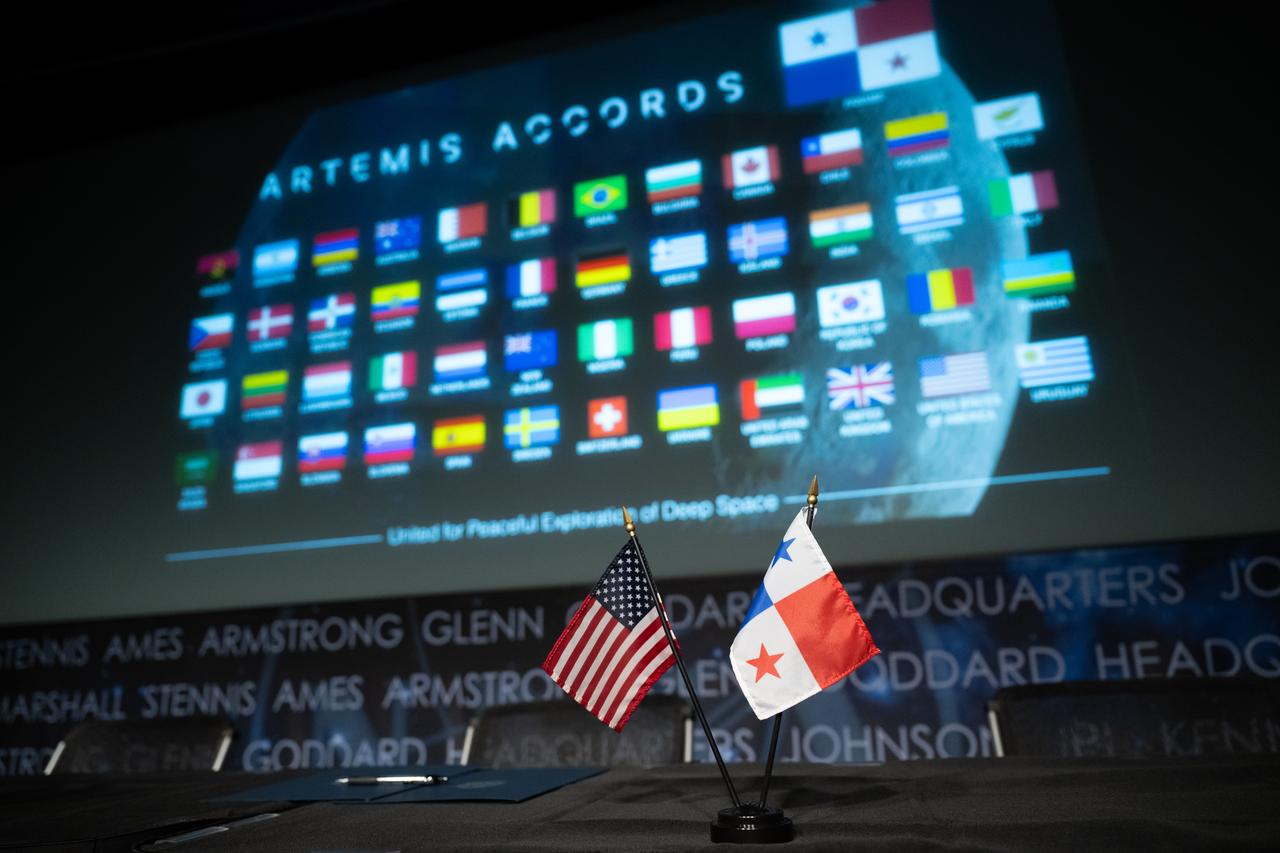
The flags of the Republic of Panama and the United States are seen ahead of the signing of the Artemis Accords, Wednesday, Dec. 11, 2024, at the Mary W. Jackson NASA Headquarters building in Washington. The Republic of Panama is the 49th country to sign the Artemis Accords, which establish a practical set of principles to guide space exploration cooperation among nations participating in NASA’s Artemis program. Photo Credit: (NASA/Joel Kowsky)
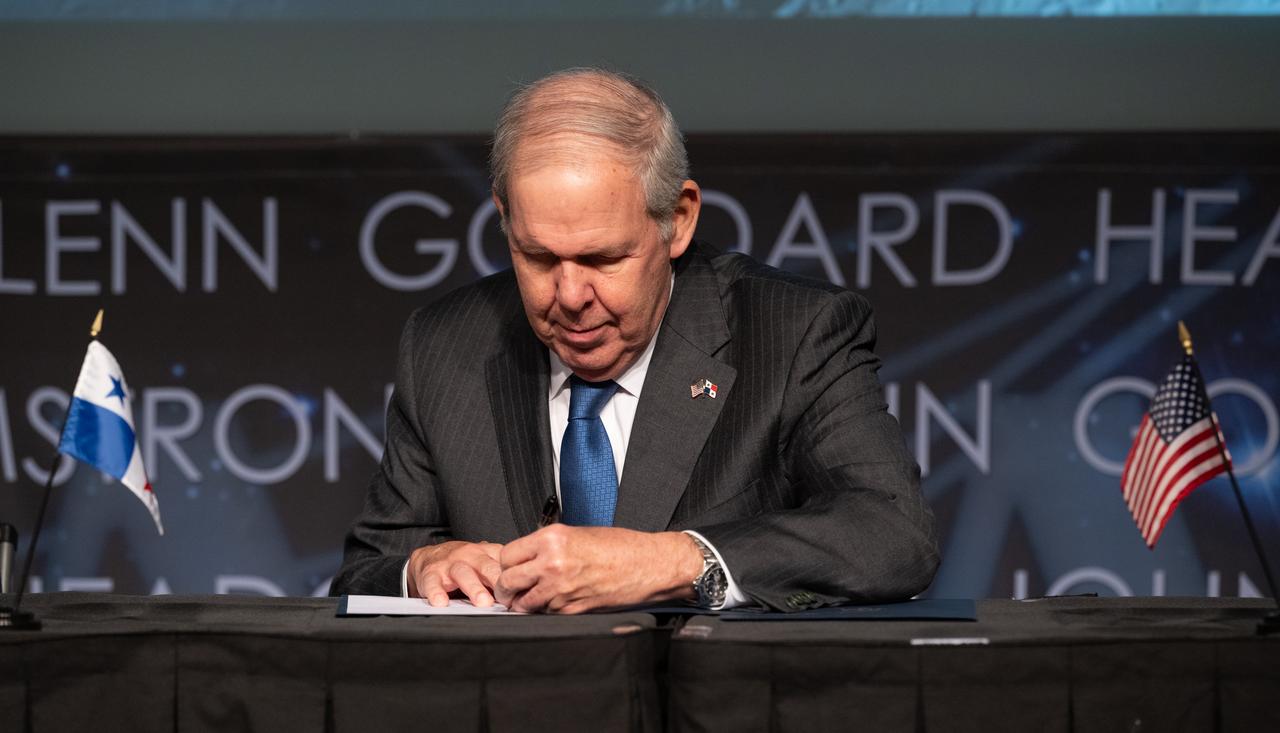
Ambassador of the Republic of Panama to the United States of America José Miguel Alemán Healy, signs the Artemis Accords, Wednesday, Dec. 11, 2024, at the Mary W. Jackson NASA Headquarters building in Washington. The Republic of Panama is the 49th country to sign the Artemis Accords, which establish a practical set of principles to guide space exploration cooperation among nations participating in NASA’s Artemis program. Photo Credit: (NASA/Joel Kowsky)

NASA Deputy Project Scientist For Communications Amber Straughn, right, speaks about the history of the Hubble Space Telescope during an event titled “Beyond the Deep Field: Hubble’s Legacy and the Future of Cosmic Observation,” Thursday, June 4, 2026, at the Mary W. Jackson NASA Headquarters building in Washington. Photo Credit: (NASA/Keegan Barber)

Shawn Domagal-Goldman, Astrophysics Division Director at NASA, moderates a panel discussion about the contributions of the Hubble Space Telescope to future astronomy missions during an event titled “Beyond the Deep Field: Hubble’s Legacy and the Future of Cosmic Observation,” Friday, June 5, 2026, at the Mary W. Jackson NASA Headquarters building in Washington. Photo Credit: (NASA/Aubrey Gemignani)
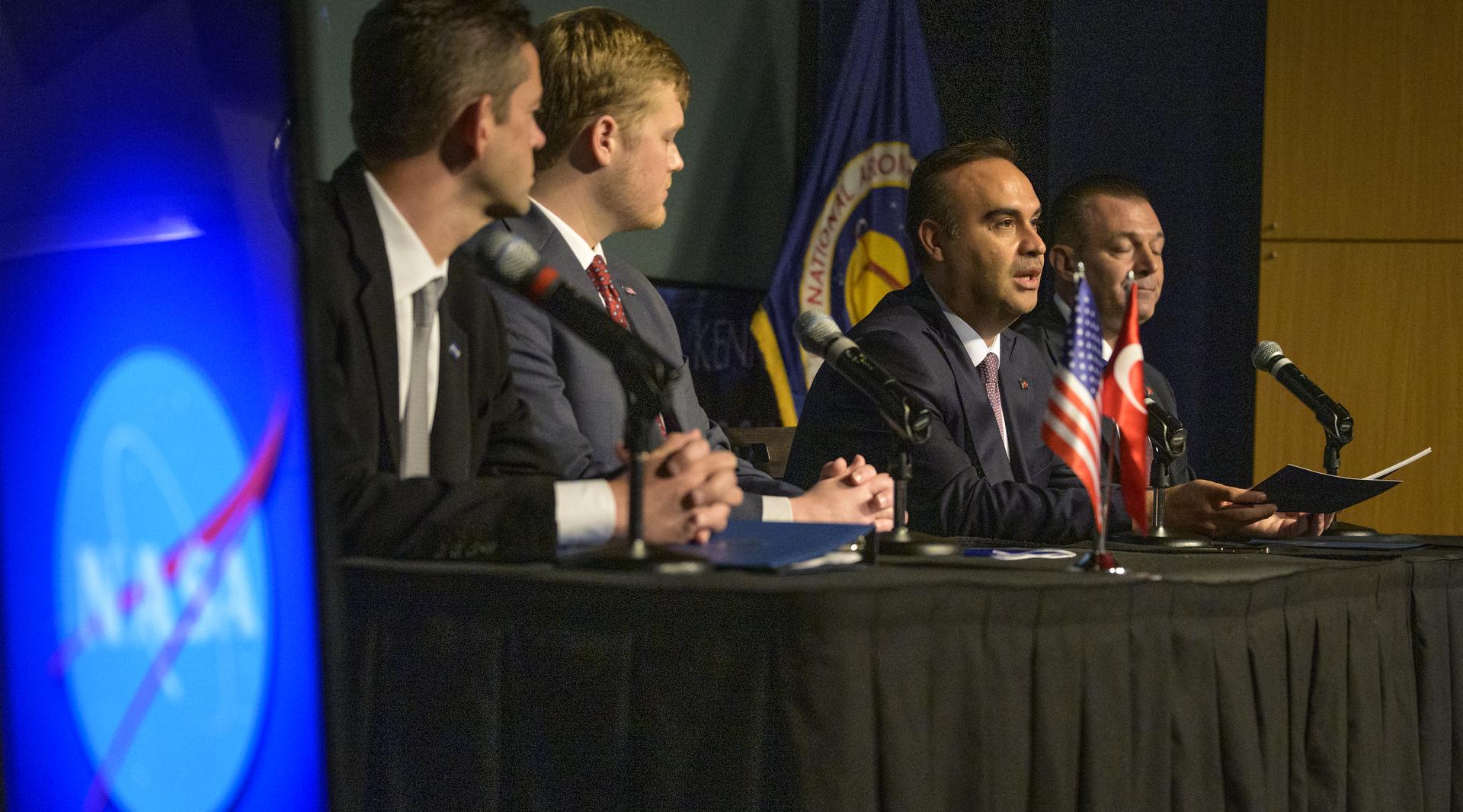
Turkish Minister of Industry and Technology, Mehmet Fatih Kacır, 3rd from left, gives remarks during an Artemis Accord signing ceremony with the Republic of Türkiye Monday, August 31, 2026, at the Mary W. Jackson NASA Headquarters building in Washington. Türkiye is the 71st country to sign the Artemis Accords, which establish a practical set of principles to guide space exploration cooperation among nations participating in NASA’s Artemis program. Photo Credit: (NASA/Bill Ingalls)

Giada Arney, research space scientist and astrobiologist at NASA’s Goddard Space Flight Center, speaks about the contributions of the Hubble Space Telescope to future astronomy missions during an event titled “Beyond the Deep Field: Hubble’s Legacy and the Future of Cosmic Observation,” Friday, June 5, 2026, at the Mary W. Jackson NASA Headquarters building in Washington. Photo Credit: (NASA/Aubrey Gemignani)
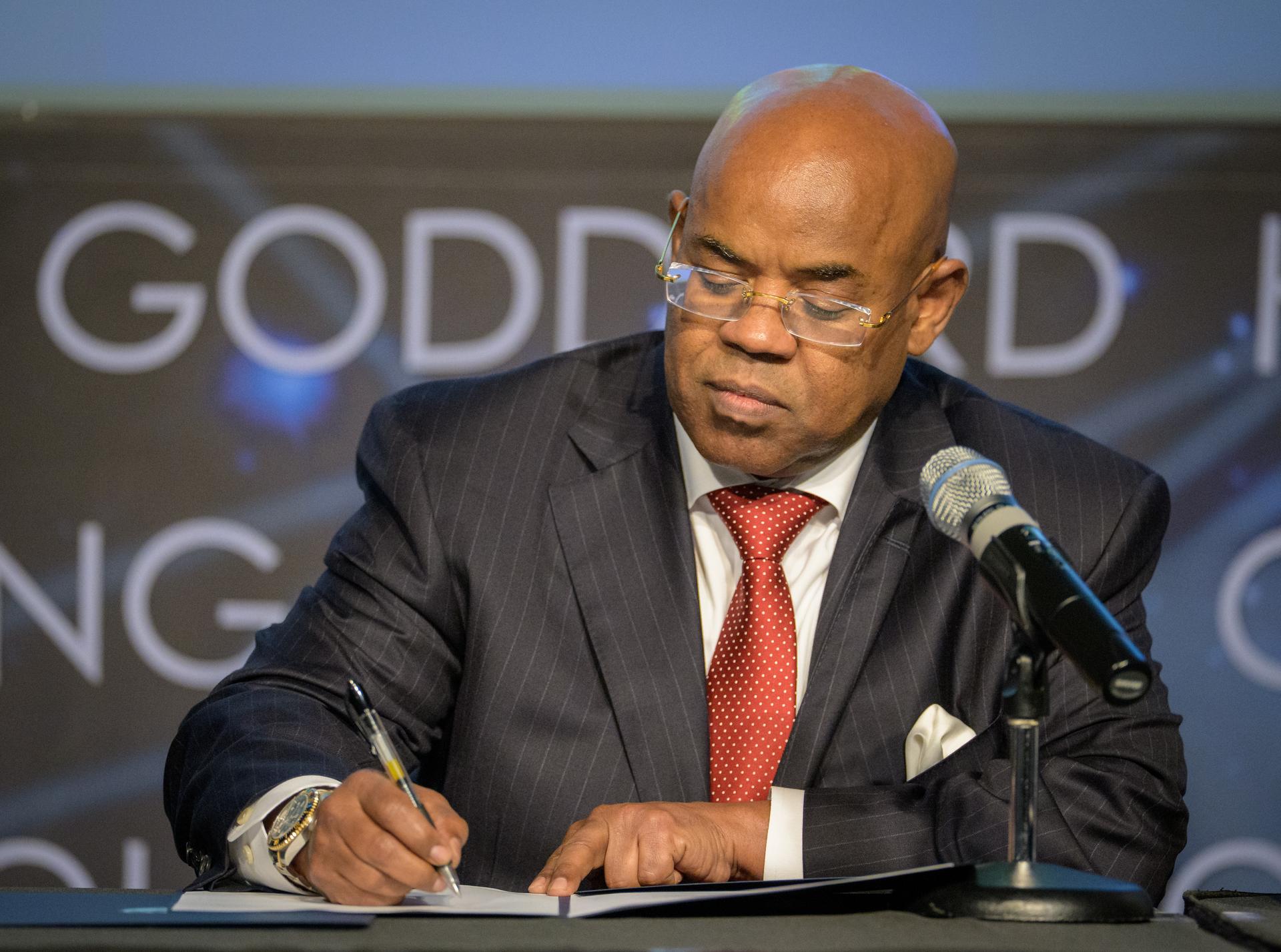
Ambassador of Djibouti to the United States, Mohamed Siad Douale signs the Artemis Accords, Monday, September 14, 2026, at the Mary W. Jackson NASA Headquarters building in Washington. Djibouti is the 72nd country to sign the Artemis Accords, which establish a practical set of principles to guide space exploration cooperation among nations participating in NASA’s Artemis program. Photo Credit: (NASA/Bill Ingalls)
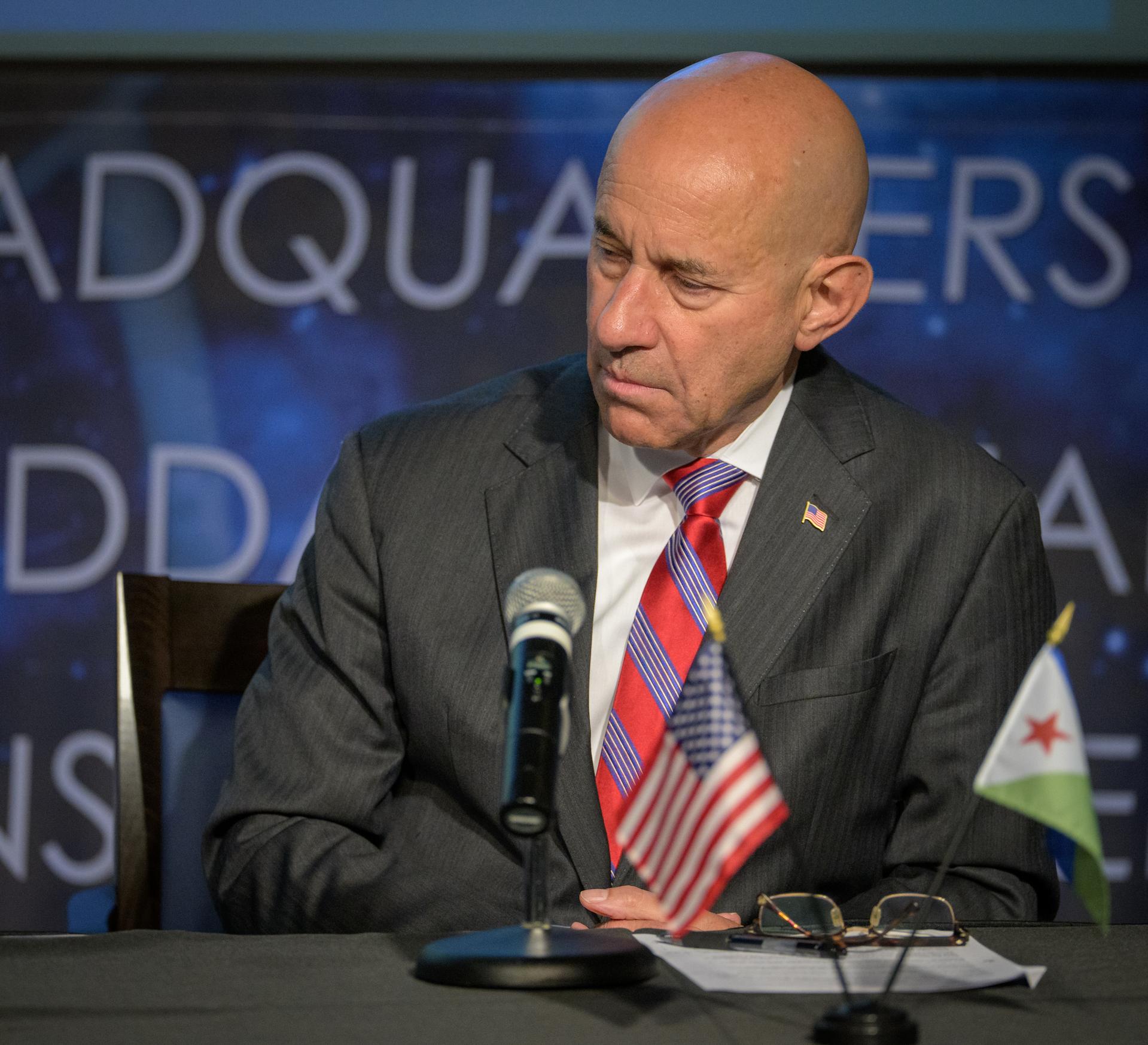
Assistant Secretary of State for African Affairs, Frank Garcia is seen during an Artemis Accord signing ceremony with Djibouti, Monday, September 14, 2026, at the Mary W. Jackson NASA Headquarters building in Washington. Djibouti is the 72nd country to sign the Artemis Accords, which establish a practical set of principles to guide space exploration cooperation among nations participating in NASA’s Artemis program. Photo Credit: (NASA/Bill Ingalls)
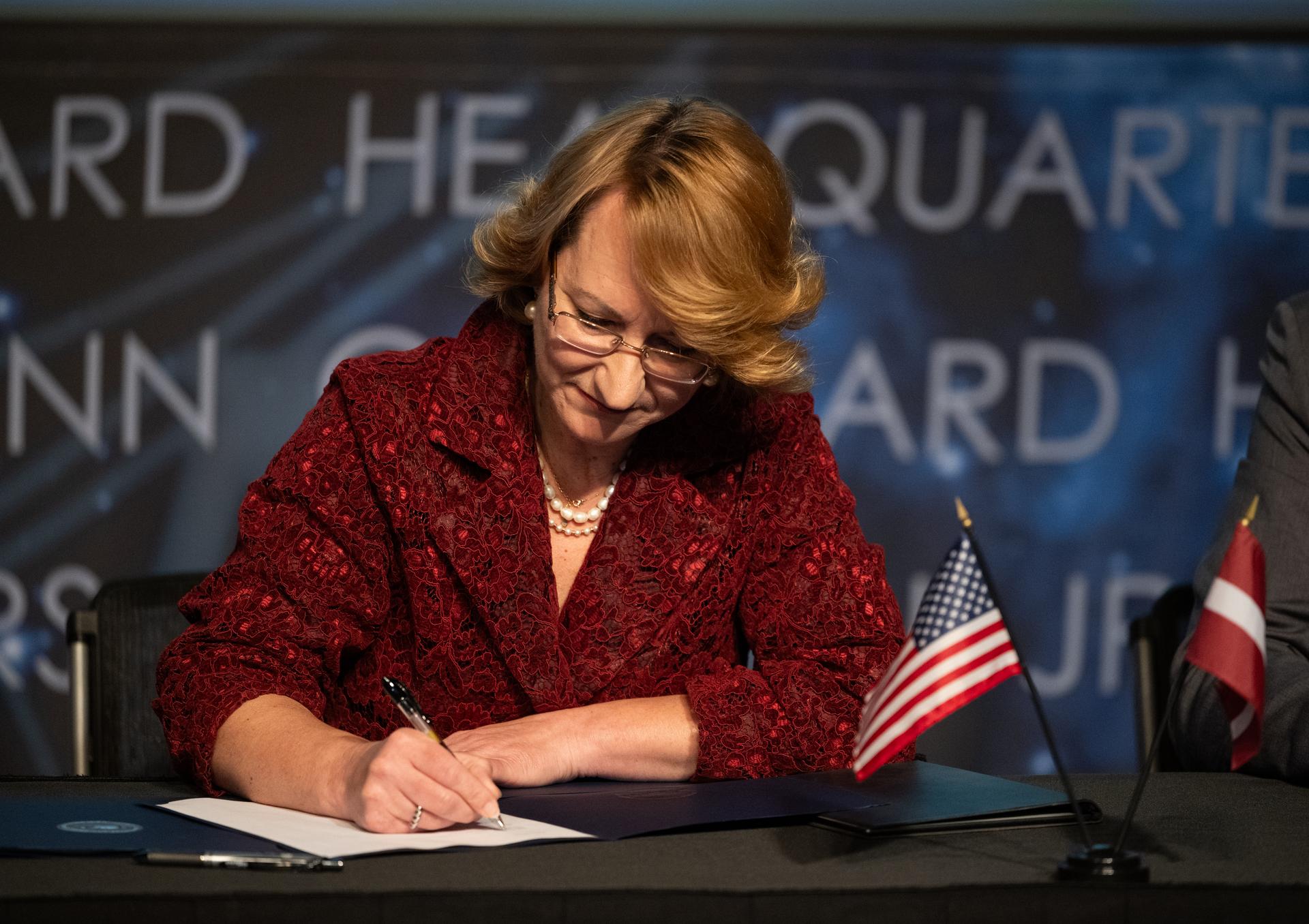
Dace Melbārde, Latvia’s Minister for Education and Science signs the Artemis Accords, Monday, April 20, 2026, at the Mary W. Jackson NASA Headquarters building in Washington. The Republic of Latvia is the 62nd country to sign the Artemis Accords, which establish a practical set of principles to guide space exploration cooperation among nations participating in NASA’s Artemis program. Photo Credit: (NASA/Joel Kowsky)
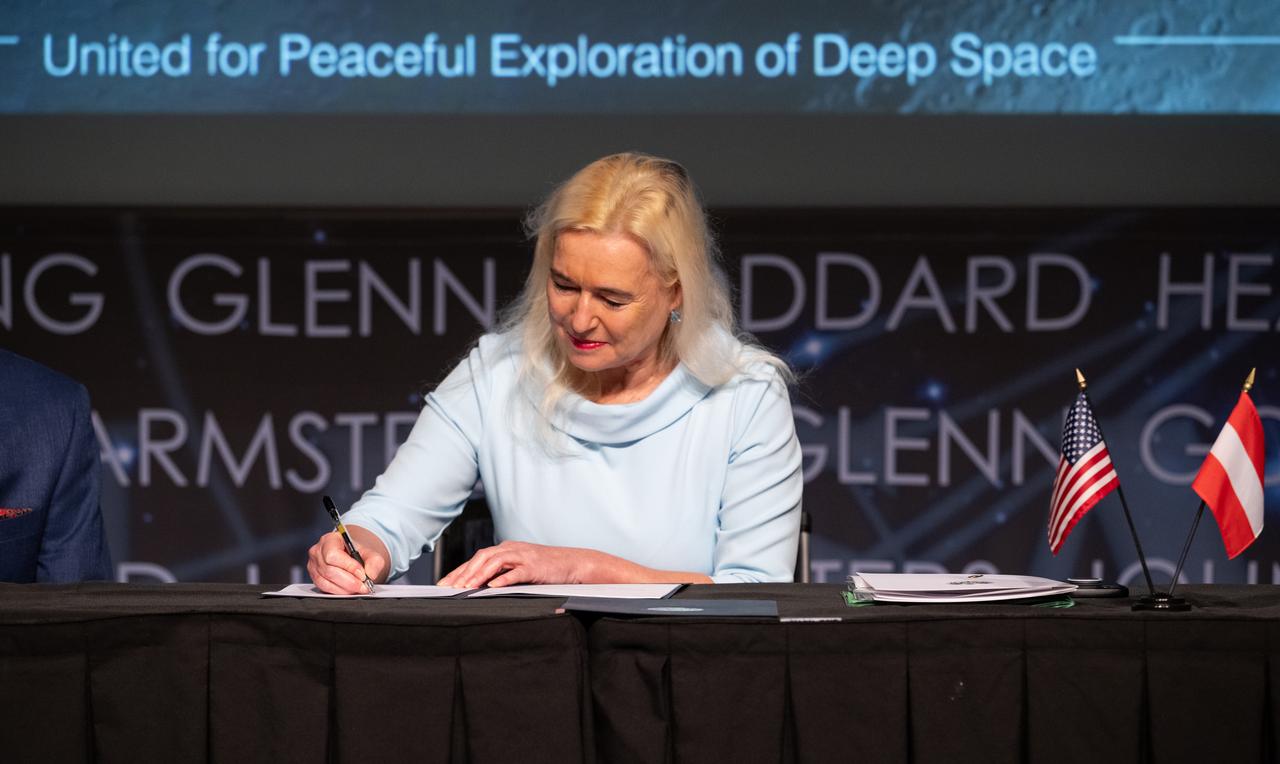
Ambassador of the Republic of Austria to the United States of America Petra Schneebauer, signs the Artemis Accords, Wednesday, Dec. 11, 2024, at the Mary W. Jackson NASA Headquarters building in Washington. The Republic of Austria is the 50th country to sign the Artemis Accords, which establish a practical set of principles to guide space exploration cooperation among nations participating in NASA’s Artemis program. Photo Credit: (NASA/Joel Kowsky)

Lois Rossin, a historian in NASA’s History Office, moderates a panel with Rebecca Charbonneau, from the American Institute of Physics, Robert Smith, from the University of Alberta, and Patrick McCray, from the University of California Santa Barbara, on history of the Hubble Space Telescope during an event titled “Beyond the Deep Field: Hubble’s Legacy and the Future of Cosmic Observation,” Thursday, June 4, 2026, at the Mary W. Jackson NASA Headquarters building in Washington. Photo Credit: (NASA/Joel Kowsky)

NASA’s Goddard Space Flight Center deputy project manager for the Hubble Space Telescope, Jim Jeletic, moderates a panel about “Partnerships Across Hubble’s History” during an event titled “Beyond the Deep Field: Hubble’s Legacy and the Future of Cosmic Observation,” Friday, June 5, 2026, at the Mary W. Jackson NASA Headquarters building in Washington. Photo Credit: (NASA/Aubrey Gemignani)
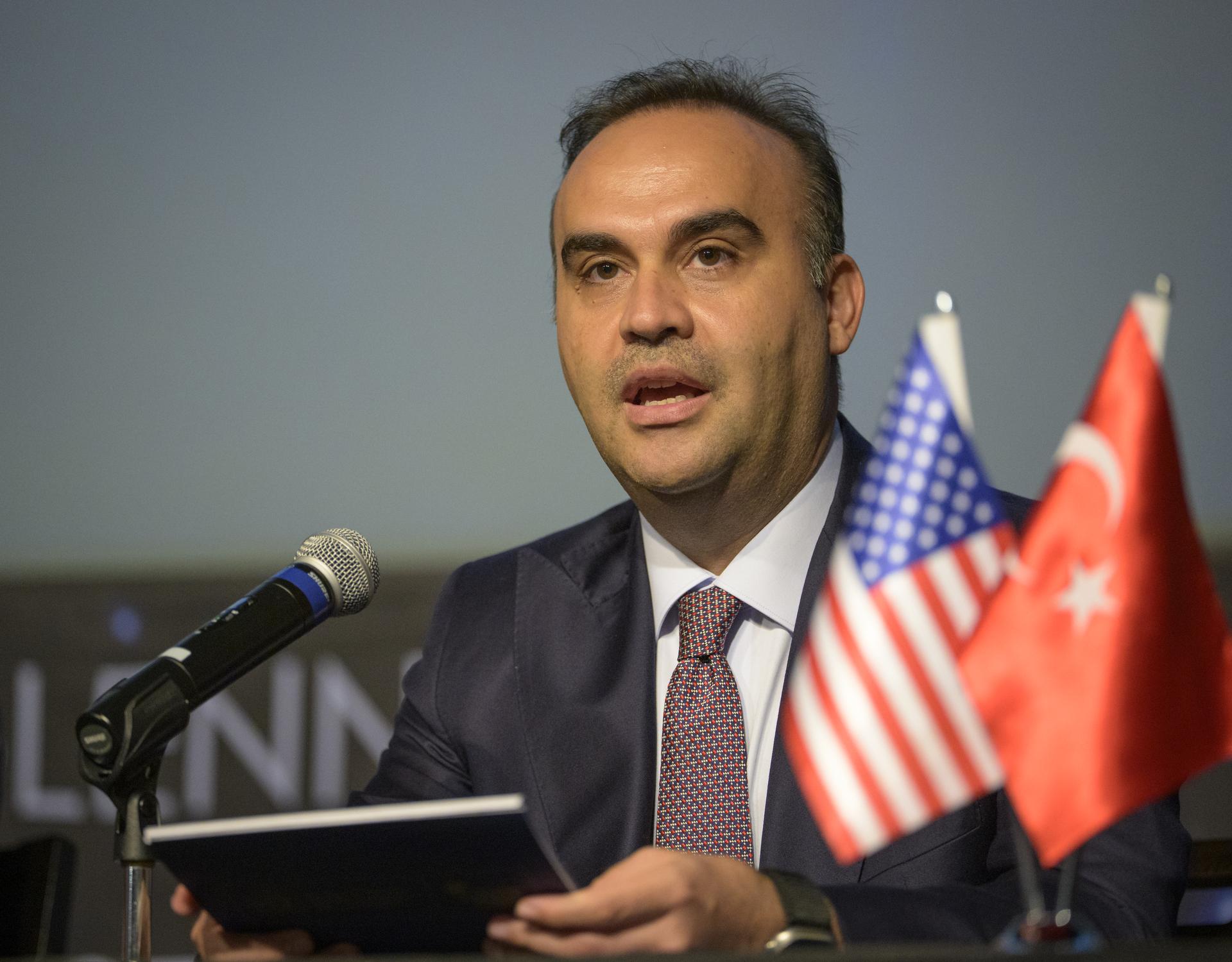
Turkish Minister of Industry and Technology, Mehmet Fatih Kacır gives remarks during an Artemis Accord signing ceremony Monday, August 31, 2026, at the Mary W. Jackson NASA Headquarters building in Washington. Türkiye is the 71st country to sign the Artemis Accords, which establish a practical set of principles to guide space exploration cooperation among nations participating in NASA’s Artemis program. Photo Credit: (NASA/Bill Ingalls)

NASA’s Goddard Space Flight Center deputy project manager for the Hubble Space Telescope, Jim Jeletic, moderates a panel about “Partnerships Across Hubble’s History” during an event titled “Beyond the Deep Field: Hubble’s Legacy and the Future of Cosmic Observation,” Friday, June 5, 2026, at the Mary W. Jackson NASA Headquarters building in Washington. Photo Credit: (NASA/Aubrey Gemignani)
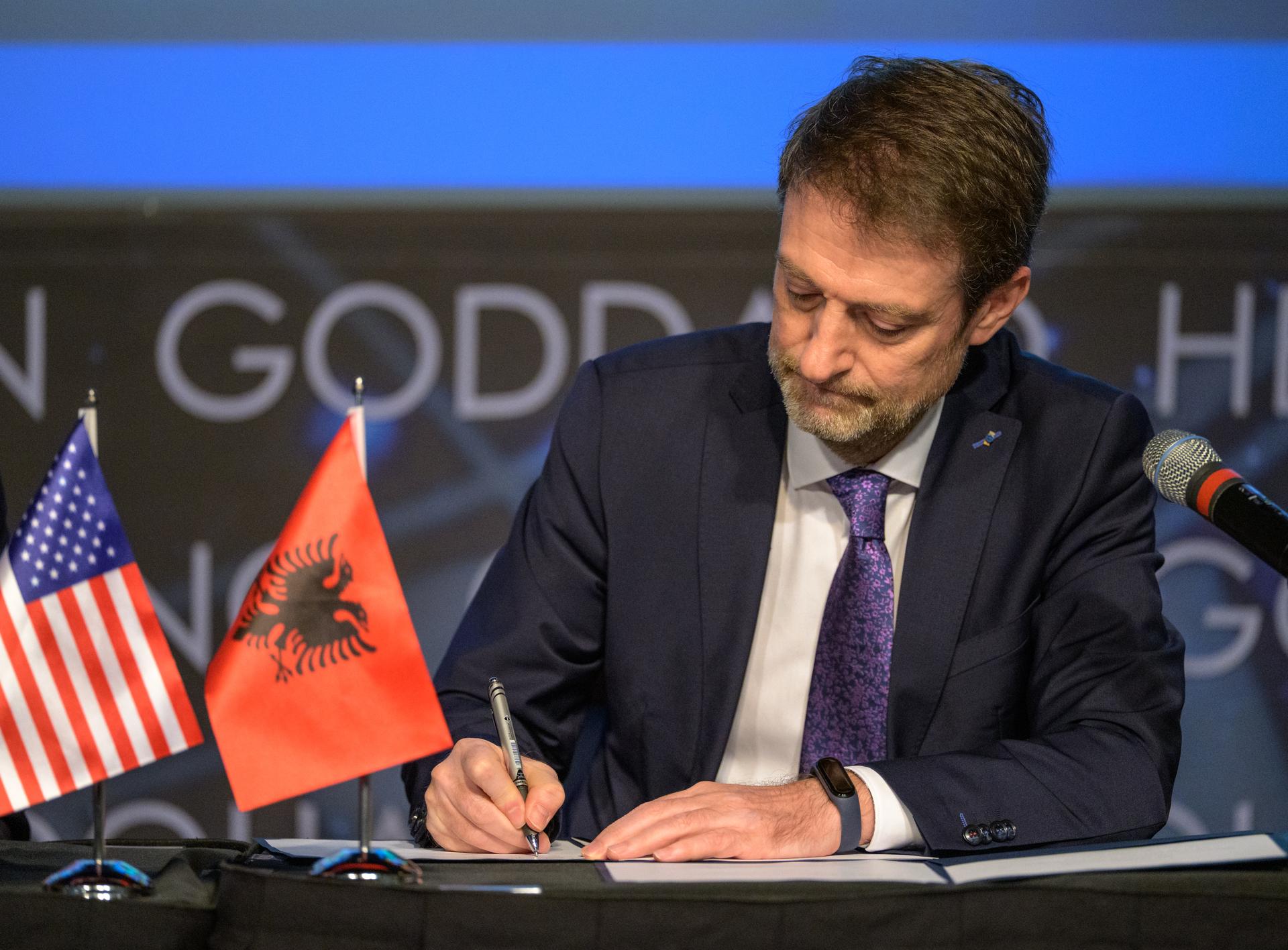
Albania’s Minister for Europe and Foreign Affairs Ferit Hoxha signs the Artemis Accords during a ceremony Monday, September 21, 2026, at the Mary W. Jackson NASA Headquarters building in Washington. Albania is the 73rd country to sign the Artemis Accords, which establish a practical set of principles to guide space exploration cooperation among nations participating in NASA’s Artemis program. Photo Credit: (NASA/Bill Ingalls)
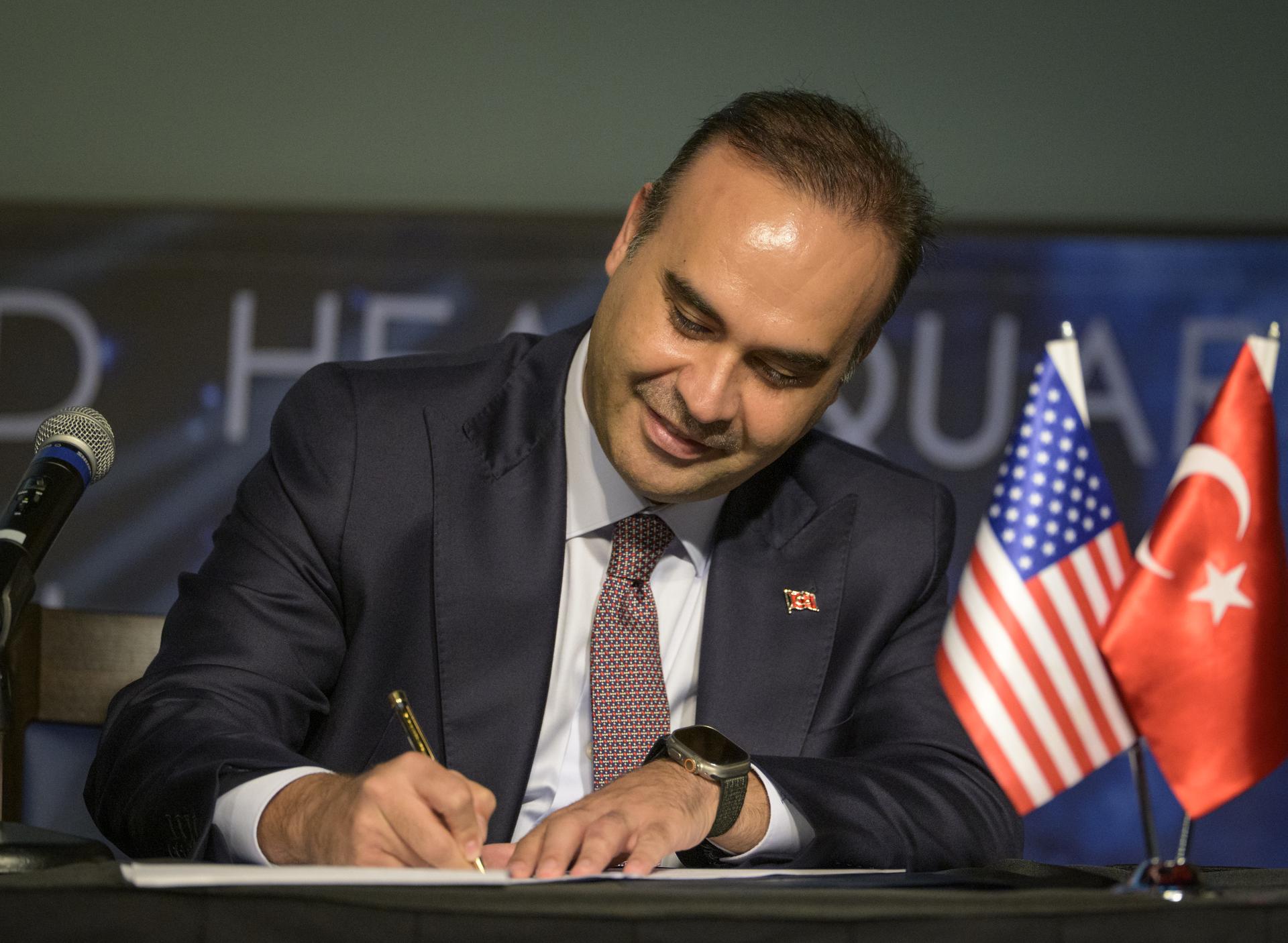
Turkish Minister of Industry and Technology, Mehmet Fatih Kacır signs the Artemis Accords for the Republic of Türkiye Monday, August 31, 2026, at the Mary W. Jackson NASA Headquarters building in Washington. Türkiye is the 71st country to sign the Artemis Accords, which establish a practical set of principles to guide space exploration cooperation among nations participating in NASA’s Artemis program. Photo Credit: (NASA/Bill Ingalls)
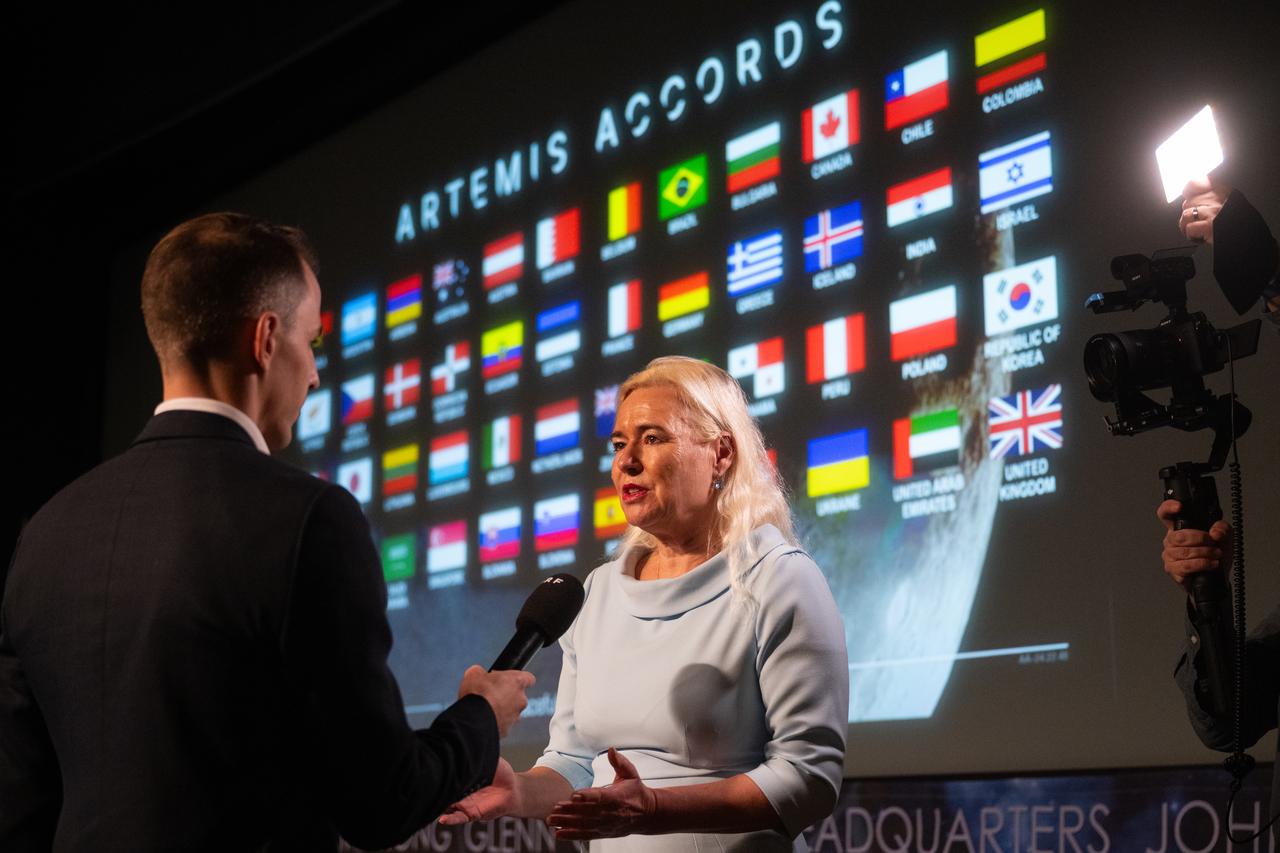
Ambassador of the Republic of Austria to the United States of America Petra Schneebauer, speaks with a member of the media after signing the Artemis Accords, Wednesday, Dec. 11, 2024, at the Mary W. Jackson NASA Headquarters building in Washington. The Republic of Austria is the 50th country to sign the Artemis Accords, which establish a practical set of principles to guide space exploration cooperation among nations participating in NASA’s Artemis program. Photo Credit: (NASA/Joel Kowsky)
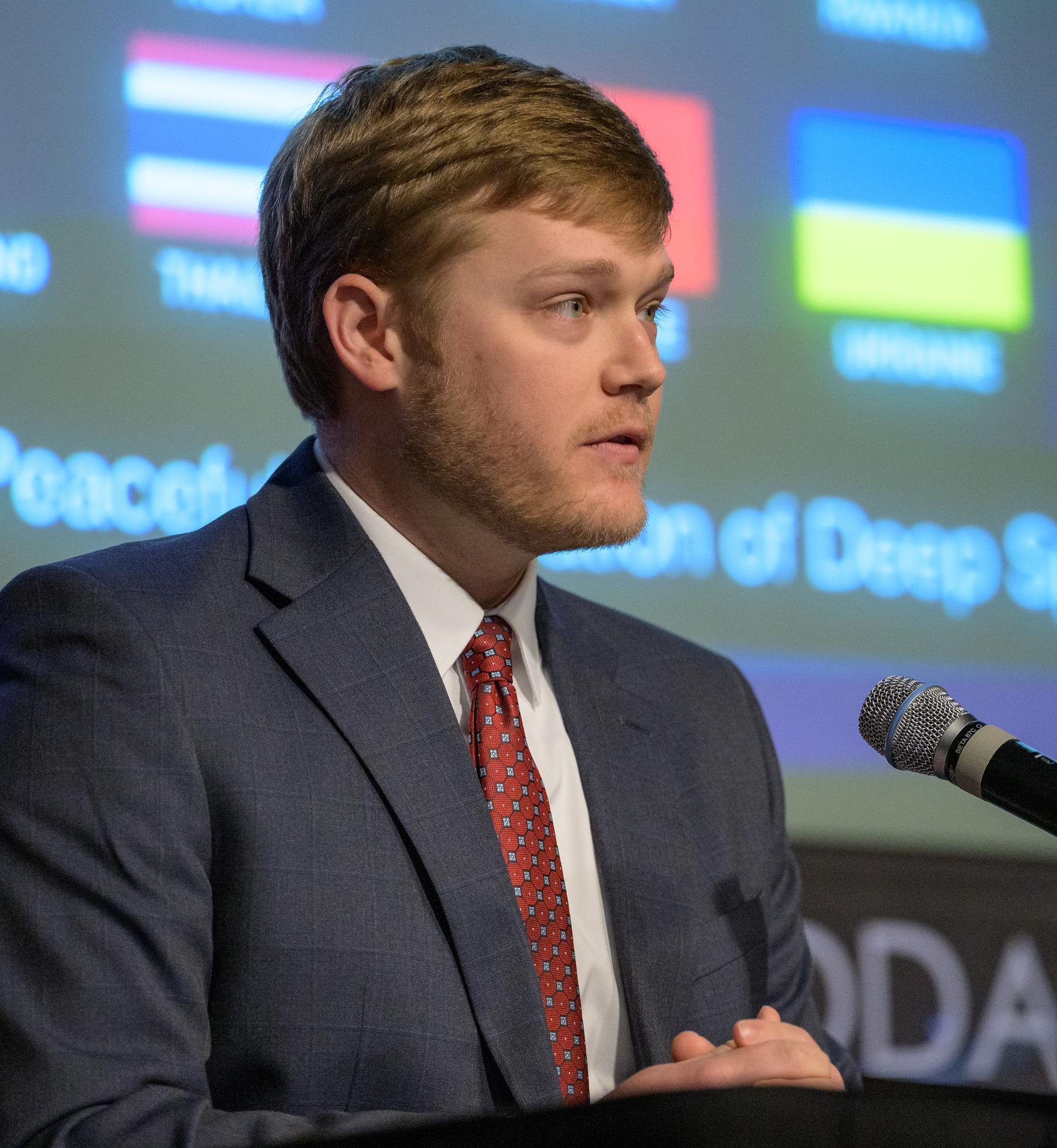
U.S. Deputy Assistant Secretary of State for Space and Environment Connor Tomlinson gives remarks during an Artemis Accord signing ceremony with the Republic of Albania Monday, September 21, 2026, at the Mary W. Jackson NASA Headquarters building in Washington. Albania is the 73rd country to sign the Artemis Accords, which establish a practical set of principles to guide space exploration cooperation among nations participating in NASA’s Artemis program. Photo Credit: (NASA/Bill Ingalls)

Robert Smith, from the University of Alberta, speaks during a panel discussion alongside Rebecca Charbonneau, from the American Institute of Physics and Patrick McCray, from the University of California Santa Barbara, on history of the Hubble Space Telescope during an event titled “Beyond the Deep Field: Hubble’s Legacy and the Future of Cosmic Observation,” Thursday, June 4, 2026, at the Mary W. Jackson NASA Headquarters building in Washington. Photo Credit: (NASA/Joel Kowsky)
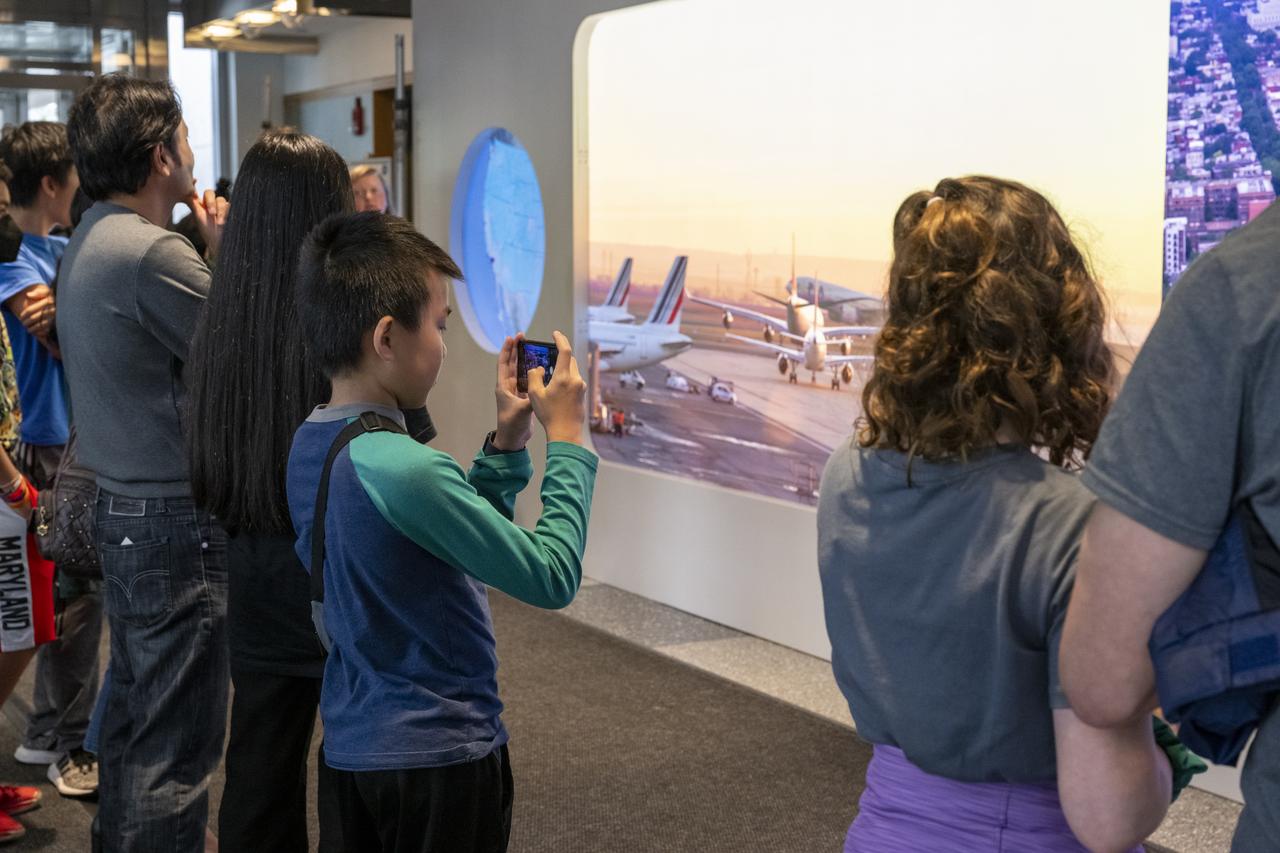
Local students participate in an Earth Information Center (EIC) student engagement event, Friday, June 23, 2023, at the Mary W. Jackson NASA Headquarters building in Washington. The EIC is a new immersive experience that combines live data sets with cutting-edge data visualization and storytelling to allow visitors to see how our planet is changing. Photo Credit: (NASA/Keegan Barber)
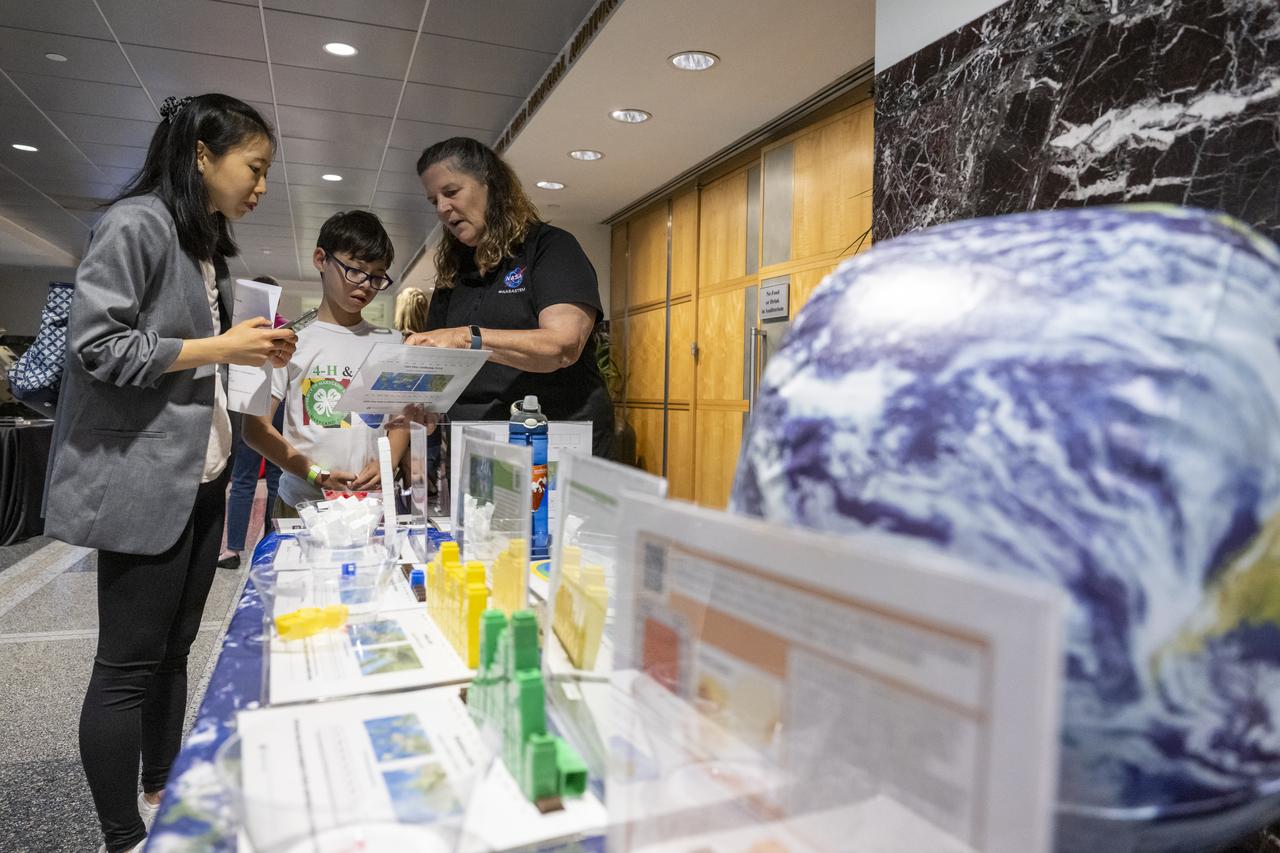
Local students participate in STEM activities prior to an Earth Information Center (EIC) student engagement event, Friday, June 23, 2023, at the Mary W. Jackson NASA Headquarters building in Washington. The EIC is a new immersive experience that combines live data sets with cutting-edge data visualization and storytelling to allow visitors to see how our planet is changing. Photo Credit: (NASA/Keegan Barber)
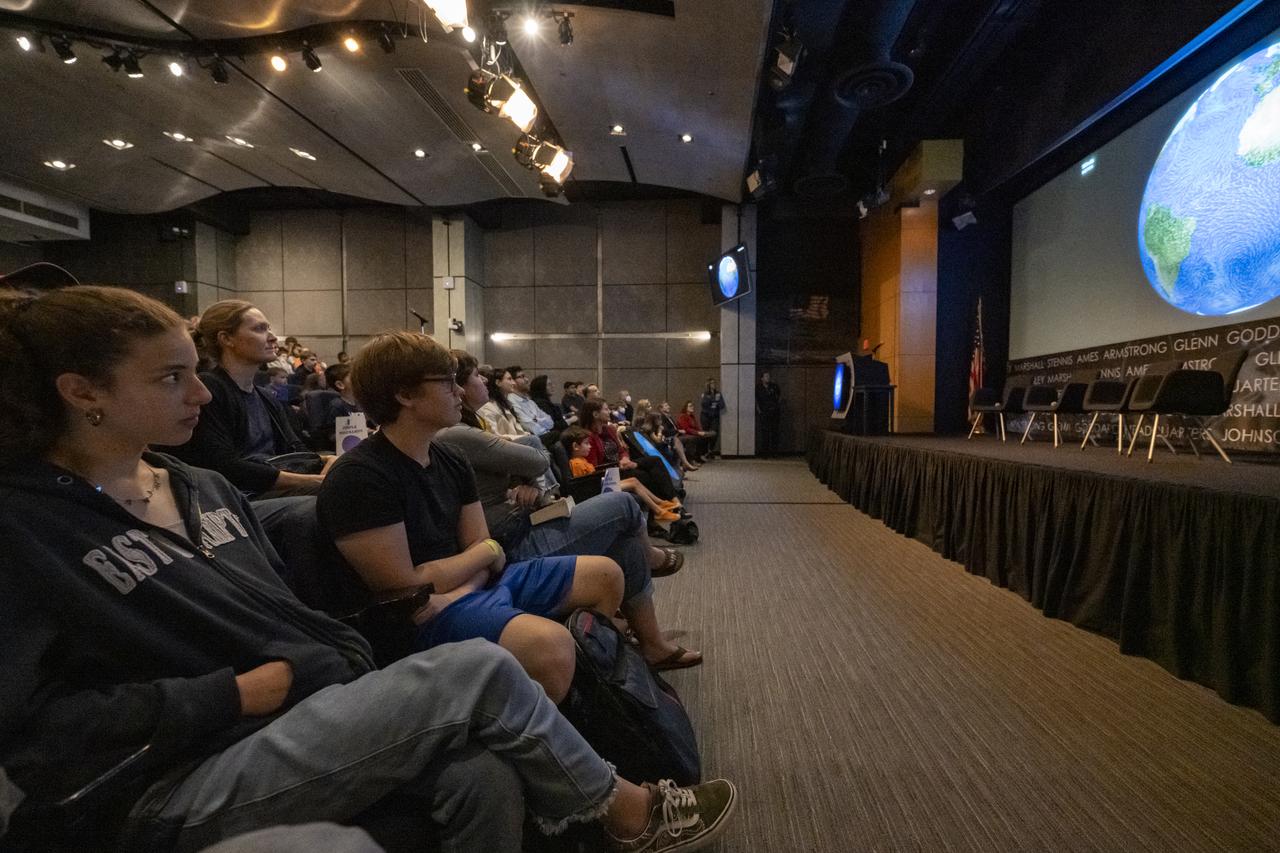
Local students view a video presentation during an Earth Information Center (EIC) student engagement event, Friday, June 23, 2023, at the Mary W. Jackson NASA Headquarters building in Washington. The EIC is a new immersive experience that combines live data sets with cutting-edge data visualization and storytelling to allow visitors to see how our planet is changing. Photo Credit: (NASA/Keegan Barber)
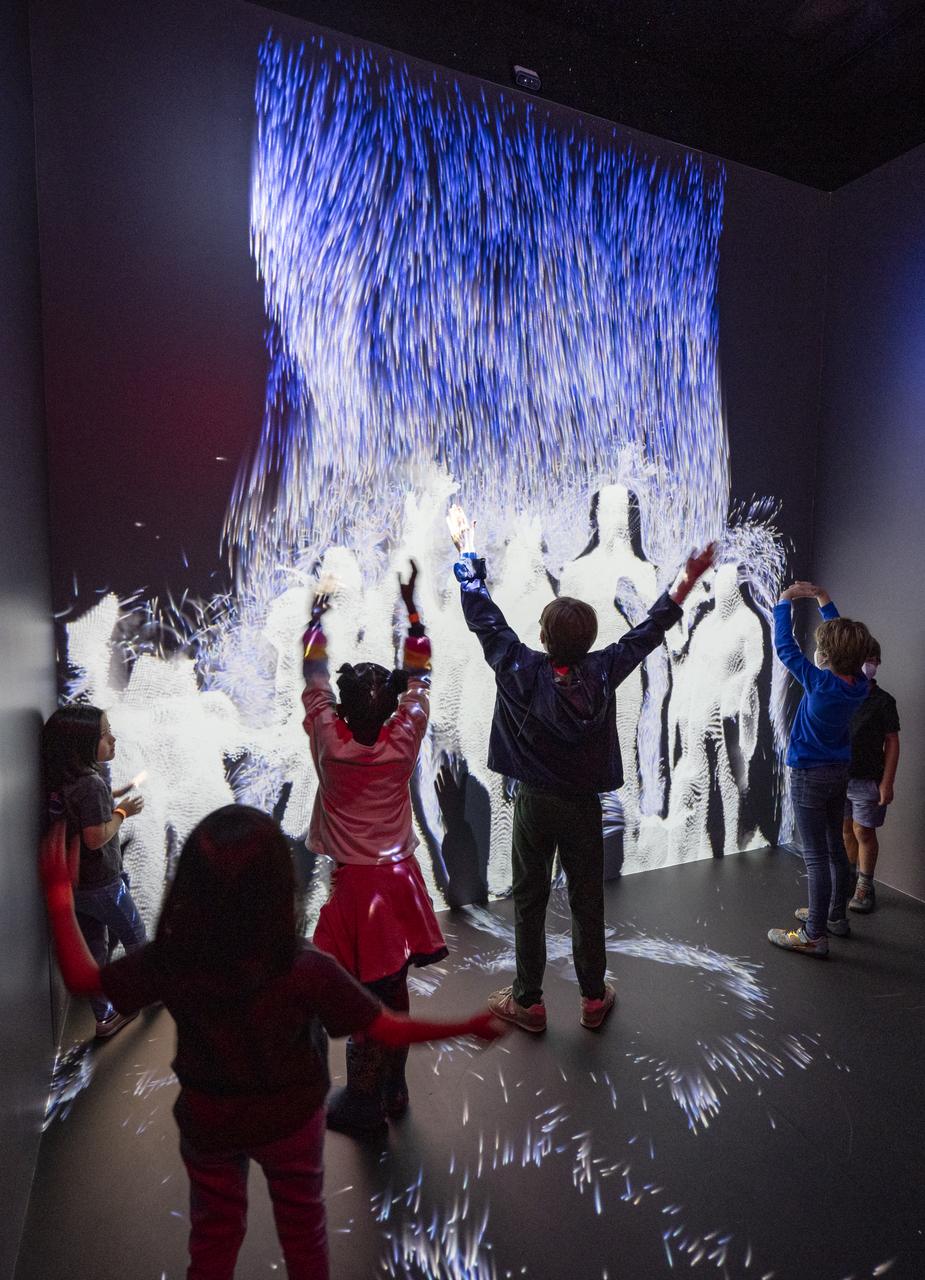
Local students participate in an Earth Information Center (EIC) student engagement event, Friday, June 23, 2023, at the Mary W. Jackson NASA Headquarters building in Washington. The EIC is a new immersive experience that combines live data sets with cutting-edge data visualization and storytelling to allow visitors to see how our planet is changing. Photo Credit: (NASA/Keegan Barber)
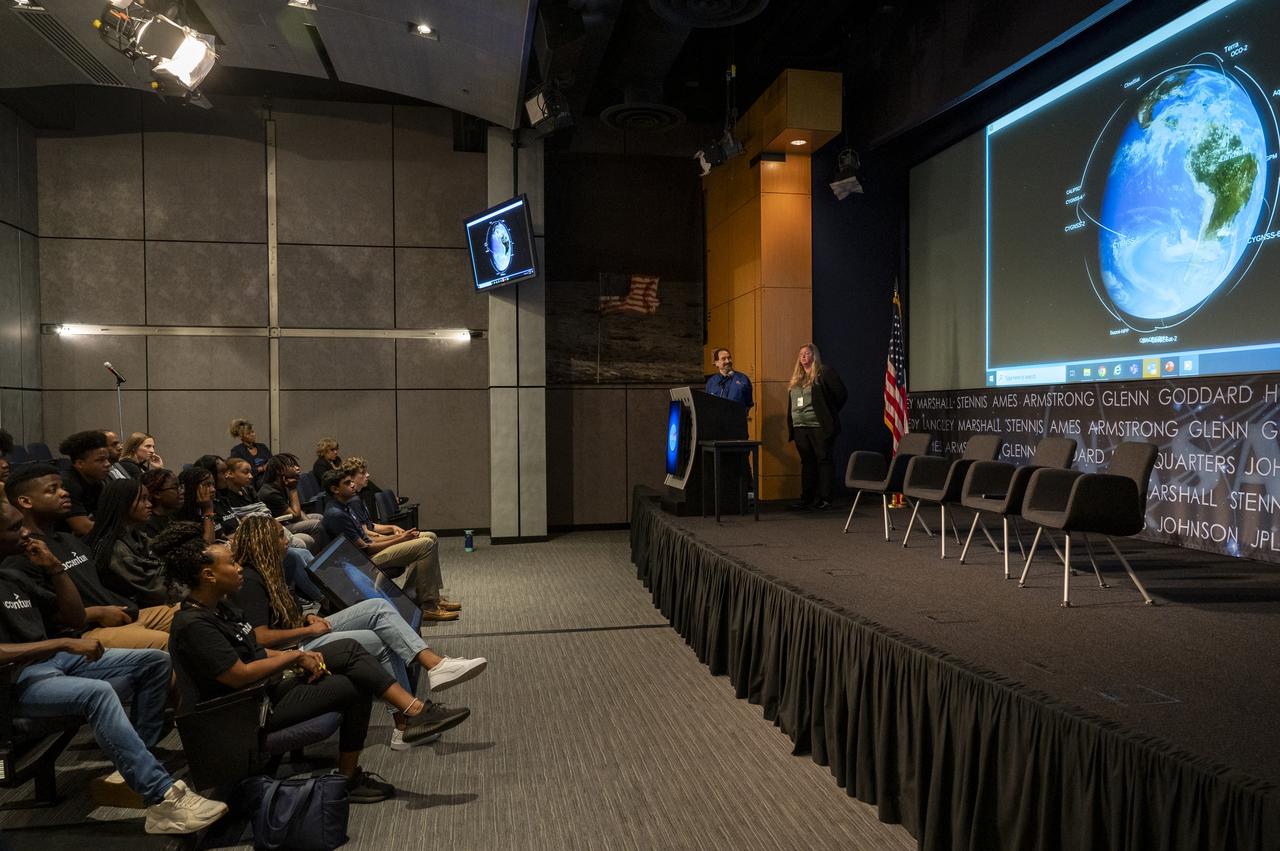
Principal Systems Engineer Michael Chyatte, left, and Project Manager Nicole Ramberg-Pihl, right, deliver remarks regarding the new Earth Information Center (EIC) during a high school student engagement event, Thursday, July 6, 2023, at the Mary W. Jackson NASA Headquarters building in Washington. Photo Credit: (NASA/Keegan Barber)

Rebecca Charbonneau, from the American Institute of Physics, right, speaks alongside Robert Smith, from the University of Alberta, left, and Patrick McCray, from the University of California Santa Barbara, during a panel discussion on history of the Hubble Space Telescope during an event titled “Beyond the Deep Field: Hubble’s Legacy and the Future of Cosmic Observation,” Thursday, June 4, 2026, at the Mary W. Jackson NASA Headquarters building in Washington. Photo Credit: (NASA/Joel Kowsky)

Julie McEnery, senior project scientist for the Nancy Grace Roman Space Telescope, speaks about the contributions of the Hubble Space Telescope to future astronomy missions during an event titled “Beyond the Deep Field: Hubble’s Legacy and the Future of Cosmic Observation,” Friday, June 5, 2026, at the Mary W. Jackson NASA Headquarters building in Washington. Photo Credit: (NASA/Aubrey Gemignani)
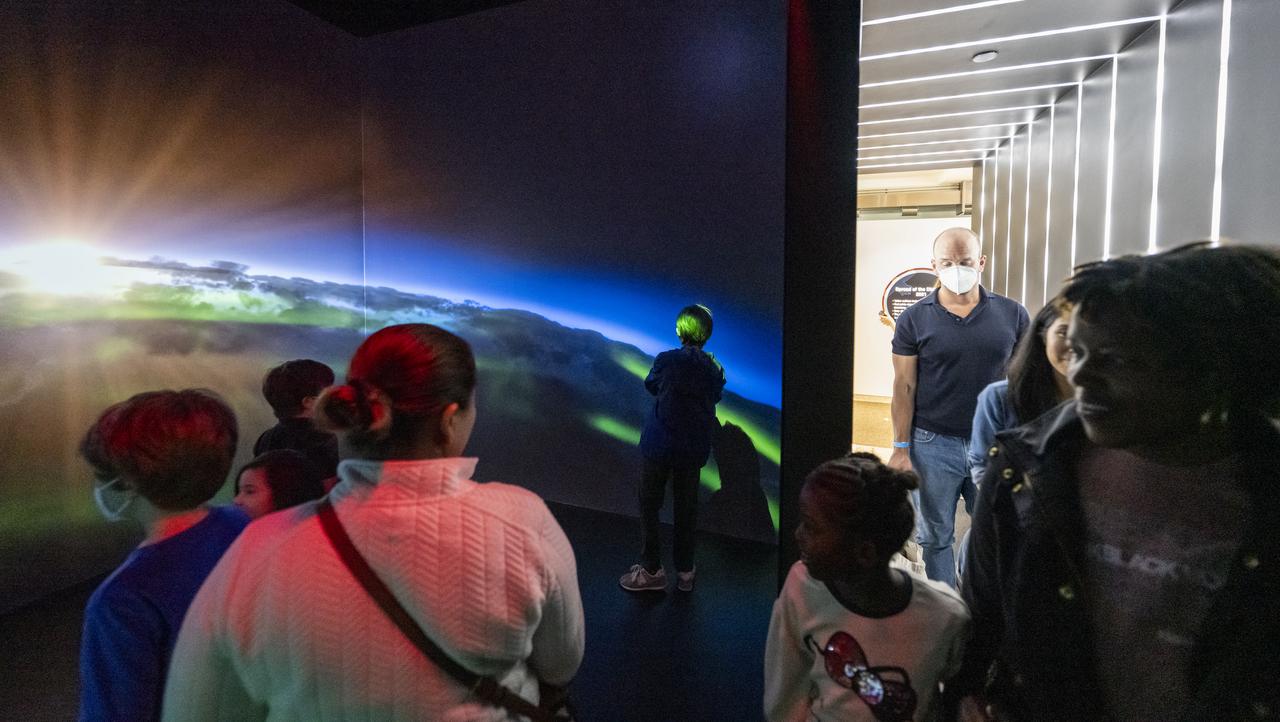
Local students participate in an Earth Information Center (EIC) student engagement event, Friday, June 23, 2023, at the Mary W. Jackson NASA Headquarters building in Washington. The EIC is a new immersive experience that combines live data sets with cutting-edge data visualization and storytelling to allow visitors to see how our planet is changing. Photo Credit: (NASA/Keegan Barber)
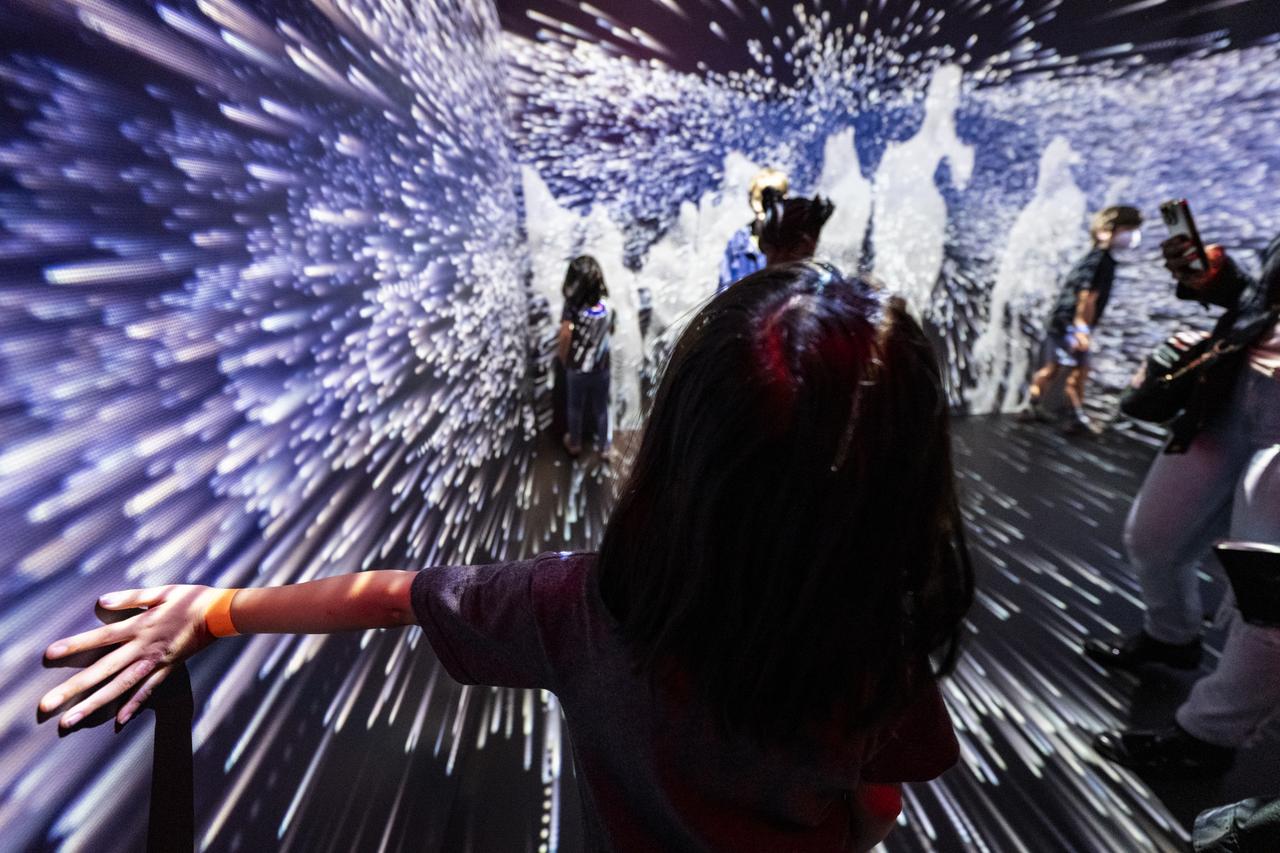
Local students participate in an Earth Information Center (EIC) student engagement event, Friday, June 23, 2023, at the Mary W. Jackson NASA Headquarters building in Washington. The EIC is a new immersive experience that combines live data sets with cutting-edge data visualization and storytelling to allow visitors to see how our planet is changing. Photo Credit: (NASA/Keegan Barber)
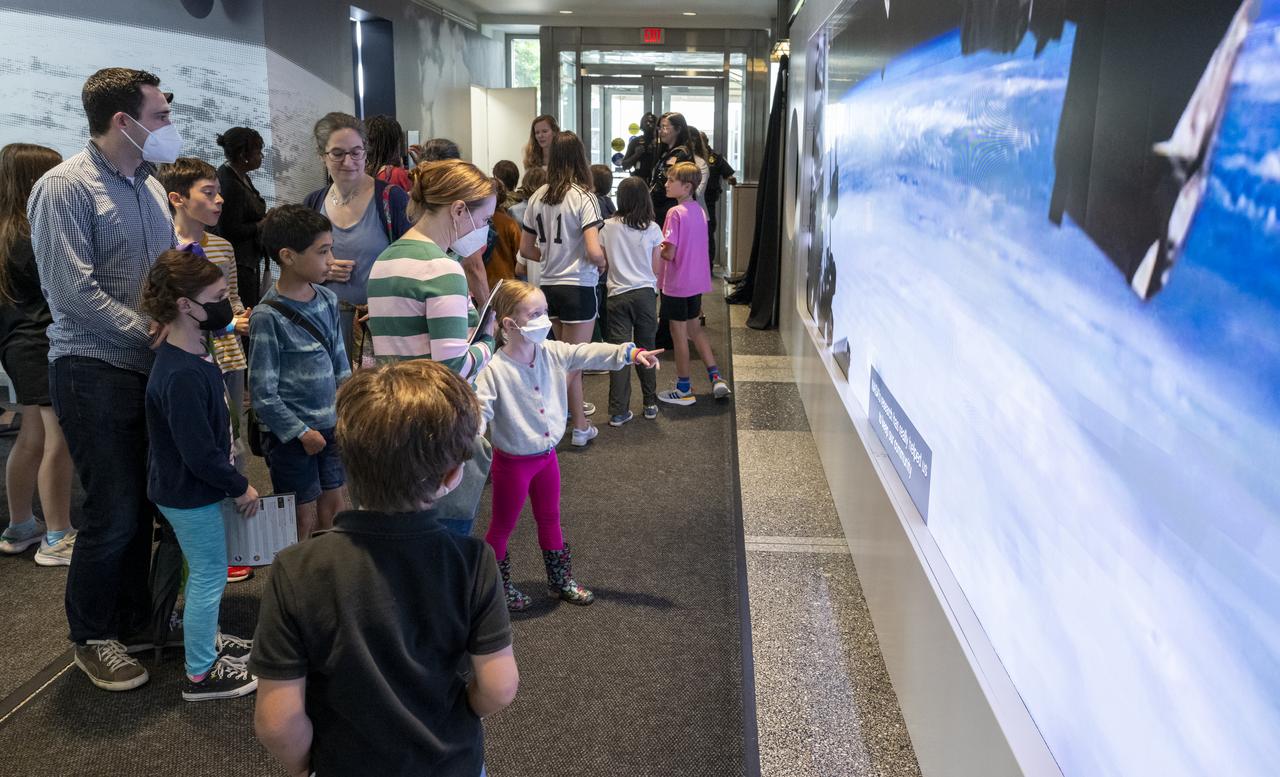
Local students participate in an Earth Information Center (EIC) student engagement event, Friday, June 23, 2023, at the Mary W. Jackson NASA Headquarters building in Washington. The EIC is a new immersive experience that combines live data sets with cutting-edge data visualization and storytelling to allow visitors to see how our planet is changing. Photo Credit: (NASA/Keegan Barber)
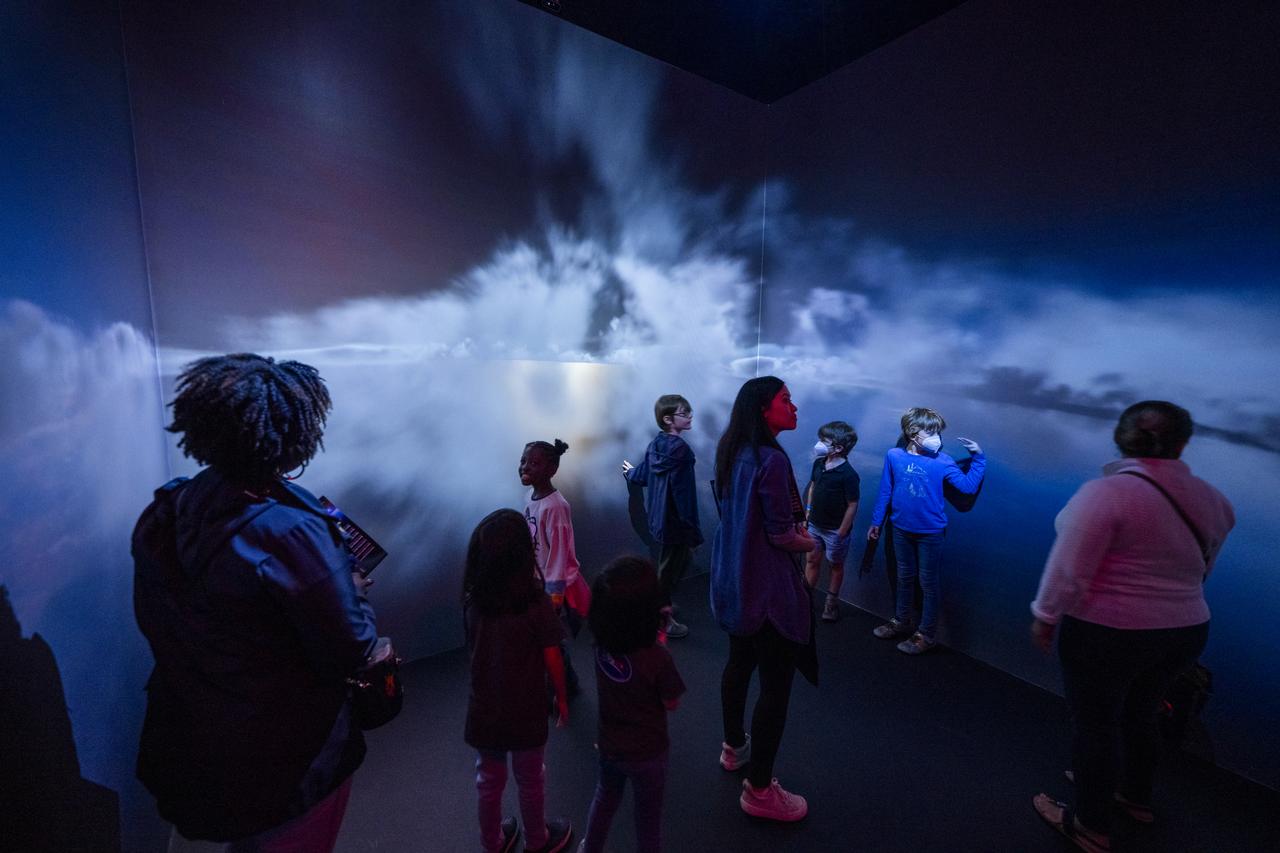
Local students participate in an Earth Information Center (EIC) student engagement event, Friday, June 23, 2023, at the Mary W. Jackson NASA Headquarters building in Washington. The EIC is a new immersive experience that combines live data sets with cutting-edge data visualization and storytelling to allow visitors to see how our planet is changing. Photo Credit: (NASA/Keegan Barber)

Julie McEnery, senior project scientist for the Nancy Grace Roman Space Telescope, speaks on a panel about the contributions of the Hubble Space Telescope to future astronomy missions during an event titled “Beyond the Deep Field: Hubble’s Legacy and the Future of Cosmic Observation,” Friday, June 5, 2026, at the Mary W. Jackson NASA Headquarters building in Washington. Photo Credit: (NASA/Aubrey Gemignani)
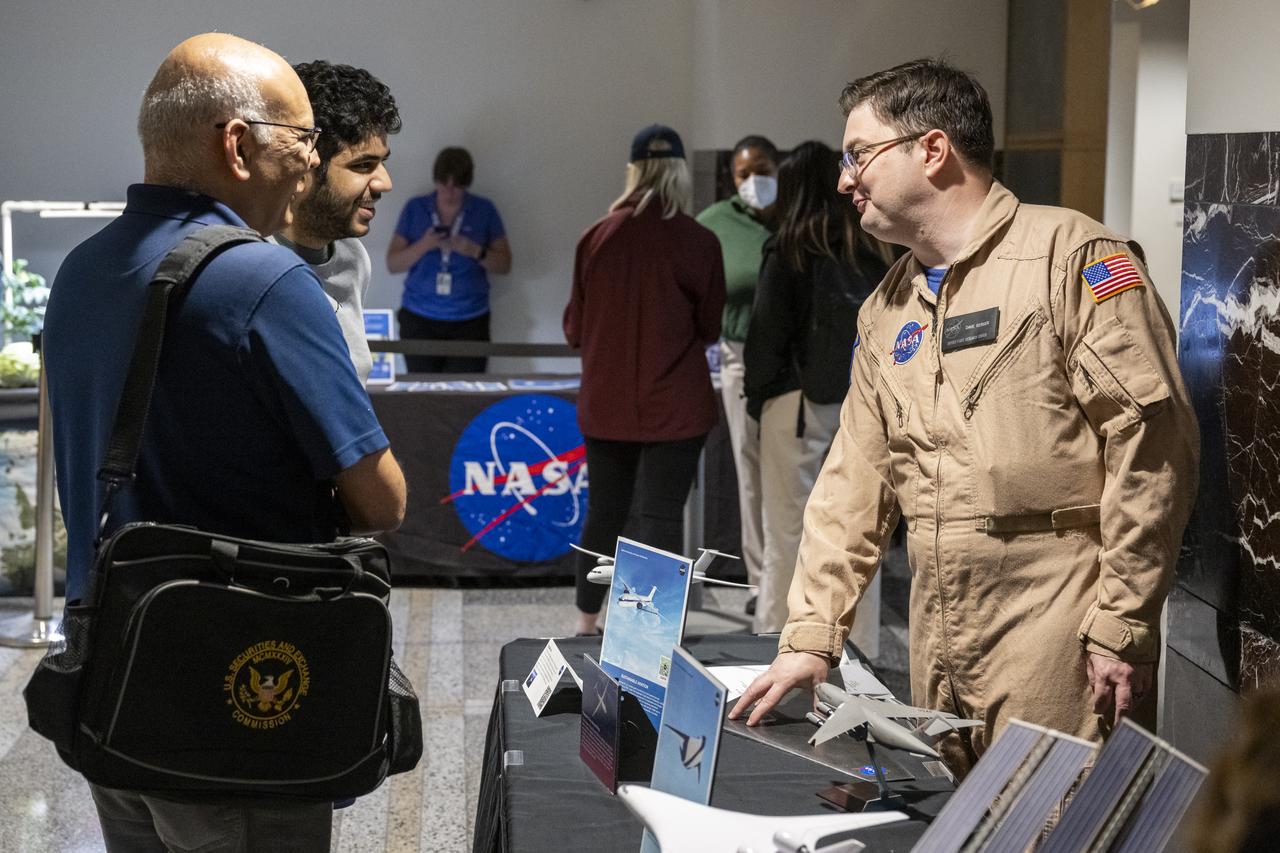
Local students participate in STEM activities prior to an Earth Information Center (EIC) student engagement event, Friday, June 23, 2023, at the Mary W. Jackson NASA Headquarters building in Washington. The EIC is a new immersive experience that combines live data sets with cutting-edge data visualization and storytelling to allow visitors to see how our planet is changing. Photo Credit: (NASA/Keegan Barber)
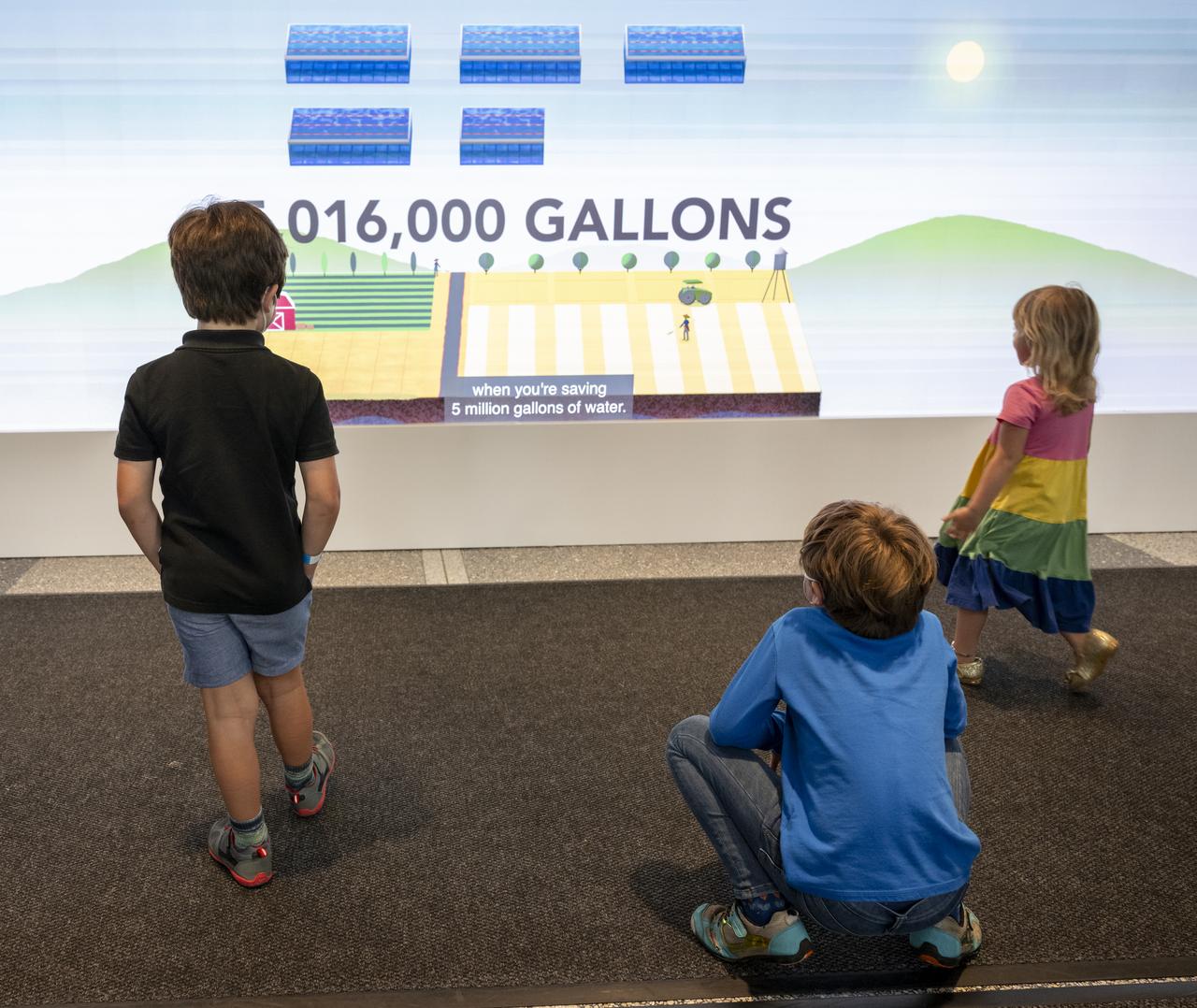
Local students participate in an Earth Information Center (EIC) student engagement event, Friday, June 23, 2023, at the Mary W. Jackson NASA Headquarters building in Washington. The EIC is a new immersive experience that combines live data sets with cutting-edge data visualization and storytelling to allow visitors to see how our planet is changing. Photo Credit: (NASA/Keegan Barber)

James Webb Space Telescope Operations Project Scientist, Knicole Colon, speaks about the contributions of the Hubble Space Telescope to future astronomy missions during an event titled “Beyond the Deep Field: Hubble’s Legacy and the Future of Cosmic Observation,” Friday, June 5, 2026, at the Mary W. Jackson NASA Headquarters building in Washington. Photo Credit: (NASA/Aubrey Gemignani)

Rebecca Charbonneau, from the American Institute of Physics, speaks during a panel discussion alongside Robert Smith, from the University of Alberta and Patrick McCray, from the University of California Santa Barbara, on history of the Hubble Space Telescope during an event titled “Beyond the Deep Field: Hubble’s Legacy and the Future of Cosmic Observation,” Thursday, June 4, 2026, at the Mary W. Jackson NASA Headquarters building in Washington. Photo Credit: (NASA/Joel Kowsky)
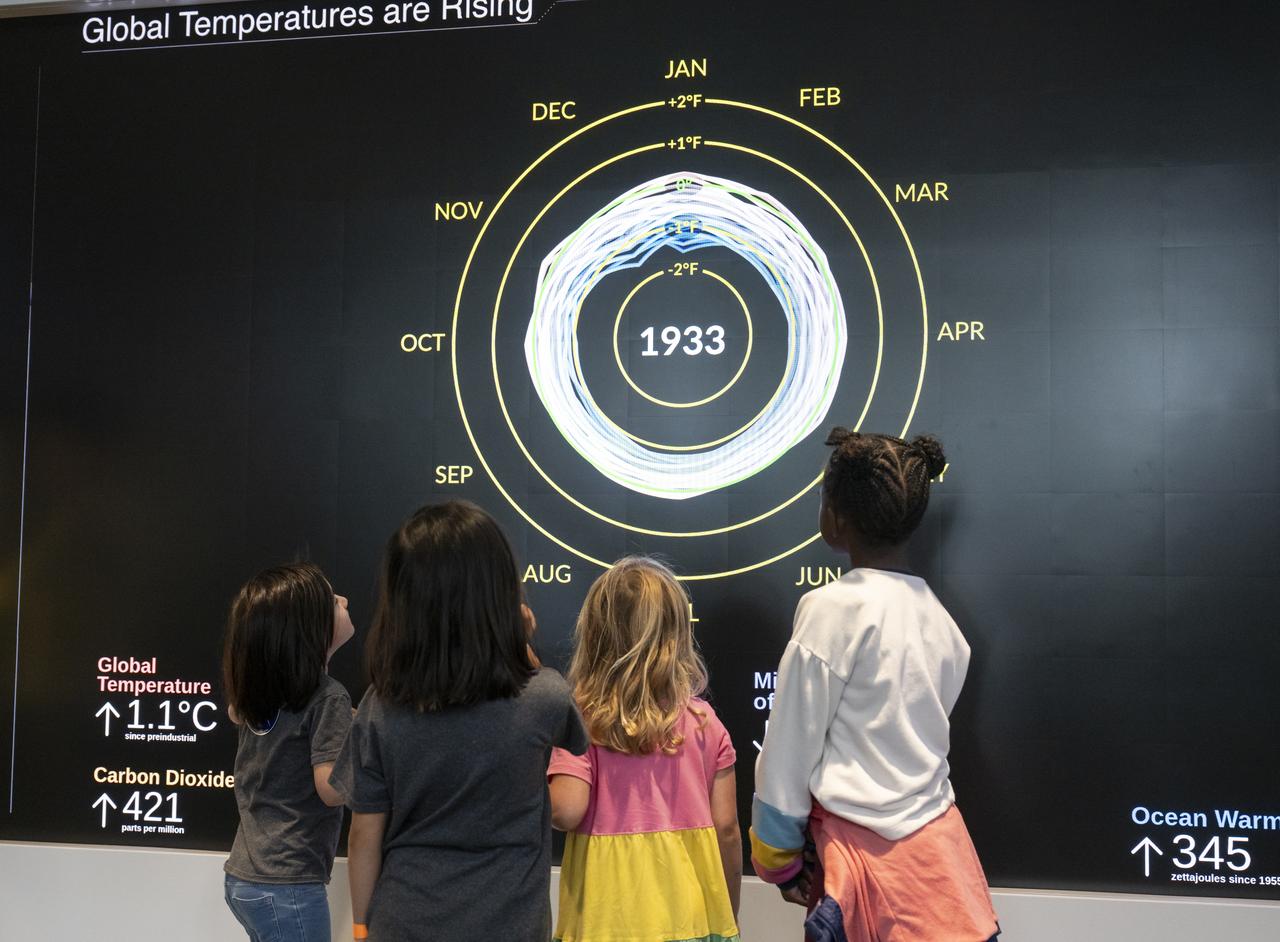
Local students participate in an Earth Information Center (EIC) student engagement event, Friday, June 23, 2023, at the Mary W. Jackson NASA Headquarters building in Washington. The EIC is a new immersive experience that combines live data sets with cutting-edge data visualization and storytelling to allow visitors to see how our planet is changing. Photo Credit: (NASA/Keegan Barber)