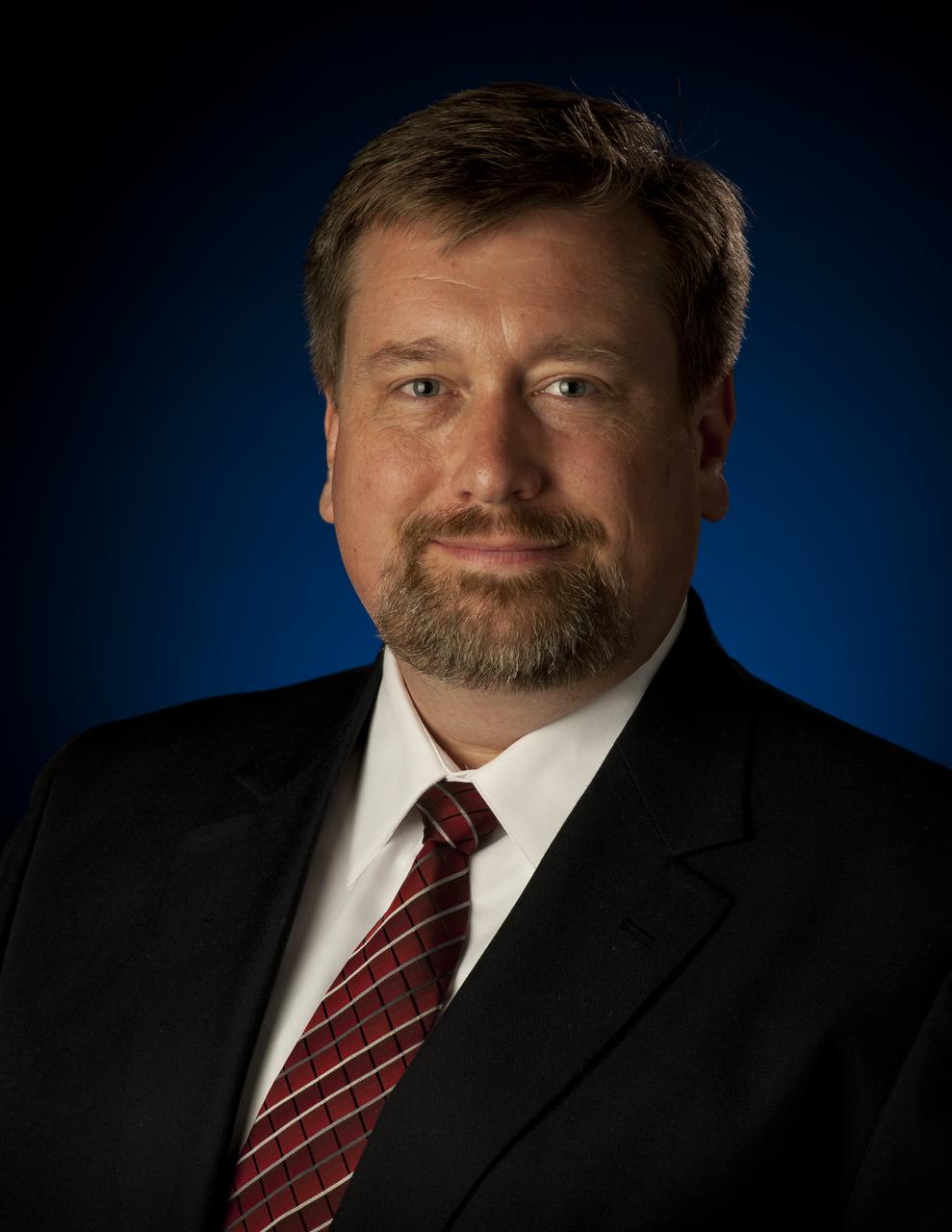
NASA Chief Technologist Mason Peck, official portrait, taken at NASA Headquarters on Wednesday, Jan. 11, 2012 in Washington. Photo Credit: (NASA/Bill Ingalls)
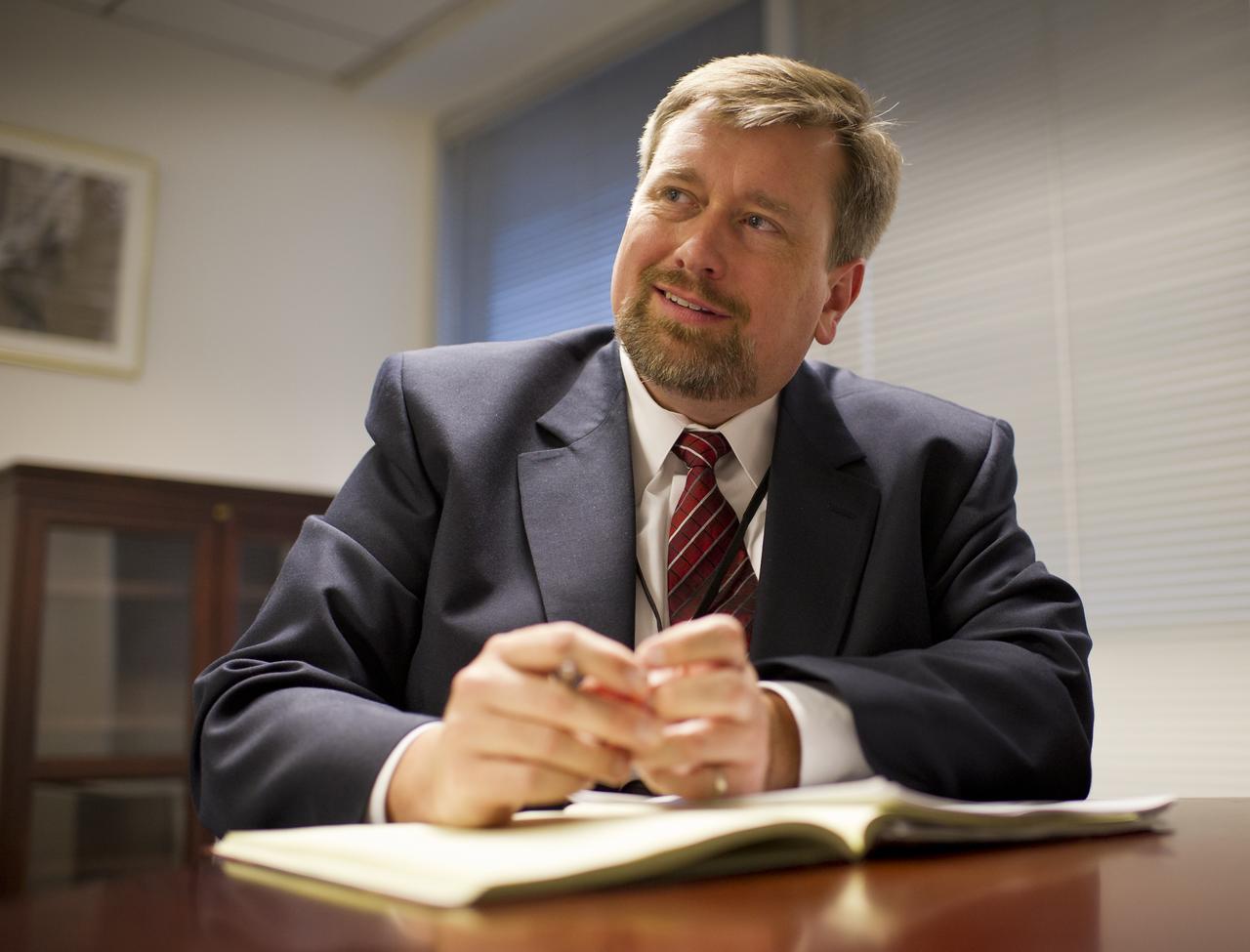
NASA Chief Technologist Mason Peck discusses technology and innovation during a meeting with staff at NASA Headquarters on Wednesday, Jan. 11, 2012 in Washington. Photo Credit: (NASA/Bill Ingalls)
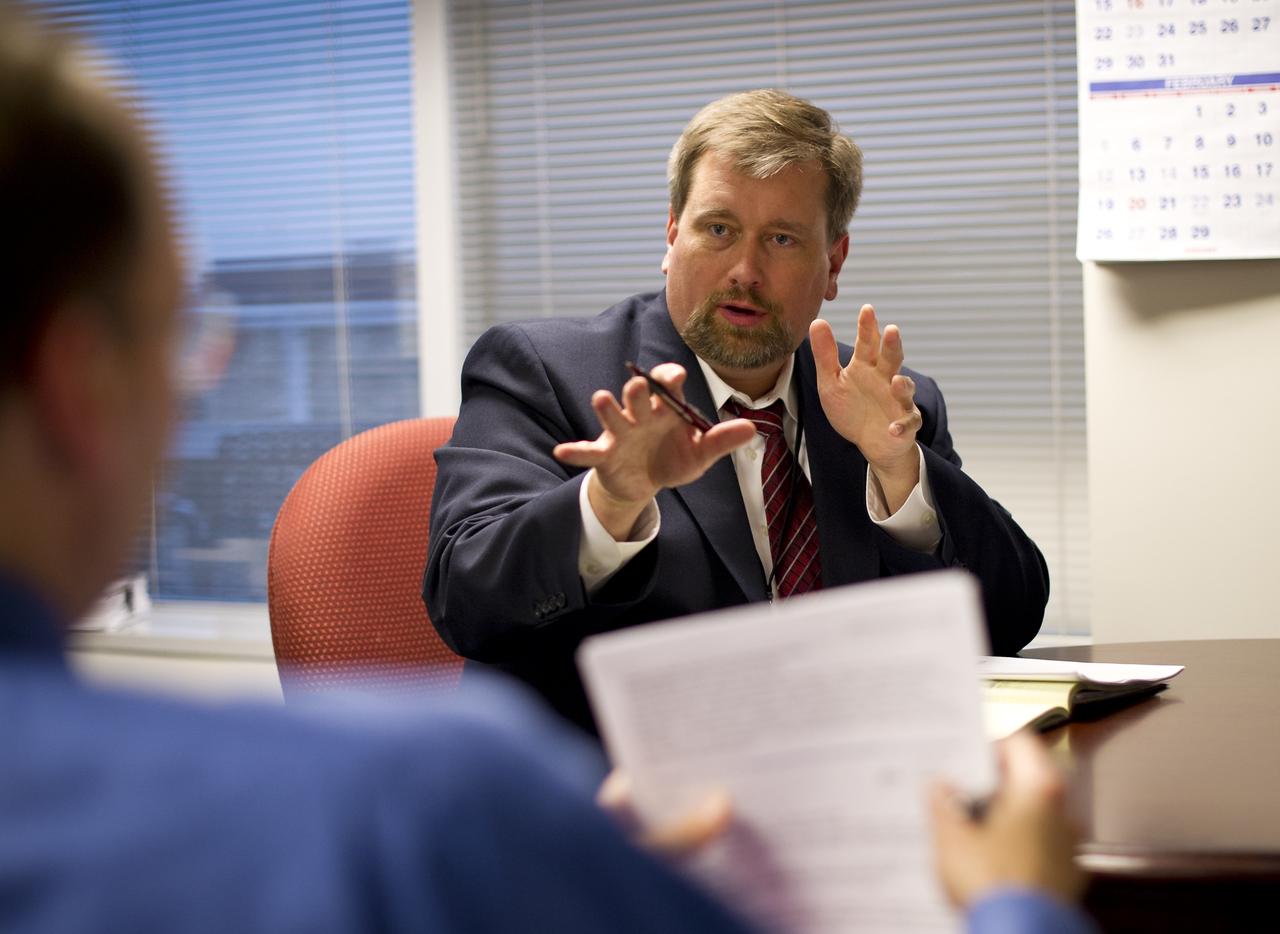
NASA Chief Technologist Mason Peck discusses technology and innovation during a meeting with staff at NASA Headquarters on Wednesday, Jan. 11, 2012 in Washington. Photo Credit: (NASA/Bill Ingalls)
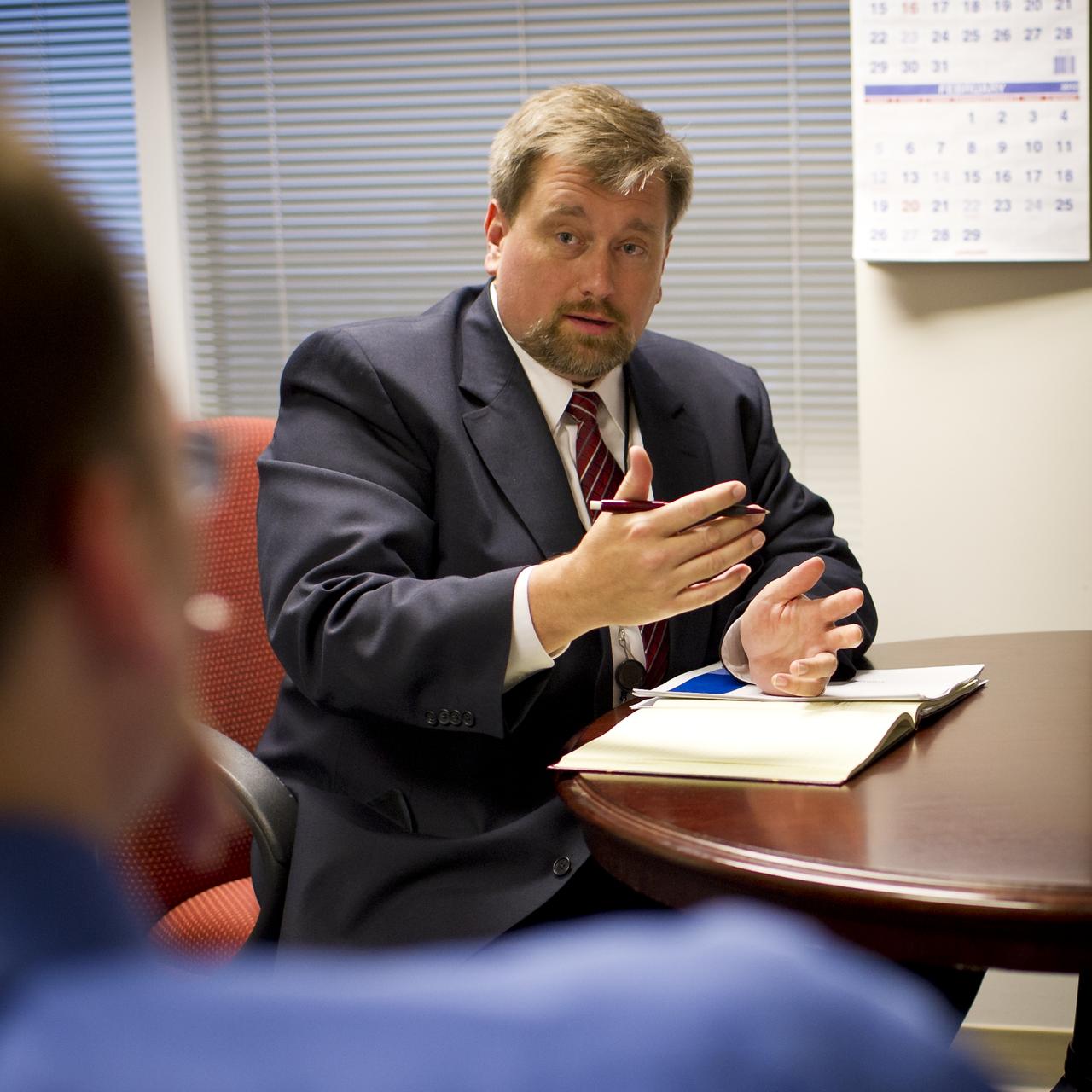
NASA Chief Technologist Mason Peck discusses technology and innovation during a meeting with staff at NASA Headquarters on Wednesday, Jan. 11, 2012 in Washington. Photo Credit: (NASA/Bill Ingalls)
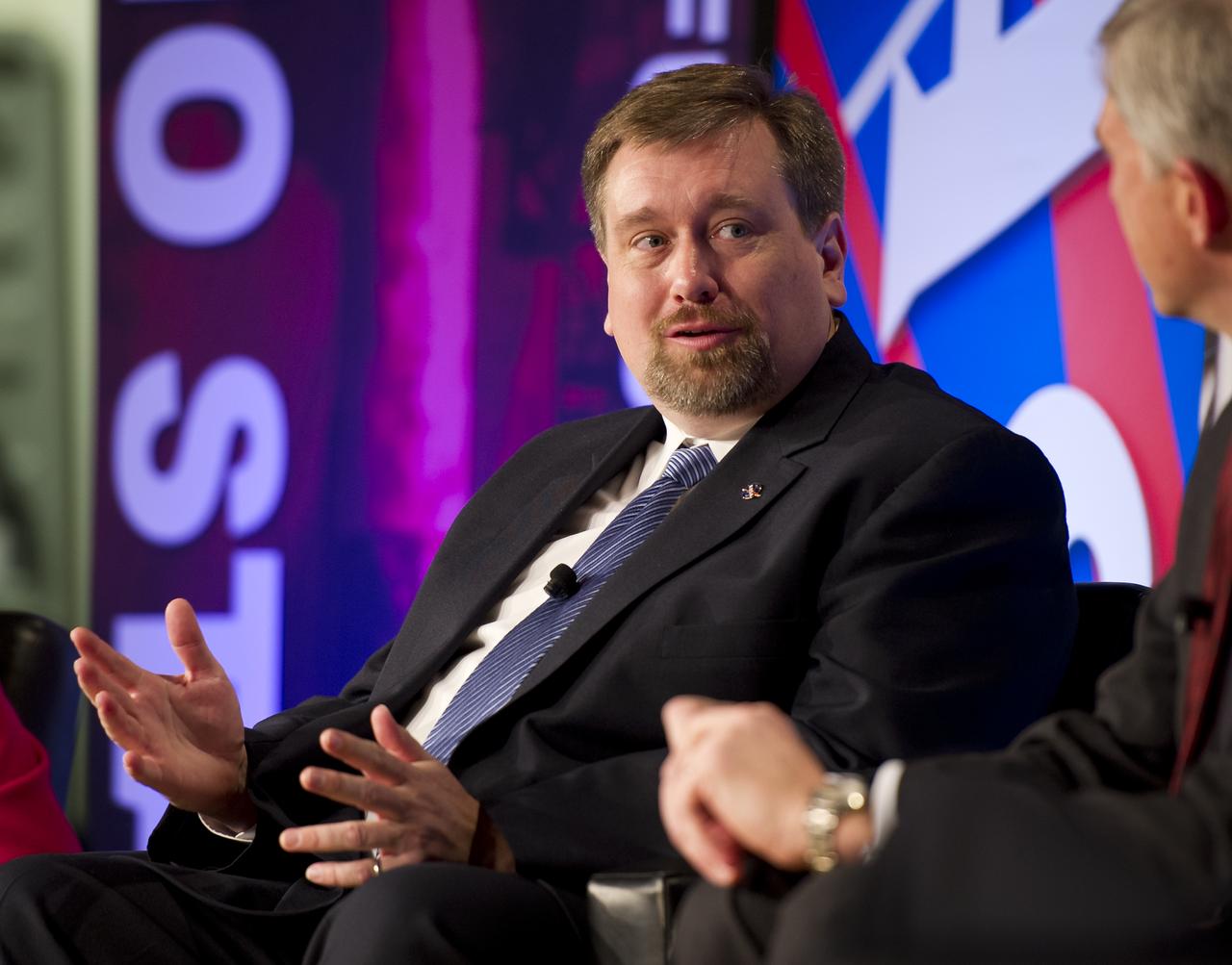
NASA Chief Technologist Mason Peck talks during the NASA Future Forum at The Ohio State University on Tuesday, Feb. 21, 2012 in Columbus, Ohio. The NASA Future Forum features panel discussions on the importance of education to our nation's future in space, the benefit of commercialized space technology to our economy and lives here on Earth, and the shifting roles for the public, commercial and international communities in space. Photo Credit: (NASA/Bill Ingalls)
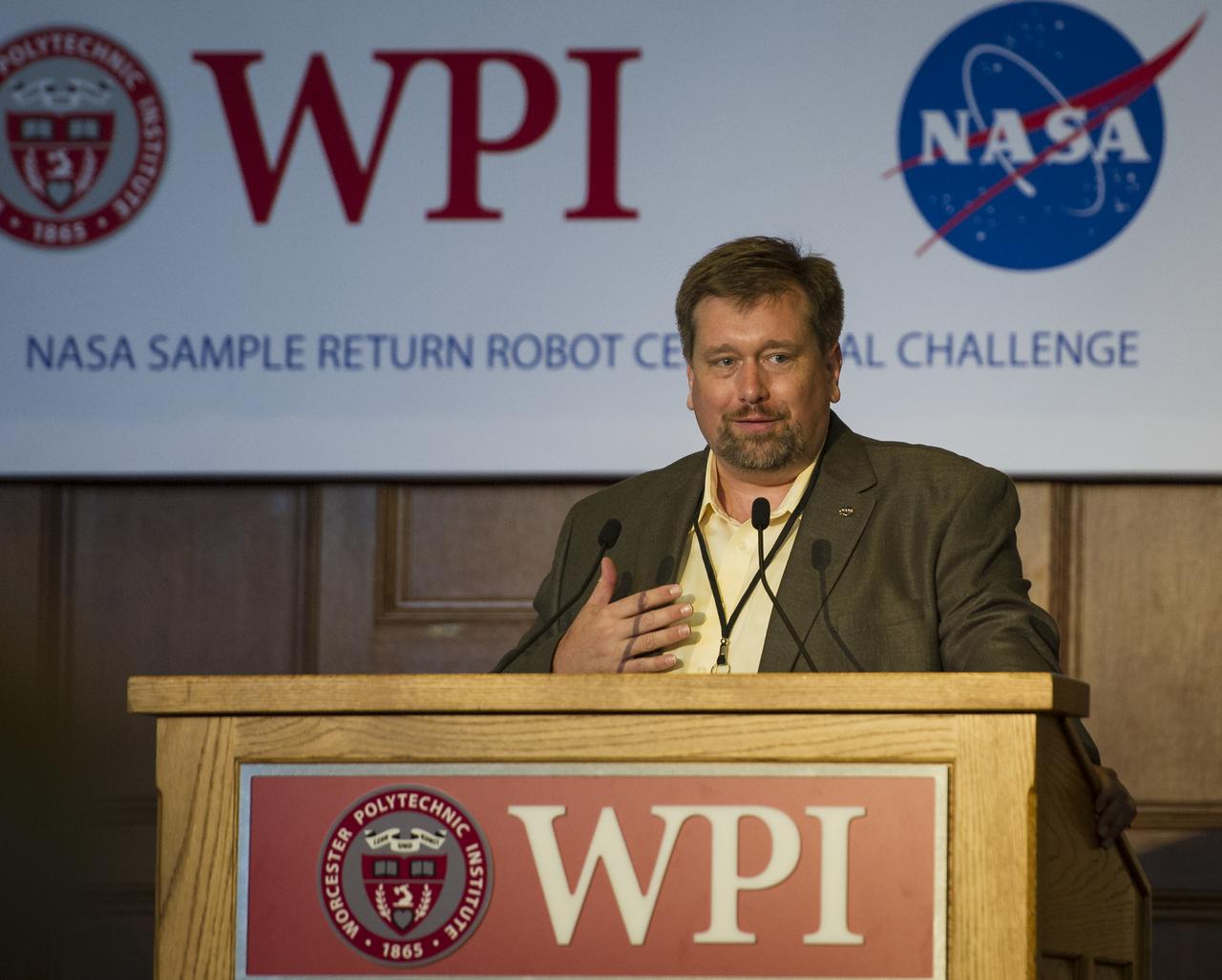
NASA Chief Technologist Mason Peck talks at the kick off of the NASA-WPI Sample Return Robot Centennial Challenge on Saturday, June 16, 2012 at the Worcester Polytechnic Institute (WPI) in Worcester, Mass. Teams were challenged to build autonomous robots that can identify, collect and return samples. NASA needs autonomous robotic capability for future planetary exploration. Photo Credit: (NASA/Bill Ingalls)

NASA Chief Technologist Mason Peck, left, NASA Deputy Administrator Lori Garver, and Worcester Polytechnic Institute (WPI) President Dennis Berkey, third from left, talk with WPI Robotics Resource Center Director and NASA-WPI Sample Return Robot Centennial Challenge Judge Ken Stafford at the edge of the playing field during the robotic challenge on Saturday, June 16, 2012 in Worcester, Mass. Teams in the NASA-WPI Sample Return Robot Centennial Challenge were tasked with building autonomous robots that can identify, collect and return samples. NASA needs autonomous robotic capability for future planetary exploration. Photo Credit: (NASA/Bill Ingalls)
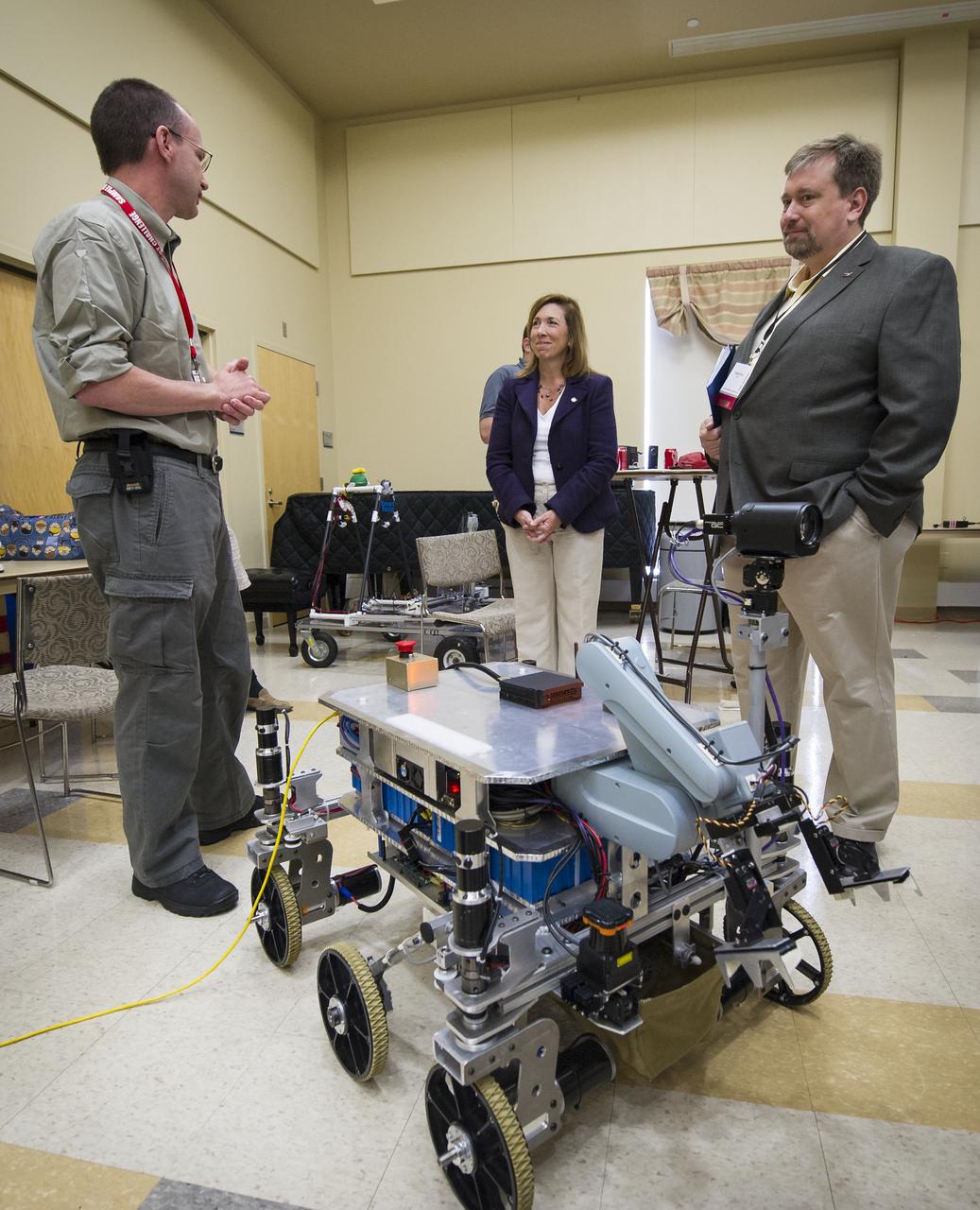
Intrepid Systems Team member Mark Curry, left, talks with NASA Deputy Administrator Lori Garver and NASA Chief Technologist Mason Peck, right, about his robot named "MXR - Mark's Exploration Robot" on Saturday, June 16, 2012 at the Worcester Polytechnic Institute (WPI) in Worcester, Mass. Curry's robot team was one of the final teams participating in the NASA-WPI Sample Return Robot Centennial Challenge at WPI. Teams were challenged to build autonomous robots that can identify, collect and return samples. NASA needs autonomous robotic capability for future planetary exploration. Photo Credit: (NASA/Bill Ingalls)
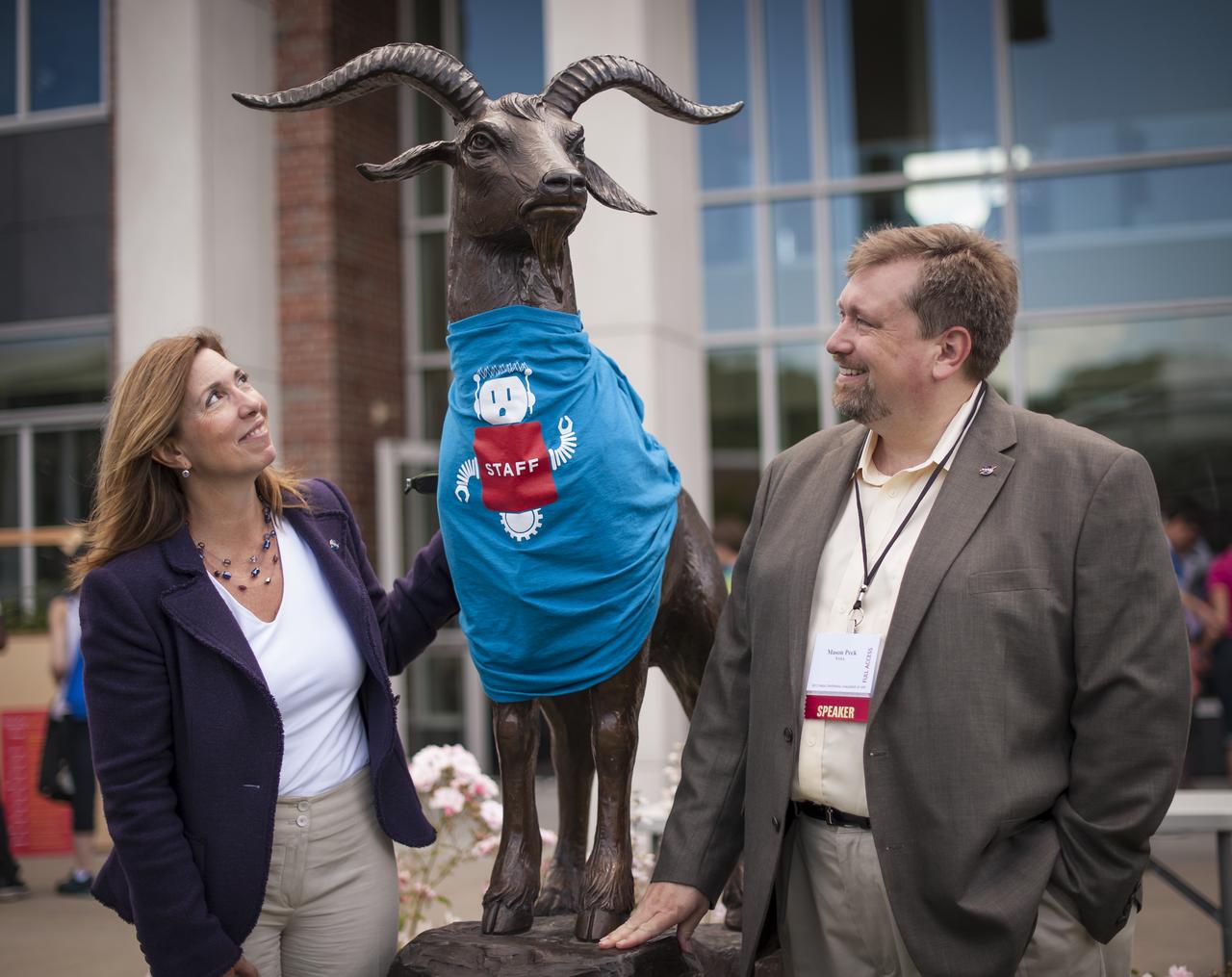
NASA Deputy Administrator Lori Garver and NASA Chief Technologist Mason Peck stop to look at the bronze statue of the goat mascot for Worcester Polytechnic Institute (WPI) named "Gompei" that is wearing a staff t-shirt for the "TouchTomorrow" education and outreach event that was held in tandem with the NASA-WPI Sample Return Robot Centennial Challenge on Saturday, June 16, 2012 in Worcester, Mass. The challenge tasked robotic teams to build autonomous robots that can identify, collect and return samples. NASA needs autonomous robotic capability for future planetary exploration. Photo Credit: (NASA/Bill Ingalls)
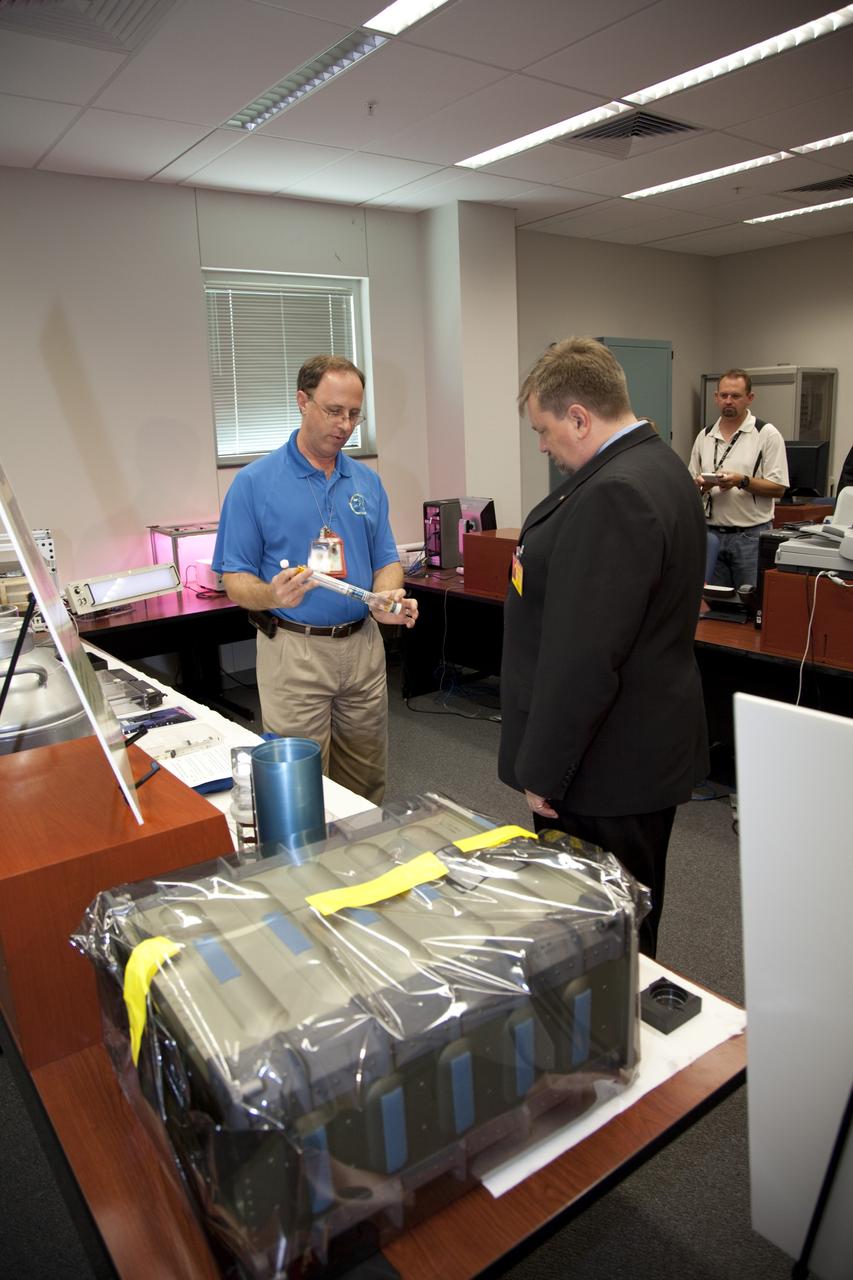
CAPE CANAVERAL, Fla. – David Reed, left, explains an innovation developed at NASA's Kennedy Space Center to Mason Peck, center, NASA's chief Technologist, during Pecks' tour of the Space Life Sciences Laboratory at Kennedy. Peck toured the lab facility during a visit to the space center. Photo credit: NASA/Frankie Martin
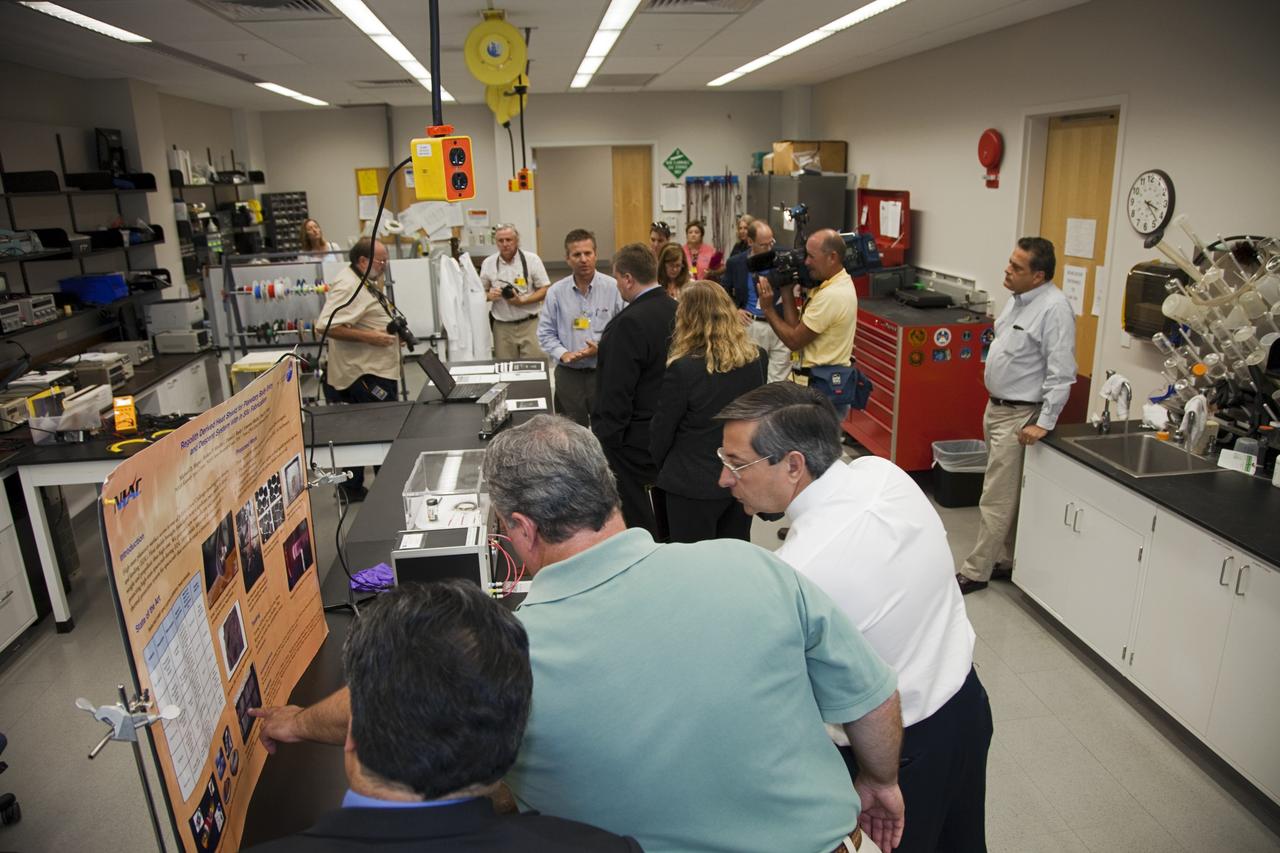
CAPE CANAVERAl, Fla. - Dr. Mason Peck, center, NASA's chief Technologist, listens as Michael Hogue, right, explains an innovation during Pecks' tour of the Space Life Sciences Laboratory at Kennedy. Peck toured the lab facility during a visit to the space center. Photo credit: NASA/Frankie Martin
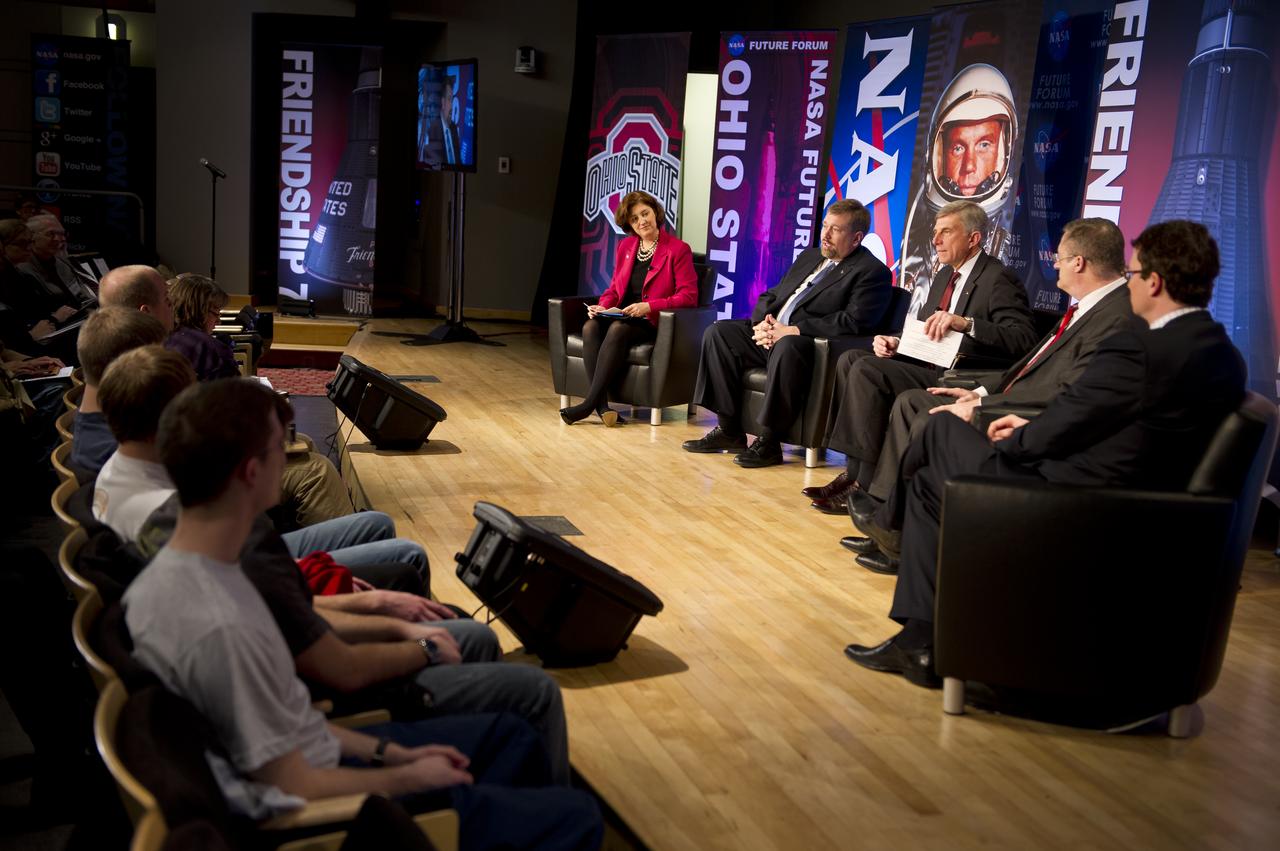
Laurie Leshin, dean of the School of Science, Rensselaer Polytechnic Institute, left, Mason Peck, NASA Chief Technologist, 2nd from left, Ron Sega, Vice president and enterprise executive for Energy and the Environment, The Ohio State University and Colorado State University, Michael Donovan, technology consultant, New Services Development, Hewlett-Packard Company, and, Jordan Hansell, chairman and CEO, NetJets Inc., right, participate in the NASA Future Forum panel titled "Importance of Technology, Science and Innovation for our Economic Future" at The Ohio State University on Tuesday, Feb. 21, 2012 in Columbus, Ohio. The NASA Future Forum features panel discussions on the importance of education to our nation's future in space, the benefit of commercialized space technology to our economy and lives here on Earth, and the shifting roles for the public, commercial and international communities in space. Photo Credit: (NASA/Bill Ingalls)
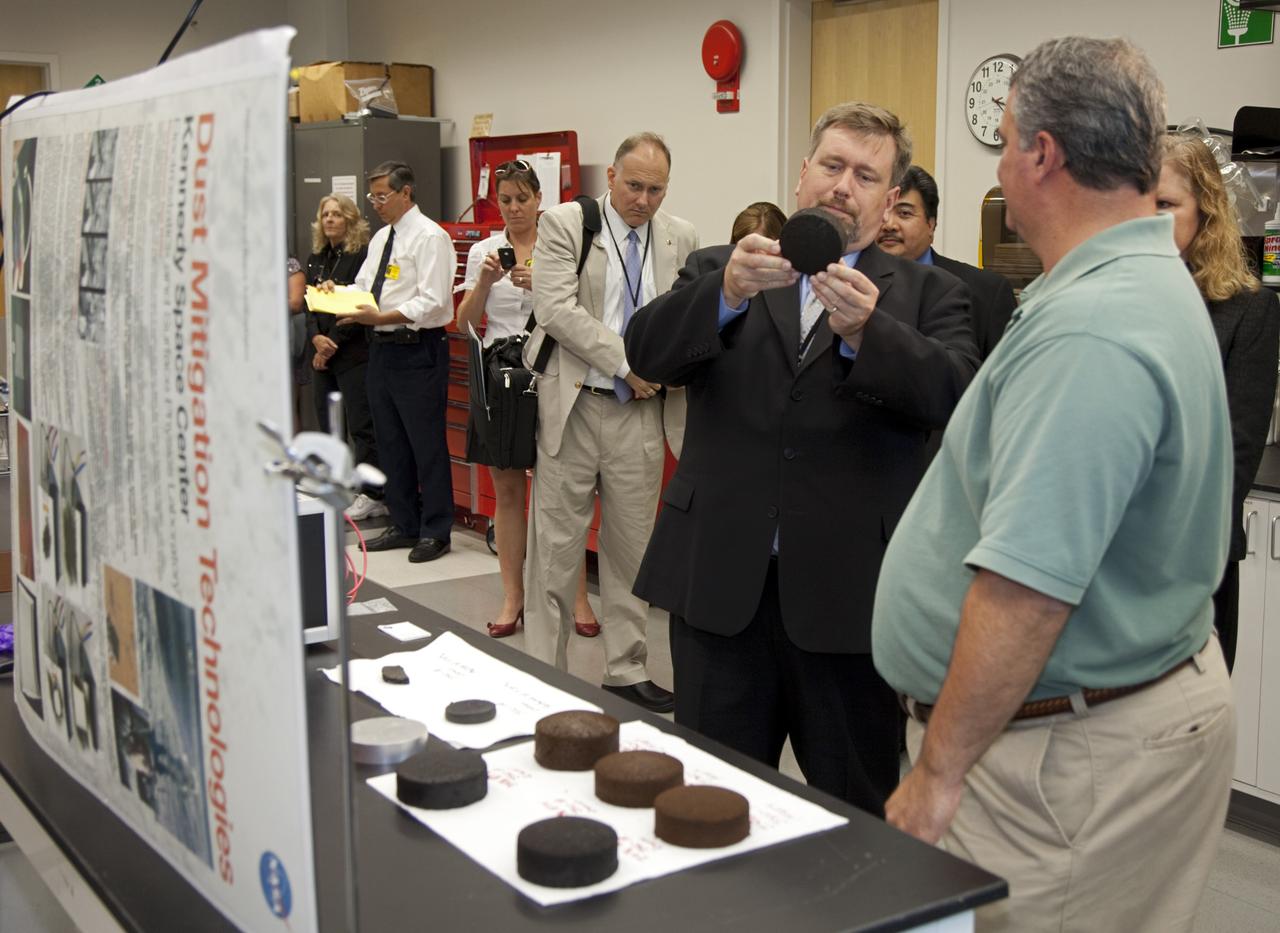
CAPE CANAVERAl, Fla. - Robert Mueller, left, explains differences in lunar, Martian and Earth soil using simulants to Dr. Mason Peck, NASA's chief Technologist, during a tour of the Space Life Sciences Laboratory at Kennedy. Peck toured the lab facility during a visit to the space center. Photo credit: NASA/Frankie Martin
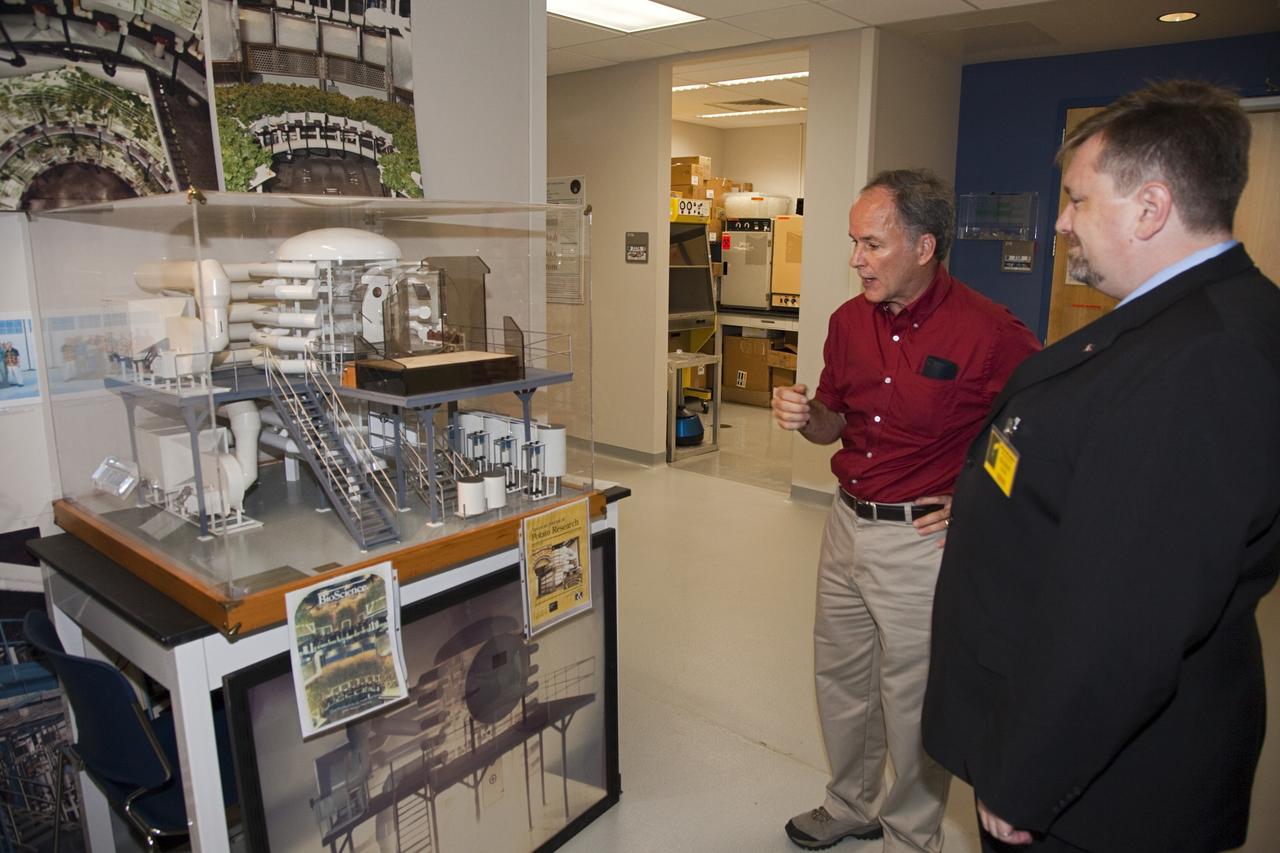
CAPE CANAVERAl, Fla. - Dr. Ray Wheeler, left, explains plant growth experimentation facilities to Dr. Mason Peck, NASA's chief Technologist, during a tour of the Space Life Sciences Laboratory at Kennedy. Peck toured the lab facility during a visit to the space center. Photo credit: NASA/Frankie Martin

CAPE CANAVERAl, Fla. - Dr. Mason Peck, NASA's chief Technologist, saw some plant experiments during a tour of the Space Life Sciences Laboratory at Kennedy. Peck toured the lab facility during a visit to the space center. Photo credit: NASA/Frankie Martin
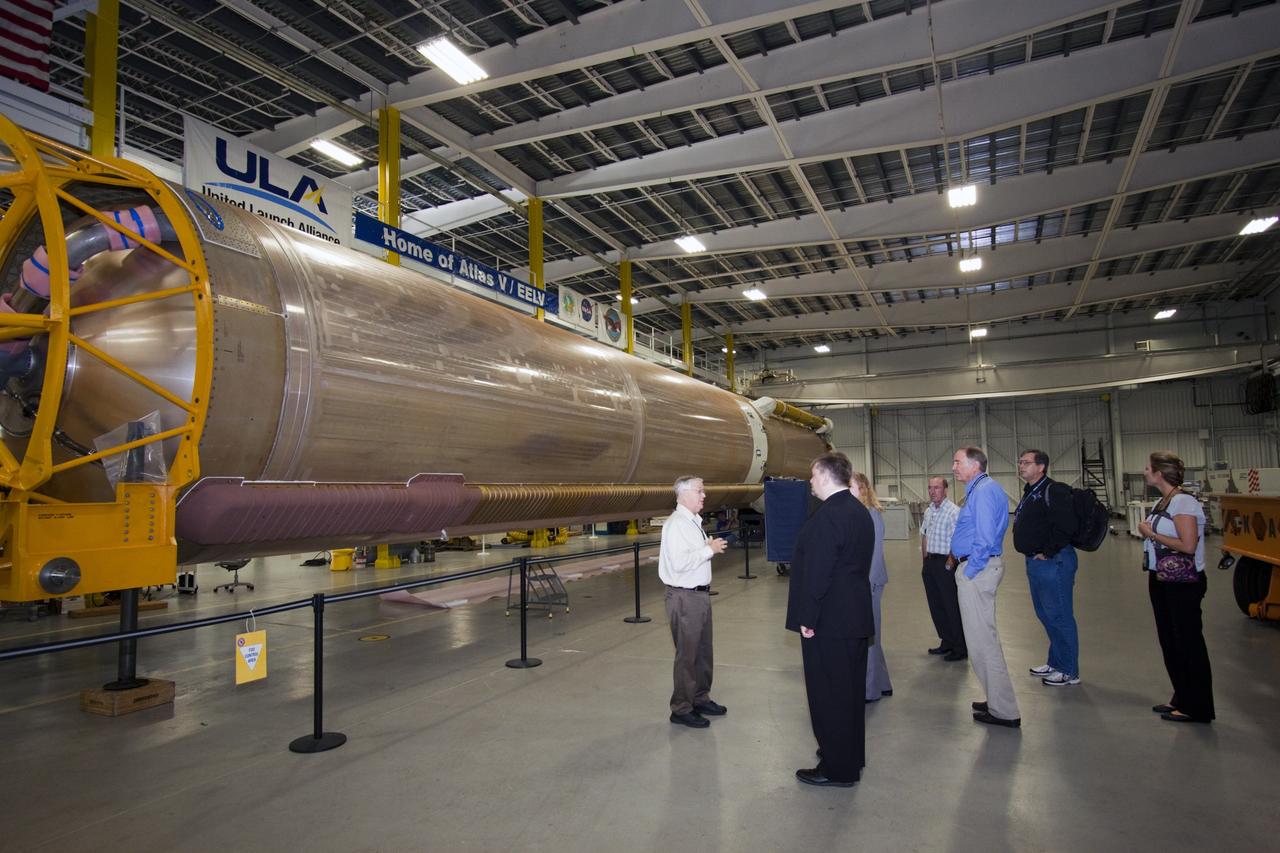
CAPE CANAVERAL, Fla. – Mike Woolley of the United Launch Alliance, left, shows an Atlas V rocket to Dr. Mason Peck, NASA's chief technologist, during Peck's visit to Cape Canaveral Air Force Station in Florida. Photo credit: NASA/Jim Grossman
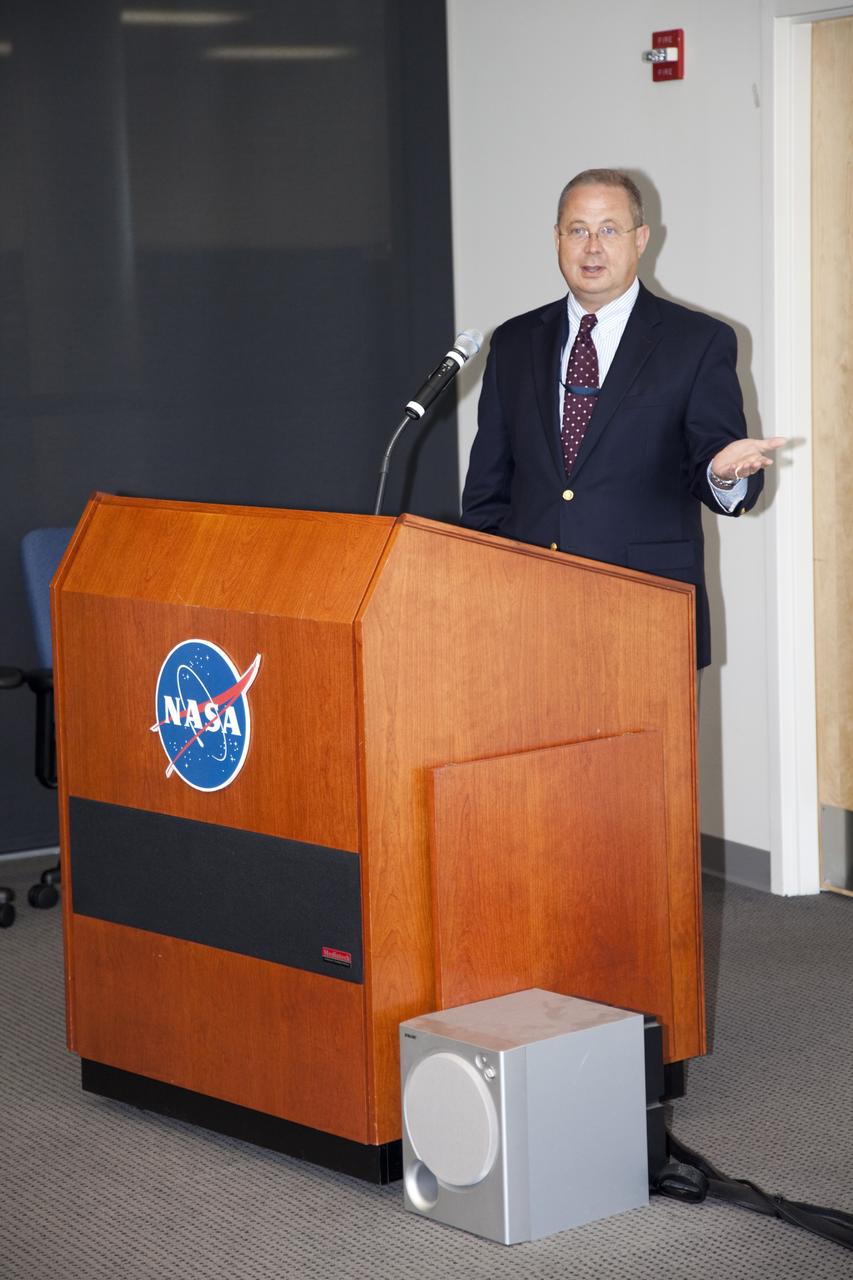
CAPE CANAVERAl, Fla. - James Stanley, chief technologist for Qinetiq North America, speaks during a visit by Dr. Mason Peck, NASA's chief Technologist, to Kennedy Space Center's Space Life Sciences Laboratory. Peck toured the lab facility during a visit to the space center. Photo credit: NASA/Frankie Martin
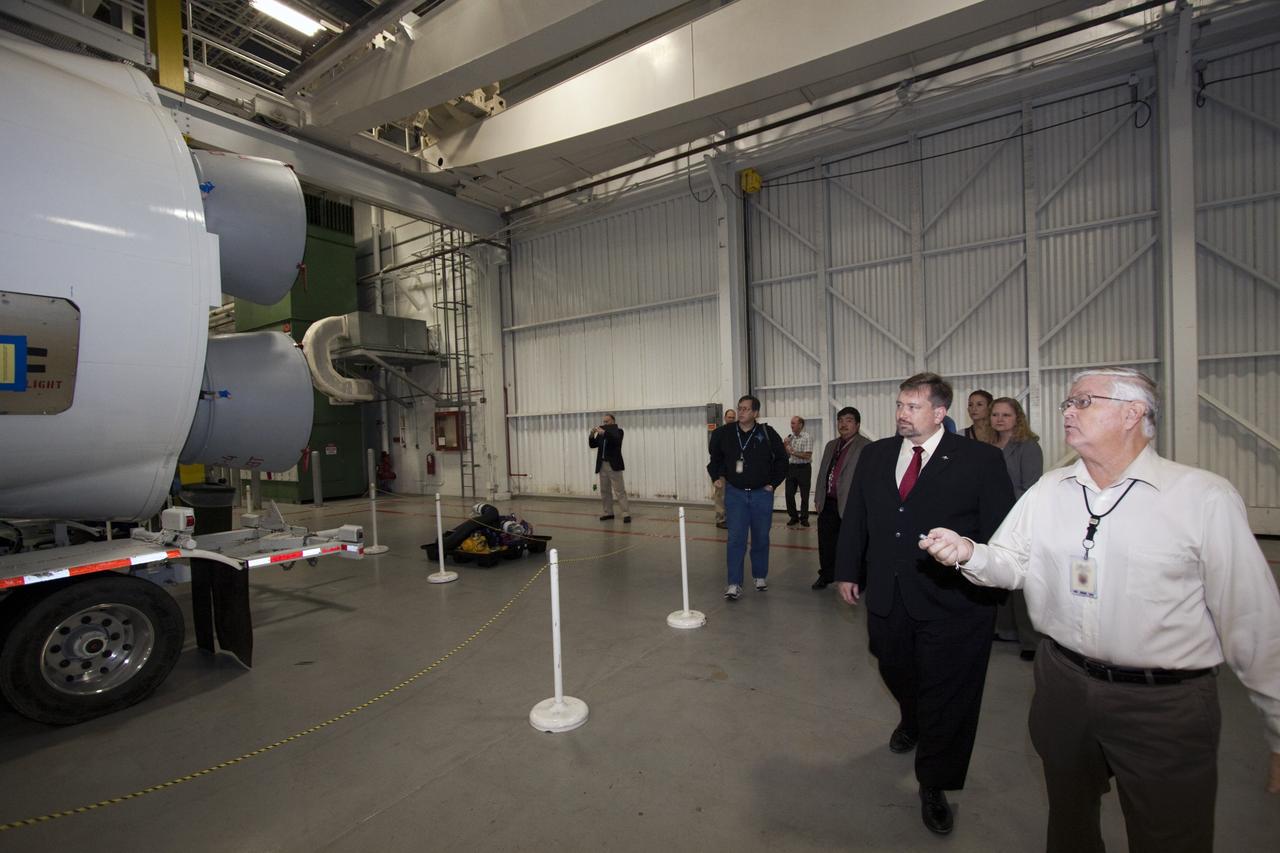
CAPE CANAVERAL, Fla. – Mike Woolley of the United Launch Alliance, right, shows an Atlas V rocket to Dr. Mason Peck, NASA's chief technologist, during Peck's visit to Cape Canaveral Air Force Station in Florida. Photo credit: NASA/Jim Grossman
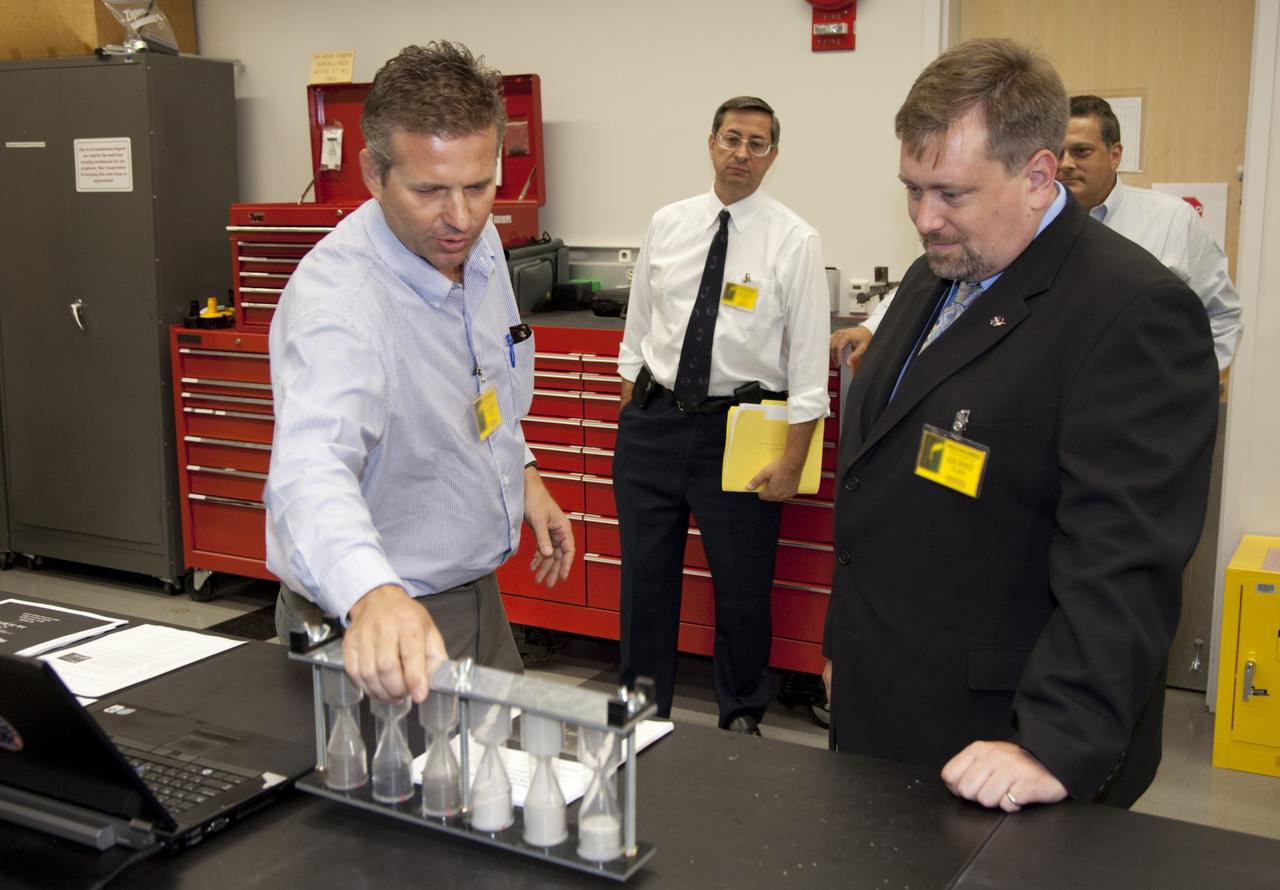
CAPE CANAVERAl, Fla. - Robert Mueller, left, explains differences in lunar, Martian and Earth soil using simulants to Dr. Mason Peck, NASA's chief Technologist, during a tour of the Space Life Sciences Laboratory at Kennedy. Peck toured the lab facility during a visit to the space center. Photo credit: NASA/Frankie Martin
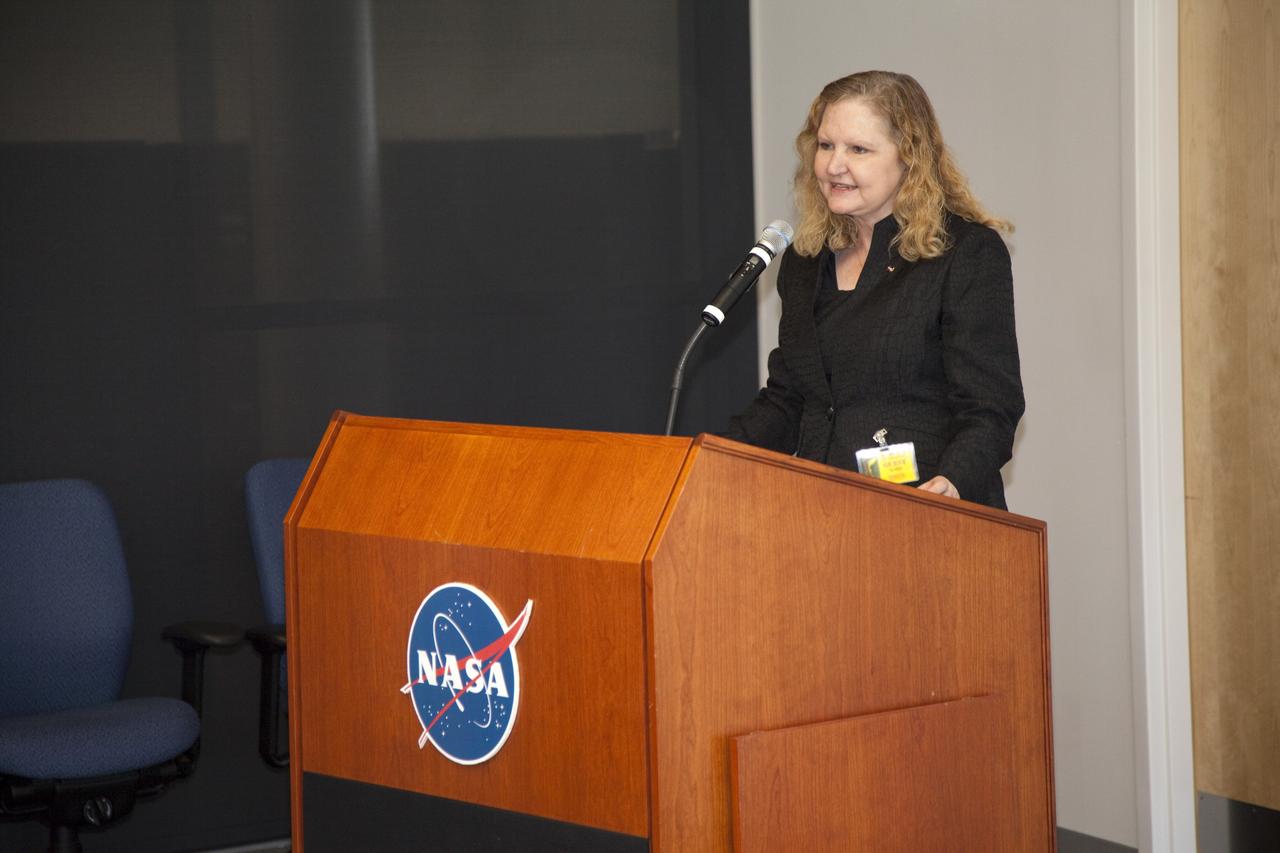
CAPE CANAVERAl, Fla. - Karen L. Thompson, chief technologist for Kennedy Space Center, speaks during a visit by Dr. Mason Peck, NASA's chief Technologist, to to Kennedy Space Center's Space Life Sciences Laboratory. Peck toured the lab facility during a visit to the space center. Photo credit: NASA/Frankie Martin
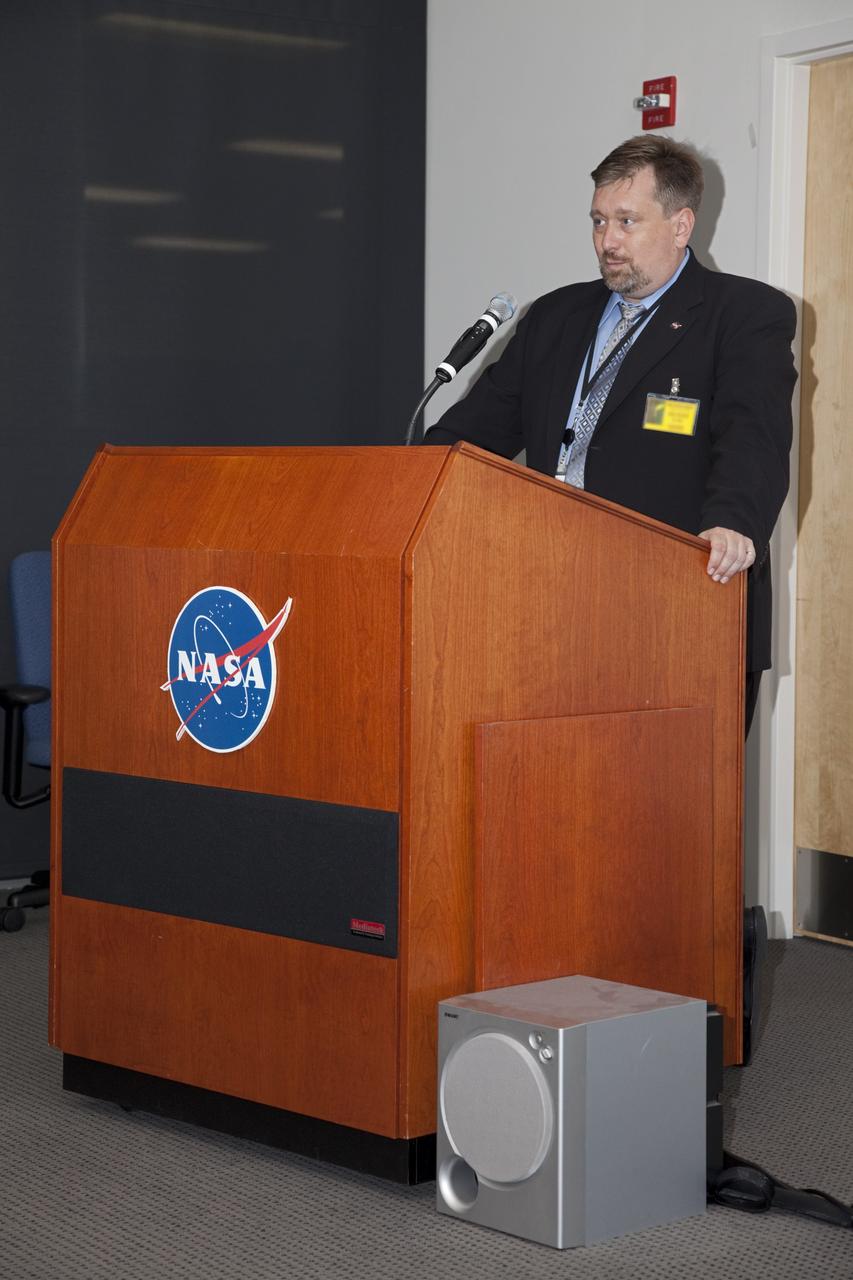
CAPE CANAVERAl, Fla. - Dr. Mason Peck, NASA's chief Technologist, speaks during a visit to the Space Life Sciences Laboratory at Kennedy Space Center. Peck toured the lab facility during a visit to the space center. Photo credit: NASA/Frankie Martin
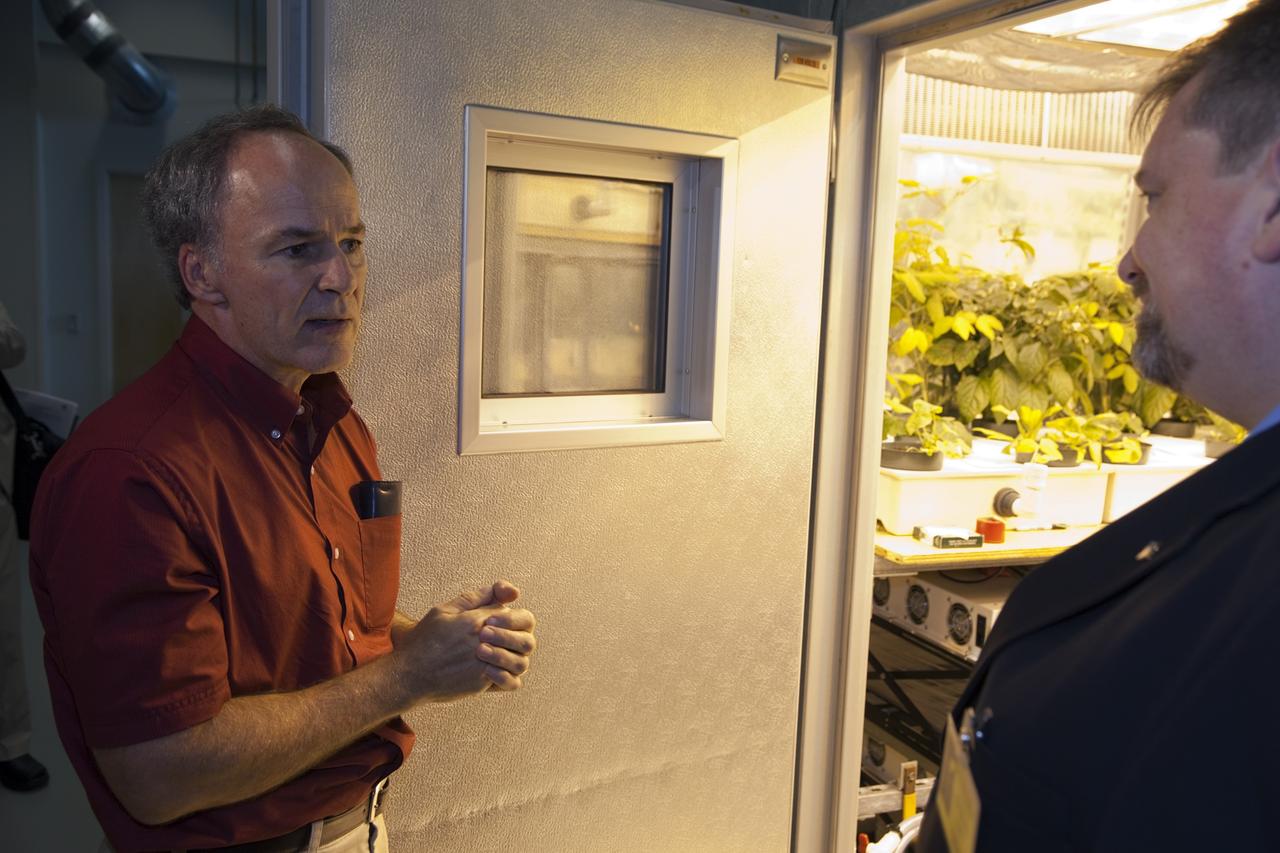
CAPE CANAVERAl, Fla. - Dr. Ray Wheeler, left, explains a plant experiment to Dr. Mason Peck, NASA's chief Technologist, during a tour of the Space Life Sciences Laboratory at Kennedy. Peck toured the lab facility during a visit to the space center. Photo credit: NASA/Frankie Martin
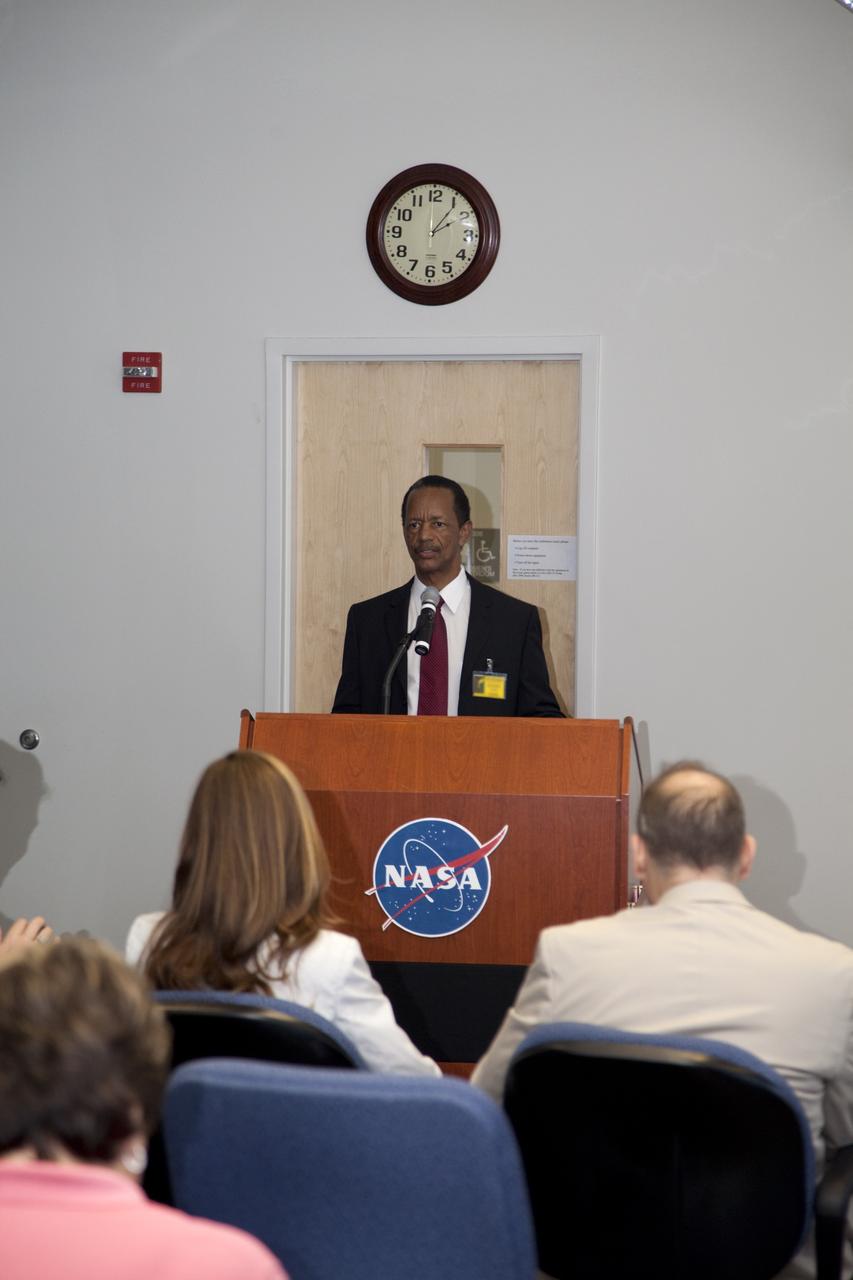
CAPE CANAVERAl, Fla. - Martin Belson, president and CEO of Diversified Industries CEIS, speaks during a visit by Dr. Mason Peck, NASA's chief Technologist, to Kennedy Space Center's Space Life Sciences Laboratory. Peck toured the lab facility during a visit to the space center. Photo credit: NASA/Frankie Martin
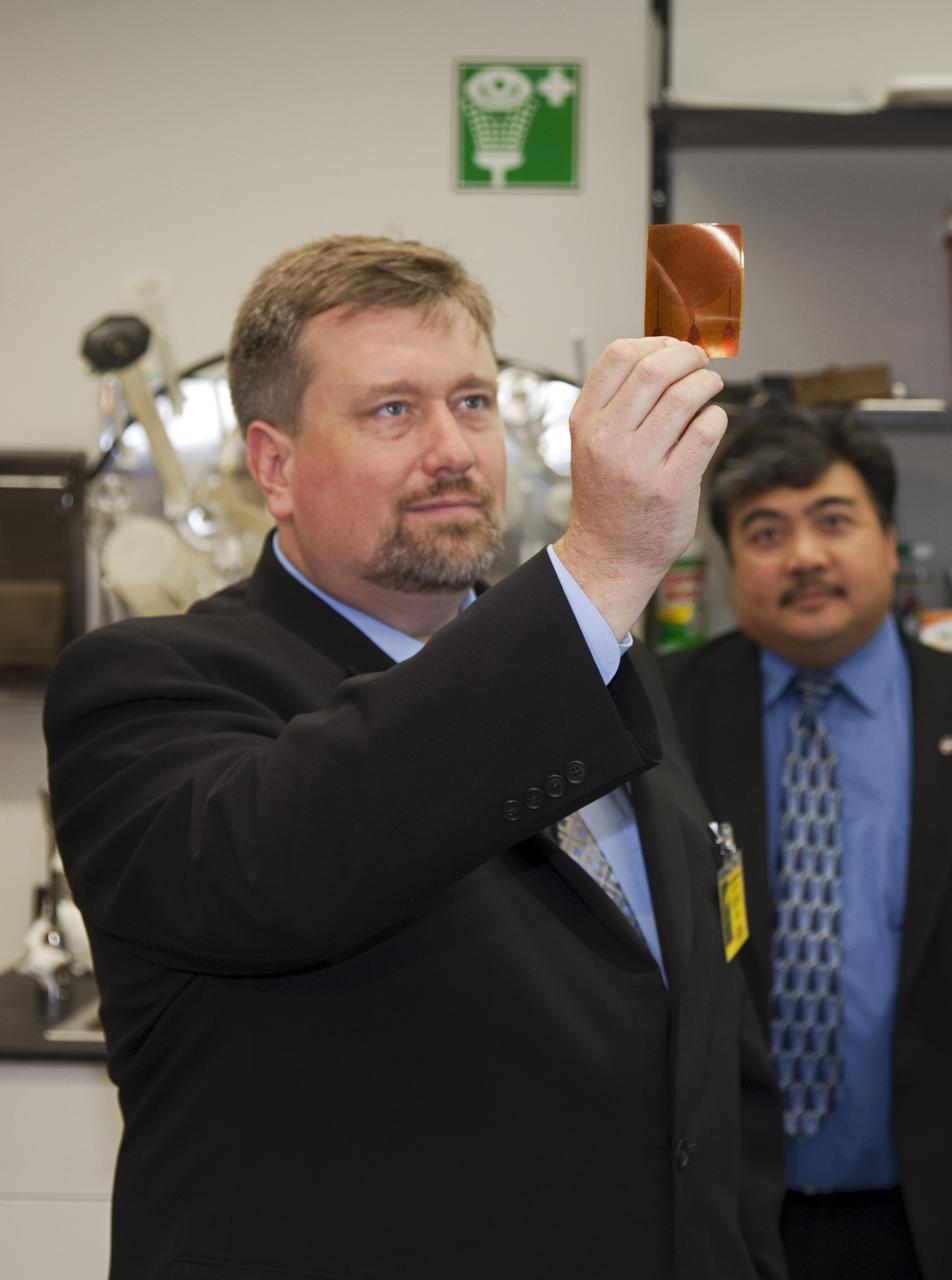
CAPE CANAVERAl, Fla. - Dr. Mason Peck, left, NASA's chief Technologist, examines an innovative conductive material during a tour of the Space Life Sciences Laboratory at Kennedy. Peck toured the lab facility during a visit to the space center. Photo credit: NASA/Frankie Martin
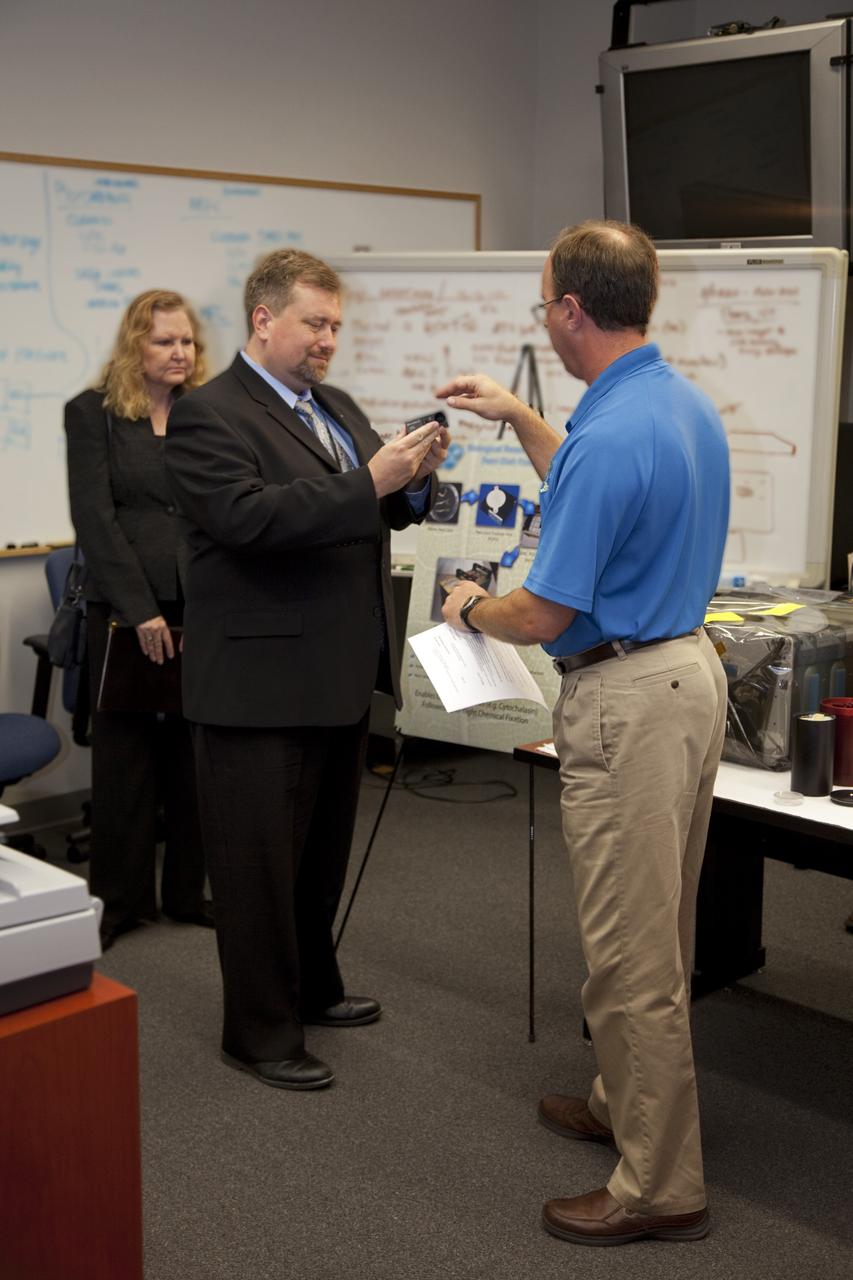
CAPE CANAVERAL, Fla. – Dr. Mason Peck, center, NASA's chief Technologist, listens as David Reed, right, explains an innovation during Pecks' tour of the Space Life Sciences Laboratory at Kennedy. Karen L. Thompson, chief technologist for Kennedy Space Center, looks on. Peck toured the lab facility during a visit to the space center. Photo credit: NASA/Frankie Martin
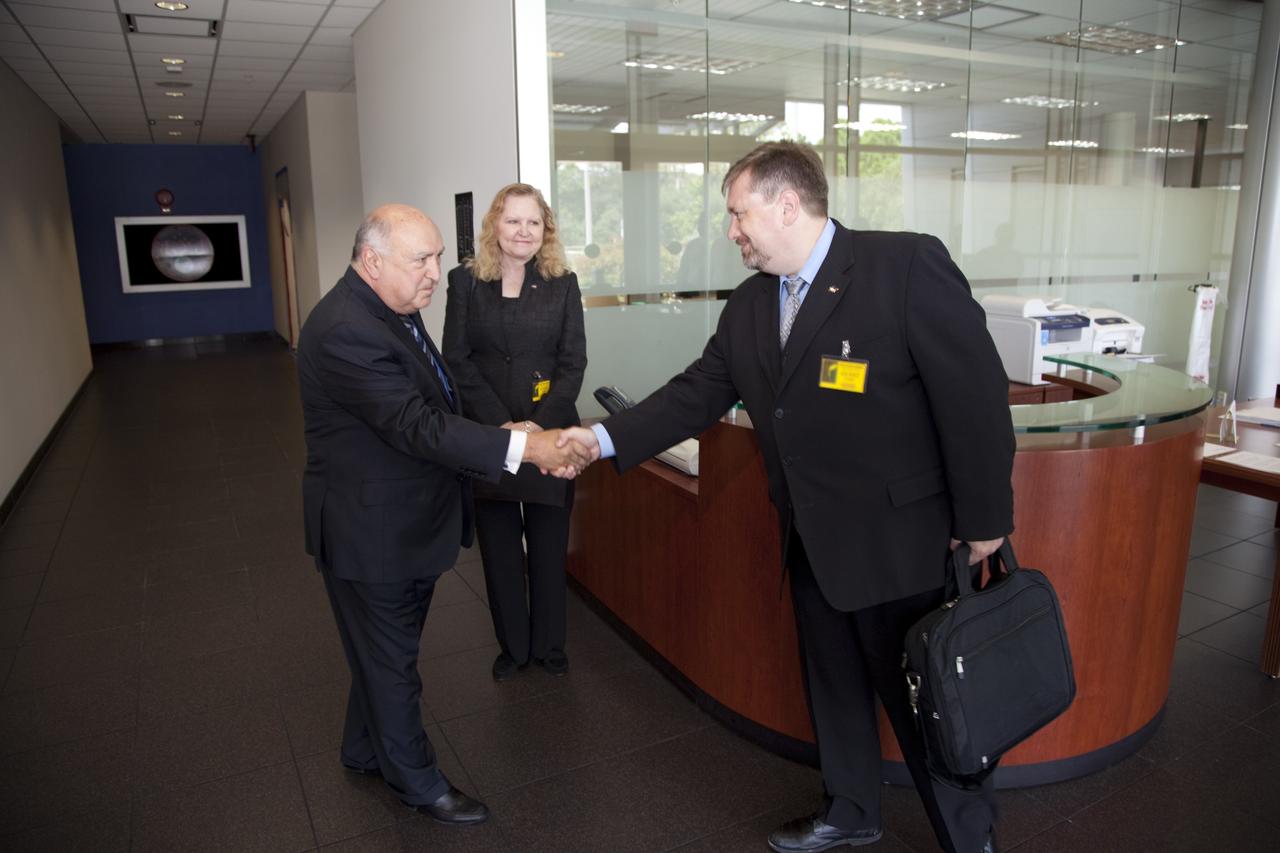
CAPE CANAVERAL, Fla. – Dr. Mason Peck, right, NASA's chief Technologist, greets Frank DiBello, president and CEO of Space Florida as Karen L. Thompson, chief technologist for Kennedy Space Center, looks on. Space Florida manages the Space Life Sciences Laboratory at Kennedy. Peck toured the lab facility during a visit to the space center. Photo credit: NASA/Frankie Martin
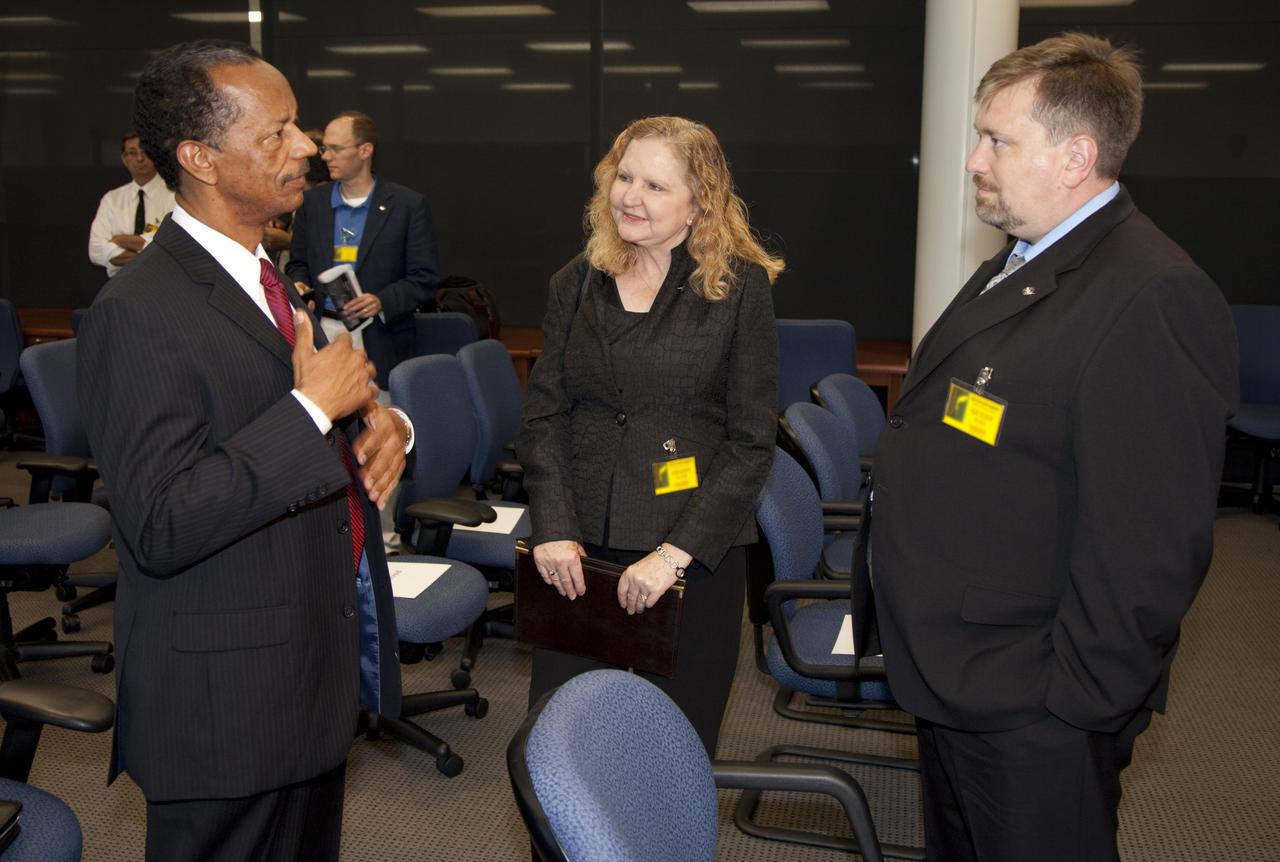
CAPE CANAVERAl, Fla. - Dr. Mason Peck, right, NASA's chief Technologist, talks with Martin Belson, president and CEO of Diversified Industries CEIS, as Karen L. Thompson, chief technologist for Kennedy Space Center, looks on. Peck toured Kennedy Space Center's Space Life Sciences Laboratory during a visit to the space center. Photo credit: NASA/Frankie Martin
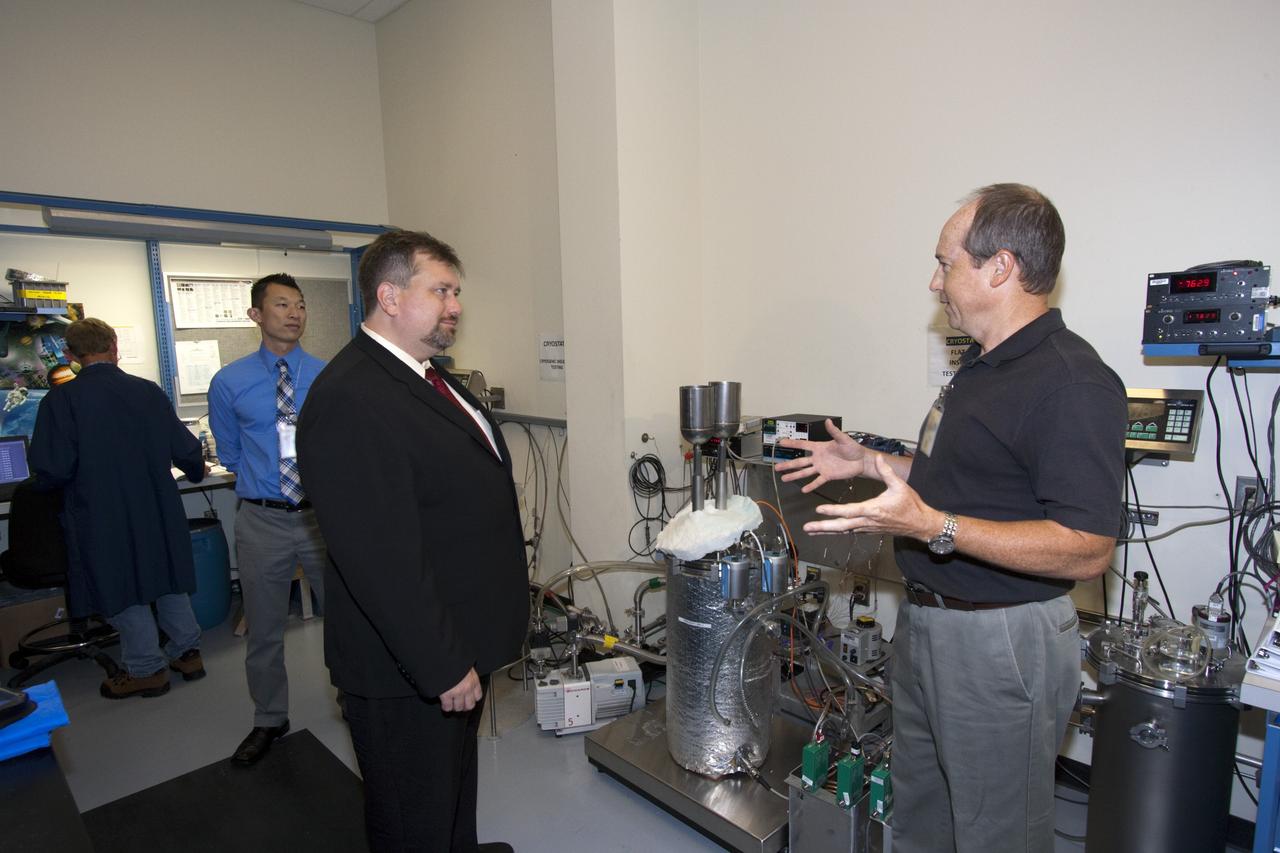
CAPE CANAVERAL, Fla. – James Fesmire, right, talks to Dr. Mason Peck, NASA's chief technologist, inside the Cryogenics lab at NASA's Kennedy Space Center in Florida as Johnny Nguyen, second from left, looks on. Photo credit: NASA/Jim Grossman
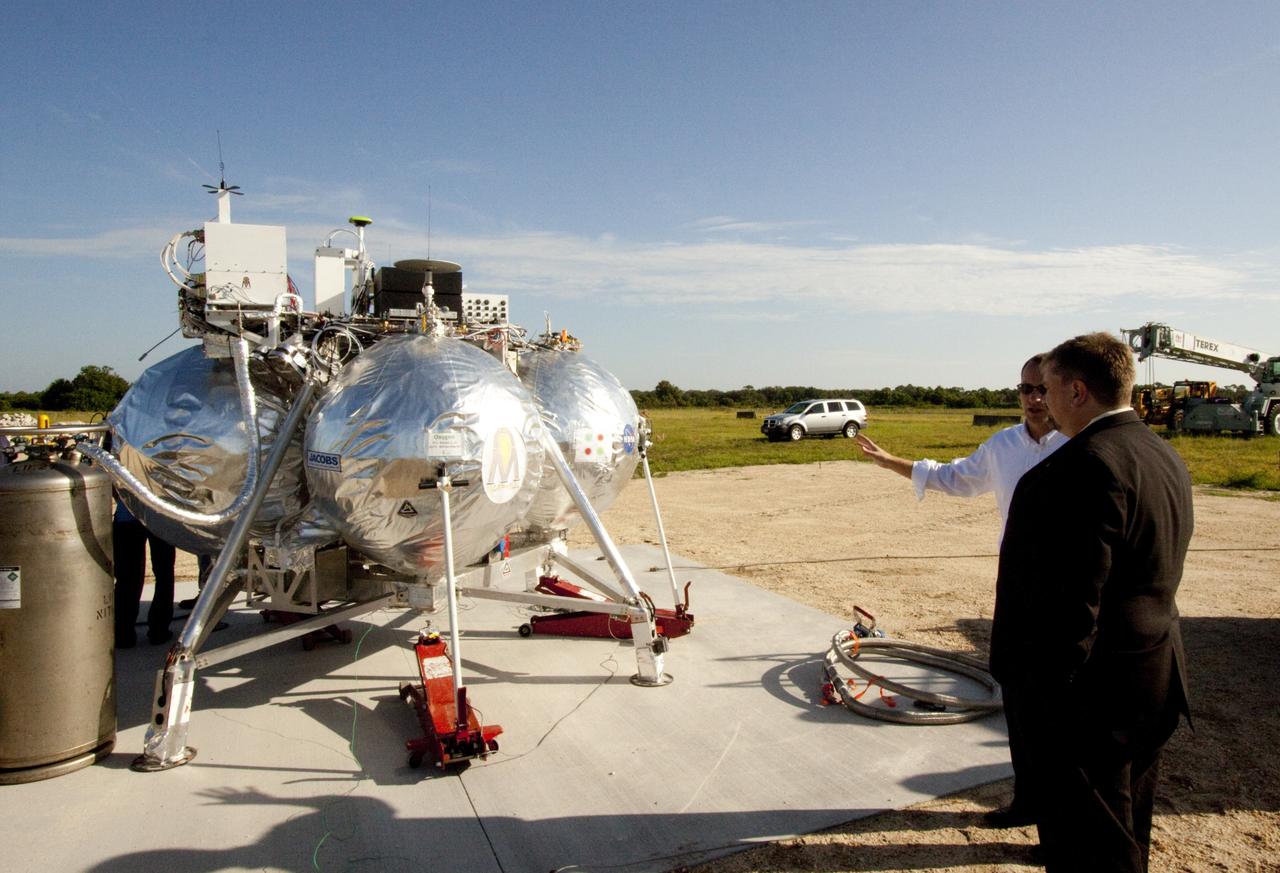
CAPE CANAVERAL, Fla. – Dr. Mason Peck, NASA's chief technologist, examines the Morpheus lander that will soon begin flight and landing tests at the Shuttle Landing Facility at NASA's Kennedy Space Center in Florida. Photo credit: NASA/Jim Grossman
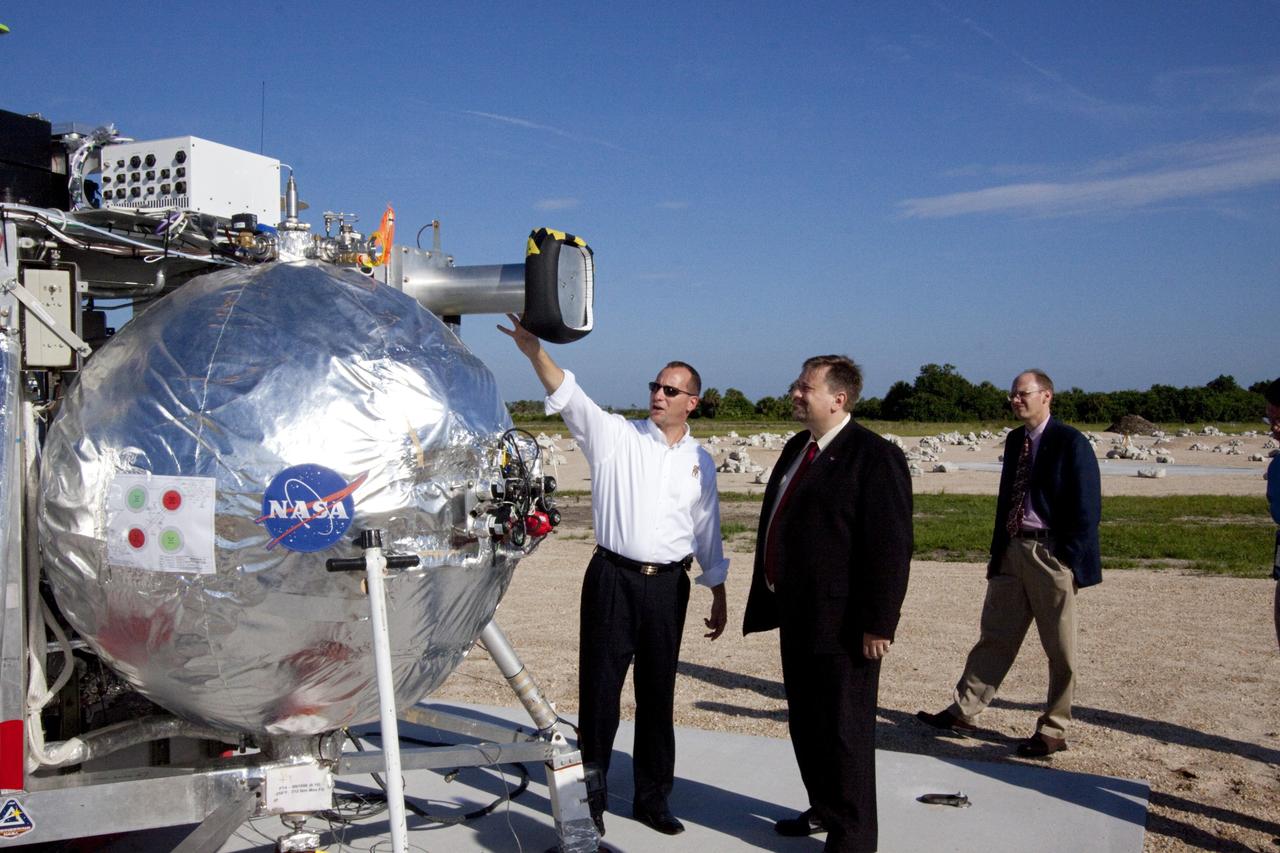
CAPE CANAVERAL, Fla. – Dr. Mason Peck, NASA's chief technologist, talks with managers of the Morpheus lander that will soon begin flight and landing tests at the Shuttle Landing Facility at NASA's Kennedy Space Center in Florida. Photo credit: NASA/Jim Grossmann
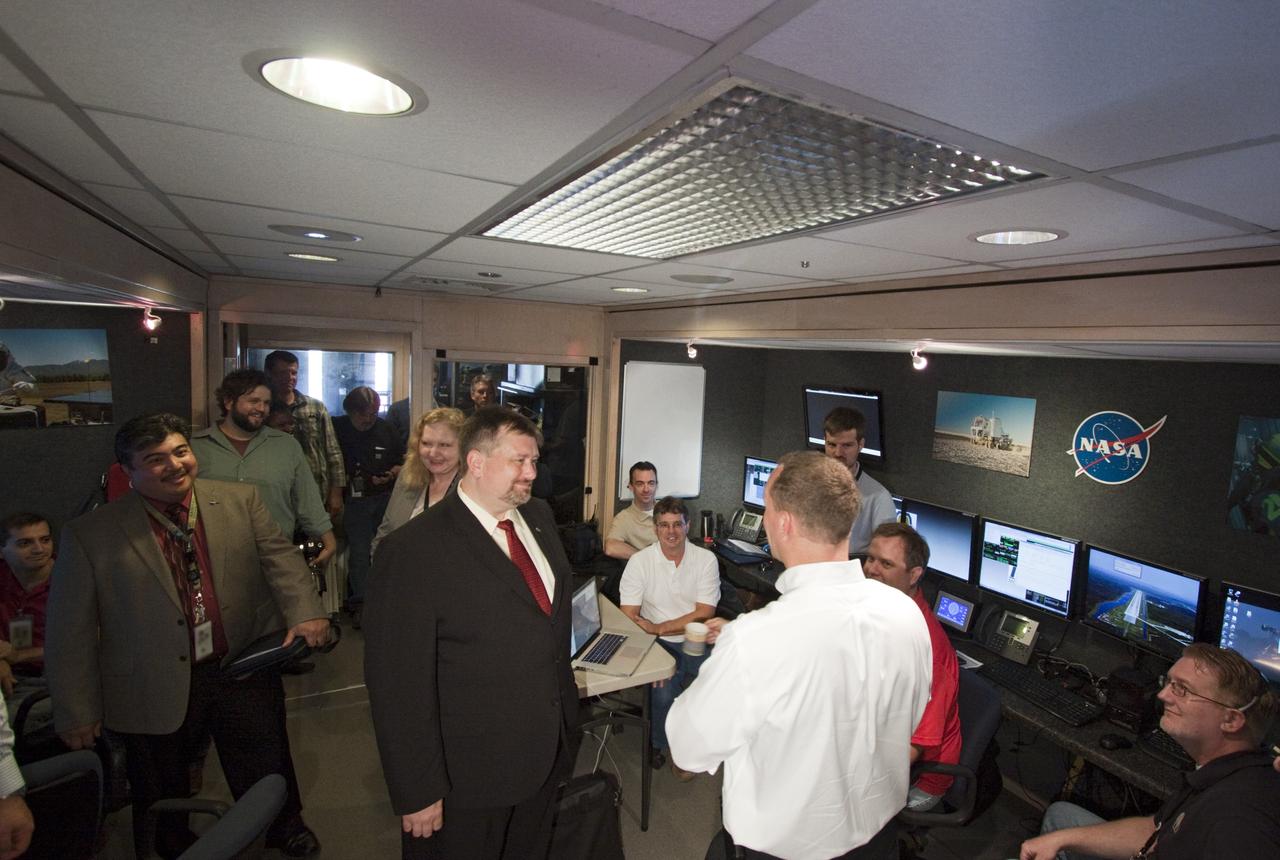
CAPE CANAVERAL, Fla. – Dr. Mason Peck, center, NASA's chief technologist, talks with managers of the Morpheus lander that will soon begin flight and landing tests at the Shuttle Landing Facility at NASA's Kennedy Space Center in Florida. Photo credit: NASA/Jim Grossmann
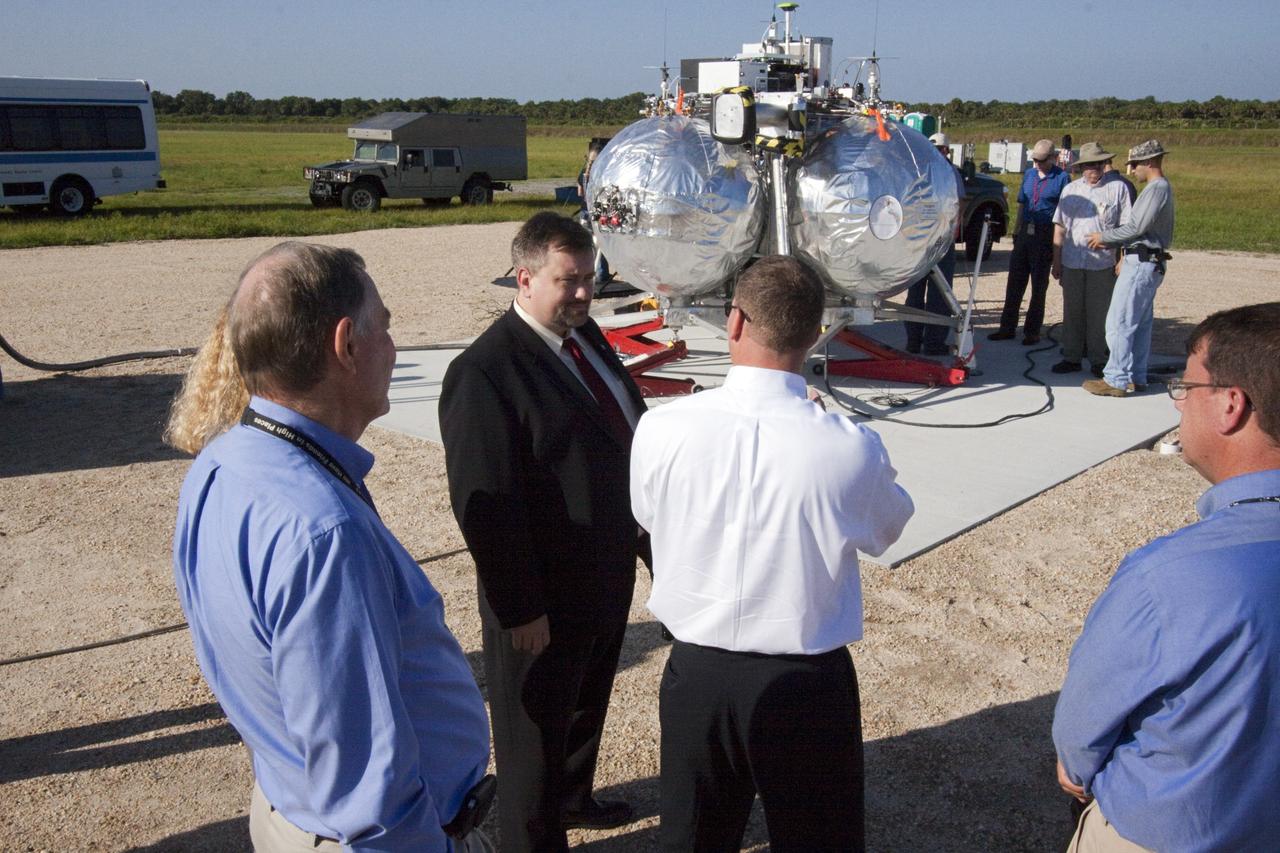
CAPE CANAVERAL, Fla. – Dr. Mason Peck, NASA's chief technologist, talks with managers of the Morpheus lander that will soon begin flight and landing tests at the Shuttle Landing Facility at NASA's Kennedy Space Center in Florida. Photo credit: NASA/Jim Grossman

CAPE CANAVERAL, Fla. – Dr. Mason Peck, center, NASA's chief technologist, listens to details about the processing of the agency's first flight test Orion spacecraft by Lockheed Martin inside the Operations and Checkout Building's high bay at Kennedy Space Center in Florida. Photo credit: NASA/Jim Grossmann

CAPE CANAVERAL, Fla. – Dr. Mason Peck, NASA's chief technologist, examines the Morpheus lander that will soon begin flight and landing tests at the Shuttle Landing Facility at NASA's Kennedy Space Center in Florida. Photo credit: NASA/Jim Grossmann
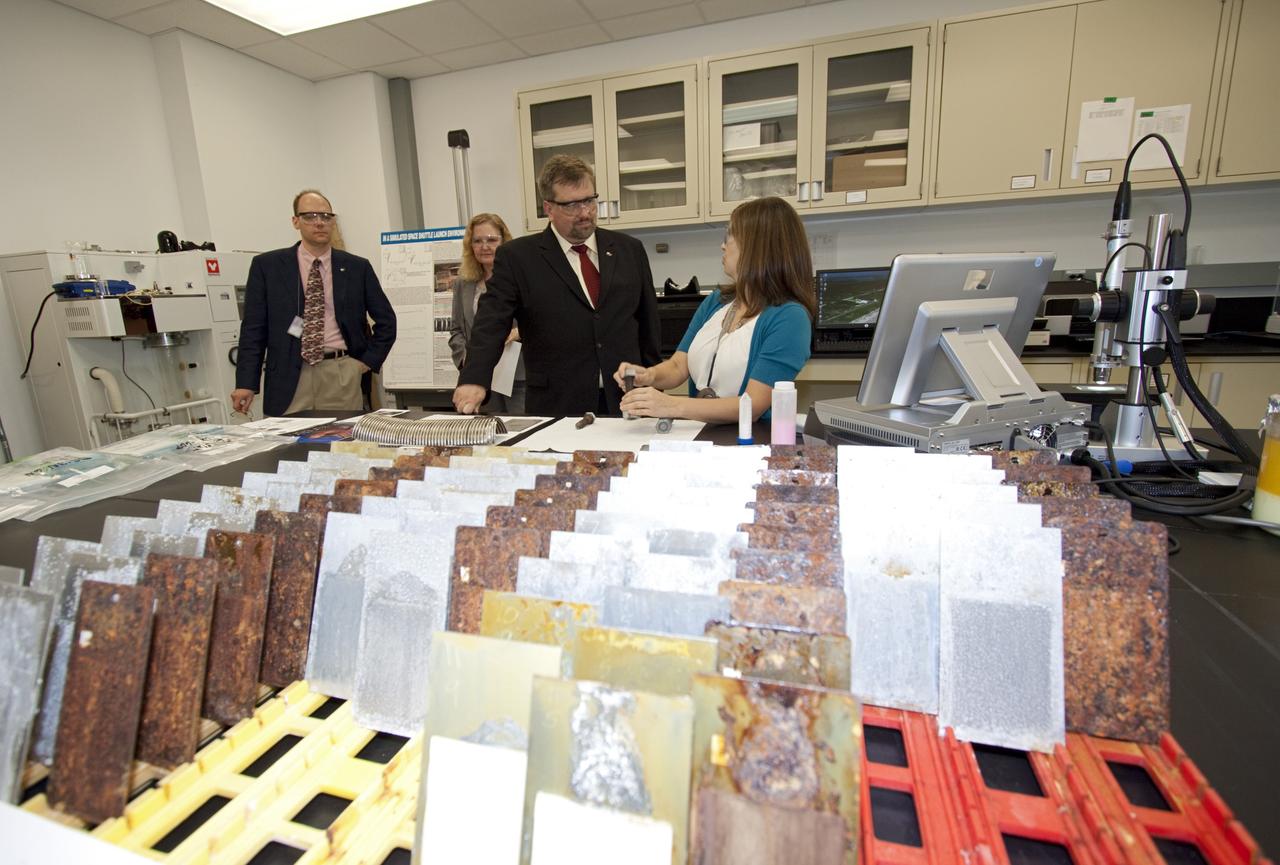
CAPE CANAVERAL, Fla. – Eliza Montgomery, right, talks to Dr. Mason Peck, NASA's chief technologist, inside the Corrosion lab at NASA's Kennedy Space Center in Florida as David Steitz, left, and Karen Thompson, Kennedy's chief technologist, look on. Photo credit: NASA/Jim Grossmann
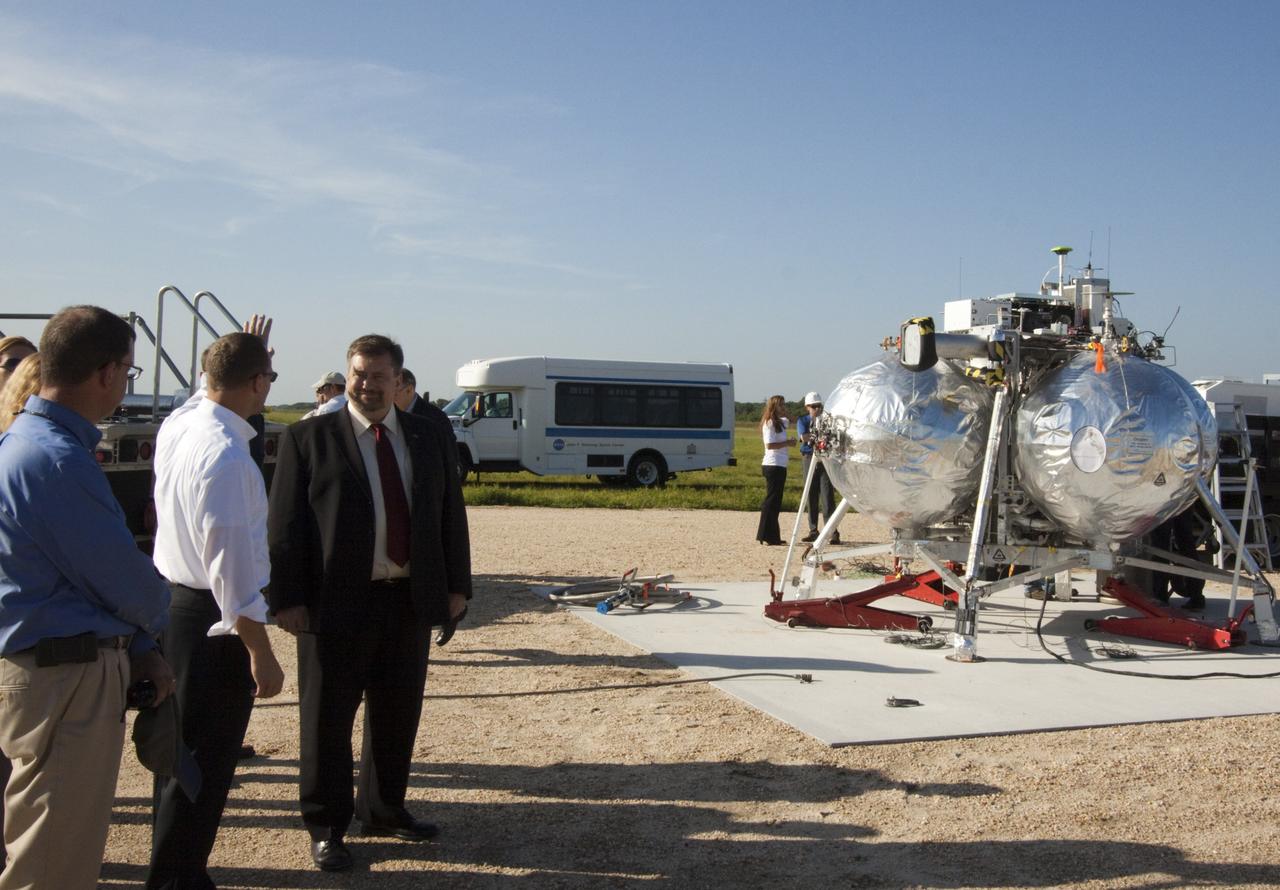
CAPE CANAVERAL, Fla. – Dr. Mason Peck, NASA's chief technologist, talks with managers of the Morpheus lander that will soon begin flight and landing tests at the Shuttle Landing Facility at NASA's Kennedy Space Center in Florida. Photo credit: NASA/Jim Grossman
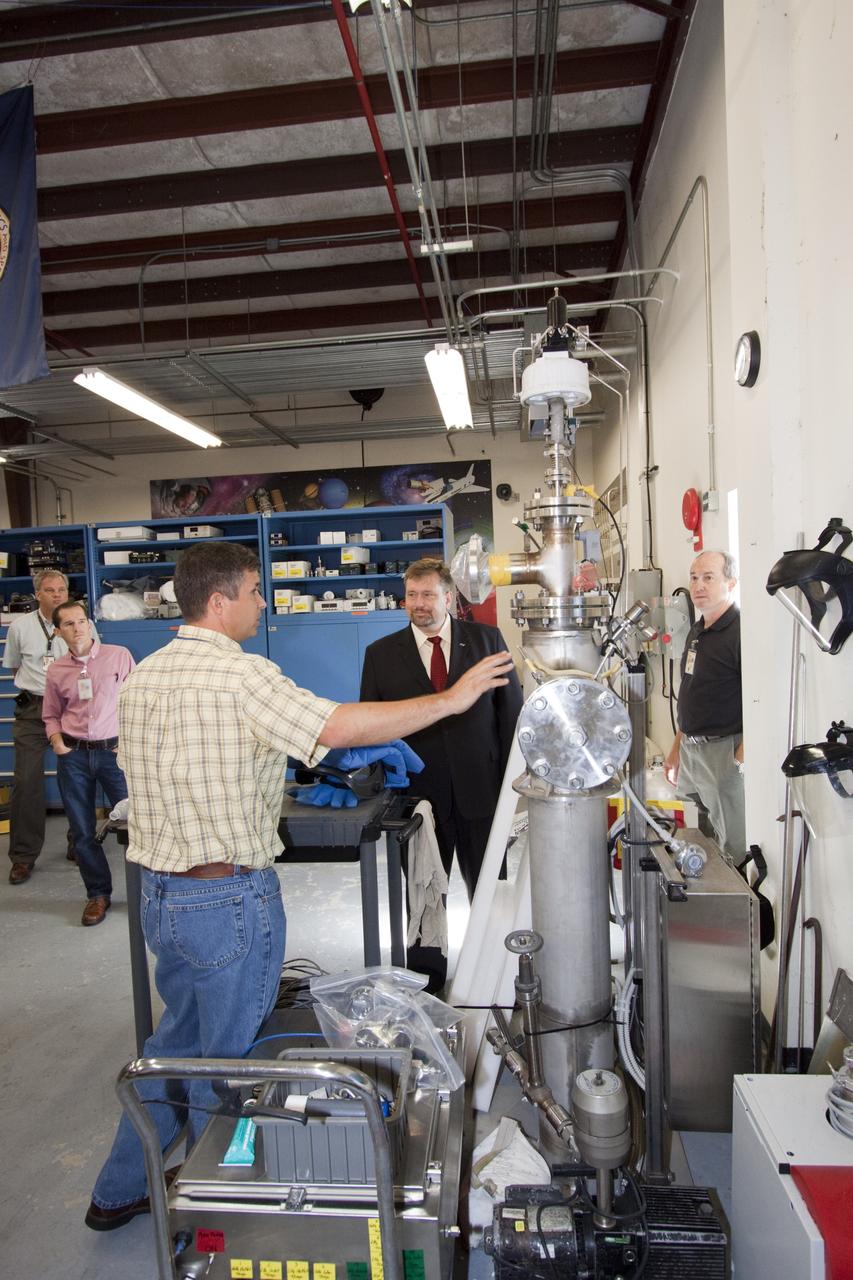
CAPE CANAVERAL, Fla. – Jared Sass talks to Dr. Mason Peck, NASA's chief technologist, inside the Cryogenics lab at NASA's Kennedy Space Center in Florida as Robert Johnson, left, Adam Swanger and James Fesmire look on. Photo credit: NASA/Jim Grossmann

CAPE CANAVERAL, Fla. – Dr. Mason Peck, center, NASA's chief technologist, talks with managers of the Morpheus lander that will soon begin flight and landing tests at the Shuttle Landing Facility at NASA's Kennedy Space Center in Florida. Photo credit: NASA/Jim Grossmann
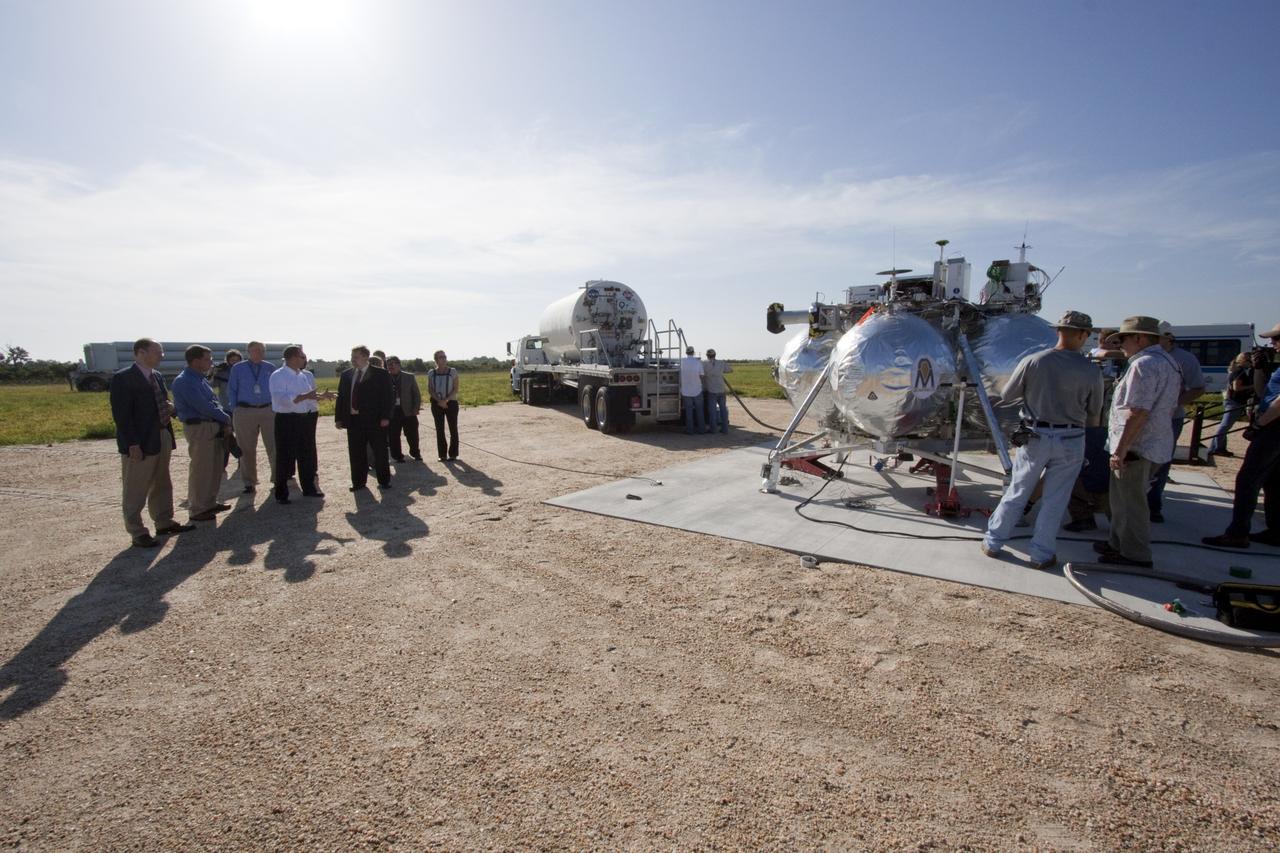
CAPE CANAVERAL, Fla. – Dr. Mason Peck, NASA's chief technologist, talks with managers of the Morpheus lander that will soon begin flight and landing tests at the Shuttle Landing Facility at NASA's Kennedy Space Center in Florida. Photo credit: NASA/Jim Grossman
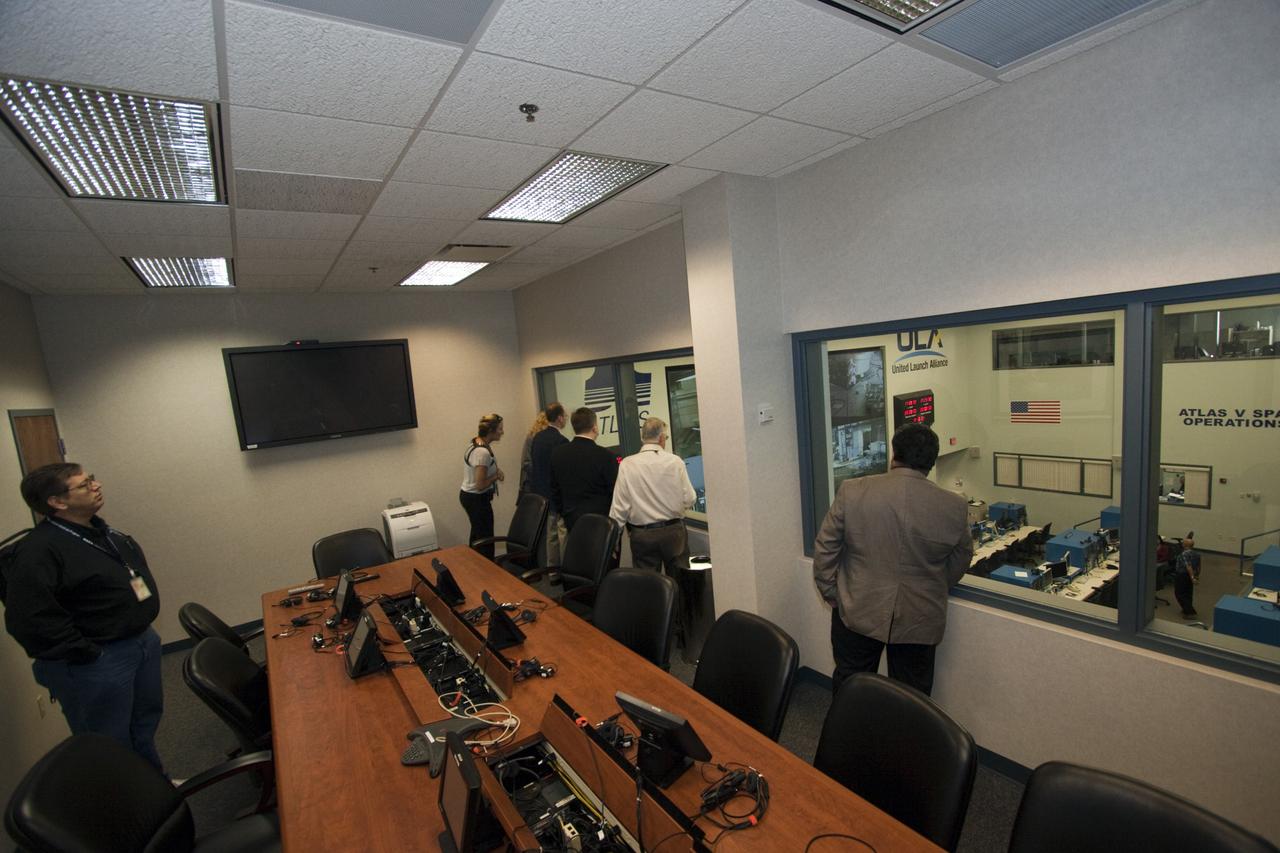
CAPE CANAVERAL, Fla. – Dr. Mason Peck, NASA's chief technologist, visits United Launch Alliance's Atlas V Space Operations Center at Cape Canaveral Air Force Station in Florida. Photo credit: NASA/Jim Grossman
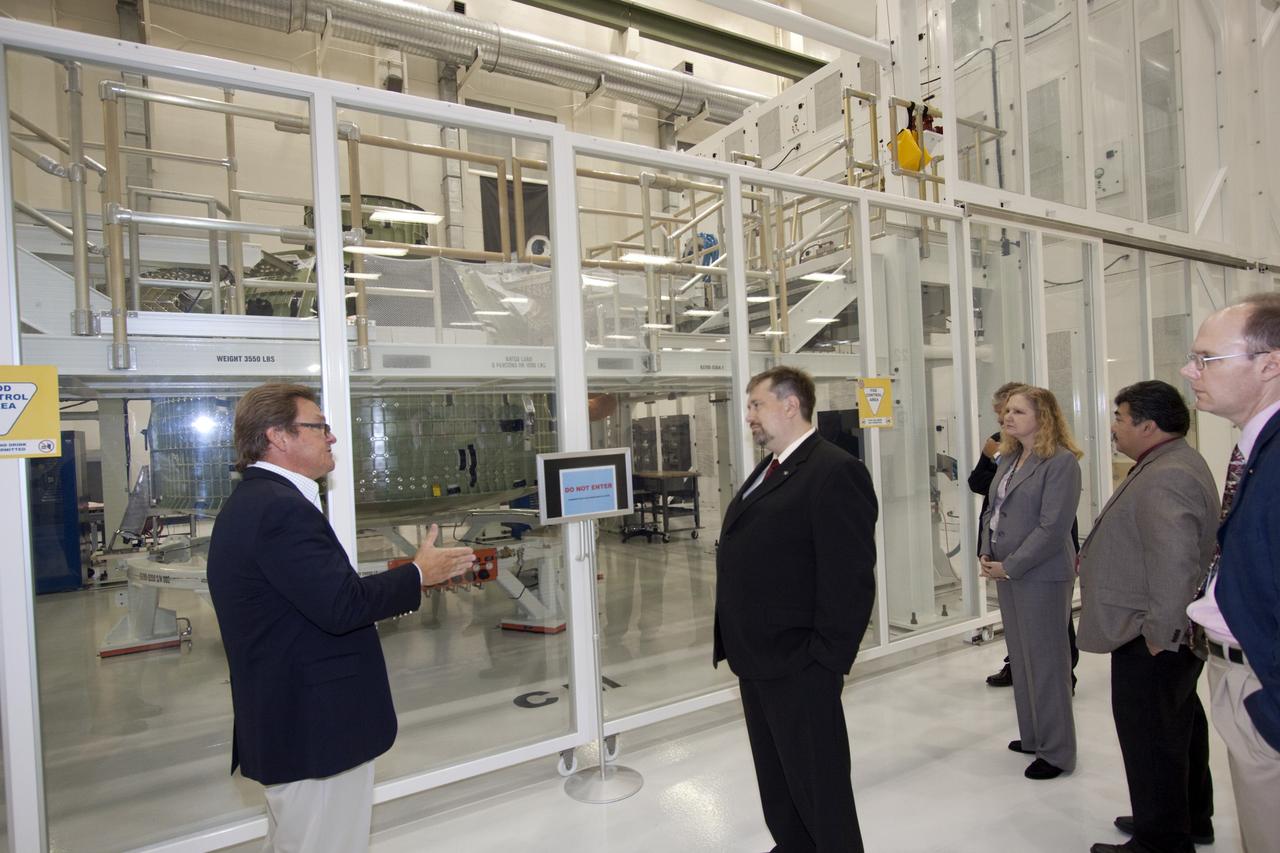
CAPE CANAVERAL, Fla. – Dr. Mason Peck, center, NASA's chief technologist, listens to details about the processing of the agency's first flight test Orion spacecraft by Lockheed Martin inside the Operations and Checkout Building's high bay at Kennedy Space Center in Florida. Lockheed Martin's Julian Schneider, left, led the presentation. Photo credit: NASA/Jim Grossmann

CAPE CANAVERAL, Fla. – CAPE CANAVERAL, Fla. – Dr. Mason Peck, center, NASA's chief technologist, visits with Mike Woolley in the lobby of United Launch Alliance's Atlas V Space Operations Center at Cape Canaveral Air Force Station in Florida. Karen L. Thompson, left, chief technologist for Kennedy Space Center, looks on. Photo credit: NASA/Jim Grossman
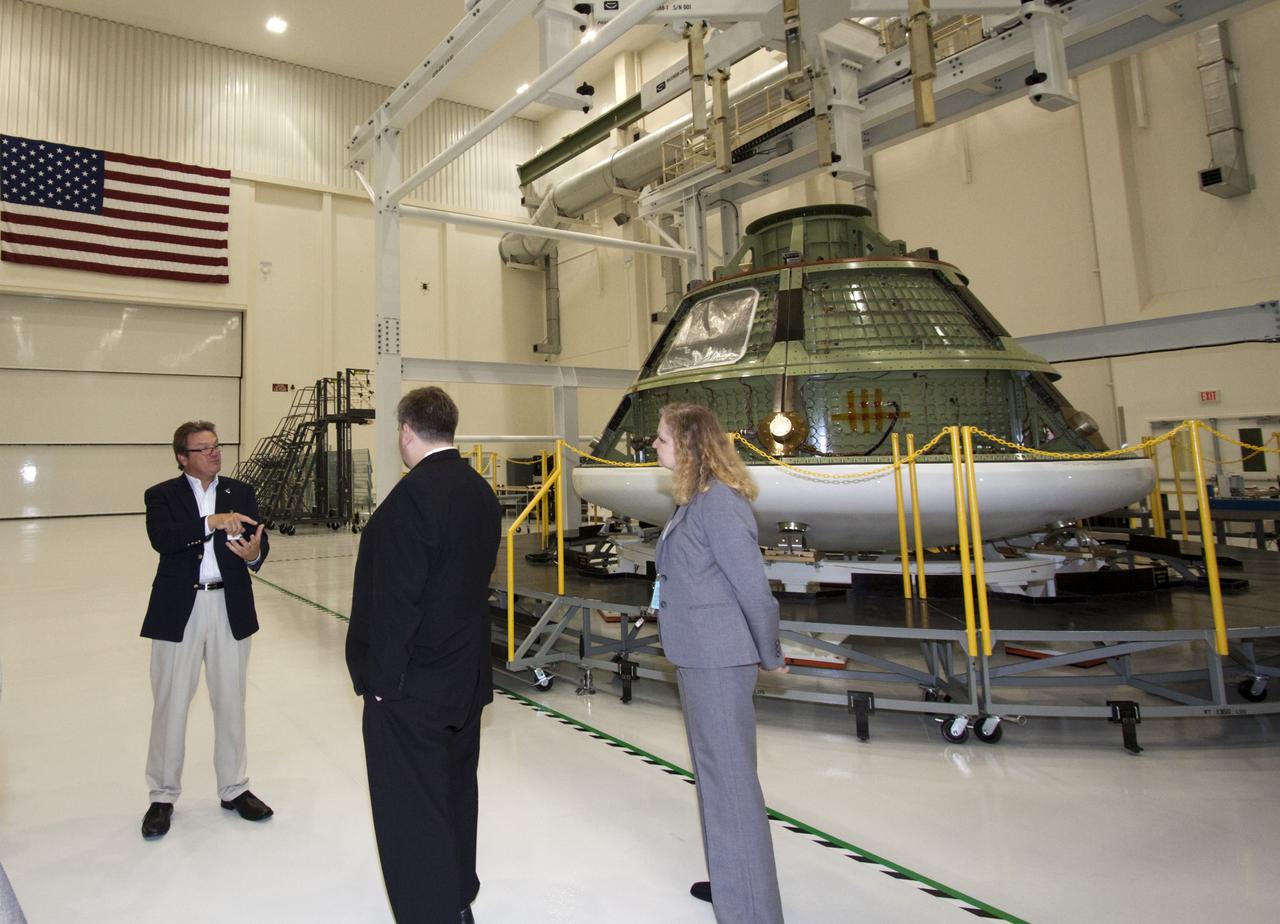
CAPE CANAVERAL, Fla. – Dr. Mason Peck, center, NASA's chief technologist, listens to details about the processing of the agency's first flight test Orion spacecraft by Lockheed Martin inside the Operations and Checkout Building's high bay at Kennedy Space Center in Florida. Lockheed Martin's Julian Schneider, left, led the presentation. Photo credit: NASA/Jim Grossmann
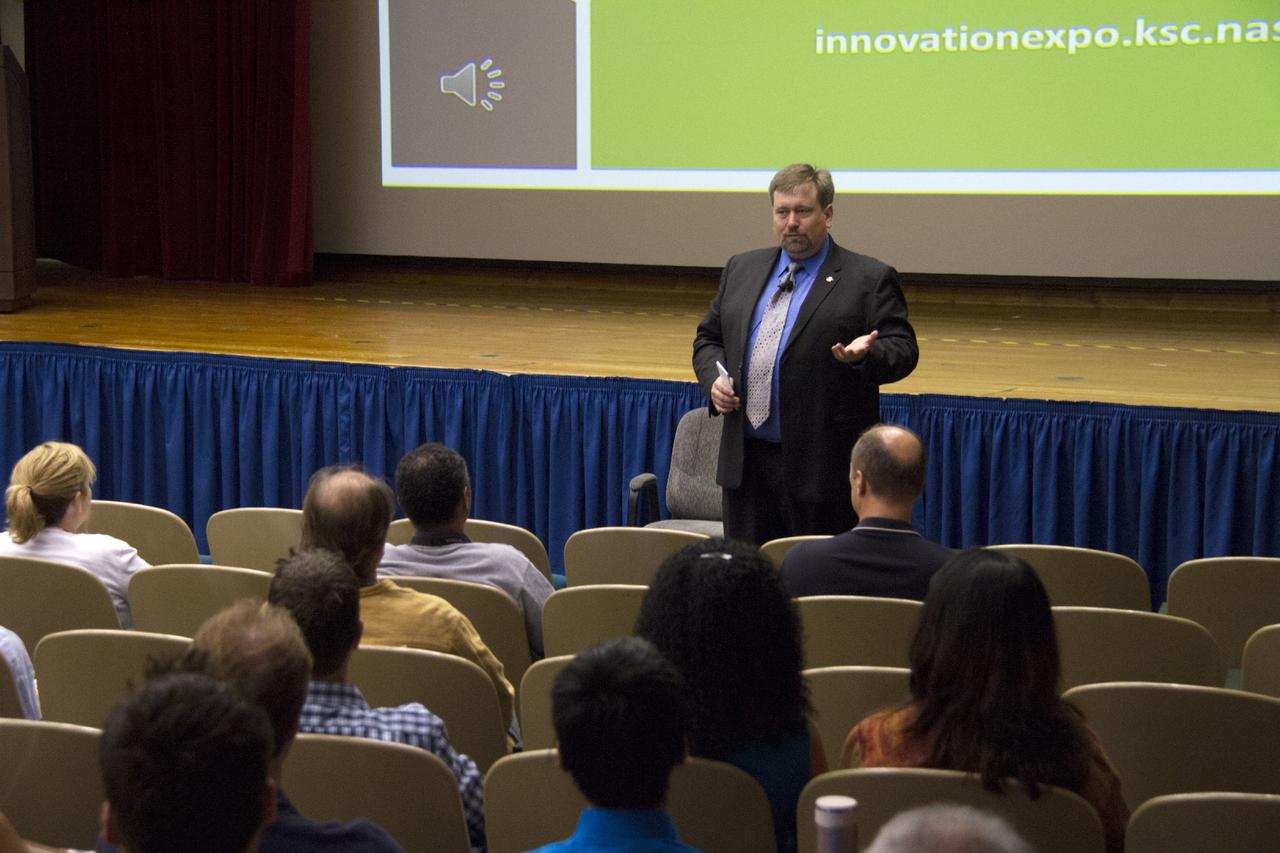
CAPE CANAVERAL, Fla. -- At NASA's Kennedy Space Center in Florida, NASA chief technologist Mason Peck addresses the audience in the KSC Training Auditorium at KSC Talks 2013 on the second day of the KSC Innovation Expo. KSC Talks featured a series of speakers that collectively took the audience on a journey through innovation, from inspiration to application and beyond. The variety of topics presented encouraged the audience to become “Ready for Anything,” to learn how to “Train and un-train Your Brain for Innovation,” and to discover how to “Change the Possible,” among others. Photo credit: NASA/Cory Huston
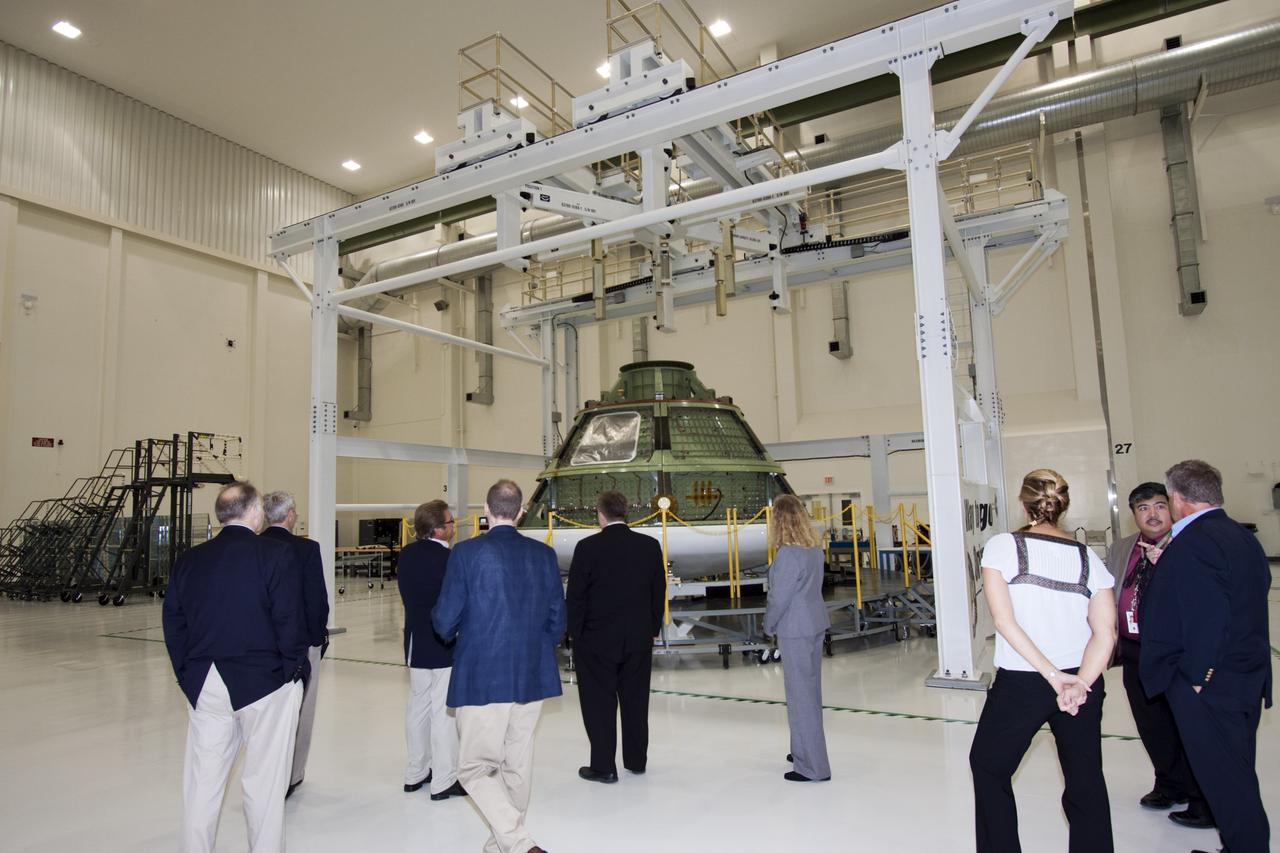
CAPE CANAVERAL, Fla. – Dr. Mason Peck, center, NASA's chief technologist, listens to details about the processing of the agency's first flight test Orion spacecraft by Lockheed Martin inside the Operations and Checkout Building's high bay at Kennedy Space Center in Florida. Photo credit: NASA/Jim Grossmanns to details about the processing of the agency's first flight test Orion spacecraft by Lockheed Martin inside the Operations and Checkout Building's high bay at Kennedy Space Center in Florida. Lockheed Martin's Julian Schneider, left, led the presentation. Photo credit: NASA/Jim Grossmann
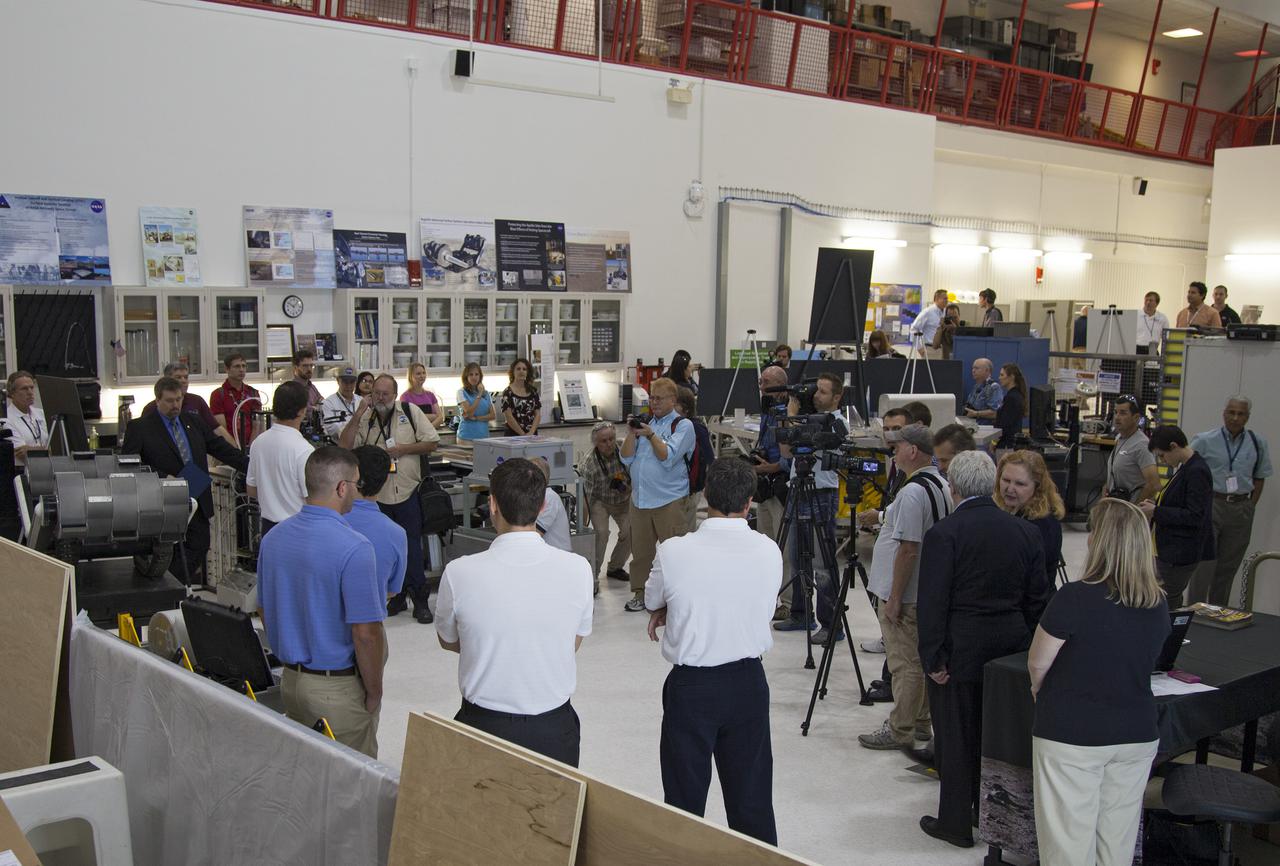
CAPE CANAVERAL, Fla. -- Dr. Mason Peck, second from left, NASA's chief technologist, and a team of NASA's innovative engineers discuss some of NASA's cutting-edge projects with media representatives touring the Swamp Works at NASA's Kennedy Space Center in Florida. Kennedy's Swamp Works provides rapid, innovative and cost-effective exploration mission solutions, leveraging partnerships across NASA, industry and academia. Kennedy's research and technology mission is to improve spaceports on Earth, as well as lay the groundwork for establishing spaceports at destinations in space. For more information, visit http:__www.nasa.gov_centers_kennedy_exploration_researchtech_index.html. Photo credit: NASA_Frankie Martin
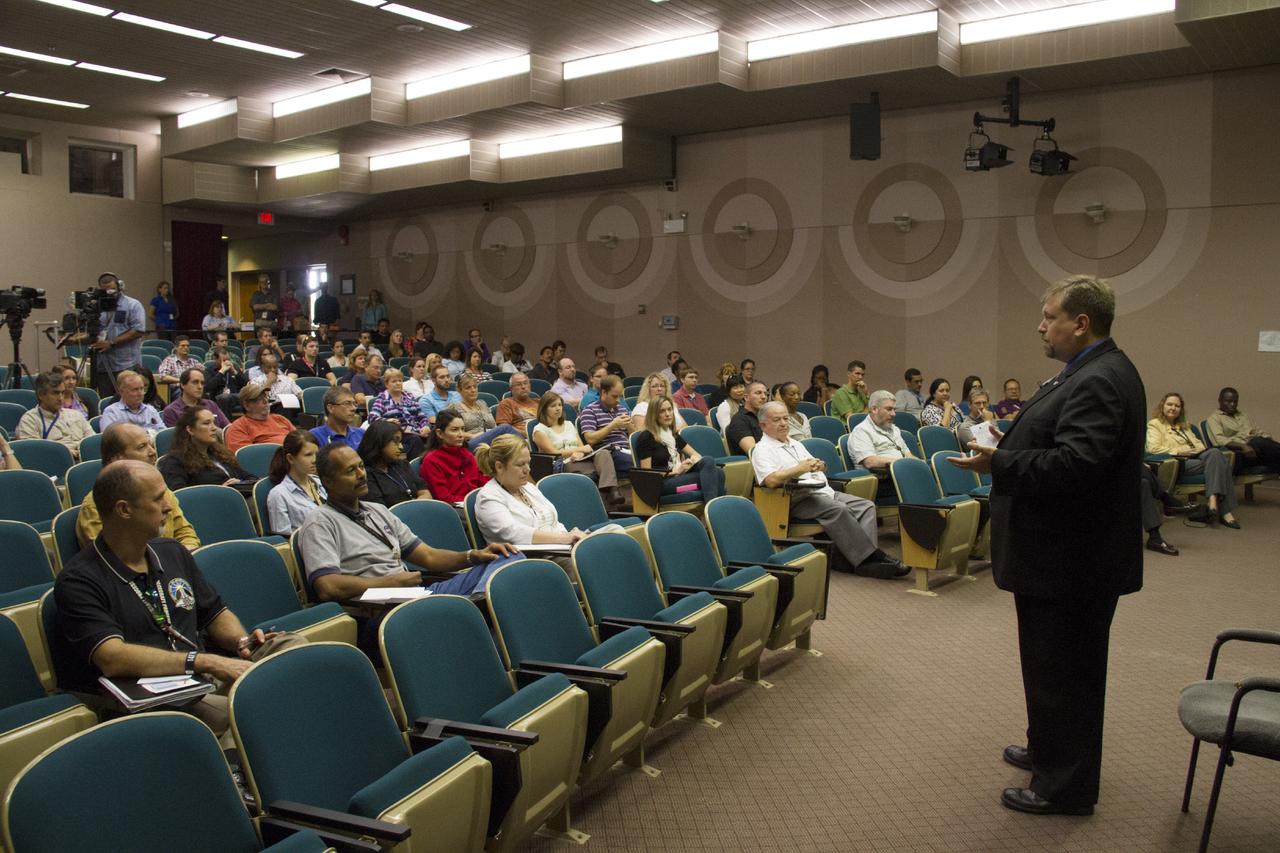
CAPE CANAVERAL, Fla. -- At NASA's Kennedy Space Center in Florida, NASA chief technologist Mason Peck engages the audience in the KSC Training Auditorium at KSC Talks 2013 on the second day of the KSC Innovation Expo. KSC Talks featured a series of speakers that collectively took the audience on a journey through innovation, from inspiration to application and beyond. The variety of topics presented encouraged the audience to become “Ready for Anything,” to learn how to “Train and un-train Your Brain for Innovation,” and to discover how to “Change the Possible,” among others. Photo credit: NASA/Cory Huston
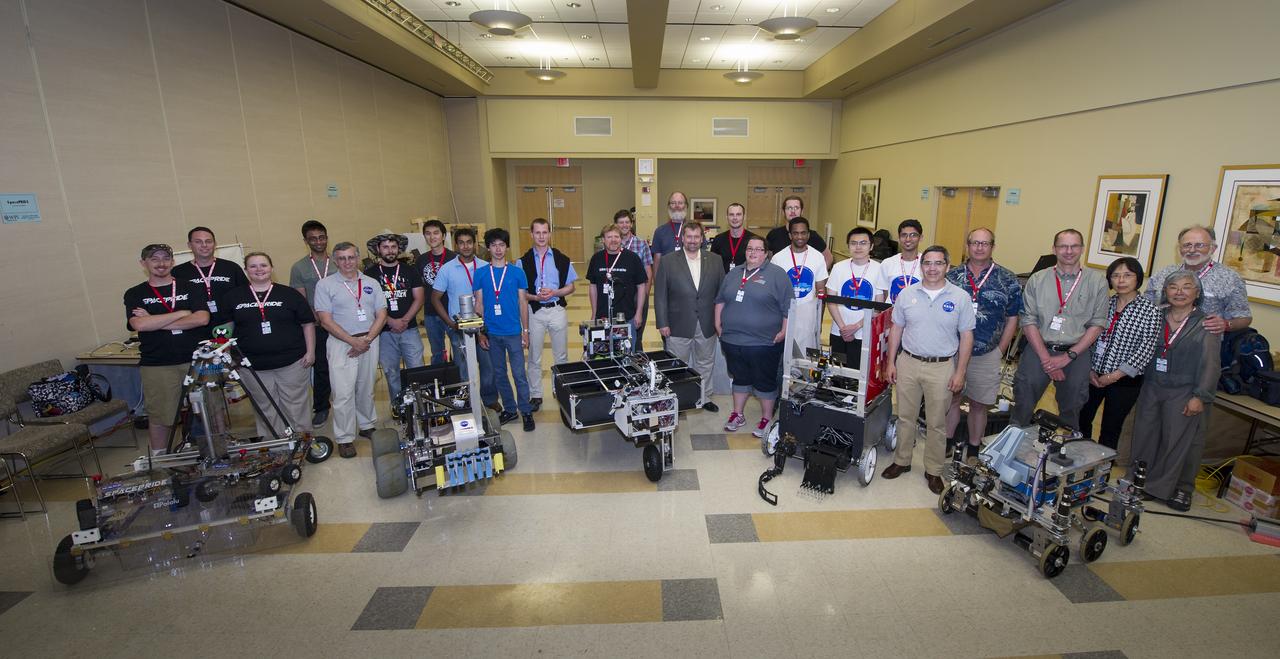
NASA-WPI Sample Return Robot Centennial Challenge teams, NASA management, and challenge organizers pose for a group photograph on Saturday, June 16, 2012 at Worcester Polytechnic Institute (WPI) in Worcester, Mass. Teams were challenged to build autonomous robots that can identify, collect and return samples. NASA needs autonomous robotic capability for future planetary exploration. Photo Credit: (NASA/Bill Ingalls)