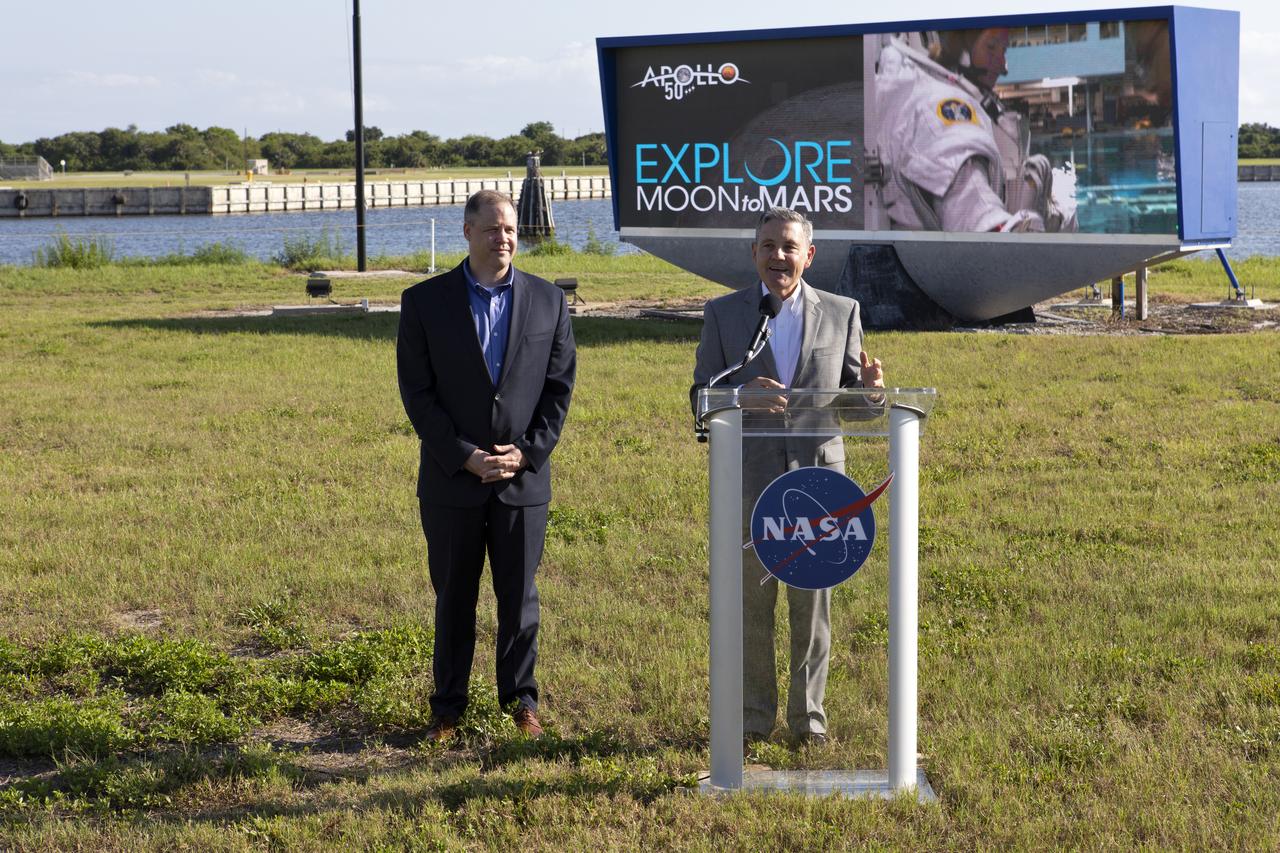
NASA Kennedy Space Center’s Director Bob Cabana, at the podium, speaks to members of the news media at the NASA News Center on May 23, 2019. At left is NASA Administrator Jim Bridenstine. News media were at the center for an Apollo 11 Media Day. They toured several facilities, including the Vehicle Assembly and Launch Complex 39B for a look back at the Apollo missions and a look ahead to NASA’s new Moon 2024 initiative, the Artemis 1 mission and the Gateway lunar outpost.

NASA Kennedy Space Center’s Director Bob Cabana, at left, and NASA Administrator Jim Bridenstine, speak to members of the news media at the NASA News Center on May 23, 2019. News media were at the center for an Apollo 11 Media Day. They toured several facilities, including the Vehicle Assembly and Launch Complex 39B for a look back at the Apollo missions and a look ahead to NASA’s new Moon 2024 initiative, the Artemis 1 mission and the Gateway lunar outpost.
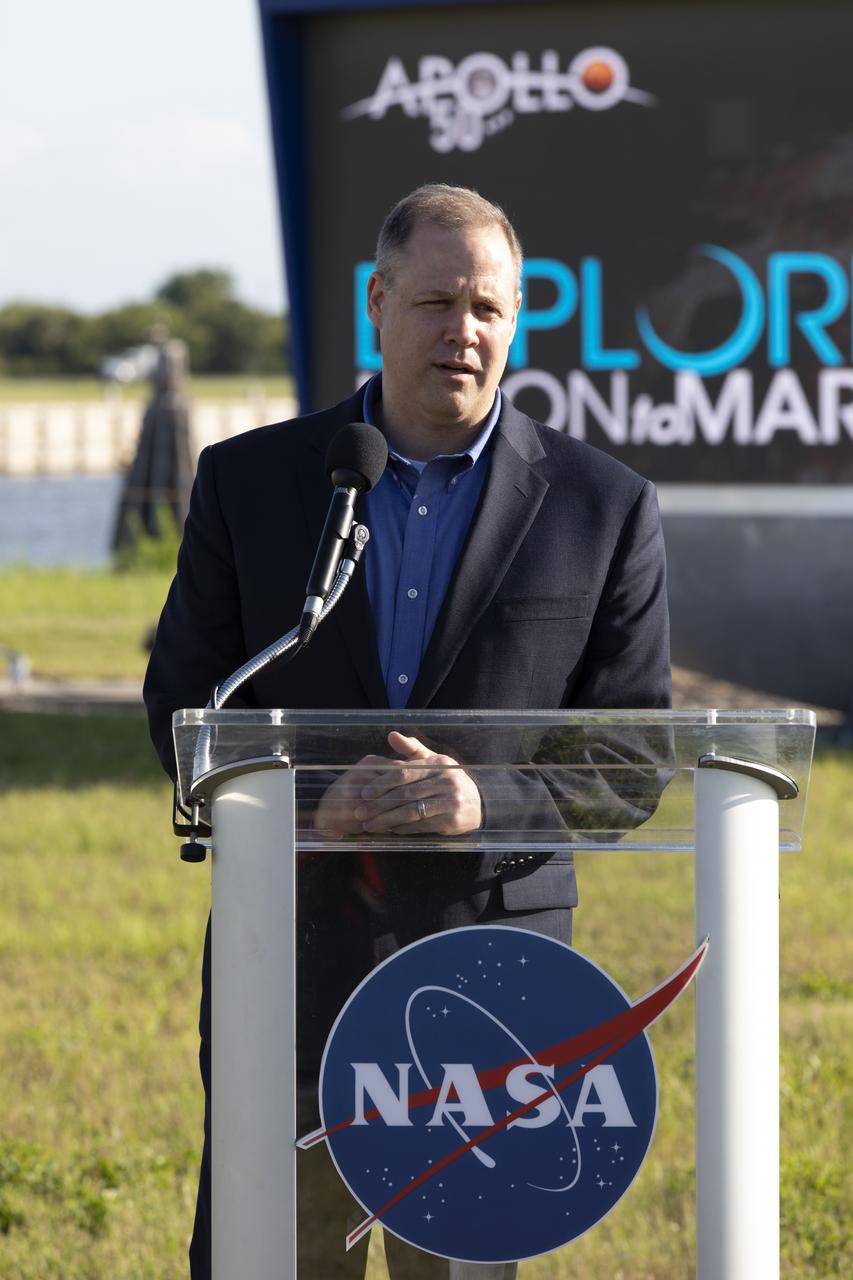
NASA Administrator Jim Bridenstine speaks to members of the news media at the NASA News Center on May 23, 2019. News media were at the center for an Apollo 11 Media Day. They toured several facilities, including the Vehicle Assembly and Launch Complex 39B for a look back at the Apollo missions and a look ahead to NASA’s new Moon 2024 initiative, the Artemis 1 mission and the Gateway lunar outpost.
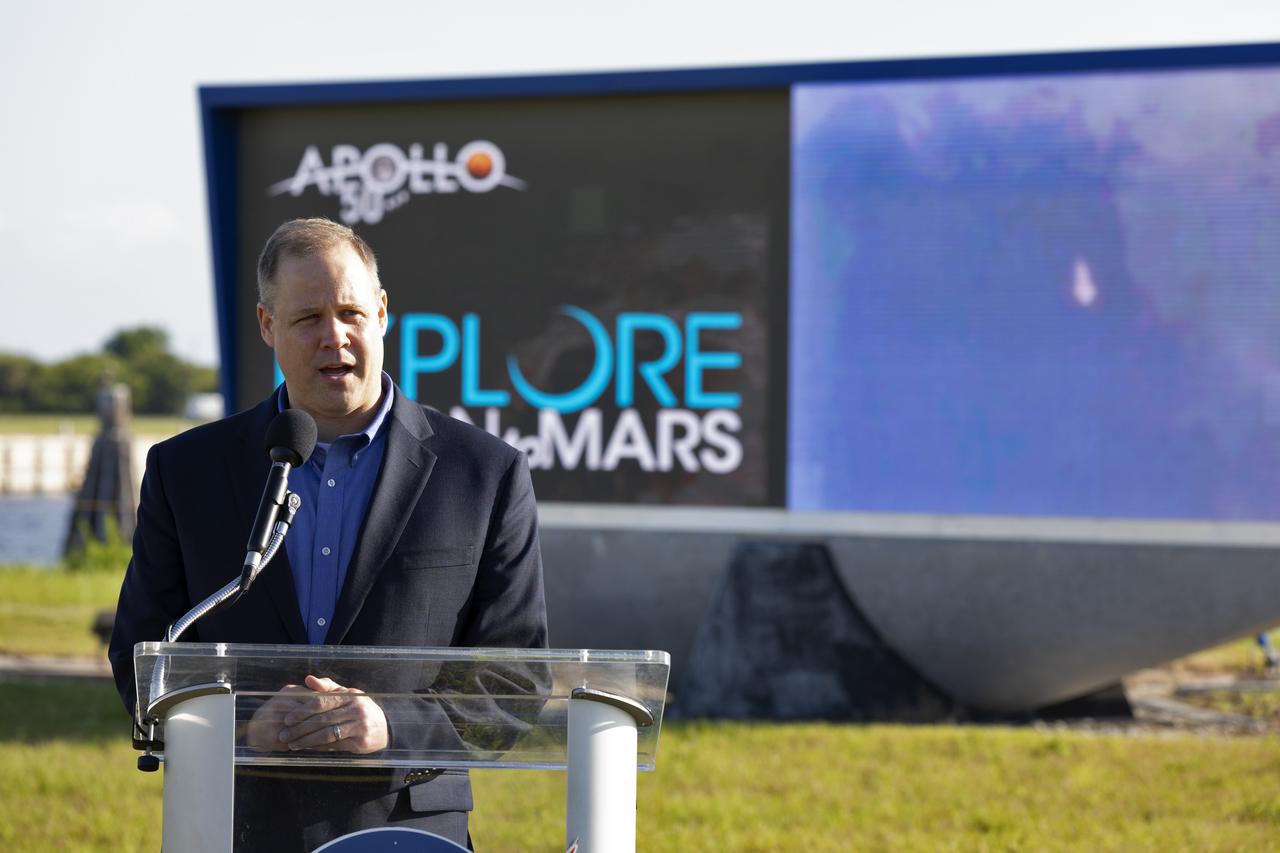
NASA Administrator Jim Bridenstine speaks to members of the news media at the NASA News Center on May 23, 2019. News media were at the center for an Apollo 11 Media Day. They toured several facilities, including the Vehicle Assembly and Launch Complex 39B for a look back at the Apollo missions and a look ahead to NASA’s new Moon 2024 initiative, the Artemis 1 mission and the Gateway lunar outpost.
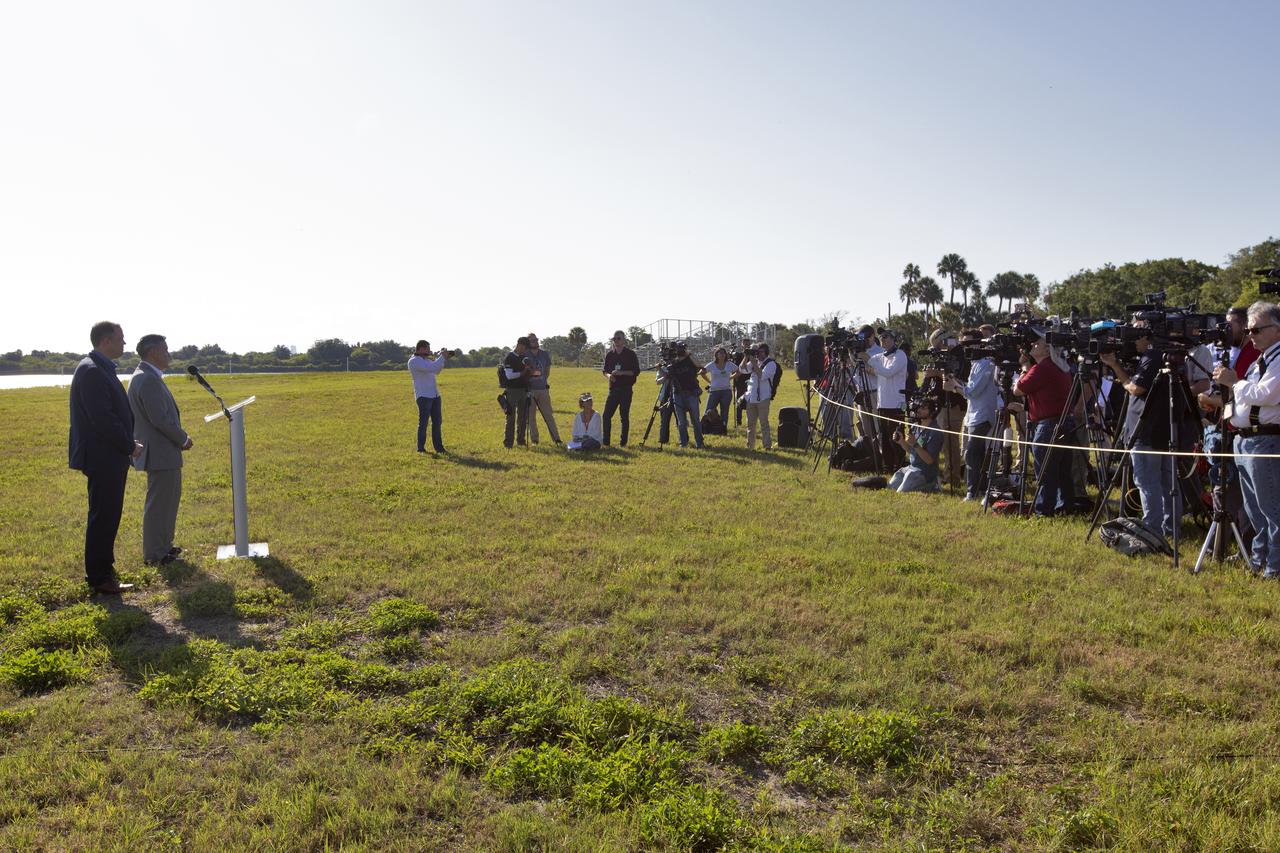
NASA Kennedy Space Center’s Director Bob Cabana, at the podium, speaks to members of the news media at the NASA News Center on May 23, 2019. At left is NASA Administrator Jim Bridenstine. News media were at the center for an Apollo 11 Media Day. They toured several facilities, including the Vehicle Assembly and Launch Complex 39B for a look back at the Apollo missions and a look ahead to NASA’s new Moon 2024 initiative, the Artemis 1 mission and the Gateway lunar outpost.
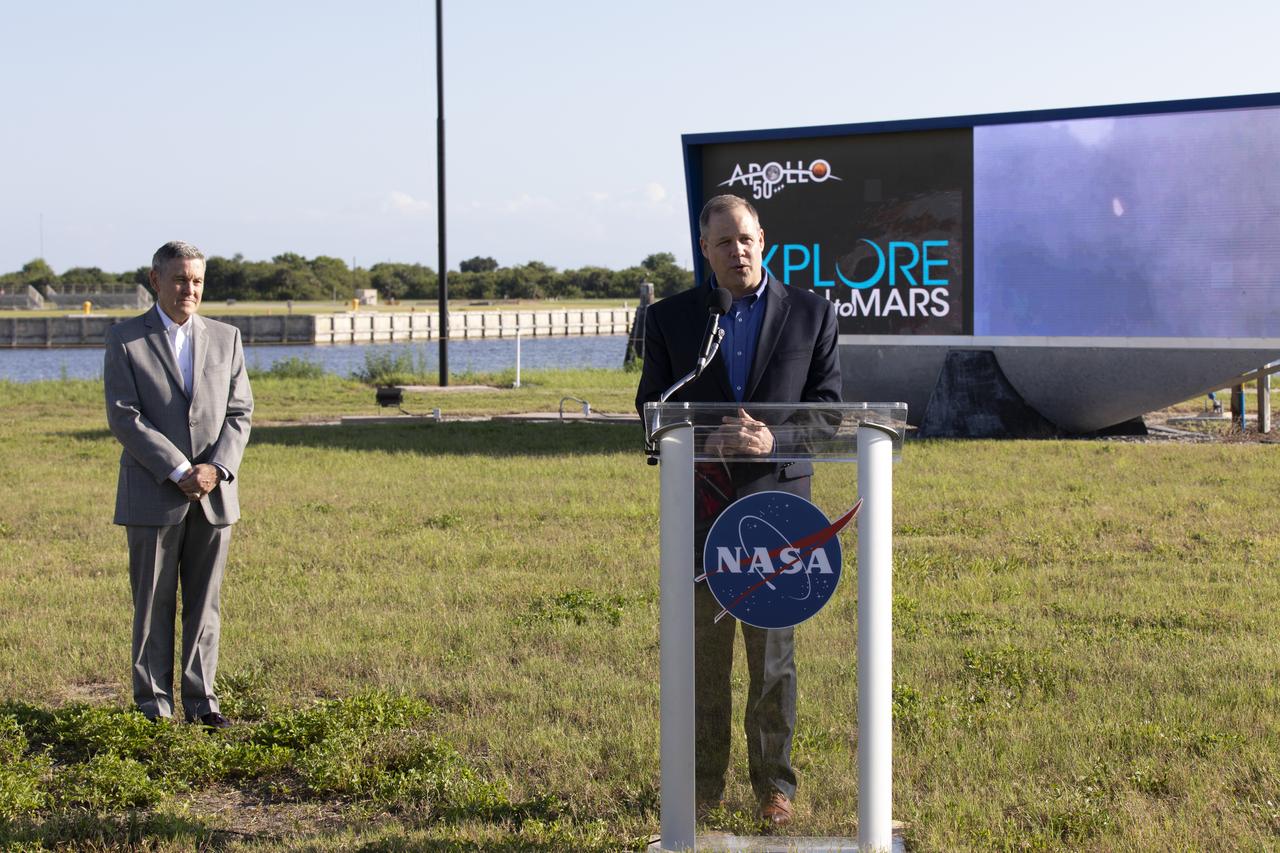
NASA Administrator Jim Bridenstine speaks to members of the news media at the NASA News Center on May 23, 2019. At left is Kennedy Space Center Director Bob Cabana. News media were at the center for an Apollo 11 Media Day. They toured several facilities, including the Vehicle Assembly and Launch Complex 39B for a look back at the Apollo missions and a look ahead to NASA’s new Moon 2024 initiative, the Artemis 1 mission and the Gateway lunar outpost.
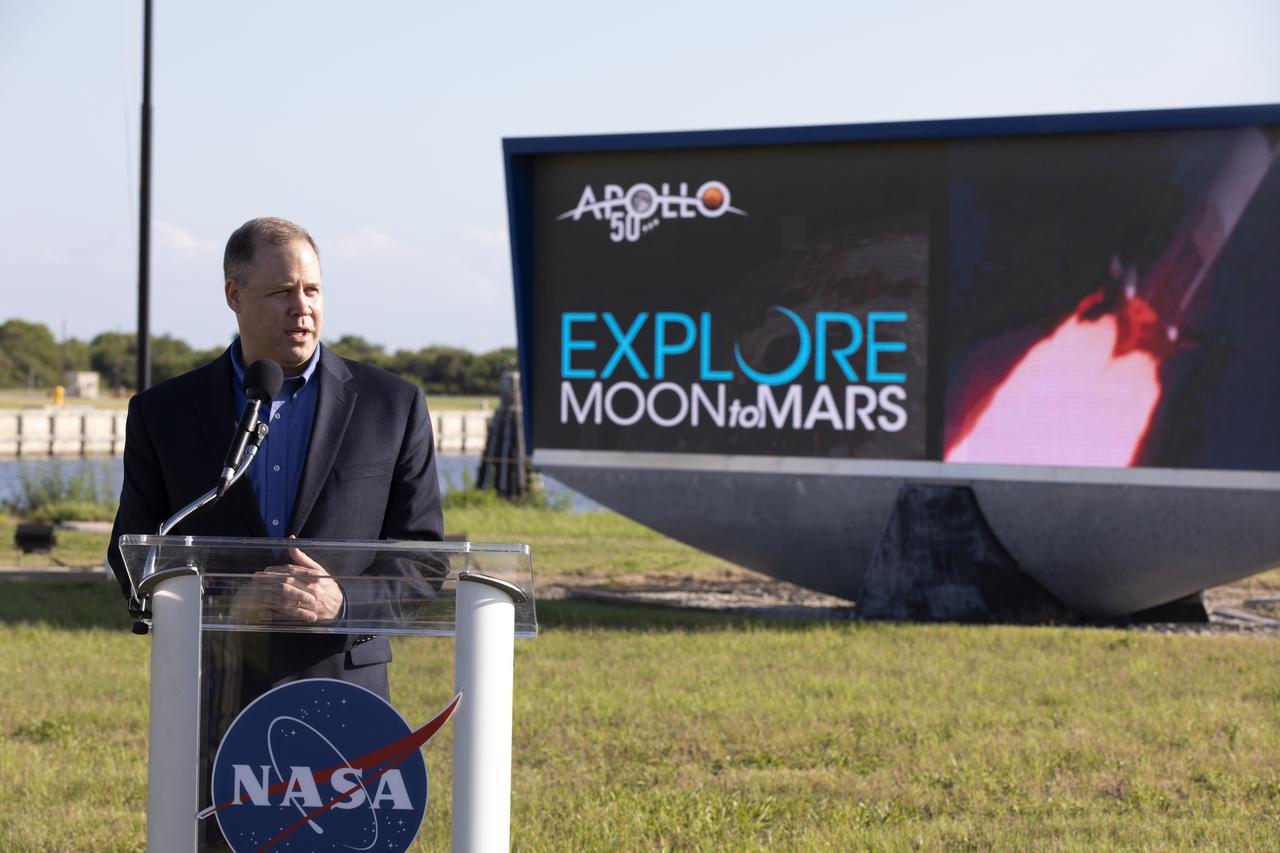
NASA Administrator Jim Bridenstine speaks to members of the news media at the NASA News Center on May 23, 2019. News media were at the center for an Apollo 11 Media Day. They toured several facilities, including the Vehicle Assembly and Launch Complex 39B for a look back at the Apollo missions and a look ahead to NASA’s new Moon 2024 initiative, the Artemis 1 mission and the Gateway lunar outpost.
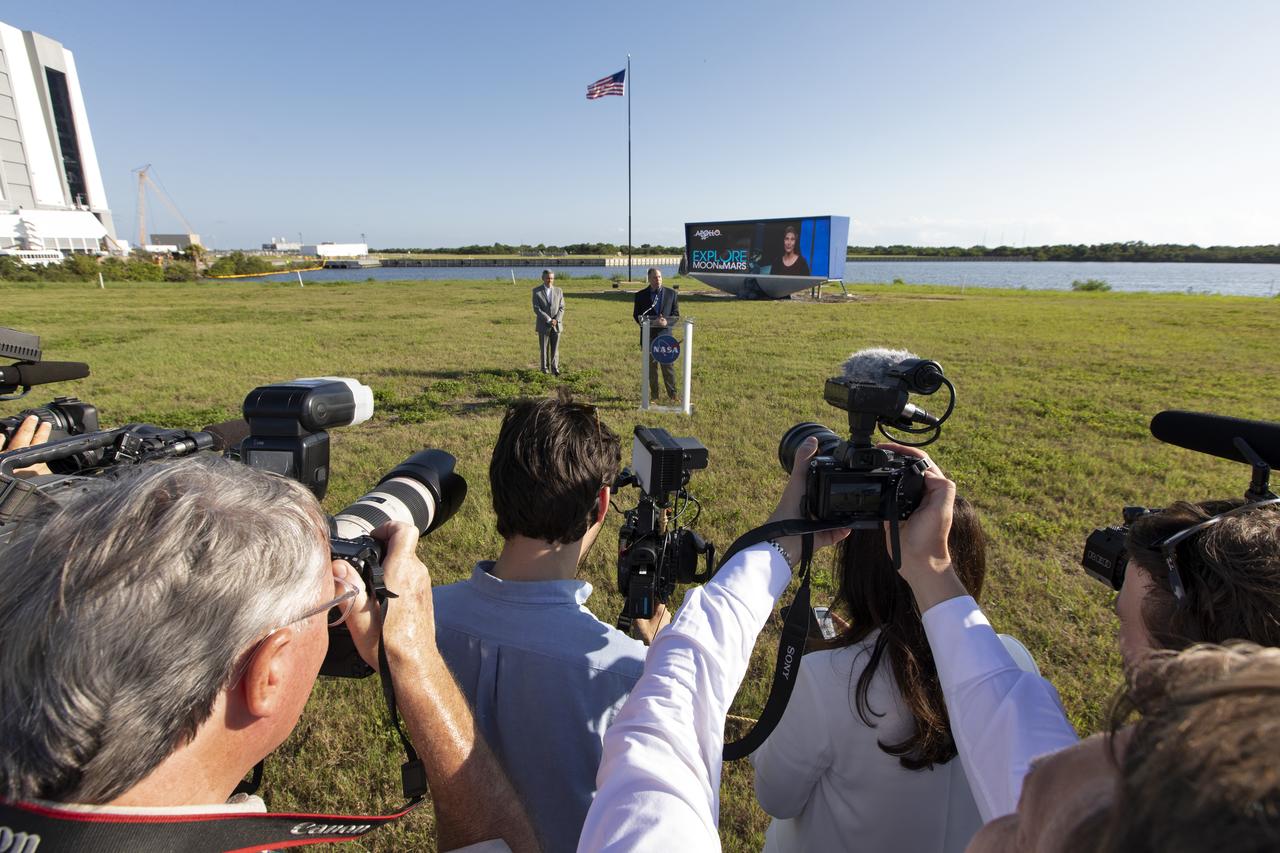
NASA Administrator Jim Bridenstine, at the podium, speaks to members of the news media at the NASA News Center on May 23, 2019. At left is Kennedy Space Center Director Bob Cabana. News media were at the center for an Apollo 11 Media Day. They toured several facilities, including the Vehicle Assembly and Launch Complex 39B for a look back at the Apollo missions and a look ahead to NASA’s new Moon 2024 initiative, the Artemis 1 mission and the Gateway lunar outpost.

NASA Administrator Jim Bridenstine, at the podium, speaks to members of the news media at the NASA News Center on May 23, 2019. Behind him is Kennedy Space Center Director Bob Cabana. News media were at the center for an Apollo 11 Media Day. They toured several facilities, including the Vehicle Assembly and Launch Complex 39B for a look back at the Apollo missions and a look ahead to NASA’s new Moon 2024 initiative, the Artemis 1 mission and the Gateway lunar outpost.
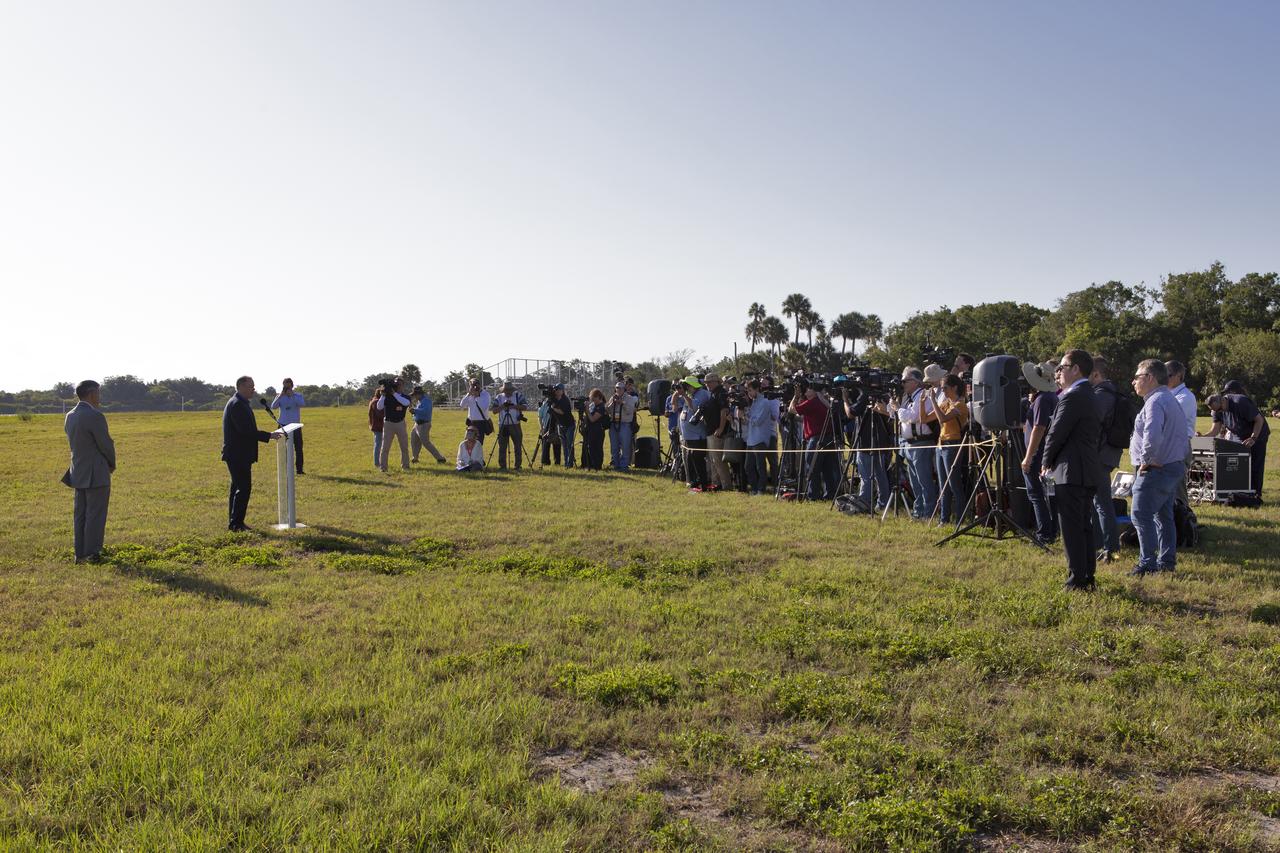
NASA Administrator Jim Bridenstine, at the podium, speaks to members of the news media at the NASA News Center on May 23, 2019. At left is Kennedy Space Center Director Bob Cabana. News media were at the center for an Apollo 11 Media Day. They toured several facilities, including the Vehicle Assembly and Launch Complex 39B for a look back at the Apollo missions and a look ahead to NASA’s new Moon 2024 initiative, the Artemis 1 mission and the Gateway lunar outpost.
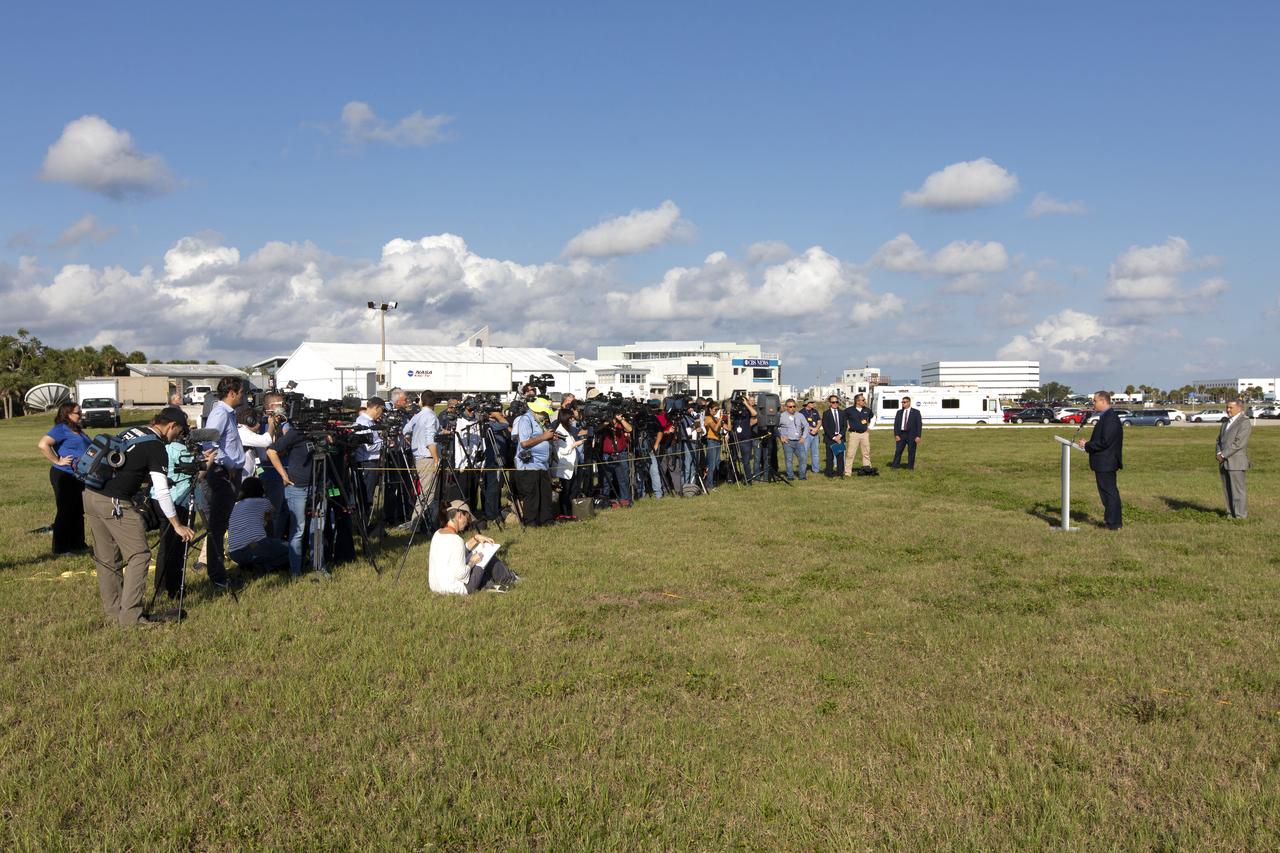
NASA Administrator Jim Bridenstine, at the podium, speaks to members of the news media at the NASA News Center on May 23, 2019. At far right is Kennedy Space Center Director Bob Cabana. News media were at the center for an Apollo 11 Media Day. They toured several facilities, including the Vehicle Assembly and Launch Complex 39B for a look back at the Apollo missions and a look ahead to NASA’s new Moon 2024 initiative, the Artemis 1 mission and the Gateway lunar outpost.

Members of the media get an up-close look at the integrated twin SLS (Space Launch System) solid rocket boosters for Artemis II inside the Vehicle Assembly Building at NASA’s Kennedy Space Center in Florida during Artemis Media Day on Friday, March 7, 2025. The twin solid boosters will help support the remaining rocket components and the Orion spacecraft during final assembly of the Artemis II Moon rocket and provide more than 75 percent of the total SLS thrust during liftoff from NASA Kennedy’s Launch Pad 39B.

Members of the media get an up-close look at the SLS (Space Launch System) rocket core stage for Artemis II inside the Vehicle Assembly Building at NASA’s Kennedy Space Center in Florida during Artemis Media Day on Friday, March 7, 2025. The core stage has two giant propellant tanks that collectively hold more than 733,000 gallons of super cold liquid propellant to feed the stage’s four RS-25 engines to help send astronauts inside NASA’s Orion spacecraft to venture around the Moon for Artemis II.
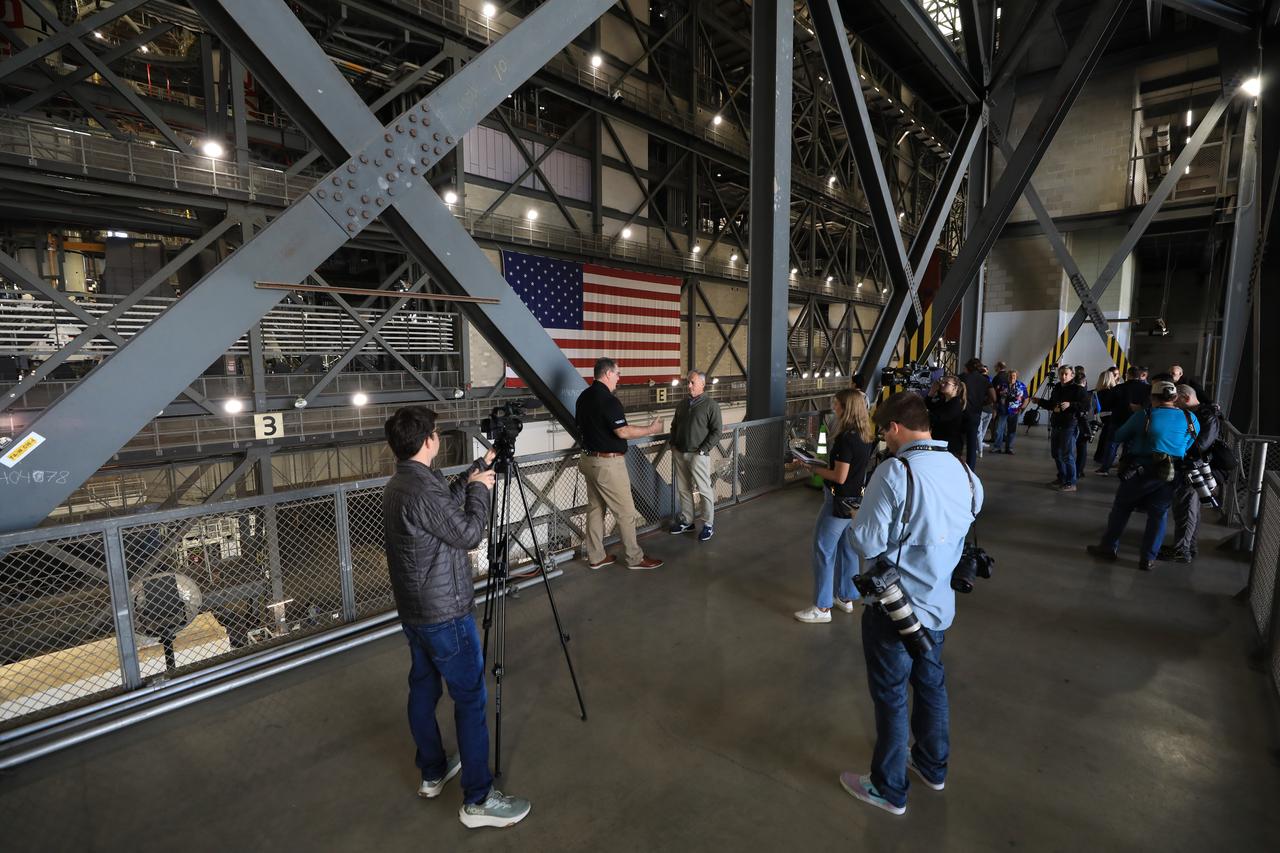
Members of the media get an up-close look at the integrated twin SLS (Space Launch System) solid rocket boosters for Artemis II inside the Vehicle Assembly Building at NASA’s Kennedy Space Center in Florida during Artemis Media Day on Friday, March 7, 2025. The twin solid boosters will help support the remaining rocket components and the Orion spacecraft during final assembly of the Artemis II Moon rocket and provide more than 75 percent of the total SLS thrust during liftoff from NASA Kennedy’s Launch Pad 39B.
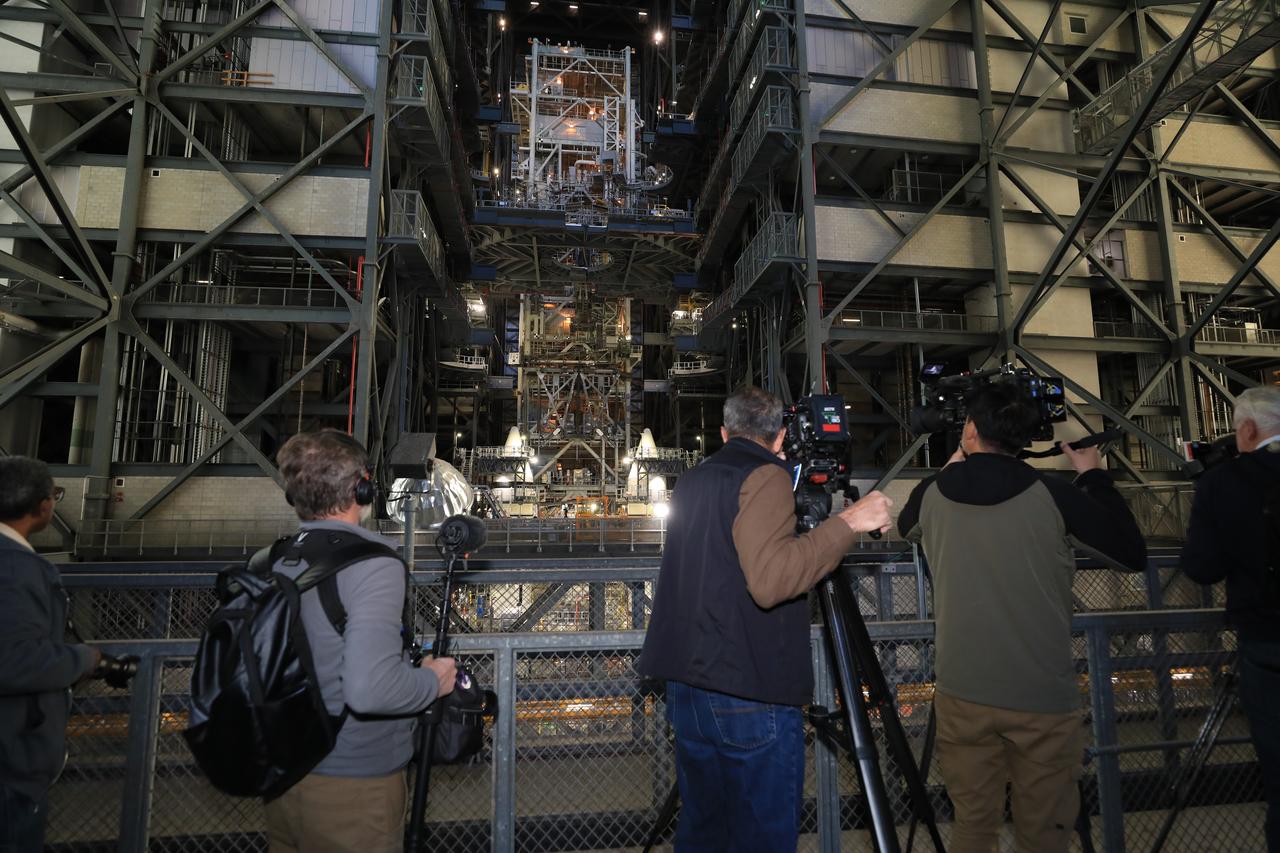
Members of the media get an up-close look at the SLS (Space Launch System) rocket core stage for Artemis II inside the Vehicle Assembly Building at NASA’s Kennedy Space Center in Florida during Artemis Media Day on Friday, March 7, 2025. The core stage has two giant propellant tanks that collectively hold more than 733,000 gallons of super cold liquid propellant to feed the stage’s four RS-25 engines to help send astronauts inside NASA’s Orion spacecraft to venture around the Moon for Artemis II.
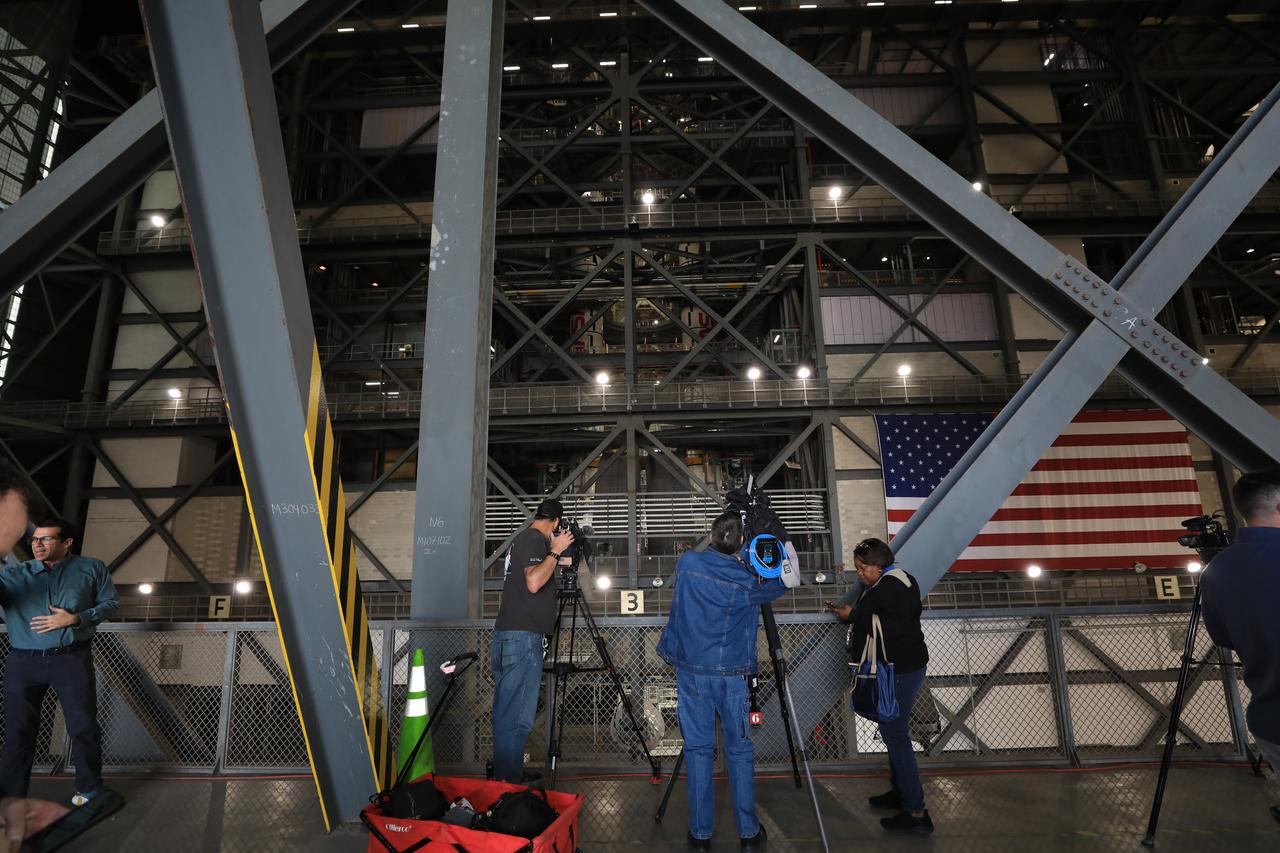
Members of the media get an up-close look at the integrated twin SLS (Space Launch System) solid rocket boosters for Artemis II inside the Vehicle Assembly Building at NASA’s Kennedy Space Center in Florida during Artemis Media Day on Friday, March 7, 2025. The twin solid boosters will help support the remaining rocket components and the Orion spacecraft during final assembly of the Artemis II Moon rocket and provide more than 75 percent of the total SLS thrust during liftoff from NASA Kennedy’s Launch Pad 39B.

Members of the media get an up-close look at the SLS (Space Launch System) rocket core stage for Artemis II inside the Vehicle Assembly Building at NASA’s Kennedy Space Center in Florida during Artemis Media Day on Friday, March 7, 2025. The core stage has two giant propellant tanks that collectively hold more than 733,000 gallons of super cold liquid propellant to feed the stage’s four RS-25 engines to help send astronauts inside NASA’s Orion spacecraft to venture around the Moon for Artemis II.
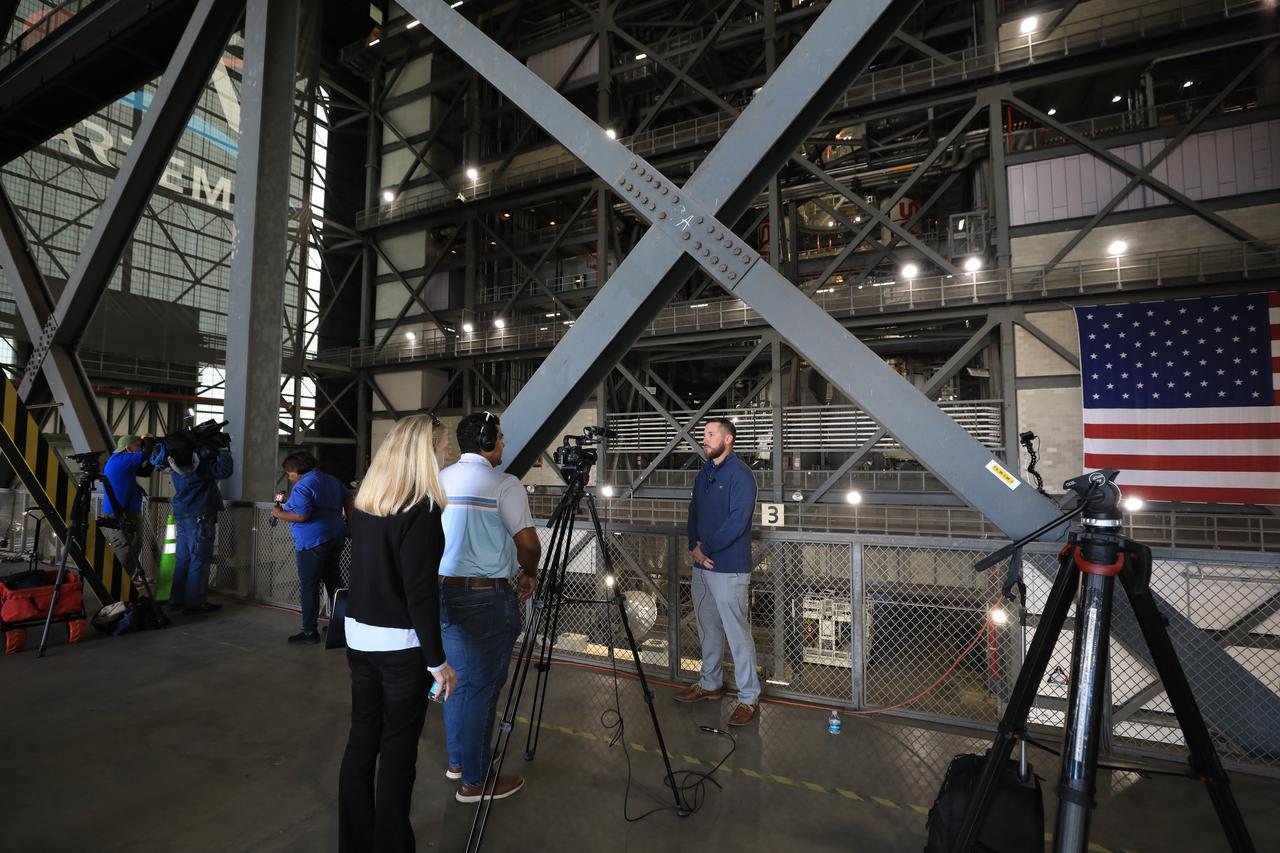
Members of the media get an up-close look at the integrated twin SLS (Space Launch System) solid rocket boosters for Artemis II inside the Vehicle Assembly Building at NASA’s Kennedy Space Center in Florida during Artemis Media Day on Friday, March 7, 2025. The twin solid boosters will help support the remaining rocket components and the Orion spacecraft during final assembly of the Artemis II Moon rocket and provide more than 75 percent of the total SLS thrust during liftoff from NASA Kennedy’s Launch Pad 39B.
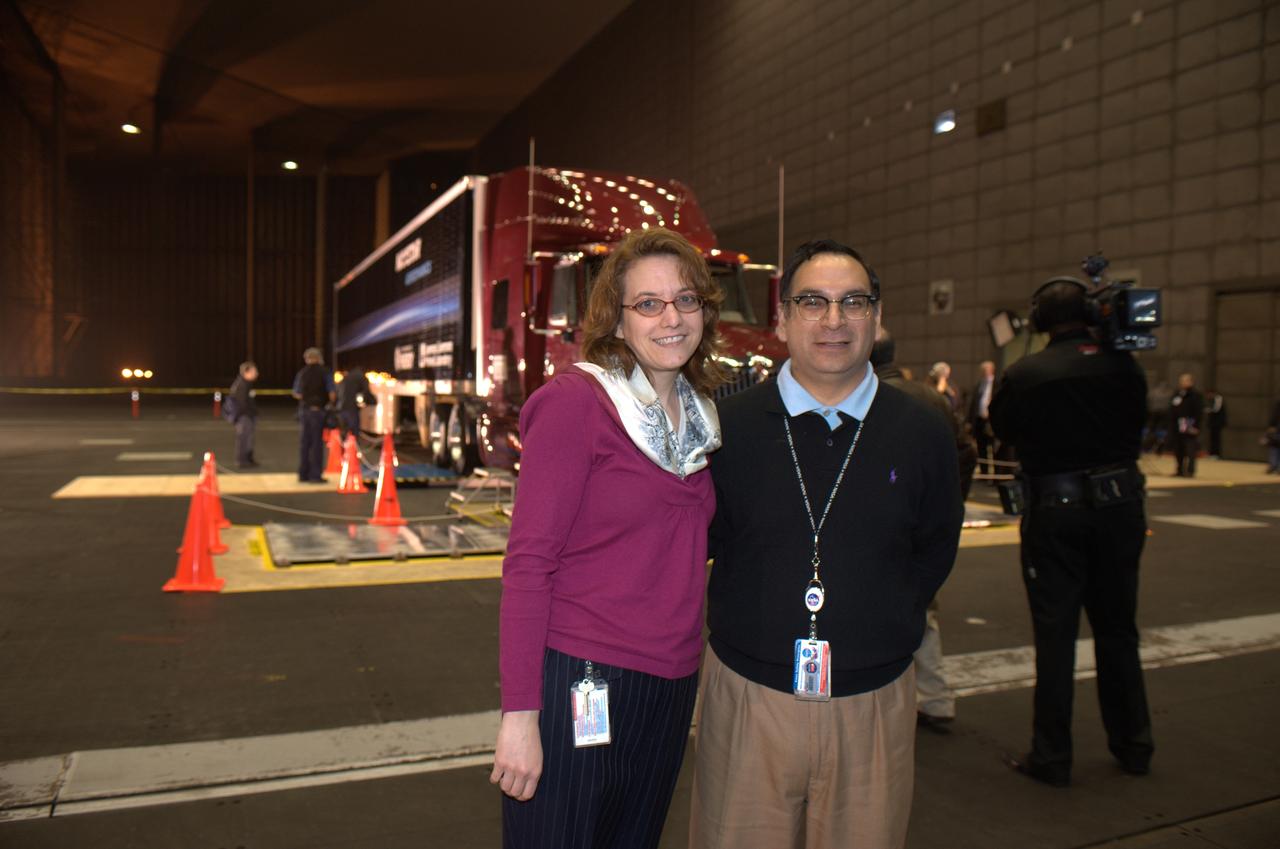
Lawrence Livermore National Laboratories media Day for their LLNL project aimed at aerodynamic truck and trailer devices. Tests are being preformed in the Ames Full-Scale Aerodynamic Complex 80x120 foot wind tunnel. Gabriel and Sharon Lozano.
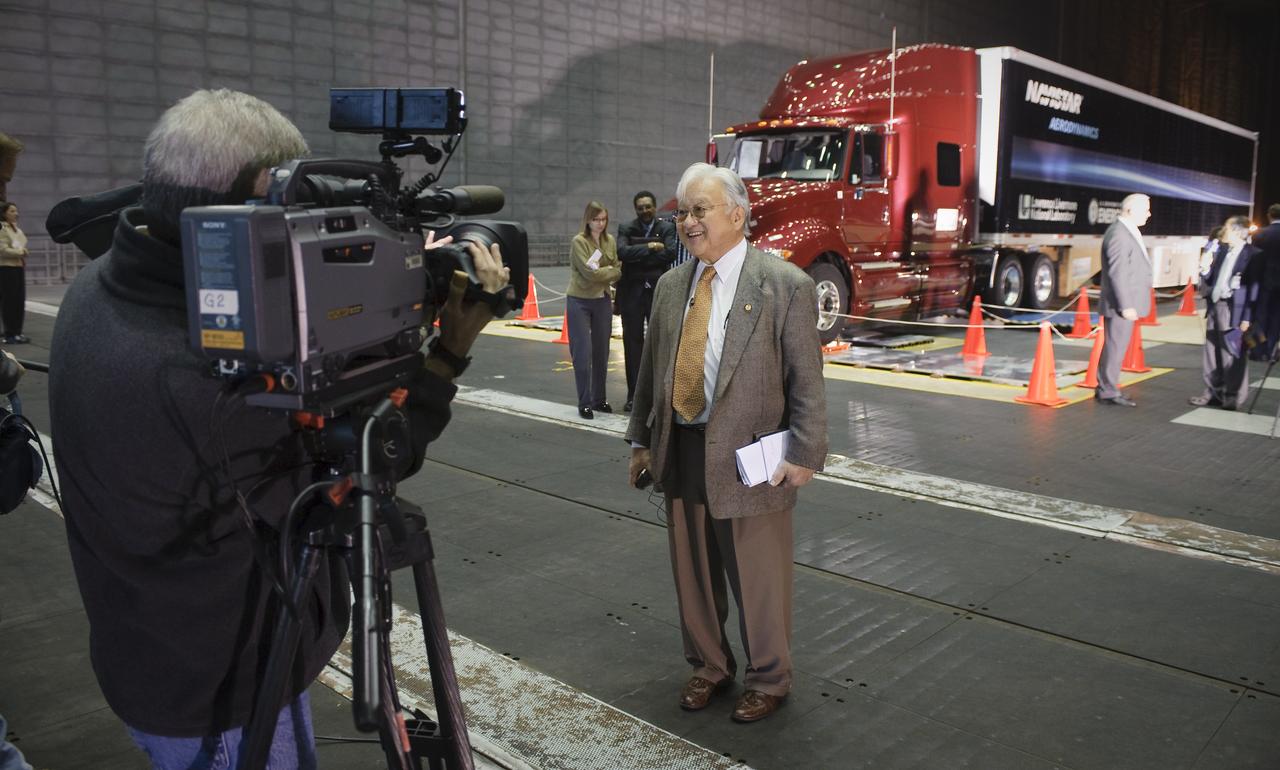
Lawrence Livermore National Laboratories media Day for their LLNL project aimed at aerodynamic truck and trailer devices. Tests are being preformed in the Ames Full-Scale Aerodynamic Complex 80x120 foot wind tunnel.
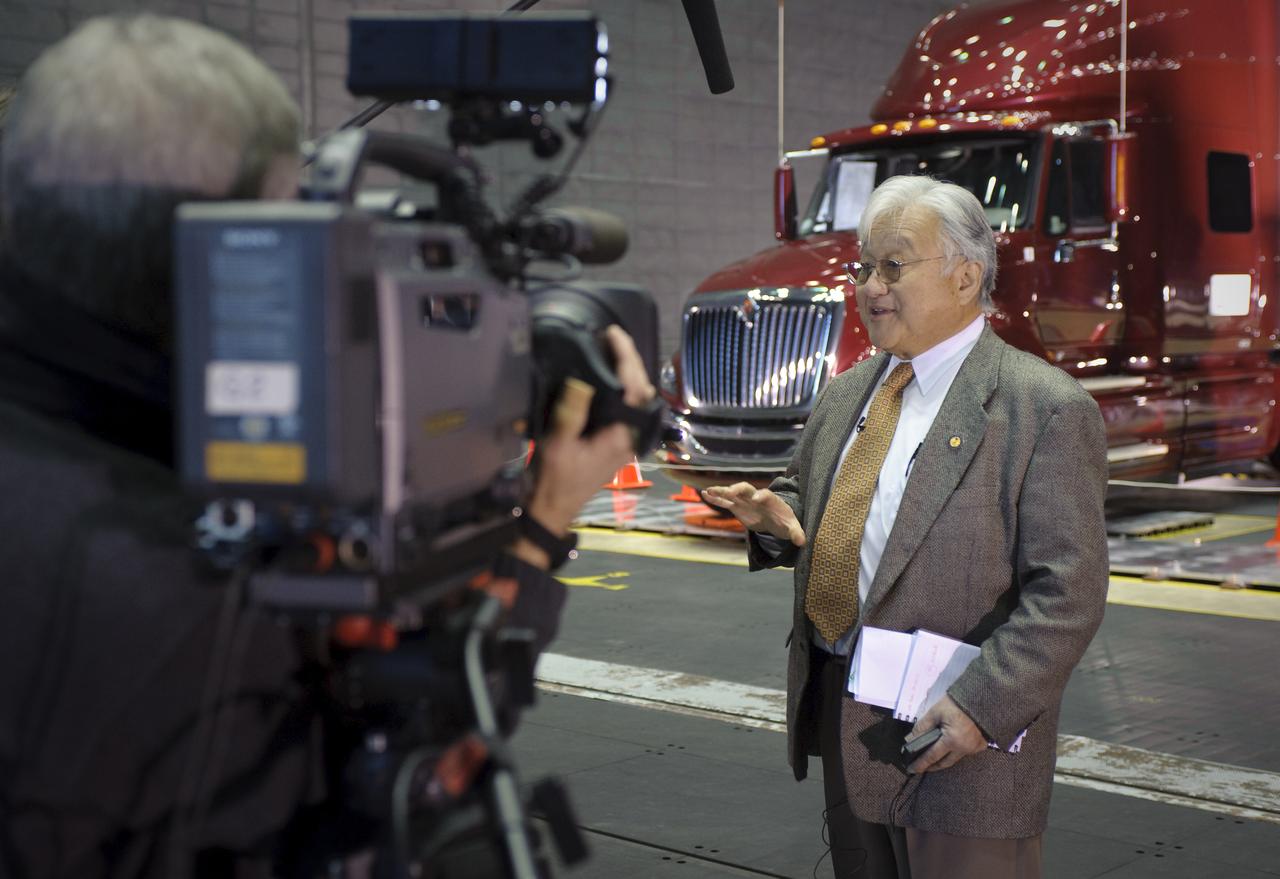
Lawrence Livermore National Laboratories media Day for their LLNL project aimed at aerodynamic truck and trailer devices. Tests are being preformed in the Ames Full-Scale Aerodynamic Complex 80x120 foot wind tunnel. Mike Honda, U.S Congressman from California's 15th District
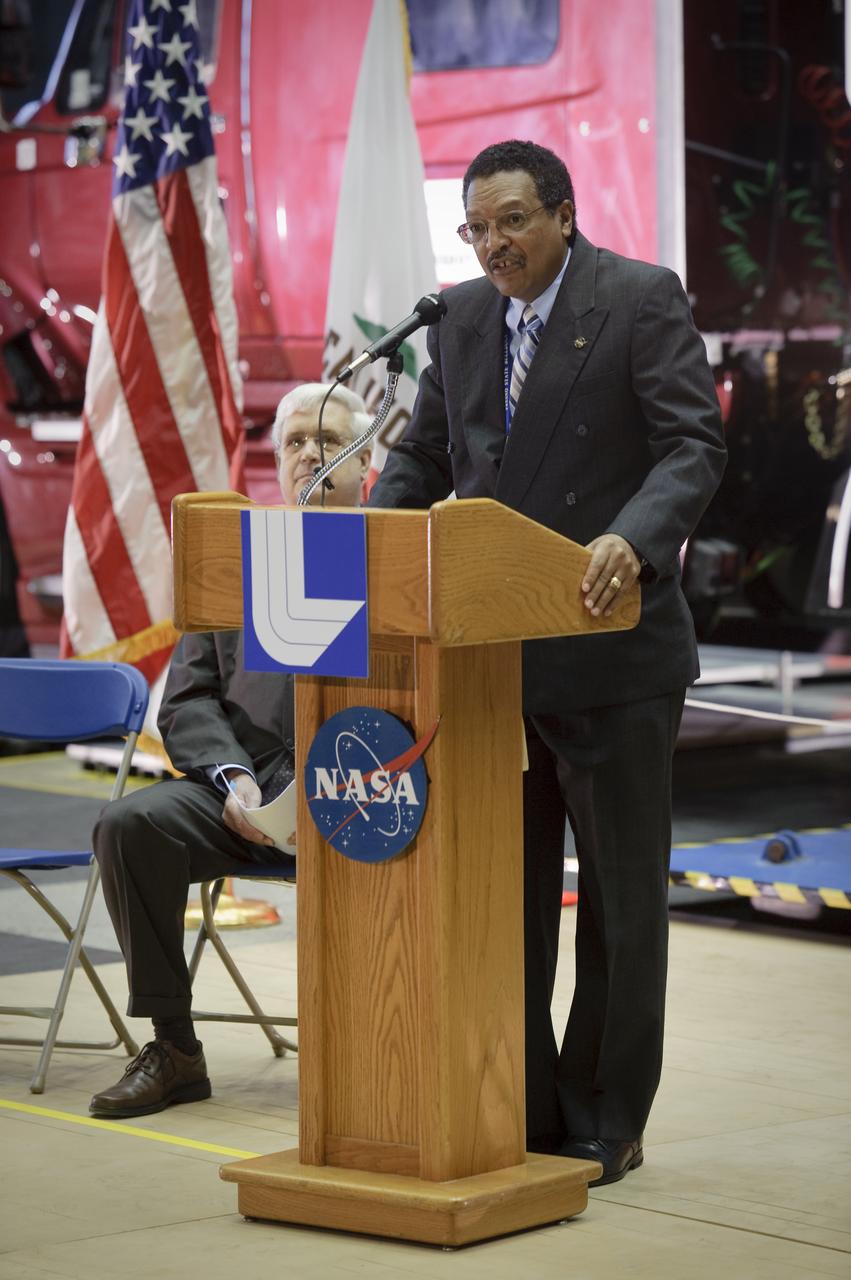
Lawrence Livermore National Laboratories media Day for their LLNL project aimed at aerodynamic truck and trailer devices. Tests are being preformed in the Ames Full-Scale Aerodynamic Complex 80x120 foot wind tunnel. Lewis Braxton III, Deputy Director Ames Research Center speaker.
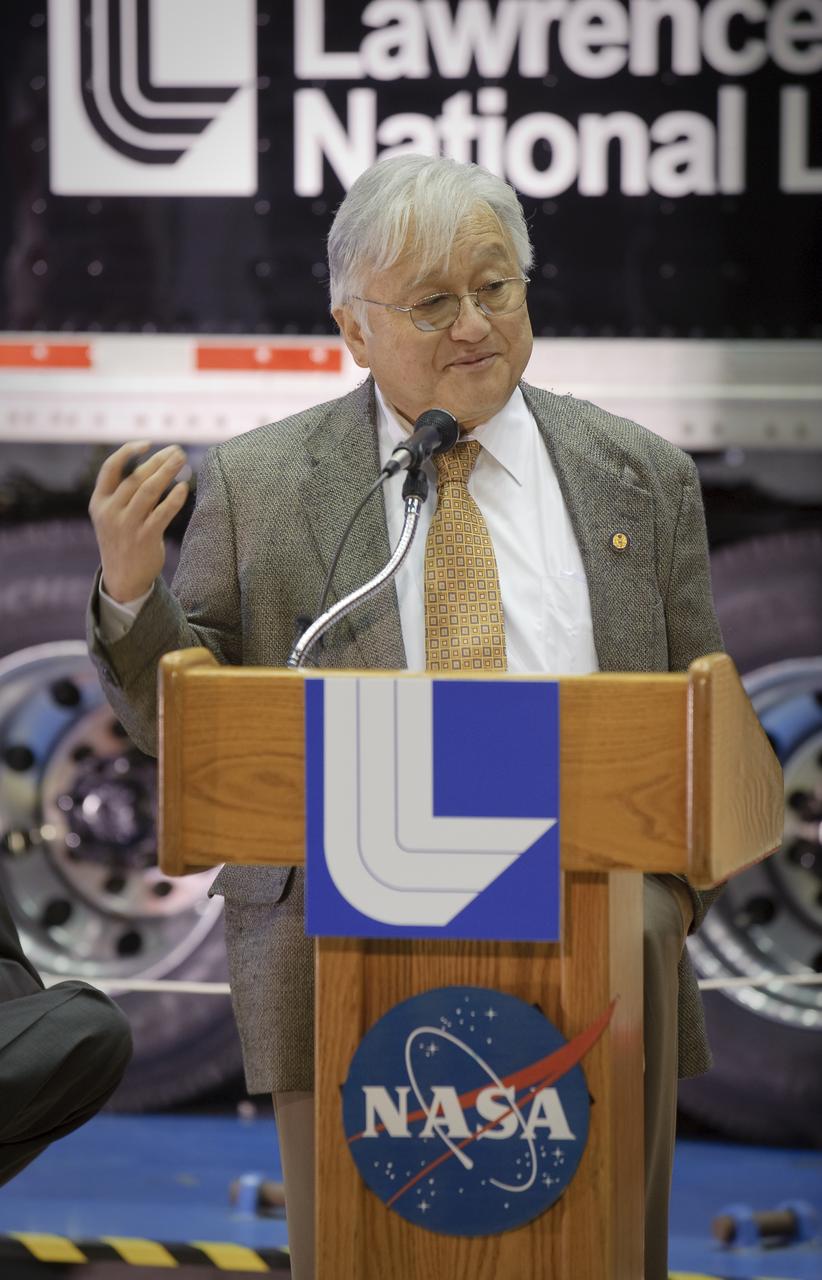
Lawrence Livermore National Laboratories media Day for their LLNL project aimed at aerodynamic truck and trailer devices. Tests are being preformed in the Ames Full-Scale Aerodynamic Complex 80x120 foot wind tunnel. Mike Honda, U.S Congressman from California's 15th District
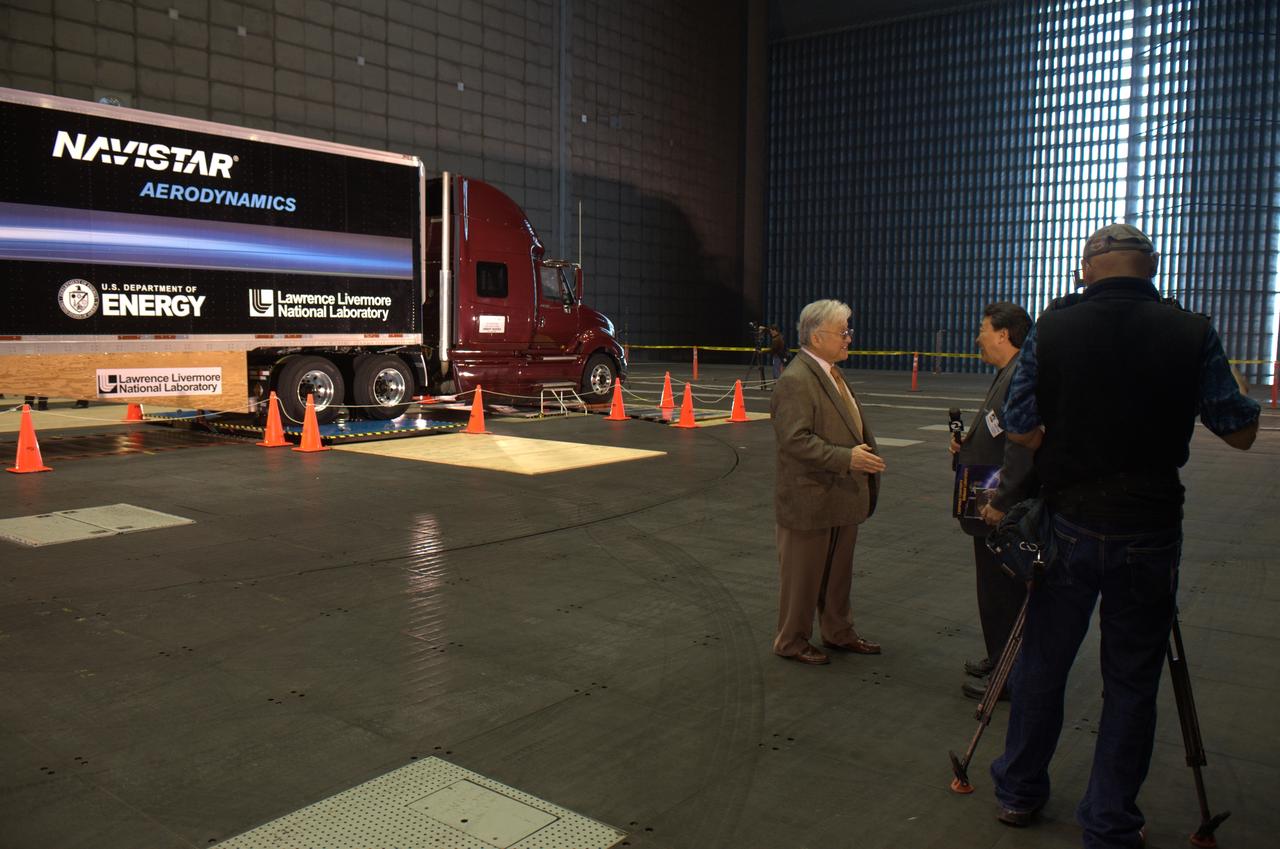
Lawrence Livermore National Laboratories media Day for their LLNL project aimed at aerodynamic truck and trailer devices. Tests are being preformed in the Ames Full-Scale Aerodynamic Complex 80x120 foot wind tunnel. Mike Honda, U.S Congressman from California's 15th District

The two rideshare spacecraft on NASA’s IMAP (Interstellar Mapping and Acceleration Probe) mission – NASA’s exosphere-studying Carruthers Geocorona Observatory and the National Oceanic and Atmospheric Administration’s (NOAA) Space Weather Follow On–Lagrange 1 (SWFO-L1) observatory – sit on spacecraft dollies in a high bay inside Astrotech Space Operations Facility near the agency’s Kennedy Space Center in Florida during a NASA-hosted media day on Thursday, Aug. 28, 2025. The missions will orbit the Sun near Lagrange point 1, about one million miles from Earth.
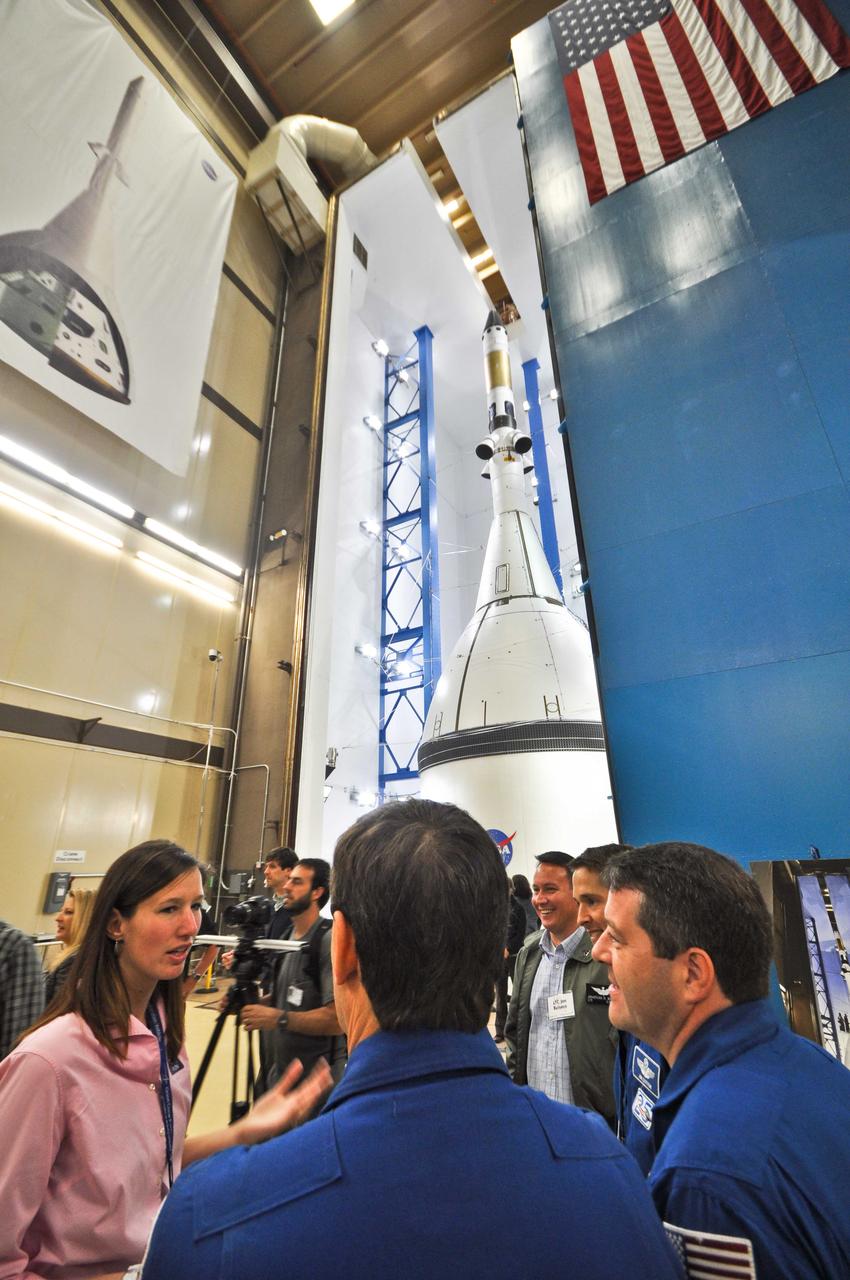
Orion Media Day takes place at Lockheed Martin’s Waterton facility in Littleton, Colorado on Oct. 21, 2011. Part of Batch image transfer from Flickr.
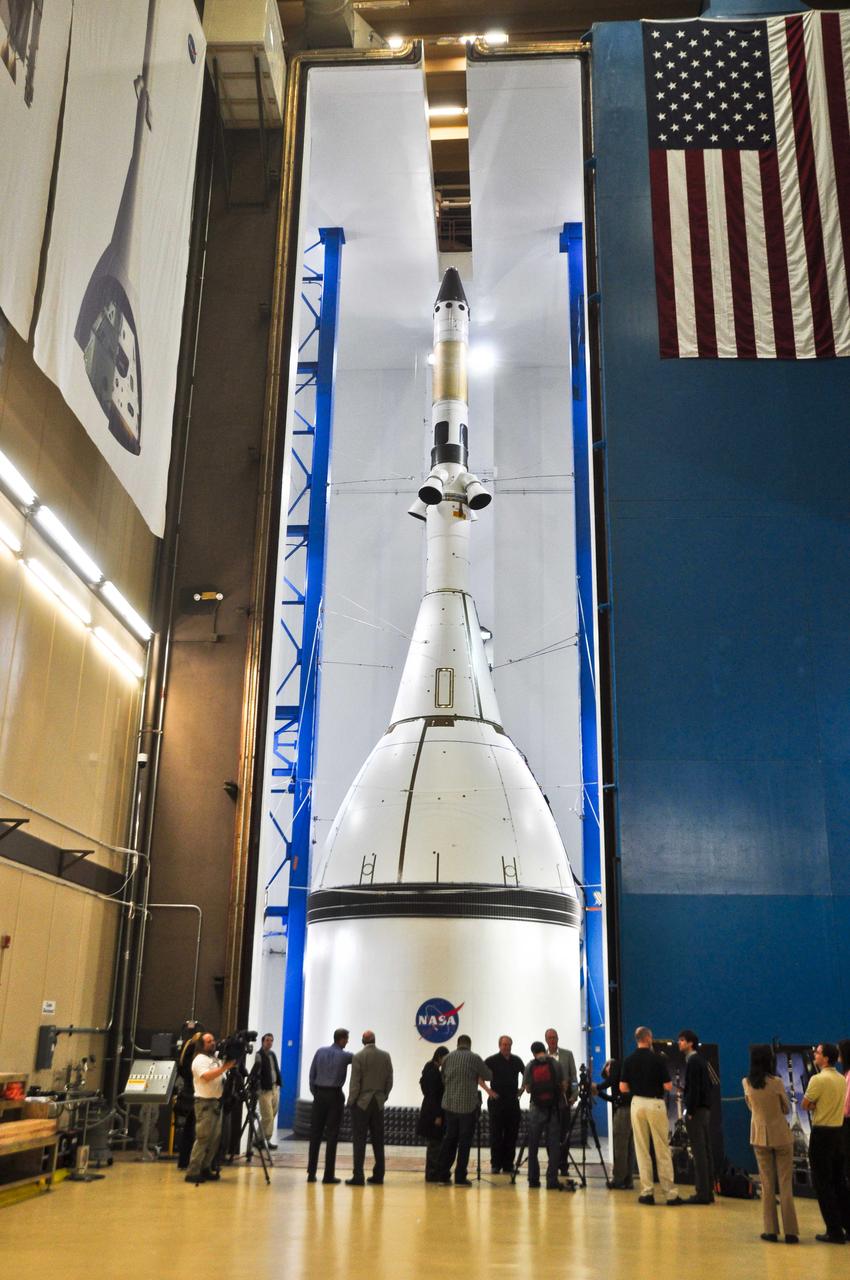
Orion Media Day takes place at Lockheed Martin’s Waterton facility in Littleton, Colorado on Oct. 21, 2011. Part of Batch image transfer from Flickr.
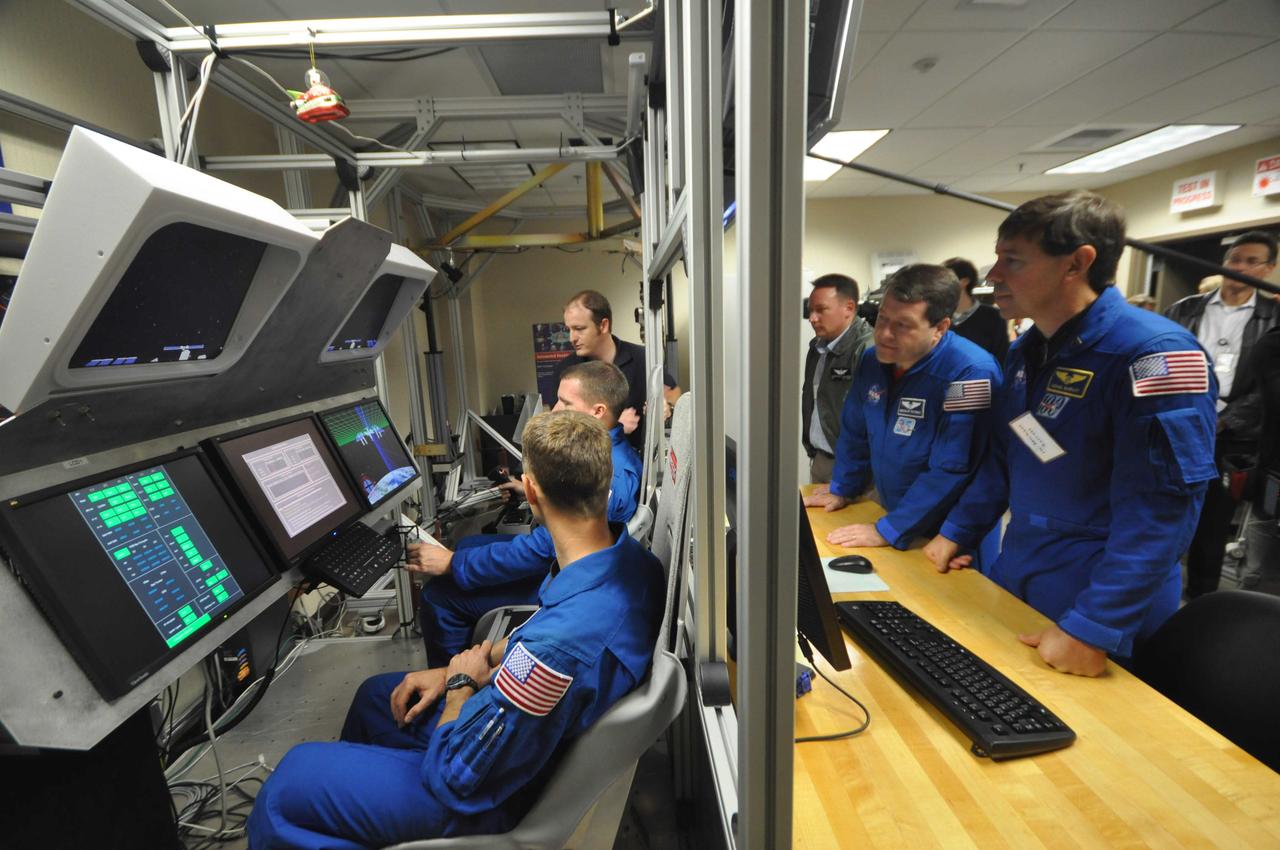
Orion Media Day takes place at Lockheed Martin’s Waterton facility in Littleton, Colorado on Oct. 21, 2011. Part of Batch image transfer from Flickr.
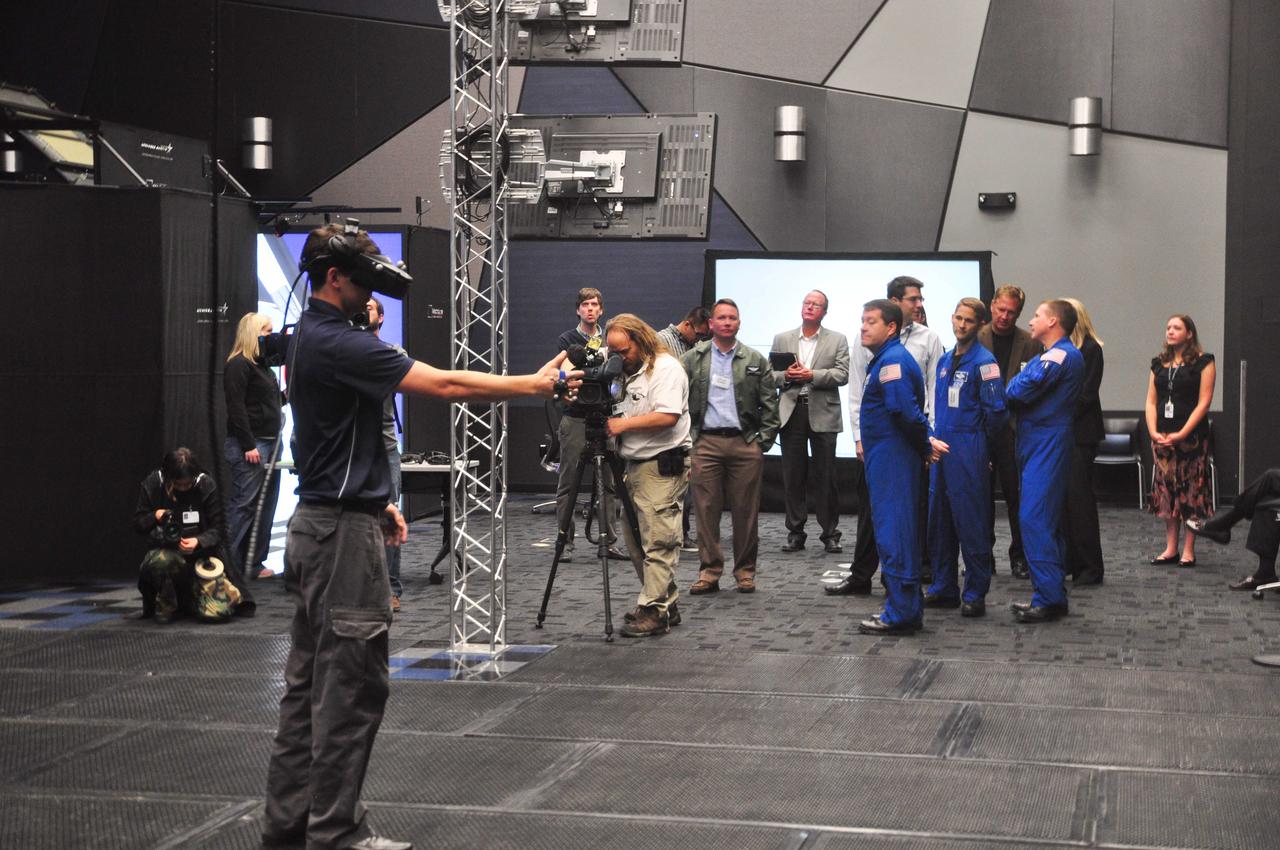
Orion Media Day takes place at Lockheed Martin’s Waterton facility in Littleton, Colorado on Oct. 21, 2011. Part of Batch image transfer from Flickr.
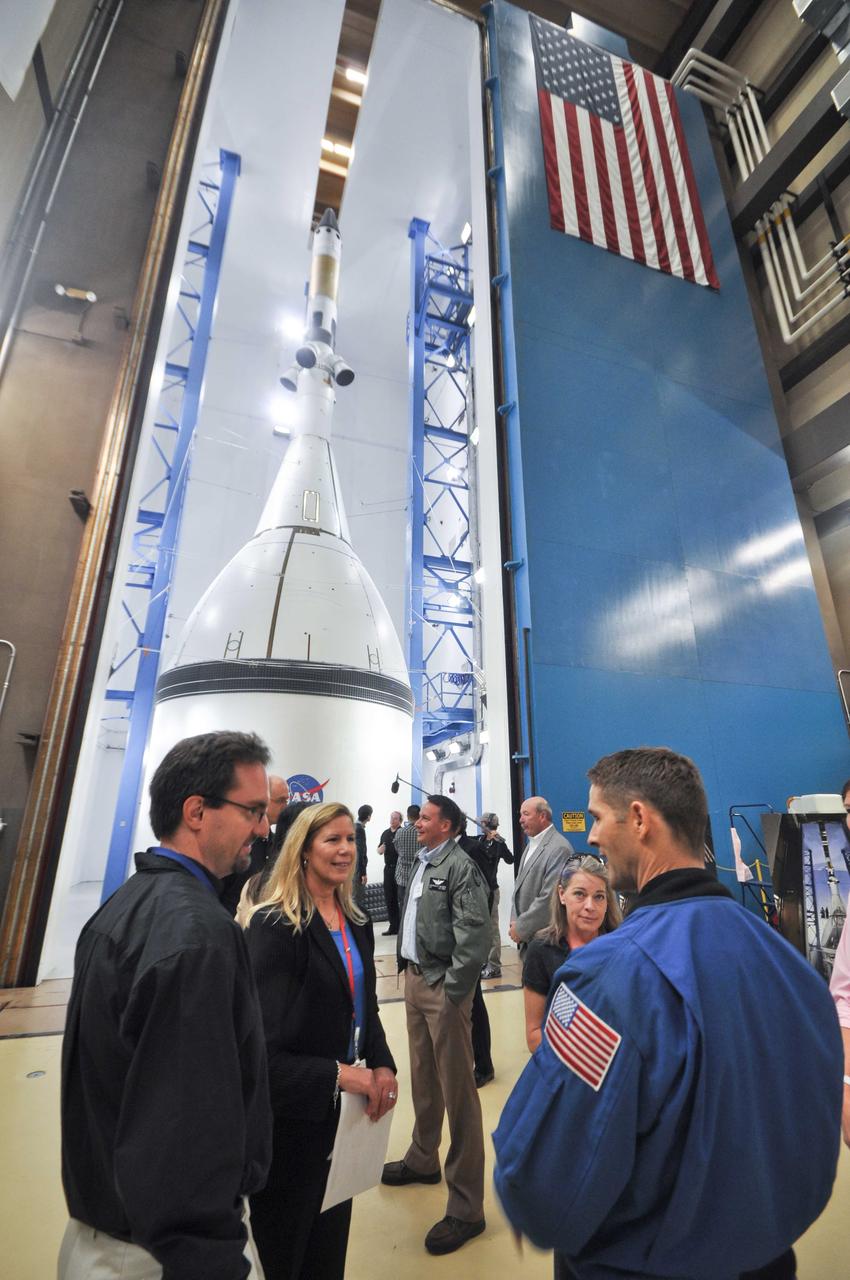
Orion Media Day takes place at Lockheed Martin’s Waterton facility in Littleton, Colorado on Oct. 21, 2011. Part of Batch image transfer from Flickr.
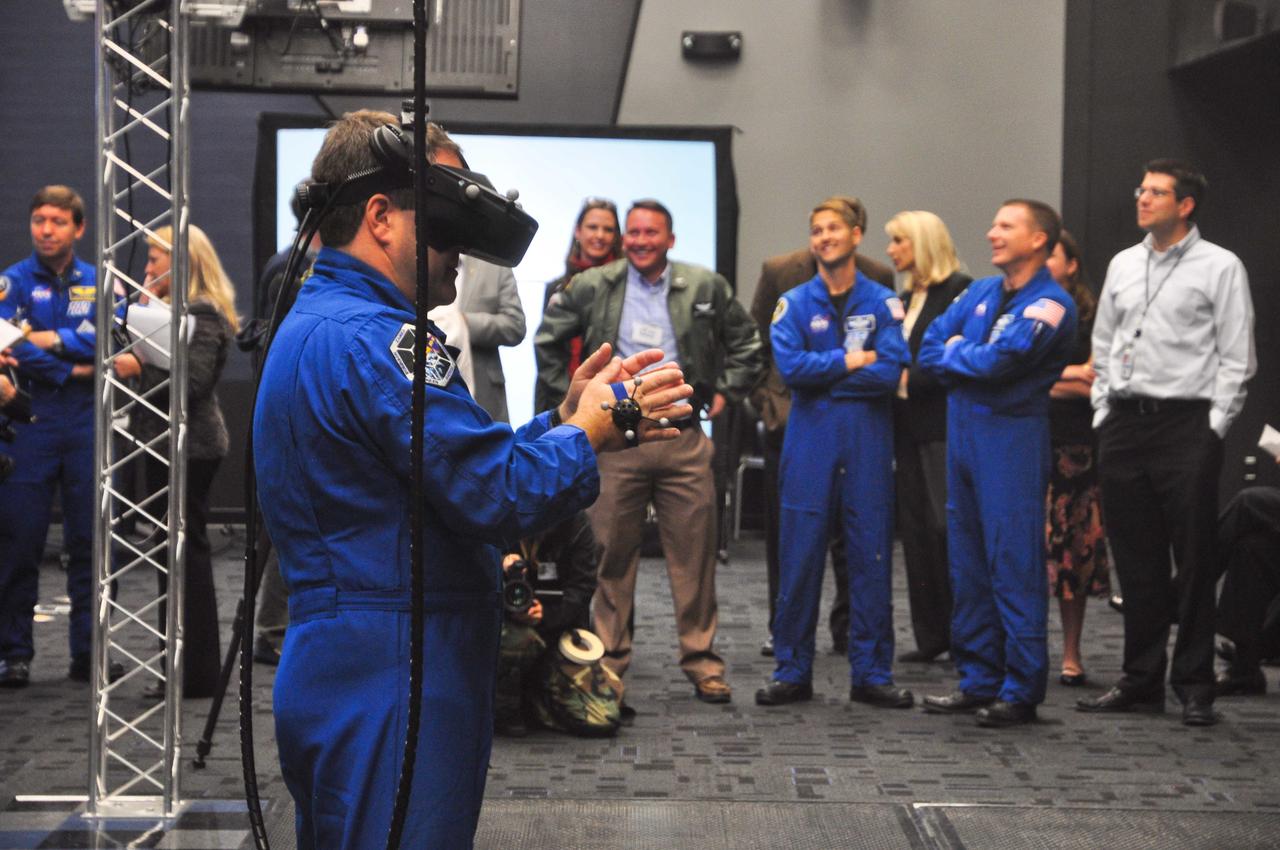
Orion Media Day takes place at Lockheed Martin’s Waterton facility in Littleton, Colorado on Oct. 21, 2011. Part of Batch image transfer from Flickr.
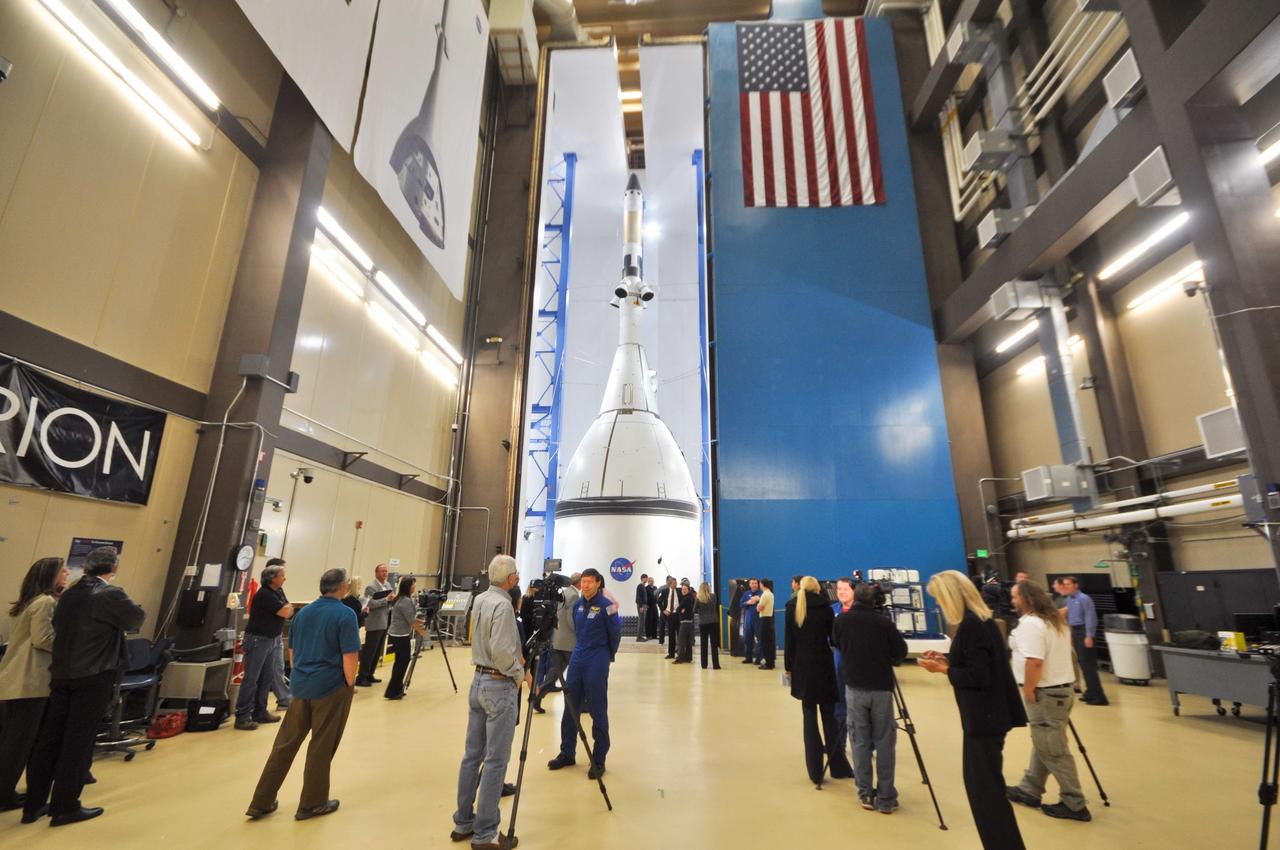
Orion Media Day takes place at Lockheed Martin’s Waterton facility in Littleton, Colorado on Oct. 21, 2011. Part of Batch image transfer from Flickr.

Orion Media Day takes place at Lockheed Martin’s Waterton facility in Littleton, Colorado on Oct. 21, 2011. Part of Batch image transfer from Flickr.
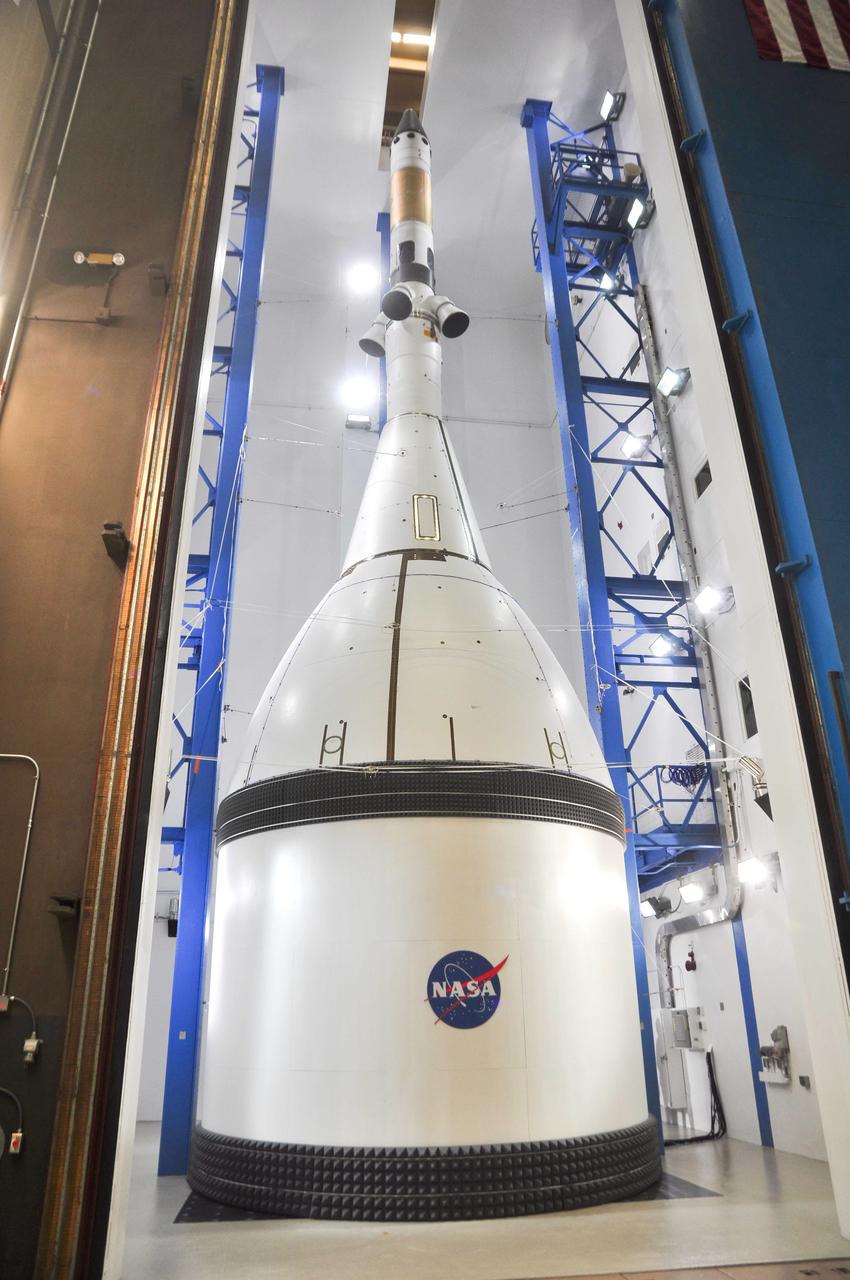
Orion Media Day takes place at Lockheed Martin’s Waterton facility in Littleton, Colorado on Oct. 21, 2011. Part of Batch image transfer from Flickr.
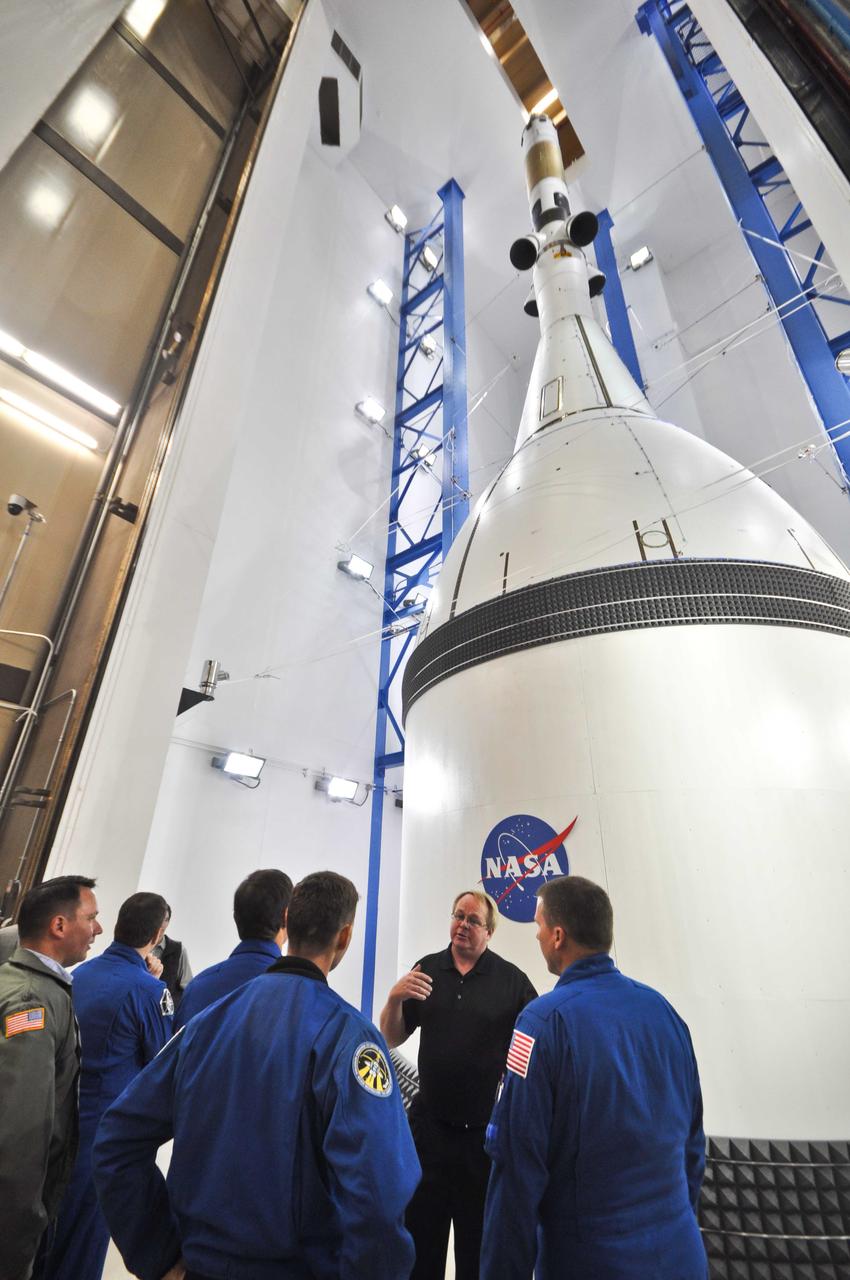
Orion Media Day takes place at Lockheed Martin’s Waterton facility in Littleton, Colorado on Oct. 21, 2011. Part of Batch image transfer from Flickr.
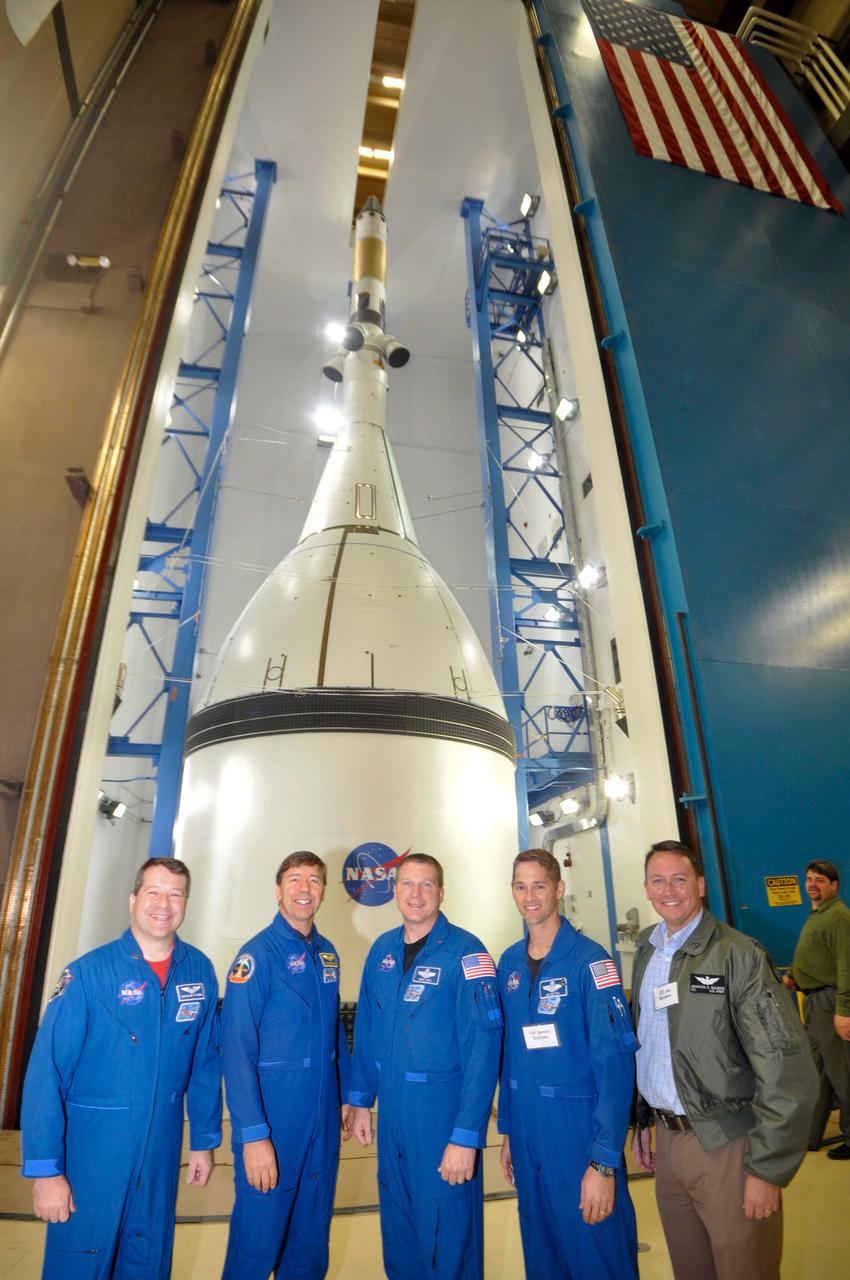
Orion Media Day takes place at Lockheed Martin’s Waterton facility in Littleton, Colorado on Oct. 21, 2011. Part of Batch image transfer from Flickr.
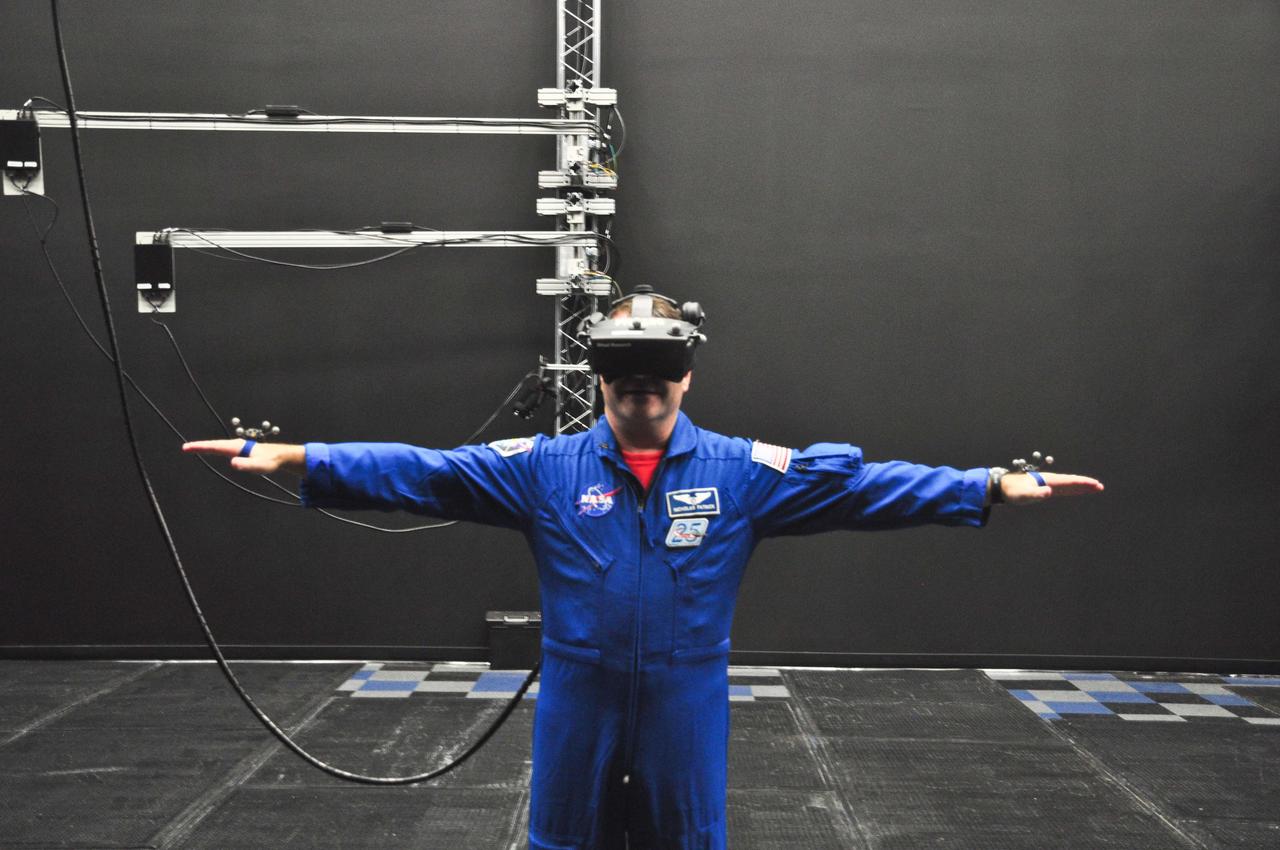
Orion Media Day takes place at Lockheed Martin’s Waterton facility in Littleton, Colorado on Oct. 21, 2011. Part of Batch image transfer from Flickr.
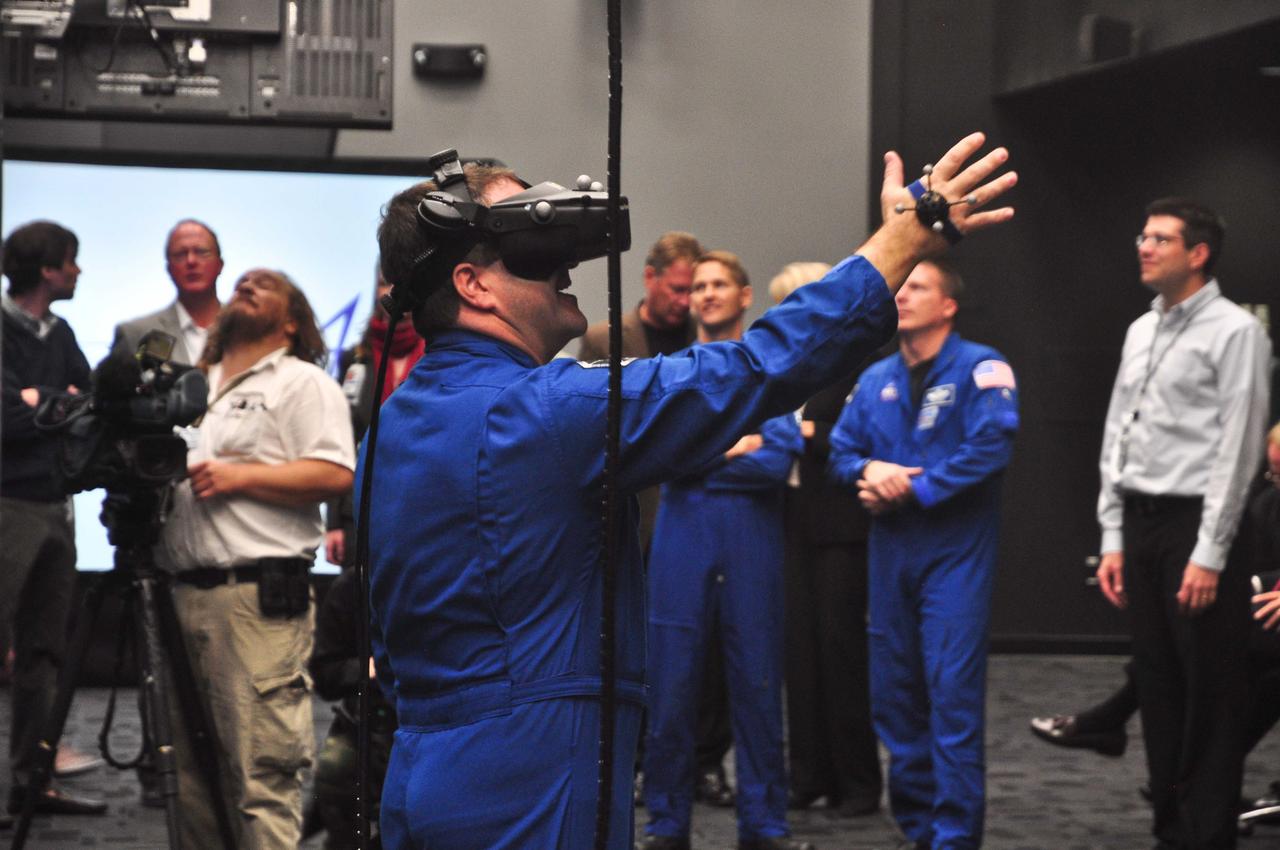
Orion Media Day takes place at Lockheed Martin’s Waterton facility in Littleton, Colorado on Oct. 21, 2011. Part of Batch image transfer from Flickr.
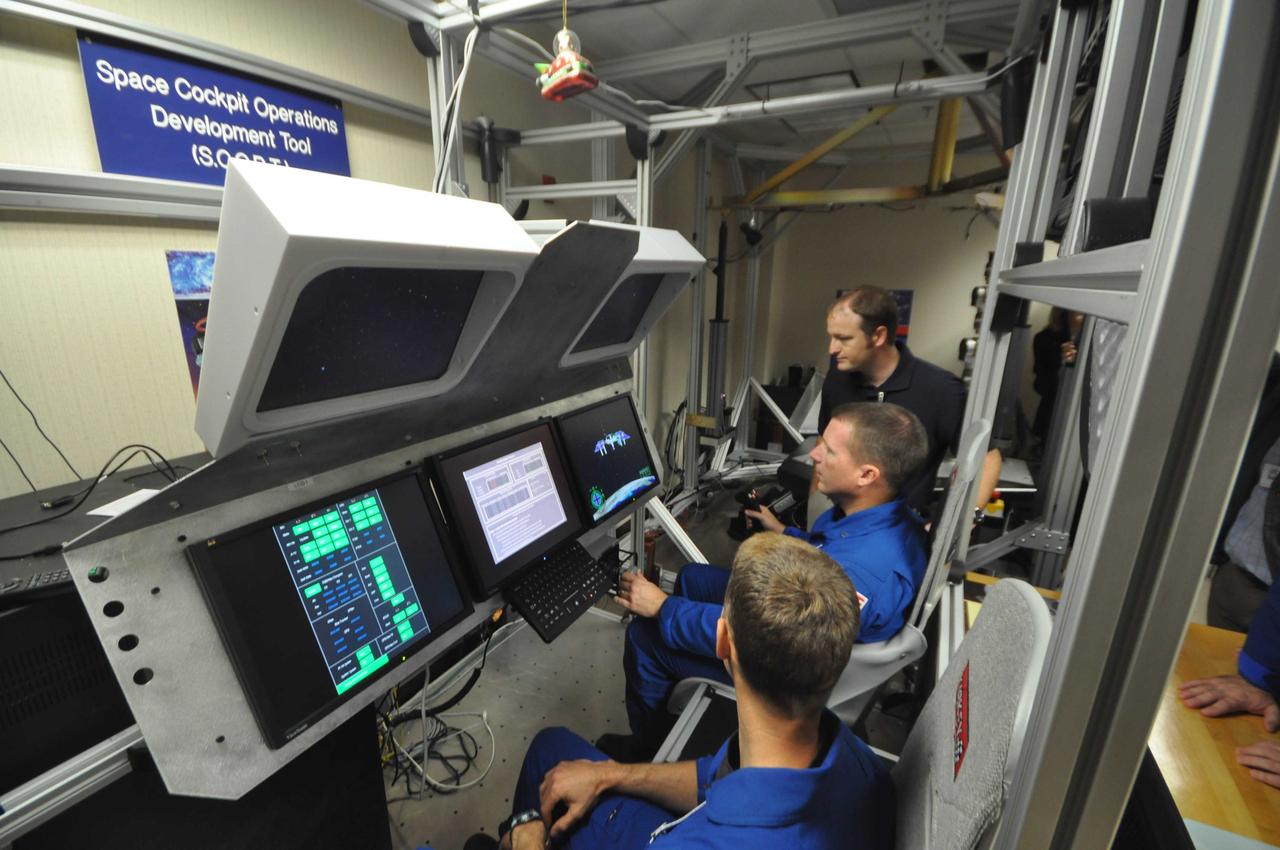
Orion Media Day takes place at Lockheed Martin’s Waterton facility in Littleton, Colorado on Oct. 21, 2011. Part of Batch image transfer from Flickr.

Technicians inspect NASA’s IMAP (Interstellar Mapping and Acceleration Probe) spacecraft on a spacecraft dolly inside Astrotech Space Operations Facility near the agency’s Kennedy Space Center in Florida during a NASA-hosted media day on Thursday, Aug. 28, 2025. IMAP and its two rideshares – NASA’s Carruthers Geocorona Observatory and National Oceanic and Atmospheric Administration’s (NOAA) Space Weather Follow On–Lagrange 1 (SWFO-L1) observatory – will orbit the Sun near Lagrange point 1, about one million miles from Earth, where IMAP will scan the heliosphere, a huge bubble created by the Sun’s wind that encapsulates our entire solar system, and analyze the composition of charged particles, and investigate how those particles move through the solar system.

One of two rideshare spacecraft on NASA’s IMAP (Interstellar Mapping and Acceleration Probe) mission, NASA’s exosphere-studying Carruthers Geocorona Observatory sits on a spacecraft dolly in a high bay inside Astrotech Space Operations Facility near the agency’s Kennedy Space Center in Florida during a NASA-hosted media day on Thursday, Aug. 28, 2025. The missions, along with the National Oceanic and Atmospheric Administration’s (NOAA) Space Weather Follow On–Lagrange 1 (SWFO-L1) observatory, will orbit the Sun near Lagrange point 1, about one million miles from Earth. Carruthers will use its ultraviolet cameras to monitor how space weather from the Sun impacts the exosphere, the outermost part of Earth’s atmosphere.

One of two rideshare spacecraft on NASA’s IMAP (Interstellar Mapping and Acceleration Probe) mission, the National Oceanic and Atmospheric Administration’s (NOAA) Space Weather Follow On–Lagrange 1 (SWFO-L1) observatory sits on a spacecraft dolly in a high bay inside Astrotech Space Operations Facility near the agency’s Kennedy Space Center in Florida during a NASA-hosted media day on Thursday, Aug. 28, 2025. The missions, along with NASA’s exosphere-studying Carruthers Geocorona Observatory, will orbit the Sun near Lagrange point 1, about one million miles from Earth, where SWFO-L1 will monitor the Sun and near-Earth environment using a suite of instruments that provide real-time measurements of solar activity.

Technicians inspect NASA’s IMAP (Interstellar Mapping and Acceleration Probe) spacecraft on a spacecraft dolly inside Astrotech Space Operations Facility near the agency’s Kennedy Space Center in Florida during a NASA-hosted media day on Thursday, Aug. 28, 2025. IMAP and its two rideshares – NASA’s Carruthers Geocorona Observatory and National Oceanic and Atmospheric Administration’s (NOAA) Space Weather Follow On–Lagrange 1 (SWFO-L1) observatory – will orbit the Sun near Lagrange point 1, about one million miles from Earth, where IMAP will scan the heliosphere, a huge bubble created by the Sun’s wind that encapsulates our entire solar system, and analyze the composition of charged particles, and investigate how those particles move through the solar system.

Technicians inspect NASA’s IMAP (Interstellar Mapping and Acceleration Probe) spacecraft on a spacecraft dolly inside Astrotech Space Operations Facility near the agency’s Kennedy Space Center in Florida during a NASA-hosted media day on Thursday, Aug. 28, 2025. IMAP and its two rideshares – NASA’s Carruthers Geocorona Observatory and National Oceanic and Atmospheric Administration’s (NOAA) Space Weather Follow On–Lagrange 1 (SWFO-L1) observatory – will orbit the Sun near Lagrange point 1, about one million miles from Earth, where IMAP will scan the heliosphere, a huge bubble created by the Sun’s wind that encapsulates our entire solar system, and analyze the composition of charged particles, and investigate how those particles move through the solar system.

One of two rideshare spacecraft on NASA’s IMAP (Interstellar Mapping and Acceleration Probe) mission, NASA’s exosphere-studying Carruthers Geocorona Observatory sits on a spacecraft dolly in a high bay inside Astrotech Space Operations Facility near the agency’s Kennedy Space Center in Florida during a NASA-hosted media day on Thursday, Aug. 28, 2025. The missions, along with the National Oceanic and Atmospheric Administration’s (NOAA) Space Weather Follow On–Lagrange 1 (SWFO-L1) observatory, will orbit the Sun near Lagrange point 1, about one million miles from Earth. Carruthers will use its ultraviolet cameras to monitor how space weather from the Sun impacts the exosphere, the outermost part of Earth’s atmosphere.

One of two rideshare spacecraft on NASA’s IMAP (Interstellar Mapping and Acceleration Probe) mission, the National Oceanic and Atmospheric Administration’s (NOAA) Space Weather Follow On–Lagrange 1 (SWFO-L1) observatory sits on a spacecraft dolly in a high bay inside Astrotech Space Operations Facility near the agency’s Kennedy Space Center in Florida during a NASA-hosted media day on Thursday, Aug. 28, 2025. The missions, along with NASA’s exosphere-studying Carruthers Geocorona Observatory, will orbit the Sun near Lagrange point 1, about one million miles from Earth, where SWFO-L1 will monitor the Sun and near-Earth environment using a suite of instruments that provide real-time measurements of solar activity.
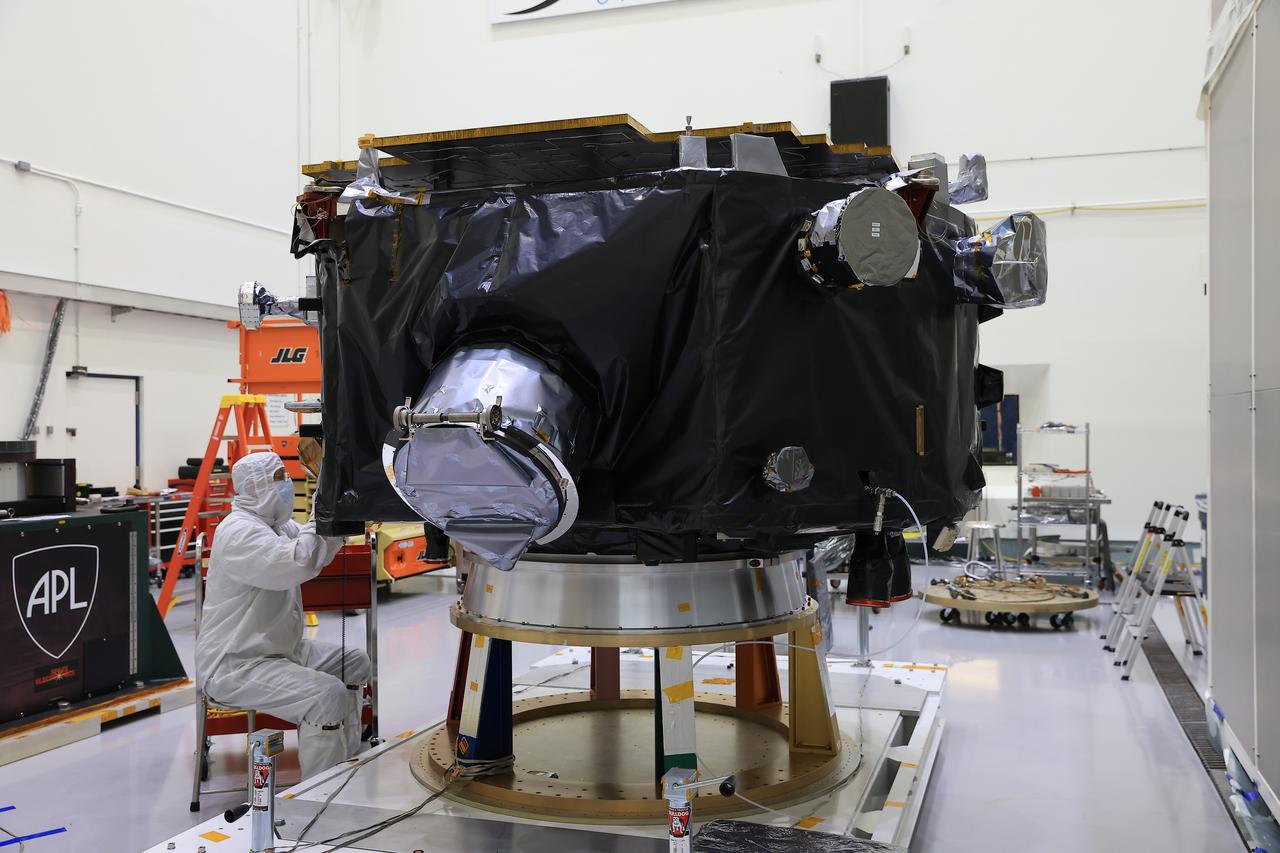
Technicians inspect NASA’s IMAP (Interstellar Mapping and Acceleration Probe) spacecraft on a spacecraft dolly inside Astrotech Space Operations Facility near the agency’s Kennedy Space Center in Florida during a NASA-hosted media day on Thursday, Aug. 28, 2025. IMAP and its two rideshares – NASA’s Carruthers Geocorona Observatory and National Oceanic and Atmospheric Administration’s (NOAA) Space Weather Follow On–Lagrange 1 (SWFO-L1) observatory – will orbit the Sun near Lagrange point 1, about one million miles from Earth, where IMAP will scan the heliosphere, a huge bubble created by the Sun’s wind that encapsulates our entire solar system, and analyze the composition of charged particles, and investigate how those particles move through the solar system.
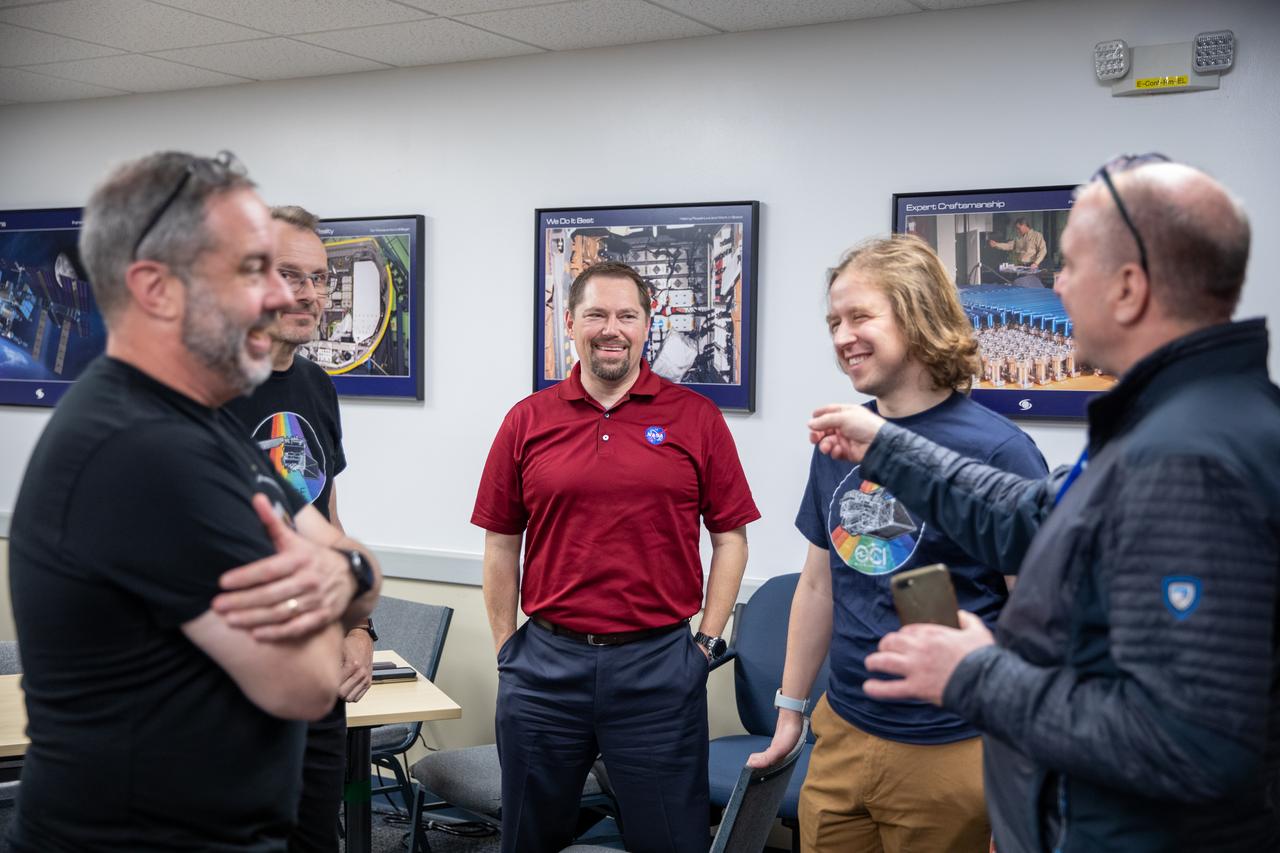
Media interviewed members of NASA’s PACE (Plankton, Aerosol, Cloud, ocean Ecosystem) team on Wednesday, Jan. 3, 2024, during a NASA-hosted media day at the Astrotech Space Operations Facility near NASA’s Kennedy Space Center in Florida. PACE will collect data on how the ocean and atmosphere exchange carbon dioxide, measure key atmospheric variables associated with air quality and Earth's climate, and monitor ocean health. PACE is set to launch aboard a SpaceX Falcon 9 rocket no earlier than Tuesday, Feb. 6, 2024, from Space Launch Complex 40 at Cape Canaveral Space Force Station in Florida.
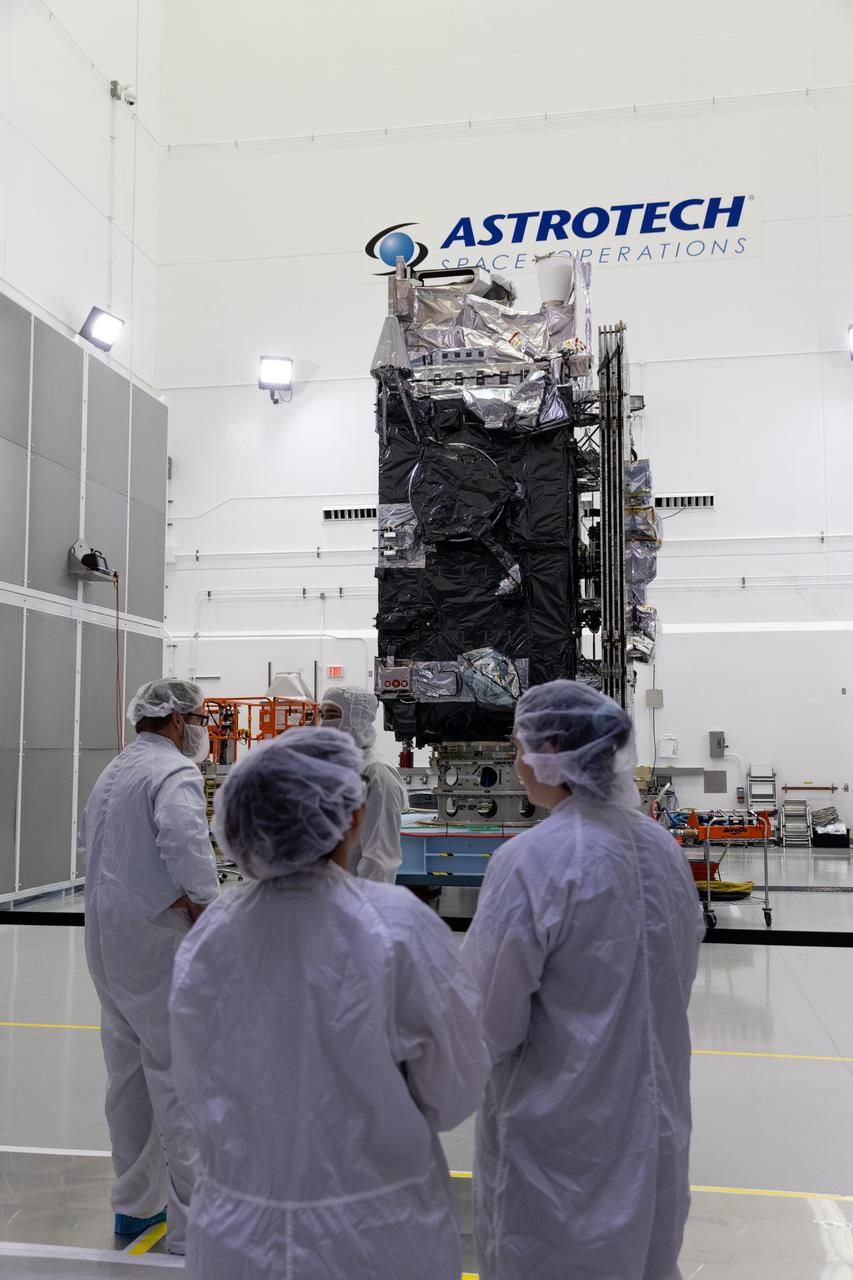
Members of the news media had an opportunity for an up-close look at the National Oceanic and Atmospheric Administration (NOAA) Geostationary Operational Environmental Satellite U (GOES-U) on Thursday, June 6, 2024, inside the Astrotech Space Operations Facility in Titusville, near NASA’s Kennedy Space Center in Florida. Journalists visited Astrotech as part of a NASA-hosted media day to conduct interviews and photograph the satellite that is the final addition to NOAA’s GOES-R satellite series, which serve a critical role in providing continuous coverage of the Western Hemisphere, including monitoring tropical systems in the eastern Pacific and Atlantic Oceans.
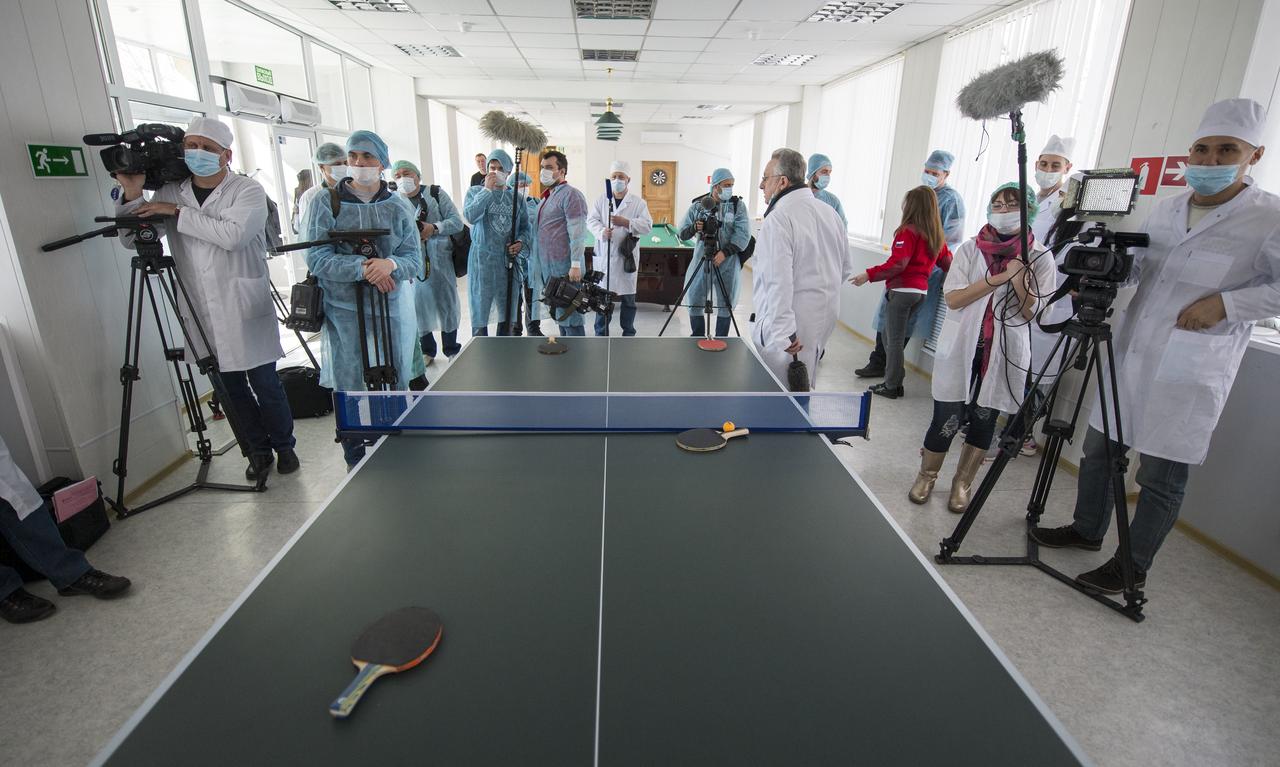
Media wait to be escorted to the next event during the Expedition 43 prime and backup crew media day on Saturday, March 21, 2015 at the Cosmonaut Hotel in Baikonur, Kazakhstan. Expedition 43 NASA Astronaut Scott Kelly, and Russian Cosmonauts Gennady Padalka, and Mikhail Kornienko of the Russian Federal Space Agency (Roscosmos) are scheduled to launch to the International Space Station in the Soyuz TMA-16M spacecraft from the Baikonur Cosmodrome in Kazakhstan March 28, Kazakh time (March 27 Eastern time.) As the one-year crew, Kelly and Kornienko will return to Earth on Soyuz TMA-18M in March 2016. Photo Credit: (NASA/Bill Ingalls)
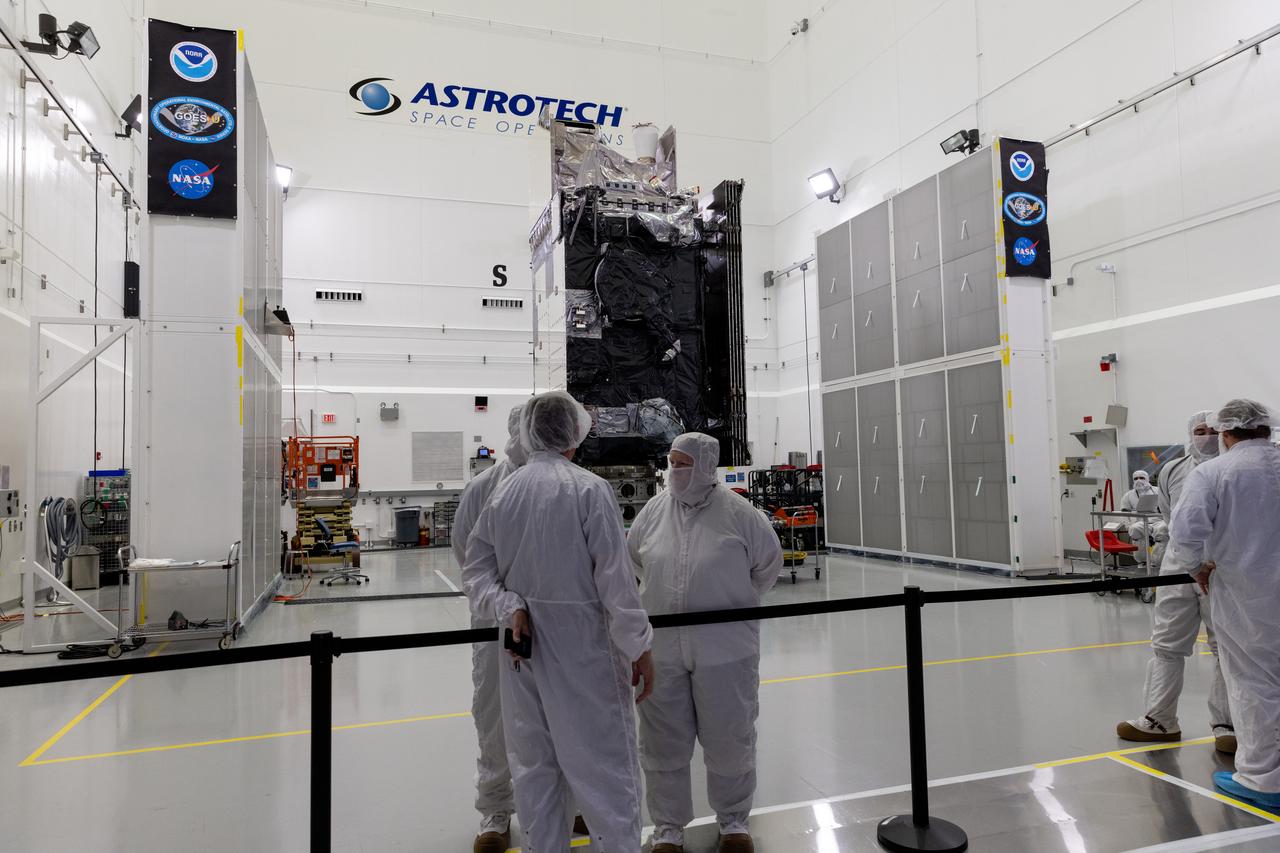
Members of the news media had an opportunity for an up-close look at the National Oceanic and Atmospheric Administration (NOAA) Geostationary Operational Environmental Satellite U (GOES-U) on Thursday, June 6, 2024, inside the Astrotech Space Operations Facility in Titusville, near NASA’s Kennedy Space Center in Florida. Journalists visited Astrotech as part of a NASA-hosted media day to conduct interviews and photograph the satellite that is the final addition to NOAA’s GOES-R satellite series, which serve a critical role in providing continuous coverage of the Western Hemisphere, including monitoring tropical systems in the eastern Pacific and Atlantic Oceans.
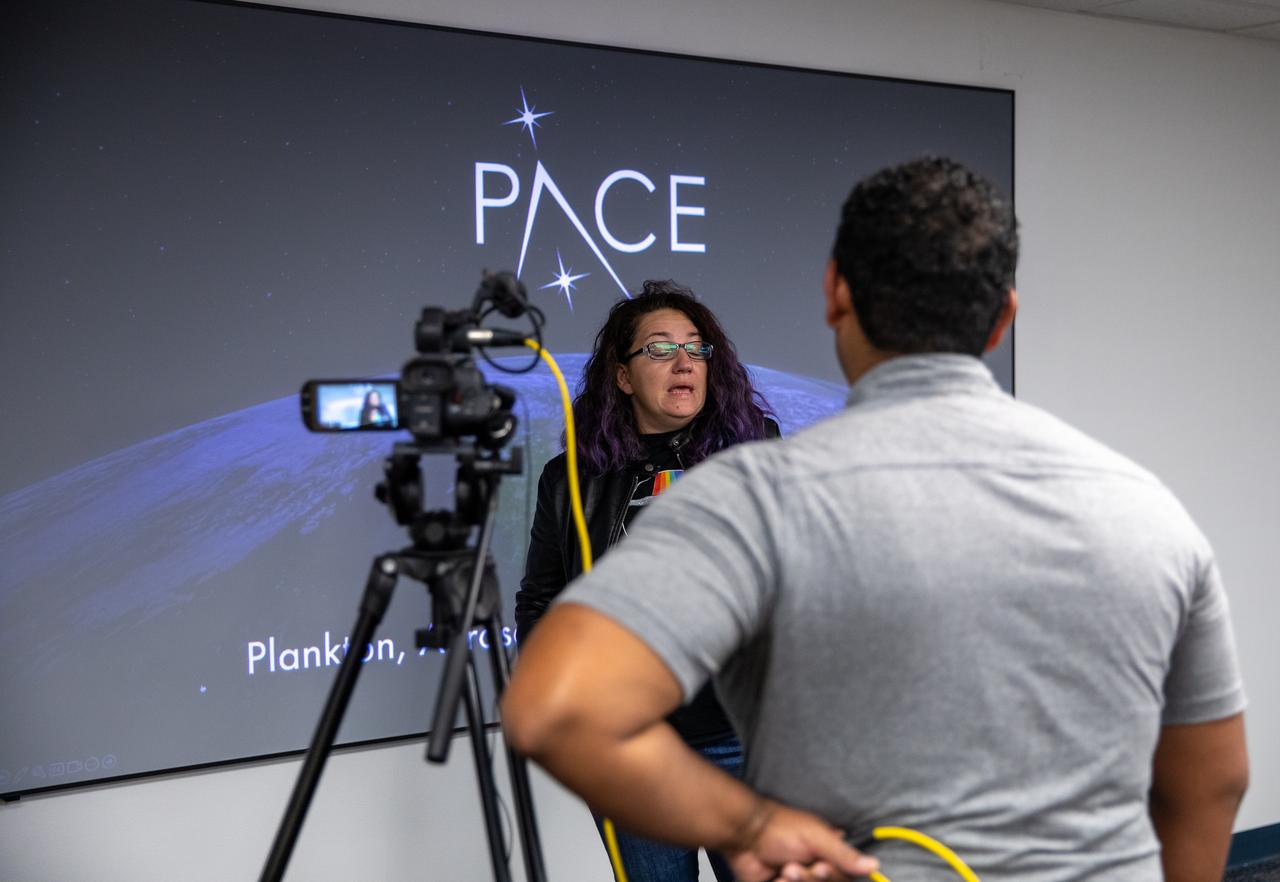
Ivona Cetinić, PACE Project Science Lead for Aquatic Biogeochemistry, is photographed speaking with a member of the media about NASA’s PACE (Plankton, Aerosol, Cloud, ocean Ecosystem) spacecraft on Wednesday, Jan. 3, 2024, during a NASA-hosted media day at the Astrotech Space Operations Facility near NASA’s Kennedy Space Center in Florida. NASA invited journalists for the opportunity to speak with mission subject matter experts and view the spacecraft before it is encapsulated into its payload fairing for its launch aboard a SpaceX Falcon 9 rocket no earlier than Tuesday, Feb. 6, 2024, from Space Launch Complex 40 at Cape Canaveral Space Force Station in Florida.
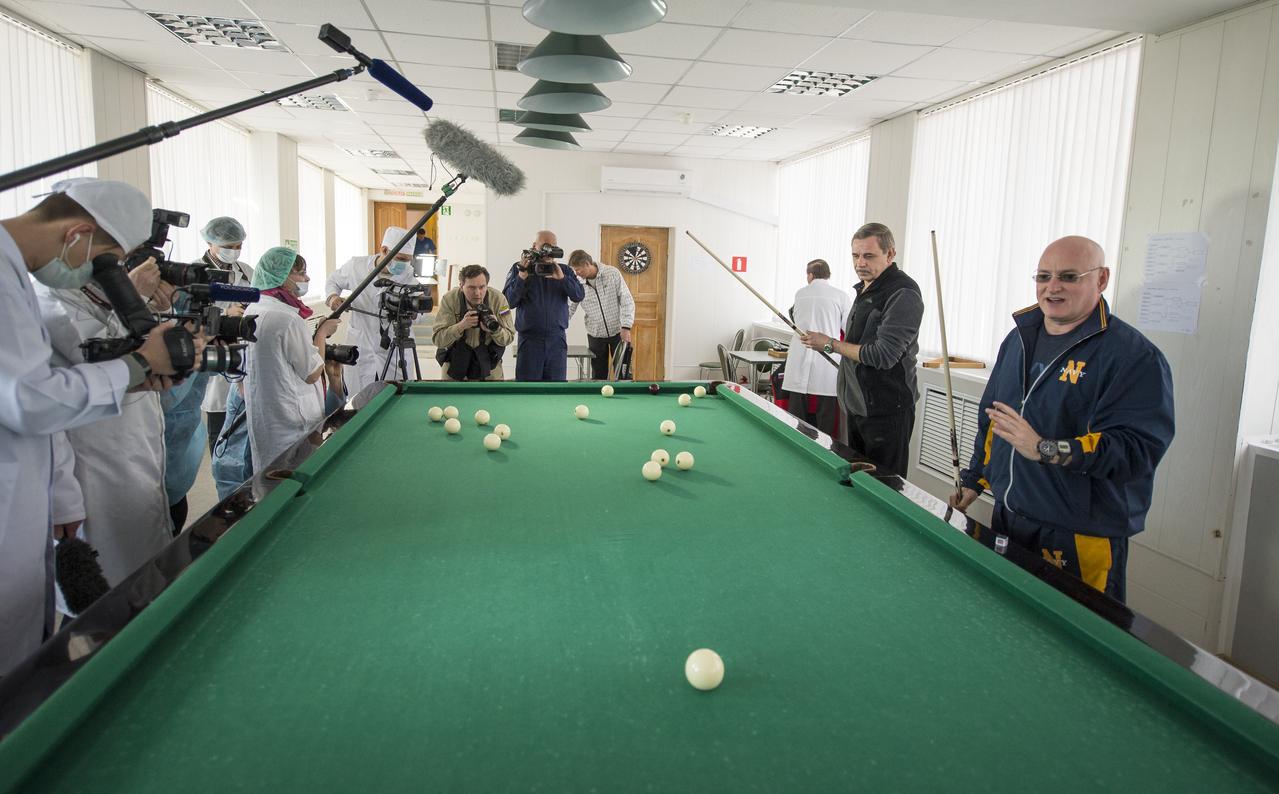
Media document Expedition 43 Russian Cosmonaut Mikhail Kornienko of the Russian Federal Space Agency (Roscosmos), left, and NASA Astronaut Scott Kelly, right, as they play billiards during media day, Saturday, March 21, 2015, Baikonur, Kazakhstan. Kelly, and Russian Cosmonauts Gennady Padalka, and Mikhail Kornienko of Roscosmos are scheduled to launch to the International Space Station in the Soyuz TMA-16M spacecraft from the Baikonur Cosmodrome in Kazakhstan March 28, Kazakh time (March 27 Eastern time.) As the one-year crew, Kelly and Kornienko will return to Earth on Soyuz TMA-18M in March 2016. Photo Credit: (NASA/Bill Ingalls)
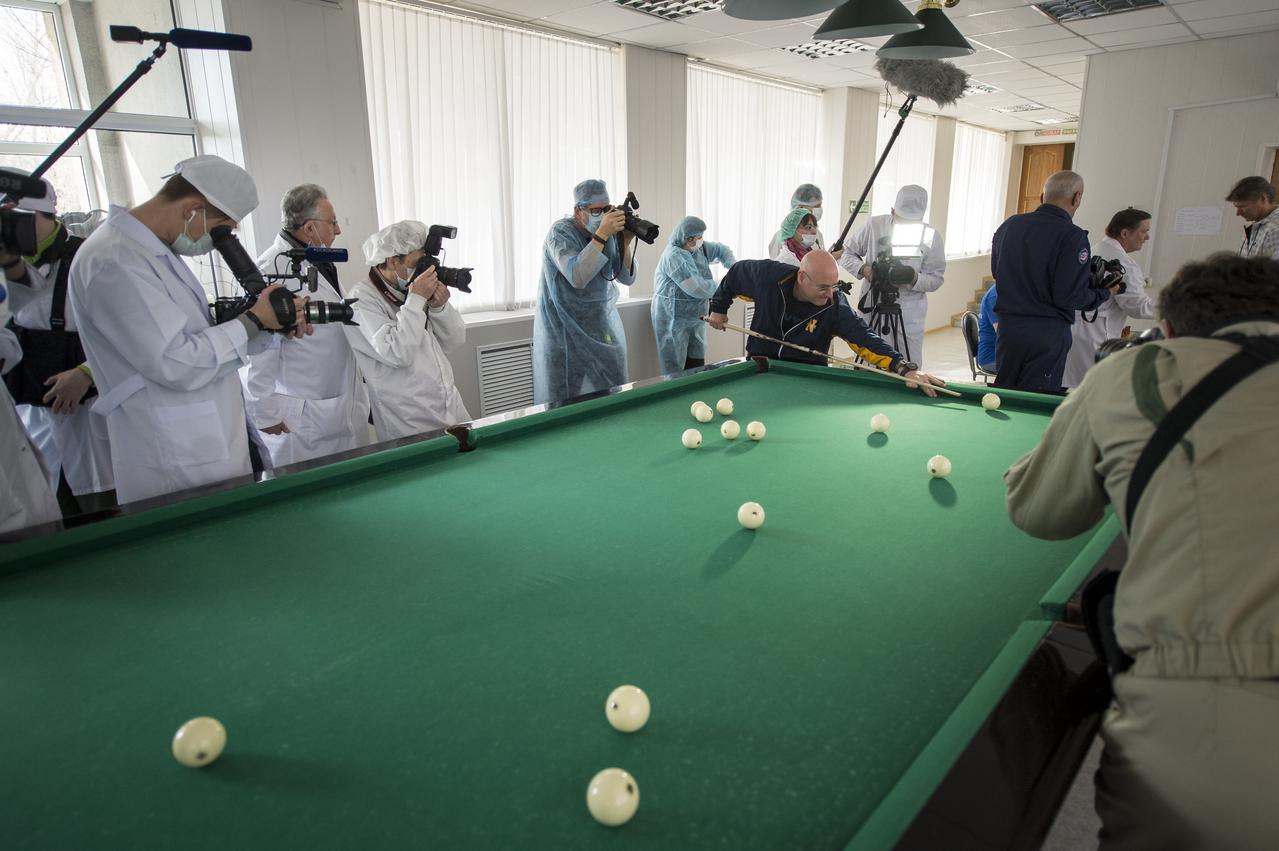
Media document Expedition 43 NASA Astronaut Scott Kelly as he plays billiards during media day, Saturday, March 21, 2015, Baikonur, Kazakhstan. Kelly, and Russian Cosmonauts Gennady Padalka, and Mikhail Kornienko of the Russian Federal Space Agency (Roscosmos) are scheduled to launch to the International Space Station in the Soyuz TMA-16M spacecraft from the Baikonur Cosmodrome in Kazakhstan March 28, Kazakh time (March 27 Eastern time.) As the one-year crew, Kelly and Kornienko will return to Earth on Soyuz TMA-18M in March 2016. Photo Credit: (NASA/Bill Ingalls)

Media interview a member of NASA’s PACE (Plankton, Aerosol, Cloud, ocean Ecosystem) team beside the spacecraft on Wednesday, Jan. 3, 2024, during a NASA-hosted media day inside a cleanroom at the Astrotech Space Operations Facility near NASA’s Kennedy Space Center in Florida. PACE will collect data on how the ocean and atmosphere exchange carbon dioxide, measure key atmospheric variables associated with air quality and Earth's climate, and monitor ocean health. PACE is set to launch aboard a SpaceX Falcon 9 rocket no earlier than Tuesday, Feb. 6, 2024, from Space Launch Complex 40 at Cape Canaveral Space Force Station in Florida.
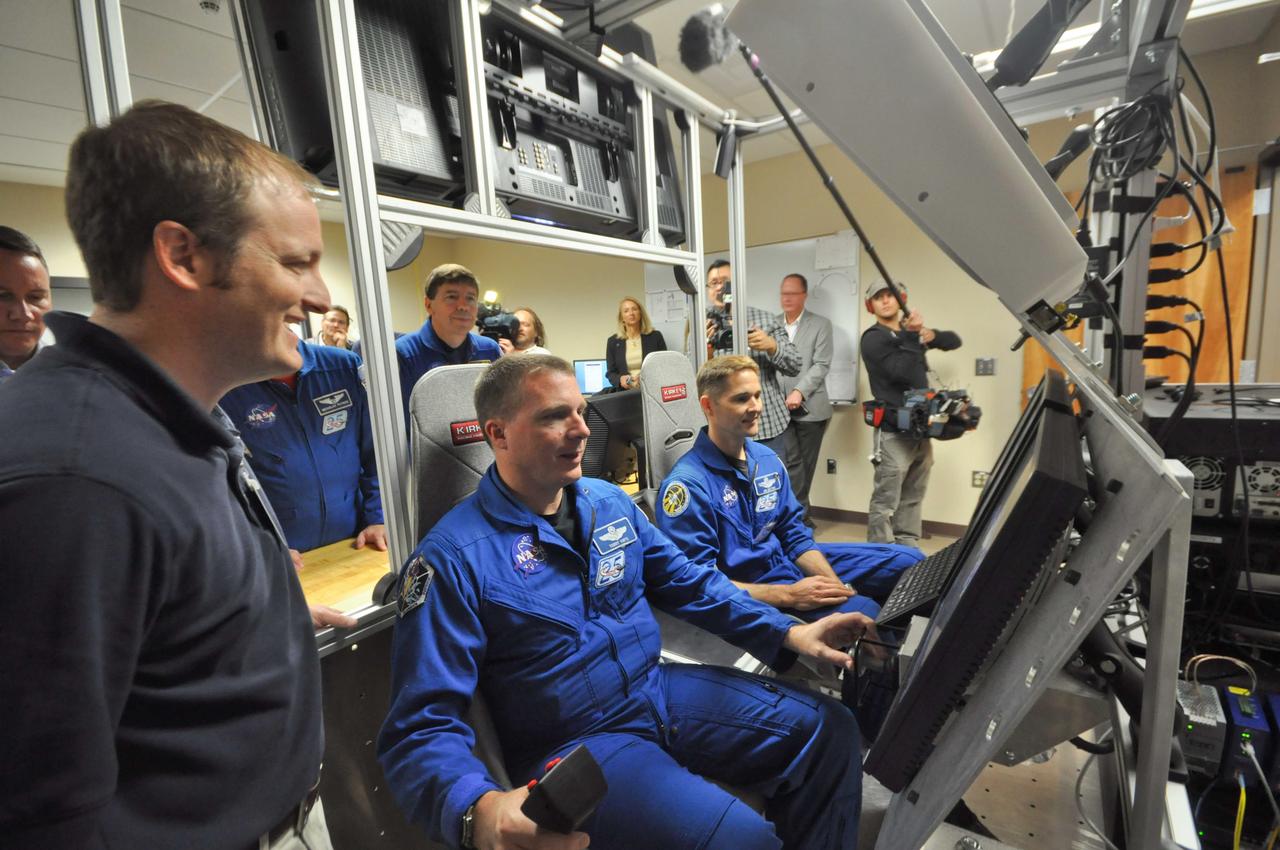
Orion Media Day takes place at Lockheed Martin’s Waterton facility in Littleton, Colorado on Oct. 21, 2011. Terry Virts visible Part of Batch image transfer from Flickr.
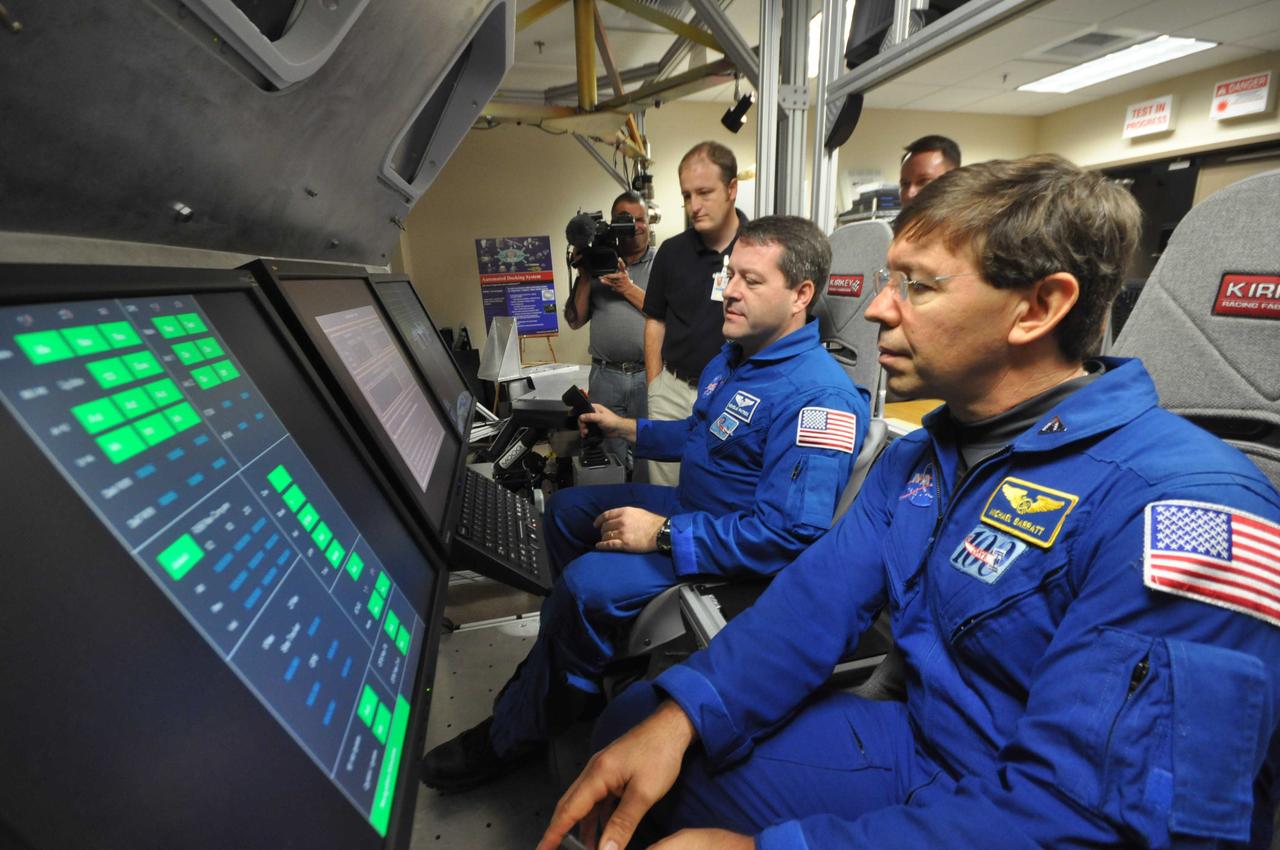
Orion Media Day takes place at Lockheed Martin’s Waterton facility in Littleton, Colorado on Oct. 21, 2011. Astronauts Michael Barratt and Nicholas Patrick are visible. Part of Batch image transfer from Flickr.
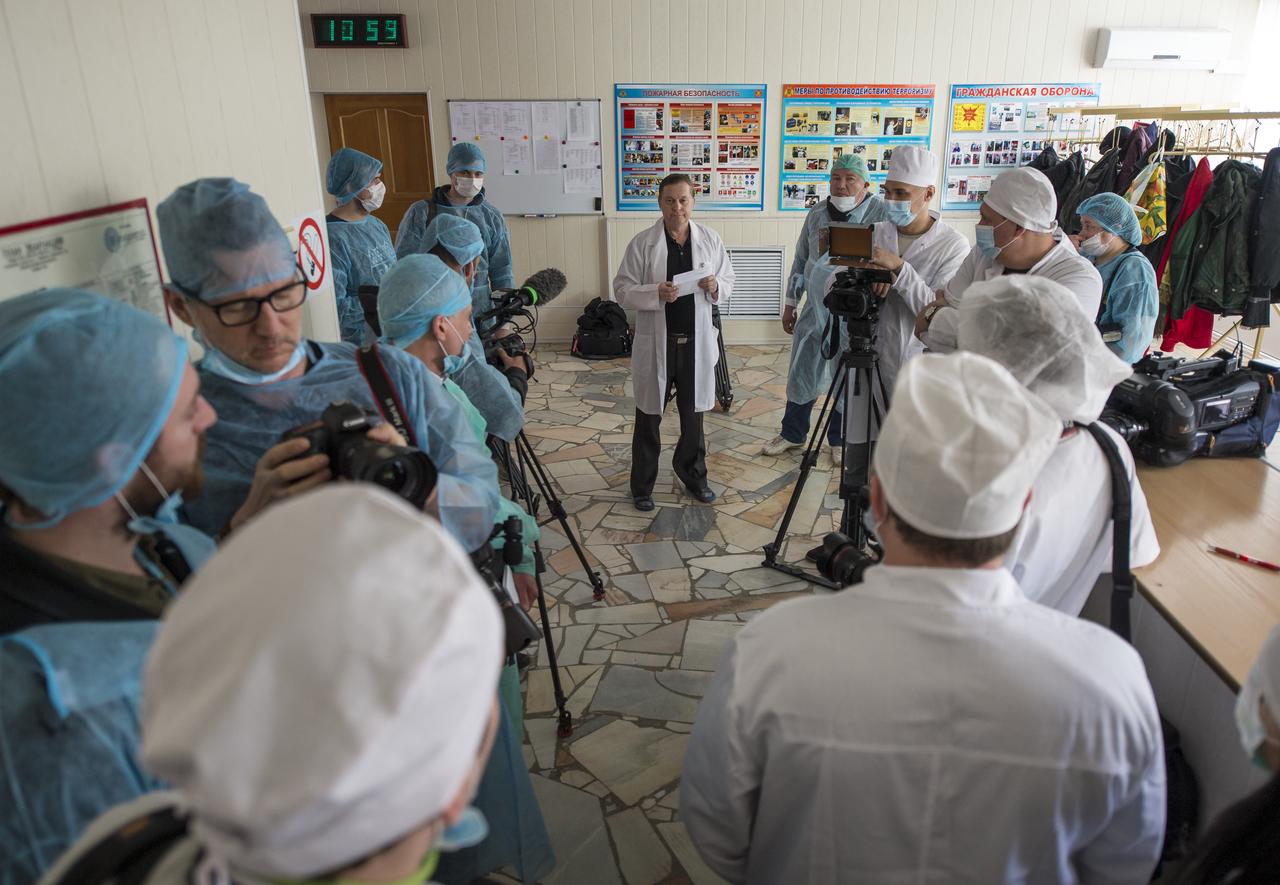
Gagarin Cosmonaut Training Center (GCTC) Chief Epidemiologist Sergei Savin stands in the Cosmonaut Hotel lobby and instructs the media on how their access to the Expedition 43 prime and backup crews will be organized during media day, Saturday, March 21, 2015, Baikonur, Kazakhstan. Expedition 43 NASA Astronaut Scott Kelly, and Russian Cosmonauts Gennady Padalka, and Mikhail Kornienko of the Russian Federal Space Agency (Roscosmos) are scheduled to launch to the International Space Station in the Soyuz TMA-16M spacecraft from the Baikonur Cosmodrome in Kazakhstan March 28, Kazakh time (March 27 Eastern time.) As the one-year crew, Kelly and Kornienko will return to Earth on Soyuz TMA-18M in March 2016. Photo Credit: (NASA/Bill Ingalls)
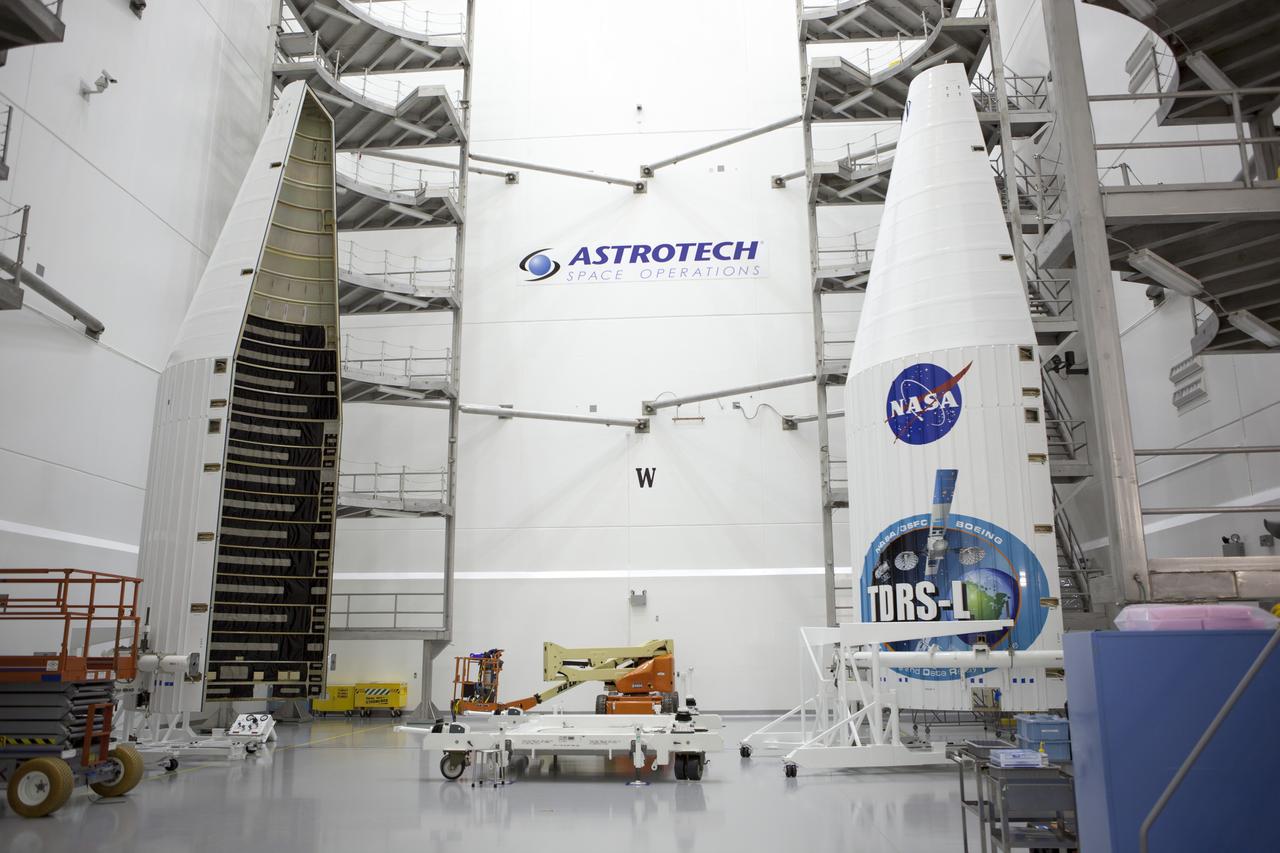
TITUSVILLE, Fla. – Inside the Astrotech payload processing facility in Titusville, members of the news media are given an opportunity for an up-close look at the payload fairing that will encapsulate the Tracking and Data Relay Satellite, or TDRS-L, spacecraft. Journalists visited Astrotech as part of TDRS-L Media Day to conduct interviews and photograph the satellite that will be a part of the second of three next-generation spacecraft designed to ensure vital operational continuity for the NASA Space Network. It is scheduled to launch from Cape Canaveral's Space Launch Complex 41 atop an Atlas V rocket in January 2014. The current Tracking and Data Relay Satellite system consists of eight in-orbit satellites distributed to provide near continuous information relay contact with orbiting spacecraft ranging from the International Space Station and Hubble Space Telescope to the array of scientific observatories. For more information, visit: http://www.nasa.gov/mission_pages/tdrs/home/index.html

Photo Date: 8-4-2010 Location: Bldg. 9NW – High Bay – SEV Area Subject: Robonaut (R2) media day before the R2 unit is packed up for KSC. Photographer: Lauren Harnett
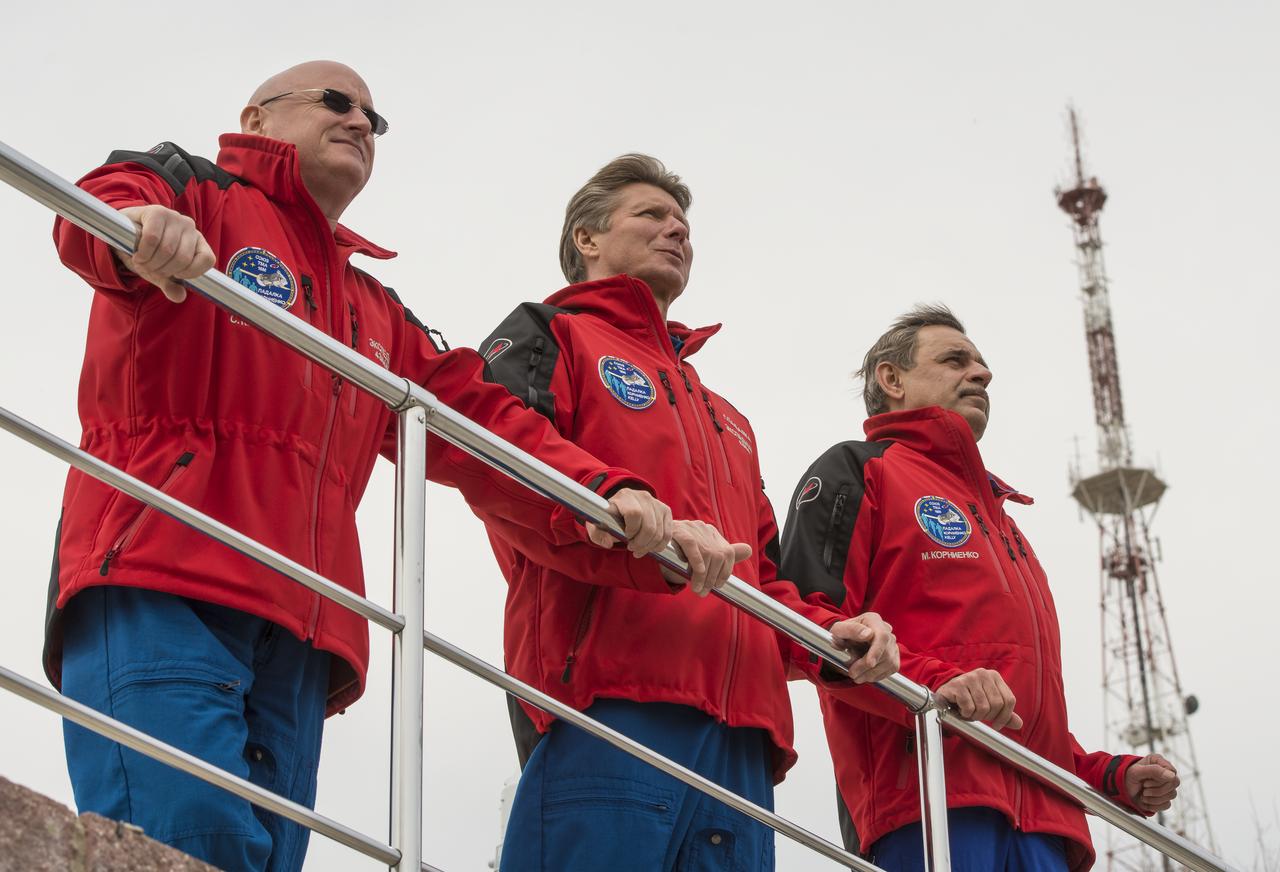
Expedition 43 NASA Astronaut Scott Kelly, left, Russian Cosmonauts Gennady Padalka, center, and Mikhail Kornienko of the Russian Federal Space Agency (Roscosmos) take in the view from a overlook during media day, Saturday, March 21, 2015 at the Cosmonaut Hotel in Baikonur, Kazakhstan. Kelly, Padalka, and Kornienko are preparing for launch to the International Space Station in their Soyuz TMA-16M spacecraft from the Baikonur Cosmodrome in Kazakhstan March 28, Kazakh time (March 27 Eastern time.) As the one-year crew, Kelly and Kornienko will return to Earth on Soyuz TMA-18M in March 2016. Photo Credit: (NASA/Bill Ingalls)
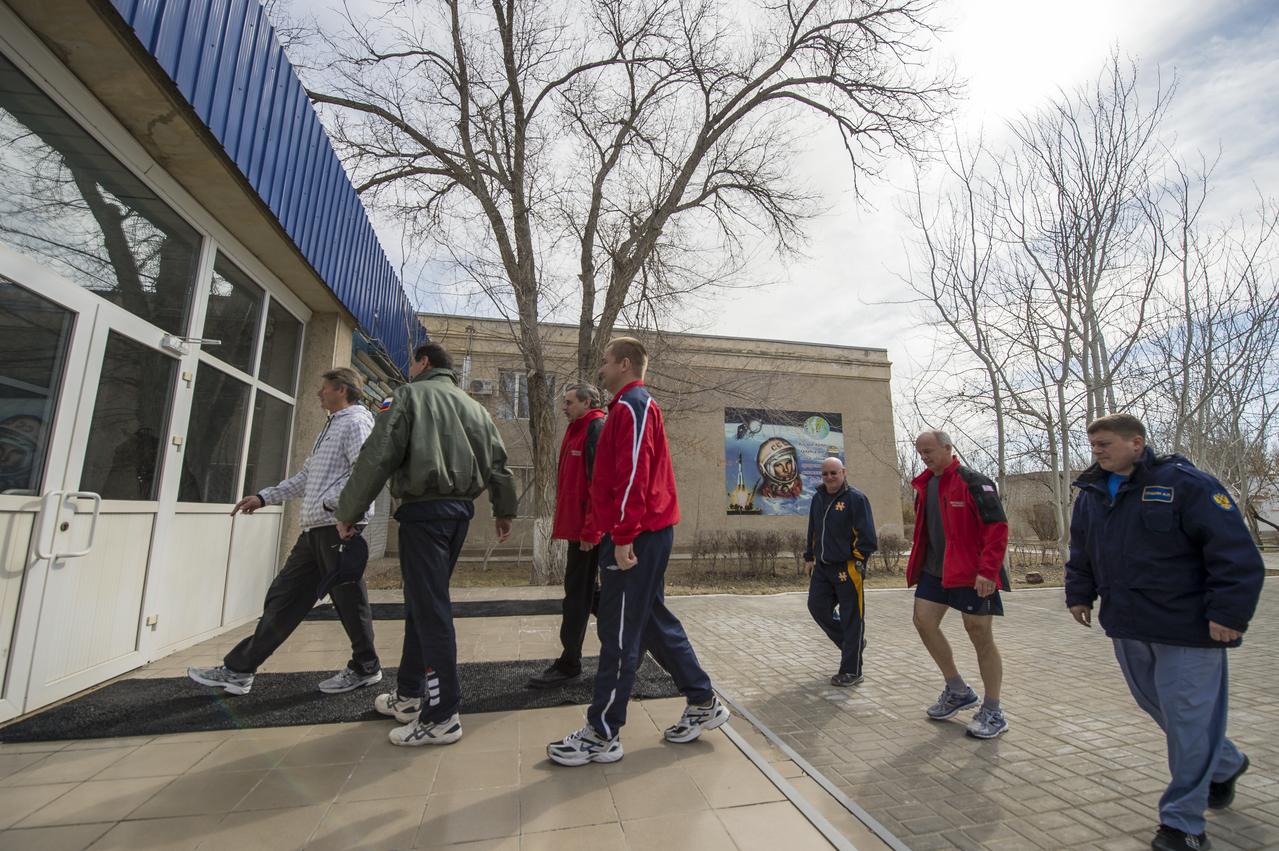
Expedition 43 prime and backup crews arrive at the Cosmonaut Hotel during media day, Saturday, March 21, 2015, Baikonur, Kazakhstan. Expedition 43 NASA Astronaut Scott Kelly, and Russian Cosmonauts Gennady Padalka, and Mikhail Kornienko of the Russian Federal Space Agency (Roscosmos) are scheduled to launch to the International Space Station in the Soyuz TMA-16M spacecraft from the Baikonur Cosmodrome in Kazakhstan March 28, Kazakh time (March 27 Eastern time.) As the one-year crew, Kelly and Kornienko will return to Earth on Soyuz TMA-18M in March 2016. Photo Credit: (NASA/Bill Ingalls)
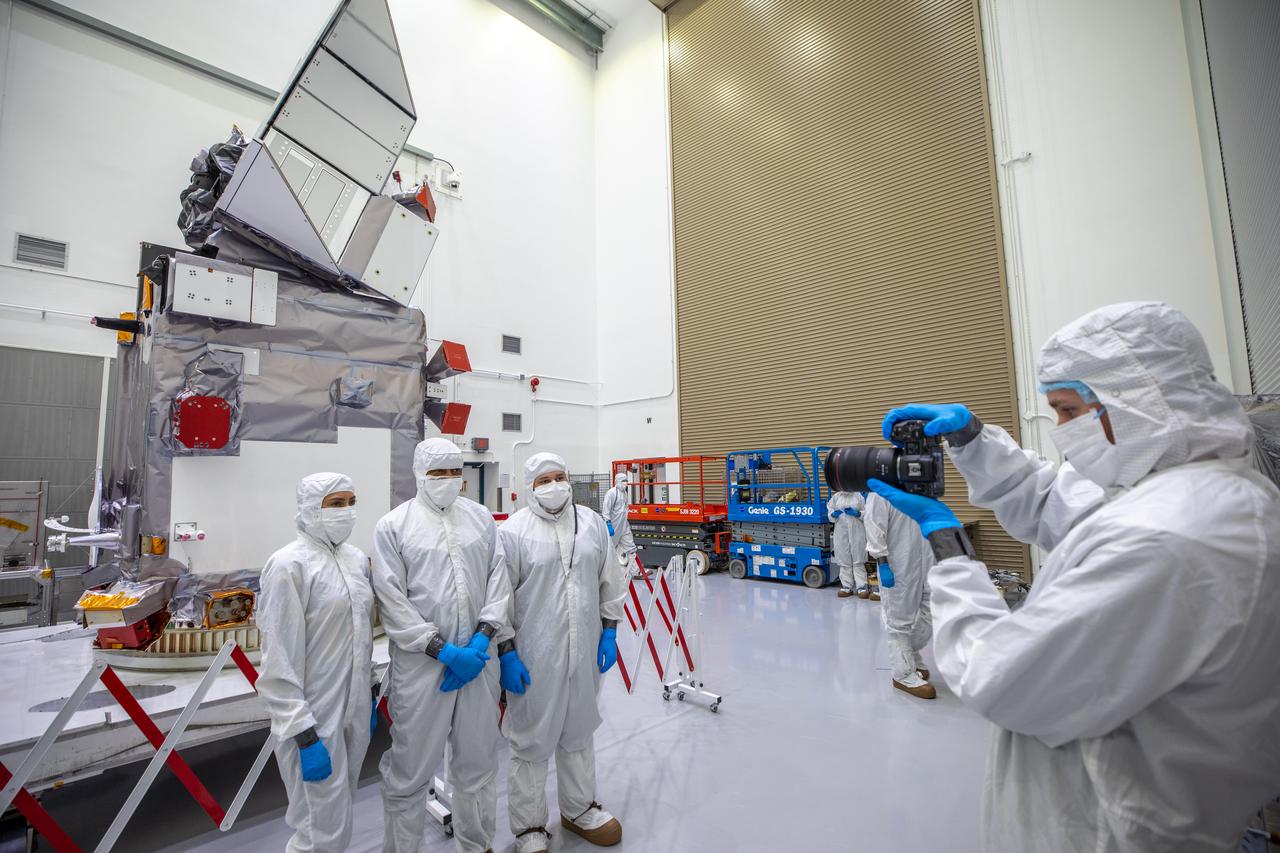
Members of NASA’s PACE (Plankton, Aerosol, Cloud, ocean Ecosystem) team are photographed with the spacecraft on Wednesday, Jan. 3, 2024, during a NASA-hosted media day inside a cleanroom at the Astrotech Space Operations Facility near NASA’s Kennedy Space Center in Florida. PACE will collect data on how the ocean and atmosphere exchange carbon dioxide, measure key atmospheric variables associated with air quality and Earth's climate, and monitor ocean health. PACE is set to launch aboard a SpaceX Falcon 9 rocket no earlier than Tuesday, Feb. 6, 2024, from Space Launch Complex 40 at Cape Canaveral Space Force Station in Florida.
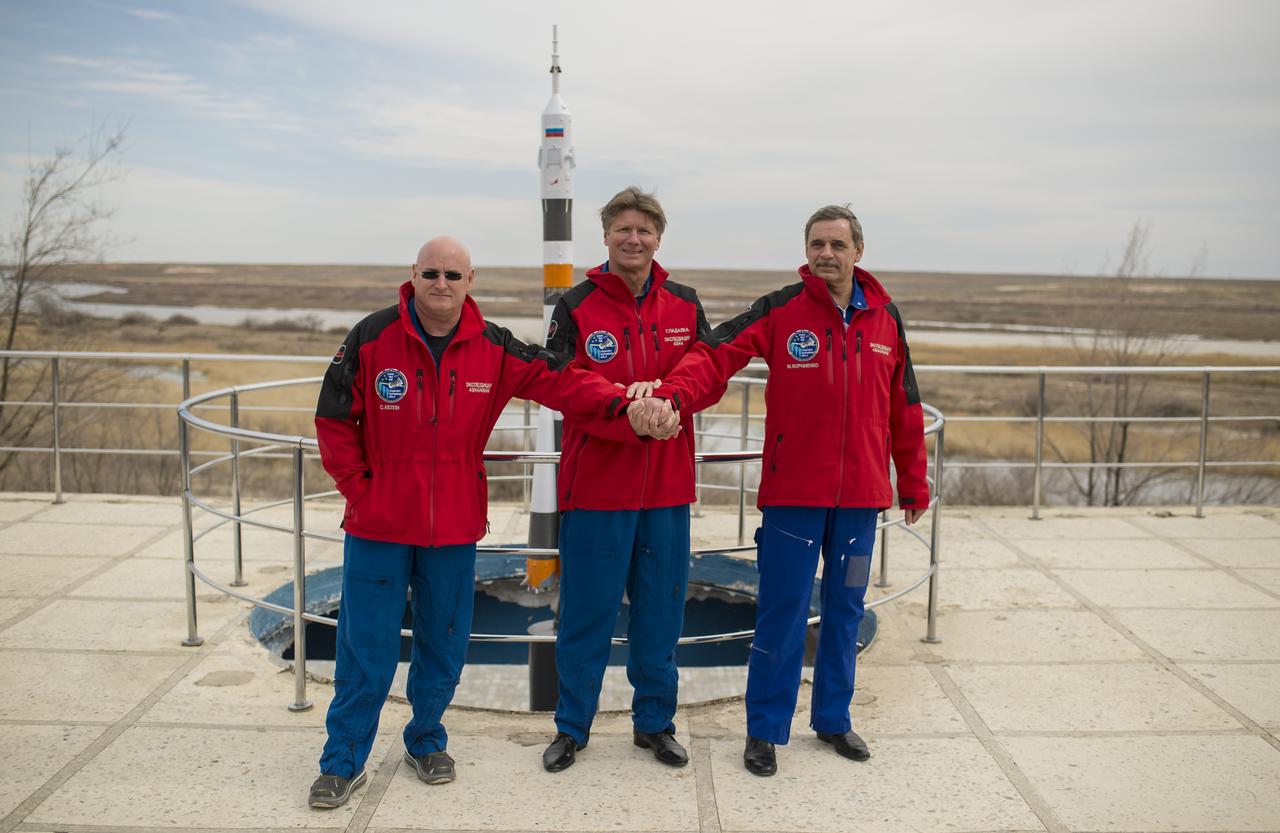
Expedition 43 NASA Astronaut Scott Kelly, left, Russian Cosmonauts Gennady Padalka, center, and Mikhail Kornienko of the Russian Federal Space Agency (Roscosmos) pose for a group photo near a model of the Soyuz rocket during media day, Saturday, March 21, 2015 at the Cosmonaut Hotel in Baikonur, Kazakhstan. Kelly, Padalka, and Kornienko are preparing for launch to the International Space Station in their Soyuz TMA-16M spacecraft from the Baikonur Cosmodrome in Kazakhstan March 28, Kazakh time (March 27 Eastern time.) As the one-year crew, Kelly and Kornienko will return to Earth on Soyuz TMA-18M in March 2016. Photo Credit: (NASA/Bill Ingalls)
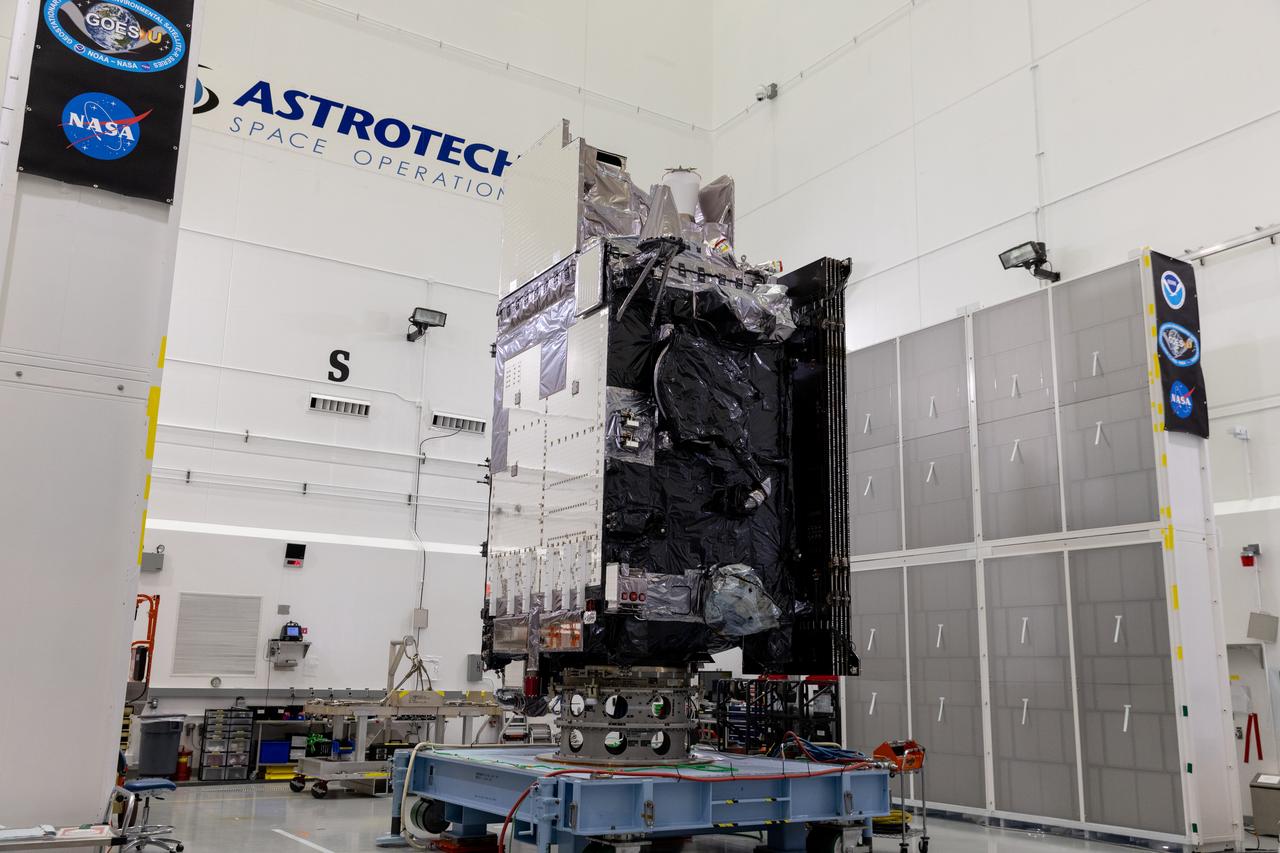
The National Oceanic and Atmospheric Administration (NOAA) Geostationary Operational Environmental Satellite-U (GOES-U) stands vertical on a spacecraft dolly in a high bay at the Astrotech Space Operations Facility near the agency’s Kennedy Space Center in Florida during a NASA-hosted media day on Thursday, June 6, 2024. Part of a collaborative NOAA and NASA program, GOES-U is the last in a series of advanced geostationary weather satellites. Data from the GOES-R satellite series enables forecasters to predict, observe, and track local weather events that affect public safety like thunderstorms, hurricanes, and wildfires.
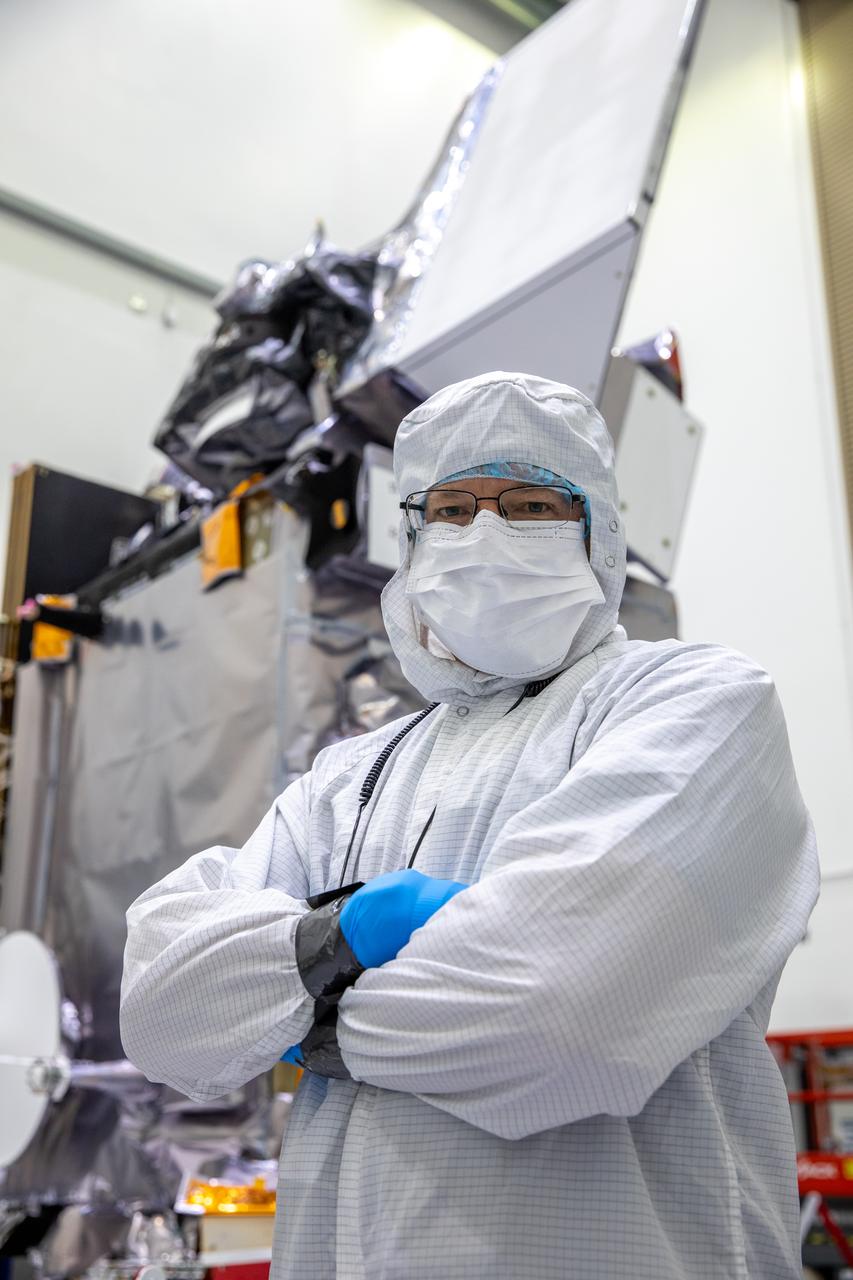
Gary Davis, PACE Mission Systems Engineer, participated in a NASA-hosted media day for the agency’s PACE (Plankton, Aerosol, Cloud, ocean Ecosystem) spacecraft on Wednesday, Jan. 3, 2024, inside a cleanroom at the Astrotech Space Operations Facility near NASA’s Kennedy Space Center in Florida. PACE will collect data on how the ocean and atmosphere exchange carbon dioxide, measure key atmospheric variables associated with air quality and Earth's climate, and monitor ocean health. PACE is set to launch aboard a SpaceX Falcon 9 rocket no earlier than Tuesday, Feb. 6, 2024, from Space Launch Complex 40 at Cape Canaveral Space Force Station in Florida.
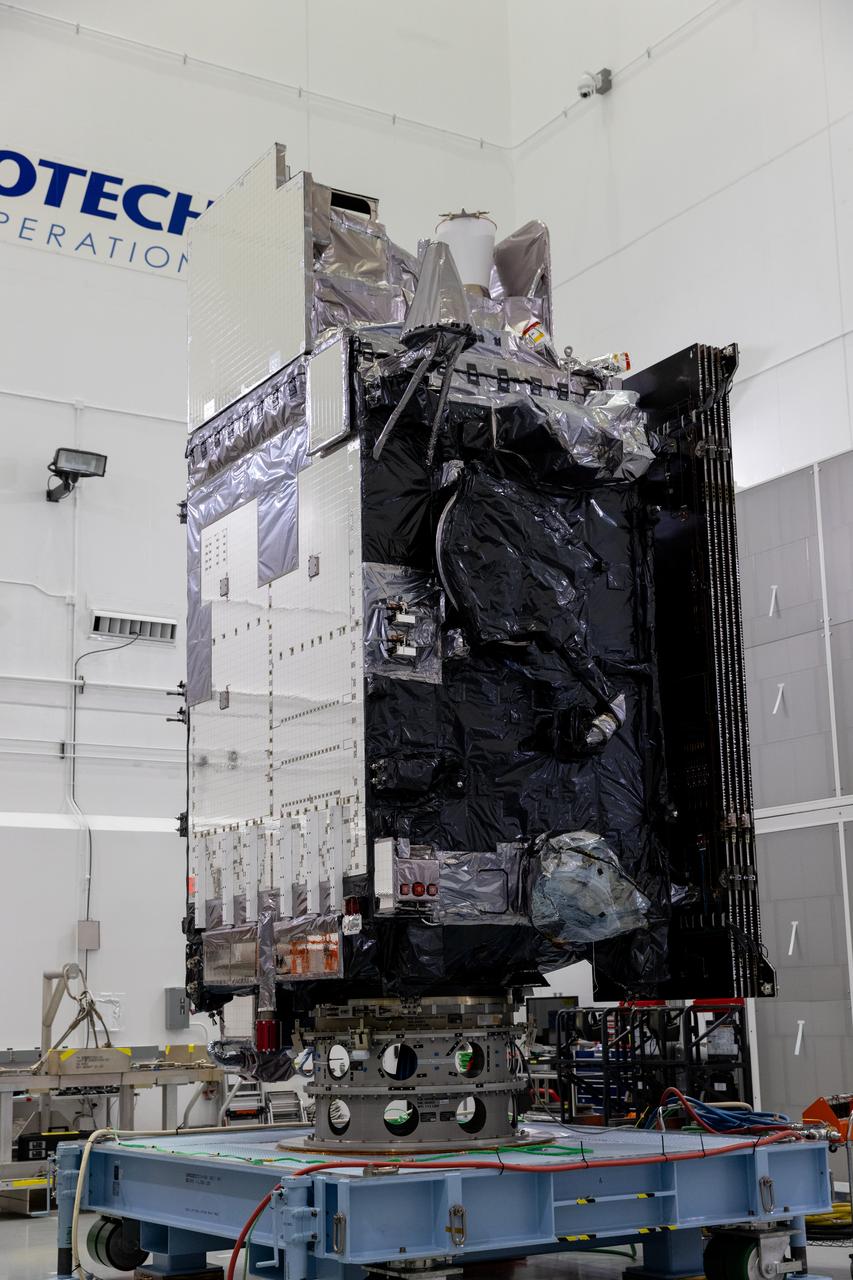
The National Oceanic and Atmospheric Administration (NOAA) Geostationary Operational Environmental Satellite-U (GOES-U) stands vertical on a spacecraft dolly in a high bay at the Astrotech Space Operations Facility near the agency’s Kennedy Space Center in Florida during a NASA-hosted media day on Thursday, June 6, 2024. Part of a collaborative NOAA and NASA program, GOES-U is the last in a series of advanced geostationary weather satellites. Data from the GOES-R satellite series enables forecasters to predict, observe, and track local weather events that affect public safety like thunderstorms, hurricanes, and wildfires.
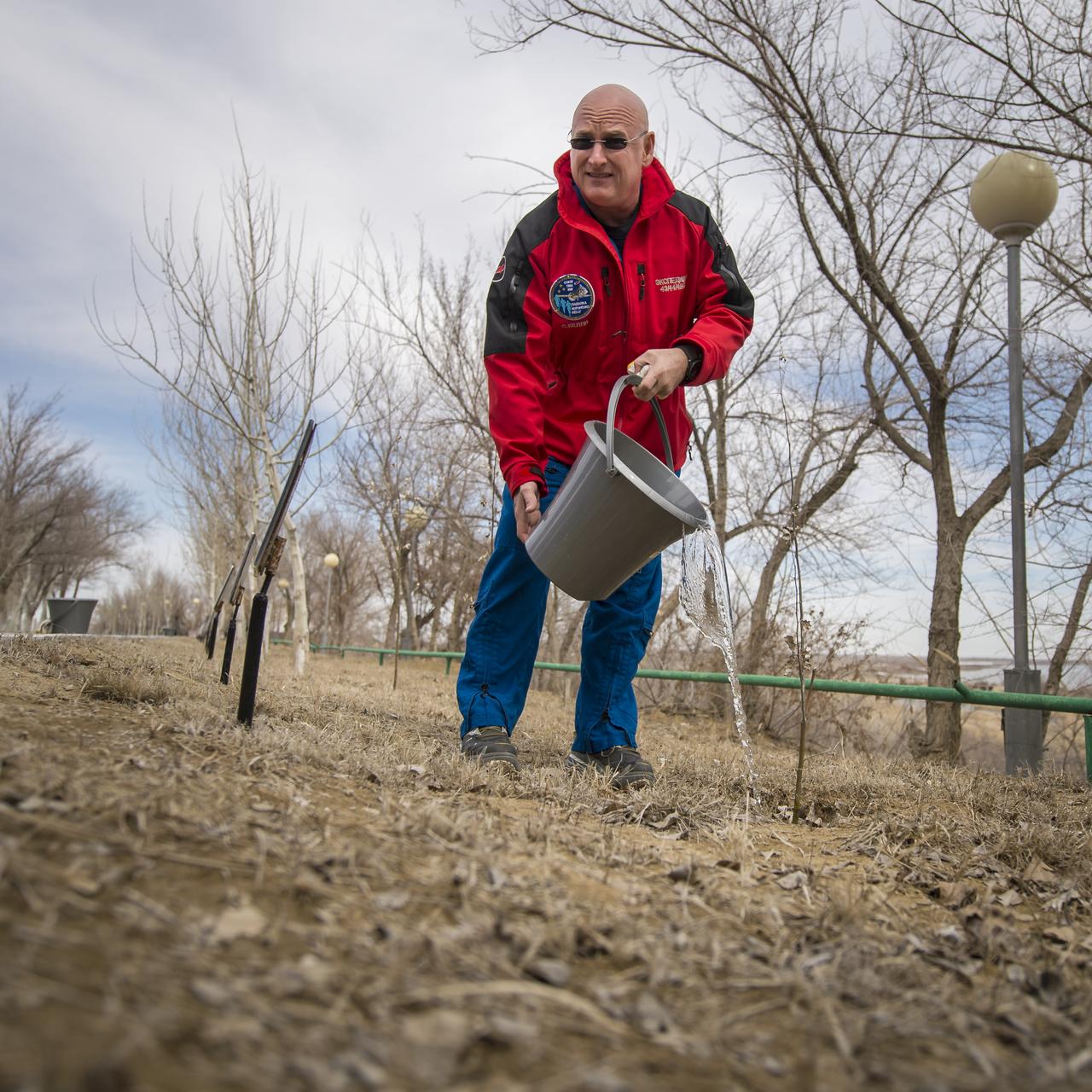
Expedition 43 NASA Astronaut Scott Kelly waters a tree planted in his honor during media day, Saturday, March 21, 2015, Baikonur, Kazakhstan. Kelly, and Russian Cosmonauts Gennady Padalka, and Mikhail Kornienko of the Russian Federal Space Agency (Roscosmos) are scheduled to launch to the International Space Station in the Soyuz TMA-16M spacecraft from the Baikonur Cosmodrome in Kazakhstan March 28, Kazakh time (March 27 Eastern time.) As the one-year crew, Kelly and Kornienko will return to Earth on Soyuz TMA-18M in March 2016. Photo Credit: (NASA/Bill Ingalls)
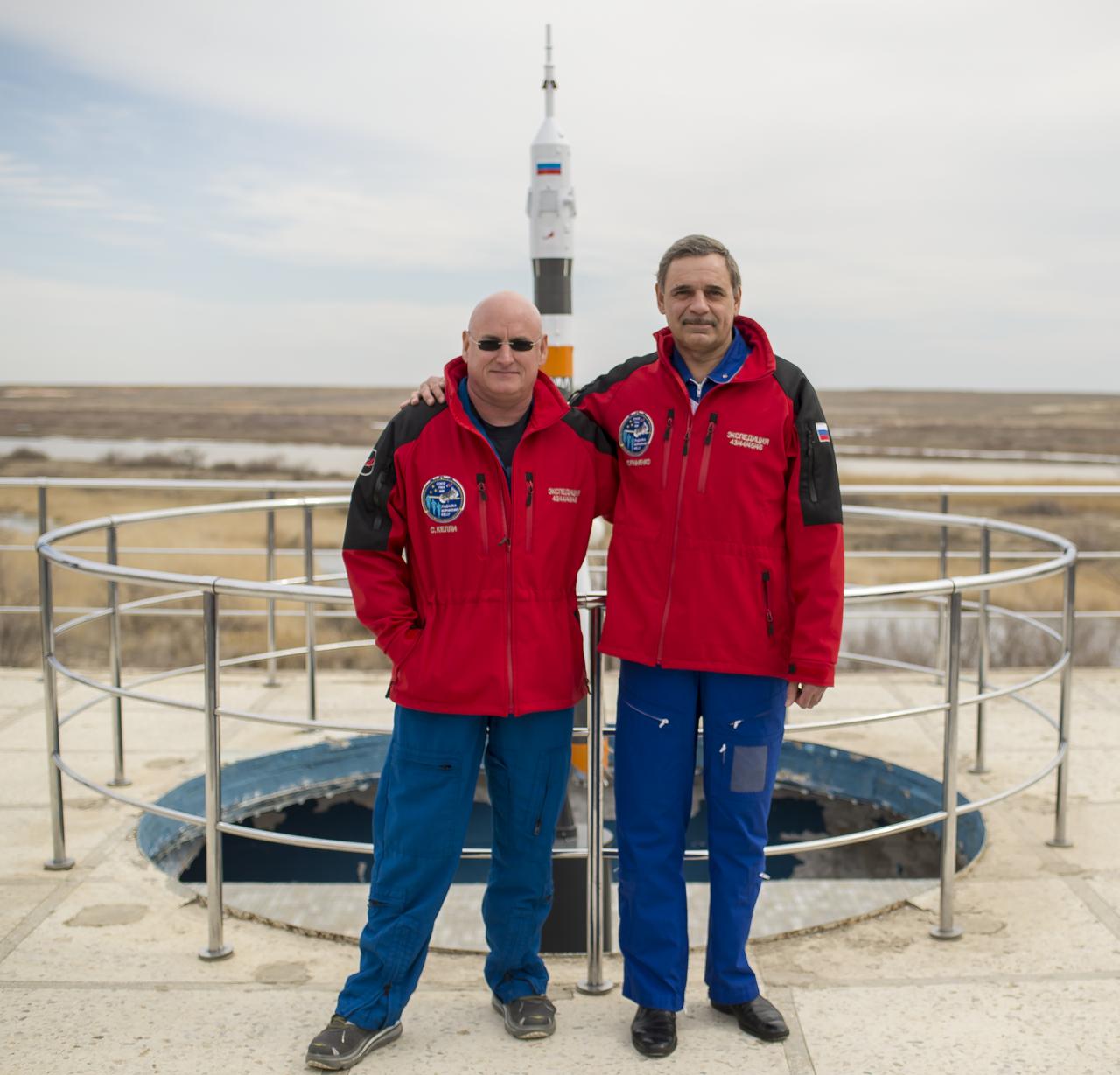
Expedition 43 NASA Astronaut Scott Kelly, left, and Russian Cosmonaut Mikhail Kornienko of the Russian Federal Space Agency (Roscosmos) pose for a photo near a model of the Soyuz rocket during media day, Saturday, March 21, 2015 at the Cosmonaut Hotel in Baikonur, Kazakhstan. Kelly, Kornienko, and Russian Cosmonaut Gennady Padalka of Roscosmos are preparing for launch to the International Space Station in their Soyuz TMA-16M spacecraft from the Baikonur Cosmodrome in Kazakhstan March 28, Kazakh time (March 27 Eastern time.) As the one-year crew, Kelly and Kornienko will return to Earth on Soyuz TMA-18M in March 2016. Photo Credit: (NASA/Bill Ingalls)

Russian Cosmonaut Gennady Padalka of the Russian Federal Space Agency (Roscosmos) plays badminton during media day, Saturday, March 21, 2015, Baikonur, Kazakhstan. Padalka, fellow Russian Cosmonaut Mikhail Kornienko of Roscosmos, and NASA Astronaut Scott Kelly are scheduled to launch to the International Space Station in the Soyuz TMA-16M spacecraft from the Baikonur Cosmodrome in Kazakhstan March 28, Kazakh time (March 27 Eastern time.) As the one-year crew, Kelly and Kornienko will return to Earth on Soyuz TMA-18M in March 2016. Photo Credit: (NASA/Bill Ingalls)

Gagarin Cosmonaut Training Center (GCTC) Flight Surgeon Alexey Grishin, left, and Russian Cosmonaut Gennady Padalka of the Russian Federal Space Agency (Roscosmos) play a game of chess during media day, Saturday, March 21, 2015, Baikonur, Kazakhstan. Padalka, fellow Russian Cosmonaut Mikhail Kornienko of Roscosmos, and NASA Astronaut Scott Kelly are scheduled to launch to the International Space Station in the Soyuz TMA-16M spacecraft from the Baikonur Cosmodrome in Kazakhstan March 28, Kazakh time (March 27 Eastern time.) As the one-year crew, Kelly and Kornienko will return to Earth on Soyuz TMA-18M in March 2016. Photo Credit: (NASA/Bill Ingalls)

Expedition 43 backup crew member NASA Astronaut Jeff Williams, reflected in mirror, Russian Cosmonauts Mikhail Kornienko, on elliptical, Gennady Padalka of the Russian Federal Space Agency (Roscosmos), and NASA Astronaut Scott Kelly, right, are seen exercising during media day, Saturday, March 21, 2015, Baikonur, Kazakhstan. Padalka, Kornienko, and Kelly are scheduled to launch to the International Space Station in the Soyuz TMA-16M spacecraft from the Baikonur Cosmodrome in Kazakhstan March 28, Kazakh time (March 27 Eastern time.) As the one-year crew, Kelly and Kornienko will return to Earth on Soyuz TMA-18M in March 2016. Photo Credit: (NASA/Bill Ingalls)

Members of NASA’s PACE (Plankton, Aerosol, Cloud, ocean Ecosystem) team are photographed with the spacecraft on Wednesday, Jan. 3, 2024, during a NASA-hosted media day inside a cleanroom at the Astrotech Space Operations Facility near NASA’s Kennedy Space Center in Florida. PACE will collect data on how the ocean and atmosphere exchange carbon dioxide, measure key atmospheric variables associated with air quality and Earth's climate, and monitor ocean health. PACE is set to launch aboard a SpaceX Falcon 9 rocket no earlier than Tuesday, Feb. 6, 2024, from Space Launch Complex 40 at Cape Canaveral Space Force Station in Florida.
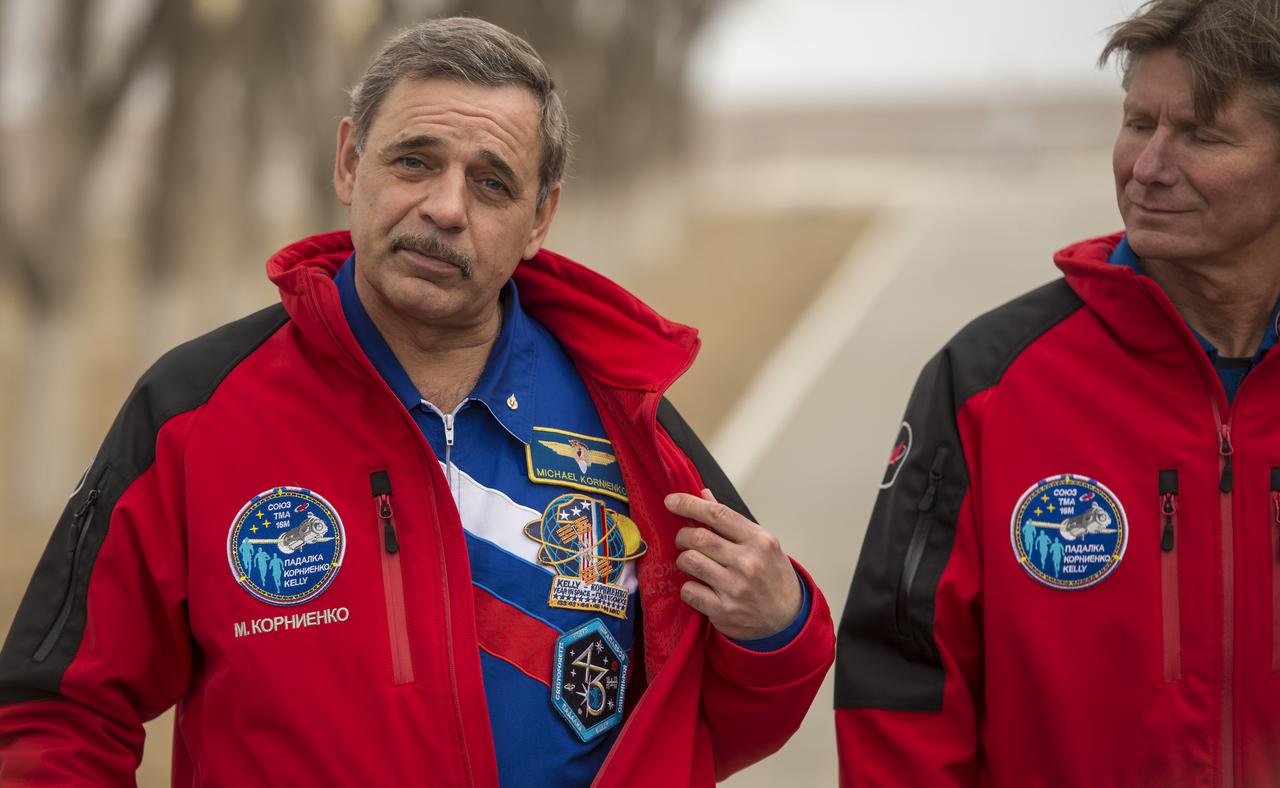
Expedition 43 Russian Cosmonaut Mikhail Kornienko of the Russian Federal Space Agency (Roscosmos), left, shows his One-Year and Expedition 43 mission patches to members of the press during media day, Saturday, March 21, 2015 at the Cosmonaut Hotel in Baikonur, Kazakhstan. Kornienko, NASA Astronaut Scott Kelly, and Russian Cosmonaut Gennady Padalka of Roscosmos are scheduled to launch to the International Space Station in the Soyuz TMA-16M spacecraft from the Baikonur Cosmodrome in Kazakhstan March 28, Kazakh time (March 27 Eastern time.) As the one-year crew, Kelly and Kornienko will return to Earth on Soyuz TMA-18M in March 2016. Photo Credit: (NASA/Bill Ingalls)
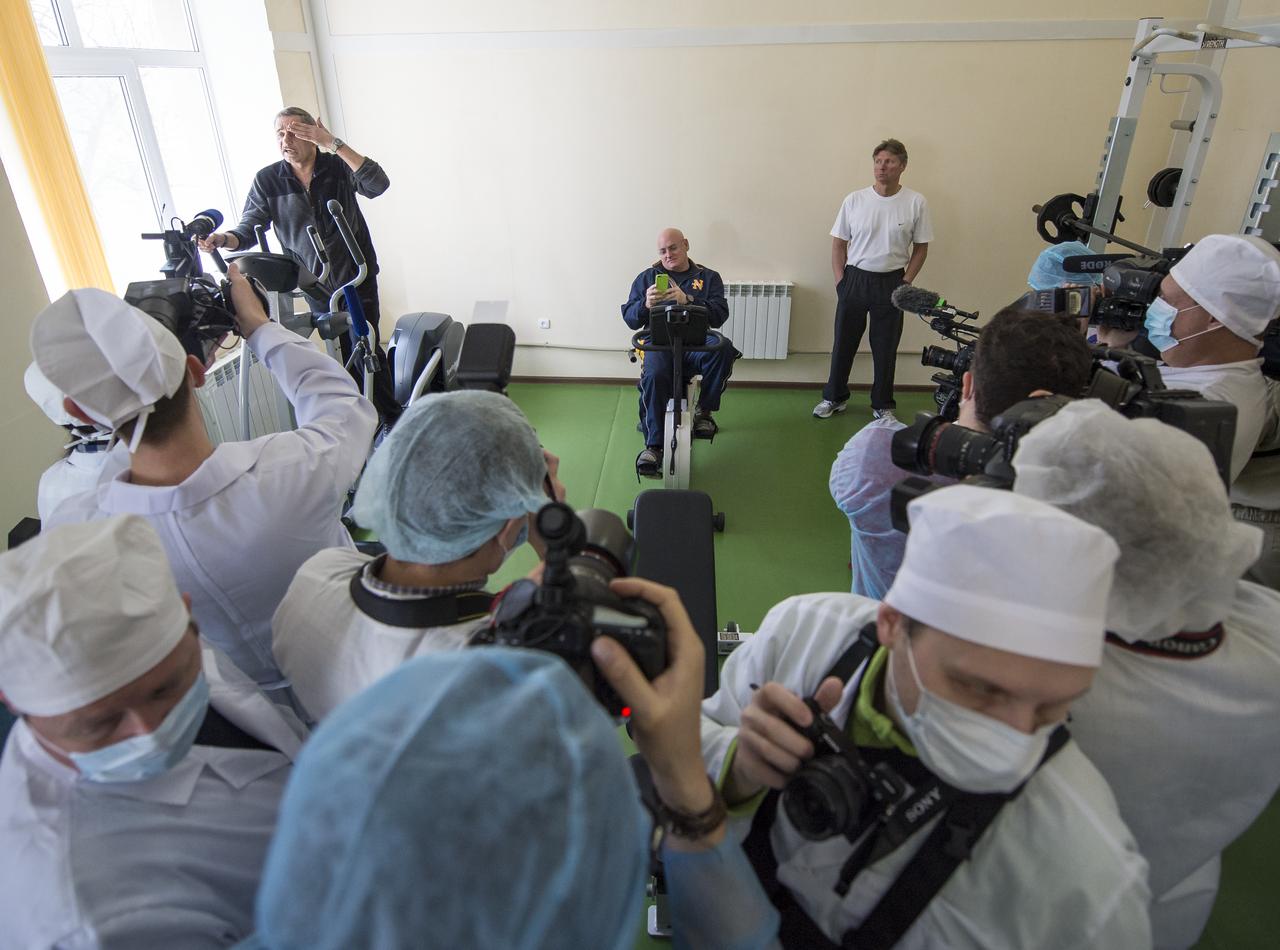
Expedition 43 Russian Cosmonaut Mikhail Kornienko of the Russian Federal Space Agency (Roscosmos), left, NASA Astronaut Scott Kelly, center, and Russian Cosmonaut Gennady Padalka are seen during media day, Saturday, March 21, 2015, Baikonur, Kazakhstan. Kelly, Padalka, and Kornienko are scheduled to launch to the International Space Station in the Soyuz TMA-16M spacecraft from the Baikonur Cosmodrome in Kazakhstan March 28, Kazakh time (March 27 Eastern time.) As the one-year crew, Kelly and Kornienko will return to Earth on Soyuz TMA-18M in March 2016. Photo Credit: (NASA/Bill Ingalls)
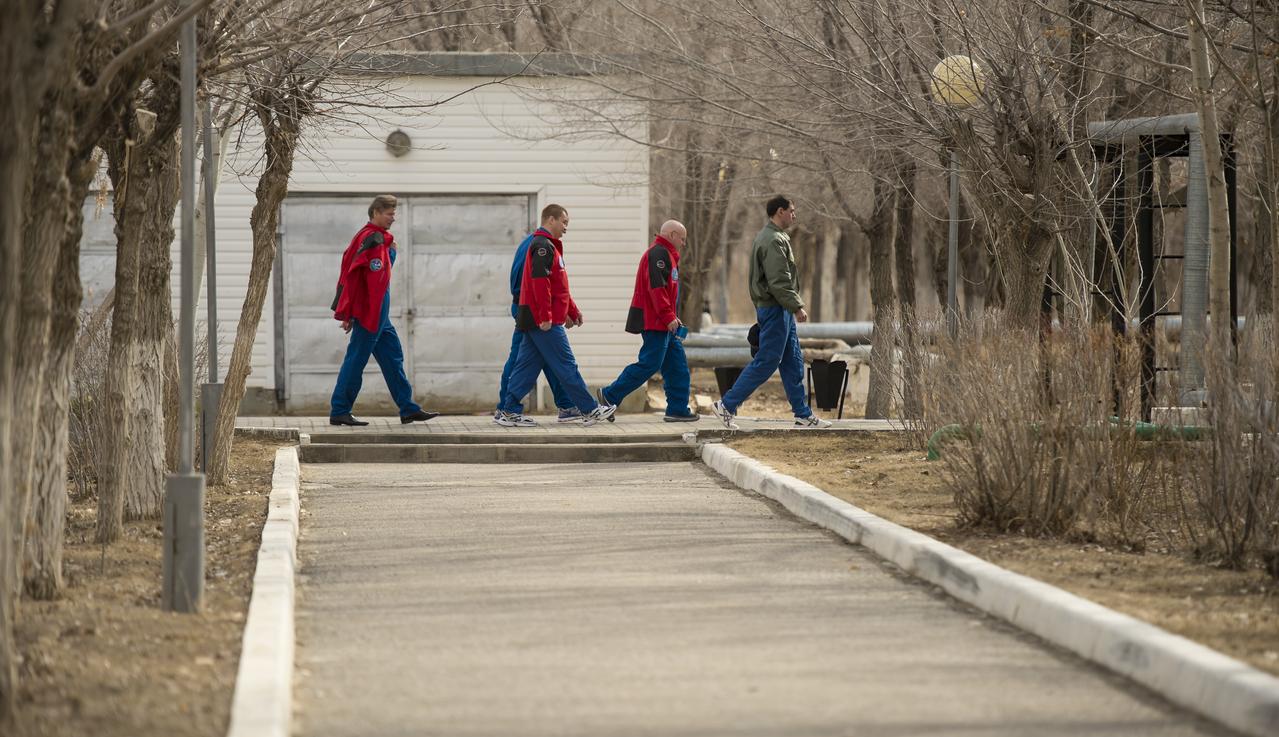
Expedition 43 prime and backup crews walk from the Cosmonaut Hotel over to the Zvjozdnyj Hotel for a short break during media day, Saturday, March 21, 2015, Baikonur, Kazakhstan. Expedition 43 NASA Astronaut Scott Kelly, and Russian Cosmonauts Gennady Padalka, and Mikhail Kornienko of the Russian Federal Space Agency (Roscosmos) are scheduled to launch to the International Space Station in the Soyuz TMA-16M spacecraft from the Baikonur Cosmodrome in Kazakhstan March 28, Kazakh time (March 27 Eastern time.) As the one-year crew, Kelly and Kornienko will return to Earth on Soyuz TMA-18M in March 2016. Photo Credit: (NASA/Bill Ingalls)
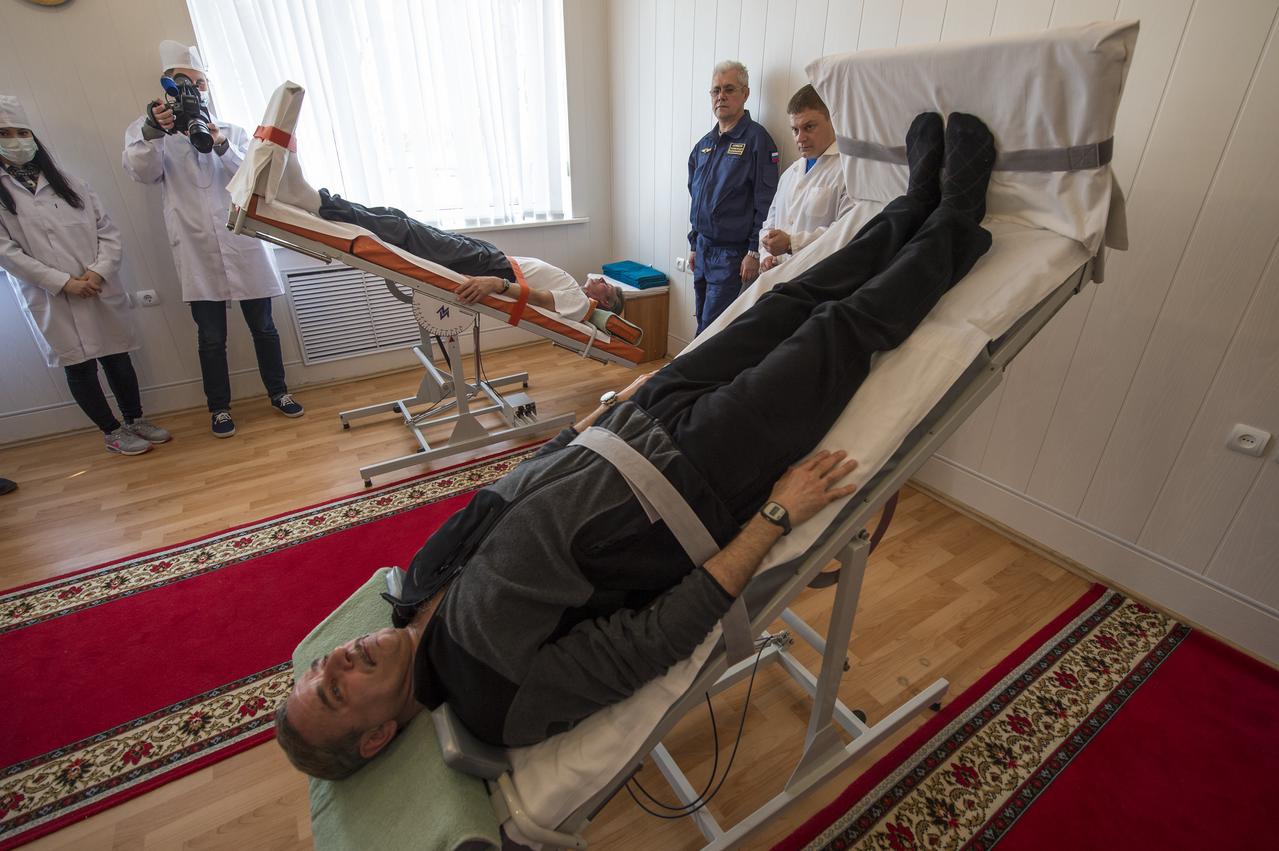
Expedition 43 Russian Cosmonauts Gennady Padalka, background, and Mikhail Kornienko of the Russian Federal Space Agency (Roscosmos) take part the tilt table training during media day, Saturday, March 21, 2015, Baikonur, Kazakhstan. Padalka, Kornienko, and Expedition 43 NASA Astronaut Scott Kelly are scheduled to launch to the International Space Station in the Soyuz TMA-16M spacecraft from the Baikonur Cosmodrome in Kazakhstan March 28, Kazakh time (March 27 Eastern time.) As the one-year crew, Kelly and Kornienko will return to Earth on Soyuz TMA-18M in March 2016. Photo Credit: (NASA/Bill Ingalls)
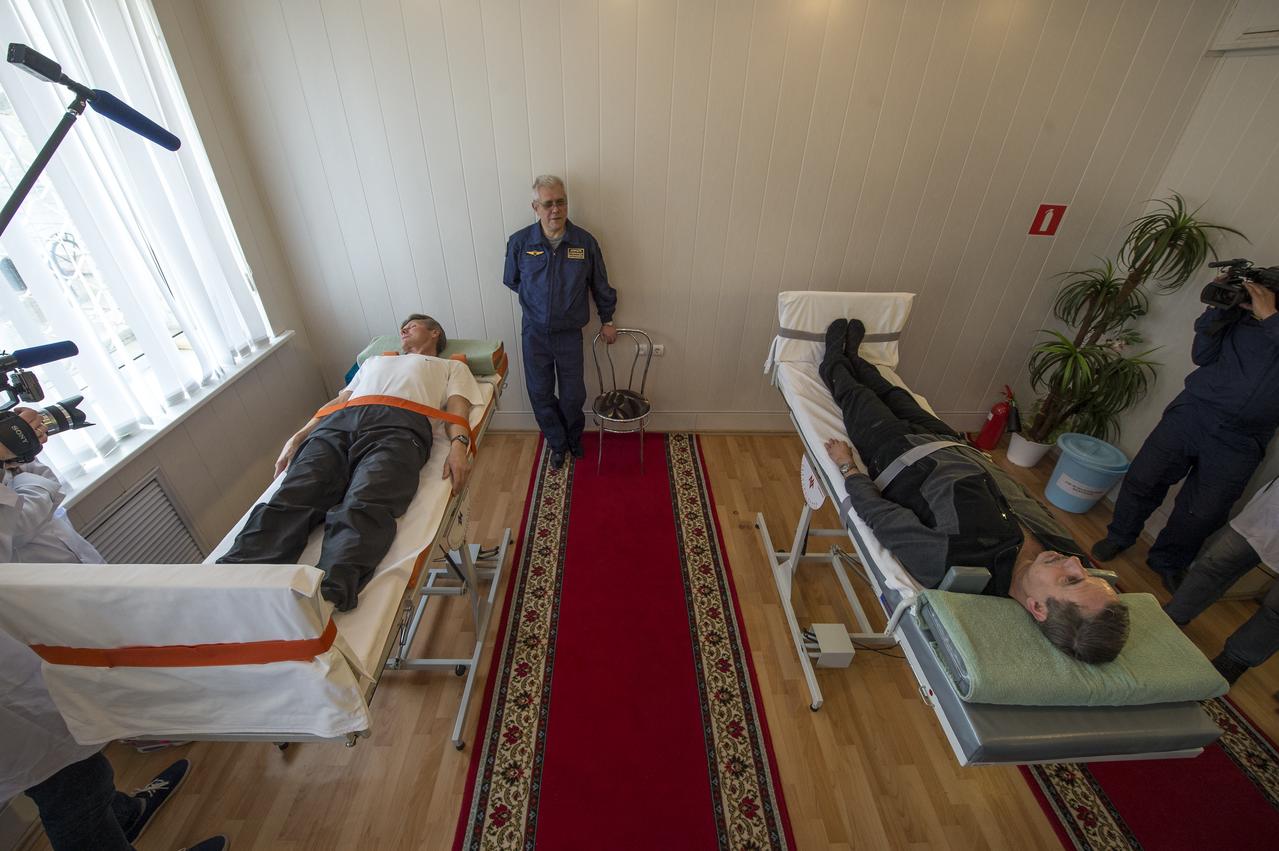
Expedition 43 Russian Cosmonauts Gennady Padalka, left, and Mikhail Kornienko of the Russian Federal Space Agency (Roscosmos) take part the tilt table training during media day, Saturday, March 21, 2015, Baikonur, Kazakhstan. Padalka, Kornienko, and Expedition 43 NASA Astronaut Scott Kelly are scheduled to launch to the International Space Station in the Soyuz TMA-16M spacecraft from the Baikonur Cosmodrome in Kazakhstan March 28, Kazakh time (March 27 Eastern time.) As the one-year crew, Kelly and Kornienko will return to Earth on Soyuz TMA-18M in March 2016. Photo Credit: (NASA/Bill Ingalls)
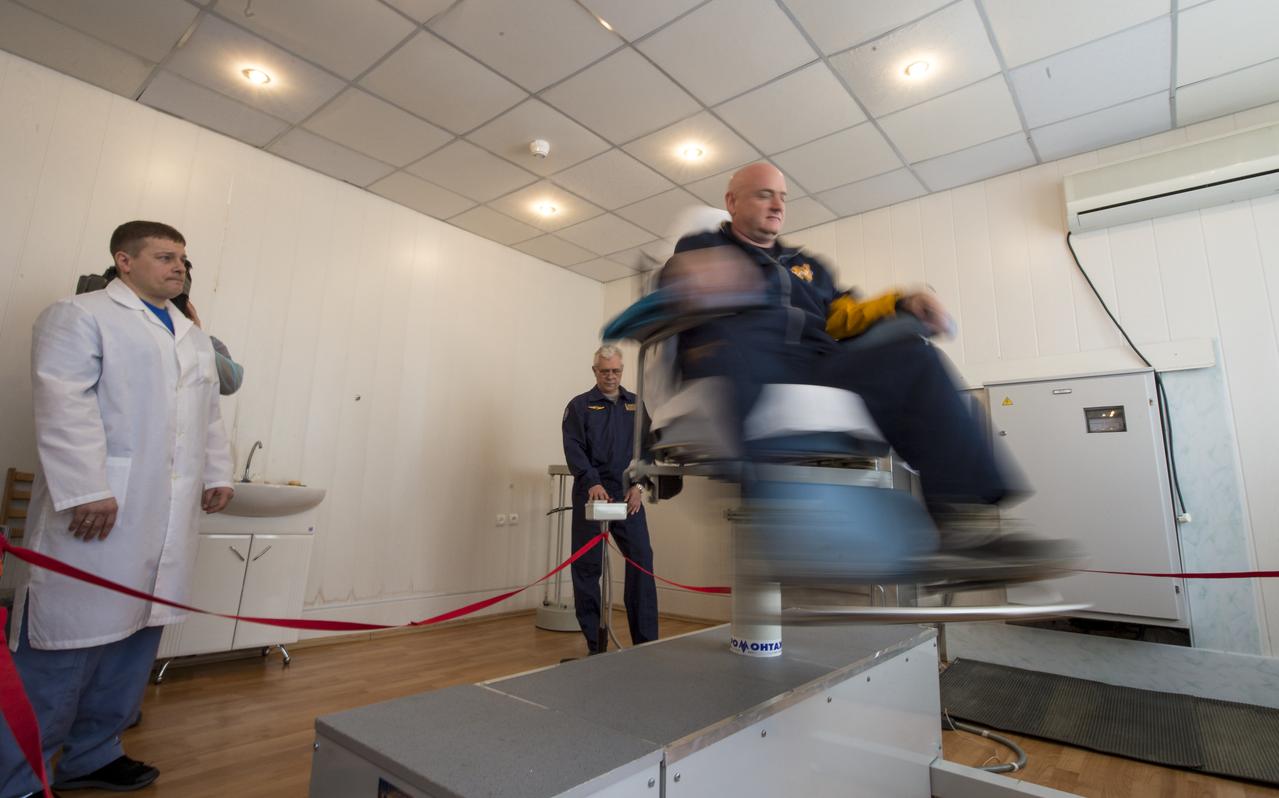
Expedition 43 NASA Astronaut Scott Kelly takes part in the spin chair training during media day, Saturday, March 21, 2015, Baikonur, Kazakhstan. Kelly, and Russian Cosmonauts Gennady Padalka, and Mikhail Kornienko of the Russian Federal Space Agency (Roscosmos) are scheduled to launch to the International Space Station in the Soyuz TMA-16M spacecraft from the Baikonur Cosmodrome in Kazakhstan March 28, Kazakh time (March 27 Eastern time.) As the one-year crew, Kelly and Kornienko will return to Earth on Soyuz TMA-18M in March 2016. Photo Credit: (NASA/Bill Ingalls)
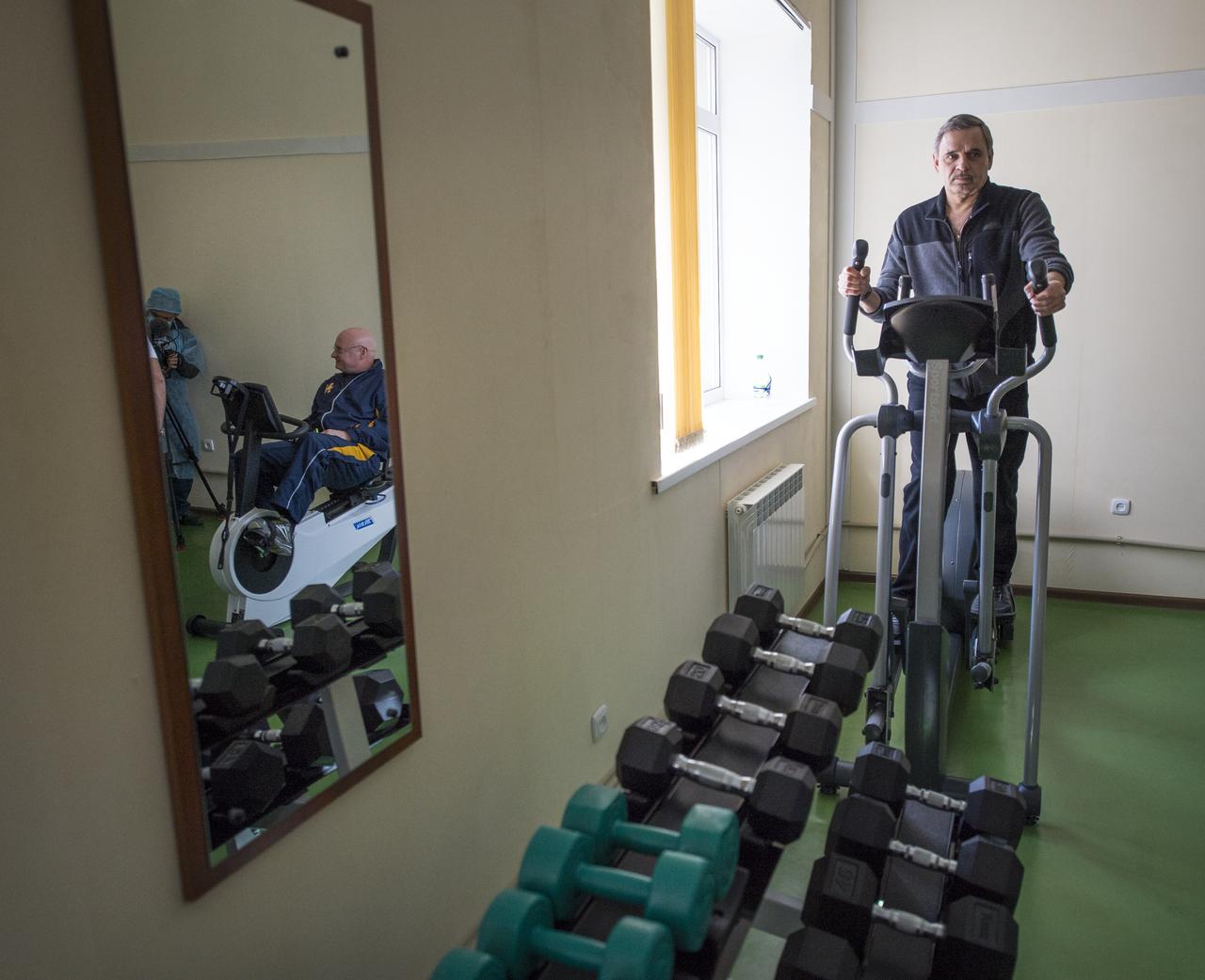
Expedition 43 NASA Astronaut Scott Kelly, left in mirror, and Russian Cosmonaut Mikhail Kornienko, of the Russian Federal Space Agency (Roscosmos) are seen exercising during media day, Saturday, March 21, 2015, Baikonur, Kazakhstan. Kornienko, Kelly and Russian Cosmonaut Gennady Padalka of Roscosmos are scheduled to launch to the International Space Station in the Soyuz TMA-16M spacecraft from the Baikonur Cosmodrome in Kazakhstan March 28, Kazakh time (March 27 Eastern time.) As the one-year crew, Kelly and Kornienko will return to Earth on Soyuz TMA-18M in March 2016. Photo Credit: (NASA/Bill Ingall
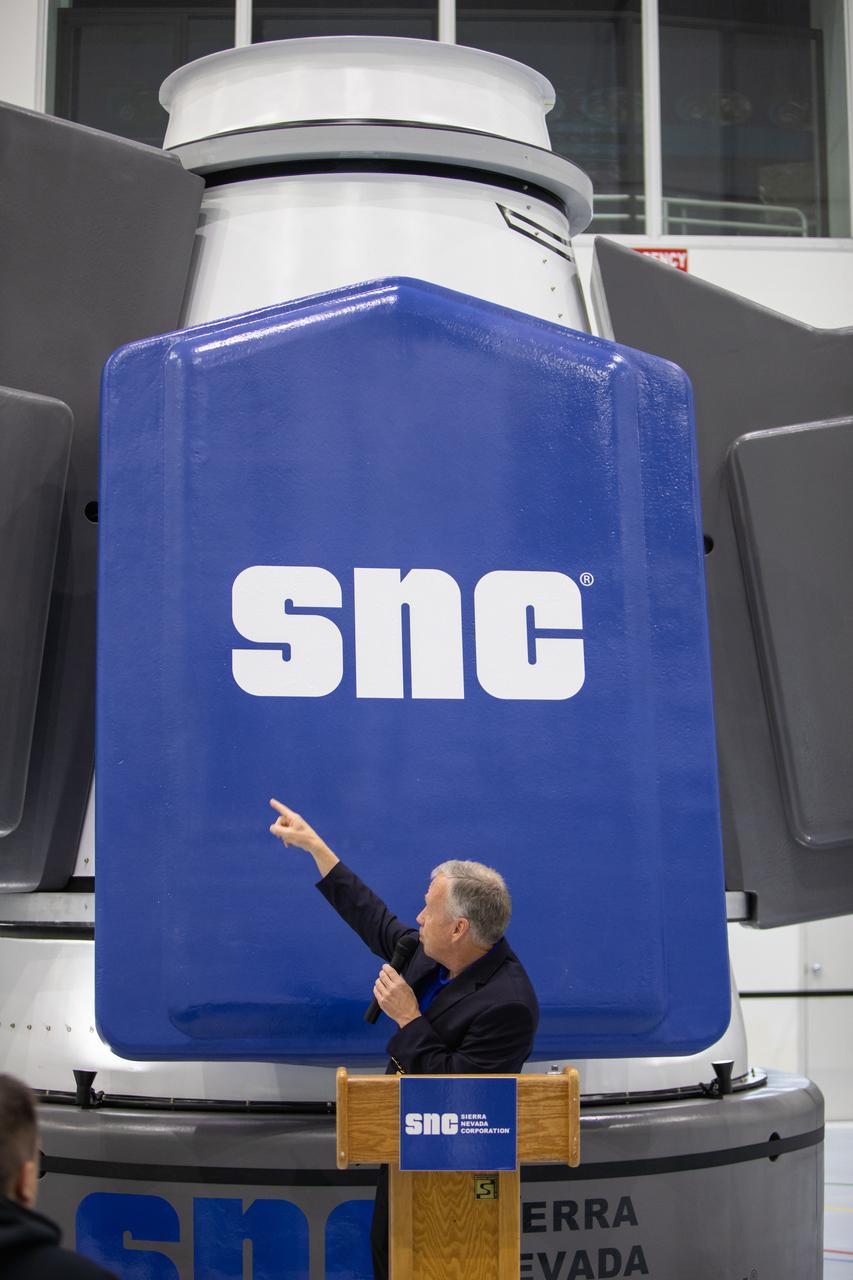
Steve Lindsey, senior vice president of strategy for Sierra Nevada Corporation Space Systems and a former NASA astronaut, discusses the capabilities of the company’s Shooting Star cargo module during a media day event in the Space Station Processing Facility high bay at Kennedy Space Center on Nov. 19, 2019. Shooting Star will attach to the back of the company’s Dream Chaser spacecraft. The cargo module will deliver more than 12,000 pounds of supplies and other cargo to the International Space Station for NASA as part of the Commercial Resupply Services-2 contract.
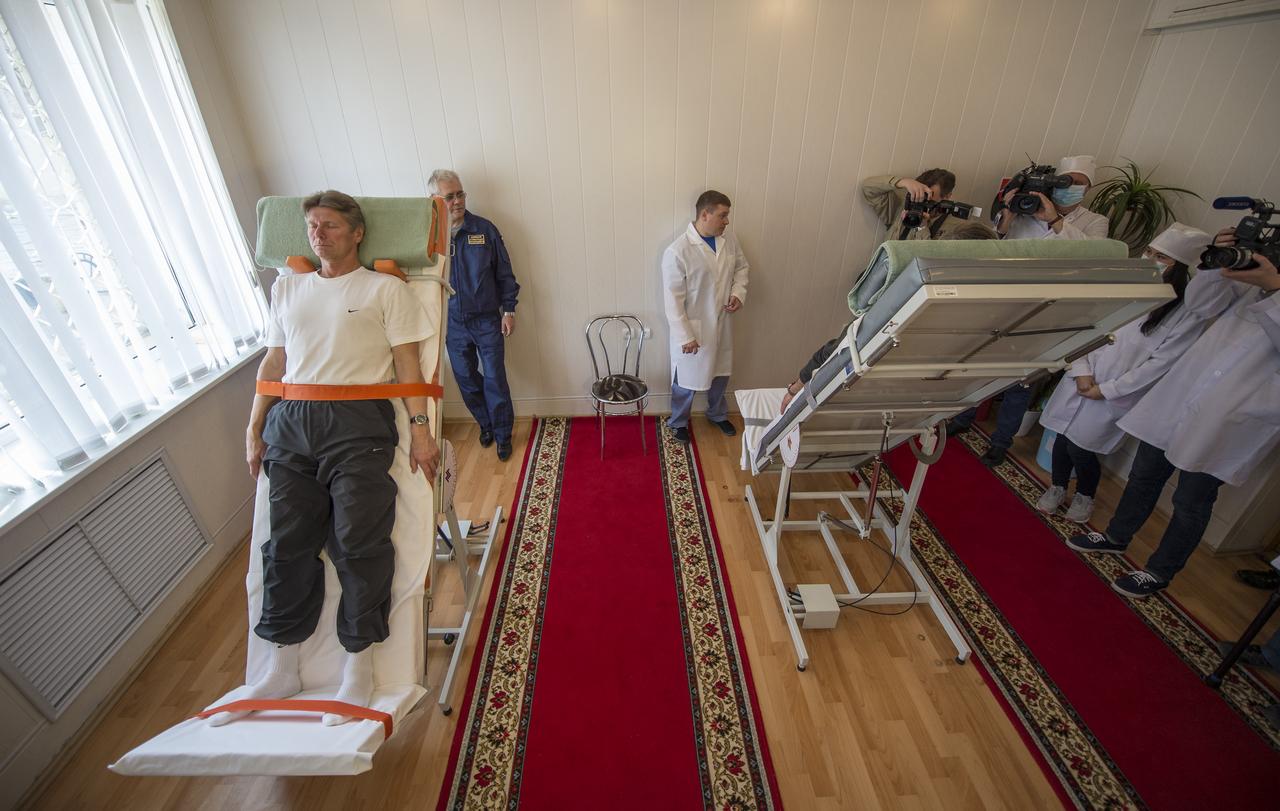
Expedition 43 Russian Cosmonauts Gennady Padalka, left, and Mikhail Kornienko of the Russian Federal Space Agency (Roscosmos) take part the tilt table training during media day, Saturday, March 21, 2015, Baikonur, Kazakhstan. Padalka, Kornienko, and Expedition 43 NASA Astronaut Scott Kelly are scheduled to launch to the International Space Station in the Soyuz TMA-16M spacecraft from the Baikonur Cosmodrome in Kazakhstan March 28, Kazakh time (March 27 Eastern time.) As the one-year crew, Kelly and Kornienko will return to Earth on Soyuz TMA-18M in March 2016. Photo Credit: (NASA/Bill Ingalls)
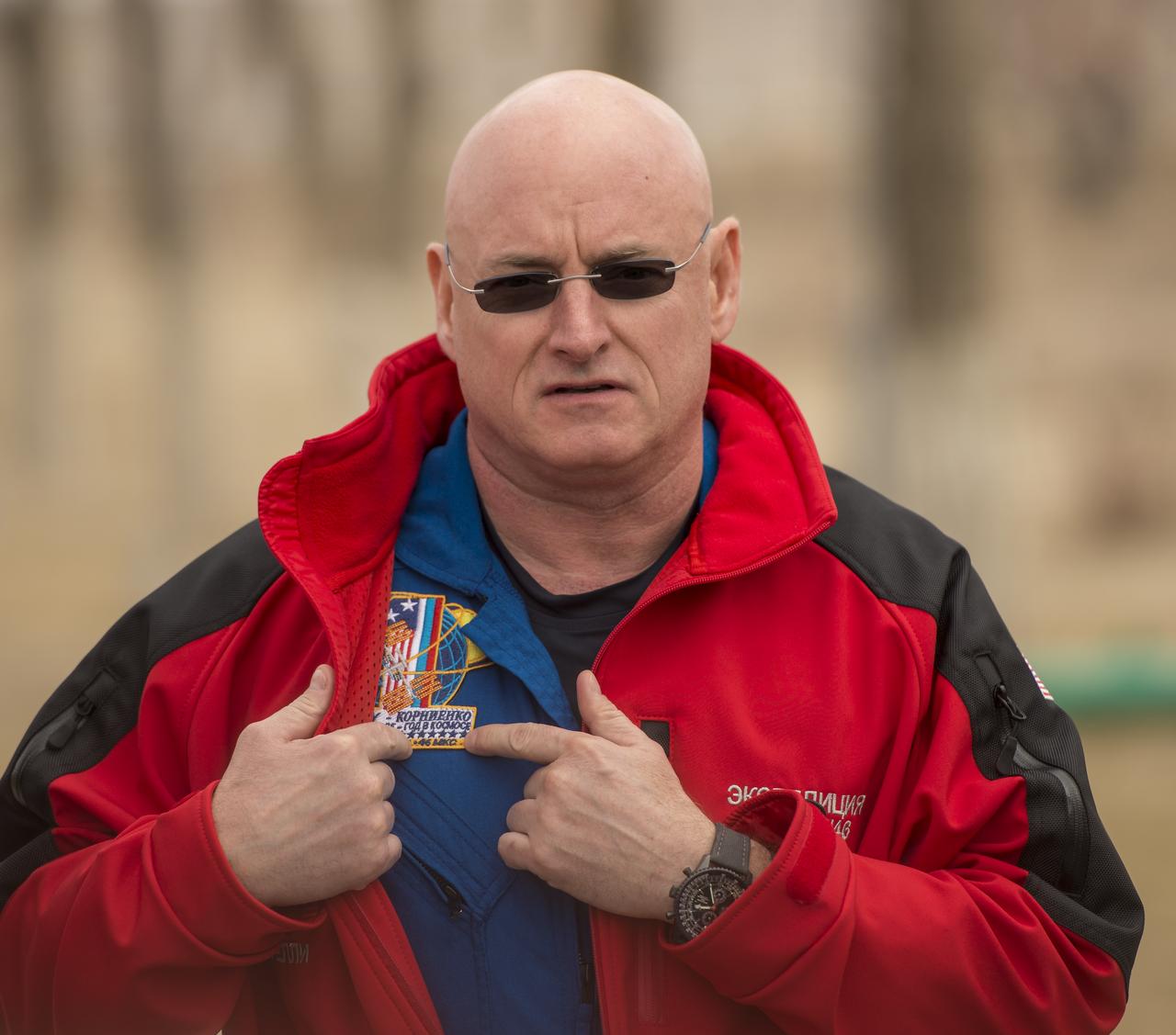
Expedition 43 NASA Astronaut Scott Kelly describes his One-Year mission patch to members of the press during media day, Saturday, March 21, 2015 at the Cosmonaut Hotel in Baikonur, Kazakhstan. Kelly, and Russian Cosmonauts Mikhail Kornienko, and Gennady Padalka of the Russian Federal Space Agency (Roscosmos) are scheduled to launch to the International Space Station in the Soyuz TMA-16M spacecraft from the Baikonur Cosmodrome in Kazakhstan March 28, Kazakh time (March 27 Eastern time.) As the one-year crew, Kelly and Kornienko will return to Earth on Soyuz TMA-18M in March 2016. Photo Credit: (NASA/Bill Ingalls)
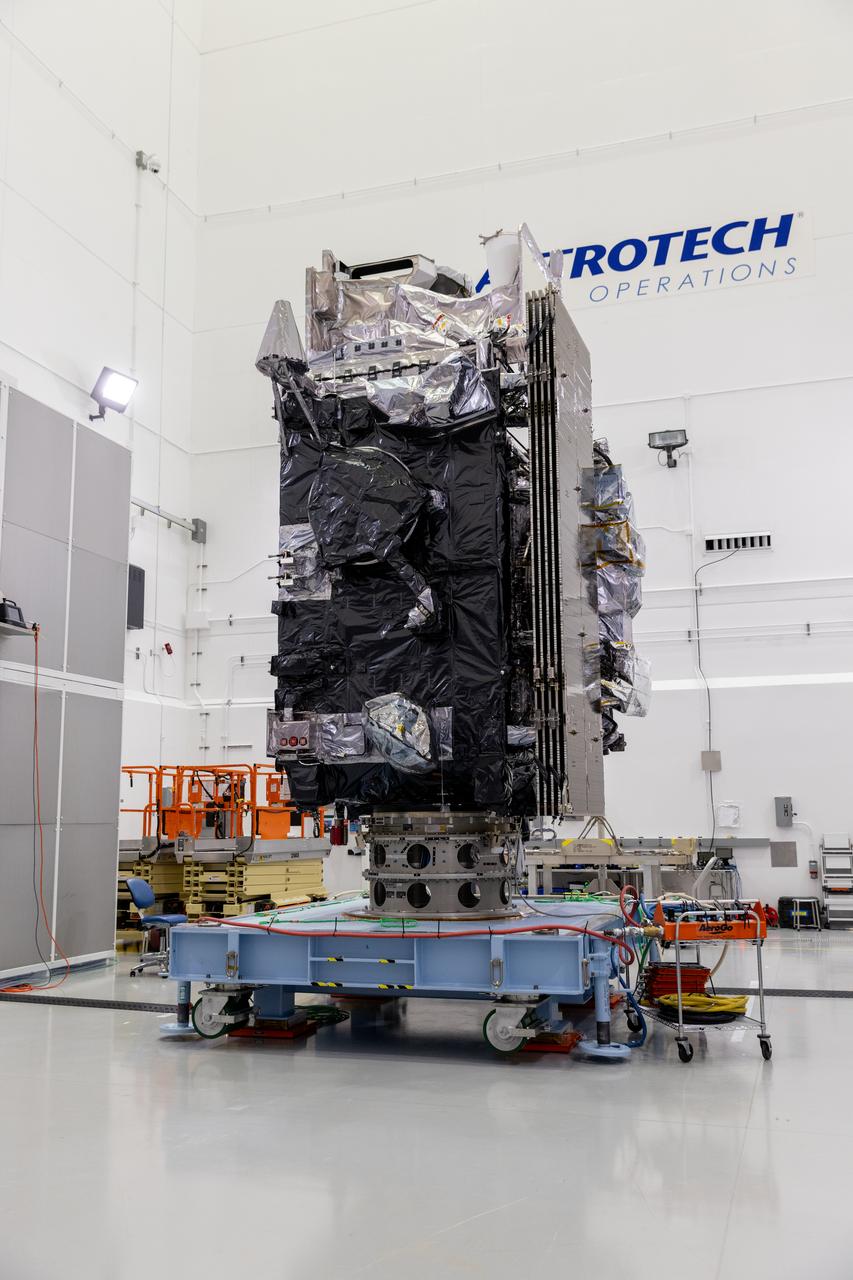
The National Oceanic and Atmospheric Administration (NOAA) Geostationary Operational Environmental Satellite-U (GOES-U) stands vertical on a spacecraft dolly in a high bay at the Astrotech Space Operations Facility near the agency’s Kennedy Space Center in Florida during a NASA-hosted media day on Thursday, June 6, 2024. Part of a collaborative NOAA and NASA program, GOES-U is the last in a series of advanced geostationary weather satellites. Data from the GOES-R satellite series enables forecasters to predict, observe, and track local weather events that affect public safety like thunderstorms, hurricanes, and wildfires.
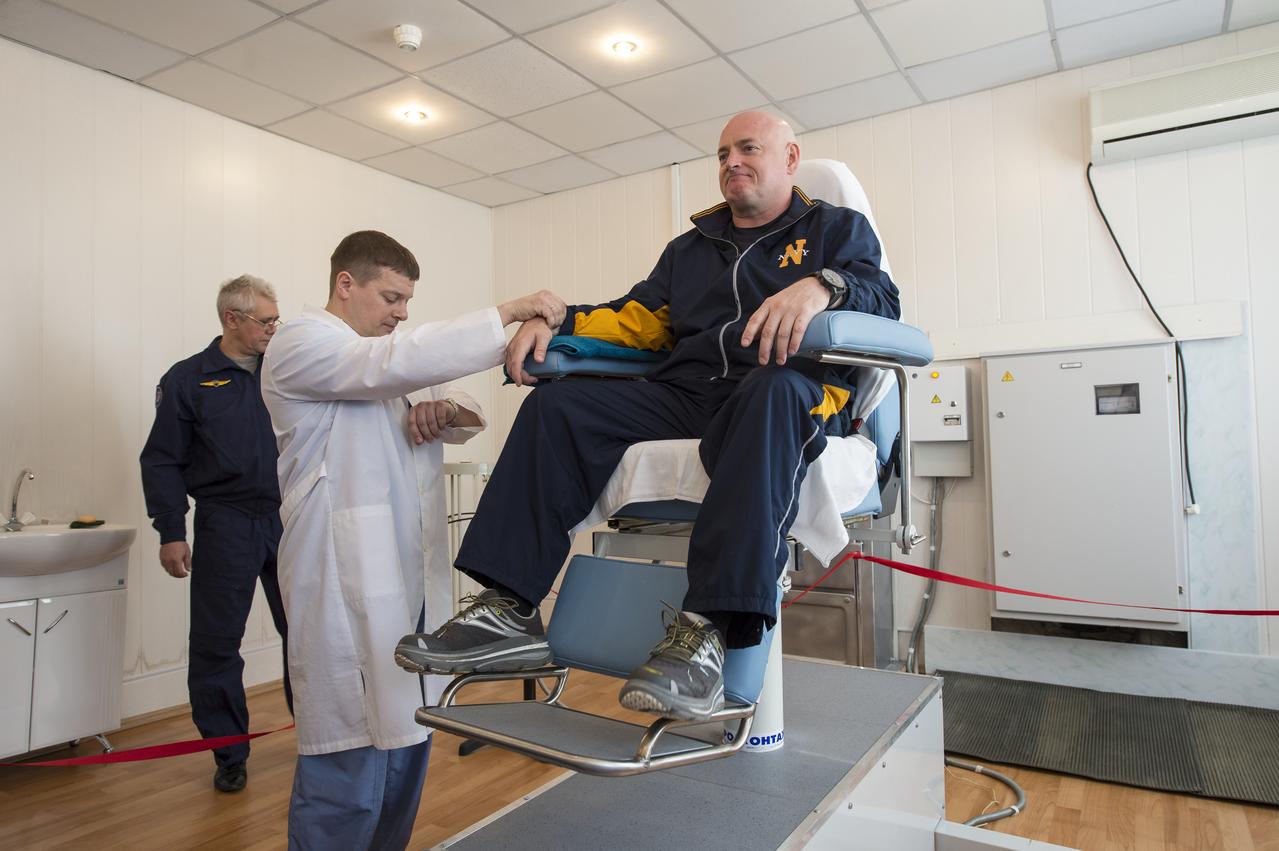
Expedition 43 NASA Astronaut Scott Kelly takes part in the spin chair training during media day, Saturday, March 21, 2015, Baikonur, Kazakhstan. Kelly, and Russian Cosmonauts Gennady Padalka, and Mikhail Kornienko of the Russian Federal Space Agency (Roscosmos) are scheduled to launch to the International Space Station in the Soyuz TMA-16M spacecraft from the Baikonur Cosmodrome in Kazakhstan March 28, Kazakh time (March 27 Eastern time.) As the one-year crew, Kelly and Kornienko will return to Earth on Soyuz TMA-18M in March 2016. Photo Credit: (NASA/Bill Ingalls)
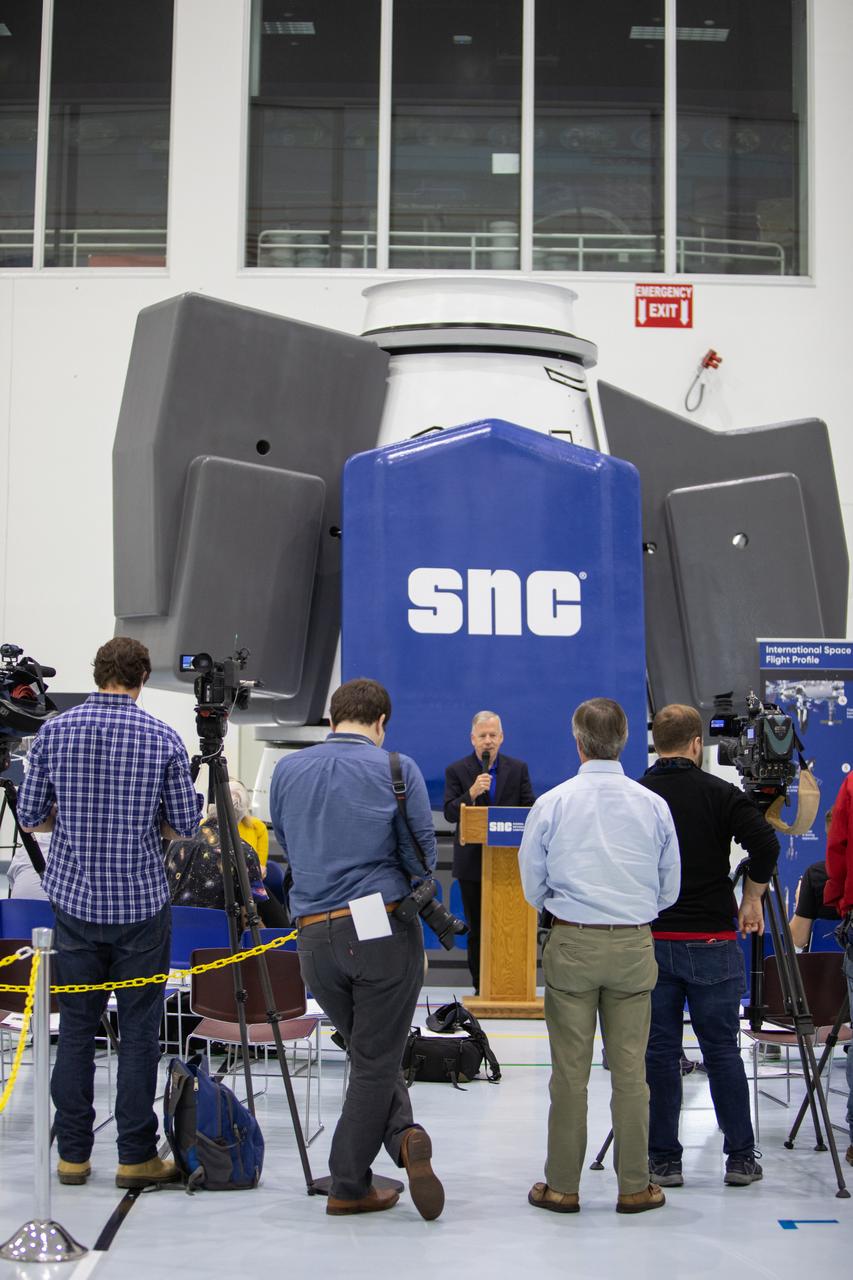
Steve Lindsey, senior vice president of strategy for Sierra Nevada Corporation Space Systems and a former NASA astronaut, discusses the capabilities of the company’s Shooting Star cargo module during a media day event in the Space Station Processing Facility high bay at Kennedy Space Center on Nov. 19, 2019. Shooting Star will attach to the back of the company’s Dream Chaser spacecraft. The cargo module will deliver more than 12,000 pounds of supplies and other cargo to the International Space Station for NASA as part of the Commercial Resupply Services-2 contract.
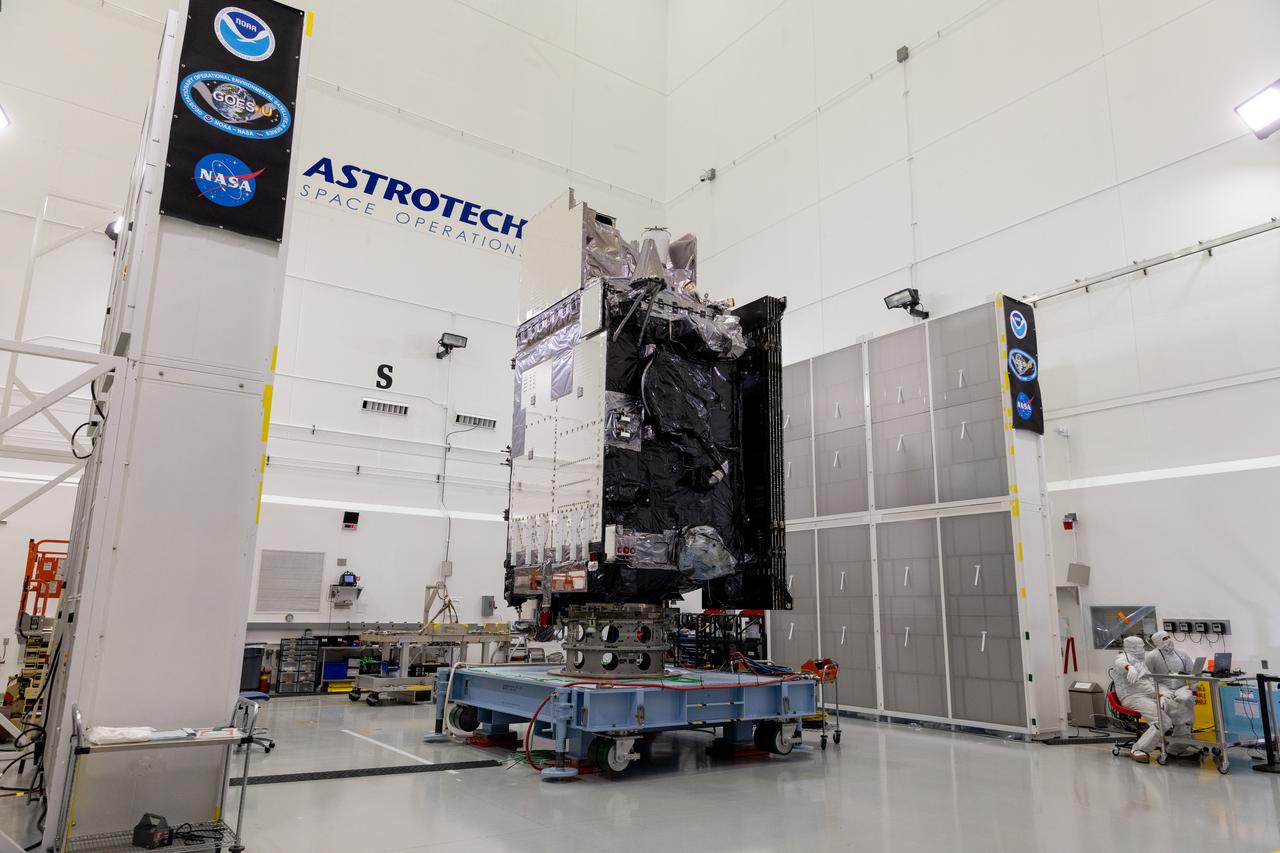
The National Oceanic and Atmospheric Administration (NOAA) Geostationary Operational Environmental Satellite-U (GOES-U) stands vertical on a spacecraft dolly in a high bay at the Astrotech Space Operations Facility near the agency’s Kennedy Space Center in Florida during a NASA-hosted media day on Thursday, June 6, 2024. Part of a collaborative NOAA and NASA program, GOES-U is the last in a series of advanced geostationary weather satellites. Data from the GOES-R satellite series enables forecasters to predict, observe, and track local weather events that affect public safety like thunderstorms, hurricanes, and wildfires.
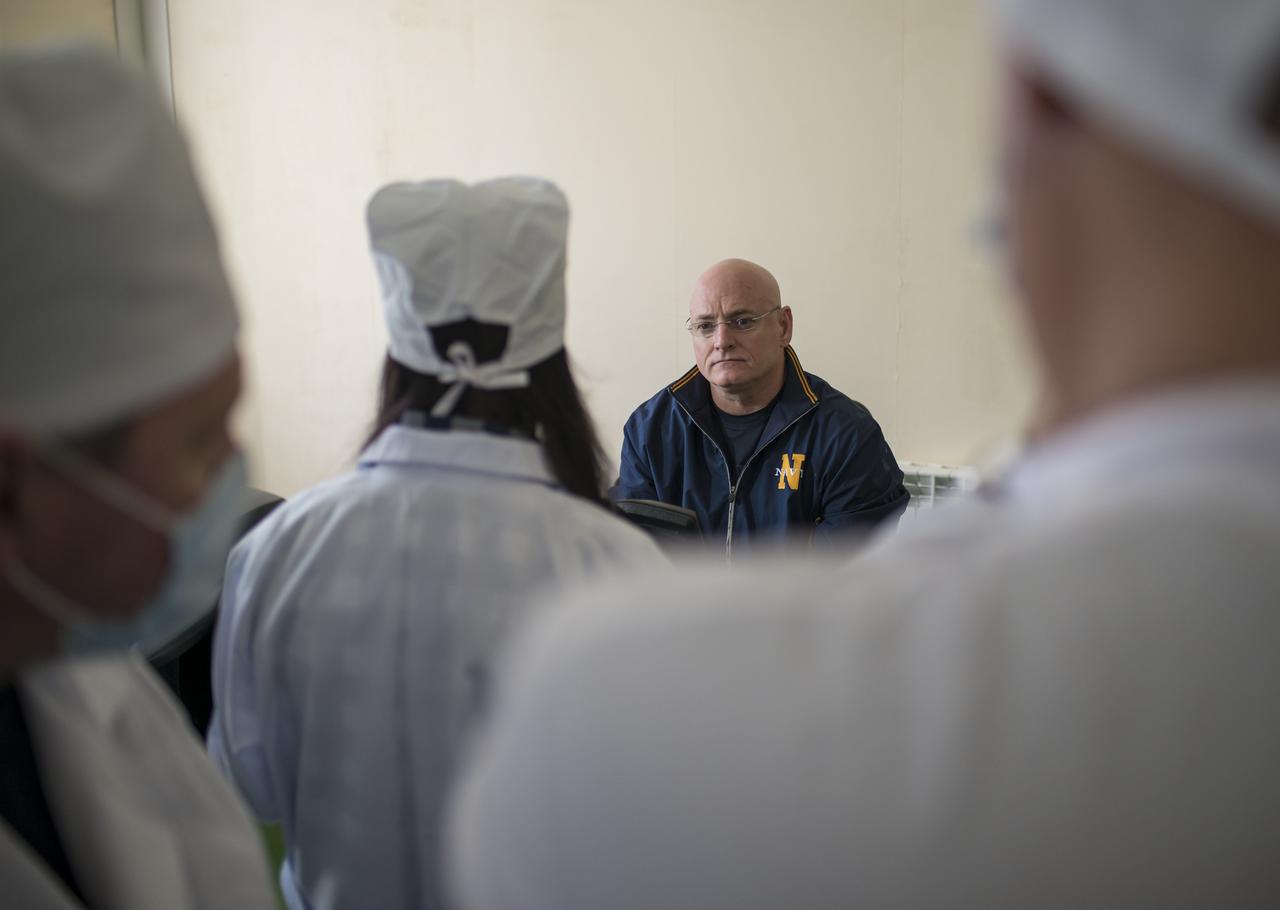
Expedition 43 NASA Astronaut Scott Kelly answers questions from the press during media day, Saturday, March 21, 2015, Baikonur, Kazakhstan. Expedition 43 NASA Astronaut Scott Kelly, and Russian Cosmonauts Gennady Padalka, and Mikhail Kornienko of the Russian Federal Space Agency (Roscosmos) are scheduled to launch to the International Space Station in the Soyuz TMA-16M spacecraft from the Baikonur Cosmodrome in Kazakhstan March 28, Kazakh time (March 27 Eastern time.) As the one-year crew, Kelly and Kornienko will return to Earth on Soyuz TMA-18M in March 2016. Photo Credit: (NASA/Bill Ingalls)
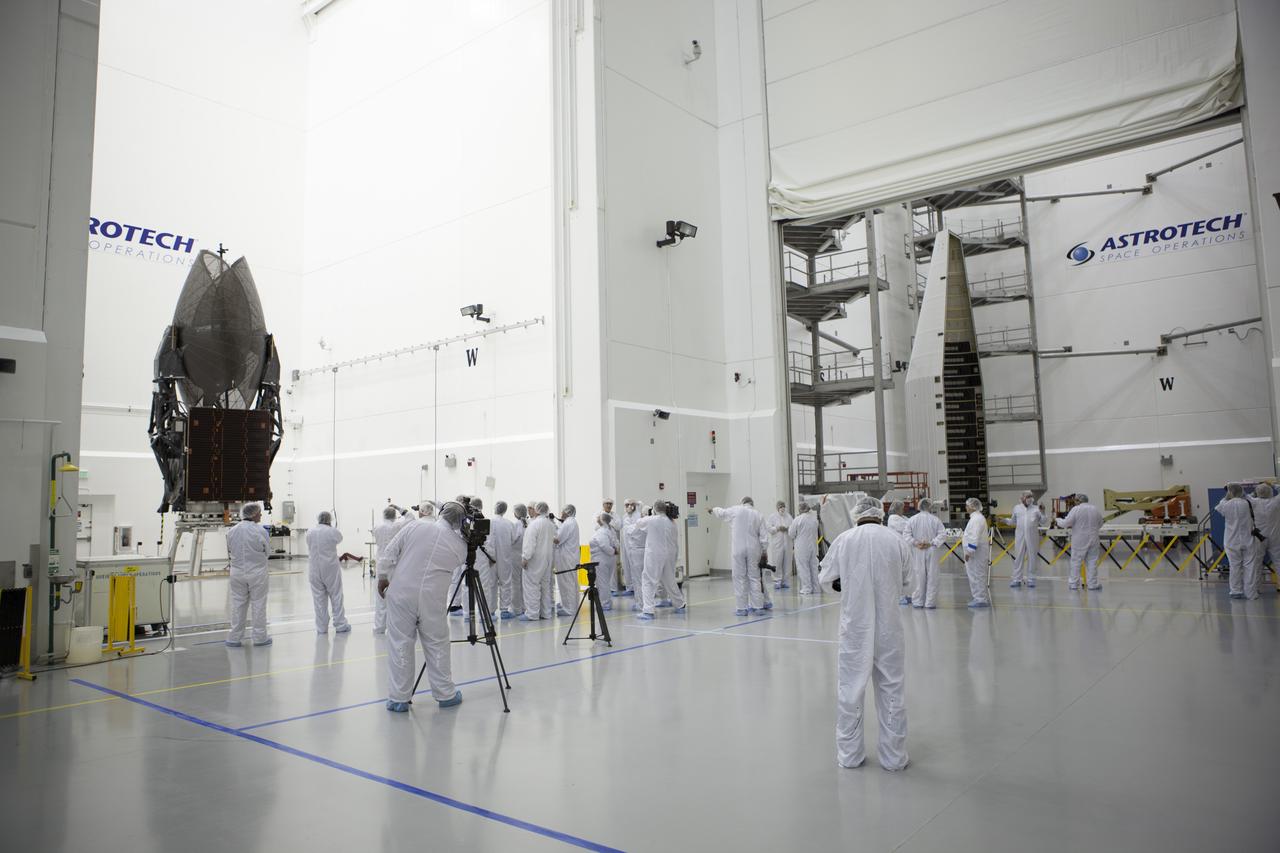
TITUSVILLE, Fla. – Members of the news media are given an up-close look at the Tracking and Data Relay Satellite, or TDRS-L, spacecraft undergoing preflight processing inside the Astrotech payload processing facility in Titusville. TDRS-L is being prepared for encapsulation inside its payload fairing prior to being transported to Launch Complex 41 at Cape Canaveral Air Force Station. Journalists visited Astrotech as part of TDRS-L Media Day to conduct interviews and photograph the satellite that will be a part of the second of three next-generation spacecraft designed to ensure vital operational continuity for the NASA Space Network. It is scheduled to launch from Cape Canaveral's Space Launch Complex 41 atop an Atlas V rocket in January 2014. The current Tracking and Data Relay Satellite system consists of eight in-orbit satellites distributed to provide near continuous information relay contact with orbiting spacecraft ranging from the International Space Station and Hubble Space Telescope to the array of scientific observatories. For more information, visit: http://www.nasa.gov/mission_pages/tdrs/home/index.html

TITUSVILLE, Fla. – Members of the news media are given an up-close look at the Tracking and Data Relay Satellite, or TDRS-L, spacecraft undergoing preflight processing inside the Astrotech payload processing facility in Titusville. TDRS-L is being prepared for encapsulation inside its payload fairing prior to being transported to Launch Complex 41 at Cape Canaveral Air Force Station. Journalists visited Astrotech as part of TDRS-L Media Day to conduct interviews and photograph the satellite that will be a part of the second of three next-generation spacecraft designed to ensure vital operational continuity for the NASA Space Network. It is scheduled to launch from Cape Canaveral's Space Launch Complex 41 atop an Atlas V rocket in January 2014. The current Tracking and Data Relay Satellite system consists of eight in-orbit satellites distributed to provide near continuous information relay contact with orbiting spacecraft ranging from the International Space Station and Hubble Space Telescope to the array of scientific observatories. For more information, visit: http://www.nasa.gov/mission_pages/tdrs/home/index.html
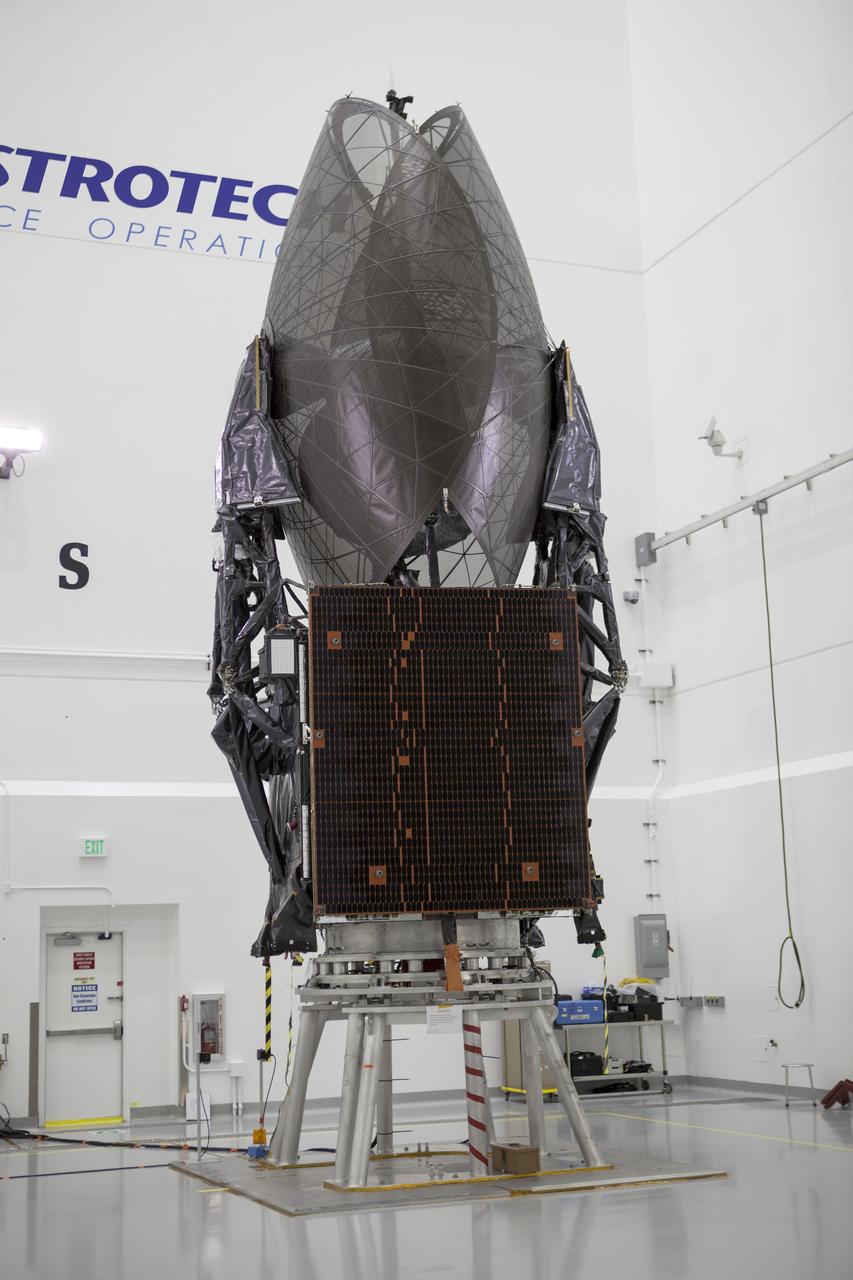
TITUSVILLE, Fla. – Members of the news media are given an opportunity for an up-close look at the Tracking and Data Relay Satellite, or TDRS-L, spacecraft undergoing preflight processing inside the Astrotech payload processing facility in Titusville. TDRS-L is being prepared for encapsulation inside its payload fairing prior to being transported to Launch Complex 41 at Cape Canaveral Air Force Station. Journalists visited Astrotech as part of TDRS-L Media Day to conduct interviews and photograph the satellite that will be a part of the second of three next-generation spacecraft designed to ensure vital operational continuity for the NASA Space Network. It is scheduled to launch from Cape Canaveral's Space Launch Complex 41 atop an Atlas V rocket in January 2014. The current Tracking and Data Relay Satellite system consists of eight in-orbit satellites distributed to provide near continuous information relay contact with orbiting spacecraft ranging from the International Space Station and Hubble Space Telescope to the array of scientific observatories. For more information, visit: http://www.nasa.gov/mission_pages/tdrs/home/index.html
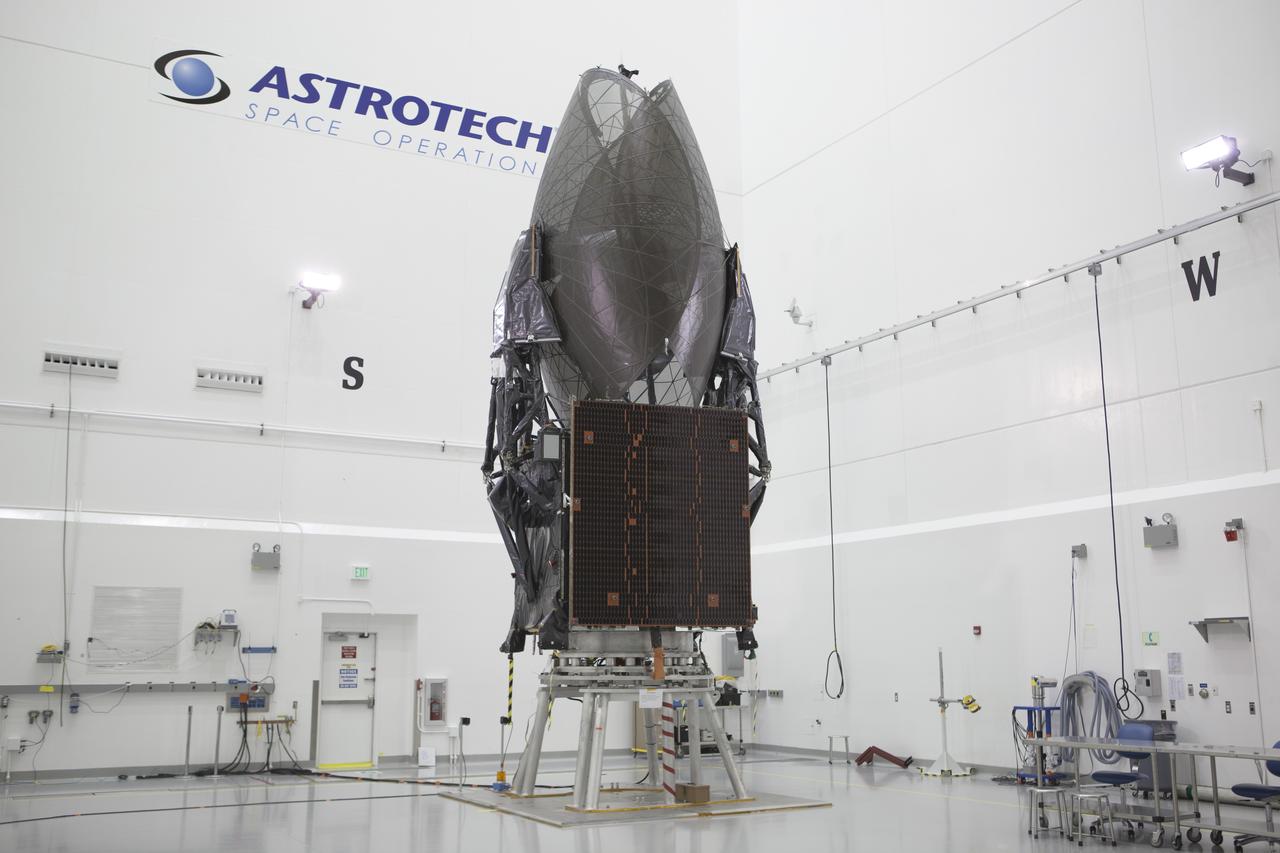
TITUSVILLE, Fla. – Members of the news media are given an opportunity for an up-close look at the Tracking and Data Relay Satellite, or TDRS-L, spacecraft undergoing preflight processing inside the Astrotech payload processing facility in Titusville. TDRS-L is being prepared for encapsulation inside its payload fairing prior to being transported to Launch Complex 41 at Cape Canaveral Air Force Station. Journalists visited Astrotech as part of TDRS-L Media Day to conduct interviews and photograph the satellite that will be a part of the second of three next-generation spacecraft designed to ensure vital operational continuity for the NASA Space Network. It is scheduled to launch from Cape Canaveral's Space Launch Complex 41 atop an Atlas V rocket in January 2014. The current Tracking and Data Relay Satellite system consists of eight in-orbit satellites distributed to provide near continuous information relay contact with orbiting spacecraft ranging from the International Space Station and Hubble Space Telescope to the array of scientific observatories. For more information, visit: http://www.nasa.gov/mission_pages/tdrs/home/index.html
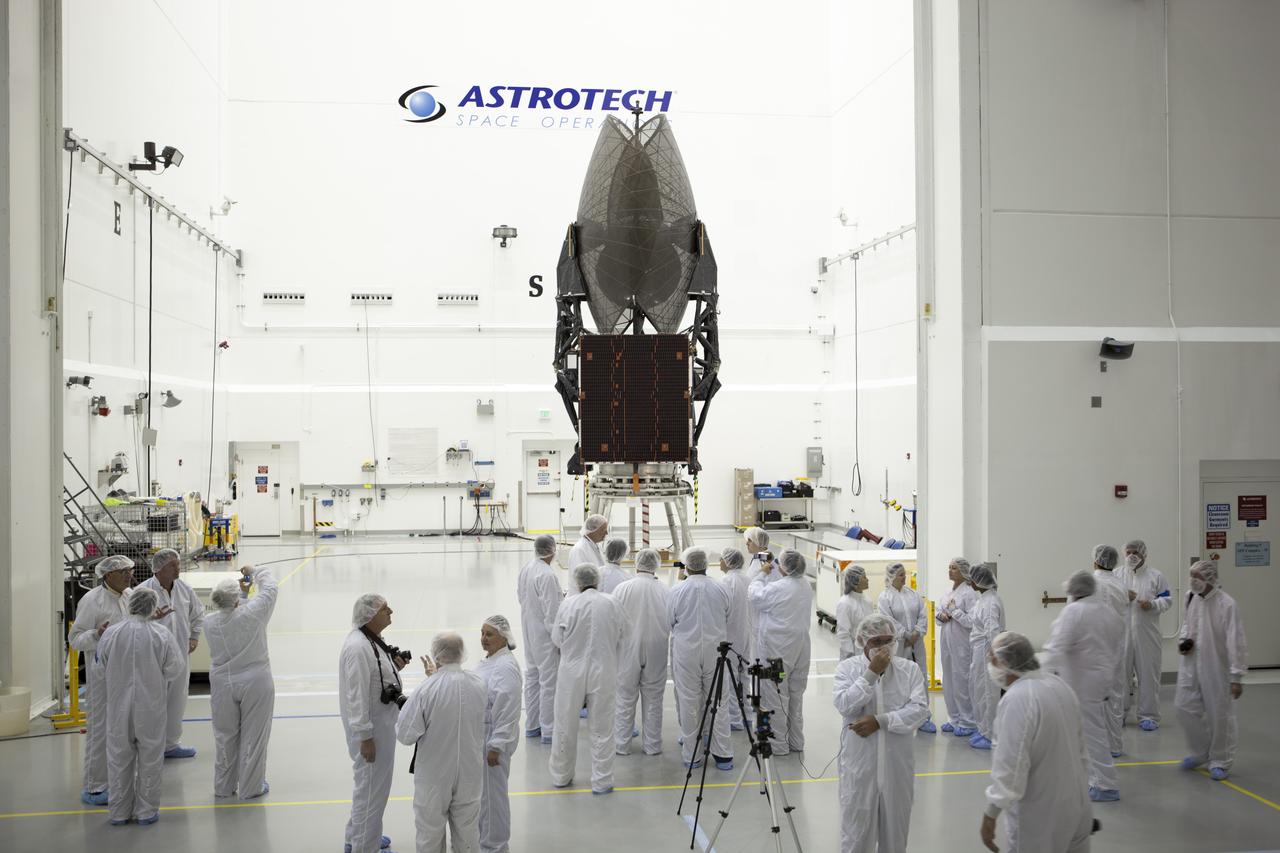
TITUSVILLE, Fla. – Members of the news media are given an up-close look at the Tracking and Data Relay Satellite, or TDRS-L, spacecraft undergoing preflight processing inside the Astrotech payload processing facility in Titusville. TDRS-L is being prepared for encapsulation inside its payload fairing prior to being transported to Launch Complex 41 at Cape Canaveral Air Force Station. Journalists visited Astrotech as part of TDRS-L Media Day to conduct interviews and photograph the satellite that will be a part of the second of three next-generation spacecraft designed to ensure vital operational continuity for the NASA Space Network. It is scheduled to launch from Cape Canaveral's Space Launch Complex 41 atop an Atlas V rocket in January 2014. The current Tracking and Data Relay Satellite system consists of eight in-orbit satellites distributed to provide near continuous information relay contact with orbiting spacecraft ranging from the International Space Station and Hubble Space Telescope to the array of scientific observatories. For more information, visit: http://www.nasa.gov/mission_pages/tdrs/home/index.html
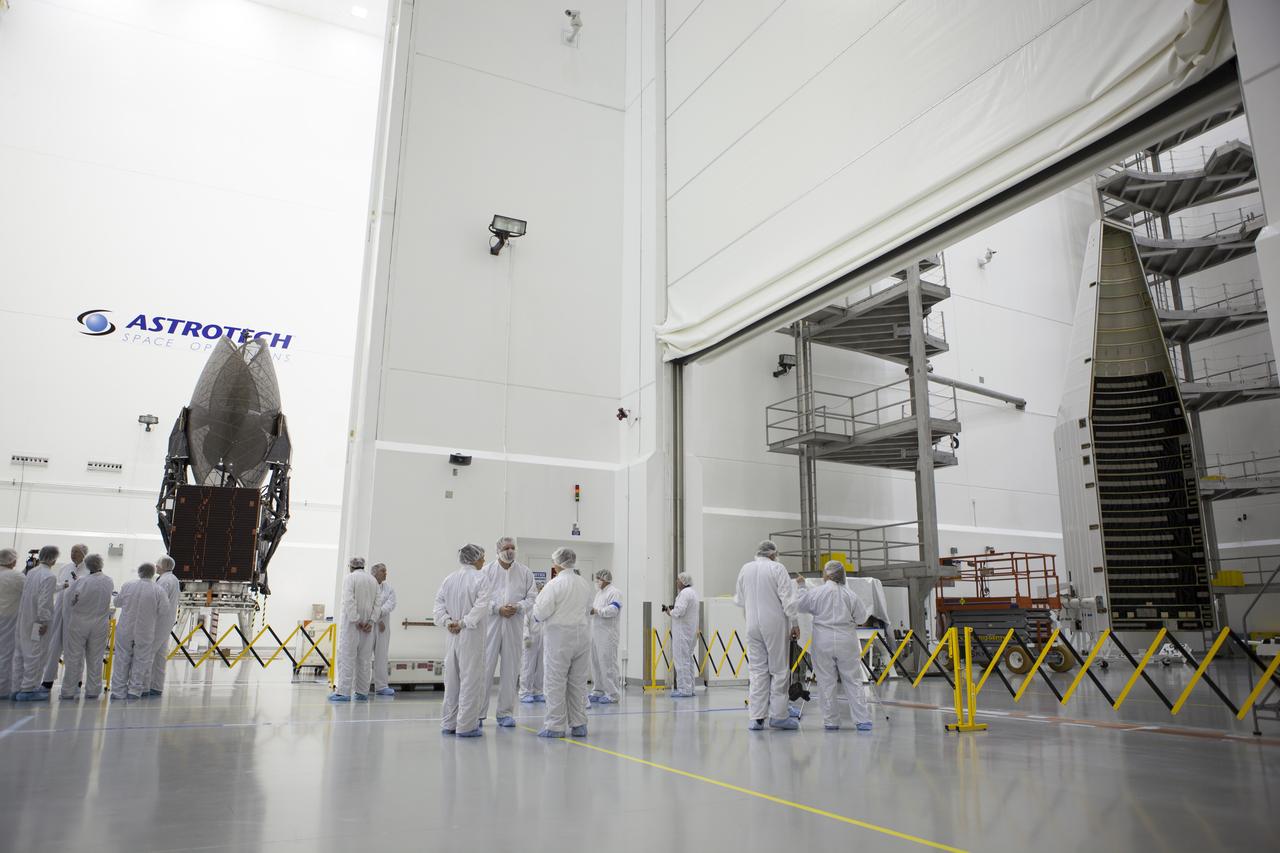
TITUSVILLE, Fla. – Members of the news media are given an up-close look at the Tracking and Data Relay Satellite, or TDRS-L, spacecraft undergoing preflight processing inside the Astrotech payload processing facility in Titusville. TDRS-L is being prepared for encapsulation inside its payload fairing prior to being transported to Launch Complex 41 at Cape Canaveral Air Force Station. Journalists visited Astrotech as part of TDRS-L Media Day to conduct interviews and photograph the satellite that will be a part of the second of three next-generation spacecraft designed to ensure vital operational continuity for the NASA Space Network. It is scheduled to launch from Cape Canaveral's Space Launch Complex 41 atop an Atlas V rocket in January 2014. The current Tracking and Data Relay Satellite system consists of eight in-orbit satellites distributed to provide near continuous information relay contact with orbiting spacecraft ranging from the International Space Station and Hubble Space Telescope to the array of scientific observatories. For more information, visit: http://www.nasa.gov/mission_pages/tdrs/home/index.html

JSC2005-E-07623 (24 February 2005) --- Astronaut Stephen K. Robinson and Japan Aerospace Exploration Agency (JAXA) astronaut Soichi Noguchi (partially obscured), both STS-114 mission specialists, are about to be submerged in the waters of the Neutral Buoyancy Laboratory (NBL) near the Johnson Space Center (JSC). Noguchi and Robinson are wearing training versions of the Extravehicular Mobility Unit (EMU) spacesuit. Divers are in the water to assist the crewmembers during this training session, which occurred during STS-114 Media Day at the NBL.
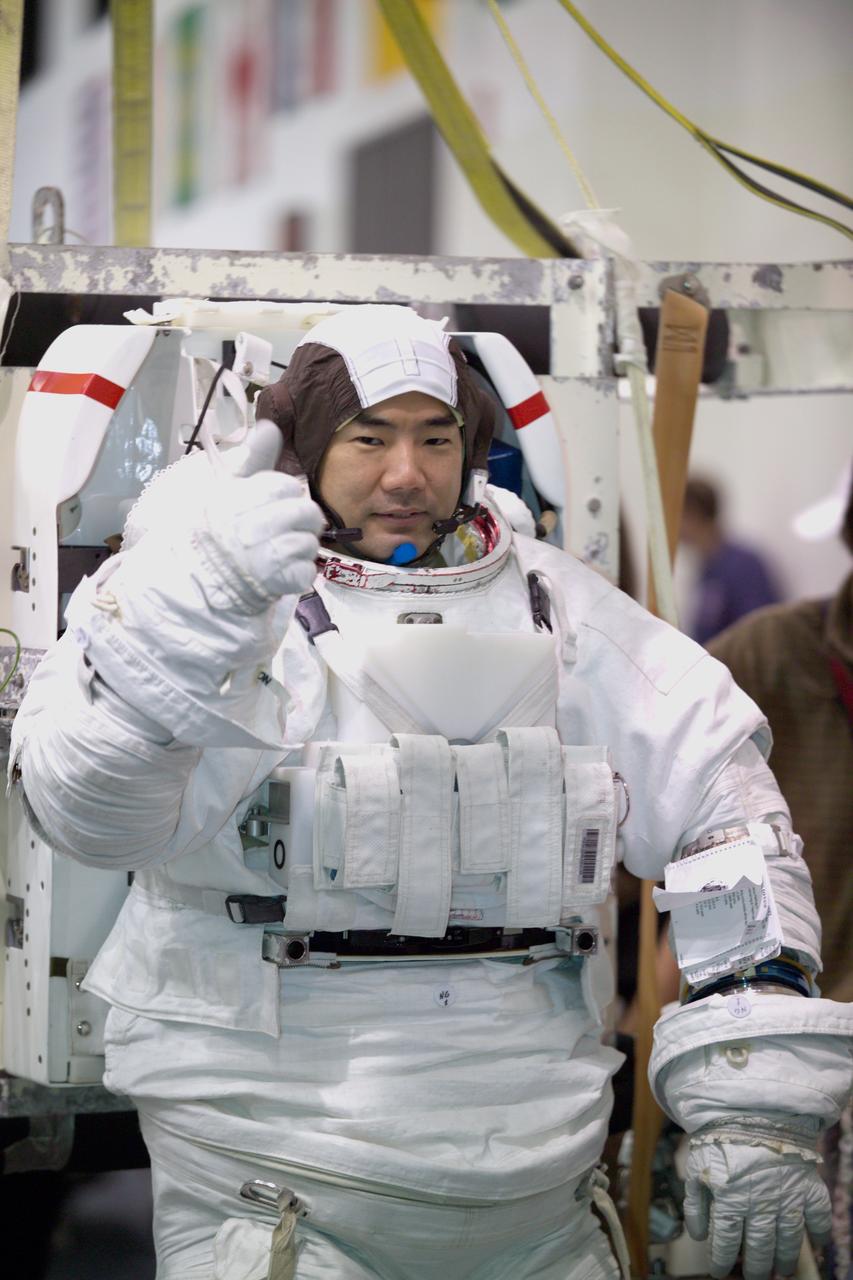
JSC2005-E-07617 (24 February 2005) --- Astronaut Soichi Noguchi, STS-114 mission specialist representing Japan Aerospace Exploration Agency (JAXA), attired in a training version of the Extravehicular Mobility Unit (EMU) spacesuit, gives a ;thumbs up; signal prior to being submerged in the waters of the Neutral Buoyancy Laboratory (NBL) near Johnson Space Center. This training session occurred during STS-114 Media Day at the NBL.

JSC2005-E-07622 (24 February 2005) --- Astronaut Stephen K. Robinson, STS-114 mission specialist, attired in a training version of the Extravehicular Mobility Unit (EMU) spacesuit, waves at the camera prior to being submerged in the waters of the Neutral Buoyancy Laboratory (NBL) near Johnson Space Center. This training session occurred during STS-114 Media Day at the NBL.
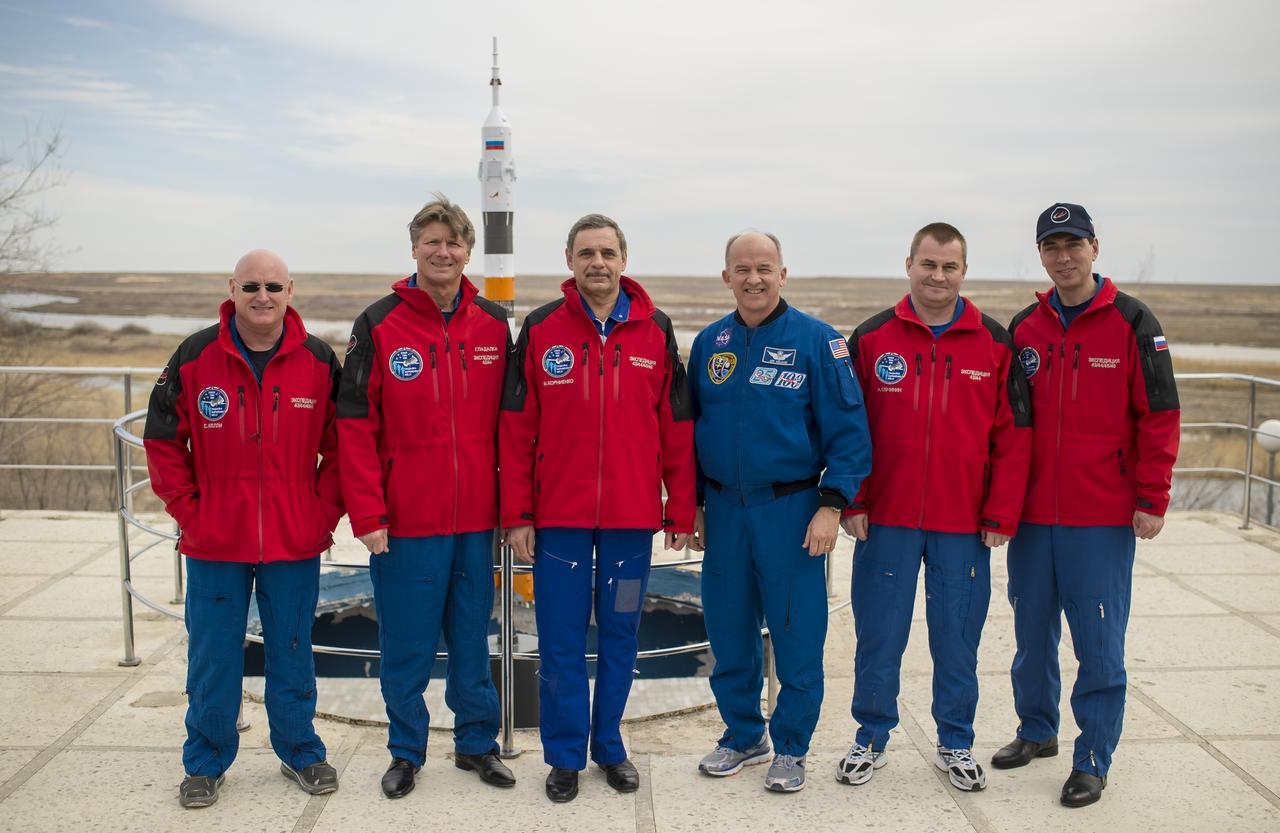
Expedition 43 NASA Astronaut Scott Kelly, left, Russian Cosmonauts Gennady Padalka, center, and Mikhail Kornienko of the Russian Federal Space Agency (Roscosmos) and backup crew members NASA Astronaut Jeff Williams, Alexey Ovchinin, and Sergei Volkov of Roscosmos pose for a group photo near a model of the Soyuz rocket during media day, Saturday, March 21, 2015 at the Cosmonaut Hotel in Baikonur, Kazakhstan. Kelly, Padalka, and Kornienko are preparing for launch to the International Space Station in their Soyuz TMA-16M spacecraft from the Baikonur Cosmodrome in Kazakhstan March 28, Kazakh time (March 27 Eastern time.) As the one-year crew, Kelly and Kornienko will return to Earth on Soyuz TMA-18M in March 2016. Photo Credit: (NASA/Bill Ingalls)

NASA Chief Technologist Douglas Terrier meets with members of the media at “NASA Day in Arkansas” at Harding University in Searcy, Arkansas, on Jan. 27, 2020.
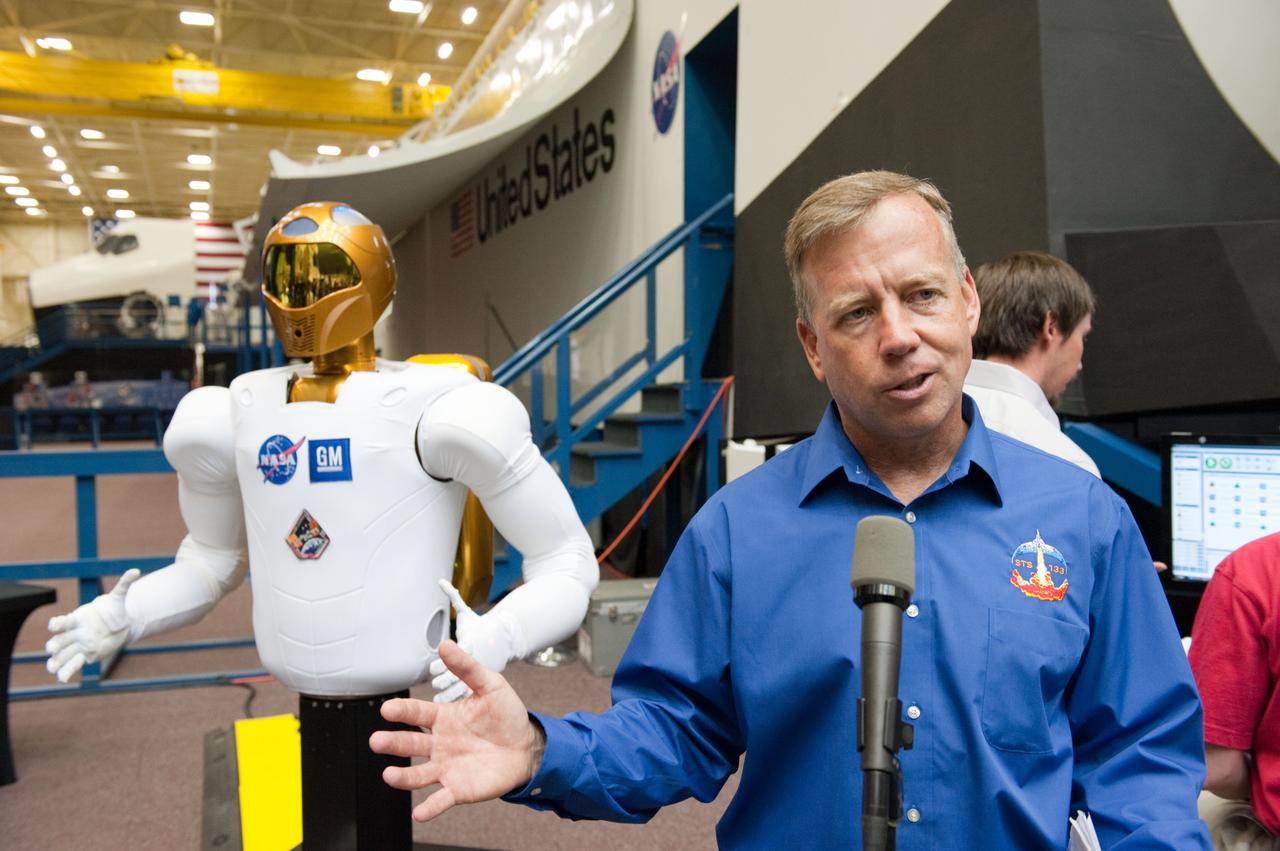
JSC2010-E-112721 (4 Aug. 2010) --- NASA astronaut Steve Lindsey, STS-133 commander, speaks to members of the media and NASA personnel during Robonaut 2 (R2) media day in the Space Vehicle Mock-up Facility at NASA's Johnson Space Center. R2, who will hitch a ride with the STS-133 crew members, is the first humanoid robot to travel to space and the first U.S.-built robot to visit the International Space Station. R2 will stay on the space station indefinitely to allow engineers on the ground to learn more about how humanoid robots fare in microgravity. Photo credit: NASA or National Aeronautics and Space Administration