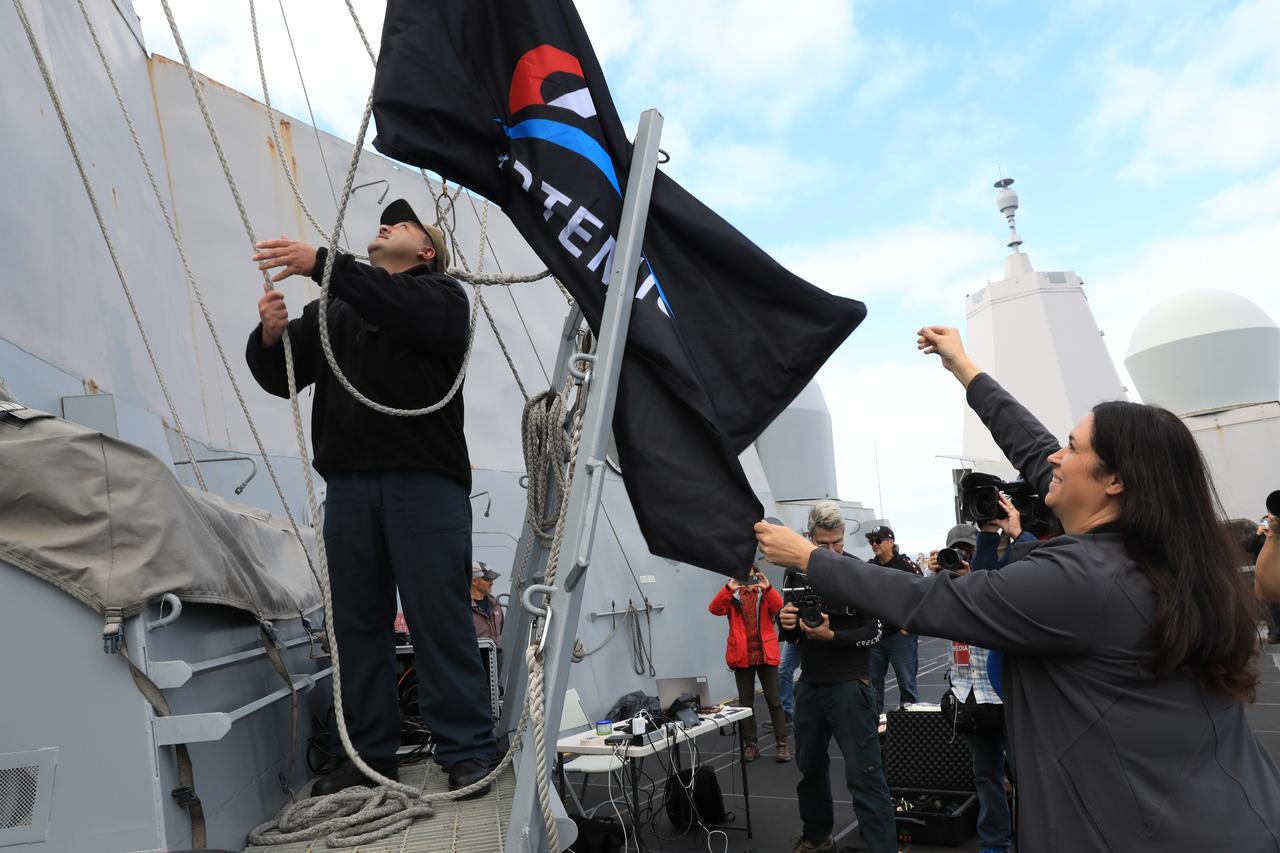
After splashdown of the Orion spacecraft on Dec. 11, 2022, NASA’s Artemis I Landing and Recovery Director Melissa Jones helps to raise the Artemis flag aboard USS Portland.
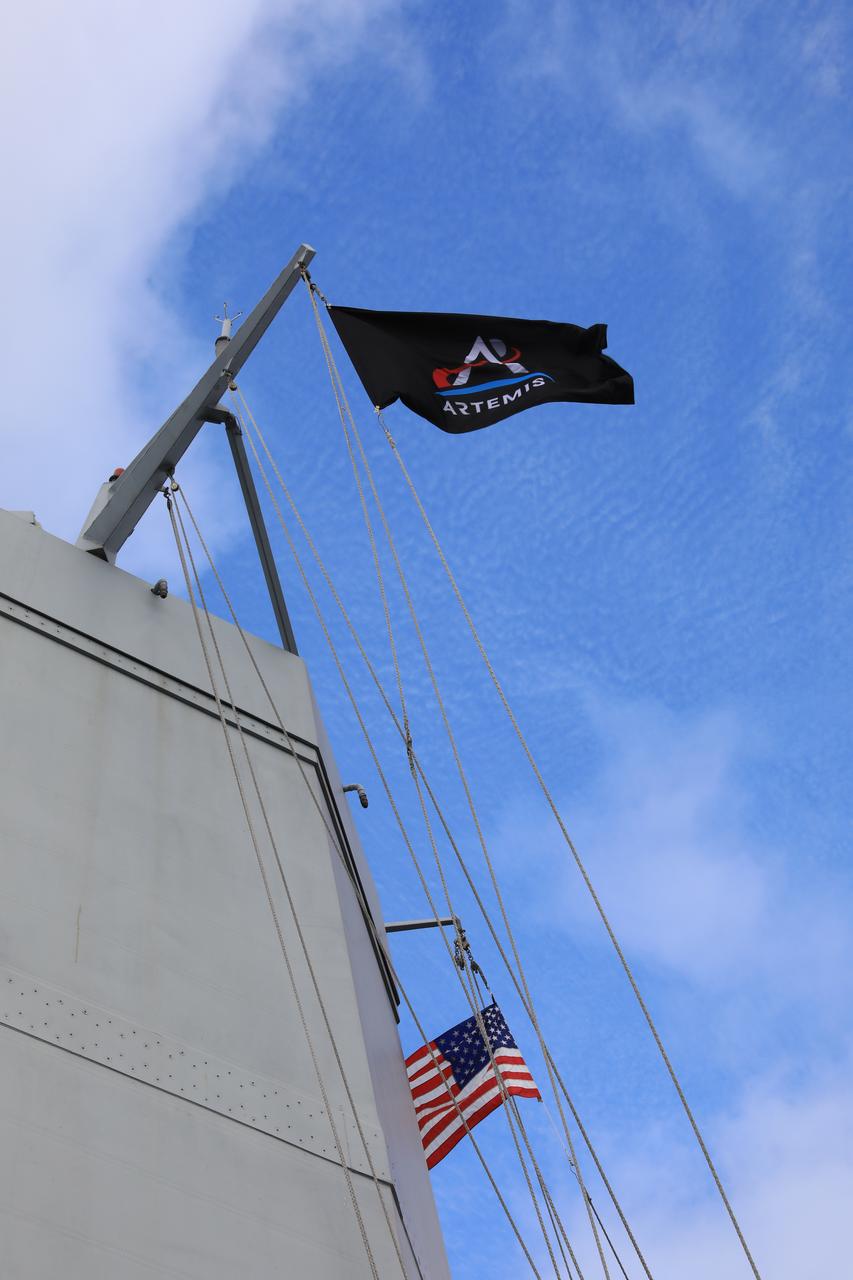
After splashdown of the Orion spacecraft on Dec. 11, 2022, NASA’s Artemis I Landing and Recovery Director Melissa Jones helps to raise the Artemis flag aboard USS Portland.
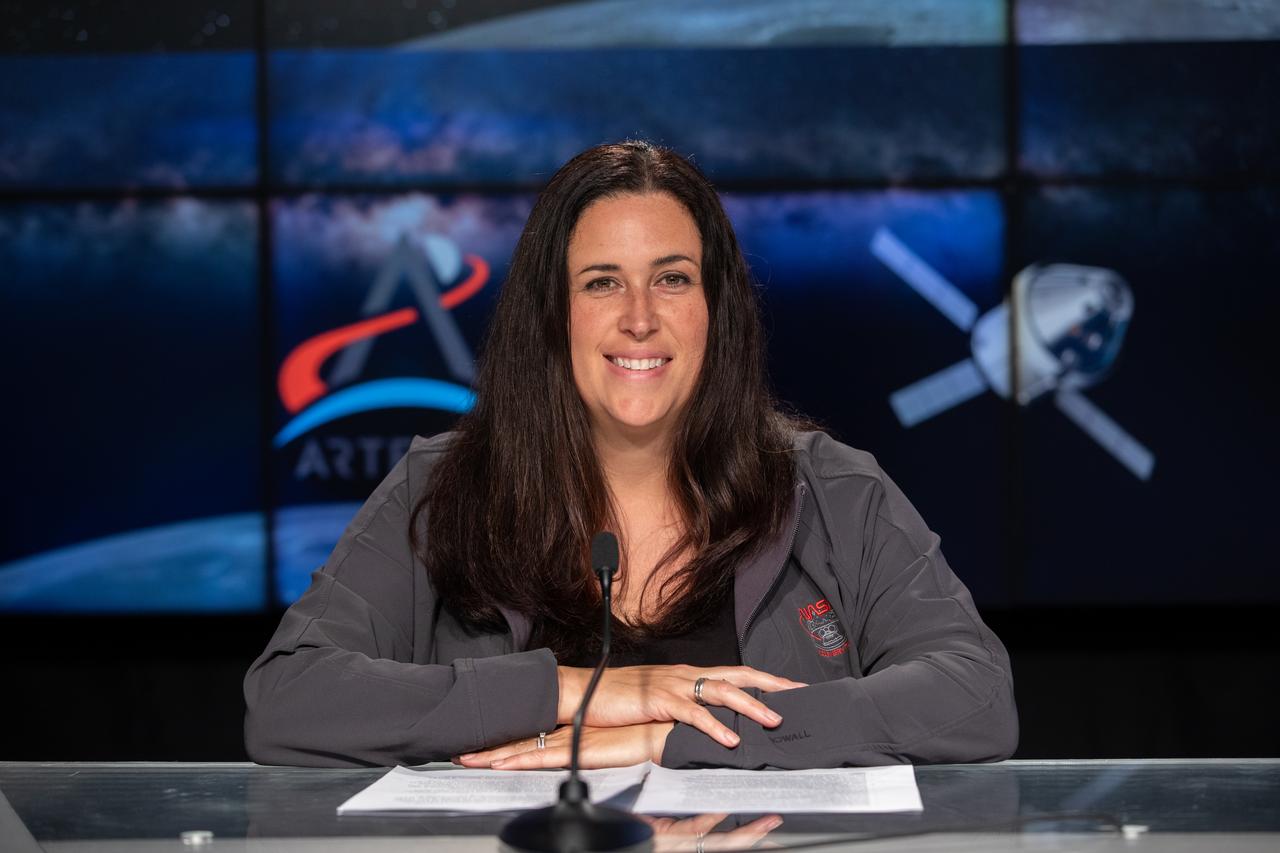
Melissa Jones, NASA Landing and Recovery Director for Exploration Ground Systems, participates in an Artemis I detailed mission briefing inside the Press Site auditorium at NASA’s Kennedy Space Center in Florida on Aug. 5, 2022. Jones leads the Artemis I Recovery Team partnered with the U.S. Navy that will recover the Artemis I Orion crew module from the Pacific Ocean after splashdown. Also participating in the briefing from NASA’s Johnson Space Center were Debbie Korth, Orion program deputy manager; Rick LaBrode, lead Artemis I flight director; Judd Frieling, Artemis I ascent/entry flight director; Reid Wiseman, chief astronaut; and Philippe Deloo, Orion European Service Module program manager, European Space Agency. The first in an increasingly complex series of missions, Artemis I is an uncrewed flight test to test the Space Launch System rocket and Orion spacecraft as an integrated system prior to crewed flights to the Moon. Through Artemis, NASA will land the first woman and first person of color on the lunar surface, paving the way for long-term lunar presence and serving as a steppingstone before venturing to Mars.
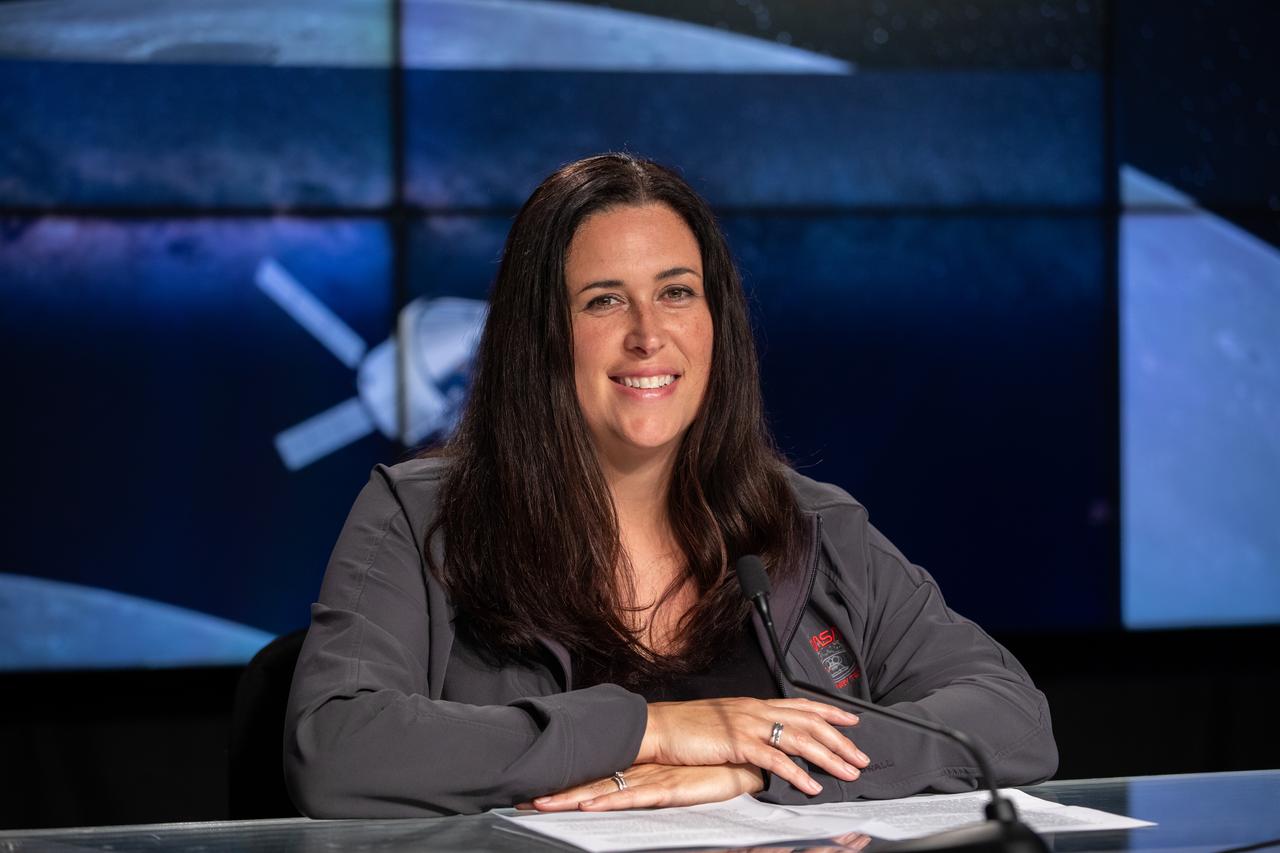
Melissa Jones, NASA Landing and Recovery Director for Exploration Ground Systems, participates in an Artemis I detailed mission briefing inside the Press Site auditorium at NASA’s Kennedy Space Center in Florida on Aug. 5, 2022. Jones leads the Artemis I Recovery Team partnered with the U.S. Navy that will recover the Artemis I Orion crew module from the Pacific Ocean after splashdown. Also participating in the briefing from NASA’s Johnson Space Center were Debbie Korth, Orion program deputy manager; Rick LaBrode, lead Artemis I flight director; Judd Frieling, Artemis I ascent/entry flight director; Reid Wiseman, chief astronaut; and Philippe Deloo, Orion European Service Module program manager, European Space Agency. The first in an increasingly complex series of missions, Artemis I is an uncrewed flight test to test the Space Launch System rocket and Orion spacecraft as an integrated system prior to crewed flights to the Moon. Through Artemis, NASA will land the first woman and first person of color on the lunar surface, paving the way for long-term lunar presence and serving as a steppingstone before venturing to Mars.

NASA’s Artemis I landing and recovery director, Melissa Jones (center), NASA astronaut Shannon Walker (right), and members of the U.S. Navy and the Department of Defense celebrate NASA’s Orion spacecraft splashing down at 12:40 p.m. EST Dec. 11, 2022 in the Pacific Ocean after a 25.5 day mission to the Moon. Orion will be recovered by NASA’s Landing and Recovery team, U.S. Navy and Department of Defense partners aboard the USS Portland.
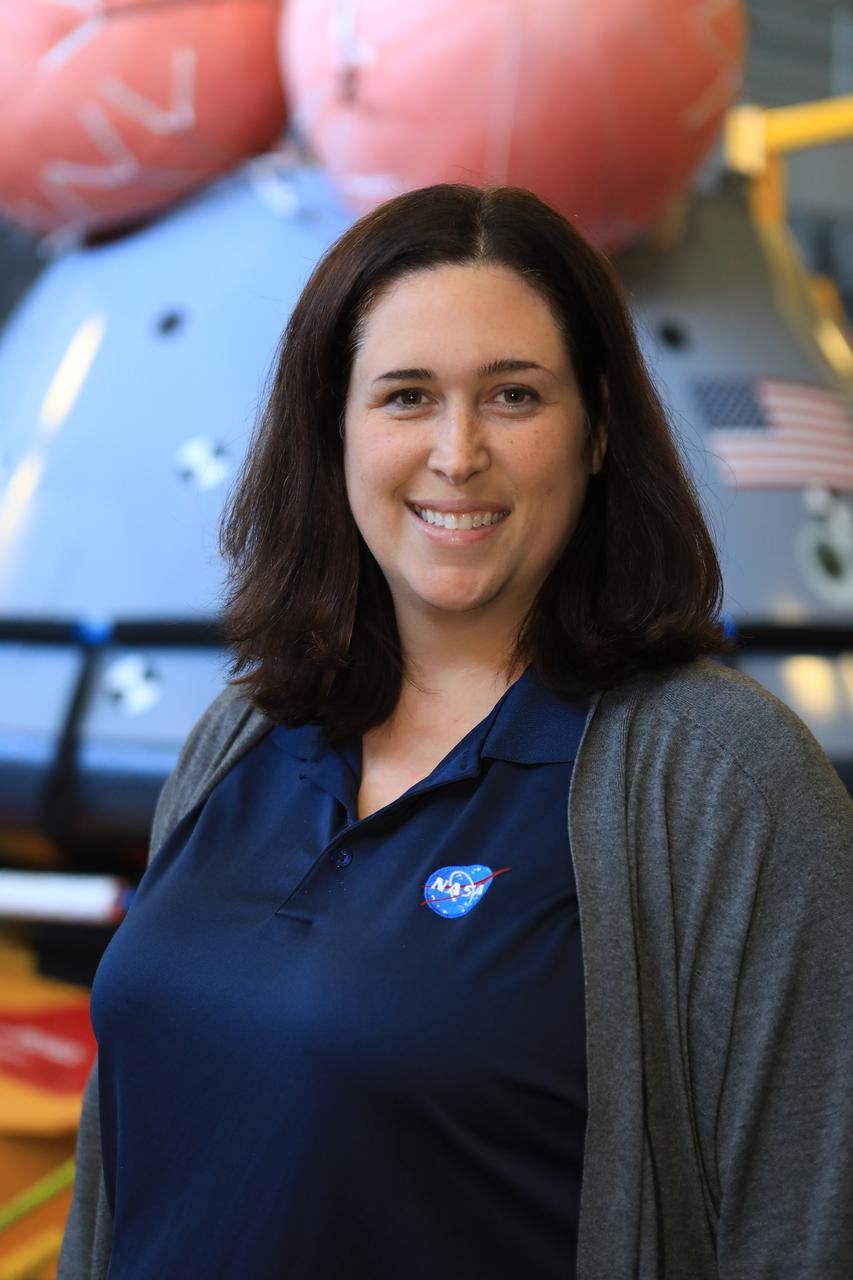
Underway Recovery Test 7 (URT-7) - Day 3 Activities - Photos of Melissa Jones
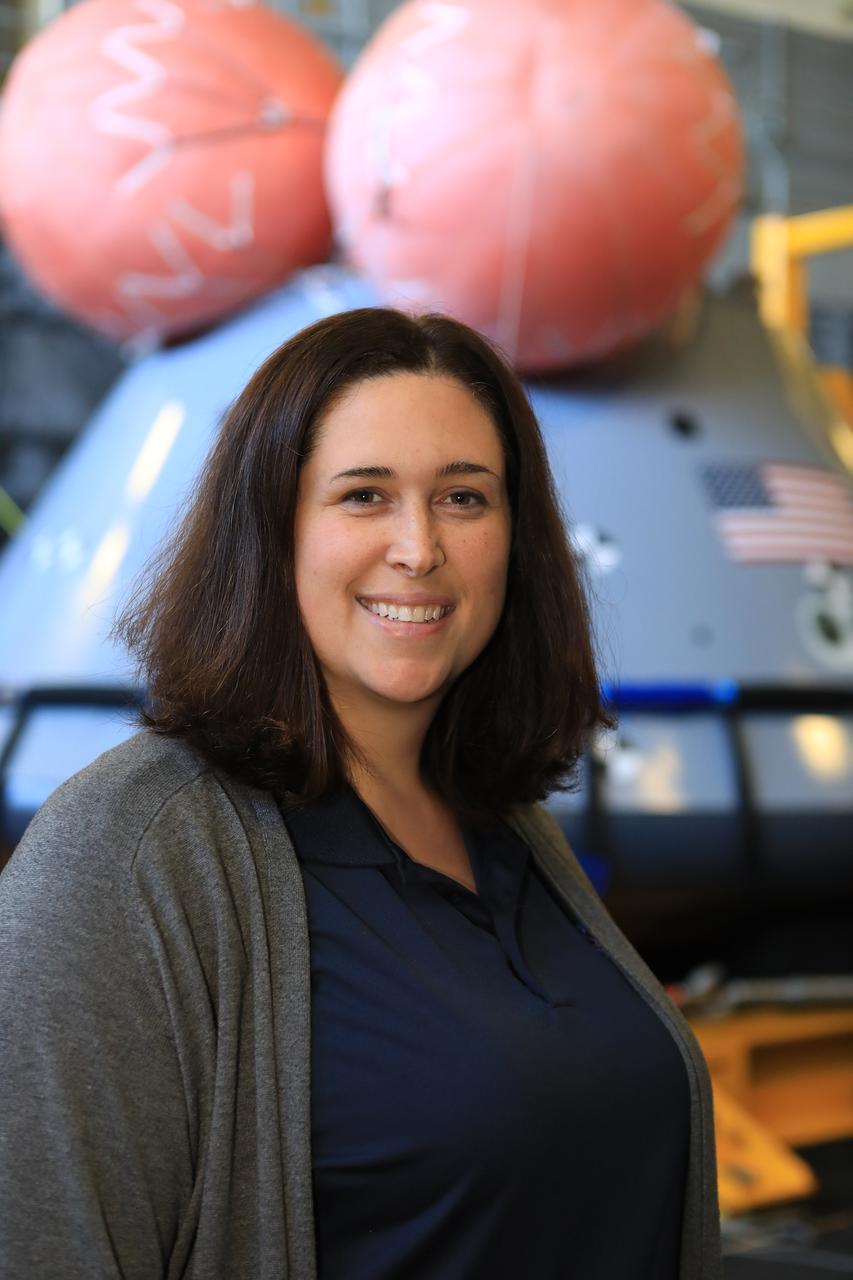
Underway Recovery Test 7 (URT-7) - Day 3 Activities - Photos of Melissa Jones
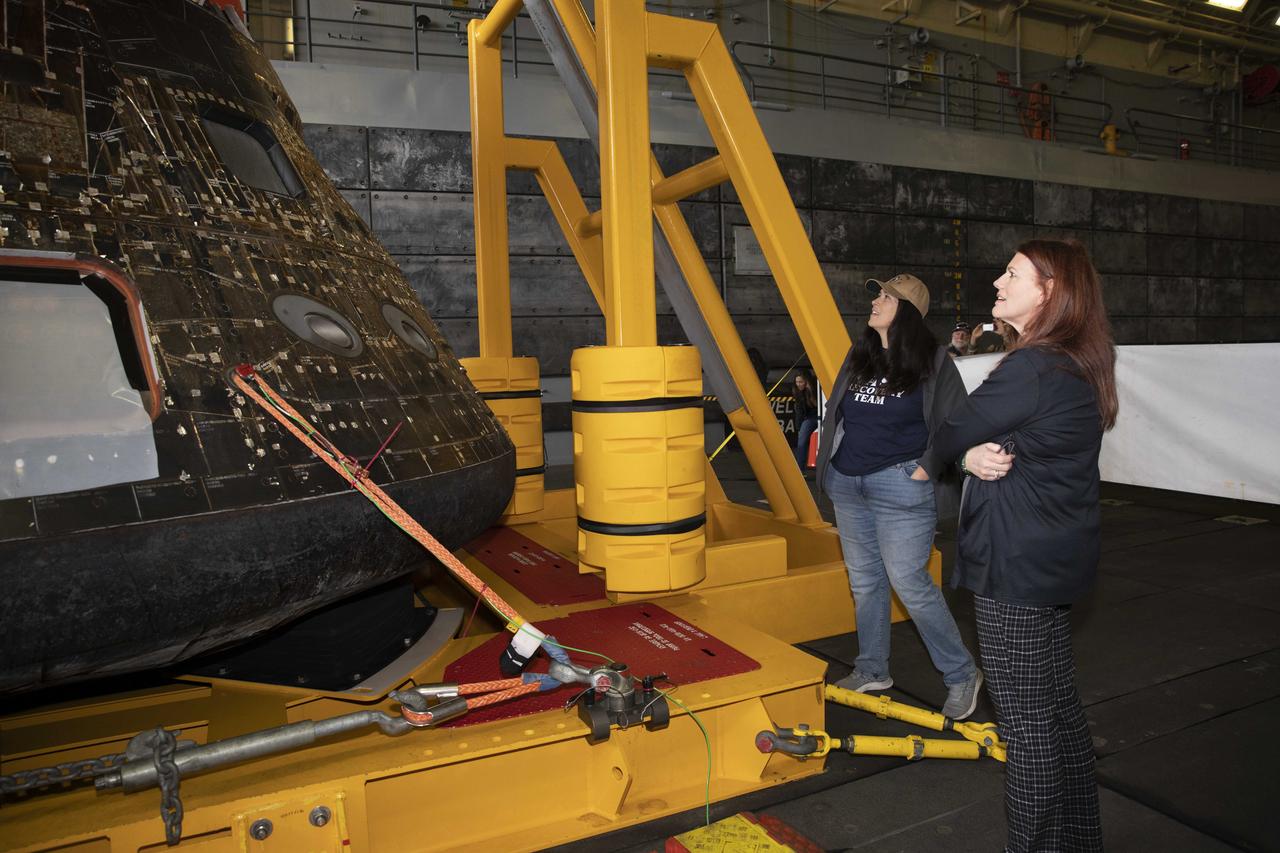
NASA Artemis Launch Director Charlie Blackwell-Thompson, at right, and Melissa Jones, NASA’s Artemis I Recovery director, both with the Exploration Ground Systems program, look at the Artemis I Orion spacecraft inside the well deck of the USS Portland at U.S. Naval Base San Diego on Dec. 13, 2022. The Orion spacecraft is secured inside the well deck after splashing down at 12:40 p.m. EST on Dec. 11, 2022. U.S. Navy divers helped recover the Orion spacecraft. NASA, the Navy and other Department of Defense partners worked together to secure the spacecraft inside the ship’s well deck approximately five hours after Orion splashed down in the Pacific Ocean off the coast of Baja, California.
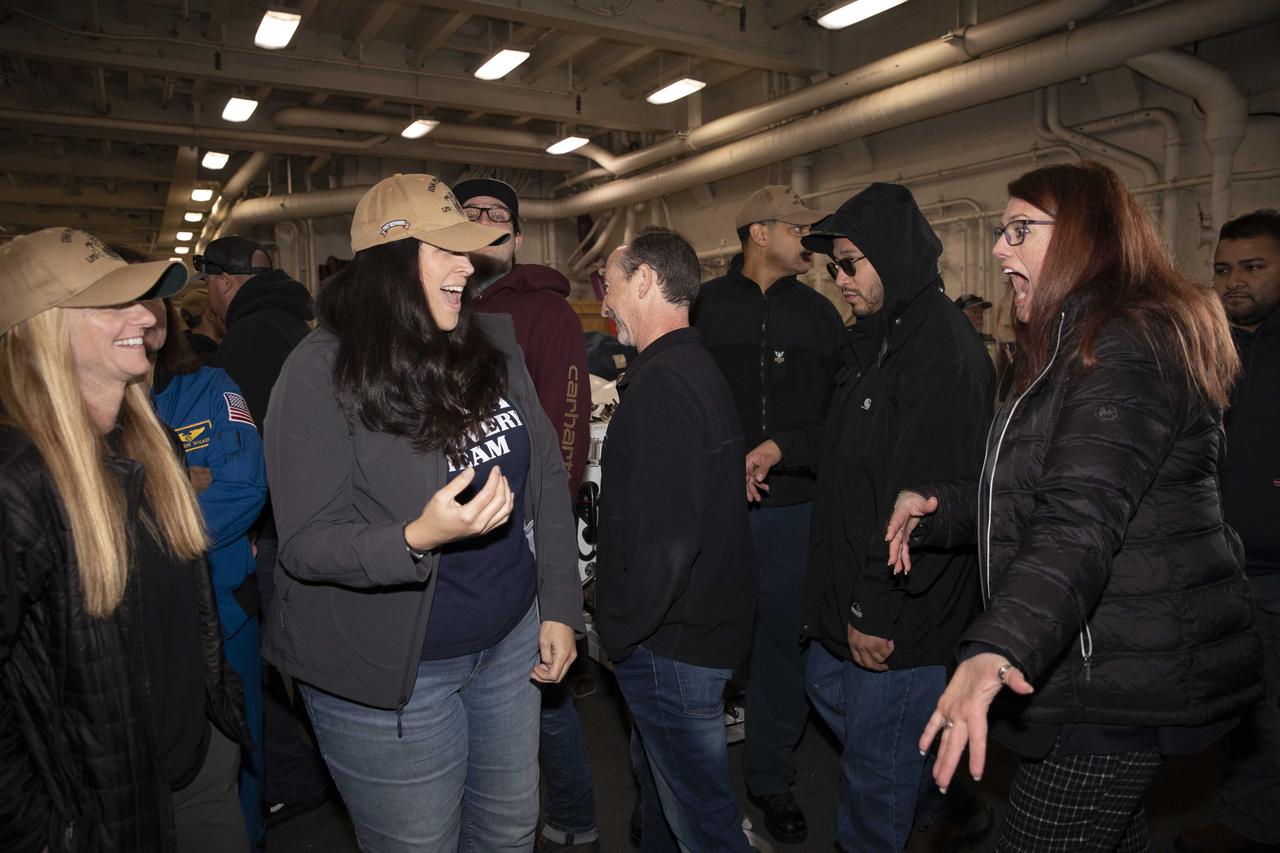
NASA Artemis Launch Director Charlie Blackwell-Thompson, at right, and Melissa Jones, NASA’s Artemis I Recovery director, second from left, both with the Exploration Ground Systems program, along with other recovery team members, exchange congratulations inside the well deck of the USS Portland at U.S. Naval Base San Diego on Dec. 13, 2022. The Orion spacecraft is secured inside the well deck after splashing down at 12:40 p.m. EST on Dec. 11, 2022. U.S. Navy divers helped recover the Orion spacecraft. NASA, the Navy and other Department of Defense partners worked together to secure the spacecraft inside the ship’s well deck approximately five hours after Orion splashed down in the Pacific Ocean off the coast of Baja, California.
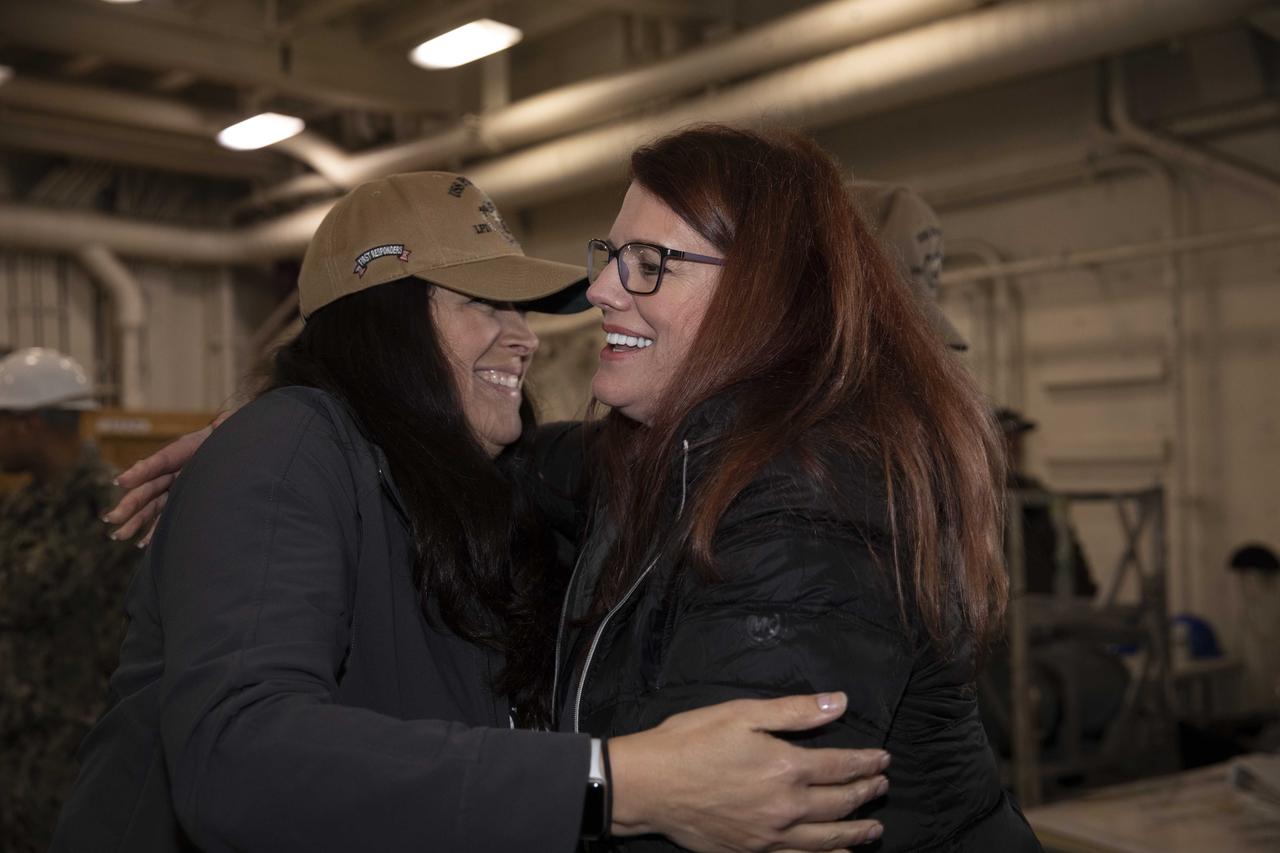
NASA Artemis Launch Director Charlie Blackwell-Thompson, at right, and Melissa Jones, NASA’s Artemis I Recovery director, both with the Exploration Ground Systems program, exchange congratulations inside the well deck of the USS Portland at U.S. Naval Base San Diego on Dec. 13, 2022. The Orion spacecraft is secured inside the well deck after splashing down at 12:40 p.m. EST on Dec. 11, 2022. U.S. Navy divers helped recover the Orion spacecraft. NASA, the Navy and other Department of Defense partners worked together to secure the spacecraft inside the ship’s well deck approximately five hours after Orion splashed down in the Pacific Ocean off the coast of Baja, California.
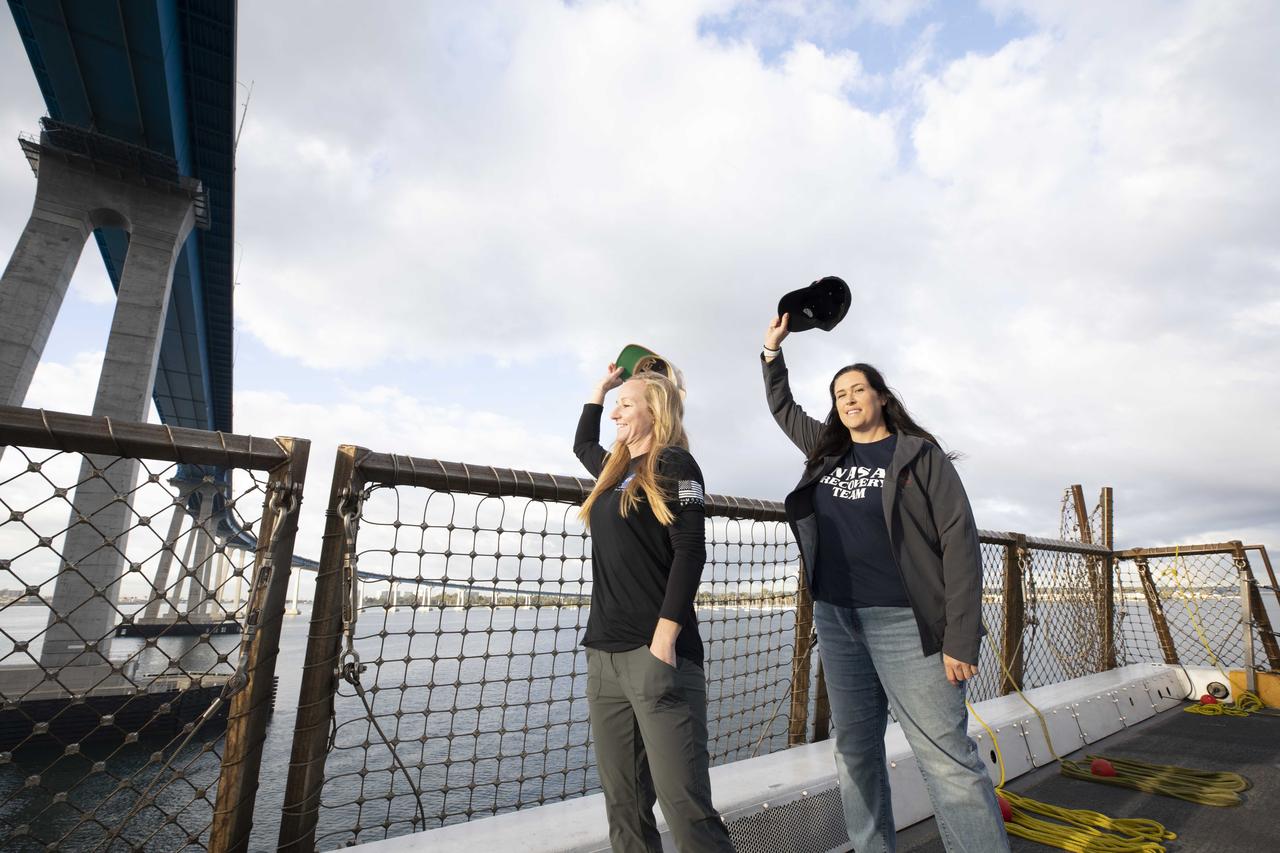
While returning to port after successfully recovering the Orion spacecraft for the Artemis I mission, NASA Artemis Recovery Director Melissa Jones, at right, and Assistant NASA Recovery Director Carla Rekucki, throw their hats in the air aboard the USS Portland as they pass under the San Diego-Coronado bridge on Dec. 13, 2022. The Artemis I Orion spacecraft is secured inside the ship’s well deck after splashing down at 12:40 p.m. EST on Dec. 11, 2022. U.S. Navy divers helped recover the Orion spacecraft. NASA, the Navy and other Department of Defense partners worked together to secure the spacecraft inside the ship’s well deck approximately five hours after Orion splashed down in the Pacific Ocean off the coast of Baja, California.
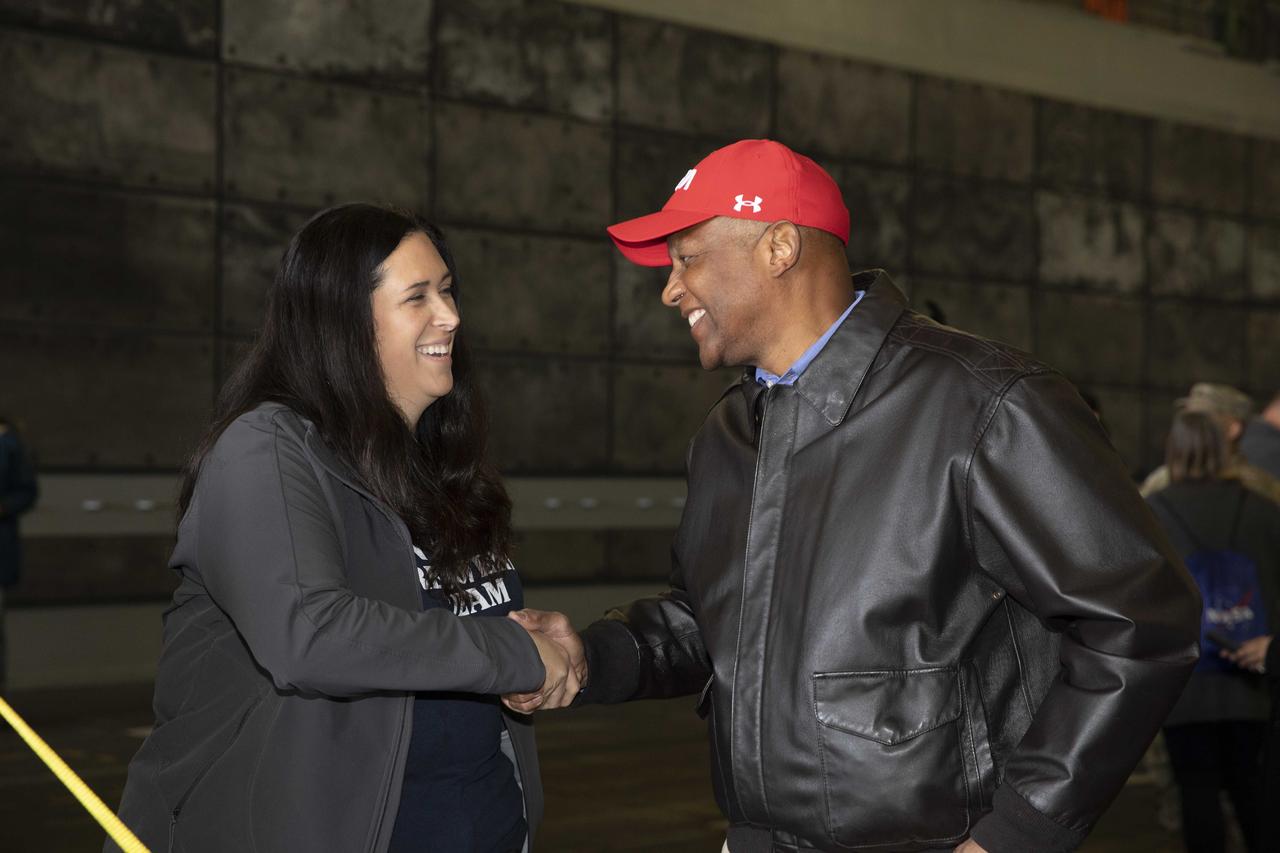
NASA Artemis I Recovery Director Melissa Jones, at right, with Exploration Ground Systems, shakes hands with Kennedy Space Center Deputy Director Kelvin Manning inside the well deck of the USS Portland at U.S. Naval Base San Diego on Dec. 13, 2022. The Artemis I Orion spacecraft is secured inside the well deck after splashing down at 12:40 p.m. EST on Dec. 11, 2022. U.S. Navy divers helped recover the Orion spacecraft. NASA, the Navy and other Department of Defense partners worked together to secure the spacecraft inside the ship’s well deck approximately five hours after Orion splashed down in the Pacific Ocean off the coast of Baja, California.
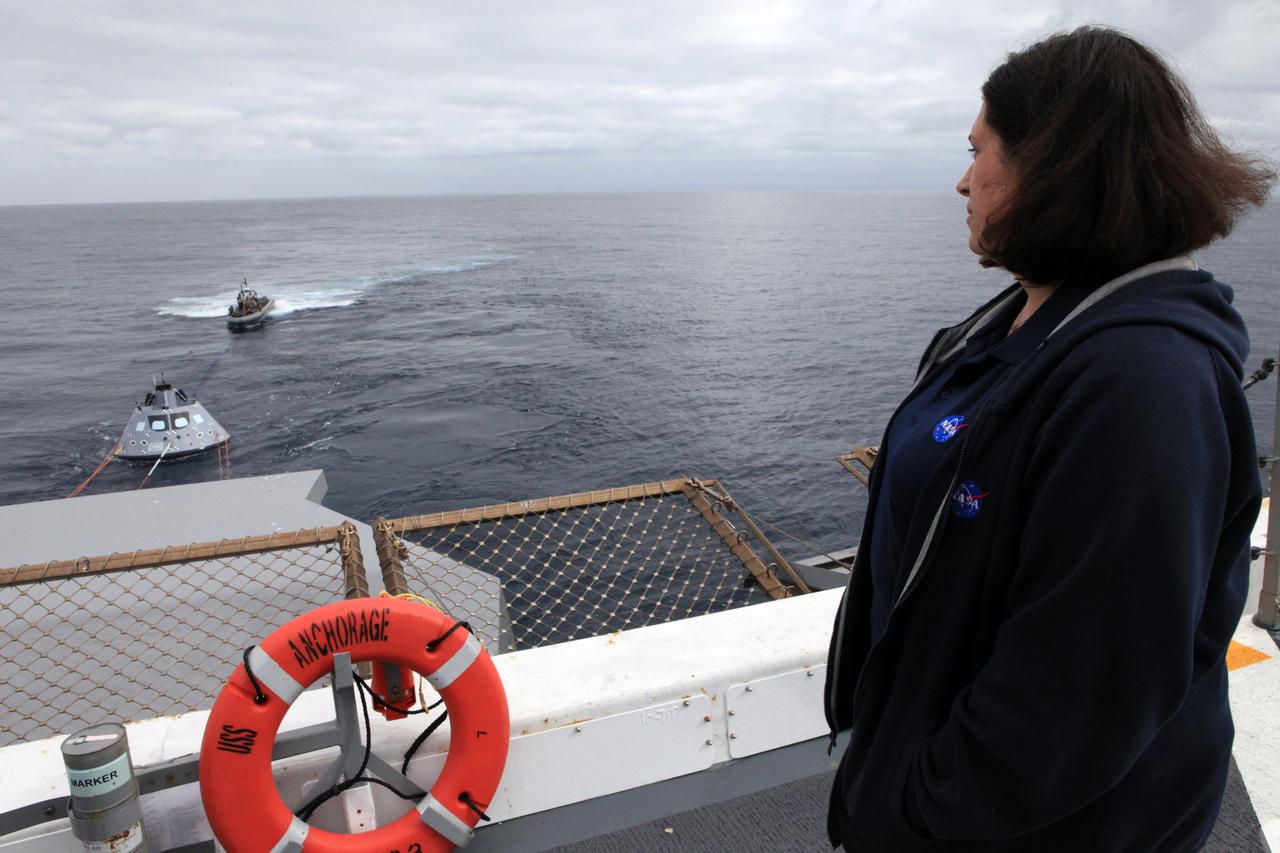
NASA Recovery Director Melissa Jones watches part of Underway Recovery Test 6, from the flight deck of the USS Anchorage. During this portion, the Orion test article is intentionally subjected to an increased sea state as the NASA Recovery Team works hard to keep control of the spacecraft. The testing with Kennedy Space Center's NASA Recovery Team and the U.S. Navy will provide important data that is being used to improve recovery procedures and hardware ahead of Orion's next flight, Exploration Mission-1, when it splashes down in the Pacific Ocean.
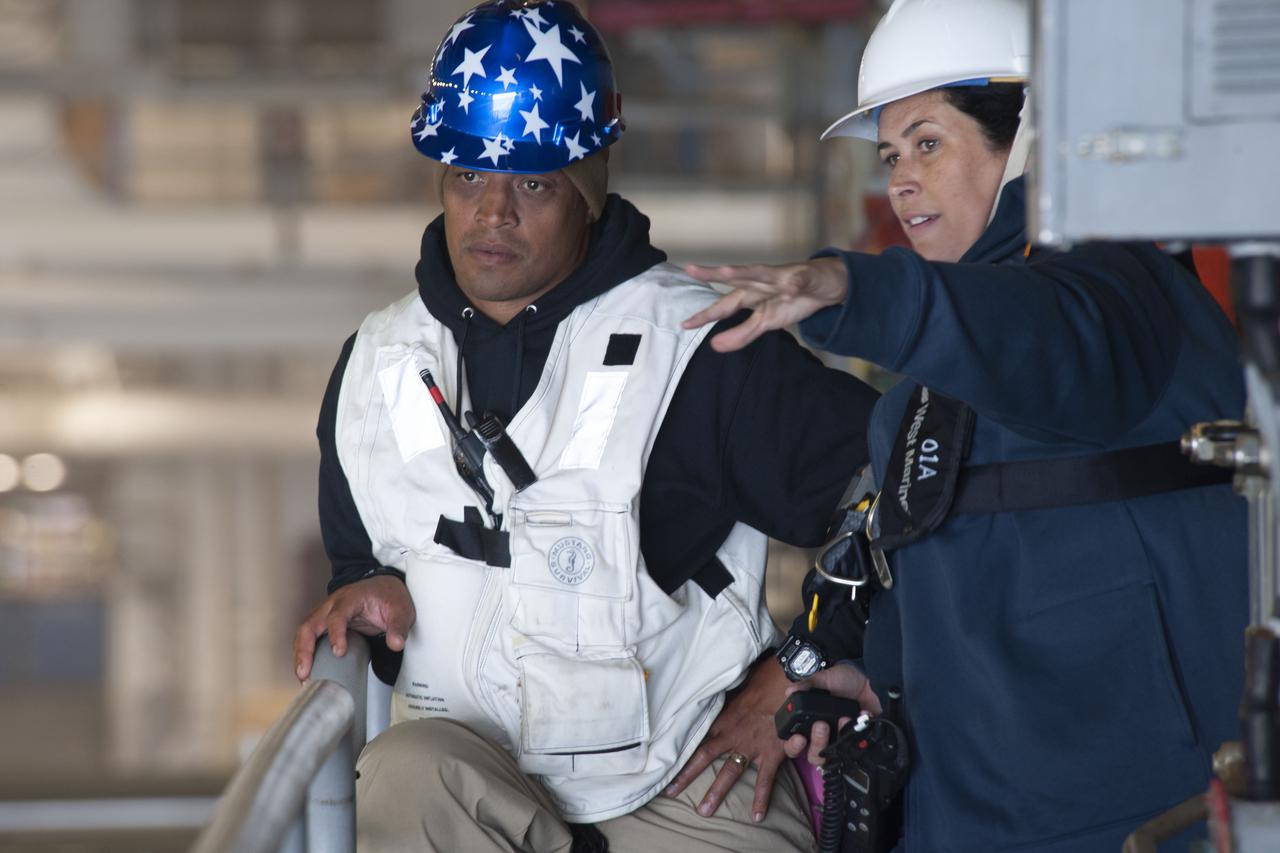
NASA Landing and Recovery Director Melissa Jones points out recovery operations to Capt. Gervy Alota, commanding officer, USS John P. Murtha (LPD 26), during Underway Recovery Test 9 (URT-9). During the weeklong test, NASA’s Landing and Recovery team is performing their final mission certification ahead of Artemis I.
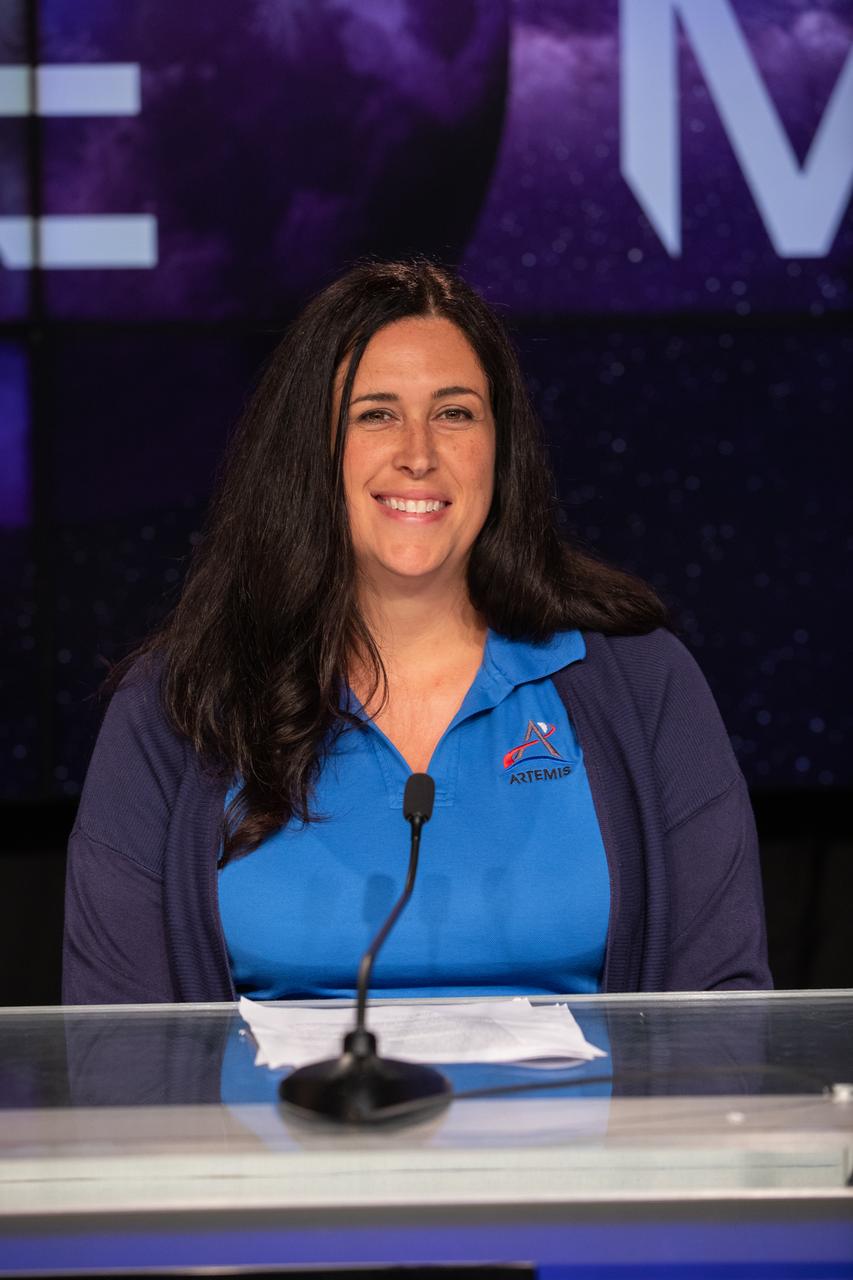
Melissa Jones, recovery director, NASA’s Exploration Ground Systems Program, is introduced during an Artemis I mission status press briefing at Kennedy Space Center in Florida on Aug. 27, 2022. NASA’s Space Launch System rocket and Orion spacecraft are targeted to lift off from Kennedy’s Launch Complex 39B no earlier than Aug. 29, 2022, at 8:33 a.m. EDT.
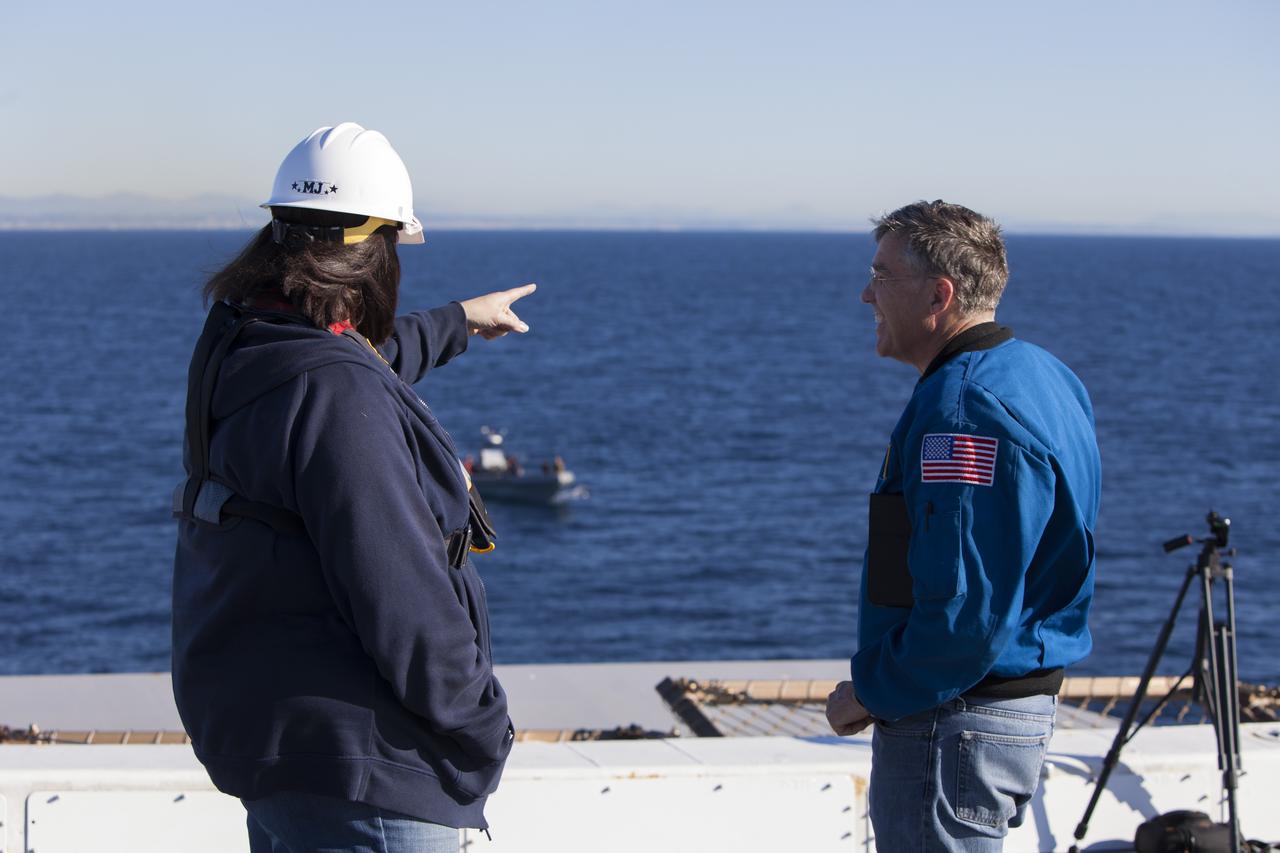
During Underway Recovery Test 6, NASA Recovery Director Melissa Jones and astronaut Stephen Bowen discuss how the recovery operations of Orion might impact astronauts onboard after spending weeks in microgravity. The testing with Kennedy Space Center's NASA Recovery Team and the U.S. Navy will provide important data that is being used to improve recovery procedures and hardware ahead of Orion's next flight, Exploration Mission-1, when it splashes down in the Pacific Ocean.
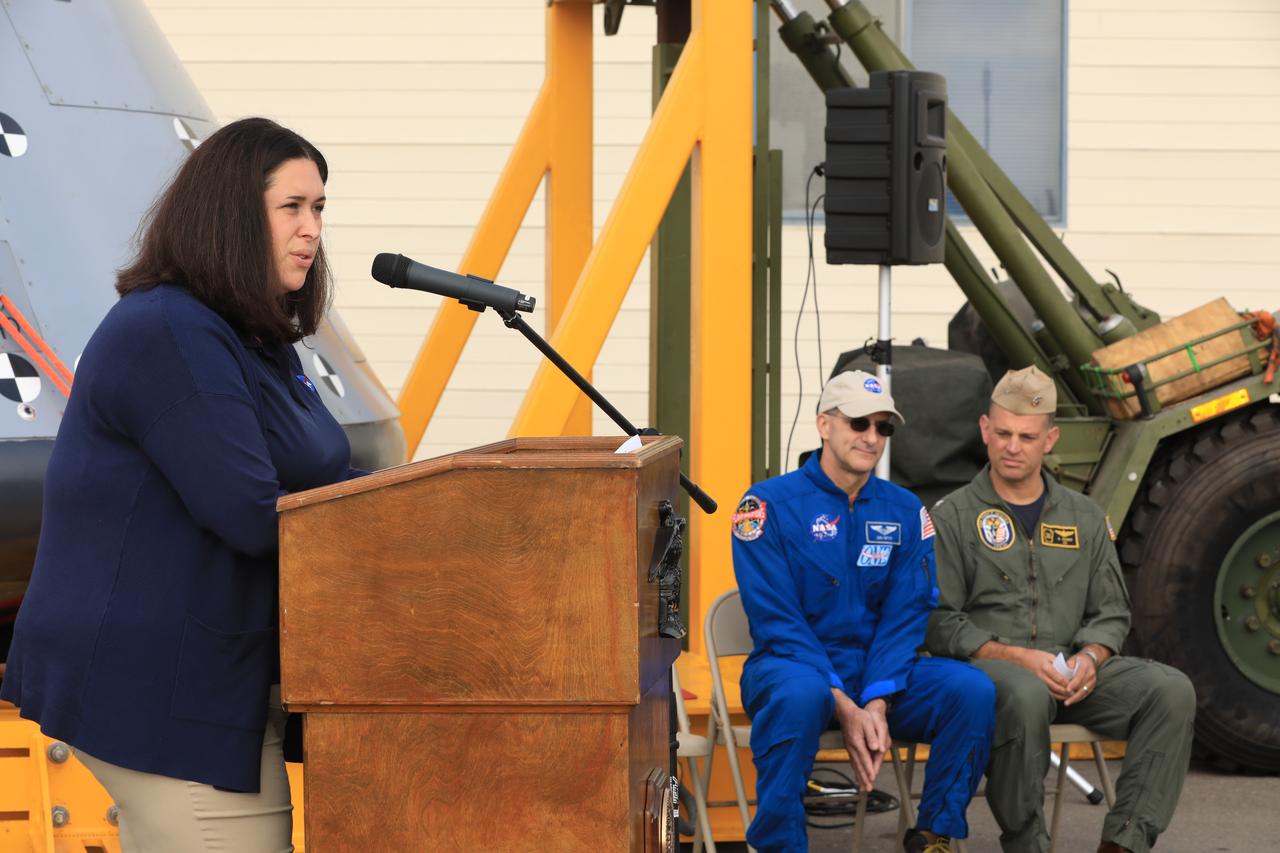
NASA Landing and Recovery Director Melissa Jones briefs the media on the success of Underway Recovery Test-7 on Nov. 7, 2018, at U.S. Naval Base San Diego. Seated, to the right of Jones is NASA astronaut Don Pettit. All of the recovery equipment that was created to safely bring Orion home passed verification and validation testing. The Recovery Team, along with the U.S. Navy, practice recovering the Orion test version as part of URT-7 in the Pacific Ocean. URT-7 is one in a series of tests to verify and validate procedures and hardware that will be used to recover the Orion spacecraft after it splashes down in the Pacific Ocean following deep space exploration missions. Orion will have emergency abort capability, sustain the crew during space travel and provide safe re-entry from deep space return velocities.
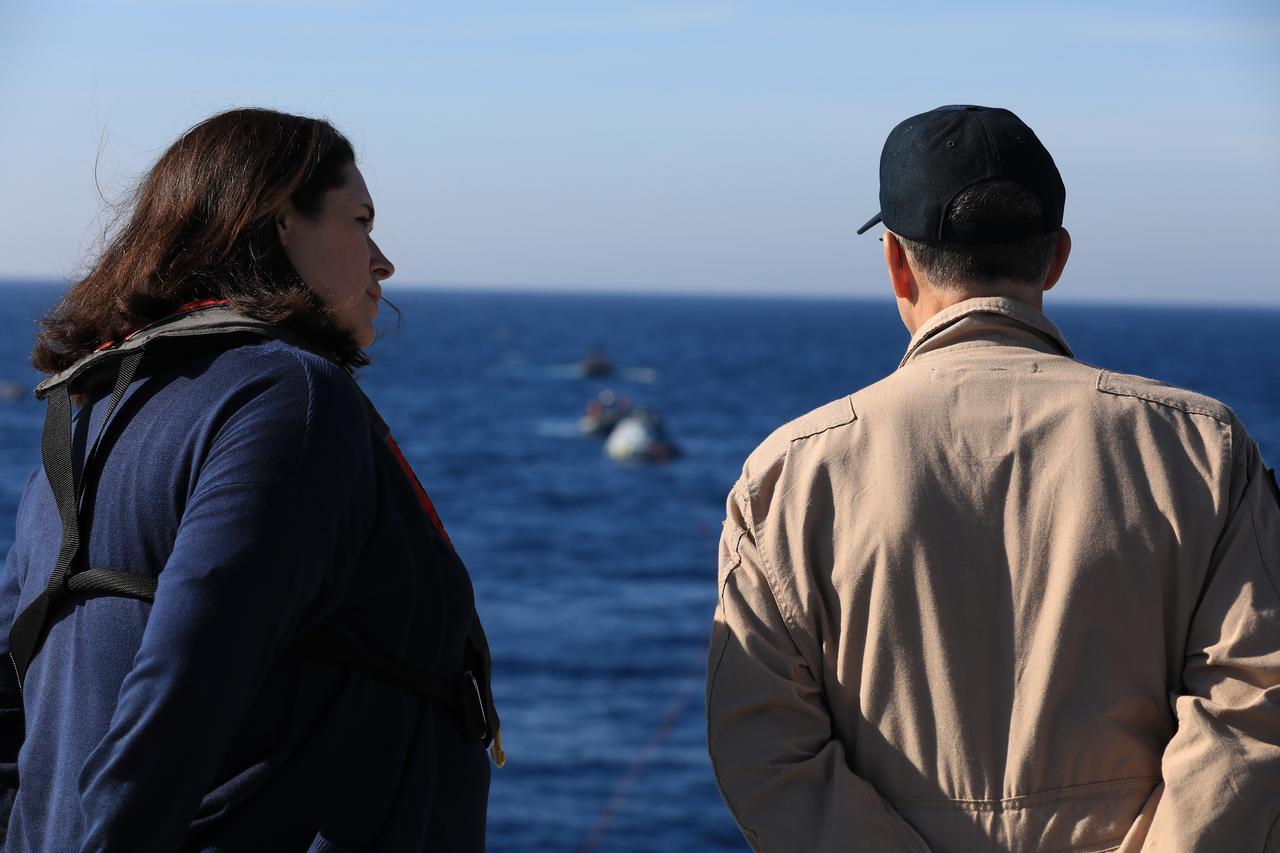
NASA's Landing and Recovery Director Melissa Jones and astronaut Don Pettit observe recovery of a test version of the Orion capsule during Underway Recovery Test-7 (URT-7) on Oct. 31, 2018, onboard the ULL John P. Murtha, in the Pacific Ocean. URT-7 is one in a series of tests to verify and validate procedures and hardware that will be used to recover the Orion spacecraft after it splashes down in the Pacific Ocean following deep space exploration missions. Orion will have emergency abort capability, sustain the crew during space travel and provide safe re-entry from deep space return velocities.

NASA's Landing and Recovery Director Melissa Jones and astronaut Don Pettit observe recovery of a test version of the Orion capsule during Underway Recovery Test-7 (URT-7) on Oct. 31, 2018, onboard the ULL John P. Murtha, in the Pacific Ocean. URT-7 is one in a series of tests to verify and validate procedures and hardware that will be used to recover the Orion spacecraft after it splashes down in the Pacific Ocean following deep space exploration missions. Orion will have emergency abort capability, sustain the crew during space travel and provide safe re-entry from deep space return velocities.
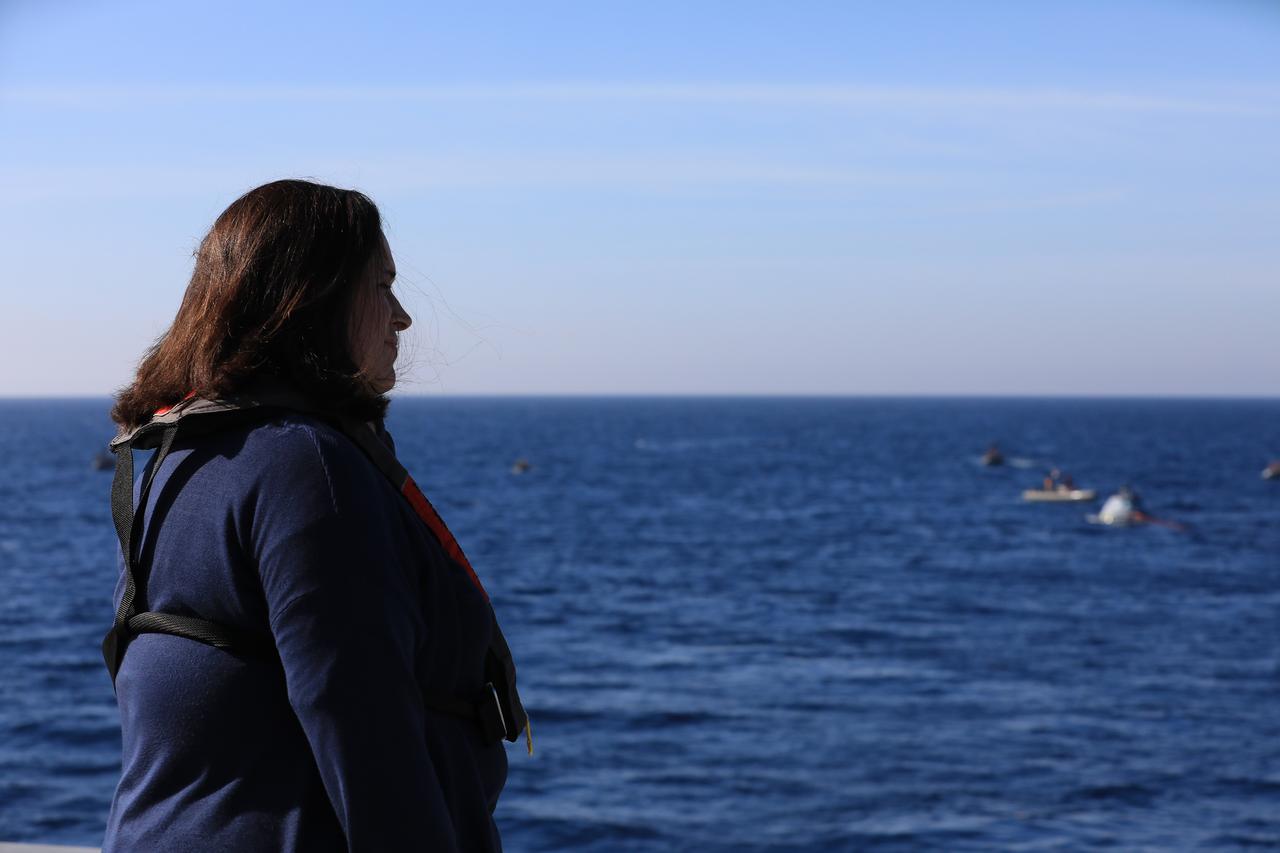
NASA's Landing and Recovery Director Melissa Jones observes recovery of a test version of the Orion capsule during Underway Recovery Test-7 (URT-7) on Oct. 31, 2018, onboard the ULL John P. Murtha, in the Pacific Ocean. URT-7 is one in a series of tests to verify and validate procedures and hardware that will be used to recover the Orion spacecraft after it splashes down in the Pacific Ocean following deep space exploration missions. Orion will have emergency abort capability, sustain the crew during space travel and provide safe re-entry from deep space return velocities.
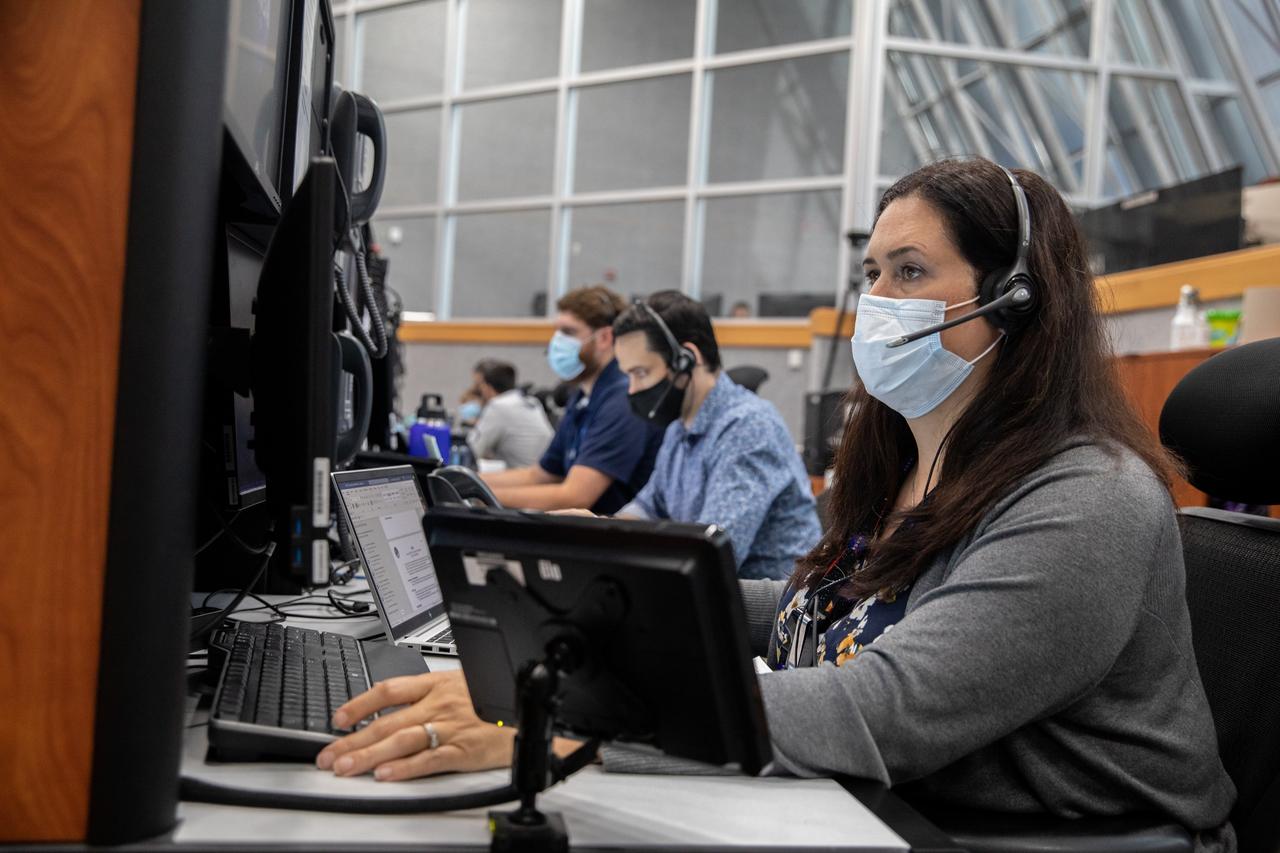
Artemis teams conduct the final simulation for the Artemis I mission inside the Launch Control Center at NASA’s Kennedy Space Center in Florida on Aug. 4, 2022. Artemis I will be the first integrated test of NASA’s Space Launch System (SLS) rocket and Orion spacecraft. During the flight, Orion will launch atop the most powerful rocket in the world and fly farther than any spacecraft for humans has ever flown. The spacecraft will stay in space longer than any human spacecraft has without docking to the International Space Station and return home faster than ever before. Shown here is Melissa Jones, Artemis I landing and recovery director.
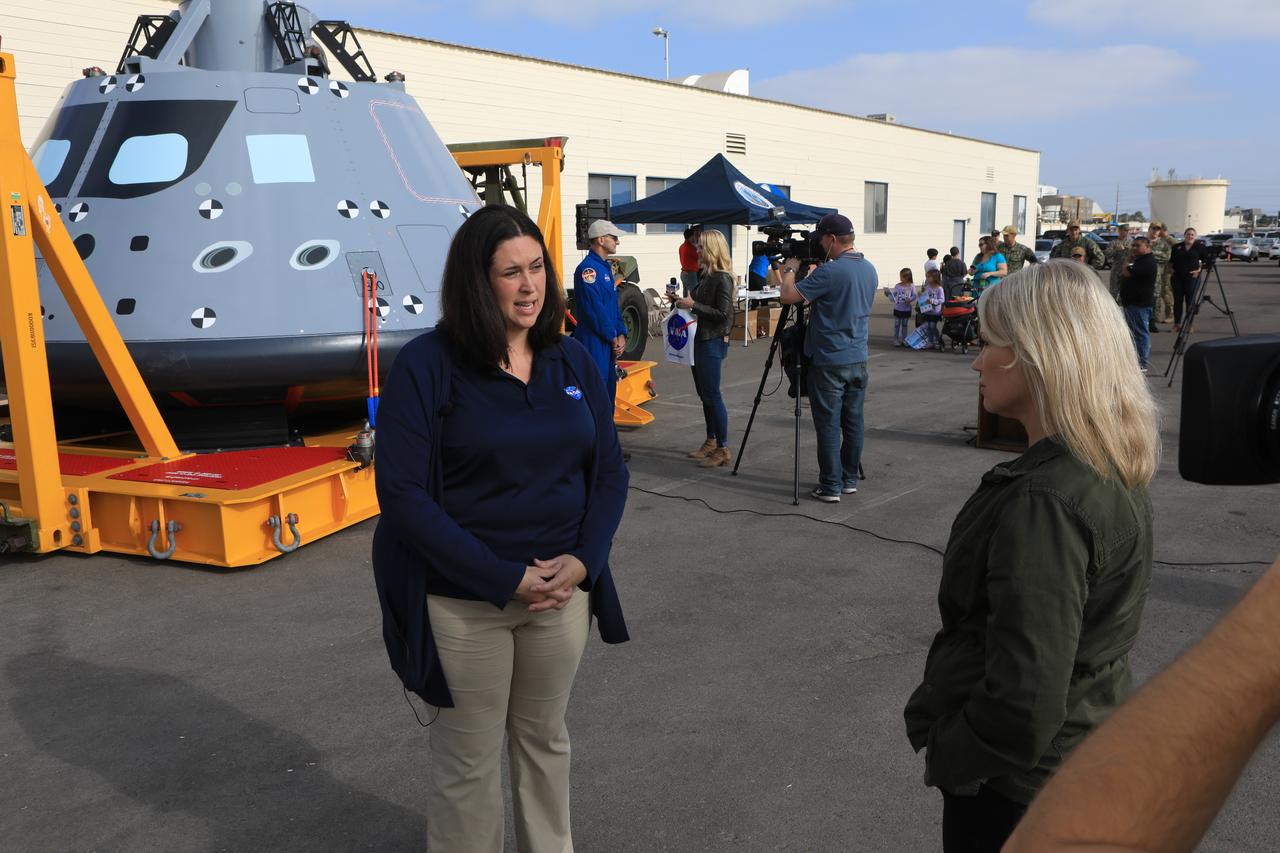
NASA Landing and Recovery Director Melissa Jones briefs the media on the success of Underway Recovery Test-7 on Nov. 7, 2018, at U.S. Naval Base San Diego. Behind her is the test version of the Orion crew module. All of the recovery equipment that was created to safely bring Orion home passed verification and validation testing. The Recovery Team, along with the U.S. Navy, practice recovering the Orion test version as part of URT-7 in the Pacific Ocean. URT-7 is one in a series of tests to verify and validate procedures and hardware that will be used to recover the Orion spacecraft after it splashes down in the Pacific Ocean following deep space exploration missions. Orion will have emergency abort capability, sustain the crew during space travel and provide safe re-entry from deep space return velocities.

NASA Landing and Recovery Director Melissa Jones briefs the media on the success of Underway Recovery Test-7 on Nov. 7, 2018, at U.S. Naval Base San Diego. Behind her is the test version of the Orion crew module. All of the recovery equipment that was created to safely bring Orion home passed verification and validation testing. The Recovery Team, along with the U.S. Navy, practice recovering the Orion test version as part of URT-7 in the Pacific Ocean. URT-7 is one in a series of tests to verify and validate procedures and hardware that will be used to recover the Orion spacecraft after it splashes down in the Pacific Ocean following deep space exploration missions. Orion will have emergency abort capability, sustain the crew during space travel and provide safe re-entry from deep space return velocities.
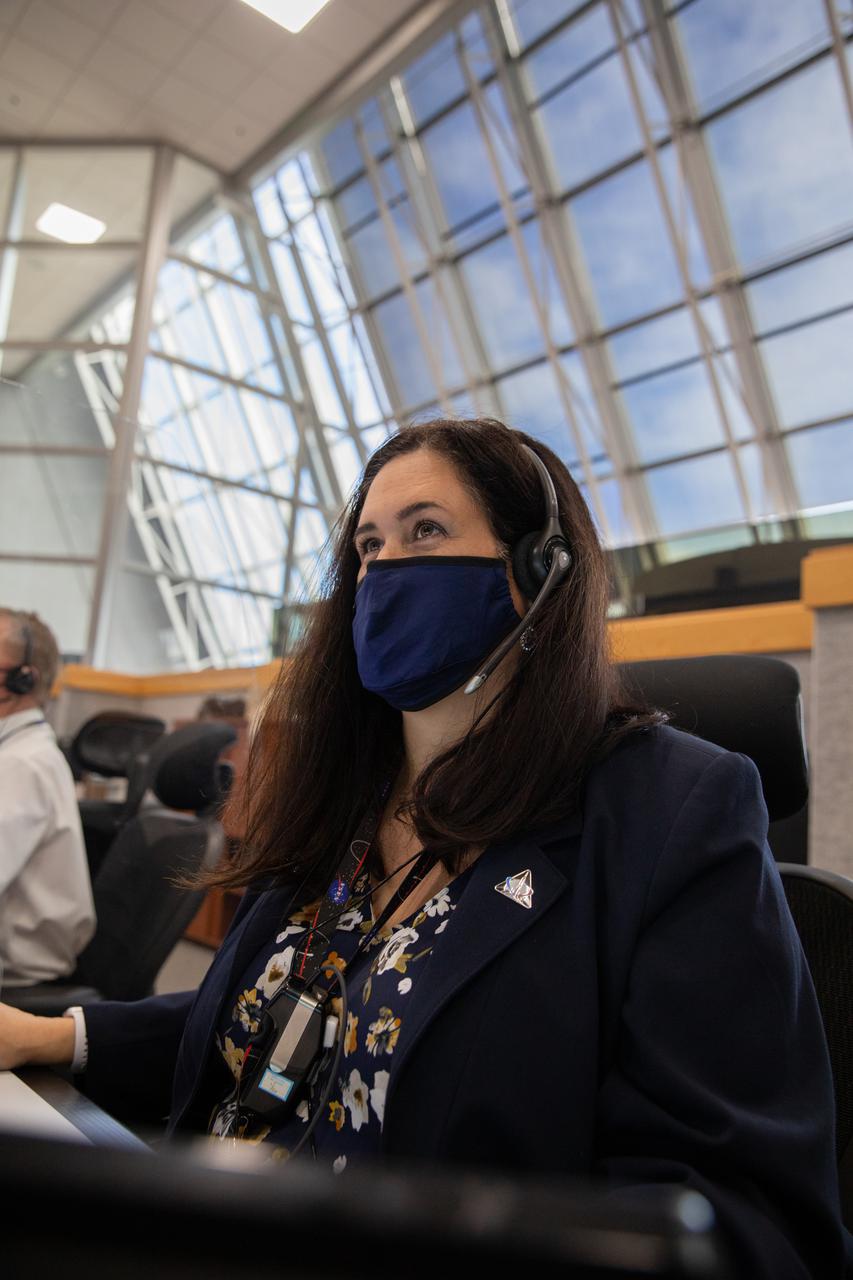
Melissa Jones, Landing and Recovery director, NASA’s Exploration Ground Systems, participates in the 11th terminal countdown simulation for the Artemis I launch inside Kennedy Space Center’s Launch Control Center on Oct. 14, 2021. The event marked the first time members of NASA’s mission management team, launch team, and contractor Jacobs conducted the simulation together. During Artemis I, the agency’s Orion spacecraft will lift off from Kennedy aboard NASA’s most powerful rocket – the Space Launch System – to fly farther than any spacecraft built for humans has ever flown. Through NASA’s Artemis missions, the agency, along with commercial and international partners, will establish a sustainable human presence on the Moon to prepare for missions to Mars.
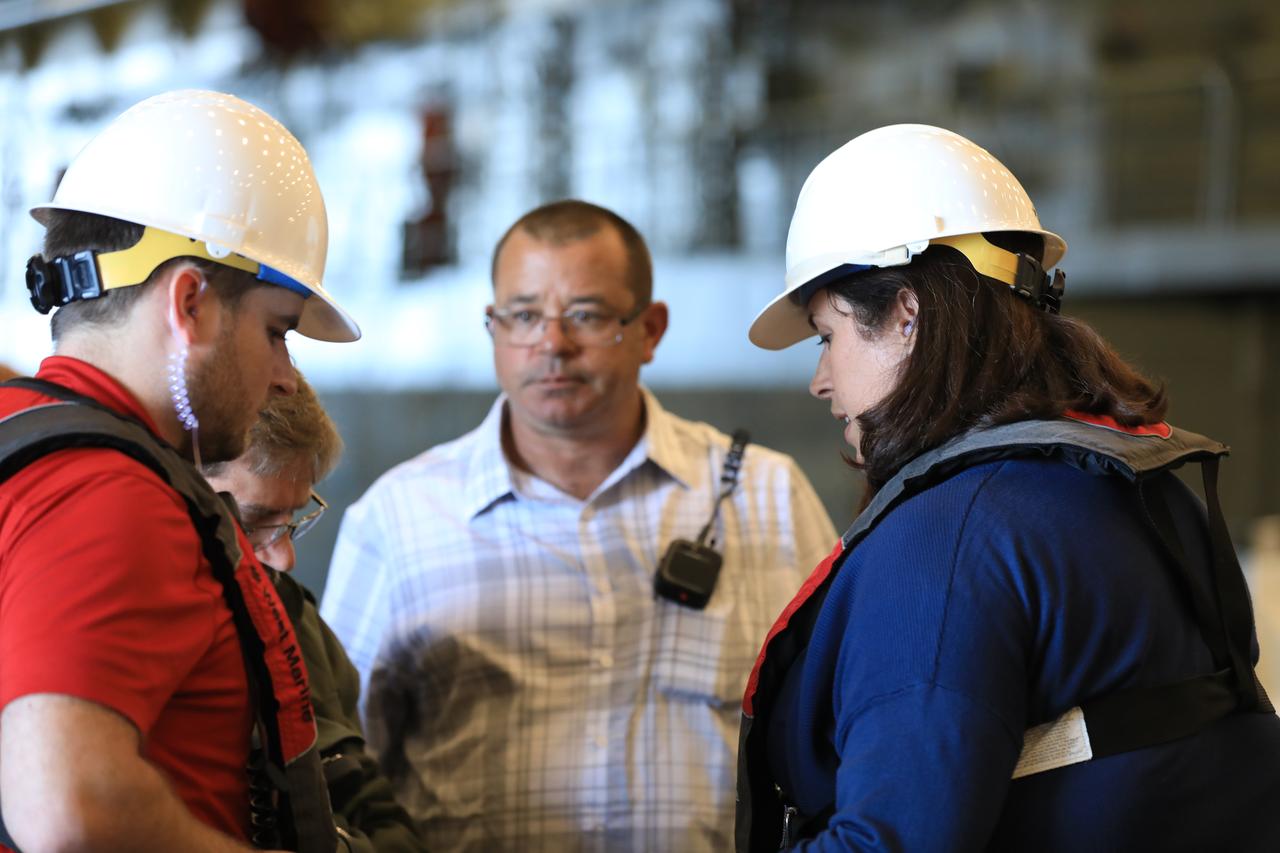
Inside a U.S. Navy ship, Exploration Ground Systems (EGS) Landing and Recovery Director Melissa Jones, at right, briefs her team on Oct. 30, 2018, before they begin Underway Recovery Test-7 (URT-7). EGS and the U.S. Navy will use a test version of the Orion crew module, several rigid hull inflatable boats and support equipment to verify and validate processes, procedures, hardware and personnel during recovery of Orion in open waters. URT-7 is one in a series of tests to verify and validate procedures and hardware that will be used to recover the Orion spacecraft after it splashes down in the Pacific Ocean following deep space exploration missions. Orion will have emergency abort capability, sustain the crew during space travel and provide safe re-entry from deep space return velocities.

NASA Landing and Recovery Director Melissa Jones, left, talks to recovery team members inside the USS John P. Murtha on Nov. 4, 2018, during Underway Recovery Test-7. During URT-7, the team practices recovering a test version of the Orion capsule from the Pacific Ocean and towing it into the well deck of the ship. URT-7 is one in a series of tests conducted by the Exploration Ground Systems Recovery Team to verify and validate procedures and hardware that will be used to recover the Orion spacecraft after it splashes down in the Pacific Ocean following deep space exploration missions. Orion will have emergency abort capability, sustain the crew during space travel and provide safe re-entry from deep space return velocities.
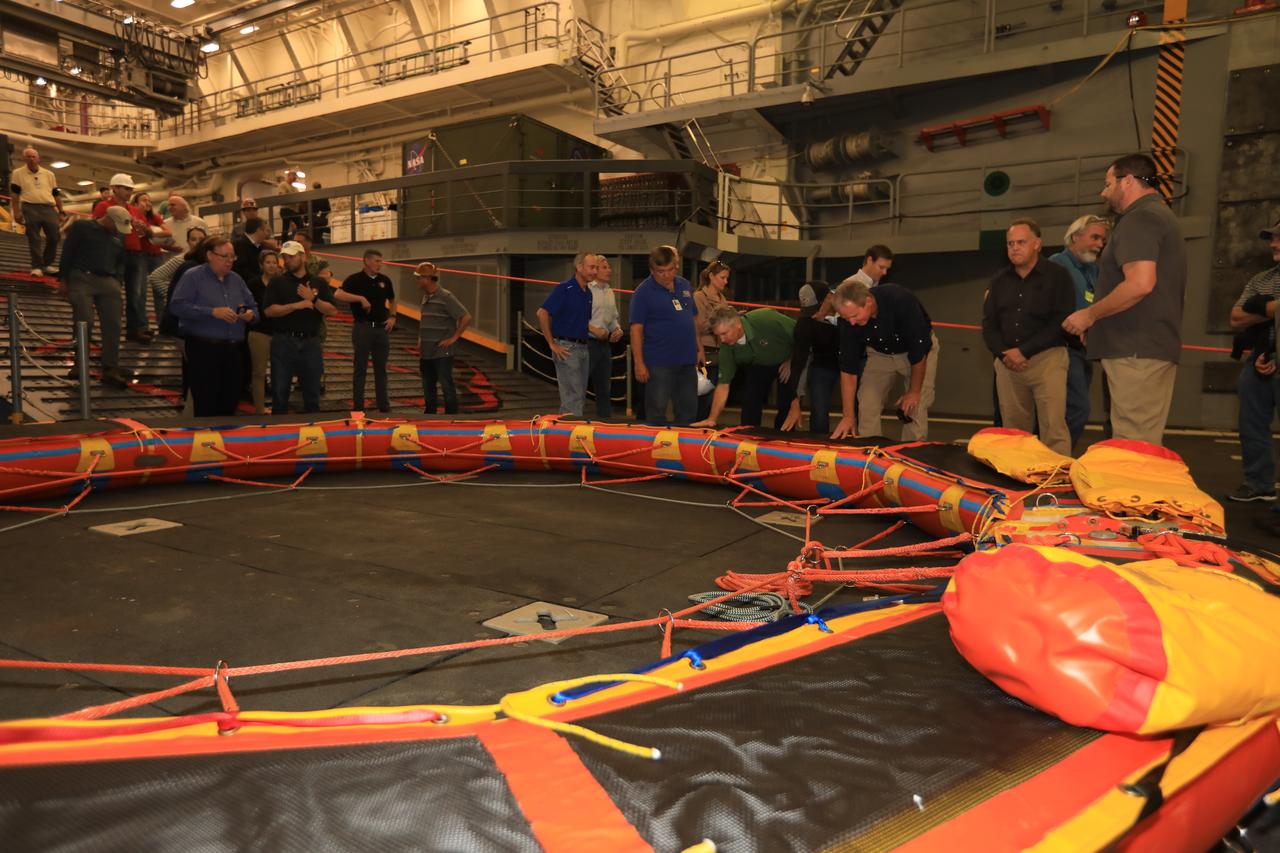
Landing and Recovery Director Melissa Jones gives senior leaders from around NASA a familiarization tour onboard a U.S. Navy ship on Oct. 29, 2018, as the Exploration Ground Systems (EGS) recovery team prepares for Underway Recovery Test-7 (URT-7). EGS and the U.S. Navy will use a test version of the Orion crew module, several rigid hull inflatable boats and support equipment to verify and validate processes, procedures, hardware and personnel during recovery of Orion in open waters. URTs are a series of tests to ensure all systems are go when recovering the Orion crew capsule and astronauts onboard in the future. Orion will have emergency abort capability, sustain the crew during space travel and provide safe re-entry from deep space return velocities.
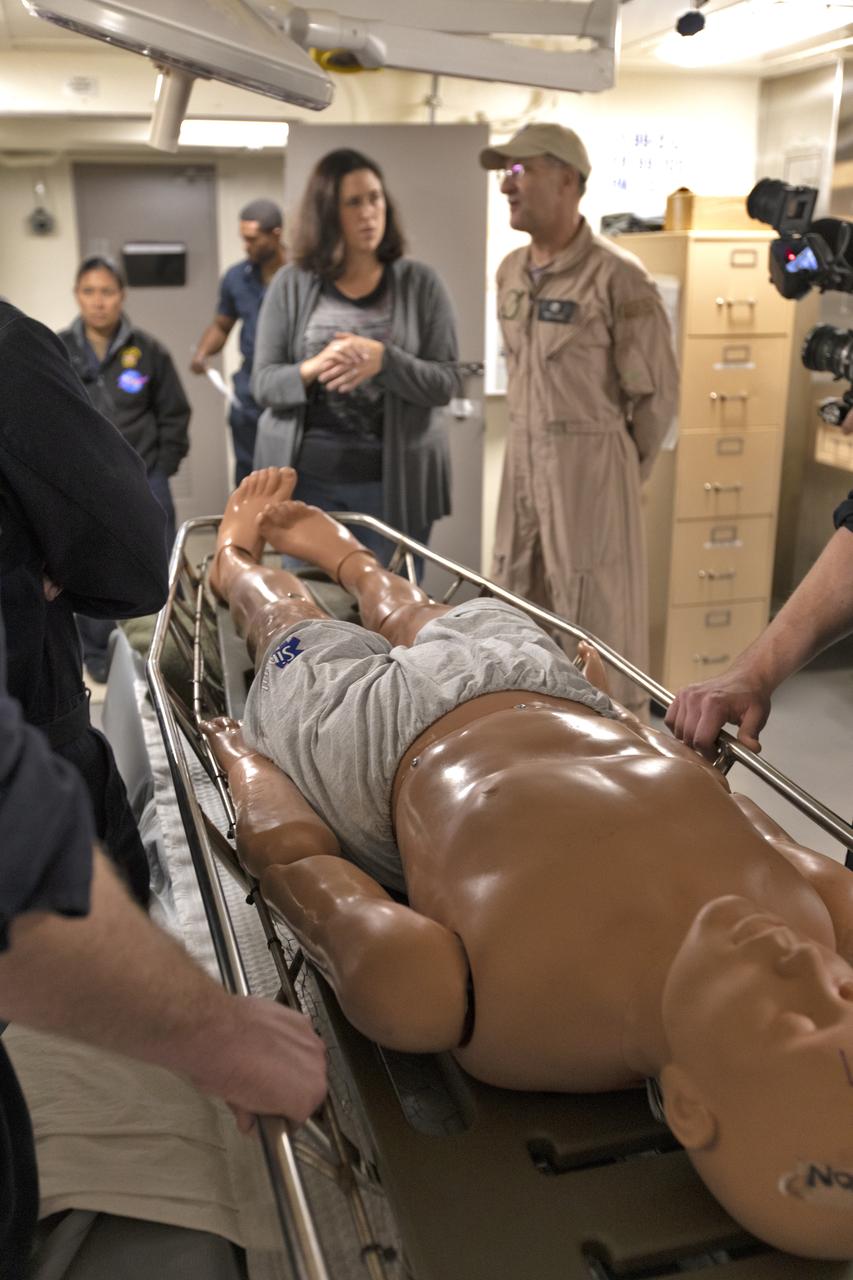
U.S. Navy recovery team members practice bringing an astronaut aboard the USS John P. Murtha, using a dummy, during Underway Recovery Test-7 (URT-7) on Nov. 5, 2018. NASA astronaut Don Pettit, in tan coveralls, looks on and discusses plans for moving the astronauts after returning from deep space. At left is Melissa Jones, NASA Landing and Recovery director. NASA's Recovery Team, along with the U.S. Navy, are practicing recovery of a test version of the Orion in the Pacific Ocean. URT-7 is one in a series of tests to verify and validate procedures and hardware that will be used to recover the Orion spacecraft after it splashes down in the Pacific Ocean following deep space exploration missions. Orion will have emergency abort capability, sustain the crew during space travel and provide safe re-entry from deep space return velocities.
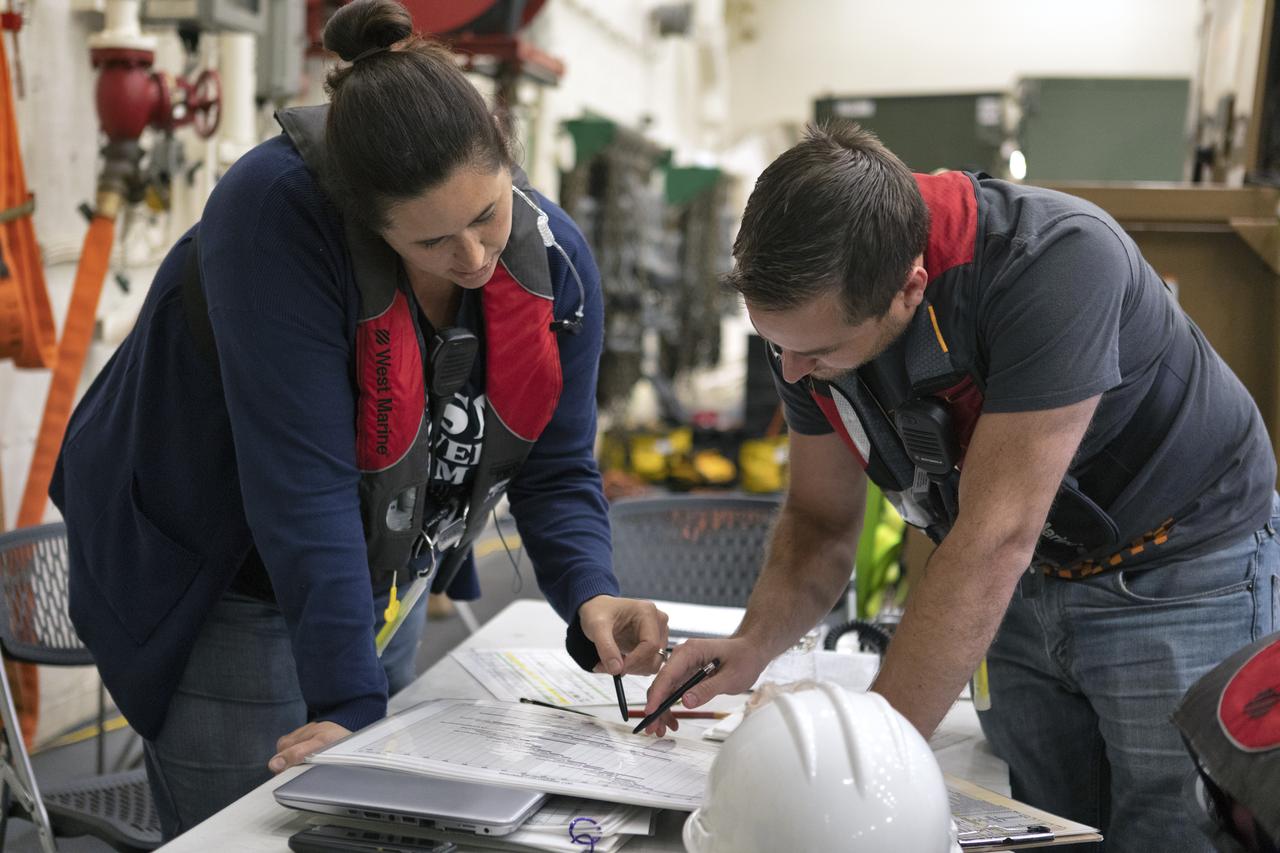
NASA Landing and Recovery Director Melissa Jones, left, reviews procedures with a recovery team member inside the USS John P. Murtha on Nov. 4, 2018, during Underway Recovery Test-7. During URT-7, the team practices recovering a test version of the Orion capsule from the Pacific Ocean and towing it into the well deck of the ship. URT-7 is one in a series of tests conducted by the Exploration Ground Systems Recovery Team to verify and validate procedures and hardware that will be used to recover the Orion spacecraft after it splashes down in the Pacific Ocean following deep space exploration missions. Orion will have emergency abort capability, sustain the crew during space travel and provide safe re-entry from deep space return velocities.
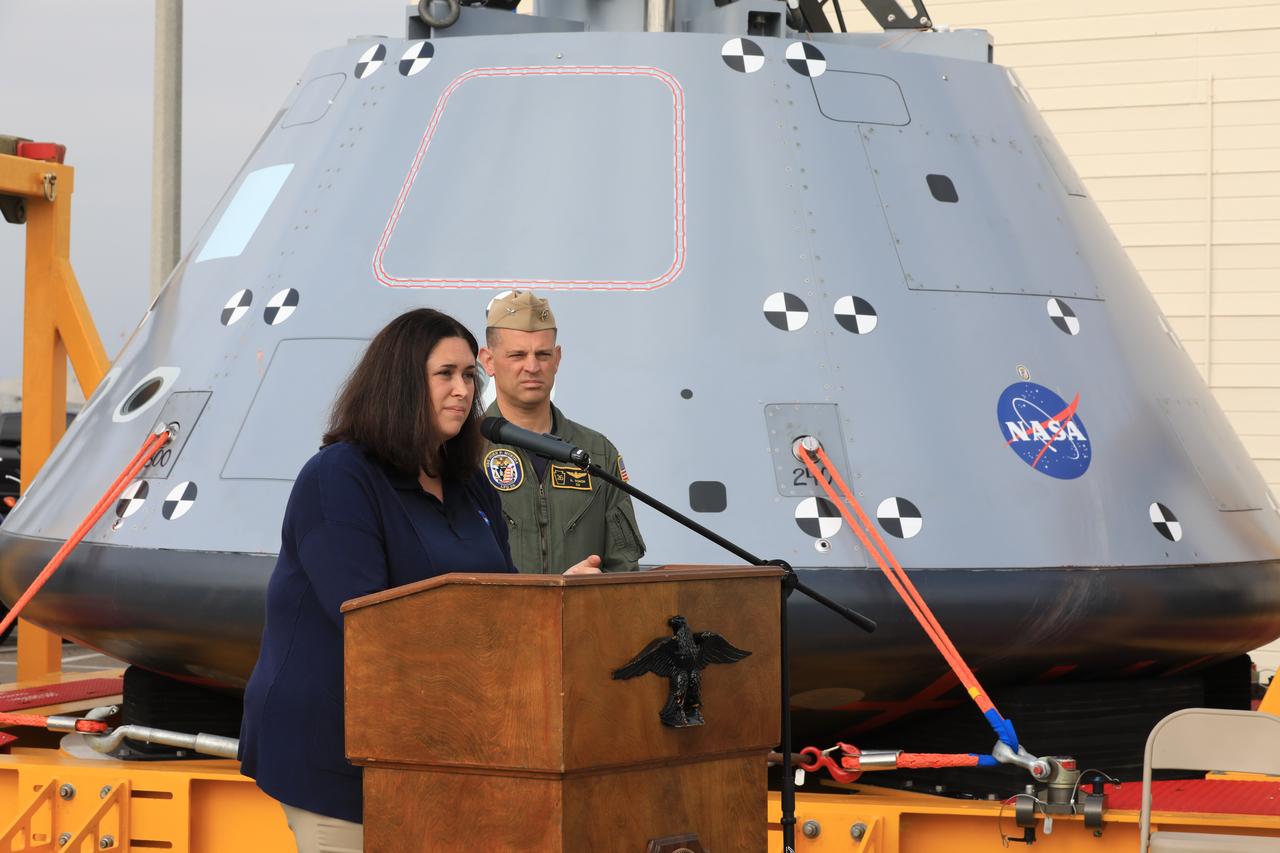
NASA Landing and Recovery Director Melissa Jones briefs the media on the success of Underway Recovery Test-7 on Nov. 7, 2018, at U.S. Naval Base San Diego. Behind her is the test version of the Orion crew module. All of the recovery equipment that was created to safely bring Orion home passed verification and validation testing. The Recovery Team, along with the U.S. Navy, practice recovering the Orion test version as part of URT-7 in the Pacific Ocean. URT-7 is one in a series of tests to verify and validate procedures and hardware that will be used to recover the Orion spacecraft after it splashes down in the Pacific Ocean following deep space exploration missions. Orion will have emergency abort capability, sustain the crew during space travel and provide safe re-entry from deep space return velocities.
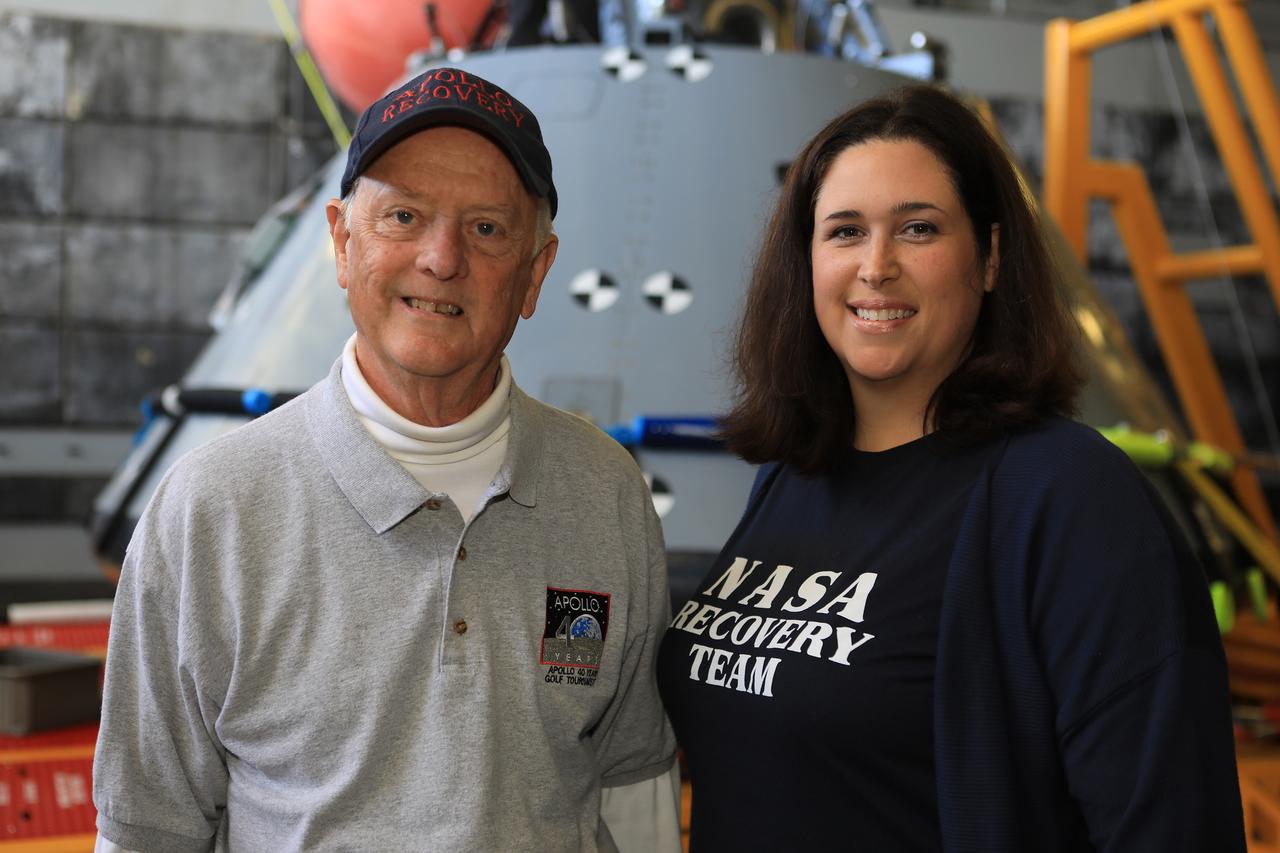
Apollo-era recovery engineer Milt Heflin, left, and NASA's Landing and Recovery Director Melissa Jones take time out from Underway Recovery Test-7 (URT-7) to pose in front of a test version of the Orion capsule in the well deck of the USS John P. Murtha on Nov. 3, 2018. The capsule is being used during testing. URT-7 is one in a series conducted by the Exploration Ground Systems Recovery Team to verify and validate procedures and hardware that will be used to recover the Orion spacecraft after it splashes down in the Pacific Ocean following deep space exploration missions. Orion will have emergency abort capability, sustain the crew during space travel and provide safe re-entry from deep space return velocities.
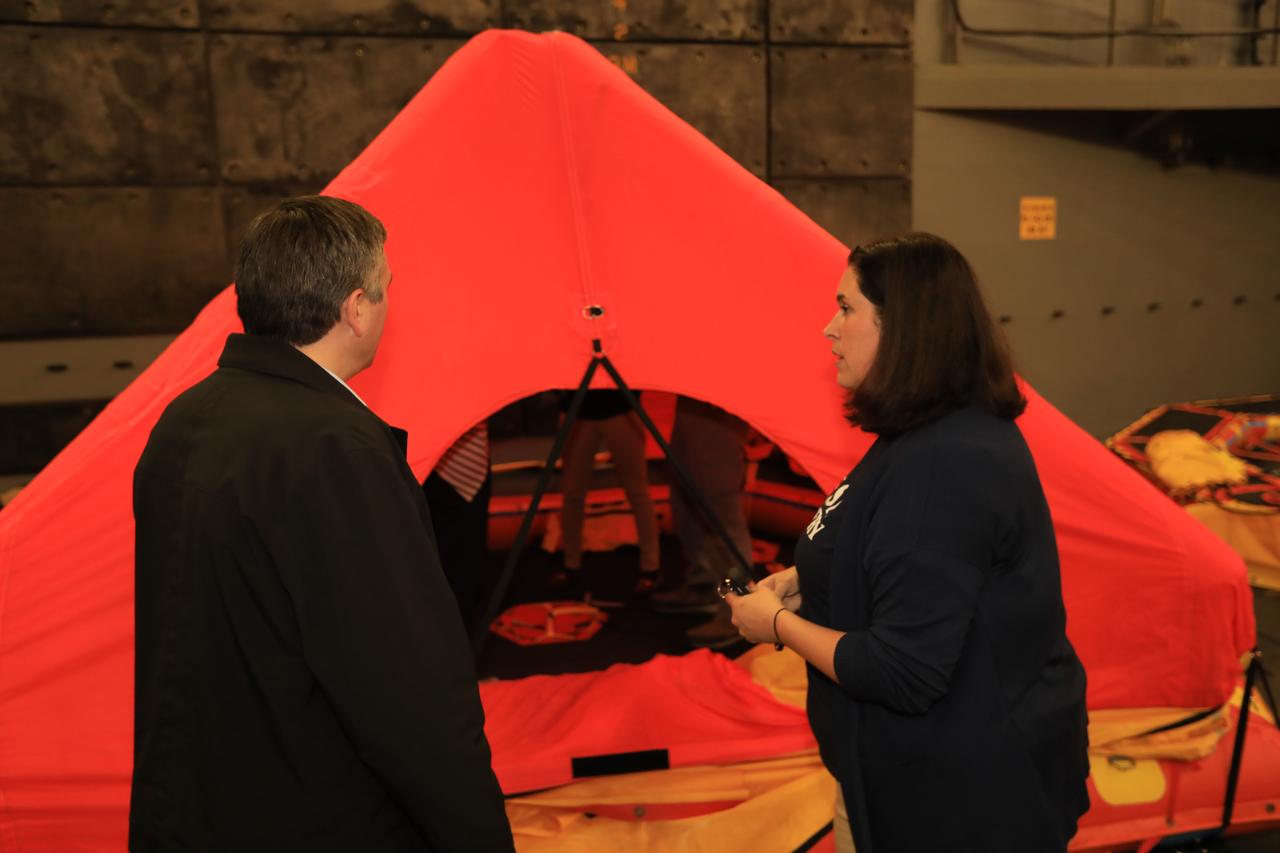
NASA Landing and Recovery Director Melissa Jones, at right, and Exploration Mission-1 Mission Manager Mike Sarafin discuss the benefits that the front porch will provide to astronauts after splashing down in the Orion crew capsule on future missions. Senior leaders from around NASA receive a familiarization tour by the Exploration Ground Systems (EGS) recovery team on Oct. 29, 2018, as they prepare for Underway Recovery Test-7 (URT-7). EGS and the U.S. Navy will use a test version of the Orion crew module, several rigid hull inflatable boats and support equipment to verify and validate processes, procedures, hardware and personnel during recovery of Orion in open waters. URTs are a series of tests to ensure all systems are go when recovering the Orion crew capsule and astronauts onboard in the future. Orion will have emergency abort capability, sustain the crew during space travel and provide safe re-entry from deep space return velocities.
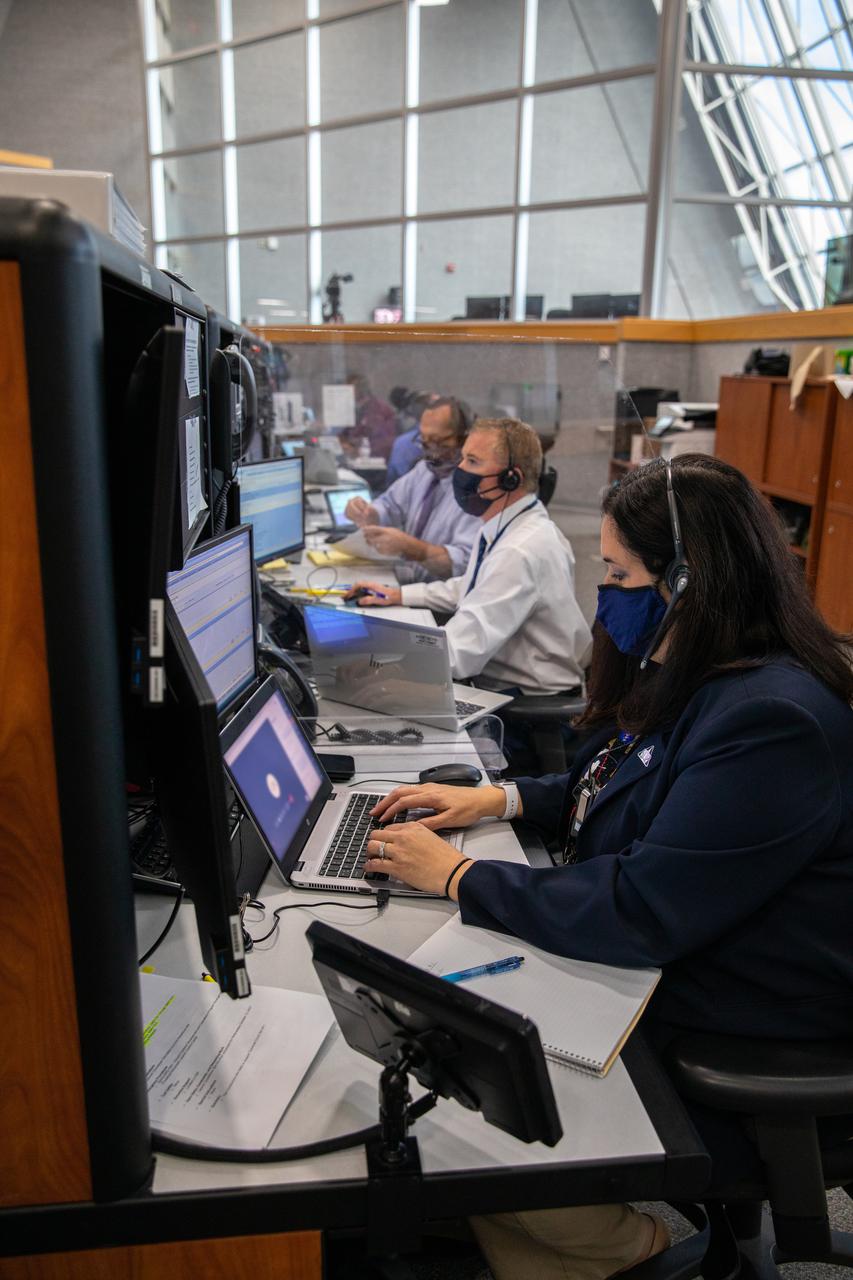
From left, John Kracsun and Keith Lawton, test conductors for contractor Jacobs, and Melissa Jones, Landing and Recovery director, NASA’s Exploration Ground Systems, participate in the 11th terminal countdown simulation for the Artemis I launch inside Kennedy Space Center’s Launch Control Center on Oct. 14, 2021. The event marked the first time members of NASA’s mission management team, launch team, and Jacobs conducted the simulation together. During Artemis I, the agency’s Orion spacecraft will lift off from Kennedy aboard NASA’s most powerful rocket – the Space Launch System – to fly farther than any spacecraft built for humans has ever flown. Through NASA’s Artemis missions, the agency, along with commercial and international partners, will establish a sustainable human presence on the Moon to prepare for missions to Mars.
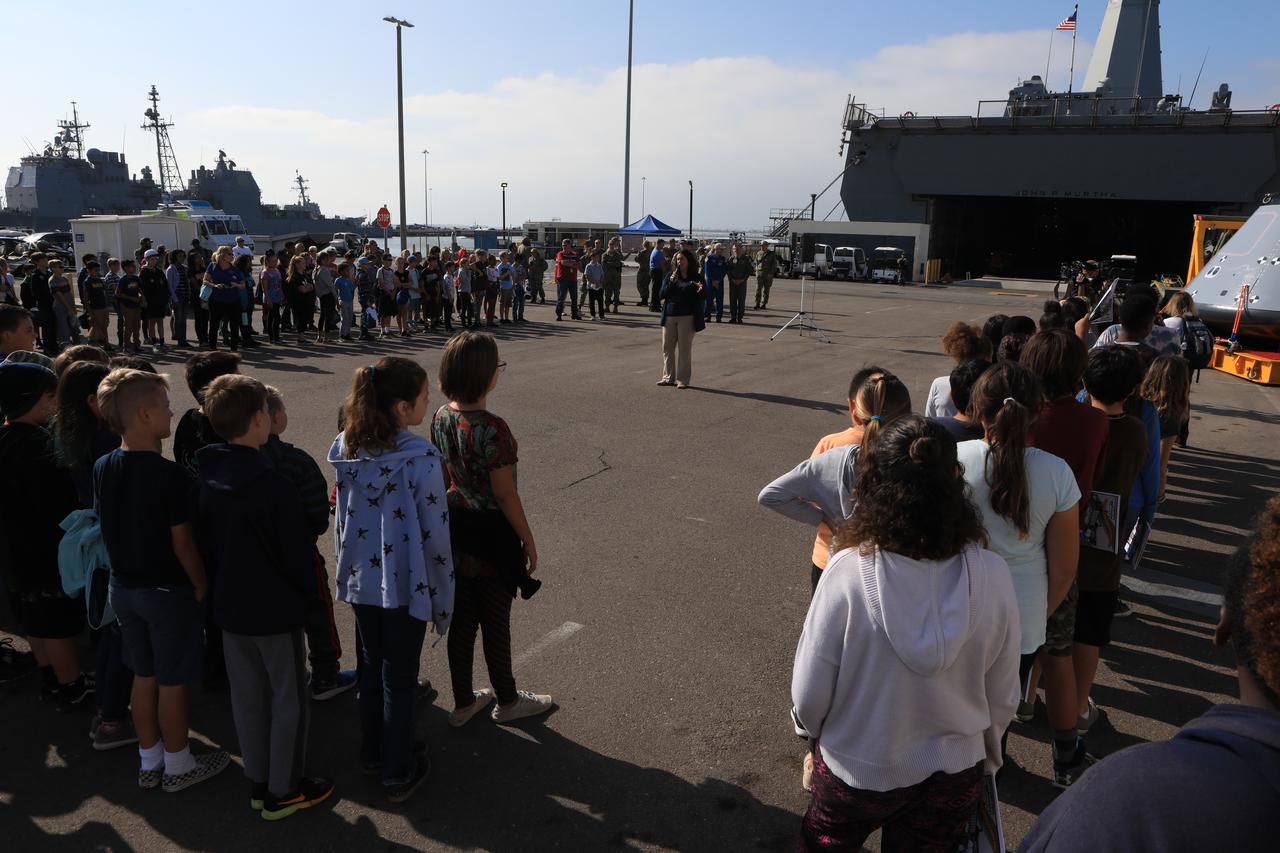
NASA Landing and Recovery Director Melissa Jones talks to students, members of the media and the general public about the success of Underway Recovery Test-7 on Nov. 7, 2018, at U.S. Naval Base San Diego. All of the recovery equipment that was created to safely bring Orion home passed verification and validation testing. The Recovery Team, along with the U.S. Navy, practice recovering the Orion test version as part of URT-7 in the Pacific Ocean. URT-7 is one in a series of tests to verify and validate procedures and hardware that will be used to recover the Orion spacecraft after it splashes down in the Pacific Ocean following deep space exploration missions. Orion will have emergency abort capability, sustain the crew during space travel and provide safe re-entry from deep space return velocities.
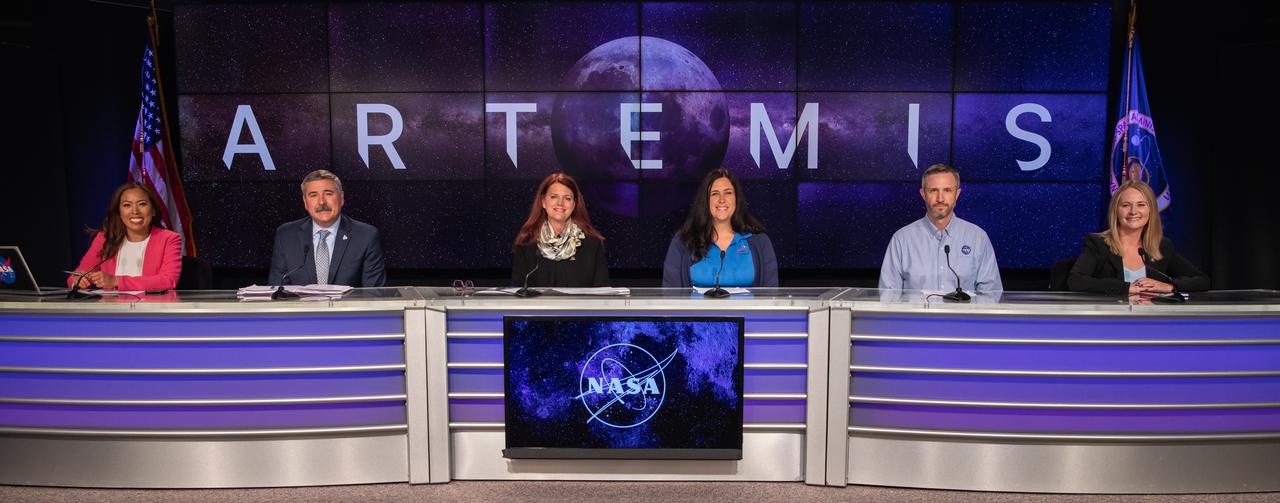
From left, Megan Cruz, NASA Communications; Mike Sarafin, Artemis mission manager, NASA Headquarters; Charlie Blackwell-Thompson, Artemis launch director, Kennedy Space Center; Melissa Jones, recovery director, Exploration Ground Systems Program, Kennedy; Jacob Bleacher, chief exploration scientist, Exploration Systems Development Mission Directorate, NASA Headquarters; and Melody Lovin, weather officer, Space Launch Delta 45, participate in an Artemis I mission status press briefing at Kennedy on Aug. 27, 2022. NASA’s Space Launch System rocket and Orion spacecraft are targeted to lift off from Kennedy’s Launch Complex 39B no earlier than Aug. 29, 2022, at 8:33 a.m. EDT.
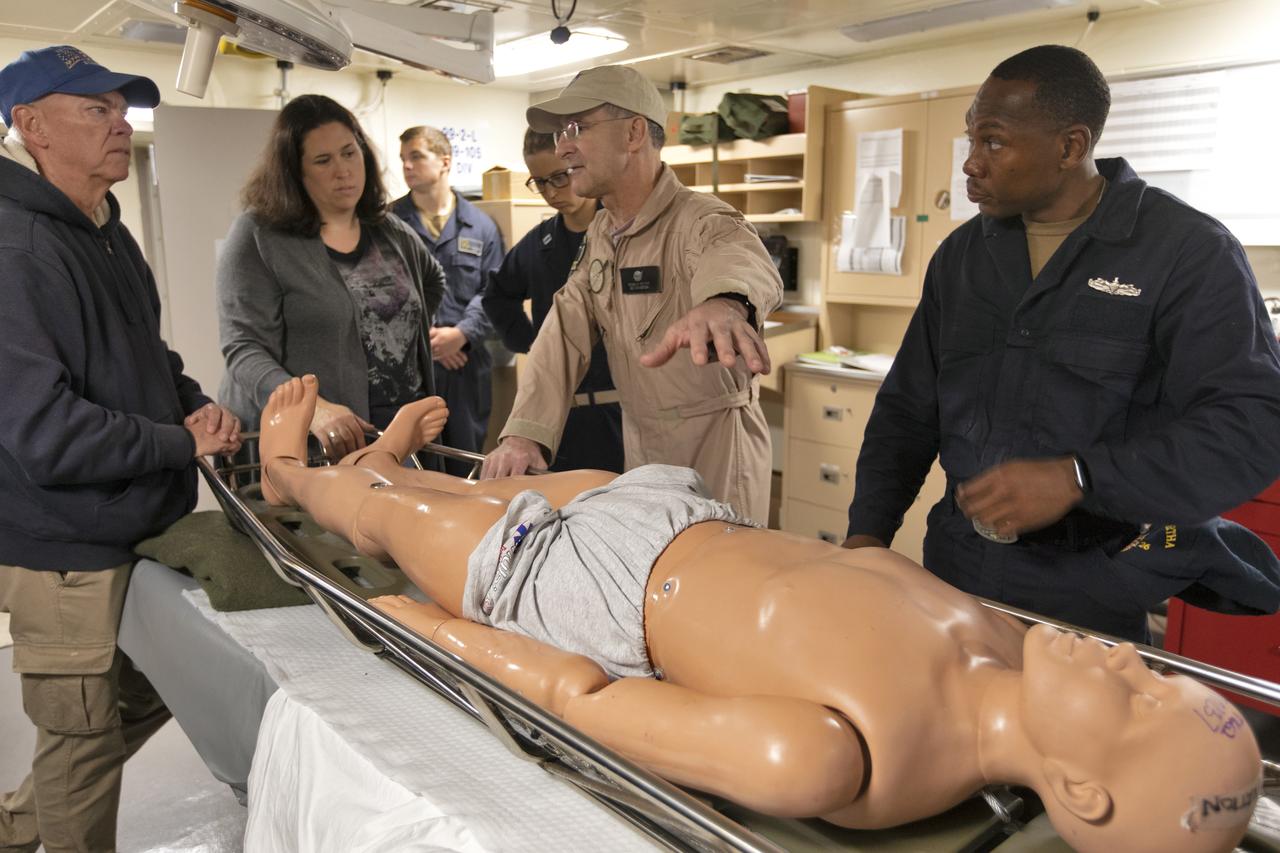
U.S. Navy recovery team members practice bringing an astronaut aboard the USS John P. Murtha, using a dummy, during Underway Recovery Test-7 (URT-7) on Nov. 5, 2018. NASA astronaut Don Pettit, in tan coveralls, looks on and discusses plans for moving the astronauts after returning from deep space. At left is Melissa Jones, NASA Landing and Recovery director. NASA's Recovery Team, along with the U.S. Navy, are practicing recovery of a test version of the Orion in the Pacific Ocean. URT-7 is one in a series of tests to verify and validate procedures and hardware that will be used to recover the Orion spacecraft after it splashes down in the Pacific Ocean following deep space exploration missions. Orion will have emergency abort capability, sustain the crew during space travel and provide safe re-entry from deep space return velocities.
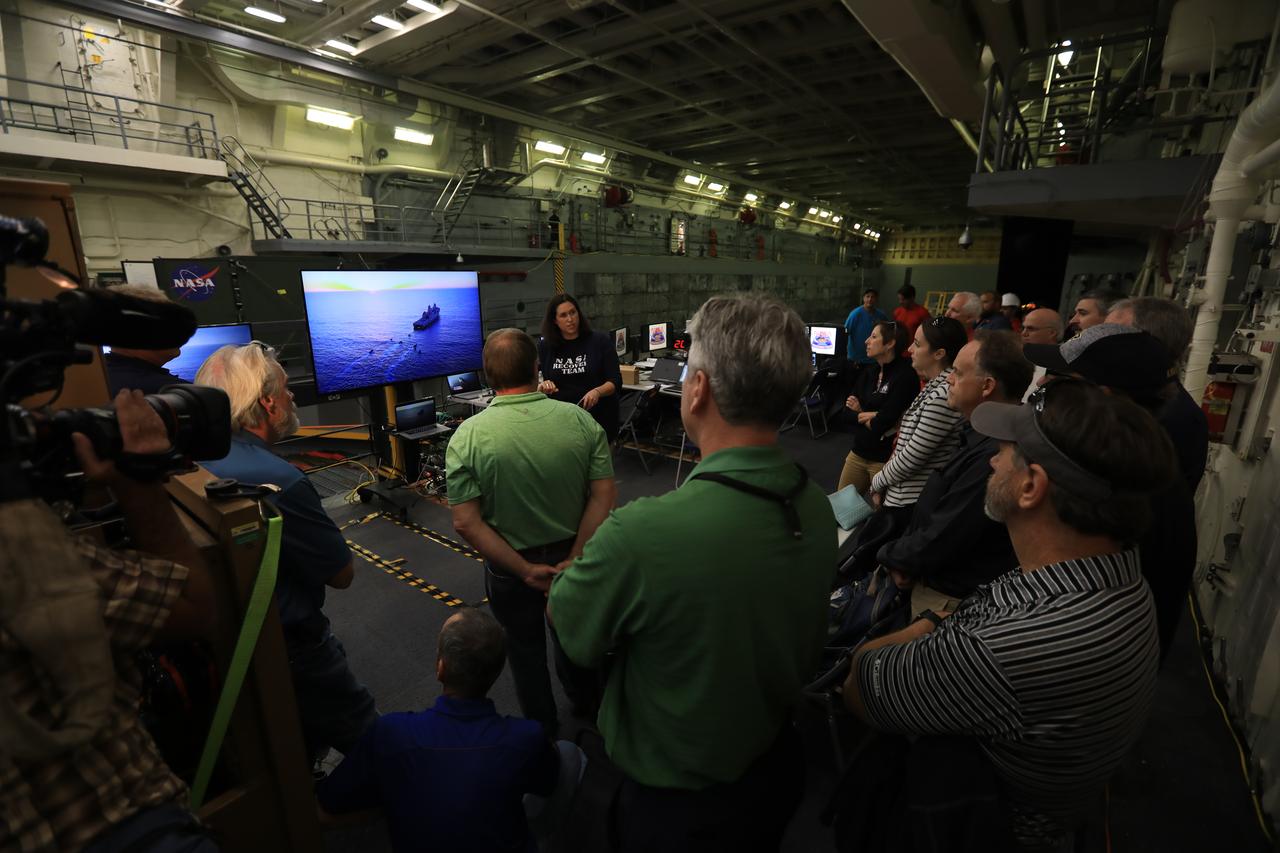
Landing and Recovery Director Melissa Jones, standing in center, gives senior leaders from around NASA a familiarization tour onboard a U.S. Navy ship on Oct. 29, 2018, as the Exploration Ground Systems (EGS) recovery team prepares for Underway Recovery Test-7 (URT-7). EGS and the U.S. Navy will use a test version of the Orion crew module, several rigid hull inflatable boats and support equipment to verify and validate processes, procedures, hardware and personnel during recovery of Orion in open waters. URTs are a series of tests to ensure all systems are go when recovering the Orion crew capsule and astronauts onboard in the future. Orion will have emergency abort capability, sustain the crew during space travel and provide safe re-entry from deep space return velocities.
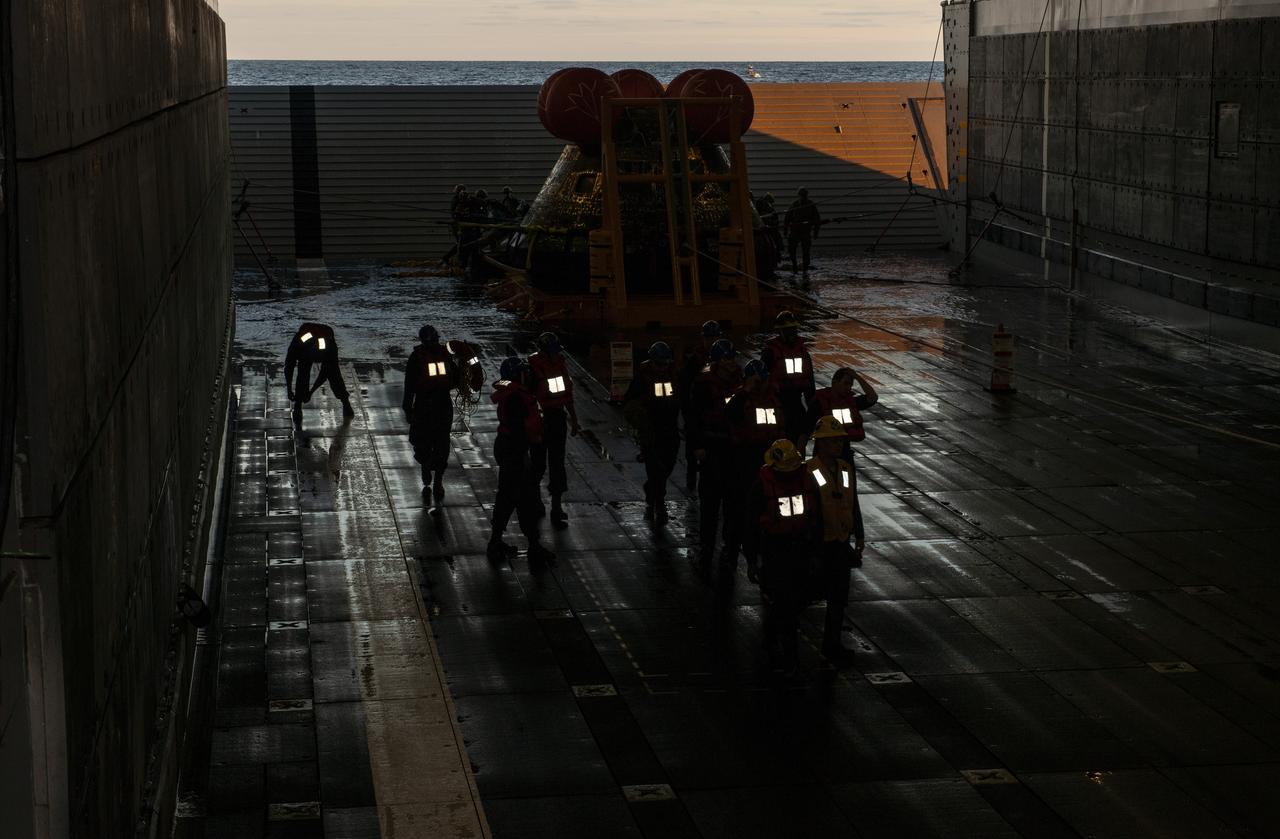
Members of NASA's Landing and Recovery Team, the U.S. Navy and the Department of Defense help bring NASA's Orion spacecraft inside the well deck of the USS Portland on Dec. 11, 2022 2022 off the coast of Baja California. After launching atop the Space Launch System rocket on Nov. 16, 2022 from the agency’s Kennedy Space Center in Florida, Orion spent 25.5 days in space before returning to Earth, completing the Artemis I mission.
Team members with NASA’s Exploration Ground Systems program successfully removed the Artemis I Orion spacecraft from the USS Portland Dec. 14, after the ship arrived at U.S. Naval Base San Diego.
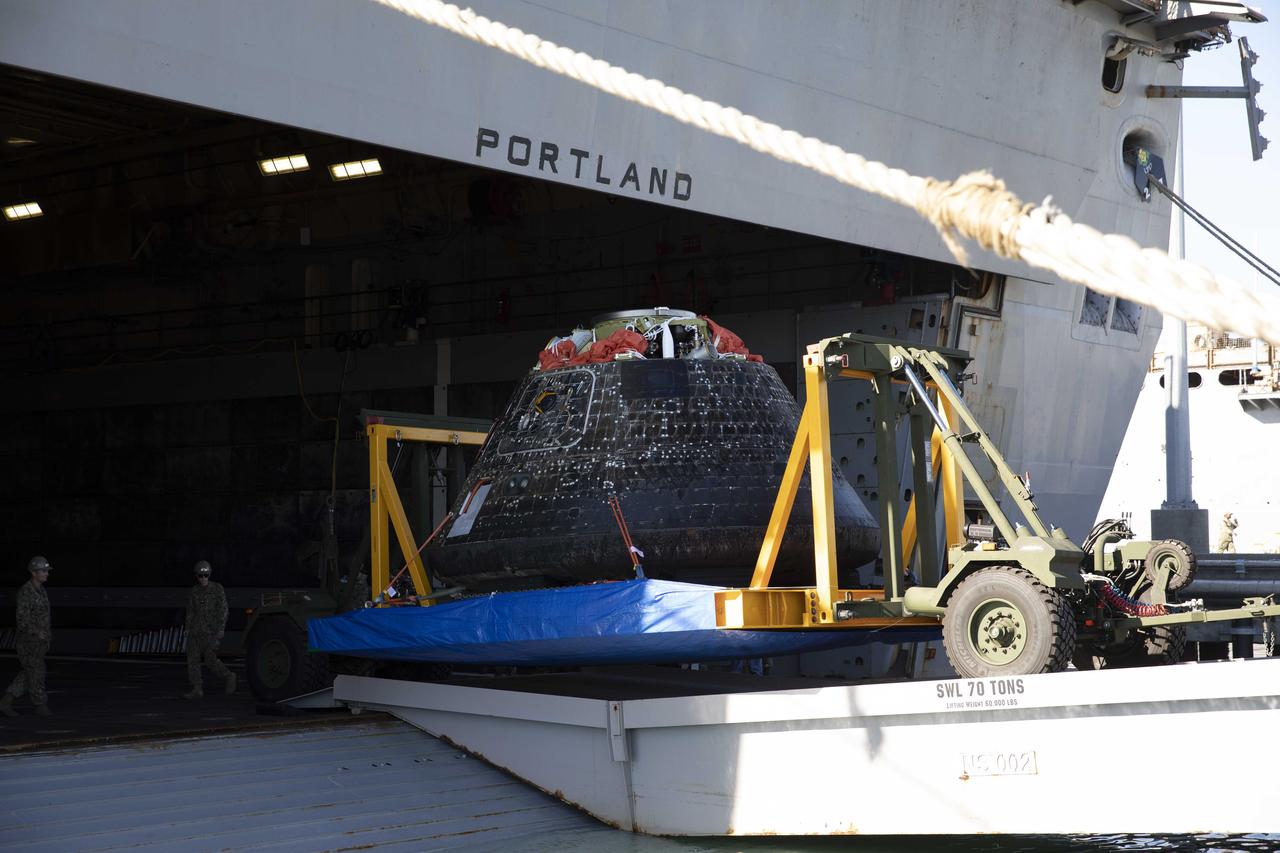
NASA’s Orion spacecraft for the Artemis I mission was successfully recovered inside the well deck of the USS Portland on Dec. 11, 2022 off the coast of Baja California. After launching atop the Space Launch System rocket on Nov. 16, 2022 from the agency’s Kennedy Space Center in Florida, Orion spent 25.5 days in space before returning to Earth, completing the Artemis I mission.
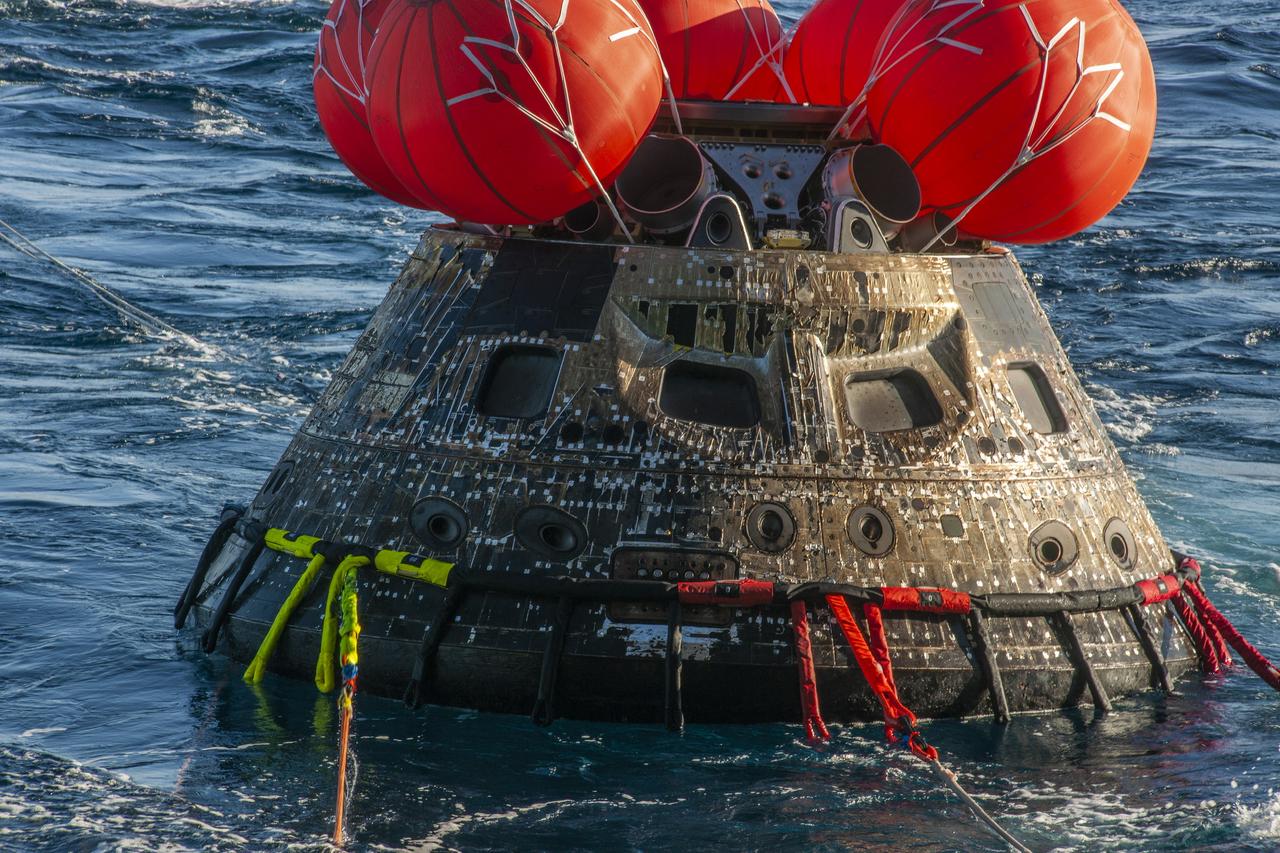
NASA’s Orion spacecraft for the Artemis I mission was successfully recovered inside the well deck of the USS Portland on Dec. 11, 2022 off the coast of Baja California. After launching atop the Space Launch System rocket on Nov. 16, 2022 from the agency’s Kennedy Space Center in Florida, Orion spent 25.5 days in space before returning to Earth, completing the Artemis I mission.
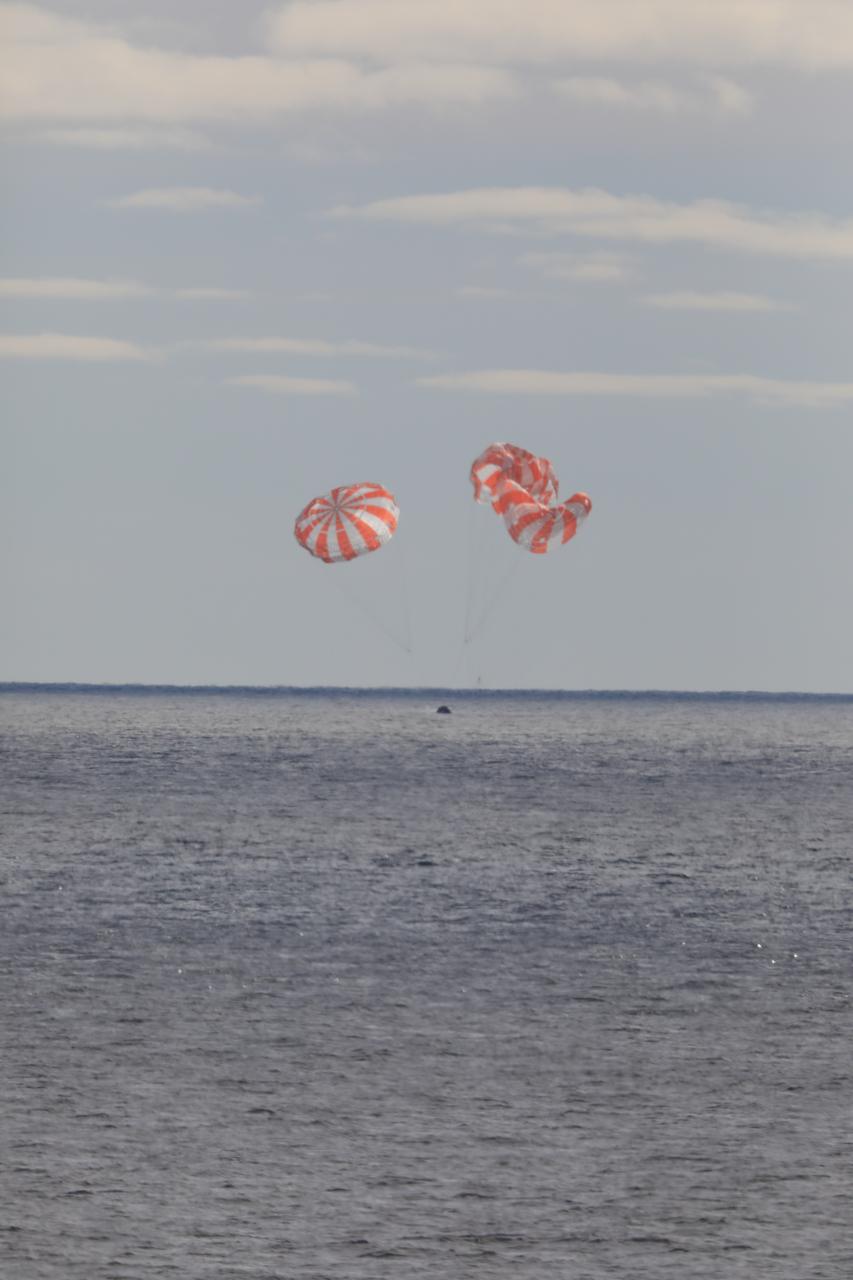
At 12:40 p.m. EST, Dec. 11, 2022, NASA’s Orion spacecraft for the Artemis I mission splashed down in the Pacific Ocean after a 25.5 day mission to the Moon. Orion will be recovered by NASA’s Landing and Recovery team, U.S. Navy and Department of Defense partners aboard the USS Portland.
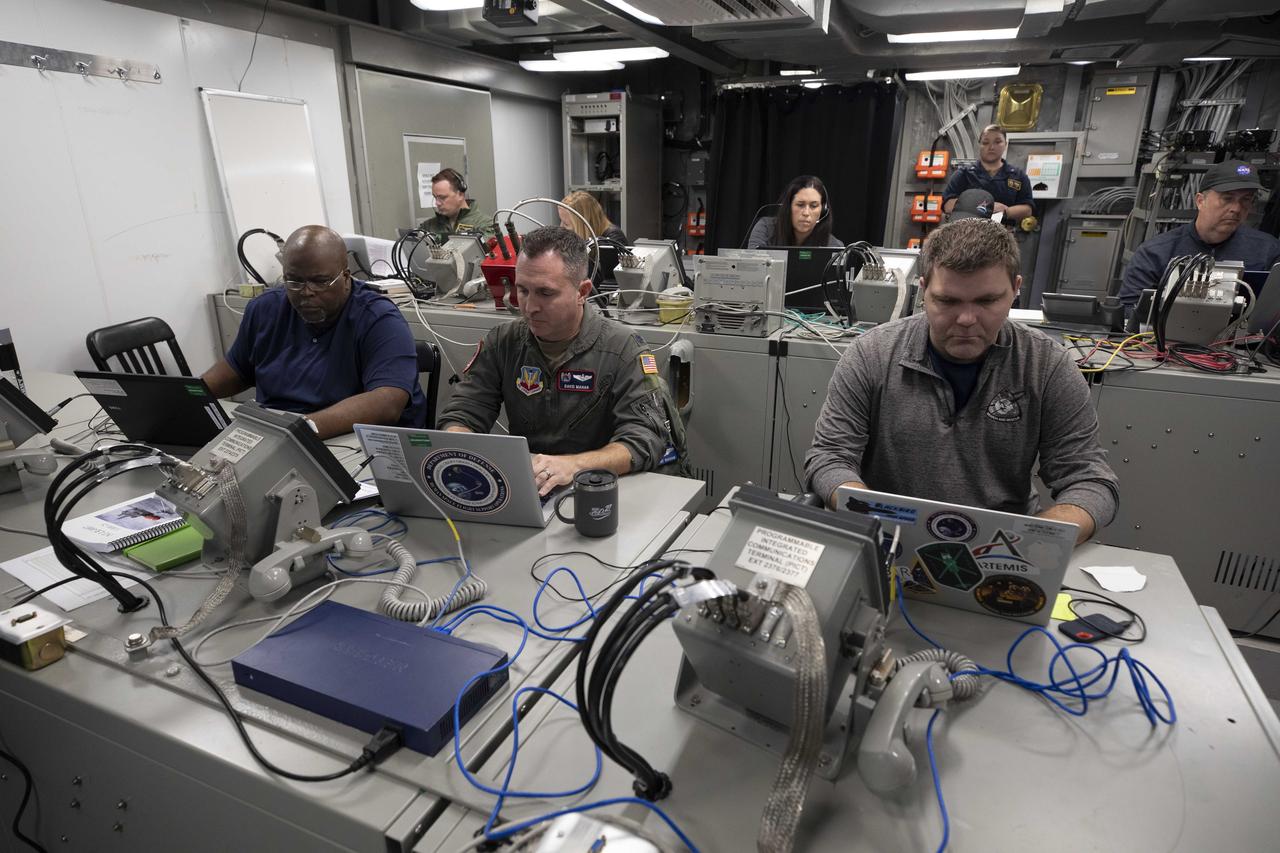
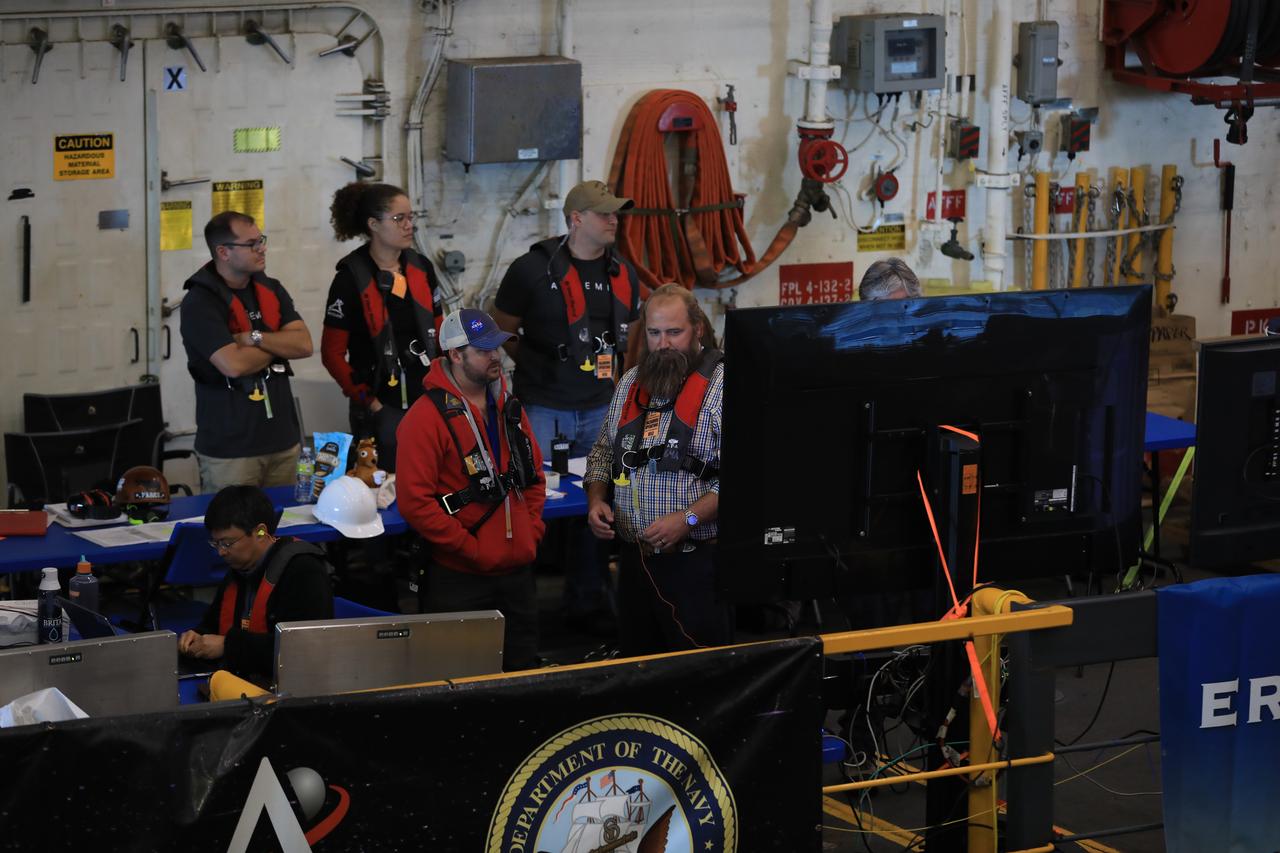
Inside a control room aboard USS Portland, members and leaders of NASA’s Landing and Recovery team run through preparations and procedures ahead of the Orion Spacecraft’s return from the Moon on Dec. 11 as part of the Artemis I mission.
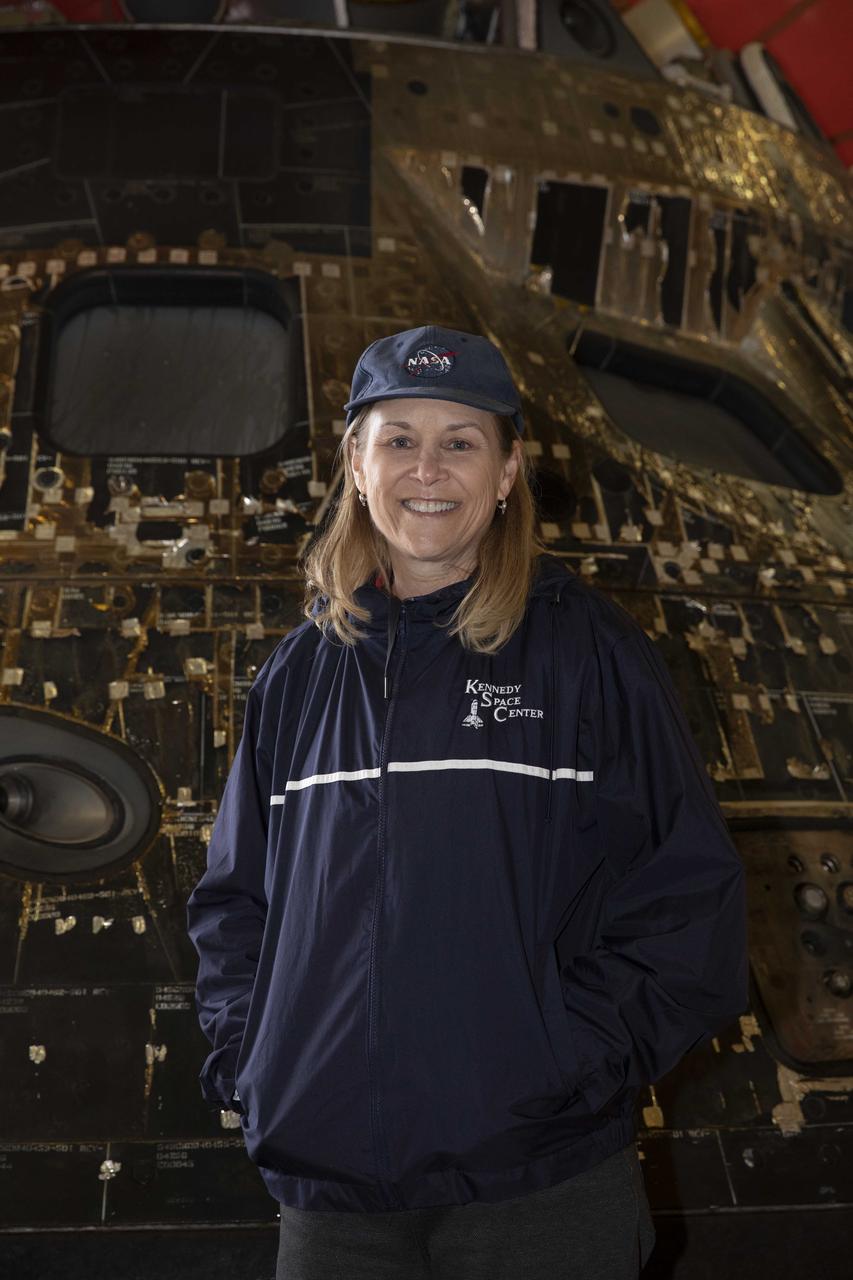
Kennedy Space Center Director Janet Petro stands near the Artemis I Orion spacecraft inside the well deck of the USS Portland at U.S. Naval Base San Diego on Dec. 13, 2022. The Orion spacecraft is secured inside the well deck after splashing down at 12:40 p.m. EST on Dec. 11, 2022. U.S. Navy divers helped recover the Orion spacecraft. NASA, the Navy and other Department of Defense partners worked together to secure the spacecraft inside the ship’s well deck approximately five hours after Orion splashed down in the Pacific Ocean off the coast of Baja, California.
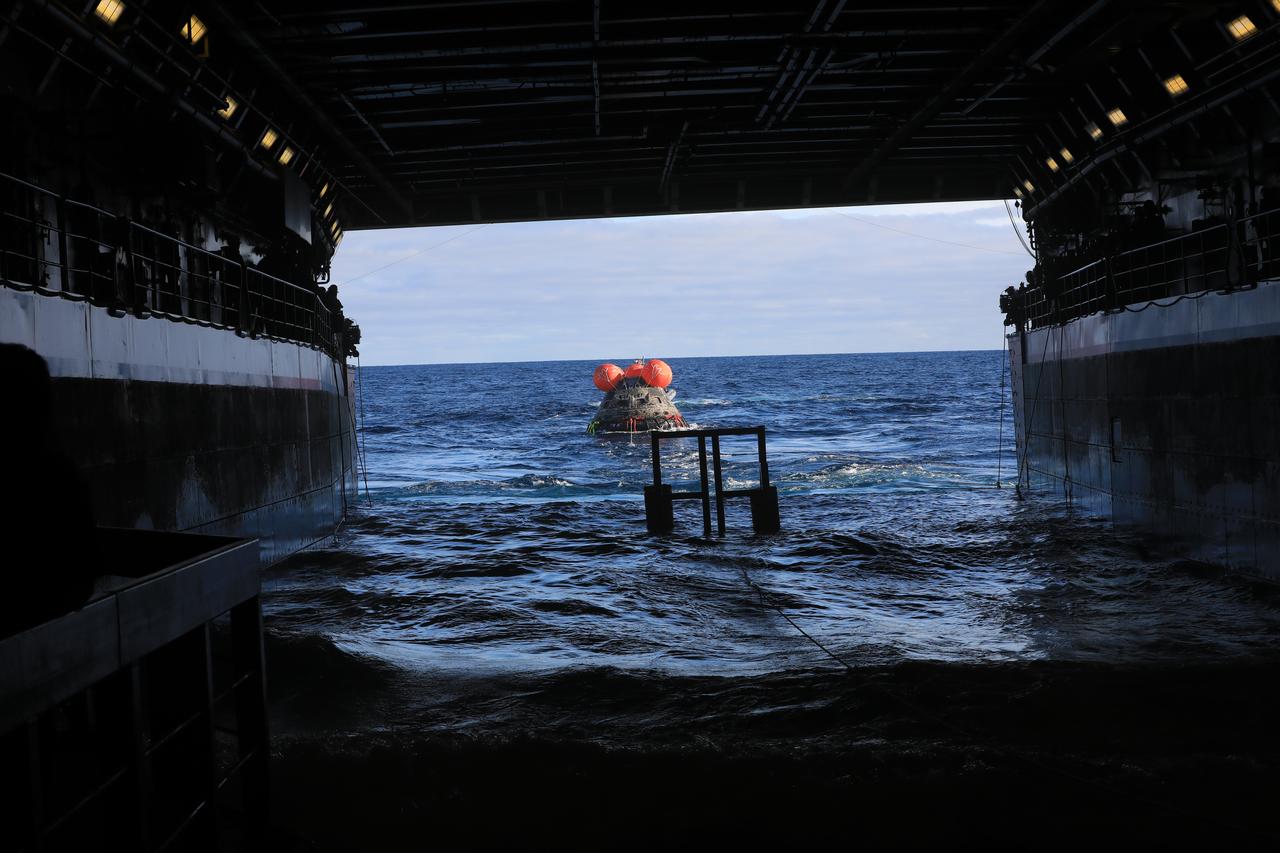
NASA’s Orion spacecraft for the Artemis I mission was successfully recovered inside the well deck of the USS Portland on Dec. 11, 2022 off the coast of Baja California. After launching atop the Space Launch System rocket on Nov. 16, 2022 from the agency’s Kennedy Space Center in Florida, Orion spent 25.5 days in space before returning to Earth, completing the Artemis I mission.
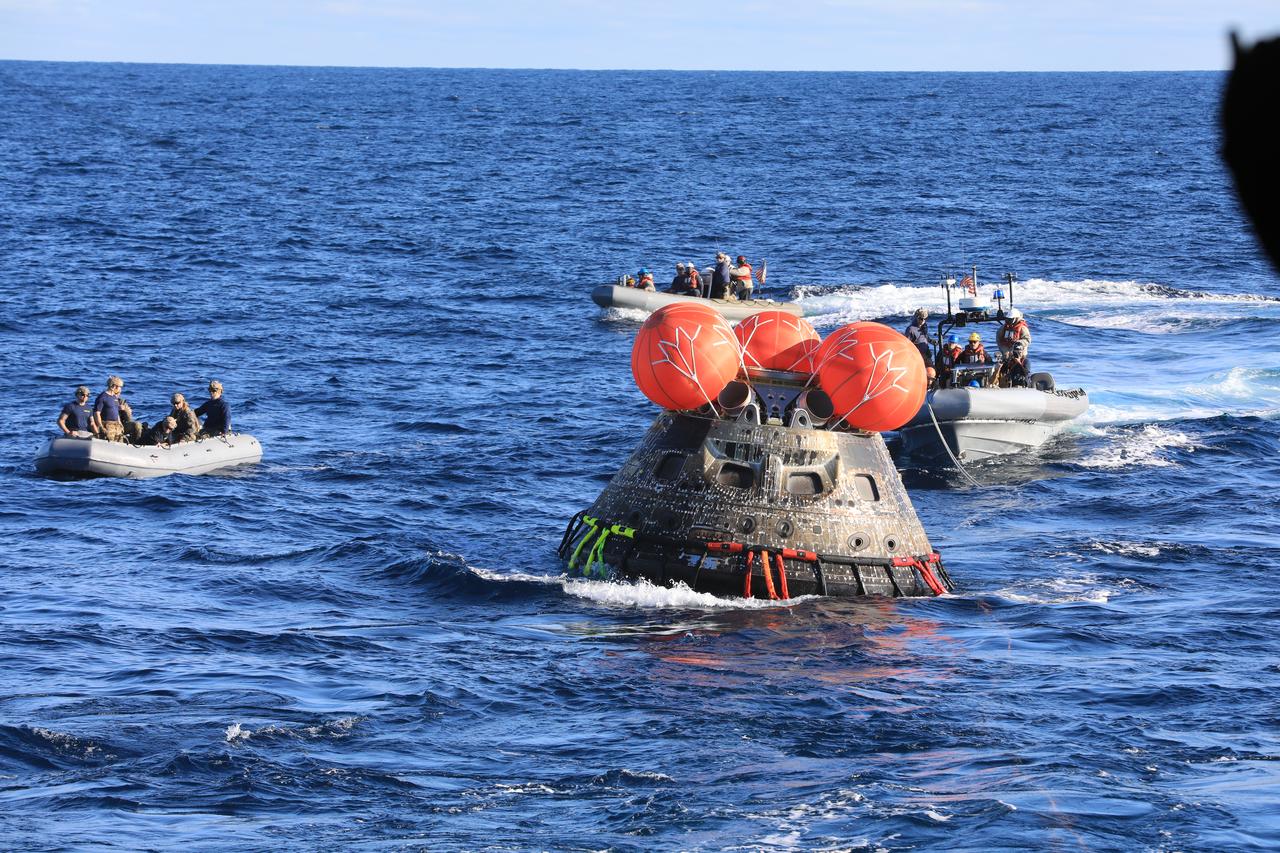
NASA’s Orion spacecraft for the Artemis I mission was successfully recovered inside the well deck of the USS Portland on Dec. 11, 2022 off the coast of Baja California. After launching atop the Space Launch System rocket on Nov. 16, 2022 from the agency’s Kennedy Space Center in Florida, Orion spent 25.5 days in space before returning to Earth, completing the Artemis I mission.
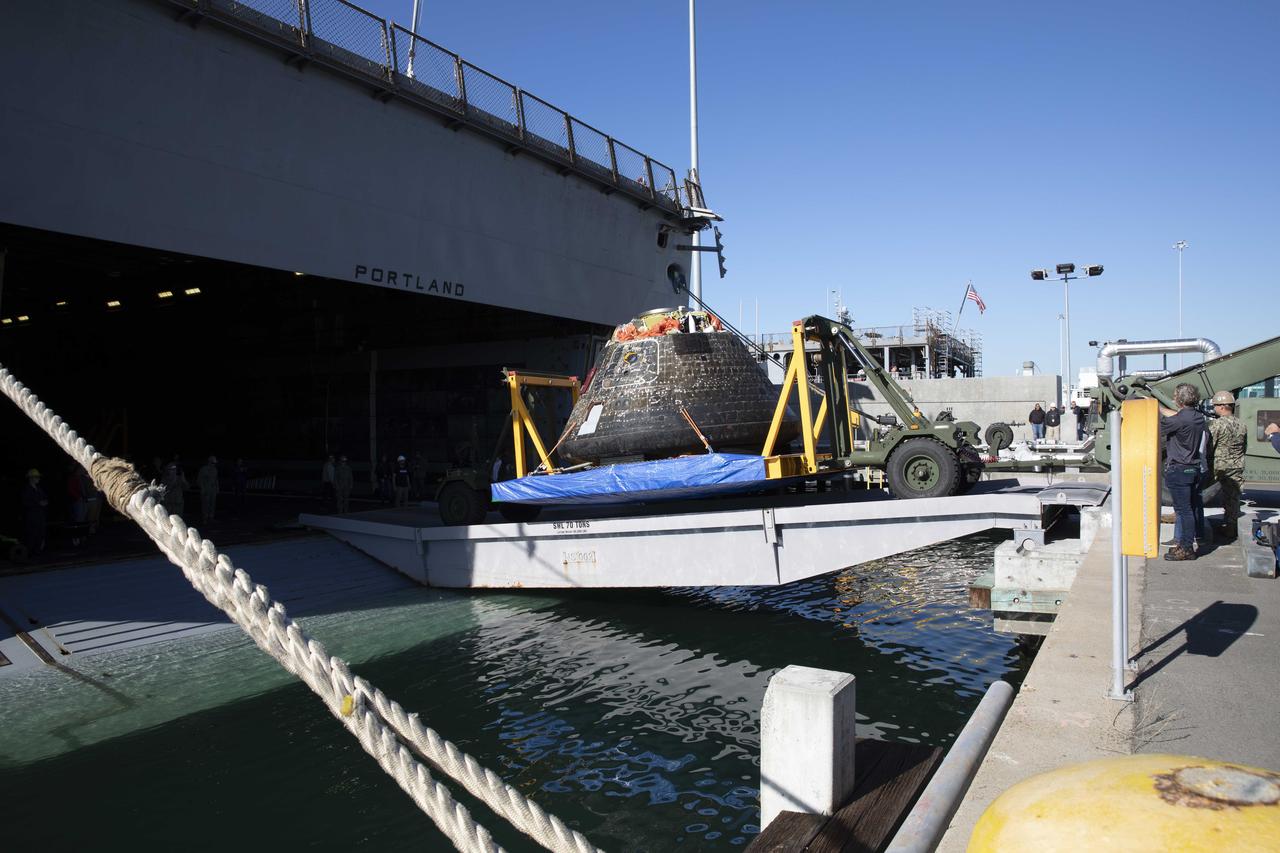
Team members with NASA’s Exploration Ground Systems program successfully removed the Artemis I Orion spacecraft from the USS Portland Dec. 14, after the ship arrived at U.S. Naval Base San Diego.
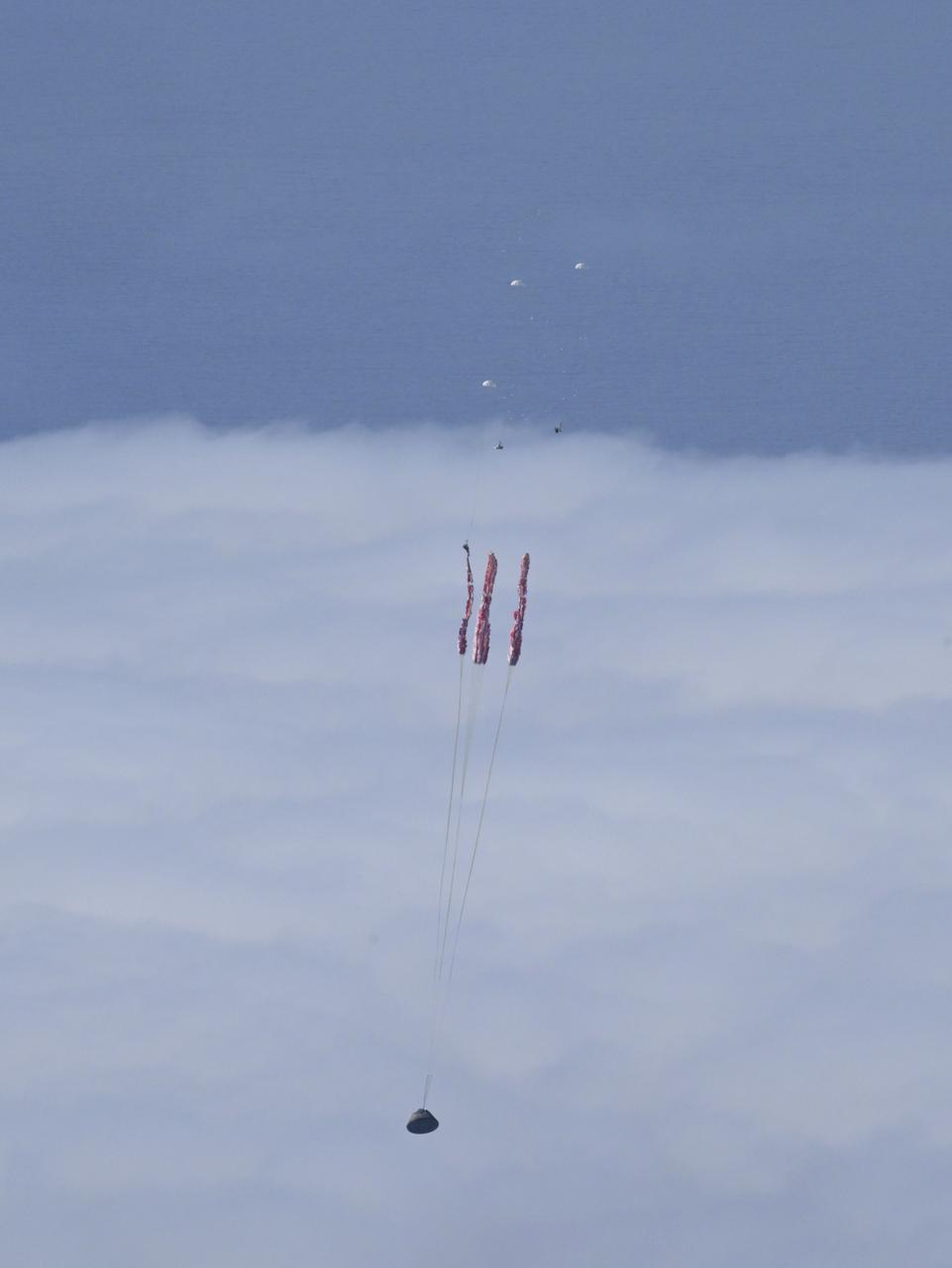
At 12:40 p.m. EST, Dec. 11, 2022, NASA’s Orion spacecraft for the Artemis I mission splashed down in the Pacific Ocean after a 25.5 day mission to the Moon. Orion will be recovered by NASA’s Landing and Recovery team, U.S. Navy and Department of Defense partners aboard the USS Portland.
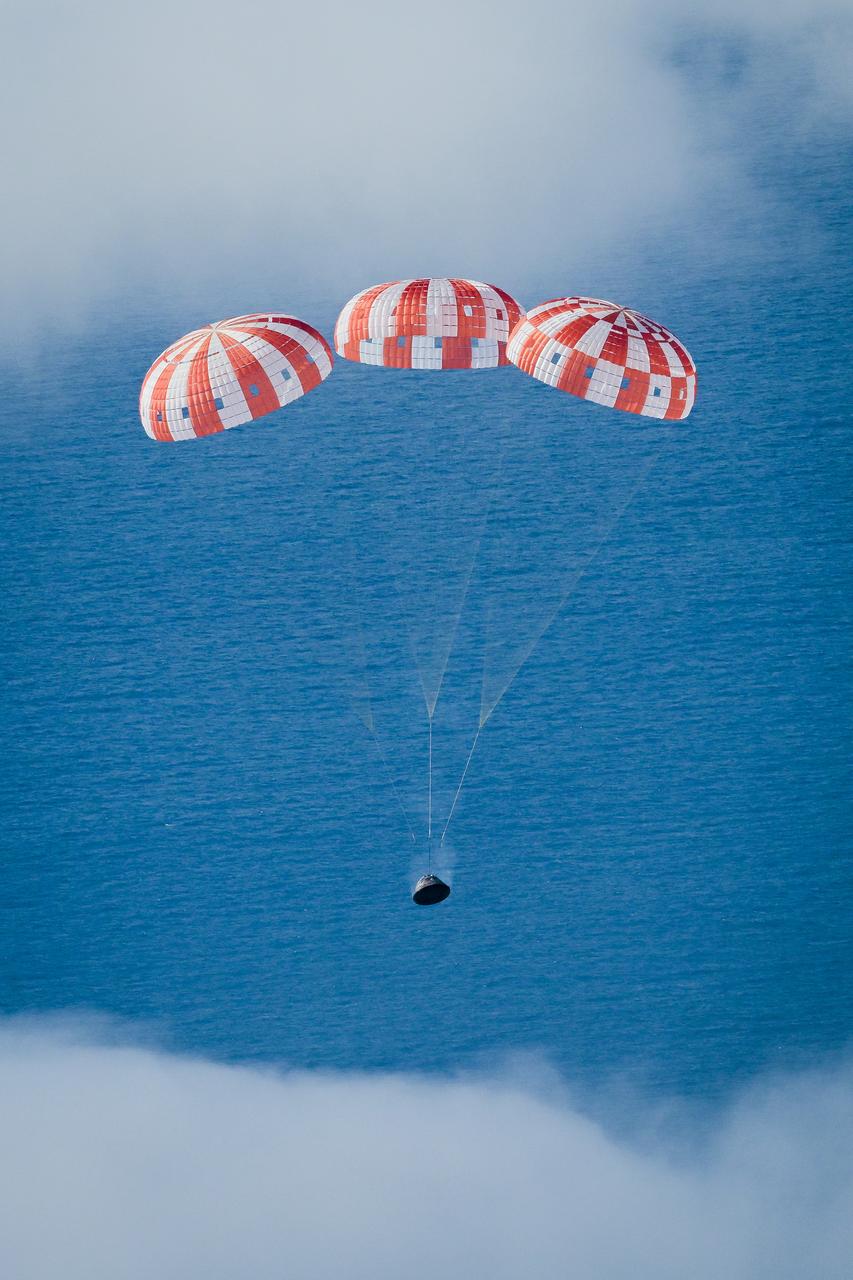
At 12:40 p.m. EST, Dec. 11, 2022, NASA’s Orion spacecraft for the Artemis I mission splashed down in the Pacific Ocean after a 25.5 day mission to the Moon. Orion will be recovered by NASA’s Landing and Recovery team, U.S. Navy and Department of Defense partners aboard the USS Portland.

After splashing down at 12:40 p.m. EST on Dec. 11, 2022, U.S. Navy divers help recover the Orion Spacecraft for the Artemis I mission. NASA, the Navy and other Department of Defense partners worked together to secure the spacecraft inside the well deck of USS Portland approximately five hours after Orion splashed down in the Pacific Ocean off the coast of California.
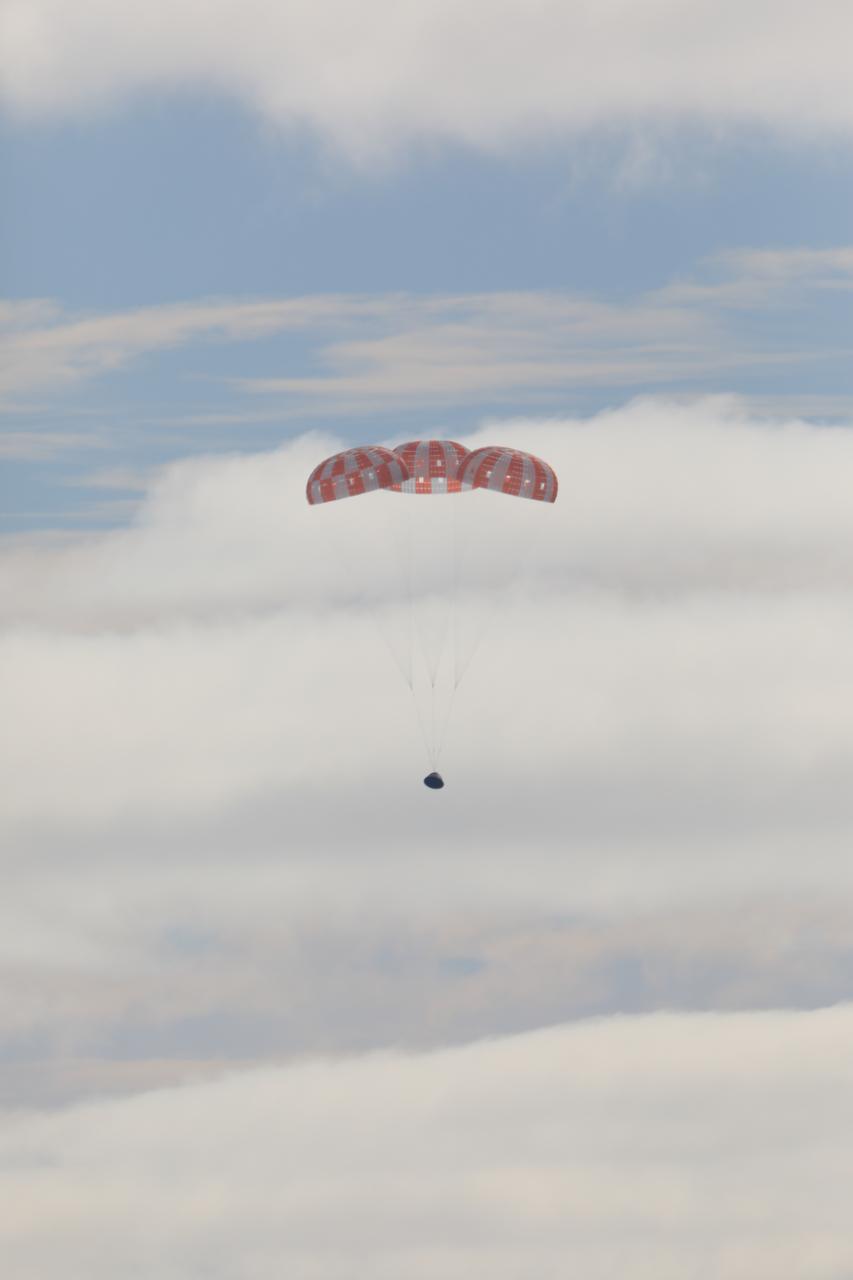
At 12:40 p.m. EST, Dec. 11, 2022, NASA’s Orion spacecraft for the Artemis I mission splashed down in the Pacific Ocean after a 25.5 day mission to the Moon. Orion will be recovered by NASA’s Landing and Recovery team, U.S. Navy and Department of Defense partners aboard the USS Portland.
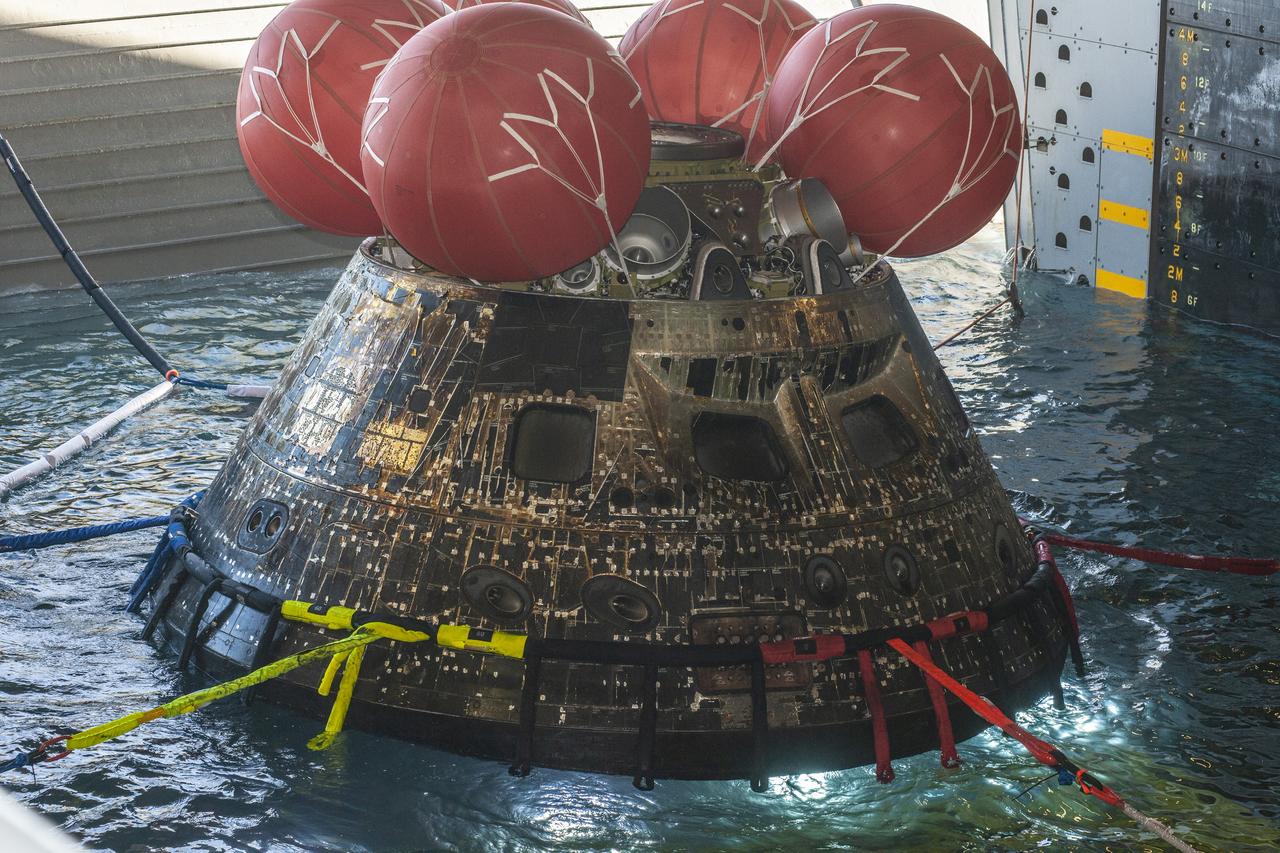
NASA’s Orion spacecraft for the Artemis I mission was successfully recovered inside the well deck of the USS Portland on Dec. 11, 2022 off the coast of Baja California. After launching atop the Space Launch System rocket on Nov. 16, 2022 from the agency’s Kennedy Space Center in Florida, Orion spent 25.5 days in space before returning to Earth, completing the Artemis I mission.
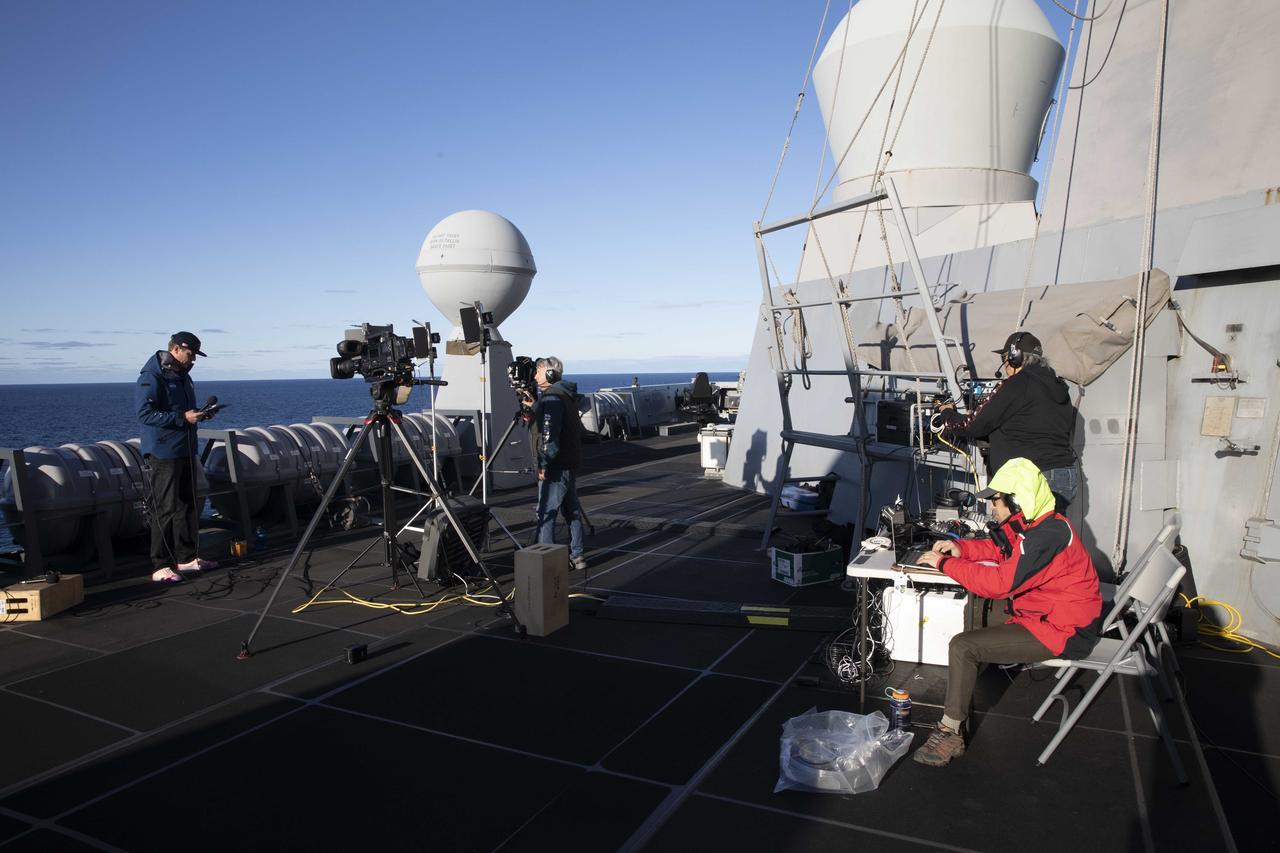
Members of Kennedy Space Center’s public affairs team prepare for live coverage of NASA’s Orion spacecraft’s splashdown for the Artemis I mission while aboard USS Portland. Orion safely splashed down in the Pacific Ocean on Dec. 11, 2022, completing a 25.5 day mission around the Moon and back.
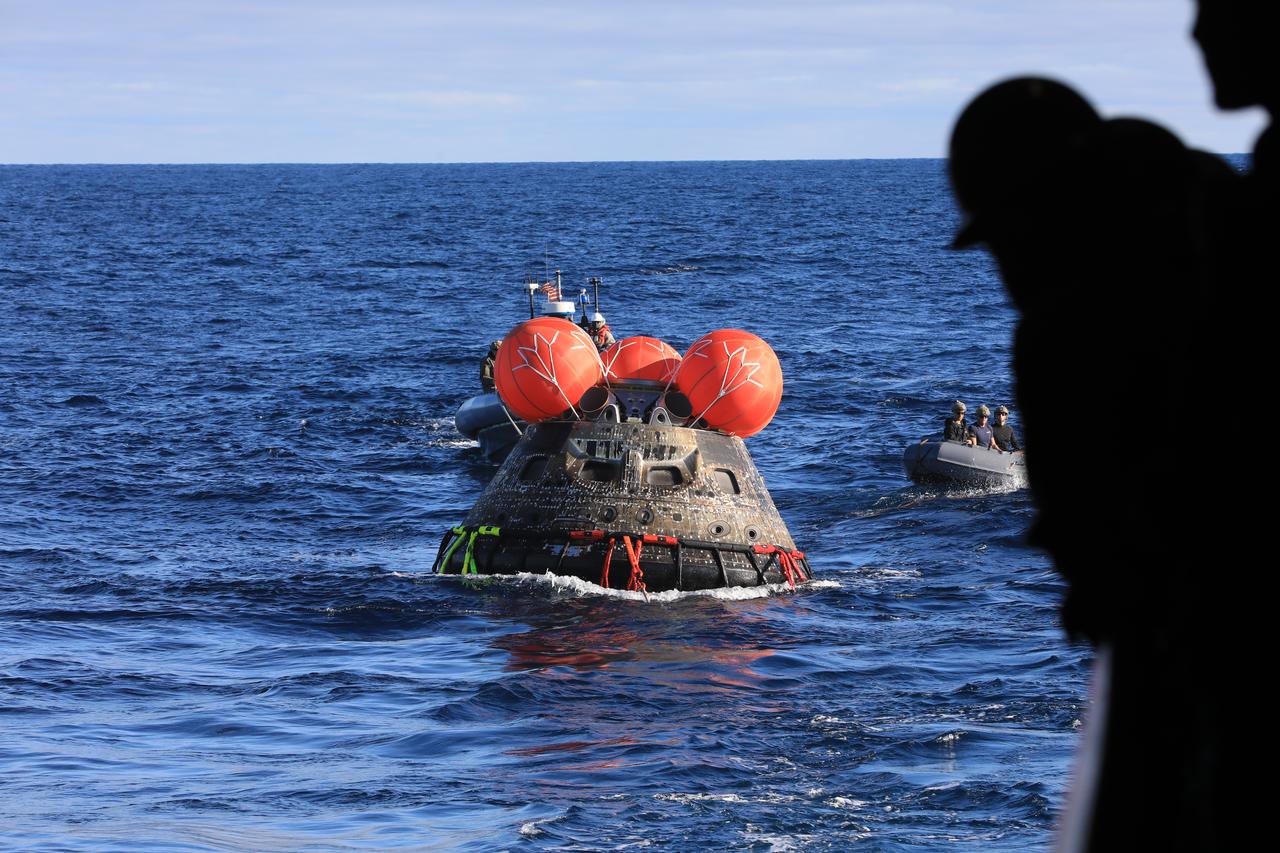
NASA’s Orion spacecraft for the Artemis I mission was successfully recovered inside the well deck of the USS Portland on Dec. 11, 2022 off the coast of Baja California. After launching atop the Space Launch System rocket on Nov. 16, 2022 from the agency’s Kennedy Space Center in Florida, Orion spent 25.5 days in space before returning to Earth, completing the Artemis I mission.
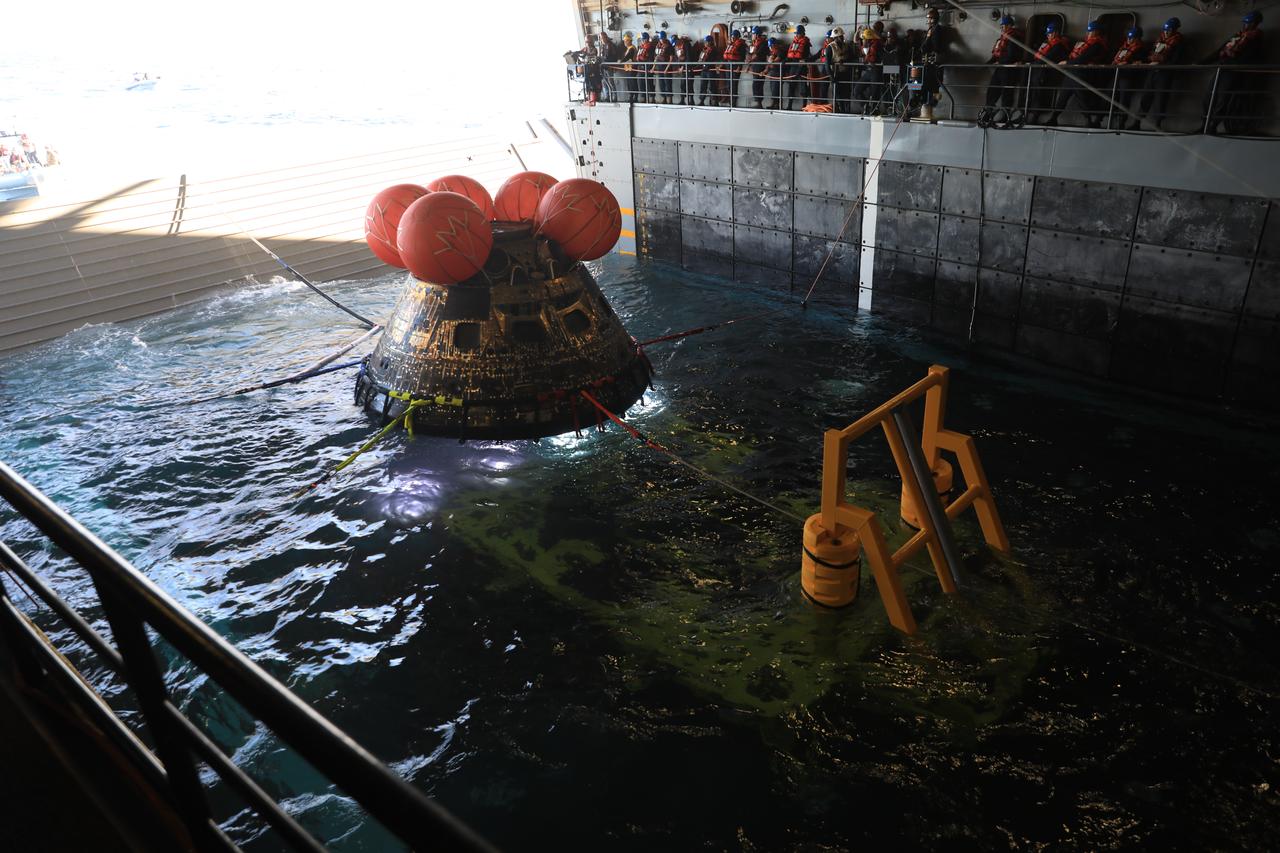
NASA’s Orion spacecraft for the Artemis I mission was successfully recovered inside the well deck of the USS Portland on Dec. 11, 2022 off the coast of Baja California. After launching atop the Space Launch System rocket on Nov. 16, 2022 from the agency’s Kennedy Space Center in Florida, Orion spent 25.5 days in space before returning to Earth, completing the Artemis I mission.
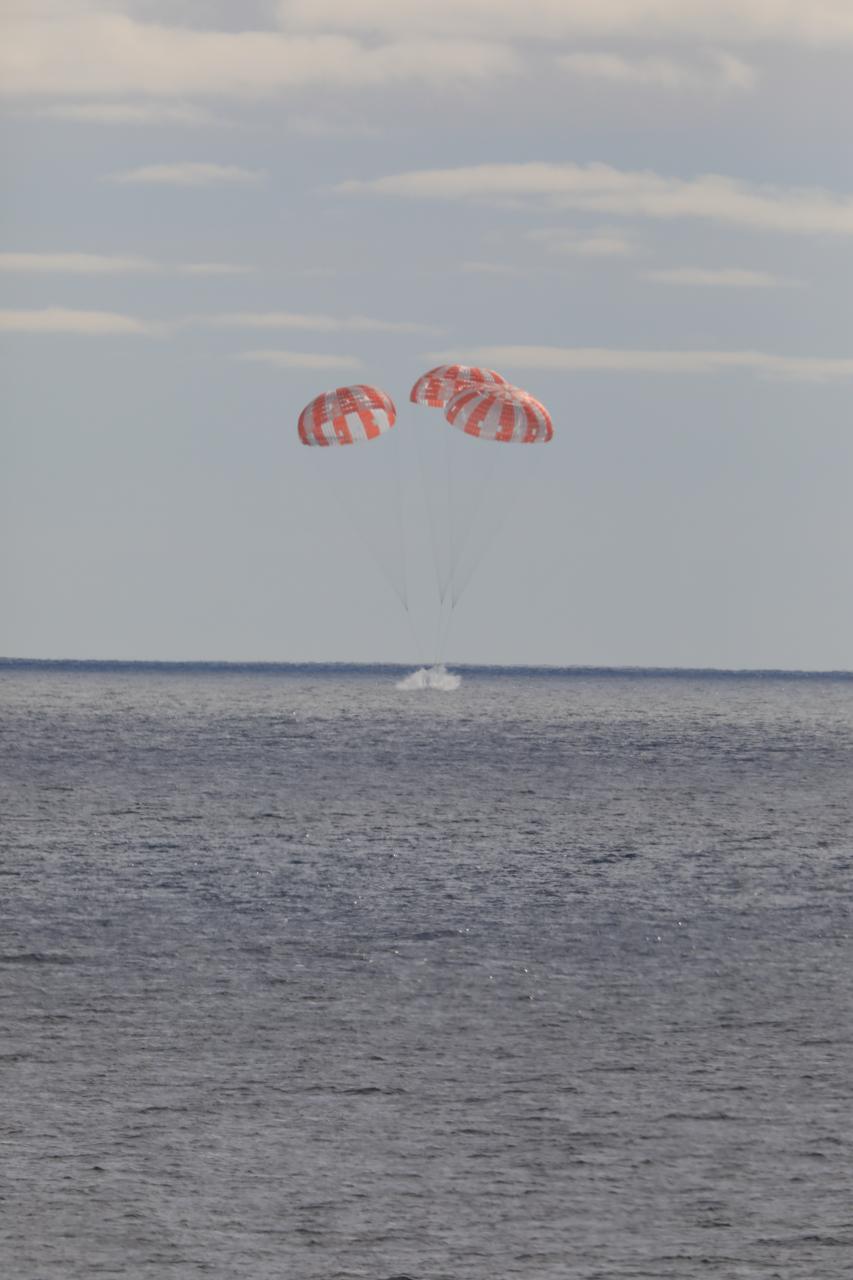
At 12:40 p.m. EST, Dec. 11, 2022, NASA’s Orion spacecraft for the Artemis I mission splashed down in the Pacific Ocean after a 25.5 day mission to the Moon. Orion will be recovered by NASA’s Landing and Recovery team, U.S. Navy and Department of Defense partners aboard the USS Portland.
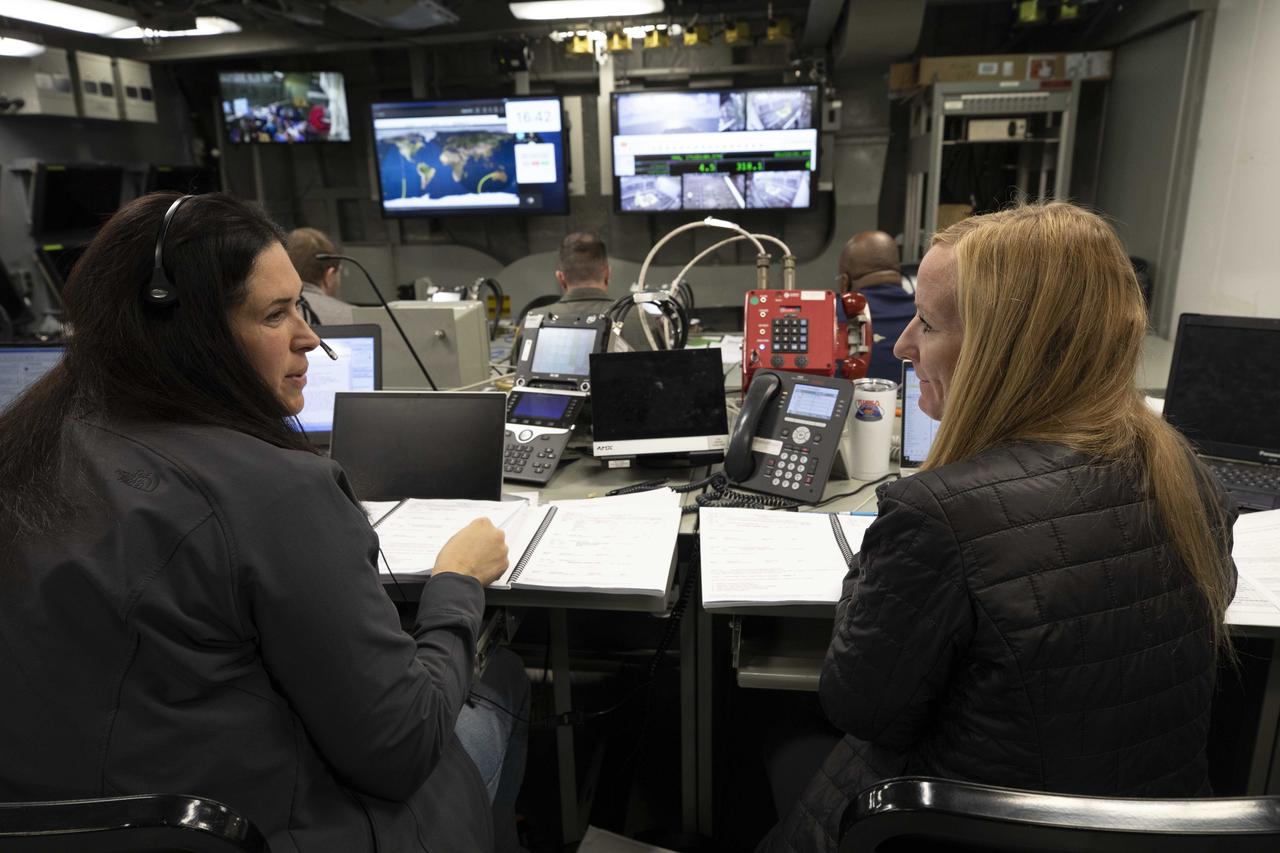
Inside a control room aboard USS Portland, members and leaders of NASA’s Landing and Recovery team run through preparations and procedures ahead of the Orion Spacecraft’s return from the Moon on Dec. 11 as part of the Artemis I mission.
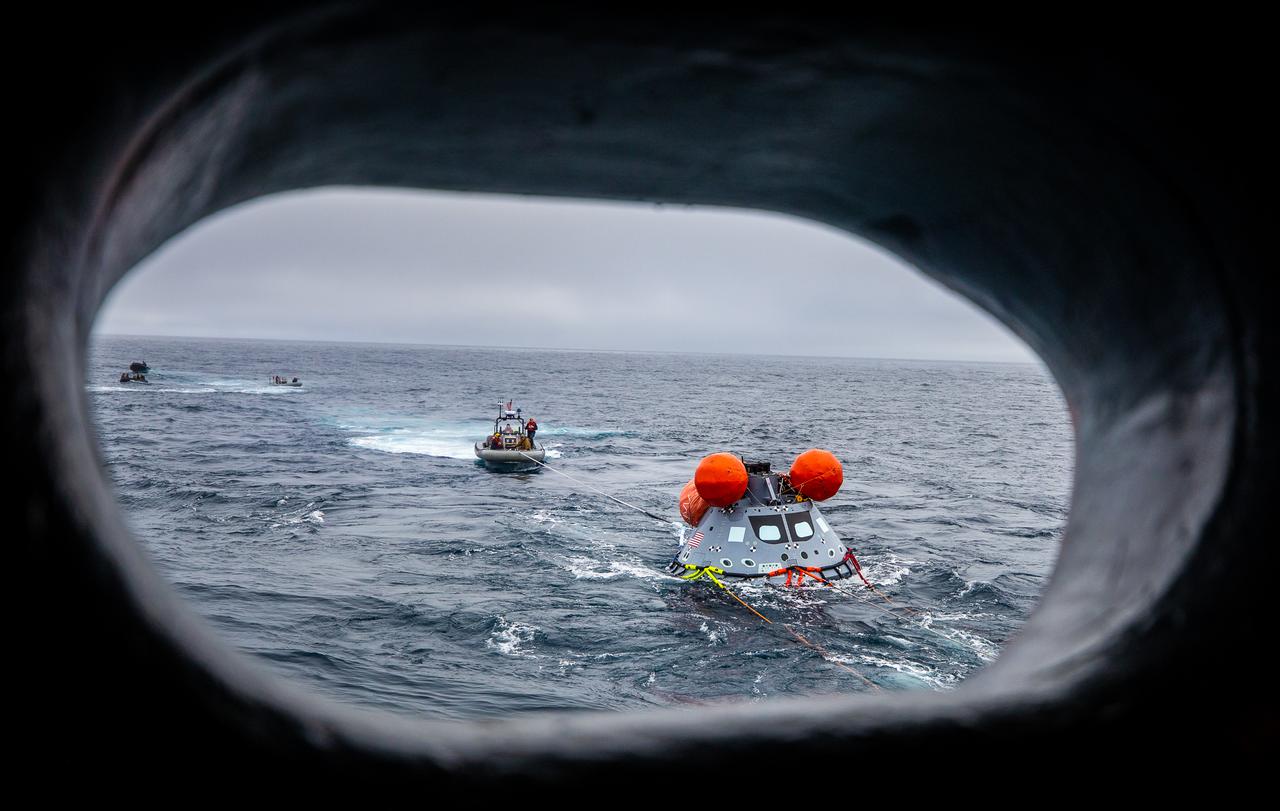
Day 2 of Underway Recovery Test 9 (URT-9) put NASA’s Landing and Recovery Team through its paces as they practiced recovering a mock Orion capsule into the back of the USS John P. Murtha. During the weeklong test, NASA’s Landing and Recovery team is performing their final mission certification ahead of Artemis I.
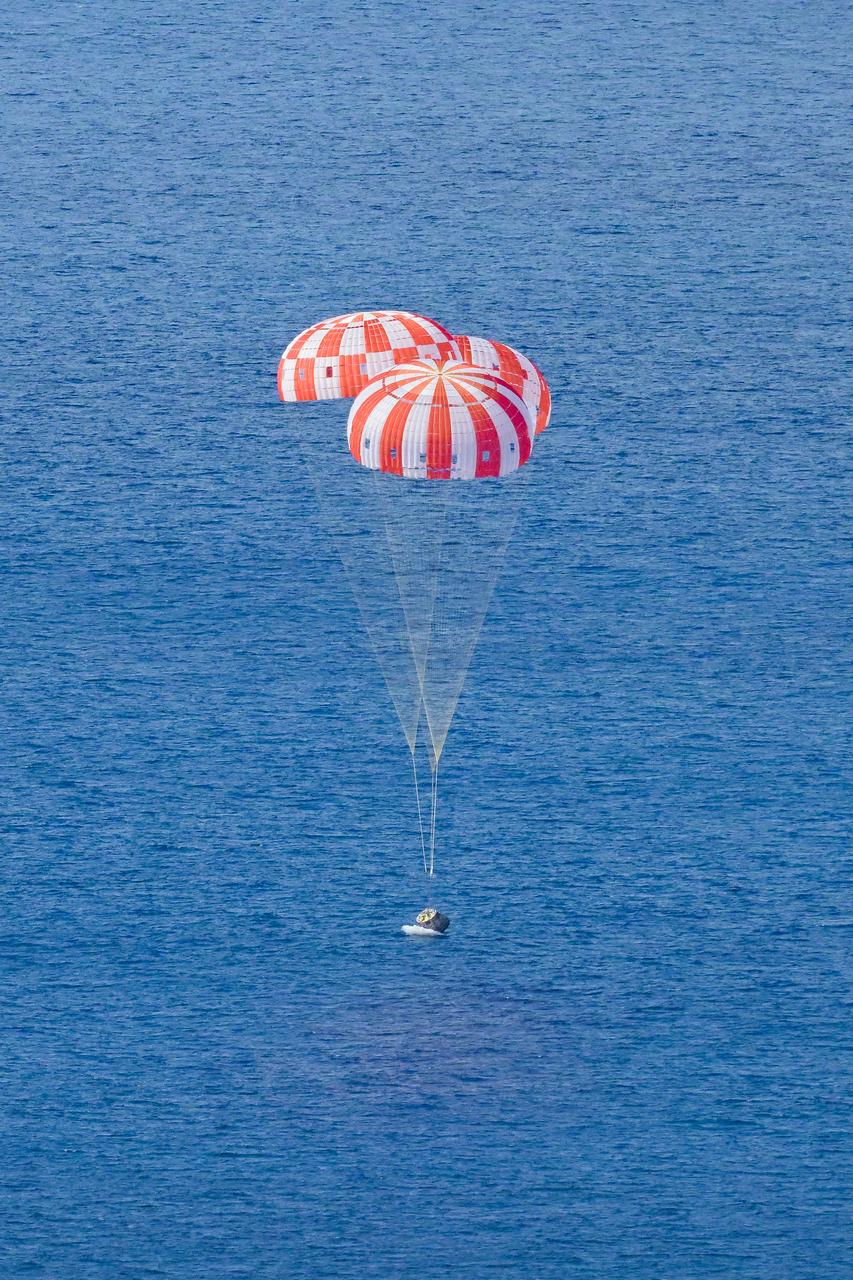
At 12:40 p.m. EST, Dec. 11, 2022, NASA’s Orion spacecraft for the Artemis I mission splashed down in the Pacific Ocean after a 25.5 day mission to the Moon. Orion will be recovered by NASA’s Landing and Recovery team, U.S. Navy and Department of Defense partners aboard the USS Portland.
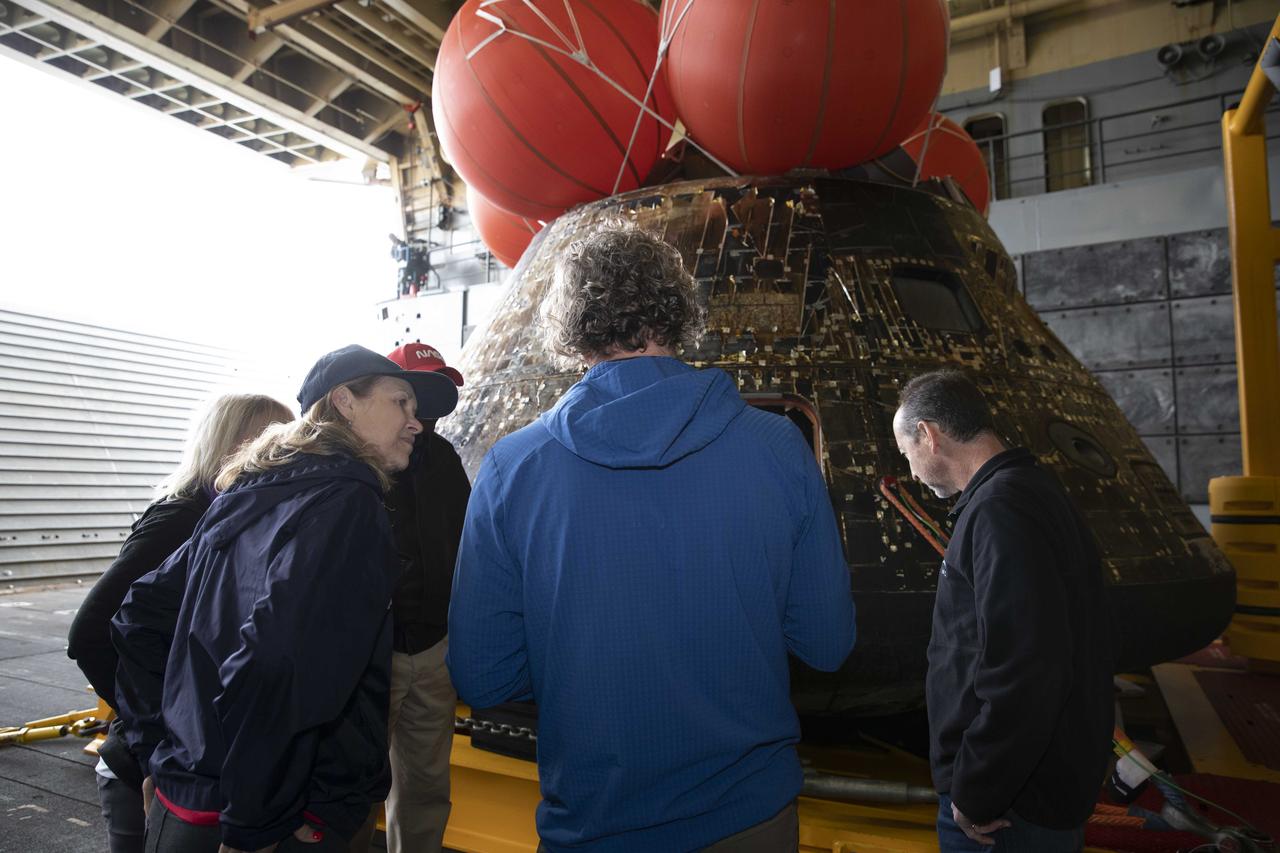
Kennedy Space Center Director Janet Petro, third from left, and recovery team members look at the Artemis I Orion spacecraft inside the well deck of the USS Portland at U.S. Naval Base San Diego on Dec. 13, 2022. The Orion spacecraft is secured inside the well deck after splashing down at 12:40 p.m. EST on Dec. 11, 2022. U.S. Navy divers helped recover the Orion spacecraft. NASA, the Navy and other Department of Defense partners worked together to secure the spacecraft inside the ship’s well deck approximately five hours after Orion splashed down in the Pacific Ocean off the coast of Baja, California.
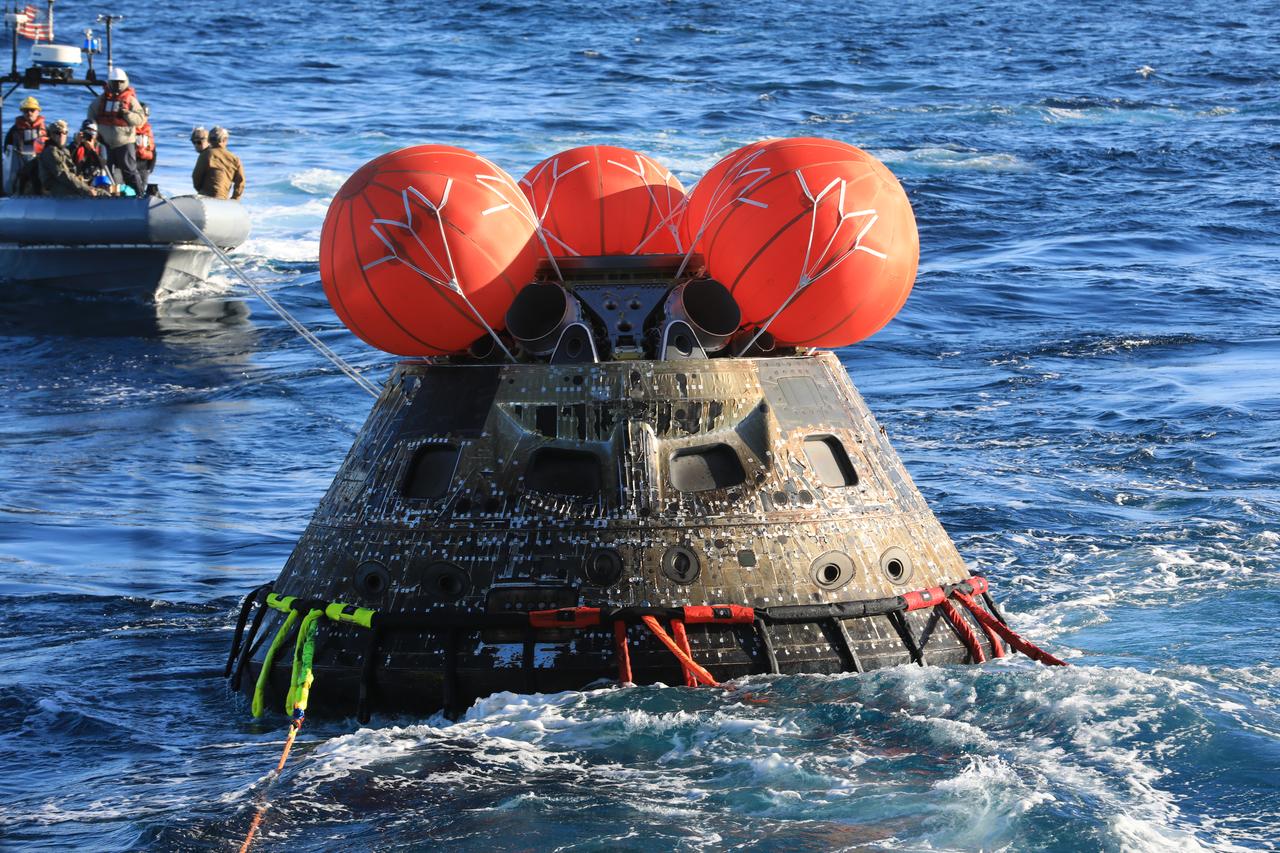
NASA’s Orion spacecraft for the Artemis I mission was successfully recovered inside the well deck of the USS Portland on Dec. 11, 2022 off the coast of Baja California. After launching atop the Space Launch System rocket on Nov. 16, 2022 from the agency’s Kennedy Space Center in Florida, Orion spent 25.5 days in space before returning to Earth, completing the Artemis I mission.
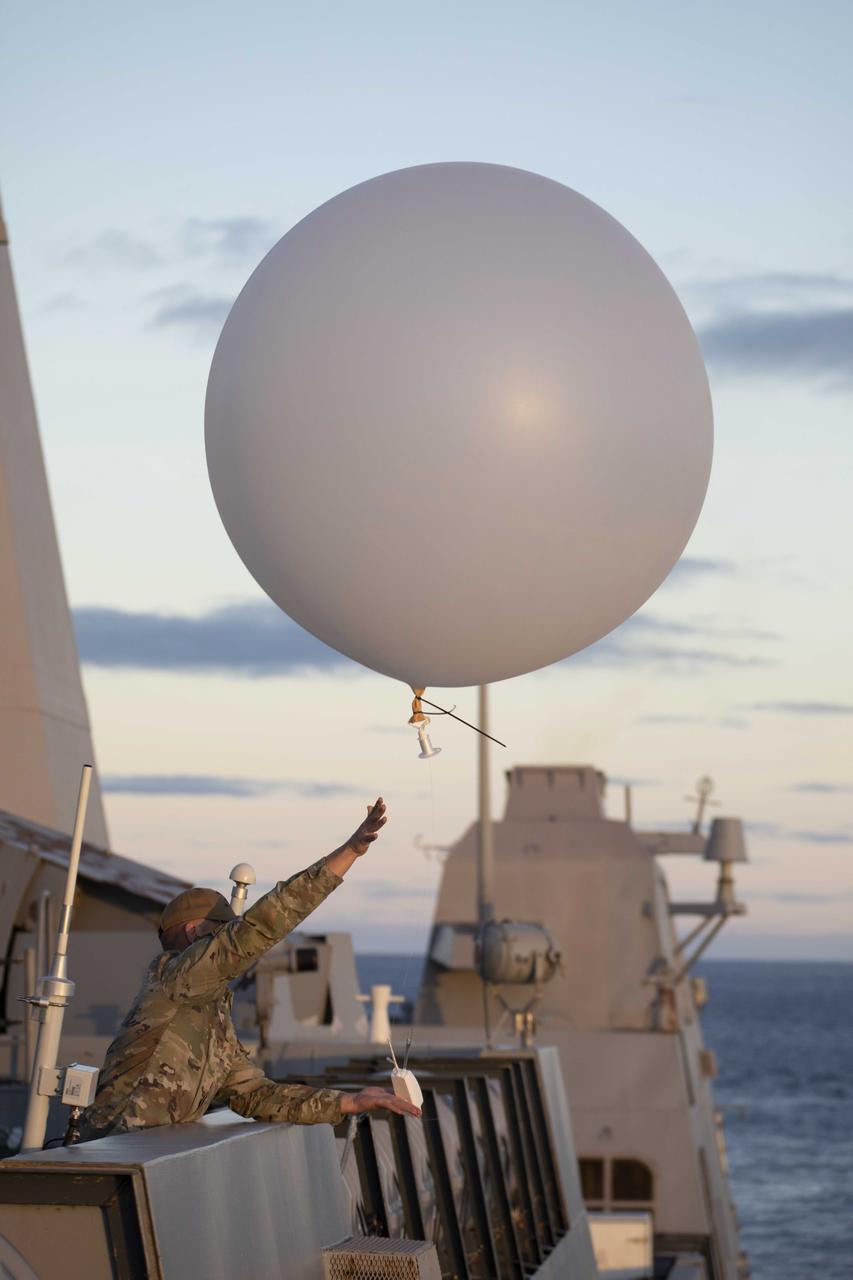
A member of the 45th Weather Squadron out of Patrick Space Force Base releases a weather balloon from the deck of USS Portland prior to splashdown of the NASA’s Orion spacecraft for the Artemis I mission on Dec. 11, 2022.
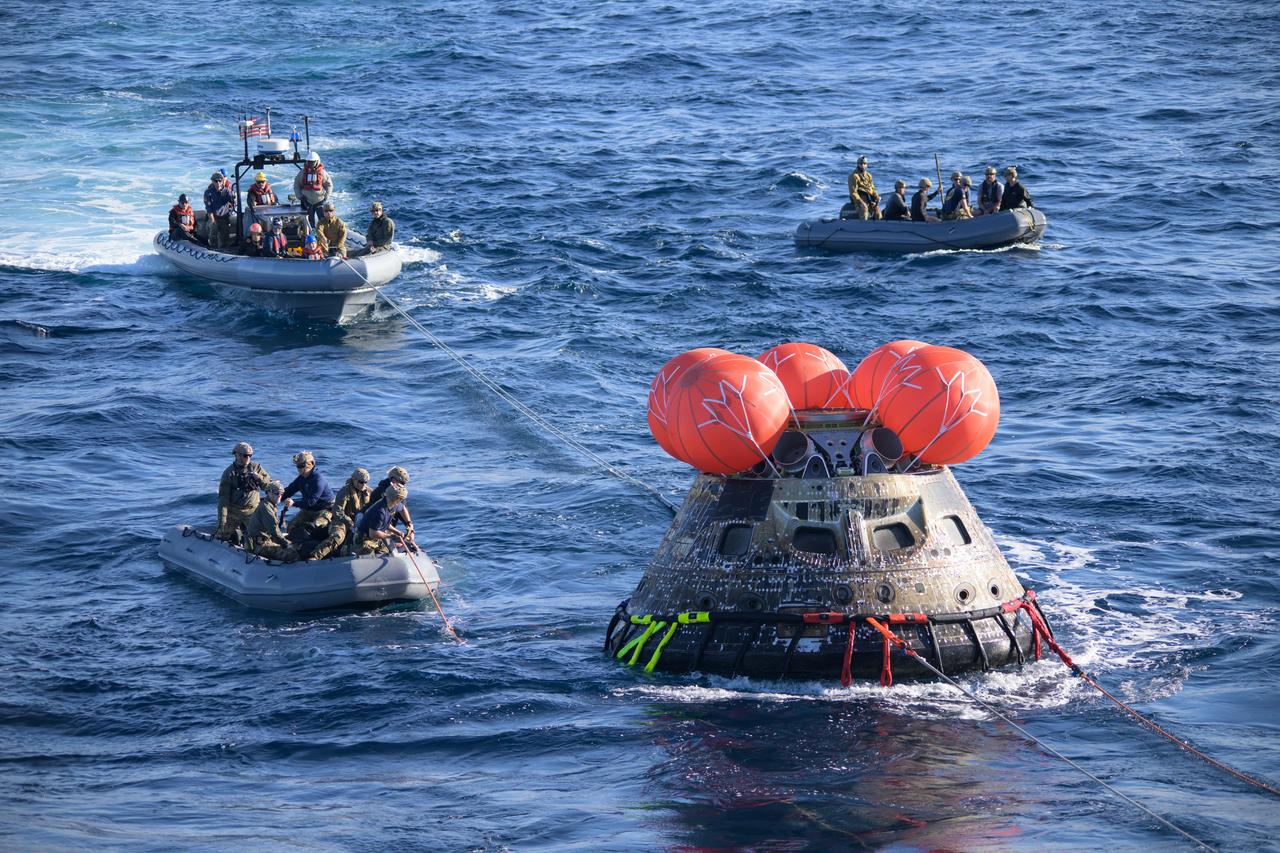
After splashing down at 12:40 p.m. EST on Dec. 11, 2022, U.S. Navy divers help recover the Orion Spacecraft for the Artemis I mission. NASA, the Navy and other Department of Defense partners worked together to secure the spacecraft inside the well deck of USS Portland approximately five hours after Orion splashed down in the Pacific Ocean off the coast of California.
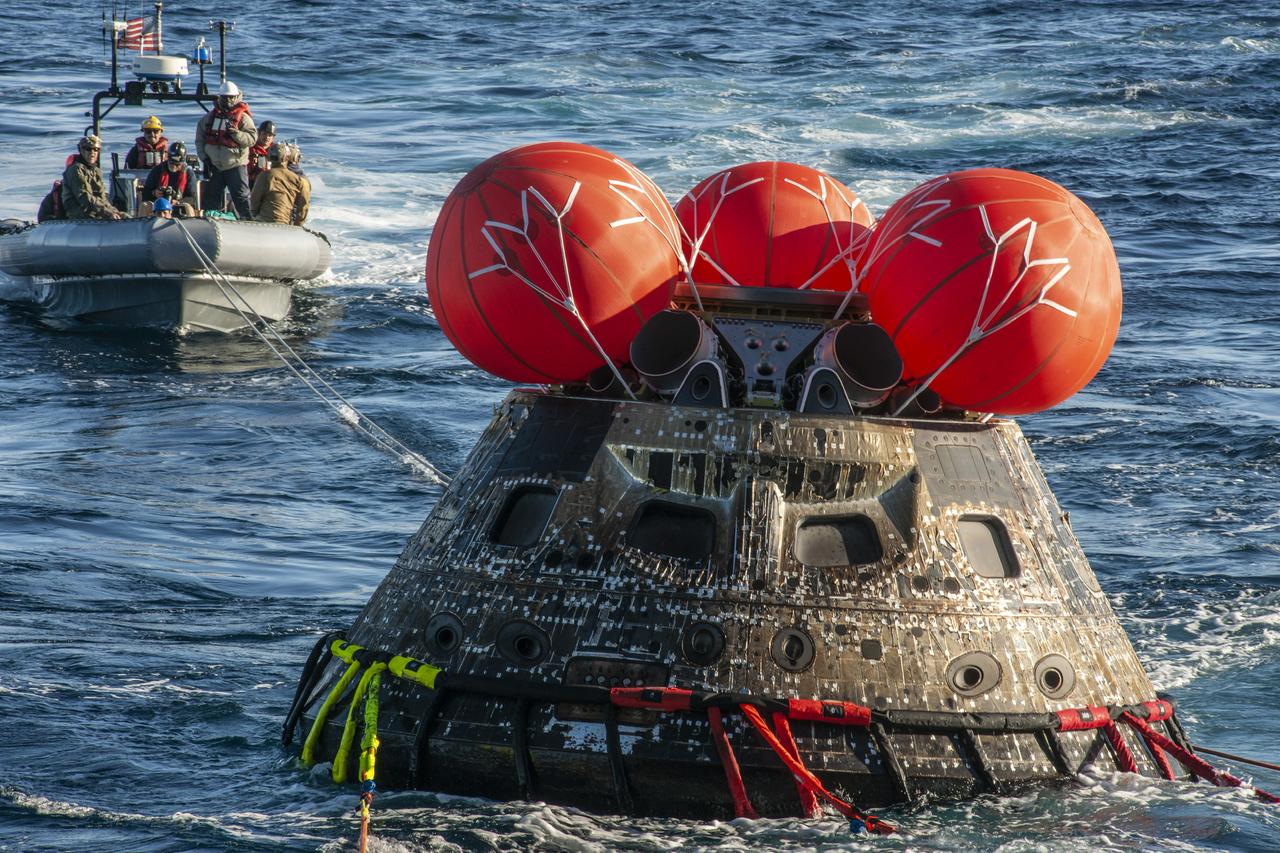
NASA’s Orion spacecraft for the Artemis I mission was successfully recovered inside the well deck of the USS Portland on Dec. 11, 2022 off the coast of Baja California. After launching atop the Space Launch System rocket on Nov. 16, 2022 from the agency’s Kennedy Space Center in Florida, Orion spent 25.5 days in space before returning to Earth, completing the Artemis I mission.
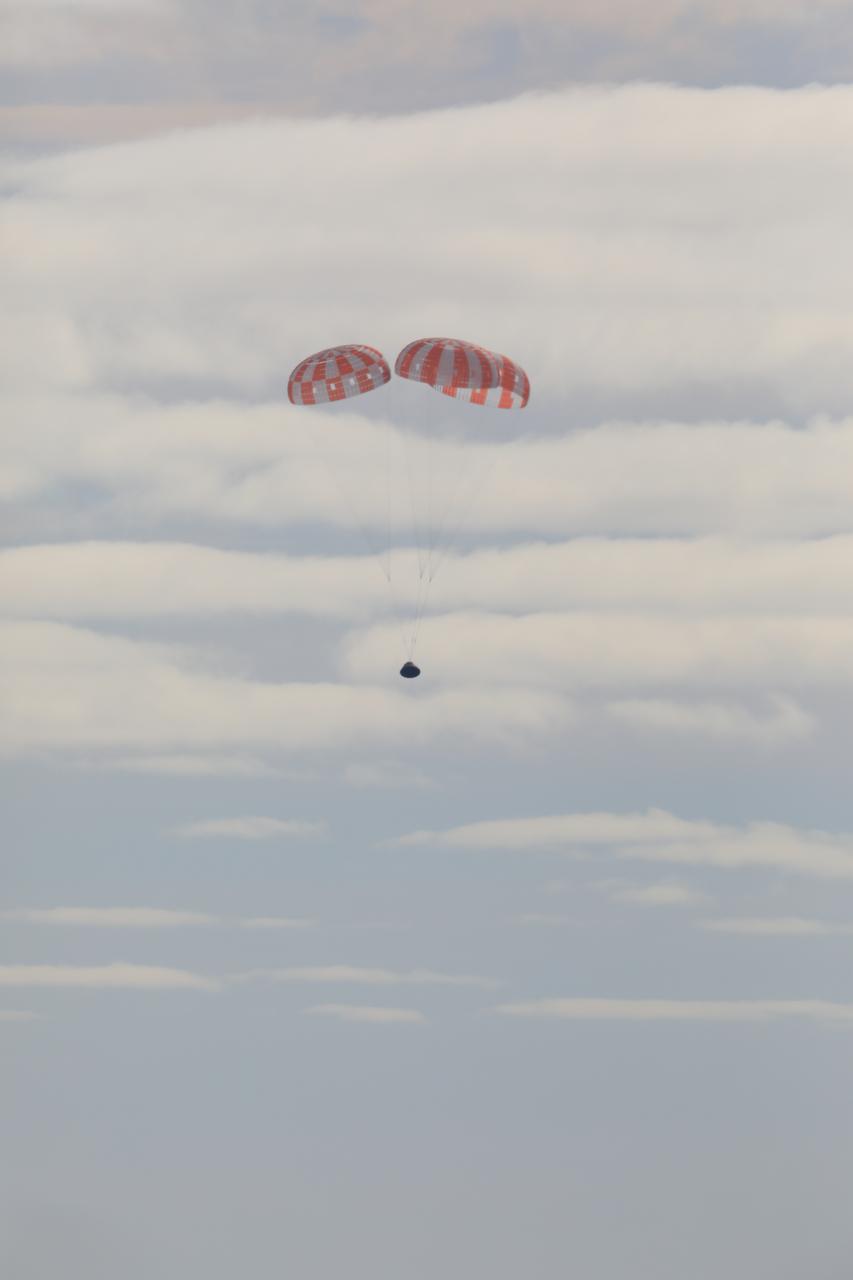
At 12:40 p.m. EST, Dec. 11, 2022, NASA’s Orion spacecraft for the Artemis I mission splashed down in the Pacific Ocean after a 25.5 day mission to the Moon. Orion will be recovered by NASA’s Landing and Recovery team, U.S. Navy and Department of Defense partners aboard the USS Portland.
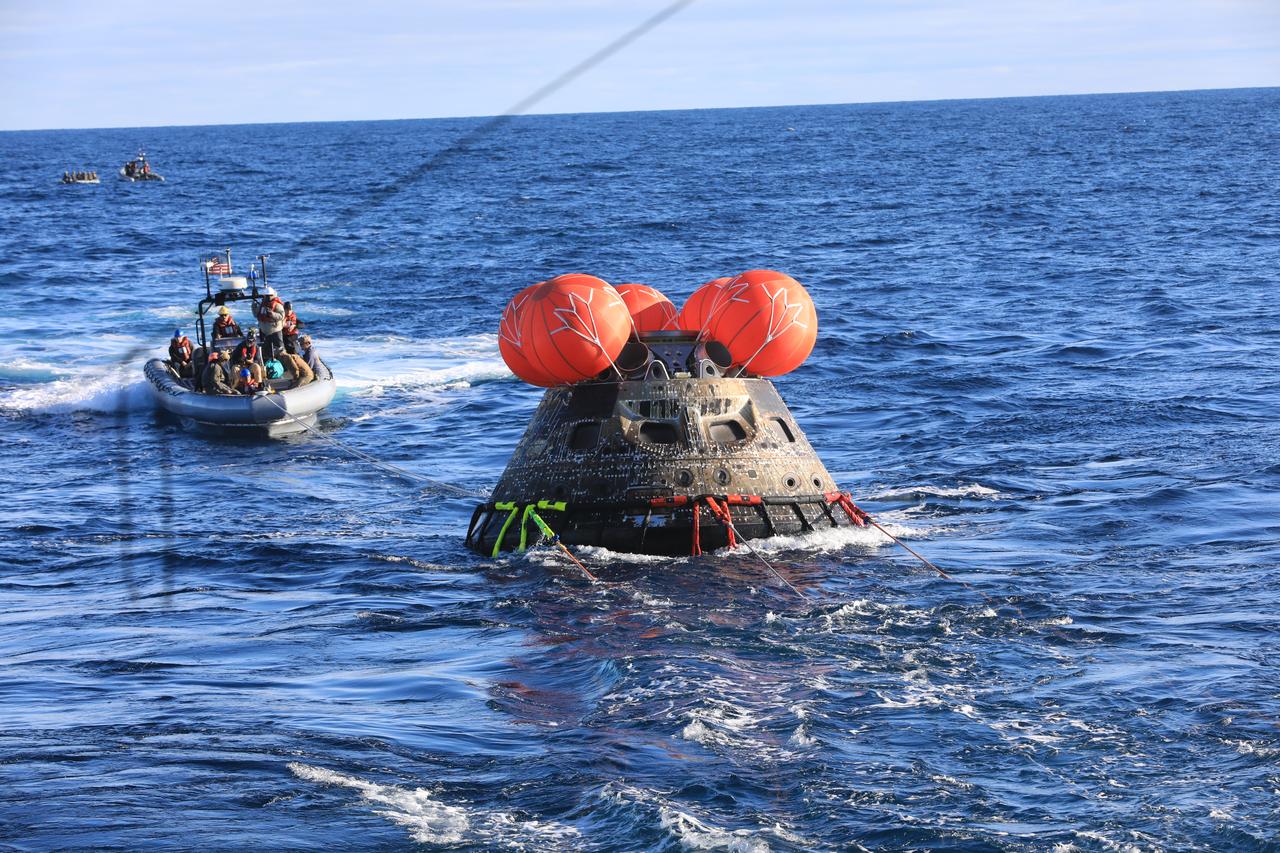
NASA’s Orion spacecraft for the Artemis I mission was successfully recovered inside the well deck of the USS Portland on Dec. 11, 2022 off the coast of Baja California. After launching atop the Space Launch System rocket on Nov. 16, 2022 from the agency’s Kennedy Space Center in Florida, Orion spent 25.5 days in space before returning to Earth, completing the Artemis I mission.

At 12:40 p.m. EST, Dec. 11, 2022, NASA’s Orion spacecraft for the Artemis I mission splashed down in the Pacific Ocean after a 25.5 day mission to the Moon. Orion will be recovered by NASA’s Landing and Recovery team, U.S. Navy and Department of Defense partners aboard the USS Portland.
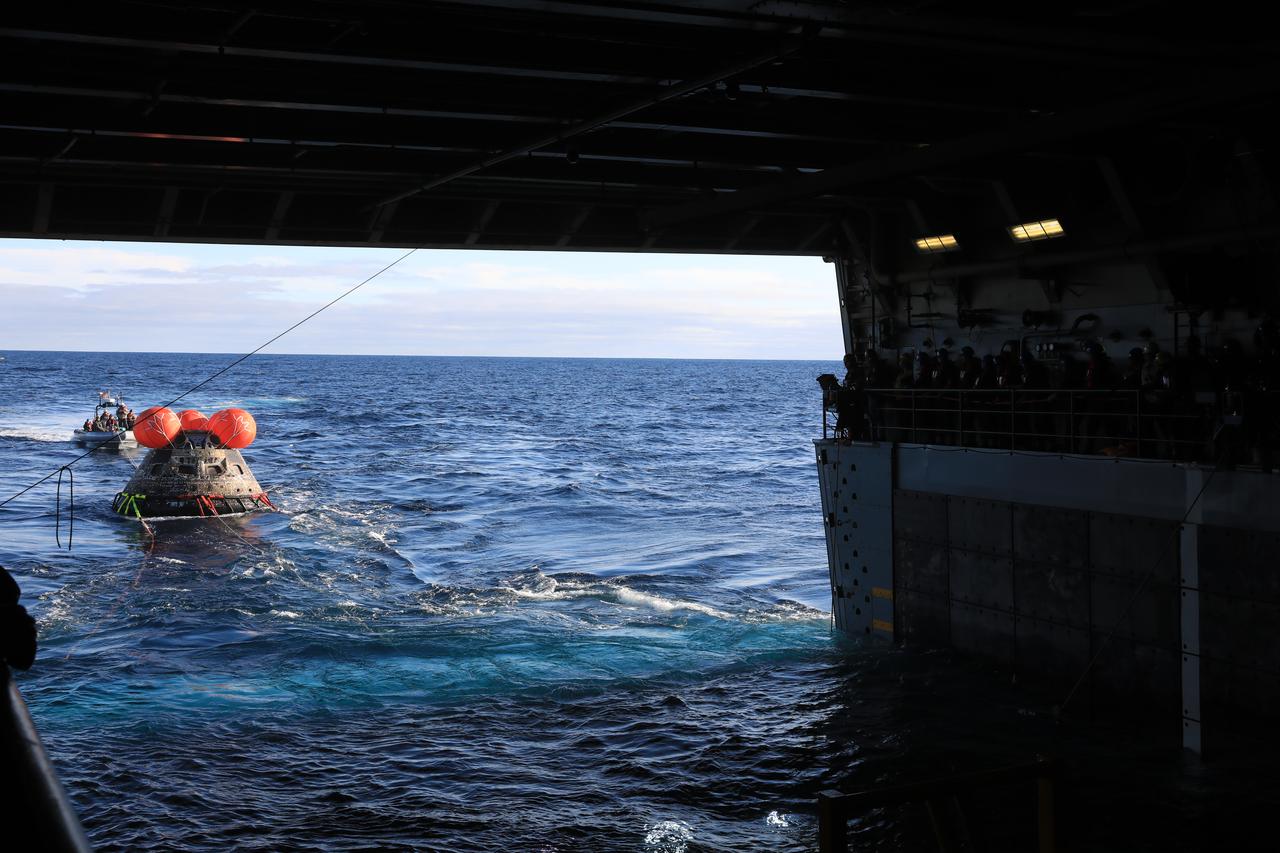
NASA’s Orion spacecraft for the Artemis I mission was successfully recovered inside the well deck of the USS Portland on Dec. 11, 2022 off the coast of Baja California. After launching atop the Space Launch System rocket on Nov. 16, 2022 from the agency’s Kennedy Space Center in Florida, Orion spent 25.5 days in space before returning to Earth, completing the Artemis I mission.
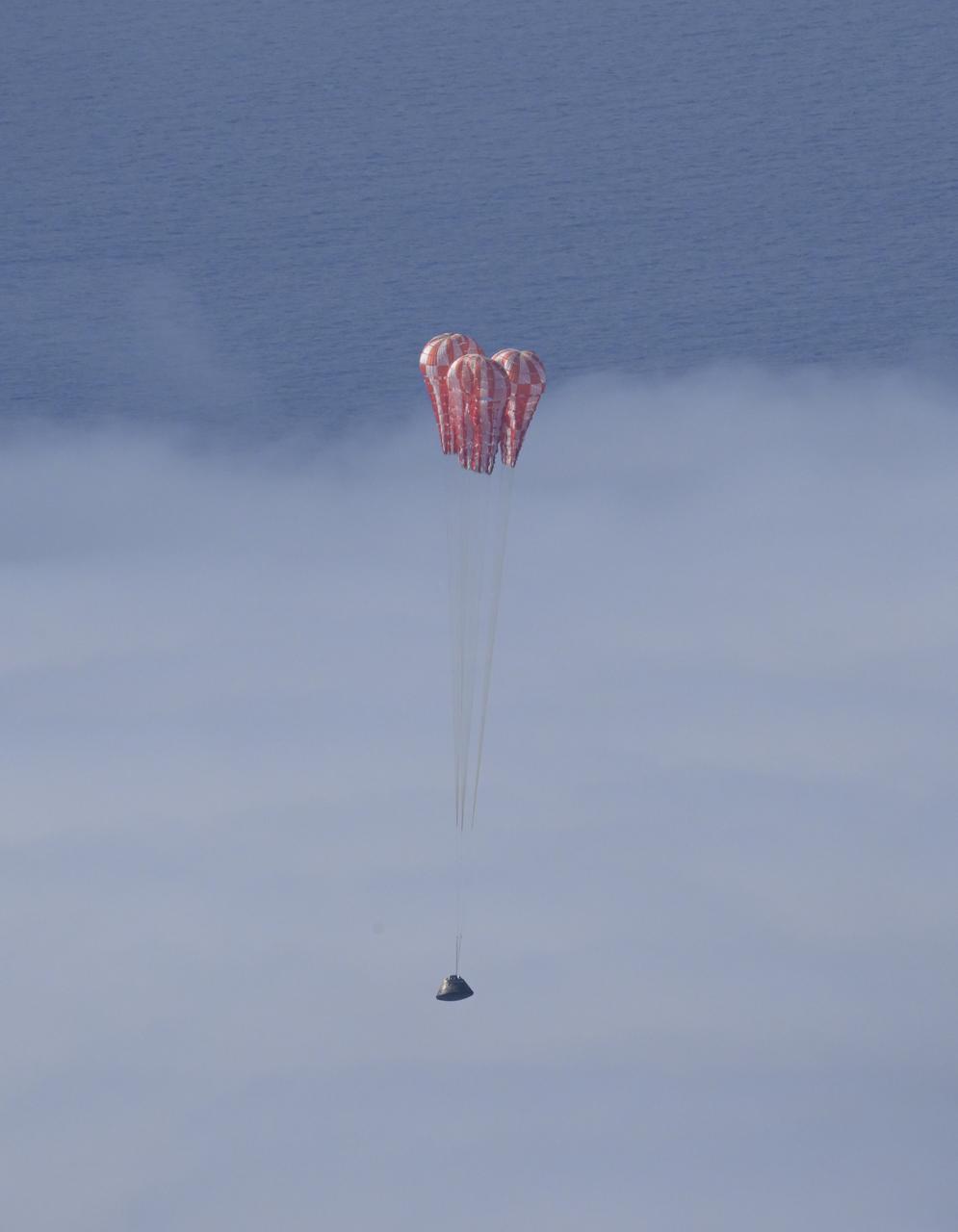
At 12:40 p.m. EST, Dec. 11, 2022, NASA’s Orion spacecraft for the Artemis I mission splashed down in the Pacific Ocean after a 25.5 day mission to the Moon. Orion will be recovered by NASA’s Landing and Recovery team, U.S. Navy and Department of Defense partners aboard the USS Portland.
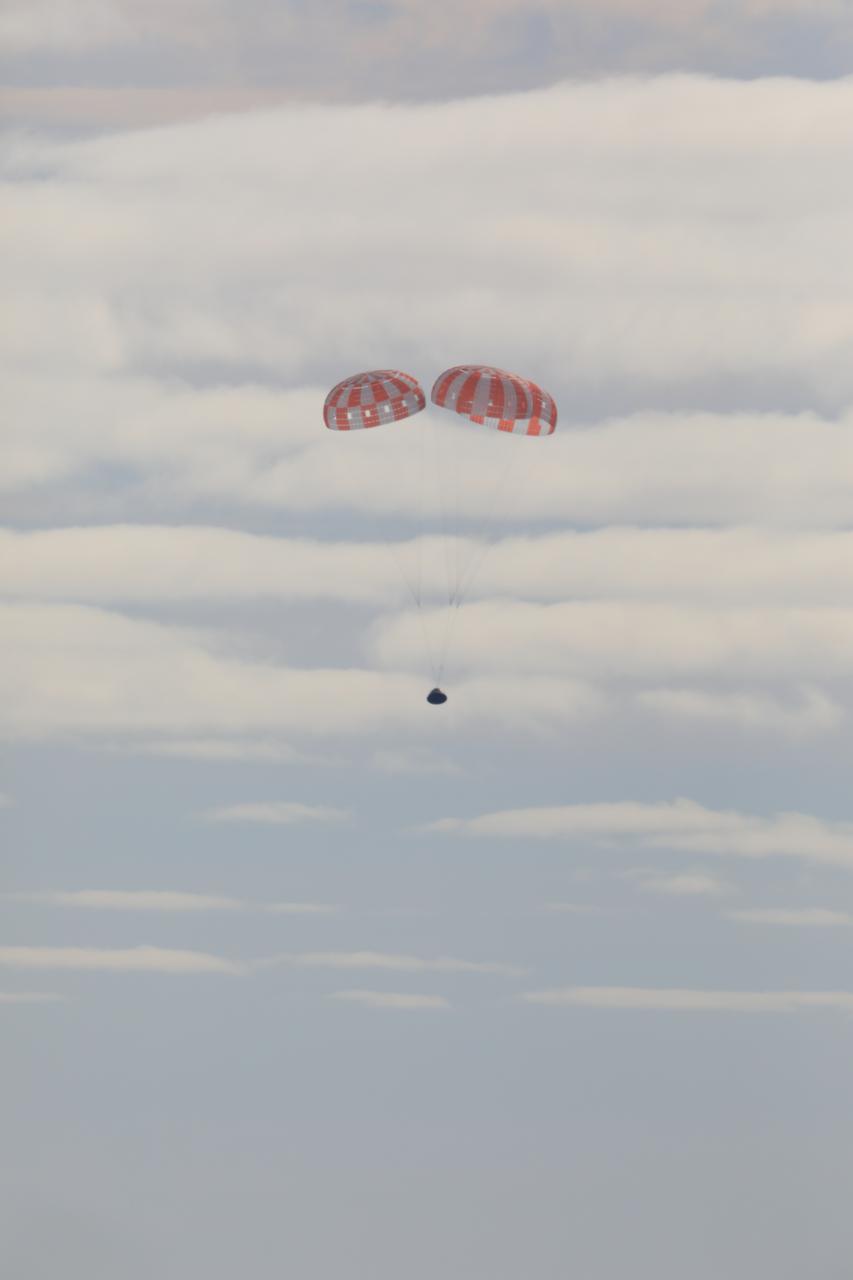
At 12:40 p.m. EST, Dec. 11, 2022, NASA’s Orion spacecraft for the Artemis I mission splashed down in the Pacific Ocean after a 25.5 day mission to the Moon. Orion will be recovered by NASA’s Landing and Recovery team, U.S. Navy and Department of Defense partners aboard the USS Portland.

NASA’s Orion spacecraft for the Artemis I mission was successfully recovered inside the well deck of the USS Portland on Dec. 11, 2022 off the coast of Baja California. After launching atop the Space Launch System rocket on Nov. 16, 2022 from the agency’s Kennedy Space Center in Florida, Orion spent 25.5 days in space before returning to Earth, completing the Artemis I mission.
NASA’s Orion spacecraft for the Artemis I mission was successfully recovered inside the well deck of the USS Portland on Dec. 11, 2022 off the coast of Baja California. After launching atop the Space Launch System rocket on Nov. 16, 2022 from the agency’s Kennedy Space Center in Florida, Orion spent 25.5 days in space before returning to Earth, completing the Artemis I mission.
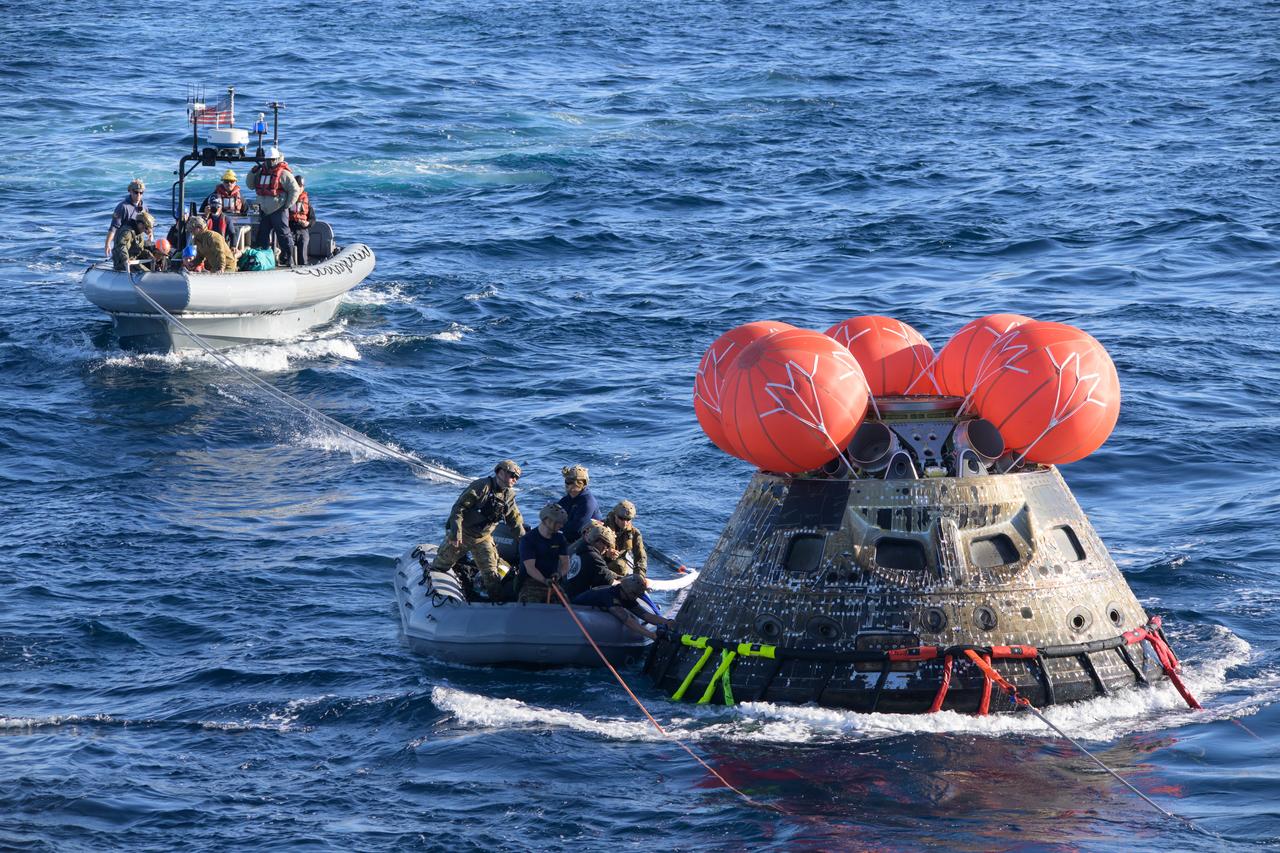
After splashing down at 12:40 p.m. EST on Dec. 11, 2022, U.S. Navy divers help recover the Orion Spacecraft for the Artemis I mission. NASA, the Navy and other Department of Defense partners worked together to secure the spacecraft inside the well deck of USS Portland approximately five hours after Orion splashed down in the Pacific Ocean off the coast of California.
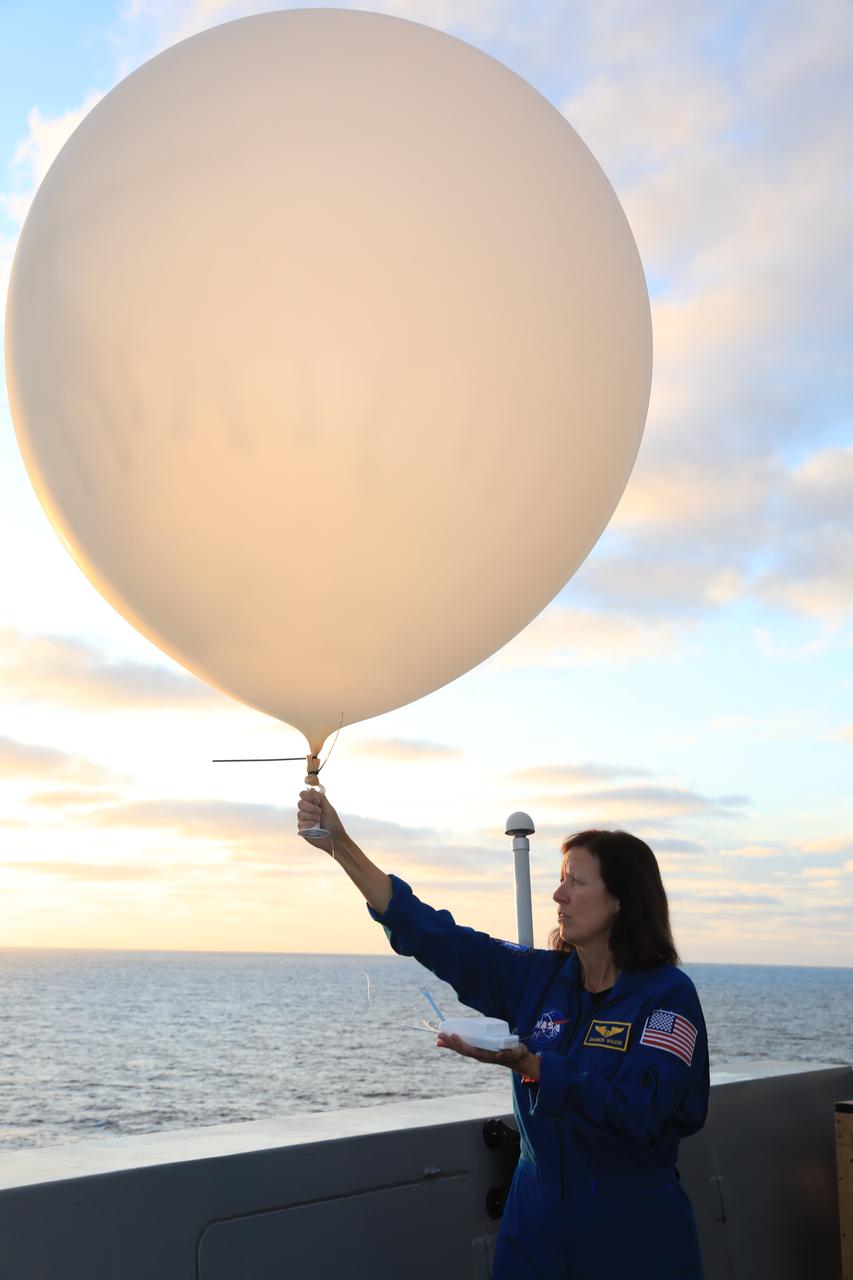
Astronaut Shannon Walker prepares to release a weather balloon from the deck of the USS Portland alongside members of the U.S. Space Force 45th Weather Squadron ahead of the splashdown of the Orion spacecraft on Dec. 11. NASA's Landing and Recovery team works alongside the DoD to safely recover Orion after Artemis missions to the Moon.
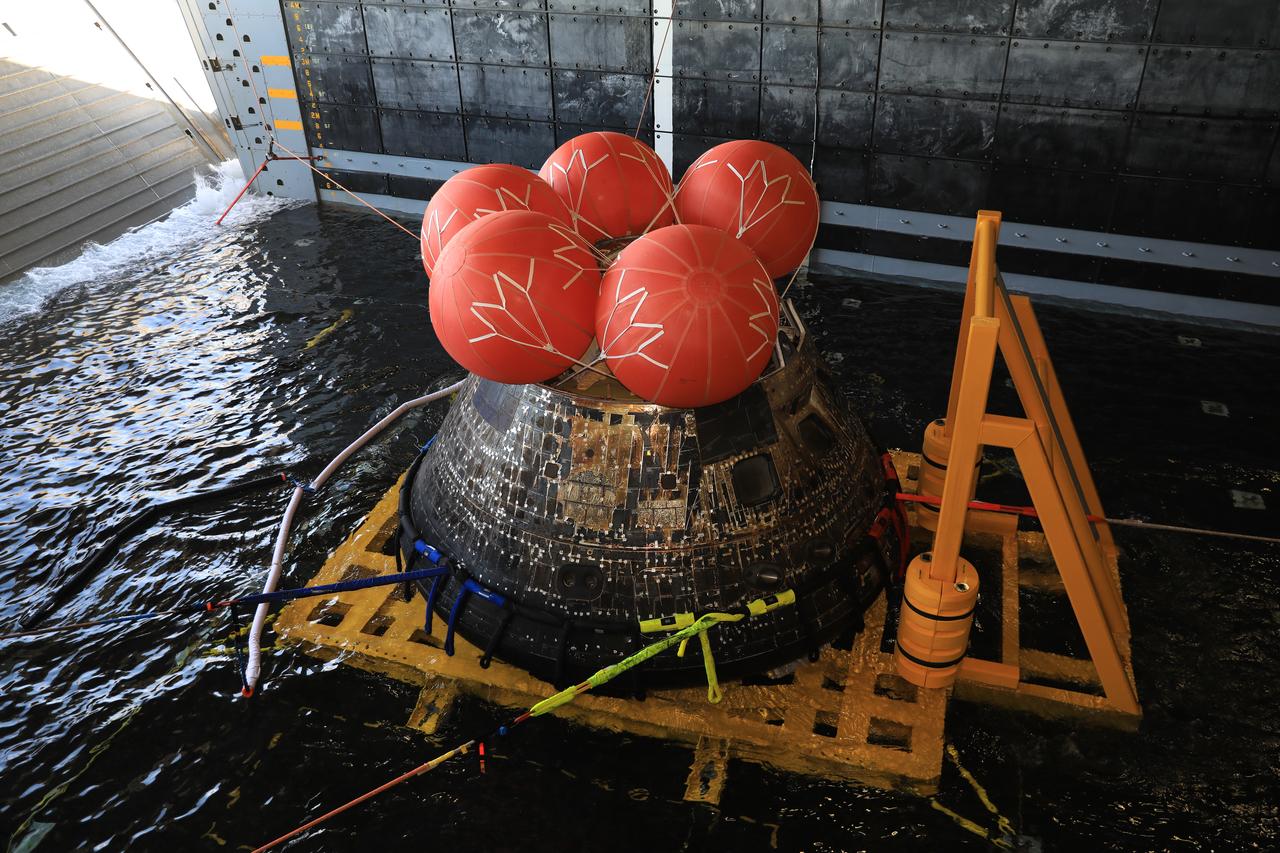
NASA’s Orion spacecraft for the Artemis I mission was successfully recovered inside the well deck of the USS Portland on Dec. 11, 2022 off the coast of Baja California. After launching atop the Space Launch System rocket on Nov. 16, 2022 from the agency’s Kennedy Space Center in Florida, Orion spent 25.5 days in space before returning to Earth, completing the Artemis I mission.
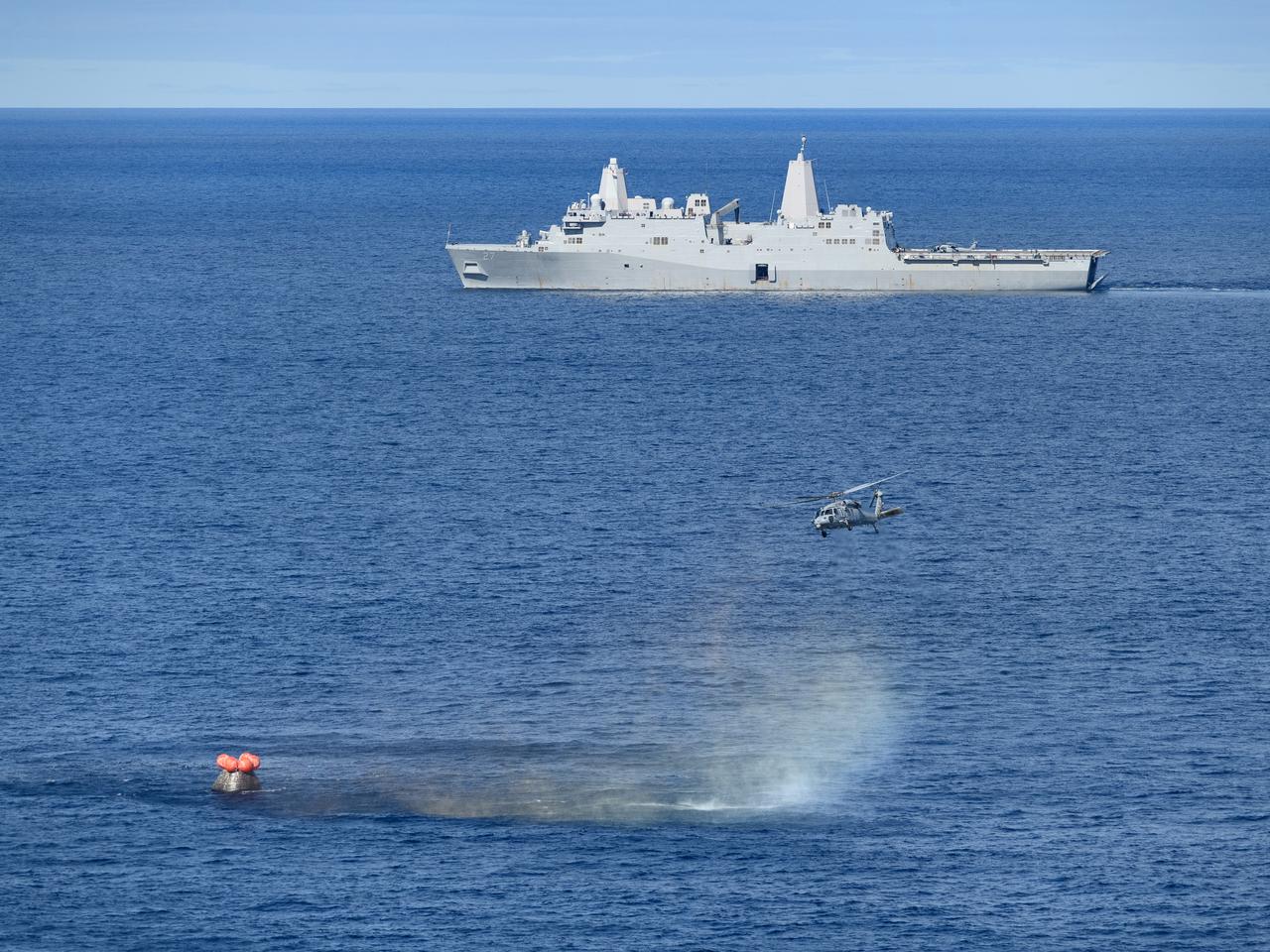
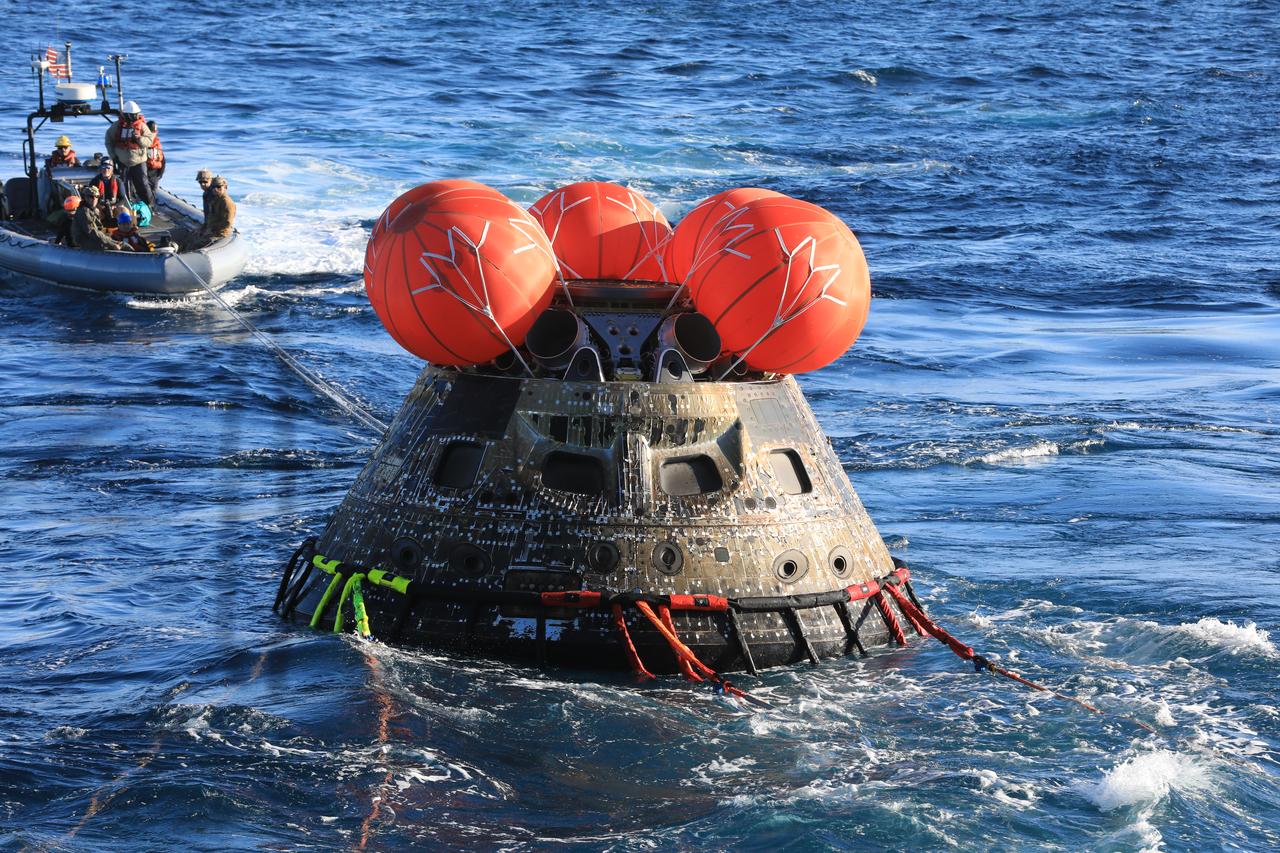
At 12:40 p.m. EST, Dec. 11, 2022, NASA’s Orion spacecraft for the Artemis I mission splashed down in the Pacific Ocean with the USS Portland seen in the distance after a 25.5 day mission to the Moon. Orion will be recovered by NASA’s Landing and Recovery team, U.S. Navy and Department of Defense partners aboard the USS Portland.

Astronaut Shannon Walker prepares to release a weather balloon from the deck of the USS Portland alongside members of the U.S. Space Force 45th Weather Squadron ahead of the splashdown of the Orion spacecraft on Dec. 11. NASA's Landing and Recovery team works alongside the DoD to safely recover Orion after Artemis missions to the Moon.
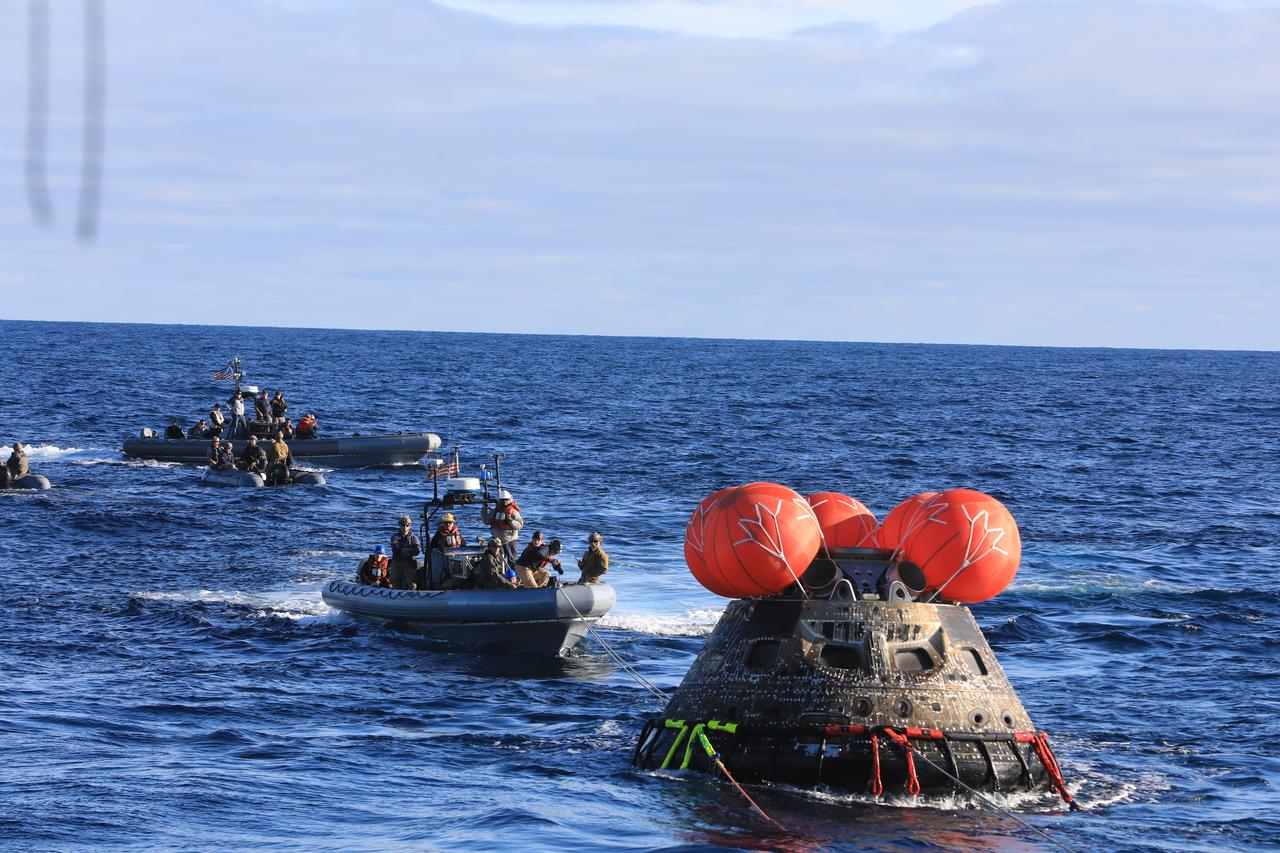
NASA’s Orion spacecraft for the Artemis I mission was successfully recovered inside the well deck of the USS Portland on Dec. 11, 2022 off the coast of Baja California. After launching atop the Space Launch System rocket on Nov. 16, 2022 from the agency’s Kennedy Space Center in Florida, Orion spent 25.5 days in space before returning to Earth, completing the Artemis I mission.
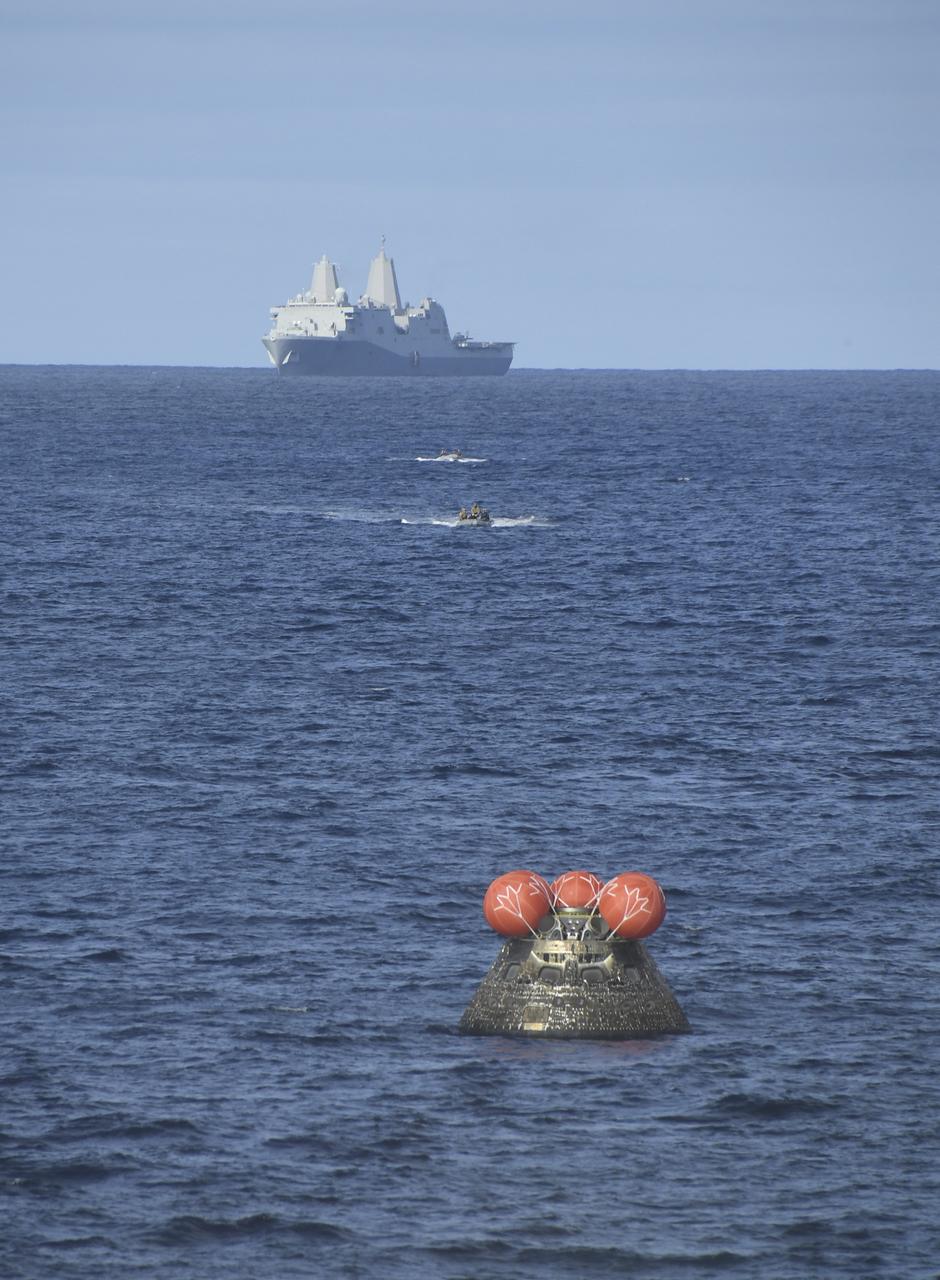
At 12:40 p.m. EST, Dec. 11, 2022, NASA’s Orion spacecraft for the Artemis I mission splashed down in the Pacific Ocean with the USS Portland seen in the distance after a 25.5 day mission to the Moon. Orion will be recovered by NASA’s Landing and Recovery team, U.S. Navy and Department of Defense partners aboard the USS Portland.
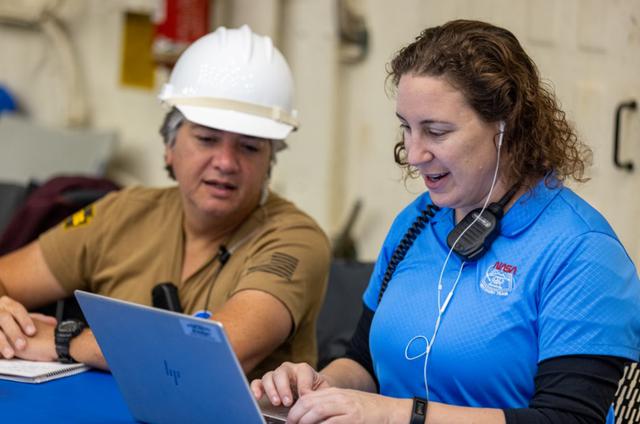
Operation Project Engineers Alex Bengoa and Vanessa Stroh review data during day 2 of Underway Recovery Test 9 (URT-9) aboard the USS John P. Murtha. During the weeklong test, NASA’s Landing and Recovery team is performing their final mission certification ahead of Artemis I.
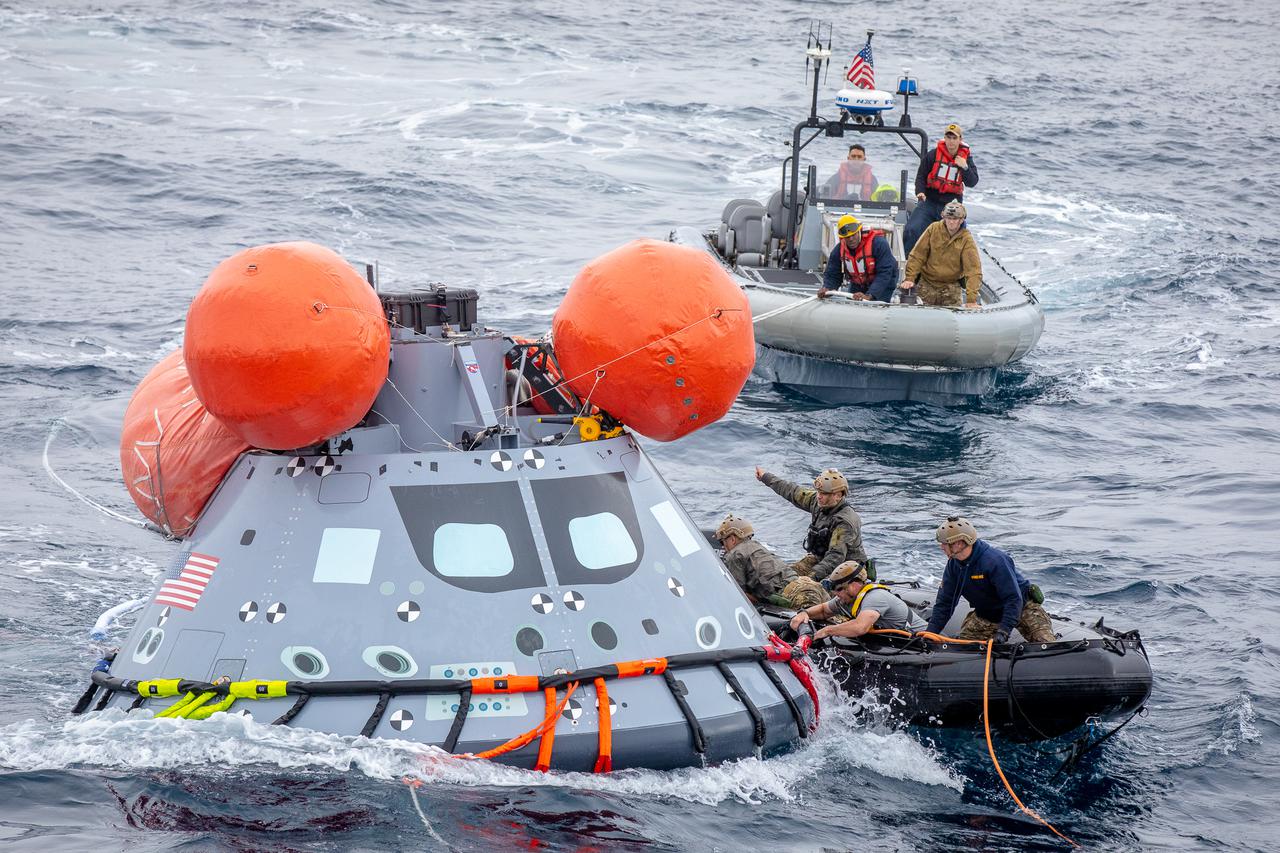
Navy divers from Explosive Ordnance Disposal (EOD) Expeditionary Support Unit 1, attach tending lines to a mock Orion capsule during Day 2 of Underway Recovery Test 9 (URT-9) aboard the USS John P. Murtha. During the weeklong test, NASA’s Landing and Recovery team is performing their final mission certification ahead of Artemis I.
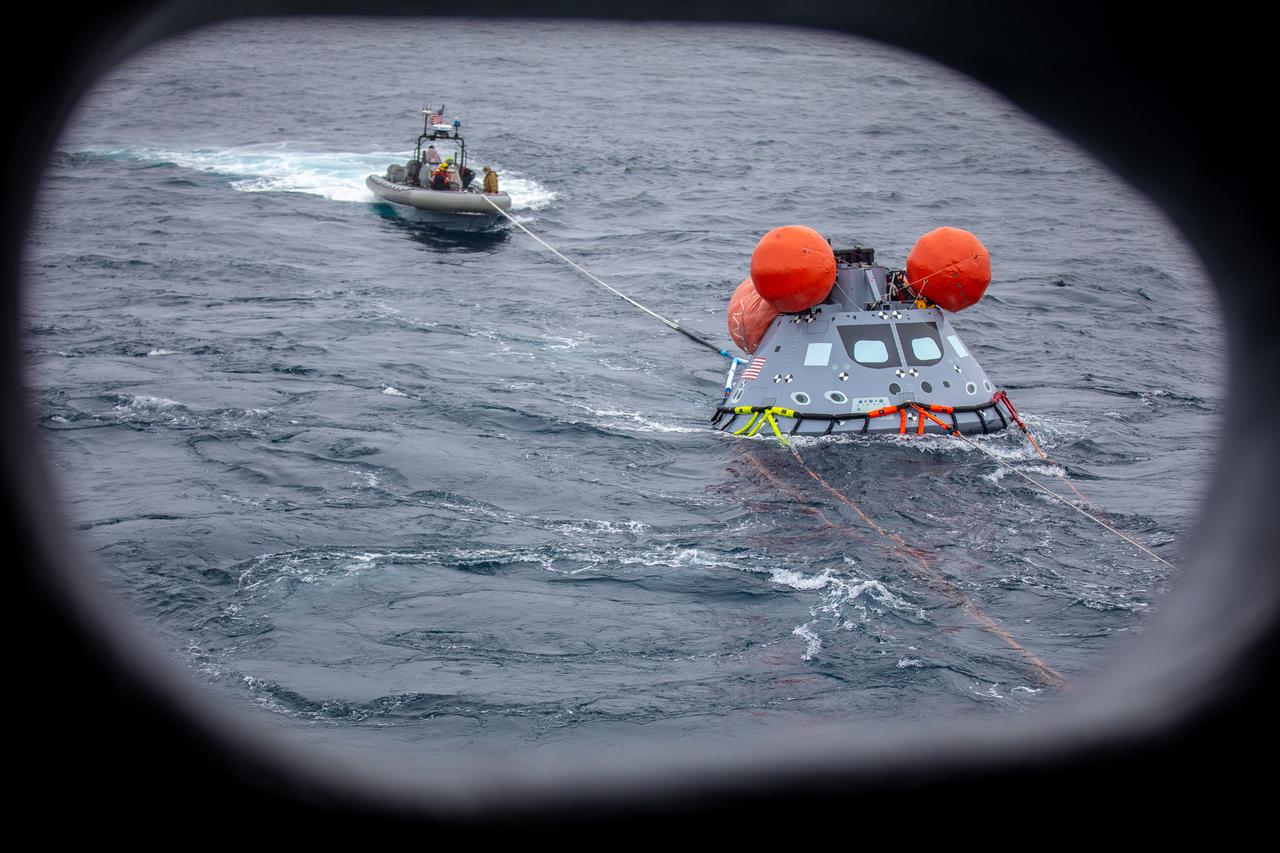
Day 2 of Underway Recovery Test 9 (URT-9) put NASA’s Landing and Recovery Team through its paces as they practiced recovering a mock Orion capsule into the back of the USS John P. Murtha. During the weeklong test, NASA’s Landing and Recovery team is performing their final mission certification ahead of Artemis I.
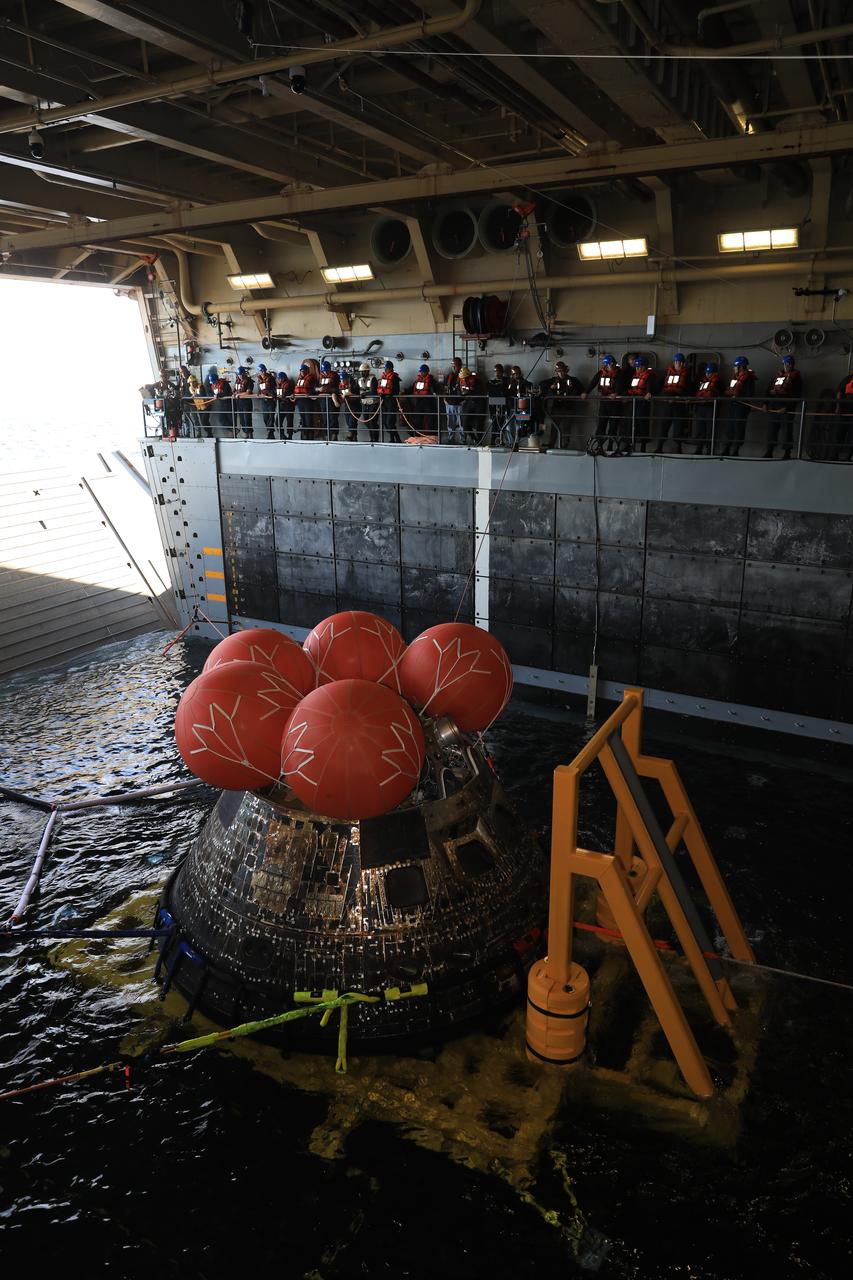
NASA’s Orion spacecraft for the Artemis I mission was successfully recovered inside the well deck of the USS Portland on Dec. 11, 2022 off the coast of Baja California. After launching atop the Space Launch System rocket on Nov. 16, 2022 from the agency’s Kennedy Space Center in Florida, Orion spent 25.5 days in space before returning to Earth, completing the Artemis I mission.
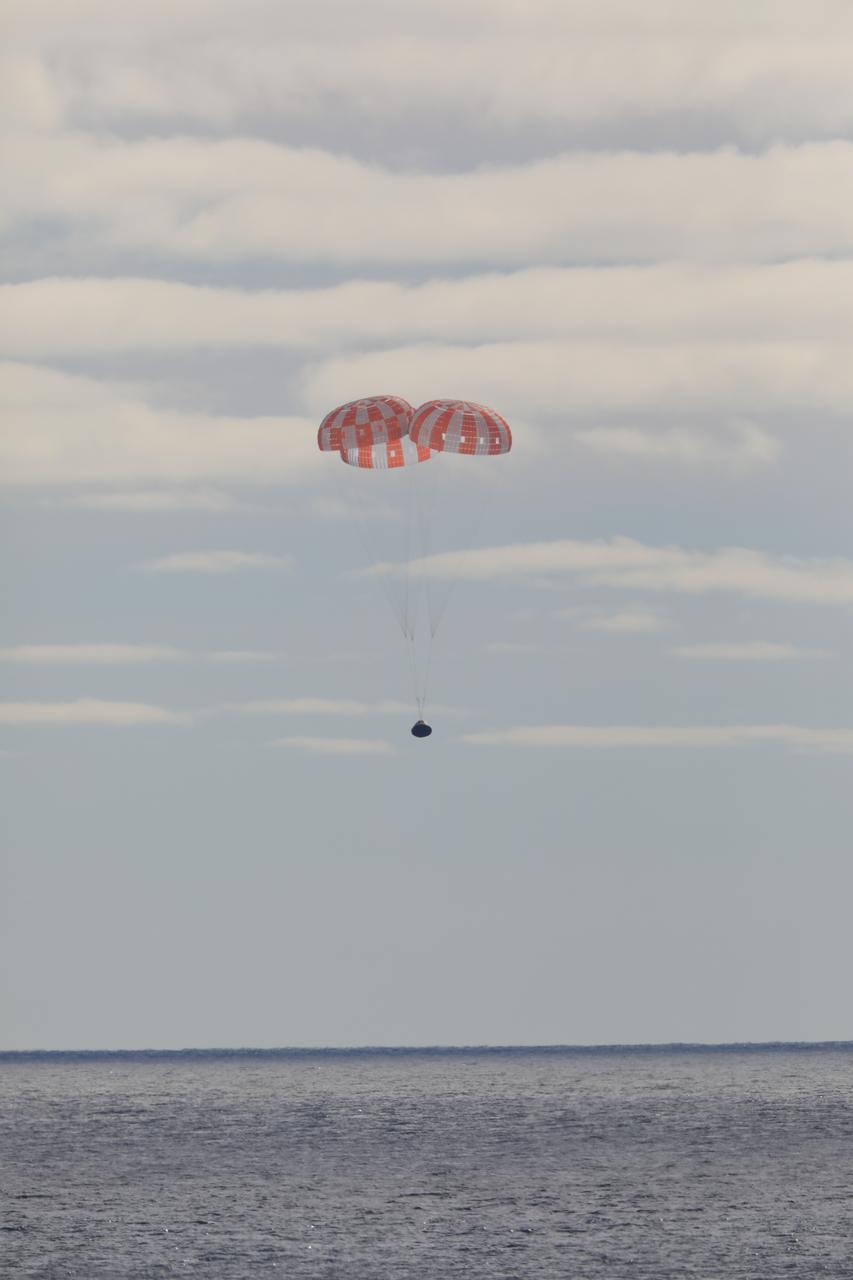
At 12:40 p.m. EST, Dec. 11, 2022, NASA’s Orion spacecraft for the Artemis I mission splashed down in the Pacific Ocean after a 25.5 day mission to the Moon. Orion will be recovered by NASA’s Landing and Recovery team, U.S. Navy and Department of Defense partners aboard the USS Portland.
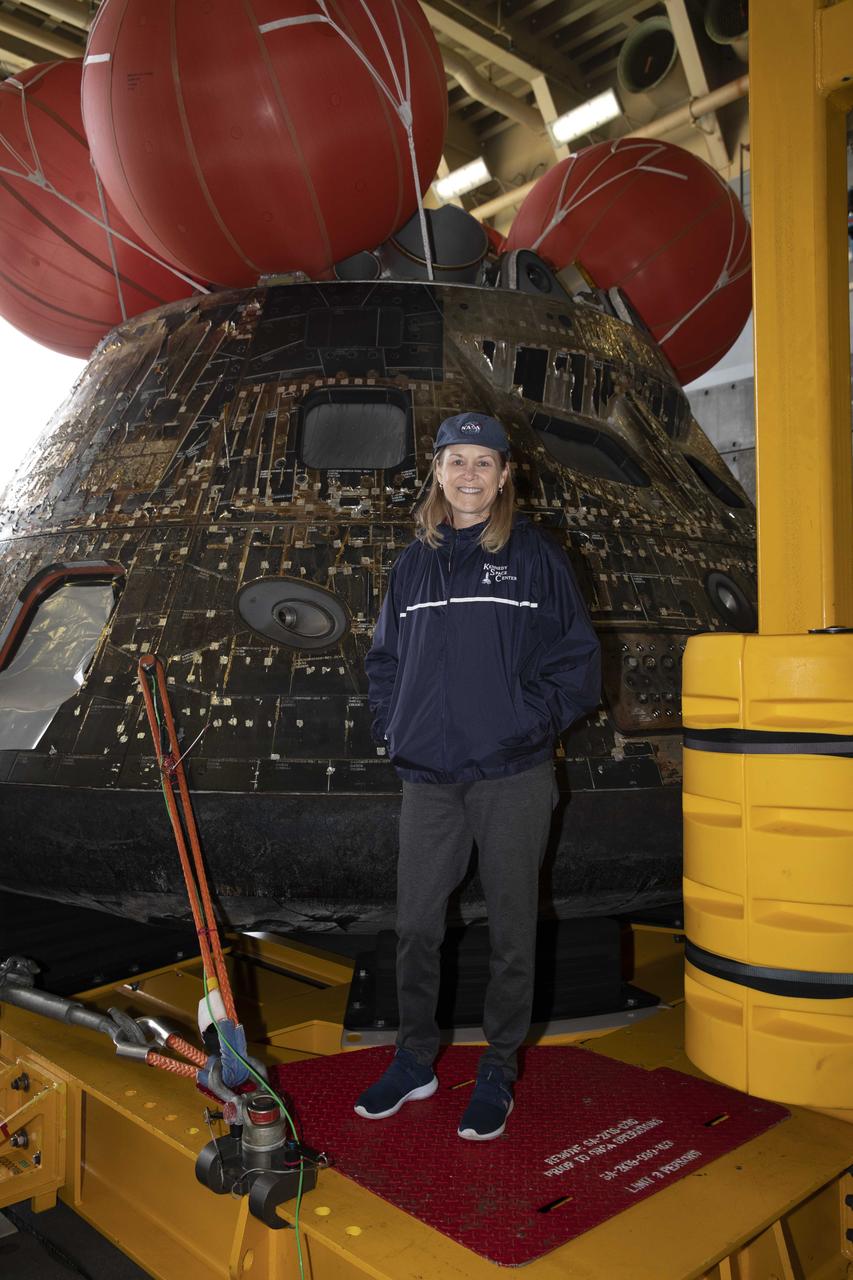
Kennedy Space Center Director Janet Petro stands near the Artemis I Orion spacecraft inside the well deck of the USS Portland at U.S. Naval Base San Diego on Dec. 13, 2022. The Orion spacecraft is secured inside the well deck after splashing down at 12:40 p.m. EST on Dec. 11, 2022. U.S. Navy divers helped recover the Orion spacecraft. NASA, the Navy and other Department of Defense partners worked together to secure the spacecraft inside the ship’s well deck approximately five hours after Orion splashed down in the Pacific Ocean off the coast of Baja, California.
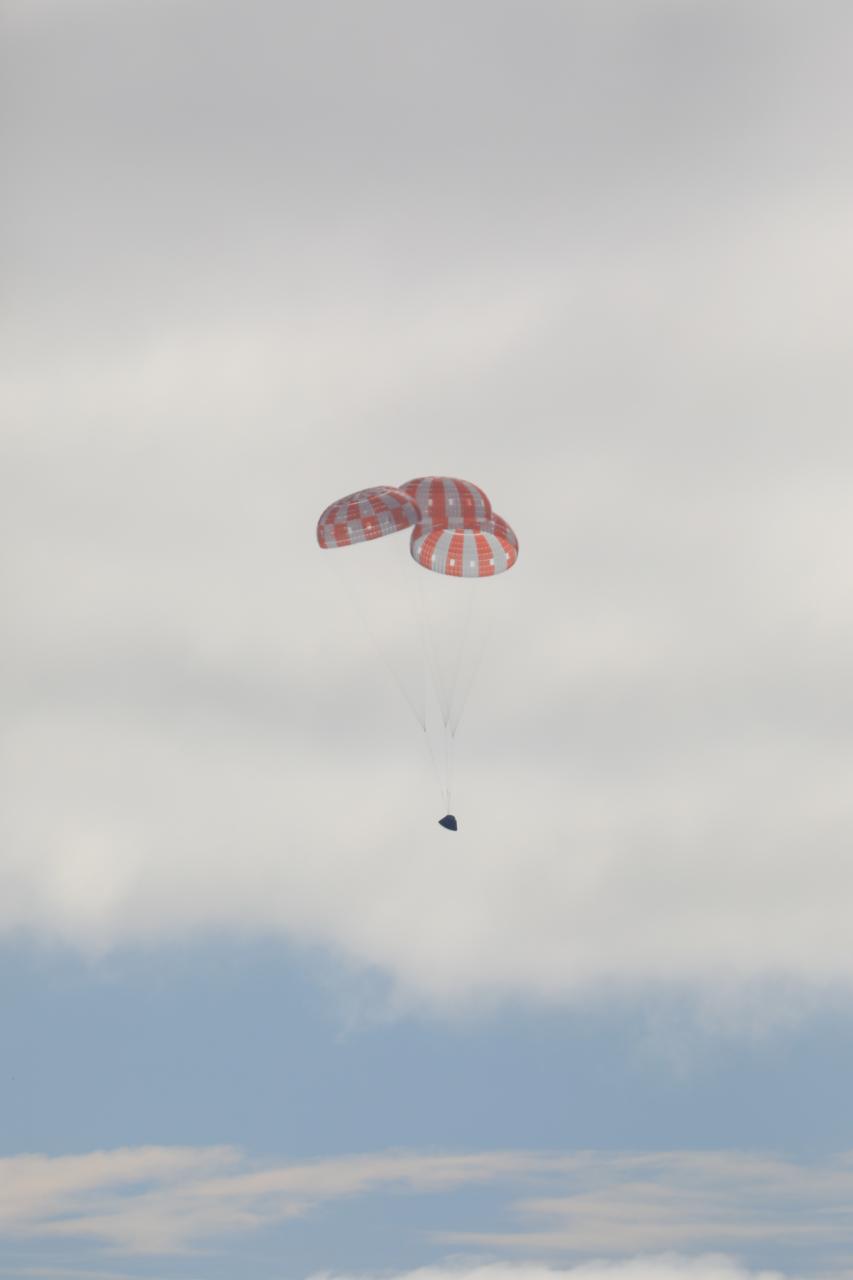
At 12:40 p.m. EST, Dec. 11, 2022, NASA’s Orion spacecraft for the Artemis I mission splashed down in the Pacific Ocean after a 25.5 day mission to the Moon. Orion will be recovered by NASA’s Landing and Recovery team, U.S. Navy and Department of Defense partners aboard the USS Portland.
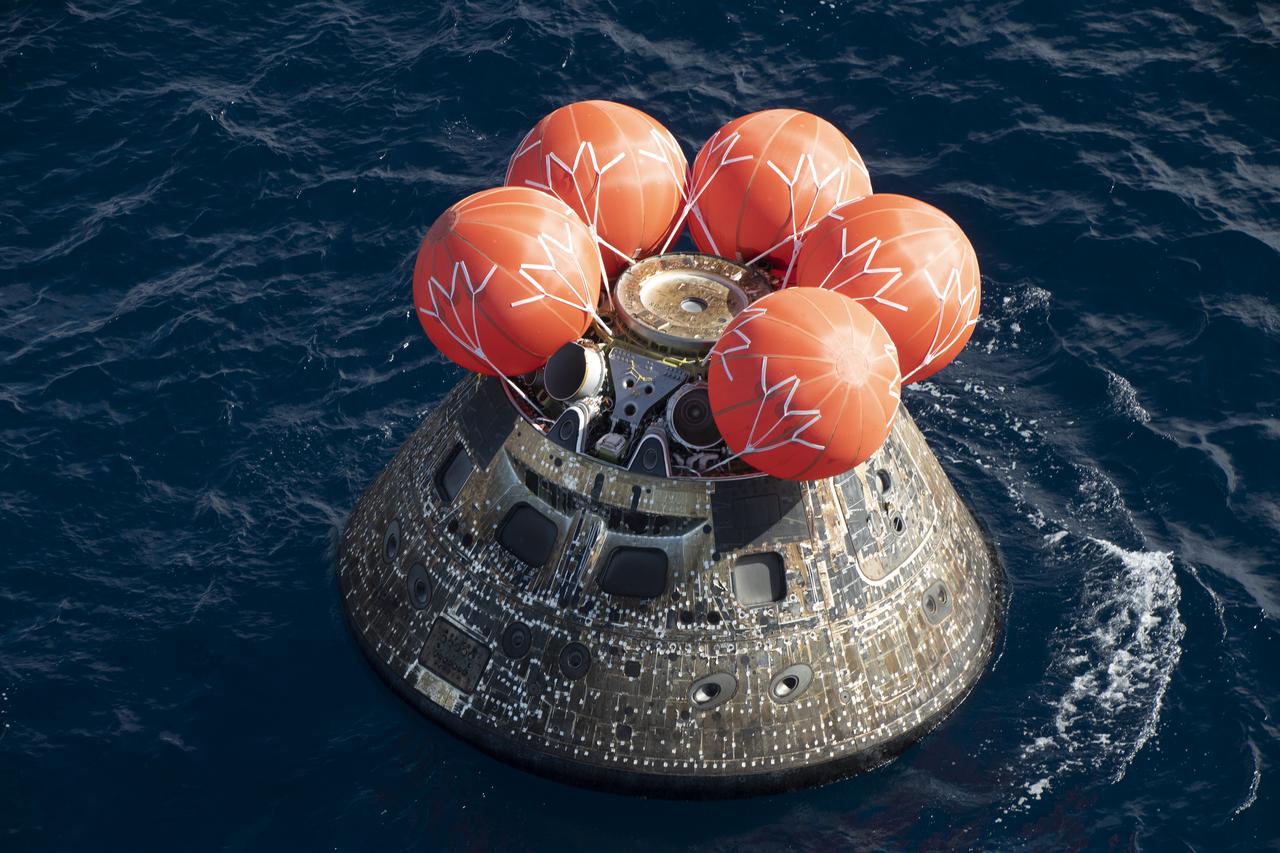
At 12:40 p.m. EST, Dec. 11, 2022, NASA’s Orion spacecraft for the Artemis I mission splashed down in the Pacific Ocean after a 25.5 day mission to the Moon. Orion will be recovered by NASA’s Landing and Recovery team, U.S. Navy and Department of Defense partners aboard the USS Portland.
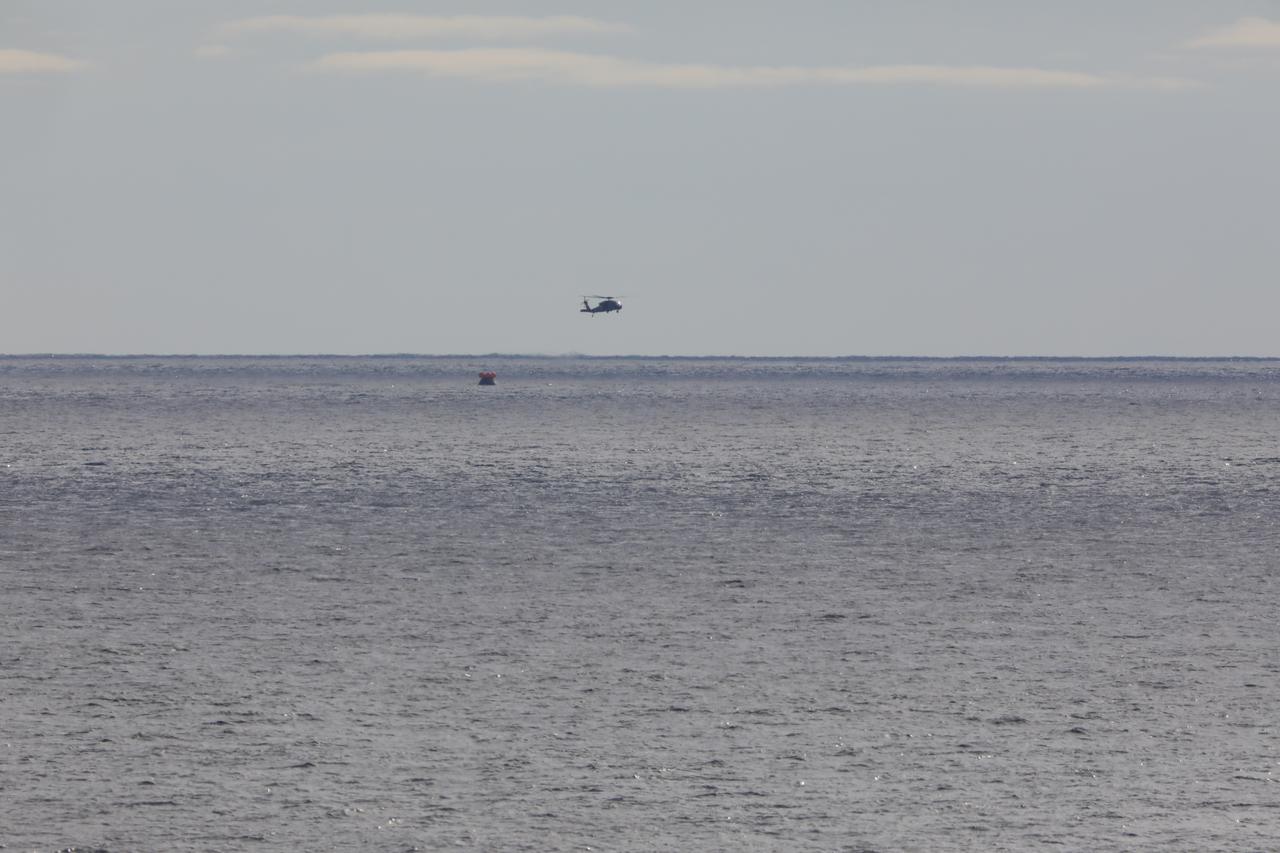
Helicopters and Navy divers surround NASA’s Orion spacecraft after it splashed down at 12:40 p.m. EST Dec. 11, 2022 in the Pacific Ocean after a 25.5 day mission to the Moon. Orion will be recovered by NASA’s Landing and Recovery team, U.S. Navy and Department of Defense partners aboard the USS Portland.
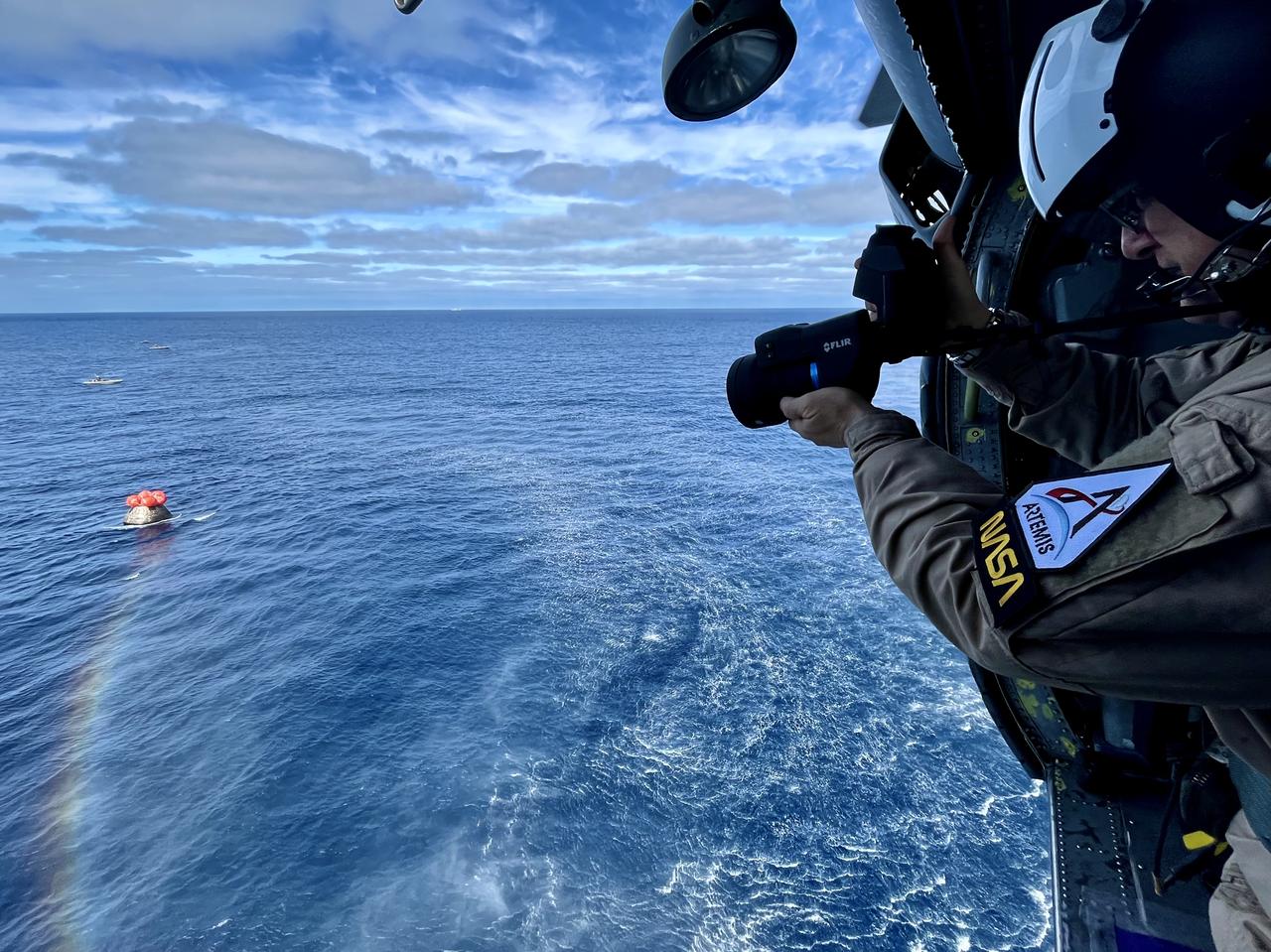
NASA’s Orion spacecraft for the Artemis I mission was successfully recovered inside the well deck of the USS Portland on Dec. 11, 2022 off the coast of Baja California. After launching atop the Space Launch System rocket on Nov. 16, 2022 from the agency’s Kennedy Space Center in Florida, Orion spent 25.5 days in space before returning to Earth, completing the Artemis I mission.
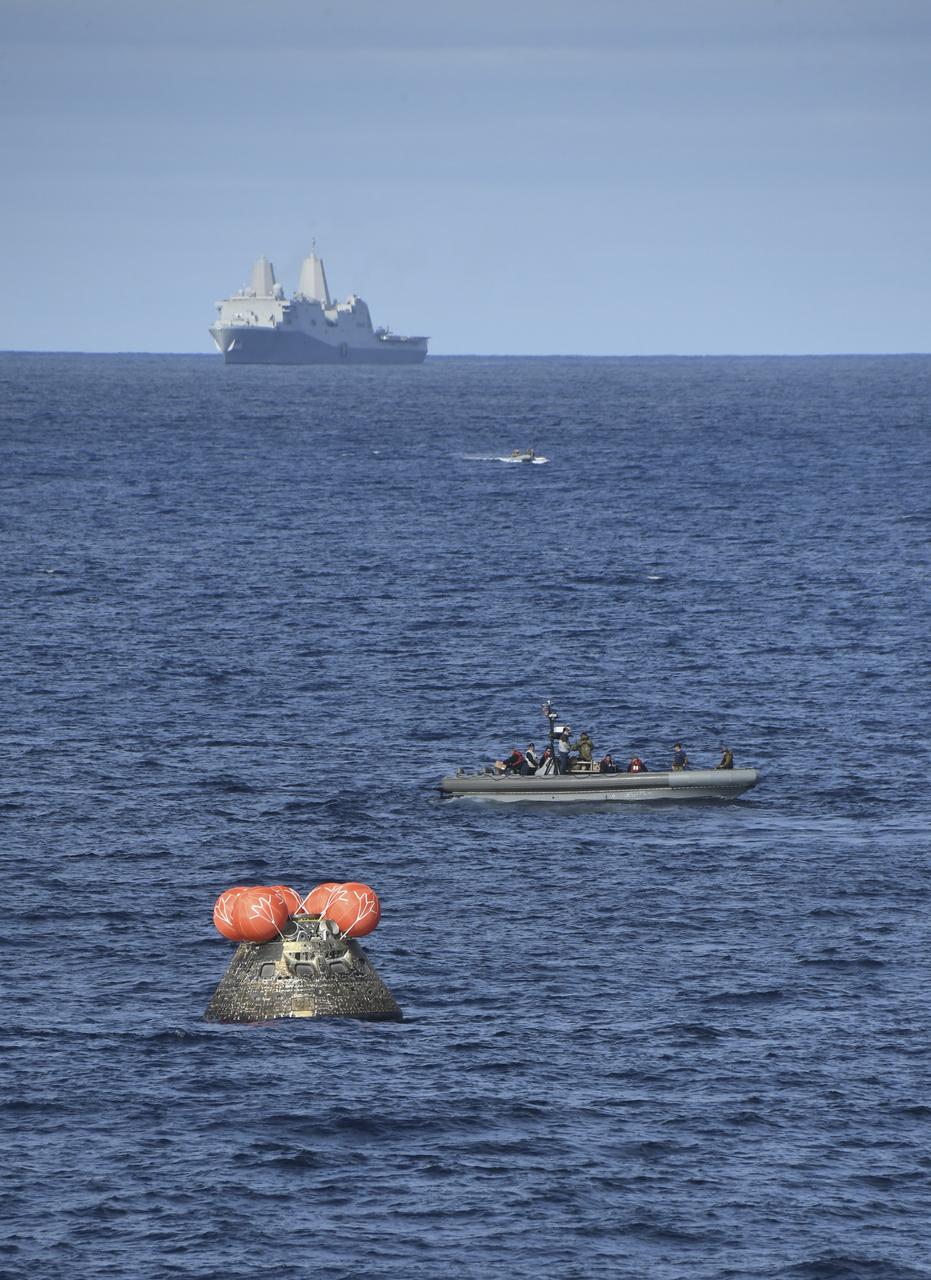
At 12:40 p.m. EST, Dec. 11, 2022, NASA’s Orion spacecraft for the Artemis I mission splashed down in the Pacific Ocean with the USS Portland seen in the distance after a 25.5 day mission to the Moon. Orion will be recovered by NASA’s Landing and Recovery team, U.S. Navy and Department of Defense partners aboard the USS Portland.
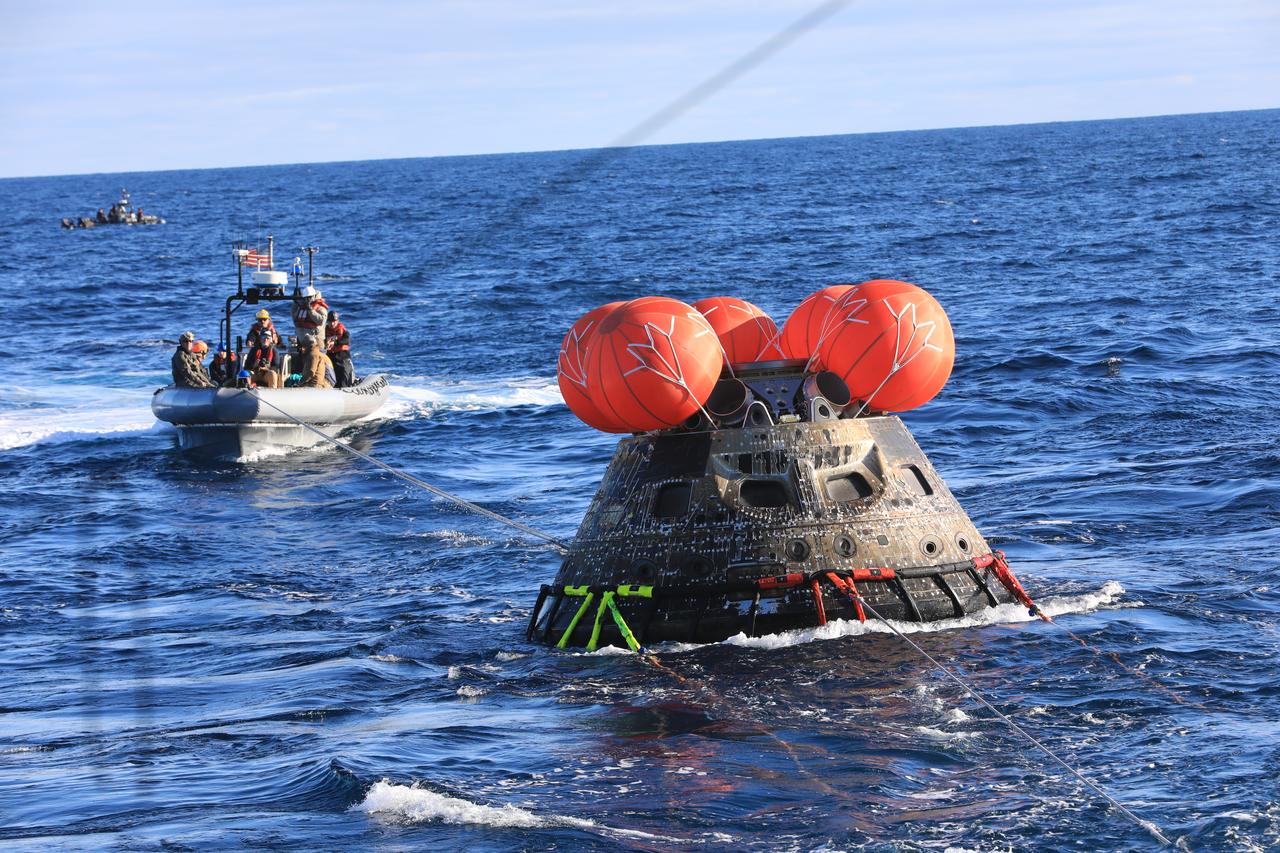
NASA’s Orion spacecraft for the Artemis I mission was successfully recovered inside the well deck of the USS Portland on Dec. 11, 2022 off the coast of Baja California. After launching atop the Space Launch System rocket on Nov. 16, 2022 from the agency’s Kennedy Space Center in Florida, Orion spent 25.5 days in space before returning to Earth, completing the Artemis I mission.
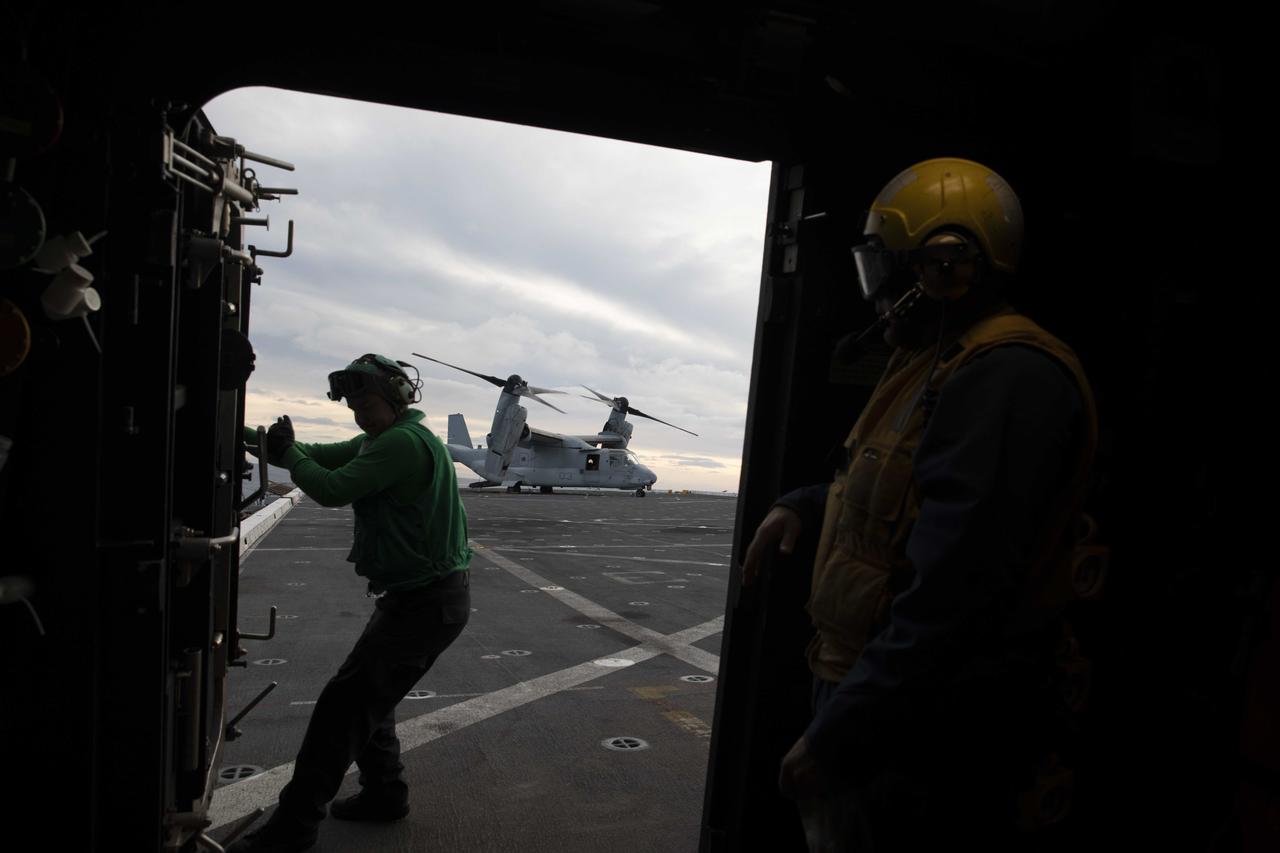
A member of the U.S. Navy helicopter team aboard USS Portland opens a door to the flight deck after a V-22 Osprey lands prior to NASA’s Orion splashdown for the Artemis I mission on Dec. 11, 2022.
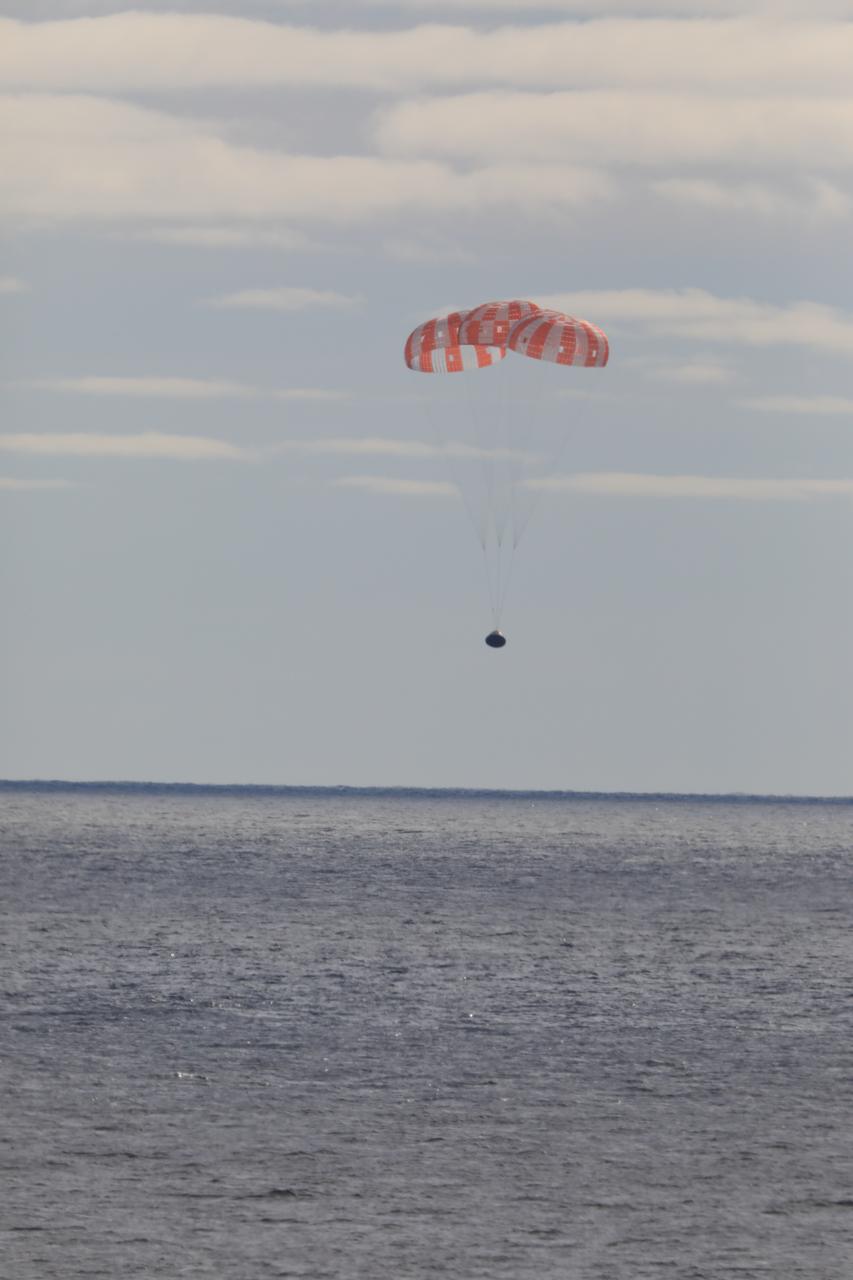
At 12:40 p.m. EST, Dec. 11, 2022, NASA’s Orion spacecraft for the Artemis I mission splashed down in the Pacific Ocean after a 25.5 day mission to the Moon. Orion will be recovered by NASA’s Landing and Recovery team, U.S. Navy and Department of Defense partners aboard the USS Portland.
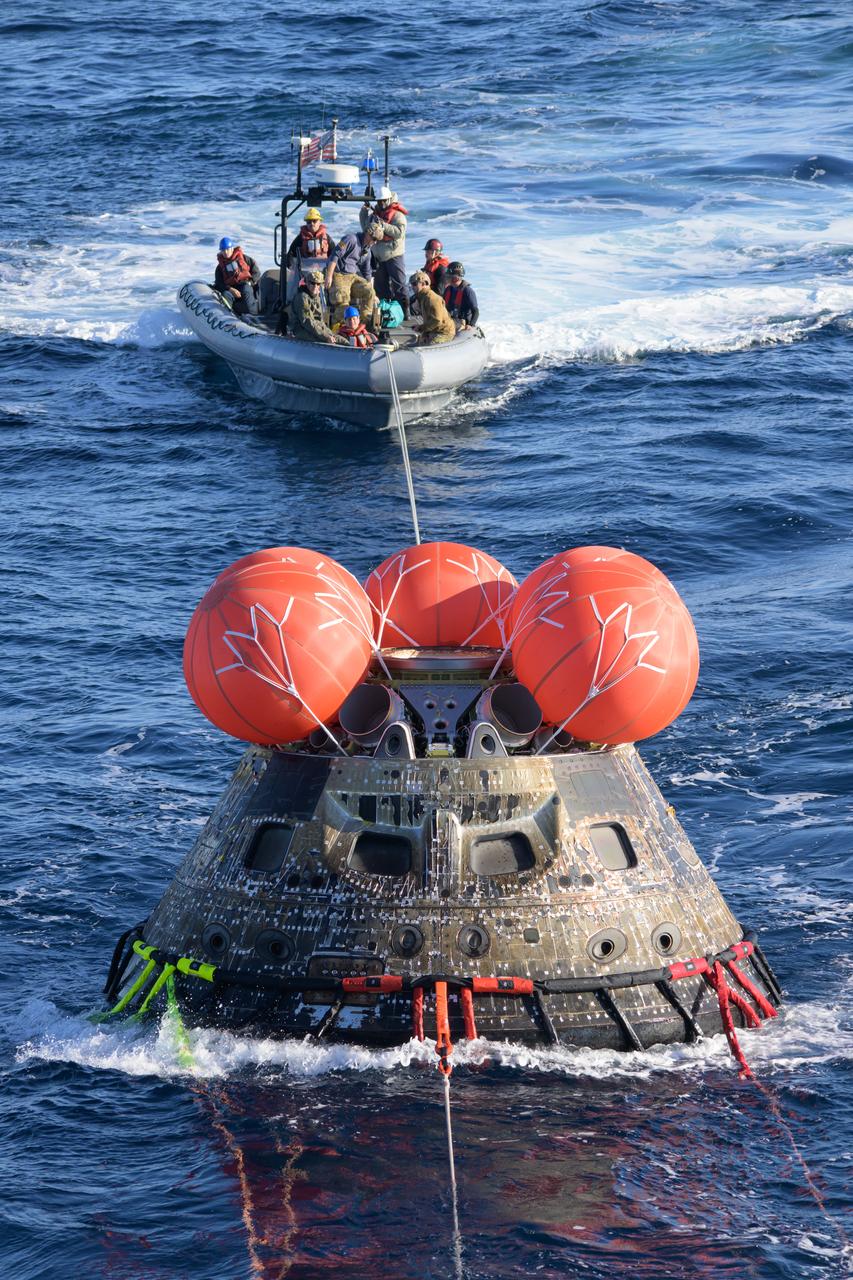
After splashing down at 12:40 p.m. EST on Dec. 11, 2022, U.S. Navy divers help recover the Orion Spacecraft for the Artemis I mission. NASA, the Navy and other Department of Defense partners worked together to secure the spacecraft inside the well deck of USS Portland approximately five hours after Orion splashed down in the Pacific Ocean off the coast of California.
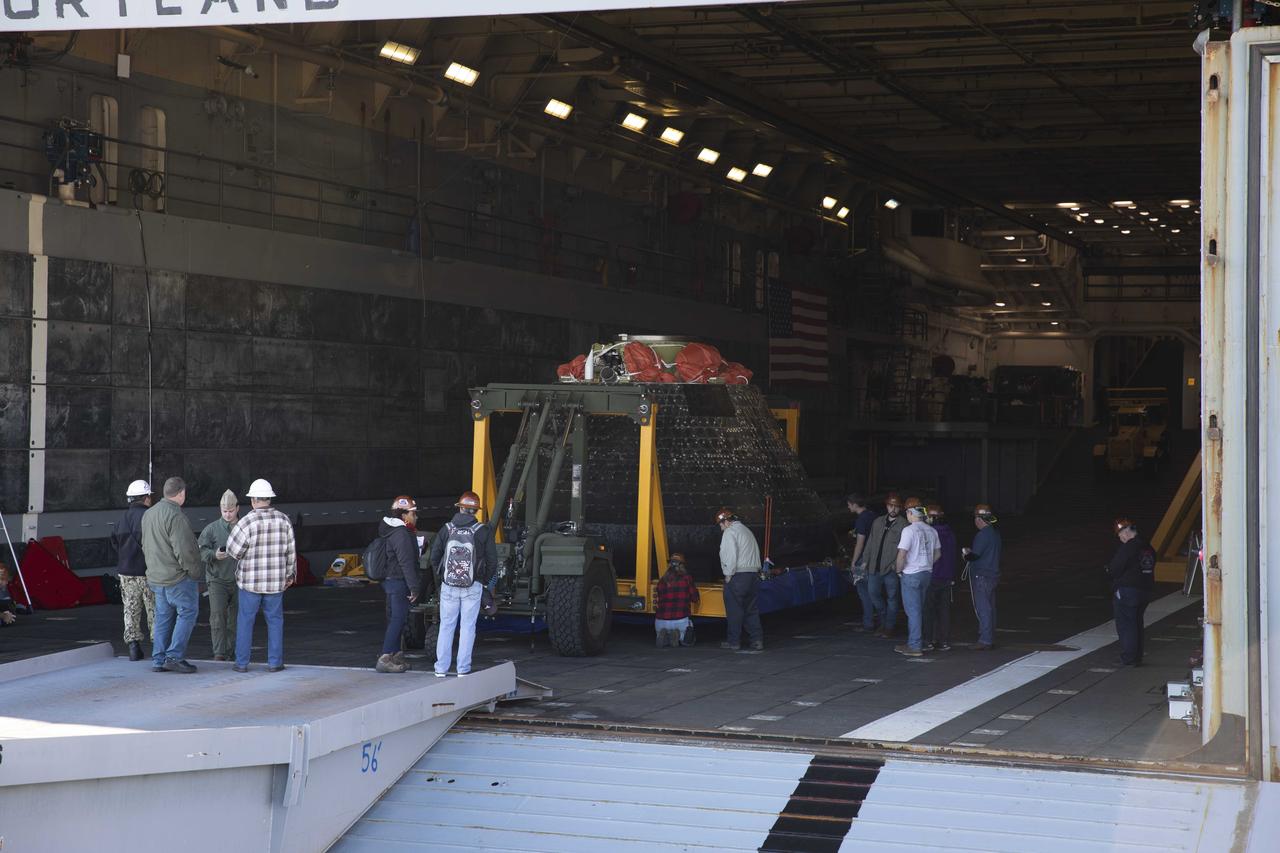
Team members with NASA’s Exploration Ground Systems program successfully removed the Artemis I Orion spacecraft from the USS Portland Dec. 14, after the ship arrived at U.S. Naval Base San Diego.
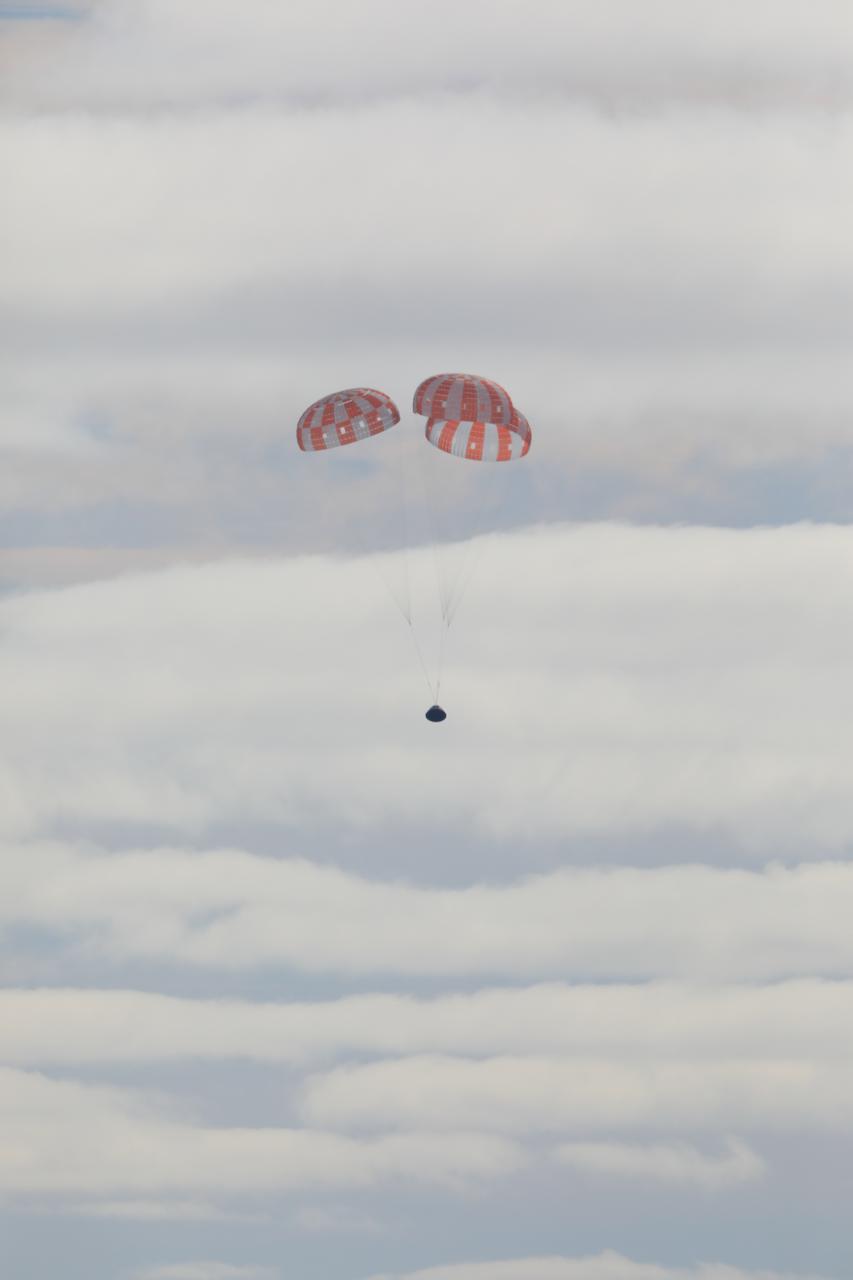
At 12:40 p.m. EST, Dec. 11, 2022, NASA’s Orion spacecraft for the Artemis I mission splashed down in the Pacific Ocean after a 25.5 day mission to the Moon. Orion will be recovered by NASA’s Landing and Recovery team, U.S. Navy and Department of Defense partners aboard the USS Portland.
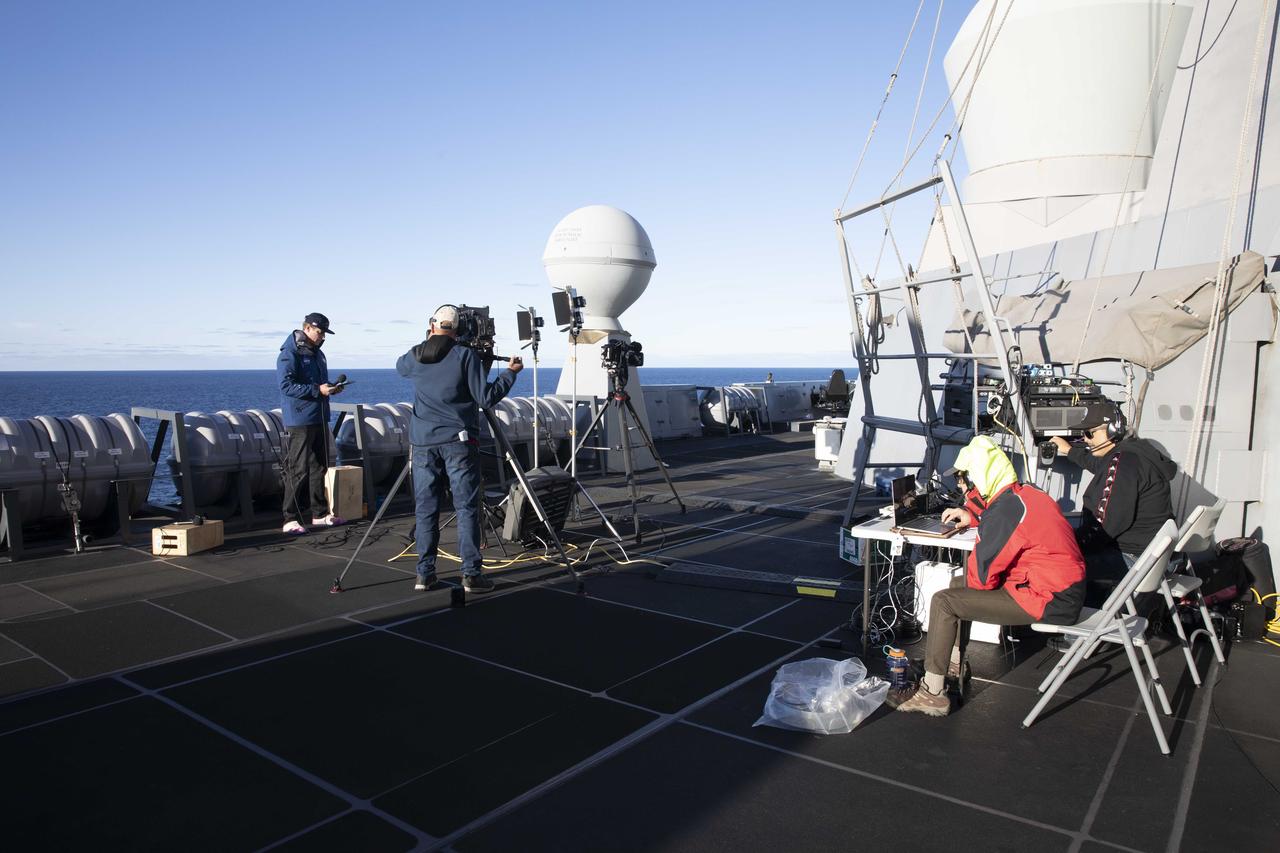
Members of Kennedy Space Center’s public affairs team prepare for live coverage of NASA’s Orion spacecraft’s splashdown for the Artemis I mission while aboard USS Portland. Orion safely splashed down in the Pacific Ocean on Dec. 11, 2022, completing a 25.5 day mission around the Moon and back.
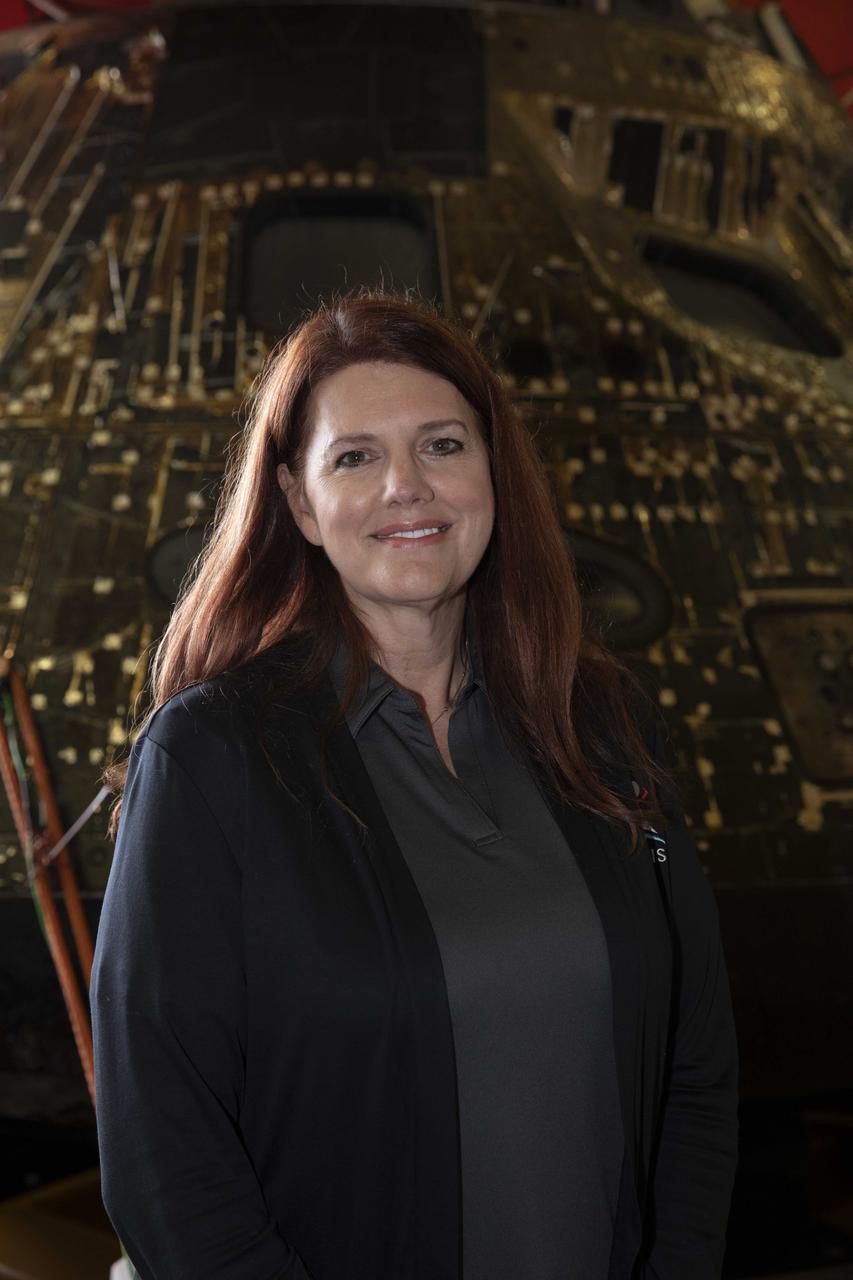
NASA Artemis Launch Director Charlie Blackwell-Thompson, with the Exploration Ground Systems program, stands near the Artemis I Orion spacecraft inside the well deck of the USS Portland at U.S. Naval Base San Diego on Dec. 13, 2022. The Orion spacecraft is secured inside the well deck after splashing down at 12:40 p.m. EST on Dec. 11, 2022. U.S. Navy divers helped recover the Orion spacecraft. NASA, the Navy and other Department of Defense partners worked together to secure the spacecraft inside the ship’s well deck approximately five hours after Orion splashed down in the Pacific Ocean off the coast of Baja, California.
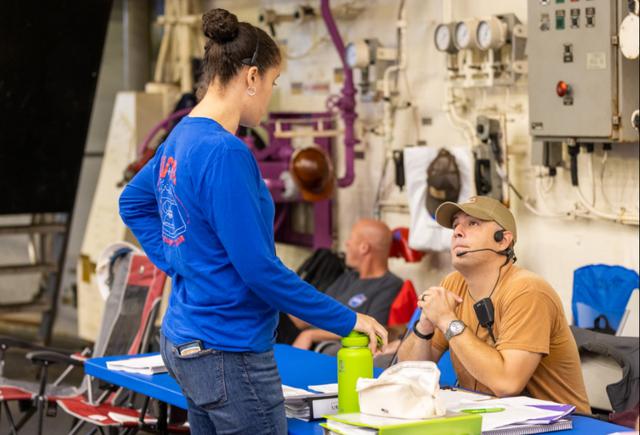
NASA Test Director (NTD) Christine St. Germain consults with fellow NTD Paul Sierpinski on day 2 of Underway Recovery Test 9 (URT-9) aboard the USS John P. Murtha. During the weeklong test, NASA’s Landing and Recovery team is performing their final mission certification ahead of Artemis I.
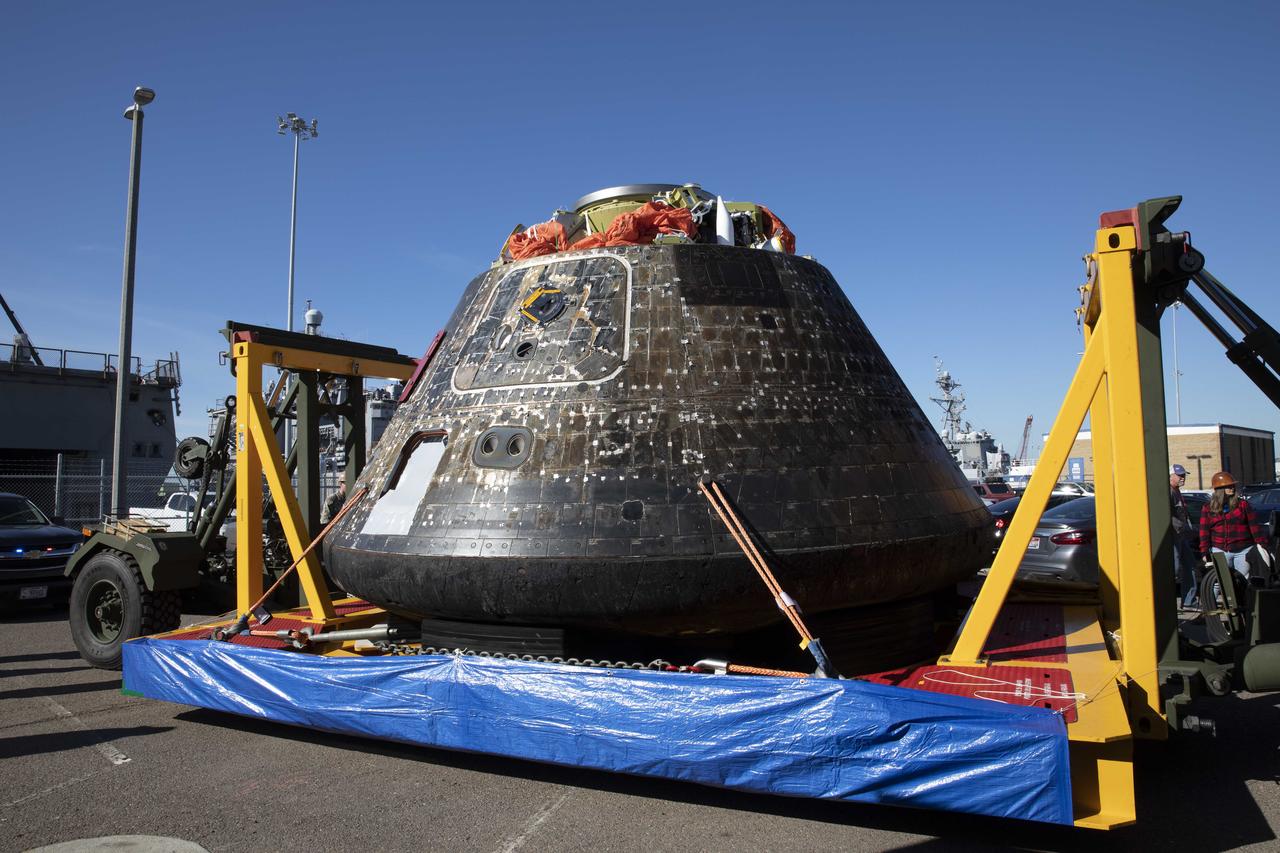
Team members with NASA’s Exploration Ground Systems program successfully removed the Artemis I Orion spacecraft from the USS Portland Dec. 14, after the ship arrived at U.S. Naval Base San Diego.