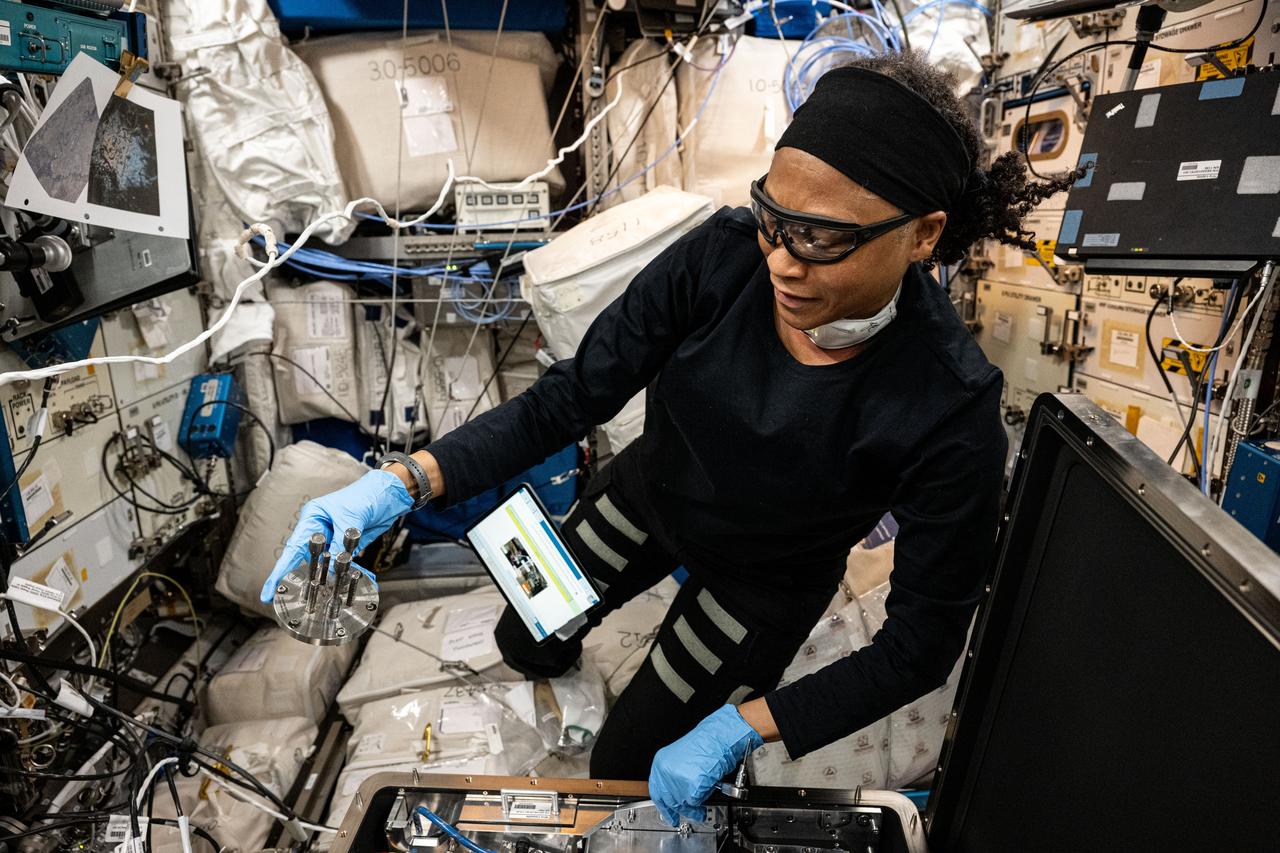
iss071e522127 (Aug. 21, 2024) --- NASA astronaut and Expedition 71 Flight Engineer Jeanette Epps configures the Metal 3D printer that manufactures experimental samples printed with stainless steel aboard the International Space Station's Columbus laboratory module. Researchers are exploring how the Metal 3D printer operates in the microgravity conditions of weightlessness and radiation as well as its ability to manufacture tools and parts on demand during space missions.
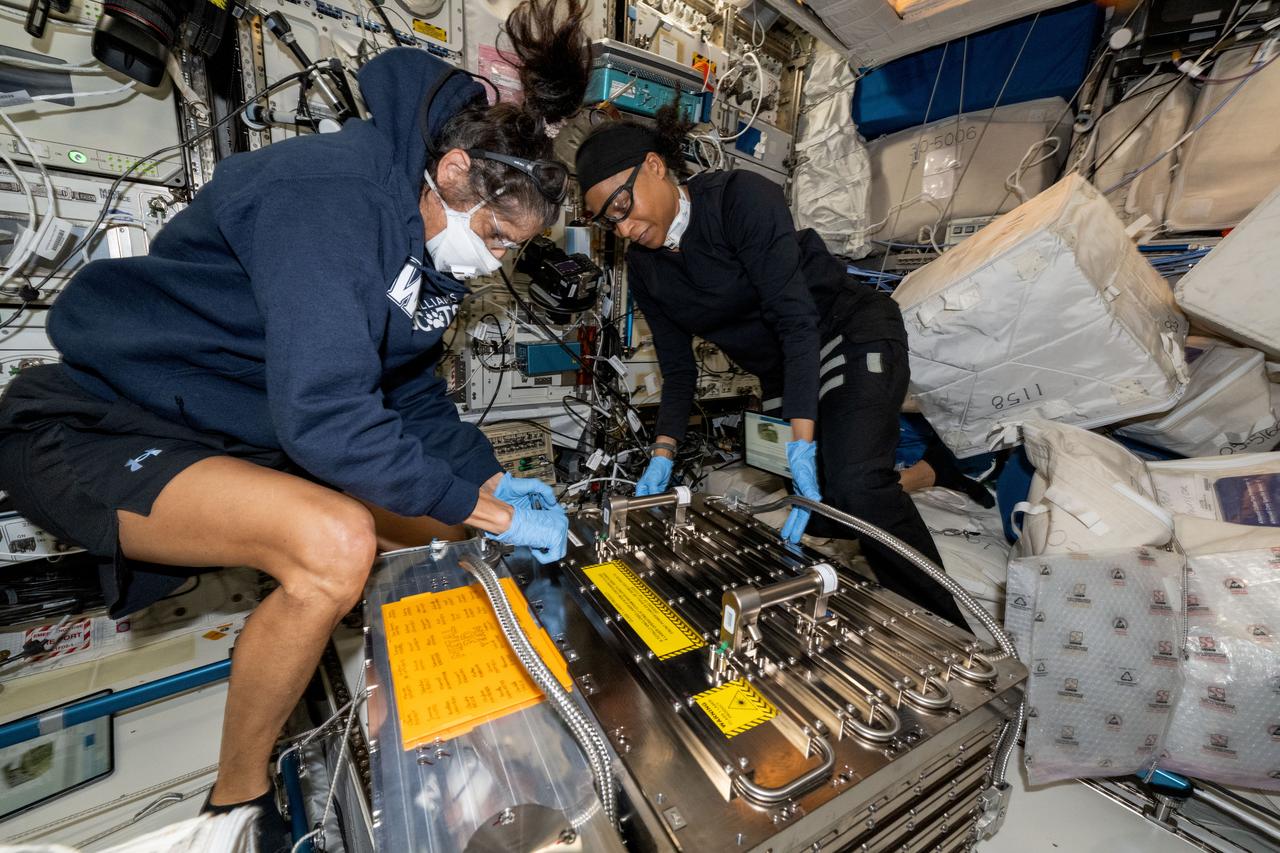
iss071e523326 (Aug. 21, 2024) --- NASA astronauts (from left) Suni Williams, Pilot for Boeing's Crew Flight Test, and Jeanette Epps, Expedition 71 Flight Engineer, configure the Metal 3D printer inside the Columbus laboratory module. They retrieved an experimental sample printed with stainless steel, replaced a substrate in the advanced manufacturing hardware, then reinstalled the 3D printer back in Columbus' European Drawer Rack-2. Researchers are exploring how the Metal 3D printer operates in the microgravity conditions of weightlessness and radiation as well as its ability to manufacture tools and parts on demand during space missions.
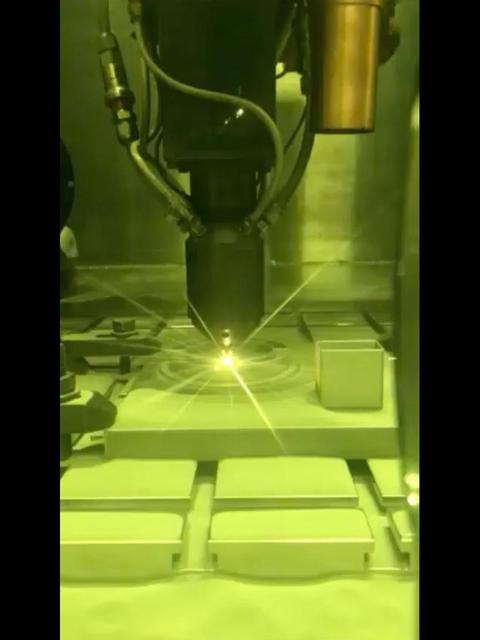
This video clip shows a 3D printing technique where a printer head scans over each layer of a part, blowing metal powder that is melted by a laser. It's one of several ways parts are 3D printed at NASA's Jet Propulsion Laboratory, but was not used to create the parts aboard the Perseverance rover. Movie available at https://photojournal.jpl.nasa.gov/catalog/PIA23972
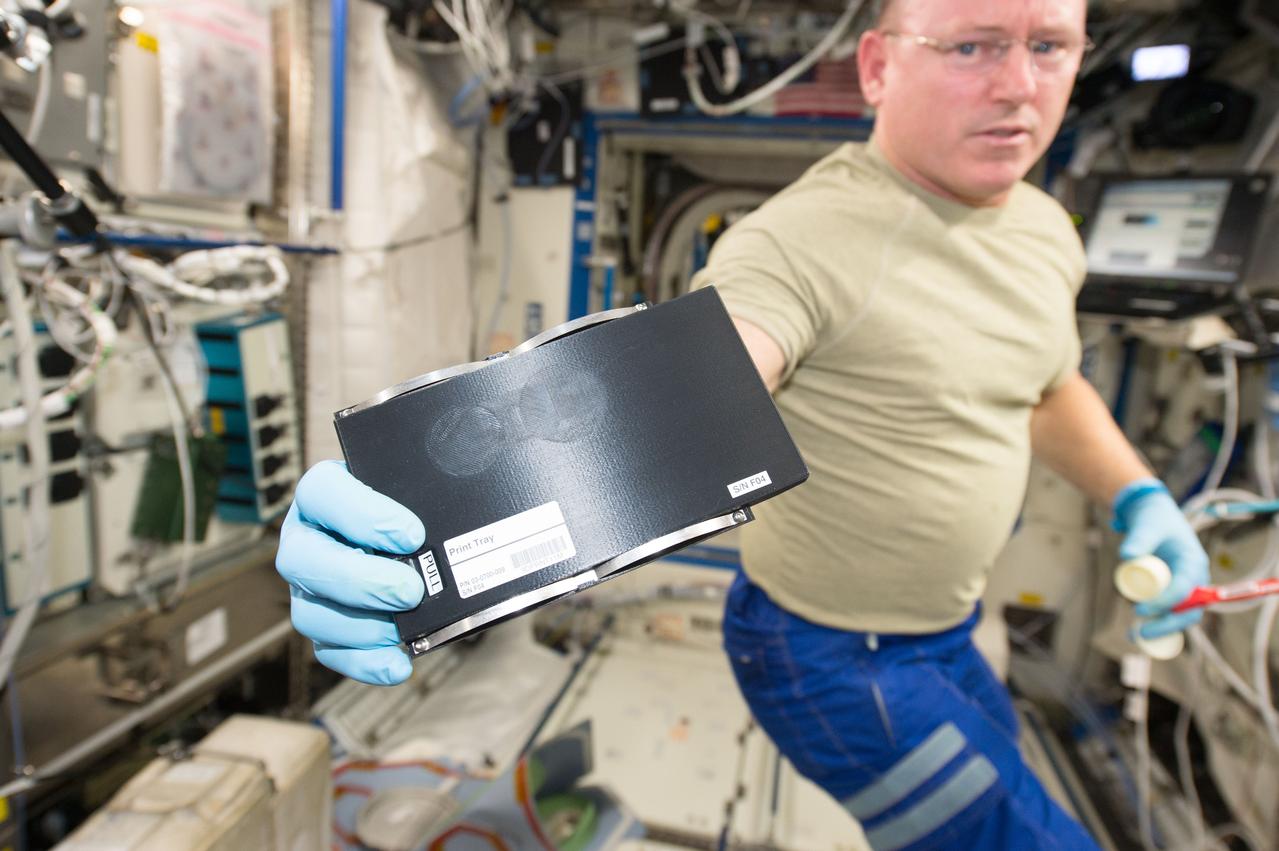
iss042e031282 (12/09/2014) ---US Astronaut Barry (Butch) Wilmore holding a 3D coupon works with the new 3D printer aboard the International Space Station. The 3D Printing experiment in zero gravity demonstrates that a 3D printer works normally in space. In general, a 3D printer extrudes streams of heated plastic, metal or other material, building layer on top of layer to create 3 dimensional objects. Testing a 3D printer using relatively low-temperature plastic feedstock on the International Space Station is the first step towards establishing an on-demand machine shop in space, a critical enabling component for deep-space crewed missions and in-space manufacturing.
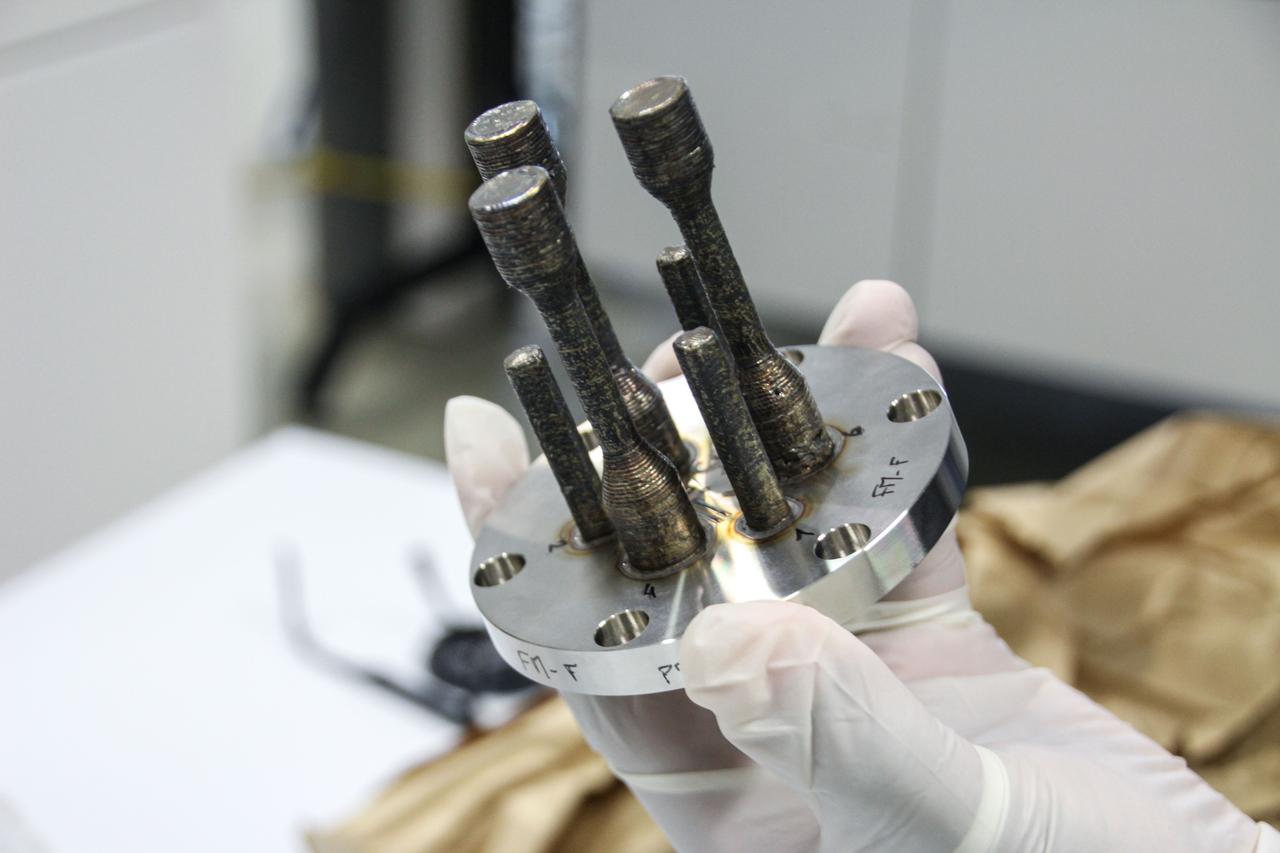
jsc2024e005971 (3/21/2023) --- A preflight image for Metal 3D printer shows one of the stainless steel specimens after printing on the ground. A team member holds the sample at the ESA (European Space Agency) materials laboratory. Metal 3D printer evaluates in-space additive manufacturing for potential use in maintenance and long-duration missions to the Moon or Mars. Image courtesy of ESA/Airbus.
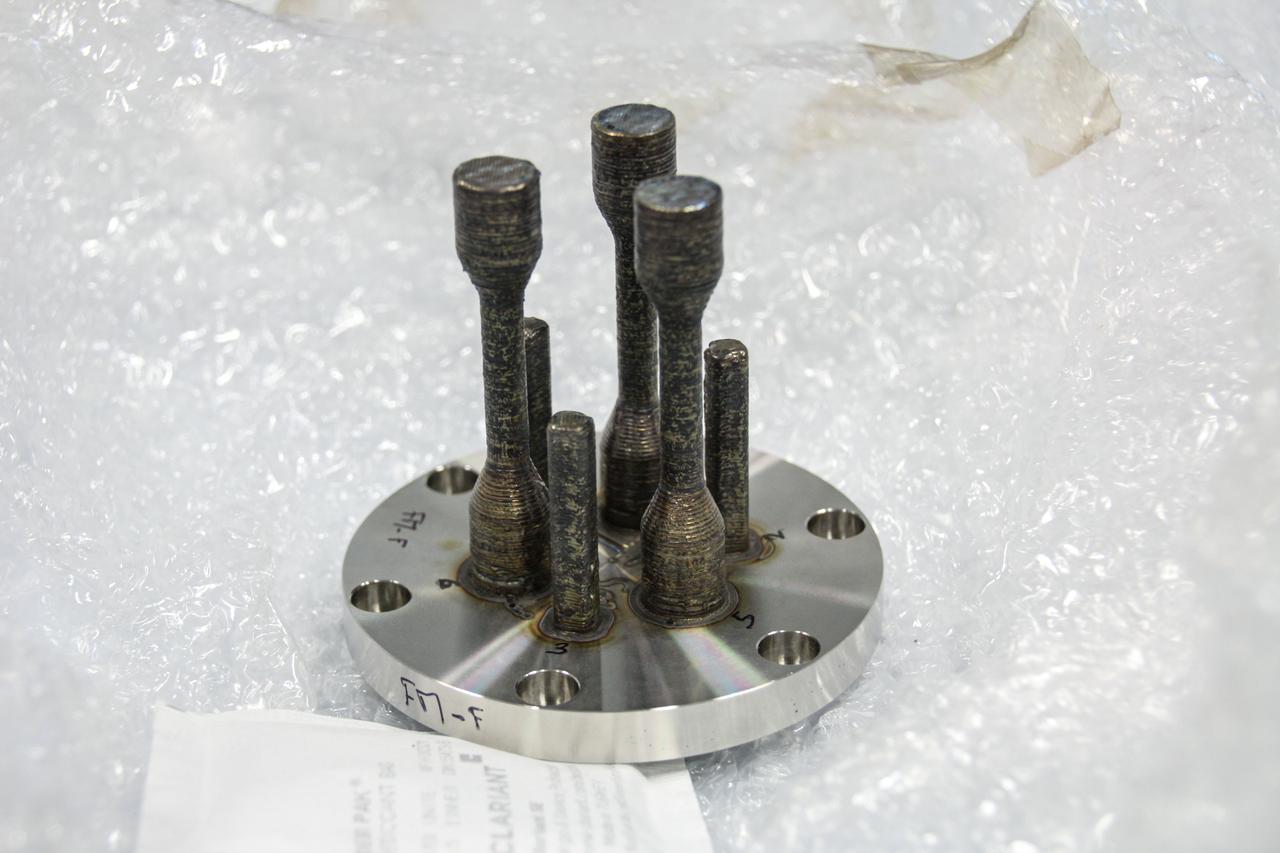
jsc2024e005970 (3/21/2023) --- A preflight image for Metal 3D printer shows one of the specimens after printing on the ground. The specimen was made from stainless steel at the ESA (European Space Agency) materials laboratory. Metal 3D printer evaluates in-space additive manufacturing for potential use in maintenance and long-duration missions to the Moon or Mars. Image courtesy of ESA/Airbus.

iss071e522120 (8/21/2024) ---A view the Metal 3D printer that manufactures experimental samples printed with stainless steel aboard the International Space Station's Columbus laboratory module. Researchers are exploring how the Metal 3D printer operates in the microgravity conditions of weightlessness and radiation as well as its ability to manufacture tools and parts on demand during space missions.
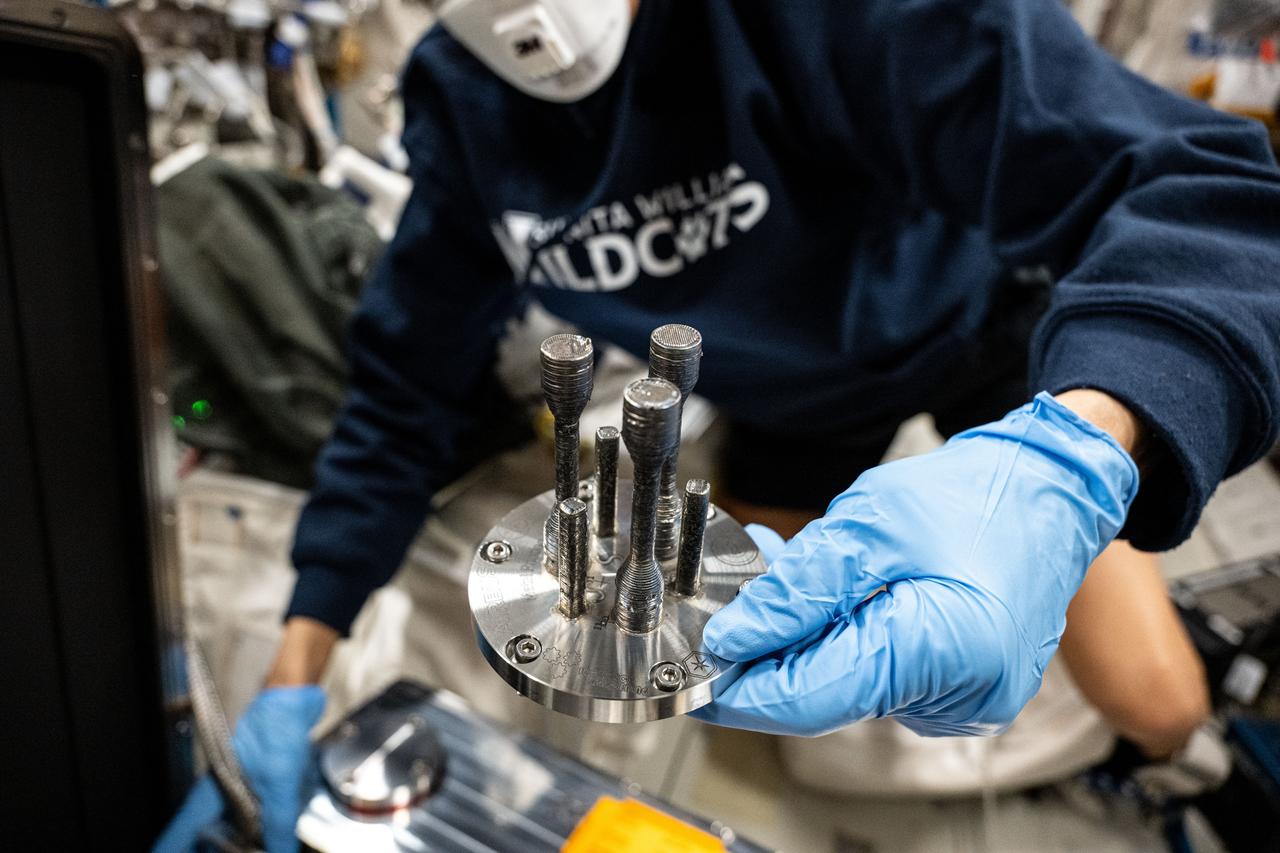
iss071e522123 (8/21/2024) --- A metal specimen 3D printed in space for ESA’s Metal 3D Printer investigation. Researchers successfully produced the first metal parts printed in space and found their quality in line with expectations and now plan to print additional specimens in space. Resupply becomes challenging as mission duration and distance from Earth increase, and 3D printing could provide a way to make parts for repairs and dedicated tools on demand, increasing mission autonomy.
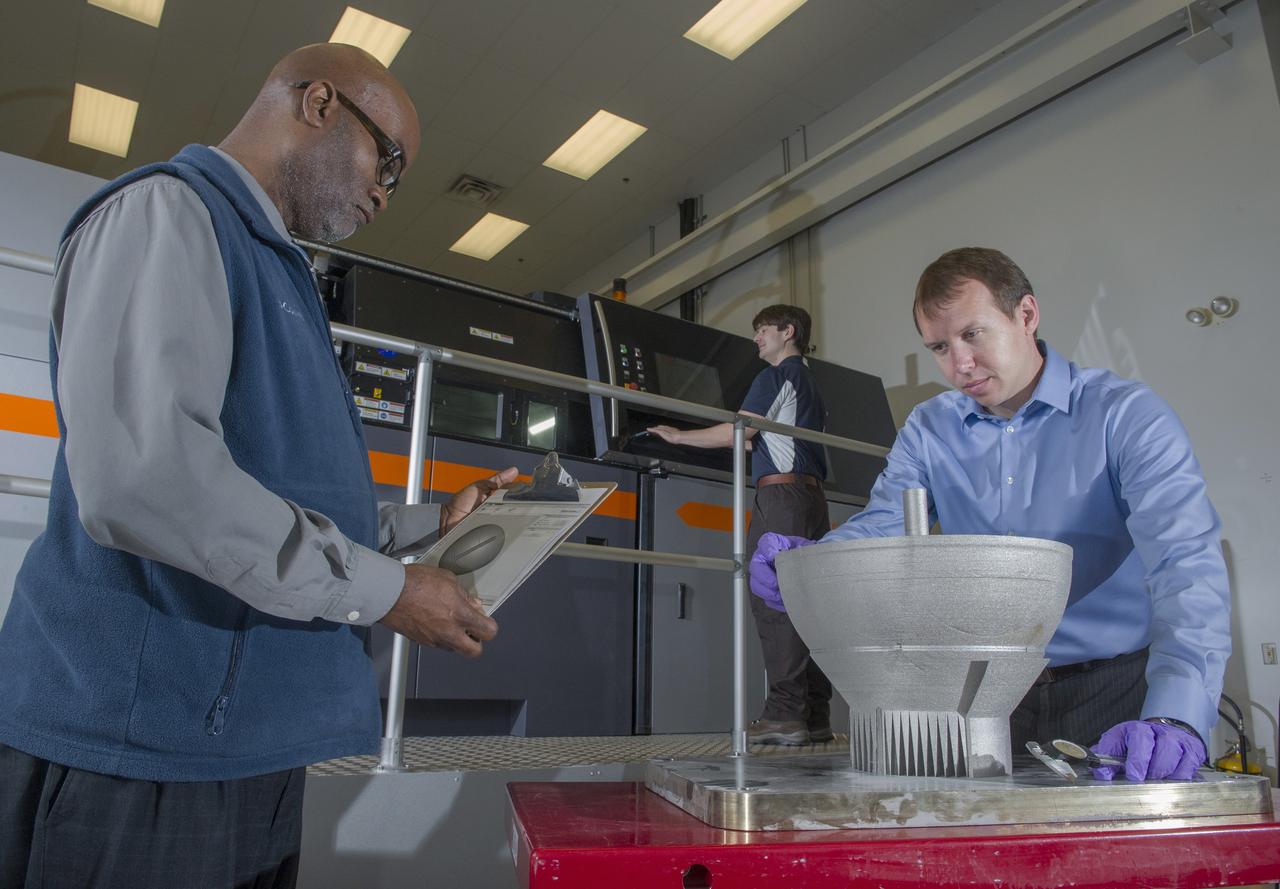
JOHNNIE CLARK, BRIAN WEST, AND ZACK JONES OF MSFC’S ADVANCED MANUFACTURING TEAM, WITH MSFC’S XLINE SELECTIVE LASER MELTING SYSTEM. CURRENTLY ONE OF THE LARGEST METAL 3D PRINTERS, THE XLINE AT MARSHALL IS BEING USED TO DEVELOP AND CERTIFY NICKEL ALLOY 718 MATERIAL PROPERTIES AND LARGE MANUFACTURING TECH DEMOS FOR THE RS25 ENGINE AND THE COMMERCIAL CREWED VEHICLE PROJECTS.
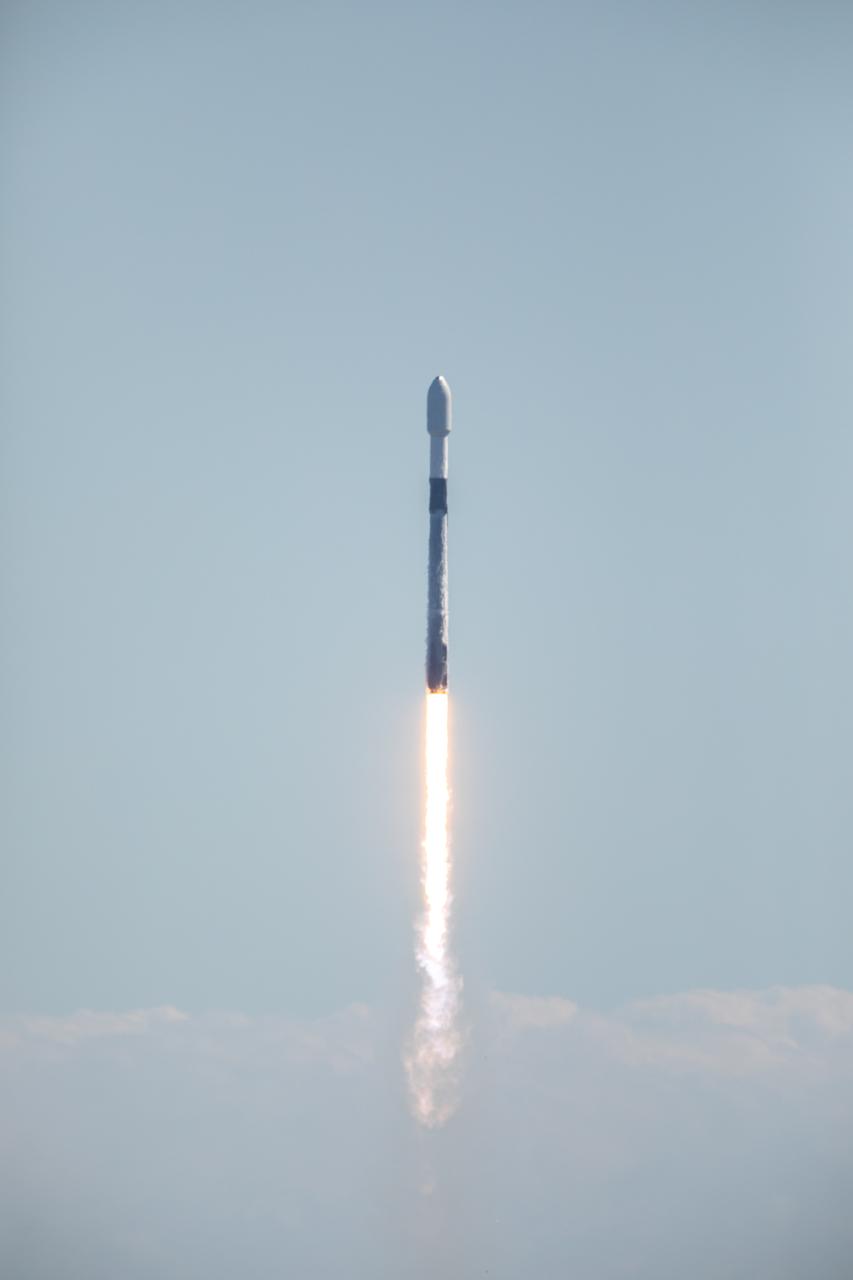
Northrop Grumman’s Cygnus spacecraft, atop a SpaceX 9 Falcon rocket, soars from Space Launch Complex 40 at Cape Canaveral Space Force Station in Florida on Tuesday, Jan. 30, 2024, for the 20th Northrop Grumman commercial resupply mission for NASA. The spacecraft will bring 8,200 pounds of science investigations, supplies, and equipment to the International Space Station including tests of a 3D metal printer, semiconductor manufacturing, and thermal protection systems. The Cygnus spacecraft is expected to reach the space station Thursday, Feb. 1, 2024, where it will remain until its expected departure in May.
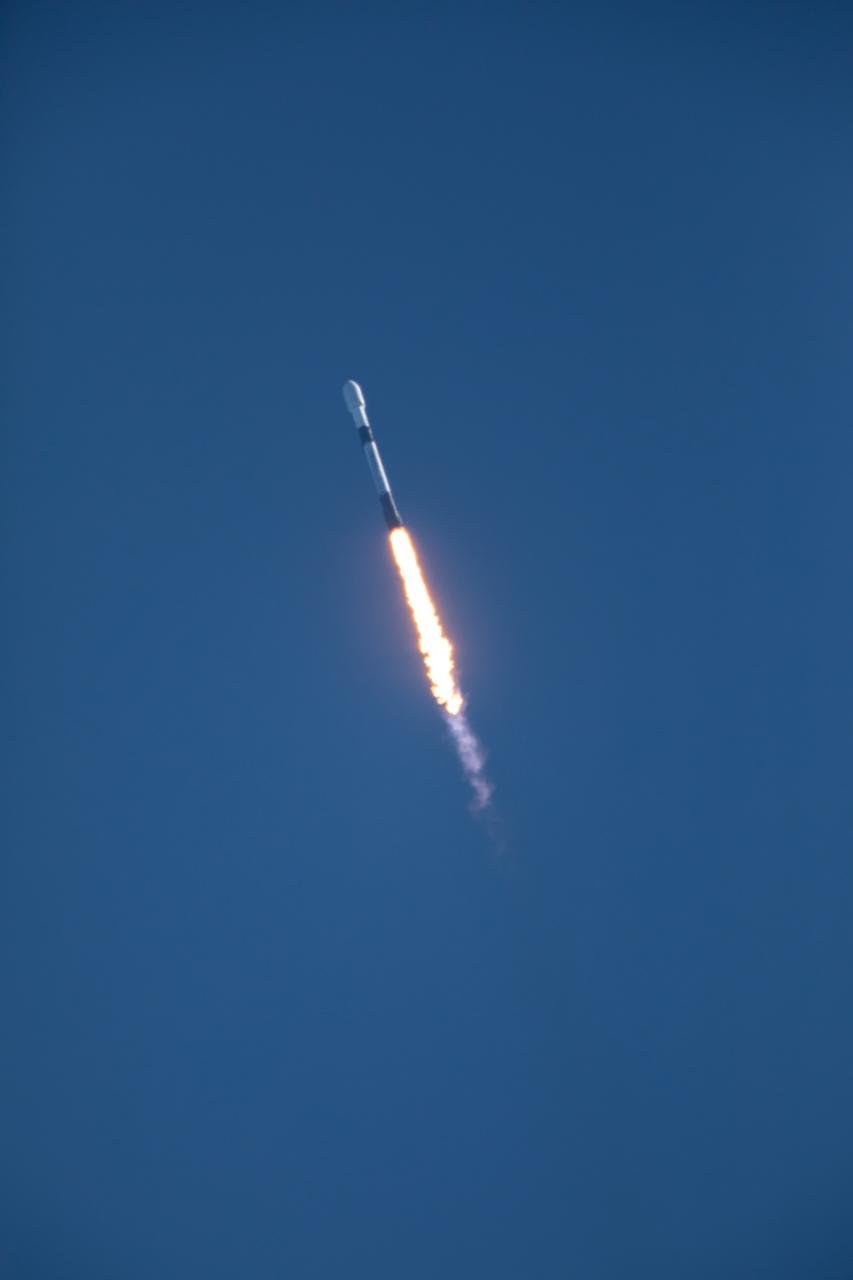
Northrop Grumman’s Cygnus spacecraft, atop a SpaceX 9 Falcon rocket, soars from Space Launch Complex 40 at Cape Canaveral Space Force Station in Florida on Tuesday, Jan. 30, 2024, for the 20th Northrop Grumman commercial resupply mission for NASA. The spacecraft will bring 8,200 pounds of science investigations, supplies, and equipment to the International Space Station including tests of a 3D metal printer, semiconductor manufacturing, and thermal protection systems. The Cygnus spacecraft is expected to reach the space station Thursday, Feb. 1, 2024, where it will remain until its expected departure in May.
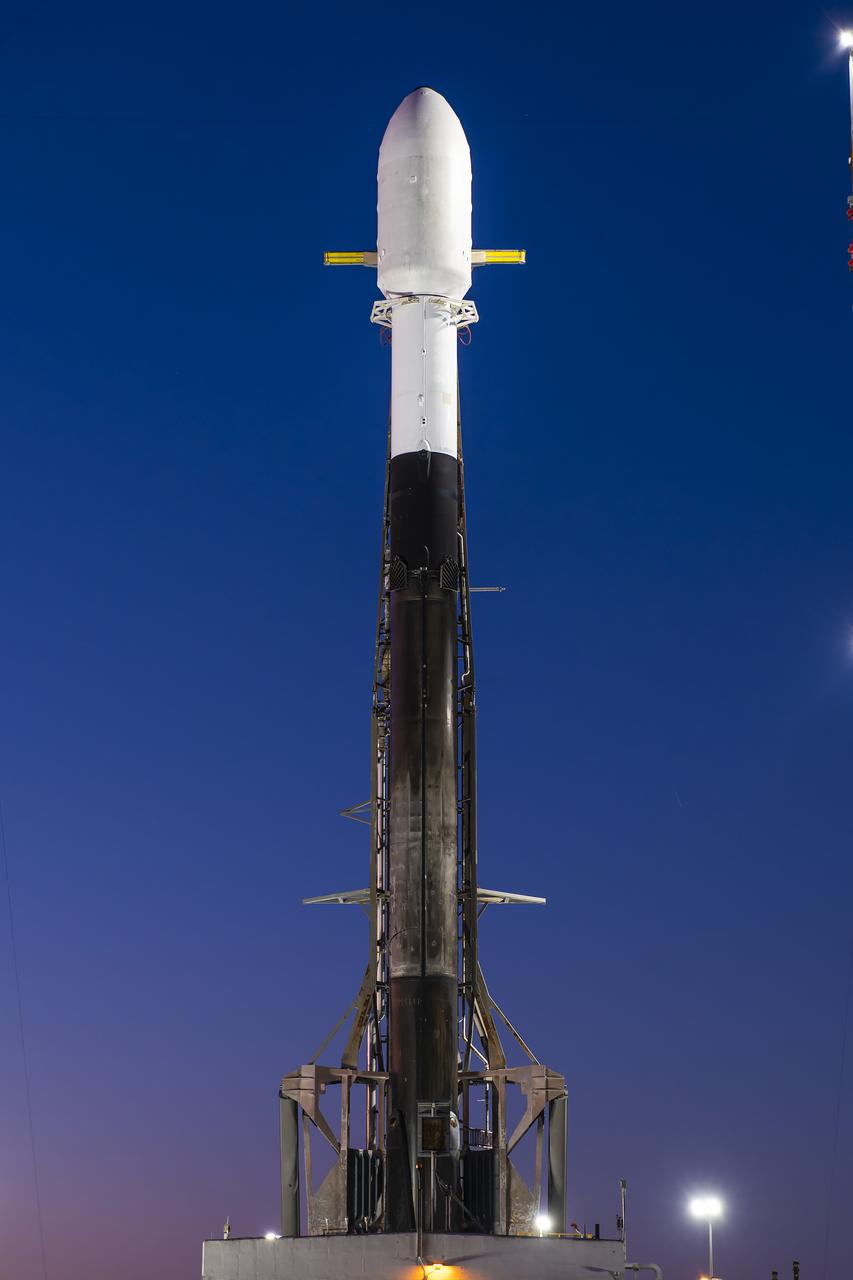
A Northrop Grumman Cygnus resupply spacecraft, atop a SpaceX Falcon 9 rocket, stands tall at sunrise at Space Launch Complex 40 at Cape Canaveral Space Force Station in Florida on Tuesday, Jan. 30, 2024, in preparations for a launch to the International Space Station. Northrop Grumman’s 20th commercial resupply mission includes multiple science investigations, such as tests of a 3D metal printer, semiconductor manufacturing, and thermal protection systems for reentry to Earth to support the agency’s Expedition 70 crew. Liftoff is scheduled for 12:07p.m. EST Tuesday, Jan. 30, 2024.
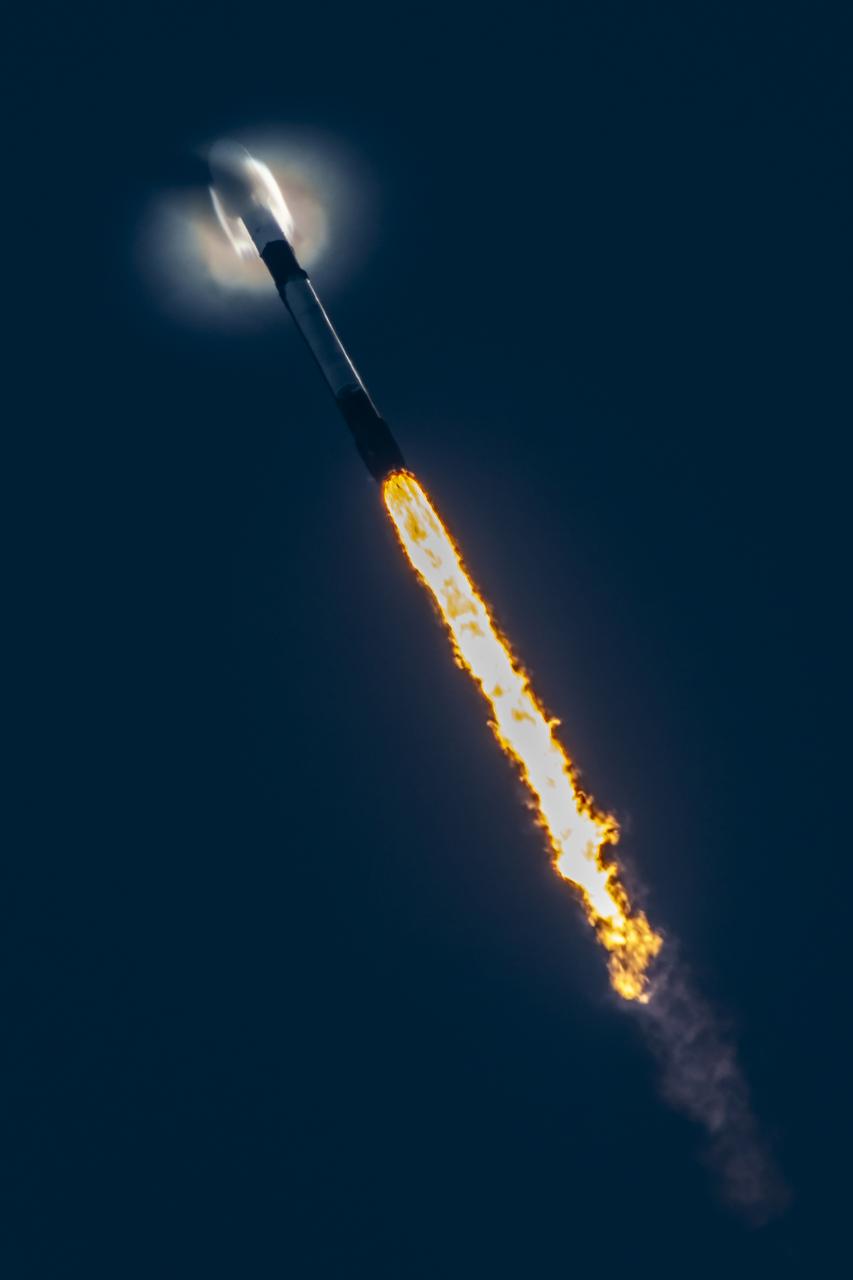
Northrop Grumman’s Cygnus spacecraft, atop a SpaceX 9 Falcon rocket, soars from Space Launch Complex 40 at Cape Canaveral Space Force Station in Florida on Tuesday, Jan. 30, 2024, for 20th Northrop Grumman commercial resupply mission for NASA. The spacecraft will bring 8,200 pounds of science investigations, supplies, and equipment to the International Space Station including tests of a 3D metal printer, semiconductor manufacturing, and thermal protection systems. The Cygnus spacecraft is expected to reach the space station Thursday, Feb. 1, 2024, where it will remain until its expected departure in May.
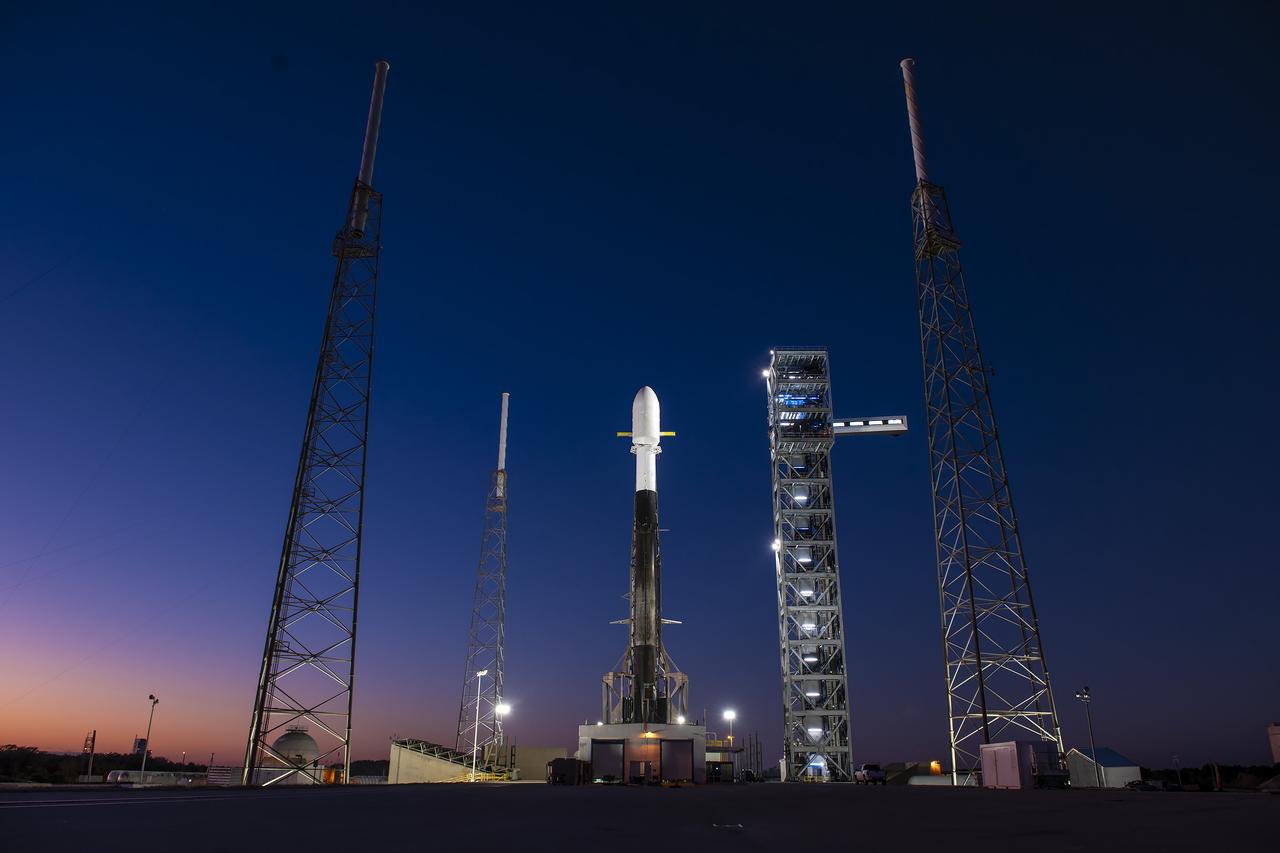
A Northrop Grumman Cygnus resupply spacecraft, atop a SpaceX Falcon 9 rocket, stands tall at sunrise at Space Launch Complex 40 at Cape Canaveral Space Force Station in Florida on Tuesday, Jan. 30, 2024, in preparations for a launch to the International Space Station. Northrop Grumman’s 20th commercial resupply mission includes multiple science investigations, such as tests of a 3D metal printer, semiconductor manufacturing, and thermal protection systems for reentry to Earth to support the agency’s Expedition 70 crew. Liftoff is scheduled for 12:07p.m. EST Tuesday, Jan. 30, 2024.