
MAF Director Robert Champion stands in front of the Michoud Assembly Facility in New Orleans, Louisiana – America’s Rocket Factory.
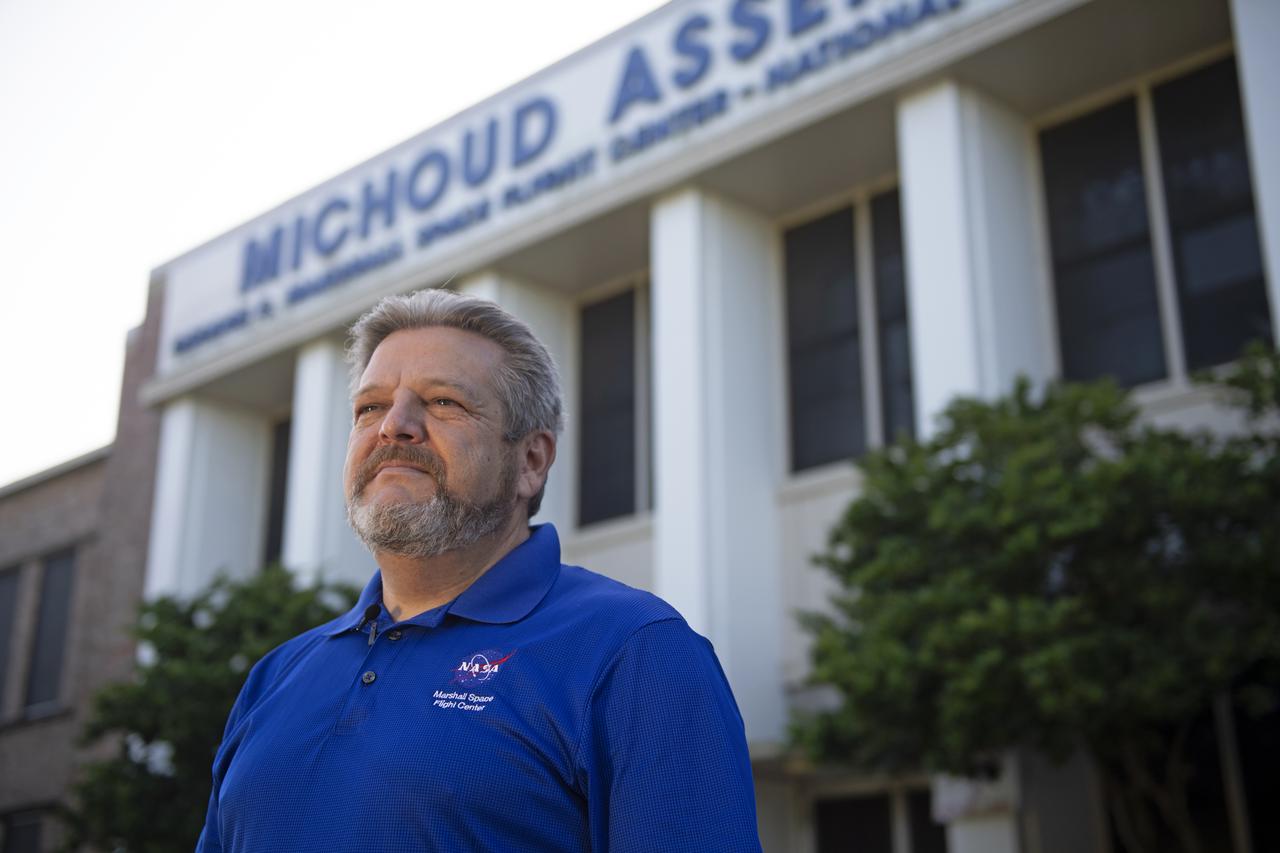
MAF Director Robert Champion stands in front of the Michoud Assembly Facility in New Orleans, Louisiana – America’s Rocket Factory.
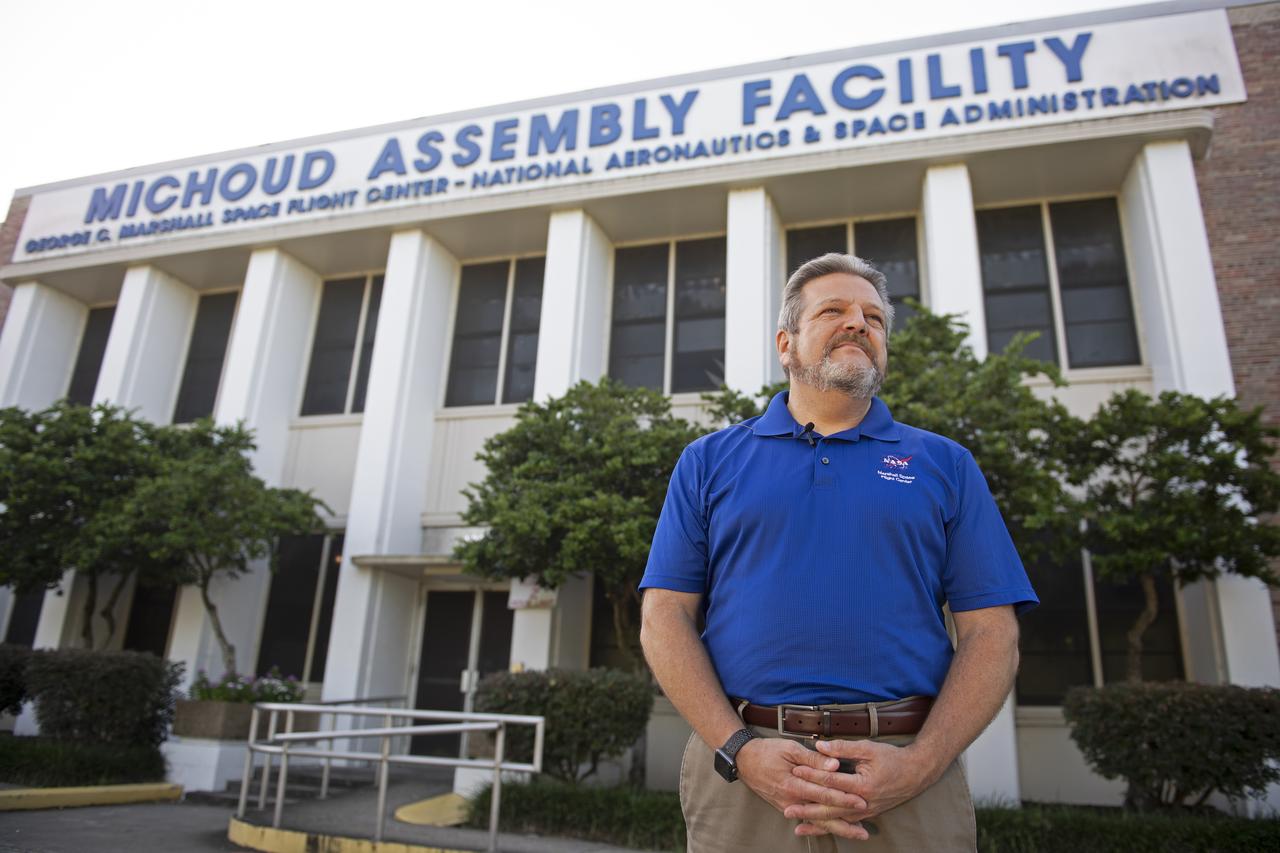
MAF Director Robert Champion stands in front of the Michoud Assembly Facility – America’s Rocket Factory.
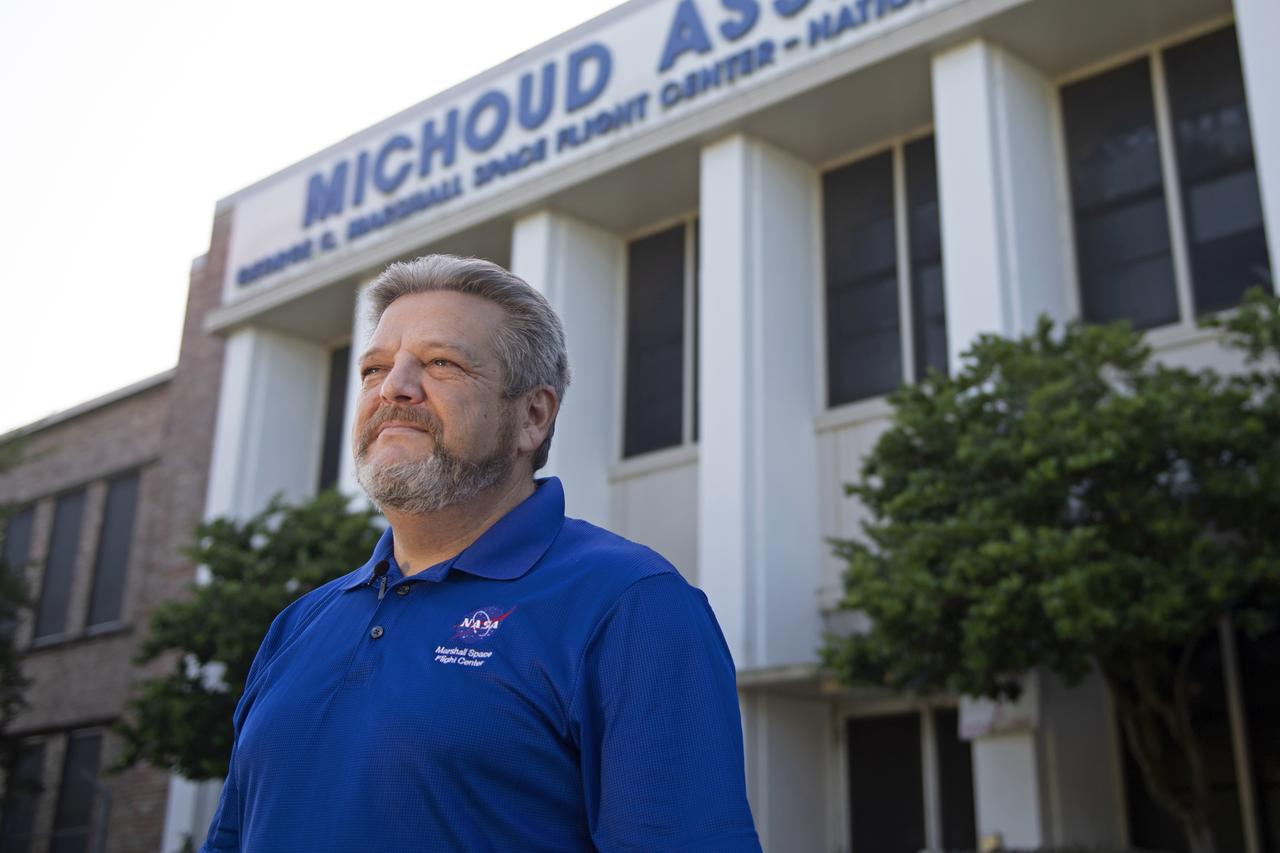
MAF Director Robert Champion stands in front of the Michoud Assembly Facility in New Orleans, Louisiana – America’s Rocket Factory.
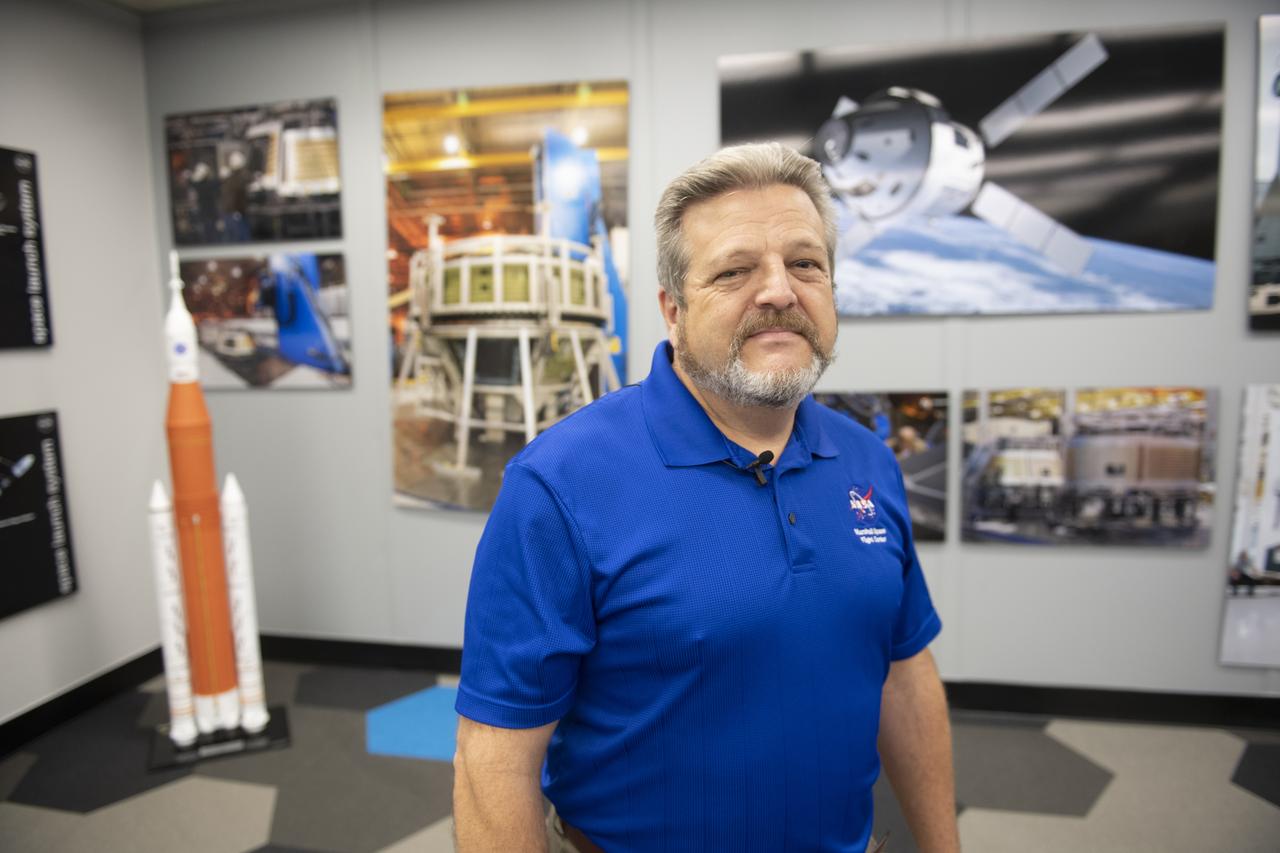
MAF Director Robert Champion stands within the Michoud Assembly Facility model room to showcase the Artemis program, Space Launch System (SLS) hardware, and facility resources of America’s Rocket Factory.
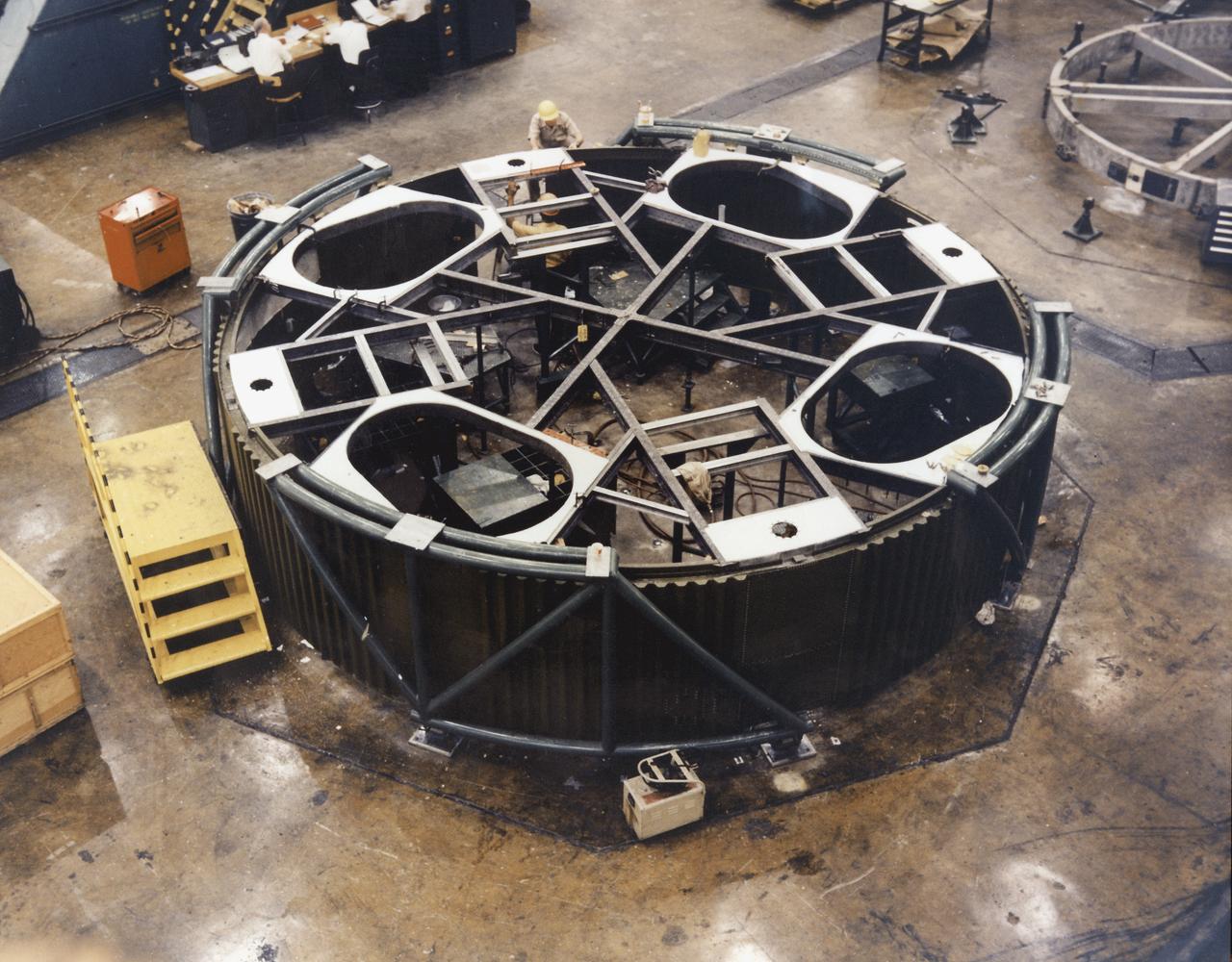
In one of the initial assembly steps for the Saturn IB launch vehicle's S-IB (first) stage, workers at the Michoud Assembly Facility (MAF) near New Orleans, Louisiana, complete the lower shroud assembly. Developed by the Marshall Space Flight Center and built by the Chrysler Corporation at Michoud Assembly Facility (MAF), the S-IB utilized the eight H-1 engines and each produced 200,000 pounds of thrust, a combined thrust of 1,600,000 pounds.
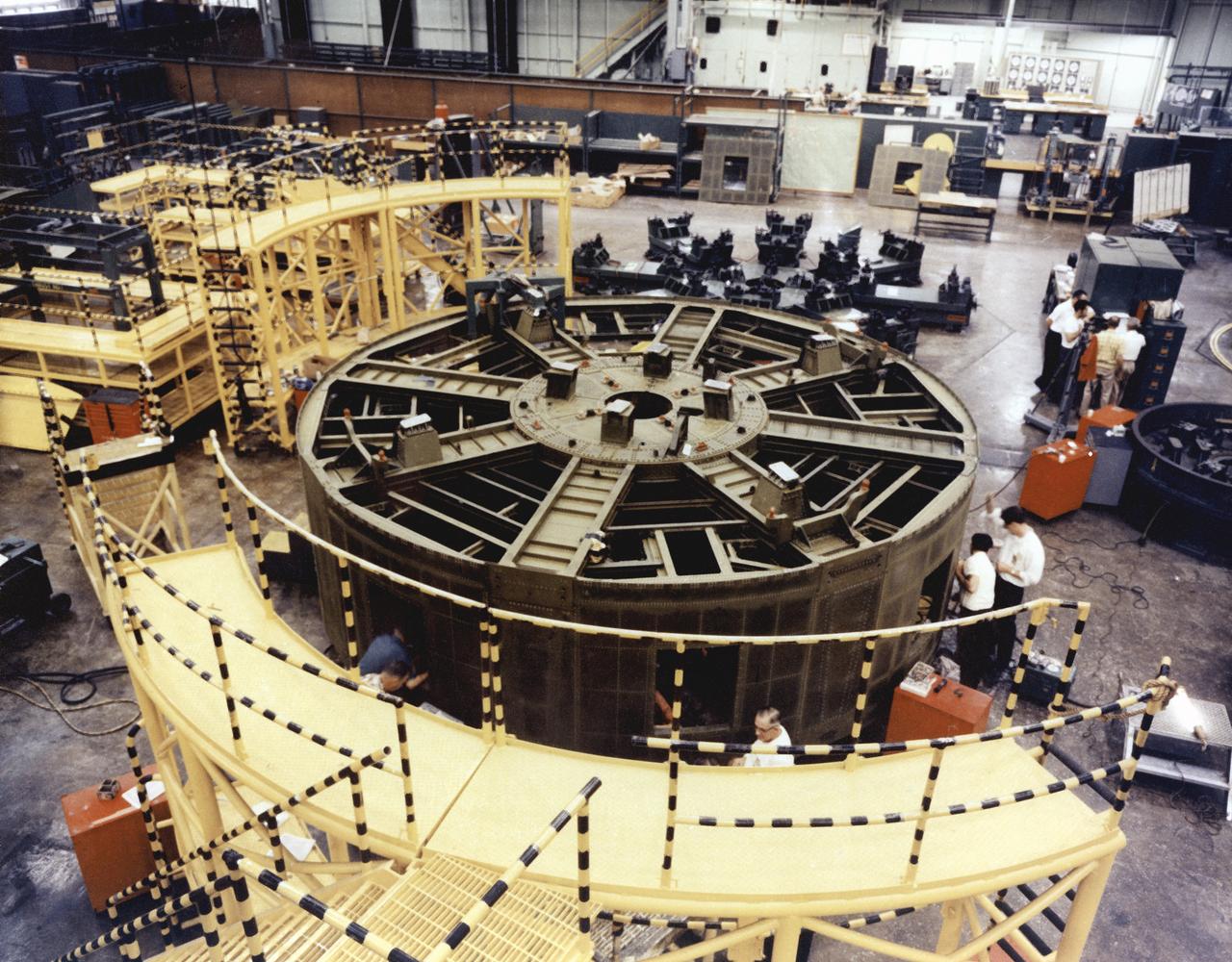
In one of the initial assembly steps for the Saturn IB launch vehicle's S-IB (first) stage, workers at the Michoud Assembly Facility (MAF) near New Orleans, Louisiana, complete the thrust structure. Developed by the Marshall Space Flight Center and built by the Chrysler Corporation at Michoud Assembly Facility (MAF), the S-IB utilized eight H-1 engines and each produced 200,000 pounds of thrust, a combined thrust of 1,600,000 pounds.
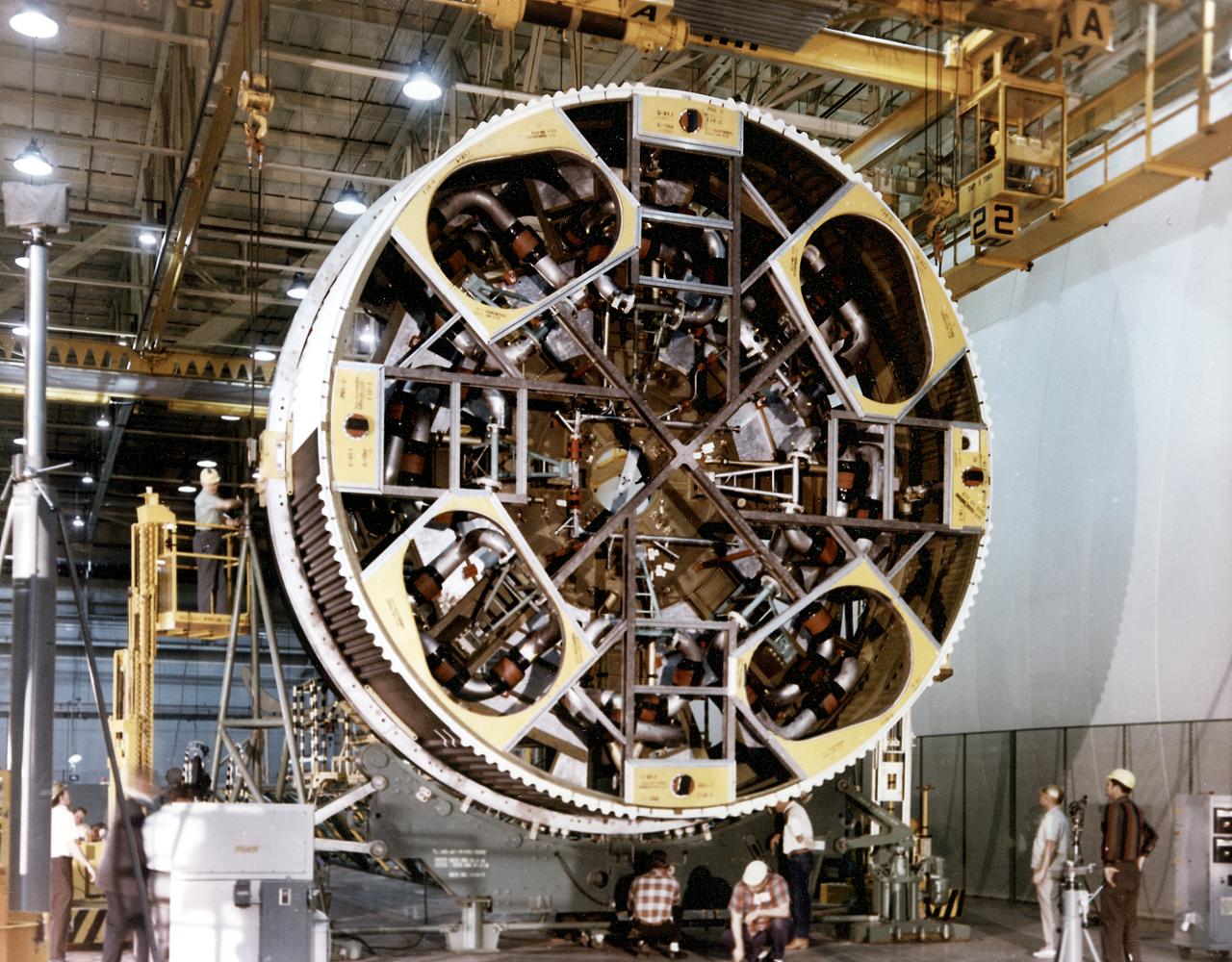
In one of the initial assembly steps for the Saturn IB launch vehicle's S-IB (first) stage, workers at the Michoud Assembly Facility (MAF) near New Orleans, Louisiana, position the thrust structure. Developed by the Marshall Space Flight Center and built by the Chrysler Corporation at Michoud Assembly Facility (MAF), the S-IB utilized eight H-1 engines and each produced 200,000 pounds of thrust, a combined thrust of 1,600,000 pounds.
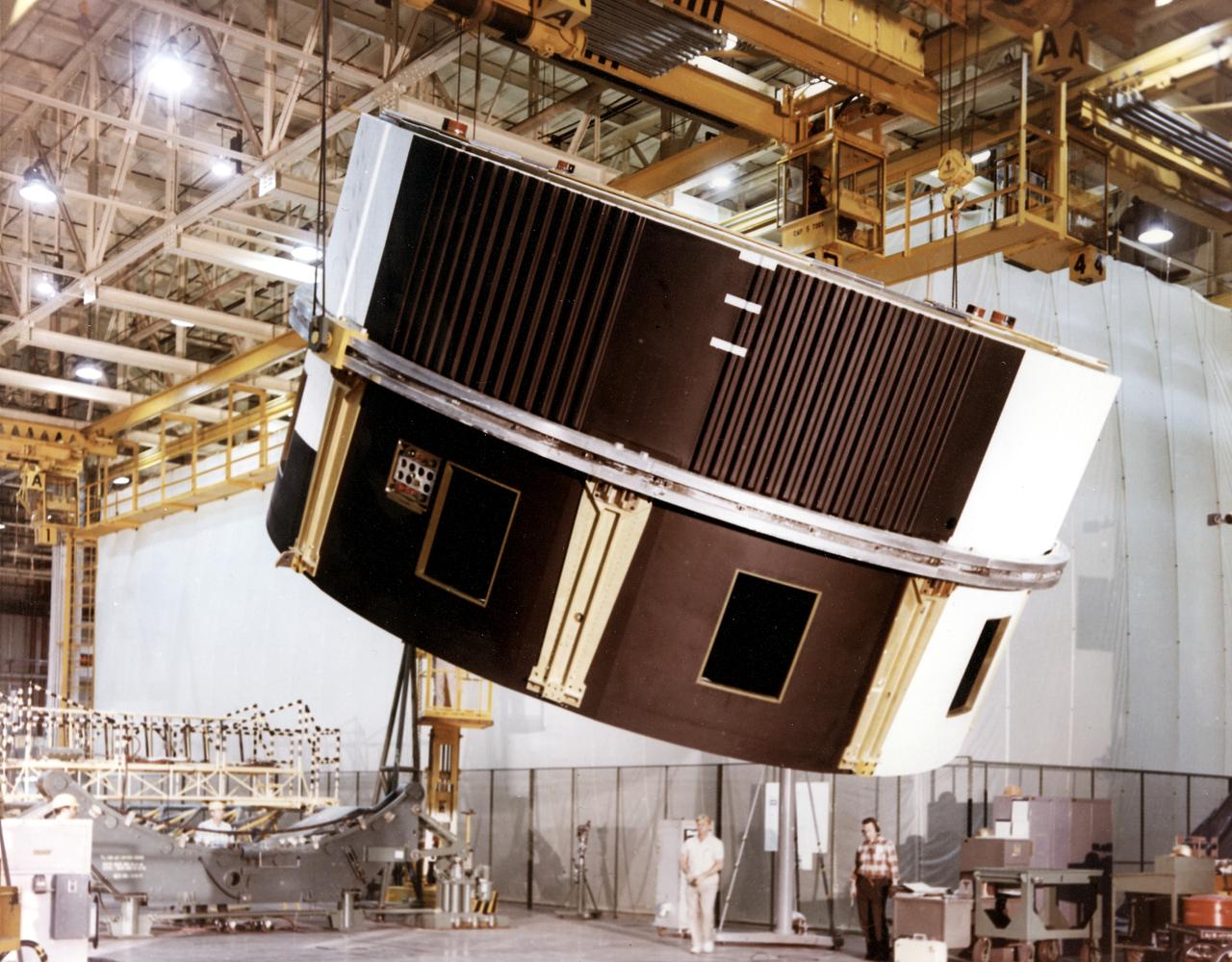
Workers at the Michoud Assembly Facility (MAF) near New Orleans, Louisiana, hoist the thrust structure assembly for the Saturn IB S-IB (first) stage. Developed by the Marshall Space Flight Center and built by the Chrysler Corporation at Michoud Assembly Facility (MAF), the S-IB utilized eight H-1 engines and each produced 200,000 pounds of thrust, a combined thrust of 1,600,000 pounds.
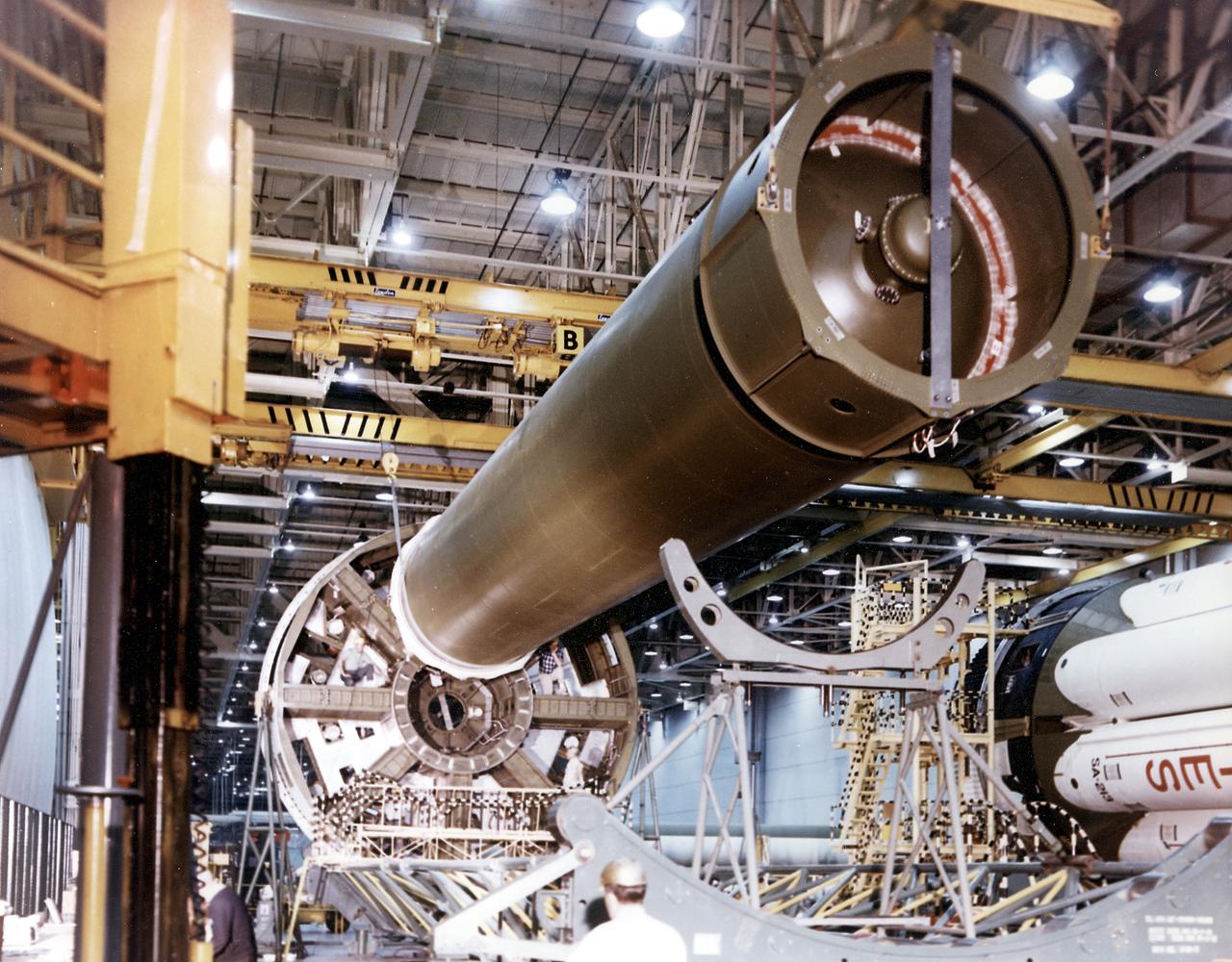
In the clustering procedure, an initial assembly step for the Saturn IB launch vehicle's S-IB (first) stage, workers at the Michoud Assembly Facility (MAF) near New Orleans, Louisiana, position the central liquid-oxygen tank. Developed by the Marshall Space Flight Center and built by the Chrysler Corporation at Michoud Assembly Facility (MAF), the S-IB utilized eight H-1 engines and each produced 200,000 pounds of thrust, a combined thrust of 1,600,000 pounds.
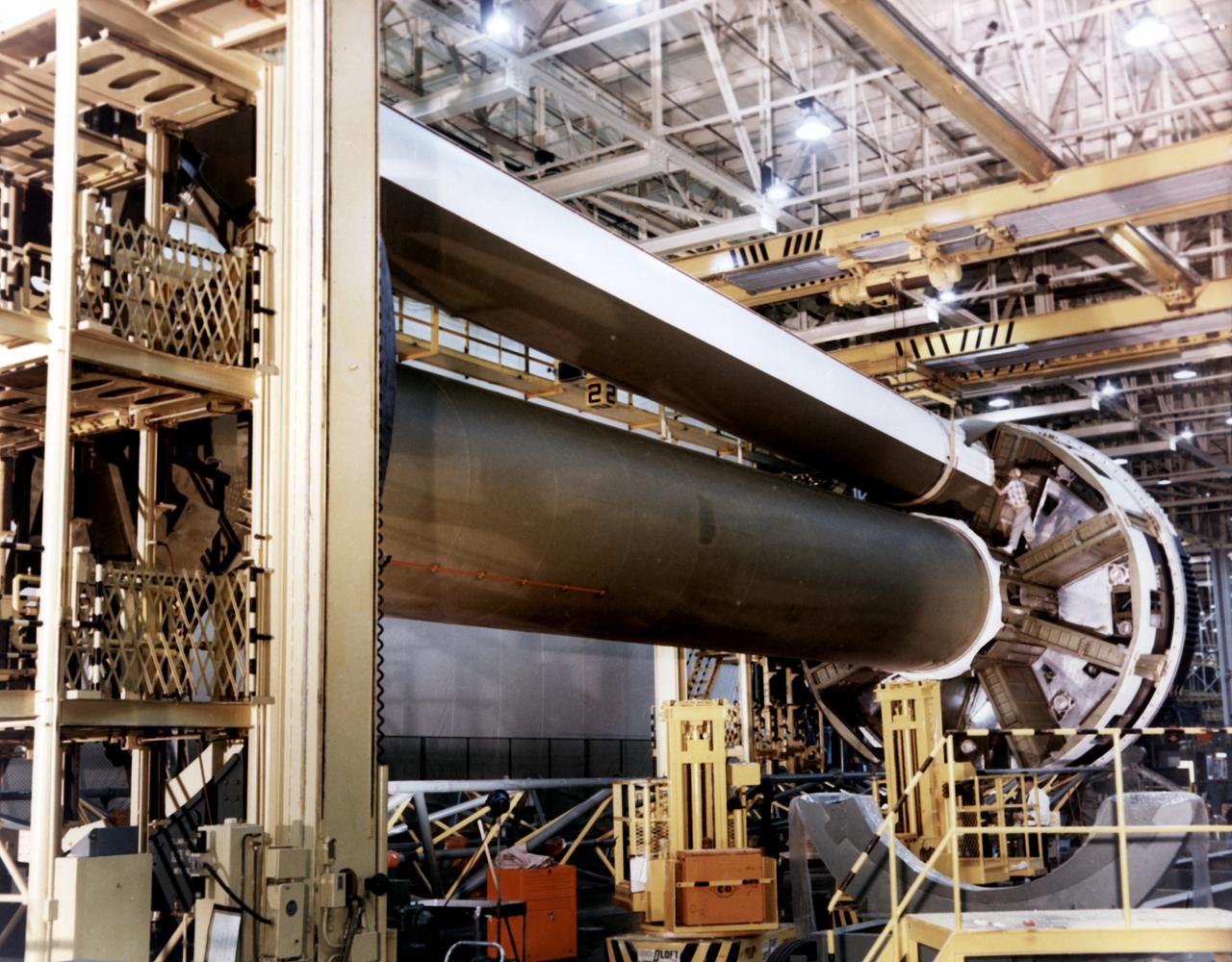
In the clustering procedure, an initial assembly step for the Saturn IB launch vehicle's S-IB (first) stage, workers at the Michoud Assembly Facility (MAF) near New Orleans, Louisiana, place the first of eight outboard fuel tanks atop the central liquid-oxygen tank. Developed by the Marshall Space Flight Center and built by the Chrysler Corporation at Michoud Assembly Facility (MAF), the S-IB utilized eight H-1 engines and each produced 200,000 pounds of thrust, a combined thrust of 1,600,000 pounds.
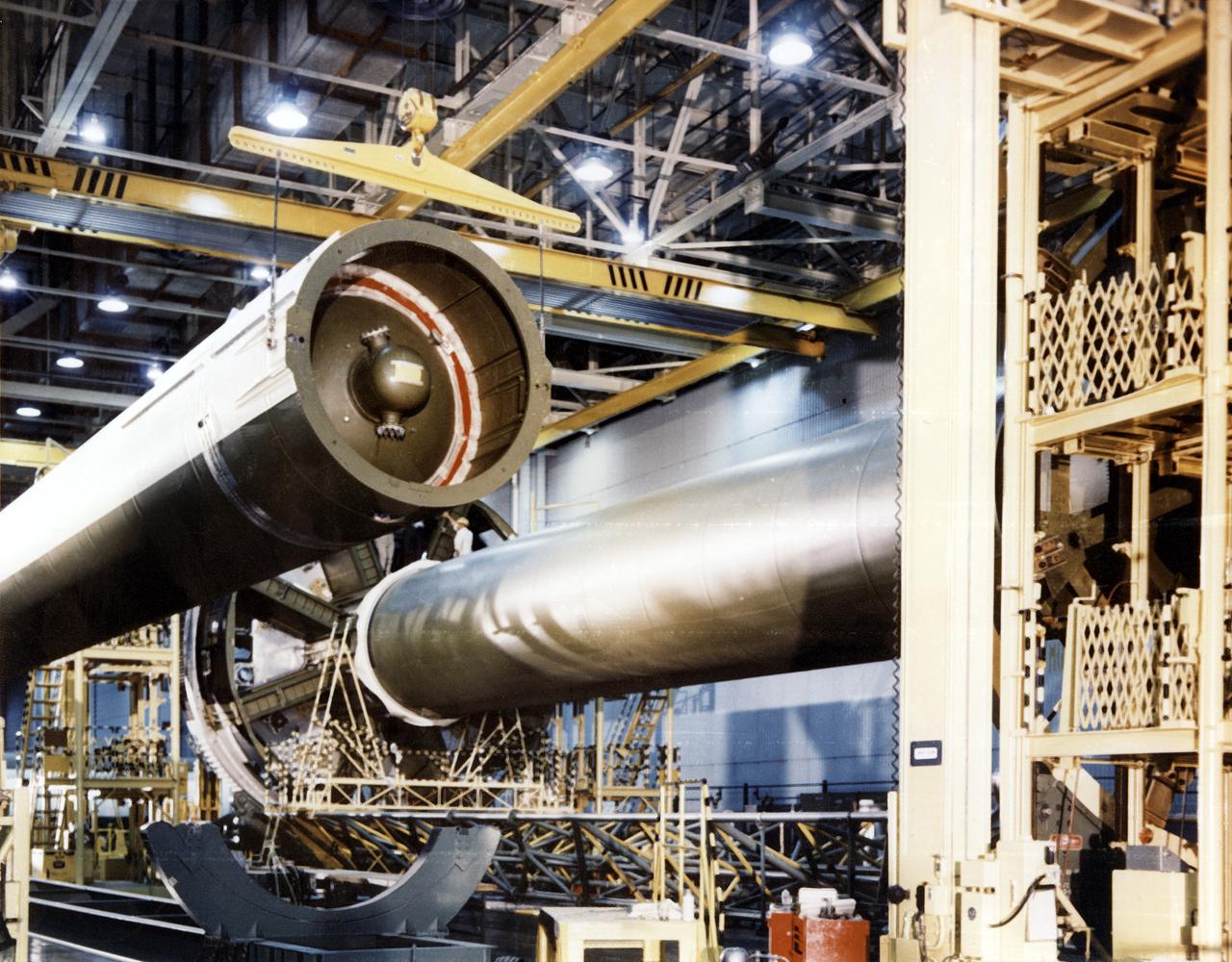
In the "clustering" procedure, an initial assembly step for the first stage (S-IB stage) of the Saturn IB launch vehicle, workers at the Michoud Assembly Facility (MAF) near New Orleans, Louisiana, place the first of eight outboard fuel tanks (left) next to the central liquid-oxygen tank of S-IB stage. Developed by the Marshall Space Flight Center (MSFC) and built by the Chrysler Corporation at MAF, the S-IB stage utilized eight H-1 engines to produce a combined thrust of 1,600,000 pounds.
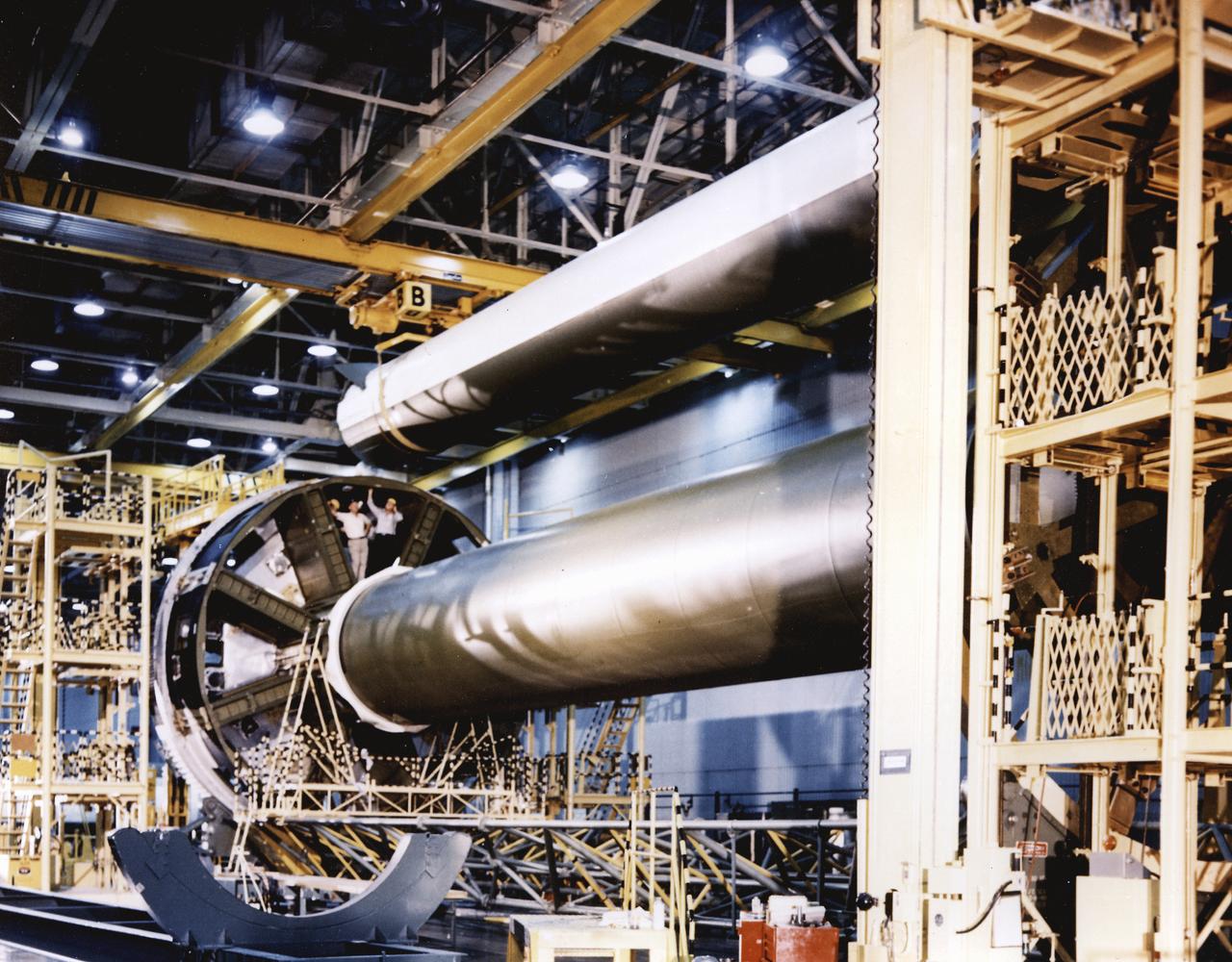
In the clustering procedure, an initial assembly step for the first stage (S-IB stage) of the Saturn IB launch vehicle, workers at the Michoud Assembly Facility (MAF) near New Orleans, Louisiana, place the first of eight outboard fuel tanks next to the central liquid-oxygen tank of the S-IB stage. Developed by the Marshall Space Flight Center (MSFC) and built by the Chrysler Corporation at MAF, the S-IB stage utilized eight H-1 engines to produce a combined thrust of 1,600,000 pounds.
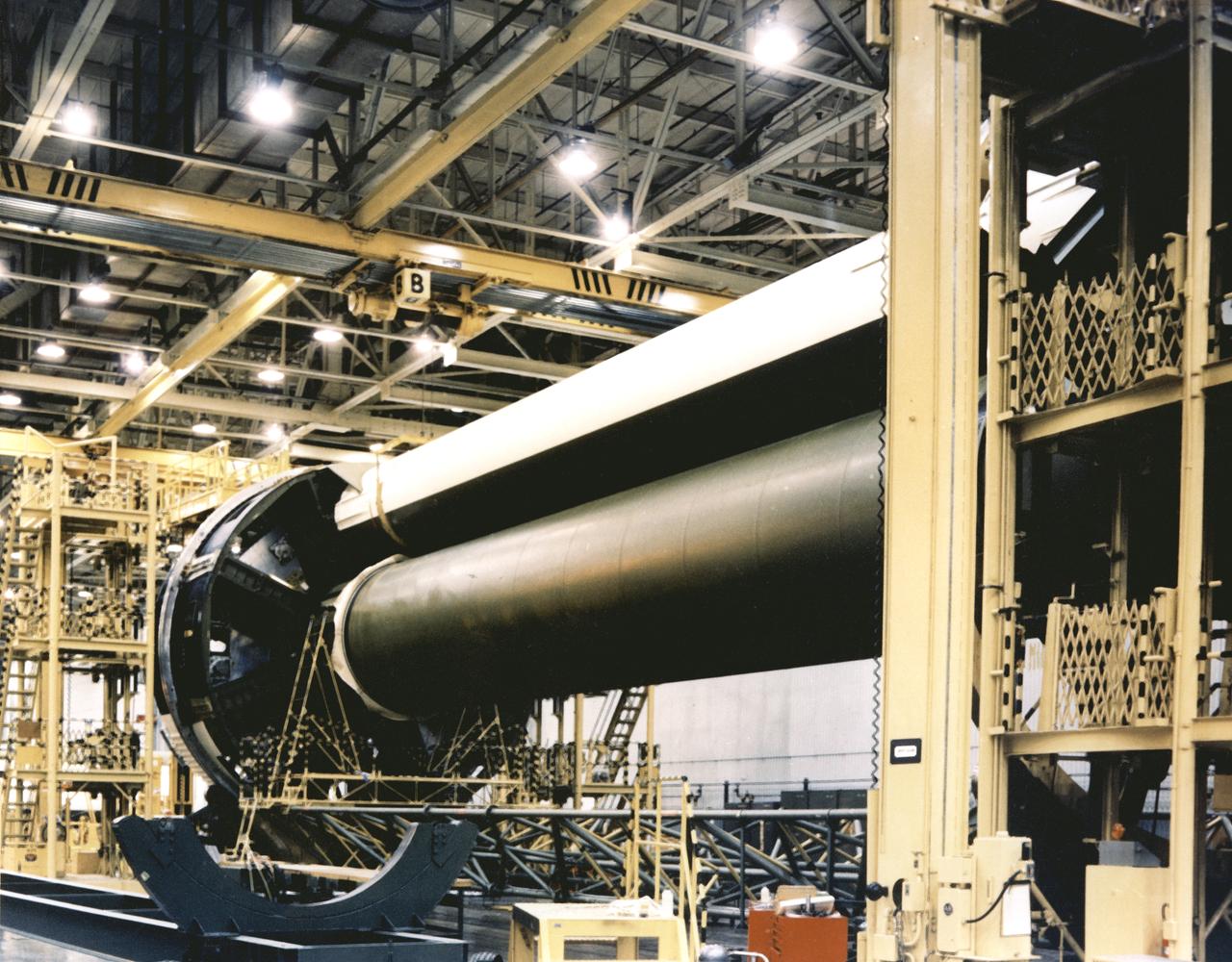
In the clustering procedure, an initial assembly step for the first stage (S-IB stage) of the Saturn IB launch vehicle, workers at the Michoud Assembly Facility (MAF) near New Orleans, Louisiana, place the first of eight outboard fuel tanks next to the central liquid-oxygen tank of the S-IB stage. Developed by the Marshall Space Flight Center (MSFC) and built by the Chrysler Corporation at MAF, the S-IB stage utilized eight H-1 engines to produce a combined thrust of 1,600,000 pounds.
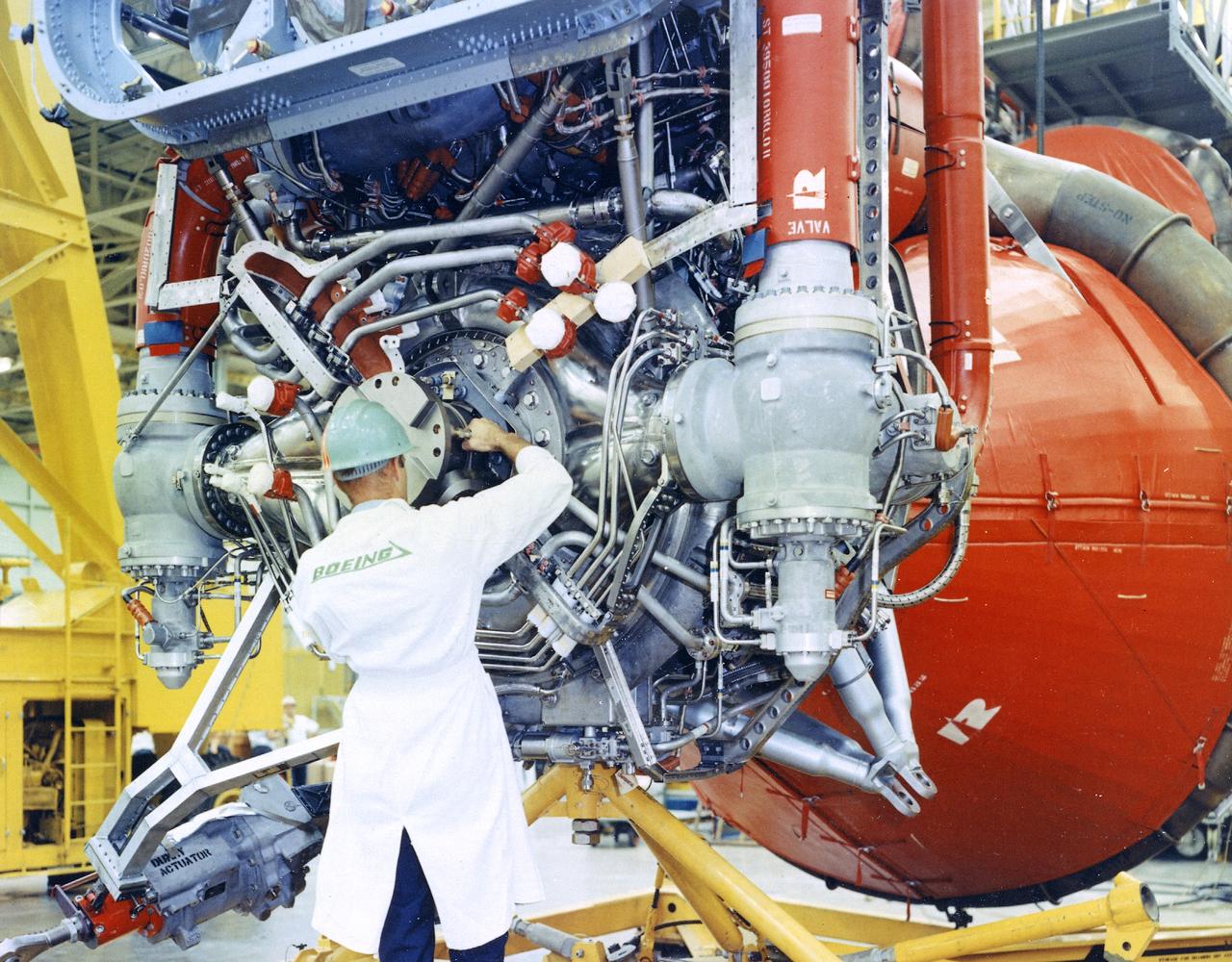
This image depicts a Boeing worker installing an F-1 engine on the Saturn V S-IC flight stage at the Michoud Assembly Facility (MAF). The Saturn IB and Saturn V first stages were manufactured at the MAF, located 24 kilometers (approximately 15 miles) east of downtown New Orleans, Louisiana. The prime contractors, Chrysler and Boeing, jointly occupied the MAF. The basic manufacturing building boasted 43 acres under one roof. By 1964, NASA added a separate engineering and office building, vertical assembly building, and test stage building.
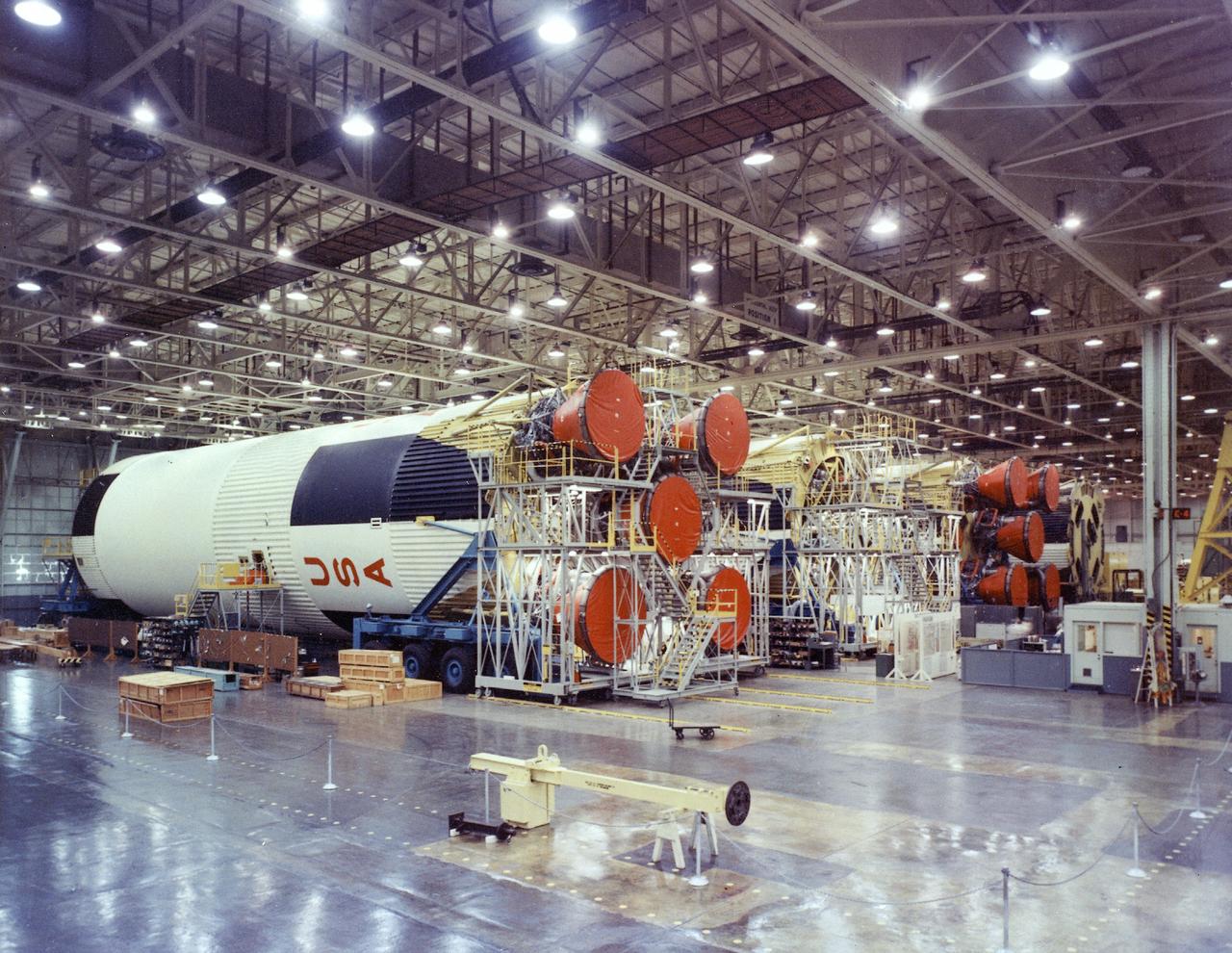
The Saturn IB and Saturn V first stages were manufactured at the Michoud Assembly Facility (MAF), located 24 kilometers (approximately 15 miles) east of downtown New Orleans, Louisiana. The basic manufacturing building boasted 43 acres under one roof. By 1964, NASA added a separate engineering and office building, vertical assembly building, and test stage building. By 1966, other changes to the site included enlarged barge facilities and other miscellaneous support buildings. The photograph shows Saturn V S-IC flight stages being assembled in the horizontal assembly area at the MAF.
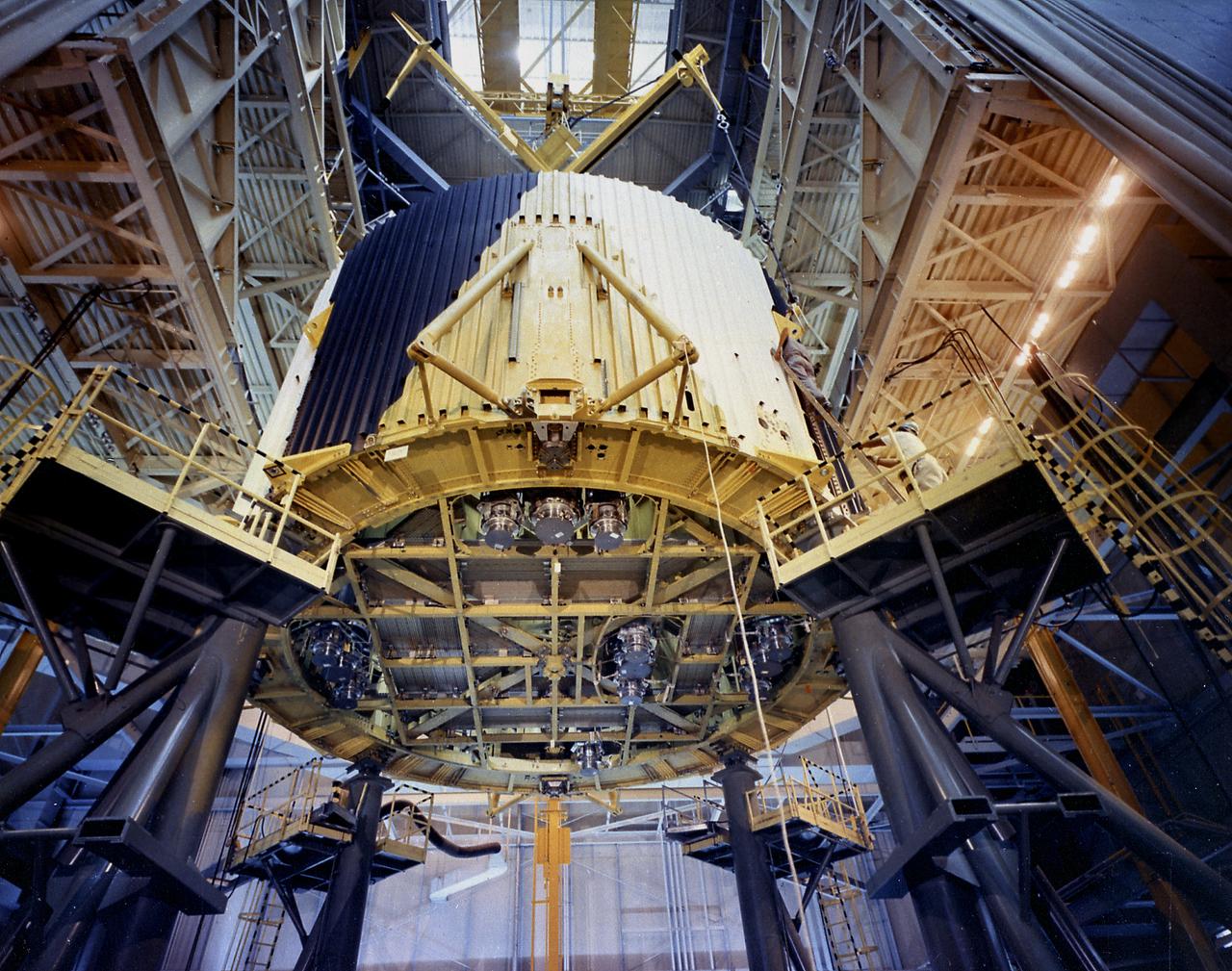
This photograph is a view of stacking the major components of the S-IC (first) stage of the Saturn V vehicle at the Boeing vertical assembly building at the Michoud Assembly Facility (MAF). The view shows the Saturn V S-IC (first) stage thrust structure being placed for the final assembly. The Saturn IB and Saturn V first stages were manufactured at the MAF located 24 kilometers (approximately 15 miles) east of downtown New Orleans, Louisiana. The prime contractors, Chrysler and Boeing, jointly occupied the MAF. The basic manufacturing building boasted 43 acres under one roof. By 1964, NASA added a separate engineering and office building, vertical assembly building, and test stage building. By 1966, other changes to the site included enlarged barge facilities and other miscellaneous support buildings.
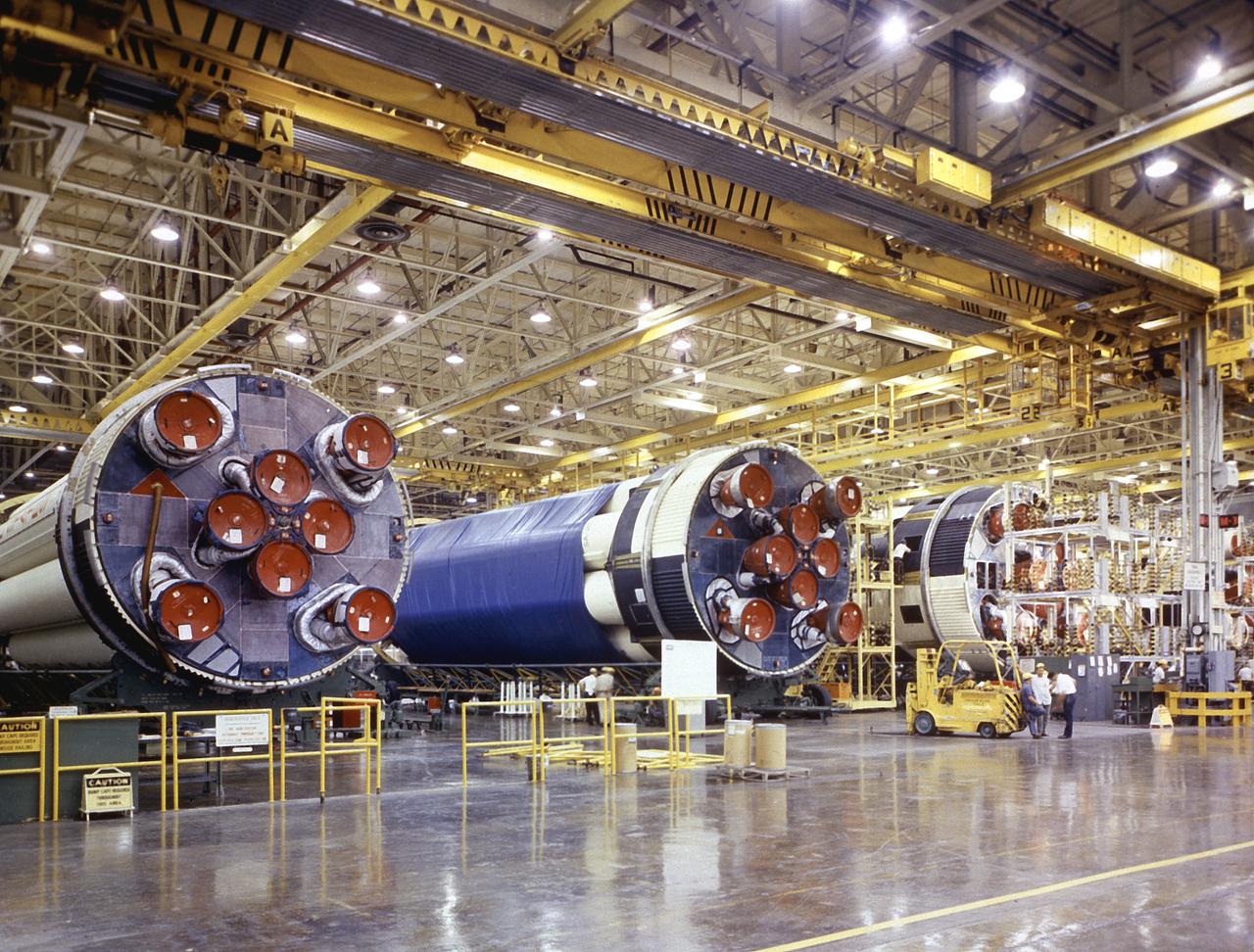
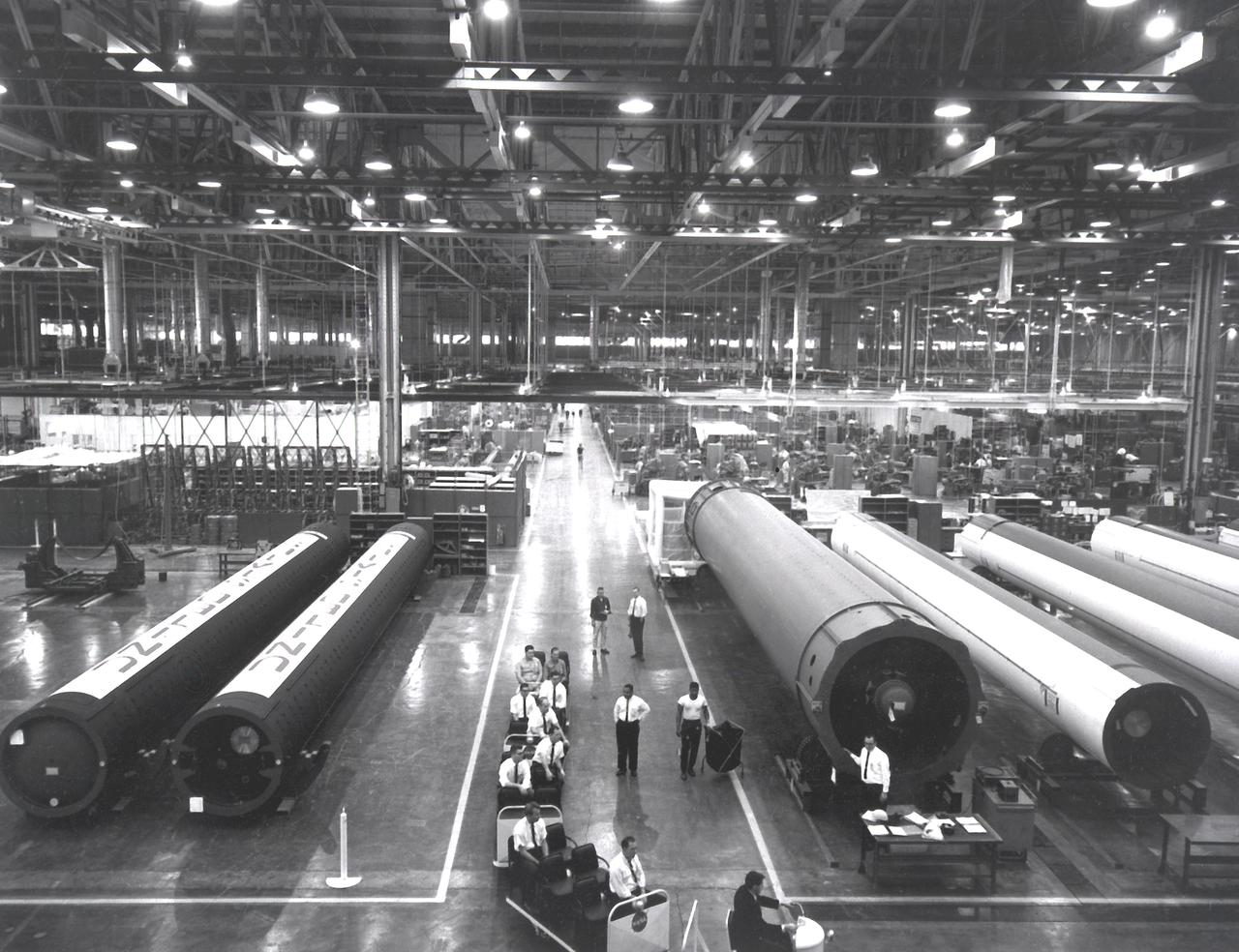
Three S-IB stages near completion at the NASA's Michoud Assembly Facility (MAF) near New Orleans, Louisiana, in November 1967. Developed by the Marshall Space Flight Center and built by the Chrysler Corporation at MAF, the 90,000-pound booster utilized eight H-1 engines and each produced 200,000 pounds of thrust for the Saturn IB launch vehicle's first stage.
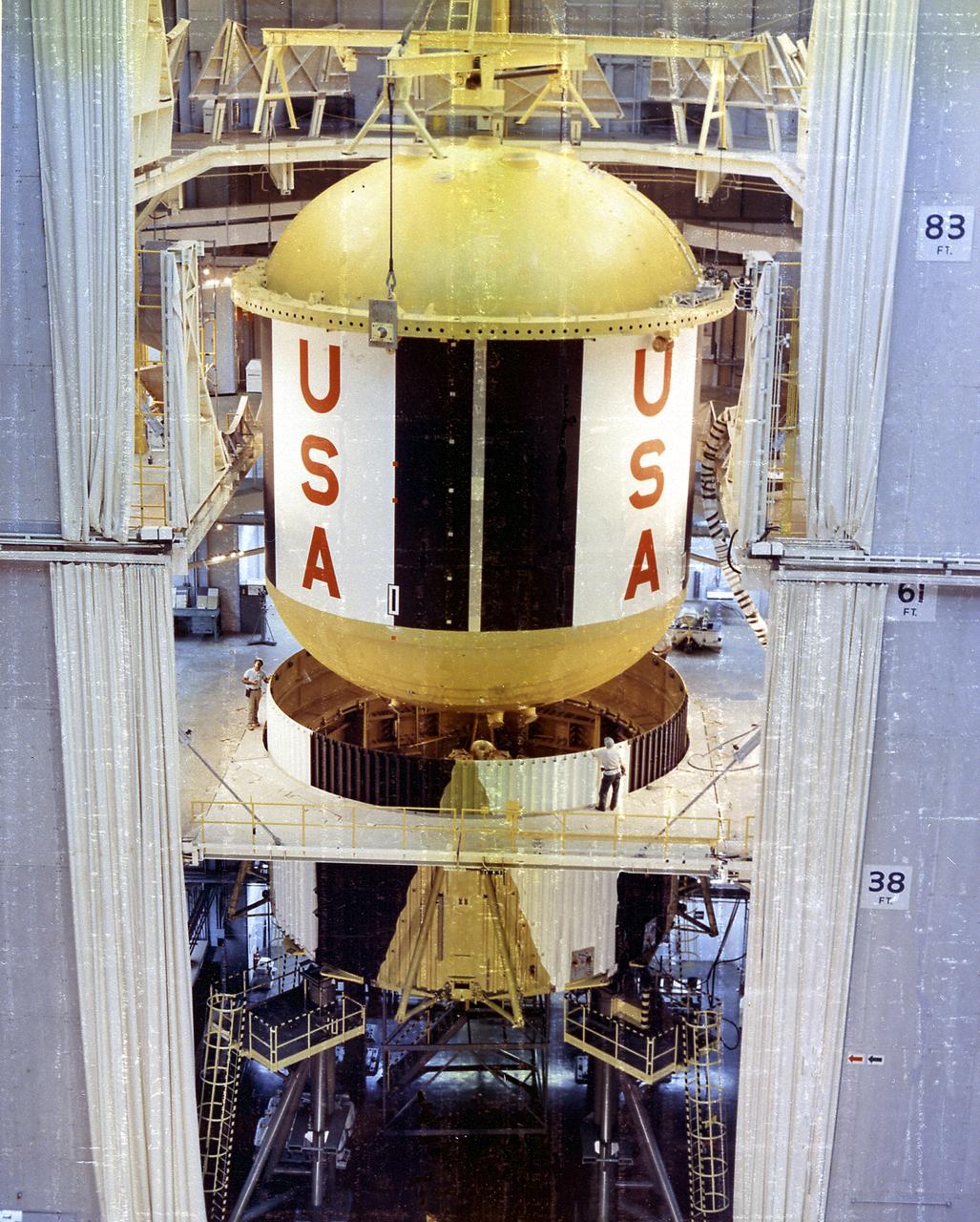
This picture is a view of stacking the major components of the S-IC (first) stage of the Saturn V vehicle at the Boeing vertical assembly building at the Michoud Assembly Facility (MAF). The view shows the fuel tank being lowered into the thrust structure. The Saturn IB and Saturn V first stages were manufactured at the MAF located 24 kilometers (approximately 15 miles) east of downtown New Orleans, Louisiana. The prime contractors, Chrysler and Boeing, jointly occupied the MAF. The basic manufacturing building boasted 43 acres under one roof. By 1964, NASA added a separate engineering and office building, vertical assembly building, and test stage building. By 1966, other changes to the site included enlarged barge facilities and other miscellaneous support buildings.
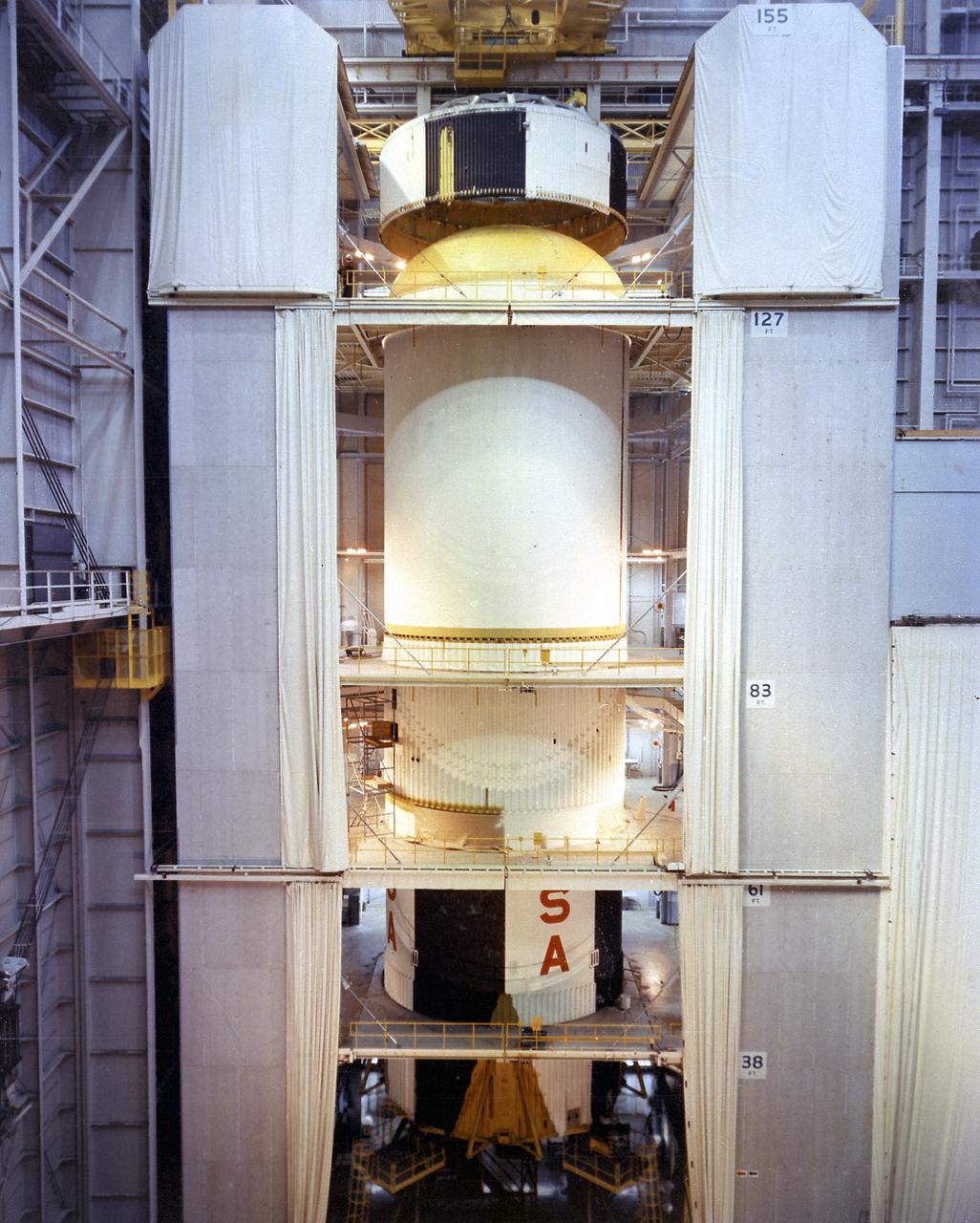
This picture is a view of stacking the major components of the S-IC (first) stage of the Saturn V vehicle at the Boeing vertical assembly building at the Michoud Assembly Facility (MAF). The view shows the S-IC forward skirt being lowered onto the liquid oxygen (LOX) tank. The Saturn IB and Saturn V first stages were manufactured at the MAF located 24 kilometers (approximately 15 miles) east of downtown New Orleans, Louisiana. The prime contractors, Chrysler and Boeing, jointly occupied the MAF. The basic manufacturing building boasted 43 acres under one roof. By 1964, NASA added a separate engineering and office building, vertical assembly building, and test stage building. By 1966, other changes to the site included enlarged barge facilities and other miscellaneous support buildings.
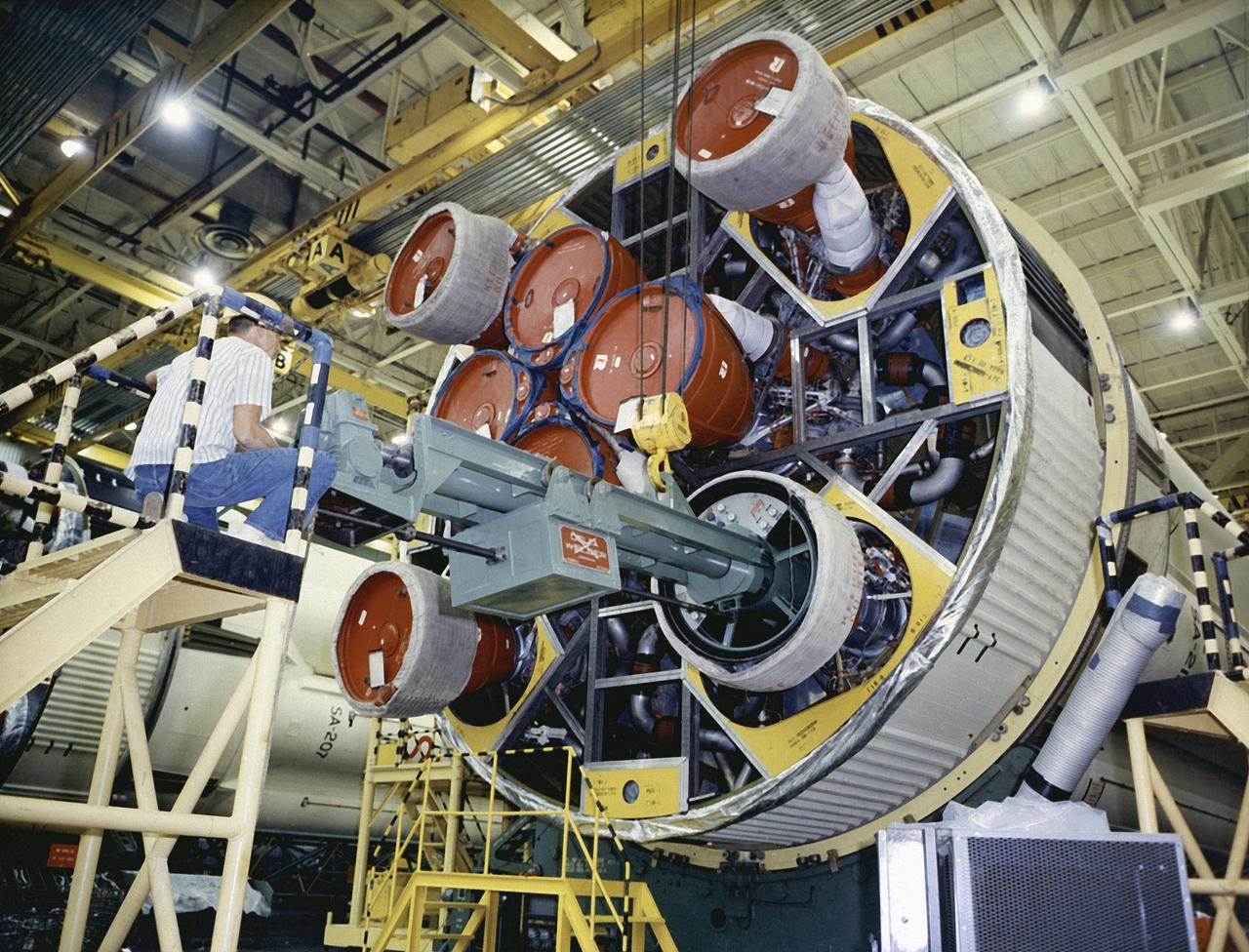
Workers at the Michoud Assembly Facility (MAF) near New Orleans, Louisiana, install the last engine on the S-IB stage. Developed by the Marshall Space Flight Center (MSFC) and built by the Chrysler Corporation at MAF, the S-IB stage utilized eight H-1 engines to produce a combined thrust of 1,600,000 pounds.
In one of the initial assembly steps for the first stage (S-IB stage) of the Saturn IB launch vehicle, workers at the Michoud Assembly Facility (MAF) near New Orleans, Louisiana, position a "Spider Beam" to the central liquid-oxygen tank of the S-IB stage. Developed by the Marshall Space Flight Center (MSFC) and built by the Chrysler Corporation at MAF, the S-IB stage utilized eight H-1 engines to produce a combined thrust of 1,600,000 pounds.
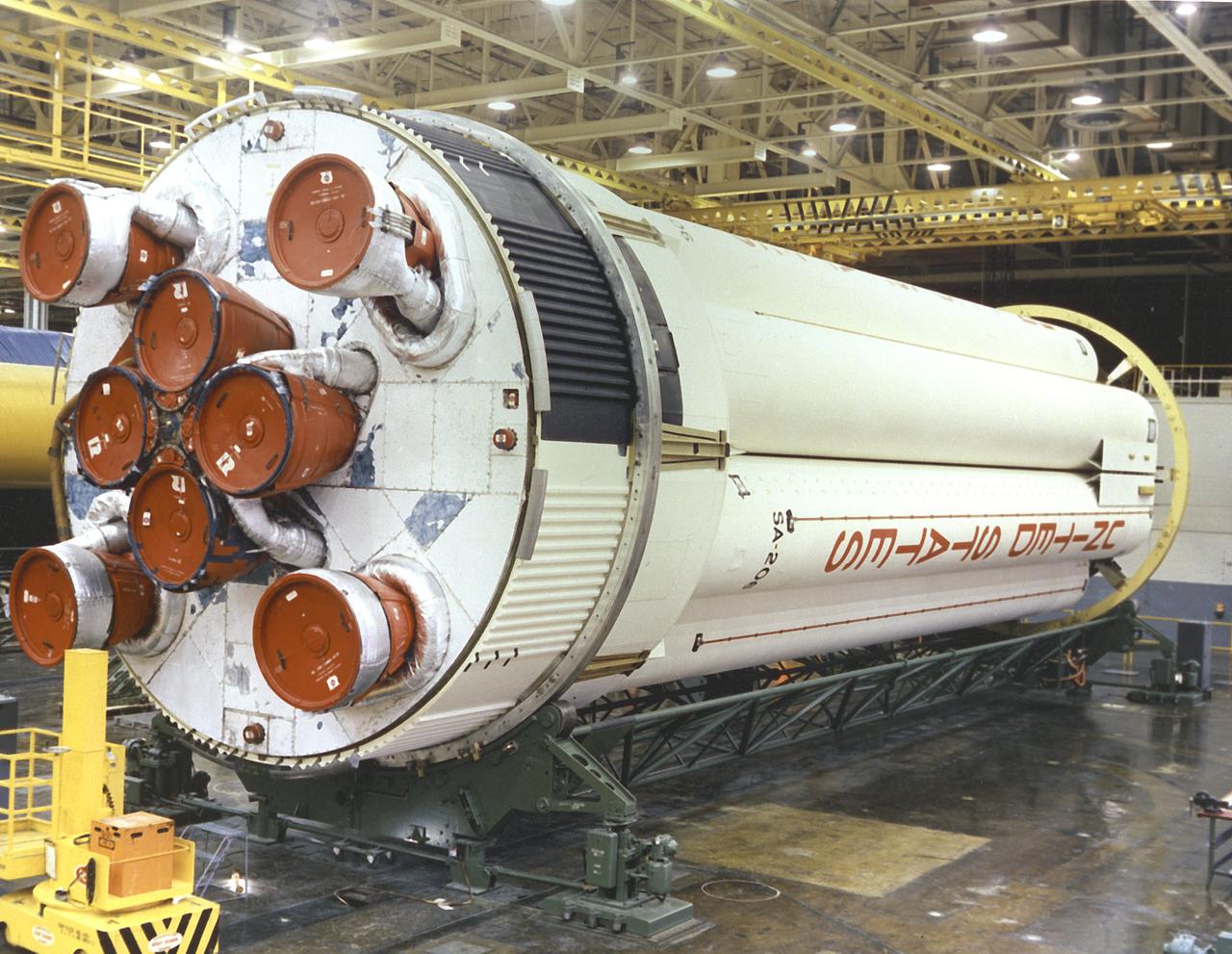
The Saturn 1B S-IB (first) stage being prepared for shipment at Michoud Assembly Facility (MAF), near New Orleans, Louisiana. Developed by the Marshall Space Flight Center and built by the Chrysler Corporation at MAF, the S-IB stage utilized the eight H-1 engines and each produced 200,000 pounds of thrust, a combined thrust of 1,600,000 pounds.
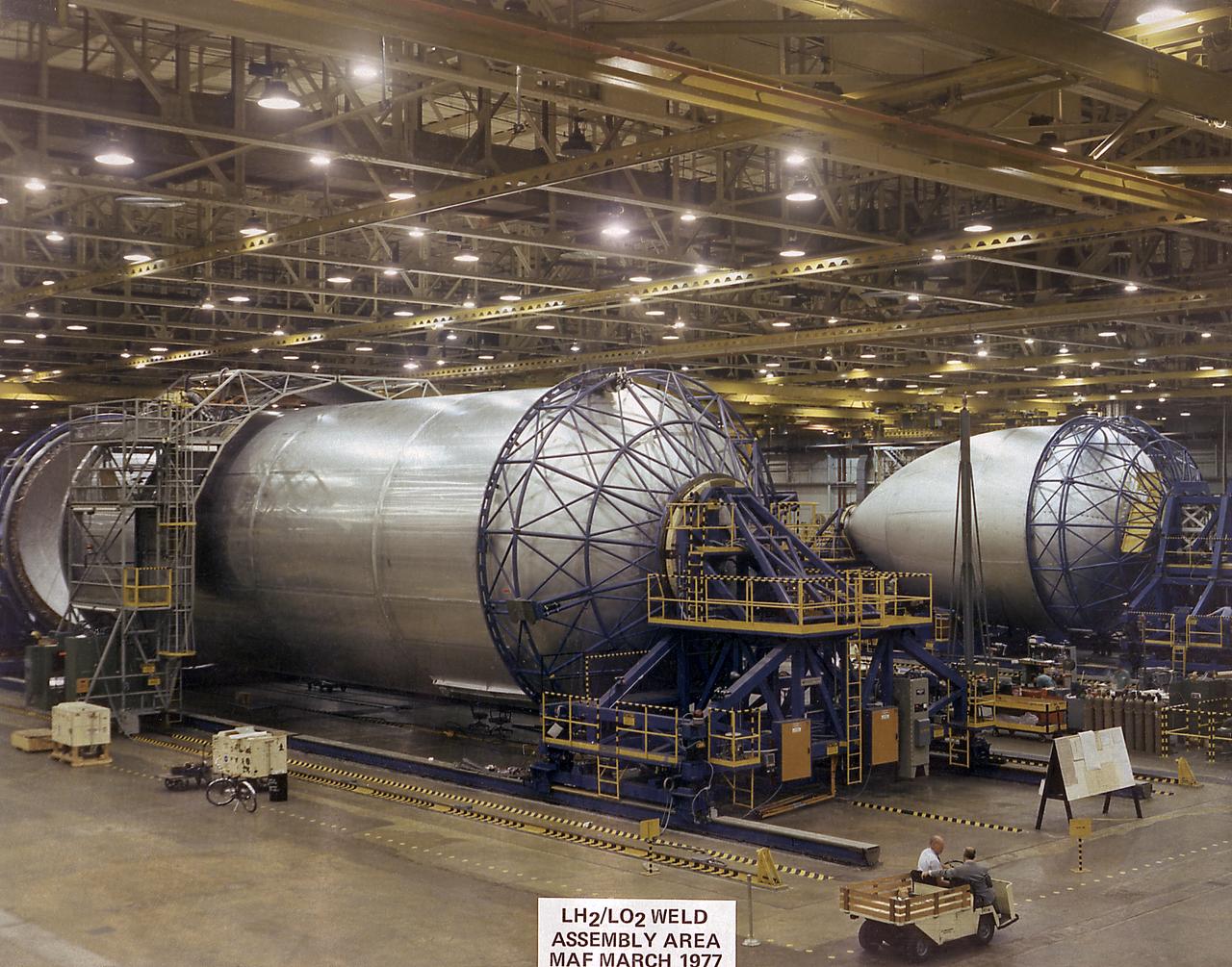
This photograph shows the liquid hydrogen tank and liquid oxygen tank for the Space Shuttle external tank (ET) being assembled in the weld assembly area of the Michoud Assembly Facility (MAF). The ET provides liquid hydrogen and liquid oxygen to the Shuttle's three main engines during the first eight 8.5 minutes of flight. At 154-feet long and more than 27-feet in diameter, the ET is the largest component of the Space Shuttle, the structural backbone of the entire Shuttle system, and the only part of the vehicle that is not reusable. The ET is manufactured at the Michoud Assembly Facility near New Orleans, Louisiana, by the Martin Marietta Corporation under management of the Marshall Space Flight Center.
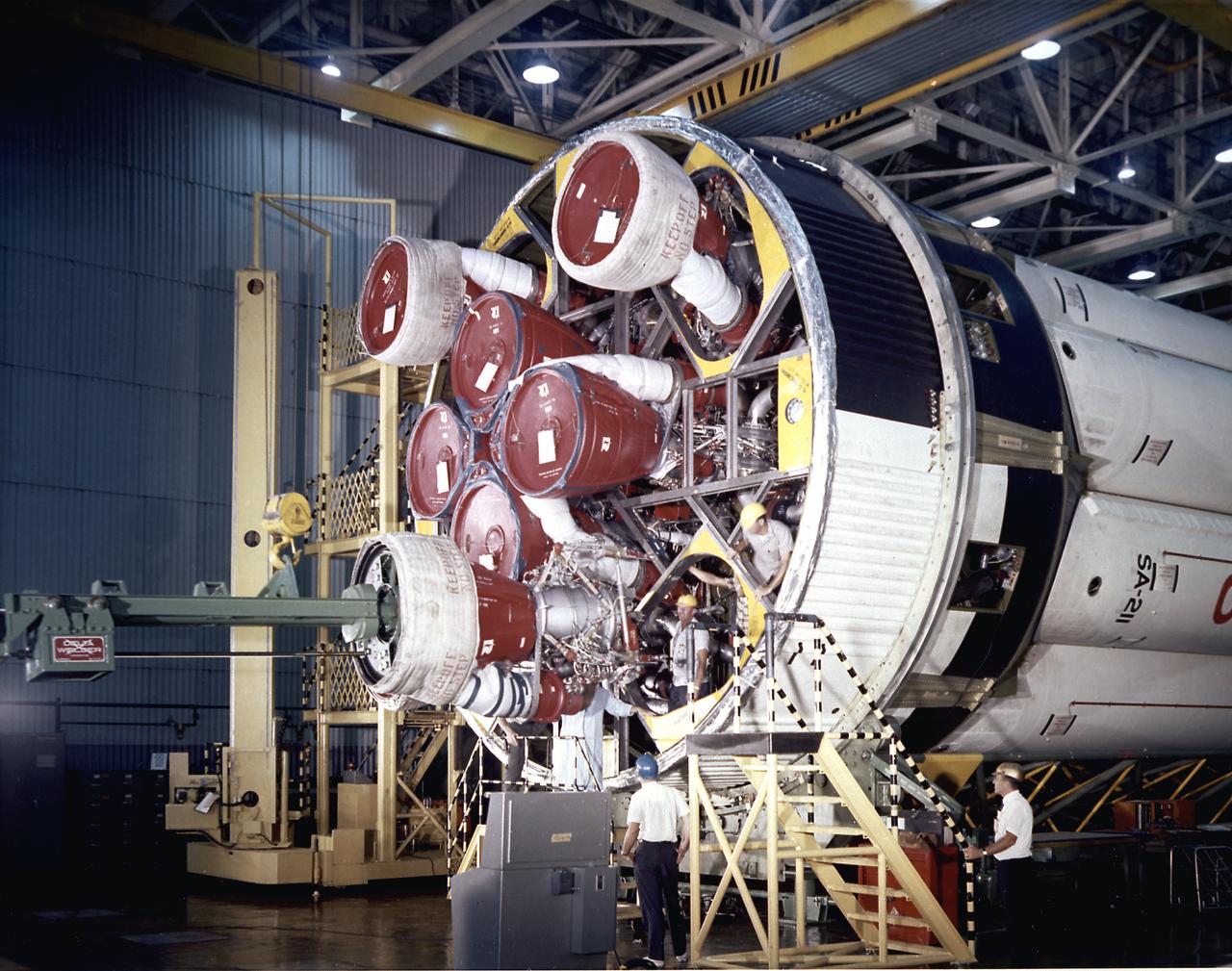
Workers at the Michoud Assembly Facility near New Orleans, Louisiana install the H-1 engines into the S-IB stage, the Saturn IB launch vehicle's first stage. Developed by the Marshall Space Flight Center and built by the Chrysler Corporation at MAF, the 90,000-pound booster utilized eight H-1 engines to produce a combined thrust of 1,600,000 pounds.
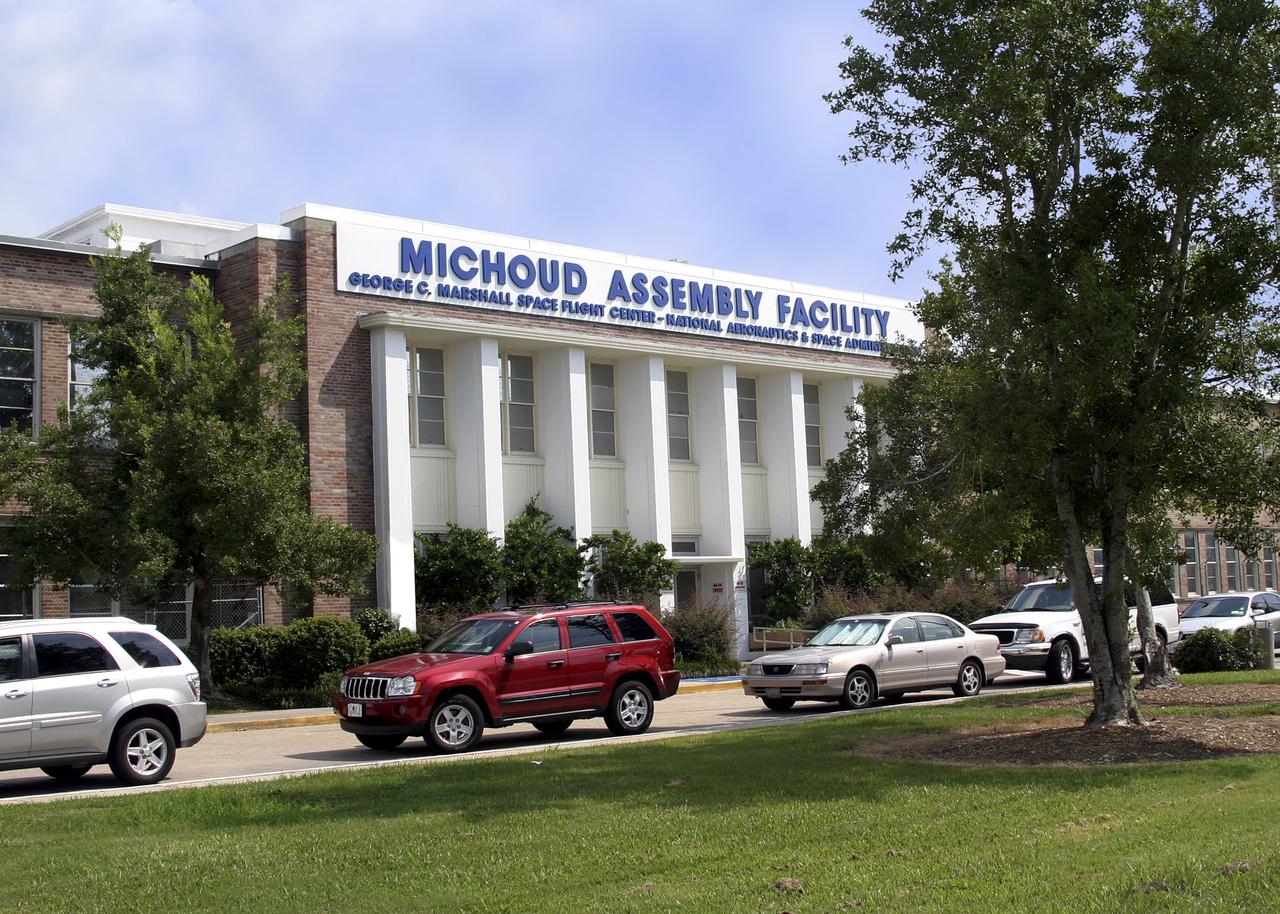
NASA's Michoud Assembly Facility, located in eastern New Orleans, Louisiana, is an 832 acre site that is a government-owned, contractor-operated component of the George C. Marshall Space Flight Center (MSFC). The facility was acquired by NASA in 1961 at the recommendation of Dr. Wernher von Braun and his rocket team in Huntsville Alabama. The cavernous plant served as the assembly facility for the Saturn launch vehicles and most recently the external tank (ET) used for the Space Shuttle Program. The facility features one of the world's biggest manufacturing plants with 43 acres under one roof and a port with deep-water access for the transportation of large space structures. When completed, space hardware is towed on a barge across the Gulf of Mexico, around Florida and up to Kennedy Space Center. The original tract of land was part of a 34,500 acre French Royal land grant to local merchant, Gilbert Antoine de St. Maxent in 1763. Later, the land was acquired by French transplant Antoine Michoud, the son of Napoleon's Administrator of Domains, who moved to the city in 1827. Michoud operated a sugar cane plantation and refinery on the site until his death in 1863. His heirs continued operating the refinery and kept the original St. Maxent estate intact into the 20th century. Two brick smokestacks from the original refinery still stand before the Michoud facility today.
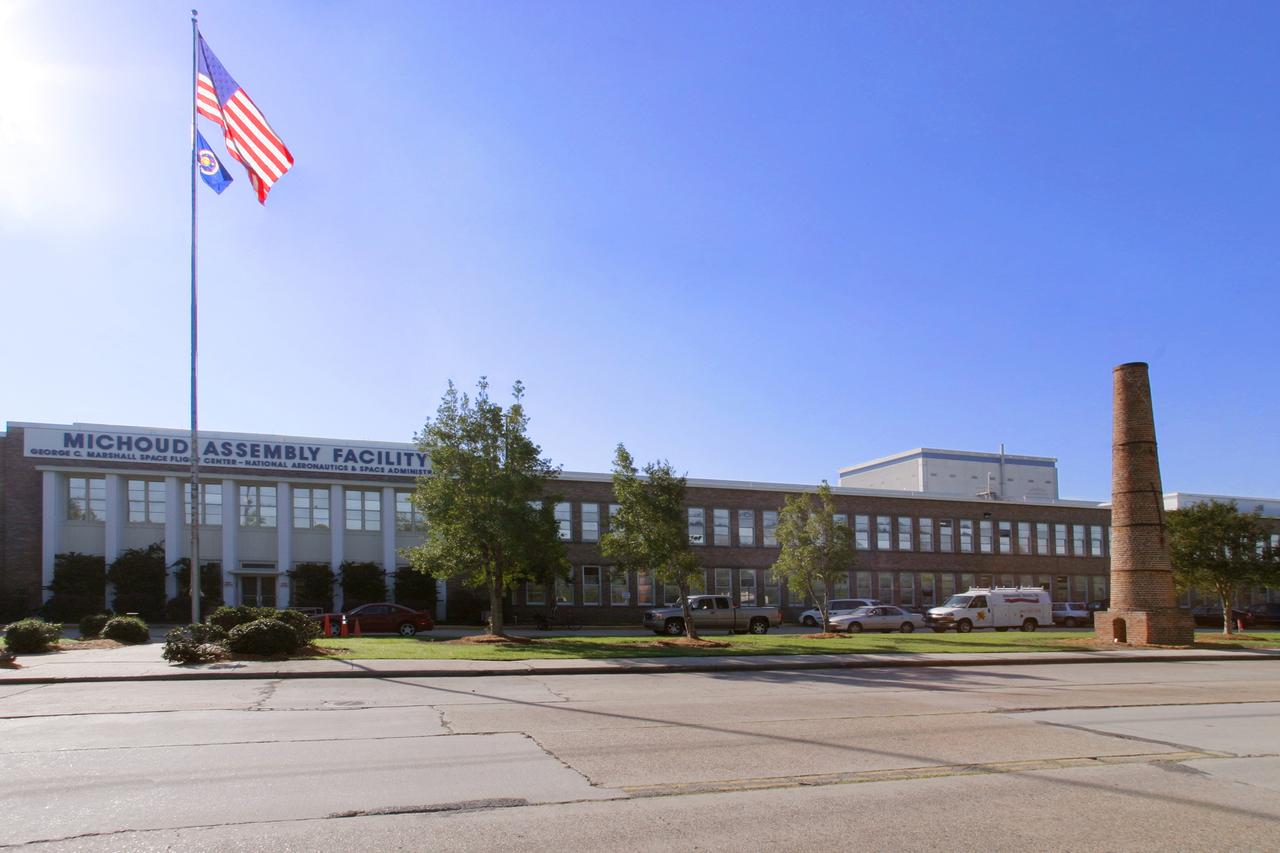
NASA's Michoud Assembly Facility, located in eastern New Orleans, Louisiana, is an 832 acre site that is a government-owned, contractor-operated component of the George C. Marshall Space Flight Center (MSFC). The facility was acquired by NASA in 1961 at the recommendation of Dr. Wernher von Braun and his rocket team in Huntsville Alabama. The cavernous plant served as the assembly facility for the Saturn launch vehicles and most recently the external tank (ET) used for the Space Shuttle Program. The facility features one of the world's biggest manufacturing plants with 43 acres under one roof and a port with deep-water access for the transportation of large space structures. When completed, space hardware is towed on a barge across the Gulf of Mexico, around Florida and up to Kennedy Space Center. The original tract of land was part of a 34,500 acre French Royal land grant to local merchant, Gilbert Antoine de St. Maxent in 1763. Later, the land was acquired by French transplant Antoine Michoud, the son of Napoleon's Administrator of Domains, who moved to the city in 1827. Michoud operated a sugar cane plantation and refinery on the site until his death in 1863. His heirs continued operating the refinery and kept the original St. Maxent estate intact into the 20th century. Visible on the right, is one of two brick smokestacks from the original refinery that still stand before the Michoud facility today.
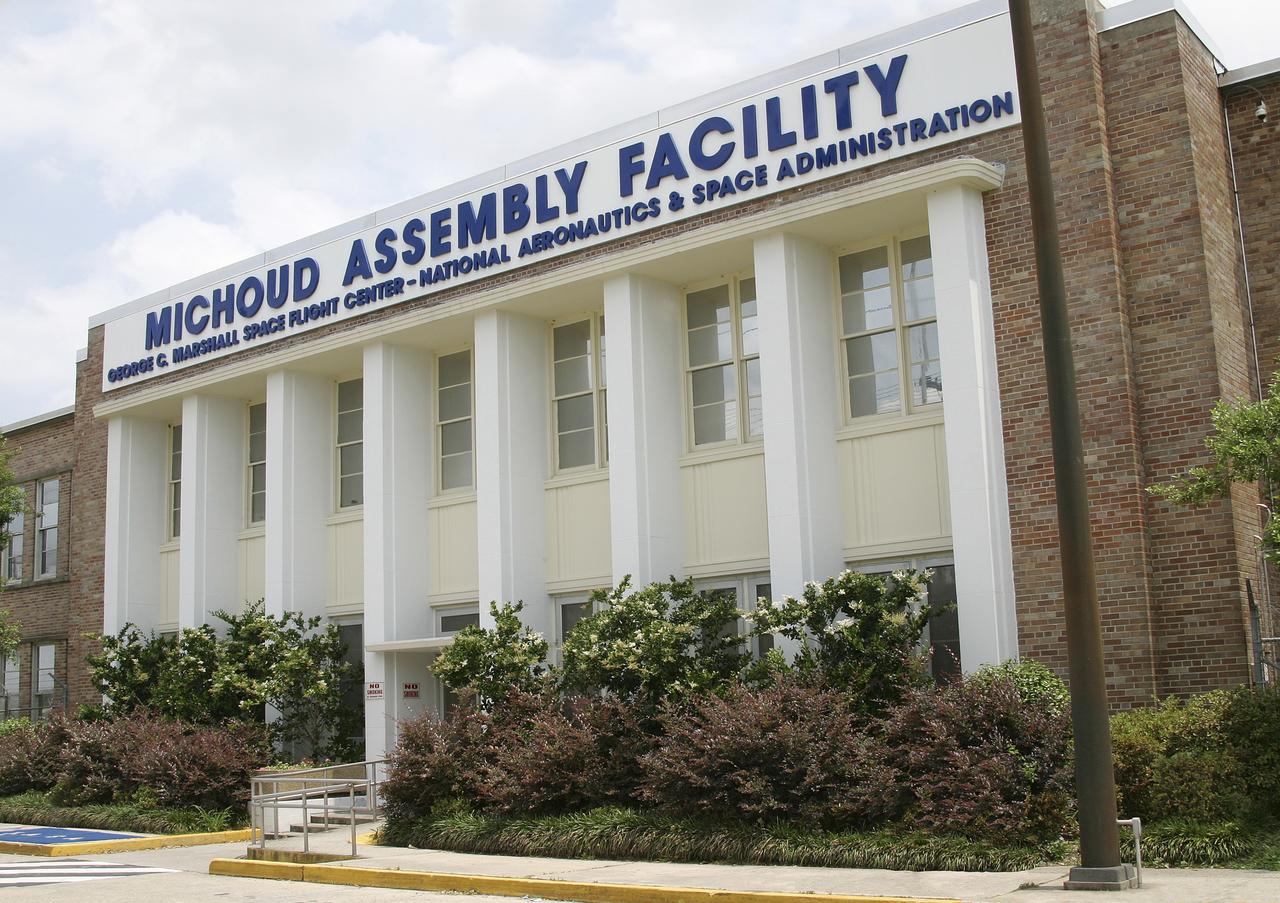
NASA's Michoud Assembly Facility, located in eastern New Orleans, Louisiana, is an 832 acre site that is a government-owned, contractor-operated component of the George C. Marshall Space Flight Center (MSFC). The facility was acquired by NASA in 1961 at the recommendation of Dr. Wernher von Braun and his rocket team in Huntsville Alabama. The cavernous plant served as the assembly facility for the Saturn launch vehicles and most recently the external tank (ET) used for the Space Shuttle Program. The facility features one of the world's biggest manufacturing plants with 43 acres under one roof and a port with deep-water access for the transportation of large space structures. When completed, space hardware is towed on a barge across the Gulf of Mexico, around Florida and up to Kennedy Space Center. The original tract of land was part of a 34,500 acre French Royal land grant to local merchant, Gilbert Antoine de St. Maxent in 1763. Later, the land was acquired by French transplant Antoine Michoud, the son of Napoleon's Administrator of Domains, who moved to the city in 1827. Michoud operated a sugar cane plantation and refinery on the site until his death in 1863. His heirs continued operating the refinery and kept the original St. Maxent estate intact into the 20th century. Two brick smokestacks from the original refinery still stand before the Michoud facility today.
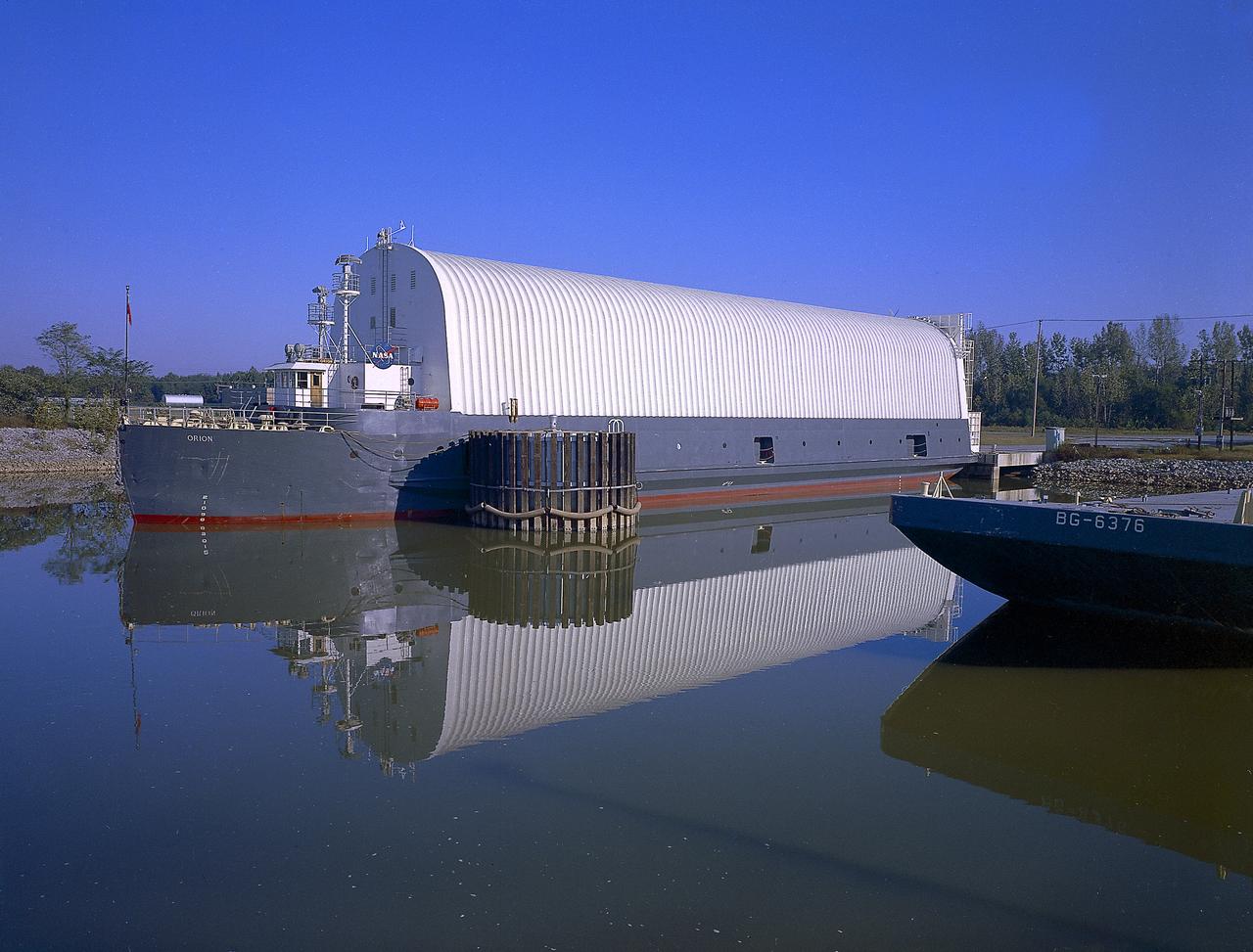
NASA used barges for transporting full-sized stages for the Saturn I, Saturn IB, and Saturn V vehicles between the Marshall Space Flight Center (MSFC), the manufacturing plant at the Michoud Assembly Facility (MAF), the Mississippi Test Facility for testing, and the Kennedy Space Center. The barges traveled from the MSFC dock to the MAF, a total of 1,086.7 miles up the Tennessee River and down the Mississippi River. The barges also transported the assembled stages of the Saturn vehicle from the MAF to the Kennedy Space Center, a total of 932.4 miles along the Gulf of Mexico and up along the Atlantic Ocean, for the final assembly and the launch. This photograph shows the barge Orion at the MSFC dock.
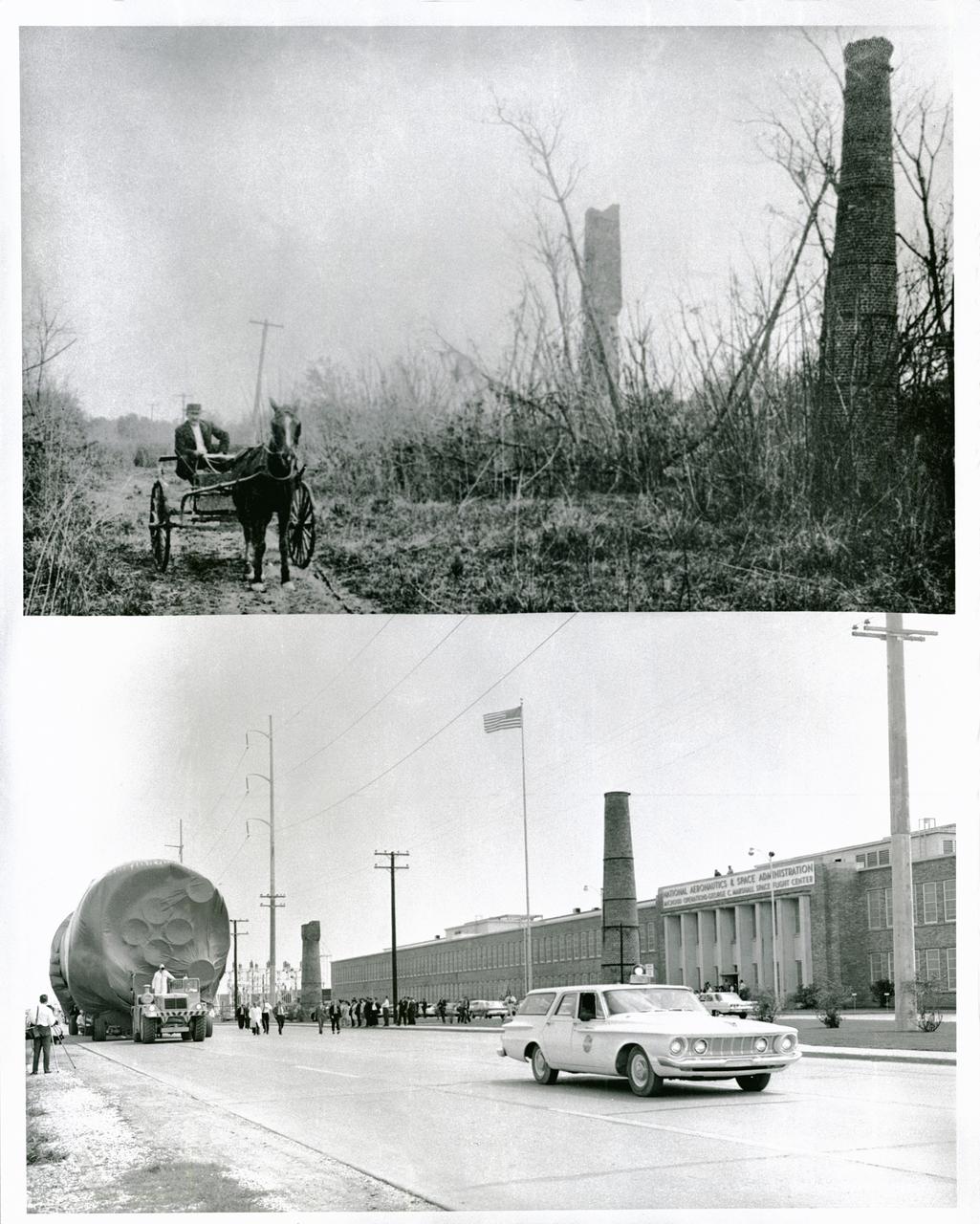
NASA's Michoud Assembly Facility, located in eastern New Orleans, Louisiana, is an 832 acre site that is a government-owned, contractor-operated component of the George C. Marshall Space Flight Center (MSFC). The facility was acquired by NASA in 1961 at the recommendation of Dr. Wernher von Braun and his rocket team in Huntsville Alabama. The cavernous plant served as the assembly facility for the Saturn launch vehicles and most recently the external tank (ET) used for the Space Shuttle Program. The facility features one of the world's biggest manufacturing plants with 43 acres under one roof and a port with deep-water access for the transportation of large space structures. When completed, space hardware is towed on a barge across the Gulf of Mexico, around Florida and up to Kennedy Space Center. The original tract of land was part of a 34,500 acre French Royal land grant to local merchant, Gilbert Antoine de St. Maxent in 1763. Later, the land was acquired by French transplant Antoine Michoud, the son of Napoleon's Administrator of Domains, who moved to the city in 1827. Michoud operated a sugar cane plantation and refinery on the site until his death in 1863. His heirs continued operating the refinery and kept the original St. Maxent estate intact into the 20th century. Two brick smokestacks from the original refinery still stand before the Michoud facility today as seen in the lower half of this photograph taken in the 1960's, while the upper half reflects the area during the time of the sugar cane plantation workers.
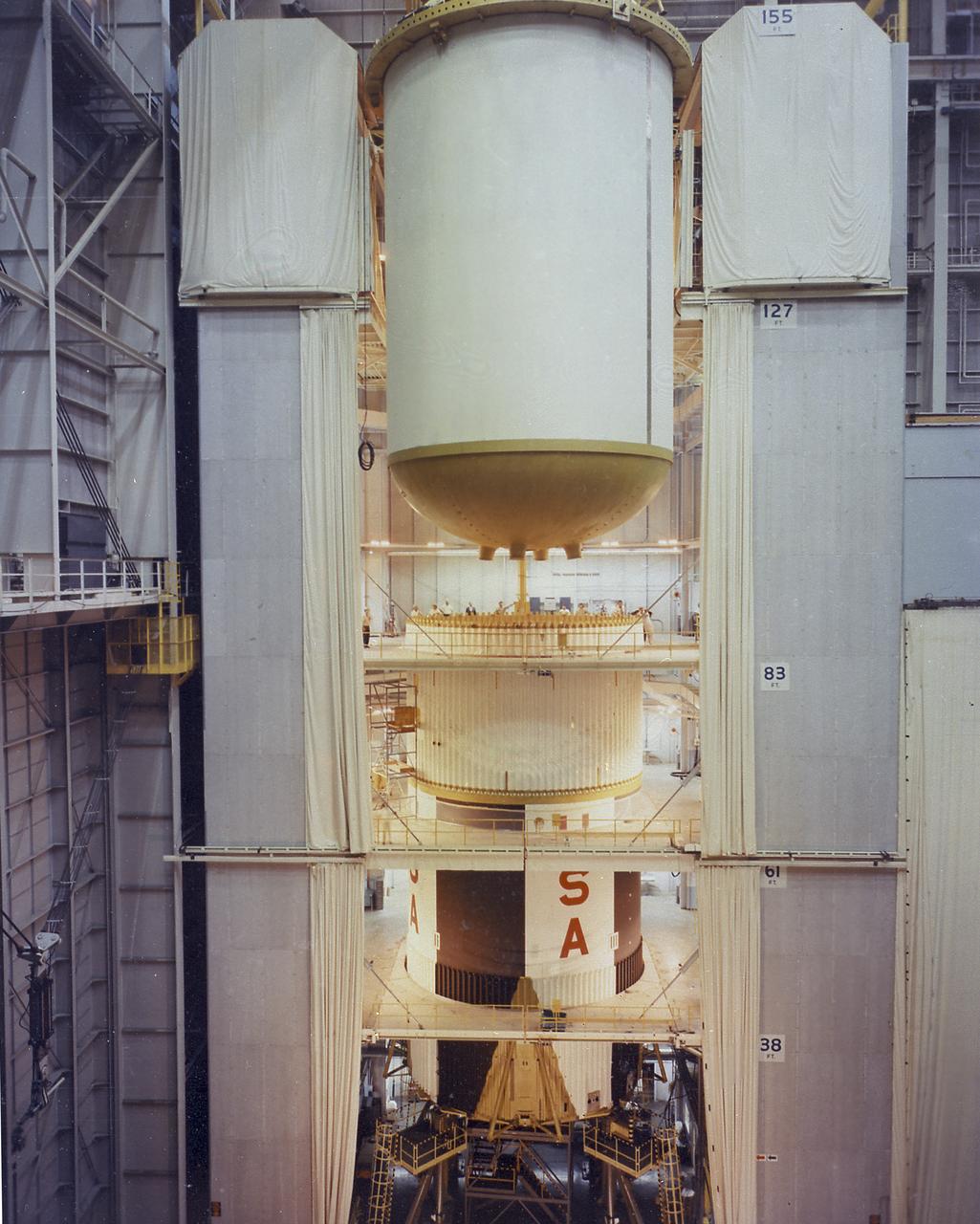
This photograph is a view of stacking the major components of the S-IC (first) stage of the Saturn V vehicle at the Boeing vertical assembly building at the Michoud Assembly Facility (MAF). The view shows placing the liquid oxygen tank on the intertank and the fuel tank assembly. The Saturn IB and Saturn V first stages were manufactured at the MAF located 24 kilometers (approximately 15 miles) east of downtown New Orleans, Louisiana. The prime contractors, Chrysler and Boeing, jointly occupied the MAF. The basic manufacturing building boasted 43 acres under one roof. By 1964, NASA added a separate engineering and office building, vertical assembly building, and test stage building. By 1966, other changes to the site included enlarged barge facilities and other miscellaneous support buildings.
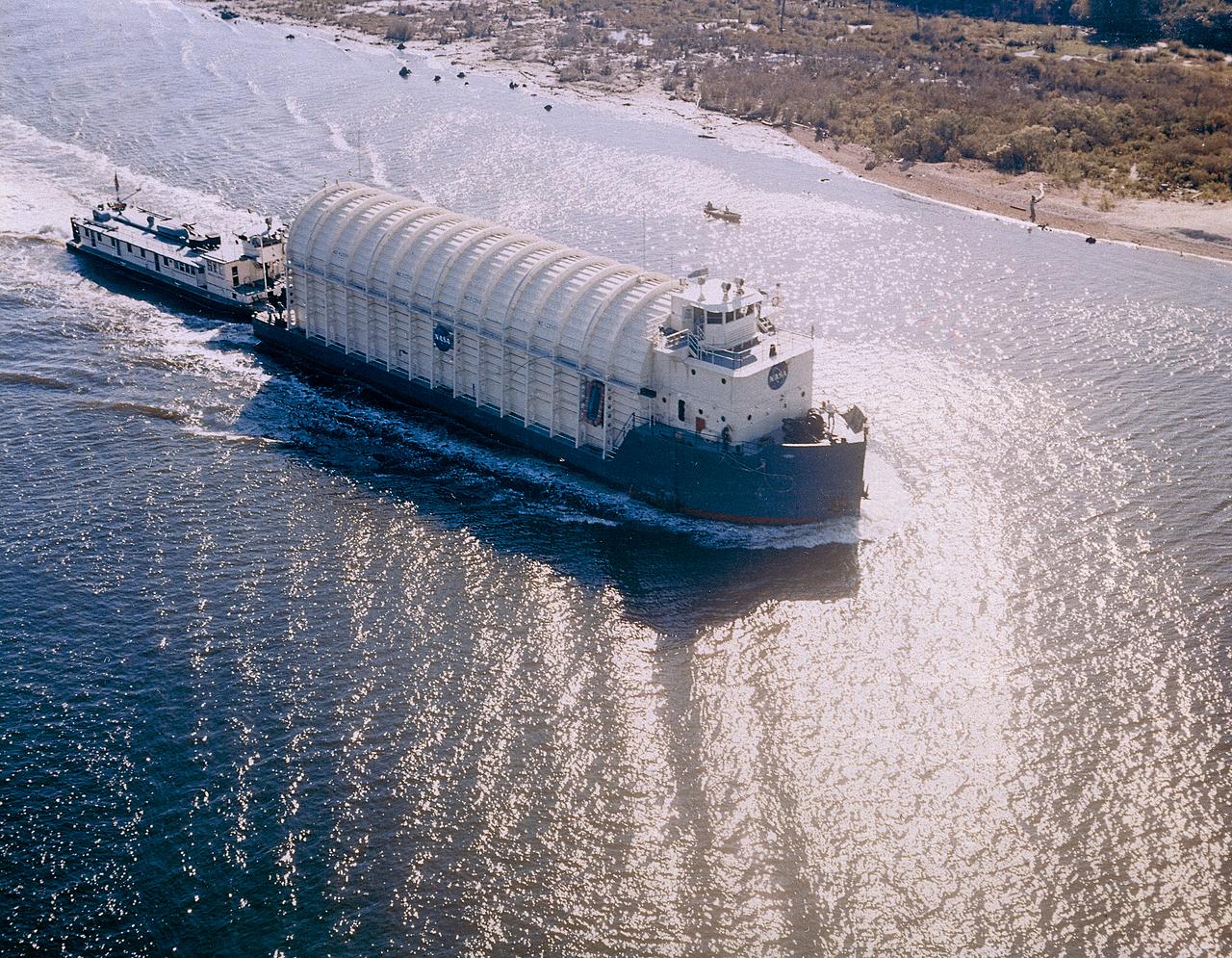
NASA used barges for transporting full-sized stages for the Saturn I, Saturn IB, and Saturn V vehicles between the Marshall Space Flight Center (MSFC), the manufacturing plant at the Michoud Assembly Facility (MAF), the Mississippi Test Facility for testing, and the Kennedy Space Center. The barges traveled from the MSFC dock to the MAF, a total of 1,086.7 miles up the Tennessee River and down the Mississippi River. The barges also transported the assembled stages of the Saturn vehicle from the MAF to the Kennedy Space Center, a total of 932.4 miles along the Gulf of Mexico and up along the Atlantic Ocean, for the final assembly and the launch. Pictured is the barge Palaemon carrying Saturn IV S-IB flight stage enroute to MSFC.
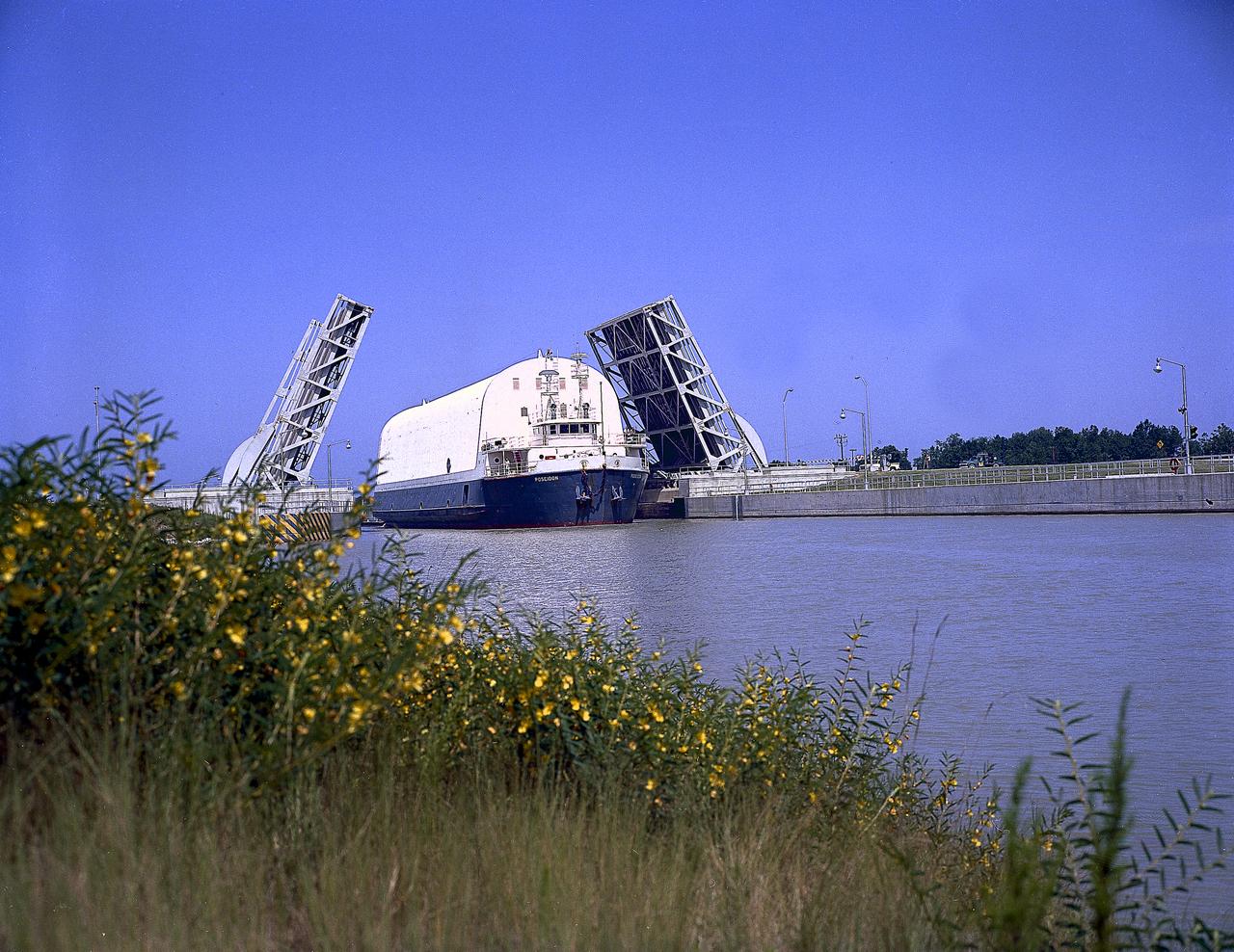
NASA used barges for transporting full-sized stages for the Saturn I, Saturn IB, and Saturn V vehicles between the Marshall Space Flight Center (MSFC), the manufacturing plant at the Michoud Assembly Facility (MAF), the Mississippi Test Facility for testing, and the Kennedy Space Center. The barges traveled from the MSFC dock to the MAF, a total of 1,086.7 miles up the Tennessee River and down the Mississippi River. The barges also transported the assembled stages of the Saturn vehicle from the MAF to the Kennedy Space Center, a total of 932.4 miles along the Gulf of Mexico and up along the Atlantic Ocean, for the final assembly and the launch. This photograph shows the barge Poseidon loaded with the Saturn V S-II (second) stage passing through a bascule bridge.

The NASA Photo Social at NASA’s Michoud Assembly Facility (MAF) in New Orleans, Louisiana, gathered social media-savvy photographers together on Aug. 16, 2018 to snap and share photos of the facility where NASA is building components for its deep space rocket, the Space Launch System, and crew vehicle, the Orion spacecraft. NASA Michoud is a world-class facility that is unique because it is one of the largest production buildings in the nation with a rich history of manufacturing excellence.
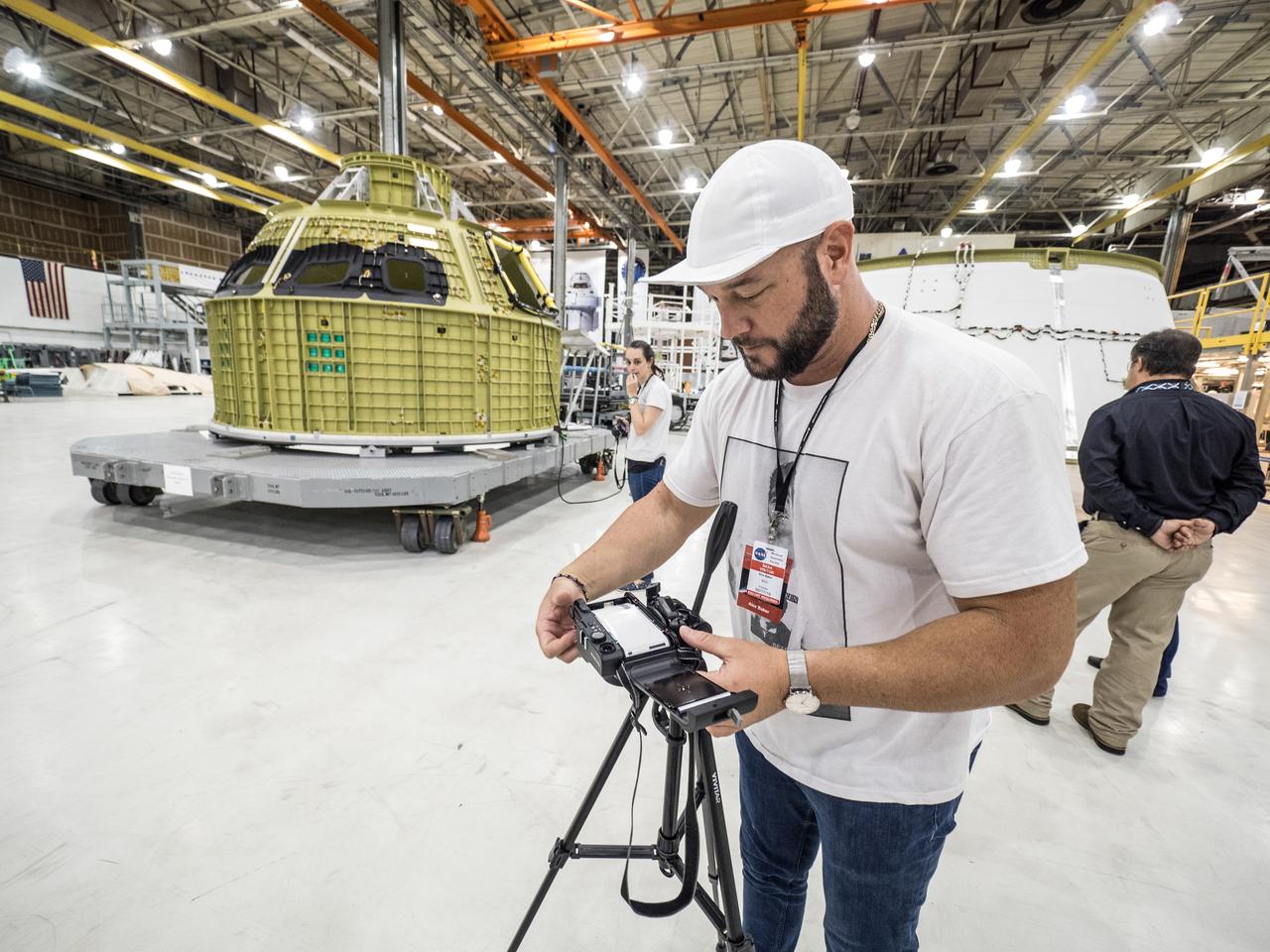
The NASA Photo Social at NASA’s Michoud Assembly Facility (MAF) in New Orleans, Louisiana, gathered social media-savvy photographers together on Aug. 16, 2018 to snap and share photos of the facility where NASA is building components for its deep space rocket, the Space Launch System, and crew vehicle, the Orion spacecraft. NASA Michoud is a world-class facility that is unique because it is one of the largest production buildings in the nation with a rich history of manufacturing excellence.

The NASA Photo Social at NASA’s Michoud Assembly Facility (MAF) in New Orleans, Louisiana, gathered social media-savvy photographers together on Aug. 16, 2018 to snap and share photos of the facility where NASA is building components for its deep space rocket, the Space Launch System, and crew vehicle, the Orion spacecraft. NASA Michoud is a world-class facility that is unique because it is one of the largest production buildings in the nation with a rich history of manufacturing excellence.
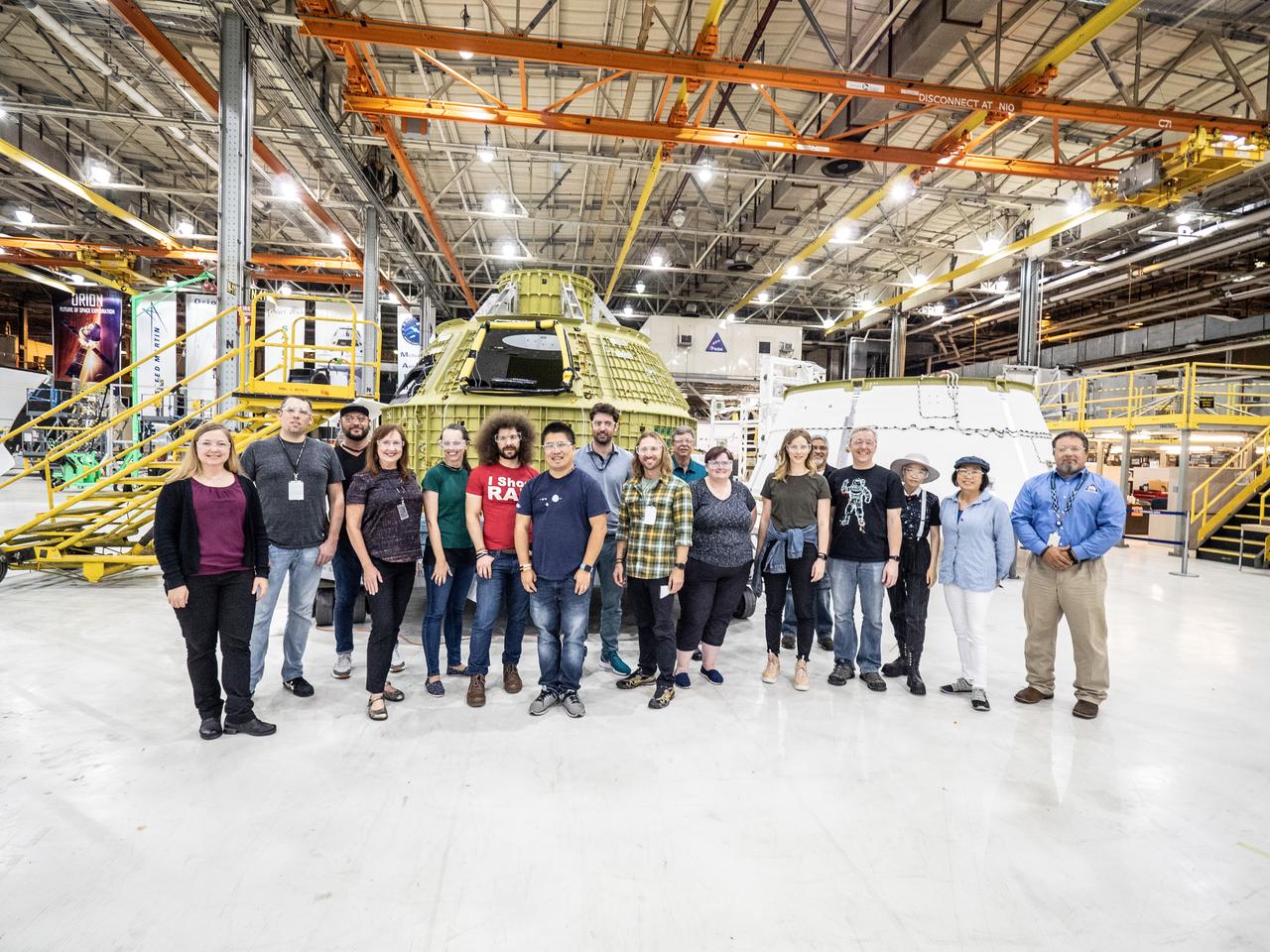
The NASA Photo Social at NASA’s Michoud Assembly Facility (MAF) in New Orleans, Louisiana, gathered social media-savvy photographers together on Aug. 16, 2018 to snap and share photos of the facility where NASA is building components for its deep space rocket, the Space Launch System, and crew vehicle, the Orion spacecraft. NASA Michoud is a world-class facility that is unique because it is one of the largest production buildings in the nation with a rich history of manufacturing excellence.
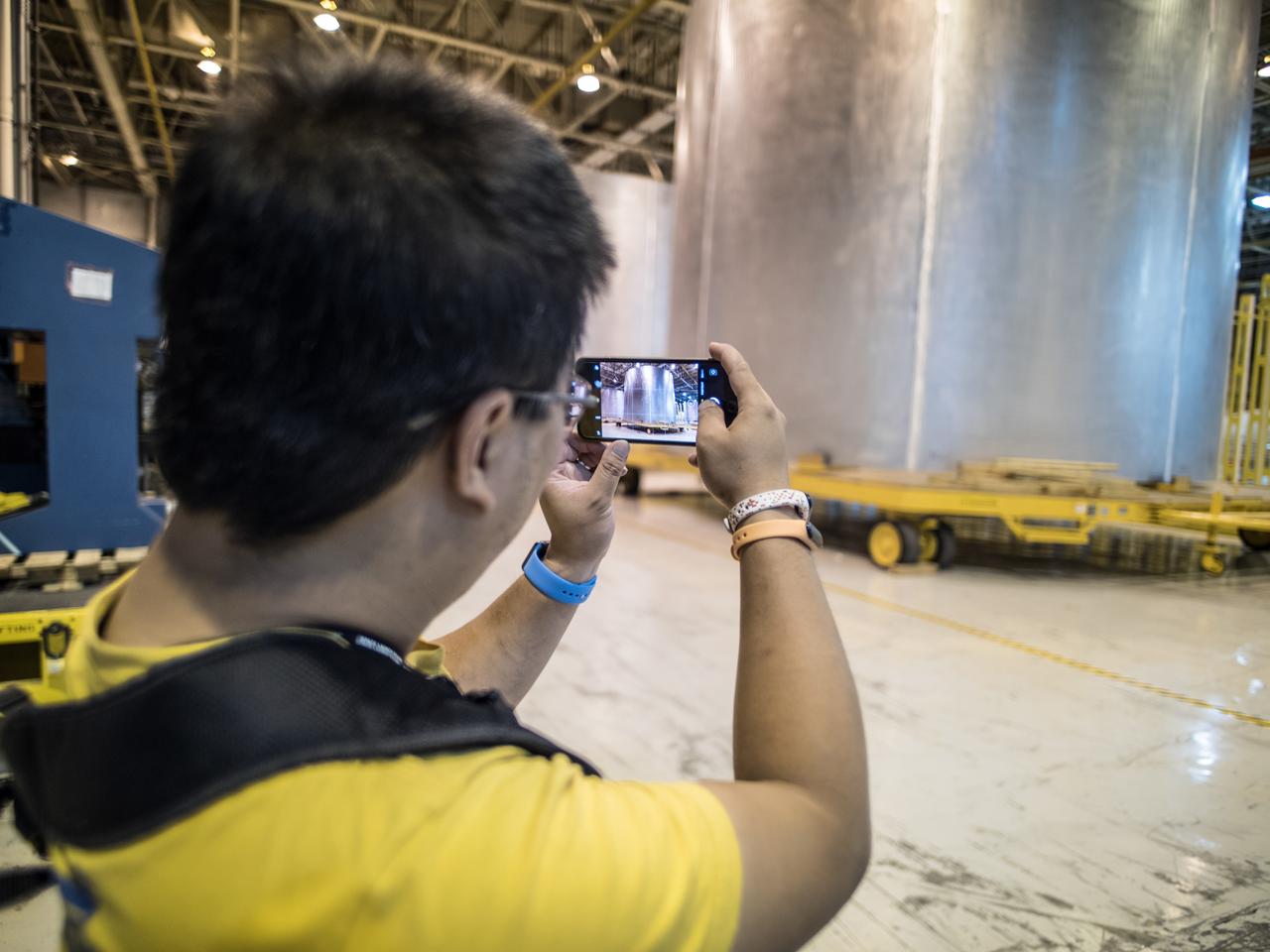
The NASA Photo Social at NASA’s Michoud Assembly Facility (MAF) in New Orleans, Louisiana, gathered social media-savvy photographers together on Aug. 16, 2018 to snap and share photos of the facility where NASA is building components for its deep space rocket, the Space Launch System, and crew vehicle, the Orion spacecraft. NASA Michoud is a world-class facility that is unique because it is one of the largest production buildings in the nation with a rich history of manufacturing excellence.
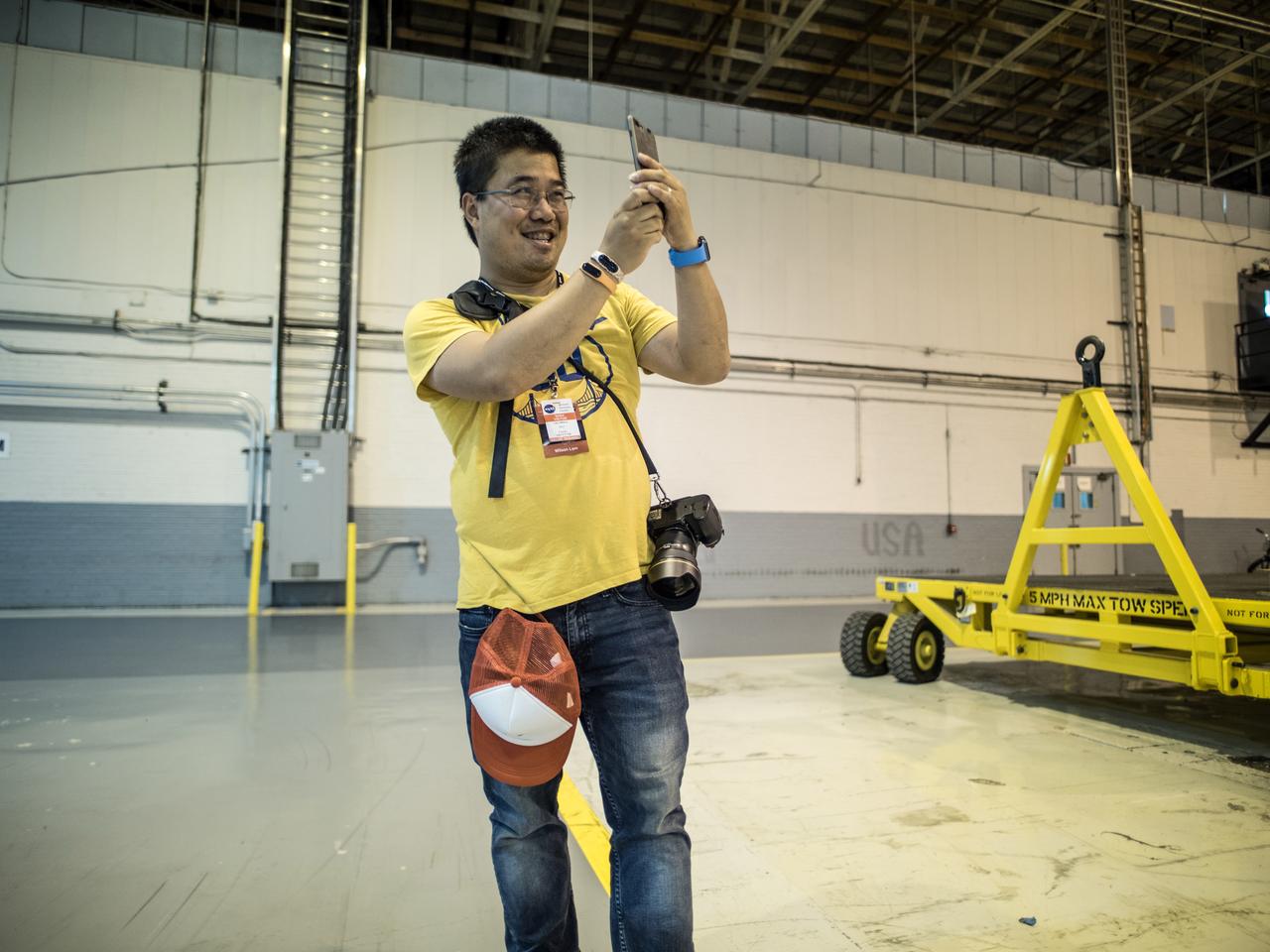
The NASA Photo Social at NASA’s Michoud Assembly Facility (MAF) in New Orleans, Louisiana, gathered social media-savvy photographers together on Aug. 16, 2018 to snap and share photos of the facility where NASA is building components for its deep space rocket, the Space Launch System, and crew vehicle, the Orion spacecraft. NASA Michoud is a world-class facility that is unique because it is one of the largest production buildings in the nation with a rich history of manufacturing excellence.

The NASA Photo Social at NASA’s Michoud Assembly Facility (MAF) in New Orleans, Louisiana, gathered social media-savvy photographers together on Aug. 16, 2018 to snap and share photos of the facility where NASA is building components for its deep space rocket, the Space Launch System, and crew vehicle, the Orion spacecraft. NASA Michoud is a world-class facility that is unique because it is one of the largest production buildings in the nation with a rich history of manufacturing excellence.
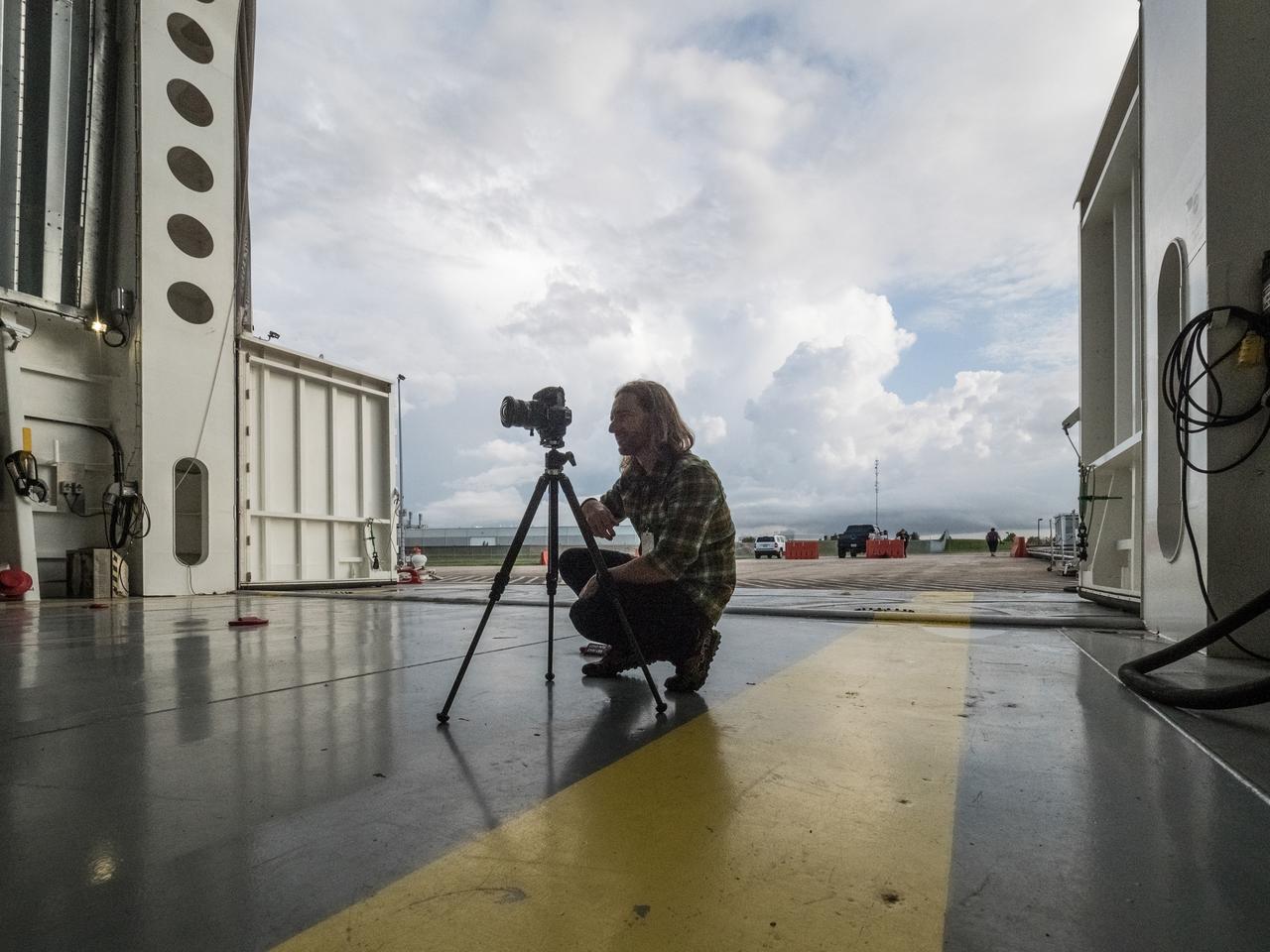
The NASA Photo Social at NASA’s Michoud Assembly Facility (MAF) in New Orleans, Louisiana, gathered social media-savvy photographers together on Aug. 16, 2018 to snap and share photos of the facility where NASA is building components for its deep space rocket, the Space Launch System, and crew vehicle, the Orion spacecraft. NASA Michoud is a world-class facility that is unique because it is one of the largest production buildings in the nation with a rich history of manufacturing excellence.
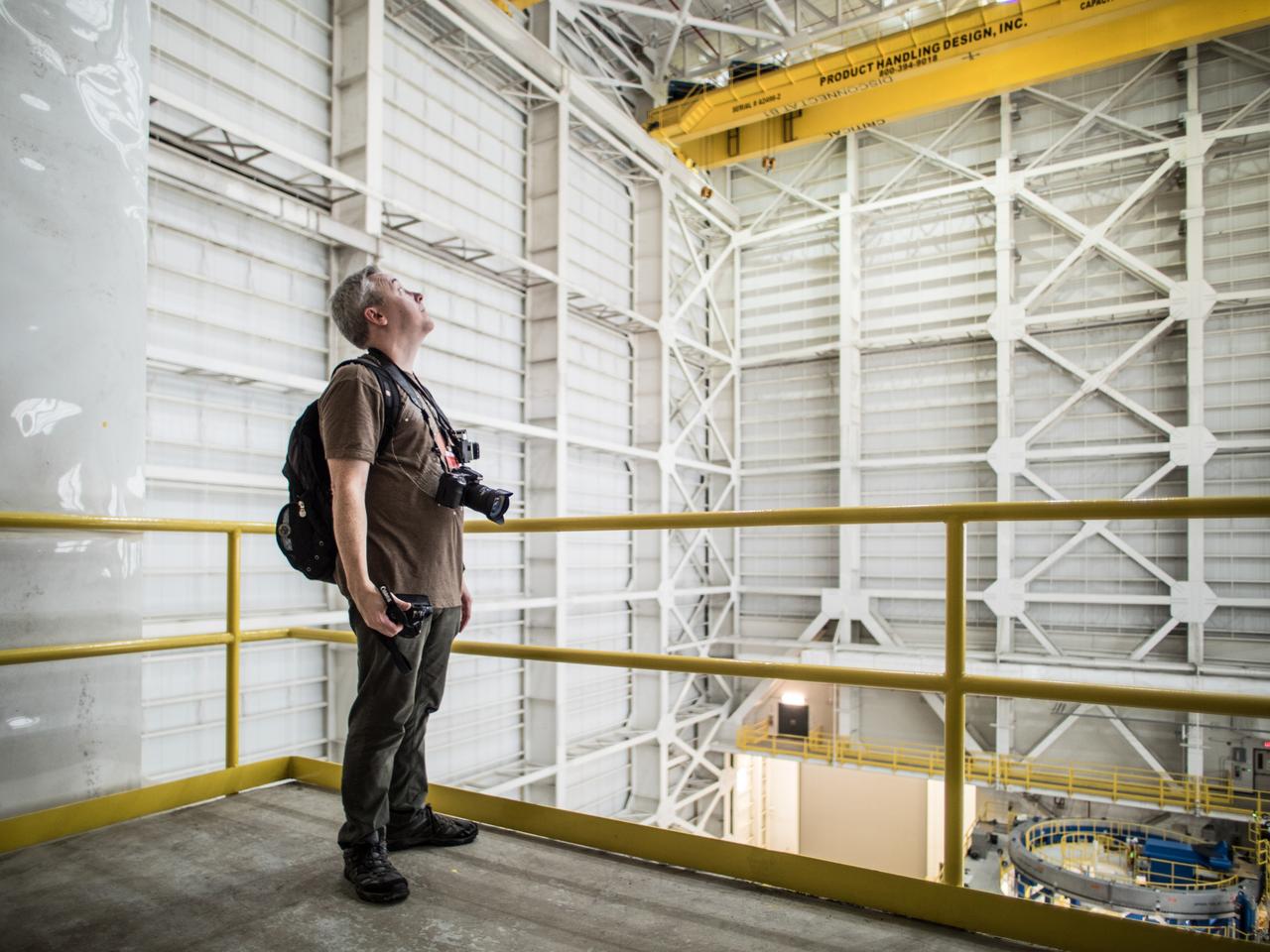
The NASA Photo Social at NASA’s Michoud Assembly Facility (MAF) in New Orleans, Louisiana, gathered social media-savvy photographers together on Aug. 16, 2018 to snap and share photos of the facility where NASA is building components for its deep space rocket, the Space Launch System, and crew vehicle, the Orion spacecraft. NASA Michoud is a world-class facility that is unique because it is one of the largest production buildings in the nation with a rich history of manufacturing excellence.
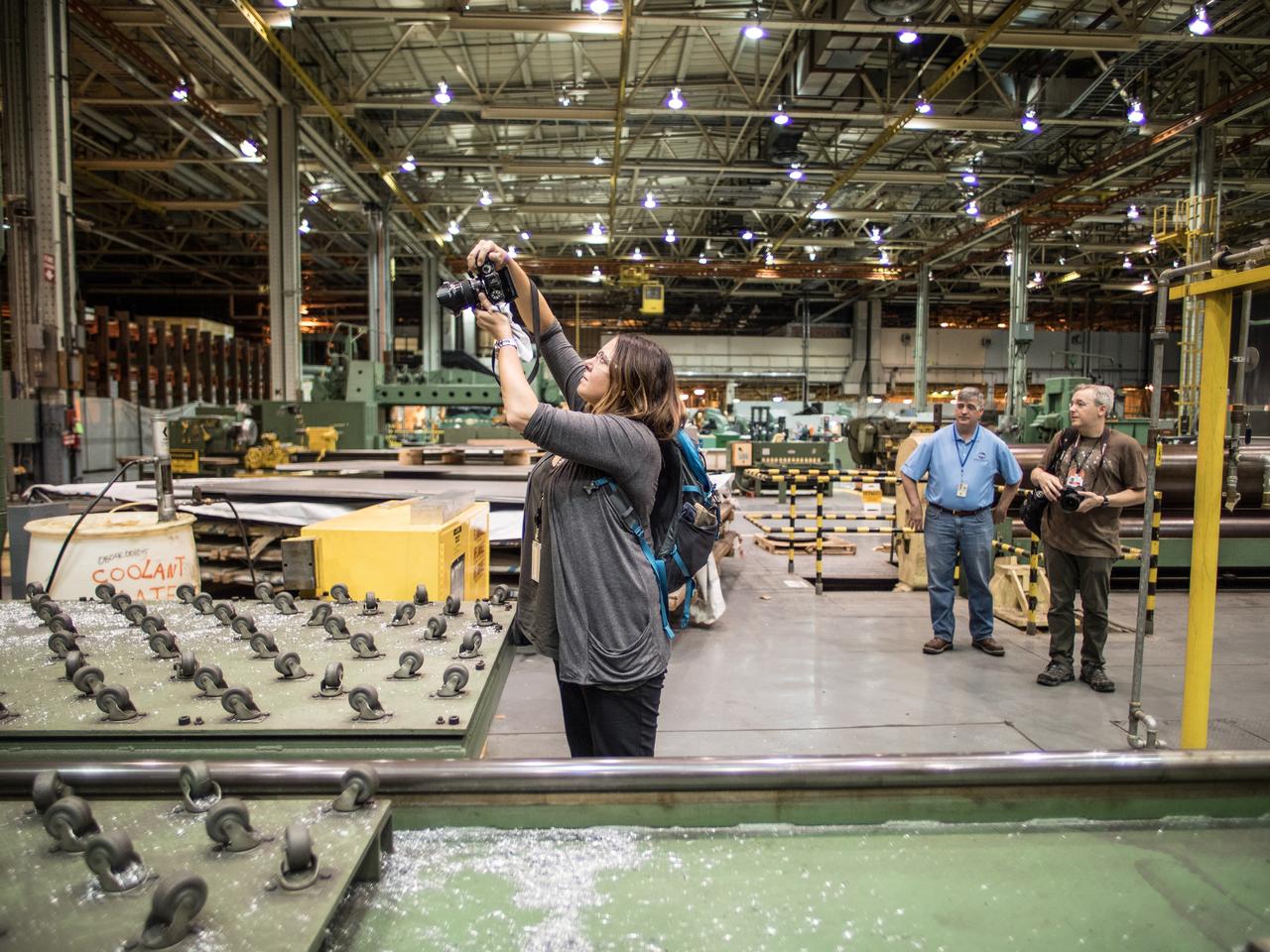
The NASA Photo Social at NASA’s Michoud Assembly Facility (MAF) in New Orleans, Louisiana, gathered social media-savvy photographers together on Aug. 16, 2018 to snap and share photos of the facility where NASA is building components for its deep space rocket, the Space Launch System, and crew vehicle, the Orion spacecraft. NASA Michoud is a world-class facility that is unique because it is one of the largest production buildings in the nation with a rich history of manufacturing excellence.
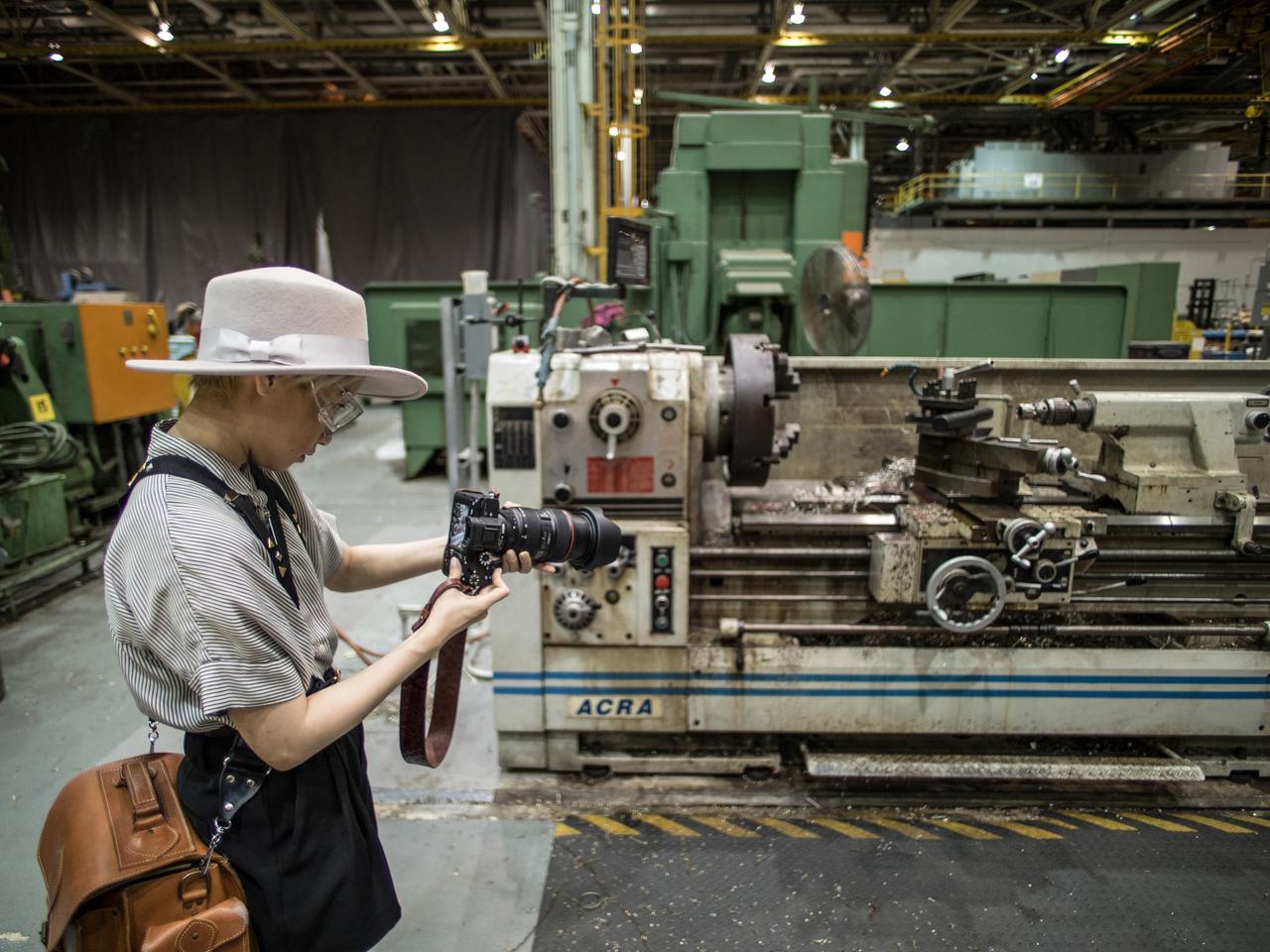
The NASA Photo Social at NASA’s Michoud Assembly Facility (MAF) in New Orleans, Louisiana, gathered social media-savvy photographers together on Aug. 16, 2018 to snap and share photos of the facility where NASA is building components for its deep space rocket, the Space Launch System, and crew vehicle, the Orion spacecraft. NASA Michoud is a world-class facility that is unique because it is one of the largest production buildings in the nation with a rich history of manufacturing excellence.
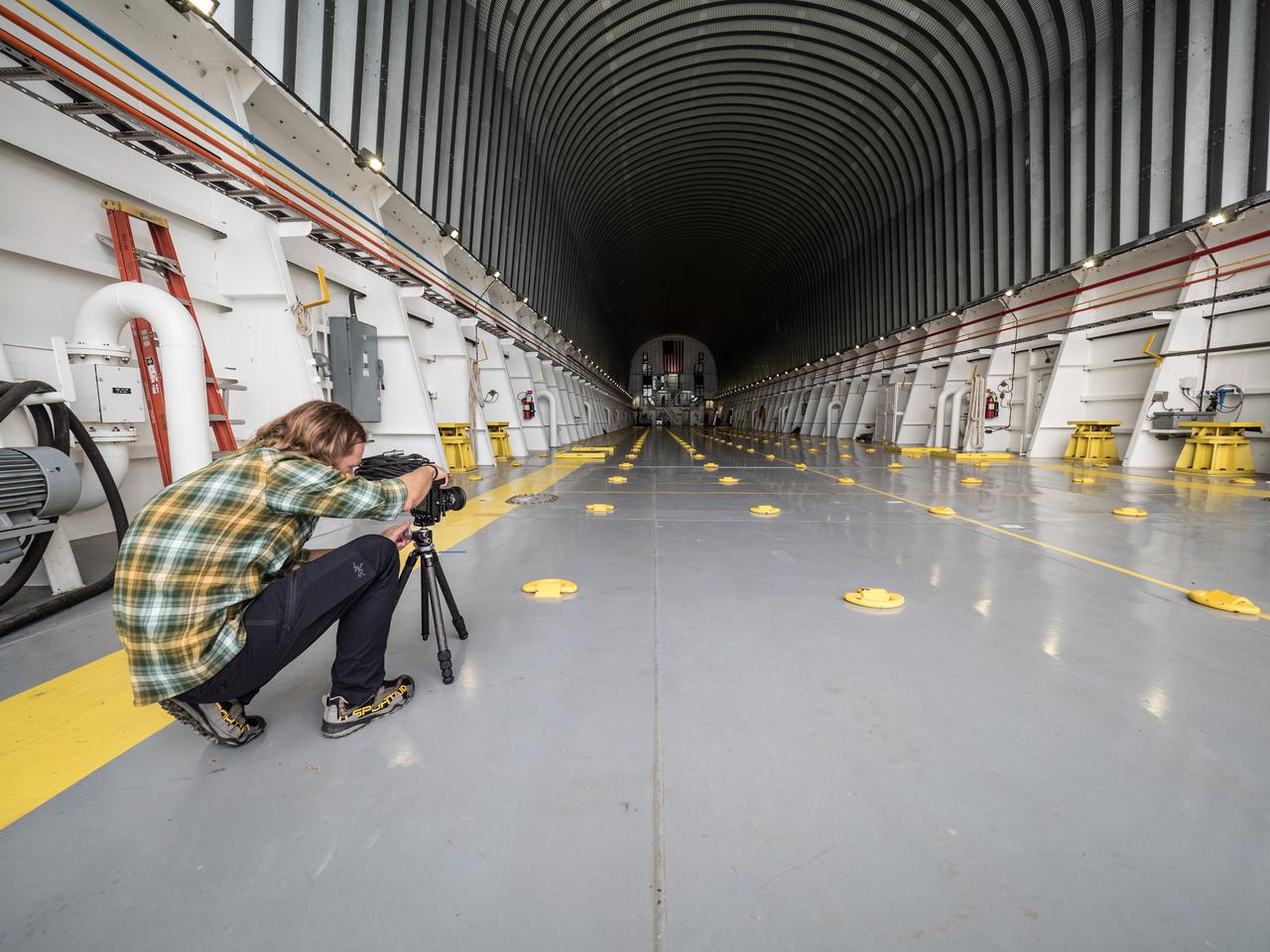
The NASA Photo Social at NASA’s Michoud Assembly Facility (MAF) in New Orleans, Louisiana, gathered social media-savvy photographers together on Aug. 16, 2018 to snap and share photos of the facility where NASA is building components for its deep space rocket, the Space Launch System, and crew vehicle, the Orion spacecraft. NASA Michoud is a world-class facility that is unique because it is one of the largest production buildings in the nation with a rich history of manufacturing excellence.
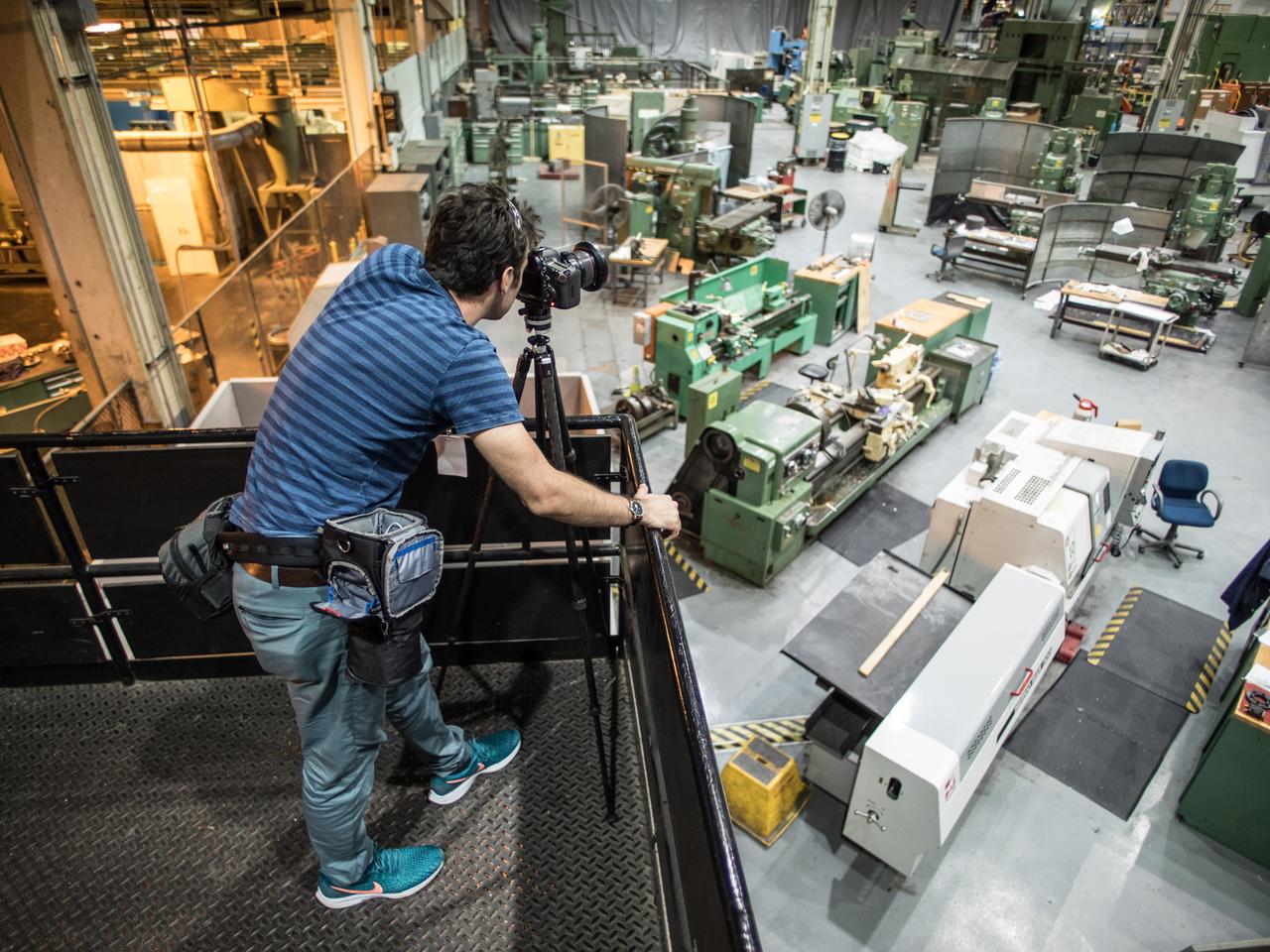
The NASA Photo Social at NASA’s Michoud Assembly Facility (MAF) in New Orleans, Louisiana, gathered social media-savvy photographers together on Aug. 16, 2018 to snap and share photos of the facility where NASA is building components for its deep space rocket, the Space Launch System, and crew vehicle, the Orion spacecraft. NASA Michoud is a world-class facility that is unique because it is one of the largest production buildings in the nation with a rich history of manufacturing excellence.
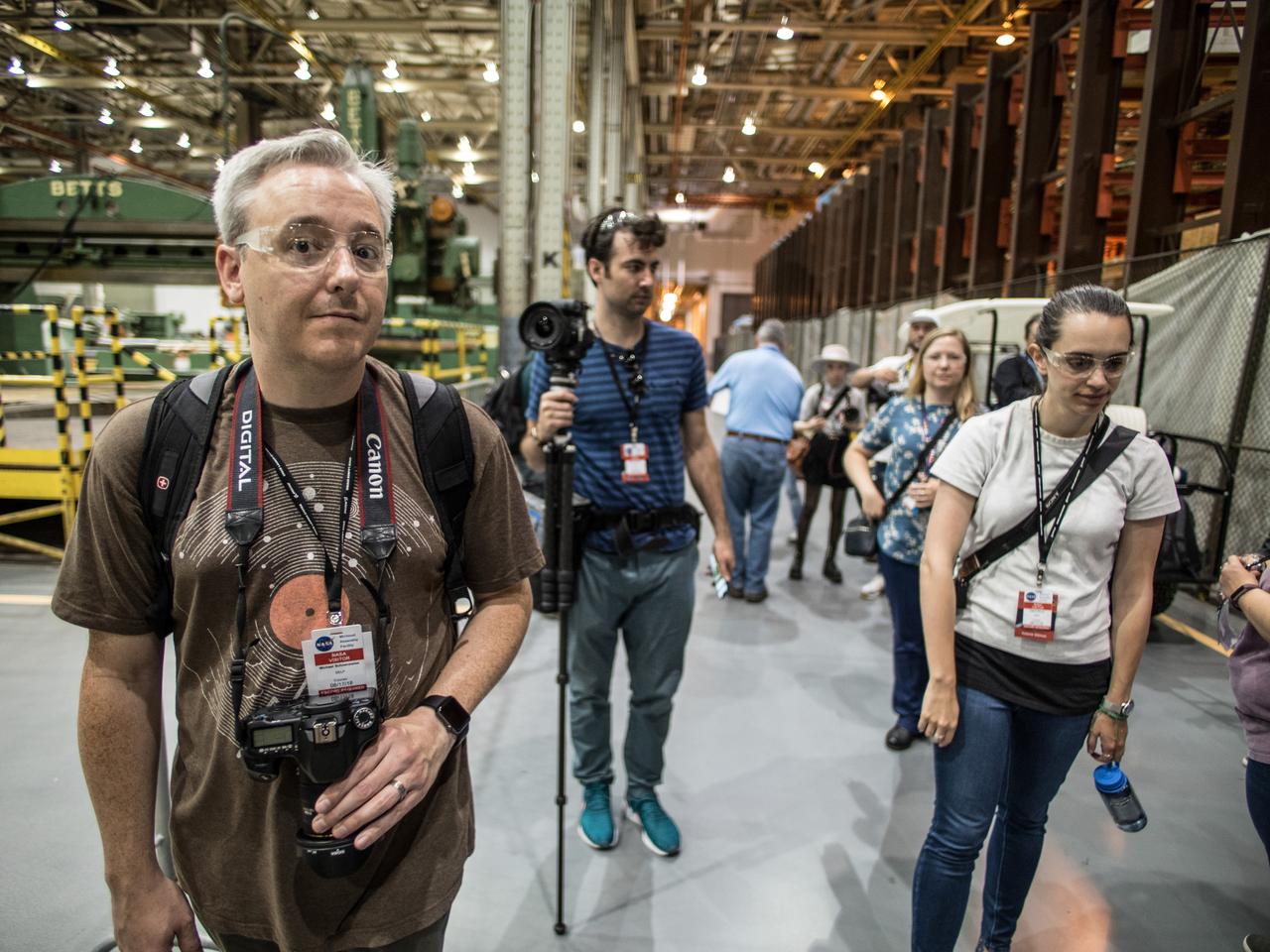
The NASA Photo Social at NASA’s Michoud Assembly Facility (MAF) in New Orleans, Louisiana, gathered social media-savvy photographers together on Aug. 16, 2018 to snap and share photos of the facility where NASA is building components for its deep space rocket, the Space Launch System, and crew vehicle, the Orion spacecraft. NASA Michoud is a world-class facility that is unique because it is one of the largest production buildings in the nation with a rich history of manufacturing excellence.
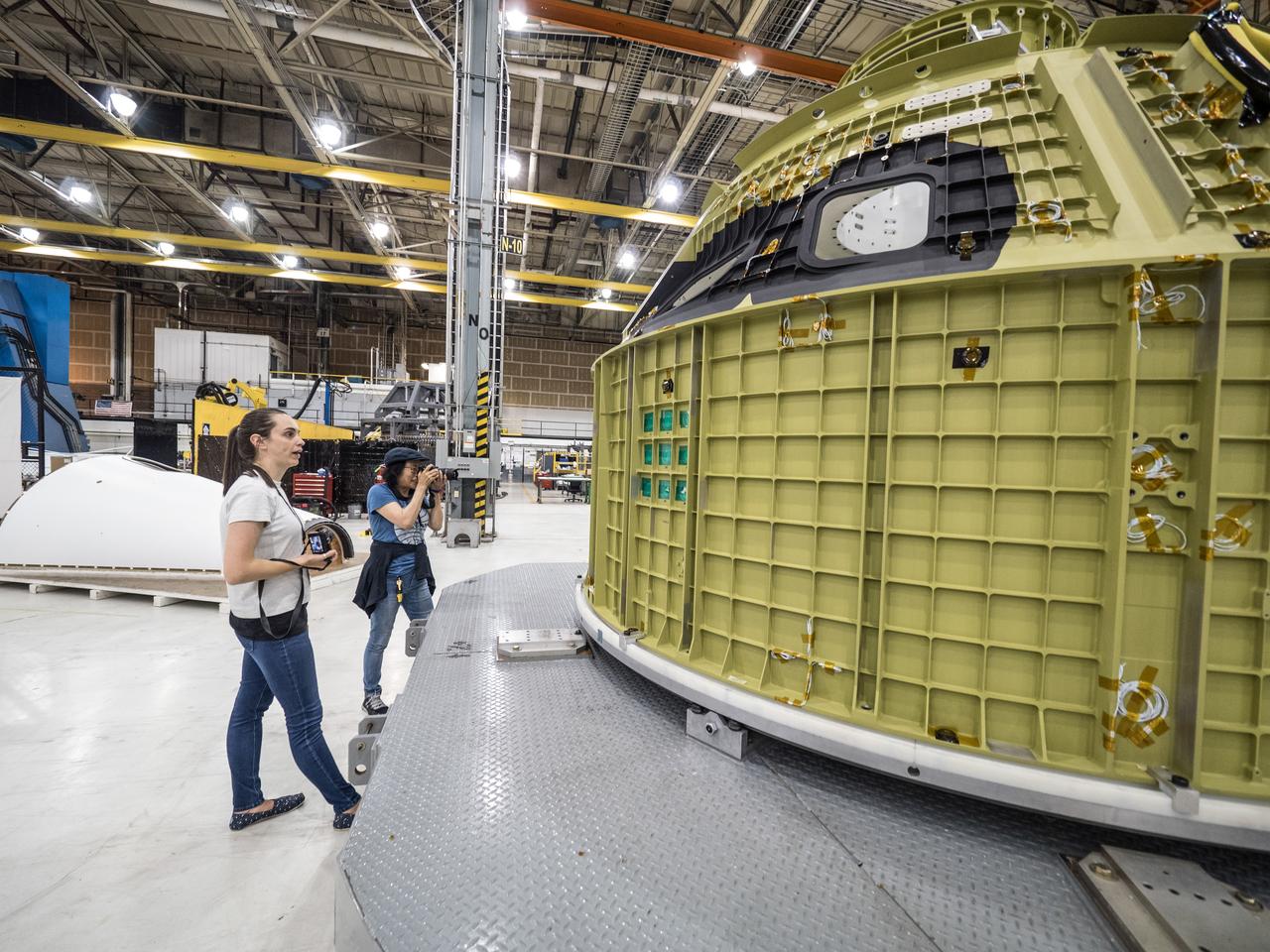
The NASA Photo Social at NASA’s Michoud Assembly Facility (MAF) in New Orleans, Louisiana, gathered social media-savvy photographers together on Aug. 16, 2018 to snap and share photos of the facility where NASA is building components for its deep space rocket, the Space Launch System, and crew vehicle, the Orion spacecraft. NASA Michoud is a world-class facility that is unique because it is one of the largest production buildings in the nation with a rich history of manufacturing excellence.
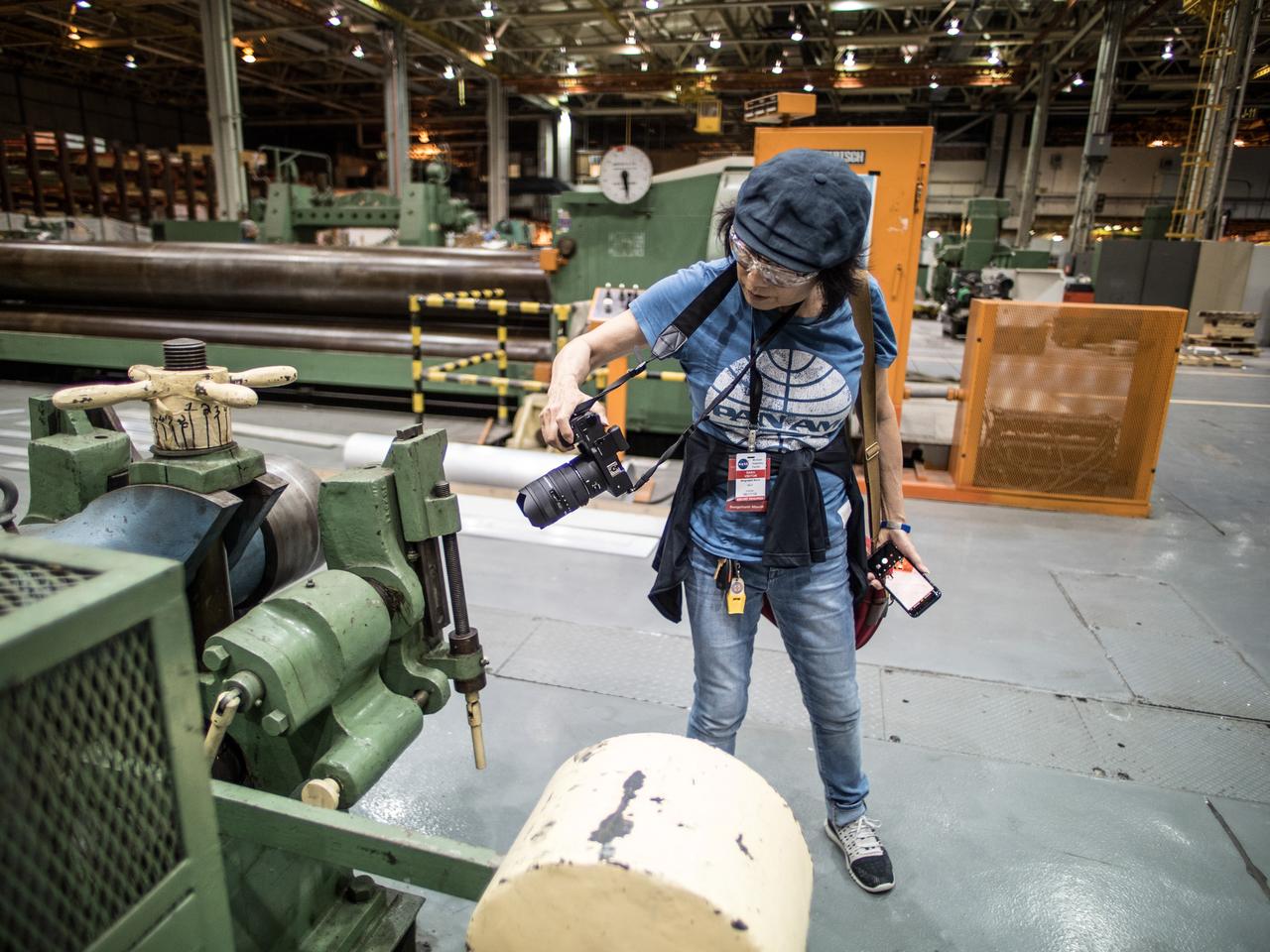
The NASA Photo Social at NASA’s Michoud Assembly Facility (MAF) in New Orleans, Louisiana, gathered social media-savvy photographers together on Aug. 16, 2018 to snap and share photos of the facility where NASA is building components for its deep space rocket, the Space Launch System, and crew vehicle, the Orion spacecraft. NASA Michoud is a world-class facility that is unique because it is one of the largest production buildings in the nation with a rich history of manufacturing excellence.

The NASA Photo Social at NASA’s Michoud Assembly Facility (MAF) in New Orleans, Louisiana, gathered social media-savvy photographers together on Aug. 16, 2018 to snap and share photos of the facility where NASA is building components for its deep space rocket, the Space Launch System, and crew vehicle, the Orion spacecraft. NASA Michoud is a world-class facility that is unique because it is one of the largest production buildings in the nation with a rich history of manufacturing excellence.
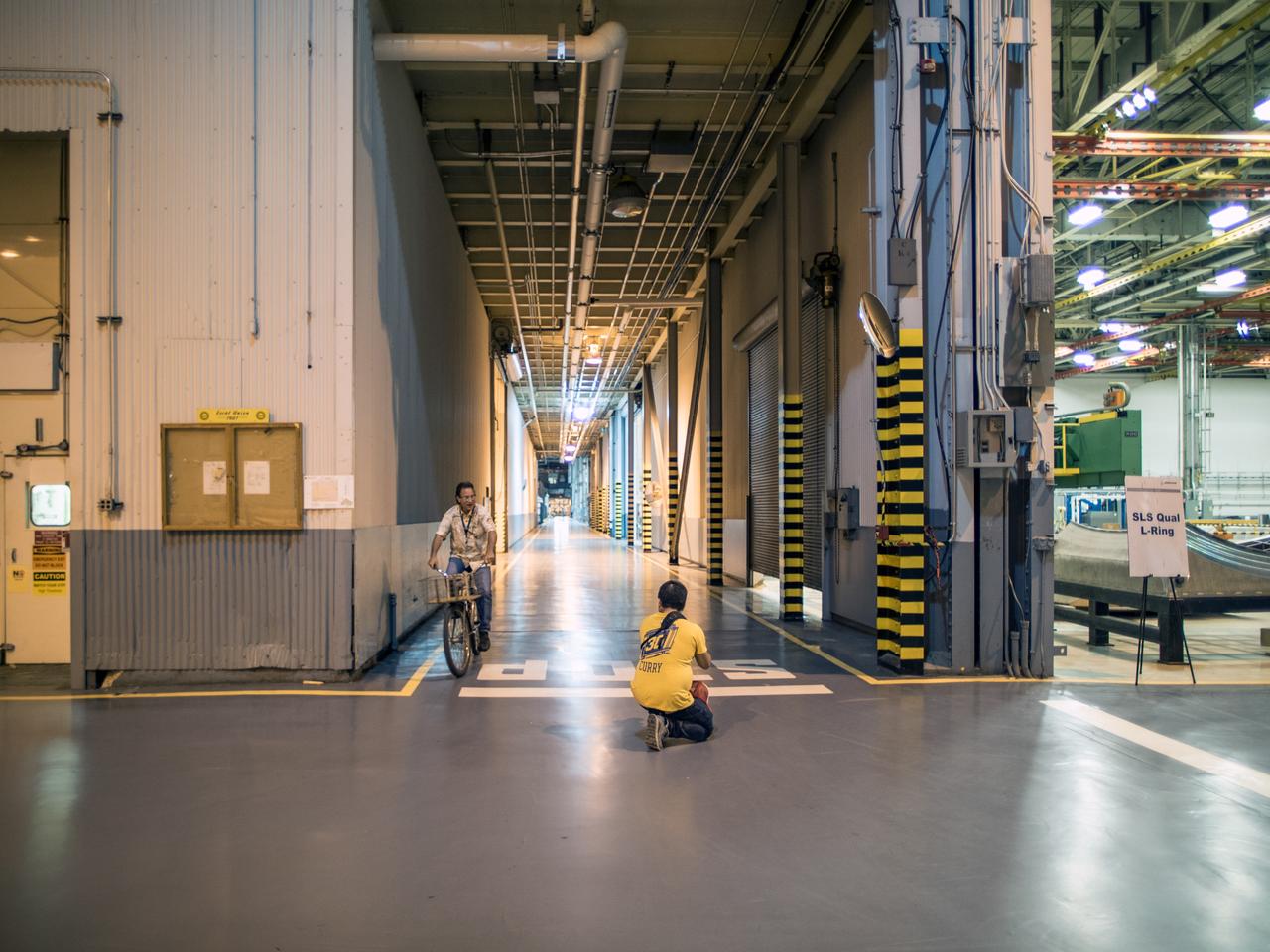
The NASA Photo Social at NASA’s Michoud Assembly Facility (MAF) in New Orleans, Louisiana, gathered social media-savvy photographers together on Aug. 16, 2018 to snap and share photos of the facility where NASA is building components for its deep space rocket, the Space Launch System, and crew vehicle, the Orion spacecraft. NASA Michoud is a world-class facility that is unique because it is one of the largest production buildings in the nation with a rich history of manufacturing excellence.
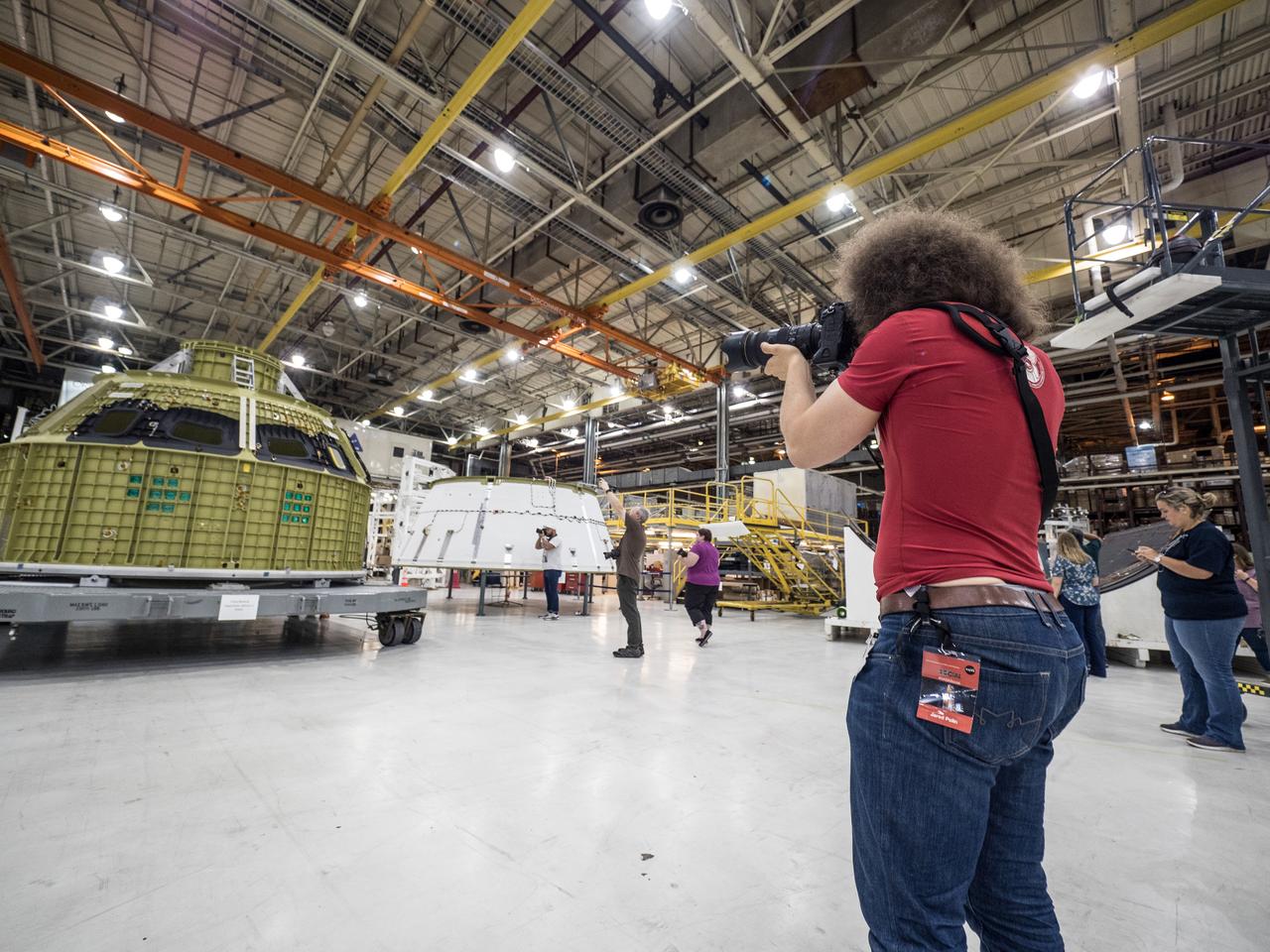
The NASA Photo Social at NASA’s Michoud Assembly Facility (MAF) in New Orleans, Louisiana, gathered social media-savvy photographers together on Aug. 16, 2018 to snap and share photos of the facility where NASA is building components for its deep space rocket, the Space Launch System, and crew vehicle, the Orion spacecraft. NASA Michoud is a world-class facility that is unique because it is one of the largest production buildings in the nation with a rich history of manufacturing excellence.
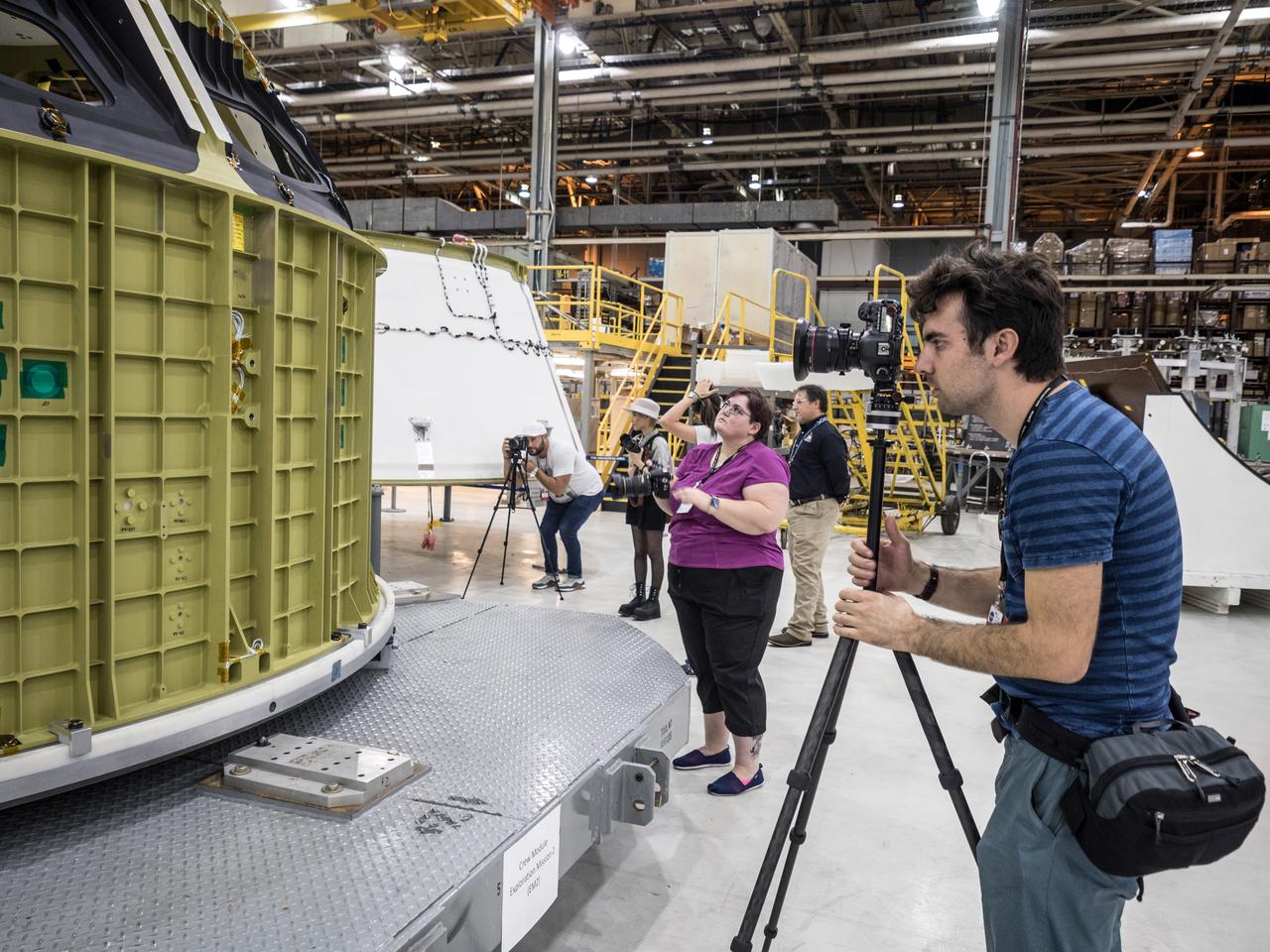
The NASA Photo Social at NASA’s Michoud Assembly Facility (MAF) in New Orleans, Louisiana, gathered social media-savvy photographers together on Aug. 16, 2018 to snap and share photos of the facility where NASA is building components for its deep space rocket, the Space Launch System, and crew vehicle, the Orion spacecraft. NASA Michoud is a world-class facility that is unique because it is one of the largest production buildings in the nation with a rich history of manufacturing excellence.
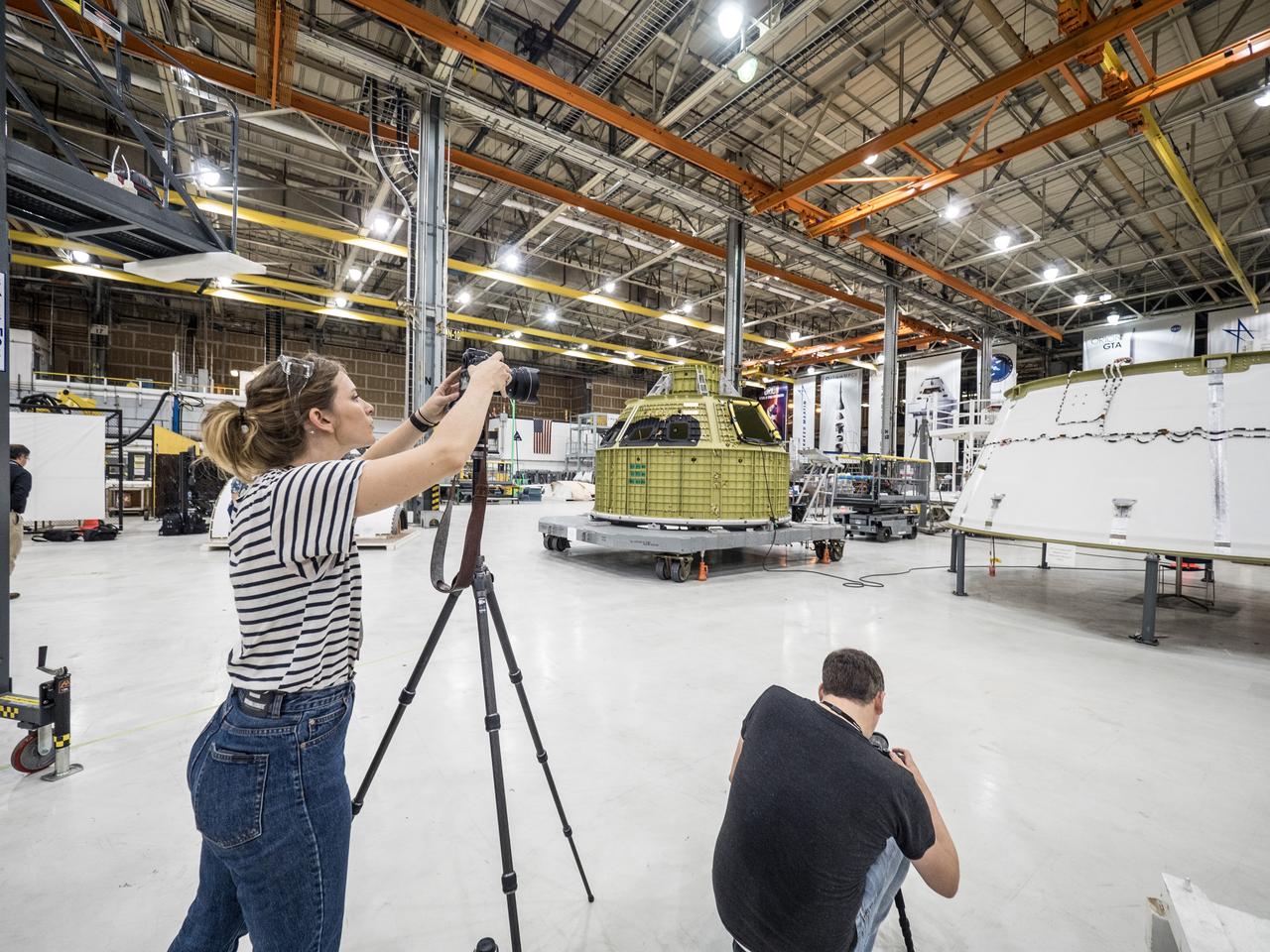
The NASA Photo Social at NASA’s Michoud Assembly Facility (MAF) in New Orleans, Louisiana, gathered social media-savvy photographers together on Aug. 16, 2018 to snap and share photos of the facility where NASA is building components for its deep space rocket, the Space Launch System, and crew vehicle, the Orion spacecraft. NASA Michoud is a world-class facility that is unique because it is one of the largest production buildings in the nation with a rich history of manufacturing excellence.
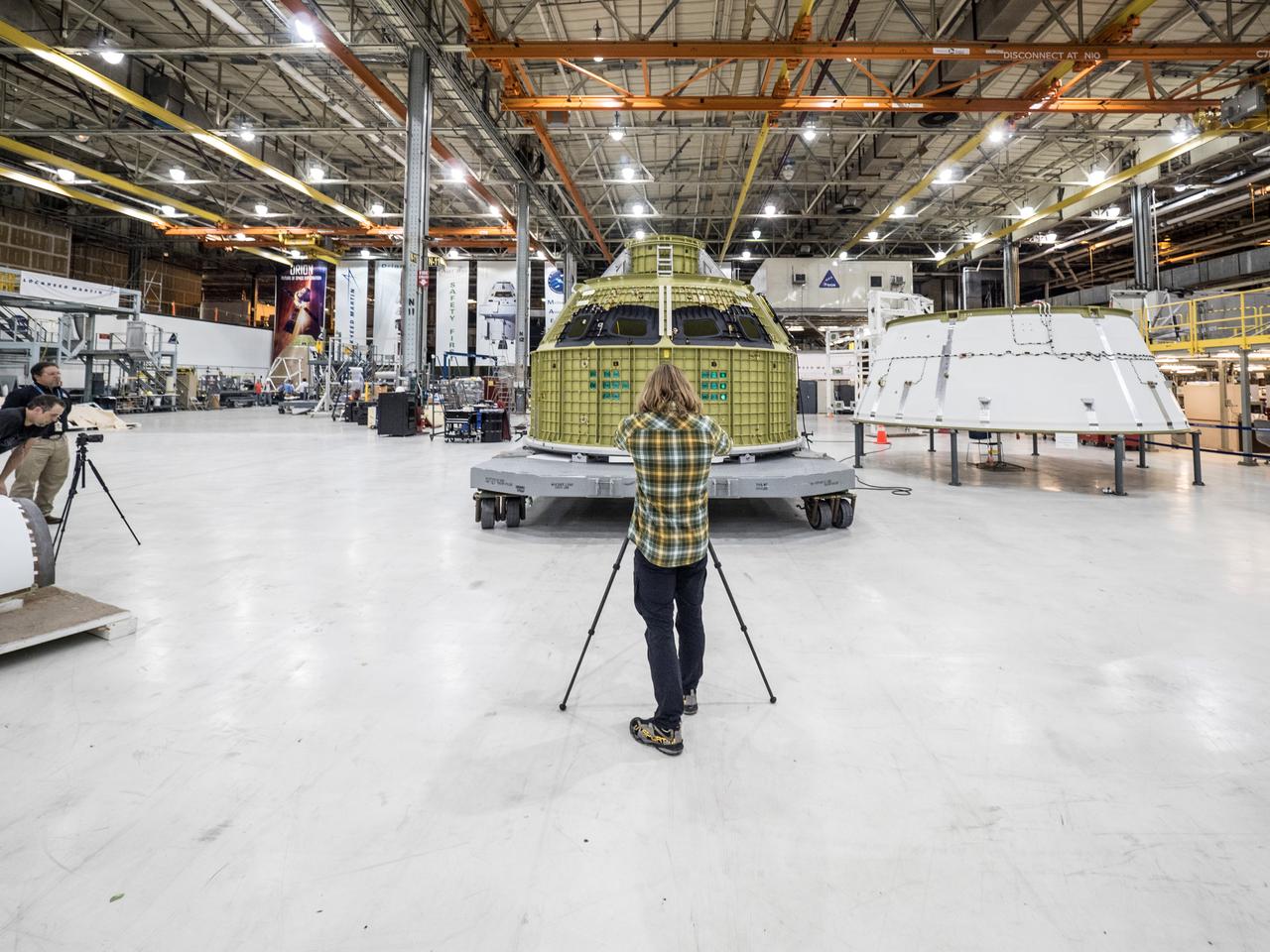
The NASA Photo Social at NASA’s Michoud Assembly Facility (MAF) in New Orleans, Louisiana, gathered social media-savvy photographers together on Aug. 16, 2018 to snap and share photos of the facility where NASA is building components for its deep space rocket, the Space Launch System, and crew vehicle, the Orion spacecraft. NASA Michoud is a world-class facility that is unique because it is one of the largest production buildings in the nation with a rich history of manufacturing excellence.
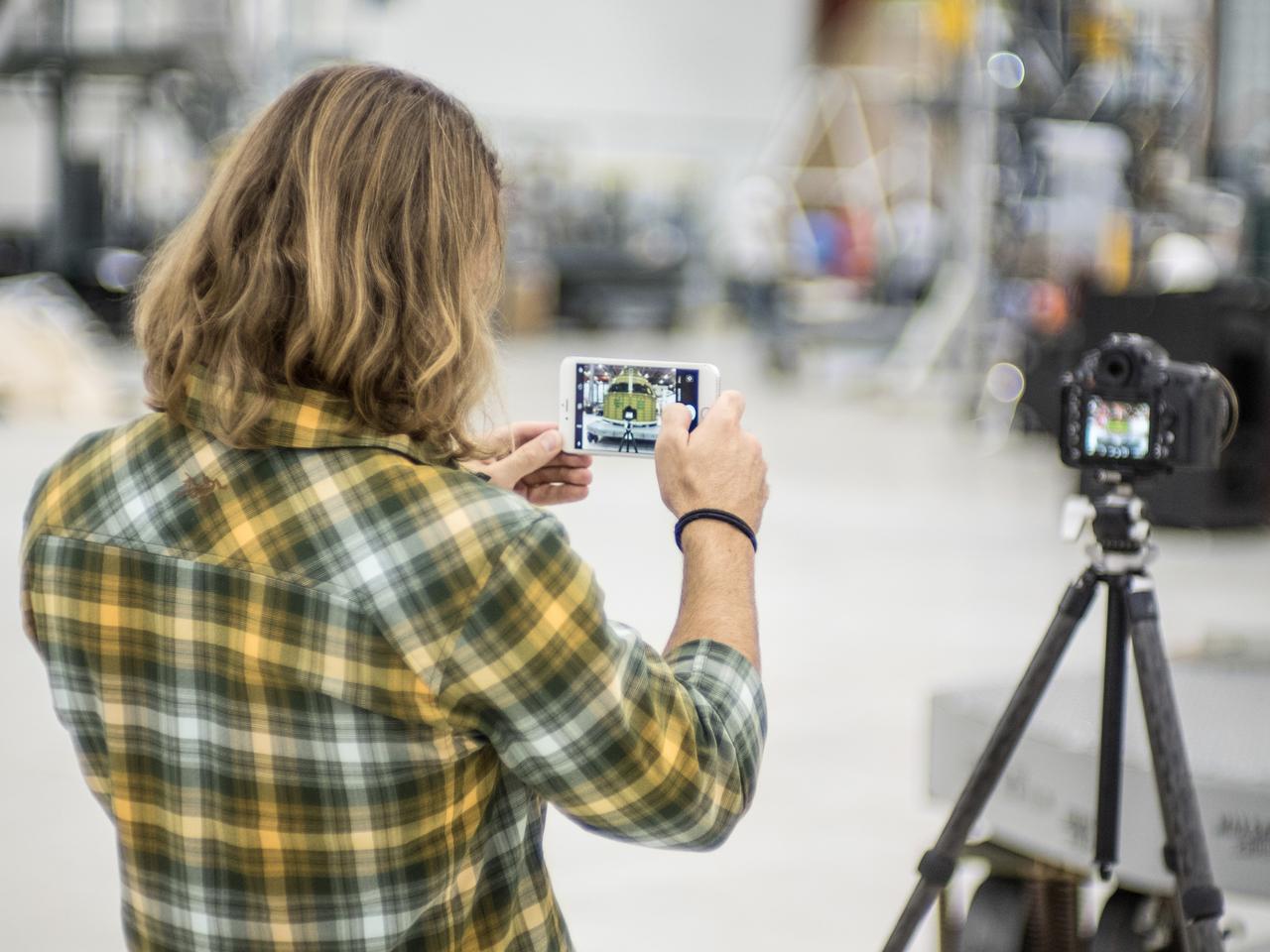
The NASA Photo Social at NASA’s Michoud Assembly Facility (MAF) in New Orleans, Louisiana, gathered social media-savvy photographers together on Aug. 16, 2018 to snap and share photos of the facility where NASA is building components for its deep space rocket, the Space Launch System, and crew vehicle, the Orion spacecraft. NASA Michoud is a world-class facility that is unique because it is one of the largest production buildings in the nation with a rich history of manufacturing excellence.

The NASA Photo Social at NASA’s Michoud Assembly Facility (MAF) in New Orleans, Louisiana, gathered social media-savvy photographers together on Aug. 16, 2018 to snap and share photos of the facility where NASA is building components for its deep space rocket, the Space Launch System, and crew vehicle, the Orion spacecraft. NASA Michoud is a world-class facility that is unique because it is one of the largest production buildings in the nation with a rich history of manufacturing excellence.
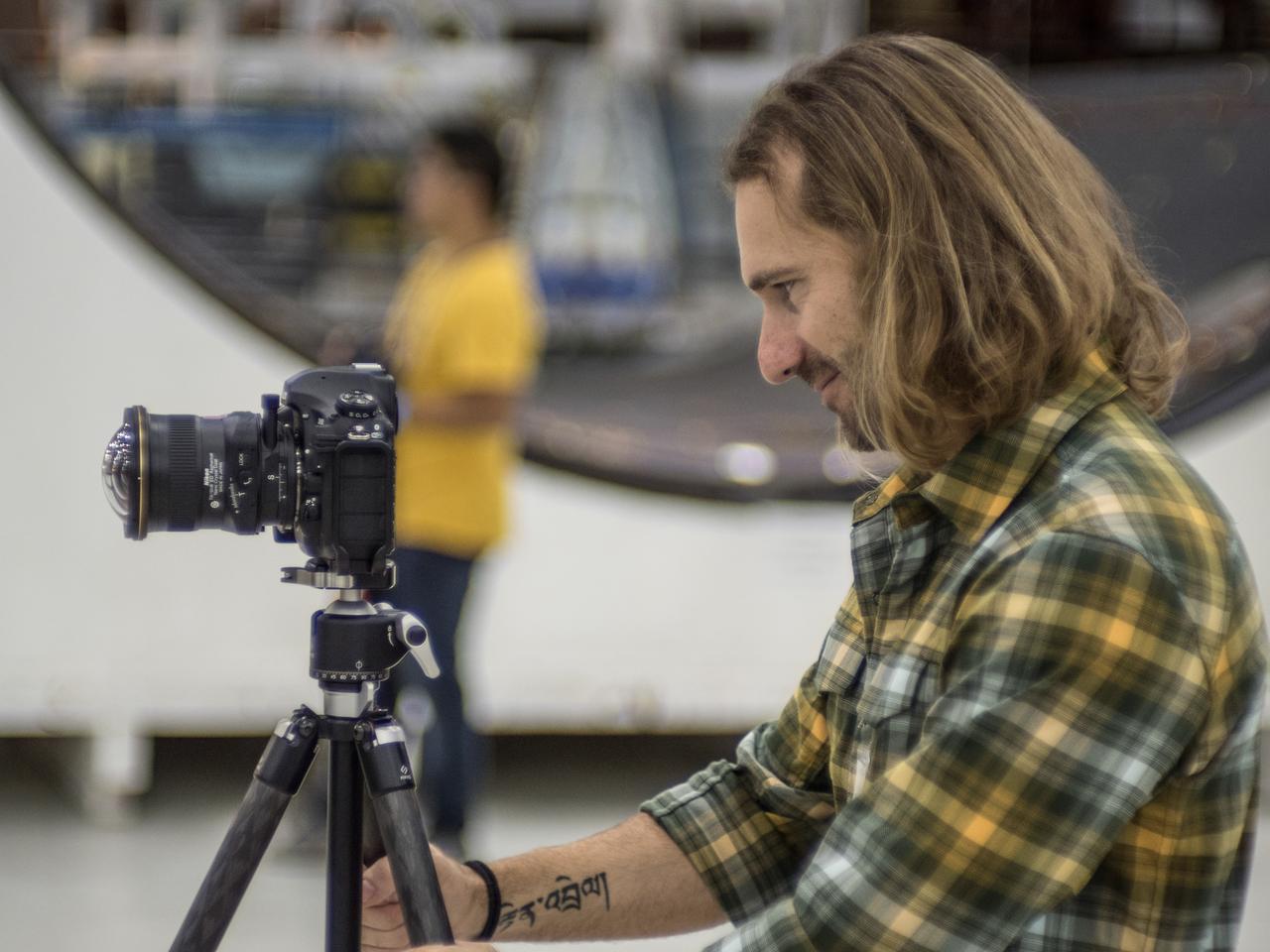
The NASA Photo Social at NASA’s Michoud Assembly Facility (MAF) in New Orleans, Louisiana, gathered social media-savvy photographers together on Aug. 16, 2018 to snap and share photos of the facility where NASA is building components for its deep space rocket, the Space Launch System, and crew vehicle, the Orion spacecraft. NASA Michoud is a world-class facility that is unique because it is one of the largest production buildings in the nation with a rich history of manufacturing excellence.
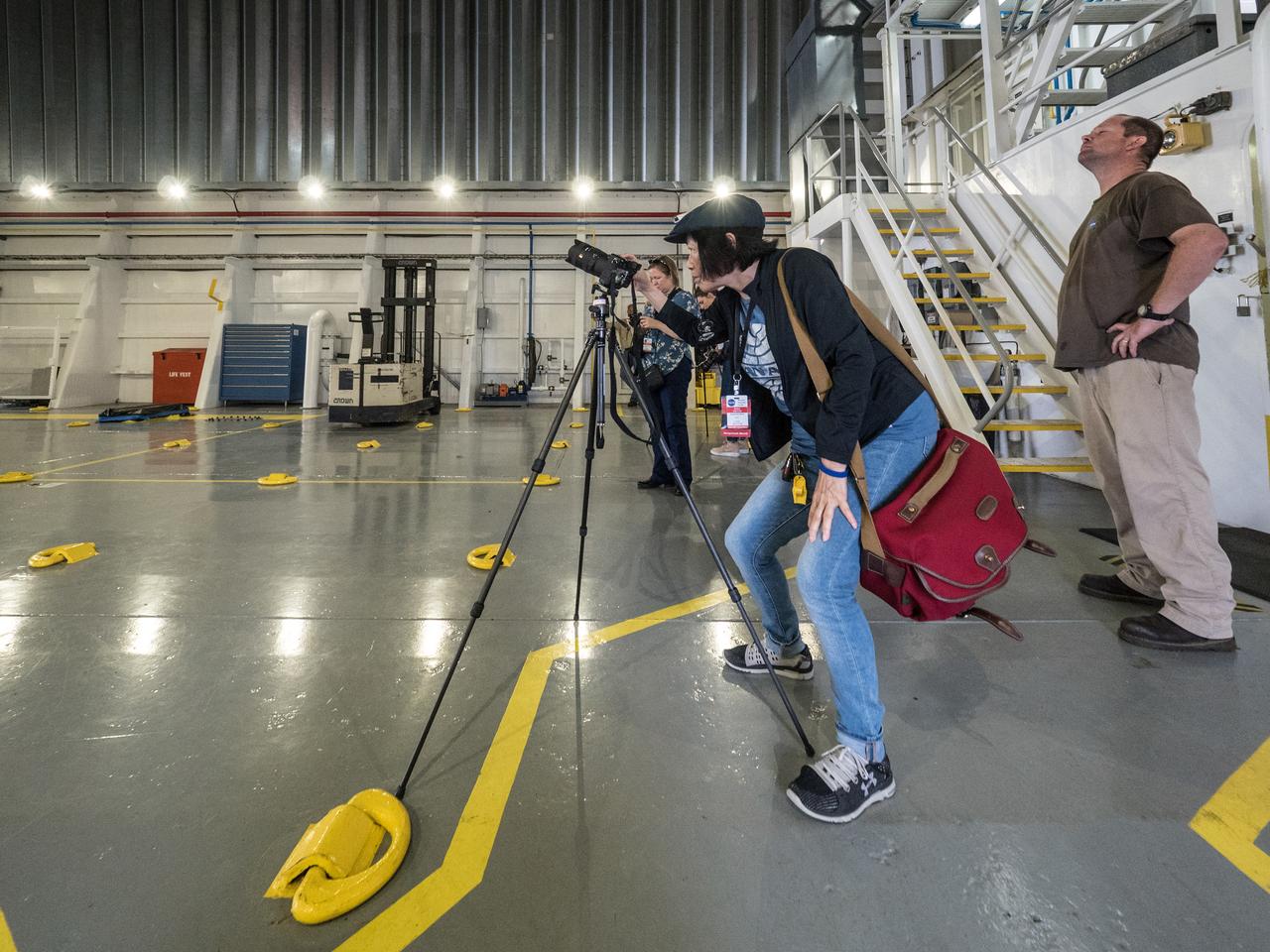
The NASA Photo Social at NASA’s Michoud Assembly Facility (MAF) in New Orleans, Louisiana, gathered social media-savvy photographers together on Aug. 16, 2018 to snap and share photos of the facility where NASA is building components for its deep space rocket, the Space Launch System, and crew vehicle, the Orion spacecraft. NASA Michoud is a world-class facility that is unique because it is one of the largest production buildings in the nation with a rich history of manufacturing excellence.
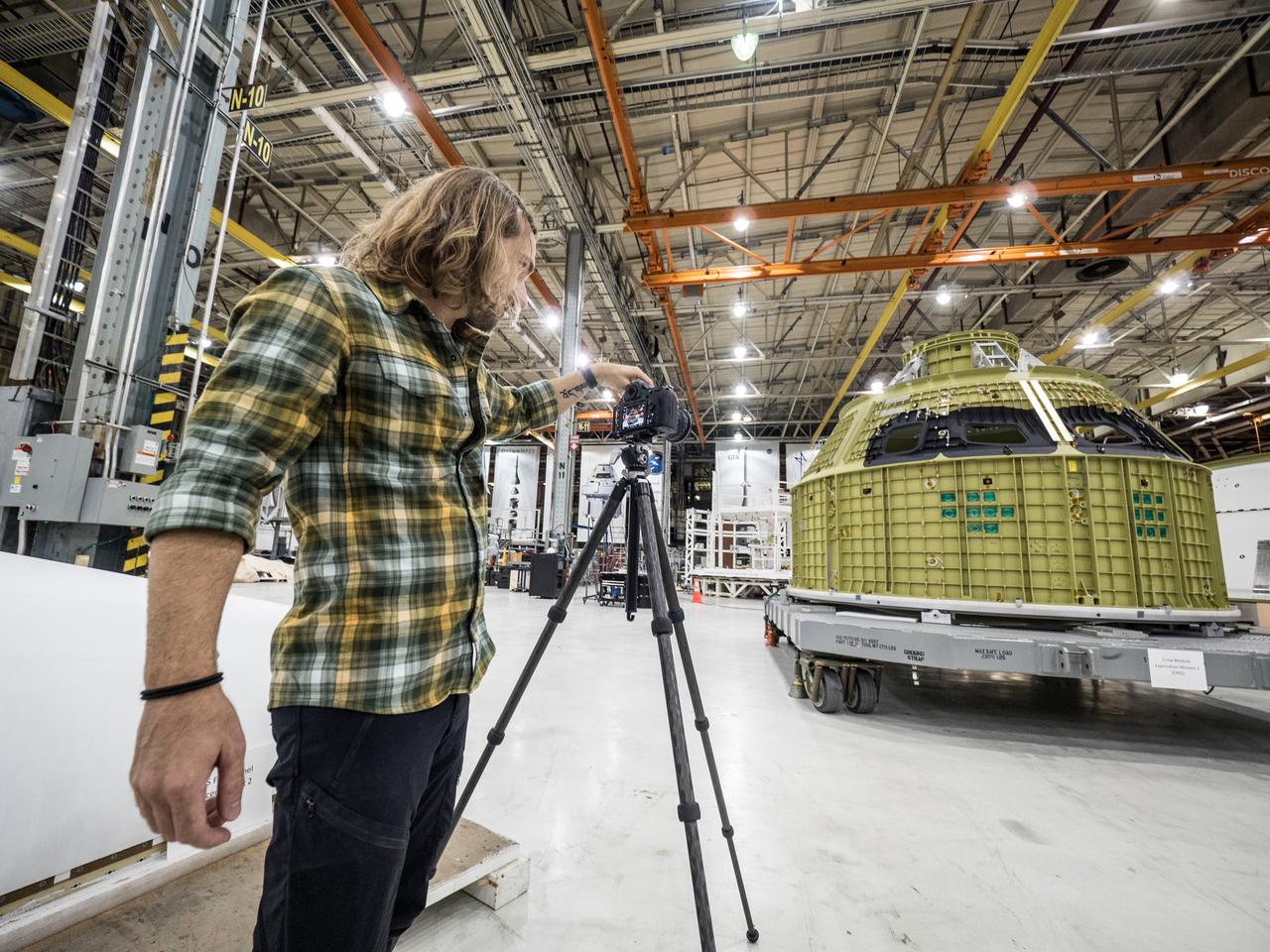
The NASA Photo Social at NASA’s Michoud Assembly Facility (MAF) in New Orleans, Louisiana, gathered social media-savvy photographers together on Aug. 16, 2018 to snap and share photos of the facility where NASA is building components for its deep space rocket, the Space Launch System, and crew vehicle, the Orion spacecraft. NASA Michoud is a world-class facility that is unique because it is one of the largest production buildings in the nation with a rich history of manufacturing excellence.
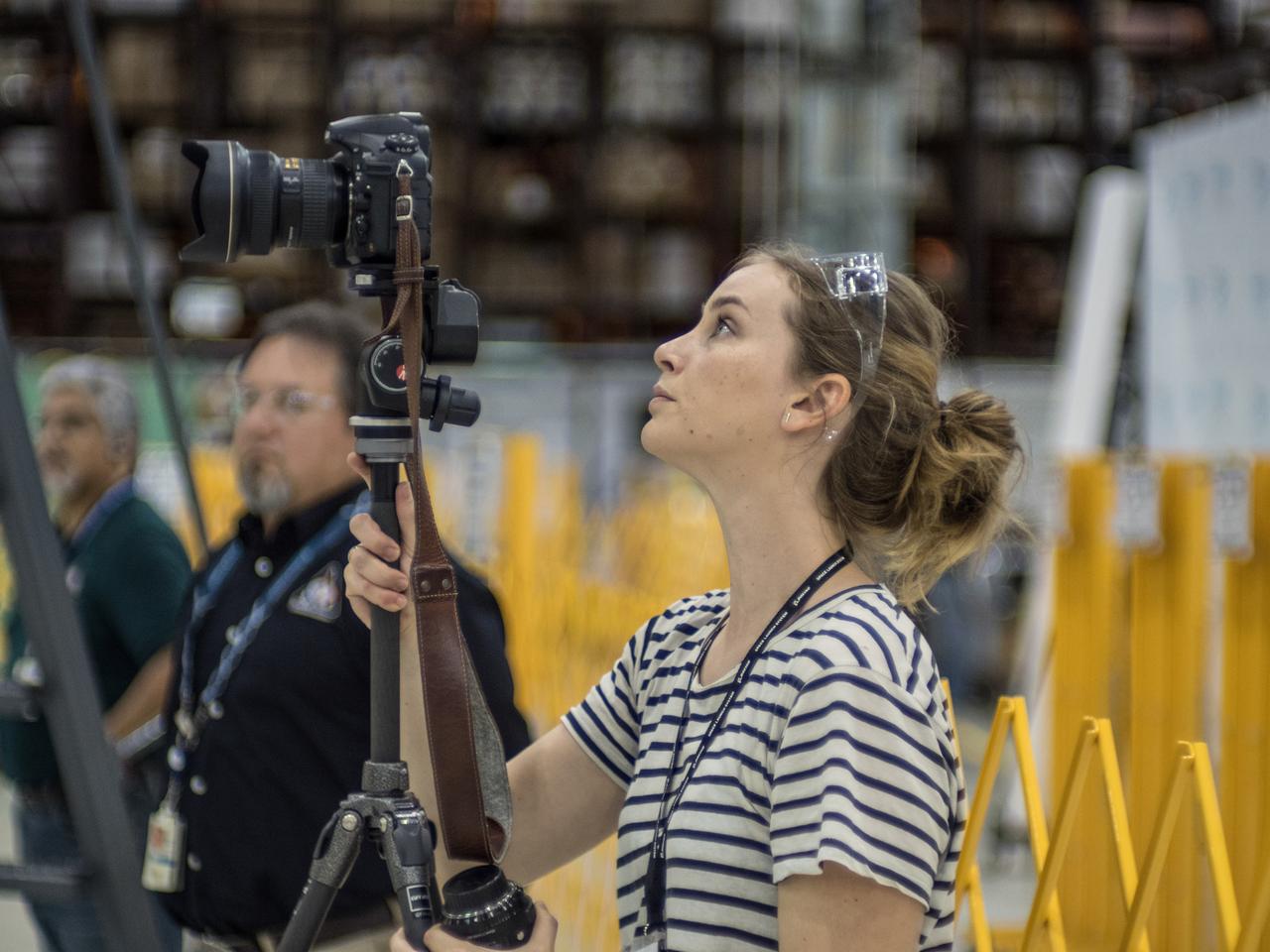
The NASA Photo Social at NASA’s Michoud Assembly Facility (MAF) in New Orleans, Louisiana, gathered social media-savvy photographers together on Aug. 16, 2018 to snap and share photos of the facility where NASA is building components for its deep space rocket, the Space Launch System, and crew vehicle, the Orion spacecraft. NASA Michoud is a world-class facility that is unique because it is one of the largest production buildings in the nation with a rich history of manufacturing excellence.
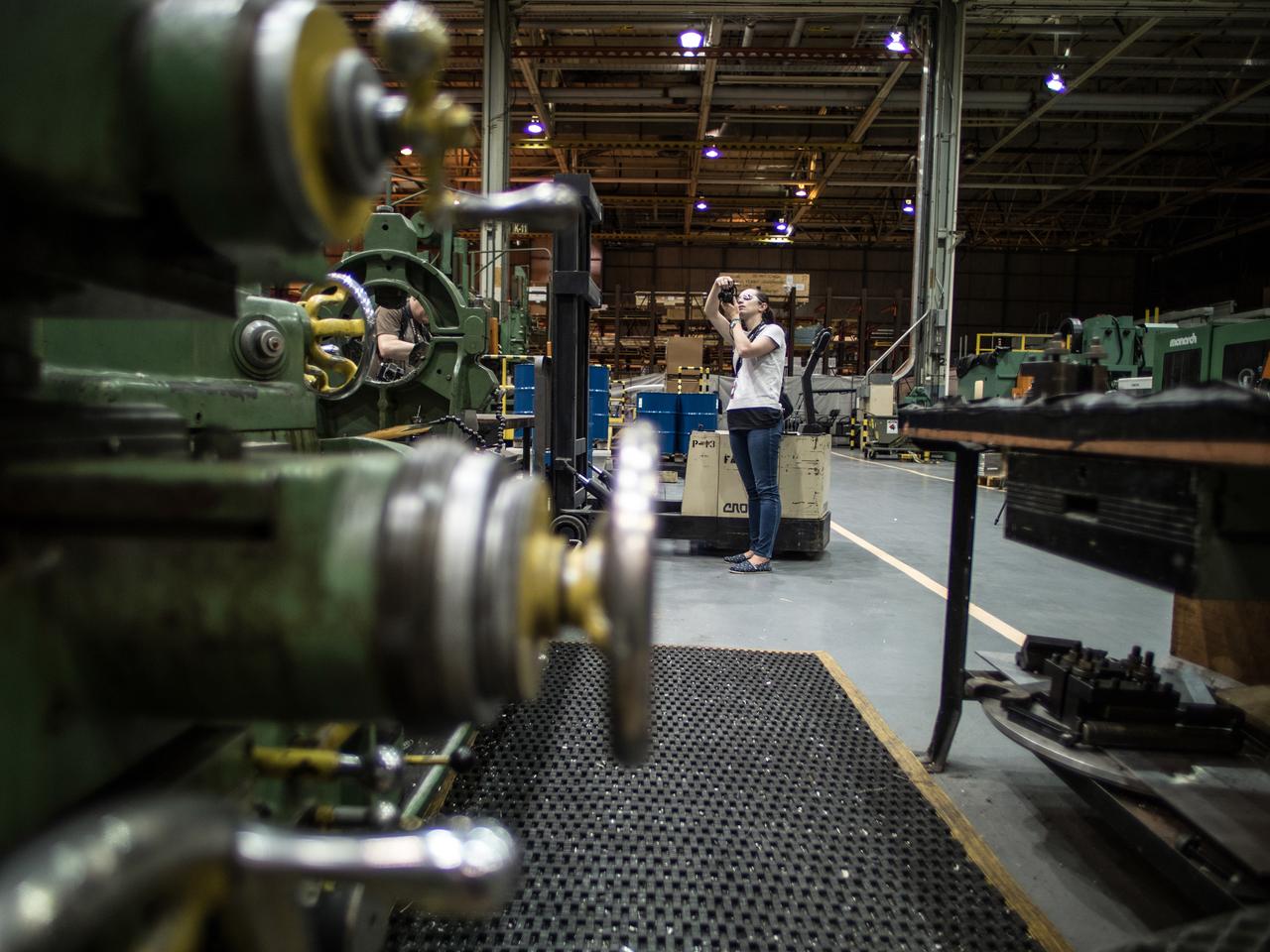
The NASA Photo Social at NASA’s Michoud Assembly Facility (MAF) in New Orleans, Louisiana, gathered social media-savvy photographers together on Aug. 16, 2018 to snap and share photos of the facility where NASA is building components for its deep space rocket, the Space Launch System, and crew vehicle, the Orion spacecraft. NASA Michoud is a world-class facility that is unique because it is one of the largest production buildings in the nation with a rich history of manufacturing excellence.

The NASA Photo Social at NASA’s Michoud Assembly Facility (MAF) in New Orleans, Louisiana, gathered social media-savvy photographers together on Aug. 16, 2018 to snap and share photos of the facility where NASA is building components for its deep space rocket, the Space Launch System, and crew vehicle, the Orion spacecraft. NASA Michoud is a world-class facility that is unique because it is one of the largest production buildings in the nation with a rich history of manufacturing excellence.
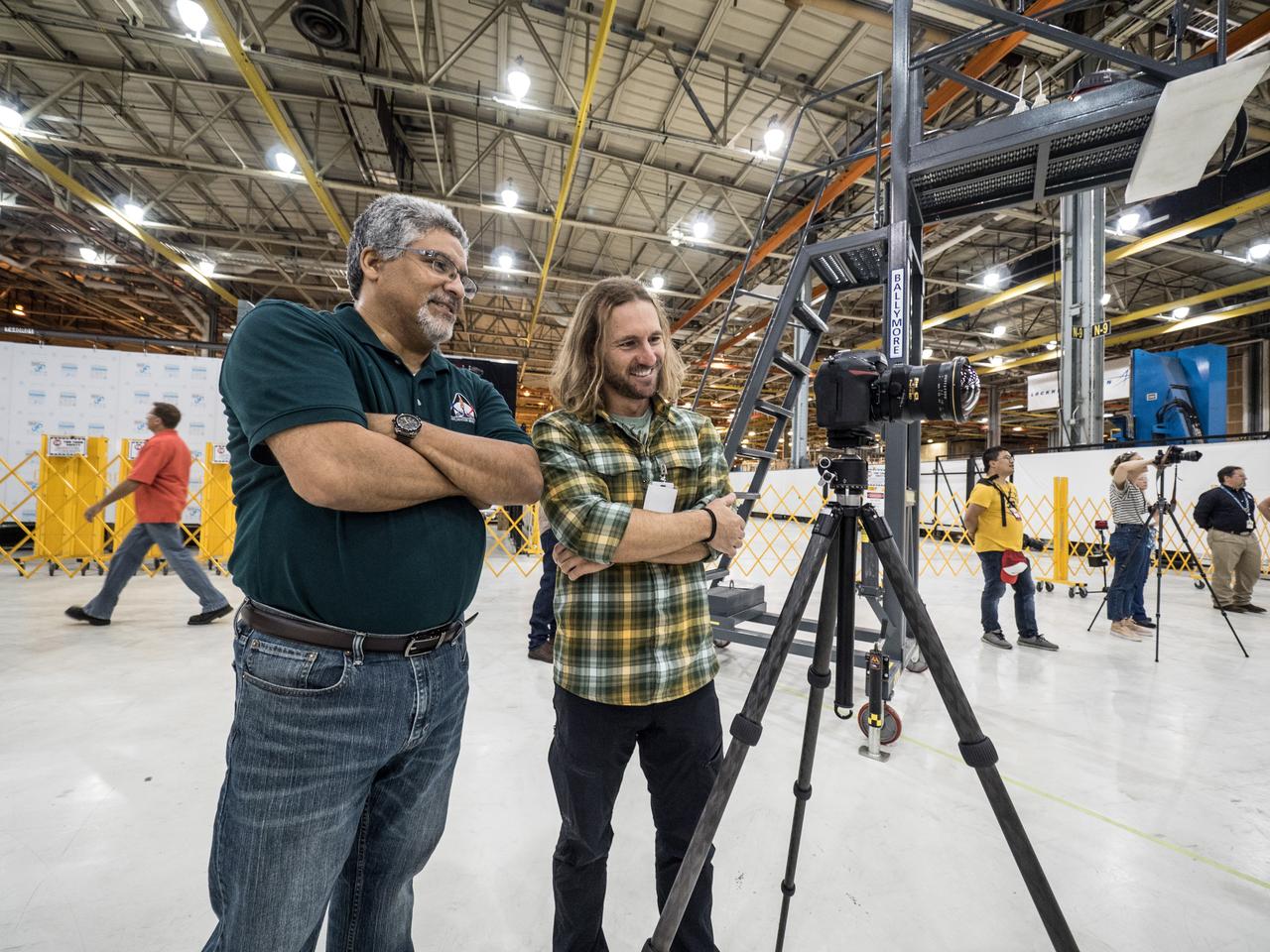
The NASA Photo Social at NASA’s Michoud Assembly Facility (MAF) in New Orleans, Louisiana, gathered social media-savvy photographers together on Aug. 16, 2018 to snap and share photos of the facility where NASA is building components for its deep space rocket, the Space Launch System, and crew vehicle, the Orion spacecraft. NASA Michoud is a world-class facility that is unique because it is one of the largest production buildings in the nation with a rich history of manufacturing excellence.
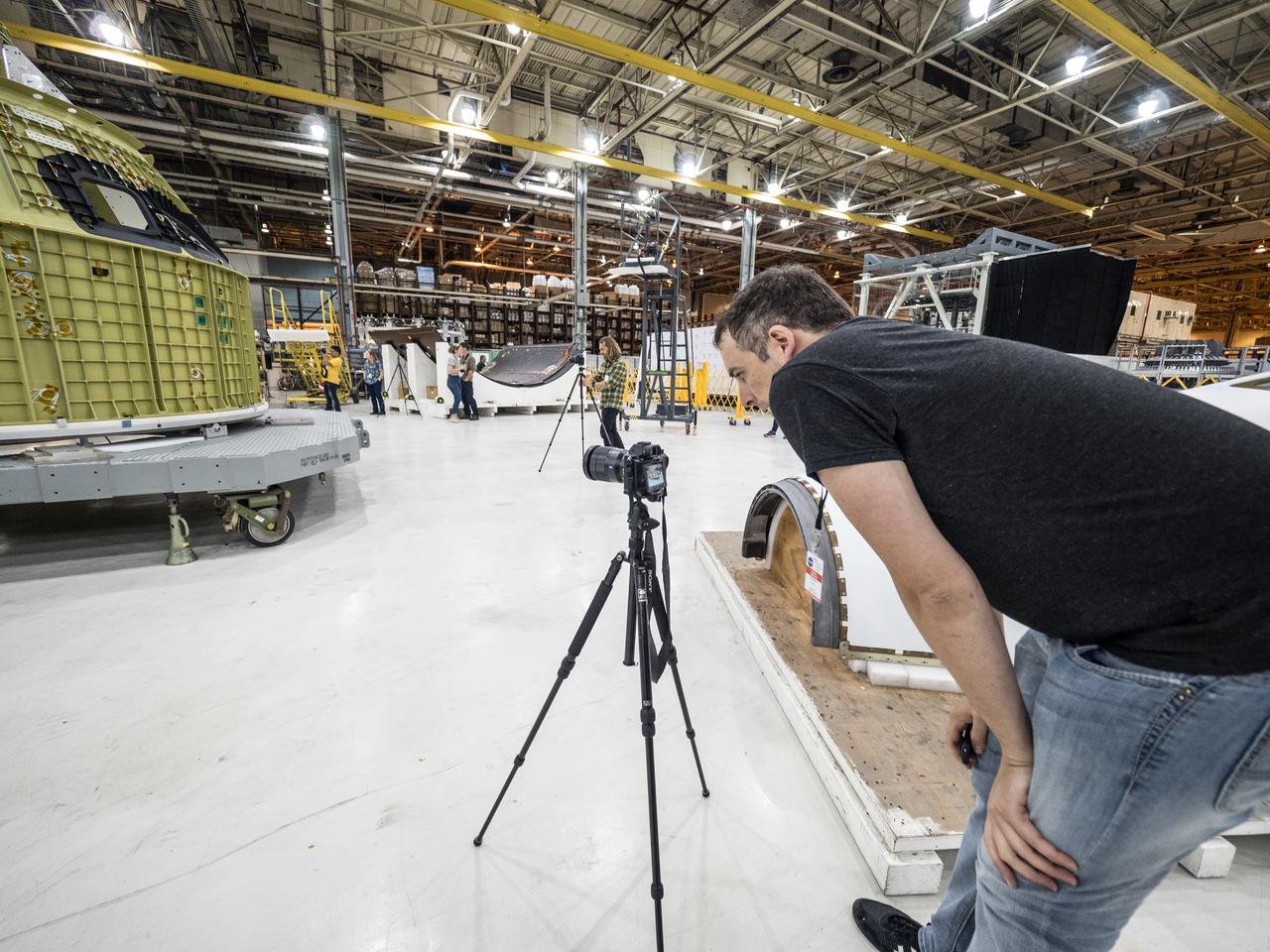
The NASA Photo Social at NASA’s Michoud Assembly Facility (MAF) in New Orleans, Louisiana, gathered social media-savvy photographers together on Aug. 16, 2018 to snap and share photos of the facility where NASA is building components for its deep space rocket, the Space Launch System, and crew vehicle, the Orion spacecraft. NASA Michoud is a world-class facility that is unique because it is one of the largest production buildings in the nation with a rich history of manufacturing excellence.
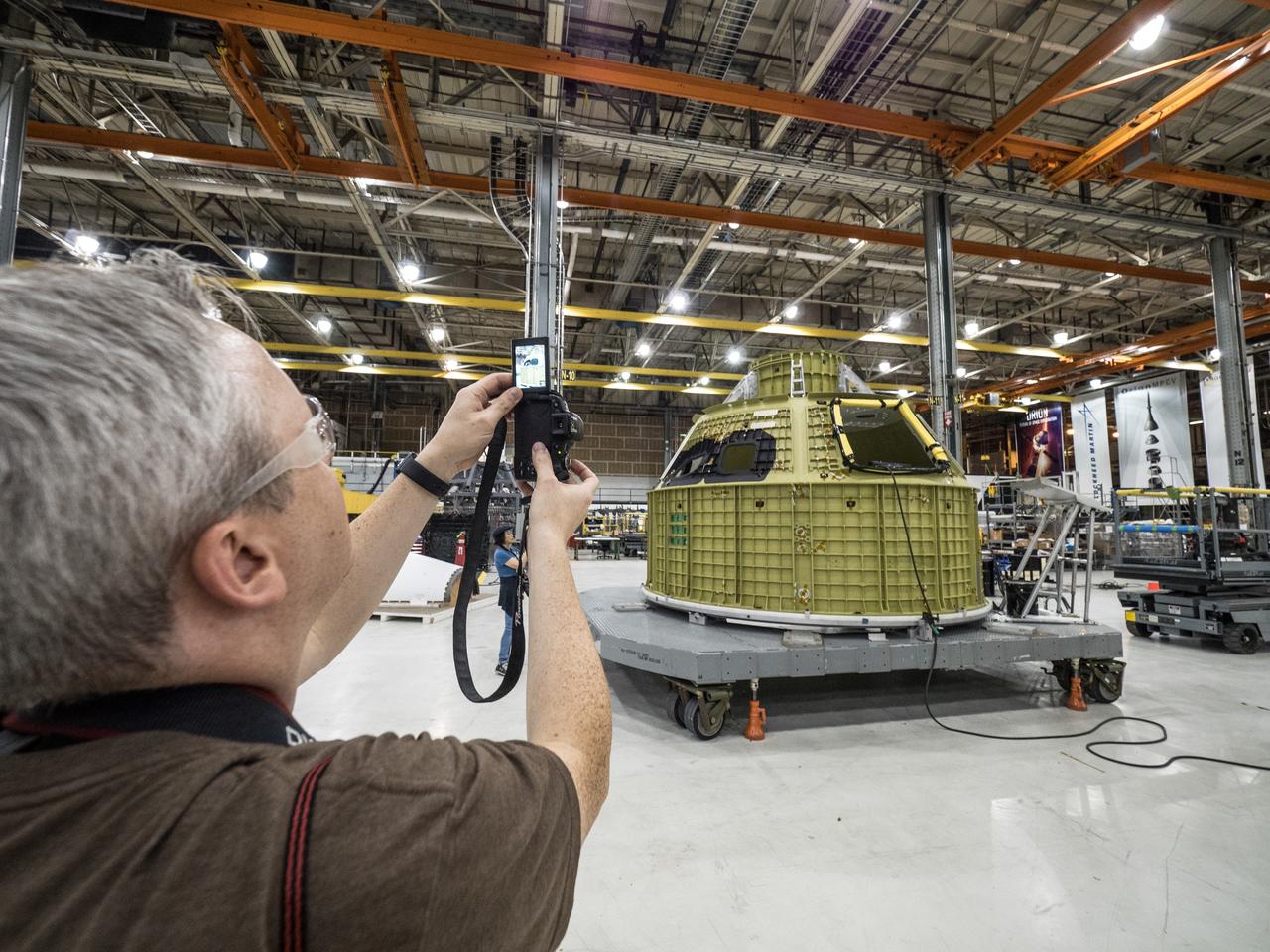
The NASA Photo Social at NASA’s Michoud Assembly Facility (MAF) in New Orleans, Louisiana, gathered social media-savvy photographers together on Aug. 16, 2018 to snap and share photos of the facility where NASA is building components for its deep space rocket, the Space Launch System, and crew vehicle, the Orion spacecraft. NASA Michoud is a world-class facility that is unique because it is one of the largest production buildings in the nation with a rich history of manufacturing excellence.
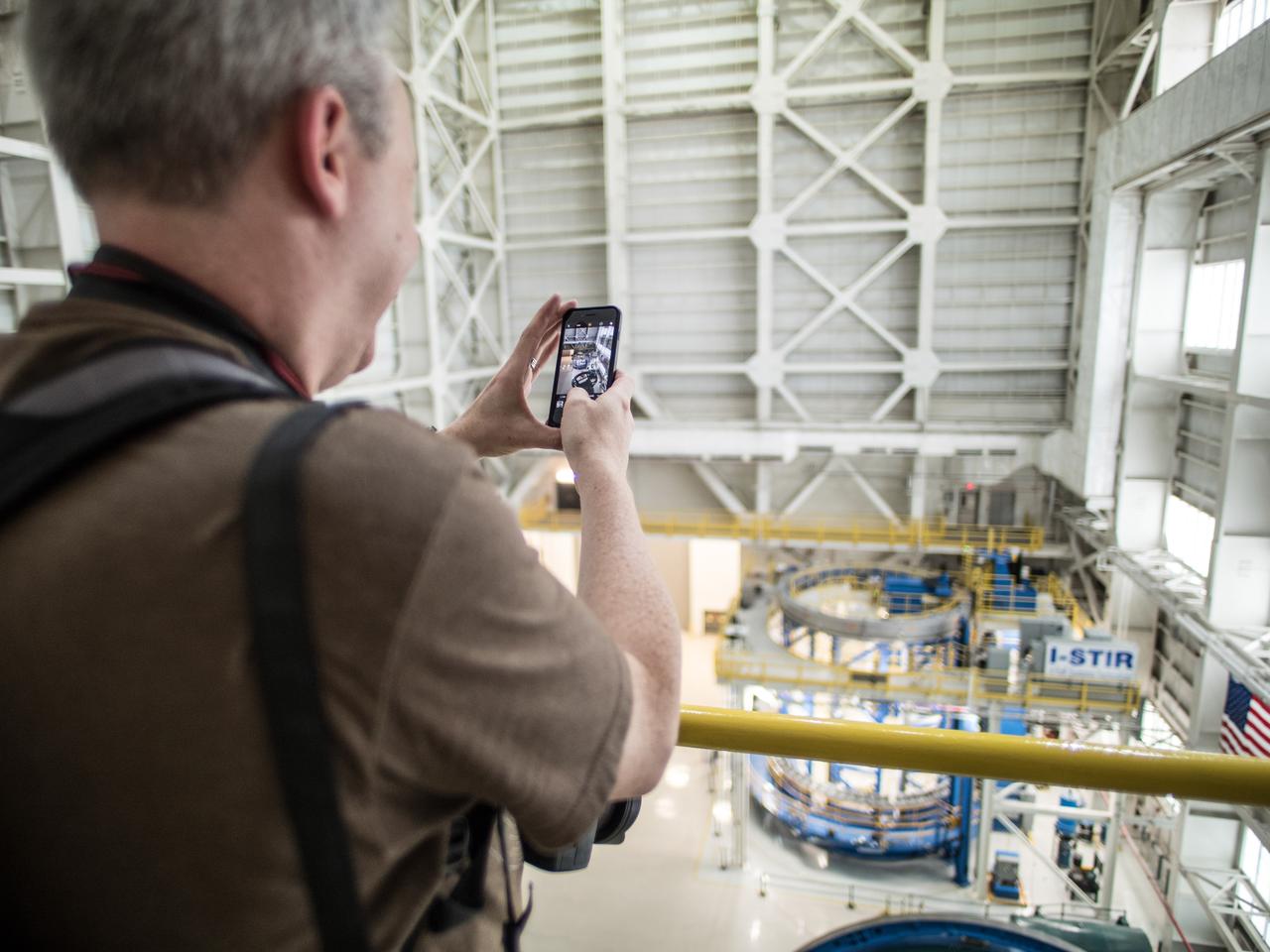
The NASA Photo Social at NASA’s Michoud Assembly Facility (MAF) in New Orleans, Louisiana, gathered social media-savvy photographers together on Aug. 16, 2018 to snap and share photos of the facility where NASA is building components for its deep space rocket, the Space Launch System, and crew vehicle, the Orion spacecraft. NASA Michoud is a world-class facility that is unique because it is one of the largest production buildings in the nation with a rich history of manufacturing excellence.
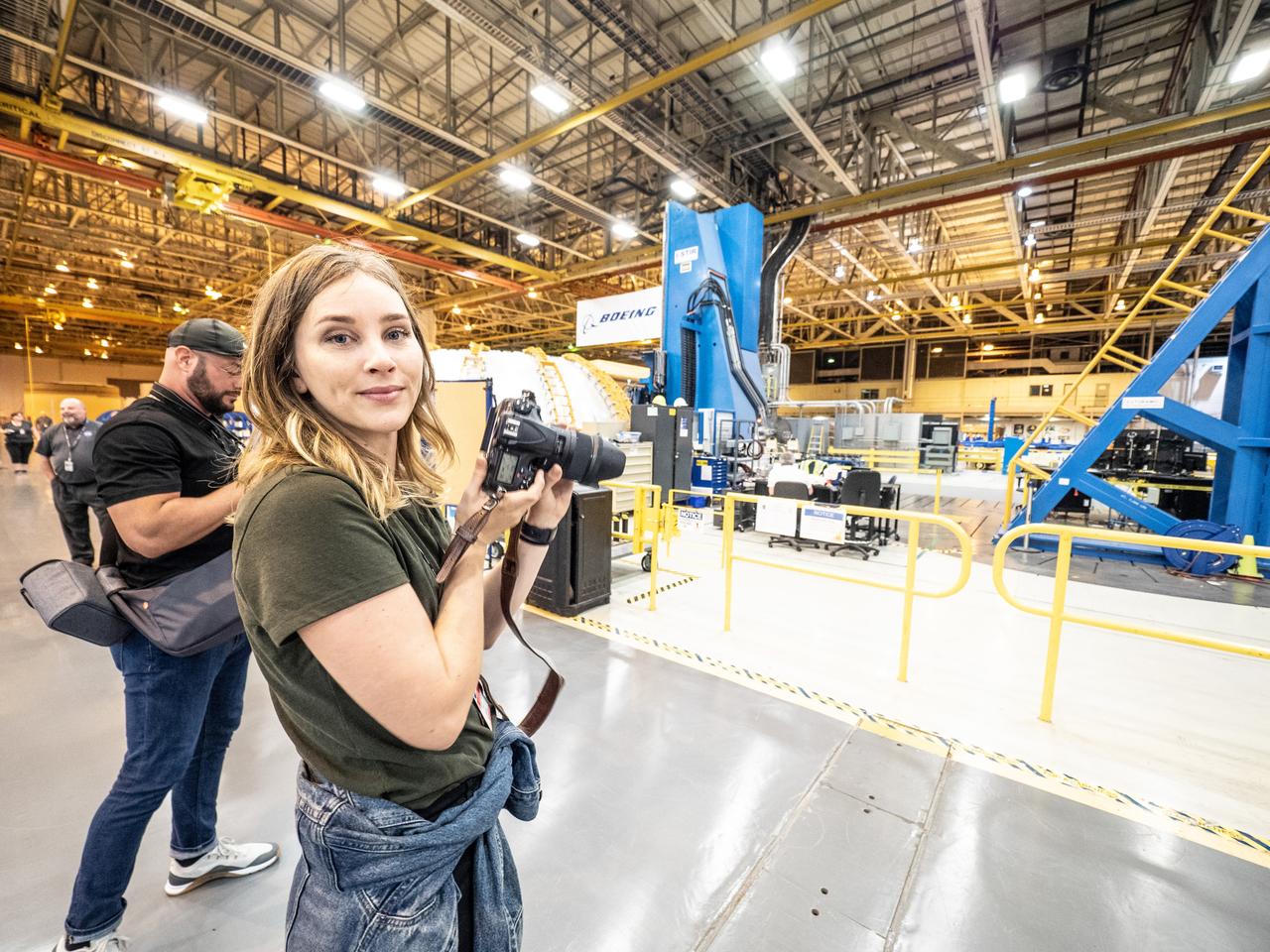
The NASA Photo Social at NASA’s Michoud Assembly Facility (MAF) in New Orleans, Louisiana, gathered social media-savvy photographers together on Aug. 16, 2018 to snap and share photos of the facility where NASA is building components for its deep space rocket, the Space Launch System, and crew vehicle, the Orion spacecraft. NASA Michoud is a world-class facility that is unique because it is one of the largest production buildings in the nation with a rich history of manufacturing excellence.
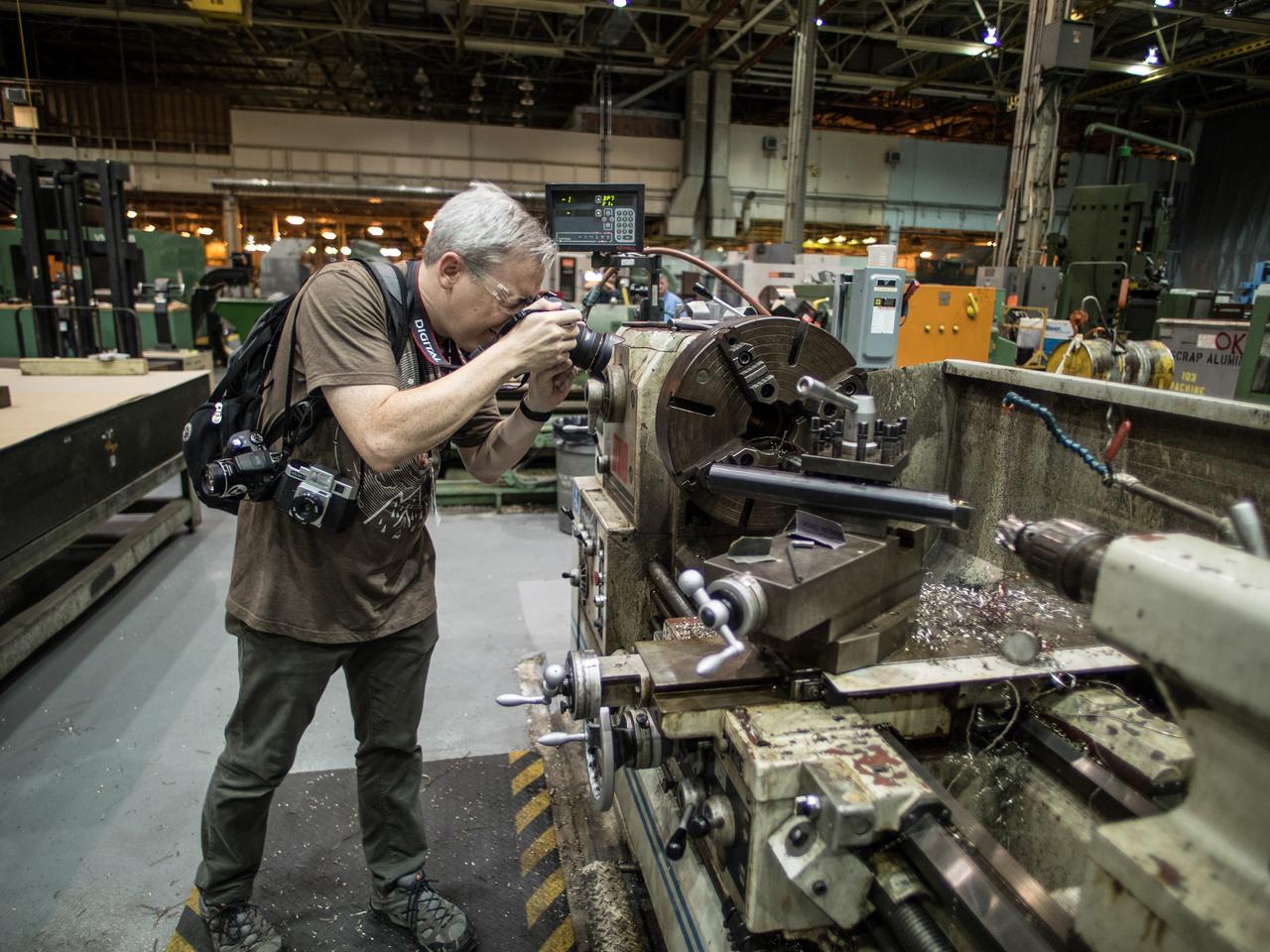
The NASA Photo Social at NASA’s Michoud Assembly Facility (MAF) in New Orleans, Louisiana, gathered social media-savvy photographers together on Aug. 16, 2018 to snap and share photos of the facility where NASA is building components for its deep space rocket, the Space Launch System, and crew vehicle, the Orion spacecraft. NASA Michoud is a world-class facility that is unique because it is one of the largest production buildings in the nation with a rich history of manufacturing excellence.

NASA Administrator Jared Isaacman visited NASA's Michoud Assembly Facility May 7, 2026, to see how the MAF team is helping build the future of human space exploration through Artemis. As a key production site for NASA's SLS (Space Launch System) and Orion spacecraft, teams at Michoud are focused on hardware for upcoming Artemis missions, including next year’s Artemis III mission and beyond. Isaacman toured the facility following an employee town hall. Acknowledging the facility’s rich history supporting all agency human space flight initiatives since Apollo, Isaacman called Michoud an “advanced manufacturing center of excellence,” and praised the workforce for their contribution to the Artemis campaign. House Majority Leader Steve Scalise was also in attendance and participated in the event and tours. Image credit: NASA/Michael DeMocker

NASA Administrator Jared Isaacman visited NASA's Michoud Assembly Facility May 7, 2026, to see how the MAF team is helping build the future of human space exploration through Artemis. As a key production site for NASA's SLS (Space Launch System) and Orion spacecraft, teams at Michoud are focused on hardware for upcoming Artemis missions, including next year’s Artemis III mission and beyond. Isaacman toured the facility following an employee town hall. Acknowledging the facility’s rich history supporting all agency human space flight initiatives since Apollo, Isaacman called Michoud an “advanced manufacturing center of excellence,” and praised the workforce for their contribution to the Artemis campaign. House Majority Leader Steve Scalise was also in attendance and participated in the event and tours. Image credit: NASA/Michael DeMocker
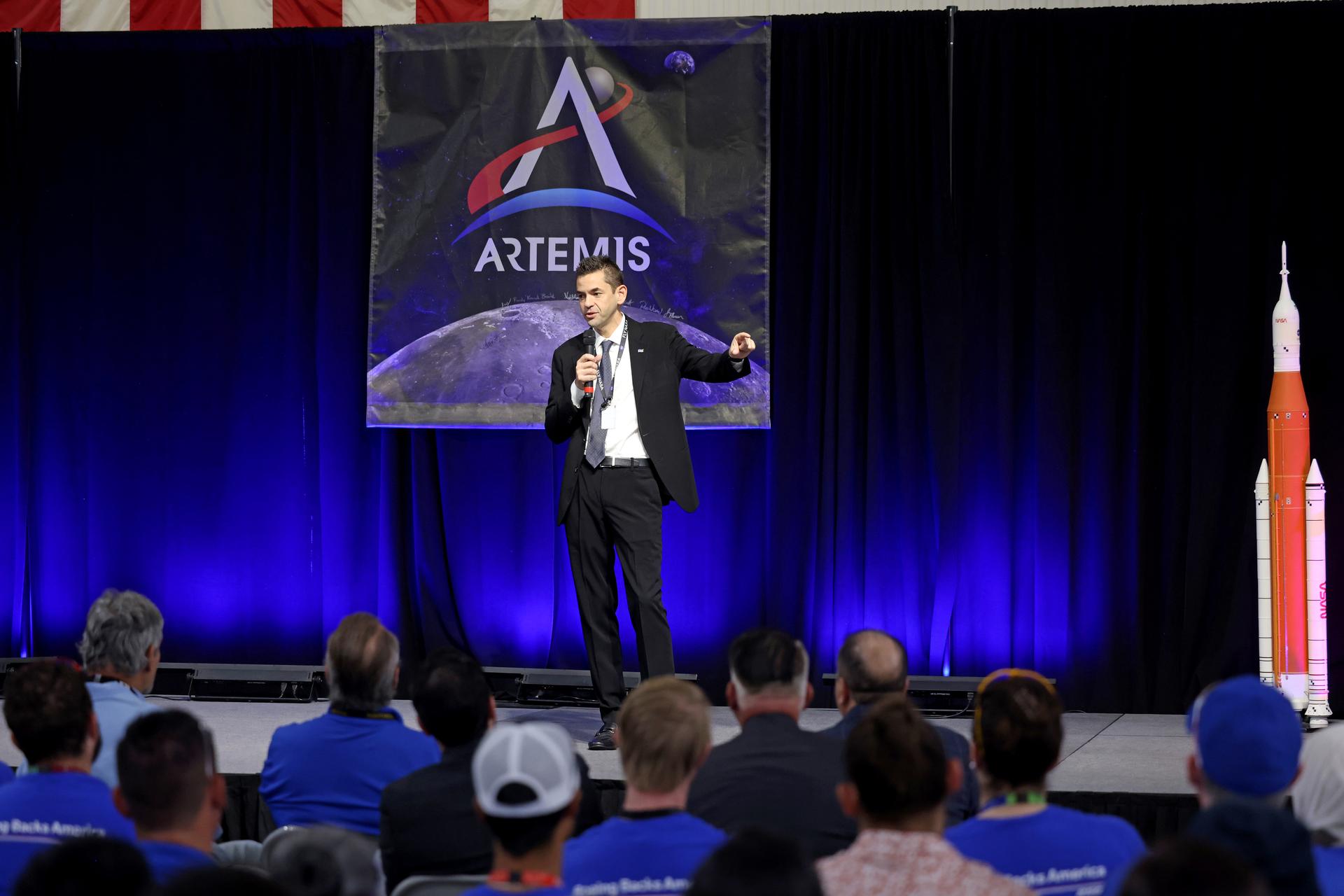
NASA Administrator Jared Isaacman visited NASA's Michoud Assembly Facility May 7, 2026, to see how the MAF team is helping build the future of human space exploration through Artemis. As a key production site for NASA's SLS (Space Launch System) and Orion spacecraft, teams at Michoud are focused on hardware for upcoming Artemis missions, including next year’s Artemis III mission and beyond. Isaacman toured the facility following an employee town hall. Acknowledging the facility’s rich history supporting all agency human space flight initiatives since Apollo, Isaacman called Michoud an “advanced manufacturing center of excellence,” and praised the workforce for their contribution to the Artemis campaign. House Majority Leader Steve Scalise was also in attendance and participated in the event and tours. Image credit: NASA/Michael DeMocker

NASA Administrator Jared Isaacman visited NASA's Michoud Assembly Facility May 7, 2026, to see how the MAF team is helping build the future of human space exploration through Artemis. As a key production site for NASA's SLS (Space Launch System) and Orion spacecraft, teams at Michoud are focused on hardware for upcoming Artemis missions, including next year’s Artemis III mission and beyond. Isaacman toured the facility following an employee town hall. Acknowledging the facility’s rich history supporting all agency human space flight initiatives since Apollo, Isaacman called Michoud an “advanced manufacturing center of excellence,” and praised the workforce for their contribution to the Artemis campaign. House Majority Leader Steve Scalise was also in attendance and participated in the event and tours. Image credit: NASA/Michael DeMocker

NASA Administrator Jared Isaacman visited NASA's Michoud Assembly Facility May 7, 2026, to see how the MAF team is helping build the future of human space exploration through Artemis. As a key production site for NASA's SLS (Space Launch System) and Orion spacecraft, teams at Michoud are focused on hardware for upcoming Artemis missions, including next year’s Artemis III mission and beyond. Isaacman toured the facility following an employee town hall. Acknowledging the facility’s rich history supporting all agency human space flight initiatives since Apollo, Isaacman called Michoud an “advanced manufacturing center of excellence,” and praised the workforce for their contribution to the Artemis campaign. House Majority Leader Steve Scalise was also in attendance and participated in the event and tours. Image credit: NASA/Michael DeMocker
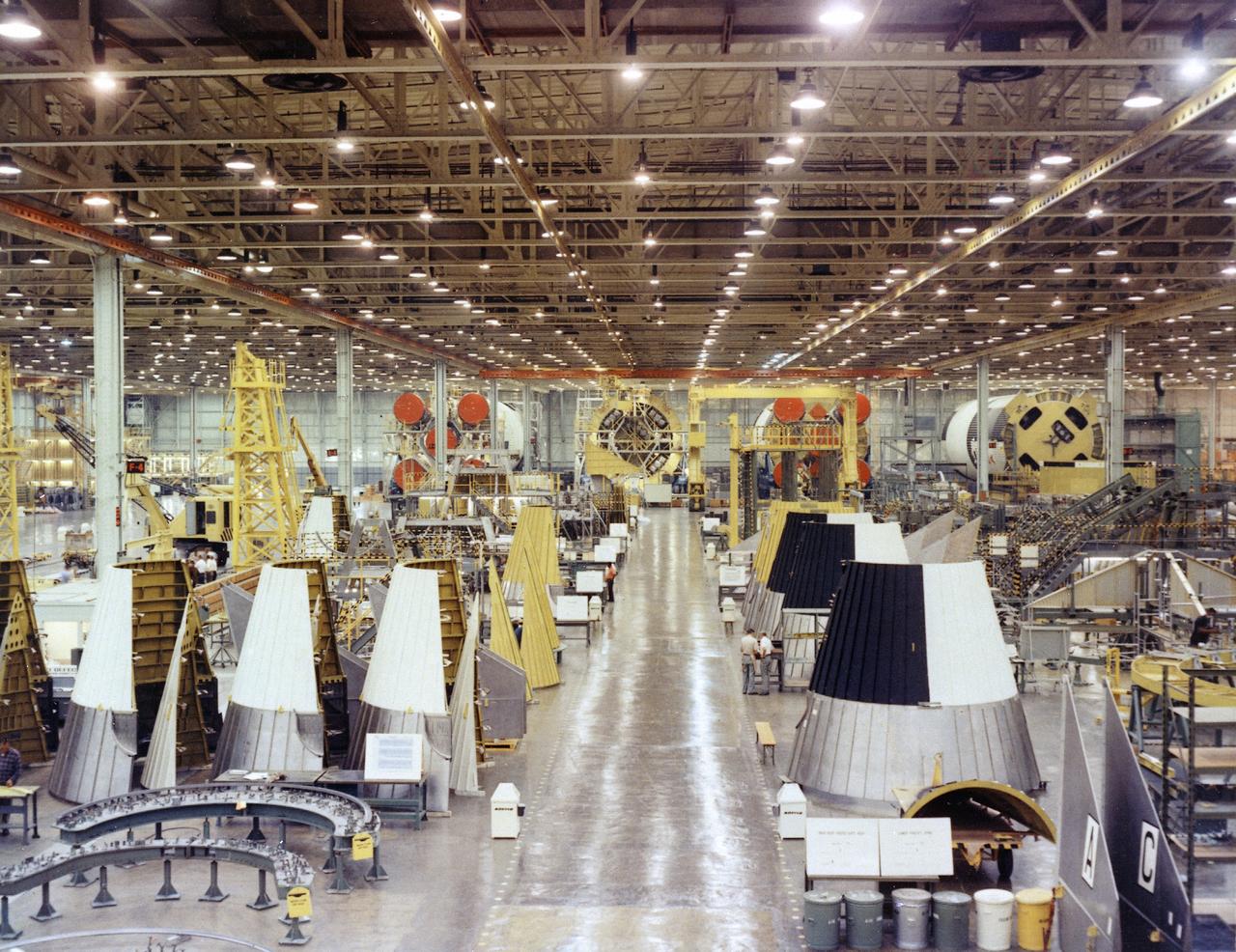
The Saturn IB and Saturn V flight vehicles first stages were manufactured at the Michoud Assembly Facility located 24 kilometers (approximately 15 miles) east of downtown New Orleans, Louisiana. The basic manufacturing building boasted 43 acres under one roof. By 1964, NASA added a separate engineering and office building, vertical assembly building, and test stage building. By 1966, other changes to the site included enlarged barge facilities and other miscellaneous support buildings. The image is a view of various vehicle components in the manufacturing plant.
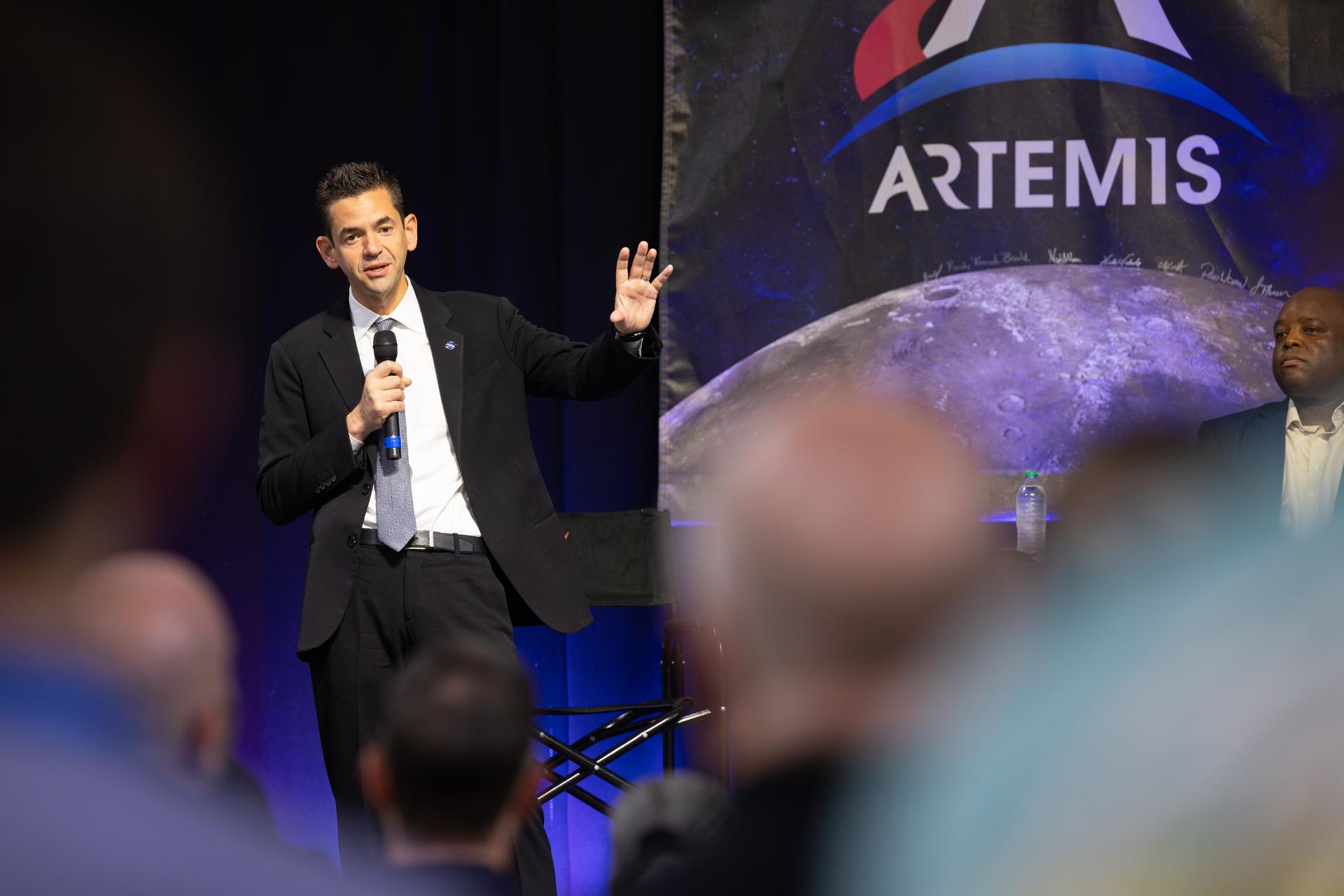
NASA Administrator Jared Isaacman speaks to the Michoud workforce during an employee town hall and Q&A session on Thursday, Sept. 17, 2026. Isaacman, NASA’s 15th administrator, stopped at Michoud during his multi-center tour to meet with employees, contractors, and partners.
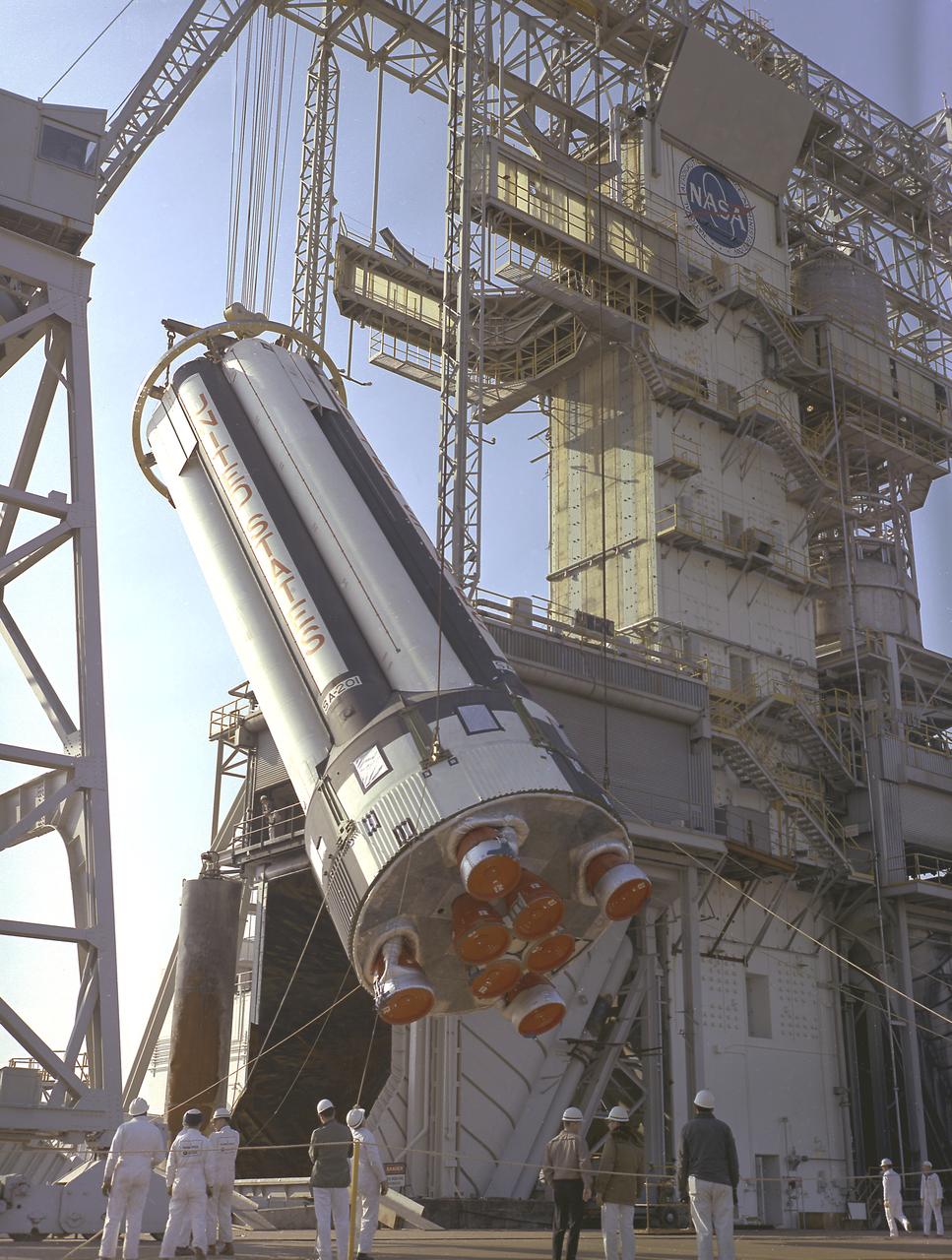
Workers at the Marshall Space Flight Center (MSFC) hoist S-IB-1, the first flight version of the Saturn IB launch vehicle's first stage (S-IB stage), into the Saturn IB static test stand on March 15, 1965. Developed by the MSFC and built by the Chrysler Corporation at the Michoud Assembly Facility (MAF) in New Orleans, Louisiana, the 90,000-pound booster utilized eight H-1 engines to produce a combined thrust of 1,600,000 pounds.
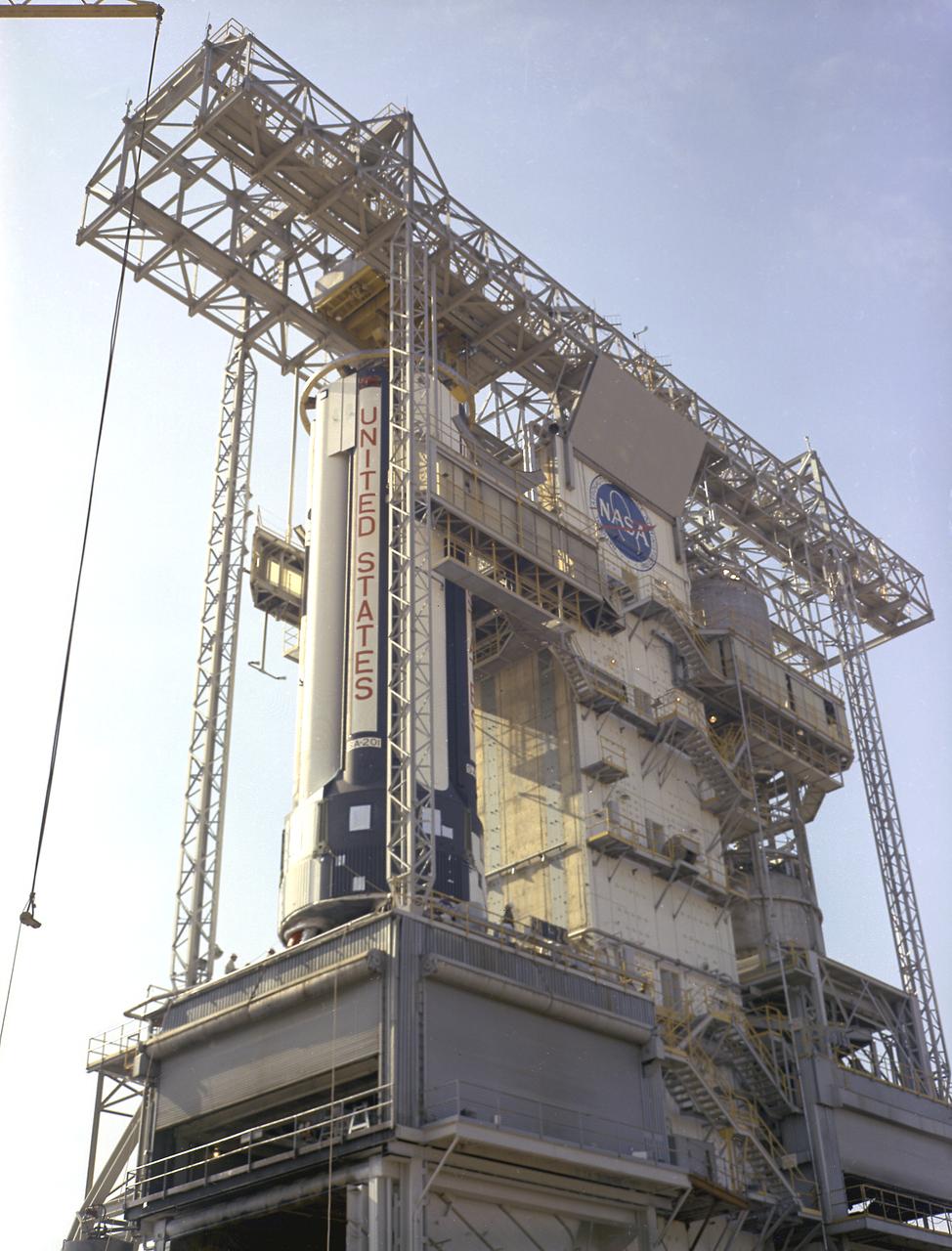
S-IB-1, the first flight version of the Saturn IB launch vehicle's first stage (S-IB stage), sat in the Marshall Space Flight Center (MSFC) Saturn IB static test stand on March 15, 1965. Developed by the MSFC and built by the Chrysler Corporation at the Michoud Assembly Facility (MAF) in New Orleans, Louisiana, the 90,000-pound booster utilized eight H-1 engines to produce a combined thrust of 1,600,000 pounds.
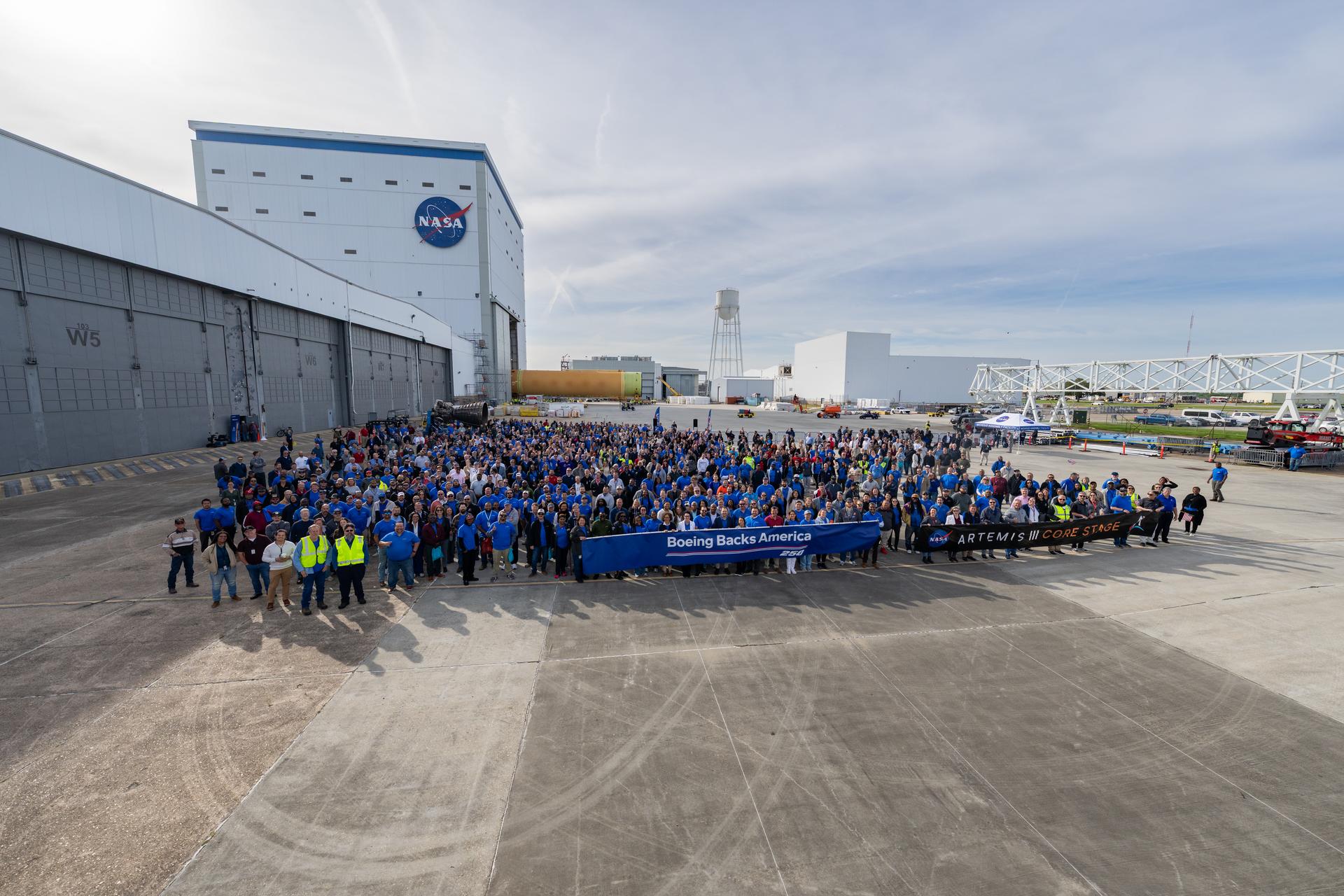
NASA moved the core stage, or the largest section, of the SLS (Space Launch System) rocket that will launch the crewed Artemis III mission in 2027 from the agency’s Michoud Assembly Facility to the agency’s Pegasus barge in New Orleans on April 20. The barge will ferry the top four-fifths – the section containing the liquid hydrogen tank, liquid oxygen tank, intertank, and forward skirt – of the SLS core stage to NASA’s Kennedy Space Center in Florida to complete outfitting and vertical integration. Teams with NASA and Boeing, the SLS core stage lead contractor, used specialized transporters to guide the top four-fifths from the NASA rocket factory to Pegasus. Prior to the move, technicians added an engine section transportation simulator to the rocket stage for shipment to the Space Coast. Next year’s Artemis III mission will launch astronauts to Earth’s orbit aboard the Orion spacecraft on top of SLS to test rendezvous and docking capabilities between Orion and commercial spacecraft needed to land Artemis IV astronauts on the Moon in 2028. NASA’s SLS is the only rocket capable of sending Orion, astronauts, and supplies to the Moon in a single launch.
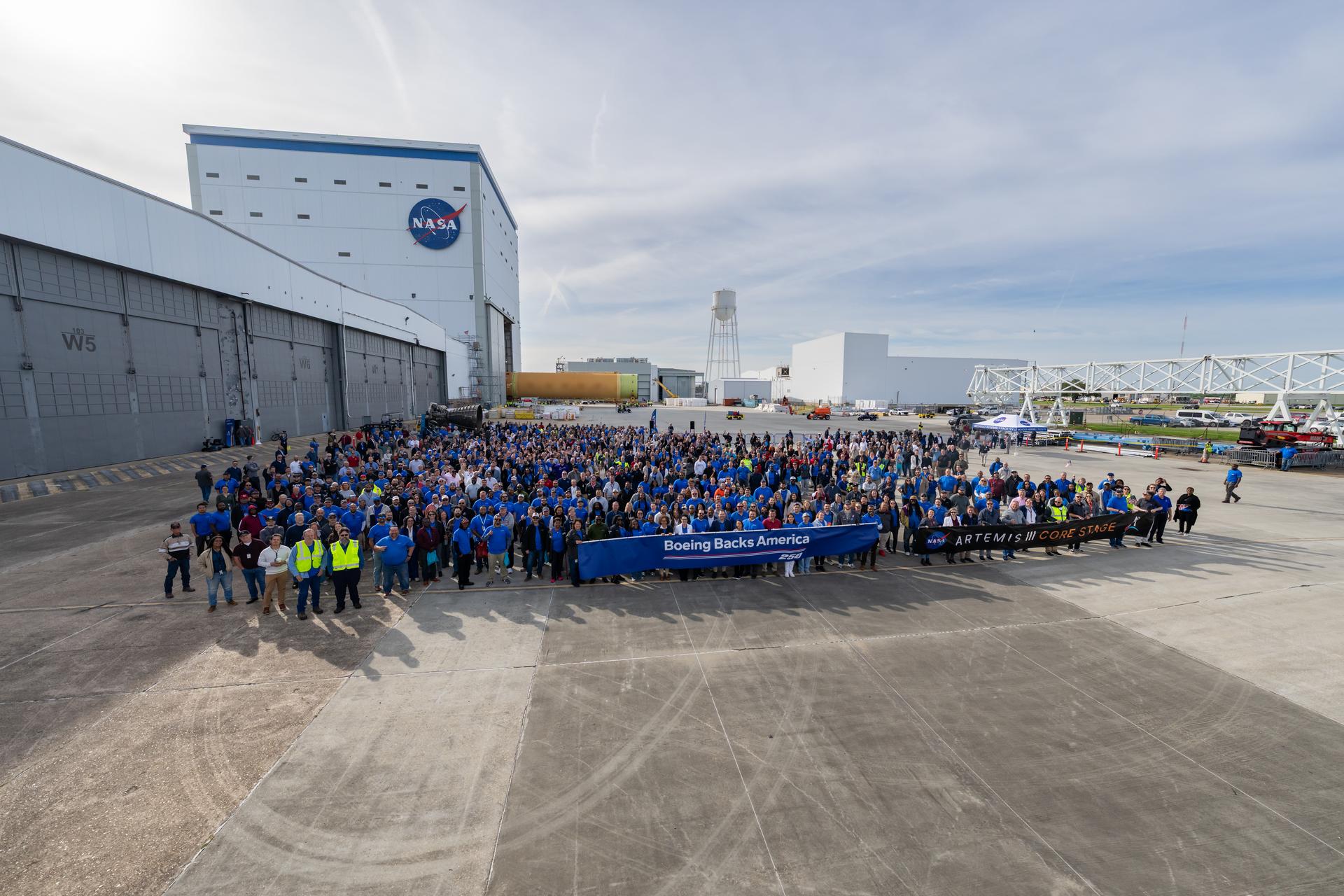
NASA moved the core stage, or the largest section, of the SLS (Space Launch System) rocket that will launch the crewed Artemis III mission in 2027 from the agency’s Michoud Assembly Facility to the agency’s Pegasus barge in New Orleans on April 20. The barge will ferry the top four-fifths – the section containing the liquid hydrogen tank, liquid oxygen tank, intertank, and forward skirt – of the SLS core stage to NASA’s Kennedy Space Center in Florida to complete outfitting and vertical integration. Teams with NASA and Boeing, the SLS core stage lead contractor, used specialized transporters to guide the top four-fifths from the NASA rocket factory to Pegasus. Prior to the move, technicians added an engine section transportation simulator to the rocket stage for shipment to the Space Coast. Next year’s Artemis III mission will launch astronauts to Earth’s orbit aboard the Orion spacecraft on top of SLS to test rendezvous and docking capabilities between Orion and commercial spacecraft needed to land Artemis IV astronauts on the Moon in 2028. NASA’s SLS is the only rocket capable of sending Orion, astronauts, and supplies to the Moon in a single launch.
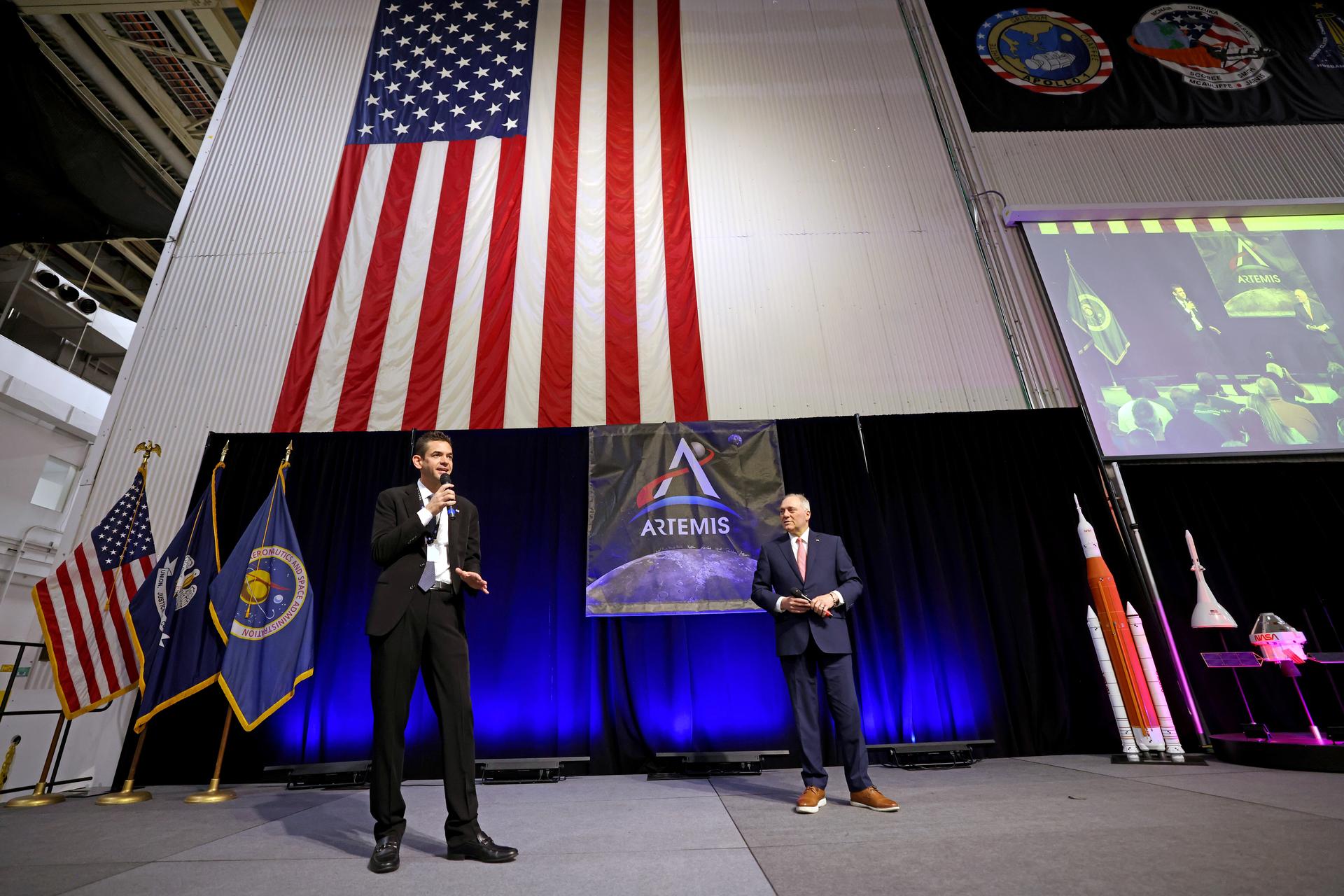
NASA Administrator Jared Isaacman visited NASA's Michoud Assembly Facility May 7, 2026, to see how the MAF team is helping build the future of human space exploration through Artemis. As a key production site for NASA's SLS (Space Launch System) and Orion spacecraft, teams at Michoud are focused on hardware for upcoming Artemis missions, including next year’s Artemis III mission and beyond. Isaacman toured the facility following an employee town hall. Acknowledging the facility’s rich history supporting all agency human space flight initiatives since Apollo, Isaacman called Michoud an “advanced manufacturing center of excellence,” and praised the workforce for their contribution to the Artemis campaign. House Majority Leader Steve Scalise was also in attendance and participated in the event and tours. Image credit: NASA/Michael DeMocker
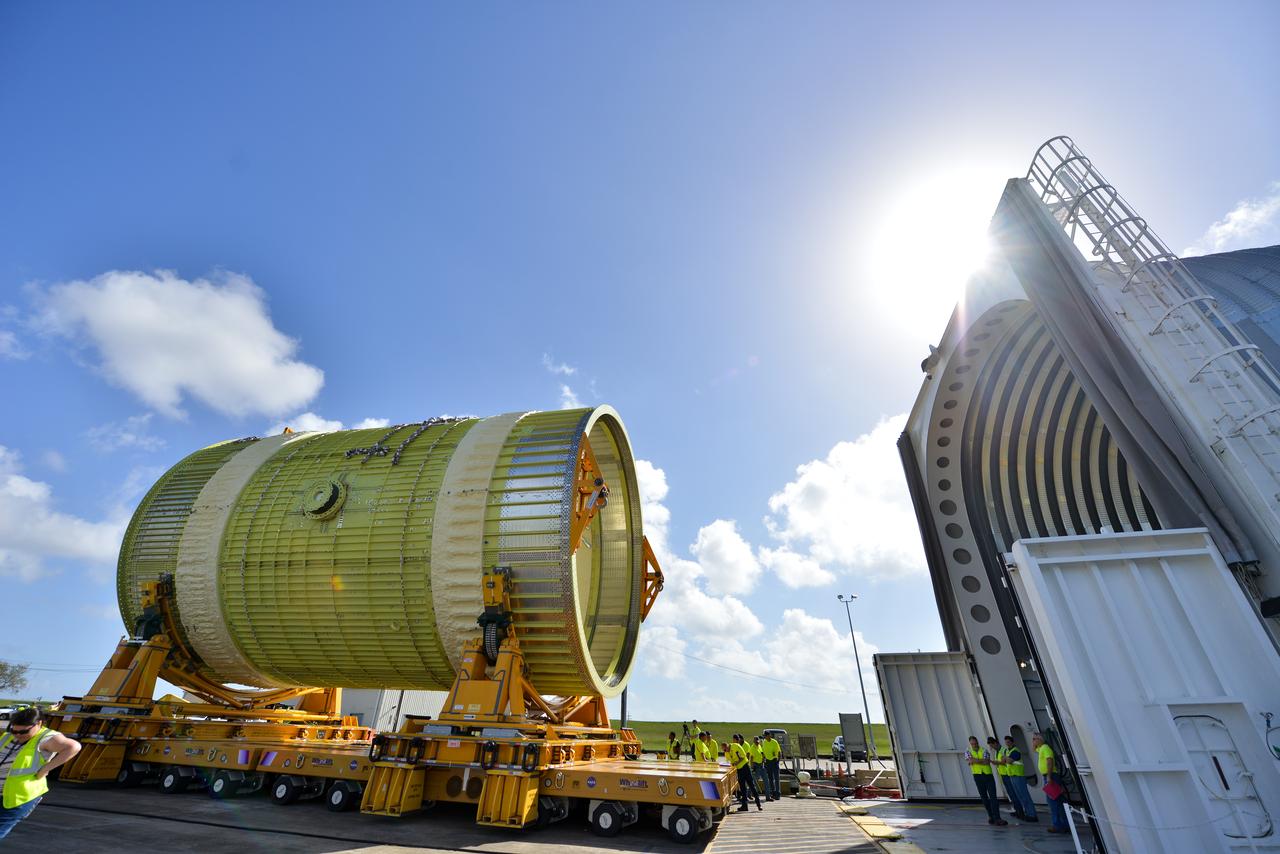
Intertank STA on Pegasus Barge

Orion EM2 Weld
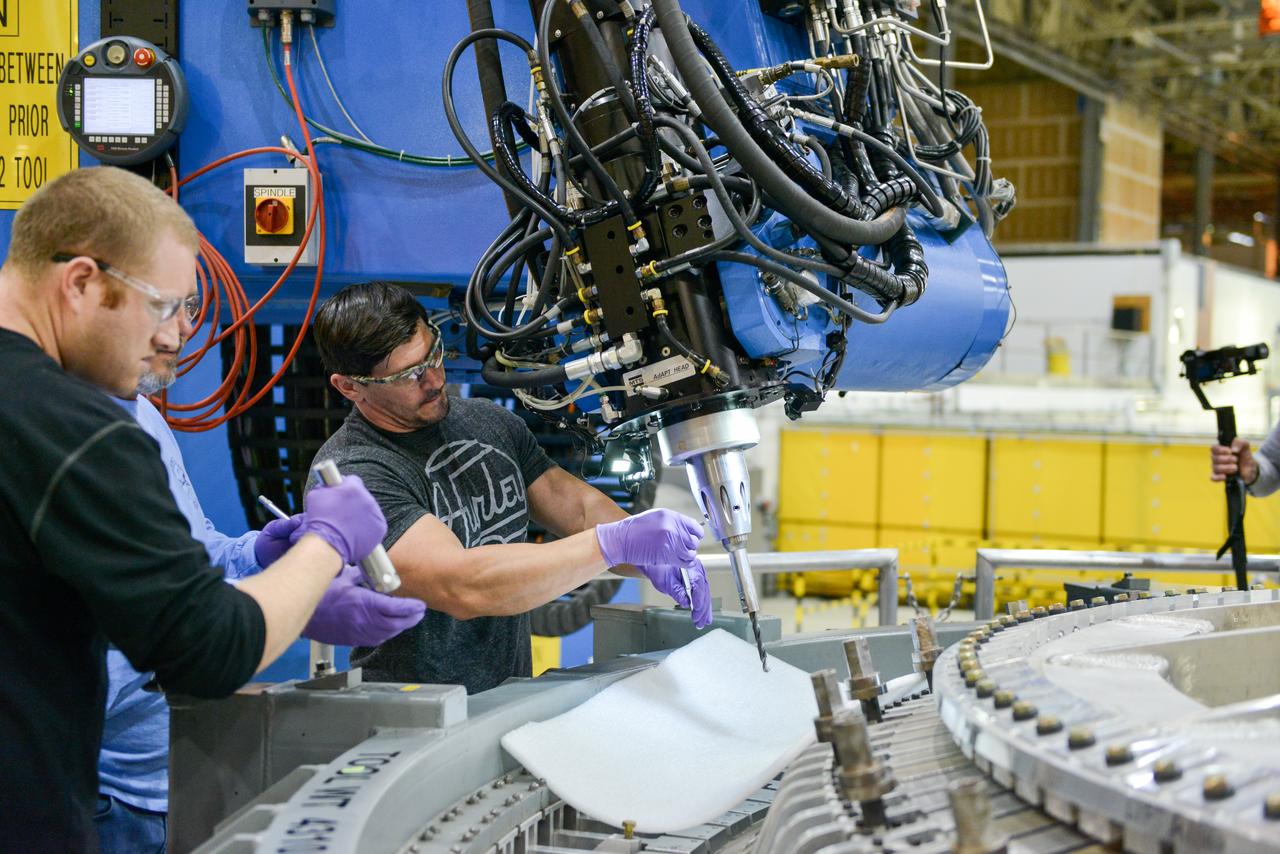
Orion EM2 Weld
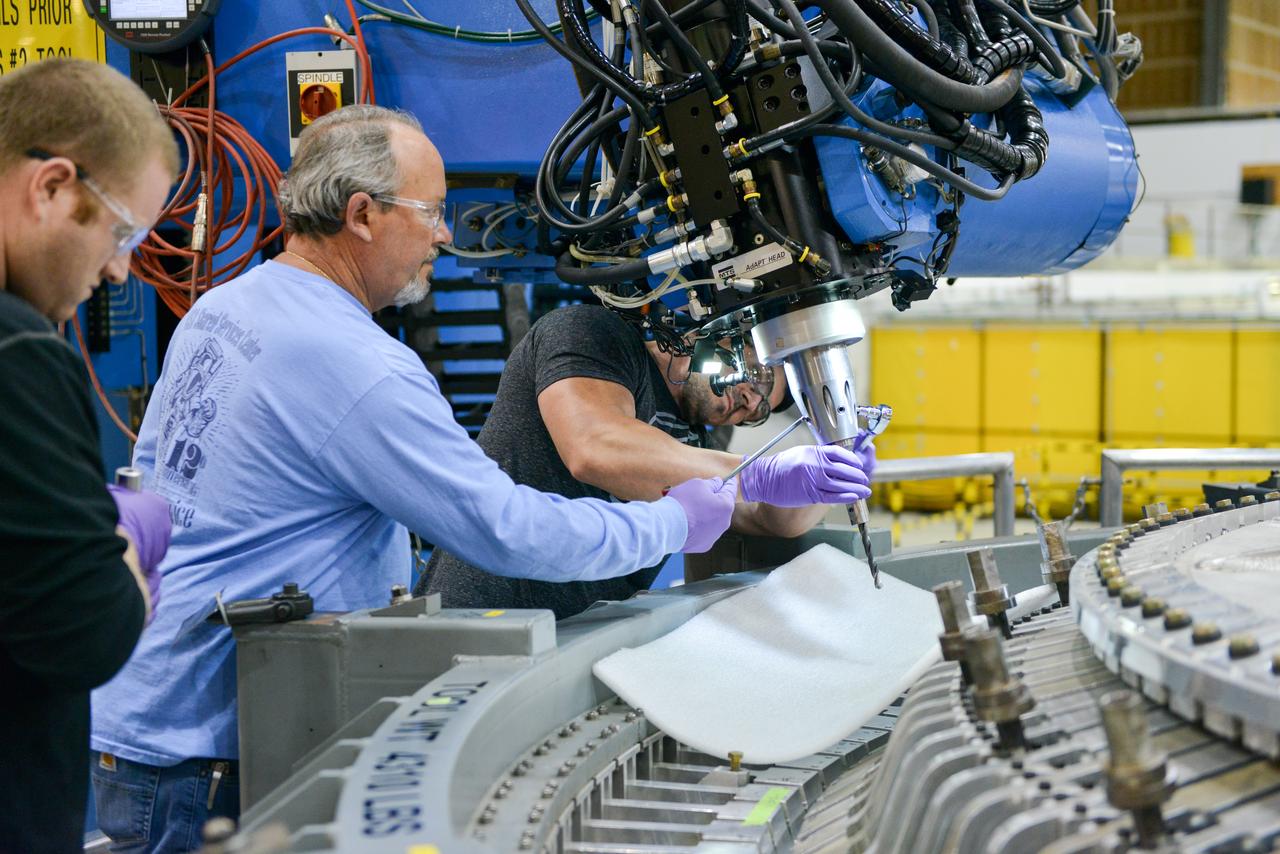
Orion EM2 Weld

Orion EM2 Weld
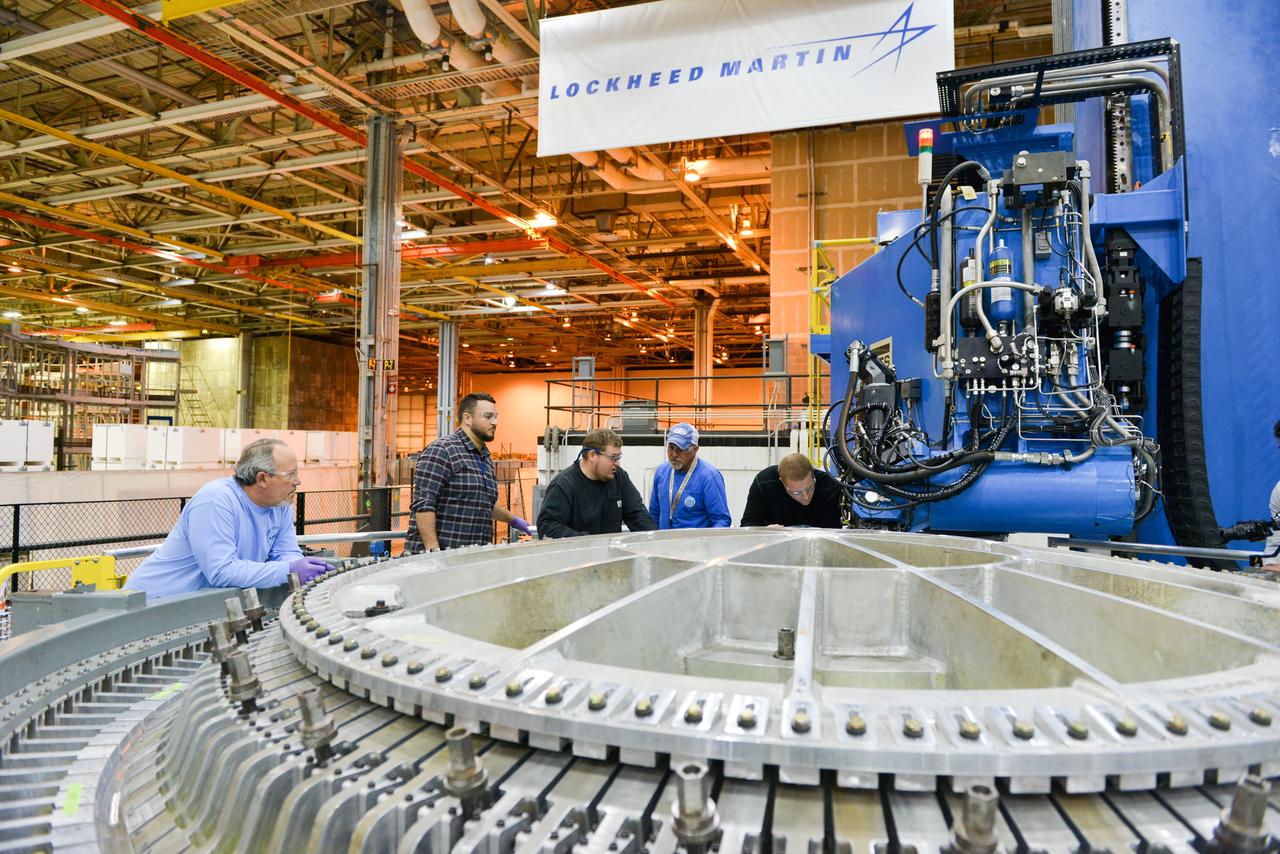
Orion EM2 Weld
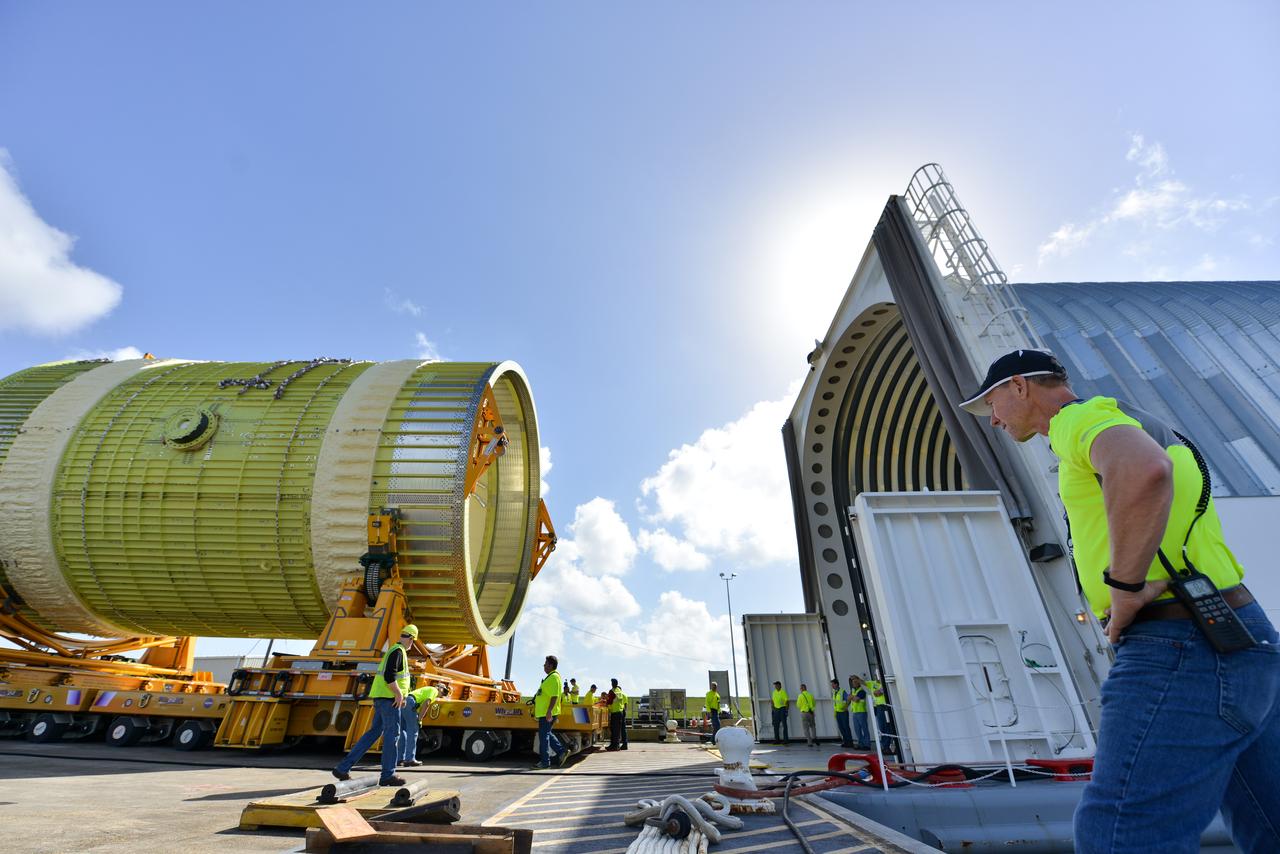
Pegasus Engineer watches the preparations before the move crew loads the Intertank STA on board.
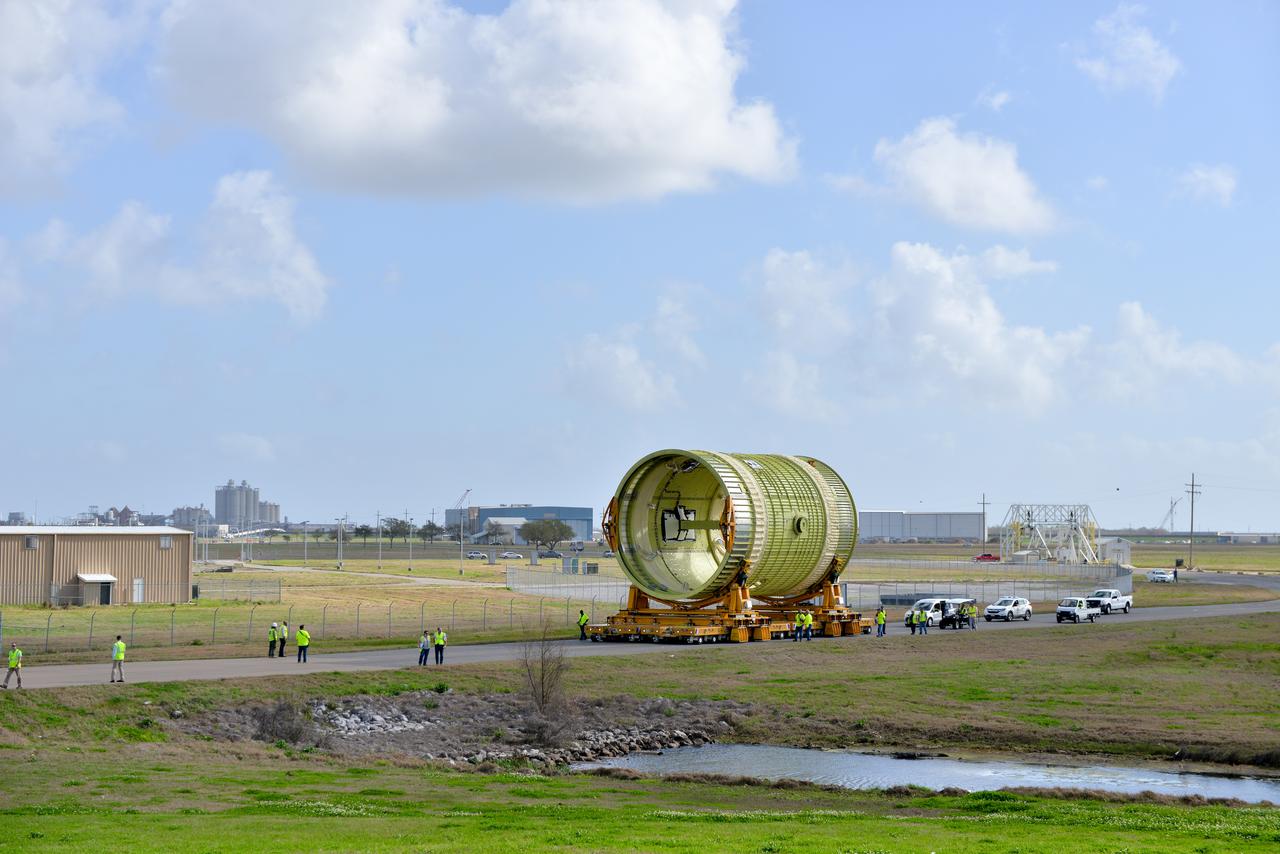
Intertank STA
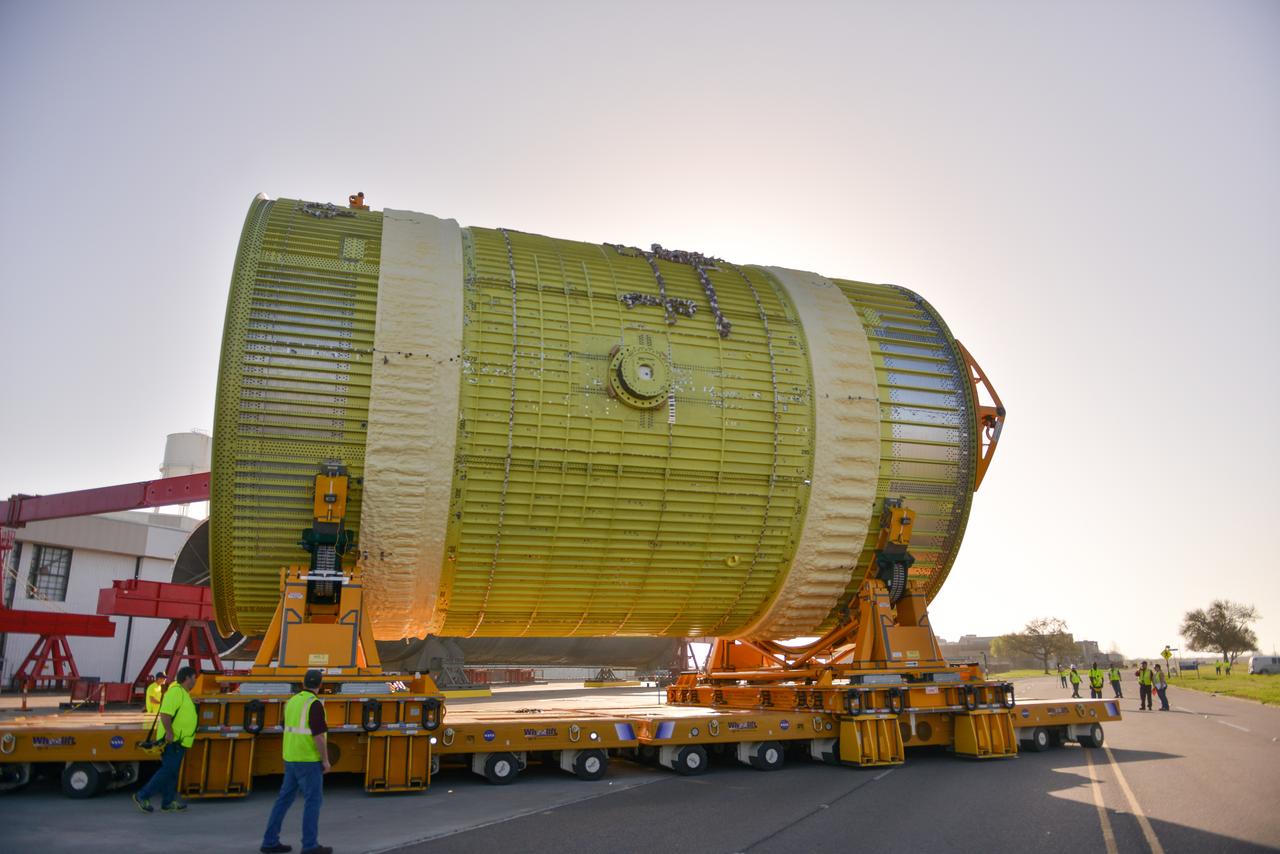
Intertank STA heading to the Pegasus Barge
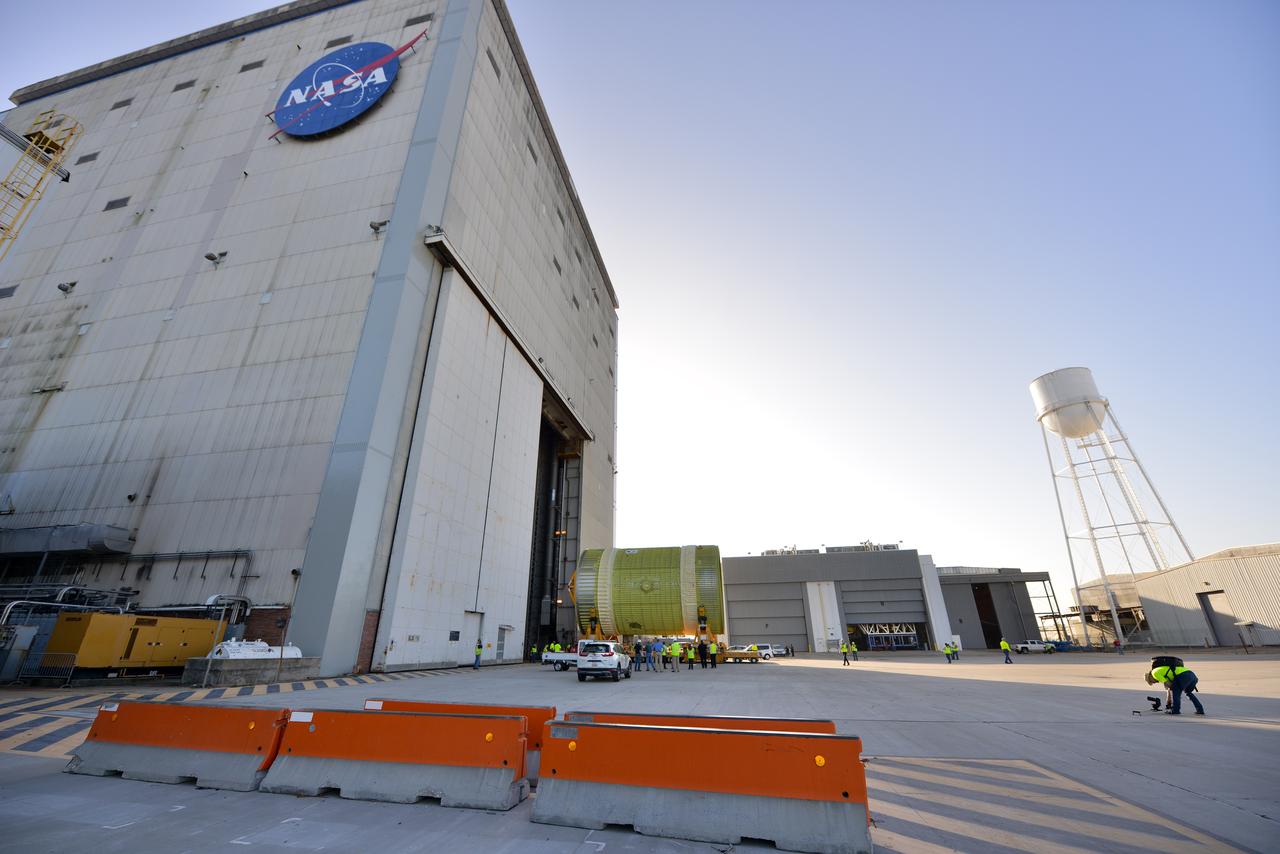
Intertank STA leaves it's holding area to begin the journey to the barge.
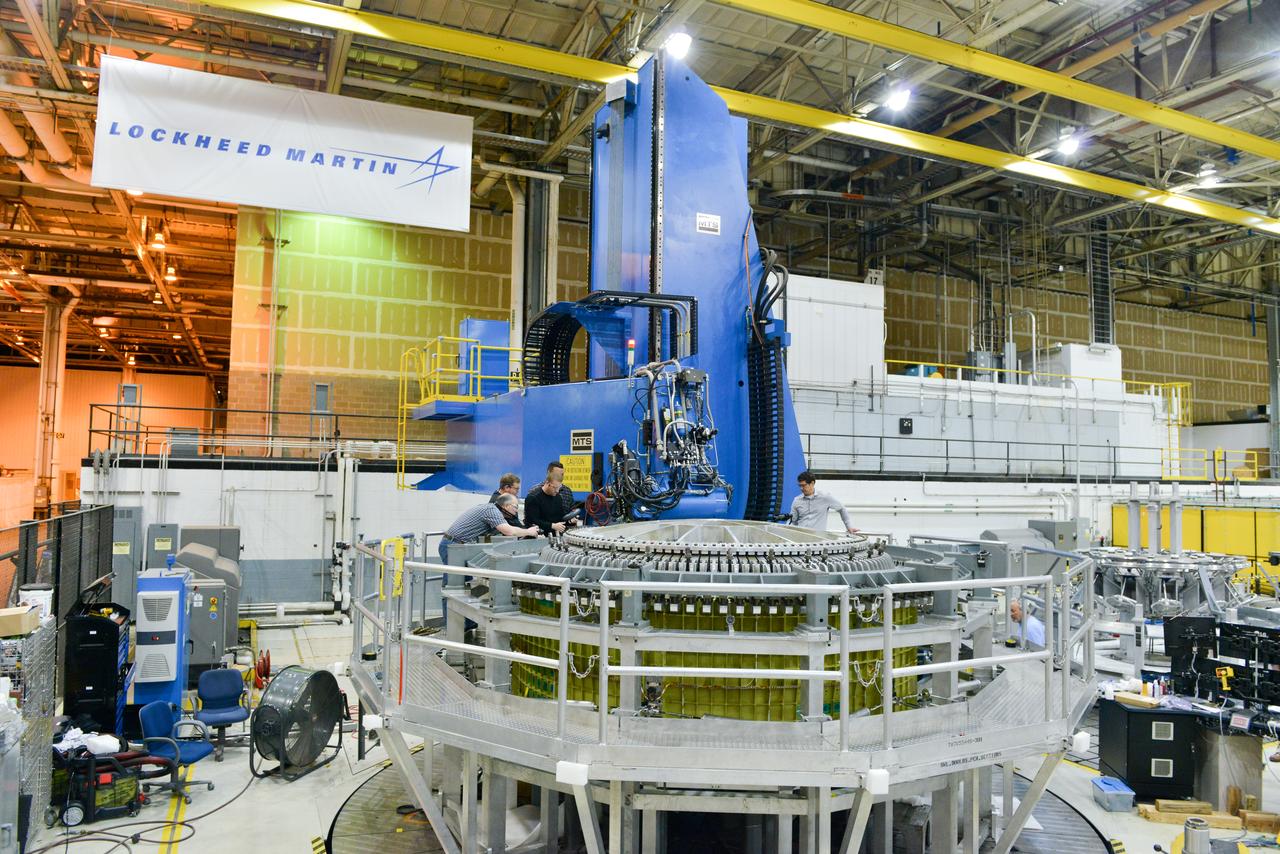
Orion EM2 Weld
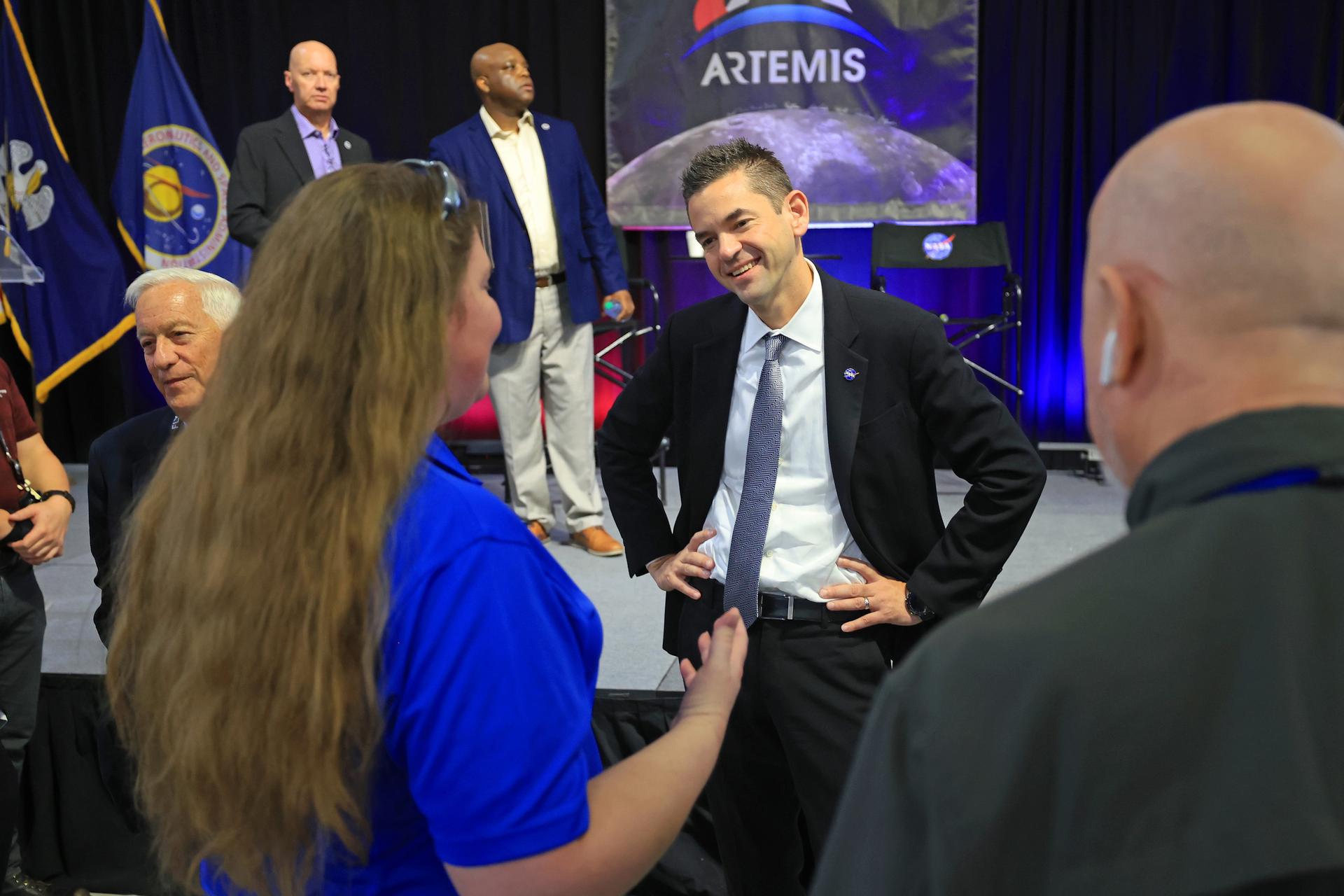
NASA Administrator Jared Isaacman speaks to the Michoud workforce during an employee town hall and Q&A session on Thursday, Sept. 17, 2026. Isaacman, NASA’s 15th administrator, stopped at Michoud during his multi-center tour to meet with employees, contractors, and partners. Image credit: NASA/Michael DeMocker
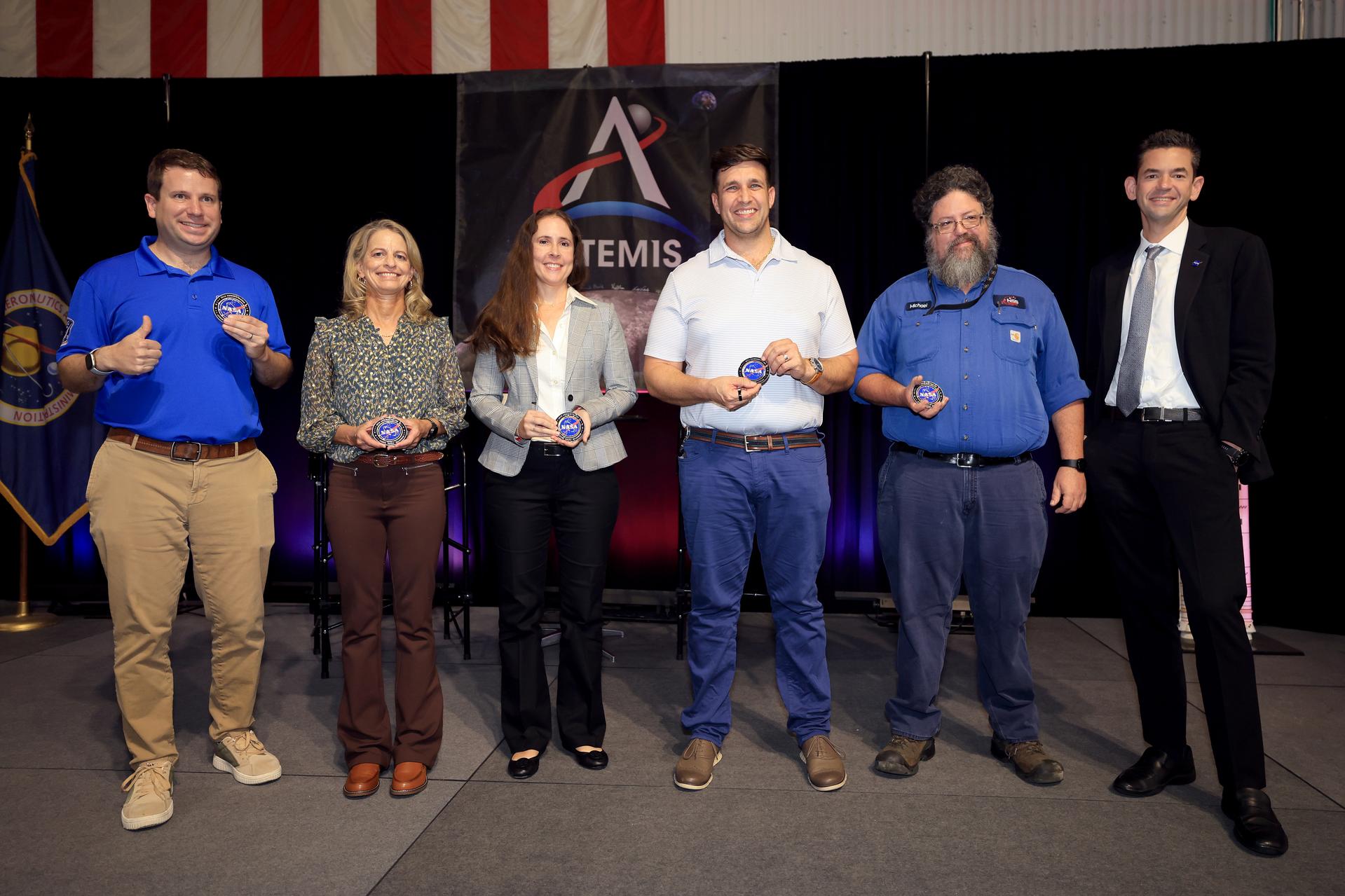
NASA Administrator Jared Isaacman speaks to the Michoud workforce during an employee town hall and Q&A session on Thursday, Sept. 17, 2026. Isaacman, NASA’s 15th administrator, stopped at Michoud during his multi-center tour to meet with employees, contractors, and partners. Image credit: NASA/Michael DeMocker
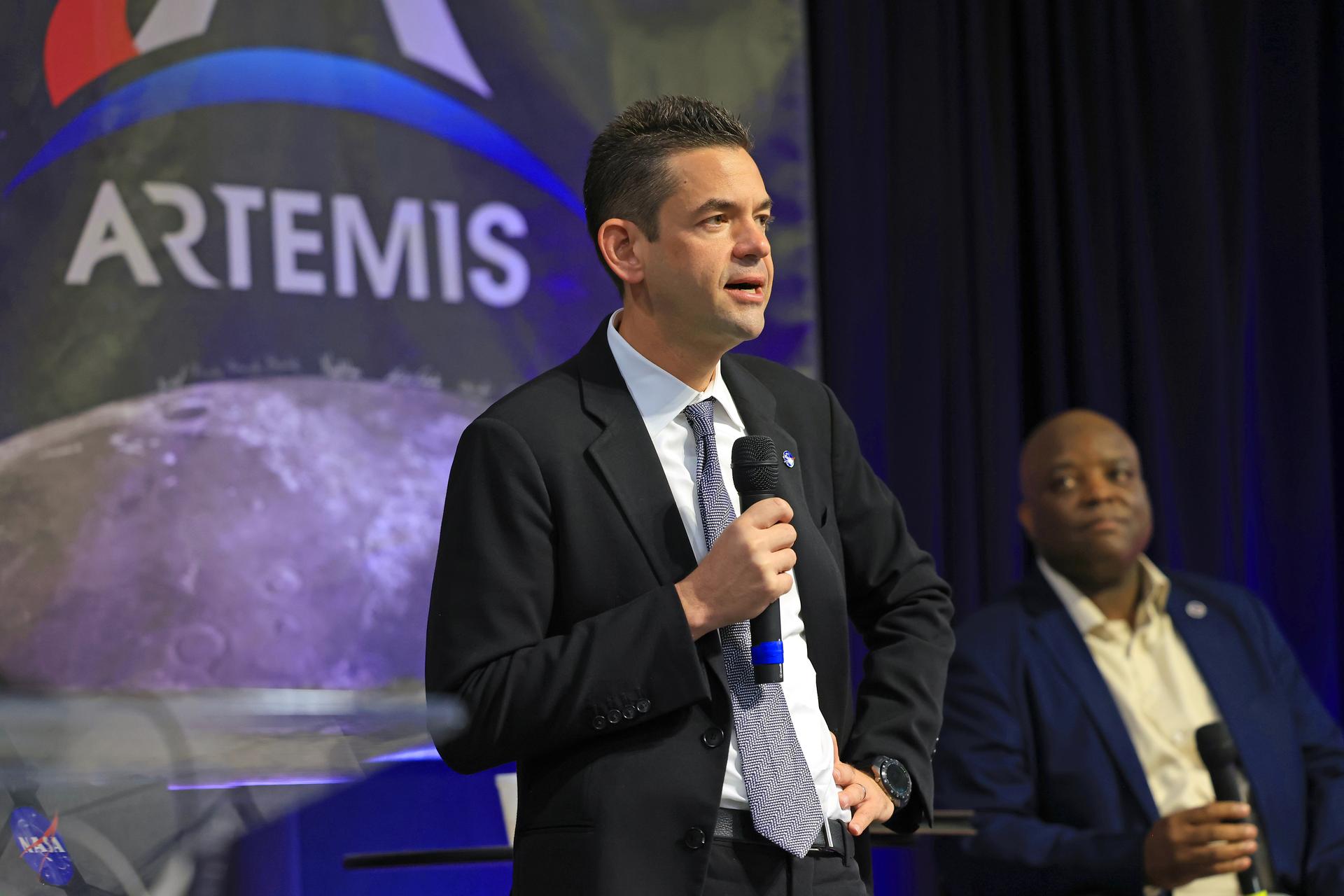
NASA Administrator Jared Isaacman speaks to the Michoud workforce during an employee town hall and Q&A session on Thursday, Sept. 17, 2026. Isaacman, NASA’s 15th administrator, stopped at Michoud during his multi-center tour to meet with employees, contractors, and partners. Image credit: NASA/Michael DeMocker
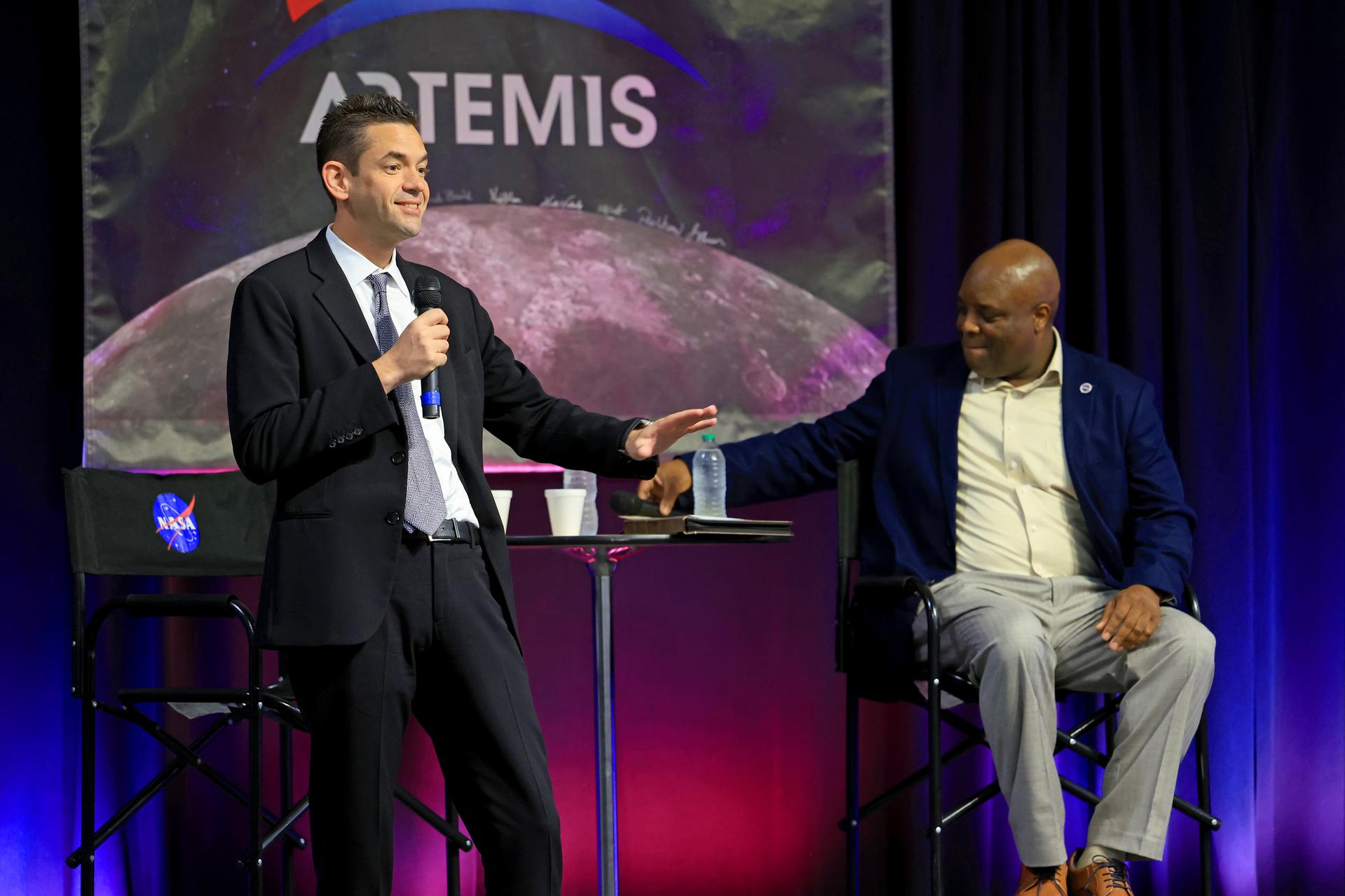
NASA Administrator Jared Isaacman speaks to the Michoud workforce during an employee town hall and Q&A session on Thursday, Sept. 17, 2026. Isaacman, NASA’s 15th administrator, stopped at Michoud during his multi-center tour to meet with employees, contractors, and partners. Image credit: NASA/Michael DeMocker
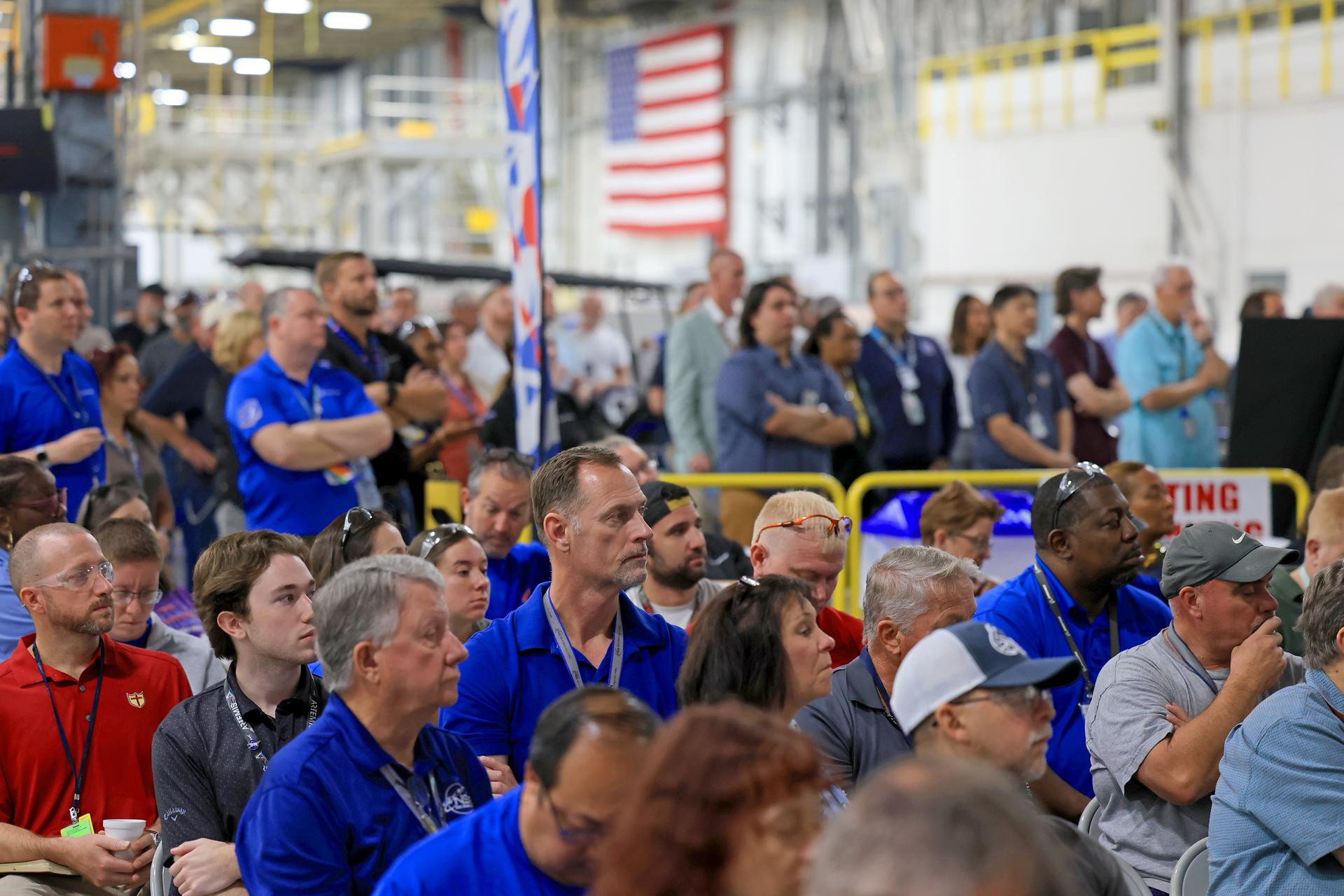
NASA Administrator Jared Isaacman speaks to the Michoud workforce during an employee town hall and Q&A session on Thursday, Sept. 17, 2026. Isaacman, NASA’s 15th administrator, stopped at Michoud during his multi-center tour to meet with employees, contractors, and partners. Image credit: NASA/Michael DeMocker
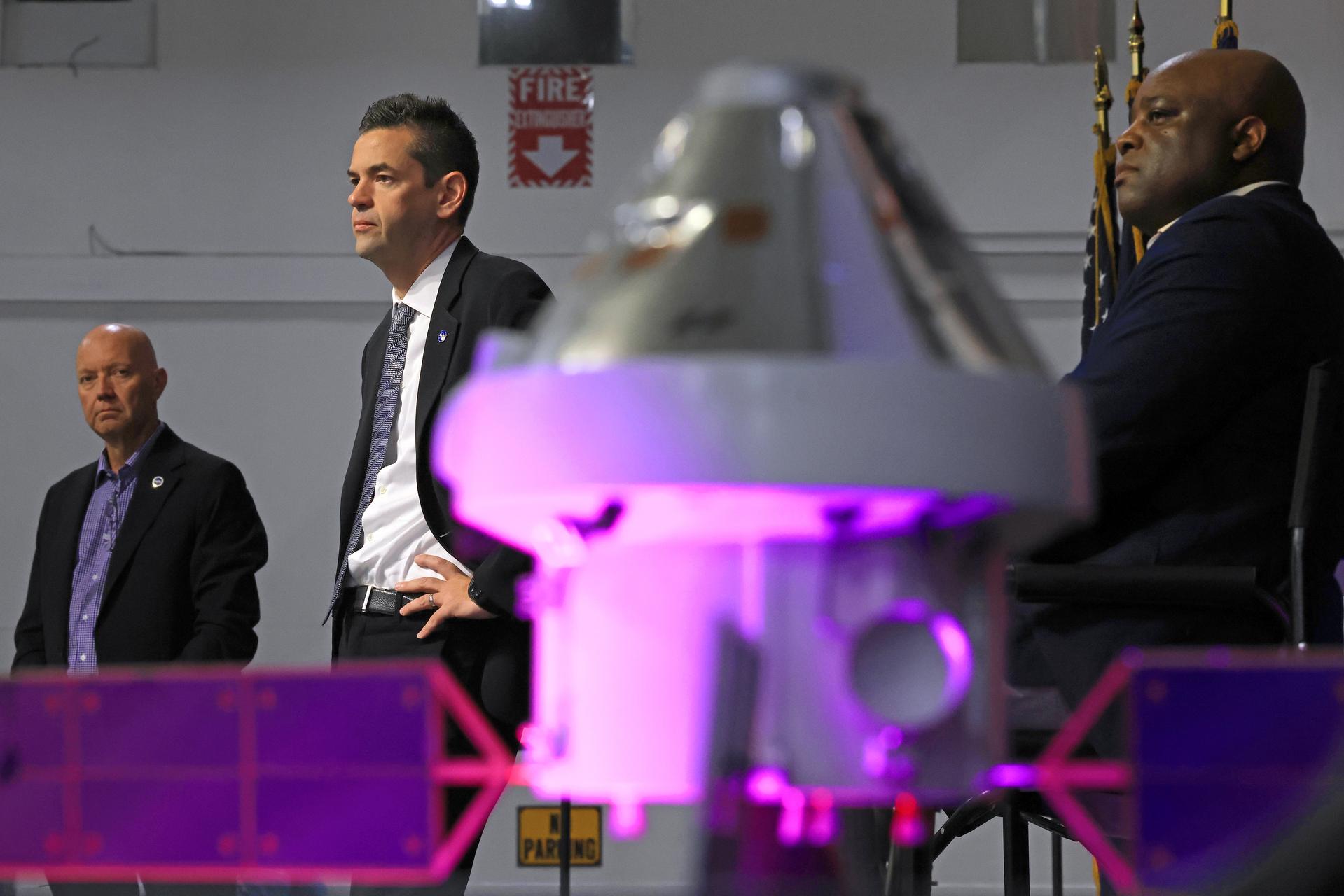
NASA Administrator Jared Isaacman speaks to the Michoud workforce during an employee town hall and Q&A session on Thursday, Sept. 17, 2026. Isaacman, NASA’s 15th administrator, stopped at Michoud during his multi-center tour to meet with employees, contractors, and partners. Image credit: NASA/Michael DeMocker
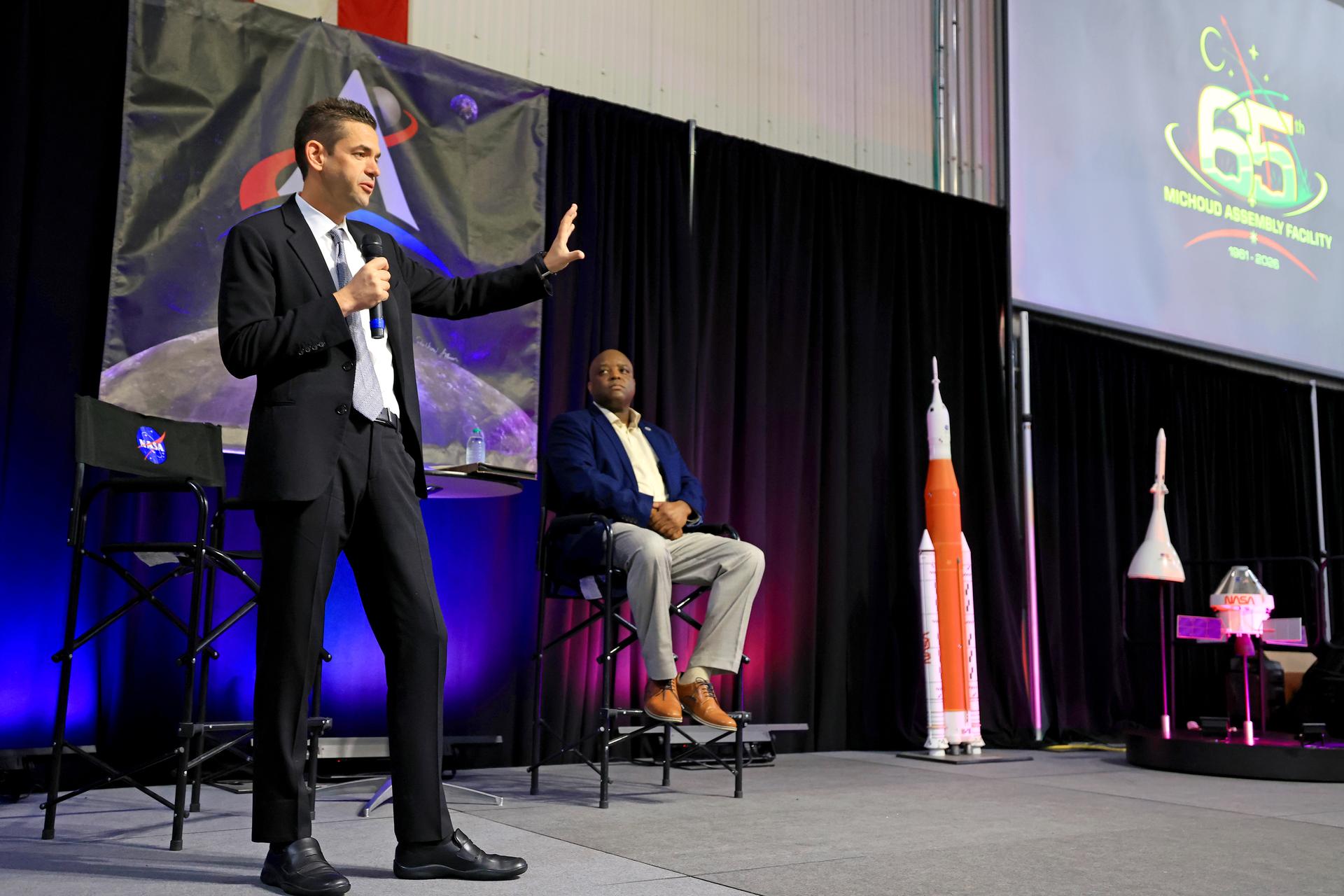
NASA Administrator Jared Isaacman speaks to the Michoud workforce during an employee town hall and Q&A session on Thursday, Sept. 17, 2026. Isaacman, NASA’s 15th administrator, stopped at Michoud during his multi-center tour to meet with employees, contractors, and partners. Image credit: NASA/Michael DeMocker
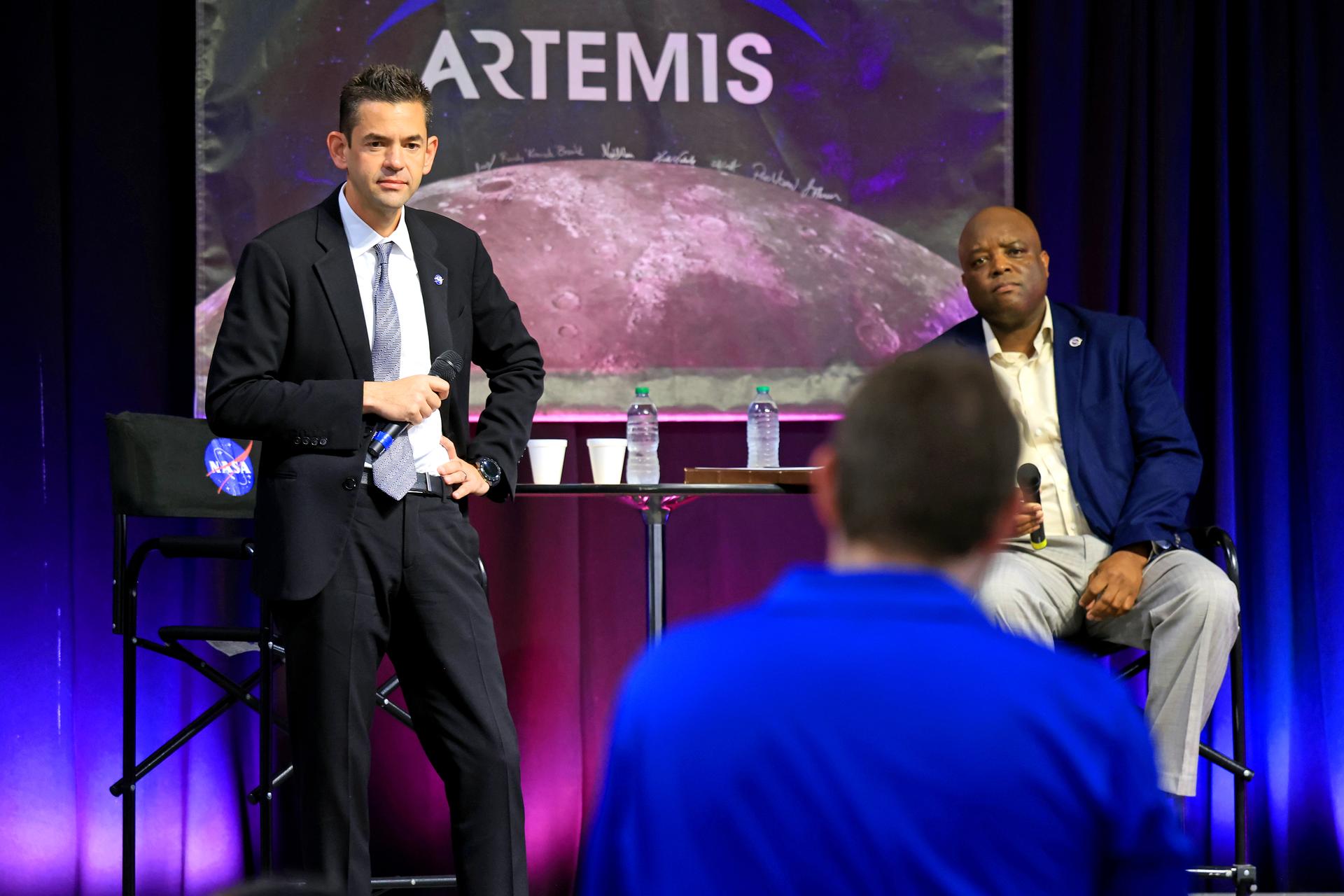
NASA Administrator Jared Isaacman speaks to the Michoud workforce during an employee town hall and Q&A session on Thursday, Sept. 17, 2026. Isaacman, NASA’s 15th administrator, stopped at Michoud during his multi-center tour to meet with employees, contractors, and partners. Image credit: NASA/Michael DeMocker