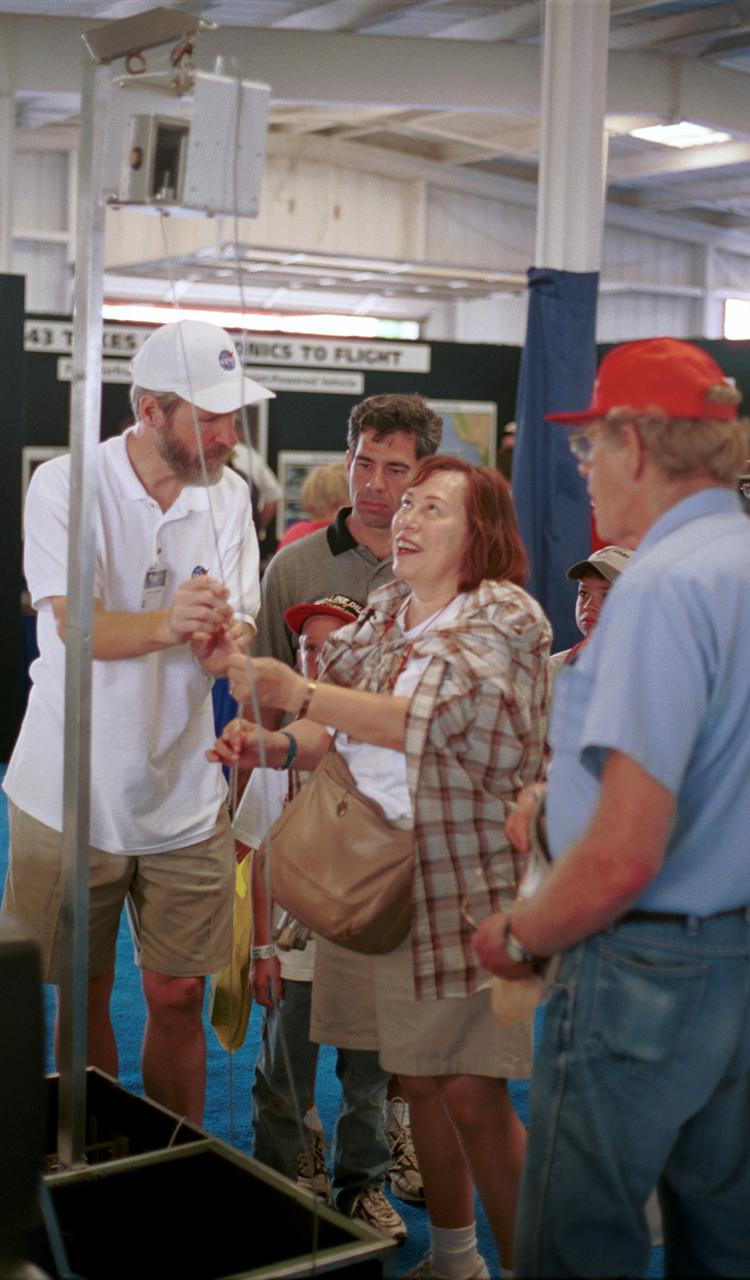
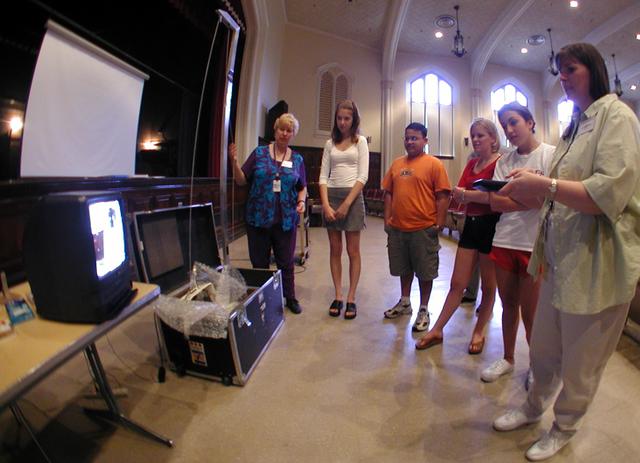
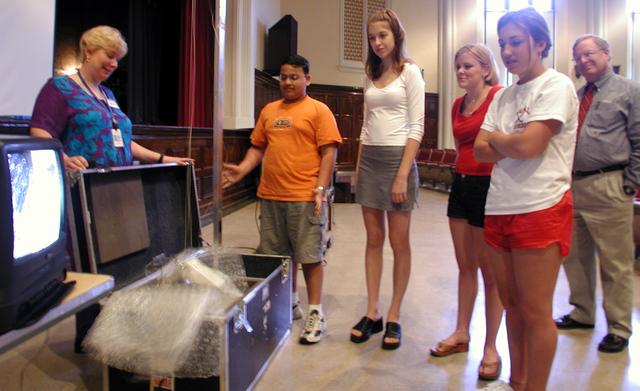
Dr. Richard DeLombard of NASA's Glenn Research Center, hands the relase line for the Microgravity Demonstrator to a visitor for her to start a short experiment showing the effects of microgravity on candle flames. Combustion physics will be a major line of investigation for NASA aboard the International Space Station (ISS). The Microgravity Demonstrator is frequently used at shows and schools to illustrate how phenomena change in microgravity. The exhibit was part of the NASA outreach activity at AirVenture 2000 sponsored by the Experimental Aircraft Association in Oshkosh, WI
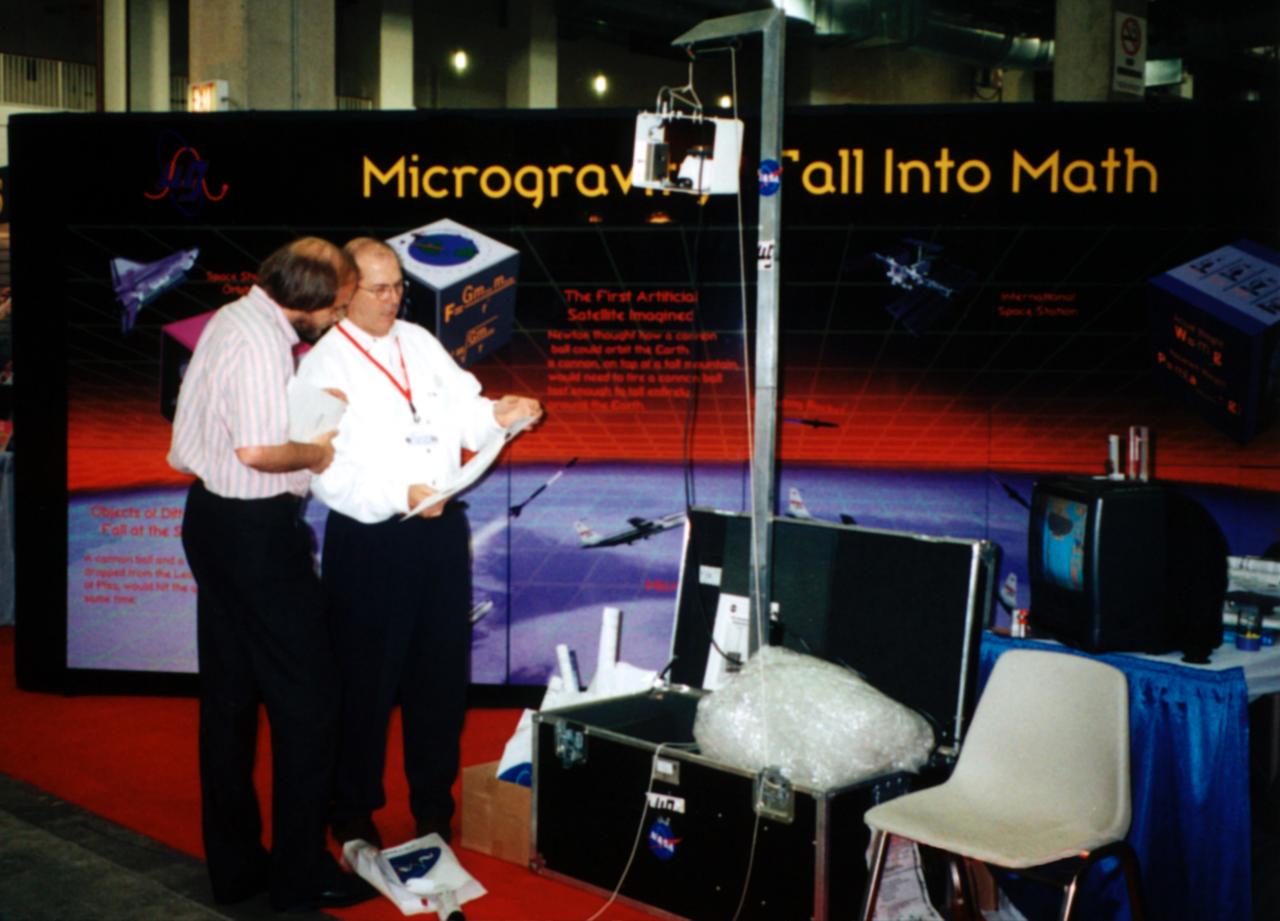
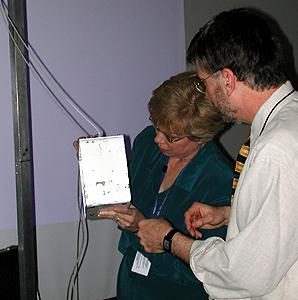
Jimmy Grisham of the Microgravity Program Plarning Integration Office at NASA/Marshall Space Flight Center, demonstrates the classroom-size Microgravity Drop Tower Demonstrator. The apparatus provides 1/6 second of microgravity for small experiments. A video camera helps teachers observe what happens inside the package. This demonstration was at the April 2000 conference of the National Council of Teachers of Mathematics (NCTM) in Chicago. Photo credit: NASA/Marshall Space Flight Center (MSFC)
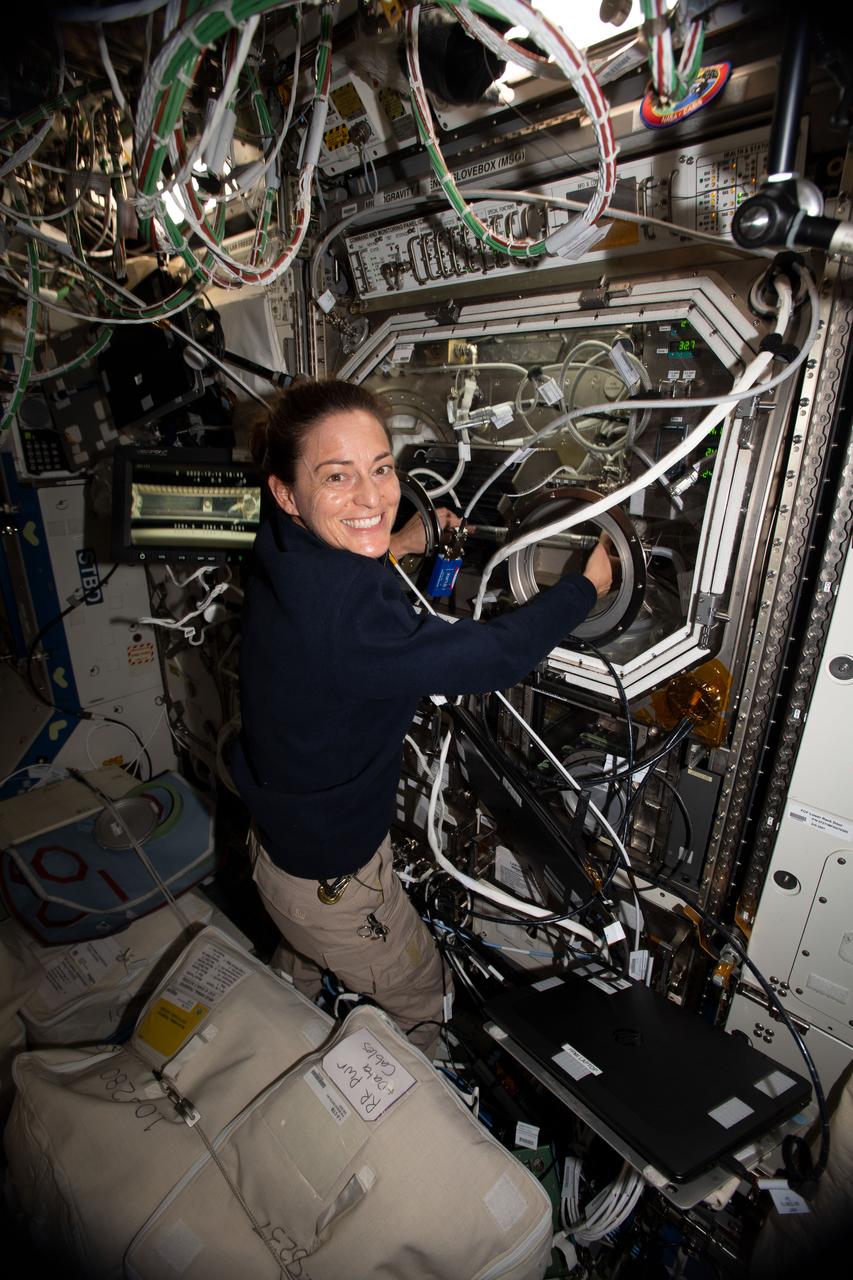
iss068e029618 (Dec. 14, 2022) --- NASA astronaut and Expedition 68 Flight Engineer Nicole Mann swaps samples inside the Microgravity Science Glovebox for a space physics study demonstrating a passive cooling system for electronic devices in microgravity.
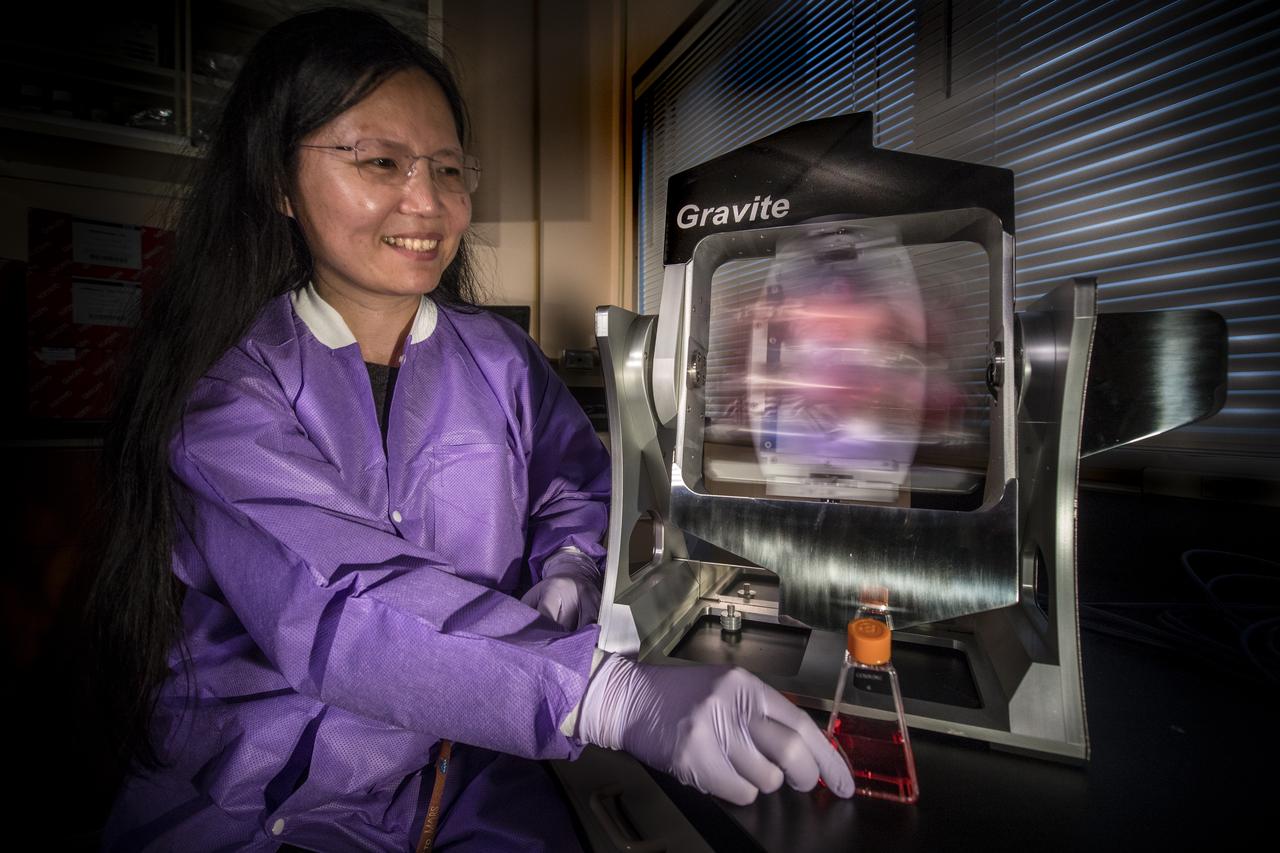
Dr. Ye Zhang, project scientist for the ISS Research Office at NASA’s Kennedy Space Center in Florida, demonstrates how biological samples are tested in a microgravity simulation device in the Microgravity Simulation Support Facility on Dec. 20, 2018.
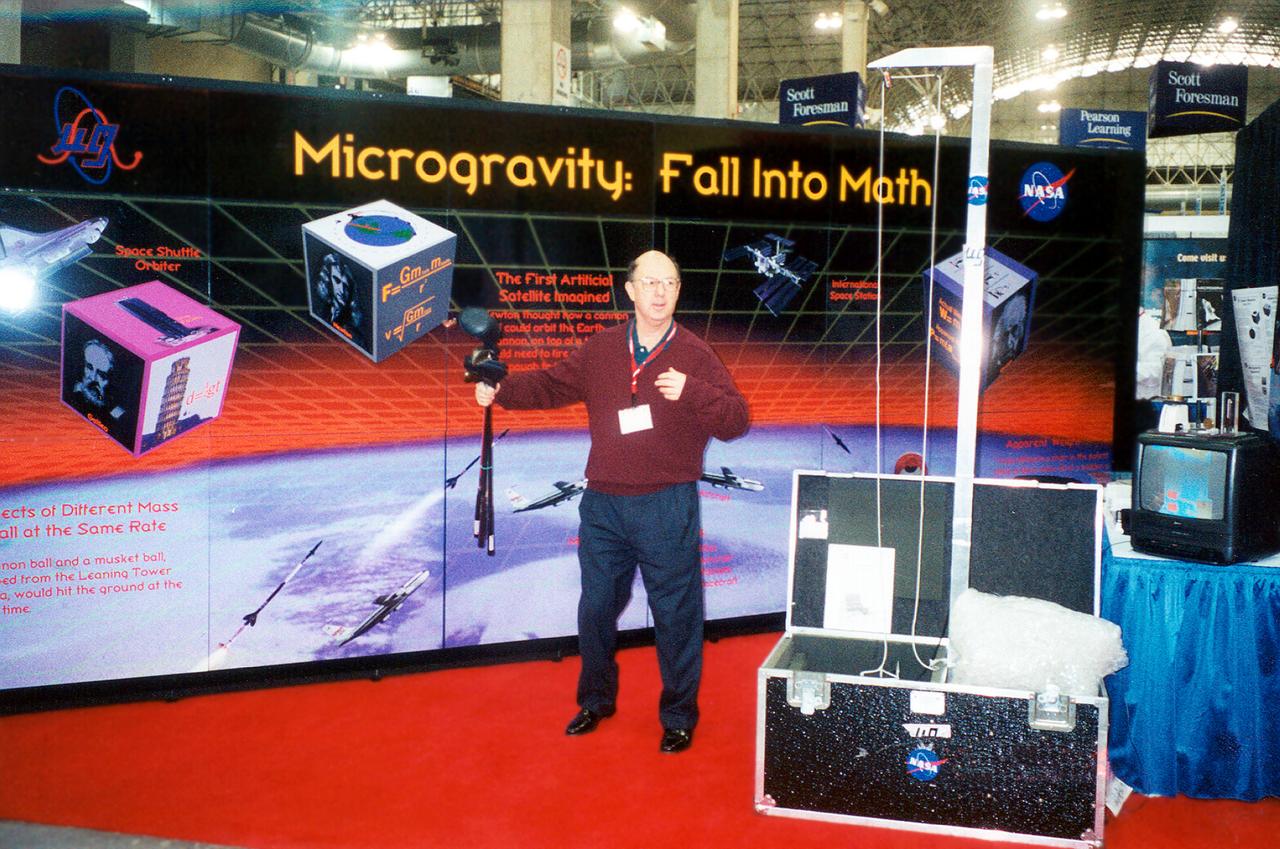
Don Gillies, a materials scientist at NASA/Marshall Space Flight Center (MSFC), demonstrates the classroom-size Microgravity Drop Tower Demonstrator. The apparatus provides 1/6 second of microgravity for small experiments. A video camera helps teachers observe what happens inside the package. This demonstration was at the April 2000 conference of the National Council of Teachers of Mathematics (NCTM) in Chicago. Photo credit: NASA/Marshall Space Flight Center (MSFC)
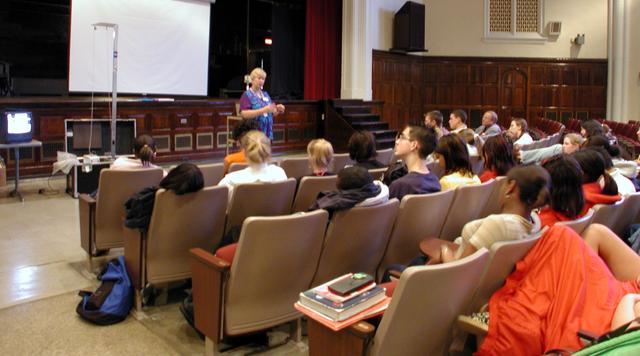
Marshall Space Flight Center employees visited DuPont Manual High School in Louisville, Kentucky. NASA's Mini Drop Tower was used to demonstrate free fall and a presentation was given on microgravity and the science performed in a microgravity environment. The visit coincided with the Pan-Pacific Basin Workshop on Microgravity Sciences held in Pasadena, California. Materials engineer Chris Cochrane explains the basics of microgravity research. This image is from a digital still camera; higher resolution is not available.
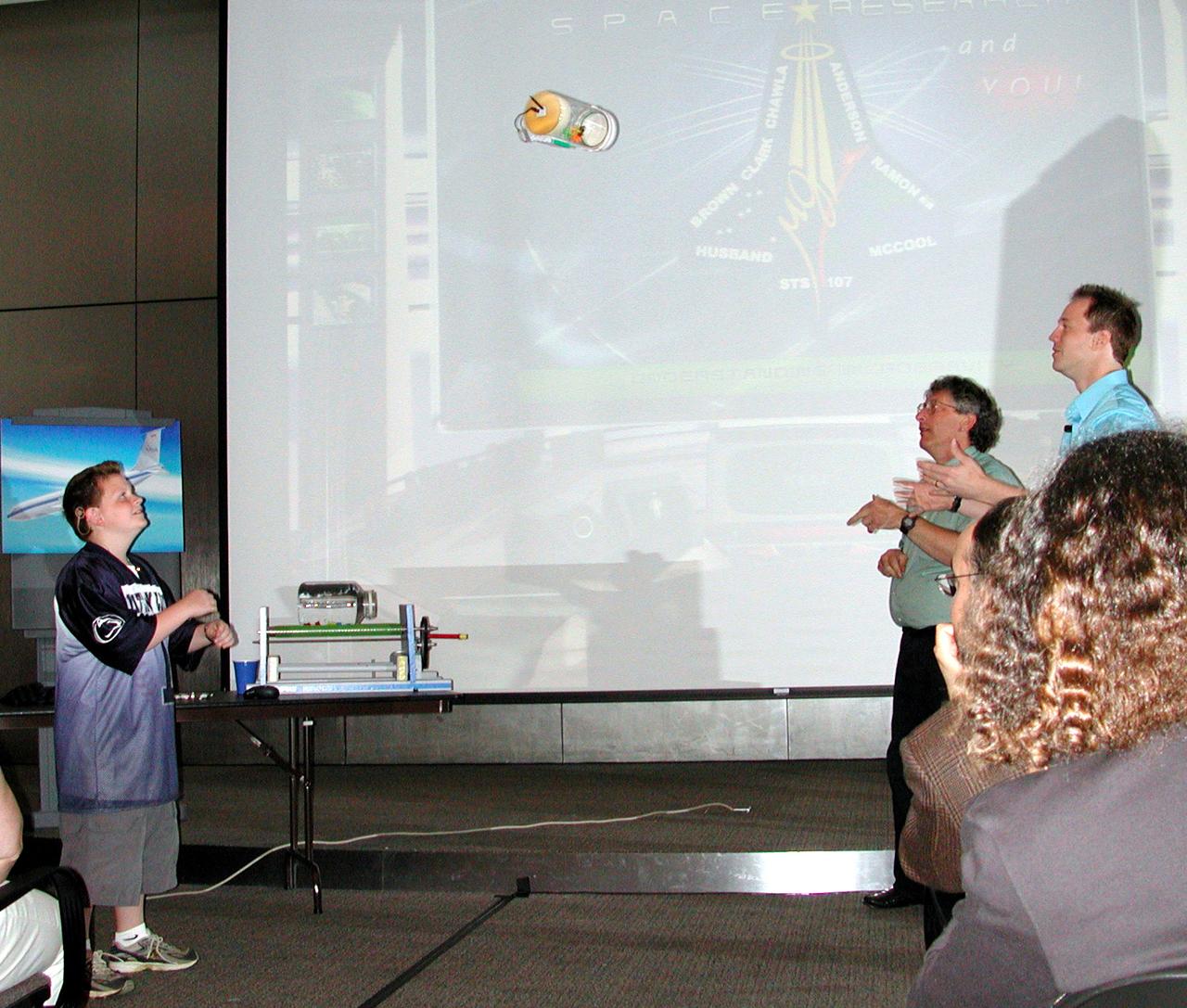
A student gets ready to catch a plastic tube carrying a small fluid bottle and a wireless video camera. As it arced through the air, the container was in free-fall -- just like astronauts in space -- and the TV camera broadcast images of how the fluid behaved. The activity was part of the Space Research and You education event held by NASA's Office of Biological and Physical Research on June 25, 2002, in Arlington, VA, to highlight the research that will be conducted on STS-107. (Digital camera image; no film original.
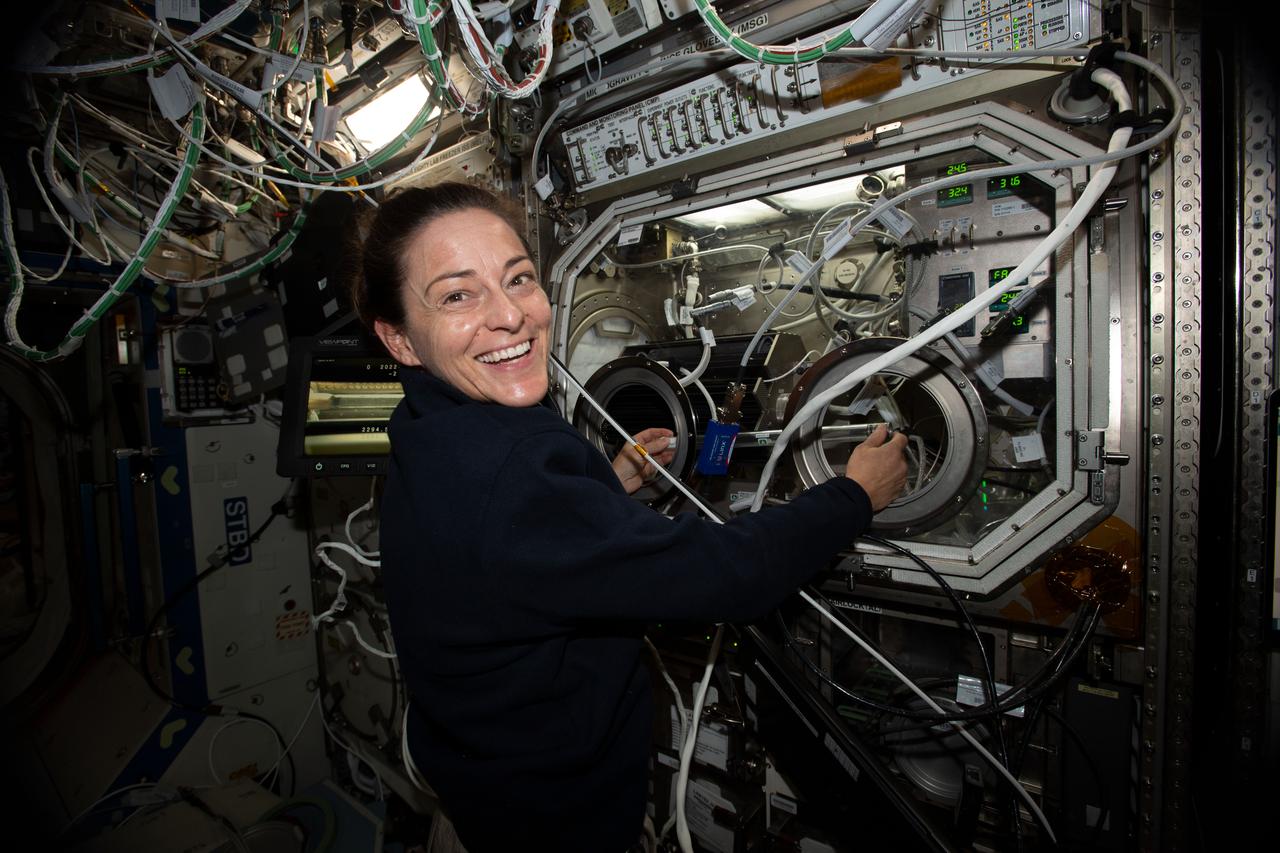
iss068e029599 (Dec. 14, 2022) --- NASA astronaut and Expedition 68 Flight Engineer Nicole Mann exchanges samples inside the Microgravity Science Glovebox for the Pore Formation and Mobility Investigation. The space physics study demonstrates a passive cooling system for electronic devices in microgravity using a micro-structured surface.
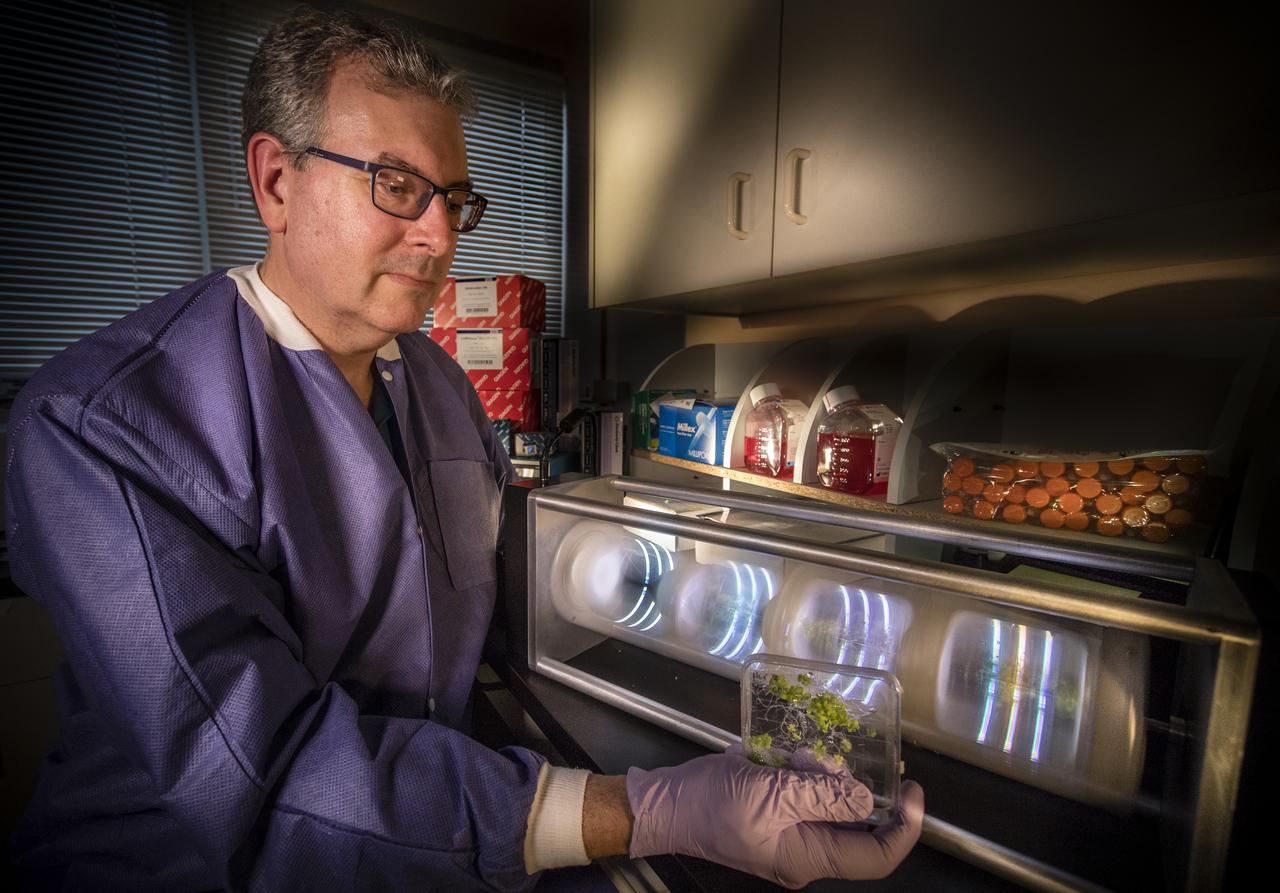
Jeffrey Richards, project science coordinator and research scientist at NASA’s Kennedy Space Center in Florida, demonstrates how Arabidopsis thaliana plant samples are tested in a 2D microgravity simulator in the Microgravity Simulation Support Facility on Dec. 20, 2018.
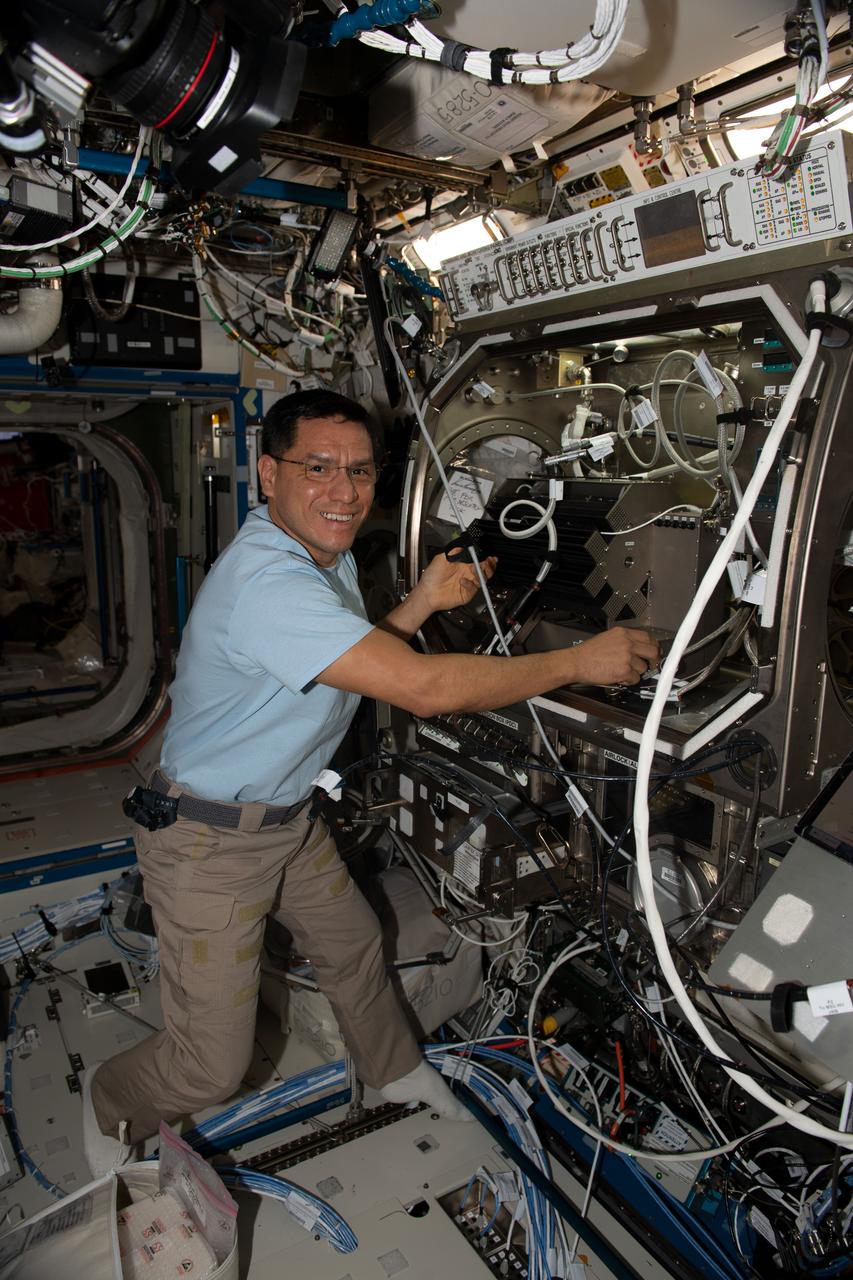
iss068e024574 (Nov. 26, 2022) --- NASA astronaut and Expedition 68 Flight Engineer Frank Rubio works in the Microgravity Science Glovebox setting up hardware for the Pore Formation and Mobility Investigation. The space physics study demonstrates a passive cooling system for electronic devices in microgravity using a micro-structured surface.
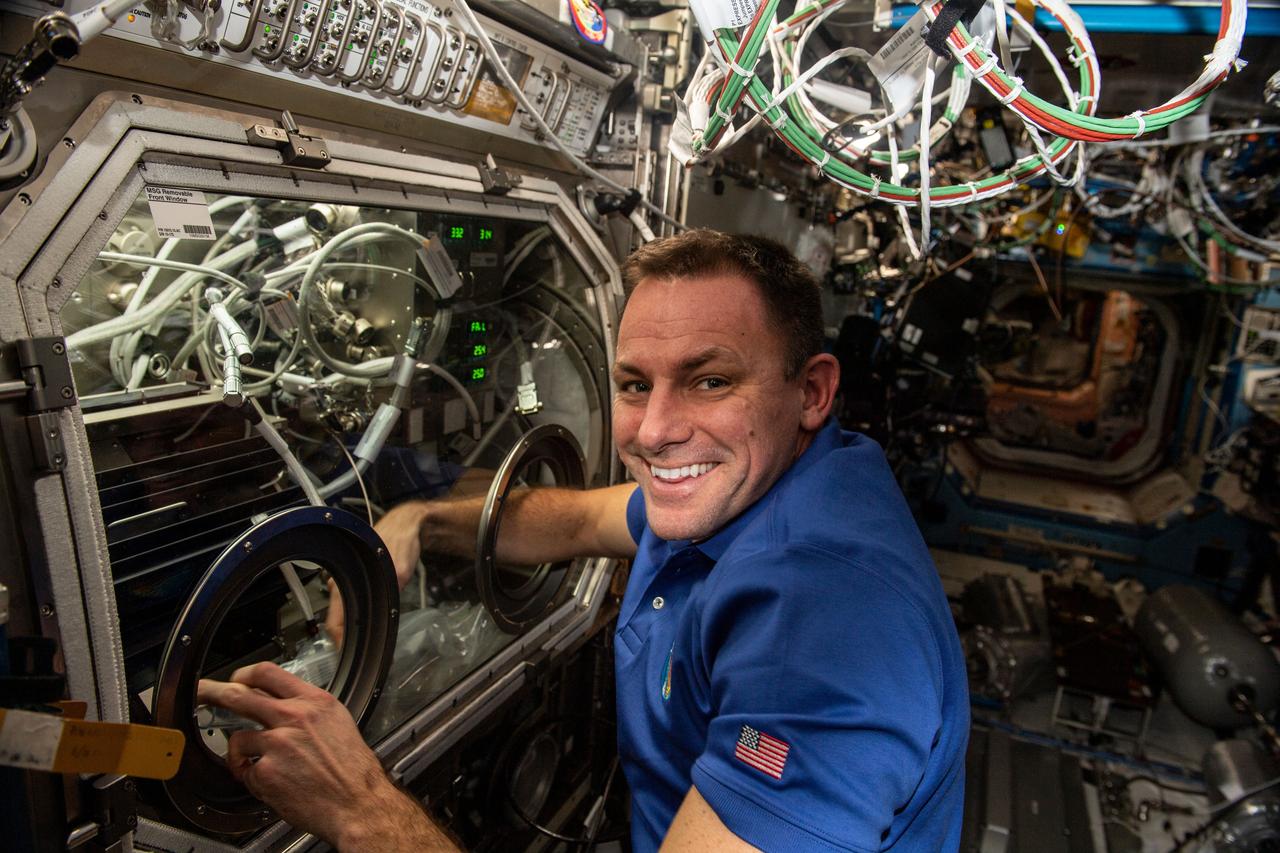
iss068e037083 (Jan. 4, 2022) --- NASA astronaut and Expedition 68 Flight Engineer Josh Cassada swaps samples inside the Microgravity Science Glovebox for the Pore Formation and Mobility Investigation. The space physics study demonstrates a passive cooling system for electronic devices in microgravity using a micro-structured surface.

iss068e036994 (Jan. 4, 2023) --- NASA astronaut and Expedition 68 Flight Engineer Josh Cassada conducts research operations inside the Microgravity Science Glovebox for the Pore Formation and Mobility Investigation. The space physics study demonstrates a passive cooling system for electronic devices in microgravity using a micro-structured surface.
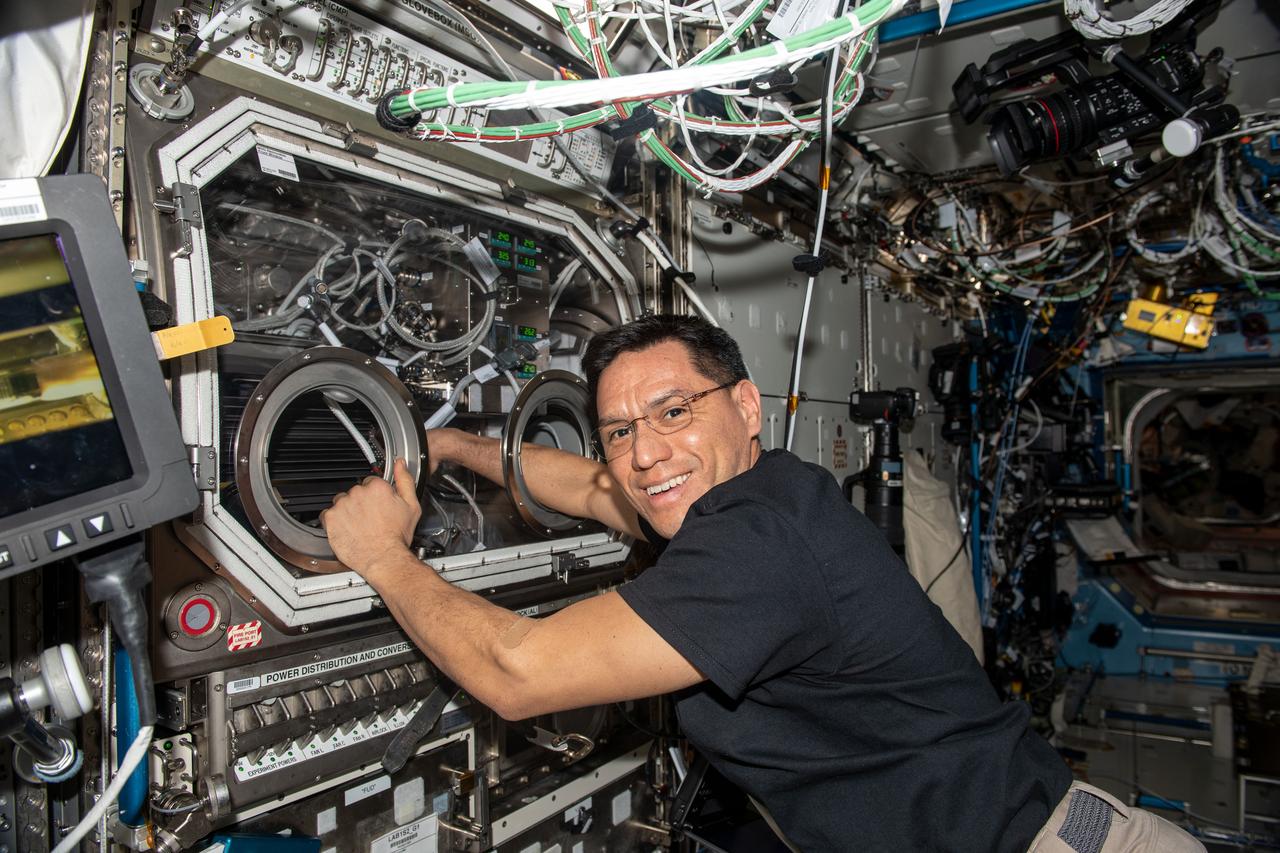
iss068e028262 (Dec. 9, 2022) --- NASA astronaut and Expedition 68 Flight Engineer Frank Rubio exchanges samples inside the Microgravity Science Glovebox for the Pore Formation and Mobility Investigation. The space physics study demonstrates a passive cooling system for electronic devices in microgravity using a micro-structured surface.
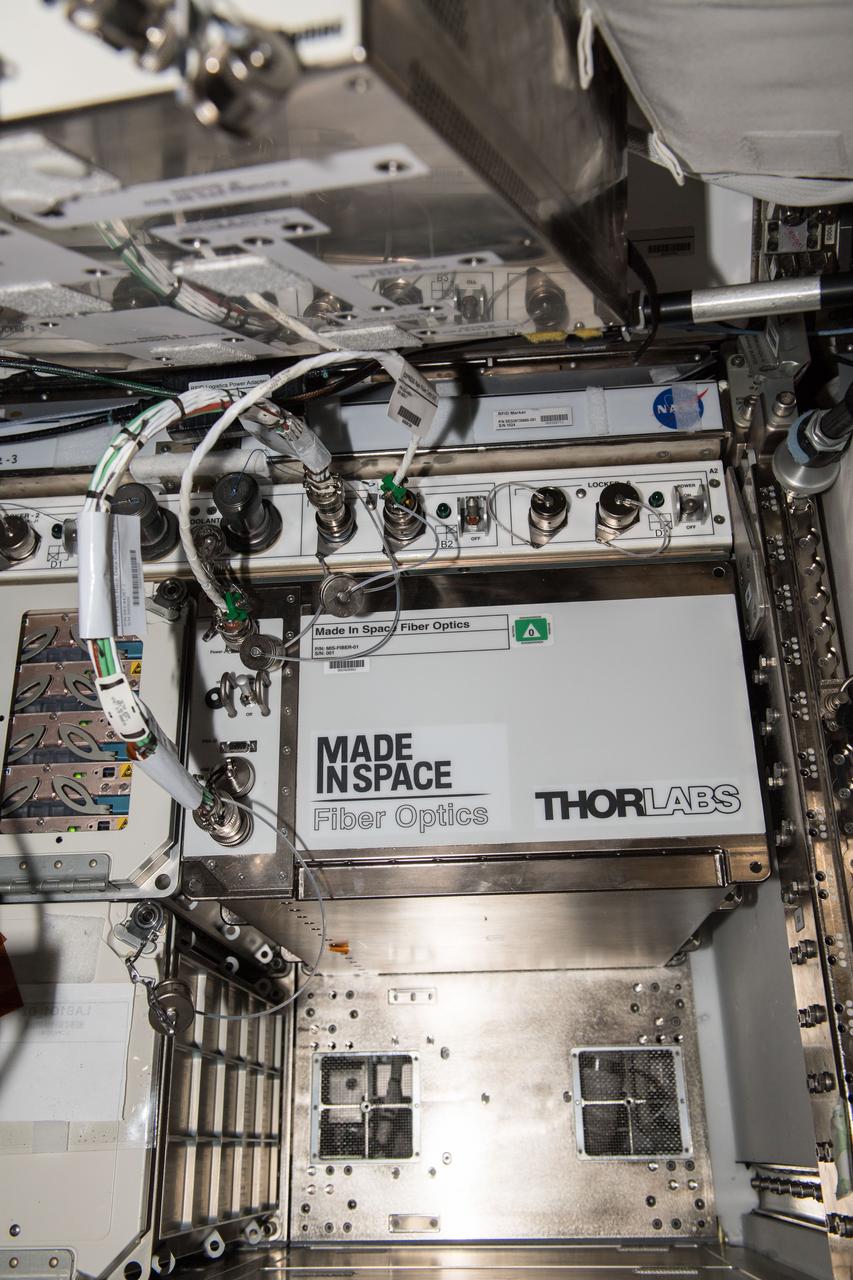
iss054e005568 (12-26-2017) --- View of the Made In Space Fiber Optics Locker installed in ExPRESS (Expedite the Processing of Experiments to Space Station) Rack 7. The Optical Fiber Production in Microgravity (Made In Space Fiber Optics) investigation demonstrates the merits of manufacturing fiber optic filaments in microgravity.
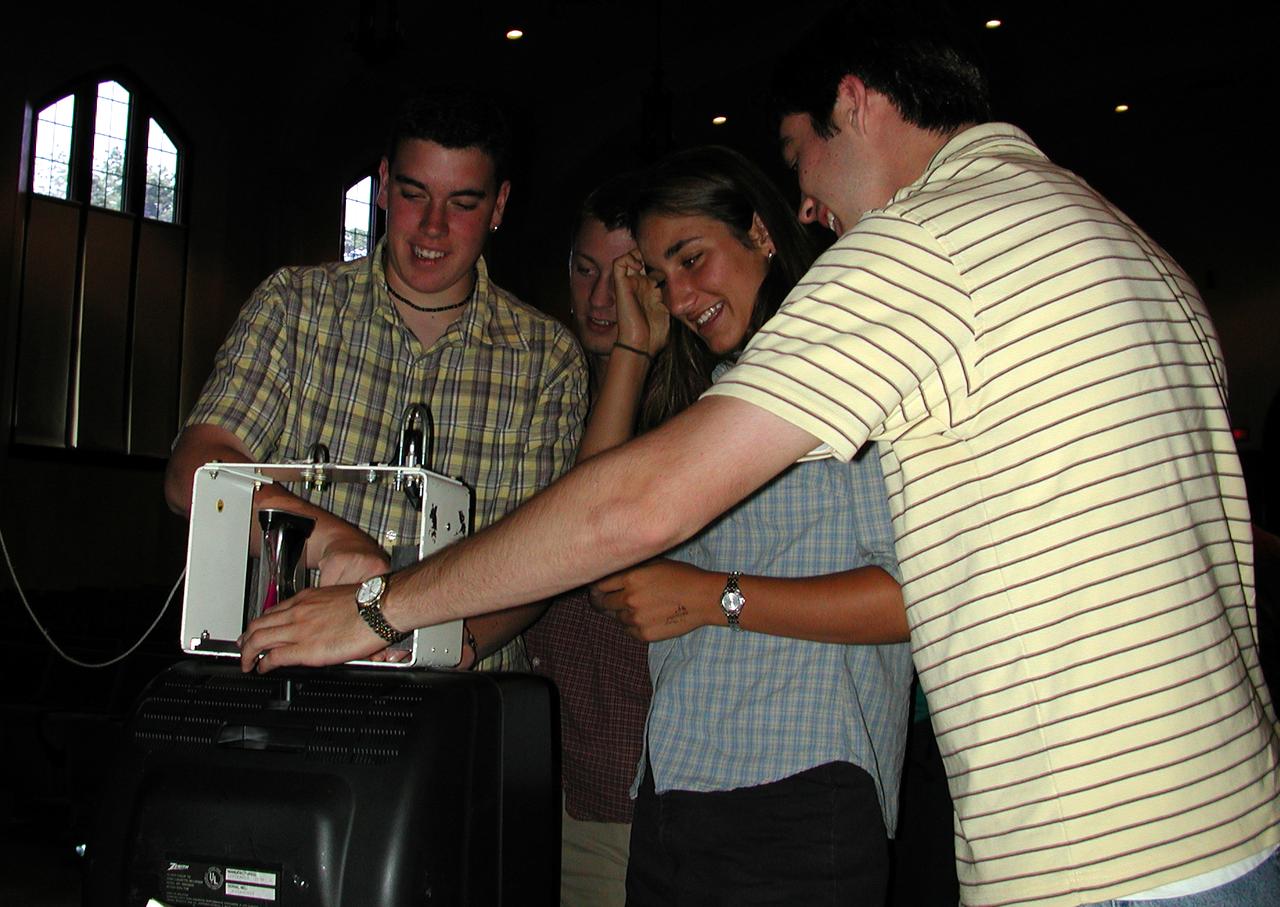
Marshall Space Flight Center employees visited DuPont Manual High School in Louisville, Kentucky. NASA's Mini Drop Tower was used to demonstrate free fall and a presentation was given on microgravity and the science performed in a microgravity environment. The visit coincided with the Pan-Pacific Basin Workshop on Microgravity Sciences held in Pasadena, California. Students experiment with the mini-drop tower. This image is from a digital still camera; higher resolution is not available.
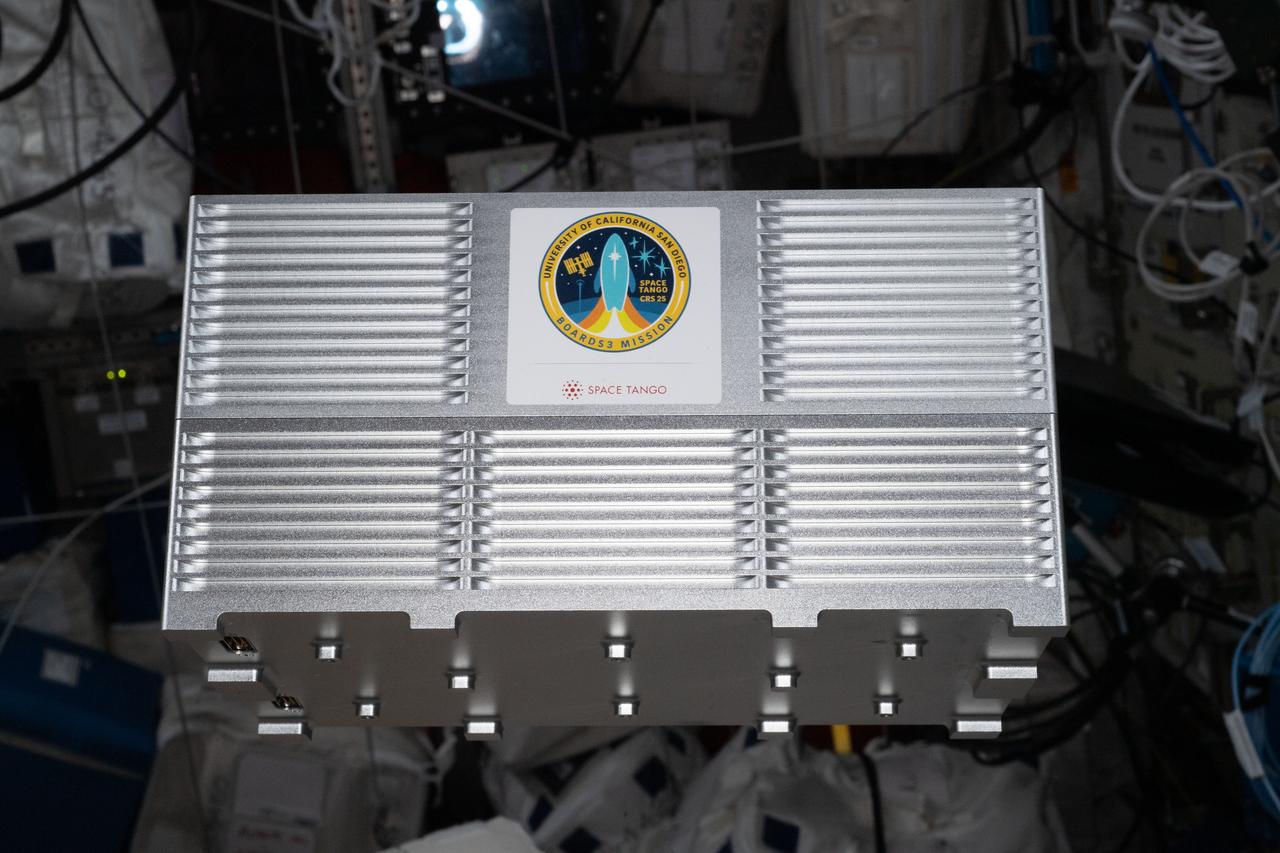
iss067e264450 (8/14/2022) --- A view aboard the International Space Station (ISS) of the Space Tango-Human Brain Organoids (BOARDS3) investigation. The Effect of Microgravity on Human Brain Organoids (Space Tango-Human Brain Organoids) observes the response of brain organoids to microgravity. This investigation demonstrates how exposure to microgravity affects survival, metabolism, and features of brain cells and, therefore, cognitive function.
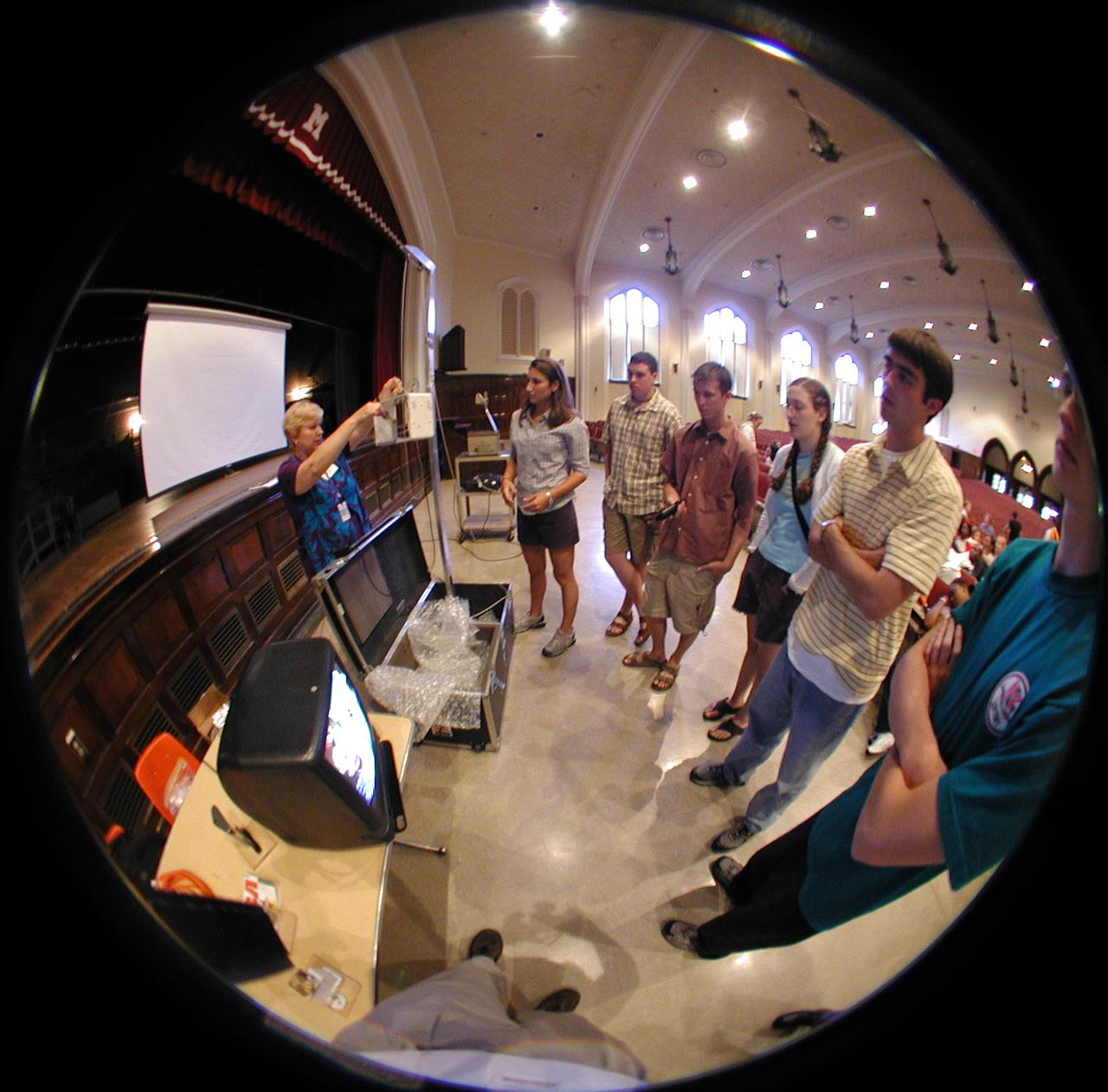
Marshall Space Flight Center employees visited DuPont Manual High School in Louisville, Kentucky. NASA's Mini Drop Tower was used to demonstrate free fall and a presentation was given on microgravity and the science performed in a microgravity environment. The visit coincided with the Pan-Pacific Basin Workshop on Microgravity Sciences held in Pasadena, California. Materials engineer Chris Cochrane explains the operation of the mini-drop tower. This image is from a digital still camera; higher resolution is not available.
Marshall Space Flight Center employees visited DuPont Manual High School in Louisville, Kentucky. NASA's Mini Drop Tower was used to demonstrate free fall and a presentation was given on microgravity and the science performed in a microgravity environment. The visit coincided with the Pan-Pacific Basin Workshop on Microgravity Sciences held in Pasadena, California. Materials engineer Chris Cochrane explains the operation of the mini-drop tower. This image is from a digital still camera; higher resolution is not available.
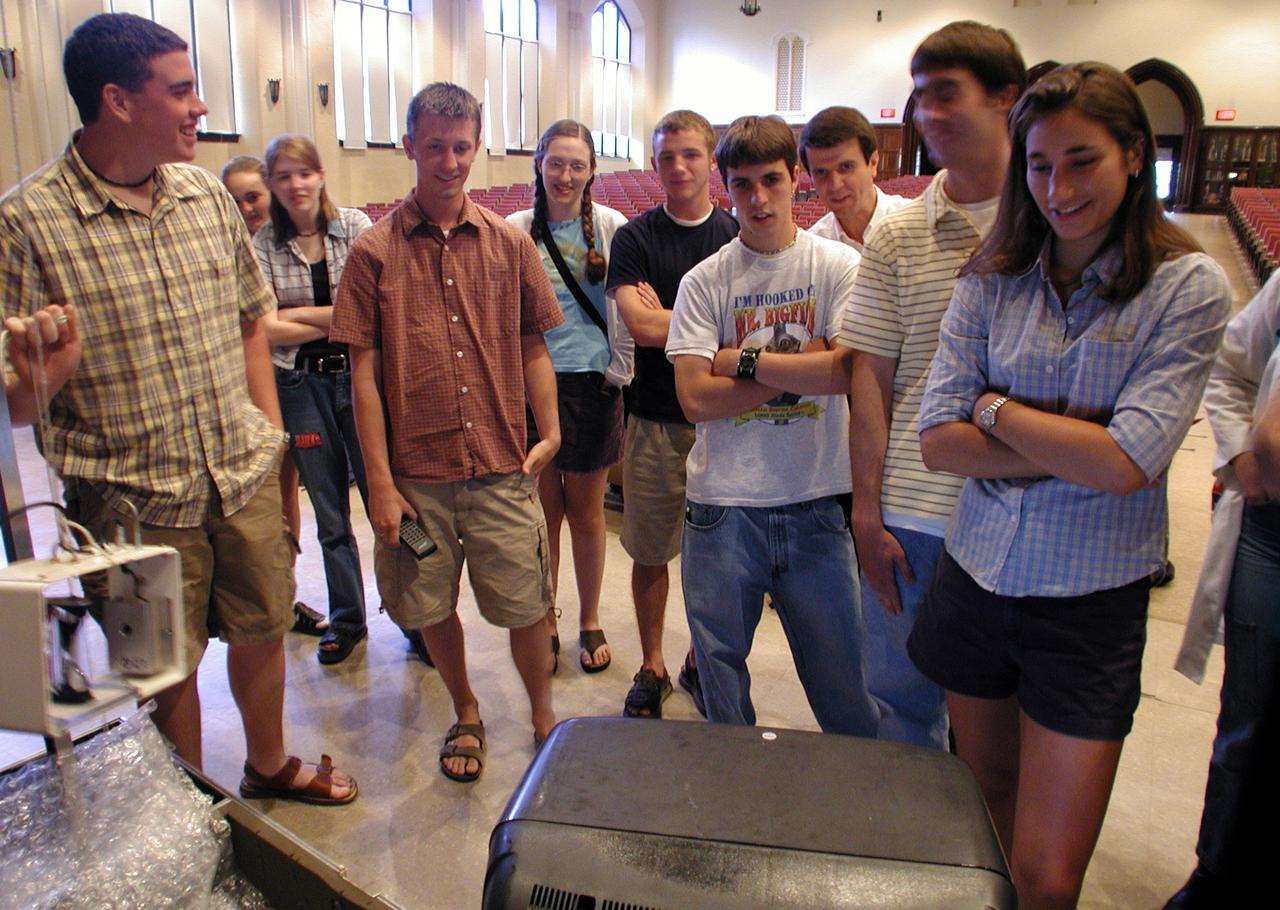
Marshall Space Flight Center employees visited DuPont Manual High School in Louisville, Kentucky. NASA's Mini Drop Tower was used to demonstrate free fall and a presentation was given on microgravity and the science performed in a microgravity environment. The visit coincided with the Pan-Pacific Basin Workshop on Microgravity Sciences held in Pasadena, California. Students watch the playback of video from the mini-drop tower. This image is from a digital still camera; higher resolution is not available.
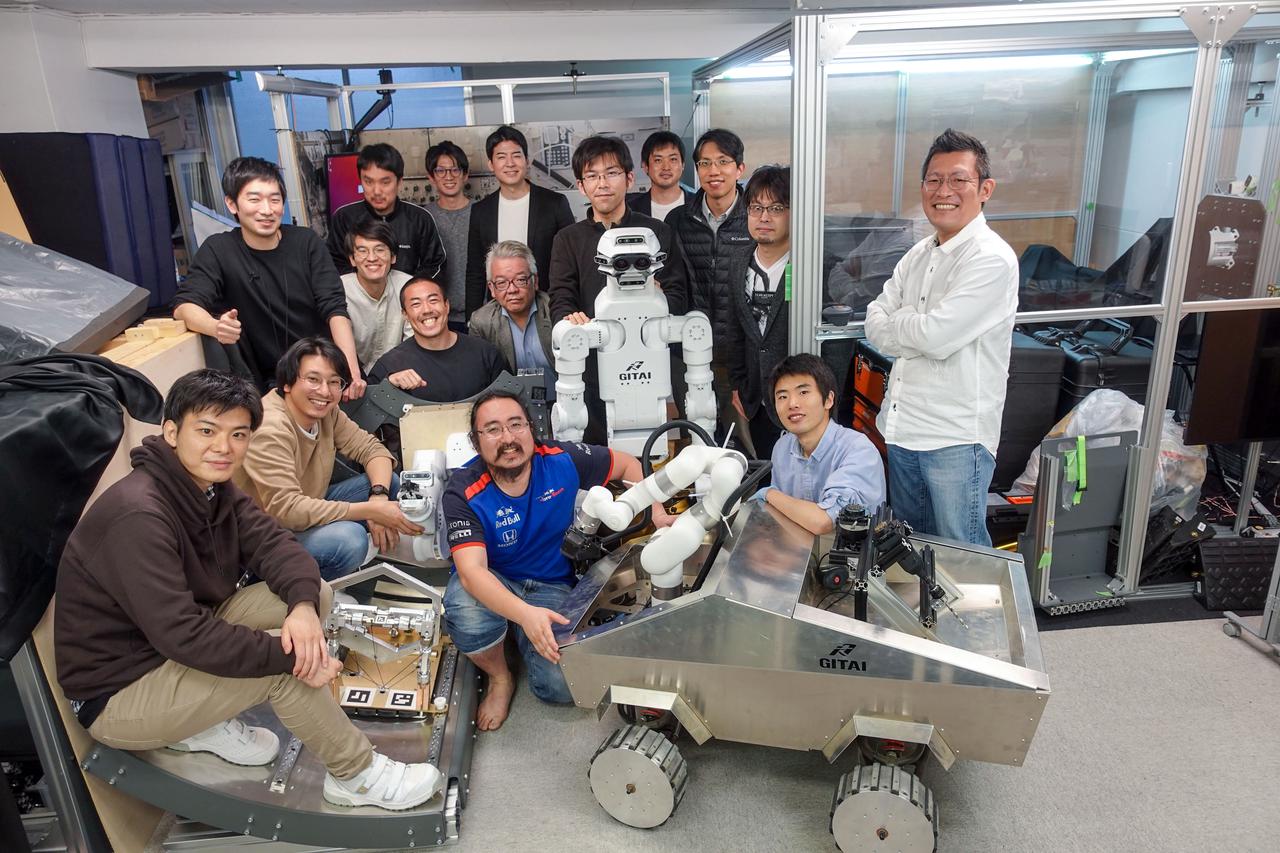
jsc2021e036655 (8/11/2021) --- The GITAI team. The GITAI S1 Robotic Arm Tech Demo (Nanoracks-GITAI Robotic Arm) demonstrates the versatility and dexterity in microgravity of a robot designed by GITAI Japan Inc. For the demonstration, the robot conducts common crew activities and tasks via supervised autonomy and teleoperations from the ground.
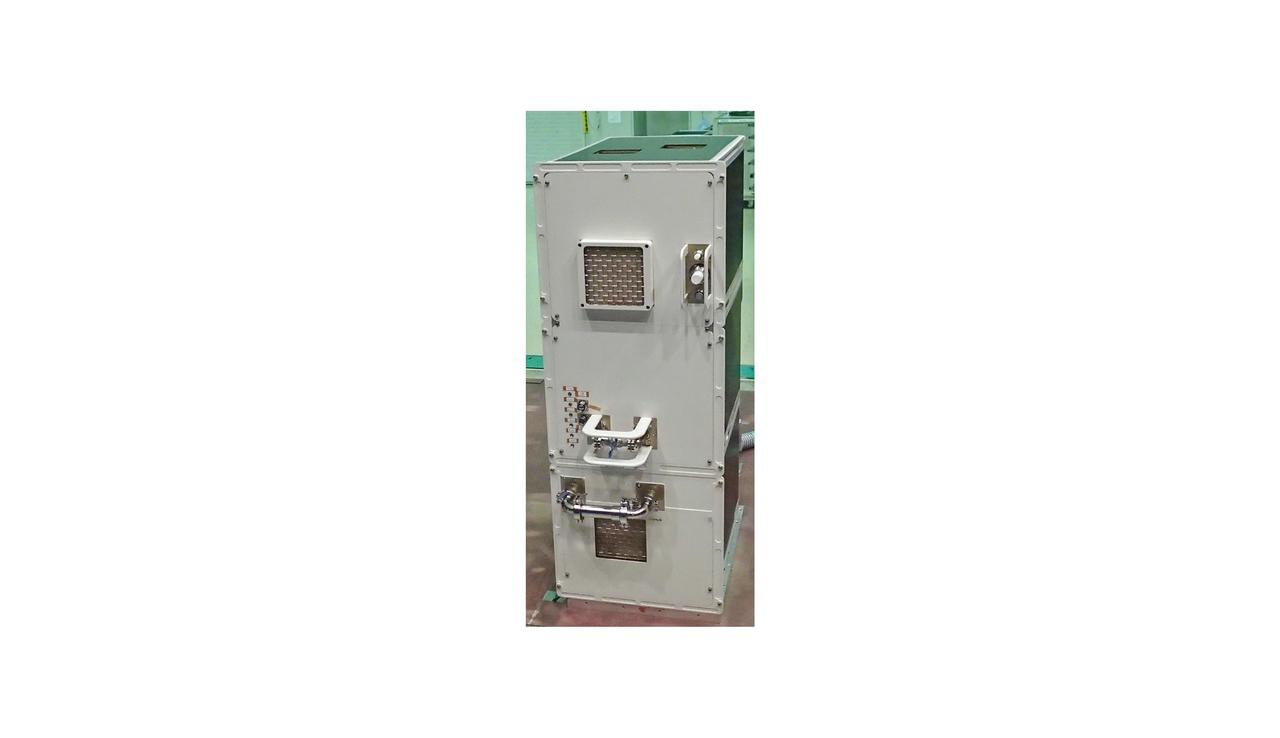
jsc2023e054751 (9/27/2023) --- JEM Demonstration of CO2 Removal System (JEM DRCS) is operated in the ISS "Kibo," where astronauts are constantly working under microgravity. The photo was taken by JAXA on the ground. Image Credit: JAXA.
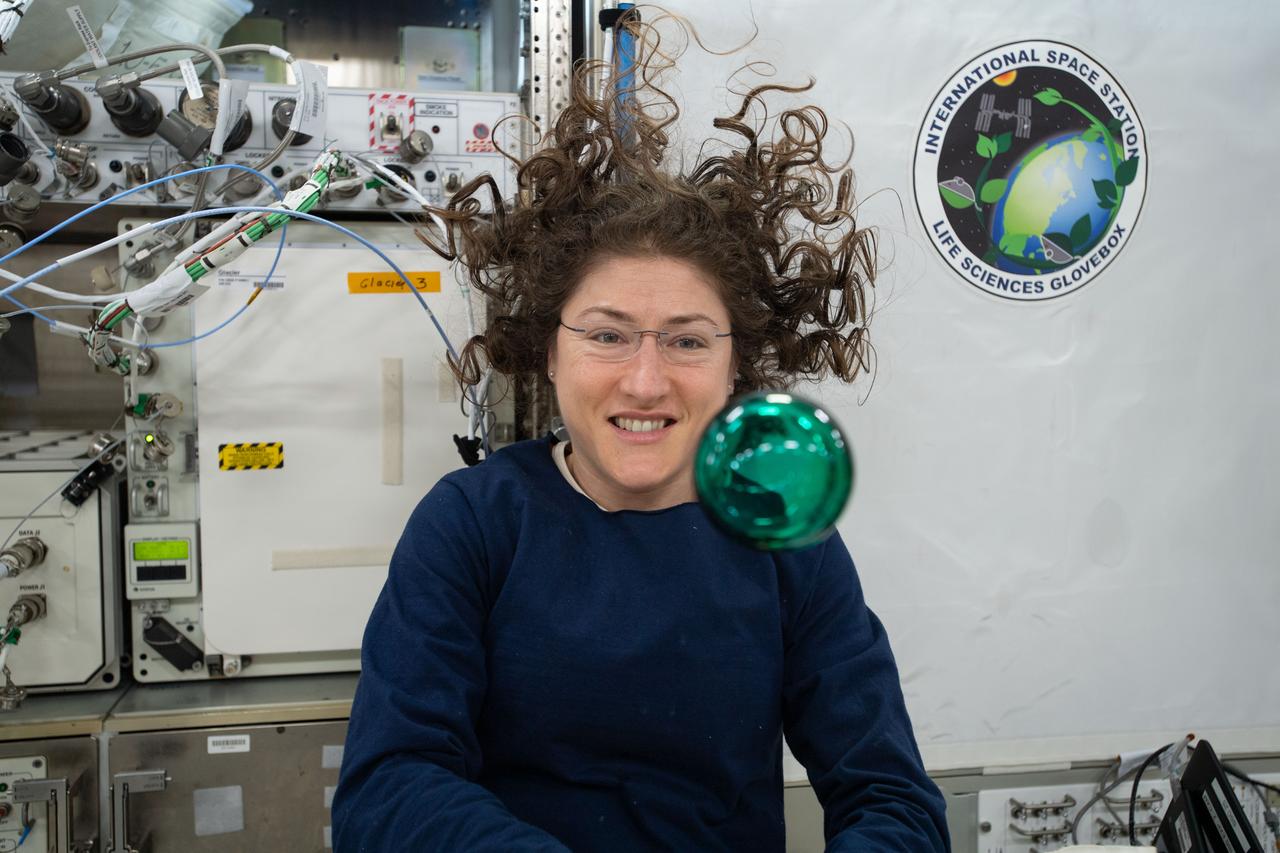
iss060e001489 (July 29, 2019) --- Expedition 60 Flight Engineer Christina Koch of NASA playfully demonstrates how fluids behave in the weightless environment of microgravity aboard the International Space Station.
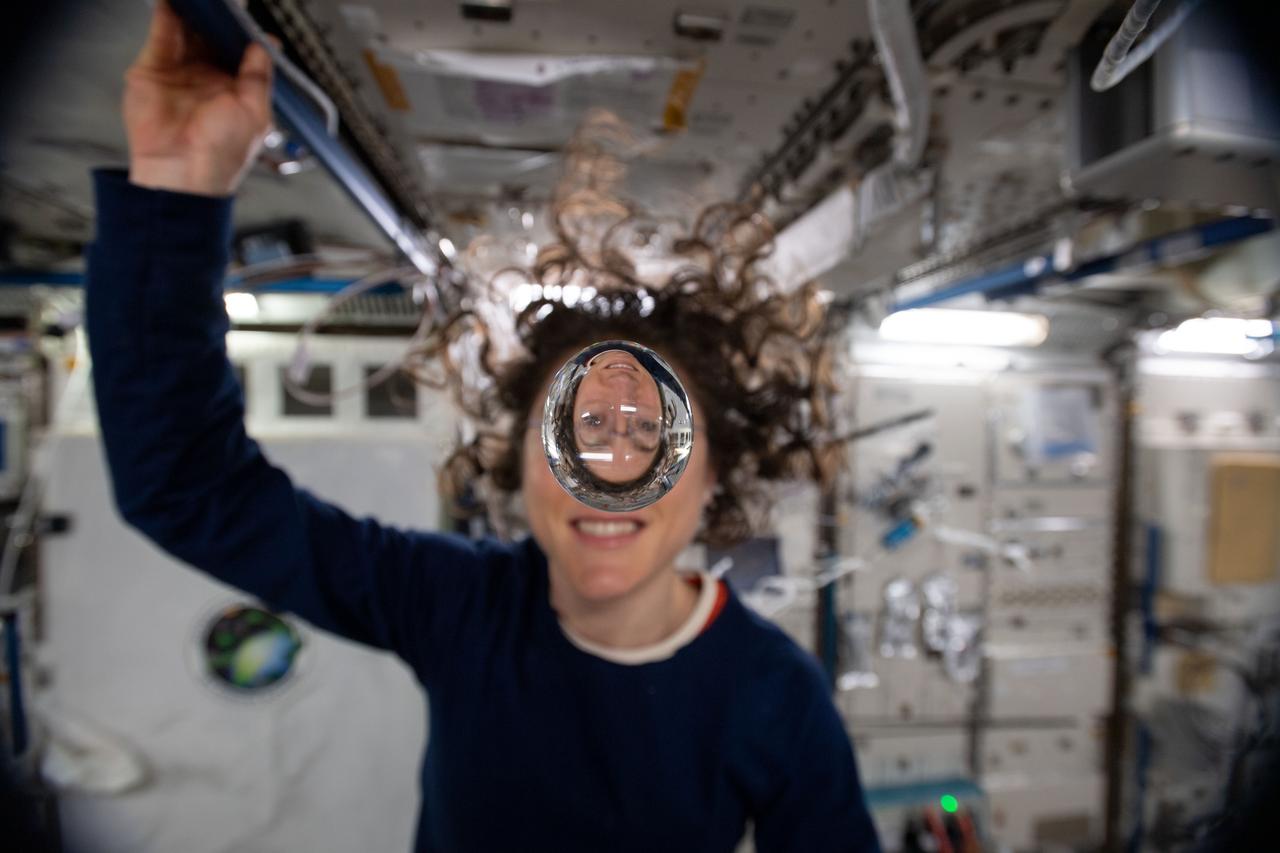
iss060e001486 (July 29, 2019) --- Expedition 60 Flight Engineer Christina Koch of NASA playfully demonstrates how fluids behave in the weightless environment of microgravity aboard the International Space Station.
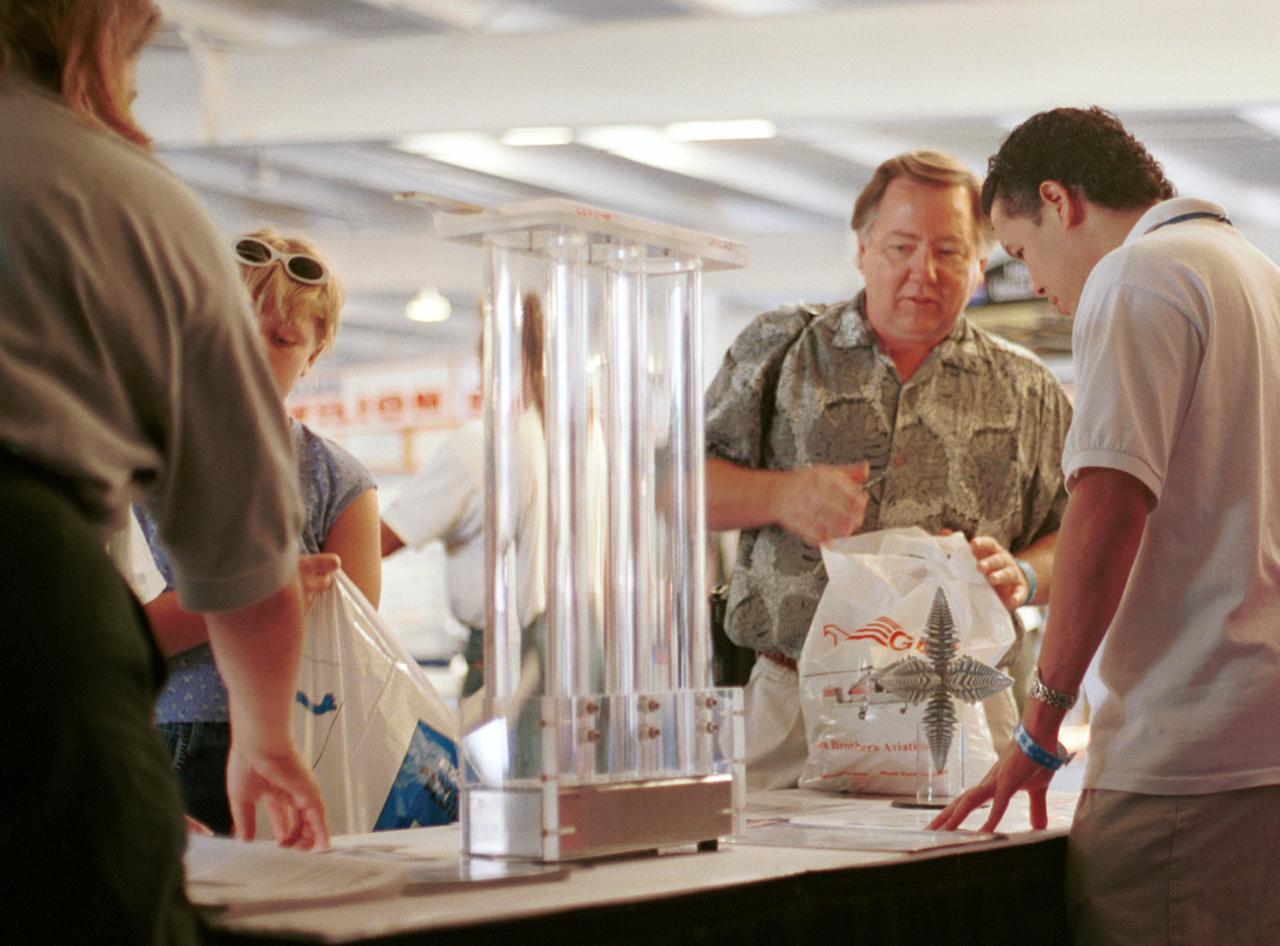
Paul Luz (right), an aerospace flight systems engineer at NASA's Marshall Space Flight Center (MSFC), takes a question from a visitor as they discuss microgravity research at AirVenture 2000. Part of the NASA exhibits included demonstrations of knowledge gained from microgravity research aboard the Space Shuttle. These include liquid metal (liquid metal demonstrator is three plastic drop tubes at center) and dendritic growth (in front of Luz), both leading to improvements in processes of Earth. The exhibit was part of the NASA outreach activity at AirVenture 2000 sponsored by the Experimental Aircraft Association in Oshkosh, WI.
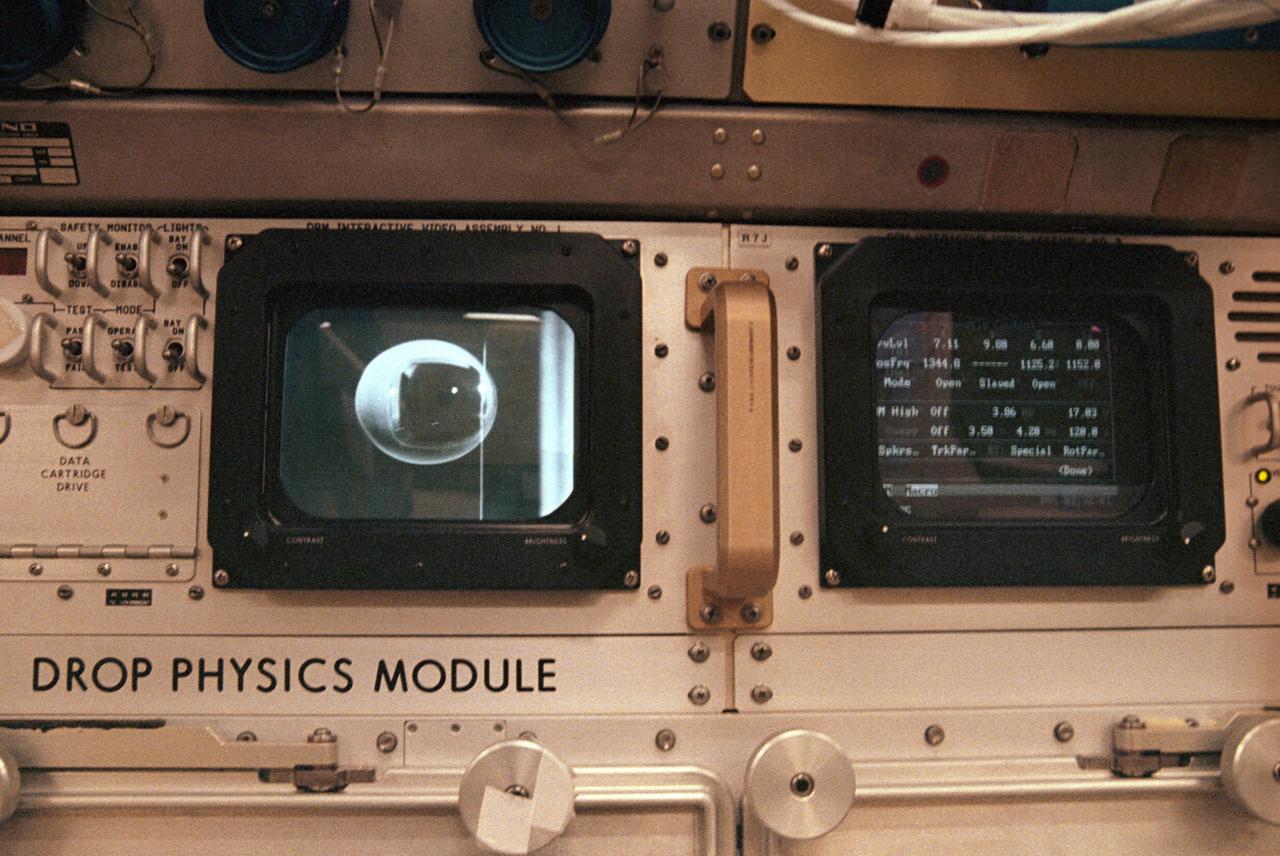
The first United States Microgravity Laboratory (USML-1) was one of NASA's science and technology programs that provided scientists an opportunity to research various scientific investigations in a weightlessness environment inside the Spacelab module. It also provided demonstrations of new equipment to help prepare for advanced microgravity research and processing aboard the Space Station. The USML-1 flew in orbit for extended periods, providing greater opportunities for research in materials science, fluid dynamics, biotechnology (crystal growth), and combustion science. This is a close-up view of the Drop Physics Module (DPM) in the USML science laboratory. The DPM was dedicated to the detailed study of the dynamics of fluid drops in microgravity: their equilibrium shapes, the dynamics of their flows, and their stable and chaotic behaviors. It also demonstrated a technique known as containerless processing. The DPM and microgravity combine to remove the effects of the container, such as chemical contamination and shape, on the sample being studied. Sound waves, generating acoustic forces, were used to suspend a sample in microgravity and to hold a sample of free drops away from the walls of the experiment chamber, which isolated the sample from potentially harmful external influences. The DPM gave scientists the opportunity to test theories of classical fluid physics, which have not been confirmed by experiments conducted on Earth. This image is a close-up view of the DPM. The USML-1 flew aboard the STS-50 mission on June 1992, and was managed by the Marshall Space Flight Center.
The arnual conference for the Educator Resource Center Network (ERCN) Coordinators was held at Glenn Research Center at Lewis Field in Cleveland, Ohio. The conference included participants from NASA's Educator Resource Centers located throughout the country. The Microgravity Science Division at Glenn sponsored a Microgravity Day for all the conference participants. Dr. Wil Roberson and Marge Lehky prepare a demonstration with the mini-drop tower. This image is from a digital still camera; higher resolution is not available.
The arnual conference for the Educator Resource Center Network (ERCN) Coordinators was held at Glenn Research Center at Lewis Field in Cleveland, Ohio. The conference included participants from NASA's Educator Resource Centers located throughout the country. The Microgravity Science Division at Glenn sponsored a Microgravity Day for all the conference participants. Dr. Wil Roberson and Marge Lehky prepare a demonstration with the mini-drop tower. This image is from a digital still camera; higher resolution is not available.
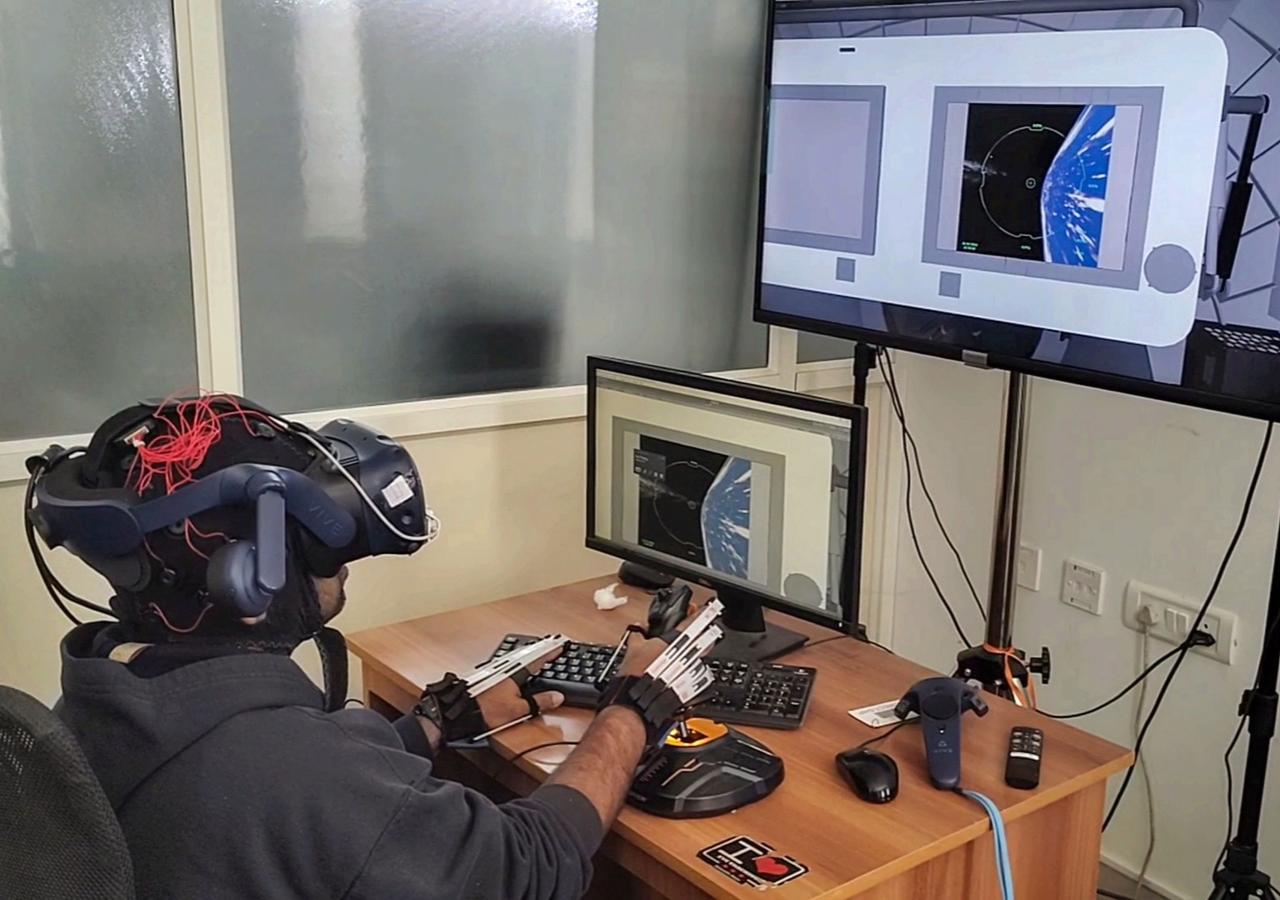
jsc2025e047406 (5/27/2025) --- A demonstration is shown of Analyzing HMI in Microgravity (Voyager Displays-ISRO). This investigation studies how humans interact with electronic displays in microgravity aboard the International Space Station using crew iPads. Results could improve the design of human-machine interfaces in spacecraft and other settings. Image courtesy of Dr. Pradipta Biswas.
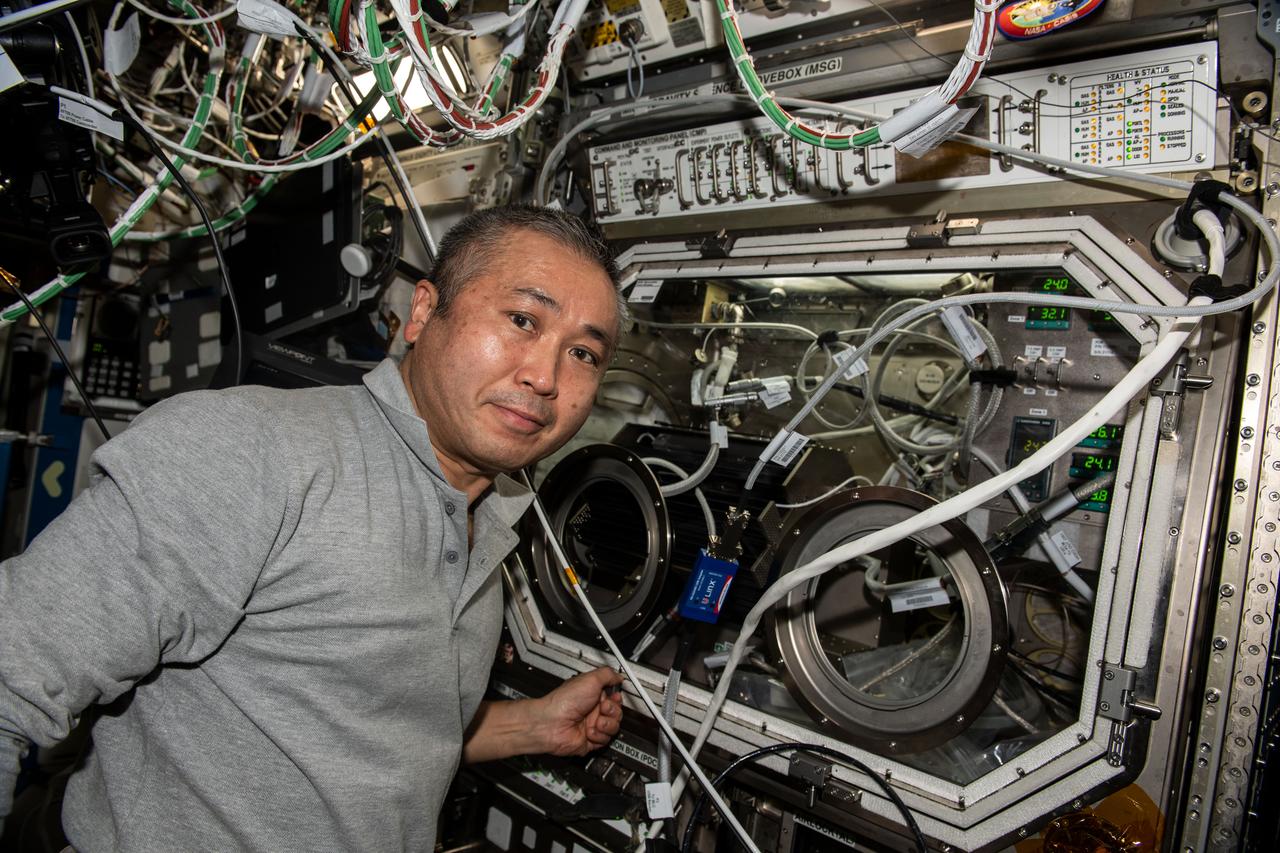
iss068e029939 (Dec. 15, 2022) --- Expedition 68 Flight Engineer Koichi Wakata of the Japan Aerospace Exploration Agency (JAXA) performs research operations inside the Destiny laboratory module's Microgravity Science Glovebox (MSG). Wakata was swapping samples inside the MSG for a space physics experiment demonstrating a passive cooling system for electronic devices in microgravity.
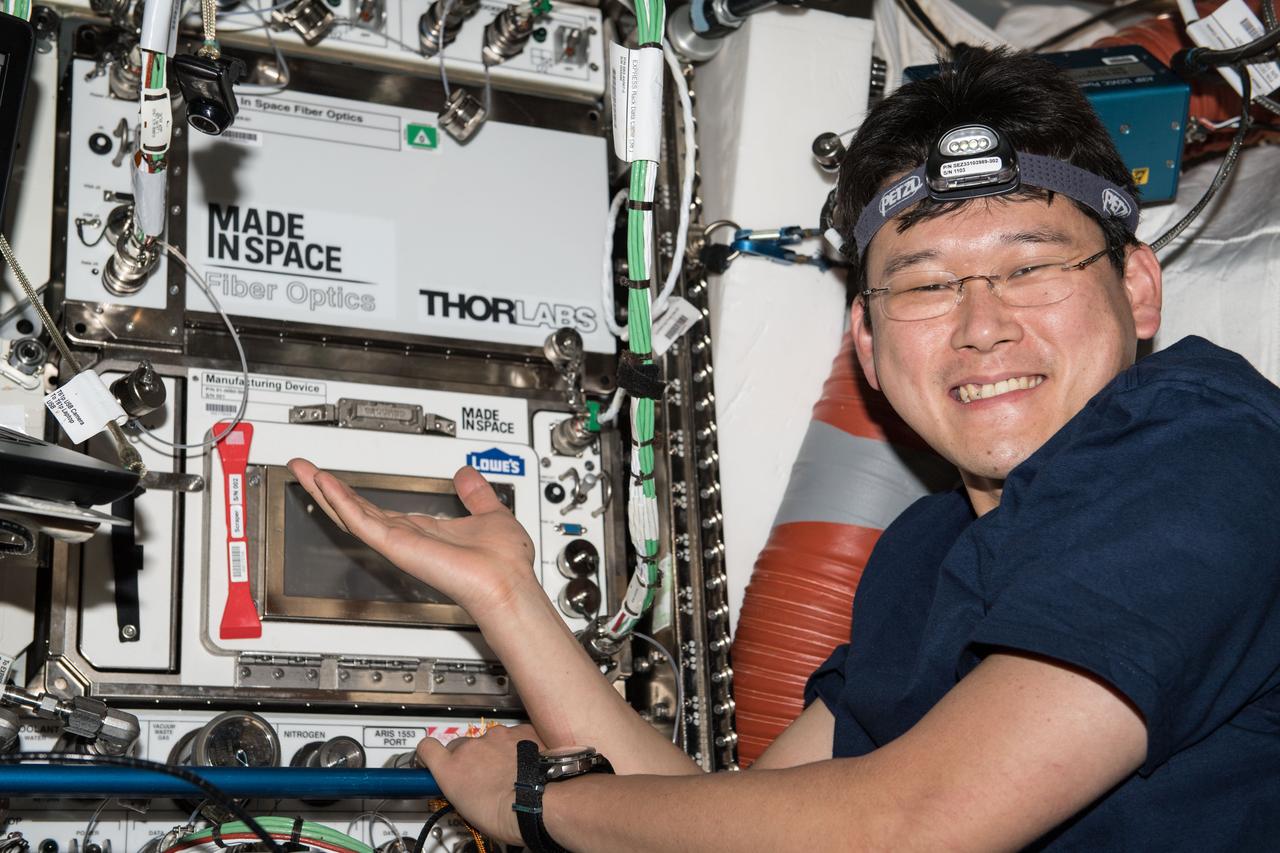
iss054e005575 (12-26-2017) --- Japan Aerospace Exploration Agency (JAXA) astronaut Norishige Kanai poses for a photo with the installed Made in Space Fiber Optics Locker and the re-installed Additive Manufacturing Facility (AMF) Manufacturing Device (ManD). Photo was taken in the Destiny U.S. Laboratory abord the International Space Station (ISS). The Optical Fiber Production in Microgravity (Made In Space Fiber Optics) investigation demonstrates the merits of manufacturing fiber optic filaments in microgravity.
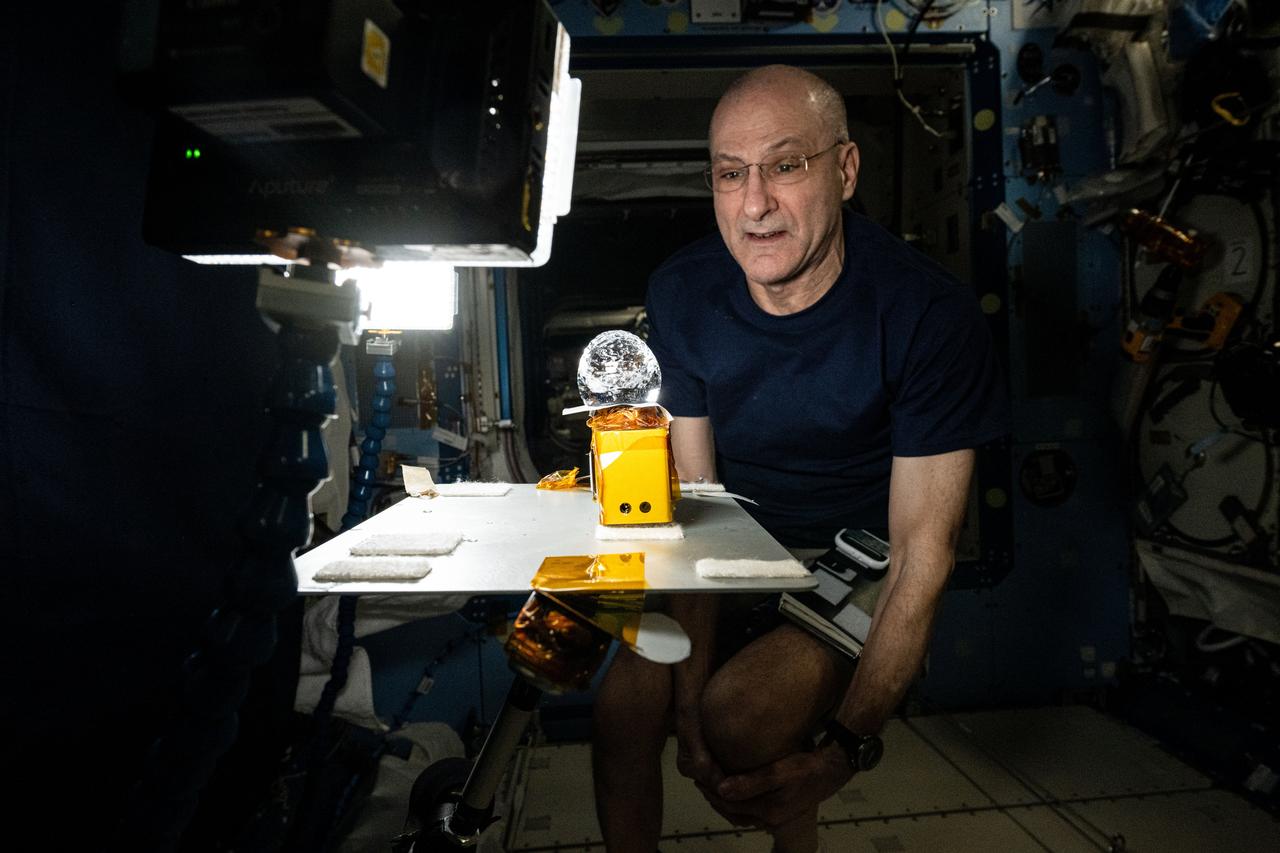
iss072e742508 (March 2, 2025) --- NASA astronaut and Expedition 72 Flight Engineer Don Pettit stares at a ball of water shaped by microgravity and attached to research hardware by surface tension. Pettit was demonstrating simple space physics phenomena inside the International Space Station's Kibo laboratory module.
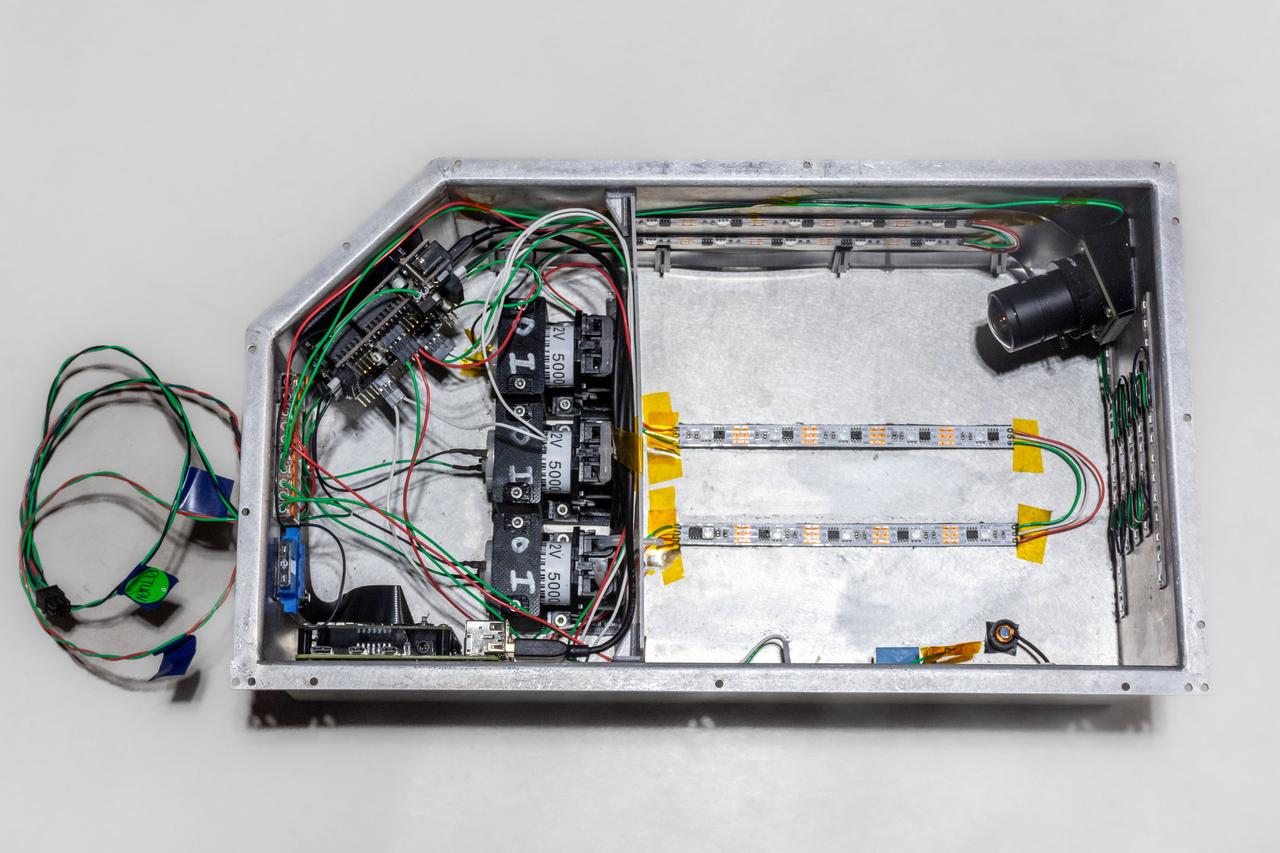
jsc2022e083567 (10/20/2022) --- An inside view of the MIT Space Exploration Initiative Extrusion payload, shown in preparation for flight prior to sample loading. This technology demonstration tests new methods for rapid extrusion and UV curing of liquid resin shapes in microgravity. Image courtesy of the MIT Space Exploration Initiative.
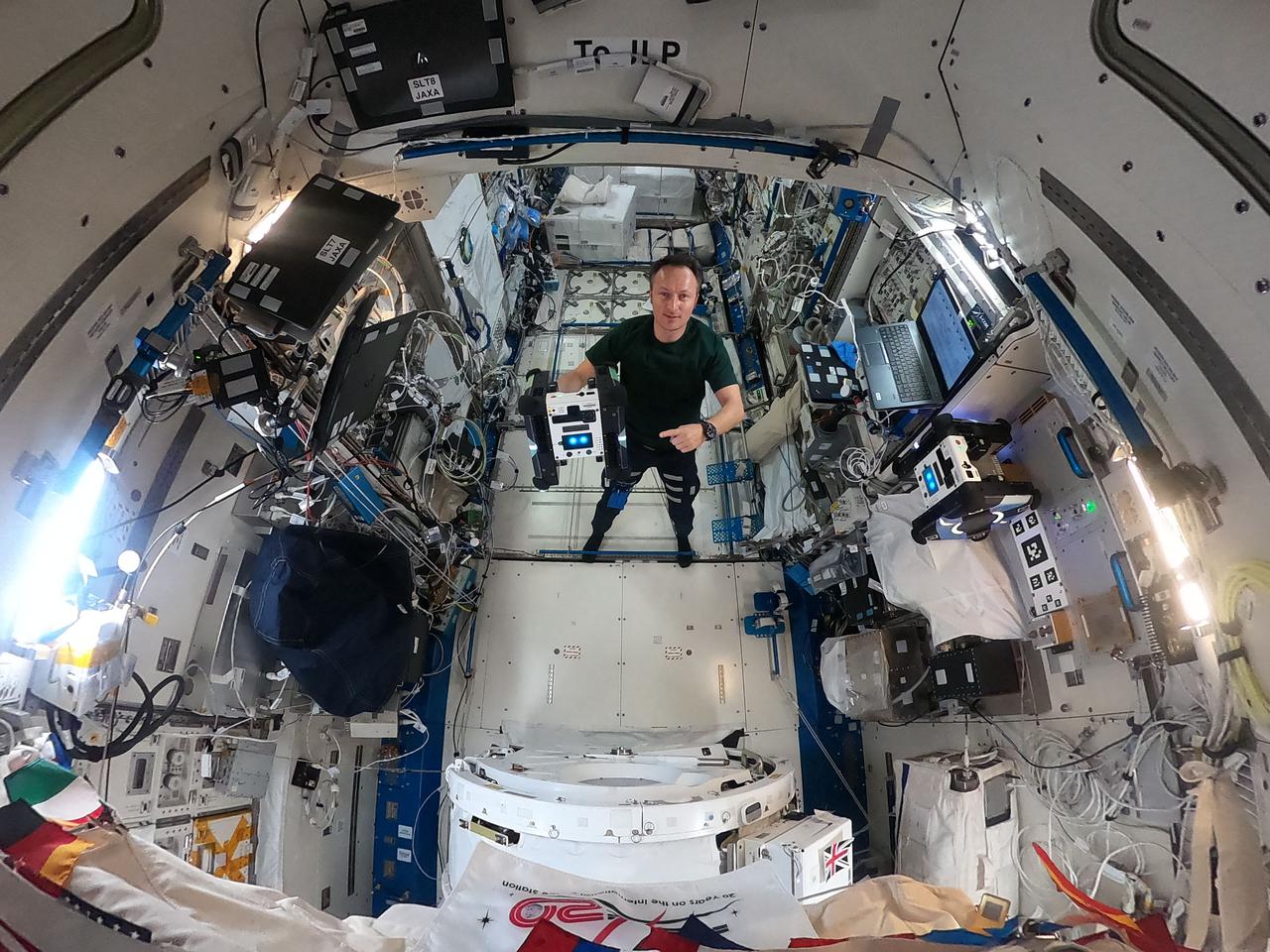
iss066e087003 (Dec. 4, 2021) --- ESA (European Space Agency) astronaut and Expedition 66 Flight Engineer Matthias Maurer is pictured inside the Kibo laboratory module setting up an Astrobee robotic free-flyer for the ReSWARM experiment. The robotics demonstration tests autonomous microgravity motion planning and control for on-orbit assembly and coordinated motion.
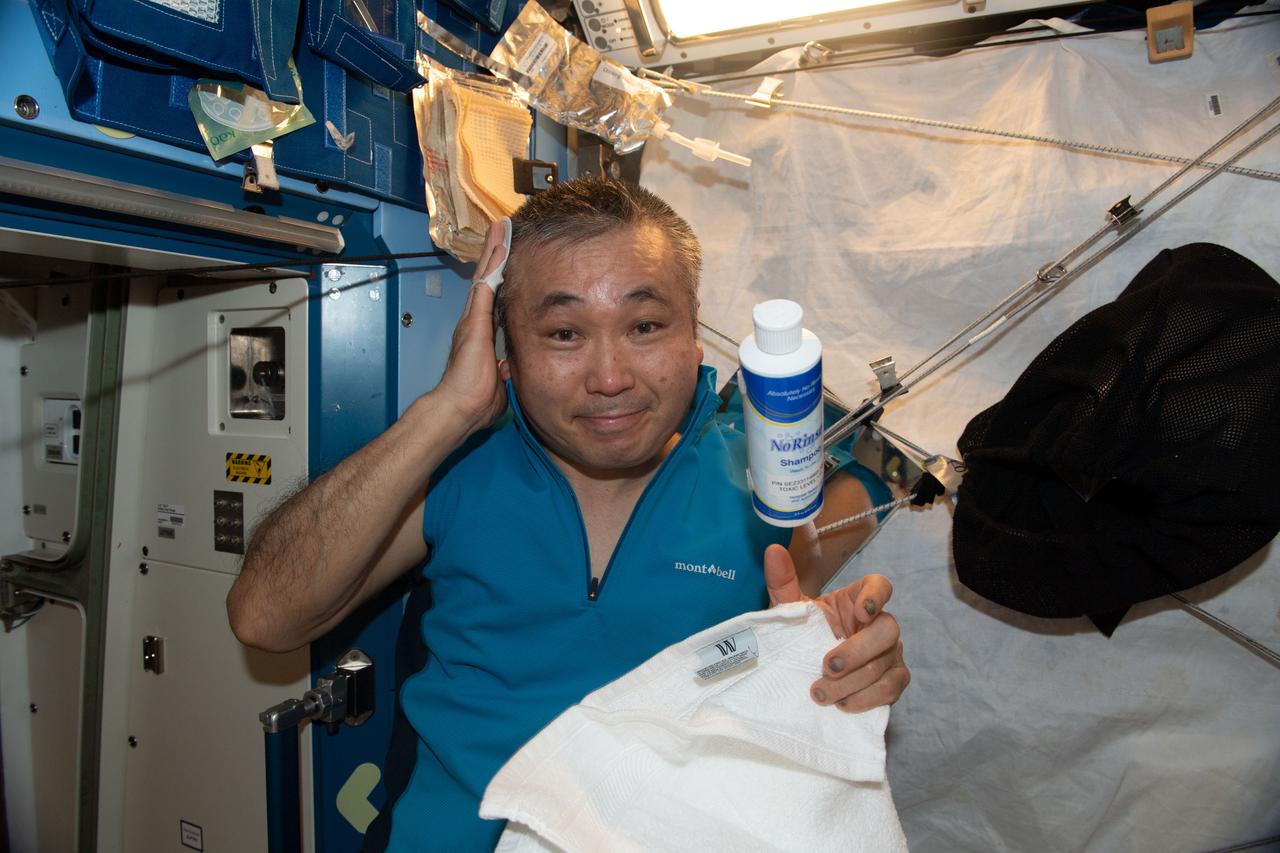
iss068e046501 (Feb. 5, 2023) --- Expedition 68 Flight Engineer Koichi Wakata of the Japan Aerospace Exploration Agency (JAXA) demonstrates washing his hair on the International Space Station using rinseless shampoo and without shower facilities. Showers are not possible in space due to limited water supplies and the effects of microgravity.
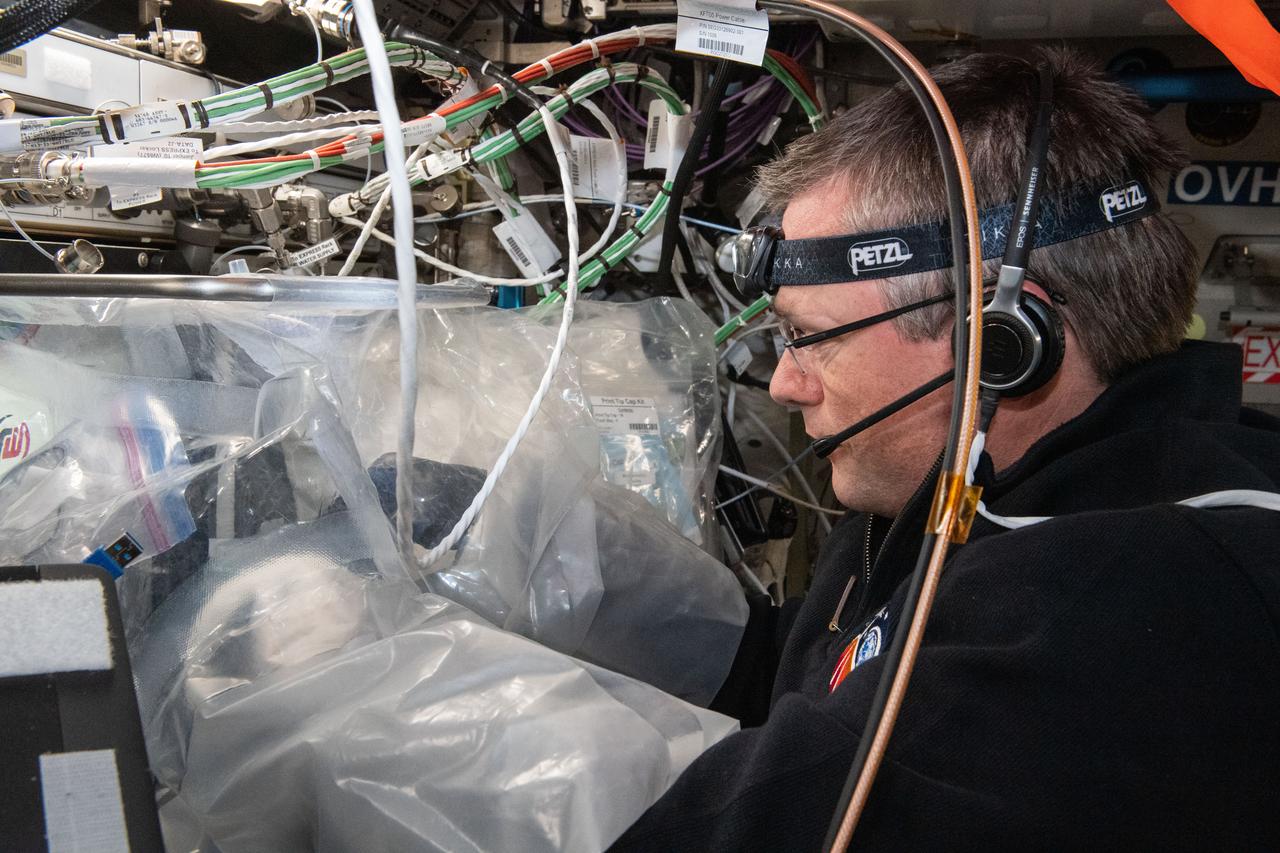
iss070e034130 (Nov. 30, 2023) --- ESA (European Space Agency) astronaut and Expedition 70 Commander Andreas Mogensen uses a portable glovebag and prints cardiac cells using the BioFabrication Facility that is demonstrating printing organ-like tissues in microgravity.
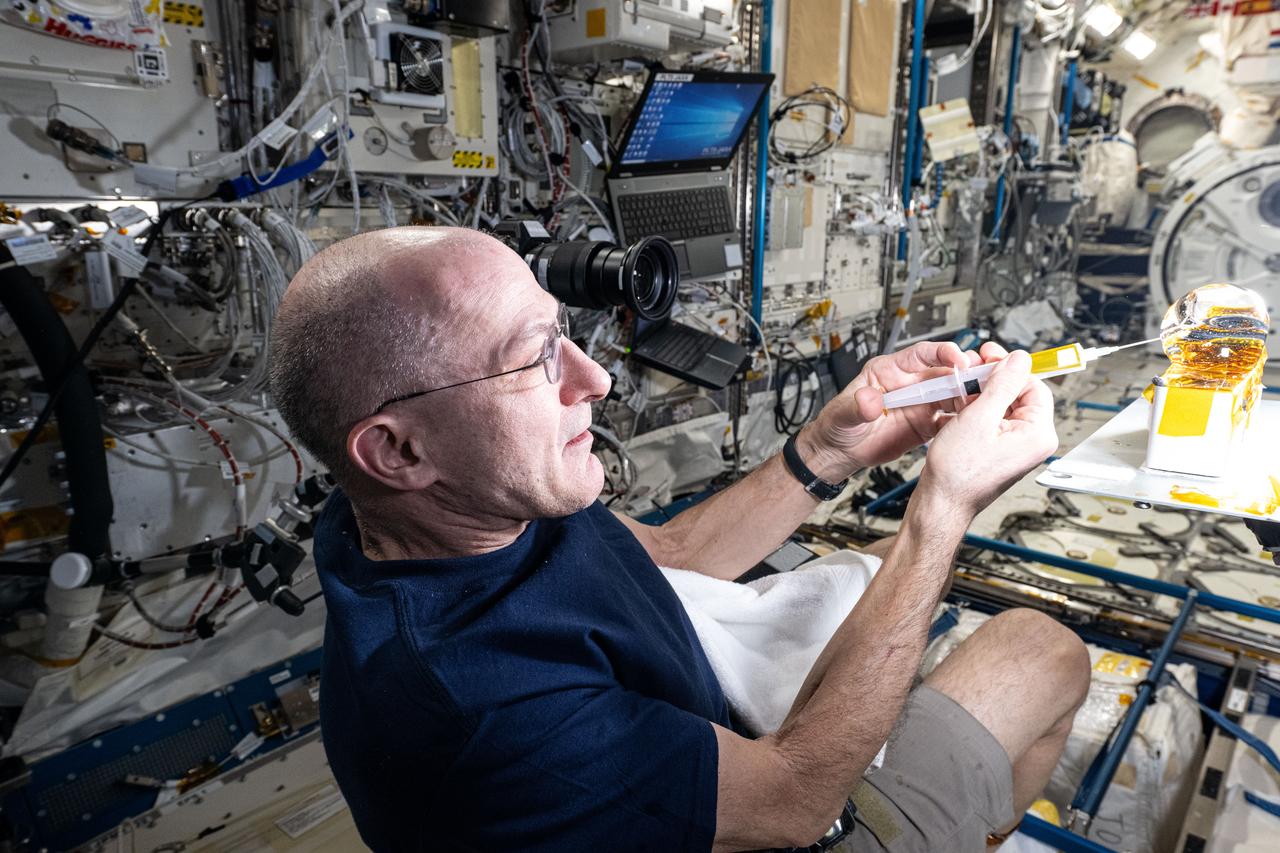
iss072e742488 (March 2, 2025) --- NASA astronaut and Expedition 72 Flight Engineer Don Pettit injects yellow ink into a ball of water shaped by microgravity and attached to research hardware by surface tension. Pettit was demonstrating simple space physics phenomena inside the International Space Station's Kibo laboratory module.
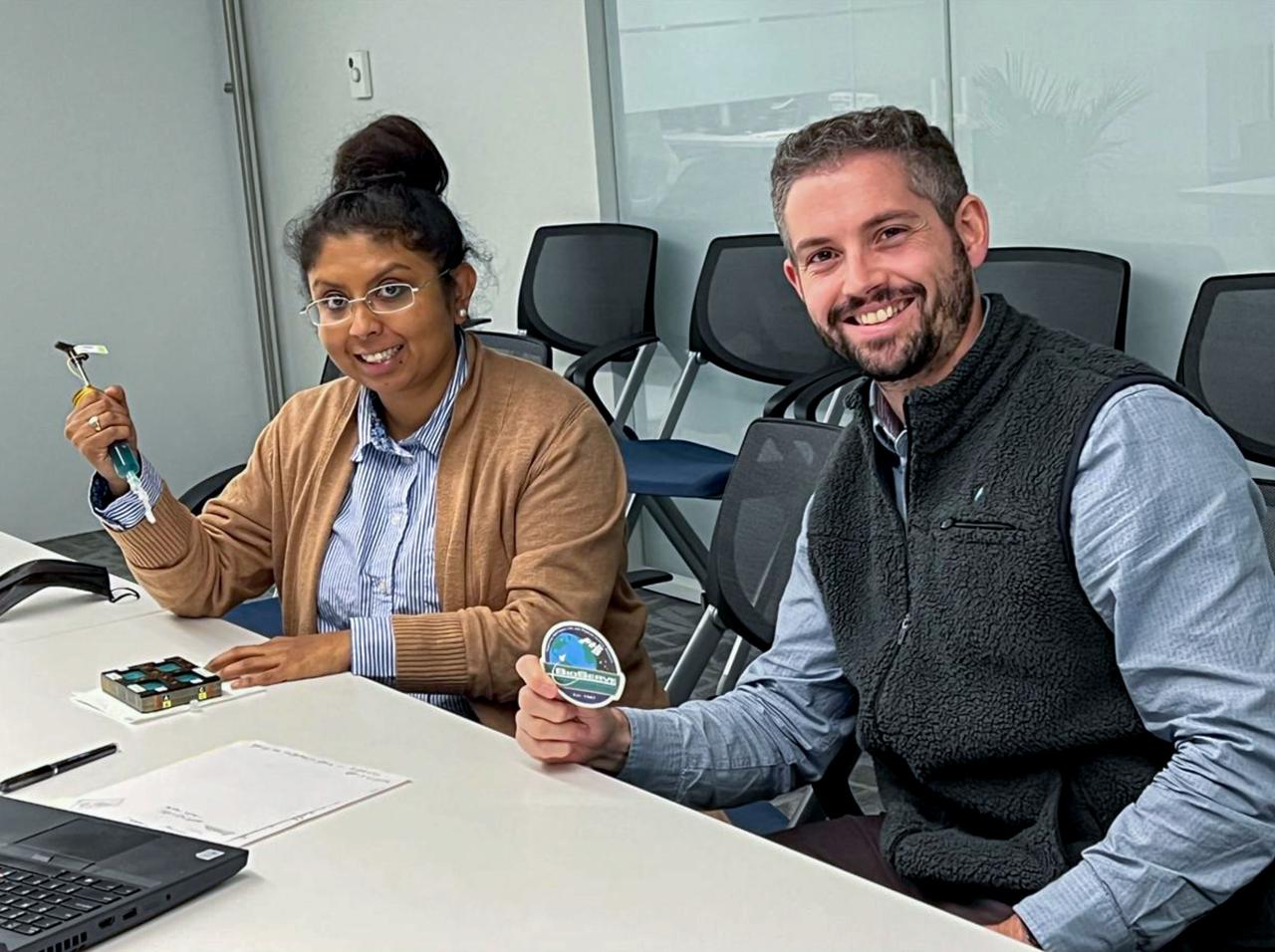
jsc2023e026249 (4/28/2023) --- Drs. Adwitia Dey and Shane Hegarty of AXONIS Therapeutics are pictured with flight hardware for the Innovative Paralysis Therapy Enabling Neuroregeneration (Neuronix) investigation that aims to demonstrate the formation of three-dimensional neuronal cell cultures in microgravity and tests a neuron-specific gene therapy. Image courtesy of BioServe.
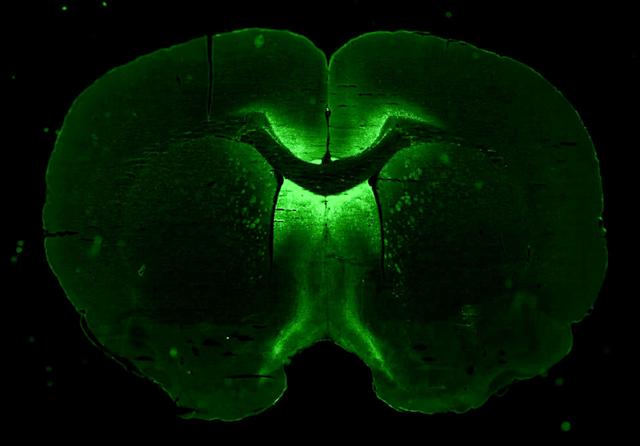
jsc2023e026250 (4/28/2023) --- A preflight vector image of AAV gene therapy that selectively targets neurons to induce axon regeneration. Innovative Paralysis Therapy Enabling Neuroregeneration (Neuronix) demonstrates the formation of three-dimensional neuronal cell cultures in microgravity and tests a neuron-specific gene therapy. Image courtesy of AXONIS Therapeutics, Inc.
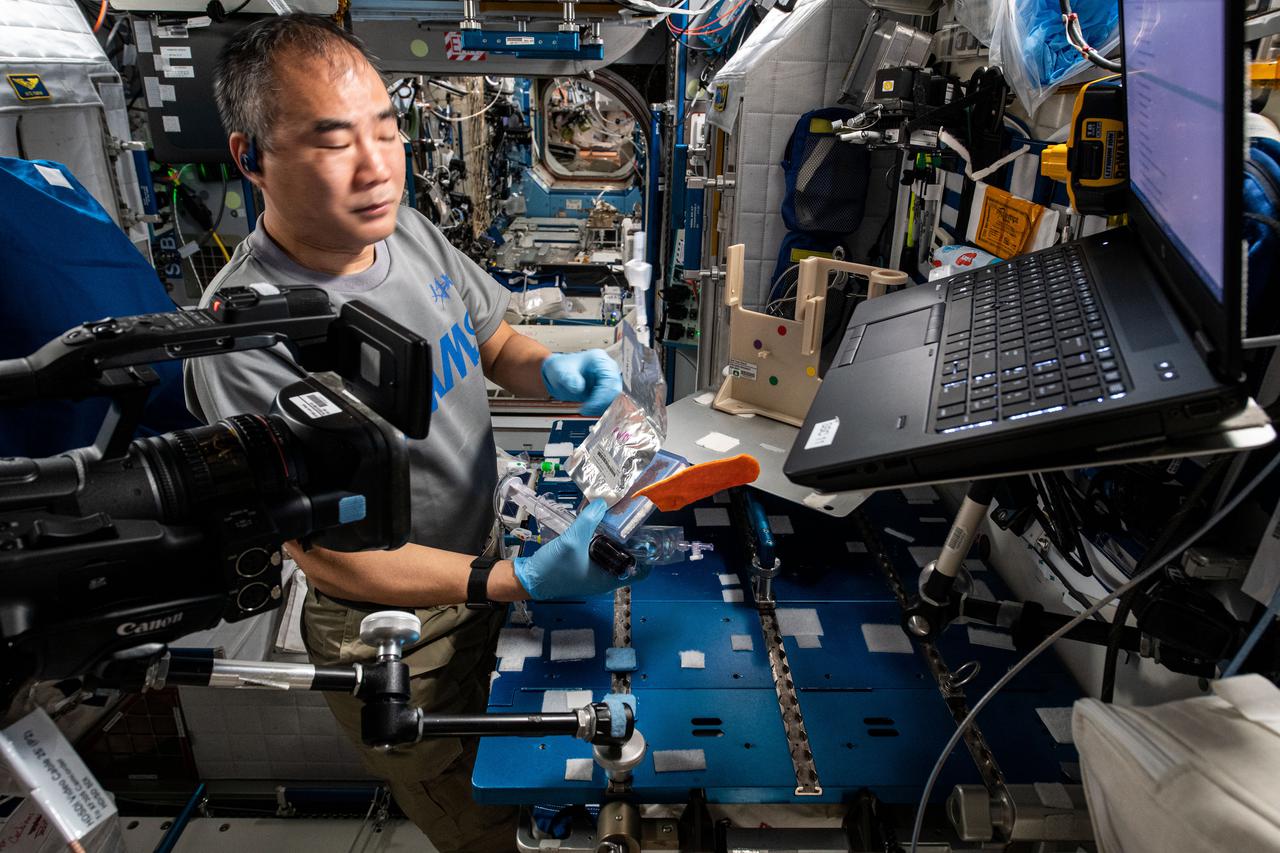
iss064e033912 (Feb. 17, 2021) --- JAXA (Japan Aerospace Exploration Agency) astronaut and Expedition 64 Flight Engineer Soichi Noguchi stows hardware used during the Plant Water Management experiment. The botany study demonstrated hydroponics as a way to sustain plants in microgravity from germination through harvest.
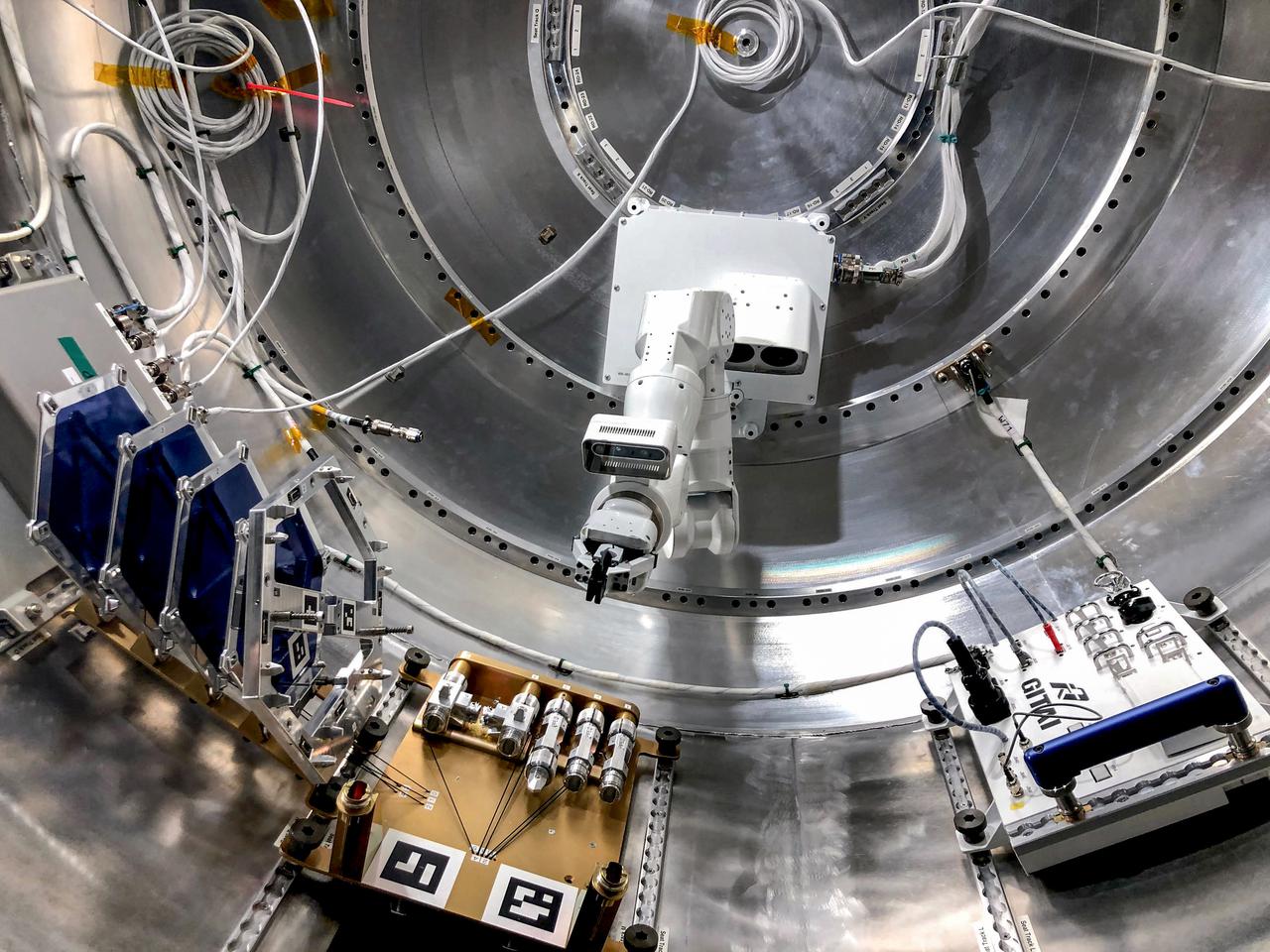
jsc2021e036656 (4/2/2021) --- Complete configuration of the GITAI S1 inside the Bishop airlock mock-up. The GITAI S1 Robotic Arm Tech Demo (Nanoracks-GITAI Robotic Arm) demonstrates the versatility and dexterity in microgravity of a robot designed by GITAI Japan Inc. For the demonstration, the robot conducts common crew activities and tasks via supervised autonomy and teleoperations from the ground.
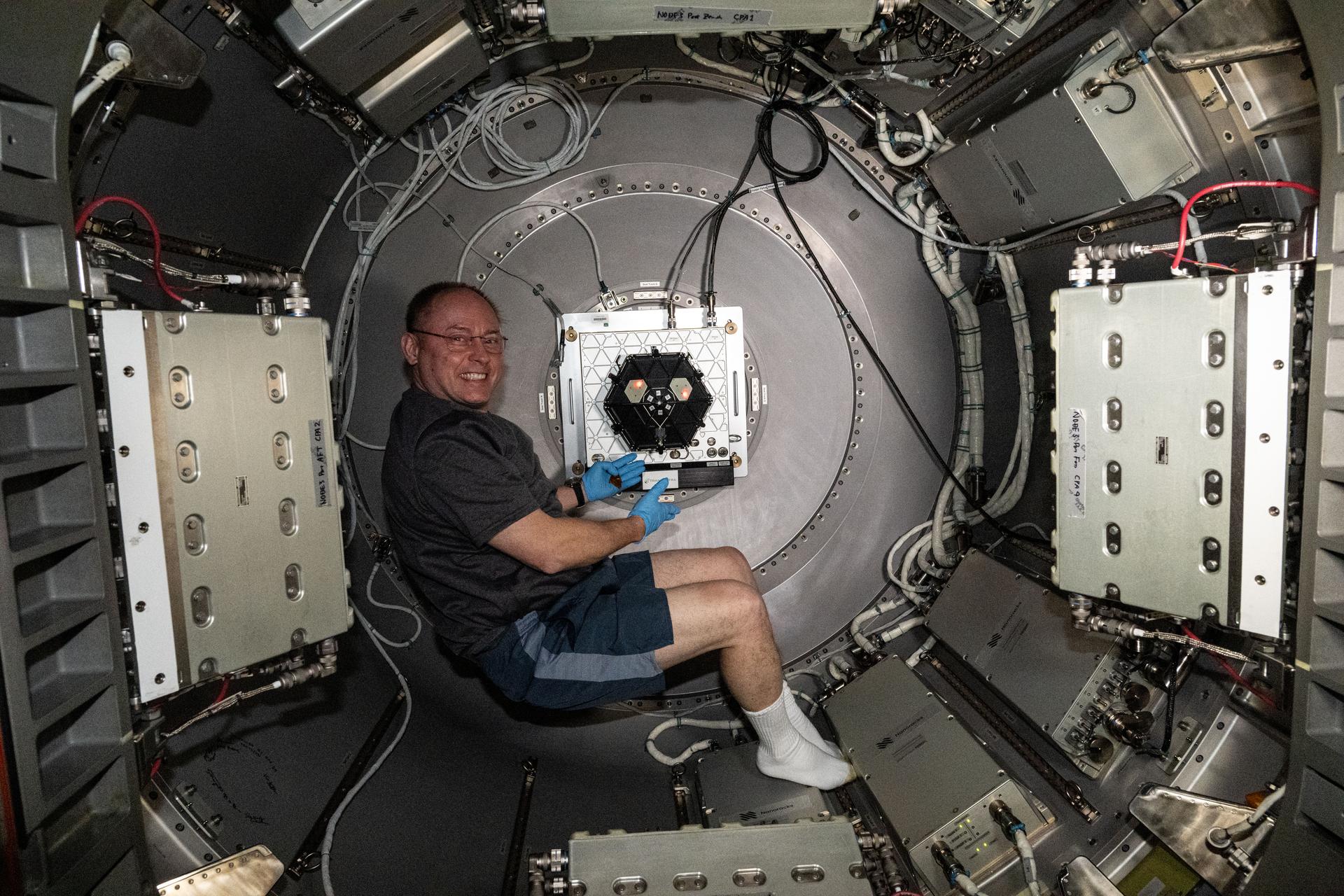
iss073e0815288 (Sept. 29, 2025) --- NASA astronaut and Expedition 73 Flight Engineer Mike Fincke shows off the Voyager Flytrap technology demonstration that he installed inside the NanoRacks Bishop airlock. Flytrap will test an inflatable capture bag designed to capture and secure orbital debris or sample containers returning from the Moon and Mars. The technology may also support future space mining techniques on small asteroids. The demonstration will evaluate the bag’s ability to deploy, inflate, and capture space objects while maintaining an airtight seal in microgravity.
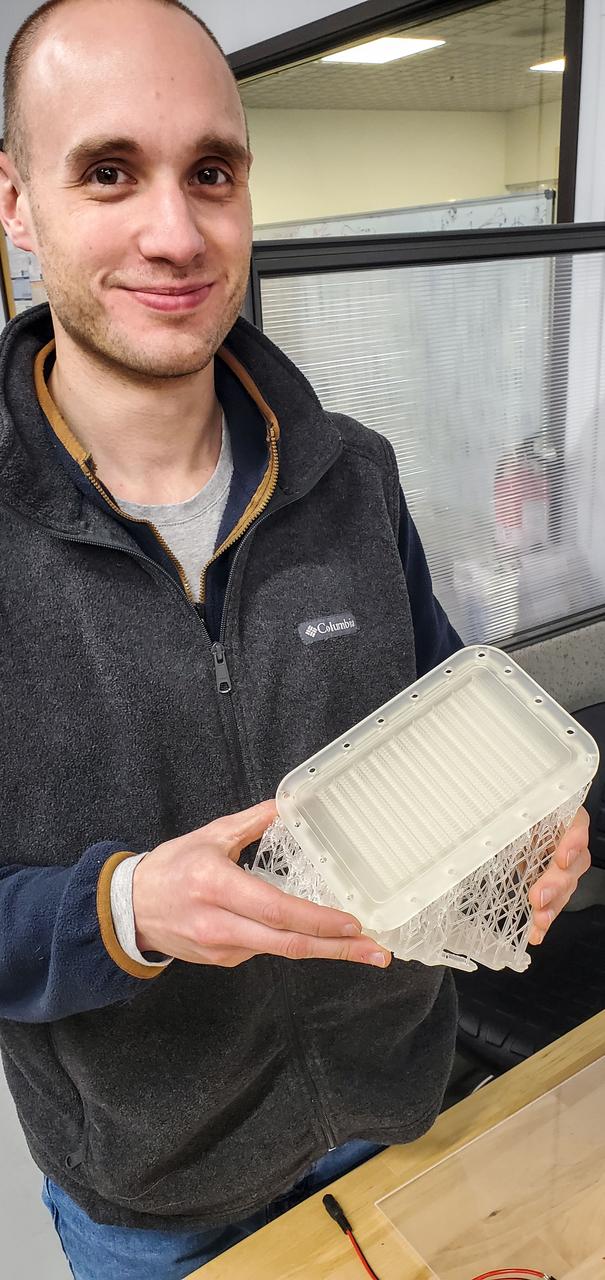
jsc2023e010171 (2/1/2023) --- Logan Torres, design engineer for the CapiSorb Visible System, holds the 3D printed degasser base during hardware fabrication. The capillary wedges in the degasser base control and passively transport viscous liquid in microgravity in order to demonstrate capabilities needed for future liquid sorbent carbon dioxide removal technologies. The CapiSorb Visible System investigation demonstrates a liquid control using capillary forces, over a range of properties that are characteristic of liquids which absorb carbon dioxide. Image courtesy of IRPI, LLC.
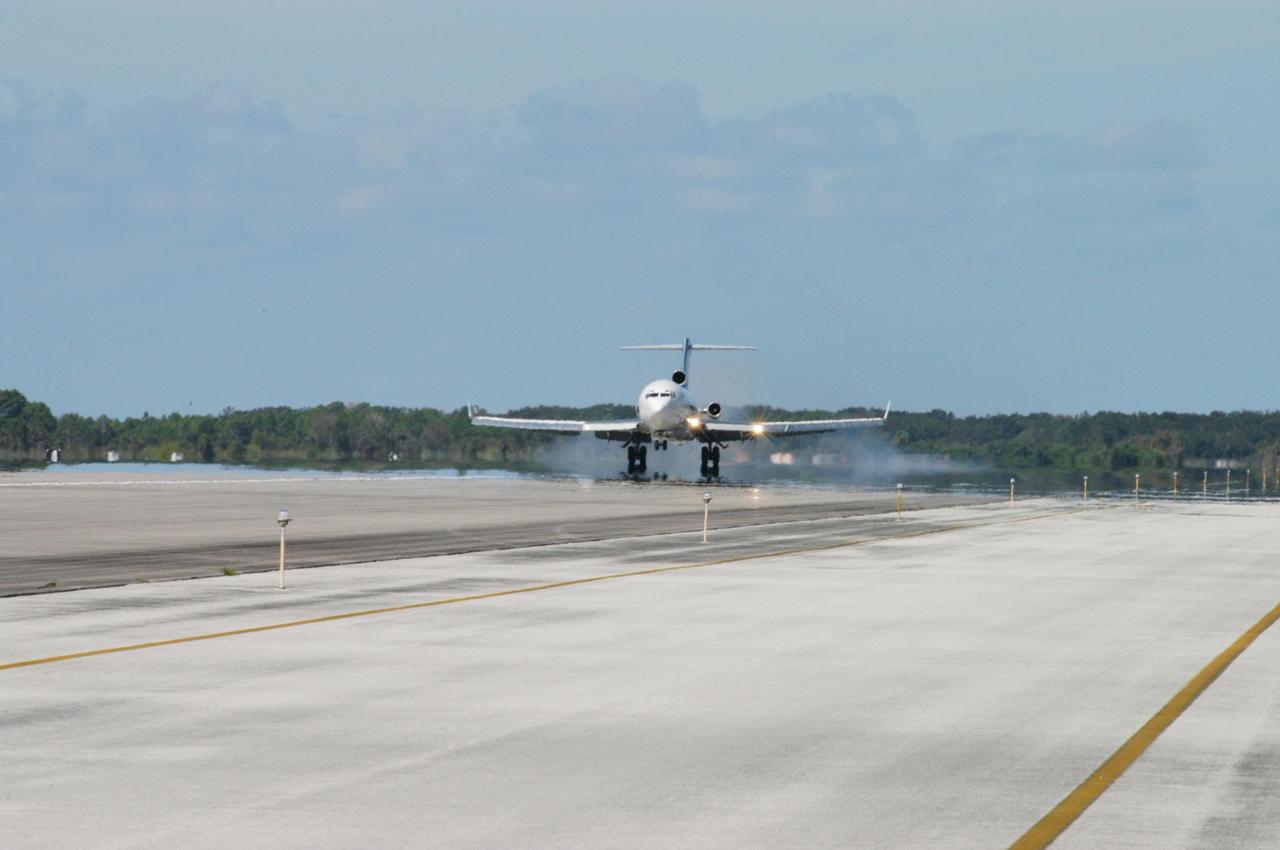
KENNEDY SPACE CENTER, FLA. - The Boeing 727-200 aircraft used for weightless flights by Zero Gravity Corporation, known as ZERO-G, of Fort Lauderdale, Fla., lands after taking a group of passengers for demonstration. NASA and ZERO-G demonstrated Nov. 5 the expanded access to and use of the space shuttle's runway and landing facility at Kennedy Space Center for non-NASA activities. This group of passengers, called "Flyers," were predominantly teachers who performed simple microgravity experiments they can share with their students back in the classroom.
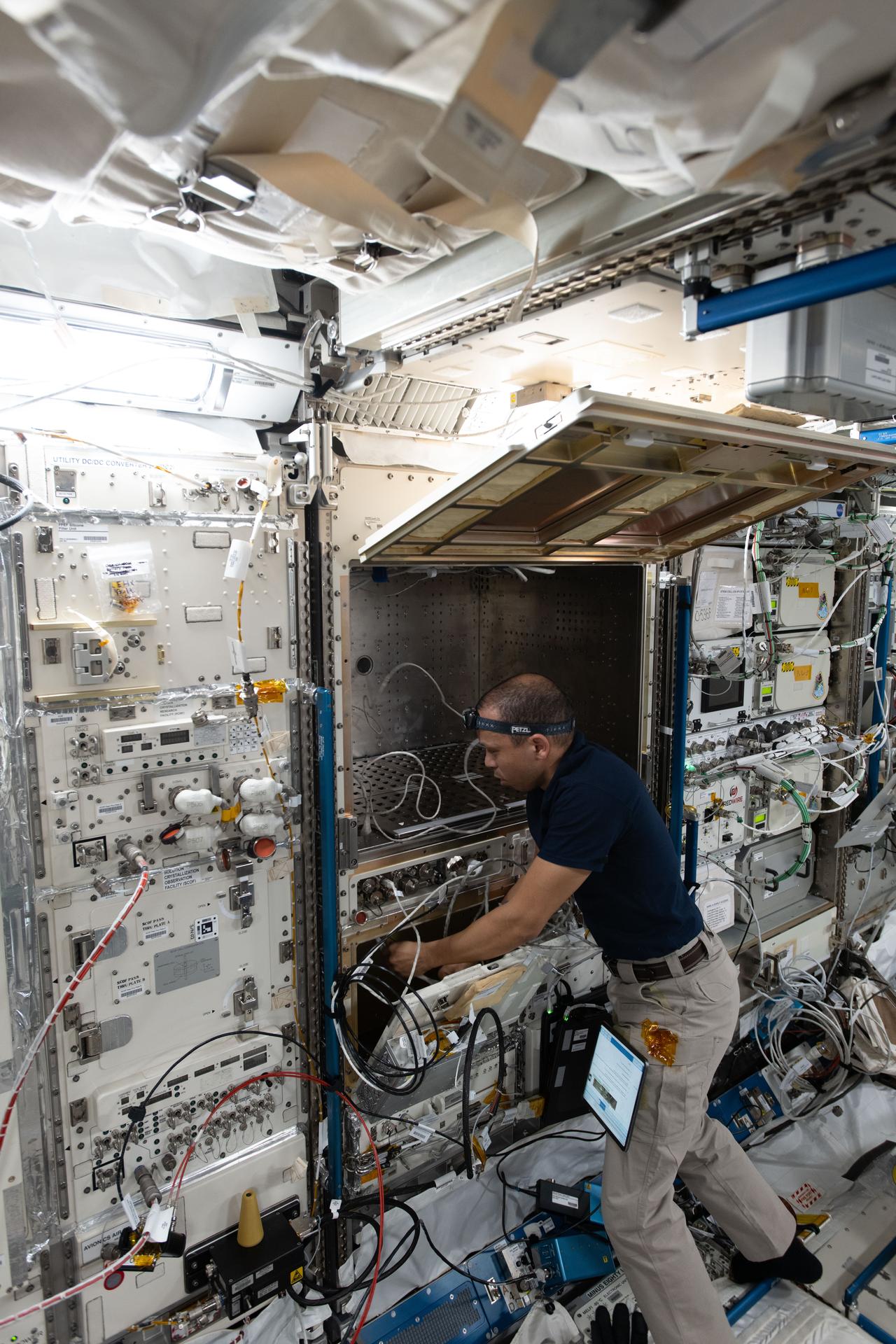
iss074e0325940 (Feb. 25, 2026) --- NASA astronaut and Expedition 74 flight engineer Chris Williams works inside the International Space Station's Kibo laboratory module. Williams opened up Kibo's multi-purpose small payload rack to install and configure advanced robotics hardware for the TUSK (Test facility for lab-aUtomation System in Kibo) technology demonstration. TUSK is demonstrating precision mobility and experiment automation in microgravity using a pair of small robotic arms to reduce crew workloads. Credit: NASA/Chris Williams
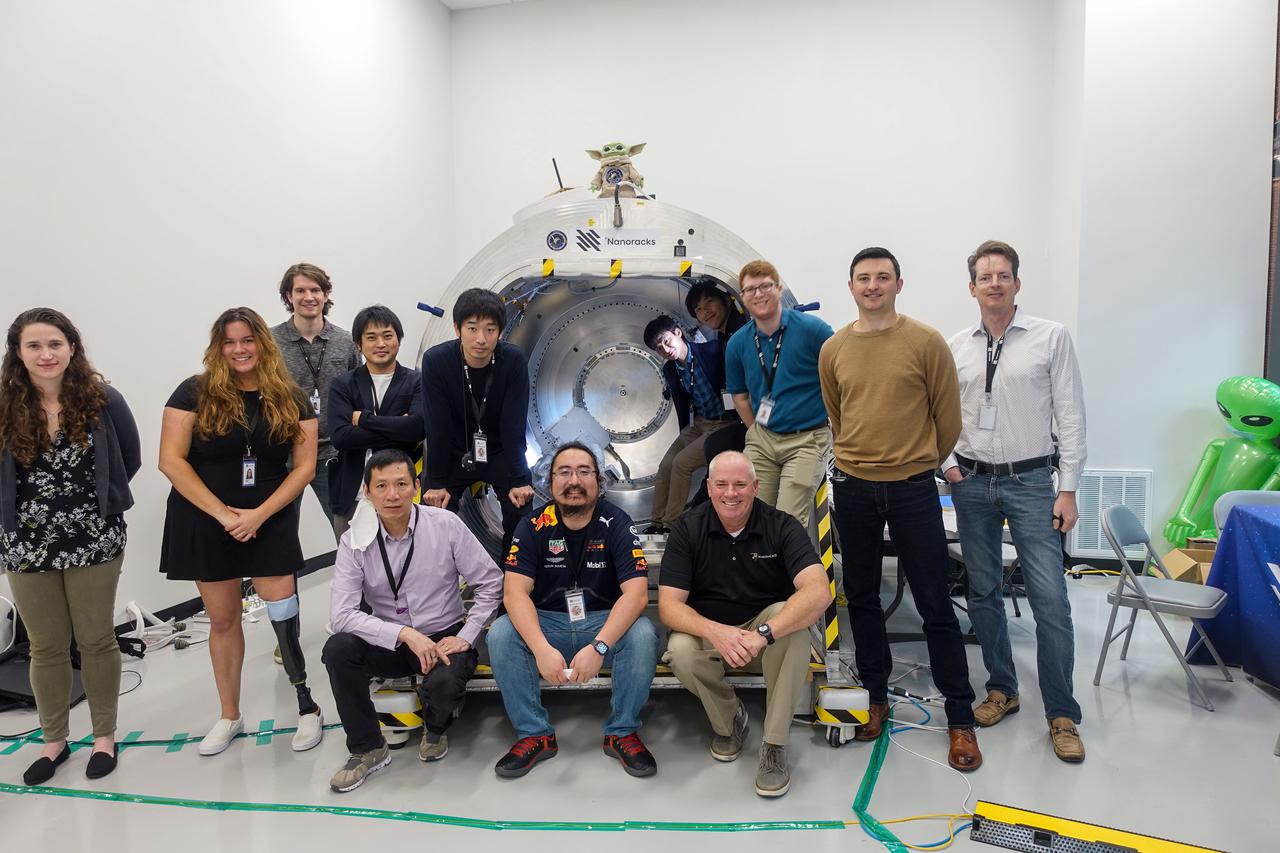
jsc2021e036652 (8/11/2021) --- The GITAI and Nanoracks team group photo. The GITAI S1 Robotic Arm Tech Demo (Nanoracks-GITAI Robotic Arm) demonstrates the versatility and dexterity in microgravity of a robot designed by GITAI Japan Inc. For the demonstration, the robot conducts common crew activities and tasks via supervised autonomy and teleoperations from the ground.
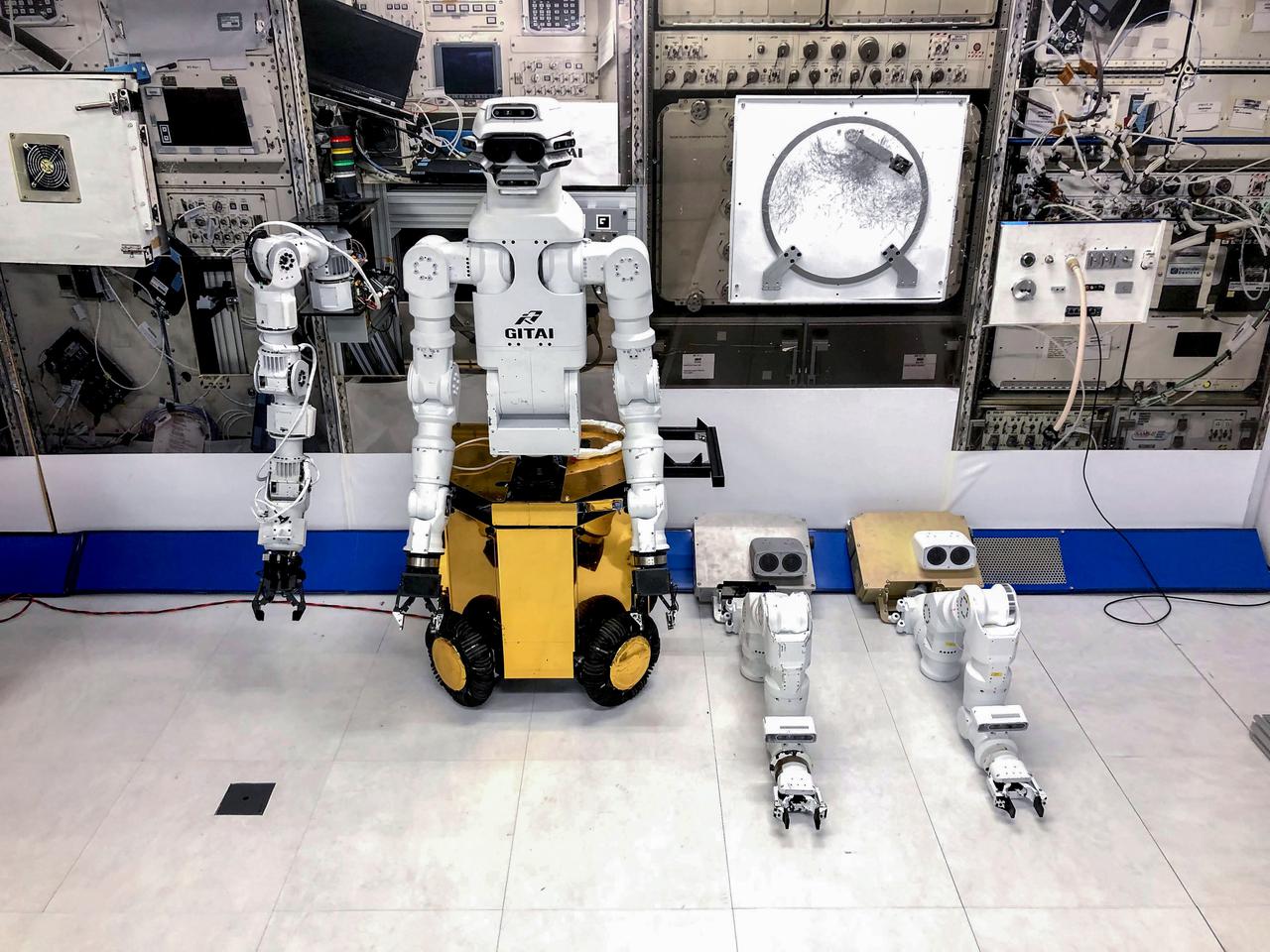
jsc2021e036654 (12/12/2020) --- Final checks of the GITAI S1 Flight Model. The GITAI S1 Robotic Arm Tech Demo (Nanoracks-GITAI Robotic Arm) demonstrates the versatility and dexterity in microgravity of a robot designed by GITAI Japan Inc. For the demonstration, the robot conducts common crew activities and tasks via supervised autonomy and teleoperations from the ground.
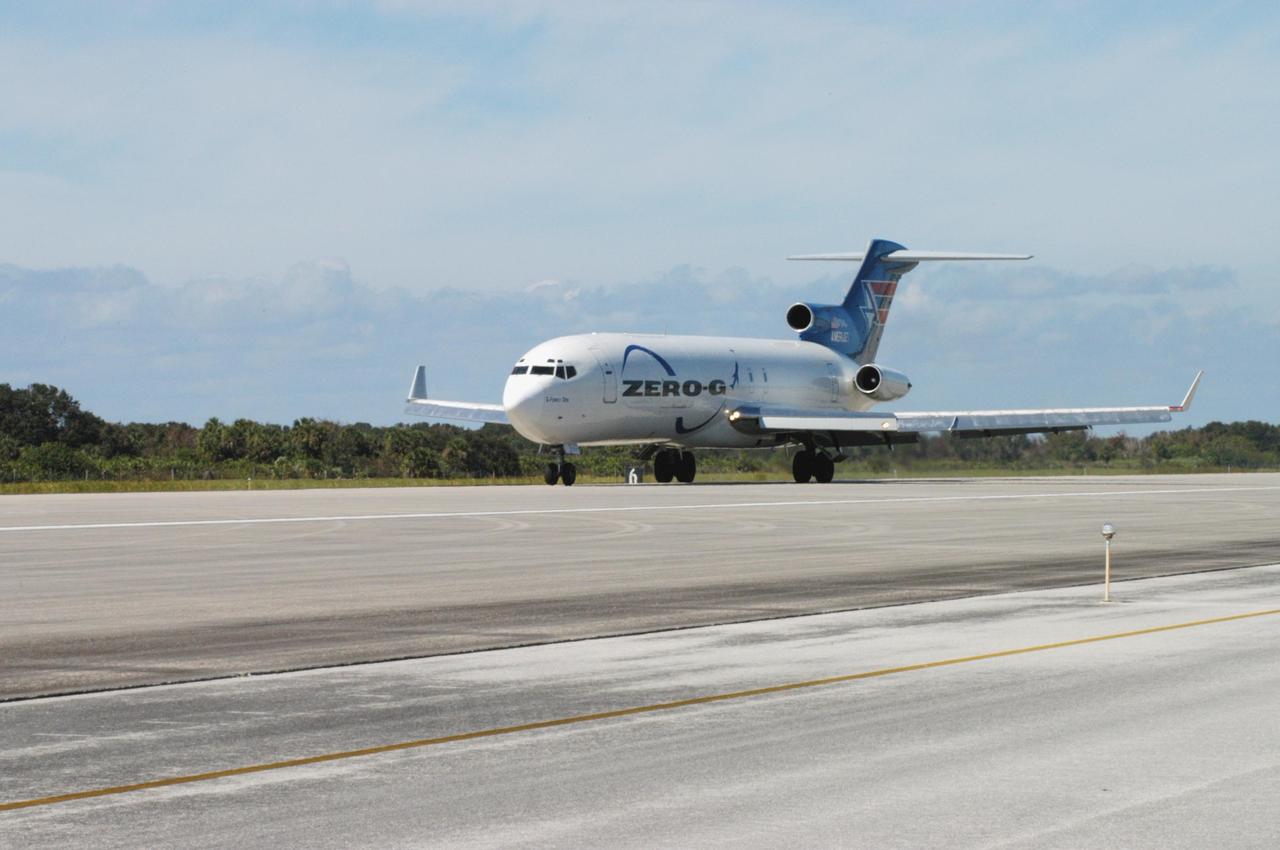
KENNEDY SPACE CENTER, FLA. - The Boeing 727-200 aircraft used for weightless flights by Zero Gravity Corporation, known as ZERO-G, of Fort Lauderdale, Fla., lands after taking a group of passengers for demonstration. NASA and ZERO-G demonstrated Nov. 5 the expanded access to and use of the space shuttle's runway and landing facility at Kennedy Space Center for non-NASA activities. This group of passengers, called "Flyers," were predominantly teachers who performed simple microgravity experiments they can share with their students back in the classroom.

jsc2024e041790 (3/20/2024) --- Developed through NASA’s Office of STEM Engagement Next Gen STEM Project, STEMonstrations are short educational videos that demonstrate science, technology, engineering, and mathematics (STEM) topics in microgravity for grades K through 12. Crew members conduct and film the demonstrations. The International Space Station flyaround is seen as well as NASA astronauts Matthew Dominick and Jeanette Epps (Expedition 71).
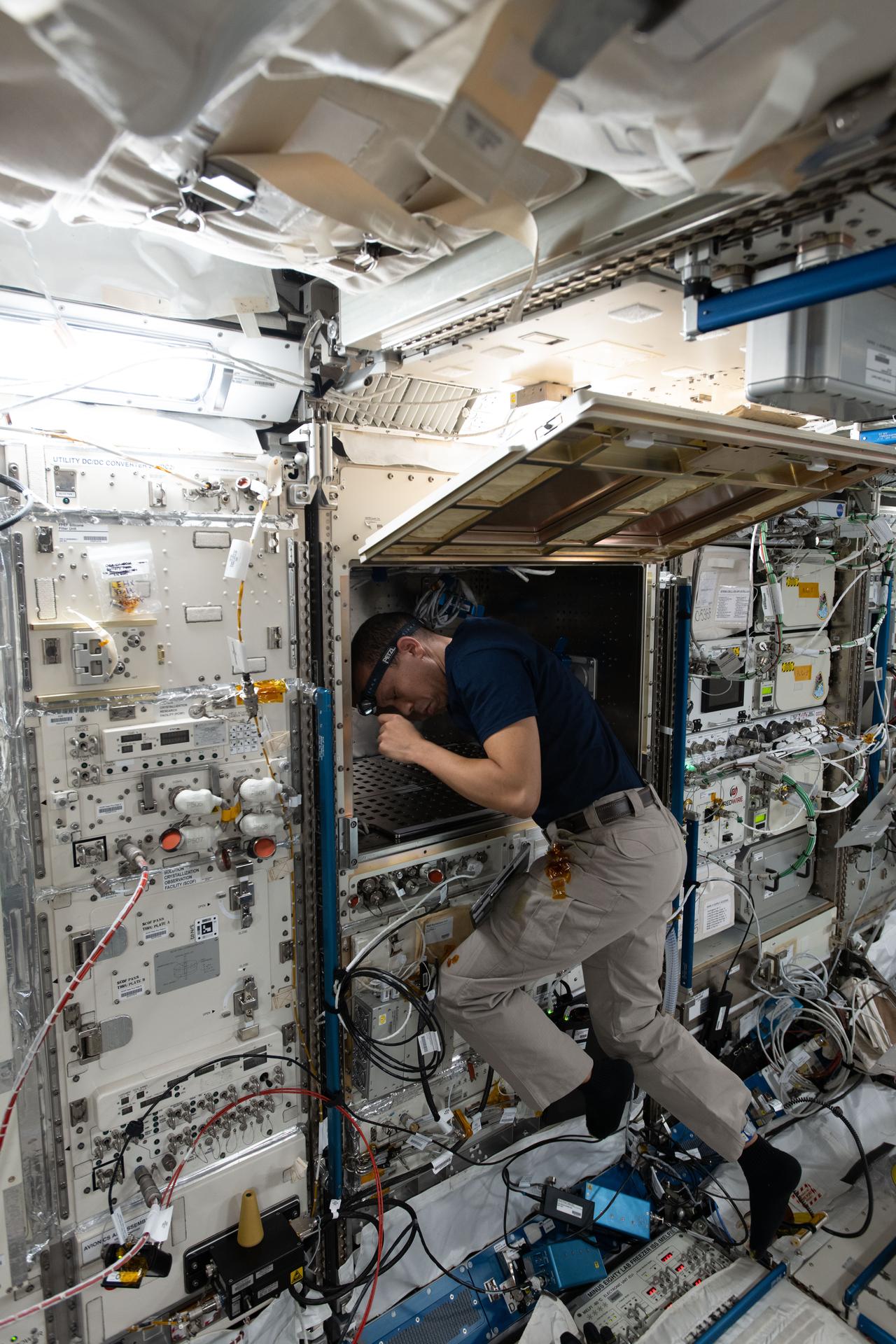
iss074e0326337 (Feb. 25, 2026) --- NASA astronaut and Expedition 74 flight engineer Chris Williams works inside the International Space Station's Kibo laboratory module. Williams opened up Kibo's multi-purpose small payload rack to install and configure advanced robotics hardware for the TUSK (Test facility for lab-aUtomation System in Kibo) technology demonstration. TUSK is demonstrating precision mobility and experiment automation in microgravity using a pair of small robotic arms to reduce crew workloads. Credit: NASA/Chris Williams
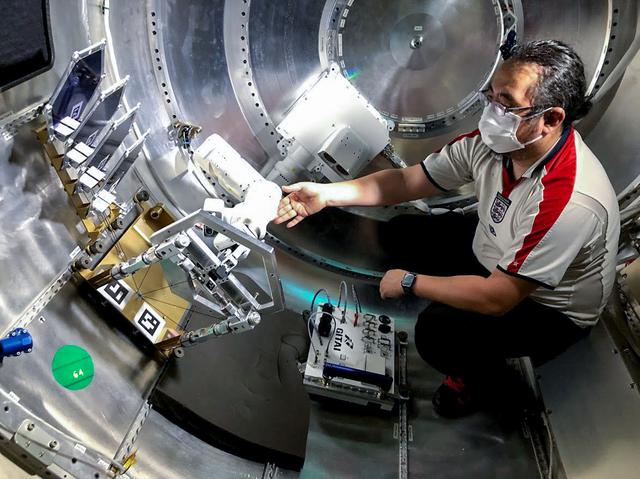
jsc2021e036653 (8/11/2021) --- Final checks of the GITAI S1 Flight Model. The GITAI S1 Robotic Arm Tech Demo (Nanoracks-GITAI Robotic Arm) demonstrates the versatility and dexterity in microgravity of a robot designed by GITAI Japan Inc. For the demonstration, the robot conducts common crew activities and tasks via supervised autonomy and teleoperations from the ground.
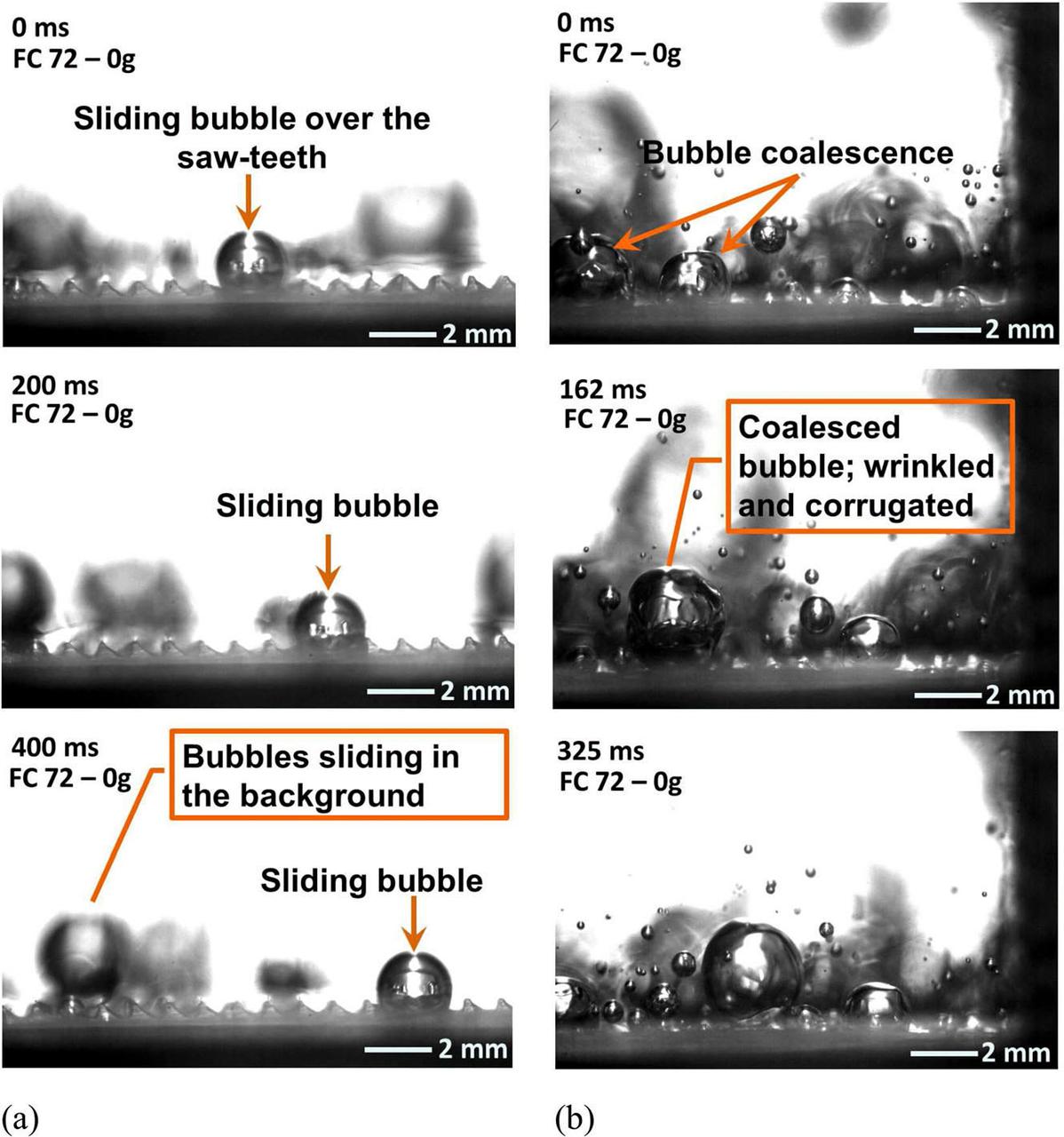
jsc2020e030483 (4/20/2020) --- A preflight image sequence from parabolic flight experiments indicating motion of vapor bubble on heated ratchet surface. Asymmetric Sawtooth and Cavity-Enhanced Nucleation-Driven Transport (PFMI-ASCENT) demonstrates a passive cooling system for electronic devices in microgravity using a microstructured surface. When fluids boil over flat heated surfaces in microgravity, vapor bubbles grow larger in size, causing poor heat transfer that can lead to damage of devices. Adding microscopic rachets on the surface may passively enable mobility of vapor bubbles and prevent this damage. (Image courtesy of: Techshot, Inc.)
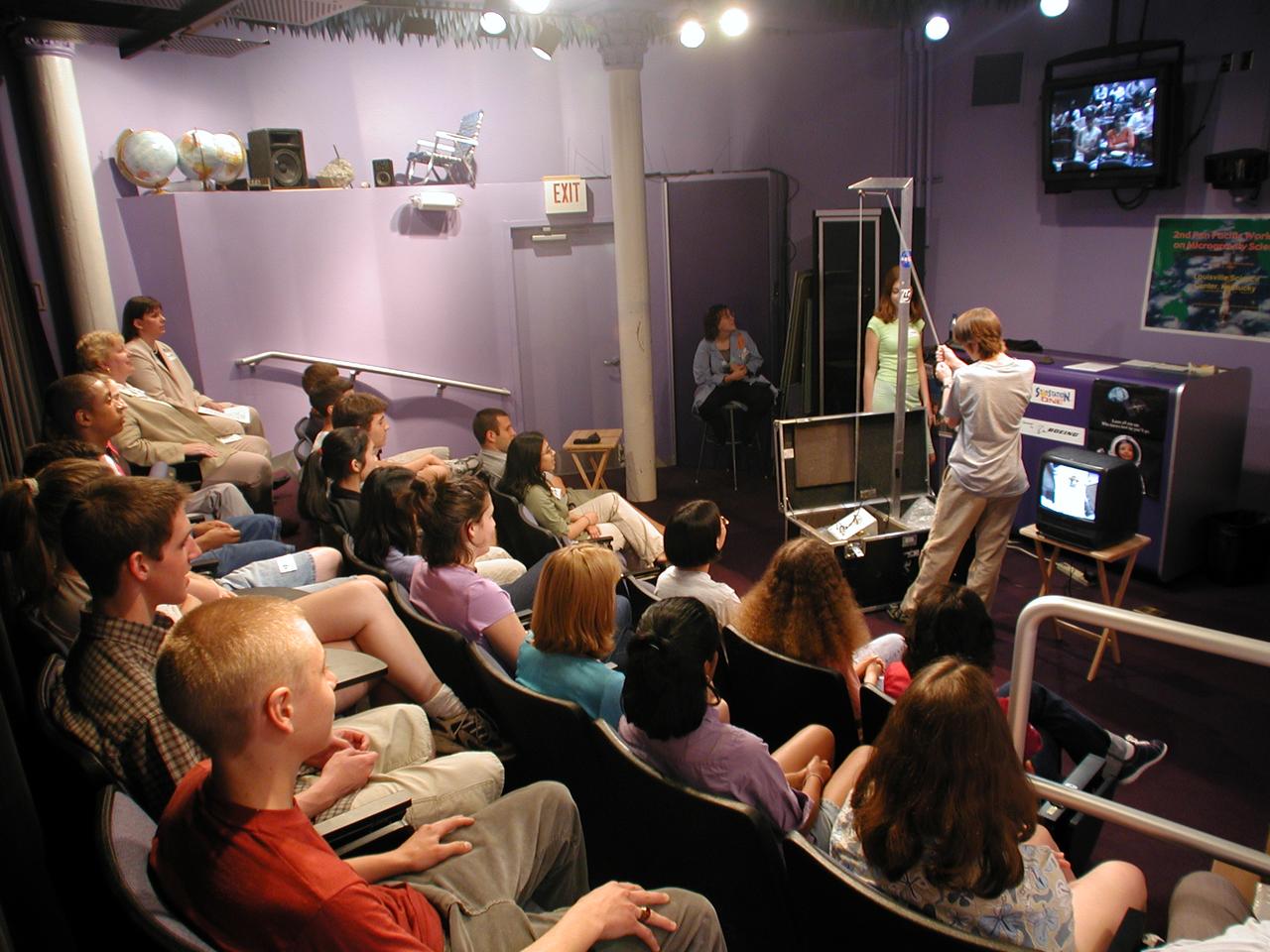
John Henson (grade 12) and Suzi Bryce (grade 10) from DuPont Manual High School in Louisville, Kentucky, conduct a drop with NASA's Microgravity Demonstrator. A camera and a TV/VCR unit let students play back recordings of how different physical devices behave differently during freefall as compared to 1-g. The activity was part of the education outreach segment of the Pan-Pacific Basin Workshop on Microgravity Sciences held in Pasadena, California. The event originated at the California Science Center in Los Angeles. The DuPont Manual students patched in to the event through the distance learning lab at the Louisville Science Center. This image is from a digital still camera; higher resolution is not available.
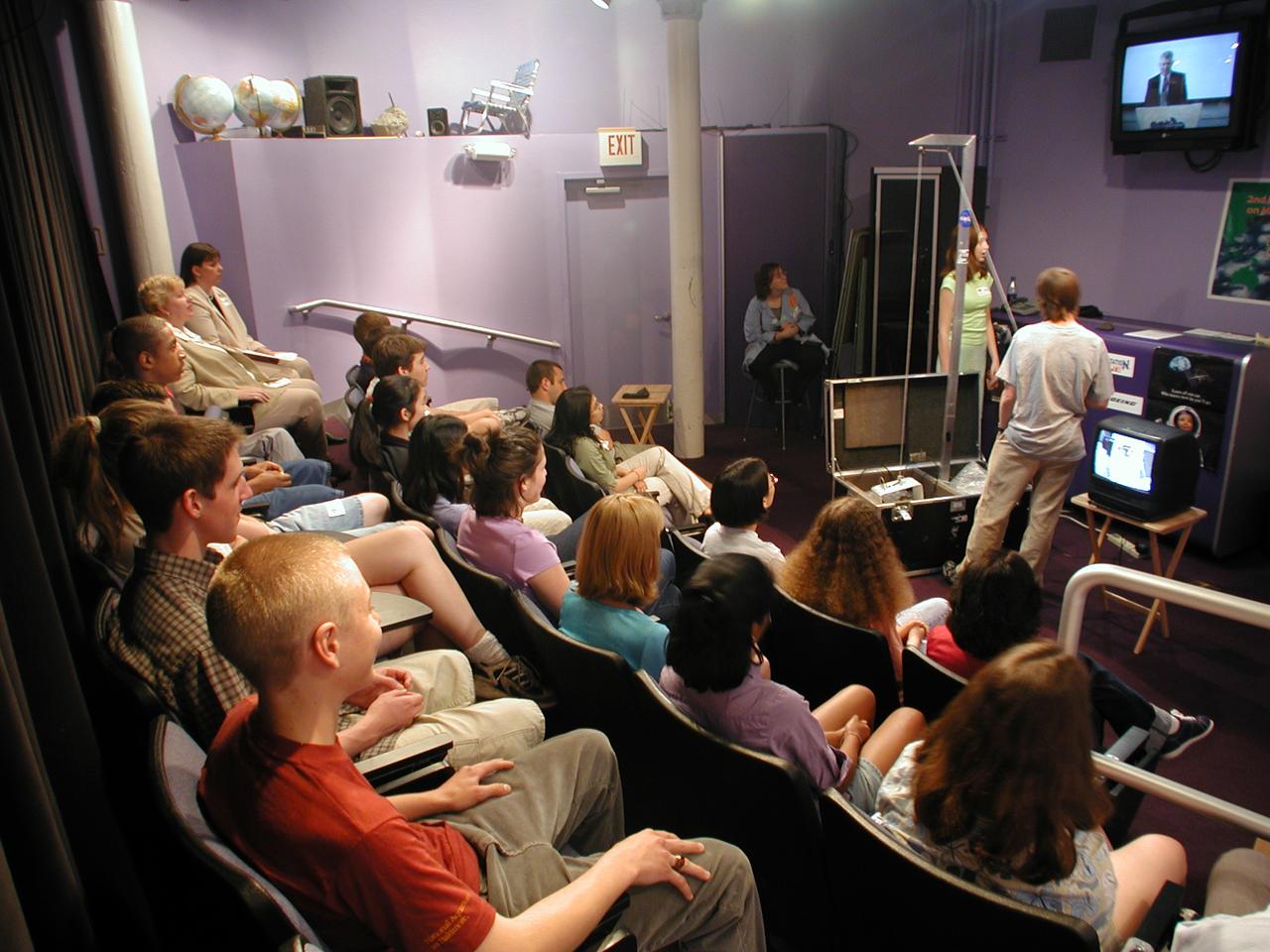
John Henson (grade 12) and Suzi Bryce (grade 10) conducted the drop from DuPont Manual High School in Louisville, Kentucky, conduct a drop with NASA's Microgravity Demonstrator. A camera and a TV/VCR unit let students play back recordings of how different physical devices behave differently during freefall as compared to 1-g. The activity was part of the education outreach segment of the Pan-Pacific Basin Workshop on Microgravity Sciences held in Pasadena, California. The event originated at the California Science Center in Los Angeles. The DuPont Manual students patched in to the event through the distance learning lab at the Louisville Science Center. This image is from a digital still camera; higher resolution is not available.
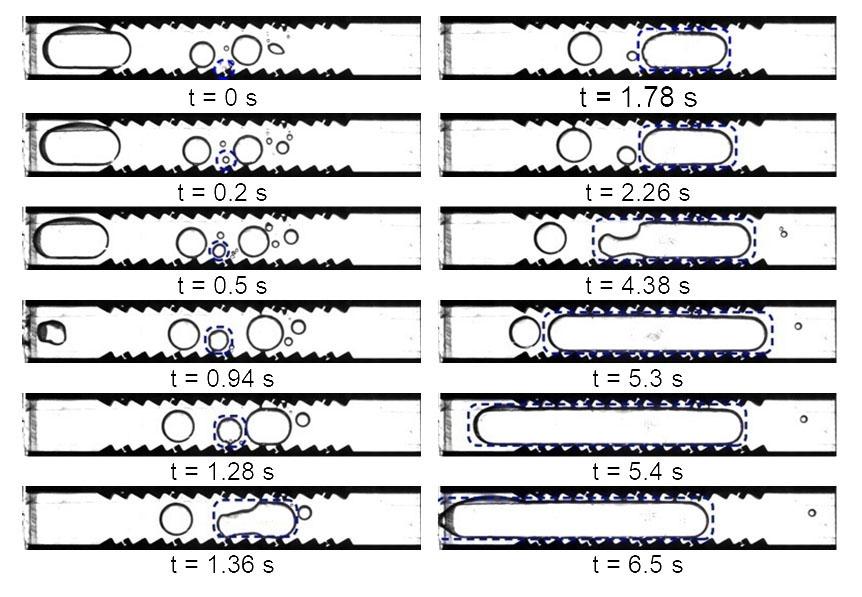
jsc2020e030484 (4/20/2020) --- A preflight image sequence from terrestrial experiments with two vertically oriented ratchet surfaces; subcooling: 9.5 ℃; heat flux: 1.31 W/cm2. Asymmetric Sawtooth and Cavity-Enhanced Nucleation-Driven Transport (PFMI-ASCENT) demonstrates a passive cooling system for electronic devices in microgravity using a microstructured surface. When fluids boil over flat heated surfaces in microgravity, vapor bubbles grow larger in size, causing poor heat transfer that can lead to damage of devices. Adding microscopic rachets on the surface may passively enable mobility of vapor bubbles and prevent this damage. (Image courtesy of: Techshot, Inc.)
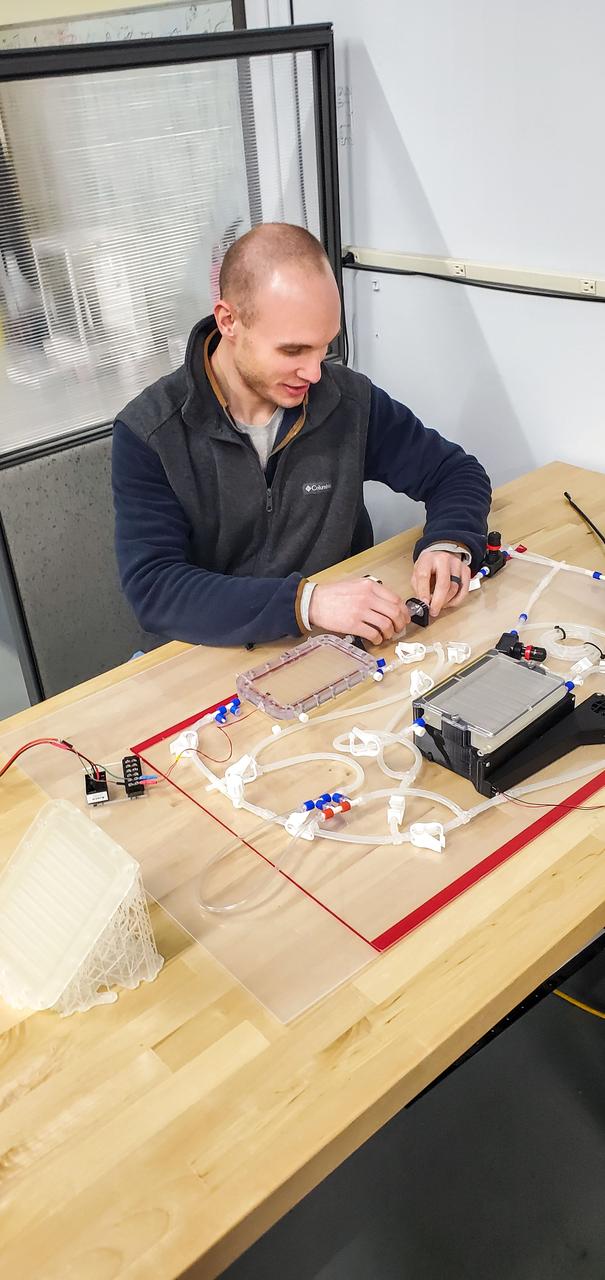
jsc2023e010172 (2/1/2023) --- Logan Torres, Design Engineer for the CapiSorb Visible System, configures the system pre-flight for performance testing. The capillary wedges in the degasser, contactor and capillary condensing heat exchanger control and passively transport viscous liquid in microgravity in order to demonstrate capabilities needed for future liquid sorbent carbon dioxide removal technologies. The CapiSorb Visible System investigation demonstrates a liquid control using capillary forces, over a range of properties that are characteristic of liquids which absorb carbon dioxide. Image courtesy of IRPI, LLC.
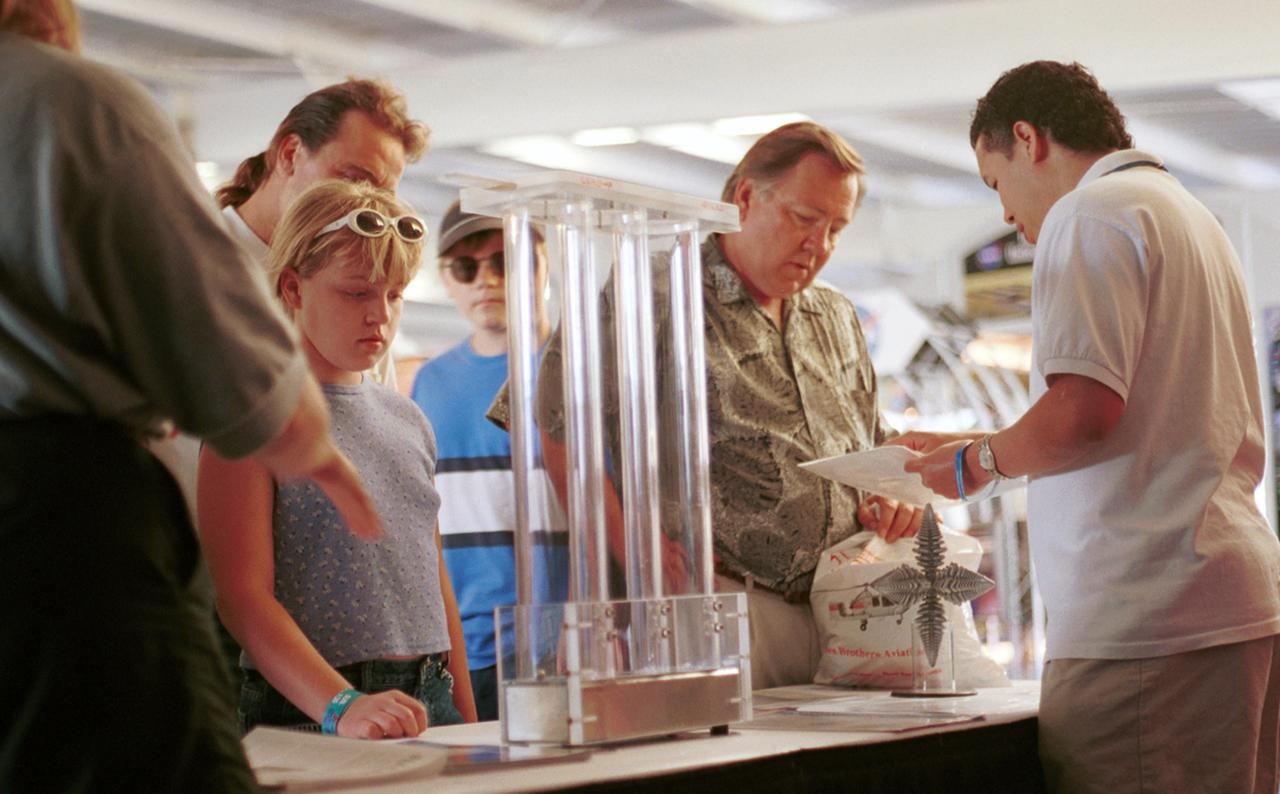
Paul Luz (right), an aerospace flight system engineer at NASA's Marshall Space Flight Center (MSFC), discusses microgravity research with a visitor at AirVenture 2000. Part of the NASA exhibits included demonstration of knowledge gained from micorgravity research aboard the Space Shuttle. These include liquid metal (Liquid metal demonstrator is three plastic drop tubes at center) and dendritic growth (in front of Luz), both leading to improvements in processes on Earth. The exhibit was part of the NASA outreach activity at AirVenture 2000 sponsored by the Experimental Aircraft Association in Oshkosh, WI.
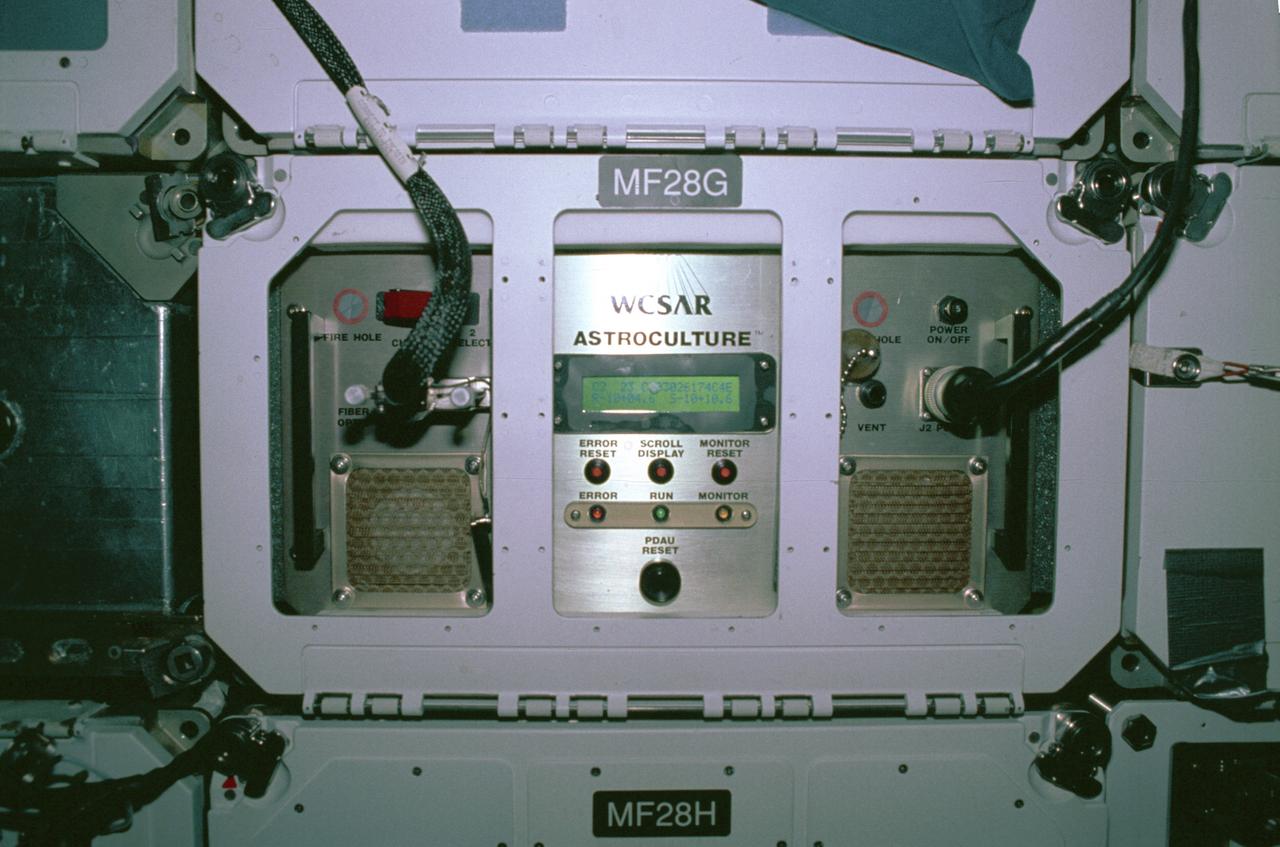
The first United States Microgravity Laboratory (USML-1) was one of NASA's science and technology programs that provided scientists an opportunity to research various scientific investigations in a weightless environment inside the Spacelab module. It also provided demonstrations of new equipment to help prepare for advanced microgravity research and processing aboard the Space Station. The USML-1 flew in orbit for extended periods, providing greater opportunities for research in materials science, fluid dynamics, biotechnology (crystal growth), and combustion science. This is a close-up view of the Astroculture experiment rack in the middeck of the orbiter. The Astroculture experiment was to evaluate and find effective ways to supply nutrient solutions for optimizing plant growth and avoid releasing solutions into the crew quarters in microgravity. Since fluids behave differently in microgravity, plant watering systems that operate well on Earth do not function effectively in space. Plants can reduce the costs of providing food, oxygen, and pure water, as well as lower the costs of removing carbon dioxide in human space habitats. The USML-1 flew aboard the STS-50 mission on June 1992 and was managed by the Marshall Space Flight Center.
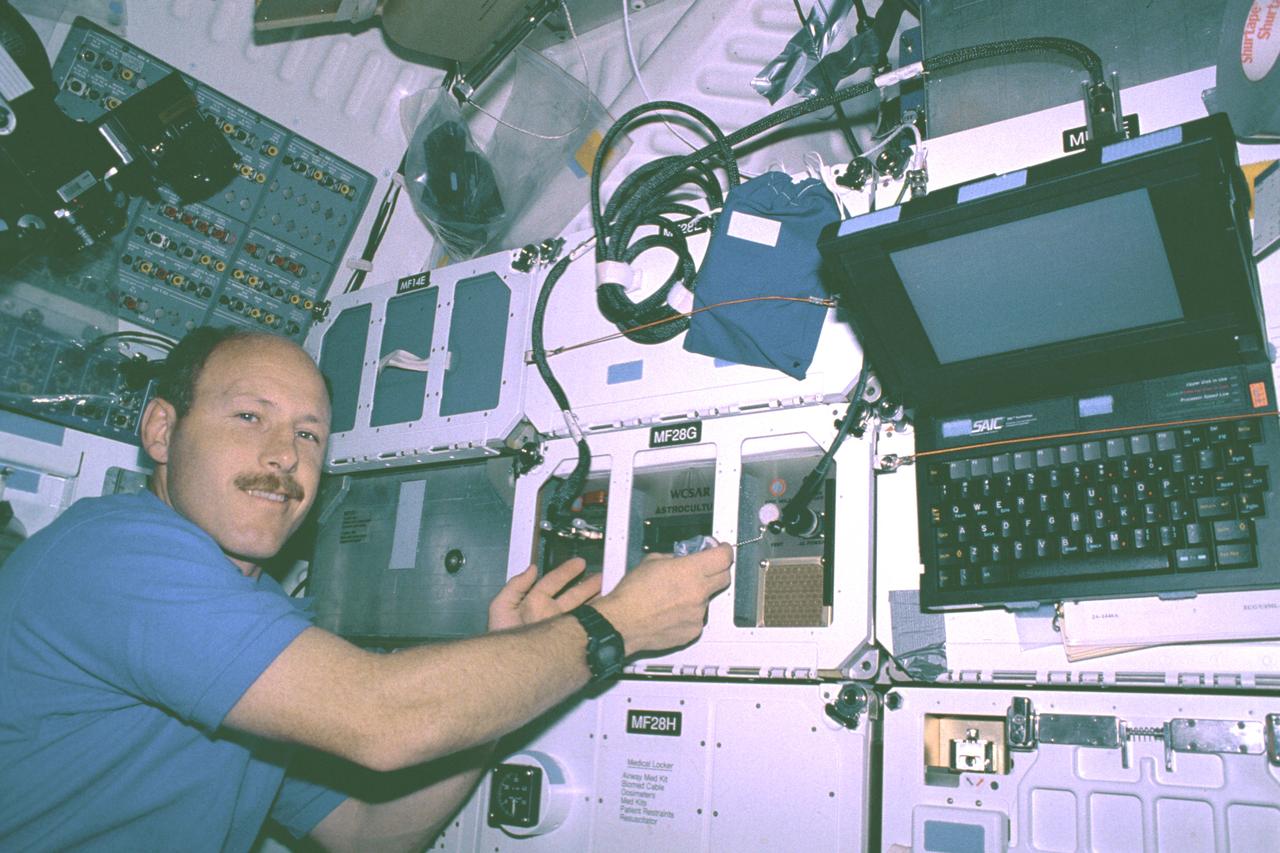
The first United States Microgravity Laboratory (USML-1) was one of NASA's science and technology programs that provided scientists an opportunity to research various scientific investigations in a weightless environment inside the Spacelab module. It also provided demonstrations of new equipment to help prepare for advanced microgravity research and processing aboard the Space Station. The USML-1 flew in orbit for extended periods, providing greater opportunities for research in materials science, fluid dynamics, biotechnology (crystal growth), and combustion science. This photograph shows astronaut Ken Bowersox conducting the Astroculture experiment in the middeck of the orbiter Columbia. This experiment was to evaluate and find effective ways to supply nutrient solutions for optimizing plant growth and avoid releasing solutions into the crew quarters in microgravity. Since fluids behave differently in microgravity, plant watering systems that operate well on Earth do not function effectively in space. Plants can reduce the costs of providing food, oxygen, and pure water as well as lower the costs of removing carbon dioxide in human space habitats. The Astroculture experiment flew aboard the STS-50 mission in June 1992 and was managed by the Marshall Space Flight Center.
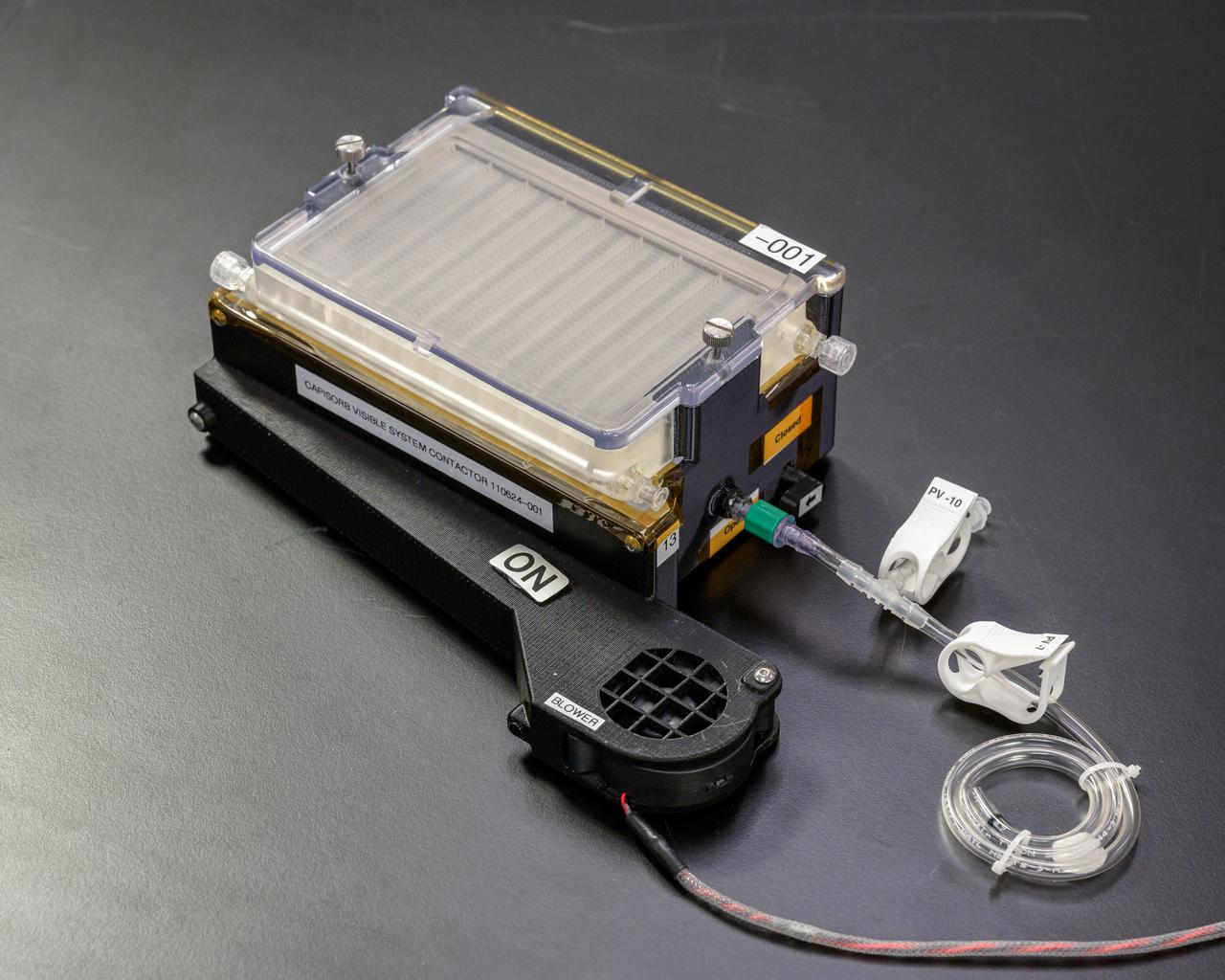
jsc2023e010168 (1/30/2023) --- CapiSorb Visible System flight unit contactor in N240 room 133B. The CapiSorb Visible System will be launched on SpaceX CRS-27 in March 2023 to the International Space Station to demonstrate a liquid sorbent-based system that leverages the advantages of liquid control through capillary action to remove carbon dioxide from crewed atmospheres...Capillary wedges in the CapiSorb Visible System Contactor, shown here preflight, control and passively transport viscous liquid in microgravity in order to demonstrate capabilities needed for future liquid carbon dioxide removal technologies. The CapiSorb Visible System investigation demonstrates a liquid control using capillary forces, over a range of properties that are characteristic of liquids which absorb carbon dioxide. Image courtesy of NASA's Ames Research Cente
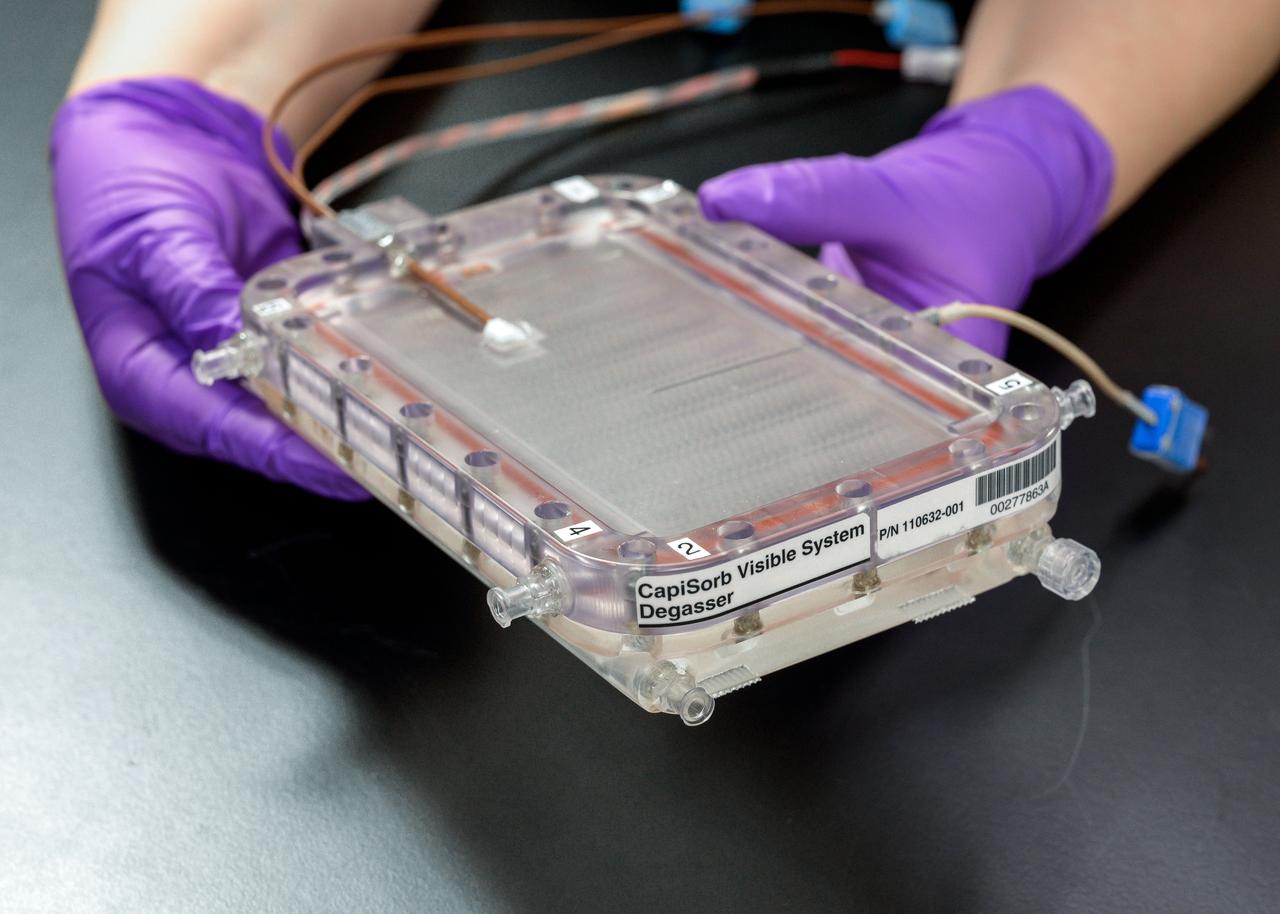
jsc2023e010167 (1/30/2023) --- CapiSorb Visible System flight unit degasser assembly in N240 room 133B. The CapiSorb Visible System will be launched on SpaceX CRS-27 in March 2023 to the International Space Station to demonstrate a liquid sorbent-based system that leverages the advantages of liquid control through capillary action to remove carbon dioxide from crewed atmospheres...Capillary wedges in the CapiSorb Visible System Degasser, shown here pre-flight, control and passively transport viscous liquid in microgravity in order to demonstrate capabilities needed for future liquid sorbent carbon dioxide removal technologies. The CapiSorb Visible System investigation demonstrates a liquid control using capillary forces, over a range of liquid properties that are characteristic of liquid carbon dioxide sorbents. Image courtesy of NASA's Ames Research Center.
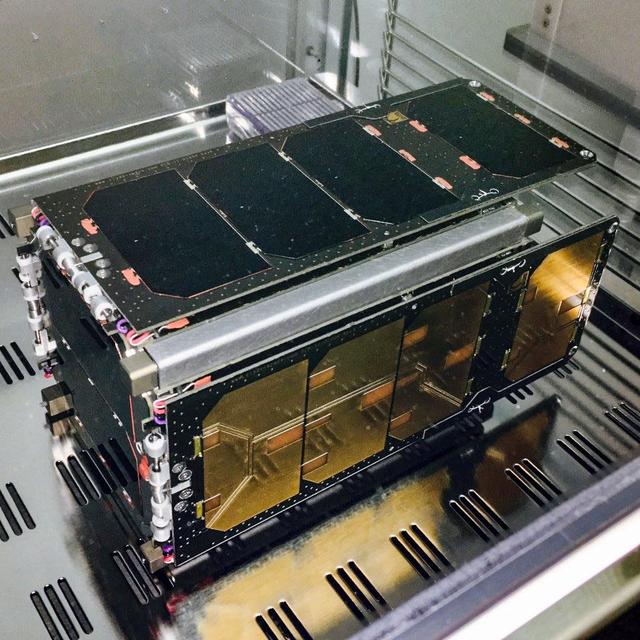
Jsc2020e004942(2/7/2020) — A preflight view of the CryoCube BUS. CryoCube demonstrates on-orbit thermal management technology. Such technology has a variety of potential applications, including storing rocket propellants in space, cooling instruments to improve their signal-to-noise ratios, and supporting future cryogenic experiments in microgravity. The small satellite uses a deployable shield to block radiation from the Sun and Earth and an attitude control system to point its experiment into deep space. Image courtesy of: Sierra Lobo Inc.
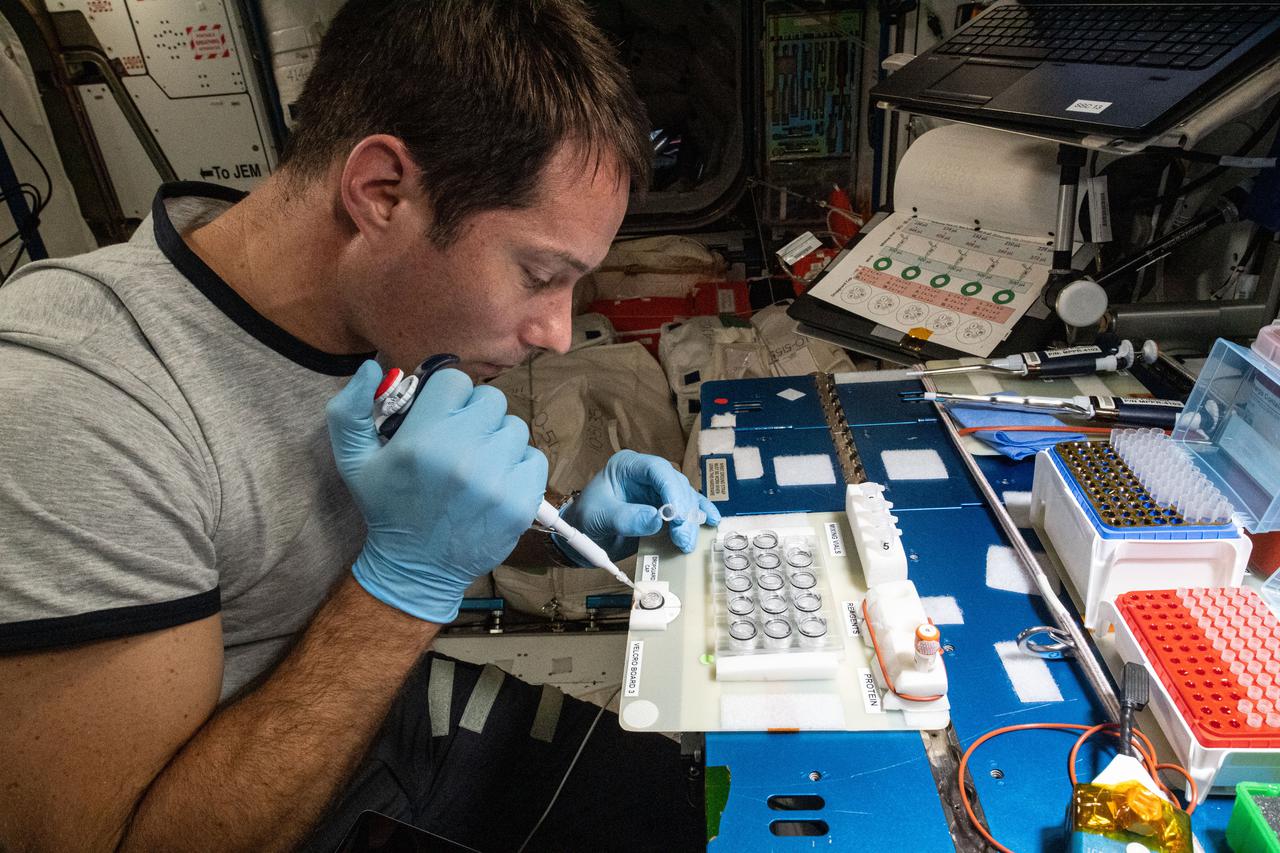
iss065e066486 (May 24, 2021) --- Expedition 65 Flight Engineer Thomas Pesquet of ESA (European Space Agency) services samples for the Real Time Protein Crystal Growth experiment. The biotechnology study demonstrates new methods for producing high-quality protein crystals in microgravity to potentially develop better drugs to treat a variety of diseases on Earth and advance the commercialization of space.
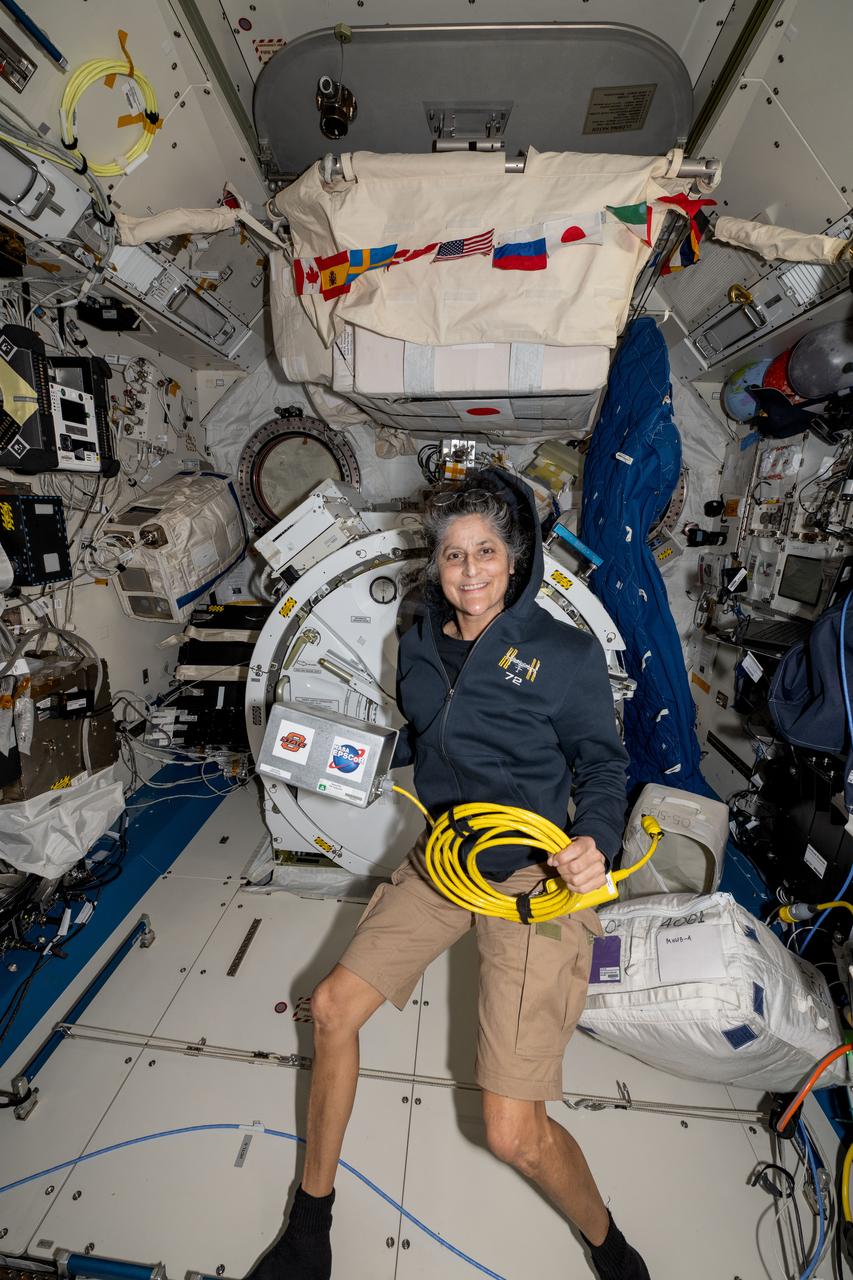
iss072e143491 (Nov. 1, 2024) --- NASA astronaut and Expedition 72 Commander Suni Williams displays the Space Tissue Equivalent Dosimeter (SpaceTED) hardware inside the International Space Station's Kibo laboratory module. SpaceTED is a technology demonstration that can measure radiation dosages and characterize the radiaton environment in microgravity to protect crew members and spacecraft hardware.
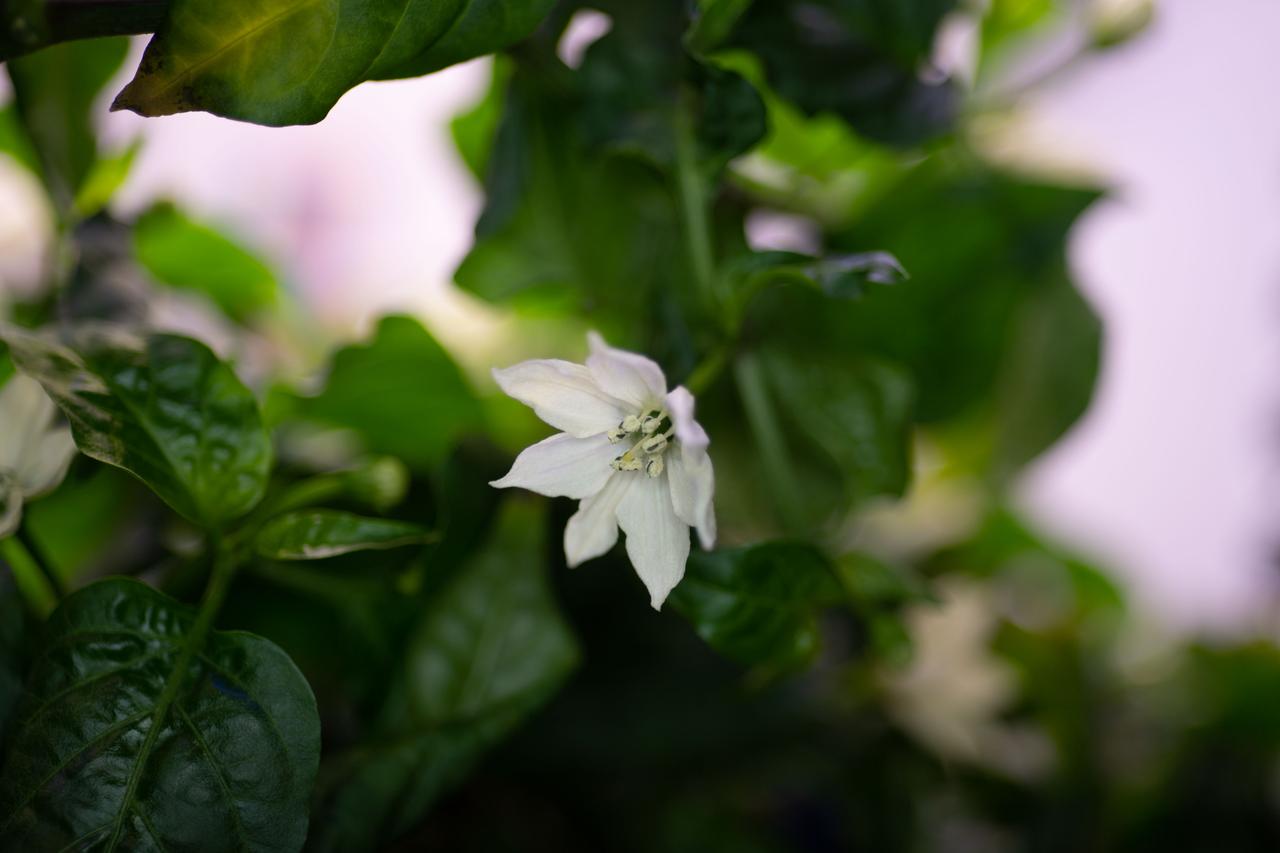
Hatch Green Chile plants are pictured growing in the Advanced Plant Habitat aboard the International Space Station (ISS). The Microgravity Growth of New Mexico Hatch Green Chile as a Technical Display of Advanced Plant Habitat’s Capabilities (Plant Habitat-04) demonstrates using the Advanced Plant Habitat (APH) by growing peppers in space for the first time.
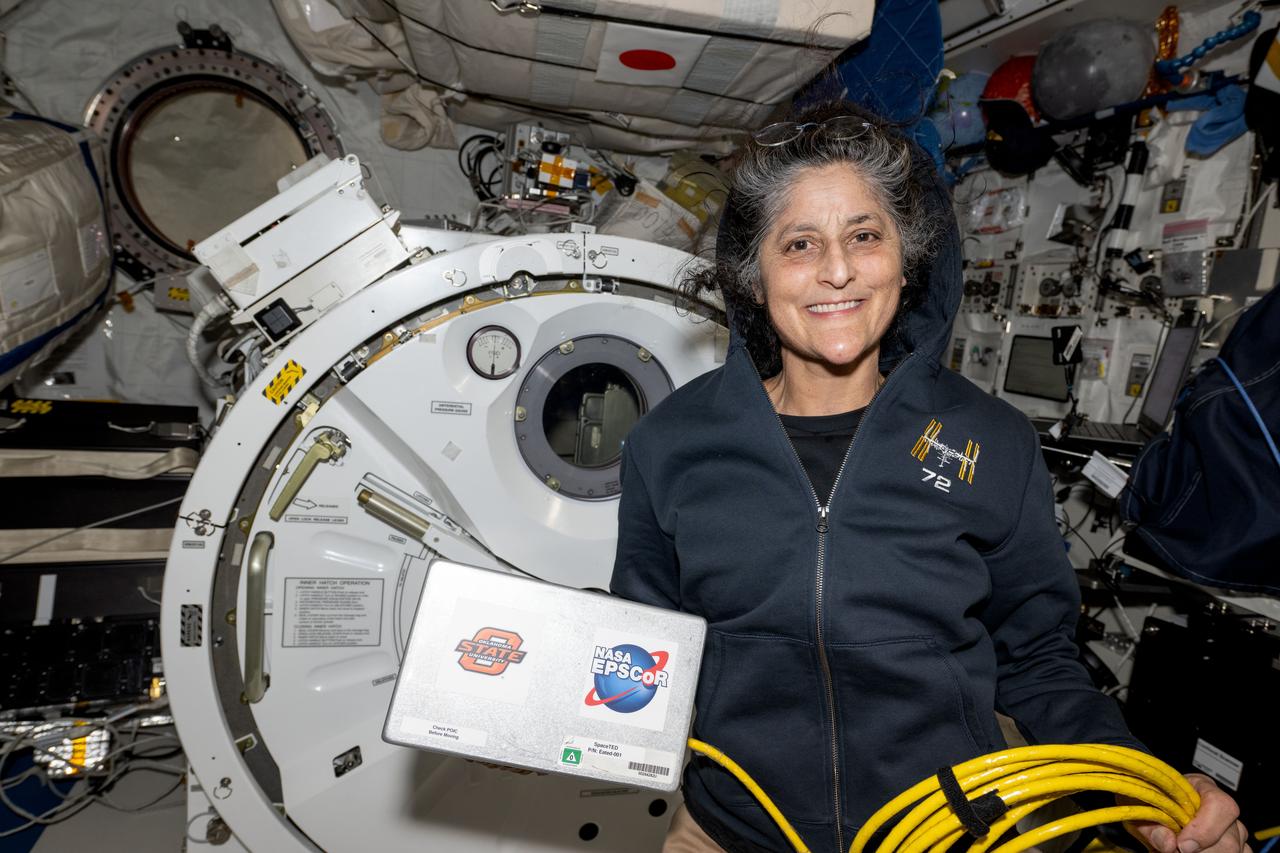
iss072e143492 (Nov. 1, 2024) --- NASA astronaut and Expedition 72 Commander Suni Williams displays the Space Tissue Equivalent Dosimeter (SpaceTED) hardware inside the International Space Station's Kibo laboratory module. SpaceTED is a technology demonstration that can measure radiation dosages and characterize the radiaton environment in microgravity to protect crew members and spacecraft hardware.
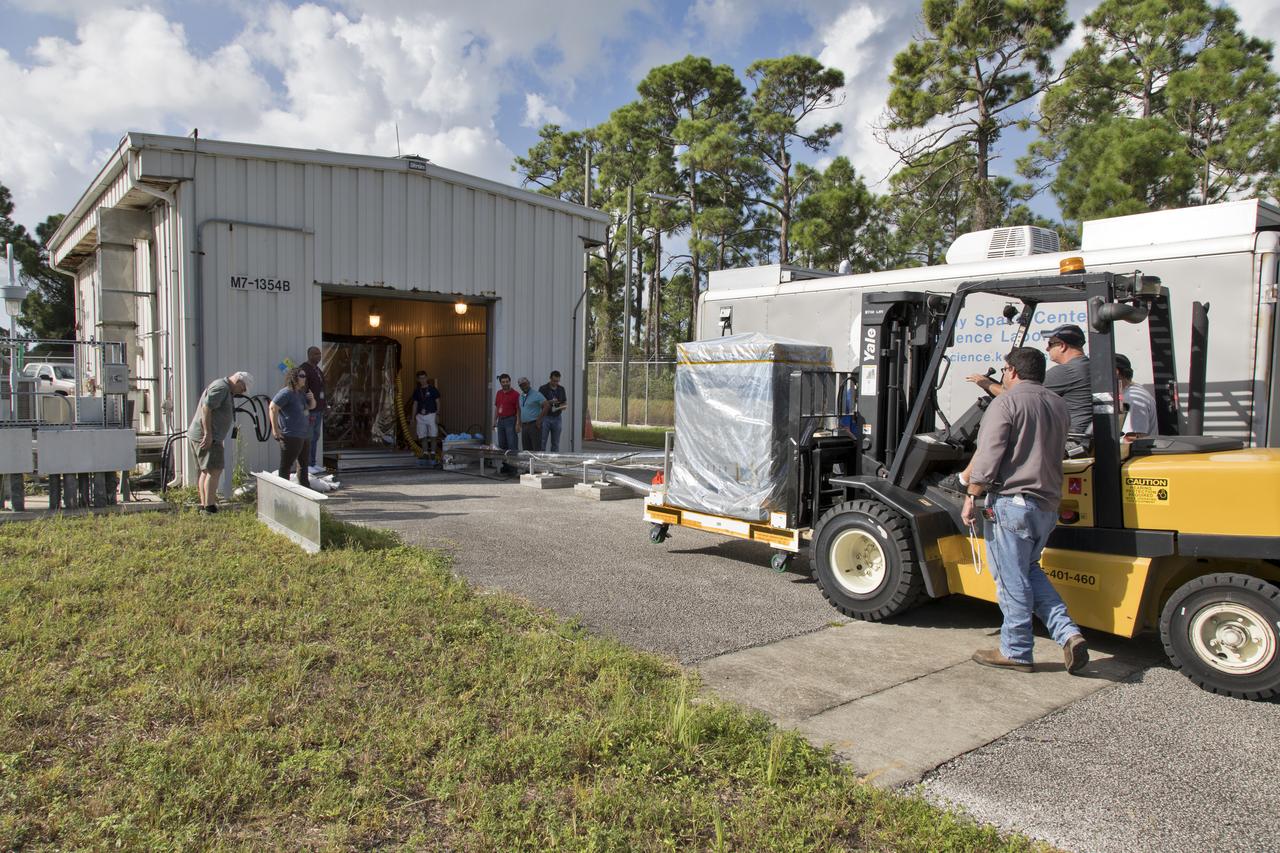
A worker uses a forklift to carry the Robotic Refueling Mission-3 (RRM3) payload to the entrance of the Payload Hazardous Servicing Facility on Oct. 3, 2018, at NASA's Kennedy Space Center in Florida. The payload will be carried to the International Space Station on SpaceX's 16th Commercial Resupply Services mission. RRM3 demonstrates the transfer of xenon gas and liquid methane in microgravity, and advances technologies for storing and manipulating these cryogenic fuels robotically. RRM3 also supports development of technology for the Restore-L mission, a robotic spacecraft equipped to service satellites in-orbit.
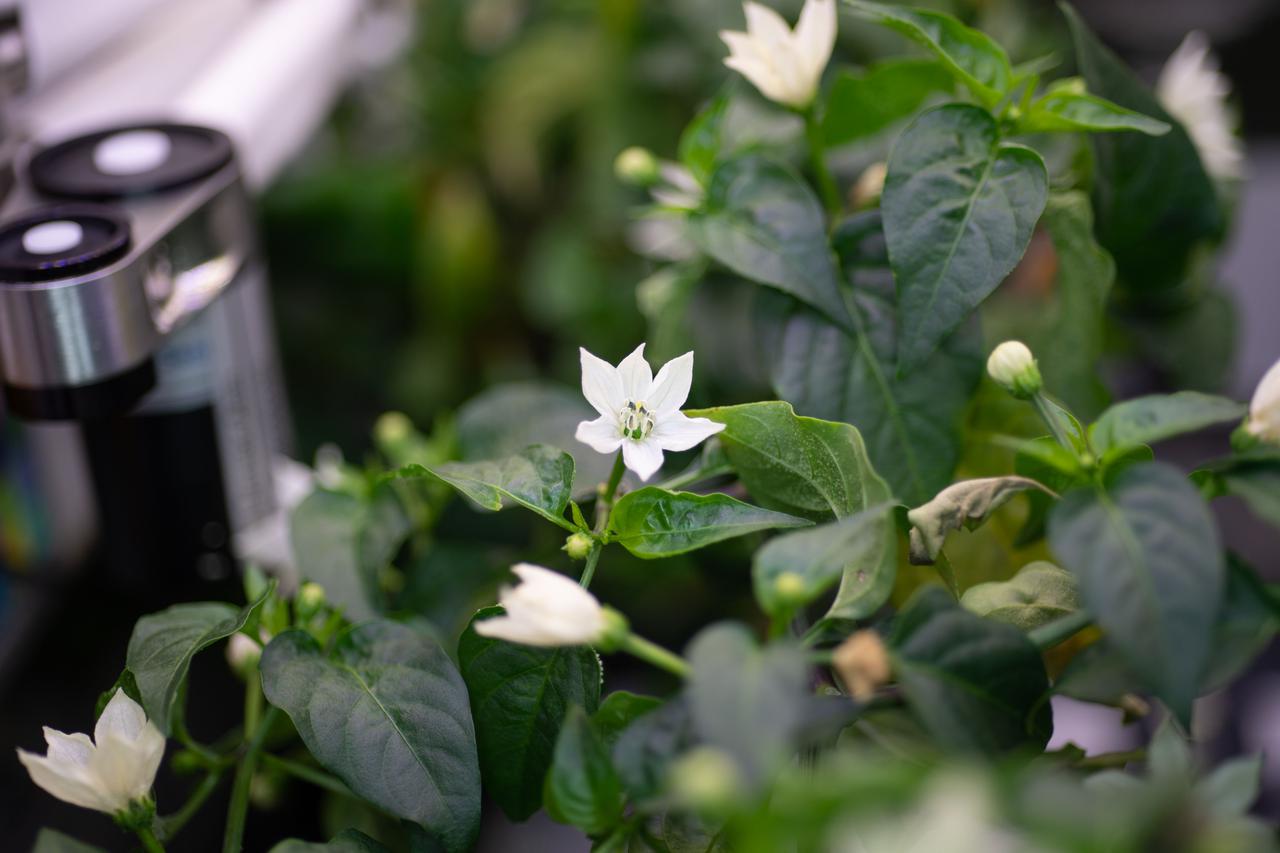
iss065e434036 (9/30/2021) --- Hatch Green Chile plants are pictured growing in the Advanced Plant Habitat aboard the International Space Station (ISS). The Microgravity Growth of New Mexico Hatch Green Chile as a Technical Display of Advanced Plant Habitat’s Capabilities (Plant Habitat-04) demonstrates using the Advanced Plant Habitat (APH) by growing peppers in space for the first time.
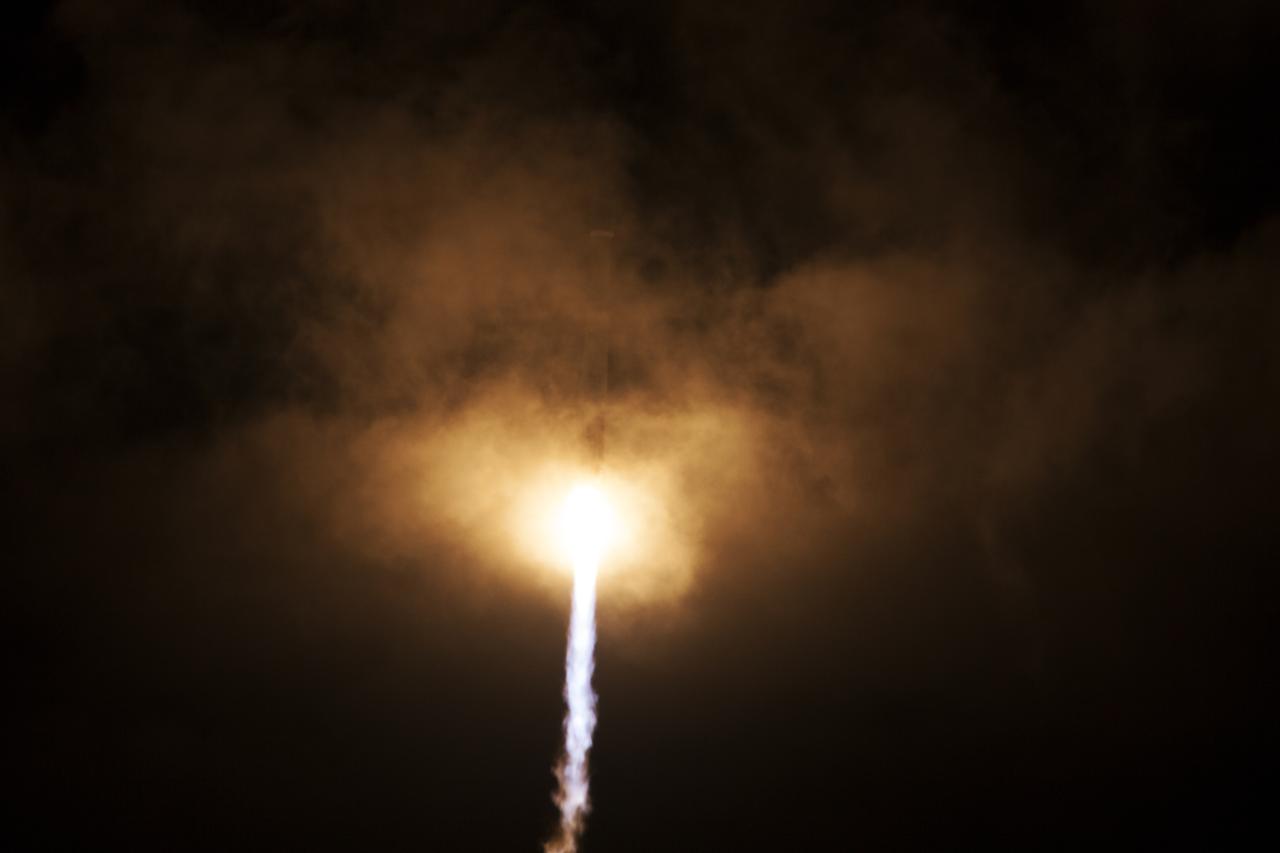
A United Launch Alliance Atlas V rocket lifts off from Space Launch Complex 41 at Cape Canaveral Air Force Station carrying an Orbital ATK Cygnus resupply spacecraft on a commercial resupply services mission to the International Space Station. Liftoff was at 11:05 p.m. EDT. Cygnus will deliver the second generation of a portable onboard printer to demonstrate 3-D printing, an instrument for first space-based observations of the chemical composition of meteors entering Earth’s atmosphere and an experiment to study how fires burn in microgravity.
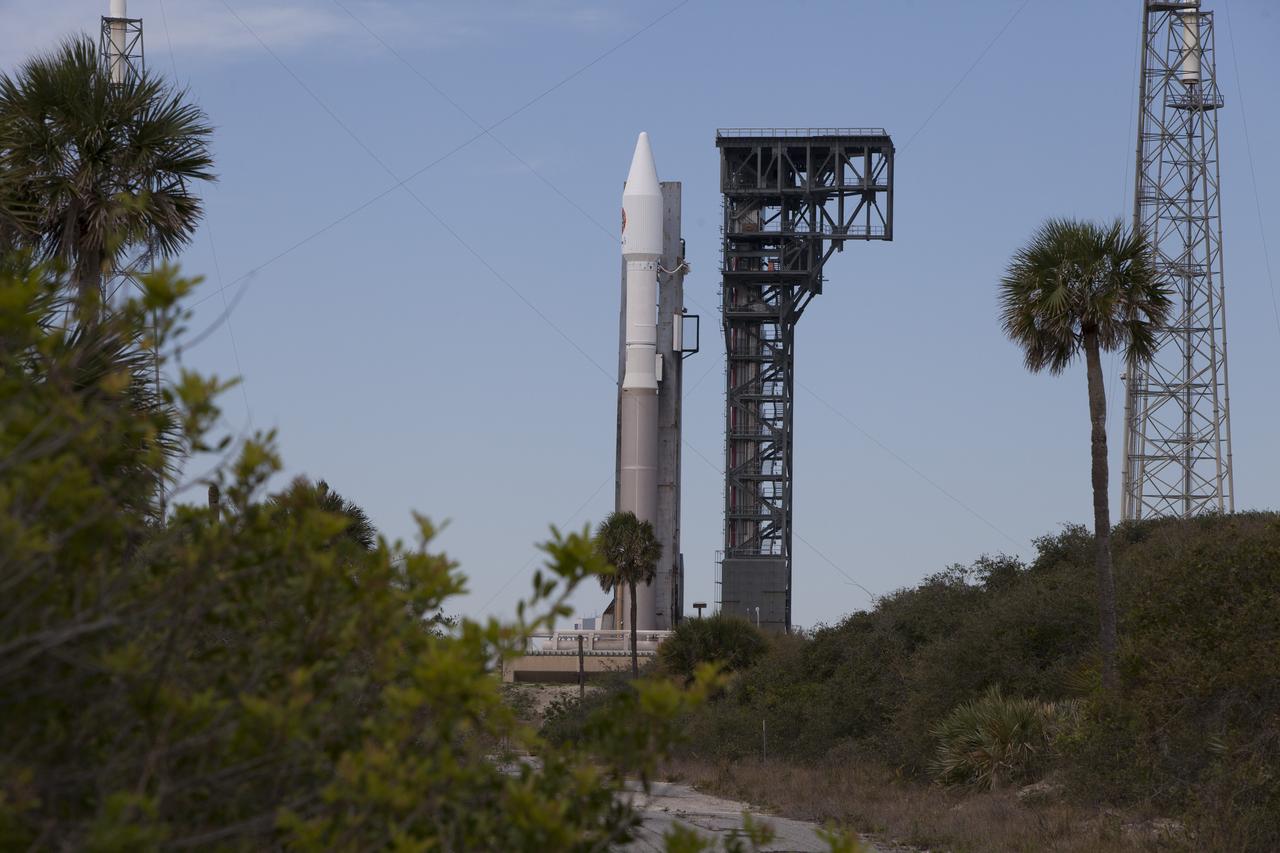
At Cape Canaveral Air Force Station's Space Launch Complex 41, a United Launch Alliance Atlas V rocket with a single-engine Centaur upper stage stands ready to boost an Orbital ATK Cygnus spacecraft on a resupply mission to the International Space Station. Science payloads include the second generation of a portable onboard printer to demonstrate three-dimensional printing, an instrument for first space-based observations of the chemical composition of meteors entering Earth’s atmosphere and an experiment to study how fires burn in microgravity.
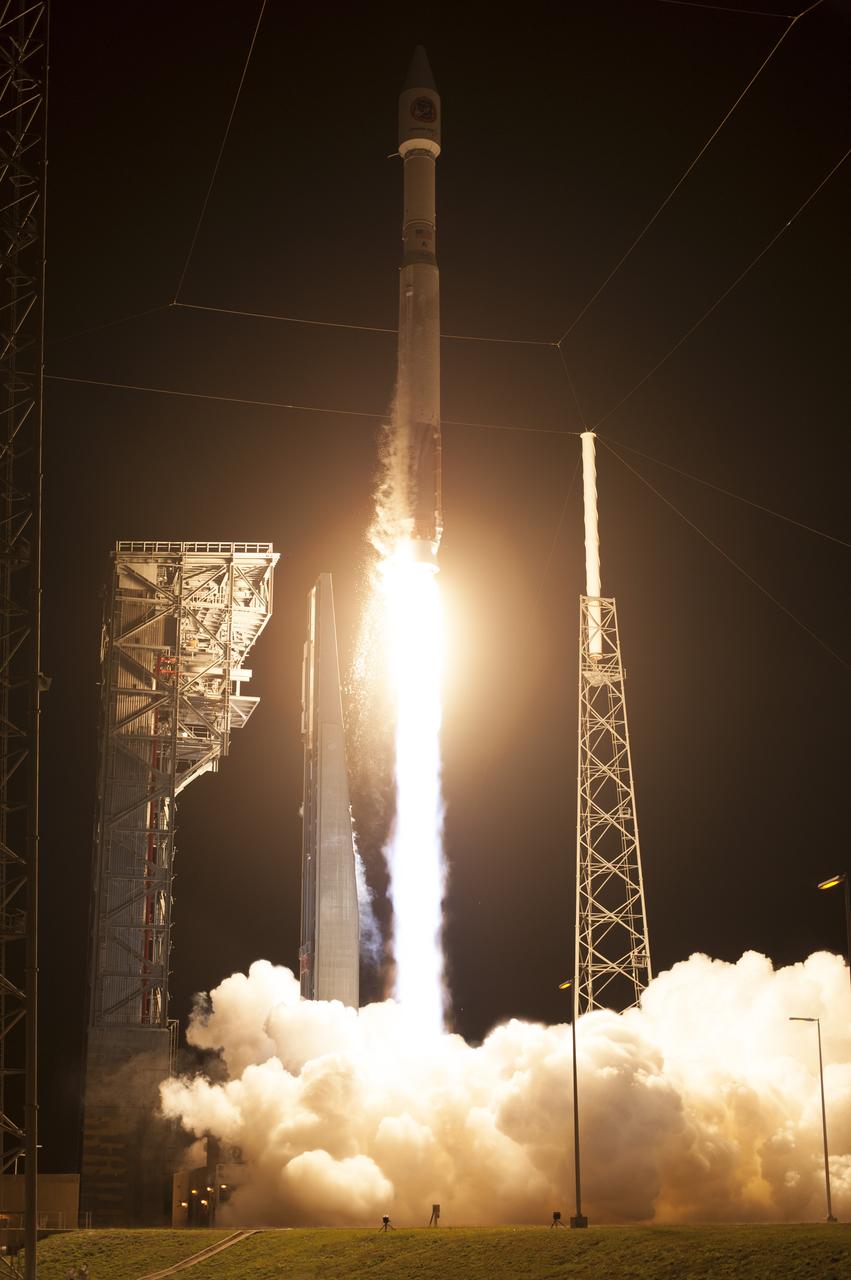
A United Launch Alliance Atlas V rocket lifts off from Space Launch Complex 41 at Cape Canaveral Air Force Station carrying an Orbital ATK Cygnus resupply spacecraft on a commercial resupply services mission to the International Space Station. Liftoff was at 11:05 p.m. EDT. Cygnus will deliver the second generation of a portable onboard printer to demonstrate 3-D printing, an instrument for first space-based observations of the chemical composition of meteors entering Earth’s atmosphere and an experiment to study how fires burn in microgravity.
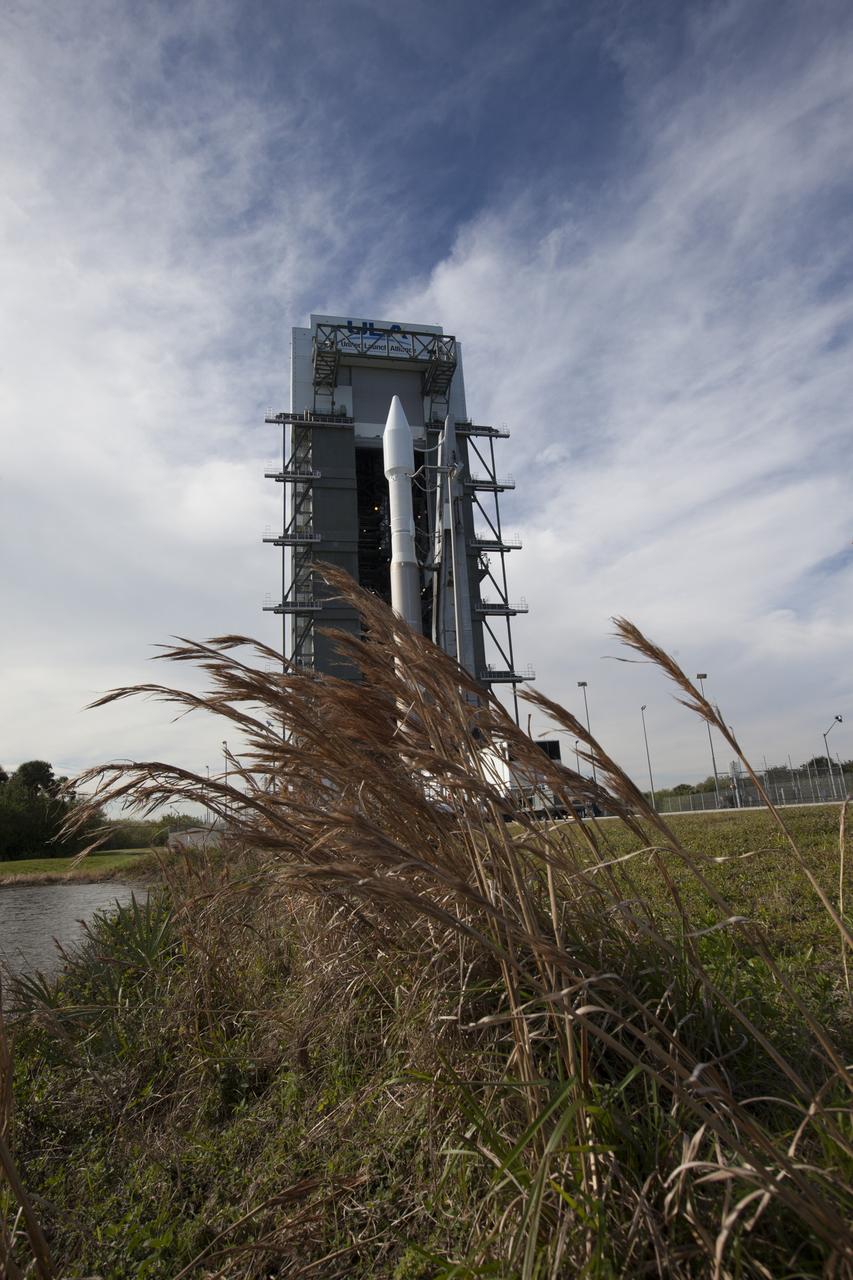
At Cape Canaveral Air Force Station's Space Launch Complex 41, a United Launch Alliance Atlas V rocket with a single-engine Centaur upper stage stands ready to boost an Orbital ATK Cygnus spacecraft on a resupply mission to the International Space Station. Science payloads include the second generation of a portable onboard printer to demonstrate three-dimensional printing, an instrument for first space-based observations of the chemical composition of meteors entering Earth’s atmosphere and an experiment to study how fires burn in microgravity.
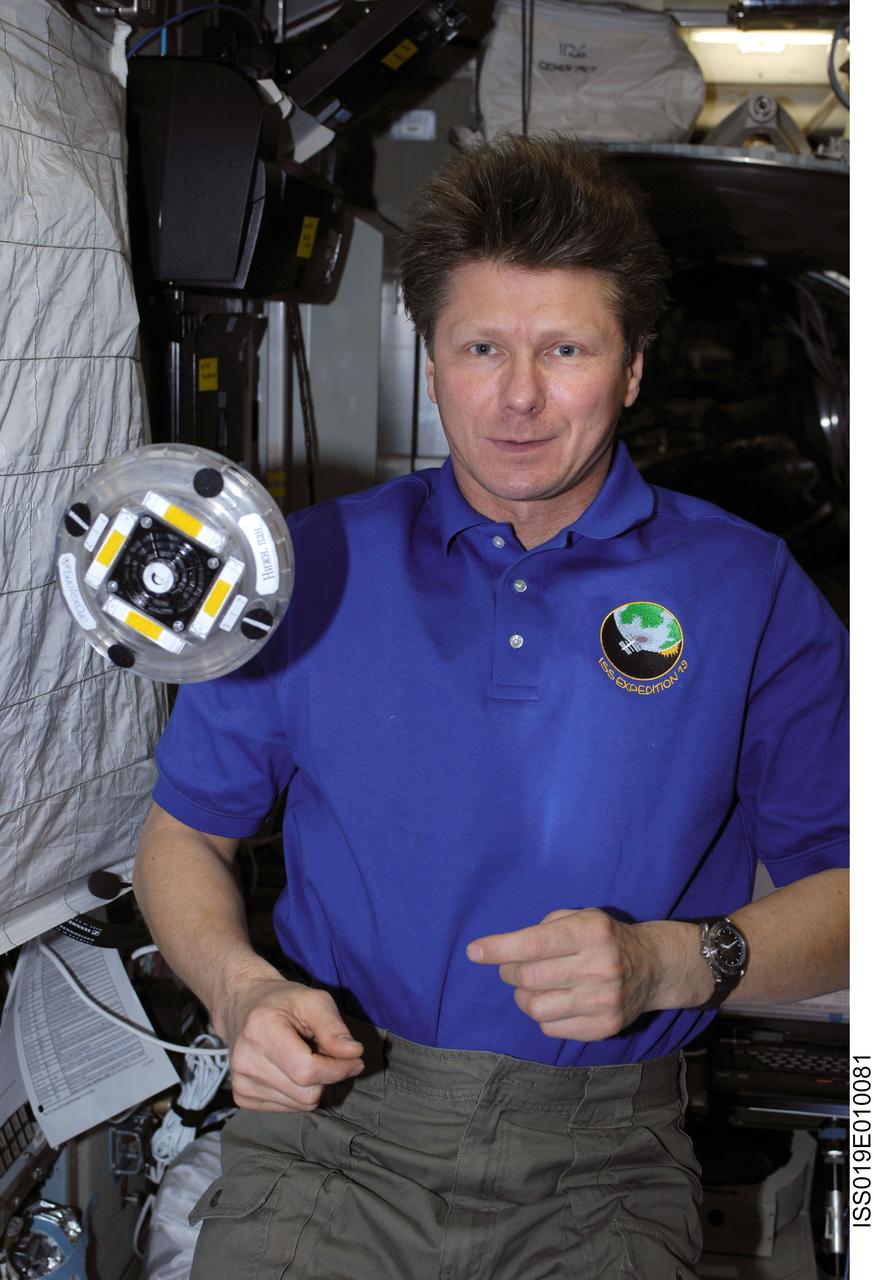
ISS019-E-010081 (24 April 2009) --- Cosmonaut Gennady Padalka, Expedition 19/20 commander, is pictured near the OBR-1-1/?Fizika-LT? (Letaushaya Tarelka/Flying Disk) educational experiment, also called ?UFO?, floating freely in the Zvezda Service Module of the International Space Station. The OBR-1-1 is part of the OBRAZOVANIE (Education) suite of three educational demonstrations of physics in microgravity.
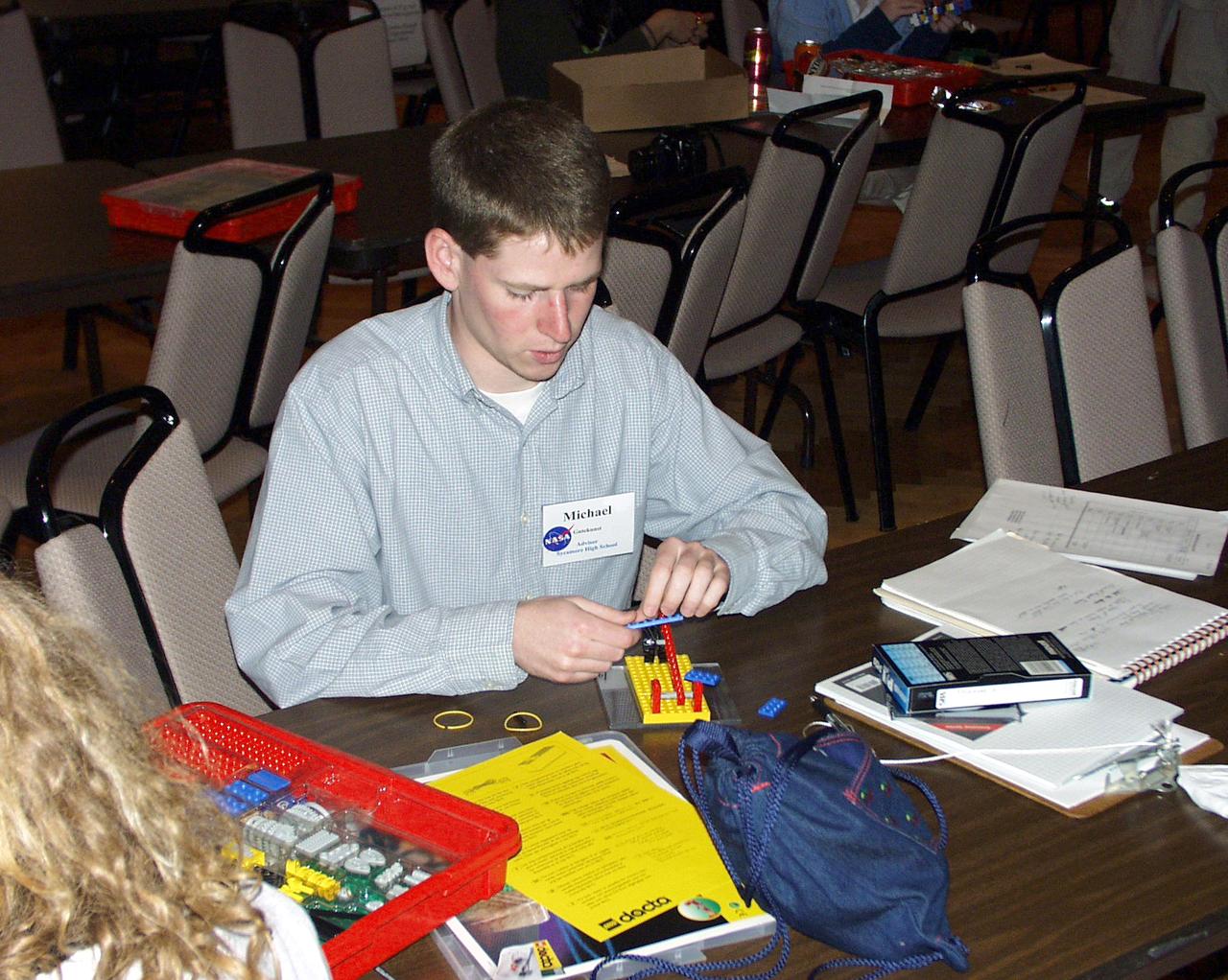
A student assembles a Lego (TM) Challenge device designed to operate in the portable drop tower demonstrator as part of the second Dropping in a Microgravity Environment (DIME) competition held April 23-25, 2002, at NASA's Glenn Research Center. Competitors included two teams from Sycamore High School, Cincinnati, OH, and one each from Bay High School, Bay Village, OH, and COSI Academy, Columbus, OH. DIME is part of NASA's education and outreach activities. Details are on line at http://microgravity.grc.nasa.gov/DIME_2002.html.
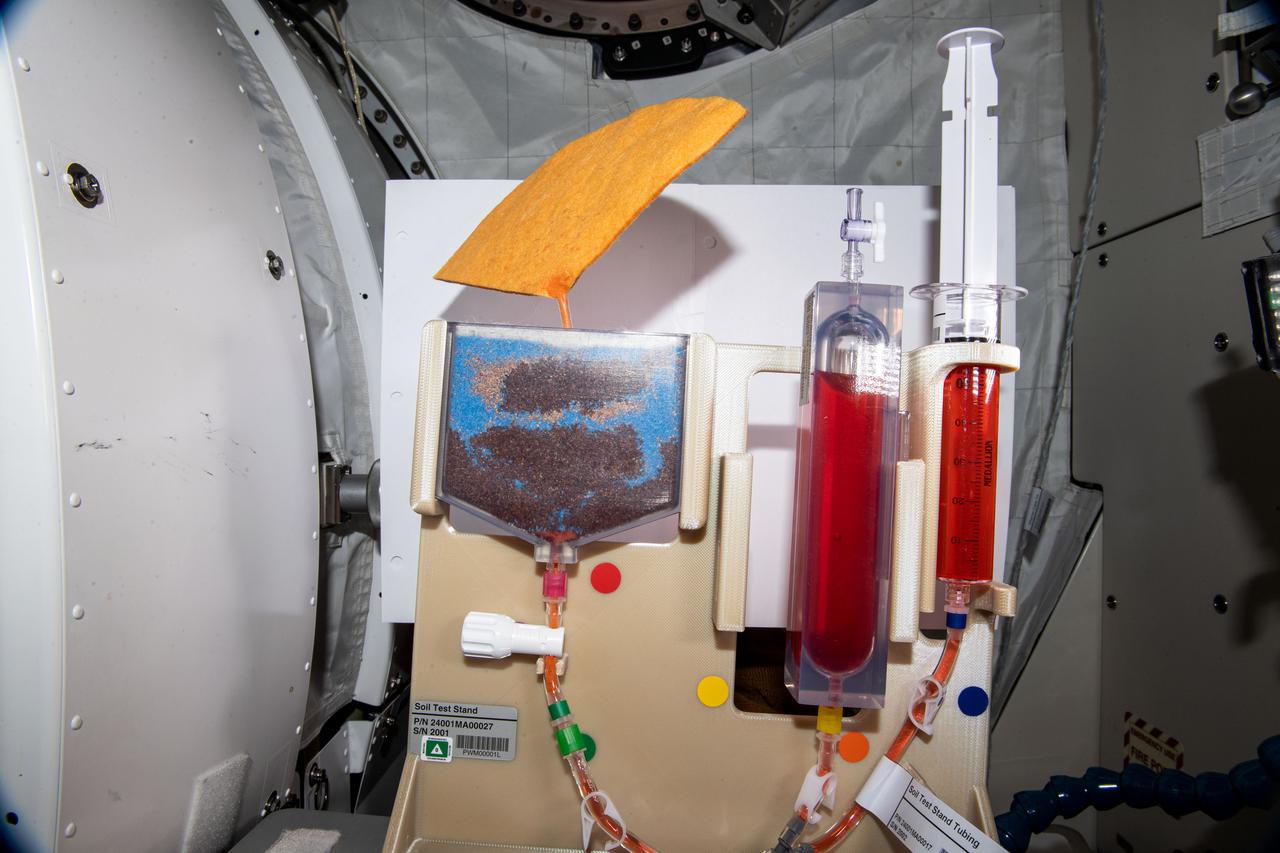
iss064e030235 (2/8/2021) --- A view of the Plant Water Management (PWM) investigation aboard the International space Station (ISS). Plant Water Management demonstrates a hydroponic method for ensuring adequate hydration and aeration to the root zone in order to sustain plants from germination through harvest. Low-gravity capillary fluidics deliver water in single and multiple plant production chambers, and researchers compare growth of individual plants in microgravity and normal gravity.

jsc2024e050834 (7/26/2024) --- Screaming Balloon hex nuts, pennies and balloons in their individual ziplock stowage bags prior to hardware handover. Developed through NASA’s Office of STEM Engagement Next Gen STEM Project, STEMonstrations are short educational videos demonstrating science, technology, engineering, and mathematics (STEM) topics in microgravity for grades K through 12. STEMonstrations: Screaming Balloon examines centripetal force, whirling a penny and a hexnut inside of inflated balloons and comparing the sounds they make.
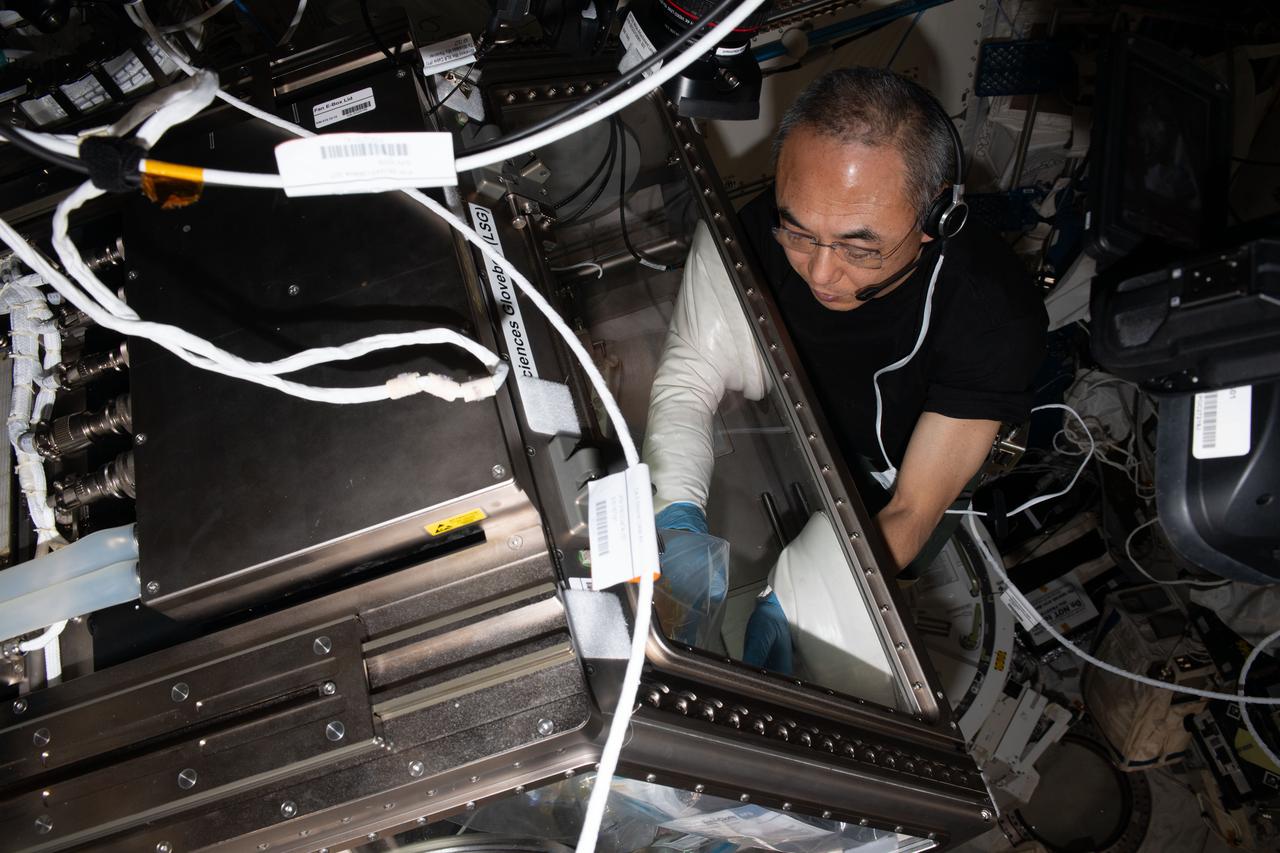
iss070e035116 (Dec. 1, 2023) --- JAXA (Japan Aerospace Exploration Agency) astronaut and Expedition 70 Flight Engineer Satoshi Furukawa works in the Kibo laboratory module's Life Science Glovebox extracting DNA samples for the new uTitan investigation. The technology demonstration is exploring a method for automated nucleic acid extraction in microgravity and may inform DNA sample processing and sequencing techniques on spacecraft and remote locations on Earth.

iss065e235367 (8/10/2021) --- Hatch Green Chile plants are pictured growing in the Advanced Plant Habitat aboard the International Space Station (ISS). The Microgravity Growth of New Mexico Hatch Green Chile as a Technical Display of Advanced Plant Habitat’s Capabilities (Plant Habitat-04) demonstrates using the Advanced Plant Habitat (APH) by growing peppers in space for the first time.
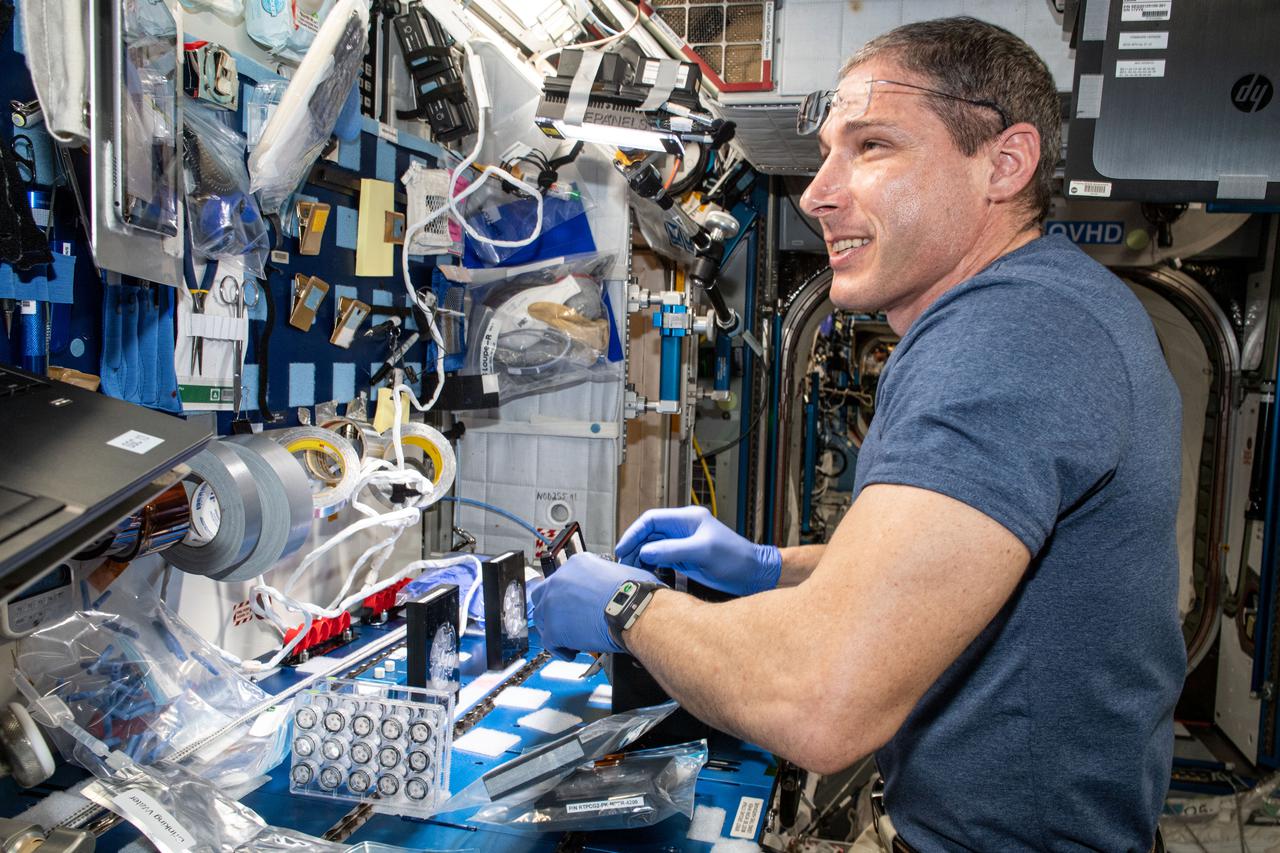
iss065e006581 (April 26, 2021) --- NASA astronaut and Expedition 65 Flight Engineer Michael Hopkins packs components of the Real-time Protein Crystal Growth experiment for return and analysis on Earth. The biotechnology study seeks to demonstrate new methods for producing high-quality protein crystals in microgravity and identify possible targets for drugs to treat diseases on Earth.

iss068e075601 (3/17/2023) --- A view of the Ice Cubes Experiment Cube #6 – Kirara mission, in the Columbus module aboard the International Space Station (ISS). The Ice Cubes Experiment Cube #6 – Kirara is an in-orbit validation of an incubator for growing protein crystals in microgravity for future commercial business opportunities. This first demonstration mission includes proteins for seven different companies and research institutes.
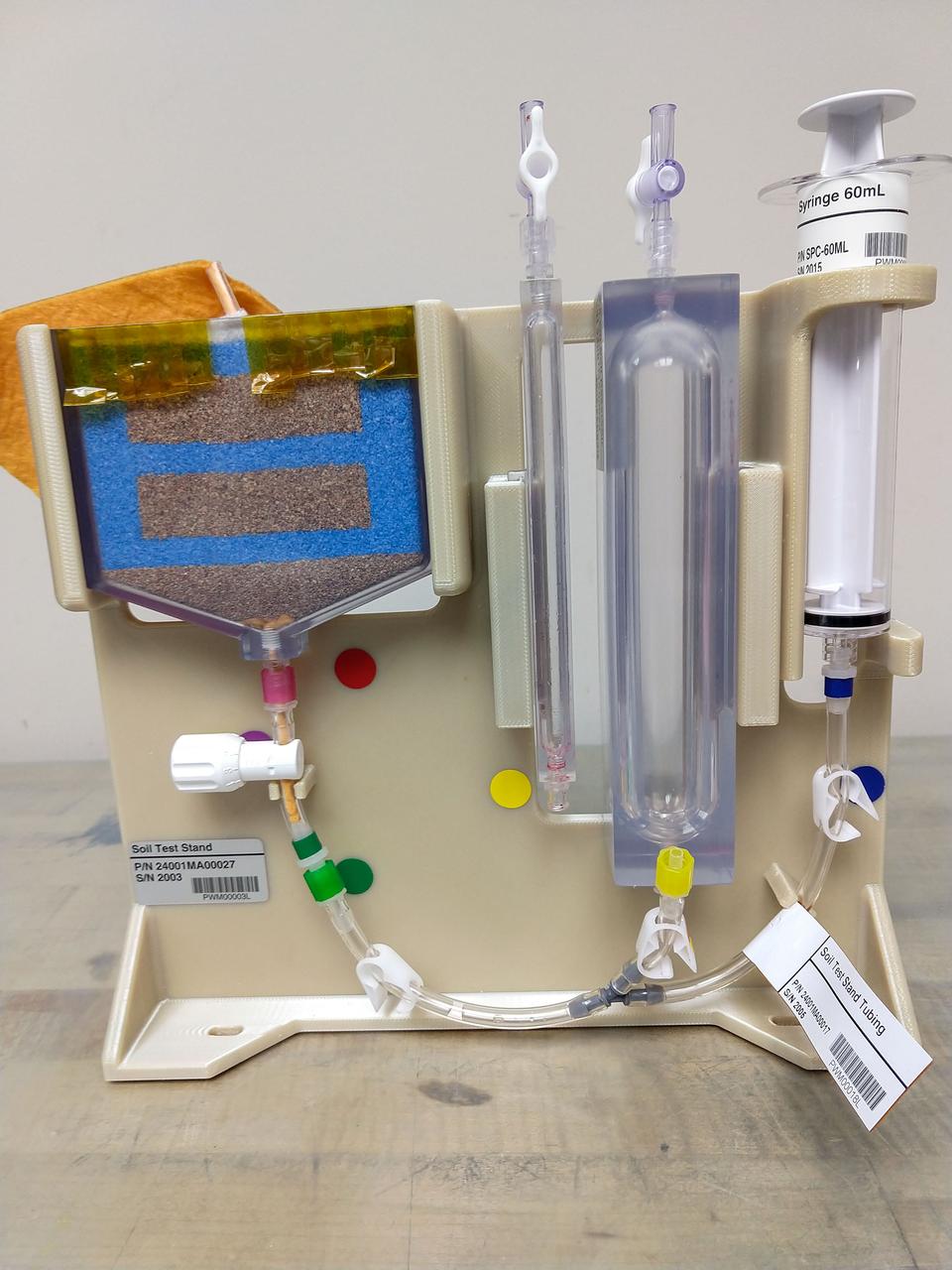
jsc2019e041774 (5/10/2019) --- Preflight imagery of a Plant Water Management (PWM) Harness and Hydroponics Test Article. Plant Water Management demonstrates a hydroponic method for ensuring adequate hydration and aeration to the root zone in order to sustain plants from germination through harvest. Low-gravity capillary fluidics deliver water in single and multiple plant production chambers, and researchers compare growth of individual plants in microgravity and normal gravity.
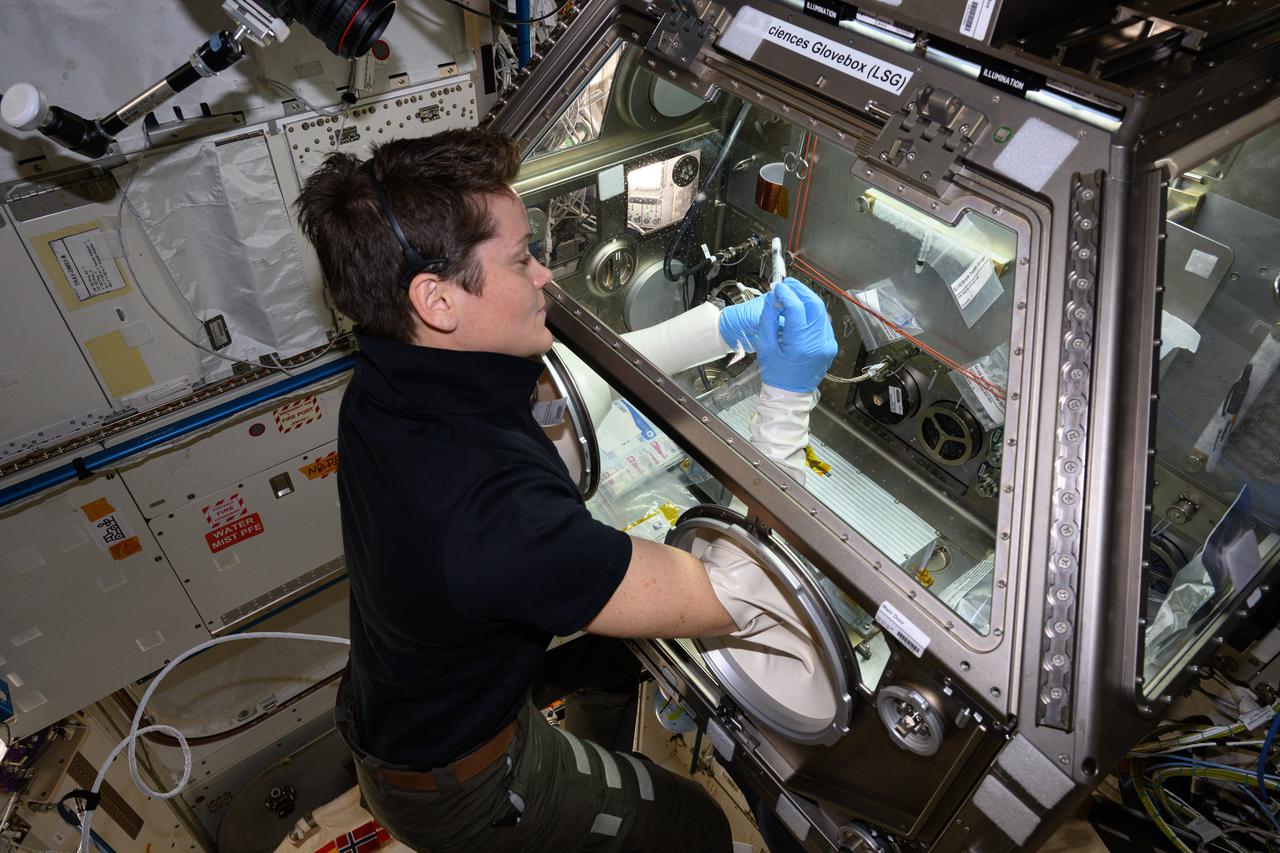
iss073e0027808 (May 10, 2025) --- NASA astronaut and Expedition 73 Flight Engineer Anne McClain works in the Kibo laboratory module's Life Sciences Glovebox processing bacteria samples before viewing them inside a 3D imaging microscope called the Extant Life Volumetric Imaging System, or ELVIS. The technology demonstration may enable applications for monitoring water quality, detecting infectious organisms on spacecraft, and researching colloids (suspensions of particles in a liquid) and microorganisms in microgravity.
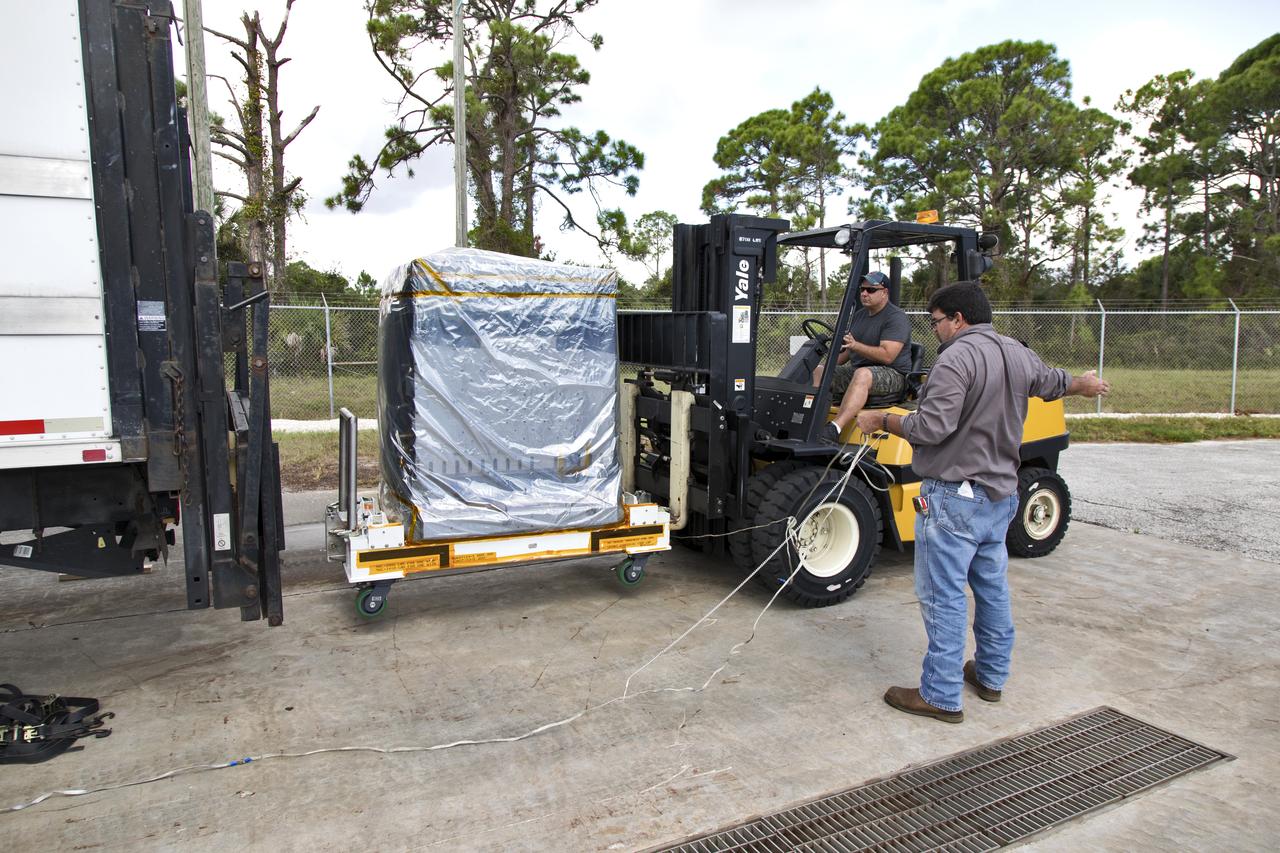
A worker uses a forklift to unload the Robotic Refueling Mission-3 (RRM3) payload from a truck at the Payload Hazardous Servicing Facility on Oct. 3, 2018, at NASA's Kennedy Space Center in Florida. The payload will be carried to the International Space Station on SpaceX's 16th Commercial Resupply Services mission. RRM3 demonstrates the transfer of xenon gas and liquid methane in microgravity, and advances technologies for storing and manipulating these cryogenic fuels robotically. RRM3 also supports development of technology for the Restore-L mission, a robotic spacecraft equipped to service satellites in-orbit.
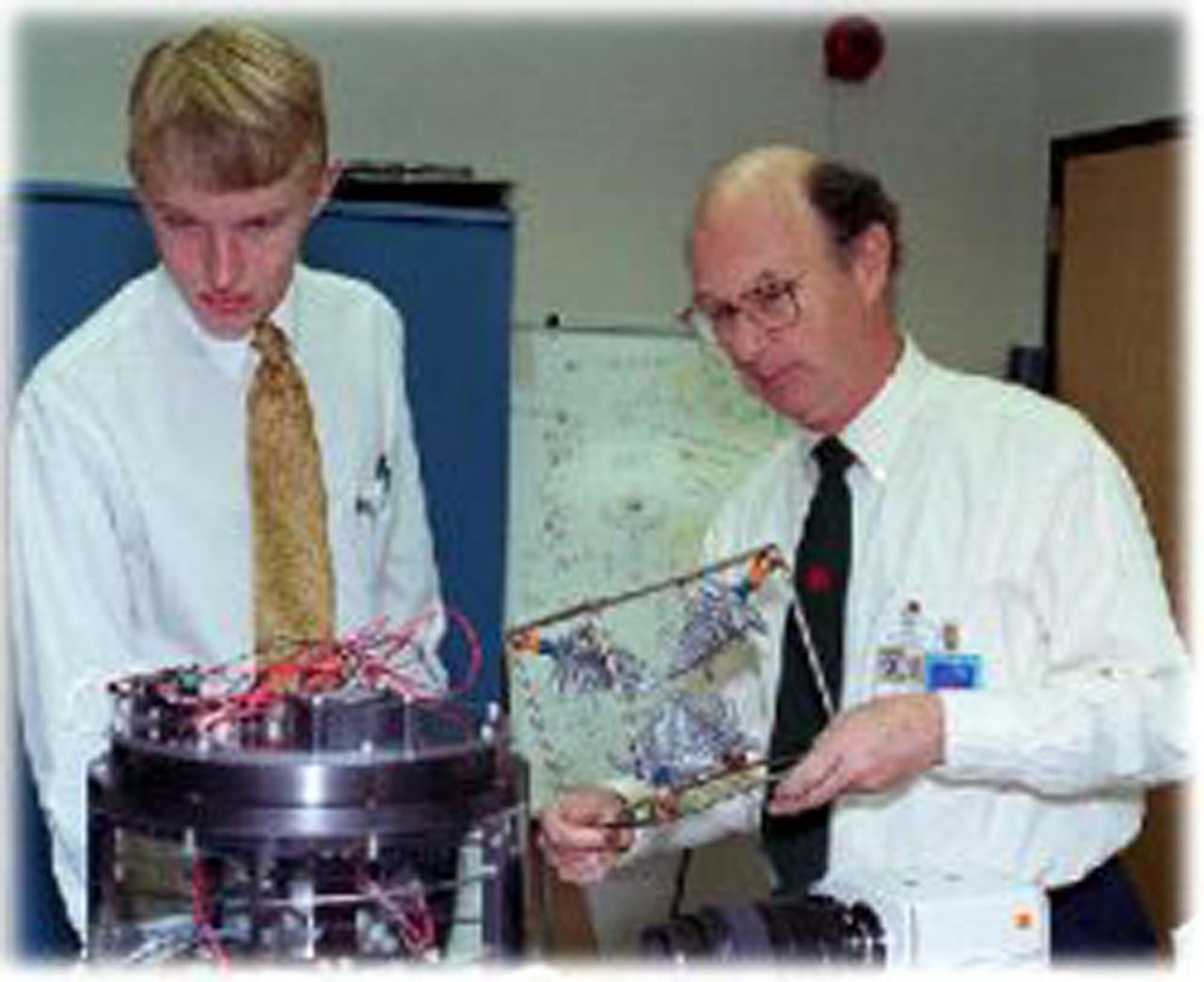
Dr. Donald Gilles, the Discipline Scientist for Materials Science in NASA's Microgravity Materials Science and Applications Department, demonstrates to Carl Dohrman a model of dendrites, the branch-like structures found in many metals and alloys. Dohrman was recently selected by the American Society for Metals International as their 1999 ASM International Foundation National Merit Scholar. The University of Illinois at Urbana-Champaign freshman recently toured NASA's materials science facilities at the Marshall Space Flight Center.
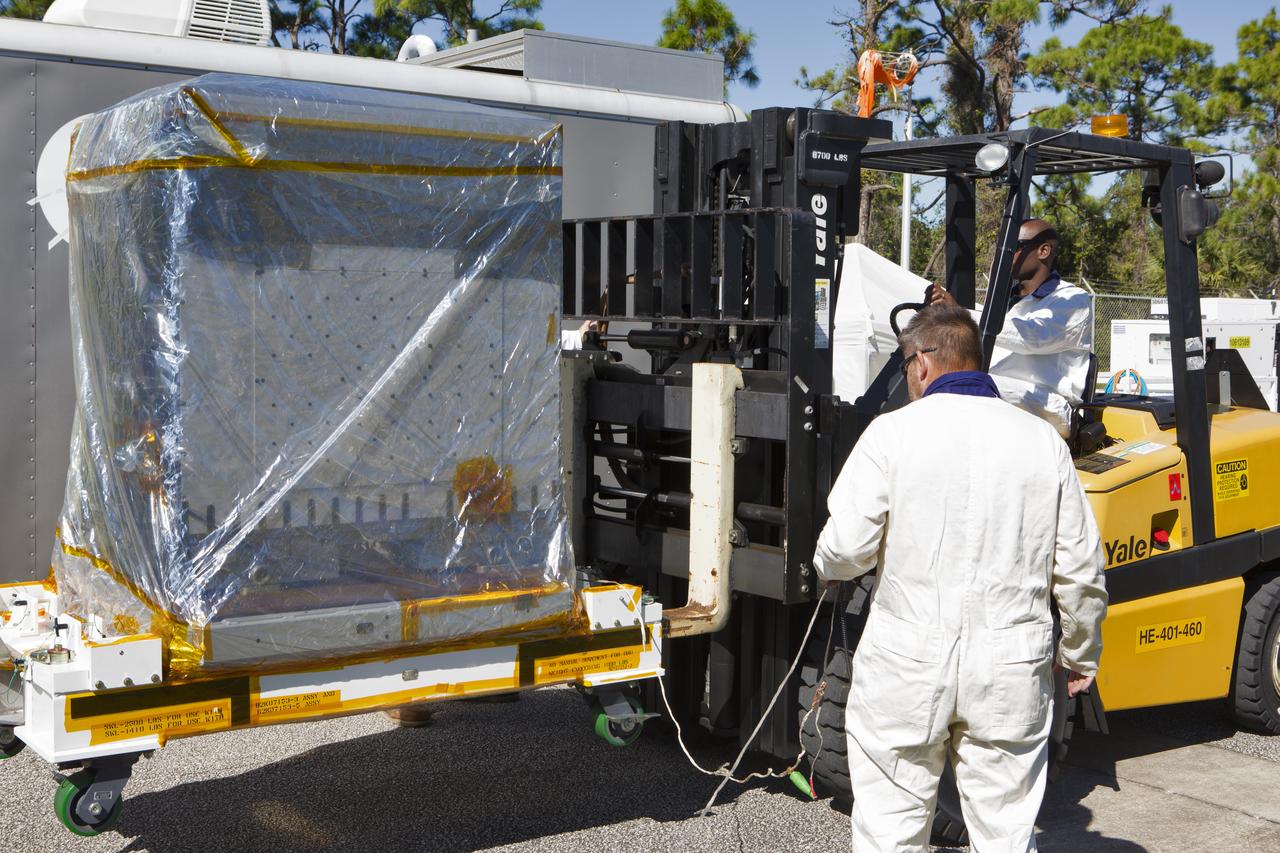
Workers prepare the Robotic Refueling Mission-3 (RRM3) payload for transport from the Fuel Transfer Building to the SpaceX facility on Oct. 30, 2018, at NASA's Kennedy Space Center in Florida. The payload will be carried to the International Space Station on SpaceX's 16th Commercial Resupply Services mission. RRM3 demonstrates the transfer of xenon gas and liquid methane in microgravity, and advances technologies for storing and manipulating these cryogenic fuels robotically. RRM3 also supports development of technology for the Restore-L mission, a robotic spacecraft equipped to service satellites in-orbit.
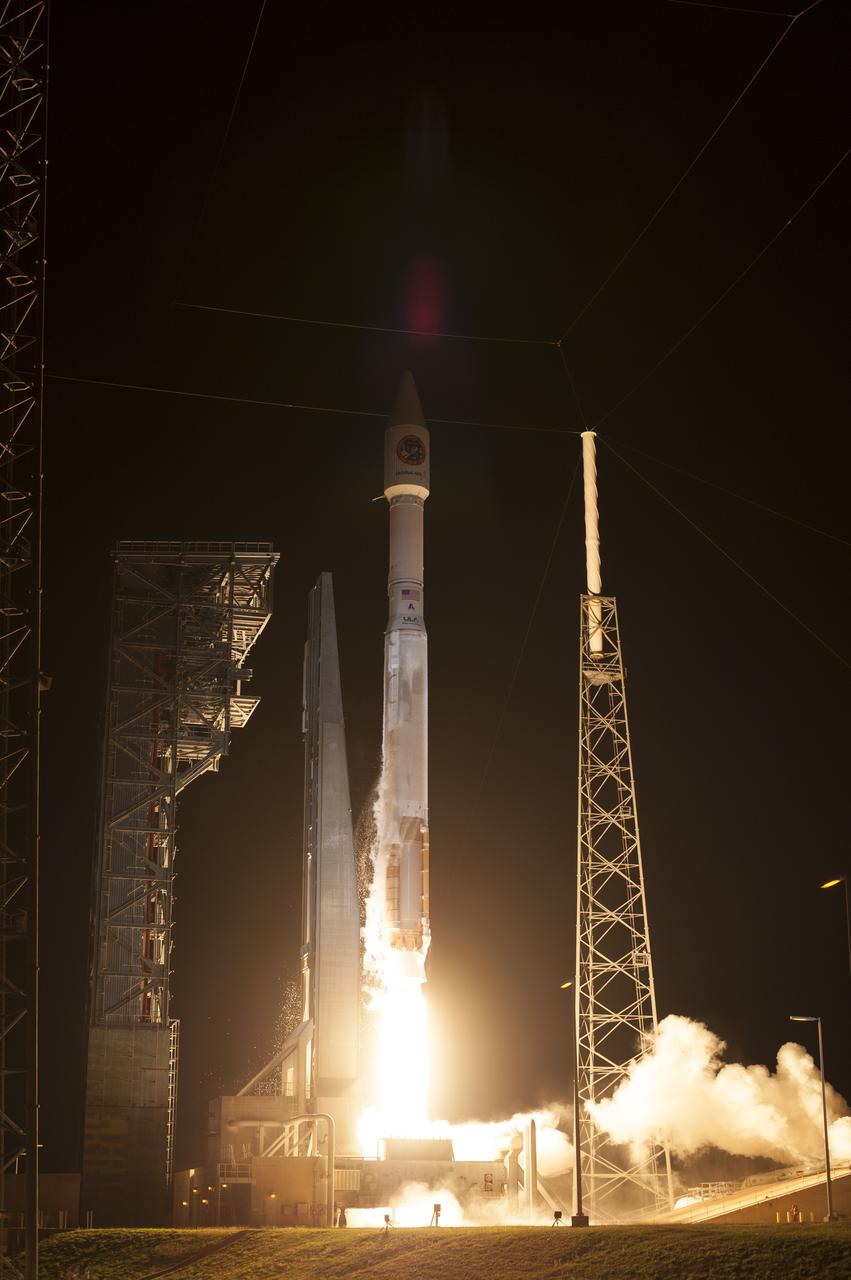
A United Launch Alliance Atlas V rocket lifts off from Space Launch Complex 41 at Cape Canaveral Air Force Station carrying an Orbital ATK Cygnus resupply spacecraft on a commercial resupply services mission to the International Space Station. Liftoff was at 11:05 p.m. EDT. Cygnus will deliver the second generation of a portable onboard printer to demonstrate 3-D printing, an instrument for first space-based observations of the chemical composition of meteors entering Earth’s atmosphere and an experiment to study how fires burn in microgravity.
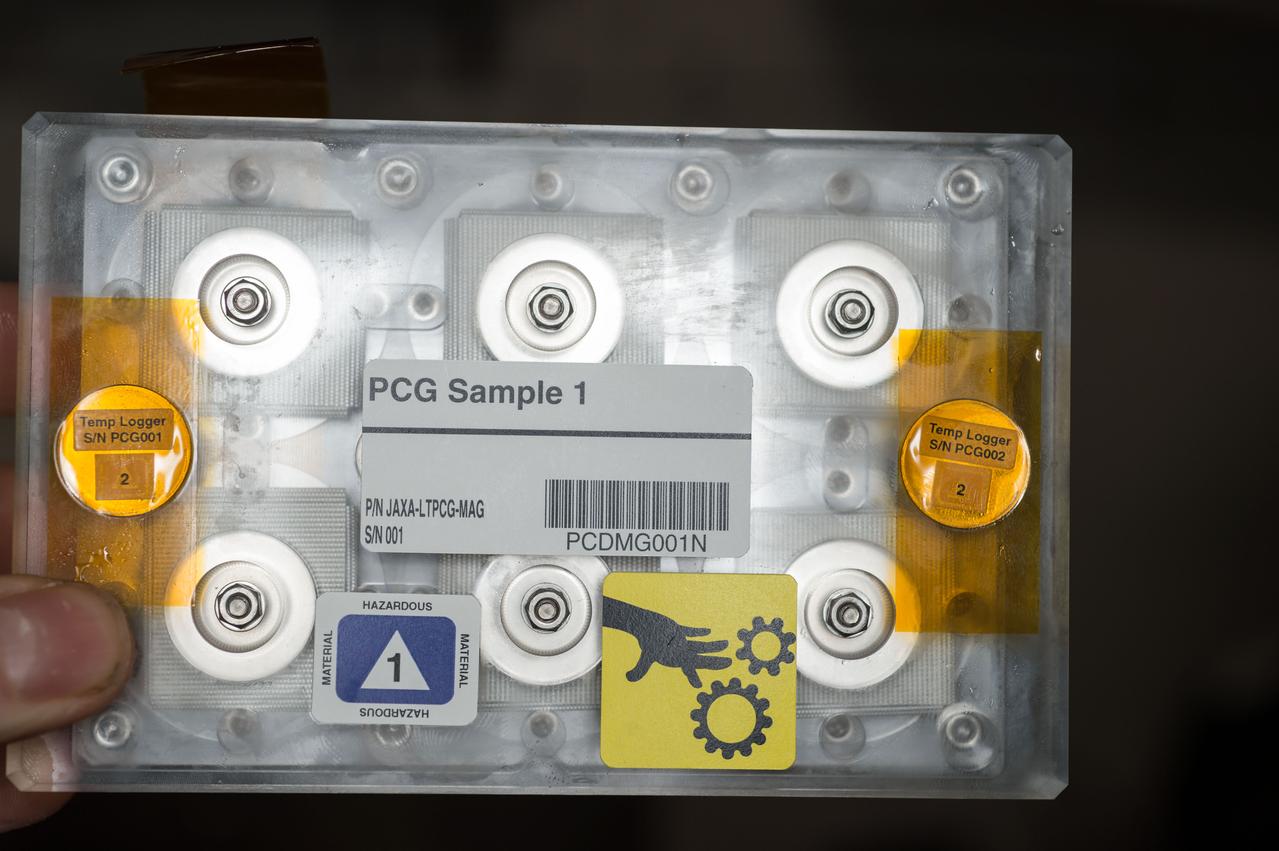
iss047e055613 (4/11/2016) --- A view of the JAXA Protein Crystal Growth (PCG) Demo Sample, in the Japanese Experiment Module (JEM) Pressurized Module (JPM) aboard the International space Station (ISS). The objective of JAXA High Quality Protein Crystal Growth Demonstration Experiment (JAXA PCG-Demo) is to grow high quality protein crystals in microgravity.
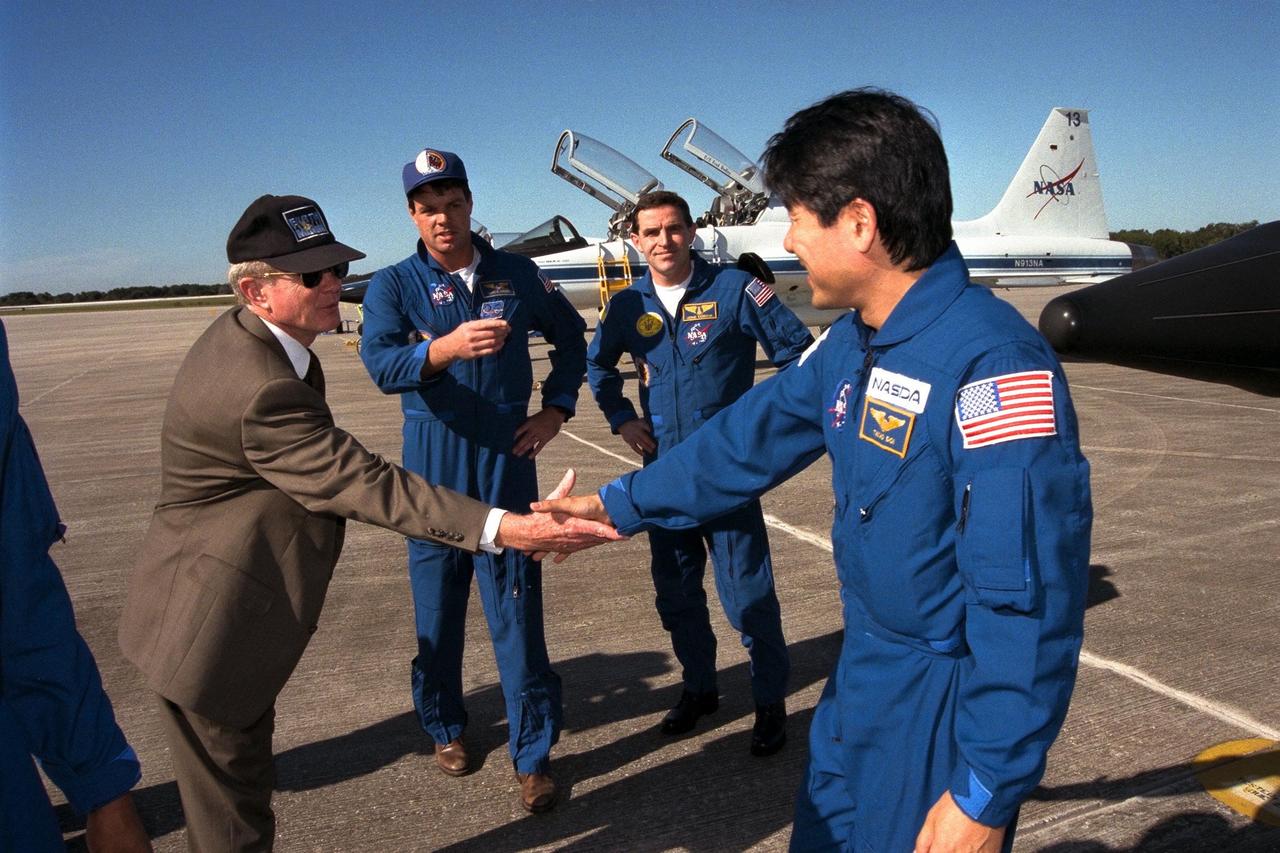
In preparation for Space Shuttle Mission STS-87, the crew arrives at the Kennedy Space Center Shuttle Landing Facility to participate in the Terminal Countdown Demonstration Test (TCDT) for their mission. The TCDT is a dress rehearsal for launch. STS-87 will be the fourth flight of the United States Microgravity Payload and the Spartan-201 deployable satellite. Launch is targeted for Nov. 19

iss071e650313 (Sept. 14, 2024) --- Expedition 71 Flight Engineer (from left) Don Pettit from NASA demonstrates filling a specially-made coffee cup from a drink bag to Expedition 71 Flight Engineer Alexey Ovchinin from Roscosmos. The coffee stays inside the cup due to surface tension, a property that enables liquids to resist an external force, such as microgravity, and adhere, or stick to a surface.
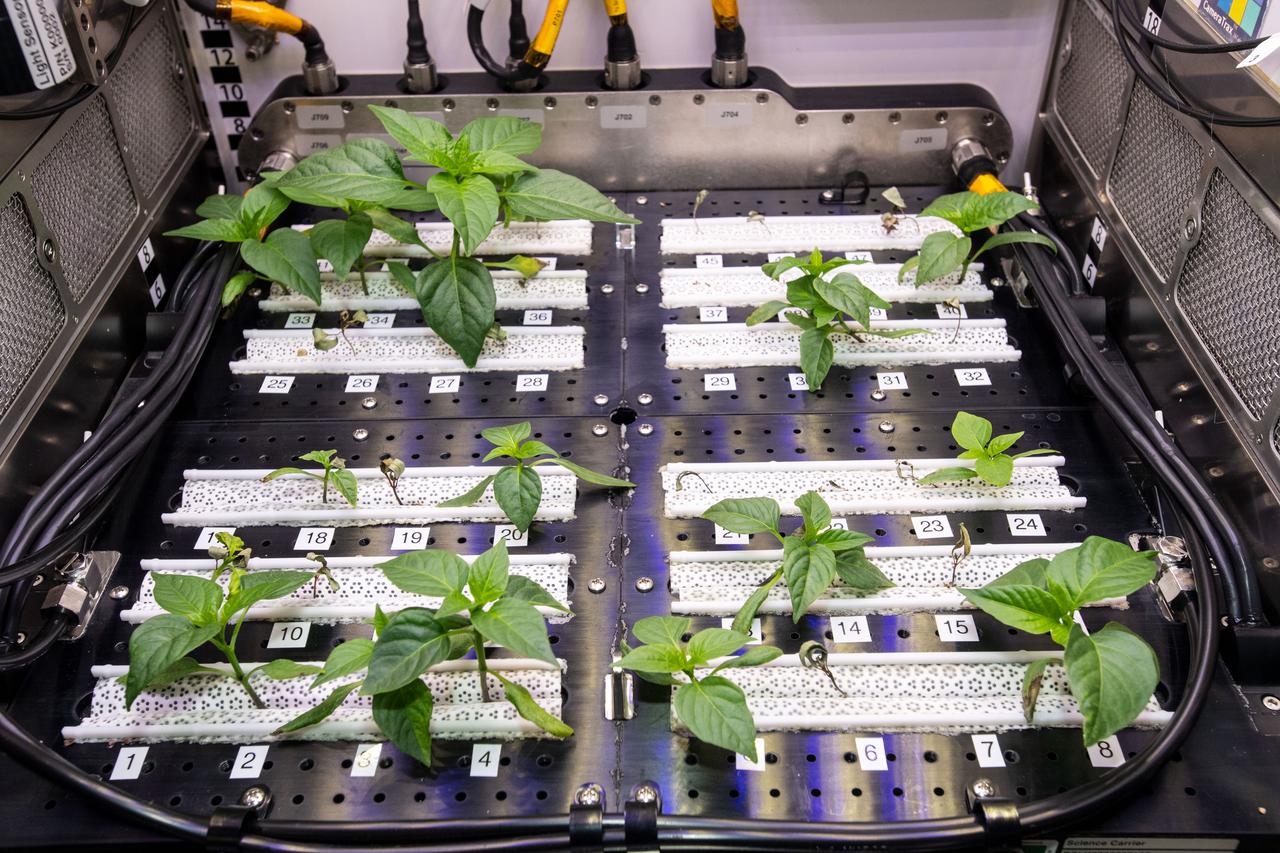
iss065e235366 (8/10/2021) --- Hatch Green Chile plants are pictured growing in the Advanced Plant Habitat aboard the International Space Station (ISS). The Microgravity Growth of New Mexico Hatch Green Chile as a Technical Display of Advanced Plant Habitat’s Capabilities (Plant Habitat-04) demonstrates using the Advanced Plant Habitat (APH) by growing peppers in space for the first time.
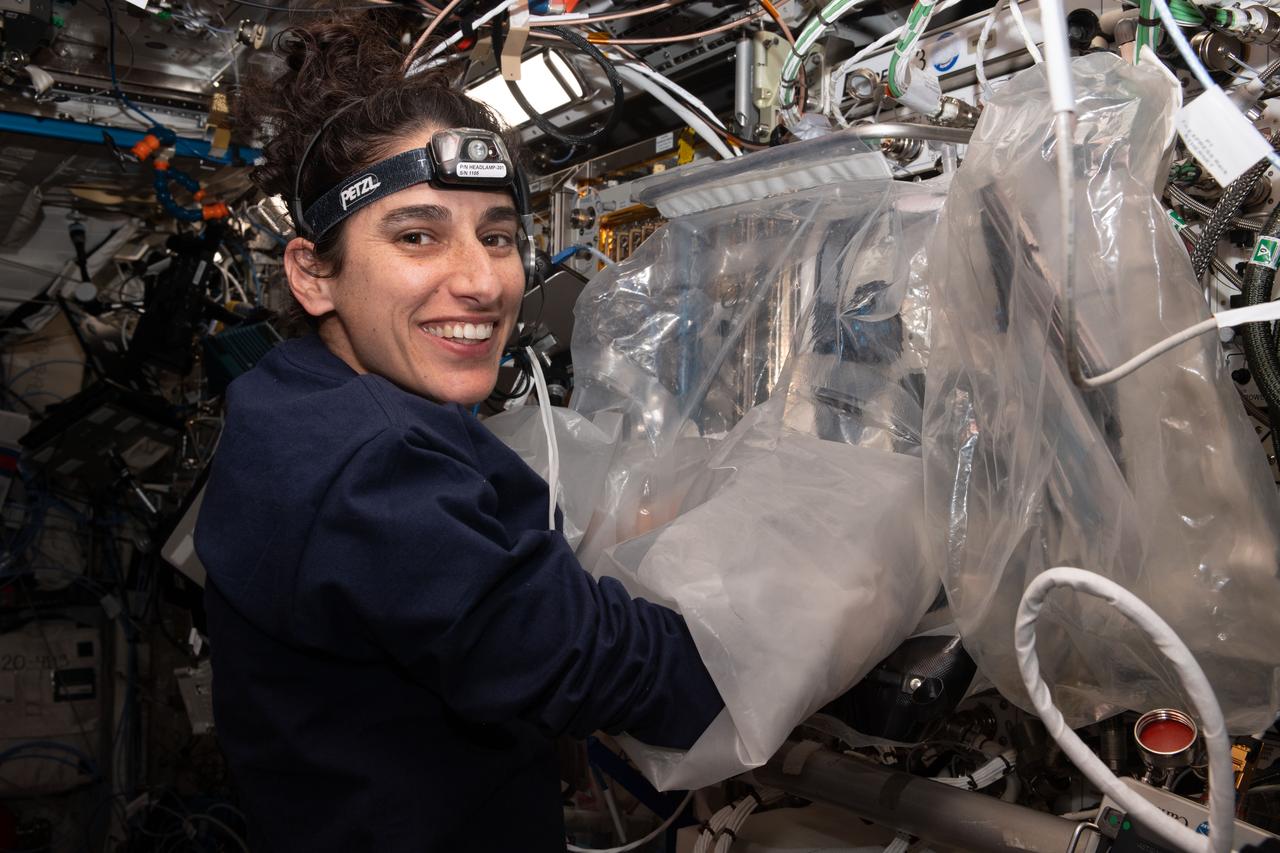
iss070e035114 (Dec. 1, 2023) --- NASA astronaut and Expedition 70 Flight Engineer Jasmin Moghbeli uses a portable glovebag and removes a tissue cassette containing printed cardiac tissue samples from the BioFabrication Facility that is demonstrating printing organ-like tissues in microgravity. The cassette was then installed into an advanced sample processor that can be configured for a variety of biological and physics investigations.
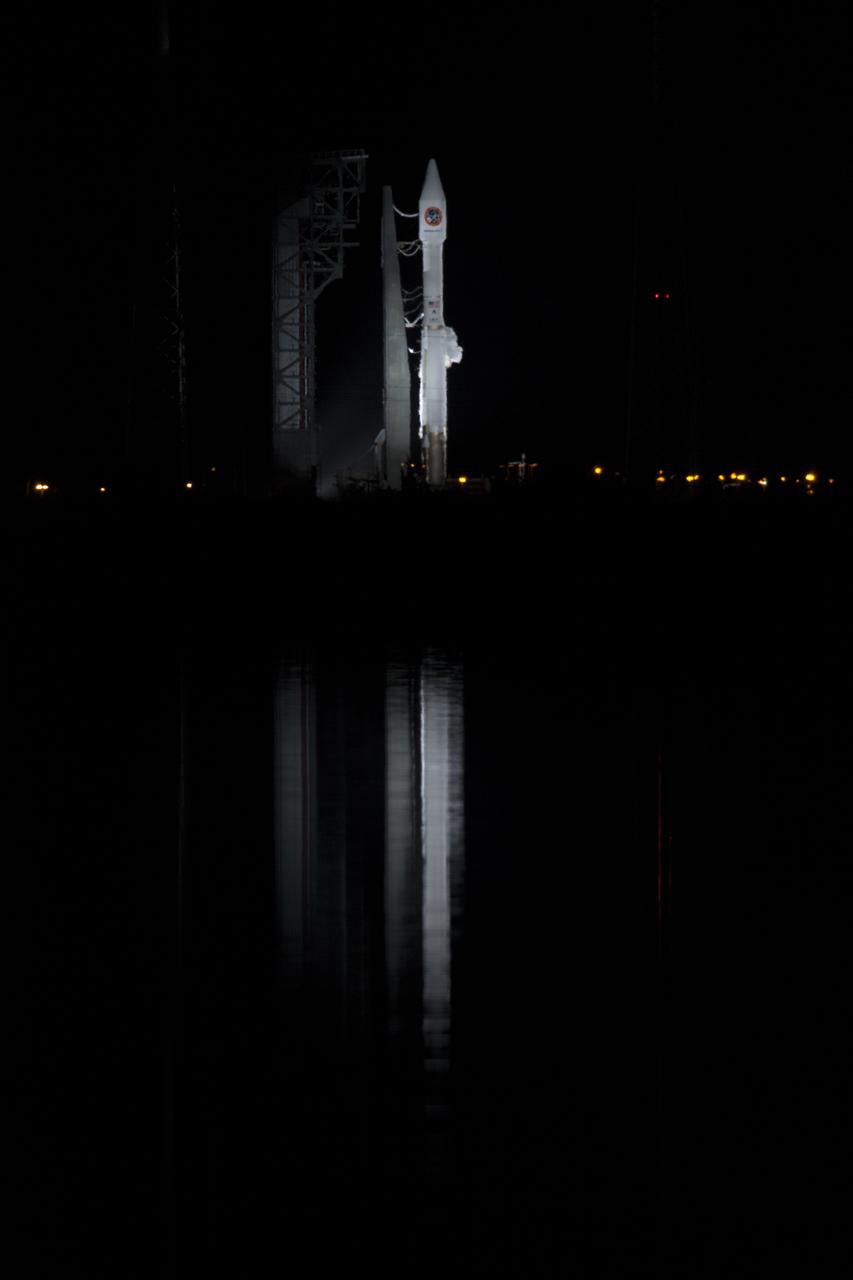
At Cape Canaveral Air Force Station's Space Launch Complex 41, a United Launch Alliance Atlas V rocket with a single-engine Centaur upper stage stands ready to boost an Orbital ATK Cygnus spacecraft on a resupply mission to the International Space Station. Science payloads include the second generation of a portable onboard printer to demonstrate three-dimensional printing, an instrument for first space-based observations of the chemical composition of meteors entering Earth’s atmosphere and an experiment to study how fires burn in microgravity.
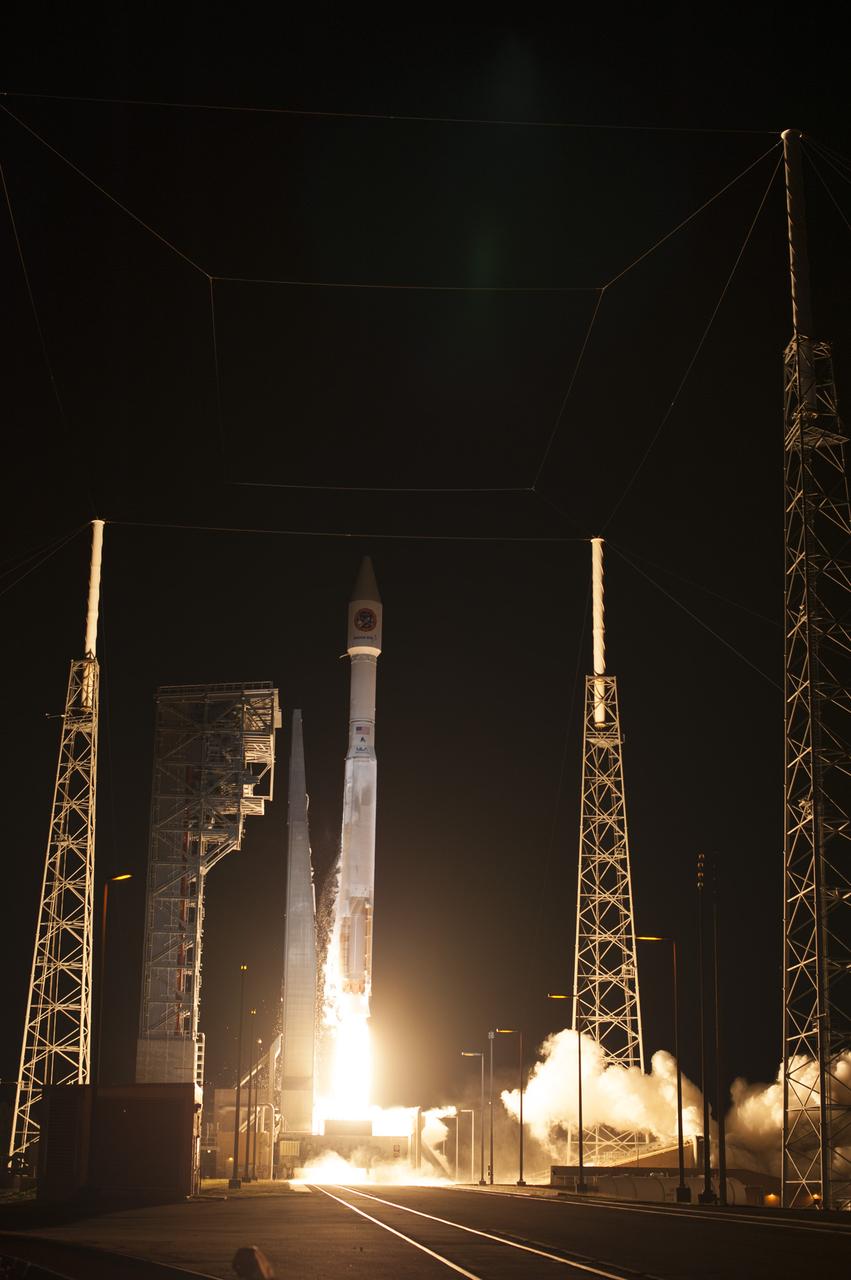
A United Launch Alliance Atlas V rocket lifts off from Space Launch Complex 41 at Cape Canaveral Air Force Station carrying an Orbital ATK Cygnus resupply spacecraft on a commercial resupply services mission to the International Space Station. Liftoff was at 11:05 p.m. EDT. Cygnus will deliver the second generation of a portable onboard printer to demonstrate 3-D printing, an instrument for first space-based observations of the chemical composition of meteors entering Earth’s atmosphere and an experiment to study how fires burn in microgravity.
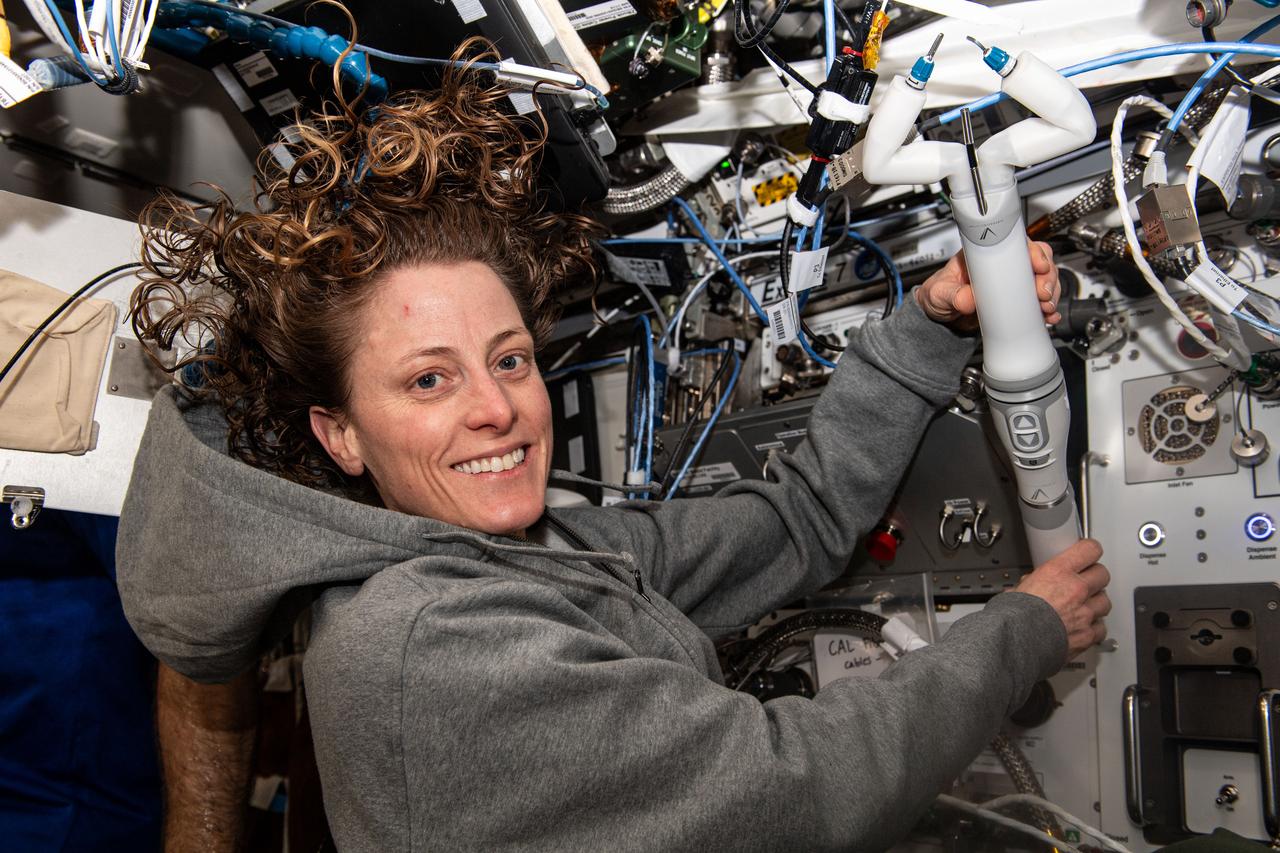
iss070e097708 (Feb. 21, 2024) -- NASA astronaut and Expedition 70 Flight Engineer Loral O’Hara shows off the miniaturized in vivo robotic assistant (MIRA), which is Virtual Incision’s miniaturized robotic assisted surgery system, which was used to conduct a robotic surgery technology demonstration aboard the International Space Station. The hardware tests techniques for performing robotic surgery in microgravity using a miniature surgical robot that can be remotely controlled or teleoperated from Earth.
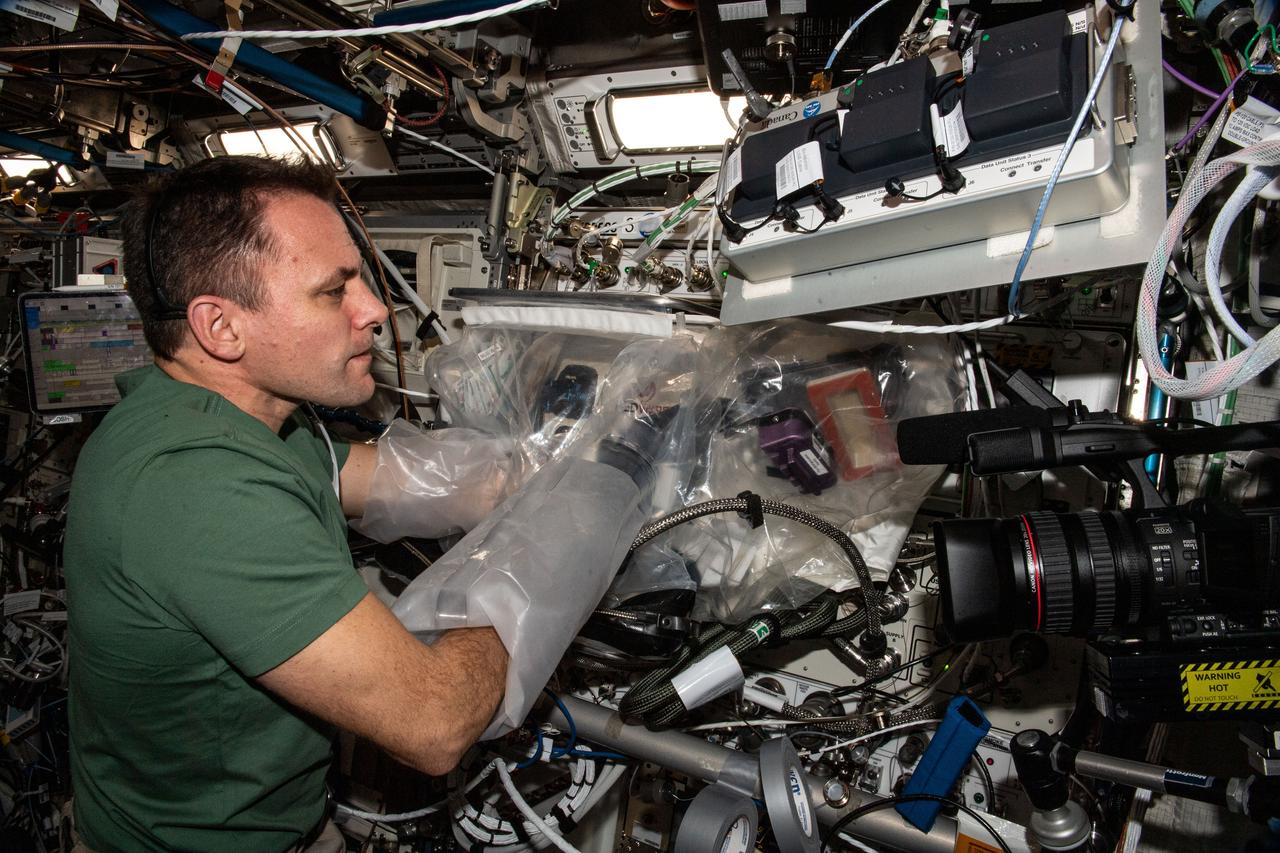
iss068e053964 (Feb. 14, 2023) --- NASA astronaut and Expedition 68 Flight Engineer Josh Cassada uses a plastic glovebox attached to the BioFabrication Facility (BFF) and tests the research device's performance. The BFF is located in the International Space Station's Columbus laboratory module and seeks to take advantage of the microgravity environment and demonstrate the printing of organ-like tissues in space which may lead to the future manufacturing of human organs.
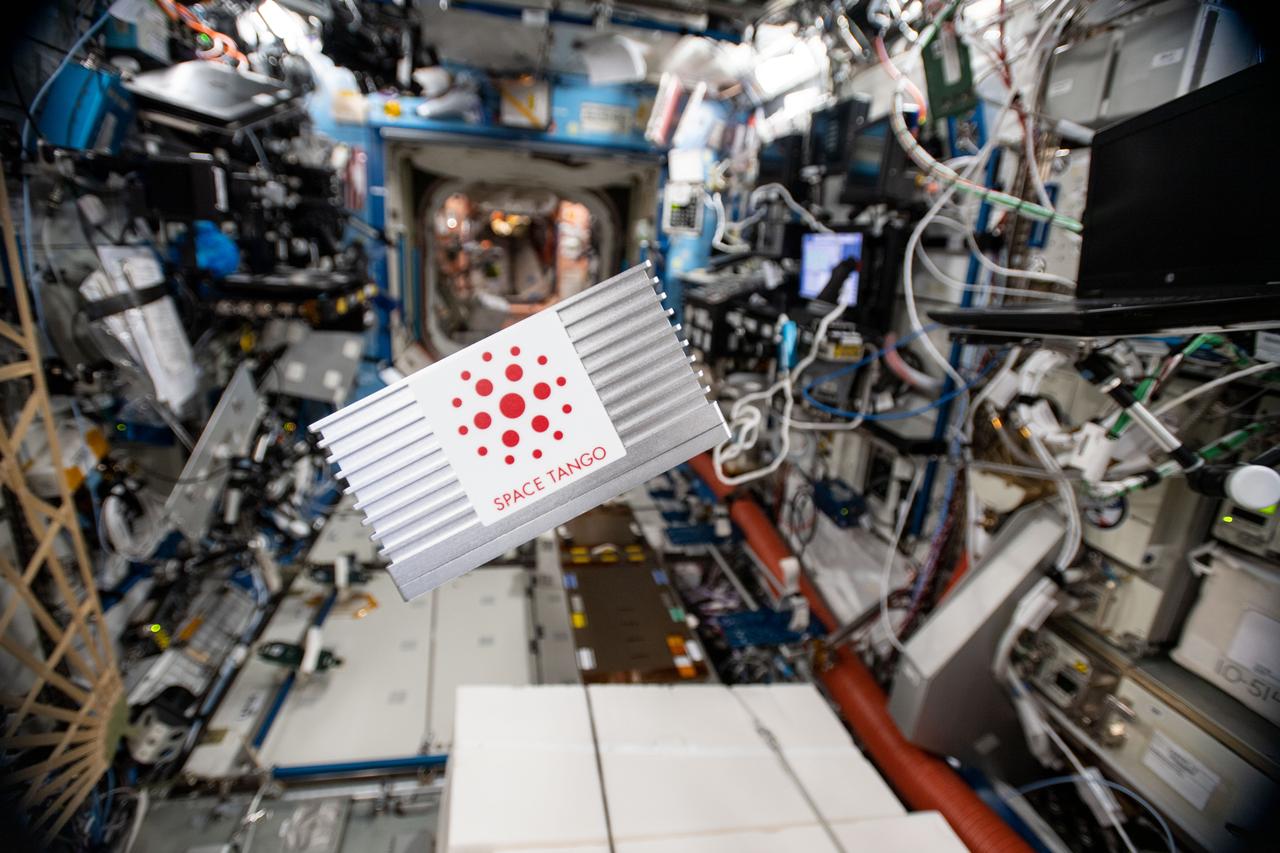
iss059e063757 (5/17/2019) --- Photo documentation of the Cell Culture Module Fluid Behavior investigation in the Destiny module onboard the International Space Station (ISS). The Cell Culture Module Fluid Behavior Demonstration investigation verifies the functionality of a common 96-well plate. A series of fluid experiments assesses how the capillary action of the plate performs in a microgravity environment in comparison to ground-based control.
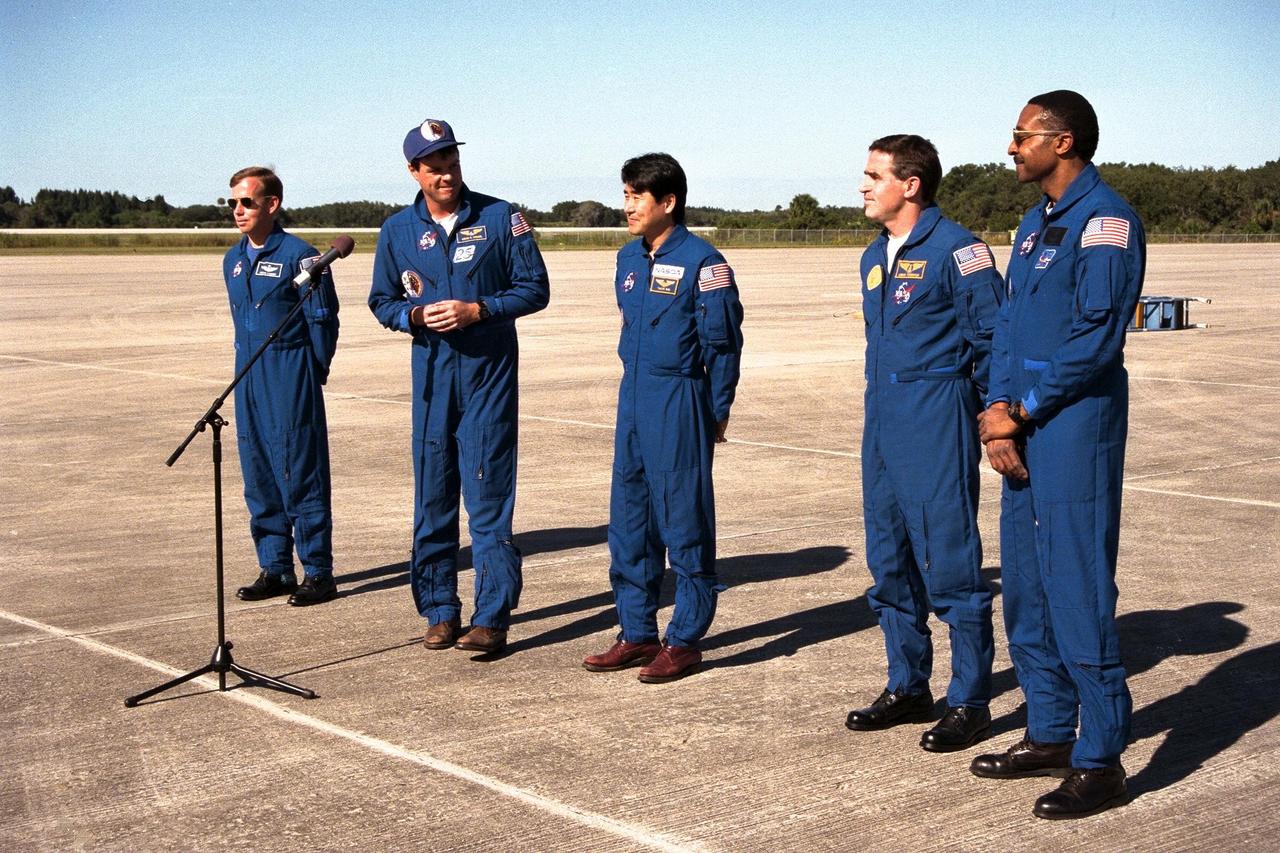
In preparation for Space Shuttle Mission STS-87, the crew arrives at the Kennedy Space Center Shuttle Landing Facility to participate in the Terminal Countdown Demonstration Test (TCDT) for their mission. The TCDT is a dress rehearsal for launch. STS-87 will be the fourth flight of the United States Microgravity Payload and the Spartan-201 deployable satellite. Launch is targeted for Nov. 19
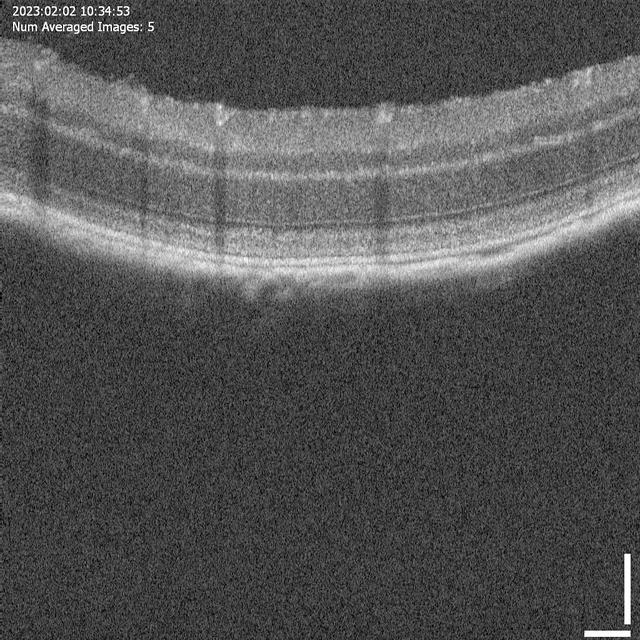
jsc2023e054753 (9/27/2023) --- Optical Coherence tomography image demonstrating the retinal ultrastructure of the mouse retina. Preclinical Validation of a Modifier Gene Therapy to Prevent Spaceflight Associated Oxidative Stress and Apoptosis in Microgravity Mouse Model of Dry Macular Degeneration (Rodent Research-28 or RR-28) tests the effect of a gene therapy on retinal structure and function during spaceflight. (Image courtesy Oculogenex Inc.)
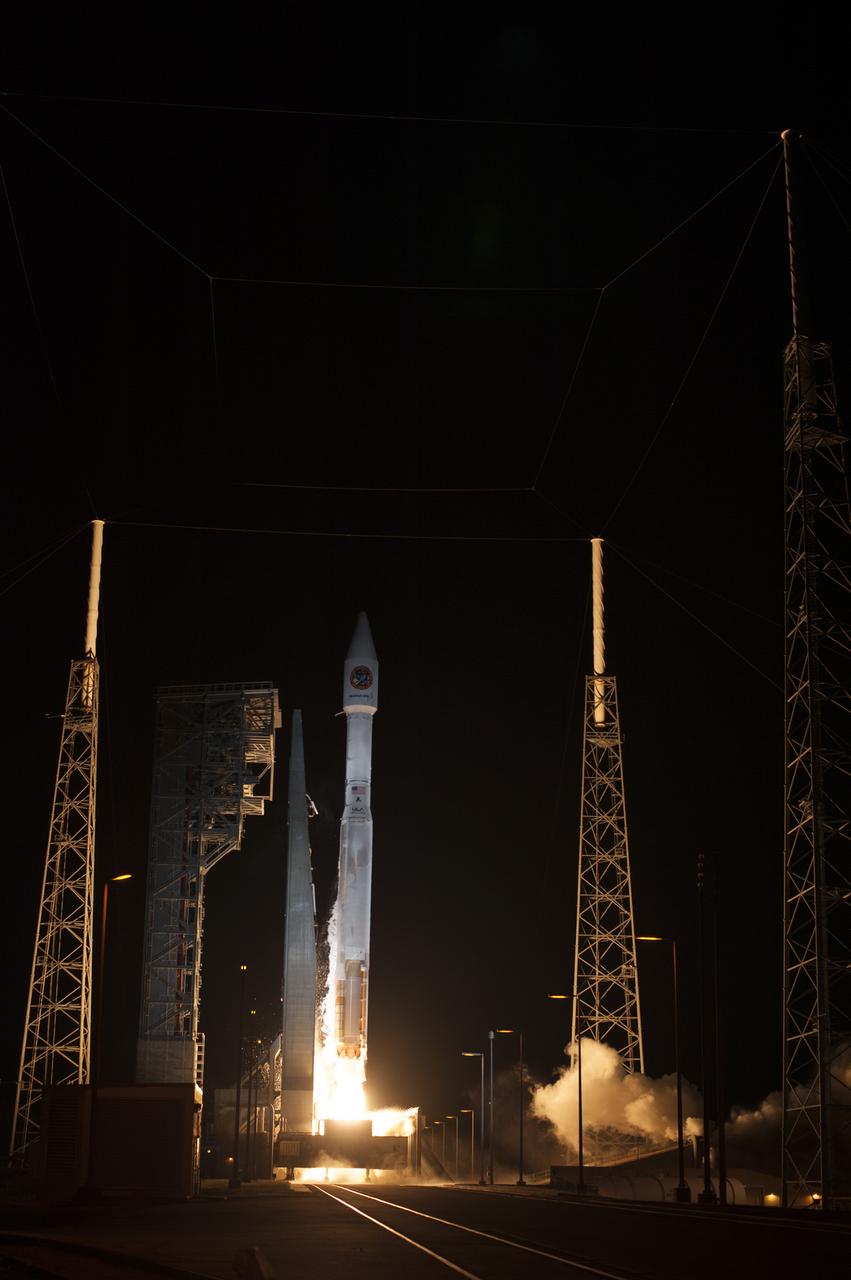
A United Launch Alliance Atlas V rocket lifts off from Space Launch Complex 41 at Cape Canaveral Air Force Station carrying an Orbital ATK Cygnus resupply spacecraft on a commercial resupply services mission to the International Space Station. Liftoff was at 11:05 p.m. EDT. Cygnus will deliver the second generation of a portable onboard printer to demonstrate 3-D printing, an instrument for first space-based observations of the chemical composition of meteors entering Earth’s atmosphere and an experiment to study how fires burn in microgravity.
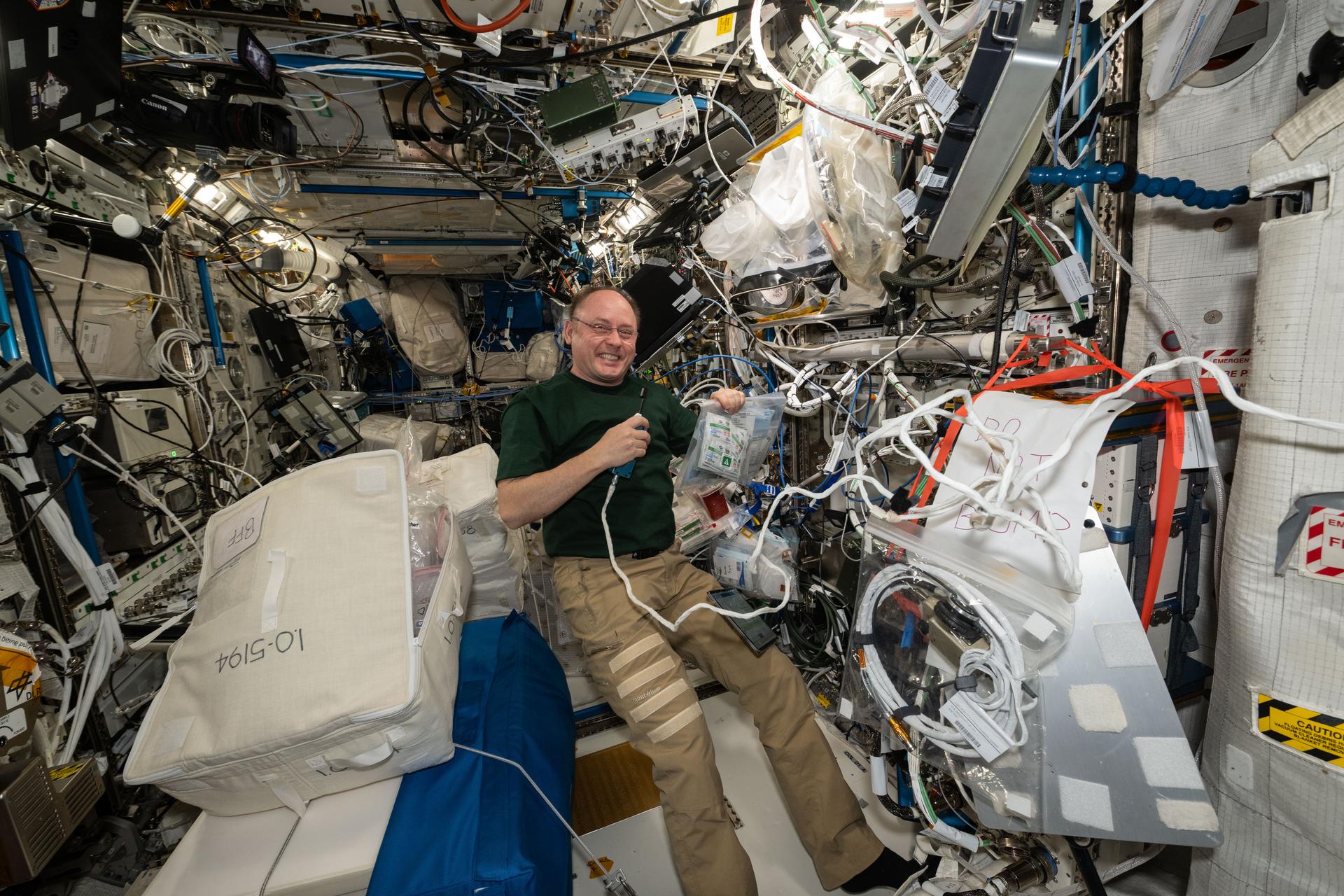
iss073e0880232 (Oct. 14, 2025) --- NASA astronaut and Expedition 73 Flight Engineer Mike Fincke smiles for a portrait during maintenance on the BioFabrication Facility inside the International Space Station's Columbus laboratory module. This advanced 3D bioprinter is designed to print organ-like tissues in microgravity, demonstrating the potential to manufacture fully functional human organs using a patient’s own cells.
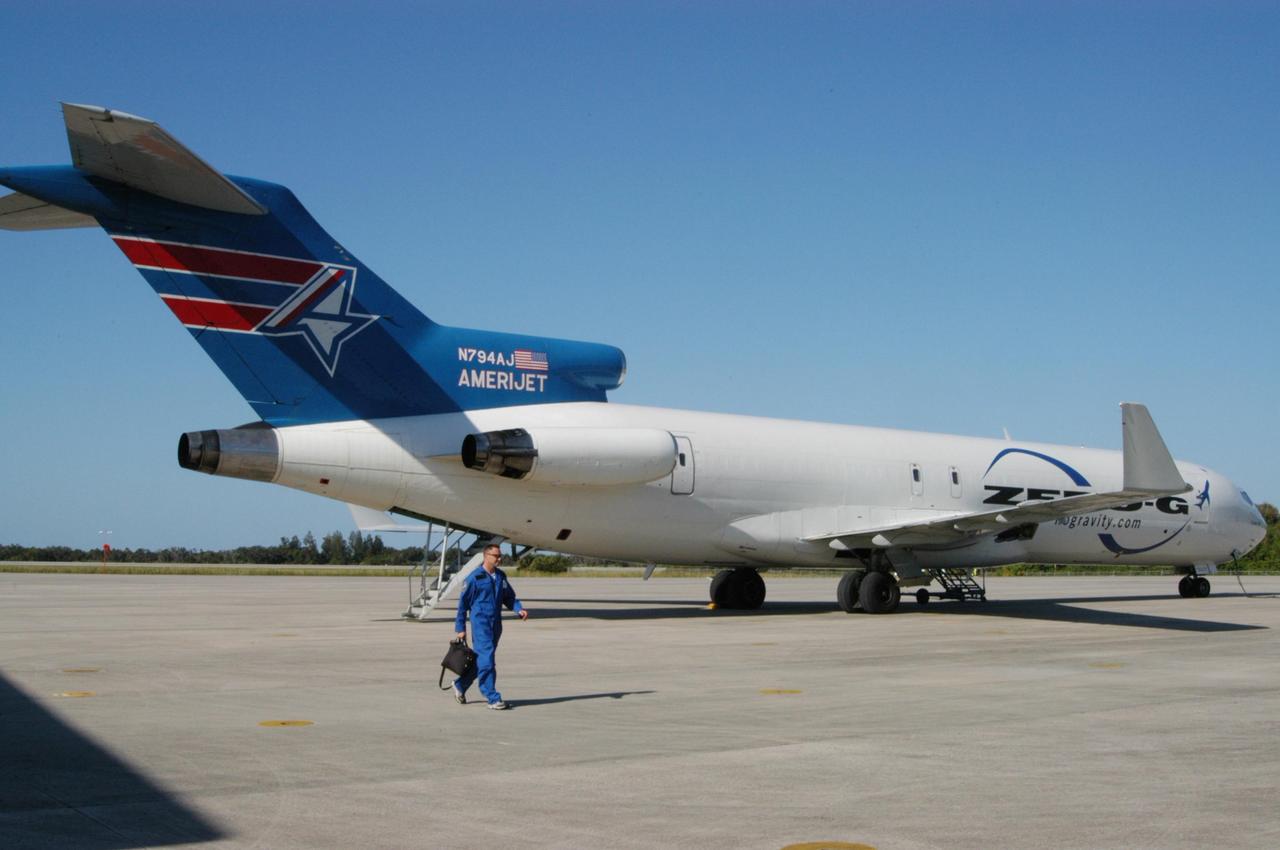
KENNEDY SPACE CENTER, FLA. - The Boeing 727-200 aircraft used for weightless flights by Zero Gravity Corporation, known as ZERO-G, of Fort Lauderdale, Fla., waits for its passengers. NASA and ZERO-G demonstrated Nov. 5 the expanded access to and use of the space shuttle's runway and landing facility at Kennedy Space Center for non-NASA activities. A group of passengers, called "Flyers," were predominantly teachers who performed simple microgravity experiments they can share with their students back in the classroom.