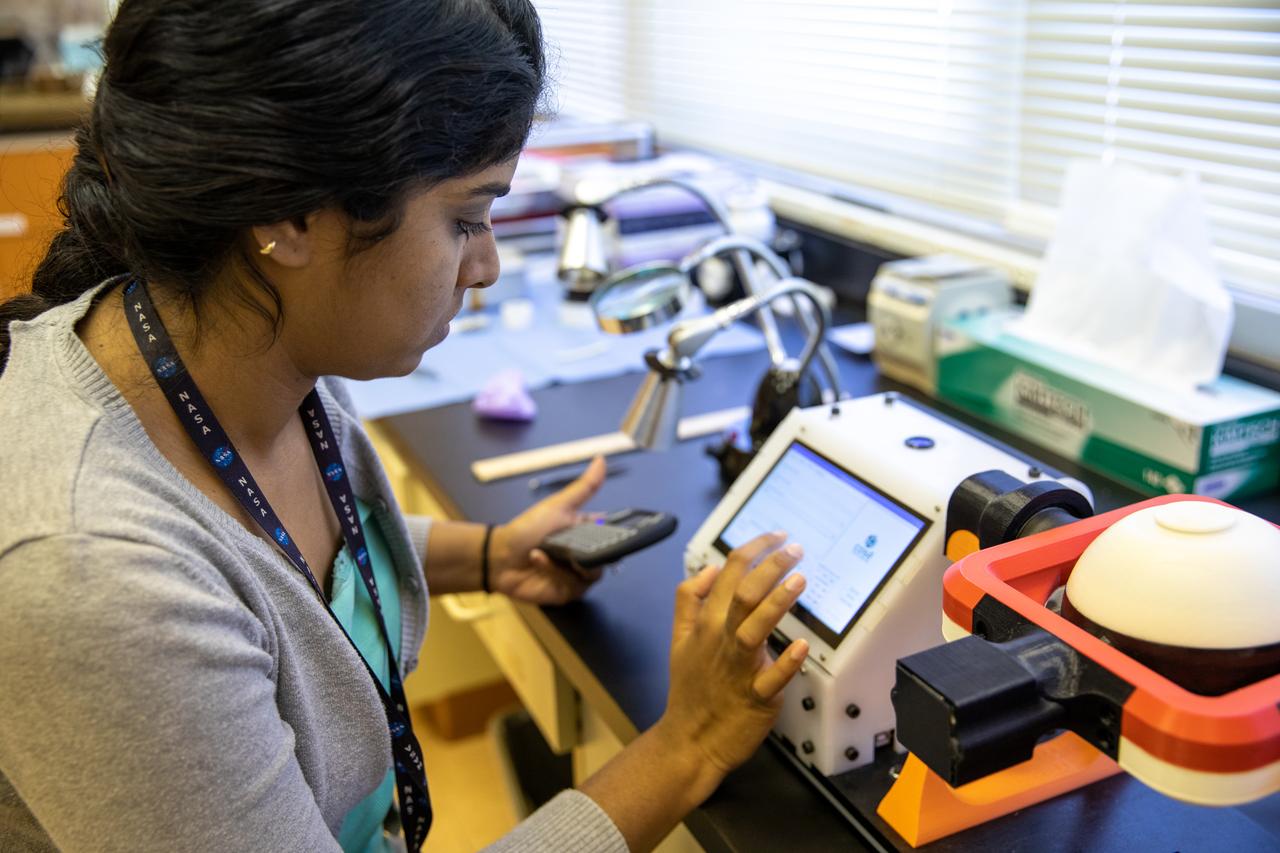
Srujana Neelam, a researcher working at NASA’s Kennedy Space Center in Florida, programs the SciSpinner Microgravity Simulator in the Microgravity Simulation Support Facility (MSSF) inside the Neil Armstrong Operations and Checkout building on Feb. 11, 2020. The facility was developed to provide ground simulation capability to the U.S. research community in order to supplement the limited opportunities to access the International Space Station and other platforms for microgravity research. The MSSF is designed to support biological research on microorganisms, cells, tissues, small plants and small animals. The simulator provides NASA with an alternative platform for microgravity research and creates the opportunity to conduct experiments on the space station in parallel with conditions of simulated microgravity on the ground.
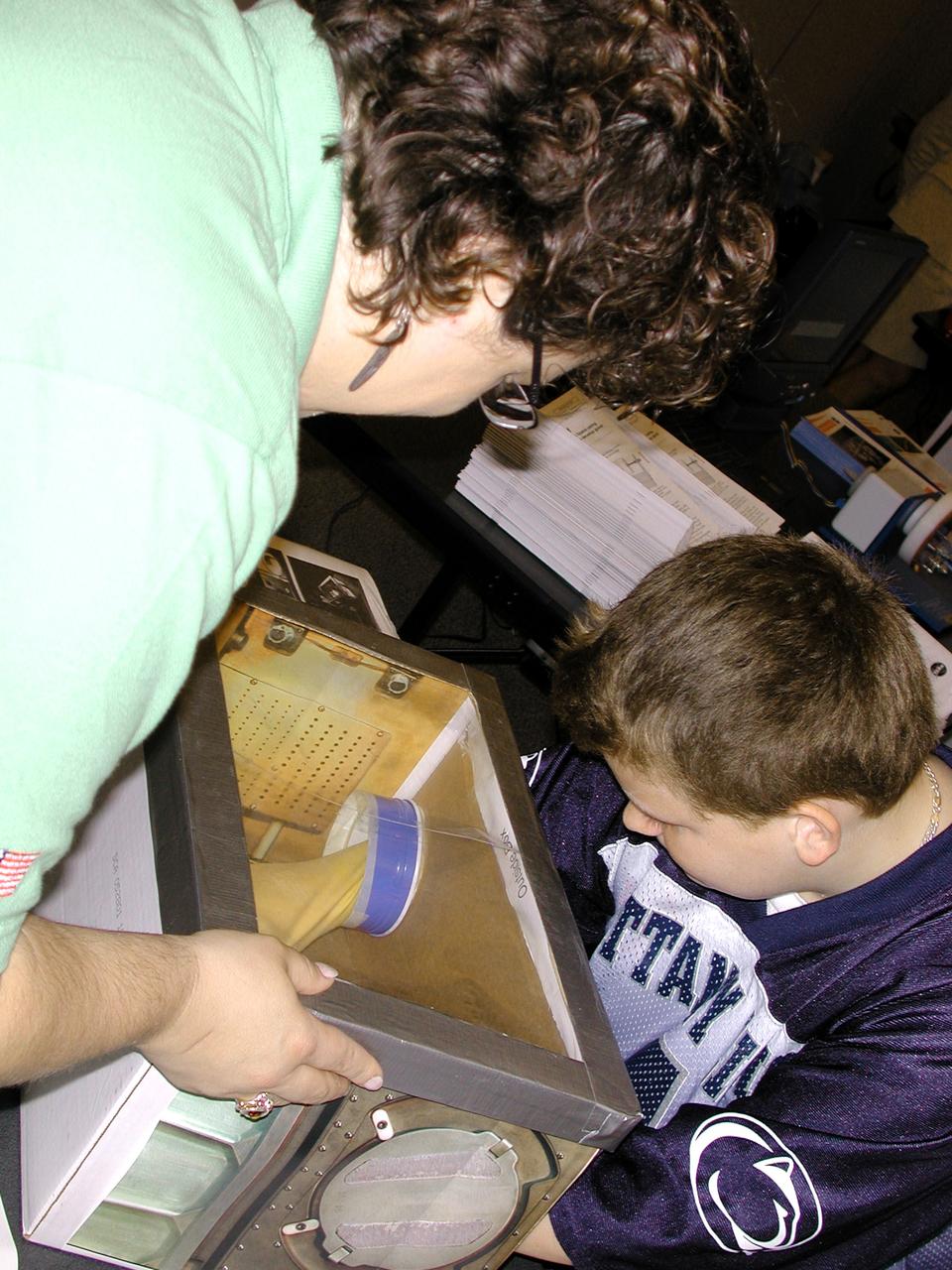
Carla Rosenberg of the National Center for Microgravity Research explains the operation of the Middeck Glovebox to a middle school student. The activity was part of the Space Research and You education event held by NASA's Office of Biological and Physical Research on June 25, 2002, in Arlington, VA, to highlight the research that will be conducted on STS-107.
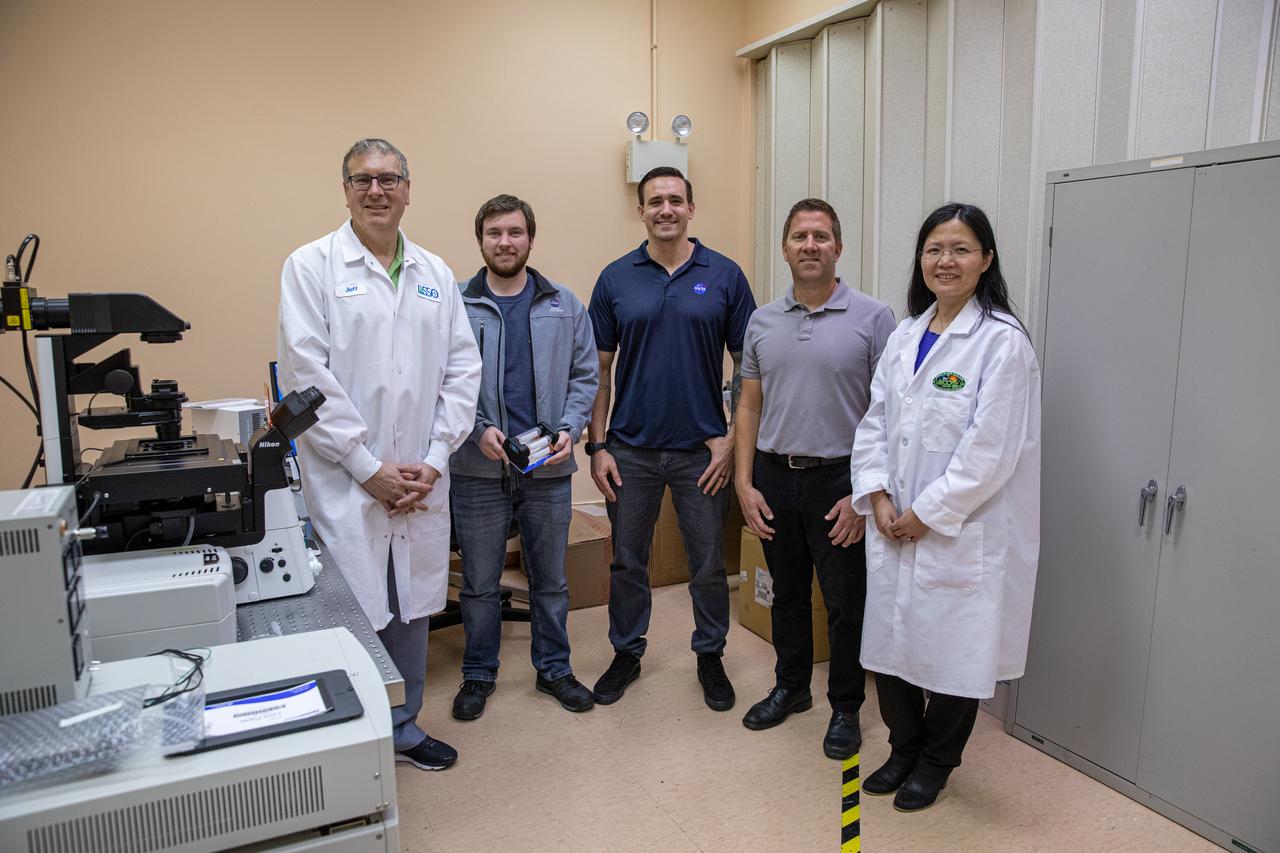
Researchers are in the Microgravity Simulation Support Facility (MSSF) inside the Neil Armstrong Operations and Checkout building at NASA’s Kennedy Space Center in Florida on Feb. 11, 2020. From left are Jonathan Gleeson, aerospace engineer on the LASSO contract; Jason Fischer, a research and development scientist on the LASSO contract; Ralph Nacca, aerospace flight systems; Jeffrey Richards, a payload research and science coordinator on the LASSO contract; and Dr. Ye Zhang, a project scientist. The microgravity simulation device was developed to provide ground simulation capability to the U.S. research community in order to supplement the limited opportunities to access the International Space Station and other platforms for microgravity research. The MSSF is designed to support biological research on microorganisms, cells, tissues, small plants and small animals. The simulator provides NASA with an alternative platform for microgravity research and creates the opportunity to conduct experiments on the space station in parallel with conditions of simulated microgravity on the ground.
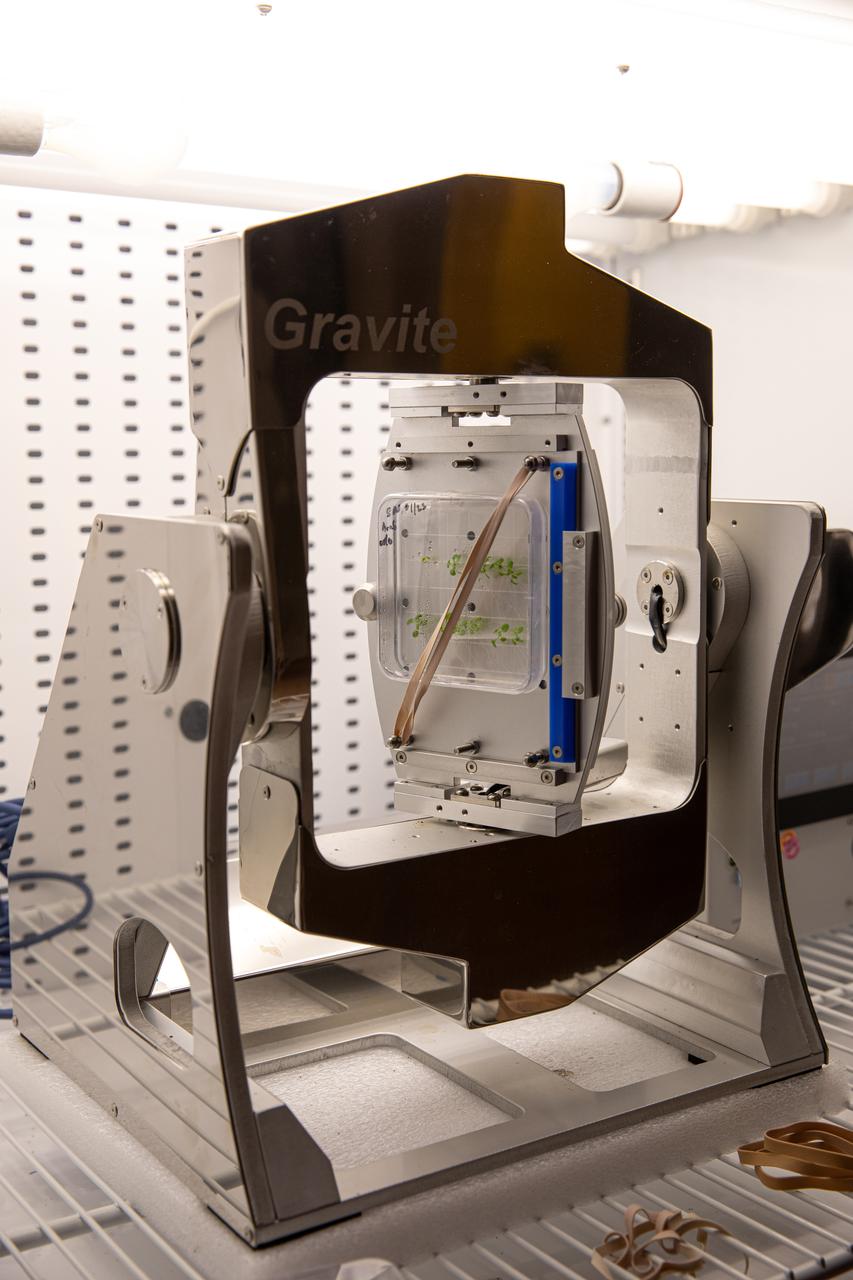
A Gravite 3d clinostat is in the Microgravity Simulation Support Facility (MSSF) inside the Neil Armstrong Operations and Checkout building at NASA’s Kennedy Space Center in Florida on Feb. 11, 2020. The facility was developed to provide ground simulation capability to the U.S. research community in order to supplement the limited opportunities to access the International Space Station and other platforms for microgravity research. The MSSF is designed to support biological research on microorganisms, cells, tissues, small plants and small animals. The simulator provides NASA with an alternative platform for microgravity research and creates the opportunity to conduct experiments on the space station in parallel with conditions of simulated microgravity on the ground.
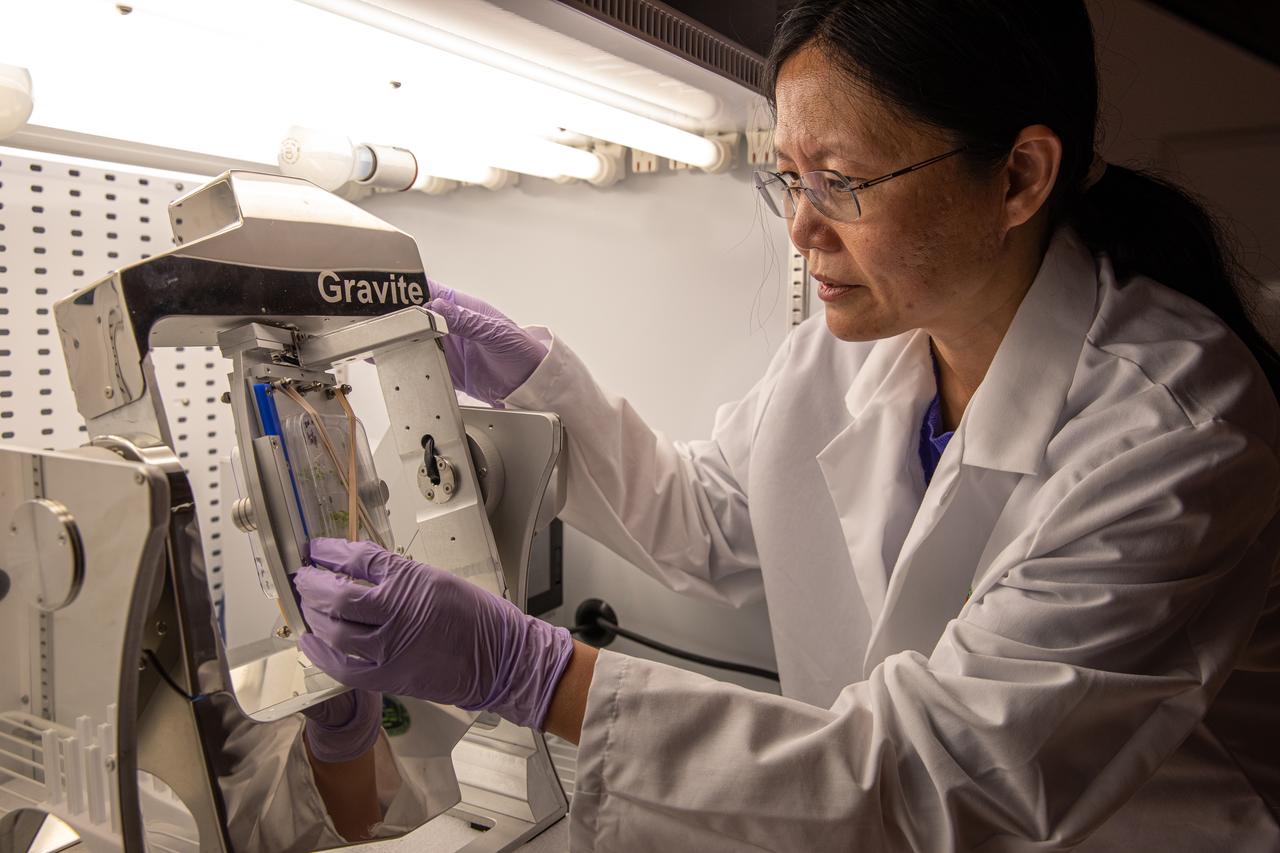
Ye Zhang, a project scientist at NASA’s Kennedy Space Center in Florida, makes adjustments to a Gravite 3d clinostat in the Microgravity Simulation Support Facility (MSSF) inside the Neil Armstrong Operations and Checkout building at on Feb. 11, 2020. The facility was developed to provide ground simulation capability to the U.S. research community in order to supplement the limited opportunities to access the International Space Station and other platforms for microgravity research. The MSSF is designed to support biological research on microorganisms, cells, tissues, small plants and small animals. The simulator provides NASA with an alternative platform for microgravity research and creates the opportunity to conduct experiments on the space station in parallel with conditions of simulated microgravity on the ground.
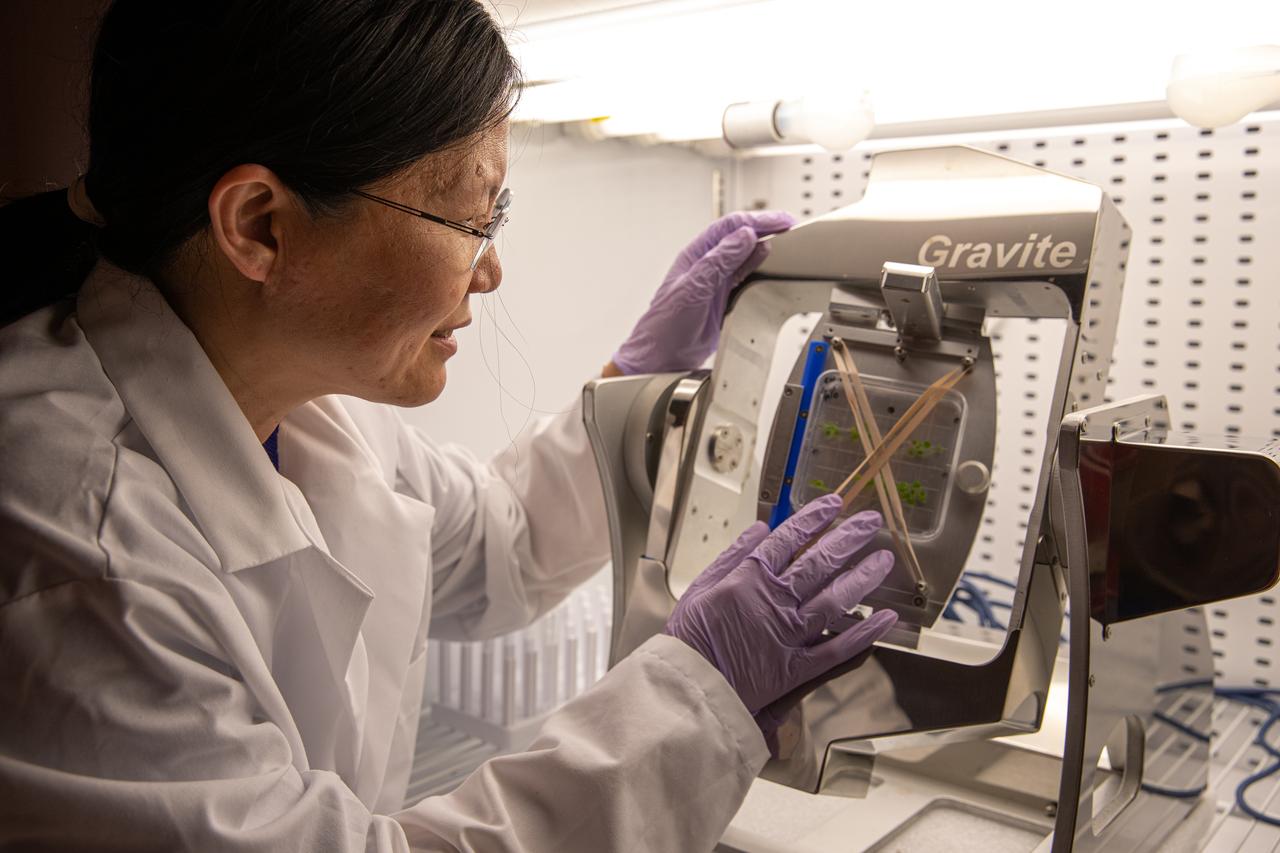
Ye Zhang, a project scientist at NASA’s Kennedy Space Center in Florida, makes adjustments to a Gravite 3d clinostat in the Microgravity Simulation Support Facility (MSSF) inside the Neil Armstrong Operations and Checkout on Feb. 11, 2020. The facility was developed to provide ground simulation capability to the U.S. research community in order to supplement the limited opportunities to access the International Space Station and other platforms for microgravity research. The MSSF is designed to support biological research on microorganisms, cells, tissues, small plants and small animals. The simulator provides NASA with an alternative platform for microgravity research and creates the opportunity to conduct experiments on the space station in parallel with conditions of simulated microgravity on the ground.
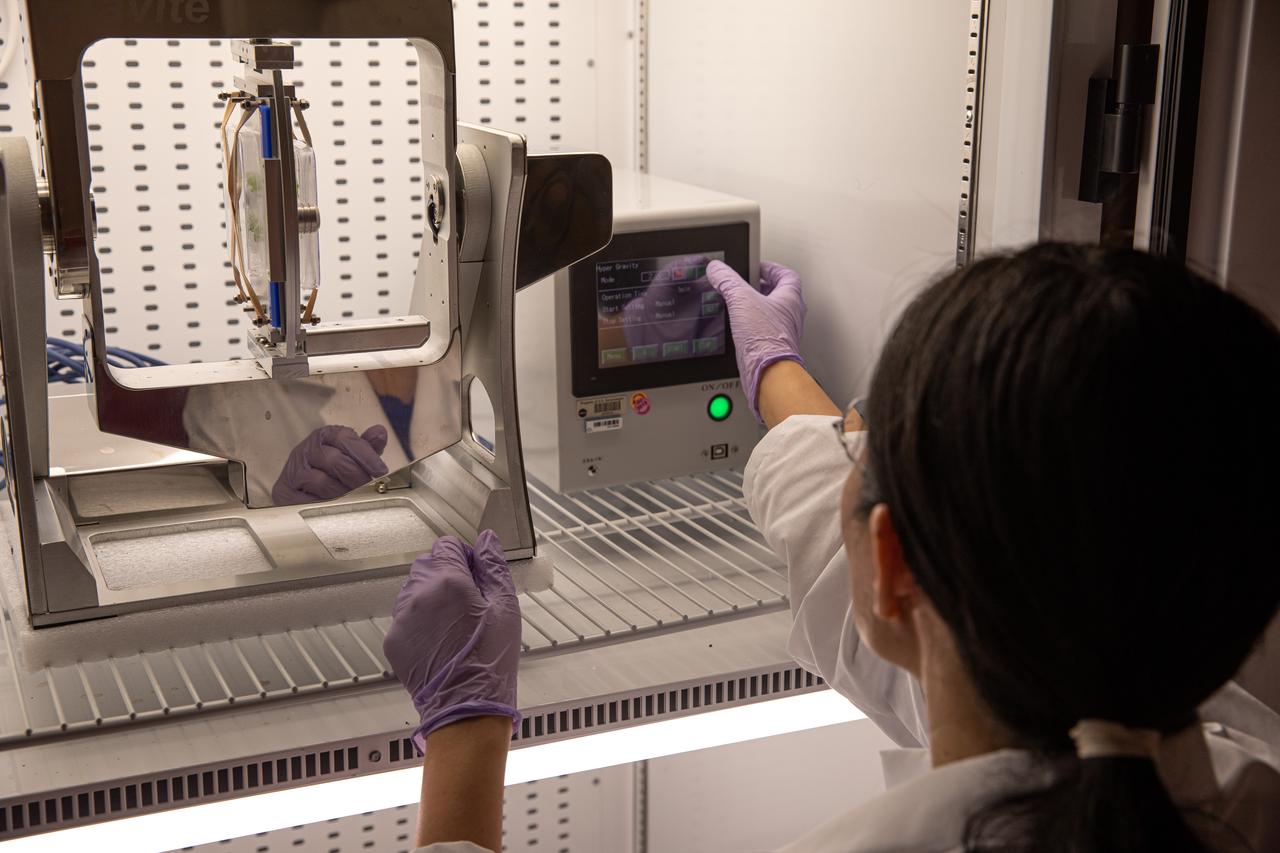
Ye Zhang, a project scientist at NASA’s Kennedy Space Center in Florida runs a test on a Gravite 3d clinostat device in the Microgravity Simulation Support Facility (MSSF) inside the Neil Armstrong Operations and Checkout building on Feb. 11, 2020. The facility was developed to provide ground simulation capability to the U.S. research community in order to supplement the limited opportunities to access the International Space Station and other platforms for microgravity research. The MSSF is designed to support biological research on microorganisms, cells, tissues, small plants and small animals. The simulator provides NASA with an alternative platform for microgravity research and creates the opportunity to conduct experiments on the space station in parallel with conditions of simulated microgravity on the ground.
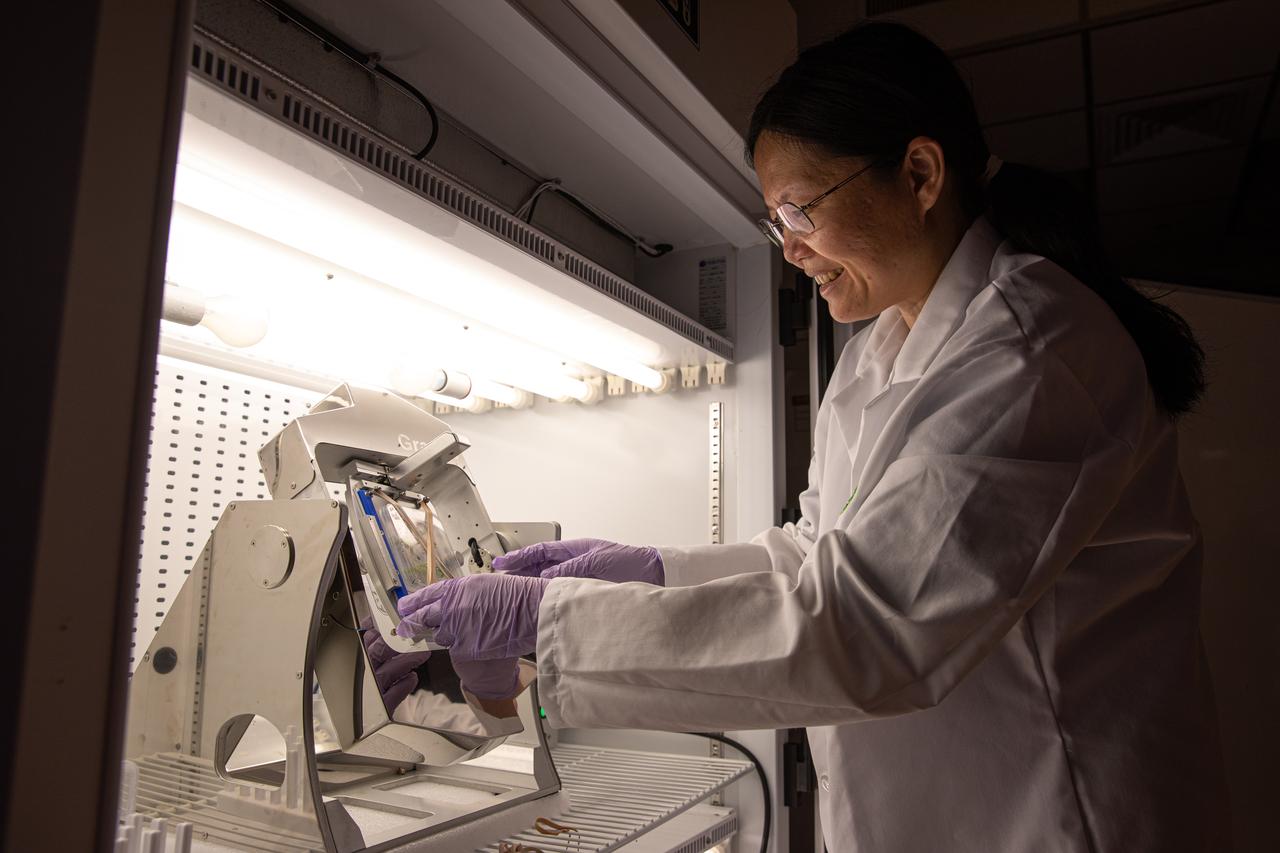
Ye Zhang, a project scientist at NASA’s Kennedy Space Center in Florida, makes adjustments to a Gravite 3d clinostat in the Microgravity Simulation Support Facility (MSSF) inside the Neil Armstrong Operations and Checkout building on Feb. 11, 2020. The facility was developed to provide ground simulation capability to the U.S. research community in order to supplement the limited opportunities to access the International Space Station and other platforms for microgravity research. The MSSF is designed to support biological research on microorganisms, cells, tissues, small plants and small animals. The simulator provides NASA with an alternative platform for microgravity research and creates the opportunity to conduct experiments on the space station in parallel with conditions of simulated microgravity on the ground.
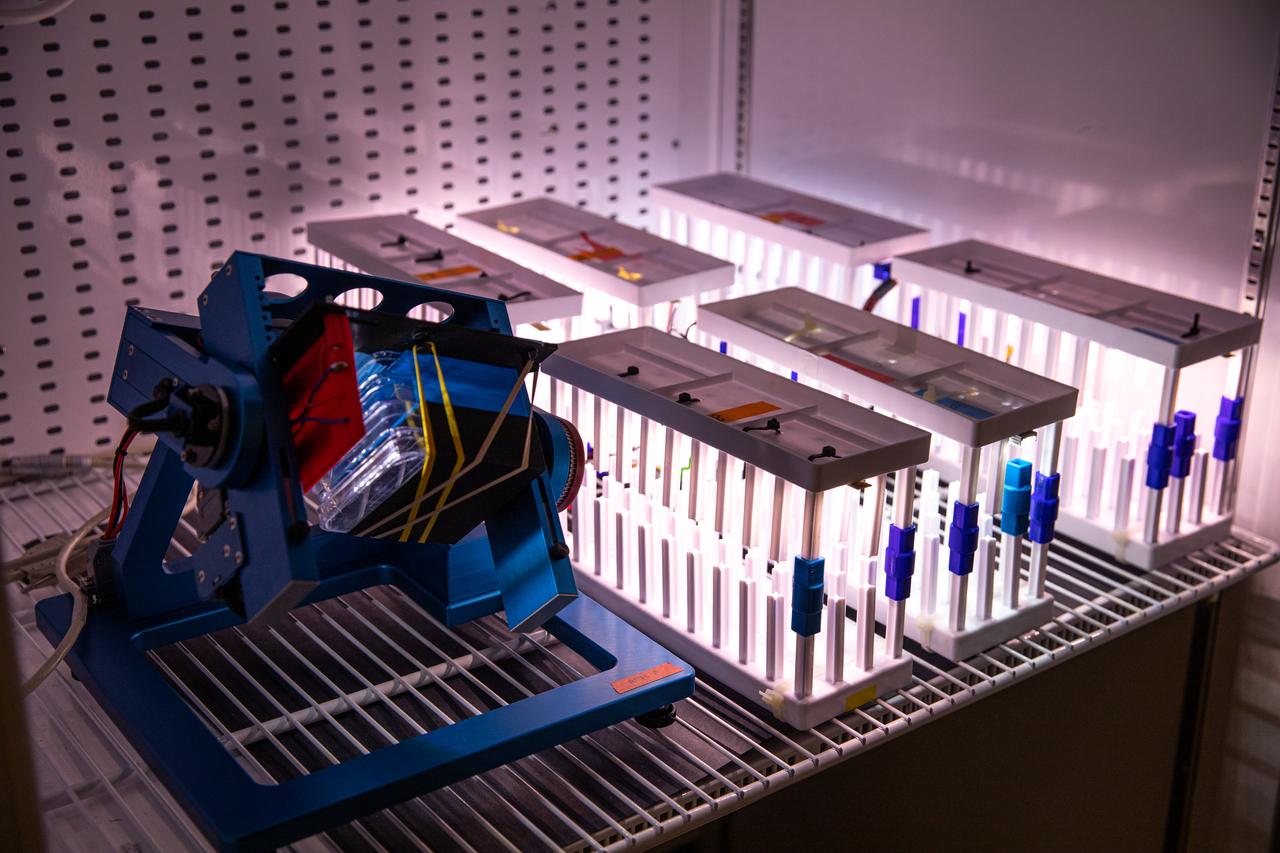
Some experiments are being prepared for a test in the Airbus Random Positioning Machine in the Microgravity Simulation Support Facility (MSSF) inside the Neil Armstrong Operations and Checkout building at NASA’s Kennedy Space Center in Florida on Feb. 11, 2020. The facility device was developed to provide ground simulation capability to the U.S. research community in order to supplement the limited opportunities to access the International Space Station and other platforms for microgravity research. The MSSF is designed to support biological research on microorganisms, cells, tissues, small plants and small animals. The simulator provides NASA with an alternative platform for microgravity research and creates the opportunity to conduct experiments on the space station in parallel with conditions of simulated microgravity on the ground.

A Gravite 3d clinostat is in the Microgravity Simulation Support Facility (MSSF) inside the Neil Armstrong Operations and Checkout building at NASA’s Kennedy Space Center in Florida on Feb. 11, 2020. The facility was developed to provide ground simulation capability to the U.S. research community in order to supplement the limited opportunities to access the International Space Station and other platforms for microgravity research. The MSSF is designed to support biological research on microorganisms, cells, tissues, small plants and small animals. The simulator provides NASA with an alternative platform for microgravity research and creates the opportunity to conduct experiments on the space station in parallel with conditions of simulated microgravity on the ground.
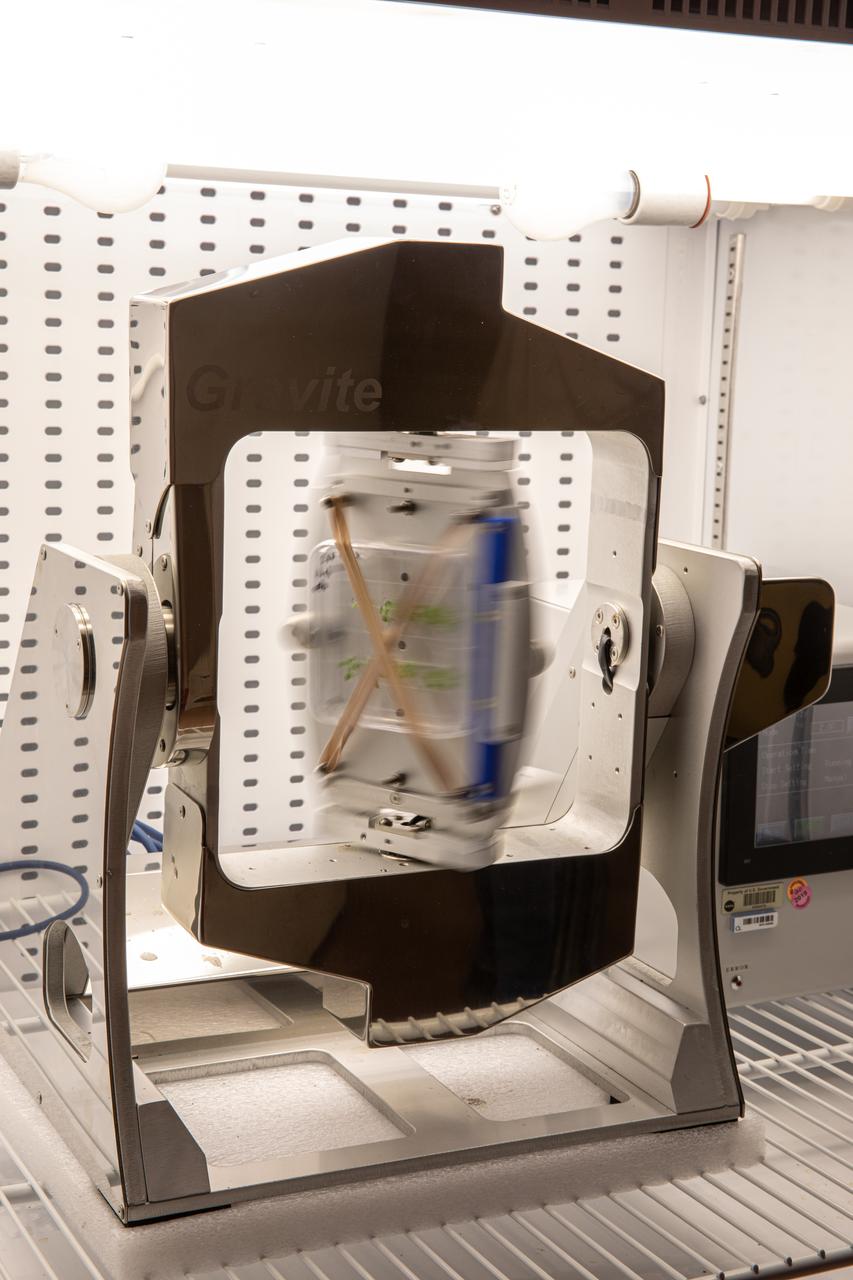
A Gravite 3d clinostat undergoes a test in the Microgravity Simulation Support Facility (MSSF) inside the Neil Armstrong Operations and Checkout building at NASA’s Kennedy Space Center in Florida on Feb. 11, 2020. The facility was developed to provide ground simulation capability to the U.S. research community in order to supplement the limited opportunities to access the International Space Station and other platforms for microgravity research. The MSSF is designed to support biological research on microorganisms, cells, tissues, small plants and small animals. The simulator provides NASA with an alternative platform for microgravity research and creates the opportunity to conduct experiments on the space station in parallel with conditions of simulated microgravity on the ground.
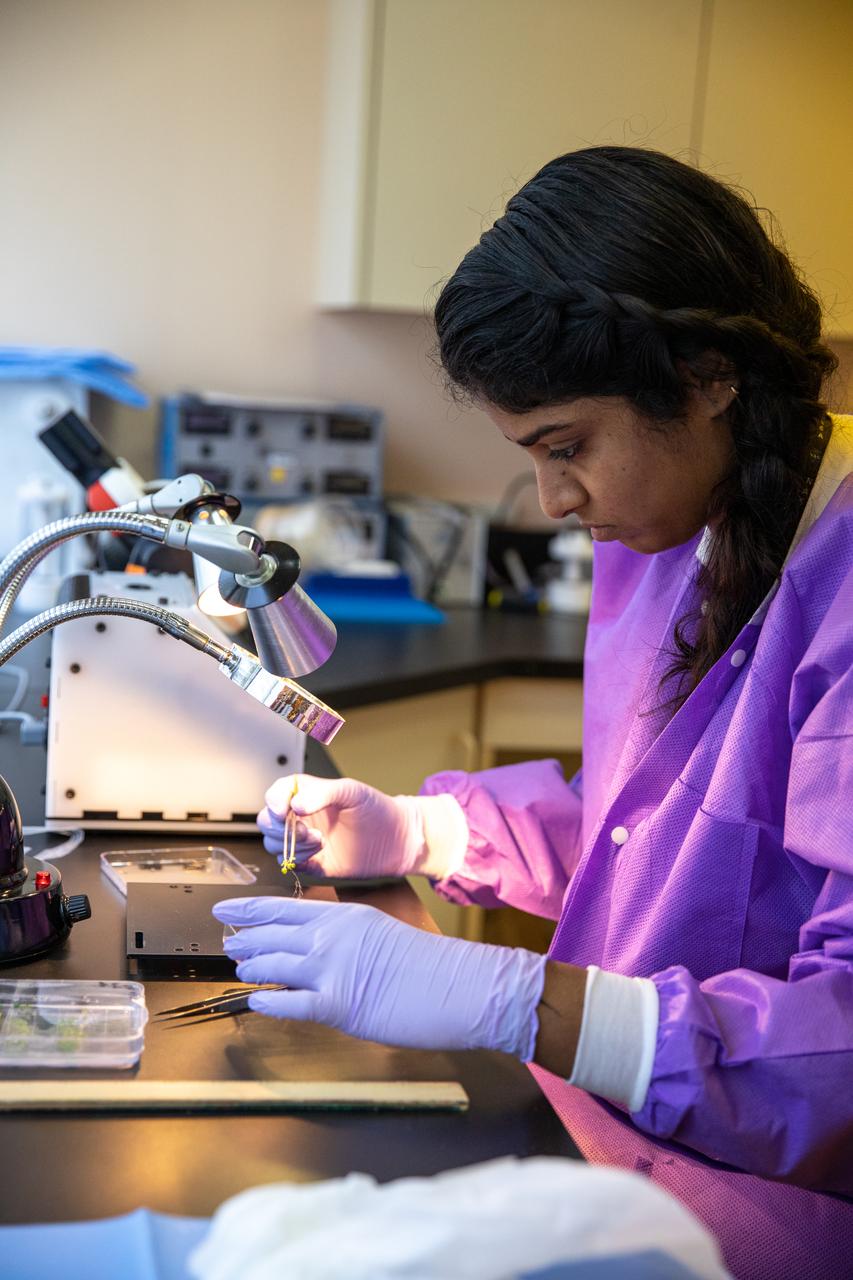
Srujana Neelam, a researcher working at NASA’s Kennedy Space Center in Florida, dissects Arabidopsis thaliana plants from petri plates used in microgravity simulation devices in the Microgravity Simulation Support Facility (MSSF) inside the Neil Armstrong Operations and Checkout building on Feb. 11, 2020. The facility was developed to provide ground simulation capability to the U.S. research community in order to supplement the limited opportunities to access the International Space Station and other platforms for microgravity research. The MSSF is designed to support biological research on microorganisms, cells, tissues, small plants and small animals. The simulator provides NASA with an alternative platform for microgravity research and creates the opportunity to conduct experiments on the space station in parallel with conditions of simulated microgravity on the ground.
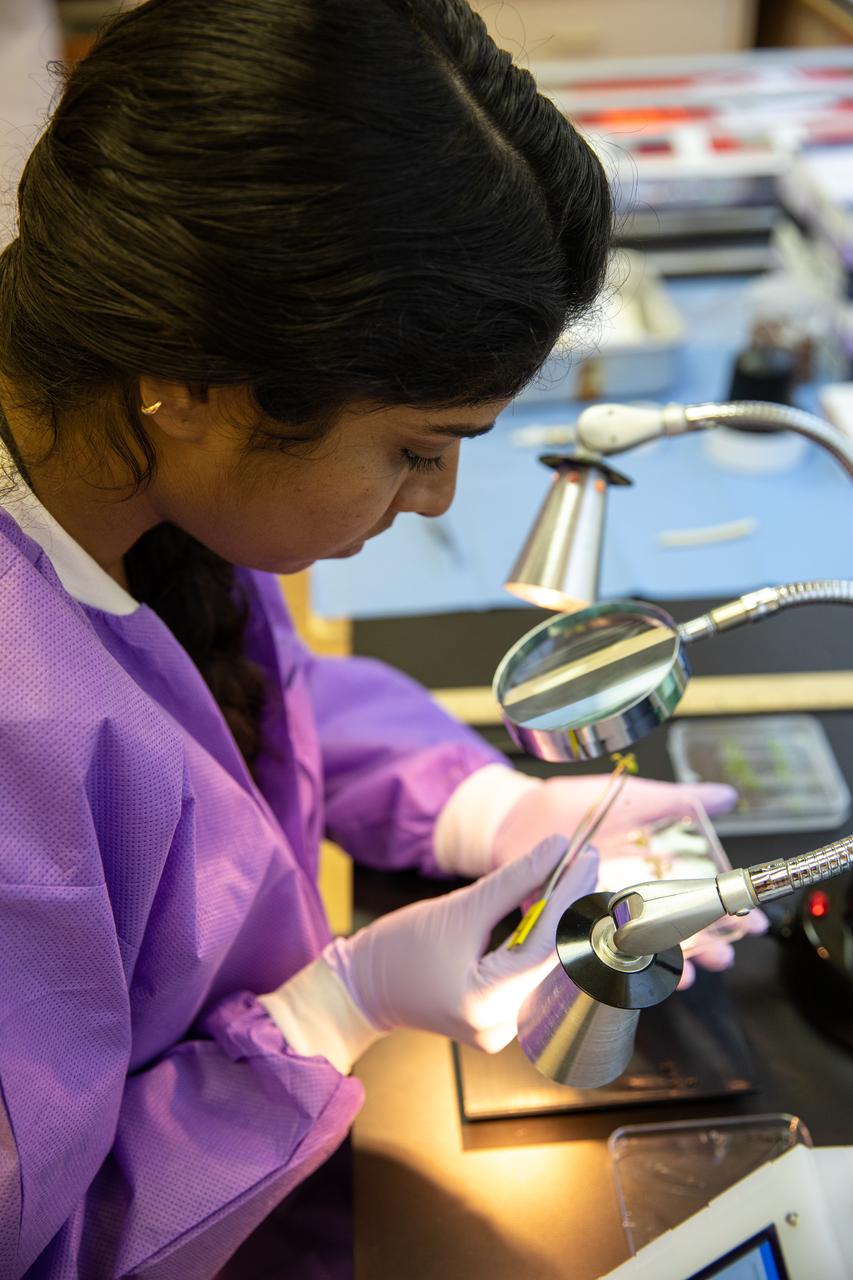
Srujana Neelam, a researcher working at NASA’s Kennedy Space Center in Florida dissects Arabidopsis thaliana plants from petri plates used in microgravity simulation devices in the Microgravity Simulation Support Facility (MSSF) inside the Neil Armstrong Operations and Checkout building on Feb. 11, 2020. The facility was developed to provide ground simulation capability to the U.S. research community in order to supplement the limited opportunities to access the International Space Station and other platforms for microgravity research. The MSSF is designed to support biological research on microorganisms, cells, tissues, small plants and small animals. The simulator provides NASA with an alternative platform for microgravity research and creates the opportunity to conduct experiments on the space station in parallel with conditions of simulated microgravity on the ground.
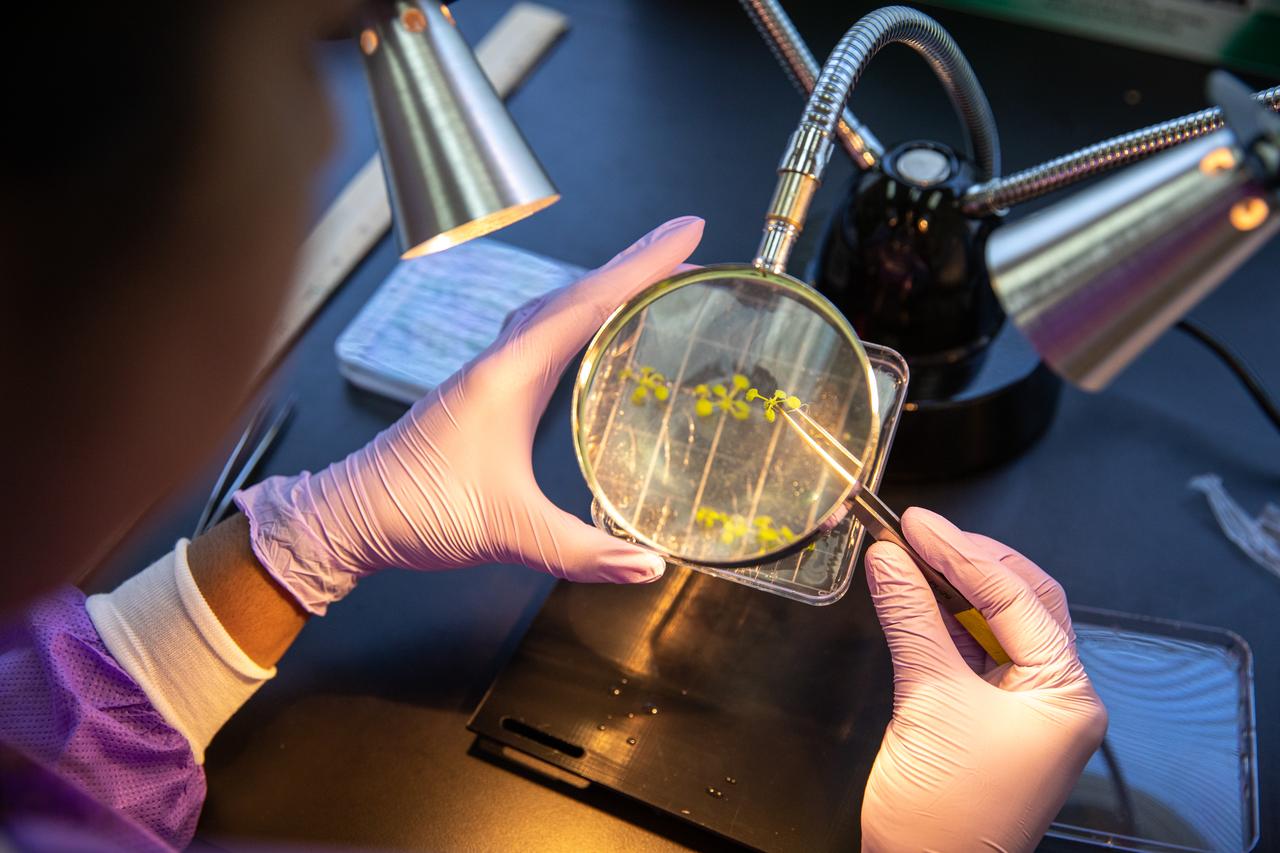
Srujana Neelam, a researcher working at NASA’s Kennedy Space Center in Florida, dissects Arabidopsis thaliana plants from petri plates used in microgravity simulation devices in the Microgravity Simulation Support Facility (MSSF) inside the Neil Armstrong Operations and Checkout building on Feb. 11, 2020. The facility was developed to provide ground simulation capability to the U.S. research community in order to supplement the limited opportunities to access the International Space Station and other platforms for microgravity research. The MSSF is designed to support biological research on microorganisms, cells, tissues, small plants and small animals. The simulator provides NASA with an alternative platform for microgravity research and creates the opportunity to conduct experiments on the space station in parallel with conditions of simulated microgravity on the ground.

Srujana Neelam, a researcher working at NASA’s Kennedy Space Center in Florida, dissects Arabidopsis thaliana plants from petri plates used in microgravity simulation devices in the Microgravity Simulation Support Facility (MSSF) inside the Neil Armstrong Operations and Checkout building on Feb. 11, 2020. The facility was developed to provide ground simulation capability to the U.S. research community in order to supplement the limited opportunities to access the International Space Station and other platforms for microgravity research. The MSSF is designed to support biological research on microorganisms, cells, tissues, small plants and small animals. The simulator provides NASA with an alternative platform for microgravity research and creates the opportunity to conduct experiments on the space station in parallel with conditions of simulated microgravity on the ground.
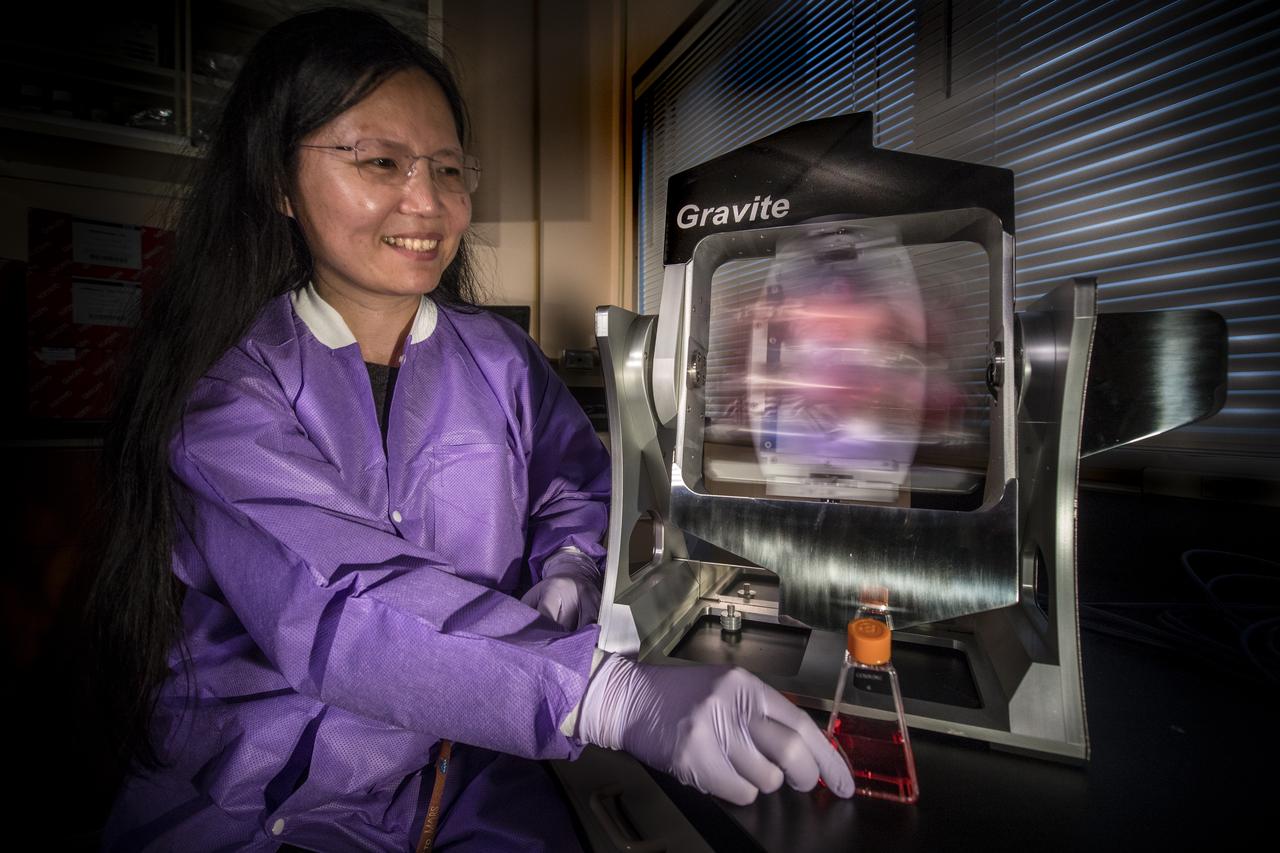
Dr. Ye Zhang, project scientist for the ISS Research Office at NASA’s Kennedy Space Center in Florida, demonstrates how biological samples are tested in a microgravity simulation device in the Microgravity Simulation Support Facility on Dec. 20, 2018.
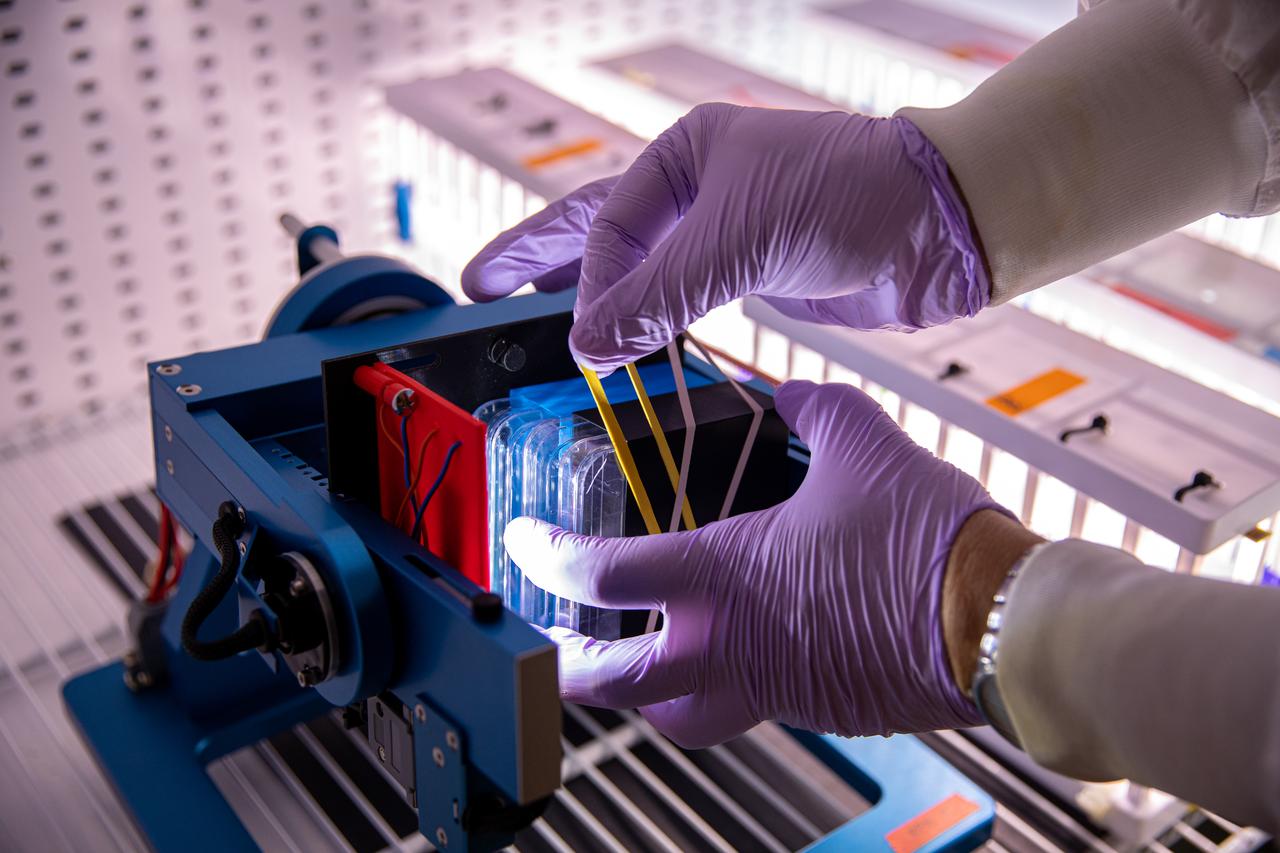
Jeffrey Richards, a payload research and science coordinator on the LASSO contract at NASA’s Kennedy Space Center in Florida, prepares an experiment for a test in an Airbus Random Positioning Machine in the Microgravity Simulation Support Facility (MSSF) inside the Neil Armstrong Operations and Checkout building at NASA’s Kennedy Space Center in Florida on Feb. 11, 2020. The facility was developed to provide ground simulation capability to the U.S. research community in order to supplement the limited opportunities to access the International Space Station and other platforms for microgravity research. The MSSF is designed to support biological research on microorganisms, cells, tissues, small plants and small animals. The simulator provides NASA with an alternative platform for microgravity research and creates the opportunity to conduct experiments on the space station in parallel with conditions of simulated microgravity on the ground.
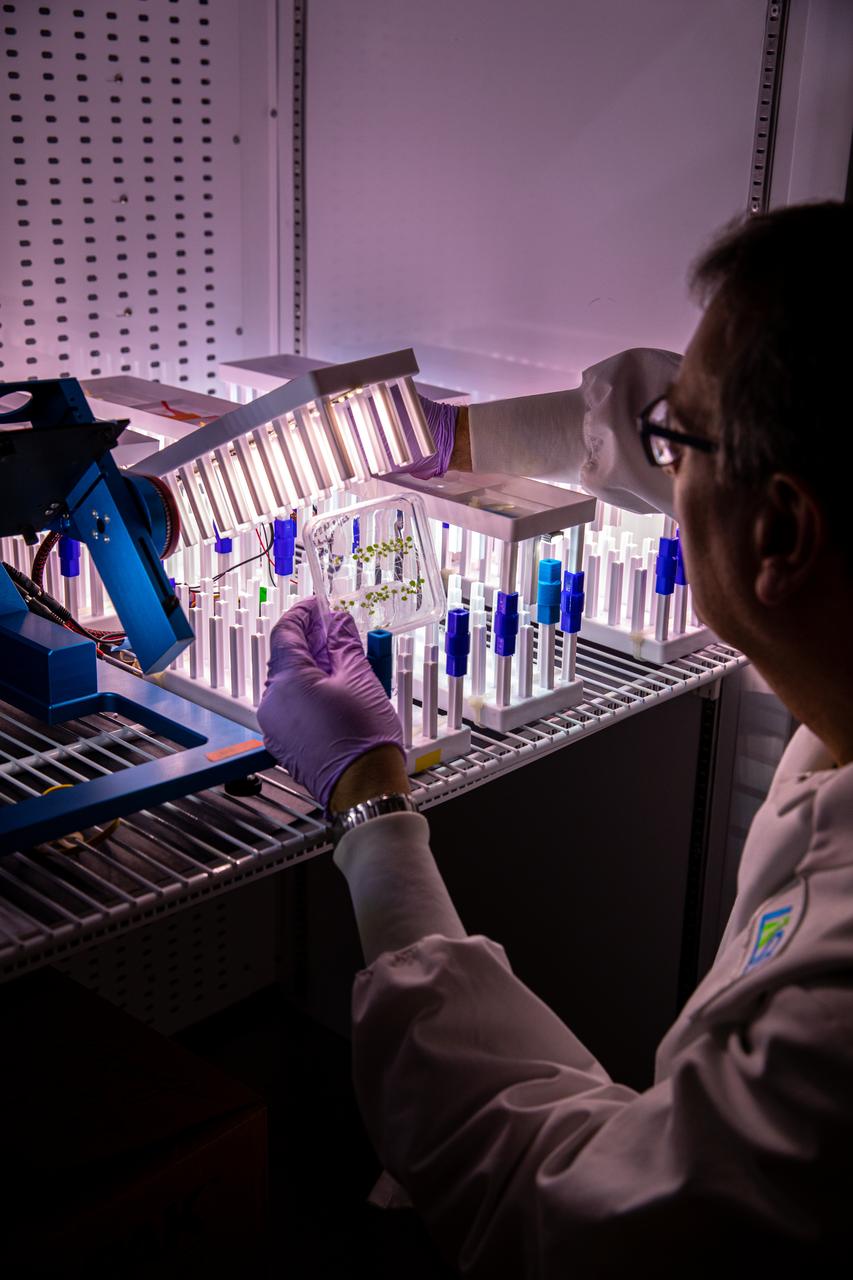
Jeffrey Richards, a payload research and science coordinator on the LASSO contract at NASA’s Kennedy Space Center in Florida, prepares an experiment for a test in an Airbus Random Positioning Machine in the Microgravity Simulation Support Facility (MSSF) inside the Neil Armstrong Operations and Checkout building at NASA’s Kennedy Space Center in Florida on Feb. 11, 2020. The facility was developed to provide ground simulation capability to the U.S. research community in order to supplement the limited opportunities to access the International Space Station and other platforms for microgravity research. The MSSF is designed to support biological research on microorganisms, cells, tissues, small plants and small animals. The simulator provides NASA with an alternative platform for microgravity research and creates the opportunity to conduct experiments on the space station in parallel with conditions of simulated microgravity on the ground.
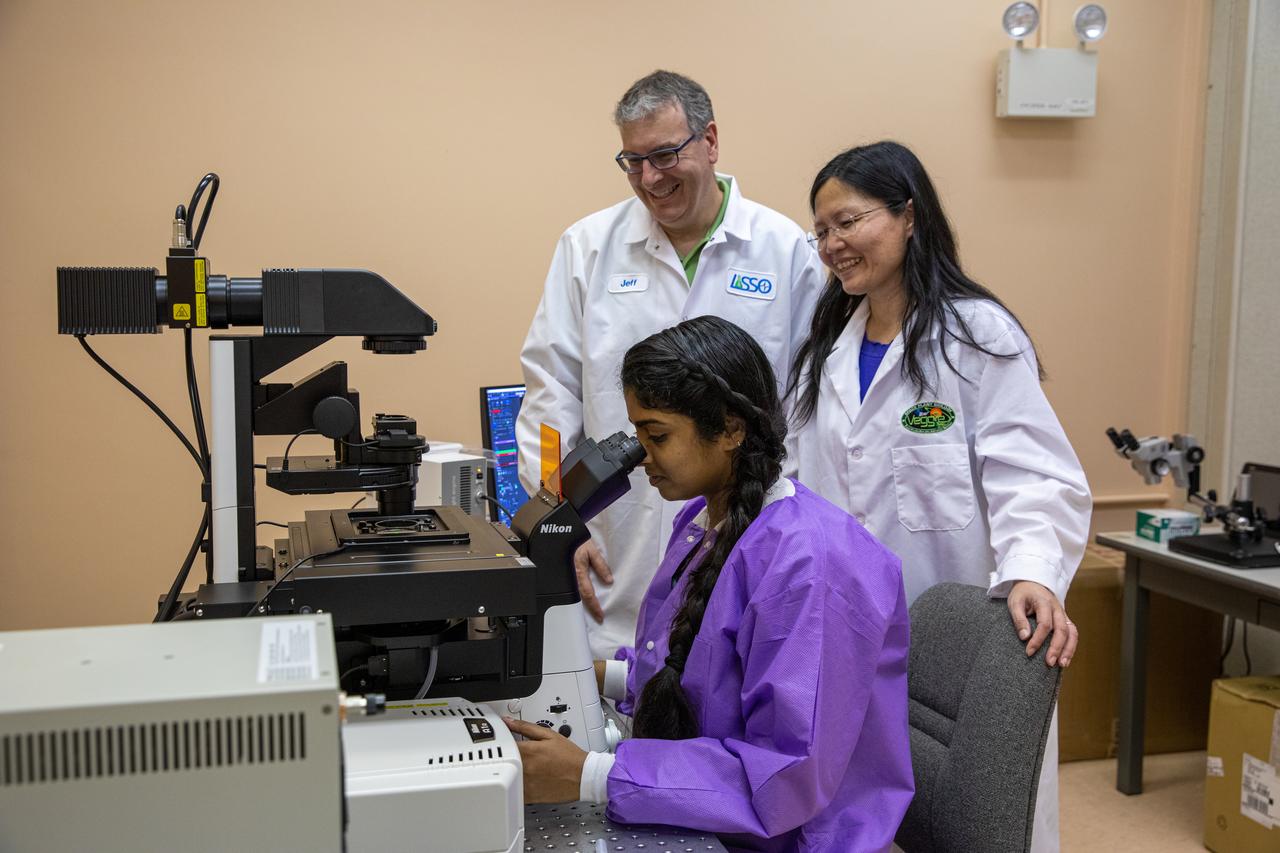
Dr. Srujana Neelam, a NASA post-doctoral fellow observes samples on a confocal microscope in the Microgravity Simulation Support Facility (MSSF) inside the Neil Armstrong Operations and Checkout building at NASA’s Kennedy Space Center in Florida on Feb. 11, 2020, with Jeffrey Richards, a payload research and science coordinator on the LASSO contract; and Dr. Ye Zhang, a project scientist. The facility was developed to provide ground simulation capability to the U.S. research community in order to supplement the limited opportunities to access the International Space Station and other platforms for microgravity research. The MSSF is designed to support biological research on microorganisms, cells, tissues, small plants and small animals. The simulator provides NASA with an alternative platform for microgravity research and creates the opportunity to conduct experiments on the space station in parallel with conditions of simulated microgravity on the ground.

Jeffrey Richards, a payload research and science coordinator on the LASSO contract at NASA’s Kennedy Space Center in Florida, prepares an experiment for a test in an Airbus Random Positioning Machine in the Microgravity Simulation Support Facility (MSSF) inside the Neil Armstrong Operations and Checkout building at NASA’s Kennedy Space Center in Florida on Feb. 11, 2020. The facility was developed to provide ground simulation capability to the U.S. research community in order to supplement the limited opportunities to access the International Space Station and other platforms for microgravity research. The MSSF is designed to support biological research on microorganisms, cells, tissues, small plants and small animals. The simulator provides NASA with an alternative platform for microgravity research and creates the opportunity to conduct experiments on the space station in parallel with conditions of simulated microgravity on the ground.
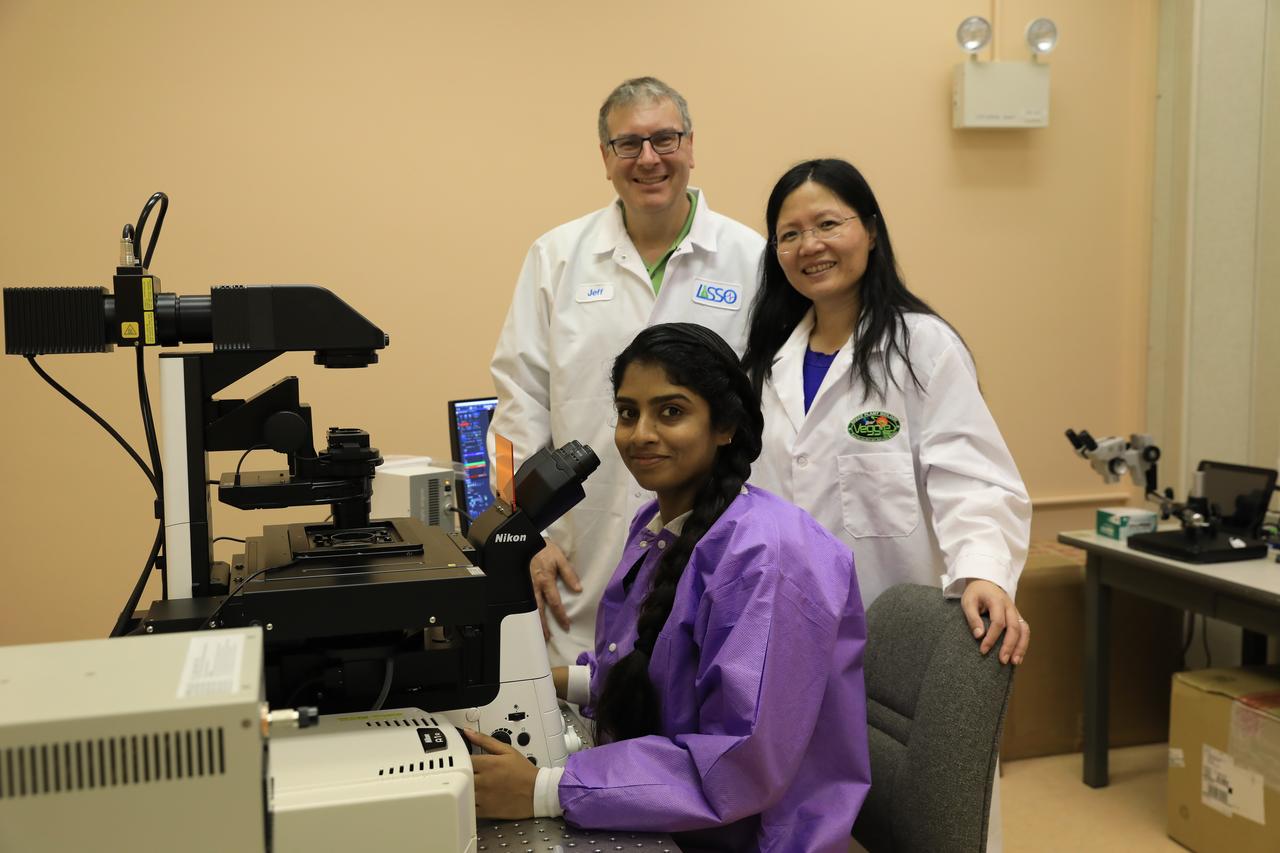
Dr. Srujana Neelam, a NASA post-doctoral fellow observes samples on a confocal microscope in the Microgravity Simulation Support Facility (MSSF) inside the Neil Armstrong Operations and Checkout building at NASA’s Kennedy Space Center in Florida on Feb. 11, 2020 with Jeffrey Richards, a payload research and science coordinator on the LASSO contract, Dr. Ye Zhang, a project scientist. The facility was developed to provide ground simulation capability to the U.S. research community in order to supplement the limited opportunities to access the International Space Station and other platforms for microgravity research. The MSSF is designed to support biological research on microorganisms, cells, tissues, small plants and small animals. The simulator provides NASA with an alternative platform for microgravity research and creates the opportunity to conduct experiments on the space station in parallel with conditions of simulated microgravity on the ground.
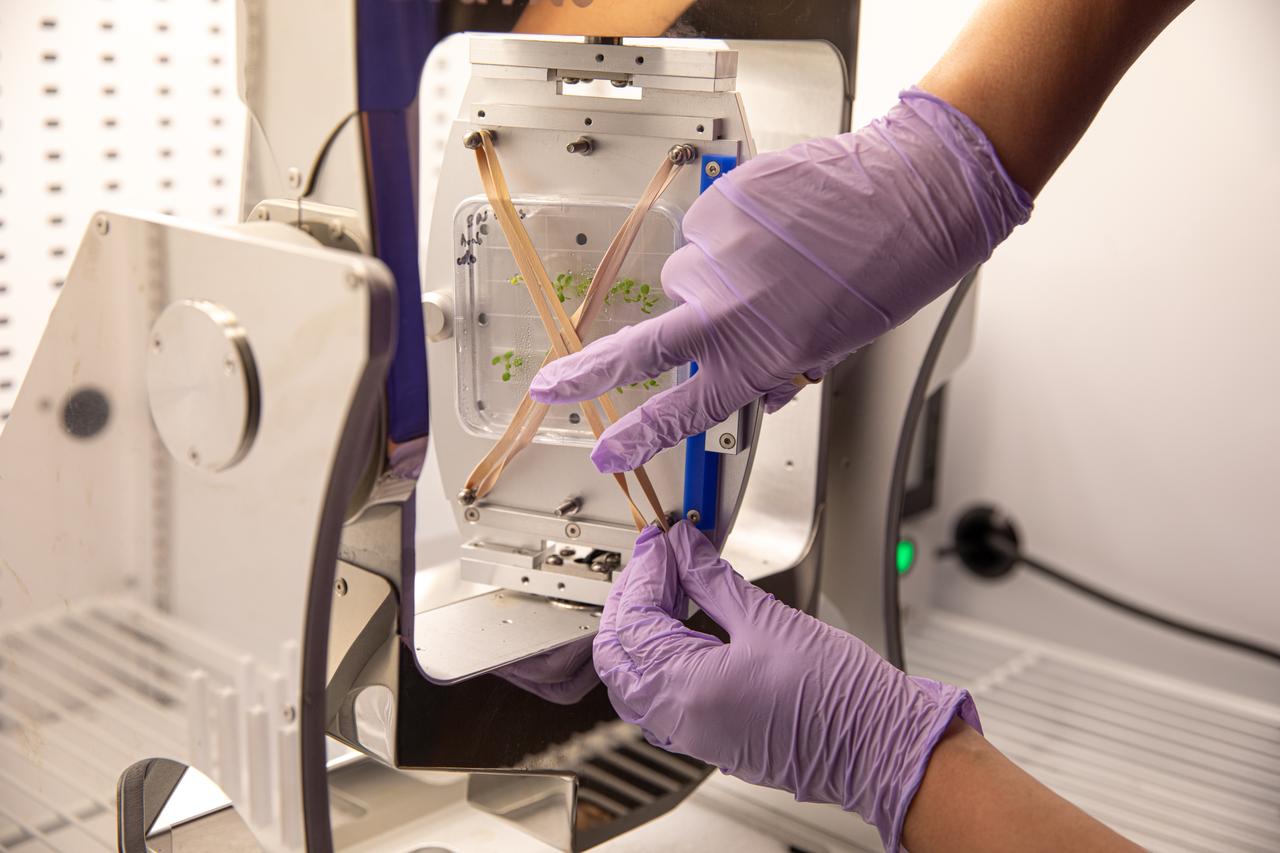
Ye Zhang, a project scientist at NASA’s Kennedy Space Center in Florida, makes adjustments to a Gravite 3d clinostat in the Microgravity Simulation Support Facility (MSSF) inside the Neil Armstrong Operations and Checkout building at NASA’s Kennedy Space Center in Florida on Feb. 11, 2020. The facility was developed to provide ground simulation capability to the U.S. research community in order to supplement the limited opportunities to access the International Space Station and other platforms for microgravity research. The MSSF is designed to support biological research on microorganisms, cells, tissues, small plants and small animals. The simulator provides NASA with an alternative platform for microgravity research and creates the opportunity to conduct experiments on the space station in parallel with conditions of simulated microgravity on the ground.
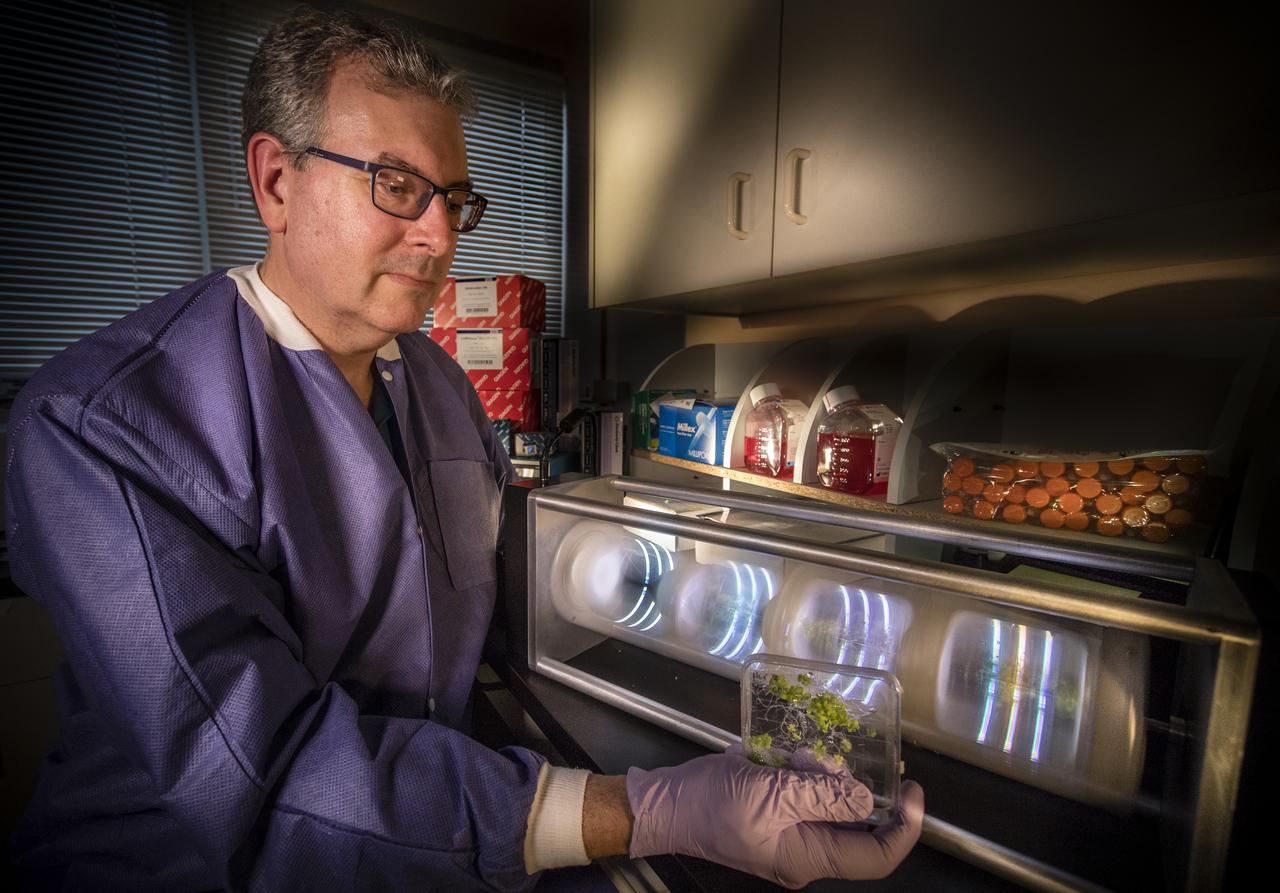
Jeffrey Richards, project science coordinator and research scientist at NASA’s Kennedy Space Center in Florida, demonstrates how Arabidopsis thaliana plant samples are tested in a 2D microgravity simulator in the Microgravity Simulation Support Facility on Dec. 20, 2018.
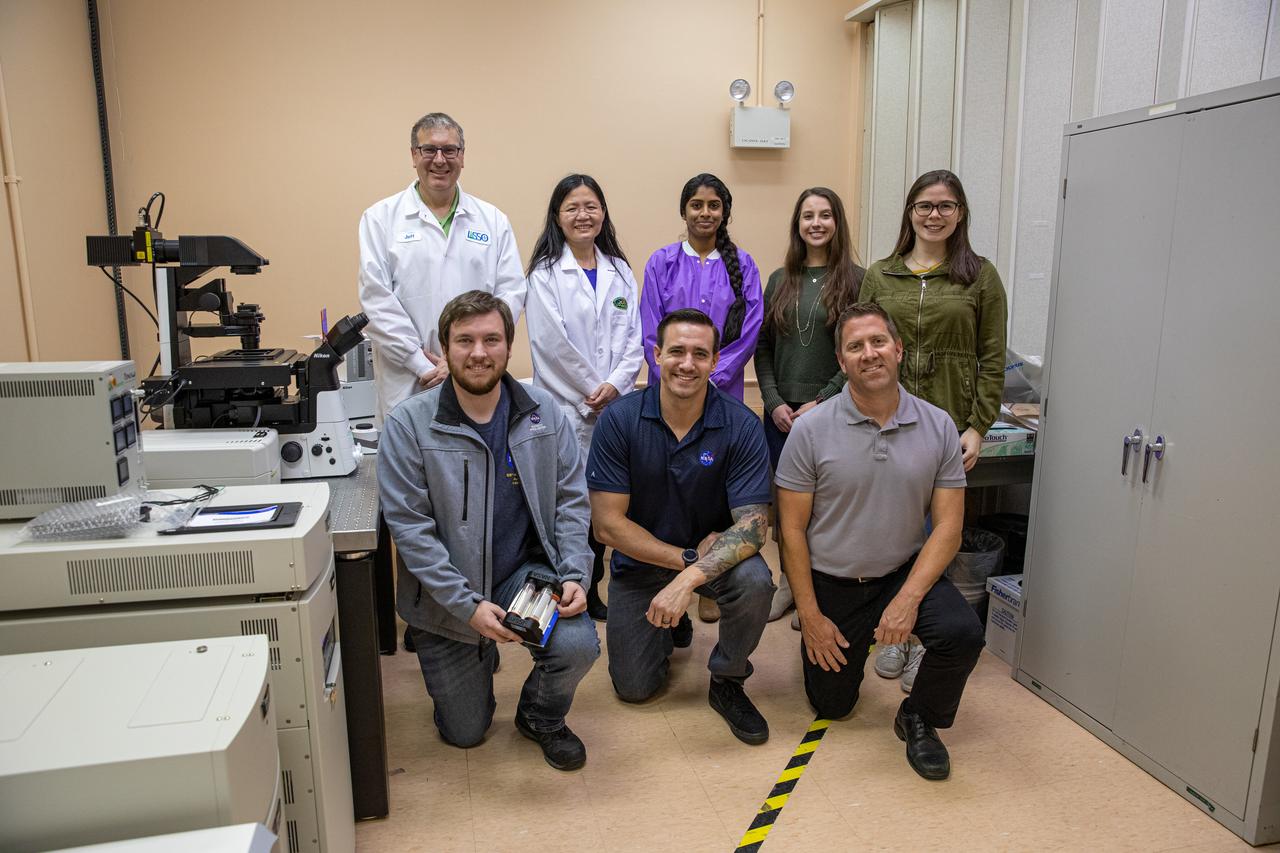
Researchers are in the Microgravity Simulation Support Facility (MSSF) inside the Neil Armstrong Operations and Checkout building at NASA’s Kennedy Space Center in Florida on Feb. 11, 2020. In front, from left, are Jonathan Gleeson, aerospace engineer on the LASSO contract; Jason Fischer, a research and development scientist on the LASSO contract; and Ralph Nacca, aerospace flight systems. In back, from left, are Jeffrey Richards, a payload research and science coordinator on the LASSO contract; Dr. Ye Zhang, a project scientist; Dr. Srujana Neelam, a NASA post-doctoral fellow; Jessica Hellein, NASA intern; and Emily Keith, NASA intern. The facility was developed to provide ground simulation capability to the U.S. research community in order to supplement the limited opportunities to access the International Space Station and other platforms for microgravity research. The MSSF is designed to support biological research on microorganisms, cells, tissues, small plants and small animals. The simulator provides NASA with an alternative platform for microgravity research and creates the opportunity to conduct experiments on the space station in parallel with conditions of simulated microgravity on the ground.
SPD representative Steve Lambing shows the PentaPure water purification unit to some EAA visitors. The Microgravity Research and the Space Product Development Programs joined with the Johnson Space Center (JSC) for a first time ever ISS/Microgravity Research space-focused exhibit at Oshkosh AirVenture'99 from July 28-August 3, 1999. The Space Product Development (SPD) display included the STS-95 ASTROCULTURE training hardware used by John Glenn and his crewmates, a PentaPure water purfication system, and a Ford engine block.
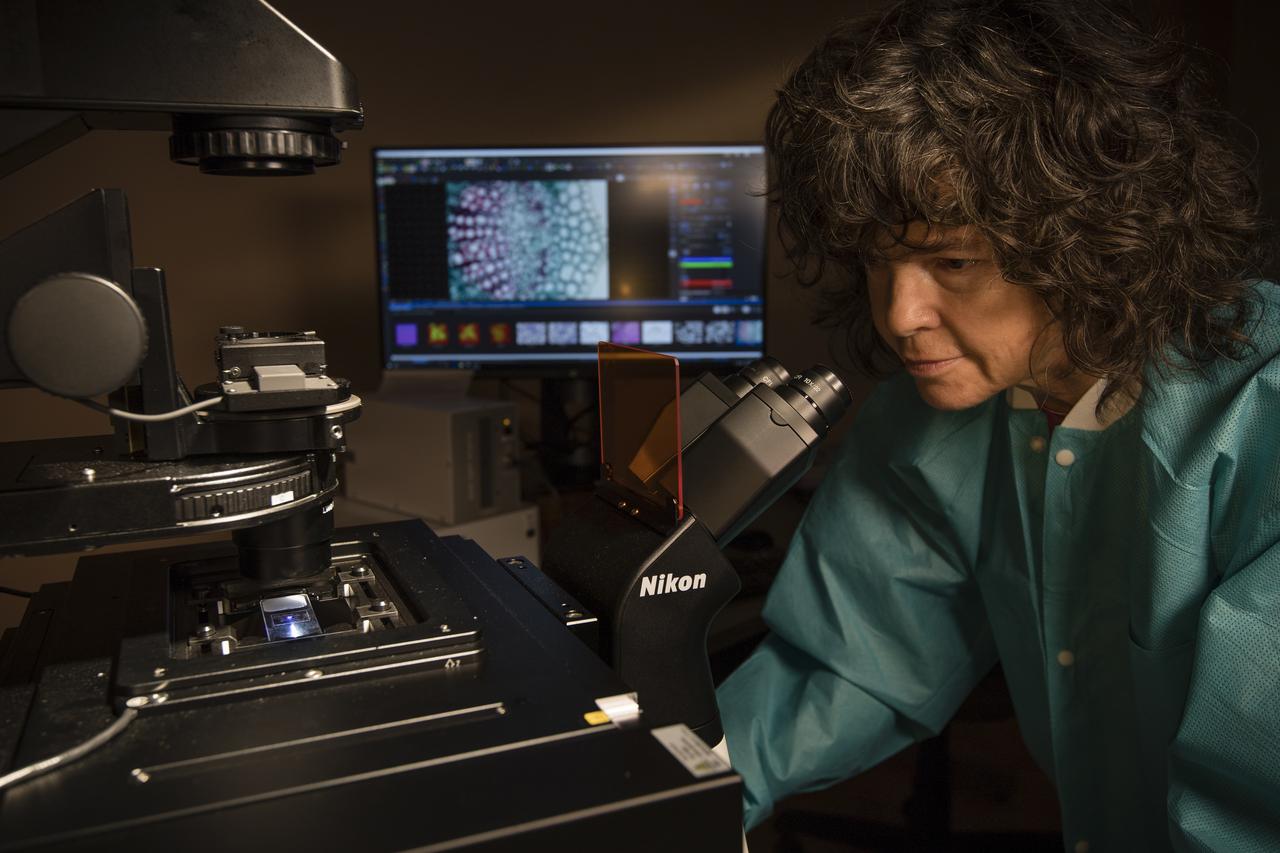
Anna Maria Ruby, project scientist for the ISS Research Office at NASA’s Kennedy Space Center in Florida, views samples on a microscope in the Microgravity Simulation Support Facility on Dec. 20, 2018.
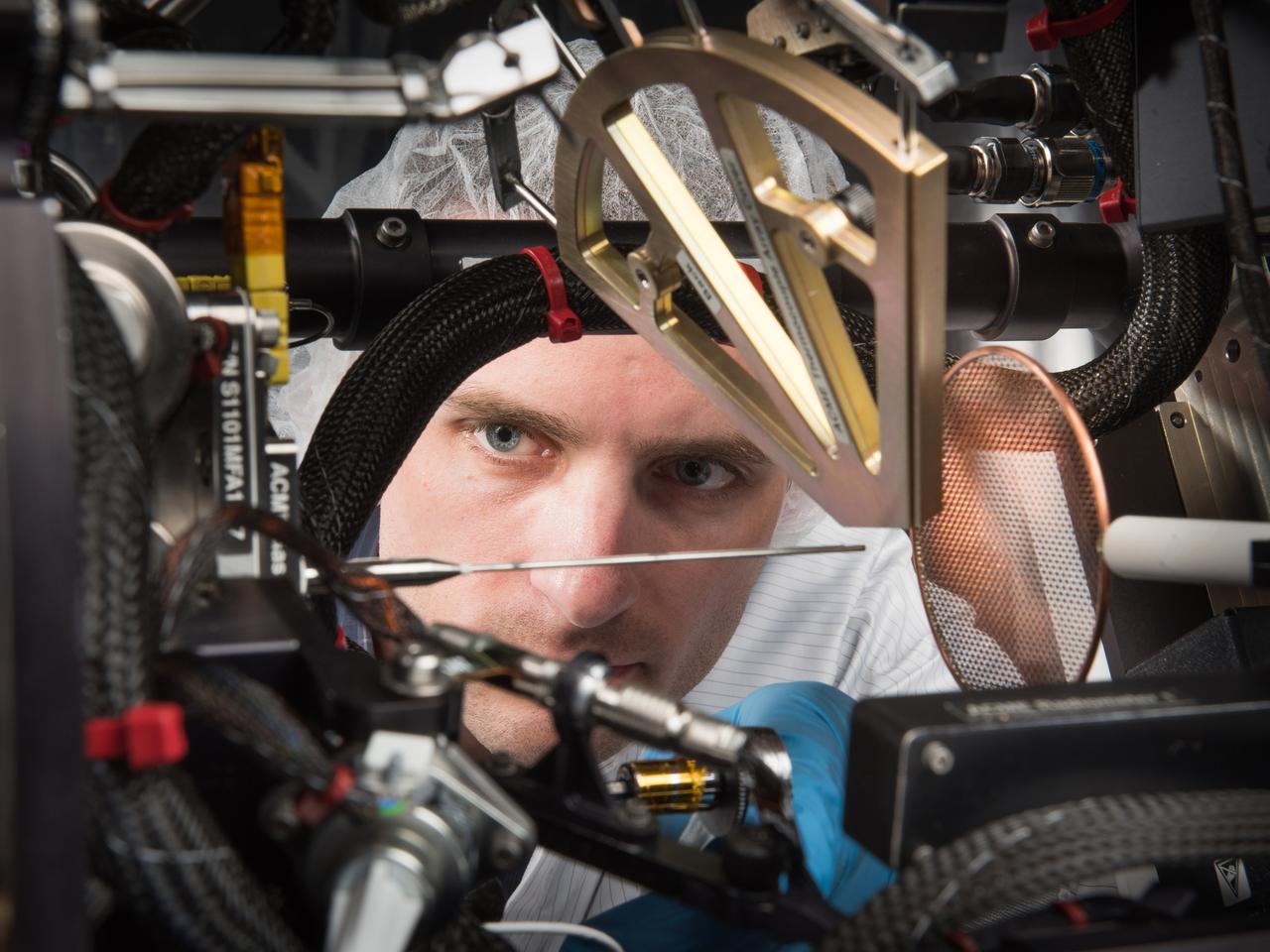
NASA Glenn engineer Christopher Mroczka inspects the gas-jet burner within the Advanced Combustion via Microgravity Experiments, ACME insert for the Combustion Integrated Rack, CIR. The apparatus allows researchers to conduct experiments with flames of gaseous fuels on the International Space Station, ISS
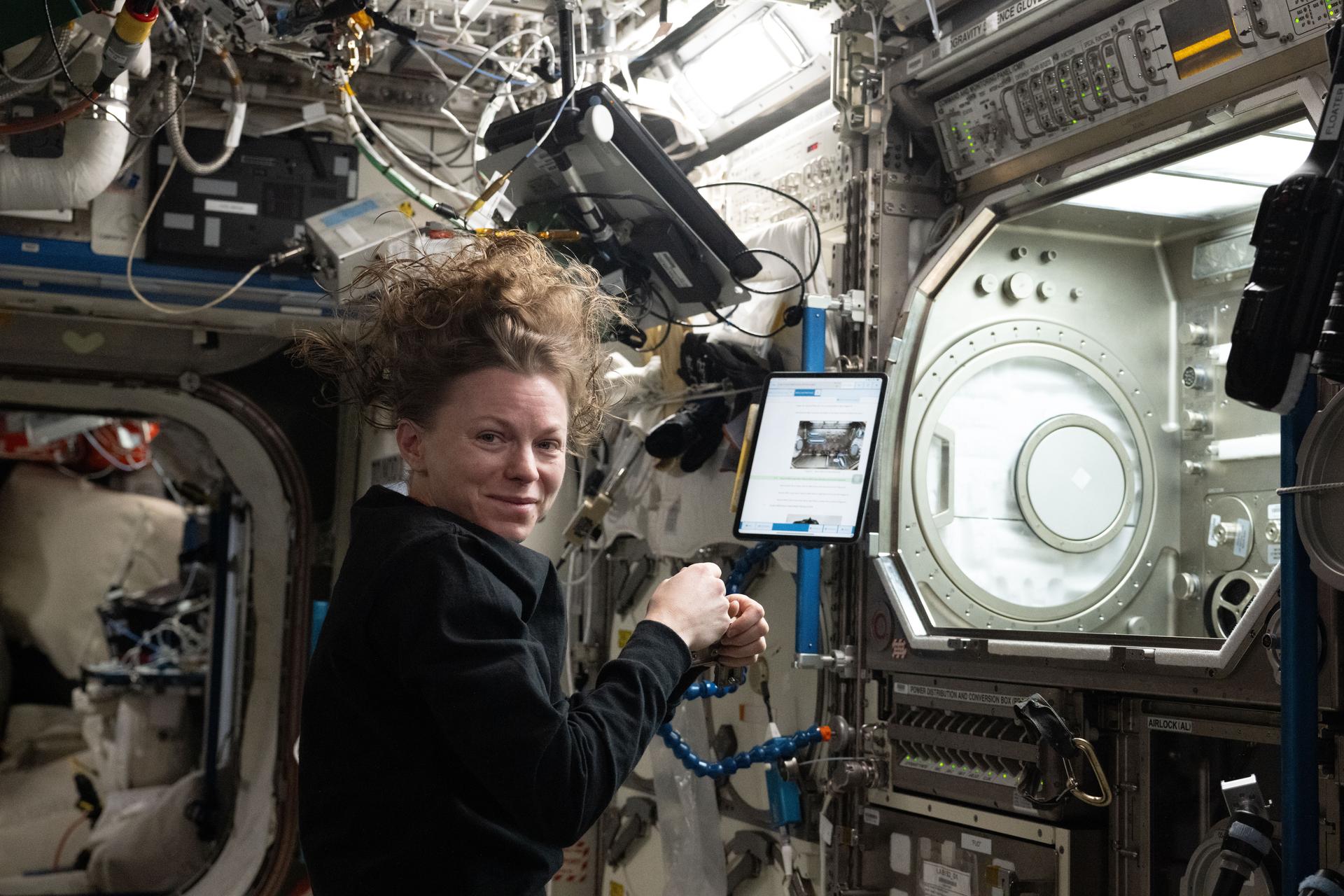
iss073e0886460 (Oct. 20, 2025) --- NASA astronaut and Expedition 73 Flight Engineer Zena Cardman installs research hardware inside the Destiny laboratory module’s Microgravity Science Glovebox. The equipment supports the Fluid Particles experiment, which helps researchers understand how particles in a liquid interface come together to form larger structures or clusters in microgravity. Results could advance fire suppression, lunar dust control, and plant growth in space. Earth benefits may include insights into pollen behavior, algae blooms, plastic pollution, and sea salt transfer during storms.
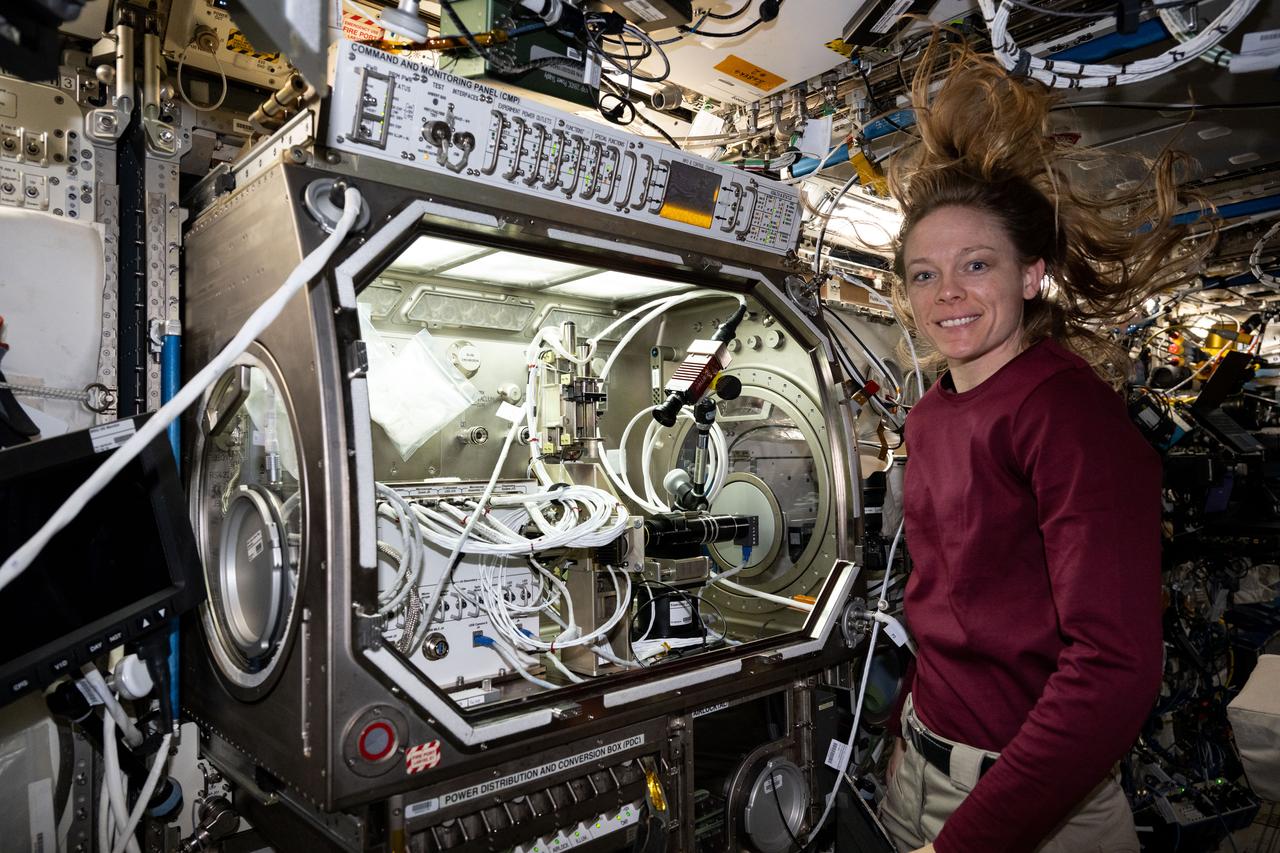
iss073e0253837 (July 1, 2025) --- NASA astronaut and Expedition 73 Flight Engineer Nichole Ayers poses for a portrait as she removes physics research hardware from inside the Microgravity Science Glovebox located inside the International Space Station's Destiny laboratory module. Ayers was completing operations with the Ring Sheared Drop investigation that may benefit pharmaceutical manufacturing techniques and 3D printing in space.
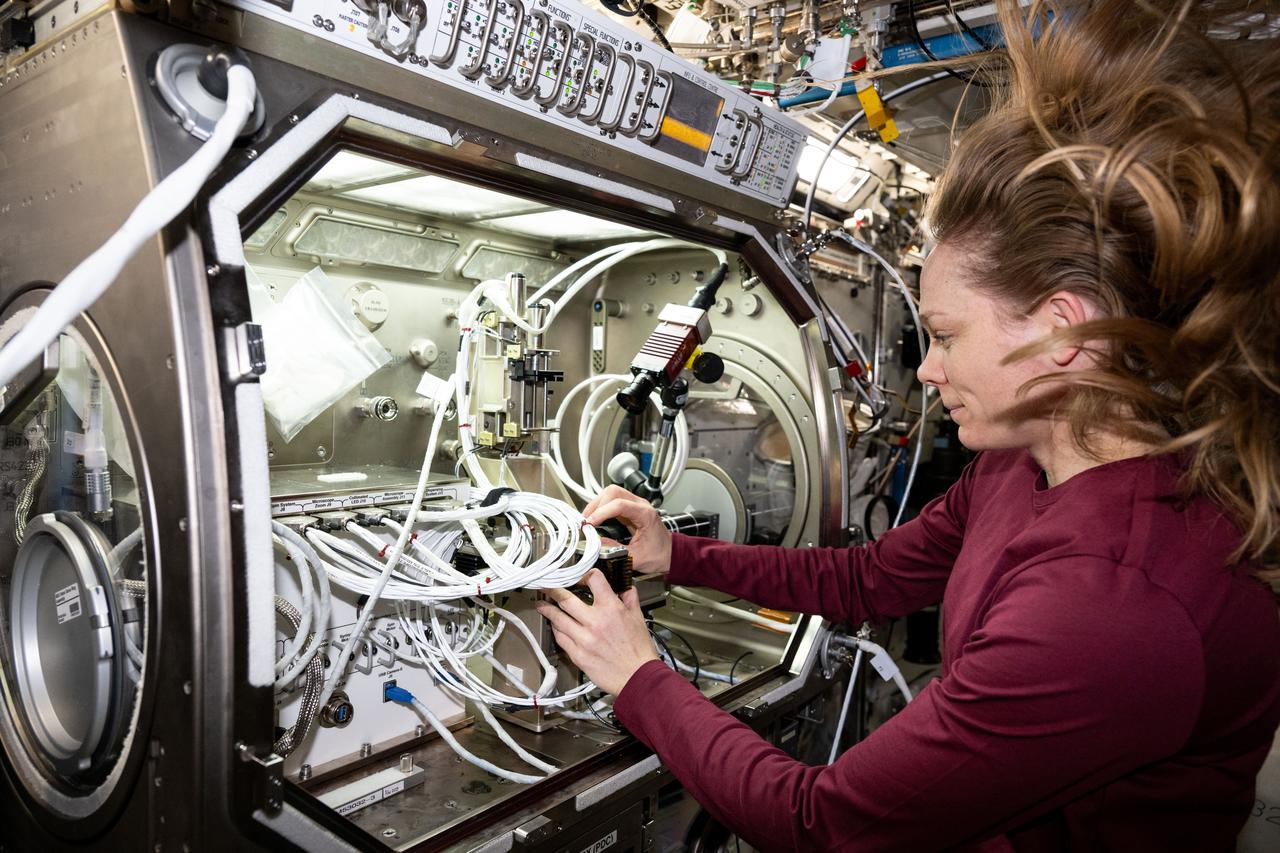
iss073e0253839 (July 1, 2025) --- NASA astronaut and Expedition 73 Flight Engineer Nichole Ayers removes physics research hardware from inside the Microgravity Science Glovebox located inside the International Space Station's Destiny laboratory module. Ayers was completing operations with the Ring Sheared Drop investigation that may benefit pharmaceutical manufacturing techniques and 3D printing in space.
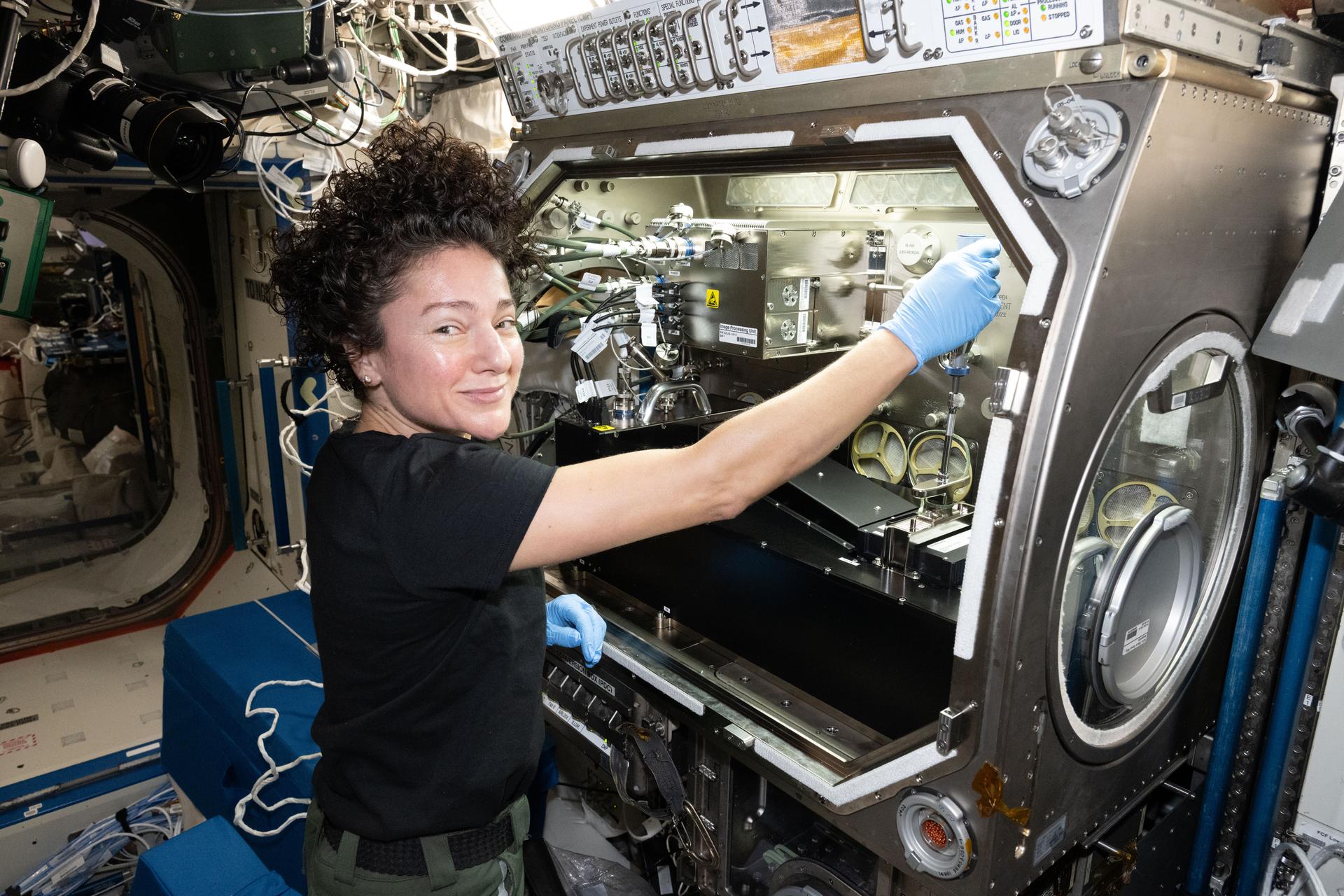
iss074e0541212 (April 29, 2026) --- NASA astronaut and Expedition 74 flight engineer Jessica Meir configures research gear inside the Destiny laboratory module's Microgravity Science Glovebox aboard the International Space Station. Meir was exploring how weightlessness affects tiny particles floating in a gelatin-like substance, known as a colloidal solid. Results may lead to advanced manufacturing techniques leading to new medicines, better food textures, and improved personal care products on Earth and in space. Credit: NASA/Jessica Meir

iss073e0178587 (June 16, 2025) --- NASA astronaut and Expedition 73 Flight Engineer Nichole Ayers conducts research operations inside the Destiny laboratory module's Microgravity Science Glovebox aboard the International Space Station. Ayers swapped syringes containing protein samples and installed test cells inside the glovebox for the Ring-Sheared Drop Interfacial Bioprocessing of Pharmaceuticals investigation that explores using surface tension to contain liquids and study proteins without contacting solid walls. Results may benefit pharmaceutical manufacturing and 3D printing techniques on and off the Earth.
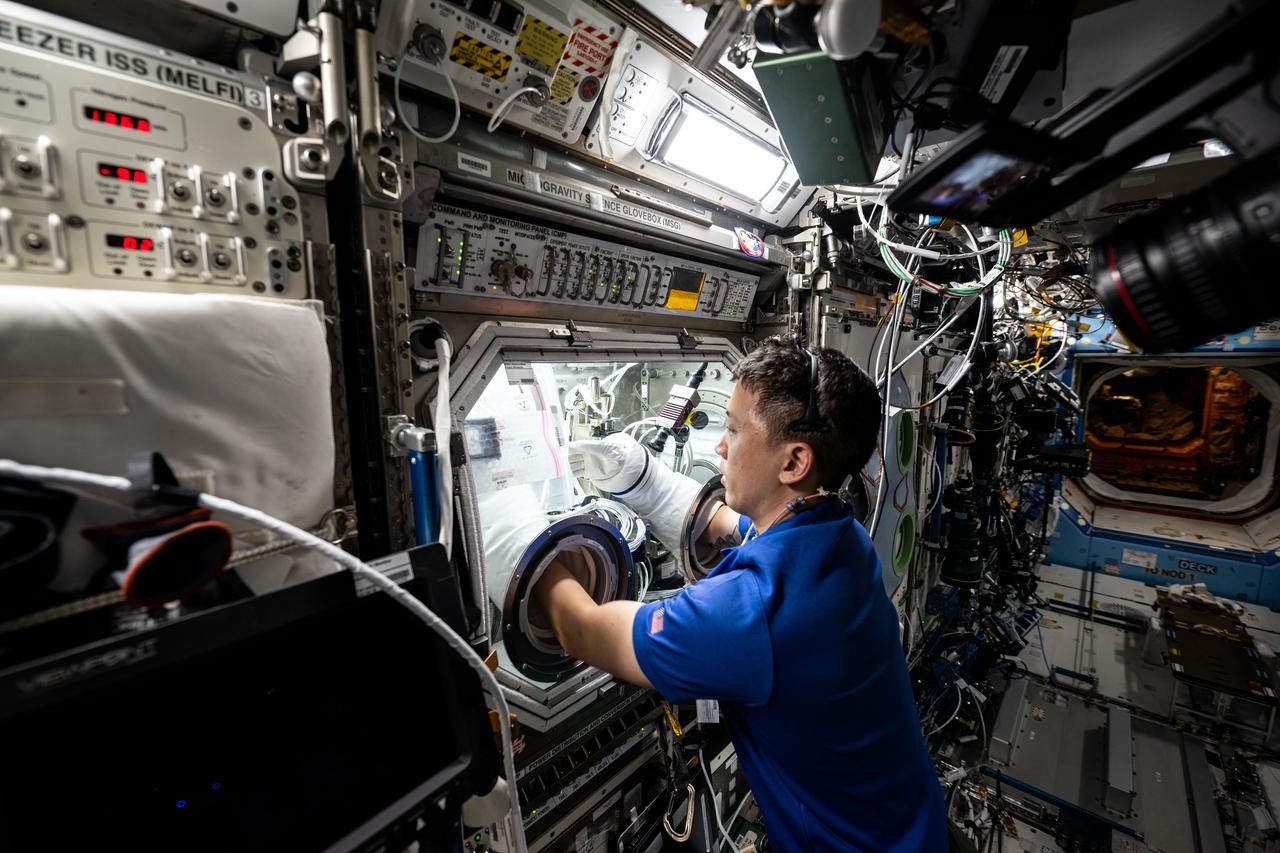
iss073e0177791 (June 12, 2025) --- NASA astronaut and Expedition 73 Flight Engineer Jonny Kim conducts research operations inside the Destiny laboratory module's Microgravity Science Glovebox aboard the International Space Station. Kim swapped syringes containing protein samples and installed test cells inside the glovebox for the Ring-Sheared Drop Interfacial Bioprocessing of Pharmaceuticals investigation that explores using surface tension to contain liquids and study proteins without contacting solid walls. Results may benefit pharmaceutical manufacturing and 3D printing techniques on and off the Earth.
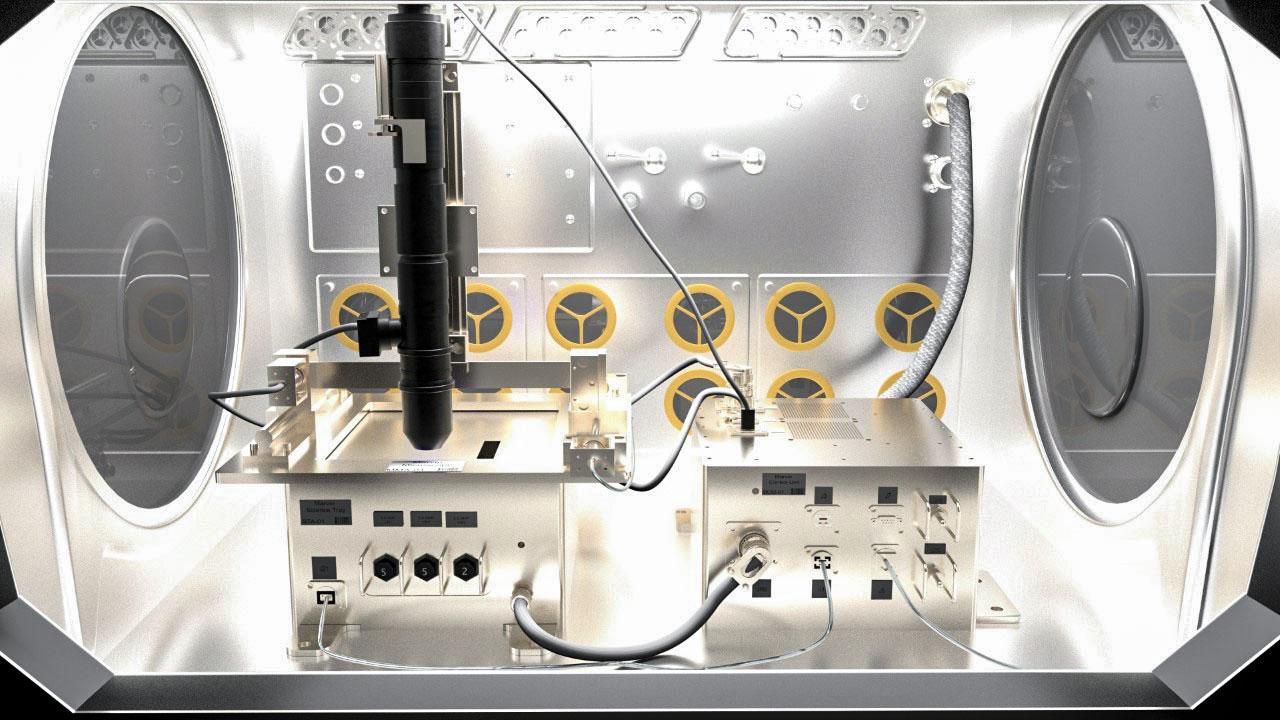
jsc2022e031219 (4/26/2022) A preflight image showing the Microgravity Research for Versatile Investigations-Phase Change in Mixtures.(MaRVIin PCIM) system as it would be housed in the microgravity glovebox facility on the ISS. The Microgravity Research for Versatile Investigations-Phase Change in Mixtures (MaRVIn-PCIM) examines the distribution of vapor and liquid within a wickless heat pipe.
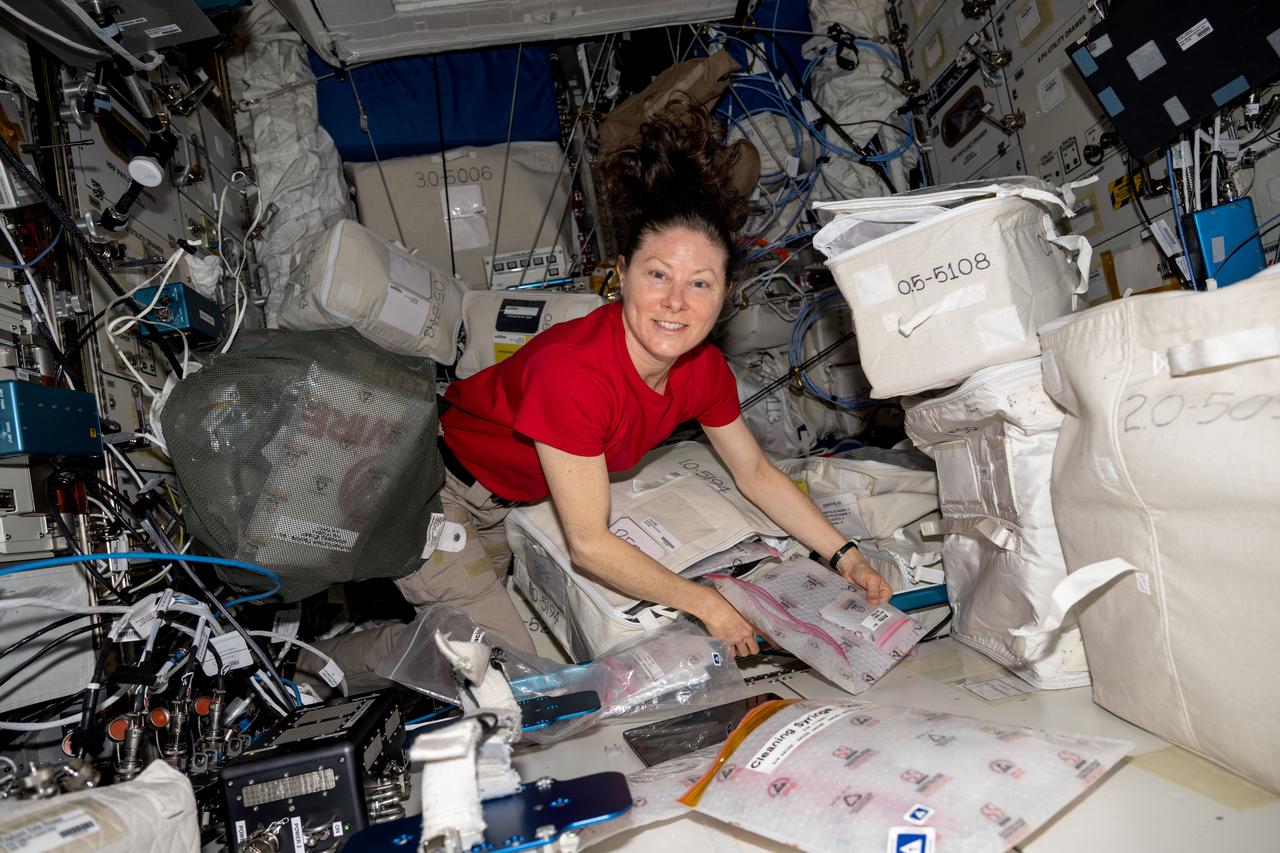
iss071e403579 (July 23, 2024) --- NASA astronaut and Expedition 71 Flight Engineer Tracy C. Dyson unpacks and examines research gear that is part of the BioFabrication Facility (BFF) located inside the International Space Station's Columbus laboratory module. The BFF is a research device being tested for its ability to print organ-like tissues in microgravity.
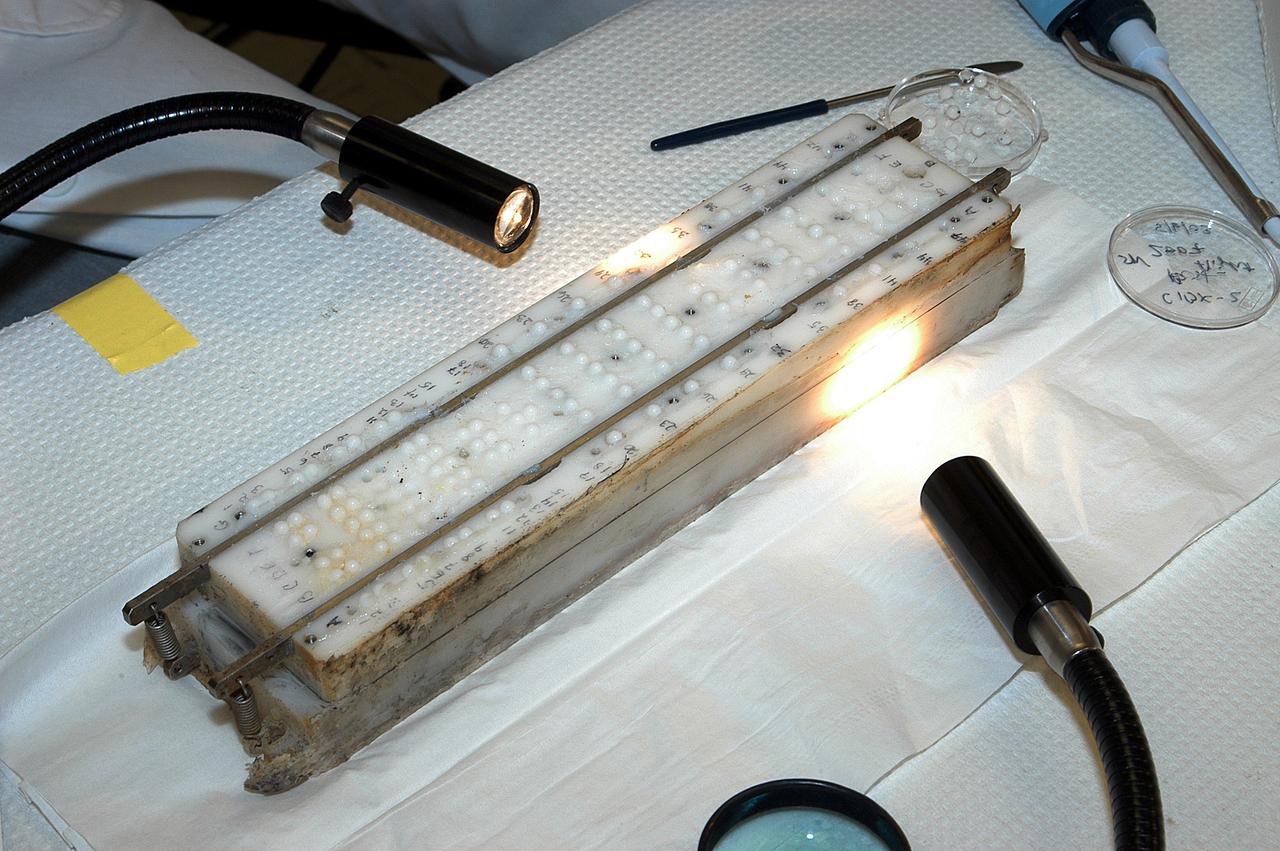
KENNEDY SPACE CENTER, FLA. - The apparatus shown was designed to hold microcapsules for research on mission STS-107. It is one over several included in the Commercial ITA Biomedical Experiments payload. The box was recently recovered during the search for Columbia debris. The drug delivery system and spaceflight hardware was developed jointly by JSC, the Institute for Research Inc. and Instrumentation Technology Associates Inc. to conduct microencapsulation experiments under microgravity conditions.
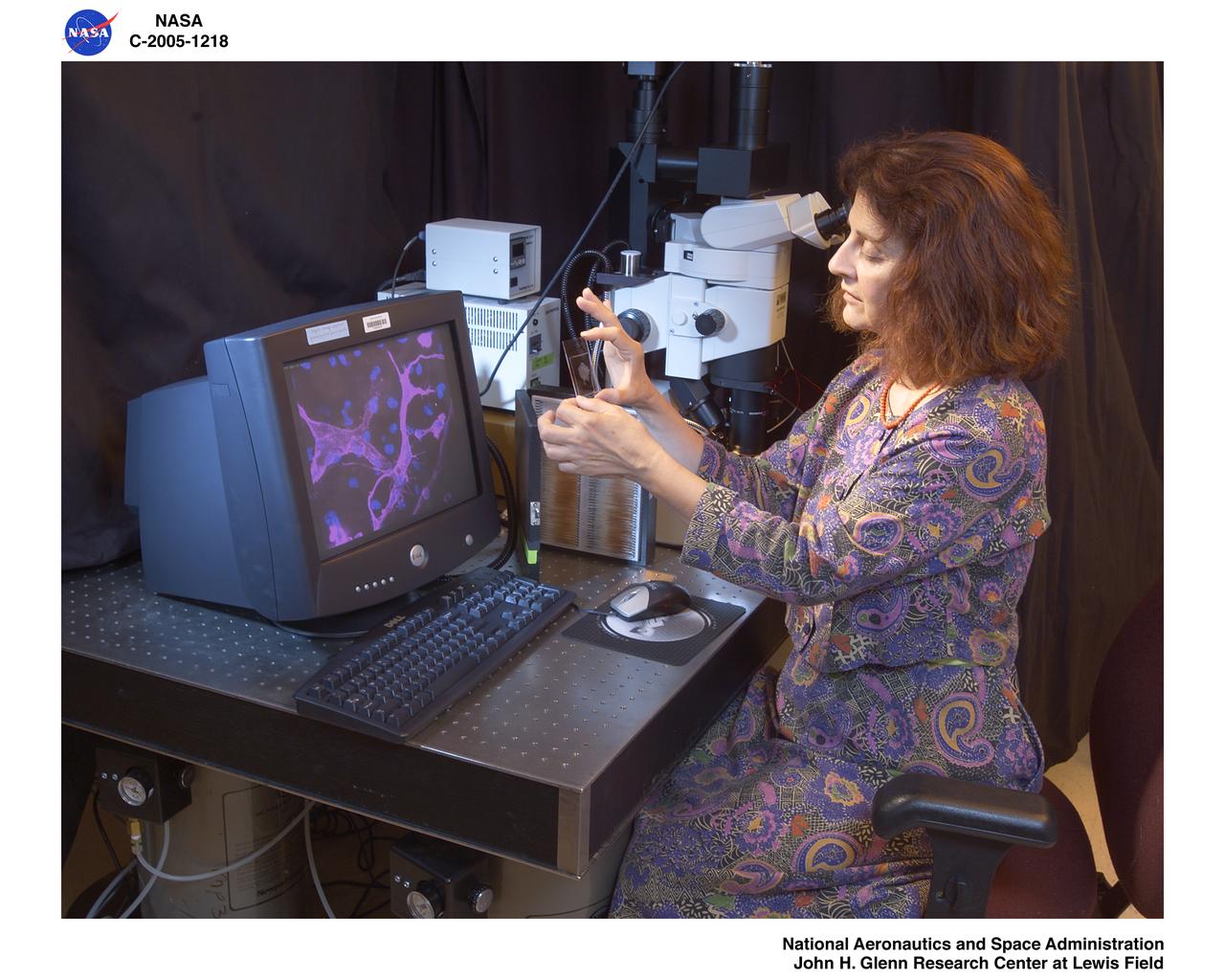
Researcher studying microvascular remodeling for Astronaut health in microgravity and space exploration
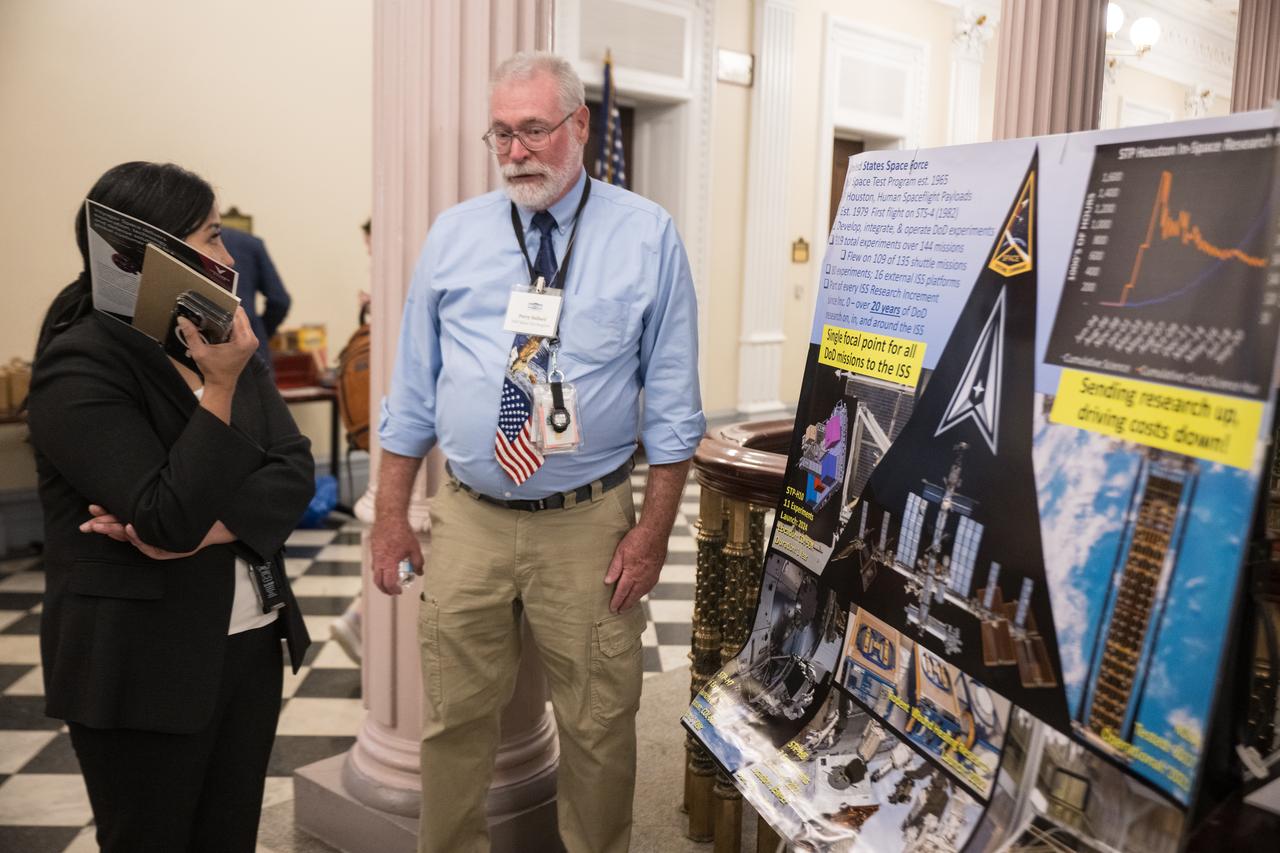
Exhibitors discuss research conducted in microgravity at the Microgravity Science Summit at the Eisenhower Executive Office Building, Monday, Dec. 13, 2024 in Washington. Photo Credit: (NASA/Aubrey Gemignani)
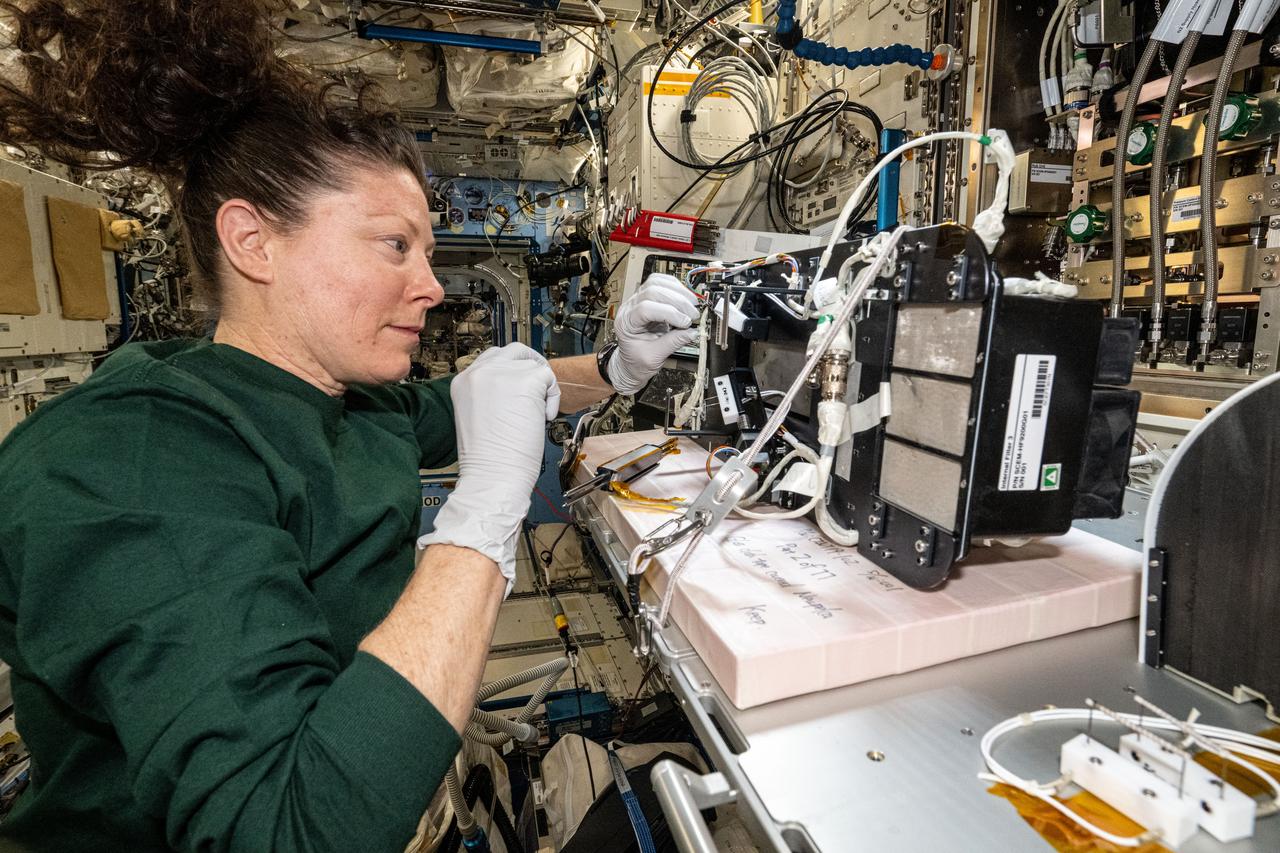
iss071e414661 (Aug. 1, 2024) --- NASA astronaut and Expedition 71 Flight Engineer Tracy C. Dyson services research components inside the Solid Combustion Experiment Module (SCEM) aboard in the Interational Space Station's Kibo laboratory module. The SCEM enables combustion research in microgravity to study how materials burn in weightlessness and improve fire safety techniques aboard spacecraft.
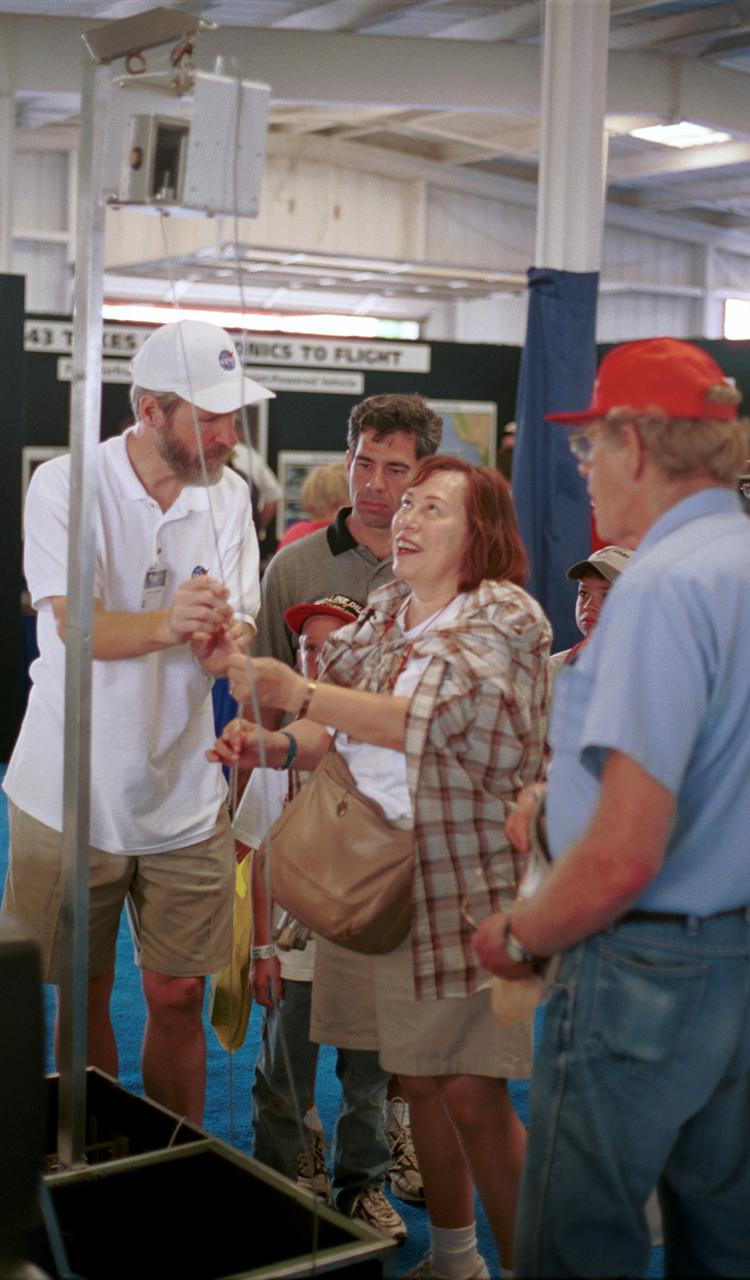
Dr. Richard DeLombard of NASA's Glenn Research Center, hands the relase line for the Microgravity Demonstrator to a visitor for her to start a short experiment showing the effects of microgravity on candle flames. Combustion physics will be a major line of investigation for NASA aboard the International Space Station (ISS). The Microgravity Demonstrator is frequently used at shows and schools to illustrate how phenomena change in microgravity. The exhibit was part of the NASA outreach activity at AirVenture 2000 sponsored by the Experimental Aircraft Association in Oshkosh, WI
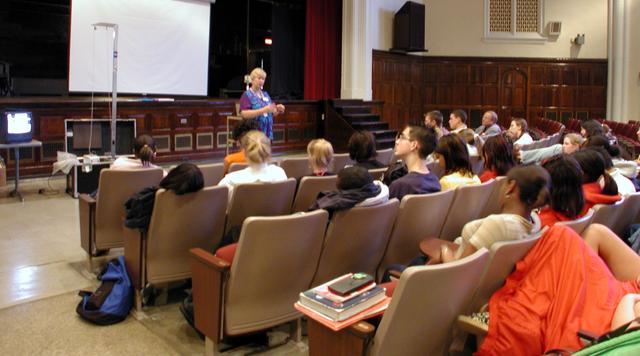
Marshall Space Flight Center employees visited DuPont Manual High School in Louisville, Kentucky. NASA's Mini Drop Tower was used to demonstrate free fall and a presentation was given on microgravity and the science performed in a microgravity environment. The visit coincided with the Pan-Pacific Basin Workshop on Microgravity Sciences held in Pasadena, California. Materials engineer Chris Cochrane explains the basics of microgravity research. This image is from a digital still camera; higher resolution is not available.
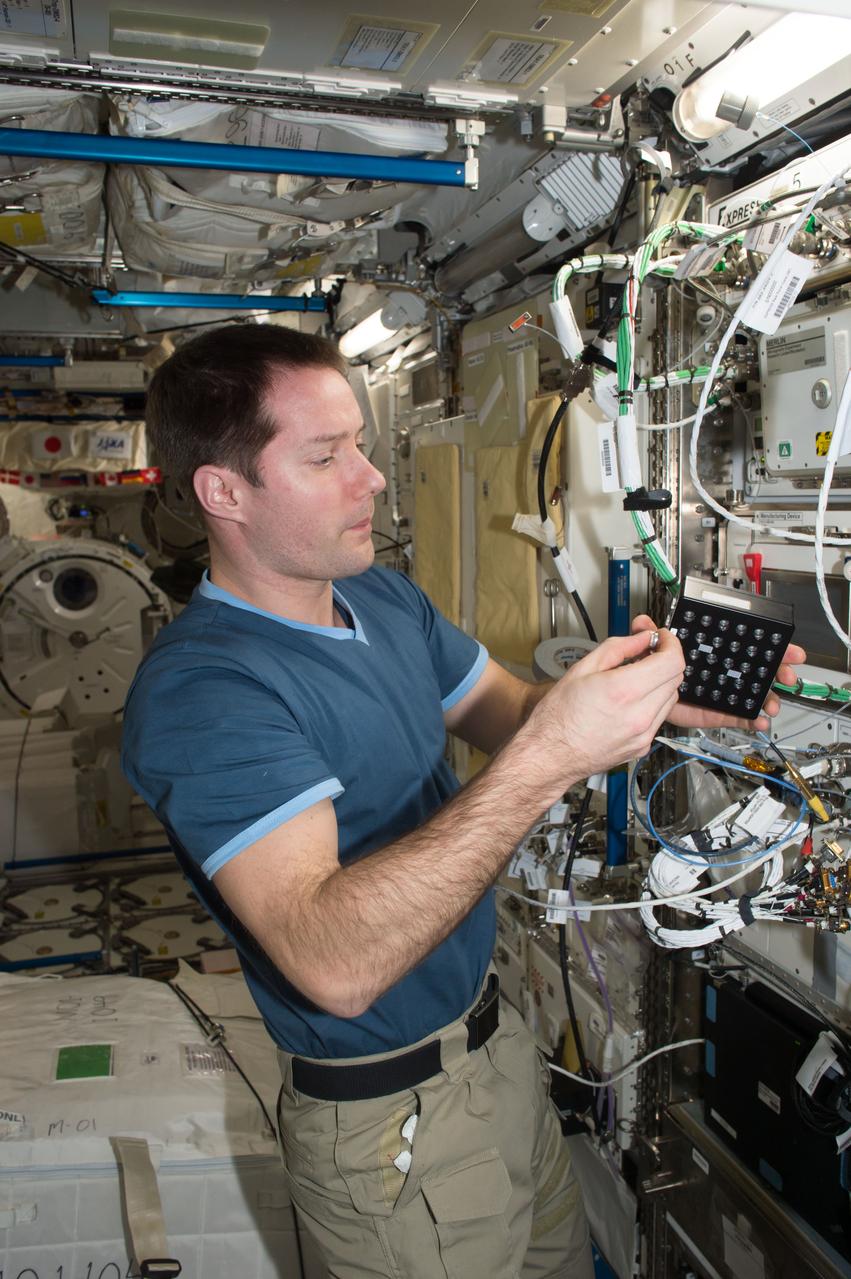
iss050e058802 (3/17/2017) --- A view of European Space Agency (ESA) astronaut Thomas Pesquet, during Protein Crystal Growth (PCG) -5 hardware deactivation and stow, from Microgravity Experiment Research Locker Incubator (MERLIN) on Expedite the Processing of Experiments to the Space Station (EXPRESS) Rack 5. The Microgravity Growth of Crystalline Monoclonal Antibodies for Pharmaceutical Applications (CASIS-PCG-5) investigation crystallizes a monoclonal antibody developed by Merck Research Labs. Microgravity enables the growth of extremely high-quality crystals, which allow scientists to study the proteins’ structure, improve drug delivery, manufacturing, and developing better methods for storing these biological molecules.
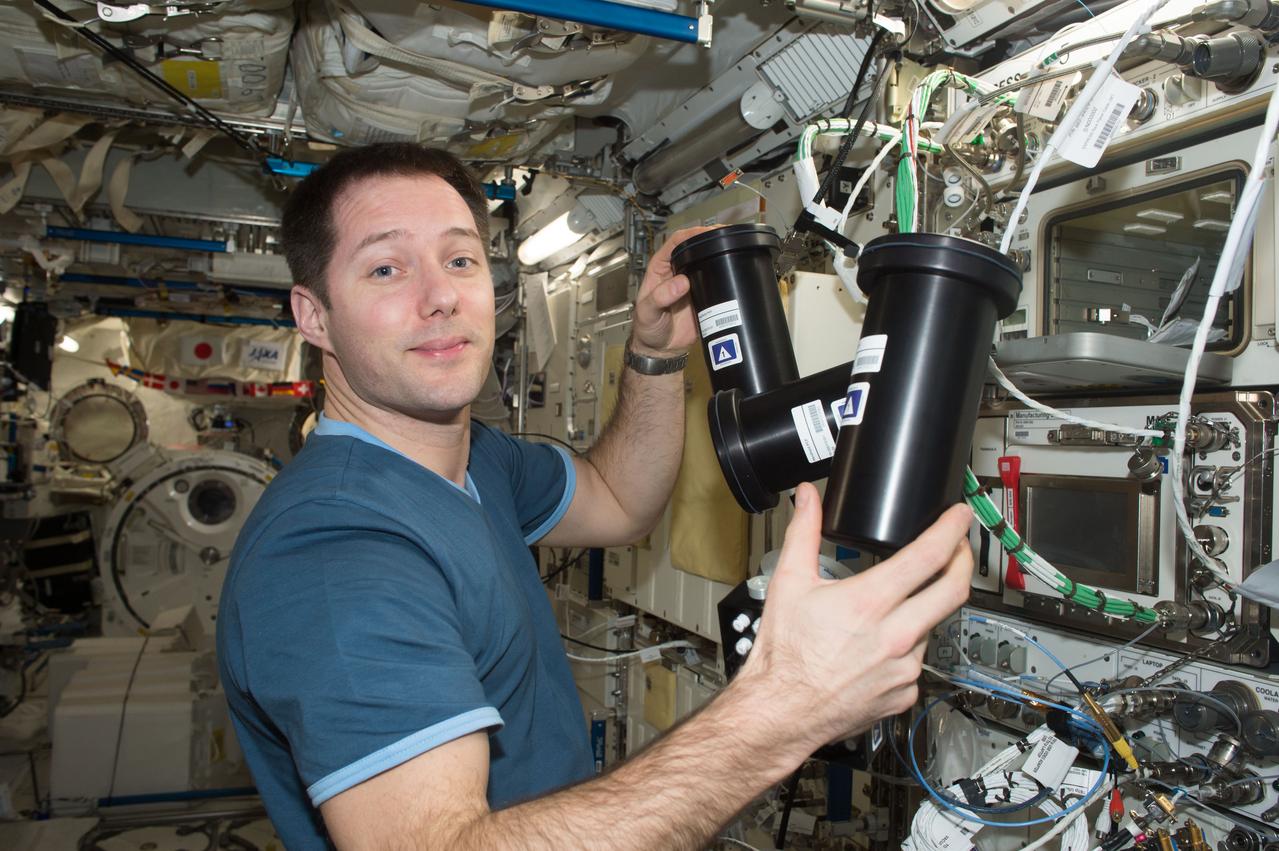
iss050e058812 (3/17/2017) --- A view of European Space Agency (ESA) astronaut Thomas Pesquet, during Protein Crystal Growth (PCG) -5 hardware deactivation and stow, from Microgravity Experiment Research Locker Incubator (MERLIN) on Expedite the Processing of Experiments to the Space Station (EXPRESS) Rack 5. The Microgravity Growth of Crystalline Monoclonal Antibodies for Pharmaceutical Applications (CASIS-PCG-5) investigation crystallizes a monoclonal antibody developed by Merck Research Labs. Microgravity enables the growth of extremely high-quality crystals, which allow scientists to study the proteins’ structure, improve drug delivery, manufacturing, and developing better methods for storing these biological molecules.
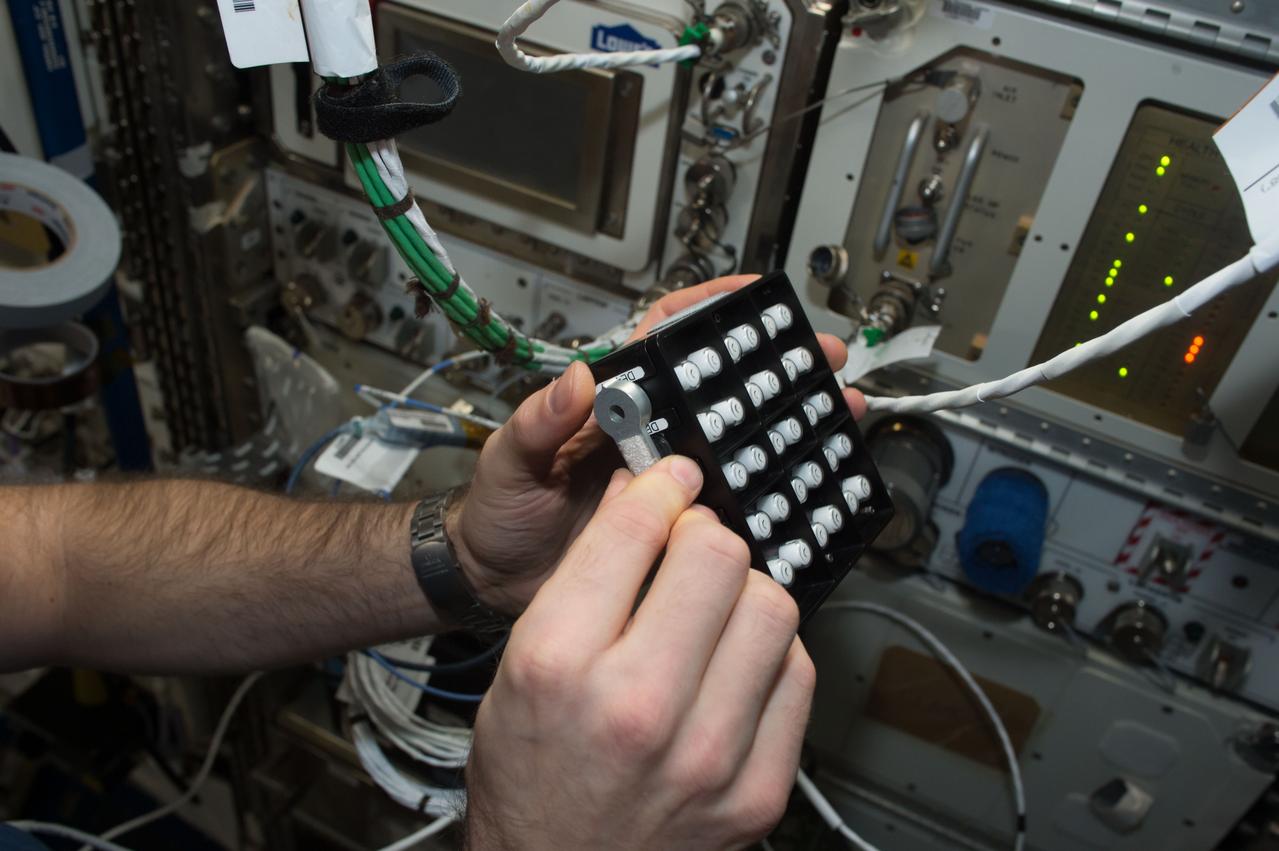
iss050e058807 (3/17/2017) --- A view of European Space Agency (ESA) astronaut Thomas Pesquet, during Protein Crystal Growth (PCG) -5 hardware deactivation and stow, from Microgravity Experiment Research Locker Incubator (MERLIN) on Expedite the Processing of Experiments to the Space Station (EXPRESS) Rack 5. The Microgravity Growth of Crystalline Monoclonal Antibodies for Pharmaceutical Applications (CASIS-PCG-5) investigation crystallizes a monoclonal antibody developed by Merck Research Labs. Microgravity enables the growth of extremely high-quality crystals, which allow scientists to study the proteins’ structure, improve drug delivery, manufacturing, and developing better methods for storing these biological molecules.
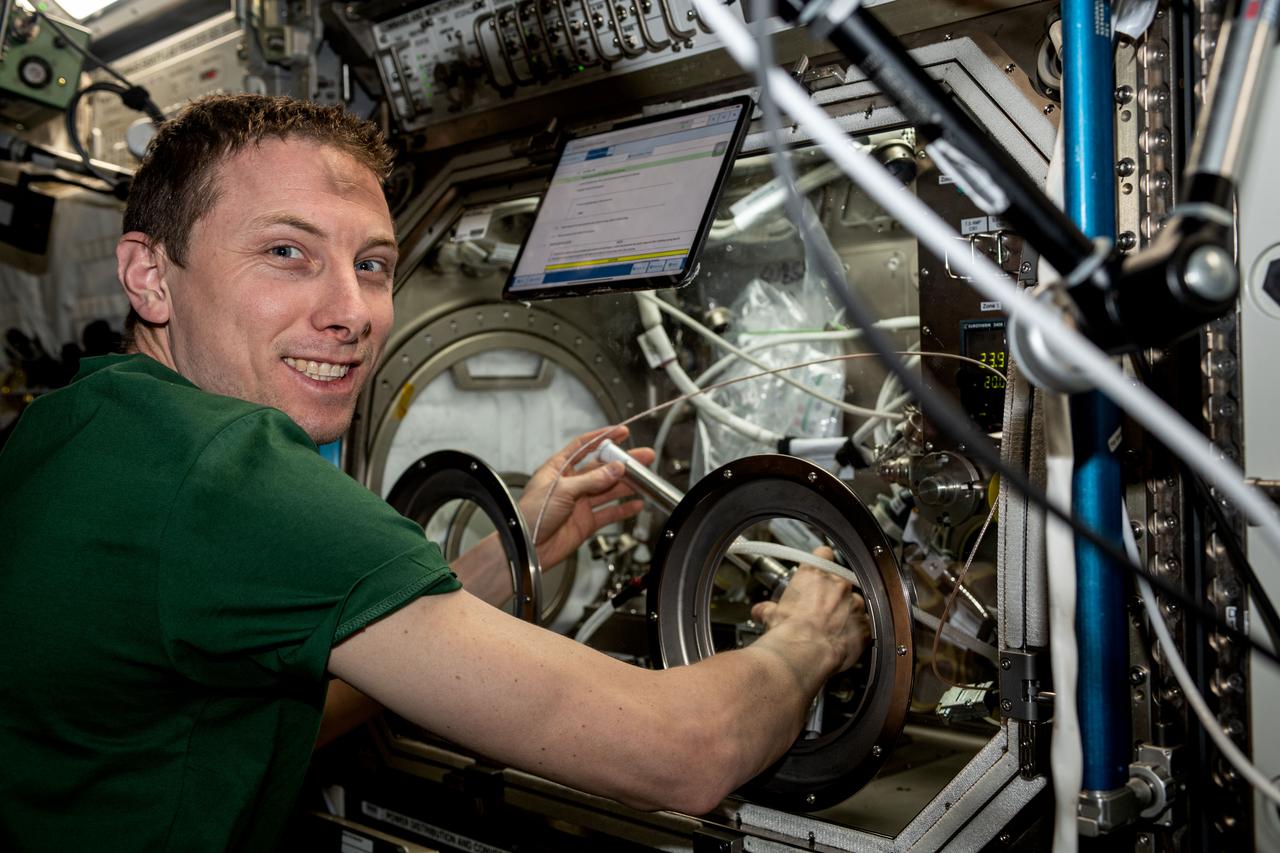
iss069e060322 (August 15, 2023) -- NASA astronaut Woody Hoburg swaps samples for a space manufacturing study inside the Microgravity Science Glovebox (MSG) in the International Space Station's U.S. Destiny Laboratory Module. MSG allows crews to investigate physical science and biological research in a safe, contained environment in microgravity.
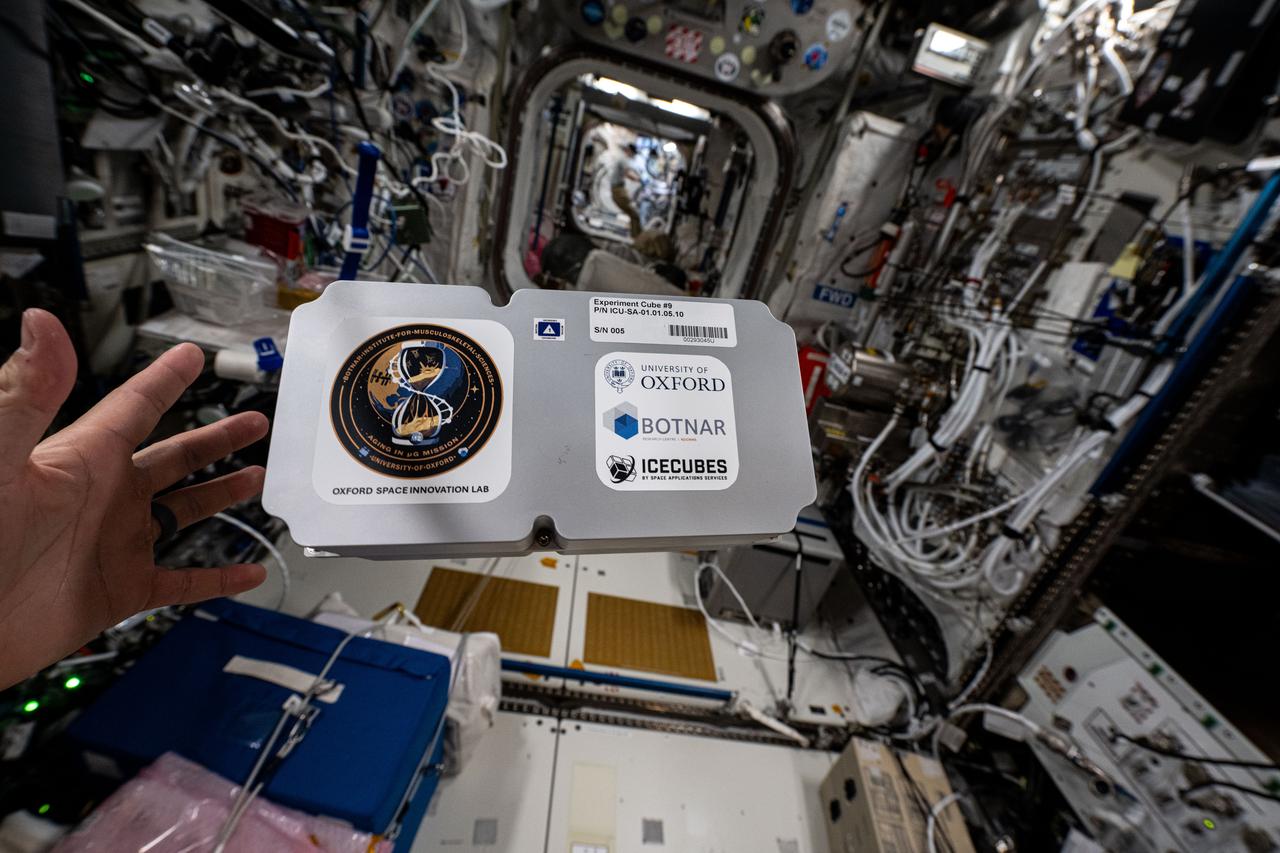
iss073e0001010 (4/23/2025) --- The ICE Cubes Experiment Cube #9 that hosts the Aging in Microgravity investigation. Aging in Microgravity aims to bridge the gap between aging research and space exploration by investigating common pathways between aging and spaceflight exposure.

iss068e036994 (Jan. 4, 2023) --- NASA astronaut and Expedition 68 Flight Engineer Josh Cassada conducts research operations inside the Microgravity Science Glovebox for the Pore Formation and Mobility Investigation. The space physics study demonstrates a passive cooling system for electronic devices in microgravity using a micro-structured surface.
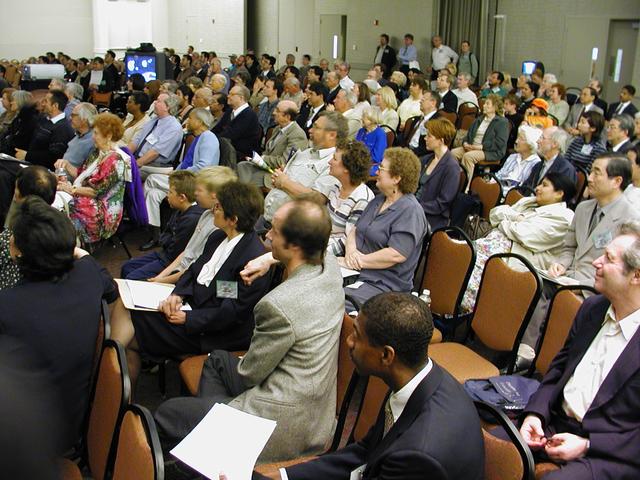
Teachers, students, and parents listen as scientists explain what is different about the microgravity envirornment of space and why it is a valuable tool for research. This was part of the outreach session of the Pan Pacific Microgravity Conference on May 2, 2001, at the California Science Center.
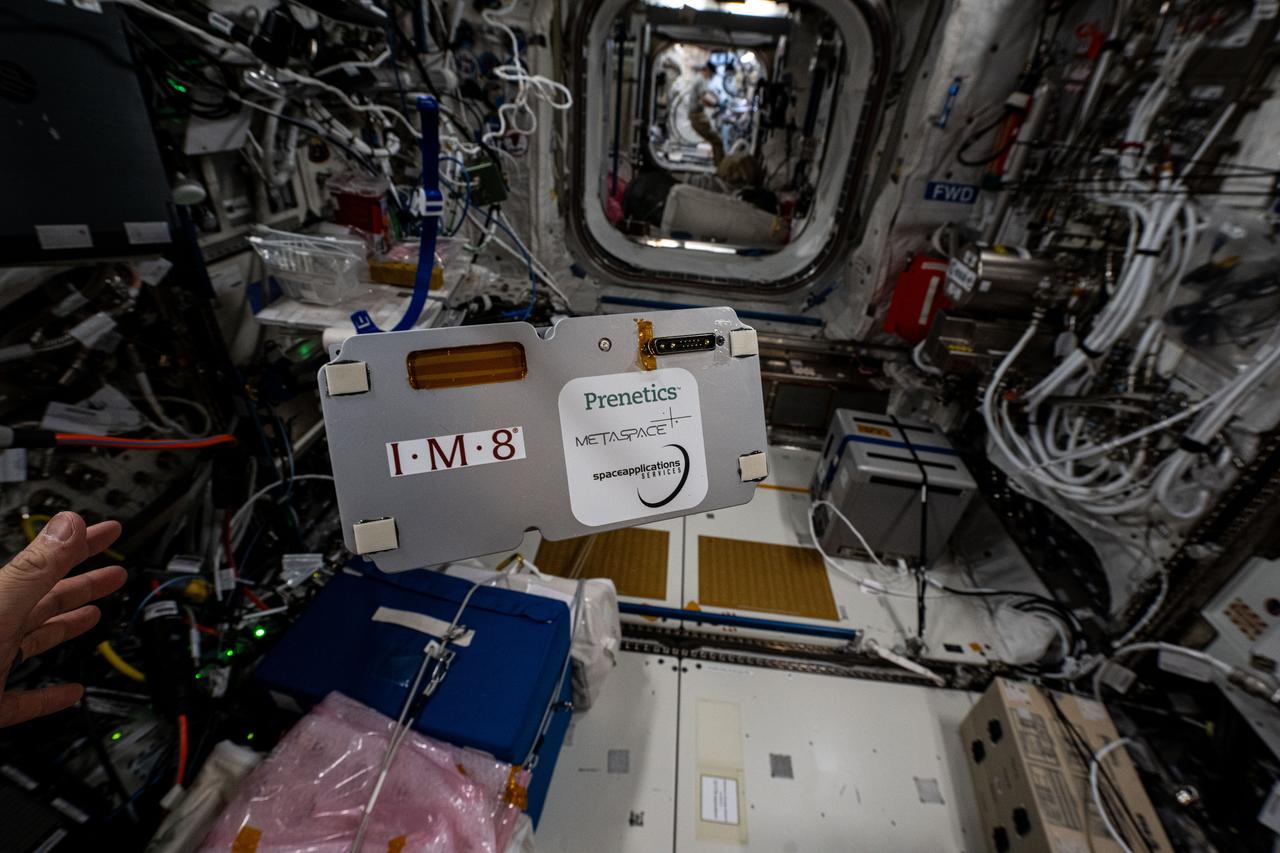
iss073e0001012 (4/23/2025) --- Another view of the ICE Cubes Experiment Cube #9 that hosts the Aging in Microgravity investigation. Aging in Microgravity aims to bridge the gap between aging research and space exploration by investigating common pathways between aging and spaceflight exposure.
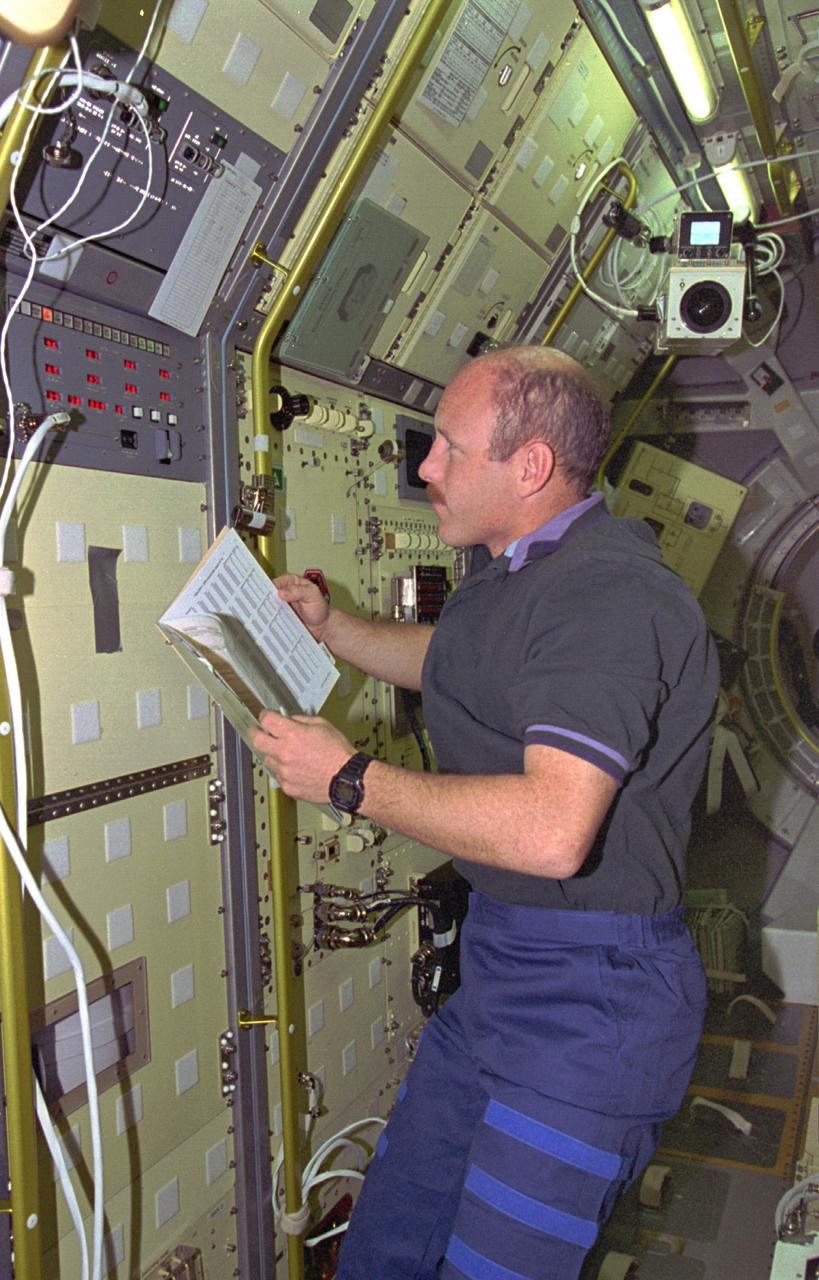
STS073-363-032 (20 October - 5 November 1995) --- Astronaut Kenneth D. Bowersox, STS-73 mission commander, studies the movement of fluids in microgravity at the Geophysical Fluid Flow Cell (GFFC) workstation in the science module of the Earth-orbiting Space Shuttle Columbia. Bowersox was joined by four other NASA astronauts and two guest researchers for almost 16-days of Earth-orbit research in support of the U.S. Microgravity Laboratory (USML-2) mission.
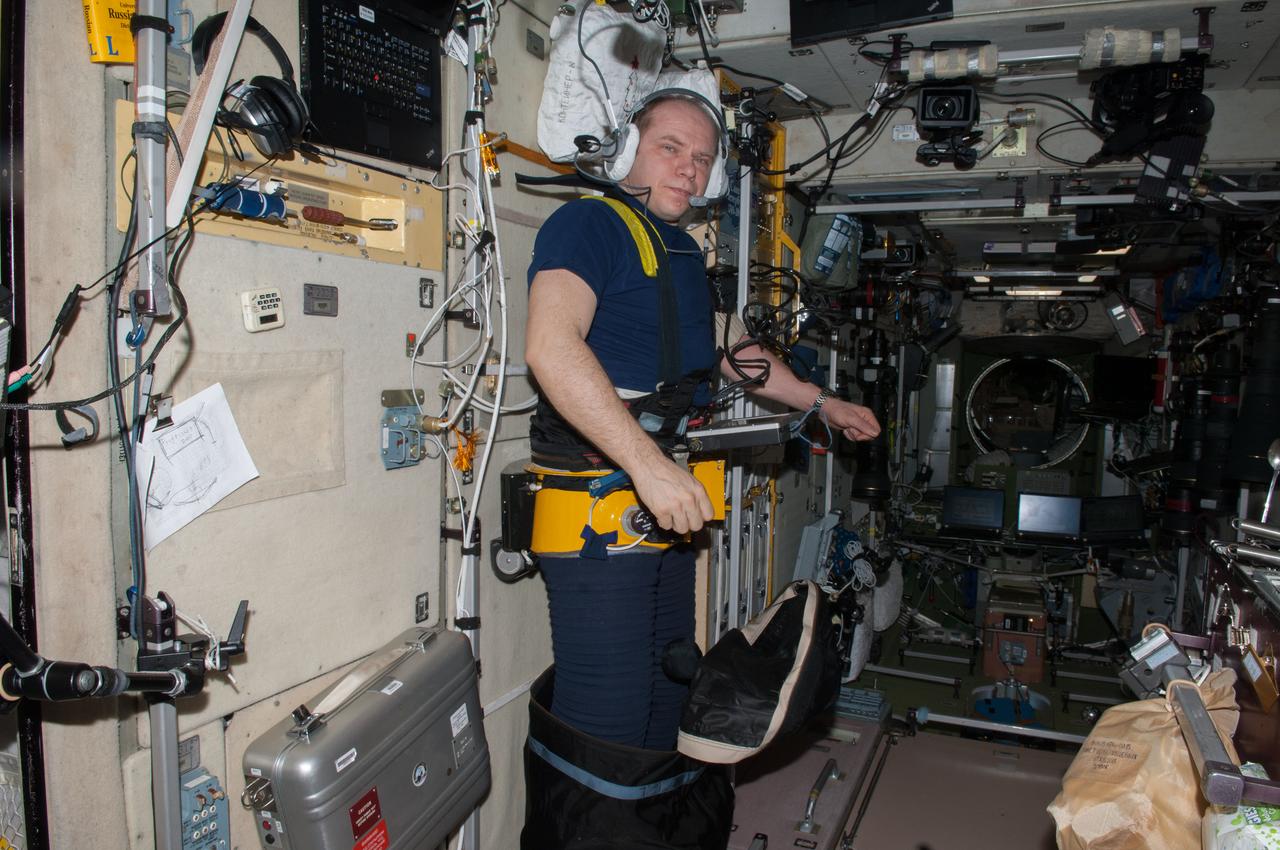
iss038e055233 (2/24/2014) --- Cosmonaut Oleg Kotov, Expedition 38 Commander, is seen during a Lower Body Negative Pressure (LBNP) exercise. This activity was performed for the DAN investigation where researchers revealed that crew members inadvertently hold their breath longer in microgravity than on the ground, especially if the crewmember is lying face up. A better understanding of the supply of oxygen to the body in microgravity allows researchers to provide the environment necessary for adequate intracellular functions and basic human health in space.
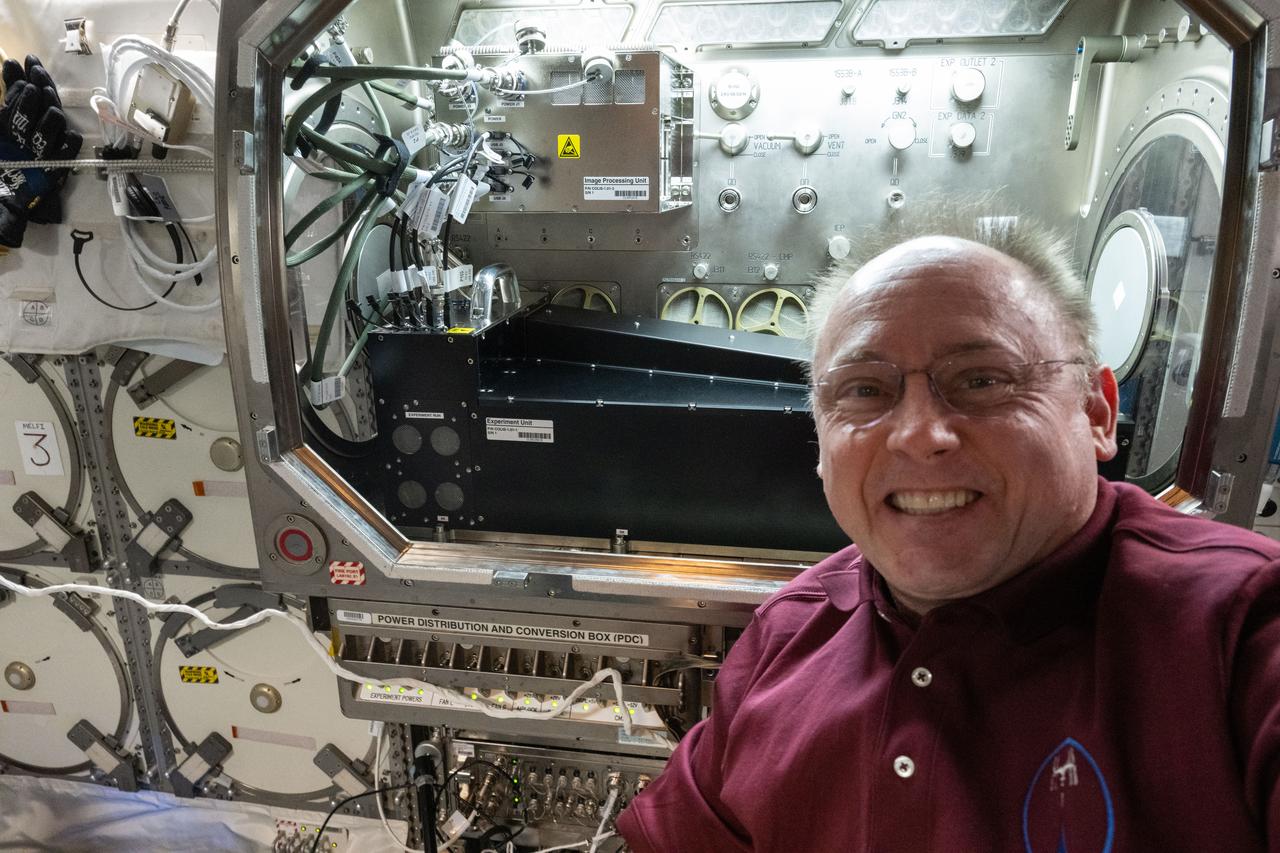
iss073e0606547 (Sept. 4, 2025) --- NASA astronaut and Expedition 73 Flight Engineer Mike Fincke poses for a portrait in front of the Microgravity Science Glovebox (MSG) inside the International Space Station’s Destiny laboratory. Fincke installed the Colloidal Solids research hardware in the MSG to explore pharmaceutical manufacturing and 3D printing techniques in microgravity—research that could advance human health both in space and on Earth.
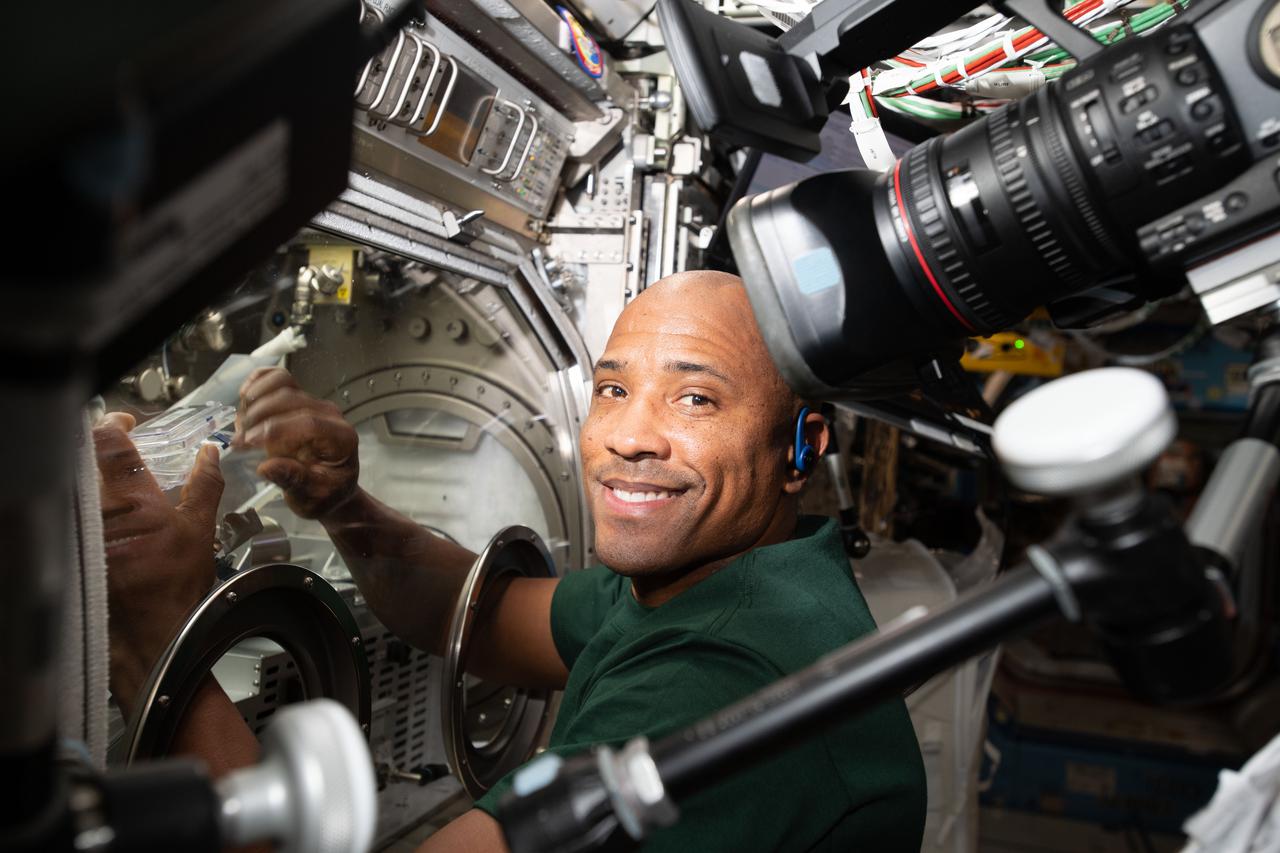
NASA astronaut and Expedition 64 Flight Engineer Victor Glover performs a sample exchange in the Microgravity Science Glovebox (MSG) as part of the Fiber Optic Production (FOP) experiment. FOP produces fiber optic cable in microgravity from a blend of elements called ZBLAN. Previous research suggests optical fibers produced in microgravity should exhibit superior qualities to those produced on Earth.
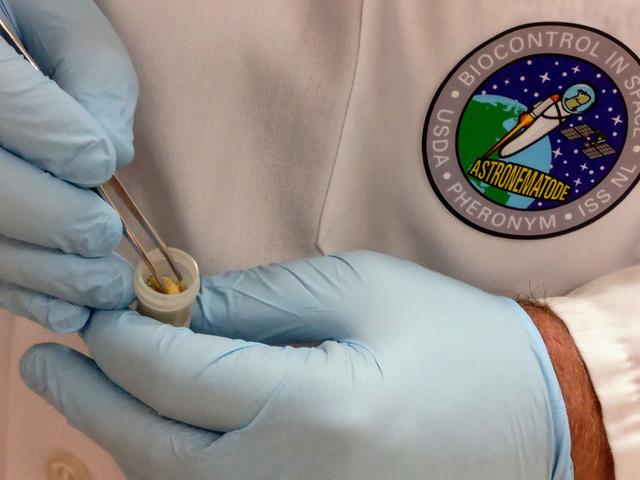
jsc2019e062137 (10/24/2019) --- Loading of the nematodes into the sample tubes. Microgravity Effect on Entomopathogenic Nematodes’ Ability to Find and Kill Insects (Module-85 Pheronym) tests the effects of microgravity on the movement and infection behavior of beneficial nematodes, which are used to control agricultural insect pests. The research looks at whether these nematodes can navigate through soil, infect insects and reproduce in space. It also looks at whether their symbiotic bacteria function normally in microgravity and has any effects on insect host physiology. Image Courtesy of: Fatma Kaplan (PI)
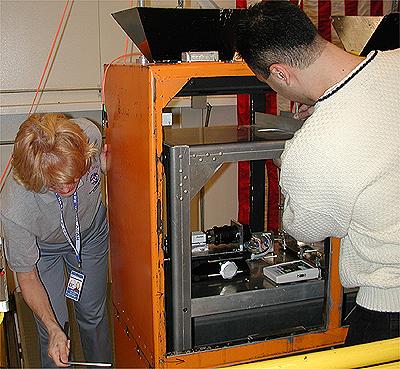
The first NASA Dropping In a Microgravity Environment (DIME) student competition pilot project came to a conclusion at the Glenn Research Center in April 2001. The competition involved high-school student teams who developed the concept for a microgravity experiment and prepared an experiment proposal. The two student teams - COSI Academy, sponsored by the Columbus Center of Science and Industry, and another team from Cincinnati, Ohio's Sycamore High School, designed a microgravity experiment, fabricated the experimental apparatus, and visited NASA Glenn to operate their experiment in the 2.2 Second Drop Tower. Here Carol Hodanbosi of the National Center for Microgravity Research and Jose Carrion, a lab mechanic with AKAC, prepare a student experiment package (inside the silver-colored frame) inside the orange-colored drag shield that encloses all experiment hardware. This image is from a digital still camera; higher resolution is not available.
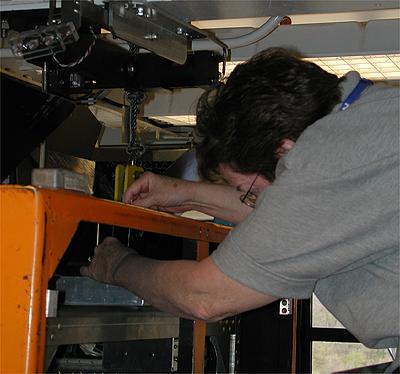
The first NASA Dropping In a Microgravity Environment (DIME) student competition pilot project came to a conclusion at the Glenn Research Center in April 2001. The competition involved high-school student teams who developed the concept for a microgravity experiment and prepared an experiment proposal. The two student teams - COSI Academy, sponsored by the Columbus Center of Science and Industry, and another team from Cincinnati, Ohio's Sycamore High School, designed a microgravity experiment, fabricated the experimental apparatus, and visited NASA Glenn to operate their experiment in the 2.2 Second Drop Tower. Sandi Thompson of the National Center for Microgravity Research GRC makes a final adjustment to the drop package. This image is from a digital still camera; higher resolution is not available.
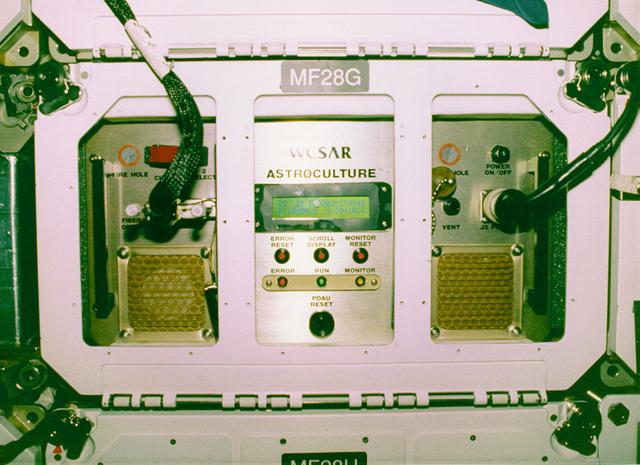
Research with plants in microgravity offers many exciting opportunities to gain new insights and could improve products on Earth ranging from crop production to fragrances and food flavorings. The ASTROCULTURE facility is a lead commercial facility for plant growth and plant research in microgravity and was developed by the Wisconsin Center for Space Automation and Robotics (WSCAR), a NASA Commercial Space Center. On STS-95 it will support research that could help improve crop development leading to plants that are more disease resistant or have a higher yield and provide data on the production of plant essential oils---oils that contain the essence of the plant and provide both fragrance and flavoring. On STS-95, a flowering plant will be grown in ASTROCULTURE and samples taken using a method developed by the industry partner for this investigation. On Earth the samples will be analyzed by gas chromatography/mass spectrometry and the data used to evaluate both the production of fragrant oils in microgravity and in the development of one or more products.
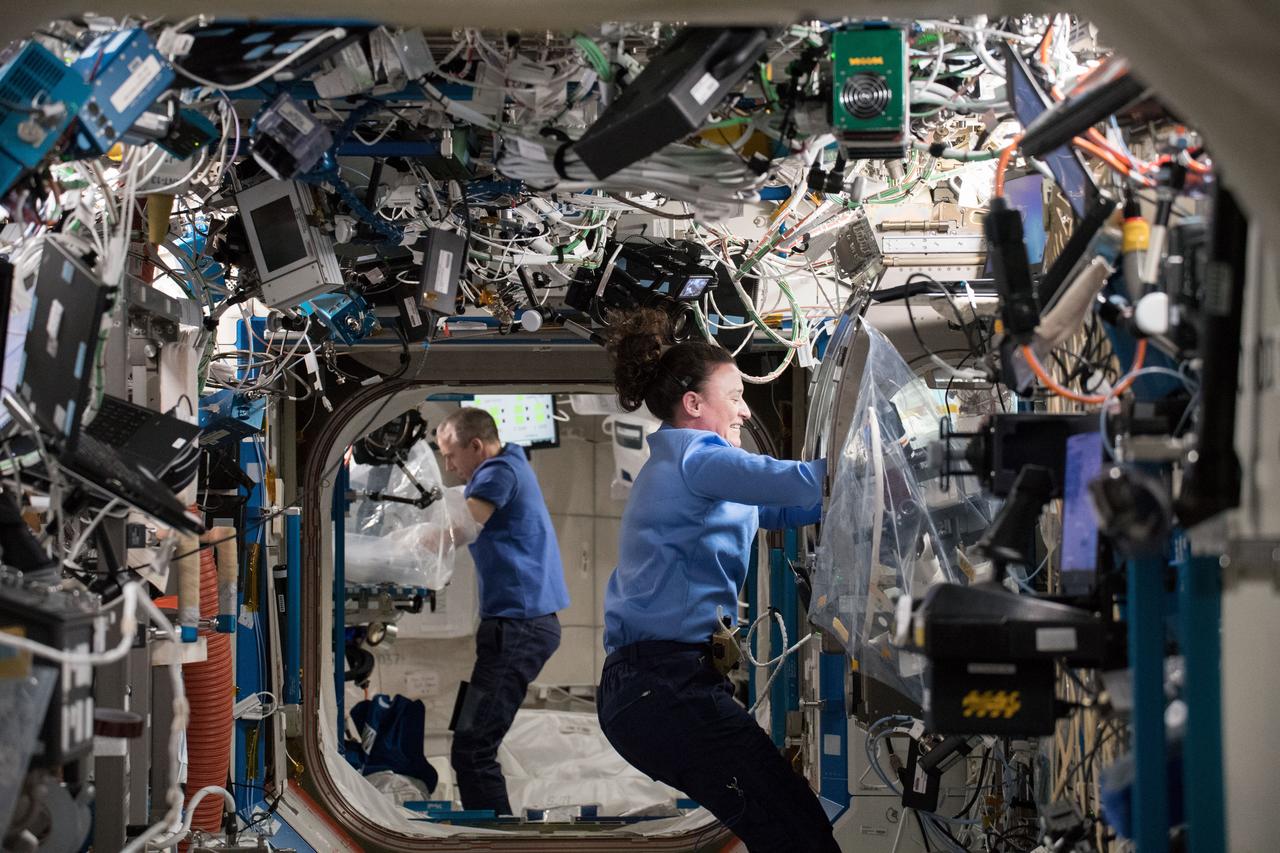
iss056e131403 (7/31/2018) --- NASA astronaut Serena Auñón-Chancellor conducts research operations for the AngieX Cancer Therapy study inside the Microgravity Science Glovebox. The new cancer research seeks to test a safer, more effective treatment that targets tumor cells and blood vessels. In the background, NASA astronaut Drew Feustel can be seen working on the Microgravity Investigation of Cement Solidification (MICS) 2 experiment aboard the International Space Station. MICS 2 is researching how cement reacts in space during the hardening process and may help engineers better understand its microstructure and material properties.
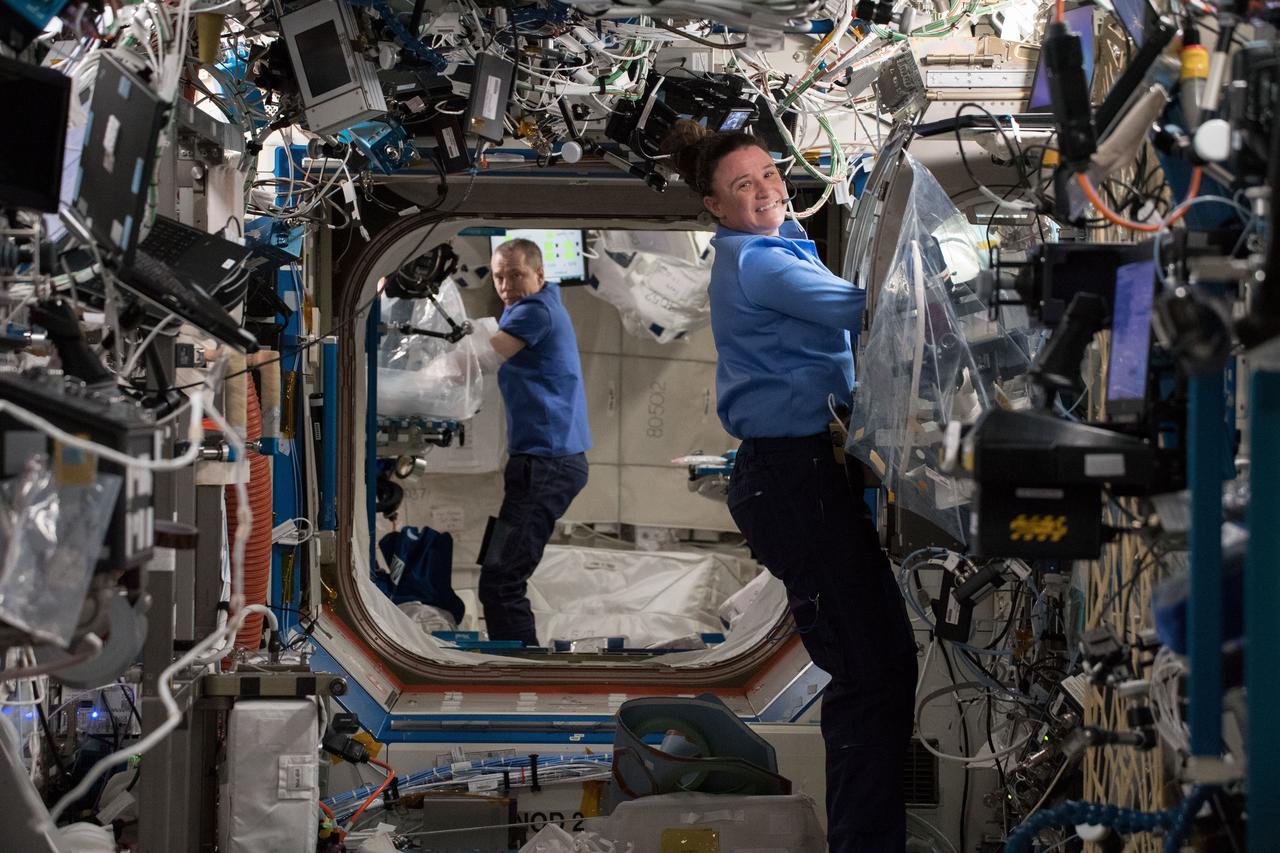
iss056e131400 (7/31/2018) --- NASA astronaut Serena Auñón-Chancellor conducts research operations for the AngieX Cancer Therapy study inside the Microgravity Science Glovebox. The new cancer research seeks to test a safer, more effective treatment that targets tumor cells and blood vessels. In the background, NASA astronaut Drew Feustel can be seen working on the Microgravity Investigation of Cement Solidification (MICS) 2 experiment aboard the International Space Station. MICS 2 is researching how cement reacts in space during the hardening process and may help engineers better understand its microstructure and material properties.
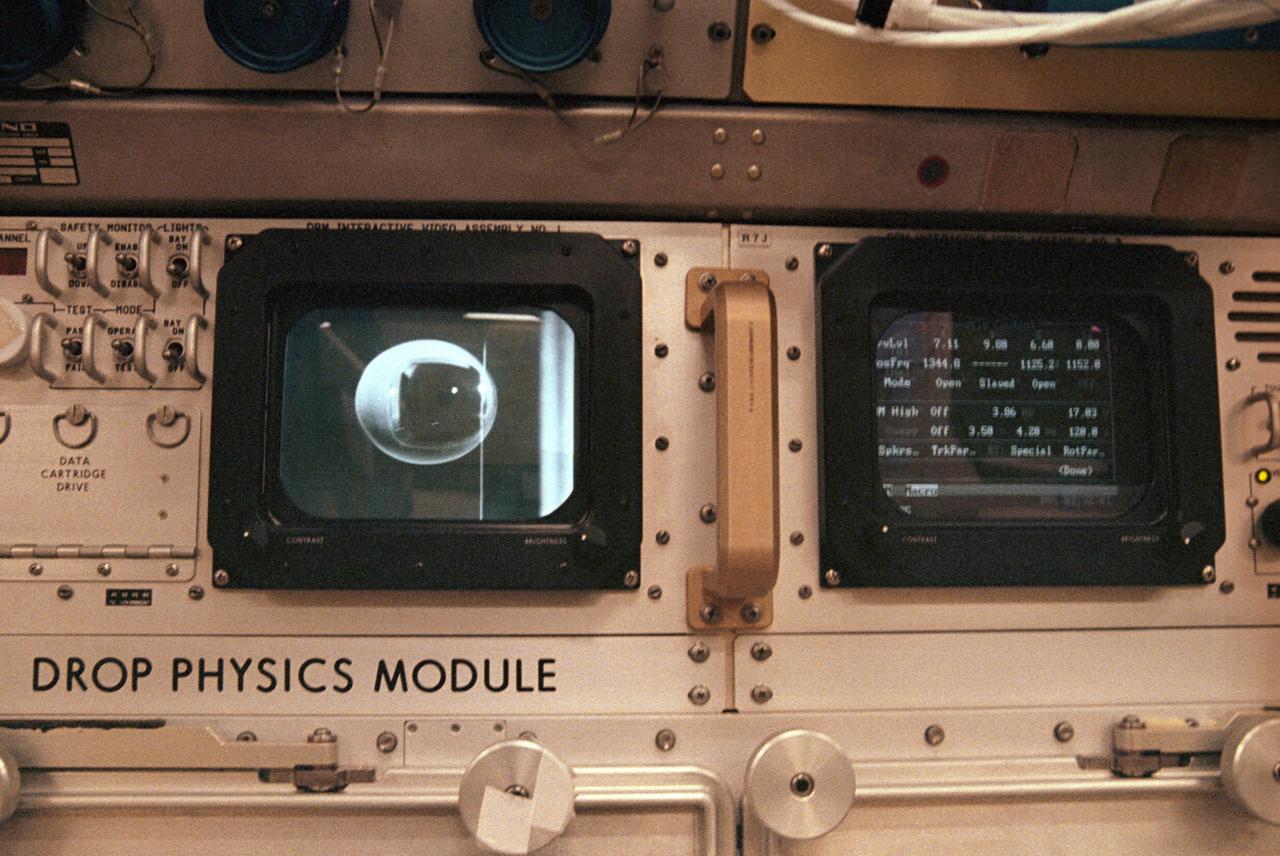
The first United States Microgravity Laboratory (USML-1) was one of NASA's science and technology programs that provided scientists an opportunity to research various scientific investigations in a weightlessness environment inside the Spacelab module. It also provided demonstrations of new equipment to help prepare for advanced microgravity research and processing aboard the Space Station. The USML-1 flew in orbit for extended periods, providing greater opportunities for research in materials science, fluid dynamics, biotechnology (crystal growth), and combustion science. This is a close-up view of the Drop Physics Module (DPM) in the USML science laboratory. The DPM was dedicated to the detailed study of the dynamics of fluid drops in microgravity: their equilibrium shapes, the dynamics of their flows, and their stable and chaotic behaviors. It also demonstrated a technique known as containerless processing. The DPM and microgravity combine to remove the effects of the container, such as chemical contamination and shape, on the sample being studied. Sound waves, generating acoustic forces, were used to suspend a sample in microgravity and to hold a sample of free drops away from the walls of the experiment chamber, which isolated the sample from potentially harmful external influences. The DPM gave scientists the opportunity to test theories of classical fluid physics, which have not been confirmed by experiments conducted on Earth. This image is a close-up view of the DPM. The USML-1 flew aboard the STS-50 mission on June 1992, and was managed by the Marshall Space Flight Center.
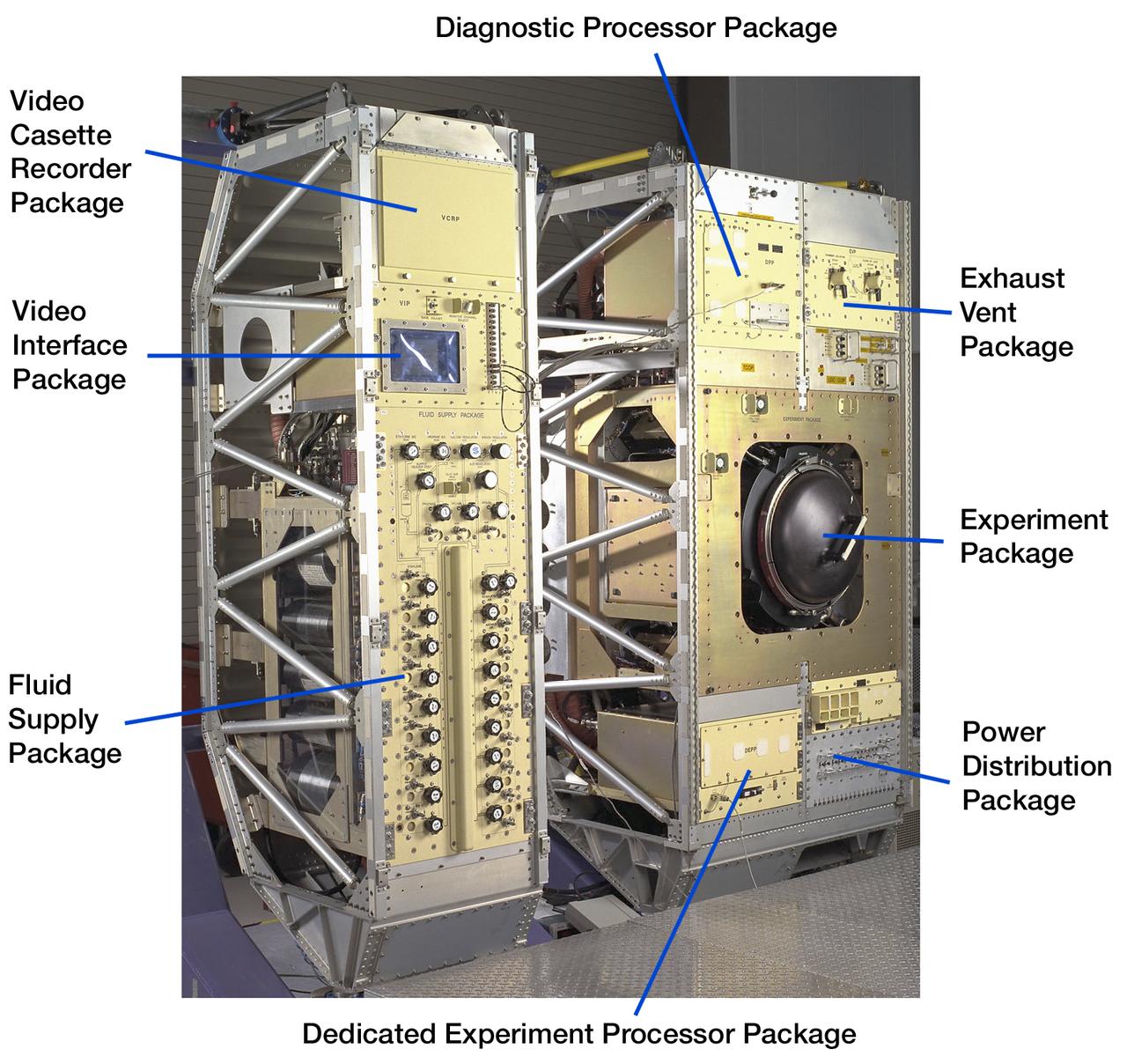
Exterior view of Combustion Module-2 with callouts to identify key sections. The original CM flew on the Microgravity Sciences Lab-1 and 1R in 1997. It has been refurbished and placed in new racks for flight on the STS-107 Research 1 mission in 2001. Glenn Research in Cleveland, OH, manages the project.
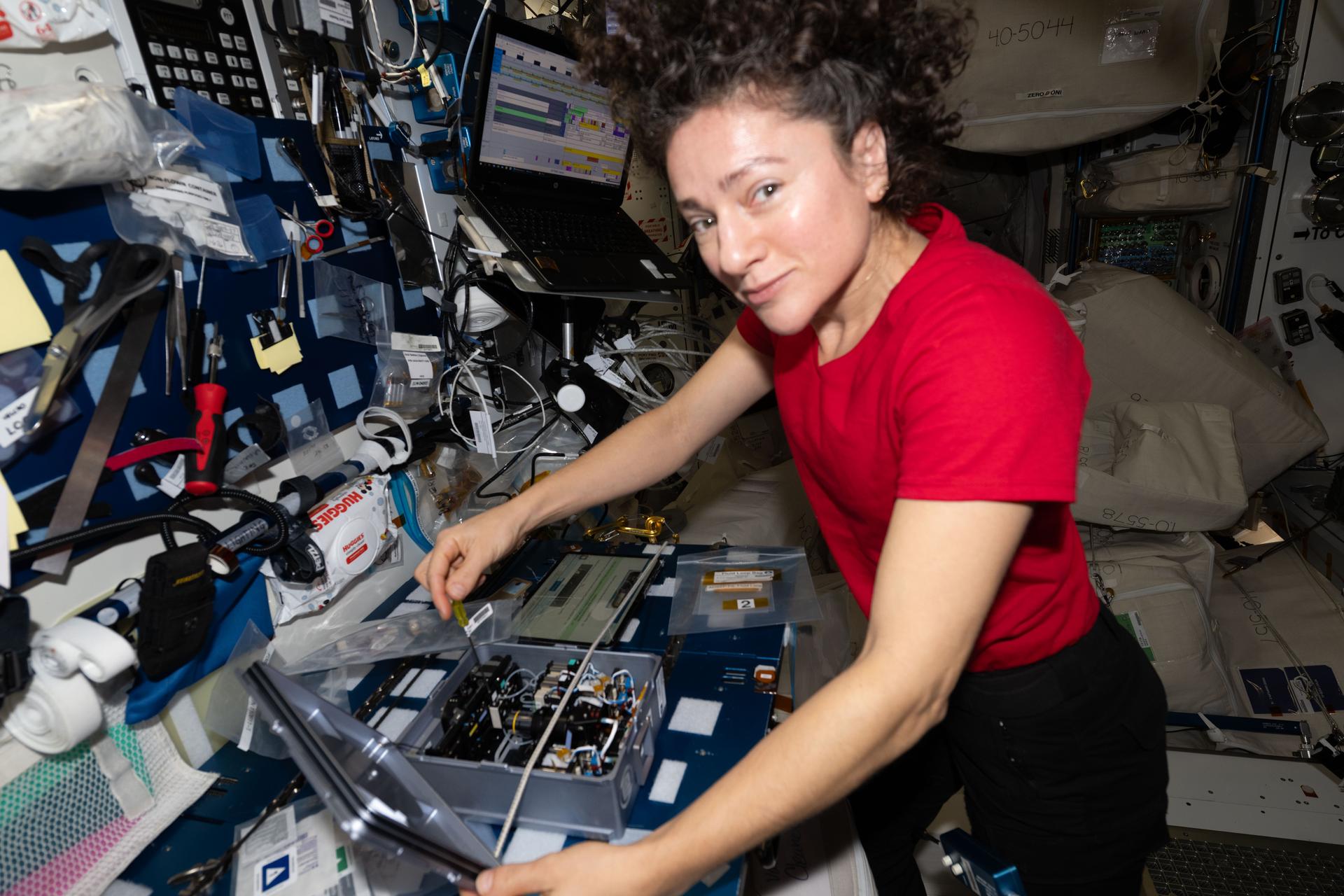
iss074e0692955 (June 11, 2026) --- NASA astronaut and Expedition 74 flight engineer Jessica Meir removes components from inside the Advanced Space Experiment Processor‑4, a research device that supports the processing of scientific samples, increasing the International Space Station's capacity for microgravity research. Credit: ESA/Sophie Adenot

ISS047e038968 (04/05/2016) --- ESA (European Space Agency) astronaut Tim Peake operates the Muscle Atrophy Research and Exercise System (MARES) equipment inside the Columbus module. MARES is an ESA system that will be used for research on musculoskeletal, biomechanical, and neuromuscular human physiology to better understand the effects of microgravity on the muscular system.
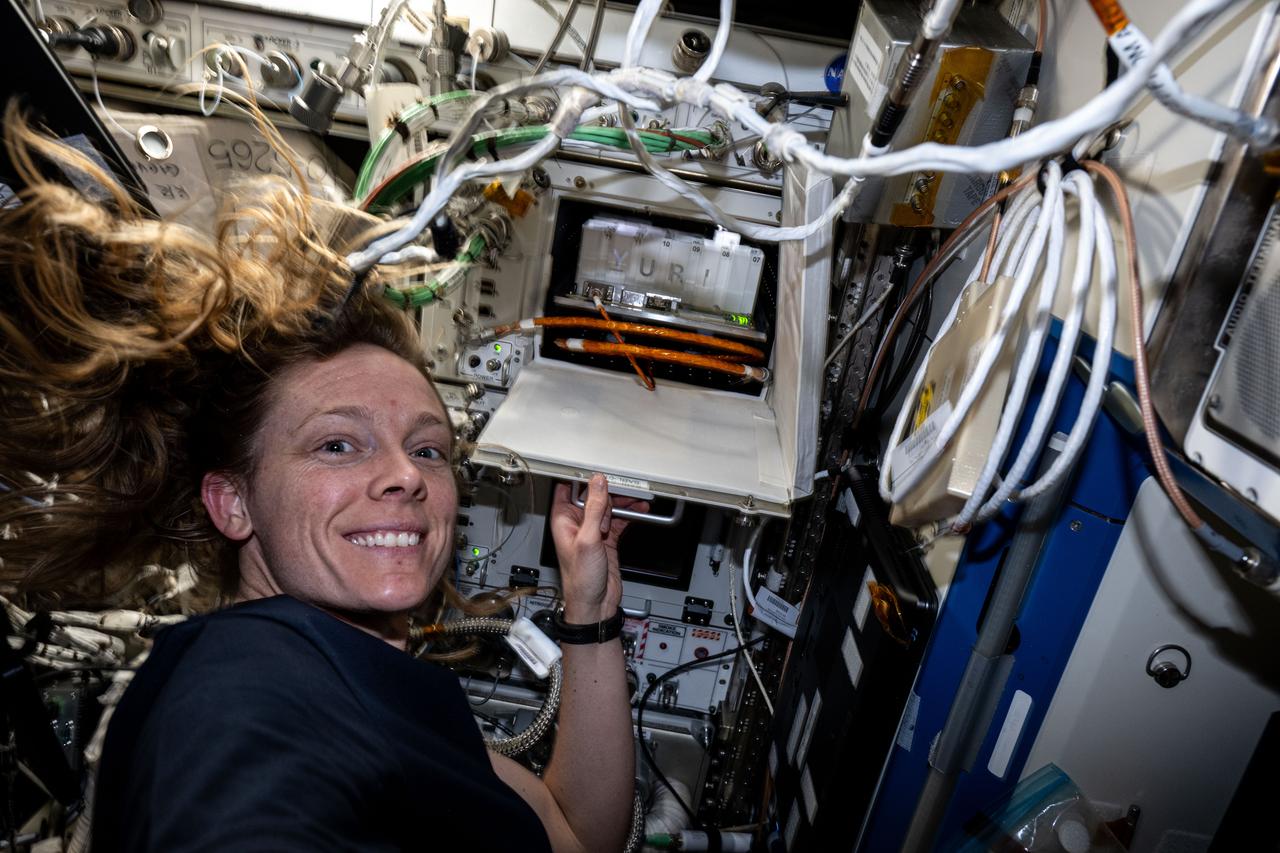
iss073e0002614 (April 28, 2025) --- NASA astronaut and Expedition 73 Flight Engineer Nichole Ayers shows off research hardware inside the International Space Station's Columbus laboratory module. The Space Automated Bioproduct Laboratory is a research incubator that enables biology investigations into the effects of microgravity on cells, microbes, plants, and more.
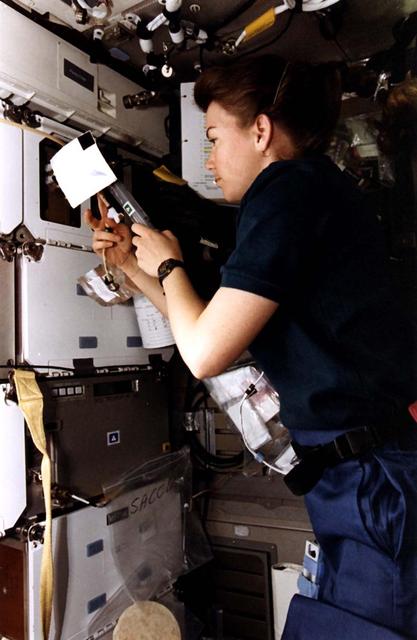
Astronaut Catherine G. Coleman, mission specialist, checks out an Astroculture sample on the mid-deck of the Earth-orbiting Space Shuttle Columbia. Coleman was joined by four other NASA astronauts and two guest researchers for 16 full days of in-space research in support of the United States Microgravity Laboratory (USML-2) mission.
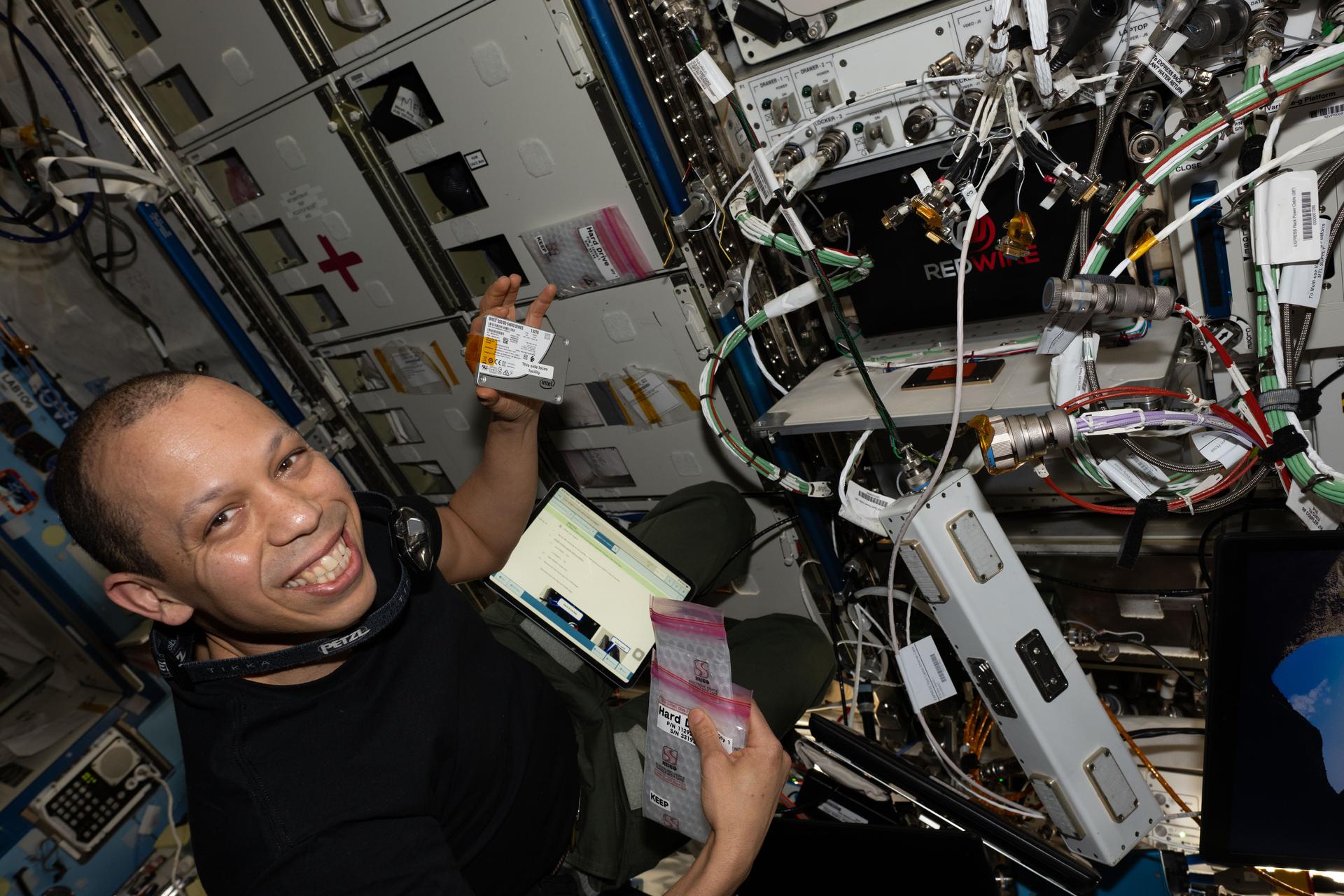
iss074e0692827 (June 10, 2026) --- NASA astronaut and Expedition 74 flight engineer Chris Williams swaps hard drives inside the Advanced Space Experiment Processor-4, a research device that supports the processing of scientific samples, increasing the International Space Station's capacity for microgravity research. Credit: NASA/Jessica Meir
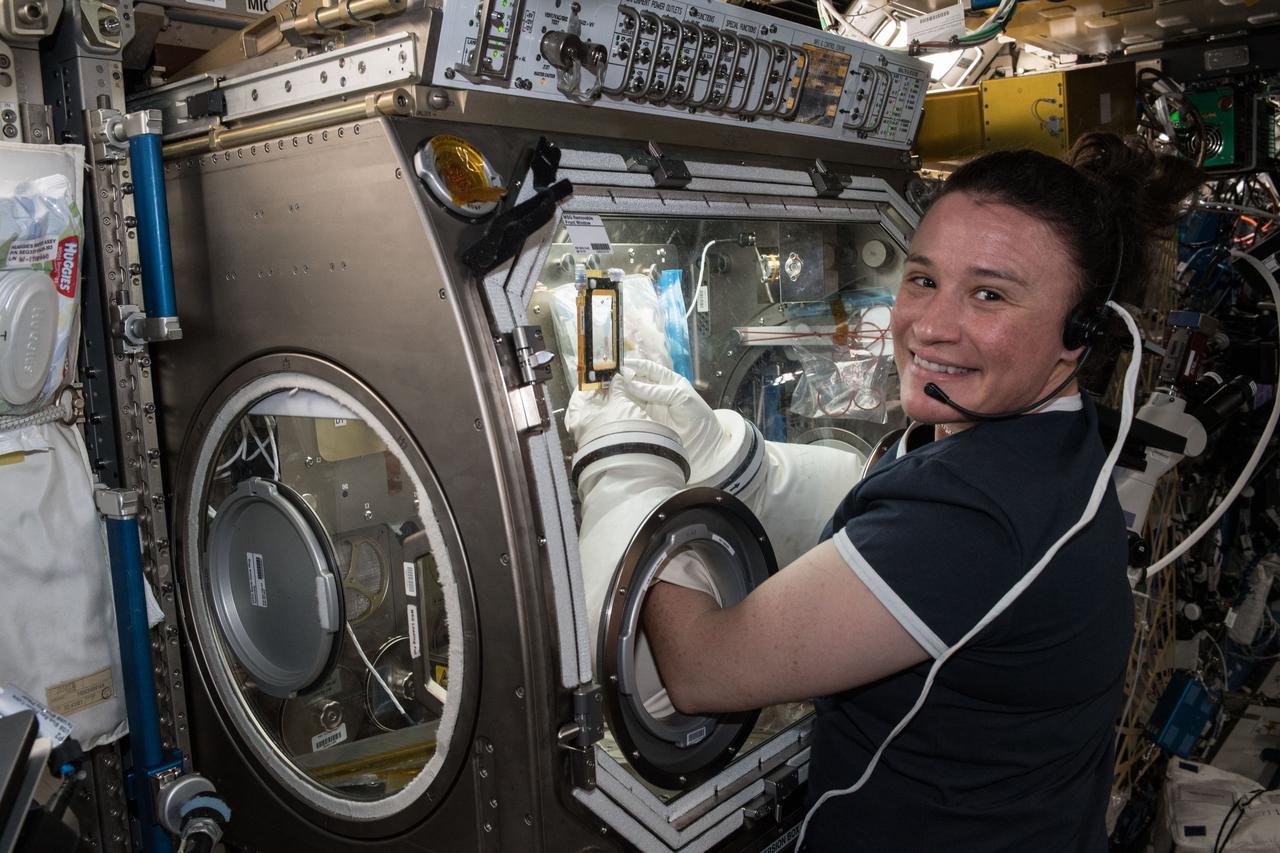
iss056e078401 (July 3, 2018) --- NASA astronaut Serena Auñón-Chancellor conducts research operations for the AngieX Cancer Therapy study inside the Microgravity Science Glovebox. The new cancer research seeks to test a safer, more effective treatment that targets tumor cells and blood vessels.
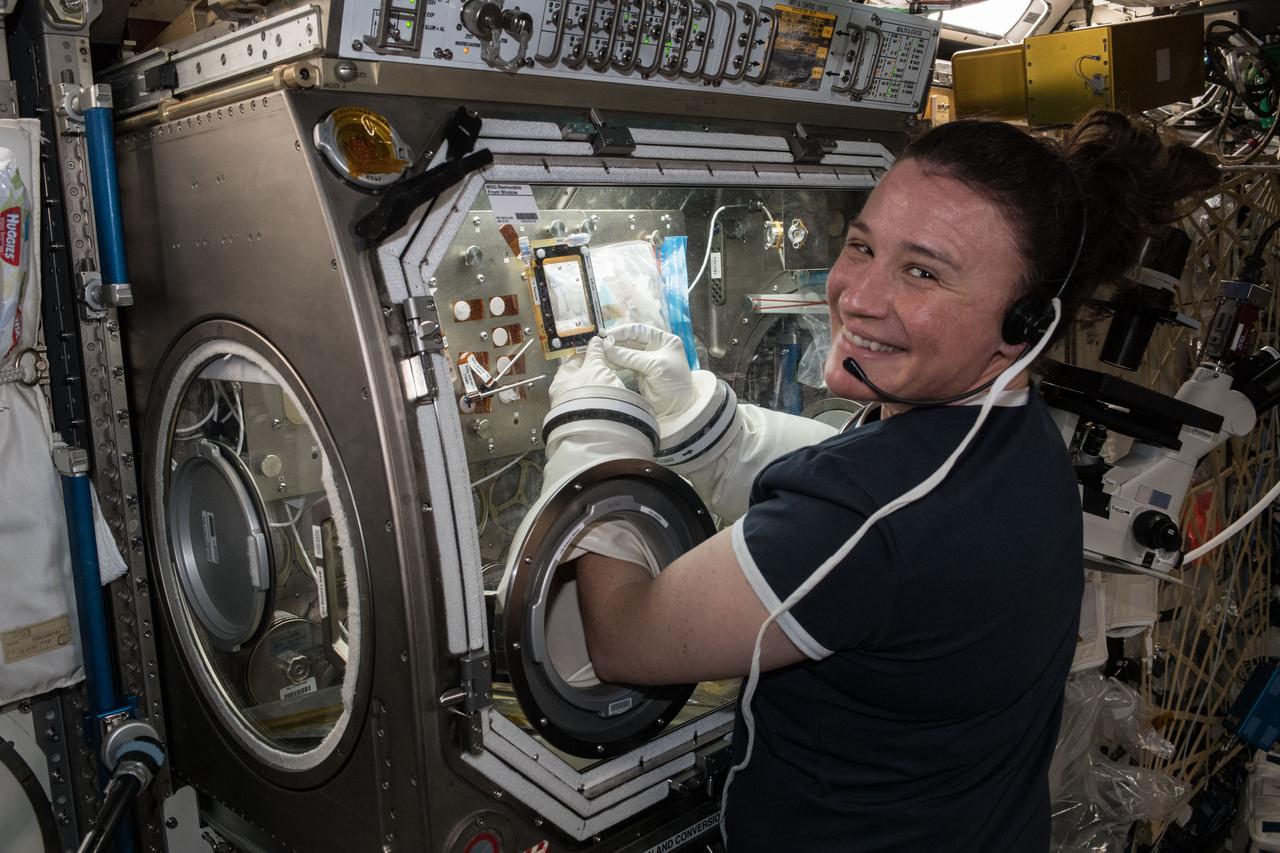
iss056e078402 (July 3, 2018) --- Flight Engineer Serena Auñón-Chancellor conducts research operations for the AngieX Cancer Therapy study inside the Microgravity Science Glovebox. The new cancer research seeks to test a safer, more effective treatment that targets tumor cells and blood vessels.
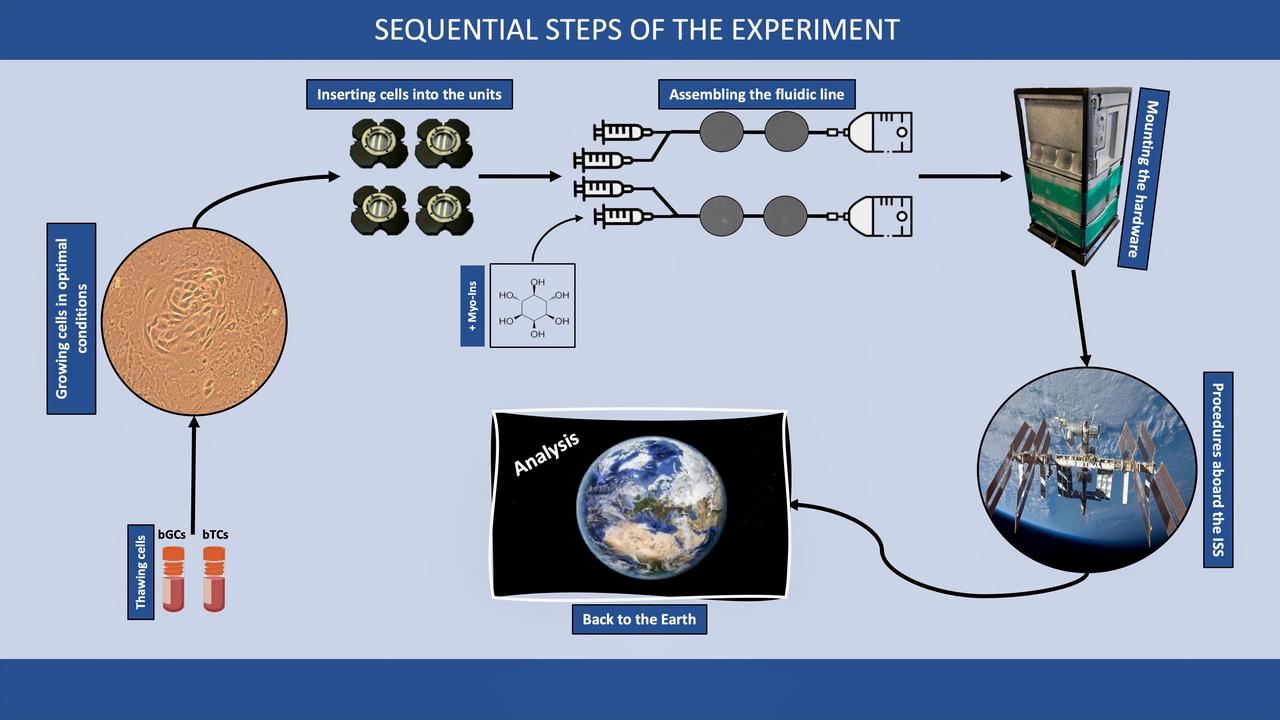
jsc2024e071690 (11/5/2024) --- Schematic representation of the sequential steps of the Ovarian Research In microgravity cONditions-2 (ORION-2) investigation. Image courtesy of Italian Space Agency (ASI).
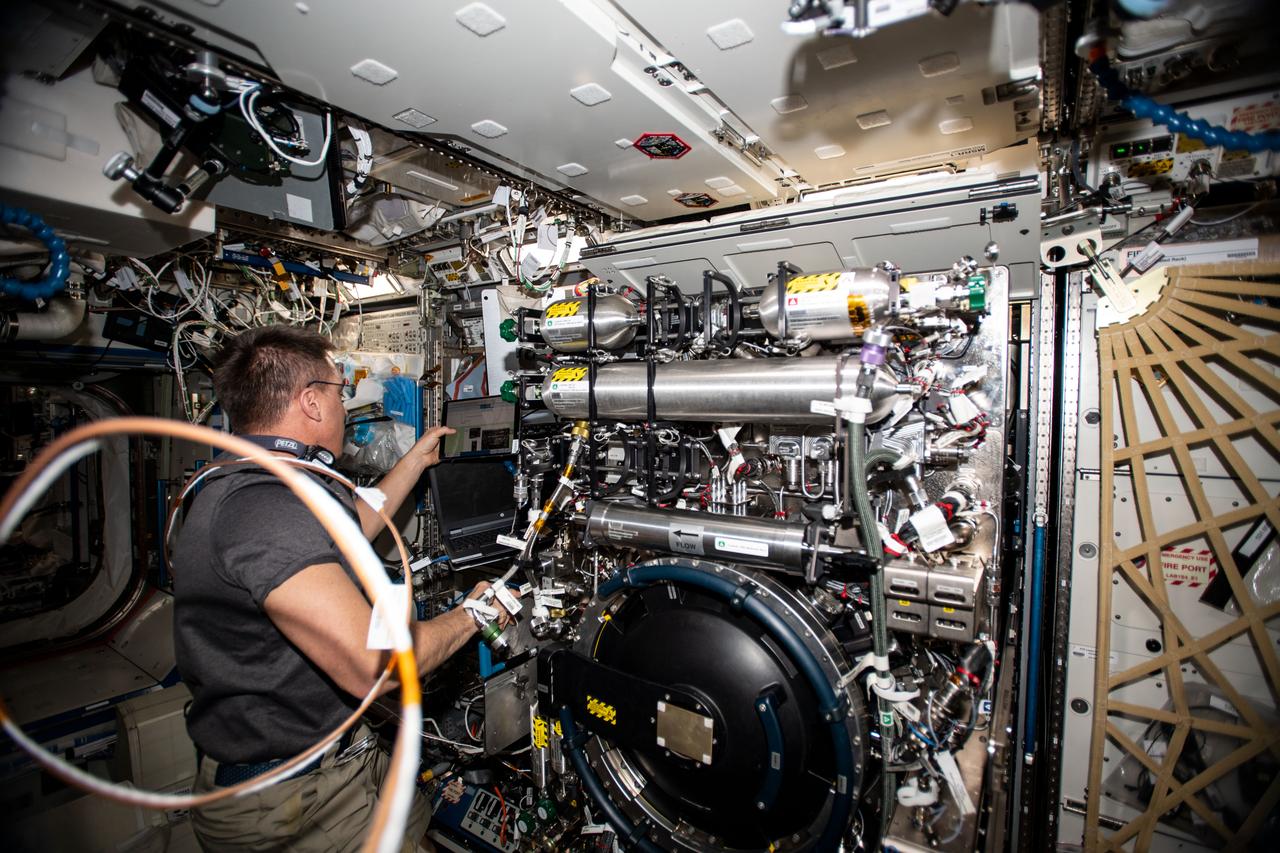
iss063e002825 (April 23, 2020) --- NASA astronaut and Expedition 63 Commander Chris Cassidy works on the Combustion Integrated Rack replacing components in the research device that enables safe fuel, flame and soot studies in microgravity.
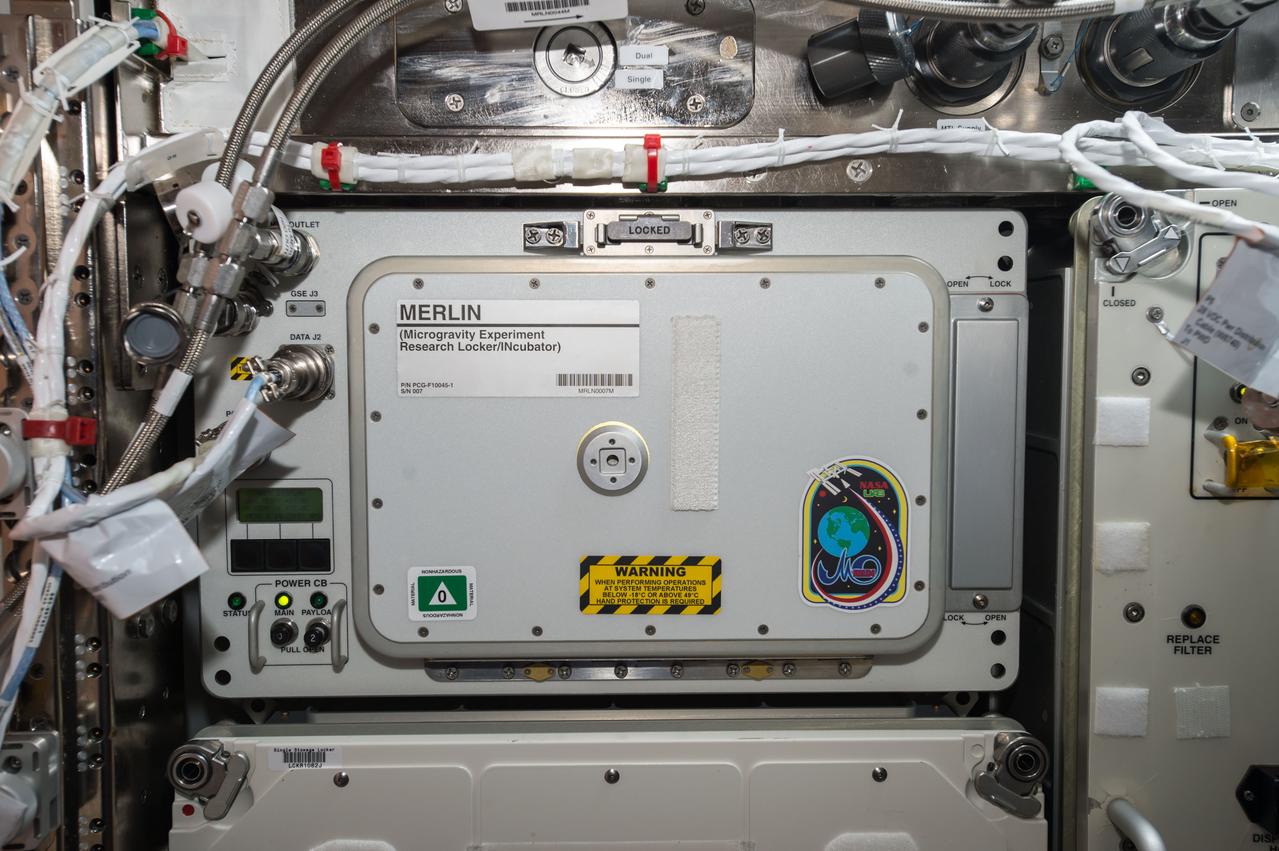
iss053e199088 (Nov. 15, 2017) --- Microgravity Experiment Research Locker/Incubator (MERLIN) provides a thermally controlled environment for scientific experiments. MERLIN is capable of providing temperatures between -20oC (-4oF) and +48.5oC (+119oF)
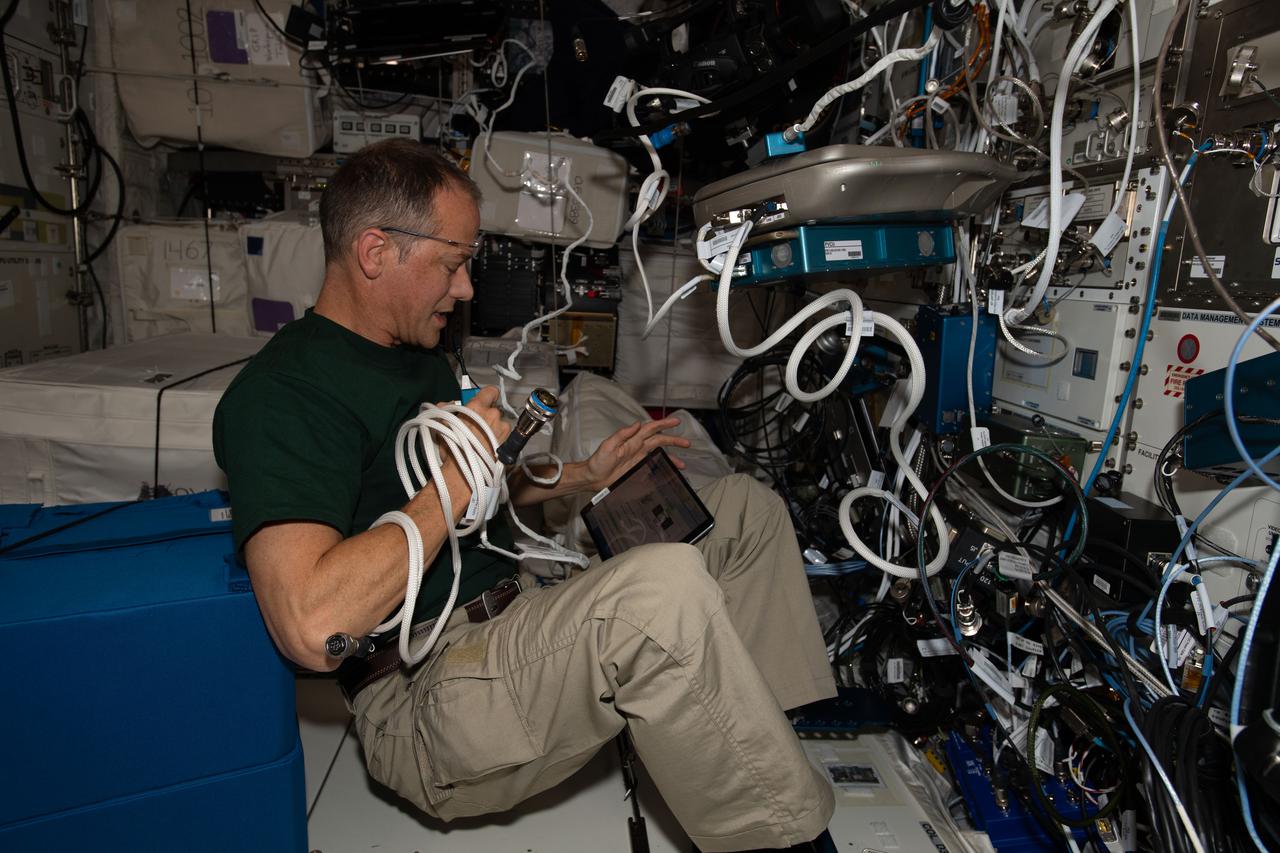
iss066e086655 (Dec. 6, 2021) --- NASA astronaut and Expedition 66 Flight Engineer Thomas Marshburn sets up hardware for the Vascular Echo human research study that examines the cardiovascular changes that take place in microgravity.
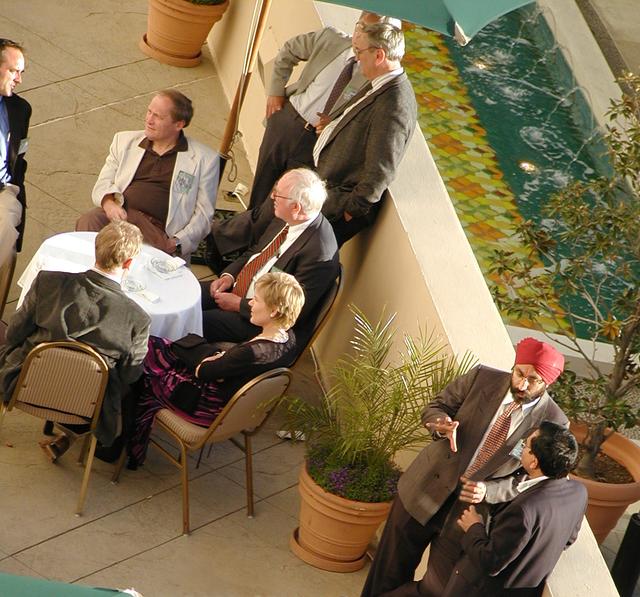
This view of scientists taking a break during the Pan Pacific Microgravity Conference on May 2-3, 2001, in Pasadena, CA, shows some of the diversity of the researchers attracted to the field.
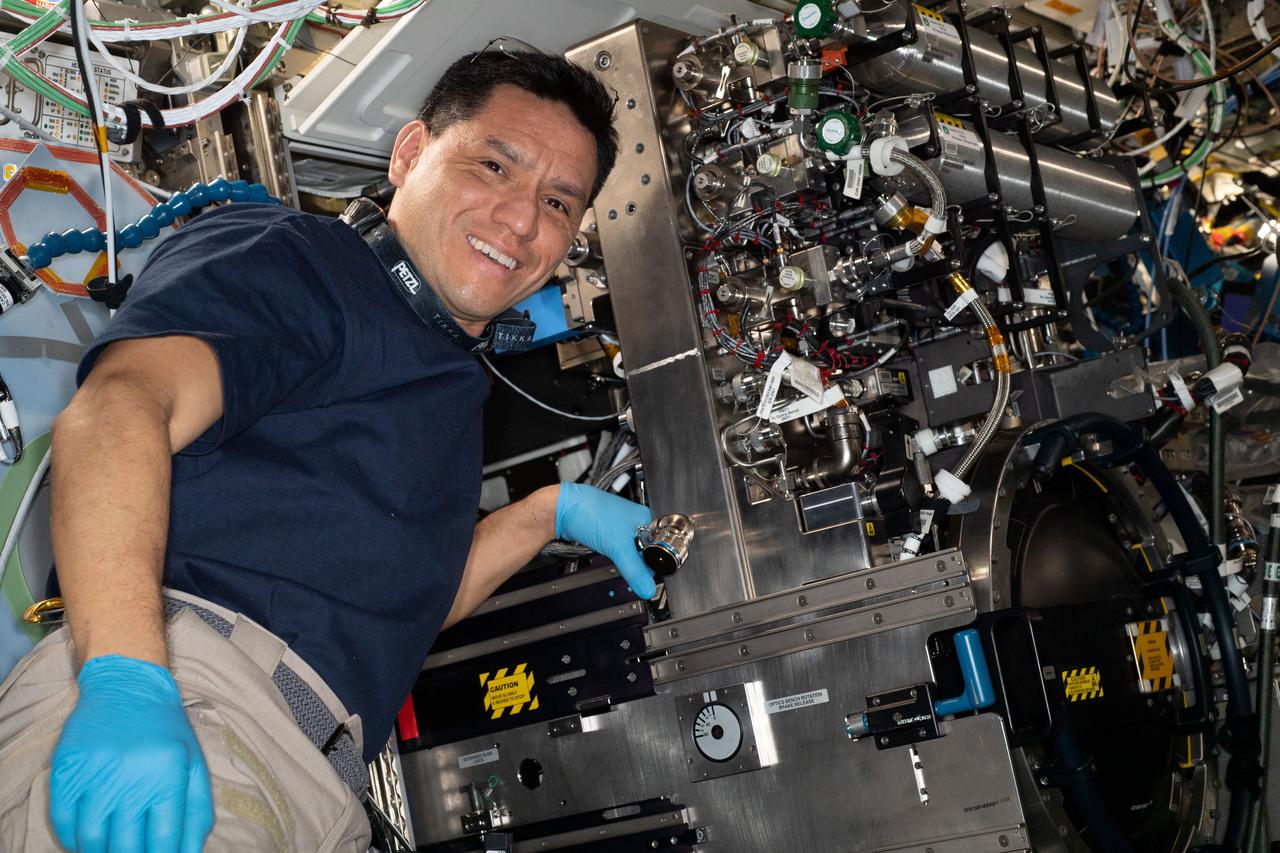
iss068e027723 (Dec. 7, 2022) --- NASA astronaut and Expedition 68 Flight Engineer Frank Rubio replaces components inside the Combustion Integrated Rack, a research facility that enables safe observations of flame, fuel, and soot phenomena in microgravity.
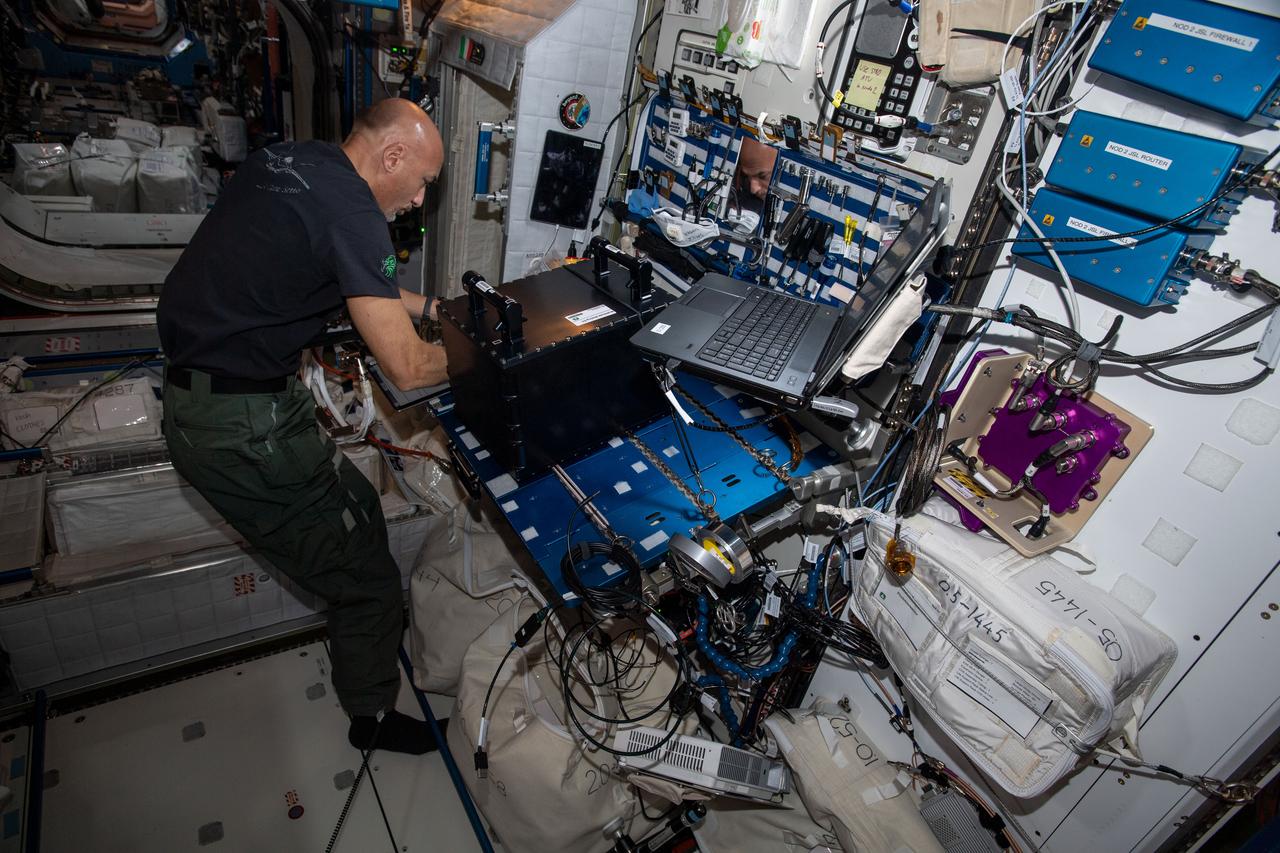
iss060e032989 (Aug. 9, 2019) --- Expedition 60 Flight Engineer Luca Parmitano of the European Space Agency configures and installs hardware in the Fluid Science Laboratory to continue ongoing fluid physics research in microgravity.

iss060e043926 (Aug. 23, 2019) --- Expedition 60 Flight Engineer Christina Koch of NASA conducts science operations for the BioFabrication Facility experiment researching the effectiveness of using 3D biological printers to produce usable human organs in microgravity.
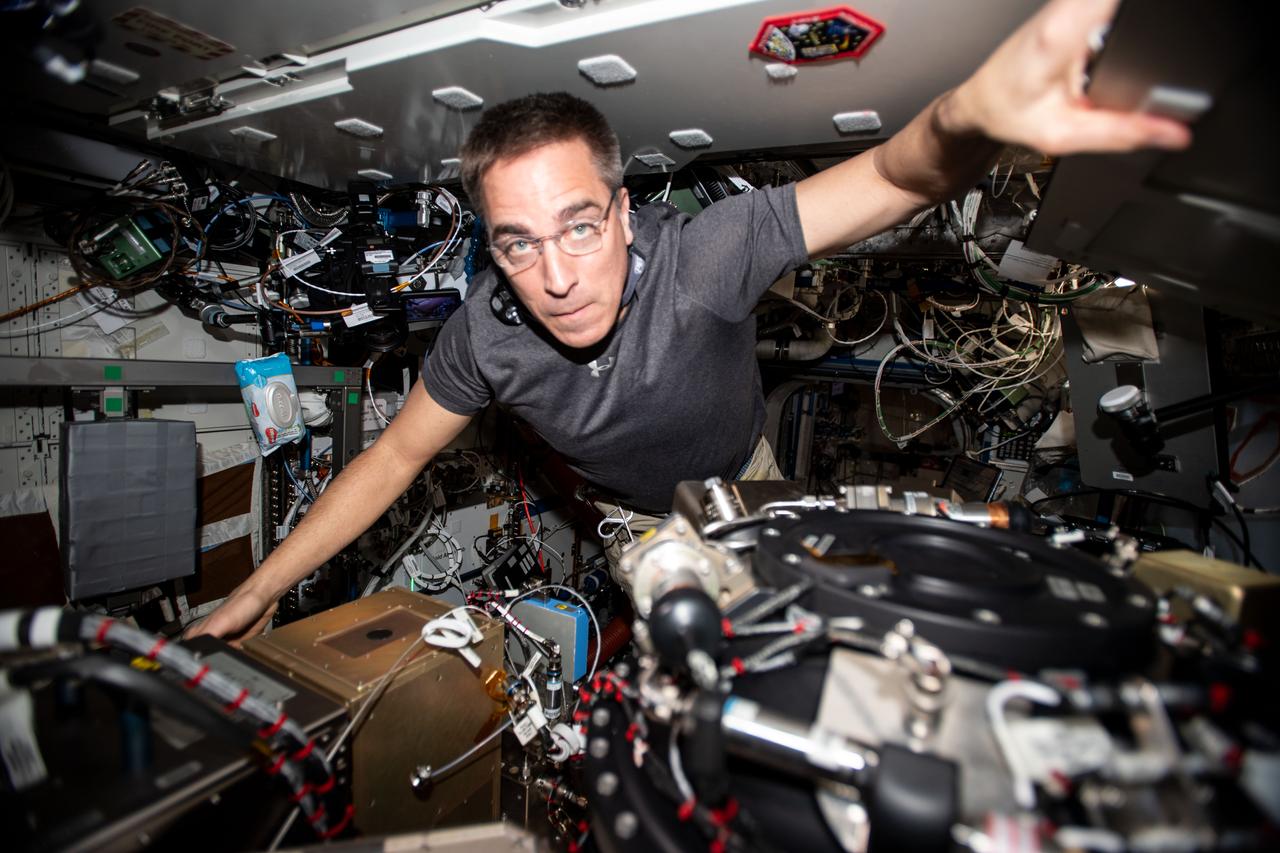
iss063e002821 (April 23, 2020) --- NASA astronaut and Expedition 63 Commander Chris Cassidy performs maintenance on the Combustion Integrated Rack, a research device that enables safe fuel, flame and soot studies in microgravity.
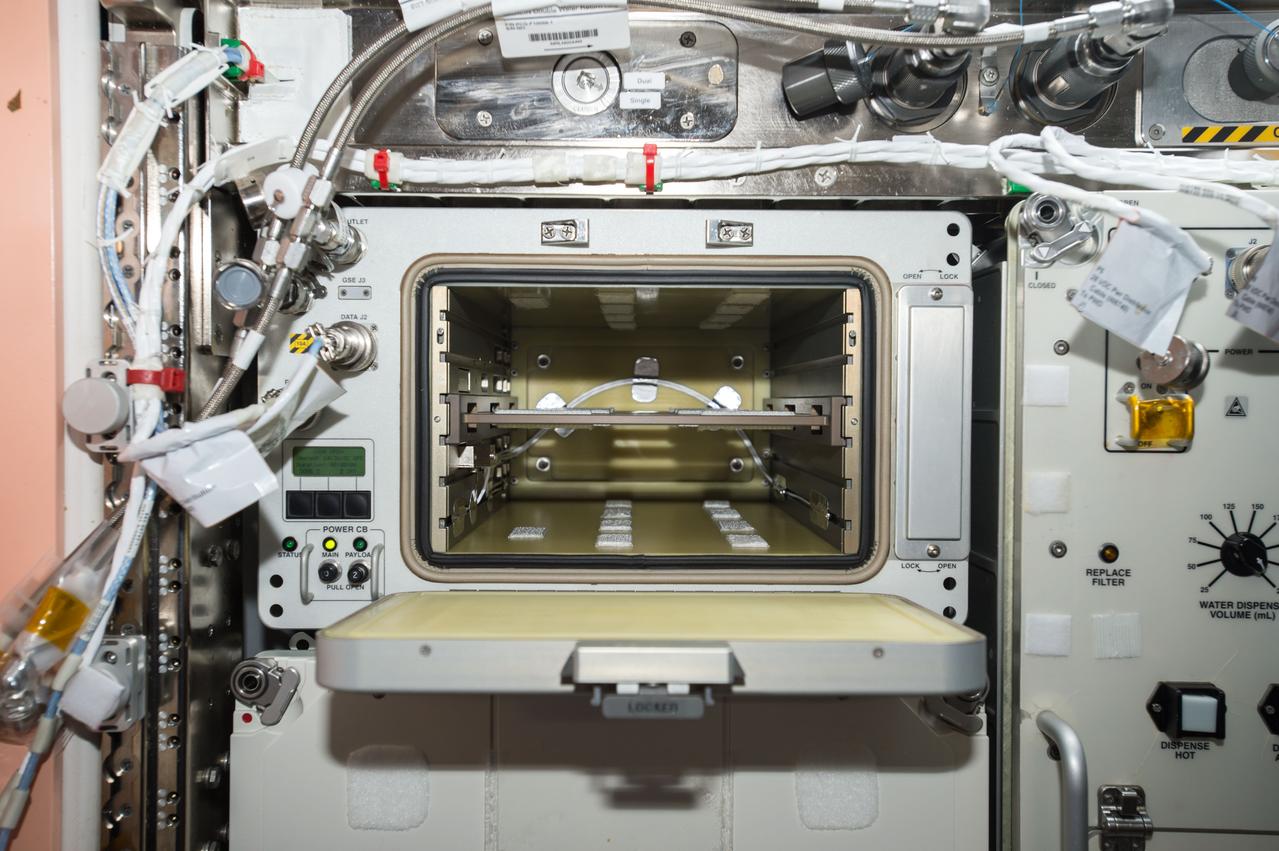
iss053e199089 (Nov. 15, 2017) --- Microgravity Experiment Research Locker/Incubator (MERLIN) in its open position. MERLIN provides a thermally controlled environment for scientific experiments and is capable of providing temperatures between -20oC (-4oF) and +48.5oC (+119oF)

Advanced Plant Experiment, APEX-4, support in the Telescience Support Center at NASA Glenn. APEX-4 continues a highly successful investigation into the effects of microgravity on the development of roots and cells on plant seedlings. After four days of growth, the petri plate will be inserted into the Fluids Integrated Rack (FIR) Light Microscopy Module (LMM) facility for detailed imaging.
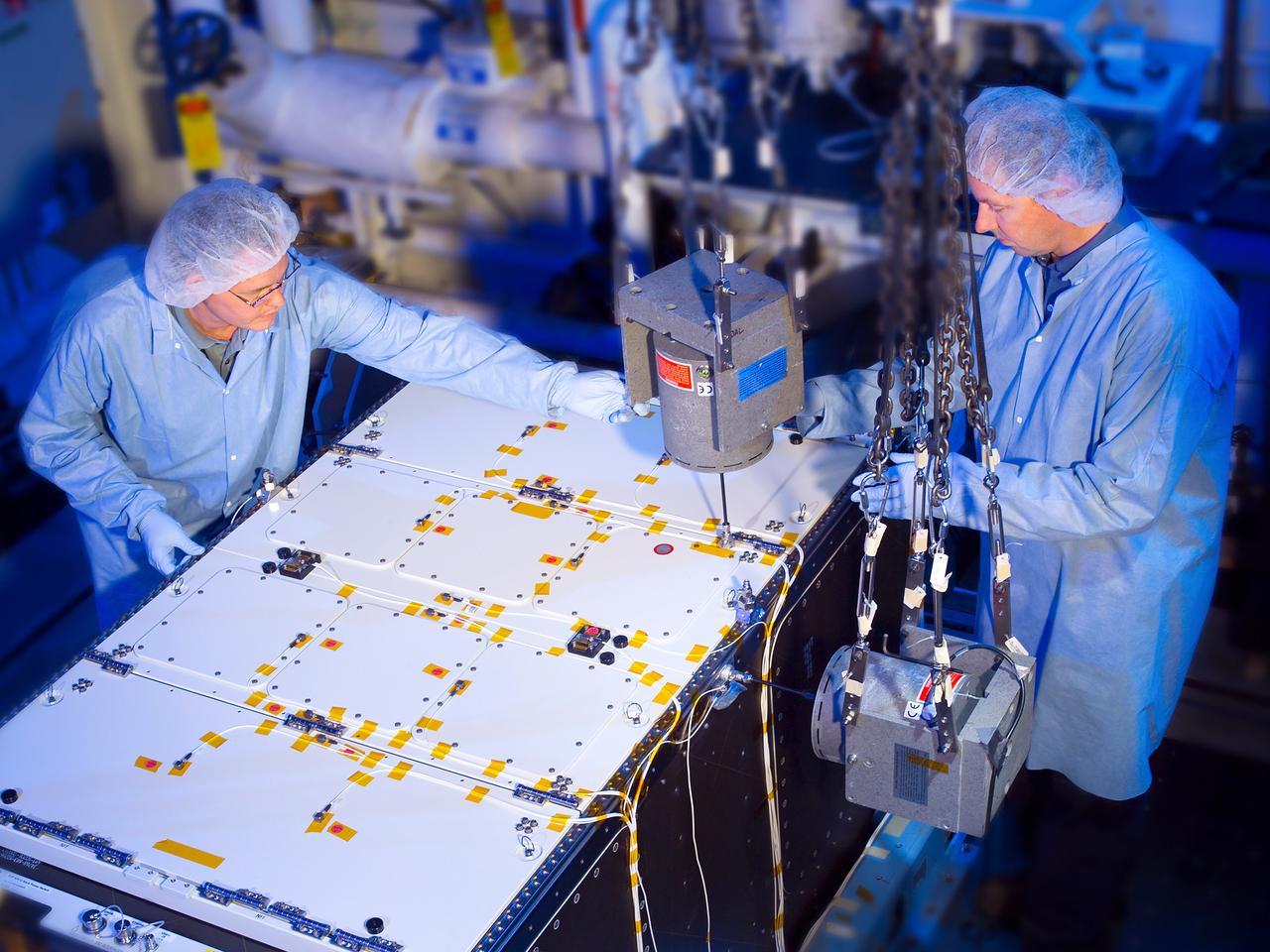
Fluids and Combustion Facility (FCF), Combustion Integration Rack (CIR) during testing in the Structural Dynamics Laboratory (SDL). The Fluids and Combustion Facility (FCF) is a set of two International Space Station (ISS) research facilities designed to support physical and biological experiments in support of technology development and validation in space. The FCF consists of two modular, reconfigurable racks called the Combustion Integration Rack (CIR) and the Fluids Integration Rack (FIR). The CIR and FIR were developed at NASAʼs Glenn Research Center.
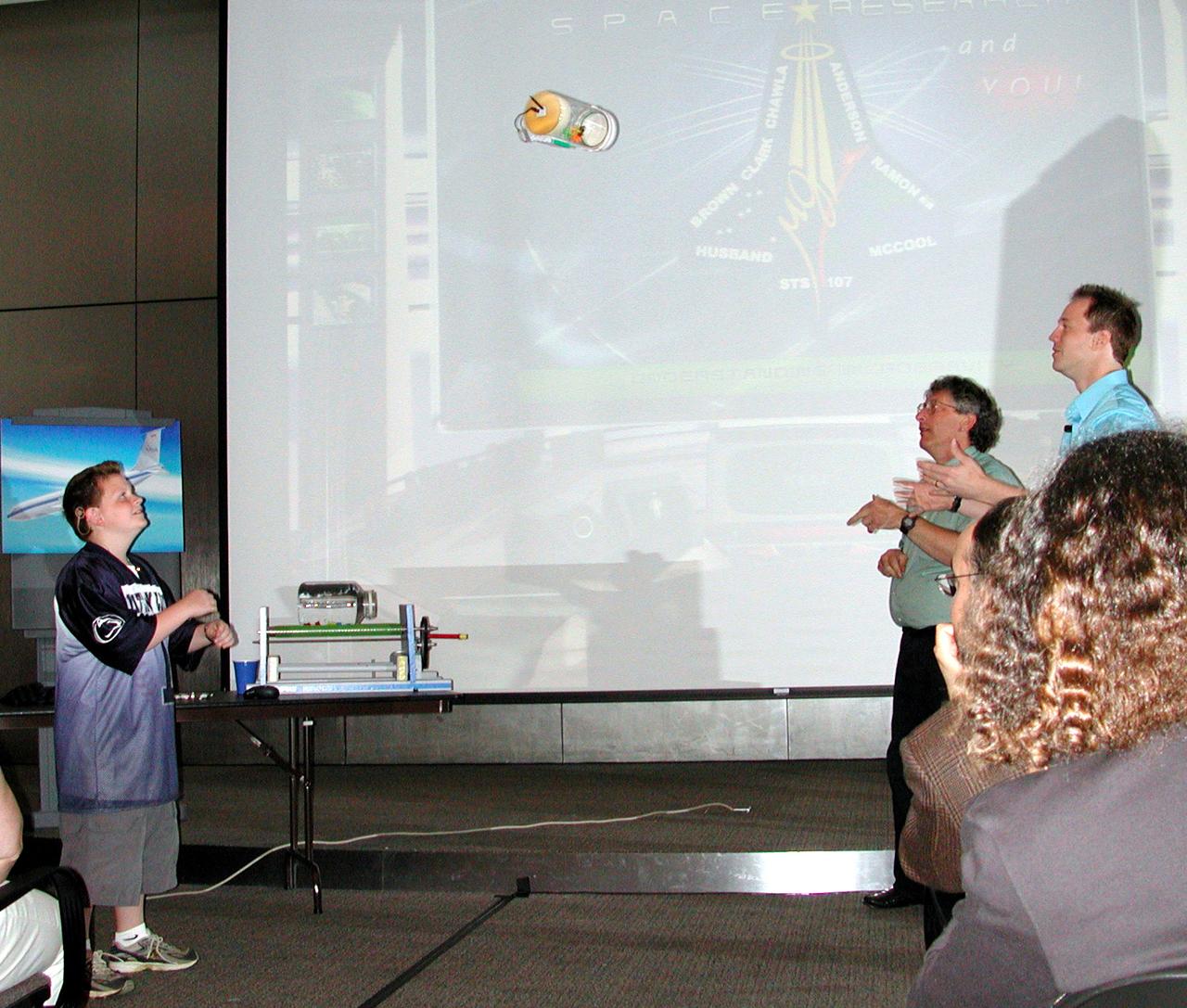
A student gets ready to catch a plastic tube carrying a small fluid bottle and a wireless video camera. As it arced through the air, the container was in free-fall -- just like astronauts in space -- and the TV camera broadcast images of how the fluid behaved. The activity was part of the Space Research and You education event held by NASA's Office of Biological and Physical Research on June 25, 2002, in Arlington, VA, to highlight the research that will be conducted on STS-107. (Digital camera image; no film original.
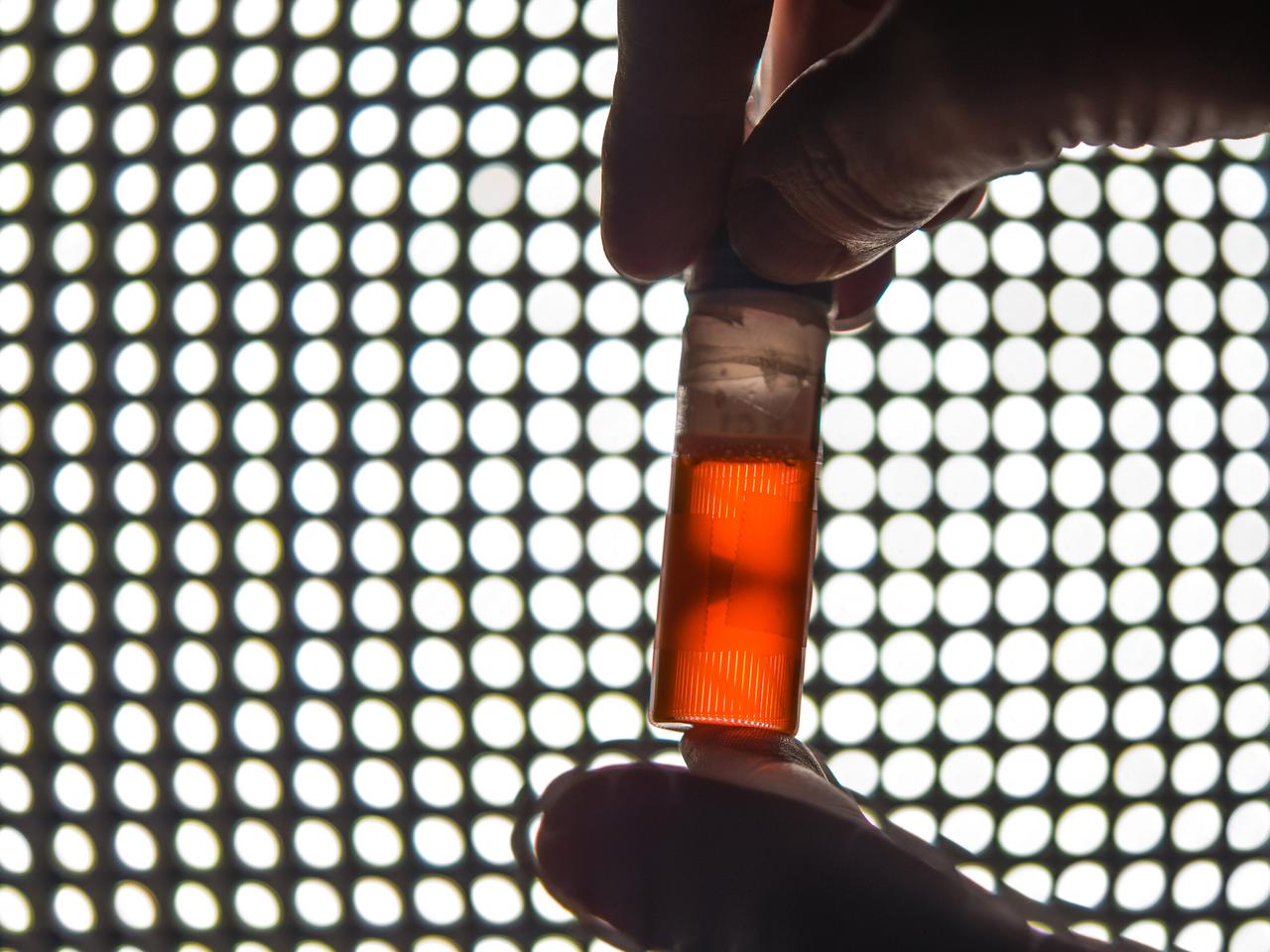
Ground testing for the first confocal Light Microscopy Microscope (LMM) Experiment. Procter and Gamble is working with NASA Glenn scientists to prepare for a study that examines product stabilizers in a microgravity environment. The particles in the tube glow orange because they have been fluorescently tagged with a dye that reacts to green laser lights to allow construction of a 3D image point by point. The experiment, which will be sent to the ISS later this year, will help P&G develop improved product stabilizers to extend shelf life and develop more environmentally friendly packaging.
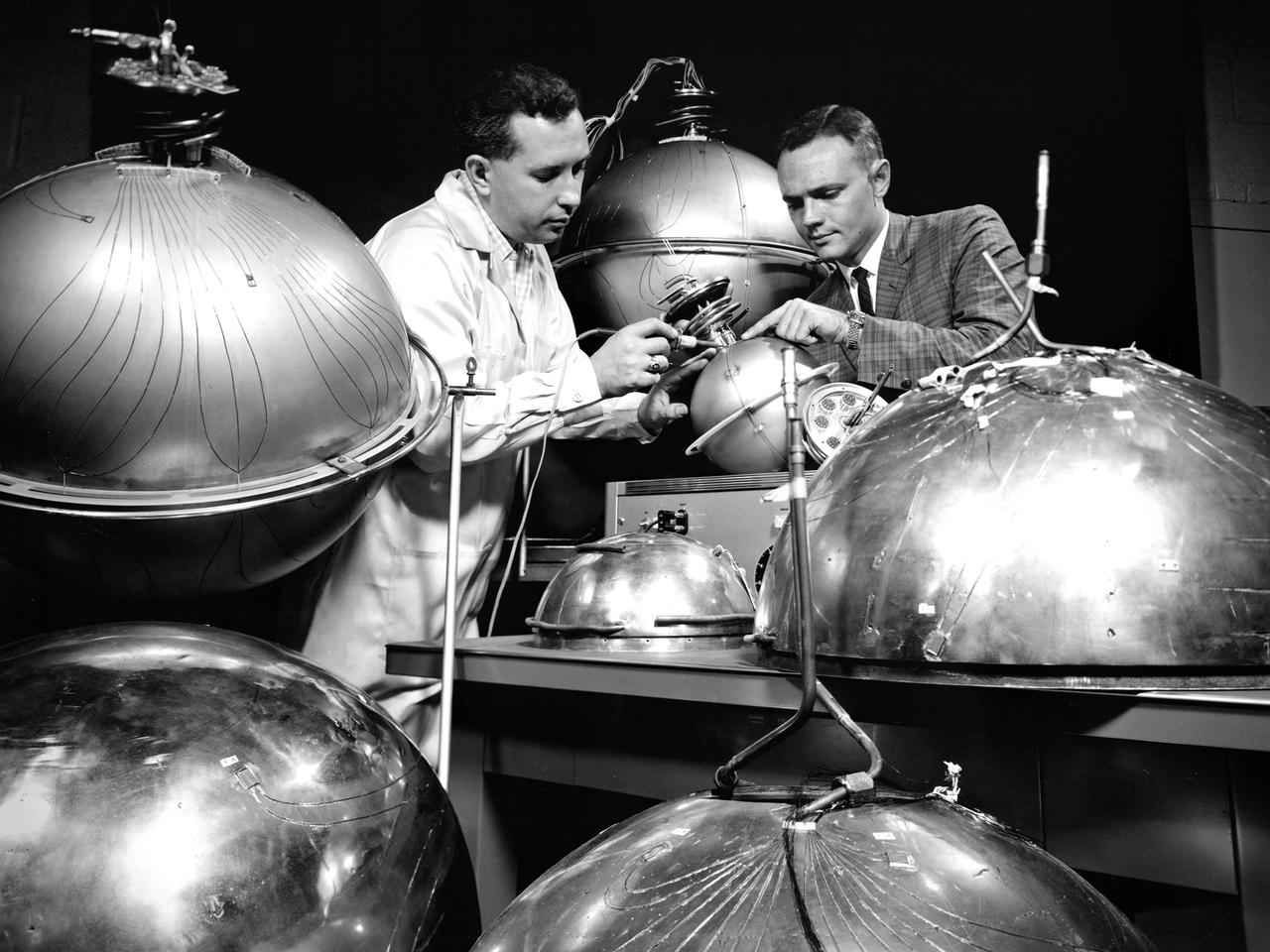
An engineer and technician at the National Aeronautics and Space Administration (NASA) Lewis Research Center install the instrumentation on spherical fuel tanks for an investigation of the behavior of liquids in microgravity. Lewis researchers were undertaking a broad effort to study the heat transfer properties of high energy propellants such as liquid hydrogen in microgravity. In the center’s 2.2-Second Drop Tower they investigated the wetting characteristics of liquid and the liquid-vapor configurations, and predicted the equilibrium state in microgravity conditions. Lewis was also conducting a series microgravity investigations which launched 9-inch diameter spherical dewars, seen here, on an Aerobee sounding rocket. A camera inside the rocket filmed the liquid hydrogen’s behavior during its 4 to 7 minutes of freefall. The researchers concluded, however, that they needed to extend the weightlessness period to obtain better results. So they designed an experiment to be launched on an Atlas missile that would provide 21 minutes of weightlessness. The experiment was flight qualified at Lewis. The 36-percent full liquid hydrogen stainless steel dewar was launched on the Atlas on February 25, 1964. The instrumentation measured temperature, pressure, vacuum, and liquid level. Temperature instrumentation indicated wall drying during the freefall. The resultant pressure-rise characteristics were similar to those used for the normal-gravity test.
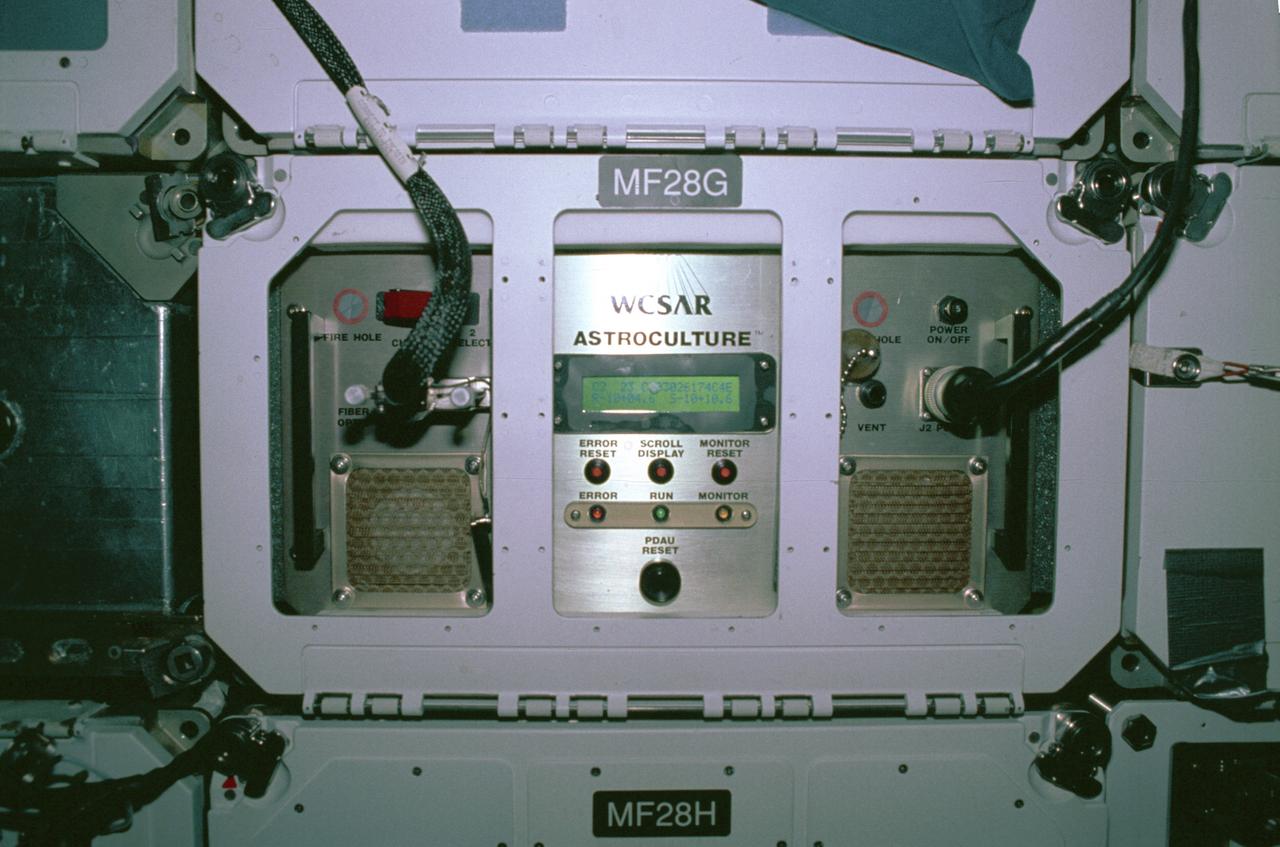
The first United States Microgravity Laboratory (USML-1) was one of NASA's science and technology programs that provided scientists an opportunity to research various scientific investigations in a weightless environment inside the Spacelab module. It also provided demonstrations of new equipment to help prepare for advanced microgravity research and processing aboard the Space Station. The USML-1 flew in orbit for extended periods, providing greater opportunities for research in materials science, fluid dynamics, biotechnology (crystal growth), and combustion science. This is a close-up view of the Astroculture experiment rack in the middeck of the orbiter. The Astroculture experiment was to evaluate and find effective ways to supply nutrient solutions for optimizing plant growth and avoid releasing solutions into the crew quarters in microgravity. Since fluids behave differently in microgravity, plant watering systems that operate well on Earth do not function effectively in space. Plants can reduce the costs of providing food, oxygen, and pure water, as well as lower the costs of removing carbon dioxide in human space habitats. The USML-1 flew aboard the STS-50 mission on June 1992 and was managed by the Marshall Space Flight Center.
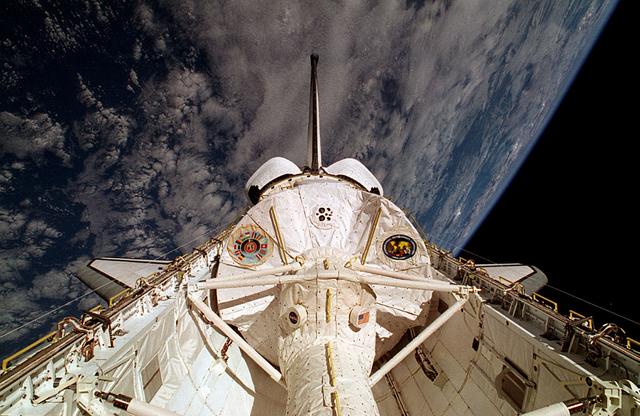
This is a Space Shuttle Columbia (STS-65) onboard photo of the second International Microgravity Laboratory (IML-2) in the cargo bay with Earth in the background. Mission objectives of IML-2 were to conduct science and technology investigations that required the low-gravity environment of space, with emphasis on experiments that studied the effects of microgravity on materials processes and living organisms. Materials science and life sciences are two of the most exciting areas of microgravity research because discoveries in these fields could greatly enhance the quality of life on Earth. If the structure of certain proteins can be determined by examining high-quality protein crystals grown in microgravity, advances can be made to improve the treatment of many human diseases. Electronic materials research in space may help us refine processes and make better products, such as computers, lasers, and other high-tech devices. The 14-nation European Space Agency (ESA), the Canadian Space Agency (SCA), the French National Center for Space Studies (CNES), the German Space Agency and the German Aerospace Research Establishment (DARA/DLR), and the National Space Development Agency of Japan (NASDA) participated in developing hardware and experiments for the IML missions. The missions were managed by NASA's Marshall Space Flight Center. The Orbiter Columbia was launched from the Kennedy Space Center on July 8, 1994 for the IML-2 mission.
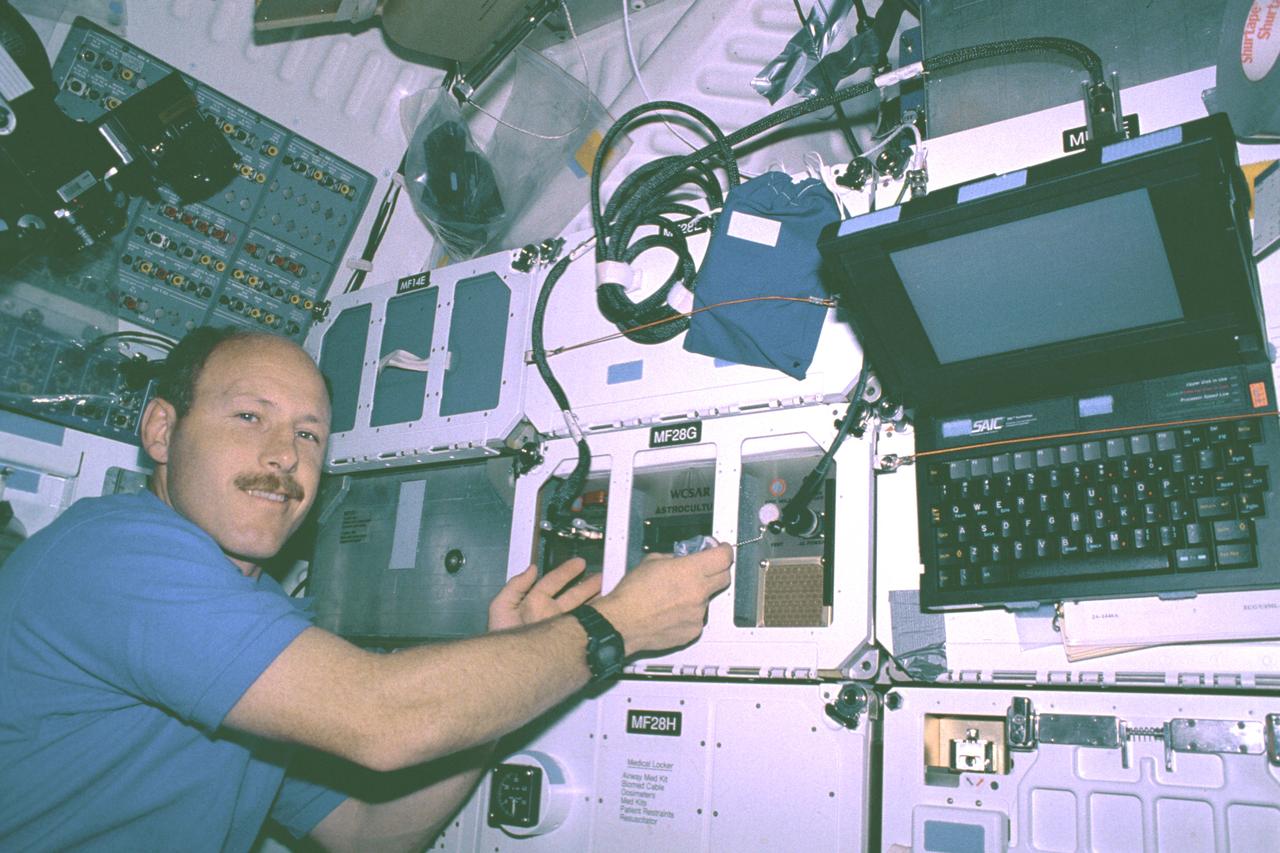
The first United States Microgravity Laboratory (USML-1) was one of NASA's science and technology programs that provided scientists an opportunity to research various scientific investigations in a weightless environment inside the Spacelab module. It also provided demonstrations of new equipment to help prepare for advanced microgravity research and processing aboard the Space Station. The USML-1 flew in orbit for extended periods, providing greater opportunities for research in materials science, fluid dynamics, biotechnology (crystal growth), and combustion science. This photograph shows astronaut Ken Bowersox conducting the Astroculture experiment in the middeck of the orbiter Columbia. This experiment was to evaluate and find effective ways to supply nutrient solutions for optimizing plant growth and avoid releasing solutions into the crew quarters in microgravity. Since fluids behave differently in microgravity, plant watering systems that operate well on Earth do not function effectively in space. Plants can reduce the costs of providing food, oxygen, and pure water as well as lower the costs of removing carbon dioxide in human space habitats. The Astroculture experiment flew aboard the STS-50 mission in June 1992 and was managed by the Marshall Space Flight Center.
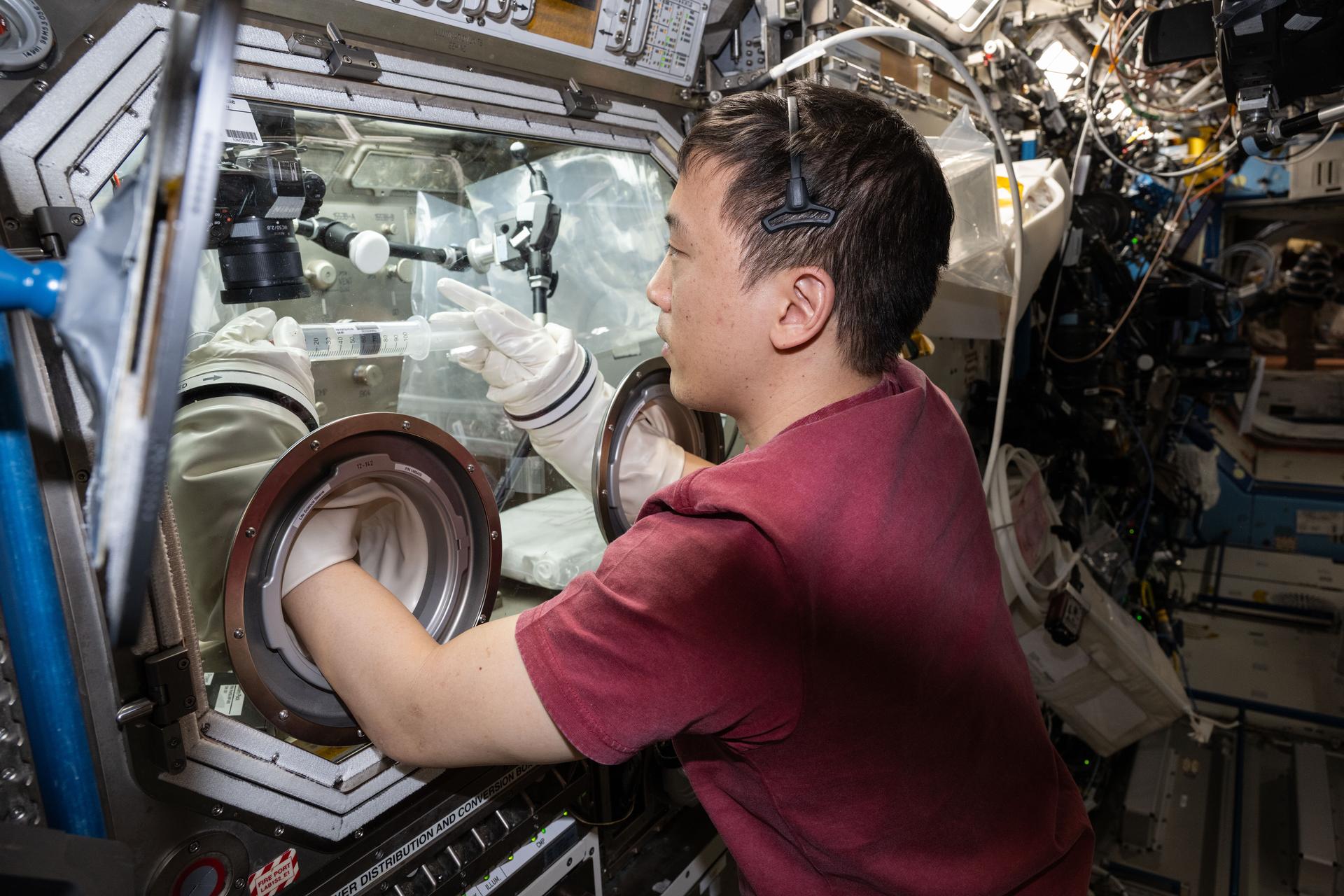
iss073e0917782 (Oct. 23, 2025) --- NASA astronaut and Expedition 73 Flight Engineer Jonny Kim conducts research operations for the Fluid Particles investigation inside the Microgravity Science Glovebox aboard the International Space Station's Destiny laboratory module. The fluid physics experiment may help researchers understand how particles in a liquid interface come together to form larger structures or clusters in microgravity advancing fire suppression, lunar dust control, and plant growth in space. Earth benefits may include insights into pollen behavior, algae blooms, plastic pollution, and sea salt transfer during storms.
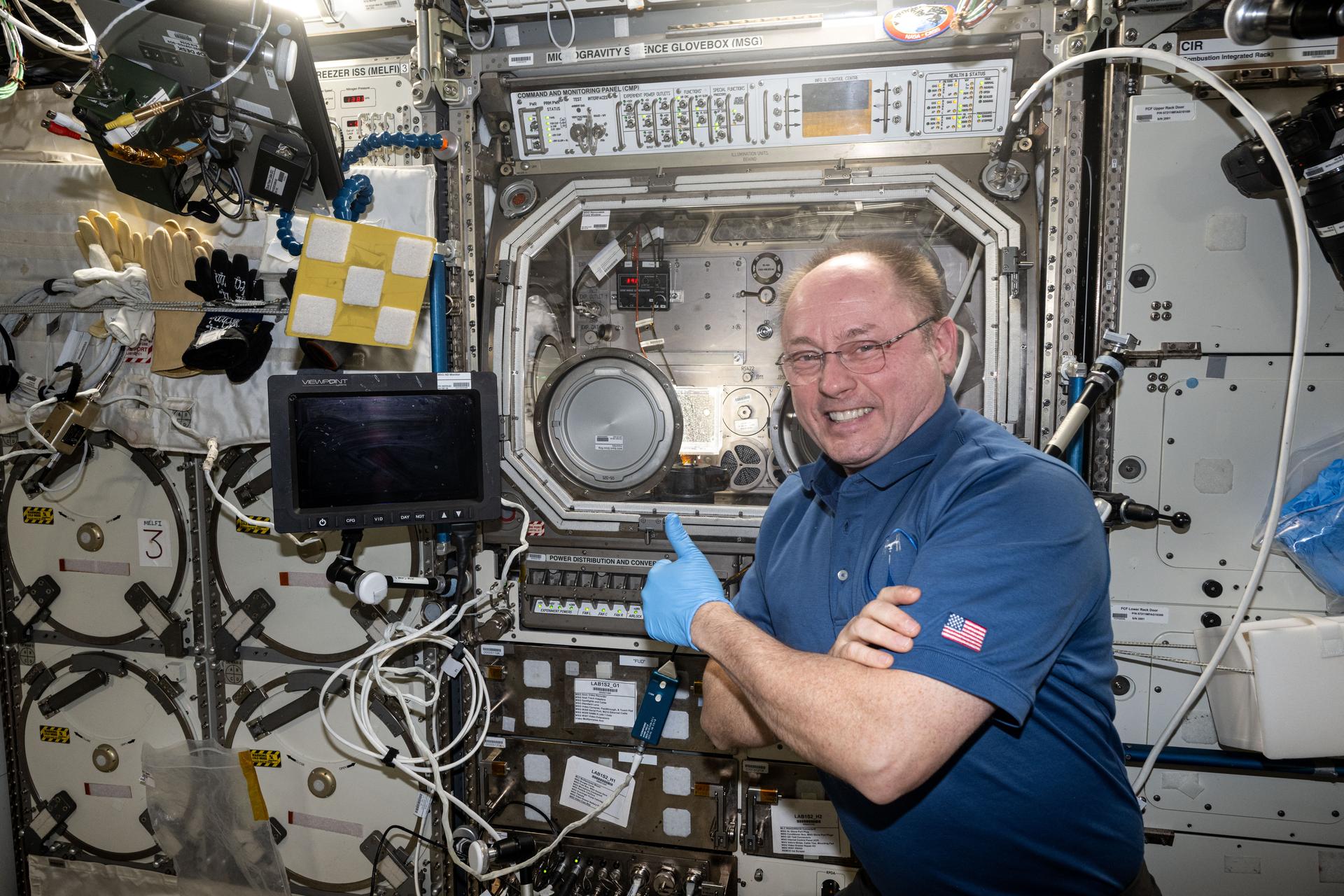
iss073e0917010 (Oct. 21, 2025) --- NASA astronaut and Expedition 73 Flight Engineer Mike Fincke gives a thumbs-up in front of the Microgravity Science Glovebox (MSG) inside the International Space Station's Destiny laboratory module. Fincke had just completed research operations for the Fluid Particles experiment, which helps researchers understand how particles in a liquid interface come together to form larger structures or clusters in microgravity. Results could advance fire suppression, lunar dust control, and plant growth in space. Earth benefits may include insights into pollen behavior, algae blooms, plastic pollution, and sea salt transfer during storms.
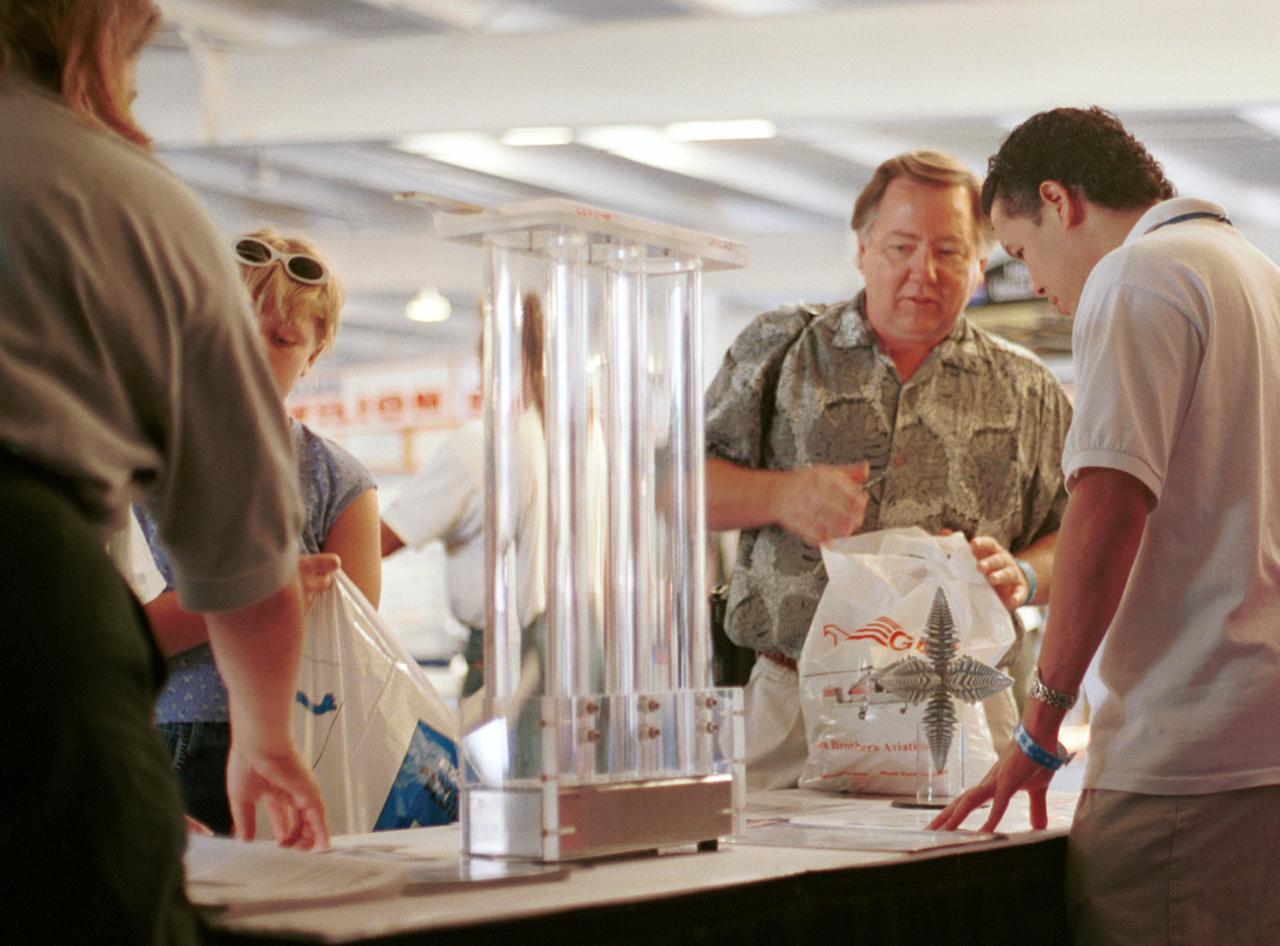
Paul Luz (right), an aerospace flight systems engineer at NASA's Marshall Space Flight Center (MSFC), takes a question from a visitor as they discuss microgravity research at AirVenture 2000. Part of the NASA exhibits included demonstrations of knowledge gained from microgravity research aboard the Space Shuttle. These include liquid metal (liquid metal demonstrator is three plastic drop tubes at center) and dendritic growth (in front of Luz), both leading to improvements in processes of Earth. The exhibit was part of the NASA outreach activity at AirVenture 2000 sponsored by the Experimental Aircraft Association in Oshkosh, WI.
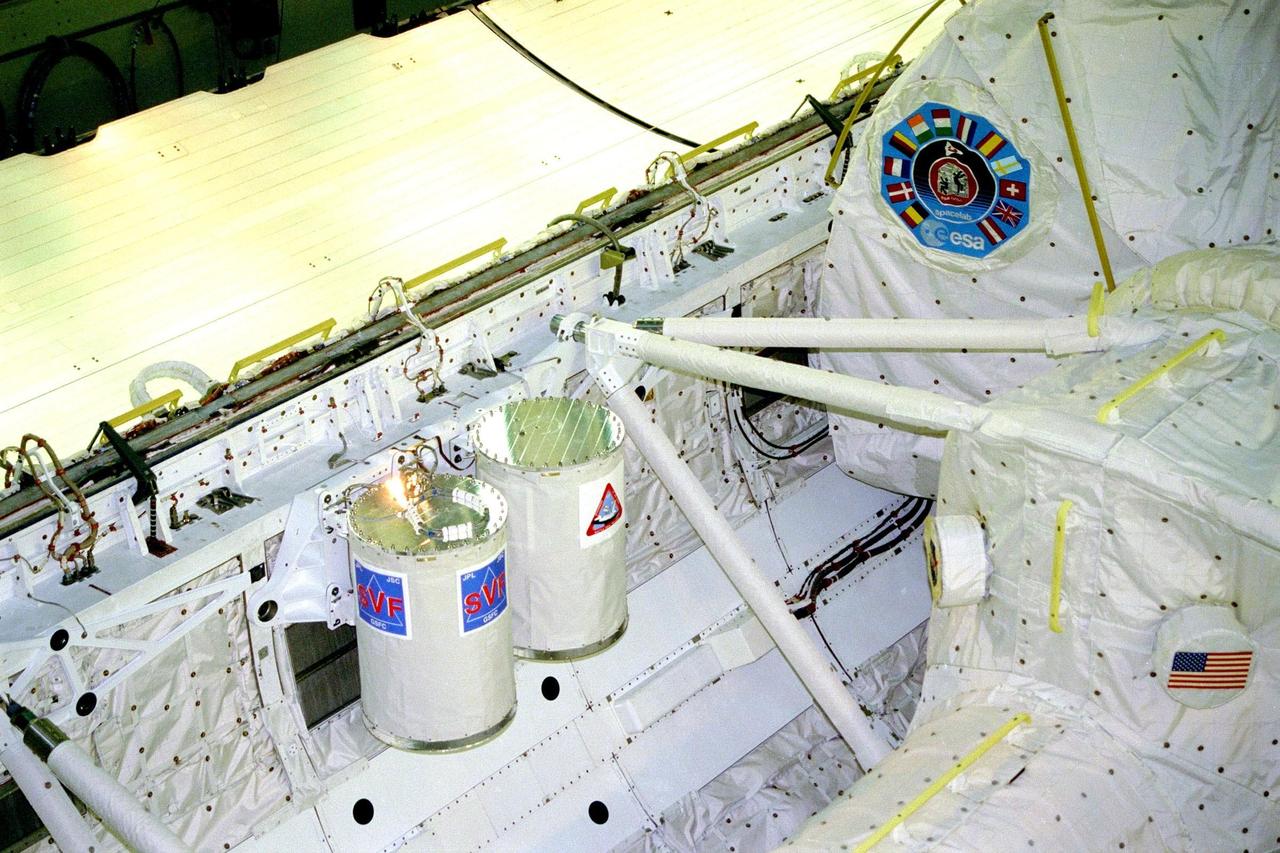
KENNEDY SPACE CENTER, FLA. -- The STS-90 Neurolab payload and two of the four Getaway Specials (GAS) await payload bay door closure in the orbiter Columbia today in Orbiter Processing Facility bay 3. Investigations during the Neurolab mission will focus on the effects of microgravity on the nervous system. The mission is a joint venture of six space agencies and seven U.S. research agencies. Investigator teams from nine countries will conduct 31 studies in the microgravity environment of space. Other agencies participating in this mission include six institutes of the National Institutes of Health, the National Science Foundation, and the Office of Naval Research, as well as the space agencies of Canada, France, Germany, and Japan, and the European Space Agency (ESA)
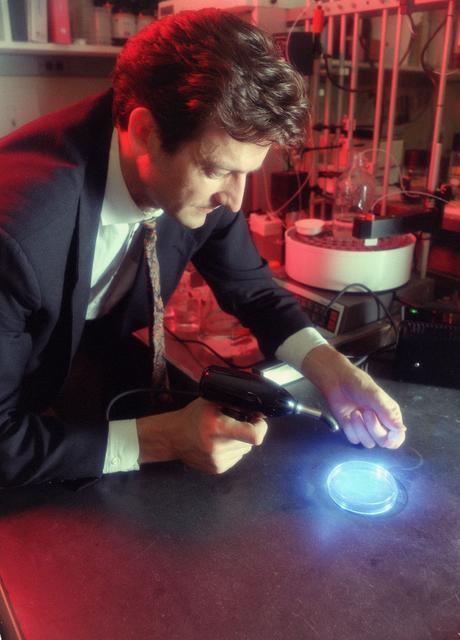
Scientists at MSFC have been studying the properties of Aerogel for several years. Aerogel, the lightest solid known to man, has displayed a high quality for insulation. Because of its smoky countenance it has yet to be used as an insulation on windows, but has been used to insulate the walls of houses and engine compartments in cars. It was also used in the space program as insulating material on the rover Sojourner, aboard the Mars Pathfinder. MSFC is one of the many research facilities conducting experiments to unlock the smoky properties of aerogel and make it a clear substance. MSFC researchers believe that by taking this research to space, they can resolve the problem of making aerogel transparent enough to see through. So far, recent space experiments have been encouraging. The samples produced in microgravity indicate a change in the microstructure of the material as compared to ground samples. MSFC scientists continue to study the effects of microgravity on Aerogel as their research is space continues.
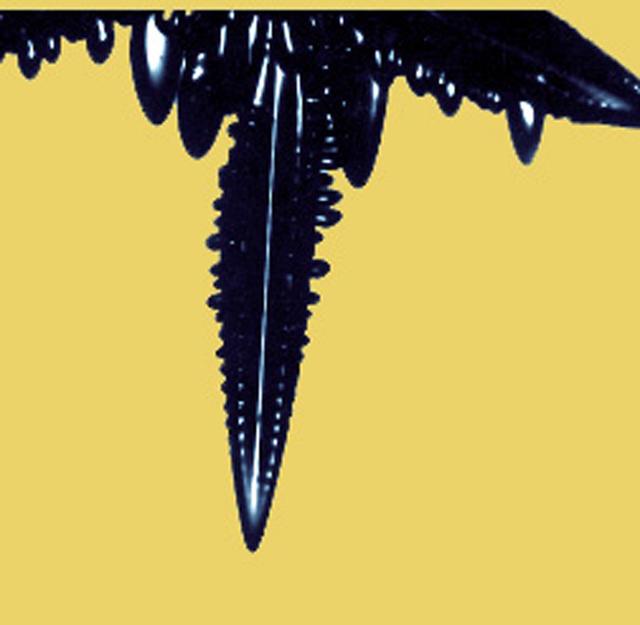
Researchers have found that as melted metals and alloys (combinations of metals) solidify, they can form with different arrangements of atoms, called microstructures. These microstructures depend on the shape of the interface (boundary) between the melted metal and the solid crystal it is forming. There are generally three shapes that the interface can take: planar, or flat; cellular, which looks like the cells of a beehive; and dendritic, which resembles tiny fir trees. Convection at this interface can affect the interface shape and hide the other phenomena (physical events). To reduce the effects of convection, researchers conduct experiments that examine and control conditions at the interface in microgravity. Microgravity also helps in the study of alloys composed of two metals that do not mix. On Earth, the liquid mixtures of these alloys settle into different layers due to gravity. In microgravity, the liquid metals do not settle, and a solid more uniform mixture of both metals can be formed.
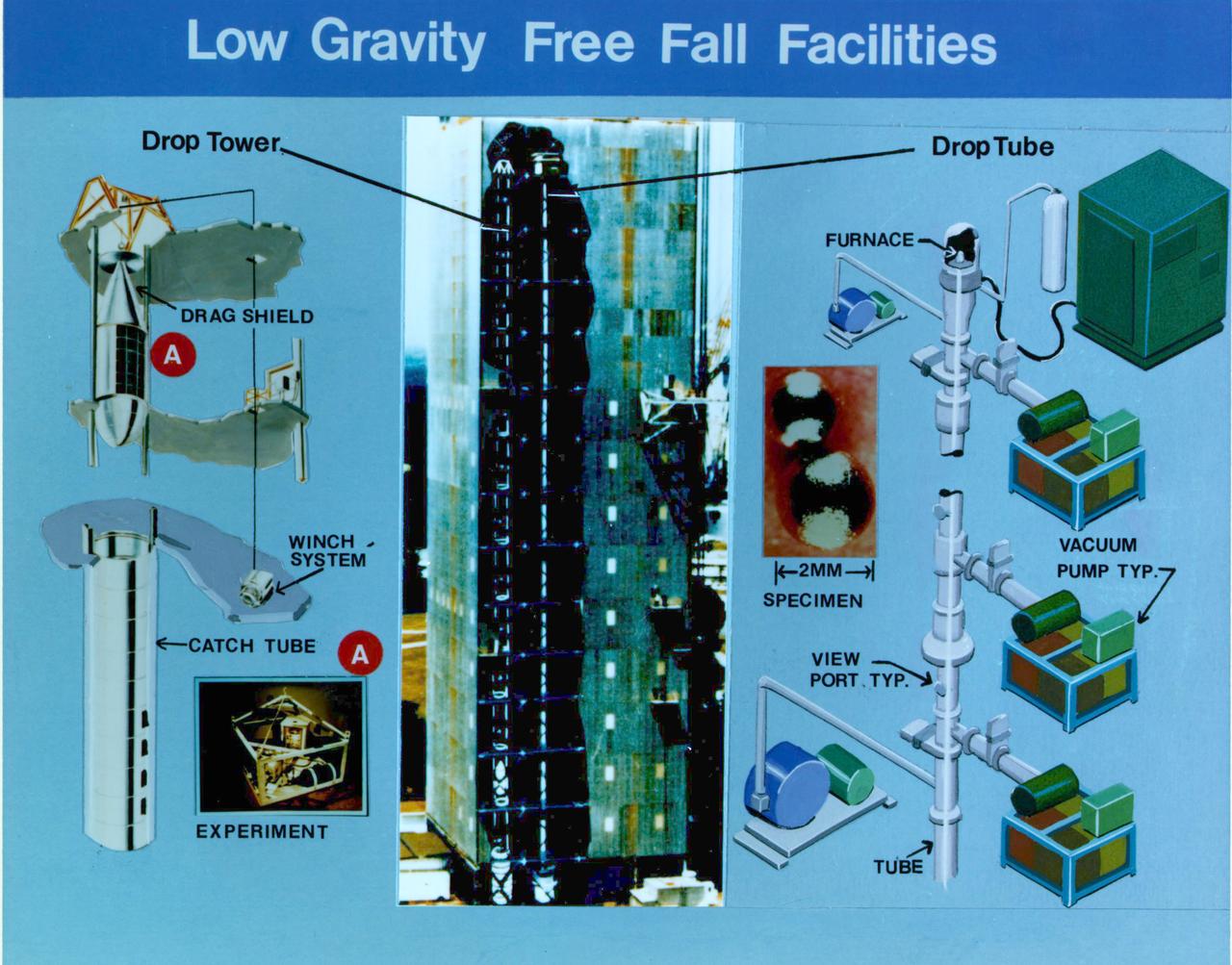
Composite of Marshall Space Flight Center's Low-Gravity Free Fall Facilities.These facilities include a 100-meter drop tower and a 100-meter drop tube. The drop tower simulates in-flight microgravity conditions for up to 4.2 seconds for containerless processing experiments, immiscible fluids and materials research, pre-flight hardware design test and flight experiment simulation. The drop tube simulates in-flight microgravity conditions for up to 4.6 seconds and is used extensively for ground-based microgravity convection research in which extremely small samples are studied. The facility can provide deep undercooling for containerless processing experiments that require materials to remain in a liquid phase when cooled below the normal solidification temperature.
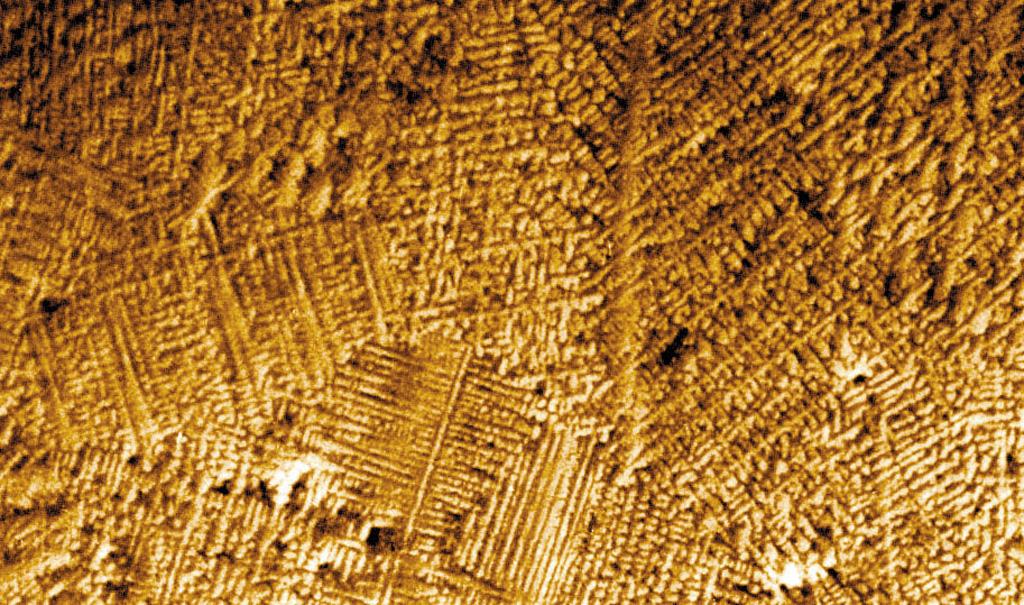
Researchers have found that as melted metals and alloys (combinations of metals) solidify, they can form with different arrangements of atoms, called microstructures. These microstructures depend on the shape of the interface (boundary) between the melted metal and the solid crystal it is forming. There are generally three shapes that the interface can take: planar, or flat; cellular, which looks like the cells of a beehive; and dendritic, which resembles tiny fir trees. Convection at this interface can affect the interface shape and hide the other phenomena (physical events). To reduce the effects of convection, researchers conduct experiments that examine and control conditions at the interface in microgravity. Microgravity also helps in the study of alloys composed of two metals that do not mix. On Earth, the liquid mixtures of these alloys settle into different layers due to gravity. In microgravity, the liquid metals do not settle, and a solid more uniform mixture of both metals can be formed.
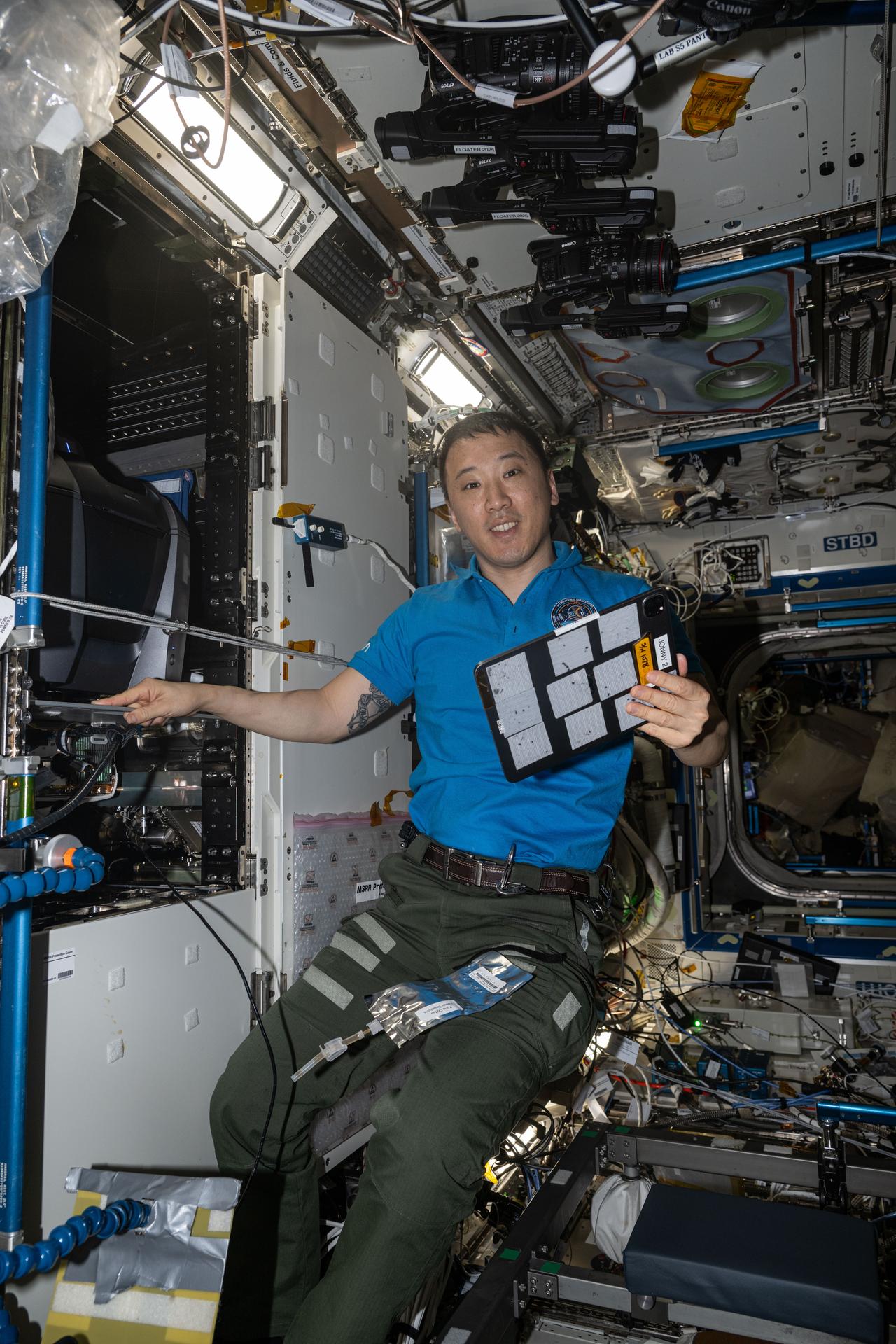
iss073e1049692 (Nov. 6, 2025) --- NASA astronaut and Expedition 73 Flight Engineer Jonny Kim poses for a portrait while servicing the KERMIT (Keyence Research Microscope Testbed) fluorescence microscope inside the Materials Science Research Rack aboard the International Space Station’s Destiny laboratory module. KERMIT is a commercial off-the-shelf microscope that provides researchers with essential imaging capabilities for biological, physical, and materials science research in microgravity.
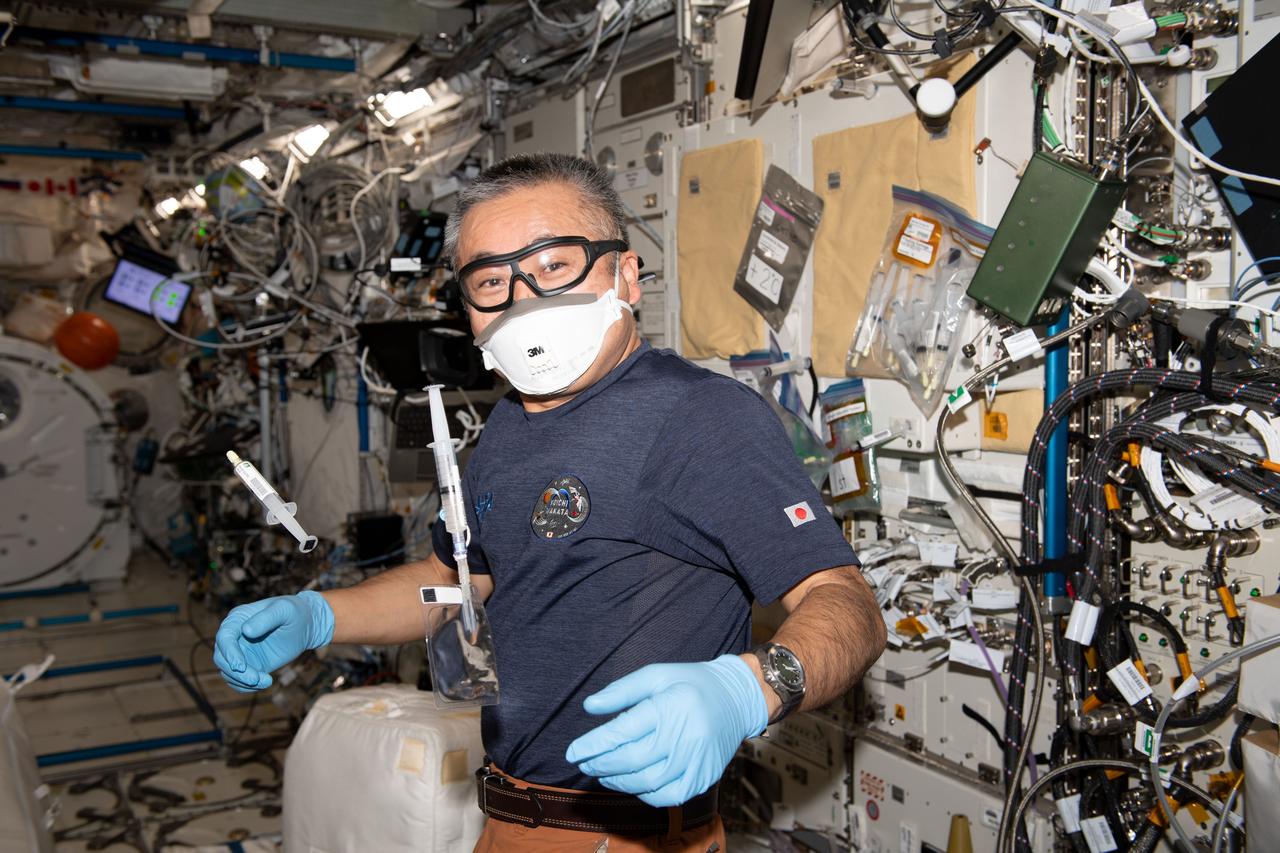
iss068e028286 (Dec. 1, 2022) --- Expedition 68 Flight Engineer Koichi Wakata of the Japan Aerospace Exploration (JAXA) works on the Neural Integration System investigation. The investigation uses nematodes (also known as roundworms) to examine how microgravity affects the nervous system. Previous experiments have shown that the C. elegans nematode species experiences muscle atrophy and reduced motor activity and metabolism in microgravity. Research also has shown that space can affect the nervous system, and neural networks may transmit the effects of microgravity throughout the body. Results could support development of countermeasures to protect crew members on future space missions and contribute to better health for Earth’s aging population.
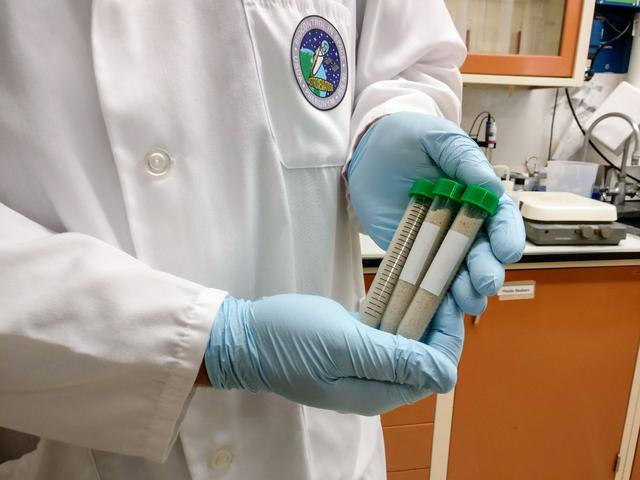
jsc2019e062136 (10/24/2019) --- Dr. Karl Shiller presents the loaded nematode tube samples. Microgravity Effect on Entomopathogenic Nematodes’ Ability to Find and Kill Insects (Module-85 Pheronym) tests the effects of microgravity on the movement and infection behavior of beneficial nematodes, which are used to control agricultural insect pests. The research looks at whether these nematodes can navigate through soil, infect insects and reproduce in space. It also looks at whether their symbiotic bacteria function normally in microgravity and has any effects on insect host physiology. Image Courtesy of: Fatma Kaplan (PI)
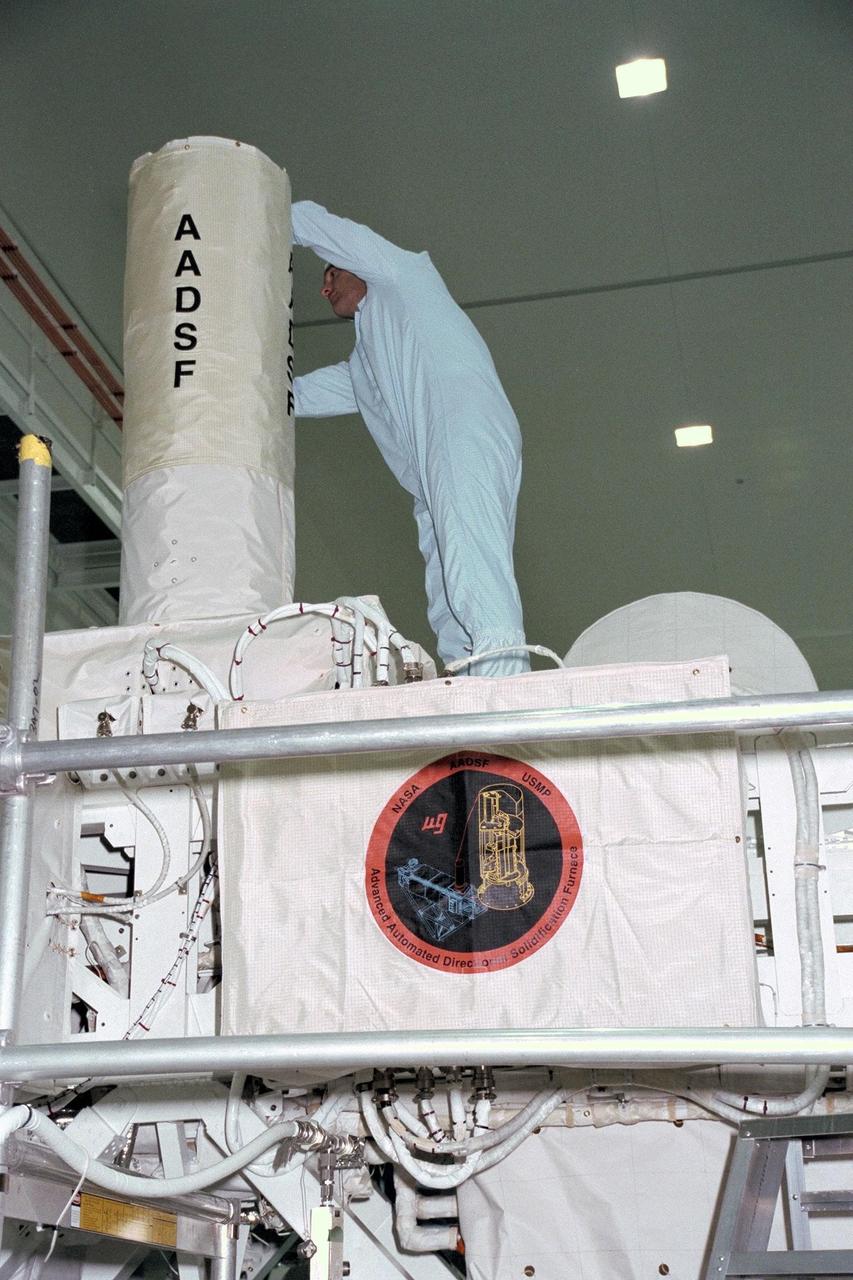
United States Microgravity Payload-4 (USMP-4) experiments are prepared to be flown on Space Shuttle mission STS-87 in the Space Station Processing Facility at Kennedy Space Center (KSC). A technician is working on the Advanced Automated Directional Solidification Furnace (AADSF), which will be used by researchers to study the solidification of semiconductor materials in microgravity. Scientists will be able to better understand how microgravity influences the solidification process of these materials and develop better methods for controlling that process during future Space flights and Earth-based production. All STS-87 experiments are scheduled for launch on Nov. 19 from KSC
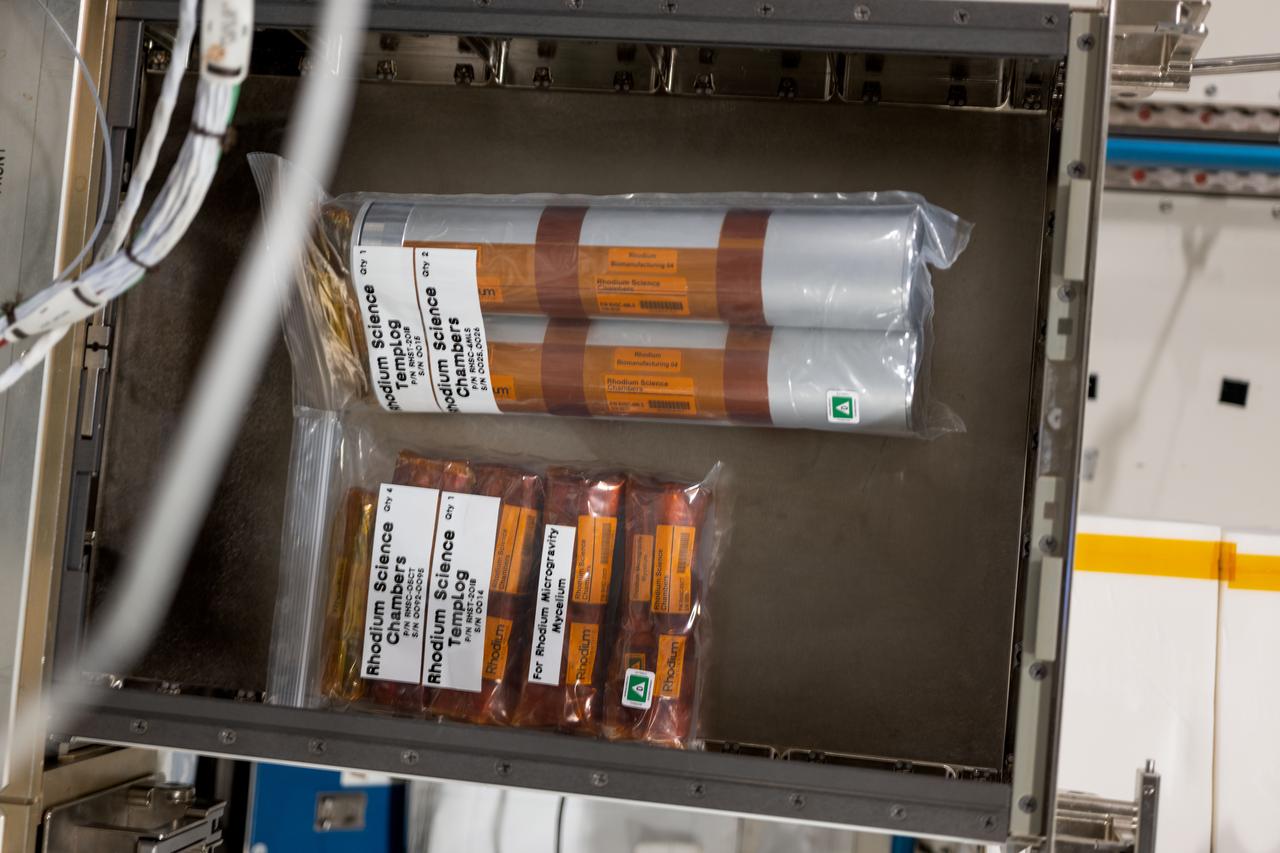
iss071e439623 (Aug. 7, 2024) -- Rhodium science chambers are pictured prior to storage in an ambient locker location aboard the International Space Station. The Swinburne Youth Space Innovation Challenge 2023 Examining Mushroom Growth in Microgravity, or Rhodium Microgravity Mycelium investigation, tests the growth rates of mycelia, the root structures of mushrooms, in space. Microgravity can alter the growth rates of other organisms and understanding how it affects mycelium growth rate and biomass production could provide insight into growth characteristics of fungi. Mushrooms have recognized nutritional value and results could lead to more efficient mushroom growth and new strains of mushrooms as potential food sources for space travel and for research on Earth.
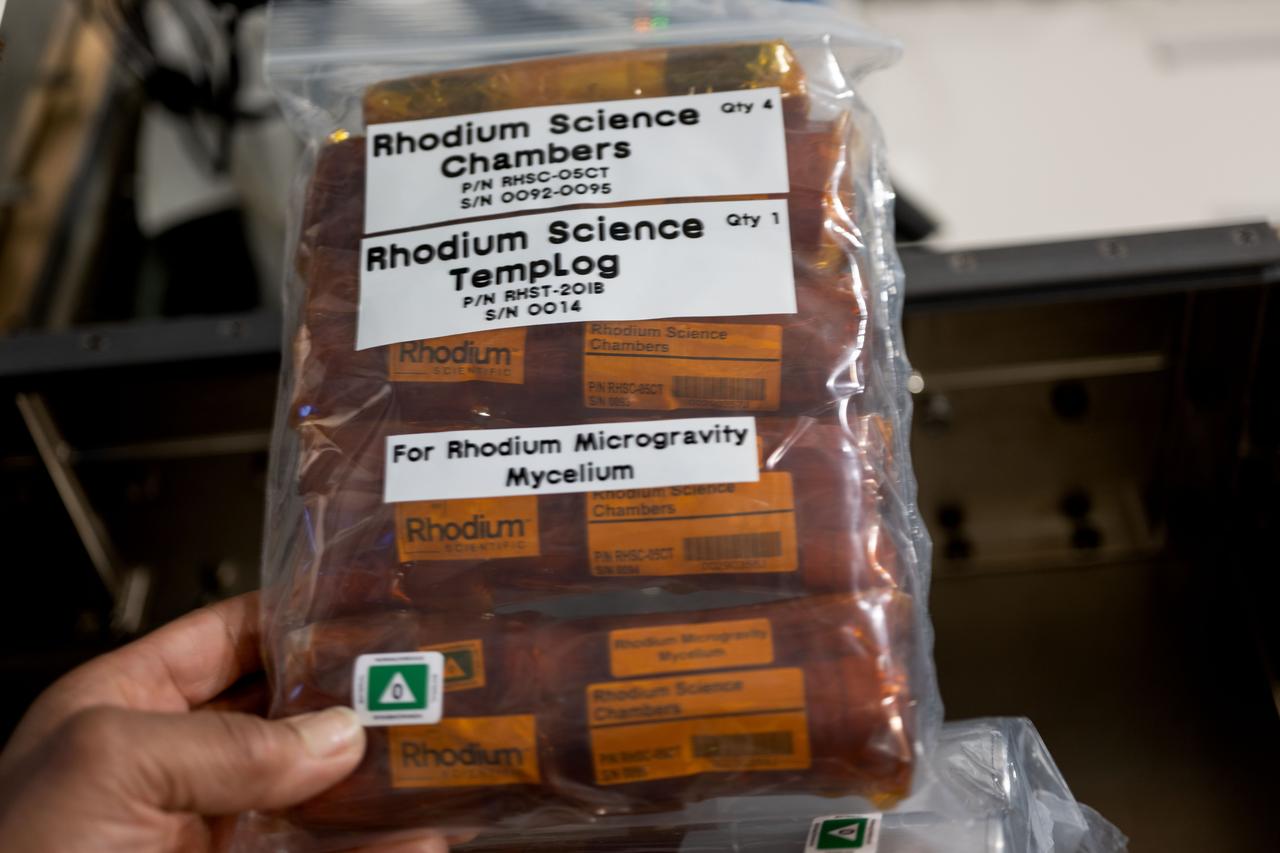
iss071e439621 (Aug. 7, 2024) -- Rhodium science chambers are pictured prior to storage in an ambient locker location aboard the International Space Station. The Swinburne Youth Space Innovation Challenge 2023 Examining Mushroom Growth in Microgravity, or Rhodium Microgravity Mycelium investigation, tests the growth rates of mycelia, the root structures of mushrooms, in space. Microgravity can alter the growth rates of other organisms and understanding how it affects mycelium growth rate and biomass production could provide insight into growth characteristics of fungi. Mushrooms have recognized nutritional value and results could lead to more efficient mushroom growth and new strains of mushrooms as potential food sources for space travel and for research on Earth.