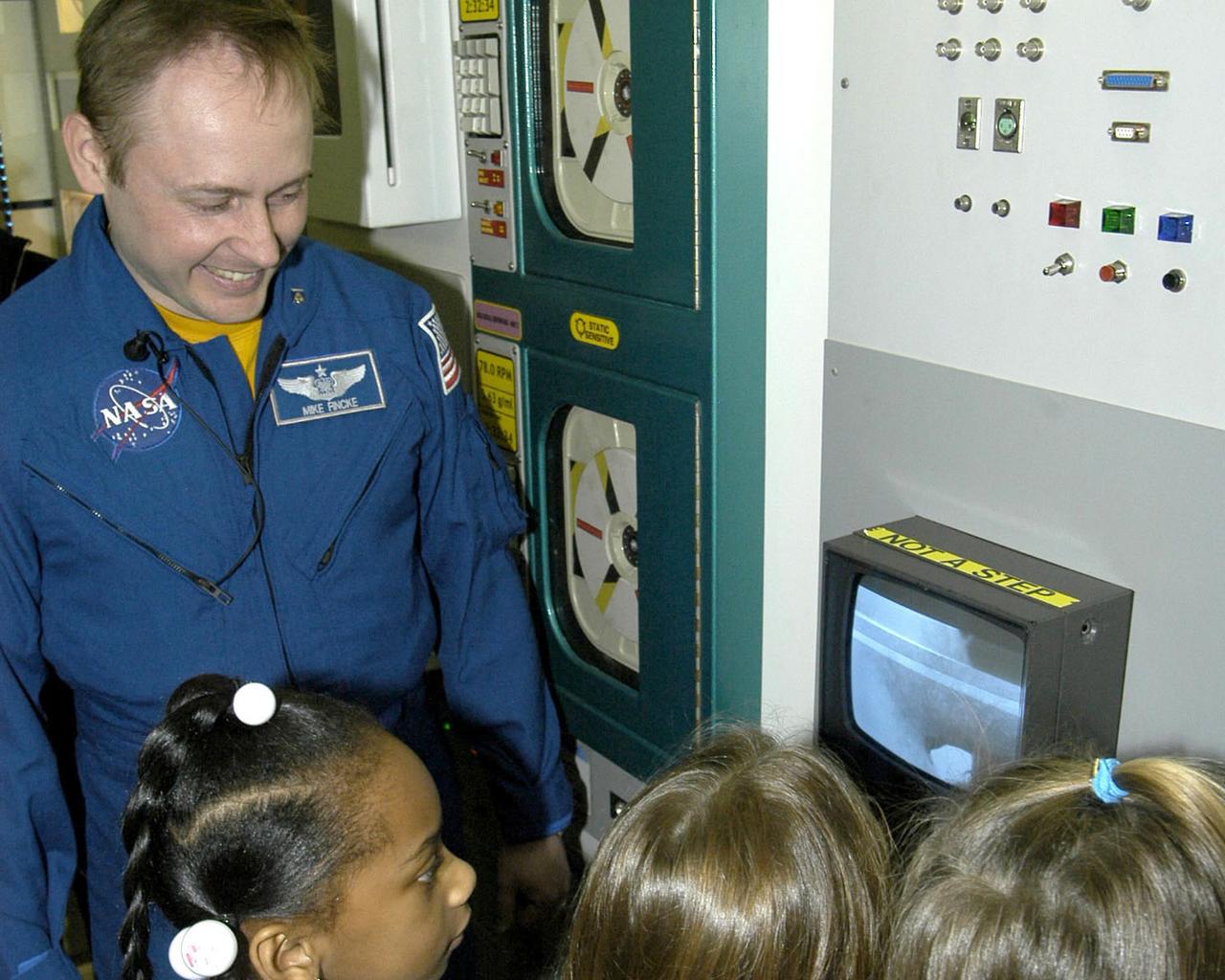
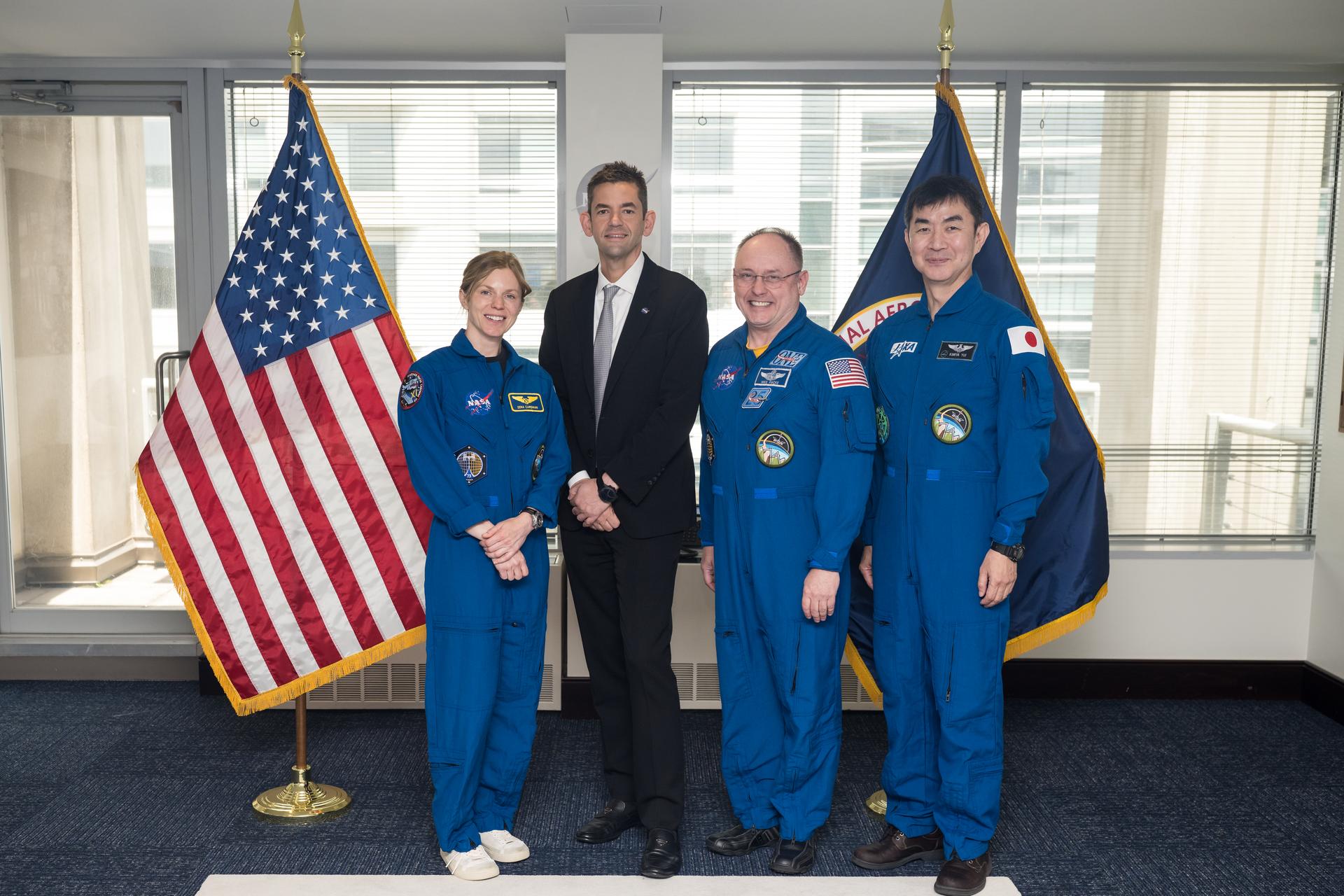
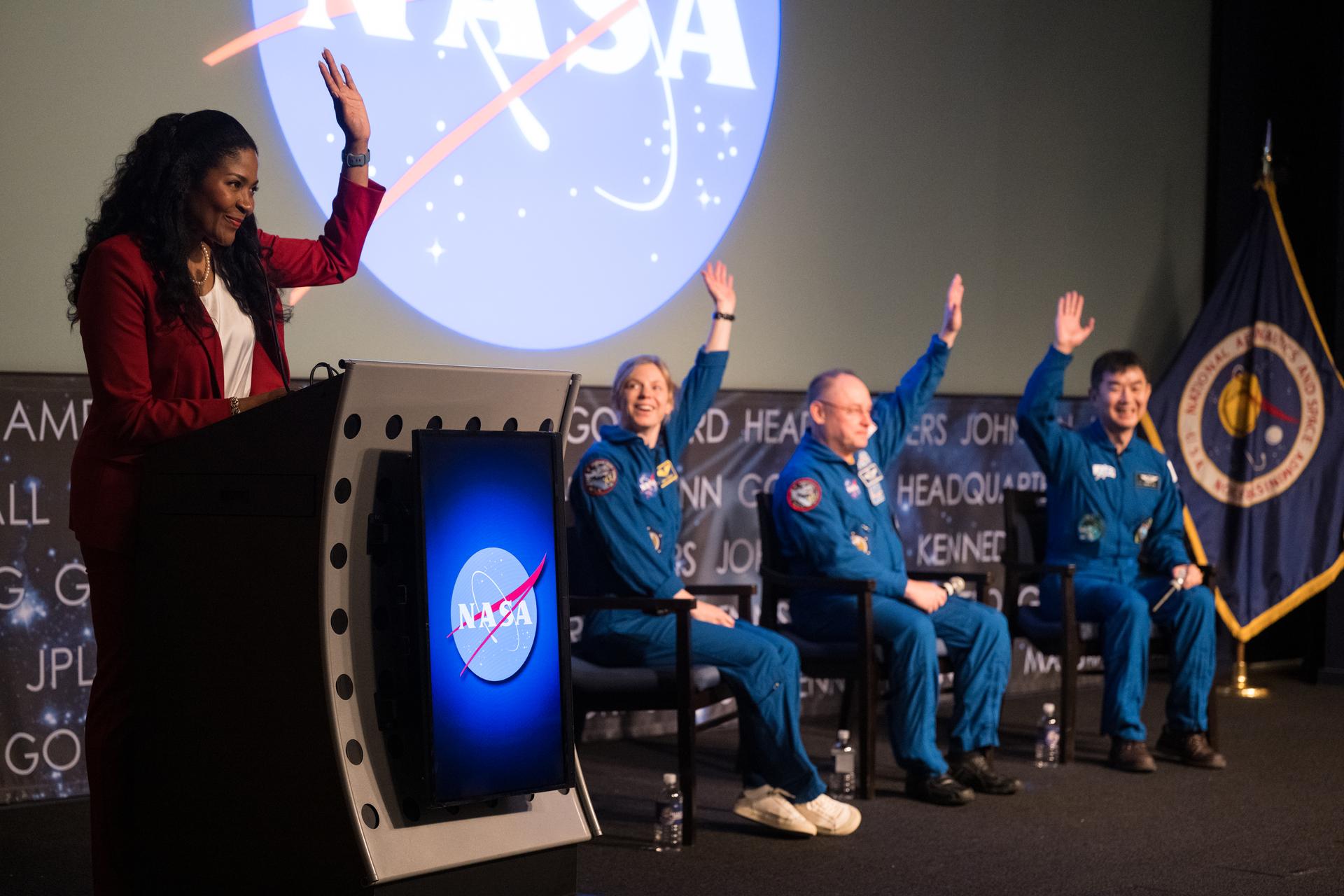
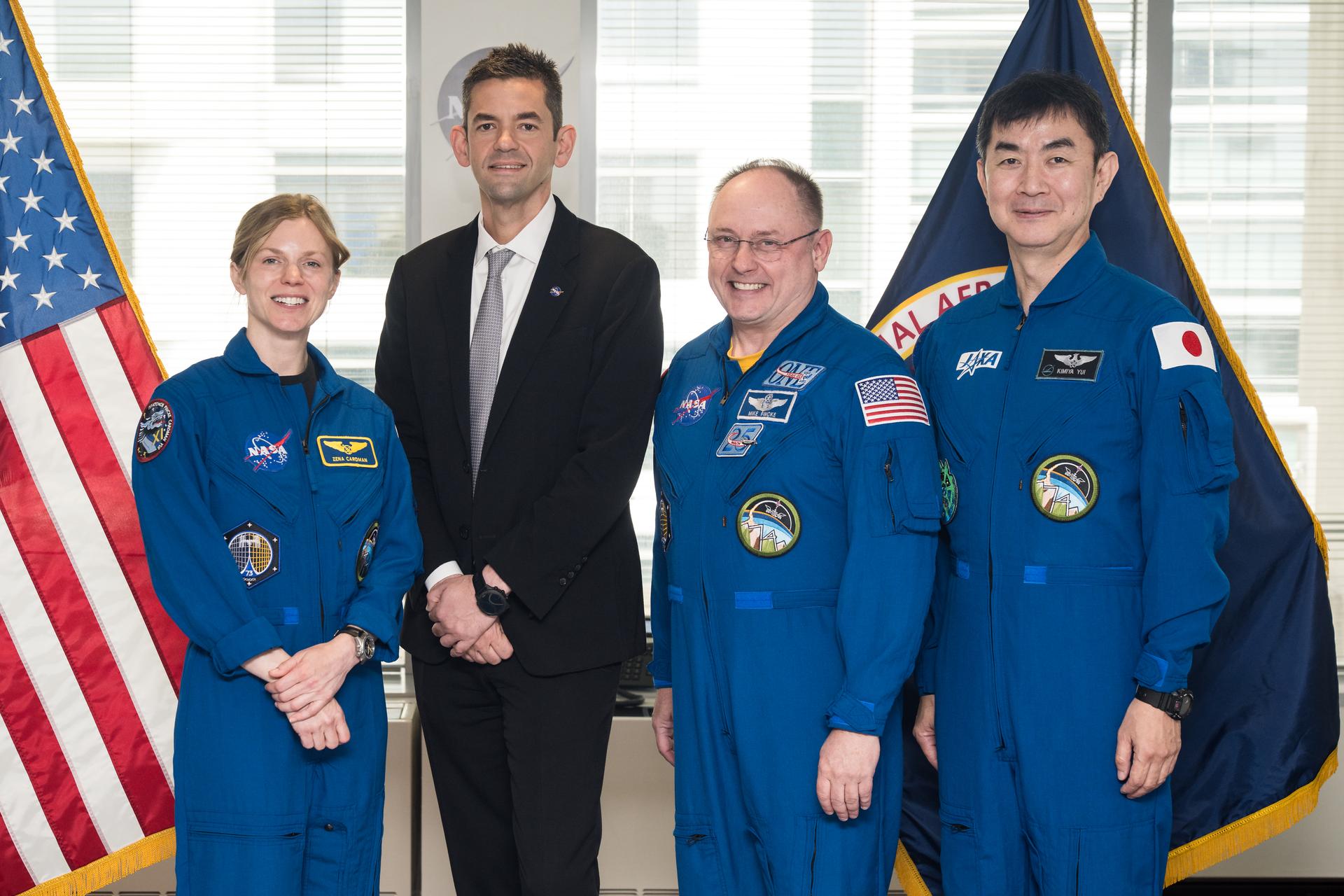
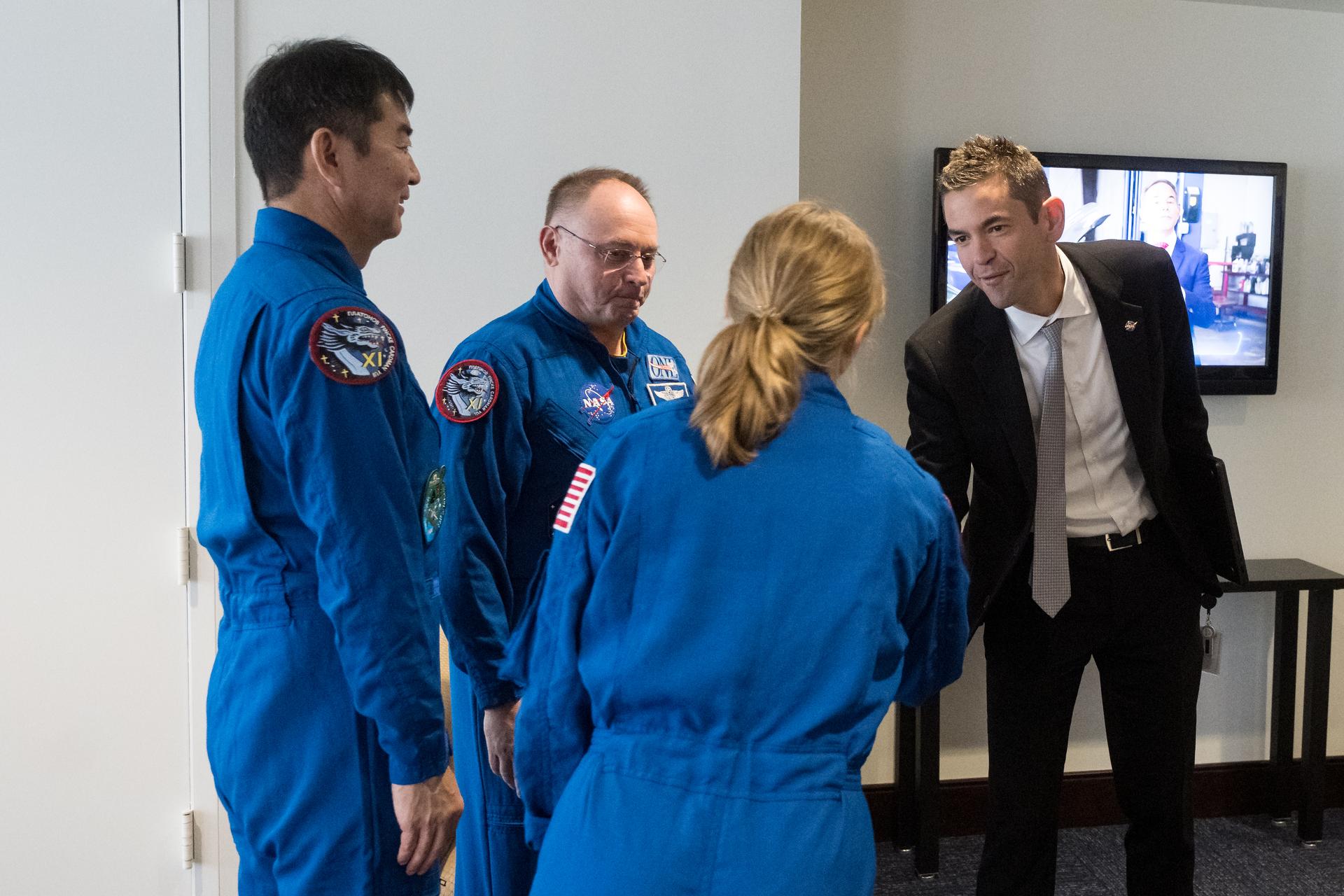
NASA Astronaut Mike Fincke talks with students about his six-month stay aboard the International Space Station during a visit to StenniSphere, the visitor center at NASA's Stennis Space Center.

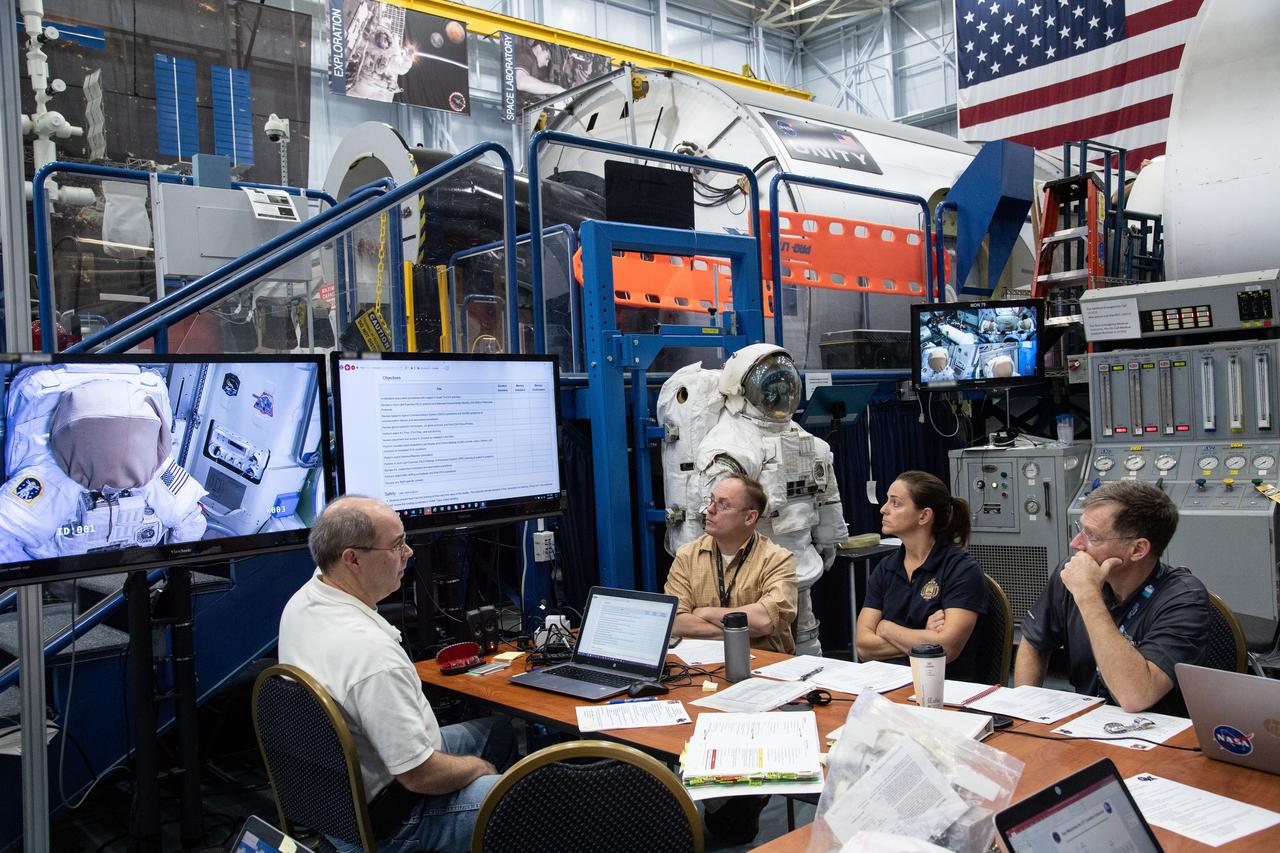
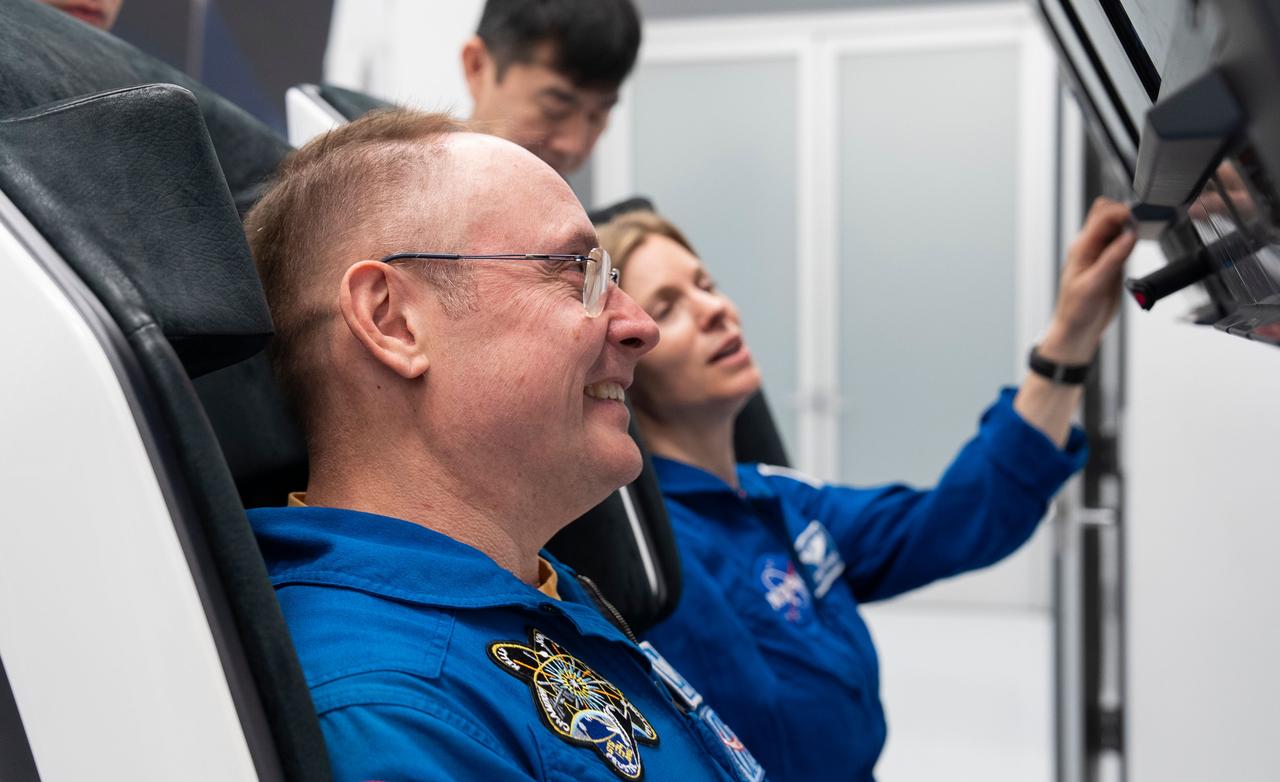
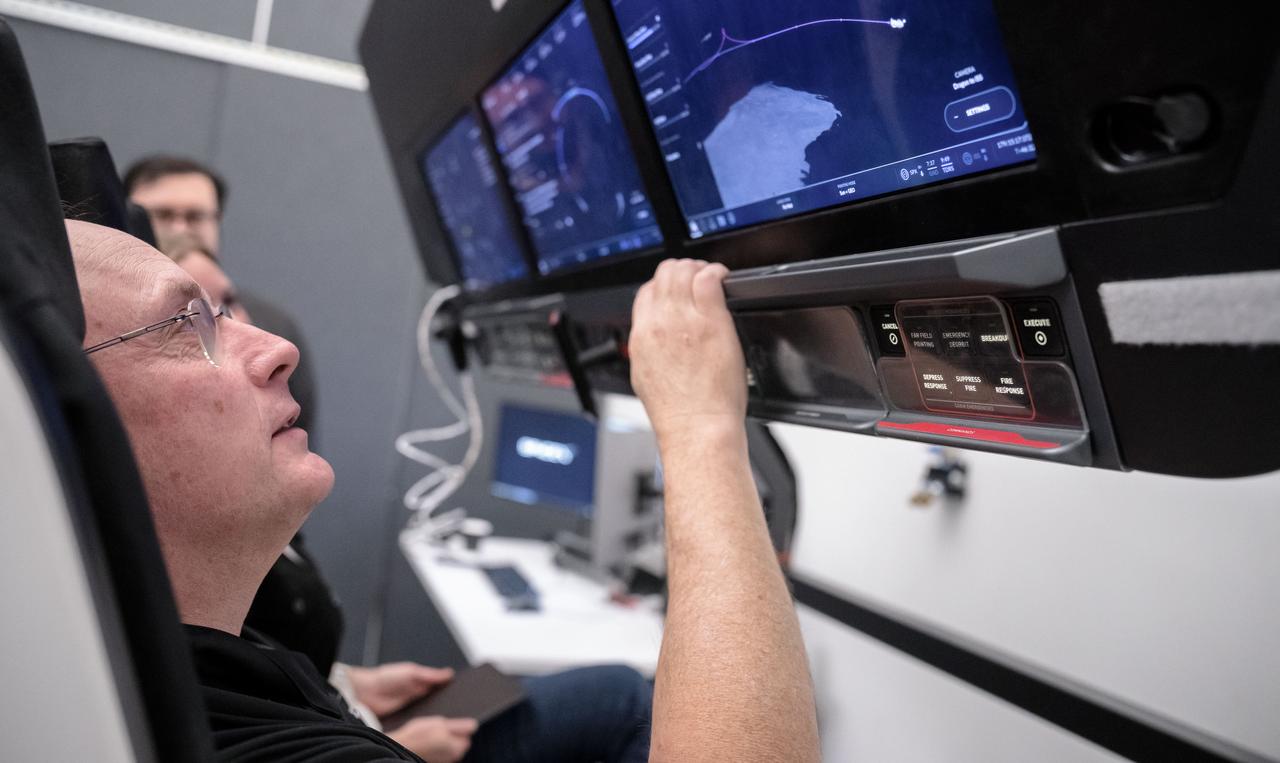
Boeing Commercial Crew Flight Test (CFT) Emergency Vehicle Familiarization training with Chris Ferguson, Nicole Mann, Barry Wilmore and Mike Fincke.

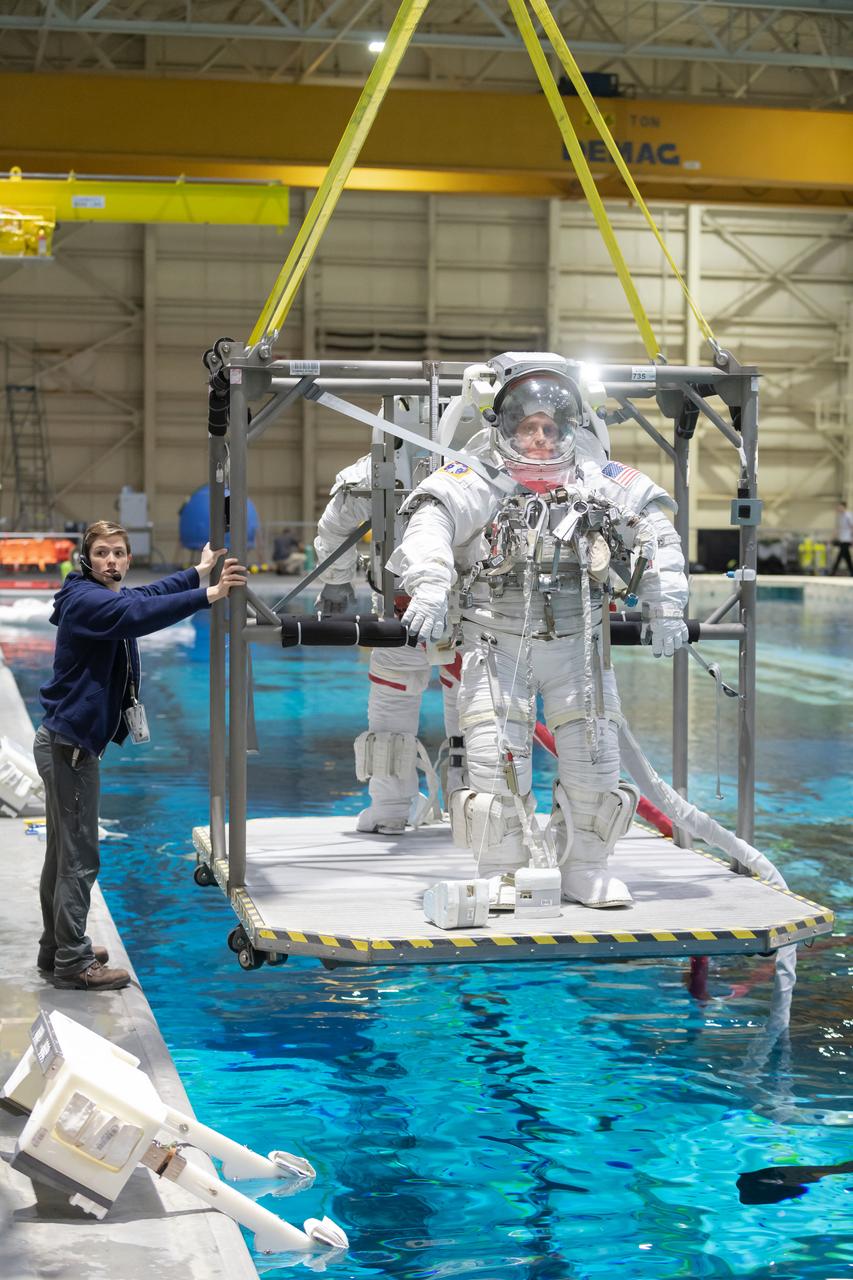
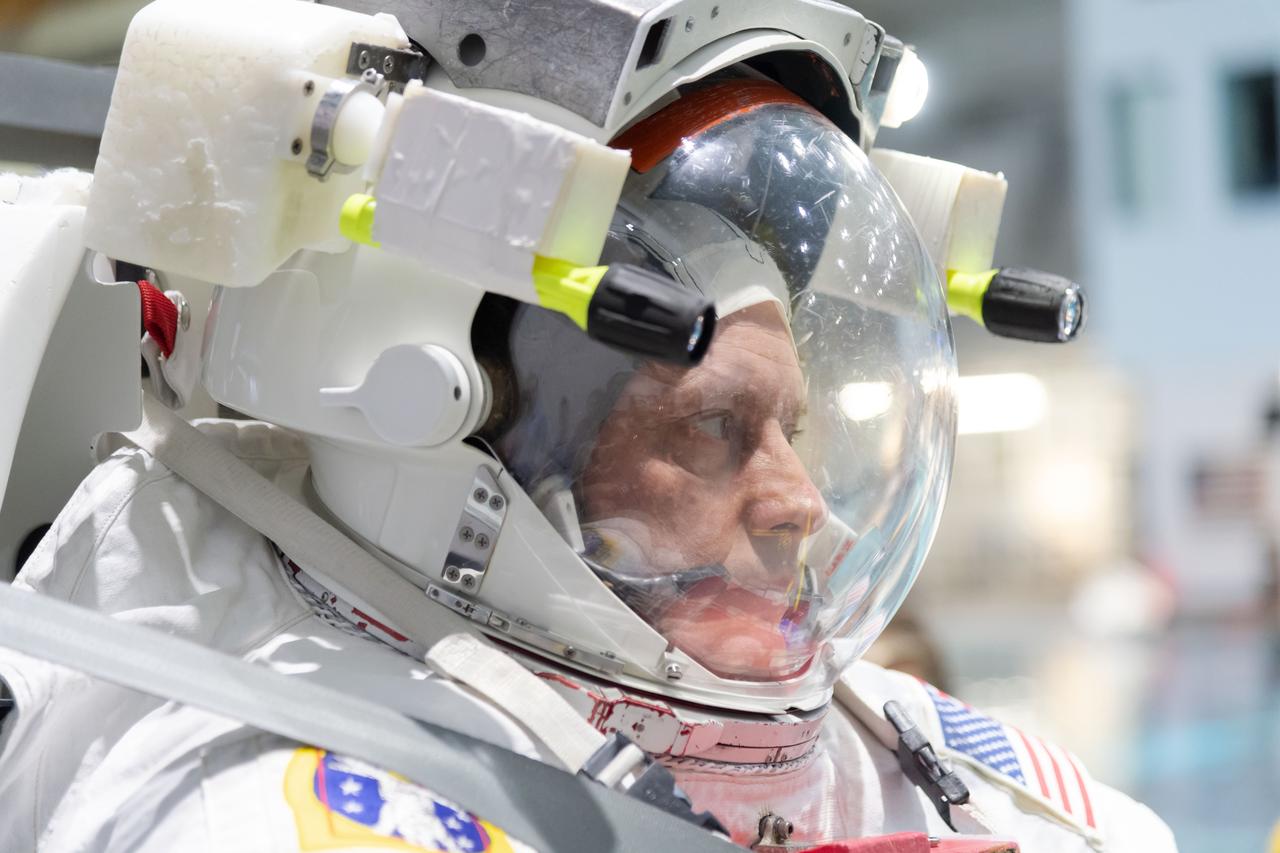
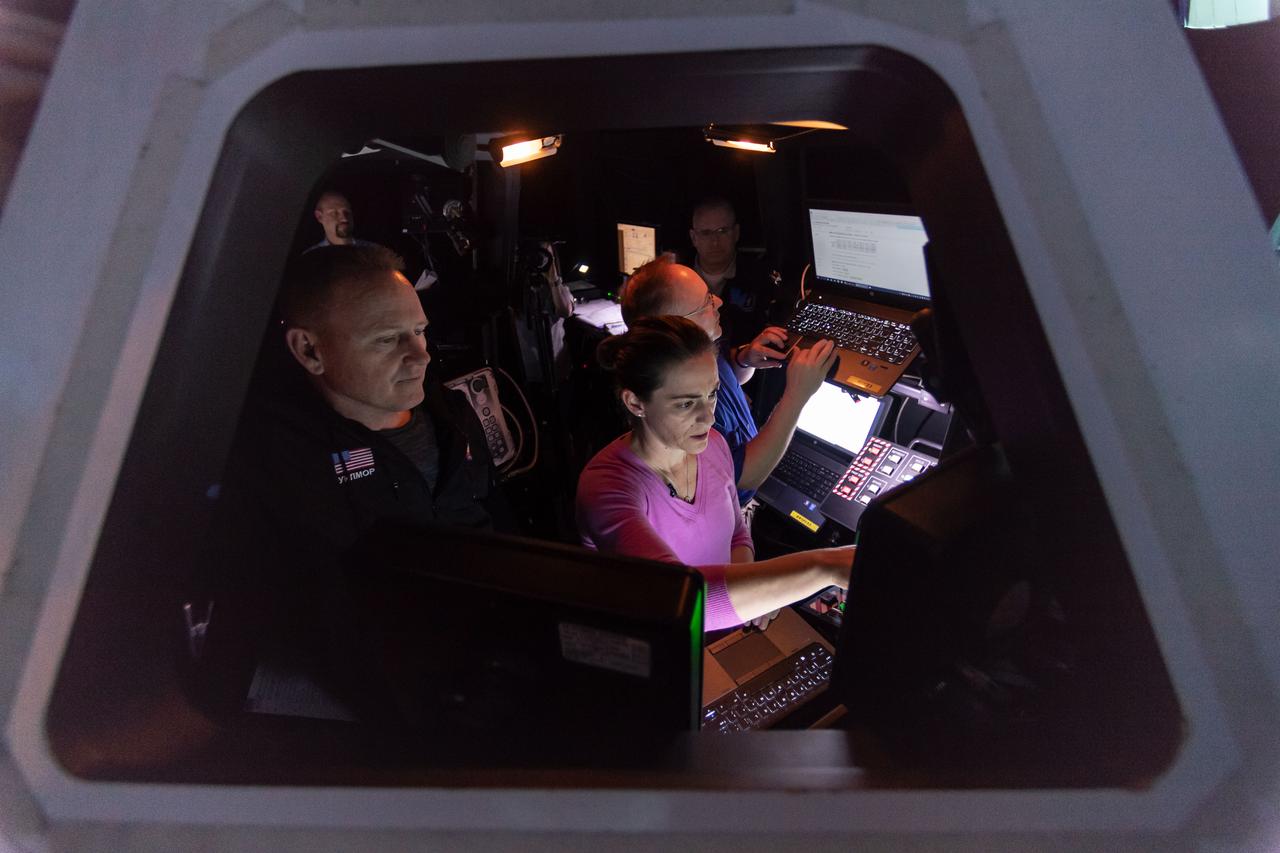
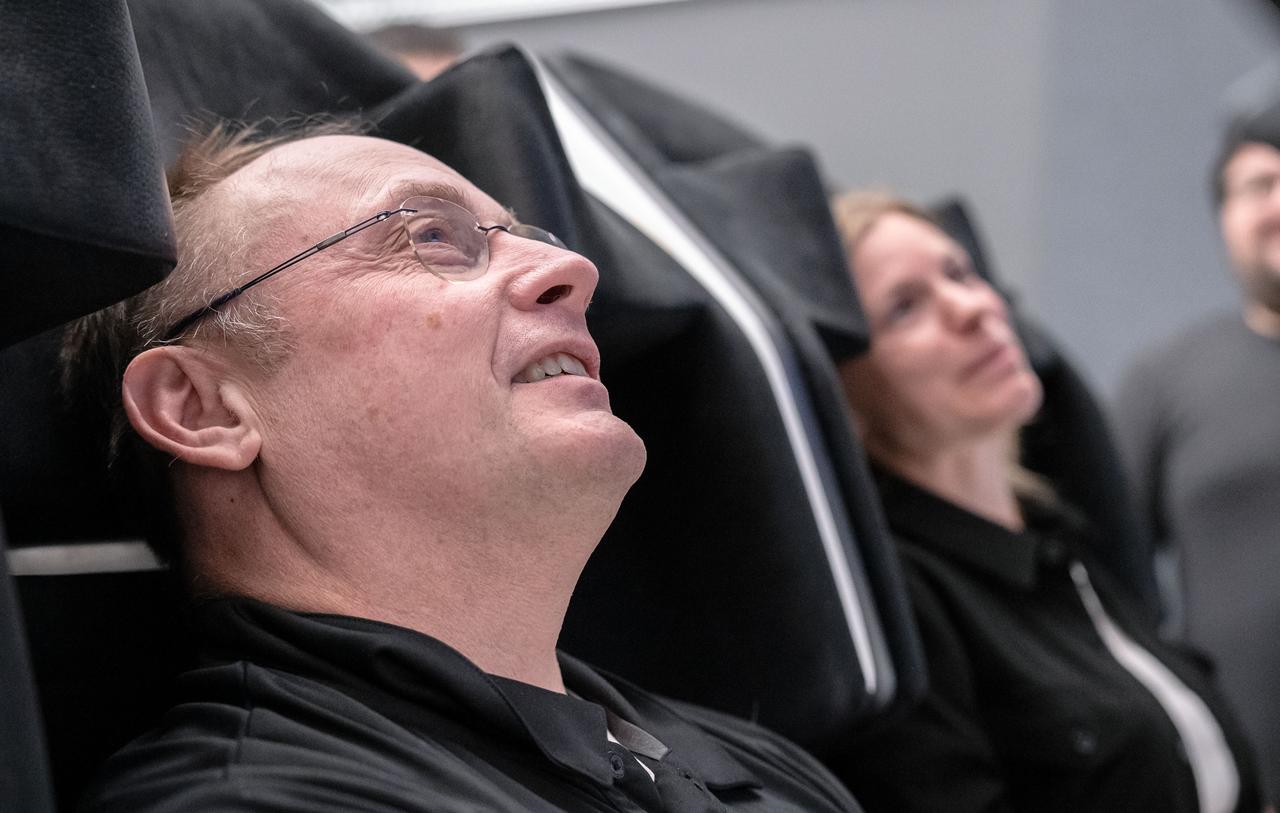
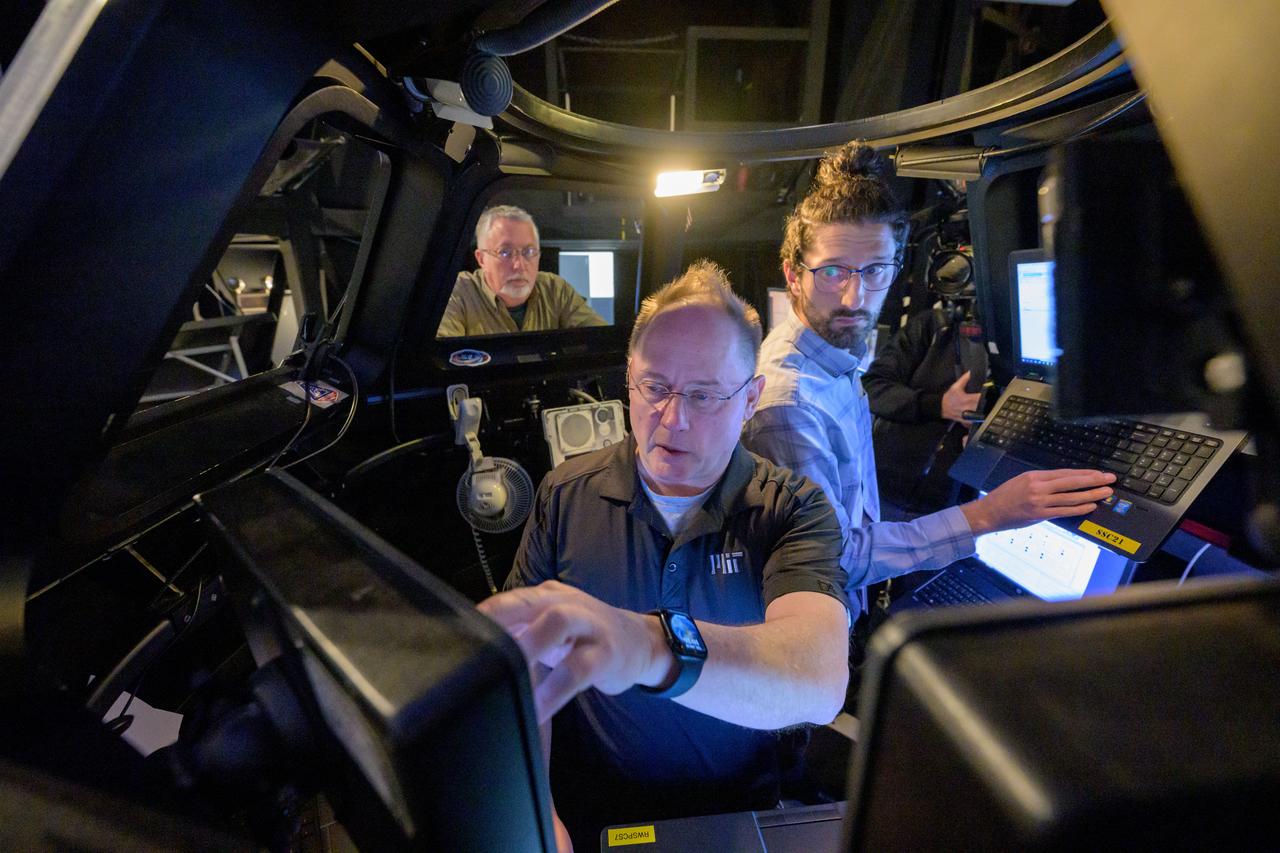
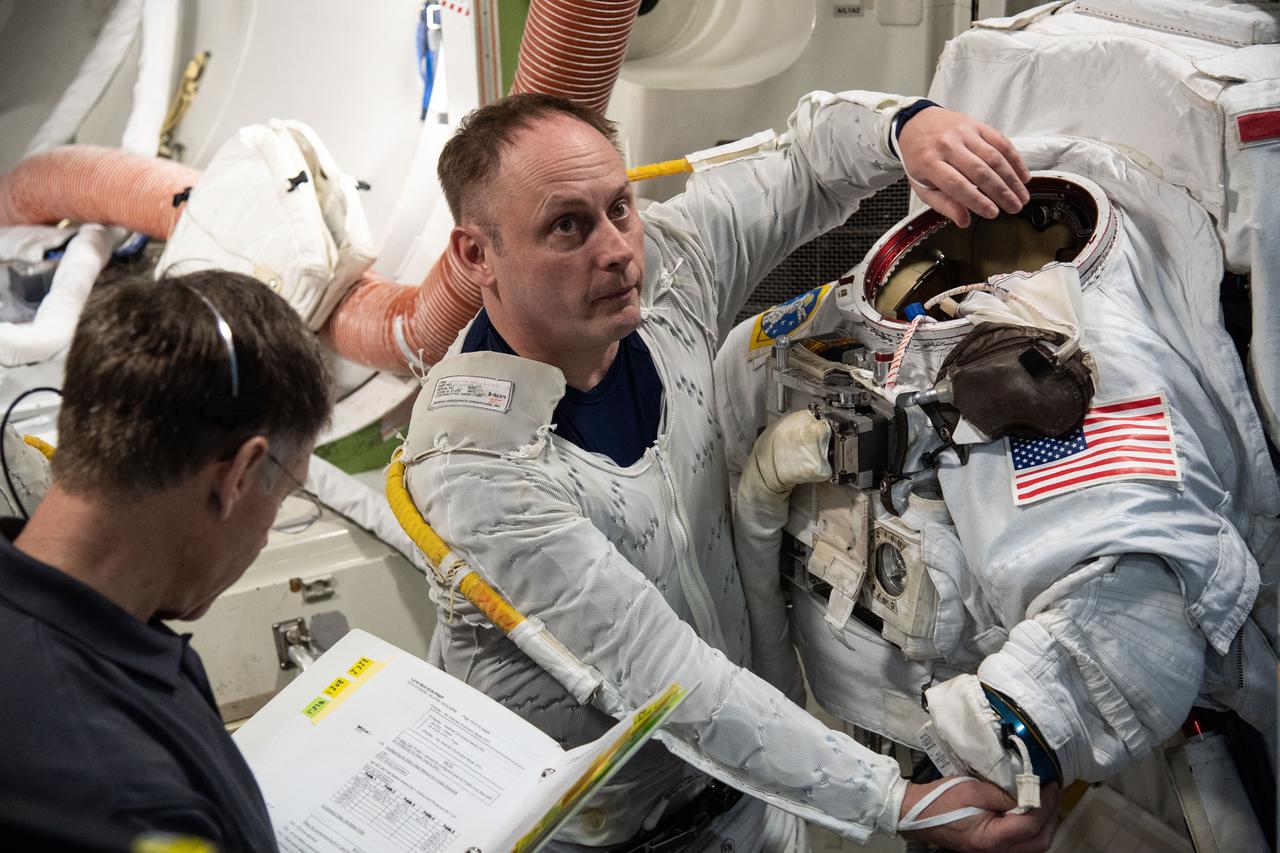
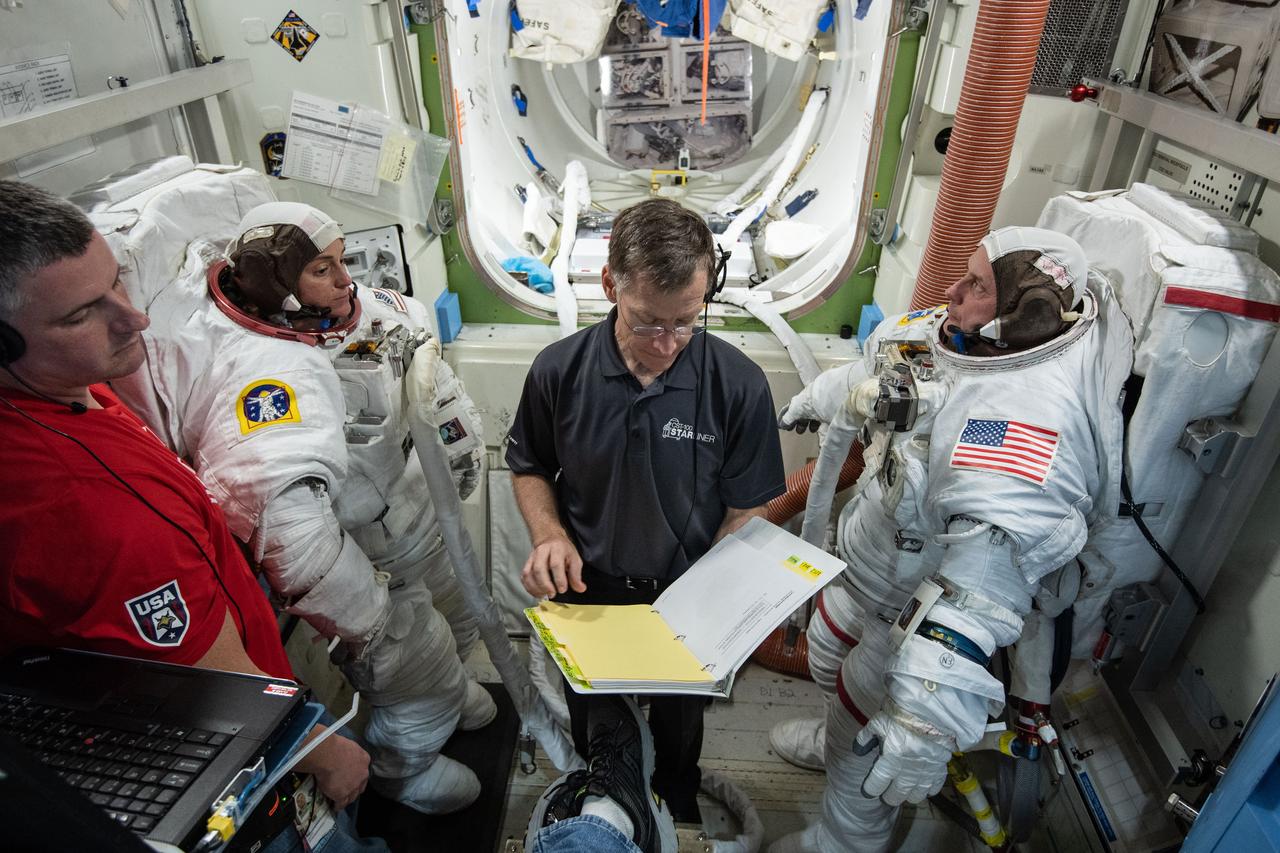
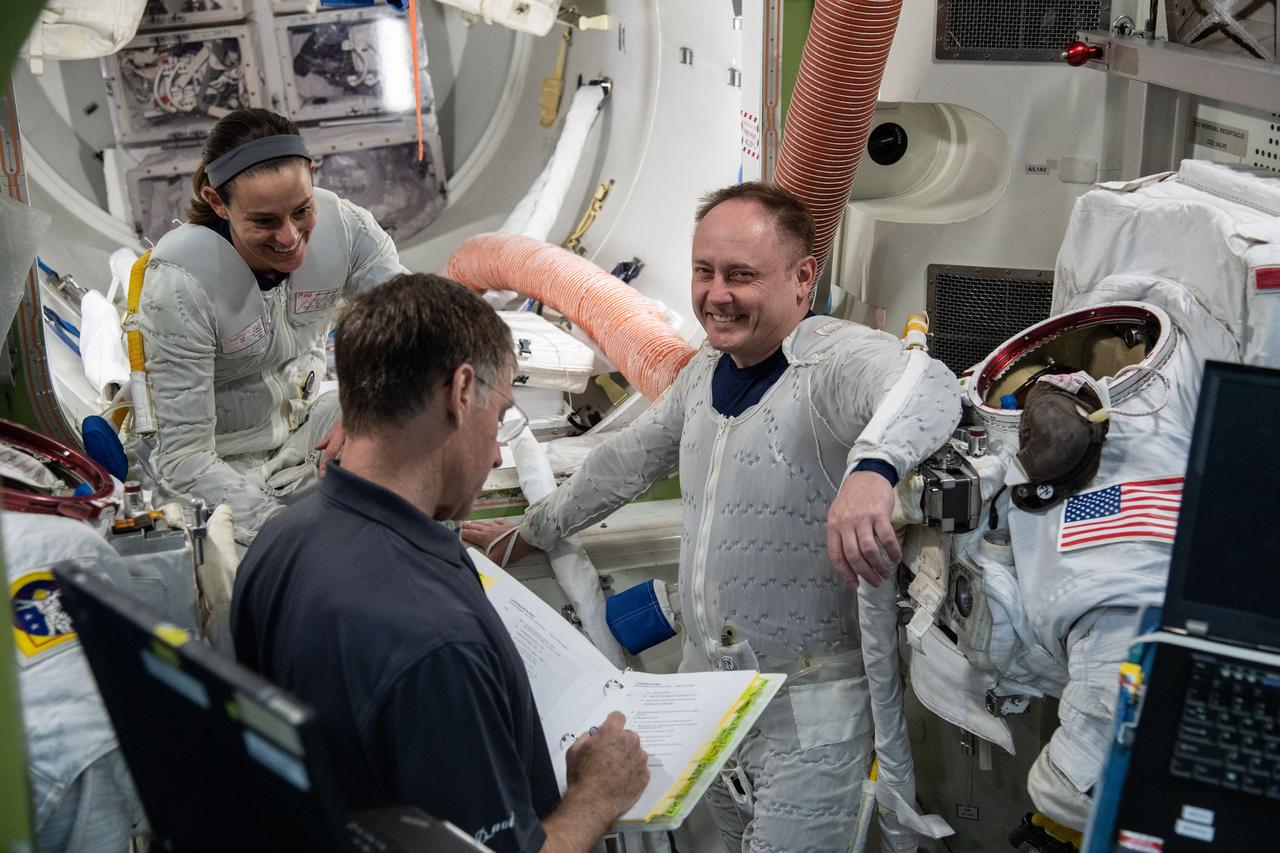
Boeing Crew Flight Test (CFT) with NASA astronauts Mike Fincke and Nicole Mann and Boeing Astronaut Chris Ferguson during ISS EVA Prep & Post 1 training.

Boeing Crew Flight Test (CFT) with NASA astronauts Mike Fincke and Nicole Mann and Boeing Astronaut Chris Ferguson during ISS EVA Prep & Post 1 training.

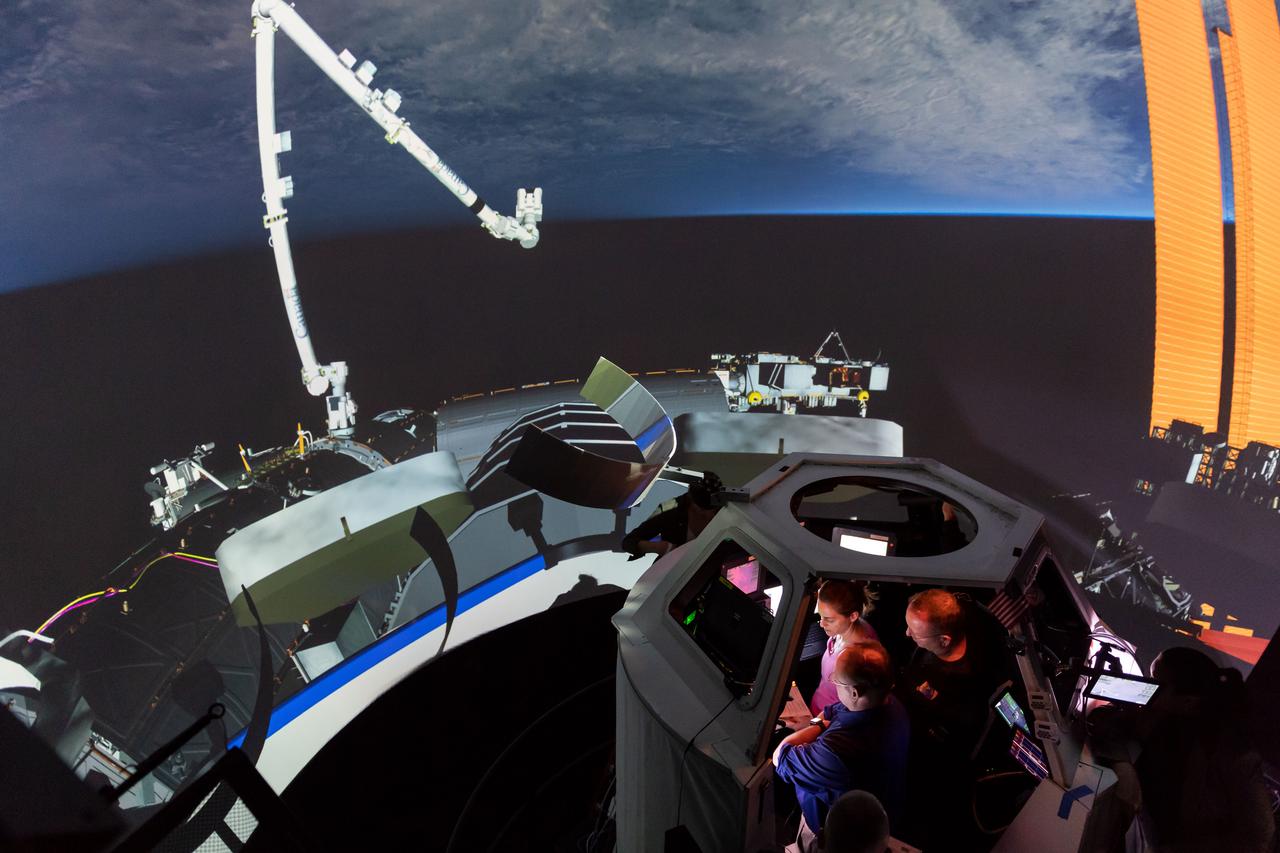
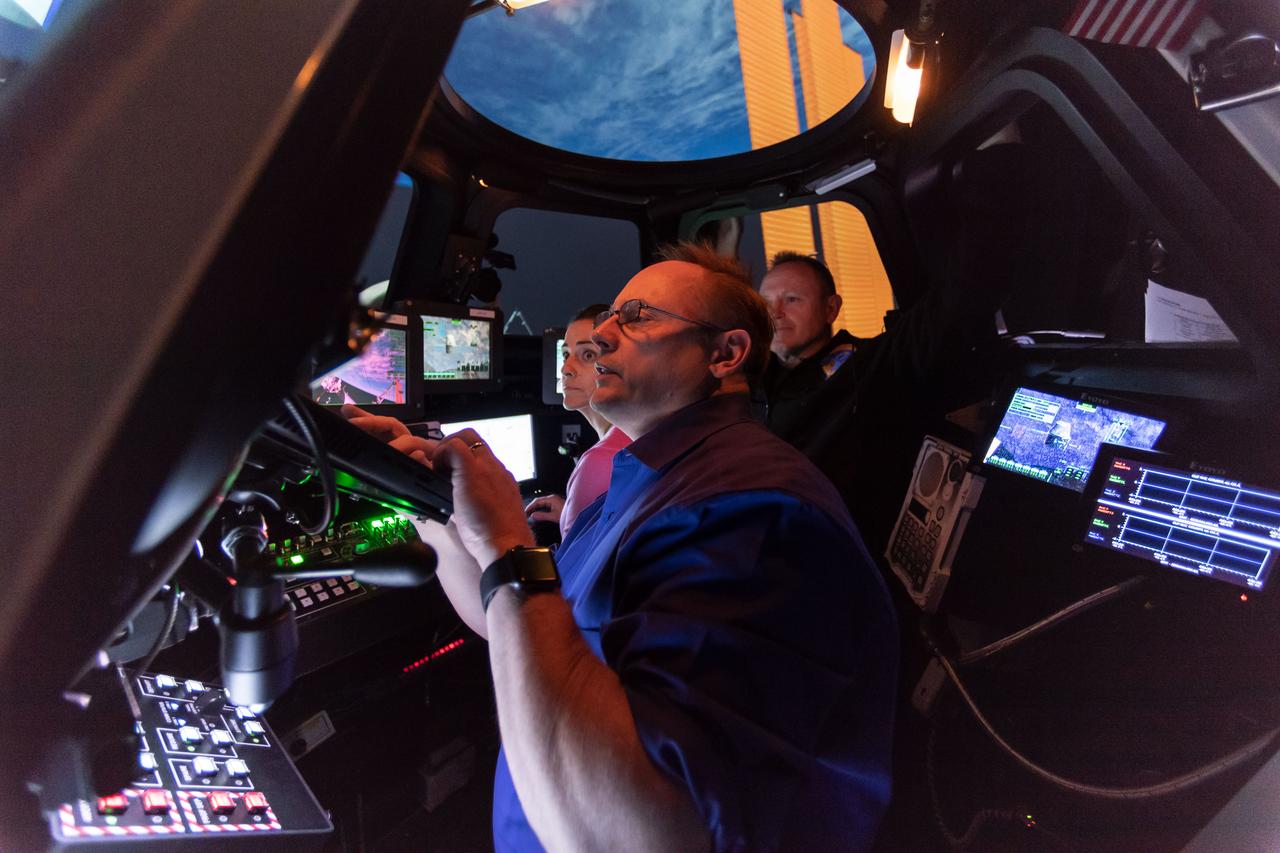
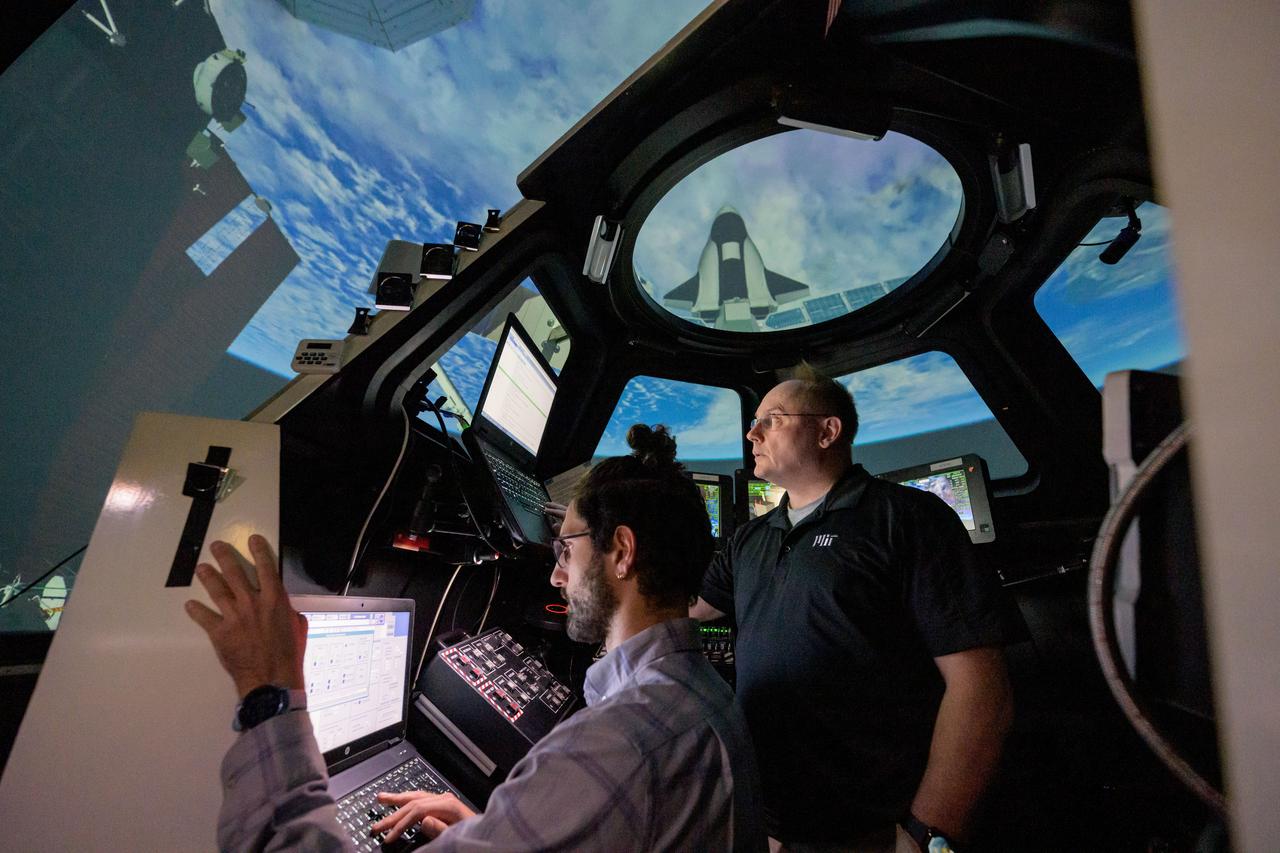
Commercial Crew Program astronauts Mike Fincke, Nicole Mann and Barry "Butch" Wilmore in Free Flyer Track & Capture Sim training in SES Alpha Cupola.

Commercial Crew Program astronauts Mike Fincke, Nicole Mann and Barry "Butch" Wilmore in Free Flyer Track & Capture Sim training in SES Alpha Cupola.

Commercial Crew Program astronauts Mike Fincke, Nicole Mann and Barry "Butch" Wilmore in Free Flyer Track & Capture Sim training in SES Alpha Cupola.

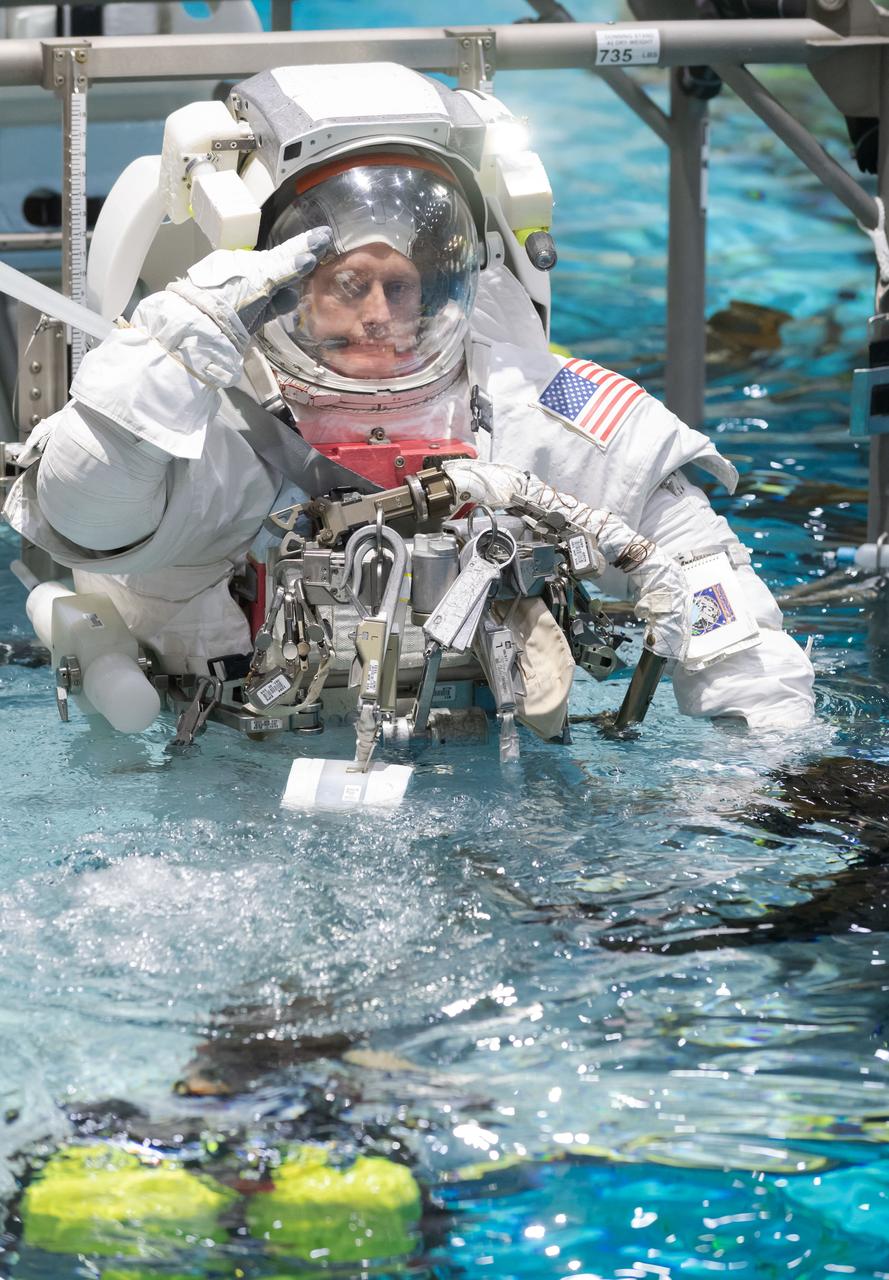
Boeing CFT crew member Mike Fincke with backup Barry "Butch" Wilmore during Boeing CFT/59S BU ISS EVA Maintenance 1 PRF training.

Boeing CFT crew member Mike Fincke with backup Barry "Butch" Wilmore during Boeing CFT/59S BU ISS EVA Maintenance 1 PRF training.

Boeing CFT crew member Mike Fincke with backup Barry "Butch" Wilmore during Boeing CFT/59S BU ISS EVA Maintenance 1 PRF training.

Boeing CFT crew member Mike Fincke with backup Barry "Butch" Wilmore during Boeing CFT/59S BU ISS EVA Maintenance 1 PRF training.

Boeing Crew Flight Test (CFT) with NASA astronauts Mike Fincke and Nicole Mann and Boeing Astronaut Chris Ferguson during ISS EVA Prep & Post 1 training.

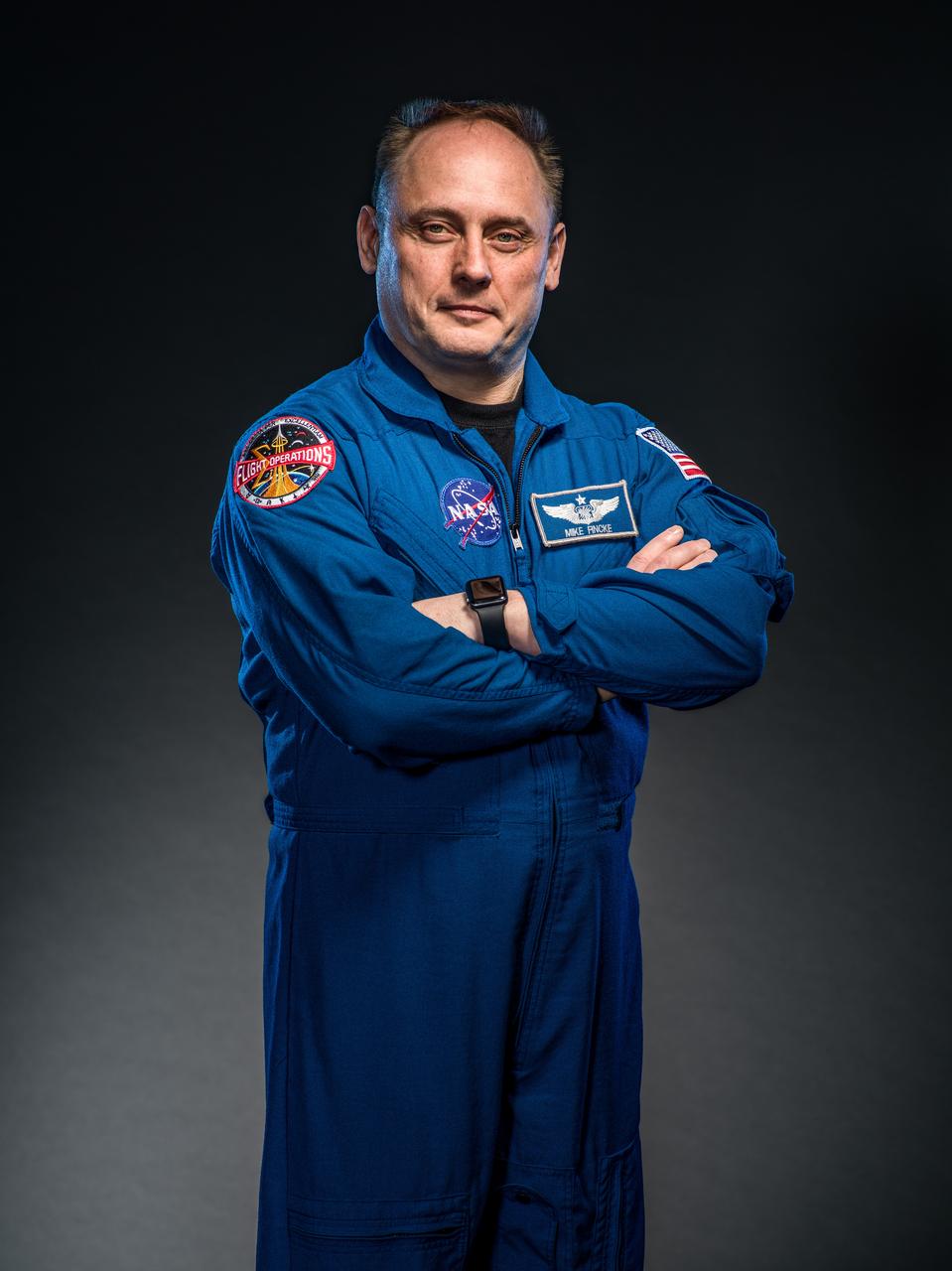
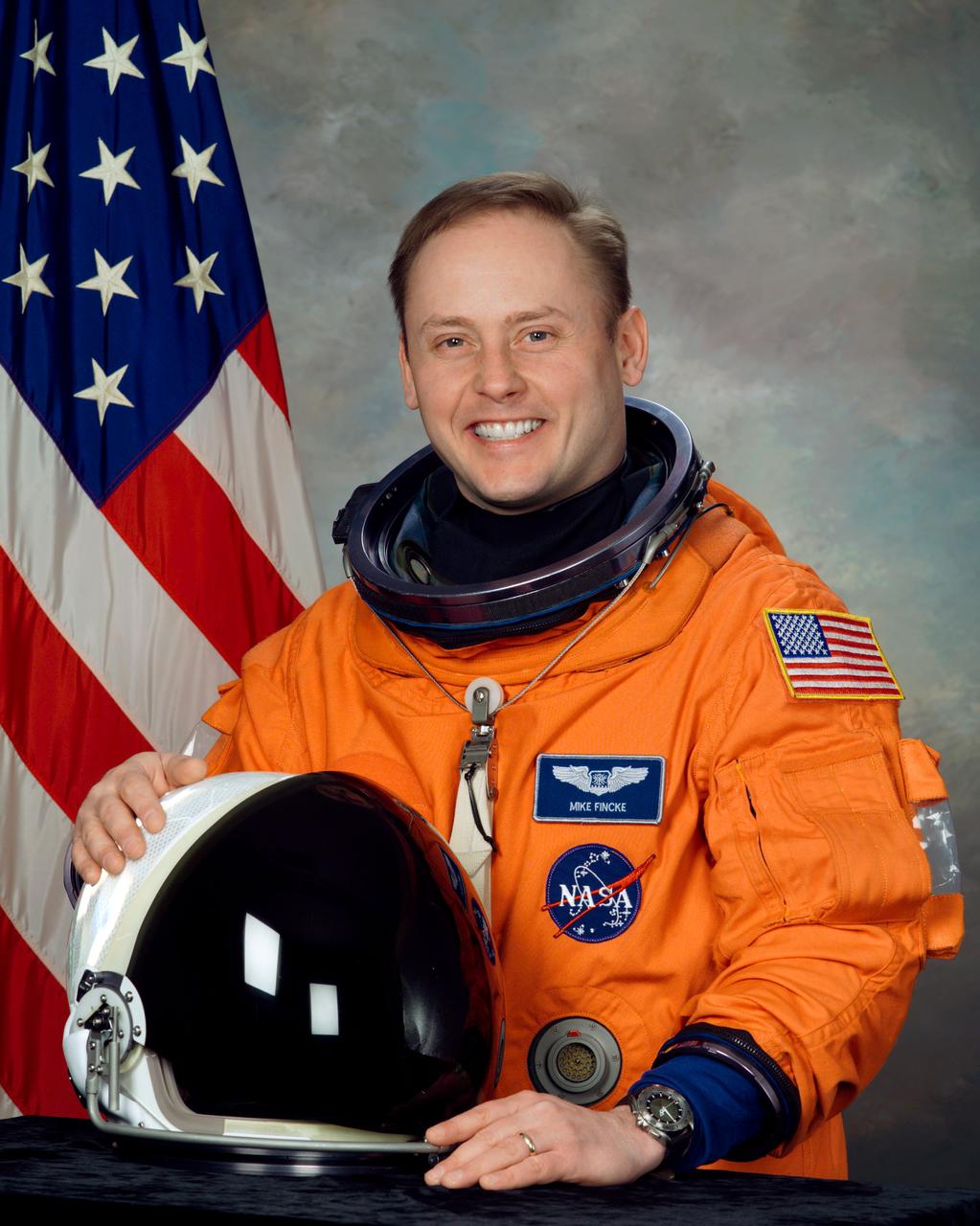
jsc2019e001293_alt (Feb. 13, 2019) --- NASA Astronaut E. Michael “Mike” Fincke has been assigned to the first flight of Boeing’s CST-100 Starliner. Fincke takes the place of astronaut Eric Boe, originally assigned to the mission in August 2018.

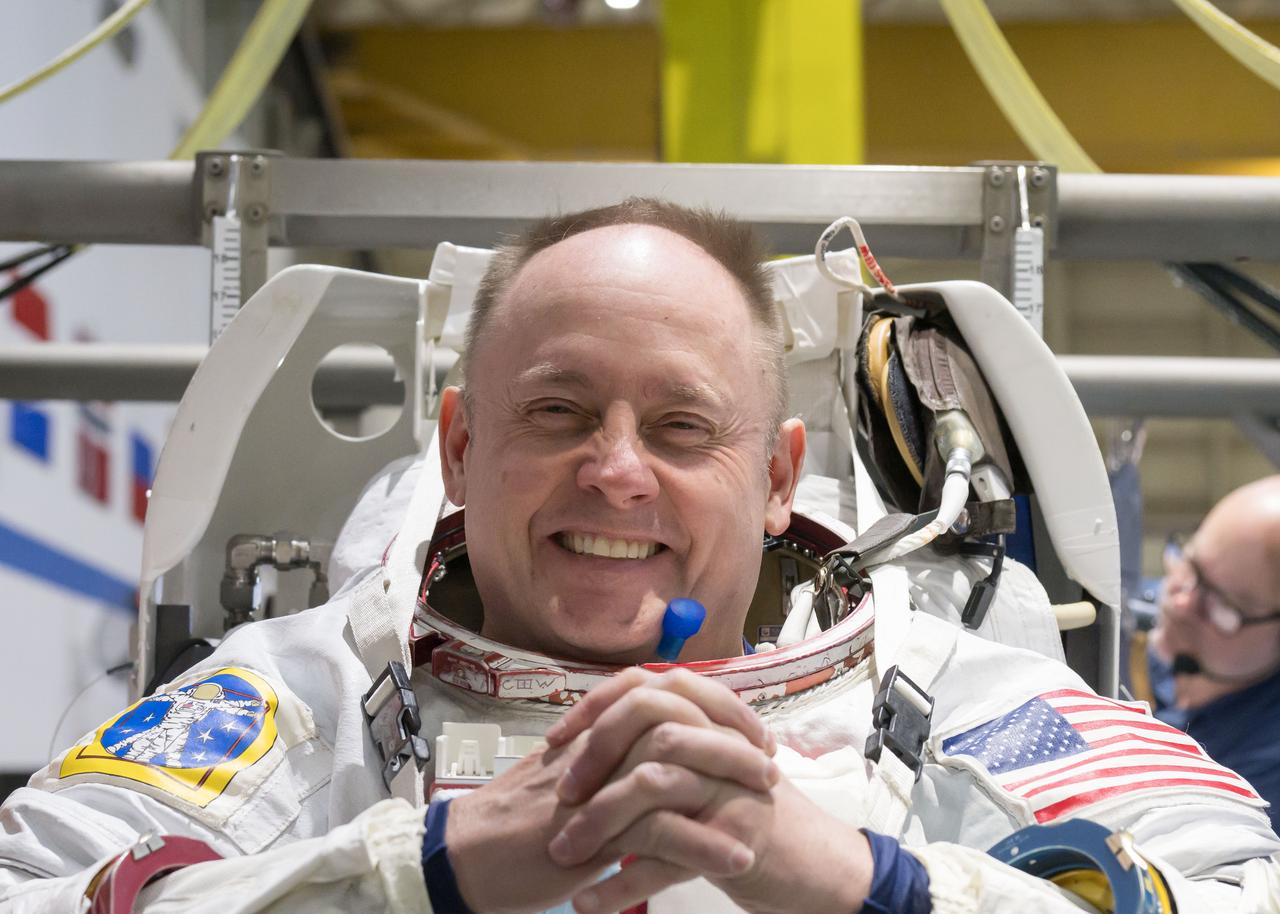
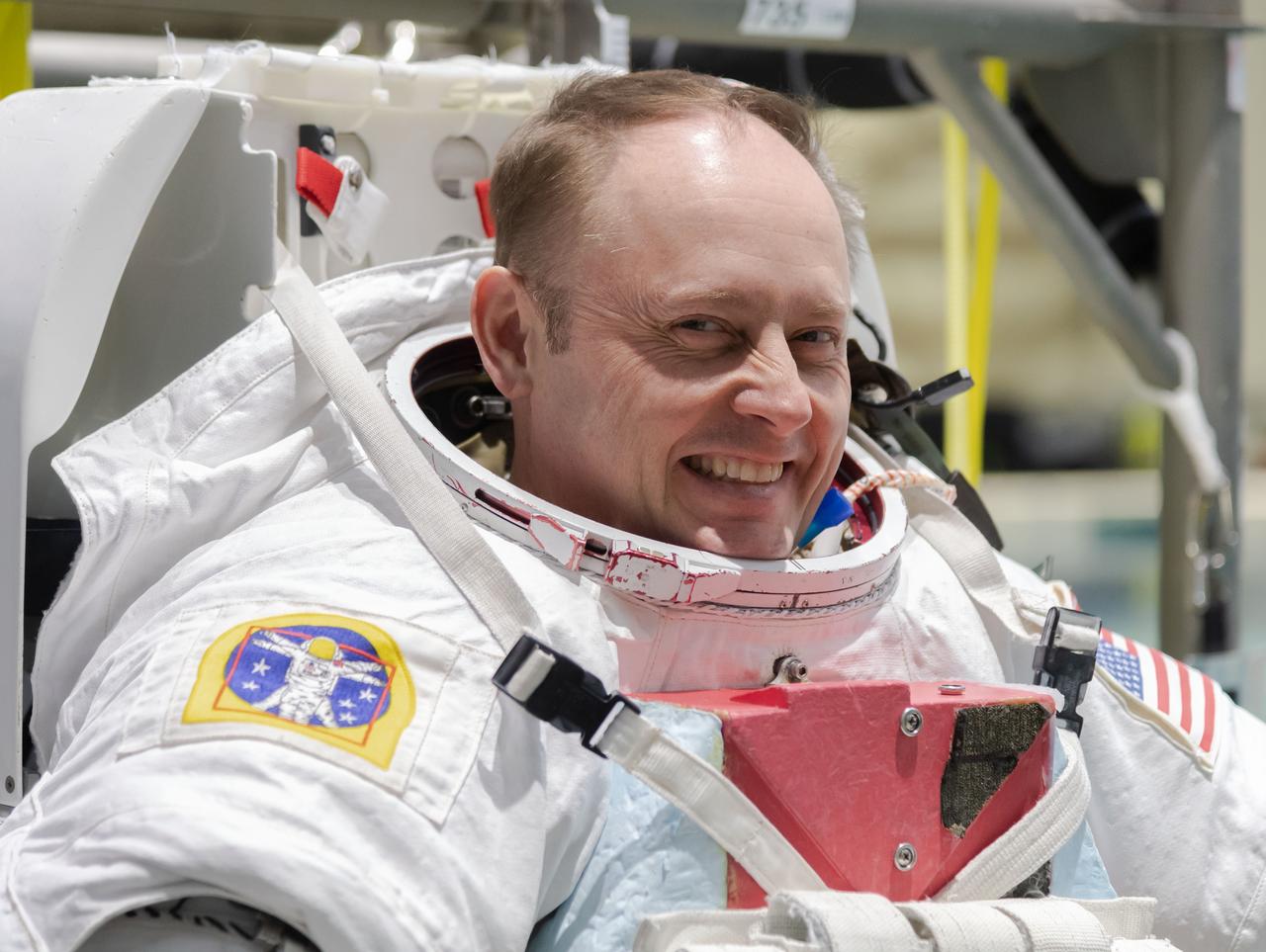
jsc2023e080760 (Dec. 15, 2023) --- NASA astronaut Mike Fincke conducts training for a spacewalk at the Neutral Buoyancy Laboratory at NASA's Johnson Space Center in Houston, Texas. Credit: NASA/Bill Stafford

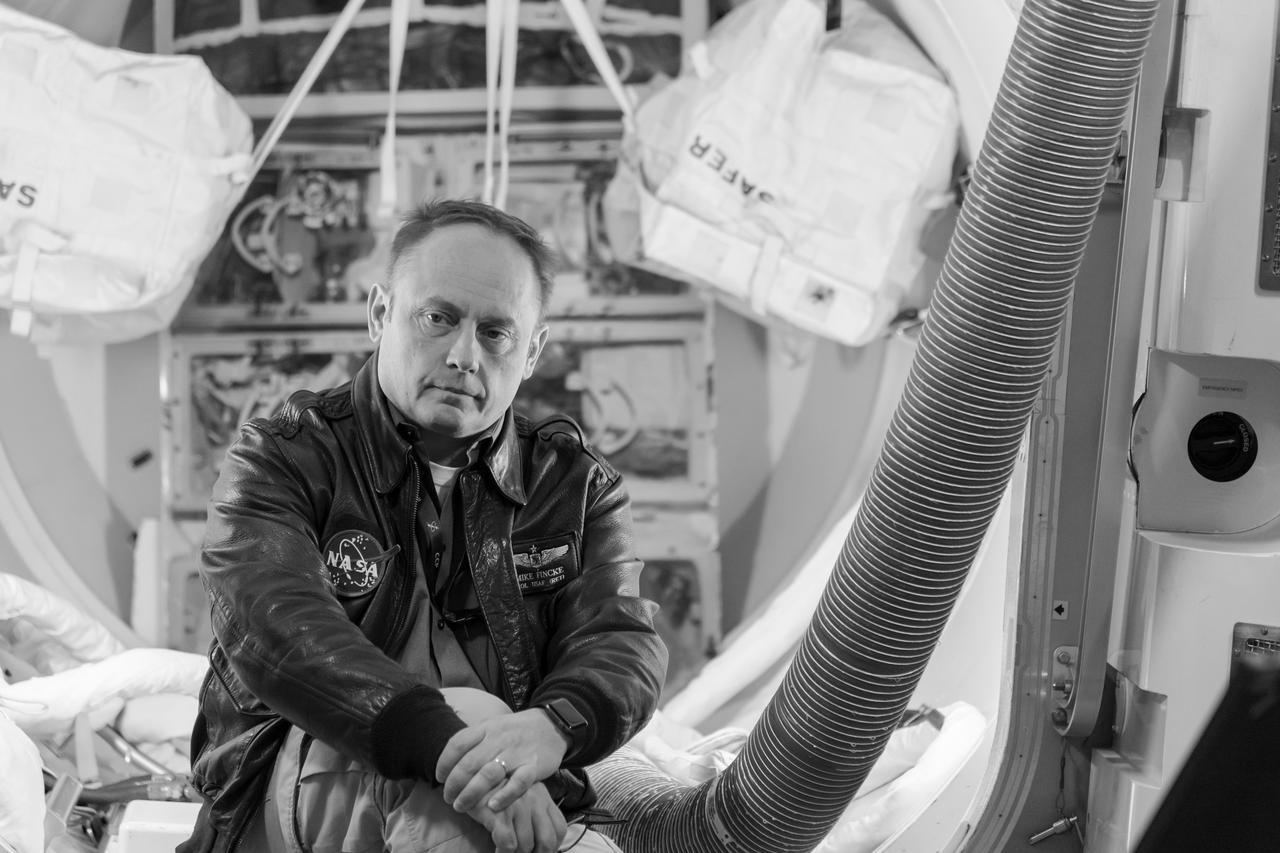
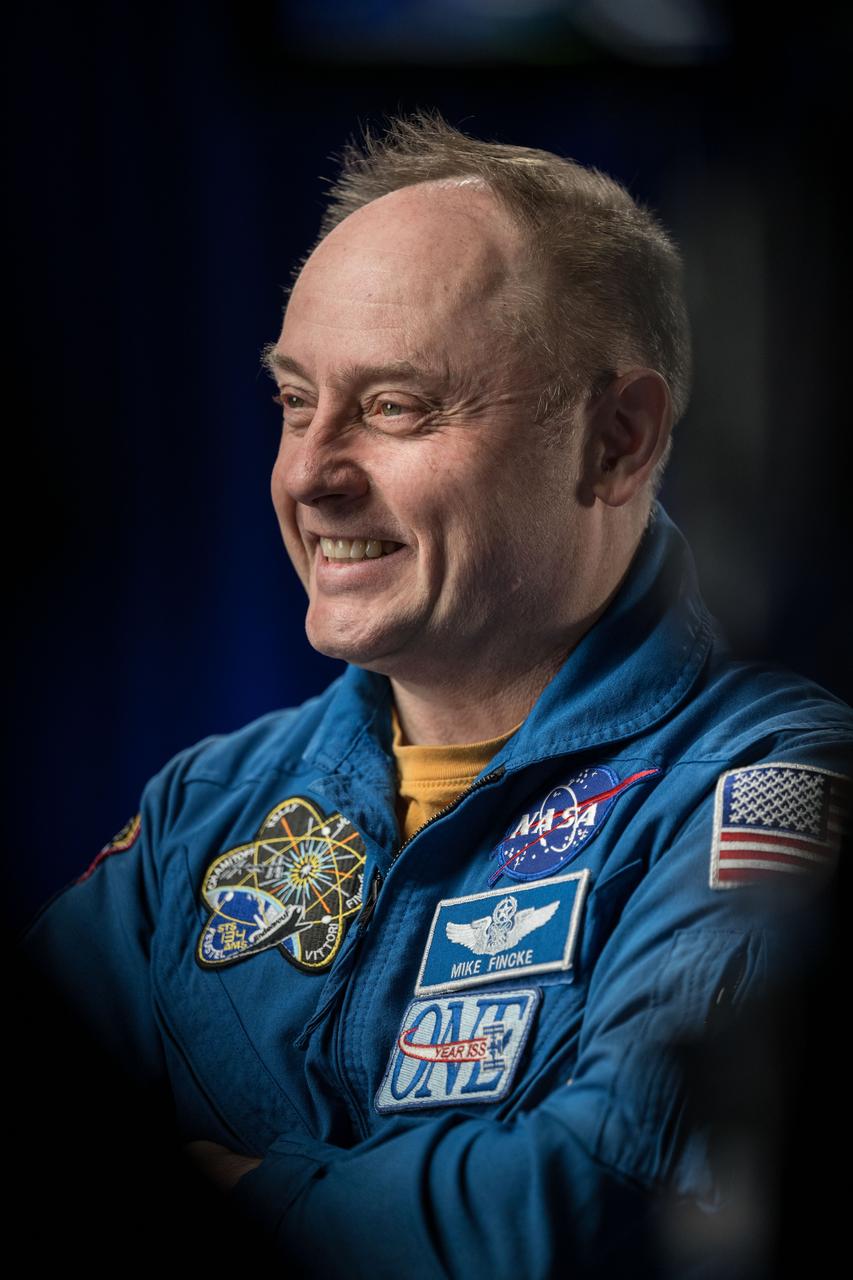
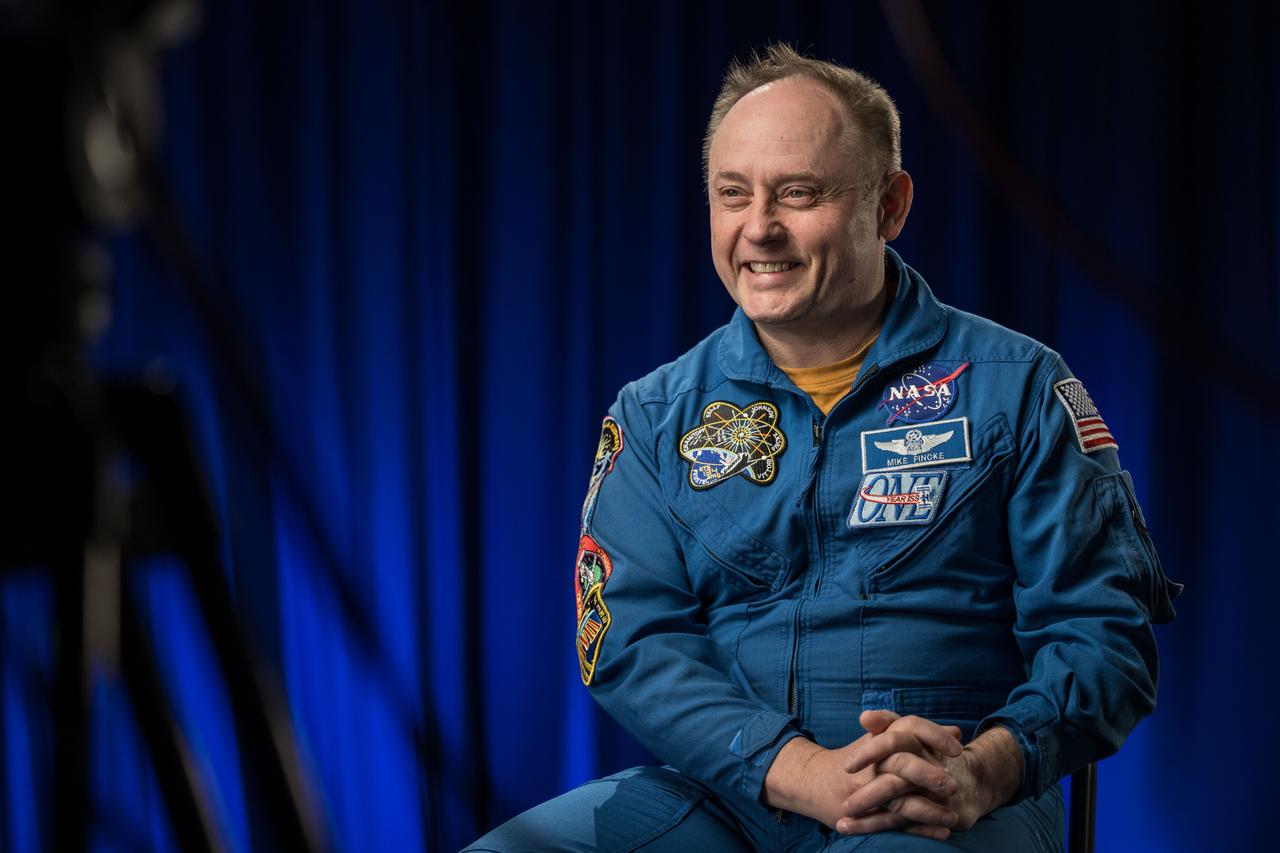
jsc2025e005132 (Jan. 29, 2025) --- NASA astronaut Mike Fincke is photographed during an interview at NASA’s Johnson Space Center in Houston, Texas. Credit: NASA/Josh Valcarcel

jsc2025e005133 (Jan. 29, 2025) --- NASA astronaut Mike Fincke is photographed during an interview at NASA’s Johnson Space Center in Houston, Texas. Credit: NASA/Josh Valcarcel

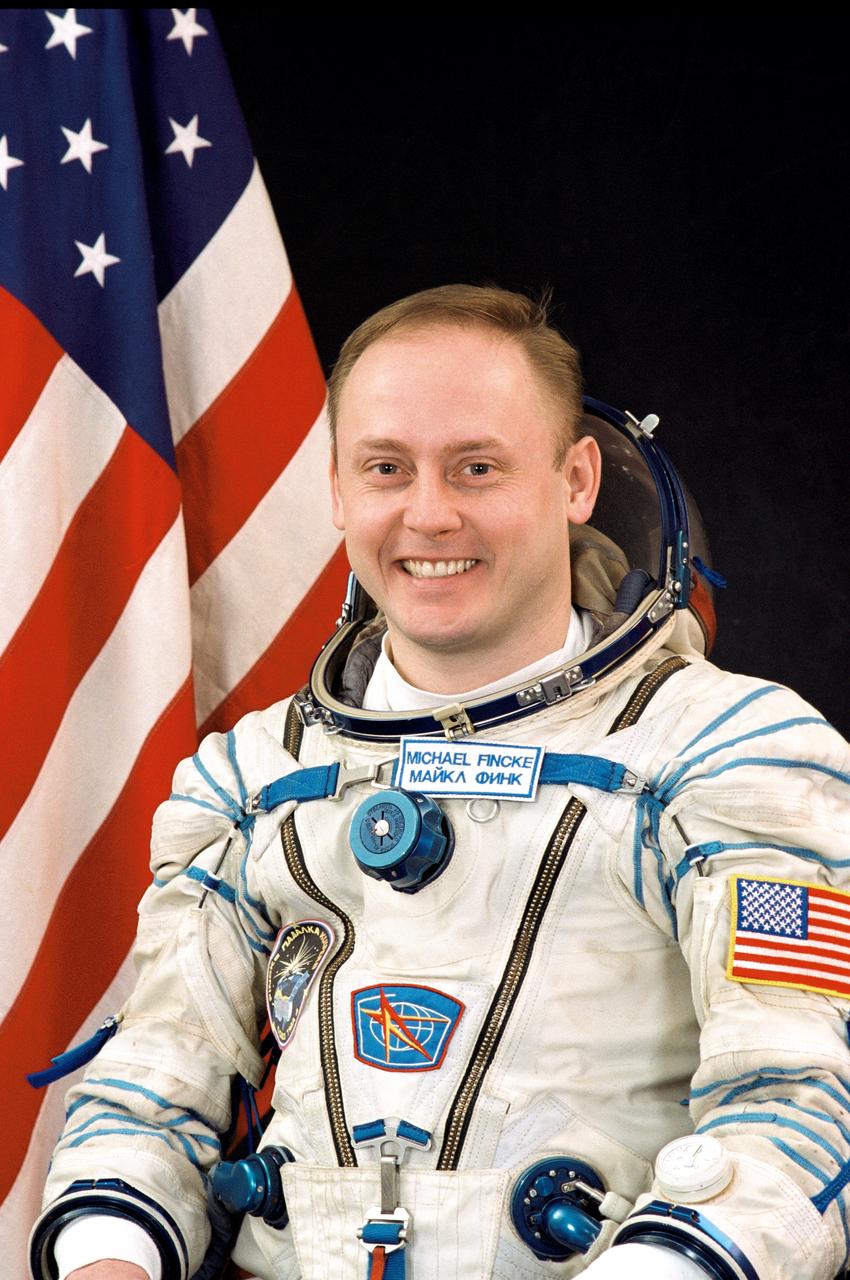
JSC2004-E-13882 (March 2004) --- Astronaut Edward M. (Mike) Fincke

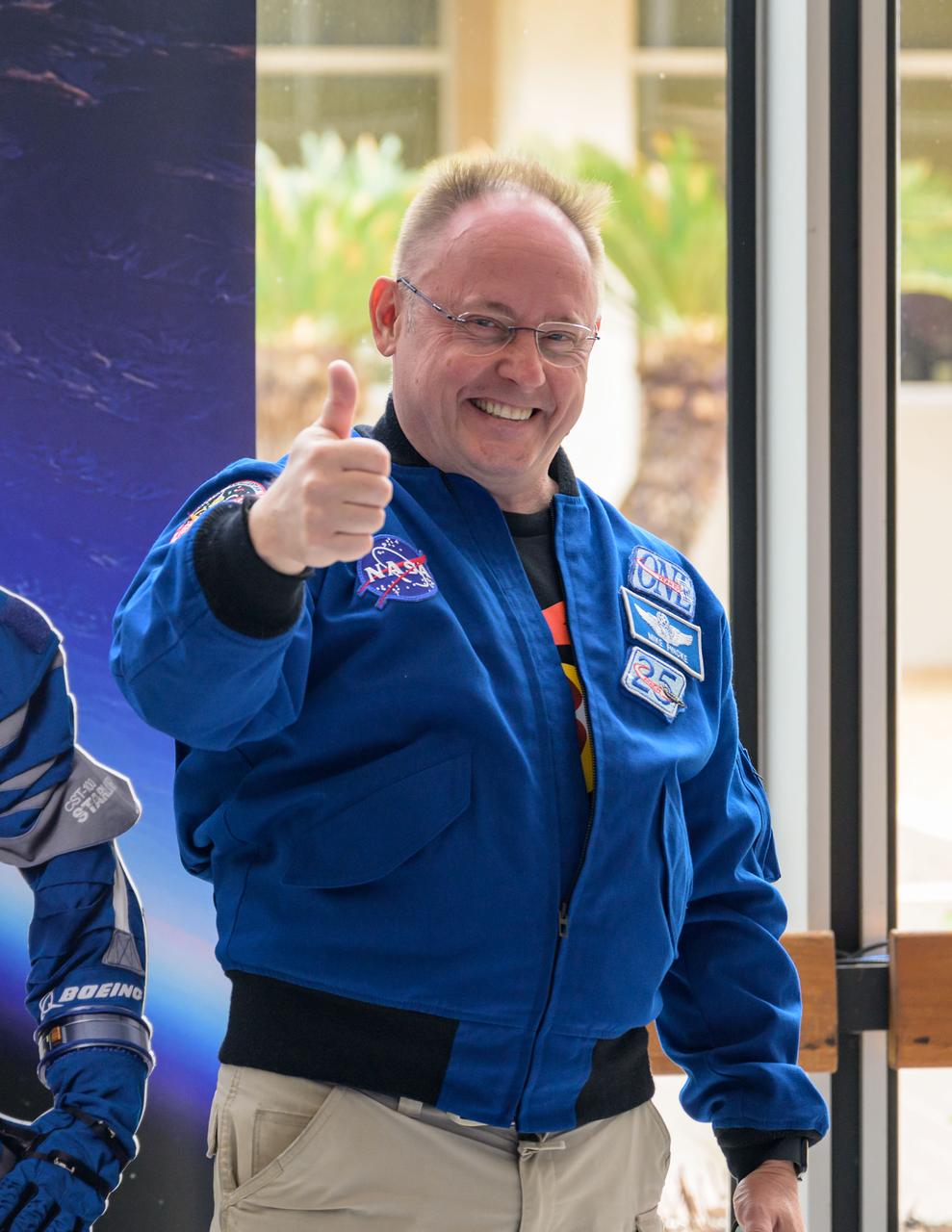
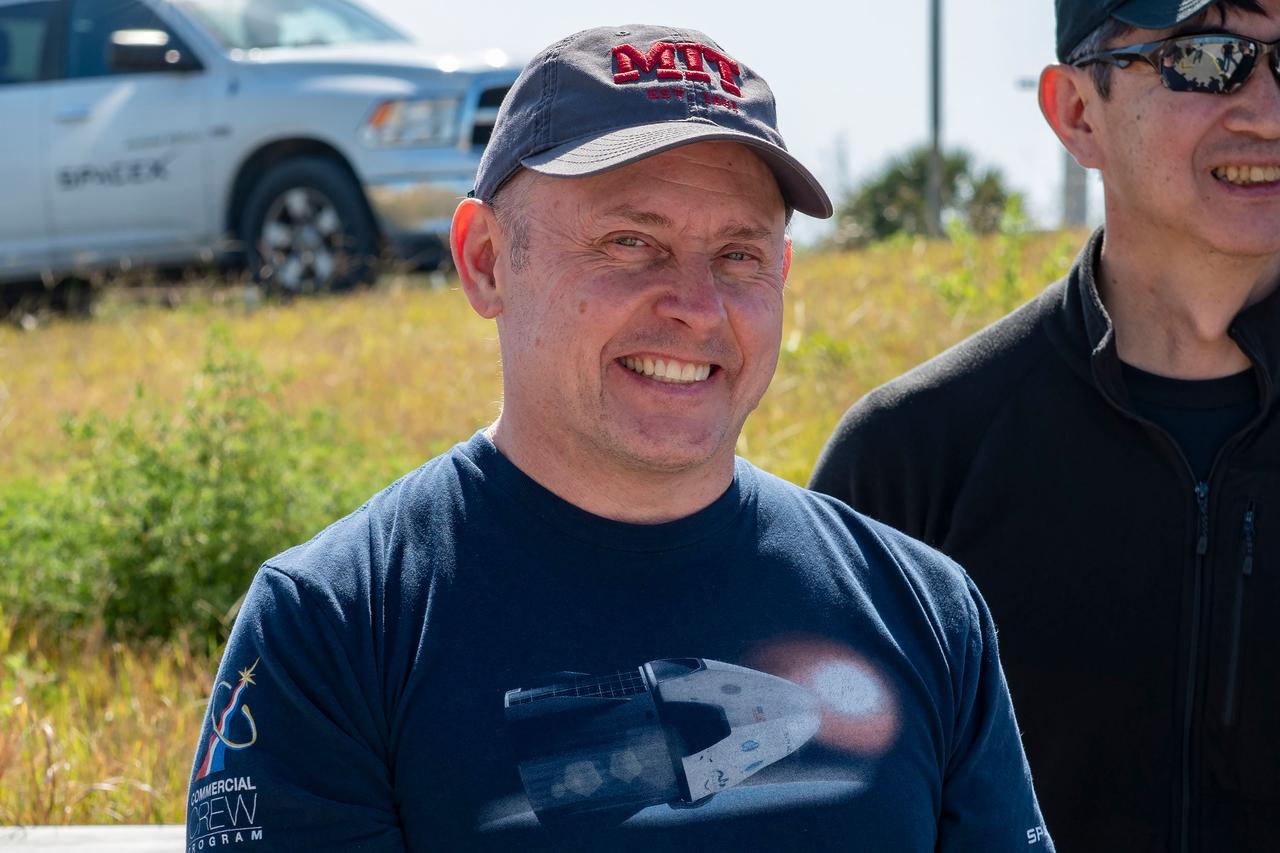
jsc2024e024851 (April 8, 2024) --- NASA astronaut Mike Fincke poses for a photo at a solar eclipse viewing event at NASA’s Johnson Space Center in Houston, Texas. Credit: NASA/Josh Valcarcel

JSC2004-E-07440 (16 Feb. 2004) --- Astronaut Edward Michael (Mike) Fincke, commander

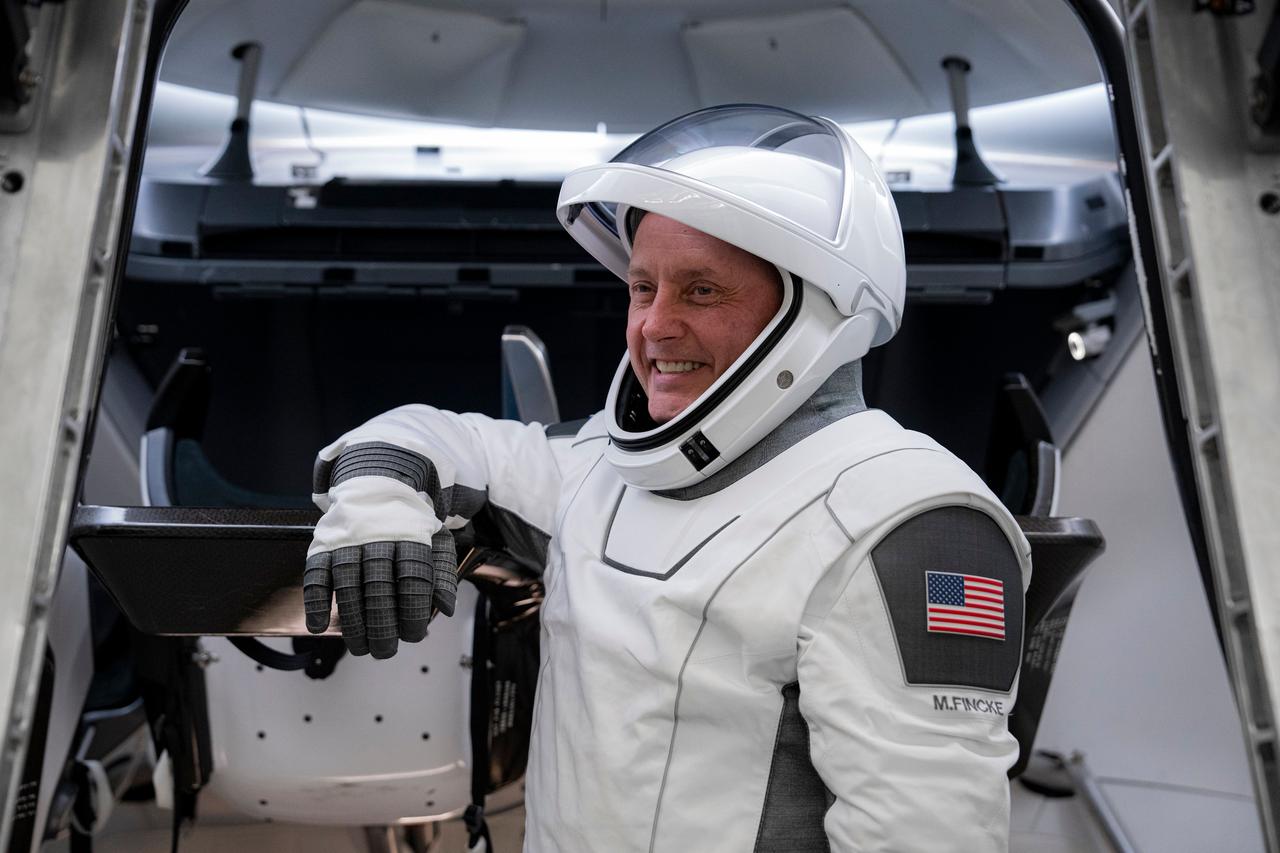
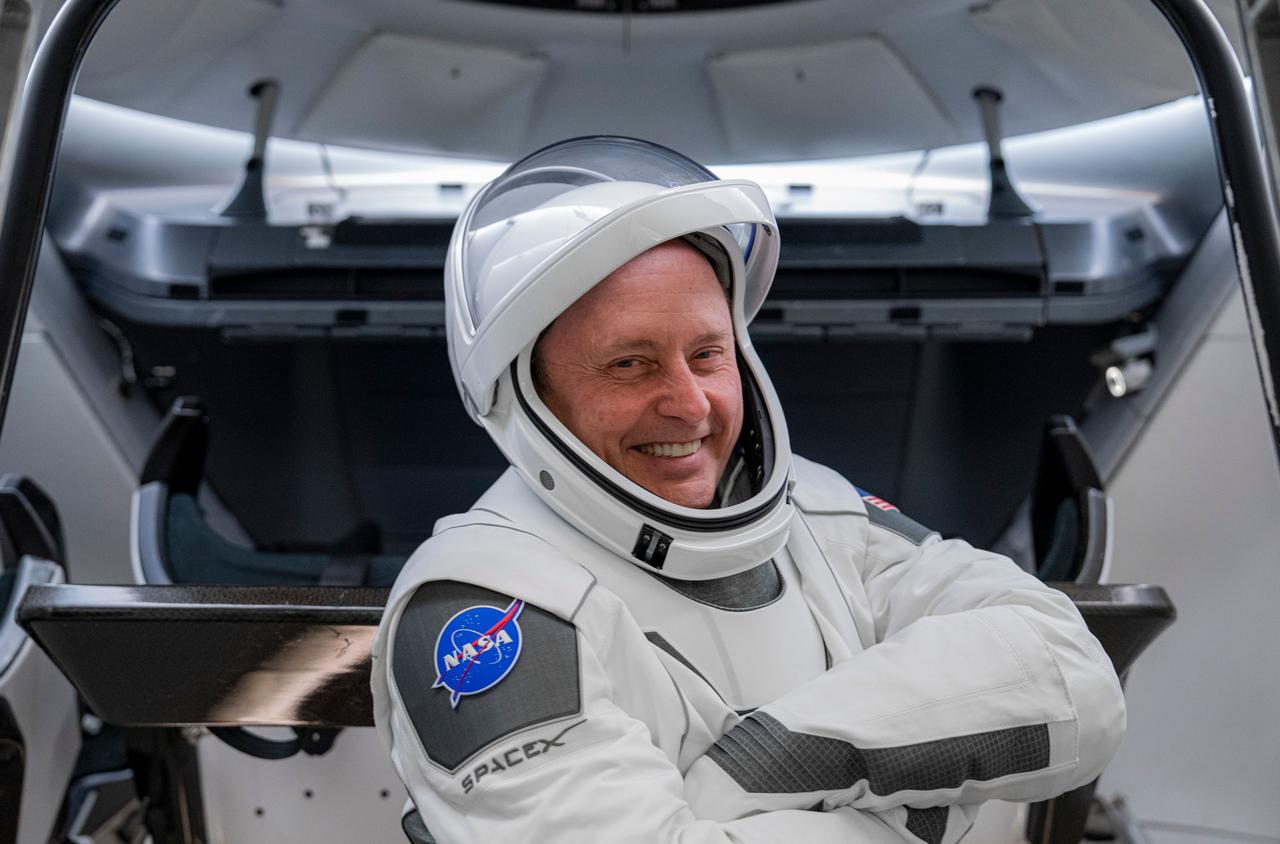
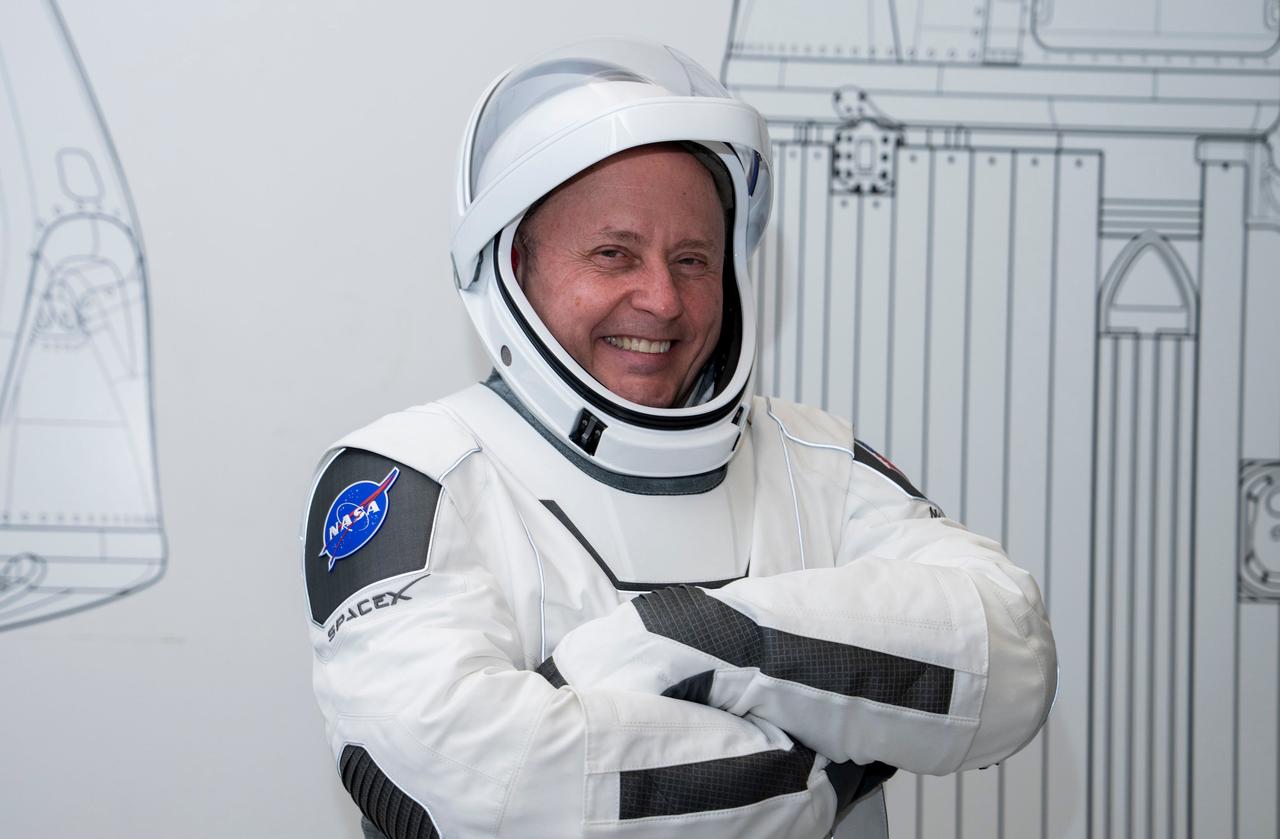
jsc2025e064542 (May 19, 2025) --- NASA’s SpaceX Crew-11 pilot and NASA astronaut Mike Fincke poses for a photo during a training session at SpaceX facilities in Hawthorne, California. Credit: SpaceX

jsc2025e064543 (May 19, 2025) --- NASA’s SpaceX Crew-11 pilot and NASA astronaut Mike Fincke poses for a photo during a training session at SpaceX facilities in Hawthorne, California. Credit: SpaceX

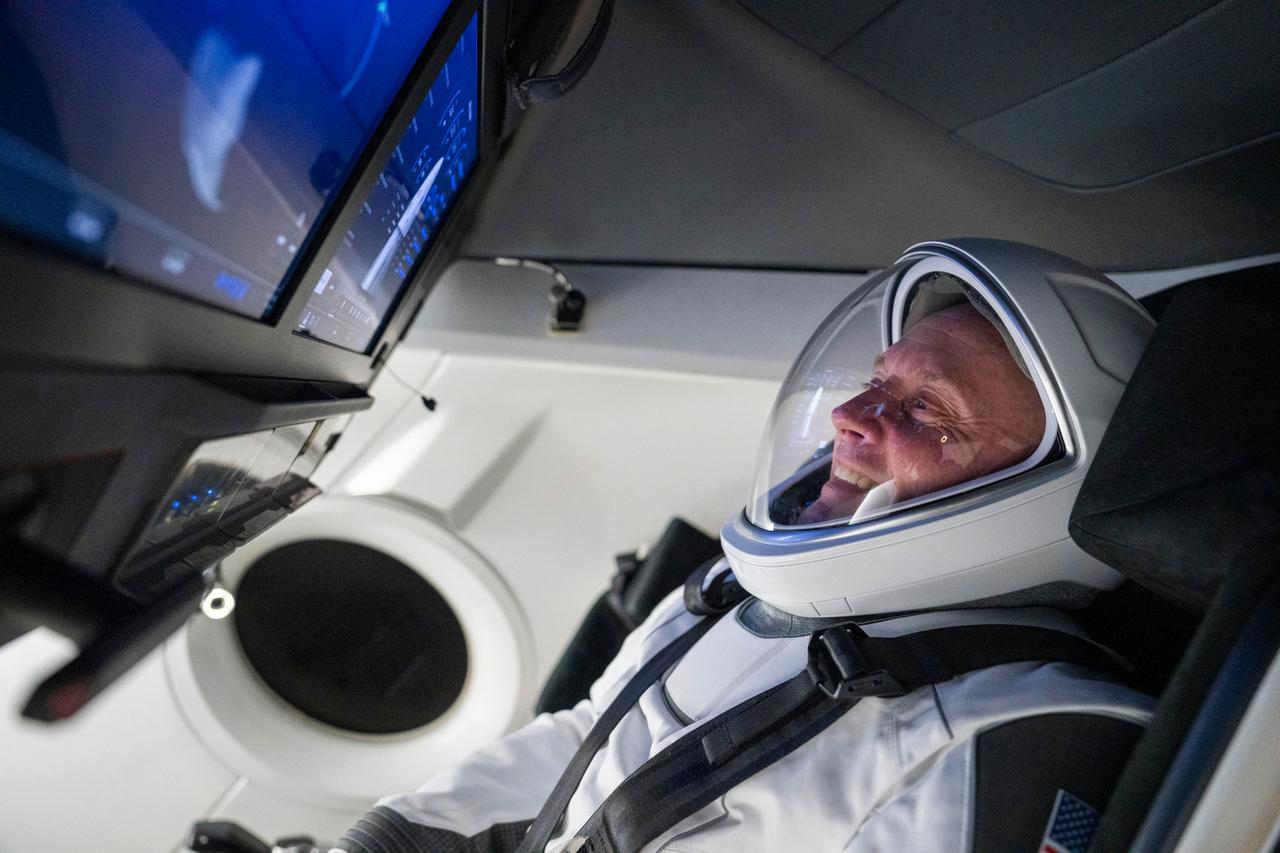
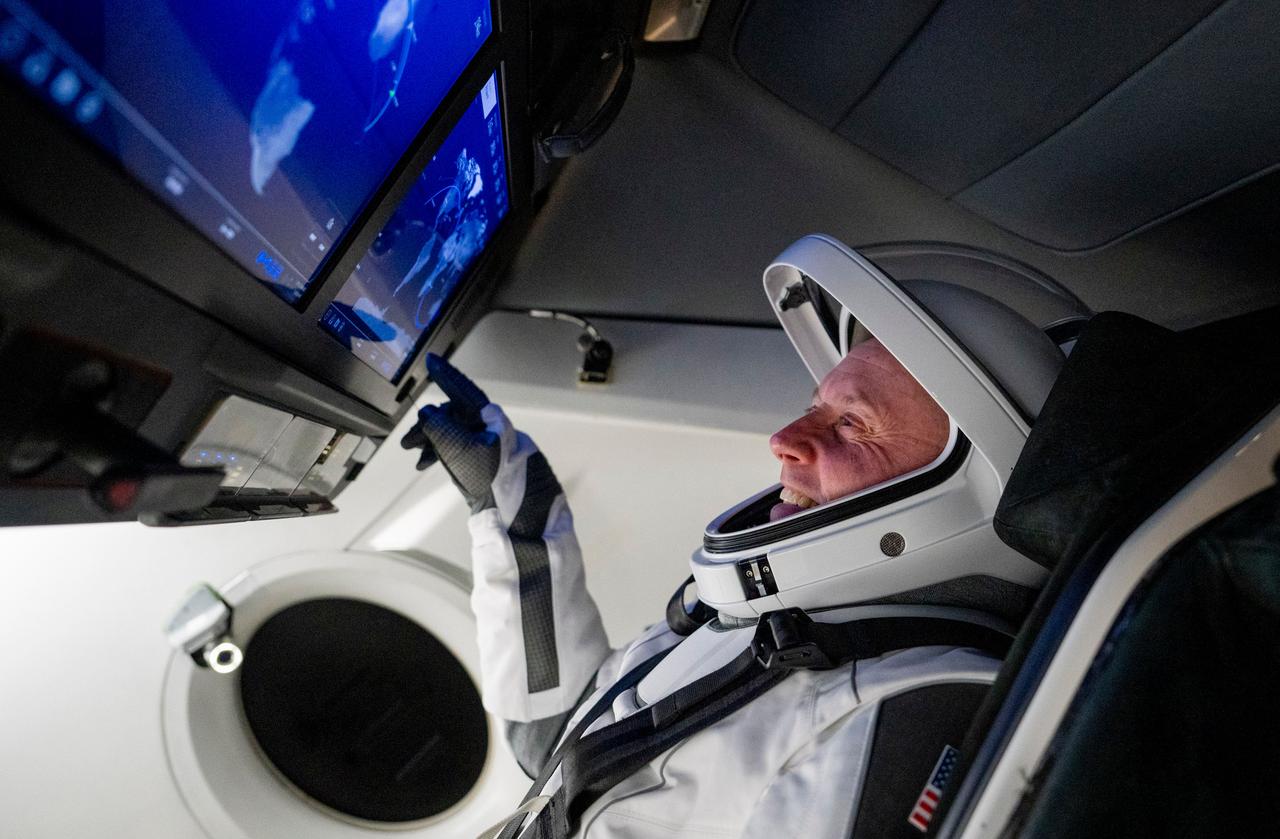
jsc2025e064539 (May 19, 2025) --- NASA’s SpaceX Crew-11 pilot and NASA astronaut Mike Fincke is pictured training inside a mockup of a Dragon cockpit at SpaceX facilities in Hawthorne, California. Credit: SpaceX

jsc2025e064540 (May 19, 2025) --- NASA’s SpaceX Crew-11 pilot and NASA astronaut Mike Fincke is pictured training inside a mockup of a Dragon cockpit at SpaceX facilities in Hawthorne, California. Credit: SpaceX

jsc2025e064541 (May 19, 2025) --- NASA’s SpaceX Crew-11 pilot and NASA astronaut Mike Fincke poses for a photo during a training session at SpaceX facilities in Hawthorne, California. Credit: SpaceX

jsc2025e041084 (April 9, 2025) --- NASA astronaut Mike Fincke, pilot of NASA's SpaceX Crew-11 mission to the International Space Station, trains inside a Dragon training crew spacecraft at SpaceX in Hawthorne, California.

jsc2025e034089 (Dec. 5, 2024) --- NASA astronaut Mike Fincke, pilot of NASA’s SpaceX Crew-11 mission, trains for his mission at a SpaceX facility in Hawthorne, California, ahead of his flight to the International Space Station.

jsc2025e012001_alt (Feb. 24, 2025) --- NASA astronaut and pilot for NASA’s SpaceX Crew-11 mission Mike Fincke poses for a portrait at NASA's Johnson Space Center in Houston, Texas. Credit: NASA/Robert Markowitz

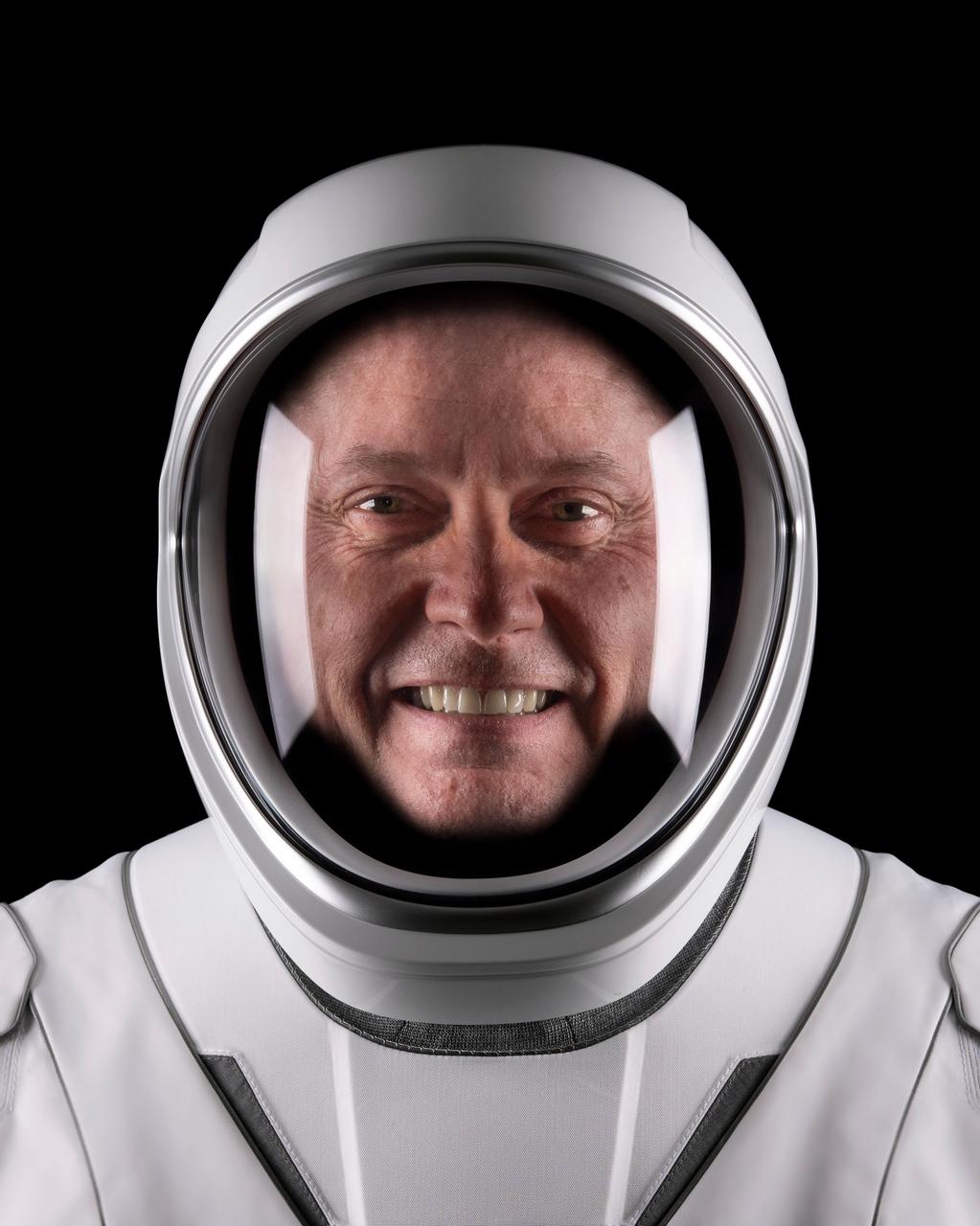
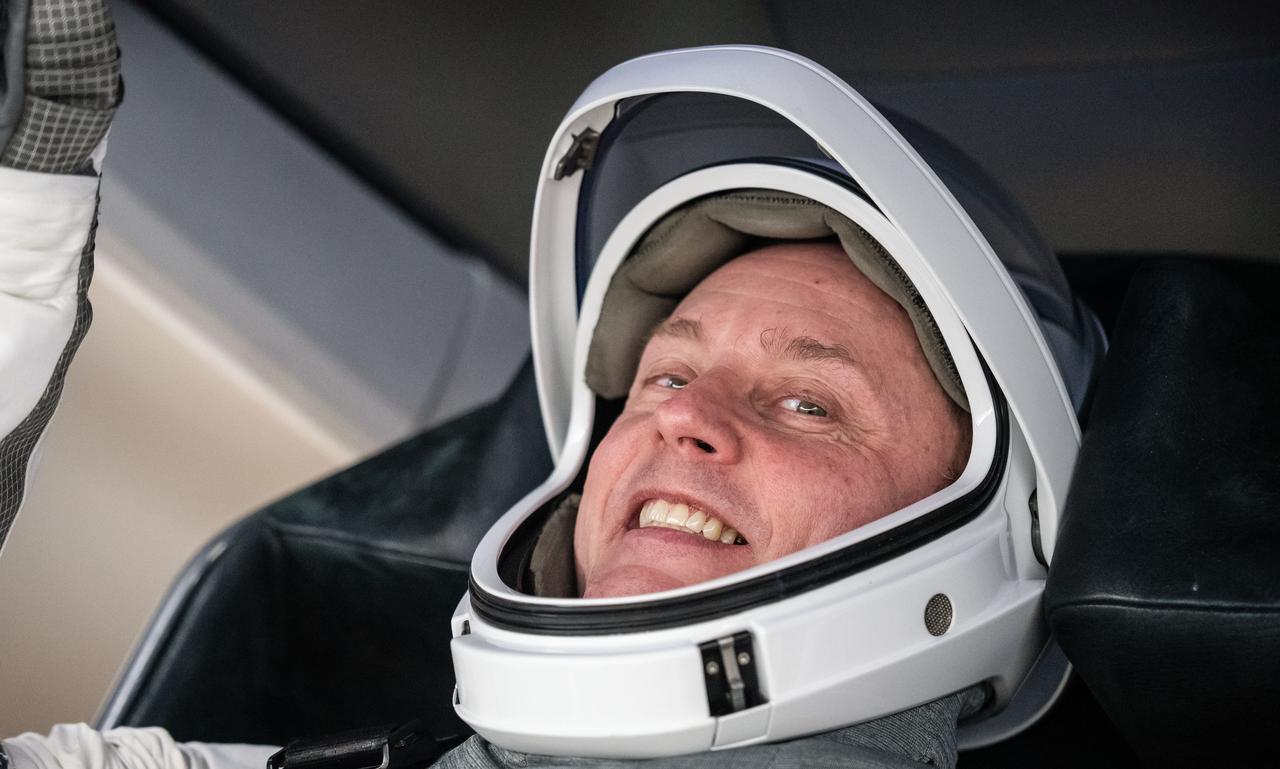
jsc2025e060301 (May 19, 2025) --- NASA astronaut Mike Fincke, pilot of NASA’s SpaceX Crew-11 mission to the International Space Station, poses for a portrait in his pressure suit at SpaceX headquarters in Hawthorne, California. Credit: SpaceX

jsc2025e041104 (April 11, 2025) --- NASA astronaut Mike Fincke, pilot of NASA's SpaceX Crew-11 mission to the International Space Station, participates in a training session at Launch Complex 39A at NASA’s Kennedy Space Center in Florida.

jsc2025e034090 (Dec. 5, 2024) --- NASA astronaut Mike Fincke, pilot of NASA’s SpaceX Crew-11 mission, trains for his mission at a SpaceX facility in Hawthorne, California, ahead of his flight to the International Space Station.

jsc2025e003643 (Jan. 28, 2025) --- NASA astronaut Mike Fincke (right) works with his trainers in a simulator to brush up on berthing Sierra Space’s Dream Chaser and other space station robotics skills at NASA’s Johnson Space Center in Houston, Texas.

jsc2025e034084 (Dec. 4, 2024) --- NASA astronaut Mike Fincke, pilot of NASA’s SpaceX Crew-11 mission, trains inside a SpaceX Dragon mockup at a SpaceX facility in Hawthorne, California, ahead of his flight to the International Space Station.

jsc2025e003631 (Jan. 28, 2025) --- NASA astronaut Mike Fincke (center) works with his trainers in a simulator to brush up on berthing Sierra Space’s Dream Chaser and other space station robotics skills at NASA’s Johnson Space Center in Houston, Texas. Credit: NASA/Robert Markowitz

jsc2025e041107 (April 11, 2025) --- NASA astronauts Mike Fincke (left) and Zena Cardman (right), the pilot and commander of NASA’s SpaceX Crew-11 mission to the International Space Station, are pictured during a training session at Launch Complex 39A at NASA’s Kennedy Space Center in Florida.

jsc2025e034272 (March 28, 2025) --- NASA astronaut and pilot for NASA’s SpaceX Crew-11 mission Mike Fincke is photographed during an interview in a studio at NASA’s Johnson Space Center in Houston, Texas, before his upcoming mission to the International Space Station. Credit: NASA/Helen Arase Vargas

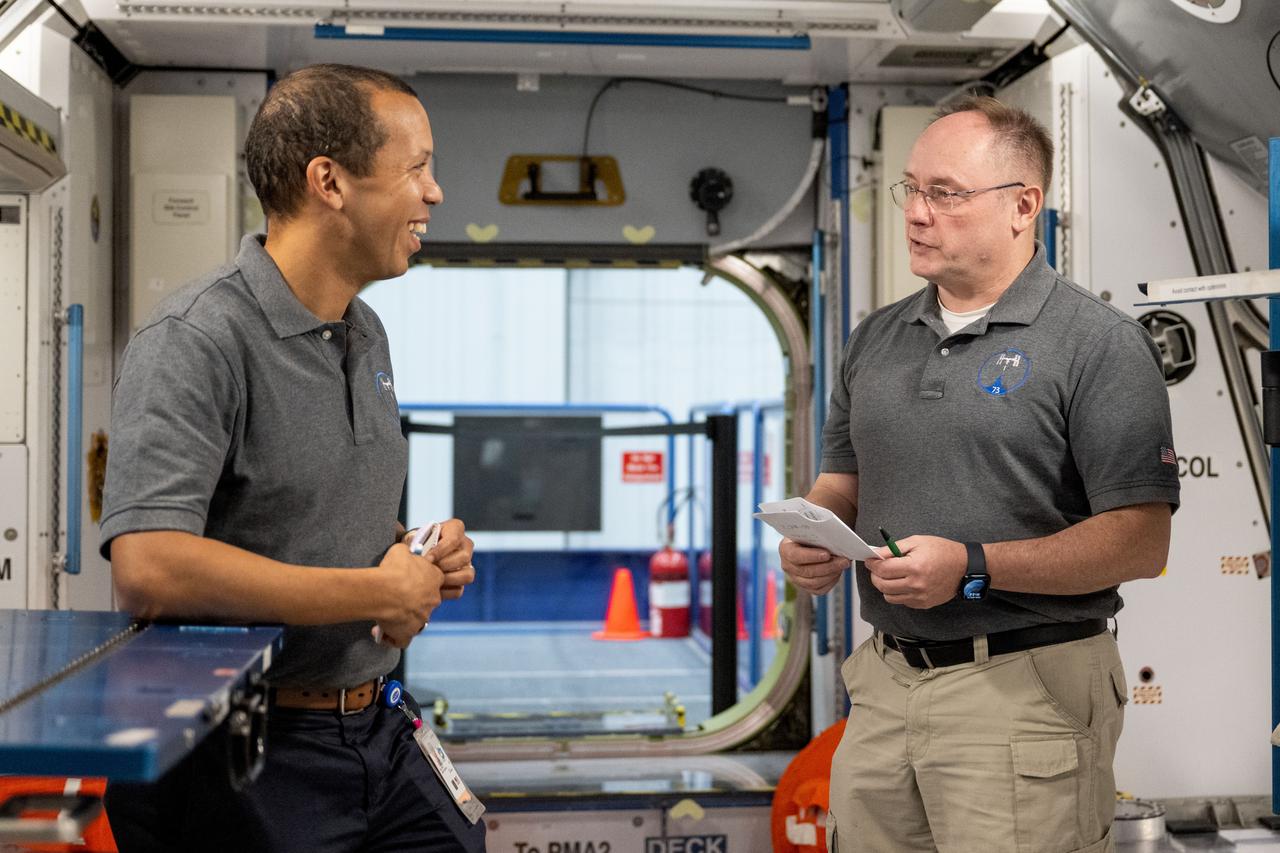
jsc2024e074755 (Nov. 13, 2025) --- NASA astronauts Chris Williams (left) and Mike Fincke (right) participate in a training session at the Space Vehicle Mockup Facility at NASA’s Johnson Space Center in Houston, Texas, to prepare for the unlikely event of an emergency during their International Space Station mission.

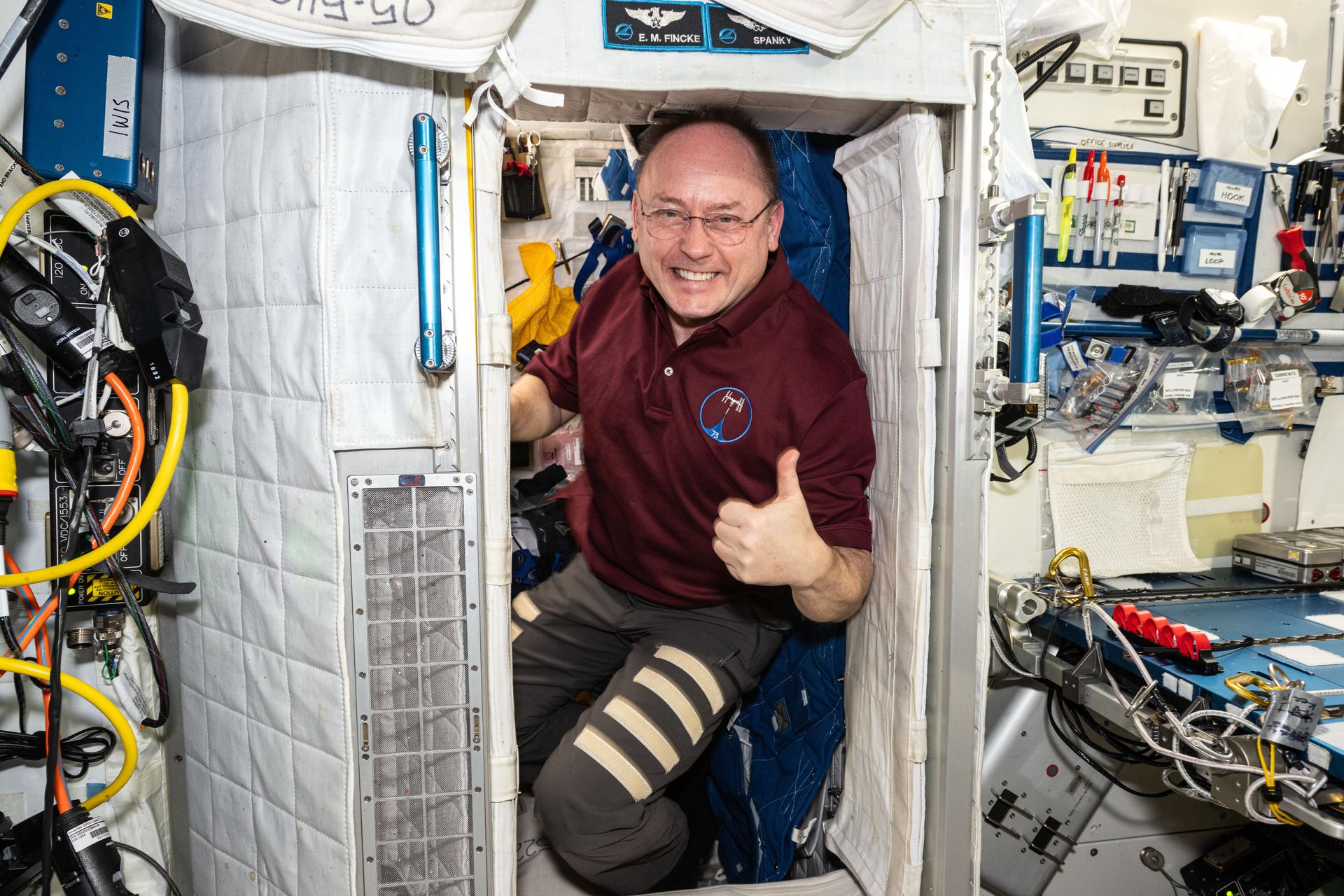
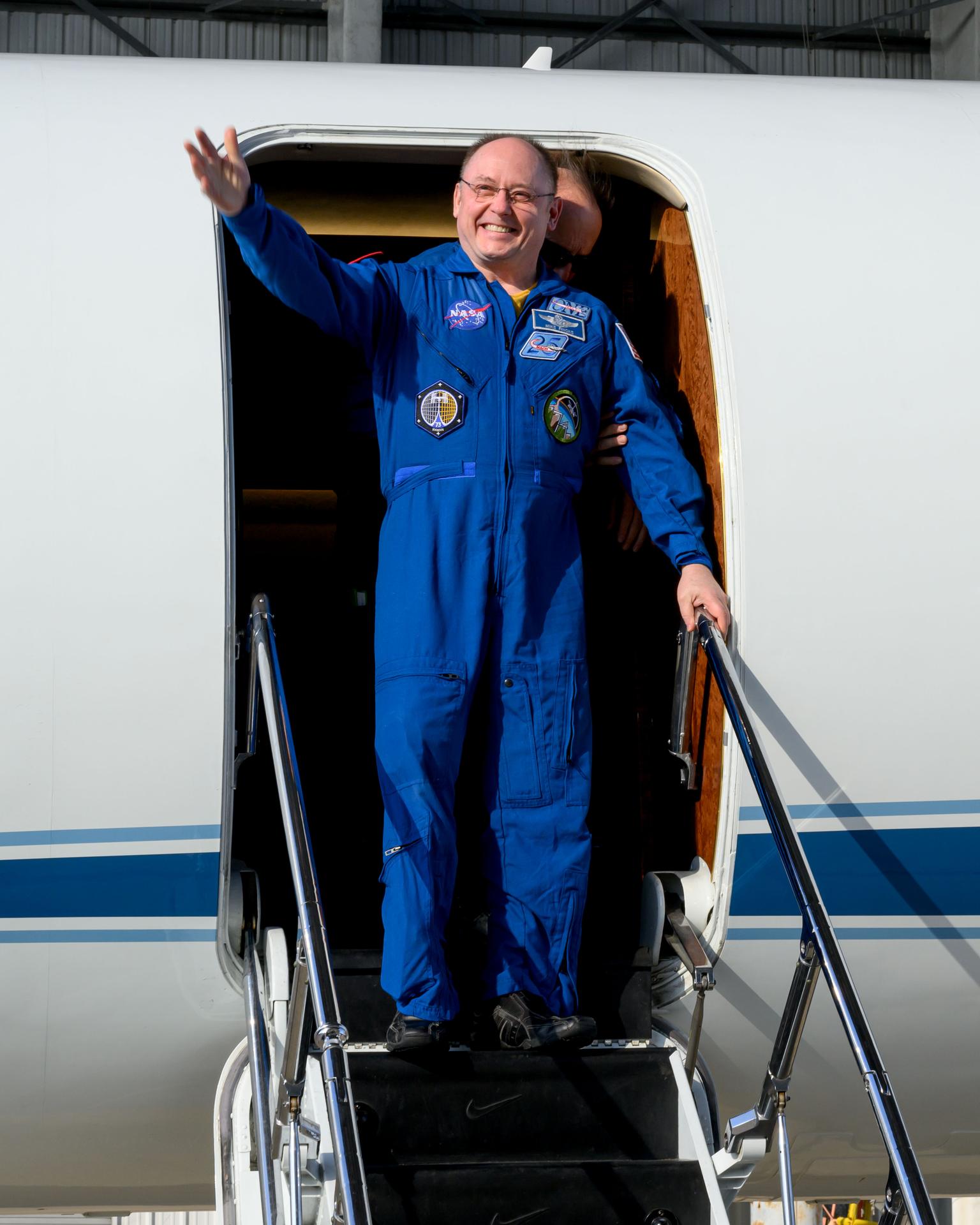
iss073e0982921 (Oct. 28, 2025) --- NASA astronaut and Expedition 73 Flight Engineer Mike Fincke poses for a portrait inside his crew quarters aboard the International Space Station's Harmony module.

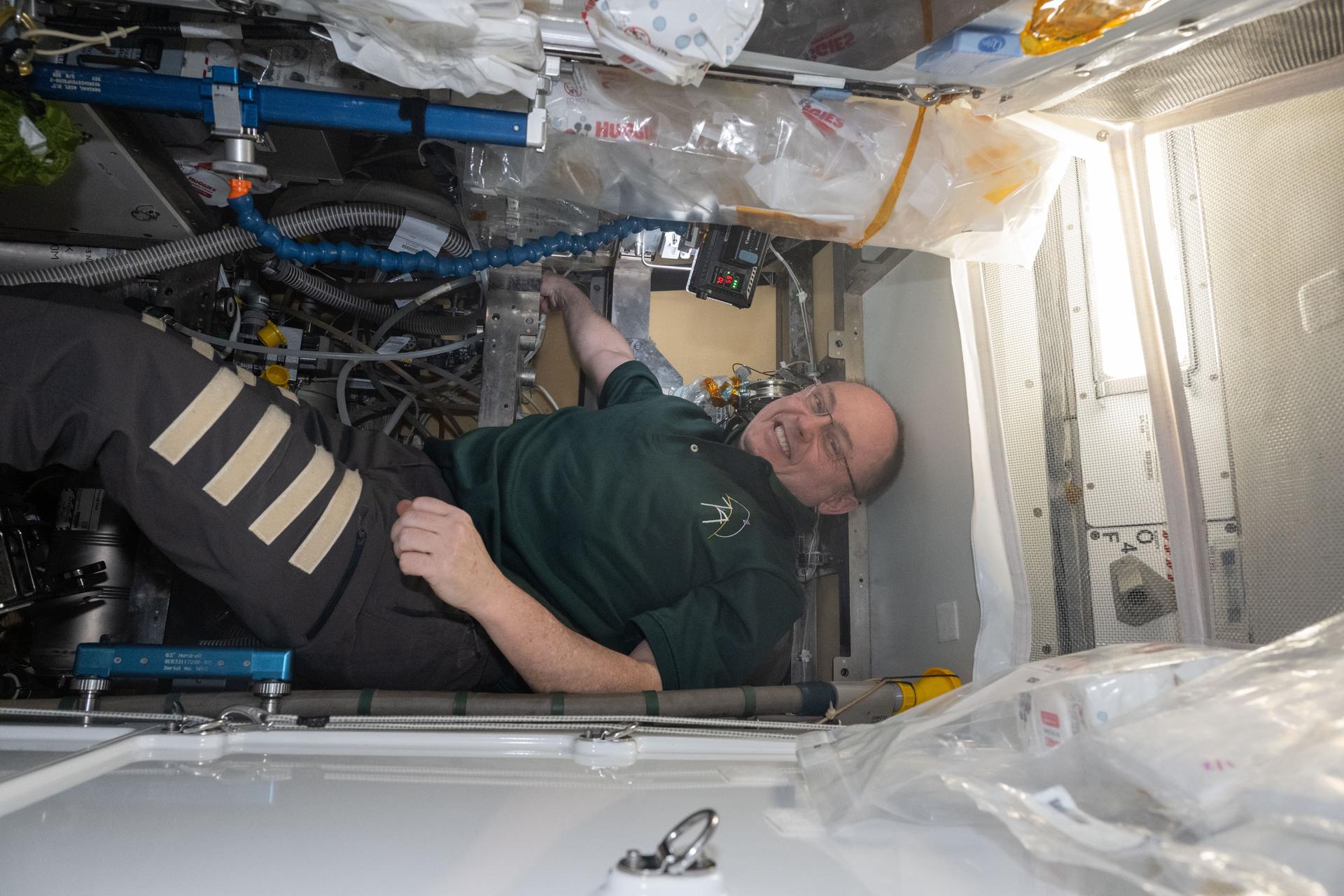
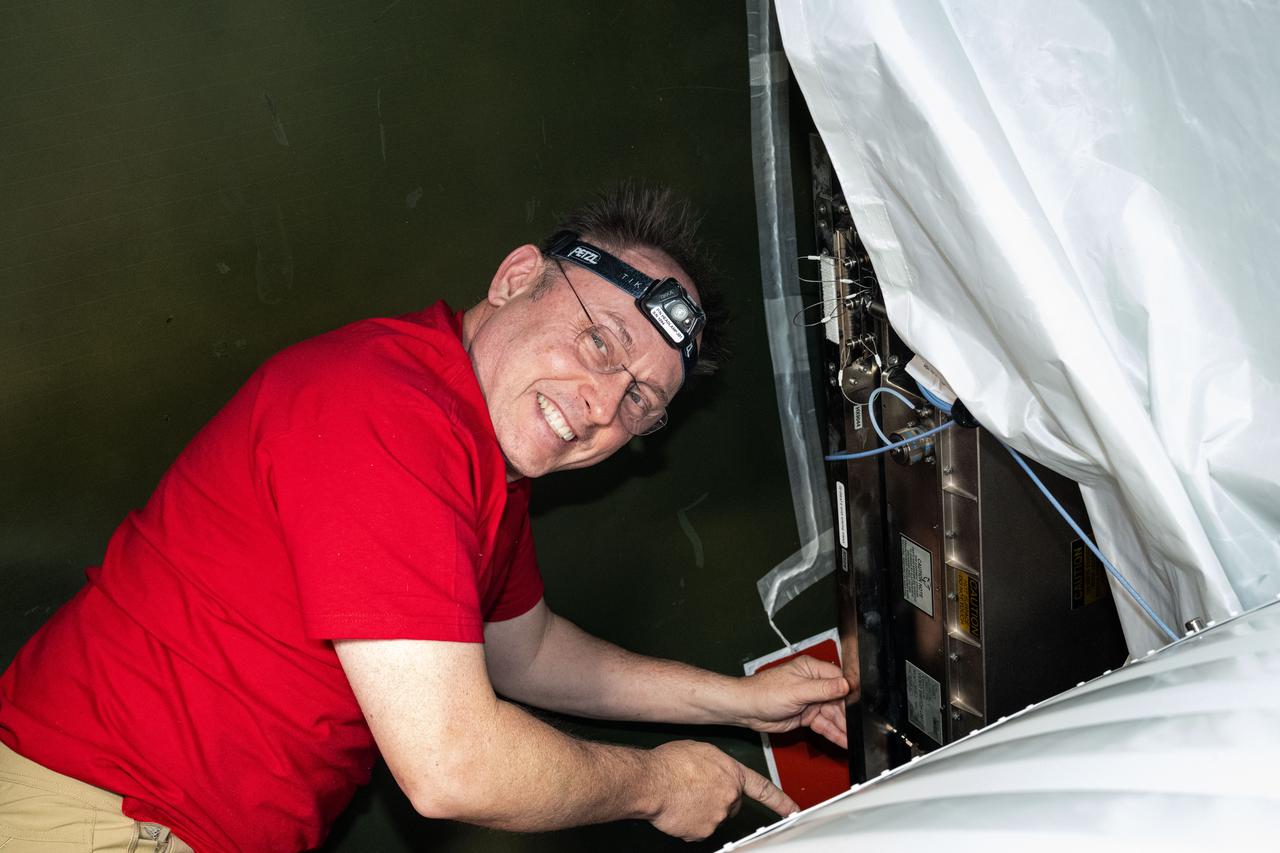
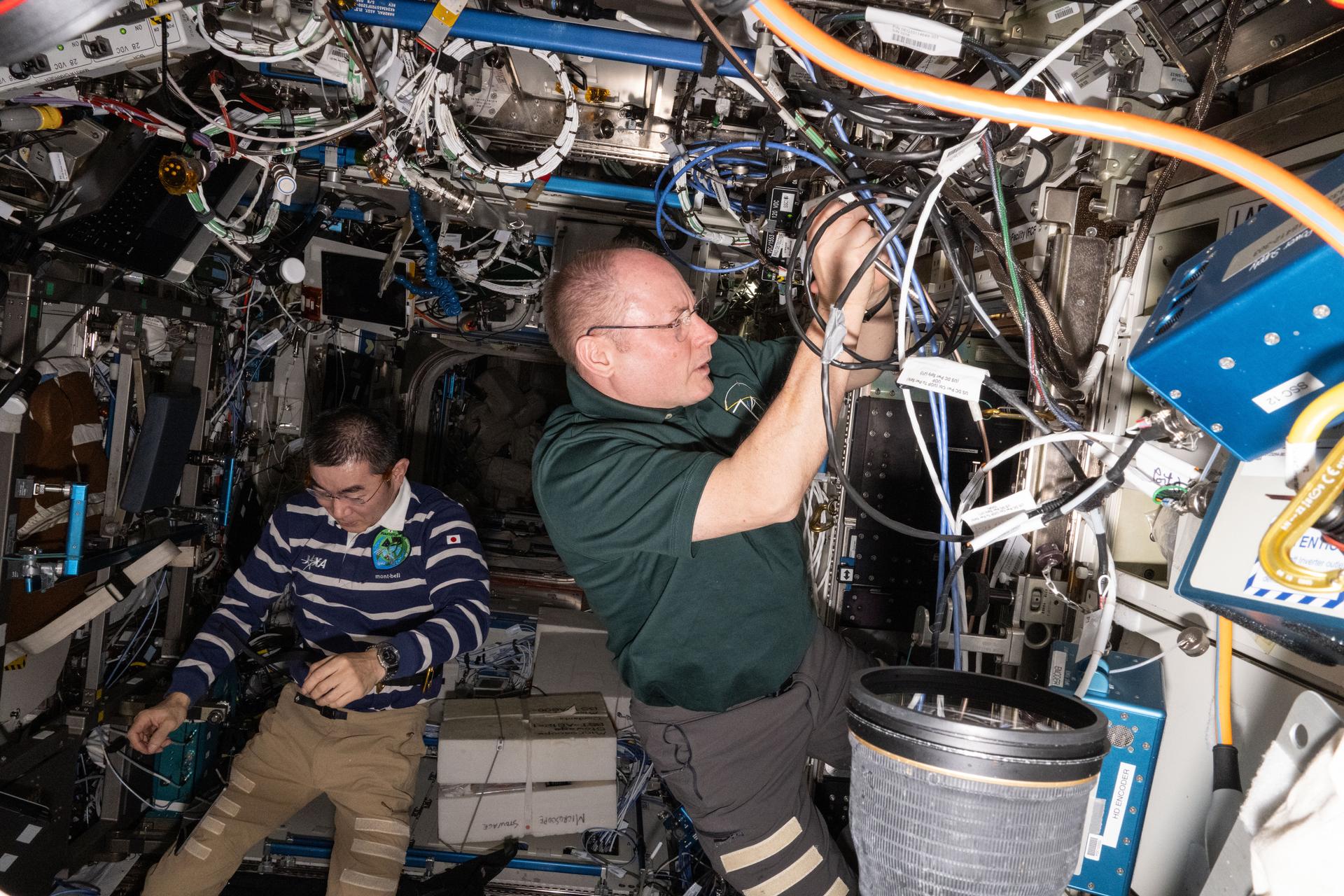
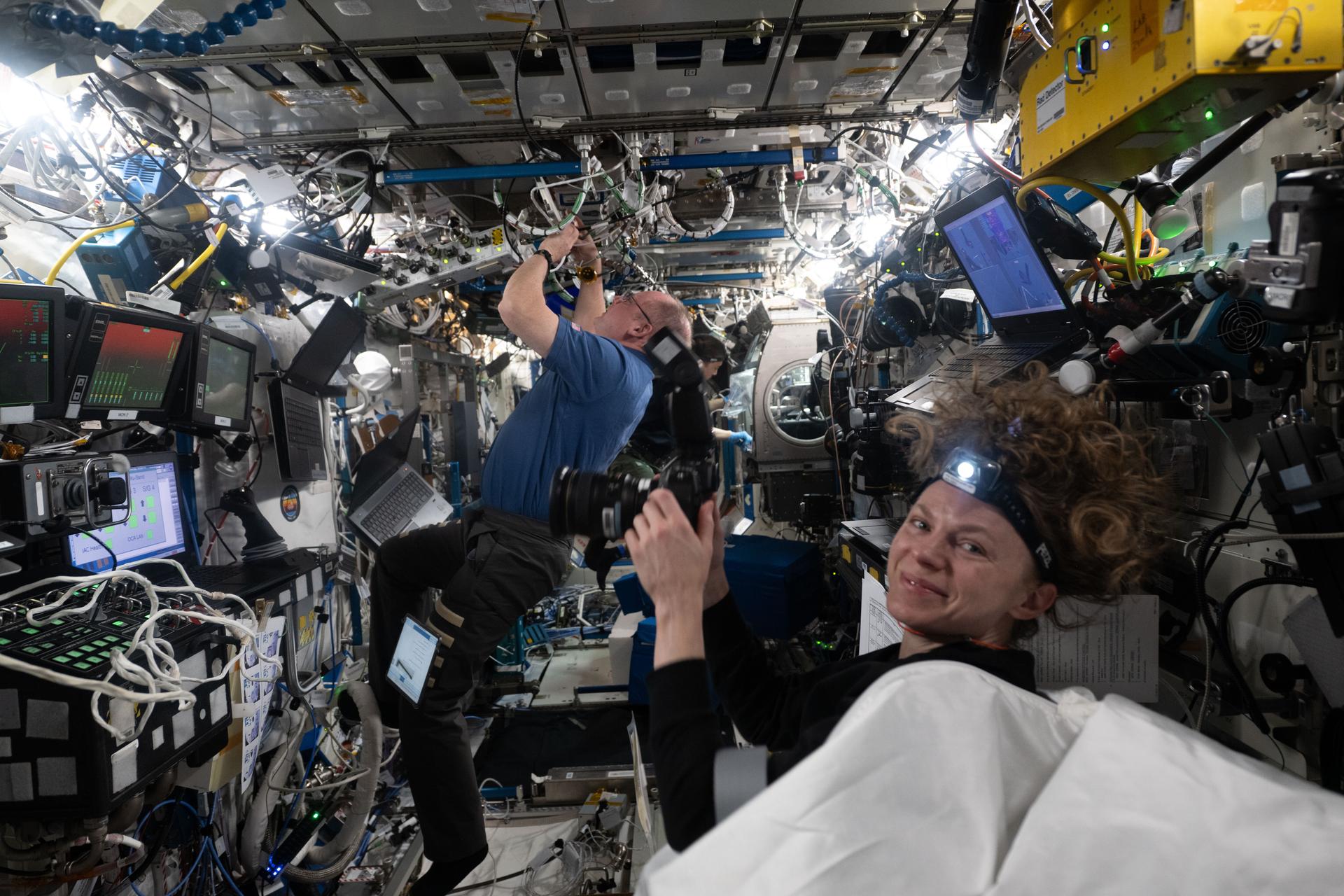
iss073e0511300 (Aug. 19, 2025) --- NASA astronaut and Expedition 73 Flight Engineer Mike Fincke is pictured during communications maintenance activities aboard the International Space Station's Destiny laboratory module.

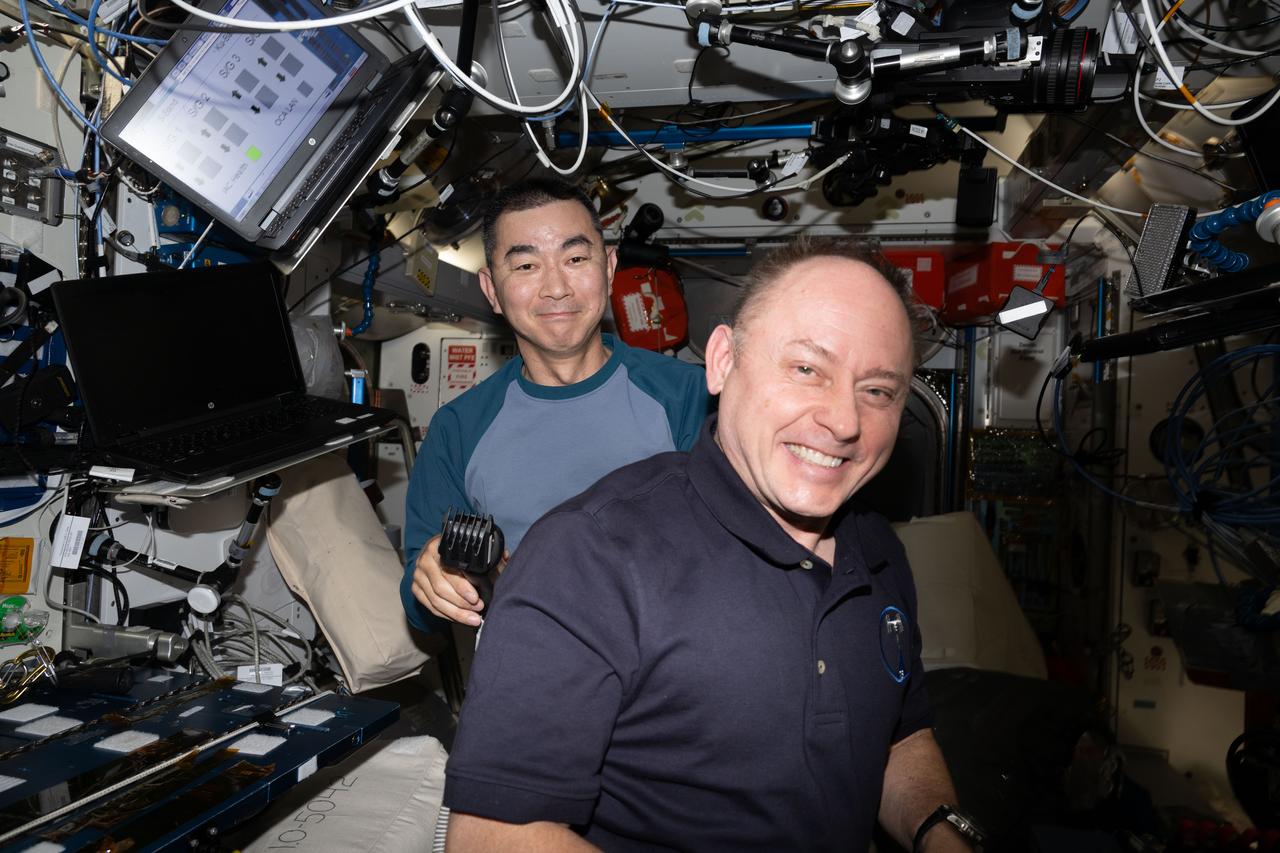
iss073e0603004 (Aug. 30, 2025) --- JAXA (Japan Aerospace Exploration Agency) astronaut Kimiya Yui smiles for a portrait after trimming NASA astronaut Mike Fincke's hair aboard the International Space Station.

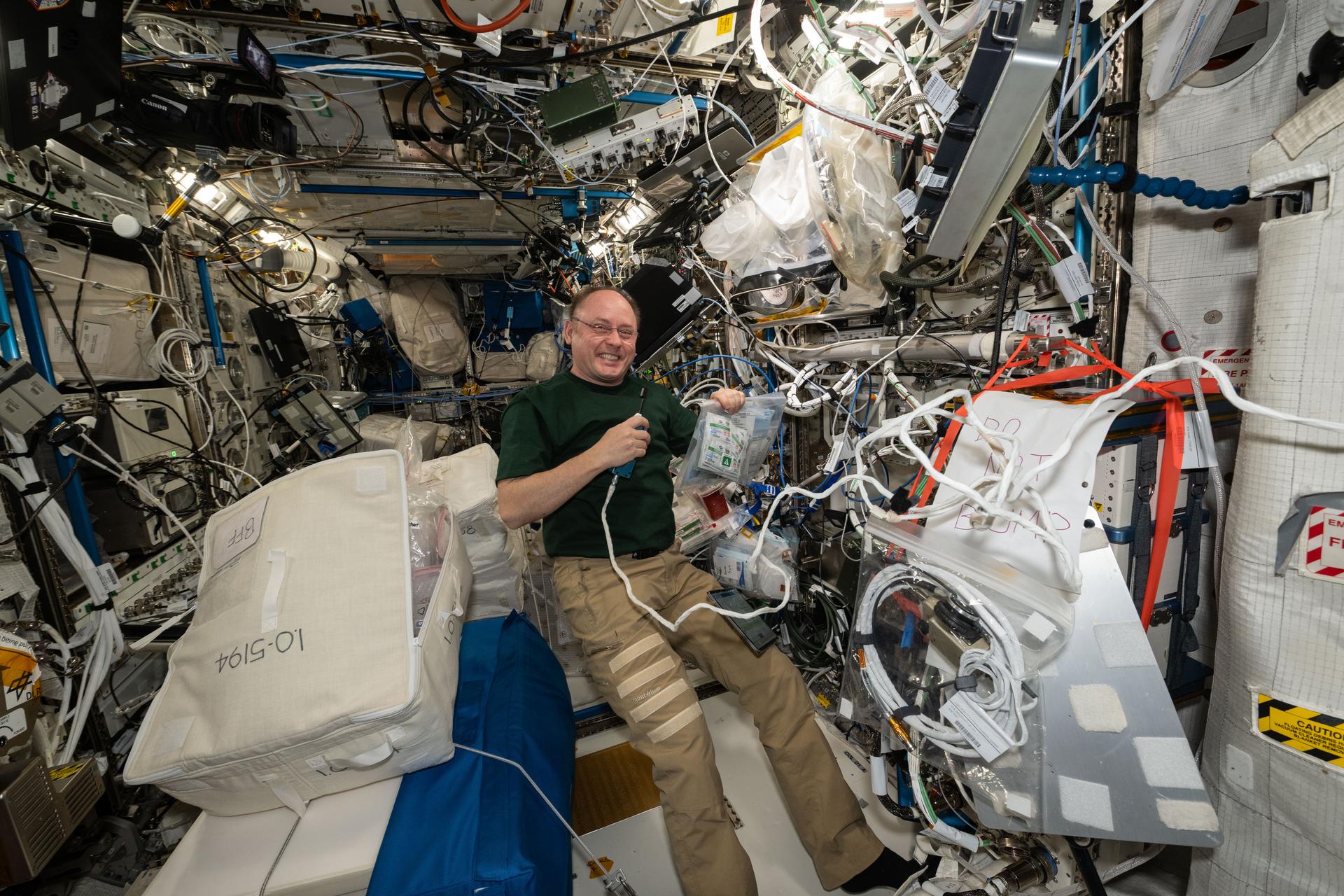
iss073e0917875 (Oct. 23, 2025) --- NASA astronaut and Expedition 73 Flight Engineer Mike Fincke smiles for a portrait while organizing cargo inside the International Space Station's Harmony module.

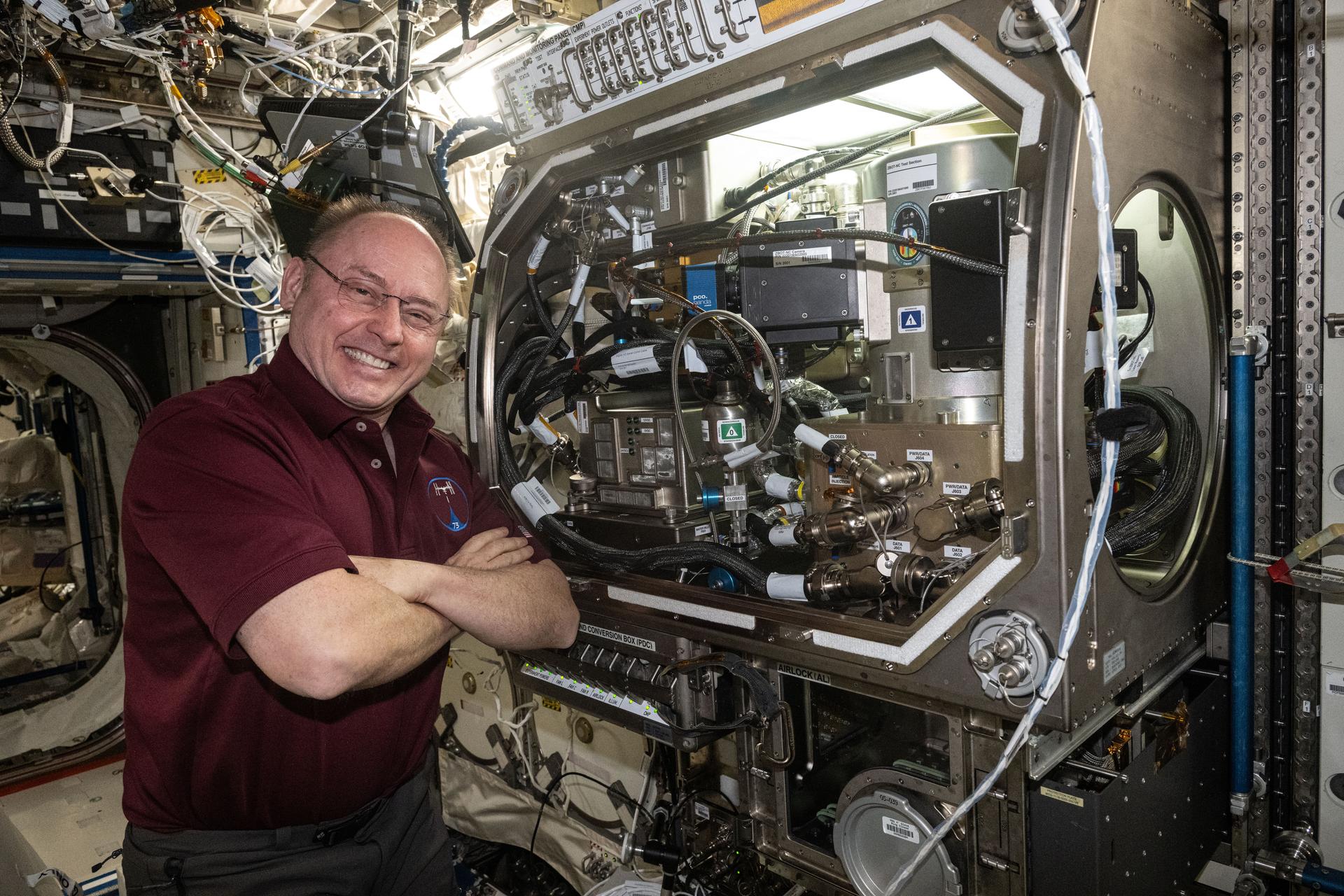
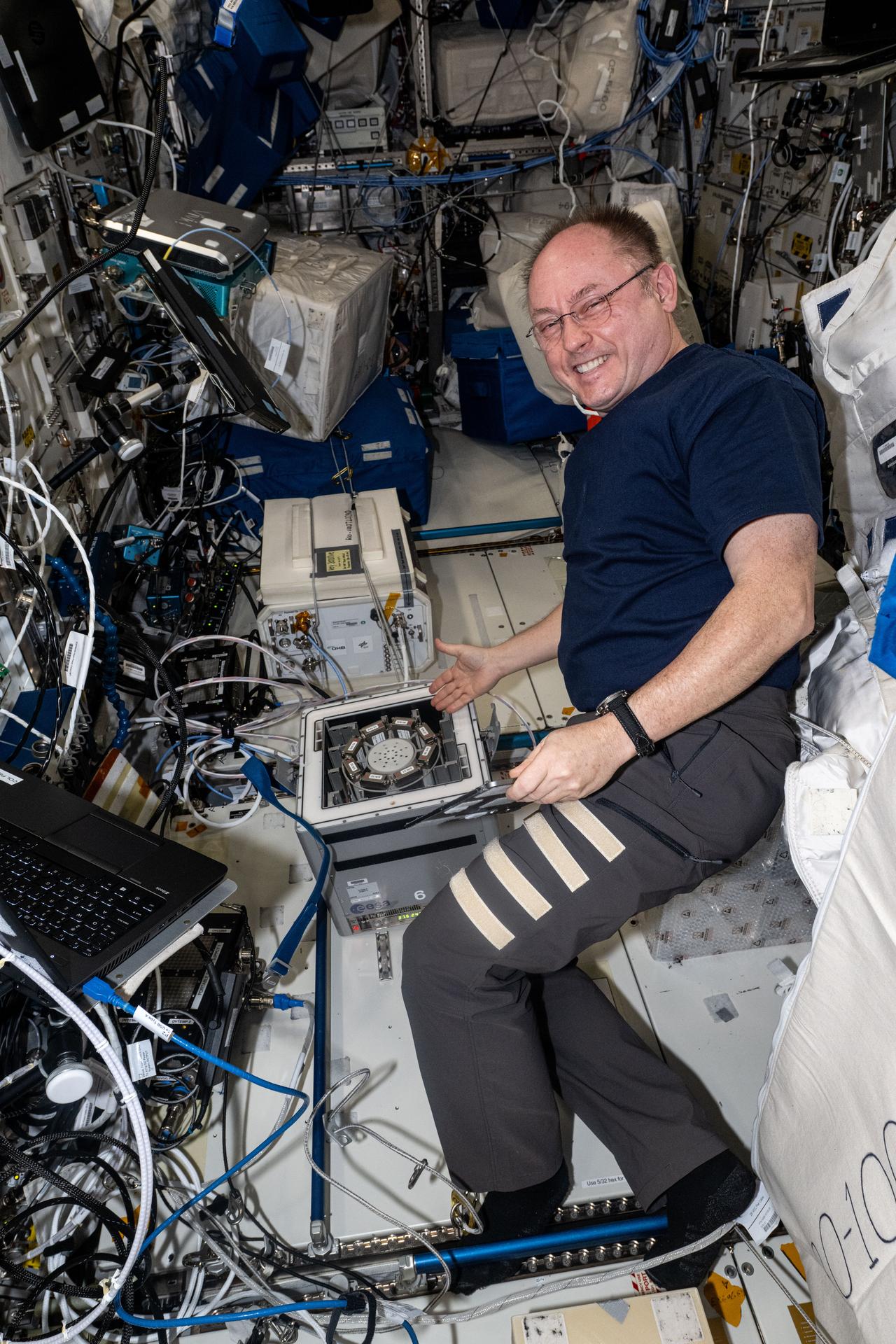
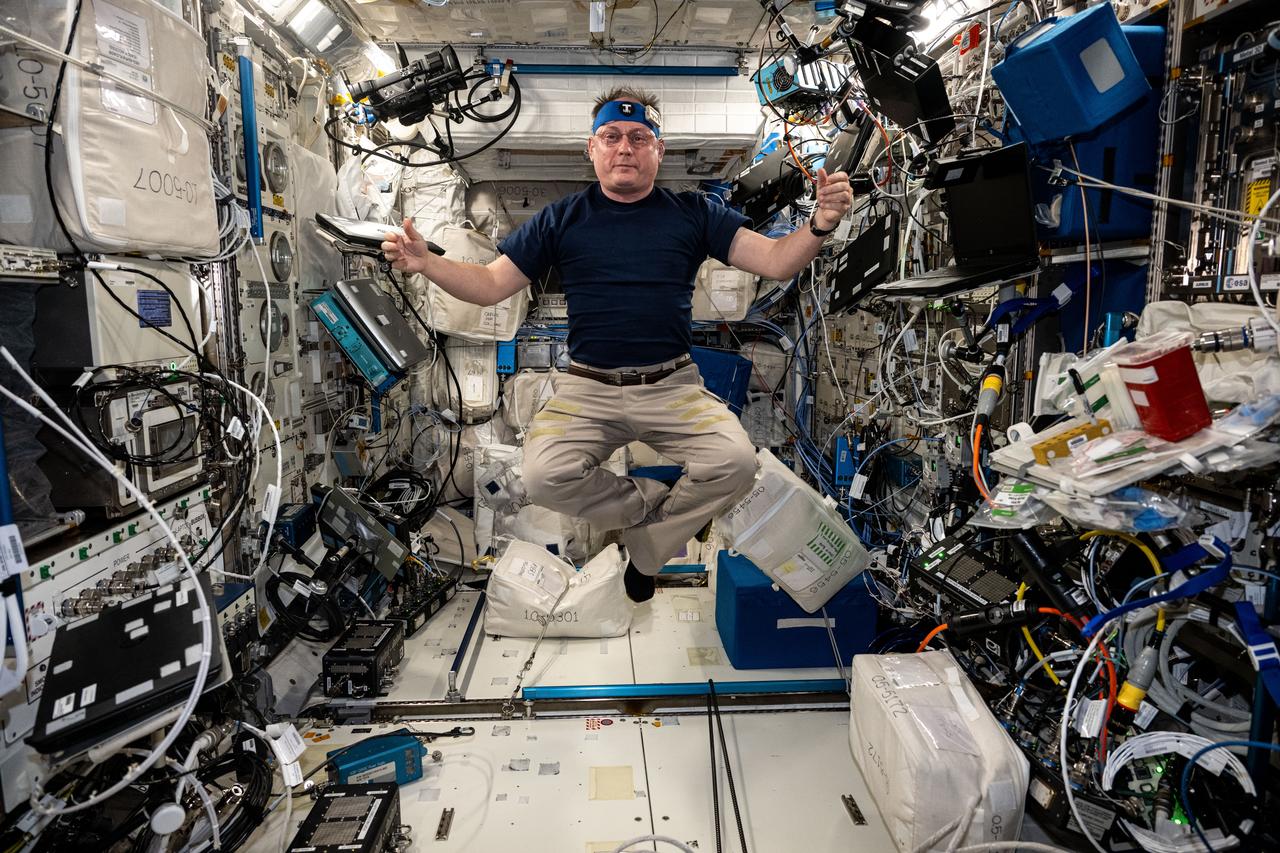
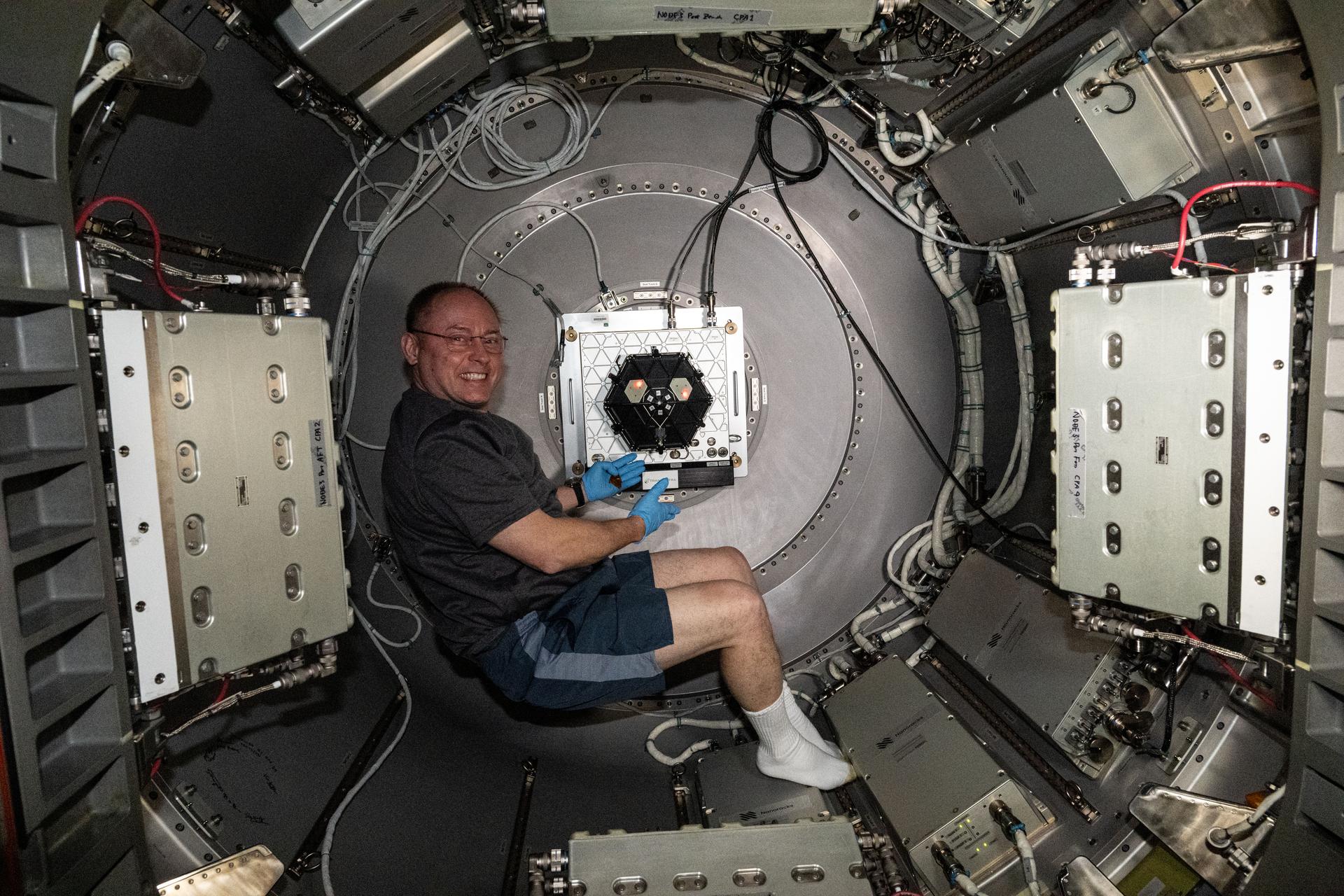
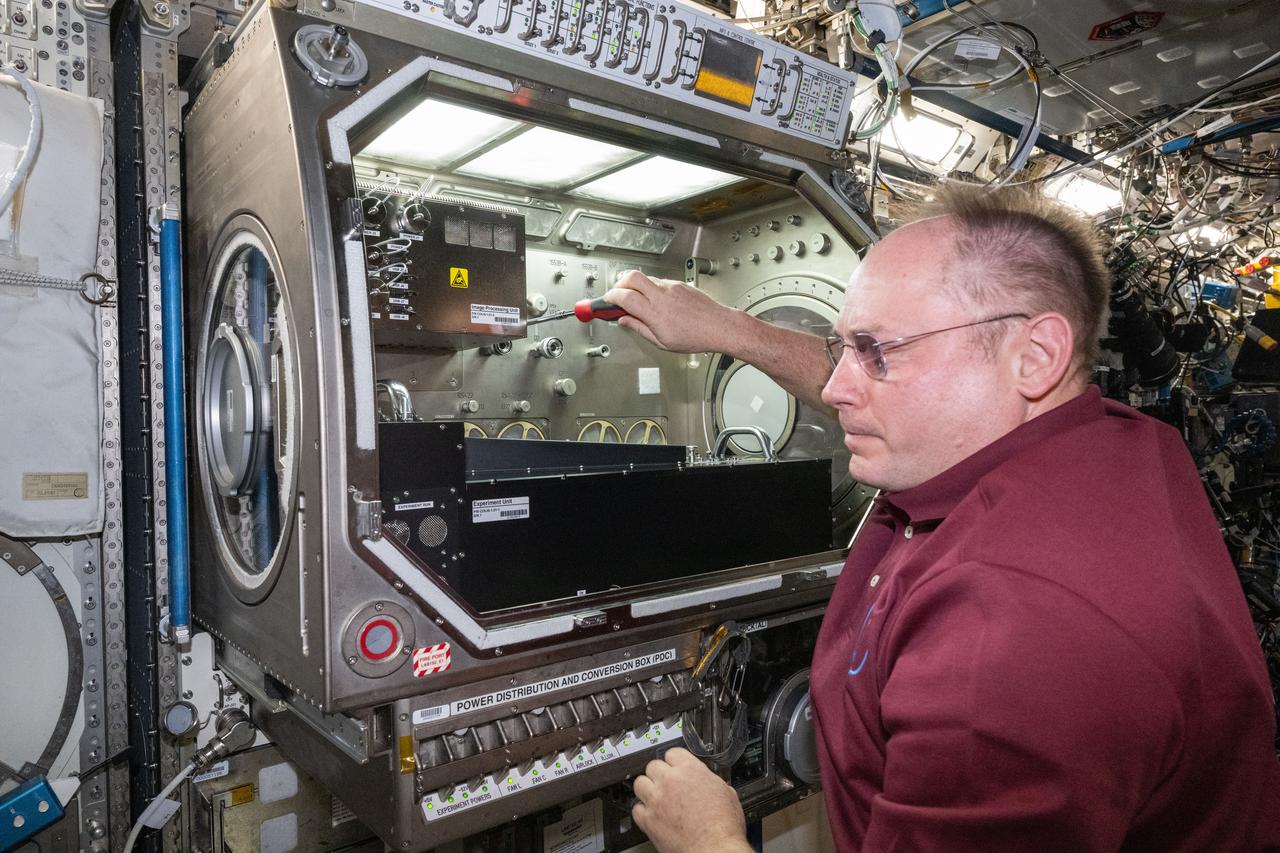
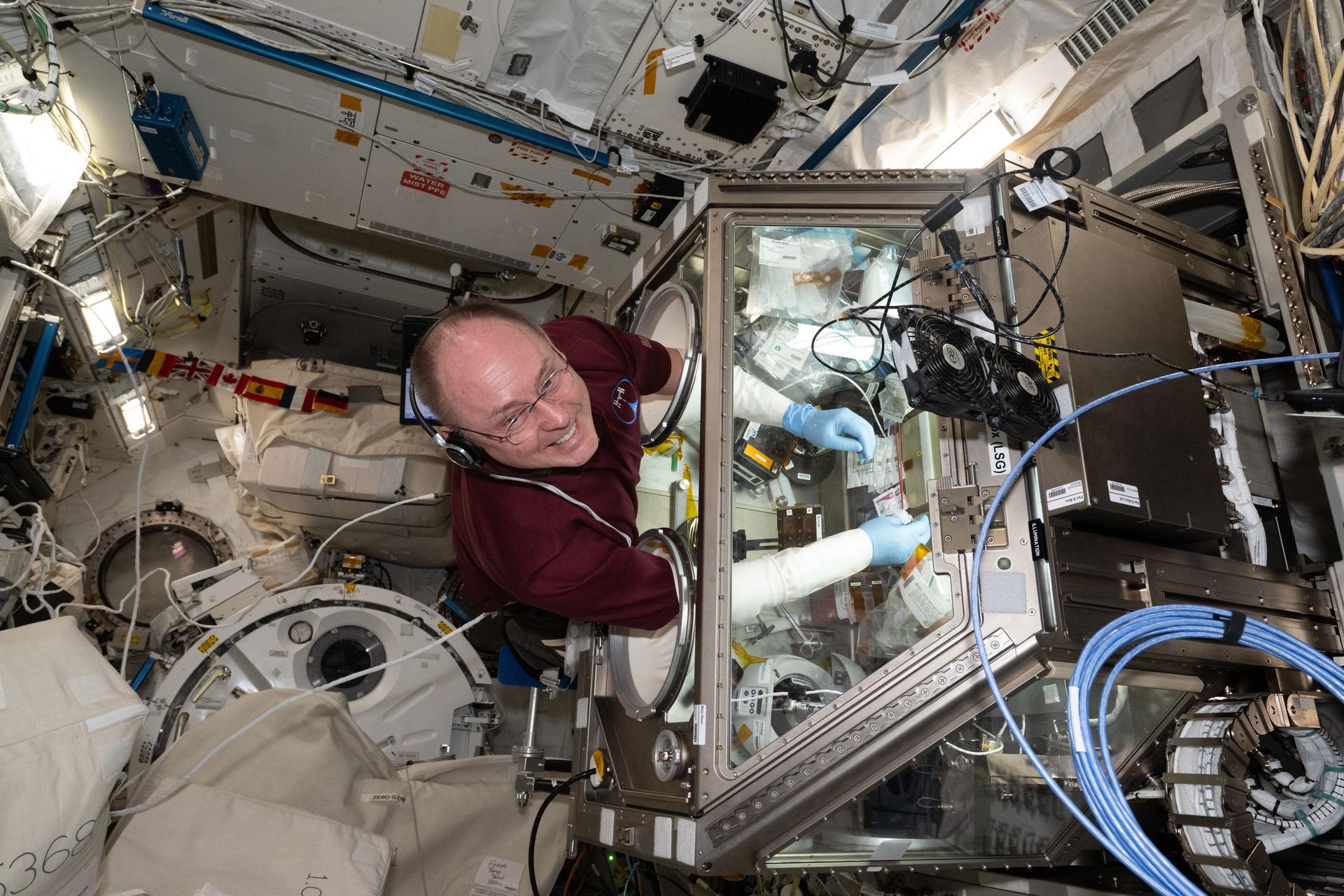
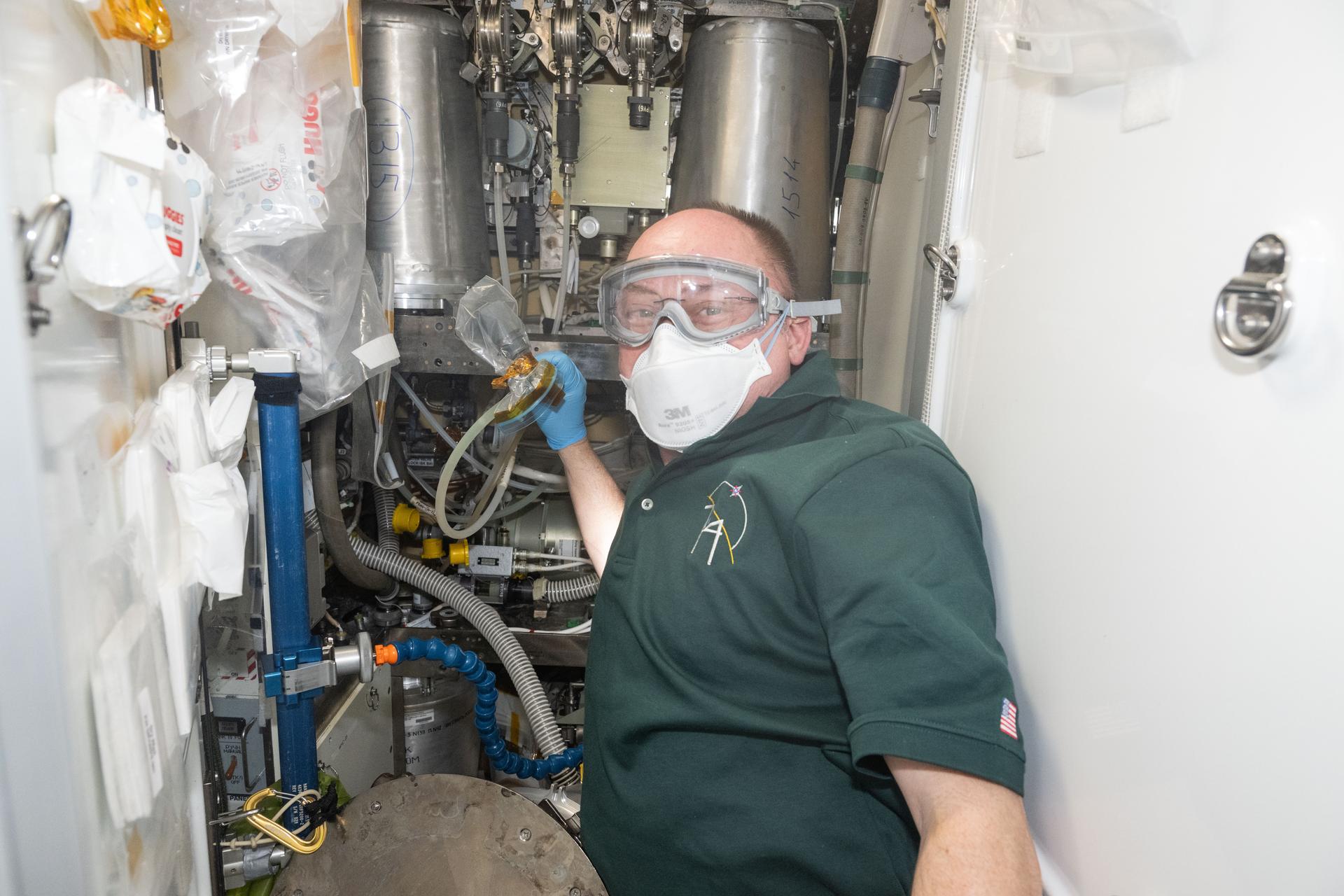
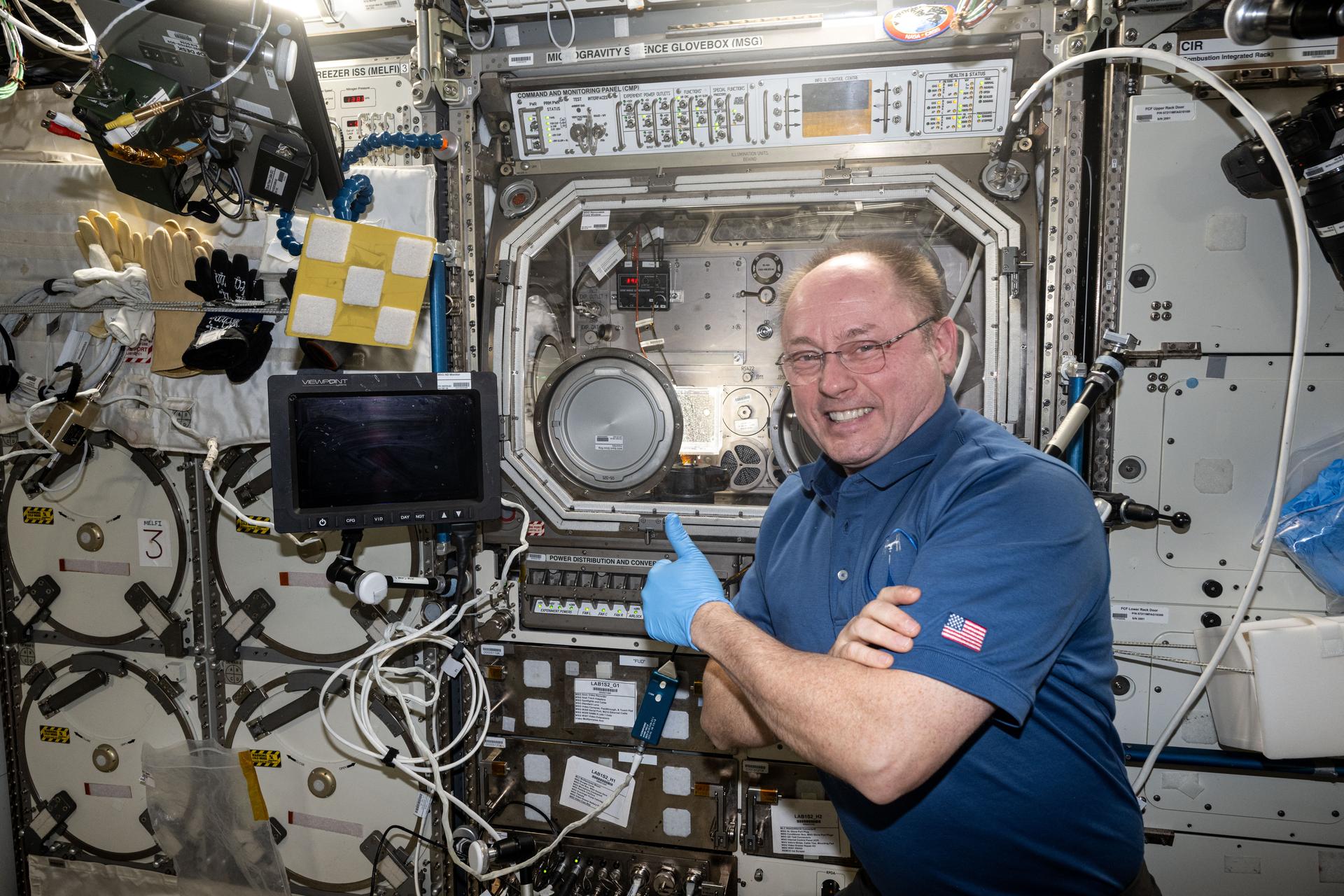
iss073e0982894 (Oct. 28, 2025) --- NASA astronaut and Expedition 73 Flight Engineer Mike Fincke poses for a portrait next to the Microgravity Science Glovebox aboard the International Space Station’s Destiny laboratory module. Fincke had just completed configuring research hardware for the Zero Boil-Off Tank physics investigation, which explores methods for storing cryogenic fluids. The experiment supports advancements in spacecraft propulsion and life support systems, as well as biotechnological, medical, and industrial applications on Earth.

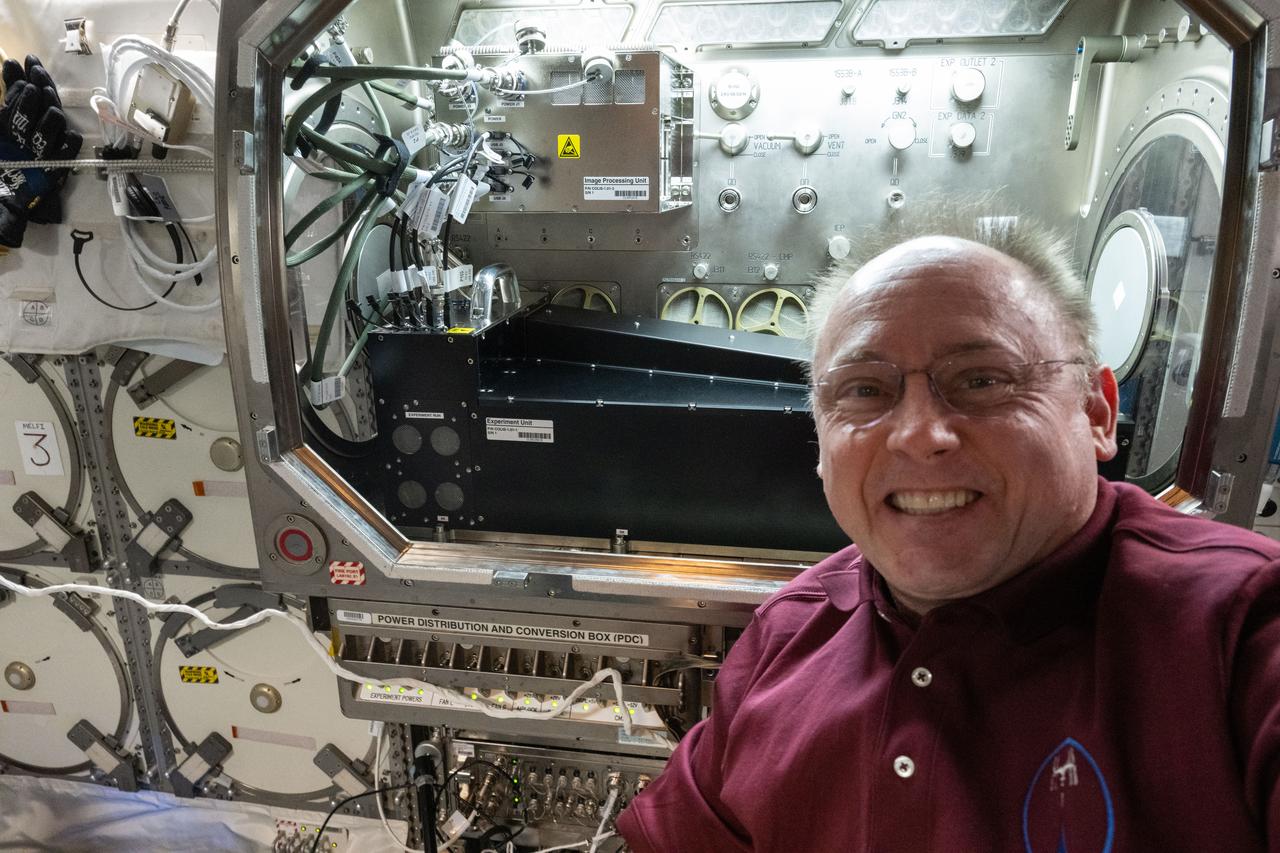
iss073e0606547 (Sept. 4, 2025) --- NASA astronaut and Expedition 73 Flight Engineer Mike Fincke poses for a portrait in front of the Microgravity Science Glovebox (MSG) inside the International Space Station’s Destiny laboratory. Fincke installed the Colloidal Solids research hardware in the MSG to explore pharmaceutical manufacturing and 3D printing techniques in microgravity—research that could advance human health both in space and on Earth.

Boeing Crew Flight Test (CFT) with NASA astronauts Mike Fincke and Nicole Mann and Boeing Astronaut Chris Ferguson during ISS EVA Prep & Post 1 training.

Boeing Crew Flight Test (CFT) with NASA astronauts Mike Fincke and Nicole Mann and Boeing Astronaut Chris Ferguson during ISS EVA Prep & Post 1 training.

Boeing Crew Flight Test (CFT) with NASA astronauts Mike Fincke and Nicole Mann and Boeing Astronaut Chris Ferguson during ISS EVA Prep & Post 1 training.

Boeing Crew Flight Test (CFT) with NASA astronauts Mike Fincke and Nicole Mann and Boeing Astronaut Chris Ferguson during ISS EVA Prep & Post 1 training.

Boeing Crew Flight Test (CFT) with NASA astronauts Mike Fincke and Nicole Mann and Boeing Astronaut Chris Ferguson during ISS EVA Prep & Post 1 training.

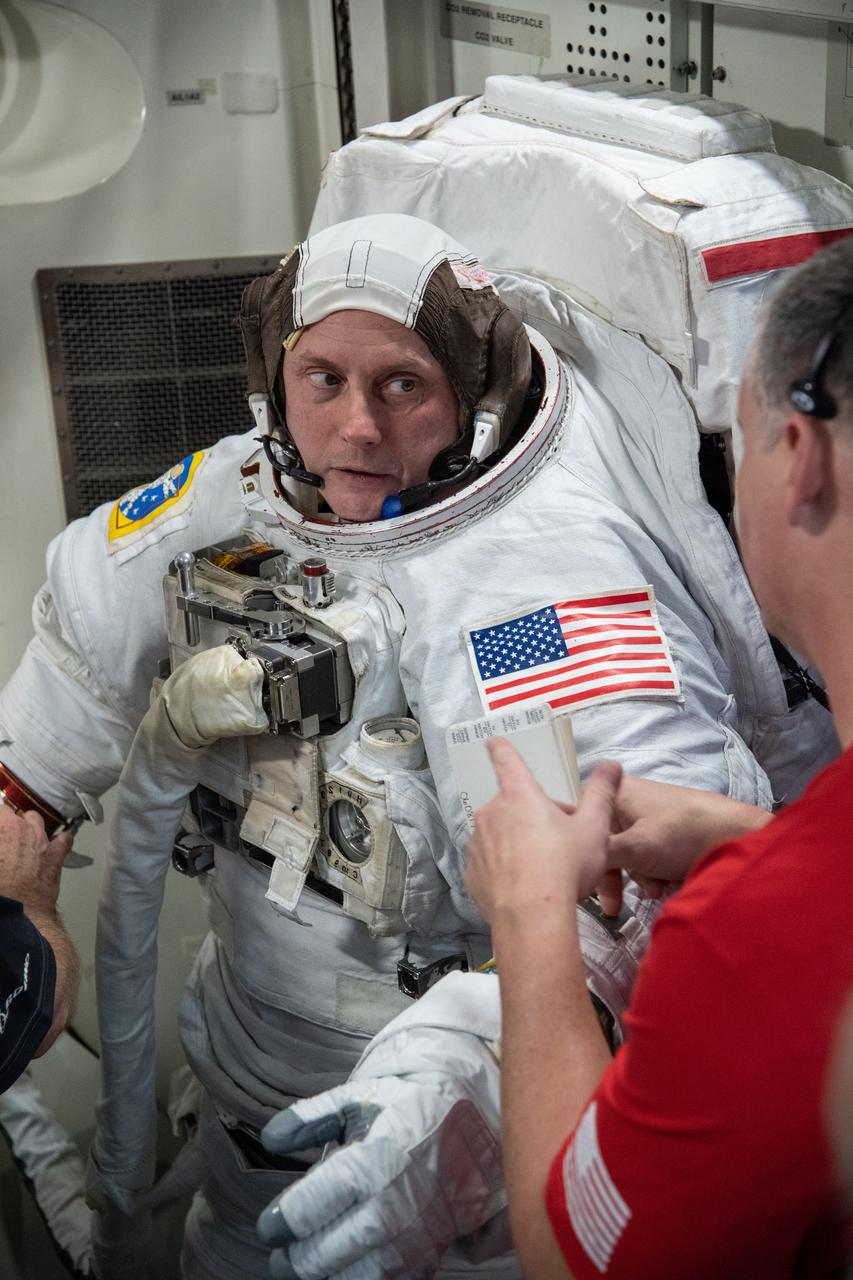
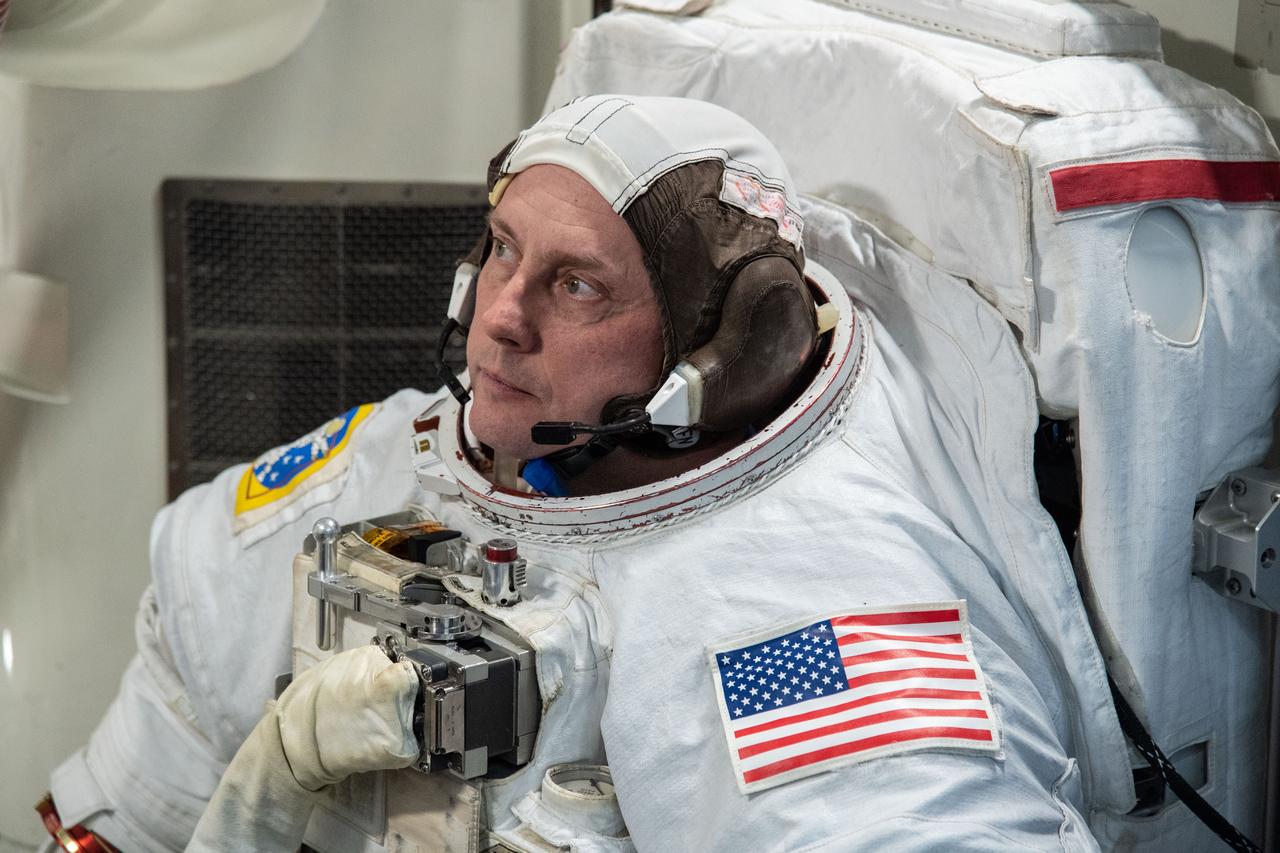
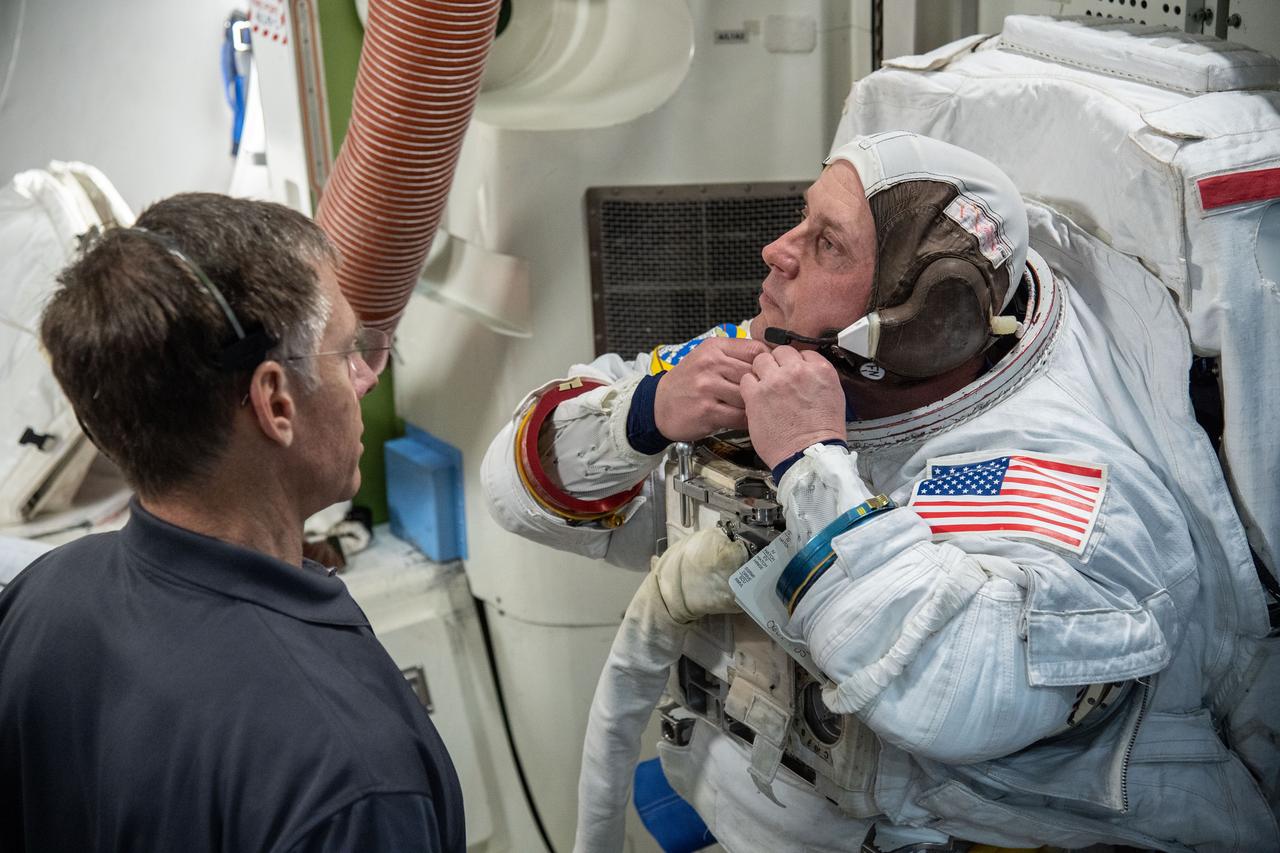
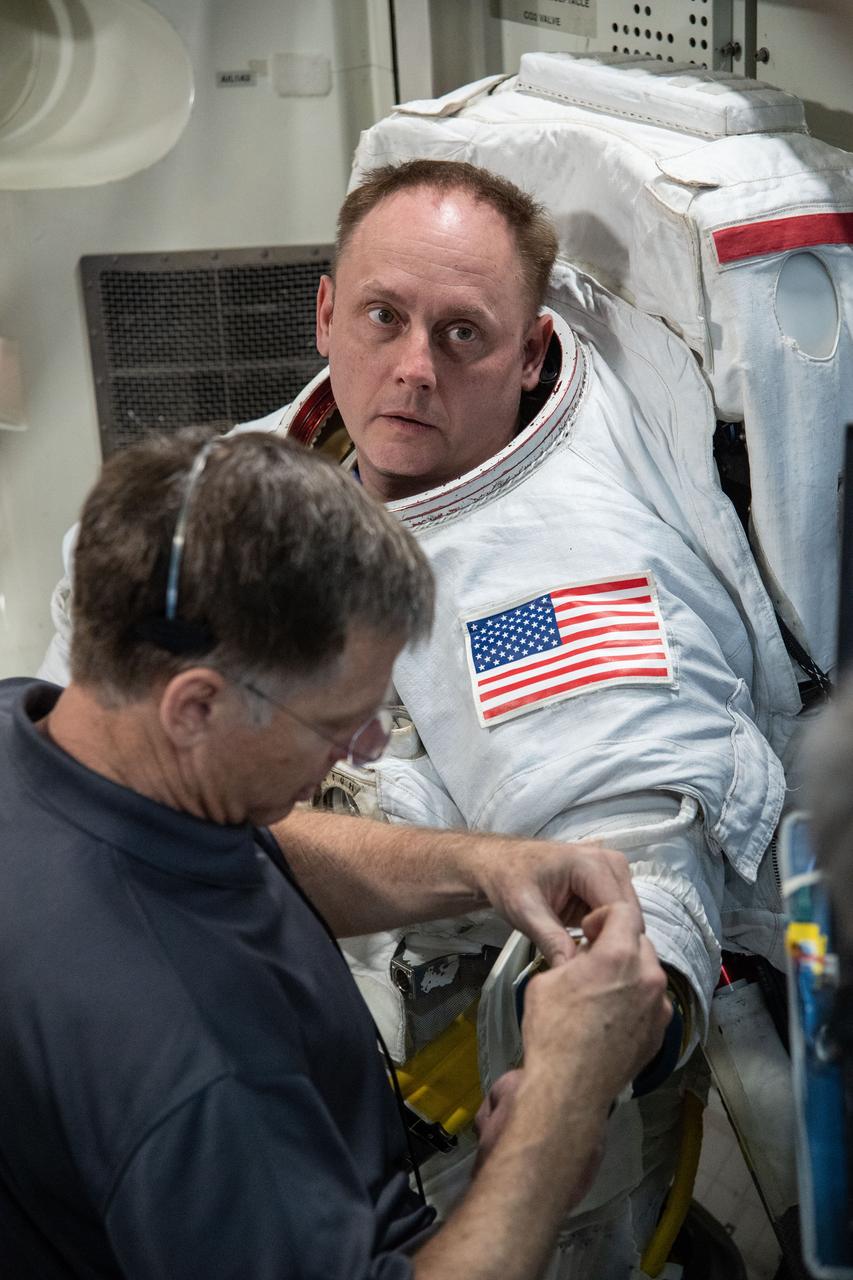
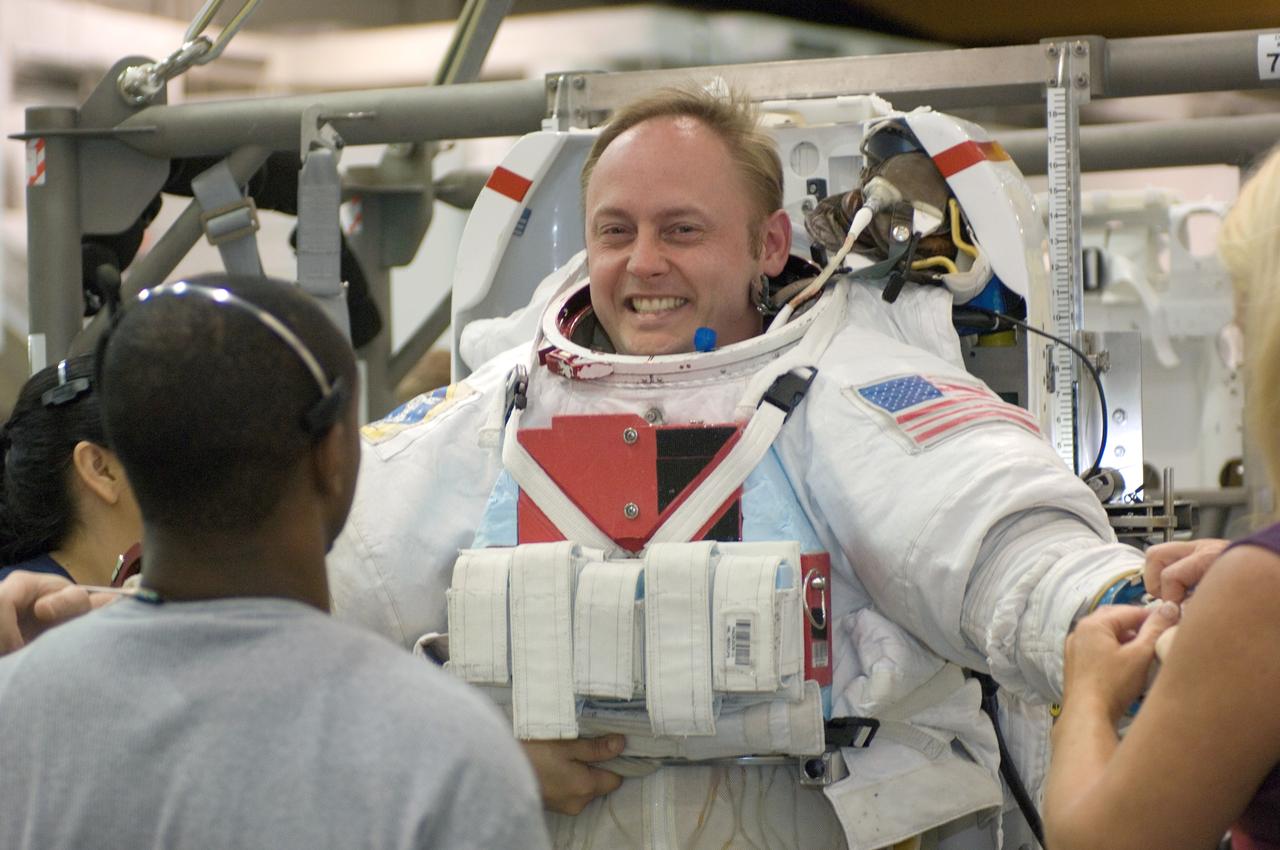
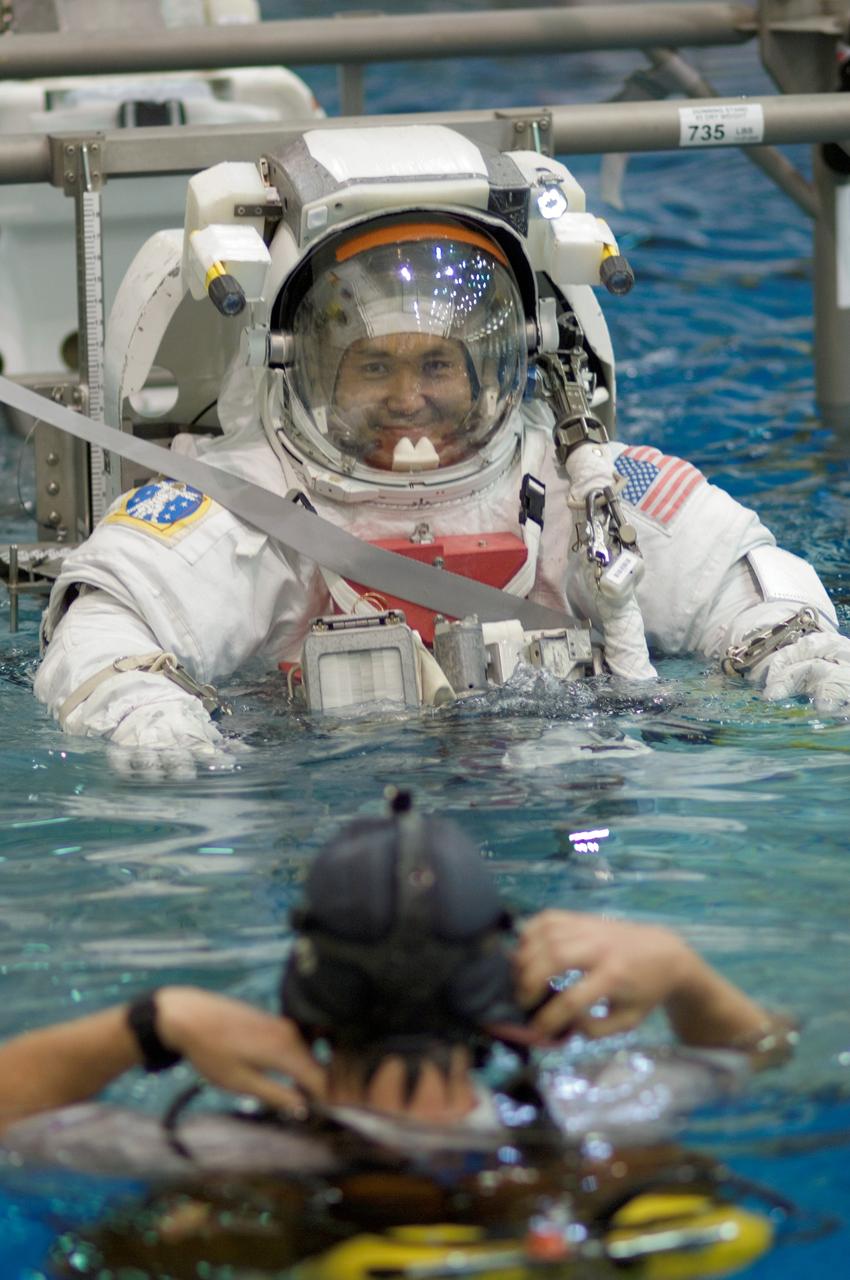
JSC2008-E-039231 (12 May 2008) --- Astronaut Edward M. (Mike) Fincke, Expedition 18 commander, gets help donning a training version of the Extravehicular Mobility Unit (EMU) spacesuit prior to being submerged in the waters of the Neutral Buoyancy Laboratory (NBL) near NASA's Johnson Space Center.

JSC2008-E-039238 (12 May 2008) --- Astronaut Edward M. (Mike) Fincke, Expedition 18 commander, gets help donning a training version of the Extravehicular Mobility Unit (EMU) spacesuit prior to being submerged in the waters of the Neutral Buoyancy Laboratory (NBL) near NASA's Johnson Space Center.

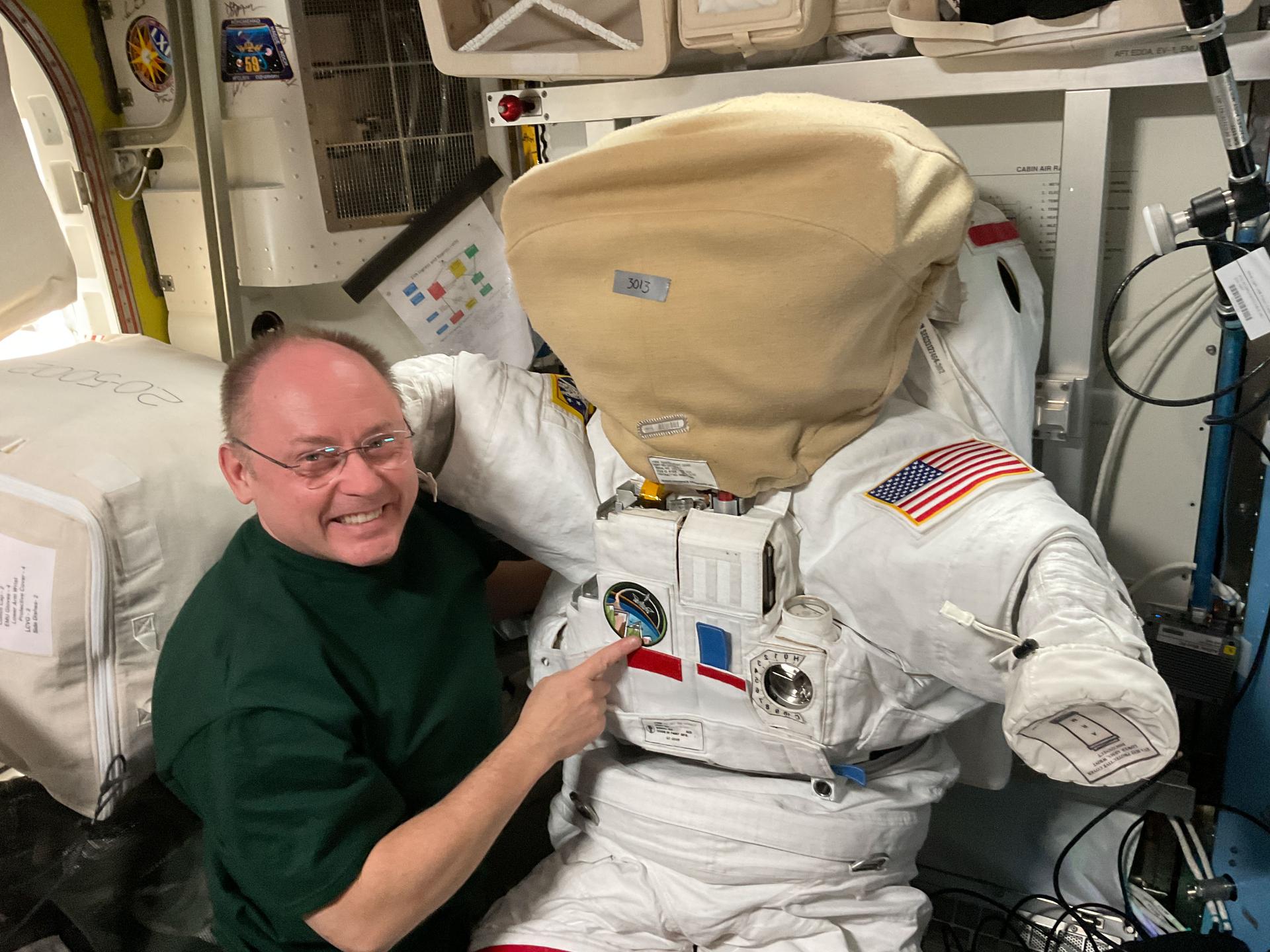
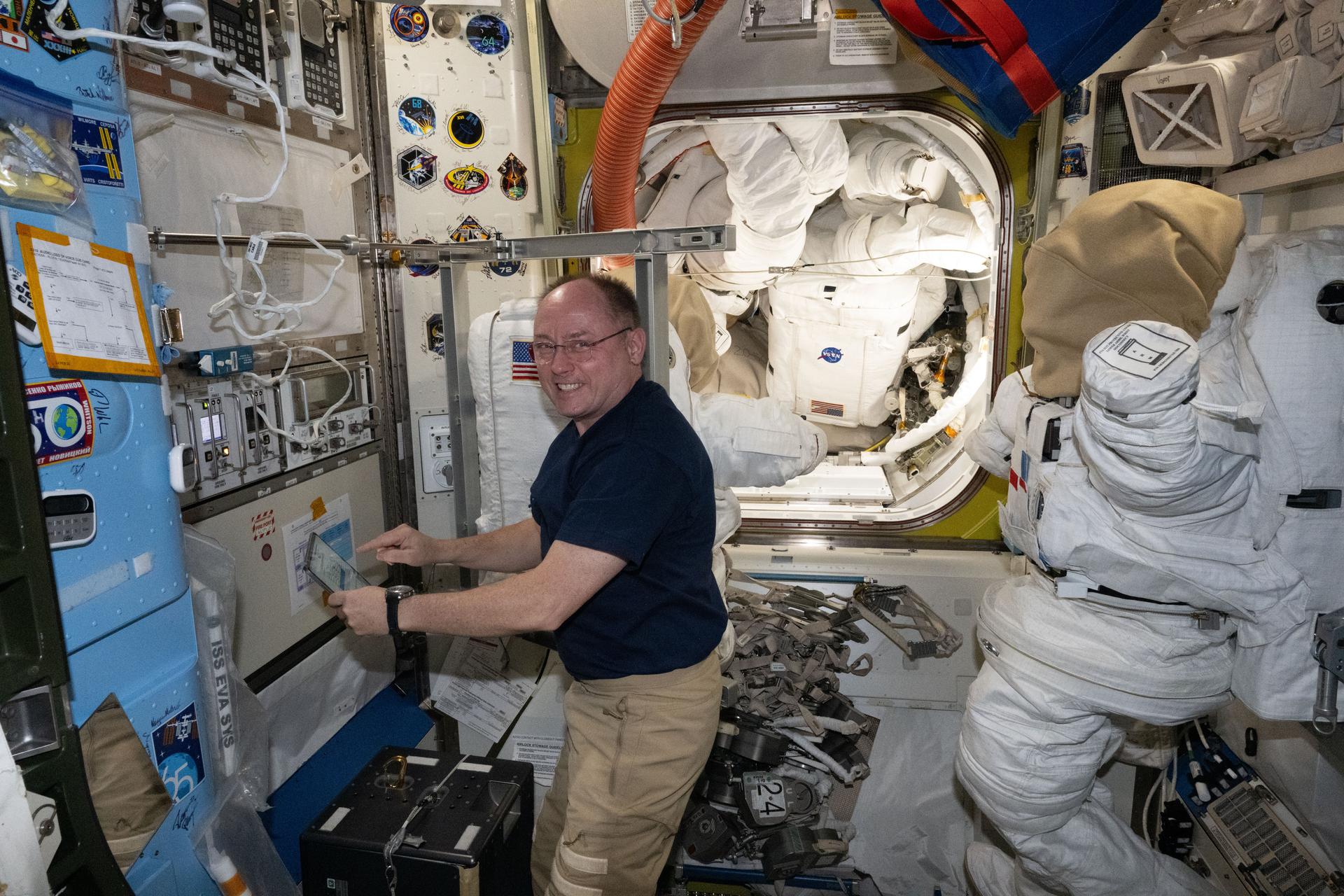
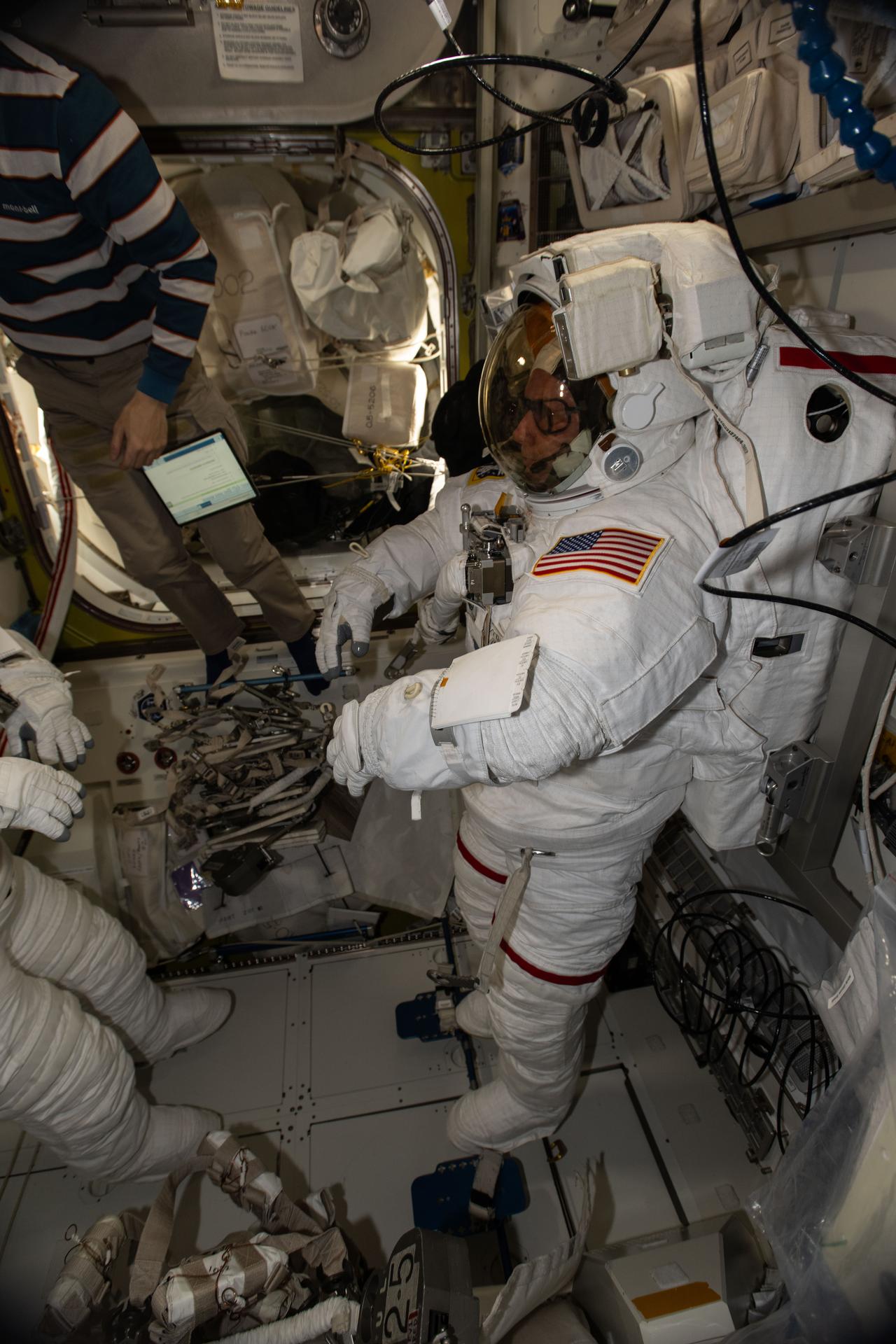
iss073e0865402 (Oct. 6, 2025) --- NASA astronaut and Expedition 73 Flight Engineer Mike Fincke performs maintenance tasks inside the International Space Station’s Quest airlock. Behind him, a U.S. spacesuit is secured to a metallic donning structure on the airlock wall, with its gloves removed and a protective cover placed over the helmet.

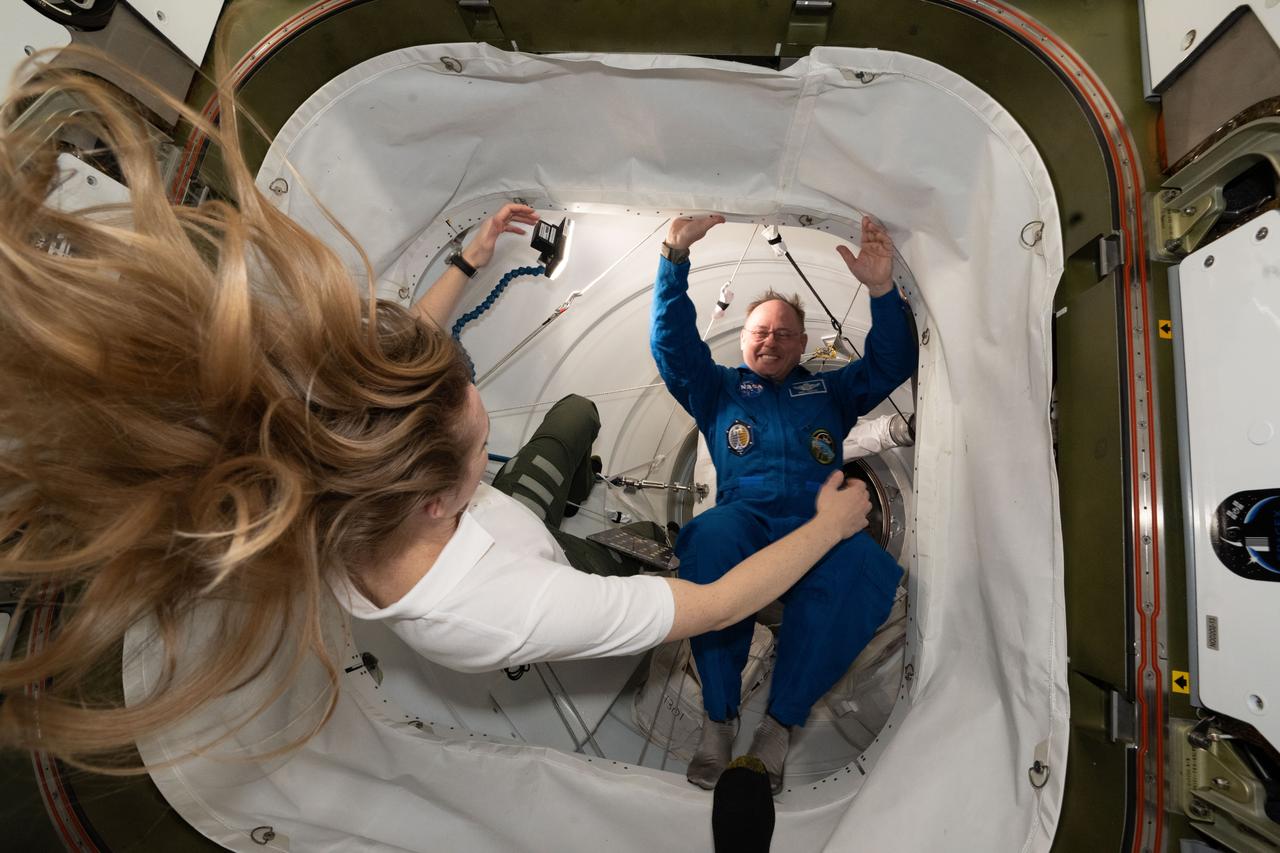
iss073e0505494 (Aug. 2, 2025) --- NASA's SpaceX Crew-11 Pilot Mike Fincke is welcomed aboard the International Space Station by Expedition 73 Flight Engineer Nichole Ayers of NASA after the Dragon crew spaceraft docked to the Harmony module's space-facing port.

iss073e0420910 (Aug. 3, 2025) --- NASA astronaut and Expedition 73 Flight Engineer Mike Fincke poses for a portrait inside the International Space Station's Columbus laboratory module during research operations to learn how the body maintains its core temperature in microgravity.

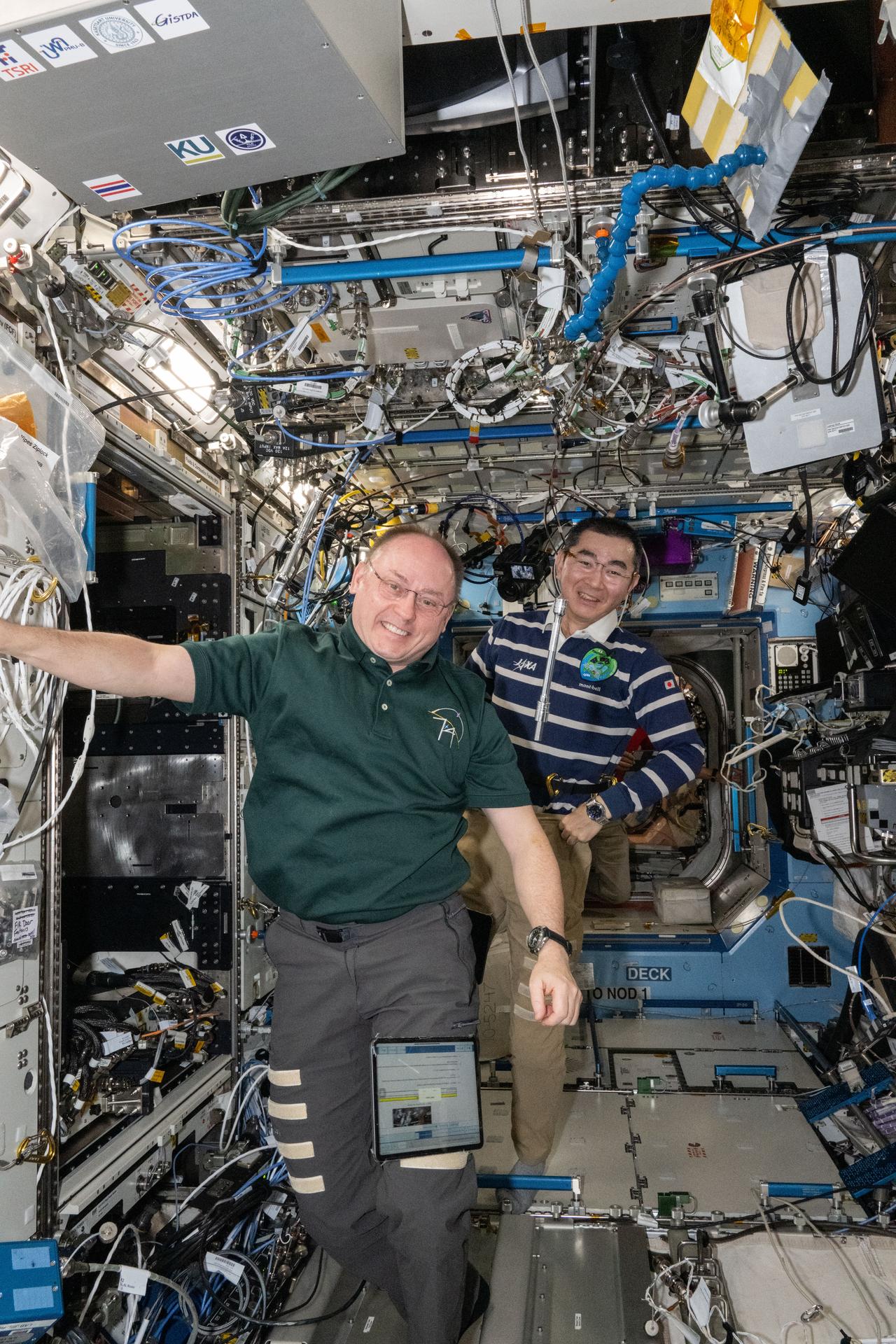
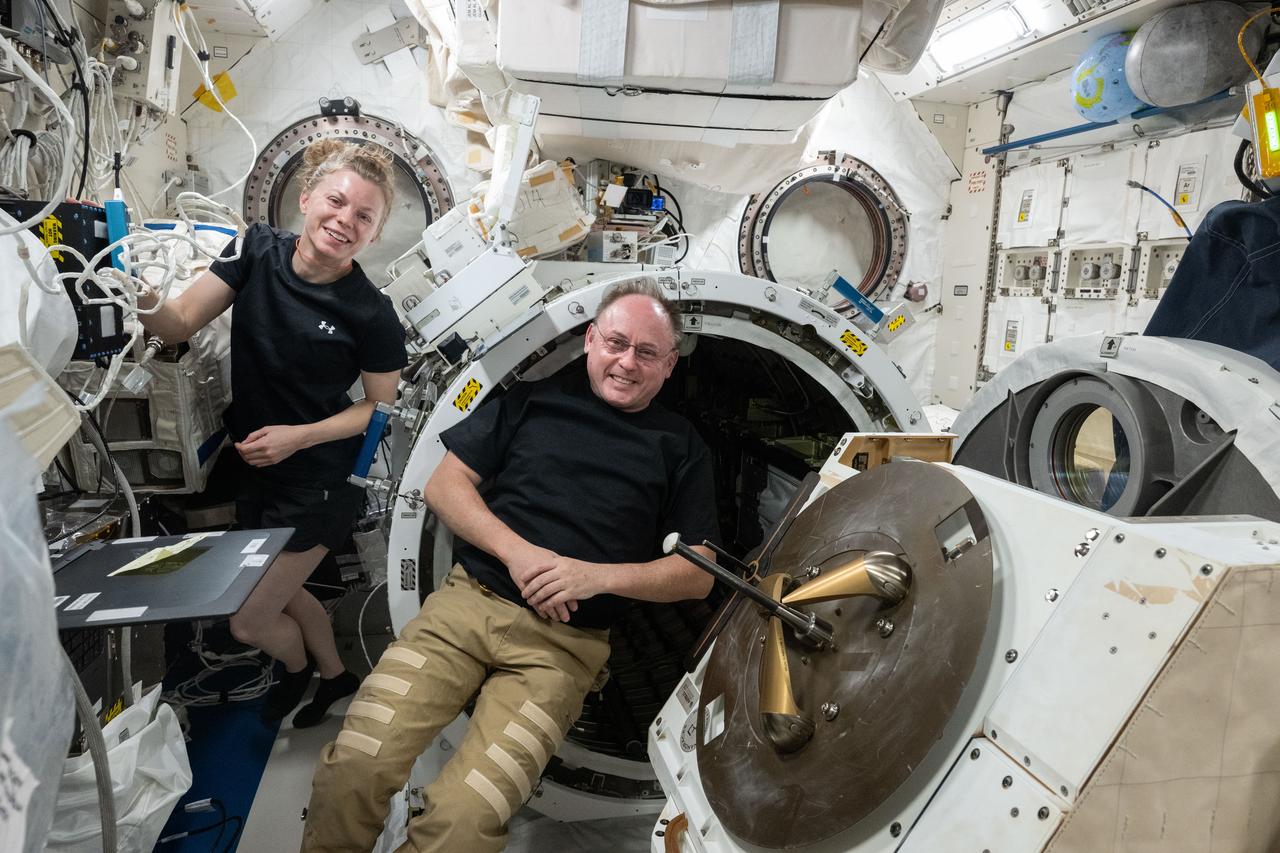
iss073e0813519 (Sept. 26, 2025) --- NASA astronauts Zena Cardman and Mike Fincke, both Expedtion 73 Flight Engineers, pose for a portrait inside the International Space Station's Kibo laboratory module during science hardware maintenance in Kibo's airlock.

JSC2008-E-039255 (12 May 2008) --- Japan Aerospace Exploration Agency (JAXA) astronaut Koichi Wakata, Expedition 18 flight engineer, and NASA astronaut Edward M. (Mike) Fincke (partially obscured), commander, are about to be submerged in the waters of the Neutral Buoyancy Laboratory (NBL) near NASA's Johnson Space Center. Wakata and Fincke are attired in training versions of the Extravehicular Mobility Unit (EMU) spacesuit. SCUBA-equipped divers are in the water to assist the crewmembers in their rehearsal, intended to help prepare them for work on the exterior of the International Space Station.

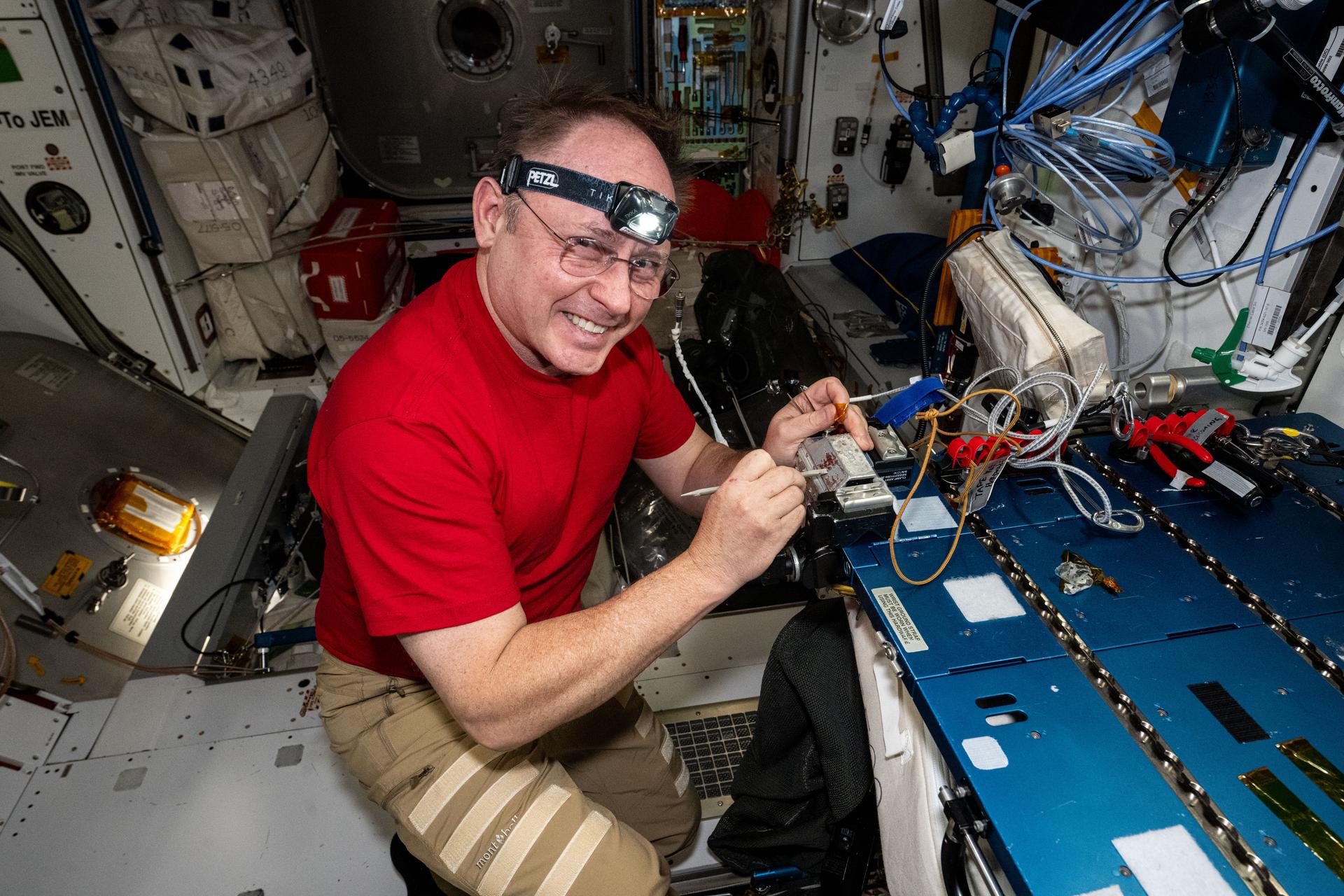
iss073e0510683 (Aug. 18, 2025) --- NASA astronaut and Expedition 73 Flight Engineer Mike Fincke replaces thermal tape on a High Definition Extravehicular Mobility Unit Camera, or HECA. The spacesuit helmet-mounted camera streams real-time, high-definition video of spacewalk activities to mission controllers on the ground, while the thermal tape shields the HECA from the harsh environment of space.

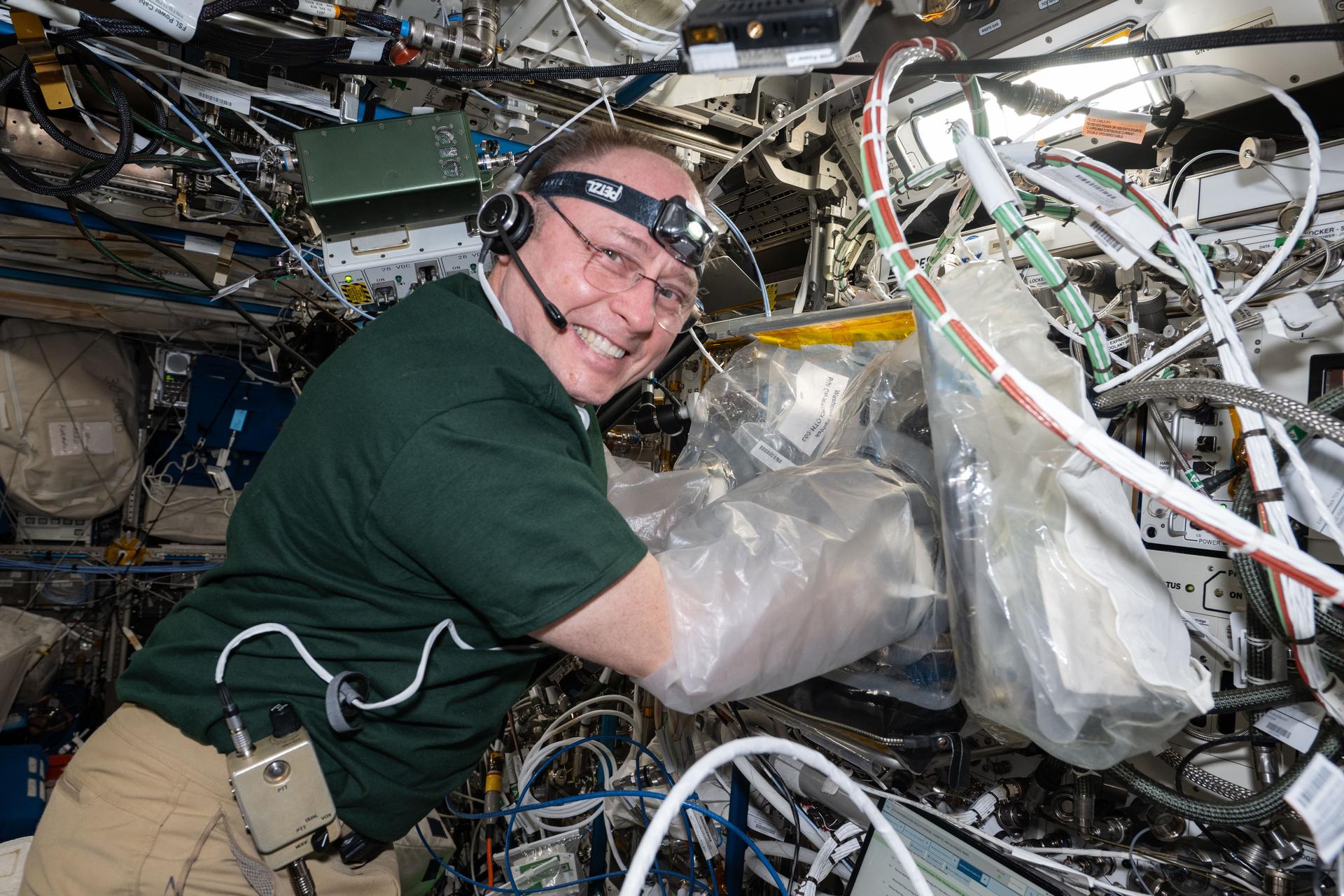
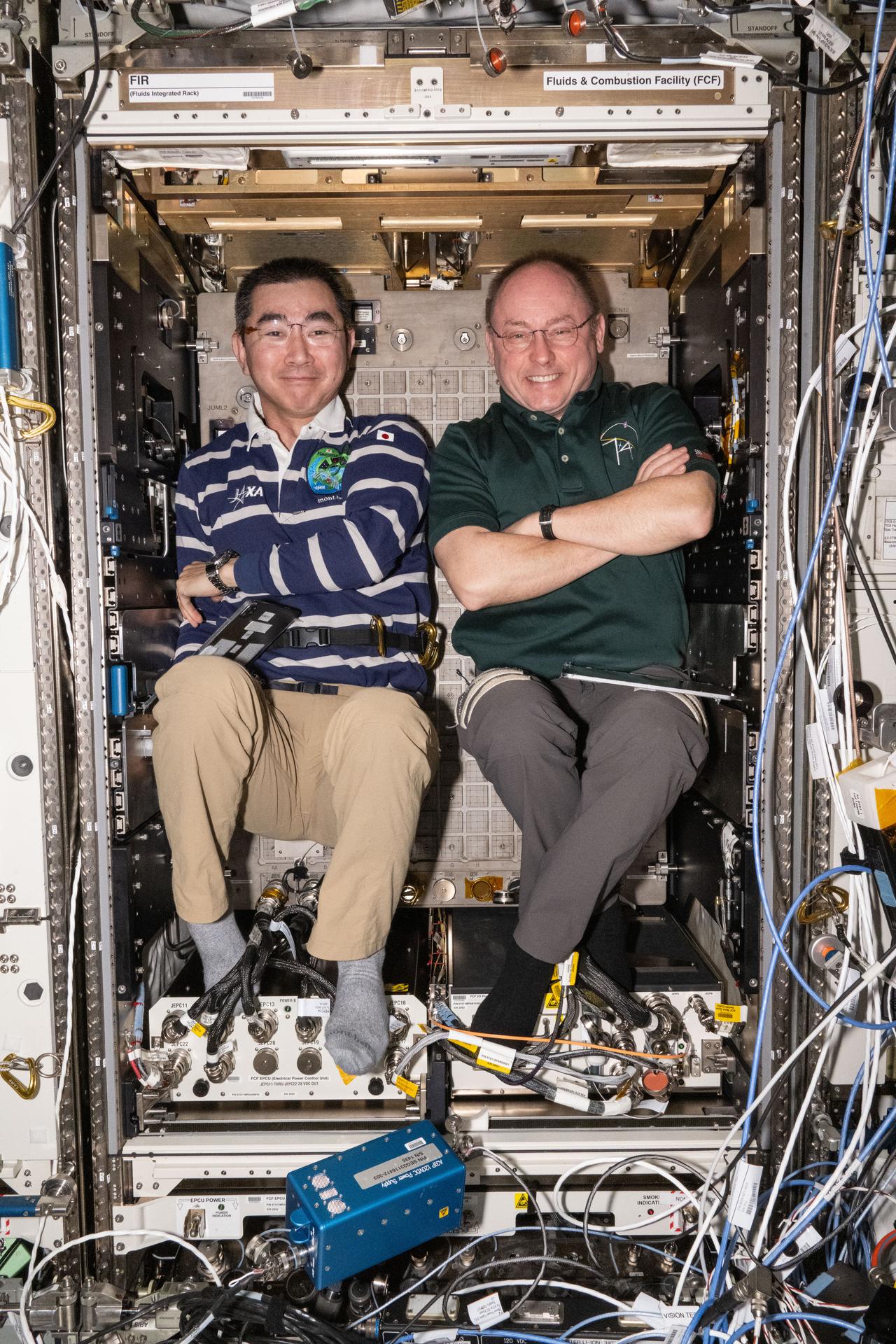
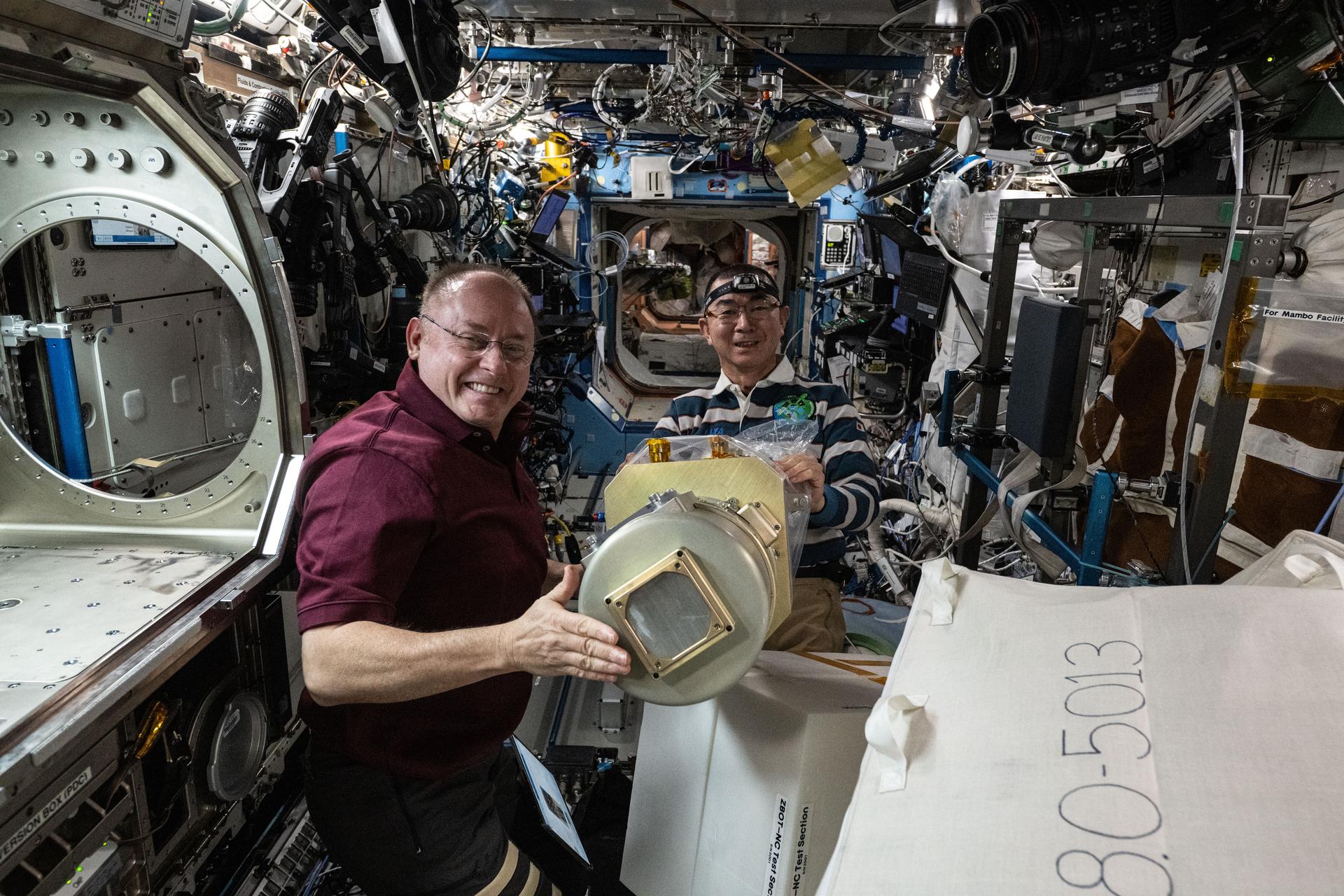
iss073e0982900 (Oct. 28, 2025) --- Expedition 73 Flight Engineers Mike Fincke of NASA and Kimiya Yui of JAXA (Japan Aerospace Exploration Agency) work together to configure research hardware for the Zero Boil-Off Tank physics investigation inside the Microgravity Science Glovebox aboard the International Space Station. The experiment explores methods for storing cryogenic fluids and supports advancements in spacecraft propulsion and life support systems, as well as biotechnological, medical, and industrial applications on Earth.

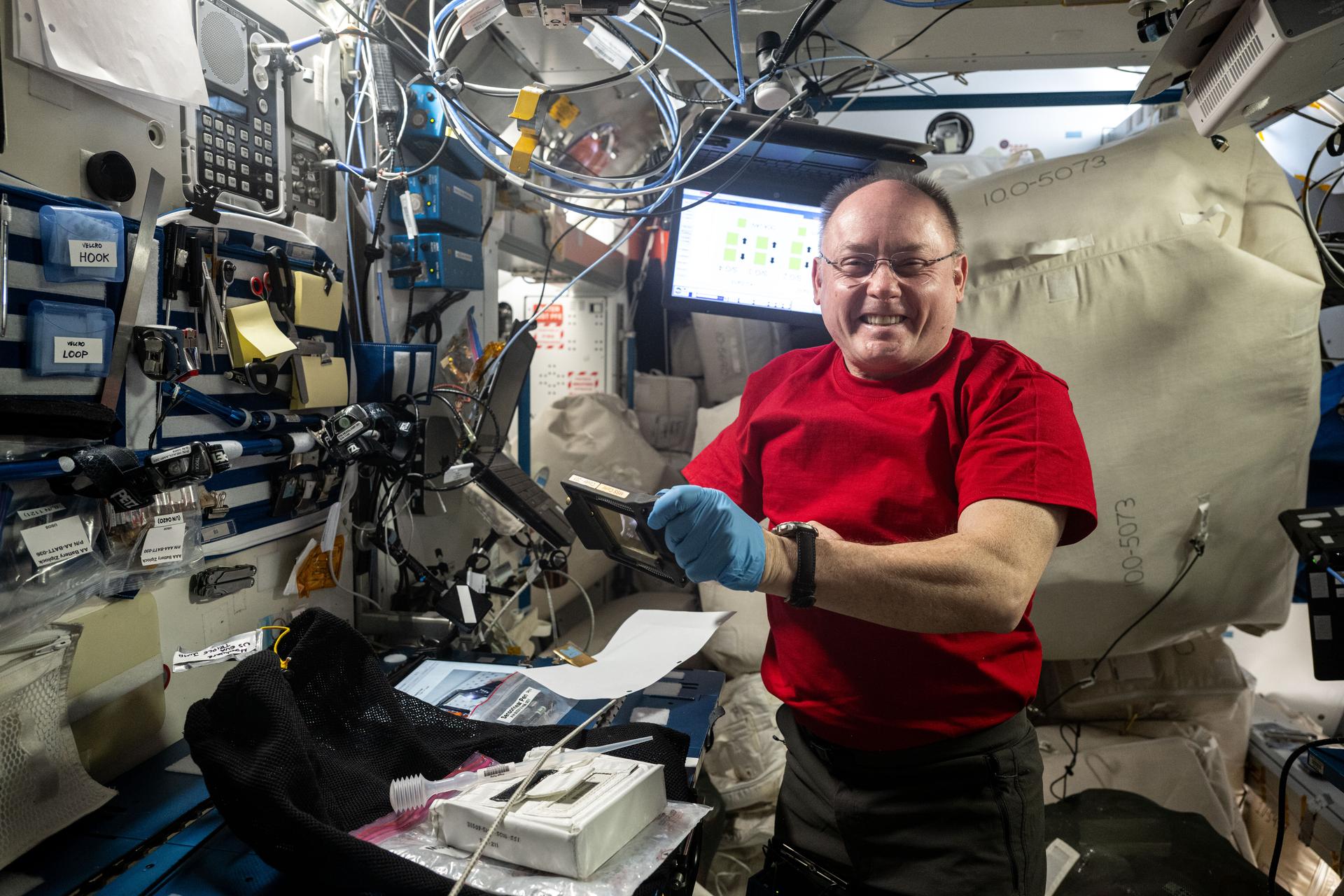
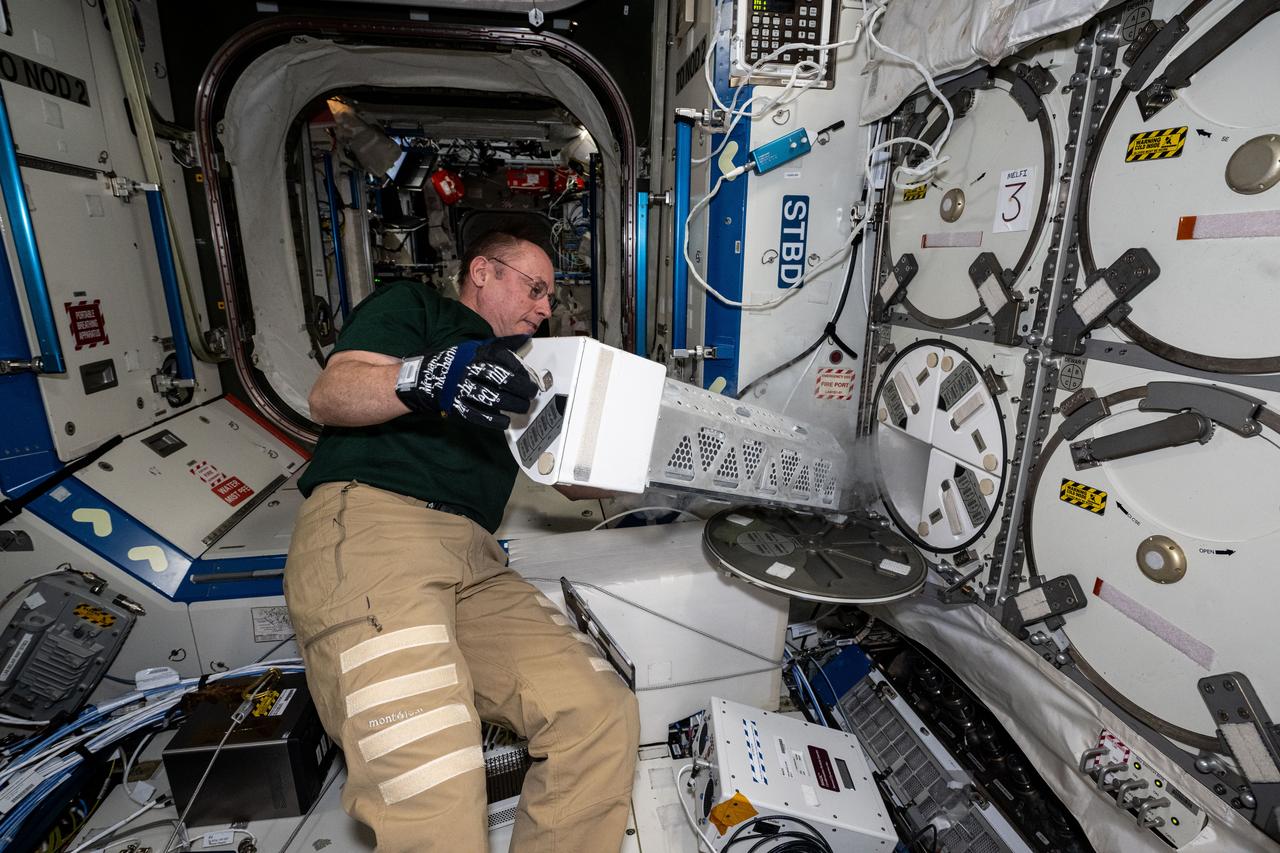
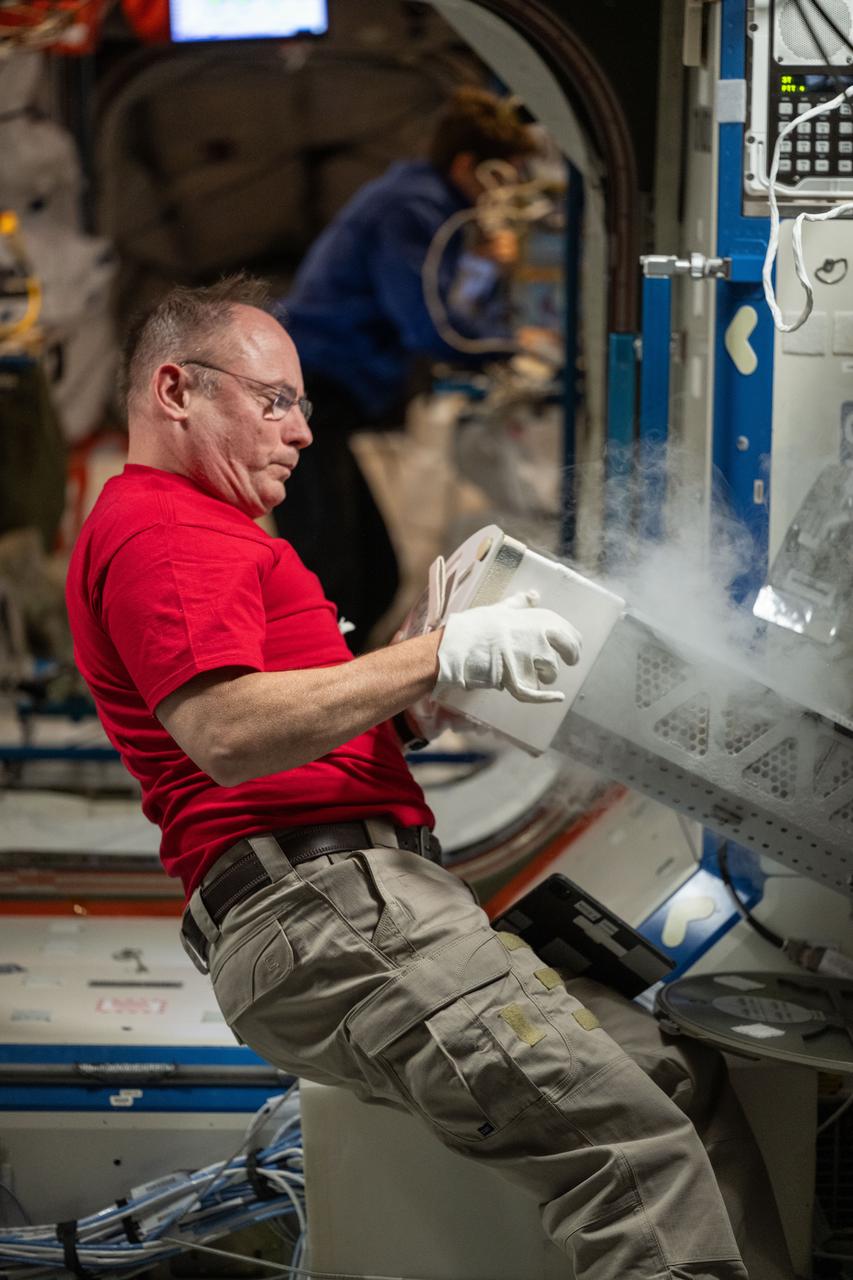
iss073e0424037 (Aug. 7, 2025) --- NASA astronaut and Expedition 73 Flight Engineer Mike Fincke inserts a cryogenic storage unit, called a dewar, containing blood samples collected from a crew member into a science freezer for preservation and later analysis. The Minus Eighty-Degree Laboratory Freezer for International Space Station, or MELFI, is a research freezer that maintains experiment samples at ultra-cold temperatures in microgravity.

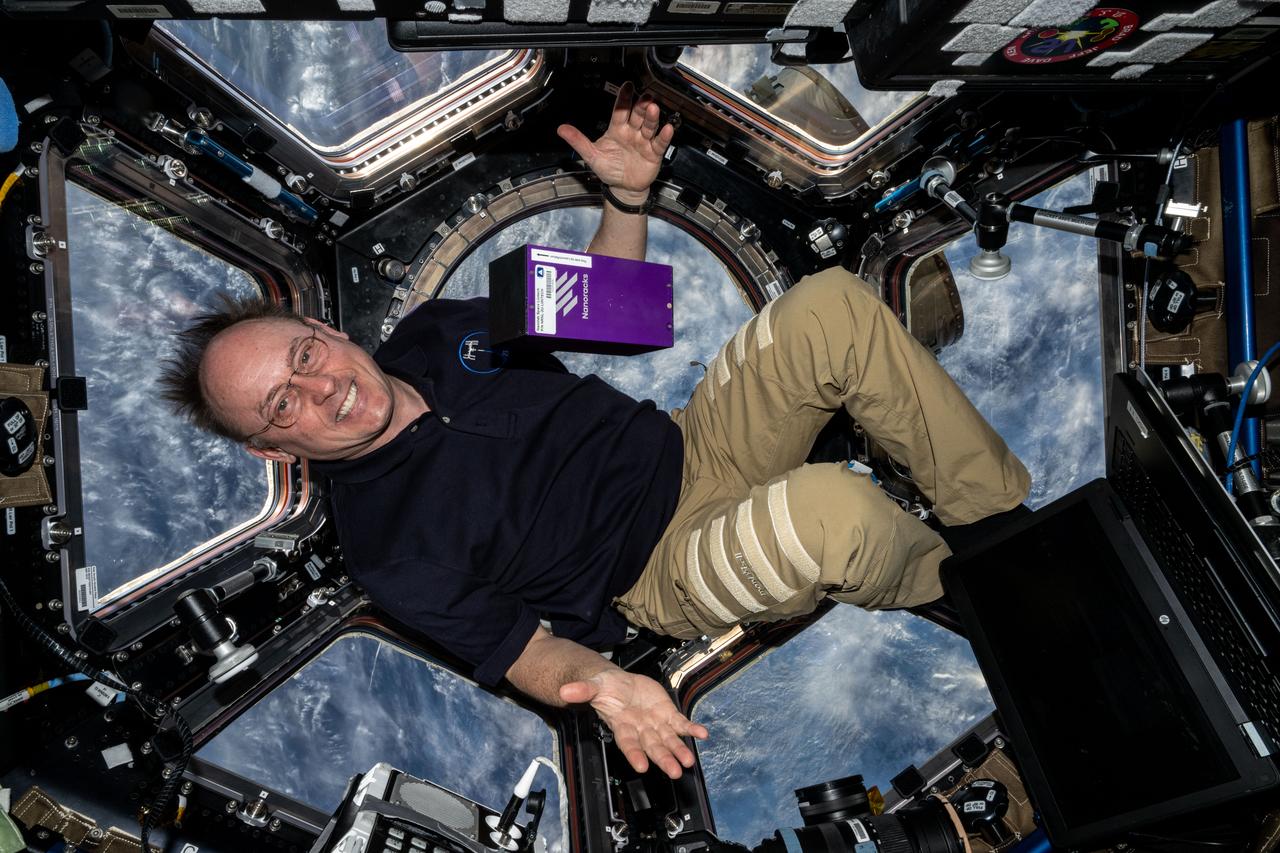
iss073e0548503 (Aug. 28, 2025) --- NASA astronaut and Expedtion 73 Flight Engineer Mike Fincke displays the Nanoracks' Nanolab Space Liintech research hardware inside the International Space Station's cupola while orbiting 262 miles above a cloudy United States. Nanolab Space LiinTech tests a platform that uses optical technology to monitor the process of producing protein crystals in microgravity. This investigation could lead to the development of technology for crystallizing proteins in microgravity to produce pharmaceuticals for use in space and Earth.

iss073e0548958 (Aug. 29, 2025) --- NASA astronaut and Expedition 73 Flight Engineer Mike Fincke inserts a cryogenic storage unit, called a dewar, containing blood samples collected from a crew member into a science freezer for preservation and later analysis. The Minus Eighty-Degree Laboratory Freezer for International Space Station, or MELFI, is a research freezer that maintains experiment samples at ultra-cold temperatures in microgravity.

iss073e0606528 (Sept. 4, 2025) --- NASA astronaut and Expedition 73 Flight Engineer Mike Fincke sets up the Colloidal Solids research hardware inside the Destiny laboratory module’s Microgravity Science Glovebox aboard the International Space Station. The physics study is investigating pharmaceutical manufacturing and 3D printing techniques in space potentially advancing human health on and off the Earth.

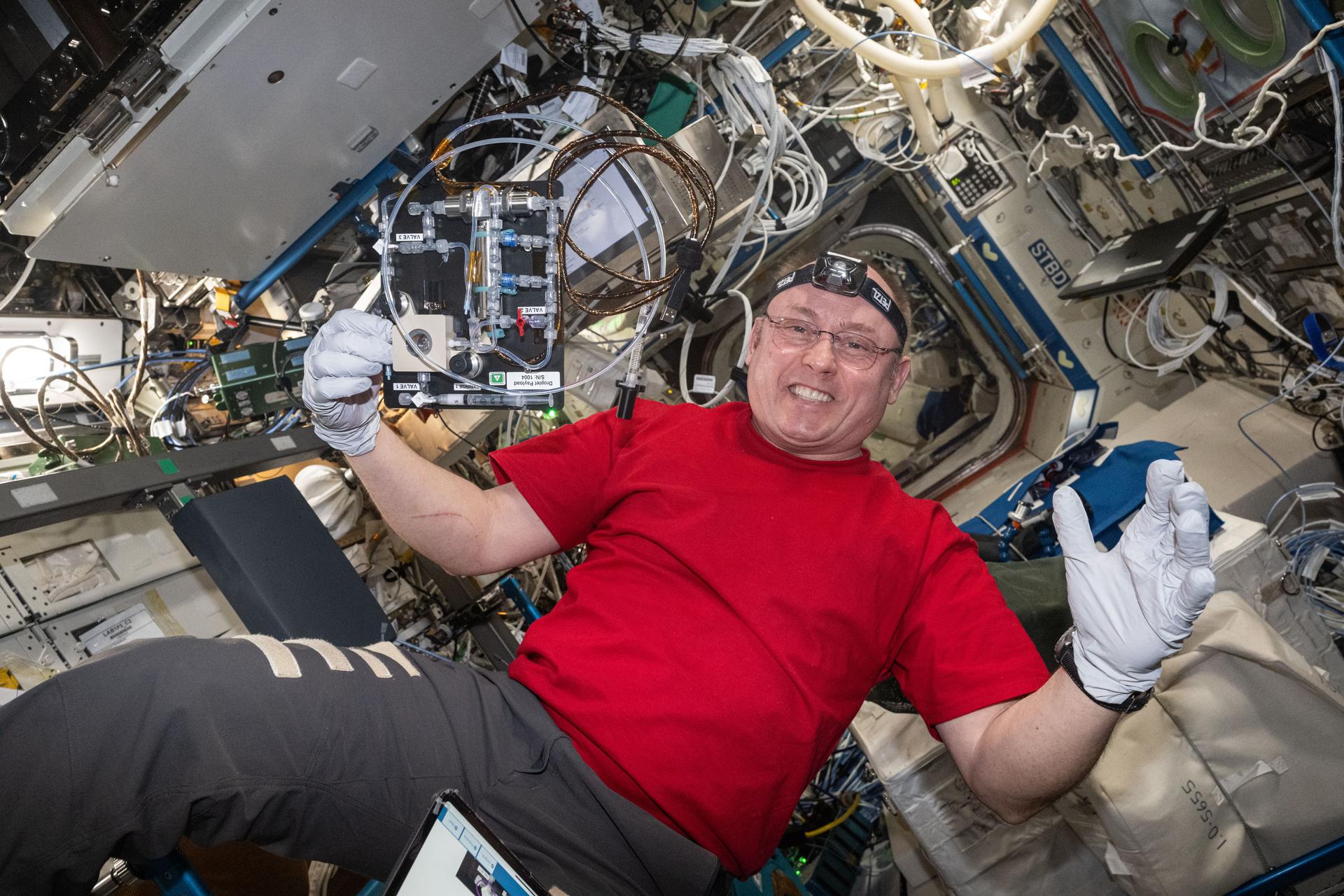
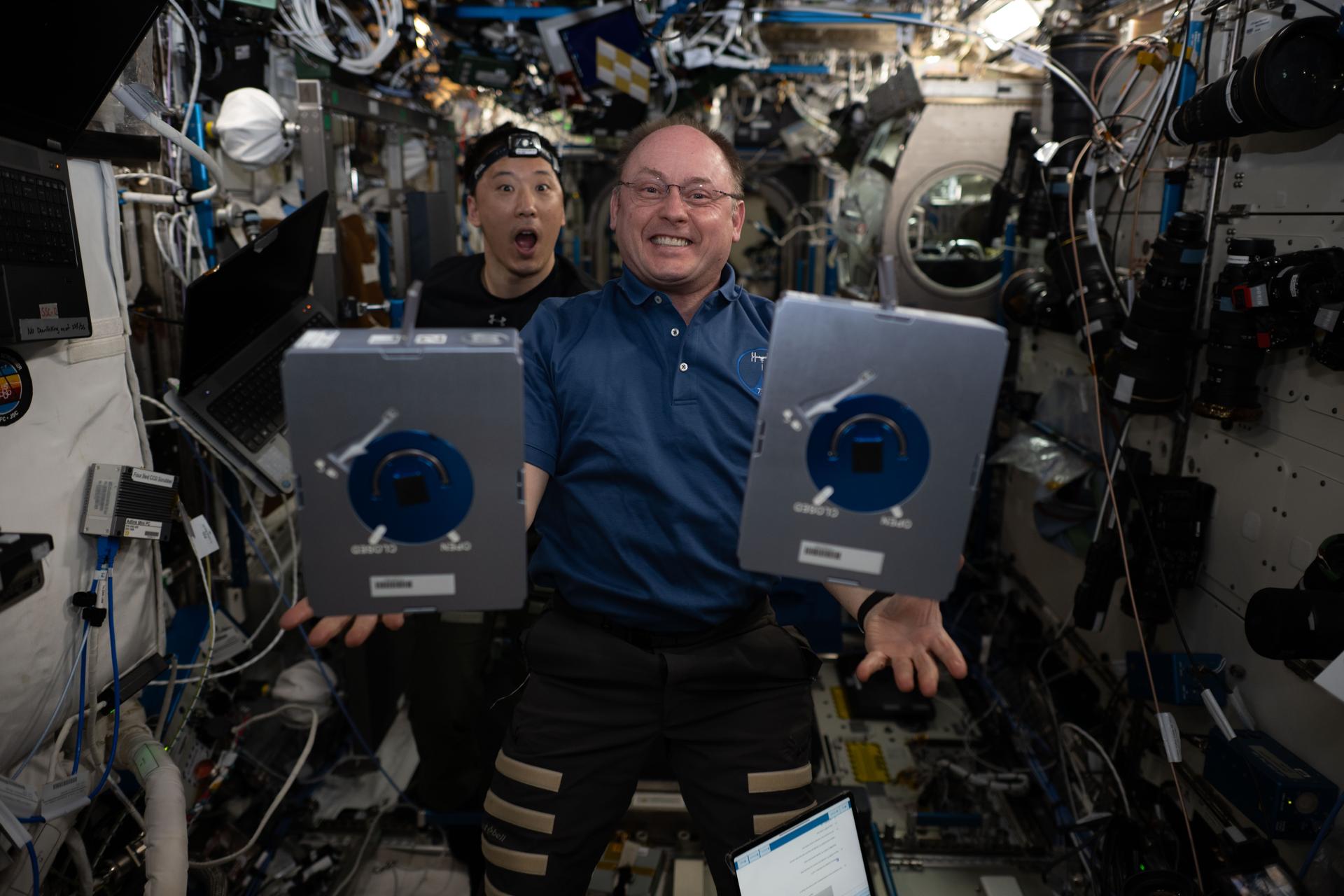
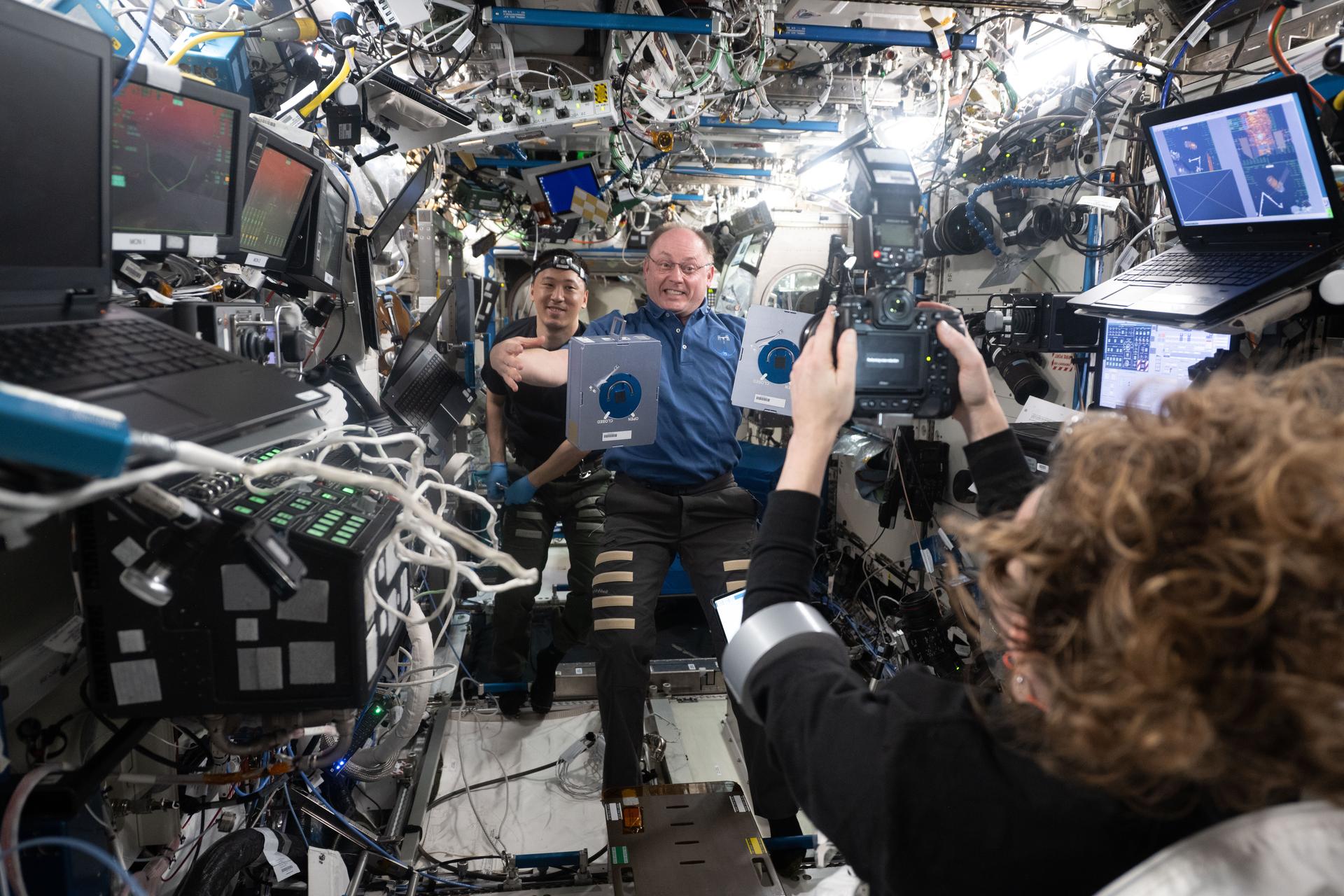
iss073e0886423 (Oct. 17, 2025) --- NASA astronauts (from left) Jonny Kim and Mike Fincke, both Expedition 73 flight engineers, pose for a fun portrait during research and maintenance activities inside the International Space Station's Destiny laboratory module. Fincke shows off a pair of research cassettes housing samples for the Pharmaceutical In-space Laboratory experiment that explores growing protein crystals in microgravity. Results may promote the development of new pharmaceuticals and advanced therapies in weightlessness.

iss073e1046752 (Oct. 31, 2025) --- NASA astronaut and Expedition 73 Flight Engineer Mike Fincke conducts research operations inside the Life Science Glovebox aboard the International Space Station’s Kibo laboratory module. Fincke was assisting scientists in studying the behavior, growth, and differentiation of stem cells, and how they can be converted into brain or heart cells in microgravity. The results could lead to advancements in crew health monitoring and drug manufacturing in space, as well as new treatments for heart and neurodegenerative diseases on Earth.

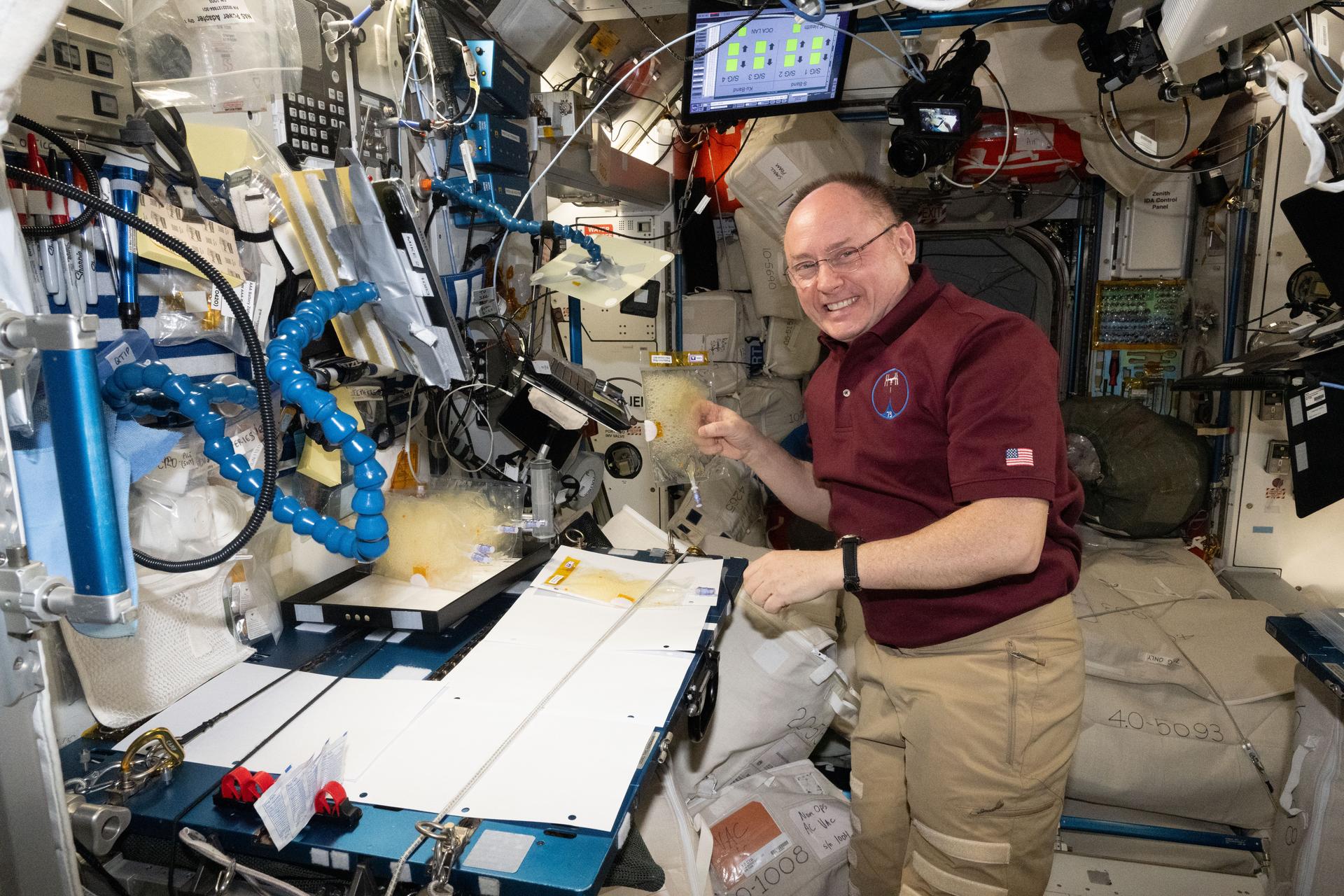
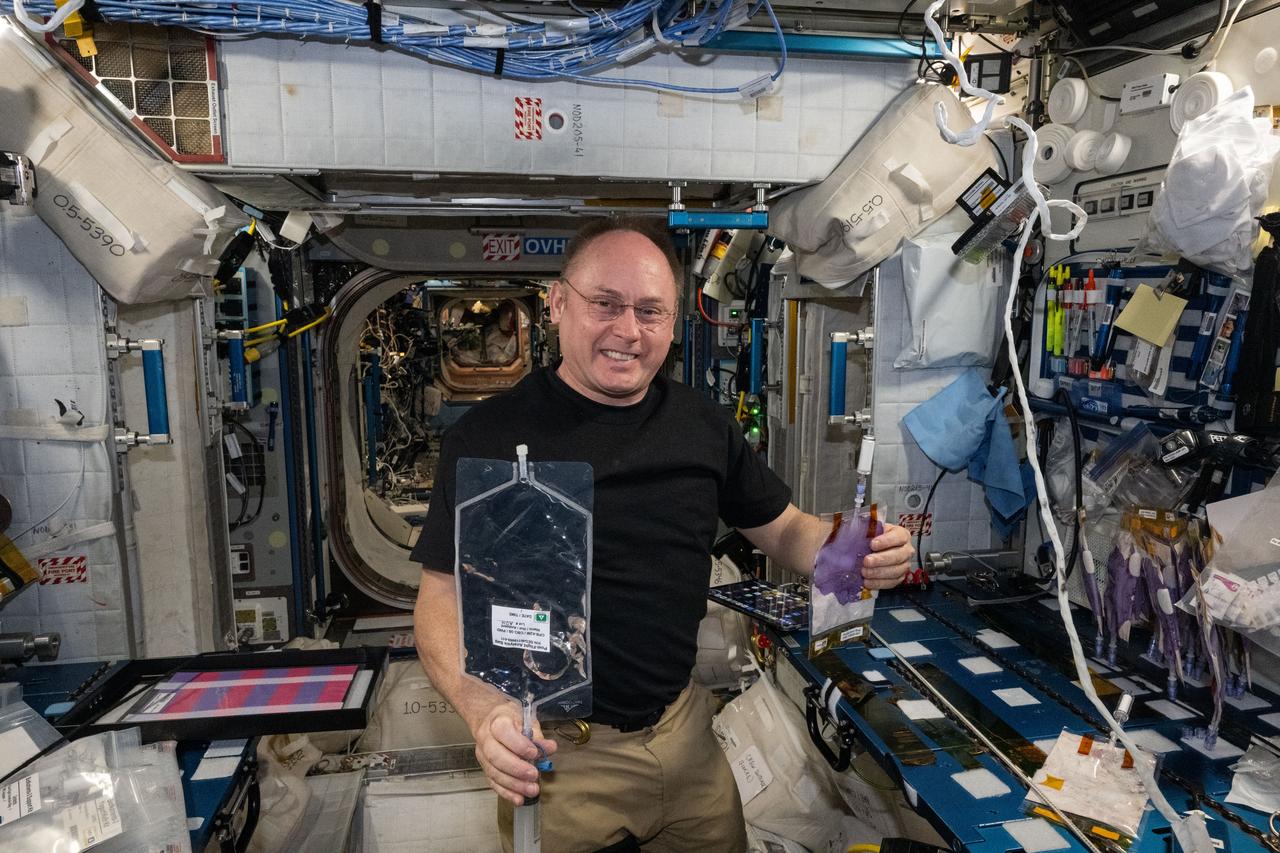
iss073e0657978 (Sept. 10, 2025) --- NASA astronaut and Expedition 73 Flight Engineer Mike Fincke shows off production packs containing research samples for the BioNutrients-3 investigation. The biotechnology study explores ways to produce vitamins and nutrients on spacecraft helping supply adequate nutrition for long-term space missions. Fincke treated yeast, yogurt, and fermented milk samples then stowed them in a research incubator for later analysis.

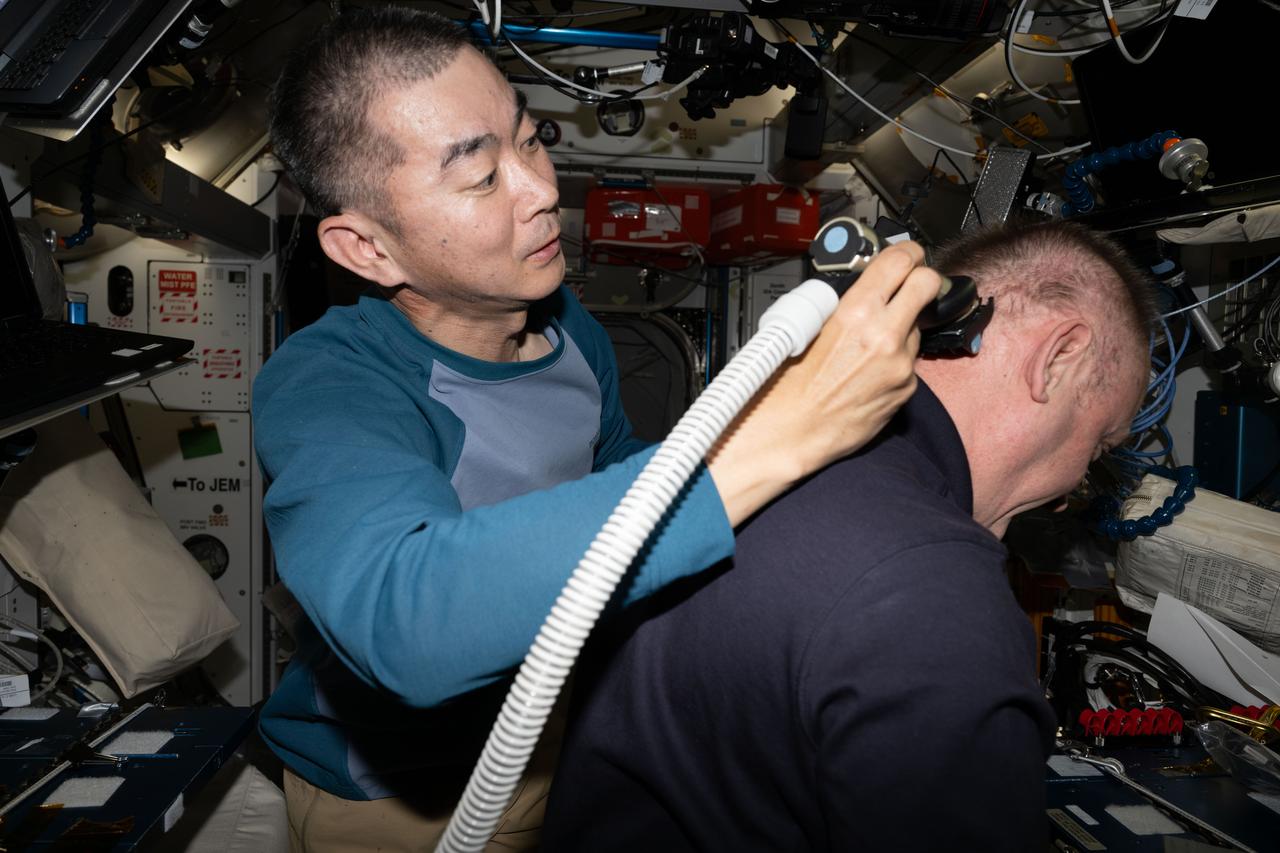
iss073e0602995 (Aug. 30, 2025) --- JAXA (Japan Aerospace Exploration Agency) astronaut Kimiya Yui trims NASA astronaut Mike Fincke's hair aboard the International Space Station. Attached to the electric razor is a vacuum that collects the loose hair safeguarding the station's atmosphere in the microgravity environment.

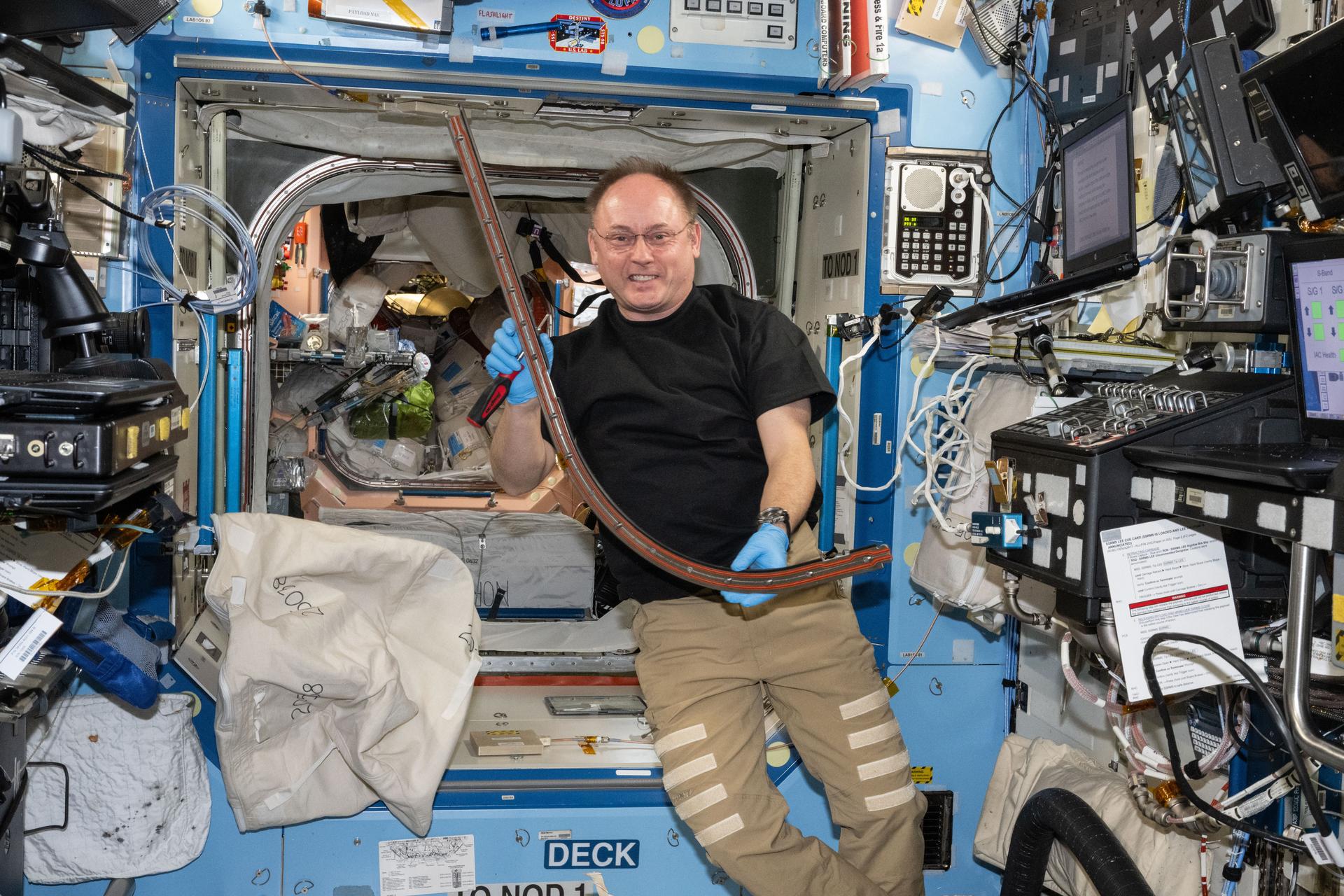
iss073e0767285 (Sept. 24, 2025) --- NASA astronaut and Expedition 73 Flight Engineer Mike Fincke shows off a portion of a hatch seal during maintenance work on the hatch between the Destiny laboratory module and the Harmony module aboard the International Space Station.

iss073e0917010 (Oct. 21, 2025) --- NASA astronaut and Expedition 73 Flight Engineer Mike Fincke gives a thumbs-up in front of the Microgravity Science Glovebox (MSG) inside the International Space Station's Destiny laboratory module. Fincke had just completed research operations for the Fluid Particles experiment, which helps researchers understand how particles in a liquid interface come together to form larger structures or clusters in microgravity. Results could advance fire suppression, lunar dust control, and plant growth in space. Earth benefits may include insights into pollen behavior, algae blooms, plastic pollution, and sea salt transfer during storms.

NASA Astronauts Scott Tingle, left, and Mike Fincke, speak with Boeing and NASA landing teams before the landing of NASA’s Boeing Crew Flight Test Starliner spacecraft, Friday, Sept. 6, 2024, in Las Cruces, New Mexico. The uncrewed spacecraft is scheduled to land at White Sands Missile Range’s Space Harbor later today, Mountain Time (Sept. 7 Eastern Time). This approach allows NASA and Boeing to continue gathering testing data. Photo Credit: (NASA/Aubrey Gemignani)

NASA Astronauts Scott Tingle, left, and Mike Fincke, speak with Boeing and NASA landing teams before the landing of NASA’s Boeing Crew Flight Test Starliner spacecraft, Friday, Sept. 6, 2024, in Las Cruces, New Mexico. The uncrewed spacecraft is scheduled to land at White Sands Missile Range’s Space Harbor later today, Mountain Time (Sept. 7 Eastern Time). This approach allows NASA and Boeing to continue gathering testing data. Photo Credit: (NASA/Aubrey Gemignani)

NASA astronaut Barry “Butch” Wilmore (right), Boeing Crew Flight Test (CFT) commander, and Mike Fincke, CFT backup spacecraft test pilot, check their spacesuits during a crew validation test inside the Astronaut Crew Quarters at NASA’s Kennedy Space Center in Florida on Oct. 18, 2022. Wilmore and Fincke, along with NASA astronaut Suni Williams, CFT pilot, with assistance from the Boeing team, successfully completed the validation test during which they suited up and tested out the pressurized crew module to ensure seat fit, suit functionality, cabin temperature, audio system, and day of launch operations. Boeing’s CFT is scheduled to launch in April 2023.

NASA astronaut Mike Fincke, at right, backup spacecraft test pilot for Boeing’s Crew Flight Test (CFT), checks his spacesuit during a crew validation test inside the Astronaut Crew Quarters at NASA’s Kennedy Space Center in Florida on Oct. 18, 2022. Fincke, with NASA astronauts Suni Williams and Barry “Butch” Wilmore, CFT pilot and commander, respectively, along with assistance from the Boeing team, successfully completed the validation test during which they suited up and tested out the pressurized crew module to ensure seat fit, suit functionality, cabin temperature, audio system, and day of launch operations. Boeing’s CFT is scheduled to launch in April 2023.

From left, NASA astronaut Suni Williams, Boeing Crew Flight Test (CFT) pilot, and Mike Fincke, CFT backup spacecraft test pilot, do a fist bump during a crew validation test inside the Astronaut Crew Quarters at NASA’s Kennedy Space Center in Florida on Oct. 18, 2022. Williams and Fincke, along with Barry “Butch” Wilmore, CFT commander, with assistance from the Boeing team, successfully completed the validation test during which they suited up and tested out the pressurized crew module to ensure seat fit, suit functionality, cabin temperature, audio system, and day of launch operations. Boeing’s CFT is scheduled to launch in April 2023.

NASA astronauts Nicole Mann and Mike Fincke and Boeing astronaut Chris Ferguson observe a moment of silence with teams from NASA, Boeing and the White Sands Missile Range, honoring the victims of the Sept. 11 terrorist attacks, Wednesday, Sept. 11, 2019 at the White Sands Missile Range outside Las Cruces, New Mexico. The joint teams gathered in the desert to rehearse landing and crew extrication from Boeing’s CST-100 Starliner, which will be used to carry humans to the International Space Station. Mann, Fincke and Ferguson will fly to the space station aboard the Starliner for the Boeing Crew Flight Test mission. Photo Credit: (NASA/Bill Ingalls)

NASA astronaut Mike Fincke, Boeing Crew Flight Test (CFT) backup spacecraft test pilot, checks his spacesuit during a crew validation test inside the Astronaut Crew Quarters at NASA’s Kennedy Space Center in Florida on Oct. 18, 2022. Fincke, along with NASA astronauts Suni Williams and Barry “Butch” Wilmore, CTF pilot and commander, respectively, with assistance from the Boeing team, successfully completed the validation test during which they suited up and tested out the pressurized crew module to ensure seat fit, suit functionality, cabin temperature, audio system, and day of launch operations. Boeing’s CFT is scheduled to launch in April 2023.

The quarantined crew, from left, American spaceflight participant Richard Garriott, Expedition 18 Commander Michael Fincke, Flight Engineer Yuri V. Lonchakov, back up Expedition 18 Commander Gennady Padalka, Flight Engineer Mike Barratt and spaceflight participant Nik Halik answer reporters questions during a press conference at the Cosmonaut Hotel, Saturday, Oct. 11, 2008, in Baikonur, Kazakhstan. Fincke, Lonchakov and Garriott are scheduled to launch Oct. 12 and dock with the International Space Station on Oct. 14. Fincke and Lonchakov will spend six months on the station, while Garriott will return to Earth Oct. 24 with two of the Expedition 17 crew members currently on the International Space Station. Photo Credit: (NASA/Bill Ingalls)

NASA astronauts Barry “Butch” Wilmore and Mike Fincke monitor the launch portion of an integrated mission dress rehearsal of Boeing’s uncrewed Orbital Flight Test-2 (OFT-2) from Boeing’s Houston-based Avionics and Software Integration Lab on Thursday, April 22, 2021. Along with NASA astronaut Nicole Mann, Wilmore and Fincke will fly aboard Boeing’s CST-100 Starliner spacecraft for the company’s Crew Flight Test (CFT) as part of NASA’s Commercial Crew Program.

NASA astronauts Suni Williams, left, and Mike Fincke, right, pose for photographs while visiting NASA’s Kennedy Space Center in Florida, May 18, 2022, in advance of the agency’s Boeing Orbital Flight Test-2 (OFT-2) for NASA’s Commercial Crew Program. Boeing’s CST-100 Starliner spacecraft will launch atop a United Launch Alliance Atlas V rocket from Space Launch Complex-41 at Cape Canaveral Space Force Station on May 19, 2022.

NASA astronauts Suni Williams, left, and Mike Fincke, right, pose for photographs while visiting NASA’s Kennedy Space Center in Florida, May 18, 2022, in advance of the agency’s Boeing Orbital Flight Test-2 (OFT-2) for NASA’s Commercial Crew Program. Boeing’s CST-100 Starliner spacecraft will launch atop a United Launch Alliance Atlas V rocket from Space Launch Complex-41 at Cape Canaveral Space Force Station on May 19, 2022.

NASA astronauts Suni Williams, left, and Mike Fincke, right, pose for photographs while visiting NASA’s Kennedy Space Center in Florida, May 18, 2022, in advance of the agency’s Boeing Orbital Flight Test-2 (OFT-2) for NASA’s Commercial Crew Program. Boeing’s CST-100 Starliner spacecraft will launch atop a United Launch Alliance Atlas V rocket from Space Launch Complex-41 at Cape Canaveral Space Force Station on May 19, 2022.

NASA astronauts Suni Williams, left, and Mike Fincke, right, pose for photographs while visiting NASA’s Kennedy Space Center in Florida, May 18, 2022, in advance of the agency’s Boeing Orbital Flight Test-2 (OFT-2) for NASA’s Commercial Crew Program. Boeing’s CST-100 Starliner spacecraft will launch atop a United Launch Alliance Atlas V rocket from Space Launch Complex-41 at Cape Canaveral Space Force Station on May 19, 2022.

NASA astronauts Suni Williams, left, and Mike Fincke, right, pose for photographs while visiting NASA’s Kennedy Space Center in Florida, May 18, 2022, in advance of the agency’s Boeing Orbital Flight Test-2 (OFT-2) for NASA’s Commercial Crew Program. Boeing’s CST-100 Starliner spacecraft will launch atop a United Launch Alliance Atlas V rocket from Space Launch Complex-41 at Cape Canaveral Space Force Station on May 19, 2022.

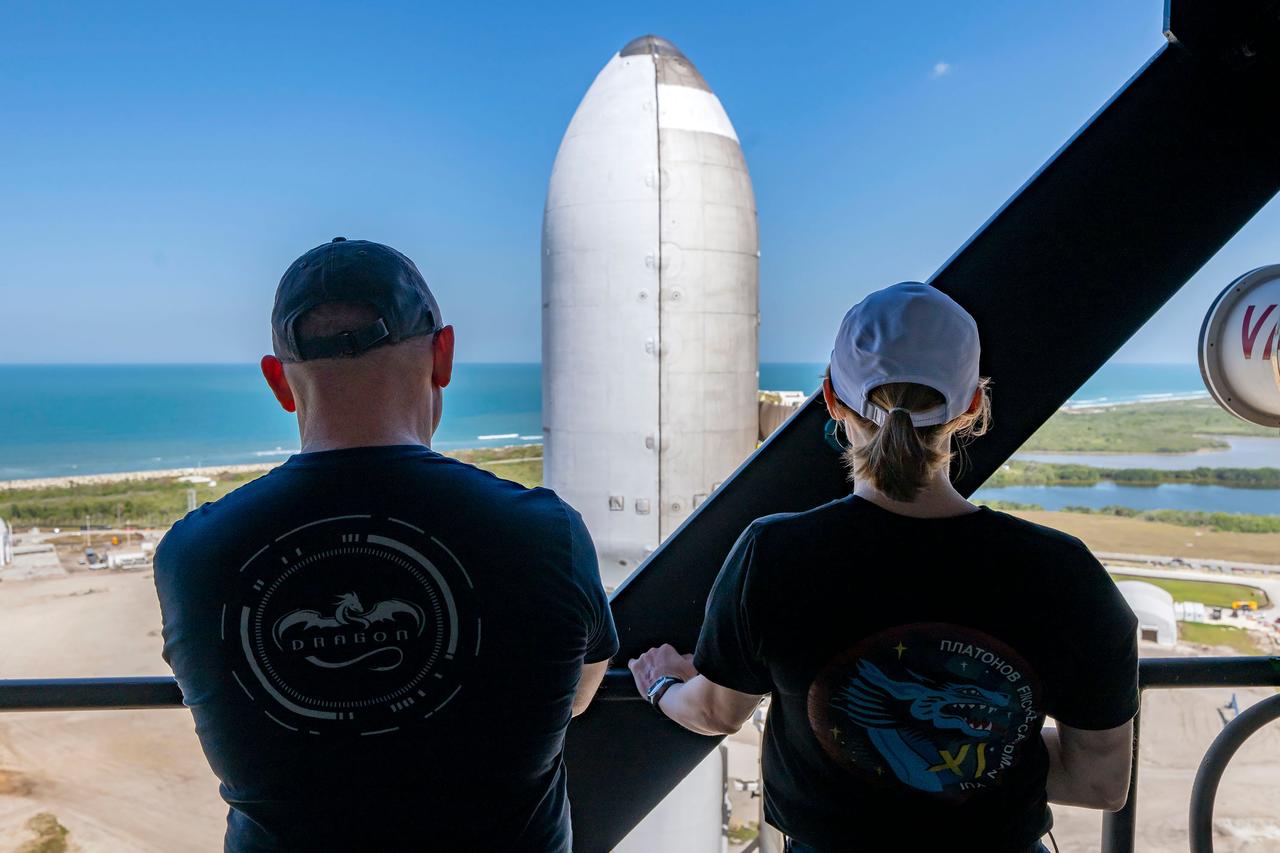
From front left NASA astronauts Mike Fincke and Zena Cardman, along with Roscosmos cosmonaut Oleg Platonov and JAXA (Japan Aerospace Exploration Agency) astronaut Kimiya Yui, walk out of the Neil A. Armstrong Operations and Checkout Building at the agency’s Kennedy Space Center in Florida on Thursday, July 31, 2025, during the first attempt of NASA’s SpaceX Crew-11 mission to the International Space Station. From top left, NASA astronauts Mike Fincke and Zena Cardman, along with JAXA (Japan Aerospace Exploration Agency) astronaut Kimiya Yui and Roscosmos cosmonaut Oleg Platonov, are scheduled to lift off aboard SpaceX’s Dragon spacecraft and Falcon 9 rocket for its second attempt at 11:43 a.m. EDT Friday, Aug. 1, 2025, from Launch Complex 39A at NASA Kennedy.

NASA astronauts Nicole Mann, left, Mike Fincke, and Boeing astronaut Chris Ferguson, right, pose for photograph as they and teams from NASA, Boeing and the White Sands Missile Range, rehearse landing and crew extraction from Boeing’s CST-100 Starliner, which will be used to carry humans to the International Space Station, on Wednesday, Sept. 11, 2019 at the White Sands Missile Range outside Las Cruces, New Mexico. Using a convoy of vehicles Boeing uses to recover their spacecraft after landing and a boiler plate test article of the Starliner capsule, the teams worked through the steps necessary to safe the vehicle and get future crew members out of the Starliner to return home. Fincke, Mann and Ferguson will fly to the space station aboard the Starliner for the Boeing Crew Flight Test mission. Photo Credit: (NASA/Bill Ingalls)

Boeing astronaut Chris Ferguson, left, and NASA astronauts Mike Fincke and Nicole Mann, along with teams from NASA, Boeing and the White Sands Missile Range, rehearse landing and crew extraction from Boeing’s CST-100 Starliner, which will be used to carry humans to the International Space Station, on Wednesday, Sept. 11, 2019 at the White Sands Missile Range outside Las Cruces, New Mexico. Using a convoy of vehicles Boeing uses to recover their spacecraft after landing and a boiler plate test article of the Starliner capsule, the teams worked through the steps necessary to safe the vehicle and get future crew members out of the Starliner to return home. Fincke, Mann and Ferguson will fly to the space station aboard the Starliner for the Boeing Crew Flight Test mission. Photo Credit: (NASA/Bill Ingalls)

NASA astronaut Mike Fincke is all smiles during leak checks for his SpaceX spacesuit inside the crew suit-up room in the Neil A. Armstrong Operations and Checkout Building at the agency’s Kennedy Space Center in Florida during the second launch attempt NASA’s SpaceX Crew-11 mission to the International Space Station on Friday, Aug. 1, 2025. Fincke and fellow NASA astronaut Zena Cardman, along with JAXA (Japan Aerospace Exploration Agency) astronaut Kimiya Yui and Roscosmos cosmonaut Oleg Platonov, are scheduled to lift off aboard SpaceX’s Dragon spacecraft and Falcon 9 rocket at 11:45 a.m. EDT, from Launch Complex 39A at NASA Kennedy.

NASA astronaut Mike Fincke is all smiles during leak checks for his SpaceX spacesuit inside the crew suit-up room in the Neil A. Armstrong Operations and Checkout Building at the agency’s Kennedy Space Center in Florida during the second launch attempt NASA’s SpaceX Crew-11 mission to the International Space Station on Friday, Aug. 1, 2025. Fincke and fellow NASA astronaut Zena Cardman, along with JAXA (Japan Aerospace Exploration Agency) astronaut Kimiya Yui and Roscosmos cosmonaut Oleg Platonov, are scheduled to lift off aboard SpaceX’s Dragon spacecraft and Falcon 9 rocket at 11:45 a.m. EDT, from Launch Complex 39A at NASA Kennedy.

jsc2025e034094 (Sept. 25, 2024) --- From left to right, NASA astronauts Mike Fincke and Zena Cardman, Roscosmos cosmonaut Oleg Platonov, and JAXA (Japan Aerospace Exploration Agency) astronaut Kimiya Yui pose for a photo at a SpaceX facility in Hawthorne, California.

jsc2025e064544 (July 3, 2025) --- The crew of NASA’s SpaceX Crew-11 mission train for their upcoming trip to the International Space Station at SpaceX facilities in Florida. From left: Oleg Platonov, Mike Fincke, Zena Cardman, and Kimiya Yui. Credit: SpaceX

jsc2025e064550 (July 3, 2025) --- The crew of NASA’s SpaceX Crew-11 mission train for their upcoming trip to the International Space Station at SpaceX facilities in Florida. From left: Oleg Platonov, Mike Fincke, Zena Cardman, and Kimiya Yui. Credit: SpaceX

jsc2025e064545 (July 3, 2025) --- The crew of NASA’s SpaceX Crew-11 mission train for their upcoming trip to the International Space Station at SpaceX facilities in Florida. NASA astronauts Mike Fincke (left) and Zena Cardman are the pilot and commander of the mission. Credit: SpaceX

jsc2025e064551 (July 3, 2025) --- The crew of NASA’s SpaceX Crew-11 mission train for their upcoming trip to the International Space Station at SpaceX facilities in Florida. From left: Oleg Platonov, Mike Fincke, Zena Cardman, and Kimiya Yui. Credit: SpaceX

The United Launch Alliance (ULA) Atlas V first stage booster for the Crew Flight Test of Boeing’s CST-100 Starliner is in production in ULA's factory in Decatur, Alabama on March 1, 2019. Soon the booster will be assembled with the dual engine Centaur upper stage. They will be shipped aboard the company’s Mariner cargo ship to NASA’s Kennedy Space Center in Florida. Starliner and the Atlas V rockets that will launch the spacecraft, are key to restoring the nation’s capability to send astronauts to the space station from U.S. soil with NASA’s Commercial Crew Program. NASA astronauts Mike Fincke and Nicole Mann, and Boeing astronaut Chris Ferguson will launch to the space station aboard the Starliner for the Crew Flight Test.

NASA astronaut Barry “Butch” Wilmore, Boeing Crew Flight Test (CFT) commander, checks his spacesuit during a crew validation test inside the Astronaut Crew Quarters at NASA’s Kennedy Space Center in Florida on Oct. 18, 2022. Wilmore, along with NASA astronauts Suni Williams, CFT pilot, and Mike Fincke, CFT backup spacecraft test pilot, with assistance from the Boeing team, successfully completed the validation test during which they suited up and tested out the pressurized crew module to ensure seat fit, suit functionality, cabin temperature, audio system, and day of launch operations. Boeing’s CFT is scheduled to launch in April 2023.

NASA astronaut Mike Fincke delivers remarks during a press conference ahead of the launch of Boeing’s Starliner spacecraft aboard a United Launch Alliance Atlas V rocket, Wednesday, May 18, 2022, at NASA’s Kennedy Space Center in Florida. Boeing’s Orbital Flight Test-2 will be Starliner’s second uncrewed flight test and will dock to the International Space Station as part of NASA's Commercial Crew Program. The mission, currently targeted for launch on 6:54 p.m. ET on May 19, will serve as an end-to-end test of the system's capabilities. Photo Credit: (NASA/Joel Kowsky)
NASA astronaut Suni Williams, pilot for Boeing’s Crew Flight Test (CFT), checks her spacesuit during a crew validation test inside the Astronaut Crew Quarters at NASA’s Kennedy Space Center in Florida on Oct. 18, 2022. Williams, along with NASA astronauts Barry “Butch” Wilmore, CFT commander, and Mike Fincke, CFT backup spacecraft test pilot, with assistance from the Boeing team, successfully completed the validation test during which they suited up and tested out the pressurized crew module to ensure seat fit, suit functionality, cabin temperature, audio system, and day of launch operations. Boeing’s CFT is scheduled to launch in April 2023.

NASA astronaut Suni Williams, pilot for Boeing’s Crew Flight Test (CFT), checks her spacesuit and helmet during a crew validation test inside the Astronaut Crew Quarters at NASA’s Kennedy Space Center in Florida on Oct. 18, 2022. Williams, along with NASA astronauts Barry “Butch” Wilmore, CFT commander, and Mike Fincke, CFT backup spacecraft test pilot, with assistance from the Boeing team, successfully completed the validation test during which they suited up and tested out the pressurized crew module to ensure seat fit, suit functionality, cabin temperature, audio system, and day of launch operations. Boeing’s CFT is scheduled to launch in April 2023.

From left, NASA astronauts Mike Fincke, Suni Williams, and Barry “Butch” Wilmore, Boeing Crew Flight Test (CFT) backup spacecraft test pilot, pilot, and commander, respectively, exit the Astronaut Crew Quarters at NASA’s Kennedy Space Center in Florida during a crew validation test on Oct. 18, 2022. The astronauts, with assistance from the Boeing team, successfully completed the validation test during which they suited up and tested out the pressurized crew module to ensure seat fit, suit functionality, cabin temperature, audio system, and day of launch operations. Boeing’s CFT is scheduled to launch in April 2023.
NASA astronaut Suni Williams, pilot for Boeing’s Crew Flight Test (CFT), checks her spacesuit and helmet during a crew validation test inside the Astronaut Crew Quarters at NASA’s Kennedy Space Center in Florida on Oct. 18, 2022. Williams, along with NASA astronauts Barry “Butch” Wilmore, CFT commander, and Mike Fincke, CFT backup spacecraft test pilot, with assistance from the Boeing team, successfully completed the validation test during which they suited up and tested out the pressurized crew module to ensure seat fit, suit functionality, cabin temperature, audio system, and day of launch operations. Boeing’s CFT is scheduled to launch in April 2023.

NASA astronaut Barry “Butch” Wilmore, Boeing Crew Flight Test (CFT) commander, checks his helmet during a crew validation test inside the Astronaut Crew Quarters at NASA’s Kennedy Space Center in Florida on Oct. 18, 2022. Wilmore, along with NASA astronauts Suni Williams, CFT pilot, and Mike Fincke, CFT backup spacecraft test pilot, with assistance from the Boeing team, successfully completed the validation test during which they suited up and tested out the pressurized crew module to ensure seat fit, suit functionality, cabin temperature, audio system, and day of launch operations. Boeing’s CFT is scheduled to launch in April 2023.

From left, NASA astronauts Suni Williams and Barry “Butch” Wilmore, Boeing Crew Flight Test (CFT) pilot and commander, respectively, check their spacesuits during a crew validation test inside the Astronaut Crew Quarters at NASA’s Kennedy Space Center in Florida on Oct. 18, 2022. Williams and Wilmore, along with Mike Fincke, CFT backup spacecraft test pilot, with assistance from the Boeing team, successfully completed the validation test during which they suited up and tested out the pressurized crew module to ensure seat fit, suit functionality, cabin temperature, audio system, and day of launch operations. Boeing’s CFT is scheduled to launch in April 2023.

NASA astronaut Barry “Butch” Wilmore, Boeing Crew Flight Test (CFT) commander, checks his spacesuit and helmet during a crew validation test inside the Astronaut Crew Quarters at NASA’s Kennedy Space Center in Florida on Oct. 18, 2022. Wilmore, along with NASA astronauts Suni Williams, CFT pilot, and Mike Fincke, CFT backup spacecraft test pilot, with assistance from the Boeing team, successfully completed the validation test during which they suited up and tested out the pressurized crew module to ensure seat fit, suit functionality, cabin temperature, audio system, and day of launch operations. Boeing’s CFT is scheduled to launch in April 2023.