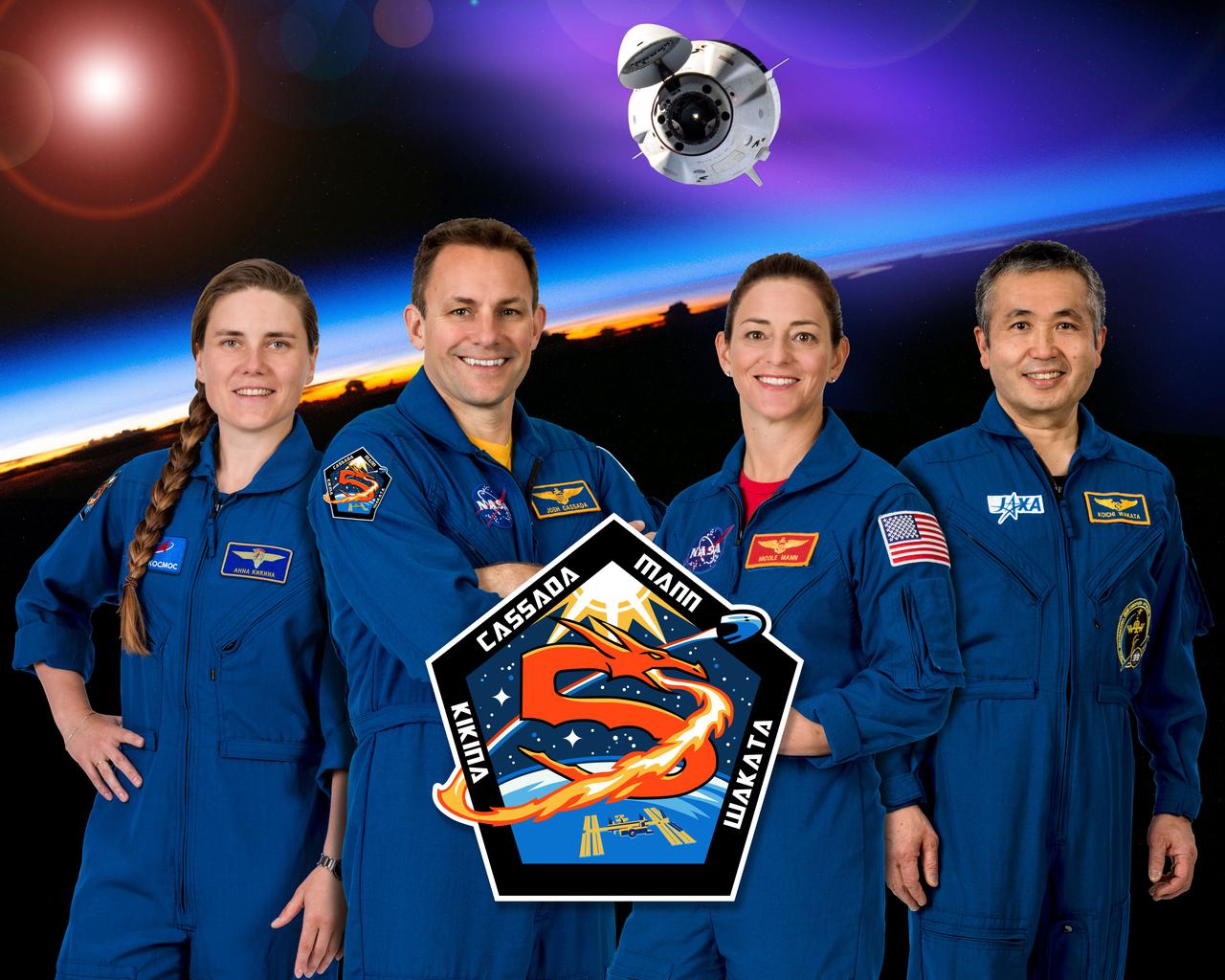
A fire-breathing, five-shaped dragon propels the Crew Dragon spacecraft of NASA's SpaceX Crew-5 mission beyond the confines of a pentagon’s outline and into low-Earth orbit. As the spacecraft ascends above the Earth’s atmosphere and its crew of courageous explorers embarks on their expedition aboard the International Space Station, the dragon’s fire transitions to the colors of NASA’s Commercial Crew Program representing the unrelenting efforts of the many teams who have met this challenge with unparalleled determination. The sun shines its light on this international team as they bravely pursue.
This video previews the Neutron star Interior Composition Explorer (NICER). NICER is an Astrophysics Mission of Opportunity within NASA’s Explorer program, which provides frequent flight opportunities for world-class scientific investigations from space utilizing innovative, streamlined and efficient management approaches within the heliophysics and astrophysics science areas. NASA’s Space Technology Mission Directorate supports the SEXTANT component of the mission, demonstrating pulsar-based spacecraft navigation. NICER is an upcoming International Space Station payload scheduled to launch in June 2017. Learn more about the mission at nasa.gov/nicer <b><a href="http://www.nasa.gov/audience/formedia/features/MP_Photo_Guidelines.html" rel="nofollow">NASA image use policy.</a></b> <b><a href="http://www.nasa.gov/centers/goddard/home/index.html" rel="nofollow">NASA Goddard Space Flight Center</a></b> enables NASA’s mission through four scientific endeavors: Earth Science, Heliophysics, Solar System Exploration, and Astrophysics. Goddard plays a leading role in NASA’s accomplishments by contributing compelling scientific knowledge to advance the Agency’s mission. <b>Follow us on <a href="http://twitter.com/NASAGoddardPix" rel="nofollow">Twitter</a></b> <b>Like us on <a href="http://www.facebook.com/pages/Greenbelt-MD/NASA-Goddard/395013845897?ref=tsd" rel="nofollow">Facebook</a></b> <b>Find us on <a href="http://instagrid.me/nasagoddard/?vm=grid" rel="nofollow">Instagram</a></b>

Caption: A NASA-funded sounding rocket launches into an aurora in the early morning of March 3, 2014, over Venetie, Alaska. The GREECE mission studies how certain structures – classic curls like swirls of cream in coffee -- form in the aurora. Credit: NASA/Christopher Perry More info: On March 3, 2014, at 6:09 a.m. EST, a NASA-funded sounding rocket launched straight into an aurora over Venetie, Alaska. The Ground-to-Rocket Electrodynamics – Electron Correlative Experiment, or GREECE, sounding rocket mission, which launched from Poker Flat Research Range in Poker Flat, Alaska, will study classic curls in the aurora in the night sky. The GREECE instruments travel on a sounding rocket that launches for a ten-minute ride right through the heart of the aurora reaching its zenith over the native village of Venetie, Alaska. To study the curl structures, GREECE consists of two parts: ground-based imagers located in Venetie to track the aurora from the ground and the rocket to take measurements from the middle of the aurora itself. At their simplest, auroras are caused when particles from the sun funnel over to Earth's night side, generate electric currents, and trigger a shower of particles that strike oxygen and nitrogen some 60 to 200 miles up in Earth's atmosphere, releasing a flash of light. But the details are always more complicated, of course. Researchers wish to understand the aurora, and movement of plasma in general, at much smaller scales including such things as how different structures are formed there. This is a piece of information, which in turn, helps paint a picture of the sun-Earth connection and how energy and particles from the sun interact with Earth's own magnetic system, the magnetosphere. GREECE is a collaborative effort between SWRI, which developed particle instruments and the ground-based imaging, and the University of California, Berkeley, measuring the electric and magnetic fields. The launch is supported by a sounding rocket team from NASA’s Wallops Flight Facility, Wallops Island, Va. The Poker Flat Research Range is operated by the University of Alaska, Fairbanks. “The conditions were optimal,” said Marilia Samara, principal investigator for the mission at Southwest Research Institute in San Antonio, Texas. “We can’t wait to dig into the data.” For more information on the GREECE mission visit: <a href="http://www.nasa.gov/content/goddard/nasa-funded-sounding-rocket-to-catch-aurora-in-the-act/." rel="nofollow">www.nasa.gov/content/goddard/nasa-funded-sounding-rocket- </a>.<b><a href="http://www.nasa.gov/audience/formedia/features/MP_Photo_Guidelines.html" rel="nofollow">NASA image use policy.</a></b> <b><a href="http://www.nasa.gov/centers/goddard/home/index.html" rel="nofollow">NASA Goddard Space Flight Center</a></b> enables NASA’s mission through four scientific endeavors: Earth Science, Heliophysics, Solar System Exploration, and Astrophysics. Goddard plays a leading role in NASA’s accomplishments by contributing compelling scientific knowledge to advance the Agency’s mission. <b>Follow us on <a href="http://twitter.com/NASAGoddardPix" rel="nofollow">Twitter</a></b> <b>Like us on <a href="http://www.facebook.com/pages/Greenbelt-MD/NASA-Goddard/395013845897?ref=tsd" rel="nofollow">Facebook</a></b> <b>Find us on <a href="http://instagram.com/nasagoddard?vm=grid" rel="nofollow">Instagram</a></b>

Caption: A NASA-funded sounding rocket launches into an aurora in the early morning of March 3, 2014, over Venetie, Alaska. The GREECE mission studies how certain structures – classic curls like swirls of cream in coffee -- form in the aurora. Credit: NASA/Christopher Perry More info: On March 3, 2014, at 6:09 a.m. EST, a NASA-funded sounding rocket launched straight into an aurora over Venetie, Alaska. The Ground-to-Rocket Electrodynamics – Electron Correlative Experiment, or GREECE, sounding rocket mission, which launched from Poker Flat Research Range in Poker Flat, Alaska, will study classic curls in the aurora in the night sky. The GREECE instruments travel on a sounding rocket that launches for a ten-minute ride right through the heart of the aurora reaching its zenith over the native village of Venetie, Alaska. To study the curl structures, GREECE consists of two parts: ground-based imagers located in Venetie to track the aurora from the ground and the rocket to take measurements from the middle of the aurora itself. At their simplest, auroras are caused when particles from the sun funnel over to Earth's night side, generate electric currents, and trigger a shower of particles that strike oxygen and nitrogen some 60 to 200 miles up in Earth's atmosphere, releasing a flash of light. But the details are always more complicated, of course. Researchers wish to understand the aurora, and movement of plasma in general, at much smaller scales including such things as how different structures are formed there. This is a piece of information, which in turn, helps paint a picture of the sun-Earth connection and how energy and particles from the sun interact with Earth's own magnetic system, the magnetosphere. GREECE is a collaborative effort between SWRI, which developed particle instruments and the ground-based imaging, and the University of California, Berkeley, measuring the electric and magnetic fields. The launch is supported by a sounding rocket team from NASA’s Wallops Flight Facility, Wallops Island, Va. The Poker Flat Research Range is operated by the University of Alaska, Fairbanks. “The conditions were optimal,” said Marilia Samara, principal investigator for the mission at Southwest Research Institute in San Antonio, Texas. “We can’t wait to dig into the data.” For more information on the GREECE mission visit: <a href="http://www.nasa.gov/content/goddard/nasa-funded-sounding-rocket-to-catch-aurora-in-the-act/." rel="nofollow">www.nasa.gov/content/goddard/nasa-funded-sounding-rocket- </a>.<b><a href="http://www.nasa.gov/audience/formedia/features/MP_Photo_Guidelines.html" rel="nofollow">NASA image use policy.</a></b> <b><a href="http://www.nasa.gov/centers/goddard/home/index.html" rel="nofollow">NASA Goddard Space Flight Center</a></b> enables NASA’s mission through four scientific endeavors: Earth Science, Heliophysics, Solar System Exploration, and Astrophysics. Goddard plays a leading role in NASA’s accomplishments by contributing compelling scientific knowledge to advance the Agency’s mission. <b>Follow us on <a href="http://twitter.com/NASAGoddardPix" rel="nofollow">Twitter</a></b> <b>Like us on <a href="http://www.facebook.com/pages/Greenbelt-MD/NASA-Goddard/395013845897?ref=tsd" rel="nofollow">Facebook</a></b> <b>Find us on <a href="http://instagram.com/nasagoddard?vm=grid" rel="nofollow">Instagram</a></b>

Caption: A NASA-funded sounding rocket launches into an aurora in the early morning of March 3, 2014, over Venetie, Alaska. The GREECE mission studies how certain structures – classic curls like swirls of cream in coffee -- form in the aurora. Credit: NASA/Christopher Perry More info: On March 3, 2014, at 6:09 a.m. EST, a NASA-funded sounding rocket launched straight into an aurora over Venetie, Alaska. The Ground-to-Rocket Electrodynamics – Electron Correlative Experiment, or GREECE, sounding rocket mission, which launched from Poker Flat Research Range in Poker Flat, Alaska, will study classic curls in the aurora in the night sky. The GREECE instruments travel on a sounding rocket that launches for a ten-minute ride right through the heart of the aurora reaching its zenith over the native village of Venetie, Alaska. To study the curl structures, GREECE consists of two parts: ground-based imagers located in Venetie to track the aurora from the ground and the rocket to take measurements from the middle of the aurora itself. At their simplest, auroras are caused when particles from the sun funnel over to Earth's night side, generate electric currents, and trigger a shower of particles that strike oxygen and nitrogen some 60 to 200 miles up in Earth's atmosphere, releasing a flash of light. But the details are always more complicated, of course. Researchers wish to understand the aurora, and movement of plasma in general, at much smaller scales including such things as how different structures are formed there. This is a piece of information, which in turn, helps paint a picture of the sun-Earth connection and how energy and particles from the sun interact with Earth's own magnetic system, the magnetosphere. GREECE is a collaborative effort between SWRI, which developed particle instruments and the ground-based imaging, and the University of California, Berkeley, measuring the electric and magnetic fields. The launch is supported by a sounding rocket team from NASA’s Wallops Flight Facility, Wallops Island, Va. The Poker Flat Research Range is operated by the University of Alaska, Fairbanks. “The conditions were optimal,” said Marilia Samara, principal investigator for the mission at Southwest Research Institute in San Antonio, Texas. “We can’t wait to dig into the data.” For more information on the GREECE mission visit: <a href="http://www.nasa.gov/content/goddard/nasa-funded-sounding-rocket-to-catch-aurora-in-the-act/." rel="nofollow">www.nasa.gov/content/goddard/nasa-funded-sounding-rocket- </a>.<b><a href="http://www.nasa.gov/audience/formedia/features/MP_Photo_Guidelines.html" rel="nofollow">NASA image use policy.</a></b> <b><a href="http://www.nasa.gov/centers/goddard/home/index.html" rel="nofollow">NASA Goddard Space Flight Center</a></b> enables NASA’s mission through four scientific endeavors: Earth Science, Heliophysics, Solar System Exploration, and Astrophysics. Goddard plays a leading role in NASA’s accomplishments by contributing compelling scientific knowledge to advance the Agency’s mission. <b>Follow us on <a href="http://twitter.com/NASAGoddardPix" rel="nofollow">Twitter</a></b> <b>Like us on <a href="http://www.facebook.com/pages/Greenbelt-MD/NASA-Goddard/395013845897?ref=tsd" rel="nofollow">Facebook</a></b> <b>Find us on <a href="http://instagram.com/nasagoddard?vm=grid" rel="nofollow">Instagram</a></b>

Caption: A NASA-funded sounding rocket launches into an aurora in the early morning of March 3, 2014, over Venetie, Alaska. The GREECE mission studies how certain structures – classic curls like swirls of cream in coffee -- form in the aurora. Credit: NASA/Christopher Perry More info: On March 3, 2014, at 6:09 a.m. EST, a NASA-funded sounding rocket launched straight into an aurora over Venetie, Alaska. The Ground-to-Rocket Electrodynamics – Electron Correlative Experiment, or GREECE, sounding rocket mission, which launched from Poker Flat Research Range in Poker Flat, Alaska, will study classic curls in the aurora in the night sky. The GREECE instruments travel on a sounding rocket that launches for a ten-minute ride right through the heart of the aurora reaching its zenith over the native village of Venetie, Alaska. To study the curl structures, GREECE consists of two parts: ground-based imagers located in Venetie to track the aurora from the ground and the rocket to take measurements from the middle of the aurora itself. At their simplest, auroras are caused when particles from the sun funnel over to Earth's night side, generate electric currents, and trigger a shower of particles that strike oxygen and nitrogen some 60 to 200 miles up in Earth's atmosphere, releasing a flash of light. But the details are always more complicated, of course. Researchers wish to understand the aurora, and movement of plasma in general, at much smaller scales including such things as how different structures are formed there. This is a piece of information, which in turn, helps paint a picture of the sun-Earth connection and how energy and particles from the sun interact with Earth's own magnetic system, the magnetosphere. GREECE is a collaborative effort between SWRI, which developed particle instruments and the ground-based imaging, and the University of California, Berkeley, measuring the electric and magnetic fields. The launch is supported by a sounding rocket team from NASA’s Wallops Flight Facility, Wallops Island, Va. The Poker Flat Research Range is operated by the University of Alaska, Fairbanks. “The conditions were optimal,” said Marilia Samara, principal investigator for the mission at Southwest Research Institute in San Antonio, Texas. “We can’t wait to dig into the data.” For more information on the GREECE mission visit: <a href="http://www.nasa.gov/content/goddard/nasa-funded-sounding-rocket-to-catch-aurora-in-the-act/." rel="nofollow">www.nasa.gov/content/goddard/nasa-funded-sounding-rocket- </a>.<b><a href="http://www.nasa.gov/audience/formedia/features/MP_Photo_Guidelines.html" rel="nofollow">NASA image use policy.</a></b> <b><a href="http://www.nasa.gov/centers/goddard/home/index.html" rel="nofollow">NASA Goddard Space Flight Center</a></b> enables NASA’s mission through four scientific endeavors: Earth Science, Heliophysics, Solar System Exploration, and Astrophysics. Goddard plays a leading role in NASA’s accomplishments by contributing compelling scientific knowledge to advance the Agency’s mission. <b>Follow us on <a href="http://twitter.com/NASAGoddardPix" rel="nofollow">Twitter</a></b> <b>Like us on <a href="http://www.facebook.com/pages/Greenbelt-MD/NASA-Goddard/395013845897?ref=tsd" rel="nofollow">Facebook</a></b> <b>Find us on <a href="http://instagram.com/nasagoddard?vm=grid" rel="nofollow">Instagram</a></b>

Caption: A NASA-funded sounding rocket launches into an aurora in the early morning of March 3, 2014, over Venetie, Alaska. The GREECE mission studies how certain structures – classic curls like swirls of cream in coffee -- form in the aurora. Credit: NASA/Christopher Perry More info: On March 3, 2014, at 6:09 a.m. EST, a NASA-funded sounding rocket launched straight into an aurora over Venetie, Alaska. The Ground-to-Rocket Electrodynamics – Electron Correlative Experiment, or GREECE, sounding rocket mission, which launched from Poker Flat Research Range in Poker Flat, Alaska, will study classic curls in the aurora in the night sky. The GREECE instruments travel on a sounding rocket that launches for a ten-minute ride right through the heart of the aurora reaching its zenith over the native village of Venetie, Alaska. To study the curl structures, GREECE consists of two parts: ground-based imagers located in Venetie to track the aurora from the ground and the rocket to take measurements from the middle of the aurora itself. At their simplest, auroras are caused when particles from the sun funnel over to Earth's night side, generate electric currents, and trigger a shower of particles that strike oxygen and nitrogen some 60 to 200 miles up in Earth's atmosphere, releasing a flash of light. But the details are always more complicated, of course. Researchers wish to understand the aurora, and movement of plasma in general, at much smaller scales including such things as how different structures are formed there. This is a piece of information, which in turn, helps paint a picture of the sun-Earth connection and how energy and particles from the sun interact with Earth's own magnetic system, the magnetosphere. GREECE is a collaborative effort between SWRI, which developed particle instruments and the ground-based imaging, and the University of California, Berkeley, measuring the electric and magnetic fields. The launch is supported by a sounding rocket team from NASA’s Wallops Flight Facility, Wallops Island, Va. The Poker Flat Research Range is operated by the University of Alaska, Fairbanks. “The conditions were optimal,” said Marilia Samara, principal investigator for the mission at Southwest Research Institute in San Antonio, Texas. “We can’t wait to dig into the data.” For more information on the GREECE mission visit: <a href="http://www.nasa.gov/content/goddard/nasa-funded-sounding-rocket-to-catch-aurora-in-the-act/." rel="nofollow">www.nasa.gov/content/goddard/nasa-funded-sounding-rocket- </a>.<b><a href="http://www.nasa.gov/audience/formedia/features/MP_Photo_Guidelines.html" rel="nofollow">NASA image use policy.</a></b> <b><a href="http://www.nasa.gov/centers/goddard/home/index.html" rel="nofollow">NASA Goddard Space Flight Center</a></b> enables NASA’s mission through four scientific endeavors: Earth Science, Heliophysics, Solar System Exploration, and Astrophysics. Goddard plays a leading role in NASA’s accomplishments by contributing compelling scientific knowledge to advance the Agency’s mission. <b>Follow us on <a href="http://twitter.com/NASAGoddardPix" rel="nofollow">Twitter</a></b> <b>Like us on <a href="http://www.facebook.com/pages/Greenbelt-MD/NASA-Goddard/395013845897?ref=tsd" rel="nofollow">Facebook</a></b> <b>Find us on <a href="http://instagram.com/nasagoddard?vm=grid" rel="nofollow">Instagram</a></b>
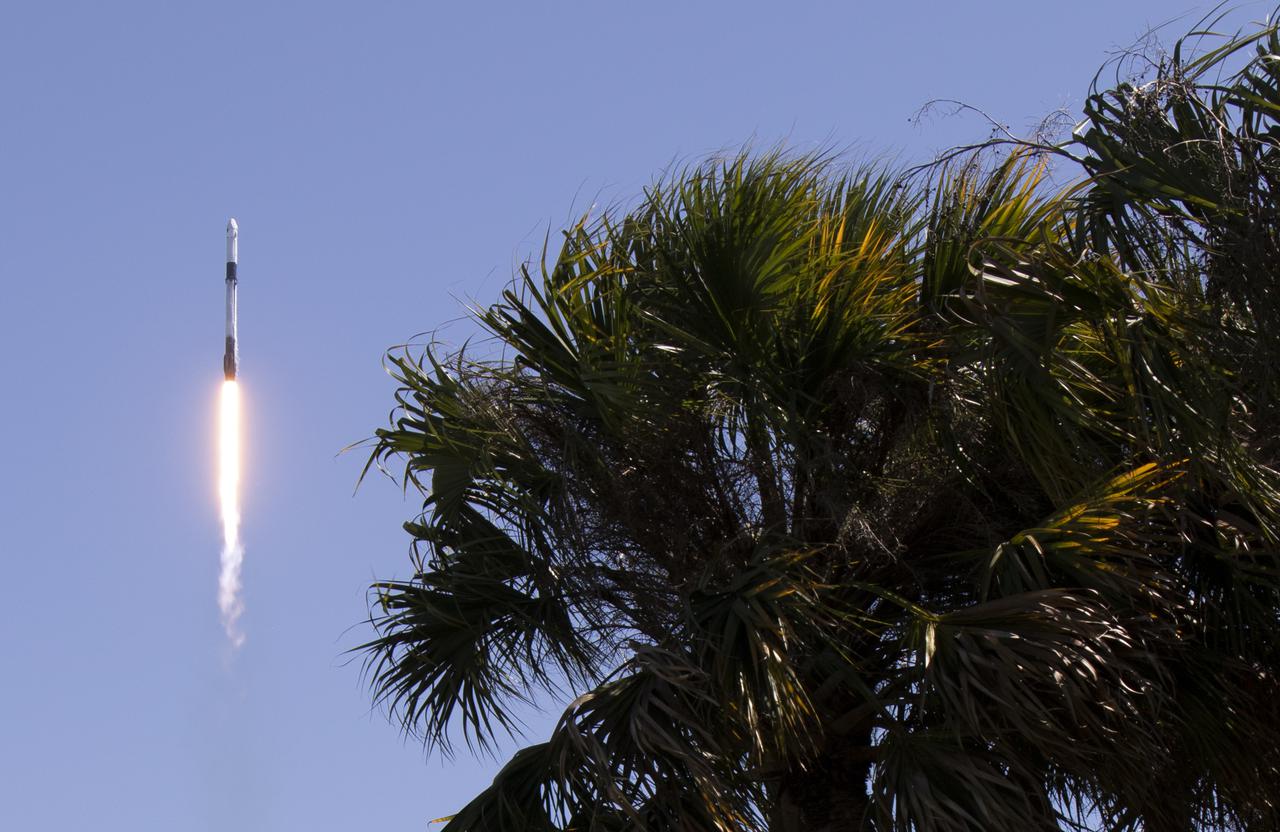
A SpaceX Falcon 9 rocket carrying the company's Crew Dragon spacecraft is launched on Axiom Mission 1 (Ax-1) to the International Space Station with Commander Michael López-Alegría of Spain and the United States, Pilot Larry Connor of the United States, and Mission Specialists Eytan Stibbe of Israel, and Mark Pathy of Canada aboard, Friday, April 8, 2022, at NASA’s Kennedy Space Center in Florida. The Ax-1 mission is the first private astronaut mission to the International Space Station. López-Alegría, Connor, Pathy, Stibbe launched at 11:17 a.m. from Launch Complex 39A at the Kennedy Space Center to begin their 10-day mission. Photo Credit: (NASA/Joel Kowsky)
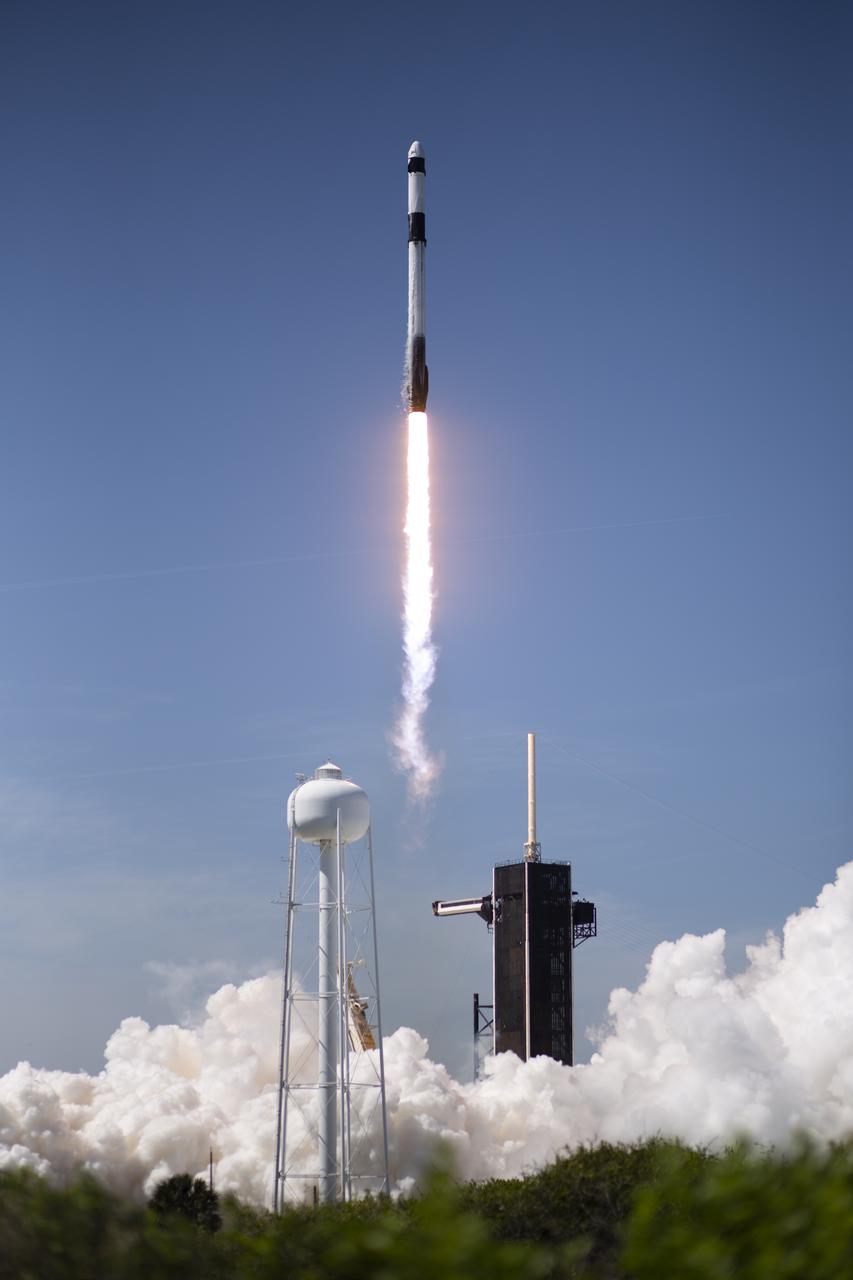
A SpaceX Falcon 9 rocket carrying the company's Crew Dragon spacecraft is launched on Axiom Mission 1 (Ax-1) to the International Space Station with Commander Michael López-Alegría of Spain and the United States, Pilot Larry Connor of the United States, and Mission Specialists Eytan Stibbe of Israel, and Mark Pathy of Canada aboard, Friday, April 8, 2022, at NASA’s Kennedy Space Center in Florida. The Ax-1 mission is the first private astronaut mission to the International Space Station. López-Alegría, Connor, Pathy, Stibbe launched at 11:17 a.m. from Launch Complex 39A at the Kennedy Space Center to begin their 10-day mission. Photo Credit: (NASA/Joel Kowsky)
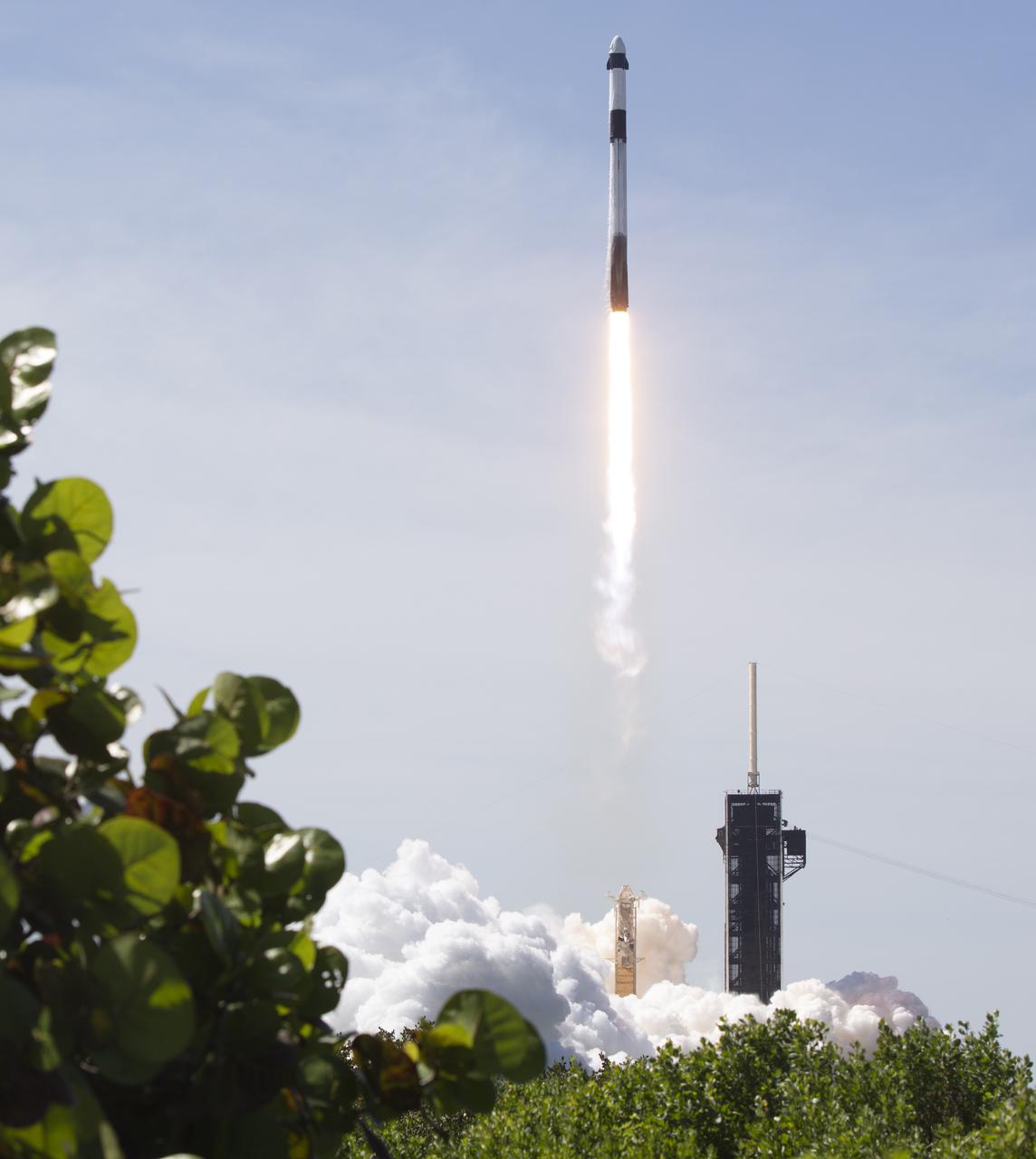
A SpaceX Falcon 9 rocket carrying the company's Crew Dragon spacecraft is launched on Axiom Mission 1 (Ax-1) to the International Space Station with Commander Michael López-Alegría of Spain and the United States, Pilot Larry Connor of the United States, and Mission Specialists Eytan Stibbe of Israel, and Mark Pathy of Canada aboard, Friday, April 8, 2022, at NASA’s Kennedy Space Center in Florida. The Ax-1 mission is the first private astronaut mission to the International Space Station. López-Alegría, Connor, Pathy, Stibbe launched at 11:17 a.m. from Launch Complex 39A at the Kennedy Space Center to begin their 10-day mission. Photo Credit: (NASA/Joel Kowsky)
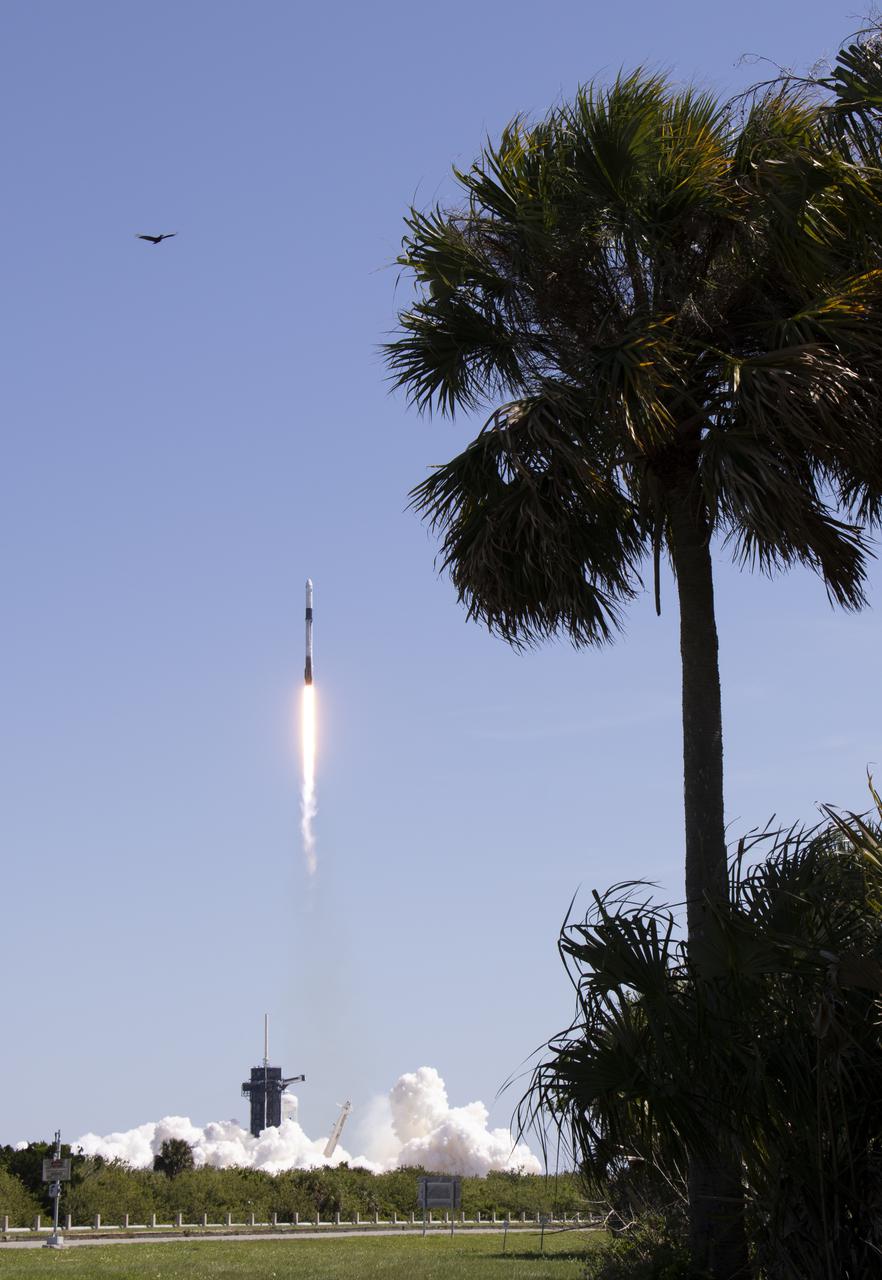
A SpaceX Falcon 9 rocket carrying the company's Crew Dragon spacecraft is launched on Axiom Mission 1 (Ax-1) to the International Space Station with Commander Michael López-Alegría of Spain and the United States, Pilot Larry Connor of the United States, and Mission Specialists Eytan Stibbe of Israel, and Mark Pathy of Canada aboard, Friday, April 8, 2022, at NASA’s Kennedy Space Center in Florida. The Ax-1 mission is the first private astronaut mission to the International Space Station. López-Alegría, Connor, Pathy, Stibbe launched at 11:17 a.m. from Launch Complex 39A at the Kennedy Space Center to begin their 10-day mission. Photo Credit: (NASA/Joel Kowsky)
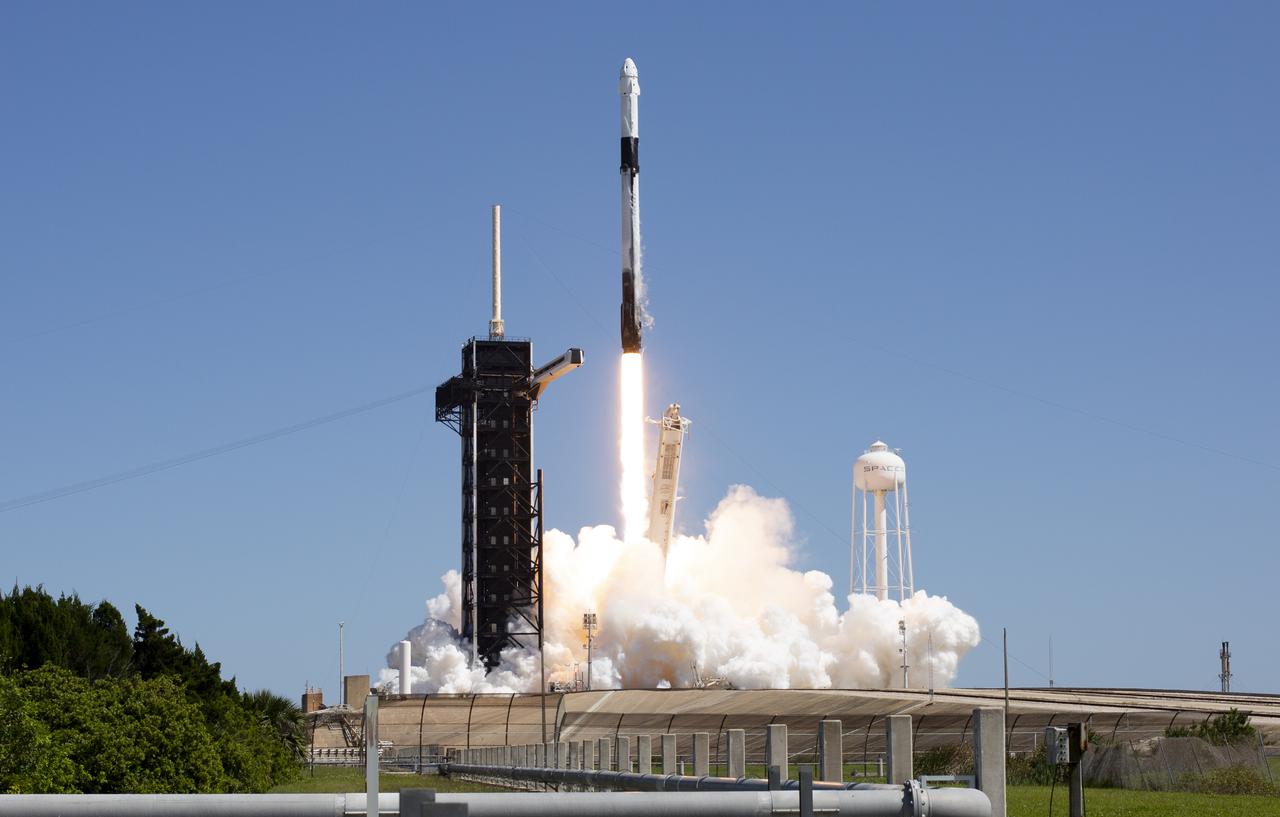
A SpaceX Falcon 9 rocket carrying the company's Crew Dragon spacecraft is launched on Axiom Mission 1 (Ax-1) to the International Space Station with Commander Michael López-Alegría of Spain and the United States, Pilot Larry Connor of the United States, and Mission Specialists Eytan Stibbe of Israel, and Mark Pathy of Canada aboard, Friday, April 8, 2022, at NASA’s Kennedy Space Center in Florida. The Ax-1 mission is the first private astronaut mission to the International Space Station. López-Alegría, Connor, Pathy, Stibbe launched at 11:17 a.m. from Launch Complex 39A at the Kennedy Space Center to begin their 10-day mission. Photo Credit: (NASA/Joel Kowsky)
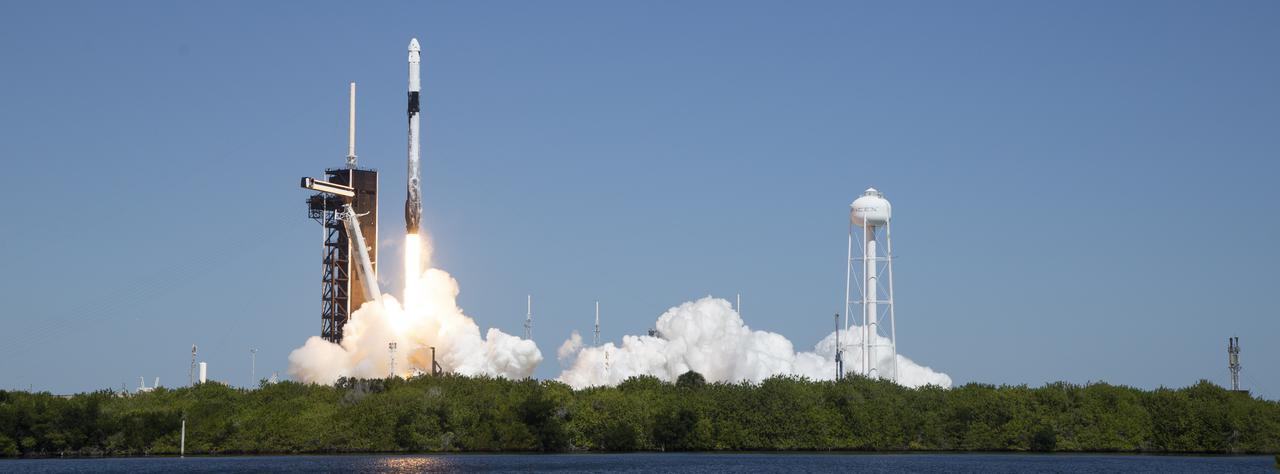
A SpaceX Falcon 9 rocket carrying the company's Crew Dragon spacecraft is launched on Axiom Mission 1 (Ax-1) to the International Space Station with Commander Michael López-Alegría of Spain and the United States, Pilot Larry Connor of the United States, and Mission Specialists Eytan Stibbe of Israel, and Mark Pathy of Canada aboard, Friday, April 8, 2022, at NASA’s Kennedy Space Center in Florida. The Ax-1 mission is the first private astronaut mission to the International Space Station. López-Alegría, Connor, Pathy, Stibbe launched at 11:17 a.m. from Launch Complex 39A at the Kennedy Space Center to begin their 10-day mission. Photo Credit: (NASA/Joel Kowsky)
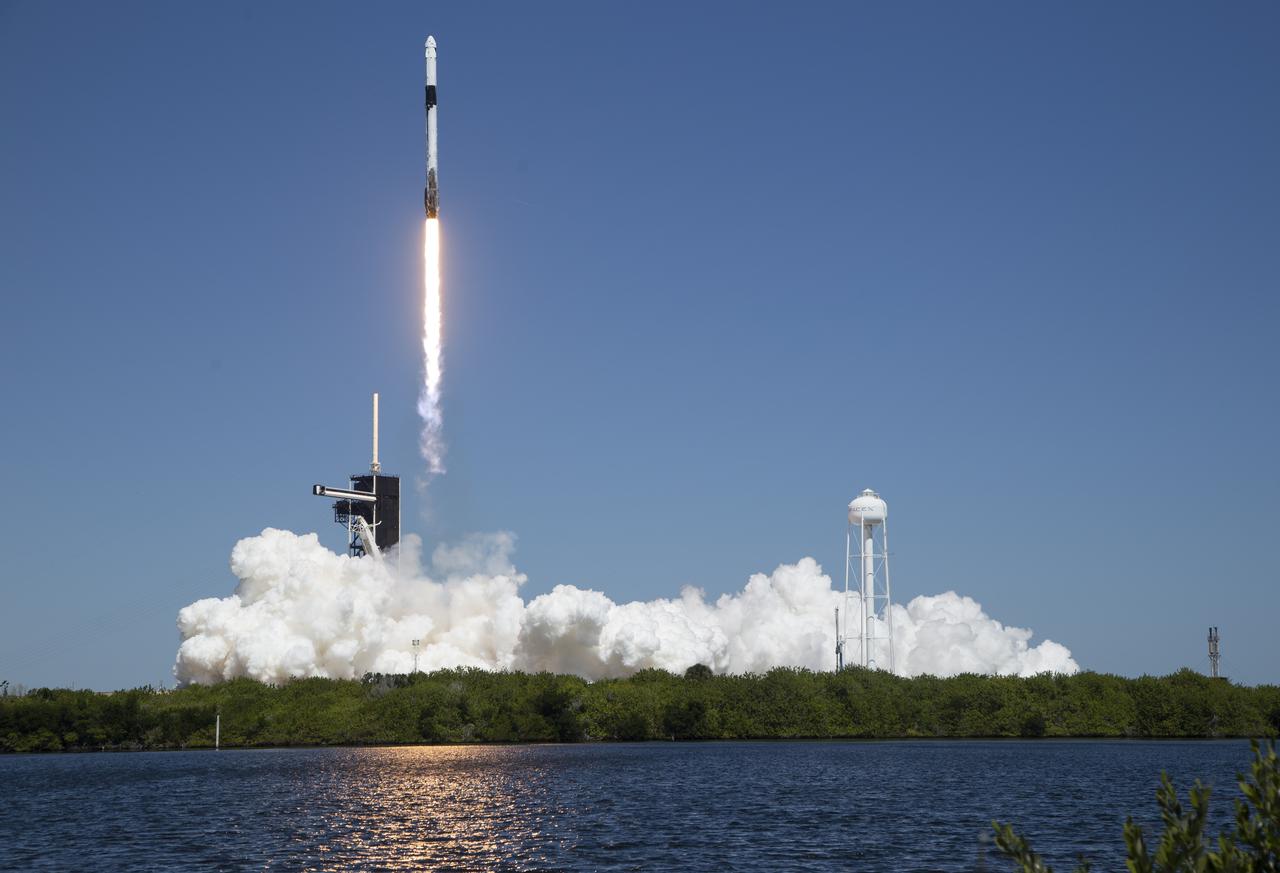
A SpaceX Falcon 9 rocket carrying the company's Crew Dragon spacecraft is launched on Axiom Mission 1 (Ax-1) to the International Space Station with Commander Michael López-Alegría of Spain and the United States, Pilot Larry Connor of the United States, and Mission Specialists Eytan Stibbe of Israel, and Mark Pathy of Canada aboard, Friday, April 8, 2022, at NASA’s Kennedy Space Center in Florida. The Ax-1 mission is the first private astronaut mission to the International Space Station. López-Alegría, Connor, Pathy, Stibbe launched at 11:17 a.m. from Launch Complex 39A at the Kennedy Space Center to begin their 10-day mission. Photo Credit: (NASA/Joel Kowsky)
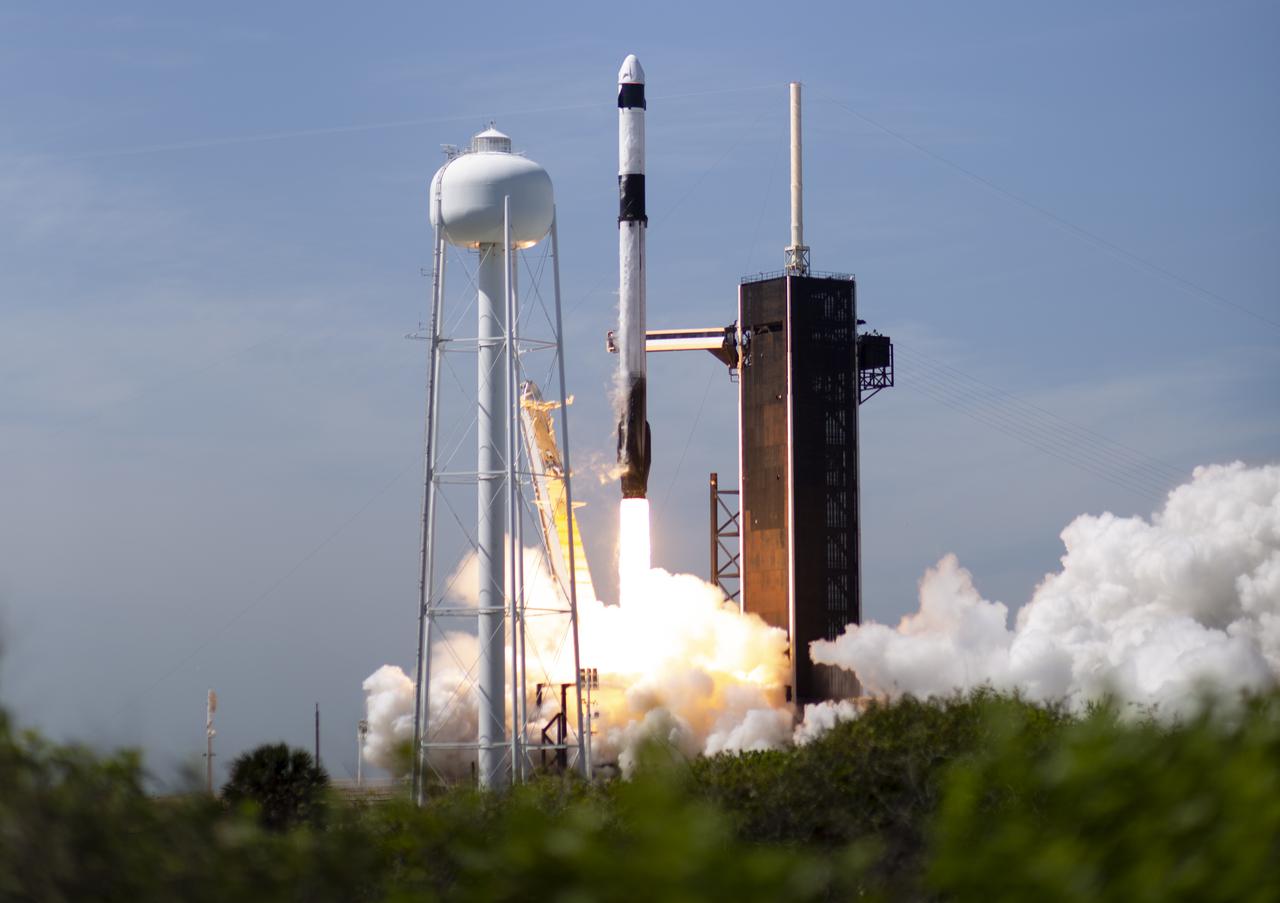
A SpaceX Falcon 9 rocket carrying the company's Crew Dragon spacecraft is launched on Axiom Mission 1 (Ax-1) to the International Space Station with Commander Michael López-Alegría of Spain and the United States, Pilot Larry Connor of the United States, and Mission Specialists Eytan Stibbe of Israel, and Mark Pathy of Canada aboard, Friday, April 8, 2022, at NASA’s Kennedy Space Center in Florida. The Ax-1 mission is the first private astronaut mission to the International Space Station. López-Alegría, Connor, Pathy, Stibbe launched at 11:17 a.m. from Launch Complex 39A at the Kennedy Space Center to begin their 10-day mission. Photo Credit: (NASA/Joel Kowsky)
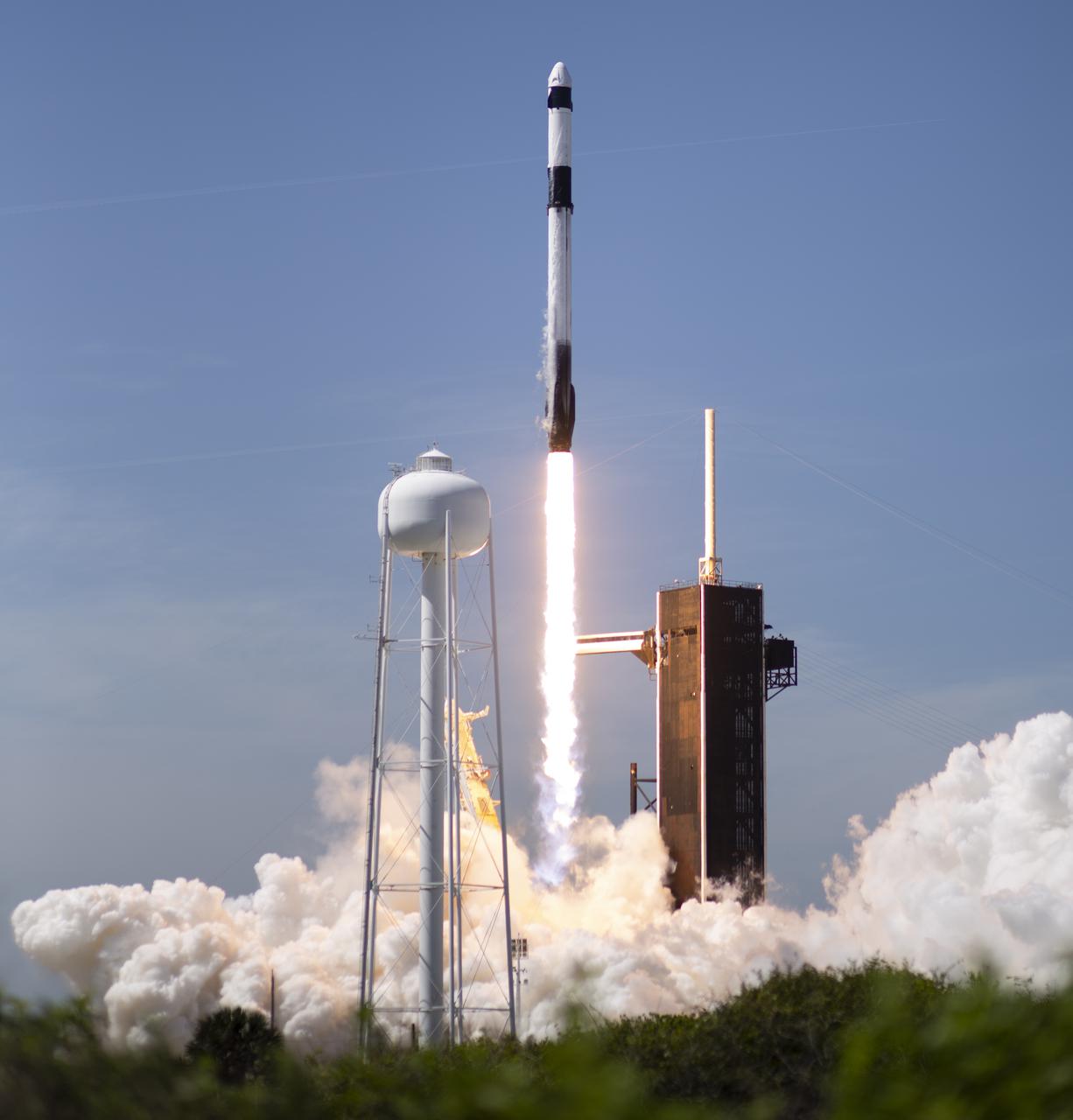
A SpaceX Falcon 9 rocket carrying the company's Crew Dragon spacecraft is launched on Axiom Mission 1 (Ax-1) to the International Space Station with Commander Michael López-Alegría of Spain and the United States, Pilot Larry Connor of the United States, and Mission Specialists Eytan Stibbe of Israel, and Mark Pathy of Canada aboard, Friday, April 8, 2022, at NASA’s Kennedy Space Center in Florida. The Ax-1 mission is the first private astronaut mission to the International Space Station. López-Alegría, Connor, Pathy, Stibbe launched at 11:17 a.m. from Launch Complex 39A at the Kennedy Space Center to begin their 10-day mission. Photo Credit: (NASA/Joel Kowsky)
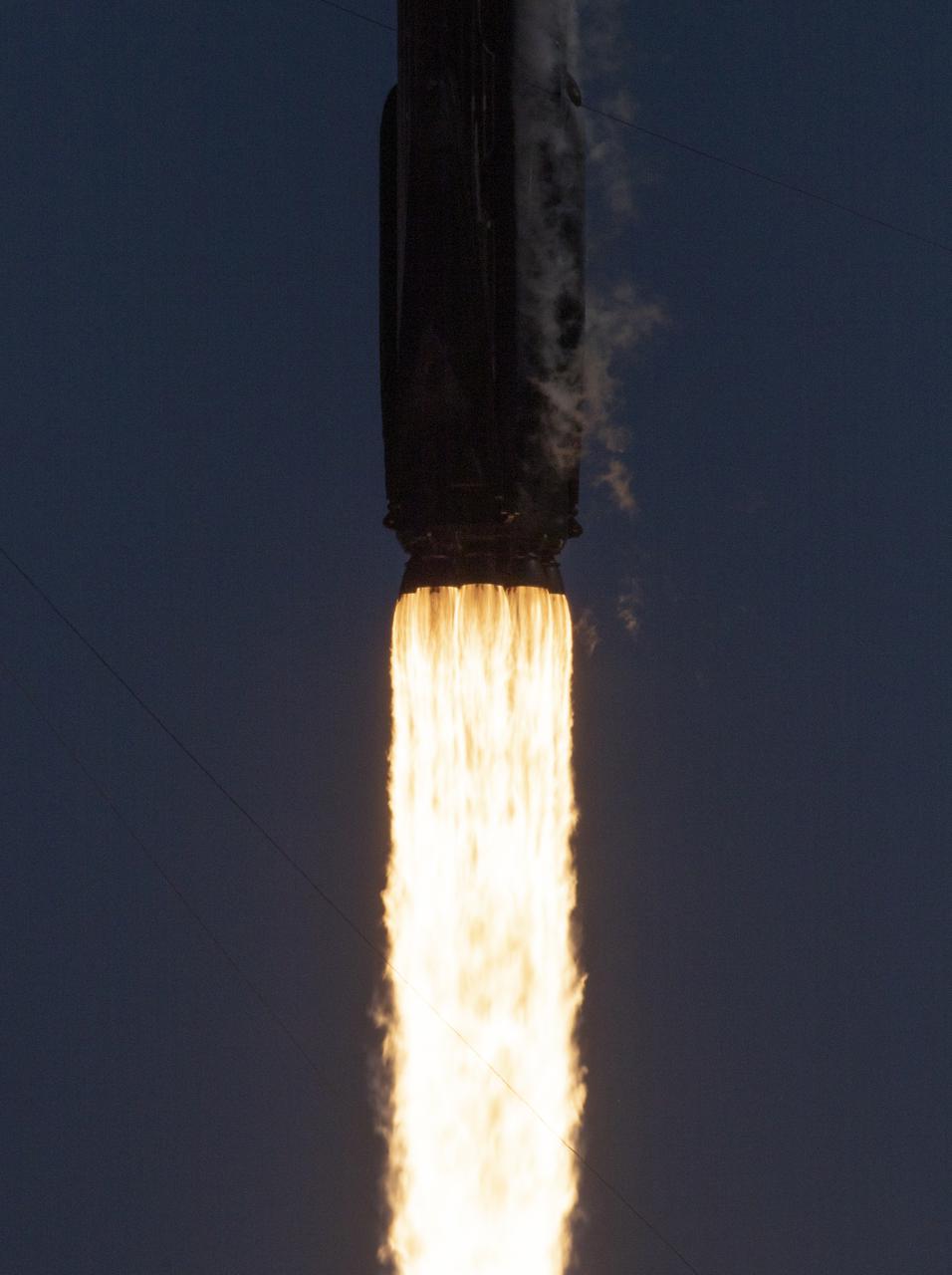
A SpaceX Falcon 9 rocket carrying the company's Crew Dragon spacecraft is launched on Axiom Mission 1 (Ax-1) to the International Space Station with Commander Michael López-Alegría of Spain and the United States, Pilot Larry Connor of the United States, and Mission Specialists Eytan Stibbe of Israel, and Mark Pathy of Canada aboard, Friday, April 8, 2022, at NASA’s Kennedy Space Center in Florida. The Ax-1 mission is the first private astronaut mission to the International Space Station. López-Alegría, Connor, Pathy, Stibbe launched at 11:17 a.m. from Launch Complex 39A at the Kennedy Space Center to begin their 10-day mission. Photo Credit: (NASA/Joel Kowsky)

A SpaceX Falcon 9 rocket carrying the company's Crew Dragon spacecraft is launched on Axiom Mission 1 (Ax-1) to the International Space Station with Commander Michael López-Alegría of Spain and the United States, Pilot Larry Connor of the United States, and Mission Specialists Eytan Stibbe of Israel, and Mark Pathy of Canada aboard, Friday, April 8, 2022, at NASA’s Kennedy Space Center in Florida. The Ax-1 mission is the first private astronaut mission to the International Space Station. López-Alegría, Connor, Pathy, Stibbe launched at 11:17 a.m. from Launch Complex 39A at the Kennedy Space Center to begin their 10-day mission. Photo Credit: (NASA/Joel Kowsky)
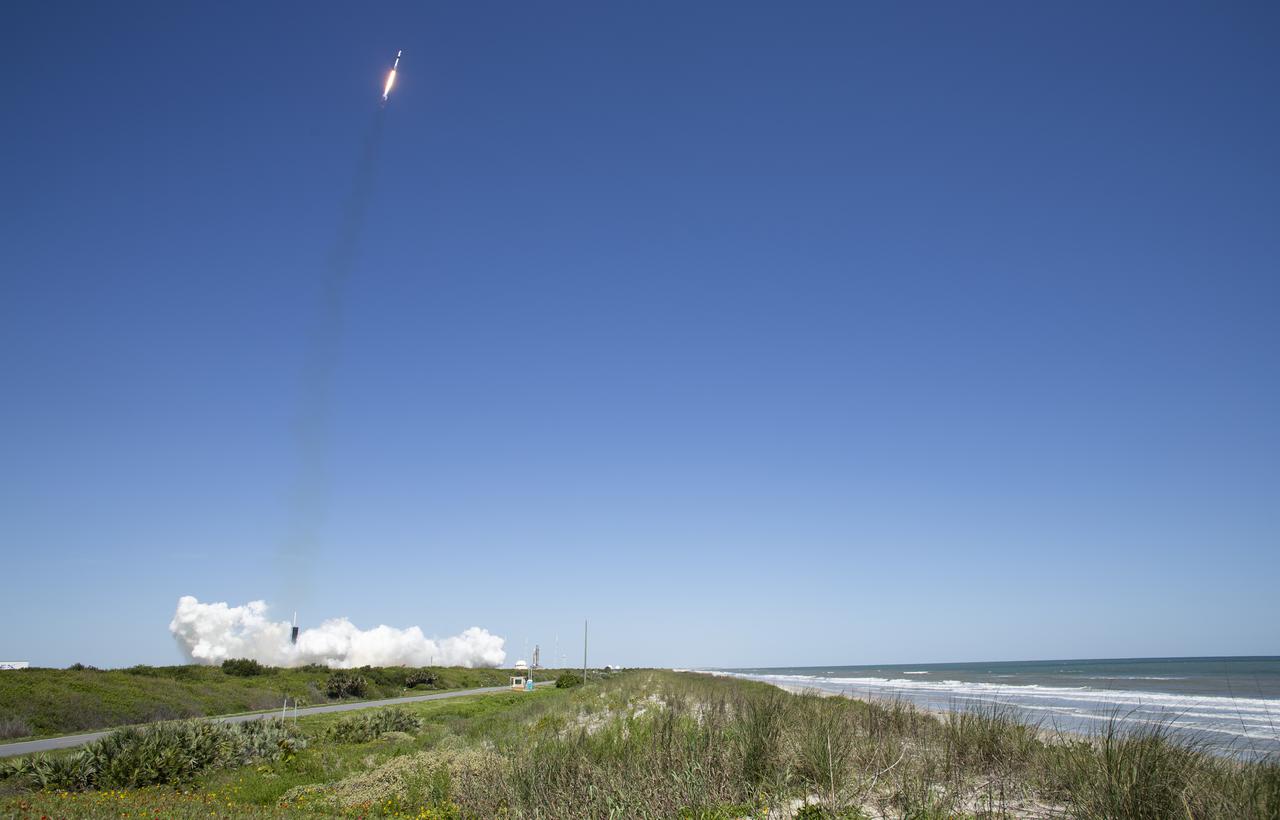
A SpaceX Falcon 9 rocket carrying the company's Crew Dragon spacecraft is launched on Axiom Mission 1 (Ax-1) to the International Space Station with Commander Michael López-Alegría of Spain and the United States, Pilot Larry Connor of the United States, and Mission Specialists Eytan Stibbe of Israel, and Mark Pathy of Canada aboard, Friday, April 8, 2022, at NASA’s Kennedy Space Center in Florida. The Ax-1 mission is the first private astronaut mission to the International Space Station. López-Alegría, Connor, Pathy, Stibbe launched at 11:17 a.m. from Launch Complex 39A at the Kennedy Space Center to begin their 10-day mission. Photo Credit: (NASA/Joel Kowsky)
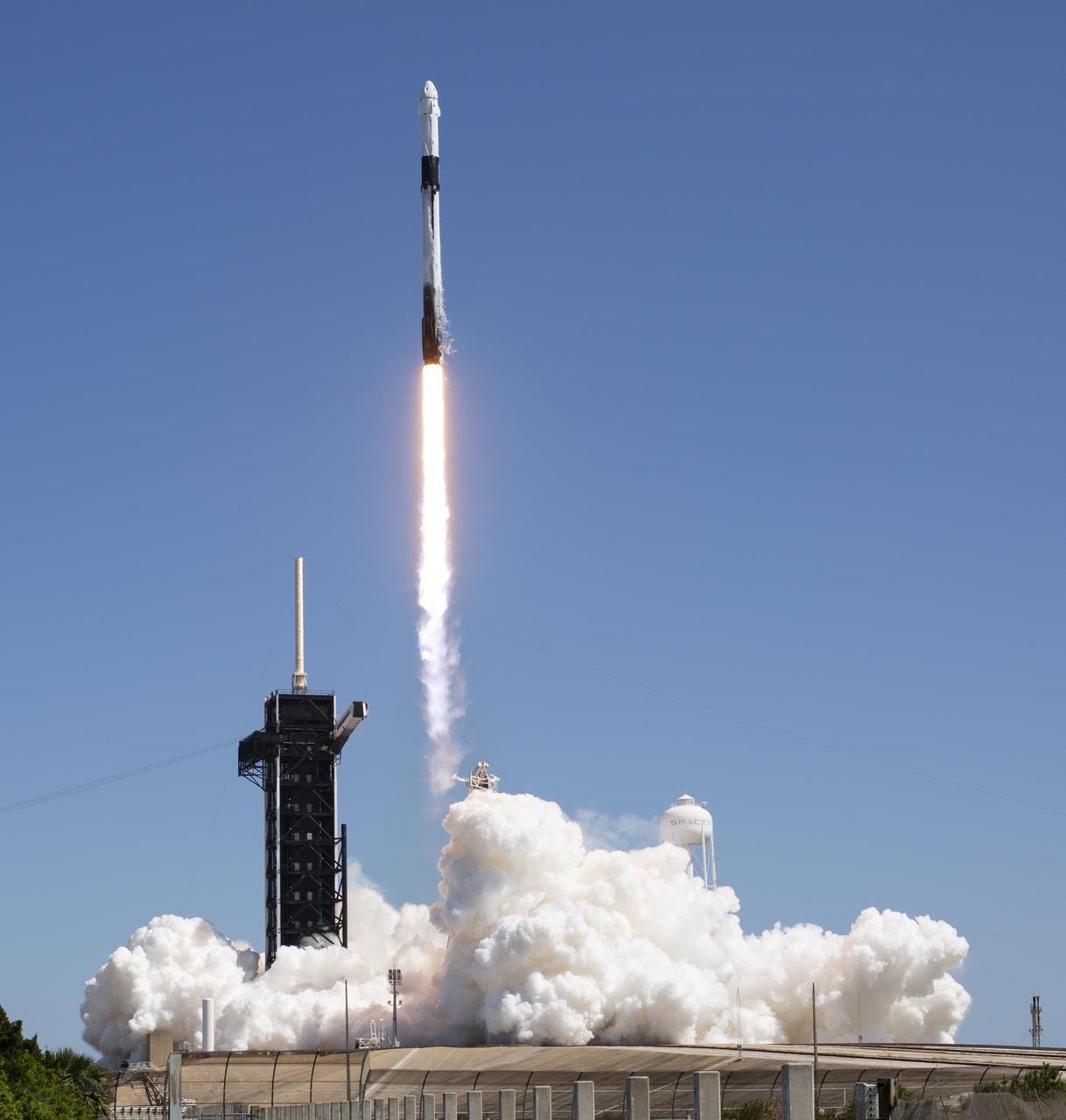
A SpaceX Falcon 9 rocket carrying the company's Crew Dragon spacecraft is launched on Axiom Mission 1 (Ax-1) to the International Space Station with Commander Michael López-Alegría of Spain and the United States, Pilot Larry Connor of the United States, and Mission Specialists Eytan Stibbe of Israel, and Mark Pathy of Canada aboard, Friday, April 8, 2022, at NASA’s Kennedy Space Center in Florida. The Ax-1 mission is the first private astronaut mission to the International Space Station. López-Alegría, Connor, Pathy, Stibbe launched at 11:17 a.m. from Launch Complex 39A at the Kennedy Space Center to begin their 10-day mission. Photo Credit: (NASA/Joel Kowsky)
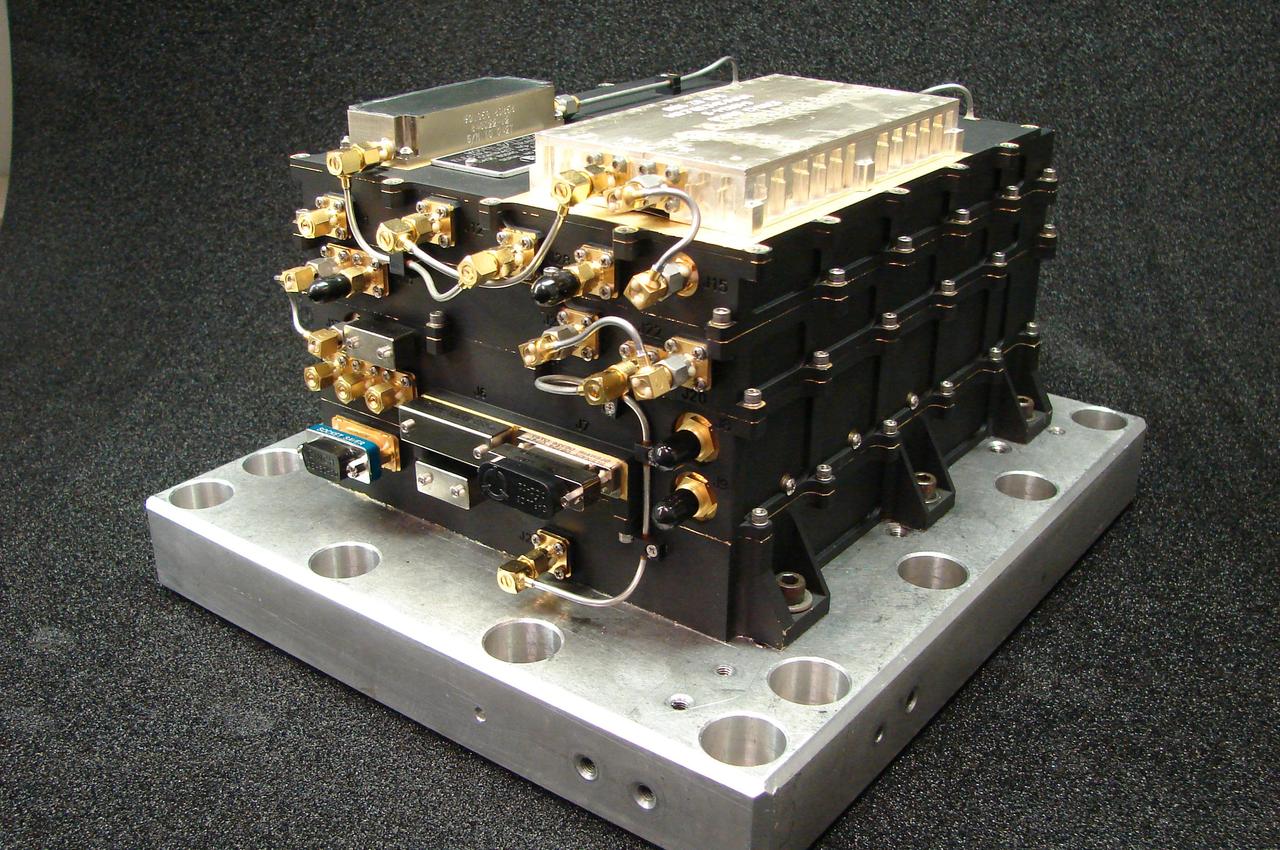
This radio hardware, the Electra UHF Transceiver on NASA MAVEN mission to Mars, is designed to provide communication relay support for robots on the surface of Mars.
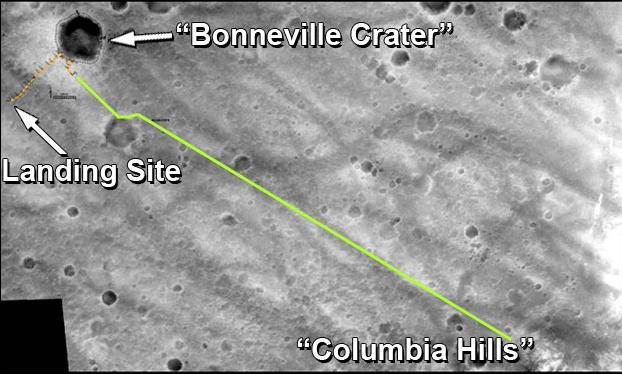
Spirit Extended-Mission Destination
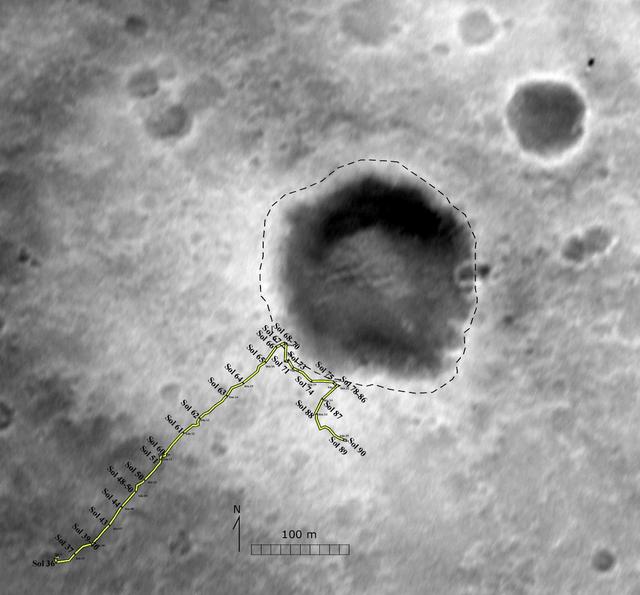
Spirit Prime-Mission Traverse
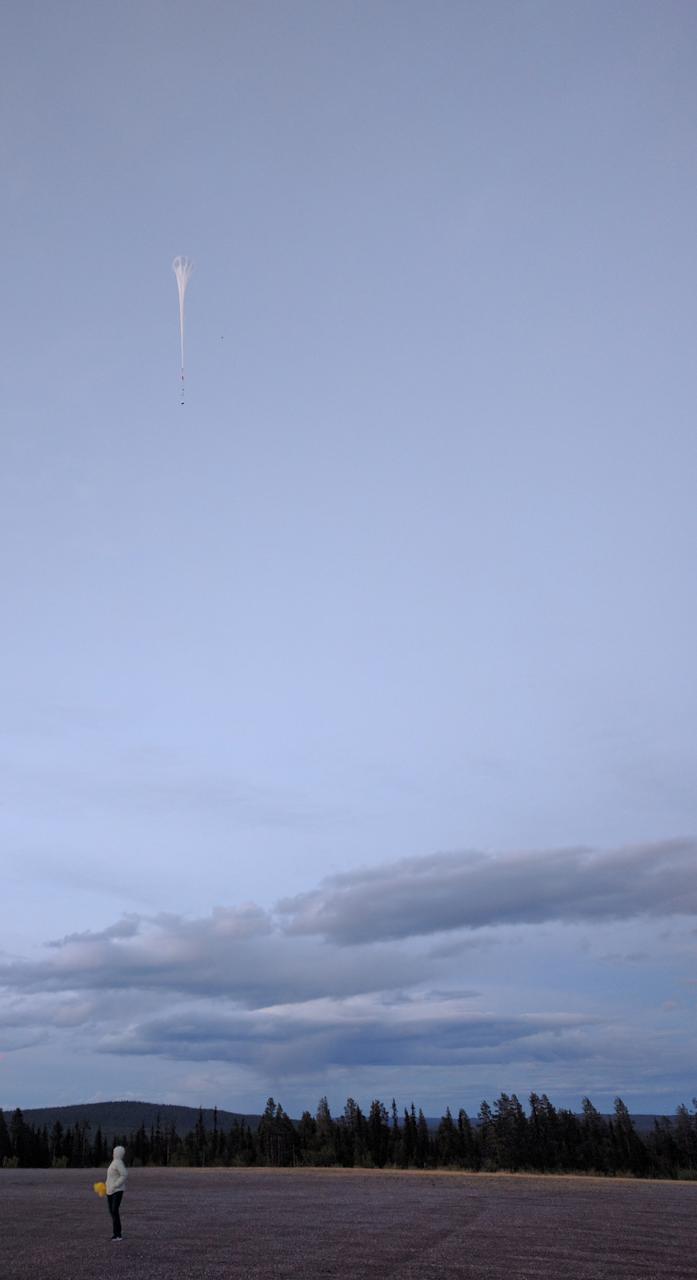
A BARREL team member watches as one of their payloads launches from Esrange Space Center on Aug. 29, 2016. Throughout August 2016, the BARREL team was at Esrange Space Center near Kiruna, Sweden, launching a series of six scientific payloads on miniature scientific balloons. The NASA-funded BARREL – which stands for Balloon Array for Radiation-belt Relativistic Electron Losses – primarily measures X-rays in Earth’s atmosphere near the North and South Poles. These X-rays are produced by electrons raining down into the atmosphere from two giant swaths of radiation that surround Earth, called the Van Allen belts. Learning about the radiation near Earth helps us to better protect our satellites. Several of the BARREL balloons also carried instruments built by undergraduate students to measure the total electron content of Earth’s ionosphere, as well as the low-frequency electromagnetic waves that help to scatter electrons into Earth’s atmosphere. Though about 90 feet in diameter, the BARREL balloons are much smaller than standard football stadium-sized scientific balloons. This is the fourth campaign for the BARREL mission. BARREL is led by Dartmouth College in Hanover, New Hampshire. The undergraduate student instrument team is led by the University of Houston and funded by the Undergraduate Student Instrument Project out of NASA’s Wallops Flight Facility. For more information on NASA’s scientific balloon program, visit: <a href="http://www.nasa.gov/scientificballoons" rel="nofollow">www.nasa.gov/scientificballoons</a>. Credit: NASA/Dartmouth/Alexa Halford <b><a href="http://www.nasa.gov/audience/formedia/features/MP_Photo_Guidelines.html" rel="nofollow">NASA image use policy.</a></b> <b><a href="http://www.nasa.gov/centers/goddard/home/index.html" rel="nofollow">NASA Goddard Space Flight Center</a></b> enables NASA’s mission through four scientific endeavors: Earth Science, Heliophysics, Solar System Exploration, and Astrophysics. Goddard plays a leading role in NASA’s accomplishments by contributing compelling scientific knowledge to advance the Agency’s mission. <b>Follow us on <a href="http://twitter.com/NASAGoddardPix" rel="nofollow">Twitter</a></b> <b>Like us on <a href="http://www.facebook.com/pages/Greenbelt-MD/NASA-Goddard/395013845897?ref=tsd" rel="nofollow">Facebook</a></b> <b>Find us on <a href="http://instagrid.me/nasagoddard/?vm=grid" rel="nofollow">Instagram</a></b>
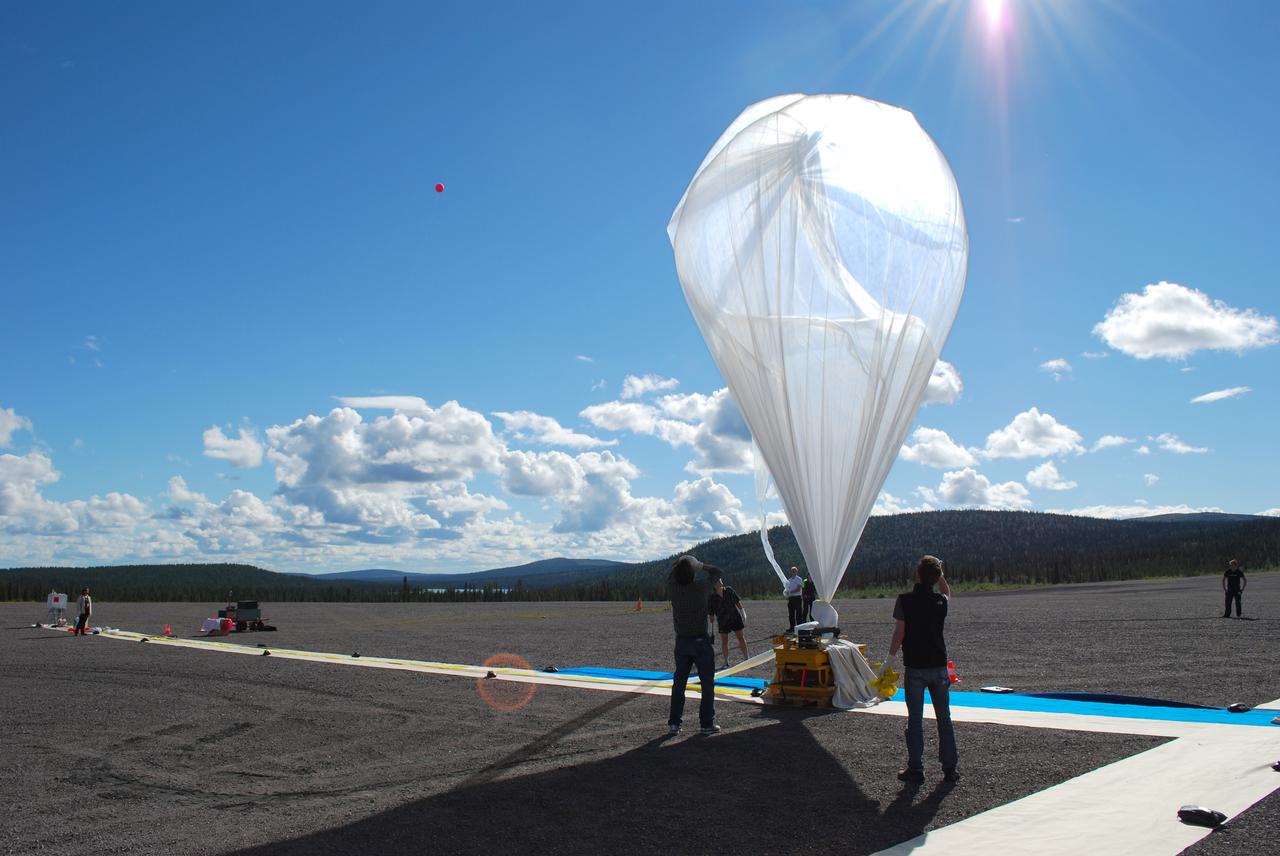
The BARREL team prepares to launch their third payload from Esrange Space Center near Kiruna, Sweden, on Aug. 21, 2016. The BARREL team is at Esrange Space Center launching a series of six scientific payloads on miniature scientific balloons. The NASA-funded BARREL – which stands for Balloon Array for Radiation-belt Relativistic Electron Losses – primarily measures X-rays in Earth’s atmosphere near the North and South Poles. These X-rays are produced by electrons raining down into the atmosphere from two giant swaths of radiation that surround Earth, called the Van Allen belts. Learning about the radiation near Earth helps us to better protect our satellites. Several of the BARREL balloons also carry instruments built by undergraduate students to measure the total electron content of Earth’s ionosphere, as well as the low-frequency electromagnetic waves that help to scatter electrons into Earth’s atmosphere. Though about 90 feet in diameter, the BARREL balloons are much smaller than standard football stadium-sized scientific balloons. This is the fourth campaign for the BARREL mission. BARREL is led by Dartmouth College in Hanover, New Hampshire. The undergraduate student instrument team is led by the University of Houston and funded by the Undergraduate Student Instrument Project out of NASA’s Wallops Flight Facility. For more information on NASA’s scientific balloon program, visit: <a href="http://www.nasa.gov/scientificballoons" rel="nofollow">www.nasa.gov/scientificballoons</a>. Credit: NASA/University of Houston/Michael Greer <b><a href="http://www.nasa.gov/audience/formedia/features/MP_Photo_Guidelines.html" rel="nofollow">NASA image use policy.</a></b> <b><a href="http://www.nasa.gov/centers/goddard/home/index.html" rel="nofollow">NASA Goddard Space Flight Center</a></b> enables NASA’s mission through four scientific endeavors: Earth Science, Heliophysics, Solar System Exploration, and Astrophysics. Goddard plays a leading role in NASA’s accomplishments by contributing compelling scientific knowledge to advance the Agency’s mission. <b>Follow us on <a href="http://twitter.com/NASAGoddardPix" rel="nofollow">Twitter</a></b> <b>Like us on <a href="http://www.facebook.com/pages/Greenbelt-MD/NASA-Goddard/395013845897?ref=tsd" rel="nofollow">Facebook</a></b> <b>Find us on <a href="http://instagrid.me/nasagoddard/?vm=grid" rel="nofollow">Instagram</a></b>
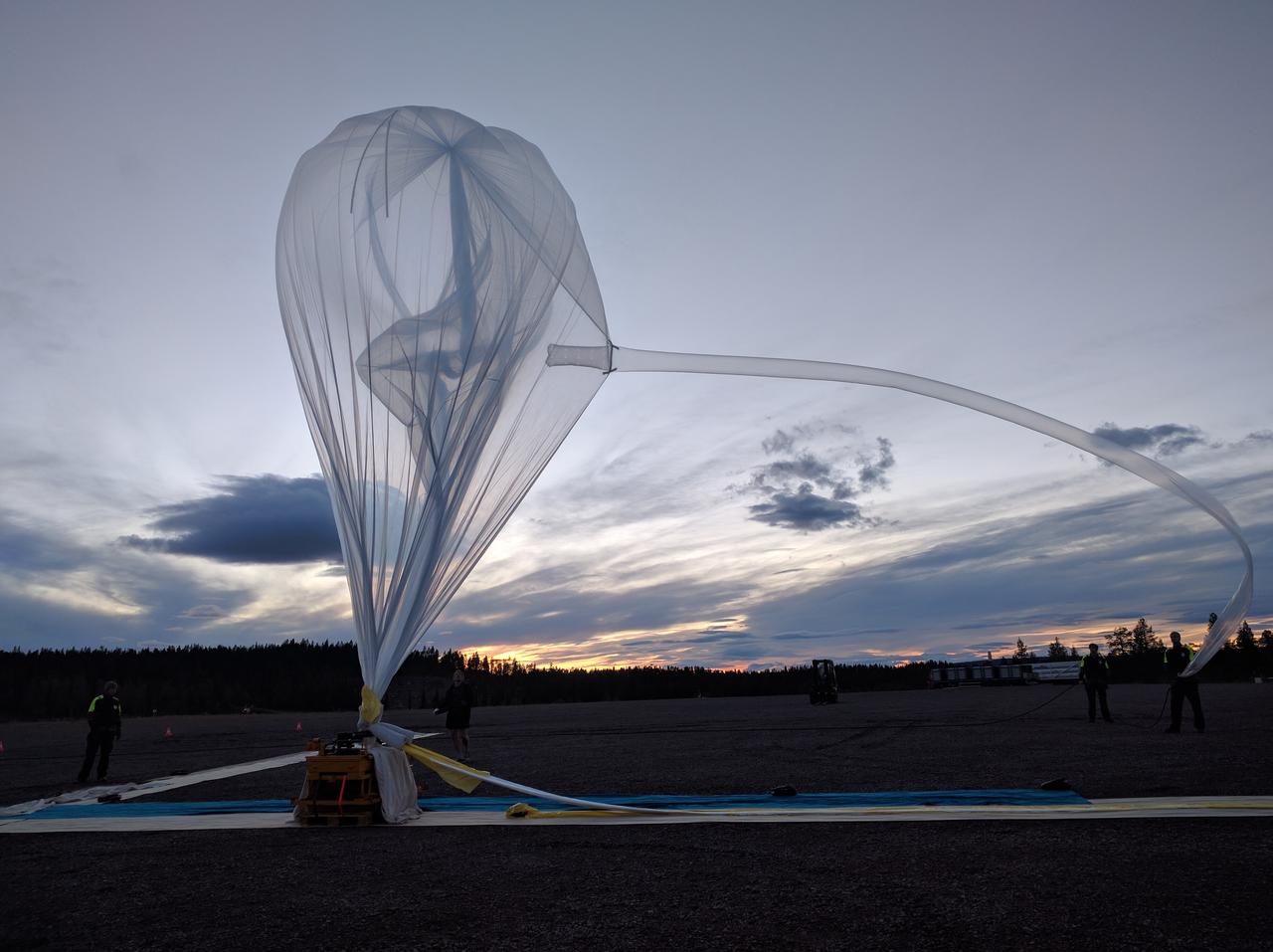
A BARREL balloon inflates on the launch pad at Esrange Space Center on Aug. 29, 2016. Throughout August 2016, the BARREL team was at Esrange Space Center near Kiruna, Sweden, launching a series of six scientific payloads on miniature scientific balloons. The NASA-funded BARREL – which stands for Balloon Array for Radiation-belt Relativistic Electron Losses – primarily measures X-rays in Earth’s atmosphere near the North and South Poles. These X-rays are produced by electrons raining down into the atmosphere from two giant swaths of radiation that surround Earth, called the Van Allen belts. Learning about the radiation near Earth helps us to better protect our satellites. Several of the BARREL balloons also carried instruments built by undergraduate students to measure the total electron content of Earth’s ionosphere, as well as the low-frequency electromagnetic waves that help to scatter electrons into Earth’s atmosphere. Though about 90 feet in diameter, the BARREL balloons are much smaller than standard football stadium-sized scientific balloons. This is the fourth campaign for the BARREL mission. BARREL is led by Dartmouth College in Hanover, New Hampshire. The undergraduate student instrument team is led by the University of Houston and funded by the Undergraduate Student Instrument Project out of NASA’s Wallops Flight Facility. For more information on NASA’s scientific balloon program, visit: <a href="http://www.nasa.gov/scientificballoons" rel="nofollow">www.nasa.gov/scientificballoons</a>. Credit: NASA/Dartmouth/Alexa Halford <b><a href="http://www.nasa.gov/audience/formedia/features/MP_Photo_Guidelines.html" rel="nofollow">NASA image use policy.</a></b> <b><a href="http://www.nasa.gov/centers/goddard/home/index.html" rel="nofollow">NASA Goddard Space Flight Center</a></b> enables NASA’s mission through four scientific endeavors: Earth Science, Heliophysics, Solar System Exploration, and Astrophysics. Goddard plays a leading role in NASA’s accomplishments by contributing compelling scientific knowledge to advance the Agency’s mission. <b>Follow us on <a href="http://twitter.com/NASAGoddardPix" rel="nofollow">Twitter</a></b> <b>Like us on <a href="http://www.facebook.com/pages/Greenbelt-MD/NASA-Goddard/395013845897?ref=tsd" rel="nofollow">Facebook</a></b> <b>Find us on <a href="http://instagrid.me/nasagoddard/?vm=grid" rel="nofollow">Instagram</a></b>
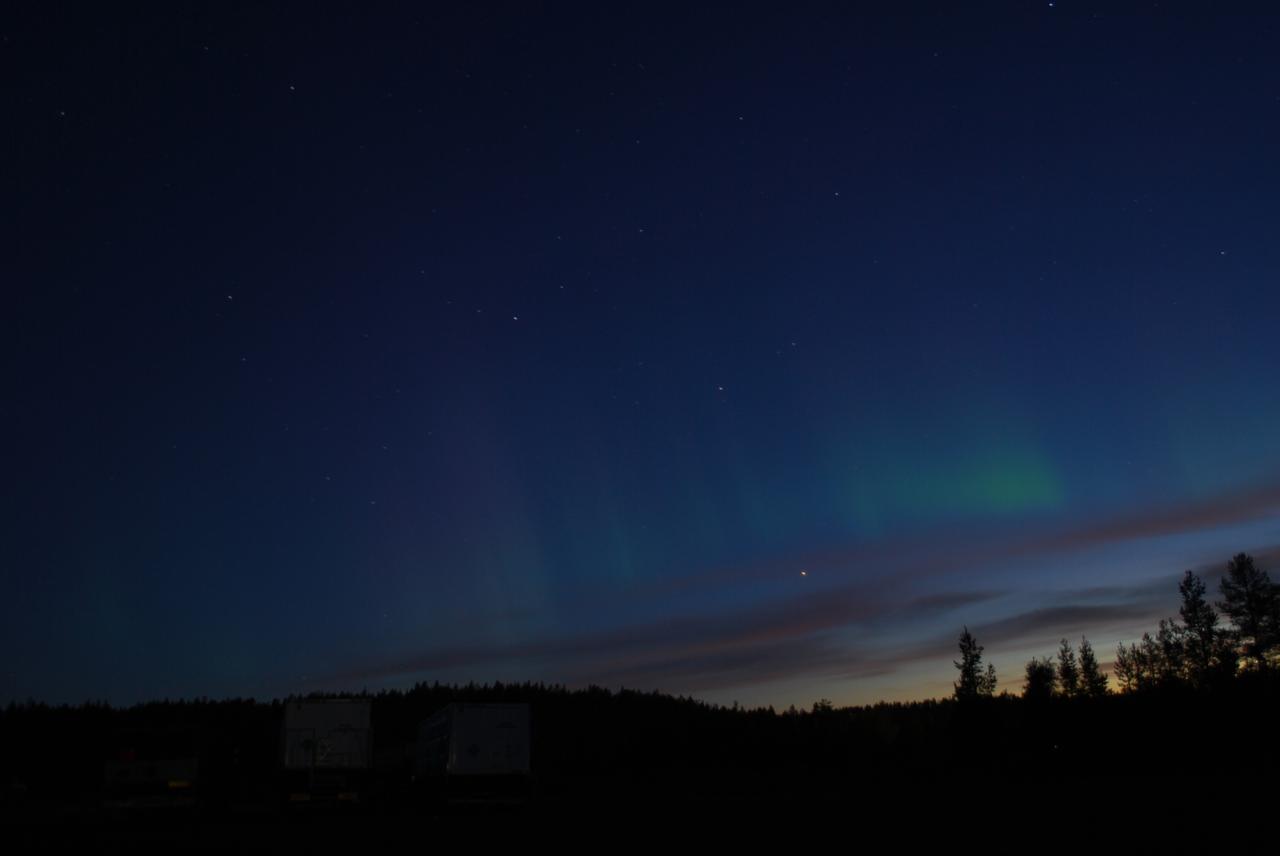
The faint green glow of aurora can be seen above the clouds at Esrange Space Center in this photo from Aug. 23, 2016. Auroras are created by energetic electrons, which rain down from Earth’s magnetic bubble and interact with particles in the upper atmosphere to create glowing lights that stretch across the sky. The BARREL team is at Esrange Space Center near Kiruna, Sweden, launching a series of six scientific payloads on miniature scientific balloons. The NASA-funded BARREL – which stands for Balloon Array for Radiation-belt Relativistic Electron Losses – primarily measures X-rays in Earth’s atmosphere near the North and South Poles. These X-rays are produced by electrons raining down into the atmosphere from two giant swaths of radiation that surround Earth, called the Van Allen belts. Learning about the radiation near Earth helps us to better protect our satellites. Several of the BARREL balloons also carry instruments built by undergraduate students to measure the total electron content of Earth’s ionosphere, as well as the low-frequency electromagnetic waves that help to scatter electrons into Earth’s atmosphere. Though about 90 feet in diameter, the BARREL balloons are much smaller than standard football stadium-sized scientific balloons. This is the fourth campaign for the BARREL mission. BARREL is led by Dartmouth College in Hanover, New Hampshire. The undergraduate student instrument team is led by the University of Houston and funded by the Undergraduate Student Instrument Project out of NASA’s Wallops Flight Facility. For more information on NASA’s scientific balloon program, visit: <a href="http://www.nasa.gov/scientificballoons" rel="nofollow">www.nasa.gov/scientificballoons</a>. Credit: NASA/University of Houston/Michael Greer <b><a href="http://www.nasa.gov/audience/formedia/features/MP_Photo_Guidelines.html" rel="nofollow">NASA image use policy.</a></b> <b><a href="http://www.nasa.gov/centers/goddard/home/index.html" rel="nofollow">NASA Goddard Space Flight Center</a></b> enables NASA’s mission through four scientific endeavors: Earth Science, Heliophysics, Solar System Exploration, and Astrophysics. Goddard plays a leading role in NASA’s accomplishments by contributing compelling scientific knowledge to advance the Agency’s mission. <b>Follow us on <a href="http://twitter.com/NASAGoddardPix" rel="nofollow">Twitter</a></b> <b>Like us on <a href="http://www.facebook.com/pages/Greenbelt-MD/NASA-Goddard/395013845897?ref=tsd" rel="nofollow">Facebook</a></b> <b>Find us on <a href="http://instagrid.me/nasagoddard/?vm=grid" rel="nofollow">Instagram</a></b>

The fourth BARREL balloon of this campaign sits on the launch pad shortly before it launched on Aug. 21, 2016. The BARREL team is at Esrange Space Center near Kiruna, Sweden, launching a series of six scientific payloads on miniature scientific balloons. The NASA-funded BARREL – which stands for Balloon Array for Radiation-belt Relativistic Electron Losses – primarily measures X-rays in Earth’s atmosphere near the North and South Poles. These X-rays are produced by electrons raining down into the atmosphere from two giant swaths of radiation that surround Earth, called the Van Allen belts. Learning about the radiation near Earth helps us to better protect our satellites. Several of the BARREL balloons also carry instruments built by undergraduate students to measure the total electron content of Earth’s ionosphere, as well as the low-frequency electromagnetic waves that help to scatter electrons into Earth’s atmosphere. Though about 90 feet in diameter, the BARREL balloons are much smaller than standard football stadium-sized scientific balloons. This is the fourth campaign for the BARREL mission. BARREL is led by Dartmouth College in Hanover, New Hampshire. The undergraduate student instrument team is led by the University of Houston and funded by the Undergraduate Student Instrument Project out of NASA’s Wallops Flight Facility. For more information on NASA’s scientific balloon program, visit: <a href="http://www.nasa.gov/scientificballoons" rel="nofollow">www.nasa.gov/scientificballoons</a>. Credit: NASA/University of Houston/Michael Greer <b><a href="http://www.nasa.gov/audience/formedia/features/MP_Photo_Guidelines.html" rel="nofollow">NASA image use policy.</a></b> <b><a href="http://www.nasa.gov/centers/goddard/home/index.html" rel="nofollow">NASA Goddard Space Flight Center</a></b> enables NASA’s mission through four scientific endeavors: Earth Science, Heliophysics, Solar System Exploration, and Astrophysics. Goddard plays a leading role in NASA’s accomplishments by contributing compelling scientific knowledge to advance the Agency’s mission. <b>Follow us on <a href="http://twitter.com/NASAGoddardPix" rel="nofollow">Twitter</a></b> <b>Like us on <a href="http://www.facebook.com/pages/Greenbelt-MD/NASA-Goddard/395013845897?ref=tsd" rel="nofollow">Facebook</a></b> <b>Find us on <a href="http://instagrid.me/nasagoddard/?vm=grid" rel="nofollow">Instagram</a></b>
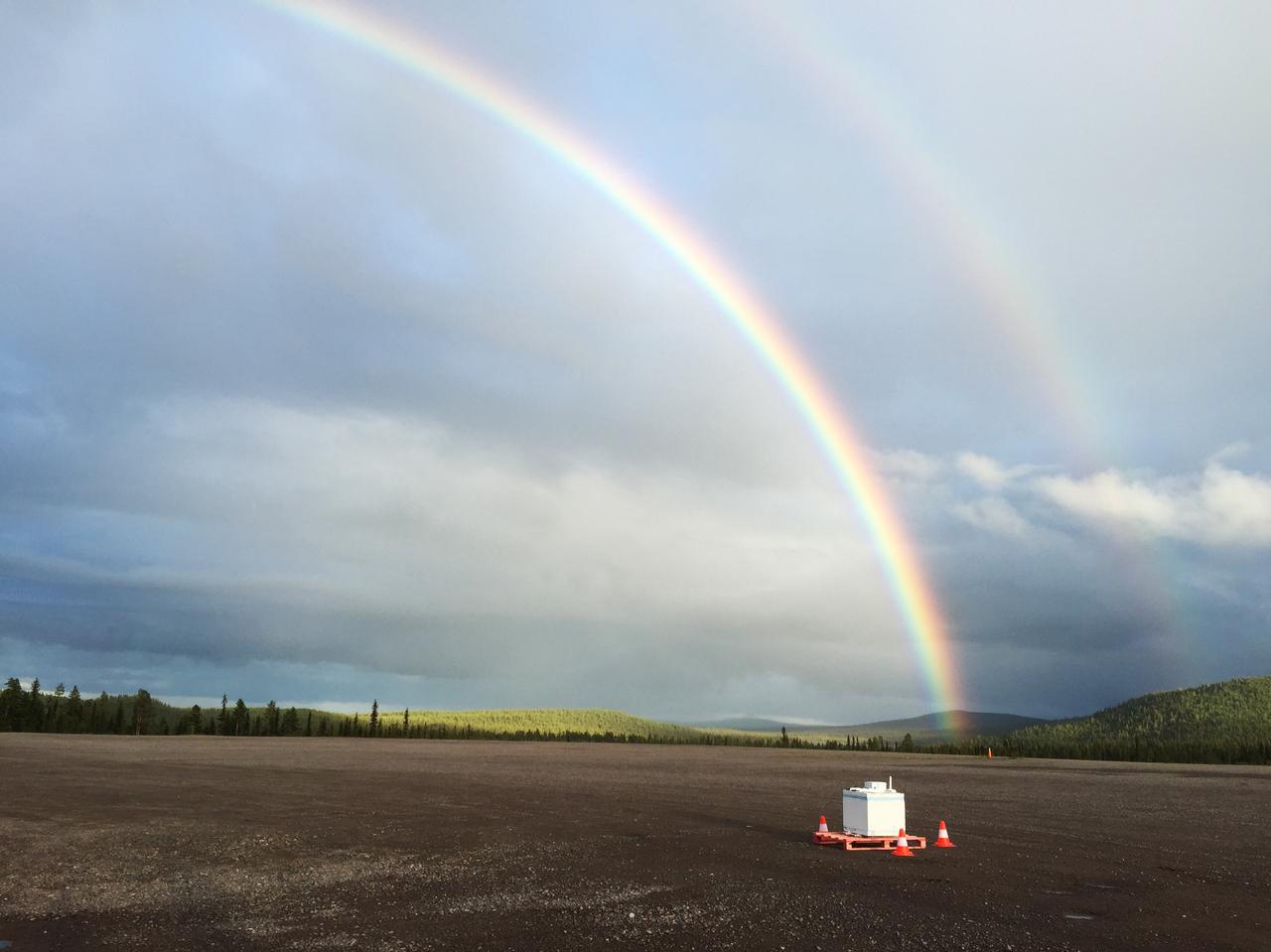
A BARREL payload sits on the launch pad at Esrange Space Center near Kiruna, Sweden. The BARREL team is at Esrange Space Center launching a series of six scientific payloads on miniature scientific balloons. The NASA-funded BARREL – which stands for Balloon Array for Radiation-belt Relativistic Electron Losses – primarily measures X-rays in Earth’s atmosphere near the North and South Poles. These X-rays are produced by electrons raining down into the atmosphere from two giant swaths of radiation that surround Earth, called the Van Allen belts. Learning about the radiation near Earth helps us to better protect our satellites. Several of the BARREL balloons also carry instruments built by undergraduate students to measure the total electron content of Earth’s ionosphere, as well as the low-frequency electromagnetic waves that help to scatter electrons into Earth’s atmosphere. Though about 90 feet in diameter, the BARREL balloons are much smaller than standard football stadium-sized scientific balloons. This is the fourth campaign for the BARREL mission. BARREL is led by Dartmouth College in Hanover, New Hampshire. The undergraduate student instrument team is led by the University of Houston and funded by the Undergraduate Student Instrument Project out of NASA’s Wallops Flight Facility. For more information on NASA’s scientific balloon program, visit: <a href="http://www.nasa.gov/scientificballoons" rel="nofollow">www.nasa.gov/scientificballoons</a>. Image credit: NASA/Dartmouth/Robyn Millan <b><a href="http://www.nasa.gov/audience/formedia/features/MP_Photo_Guidelines.html" rel="nofollow">NASA image use policy.</a></b> <b><a href="http://www.nasa.gov/centers/goddard/home/index.html" rel="nofollow">NASA Goddard Space Flight Center</a></b> enables NASA’s mission through four scientific endeavors: Earth Science, Heliophysics, Solar System Exploration, and Astrophysics. Goddard plays a leading role in NASA’s accomplishments by contributing compelling scientific knowledge to advance the Agency’s mission. <b>Follow us on <a href="http://twitter.com/NASAGoddardPix" rel="nofollow">Twitter</a></b> <b>Like us on <a href="http://www.facebook.com/pages/Greenbelt-MD/NASA-Goddard/395013845897?ref=tsd" rel="nofollow">Facebook</a></b> <b>Find us on <a href="http://instagrid.me/nasagoddard/?vm=grid" rel="nofollow">Instagram</a></b>
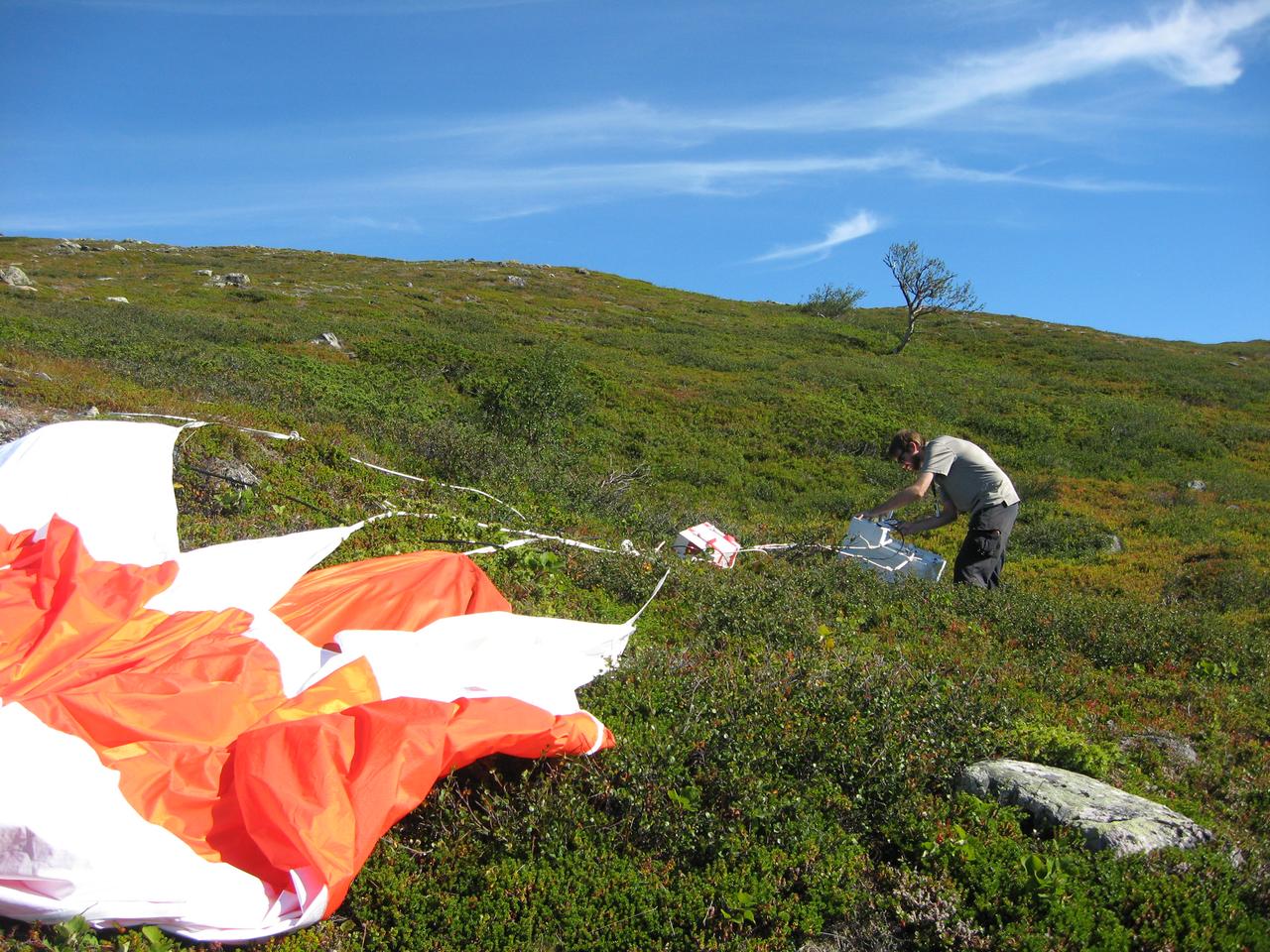
A BARREL team member recovers the second payload after it landed. The BARREL team is at Esrange Space Center near Kiruna, Sweden, launching a series of six scientific payloads on miniature scientific balloons. The NASA-funded BARREL – which stands for Balloon Array for Radiation-belt Relativistic Electron Losses – primarily measures X-rays in Earth’s atmosphere near the North and South Poles. These X-rays are produced by electrons raining down into the atmosphere from two giant swaths of radiation that surround Earth, called the Van Allen belts. Learning about the radiation near Earth helps us to better protect our satellites. Several of the BARREL balloons also carry instruments built by undergraduate students to measure the total electron content of Earth’s ionosphere, as well as the low-frequency electromagnetic waves that help to scatter electrons into Earth’s atmosphere. Though about 90 feet in diameter, the BARREL balloons are much smaller than standard football stadium-sized scientific balloons. This is the fourth campaign for the BARREL mission. BARREL is led by Dartmouth College in Hanover, New Hampshire. The undergraduate student instrument team is led by the University of Houston and funded by the Undergraduate Student Instrument Project out of NASA’s Wallops Flight Facility. For more information on NASA’s scientific balloon program, visit: <a href="http://www.nasa.gov/scientificballoons" rel="nofollow">www.nasa.gov/scientificballoons</a>. Image credit: NASA/Montana State University/Arlo Johnson <b><a href="http://www.nasa.gov/audience/formedia/features/MP_Photo_Guidelines.html" rel="nofollow">NASA image use policy.</a></b> <b><a href="http://www.nasa.gov/centers/goddard/home/index.html" rel="nofollow">NASA Goddard Space Flight Center</a></b> enables NASA’s mission through four scientific endeavors: Earth Science, Heliophysics, Solar System Exploration, and Astrophysics. Goddard plays a leading role in NASA’s accomplishments by contributing compelling scientific knowledge to advance the Agency’s mission. <b>Follow us on <a href="http://twitter.com/NASAGoddardPix" rel="nofollow">Twitter</a></b> <b>Like us on <a href="http://www.facebook.com/pages/Greenbelt-MD/NASA-Goddard/395013845897?ref=tsd" rel="nofollow">Facebook</a></b> <b>Find us on <a href="http://instagrid.me/nasagoddard/?vm=grid" rel="nofollow">Instagram</a></b>

The third BARREL balloon floats towards the stratosphere on Aug. 21, 2016. This payload flew for nearly 30 hours, measuring X-rays in Earth’s atmosphere. The BARREL team is at Esrange Space Center near Kiruna, Sweden, launching a series of six scientific payloads on miniature scientific balloons. The NASA-funded BARREL – which stands for Balloon Array for Radiation-belt Relativistic Electron Losses – primarily measures X-rays in Earth’s atmosphere near the North and South Poles. These X-rays are produced by electrons raining down into the atmosphere from two giant swaths of radiation that surround Earth, called the Van Allen belts. Learning about the radiation near Earth helps us to better protect our satellites. Several of the BARREL balloons also carry instruments built by undergraduate students to measure the total electron content of Earth’s ionosphere, as well as the low-frequency electromagnetic waves that help to scatter electrons into Earth’s atmosphere. Though about 90 feet in diameter, the BARREL balloons are much smaller than standard football stadium-sized scientific balloons. This is the fourth campaign for the BARREL mission. BARREL is led by Dartmouth College in Hanover, New Hampshire. The undergraduate student instrument team is led by the University of Houston and funded by the Undergraduate Student Instrument Project out of NASA’s Wallops Flight Facility. For more information on NASA’s scientific balloon program, visit: <a href="http://www.nasa.gov/scientificballoons" rel="nofollow">www.nasa.gov/scientificballoons</a>. Credit: NASA/University of Houston/Michael Greer <b><a href="http://www.nasa.gov/audience/formedia/features/MP_Photo_Guidelines.html" rel="nofollow">NASA image use policy.</a></b> <b><a href="http://www.nasa.gov/centers/goddard/home/index.html" rel="nofollow">NASA Goddard Space Flight Center</a></b> enables NASA’s mission through four scientific endeavors: Earth Science, Heliophysics, Solar System Exploration, and Astrophysics. Goddard plays a leading role in NASA’s accomplishments by contributing compelling scientific knowledge to advance the Agency’s mission. <b>Follow us on <a href="http://twitter.com/NASAGoddardPix" rel="nofollow">Twitter</a></b> <b>Like us on <a href="http://www.facebook.com/pages/Greenbelt-MD/NASA-Goddard/395013845897?ref=tsd" rel="nofollow">Facebook</a></b> <b>Find us on <a href="http://instagrid.me/nasagoddard/?vm=grid" rel="nofollow">Instagram</a></b>

The BARREL team inflates the balloon to launch their fifth scientific payload from Esrange Space Center near Kiruna, Sweden, on Aug. 24, 2016. The BARREL team is at Esrange Space Center launching a series of six scientific payloads on miniature scientific balloons. The NASA-funded BARREL – which stands for Balloon Array for Radiation-belt Relativistic Electron Losses – primarily measures X-rays in Earth’s atmosphere near the North and South Poles. These X-rays are produced by electrons raining down into the atmosphere from two giant swaths of radiation that surround Earth, called the Van Allen belts. Learning about the radiation near Earth helps us to better protect our satellites. Several of the BARREL balloons also carry instruments built by undergraduate students to measure the total electron content of Earth’s ionosphere, as well as the low-frequency electromagnetic waves that help to scatter electrons into Earth’s atmosphere. Though about 90 feet in diameter, the BARREL balloons are much smaller than standard football stadium-sized scientific balloons. This is the fourth campaign for the BARREL mission. BARREL is led by Dartmouth College in Hanover, New Hampshire. The undergraduate student instrument team is led by the University of Houston and funded by the Undergraduate Student Instrument Project out of NASA’s Wallops Flight Facility. For more information on NASA’s scientific balloon program, visit: <a href="http://www.nasa.gov/scientificballoons" rel="nofollow">www.nasa.gov/scientificballoons</a>. Credit: NASA/University of Houston/Michael Greer <b><a href="http://www.nasa.gov/audience/formedia/features/MP_Photo_Guidelines.html" rel="nofollow">NASA image use policy.</a></b> <b><a href="http://www.nasa.gov/centers/goddard/home/index.html" rel="nofollow">NASA Goddard Space Flight Center</a></b> enables NASA’s mission through four scientific endeavors: Earth Science, Heliophysics, Solar System Exploration, and Astrophysics. Goddard plays a leading role in NASA’s accomplishments by contributing compelling scientific knowledge to advance the Agency’s mission. <b>Follow us on <a href="http://twitter.com/NASAGoddardPix" rel="nofollow">Twitter</a></b> <b>Like us on <a href="http://www.facebook.com/pages/Greenbelt-MD/NASA-Goddard/395013845897?ref=tsd" rel="nofollow">Facebook</a></b> <b>Find us on <a href="http://instagrid.me/nasagoddard/?vm=grid" rel="nofollow">Instagram</a></b>
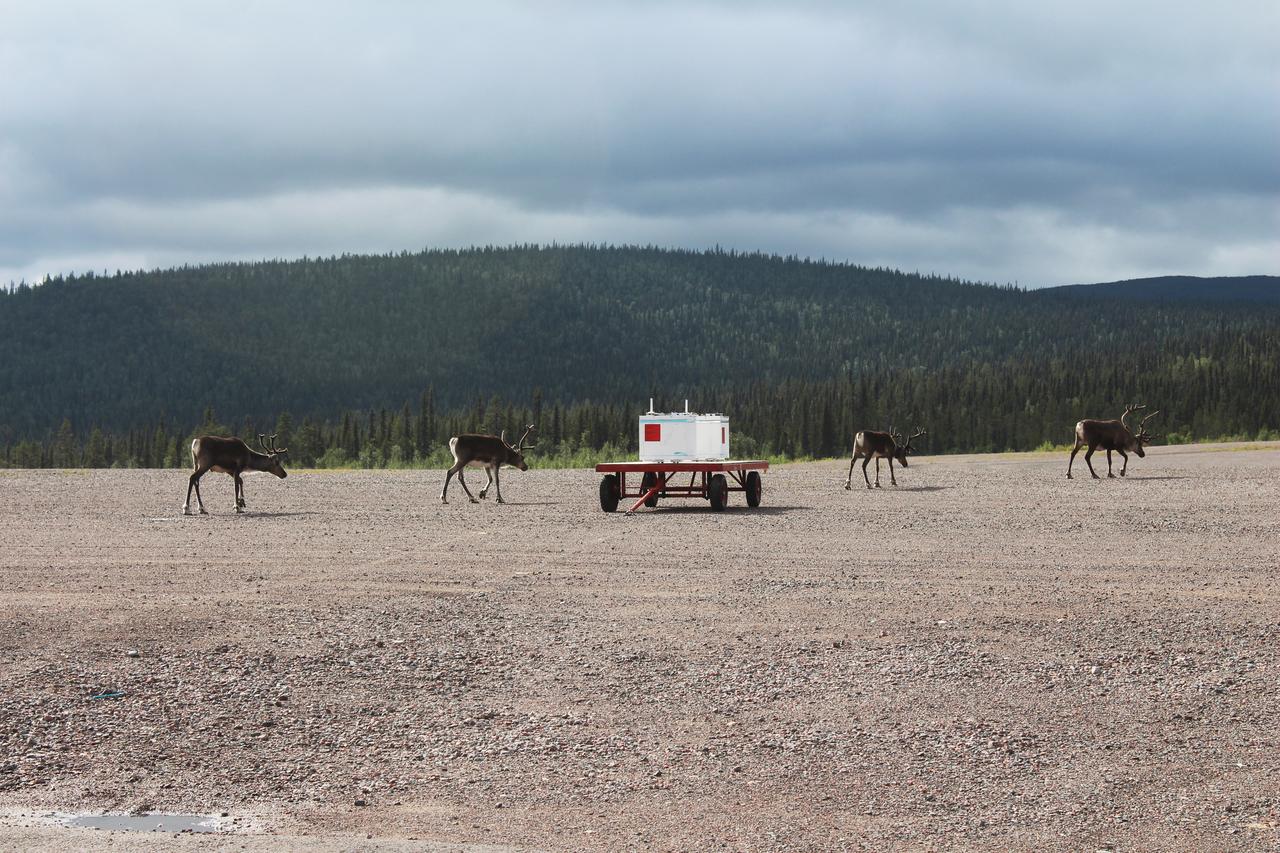
Four reindeer walk past the BARREL payload on the launch pad at Esrange Space Center near Kiruna, Sweden. The BARREL team is at Esrange Space Center launching a series of six scientific payloads on miniature scientific balloons. The NASA-funded BARREL – which stands for Balloon Array for Radiation-belt Relativistic Electron Losses – primarily measures X-rays in Earth’s atmosphere near the North and South Poles. These X-rays are produced by electrons raining down into the atmosphere from two giant swaths of radiation that surround Earth, called the Van Allen belts. Learning about the radiation near Earth helps us to better protect our satellites. Several of the BARREL balloons also carry instruments built by undergraduate students to measure the total electron content of Earth’s ionosphere, as well as the low-frequency electromagnetic waves that help to scatter electrons into Earth’s atmosphere. Though about 90 feet in diameter, the BARREL balloons are much smaller than standard football stadium-sized scientific balloons. This is the fourth campaign for the BARREL mission. BARREL is led by Dartmouth College in Hanover, New Hampshire. The undergraduate student instrument team is led by the University of Houston and funded by the Undergraduate Student Instrument Project out of NASA’s Wallops Flight Facility. For more information on NASA’s scientific balloon program, visit: <a href="http://www.nasa.gov/scientificballoons" rel="nofollow">www.nasa.gov/scientificballoons</a>. Image credit: NASA/University of Houston/Samar Mathur <b><a href="http://www.nasa.gov/audience/formedia/features/MP_Photo_Guidelines.html" rel="nofollow">NASA image use policy.</a></b> <b><a href="http://www.nasa.gov/centers/goddard/home/index.html" rel="nofollow">NASA Goddard Space Flight Center</a></b> enables NASA’s mission through four scientific endeavors: Earth Science, Heliophysics, Solar System Exploration, and Astrophysics. Goddard plays a leading role in NASA’s accomplishments by contributing compelling scientific knowledge to advance the Agency’s mission. <b>Follow us on <a href="http://twitter.com/NASAGoddardPix" rel="nofollow">Twitter</a></b> <b>Like us on <a href="http://www.facebook.com/pages/Greenbelt-MD/NASA-Goddard/395013845897?ref=tsd" rel="nofollow">Facebook</a></b> <b>Find us on <a href="http://instagrid.me/nasagoddard/?vm=grid" rel="nofollow">Instagram</a></b>
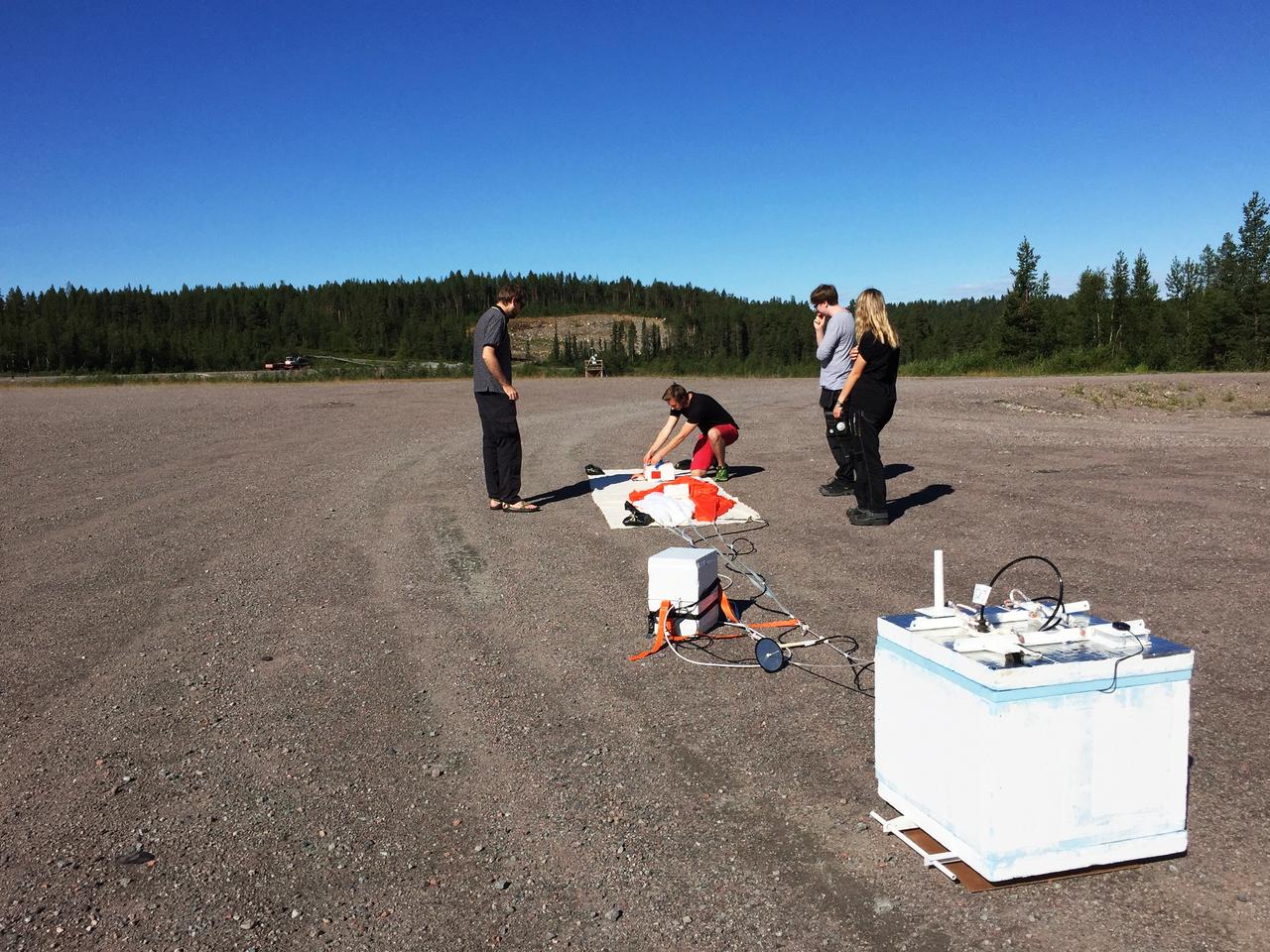
Prior to launch, the BARREL team works on the payload from the launch pad at Esrange Space Center near Kiruna, Sweden. The BARREL team is at Esrange Space Center launching a series of six scientific payloads on miniature scientific balloons. The NASA-funded BARREL – which stands for Balloon Array for Radiation-belt Relativistic Electron Losses – primarily measures X-rays in Earth’s atmosphere near the North and South Poles. These X-rays are produced by electrons raining down into the atmosphere from two giant swaths of radiation that surround Earth, called the Van Allen belts. Learning about the radiation near Earth helps us to better protect our satellites. Several of the BARREL balloons also carry instruments built by undergraduate students to measure the total electron content of Earth’s ionosphere, as well as the low-frequency electromagnetic waves that help to scatter electrons into Earth’s atmosphere. Though about 90 feet in diameter, the BARREL balloons are much smaller than standard football stadium-sized scientific balloons. This is the fourth campaign for the BARREL mission. BARREL is led by Dartmouth College in Hanover, New Hampshire. The undergraduate student instrument team is led by the University of Houston and funded by the Undergraduate Student Instrument Project out of NASA’s Wallops Flight Facility. For more information on NASA’s scientific balloon program, visit: <a href="http://www.nasa.gov/scientificballoons" rel="nofollow">www.nasa.gov/scientificballoons</a>. Image credit: NASA/Dartmouth/Robyn Millan <b><a href="http://www.nasa.gov/audience/formedia/features/MP_Photo_Guidelines.html" rel="nofollow">NASA image use policy.</a></b> <b><a href="http://www.nasa.gov/centers/goddard/home/index.html" rel="nofollow">NASA Goddard Space Flight Center</a></b> enables NASA’s mission through four scientific endeavors: Earth Science, Heliophysics, Solar System Exploration, and Astrophysics. Goddard plays a leading role in NASA’s accomplishments by contributing compelling scientific knowledge to advance the Agency’s mission. <b>Follow us on <a href="http://twitter.com/NASAGoddardPix" rel="nofollow">Twitter</a></b> <b>Like us on <a href="http://www.facebook.com/pages/Greenbelt-MD/NASA-Goddard/395013845897?ref=tsd" rel="nofollow">Facebook</a></b> <b>Find us on <a href="http://instagrid.me/nasagoddard/?vm=grid" rel="nofollow">Instagram</a></b>
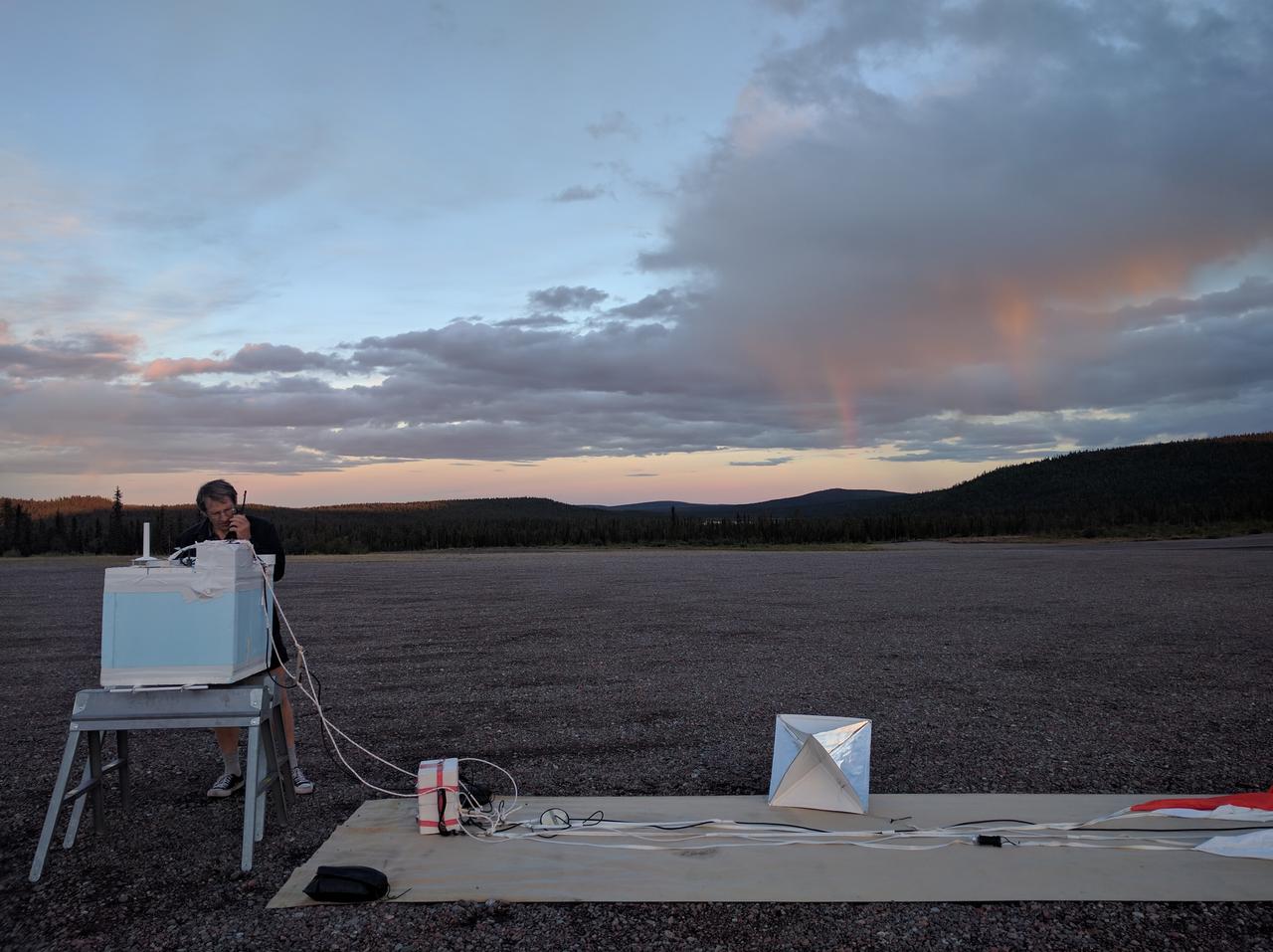
A member of the BARREL team prepares a payload for launch from Esrange Space Center on Aug. 29, 2016. Throughout August 2016, the BARREL team was at Esrange Space Center near Kiruna, Sweden, launching a series of six scientific payloads on miniature scientific balloons. The NASA-funded BARREL – which stands for Balloon Array for Radiation-belt Relativistic Electron Losses – primarily measures X-rays in Earth’s atmosphere near the North and South Poles. These X-rays are produced by electrons raining down into the atmosphere from two giant swaths of radiation that surround Earth, called the Van Allen belts. Learning about the radiation near Earth helps us to better protect our satellites. Several of the BARREL balloons also carried instruments built by undergraduate students to measure the total electron content of Earth’s ionosphere, as well as the low-frequency electromagnetic waves that help to scatter electrons into Earth’s atmosphere. Though about 90 feet in diameter, the BARREL balloons are much smaller than standard football stadium-sized scientific balloons. This is the fourth campaign for the BARREL mission. BARREL is led by Dartmouth College in Hanover, New Hampshire. The undergraduate student instrument team is led by the University of Houston and funded by the Undergraduate Student Instrument Project out of NASA’s Wallops Flight Facility. For more information on NASA’s scientific balloon program, visit: <a href="http://www.nasa.gov/scientificballoons" rel="nofollow">www.nasa.gov/scientificballoons</a>. Credit: NASA/Dartmouth/Alexa Halford <b><a href="http://www.nasa.gov/audience/formedia/features/MP_Photo_Guidelines.html" rel="nofollow">NASA image use policy.</a></b> <b><a href="http://www.nasa.gov/centers/goddard/home/index.html" rel="nofollow">NASA Goddard Space Flight Center</a></b> enables NASA’s mission through four scientific endeavors: Earth Science, Heliophysics, Solar System Exploration, and Astrophysics. Goddard plays a leading role in NASA’s accomplishments by contributing compelling scientific knowledge to advance the Agency’s mission. <b>Follow us on <a href="http://twitter.com/NASAGoddardPix" rel="nofollow">Twitter</a></b> <b>Like us on <a href="http://www.facebook.com/pages/Greenbelt-MD/NASA-Goddard/395013845897?ref=tsd" rel="nofollow">Facebook</a></b> <b>Find us on <a href="http://instagrid.me/nasagoddard/?vm=grid" rel="nofollow">Instagram</a></b>
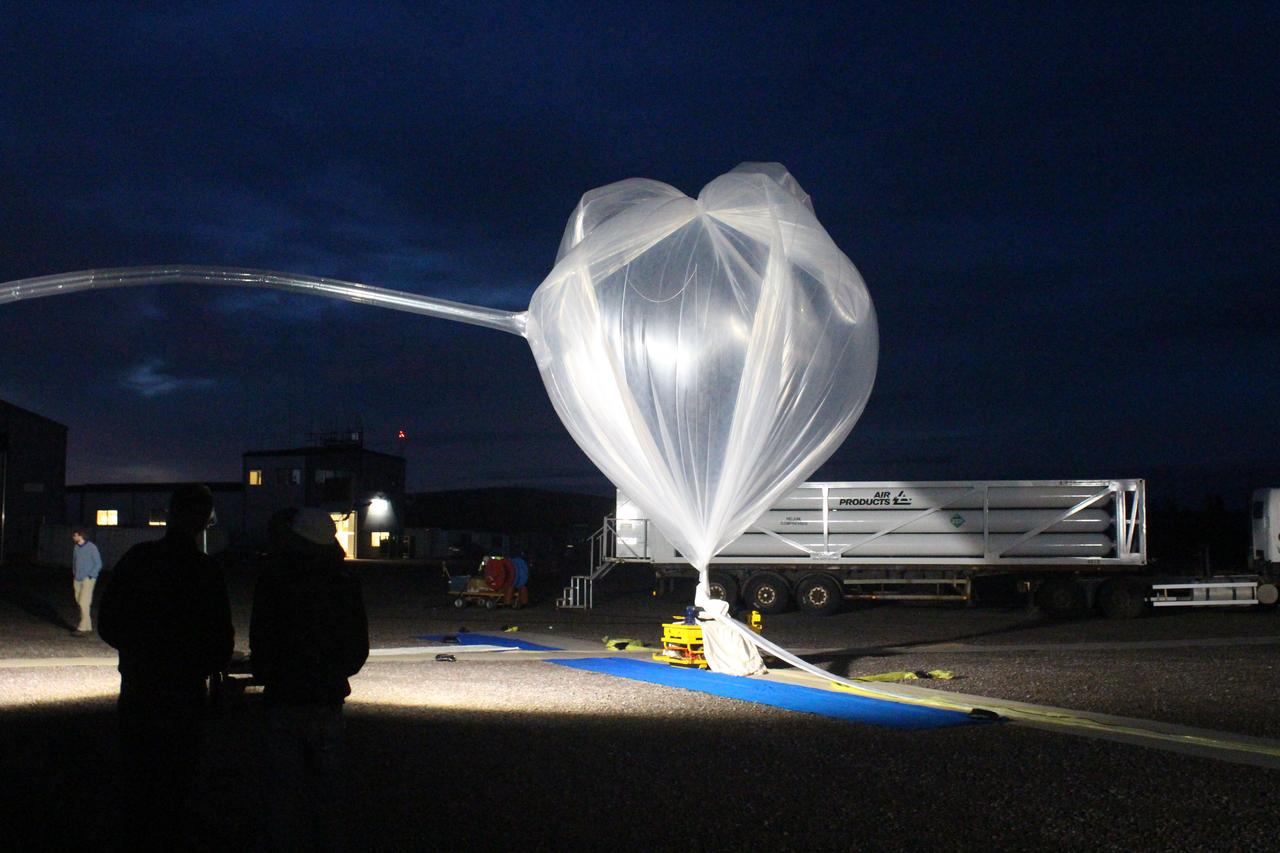
The first BARREL balloon is inflated just before its launch on Aug. 13, 2016, from Esrange Space Center near Kiruna, Sweden. The BARREL team is at Esrange Space Center launching a series of six scientific payloads on miniature scientific balloons. The NASA-funded BARREL – which stands for Balloon Array for Radiation-belt Relativistic Electron Losses – primarily measures X-rays in Earth’s atmosphere near the North and South Poles. These X-rays are produced by electrons raining down into the atmosphere from two giant swaths of radiation that surround Earth, called the Van Allen belts. Learning about the radiation near Earth helps us to better protect our satellites. Several of the BARREL balloons also carry instruments built by undergraduate students to measure the total electron content of Earth’s ionosphere, as well as the low-frequency electromagnetic waves that help to scatter electrons into Earth’s atmosphere. Though about 90 feet in diameter, the BARREL balloons are much smaller than standard football stadium-sized scientific balloons. This is the fourth campaign for the BARREL mission. BARREL is led by Dartmouth College in Hanover, New Hampshire. The undergraduate student instrument team is led by the University of Houston and funded by the Undergraduate Student Instrument Project out of NASA’s Wallops Flight Facility. For more information on NASA’s scientific balloon program, visit: <a href="http://www.nasa.gov/scientificballoons" rel="nofollow">www.nasa.gov/scientificballoons</a>. Image credit: NASA/University of Houston/Edgar Bering <b><a href="http://www.nasa.gov/audience/formedia/features/MP_Photo_Guidelines.html" rel="nofollow">NASA image use policy.</a></b> <b><a href="http://www.nasa.gov/centers/goddard/home/index.html" rel="nofollow">NASA Goddard Space Flight Center</a></b> enables NASA’s mission through four scientific endeavors: Earth Science, Heliophysics, Solar System Exploration, and Astrophysics. Goddard plays a leading role in NASA’s accomplishments by contributing compelling scientific knowledge to advance the Agency’s mission. <b>Follow us on <a href="http://twitter.com/NASAGoddardPix" rel="nofollow">Twitter</a></b> <b>Like us on <a href="http://www.facebook.com/pages/Greenbelt-MD/NASA-Goddard/395013845897?ref=tsd" rel="nofollow">Facebook</a></b> <b>Find us on <a href="http://instagrid.me/nasagoddard/?vm=grid" rel="nofollow">Instagram</a></b>
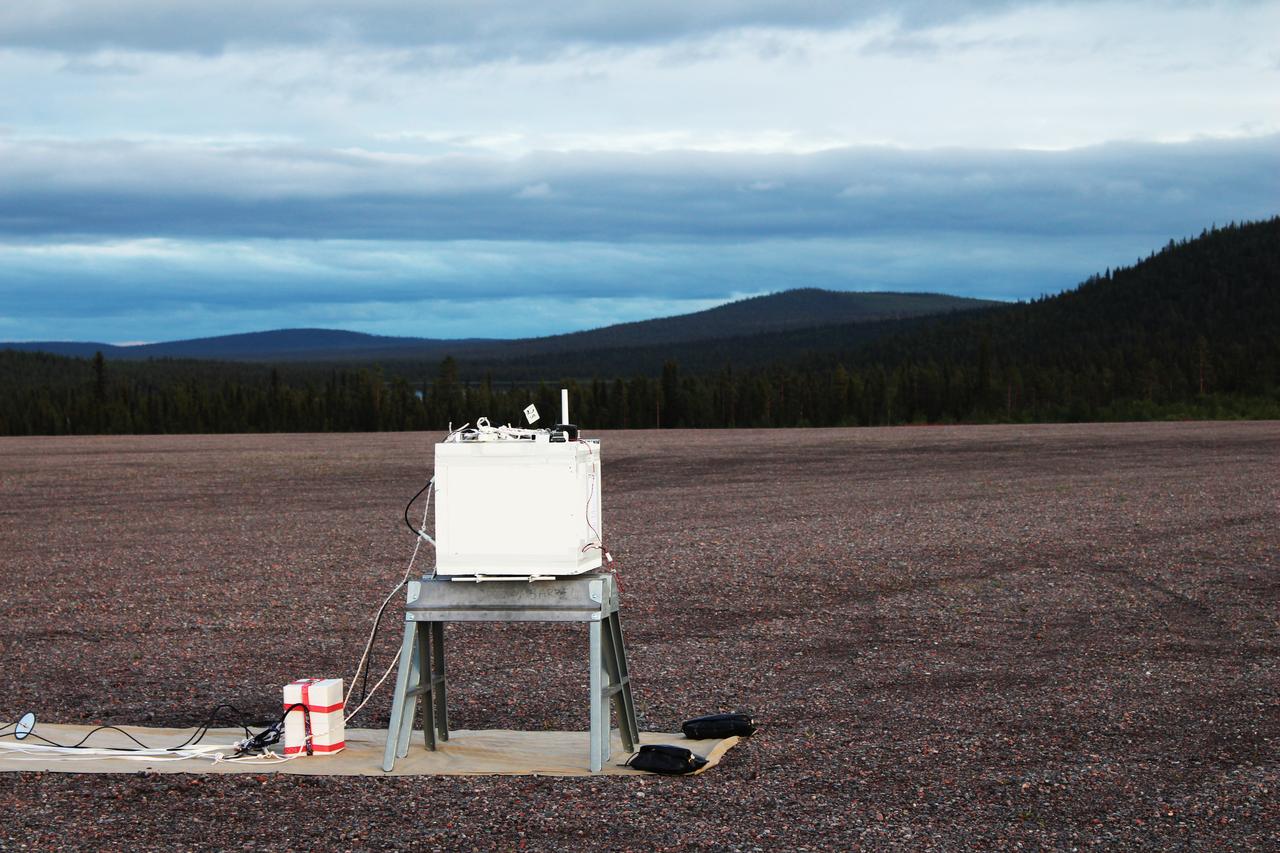
A BARREL payload sits on the launch pad at Esrange Space Center near Kiruna, Sweden. The BARREL team is at Esrange Space Center launching a series of six scientific payloads on miniature scientific balloons. The NASA-funded BARREL – which stands for Balloon Array for Radiation-belt Relativistic Electron Losses – primarily measures X-rays in Earth’s atmosphere near the North and South Poles. These X-rays are produced by electrons raining down into the atmosphere from two giant swaths of radiation that surround Earth, called the Van Allen belts. Learning about the radiation near Earth helps us to better protect our satellites. Several of the BARREL balloons also carry instruments built by undergraduate students to measure the total electron content of Earth’s ionosphere, as well as the low-frequency electromagnetic waves that help to scatter electrons into Earth’s atmosphere. Though about 90 feet in diameter, the BARREL balloons are much smaller than standard football stadium-sized scientific balloons. This is the fourth campaign for the BARREL mission. BARREL is led by Dartmouth College in Hanover, New Hampshire. The undergraduate student instrument team is led by the University of Houston and funded by the Undergraduate Student Instrument Project out of NASA’s Wallops Flight Facility. For more information on NASA’s scientific balloon program, visit: <a href="http://www.nasa.gov/scientificballoons" rel="nofollow">www.nasa.gov/scientificballoons</a>. Image credit: NASA/University of Houston/Edgar Bering <b><a href="http://www.nasa.gov/audience/formedia/features/MP_Photo_Guidelines.html" rel="nofollow">NASA image use policy.</a></b> <b><a href="http://www.nasa.gov/centers/goddard/home/index.html" rel="nofollow">NASA Goddard Space Flight Center</a></b> enables NASA’s mission through four scientific endeavors: Earth Science, Heliophysics, Solar System Exploration, and Astrophysics. Goddard plays a leading role in NASA’s accomplishments by contributing compelling scientific knowledge to advance the Agency’s mission. <b>Follow us on <a href="http://twitter.com/NASAGoddardPix" rel="nofollow">Twitter</a></b> <b>Like us on <a href="http://www.facebook.com/pages/Greenbelt-MD/NASA-Goddard/395013845897?ref=tsd" rel="nofollow">Facebook</a></b> <b>Find us on <a href="http://instagrid.me/nasagoddard/?vm=grid" rel="nofollow">Instagram</a></b>

Christopher Kraft, flight director during Project Mercury, works at his console inside the Flight Control area at Mercury Mission Control.
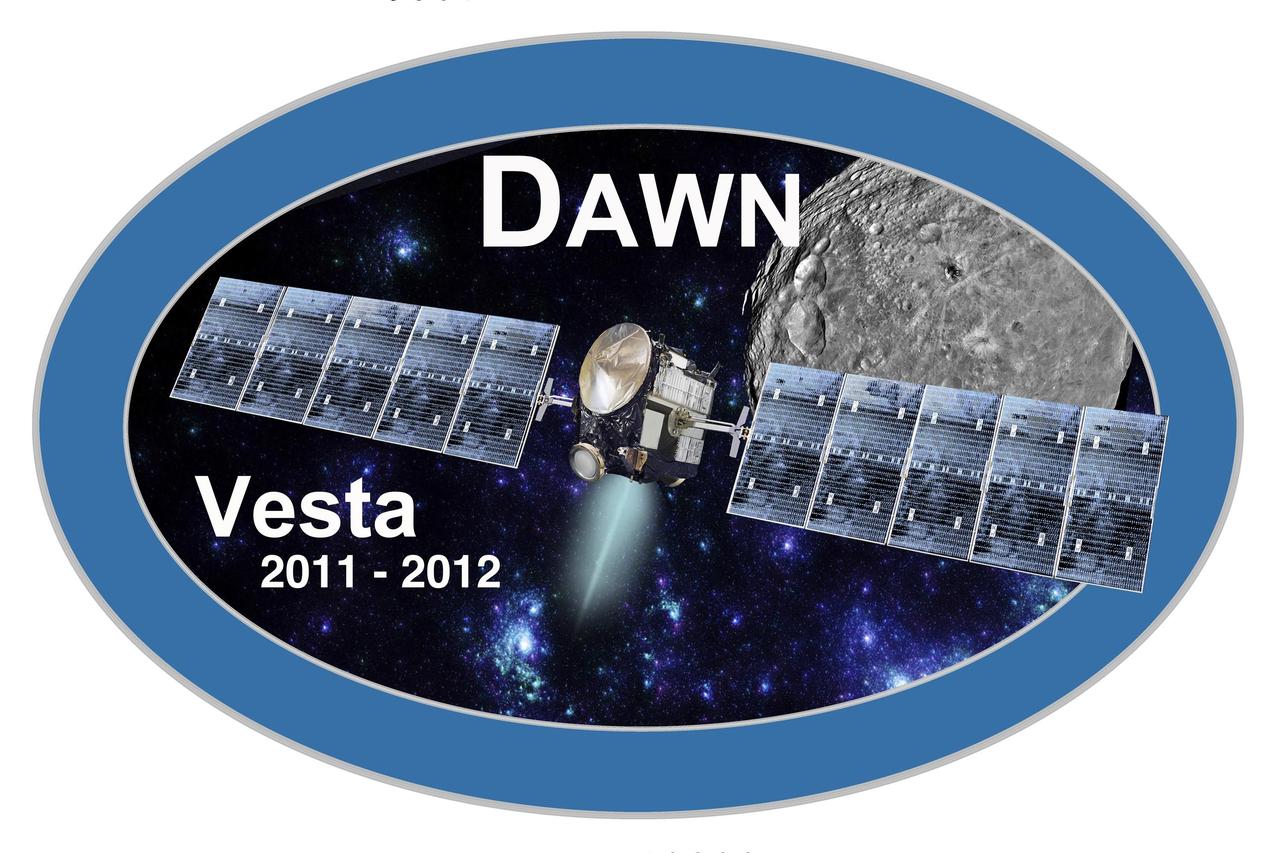
Dawn mission Vesta Logo, part of NASA Dawn Mission Art series. http://photojournal.jpl.nasa.gov/catalog/PIA19372
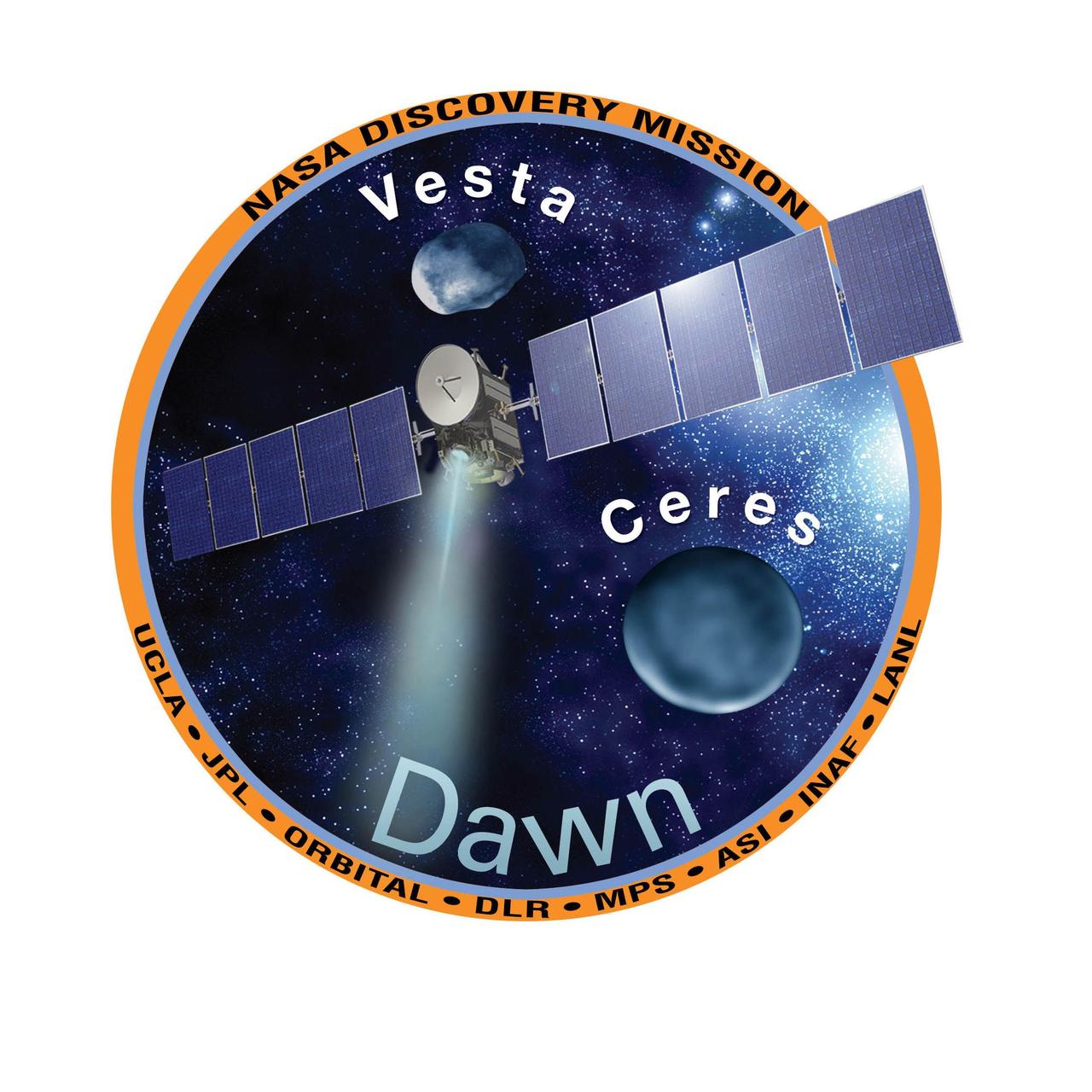
NASA Dawn mission patch, part of the Dawn Mission Art series. http://photojournal.jpl.nasa.gov/catalog/PIA19375
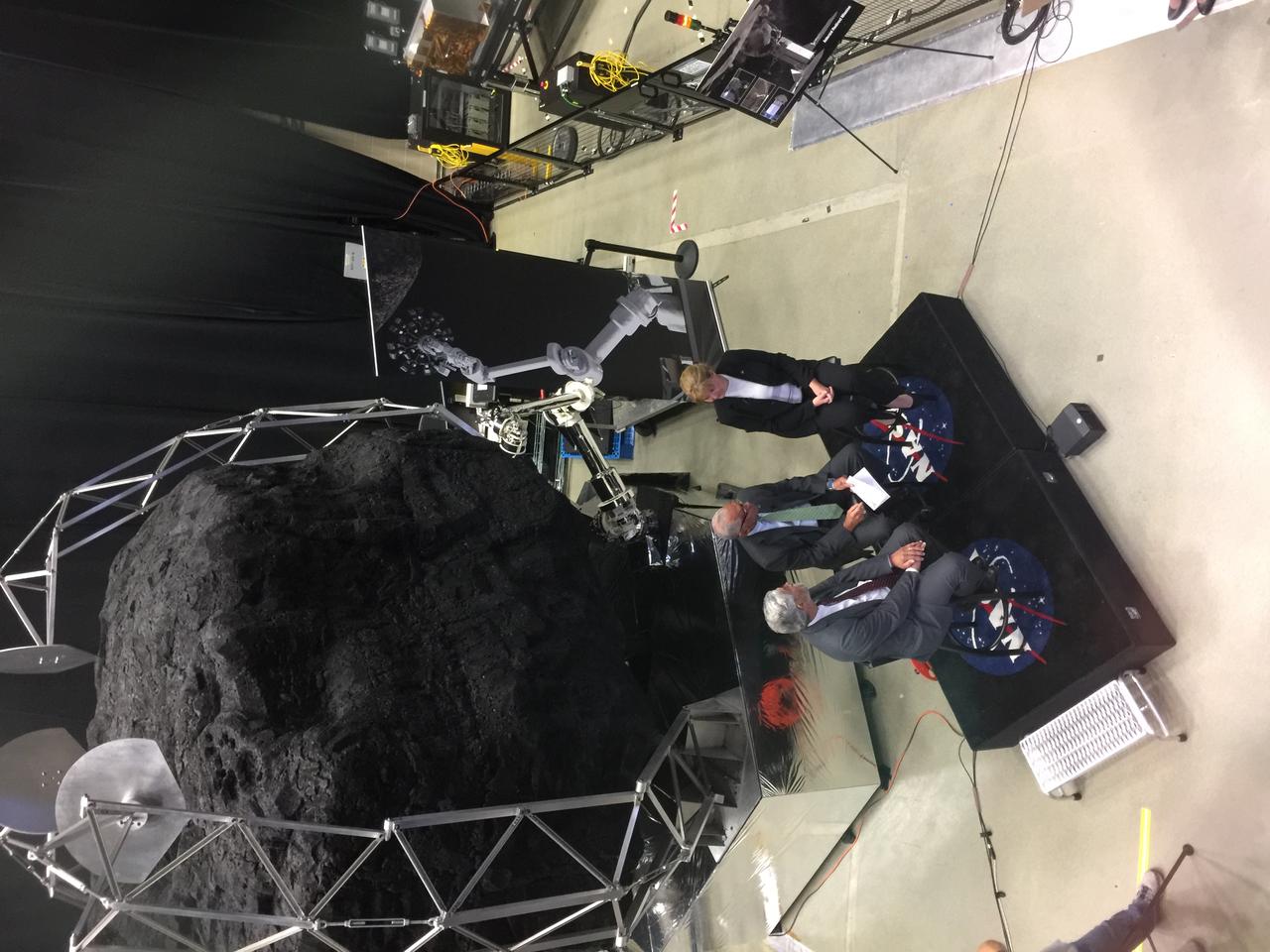
Dr. Holdren (left), Administrator Bolden (center) and Dr. Michele Gates (right) discuss the ARM mission during a live NASA TV briefing. Behind them is a mockup of robotic capture module for the Asteroid Redirect Mission. More info: Asteroid Redirect Mission Update – On Sept. 14, 2016, NASA provided an update on the Asteroid Redirect Mission (ARM) and how it contributes to the agency’s journey to Mars and protection of Earth. The presentation took place in the Robotic Operations Center at NASA’s Goddard Space Flight Center in Greenbelt, Maryland. Assistant to the President for Science and Technology Dr. John P. Holdren, NASA Administrator Charles Bolden and NASA’s ARM Program Director, Dr. Michele Gates discussed the latest update regarding the mission. They explained the mission’s scientific and technological benefits and how ARM will demonstrate technology for defending Earth from potentially hazardous asteroids. The briefing aired live on NASA TV and the agency’s website. For more information about ARM go to <a href="https://www.nasa.gov/arm" rel="nofollow">www.nasa.gov/arm</a>. Credit: NASA/Goddard/Peter Sooy <b><a href="http://www.nasa.gov/audience/formedia/features/MP_Photo_Guidelines.html" rel="nofollow">NASA image use policy.</a></b> <b><a href="http://www.nasa.gov/centers/goddard/home/index.html" rel="nofollow">NASA Goddard Space Flight Center</a></b> enables NASA’s mission through four scientific endeavors: Earth Science, Heliophysics, Solar System Exploration, and Astrophysics. Goddard plays a leading role in NASA’s accomplishments by contributing compelling scientific knowledge to advance the Agency’s mission. <b>Follow us on <a href="http://twitter.com/NASAGoddardPix" rel="nofollow">Twitter</a></b> <b>Like us on <a href="http://www.facebook.com/pages/Greenbelt-MD/NASA-Goddard/395013845897?ref=tsd" rel="nofollow">Facebook</a></b> <b>Find us on <a href="http://instagrid.me/nasagoddard/?vm=grid" rel="nofollow">Instagram</a></b>
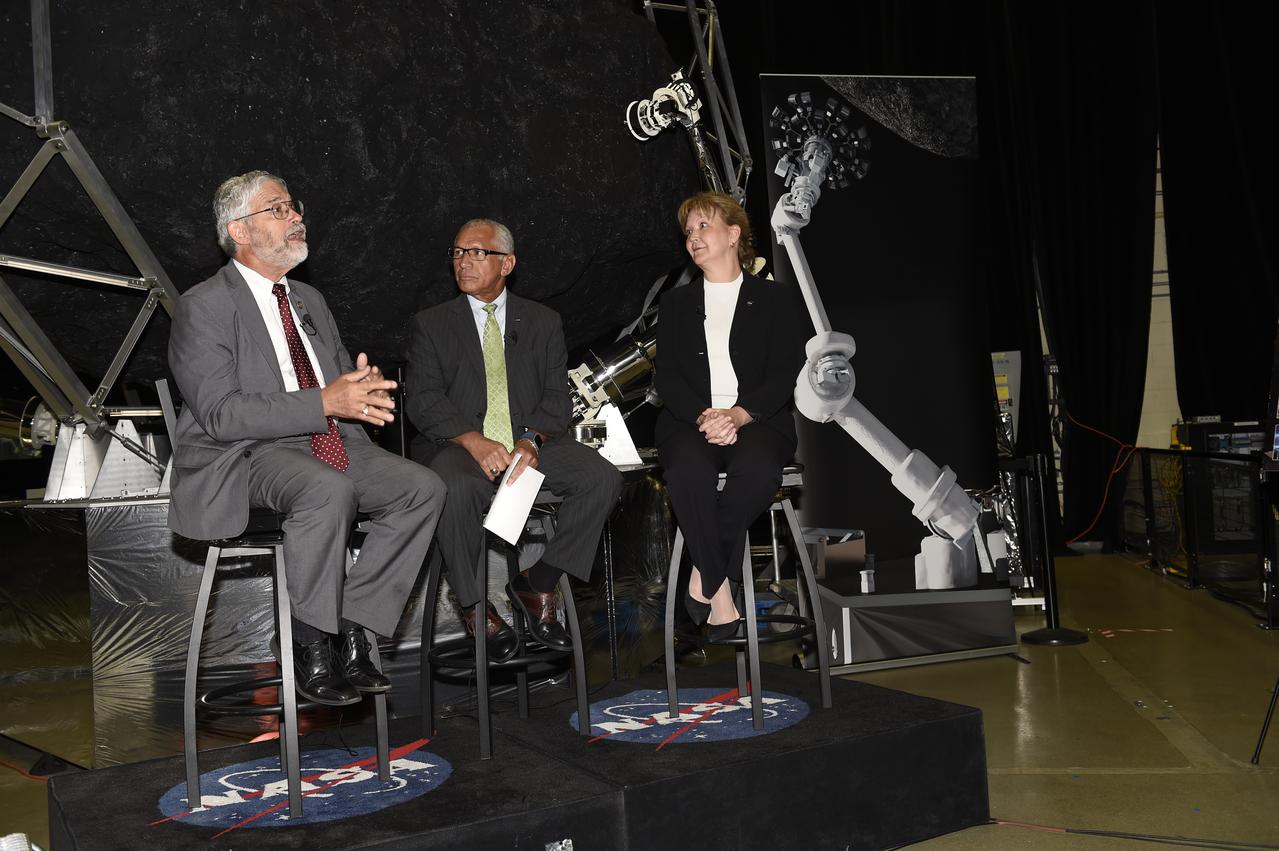
Dr. Holdren (left), Administrator Bolden (center) and Dr. Michele Gates (right) discuss the ARM mission during a live NASA TV briefing. Behind them is a mockup of robotic capture module for the Asteroid Redirect Mission. More info: Asteroid Redirect Mission Update – On Sept. 14, 2016, NASA provided an update on the Asteroid Redirect Mission (ARM) and how it contributes to the agency’s journey to Mars and protection of Earth. The presentation took place in the Robotic Operations Center at NASA’s Goddard Space Flight Center in Greenbelt, Maryland. Assistant to the President for Science and Technology Dr. John P. Holdren, NASA Administrator Charles Bolden and NASA’s ARM Program Director, Dr. Michele Gates discussed the latest update regarding the mission. They explained the mission’s scientific and technological benefits and how ARM will demonstrate technology for defending Earth from potentially hazardous asteroids. The briefing aired live on NASA TV and the agency’s website. For more information about ARM go to <a href="https://www.nasa.gov/arm" rel="nofollow">www.nasa.gov/arm</a>. Credit: NASA/Goddard/Debbie Mccallum <b><a href="http://www.nasa.gov/audience/formedia/features/MP_Photo_Guidelines.html" rel="nofollow">NASA image use policy.</a></b> <b><a href="http://www.nasa.gov/centers/goddard/home/index.html" rel="nofollow">NASA Goddard Space Flight Center</a></b> enables NASA’s mission through four scientific endeavors: Earth Science, Heliophysics, Solar System Exploration, and Astrophysics. Goddard plays a leading role in NASA’s accomplishments by contributing compelling scientific knowledge to advance the Agency’s mission. <b>Follow us on <a href="http://twitter.com/NASAGoddardPix" rel="nofollow">Twitter</a></b> <b>Like us on <a href="http://www.facebook.com/pages/Greenbelt-MD/NASA-Goddard/395013845897?ref=tsd" rel="nofollow">Facebook</a></b> <b>Find us on <a href="http://instagrid.me/nasagoddard/?vm=grid" rel="nofollow">Instagram</a></b>
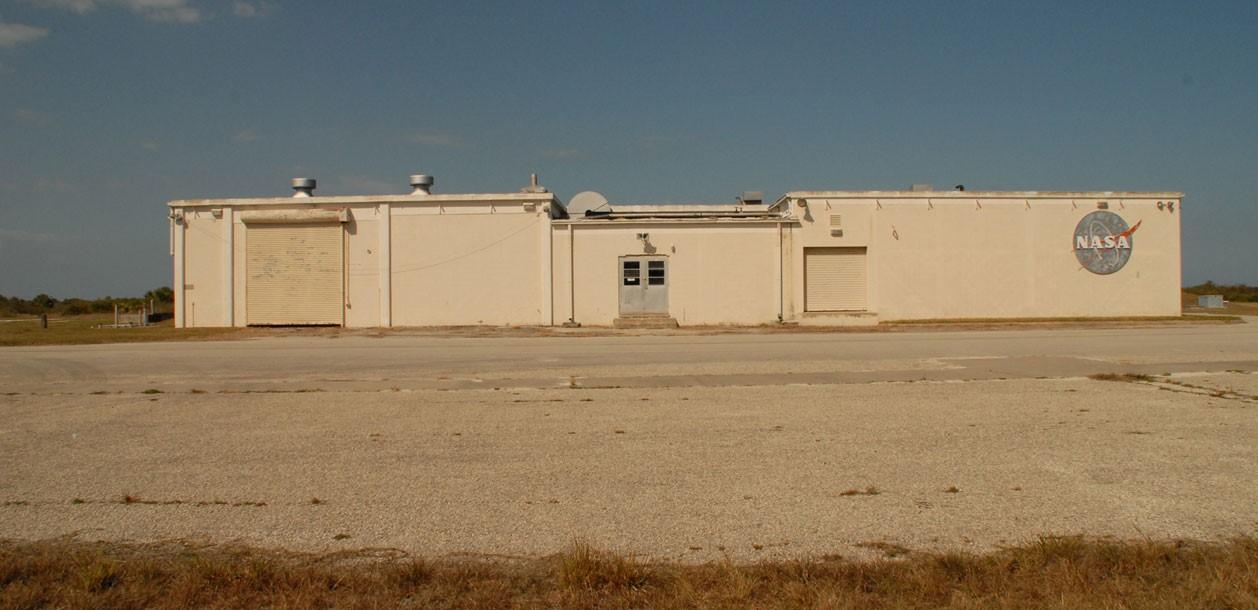
Exterior view of the Mission Control Center
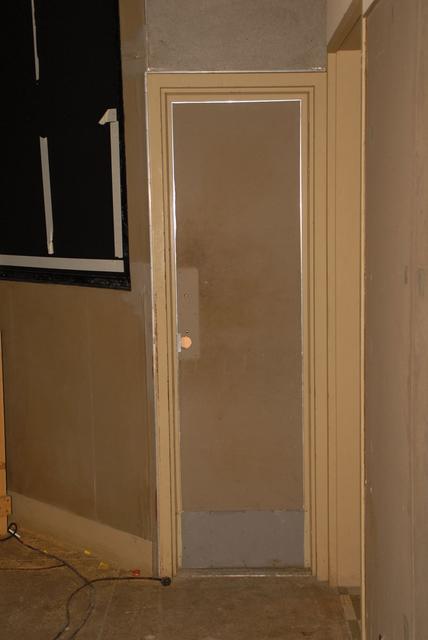
Interior view of the Mission Control Center
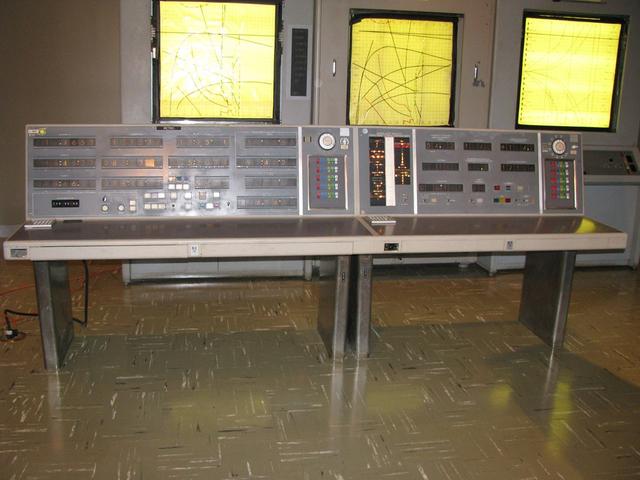
Interior view of the Mission Control Center
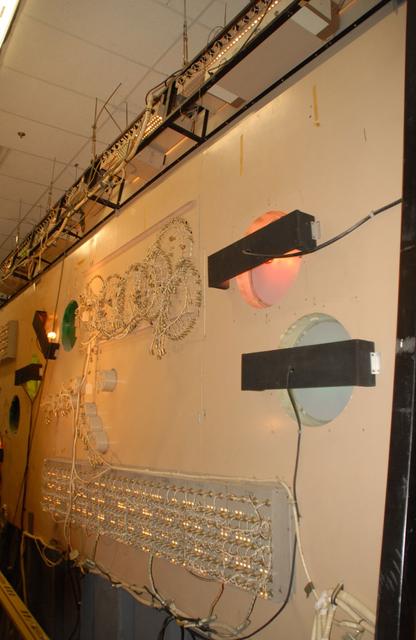
Interior view of the Mission Control Center
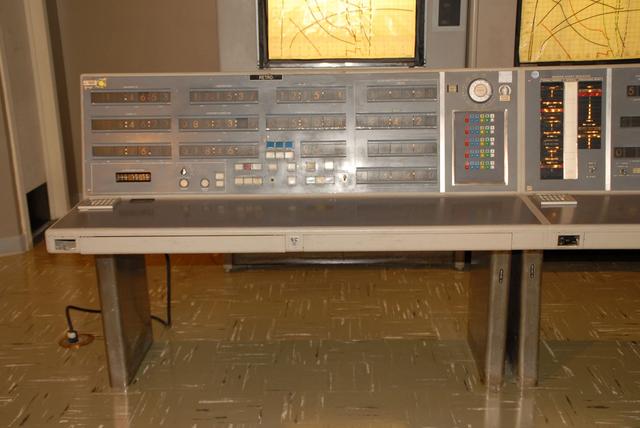
Interior view of the Mission Control Center
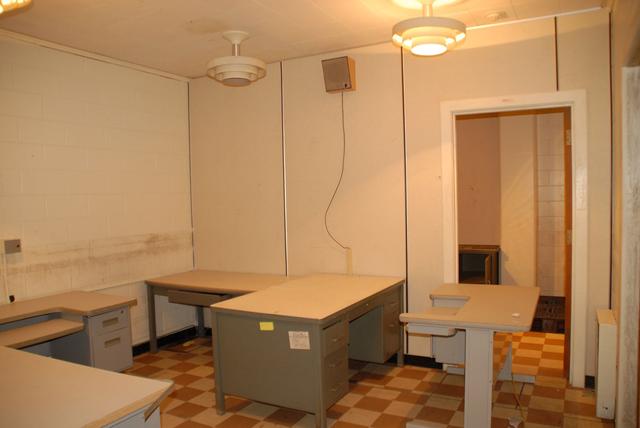
Interior view of the Mission Control Center
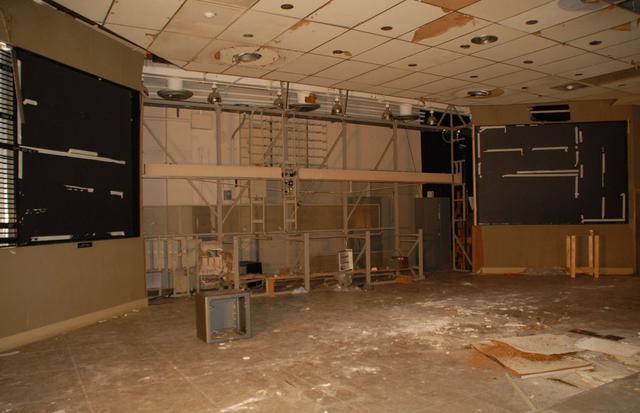
Interior view of the Mission Control Center
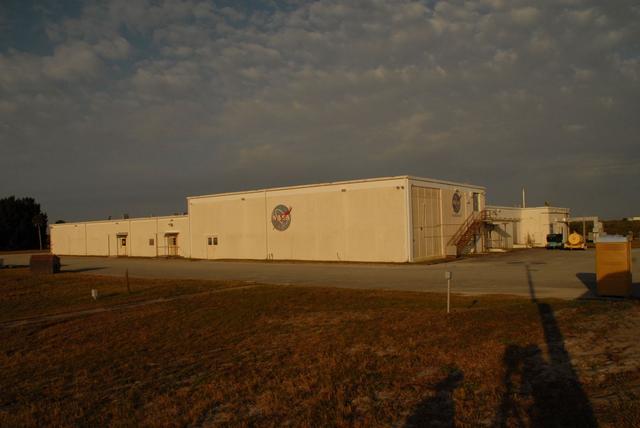
Exterior view of the Mission Control Center
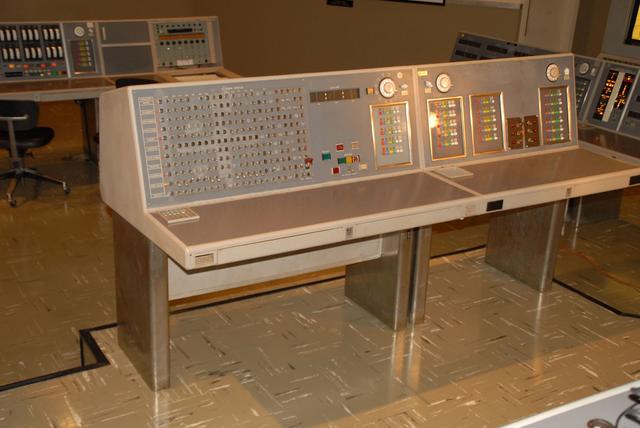
Interior view of the Mission Control Center
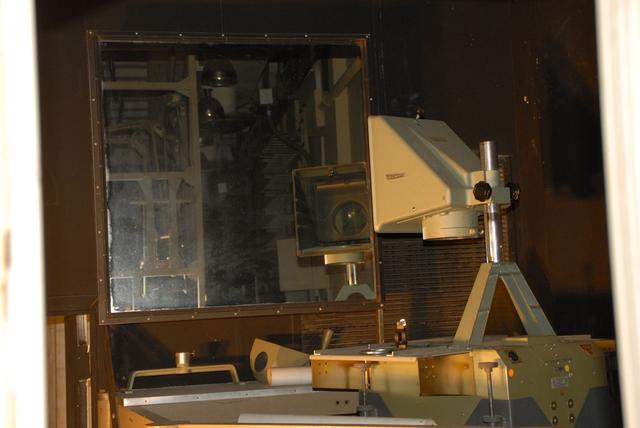
Interior view of the Mission Control Center
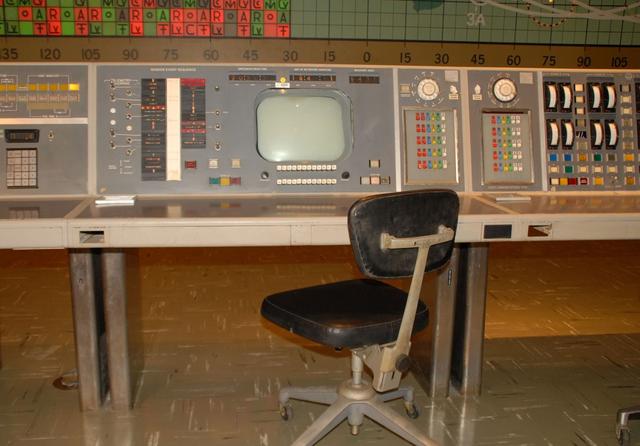
Interior view of the Mission Control Center

Interior view of the Mission Control Center
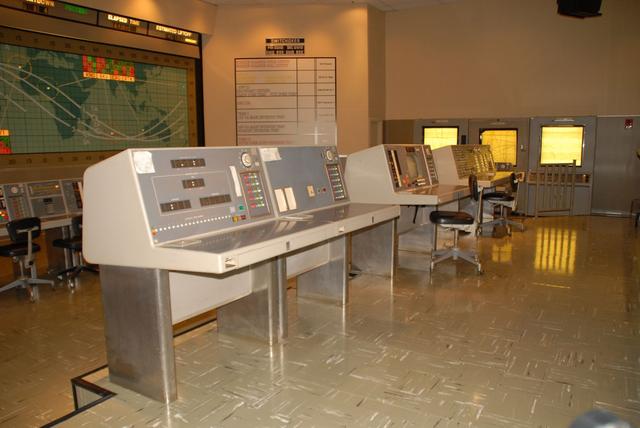
Interior view of the Mission Control Center
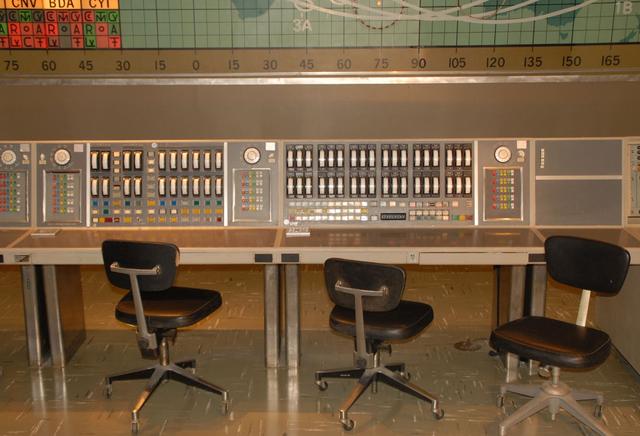
Interior view of the Mission Control Center
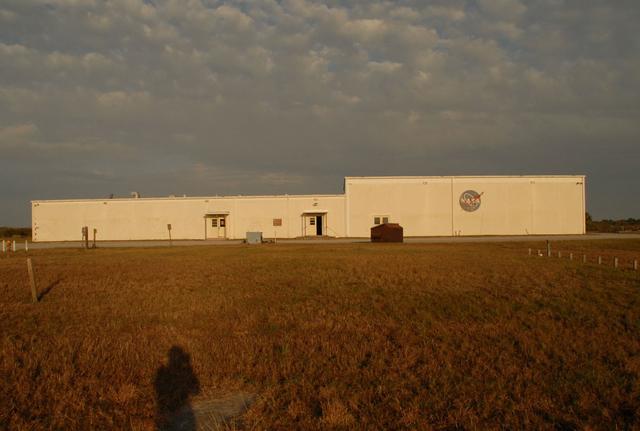
Exterior view of the Mission Control Center
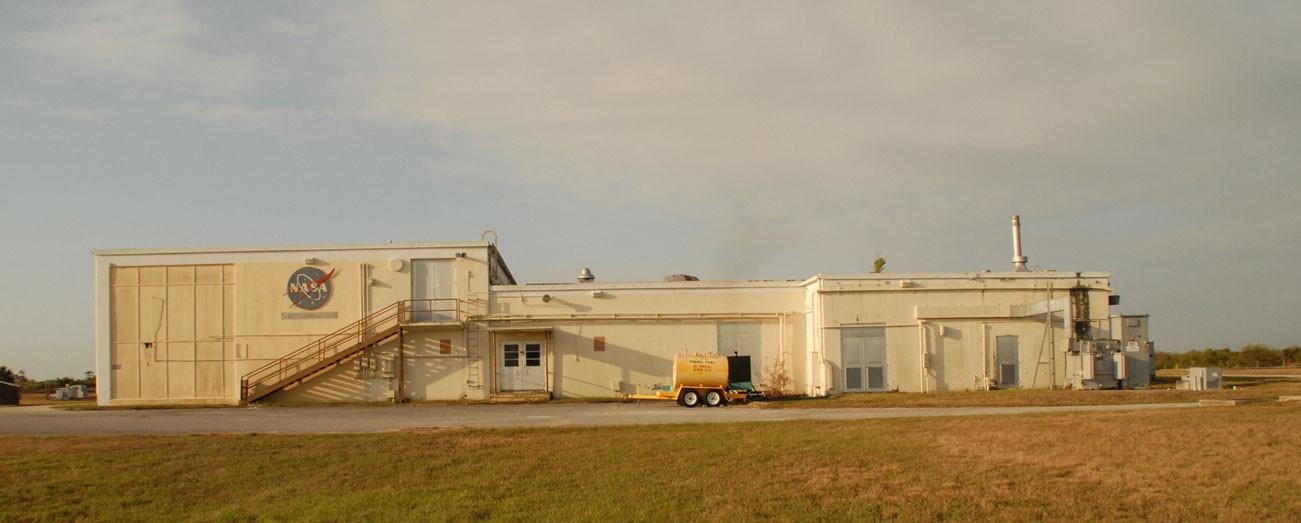
Exterior view of the Mission Control Center
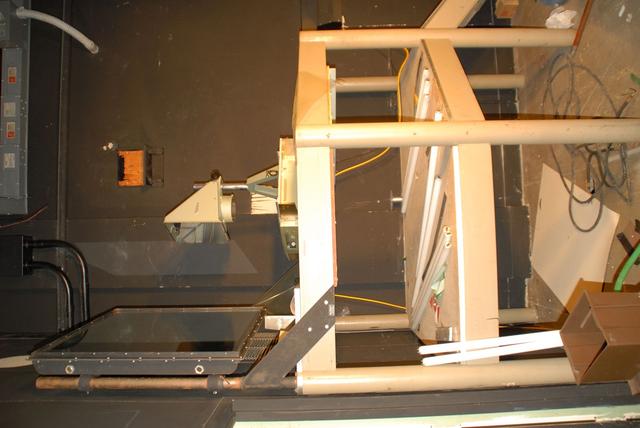
Interior view of the Mission Control Center
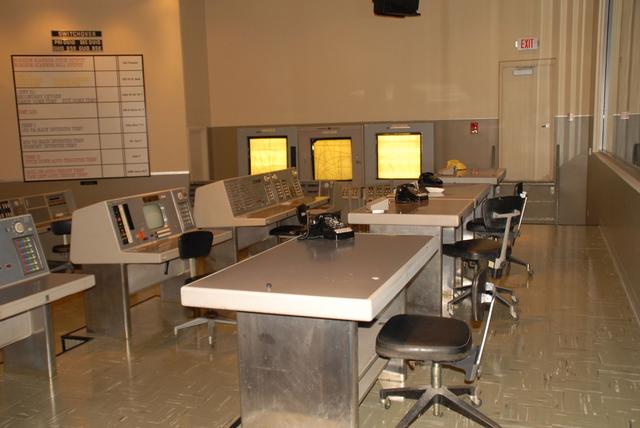
Interior view of the Mission Control Center
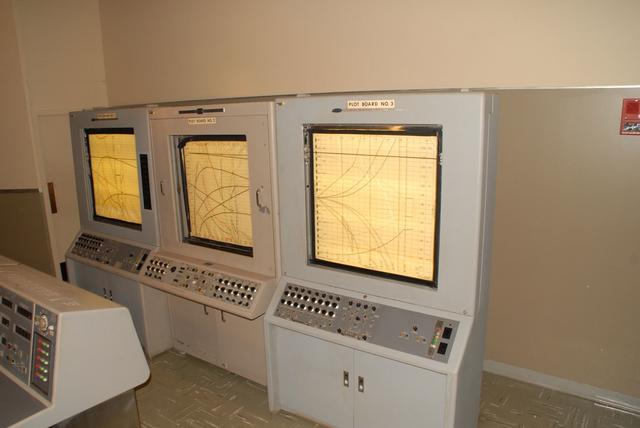
Interior view of the Mission Control Center

Interior view of the Mission Control Center
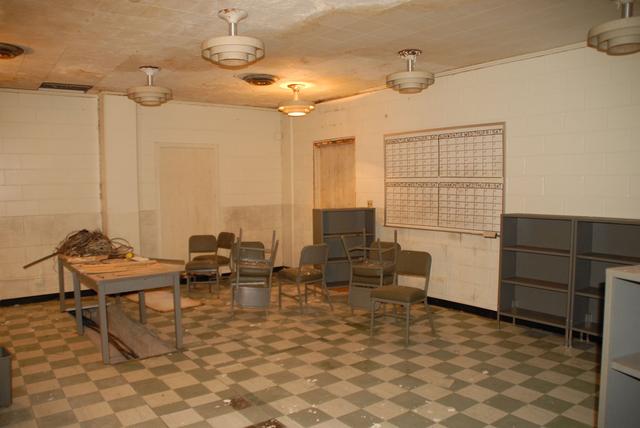
Interior view of the Mission Control Center
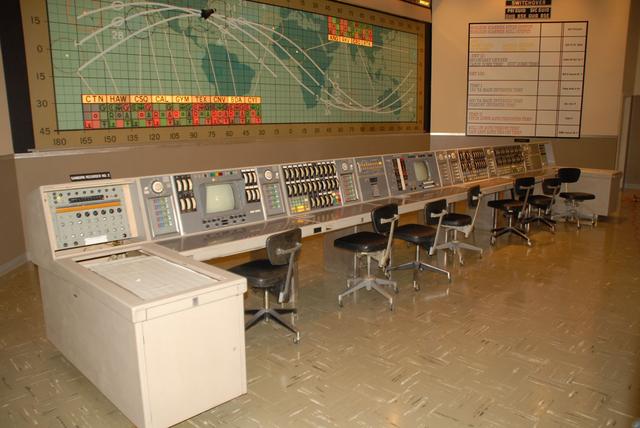
Interior view of the Mission Control Center

Interior view of the Mission Control Center
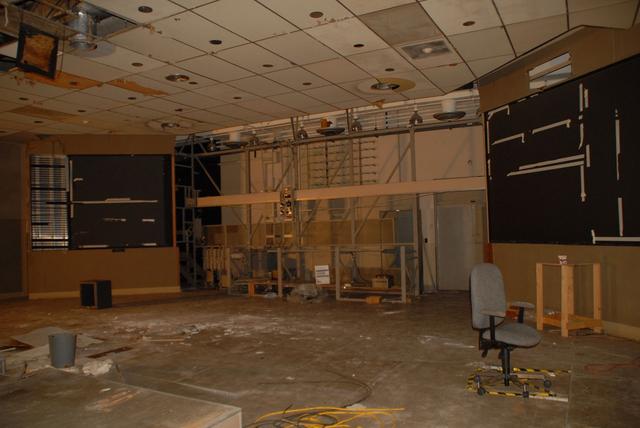
Interior view of the Mission Control Center
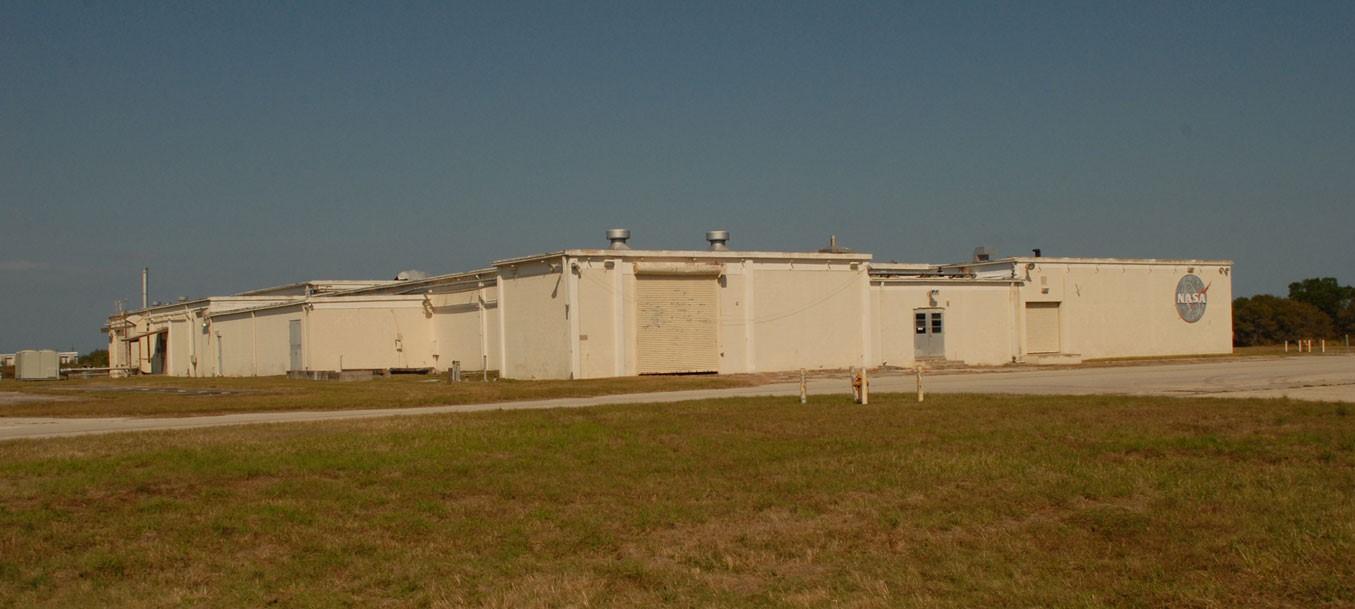
Exterior view of the Mission Control Center
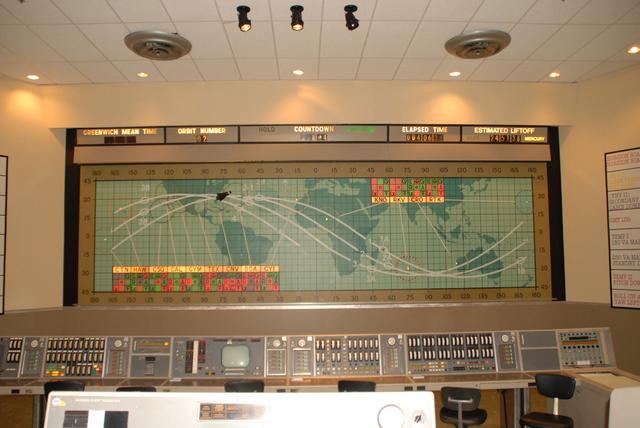
Interior view of the Mission Control Center

Interior view of the Mission Control Center
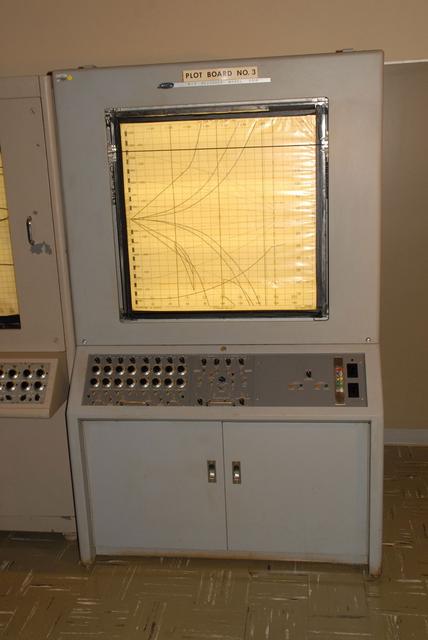
Interior view of the Mission Control Center
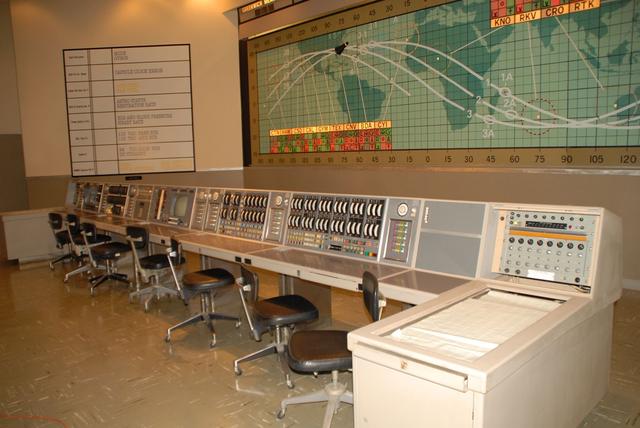
Interior view of the Mission Control Center
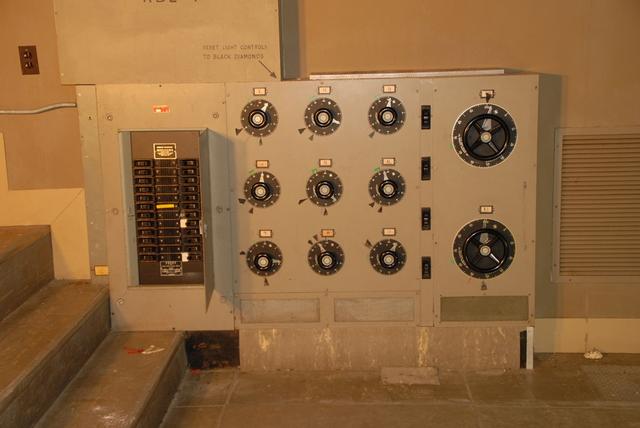
Interior view of the Mission Control Center
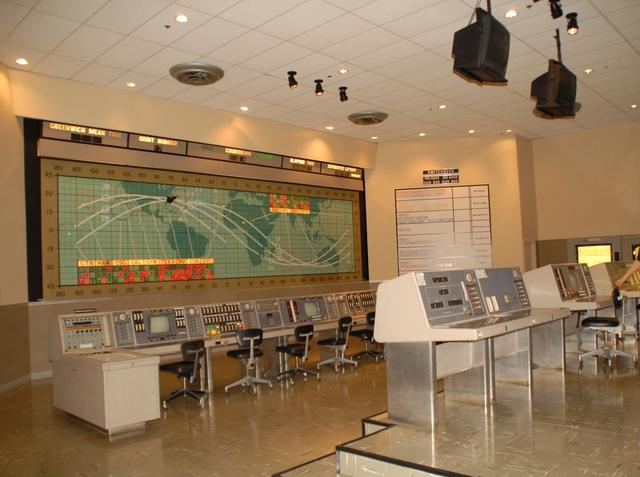
Interior view of the Mission Control Center
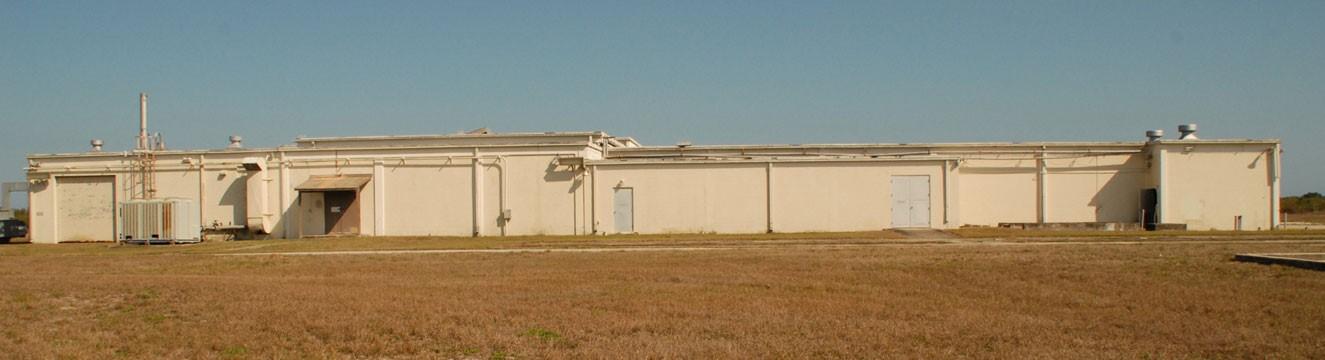
Exterior view of the Mission Control Center
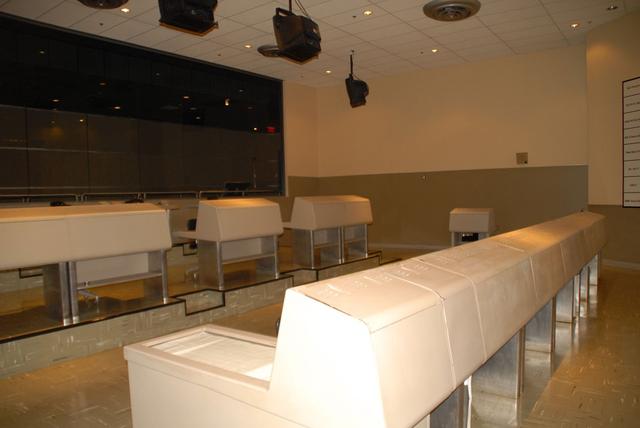
Interior view of the Mission Control Center

Interior view of the Mission Control Center

Interior view of the Mission Control Center
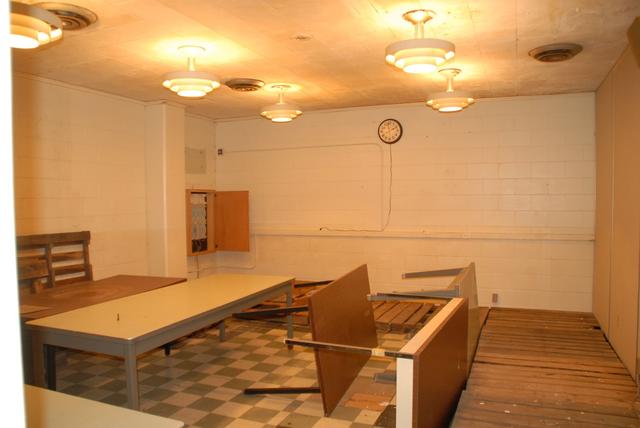
Interior view of the Mission Control Center
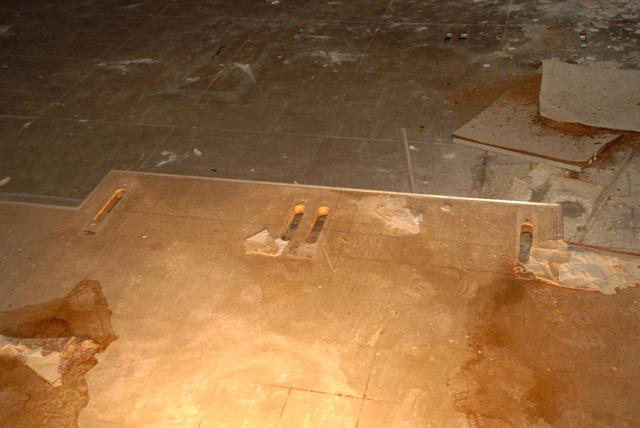
Interior view of the Mission Control Center
Exterior view of the Mission Control Center
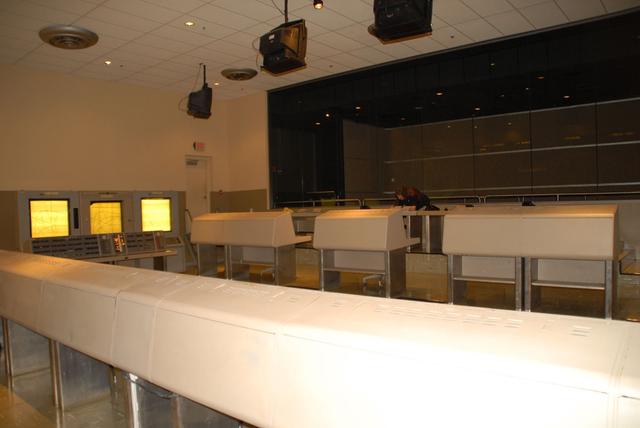
Interior view of the Mission Control Center
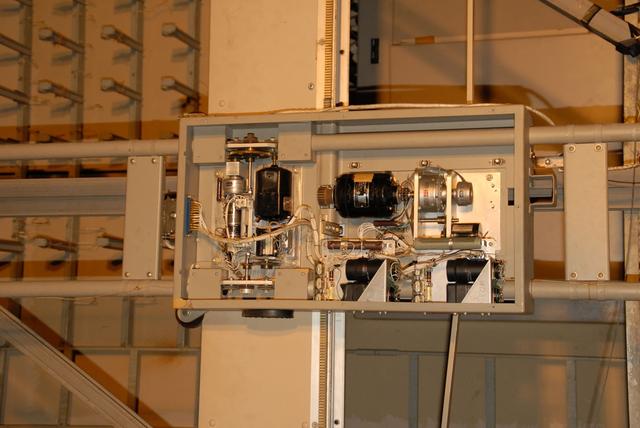
Interior view of the Mission Control Center
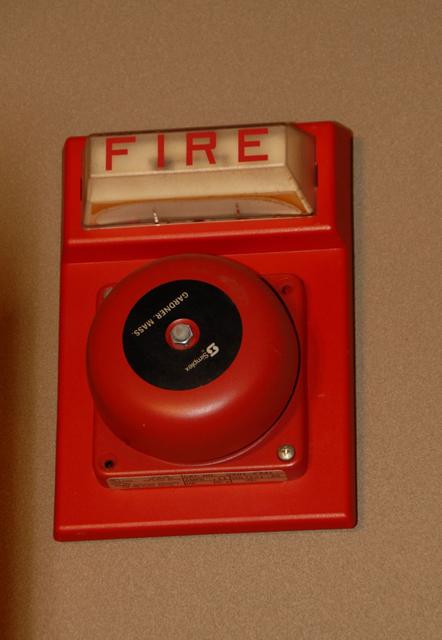
Interior view of the Mission Control Center
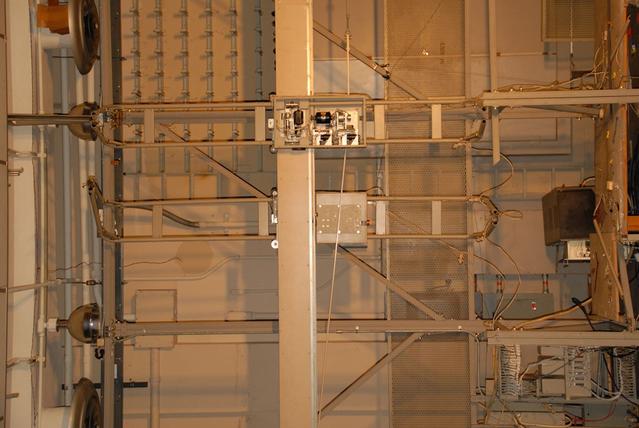
Interior view of the Mission Control Center
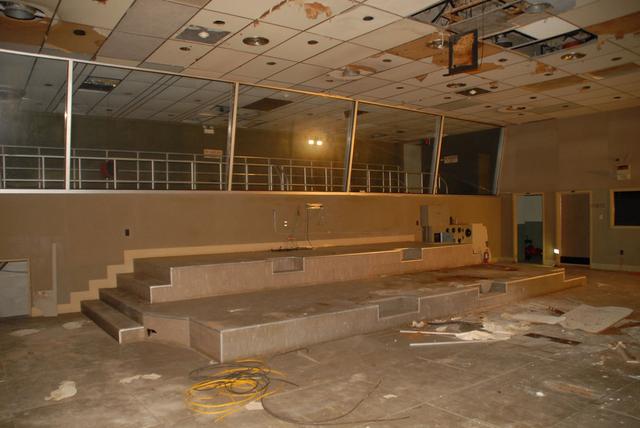
Interior view of the Mission Control Center
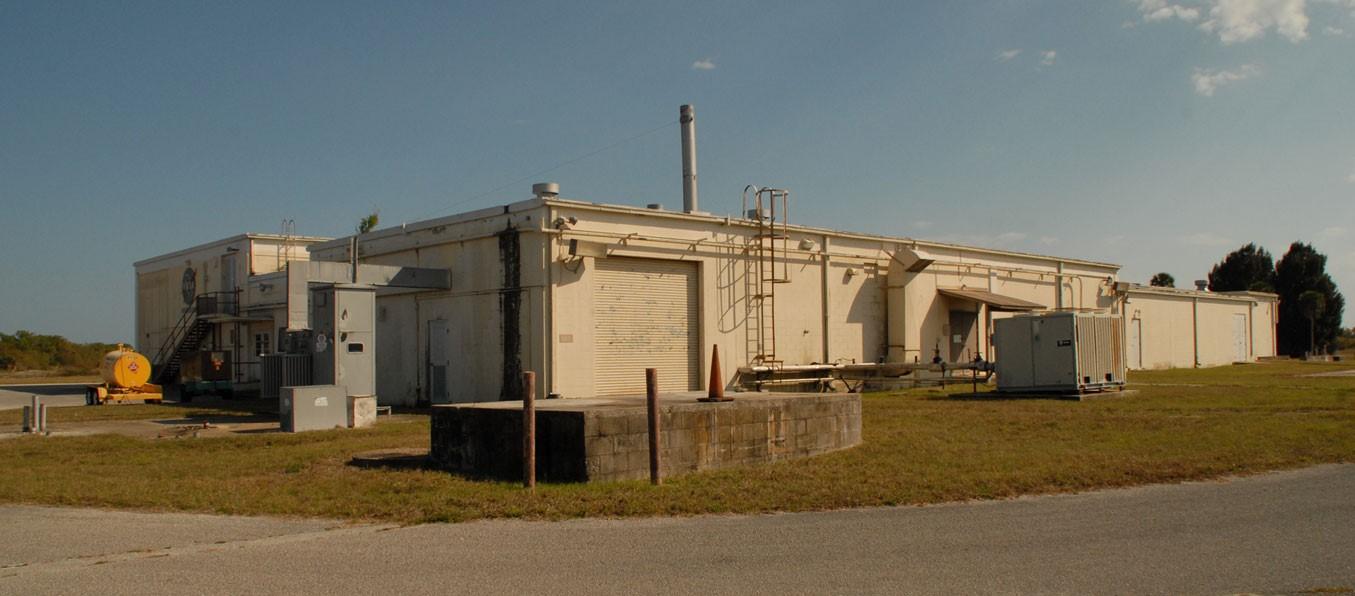
Exterior view of the Mission Control Center

Interior view of the Mission Control Center
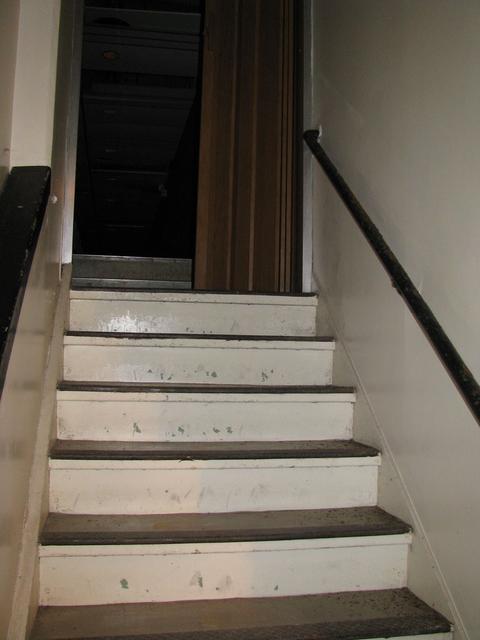
Interior view of the Mission Control Center
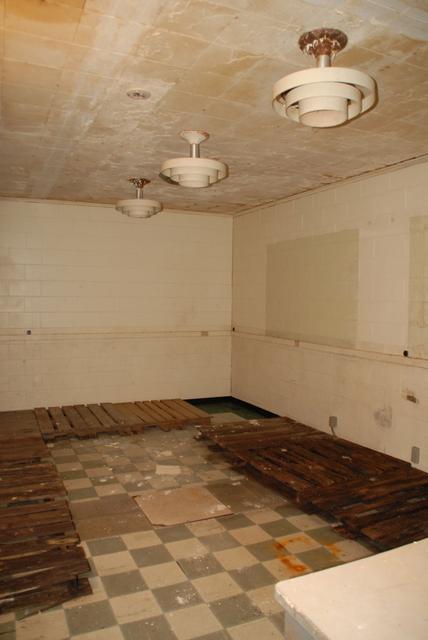
Interior view of the Mission Control Center

Interior view of the Mission Control Center
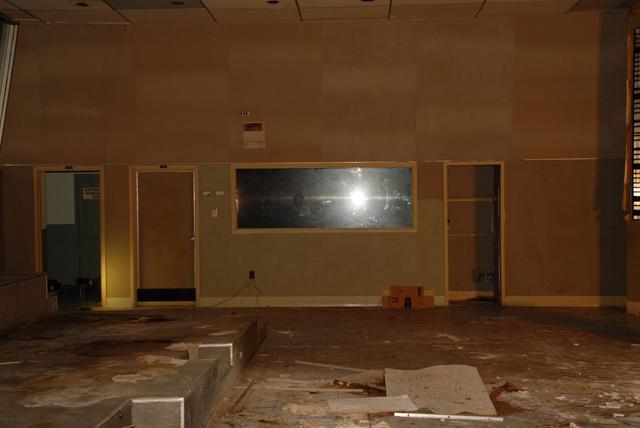
Interior view of the Mission Control Center
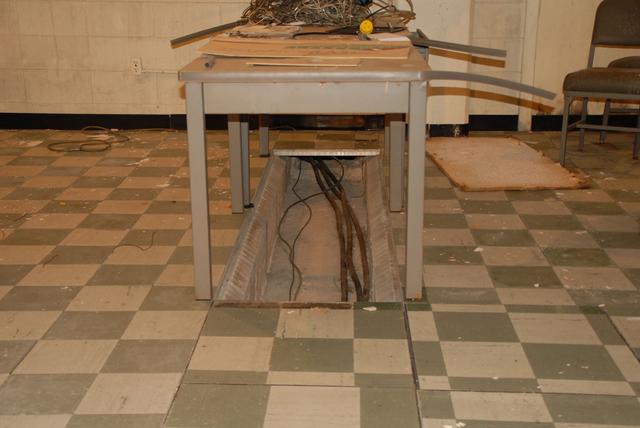
Interior view of the Mission Control Center

Interior view of the Mission Control Center
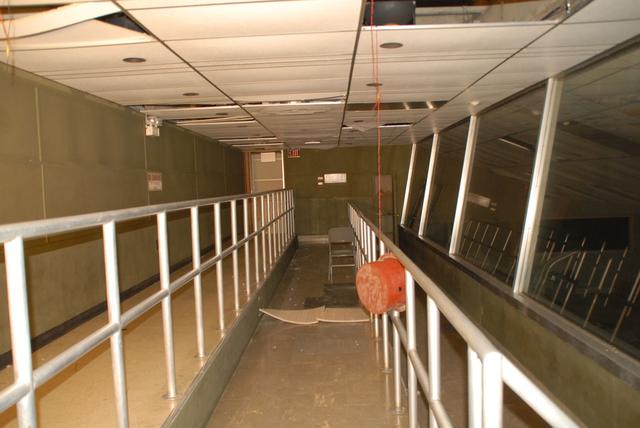
Interior view of the Mission Control Center
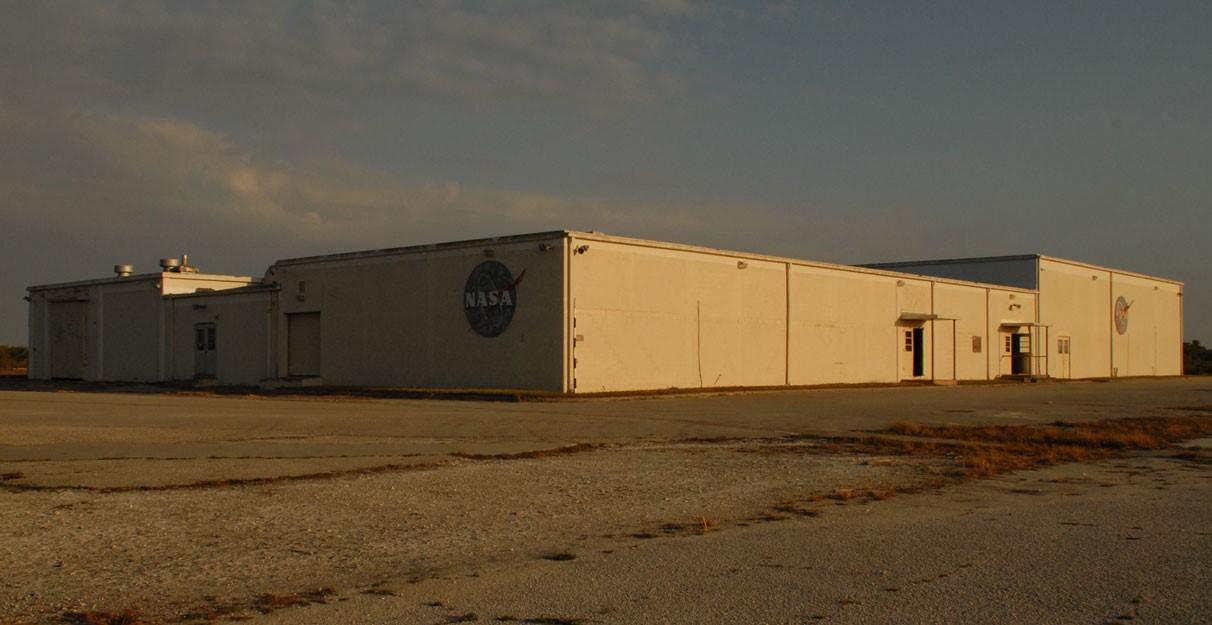
Exterior view of the Mission Control Center
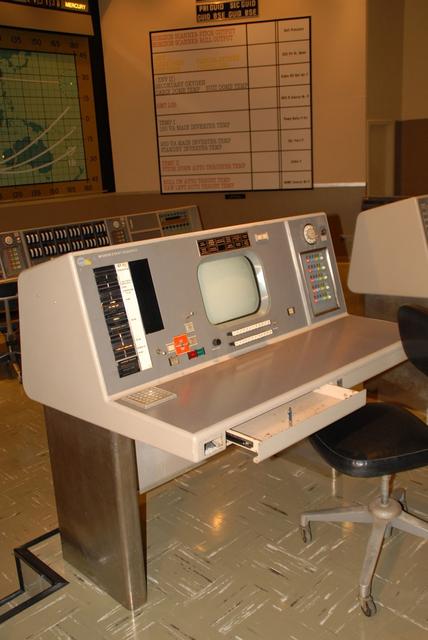
Interior view of the Mission Control Center
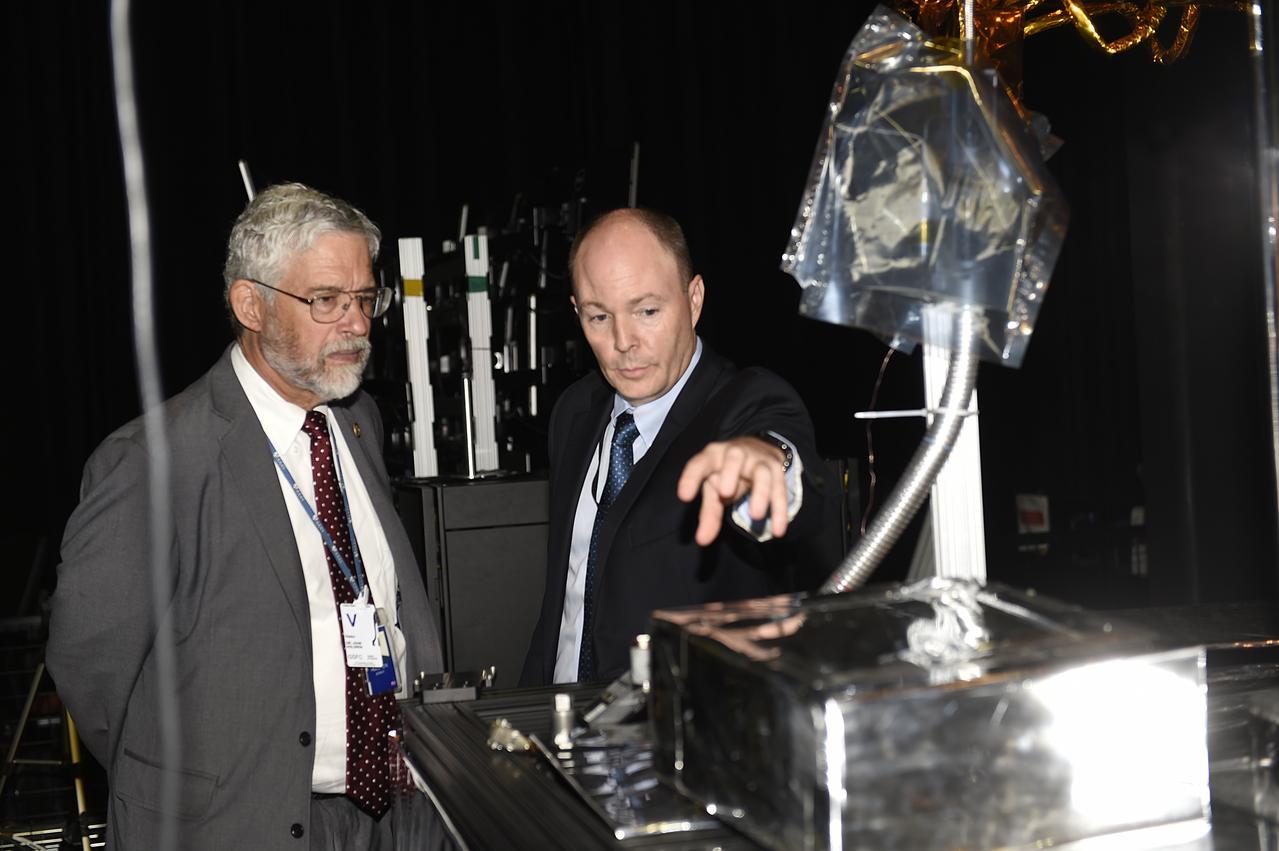
Benjamin Reed, deputy program manager of NASA’s Satellite Servicing Capabilities Office, shows Dr. Holdren the technologies that NASA is developing for the Restore-L satellite servicing mission. NASA will launch the Restore-L servicer in 2020 to refuel a live satellite and demonstrate that a suite of satellite-servicing technologies are operational. More info: Asteroid Redirect Mission Update – On Sept. 14, 2016, NASA provided an update on the Asteroid Redirect Mission (ARM) and how it contributes to the agency’s journey to Mars and protection of Earth. The presentation took place in the Robotic Operations Center at NASA’s Goddard Space Flight Center in Greenbelt, Maryland. Assistant to the President for Science and Technology Dr. John P. Holdren, NASA Administrator Charles Bolden and NASA’s ARM Program Director, Dr. Michele Gates discussed the latest update regarding the mission. They explained the mission’s scientific and technological benefits and how ARM will demonstrate technology for defending Earth from potentially hazardous asteroids. The briefing aired live on NASA TV and the agency’s website. For more information about ARM go to <a href="https://www.nasa.gov/arm" rel="nofollow">www.nasa.gov/arm</a>. Credit: NASA/Goddard/Debbie Mccallum <b><a href="http://www.nasa.gov/audience/formedia/features/MP_Photo_Guidelines.html" rel="nofollow">NASA image use policy.</a></b> <b><a href="http://www.nasa.gov/centers/goddard/home/index.html" rel="nofollow">NASA Goddard Space Flight Center</a></b> enables NASA’s mission through four scientific endeavors: Earth Science, Heliophysics, Solar System Exploration, and Astrophysics. Goddard plays a leading role in NASA’s accomplishments by contributing compelling scientific knowledge to advance the Agency’s mission. <b>Follow us on <a href="http://twitter.com/NASAGoddardPix" rel="nofollow">Twitter</a></b> <b>Like us on <a href="http://www.facebook.com/pages/Greenbelt-MD/NASA-Goddard/395013845897?ref=tsd" rel="nofollow">Facebook</a></b> <b>Find us on <a href="http://instagrid.me/nasagoddard/?vm=grid" rel="nofollow">Instagram</a></b>
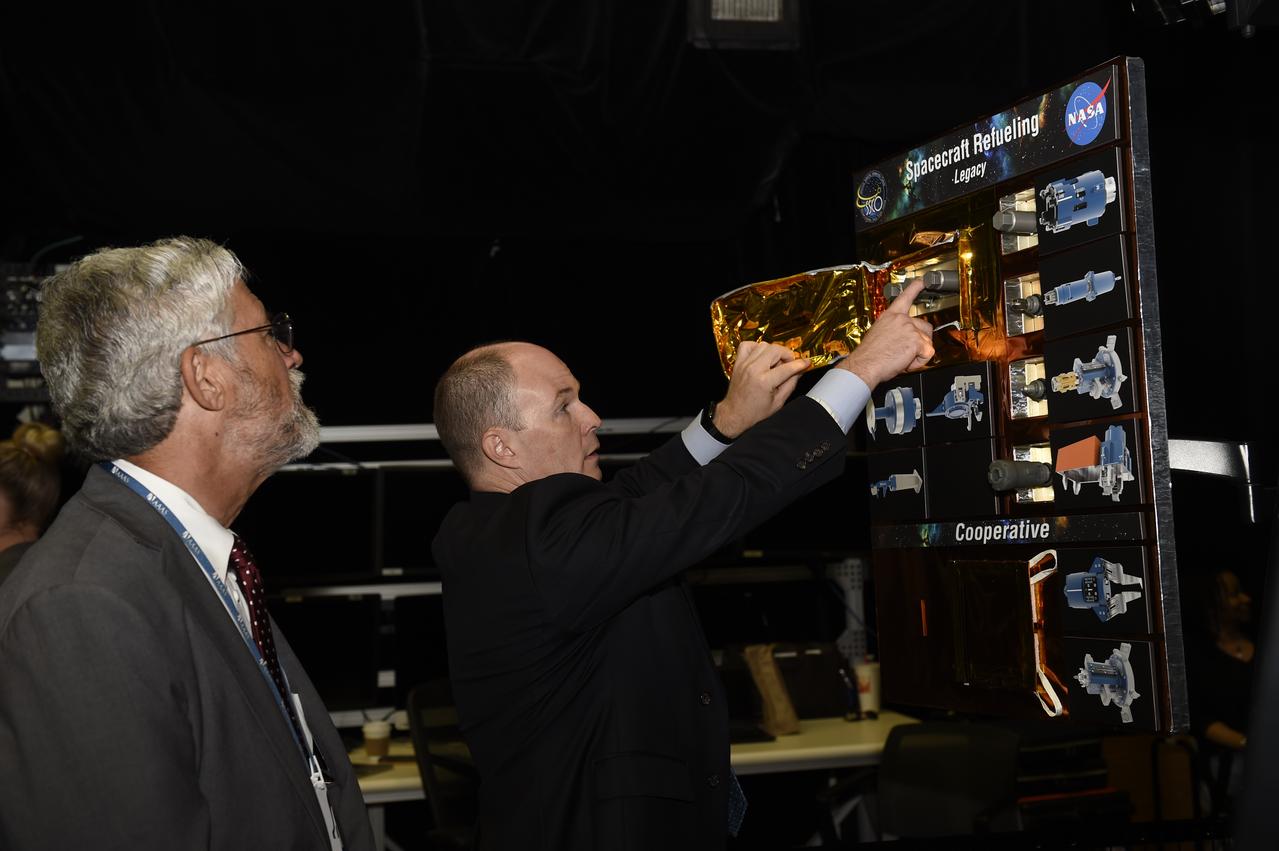
Benjamin Reed (right), deputy program manager of NASA’s Satellite Servicing Capabilities Office, shows Dr. Holdren the technologies that NASA is developing for the Restore-L satellite servicing mission. NASA will launch the Restore-L servicer in 2020 to refuel a live satellite and demonstrate that a suite of satellite-servicing technologies are operational. More info: Asteroid Redirect Mission Update – On Sept. 14, 2016, NASA provided an update on the Asteroid Redirect Mission (ARM) and how it contributes to the agency’s journey to Mars and protection of Earth. The presentation took place in the Robotic Operations Center at NASA’s Goddard Space Flight Center in Greenbelt, Maryland. Assistant to the President for Science and Technology Dr. John P. Holdren, NASA Administrator Charles Bolden and NASA’s ARM Program Director, Dr. Michele Gates discussed the latest update regarding the mission. They explained the mission’s scientific and technological benefits and how ARM will demonstrate technology for defending Earth from potentially hazardous asteroids. The briefing aired live on NASA TV and the agency’s website. For more information about ARM go to <a href="https://www.nasa.gov/arm" rel="nofollow">www.nasa.gov/arm</a>. Credit: NASA/Goddard/Debbie Mccallum <b><a href="http://www.nasa.gov/audience/formedia/features/MP_Photo_Guidelines.html" rel="nofollow">NASA image use policy.</a></b> <b><a href="http://www.nasa.gov/centers/goddard/home/index.html" rel="nofollow">NASA Goddard Space Flight Center</a></b> enables NASA’s mission through four scientific endeavors: Earth Science, Heliophysics, Solar System Exploration, and Astrophysics. Goddard plays a leading role in NASA’s accomplishments by contributing compelling scientific knowledge to advance the Agency’s mission. <b>Follow us on <a href="http://twitter.com/NASAGoddardPix" rel="nofollow">Twitter</a></b> <b>Like us on <a href="http://www.facebook.com/pages/Greenbelt-MD/NASA-Goddard/395013845897?ref=tsd" rel="nofollow">Facebook</a></b> <b>Find us on <a href="http://instagrid.me/nasagoddard/?vm=grid" rel="nofollow">Instagram</a></b>
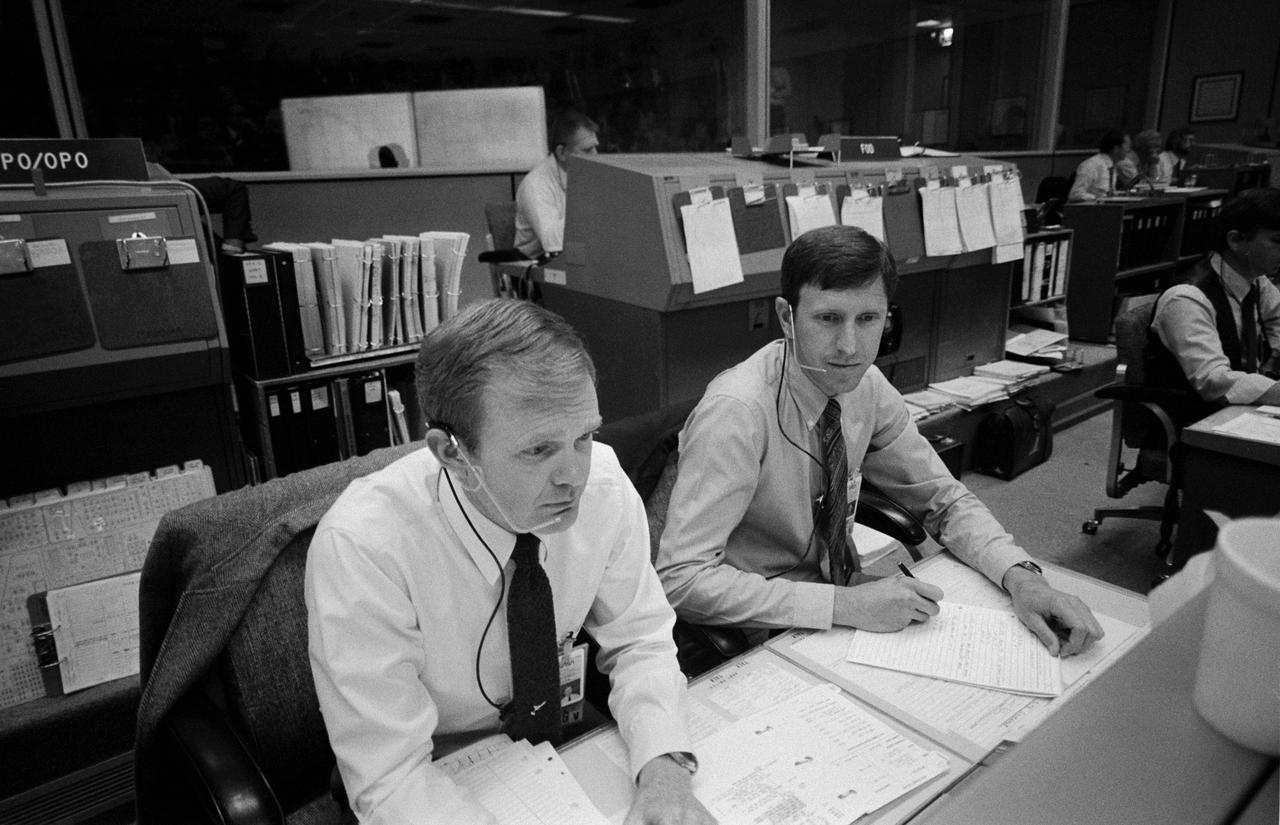
Astronauts Roy D. Bridges (left) and RIchard O. Covey serve as spacecraft communicators (CAPCOM) for STS-6. They are seated at the CAPCOM console in the mission operations control room (MOCR) of JSC's mission control center (30119); Flight Director Jay H. Greene communicates with a nearby flight controller in the MOCR just after launch of the Challenger (30120).
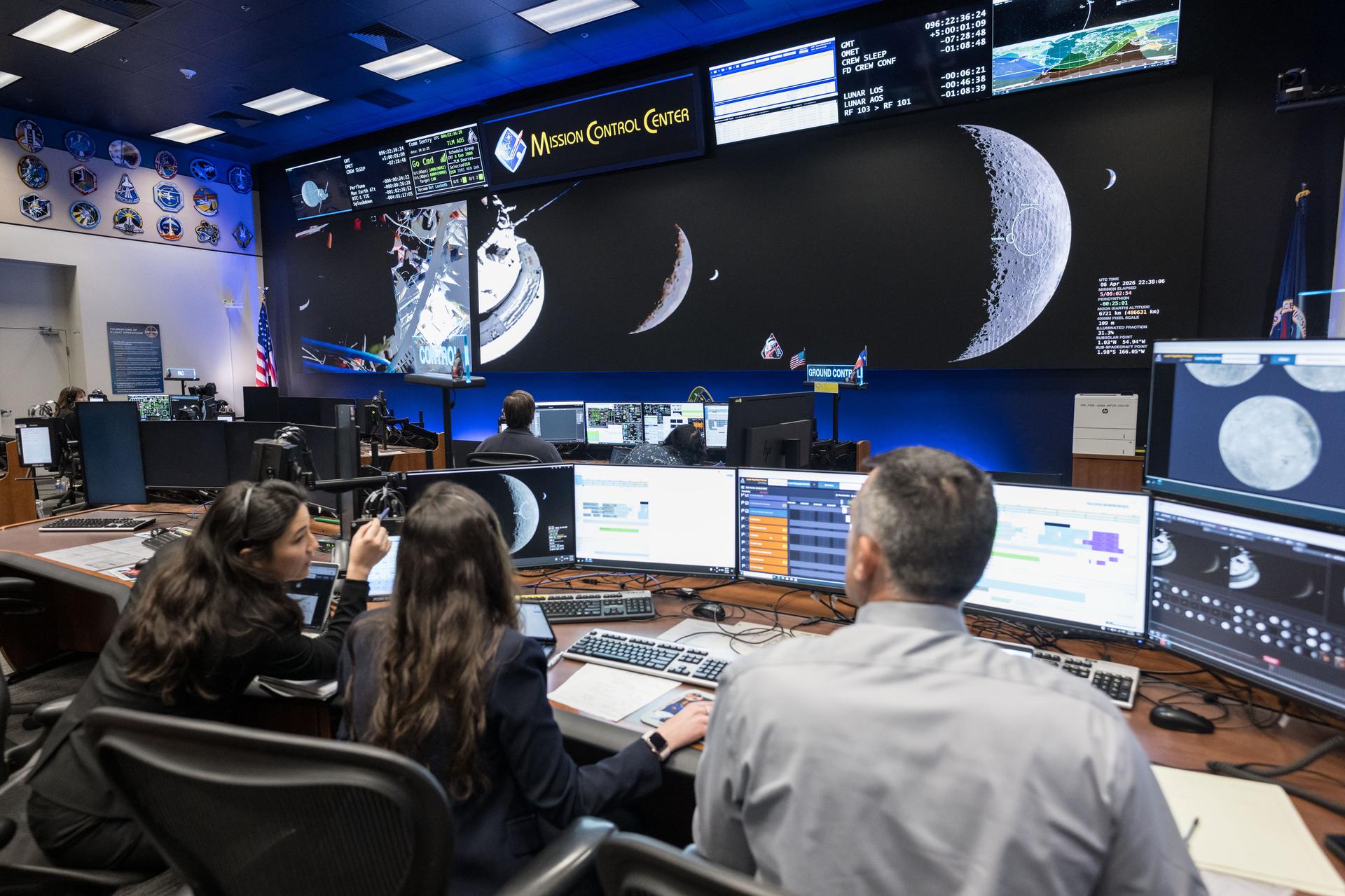
jsc2026e020490 (April 6, 2026) - Pictured from left to right, Angela Garcia, Dr. Kelsey Young, and Dr. Trevor Graff, the first science officers of the Artemis program in the White Flight Control Room in the Christopher C. Kraft Jr. Mission Control Center at NASA’s Johnson Space Center. Seen here about ten minutes before Earthset during Artemis II, these science officers are seen monitoring mission data in real-time from the Science console. They support flight controllers by analyzing scientific measurements and system performance. Their work helps ensure mission objectives are achieved safely and efficiently. Credit: NASA