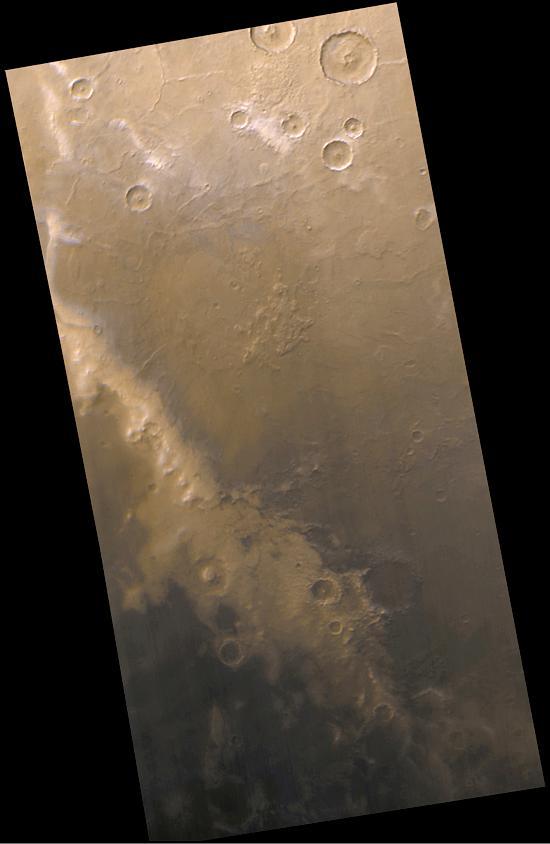
The Mysterious Martian Mountains of Mitchel
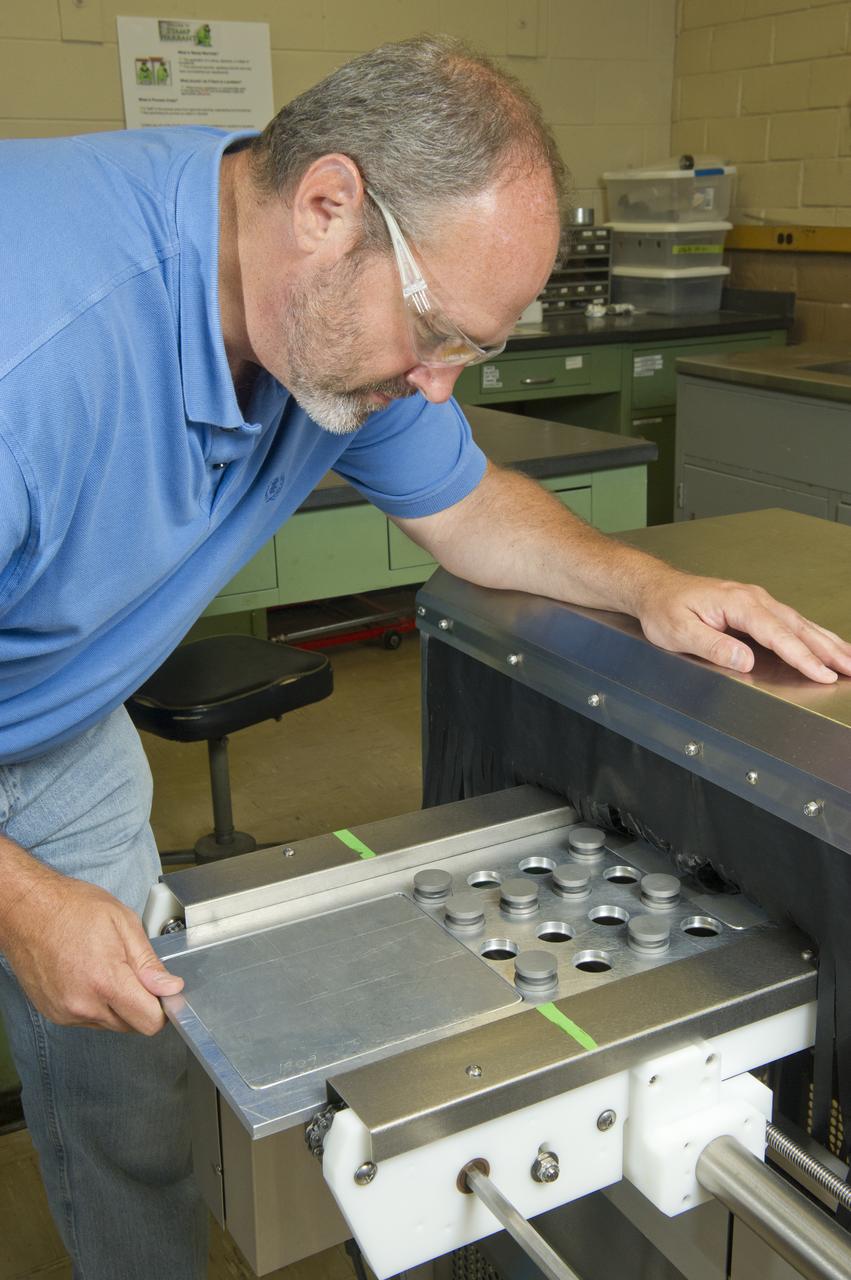
MARK MITCHELL WITH SOROTEK SYSTEM SUPPORTS LOW LEVEL CONTAMINATION APPLICATION FOR BOND SENSITIVITY TESTING.
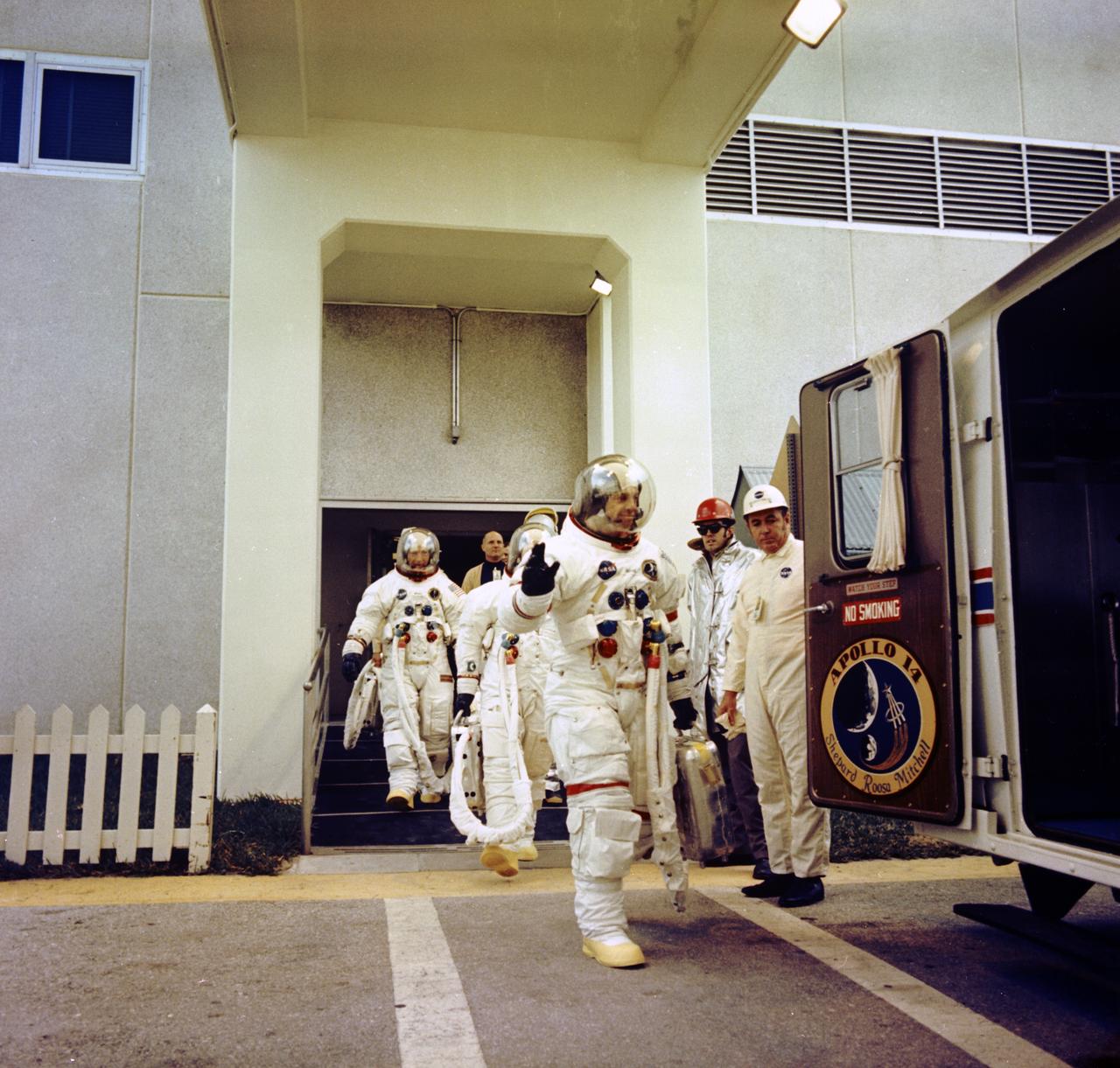
Apollo 14 Mission Commander, Alan B. Shepard, Jr., waves to well-wishers as he and astronauts Stuart A. Roosa, Command Module pilot; and Edgar D. Mitchell, Lunar Module pilot, walk to the transfer van during the countdown demonstration test. The Apollo 14, carrying the crew of three lifted off from launch complex 39A at KSC on January 31, 1971. It was the third manned lunar landing, the first manned landing in exploration of the lunar highlands, and it demonstrated pinpoint landing capability. The major goal of Apollo 14 was the scientific exploration of the Moon in the foothills of the rugged Fra Mauro region. The lunar surface extravehicular activity (EVA) of astronauts Shepard and Mitchell included setting up an automated scientific laboratory called Apollo Lunar Scientific Experiments Package (ALSEP), and collecting a total of about 95 pounds (43 kilograms) of Moon rock and soil for a geological investigation back on the Earth. Apollo 14 safely returned to Earth on February 9, 1971.
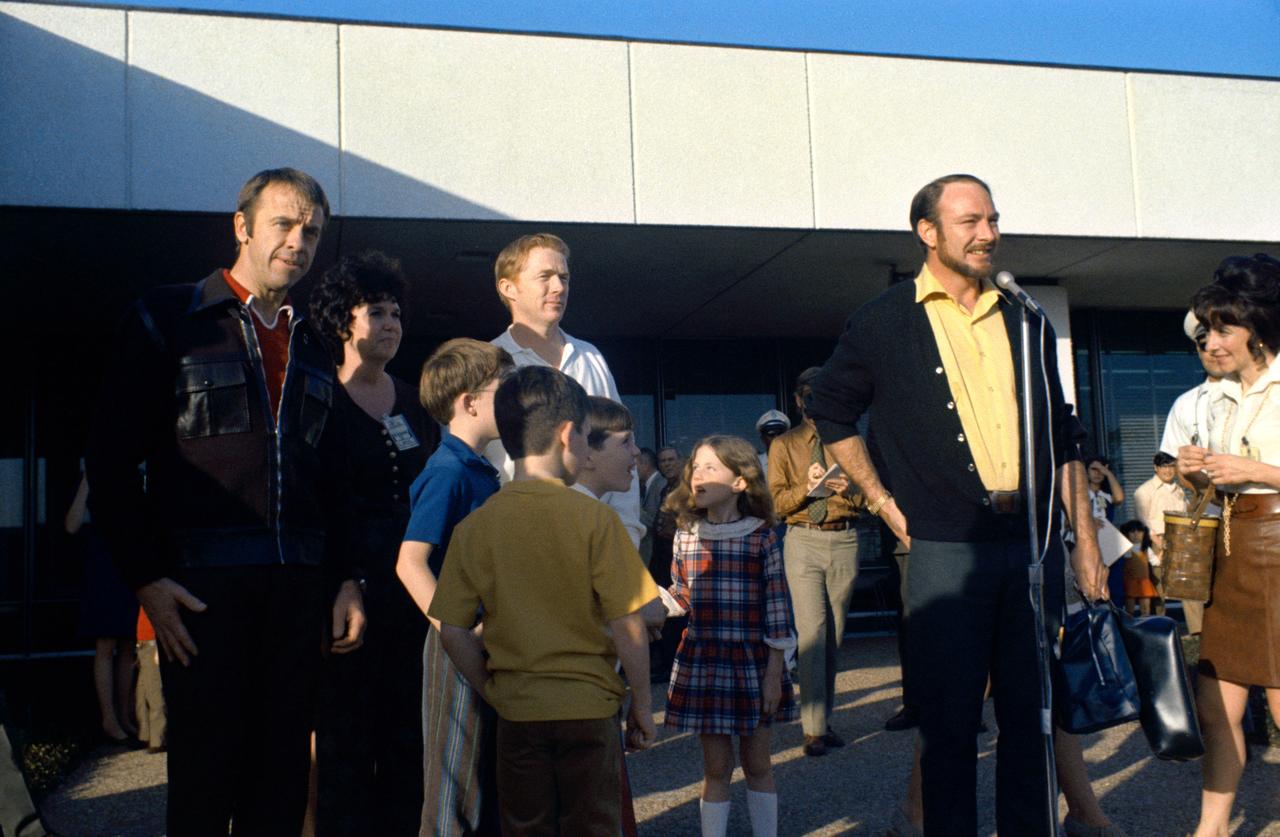
S71-22028 (26 Feb. 1971) --- Astronaut Edgar D. Mitchell, right, the Apollo 14 lunar module pilot, addresses NASA-MSC personnel and news media representatives and other visitors soon after he and his fellow crewmen were released from a 15-day confinement period in the Lunar Receiving Laboratory. Pictured with Mitchell in front of the LRL, MSC Building 37, are astronauts Alan B. Shepard Jr., left, commander; and Stuart A Roosa, command module pilot, Mrs. Mitchell is at right and Mrs. Roosa, near left. Roosa is flanked by his four children, left to right, Christopher A., Stuart A. Roosa Jr., John D. and Rosemary D.
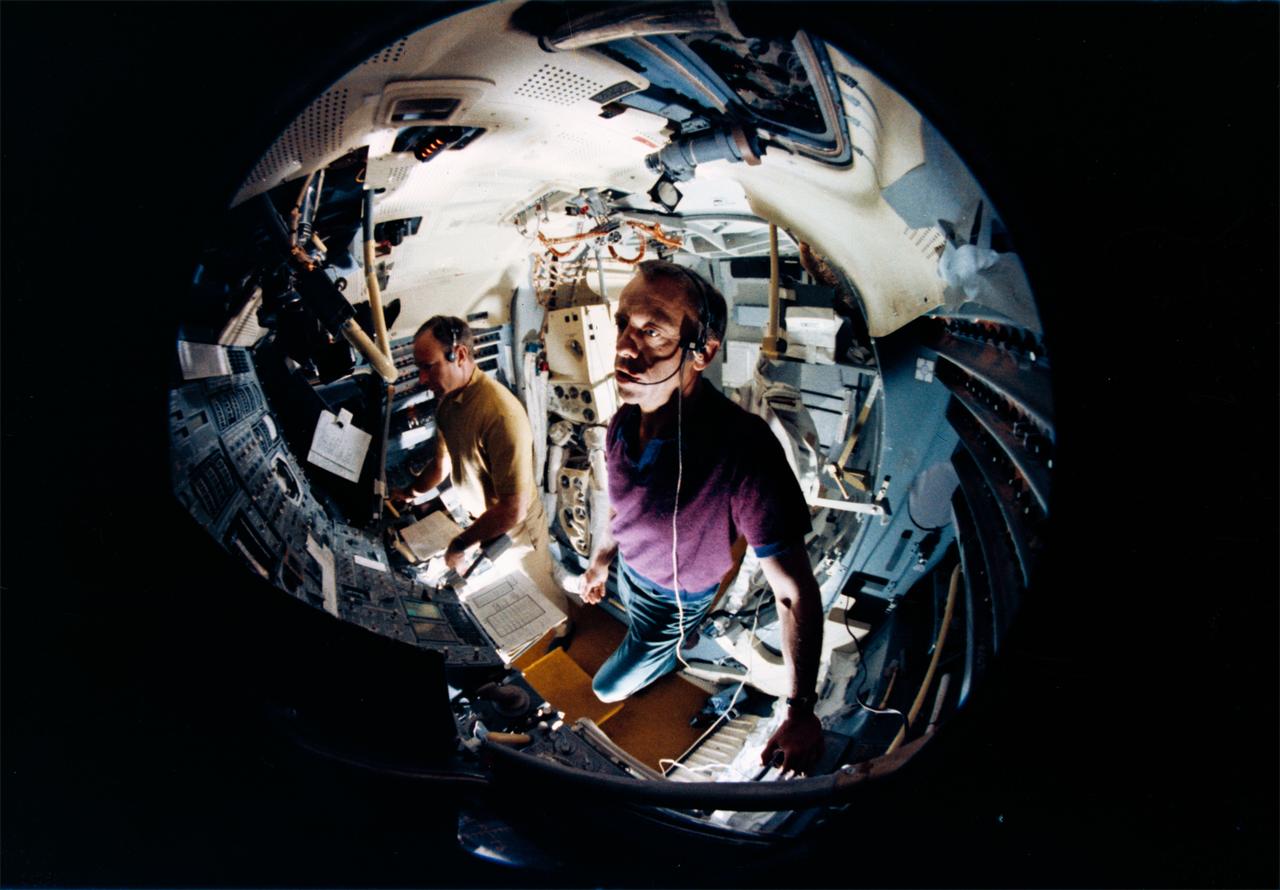
S70-45555 (July 1970) --- A fish-eye lens view showing astronauts Alan B. Shepard Jr. (foreground) and Edgar D. Mitchell in the Apollo lunar module mission simulator at the Kennedy Space Center during preflight training for the Apollo 14 lunar landing mission. Shepard is the Apollo 14 commander; and Mitchell is the lunar module pilot.
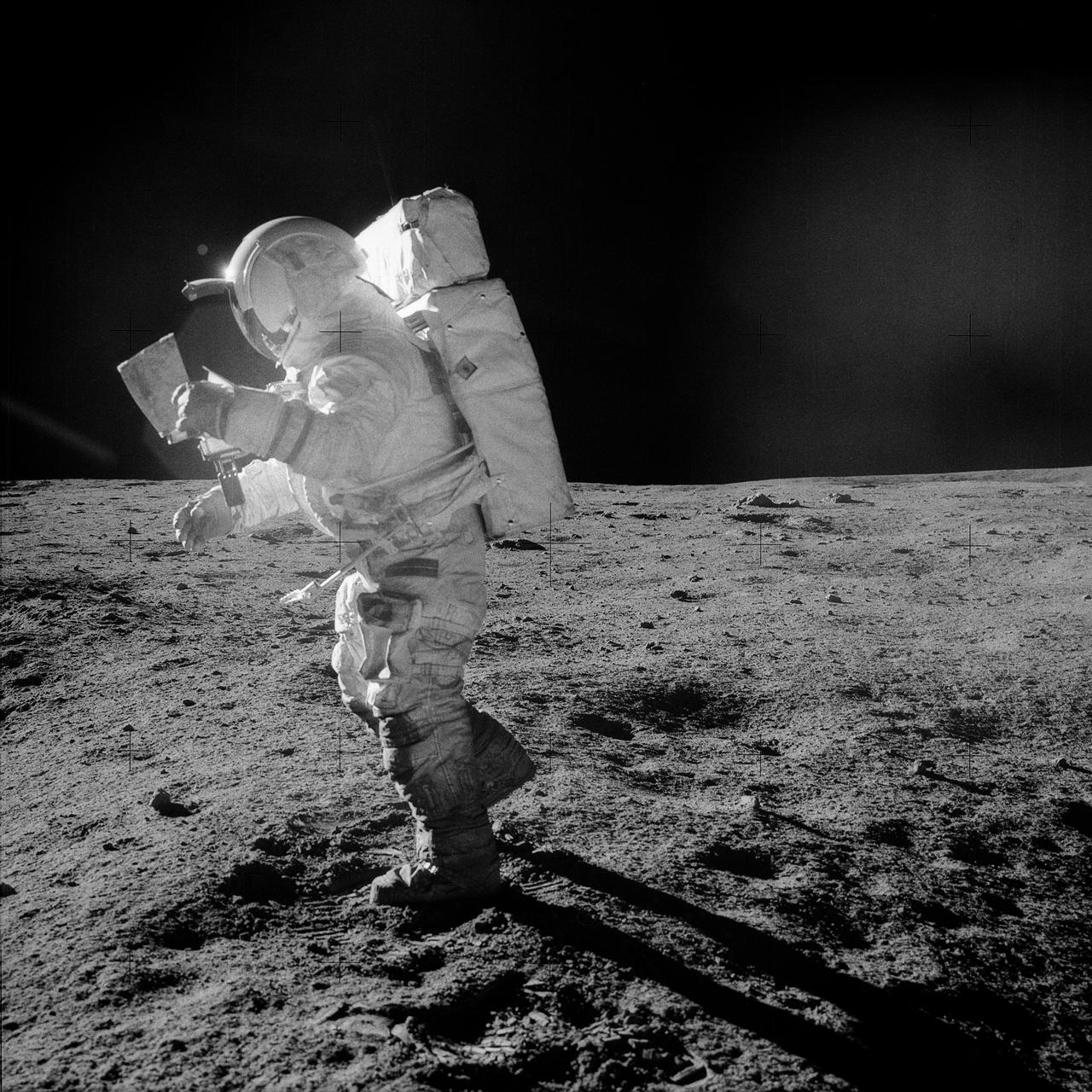
AS14-64-9089 (5-6 Feb. 1971) --- Astronaut Edgar D. Mitchell, lunar module pilot, moves across the lunar surface as he looks over a traverse map during an extravehicular activity (EVA). Lunar dust can be seen clinging to the boots and legs of the space suit. Astronauts Alan B. Shepard Jr., commander, and Mitchell explored the lunar surface while astronaut Stuart A. Roosa, command module pilot, orbited the moon in the Command and Service Modules (CSM).
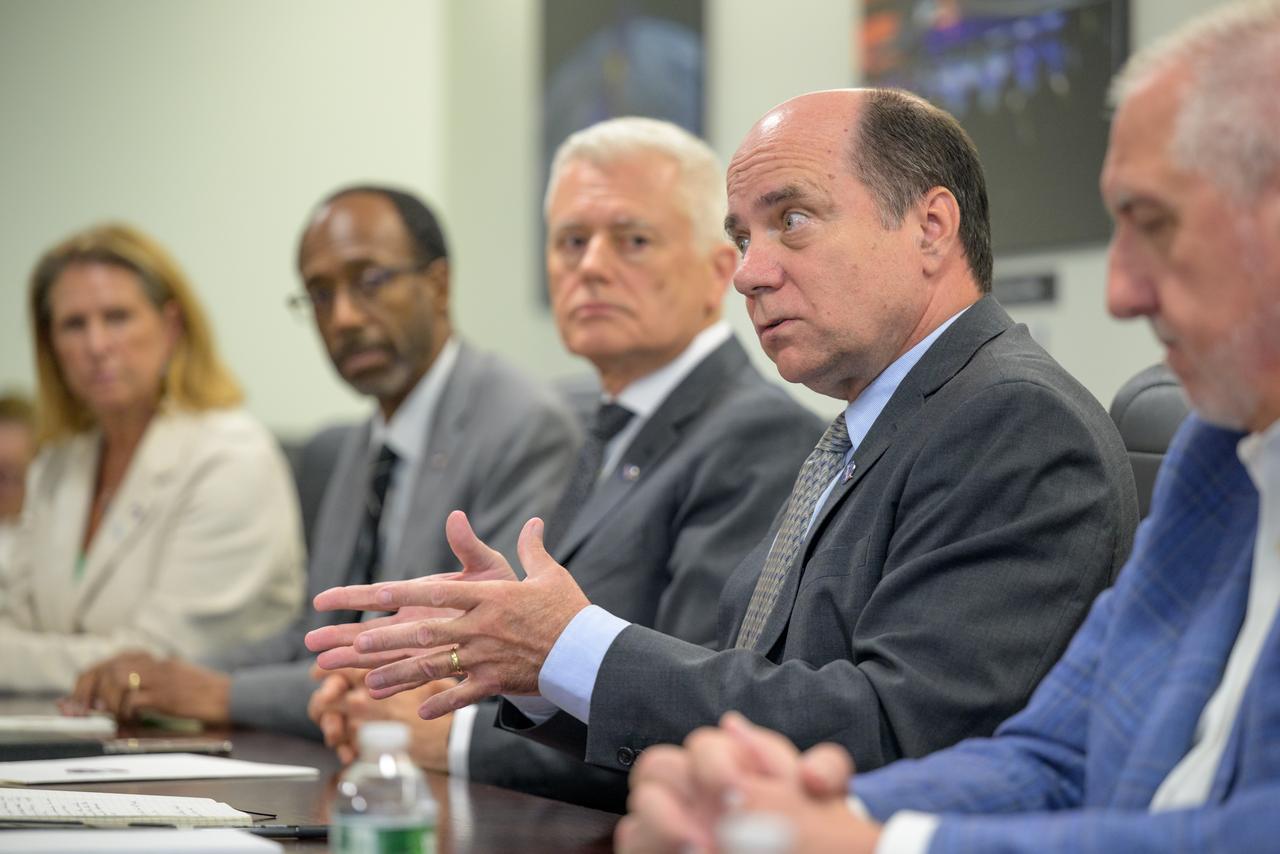
Associate Administrator for NASA's Mission Support Directorate David Mitchell speaks with acting NASA Administrator Sean Duffy, Friday, July 18, 2025, at the Mary W. Jackson NASA Headquarters Building in Washington. Photo Credit: (NASA/Bill Ingalls)
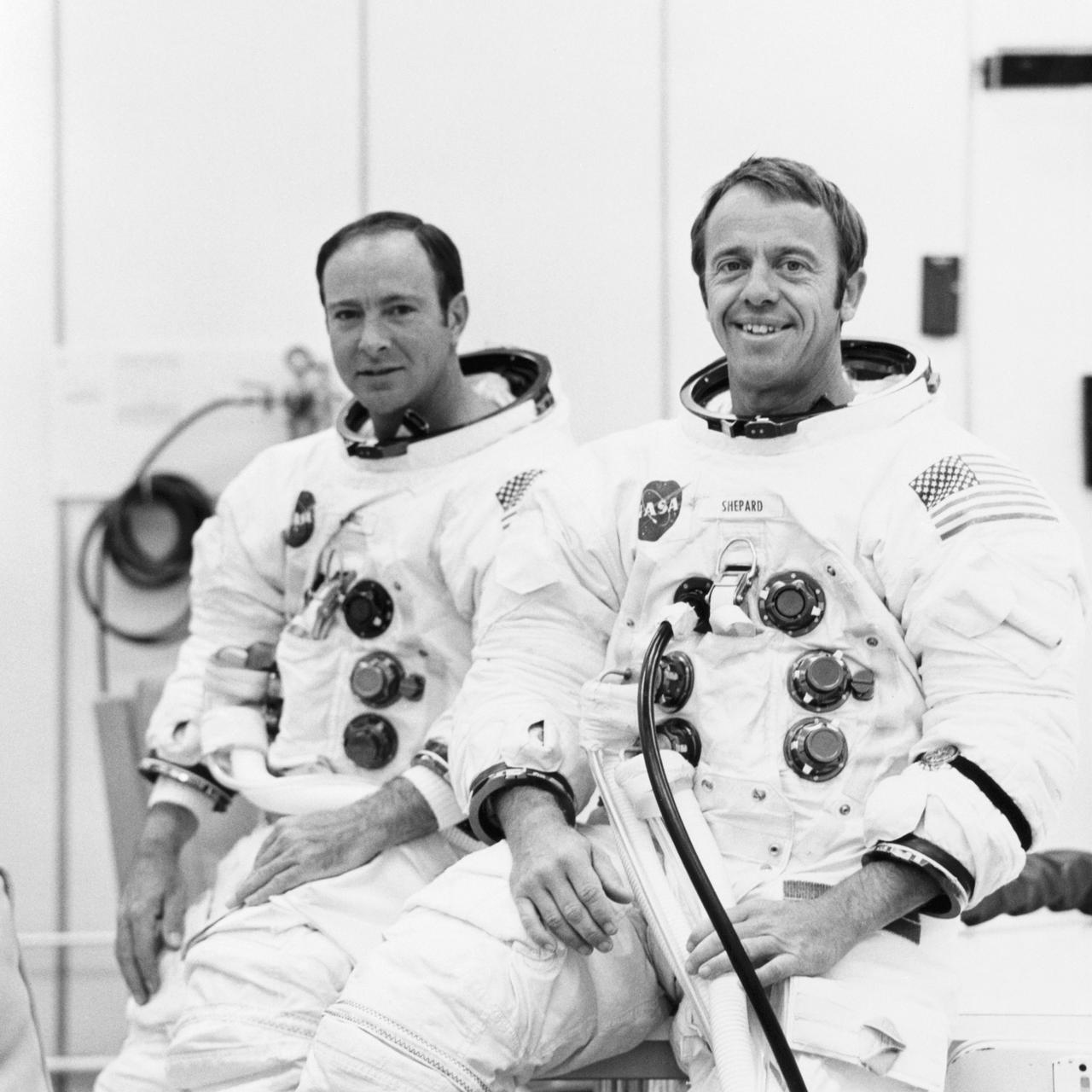
S70-19764 (18 Sept. 1970) --- Astronauts Alan B. Shepard Jr. (right), commander, and Edgar D. Mitchell, lunar module pilot, are suited up for a manned altitude run in the Apollo 14 Lunar Module. The manned run in a vacuum chamber of the Manned Spacecraft Operations Building was conducted to validate the LM's communications and guidance and navigation systems. Apollo 14 is scheduled for launch from Cape Kennedy on Jan. 31, 1971, on a lunar exploration mission which is to carry Shepard and Mitchell down to the moon's rugged Fra Maura highlands region. Astronaut Stuart A. Roosa, command module pilot, will remain with the Apollo 14 Command and Service Modules in lunar orbit while the other two astronauts explore the moon.
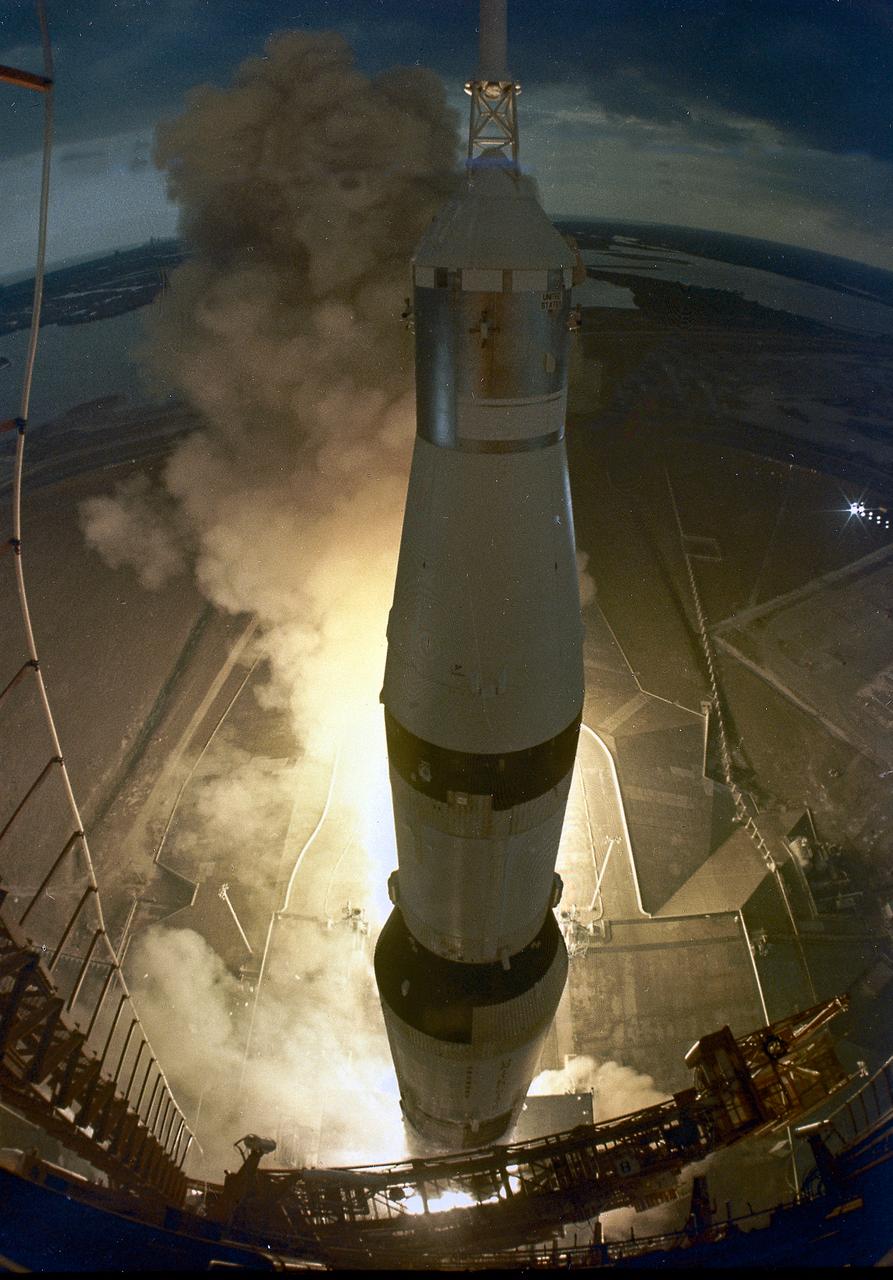
This is a view from sequential photographs of the Apollo 14 liftoff taken by a remote camera atop the 360-foot gantry level of Launch Complex 39A. The Apollo 14, carrying a crew of three astronauts: Mission commander Alan B. Shepard Jr., Command Module pilot Stuart A. Roosa, and Lunar Module pilot Edgar D. Mitchell, lifted off from launch complex 39A at the Kennedy Space Center on January 31, 1971. It was the third manned lunar landing, the first manned landing in exploration of the lunar highlands, and it demonstrated pinpoint landing capability. The major goal of Apollo 14 was the scientific exploration of the Moon in the foothills of the rugged Fra Mauro region. Activities of astronauts Shepard and Mitchell, during extravehicular activity (EVA) on the lunar surface, included setting up an automated scientific laboratory called Apollo Lunar Scientific Experiments Package (ALSEP), and collecting a total of about 95 pounds (43 kilograms) of Moon rock and soil for a geological investigation back on the Earth.
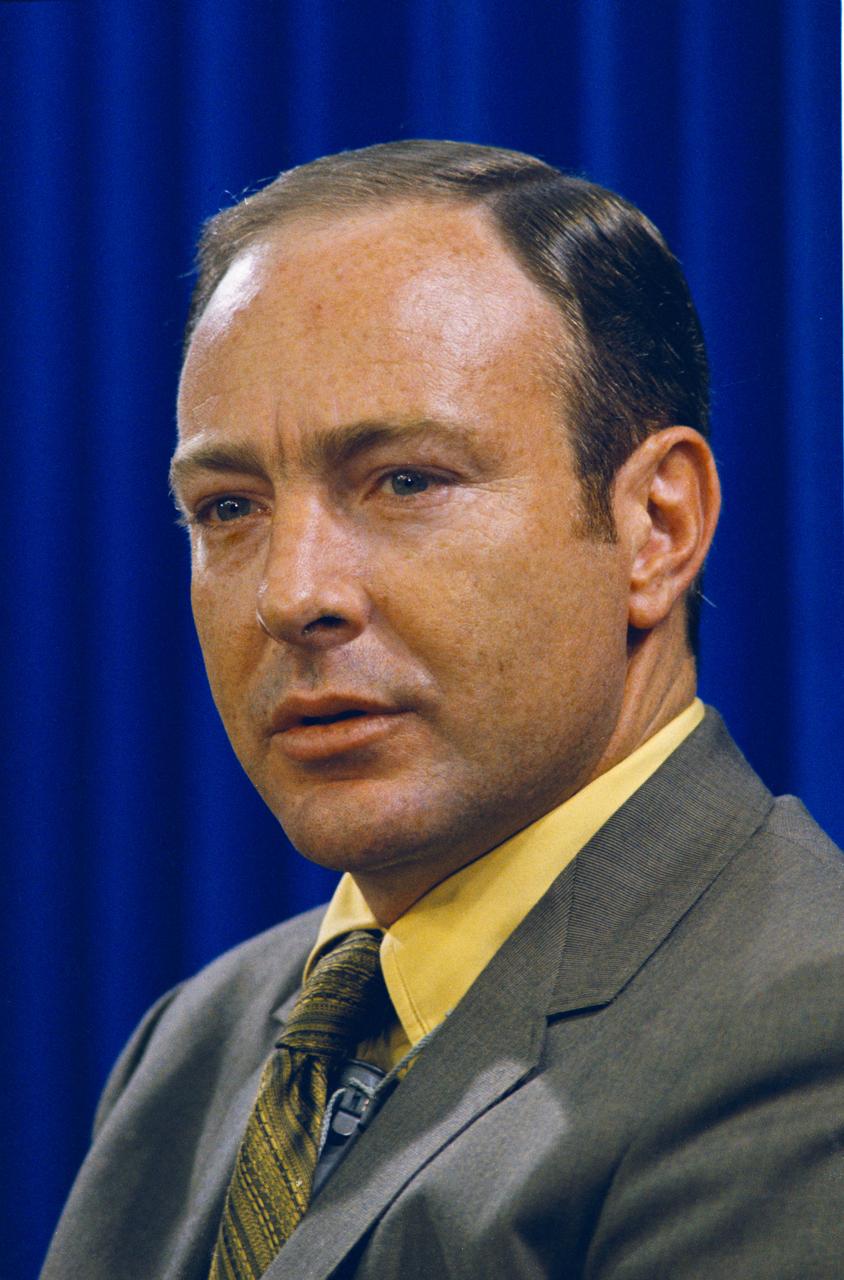
S70-45210 (14 July 1970) --- A candid portrait in civilian suit of astronaut Edgar D. Mitchell, lunar module pilot of the Apollo 14 lunar landing mission. Photo credit: NASA
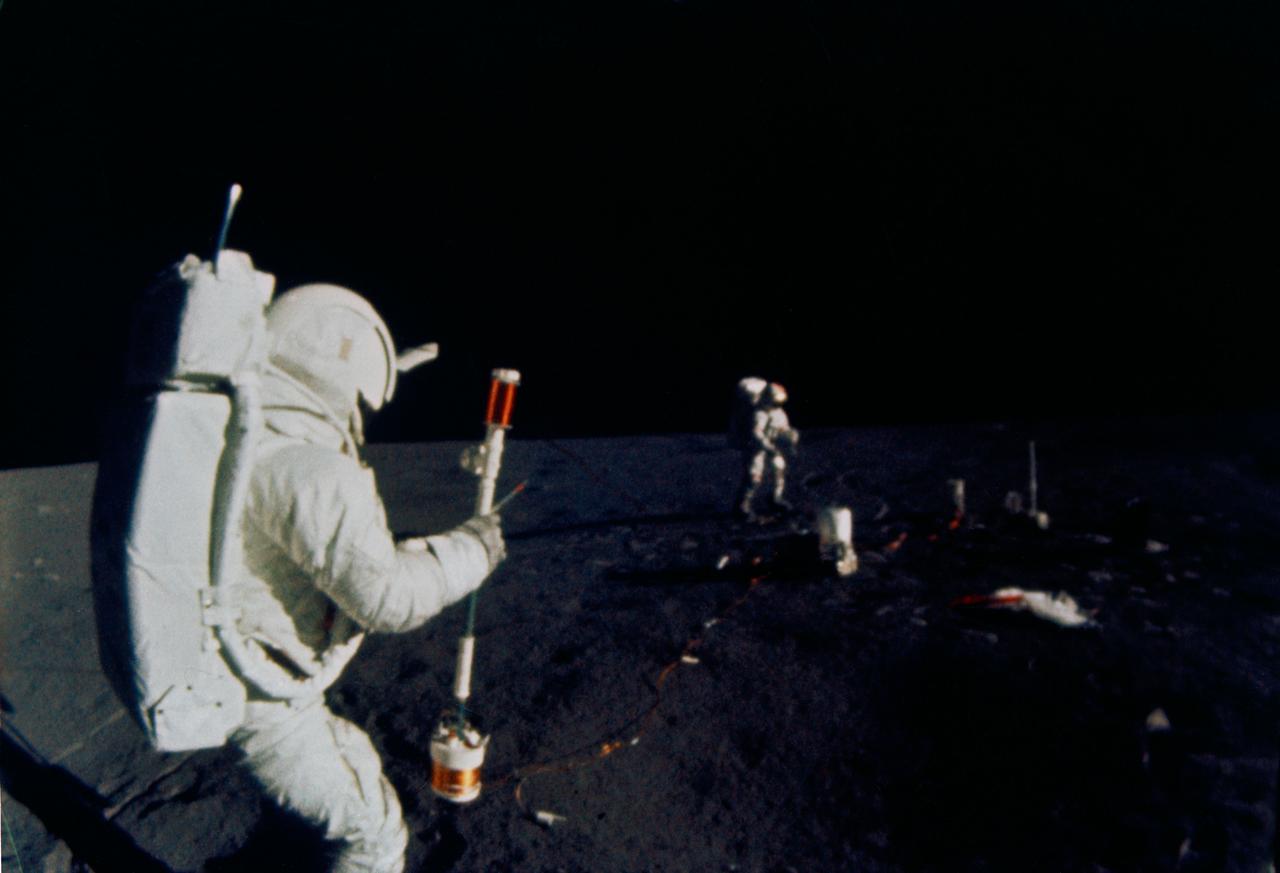
S71-19509 (5 Feb. 1971) --- Astronaut Edgar D. Mitchell, lunar module pilot, operates the Active Seismic Experiment's (ASE) thumper during the first Apollo 14 extravehicular activity (EVA) on the moon. Astronaut Alan B. Shepard Jr., commander, walks near deployed components of the Apollo Lunar Surface Experiments Package (ALSEP) in the background. This photograph was taken by an automatic 16mm camera mounted on the Apollo lunar hand tool carrier aboard the Modularized Equipment Transporter (MET). While astronauts Shepard and Mitchell descended in the LM to explore the moon, astronaut Stuart A. Roosa, command module pilot, remained with the Command and Service Modules (CSM) in lunar orbit.
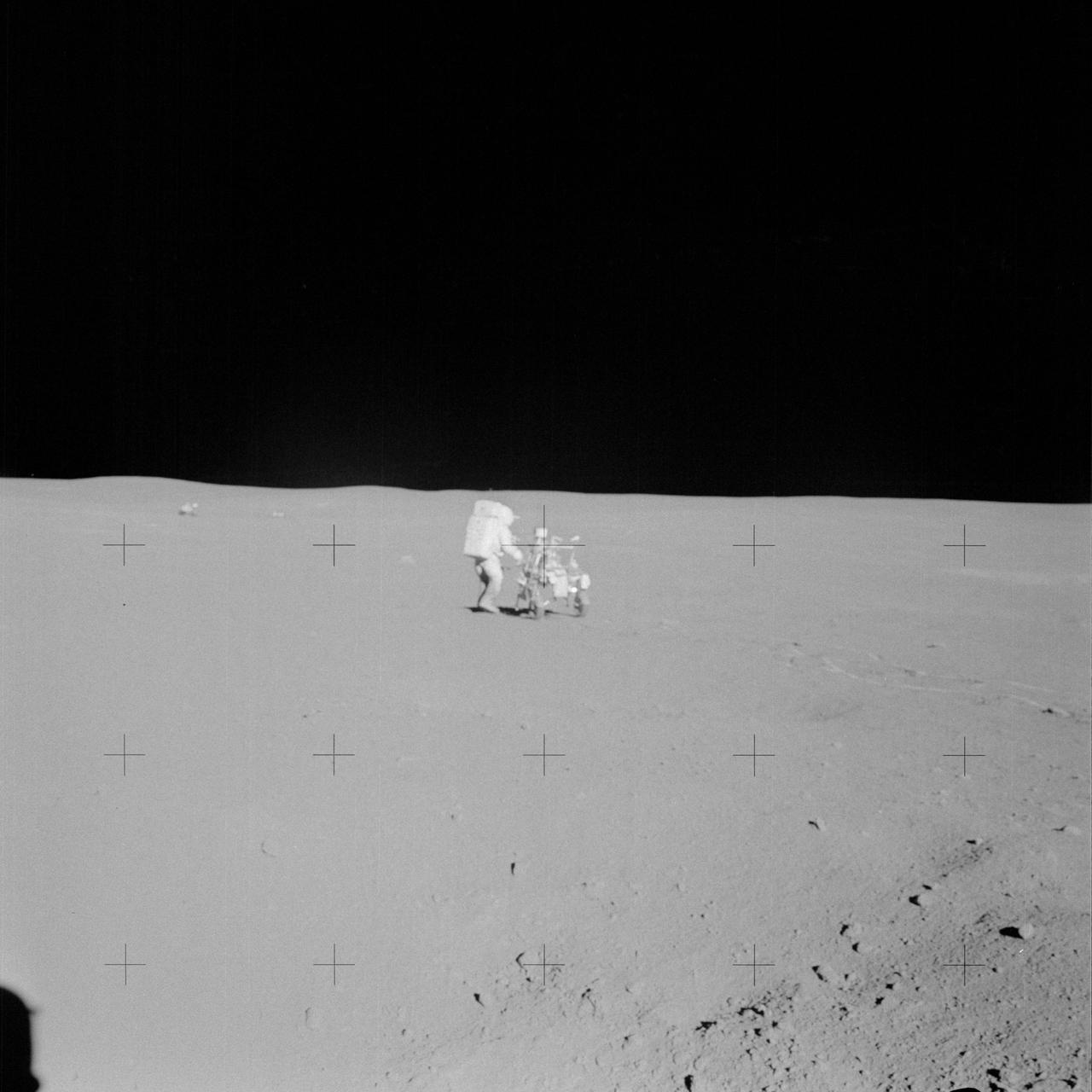
AS14-64-9140 (6 Feb. 1971) --- Astronaut Edgar D. Mitchell, lunar module pilot, participates in the mission's second extravehicular activity (EVA). He is standing near the modularized equipment transporter (MET). While astronauts Alan B. Shepard Jr., commander, and Mitchell descended in the Apollo 14 LM to explore the moon, astronaut Stuart A. Roosa, command module pilot, remained with the Command and Service Modules (CSM) in lunar orbit.

AS14-66-9241 (5-6 Feb. 1971) --- Astronaut Edgar D. Mitchell, lunar module pilot, makes a pan with the lunar surface television camera during an extravehicular activity (EVA) on the moon. This photograph was taken by fellow astronaut Alan B. Shepard Jr., commander. While Shepard and Mitchell descended in the Lunar Module (LM) to explore the moon, astronaut Stuart A. Roosa, command module pilot, remained with the Command and Service Modules (CSM) in lunar orbit.
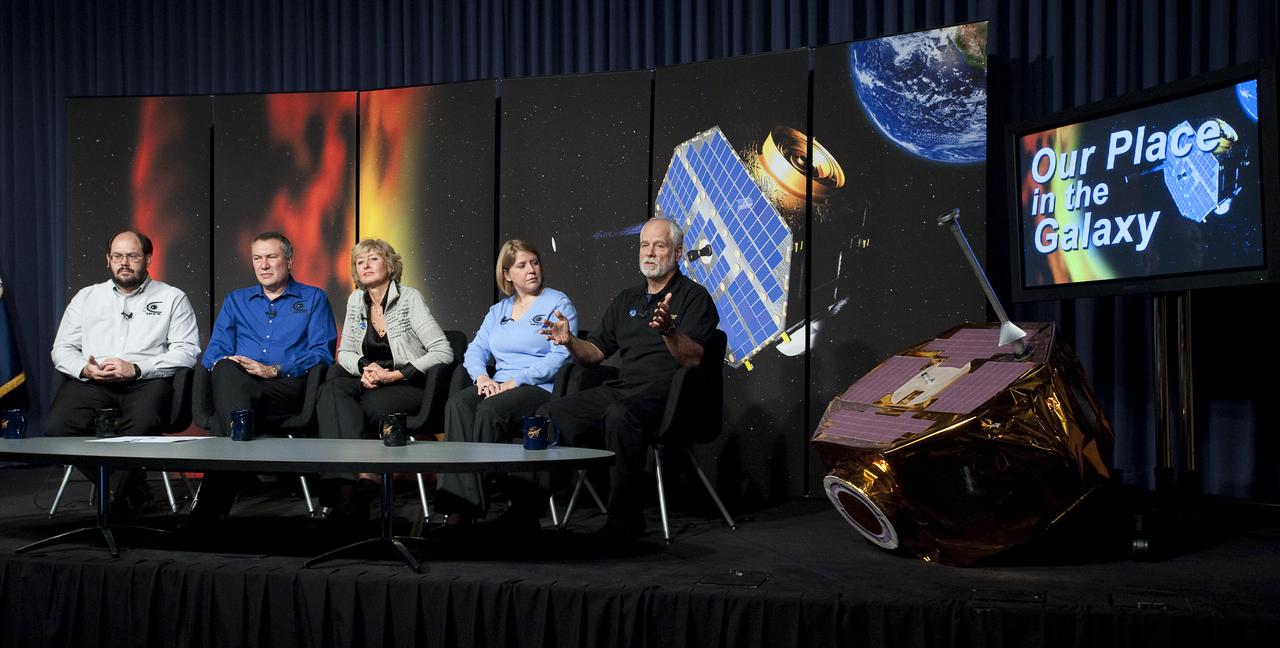
Don Mitchell, far left, Cassini spacecraft instrument scientist, IBEX co-Investigator, Johns Hopkins University Applied Physics Laboratory in Laurel, Md., answers questions on findings made by NASA's Interstellar Boundary Explorer, IBEX, at NASA Headquarters in Washington, Thursday, Oct. 10, 2009. Mitchell is joined by IBEX mission colleagues David McComas, far right, IBEX spacecraft principal investigator and senior executive director, Space Science and Engineering Division, Southwest Research Institute in San Antonio; Eric Christian, IBEX deputy mission scientist, NASA's Goddard Space Flight Center in Greenbelt, Md.; Rosine Lallement, senior scientist at the French National Center for Scientific Research in Paris; Lindsay Bartolone, second from left, lead of Education and Public Outreach at the Adler Planetarium in Chicago. Photo Credit: (NASA/Carla Cioffi)
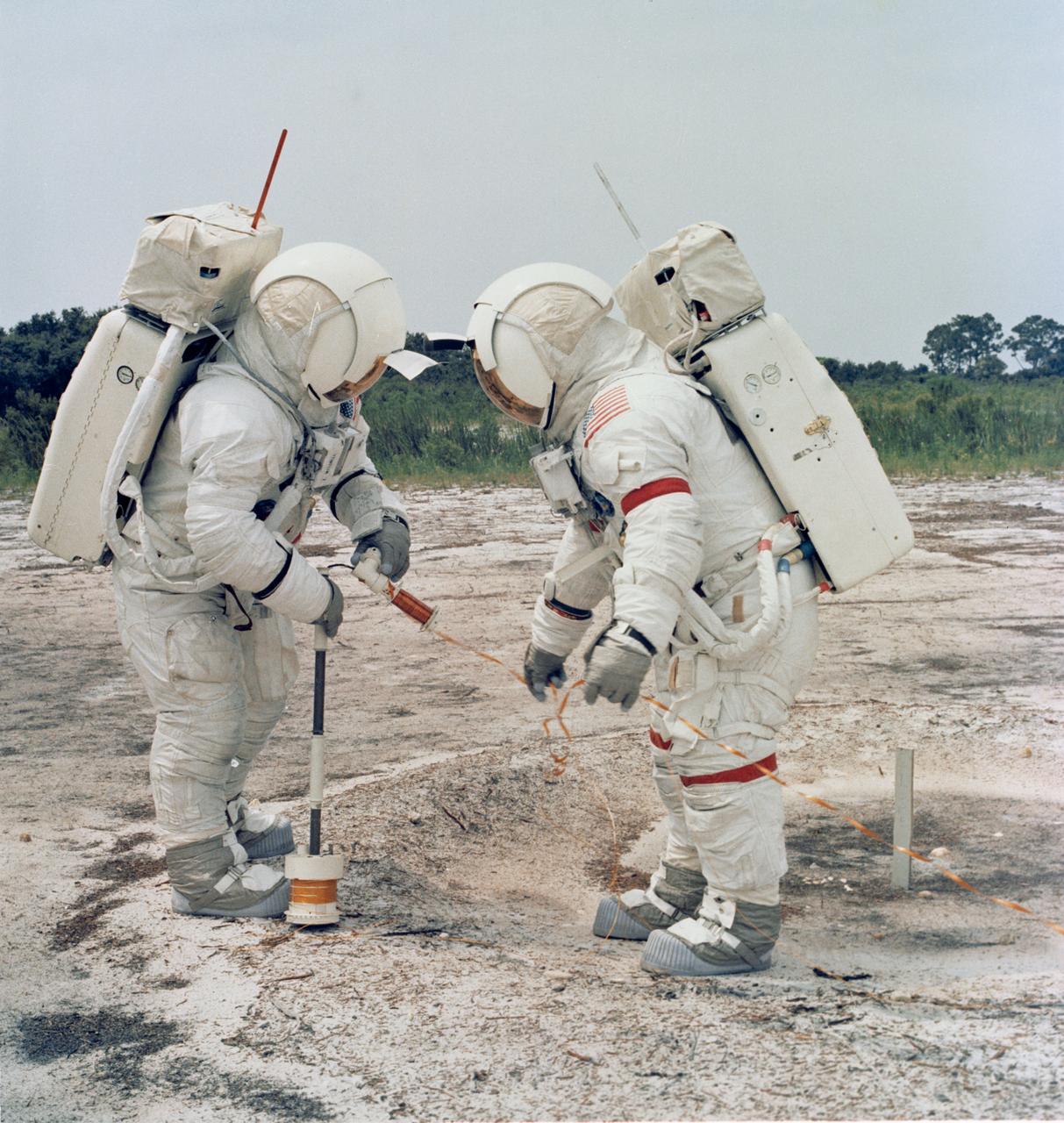
S71-15273 (October 1970) --- Apollo 14 astronauts Alan B. Shepard Jr., commander (right); and Edgar D. Mitchell, lunar module pilot, practice using the Active Seismic Experiment (ASE) to set off explosions on the lunar surface and arm a mortar to launch four grenades after they leave. Measurements of the ensuing vibrations of the moon, radioed to Earth, will give scientists new information on the shape, structure and thickness of the outer lunar crust. ASE will be deployed during one of two Apollo 14 extravehicular activity (EVA) periods.
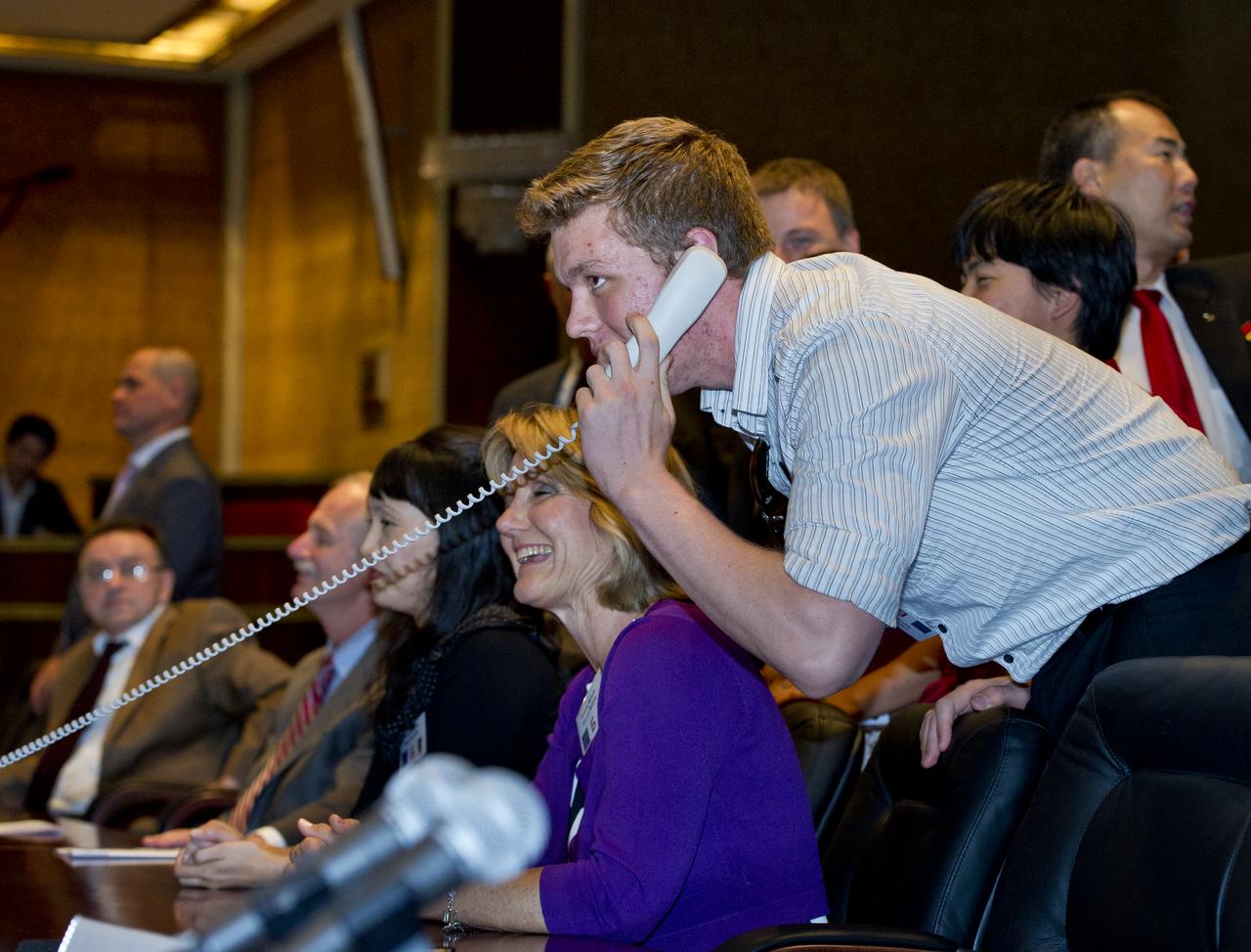
Mitchell Fossum, right, son of Expedition 28 NASA Flight Engineer Mike Fossum, is seen at Russian Mission Control in Korolev, Russia speaking to his father shortly after his arrival at the International Space Station on Friday, June 10, 2011. Photo Credit: (NASA/Carla Cioffi)
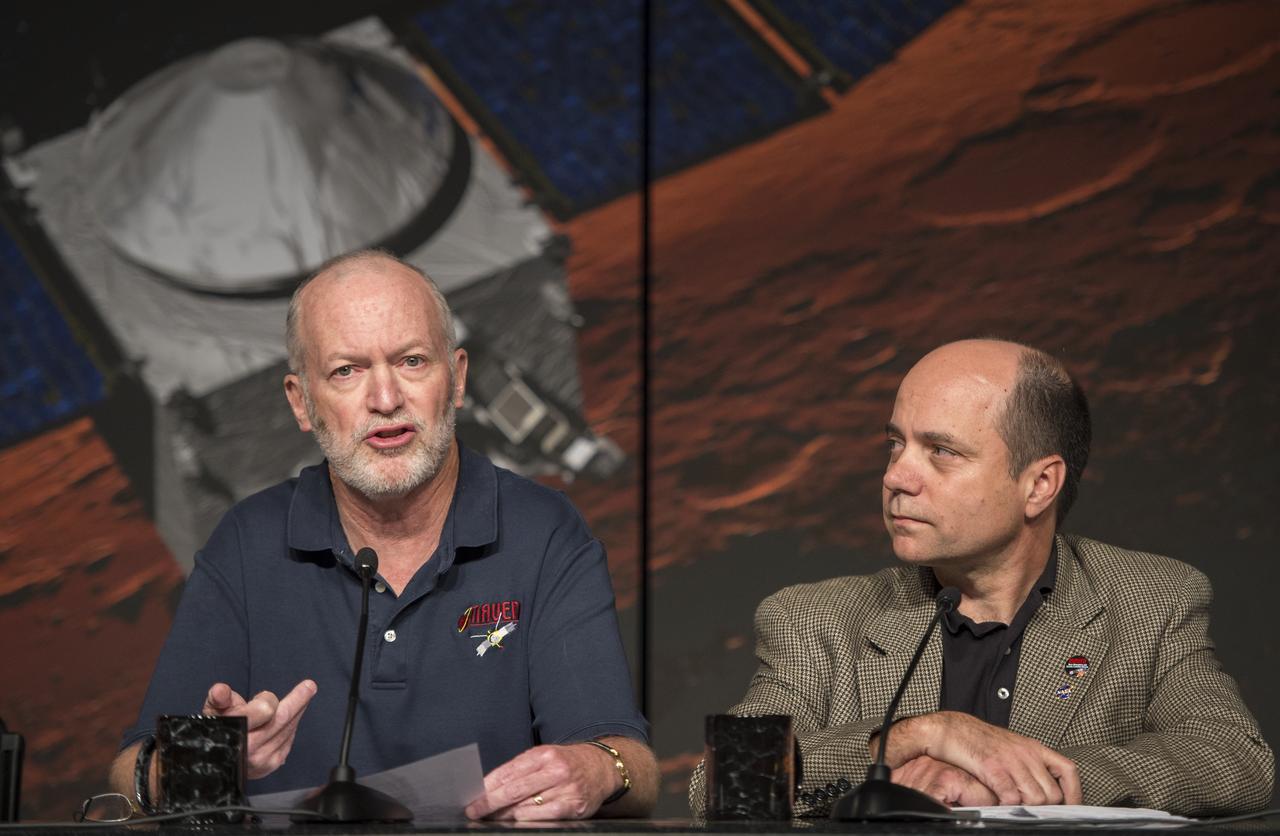
Bruce Jakosky, MAVEN principal investigator, Laboratory for Atmospheric and Space Physics, University of Colorado, Boulder, left, and David Mitchell, MAVEN project manager, NASA’s Goddard Space Flight Center, Greenbelt, Maryland are seen during a media briefing where they and other panelist outlined activities around the Sunday, Sept. 21 orbital insertion at Mars of the agency’s Mars Atmosphere and Volatile EvolutioN (MAVEN) spacecraft, Wednesday, Sept. 17, 2014 at NASA Headquarters in Washington. (Photo credit: NASA/Bill Ingalls)
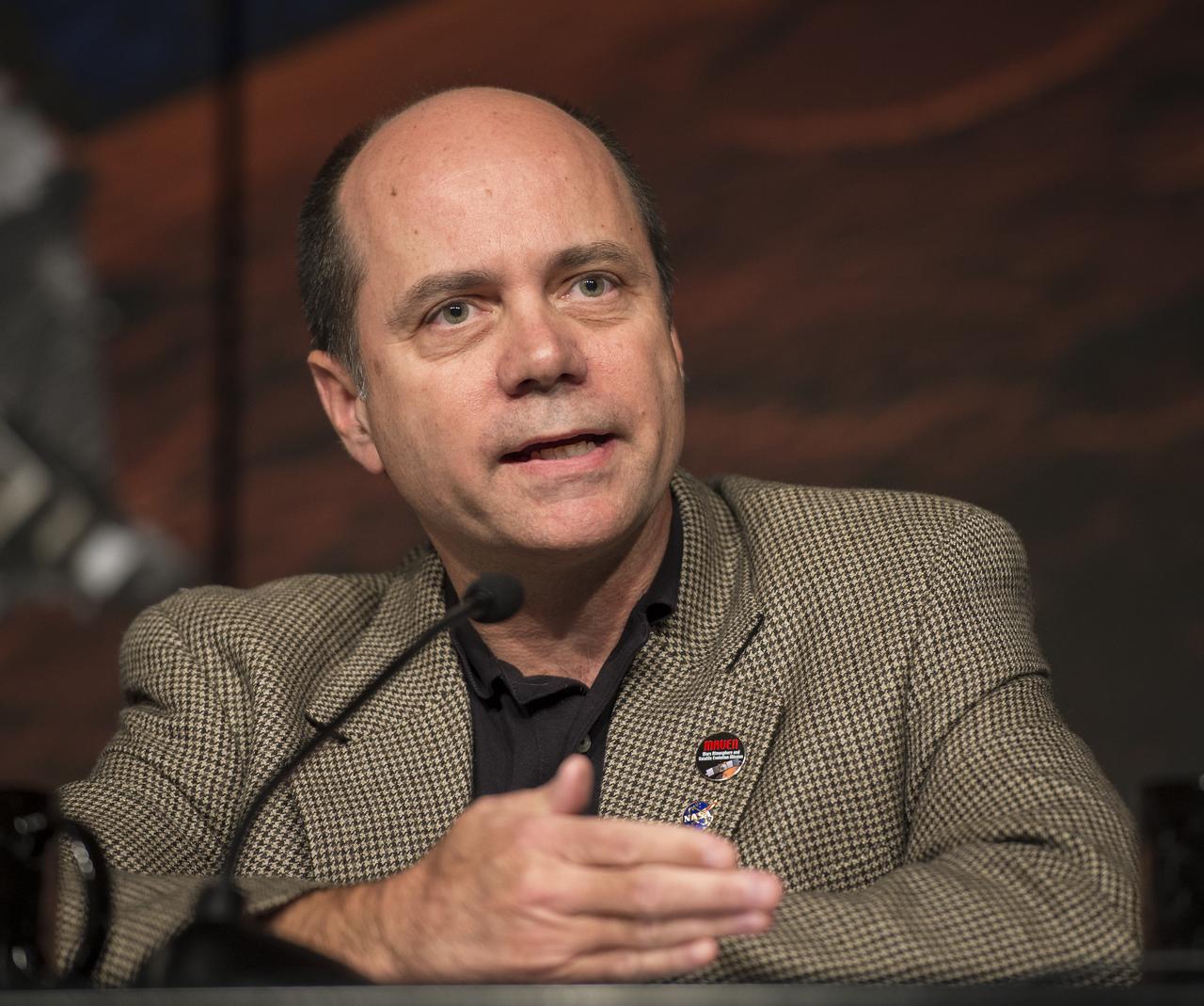
David Mitchell, MAVEN project manager, NASA’s Goddard Space Flight Center, Greenbelt, Maryland is seen during a media briefing where he and other panelist outlined activities around the Sunday, Sept. 21 orbital insertion at Mars of the agency’s Mars Atmosphere and Volatile EvolutioN (MAVEN) spacecraft, Wednesday, Sept. 17, 2014 at NASA Headquarters in Washington. (Photo credit: NASA/Bill Ingalls)
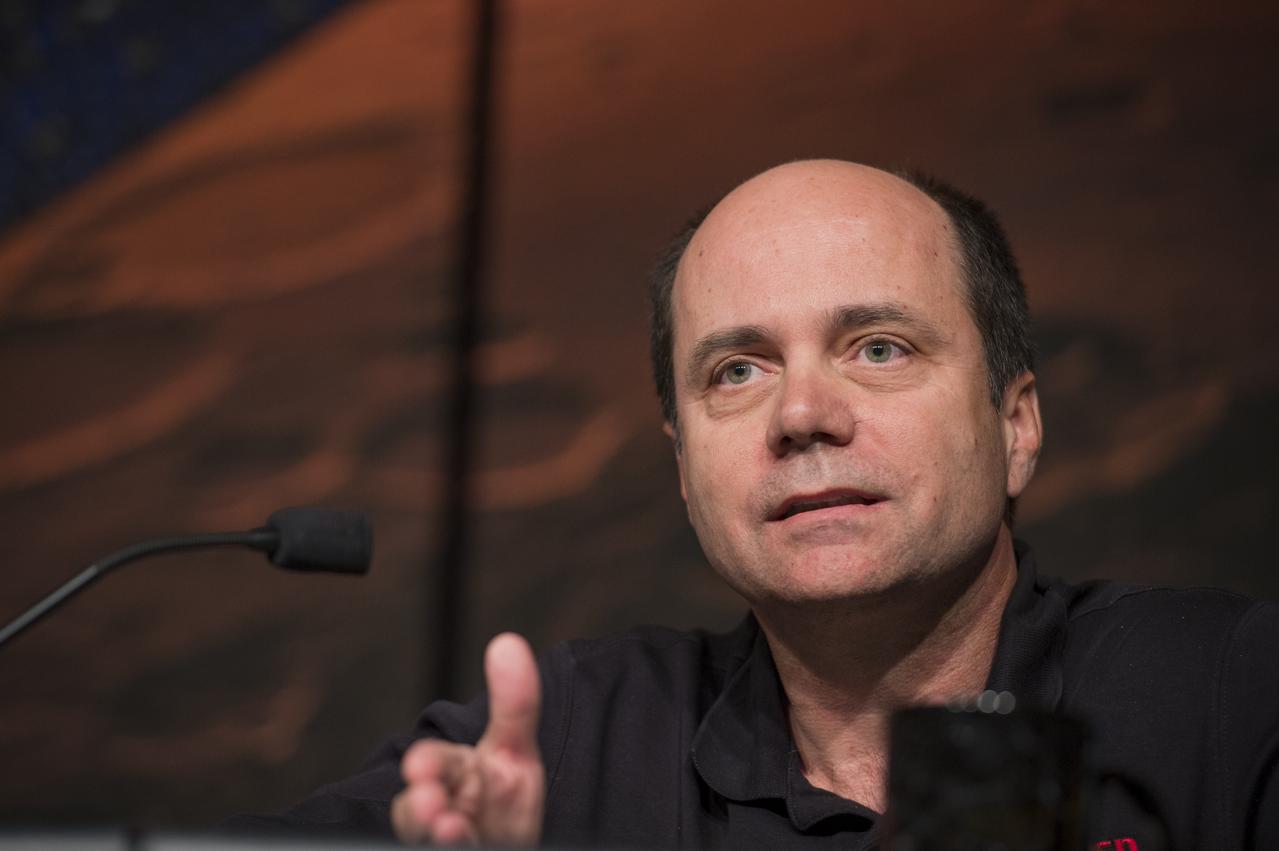
David Mitchell, MAVEN project manager, NASA's Goddard Space Flight Center, discusses the upcoming launch of the Mars Atmosphere and Volatile Evolution (MAVEN) mission, at a press conference at NASA Headquarters in Washington on Monday, Oct. 28th, 2013. MAVEN is the agency's next mission to Mars and the first devoted to understanding the upper atmosphere of the Red Planet. (Photo credit: NASA/Jay Westcott)
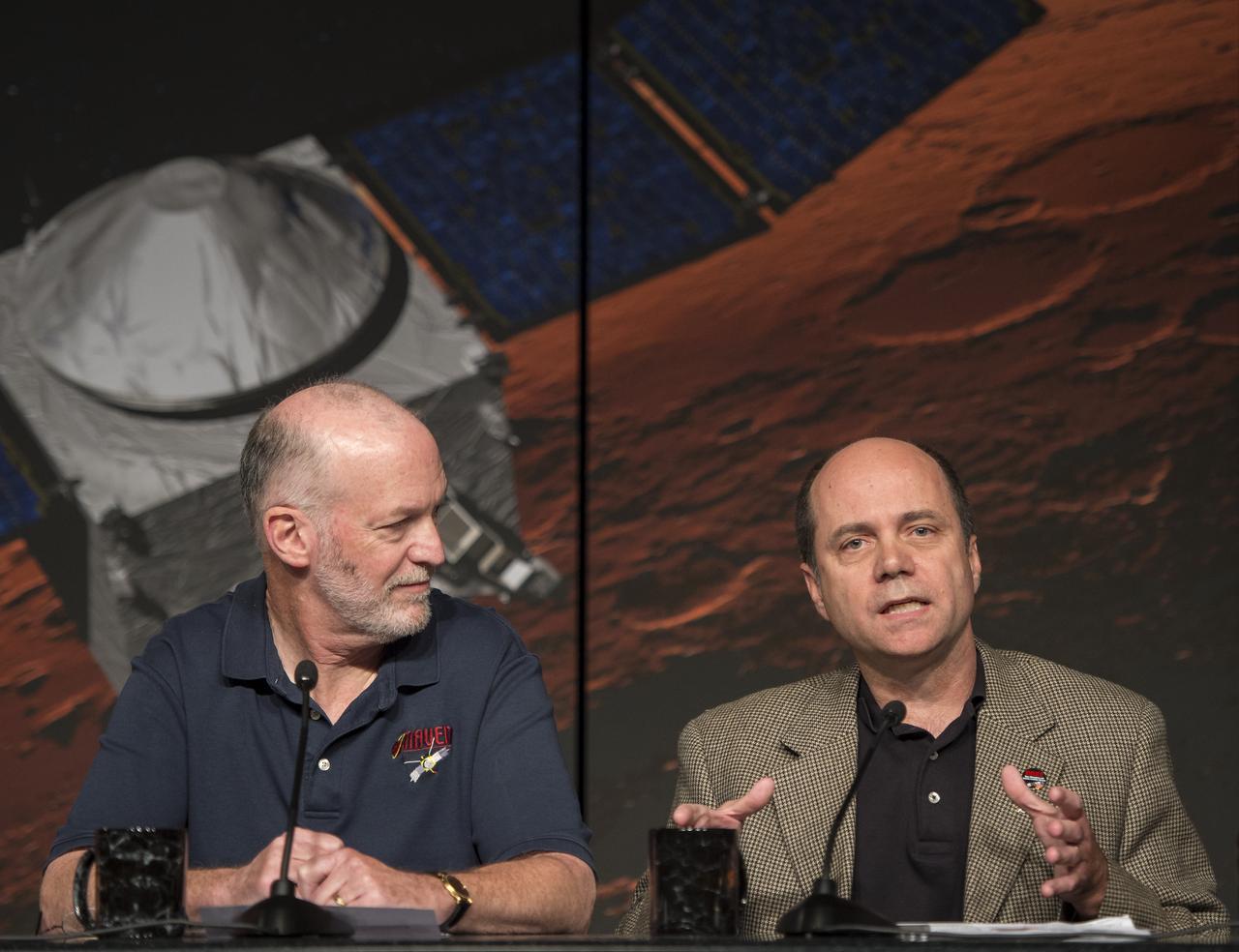
Bruce Jakosky, MAVEN principal investigator, Laboratory for Atmospheric and Space Physics, University of Colorado, Boulder, left, and David Mitchell, MAVEN project manager, NASA’s Goddard Space Flight Center, Greenbelt, Maryland are seen during a media briefing where they and other panelist outlined activities around the Sunday, Sept. 21 orbital insertion at Mars of the agency’s Mars Atmosphere and Volatile EvolutioN (MAVEN) spacecraft, Wednesday, Sept. 17, 2014 at NASA Headquarters in Washington. (Photo credit: NASA/Bill Ingalls)
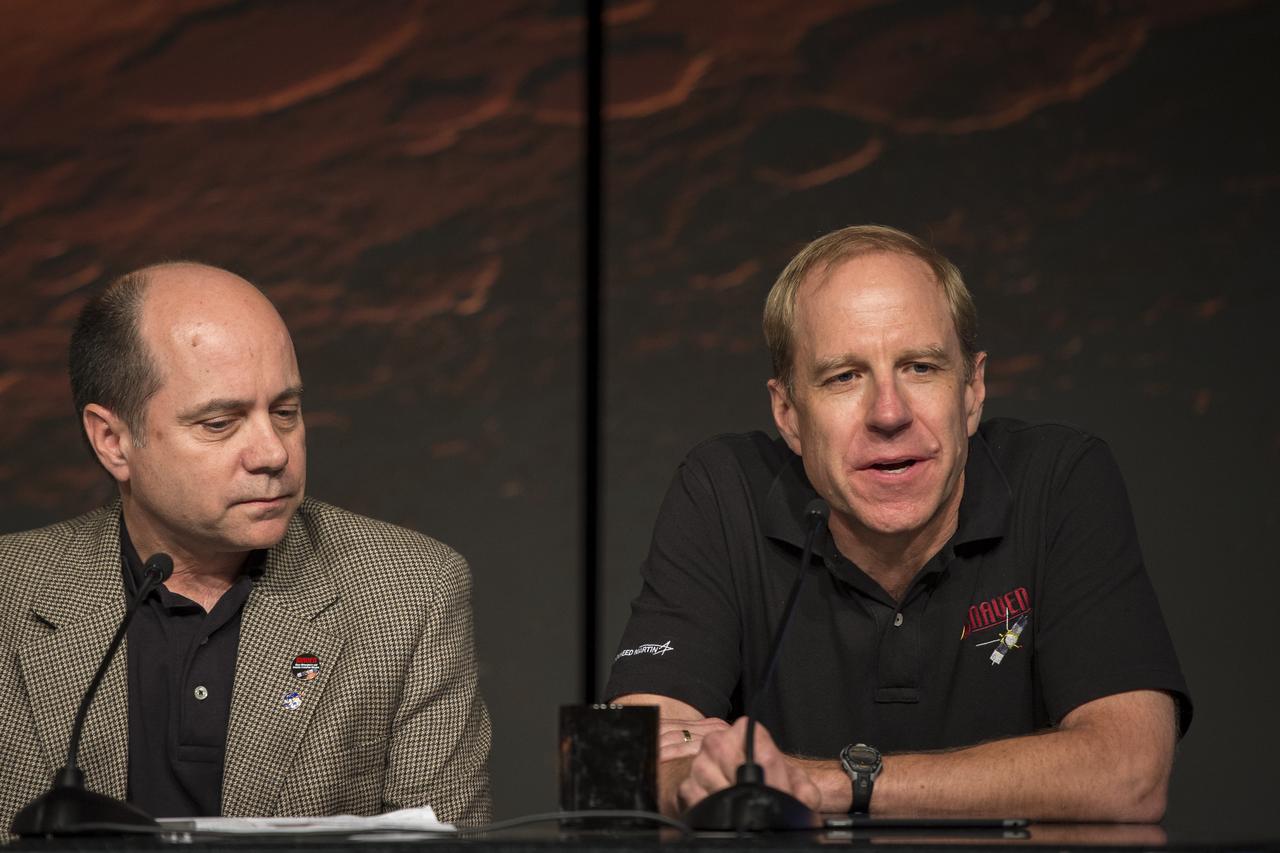
David Mitchell, MAVEN project manager, NASA’s Goddard Space Flight Center, Greenbelt, Maryland, left, and Guy Beutelschies, Lockheed Martin MAVEN program manager, Lockheed Martin Space Systems Company, Littleton, Colorado are seen during a media briefing where they and other panelist outlined activities around the Sunday, Sept. 21 orbital insertion at Mars of the agency’s Mars Atmosphere and Volatile EvolutioN (MAVEN) spacecraft, Wednesday, Sept. 17, 2014 at NASA Headquarters in Washington. (Photo credit: NASA/Bill Ingalls)
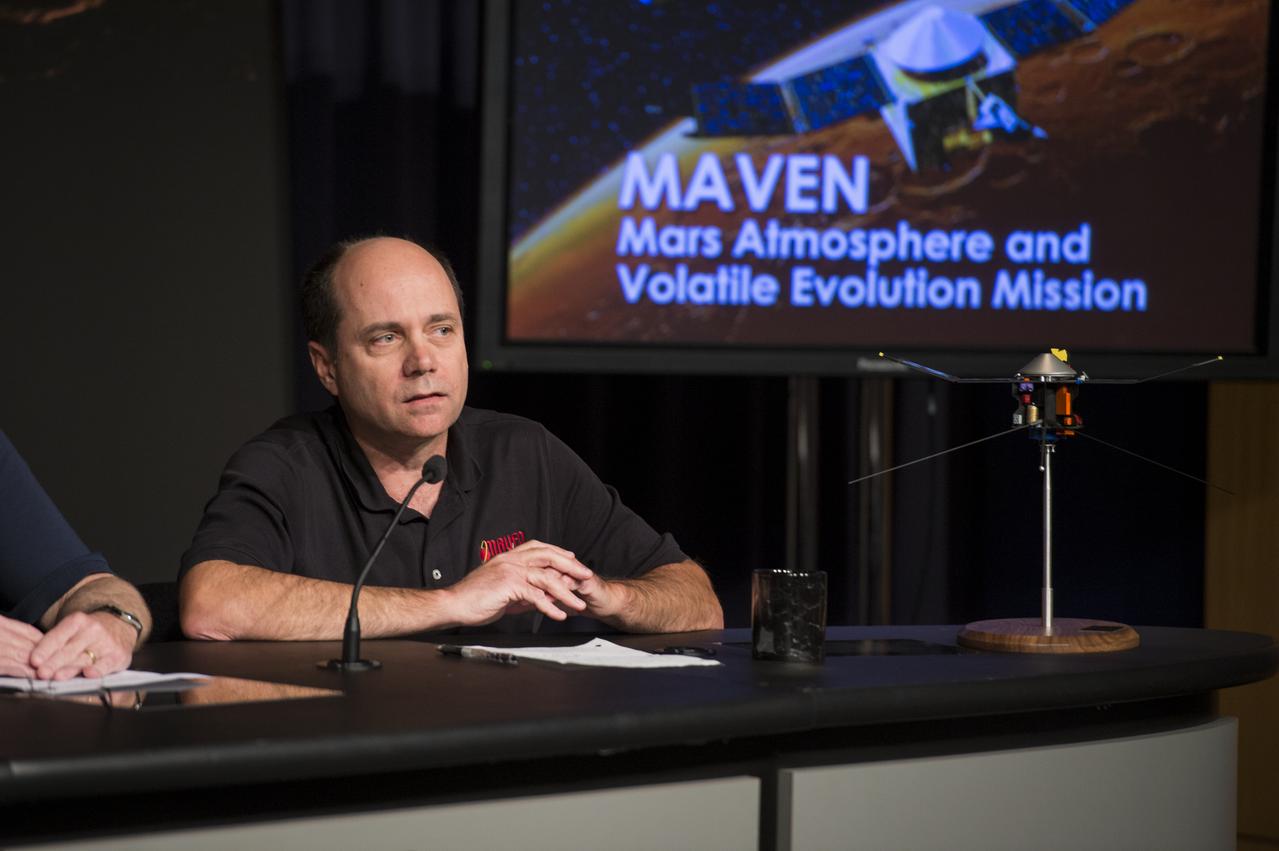
David Mitchell, MAVEN project manager, NASA's Goddard Space Flight Center, discusses the upcoming launch of the Mars Atmosphere and Volatile Evolution (MAVEN) mission, at a press conference at NASA Headquarters in Washington on Monday, Oct. 28th, 2013. MAVEN is the agency's next mission to Mars and the first devoted to understanding the upper atmosphere of the Red Planet. (Photo credit: NASA/Jay Westcott)
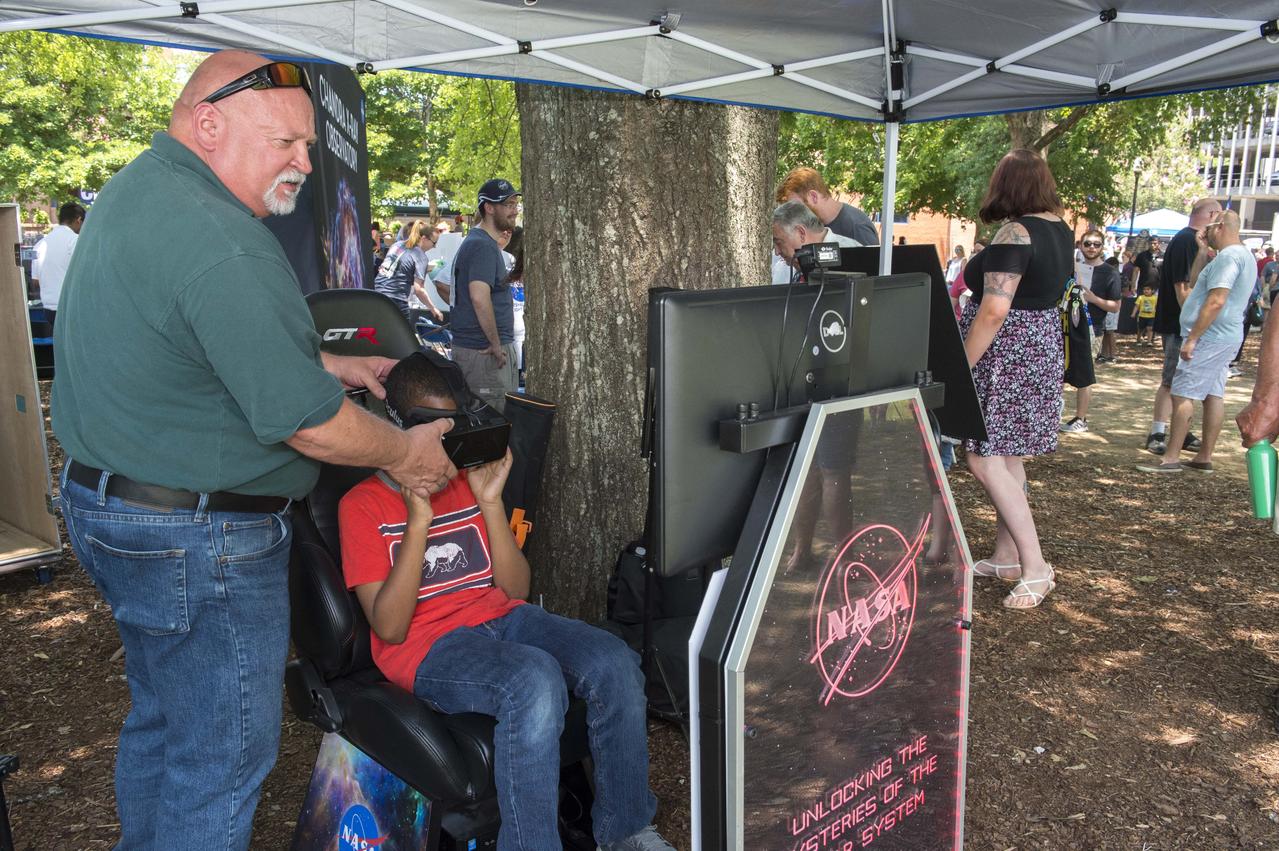
NASA in the Park on June 16 in Huntsville featured more than 60 exhibits and demonstrations by NASA experts, as well as performances by Marshall musicians, educational opportunities, games and hands-on activities for all ages. Brian Mitchell of Marshall’s Planetary Mission Planning Office gives attendees an opportunity to learn about Science missions managed by his office.
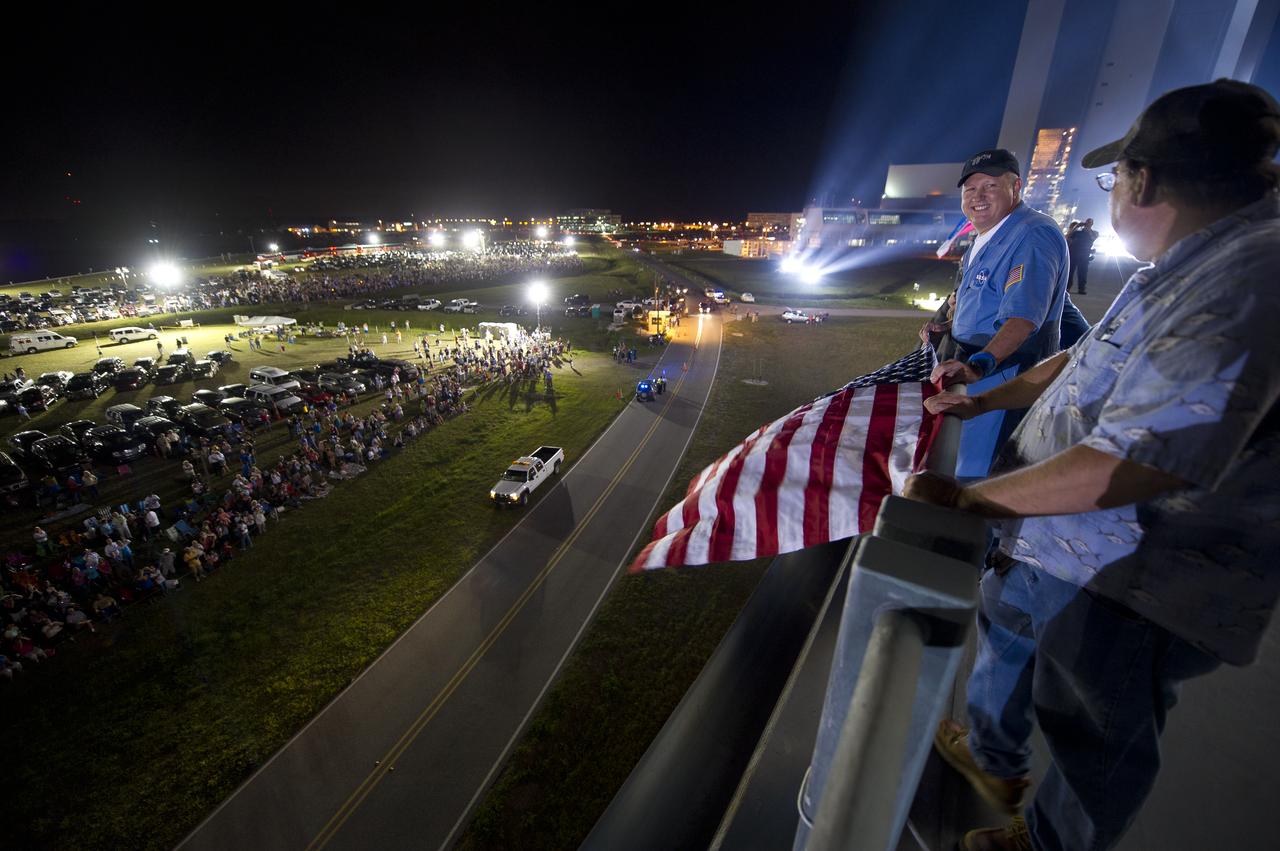
United Space Alliance Senior Space Shuttle Technician Mitchell Bromwell, left, and Randy Meyers of United Space Alliance display an American flag that has been flown all over the world by the U.S. military from atop the Mobile Launch Platform (MLP) as the space shuttle Atlantis begins its journey from High Bay 3 in the Vehicle Assembly Building to Launch Pad 39a for its final flight, Tuesday evening, May 31, 2011, at Kennedy Space Center in Cape Canaveral, Fla. The 3.4-mile trek, known as "rollout," will take about seven hours to complete. Atlantis will carry the Raffaello multipurpose logistics module to deliver supplies, logistics and spare parts to the International Space Station. The launch of STS-135 is targeted for July 8. Photo Credit: (NASA/Bill Ingalls)
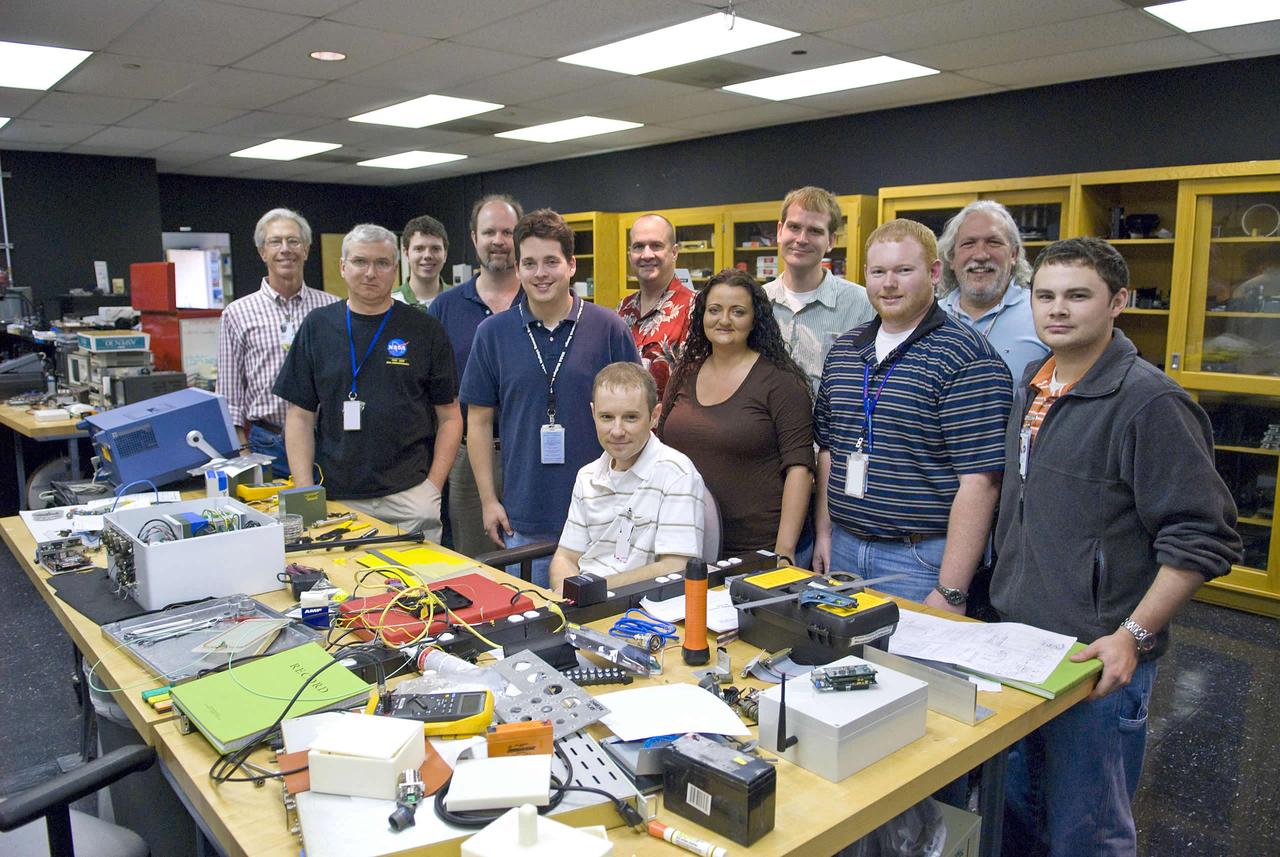
Engineers working on the smart and intelligent sensor payload project include (l to r): Ed Conley (NASA), Mark Mitchell (Jacobs Technology), Luke Richards (NASA), Robert Drackett (Jacobs Technology), Mark Turowski (Jacobs Technology) , Richard Franzl (seated, Jacobs Technology), Greg McVay (Jacobs Technology), Brianne Guillot (Jacobs Technology), Jon Morris (Jacobs Technology), Stephen Rawls (NASA), John Schmalzel (NASA) and Andrew Bracey (NASA).
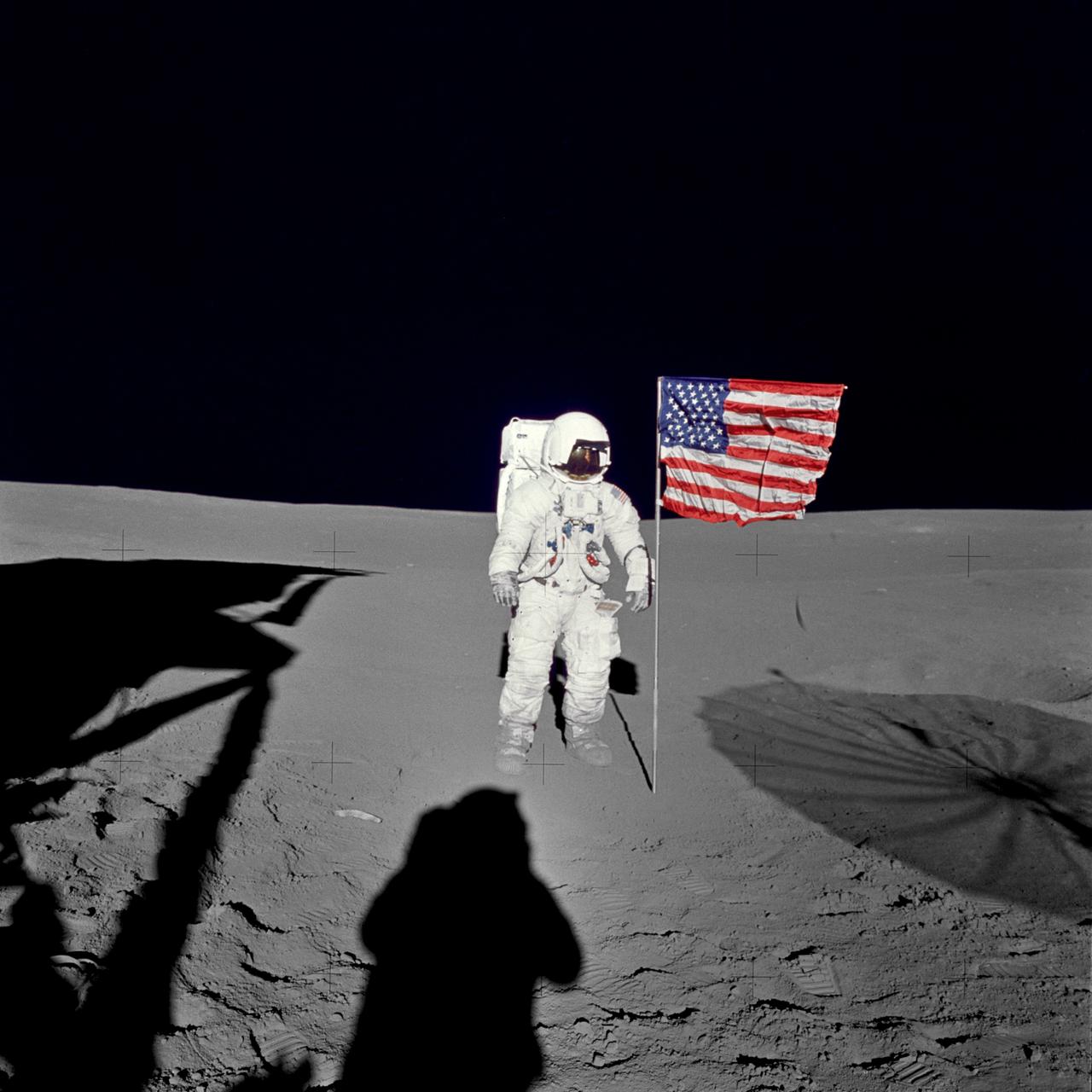
AS14-66-9233 (5 Feb. 1971) --- Astronaut Edgar D. Mitchell, lunar module pilot for the Apollo 14 lunar landing mission, stands by the deployed U.S. flag on the lunar surface during the early moments of the first extravehicular activity (EVA) of the mission. He was photographed by astronaut Alan B. Shepard Jr., mission commander, using a 70mm modified lunar surface Hasselblad camera. While astronauts Shepard and Mitchell descended in the Lunar Module (LM) "Antares" to explore the Fra Mauro region of the moon, astronaut Stuart A. Roosa, command module pilot, remained with the Command and Service Modules (CSM) "Kitty Hawk" in lunar orbit.
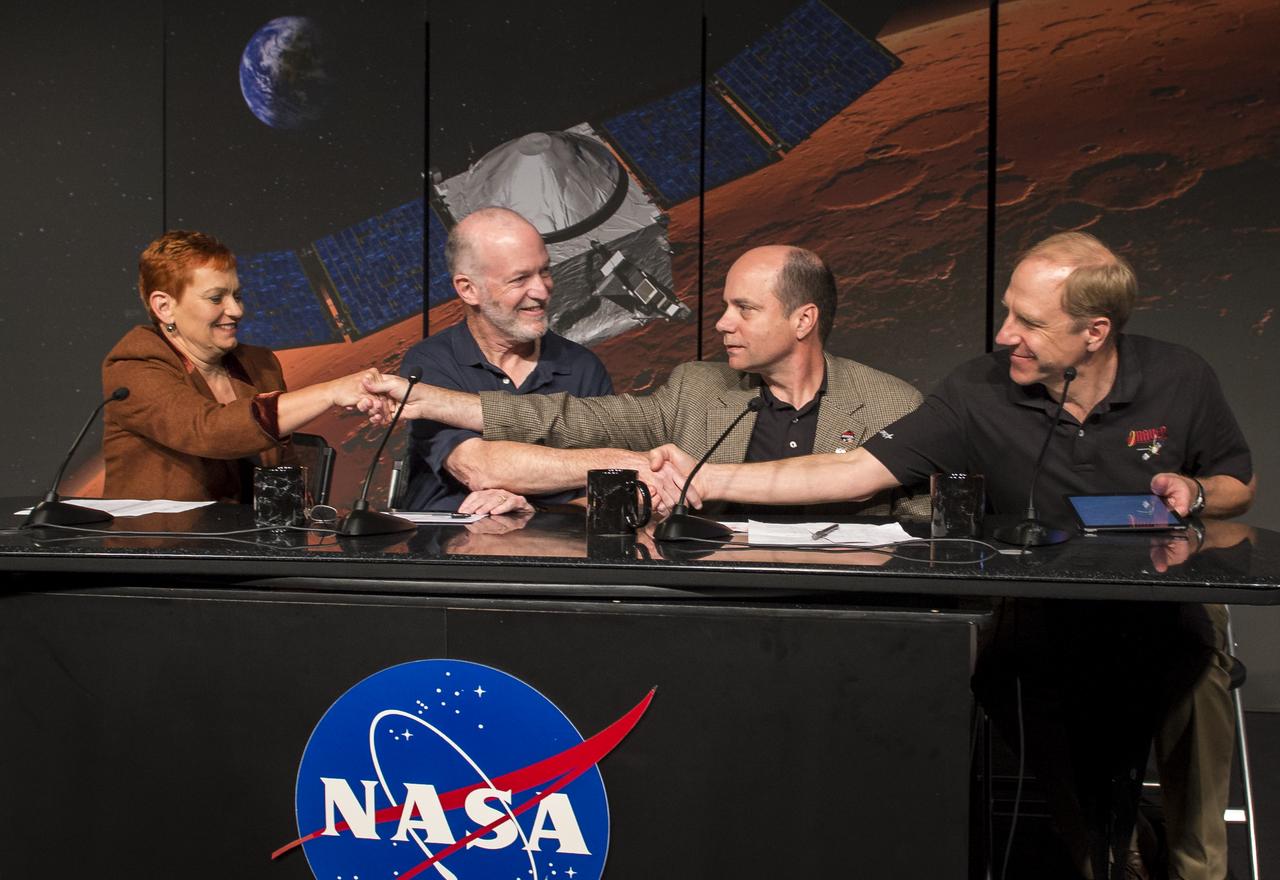
Panelist, from left, Lisa May, lead program executive, Mars Exploration Program, NASA Headquarters, Washington, Bruce Jakosky, MAVEN principal investigator, Laboratory for Atmospheric and Space Physics, University of Colorado, Boulder, David Mitchell, MAVEN project manager, NASA’s Goddard Space Flight Center, Greenbelt, Maryland, and Guy Beutelschies, Lockheed Martin MAVEN program manager, Lockheed Martin Space Systems Company, Littleton, Colorado, all shake hands at the end of a media briefing where they outlined activities around the Sunday, Sept. 21 orbital insertion at Mars of the agency’s Mars Atmosphere and Volatile EvolutioN (MAVEN) spacecraft, Wednesday, Sept. 17, 2014 at NASA Headquarters in Washington. (Photo credit: NASA/Bill Ingalls)
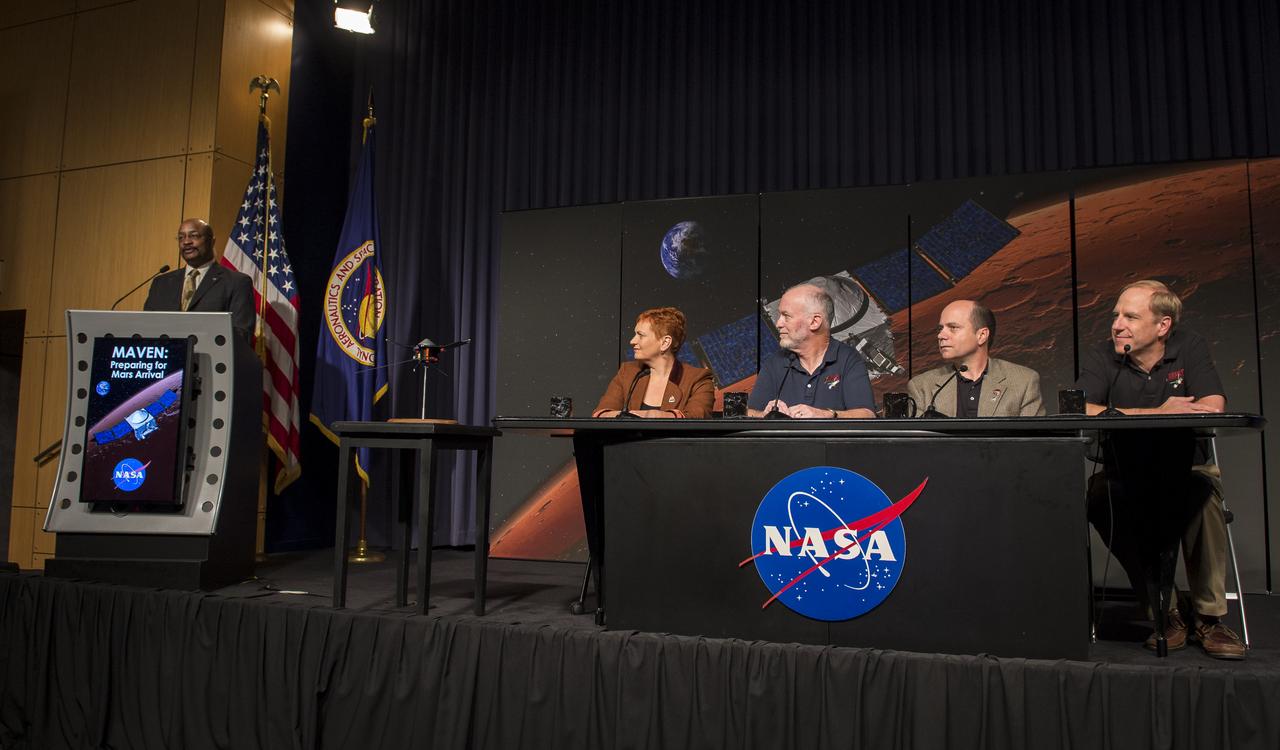
Dwayne Brown, NASA public affairs officer, left, moderates a media briefing where panelist, seated from left, Lisa May, lead program executive, Mars Exploration Program, NASA Headquarters, Washington, Bruce Jakosky, MAVEN principal investigator, Laboratory for Atmospheric and Space Physics, University of Colorado, Boulder, David Mitchell, MAVEN project manager, NASA’s Goddard Space Flight Center, Greenbelt, Maryland, and Guy Beutelschies, Lockheed Martin MAVEN program manager, Lockheed Martin Space Systems Company, Littleton, Colorado, outlined activities around the Sunday, Sept. 21 orbital insertion at Mars of the agency’s Mars Atmosphere and Volatile EvolutioN (MAVEN) spacecraft, Wednesday, Sept. 17, 2014 at NASA Headquarters in Washington. (Photo credit: NASA/Bill Ingalls)
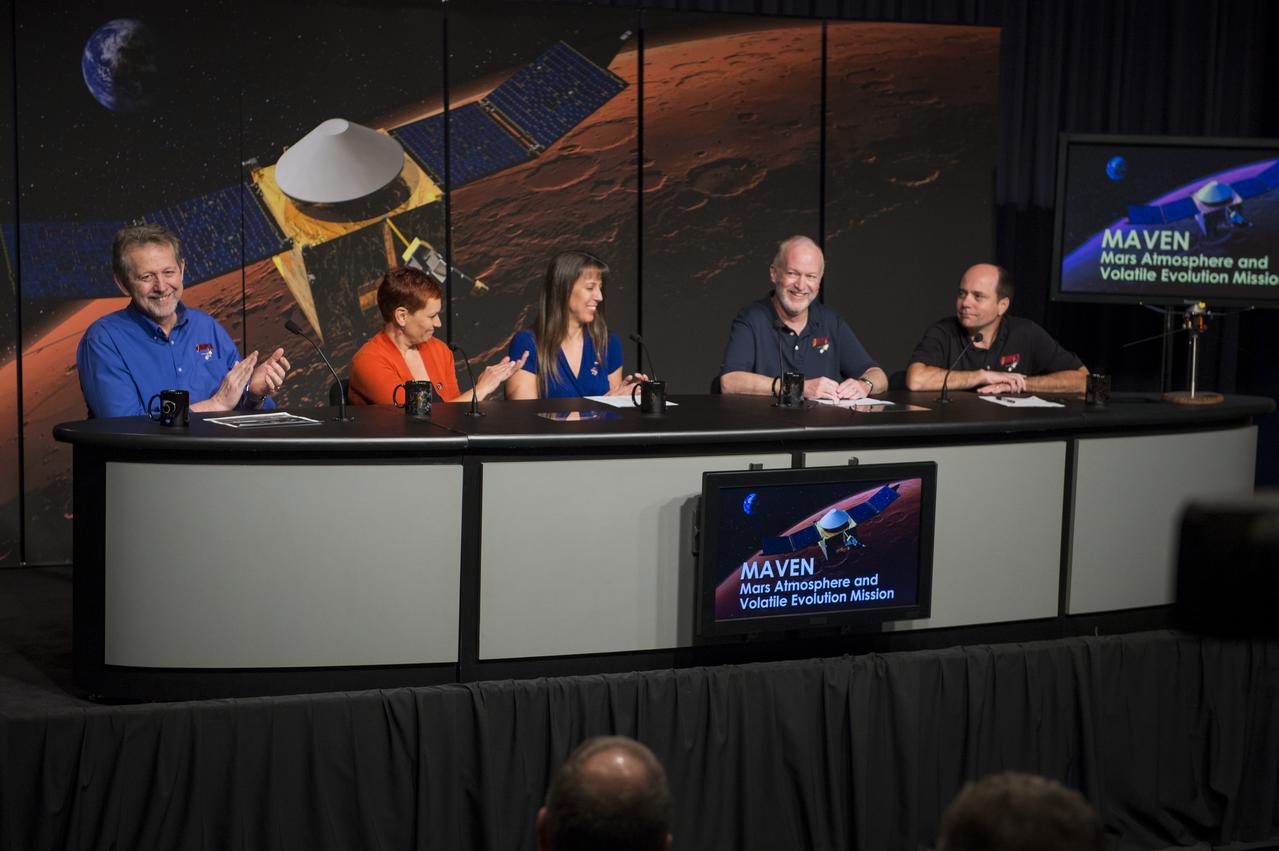
L-R: Jim Green, director, Planetary Science Division, NASA Headquarters, Lisa May, MAVEN program executive, NASA Headquarters, Kelly Fast, MAVEN program scientist, NASA Headquarters, Bruce Jakosky, MAVEN principal investigator, University of Colorado Boulder Laboratory for Atmospheric and Space Physics, and David Mitchell, MAVEN project manager, NASA's Goddard Space Flight Center, Greenbelt, Md. are applauded at the end of a panel discussion on the upcoming launch of the Mars Atmosphere and Volatile Evolution (MAVEN) mission, at a press conference at NASA Headquarters in Washington on Monday, Oct. 28th, 2013. MAVEN is the agency's next mission to Mars and the first devoted to understanding the upper atmosphere of the Red Planet. (Photo credit: NASA/Jay Westcott)
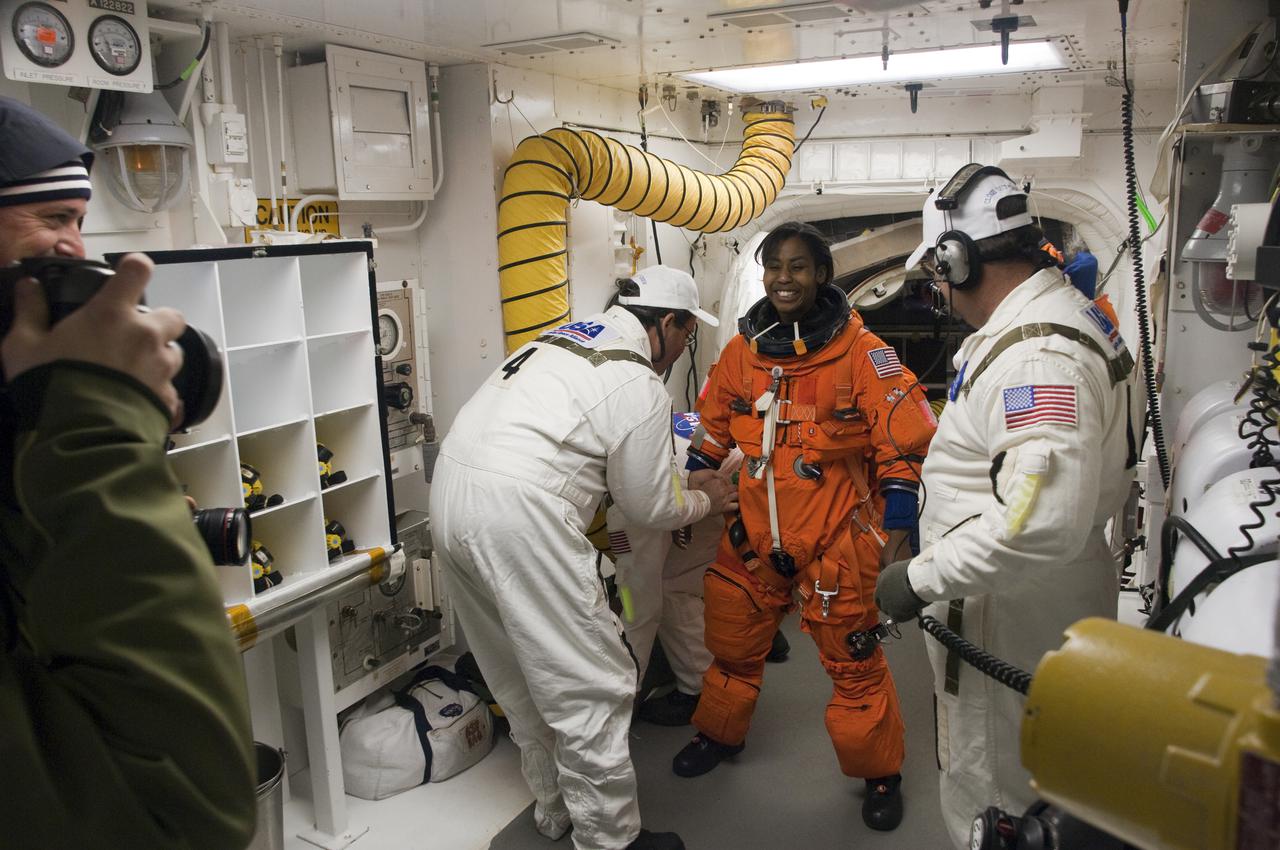
CAPE CANAVERAL, Fla. - At Launch Pad 39A at NASA's Kennedy Space Center in Florida, STS-131 Mission Specialist Stephanie Wilson prepares to enter space shuttle Discovery from the pad's White Room. The members of space shuttle Discovery's STS-131 crew, dressed in their launch-and-entry suits, are participating in the Terminal Countdown Demonstration Test, or TCDT, a dress rehearsal for launch. TCDT includes training on the emergency exit systems at the launch pad, driving practice of the M-113 armored personnel carrier and a simulated launch countdown. The crew will deliver the multi-purpose logistics module Leonard, filled with resupply stowage platforms and science racks, to the International Space Station. STS-131, targeted for launch on April 5, will be the 33rd shuttle mission to the station and the 131st shuttle mission overall. For information on the STS-131 mission and crew, visit http:__www.nasa.gov_mission_pages_shuttle_shuttlemissions_sts131_index.htm. Photo credit: NASA_Regina Mitchell-Ryall
CAPE CANAVERAL, Fla. - At Launch Pad 39A at NASA's Kennedy Space Center in Florida, STS-131 Mission Specialist Clayton Anderson, at right, prepares to enter space shuttle Discovery from the pad's White Room. The members of space shuttle Discovery's STS-131 crew, dressed in their launch-and-entry suits, are participating in the Terminal Countdown Demonstration Test, or TCDT, a dress rehearsal for launch. TCDT includes training on the emergency exit systems at the launch pad, driving practice of the M-113 armored personnel carrier and a simulated launch countdown. The crew will deliver the multi-purpose logistics module Leonard, filled with resupply stowage platforms and science racks, to the International Space Station. STS-131, targeted for launch on April 5, will be the 33rd shuttle mission to the station and the 131st shuttle mission overall. For information on the STS-131 mission and crew, visit http:__www.nasa.gov_mission_pages_shuttle_shuttlemissions_sts131_index.htm. Photo credit: NASA_Regina Mitchell-Ryall
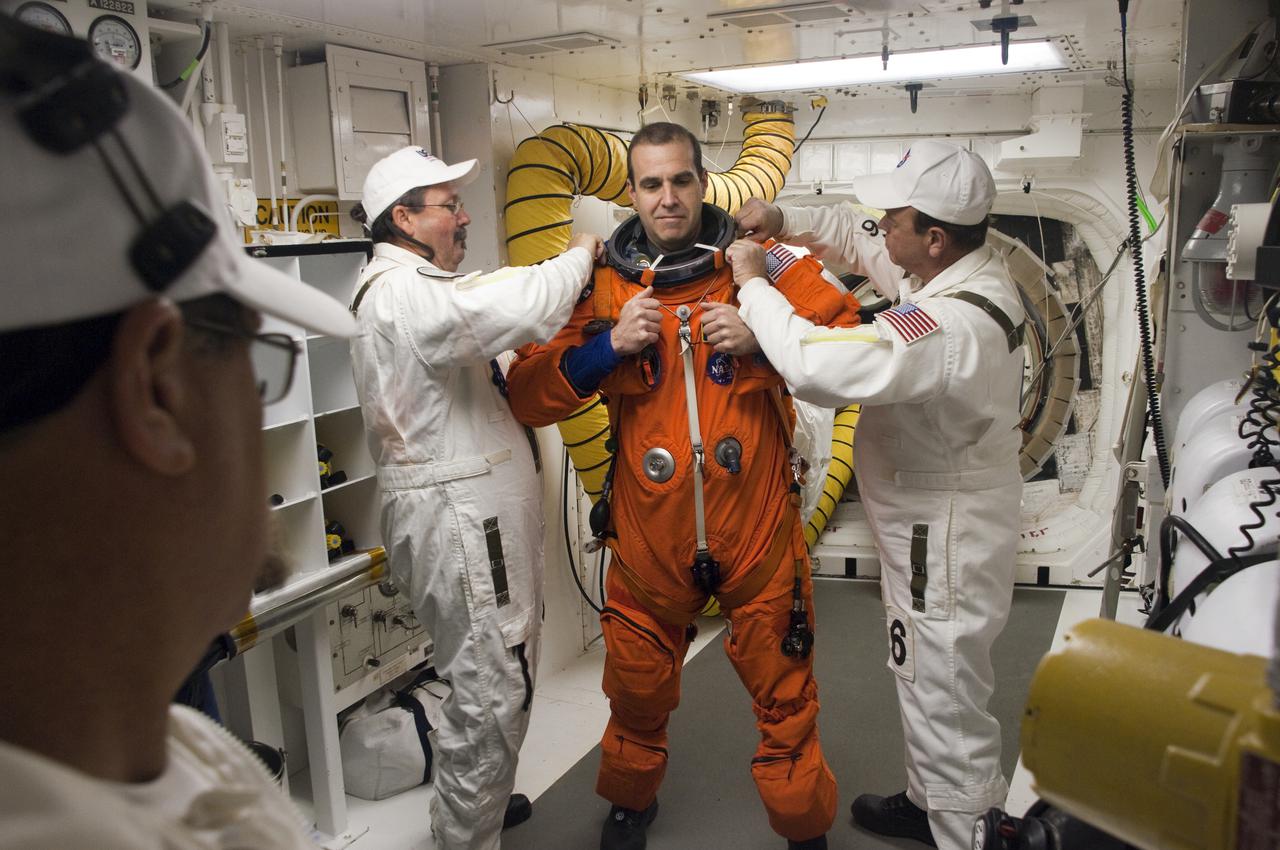
CAPE CANAVERAL, Fla. - At Launch Pad 39A at NASA's Kennedy Space Center in Florida, STS-131 Mission Specialist Rick Mastracchio prepares to enter space shuttle Discovery from the pad's White Room. The members of space shuttle Discovery's STS-131 crew, dressed in their launch-and-entry suits, are participating in the Terminal Countdown Demonstration Test, or TCDT, a dress rehearsal for launch. TCDT includes training on the emergency exit systems at the launch pad, driving practice of the M-113 armored personnel carrier and a simulated launch countdown. The crew will deliver the multi-purpose logistics module Leonard, filled with resupply stowage platforms and science racks, to the International Space Station. STS-131, targeted for launch on April 5, will be the 33rd shuttle mission to the station and the 131st shuttle mission overall. For information on the STS-131 mission and crew, visit http:__www.nasa.gov_mission_pages_shuttle_shuttlemissions_sts131_index.htm. Photo credit: NASA_Regina Mitchell-Ryall
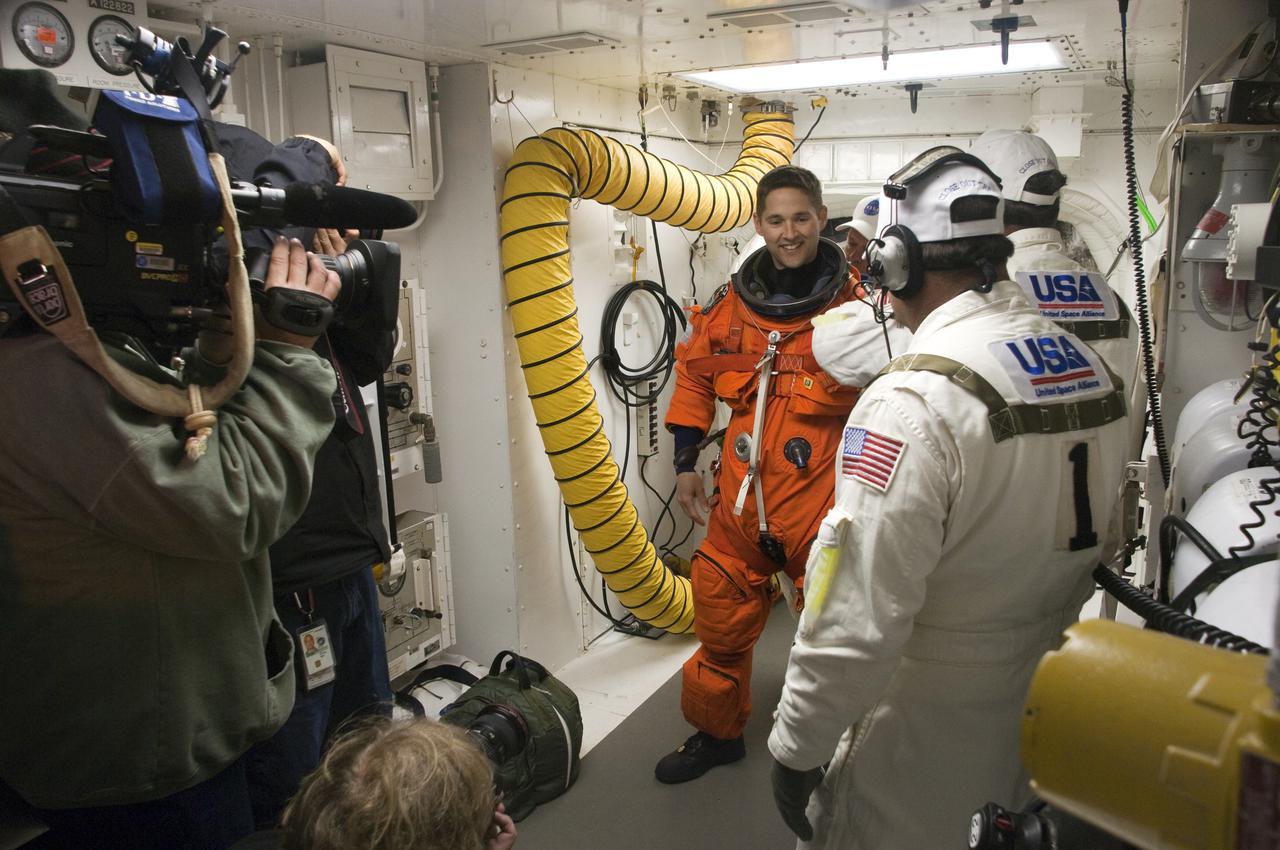
CAPE CANAVERAL, Fla. - At Launch Pad 39A at NASA's Kennedy Space Center in Florida, STS-131 Pilot James P. Dutton Jr., at left, prepares to enter space shuttle Discovery from the pad's White Room. The members of space shuttle Discovery's STS-131 crew, dressed in their launch-and-entry suits, are participating in the Terminal Countdown Demonstration Test, or TCDT, a dress rehearsal for launch. TCDT includes training on the emergency exit systems at the launch pad, driving practice of the M-113 armored personnel carrier and a simulated launch countdown. The crew will deliver the multi-purpose logistics module Leonard, filled with resupply stowage platforms and science racks, to the International Space Station. STS-131, targeted for launch on April 5, will be the 33rd shuttle mission to the station and the 131st shuttle mission overall. For information on the STS-131 mission and crew, visit http:__www.nasa.gov_mission_pages_shuttle_shuttlemissions_sts131_index.htm. Photo credit: NASA_Regina Mitchell-Ryall
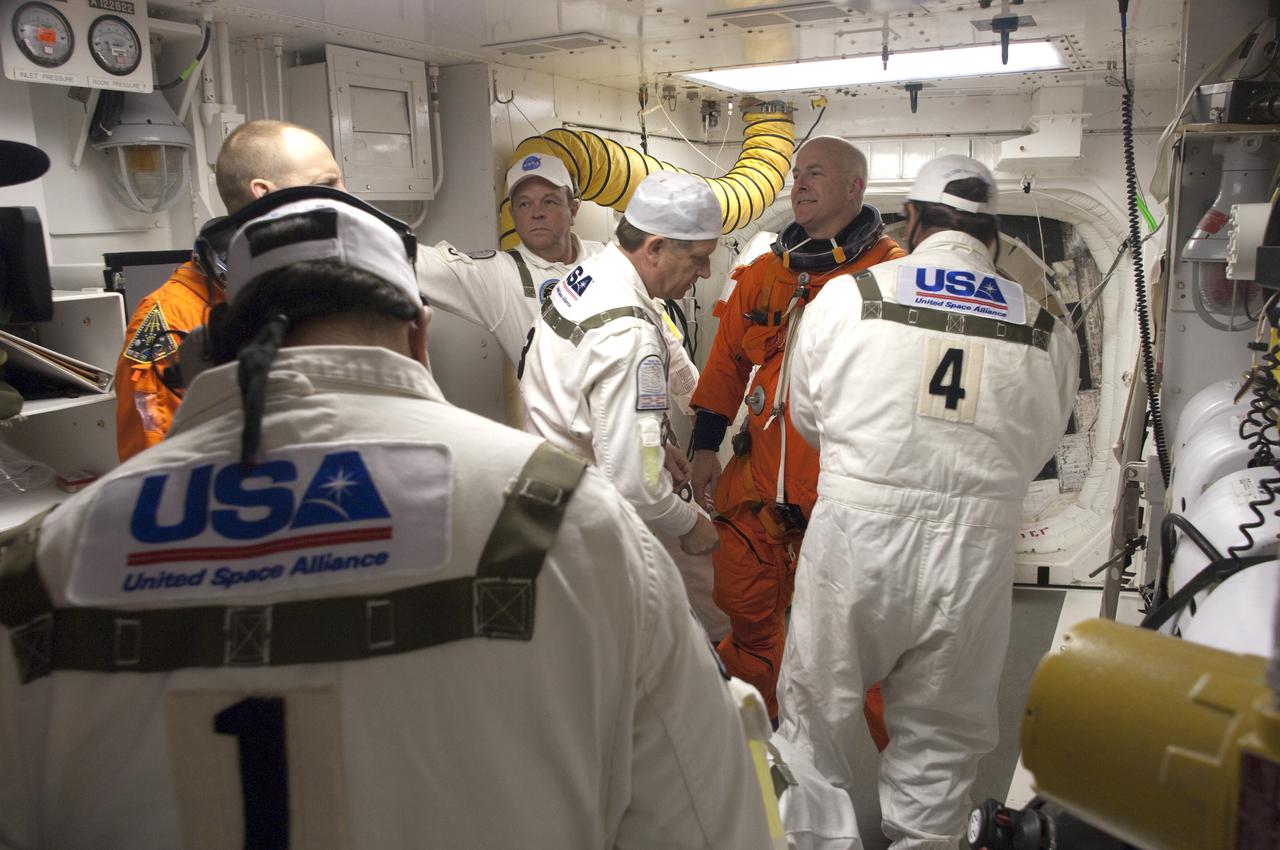
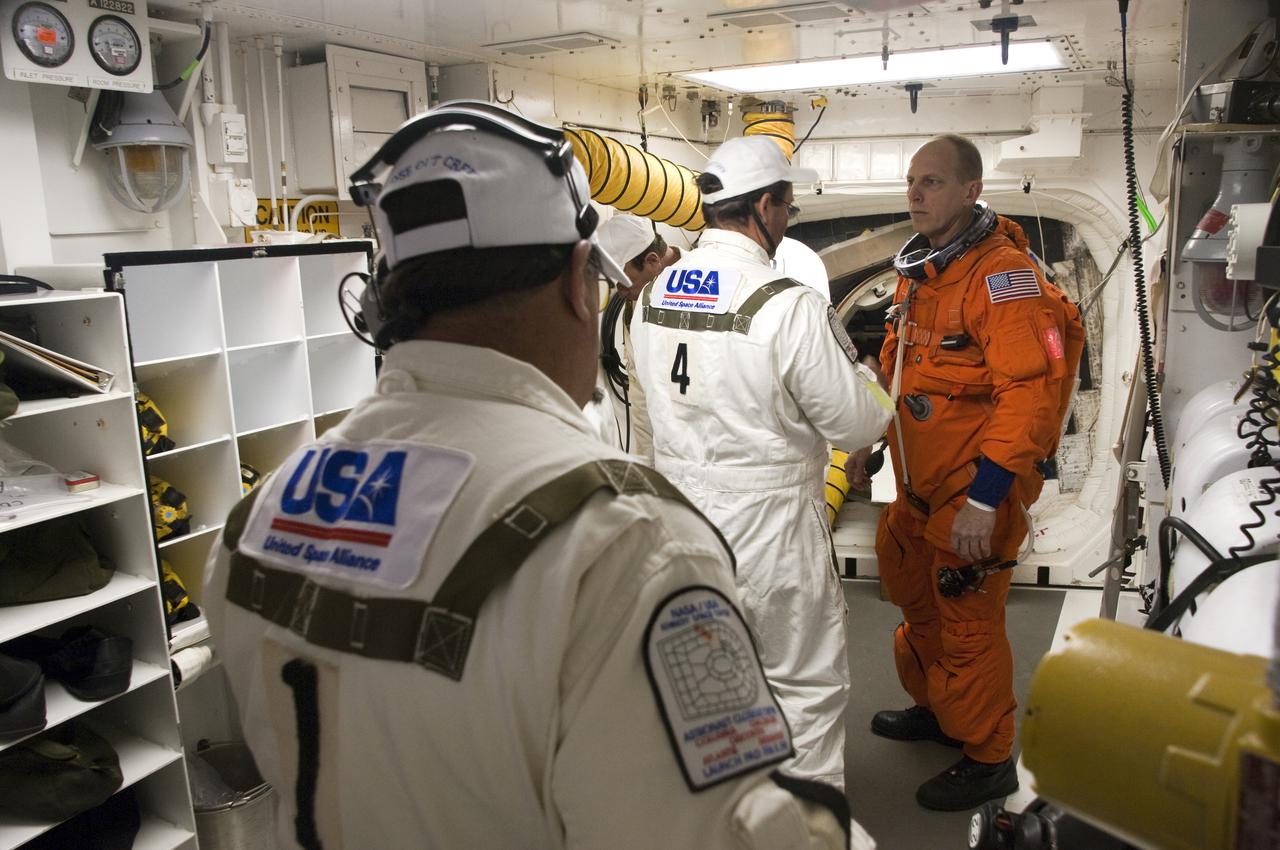
CAPE CANAVERAL, Fla. - At Launch Pad 39A at NASA's Kennedy Space Center in Florida, STS-131 Commander Alan Poindexter, at right in the orange suit, prepares to enter space shuttle Discovery from the pad's White Room. The members of space shuttle Discovery's STS-131 crew, dressed in their launch-and-entry suits, are participating in the Terminal Countdown Demonstration Test, or TCDT, a dress rehearsal for launch. TCDT includes training on the emergency exit systems at the launch pad, driving practice of the M-113 armored personnel carrier and a simulated launch countdown. The crew will deliver the multi-purpose logistics module Leonard, filled with resupply stowage platforms and science racks, to the International Space Station. STS-131, targeted for launch on April 5, will be the 33rd shuttle mission to the station and the 131st shuttle mission overall. For information on the STS-131 mission and crew, visit http:__www.nasa.gov_mission_pages_shuttle_shuttlemissions_sts131_index.htm. Photo credit: NASA_Regina Mitchell-Ryall
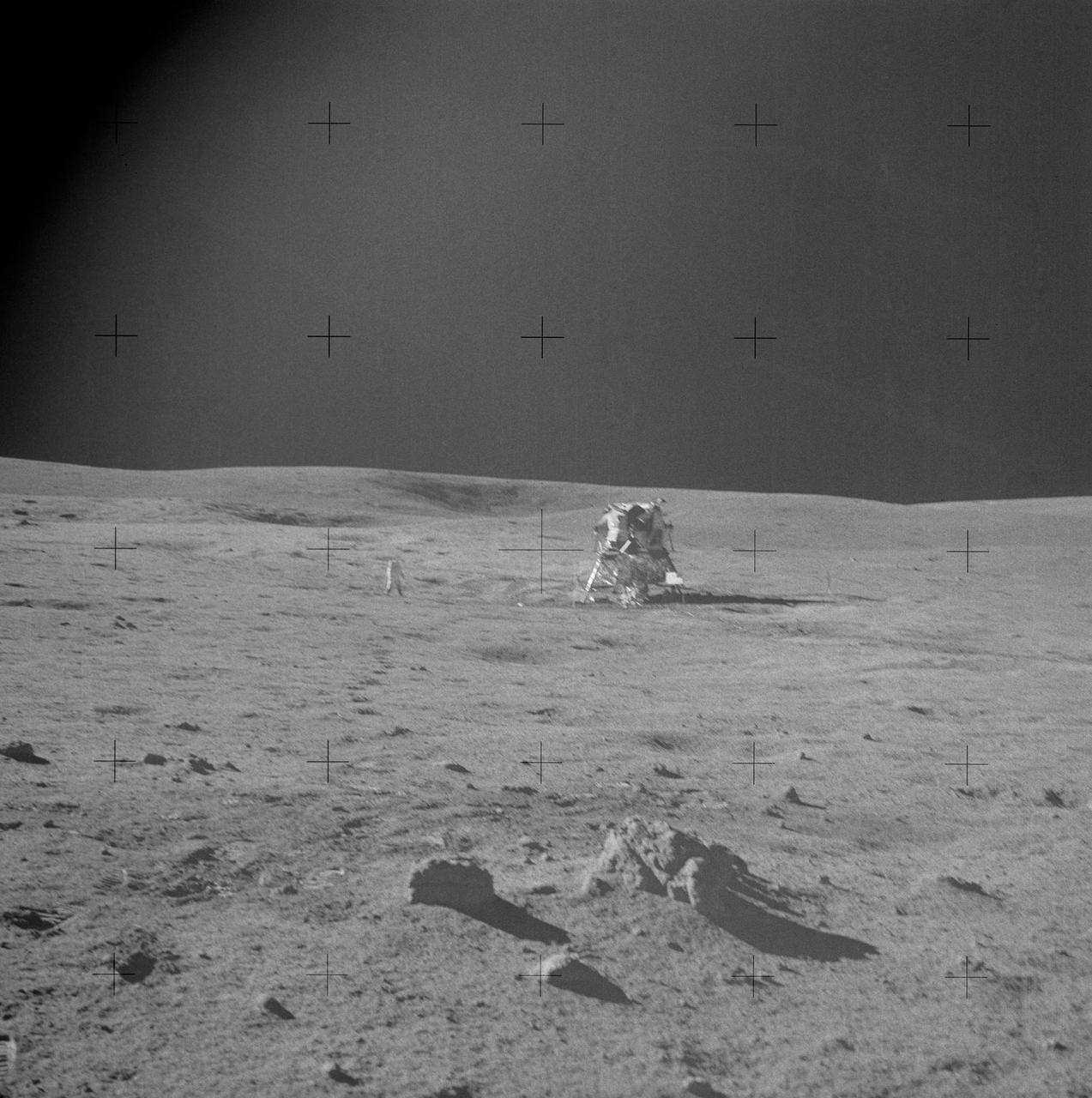
AS14-68-9487 (6 Feb. 1971) --- Astronaut Edgar D. Mitchell, lunar module pilot, photographed this sweeping view showing fellow moon-explorer astronaut Alan B. Shepard Jr., mission commander, and the Apollo 14 Lunar Module (LM). A small cluster of rocks and a few prints made by the lunar overshoes of Mitchell are in the foreground. Mitchell was standing in the boulder field, located just north by northwest of the LM, when he took this picture during the second Apollo 14 extravehicular activity (EVA), on Feb. 6, 1971. While astronaut Stuart A. Roosa, command module pilot, remained with the Command and Service Modules (CSM) in lunar orbit, Shepard and Mitchell descended in the LM to explore the moon.
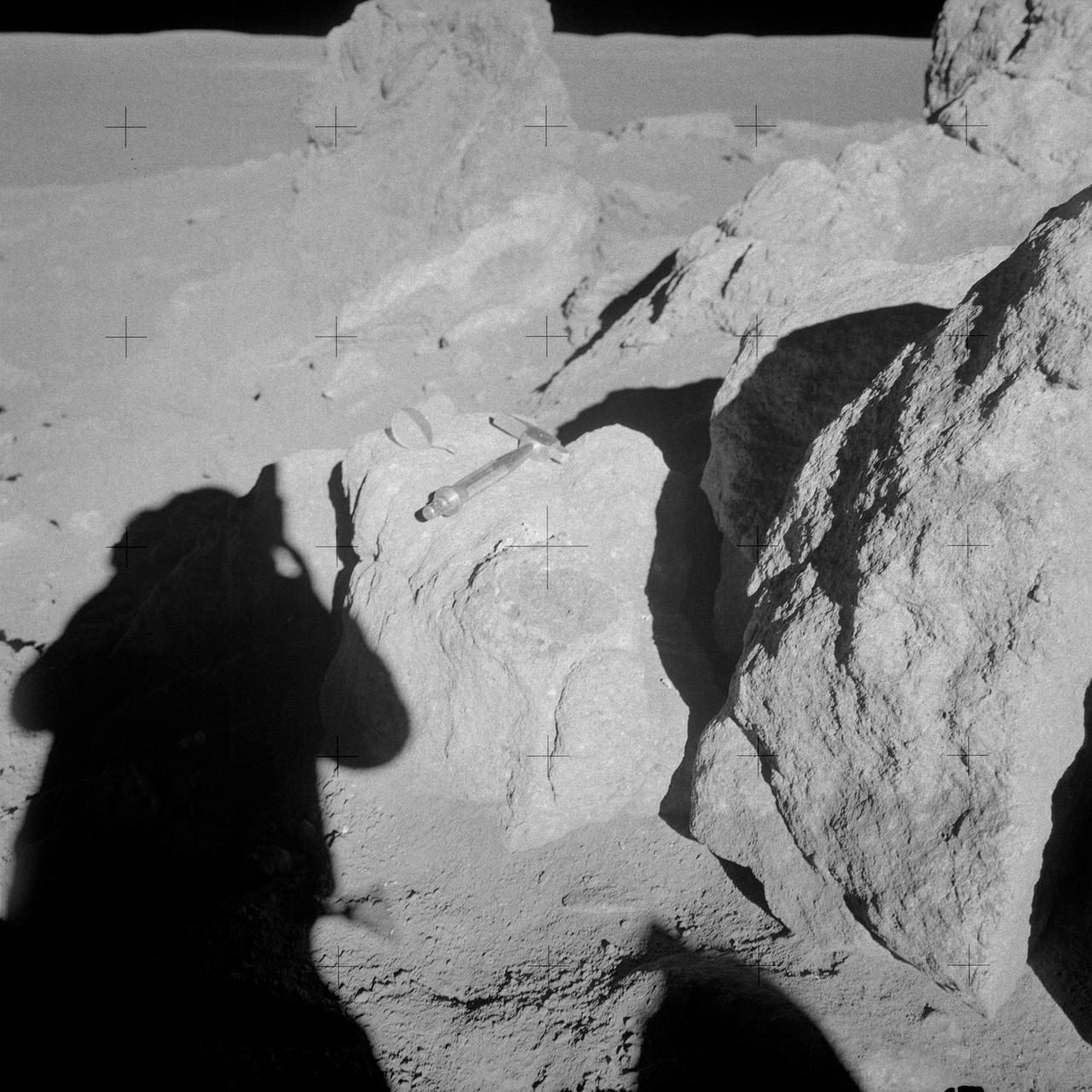
AS14-68-9453 (6 Feb. 1971) --- Astronaut Edgar D. Mitchell, lunar module pilot, whose shadow is in the foreground, photographs a group of large boulders near the rim of Cone Crater. An interesting feature is the white and brown rock in the boulder. Mitchell removed a sample where the hammer is lying. While astronauts Alan B. Shepard Jr., commander, and Mitchell descended in the Lunar Module (LM) "Antares" to explore the Fra Mauro region of the moon, astronaut Stuart A. Roosa, command module pilot, remained with the Command and Service Modules (CSM) "Kitty Hawk" in lunar orbit.
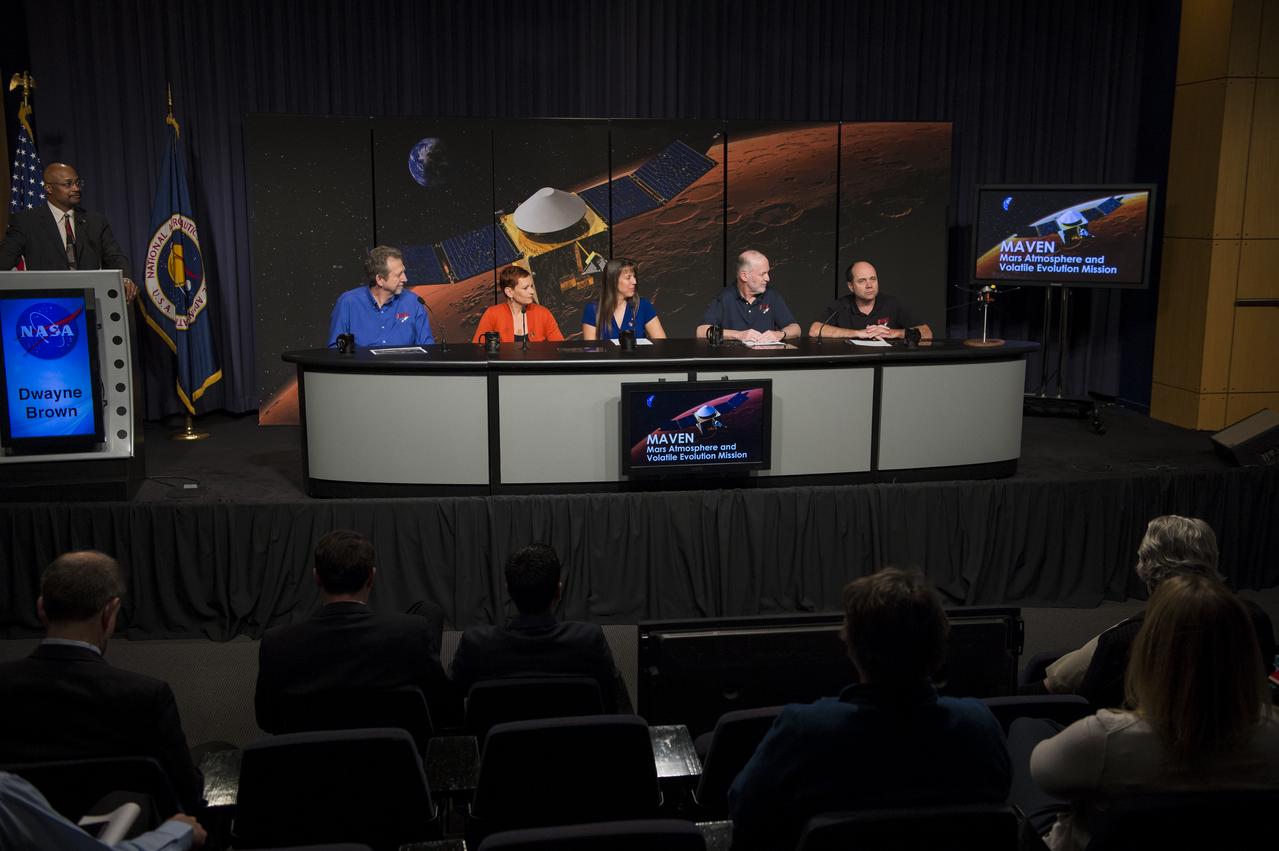
L-R: Dwayne Brown, NASA Public Affairs Officer, Jim Green, director, Planetary Science Division, NASA Headquarters, Lisa May, MAVEN program executive, NASA Headquarters, Kelly Fast, MAVEN program scientist, NASA Headquarters, Bruce Jakosky, MAVEN principal investigator, University of Colorado Boulder Laboratory for Atmospheric and Space Physics, and David Mitchell, MAVEN project manager, NASA's Goddard Space Flight Center, Greenbelt, Md. discuss the upcoming launch of the Mars Atmosphere and Volatile Evolution (MAVEN) mission, at a press conference at NASA Headquarters in Washington on Monday, Oct. 28th, 2013. MAVEN is the agency's next mission to Mars and the first devoted to understanding the upper atmosphere of the Red Planet. (Photo credit: NASA/Jay Westcott)

AVA-1h simulation team members Megan Mitchell, left, Christian Schmitz, and Matthew Blanken, right, in the VMS control room, N243, prepare for a simulation.
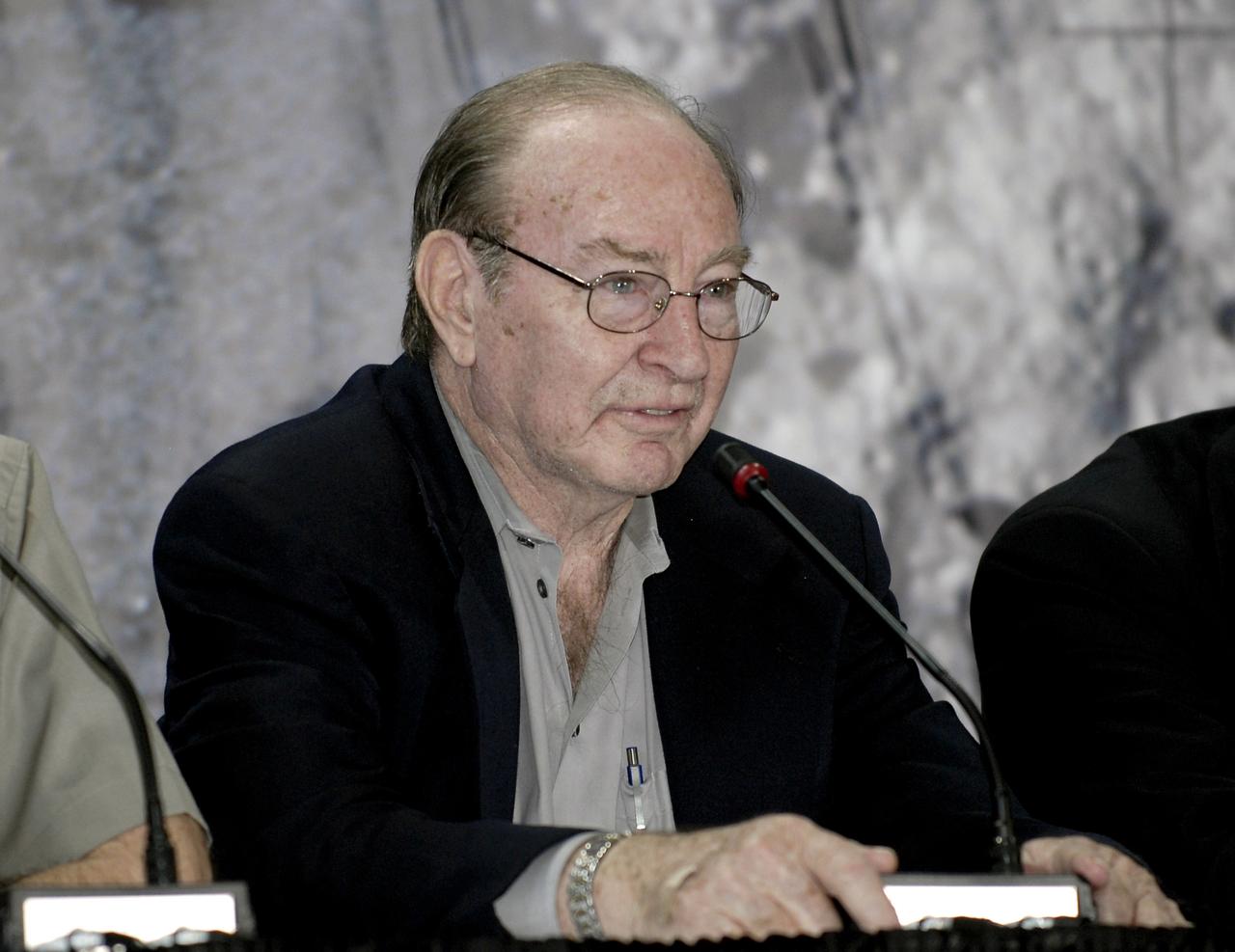
CAPE CANAVERAL, Fla. – At the Apollo/Saturn V Center at NASA's Kennedy Space Center in Florida, Apollo astronaut Edgar Mitchell shares his experiences with an eager crowd gathered for NASA's 40th Anniversary of Apollo Celebration of the July 1969 launch and landing on the moon. Mitchell walked on the moon on the Apollo 14 mission in 1971 and was backup lunar module pilot for Apollo 16. Photo credit: NASA/Kim Shiflett
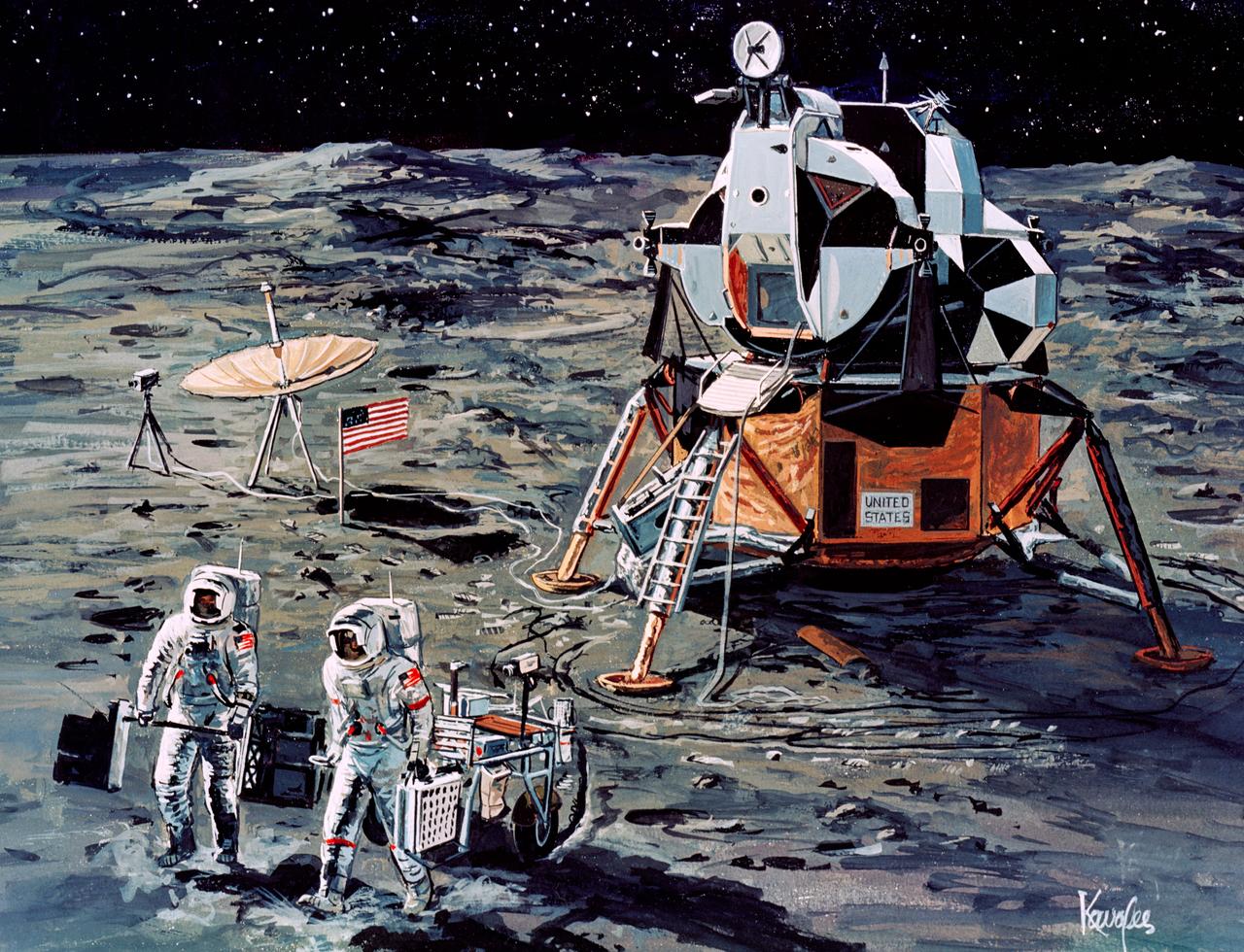
S71-16101 (January 1971) --- A Grumman Aerospace Corporation artist's concept of Apollo 14 crewmen, astronauts Alan B. Shepard Jr., commander, and Edgar D. Mitchell, lunar module pilot, as they set out on their first traverse. Shepard is pulling the Modularized Equipment Transporter (MET) which contains cameras, lunar sample bags, tools and other paraphernalia. Shepard has the Laser Ranging Retro-Reflector (LR-3) in his other hand. Mitchell is carrying the Apollo Lunar Surface Experiments Package (ALSEP) barbell mode.
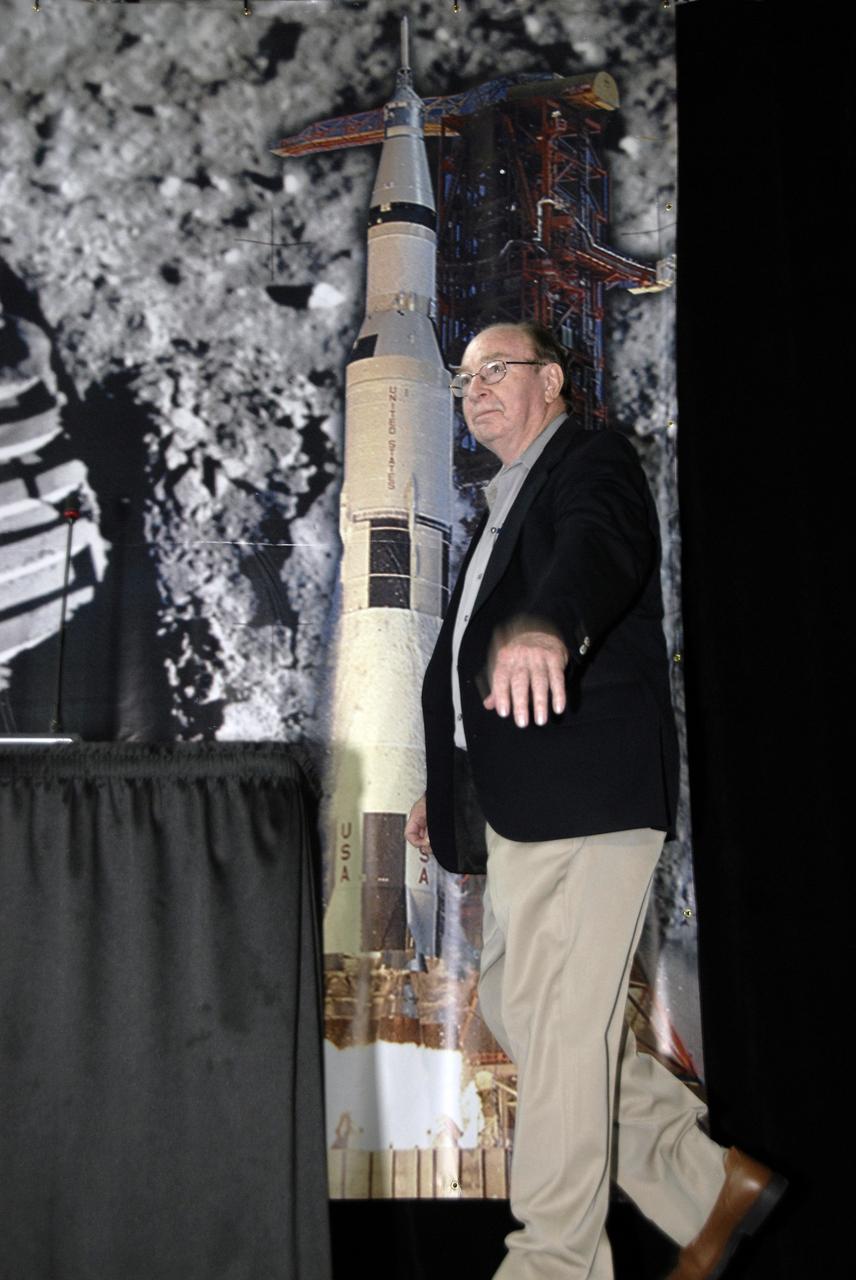
CAPE CANAVERAL, Fla. – At the Apollo/Saturn V Center at NASA's Kennedy Space Center in Florida, Apollo astronaut Edgar Mitchell is introduced during NASA's 40th Anniversary of Apollo Celebration of the July 1969 launch and landing on the moon. He was joined by seven others involved in the program. Mitchell walked on the moon on the Apollo 14 mission in 1971 and was backup lunar module pilot for Apollo 16. Photo credit: NASA/Kim Shiflett
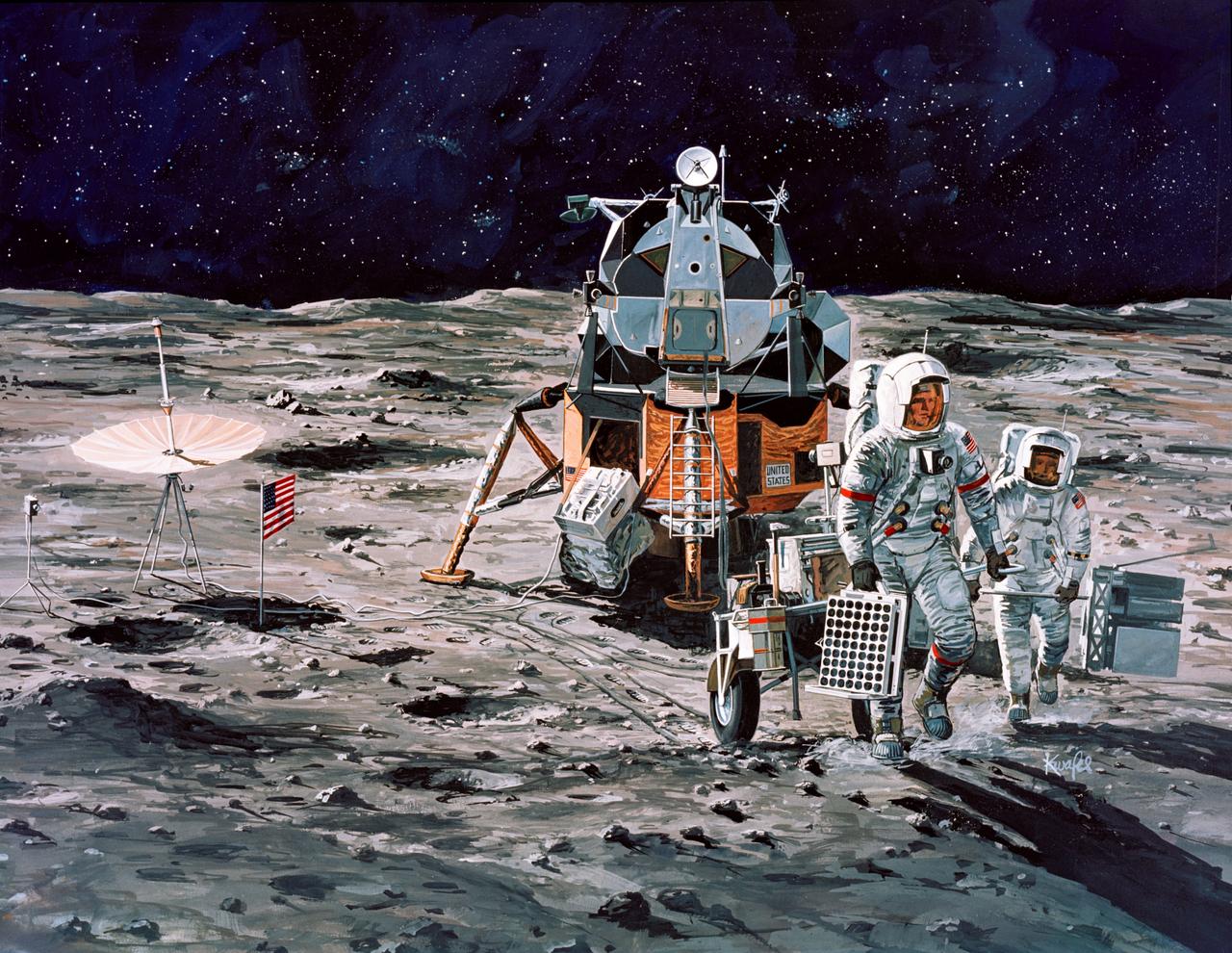
S71-16102 (January 1971) --- A Grumman Aerospace Corporation artist's concept of Apollo 14 crewmen, astronauts Alan B. Shepard Jr., commander, and Edgar D. Mitchell, lunar module pilot, as they set out on their first traverse. Shepard is pulling the Modularized Equipment Transporter (MET) which contains cameras, lunar sample bags, tools and other paraphernalia. Shepard has the Laser Ranging Retro-Reflector (LR3) in his other hand. Mitchell is carrying the Apollo Lunar Surface Experiments Package (ALSEP) barbell mode.

CAPE CANAVERAL, Fla. – At the Apollo/Saturn V Center at NASA's Kennedy Space Center in Florida, Apollo astronaut Bruce McCandless shares his experiences with spectators crowd gathered for NASA's 40th Anniversary of Apollo Celebration of the July 1969 launch and landing on the moon. Other Apollo astronauts on the dais are (from left) Buzz Aldrin, Edgar Mitchell, Al Worden, Charlie Duke, Gerald Carr and Vance Brand. Astronaut Walt Cunningham is hidden behind Mitchell. Photo credit: NASA/Kim Shiflett
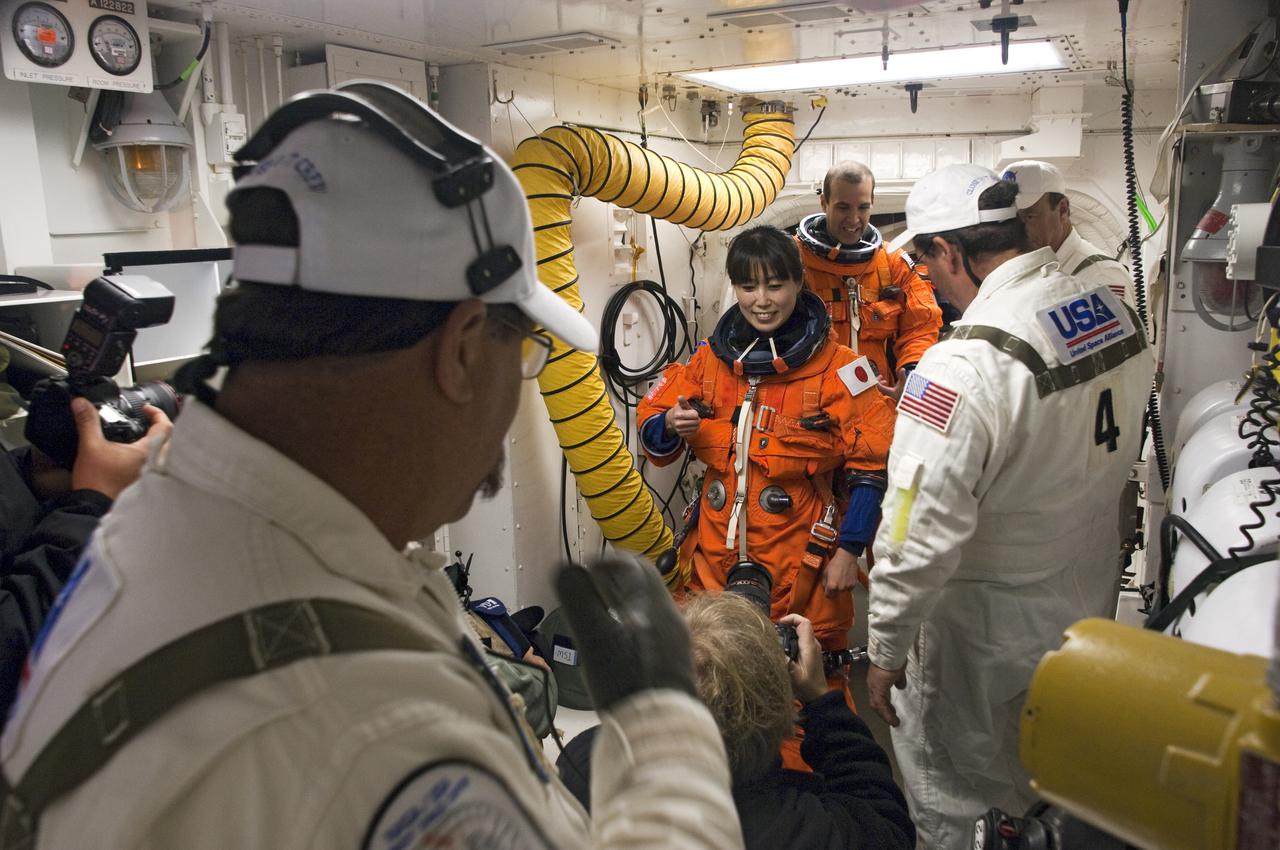
CAPE CANAVERAL, Fla. - At Launch Pad 39A at NASA's Kennedy Space Center in Florida, STS-131 Mission Specialists Naoko Yamazaki of the Japan Aerospace Exploration Agency and Rick Mastracchio, in the orange suits, prepare to enter space shuttle Discovery from the pad's White Room. The members of space shuttle Discovery's STS-131 crew, dressed in their launch-and-entry suits, are participating in the Terminal Countdown Demonstration Test, or TCDT, a dress rehearsal for launch. TCDT includes training on the emergency exit systems at the launch pad, driving practice of the M-113 armored personnel carrier and a simulated launch countdown. The crew will deliver the multi-purpose logistics module Leonard, filled with resupply stowage platforms and science racks, to the International Space Station. STS-131, targeted for launch on April 5, will be the 33rd shuttle mission to the station and the 131st shuttle mission overall. For information on the STS-131 mission and crew, visit http:__www.nasa.gov_mission_pages_shuttle_shuttlemissions_sts131_index.htm. Photo credit: NASA_Regina Mitchell-Ryall
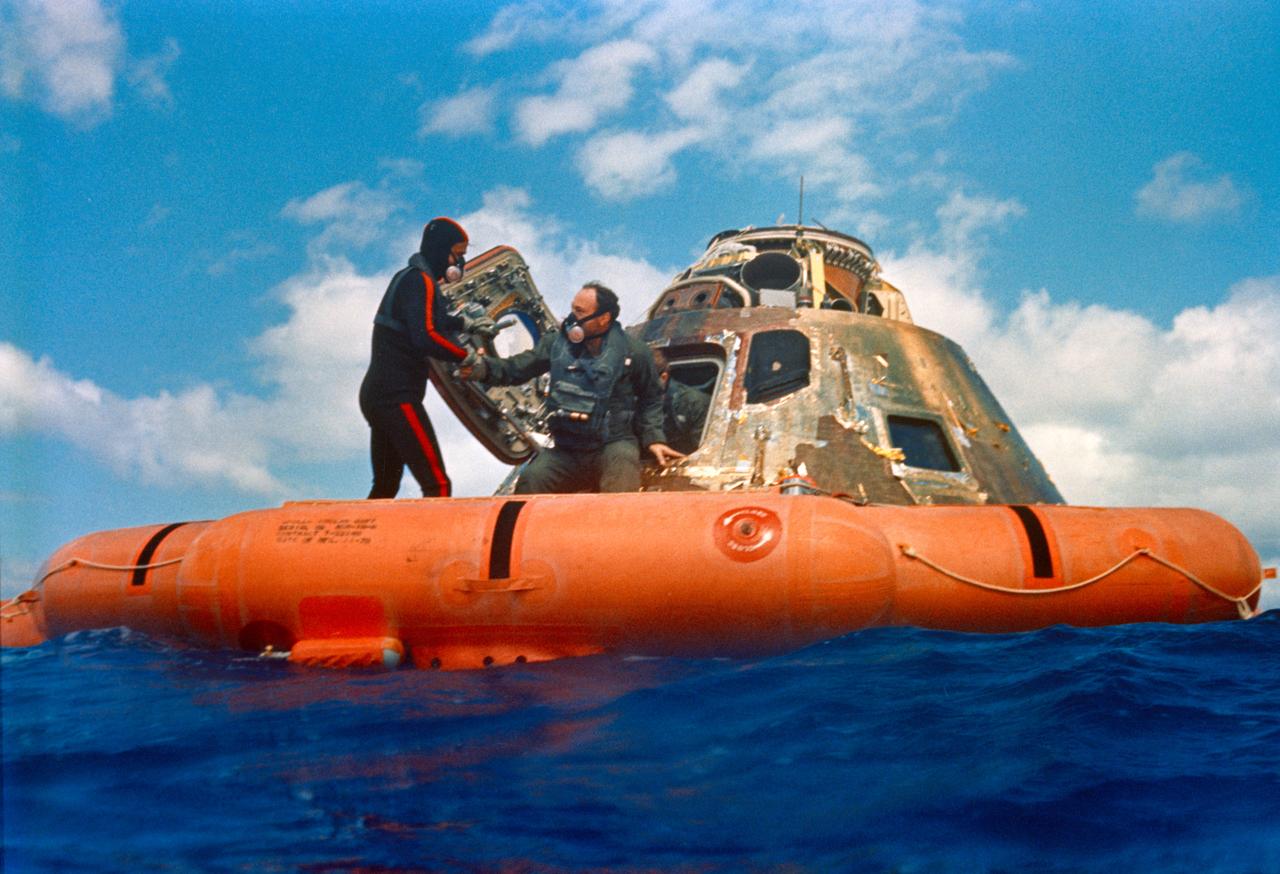
S71-19474 (9 Feb. 1971) --- Astronaut Edgar D. Mitchell, lunar module pilot, is assisted out of the Command Module (CM) by a U.S. Navy underwater demolition team swimmer during the Apollo 14 recovery operations in the South Pacific Ocean. Mitchell was followed out of the spacecraft by astronauts Alan B. Shepard Jr., commander; and Stuart A. Roosa, command module pilot. Roosa is partially visible behind Mitchell. The Apollo 14 splashdown occurred at 3:04:39 p.m. (CST), Feb. 9, 1971, in the South Pacific Ocean, approximately 765 nautical miles from American Samoa. They were transported by U.S. Navy helicopter to the USS New Orleans, prime recovery vessel.

Prior to the commencement of Apollo 11th's 30th arniversary festivities at Marshall Space Flight Center, visiting Saturn astronauts take a tour of the Center. Pictured are (L/R): Dick Gordon, Owen Garriott and Edgar Mitchell
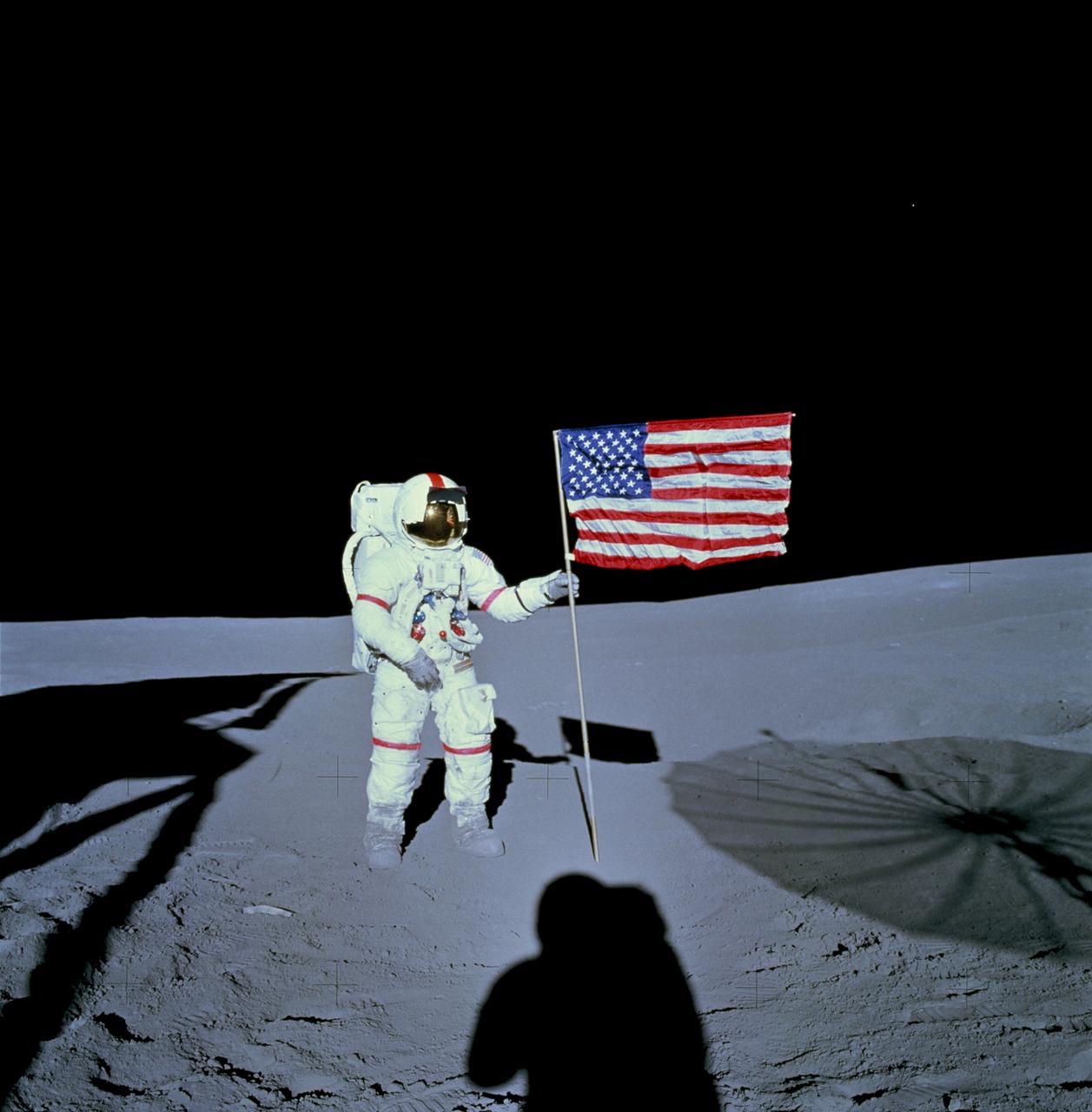
AS14-66-9232 (5 Feb. 1971) --- Astronaut Alan B. Shepard Jr., commander of the Apollo 14 lunar landing mission, stands by the deployed United States flag on the lunar surface during the early moments of the first extravehicular activity (EVA) of the mission. Shadows of the Lunar Module (LM), astronaut Edgar D. Mitchell, lunar module pilot, and the erectable S-Band Antenna surround the scene of the third flag implanting to be performed on the lunar surface. While astronauts Shepard and Mitchell descended in the LM ?Antares? to explore the Fra Mauro region of the moon, astronaut Stuart A. Roosa, command module pilot, remained with the Command and Service Modules (CSM) ?Kitty Hawk? in lunar orbit.
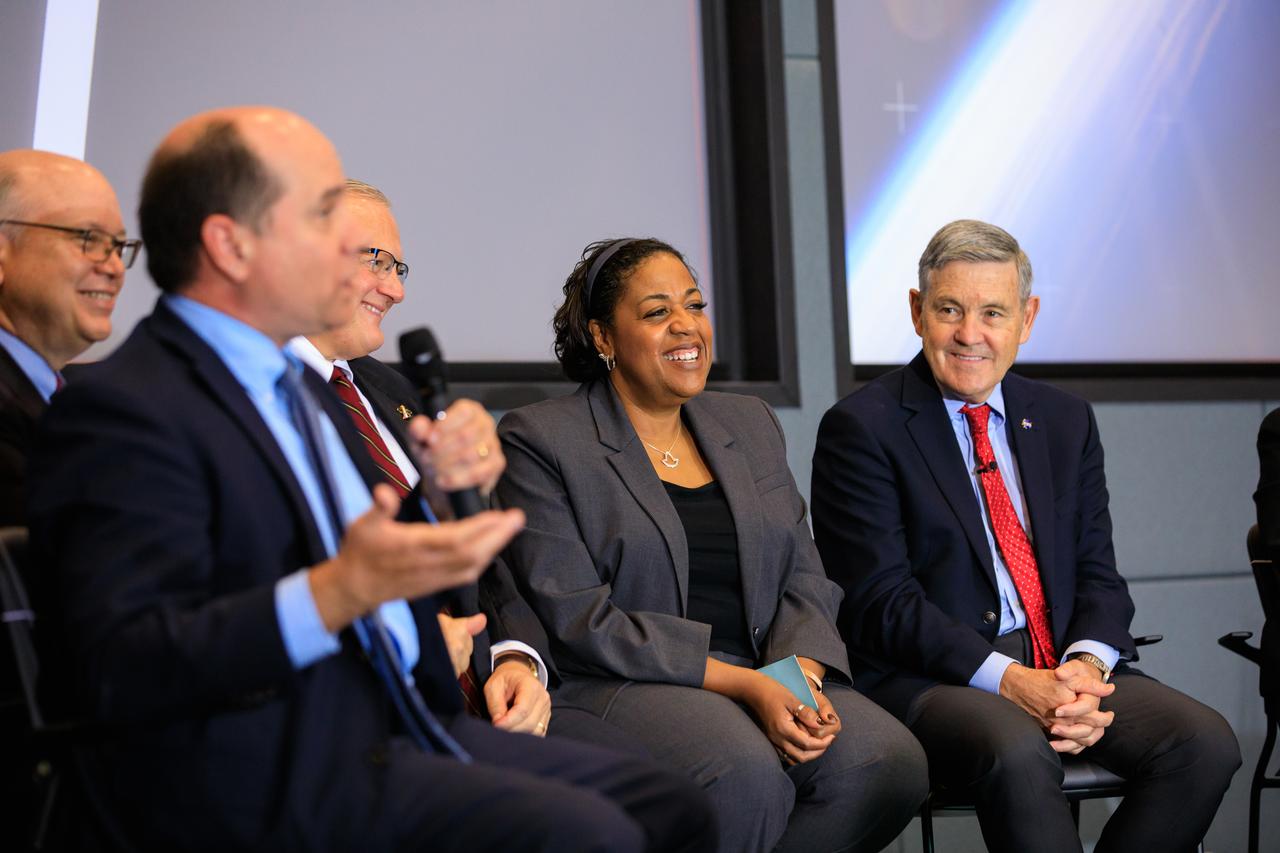
NASA senior leaders participate in a procurement discussion with employees on Nov. 29, 2022, at the agency’s Kennedy Space Center in Florida. The conversation focused on strengthening acquisition and program management within the agency. From left are David Mitchell, chief program management officer; Craig McArthur, (in view behind Mitchell) OCFO/director for Strategic Investments Division; Scott Barber, associate general counsel for Acquisition Law; Karla Smith Jackson, assistant administrator for Procurement; and NASA Associate Administrator Bob Cabana. Also participating, but not pictured, is NASA Deputy Administrator Pam Melroy.

S70-55635 (December 1970) --- These three astronauts are the prime crew of the Apollo 14 lunar landing mission. Left to right, are Edgar D. Mitchell, lunar module pilot; Alan B. Shepard Jr., commander; and Stuart A. Roosa, command module pilot. The Apollo 14 emblem is in the background.
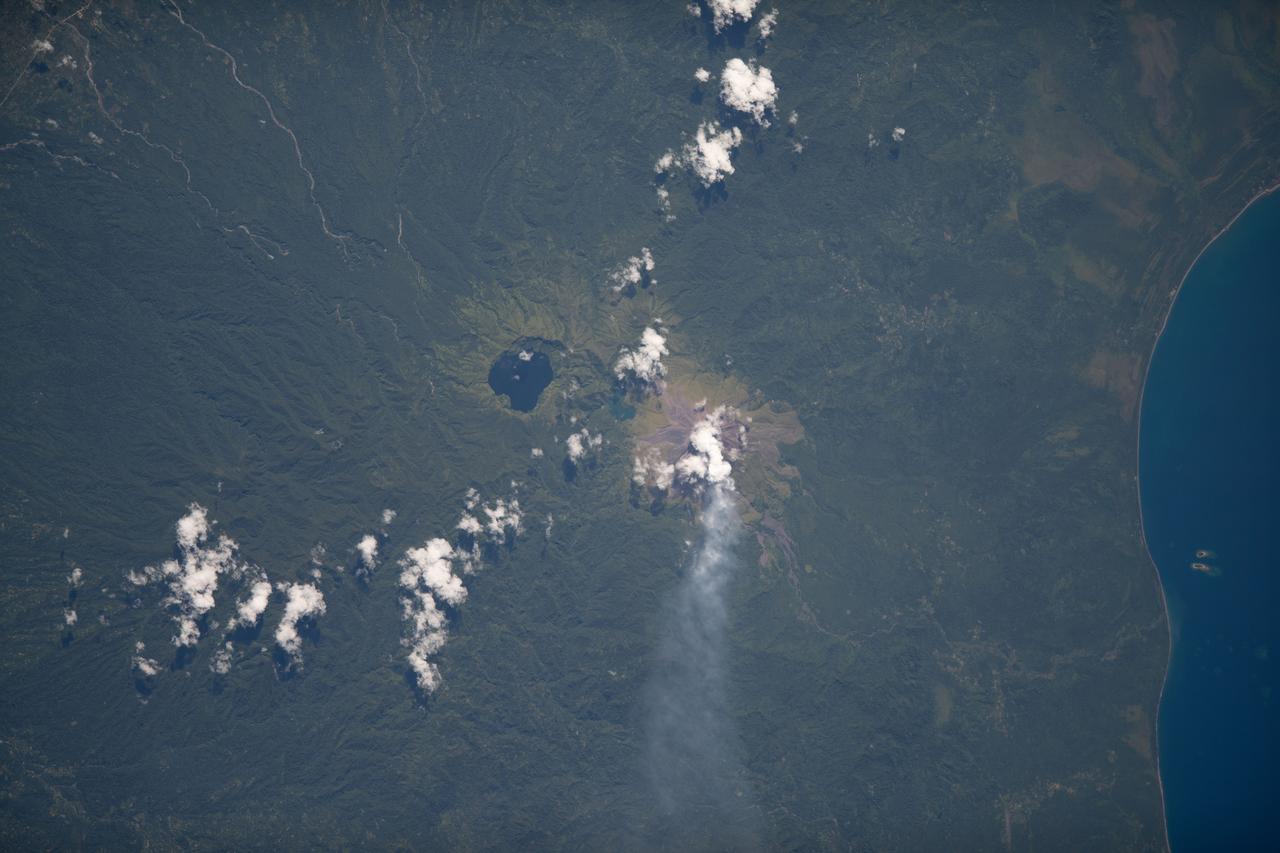
iss068e007429 (Oct. 2, 2022) --- Billy Mitchell Crater Lake and the active volcano Bagana on Papua New Guinea's Bougainville Island are pictured from the International Space Station as it orbited 260 miles above the southwestern Pacific Ocean. Credit: ESA/Samantha Cristoforetti
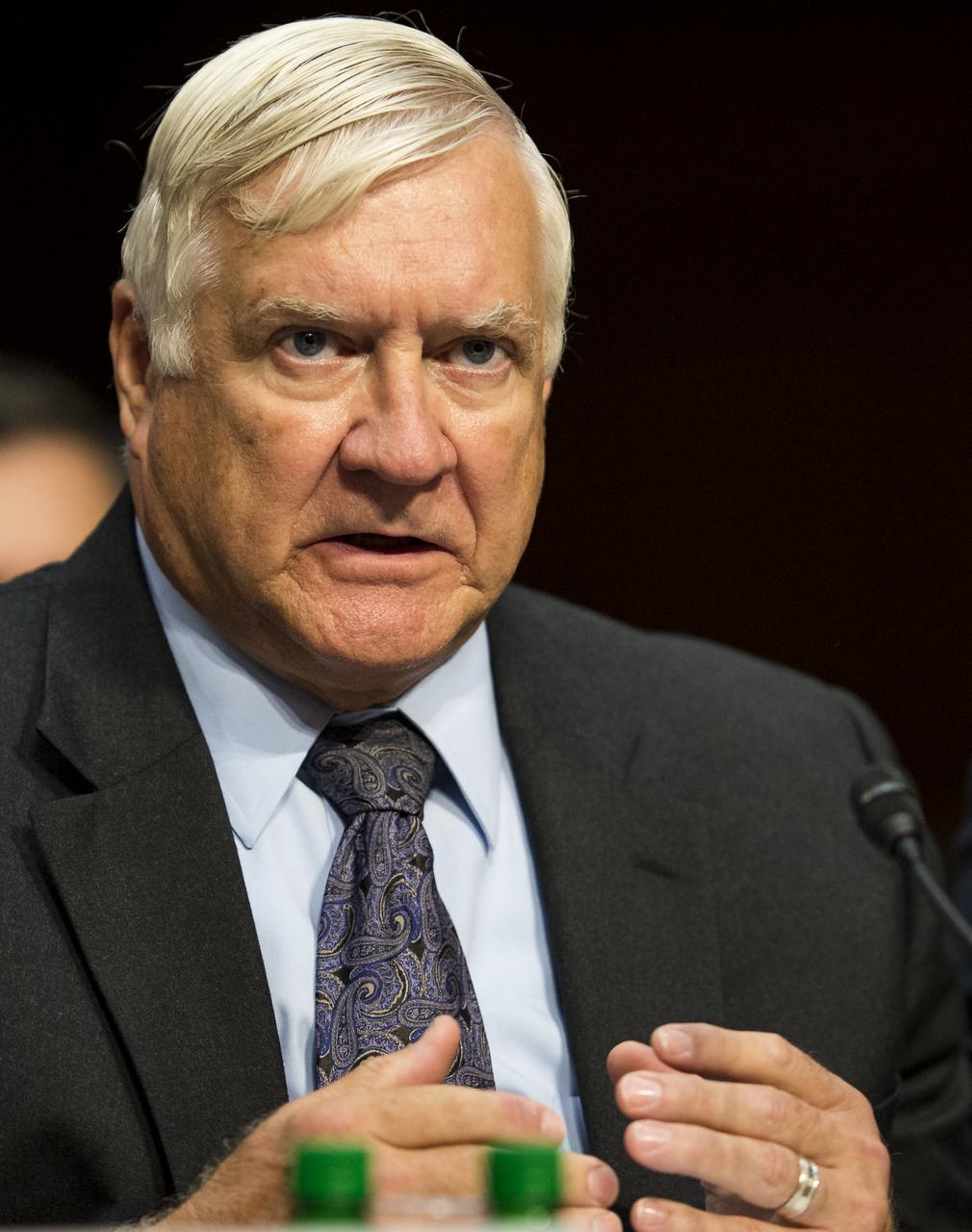
Howard Mitchell, Vice President of Program Assessments at The Aerospace Corporation, delivers his opening statement during a hearing in front of the Senate Subcommittee on Strategic Forces and Senate Committee on Commerce, Science, and Transportation on Wednesday, July 16, 2014, at the Hart Senate Office Building in Washington, DC. The Senate hearing focused on assured access to space.

Former Stennis Space Center employees enjoy a return to the test facility for Old Timers' Day on May 20. About 175 former employees attended the annual event. 'It's wonderful to see people again you used to see every day,' retired employee Judy Mitchell said.

Howard Mitchell, Vice President of Program Assessments at The Aerospace Corporation, listens to opening statements during a hearing in front of the Senate Subcommittee on Strategic Forces and Senate Committee on Commerce, Science, and Transportation on Wednesday, July 16, 2014, at the Hart Senate Office Building in Washington, DC. The Senate hearing focused on assured access to space.

The moon bound Apollo 14, carrying a crew of three astronauts: Mission commander Alan B. Shepard Jr., Command Module pilot Stuart A. Roosa, and Lunar Module pilot Edgar D. Mitchell, lifted off from launch complex 39A at the Kennedy Space Center on January 31, 1971, and safely returned to Earth on February 9, 1971. It was the third manned lunar landing, the first manned landing in exploration of the lunar highlands, and it demonstrated pinpoint landing capability. The major goal of Apollo 14 was the scientific exploration of the Moon in the foothills of the rugged Fra Mauro region. The extravehicular activity (EVA) of astronauts Shepard and Mitchell included setting up an automated scientific laboratory called Apollo Lunar Scientific Experiments Package (ALSEP), shown here fully deployed. In addition, they collected a total of about 95 pounds (43 kilograms) of Moon rock and soil for a geological investigation back on the Earth.

S71-20784 (5 Feb. 1971) --- Astronaut Alan B. Shepard Jr., Apollo 14 commander, can be seen preparing to swing at a golf ball during a television transmission near the close of the second Extravehicular Activity (EVA-2) at the Apollo 14 Fra Mauro landing site. Shepard is using a real golf ball and an actual six iron, attached to the end of the handle for the contingency sample return. Astronaut Edgar D. Mitchell, lunar module pilot, looks on. Also visible in the picture is the erectable S-Band antenna (left foreground). Astronaut Stuart A. Roosa, command module pilot, remained with the Command and Service Modules (CSM) in lunar orbit, while Shepard and Mitchell descended in the Lunar Module (LM) to explore the moon. Photo credit: NASA or National Aeronautics and Space Administration
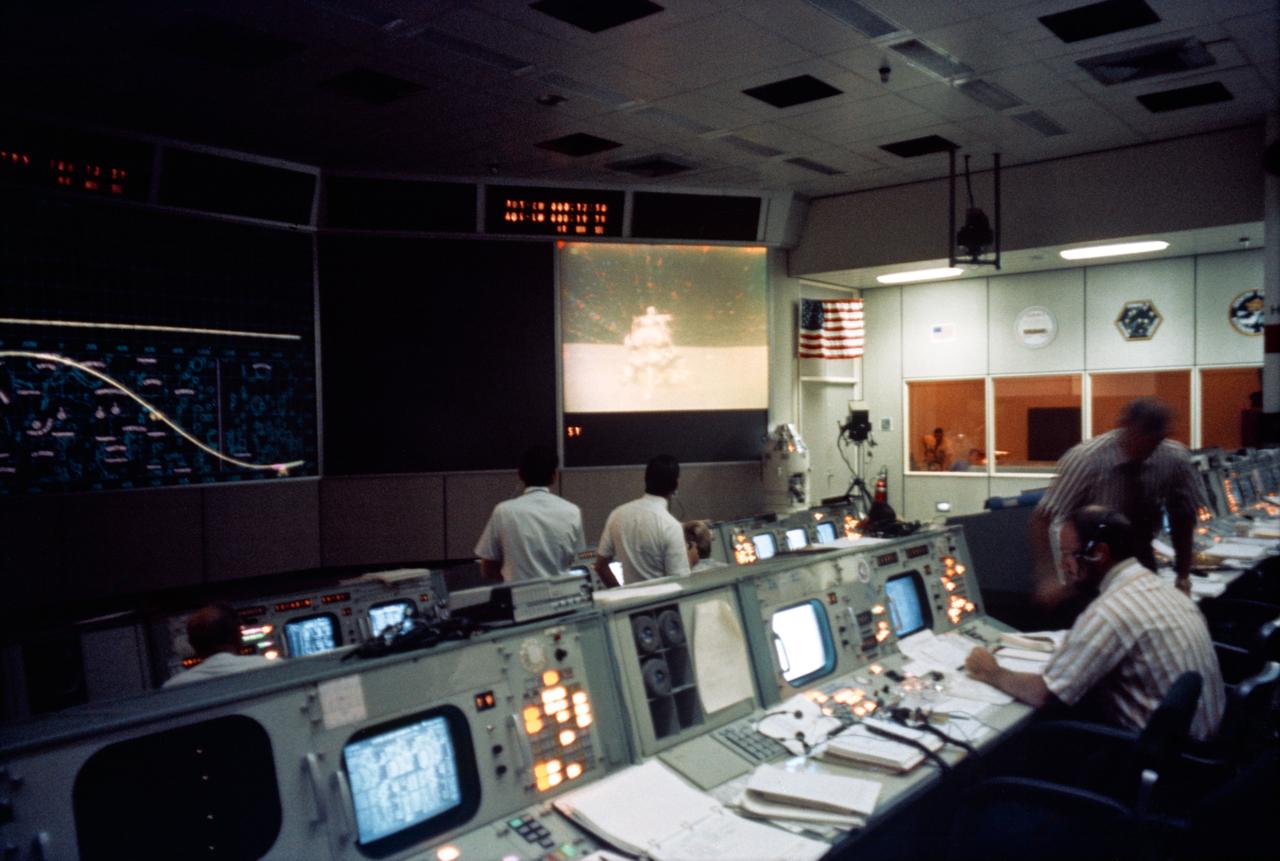
S71-41759 (2 Aug. 1971) --- A partial view of activity in the Mission Operations Control Room in the Mission Control Center during the liftoff of the Apollo 15 Lunar Module "Falcon" ascent stage from the lunar surface. An RCA color television camera mounted on the Lunar Roving Vehicle made it possible for people on Earth to watch the LM's spectacular launch from the moon. The LM liftoff was at 171:37 ground elapsed time. The LRV was parked about 300 feet east of the LM. The TV camera was remotely controlled from a console in the MOCR. Seated in the right foreground is astronaut Edgar D. Mitchell, a spacecraft communicator. Mitchell was lunar module pilot of the Apollo 14 lunar landing mission. Note liftoff on the television monitor in the center background.
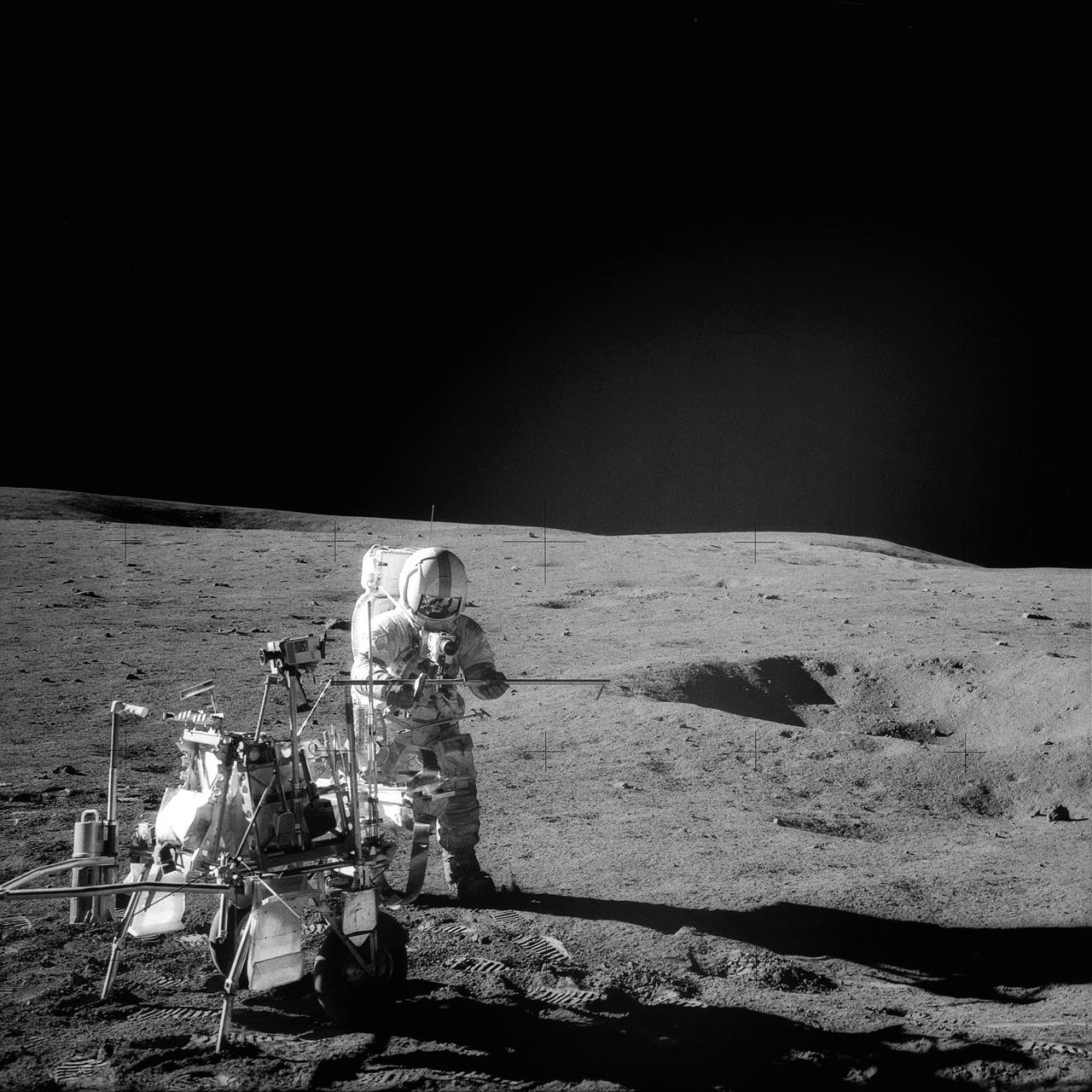
AS14-68-9405 (6 Feb. 1971) --- Astronaut Alan B. Shepard Jr., Apollo 14 commander, assembles a double core tube as he stands beside the rickshaw-type portable workbench or modularized equipment transporter (MET) unique to this mission. The photograph was taken by astronaut Edgar D. Mitchell, lunar module pilot, standing some 170 meters northeast of the Lunar Module (LM), during the mission's second extravehicular activity (EVA) on Feb. 6, 1971. While astronauts Shepard and Mitchell descended in the LM "Antares" to explore the Fra Mauro region of the moon, astronaut Stuart A. Roosa, command module pilot, remained with the Command and Service Modules (CSM) "Kitty Hawk" in lunar orbit.
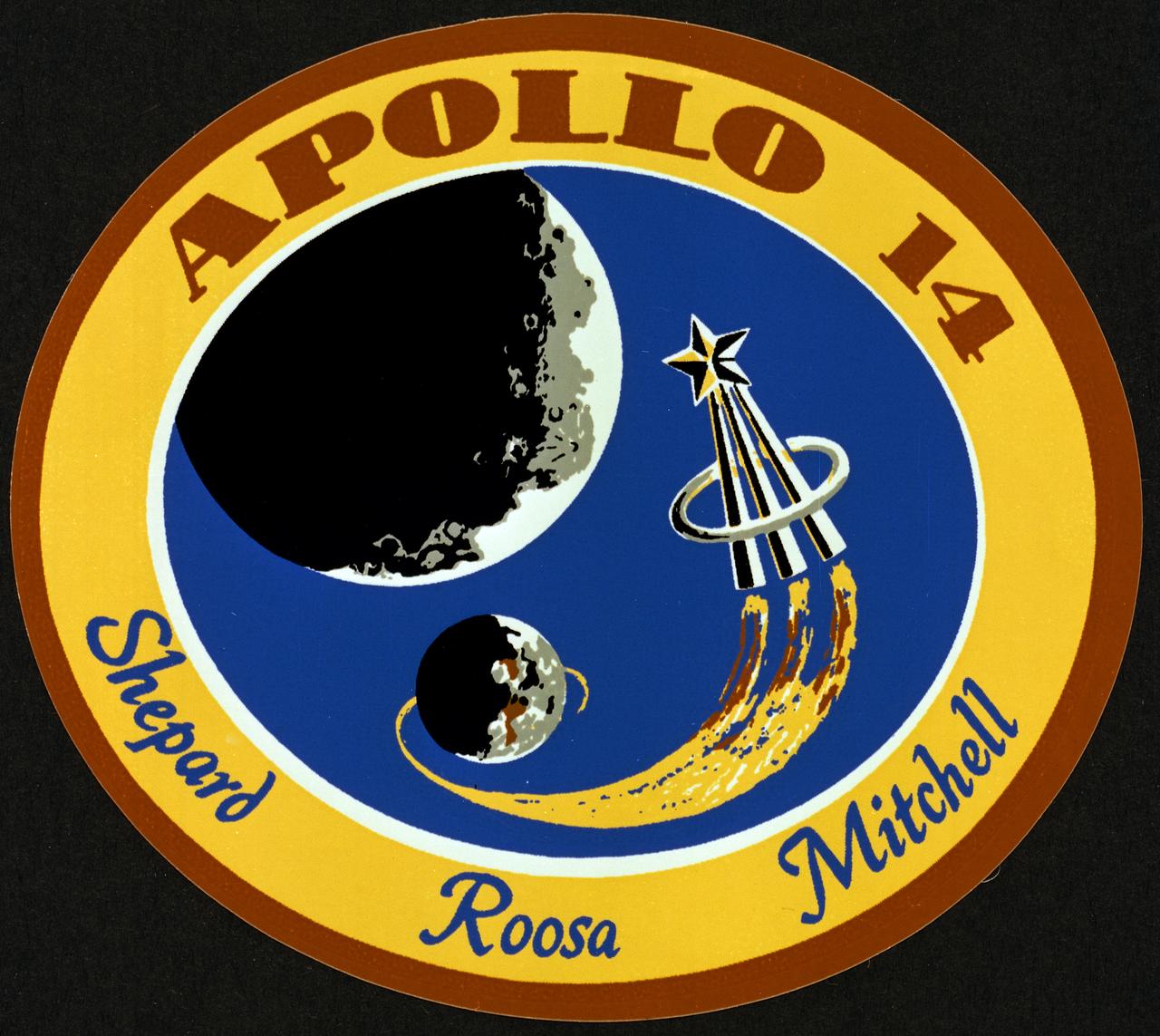
This is the Apollo 14 mission insignia or logo. The Apollo 14, carrying a crew of three astronauts: Stuart A. Roosa, Command Module pilot; Alan B. Shepard, Jr., mission commander; and Edgar D. Mitchell, Lunar Module pilot, lifted off from launch complex 39A at KSC on January 31, 1971. It was the third manned lunar landing, the first manned landing in exploration of the lunar highlands, and it demonstrated pinpoint landing capability. The major goal of Apollo 14 was the scientific exploration of the Moon in the foothills of the rugged Fra Mauro region. The lunar surface extravehicular activity (EVA) of astronauts Shepard and Mitchell included setting up an automated scientific laboratory called Apollo Lunar Scientific Experiments Package (ALSEP), and collecting a total of about 95 pounds (43 kilograms) of Moon rock and soil for a geological investigation back on the Earth. Apollo 14 safely returned to Earth on February 9, 1971.

Stuart A. Roosa, Apollo 14 Command Module pilot, undergoes a final space suit check prior to liftoff. The Apollo 14, carrying a crew of three astronauts: Roosa; Alan B. Shepard, Jr., Mission Commander; and Edgar D. Mitchell, Lunar Module pilot, lifted off from launch complex 39A at KSC on January 31, 1971. It was the third manned lunar landing, the first manned landing in exploration of the lunar highlands, and it demonstrated pinpoint landing capability. The major goal of Apollo 14 was the scientific exploration of the Moon in the foothills of the rugged Fra Mauro region. The lunar surface extravehicular activity (EVA) of astronauts Shepard and Mitchell included setting up an automated scientific laboratory called Apollo Lunar Scientific Experiments Package (ALSEP), and collecting a total of about 95 pounds (43 kilograms) of Moon rock and soil for a geological investigation back on the Earth. Apollo 14 safely returned to Earth on February 9, 1971.
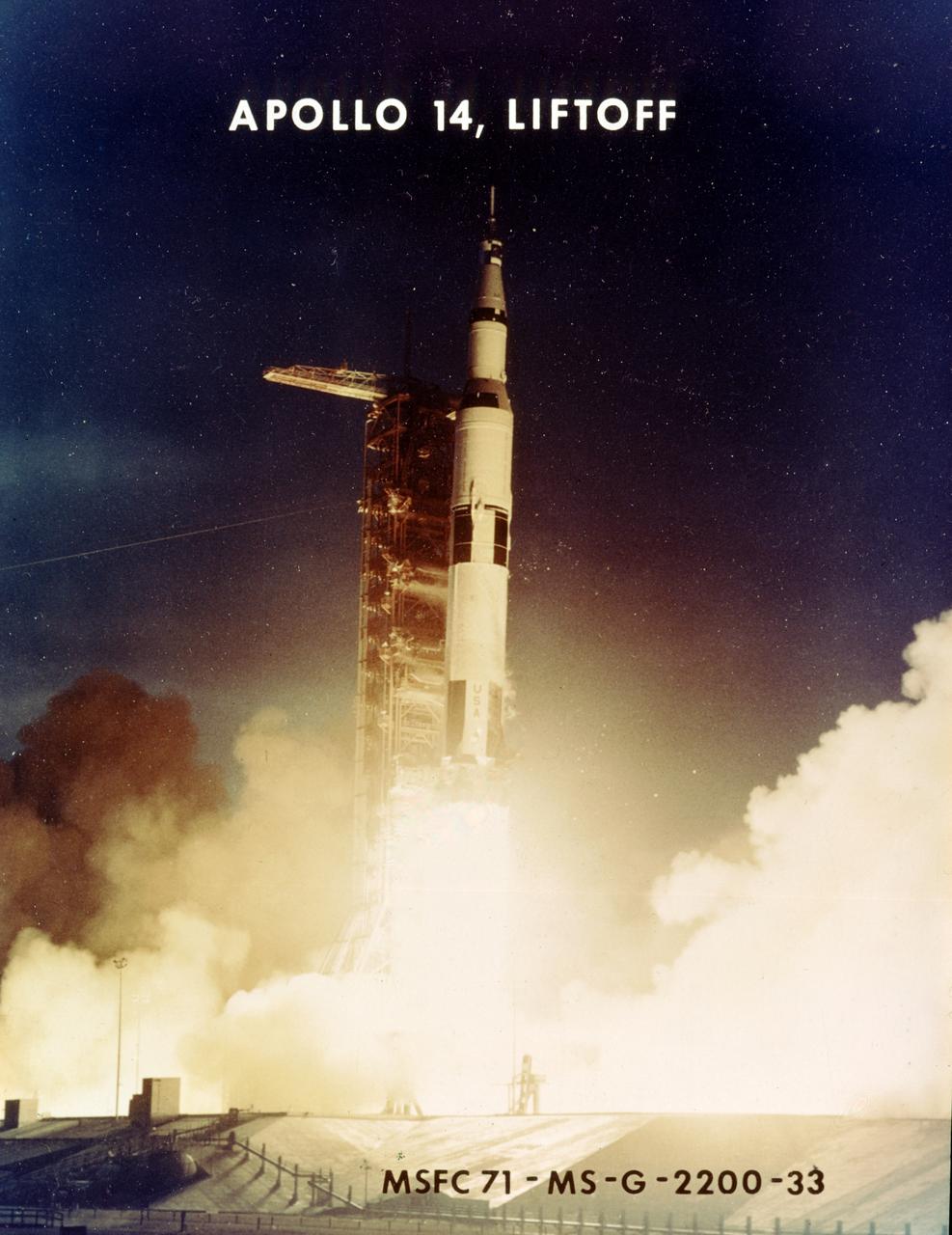
The moon bound Apollo 14, carrying a crew of three astronauts: Mission commander Alan B. Shepard Jr., Command Module pilot Stuart A. Roosa, and Lunar Module pilot Edgar D. Mitchell, lifted off from launch complex 39A at the Kennedy Space Center on January 31, 1971. It was the third manned lunar landing, the first manned landing in exploration of the lunar highlands, and it demonstrated pinpoint landing capability. The major goal of Apollo 14 was the scientific exploration of the Moon in the foothills of the rugged Fra Mauro region. The lunar surface extravehicular activity (EVA) of astronauts Shepard and Mitchell included setting up an automated scientific laboratory called Apollo Lunar Scientific Experiments Package (ALSEP), and collecting a total of about 95 pounds (43 kilograms) of Moon rock and soil for a geological investigation back on the Earth. The mission safely returned to Earth on February 9, 1971.
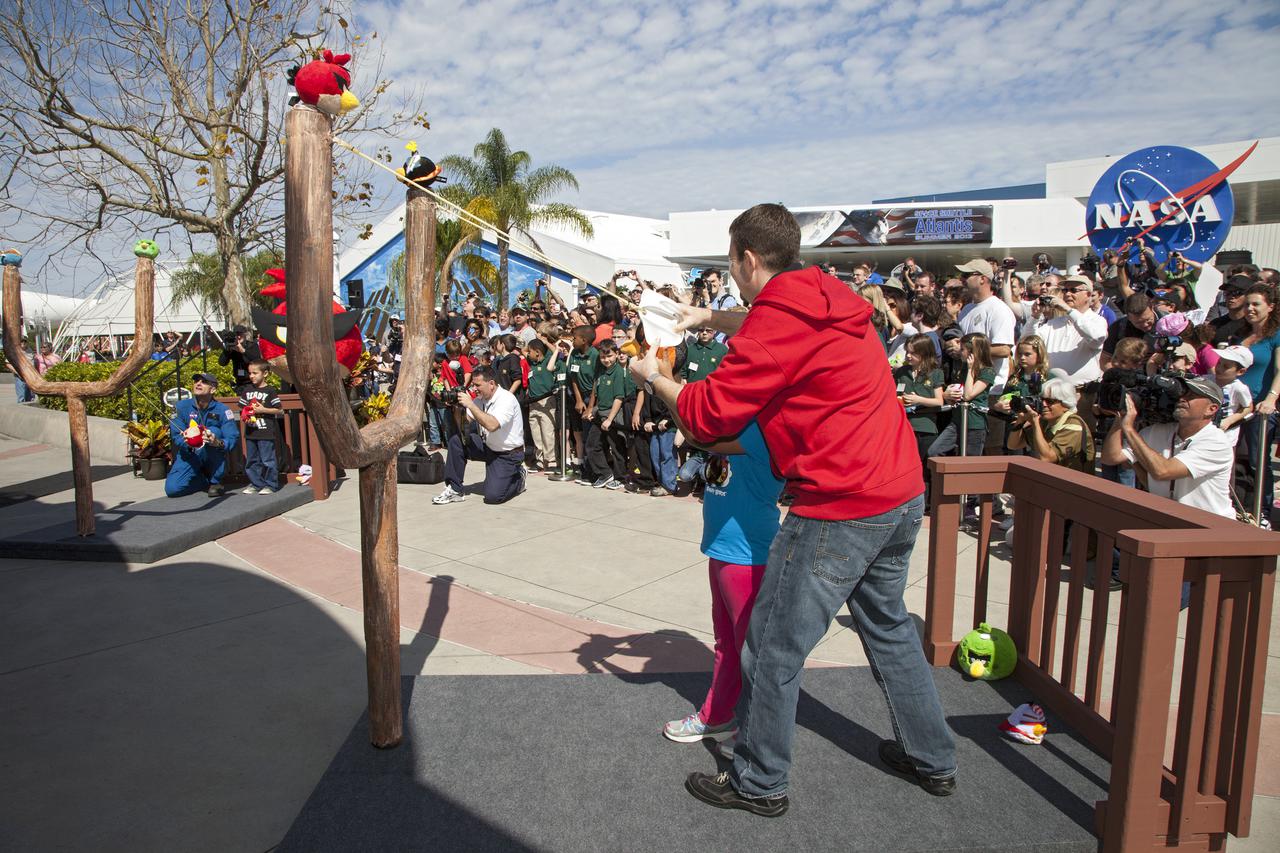
CAPE CANAVERAL, Fla. -- At NASA’s Kennedy Space Center Visitor Complex in Florida, Dan Mitchell, director of location-based entertainment for Rovio Entertainment, uses a giant slingshot to launch a plush Angry Bird character during the grand opening of the new Angry Birds Space Encounter. To Mitchell’s left is NASA astronaut Don Pettit. Finland-based Rovio Entertainment, the creator of the Angry Birds Space game, partnered with Kennedy Space Center to bring the beloved characters to life. It is the first Angry Birds interactive exhibit in the United States designed for people of all ages. The 4,485-square-foot facility hosts the space adventures of the Angry Birds as they travel into an intergalactic wormhole, come face-to-face with Space Pigs and discover heroic superpowers. Six interactive stations are designed to encourage children in science, technology, engineering and mathematics fields of study. Photo credit: NASA_Kim Shiflett
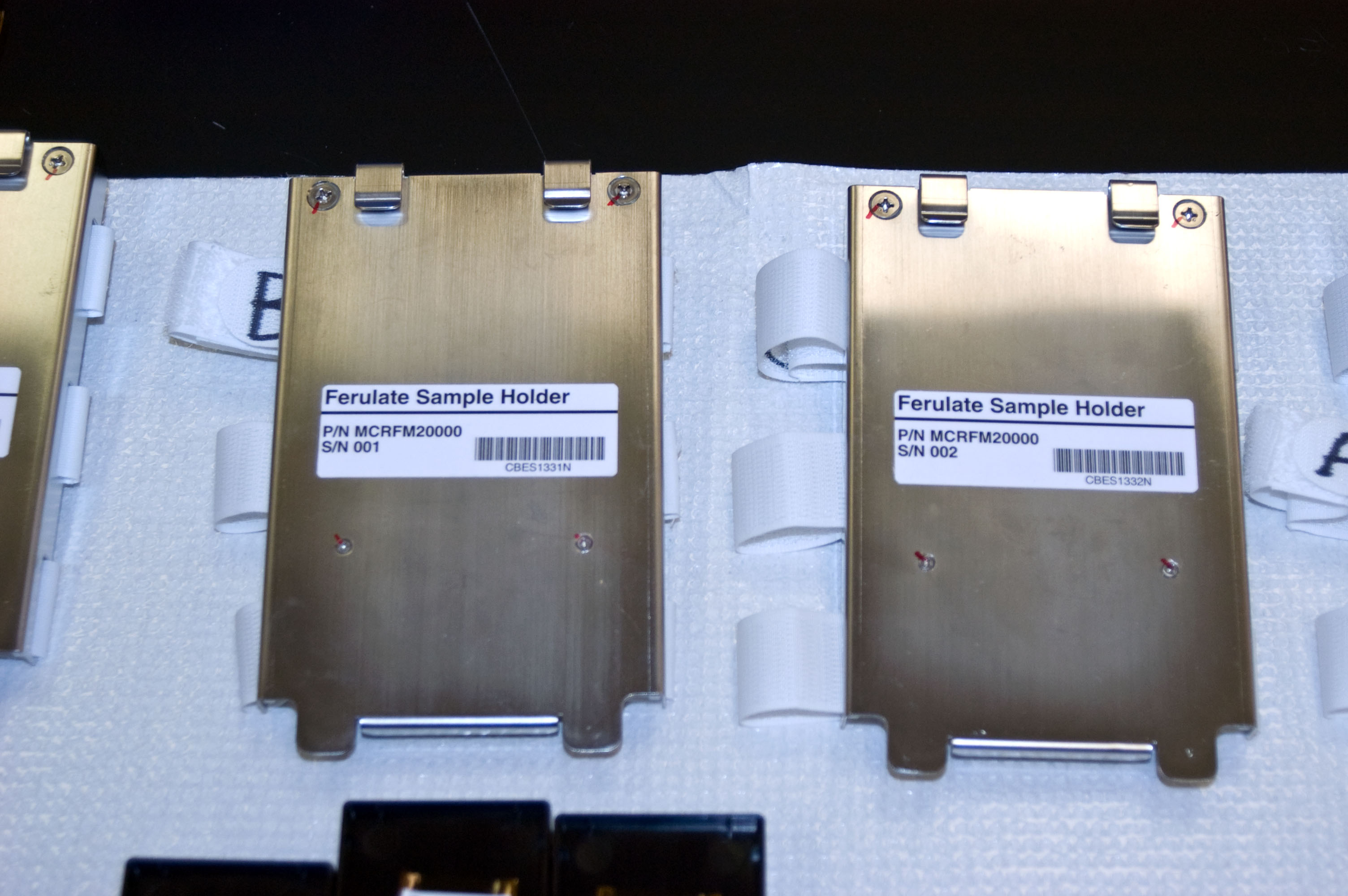
jsc2010e080361 (5/10/2010) --- A preflight photo of the Ferulate Sample Holders. The Ferulate Experiment tests the hypothesis that microgravity decreases the mechanical strength of cell walls of rice plants by modifying the levels of abscisic acid.
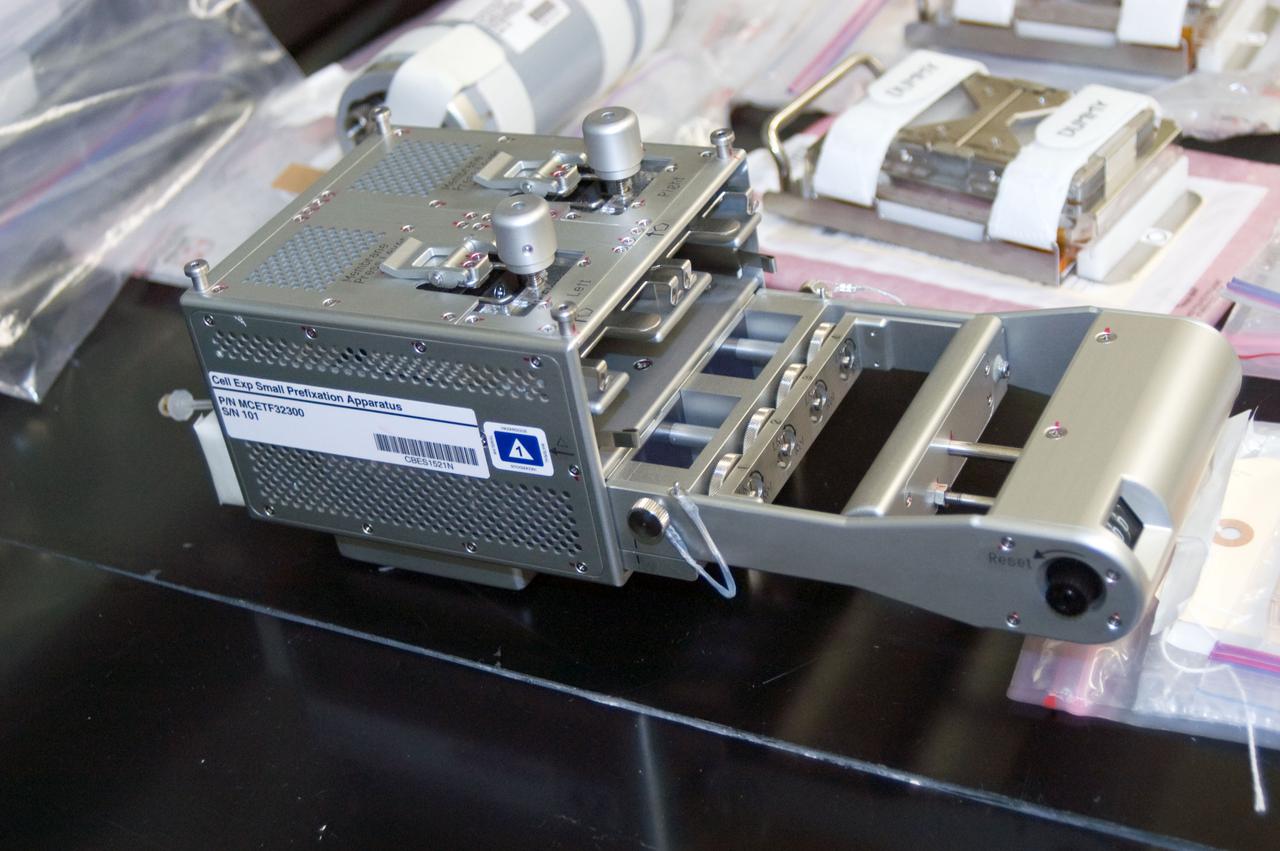
jsc2010e089995 (6/7/2010) --- A preflight image of the Cell Experiment Small Prefixation Apparatus for Fish Scales. The Osteoclastic and Osteoblastic Responses to Microgravity Using Goldfish Scales (Fish Scales) investigation will examine regenerating scales collected from anesthetized goldfish in microgravity, the results will be compared with ground controls.
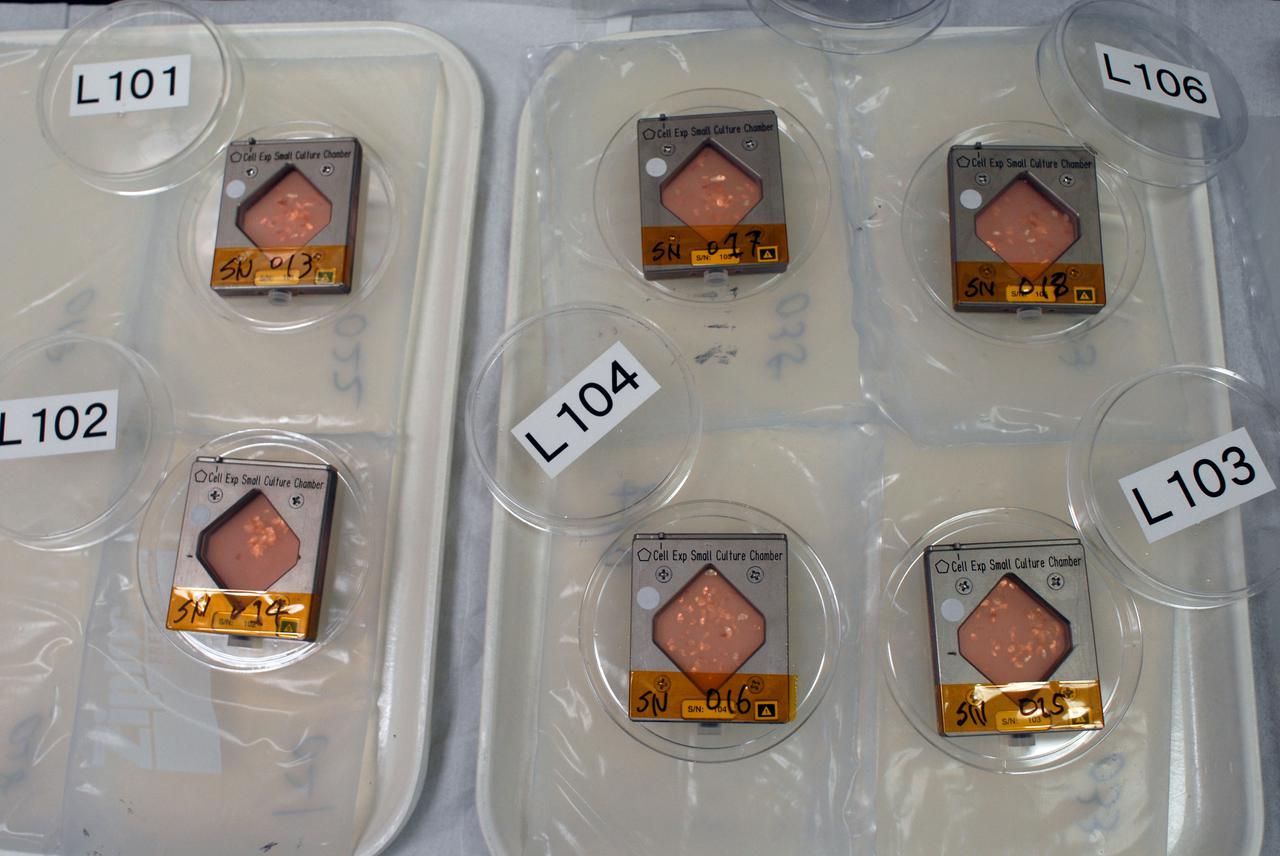
jsc2010e080368 (5/12/2010) --- A preflight image of the Fish Scales Culture Chambers with samples inside. The Osteoclastic and Osteoblastic Responses to Microgravity Using Goldfish Scales (Fish Scales) investigation will examine regenerating scales collected from anesthetized goldfish in microgravity, the results will be compared with ground controls.
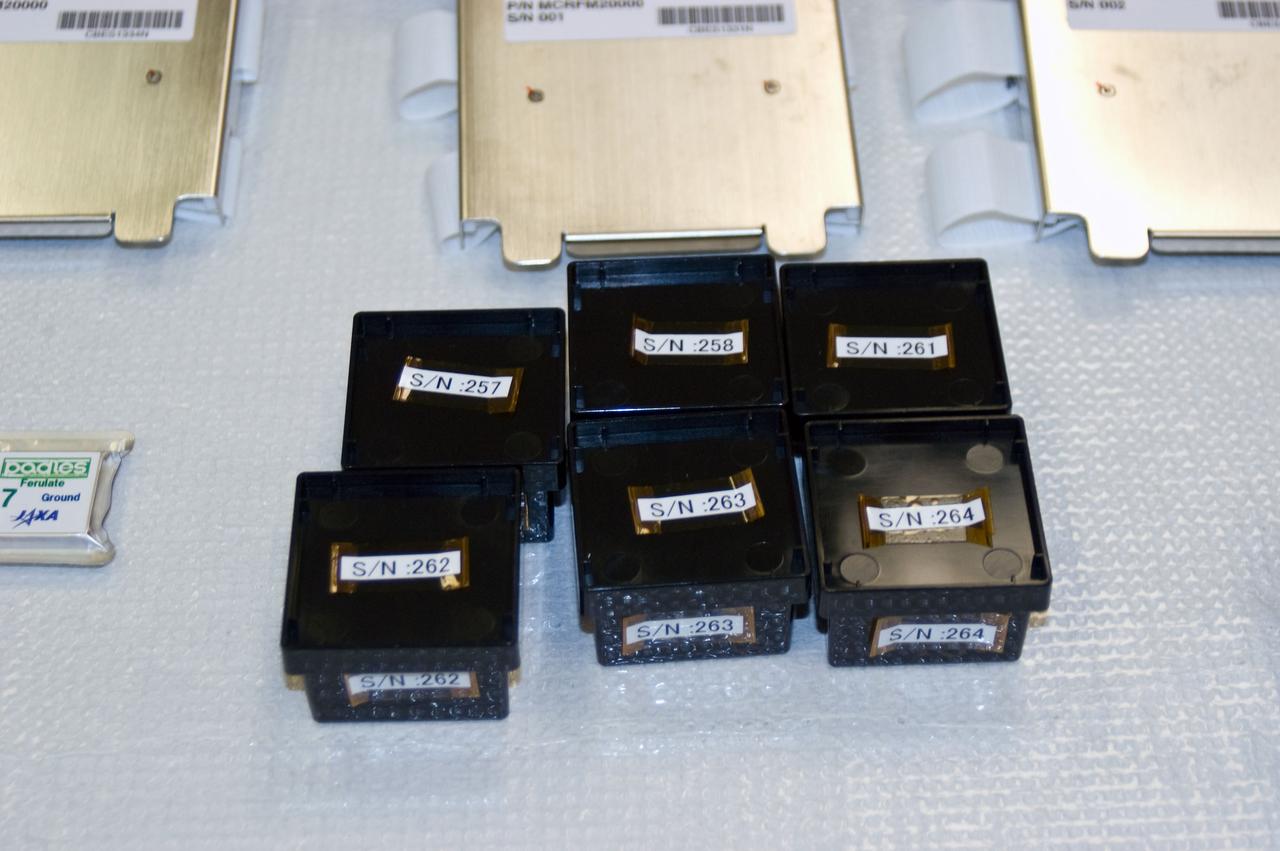
jsc2010e080364 (5/10/2010) --- A preflight photo of the Ferulate Samples. The Ferulate Experiment tests the hypothesis that microgravity decreases the mechanical strength of cell walls of rice plants by modifying the levels of abscisic acid.
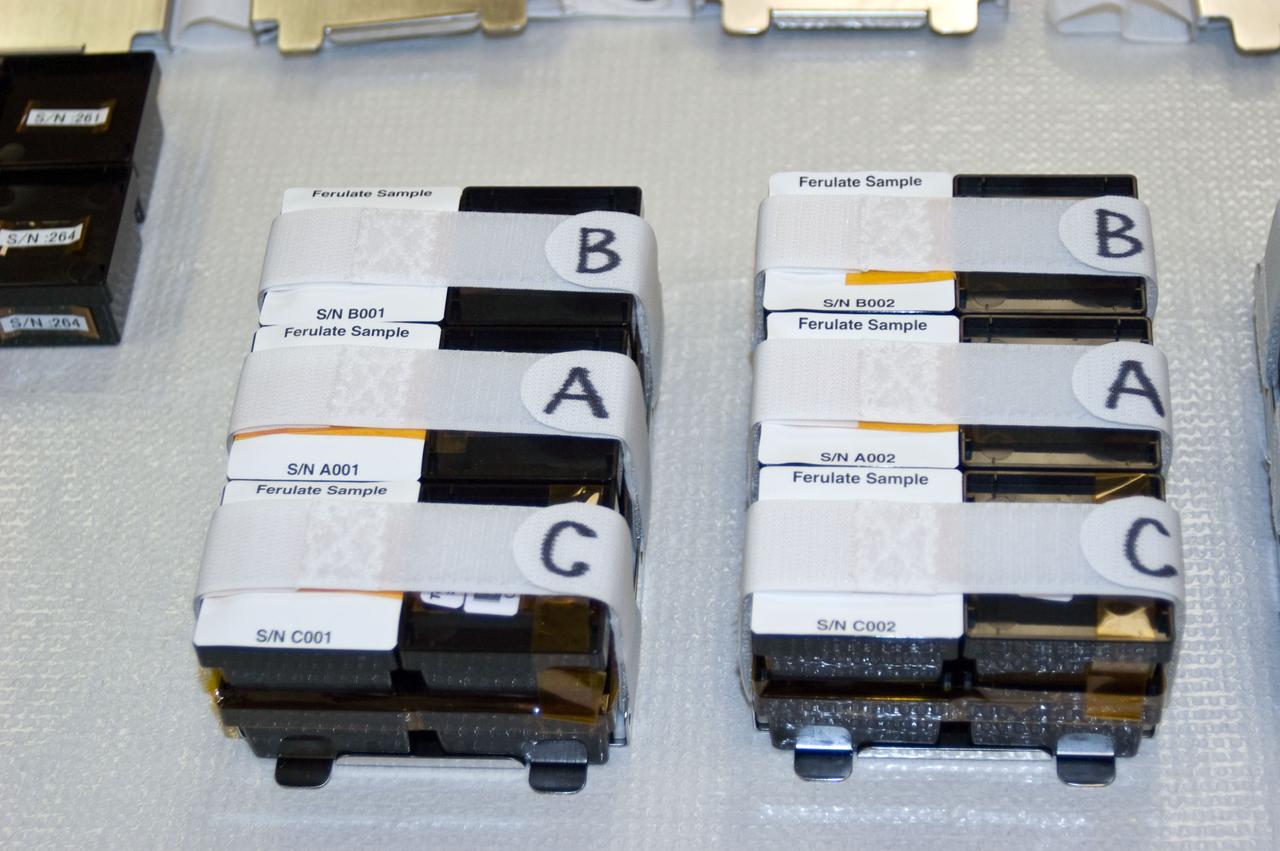
jsc2010e080356 (5/10/2010) --- A preflight photo of the Ferulate Samples installed in the Holders. The Ferulate Experiment tests the hypothesis that microgravity decreases the mechanical strength of cell walls of rice plants by modifying the levels of abscisic acid.
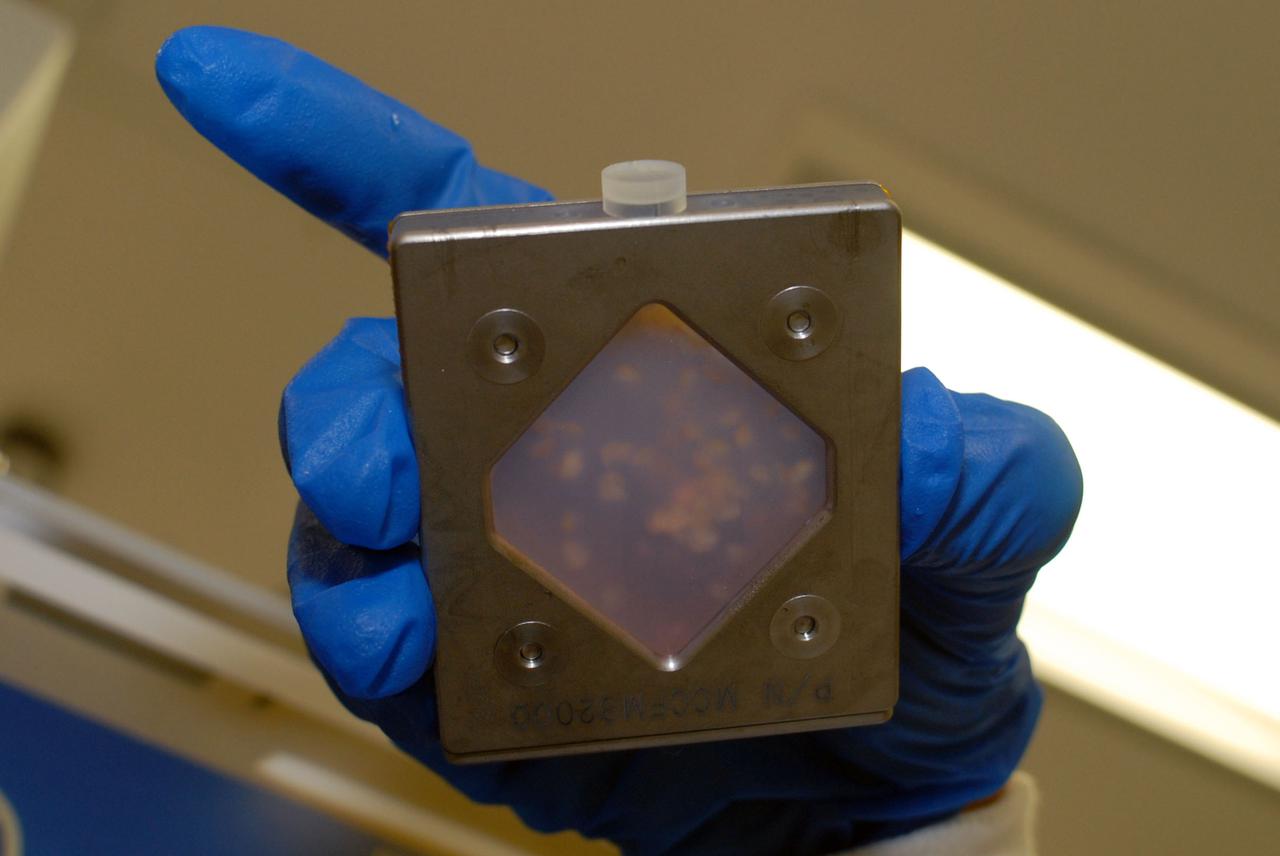
jsc2010e08036p (5/12/2010) --- A preflight image of the Fish Scales Culture Chambers with samples inside. The Osteoclastic and Osteoblastic Responses to Microgravity Using Goldfish Scales (Fish Scales) investigation will examine regenerating scales collected from anesthetized goldfish in microgravity, the results will be compared with ground controls.
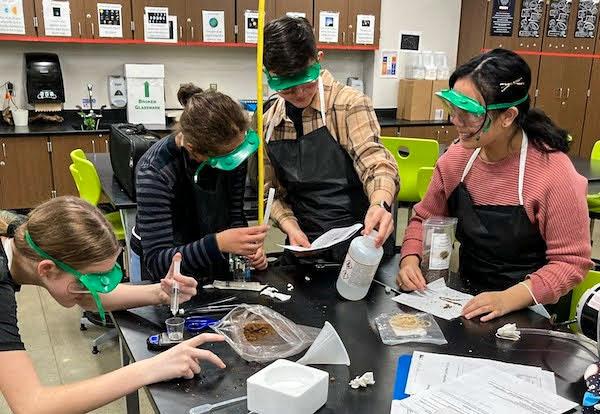
jsc2023e065214 (2/7/2023) --- Eighth grade student researchers work on their experiment, Microgreen Growth in Microgravity Environment, which will be included in the Nanoracks-National Center for Earth and Space Science Education-Orbiter-Student Spaceflight Experiments Program Mission 17 to ISS (Nanoracks-NCESSE-Orbiter-SSEP).
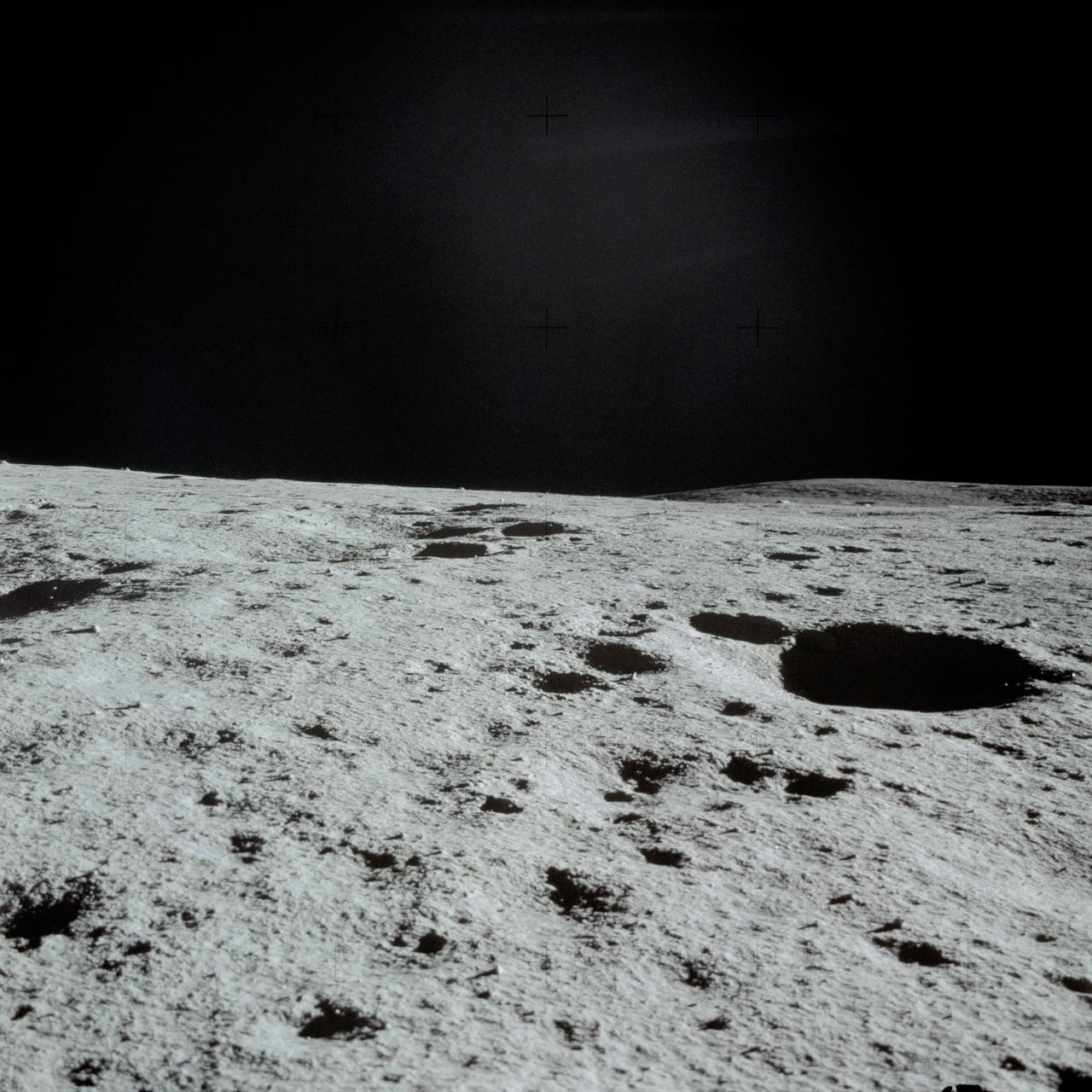
AS14-66-9244 (5-6 Feb. 1971) --- An excellent view of the lunar terrain looking through the right window of the Lunar Module (LM), photographed by one of the Apollo 14 astronauts during their stay on the lunar surface. Pothole-sized craters can be seen in the foreground. While astronauts Alan B. Shepard Jr., commander, and Edgar D. Mitchell, lunar module pilot, descended in the LM to explore the moon, astronaut Stuart A. Roosa, command module pilot, remained with the Command and Service Modules (CSM) in lunar orbit.
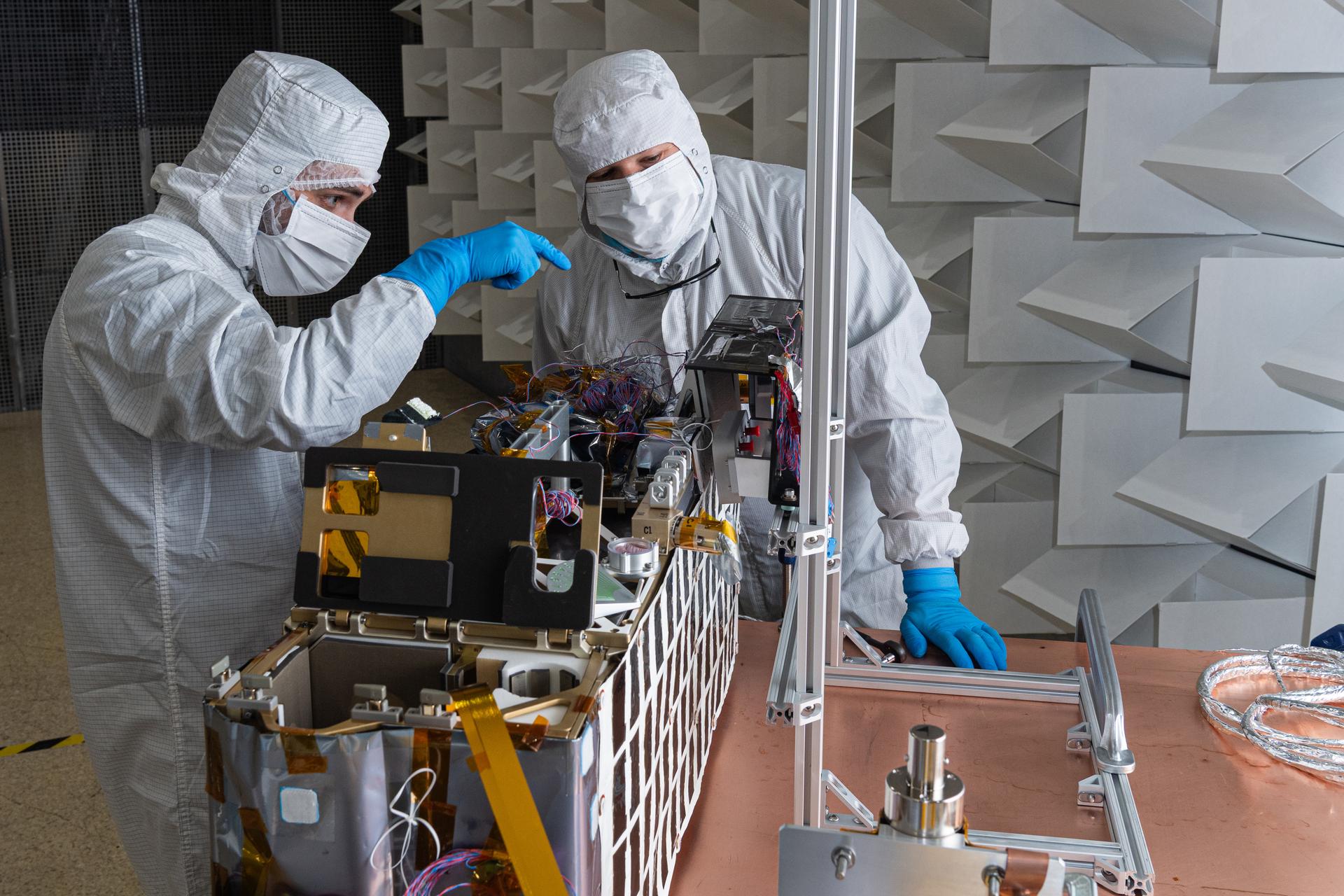
Mitchell Hamann and John Pindell configure the Lunar Environment Monitoring Station (LEMS) instrument for testing in the Electromagnetic Interference/Electromagnetic Compatibility (EMI/EMC) Chamber at Goddard Space Flight Center, Greenbelt Md., Feb 17, 2026. LEMS is a compact, autonomous, and self-sustaining seismometer suite designed to carry out continuous, long-term, monitoring of the lunar seismic environment at the South Polar region. Photo Credit: NASA/Mike Guinto

AS14-66-9278 (5 Feb. 1971) --- An excellent view of the Apollo 14 Lunar Module (LM) on the moon, as photographed during the first Apollo 14 extravehicular activity (EVA) on the lunar surface. While astronauts Alan B. Shepard Jr., commander, and Edgar D. Mitchell, lunar module pilot, descended in the LM to explore the moon, astronaut Stuart A. Roosa, command module pilot, remained with the Command and Service Modules (CSM) in lunar orbit.
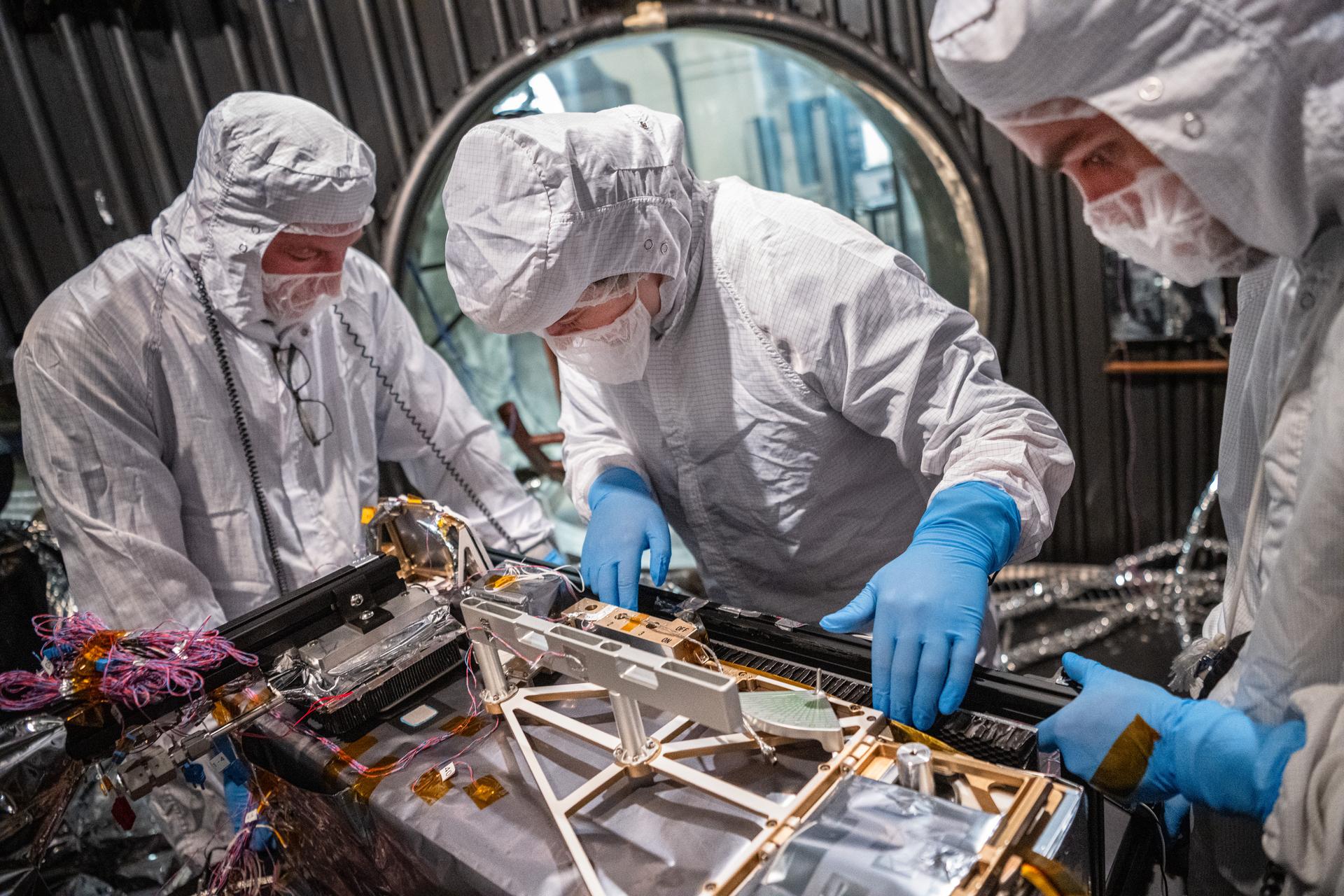
(L-R) Engineering Technician Alex Schaeffer, Mechanical Engineer Brie Ludwig , and Mechanical Engineer Mitchell Hamann inspect the Lunar Environment Monitoring Station (LEMS) instrument in preparation for testing in a thermal vacuum chamber at Goddard Space Flight Center in Greenbelt Md. on March 31, 2026. LEMS is a compact, autonomous, and self-sustaining seismometer suite designed to carry out continuous, long-term, monitoring of the lunar seismic environment at the South Polar region. Photo Credit: NASA/Denny Henry
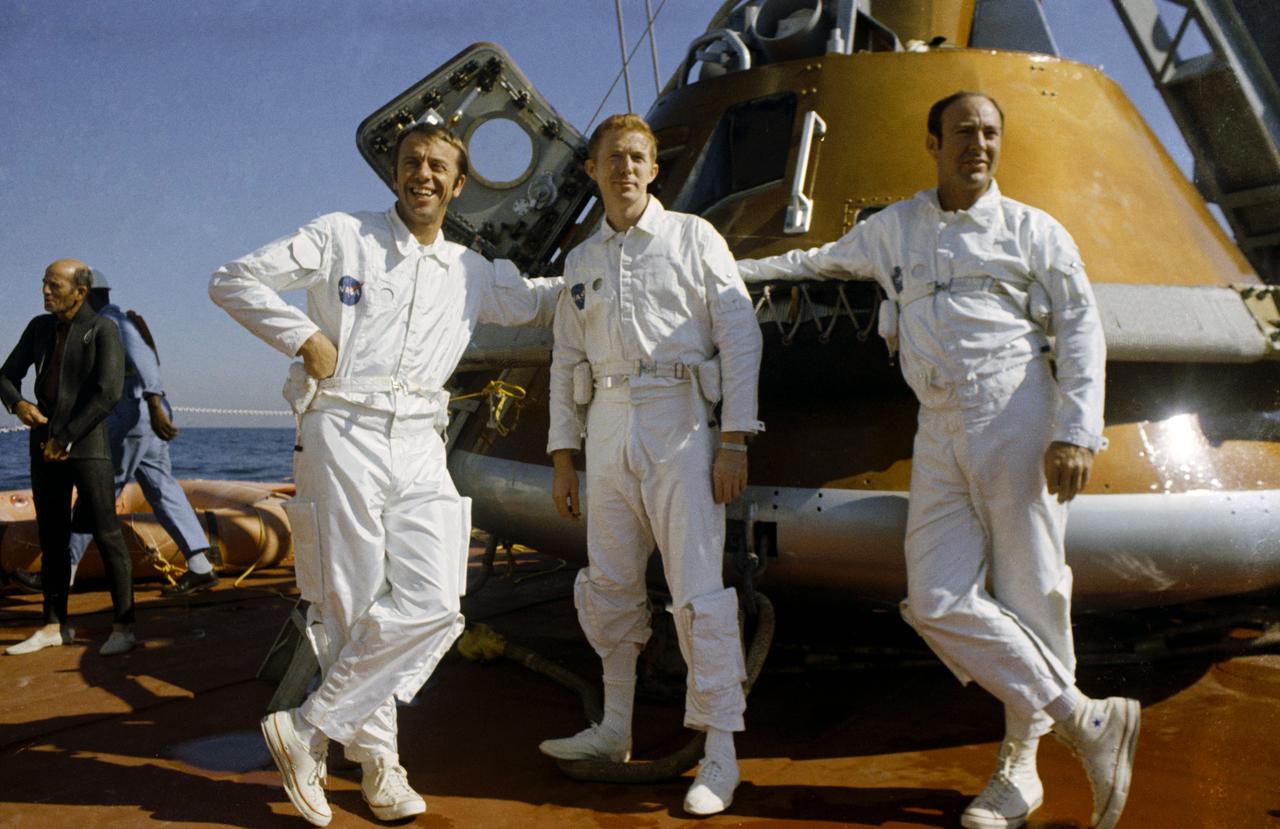
S70-51699 (24 Oct. 1970) --- The prime crew of the Apollo 14 lunar landing mission relaxes aboard the NASA motor vessel retriever, prior to participating in water egress training in the Gulf of Mexico. Left to right are astronauts Alan B. Shepard Jr., commander; Stuart A. Roosa, command module pilot; and Edgar D. Mitchell, lunar module pilot. They are standing by a Command Module (CM) trainer which was used in the exercises.
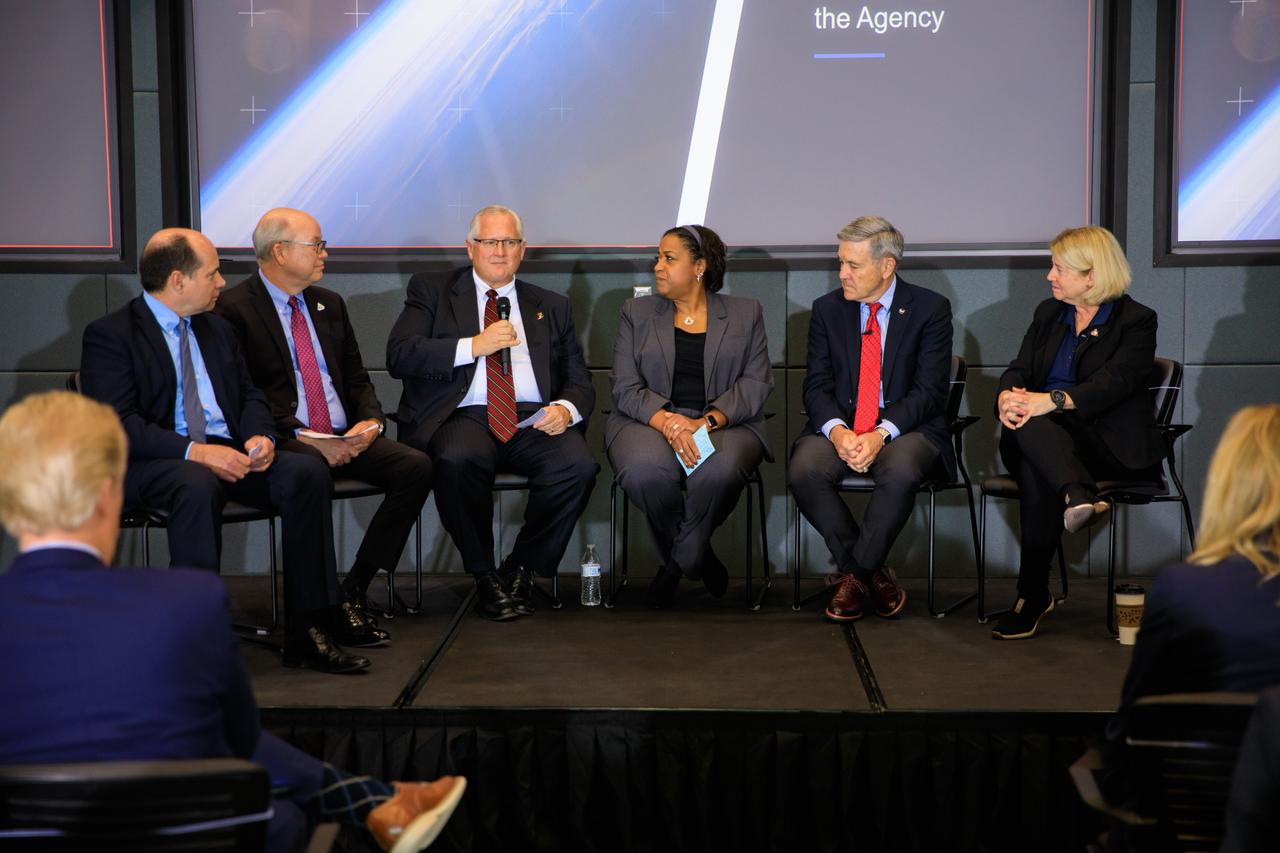
NASA senior leaders participate in a procurement discussion with employees on Nov. 29, 2022, at the agency’s Kennedy Space Center in Florida. The conversation focused on strengthening acquisition and program management within the agency. From left are David Mitchell, chief program management officer; Craig McArthur, OCFO/director for Strategic Investments Division; Scott Barber, associate general counsel for Acquisition Law; Karla Smith Jackson, assistant administrator for Procurement; NASA Associate Administrator Bob Cabana; and NASA Deputy Administrator Pam Melroy.
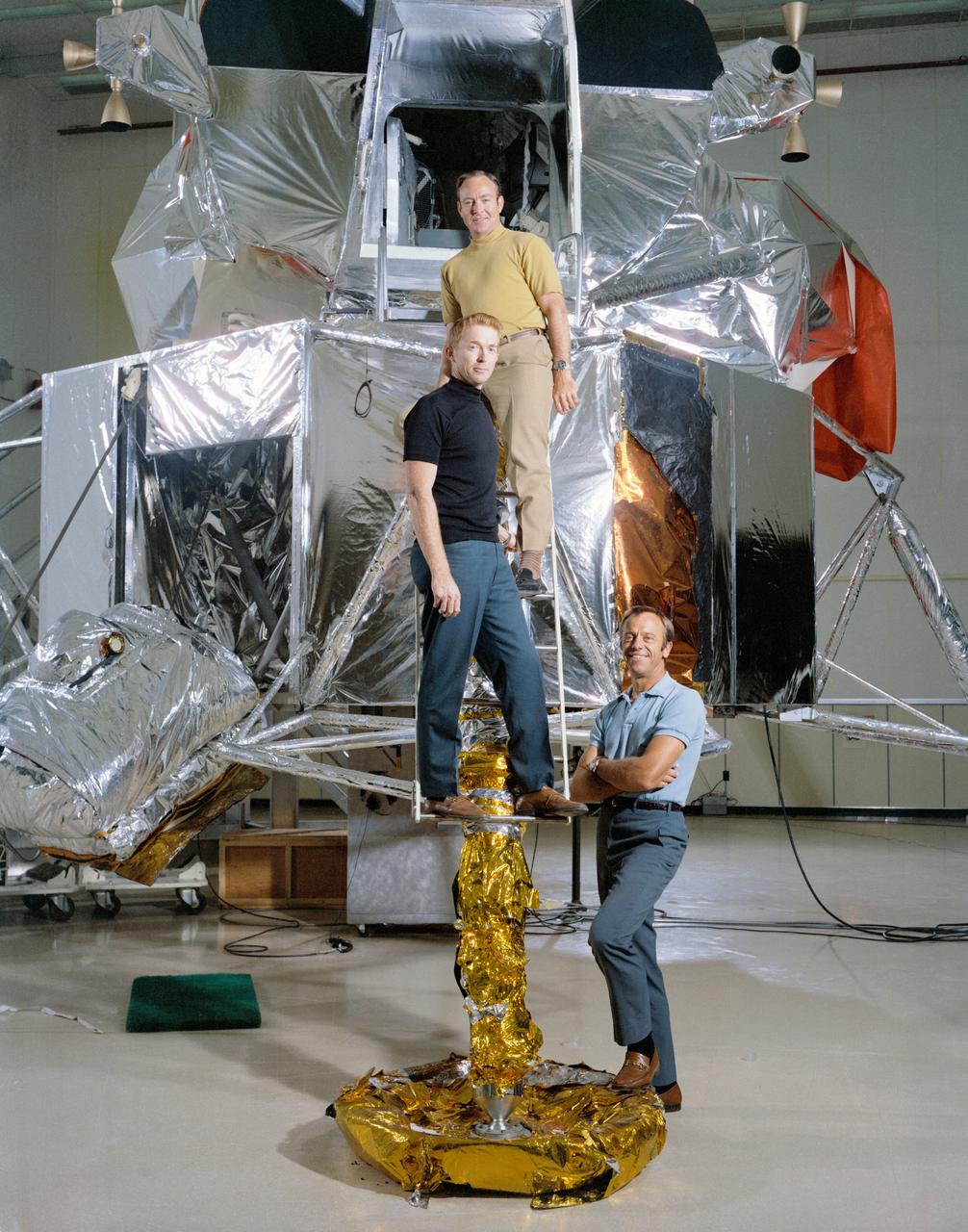
S70-45581 (July 1970) --- The members of the prime crew of the Apollo 14 lunar landing mission are photographed during training activity at the Kennedy Space Center. From foreground are astronauts Alan B. Shepard Jr., commander; Stuart A. Roosa, command module pilot; and Edgar D. Mitchell, lunar module pilot. They are standing in front of a Lunar Module mock-up.
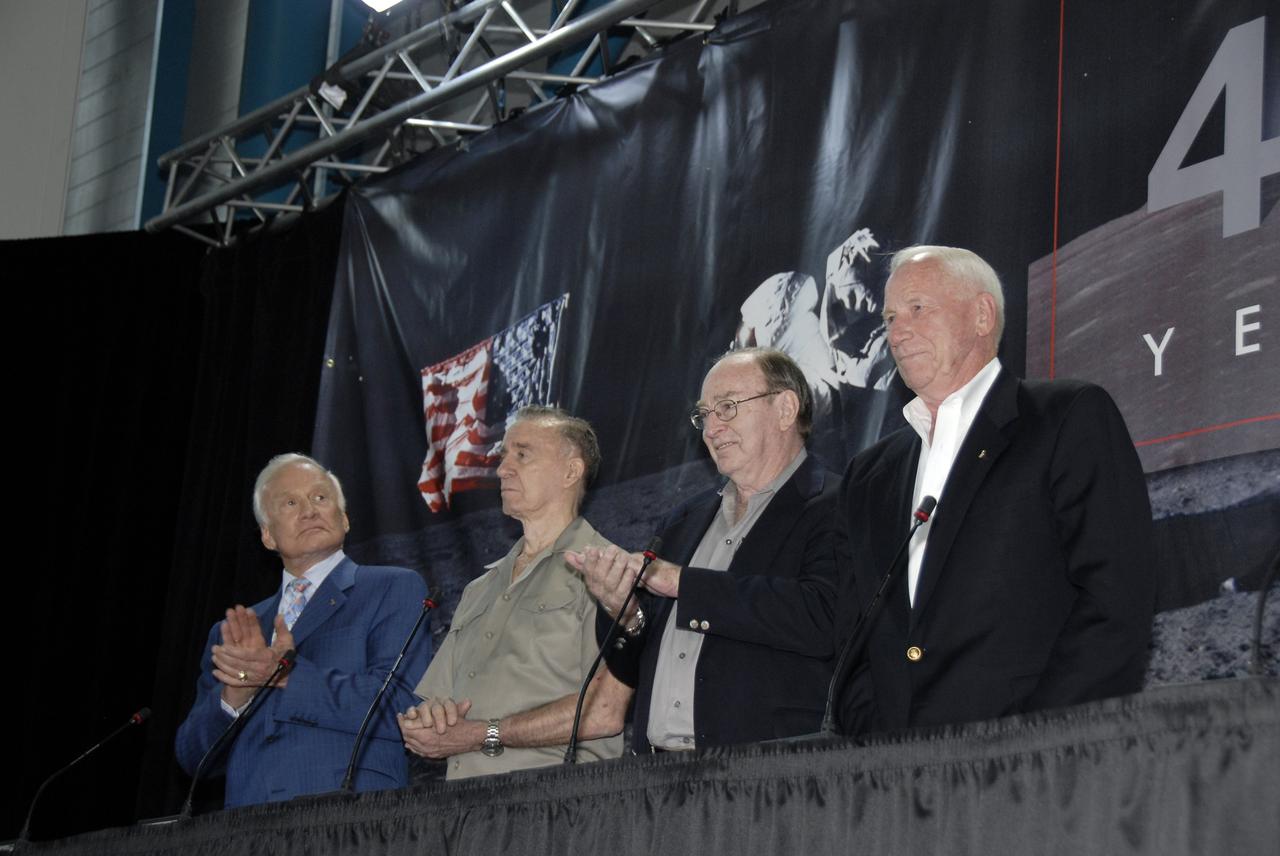
CAPE CANAVERAL, Fla. – At the Apollo/Saturn V Center at NASA's Kennedy Space Center in Florida, Apollo astronauts Buzz Aldrin, Walt Cunningham, Edgar Mitchell and Al Worden applaud during the introduction of Charlie Duke at NASA's 40th Anniversary of Apollo Celebration of the July 1969 launch and landing on the moon. Eight Apollo astronauts participated in the ceremony. Photo credit: NASA/Kim Shiflett
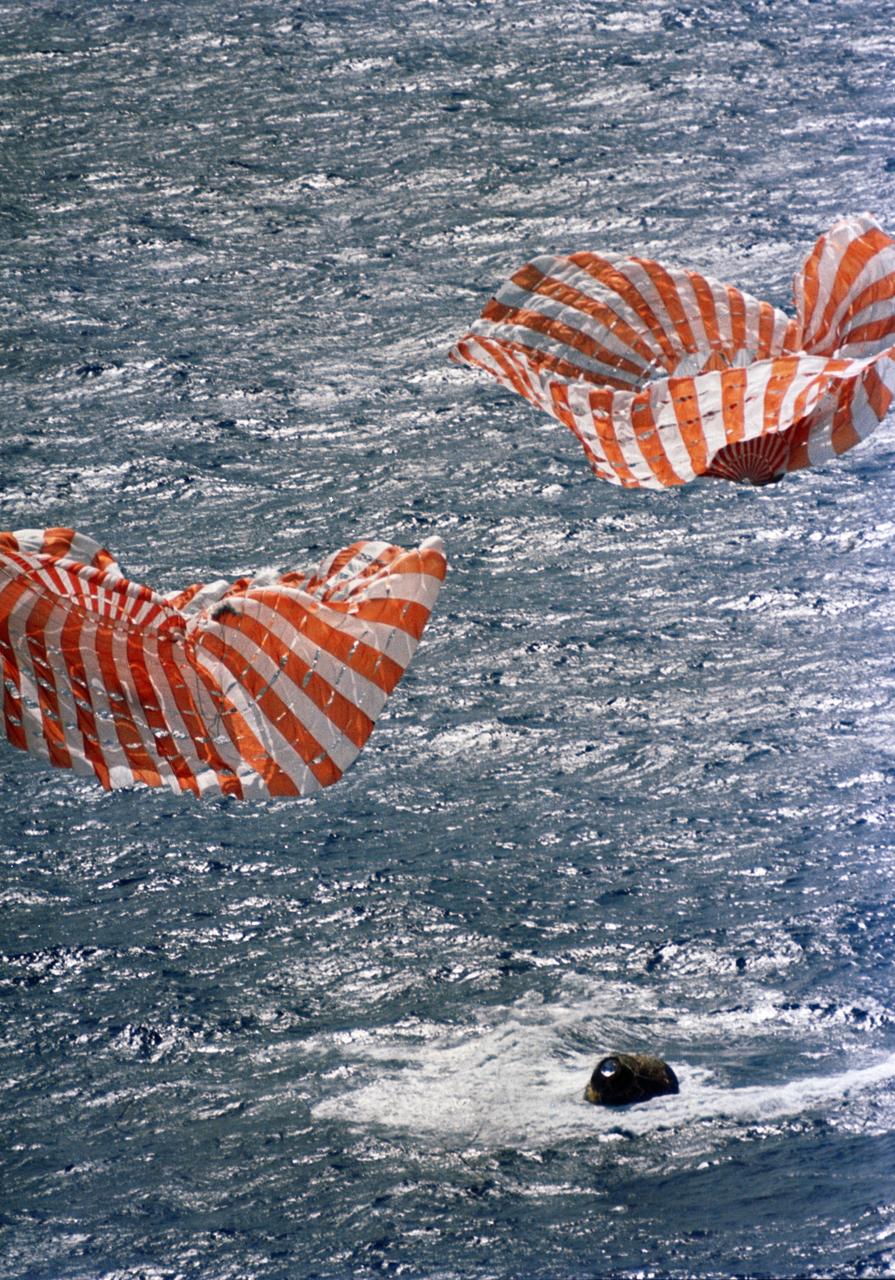
S71-19472 (9 Feb. 1971) --- The Apollo 14 Command Module (CM) splashes down and two of its three main parachutes can be seen collapsing, as the 10-day mission comes to a safe and successful end. The Apollo 14 spacecraft, with astronauts Alan B. Shepard Jr., commander; Stuart A. Roosa, command module pilot; and Edgar D. Mitchell, lunar module pilot, aboard, splashed down at 3:04:39 p.m. (CST) approximately 765 nautical miles southeast of American Samoa.
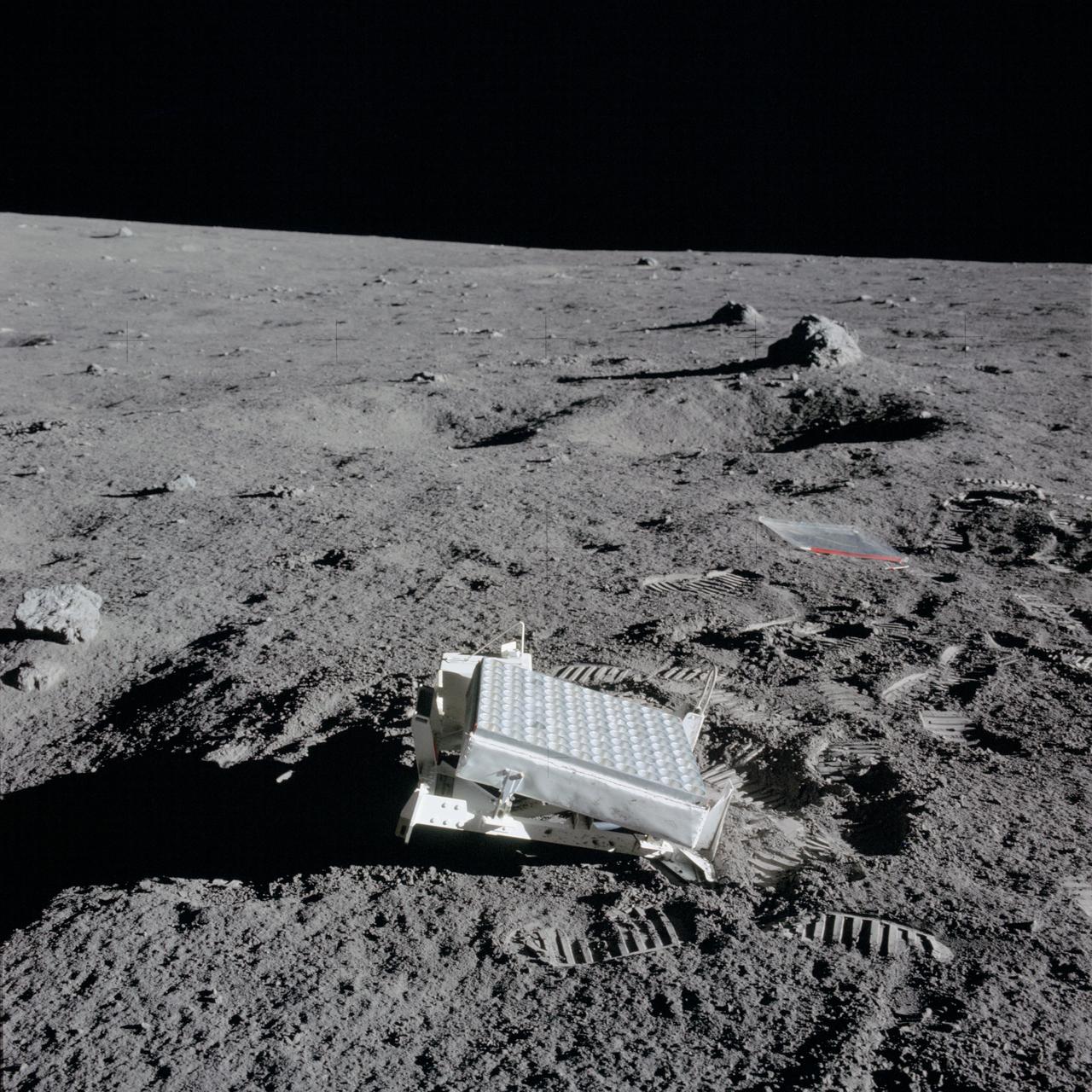
AS14-67-9386 (5 Feb. 1971) --- A close-up view of the laser ranging retro reflector (LR3) which the Apollo 14 astronauts deployed on the moon during their lunar surface extravehicular activity (EVA). While astronauts Alan B. Shepard Jr., commander, and Edgar D. Mitchell, lunar module pilot, descended in the Lunar Module (LM) to explore the moon, astronaut Stuart A. Roosa, command module pilot, remained with the Command and Service Modules (CSM) in lunar orbit.
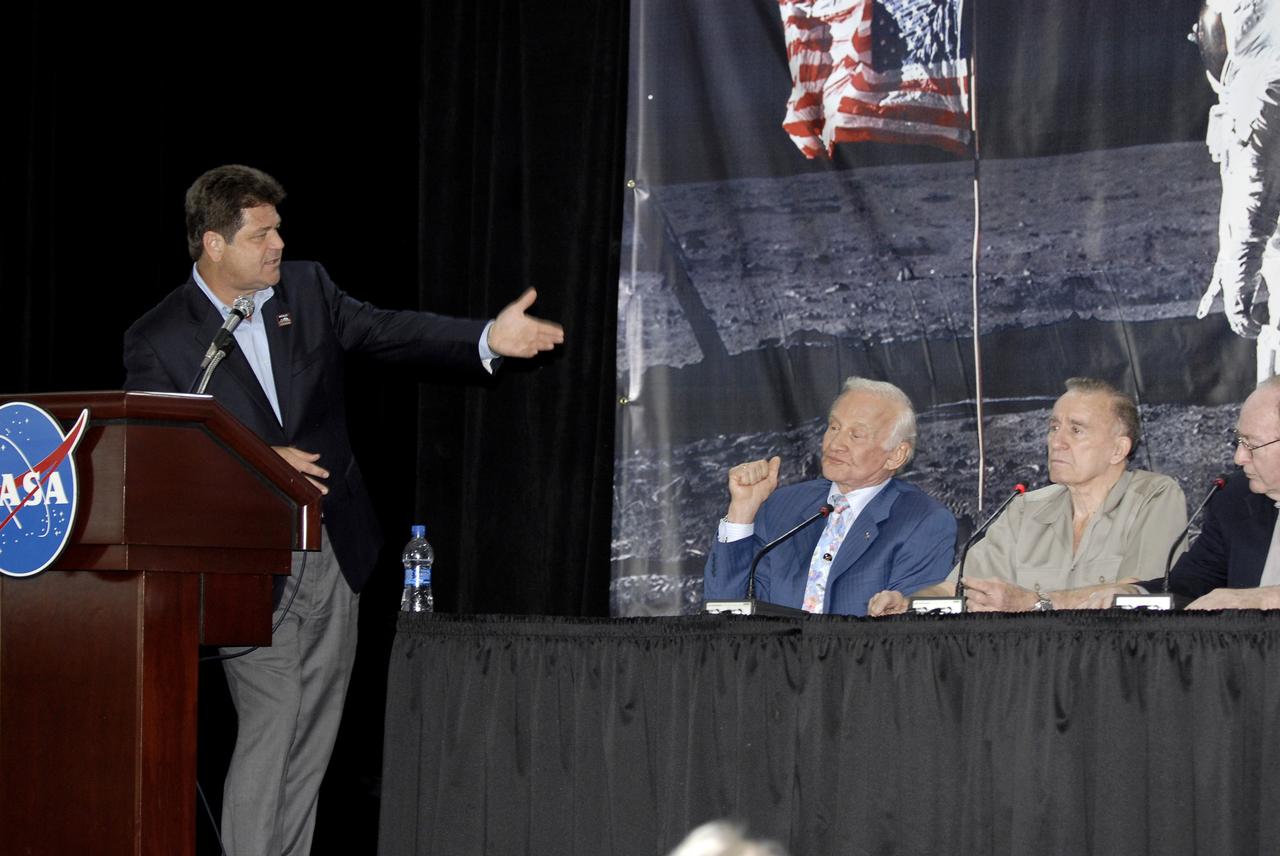
CAPE CANAVERAL, Fla. – CNN Correspondent John Zarella (left), moderates NASA's 40th Anniversary of Apollo Celebration of the moon launch and landing in July 1969, which was held in the Apollo/Saturn V Center at NASA's Kennedy Space Center in Florida. At right are Apollo astronauts Buzz Aldrin, Walt Cunningham and Edgar Mitchell. Eight Apollo astronauts shared their experiences with a crowd of guests. Photo credit: NASA/Kim Shiflett
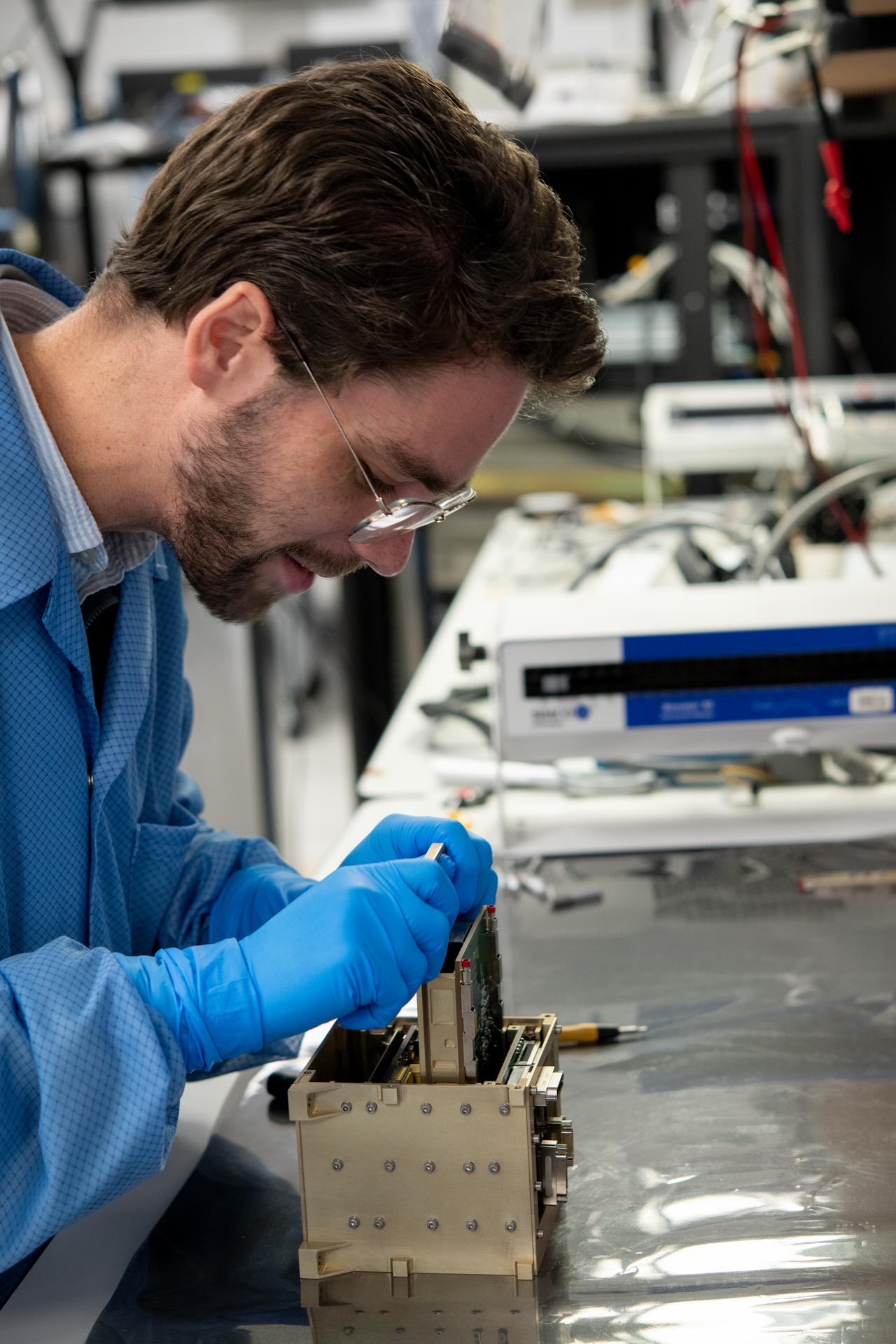
Mechanical Engineer Mitchell Hamann disassembles a Lunar Environment Monitoring Station (LEMS) flight electrical board chassis in the avoinics lab at NASA's Goddard Space Flight Center in Greenbelt, Maryland on October 22, 2025. LEMS is a compact, autonomous, and self-sustaining seismometer suite designed to carry out continuous, long-term, monitoring of the lunar seismic environment at the South Polar region. NASA/Desiree Stover.
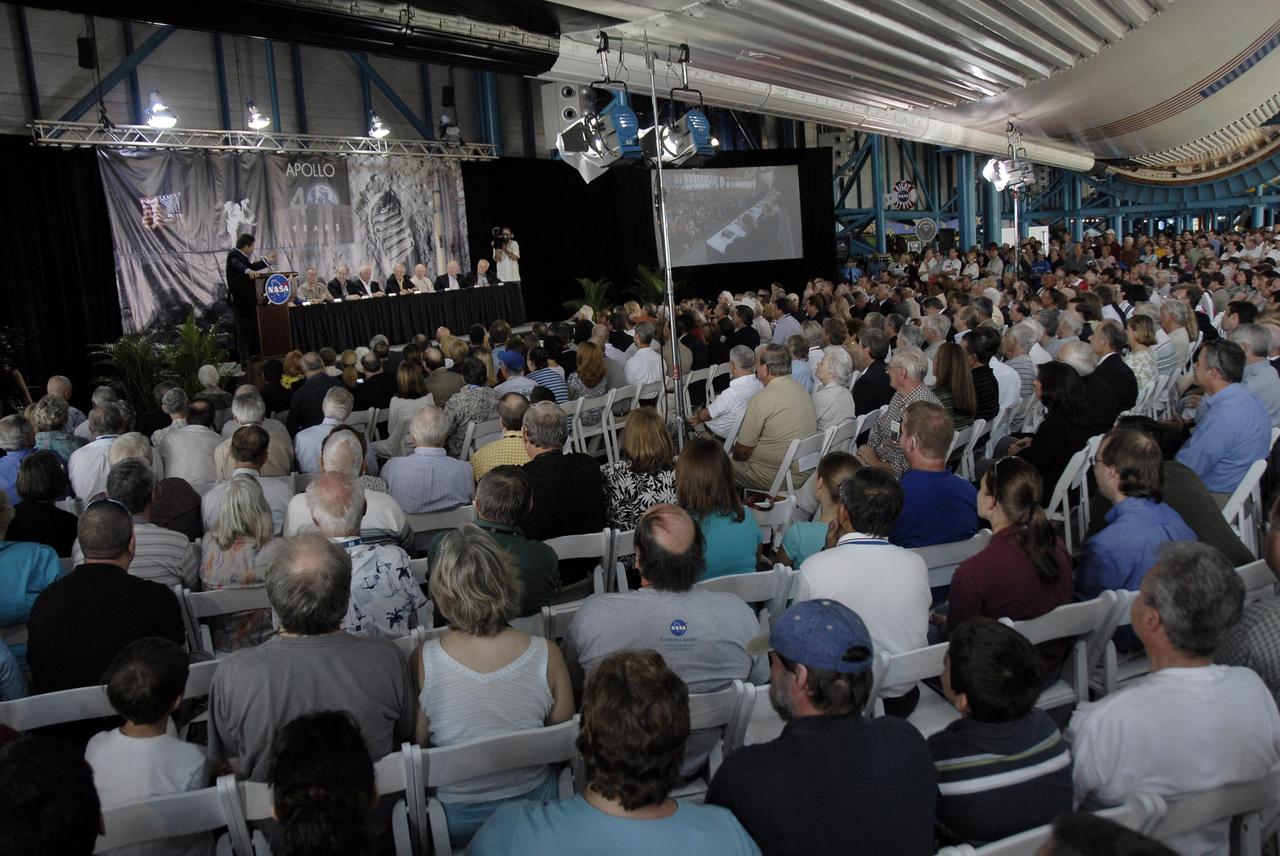
CAPE CANAVERAL, Fla. – The Apollo/Saturn V Center at NASA's Kennedy Space Center in Florida is filled with guests gathered to hear about the Apollo 11 launch and landing in July 1969 from eight Apollo astronauts: . The event is part of NASA's 40th Anniversary of Apollo Celebration. Participating are CNN correspondent, who moderated, Buzz Aldrin, Walt Cunningham, Edgar Mitchell, Al Worden, Charlie Duke, Vance Brand, Gerald Carr and Bruce McCandless. Photo credit: NASA/Kim Shiflett
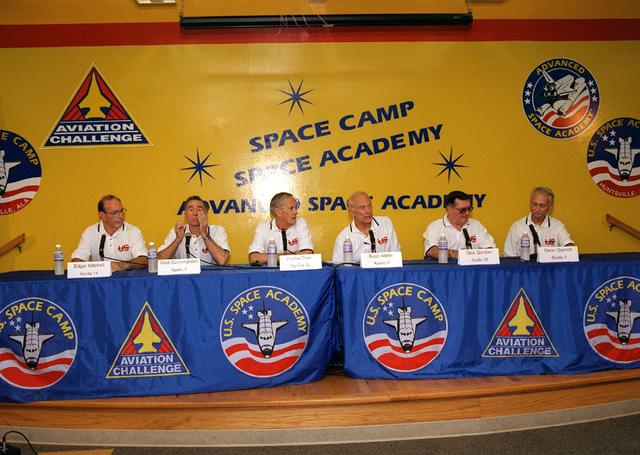
Marking the occasion of the Apollo 11 30th Anniversary, members of the Apollo and Saturn astronaut programs attended festivities at Marshall Space Flight Center in Huntsville, AL. A press conference was held at the U. S. Space and Rocket Center for the visiting astronauts. Pictured are (L/R): Edgar Mitchell, Walt Cunningham, Charlie Duke, Buzz Aldrin, Dick Gordon and Owen Garriott.

Alvin Mitchell, a NASA C-20A aircraft quality assurance inspector, completes preflight checks at NASA’s Armstrong Flight Research Center in Edwards, California, on Wednesday, April 29, 2026. The aircraft conducted science flights over Central California carrying NASA’s UAVSAR (Uninhabited Aerial Vehicle Synthetic Aperture Radar), which collects detailed ground‑movement data to improve earthquake‑hazard models and support a new Earth‑observing satellite.
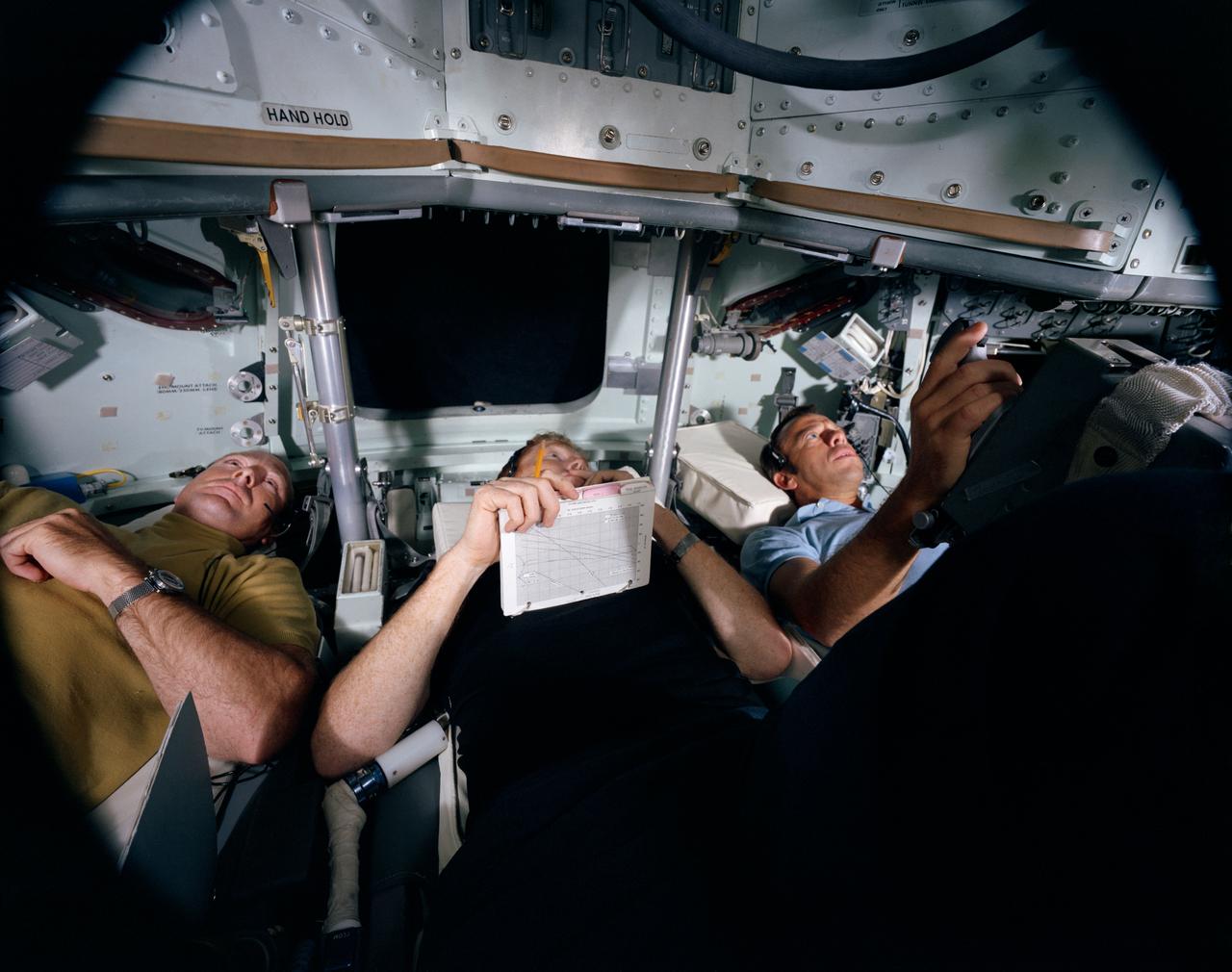
S70-45580 (July 1970) --- The members of the prime crew of the Apollo 14 lunar landing mission participate in Command Module (CM) simulation training at the Kennedy Space Center (KSC). Left to right are astronauts Edgar D. Mitchell, lunar module pilot; Stuart A. Roosa, command module pilot; and Alan B. Shepard Jr., commander.
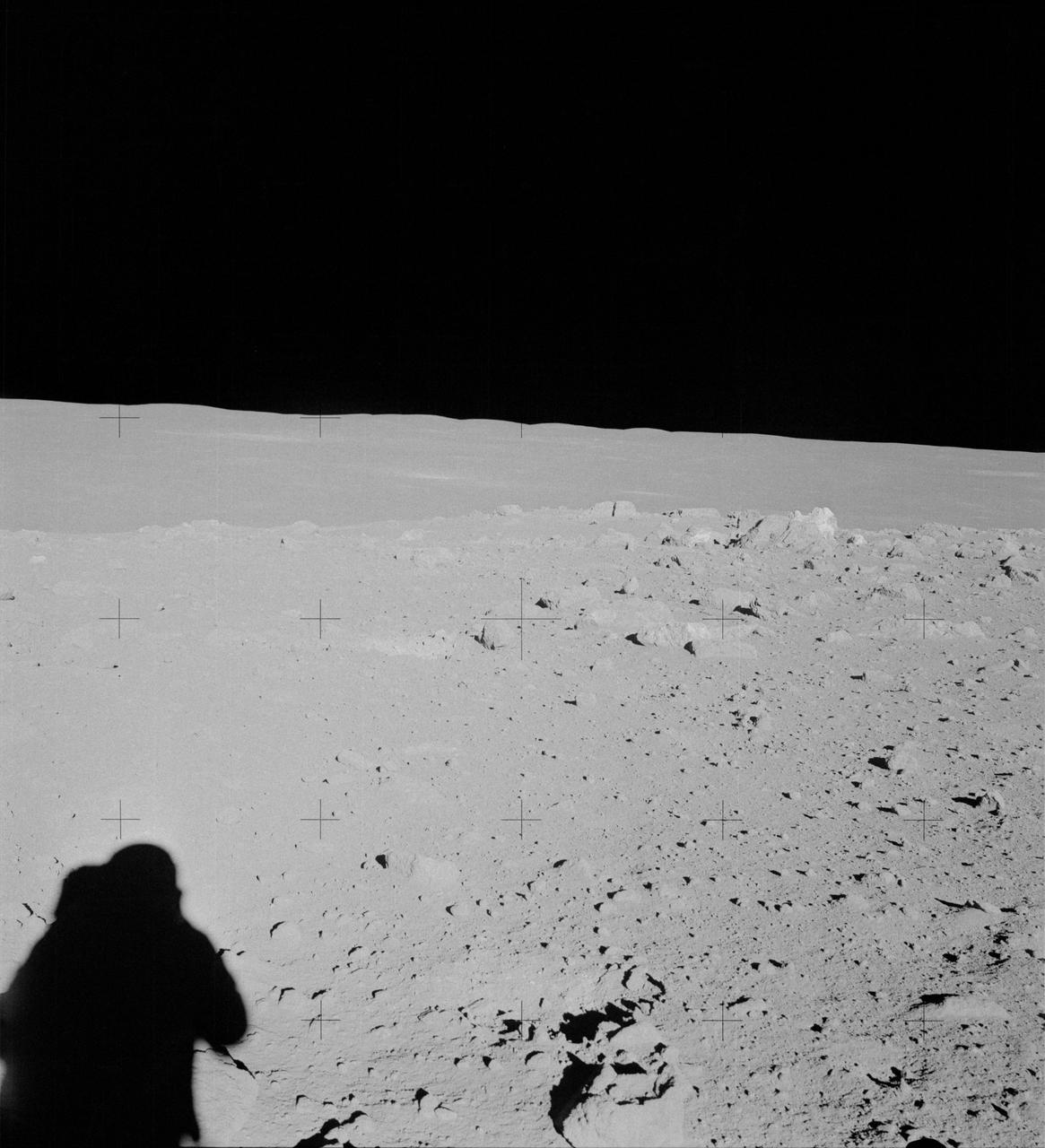
AS14-64-9099 (6 Feb. 1971) --- An Apollo 14 crew member (note shadow) photographs this field of boulders located on the flank of Cone Crater during the second extravehicular activity (EVA). This view is looking just north of west. While astronauts Alan B. Shepard Jr., commander, and Edgar D. Mitchell, lunar module pilot, were exploring the moon, astronaut Stuart A. Roosa, command module pilot, was maneuvering the Apollo 14 Command and Service Modules (CSM) in lunar orbit.
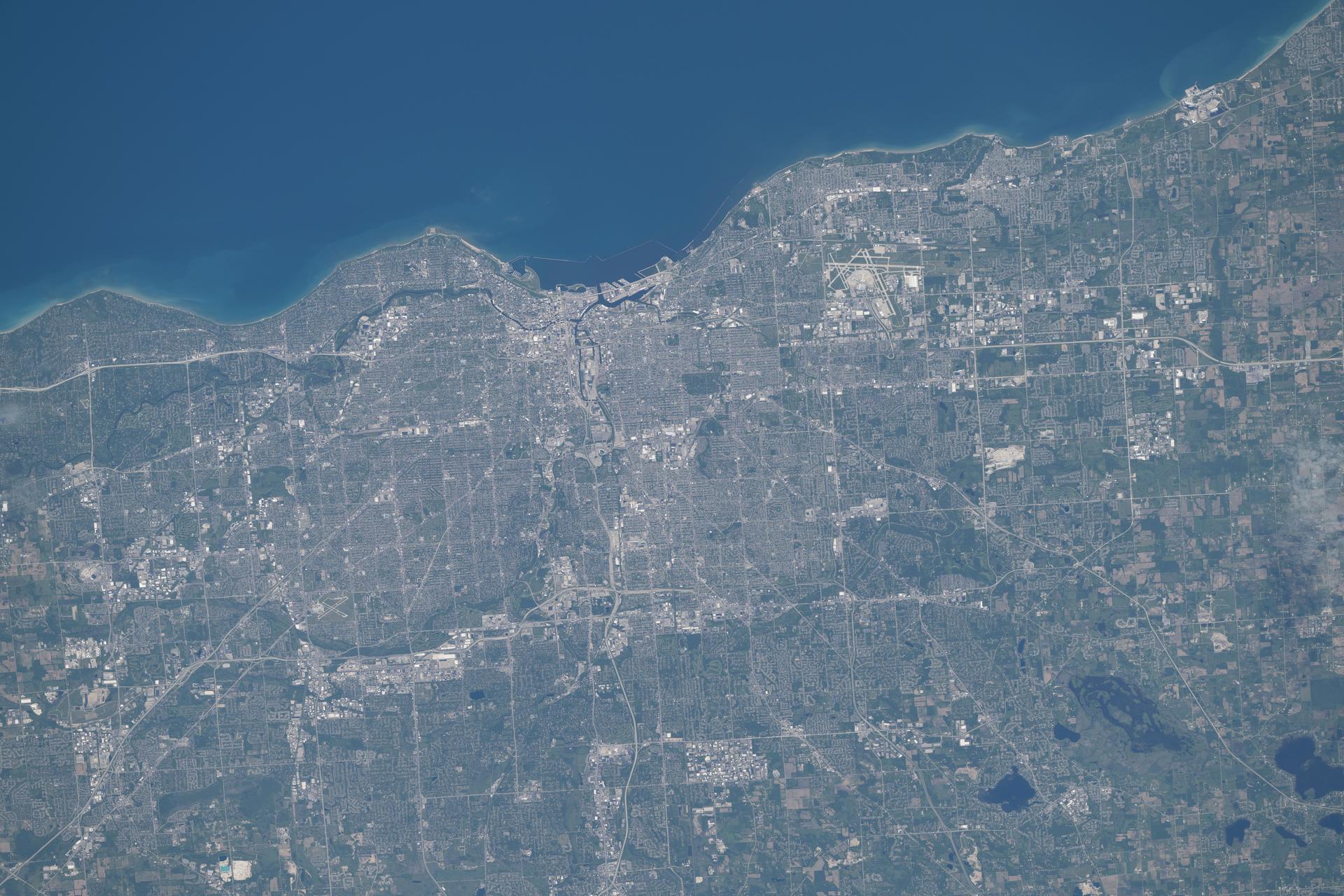
iss074e0761489 (June 23, 2026) --- Milwaukee, Wisconsin, located on Lake Michigan, has a metropolitan population of about 1.57 million and supports a strong precision manufacturing sector along with a thriving brewery culture. Near the top right is Milwaukee Mitchell International Airport, which served roughly 5.9 million passengers in 2025. Credit: NASA/Jessica Meir
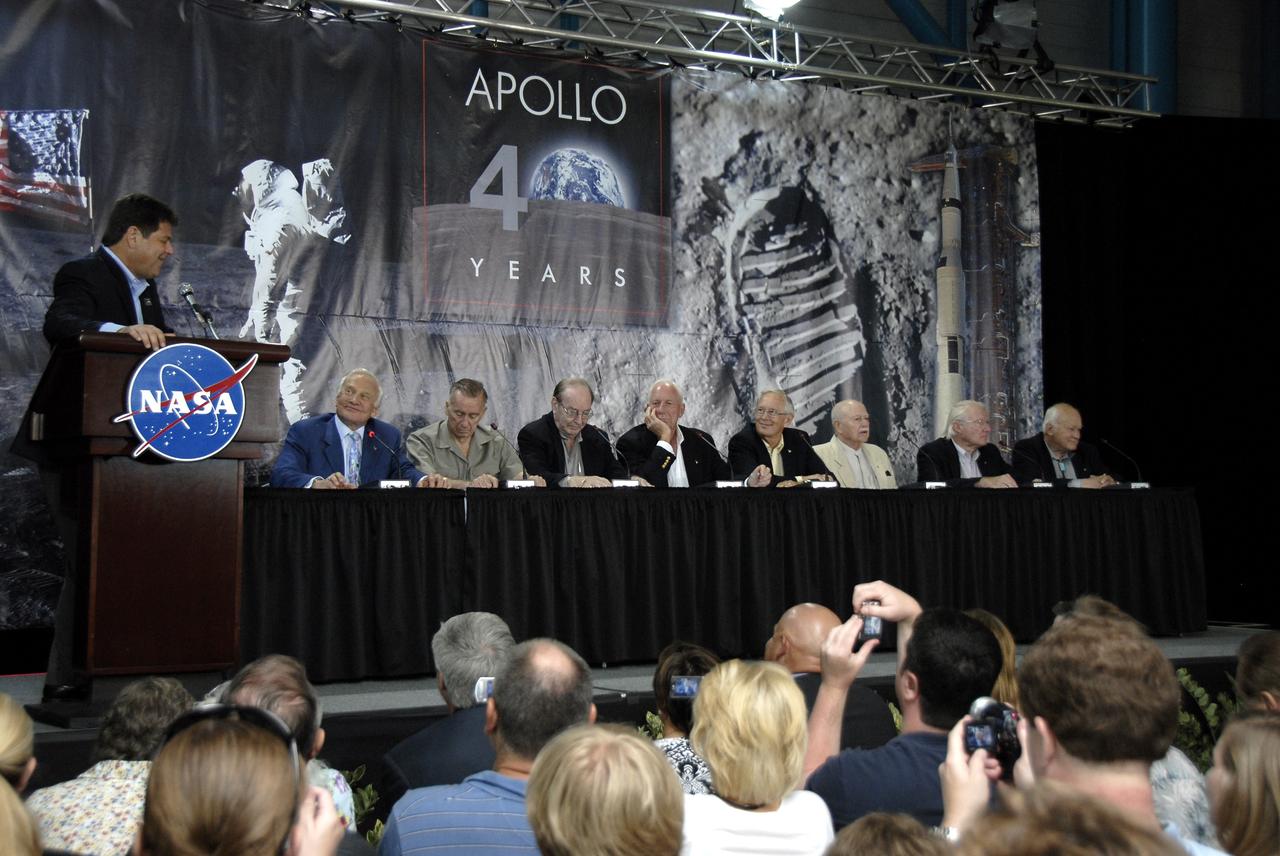
CAPE CANAVERAL, Fla. – CNN correspondent John Zarella, left, moderates NASA's 40th Anniversary of Apollo Celebration of the July 1969 launch and landing on the moon. The ceremony, held in the Apollo/Saturn V Center at NASA's Kennedy Space Center in Florida featured Apollo astronauts (at the dais) Buzz Aldrin, Walt Cunningham, Edgar Mitchell, Al Worden, Charlie Duke, Vance Brand, Gerald Carr and Bruce McCandless. Photo credit: NASA/Kim Shiflett
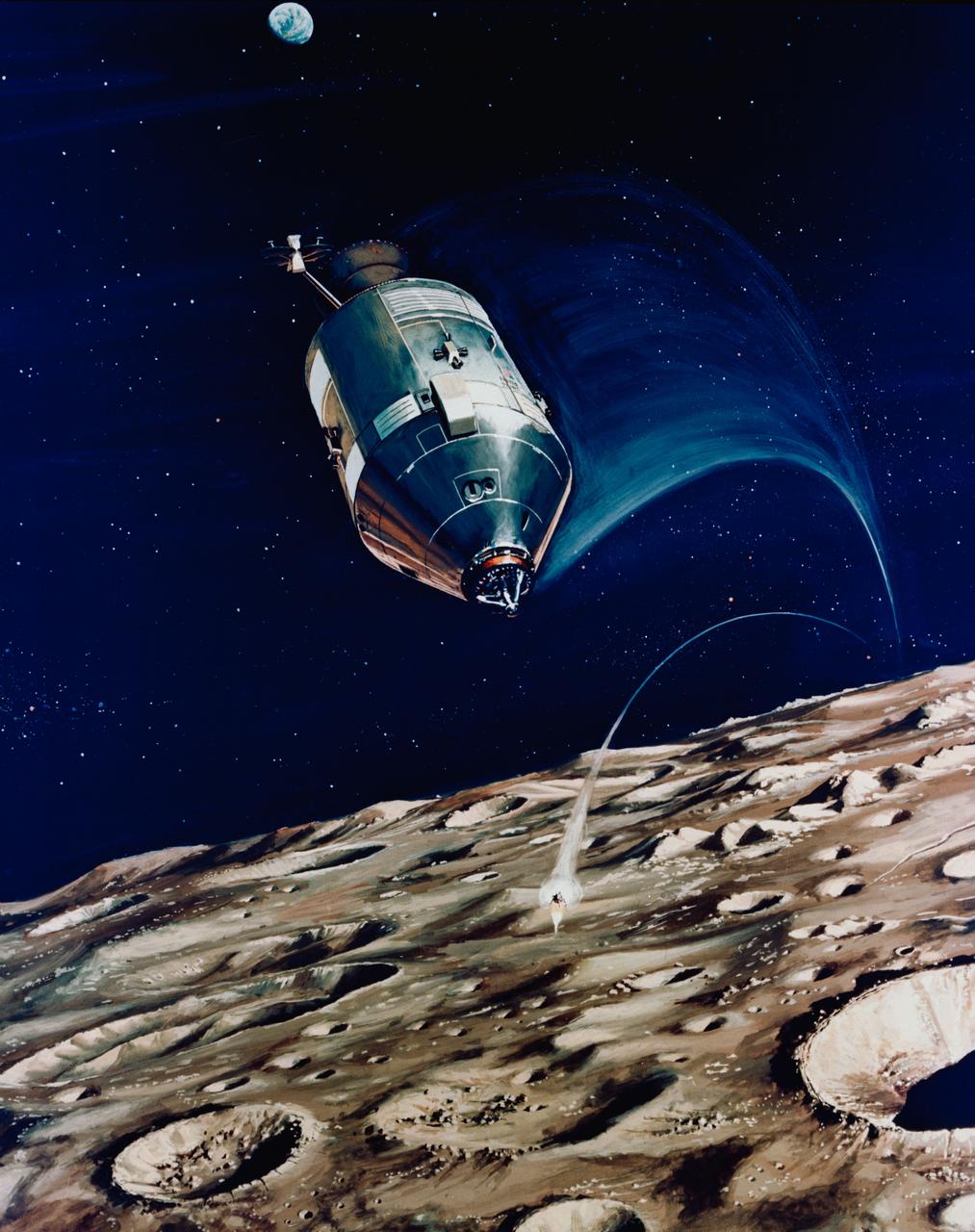
S71-16574 (11 Jan. 1971) --- An artist's concept depicting the Apollo 14 Command and Service Modules (CSM) circling the moon as the Lunar Module (LM) heads toward a lunar landing. While astronaut Stuart A. Roosa, command module pilot, remains with the CSM in lunar orbit, astronauts Alan B. Shepard Jr., commander; and Edgar D. Mitchell, lunar module pilot, will descend in the LM to explore an area in the rugged Fra Mauro highlands.
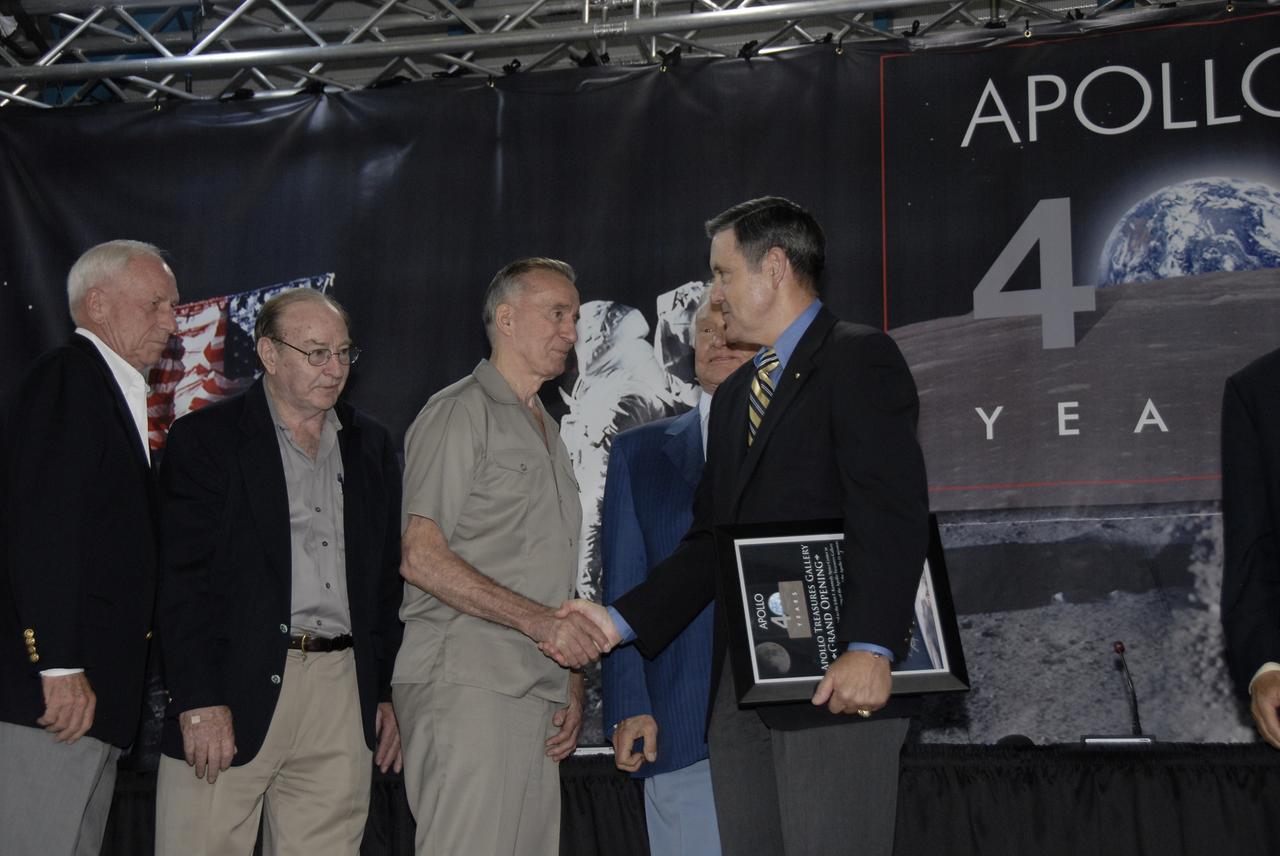
CAPE CANAVERAL, Fla. – Closing NASA's 40th Anniversary of Apollo Celebration at the Apollo/Saturn V Center at NASA's Kennedy Space Center in Florida, Center Director Bob Cabana thanks the Apollo astronauts who participated. Seen here (from left) are Al Worden, Edgar Mitchell, Walt Cunningham and Buzz Aldrin. The celebration honored the July 1969 launch and landing on the moon. Photo credit: NASA/Kim Shiflett
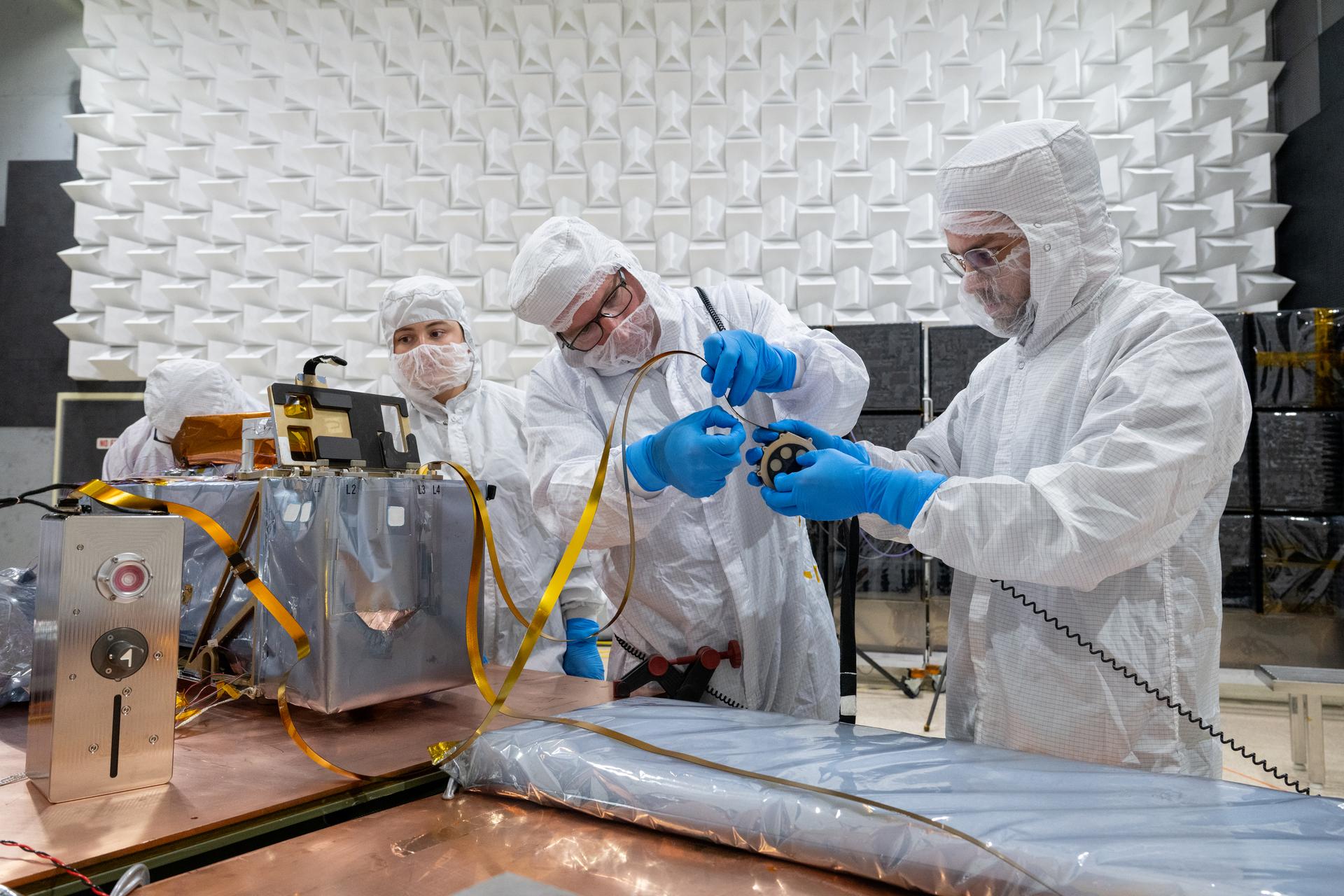
From left, mechanical engineer Brie Ludwig, technician Alex Schaeffer, and mechanical engineer Mitchell Hamann stow a seismometer after Electromagnetic Interference testing of the Lunar Environment Monitoring Station (LEMS) instrument at Goddard Space Flight Center, Greenbelt Md., May 15, 2026. LEMS is a compact, autonomous, and self-sustaining seismometer suite designed to carry out continuous, long-term, monitoring of the lunar seismic environment at the South Polar region. Photo Credit: NASA/Desiree Stover
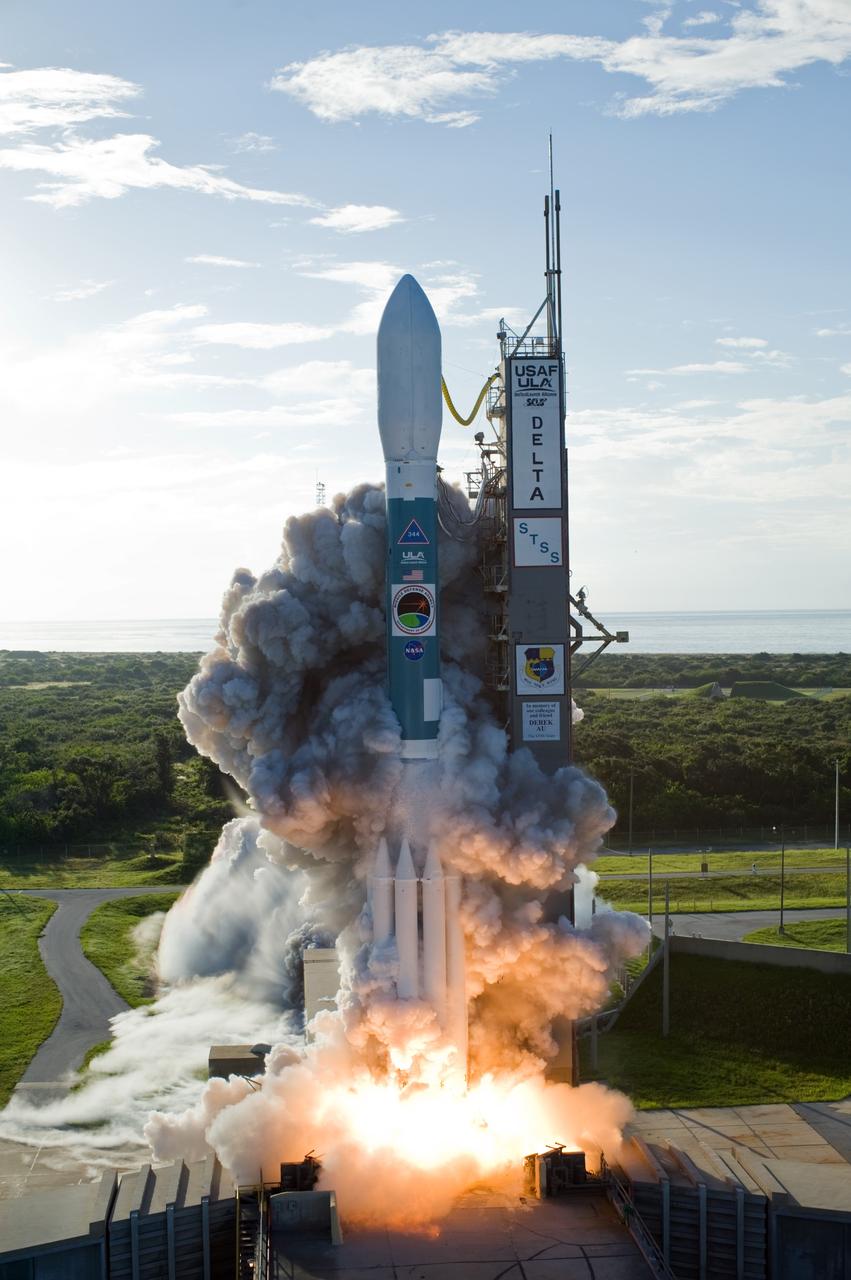
CAPE CANAVERAL, Fla. – Smoke billows around the United Launch Alliance Delta II rocket as it launches into space carrying the Space Tracking and Surveillance System - Demonstrator, or STSS-Demo, spacecraft. STSS-Demo was launched at 8:20:22 a.m. EDT by NASA for the U.S. Missile Defense Agency. The STSS-Demo is a space-based sensor component of a layered Ballistic Missile Defense System designed for the overall mission of detecting, tracking and discriminating ballistic missiles. Photo credit: NASA/Regina Mitchell-Tom Farrar
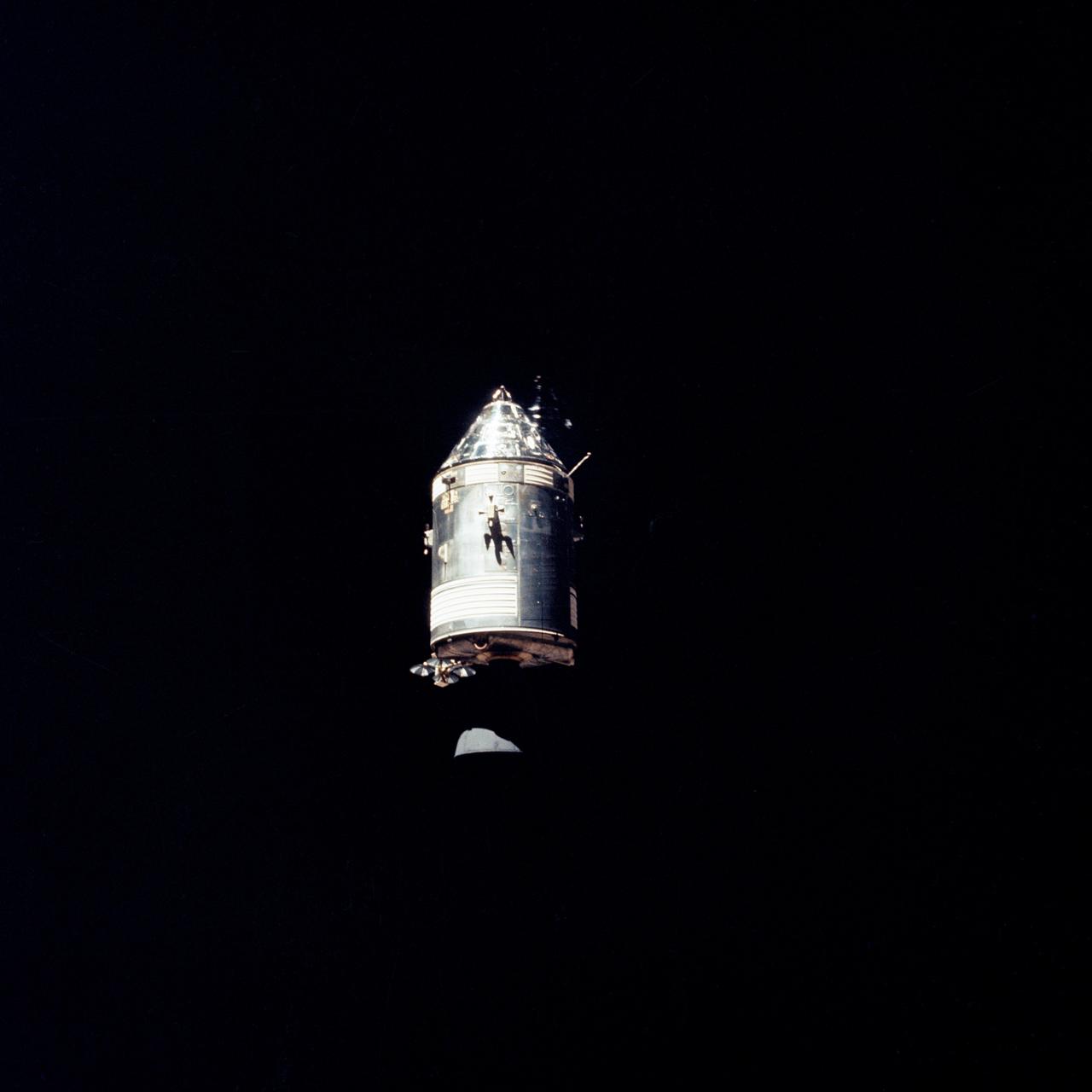
AS14-66-9344 (February 1971) --- The Apollo Command and Service Modules (CSM) are photographed against a black sky background from the Lunar Module (LM) above the moon. While astronauts Alan B. Shepard Jr., commander, and Edgar D. Mitchell, lunar module pilot, descended in the LM "Antares" to explore the Fra Mauro region of the moon, astronaut Stuart A. Roosa , command module pilot, remained with the CSM "Kitty Hawk" in lunar orbit.
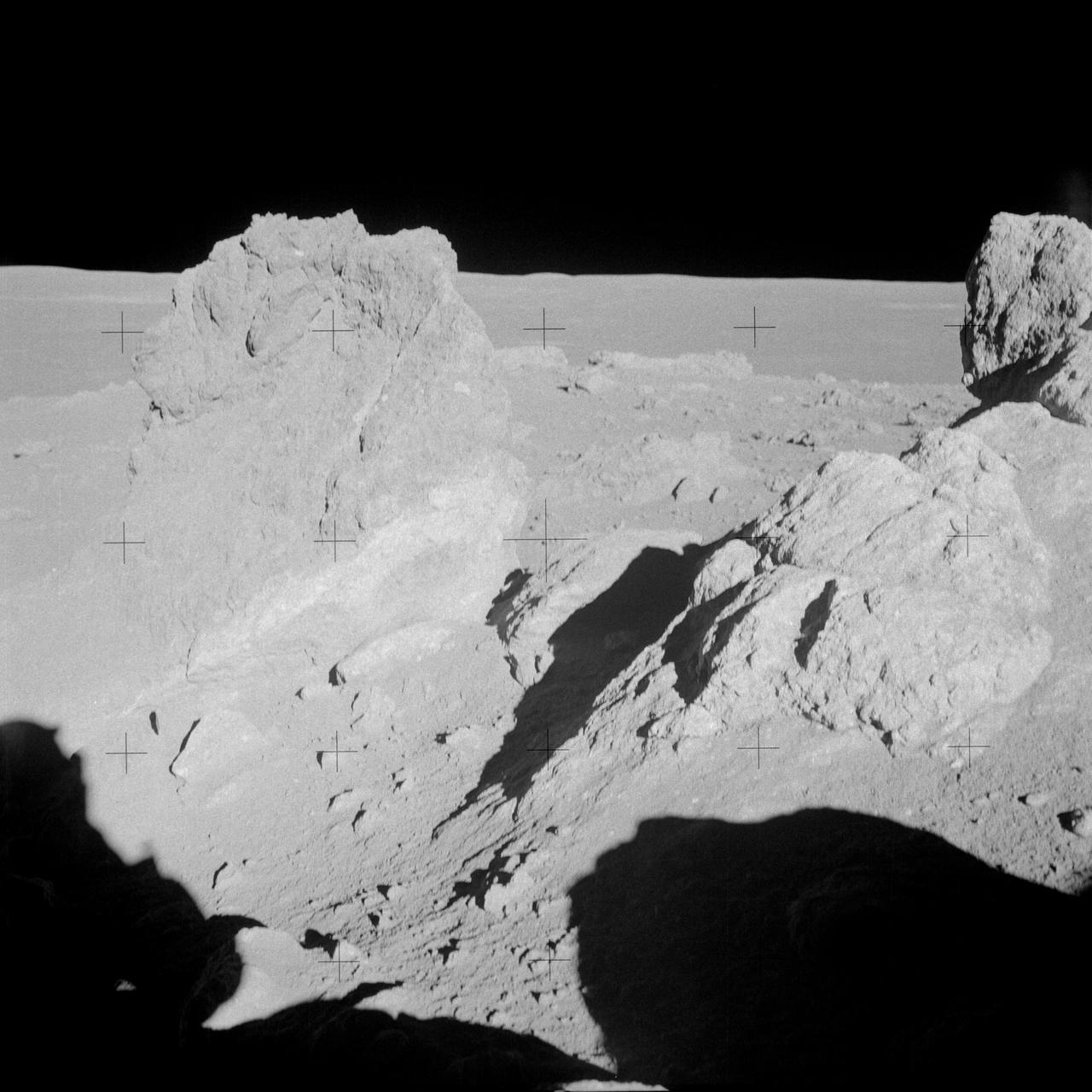
AS14-68-9449 (6 Feb. 1971) --- A close-up view of a group of large boulders near the rim of Cone Crater photographed by the Apollo 14 astronauts during their second extravehicular activity (EVA). While astronauts Alan B. Shepard Jr., commander, and Edgar D. Mitchell, lunar module pilot, descended in the LM to explore the moon, astronaut Stuart A. Roosa, command module pilot, remained with the Command and Service Modules (CSM) in lunar orbit.
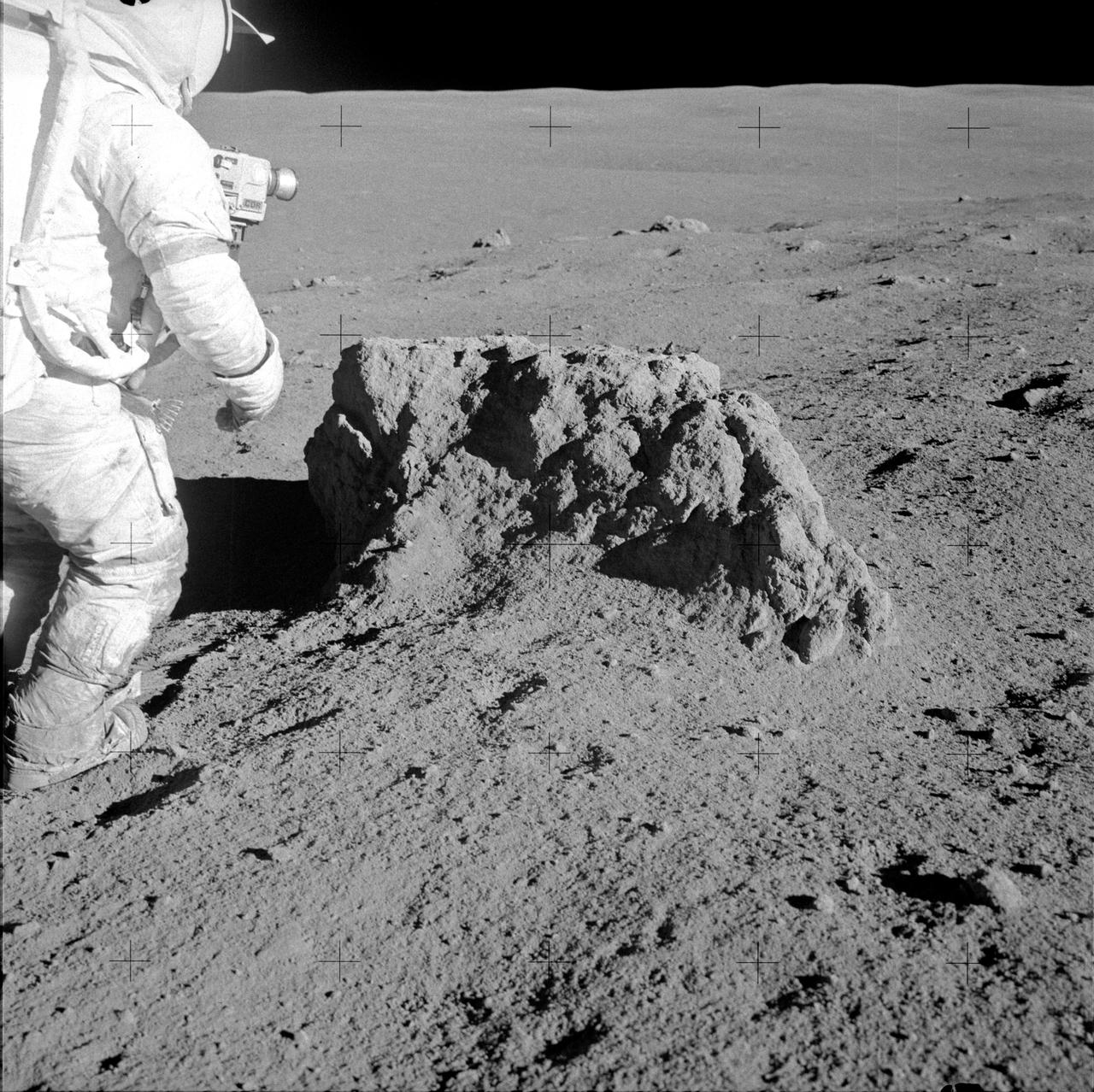
AS14-68-9414 (6 Feb. 1971) --- Astronaut Alan B. Shepard Jr., Apollo 14 commander, stands beside a large boulder on the lunar surface during the mission's second extravehicular activity (EVA), on Feb. 6, 1971. Note the lunar dust clinging to Shepard's space suit. Astronauts Shepard and Edgar D. Mitchell, lunar module pilot, explored the lunar surface while astronaut Stuart A. Roosa, command module pilot, orbited the moon in the Command and Service Modules (CSM).
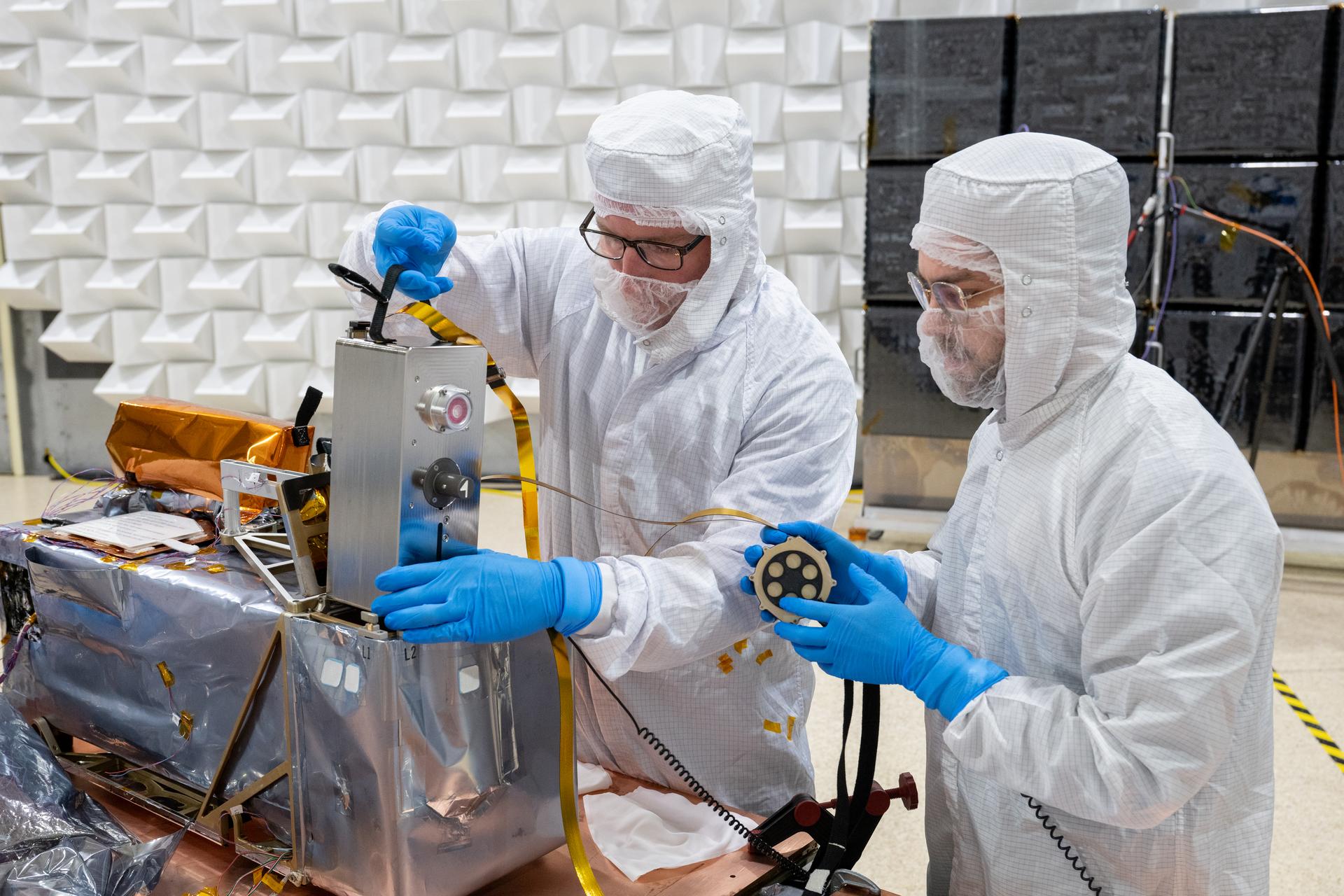
Technician Alex Schaeffer (left), and mechanical engineer Mitchell Hamann stow a seismometer after Electromagnetic Interference testing of the Lunar Environment Monitoring Station (LEMS) instrument at Goddard Space Flight Center, Greenbelt Md., May 15, 2026. LEMS is a compact, autonomous, and self-sustaining seismometer suite designed to carry out continuous, long-term, monitoring of the lunar seismic environment at the South Polar region. Photo Credit: NASA/Desiree Stover
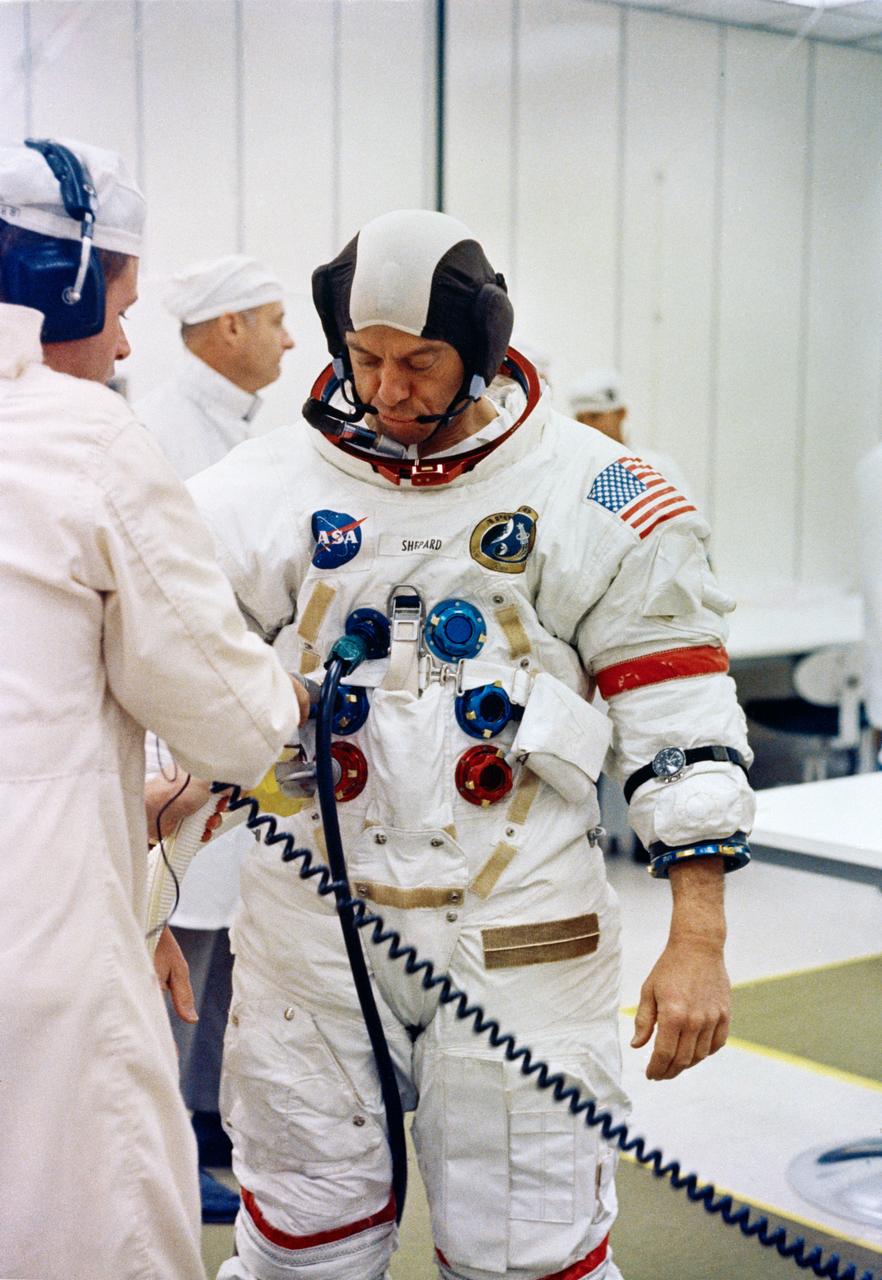
S71-16638 (31 Jan. 1971) --- Astronaut Alan B. Shepard Jr., commander, undergoes suiting up operations at the Kennedy Space Center (KSC) during the Apollo 14 prelaunch countdown. Apollo 14, with astronauts Shepard; Edgar D. Mitchell, lunar module pilot; and Stuart A. Roosa, command module pilot; aboard was launched from Pad A, Launch Complex 39 at 4:03:02 p.m. (EST), Jan. 31, 1971.
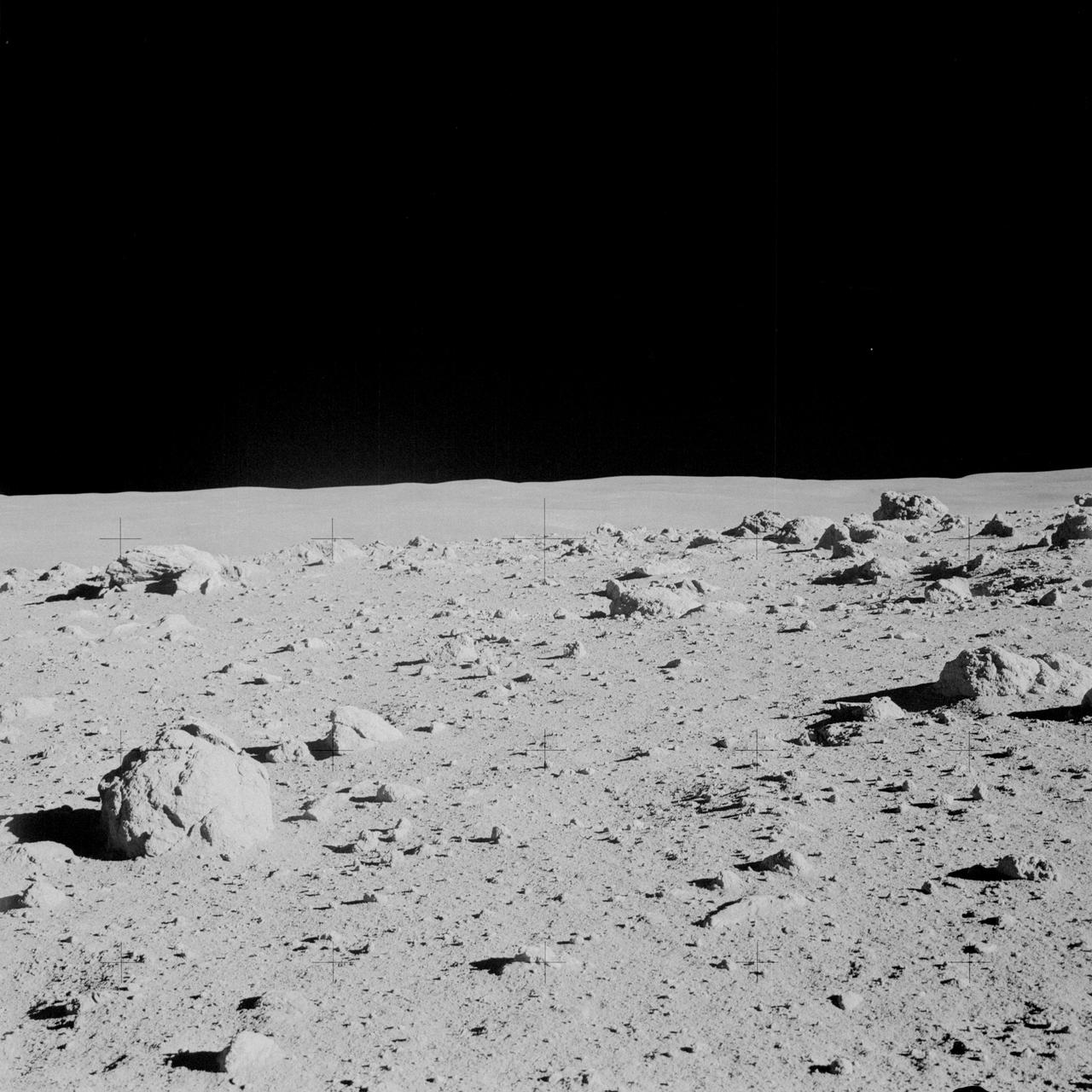
AS14-64-9103 (6 Feb. 1971) --- Astronaut Alan B. Shepard Jr., commander, photographed this overall view of a field of boulders on the flank of Cone Crater during the second extravehicular activity (EVA) on the lunar surface. Astronaut Edgar D. Mitchell, lunar module pilot, joined Shepard in exploring the moon, while astronaut Stuart A. Roosa, command module pilot, remained with the Command and Service Modules (CSM) in lunar orbit.
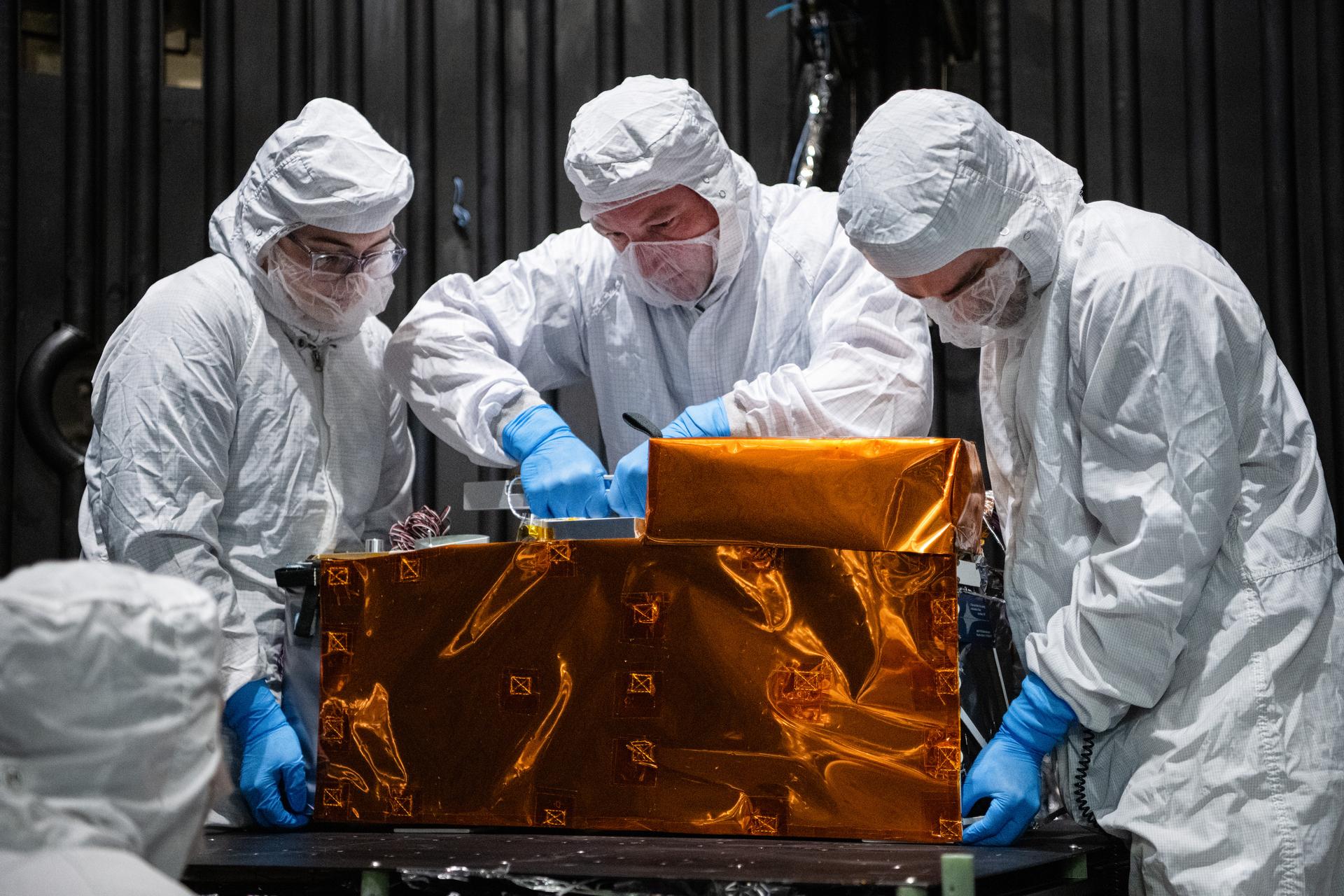
From left, mechanical engineer Gabrielle Ludwig, technician Alex Schaeffer, and mechanical engineer Mitchell Hamann install the Lunar Environment Monitoring Station (LEMS) instrument onto a test plate in a thermal vacuum chamber at Goddard Space Flight Center, Greenbelt Md., March 30, 2026. LEMS is a compact, autonomous, and self-sustaining seismometer suite designed to carry out continuous, long-term, monitoring of the lunar seismic environment at the South Polar region. Photo Credit: NASA/Denny Henry
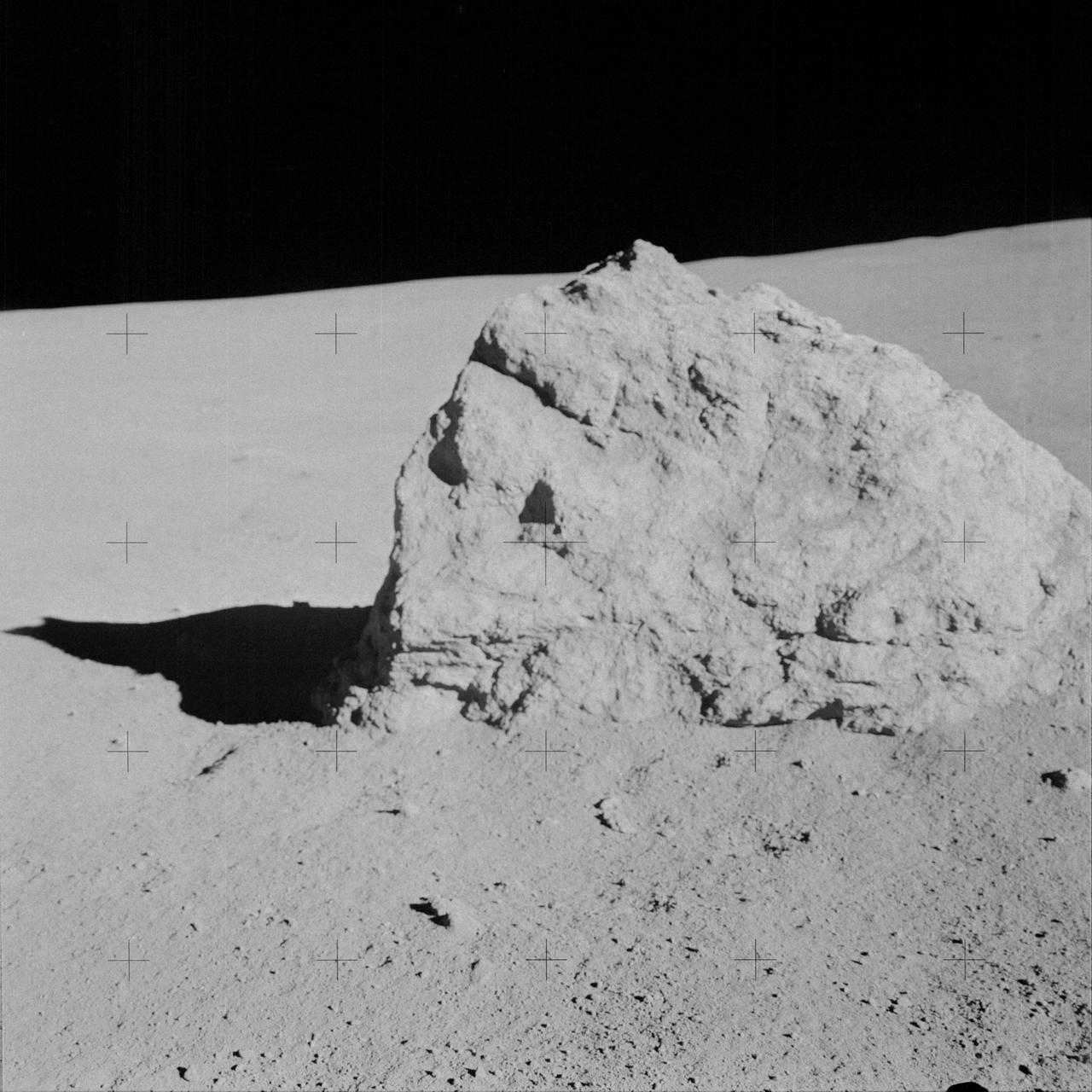
AS14-64-9135 (6 Feb. 1971) --- Astronaut Alan B. Shepard Jr., commander, took this close-up view of a large boulder, approximately five feet long, during the second extravehicular activity (EVA), on Feb. 6, 1971. Astronauts Shepard and Edgar D. Mitchell, lunar module pilot, descended in the Lunar Module (LM) to explore the moon, while astronaut Stuart A. Roosa, command module pilot, remained with the Command and Service Modules (CSM) in lunar orbit.
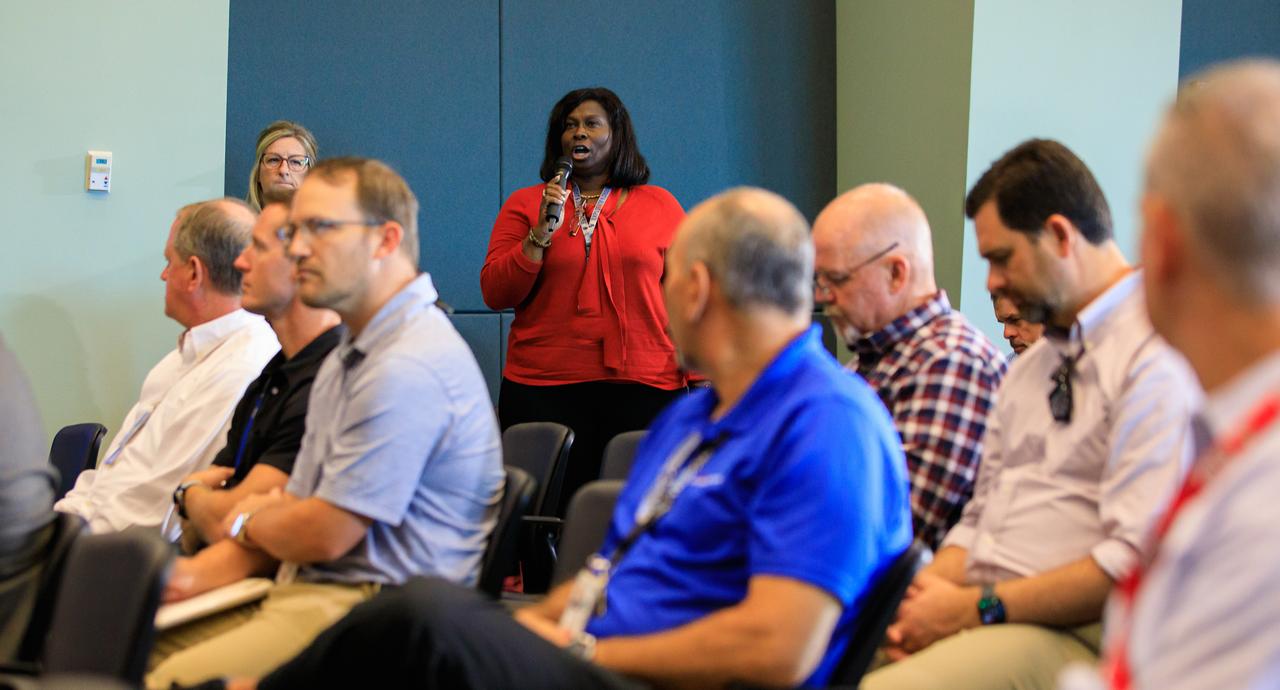
A NASA Kennedy Space Center employee asks a question during a procurement discussion on Nov. 29, 2022, at the space center in Florida. NASA senior leaders participating in the discussion with employees are NASA Deputy Administrator Pam Melroy; NASA Association Administrator Bob Cabana; Karla Smith Jackson, assistant administrator for Procurement; Scott Barber, associate general counsel for Acquisition Law; Craig McArthur, OCFO/director for Strategic Investments Division; and David Mitchell, chief program management officer.