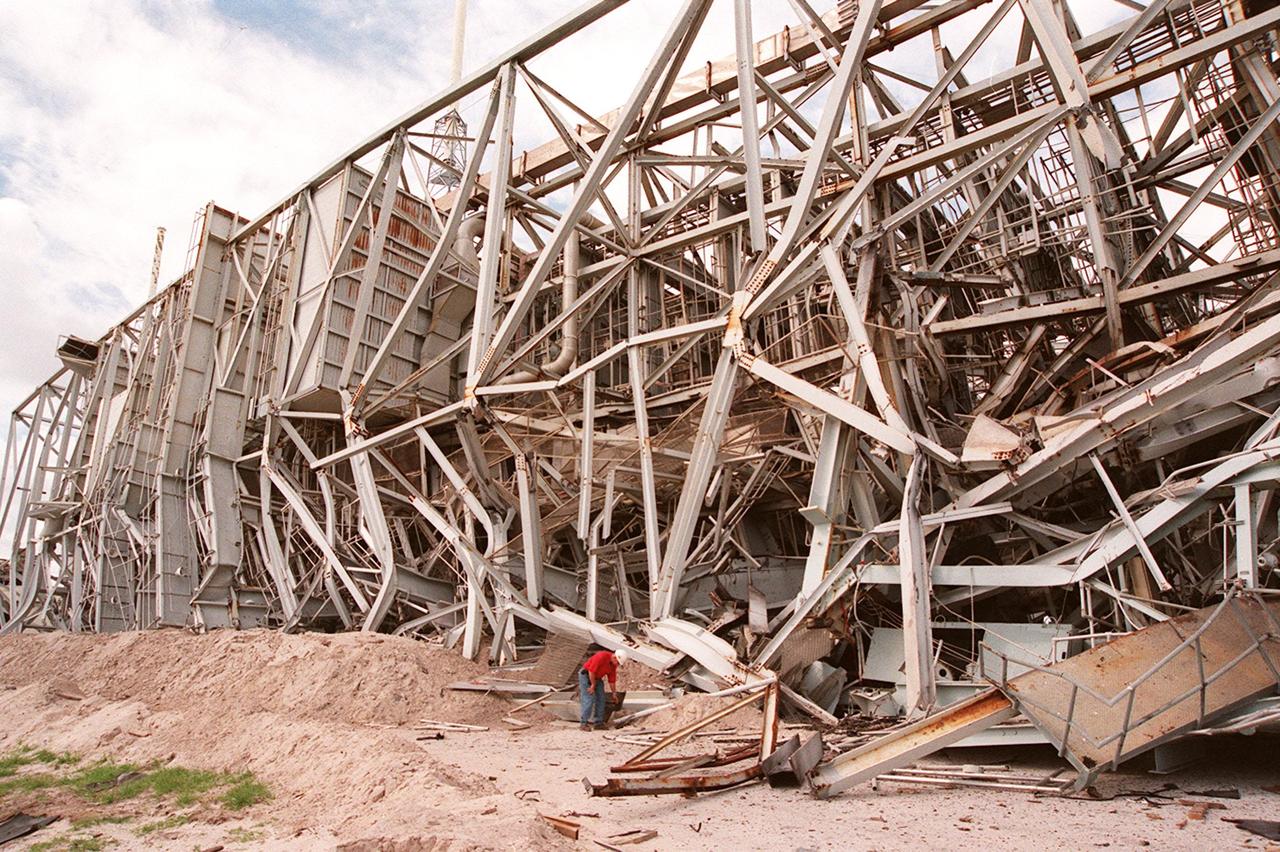
KENNEDY SPACE CENTER, FLA. -- Workers are dwarfed by the fallen 300-foot, five-million-pound Mobile Service Tower (MST) on Launch Complex 41, Cape Canaveral Air Force Station. The MST and a 200-foot-high umbilical tower nearby were demolished to make room for Lockheed Martin's 14-acre Vehicle Integration Facility (VIF), under construction. Only lightning protection towers remain standing at the site. About 200 pounds of linear-shaped charges were used to bring down the towers so that the materials can be recycled. The implosion and removal of the tower debris is expected to be completed in two months. The VIF will be used for Lockheed Martin's Atlas V Launch System.
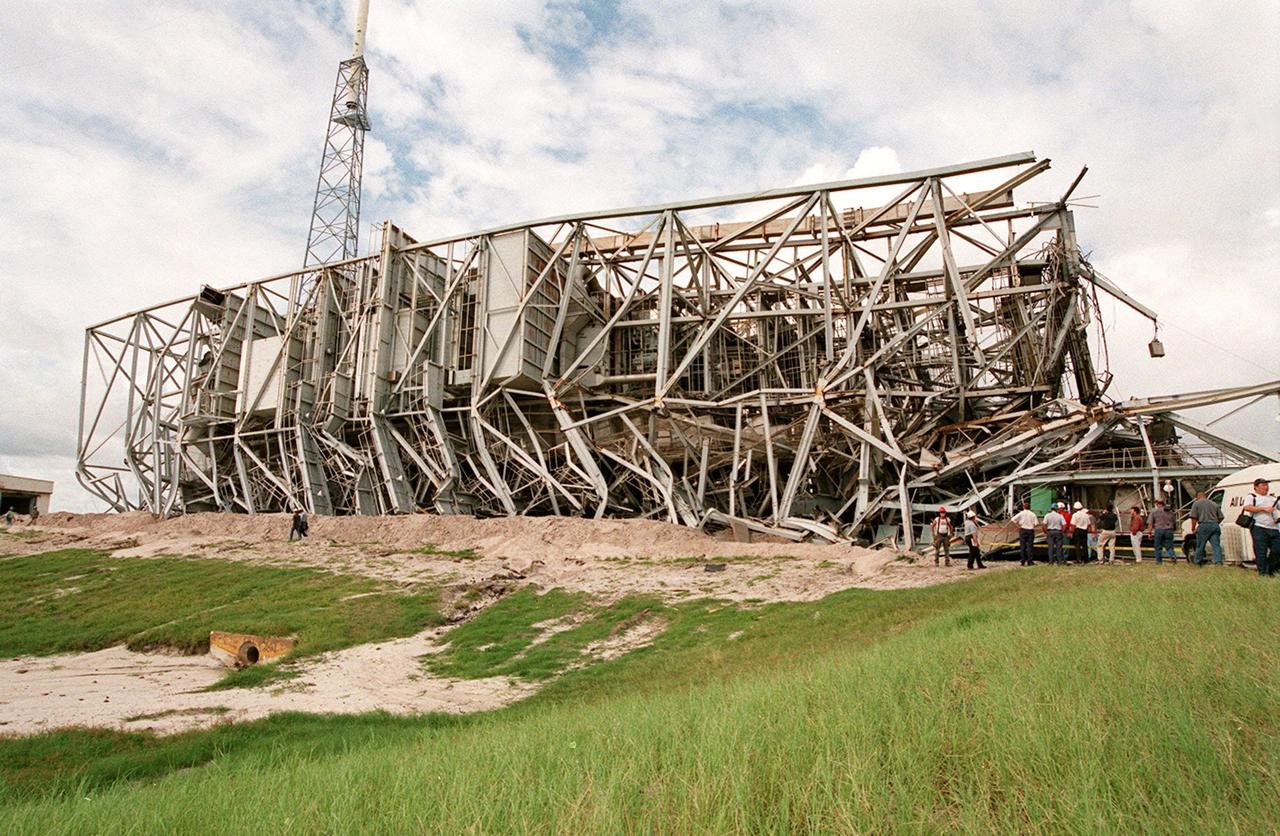
KENNEDY SPACE CENTER, FLA. -- The fallen 300-foot, five-million-pound Mobile Service Tower (MST) on Launch Complex 41, Cape Canaveral Air Force Station, looms over the head of a worker on the ground beside it. The MST and a 200-foot-high umbilical tower nearby were demolished to make room for Lockheed Martin's 14-acre Vehicle Integration Facility (VIF), under construction. Only lightning protection towers, such as the one seen behind the MST, remain standing at the site. About 200 pounds of linear-shaped charges were used to bring down the towers so that the materials can be recycled. The implosion and removal of the tower debris is expected to be completed in two months. The VIF will be used for Lockheed Martin's Atlas V Launch System.
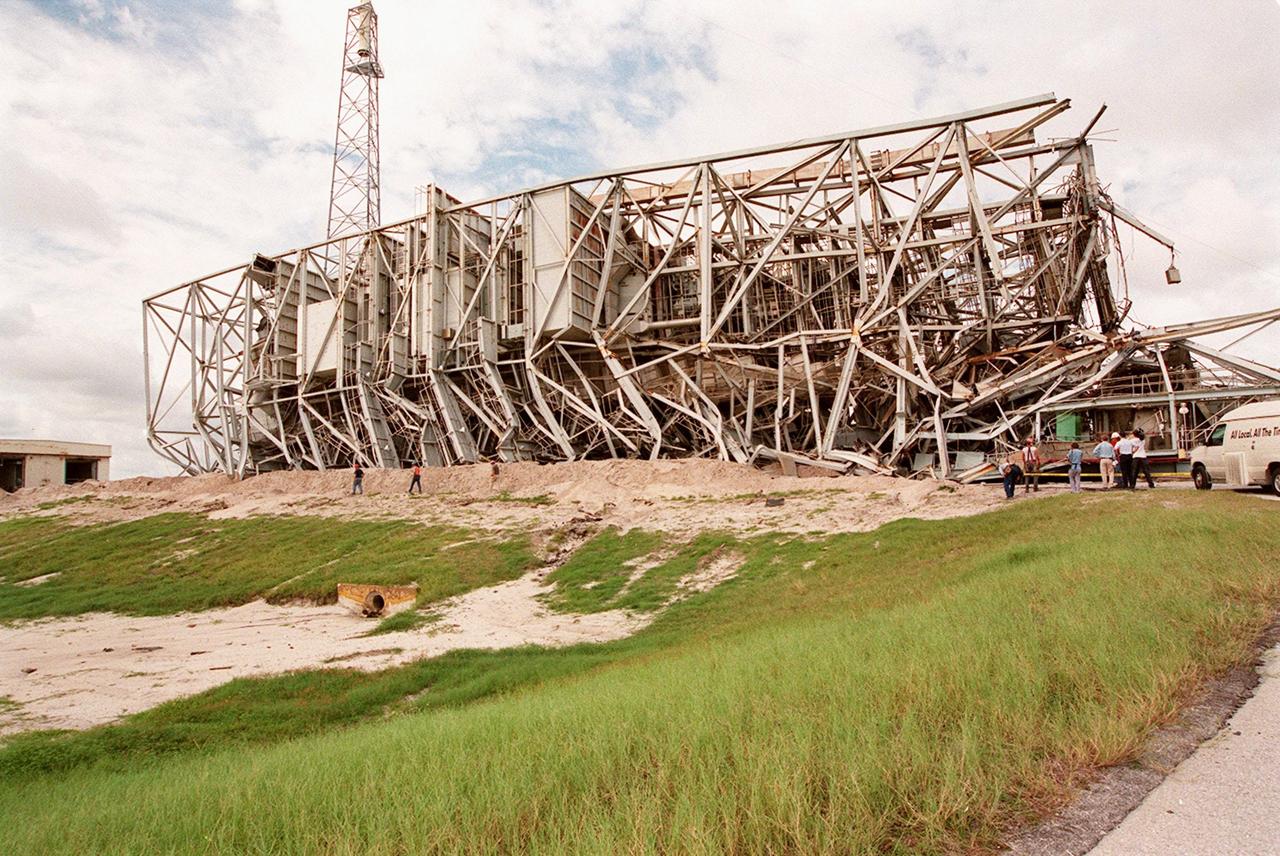
KENNEDY SPACE CENTER, FLA. -- The 300-foot, five-million-pound Mobile Service Tower (MST) on Launch Complex 41, Cape Canaveral Air Force Station, lies on its side after being demolished. The MST and a 200-foot-high umbilical tower nearby were demolished to make room for Lockheed Martin's 14-acre Vehicle Integration Facility (VIF), under construction. Only lightning protection towers, such as the one seen behind the MST, remain standing at the site. About 200 pounds of linear-shaped charges were used to bring down the towers so that the materials can be recycled. The implosion and removal of the tower debris is expected to be completed in two months. The VIF will be used for Lockheed Martin's Atlas V Launch System.
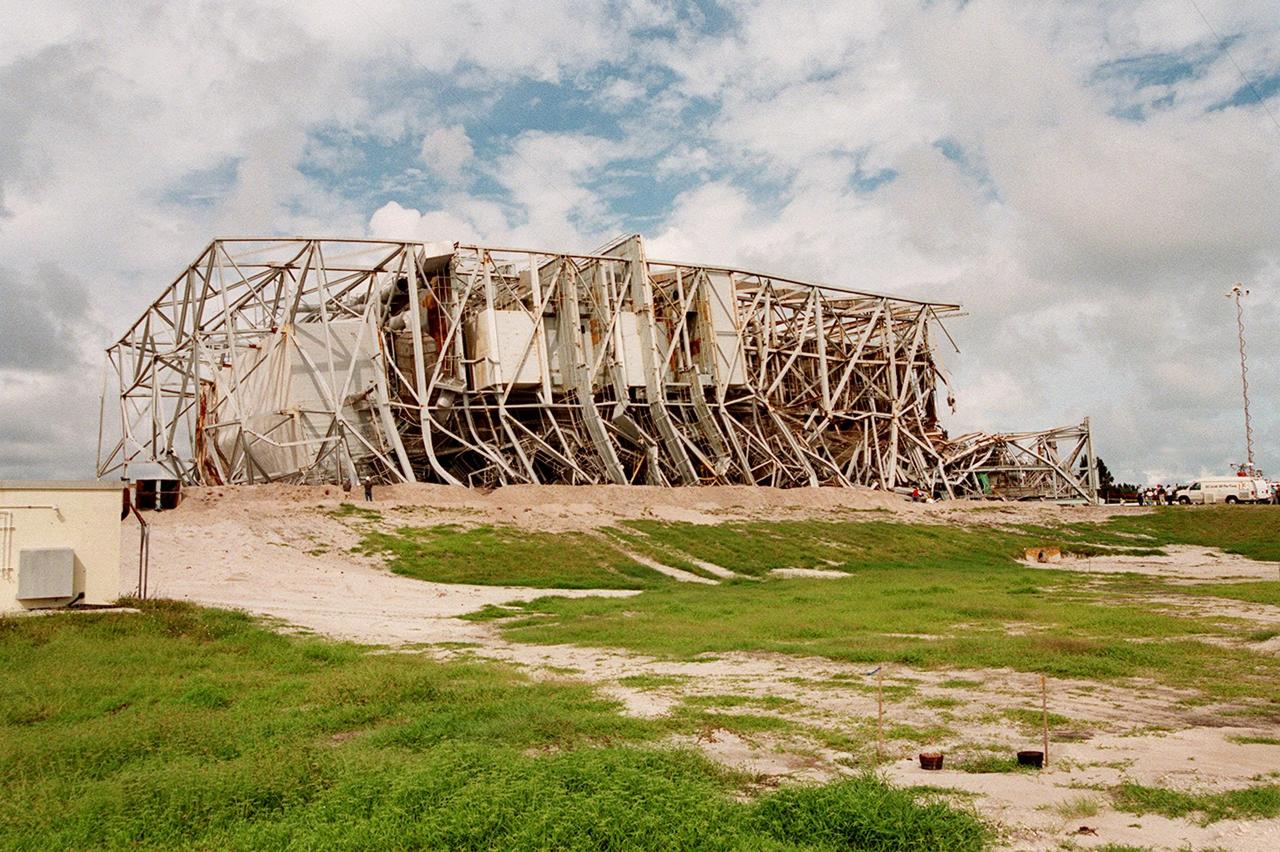
KENNEDY SPACE CENTER, FLA. -- Live TV trucks (far right) from local channels merge at the site of the fallen Mobile Service Tower (MST) and umbilical tower nearby after their demolition. The towers were demolished to make room for Lockheed Martin's 14-acre Vehicle Integration Facility (VIF), under construction. Weighing two million pounds, the umbilical tower was approximately 200 feet high. The taller 300-foot MST weighed five million pounds. About 200 pounds of linear-shaped charges were used to bring down the towers so that the materials can be recycled. The implosion and removal of the tower debris is expected to be completed in two months. The VIF will be used for Lockheed Martin's Atlas V Launch System.
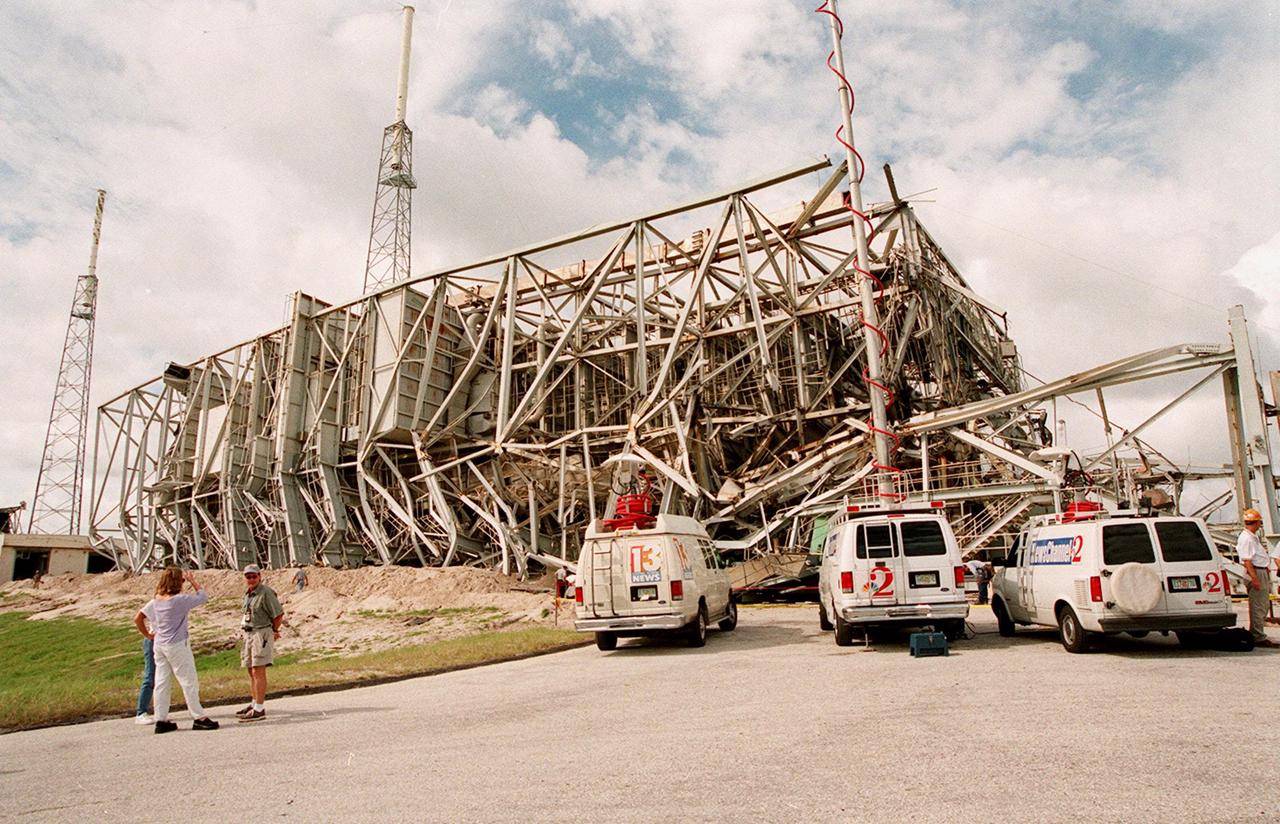
KENNEDY SPACE CENTER, FLA. -- Live TV trucks from local channels merge at the site of the fallen Mobile Service Tower (MST) and umbilical tower nearby after their demolition. The towers were demolished to make room for Lockheed Martin's 14-acre Vehicle Integration Facility (VIF), under construction. Weighing two million pounds, the umbilical tower was approximately 200 feet high. The taller 300-foot MST weighed five million pounds. About 200 pounds of linear-shaped charges were used to bring down the towers so that the materials can be recycled. The implosion and removal of the tower debris is expected to be completed in two months. The VIF will be used for Lockheed Martin's Atlas V Launch System.
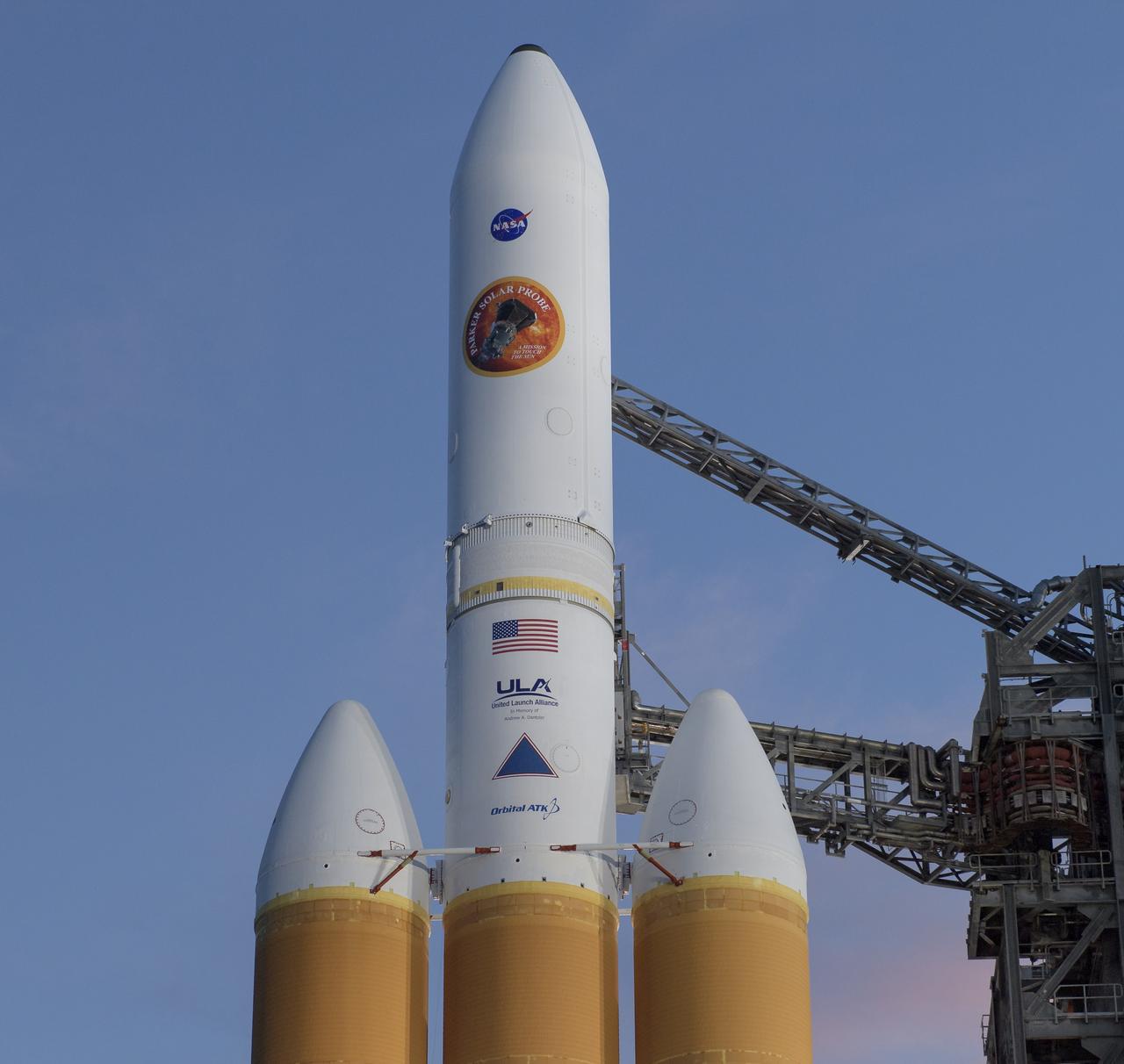
The Mobile Service Tower is rolled back to reveal the United Launch Alliance Delta IV Heavy rocket with the Parker Solar Probe onboard, Friday, Aug. 10, 2018, Launch Complex 37 at Cape Canaveral Air Force Station in Florida. Parker Solar Probe is humanity’s first-ever mission into a part of the Sun’s atmosphere called the corona. Here it will directly explore solar processes that are key to understanding and forecasting space weather events that can impact life on Earth. Photo Credit: (NASA/Bill Ingalls)
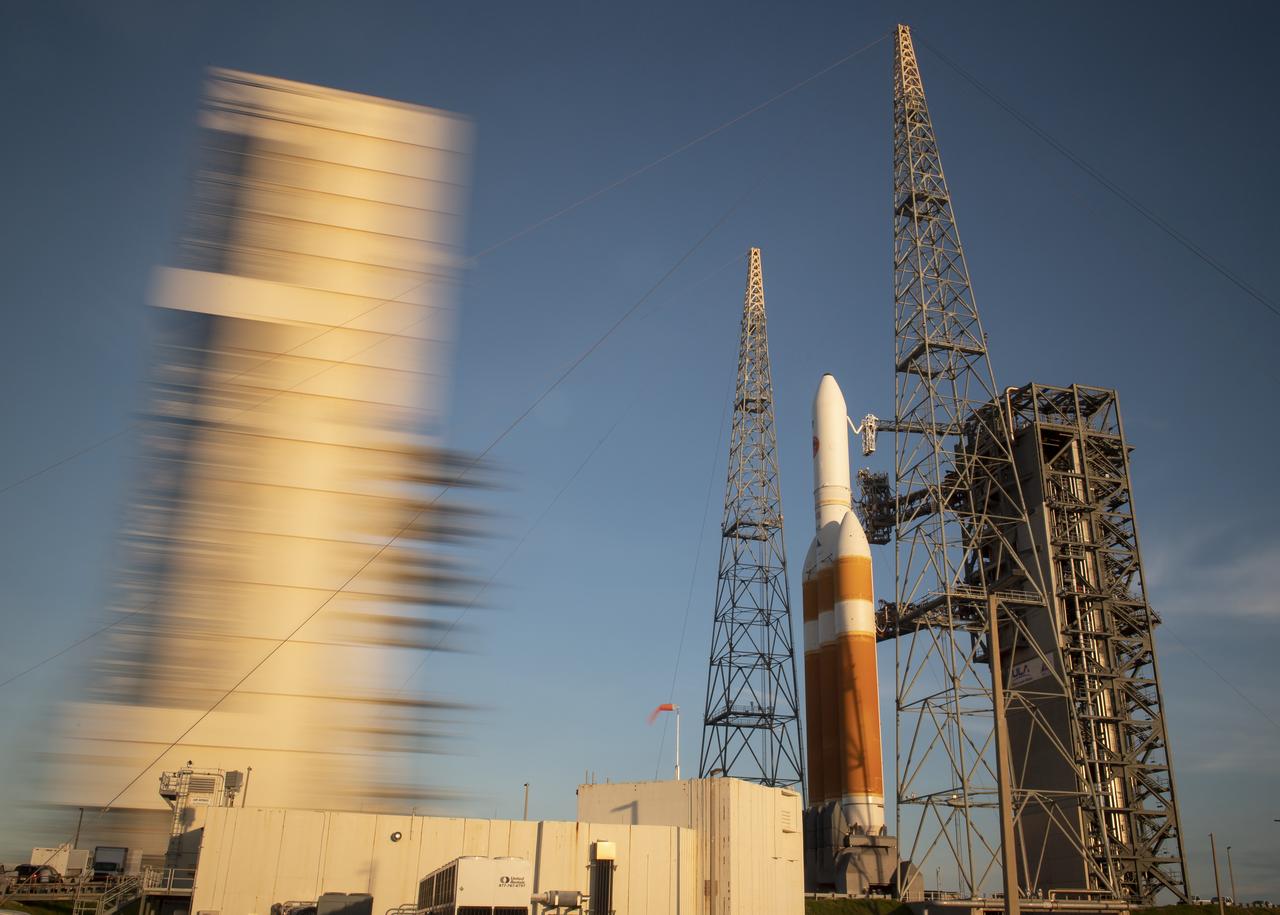
This long exposure photograph shows the Mobile Service Tower being rolled back to reveal the United Launch Alliance Delta IV Heavy rocket with the Parker Solar Probe onboard, Friday, Aug. 10, 2018, Launch Complex 37 at Cape Canaveral Air Force Station in Florida. Parker Solar Probe is humanity’s first-ever mission into a part of the Sun’s atmosphere called the corona. Here it will directly explore solar processes that are key to understanding and forecasting space weather events that can impact life on Earth. Photo Credit: (NASA/Bill Ingalls)
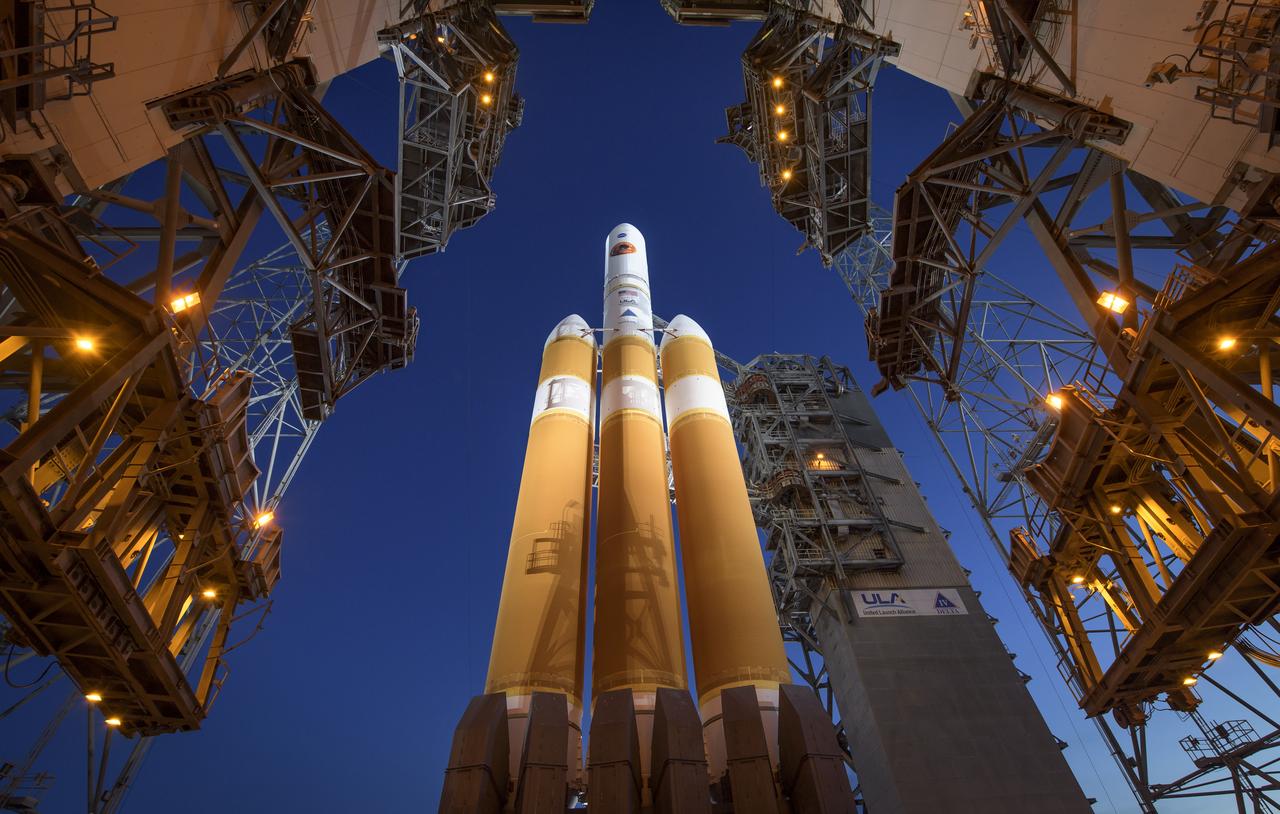
The Mobile Service Tower is rolled back to reveal the United Launch Alliance Delta IV Heavy rocket with the Parker Solar Probe onboard, Saturday, Aug. 11, 2018, Launch Complex 37 at Cape Canaveral Air Force Station in Florida. Parker Solar Probe is humanity’s first-ever mission into a part of the Sun’s atmosphere called the corona. Here it will directly explore solar processes that are key to understanding and forecasting space weather events that can impact life on Earth. Photo Credit: (NASA/Bill Ingalls)
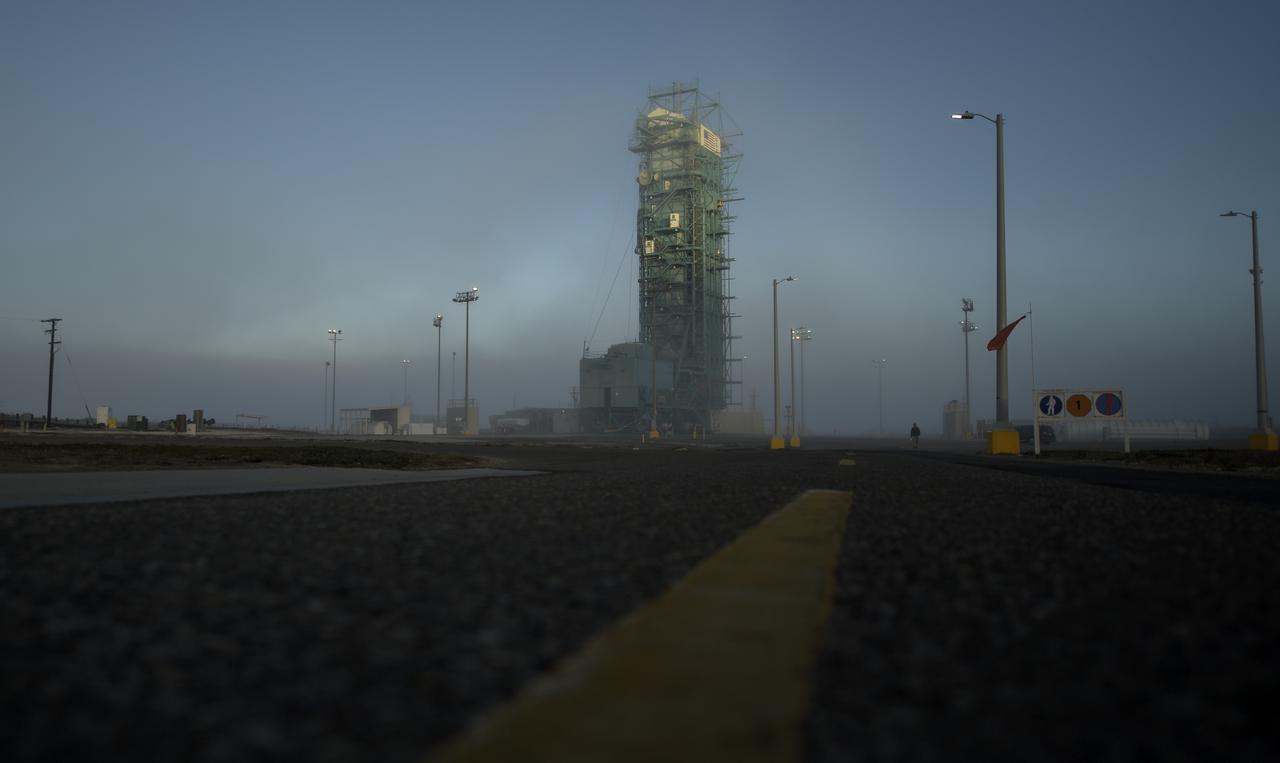
A thin fog covers the mobile service tower and the United Launch Alliance (ULA) Delta II rocket with the NASA Ice, Cloud and land Elevation Satellite-2 (ICESat-2) onboard, Thursday, Sept. 13, 2018, Vandenberg Air Force Base in California. The ICESat-2 mission will measure the changing height of Earth's ice. Photo Credit: (NASA/Bill Ingalls)
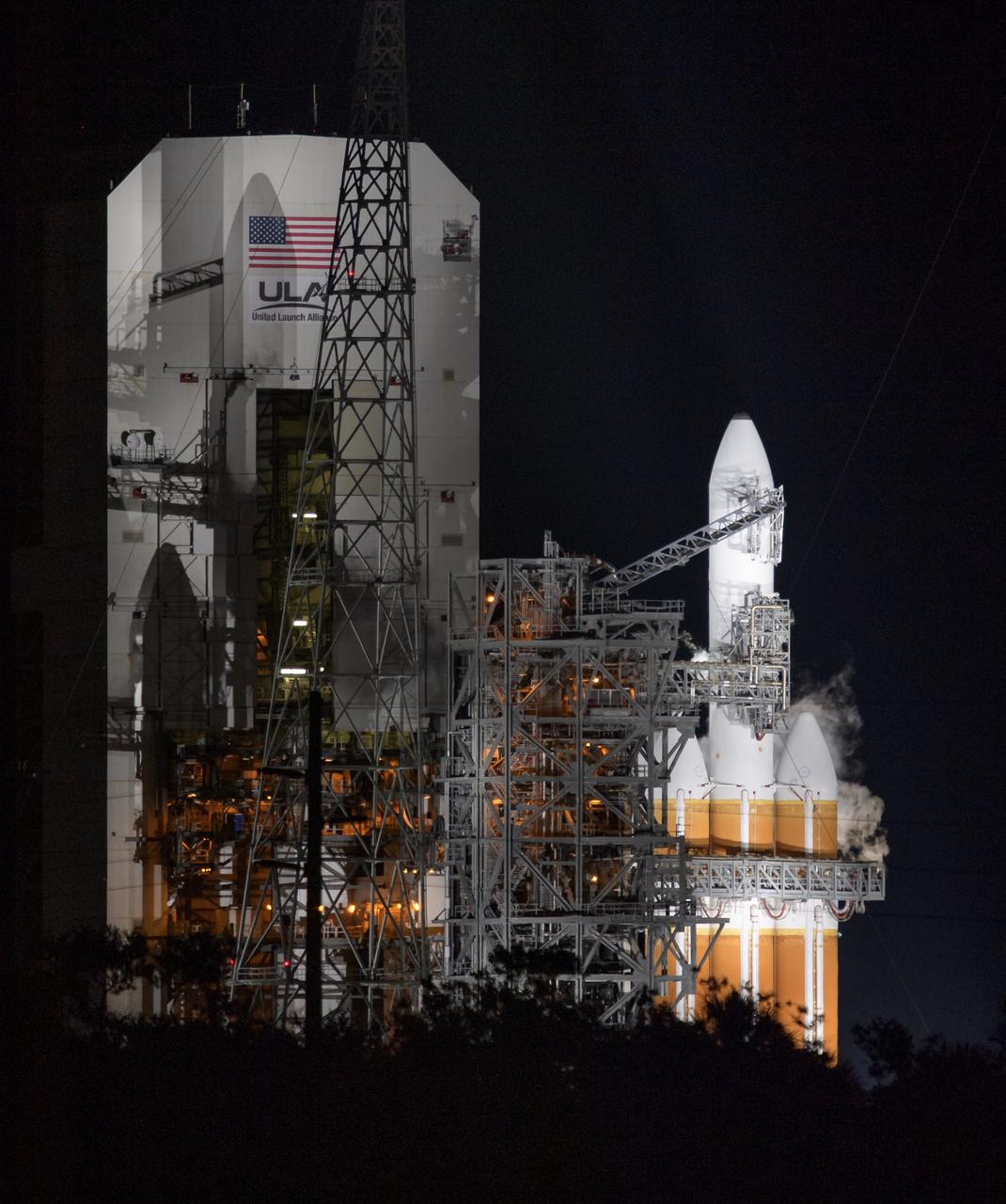
The United Launch Alliance Delta IV Heavy rocket with the Parker Solar Probe onboard is seen moments before launch, Sunday, Aug. 12, 2018, Launch Complex 37 at Cape Canaveral Air Force Station in Florida. Parker Solar Probe is humanity’s first-ever mission into a part of the Sun’s atmosphere called the corona. Here it will directly explore solar processes that are key to understanding and forecasting space weather events that can impact life on Earth. Photo Credit: (NASA/Bill Ingalls)
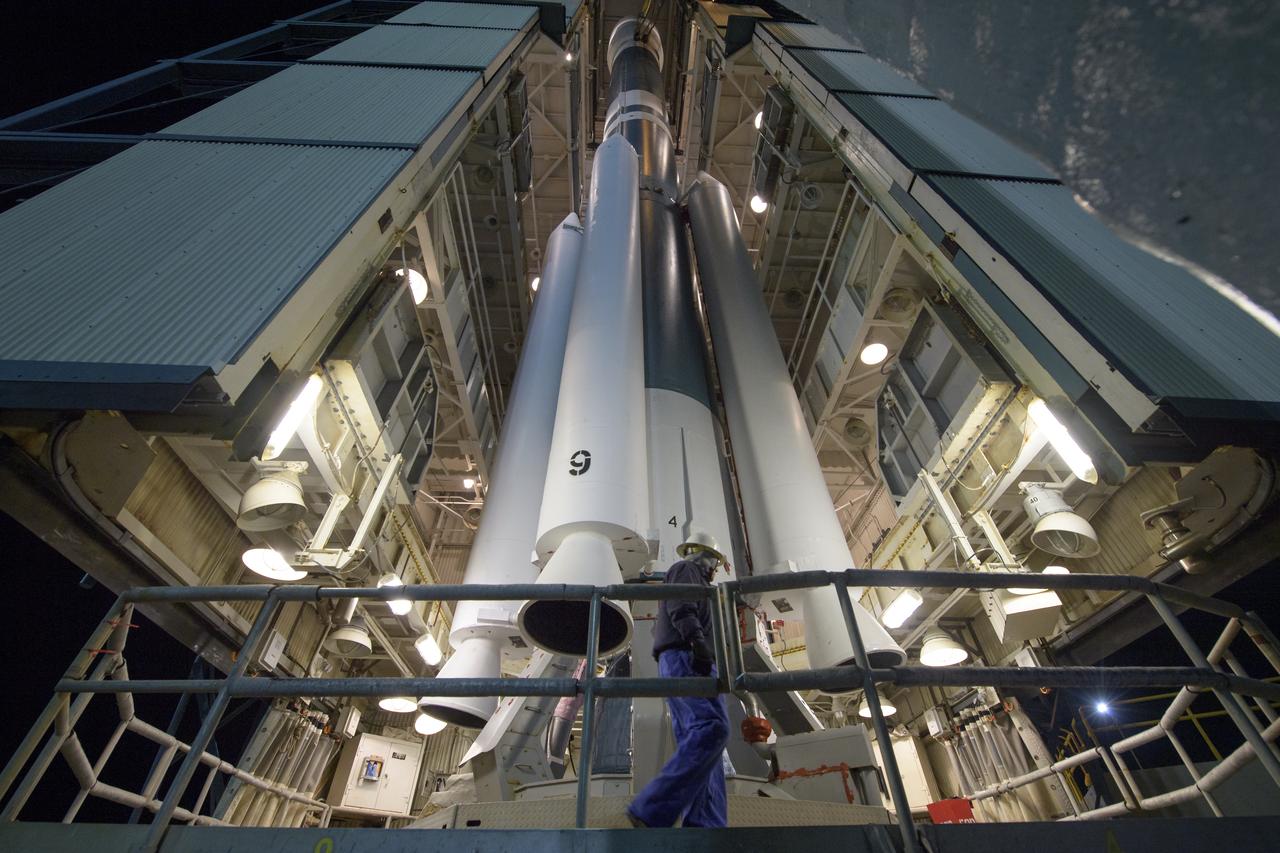
Workers prepare the United Launch Alliance (ULA) Delta II rocket, with the NASA Ice, Cloud and land Elevation Satellite-2 (ICESat-2) onboard, for launch, Friday, Sept. 14, 2018, at Vandenberg Air Force Base in California. The ICESat-2 mission will measure the changing height of Earth's ice. Photo Credit: (NASA/Bill Ingalls)
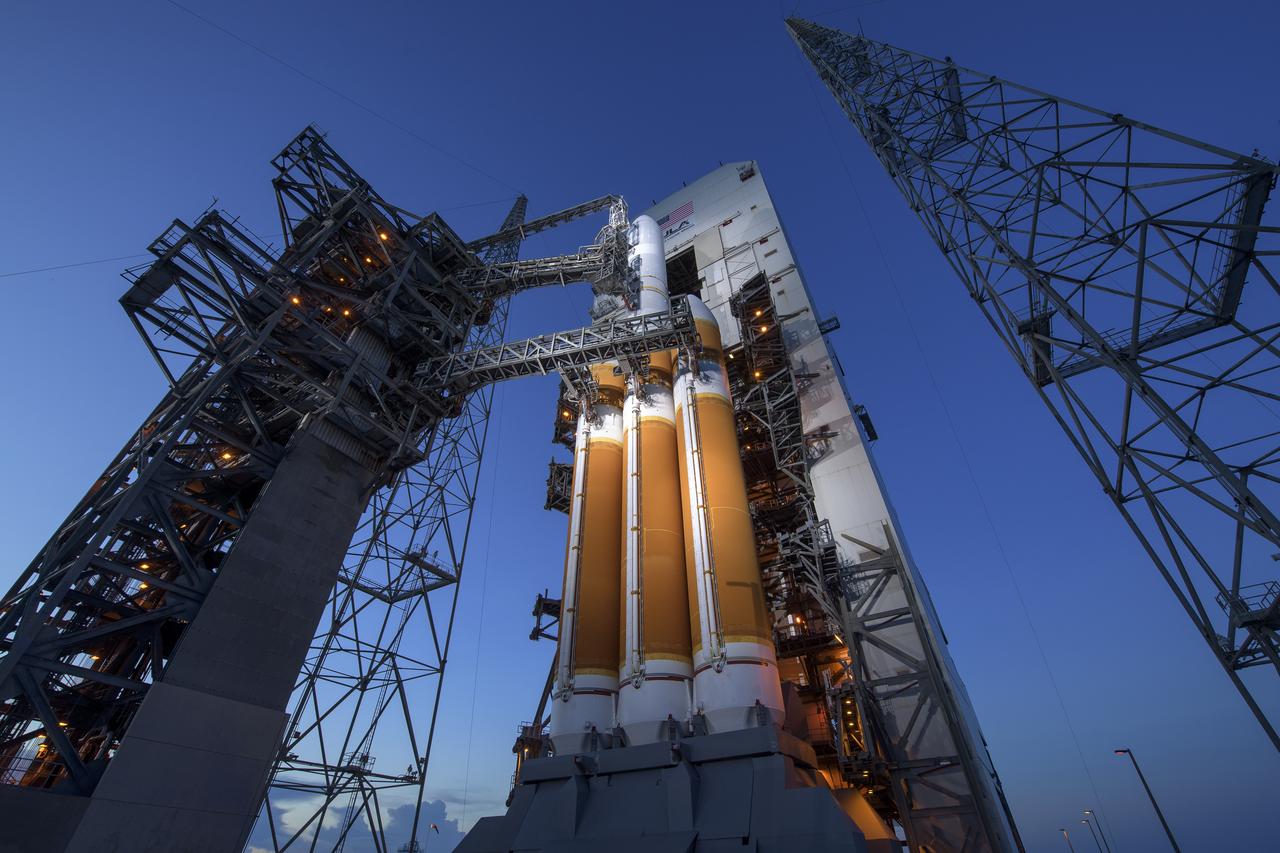
The Mobile Service Tower is rolled back to reveal the United Launch Alliance Delta IV Heavy rocket with the Parker Solar Probe onboard, Saturday, Aug. 11, 2018, Launch Complex 37 at Cape Canaveral Air Force Station in Florida. Parker Solar Probe is humanity’s first-ever mission into a part of the Sun’s atmosphere called the corona. Here it will directly explore solar processes that are key to understanding and forecasting space weather events that can impact life on Earth. Photo Credit: (NASA/Bill Ingalls)
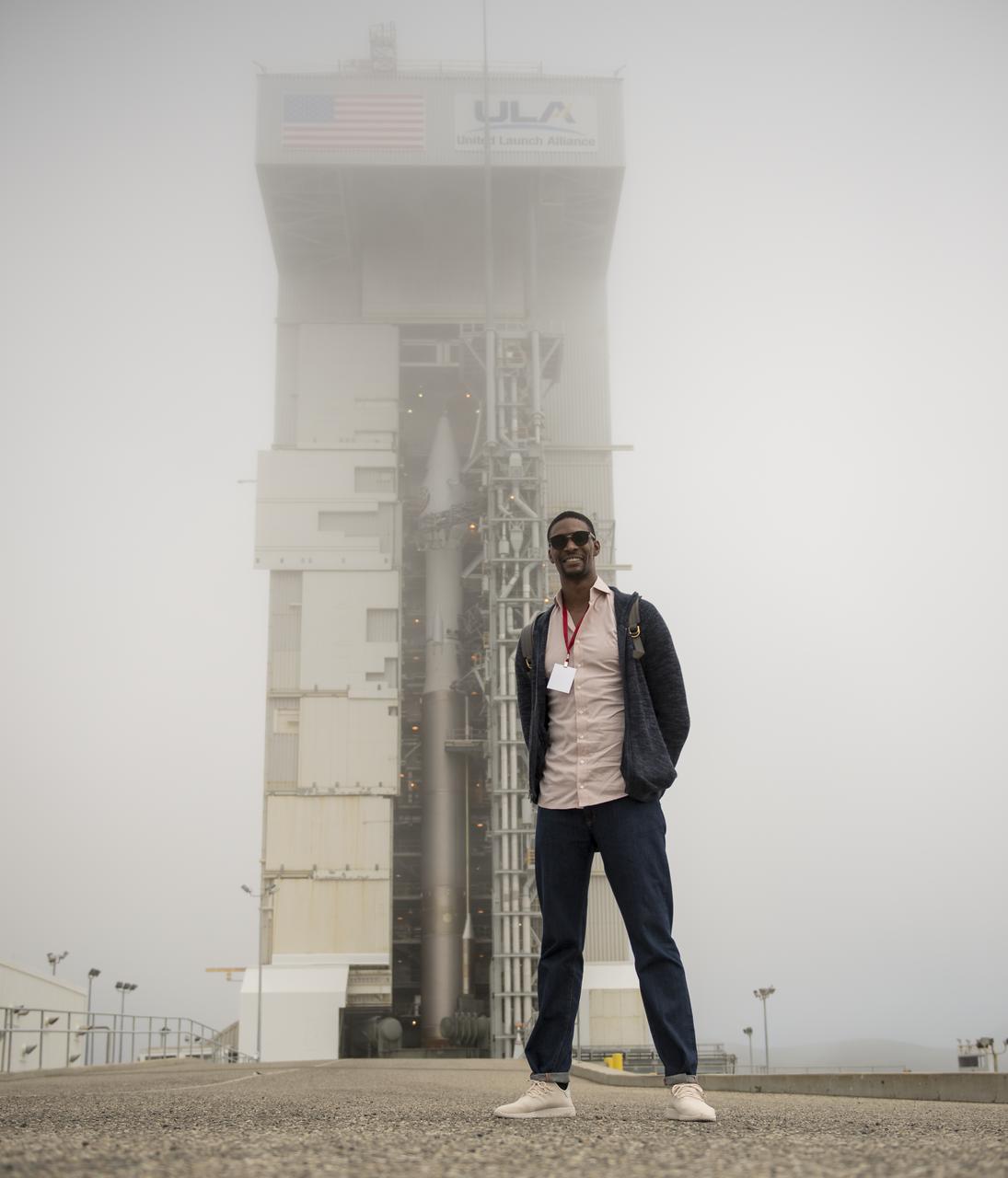
American professional basketball player Chris Bosh poses for a photograph in front of the United Launch Alliance (ULA) Atlas-V rocket with NASA's InSight spacecraft onboard, Friday, May 4, 2018, at Vandenberg Air Force Base in California. Bosh joined other social media guests on a behind the scenes tour ahead of the planned launch. InSight, short for Interior Exploration using Seismic Investigations, Geodesy and Heat Transport, is a Mars lander designed to study the "inner space" of Mars: its crust, mantle, and core. Photo Credit: (NASA/Bill Ingalls)
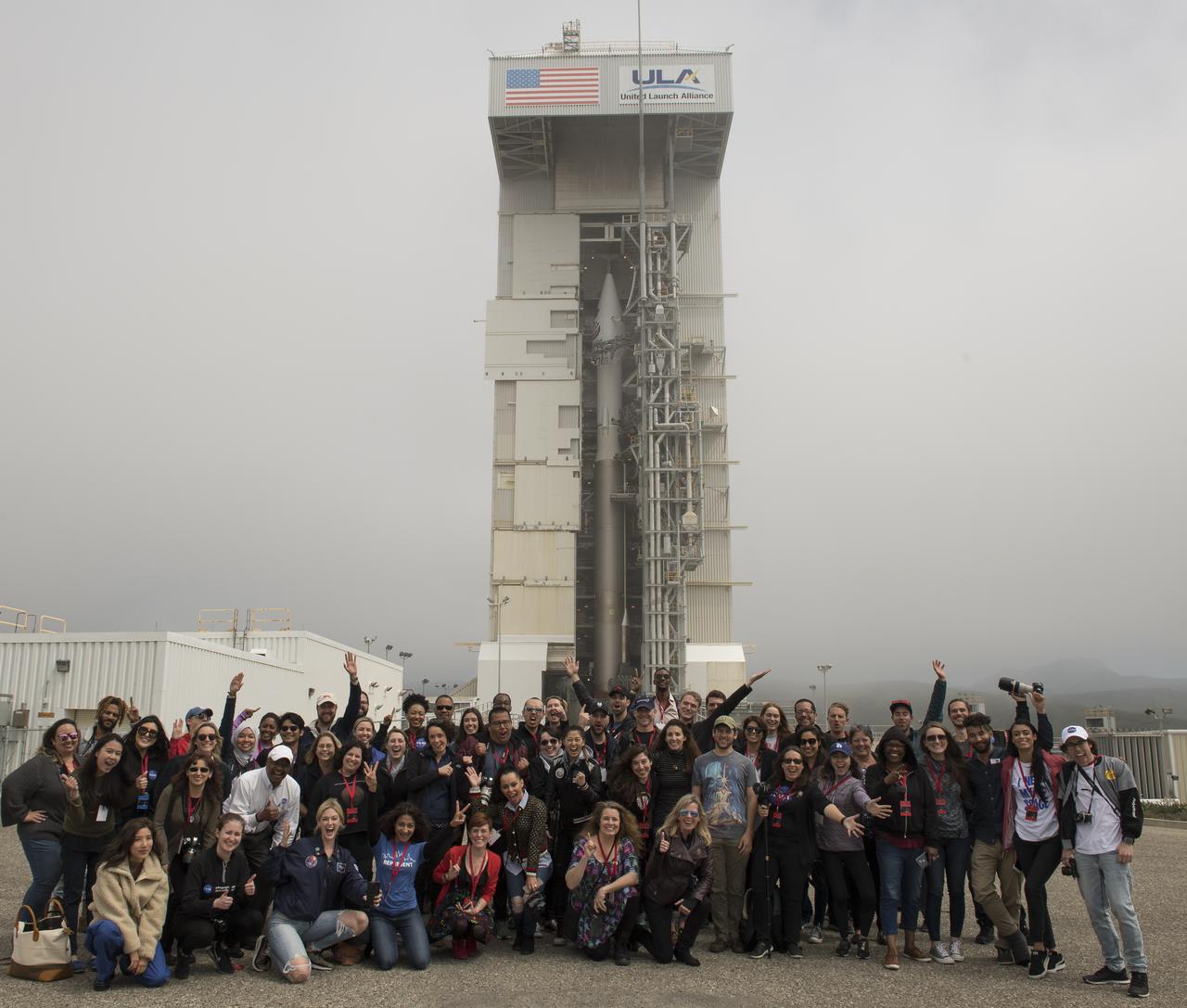
NASA social media attendees pose for a group photograph in front of the United Launch Alliance (ULA) Atlas-V rocket with NASA's InSight spacecraft onboard, Friday, May 4, 2018, at Vandenberg Air Force Base in California. InSight, short for Interior Exploration using Seismic Investigations, Geodesy and Heat Transport, is a Mars lander designed to study the "inner space" of Mars: its crust, mantle, and core. Photo Credit: (NASA/Bill Ingalls)
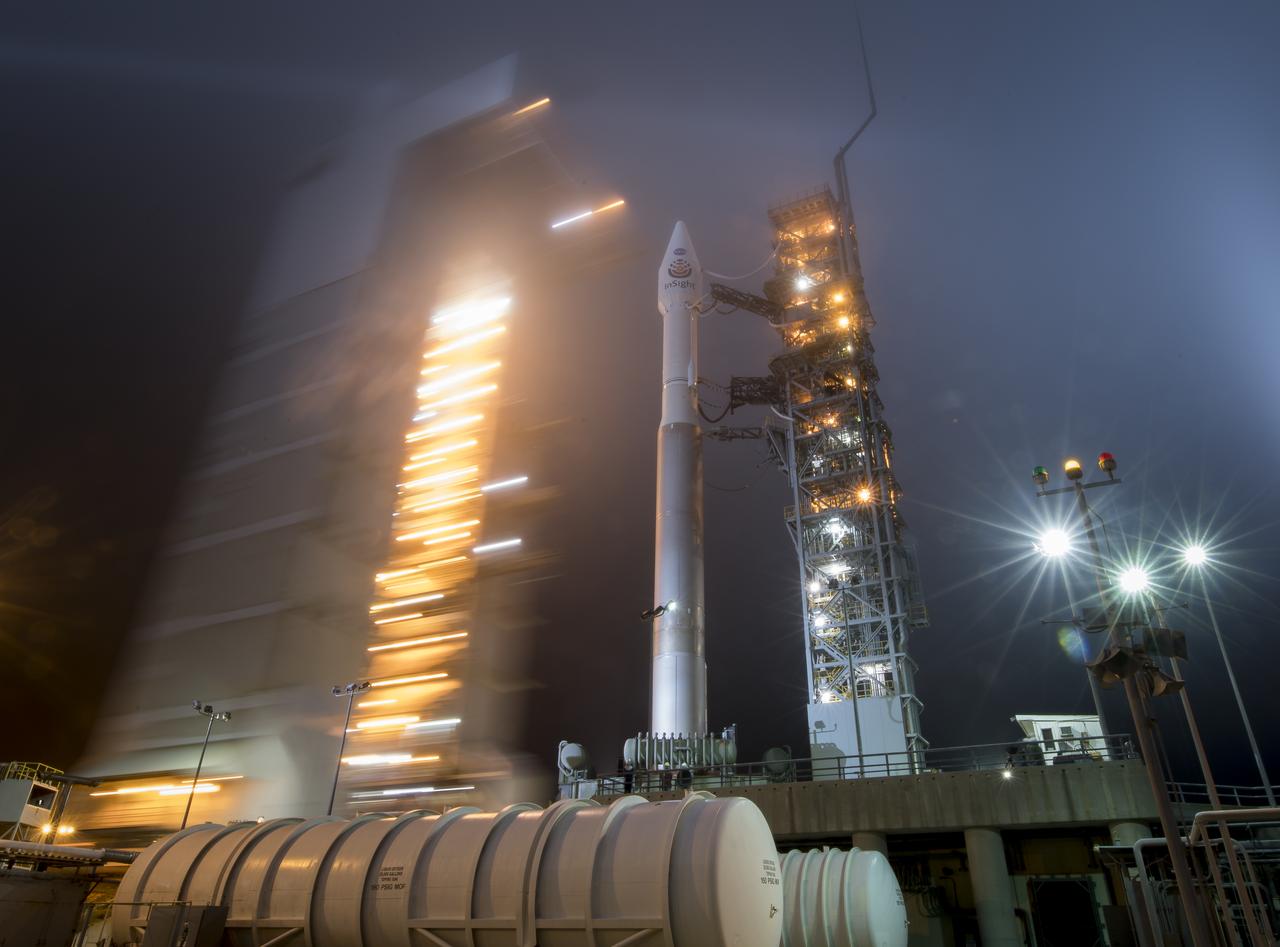
The mobile service tower at SLC-3 is rolled back to reveal the United Launch Alliance (ULA) Atlas-V rocket with the NASA InSight spacecraft onboard, Friday, May 4, 2018, at Vandenberg Air Force Base in California. InSight, short for Interior Exploration using Seismic Investigations, Geodesy and Heat Transport, is a Mars lander designed to study the "inner space" of Mars: its crust, mantle, and core. Photo Credit: (NASA/Bill Ingalls)