Ejecta Modification
Ejecta Modification
Crater Modification
Crater Modification
Crater Modification
Crater Modification
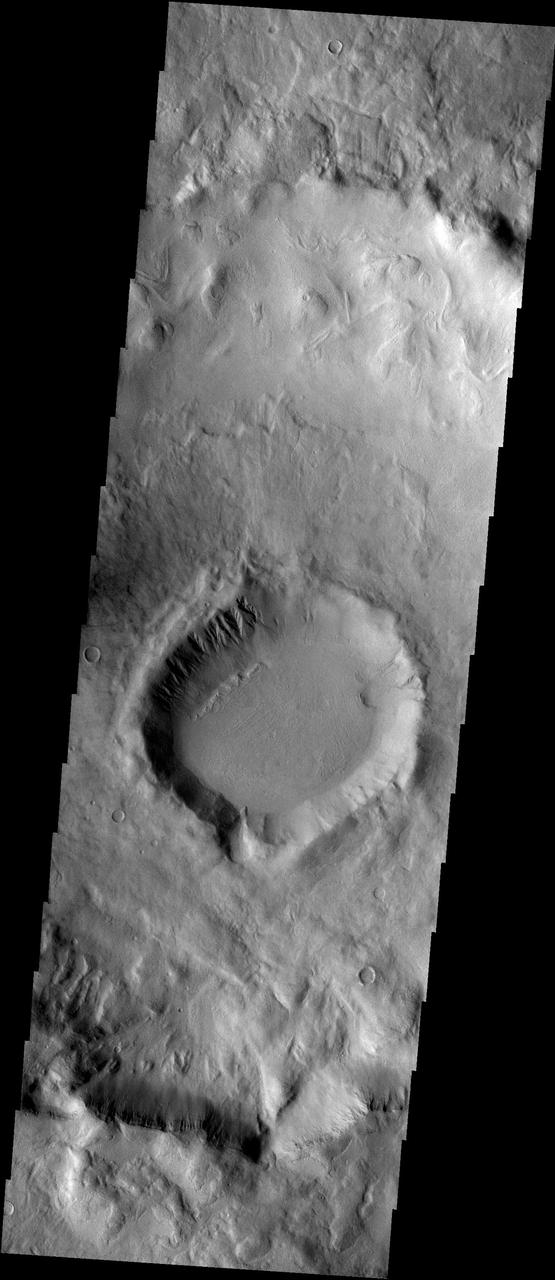
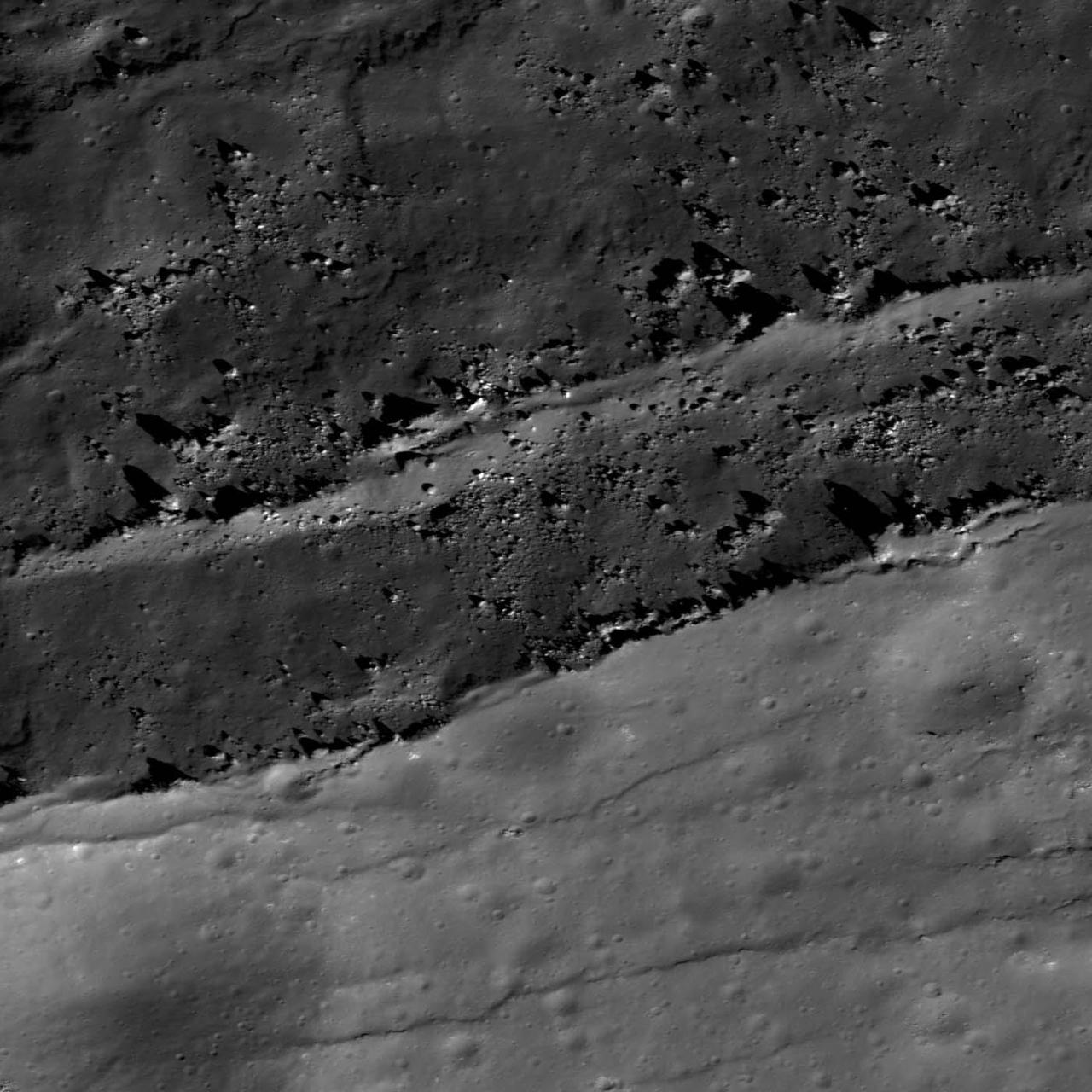
Signs of Landscape Modifications at Martian Crater
Post-impact Modification of Klute W
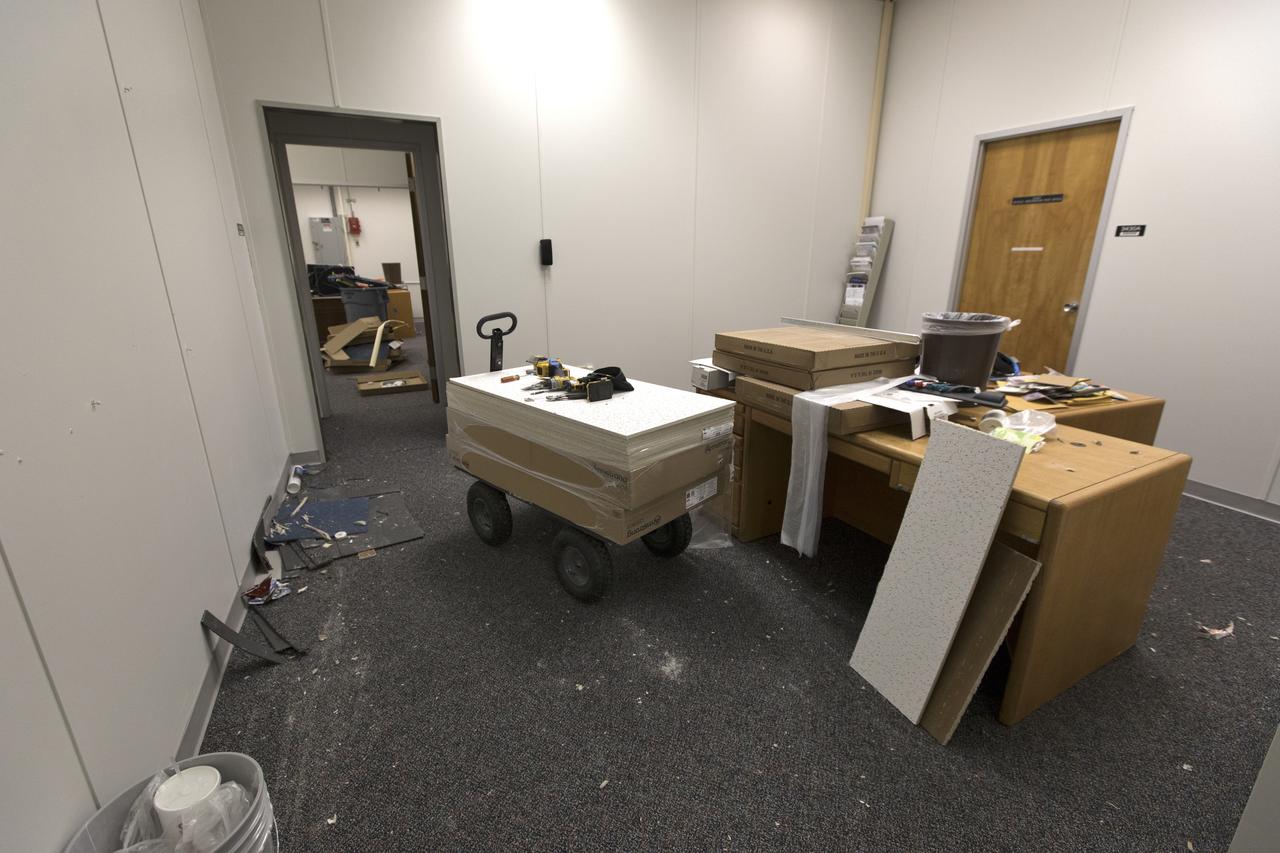
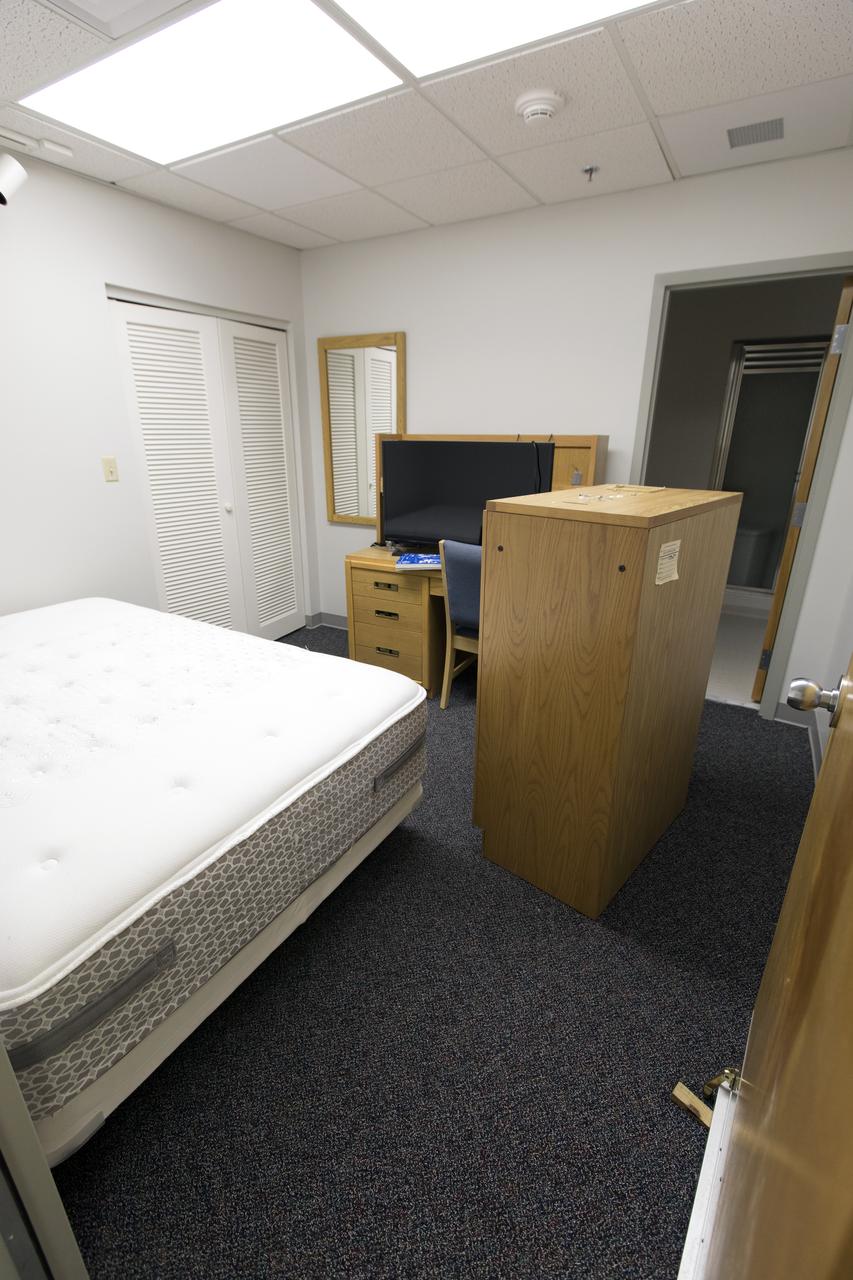
Modifications and upgrades are underway inside the Astronaut Crew Quarters in the Neil Armstrong Operations and Checkout Building at NASA's Kennedy Space Center in Florida. Walls are painted and new carpeting was installed in one of the bedrooms. The crew quarters are being prepared for the next generation of space explorers. The historic facility housed Apollo and space shuttle astronauts before and after their missions into space.
Crew Quarters Modifications
Modifications and upgrades are underway inside the Astronaut Crew Quarters in the Neil Armstrong Operations and Checkout Building at NASA's Kennedy Space Center in Florida. Old carpeting is being removed and new carpeting is being installed. The crew quarters are being prepared for the next generation of space explorers. The historic facility housed Apollo and space shuttle astronauts before and after their missions into space.
Crew Quarters Modifications
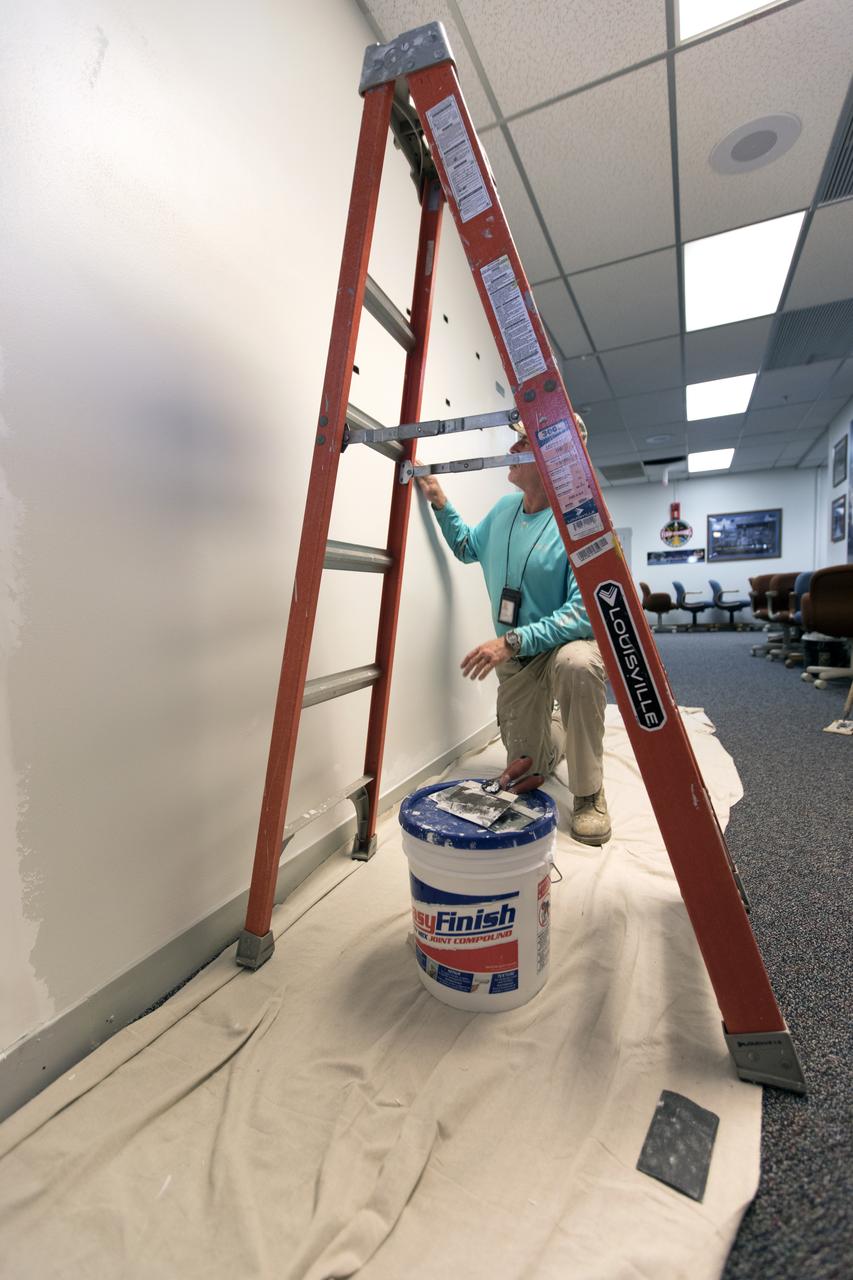
Modifications and upgrades are underway inside the Astronaut Crew Quarters in the Neil Armstrong Operations and Checkout Building at NASA's Kennedy Space Center in Florida. The walls inside the meeting room are being painted. New carpeting has been installed. The crew quarters are being prepared for the next generation of space explorers. The historic facility housed Apollo and space shuttle astronauts before and after their missions into space.
Crew Quarters Modifications
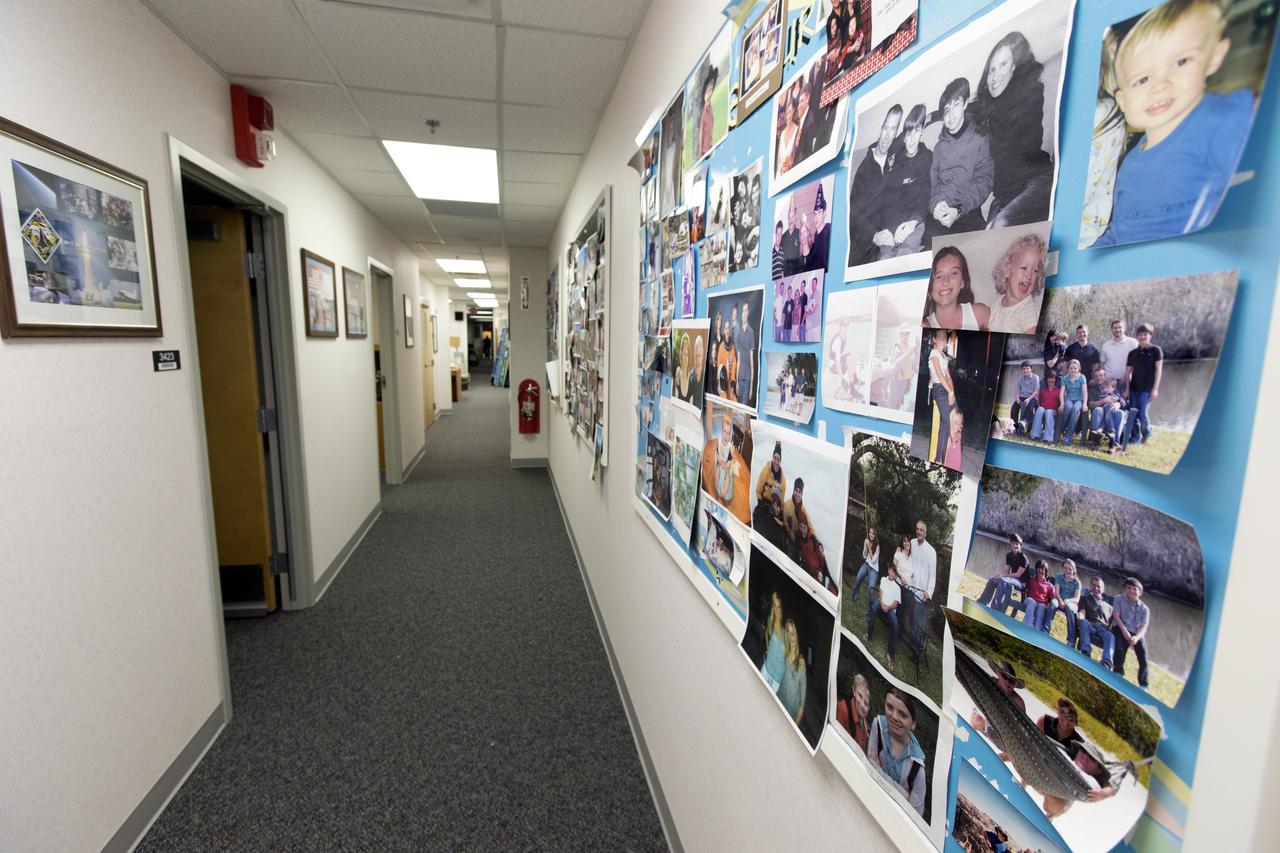
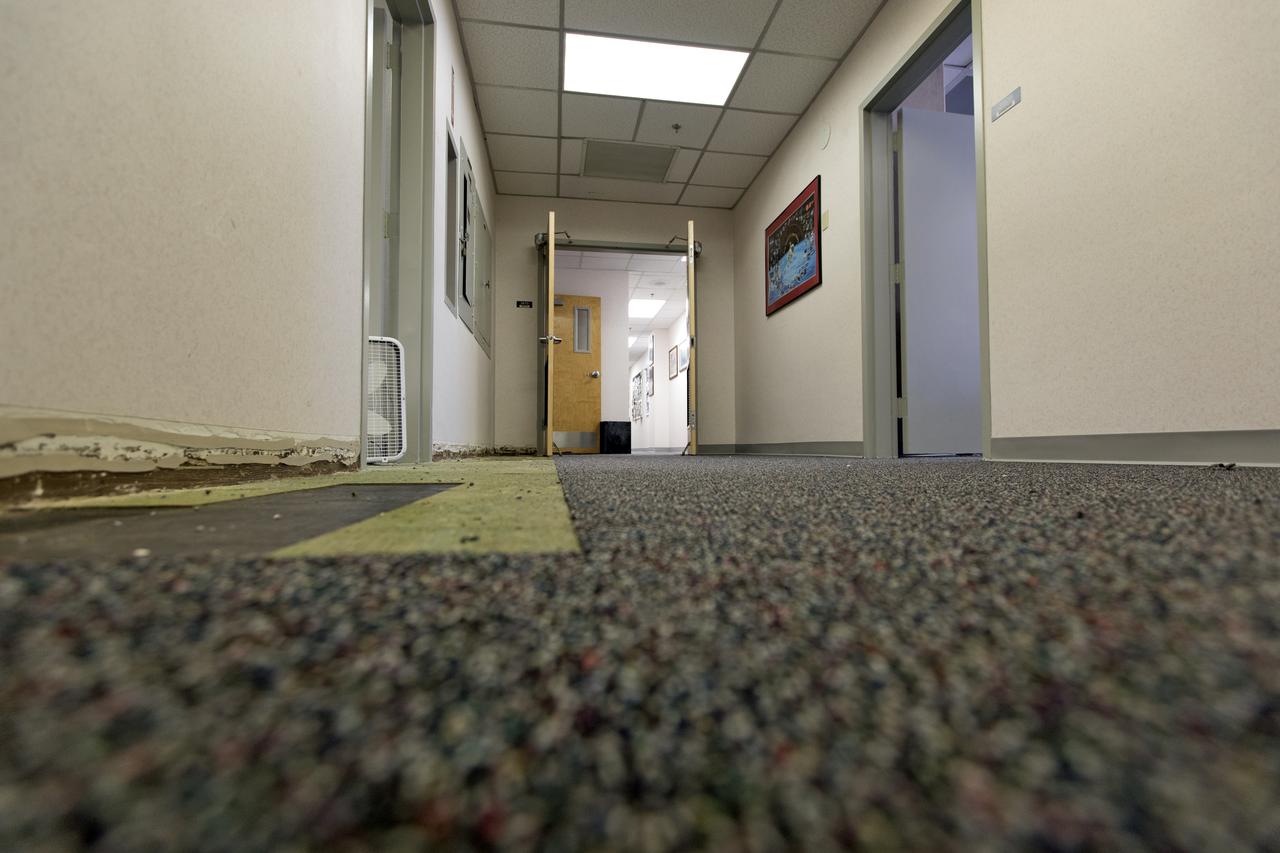
Modifications and upgrades are underway inside the Astronaut Crew Quarters in the Neil Armstrong Operations and Checkout Building at NASA's Kennedy Space Center in Florida. New carpeting and trim has been installed along a hallway and into some of the bedrooms. Photos of astronauts' families line the walls.  The crew quarters are being prepared for the next generation of space explorers. The historic facility housed Apollo and space shuttle astronauts before and after their missions into space.
Crew Quarters Modifications
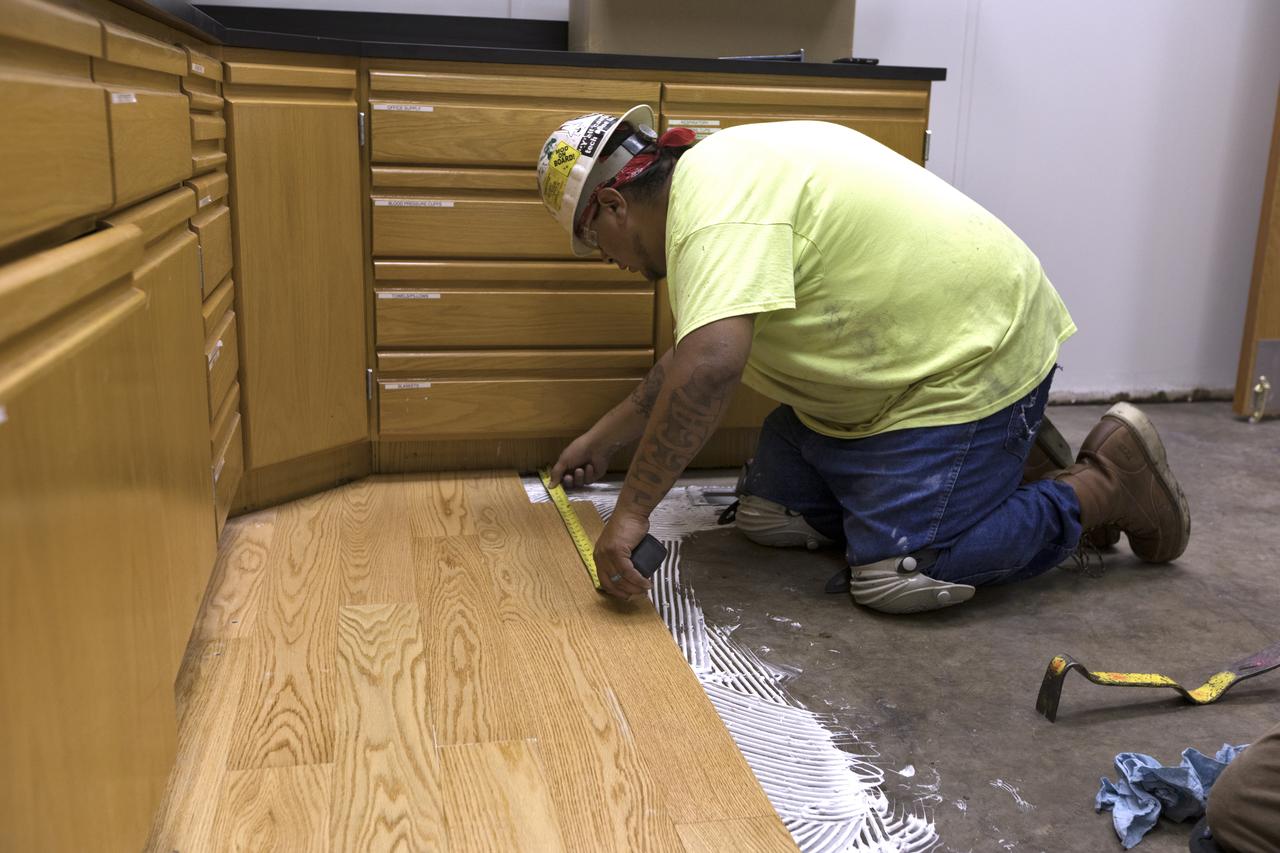
Modifications and upgrades are underway inside the Astronaut Crew Quarters in the Neil Armstrong Operations and Checkout Building at NASA's Kennedy Space Center in Florida. A carpenter measures an area for new wood flooring inside the kitchen. The crew quarters are being prepared for the next generation of space explorers. The historic facility housed Apollo and space shuttle astronauts before and after their missions into space.
Crew Quarters Modifications
Modifications and upgrades are underway inside the Astronaut Crew Quarters in the Neil Armstrong Operations and Checkout Building at NASA's Kennedy Space Center in Florida. One of the support rooms is being prepped for upgrades, including new paint, carpeting and trim around the doors. The crew quarters are being prepared for the next generation of space explorers. The historic facility housed Apollo and space shuttle astronauts before and after their missions into space.
Crew Quarters Modifications
Modifications and upgrades are underway inside the Astronaut Crew Quarters in the Neil Armstrong Operations and Checkout Building at NASA's Kennedy Space Center in Florida. Walls are receiving fresh coats of paint and new flooring is being installed. The crew quarters are being prepared for the next generation of space explorers. The historic facility housed Apollo and space shuttle astronauts before and after their missions into space.
Crew Quarters Modifications
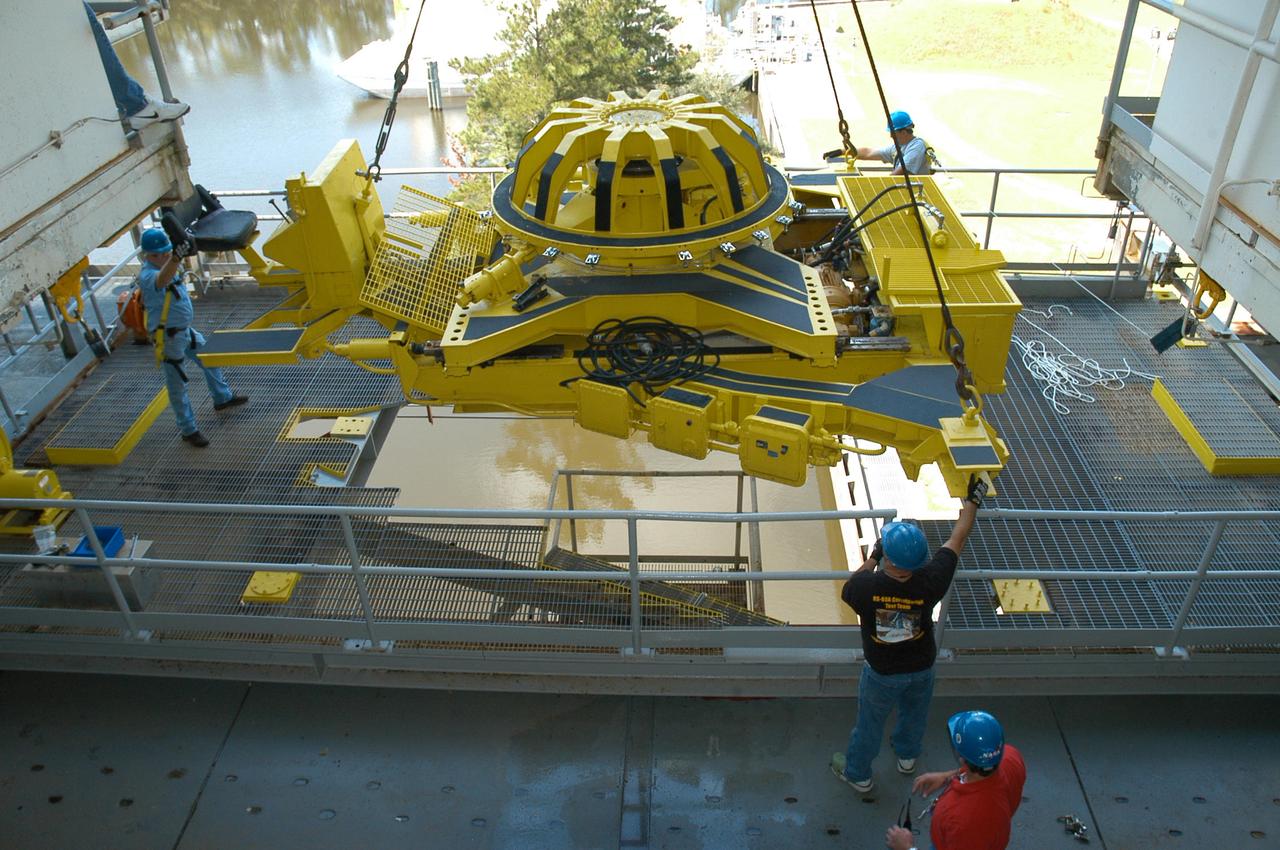
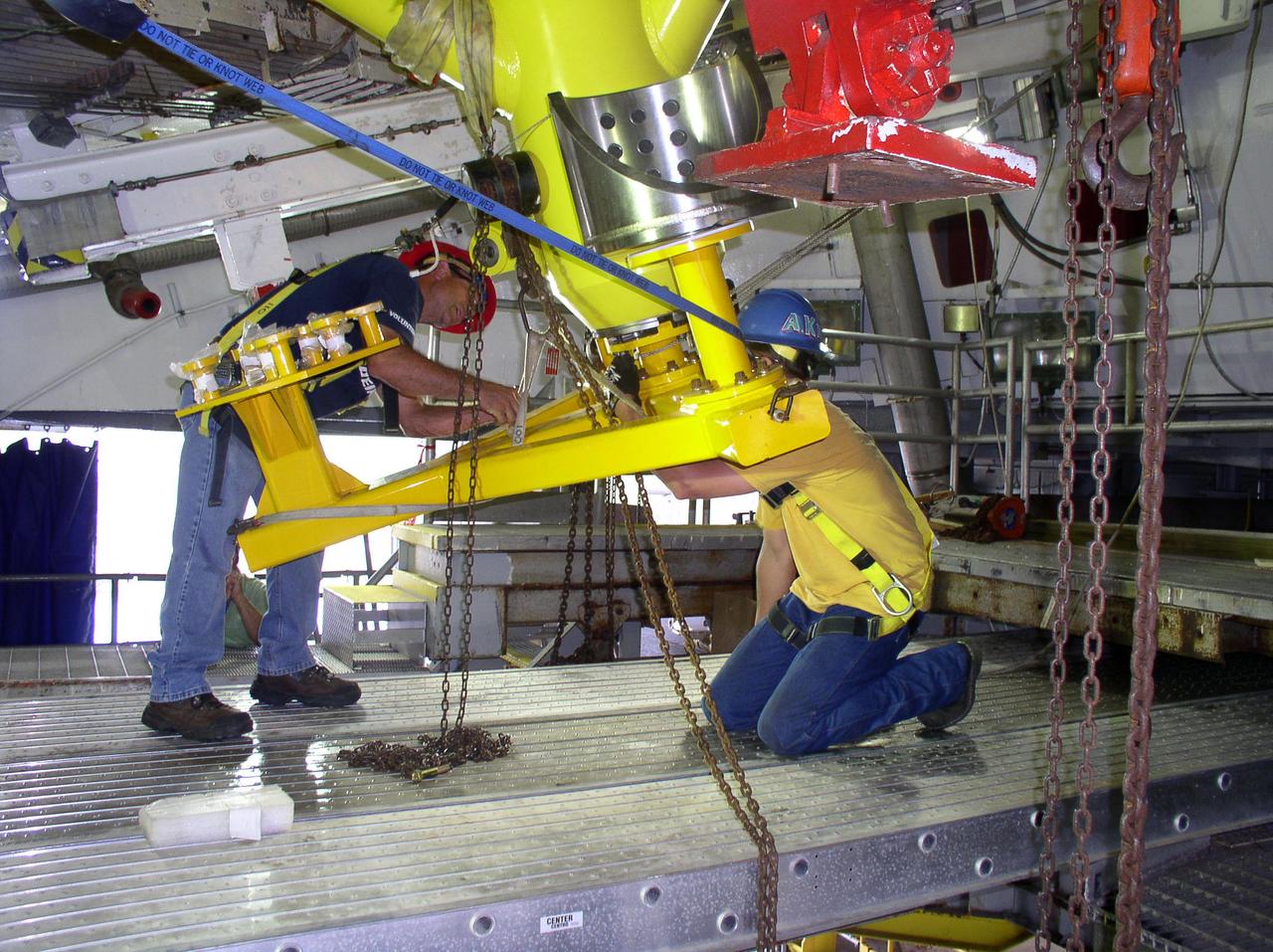
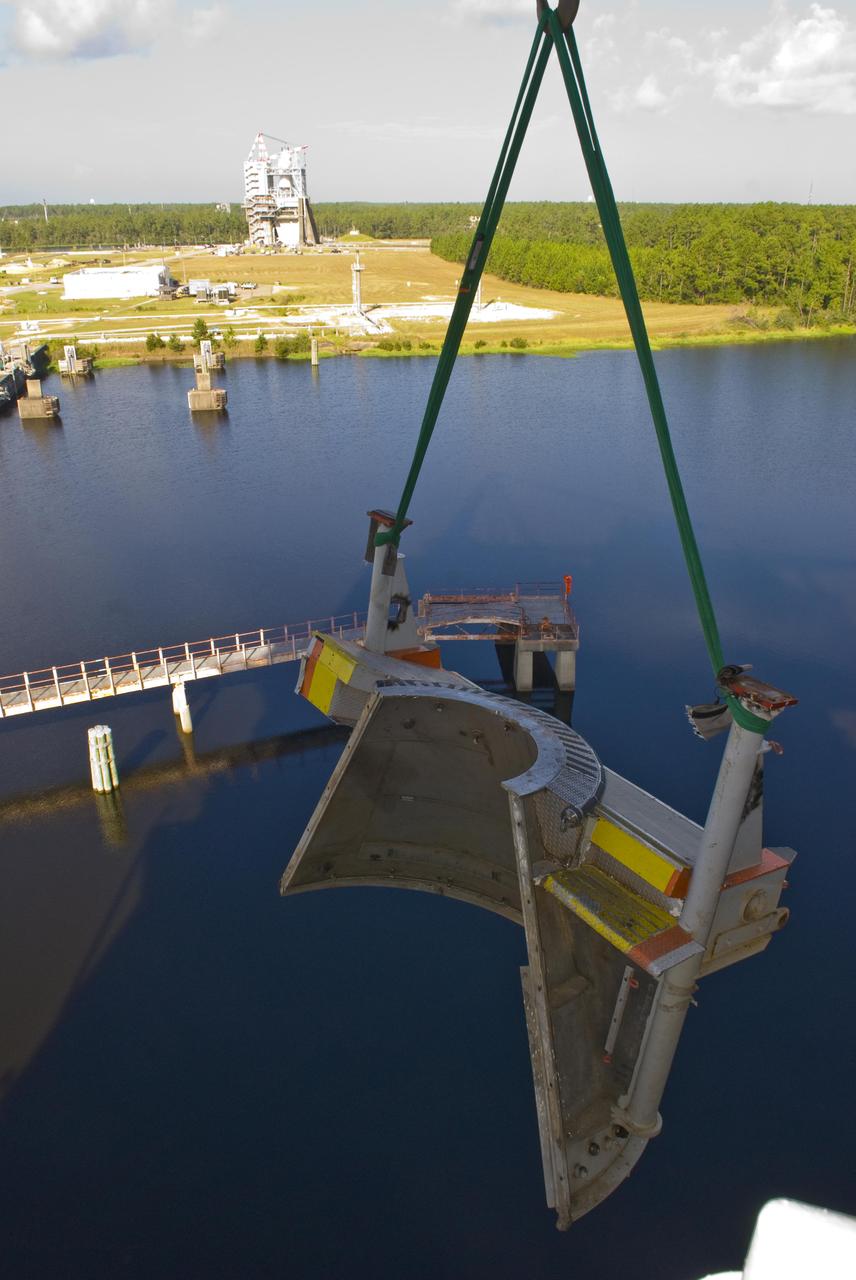
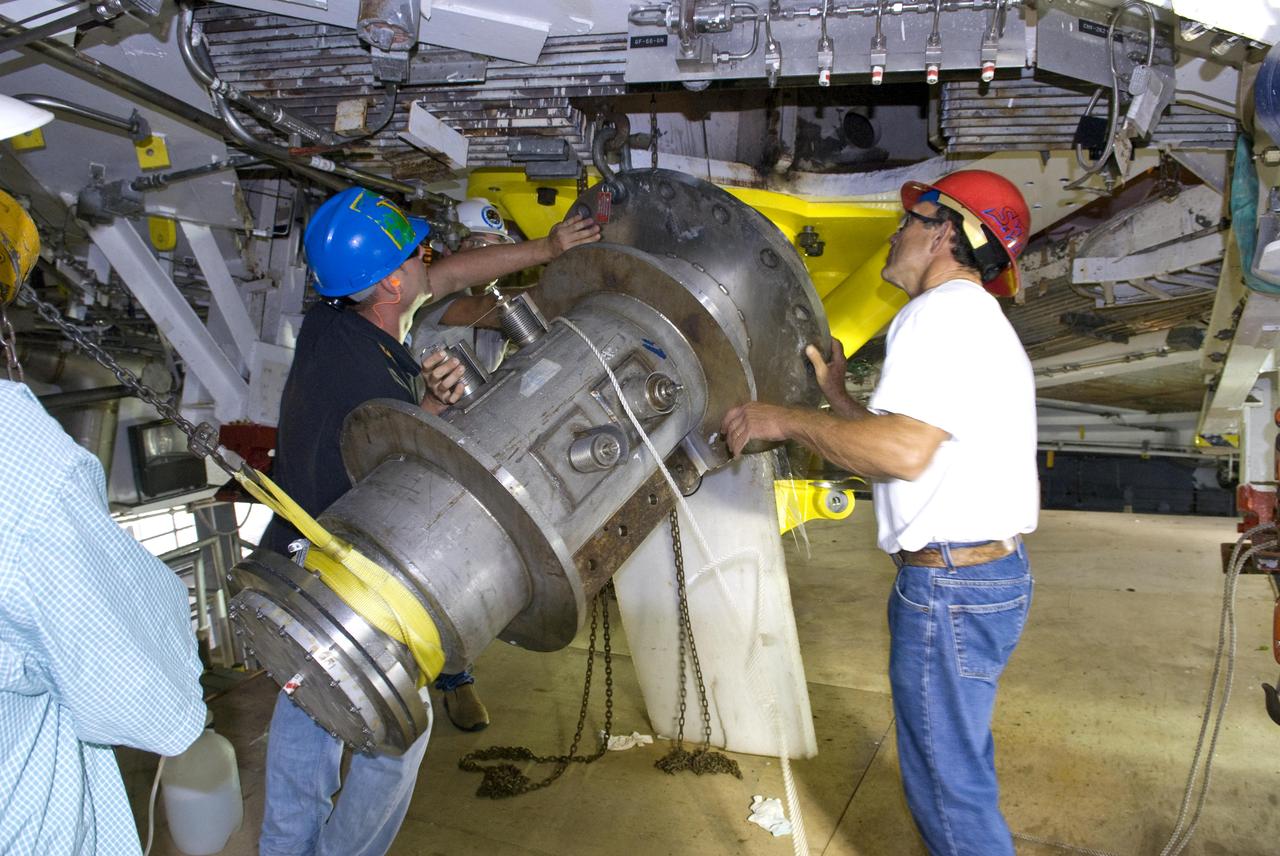
Employees maneuver a vertical engine installer into place on the A-1 Test Stand at Stennis Space Center on Sept. 23. Installation of the equipment was a milestone event as the historic stand underwent modifications for testing the powerpack component of NASA's new J-2X rocket engine in development.
A-1 Test Stand modifications
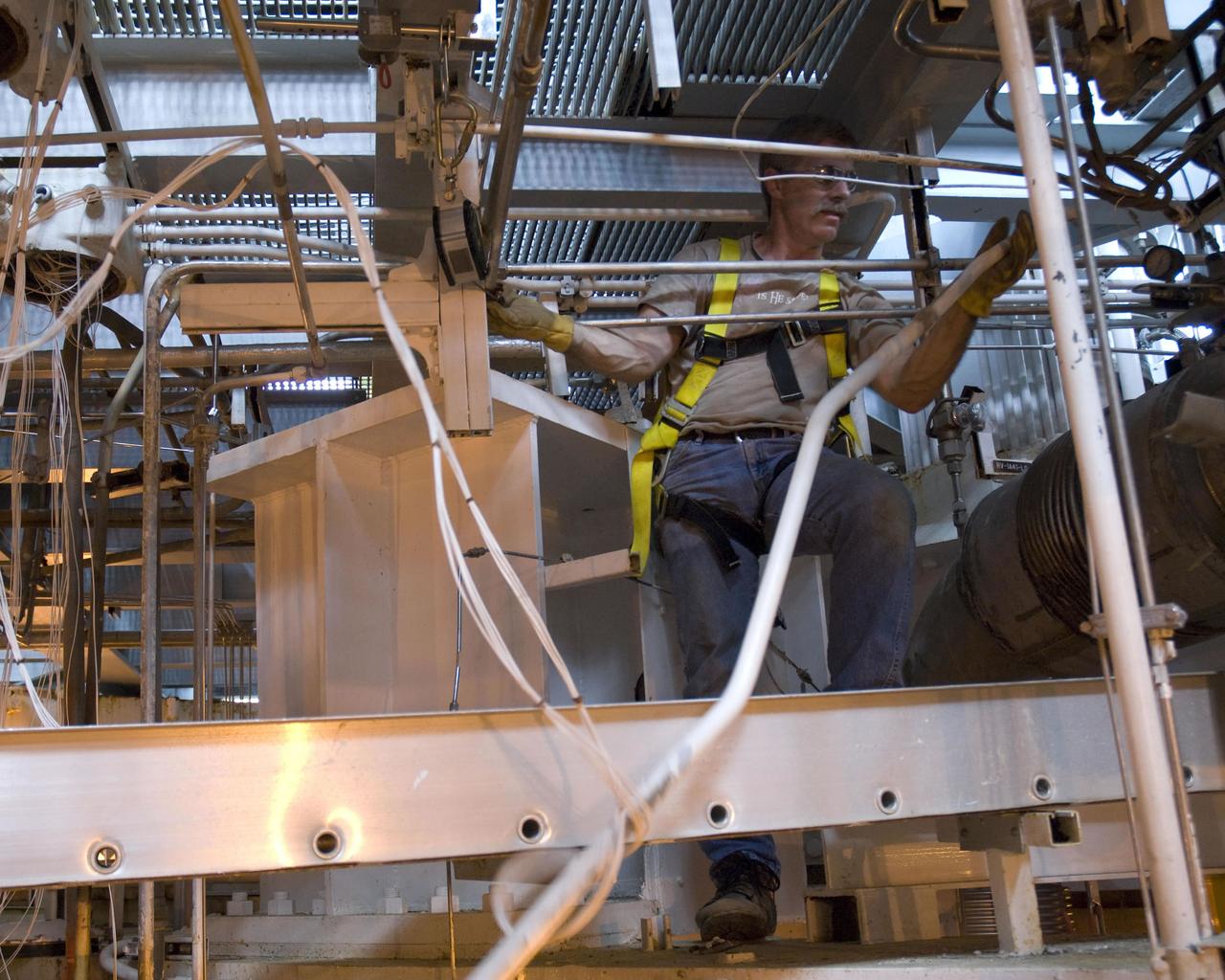
Phil Schemanski of Pratt & Whitney Rocketdyne removes equipment inside the thrust drum on the A-1 Test Stand as part of a comprehensive modification project to prepare for testing the new J-2X engine.
A-1 modification work under way
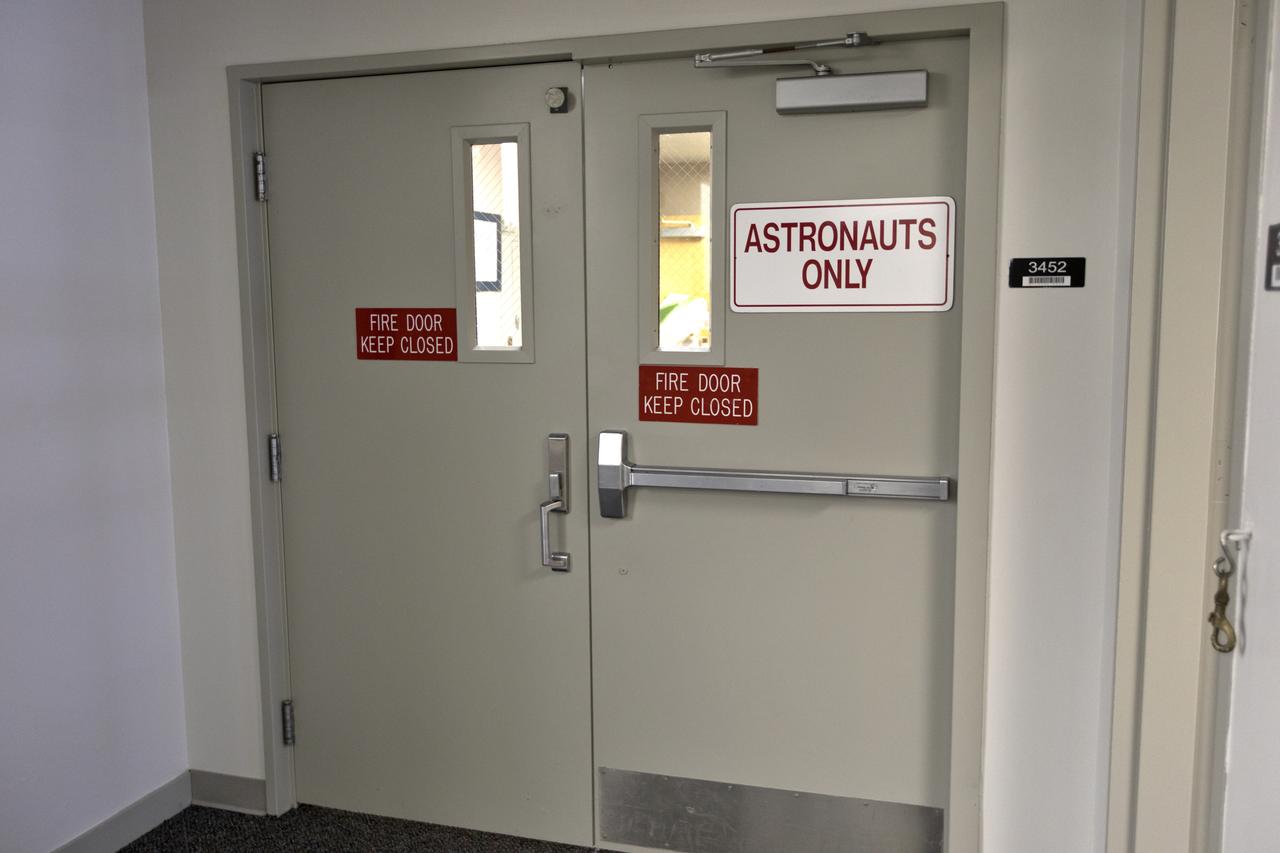
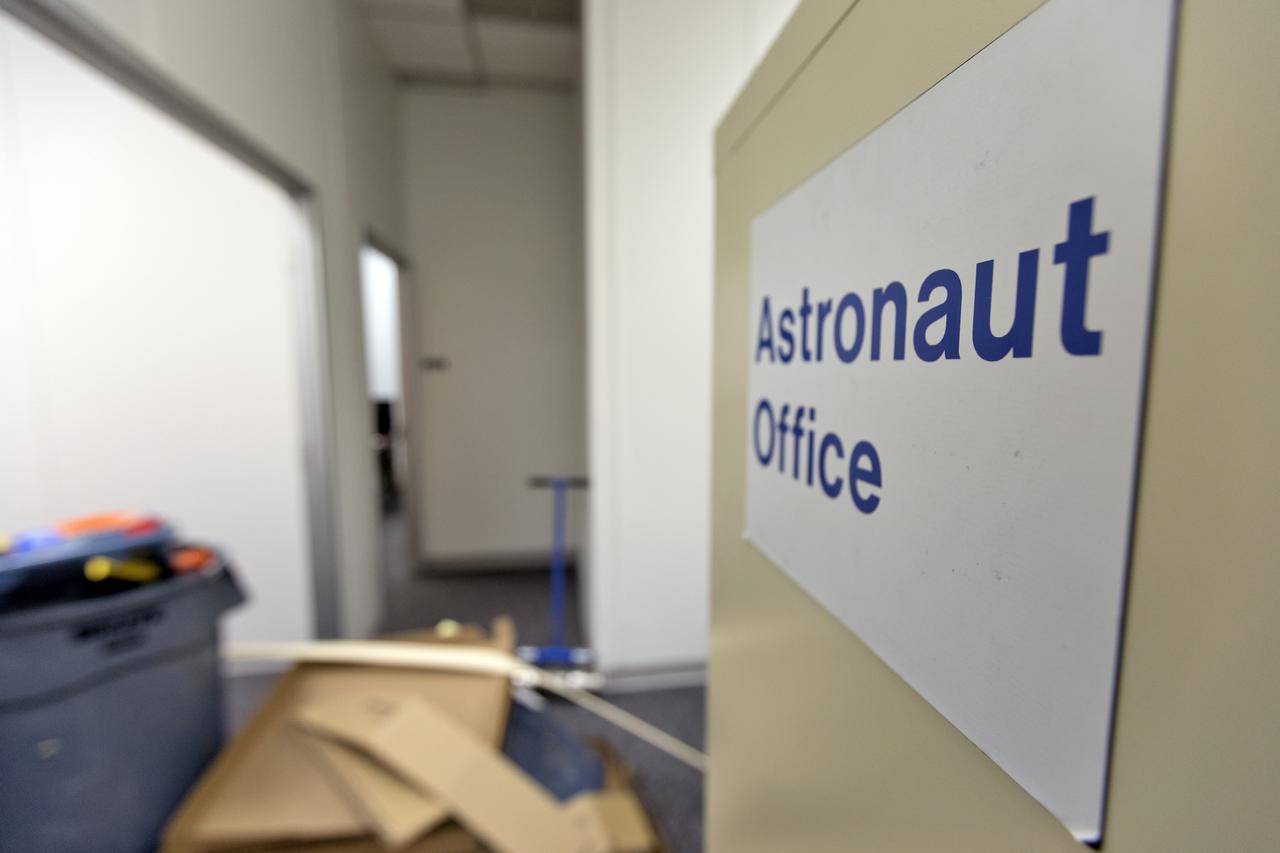
A sign marks the entrance to the Astronaut Office inside the Astronaut Crew Quarters in the Neil Armstrong Operations and Checkout Building at NASA's Kennedy Space Center in Florida. The crew quarters are being prepared for the next generation of space explorers. The walls are receiving fresh coats of paint and new flooring is being installed. The historic facility housed Apollo and space shuttle astronauts before and after their missions into space.
Crew Quarters Modifications
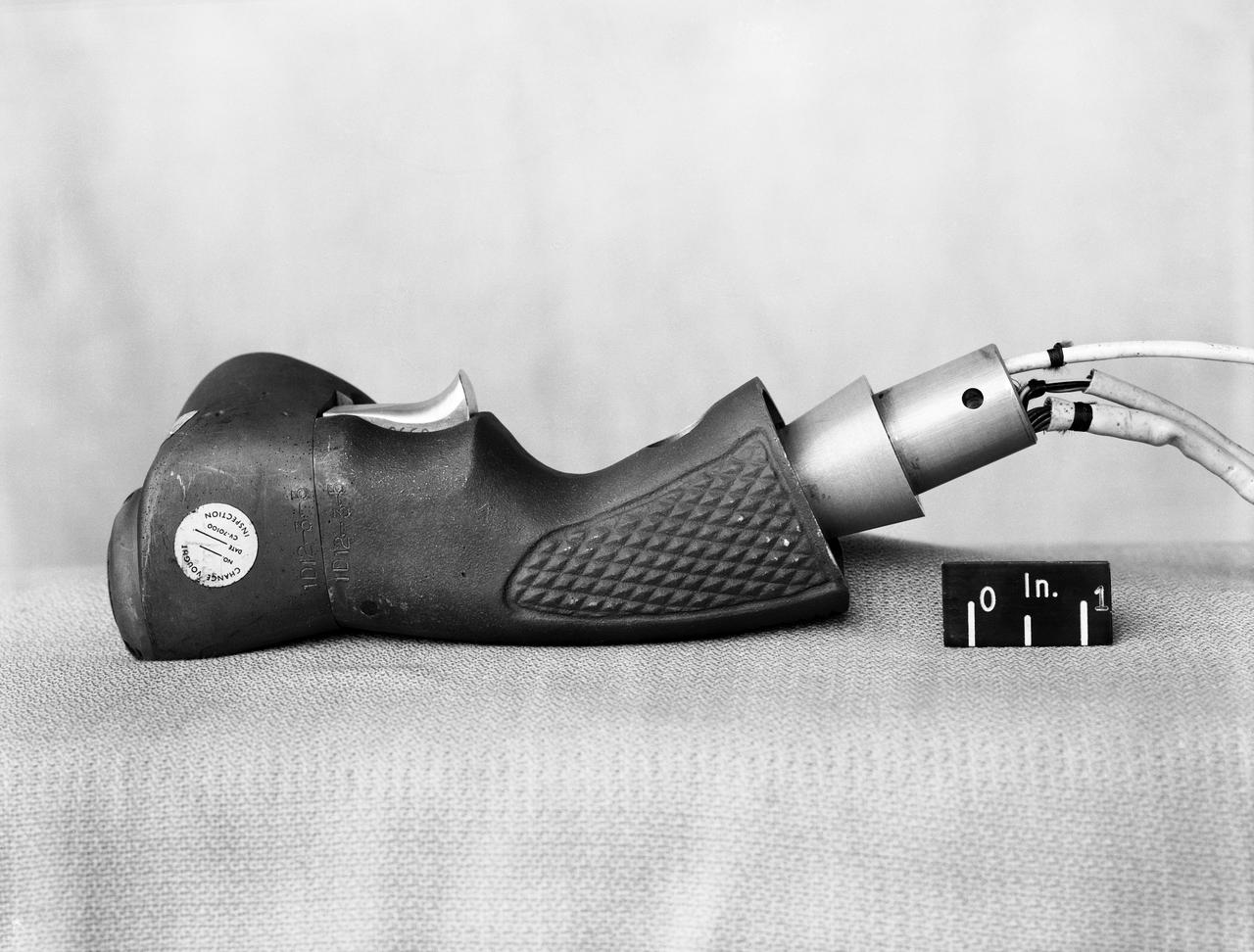
F8U-3 stick modifications - Stick controls in studio.
F8U-3 stick modifications
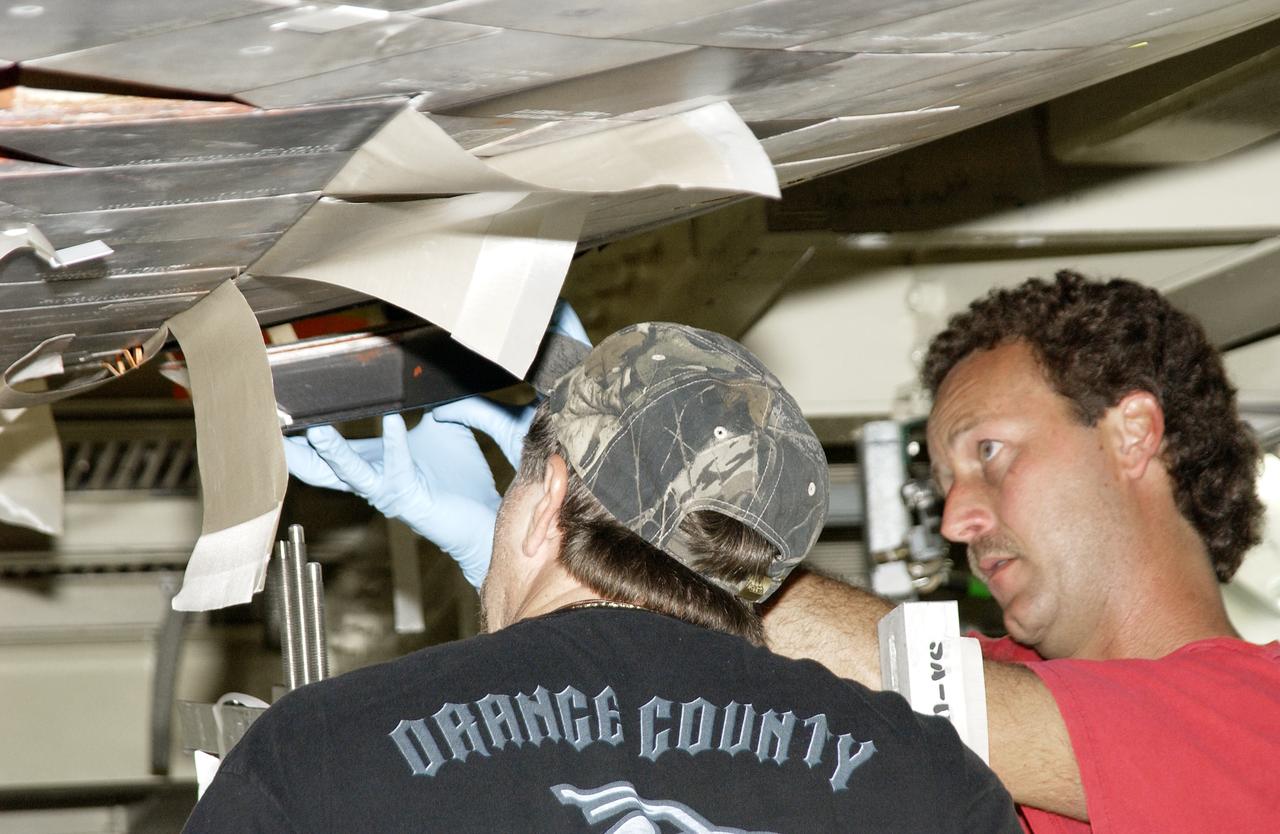
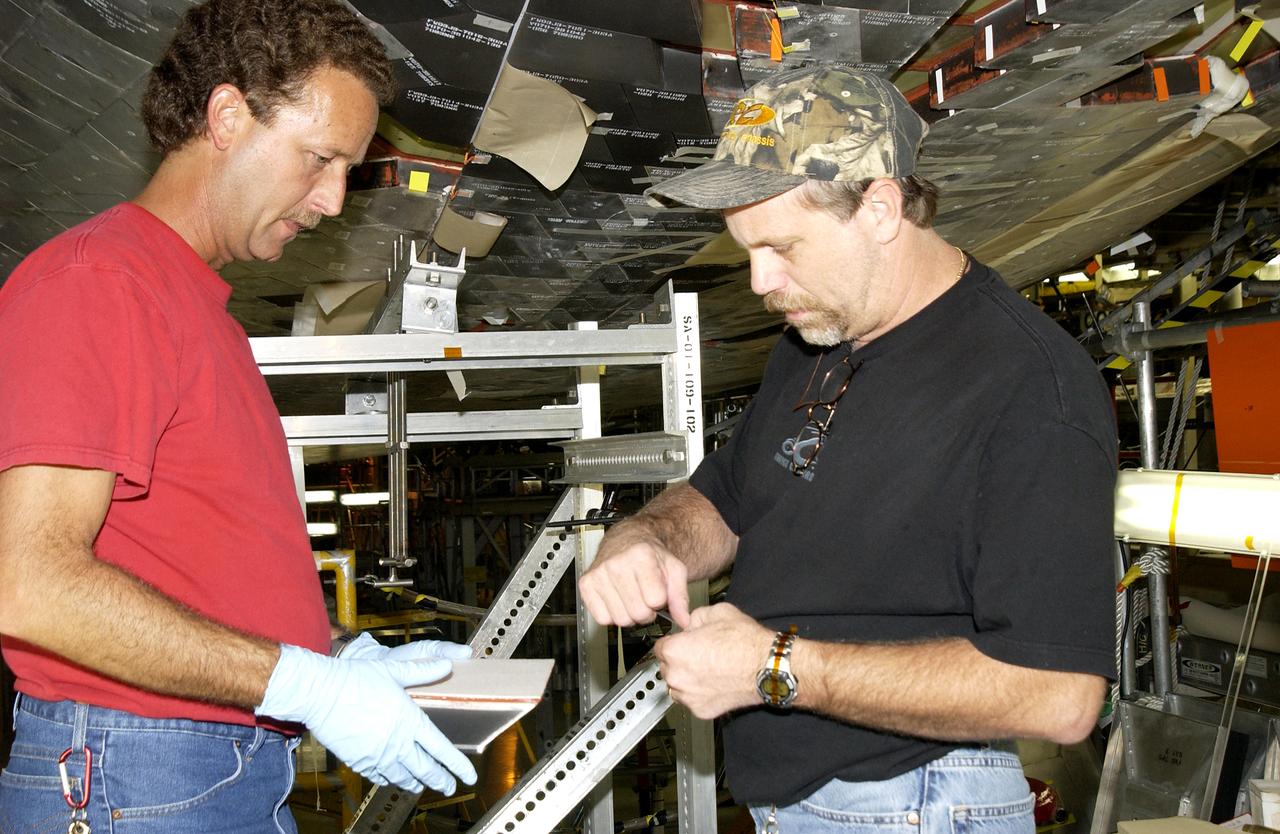
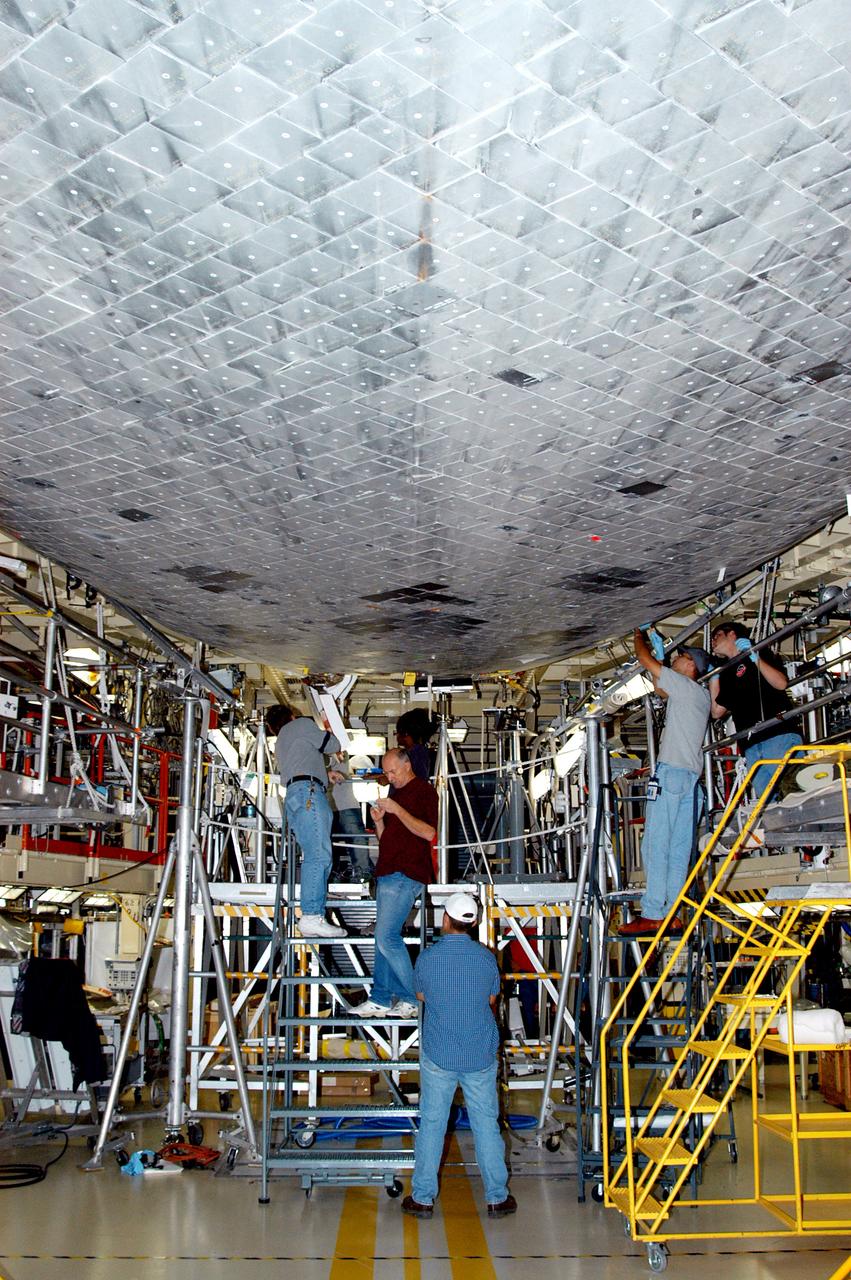
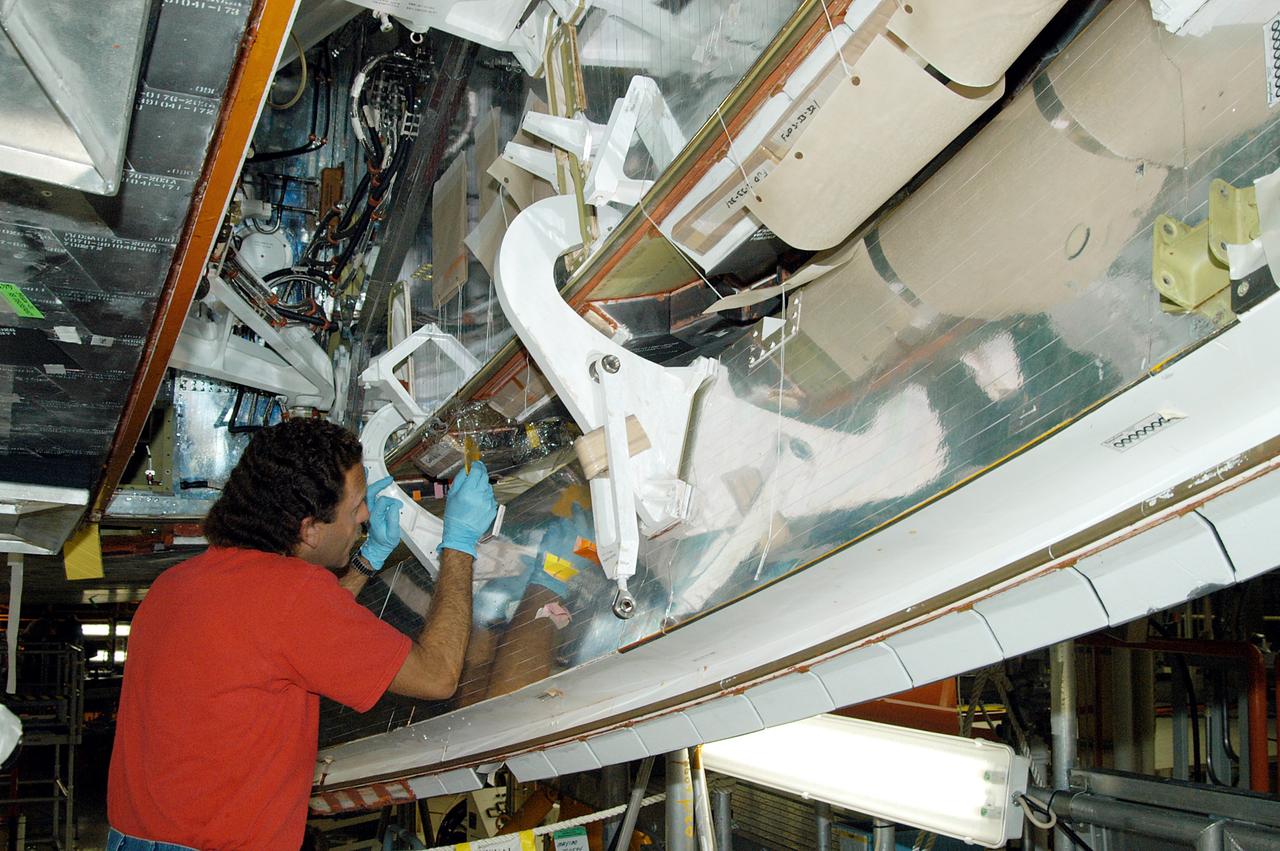
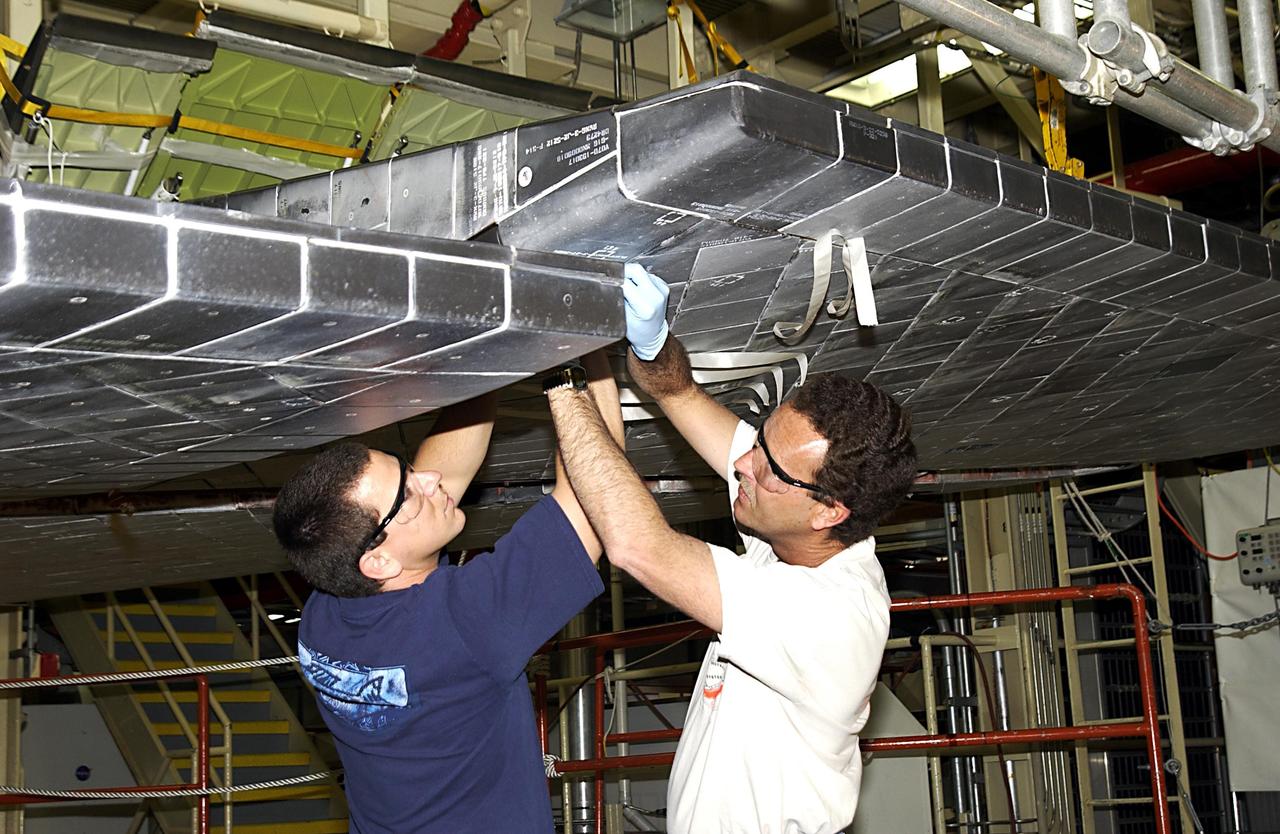
Workers make a tile-fit check on the underside of the orbiter Discovery in the Orbiter Processing Facility. The vehicle has undergone Orbiter Major Modifications in the past year, a process that includes the tile check.
Discovery Orbiter Major Modifications
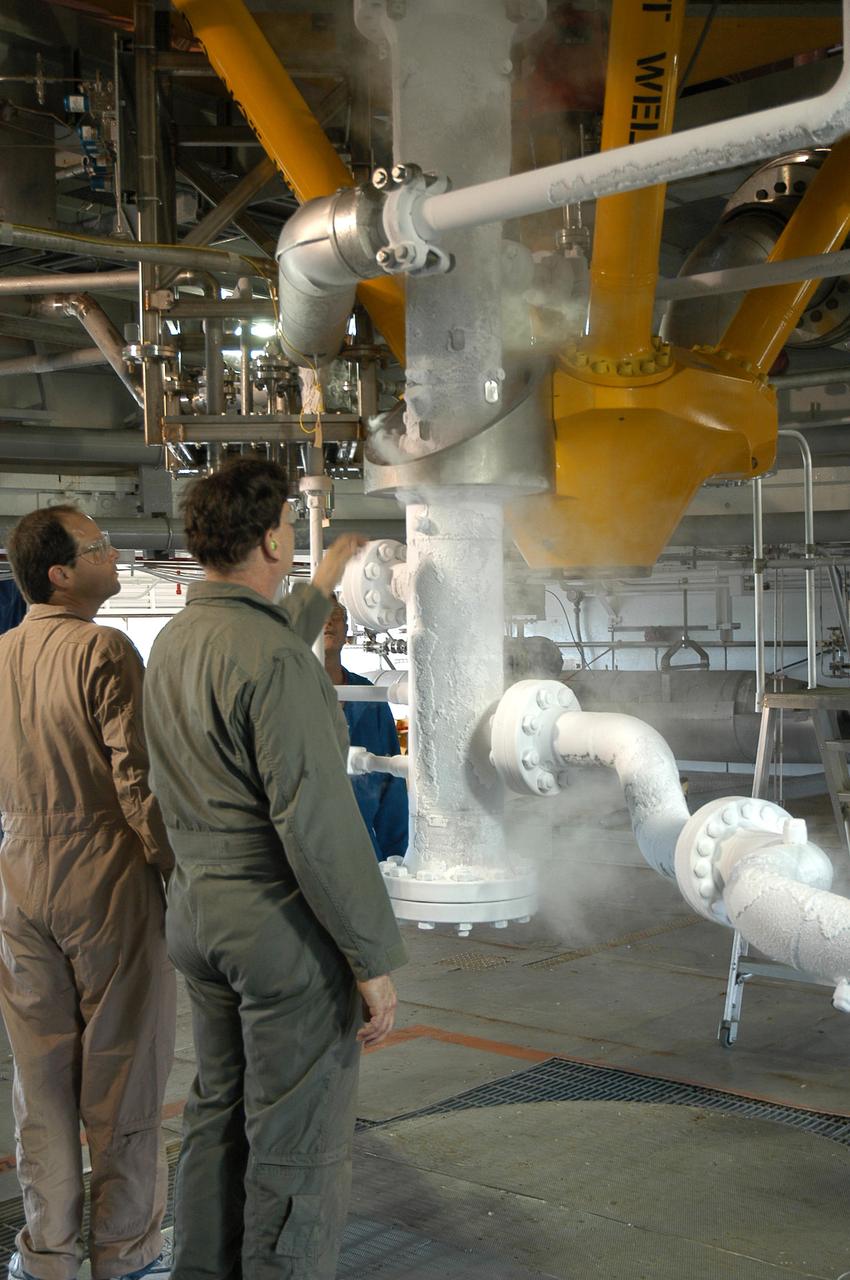
Team members check the progress of a liquid nitrogen cold shock test on the A-1 Test Stand at Stennis Space Center on Sept. 15. The cold shock test is used to confirm the test stand's support system can withstand test conditions, when super-cold rocket engine propellant is piped. The A-1 Test Stand is preparing to conduct tests on the powerpack component of the J-2X rocket engine, beginning in early 2012.
A-1 Test Stand modifications
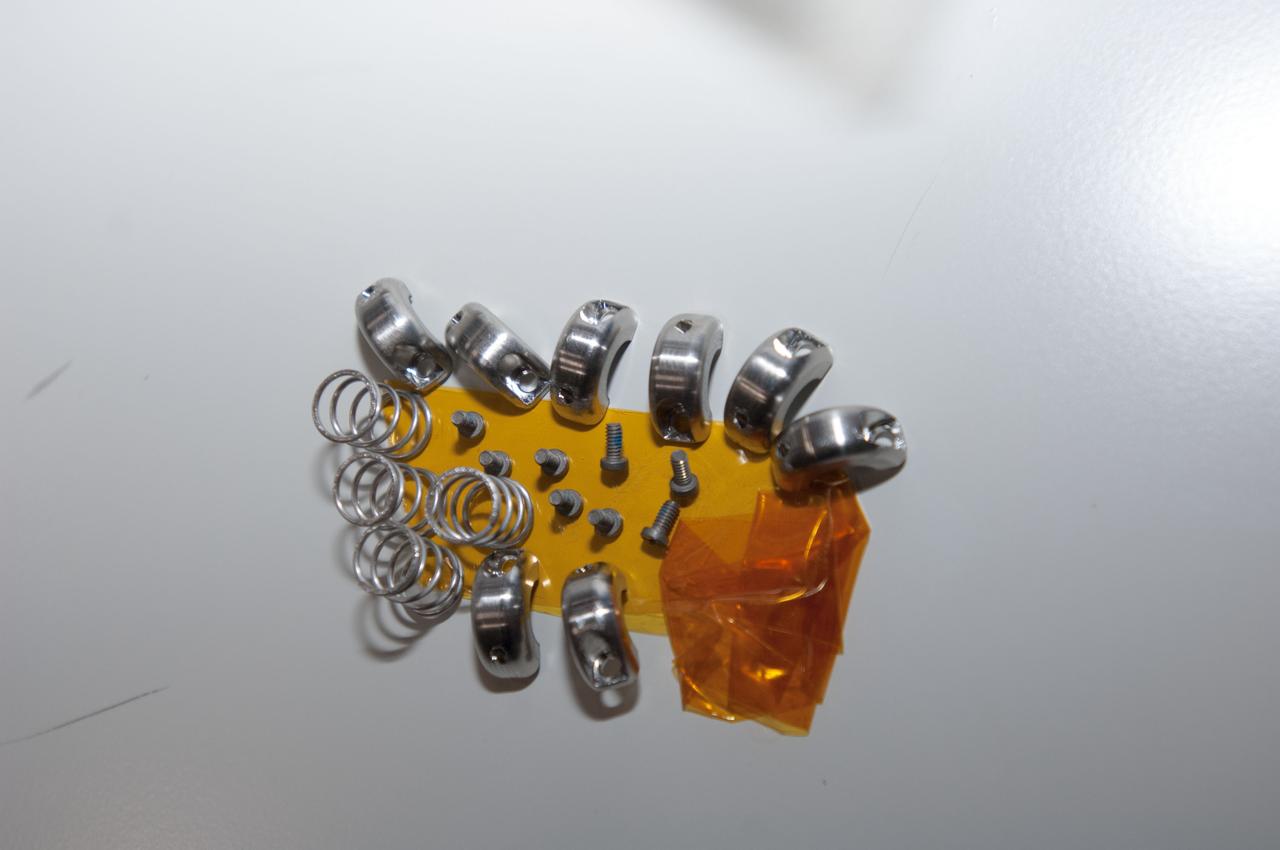
Documentation of retainers, springs and screws used during Expedition 35 Ku Communications (Comm) Unit fastener modifications. Parts are attached to Kapton tape.
Ku Comm Unit Bolt Modification
John C. Stennis Space Center employees remove space shuttle main engine run ducts from the A-2 Test Stand engine deck Oct. 25, 2010. Testing of space shuttle main engines concluded in July 2009. Stennis is preparing the A-2 Test Stand for testing the next-generation J-2X rocket engine being developed. Testing of the new engine is scheduled to begin in 2011.
A-2 Test Stand modification work
John C. Stennis Space Center employees install a new master interface tool on the A-2 Test Stand on Oct. 27, 2010. Until July 2009, the stand had been used for testing space shuttle main engines. With that test series complete, employees are preparing the stand for testing the next-generation J-2X rocket engine being developed. Testing of the new engine is scheduled to begin in 2011.
A-2 Test Stand modification work
John C. Stennis Space Center employees remove one-half of the A-2 Test Stand clamshell used for testing space shuttle main engines. Space shuttle main engine testing concluded July 2009; the A-2 stand now is being prepared for testing the next-generation J-2X rocket engine in development. Testing of the J-2X engine is scheduled to begin in 2011.
A-2 Test Stand modification work
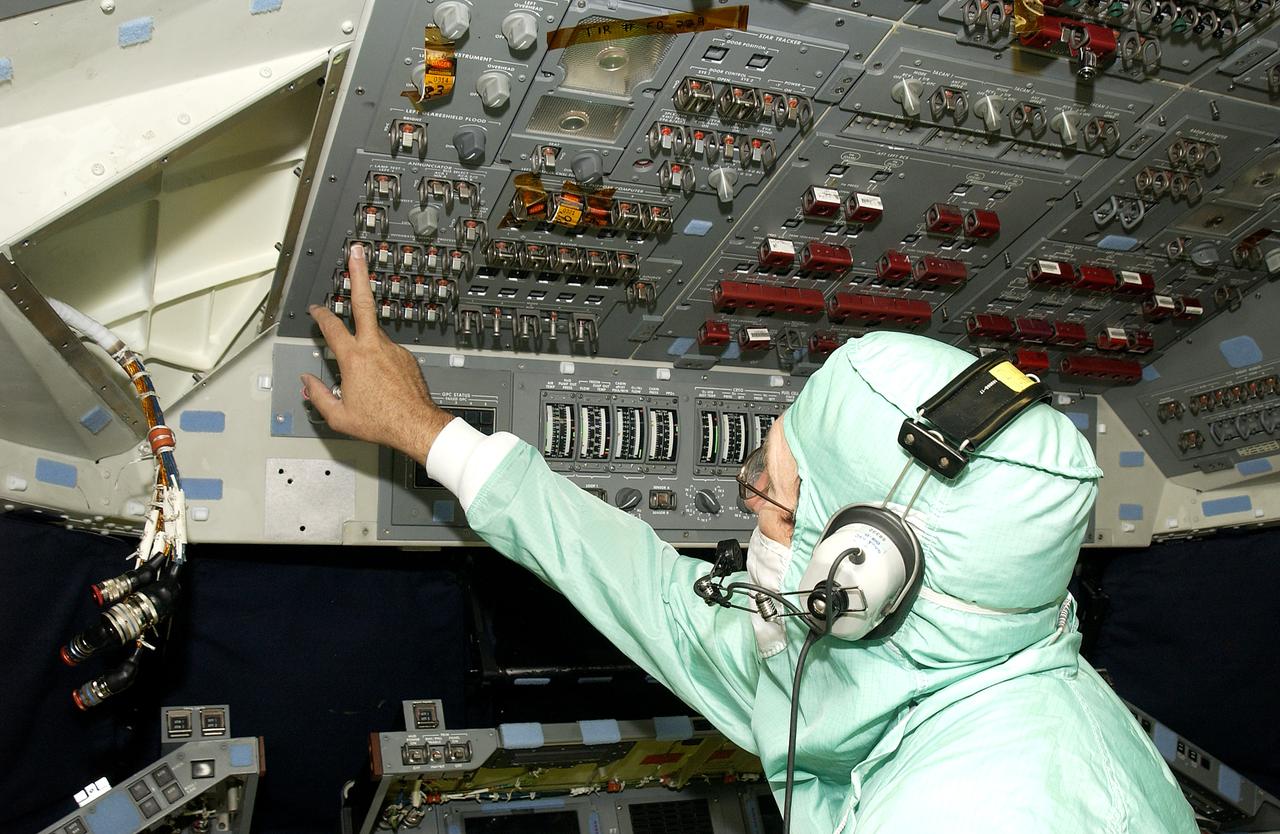
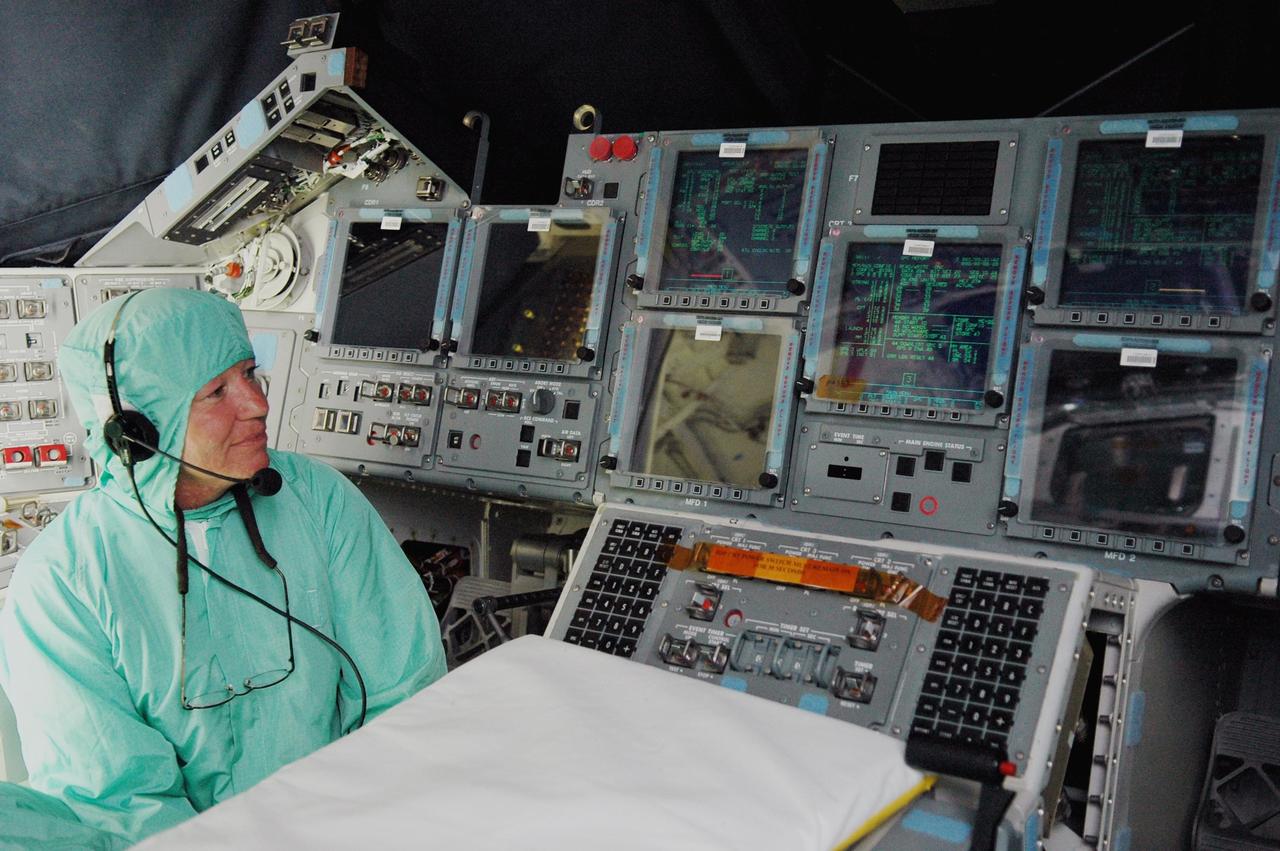
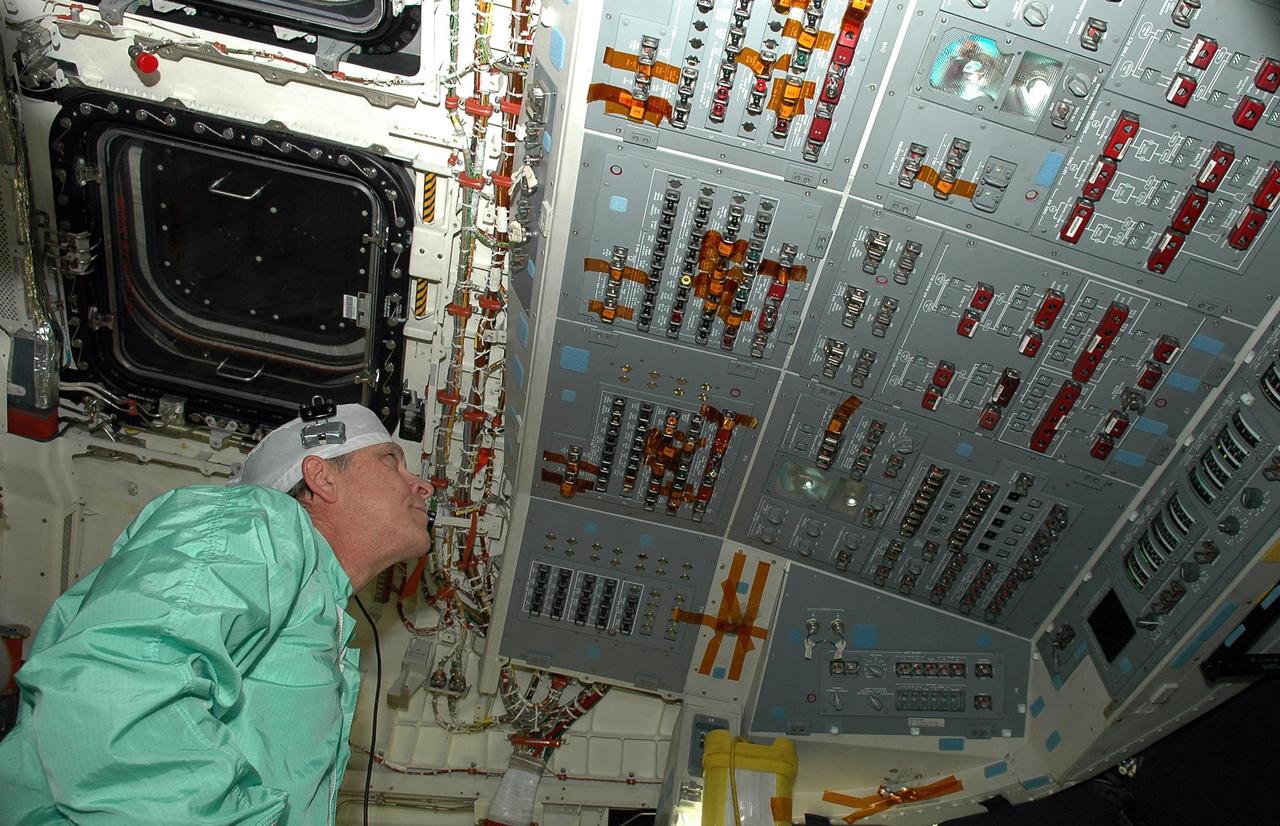
During power-up of the orbiter Discovery in the Orbiter Processing Facility, a technician moves a circuit reset on the cockpit console. Discovery has been undergoing Orbiter Major Modifications in the past year, ranging from wiring, control panels and black boxes to gaseous and fluid systems tubing and components. These systems were deserviced, disassembled, inspected, modified, reassembled, checked out and reserviced, as were most other systems onboard. The work includes the installation of the Multifunction Electronic Display Subsystem (MEDS) - a state-of-the-art “glass cockpit.”
Discovery Orbiter Major Modifications
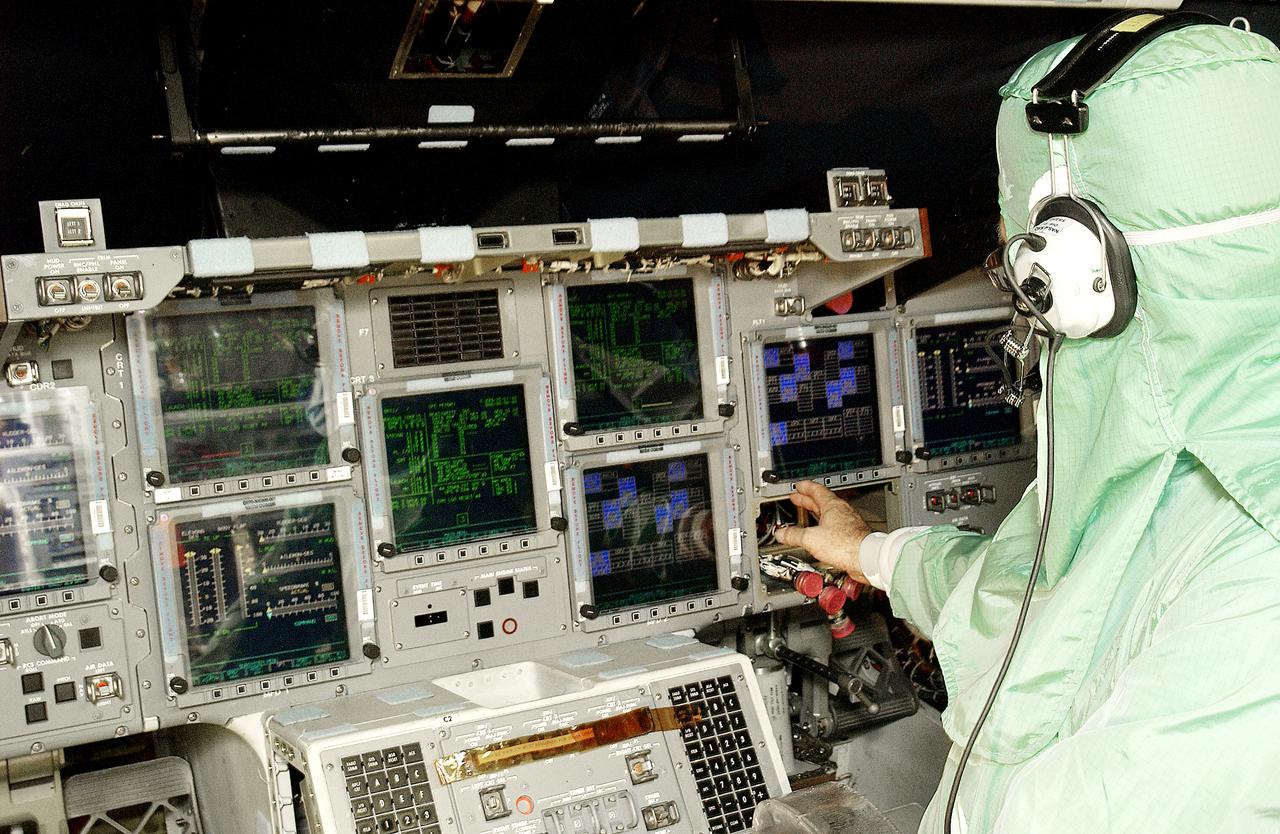
During power-up of the orbiter Discovery in the Orbiter Processing Facility, a technician adjusts a monitor on the console. Discovery has been undergoing Orbiter Major Modifications in the past year, ranging from wiring, control panels and black boxes to gaseous and fluid systems tubing and components. These systems were deserviced, disassembled, inspected, modified, reassembled, checked out and reserviced, as were most other systems onboard. The work includes the installation of the Multifunction Electronic Display Subsystem (MEDS) - a state-of-the-art “glass cockpit.”
Discovery Orbiter Major Modifications
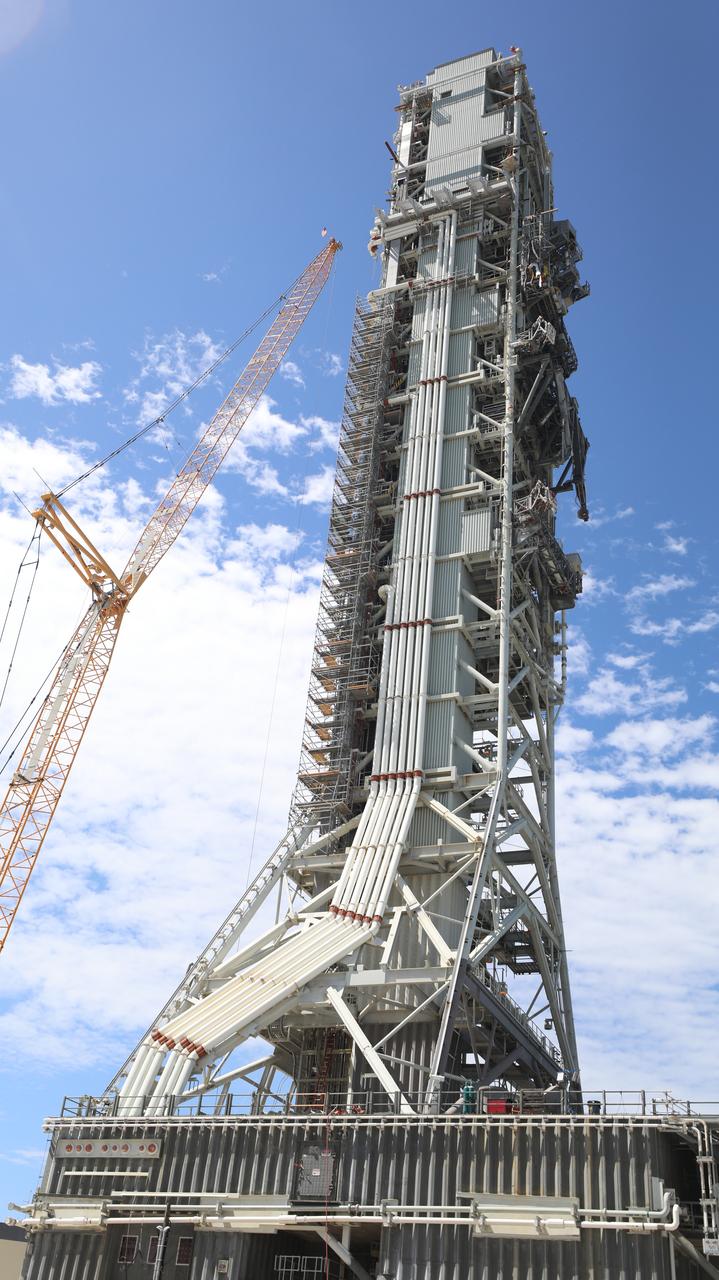
Teams with Exploration Ground Systems at NASA’s Kennedy Space Center in Florida make upgrades and repairs on mobile launcher 1 at its park site location on July 20, 2023, ahead of the first critical ground testing for Artemis II. Under Artemis, the mobile launcher will transport NASA’s Space Launch System rocket and Orion spacecraft to Kennedy’s Launch Complex 39B for liftoff. Artemis II will be the first Artemis mission flying crew aboard Orion.
Mobile Launcher 1 Modifications and Testing for Artemis II
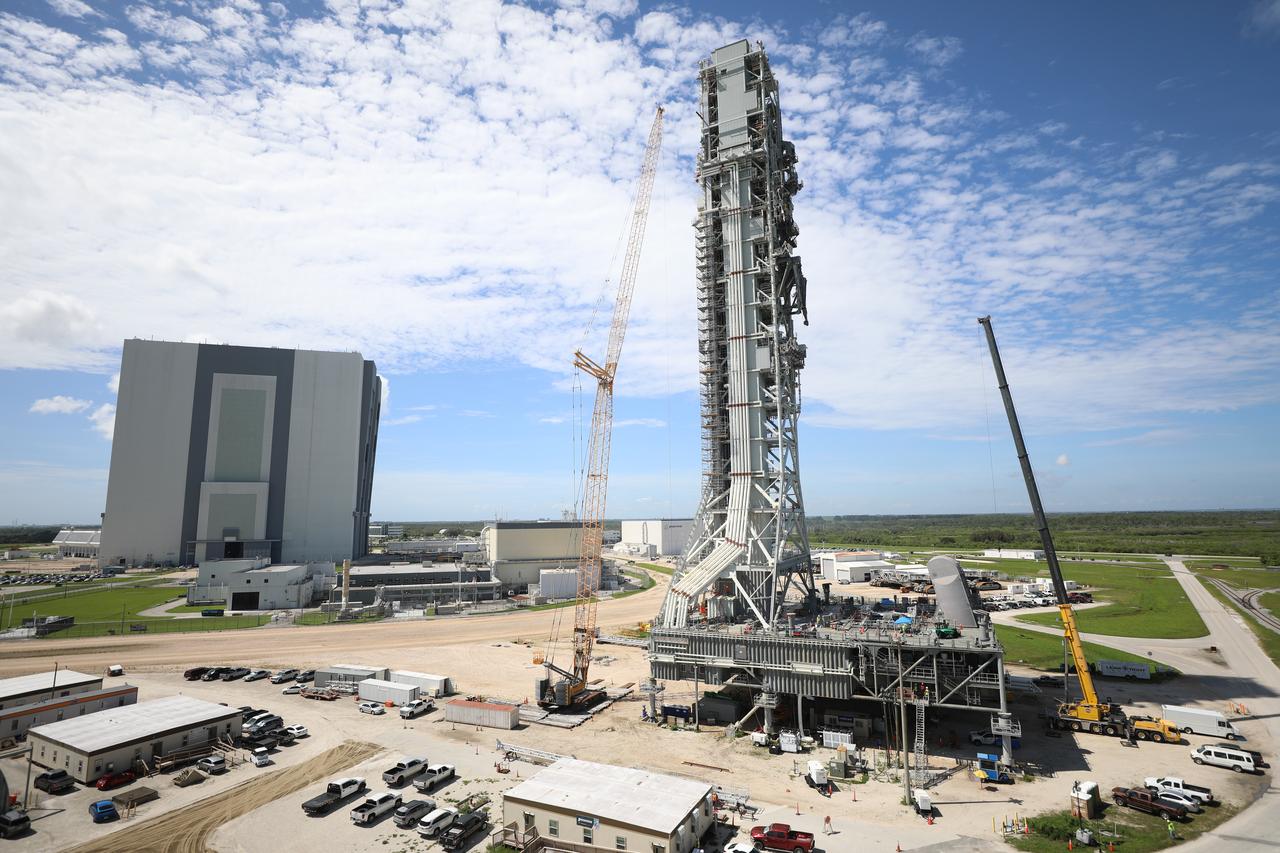
With the iconic Vehicle Assembly Building at NASA’s Kennedy Space Center in Florida nearby, teams with Exploration Ground Systems make upgrades and repairs on mobile launcher 1 at its park site location on July 20, 2023, ahead of the first critical ground testing for Artemis II. Under Artemis, the mobile launcher will transport NASA’s Space Launch System rocket and Orion spacecraft to Kennedy’s Launch Complex 39B for liftoff. Artemis II will be the first Artemis mission flying crew aboard Orion.
Mobile Launcher 1 Modifications and Testing for Artemis II
Teams with Exploration Ground Systems at NASA’s Kennedy Space Center in Florida make upgrades and repairs on mobile launcher 1 at its park site location on July 20, 2023, ahead of the first critical ground testing for Artemis II. Under Artemis, the mobile launcher will transport NASA’s Space Launch System rocket and Orion spacecraft to Kennedy’s Launch Complex 39B for liftoff. Artemis II will be the first Artemis mission flying crew aboard Orion.
Mobile Launcher 1 Modifications and Testing for Artemis II
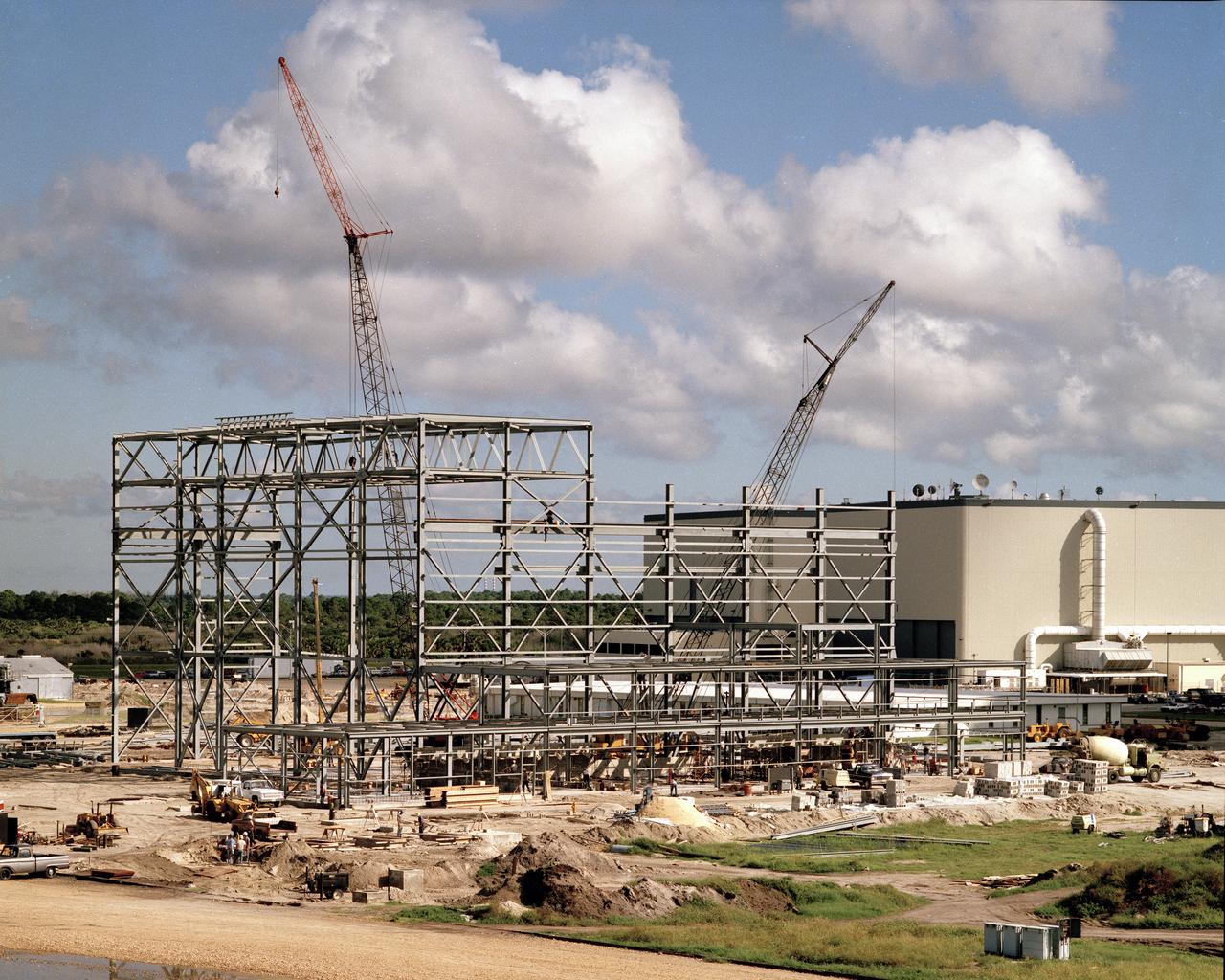
At its founding, the Marshall Space Flight Center (MSFC) inherited the Army’s Jupiter and Redstone test stands, but much larger facilities were needed for the giant stages of the Saturn V. From 1960 to 1964, the existing stands were remodeled and a sizable new test area was developed. The new comprehensive test complex for propulsion and structural dynamics was unique within the nation and the free world, and they remain so today because they were constructed with foresight to meet the future as well as on going needs. Construction of the S-IC Static test stand complex began in 1961 in the west test area of MSFC, and was completed in 1964. The S-IC static test stand was originally designed to develop and test the 138-ft long and 33-ft diameter Saturn V S-IC first stage, or booster stage. Modifications to the S-IC Test Stand began in 1975 to accommodate space shuttle external tank testing. This photo, taken from the roof of the block house on October 14, 1975, provides an overall view of the stand during the modification process.
Around Marshall
At its founding, the Marshall Space Flight Center (MSFC) inherited the Army’s Jupiter and Redstone test stands, but much larger facilities were needed for the giant stages of the Saturn V. From 1960 to 1964, the existing stands were remodeled and a sizable new test area was developed. The new comprehensive test complex for propulsion and structural dynamics was unique within the nation and the free world, and they remain so today because they were constructed with foresight to meet the future as well as on going needs. Construction of the S-IC Static test stand complex began in 1961 in the west test area of MSFC, and was completed in 1964. The S-IC static test stand was originally designed to develop and test the 138-ft long and 33-ft diameter Saturn V S-IC first stage, or booster stage. Modifications to the S-IC Test Stand began in 1975 to accommodate space shuttle external tank testing. This photo depicts the continuation of the modification process as of July 14, 1975. The flame deflector originally used to provide water to the 5 F-1 engines of the S-IC stage during testing has been removed.
Around Marshall
At its founding, the Marshall Space Flight Center (MSFC) inherited the Army’s Jupiter and Redstone test stands, but much larger facilities were needed for the giant stages of the Saturn V. From 1960 to 1964, the existing stands were remodeled and a sizable new test area was developed. The new comprehensive test complex for propulsion and structural dynamics was unique within the nation and the free world, and they remain so today because they were constructed with foresight to meet the future as well as on going needs. Construction of the S-IC Static test stand complex began in 1961 in the west test area of MSFC, and was completed in 1964. The S-IC static test stand was originally designed to develop and test the 138-ft long and 33-ft diameter Saturn V S-IC first stage, or booster stage. Modifications to the S-IC Test Stand began in 1975 to accommodate space shuttle external tank testing. This view    looks toward fuel storage bottles during modification process.
Around Marshall
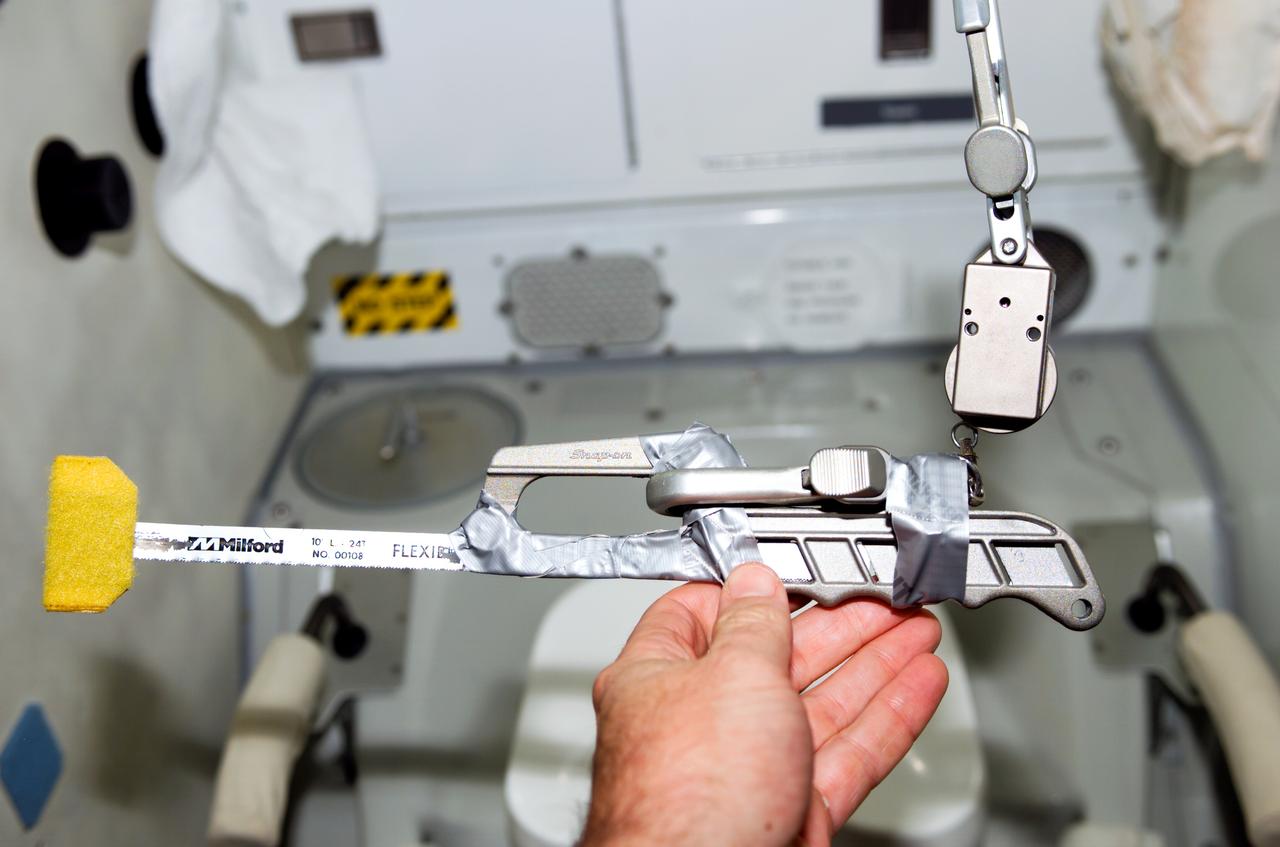
S114-E-6034 (2 August 2005) ---  This image taken aboard the Shuttle Discovery shows the modifications the crew has made to a hacksaw they will carry with them during a spacewalk planned for Wednesday. The hacksaw could be used if needed to cut off a thermal protection system gap filler that is protruding from the underside of Discovery.
Modifications made to a hacksaw for use on EVA 3
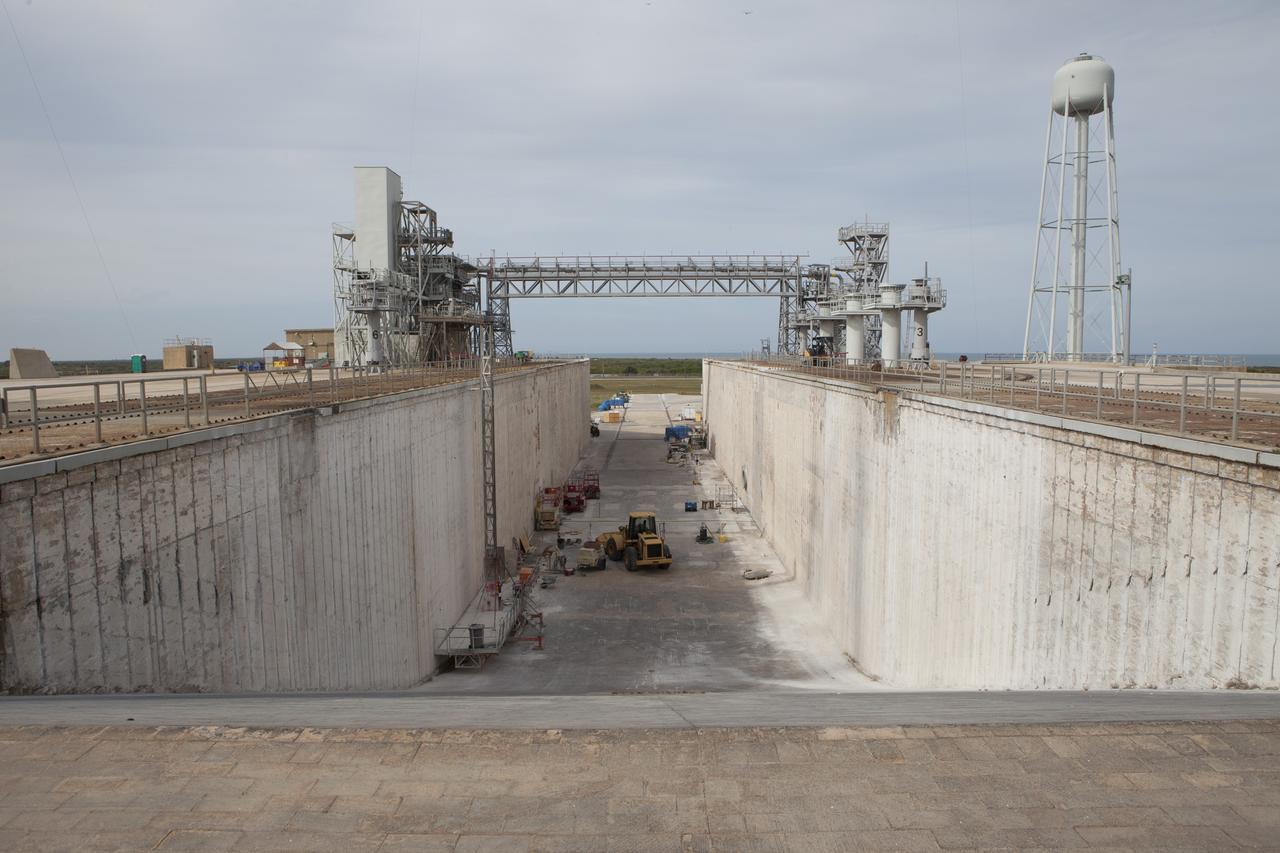
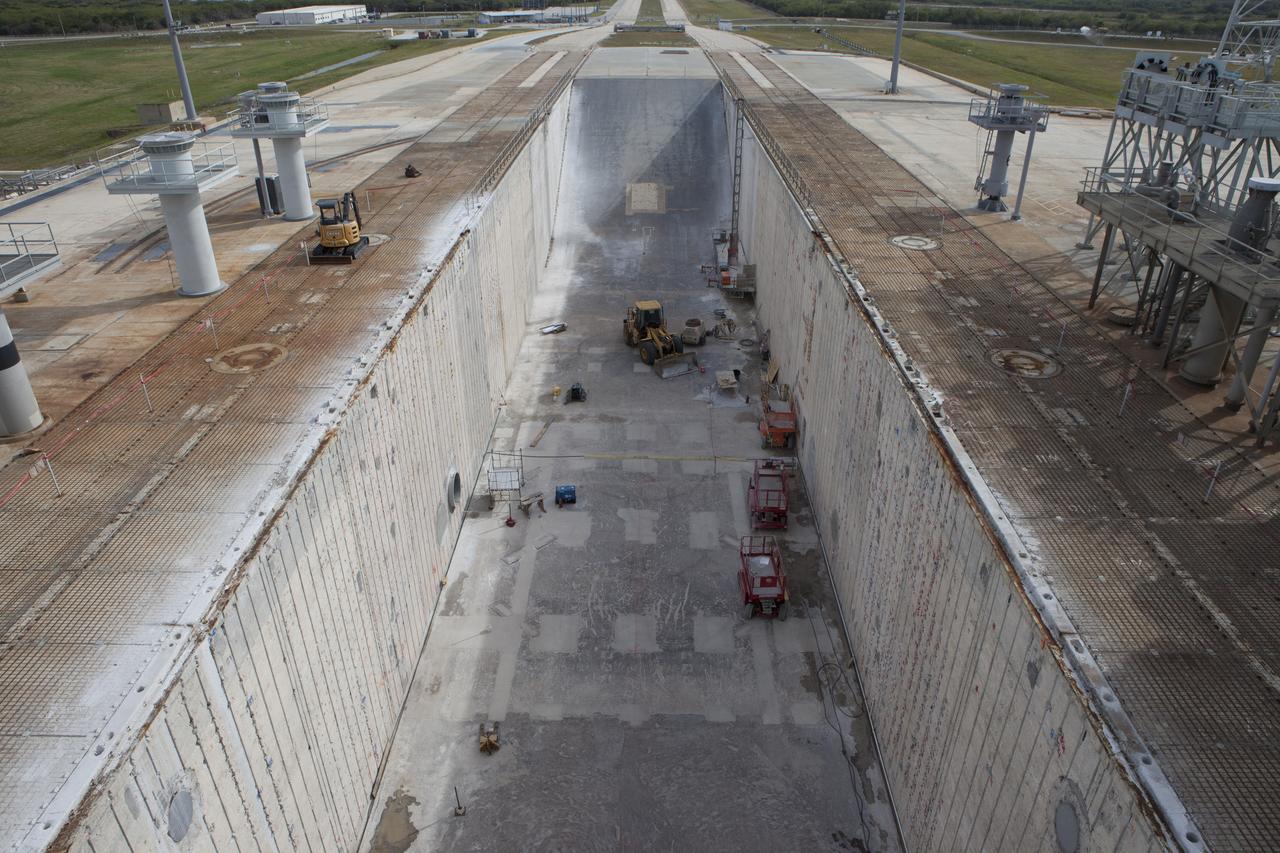
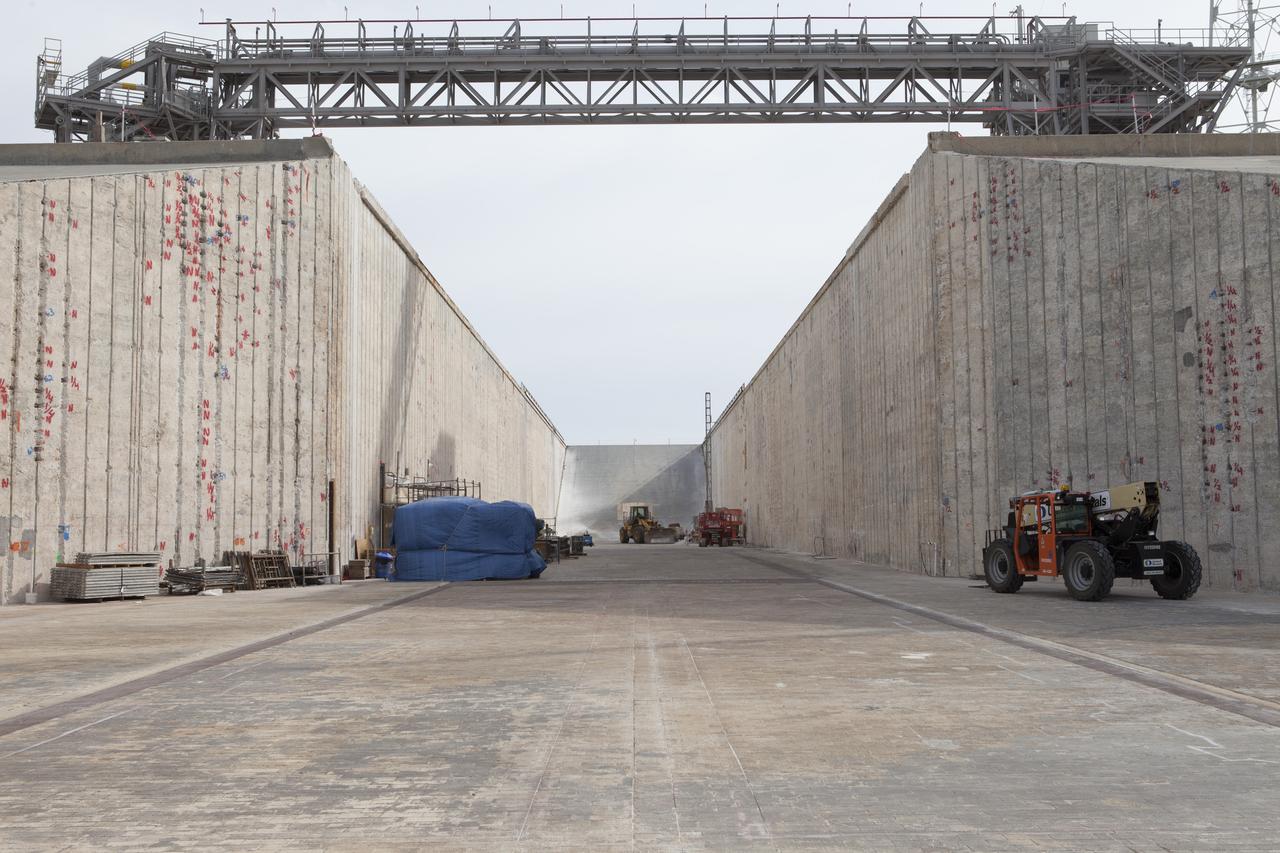
Upgrades and modifications continue to the flame trench at Launch Pad 39B at NASA’s Kennedy Space Center in Florida. Pad B is being refurbished to support the launch of NASA’s Space Launch System rocket. The Ground Systems Development and Operations (GSDO) Program at Kennedy is helping transform the space center into a multi-user spaceport and prepare for Exploration Mission-1, deep-space missions, and the journey to Mars.
Pad 39B Flame Trench Upgrades and modifications
Upgrades and modifications continue to the flame trench at Launch Pad 39B at NASA’s Kennedy Space Center in Florida. Pad B is being refurbished to support the launch of NASA’s Space Launch System rocket. The Ground Systems Development and Operations (GSDO) Program at Kennedy is helping transform the space center into a multi-user spaceport and prepare for Exploration Mission-1, deep-space missions, and the journey to Mars.
Pad 39B Flame Trench Upgrades and modifications
Upgrades and modifications continue to the flame trench at Launch Pad 39B at NASA’s Kennedy Space Center in Florida. Pad B is being refurbished to support the launch of NASA’s Space Launch System rocket. The Ground Systems Development and Operations (GSDO) Program at Kennedy is helping transform the space center into a multi-user spaceport and prepare for Exploration Mission-1, deep-space missions, and the journey to Mars.
Pad 39B Flame Trench Upgrades and modifications
At its founding, the Marshall Space Flight Center (MSFC) inherited the Army’s Jupiter and Redstone test stands, but much larger facilities were needed for the giant stages of the Saturn V. From 1960 to 1964, the existing stands were remodeled and a sizable new test area was developed. The new comprehensive test complex for propulsion and structural dynamics was unique within the nation and the free world, and they remain so today because they were constructed with foresight to meet the future as well as on going needs. Construction of the S-IC Static test stand complex began in 1961 in the west test area of MSFC, and was completed in 1964. The S-IC static test stand was originally designed to develop and test the 138-ft long and 33-ft diameter Saturn V S-IC first stage, or booster stage. Modifications to the S-IC Test Stand began in 1975 to accommodate space shuttle external tank testing. This photo is of the horizontal liquid oxygen tanks.
Around Marshall
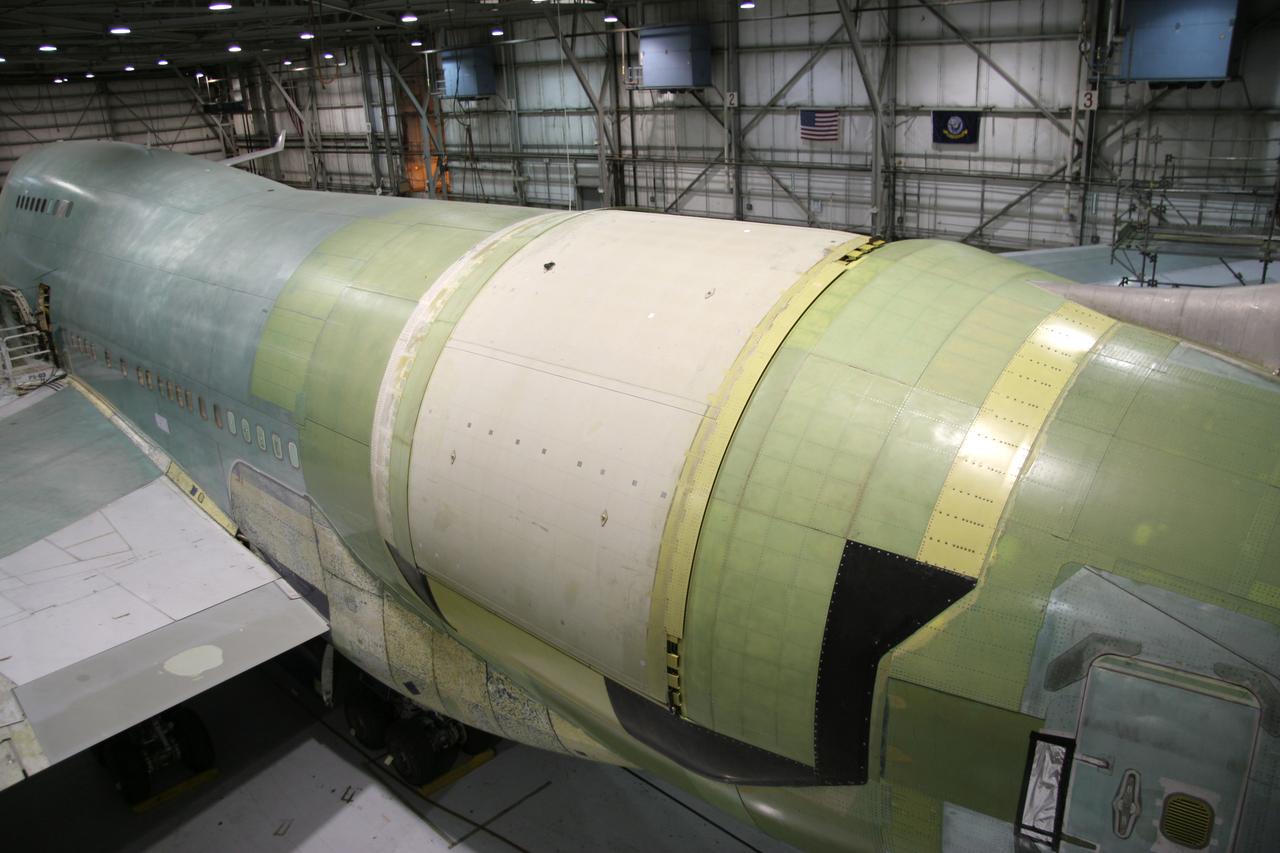
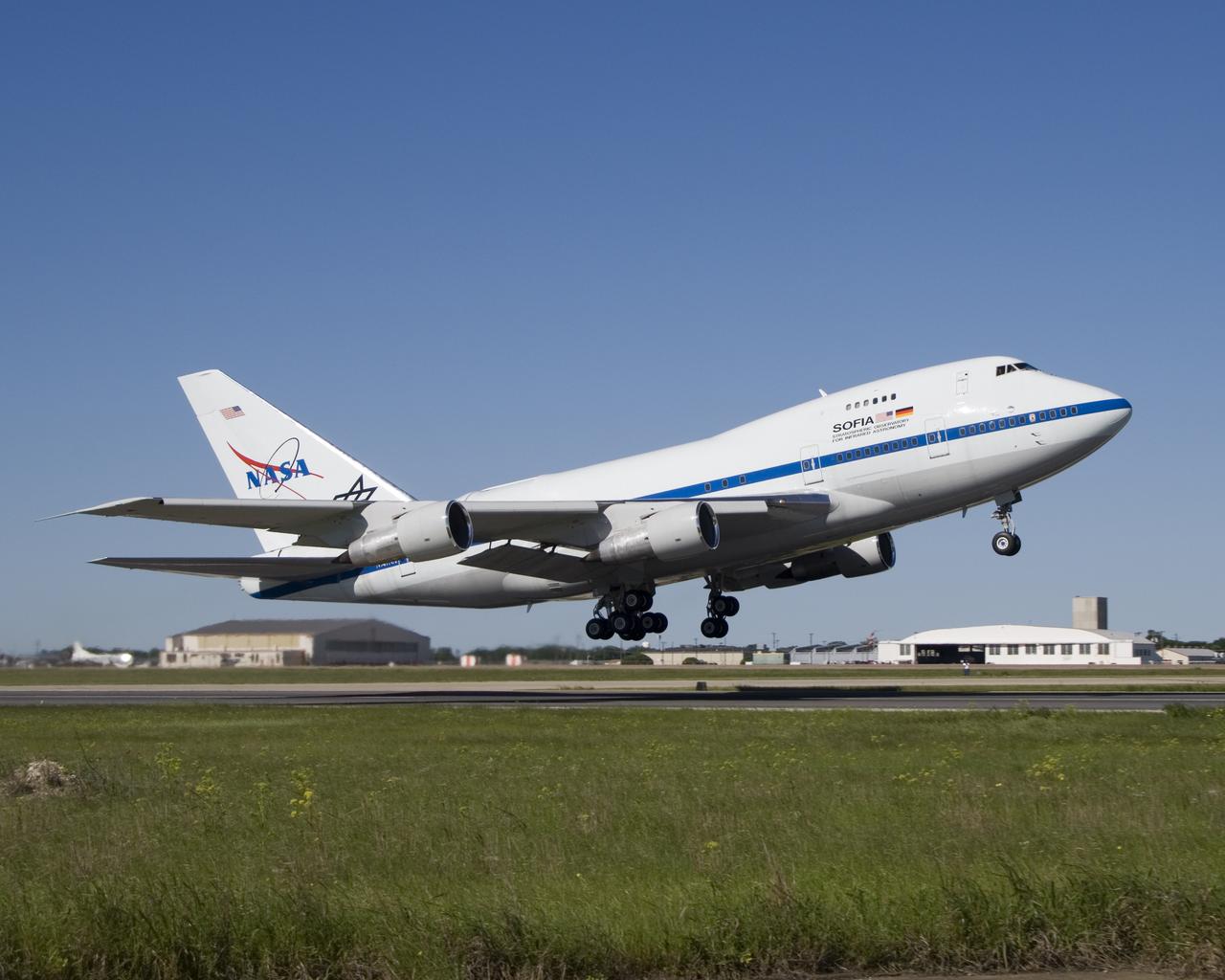
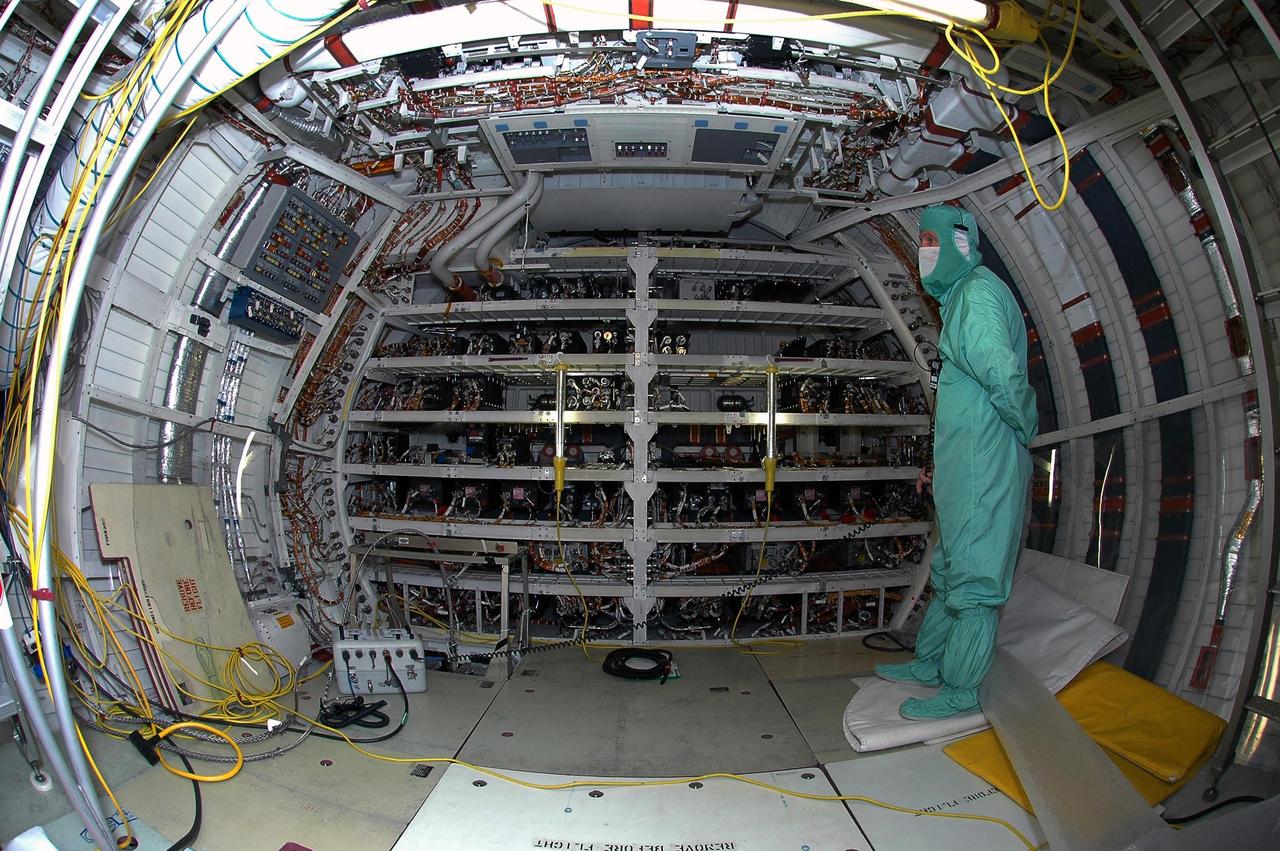
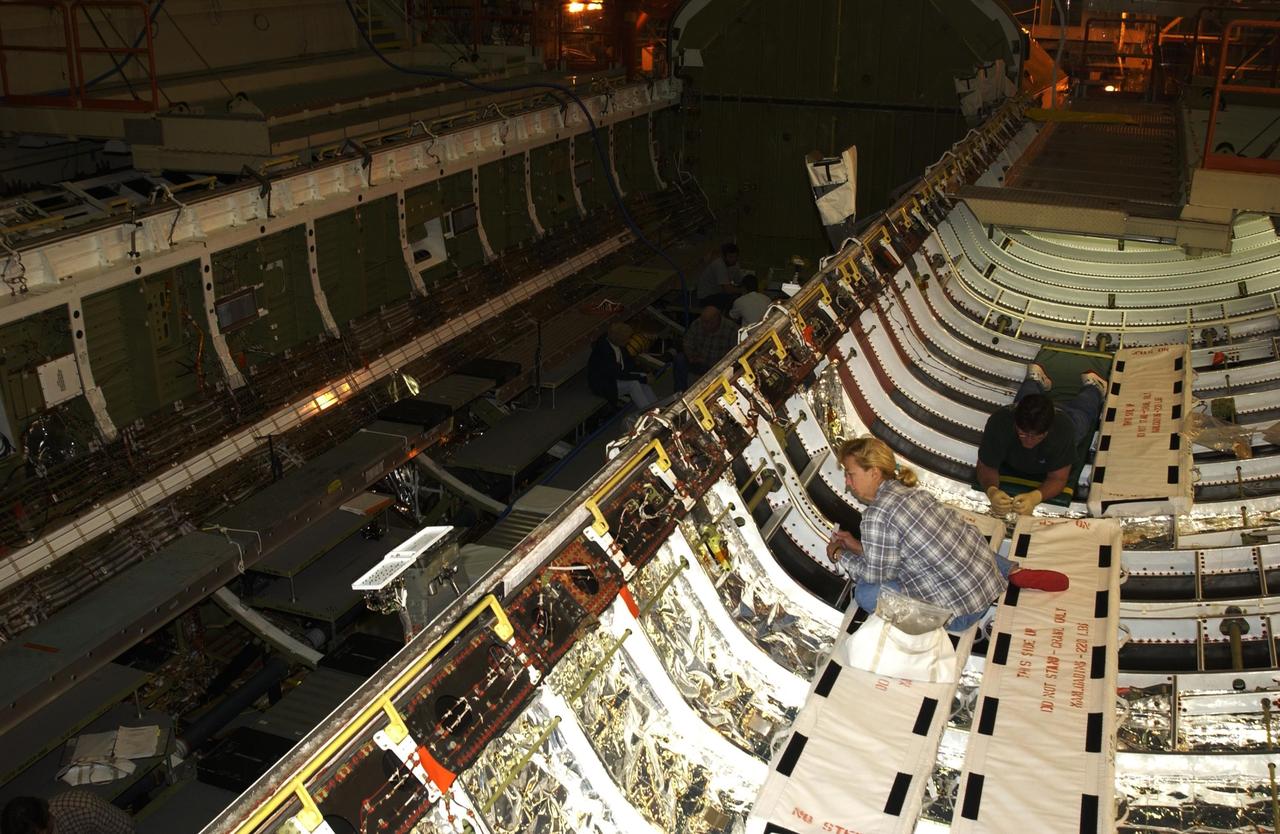
A rotating external door (white) was installed over the telescope cavity in the rear fuselage of NASA's SOFIA Boeing 747SP during modifications in Waco, Texas.
A rotating external door (white) was installed over the telescope cavity in the rear fuselage of NASA's SOFIA Boeing 747SP during modifications in Waco, Texas
Gravity driven slope modification creates the dark marks on the crater rim in this unnamed crater in Terra Sabaea as seen by NASA 2001 Mars Odyssey spacecraft.
Dark Slope Streaks
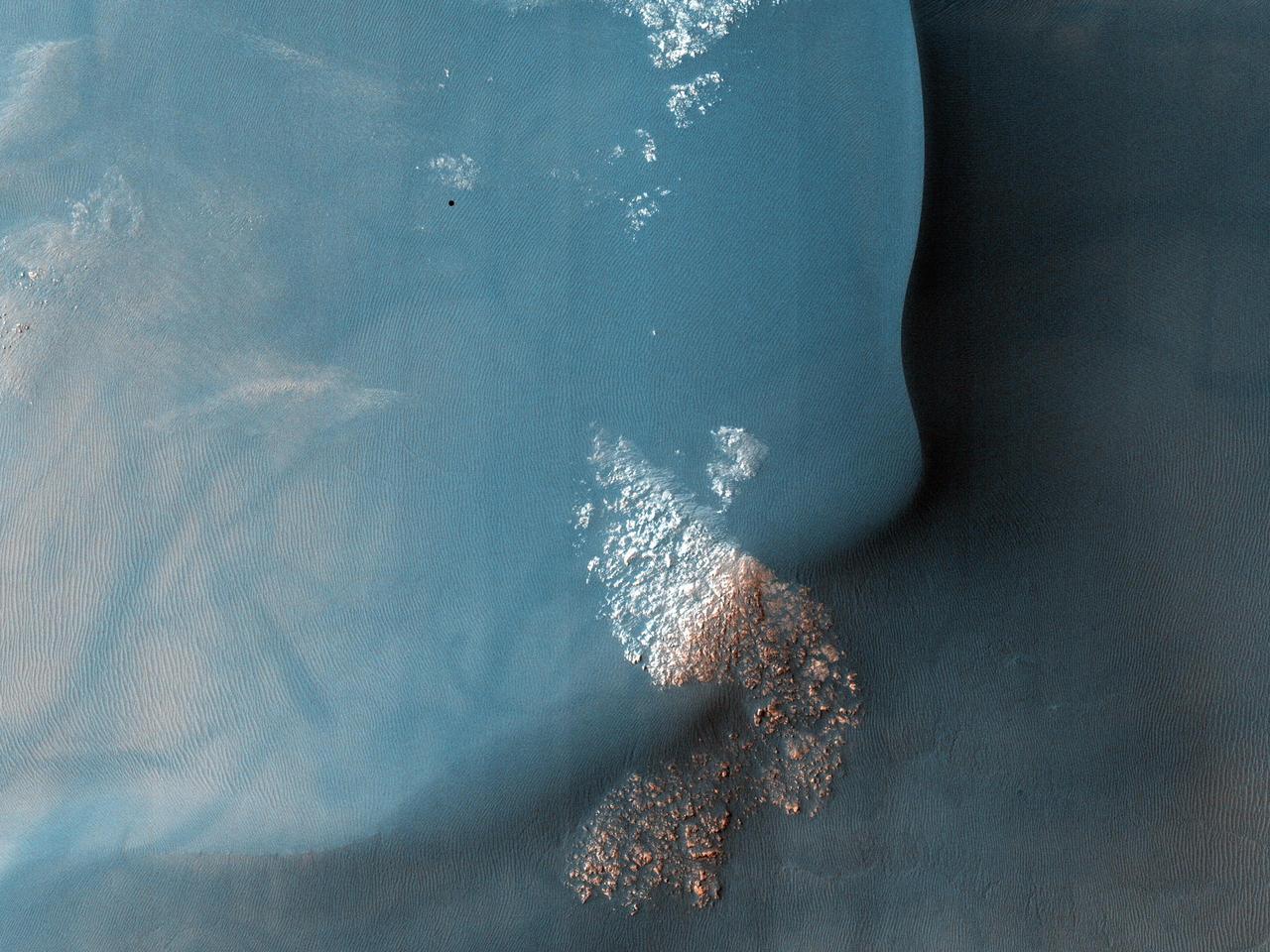
This observation from NASA Mars Reconnaissance Orbiter shows a Southern hemisphere crater with gullies, dunes, periglacial modification, bright rock deposits, and dust devil tracks.
Southern Hemisphere Crater with Dune Field
This MOC image shows the outer edge of the south polar residual cap of Mars during southern summer
Summer Modification
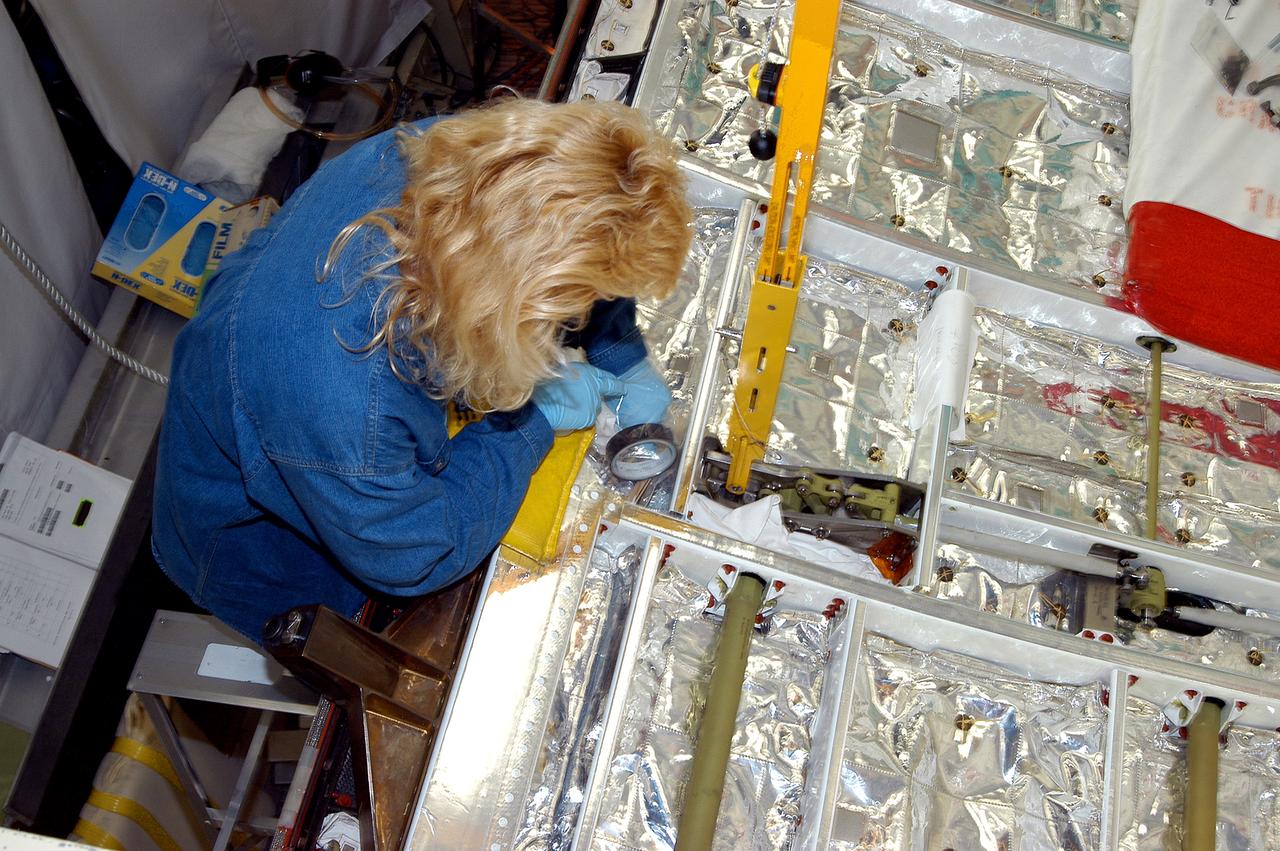
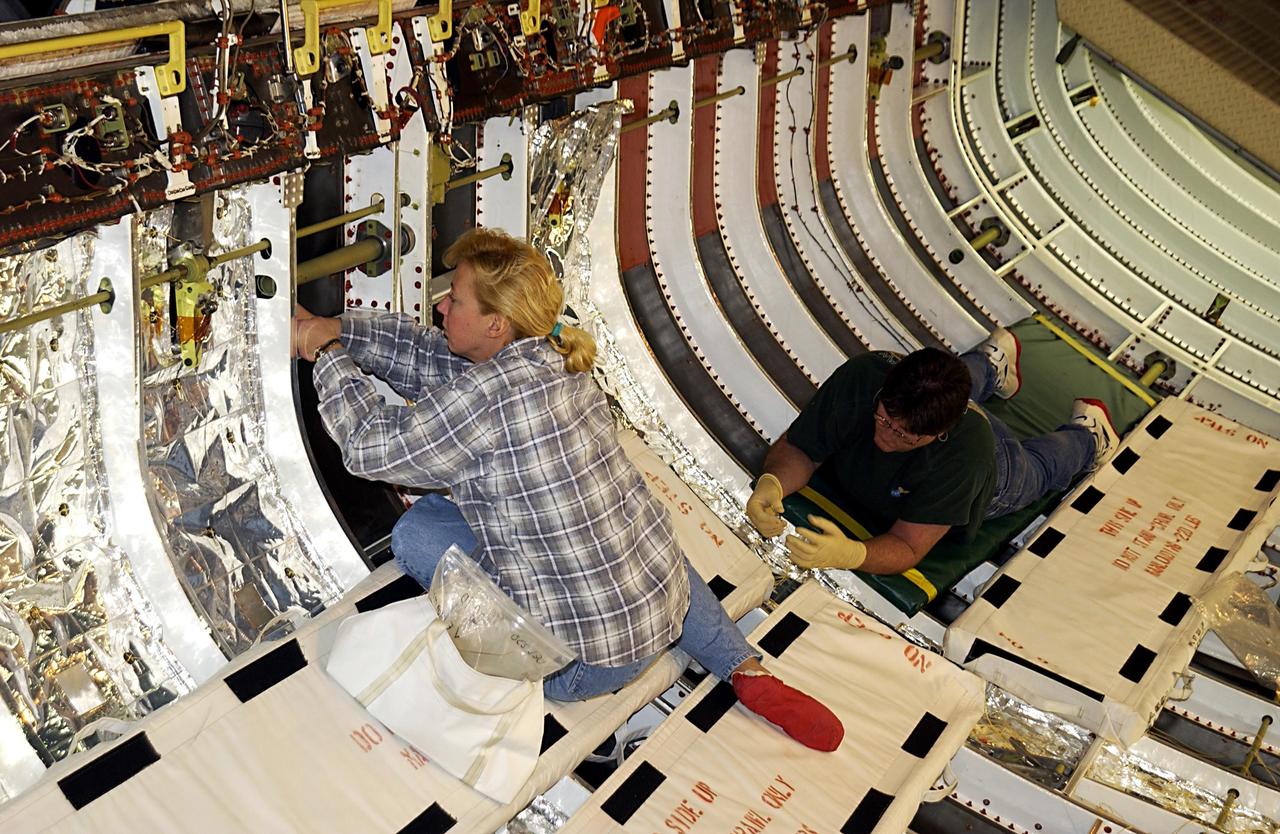
KENNEDY SPACE CENTER, FLA. -  A worker in the Orbiter Processing Facility checks part of the payload bay on Discovery.  The orbiter recently underwent an Orbiter Major Modification period, which included inspection, modifications and reservicing of most systems onboard. The work on Discovery also included the installation of a Multifunction Electronic Display Subsystem (MEDS) - a state-of-the-art “glass cockpit.”  The orbiter is now being prepared for eventual launch on a future mission.
KENNEDY SPACE CENTER, FLA. - A worker in the Orbiter Processing Facility checks part of the payload bay on Discovery. The orbiter recently underwent an Orbiter Major Modification period, which included inspection, modifications and reservicing of most systems onboard. The work on Discovery also included the installation of a Multifunction Electronic Display Subsystem (MEDS) - a state-of-the-art “glass cockpit.” The orbiter is now being prepared for eventual launch on a future mission.
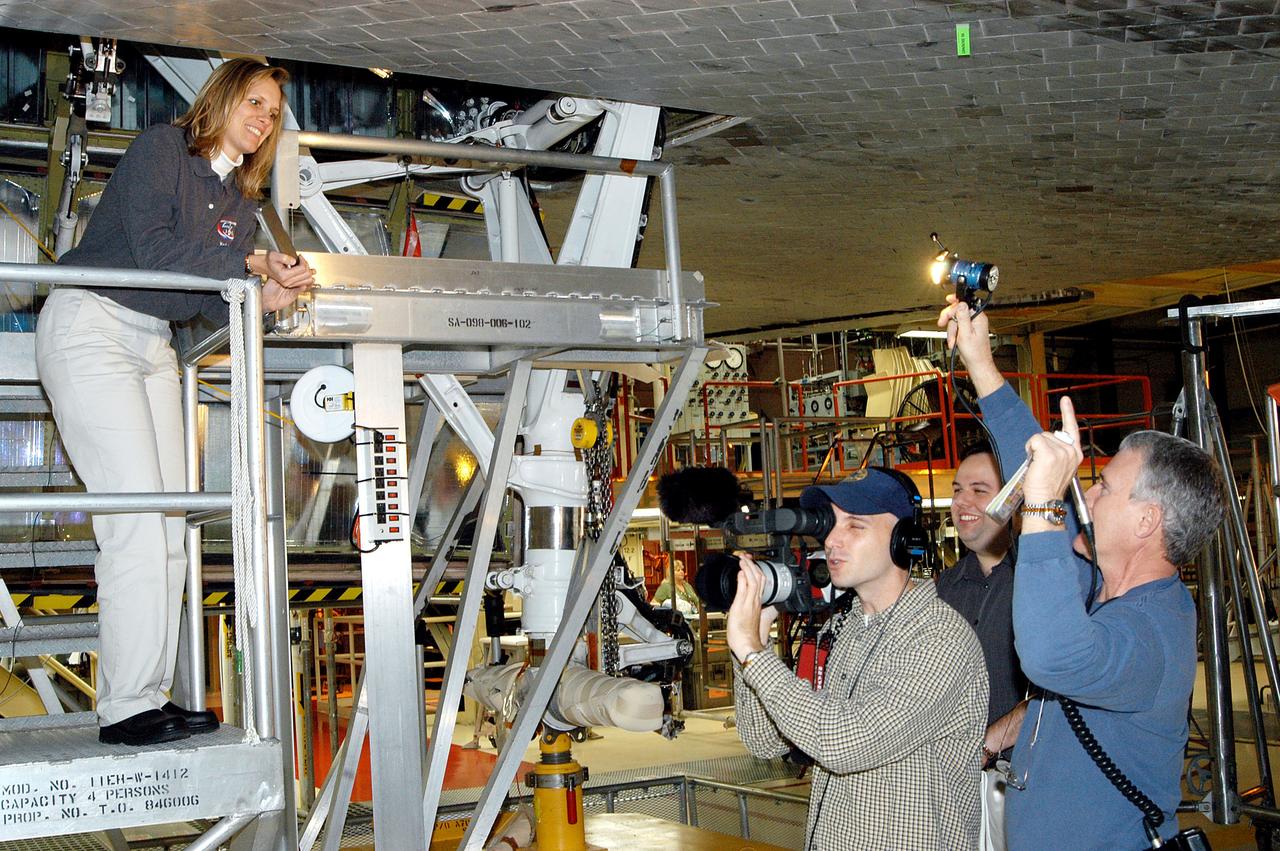
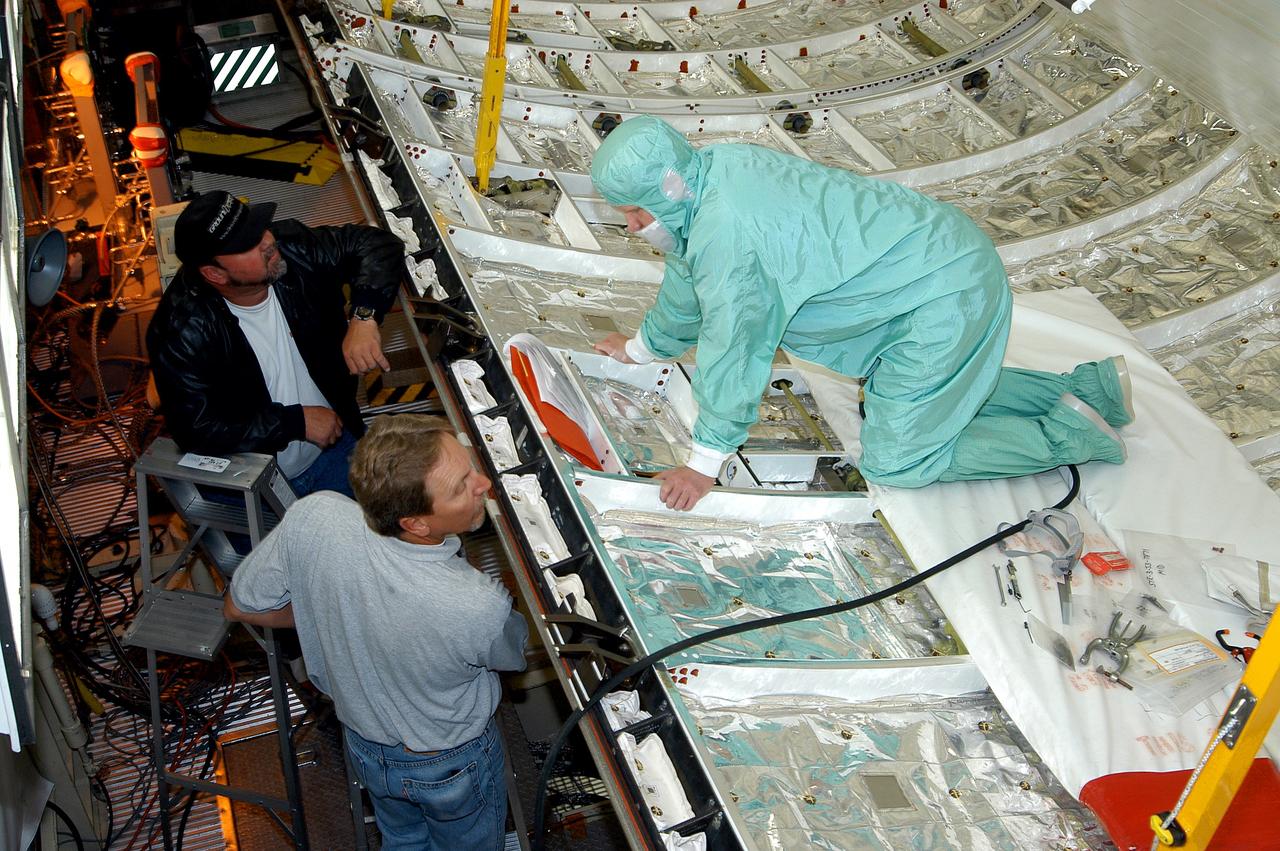
KENNEDY SPACE CENTER, FLA. -  Standing on a workstand (at left) in the Orbiter Processing Facility is Stephanie Stilson, NASA vehicle manager for Discovery.  She is being filmed for a special feature on the KSC Web about the recent Orbiter Major Modification period on Discovery, which included inspection, modifications and reservicing of most systems onboard, plus installation of a Multifunction Electronic Display Subsystem (MEDS) - a state-of-the-art “glass cockpit.”  The orbiter is now being prepared for eventual launch on a future mission.
KENNEDY SPACE CENTER, FLA. - Standing on a workstand (at left) in the Orbiter Processing Facility is Stephanie Stilson, NASA vehicle manager for Discovery. She is being filmed for a special feature on the KSC Web about the recent Orbiter Major Modification period on Discovery, which included inspection, modifications and reservicing of most systems onboard, plus installation of a Multifunction Electronic Display Subsystem (MEDS) - a state-of-the-art “glass cockpit.” The orbiter is now being prepared for eventual launch on a future mission.
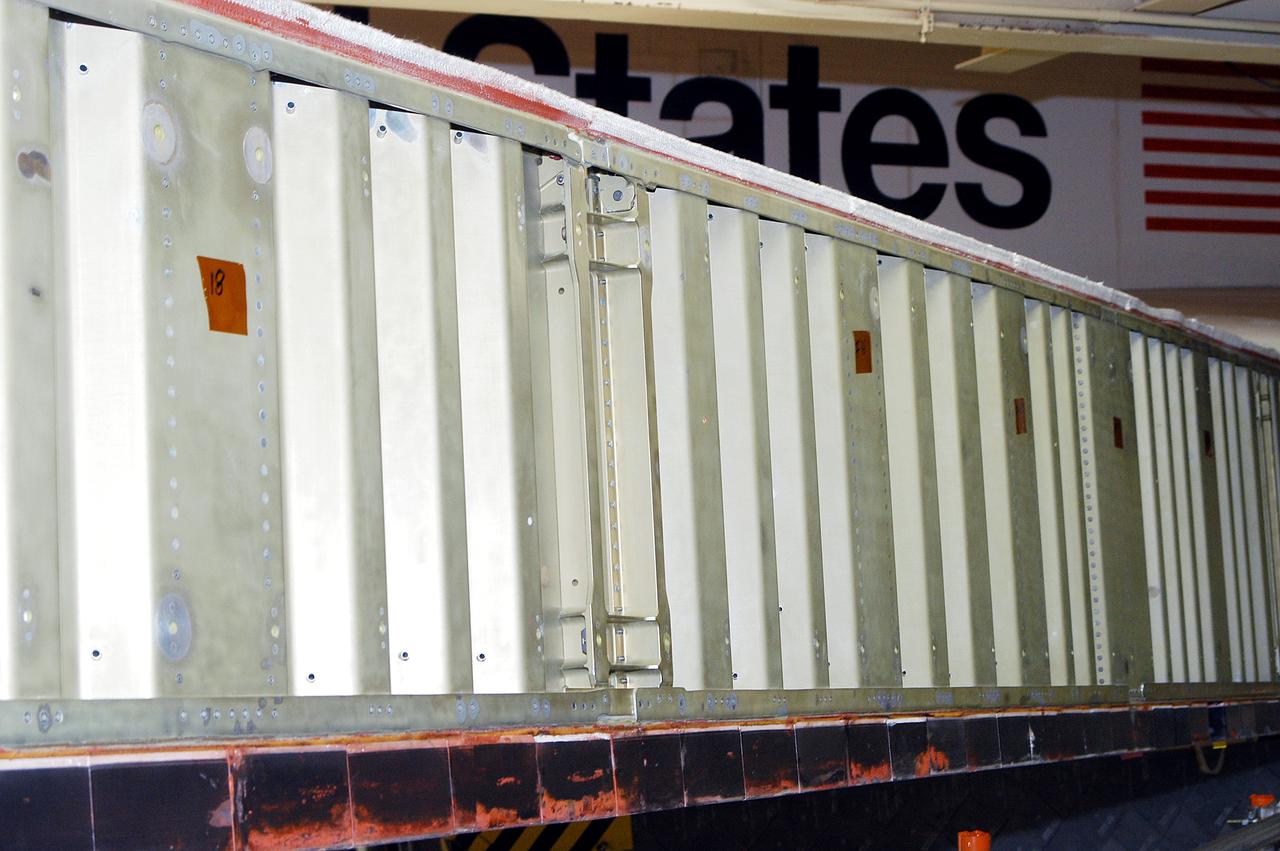
KENNEDY SPACE CENTER, FLA. -  This is the leading edge of the wing of Discovery, which is in the Orbiter Processing Facility.   The orbiter recently underwent an Orbiter Major Modification period, which included inspection, modifications and reservicing of most systems onboard. The work on Discovery also included the installation of a Multifunction Electronic Display Subsystem (MEDS) - a state-of-the-art “glass cockpit.”  The orbiter is now being prepared for eventual launch on a future mission.
KENNEDY SPACE CENTER, FLA. - This is the leading edge of the wing of Discovery, which is in the Orbiter Processing Facility. The orbiter recently underwent an Orbiter Major Modification period, which included inspection, modifications and reservicing of most systems onboard. The work on Discovery also included the installation of a Multifunction Electronic Display Subsystem (MEDS) - a state-of-the-art “glass cockpit.” The orbiter is now being prepared for eventual launch on a future mission.
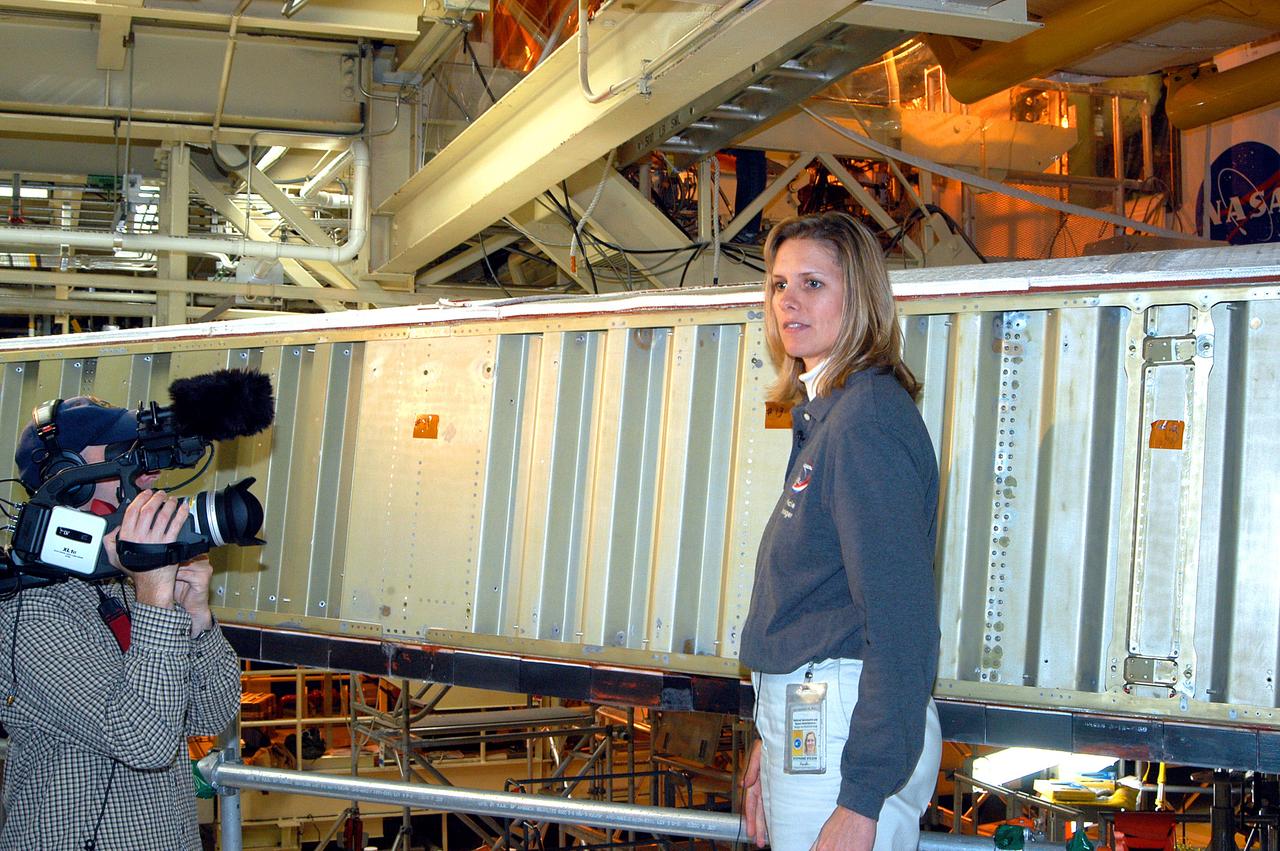
KENNEDY SPACE CENTER, FLA. -  Stephanie Stilson, NASA vehicle manager for Discovery, is being filmed for a special feature on the KSC Web about the recent Orbiter Major Modification period, which included inspection, modifications and reservicing of most systems onboard Discovery, plus installation of a Multifunction Electronic Display Subsystem (MEDS) - a state-of-the-art “glass cockpit.”  The orbiter is now being prepared for eventual launch on a future mission.
KENNEDY SPACE CENTER, FLA. - Stephanie Stilson, NASA vehicle manager for Discovery, is being filmed for a special feature on the KSC Web about the recent Orbiter Major Modification period, which included inspection, modifications and reservicing of most systems onboard Discovery, plus installation of a Multifunction Electronic Display Subsystem (MEDS) - a state-of-the-art “glass cockpit.” The orbiter is now being prepared for eventual launch on a future mission.
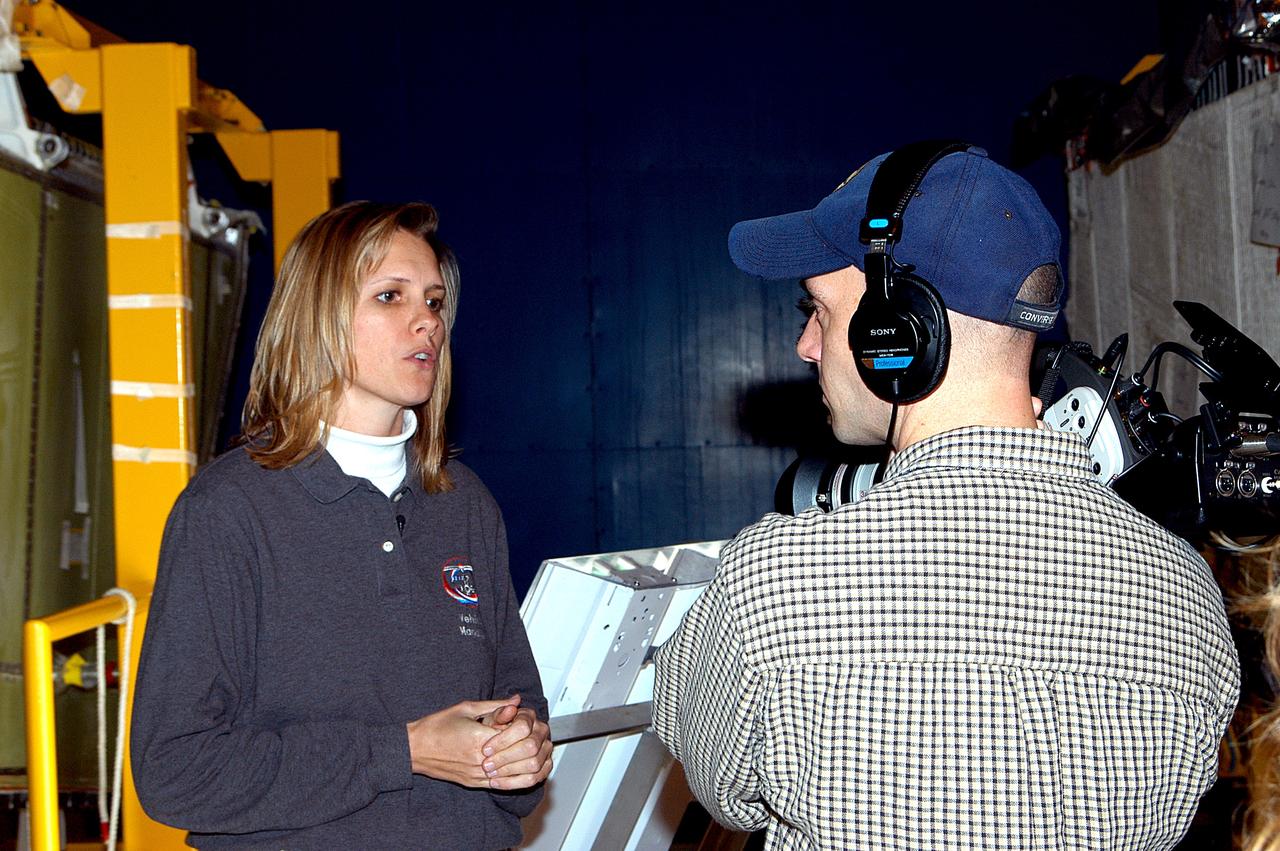
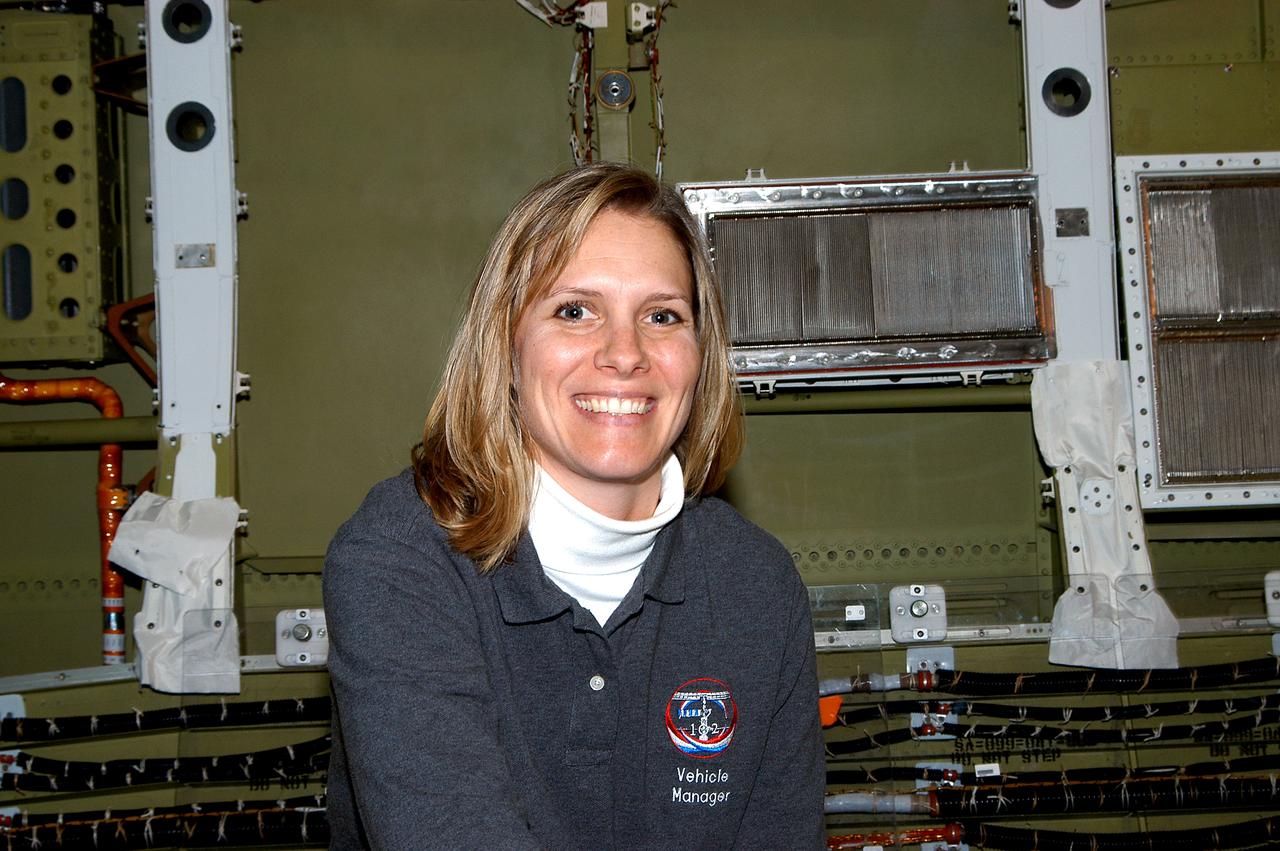
KENNEDY SPACE CENTER, FLA. -  NASA Vehicle Manager for Discovery, Stephanie Stilson poses for a photo after working with a KSC Web team who were filming a special feature for the KSC Web.  Stilson explained her role in the recent Orbiter Major Modification period, which included inspection, modifications and reservicing of most systems onboard. The work on Discovery also included the installation of a Multifunction Electronic Display Subsystem (MEDS) - a state-of-the-art “glass cockpit.”  The orbiter is now being prepared for eventual launch on a future mission.
KENNEDY SPACE CENTER, FLA. - NASA Vehicle Manager for Discovery, Stephanie Stilson poses for a photo after working with a KSC Web team who were filming a special feature for the KSC Web. Stilson explained her role in the recent Orbiter Major Modification period, which included inspection, modifications and reservicing of most systems onboard. The work on Discovery also included the installation of a Multifunction Electronic Display Subsystem (MEDS) - a state-of-the-art “glass cockpit.” The orbiter is now being prepared for eventual launch on a future mission.
KENNEDY SPACE CENTER, FLA. -  A worker in the Orbiter Processing Facility checks part of the payload bay on Discovery.  The orbiter recently underwent an Orbiter Major Modification period, which included inspection, modifications and reservicing of most systems onboard. The work on Discovery also included the installation of a Multifunction Electronic Display Subsystem (MEDS) - a state-of-the-art “glass cockpit.”  The orbiter is now being prepared for eventual launch on a future mission.
KENNEDY SPACE CENTER, FLA. - A worker in the Orbiter Processing Facility checks part of the payload bay on Discovery. The orbiter recently underwent an Orbiter Major Modification period, which included inspection, modifications and reservicing of most systems onboard. The work on Discovery also included the installation of a Multifunction Electronic Display Subsystem (MEDS) - a state-of-the-art “glass cockpit.” The orbiter is now being prepared for eventual launch on a future mission.
KENNEDY SPACE CENTER, FLA. -  In the Orbiter Processing Facility, Stephanie Stilson, NASA vehicle manager for Discovery, stands in front of a leading edge on the wing of Discovery.  She is being filmed for a special feature on the KSC Web about the recent Orbiter Major Modification period on Discovery, which included inspection, modifications and reservicing of most systems onboard, plus installation of a Multifunction Electronic Display Subsystem (MEDS) - a state-of-the-art “glass cockpit.”  The orbiter is now being prepared for eventual launch on a future mission.
KENNEDY SPACE CENTER, FLA. - In the Orbiter Processing Facility, Stephanie Stilson, NASA vehicle manager for Discovery, stands in front of a leading edge on the wing of Discovery. She is being filmed for a special feature on the KSC Web about the recent Orbiter Major Modification period on Discovery, which included inspection, modifications and reservicing of most systems onboard, plus installation of a Multifunction Electronic Display Subsystem (MEDS) - a state-of-the-art “glass cockpit.” The orbiter is now being prepared for eventual launch on a future mission.
At its founding, the Marshall Space Flight Center (MSFC) inherited the Army’s Jupiter and Redstone test stands, but much larger facilities were needed for the giant stages of the Saturn V. From 1960 to 1964, the existing stands were remodeled and a sizable new test area was developed. The new comprehensive test complex for propulsion and structural dynamics was unique within the nation and the free world, and they remain so today because they were constructed with foresight to meet the future as well as on going needs. Construction of the S-IC Static test stand complex began in 1961 in the west test area of MSFC, and was completed in 1964. The S-IC static test stand was originally designed to develop and test the 138-ft long and 33-ft diameter Saturn V S-IC first stage, or booster stage. Modifications to the S-IC Test Stand began in 1975 to accommodate space shuttle external tank testing. This photo depicts the removal of the flame deflector which was originally used to provide water to the 5 F-1 engines of the S-IC stage during testing.
Around Marshall
At its founding, the Marshall Space Flight Center (MSFC) inherited the Army’s Jupiter and Redstone test stands, but much larger facilities were needed for the giant stages of the Saturn V. From 1960 to 1964, the existing stands were remodeled and a sizable new test area was developed. The new comprehensive test complex for propulsion and structural dynamics was unique within the nation and the free world, and they remain so today because they were constructed with foresight to meet the future as well as on going needs. Construction of the S-IC Static test stand complex began in 1961 in the west test area of MSFC, and was completed in 1964. The S-IC static test stand was originally designed to develop and test the 138-ft long and 33-ft diameter Saturn V S-IC first stage, or booster stage. Modifications to the S-IC Test Stand began in 1975 to accommodate space shuttle external tank testing. This photo depicts the removal of the flame deflector which was originally used to provide water to the 5 F-1 engines of the S-IC stage during testing.
Around Marshall
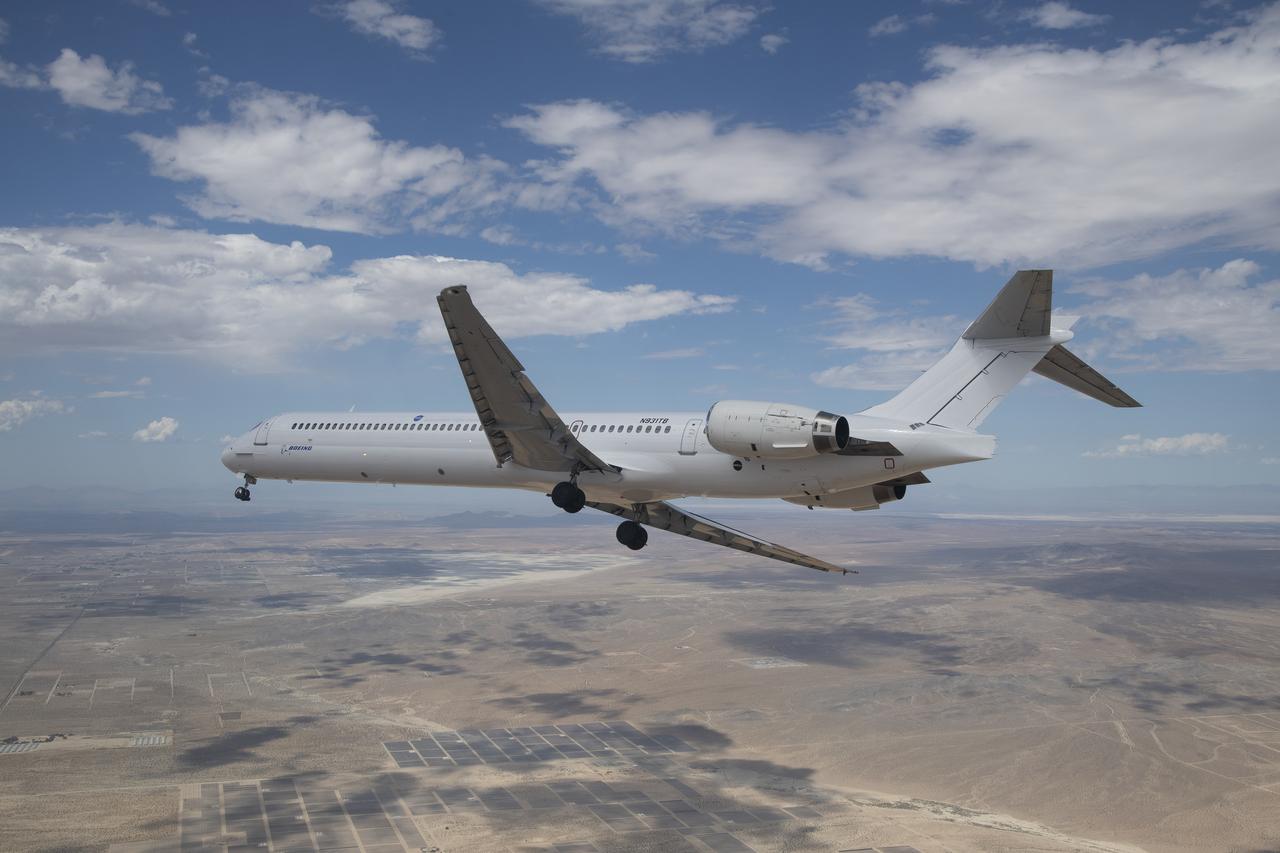
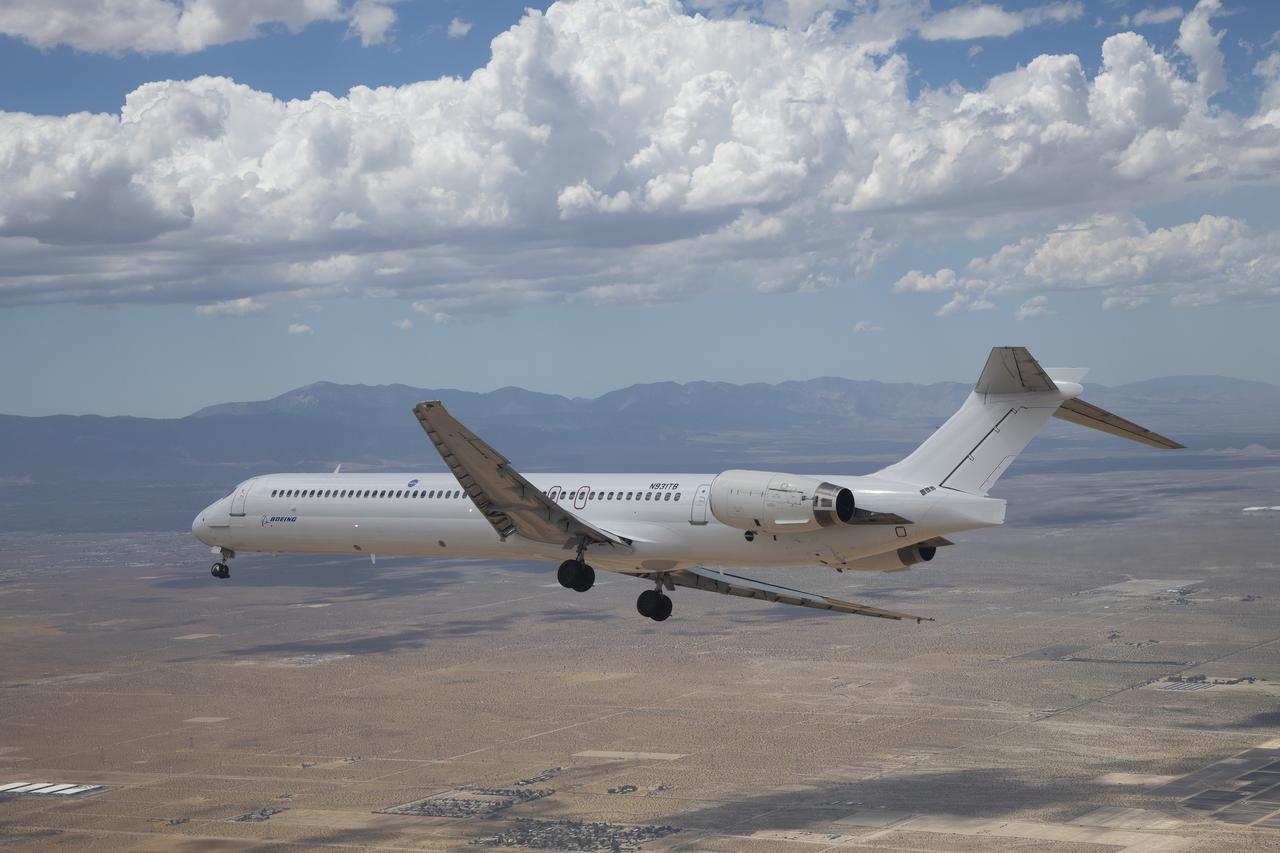
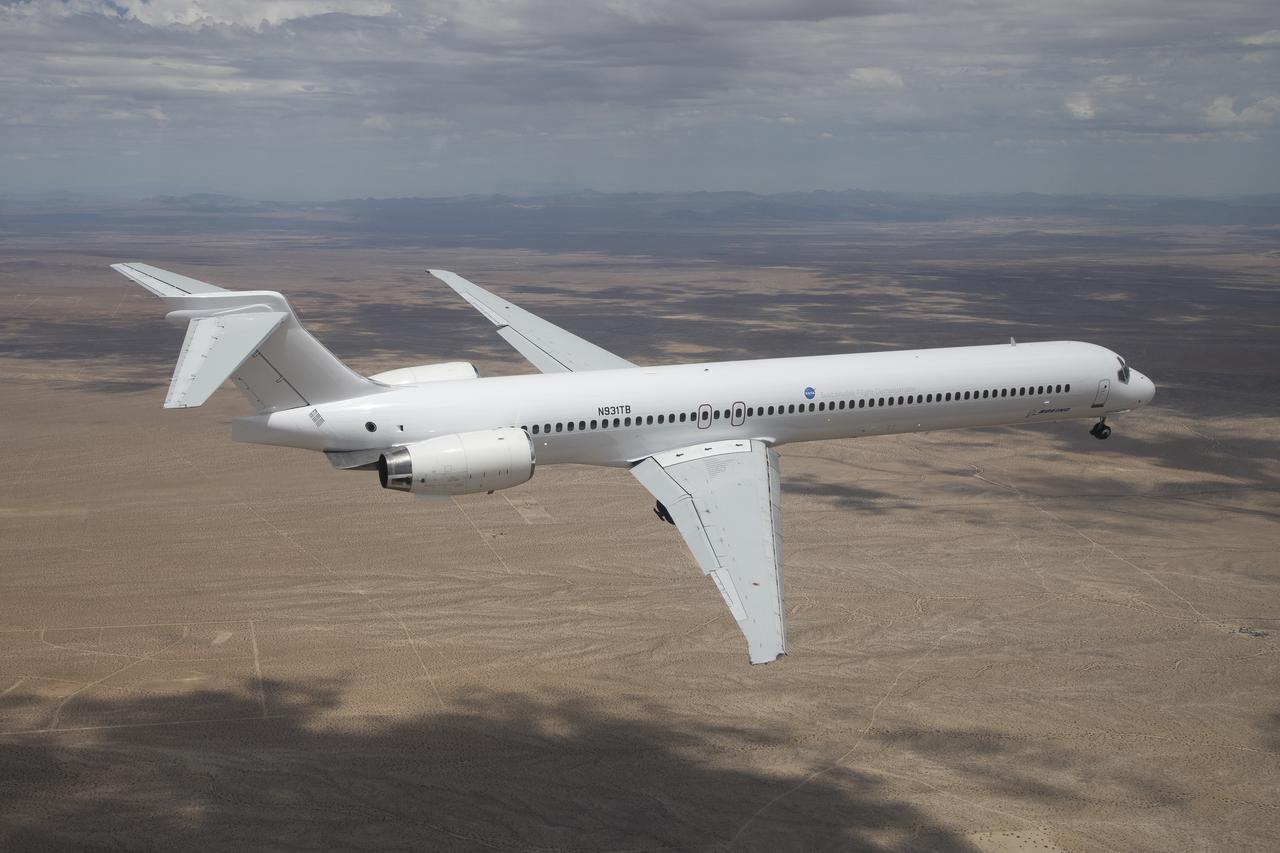
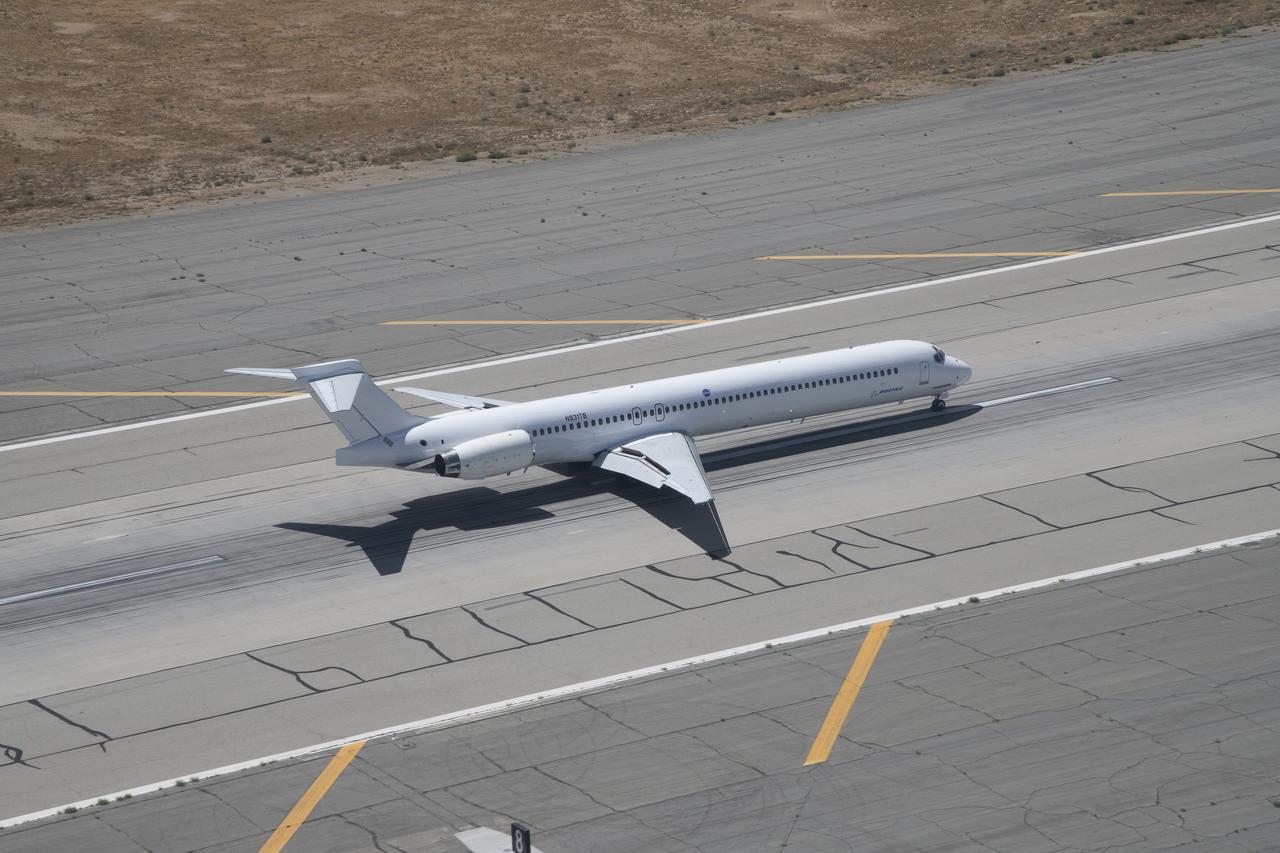
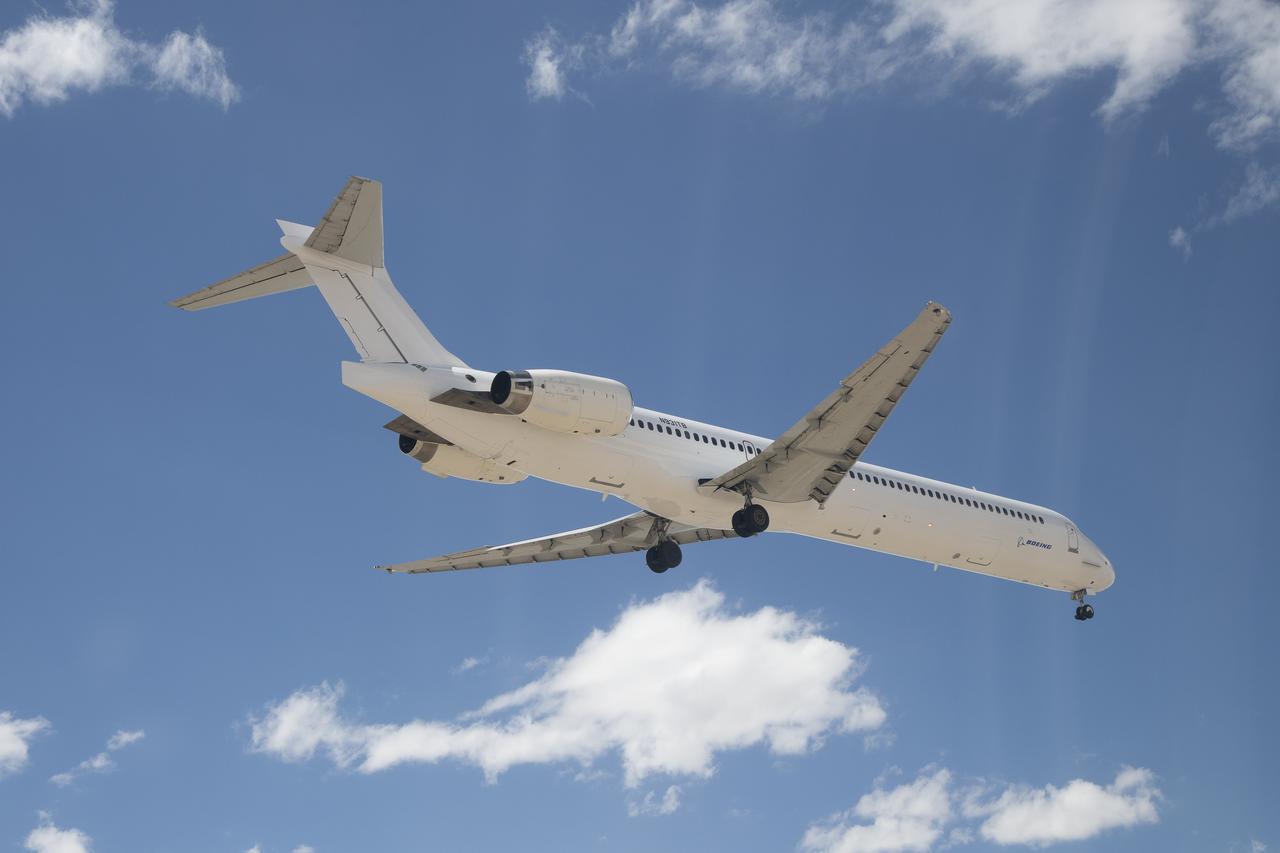
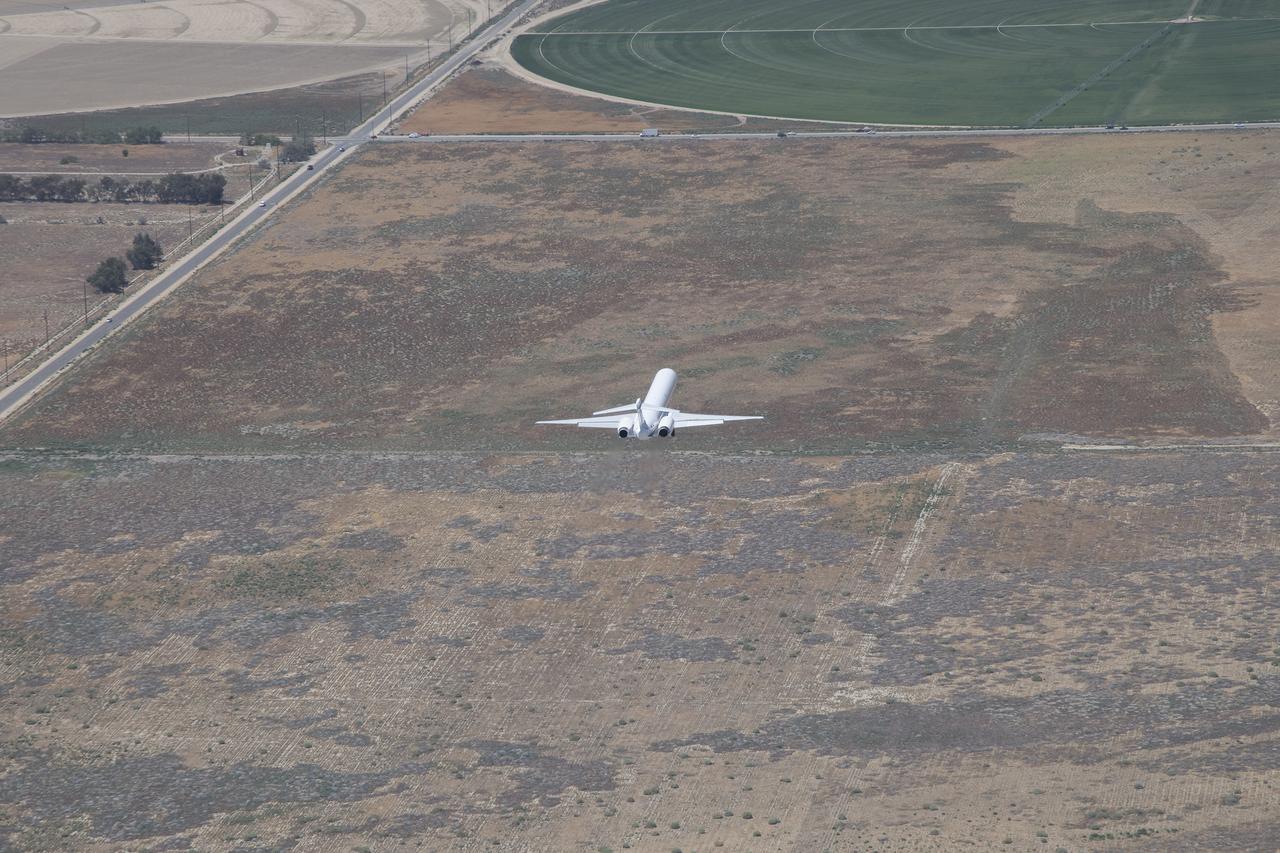
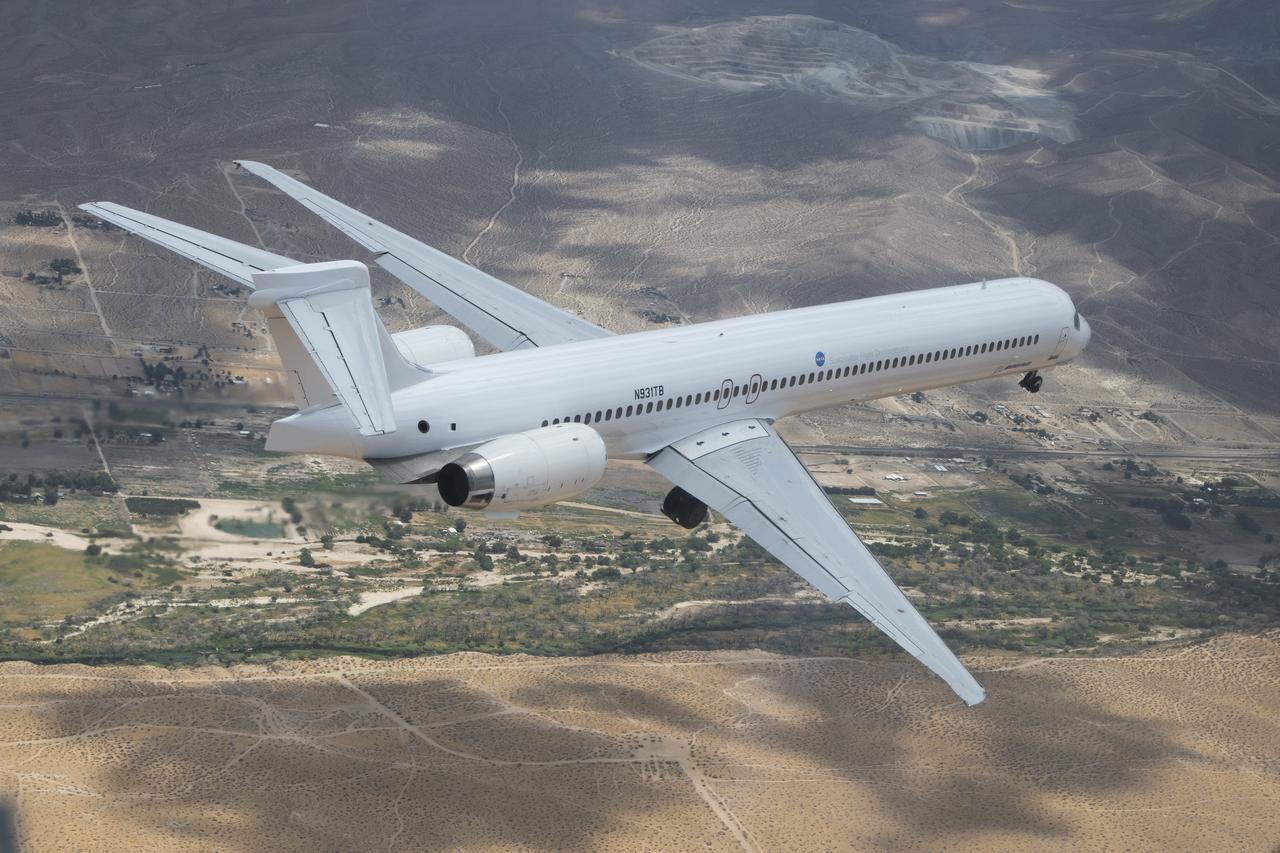
Boeing’s MD-90 aircraft flies from Victorville California to Palmdale, California on August 15, 2023. This aircraft will be NASA’s future Sustainable Flight Demonstrator. Modifications to the aircraft will include changes to the fuselage and most notably the use of a transonic truss-braced wing.
Boeing MD-90 flies from Victorville, California to Palmdale, California where it will begin modifications as part of NASA Sustainable Flight Demonstrator
Boeing’s MD-90 aircraft flies from Victorville California to Palmdale, California on August 15, 2023. This aircraft will be NASA’s future Sustainable Flight Demonstrator. Modifications to the aircraft will include changes to the fuselage and most notably the use of a transonic truss-braced wing.
Boeing MD-90 flies from Victorville, California to Palmdale, California where it will begin modifications as part of NASA Sustainable Flight Demonstrator
Boeing’s MD-90 aircraft flies from Victorville California to Palmdale, California on August 15, 2023. This aircraft will be NASA’s future Sustainable Flight Demonstrator. Modifications to the aircraft will include changes to the fuselage and most notably the use of a transonic truss-braced wing.
Boeing MD-90 flies from Victorville, California to Palmdale, California where it will begin modifications as part of NASA Sustainable Flight Demonstrator
Boeing’s MD-90 aircraft flies from Victorville California to Palmdale, California on August 15, 2023. This aircraft will be NASA’s future Sustainable Flight Demonstrator. Modifications to the aircraft will include changes to the fuselage and most notably the use of a transonic truss-braced wing.
Boeing MD-90 flies from Victorville, California to Palmdale, California where it will begin modifications as part of NASA Sustainable Flight Demonstrator
Boeing’s MD-90 aircraft flies from Victorville California to Palmdale, California on August 15, 2023. This aircraft will be NASA’s future Sustainable Flight Demonstrator. Modifications to the aircraft will include changes to the fuselage and most notably the use of a transonic truss-braced wing.
Boeing MD-90 flies from Victorville, California to Palmdale, California where it will begin modifications as part of NASA Sustainable Flight Demonstrator
Boeing’s MD-90 aircraft flies from Victorville California to Palmdale, California on August 15, 2023. This aircraft will be NASA’s future Sustainable Flight Demonstrator. Modifications to the aircraft will include changes to the fuselage and most notably the use of a transonic truss-braced wing.
Boeing MD-90 flies from Victorville, California to Palmdale, California where it will begin modifications as part of NASA Sustainable Flight Demonstrator
Boeing’s MD-90 aircraft flies from Victorville California to Palmdale, California on August 15, 2023. This aircraft will be NASA’s future Sustainable Flight Demonstrator. Modifications to the aircraft will include changes to the fuselage and most notably the use of a transonic truss-braced wing.
Boeing MD-90 flies from Victorville, California to Palmdale, California where it will begin modifications as part of NASA Sustainable Flight Demonstrator
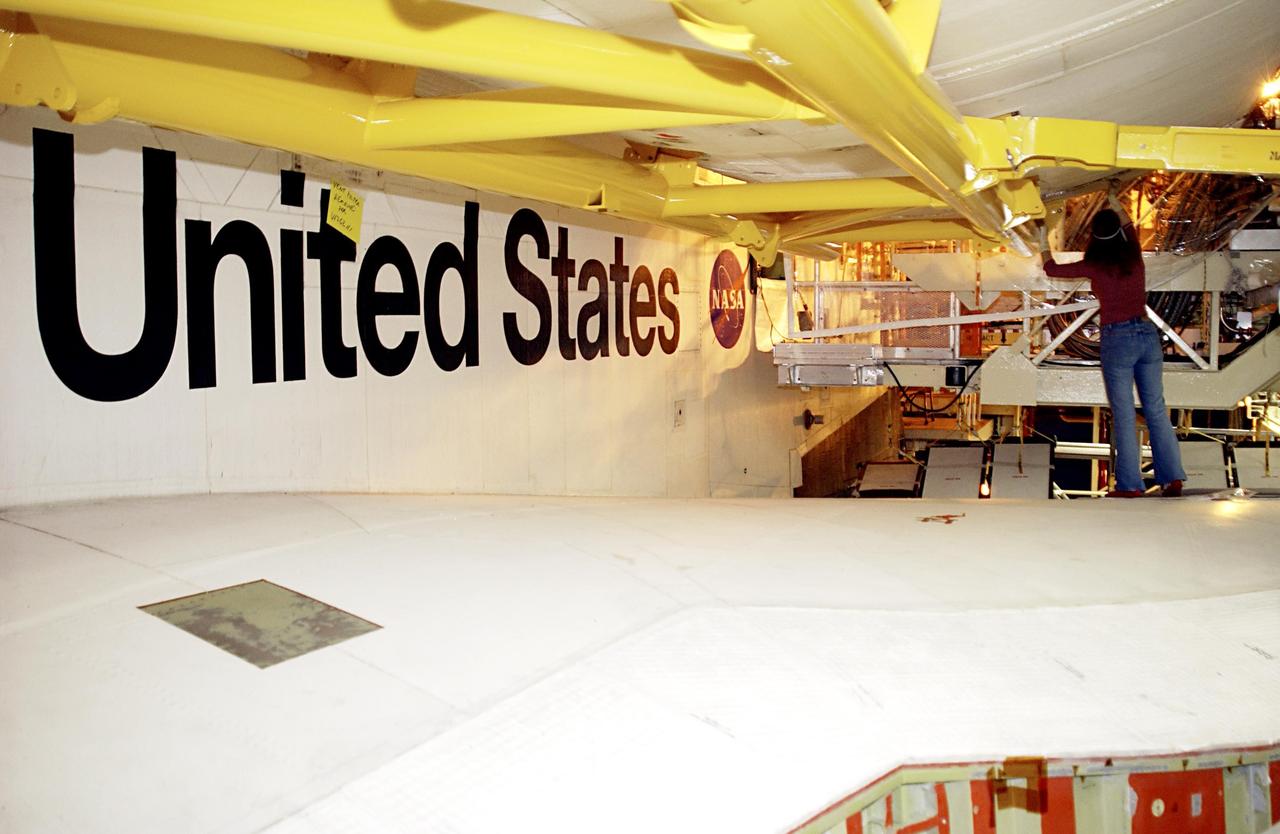
KENNEDY SPACE CENTER, FLA. -   Workstands at various levels surround the orbiter Endeavour in the Orbiter Processing Facility (OPF).  The OPF provides postflight servicing and checkout, as well as vehicle modifications.
KENNEDY SPACE CENTER, FLA. - Workstands at various levels surround the orbiter Endeavour in the Orbiter Processing Facility (OPF). The OPF provides postflight servicing and checkout, as well as vehicle modifications.
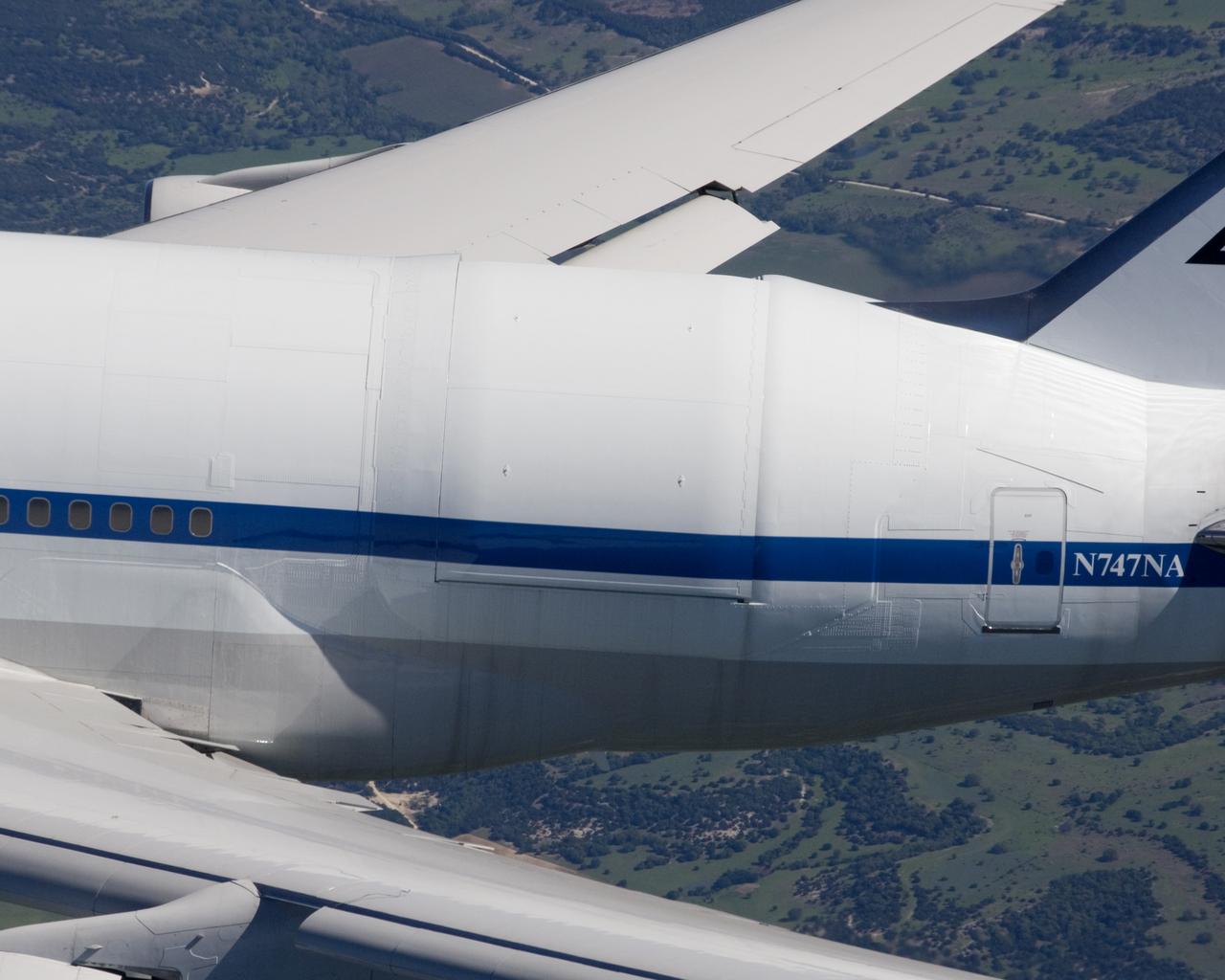
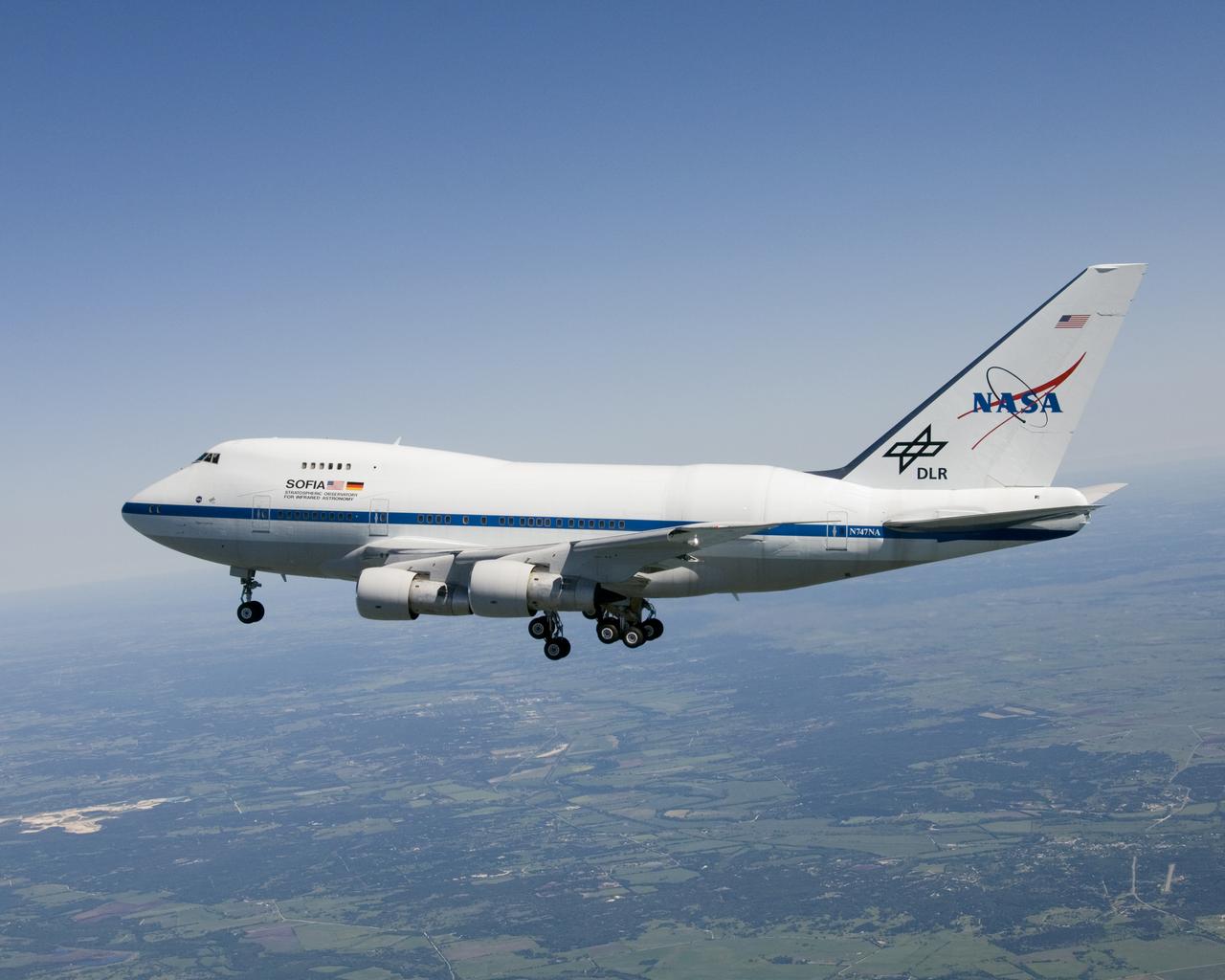
NASA's SOFIA 747SP shows evidence of modification to its aft fuselage contours to accommodate a 16-foot-tall cavity door for its 45,000-pound infrared telescope.
NASA's SOFIA 747SP shows evidence of modification to its aft fuselage contours to accommodate a 16-foot-tall cavity door for its 45,000-pound infrared telescope
The NASA and German Aerospace Center SOFIA airborne infrared observatory took flight for the first time April 26, 2007, from its modification center in Waco, Texas.
The NASA and German Aerospace Center SOFIA airborne infrared observatory took flight for the first time April 26, 2007, from its modification center in Waco, TX
This image from NASA 2001 Mars Odyssey spacecraft shows Lonar Crater. This crater has undergone very little modification since it formed, and so is one of the younger features in this region.
Lonar Crater
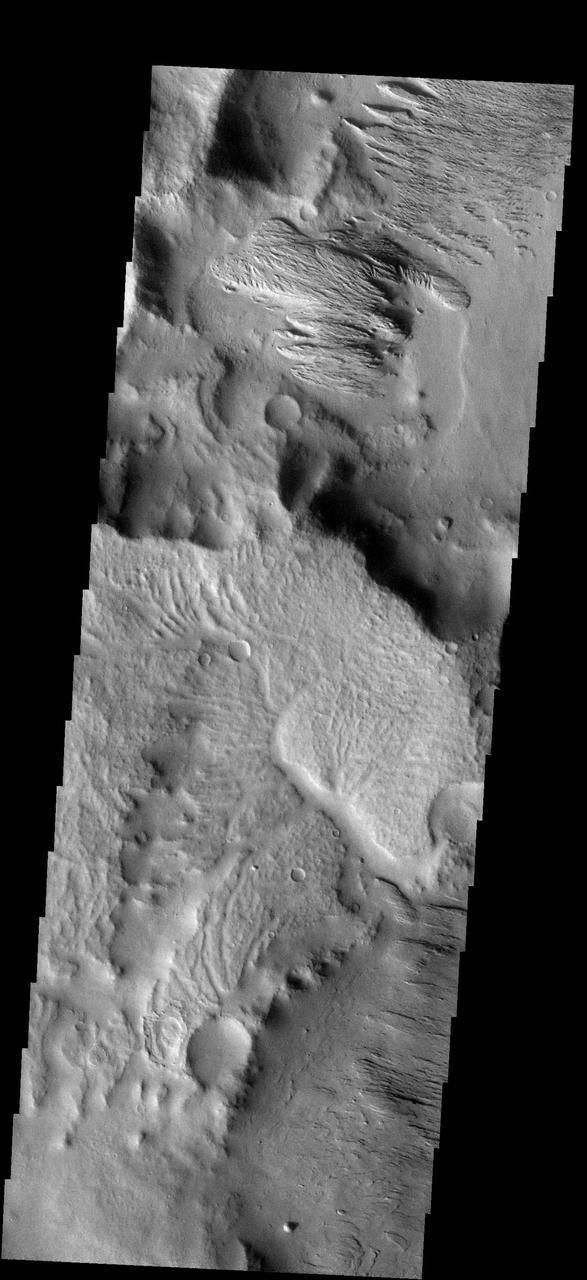
The ejecta of the impact crater shown in this image from NASA Mars Odyssey spacecraft appears to have been modified after it was emplaced. This modification may be due to the presence of subsurface ground ice.
Elysium Planitia
KENNEDY SPACE CENTER, FLA. -   In Orbiter Processing Facility Bay 2, United Space Alliance technician Michael Vanwart installs thermal protection system blankets in the nose cap of space shuttle Endeavour. Endeavour recently came out of a nearly two-year Orbiter Major Modification period which began in December 2003. Engineers and technicians spent 900,000 hours performing 124 modifications to the vehicle. These included all recommended return-to-flight safety modifications, bonding more than 1,000 thermal protection system tiles and inspecting more than 150 miles of wiring throughout the orbiter. Shuttle major modification periods are scheduled at regular intervals to enhance safety and performance, infuse new technology, and allow for thorough inspections of the airframe and wiring of the vehicles. This was the second of these modification periods performed entirely at Kennedy Space Center. Endeavour's previous modification was completed in March 1997.

KSC-05pd2532
KENNEDY SPACE CENTER, FLA. -   In Orbiter Processing Facility Bay 2, United Space Alliance technician Michael Vanwart installs thermal protection system blankets in the nose cap of space shuttle Endeavour. Endeavour recently came out of a nearly two-year Orbiter Major Modification period which began in December 2003. Engineers and technicians spent 900,000 hours performing 124 modifications to the vehicle. These included all recommended return-to-flight safety modifications, bonding more than 1,000 thermal protection system tiles and inspecting more than 150 miles of wiring throughout the orbiter. Shuttle major modification periods are scheduled at regular intervals to enhance safety and performance, infuse new technology, and allow for thorough inspections of the airframe and wiring of the vehicles. This was the second of these modification periods performed entirely at Kennedy Space Center. Endeavour's previous modification was completed in March 1997.
KSC-05pd2533
KENNEDY SPACE CENTER, FLA. -   In Orbiter Processing Facility Bay 2, the nose cap of space shuttle Endeavour is prepared for installation of thermal protection system blankets. Endeavour recently came out of a nearly two-year Orbiter Major Modification  period which began in December 2003. Engineers and technicians spent 900,000 hours performing 124 modifications to the vehicle. These included all recommended return-to-flight safety modifications, bonding more than 1,000 thermal protection system tiles and inspecting more than 150 miles of wiring throughout the orbiter. Shuttle major modification periods are scheduled at regular intervals to enhance safety and performance, infuse new technology, and allow for thorough inspections of the airframe and wiring of the vehicles. This was the second of these modification periods performed entirely at Kennedy Space Center. Endeavour's previous modification was completed in March 1997.

KSC-05pd2530
In the Vehicle Assembly Building, Jim Landy, NDE specialist, sets up a flight crew lockers for flash thermography. He is screening the lockers for hidden damage underneath dings and dents that might occur during handling.
Discovery Orbiter Major Modifications
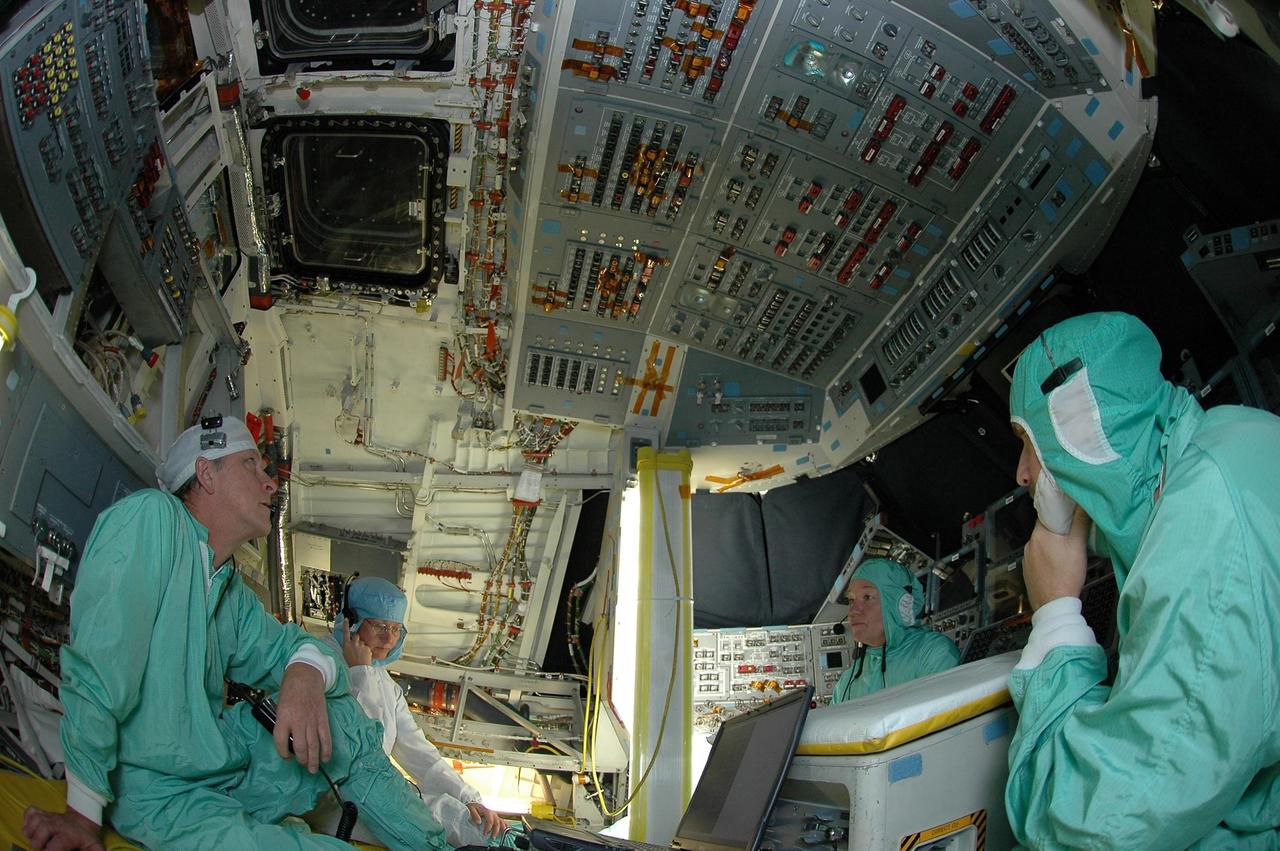
KENNEDY SPACE CENTER, FLA. -   In Orbiter Processing Facility bay 2, United Space Alliance employees Charles Bell, Terri Halverstadt, Loralee Woodbury, and Rob Lewis monitor a display in Space Shuttle Endeavour's cockpit the first time the orbiter is powered up after nearly two years. Endeavour has been in its Orbiter Major Modification (OMM) period since December 2003. Engineers and technicians spent 900,000 hours performing 124 modifications to the vehicle. These included all recommended return to flight safety modifications, bonding more than 1,000 thermal protection system tiles and inspecting more than 150 miles of wiring throughout Endeavour. Eighty five of the modifications are completed, with work on the additional 39 modifications continuing throughout the next few months. Shuttle major modification periods are scheduled at regular intervals to enhance safety and performance, infuse new technology and allow for thorough inspections of the airframe and wiring of the vehicles. This was the second of these modification periods performed entirely at Kennedy Space Center. Endeavour's previous modification was completed in March 1997.
KSC-05pd2299
KENNEDY SPACE CENTER, FLA. -   In Orbiter Processing Facility bay 2, United Space Alliance technician Rob Lewis monitors Space Shuttle Endeavour's electrical system the first time the orbiter is powered up after nearly two years. Endeavour has been in its Orbiter Major Modification (OMM) period since December 2003. Engineers and technicians spent 900,000 hours performing 124 modifications to the vehicle. These included all recommended return to flight safety modifications, bonding more than 1,000 thermal protection system tiles and inspecting more than 150 miles of wiring throughout Endeavour. Eighty five of the modifications are completed, with work on the additional 39 modifications continuing throughout the next few months. Shuttle major modification periods are scheduled at regular intervals to enhance safety and performance, infuse new technology and allow for thorough inspections of the airframe and wiring of the vehicles. This was the second of these modification periods performed entirely at Kennedy Space Center. Endeavour's previous modification was completed in March 1997.
KSC-05pd2297
KENNEDY SPACE CENTER, FLA. -   In Orbiter Processing Facility bay 2, United Space Alliance technician Loralee Woodbury monitors the lighted display in Space Shuttle Endeavour's cockpit after full powerup, the first time the orbiter has been powered up after nearly two years. Endeavour has been in its Orbiter Major Modification (OMM) period since December 2003. Engineers and technicians spent 900,000 hours performing 124 modifications to the vehicle. These included all recommended return to flight safety modifications, bonding more than 1,000 thermal protection system tiles and inspecting more than 150 miles of wiring throughout Endeavour. Eighty five of the modifications are completed, with work on the additional 39 modifications continuing throughout the next few months. Shuttle major modification periods are scheduled at regular intervals to enhance safety and performance, infuse new technology and allow for thorough inspections of the airframe and wiring of the vehicles. This was the second of these modification periods performed entirely at Kennedy Space Center. Endeavour's previous modification was completed in March 1997.
KSC-05pd2301
KENNEDY SPACE CENTER, FLA. -   In Orbiter Processing Facility bay 2, United Space Alliance technician Charles Bell monitors a display in Space Shuttle Endeavour's cockpit the first time the orbiter is powered up after nearly two years. Endeavour has been in its Orbiter Major Modification (OMM) period since December 2003. Engineers and technicians spent 900,000 hours performing 124 modifications to the vehicle. These included all recommended return to flight safety modifications, bonding more than 1,000 thermal protection system tiles and inspecting more than 150 miles of wiring throughout Endeavour. Eighty five of the modifications are completed, with work on the additional 39 modifications continuing throughout the next few months. Shuttle major modification periods are scheduled at regular intervals to enhance safety and performance, infuse new technology and allow for thorough inspections of the airframe and wiring of the vehicles. This was the second of these modification periods performed entirely at Kennedy Space Center. Endeavour's previous modification was completed in March 1997.
KSC-05pd2298
KENNEDY SPACE CENTER, FLA. -   In Orbiter Processing Facility bay 2, United Space Alliance technician Charles Bell examines a display in Space Shuttle Endeavour's cockpit the first time the orbiter is powered up after nearly two years. Endeavour has been in its Orbiter Major Modification (OMM) period since December 2003. Engineers and technicians spent 900,000 hours performing 124 modifications to the vehicle. These included all recommended return to flight safety modifications, bonding more than 1,000 thermal protection system tiles and inspecting more than 150 miles of wiring throughout Endeavour. Eighty five of the modifications are completed, with work on the additional 39 modifications continuing throughout the next few months. Shuttle major modification periods are scheduled at regular intervals to enhance safety and performance, infuse new technology and allow for thorough inspections of the airframe and wiring of the vehicles. This was the second of these modification periods performed entirely at Kennedy Space Center. Endeavour's previous modification was completed in March 1997.
KSC-05pd2300
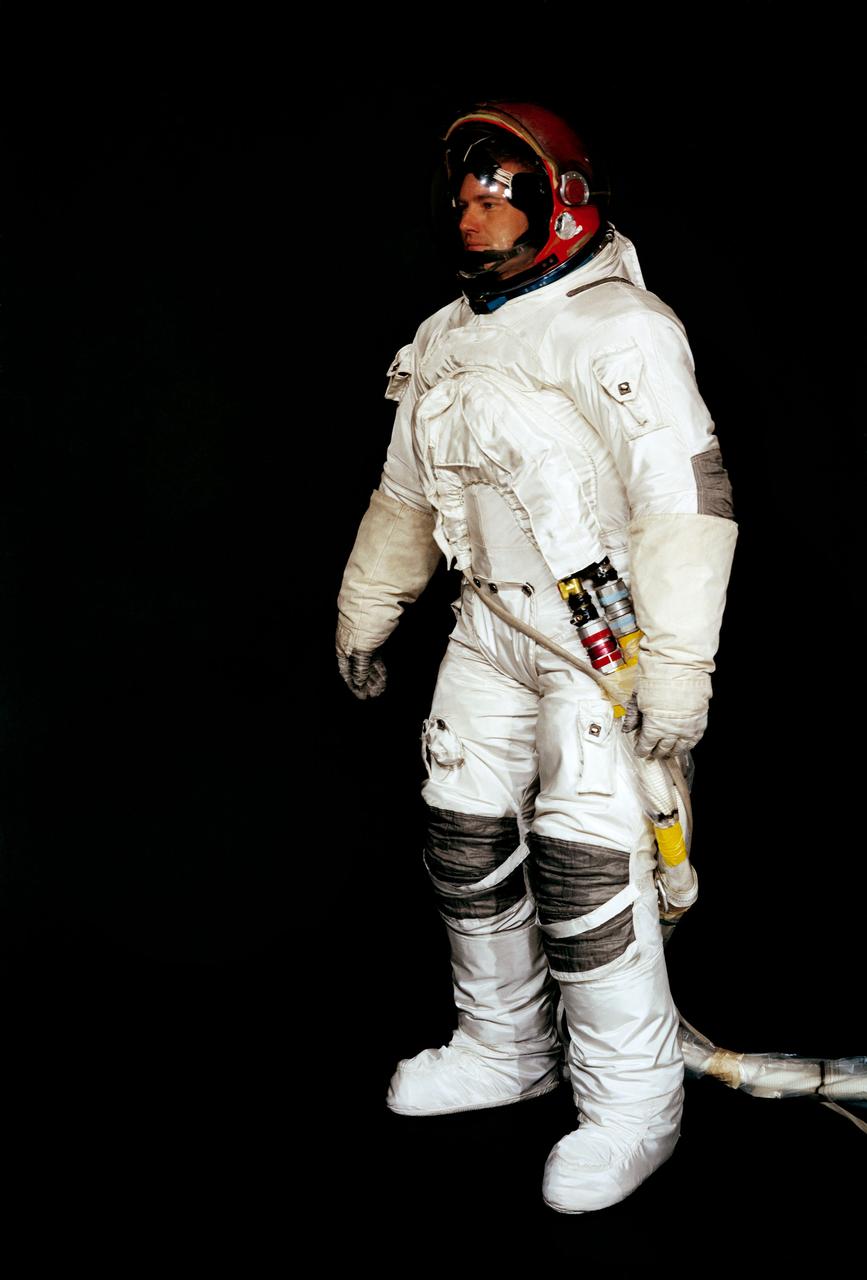
Astronaut John S. Bull wears the A6-L type Pressure Garment Assembly update to an A7-L configuration.
Astronaut John Bull wears the A6-L type pressure Garment Assembly
KENNEDY SPACE CENTER, FLA. -  In the Orbiter Processing Facility, KSC employee Gene Peavler works in the wheel area on the orbiter Discovery.  The vehicle has undergone Orbiter Major Modifications in the past year.  Discovery is scheduled to fly on mission STS-121 to the International Space Station.
KENNEDY SPACE CENTER, FLA. - In the Orbiter Processing Facility, KSC employee Gene Peavler works in the wheel area on the orbiter Discovery. The vehicle has undergone Orbiter Major Modifications in the past year. Discovery is scheduled to fly on mission STS-121 to the International Space Station.
KENNEDY SPACE CENTER, FLA. -  In the Orbiter Processing Facility, KSC technicians work on the underbody of the orbiter Discovery.  The vehicle has undergone Orbiter Major Modifications in the past year.  Discovery is scheduled to fly on mission STS-121 to the International Space Station.
KENNEDY SPACE CENTER, FLA. - In the Orbiter Processing Facility, KSC technicians work on the underbody of the orbiter Discovery. The vehicle has undergone Orbiter Major Modifications in the past year. Discovery is scheduled to fly on mission STS-121 to the International Space Station.
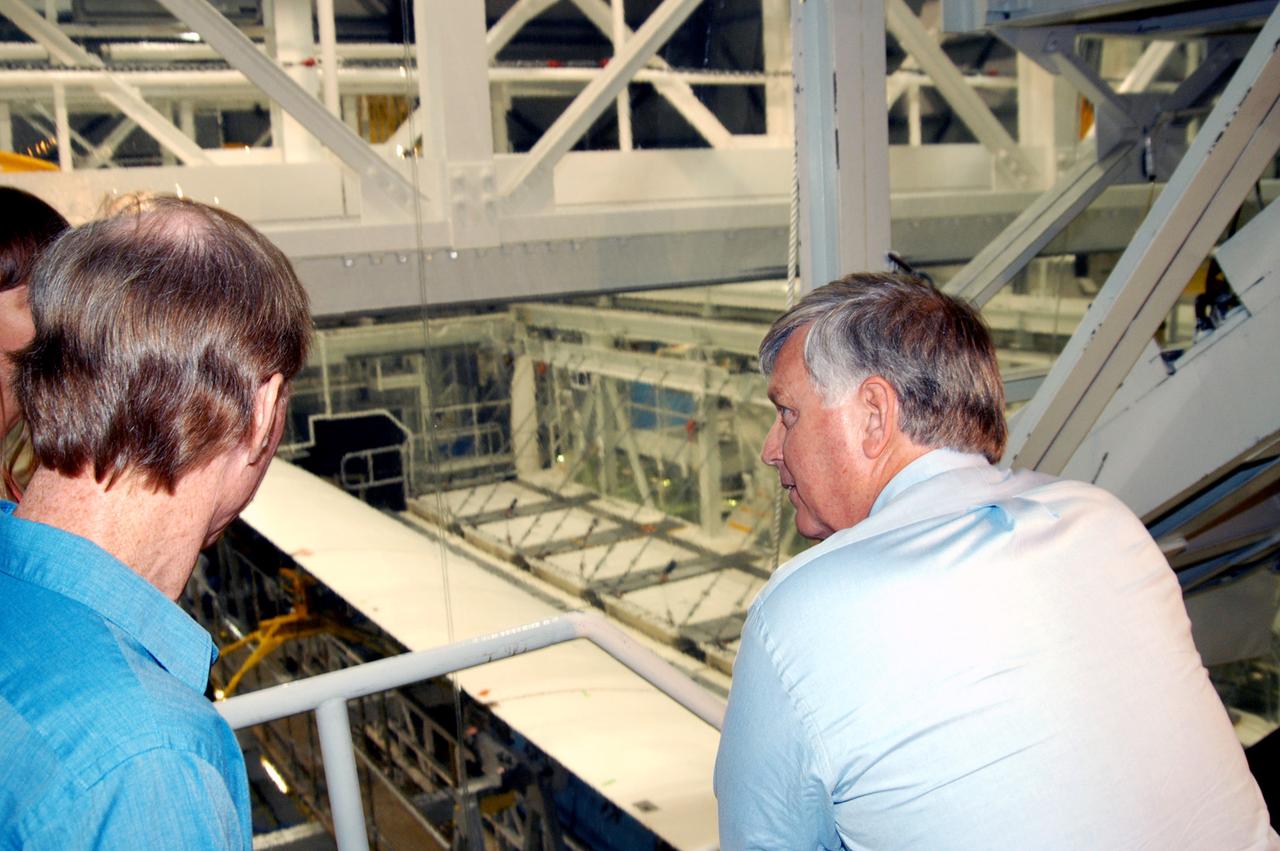
KENNEDY SPACE CENTER, FLA. - On a tour of the Orbiter Processing Facility, Center Director Jim Kennedy (right) looks over some of the work being done on the orbiter Endeavour.  At left is Tom Roberts, who is with United Space Alliance.  Endeavour is in its Orbiter Major Modification period, which began in December 2003.
KENNEDY SPACE CENTER, FLA. - On a tour of the Orbiter Processing Facility, Center Director Jim Kennedy (right) looks over some of the work being done on the orbiter Endeavour. At left is Tom Roberts, who is with United Space Alliance. Endeavour is in its Orbiter Major Modification period, which began in December 2003.
KENNEDY SPACE CENTER, FLA. -- United Space Alliance (USA) technicians install thermal protection system tiles on Space Shuttle Discovery.  Discovery is undergoing its Orbiter Major Modification Period, a regularly scheduled structural inspection and modification downtime, which began in September 2002.      .
KSC-03pd0262
KENNEDY SPACE CENTER, FLA. --A United Space Alliance (USA) technician continues processing of Space Shuttle Discovery.  Discovery is undergoing its Orbiter Major Modification Period, a regularly scheduled structural inspection and modification downtime, which began in September 2002.        .
KSC-03pd0265
KENNEDY SPACE CENTER, FLA. -- United Space Alliance (USA) technicians continue processing of Space Shuttle Discovery.  Discovery is undergoing its Orbiter Major Modification Period, a regularly scheduled structural inspection and modification downtime, which began in September 2002.        .
KSC-03pd0263
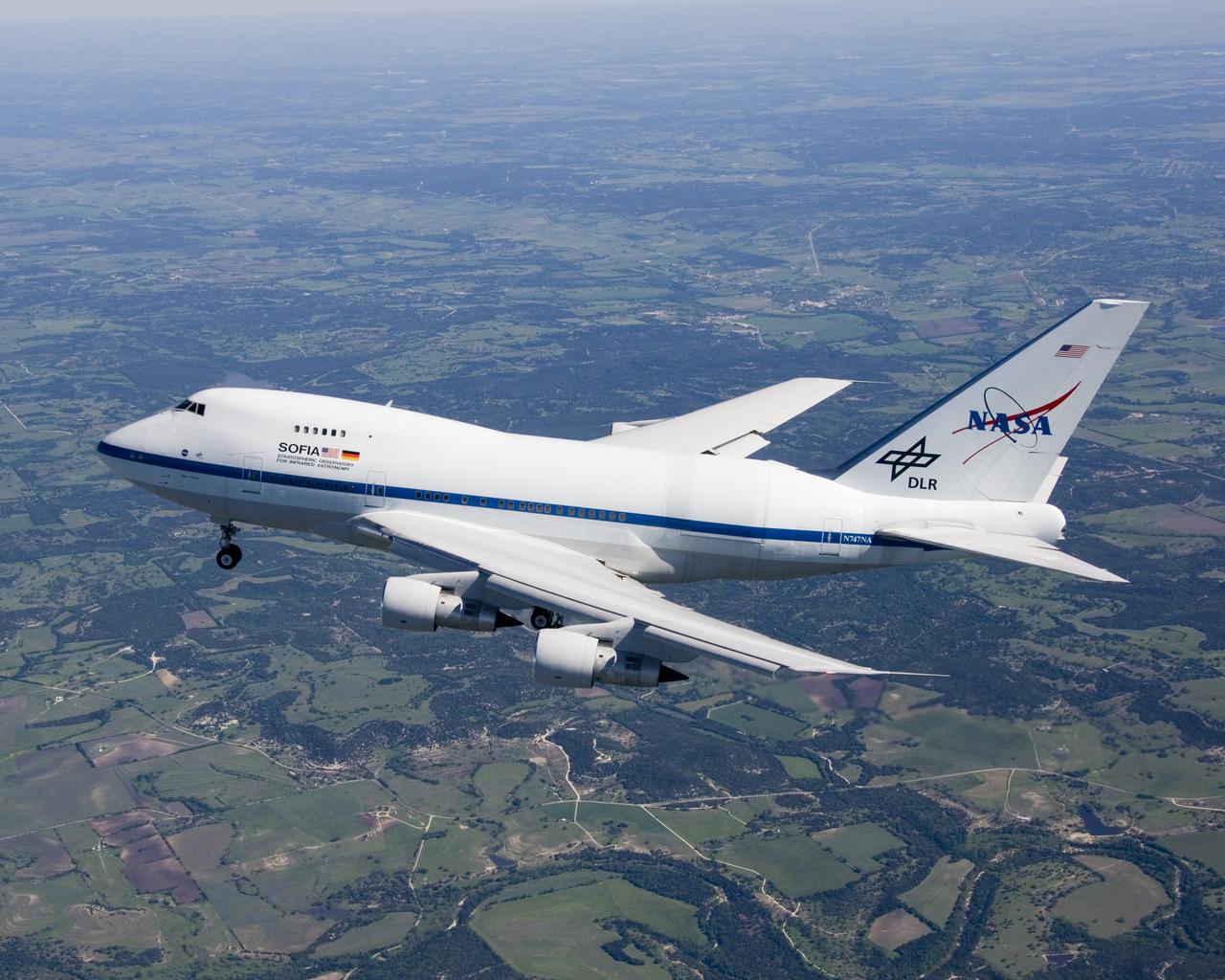
Christened "Clipper Lindbergh" when it flew for Pan American Airways in the 1970s, the SOFIA 747SP shows evidence of modification to its aft fuselage contours to accommodate a 16-foot-tall opening for a 45,000-pound infrared telescope. This inflight photo was taken on SOFIA's first flight since its modification to become an airborne observatory.
This inflight photo was taken during the first flight of the NASA and German Aerospace Center SOFIA airborne infrared observatory 747SP on April 26, 2007
Christened "Clipper Lindbergh" when it flew for Pan American Airways in the 1970s, the SOFIA 747SP shows evidence of modification to its aft fuselage contours to accommodate a 16-foot-tall opening for a 45,000-pound infrared telescope. This inflight photo was taken on SOFIA's first flight since its modification to become an airborne observatory.
This inflight photo was taken during the first flight of the NASA and German Aerospace Center SOFIA airborne infrared observatory 747SP on April 26, 2007
KENNEDY SPACE CENTER, FLA. -- United Space Alliance (USA) technicians continue processing of Space Shuttle Discovery.  Discovery is undergoing its Orbiter Major Modification Period, a regularly scheduled structural inspection and modification downtime, which began in September 2002.        .
KSC-03pd0264
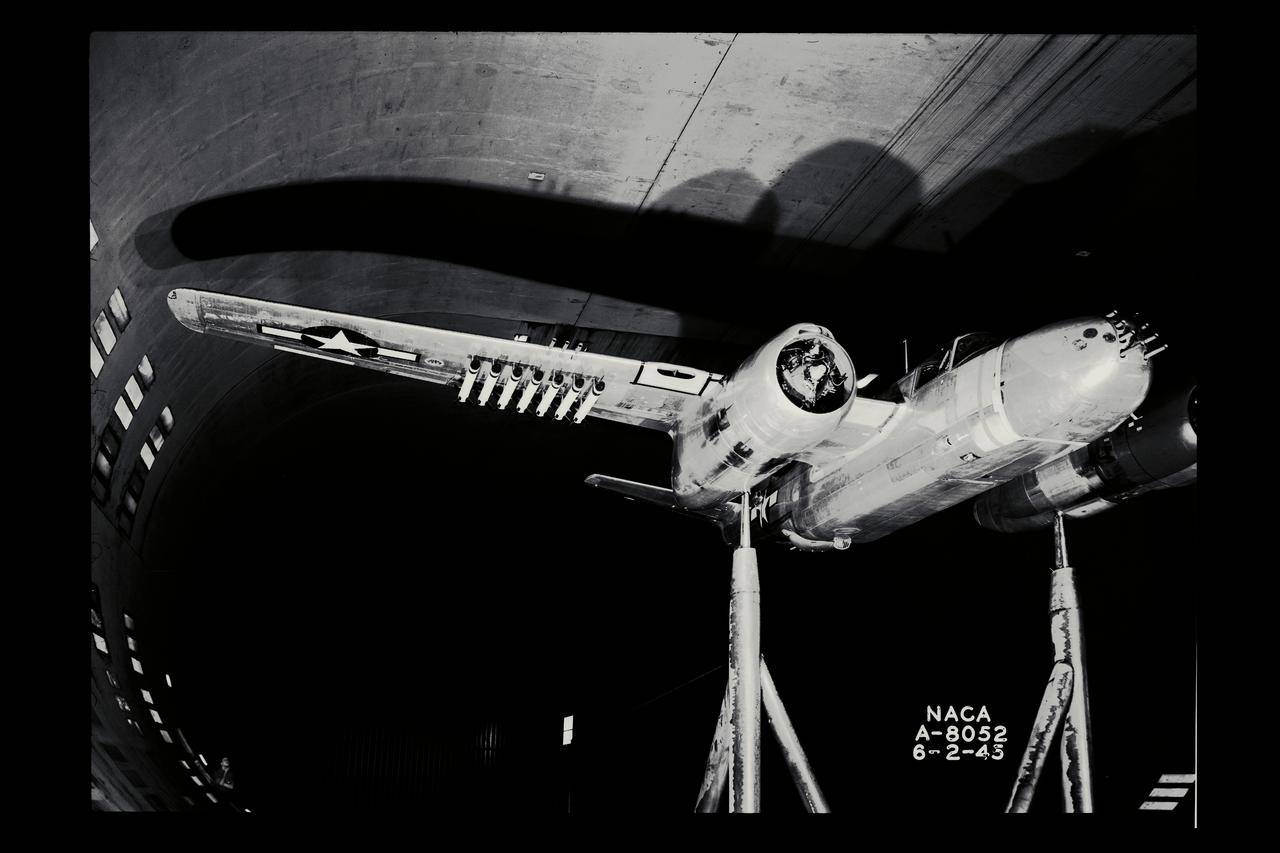
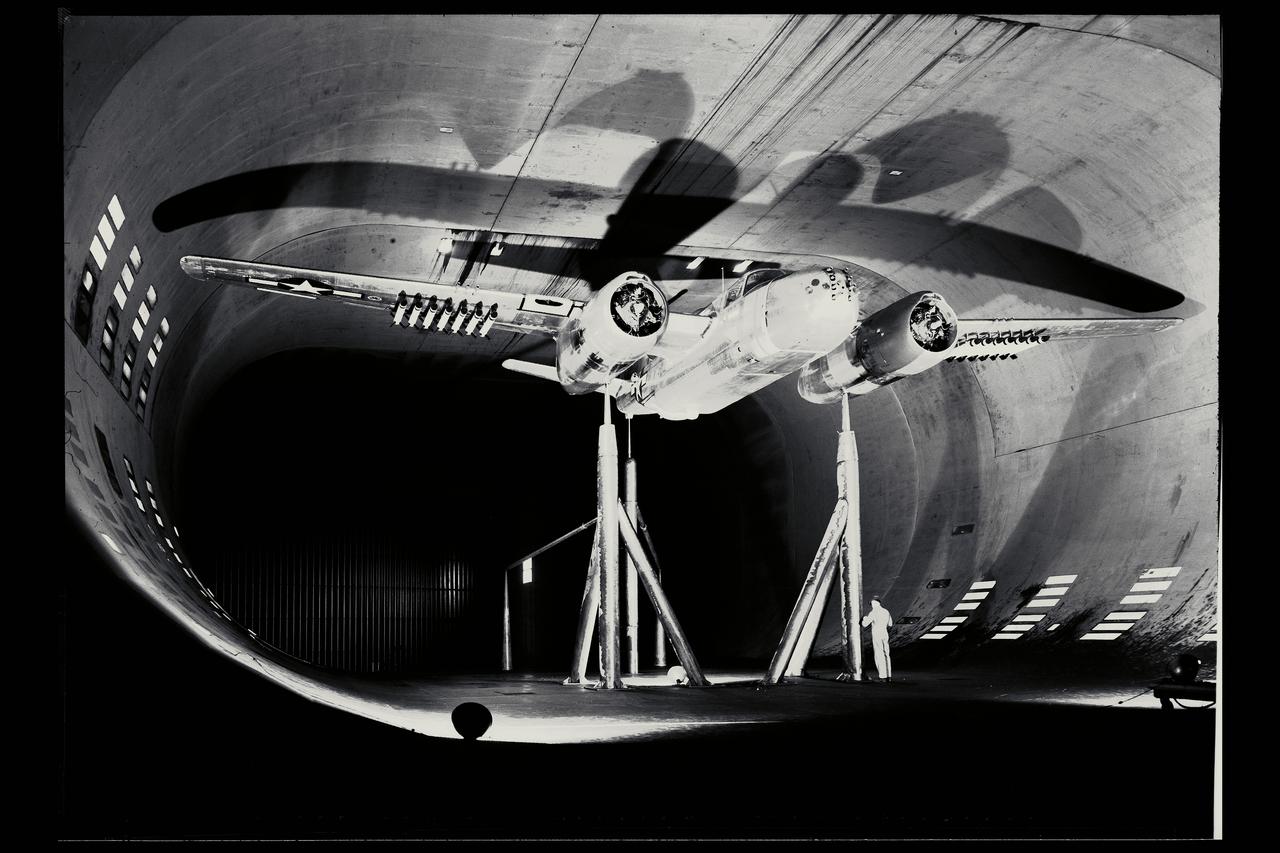
40x80ft wind tunnel testing of a modification to a A-26B airplane (rockets, bomb and wing)
ARC-1943-A-8052
Construction of the Shuttle Orbiter Modification and Refurbishment Facility (OMRF). Northwest of the VAB.
KSC-86PC-0302
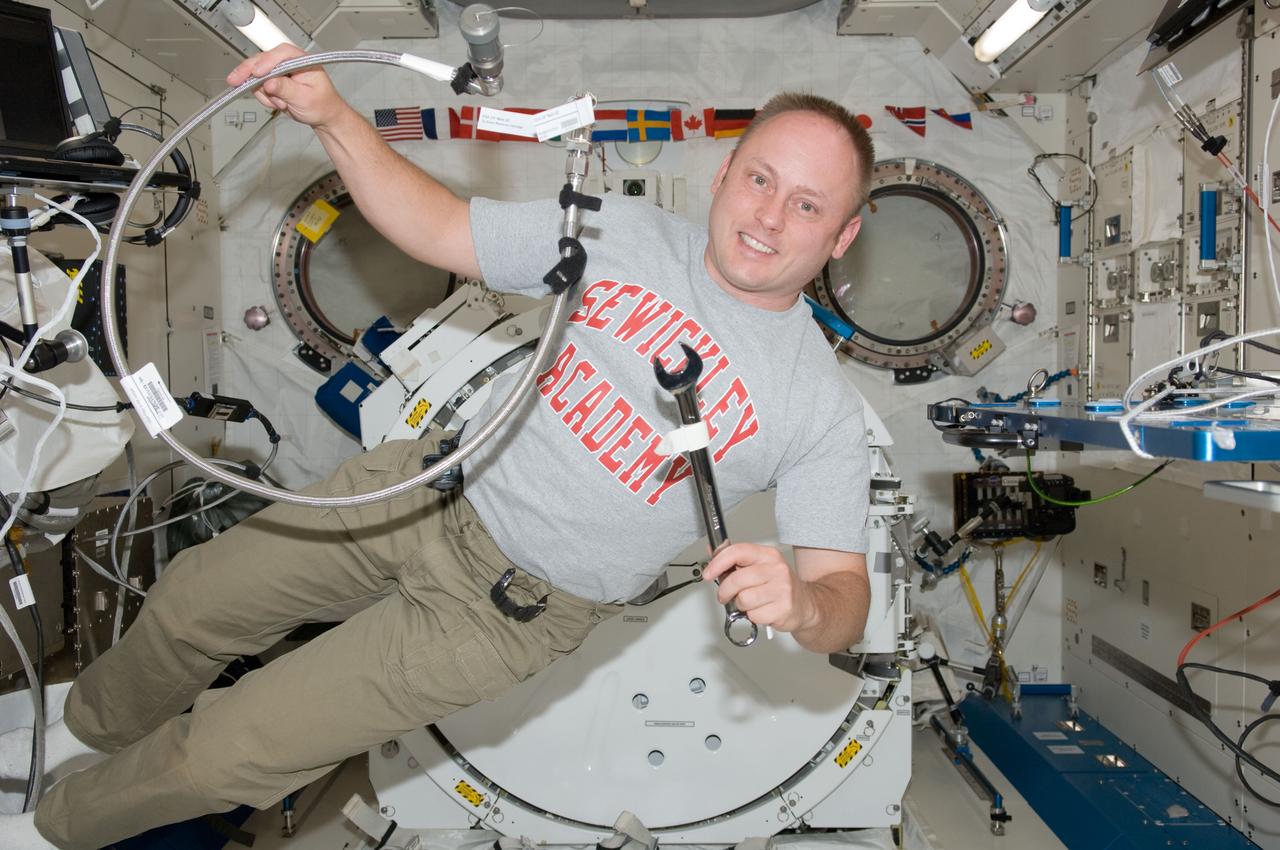
ISS027-E-035354(20 May 2011) --- NASA astronaut Michael Fincke, STS-134 mission specialist, appears to be on the verge of some sort of in-flight maintenance in the Kibo lab aboard the International Space Station (ISS). While the space shuttle Endeavour is docked with the ISS, Fincke is one of a dozen crew members on the joint complex.
Fincke conducts OGS Jumper Modification
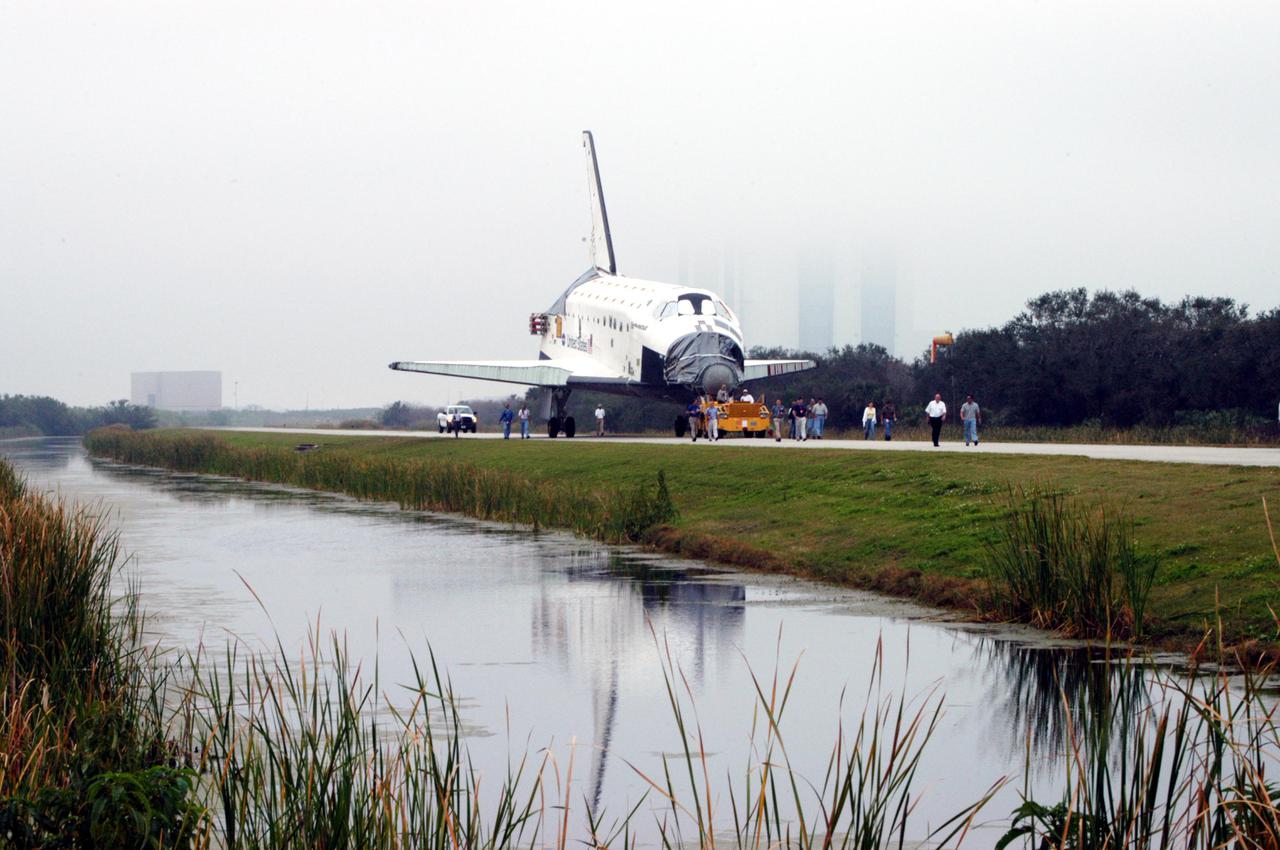
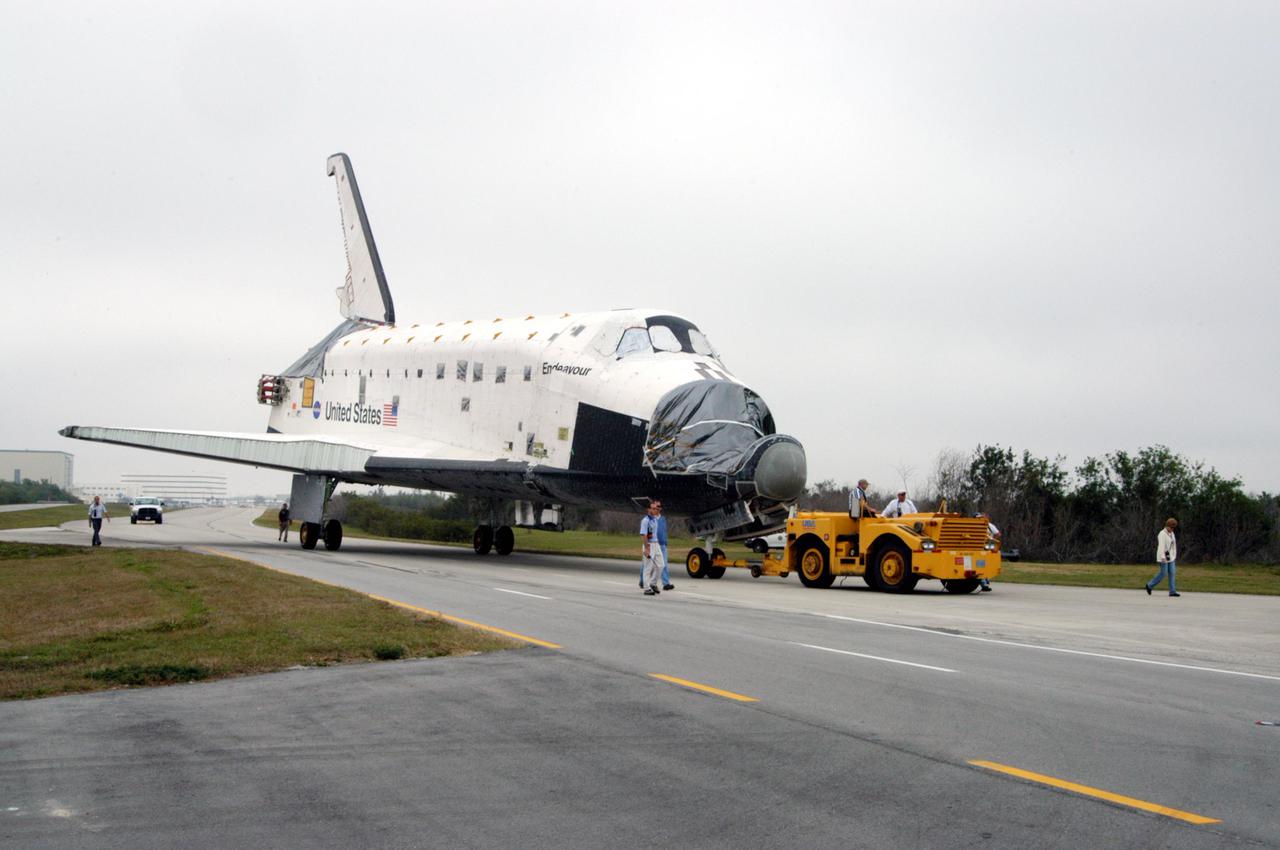
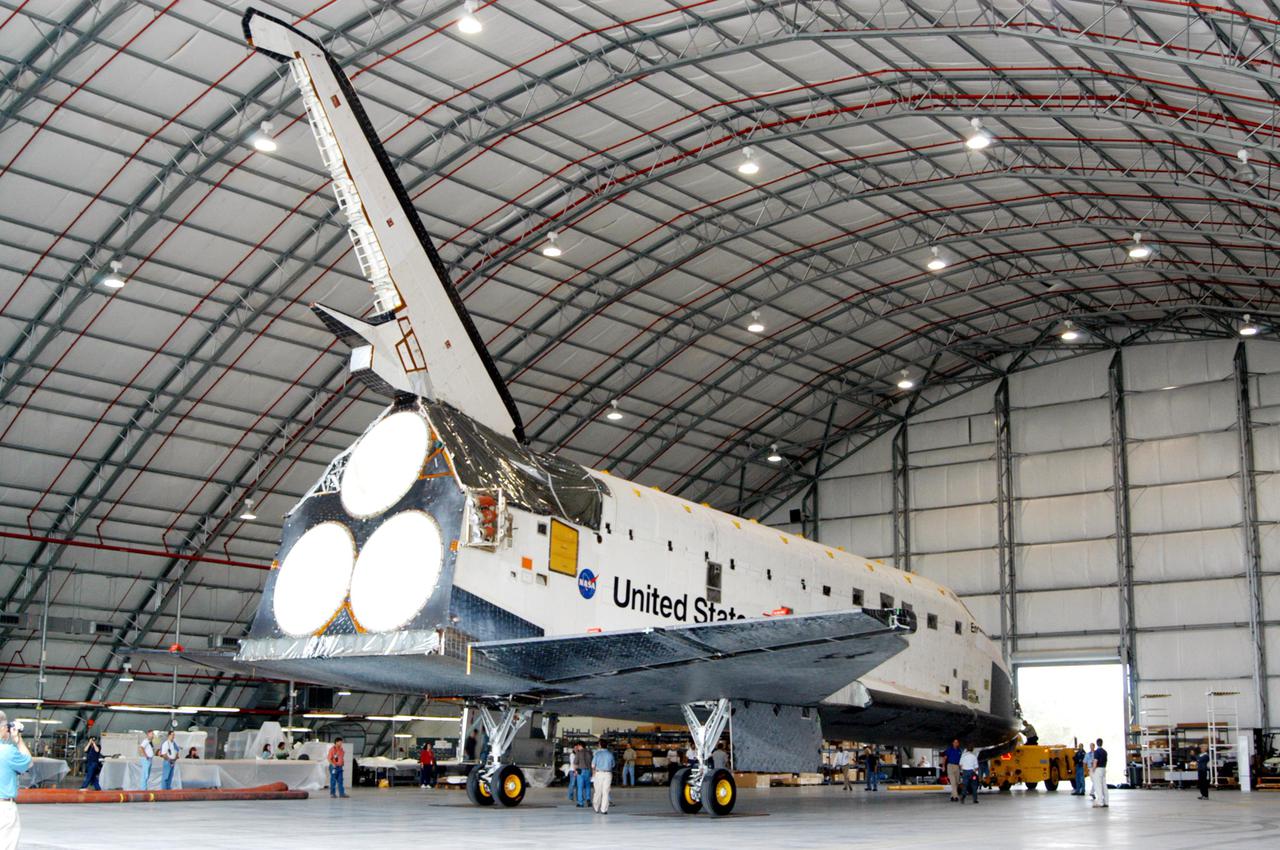
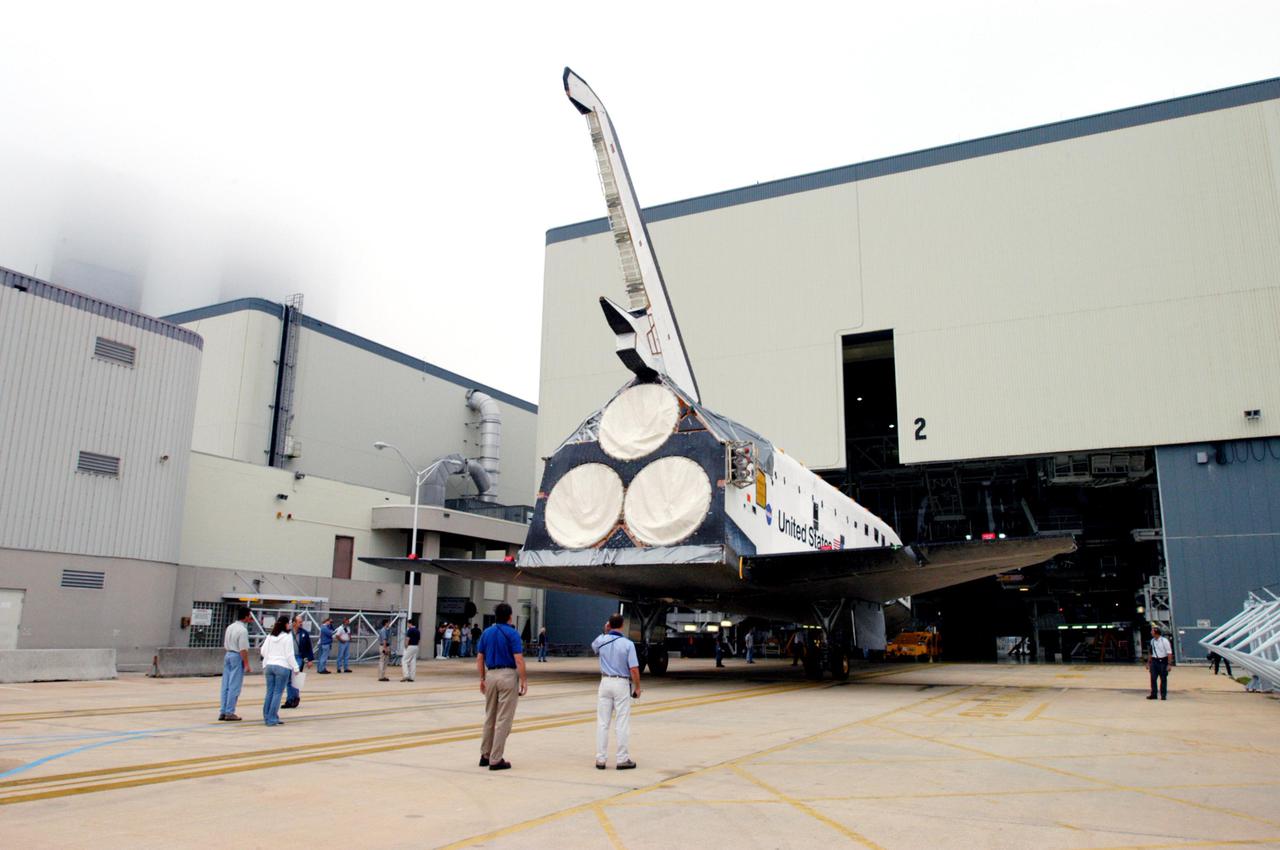
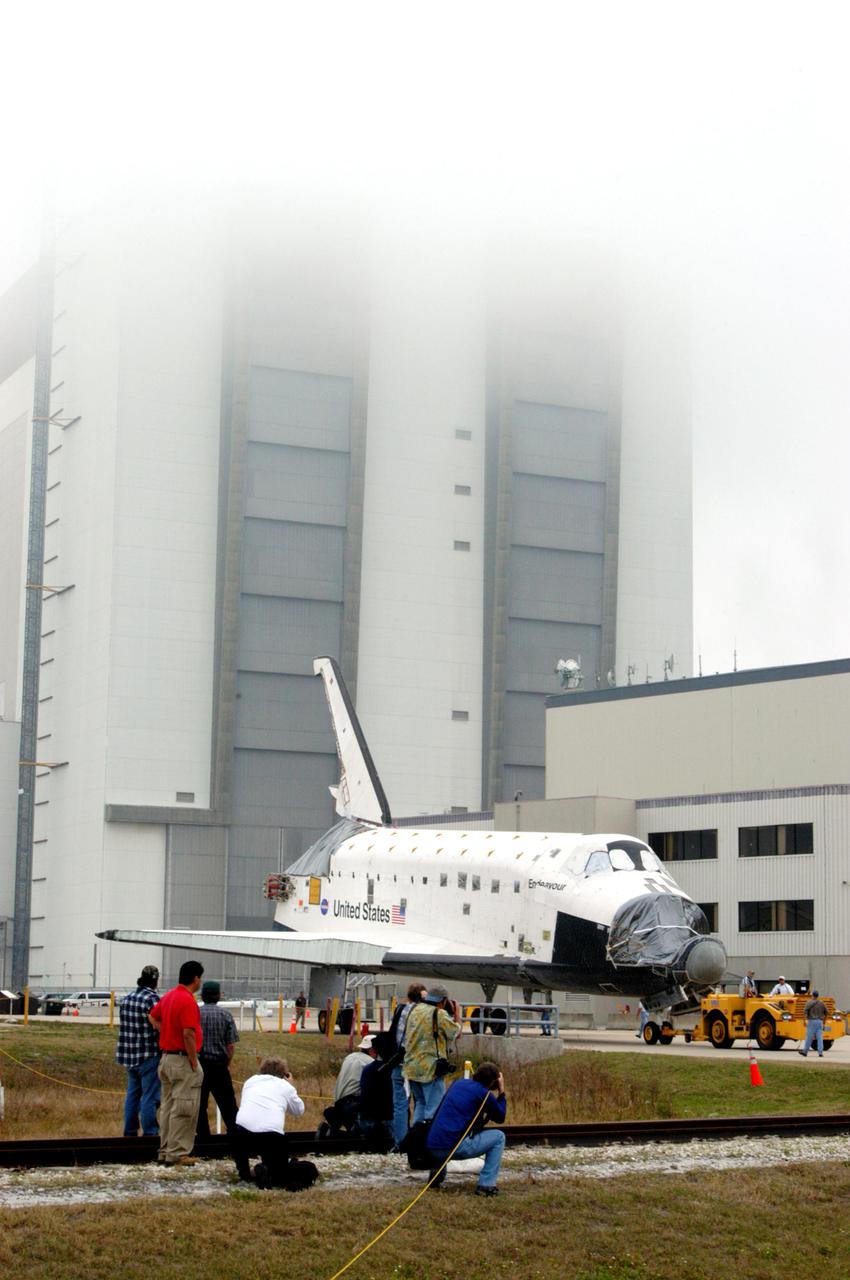
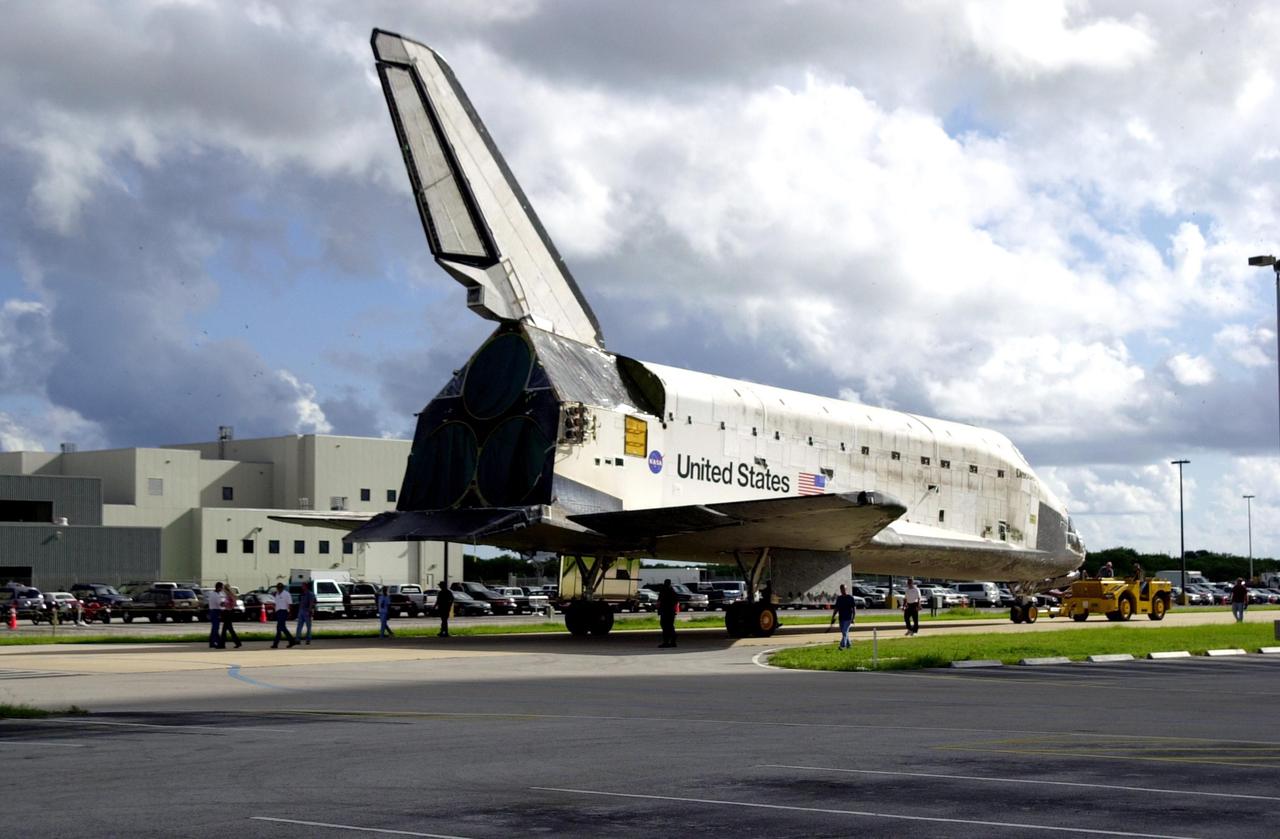
KENNEDY SPACE CENTER, FLA.  - The orbiter Endeavour rolls out of the Orbiter Processing Facility.  It is being moved to Florida Space Authority’s Reusable Launch Vehicle hangar for temporary storage.  It left the Orbiter Processing Facility (OPF) to allow work to be performed in the OPF that can only be accomplished while the bay is empty.  Work scheduled in the OPF includes modifications to the bay and platform validation in the bay.   Endeavour will remain in the hangar for approximately 30 days, then return to the OPF.  Endeavour was pulled out of service in December 2003 for Orbiter Major Modification (OMM).  OMMs are scheduled at regular intervals to enhance safety and performance, infuse new technology, and, in this case, perform RTF modifications.
KSC-05pd-0301
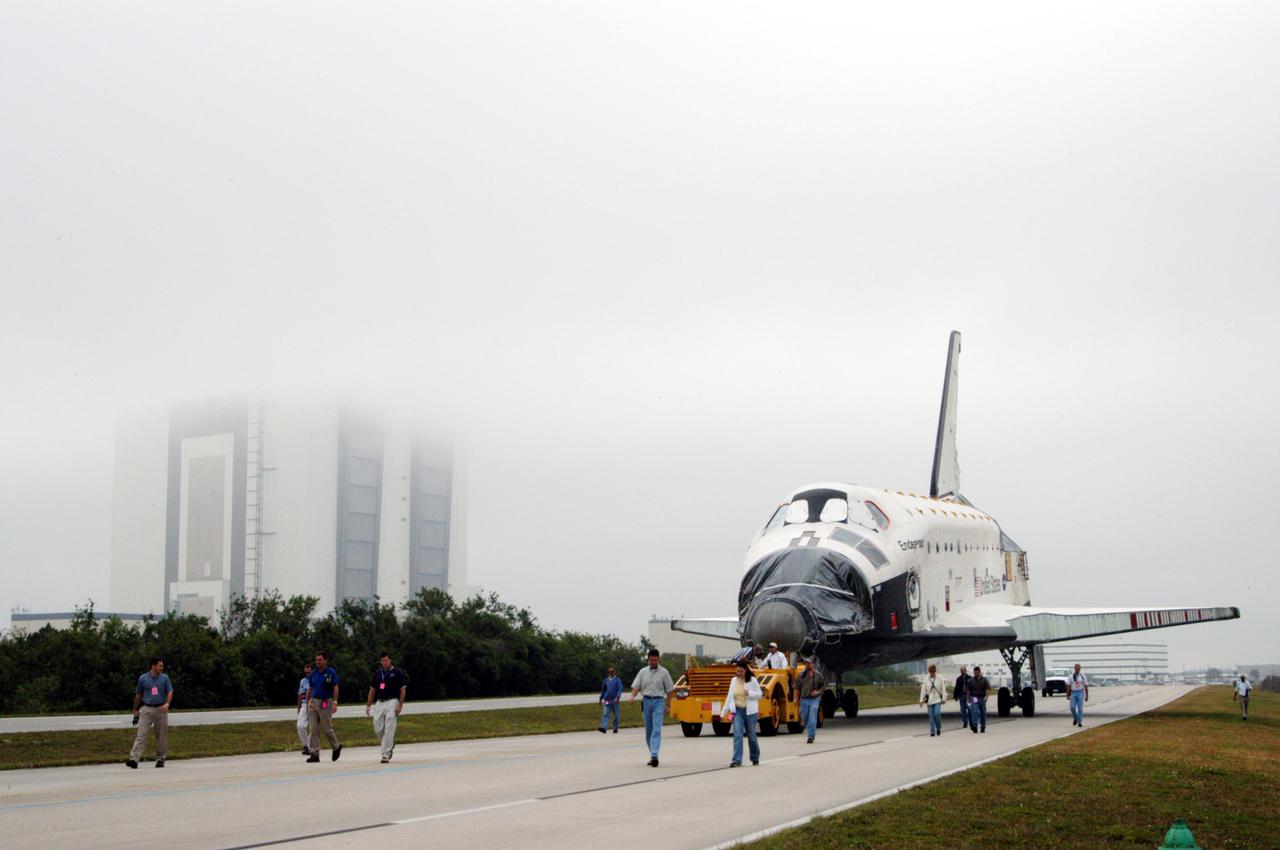
KENNEDY SPACE CENTER, FLA.  - Workers watch as the orbiter Endeavour rolls past the Vehicle Assembly Building on its way to Florida Space Authority’s Reusable Launch Vehicle hangar for temporary storage.  Endeavour is being moved from the Orbiter Processing Facility (OPF) to allow work to be performed in the OPF that can only be accomplished while the bay is empty.  Work scheduled in the OPF includes modifications to the bay and platform validation in the bay.   Endeavour will remain in the hangar for approximately 30 days, then return to the OPF.  Endeavour was pulled out of service in December 2003 for Orbiter Major Modification (OMM).  OMMs are scheduled at regular intervals to enhance safety and performance, infuse new technology, and, in this case, perform RTF modifications.
KSC-05pd-0302
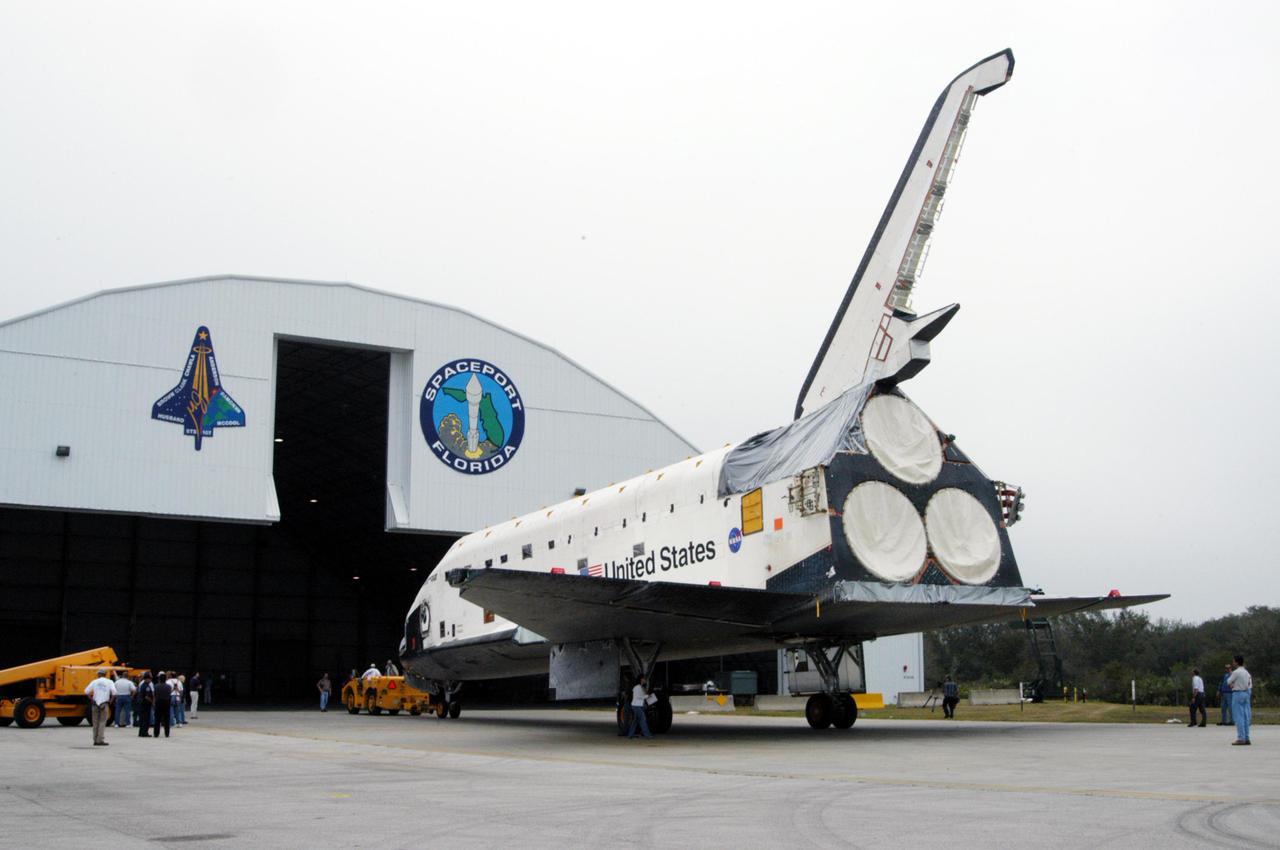
KENNEDY SPACE CENTER, FLA.  - The orbiter Endeavour is towed into Florida Space Authority’s Reusable Launch Vehicle hangar for temporary storage.  Endeavour is being moved from the Orbiter Processing Facility (OPF) to allow work to be performed in the OPF that can only be accomplished while the bay is empty.   Work scheduled in the OPF includes modifications to the bay and platform validation in the bay.   Endeavour will remain in the hangar for approximately 30 days, then return to the OPF.  Endeavour was pulled out of service in December 2003 for Orbiter Major Modification (OMM).  OMMs are scheduled at regular intervals to enhance safety and performance, infuse new technology, and, in this case, perform RTF modifications.
KSC-05pd-0306
KENNEDY SPACE CENTER, FLA.  - - The orbiter Endeavour is being towed to Florida Space Authority’s Reusable Launch Vehicle hangar for temporary storage.  Endeavour is being moved from the Orbiter Processing Facility (OPF) to allow work to be performed in the OPF that can only be accomplished while the bay is empty.  Work scheduled in the OPF includes modifications to the bay and platform validation in the bay.   Endeavour will remain in the hangar for approximately 30 days, then return to the OPF.  Endeavour was pulled out of service in December 2003 for Orbiter Major Modification (OMM).  OMMs are scheduled at regular intervals to enhance safety and performance, infuse new technology, and, in this case, perform RTF modifications.
KSC-05pd-0304
KENNEDY SPACE CENTER, FLA.  - Workers accompany the orbiter Endeavour as it rolls past the Vehicle Assembly Building on its way to Florida Space Authority’s Reusable Launch Vehicle hangar for temporary storage.  Endeavour is being moved from the Orbiter Processing Facility (OPF) to allow work to be performed in the OPF that can only be accomplished while the bay is empty.  Work scheduled in the OPF includes modifications to the bay and platform validation in the bay.   Endeavour will remain in the hangar for approximately 30 days, then return to the OPF.  Endeavour was pulled out of service in December 2003 for Orbiter Major Modification (OMM).  OMMs are scheduled at regular intervals to enhance safety and performance, infuse new technology, and, in this case, perform RTF modifications.
KSC-05pd-0303
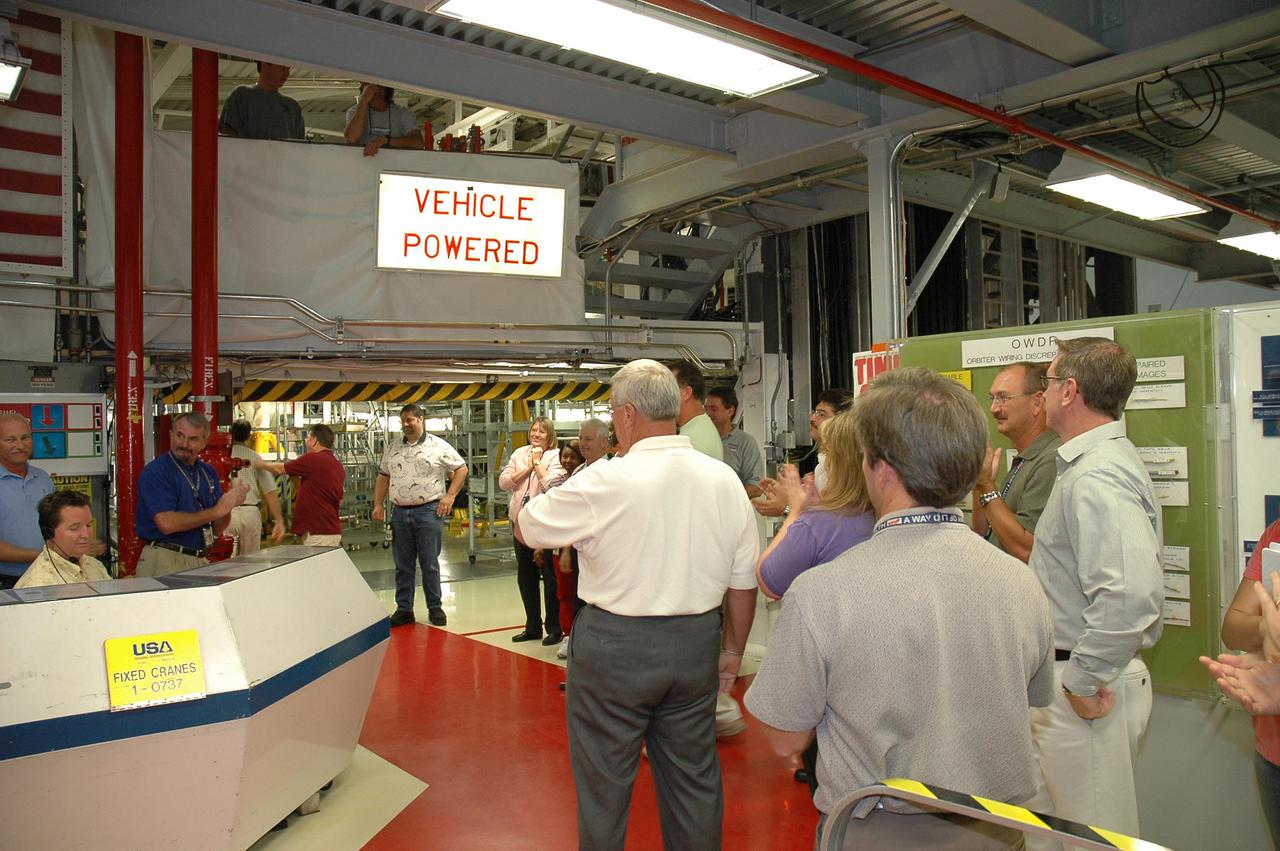
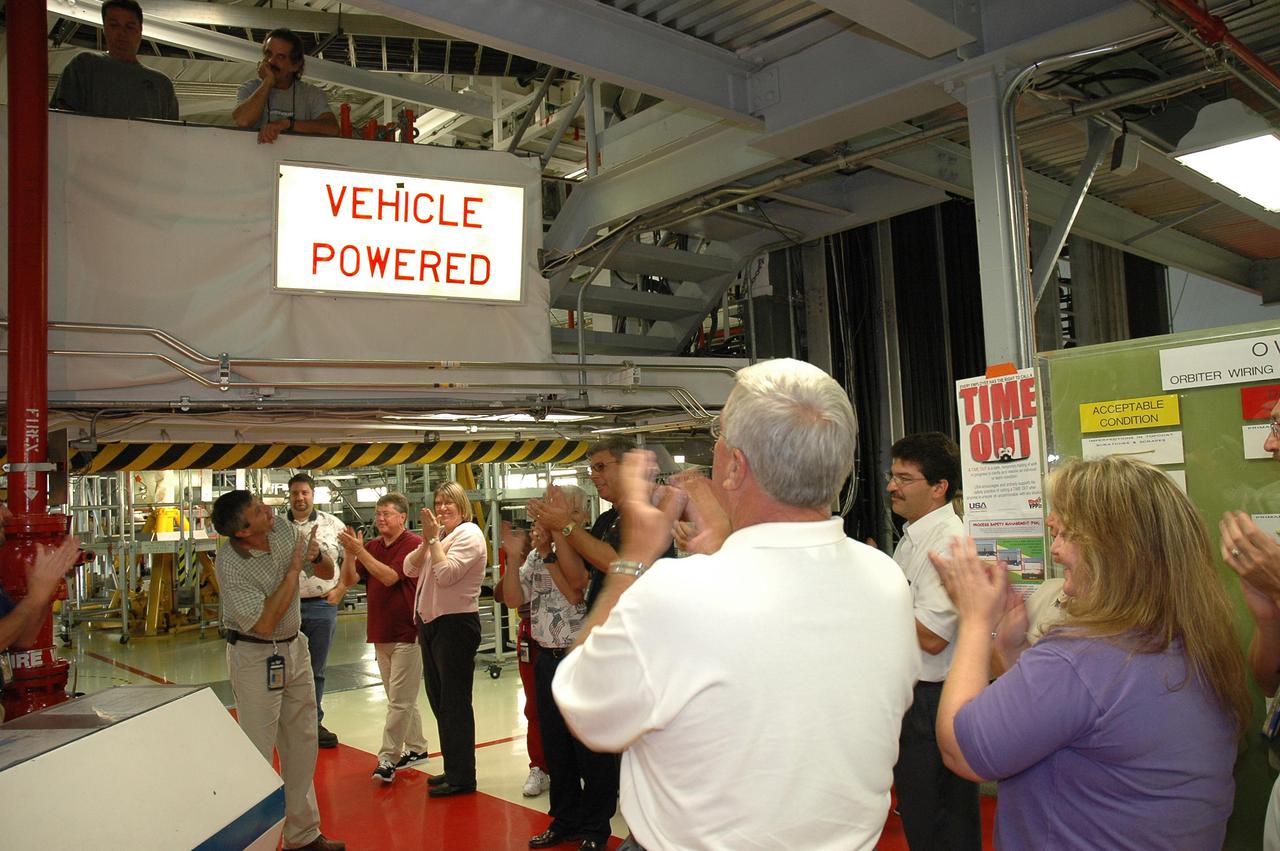
KENNEDY SPACE CENTER, FLA. -   In NASA’s Orbiter Processing Facility bay 2, workers applaud as the orbiter Endeavour’s electrical system is partially powered up, after nearly 2 years.  Full power-up will take place in October. Endeavour has been in its Orbiter Major Modification period, which began in December 2003.  In that time, 124 modifications were completed, including installing the glass cockpit; 150 miles of wiring were inspected; and more than 1,000 tiles were bonded.  This is the second full modification conducted at Kennedy.
KSC-05PD-2256
KENNEDY SPACE CENTER, FLA.  - The orbiter Endeavour arrives inside Florida Space Authority’s Reusable Launch Vehicle hangar where it is being held for temporary storage.  Endeavour was moved from the Orbiter Processing Facility (OPF) to allow work to be performed in the OPF that can only be accomplished while the bay is empty.   Work scheduled in the OPF includes modifications to the bay and platform validation in the bay.   Endeavour will remain in the hangar for approximately 30 days, then return to the OPF.  Endeavour was pulled out of service in December 2003 for Orbiter Major Modification (OMM).  OMMs are scheduled at regular intervals to enhance safety and performance, infuse new technology, and, in this case, perform RTF modifications.
KSC-05pd-0307
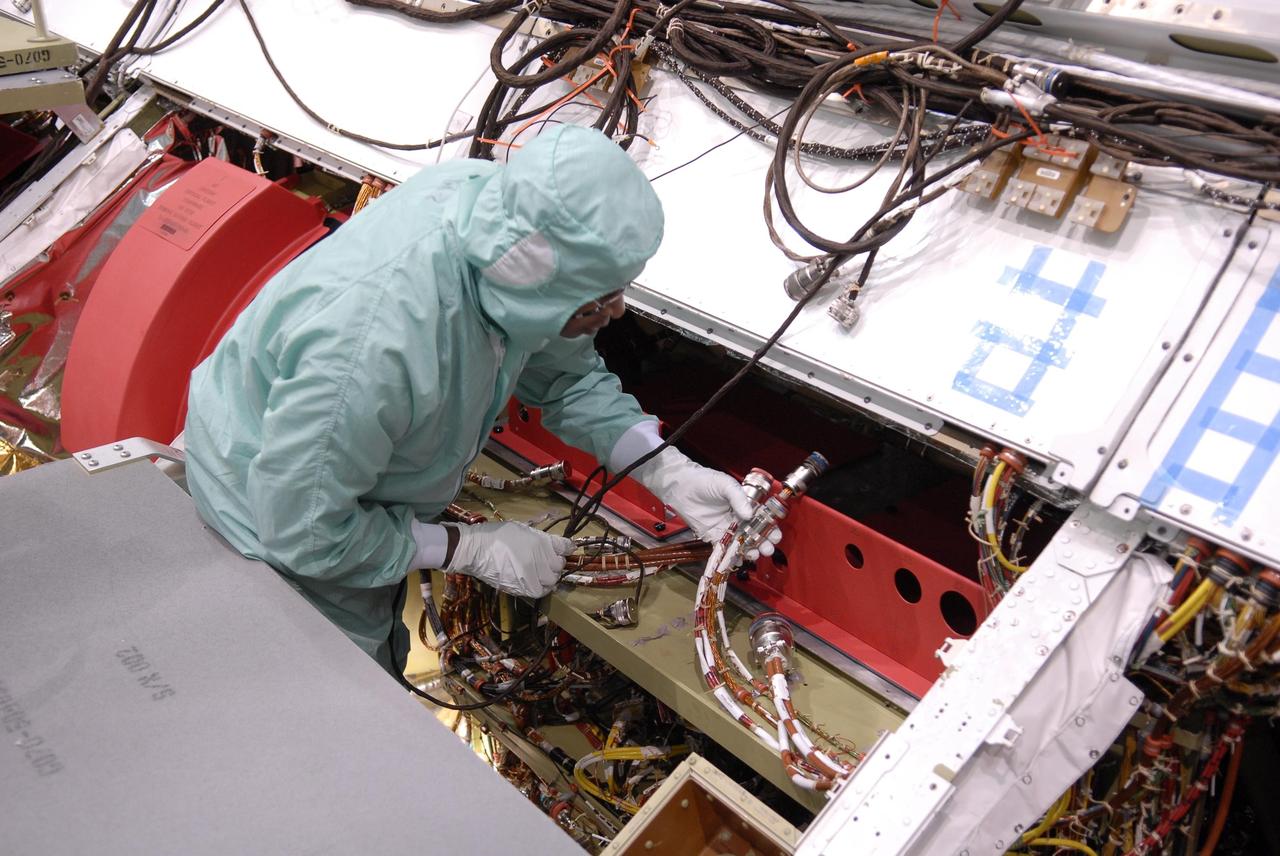
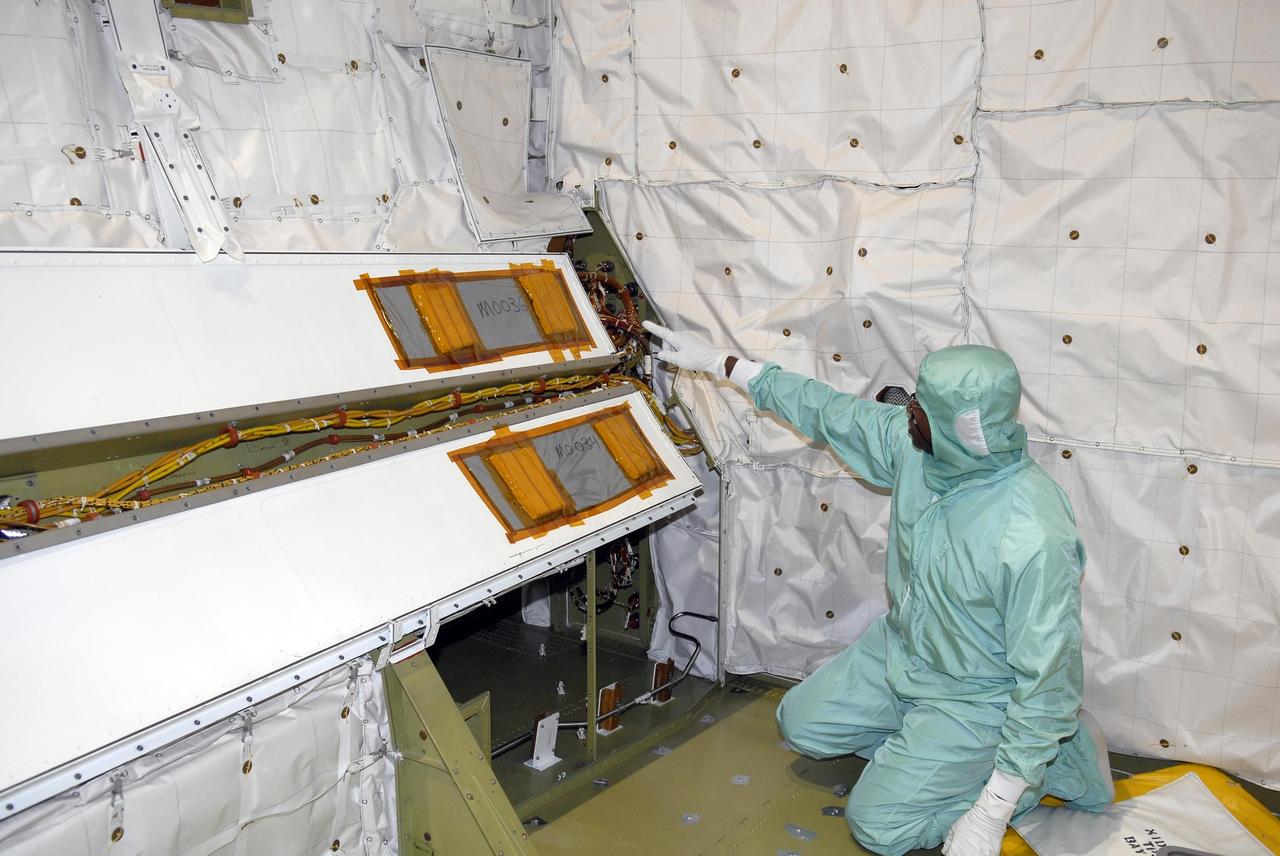
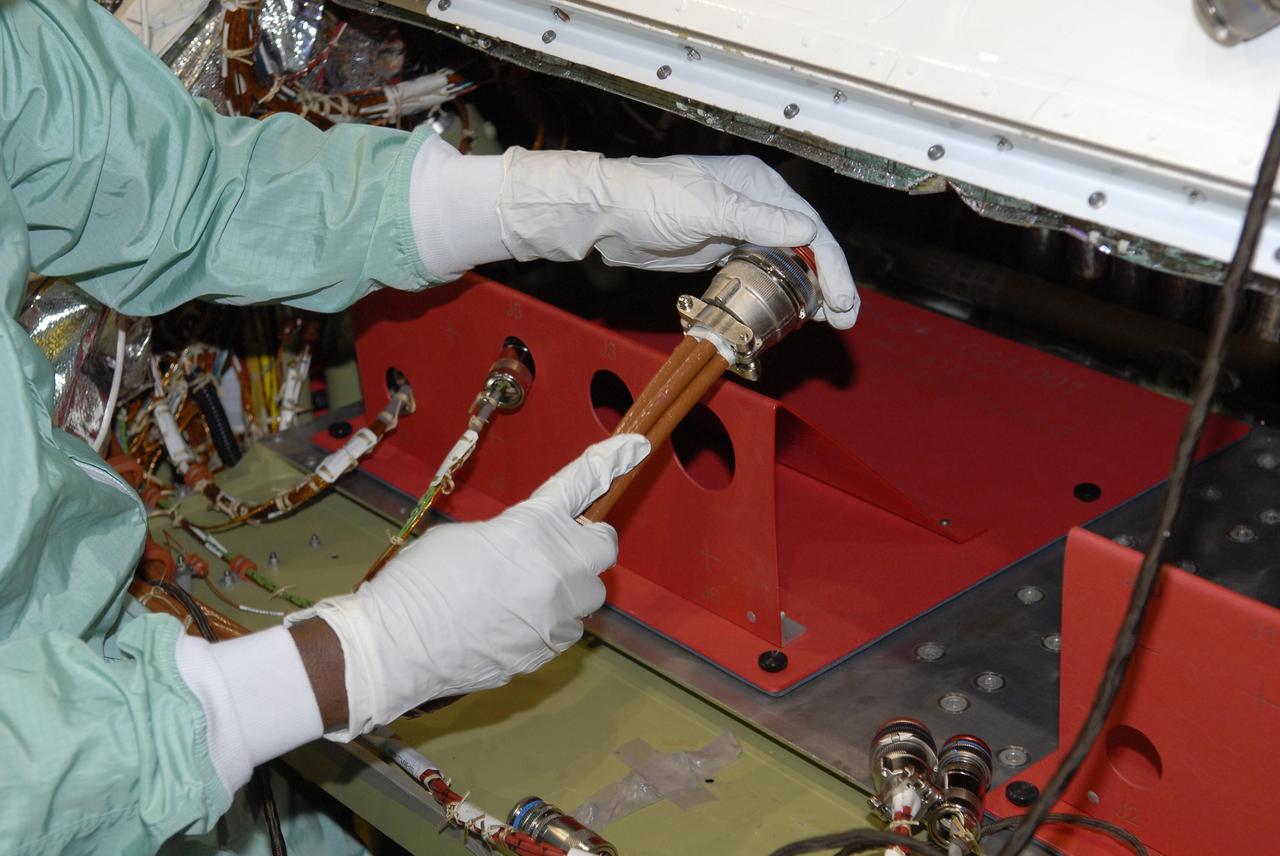
KENNEDY SPACE CENTER, FLA. --  Inside Endeavour's opened payload bay, a worker checks the installation of the wiring modification called the "Station to Shuttle Power Transfer System," or SSPTS. The SSPTS allows the space shuttle to stay docked at the International Space Station longer by providing its power and preserving its consumables.  Endeavour is scheduled for mission STS-118 in June.  It will be the orbiter's first shuttle flight in nearly five years. The vehicle has undergone an extensive modification period, including the addition of all of the return-to-flight safety modifications added to both Discovery and Atlantis.  The June mission will deliver another starboard solar array, S5, to the International Space Station.  Photo credit: NASA/Kim Shiflett
KSC-07pd0020
KENNEDY SPACE CENTER, FLA. --  Inside Endeavour's opened payload bay, a worker installs a wiring modification called the "Station to Shuttle Power Transfer System," or SSPTS. The SSPTS allows the space shuttle to stay docked at the International Space Station longer by providing its power and preserving its consumables.  Endeavour is scheduled for mission STS-118 in June.  It will be the orbiter's first shuttle flight in nearly five years. The vehicle has undergone an extensive modification period, including the addition of all of the return-to-flight safety modifications added to both Discovery and Atlantis.  The June mission will deliver another starboard solar array, S5, to the International Space Station.  Photo credit: NASA/Kim Shiflett
KSC-07pd0017
KENNEDY SPACE CENTER, FLA. --   Inside Endeavour's opened payload bay, a worker installs a wiring modification called the "Station to Shuttle Power Transfer System," or SSPTS. The SSPTS allows the space shuttle to stay docked at the International Space Station longer by providing its power and preserving its consumables.  Endeavour is scheduled for mission STS-118 in June.  It will be the orbiter's first shuttle flight in nearly five years. The vehicle has undergone an extensive modification period, including the addition of all of the return-to-flight safety modifications added to both Discovery and Atlantis.  The June mission will deliver another starboard solar array, S5, to the International Space Station.  Photo credit: NASA/Kim Shiflett
KSC-07pd0016
KENNEDY SPACE CENTER, FLA.  - - With workers accompanying it, the orbiter Endeavour is being towed to Florida Space Authority’s Reusable Launch Vehicle hangar for temporary storage.  Endeavour is being moved from the Orbiter Processing Facility (OPF) to allow work to be performed in the OPF that can only be accomplished while the bay is empty.  Work scheduled in the OPF includes modifications to the bay and platform validation in the bay.   Endeavour will remain in the hangar for approximately 30 days, then return to the OPF.  Endeavour was pulled out of service in December 2003 for Orbiter Major Modification (OMM).  OMMs are scheduled at regular intervals to enhance safety and performance, infuse new technology, and, in this case, perform RTF modifications.
KSC-05pd-0305
KENNEDY SPACE CENTER, FLA. -  In NASA’s Orbiter Processing Facility bay 2, workers gather as the orbiter Endeavour’s electrical system is partially powered up, after nearly 2 years. Full power-up will take place in October. Endeavour has been in its Orbiter Major Modification period, which began in December 2003.  In that time, 124 modifications were completed, including installing the glass cockpit; 150 miles of wiring were inspected; and more than 1,000 tiles were bonded.  This is the second full modification conducted at Kennedy.
KSC-05PD-2257
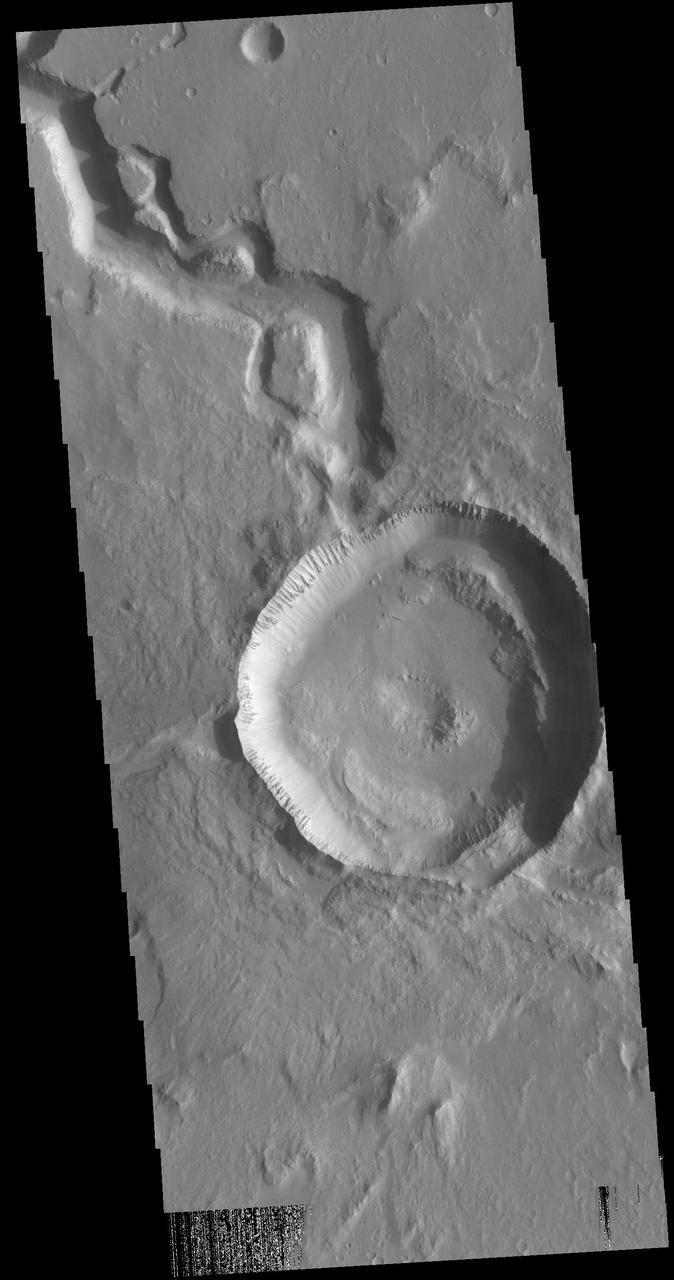
Today's VIS image shows a crater on Hephaestus Fossae. The crater is fairly young, as there is only minimal modification of the crater floor. While it appears that the crater sits of top of the channel, the creation of the crater may have also created the channel. The impact event would have caused subsurface heating, melting any subsurface ice in the region which would have created surface flow to form the channel.  Orbit Number: 72447 Latitude: 17.8067 Longitude: 125.698 Instrument: VIS Captured: 2018-04-14 11:35  https://photojournal.jpl.nasa.gov/catalog/PIA22605
Hephaestus Fossae Crater
40x80ft wind tunnel testing of a modification to a Douglas A-26B Invader airplane (rockets, bomb and wing)
ARC-1943-A-8051
Intergrated Systems Test (IST) personnel; 40x80ft w.t. control room after NFAC modification.
ARC-1987-AC87-0218-17
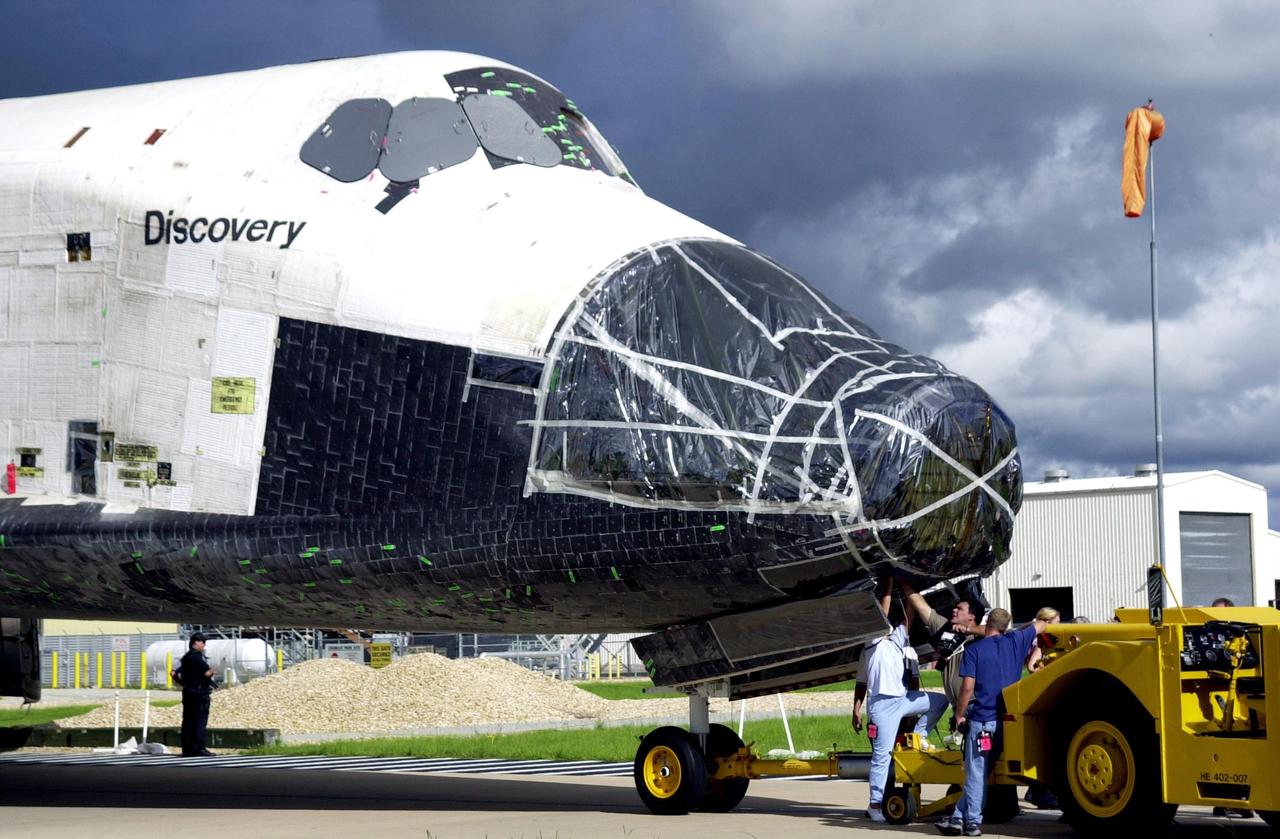
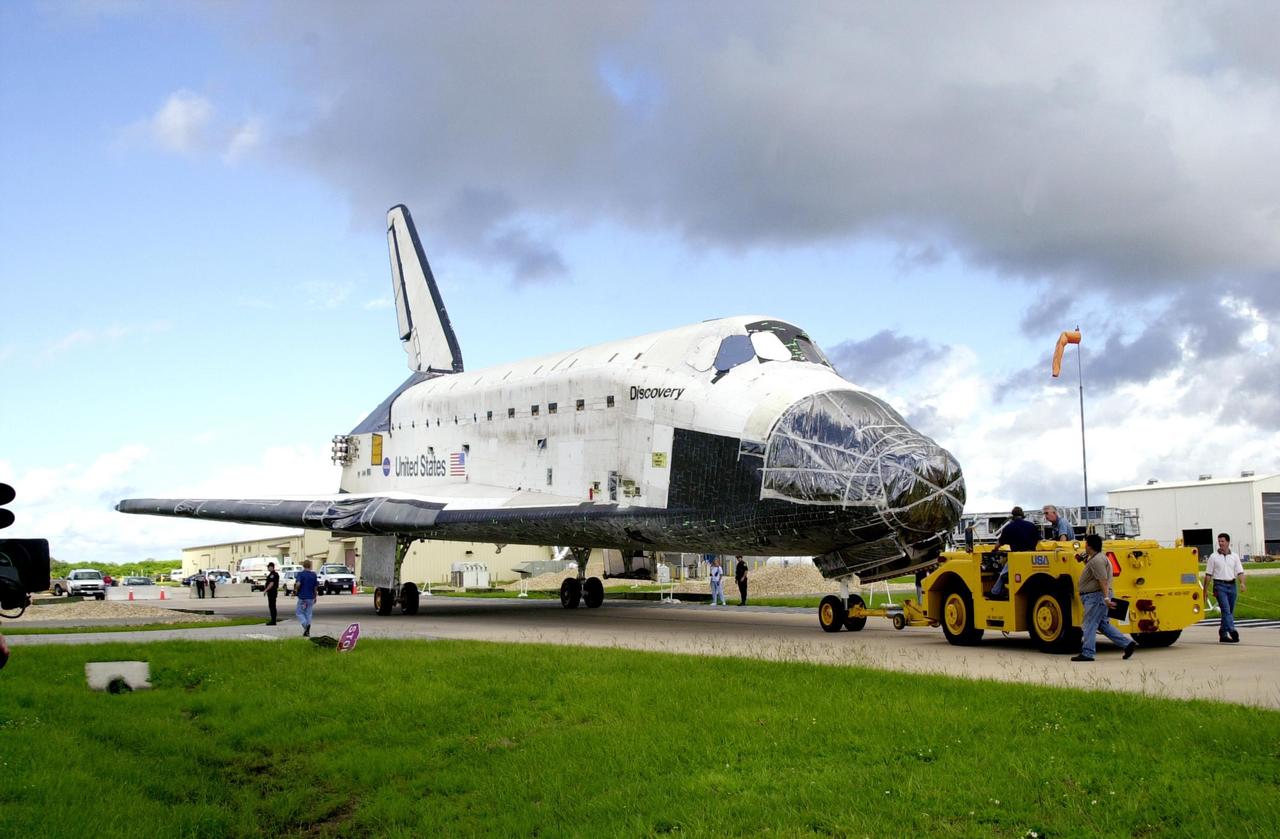
KENNEDY SPACE CENTER, FLA. -- Discovery rolls from the Vehicle Assembly Building to begin Orbiter Major Modifications.
KSC-02pd1201
N-221 40x80ft Wind Tunnel Aero-Acoustic Modification progress on floor and on ceiling panels
ARC-1994-AC94-0071-862
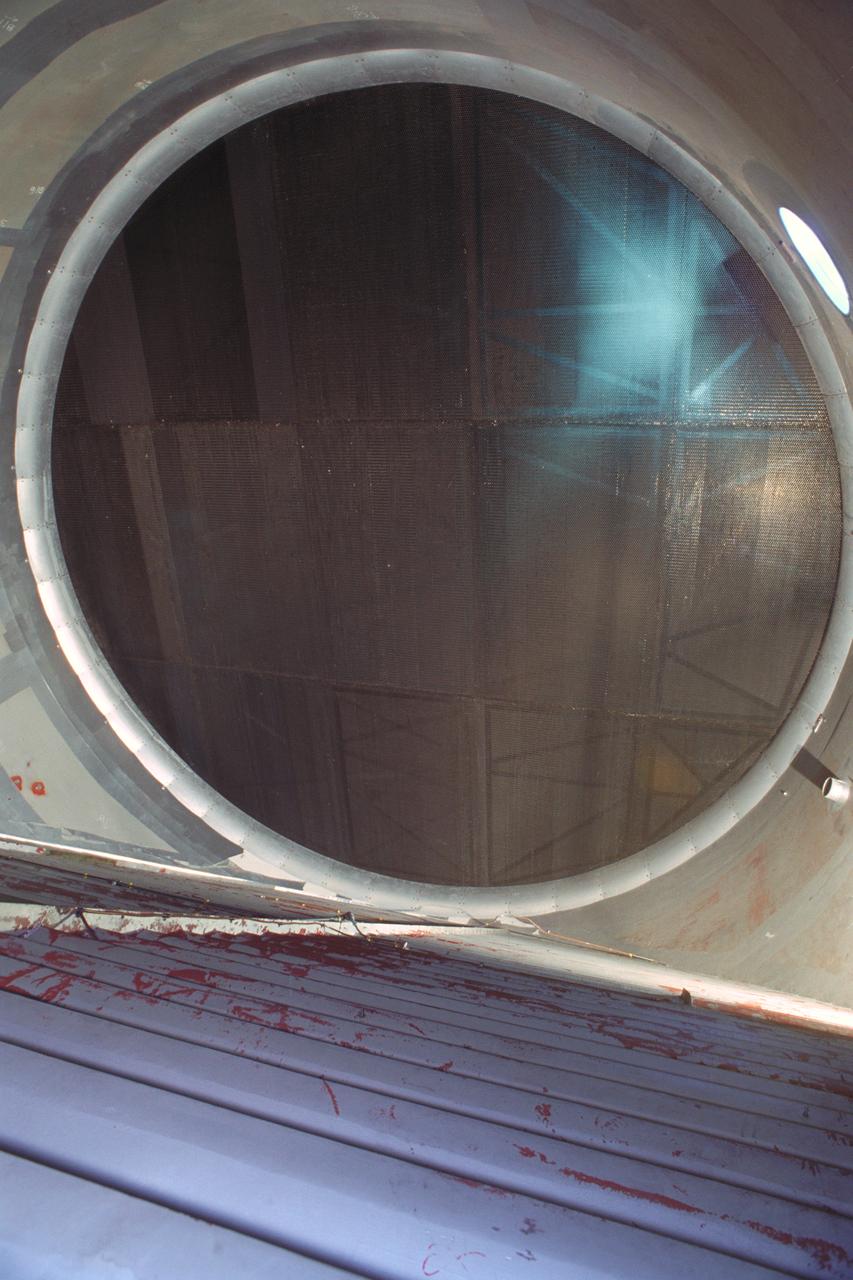
N-227 Unitary Plan Wind Tunnel Modification Project - diffuser & contraction vanes  (image show reflection of photographer on vane)
ARC-1996-AC96-5007-4