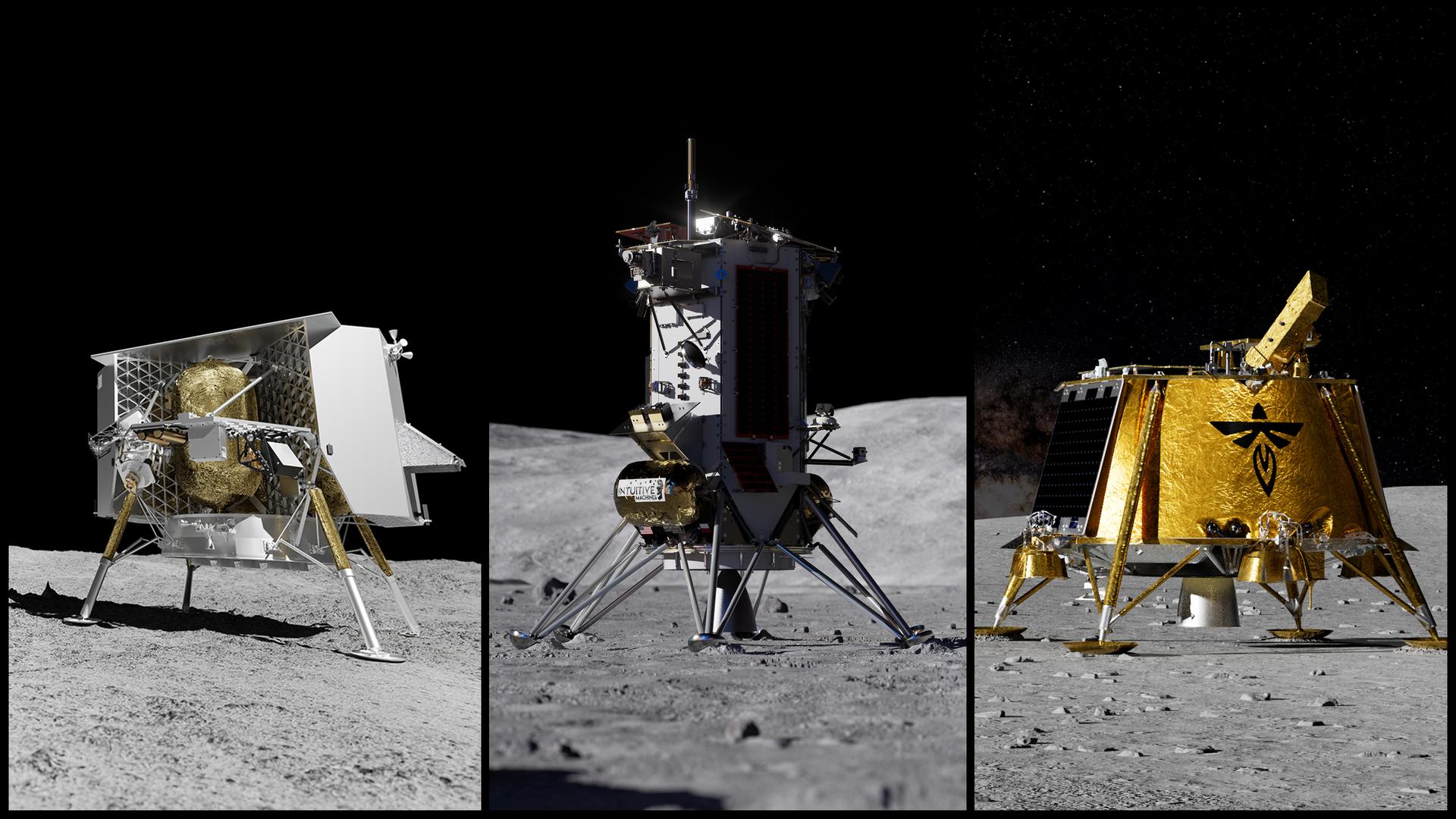
Three artist renderings depict commercial lunar landers from Astrobotic, Intuitive Machines, and Firefly on the Moon. NASA announced June 30 the landers will deliver more NASA science investigations and technology demonstrations to the lunar surface for NASA’s Moon Base Program. Credit: Astrobotic/Intuitive Machines/Firefly

NASA Moon Base program executive, Carlos Garcia-Galan, provides remarks during a news conference to discuss Moon Base, a long-term lunar exploration and infrastructure initiative designed to enable sustained human presence and expanded scientific and commercial activity at the lunar South Pole, Tuesday, May 26, 2026, at the Mary W. Jackson NASA Headquarters building in Washington. Photo Credit: (NASA/Aubrey Gemignani)

NASA Administrator Jared Isaacman provides remarks during a news conference to discuss Moon Base, a long-term lunar exploration and infrastructure initiative designed to enable sustained human presence and expanded scientific and commercial activity at the lunar South Pole, Tuesday, May 26, 2026, at the Mary W. Jackson NASA Headquarters building in Washington. Photo Credit: (NASA/Aubrey Gemignani)
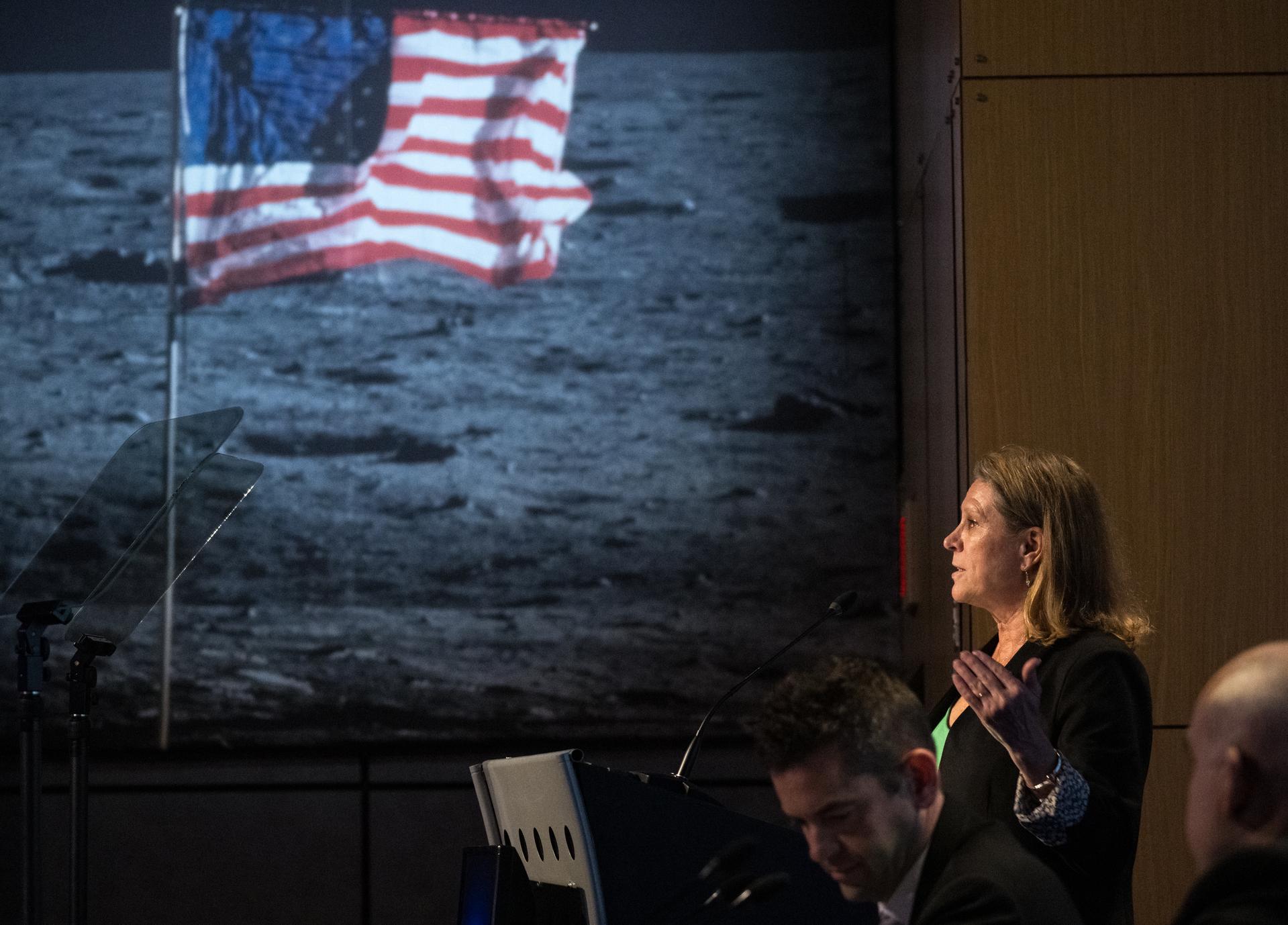
NASA Administrator Jared Isaacman provides remarks during a news conference to discuss Moon Base, a long-term lunar exploration and infrastructure initiative designed to enable sustained human presence and expanded scientific and commercial activity at the lunar South Pole, Tuesday, May 26, 2026, at the Mary W. Jackson NASA Headquarters building in Washington. Photo Credit: (NASA/Aubrey Gemignani)
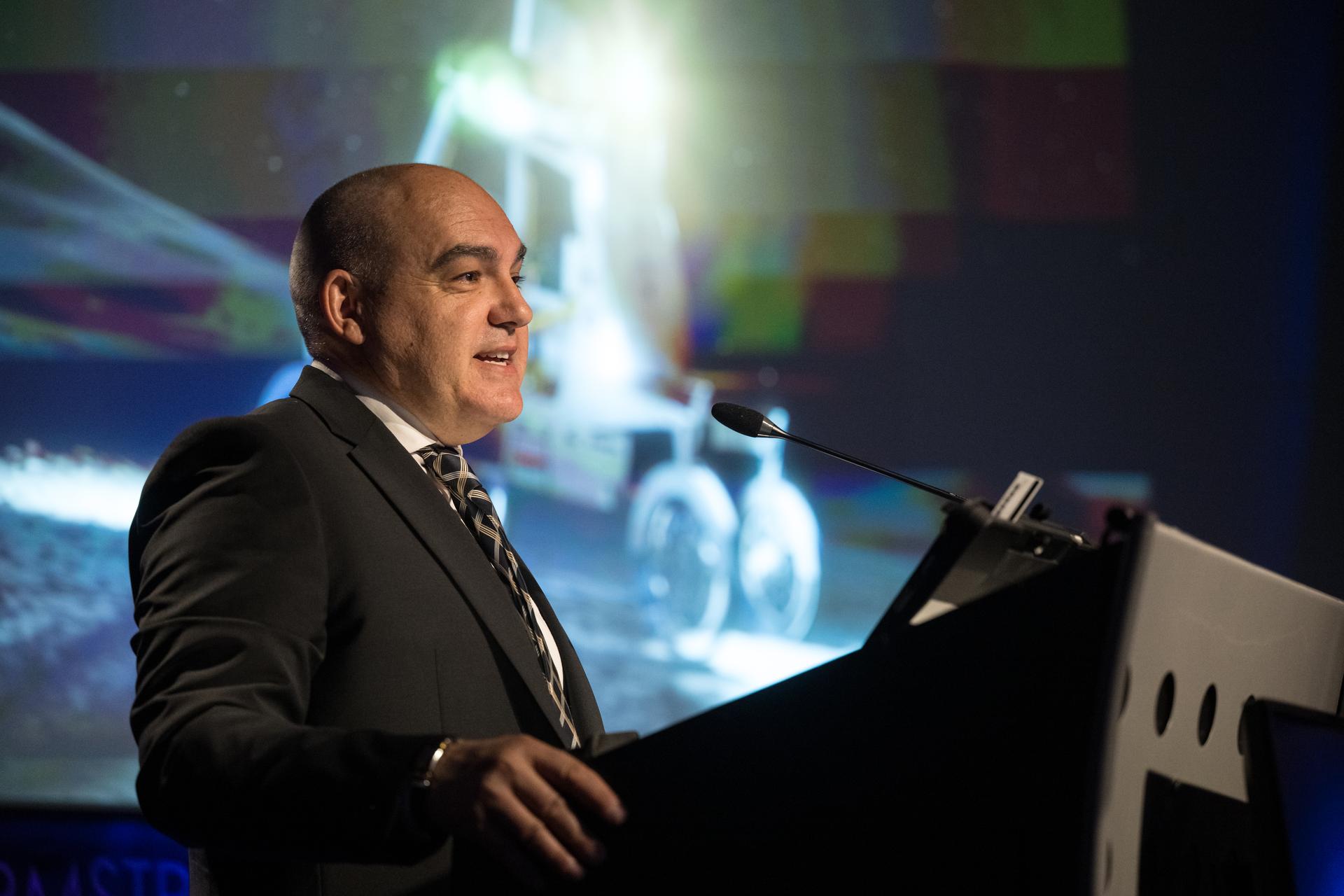
NASA Administrator Jared Isaacman provides remarks during a news conference to discuss Moon Base, a long-term lunar exploration and infrastructure initiative designed to enable sustained human presence and expanded scientific and commercial activity at the lunar South Pole, Tuesday, May 26, 2026, at the Mary W. Jackson NASA Headquarters building in Washington. Photo Credit: (NASA/Aubrey Gemignani)

NASA Administrator Jared Isaacman provides remarks during a news conference to discuss Moon Base, a long-term lunar exploration and infrastructure initiative designed to enable sustained human presence and expanded scientific and commercial activity at the lunar South Pole, Tuesday, May 26, 2026, at the Mary W. Jackson NASA Headquarters building in Washington. Photo Credit: (NASA/Aubrey Gemignani)
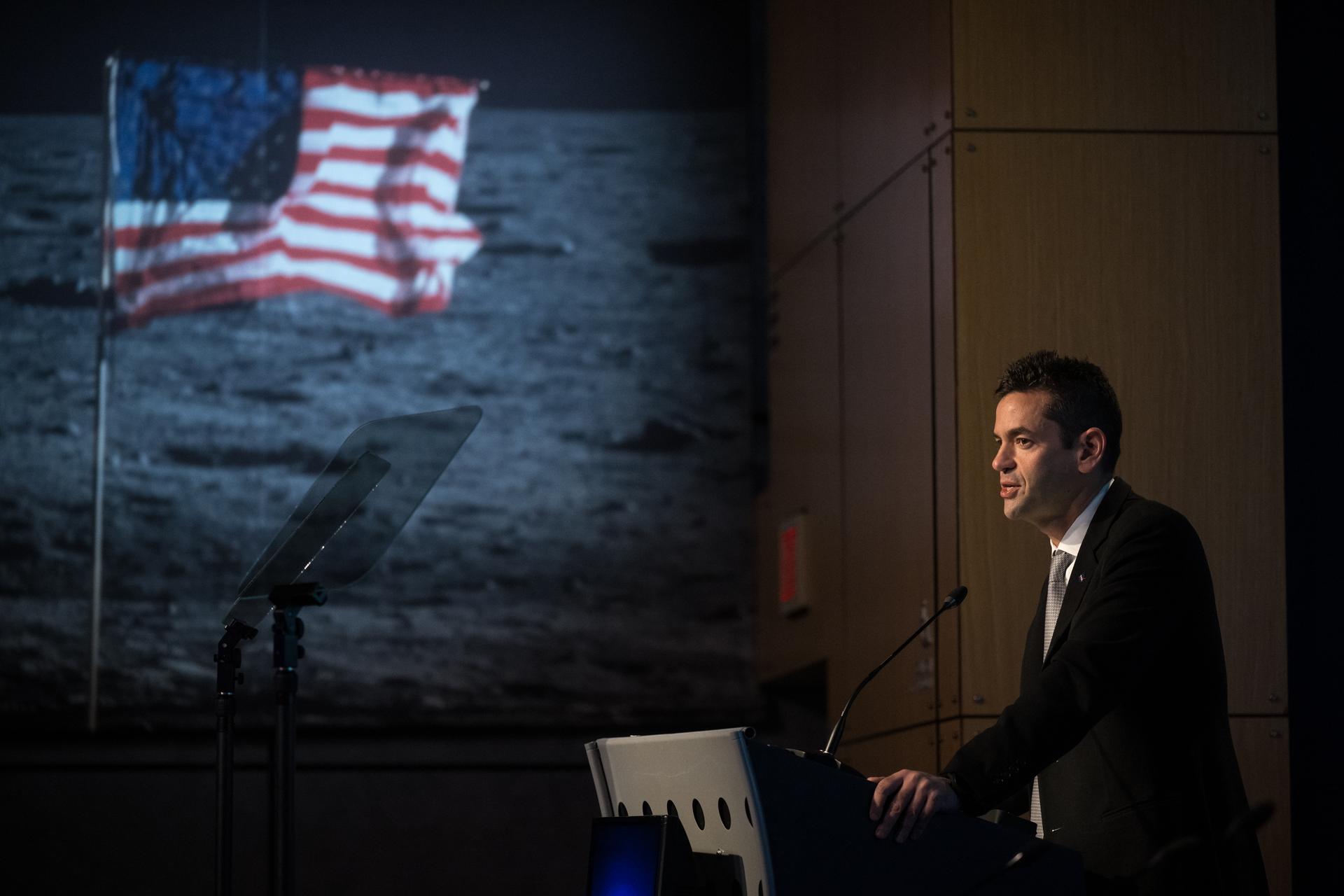
NASA Administrator Jared Isaacman provides remarks during a news conference to discuss Moon Base, a long-term lunar exploration and infrastructure initiative designed to enable sustained human presence and expanded scientific and commercial activity at the lunar South Pole, Tuesday, May 26, 2026, at the Mary W. Jackson NASA Headquarters building in Washington. Photo Credit: (NASA/Aubrey Gemignani)
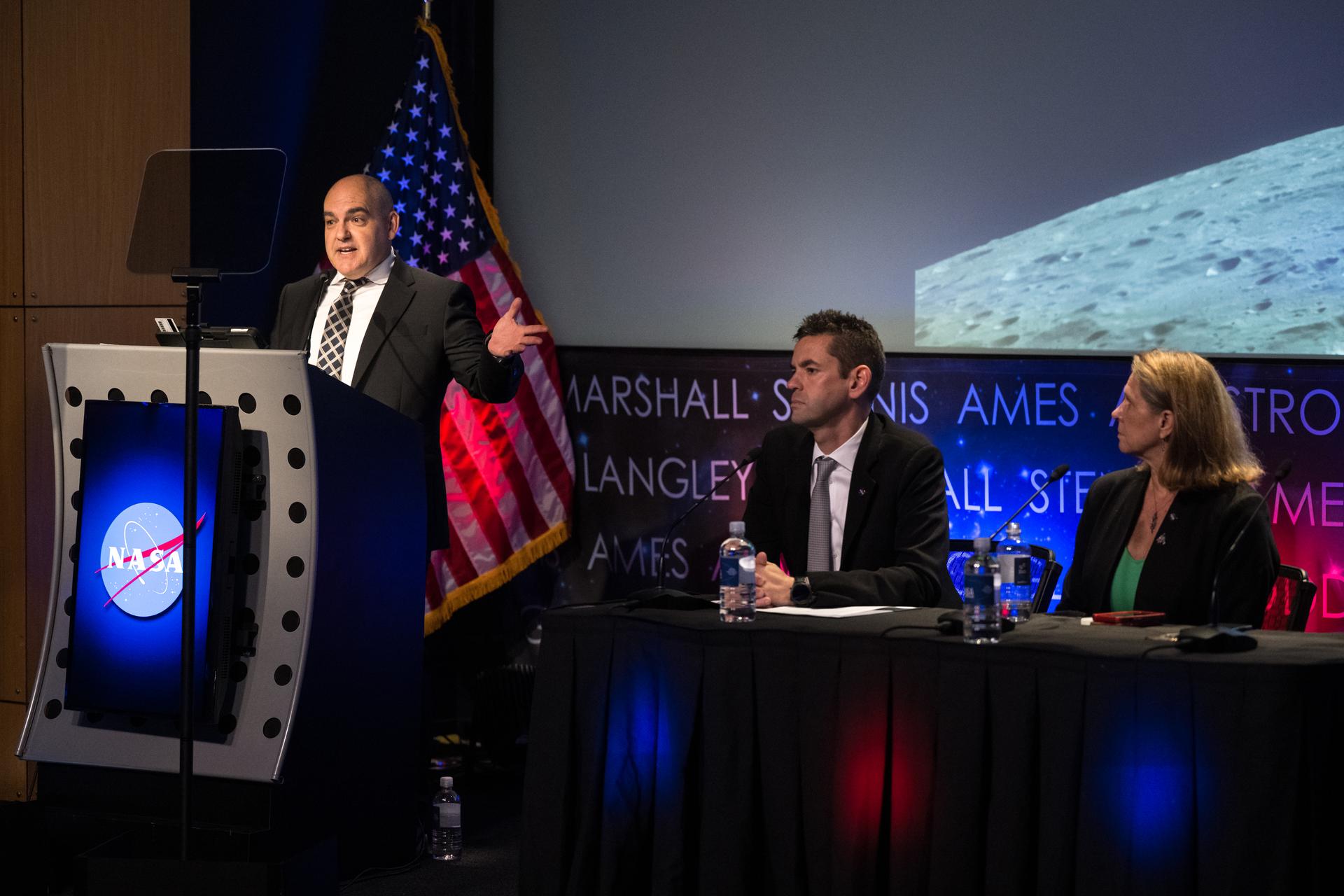
NASA Administrator Jared Isaacman provides remarks during a news conference to discuss Moon Base, a long-term lunar exploration and infrastructure initiative designed to enable sustained human presence and expanded scientific and commercial activity at the lunar South Pole, Tuesday, May 26, 2026, at the Mary W. Jackson NASA Headquarters building in Washington. Photo Credit: (NASA/Aubrey Gemignani)
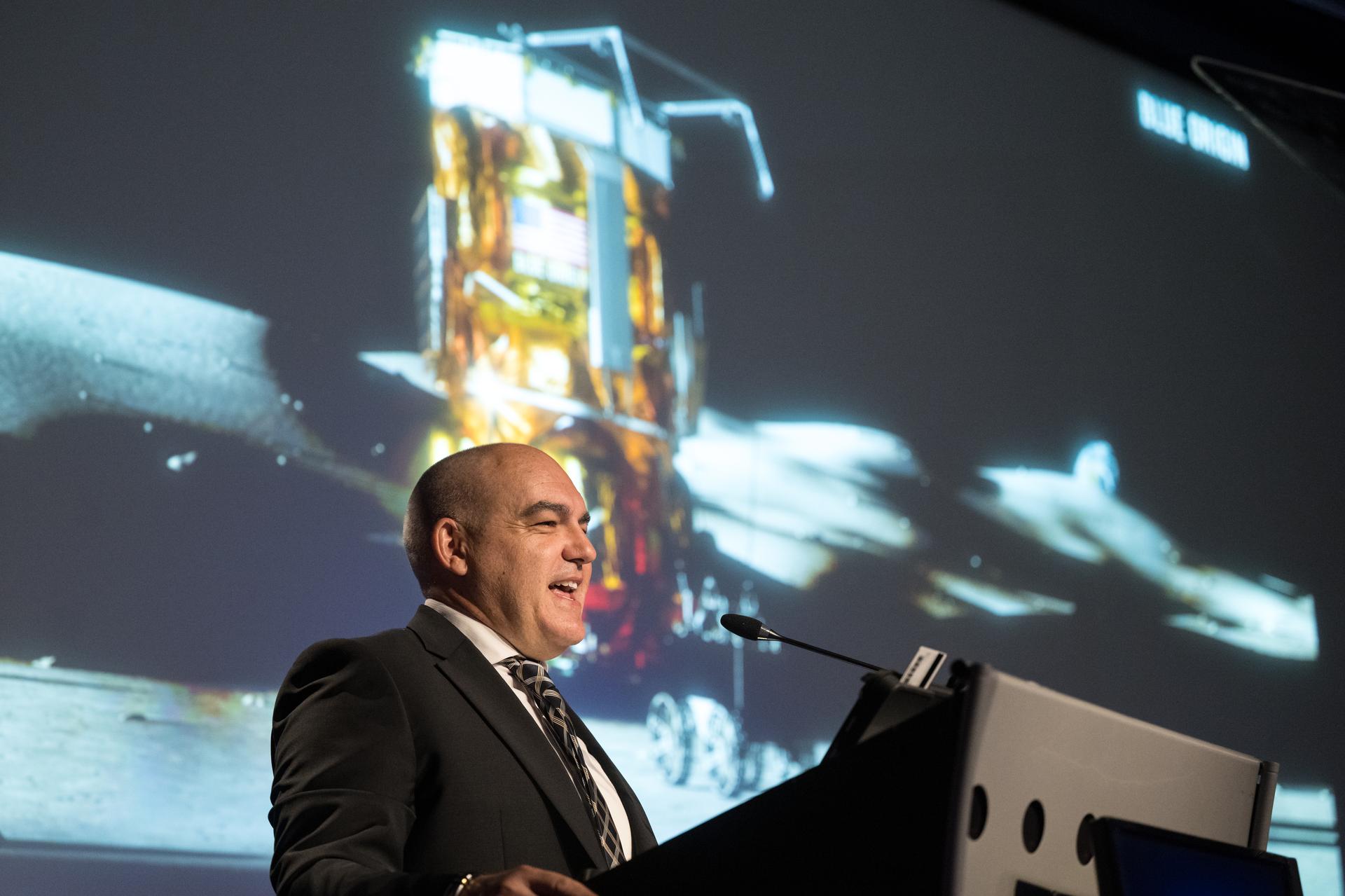
NASA Administrator Jared Isaacman provides remarks during a news conference to discuss Moon Base, a long-term lunar exploration and infrastructure initiative designed to enable sustained human presence and expanded scientific and commercial activity at the lunar South Pole, Tuesday, May 26, 2026, at the Mary W. Jackson NASA Headquarters building in Washington. Photo Credit: (NASA/Aubrey Gemignani)

NASA Administrator Jared Isaacman provides remarks during a news conference to discuss Moon Base, a long-term lunar exploration and infrastructure initiative designed to enable sustained human presence and expanded scientific and commercial activity at the lunar South Pole, Tuesday, May 26, 2026, at the Mary W. Jackson NASA Headquarters building in Washington. Photo Credit: (NASA/Aubrey Gemignani)
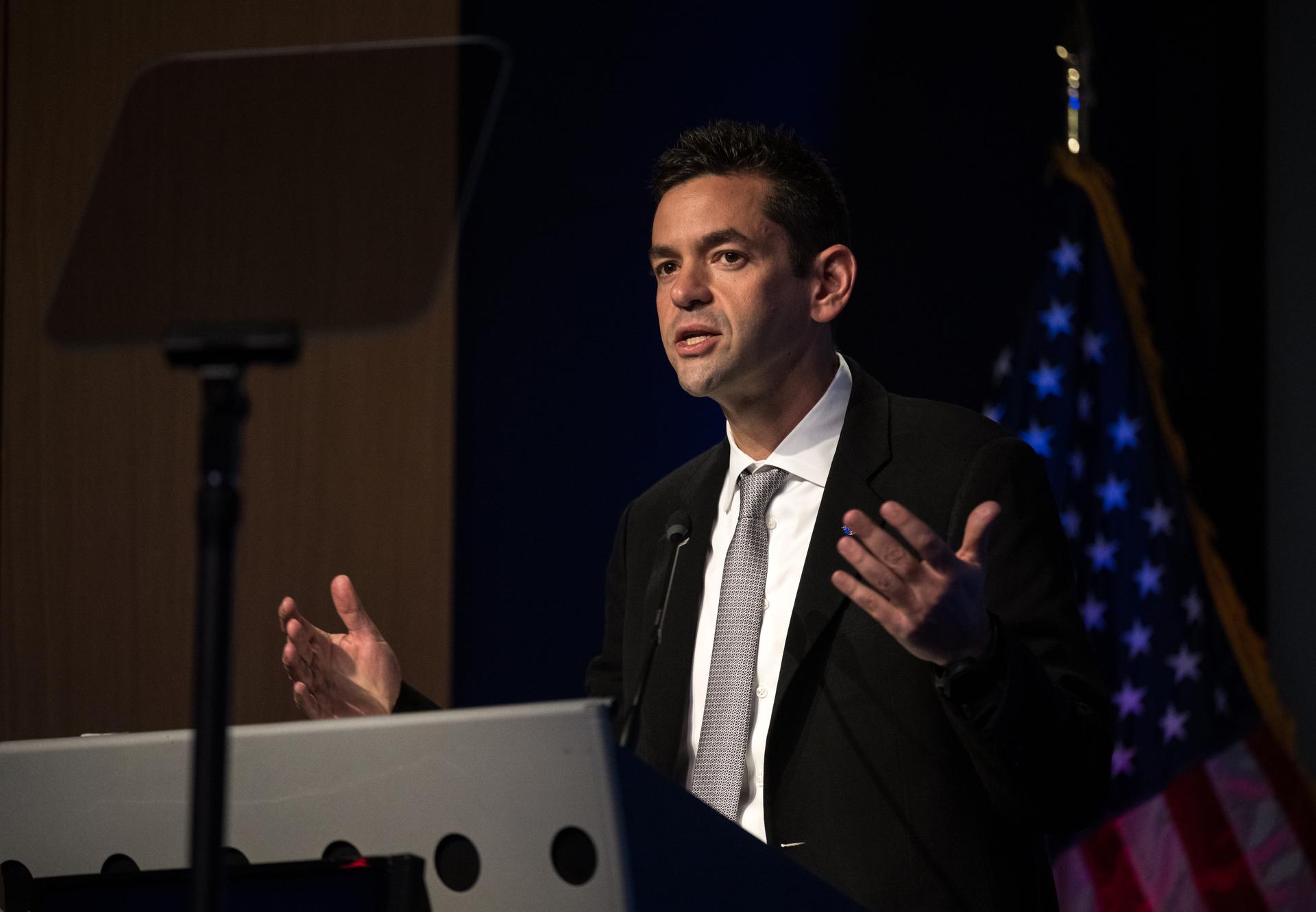
NASA Administrator Jared Isaacman provides remarks during a news conference to discuss Moon Base, a long-term lunar exploration and infrastructure initiative designed to enable sustained human presence and expanded scientific and commercial activity at the lunar South Pole, Tuesday, May 26, 2026, at the Mary W. Jackson NASA Headquarters building in Washington. Photo Credit: (NASA/Aubrey Gemignani)
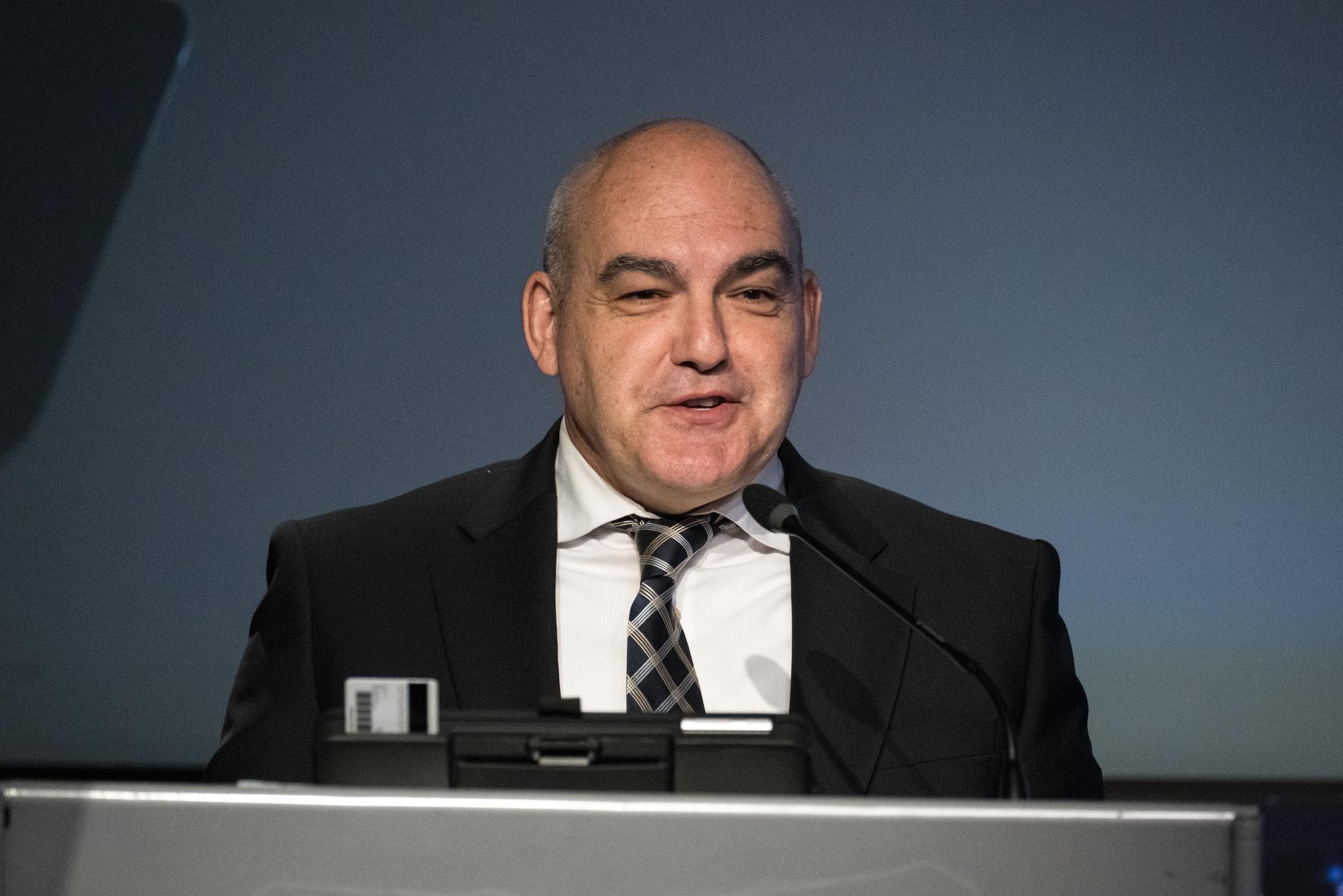
NASA Administrator Jared Isaacman provides remarks during a news conference to discuss Moon Base, a long-term lunar exploration and infrastructure initiative designed to enable sustained human presence and expanded scientific and commercial activity at the lunar South Pole, Tuesday, May 26, 2026, at the Mary W. Jackson NASA Headquarters building in Washington. Photo Credit: (NASA/Aubrey Gemignani)
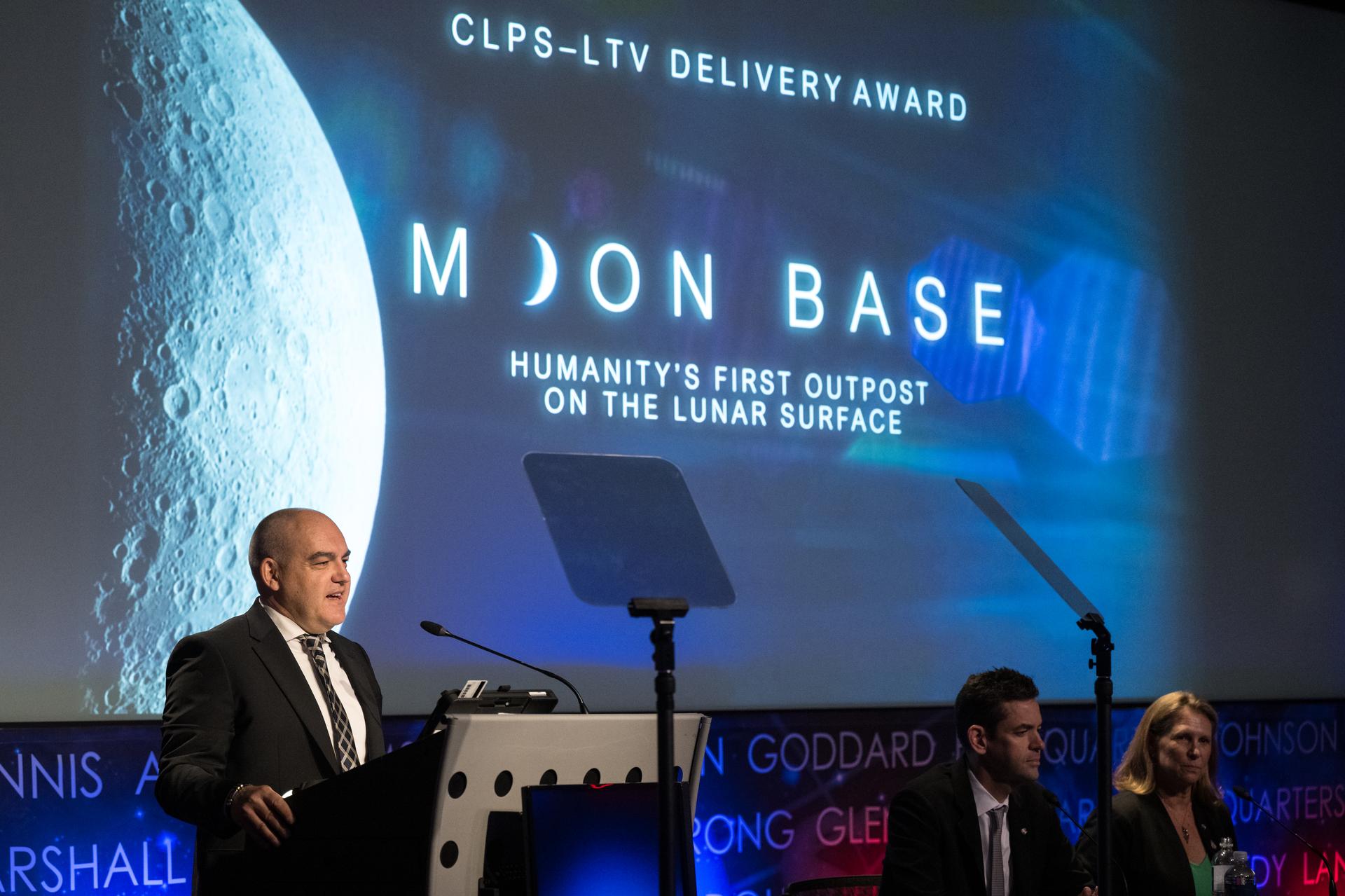
NASA Administrator Jared Isaacman provides remarks during a news conference to discuss Moon Base, a long-term lunar exploration and infrastructure initiative designed to enable sustained human presence and expanded scientific and commercial activity at the lunar South Pole, Tuesday, May 26, 2026, at the Mary W. Jackson NASA Headquarters building in Washington. Photo Credit: (NASA/Aubrey Gemignani)
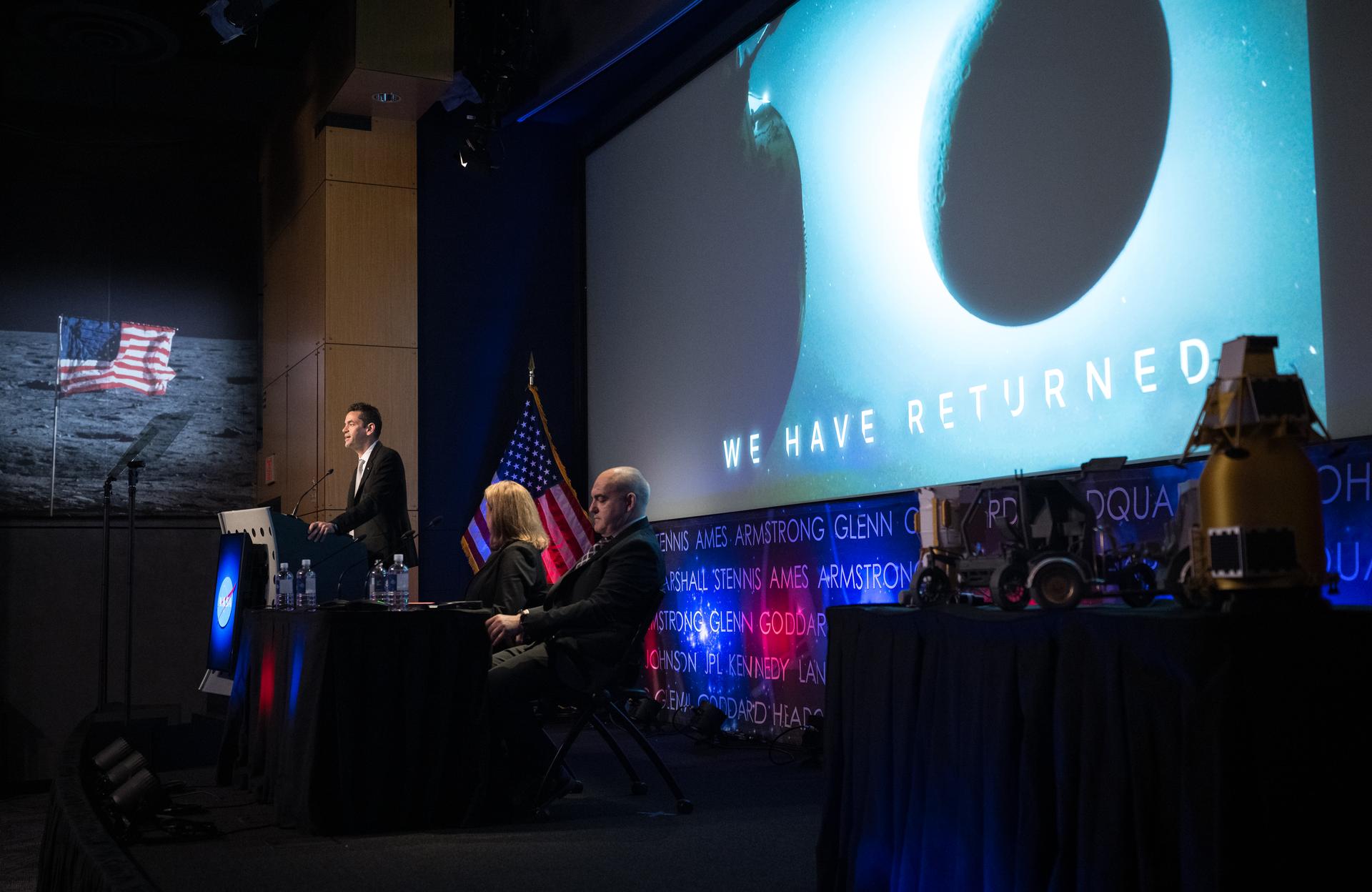
NASA Administrator Jared Isaacman provides remarks during a news conference to discuss Moon Base, a long-term lunar exploration and infrastructure initiative designed to enable sustained human presence and expanded scientific and commercial activity at the lunar South Pole, Tuesday, May 26, 2026, at the Mary W. Jackson NASA Headquarters building in Washington. Photo Credit: (NASA/Aubrey Gemignani)

NASA Administrator Jared Isaacman provides remarks during a news conference to discuss Moon Base, a long-term lunar exploration and infrastructure initiative designed to enable sustained human presence and expanded scientific and commercial activity at the lunar South Pole, Tuesday, May 26, 2026, at the Mary W. Jackson NASA Headquarters building in Washington. Photo Credit: (NASA/Aubrey Gemignani)
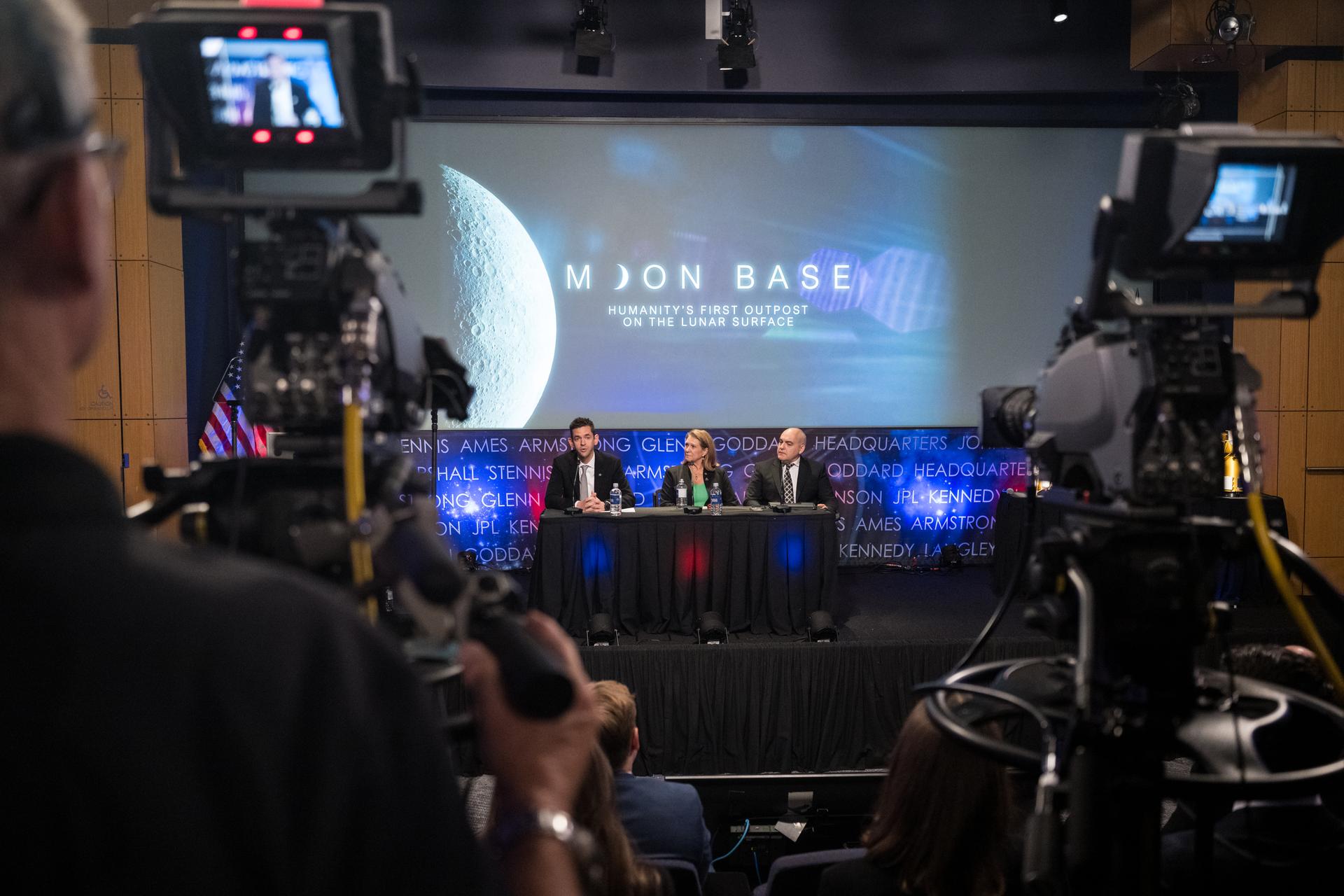
A panel including, from left to right, NASA Administrator Jared Isaacman, acting associate administrator for NASA's Exploration Systems Development Mission Directorate, Lori Glaze, and NASA Moon Base Program Executive, Carlos Garcia-Galan, answer questions during a news conference to discuss Moon Base, a long-term lunar exploration and infrastructure initiative designed to enable sustained human presence and expanded scientific and commercial activity at the lunar South Pole, Tuesday, May 26, 2026, at the Mary W. Jackson NASA Headquarters building in Washington. Photo Credit: (NASA/Aubrey Gemignani)
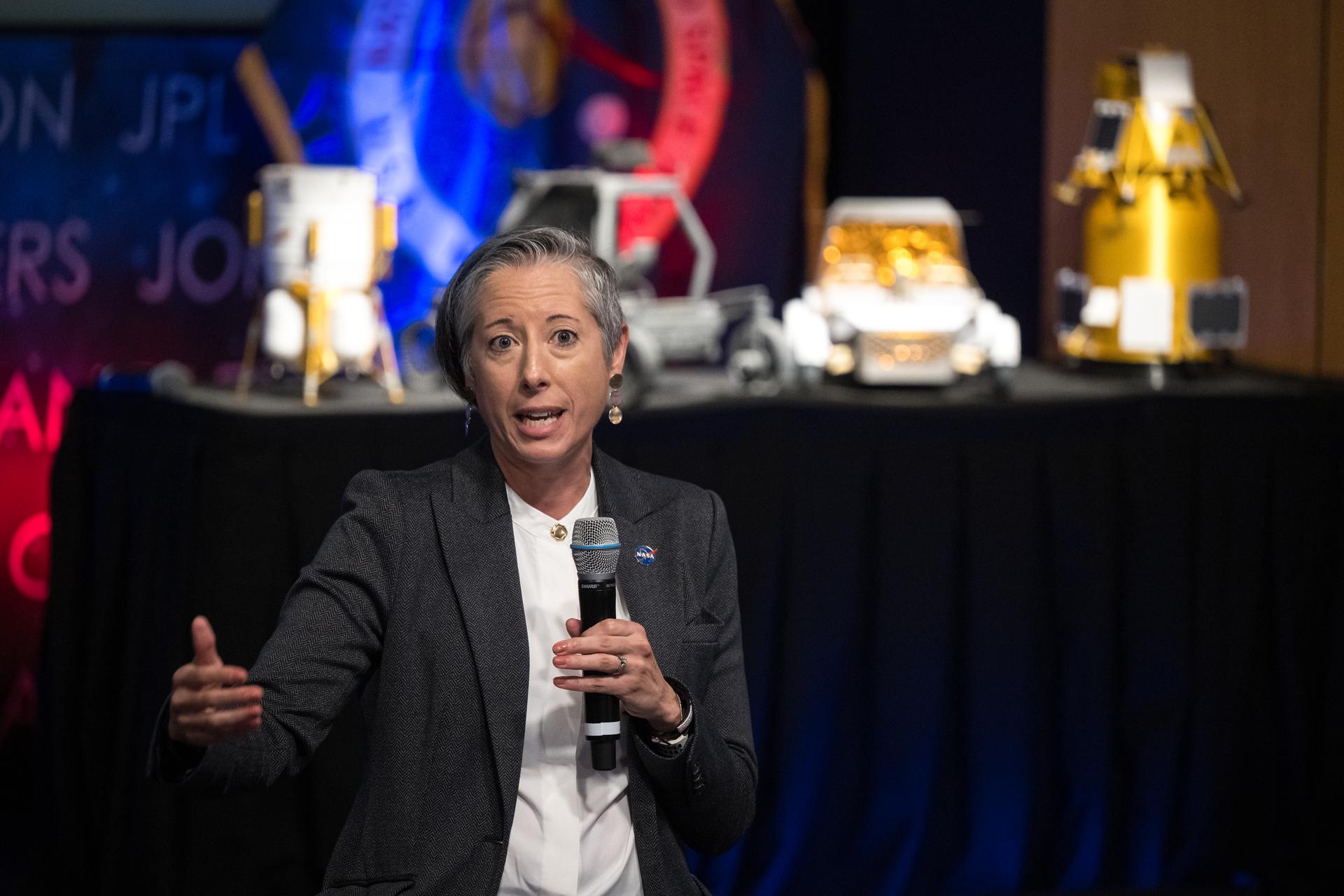
NASA’s Nujoud Merancy responds to a question during a news conference to discuss Moon Base, a long-term lunar exploration and infrastructure initiative designed to enable sustained human presence and expanded scientific and commercial activity at the lunar South Pole, Tuesday, May 26, 2026, at the Mary W. Jackson NASA Headquarters building in Washington. Photo Credit: (NASA/Aubrey Gemignani)

NASA Administrator Jared Isaacman provides remarks during a news conference to discuss Moon Base, a long-term lunar exploration and infrastructure initiative designed to enable sustained human presence and expanded scientific and commercial activity at the lunar South Pole, Tuesday, May 26, 2026, at the Mary W. Jackson NASA Headquarters building in Washington. Photo Credit: (NASA/Aubrey Gemignani)
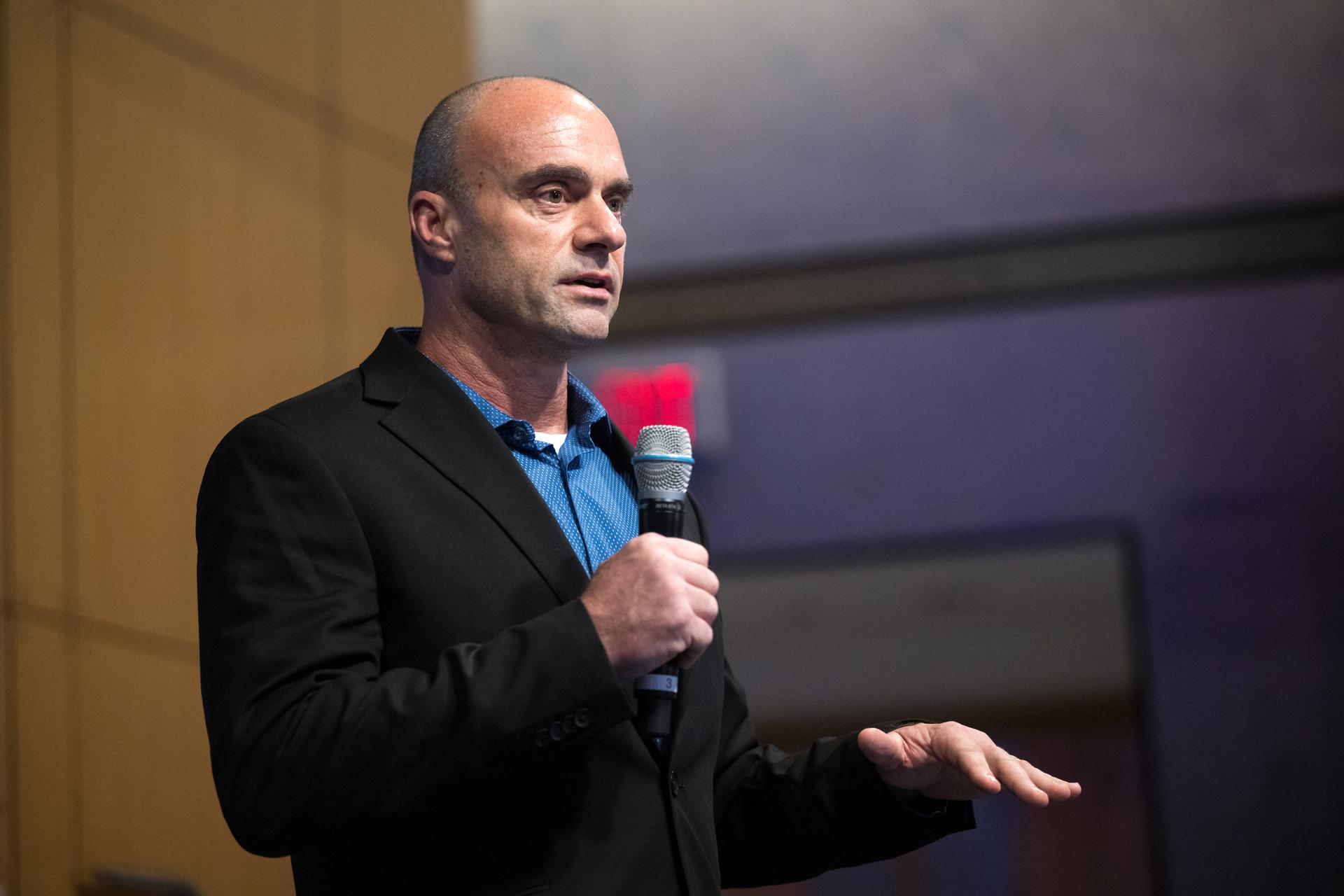
NASA’s Robert Pickle responds to a question during a news conference to discuss Moon Base, a long-term lunar exploration and infrastructure initiative designed to enable sustained human presence and expanded scientific and commercial activity at the lunar South Pole, Tuesday, May 26, 2026, at the Mary W. Jackson NASA Headquarters building in Washington. Photo Credit: (NASA/Aubrey Gemignani)
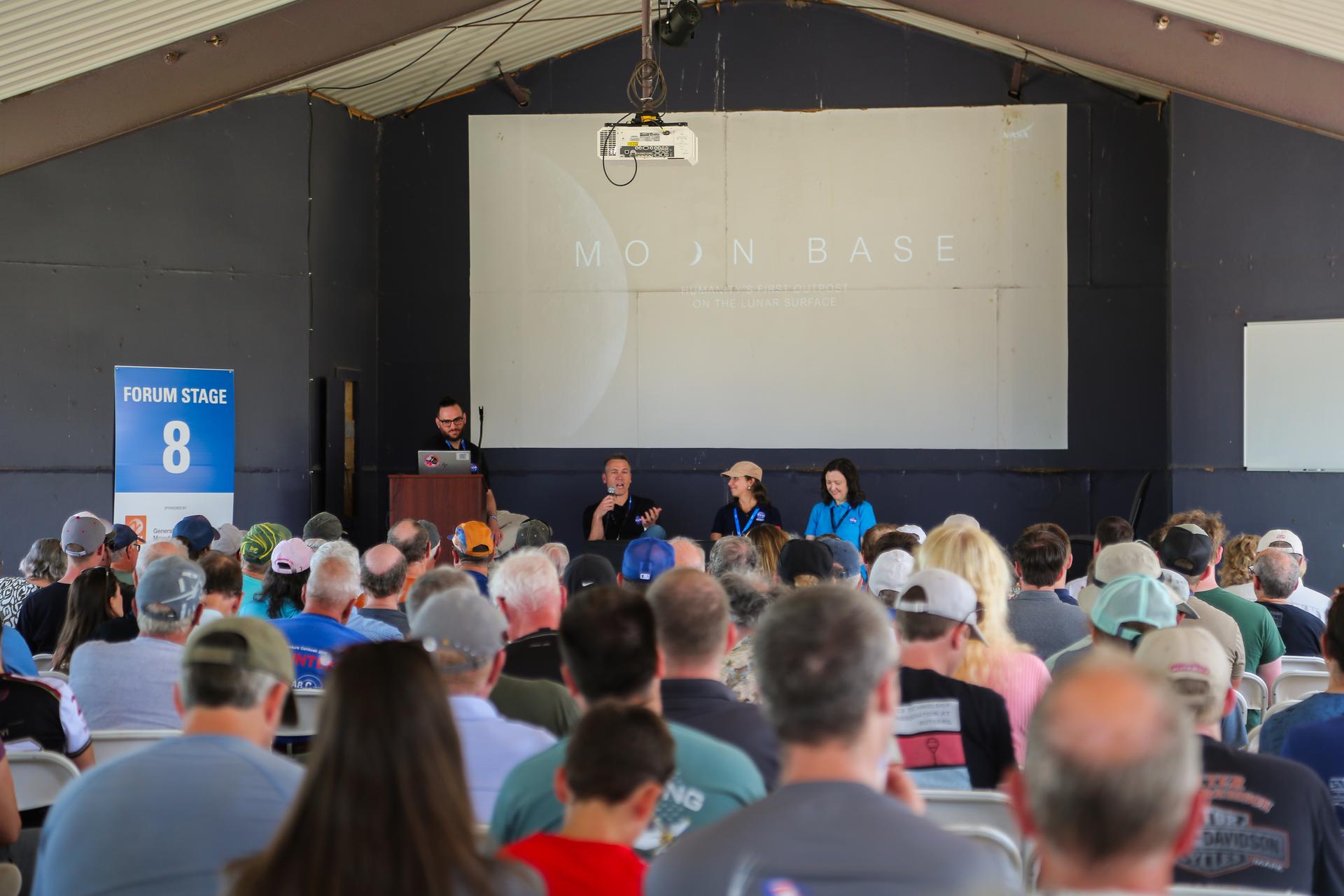
Moon Base Program Deputy Program Manager Jim Geffre speaks alongside Artemis and Moon Base Science and Utilization Manager Stephanie Dudley and Surface Mobility Deputy Lead Julia Badger during the forum presentation “Building Humanity’s First Moon Base” at the 2026 Experimental Aircraft Association (EAA) AirVenture air show in Oshkosh, Wisconsin, on Thursday, July 23, 2026.
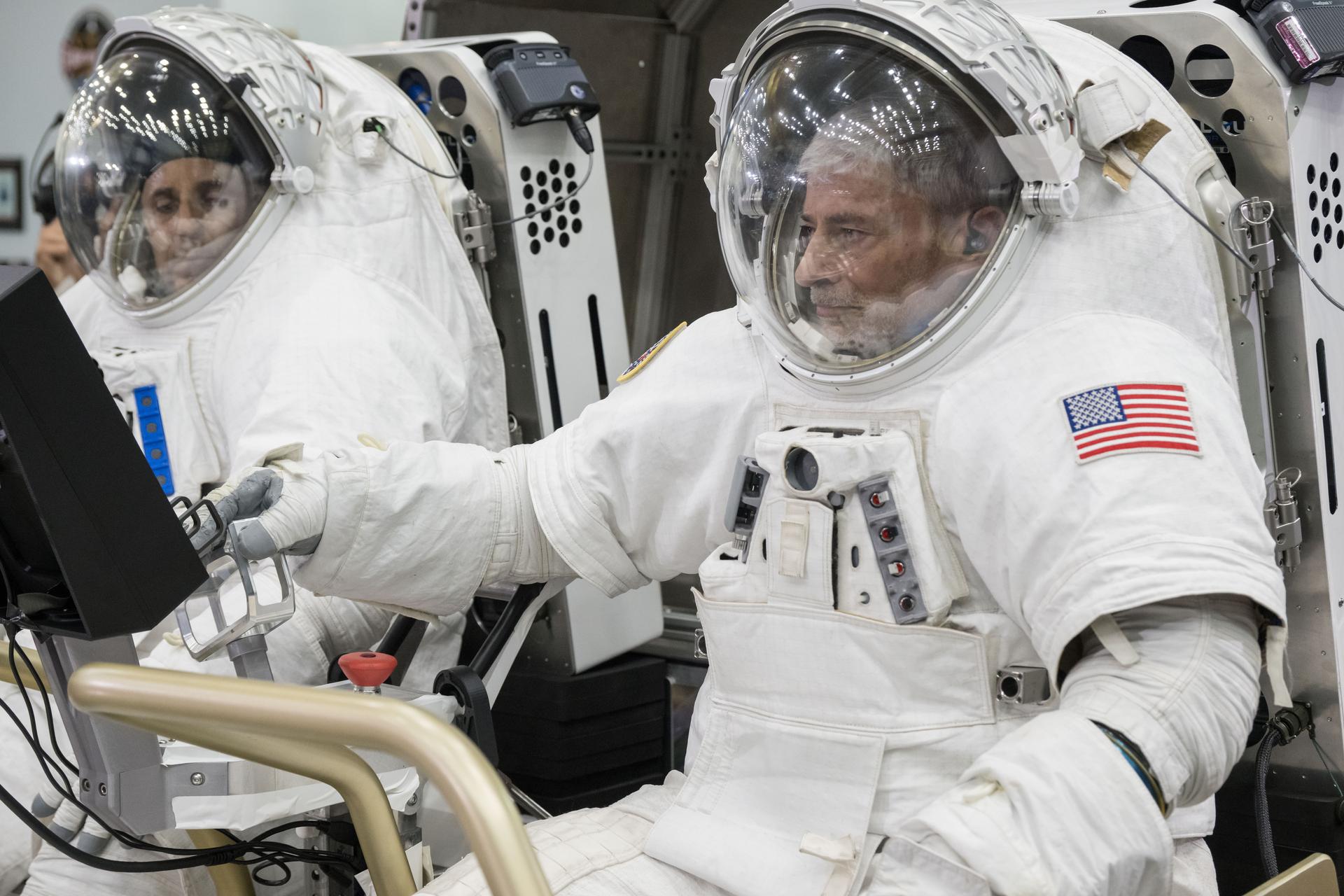
NASA astronauts Joe Acaba (left) and Mark Vande Hei (right) sit inside Lunar Outpost’s Pegasus lunar terrain vehicle prototype during human-in-the-loop testing at NASA’s Johnson Space Center where they evaluated the design, usability, and crew comfort of Lunar Outpost’s lunar rover. NASA selected Lunar Outpost and Astrolab in May 2026 to build and deliver the first phase of lunar terrain vehicles for Moon Base development. Image Credit: NASA/Bill Stafford
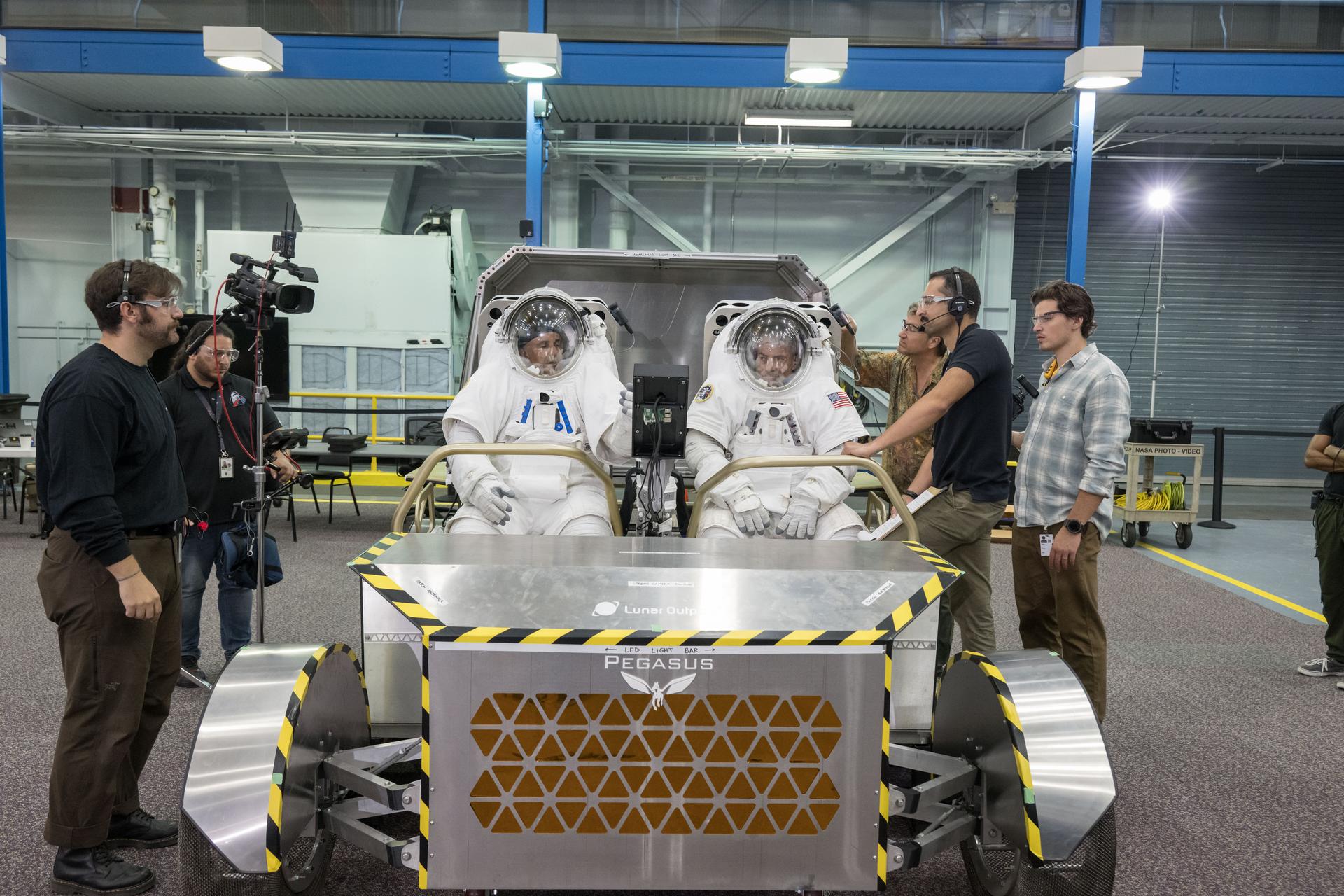
NASA astronauts Joe Acaba (left) and Mark Vande Hei (right) sit inside Lunar Outpost’s Pegasus lunar terrain vehicle prototype during human-in-the-loop testing at NASA’s Johnson Space Center where they evaluated the design, usability, and crew comfort of Lunar Outpost’s lunar rover. NASA selected Lunar Outpost and Astrolab in May 2026 to build and deliver the first phase of lunar terrain vehicles for Moon Base development. Image Credit: NASA/Bill Stafford
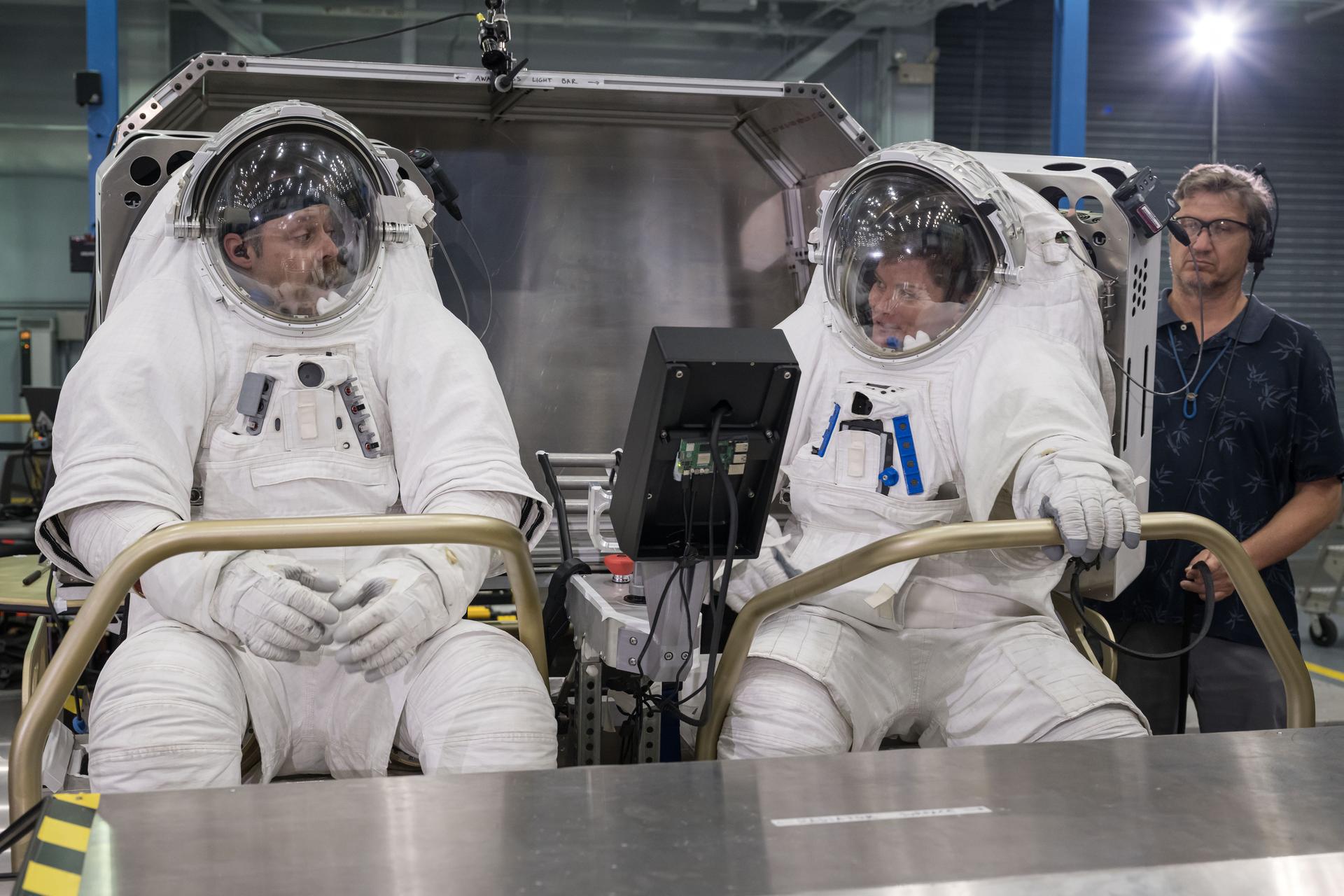
Artemis EVA training lead Scott Wray (left) and NASA astronaut Anne McClain (right) sit inside Lunar Outpost’s Pegasus lunar terrain vehicle prototype during human-in-the-loop testing at NASA’s Johnson Space Center where they evaluated the design, usability, and crew comfort of Lunar Outpost’s lunar rover. NASA selected Lunar Outpost and Astrolab in May 2026 to build and deliver the first phase of lunar terrain vehicles for Moon Base development. Image Credit: NASA/Robert Markowitz
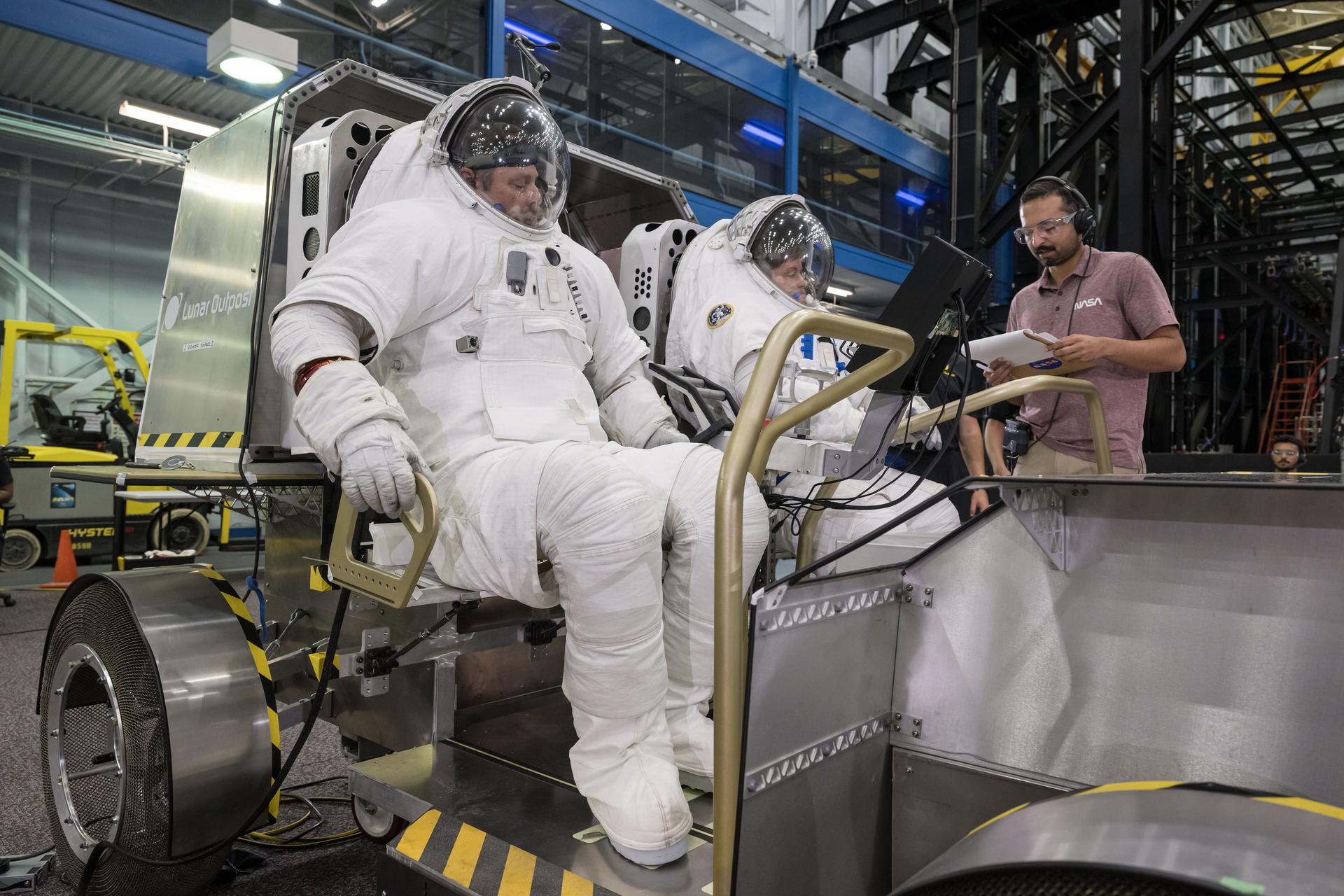
Artemis EVA training lead Scott Wray (left) and NASA astronaut Anne McClain (right) sit inside Lunar Outpost’s Pegasus lunar terrain vehicle prototype during human-in-the-loop testing at NASA’s Johnson Space Center where they evaluated the design, usability, and crew comfort of Lunar Outpost’s lunar rover. NASA selected Lunar Outpost and Astrolab in May 2026 to build and deliver the first phase of lunar terrain vehicles for Moon Base development. Image Credit: NASA/Robert Markowitz
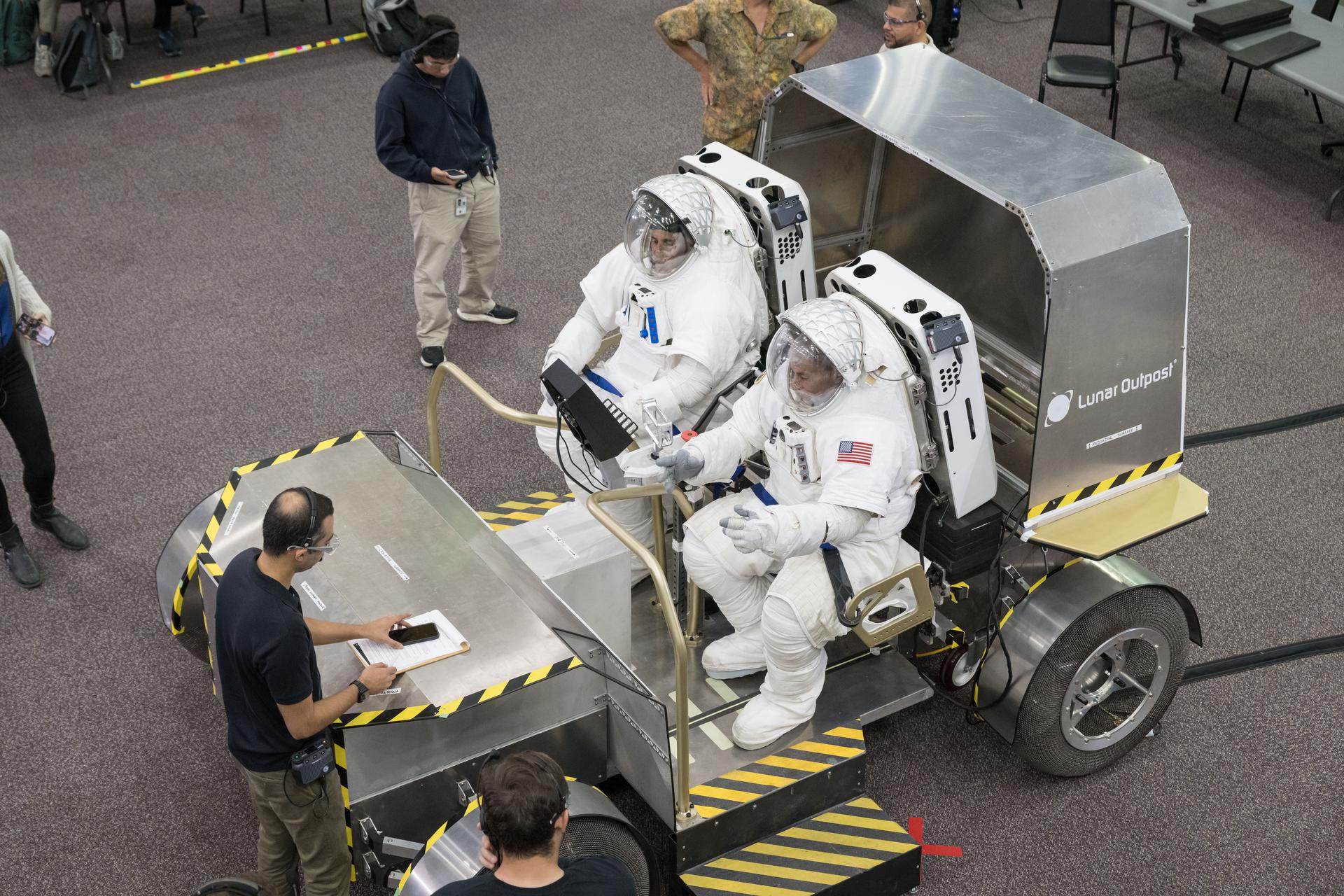
NASA astronauts Joe Acaba (left) and Mark Vande Hei (right) sit inside Lunar Outpost’s Pegasus lunar terrain vehicle prototype during human-in-the-loop testing at NASA’s Johnson Space Center where they evaluated the design, usability, and crew comfort of Lunar Outpost’s lunar rover. NASA selected Lunar Outpost and Astrolab in May 2026 to build and deliver the first phase of lunar terrain vehicles for Moon Base development. Image Credit: NASA/Bill Stafford

This artist concept, based on data from NASA Kepler mission and ground-based telescopes, depicts an itsy bitsy planetary system -- so compact, in fact, that it more like Jupiter and its moons than a star and its planets.

This cutaway view of Saturn moon Enceladus is an artist rendering that depicts possible hydrothermal activity that may be taking place on and under the seafloor of the moon subsurface ocean, based on published results from NASA Cassini mission.

A sinuous rille created by a lava flow snakes around the base of a massif in the Prinz-Harbinger region on the Moon in this image taken by NASA Lunar Reconnaissance Orbiter.

Based on new evidence from Jupiter moon Europa, astronomers hypothesize that chloride salts bubble up from its global liquid ocean and reach the frozen surface where they are bombarded with sulfur from volcanoes on Jupiter innermost large moon, Io.
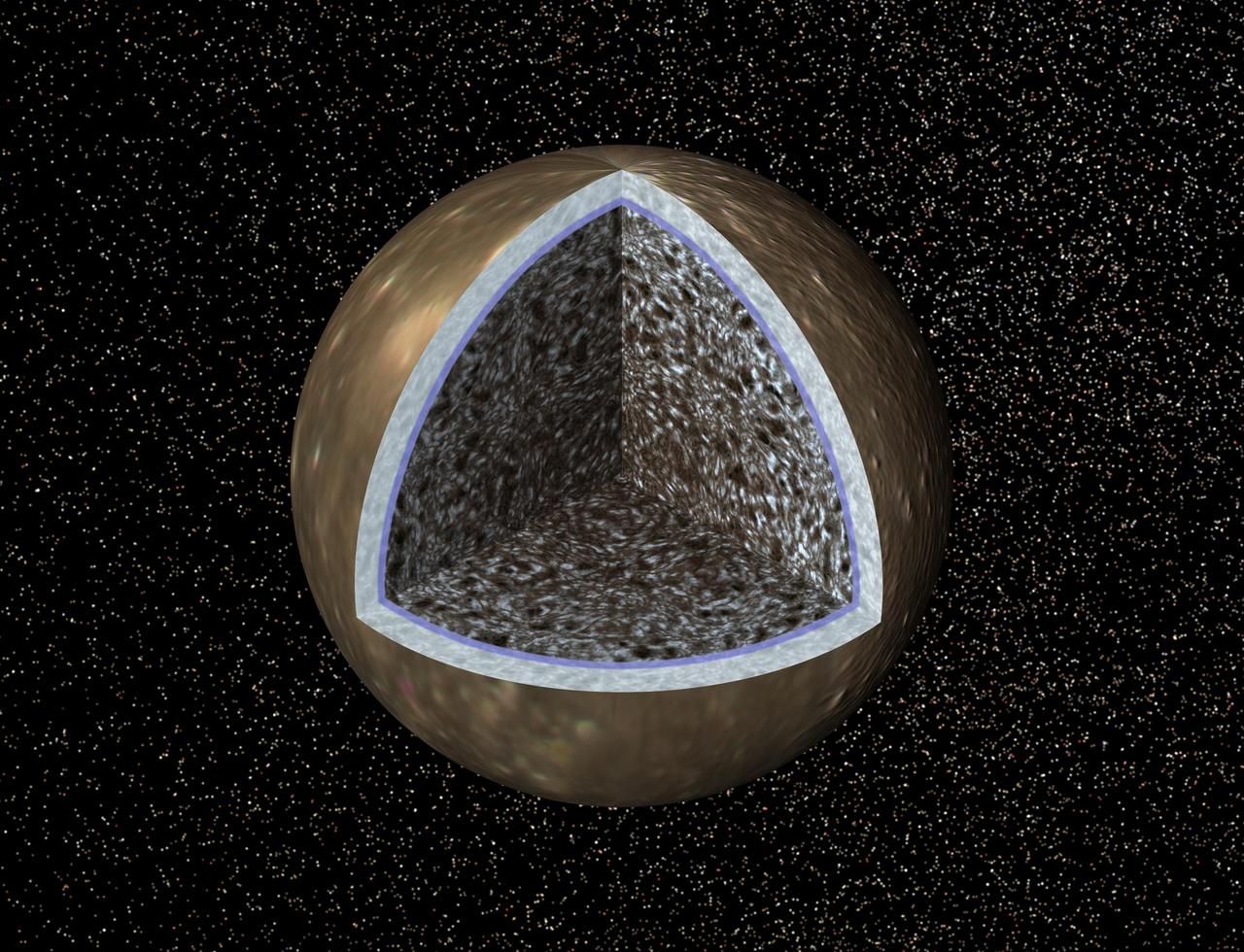
This artist concept, a cutaway view of Jupiter moon Callisto, is based on recent data from NASA Galileo spacecraft which indicates a salty ocean may lie beneath Callisto icy crust.
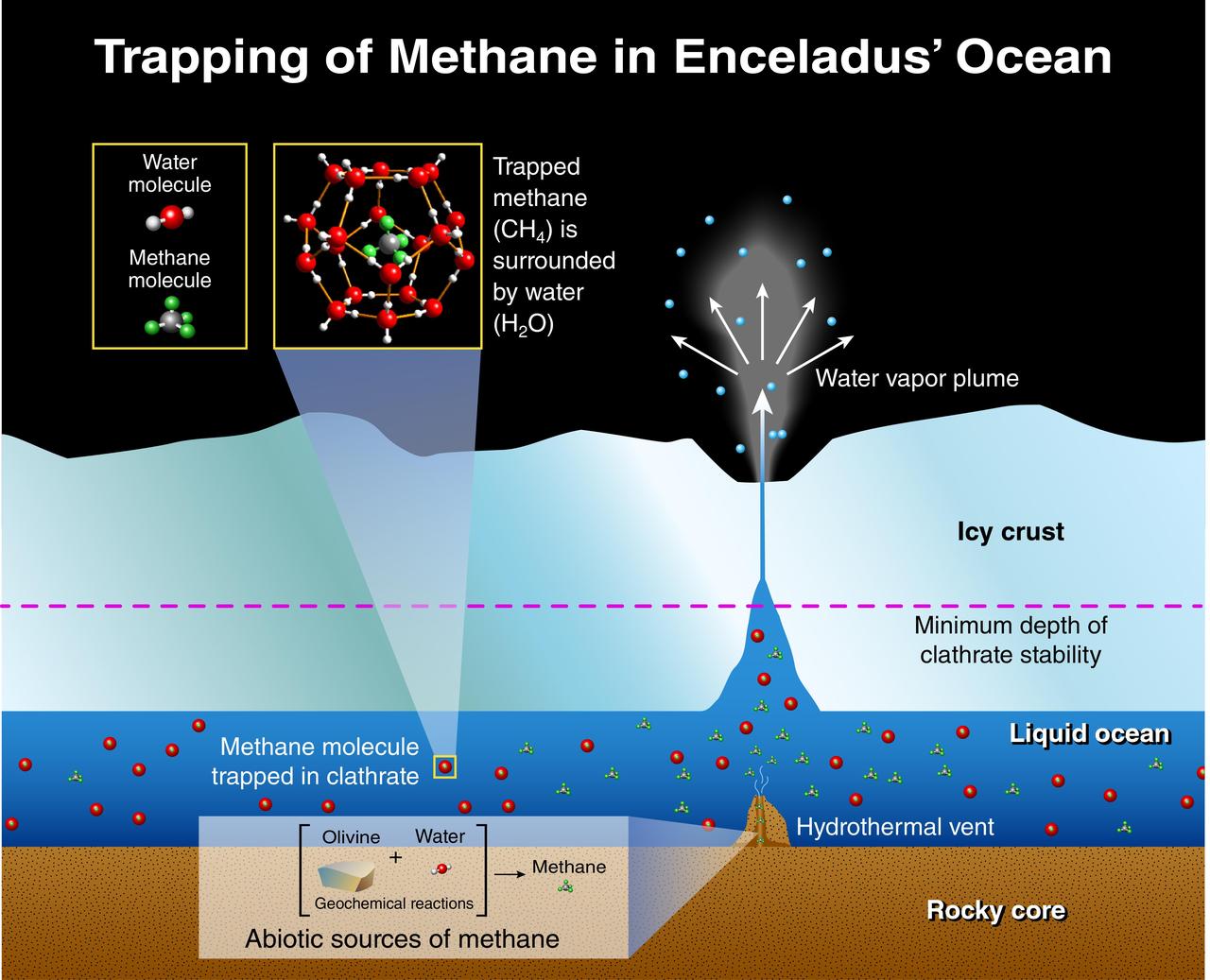
This illustration depicts potential origins of methane found in the plume of gas and ice particles that sprays from Saturn moon, Enceladus, based on research by scientists working with the Ion and Neutral Mass Spectrometer on NASA Cassini mission.
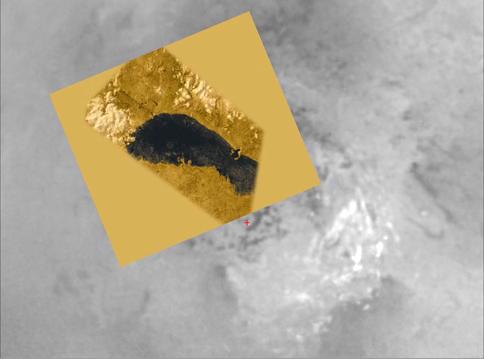
This image is from an animation that glides along the shoreline of Ontario Lacus, the largest lake on the southern hemisphere of Saturn moon Titan. The animation is based on overlapping radar images obtained by NASA Cassini spacecraft.
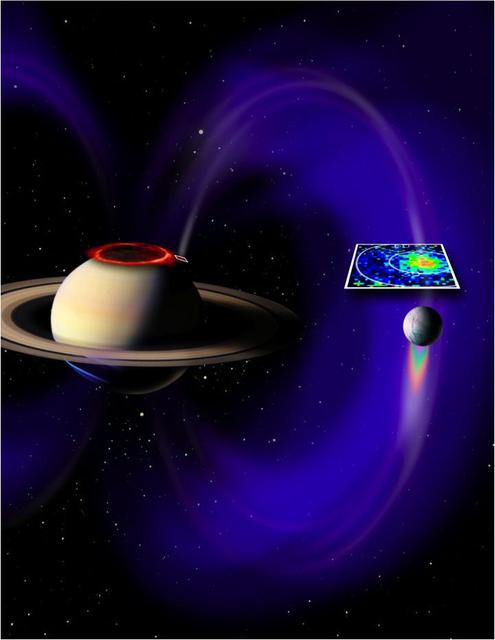
This artist concept based on data from NASA Cassini spacecraft, shows a glowing patch of ultraviolet light near Saturn north pole that occurs at the footprint of the magnetic connection between Saturn and its moon Enceladus.

This frame from a movie is based on data from NASA Cassini spacecraft and shows a flyover of an area of Saturn moon Titan known as Sotra Facula. Scientists believe Sotra is the best case for an ice volcano, or cryovolcano, region on Titan.

Lava islands within Loki Patera on Jupiter's moon Io are depicted in an artist's concept that's based on data from the Jovian Infrared Auroral Mapper (JIRAM) instrument about NASA's Juno spacecraft. https://photojournal.jpl.nasa.gov/catalog/PIA26485

This illustration of Moon to Mars multidisciplinary science shows astronauts collecting and analyzing lunar regolith. NASA’s Moon to Mars Objectives establish an objectives-based approach to the agency's human deep space exploration efforts; NASA’s Moon to Mars Architecture approach distills the objectives into operational capabilities and elements.

This illustration of Moon to Mars transportation and habitation shows astronauts driving a pressurized rover away from the dome of a translucent lunar habitat. NASA’s Moon to Mars Objectives establish an objectives-based approach to the agency's human deep space exploration efforts; NASA’s Moon to Mars Architecture approach distills the objectives into operational capabilities and elements.

This illustration of Moon to Mars operations shows an astronaut piloting a robotic arm to manipulate cargo on Mars. NASA’s Moon to Mars Objectives establish an objectives-based approach to the agency's human deep space exploration efforts; NASA’s Moon to Mars Architecture approach distills the objectives into operational capabilities and elements.
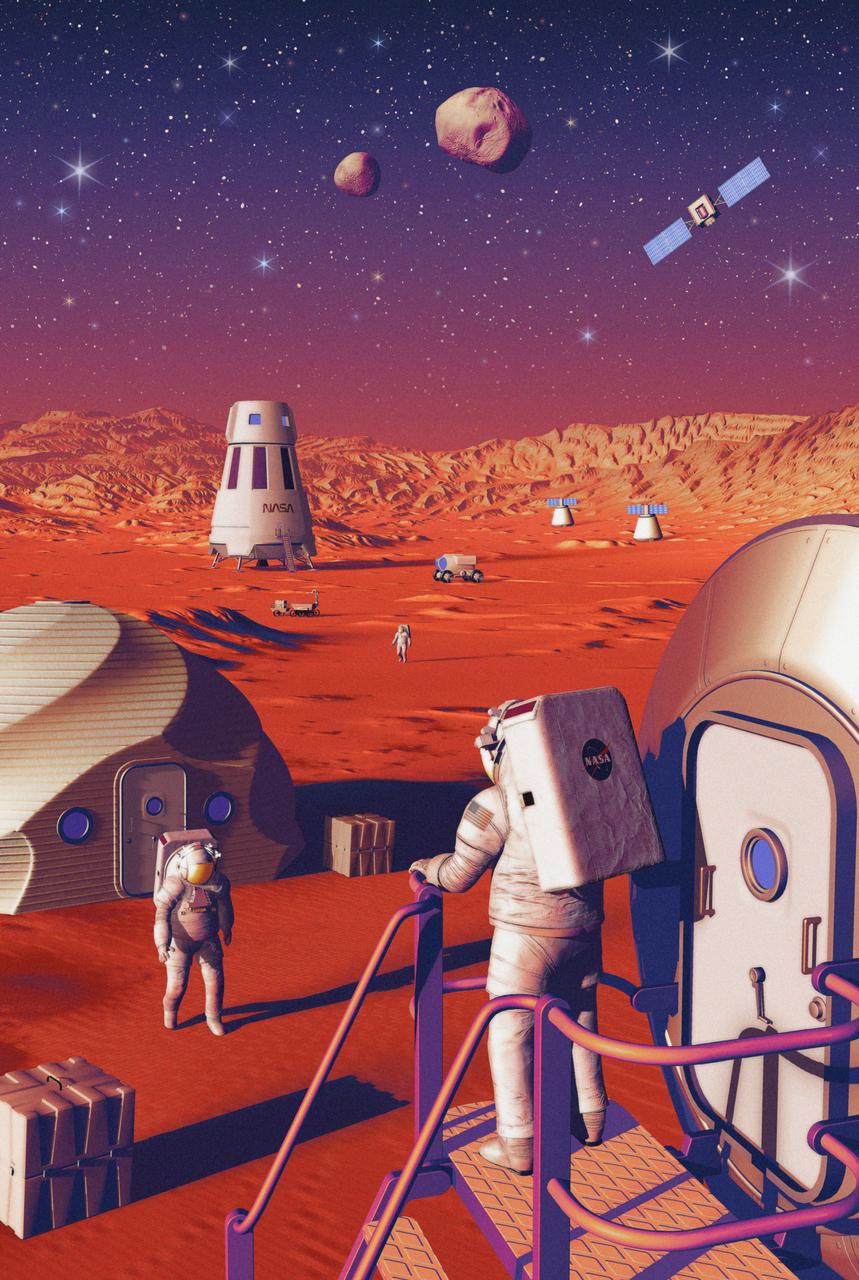
This illustration of Moon to Mars infrastructure shows astronauts living and working on the surface of Mars. NASA’s Moon to Mars Objectives establish an objectives-based approach to the agency's human deep space exploration efforts; NASA’s Moon to Mars Architecture approach distills the objectives into operational capabilities and elements.

Moon rocks are seen as NASA Moon Base Program Executive Carlos Garcia-Galan speaks during an event where NASA is outlining how the agency is executing President Donald J. Trump’s National Space Policy and accelerating preparations for America’s return to the surface of the Moon by 2028, Tuesday, March 24, 2026, at the Mary W. Jackson NASA Headquarters building in Washington. During the event NASA leadership provided updates on mission priorities, including sending the first astronauts to the lunar surface in more than 50 years, establishing the initial elements of a permanent lunar base, getting America underway in space on nuclear propulsion, and other objectives. Photo Credit: (NASA/Bill Ingalls)
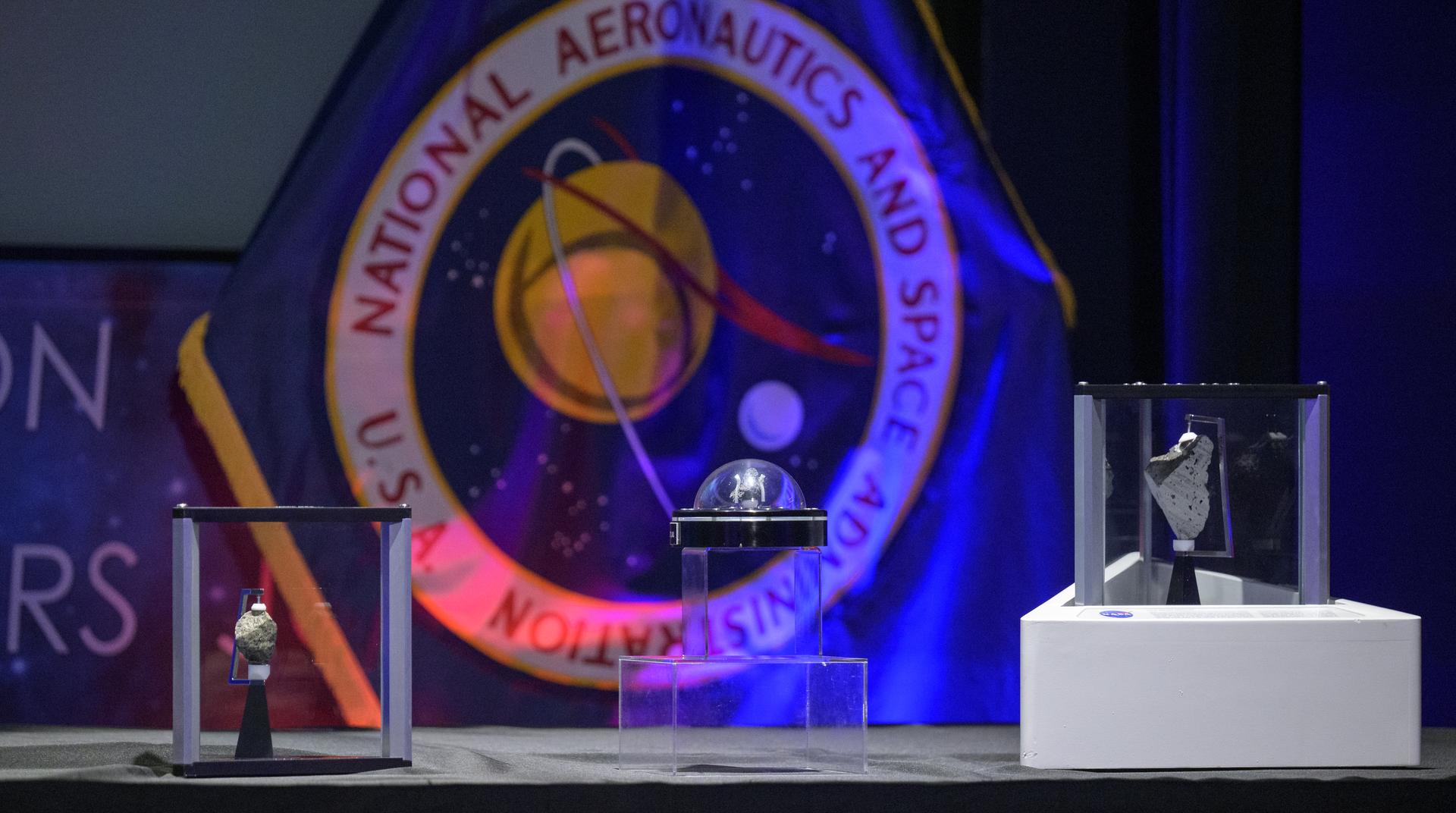
Moon rocks are seen as NASA Moon Base Program Executive Carlos Garcia-Galan speaks during an event where NASA is outlining how the agency is executing President Donald J. Trump’s National Space Policy and accelerating preparations for America’s return to the surface of the Moon by 2028, Tuesday, March 24, 2026, at the Mary W. Jackson NASA Headquarters building in Washington. During the event NASA leadership provided updates on mission priorities, including sending the first astronauts to the lunar surface in more than 50 years, establishing the initial elements of a permanent lunar base, getting America underway in space on nuclear propulsion, and other objectives. Photo Credit: (NASA/Bill Ingalls)

NASA Moon Base Program Executive Carlos Garcia-Galan gives remarks during a townhall with students, Tuesday, Sept. 8, 2026, at Iowa State University in Ames, Iowa. Photo Credit: (NASA/Bill Ingalls)
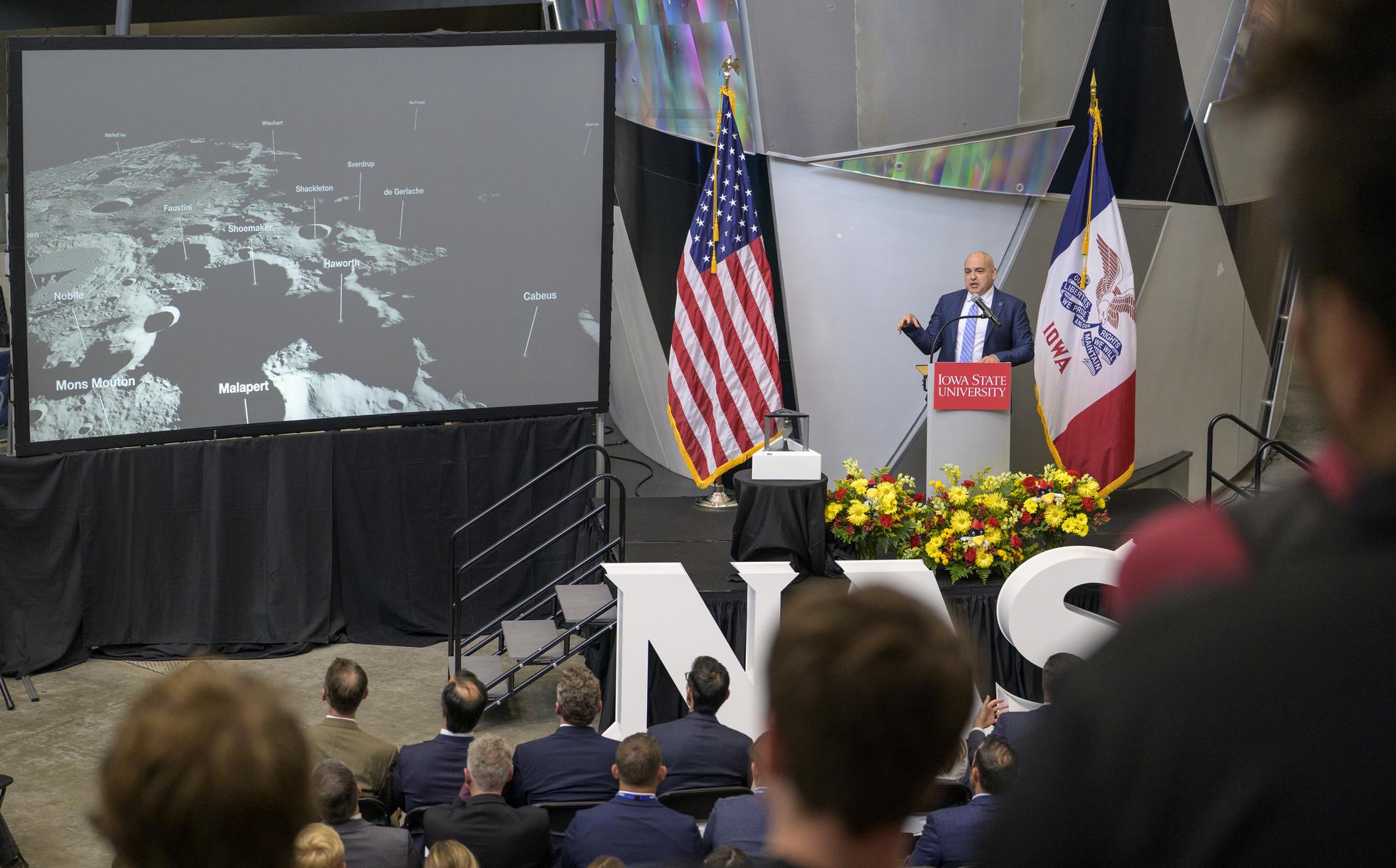
NASA Moon Base Program Executive Carlos Garcia-Galan gives remarks during a townhall with students, Tuesday, Sept. 8, 2026, at Iowa State University in Ames, Iowa. Photo Credit: (NASA/Bill Ingalls)
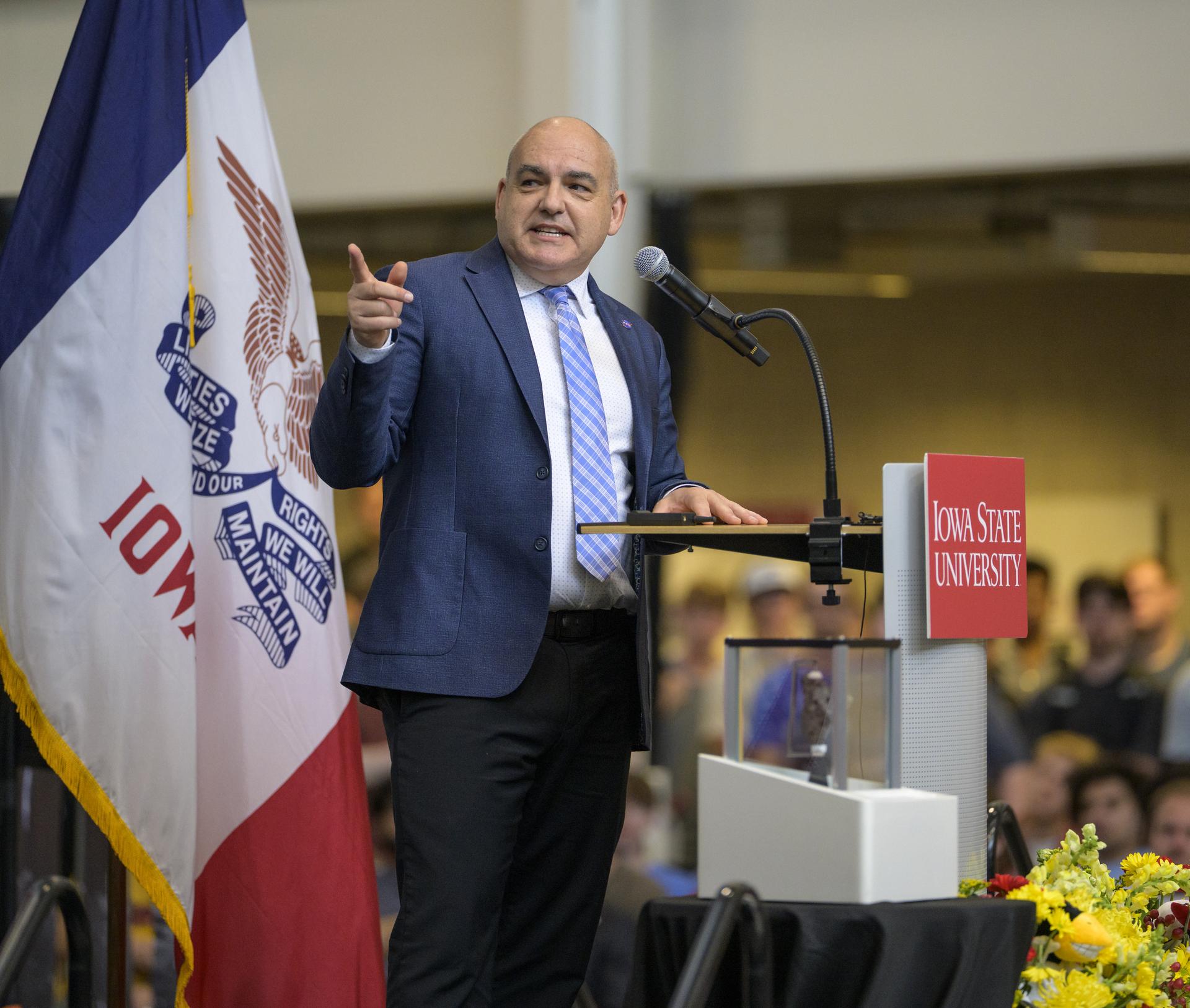
NASA Moon Base Program Executive Carlos Garcia-Galan gives remarks during a townhall with students, Tuesday, Sept. 8, 2026, at Iowa State University in Ames, Iowa. Photo Credit: (NASA/Bill Ingalls)

NASA Moon Base Program Executive Carlos Garcia-Galan gives remarks during a townhall with students, Tuesday, Sept. 8, 2026, at Iowa State University in Ames, Iowa. Photo Credit: (NASA/Bill Ingalls)

NASA Moon Base Program Executive Carlos Garcia-Galan speaks during an event where NASA is outlining how the agency is executing President Donald J. Trump’s National Space Policy and accelerating preparations for America’s return to the surface of the Moon by 2028, Tuesday, March 24, 2026, at the Mary W. Jackson NASA Headquarters building in Washington. During the event NASA leadership provided updates on mission priorities, including sending the first astronauts to the lunar surface in more than 50 years, establishing the initial elements of a permanent lunar base, getting America underway in space on nuclear propulsion, and other objectives. Photo Credit: (NASA/Bill Ingalls)

NASA Moon Base Program Executive Carlos Garcia-Galan speaks during an event where NASA is outlining how the agency is executing President Donald J. Trump’s National Space Policy and accelerating preparations for America’s return to the surface of the Moon by 2028, Tuesday, March 24, 2026, at the Mary W. Jackson NASA Headquarters building in Washington. During the event NASA leadership provided updates on mission priorities, including sending the first astronauts to the lunar surface in more than 50 years, establishing the initial elements of a permanent lunar base, getting America underway in space on nuclear propulsion, and other objectives. Photo Credit: (NASA/Bill Ingalls)

NASA Moon Base Program Executive Carlos Garcia-Galan speaks during an event where NASA is outlining how the agency is executing President Donald J. Trump’s National Space Policy and accelerating preparations for America’s return to the surface of the Moon by 2028, Tuesday, March 24, 2026, at the Mary W. Jackson NASA Headquarters building in Washington. During the event NASA leadership provided updates on mission priorities, including sending the first astronauts to the lunar surface in more than 50 years, establishing the initial elements of a permanent lunar base, getting America underway in space on nuclear propulsion, and other objectives. Photo Credit: (NASA/Bill Ingalls)
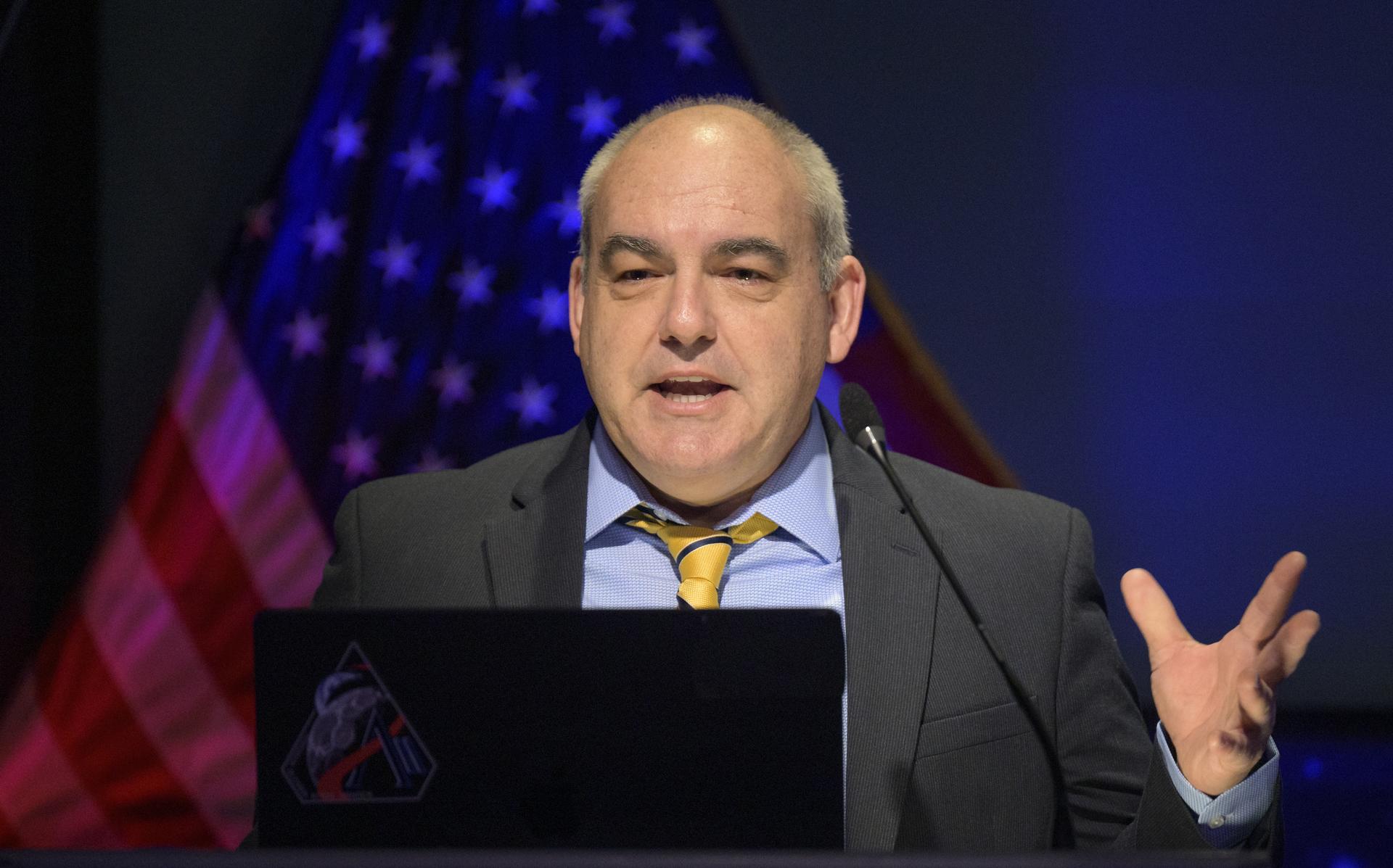
NASA Moon Base Program Executive Carlos Garcia-Galan speaks during an event where NASA is outlining how the agency is executing President Donald J. Trump’s National Space Policy and accelerating preparations for America’s return to the surface of the Moon by 2028, Tuesday, March 24, 2026, at the Mary W. Jackson NASA Headquarters building in Washington. During the event NASA leadership provided updates on mission priorities, including sending the first astronauts to the lunar surface in more than 50 years, establishing the initial elements of a permanent lunar base, getting America underway in space on nuclear propulsion, and other objectives. Photo Credit: (NASA/Bill Ingalls)
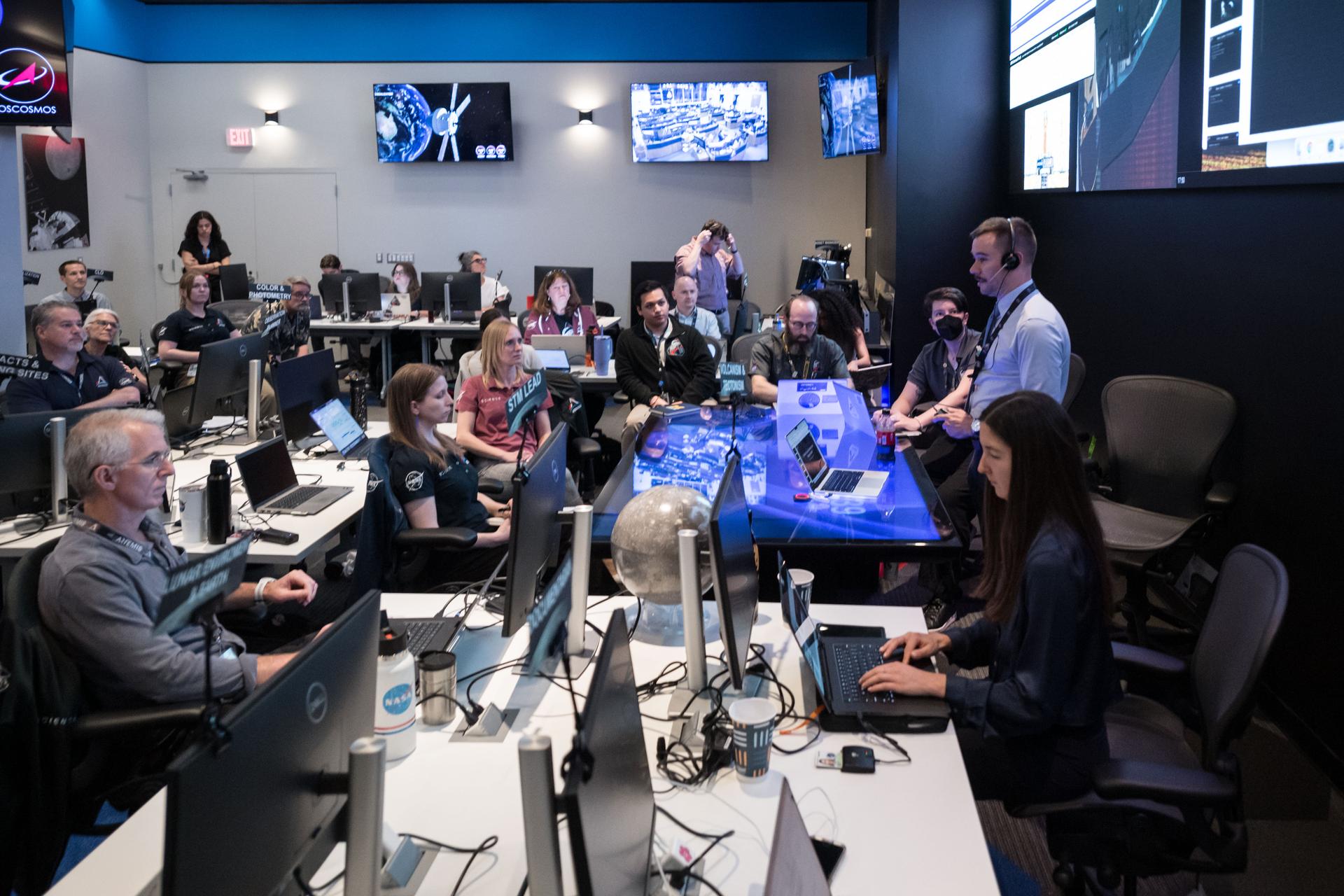
The Artemis II lunar science team gathers for a kickoff meeting before working on the lunar targeting plan for the crew's lunar flyby. The Lunar Targeting Plan is the Artemis II crew's Moon observing assignment, and is fine-tuned to the exact lighting conditions on the Moon’s surface when the Artemis II crew flies by. Like a spacewalk plan, it provides strong, detailed guidance, plus flexibility for the crew to make decisions based on what they’re seeing and experiencing in real time. Targets are prioritized based on both their science value and their visibility at the time of observation. Credits: NASA/Luna Posadas Nava
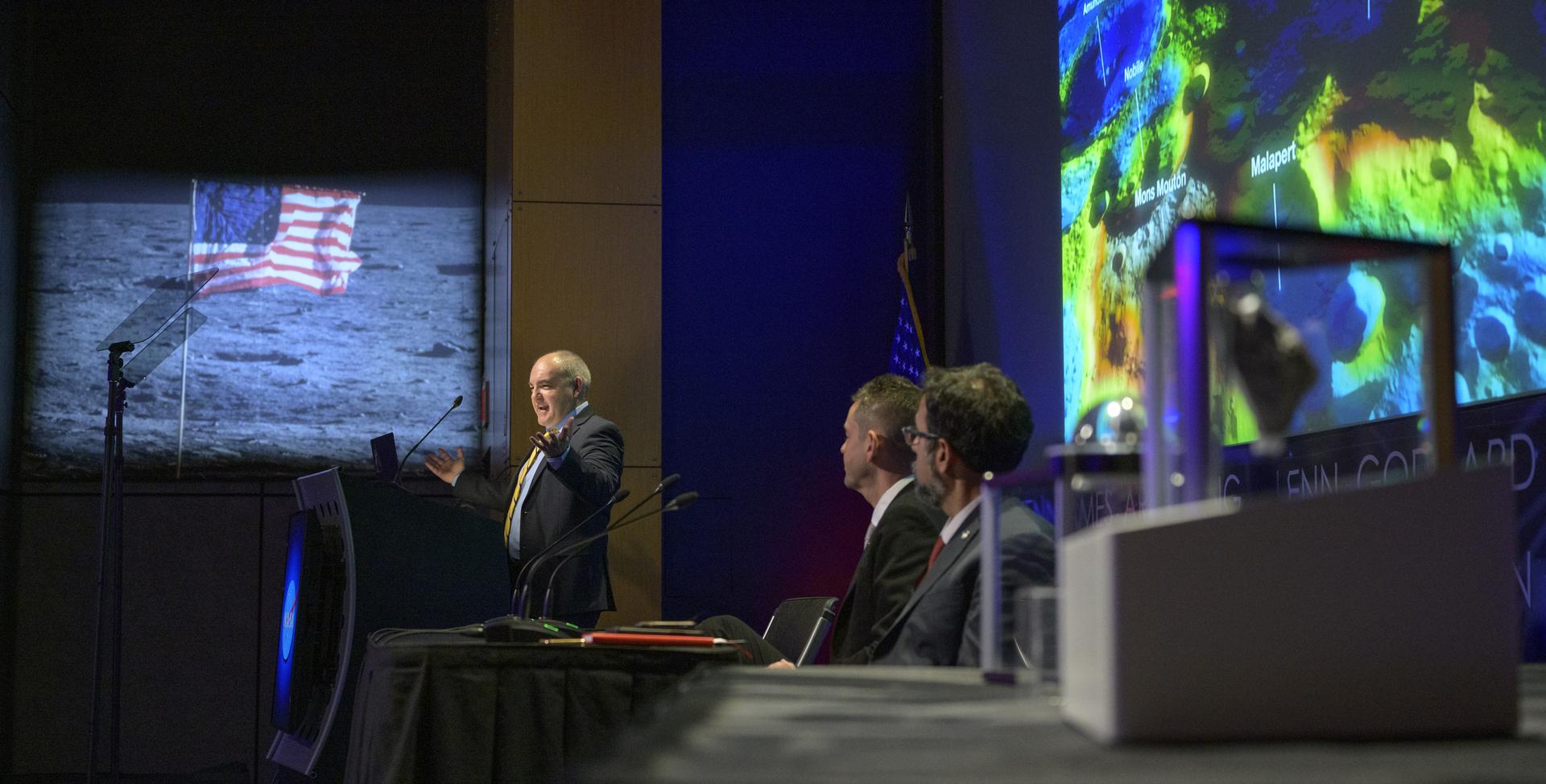
NASA Moon Base Program Executive Carlos Garcia-Galan speaks during an event where NASA is outlining how the agency is executing President Donald J. Trump’s National Space Policy and accelerating preparations for America’s return to the surface of the Moon by 2028, Tuesday, March 24, 2026, at the Mary W. Jackson NASA Headquarters building in Washington. During the event NASA leadership provided updates on mission priorities, including sending the first astronauts to the lunar surface in more than 50 years, establishing the initial elements of a permanent lunar base, getting America underway in space on nuclear propulsion, and other objectives. Photo Credit: (NASA/Bill Ingalls)

A chart is seen on a monitor as NASA Moon Base Program Executive Carlos Garcia-Galan speaks during an event where NASA is outlining how the agency is executing President Donald J. Trump’s National Space Policy and accelerating preparations for America’s return to the surface of the Moon by 2028, Tuesday, March 24, 2026, at the Mary W. Jackson NASA Headquarters building in Washington. During the event NASA leadership provided updates on mission priorities, including sending the first astronauts to the lunar surface in more than 50 years, establishing the initial elements of a permanent lunar base, getting America underway in space on nuclear propulsion, and other objectives. Photo Credit: (NASA/Bill Ingalls)

NASA Moon Base Program Executive Carlos Garcia-Galan speaks during a press conference following an event where NASA outlined how the agency is executing President Donald J. Trump’s National Space Policy and accelerating preparations for America’s return to the surface of the Moon by 2028, Tuesday, March 24, 2026, at the Mary W. Jackson NASA Headquarters building in Washington. During the event NASA leadership provided updates on mission priorities, including sending the first astronauts to the lunar surface in more than 50 years, establishing the initial elements of a permanent lunar base, getting America underway in space on nuclear propulsion, and other objectives. Photo Credit: (NASA/Bill Ingalls)

NASA Moon Base Program Executive Carlos Garcia-Galan speaks during an event where NASA is outlining how the agency is executing President Donald J. Trump’s National Space Policy and accelerating preparations for America’s return to the surface of the Moon by 2028, Tuesday, March 24, 2026, at the Mary W. Jackson NASA Headquarters building in Washington. During the event NASA leadership provided updates on mission priorities, including sending the first astronauts to the lunar surface in more than 50 years, establishing the initial elements of a permanent lunar base, getting America underway in space on nuclear propulsion, and other objectives. Photo Credit: (NASA/Bill Ingalls)
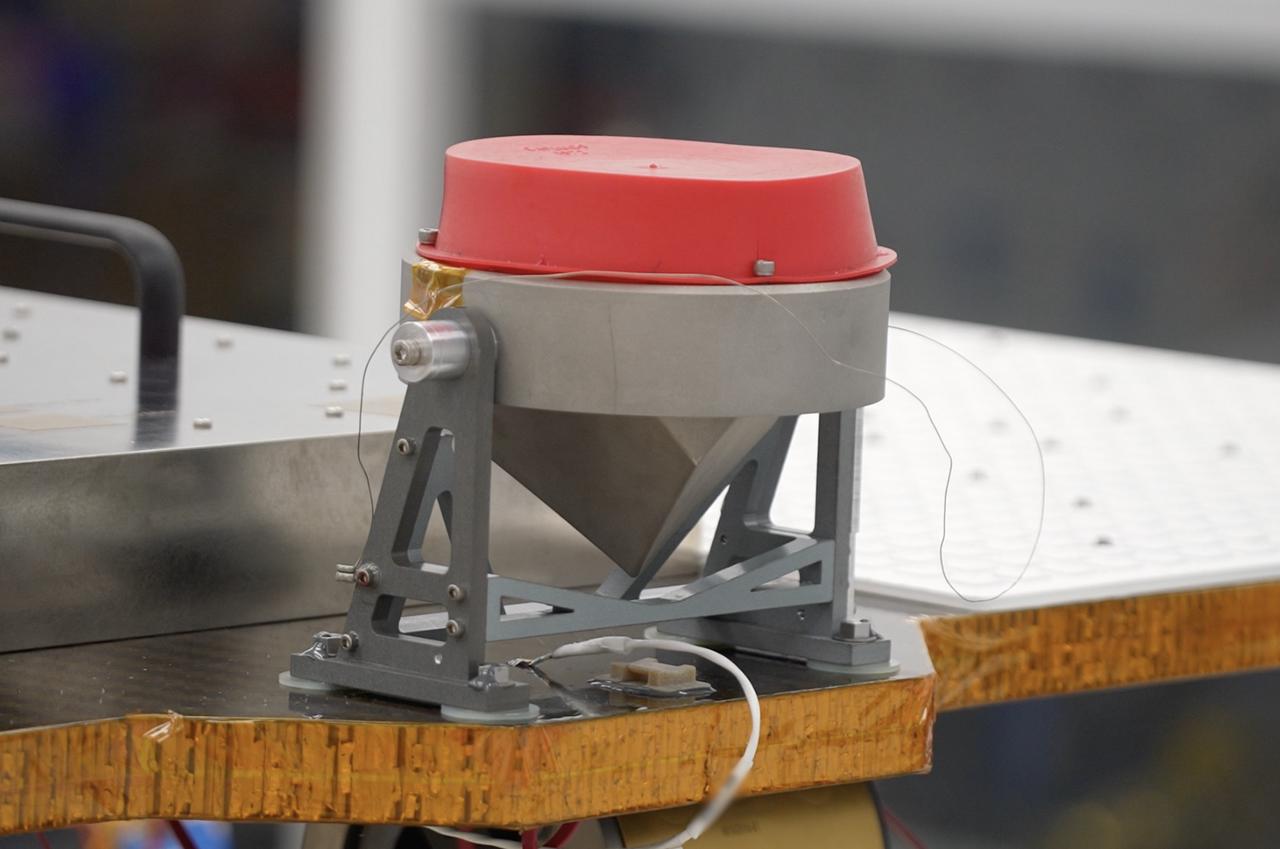
A science instrument flying aboard the next delivery for NASA’s CLPS (Commercial Lunar Payload Services) initiative is expected to significantly expand our knowledge of the Moon. Next Generation Lunar Retroreflector, or NGLR-1, is one of 10 payloads set to be carried to the Moon by the Blue Ghost 1 lunar lander in 2025. Developed by the University of Maryland in College Park, NGLR-1 is designed to reflect very short laser pulses from Earth-based lunar laser ranging observatories using a retroreflector, or a mirror designed to reflect the incoming light back in the same incoming direction. Investigations and demonstrations, such as NGLR-1, launched on CLPS flights will help NASA study Earth’s nearest neighbor under Artemis and pave the way for future crewed missions on the Moon. NASA’s Marshall Space Flight Center in Huntsville, Alabama, manages the development for seven of the 10 CLPS payloads that will be carried on Firefly’s Blue Ghost lunar lander.

Scientists think six icy moons in our solar system may currently host oceans of liquid water beneath their outer surfaces. Arranged around Earth are images from NASA spacecraft of, clockwise from the top, Saturn's moon Enceladus, Jupiter's moons Callisto and Ganymede, Neptune's moon Triton, Saturn's moon Titan, and Jupiter's moon Europa, the target of NASA's Europa Clipper mission. The worlds here are shown to scale. The images of the Saturnian moons were taken by NASA's Cassini mission. The images of the Jovian moons were taken by NASA's Galileo mission. The image of Triton was taken by NASA's Voyager 2 mission. The image of Earth was stitched together using months of satellite-based observations, mostly using data from the Moderate Resolution Imaging Spectroradiometer (MODIS) on NASA's Terra satellite. https://photojournal.jpl.nasa.gov/catalog/PIA26103

The Galaxy Evolution Explorer specializes in surveying galaxies in ultraviolet light. Its telescope, 50 centimeters (19.7 inches) in diameter, has a field of view that is much wider than most ground-based and space-based telescopes. This field of view, nearly three times the diameter of the Moon, allowed the Galaxy Evolution Explorer to discover seemingly newborn galaxies in our local universe. The telescope surveyed thousands of galaxies before finding three-dozen of these newborns. http://photojournal.jpl.nasa.gov/catalog/PIA05979
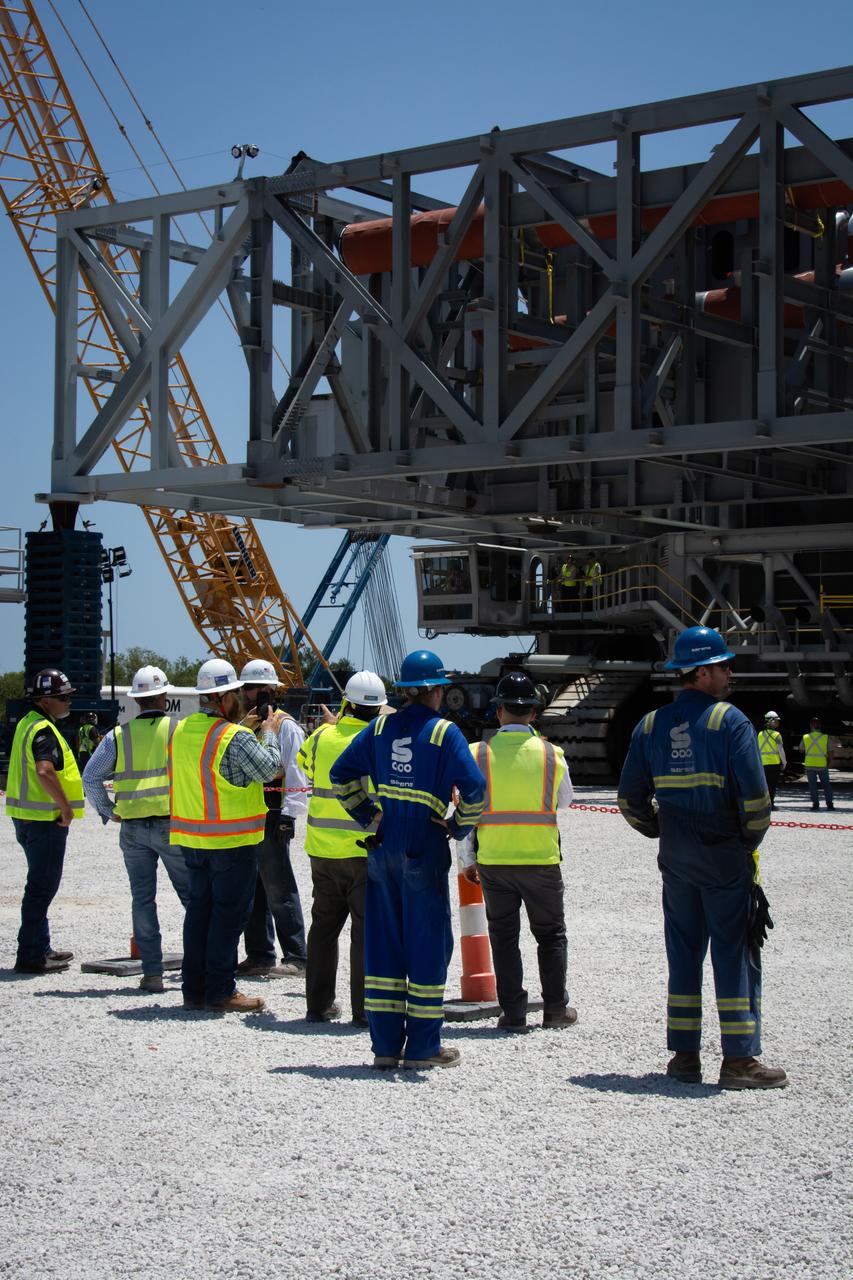
On Thursday, May 9, 2024, teams with NASA’s Exploration Ground Systems Program and primary contractor, Bechtel National, Inc., continue moving the base structure of mobile launcher 2 to a permanent mount structure where assembly will be completed at Kennedy Space Center in Florida. The 355-foot-tall mobile launcher 2 with a two-story base and a tower will be used to assemble and process the SLS (Space Launch System) rocket and Orion spacecraft in the Vehicle Assembly Building on NASA’s upcoming Artemis missions to the Moon beginning with Artemis IV.
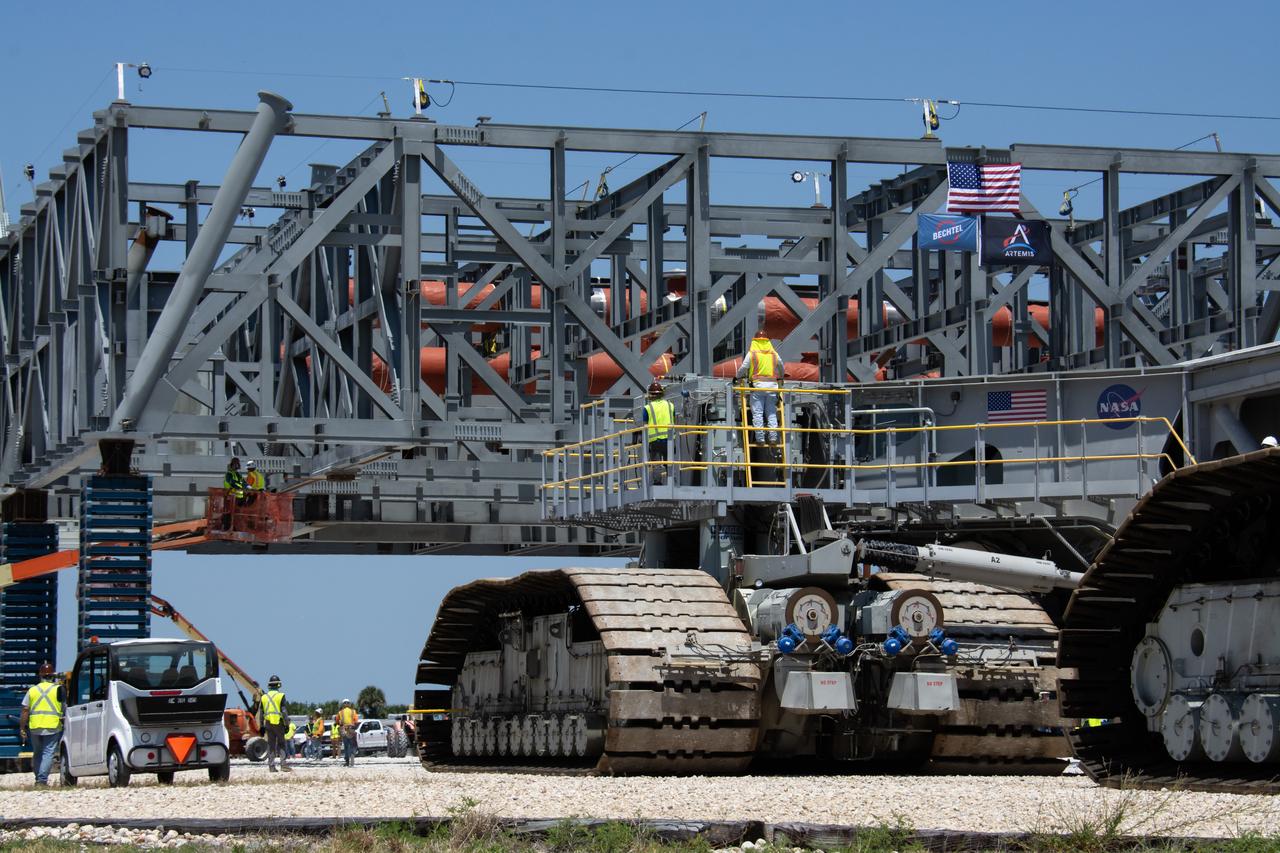
On Thursday, May 9, 2024, teams with NASA’s Exploration Ground Systems Program and primary contractor, Bechtel National, Inc., continue moving the base structure of mobile launcher 2 to a permanent mount structure where assembly will be completed at Kennedy Space Center in Florida. The 355-foot-tall mobile launcher 2 with a two-story base and a tower will be used to assemble and process the SLS (Space Launch System) rocket and Orion spacecraft in the Vehicle Assembly Building on NASA’s upcoming Artemis missions to the Moon beginning with Artemis IV.
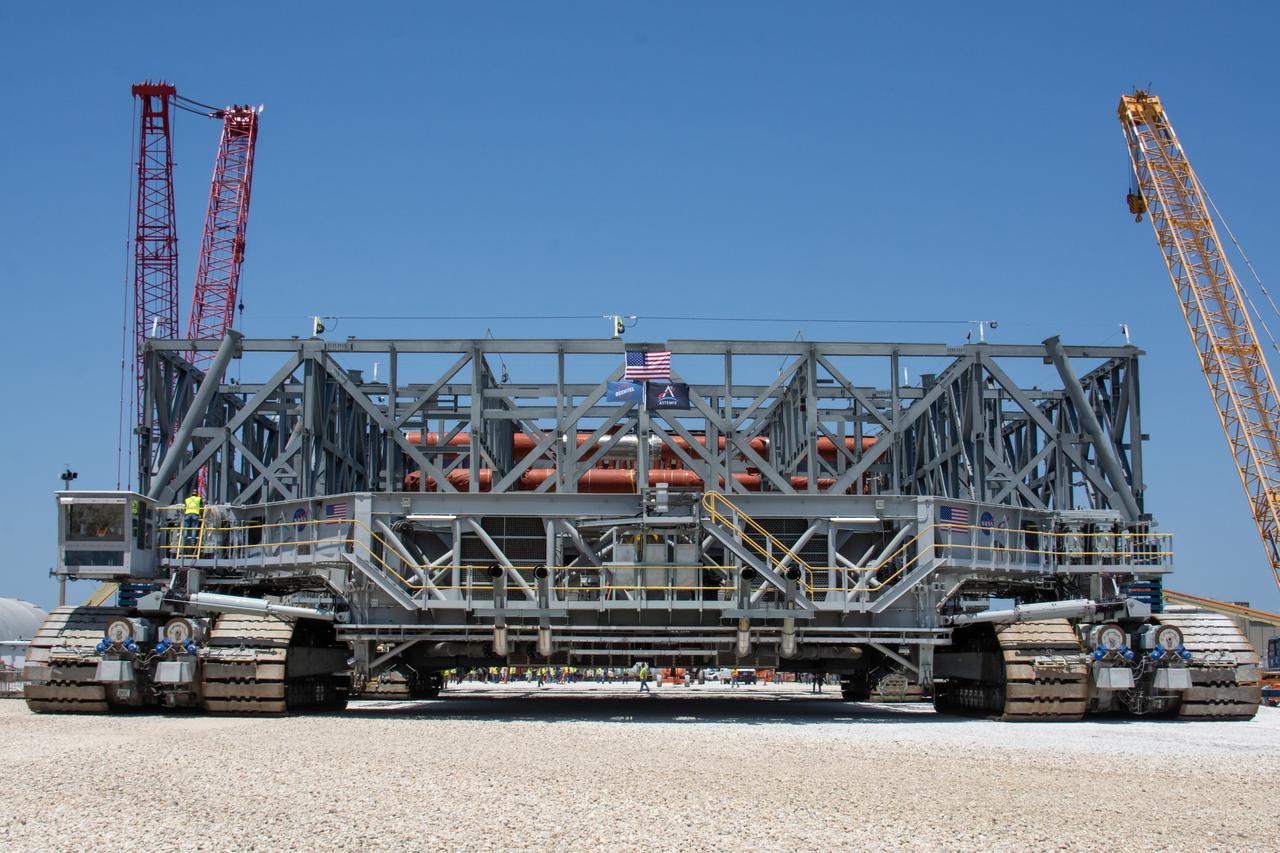
On Thursday, May 9, 2024, teams with NASA’s Exploration Ground Systems Program and primary contractor, Bechtel National, Inc., continue moving the base structure of mobile launcher 2 to a permanent mount structure where assembly will be completed at Kennedy Space Center in Florida. The 355-foot-tall mobile launcher 2 with a two-story base and a tower will be used to assemble and process the SLS (Space Launch System) rocket and Orion spacecraft in the Vehicle Assembly Building on NASA’s upcoming Artemis missions to the Moon beginning with Artemis IV.
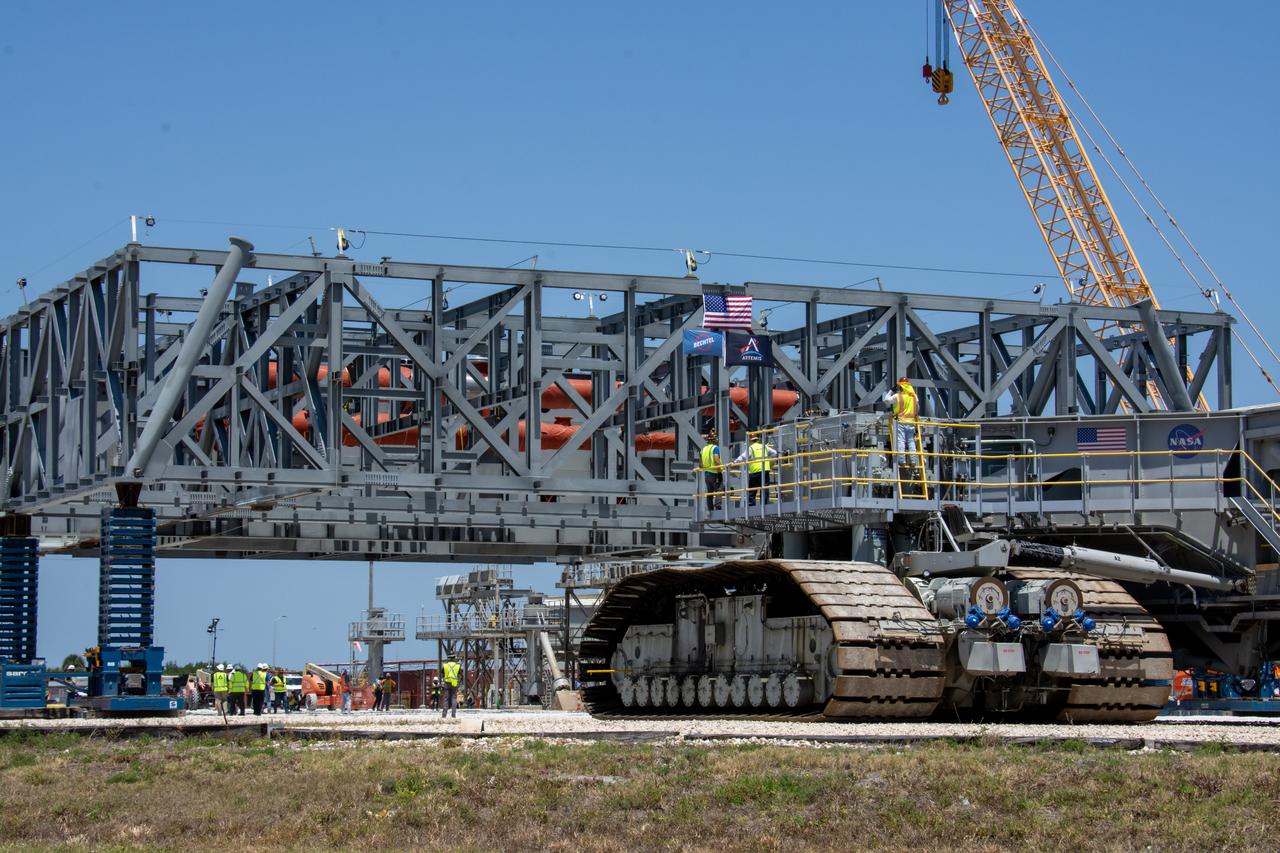
On Thursday, May 9, 2024, teams with NASA’s Exploration Ground Systems Program and primary contractor, Bechtel National, Inc., continue moving the base structure of mobile launcher 2 to a permanent mount structure where assembly will be completed at Kennedy Space Center in Florida. The 355-foot-tall mobile launcher 2 with a two-story base and a tower will be used to assemble and process the SLS (Space Launch System) rocket and Orion spacecraft in the Vehicle Assembly Building on NASA’s upcoming Artemis missions to the Moon beginning with Artemis IV.
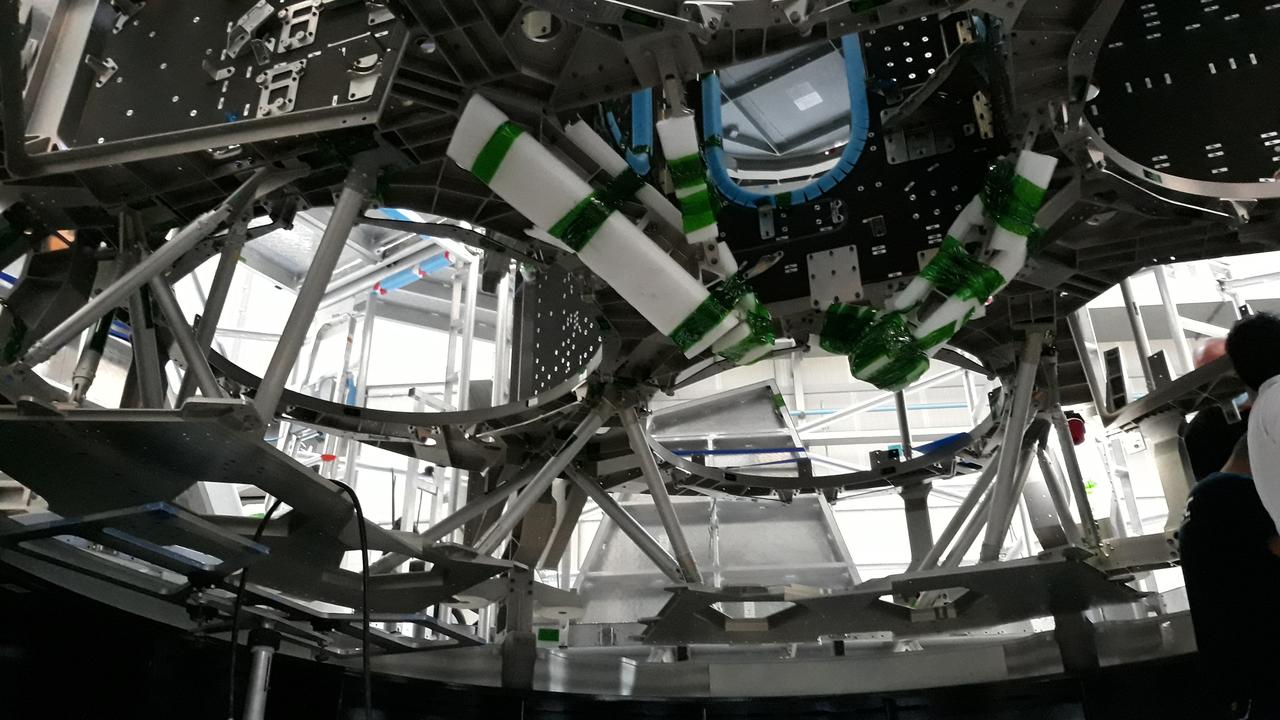
This structure, shown on Aug. 27, 2020, is the frame and base for the European Service Module, part of NASA’s Orion spacecraft that will return humans to the Moon...Built in Turin, Italy, at Thales Alenia Space, this is the third such structure to roll out of production. However, this one is extra special, as it will fly the first woman and next man to land on the Moon and return on the Artemis III mission.

This structure. shown on Sept. 3, 2020, is the frame and base for the European Service Module, part of NASA’s Orion spacecraft that will return humans to the Moon...Built in Turin, Italy, at Thales Alenia Space, this is the third such structure to roll out of production. However, this one is extra special, as it will fly the first woman and next man to land on the Moon and return on the Artemis III mission.
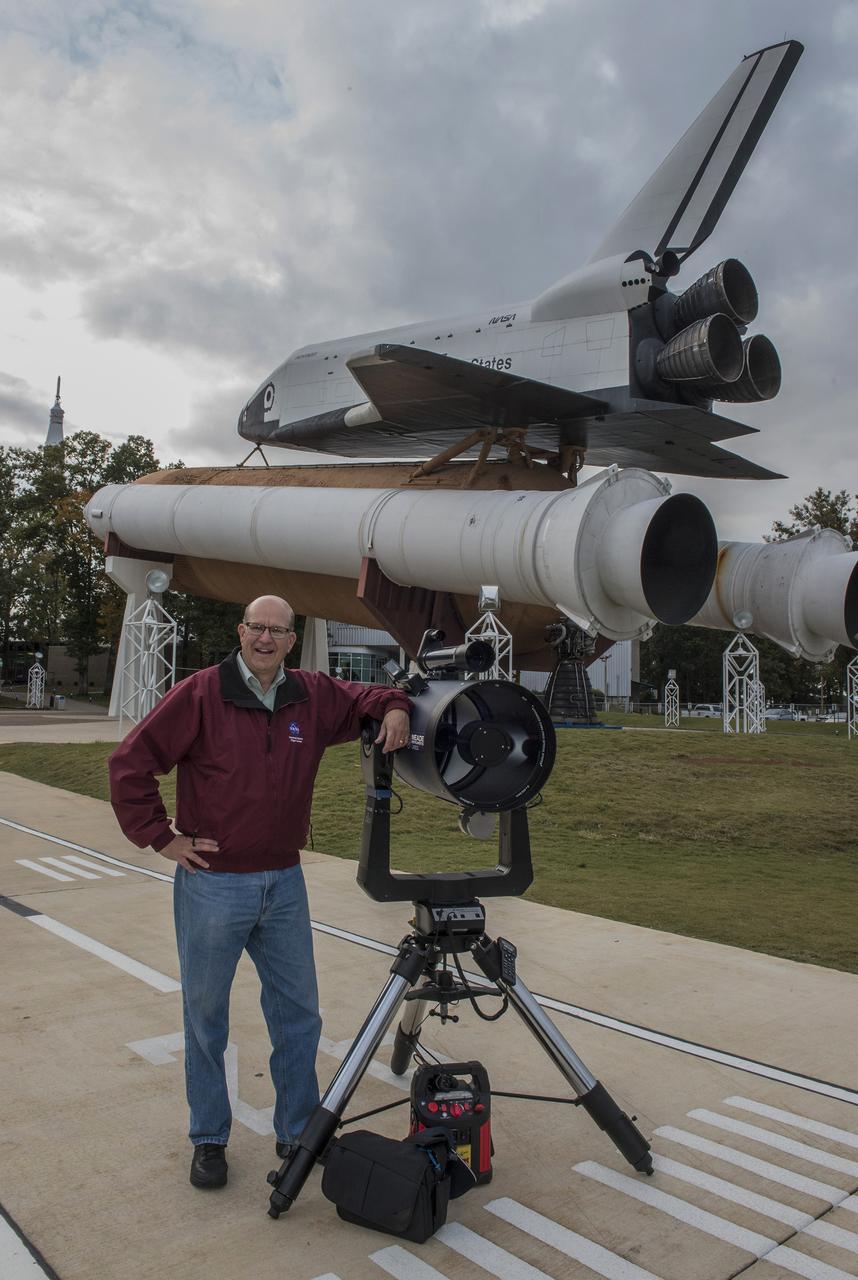
Volunteer Billy Hix with his telescope at International Observe the Moon Night. The event, hosted by the Planetary Missions Program at NASA's Marshall Space Flight Center, encourages observation and appreciation of the Moon and its connection to NASA planetary science and exploration, as well as our cultural and personal connections to it. Children attending the event had the opportunity to participate in planetary, science-based, hands-on activities
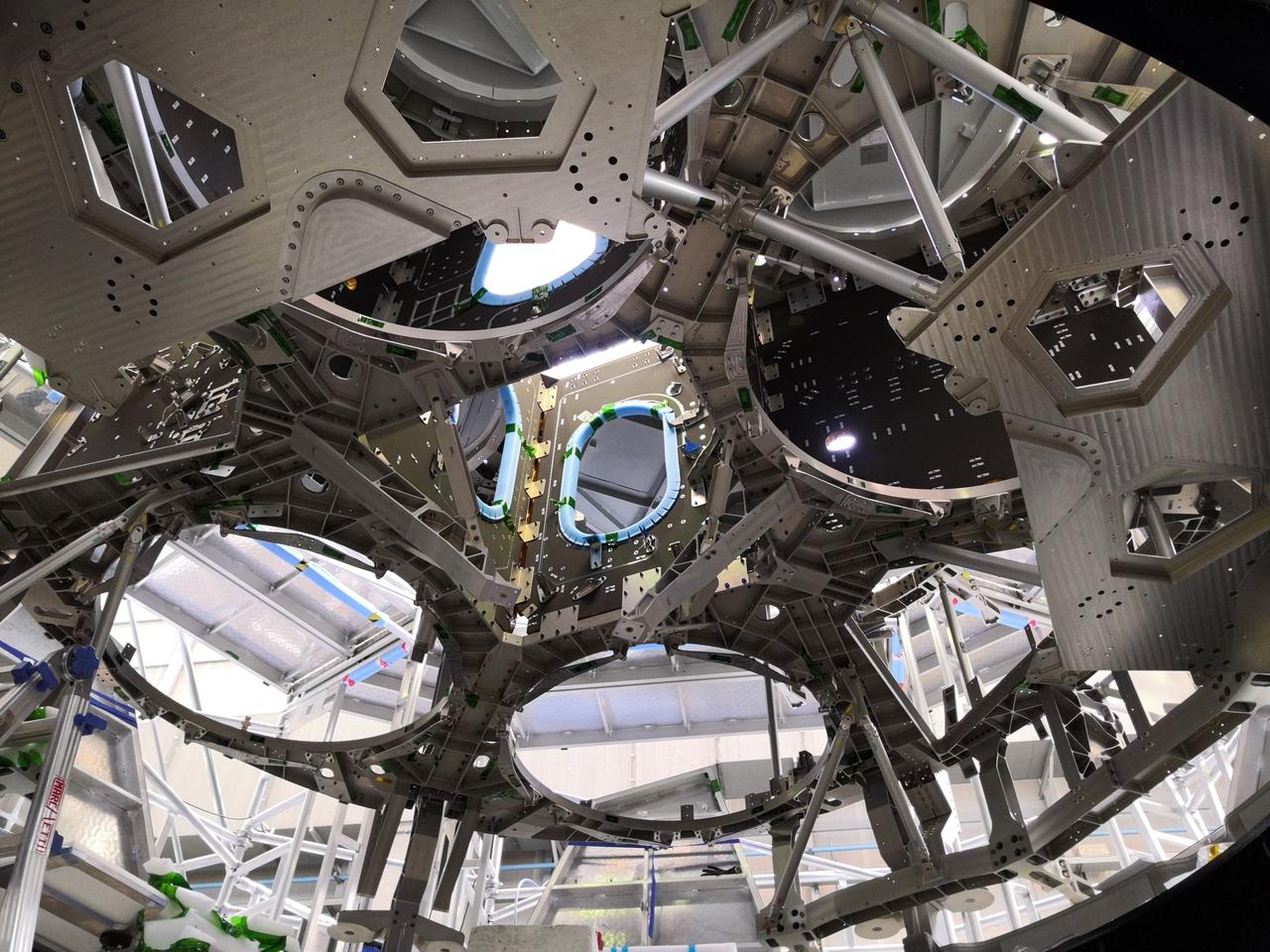
This structure. shown on Sept. 3, 2020, is the frame and base for the European Service Module, part of NASA’s Orion spacecraft that will return humans to the Moon...Built in Turin, Italy, at Thales Alenia Space, this is the third such structure to roll out of production. However, this one is extra special, as it will fly the first woman and next man to land on the Moon and return on the Artemis III mission.

A volunteer assists an eager participant at International Observe the Moon Night Oct. 28 at the U.S. Space & Rocket Center. The event, hosted by the Planetary Missions Program at NASA's Marshall Space Flight Center, encourages observation and appreciation of the Moon and its connection to NASA planetary science and exploration, as well as our cultural and personal connections to it. Children attending the event had the opportunity to participate in planetary, science-based, hands-on activities
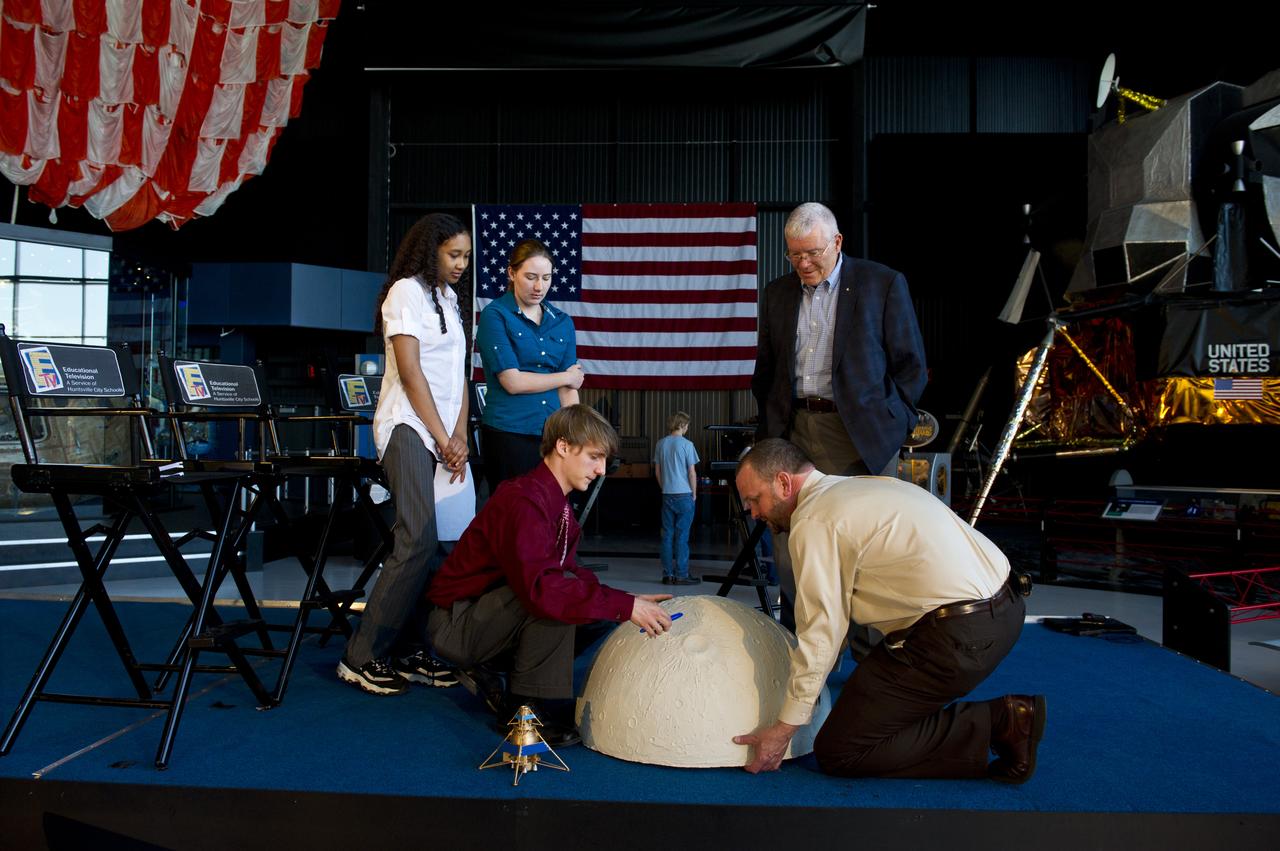
STUDENTS FROM THE CENTER FOR TECHNOLOGY SHOW APOLLO 13 ASTRONAUT FRED HAISE A DISPLAY MODEL FOR A MOON BASED PROJECT THEY ARE DESIGNING FOR COMPETITION WITH OTHER SCHOOLS IN ALABAMA. (L to R) QUIANA HUNT, SARAH FOLSE, MICHAEL HARTMAN, MIKE EVANS (TEACHER), AND FRED HAISE

Sharad Bhaskaran, mission director for Pittsburgh-based Astrobotic, delivers the monthly Tech Talk on Sept. 12 in Building 4221 at NASA’s Marshall Space Flight Center. Bhaskaran presented Astrobotic’s Peregrine lunar lander which will deliver payloads to the surface of the Moon for government and commercial customers, including NASA.
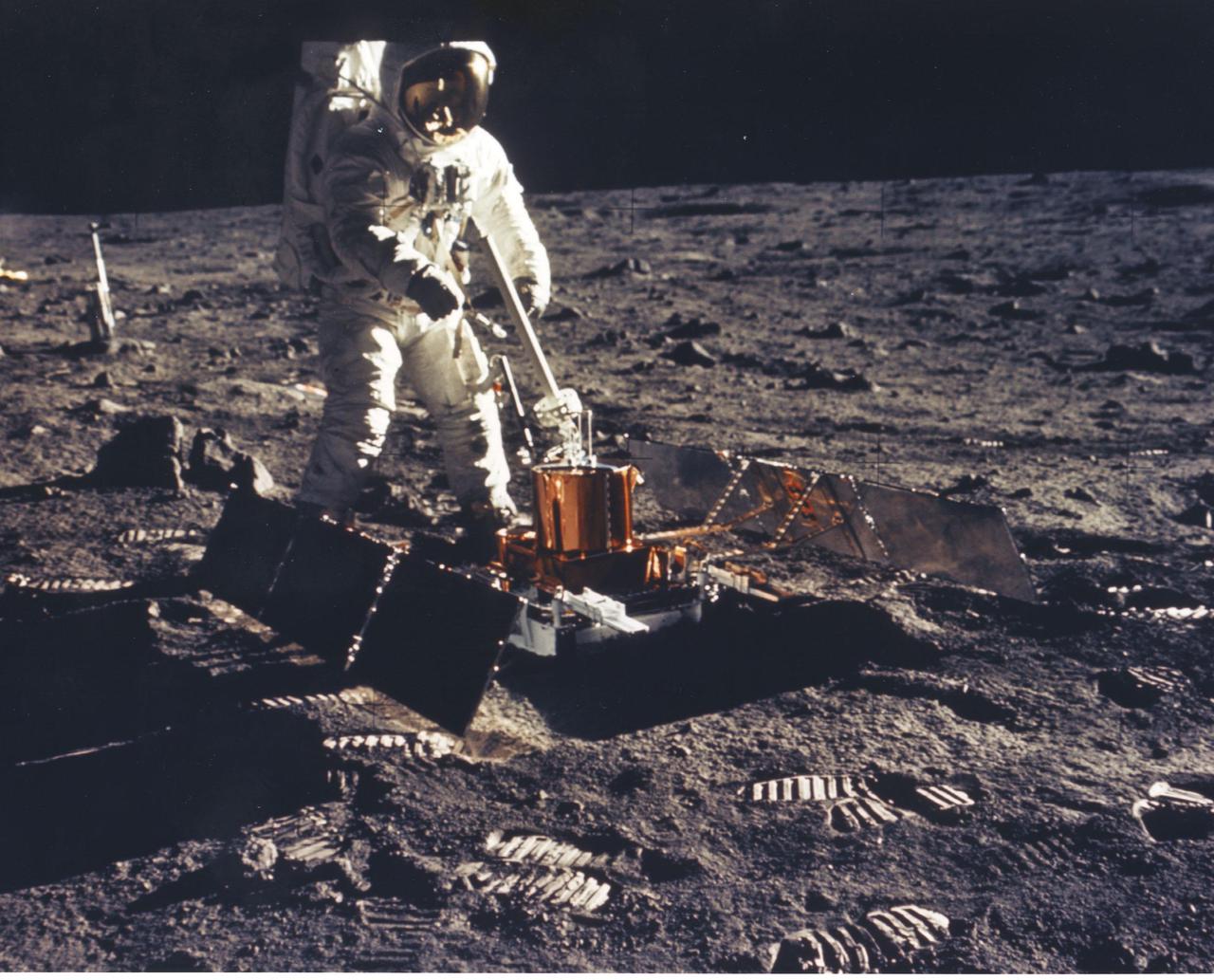
JOHNSON SPACE CENTER, HOUSTON, TEXAS - Apollo 11 Lunar Module Pilot Edwin E. Aldrin Jr. deployes the Passive Seismic Experiment Package (PSE) on the Moon's surface near Tranquility Base. The sensitive instrument remained behind on the lunar surface to radio back information concerning moonquakes, landslides and meteorite impacts.
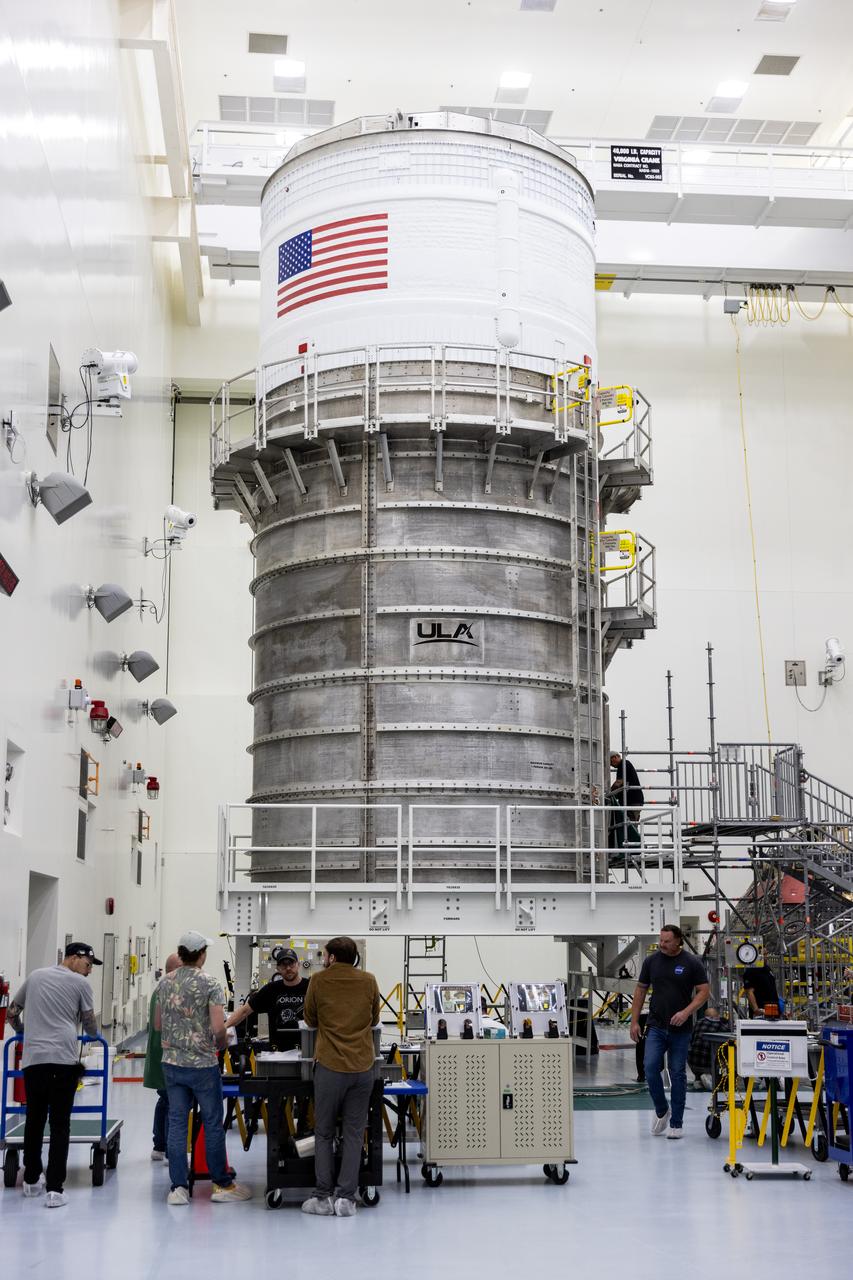
The upper stage for NASA’s SLS (Space Launch System) Moon rocket that will power the agency’s Artemis II mission and send astronauts around the Moon is shown inside the Multi-Payload Processing Facility at NASA’s Kennedy Space Center in Florida on Monday, March 10, 2025, after being transported from United Launch Alliance’s Delta Operations Center at nearby Cape Canaveral Space Force Station. The interim cryogenic propulsion stage is a liquid oxygen and liquid hydrogen-based system that will fire its RL10 engine to give the Orion spacecraft the big in-space push needed to fly around the Moon and back.
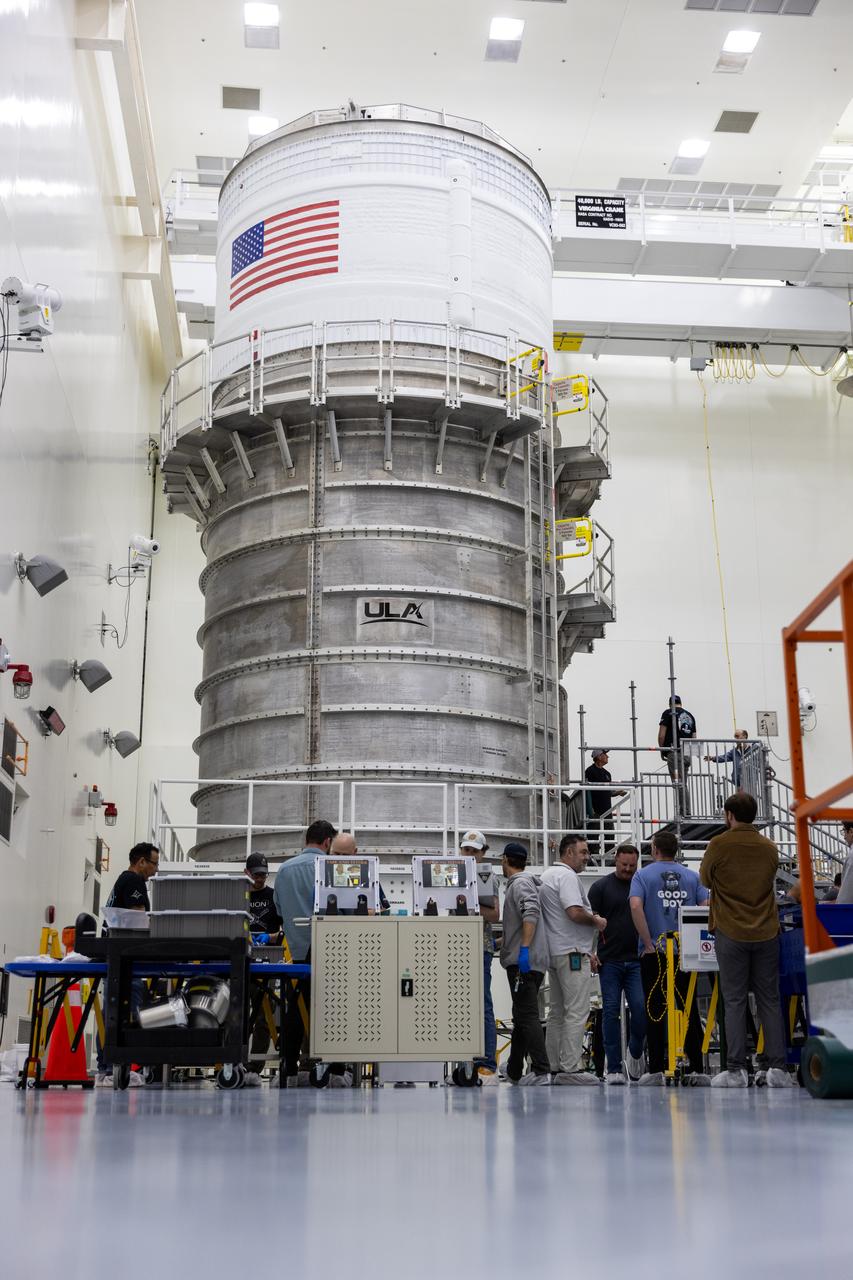
The upper stage for NASA’s SLS (Space Launch System) Moon rocket that will power the agency’s Artemis II mission and send astronauts around the Moon is shown inside the Multi-Payload Processing Facility at NASA’s Kennedy Space Center in Florida on Monday, March 10, 2025, after being transported from United Launch Alliance’s Delta Operations Center at nearby Cape Canaveral Space Force Station. The interim cryogenic propulsion stage is a liquid oxygen and liquid hydrogen-based system that will fire its RL10 engine to give the Orion spacecraft the big in-space push needed to fly around the Moon and back.
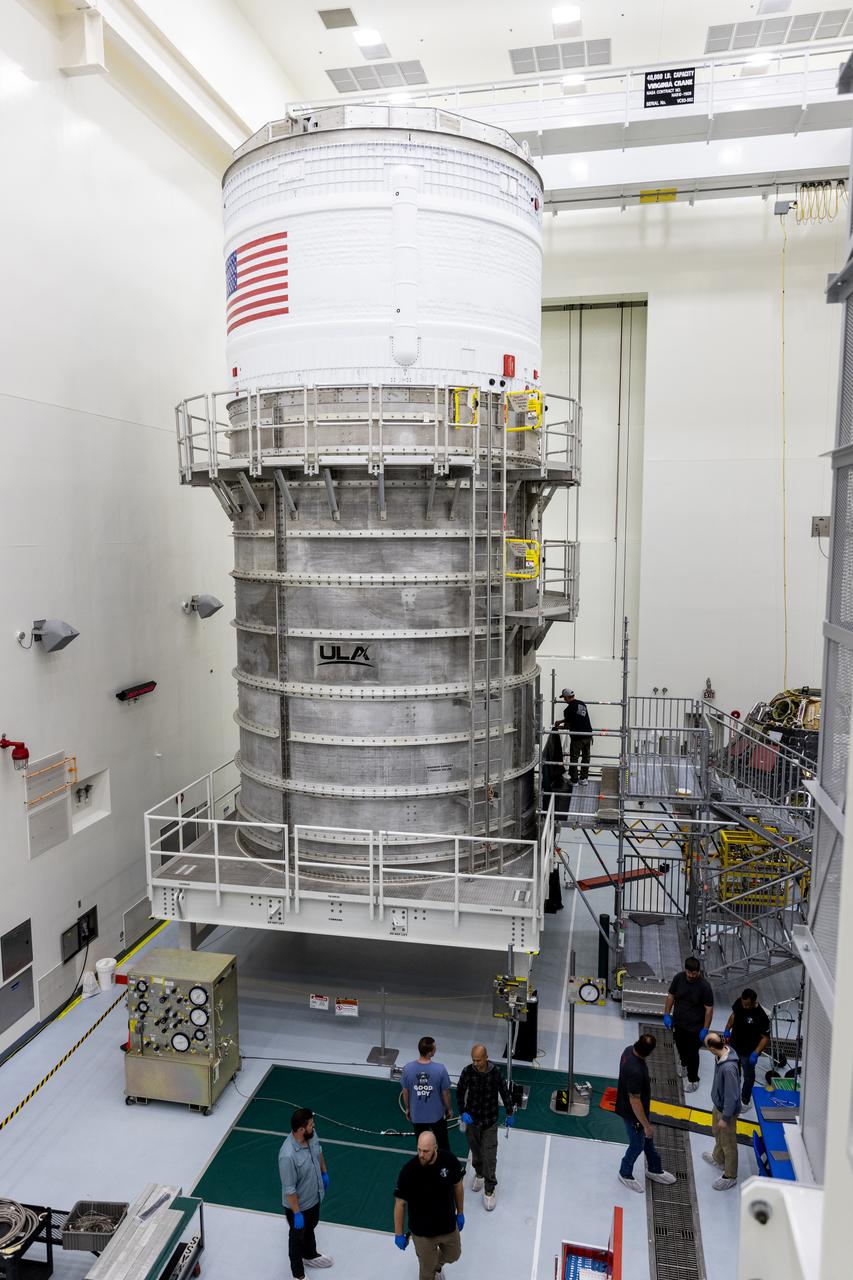
The upper stage for NASA’s SLS (Space Launch System) Moon rocket that will power the agency’s Artemis II mission and send astronauts around the Moon is shown inside the Multi-Payload Processing Facility at NASA’s Kennedy Space Center in Florida on Monday, March 10, 2025, after being transported from United Launch Alliance’s Delta Operations Center at nearby Cape Canaveral Space Force Station. The interim cryogenic propulsion stage is a liquid oxygen and liquid hydrogen-based system that will fire its RL10 engine to give the Orion spacecraft the big in-space push needed to fly around the Moon and back.
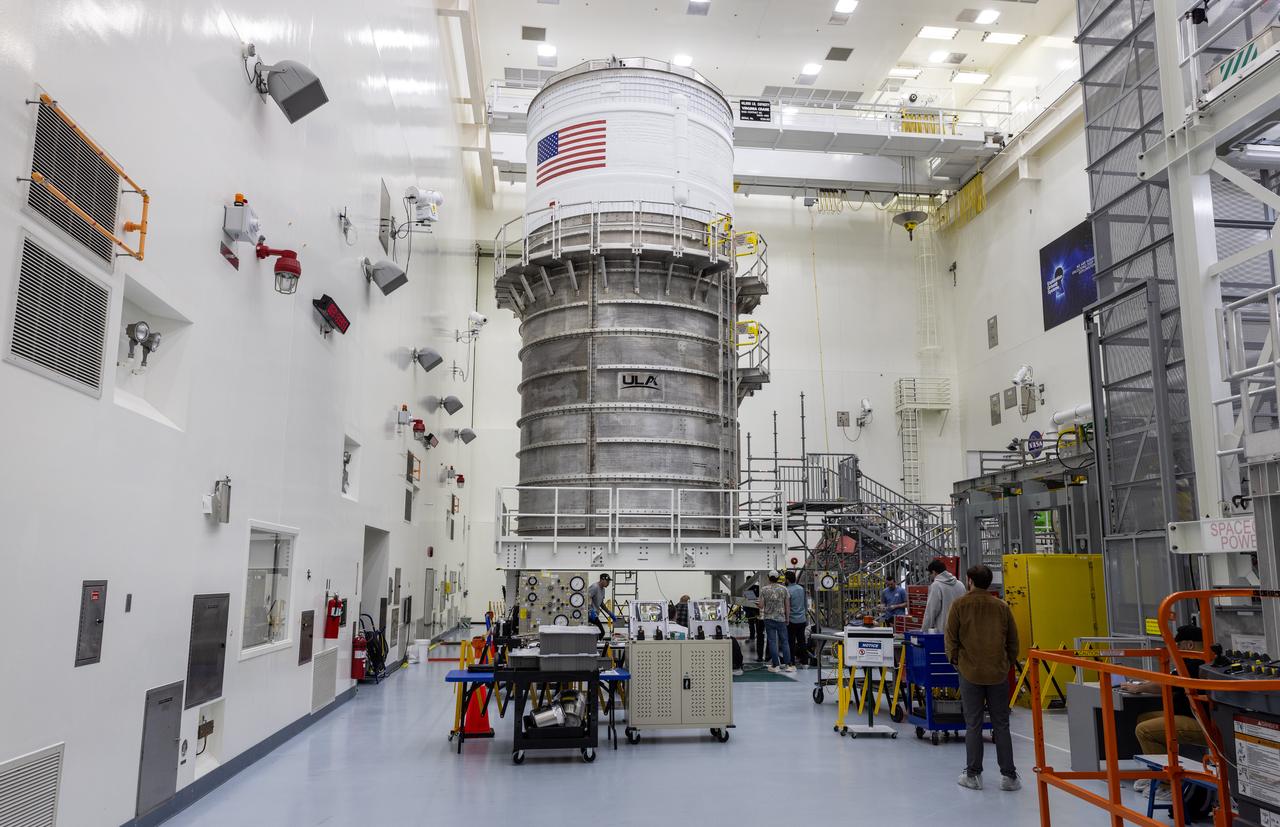
The upper stage for NASA’s SLS (Space Launch System) Moon rocket that will power the agency’s Artemis II mission and send astronauts around the Moon is shown inside the Multi-Payload Processing Facility at NASA’s Kennedy Space Center in Florida on Monday, March 10, 2025, after being transported from United Launch Alliance’s Delta Operations Center at nearby Cape Canaveral Space Force Station. The interim cryogenic propulsion stage is a liquid oxygen and liquid hydrogen-based system that will fire its RL10 engine to give the Orion spacecraft the big in-space push needed to fly around the Moon and back.
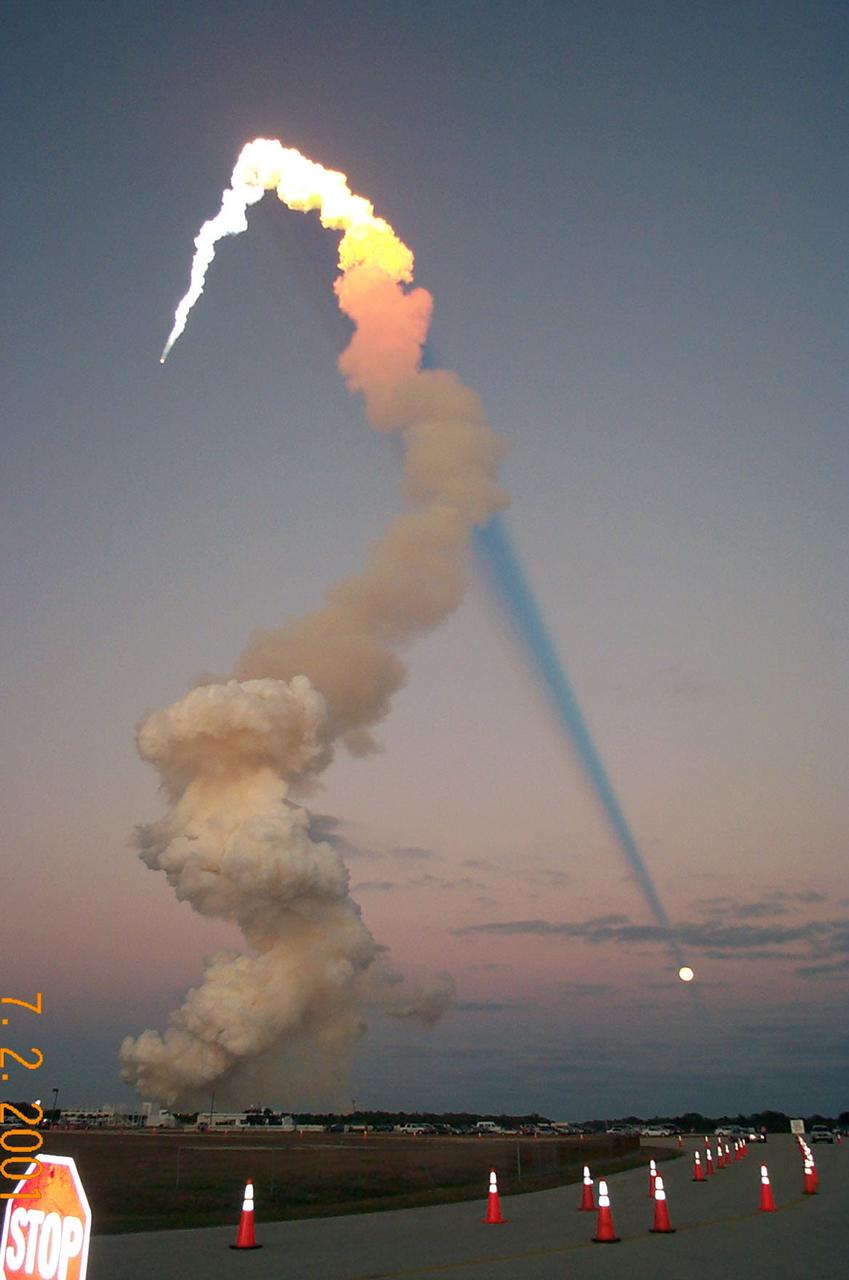
This awesome image depicts the full moon, sunset launch of the Space Shuttle Orbiter Atlantis STS-98 mission on February 7, 2001 at 6:13 p.m. eastern time. The large white plume is the pillar of smoke and stream left behind by the solid rocket boosters. The very bright dot that exists above the plume is the flame still visible at the base of the rocket boosters. The top of the plume is being directly illuminated by sunlight whereas the bottom portion lies within the Earth's shadow. The bright orb in the lower right-hand corner of the image is the full sunlit face of the moon which has already risen above the eastern horizon. The dark cone-shaped feature extending downward towards the moon is the smoke plume shadow, known as the Bugeron Effect (common during sunrise and sunset launches). The Earth, Moon, and Sun were naturally in alignment causing the shadow to appear to end at the moon. (Photo courtesy Patrick McCracken, NASA Headquarters)

These photos and videos show how technicians at NASA’s Michoud Assembly Facility in New Orleans installed the second of four RS-25 engines onto the core stage for the agency’s SLS (Space Launch System) rocket that will help power NASA’s first crewed Artemis mission to the Moon. Crews added the second engine, with the serial number E2047 in position one, to the stage Sept. 15. The serial number for the engine installed Sept. 11 in position two on the core stage is E2059. Engineers consider the engines to be “soft” mated to the rocket stage. Following soft mate of all four engines, technicians with NASA, Aerojet Rocketdyne, an L3Harris Technologies company and the RS-25 engines lead contractor, along with Boeing, the core stage lead contractor, will fully secure the engines to the stage and integrate the propulsion and electrical systems within the structure. All four RS-25 engines are located at the base of the core stage within the engine section. NASA is working to land the first woman and first person of color on the Moon under Artemis. SLS is part of NASA’s backbone for deep space exploration, along with Orion and the Gateway in orbit around the Moon. SLS is the only rocket that can send Orion, astronauts, and supplies to the Moon in a single mission.
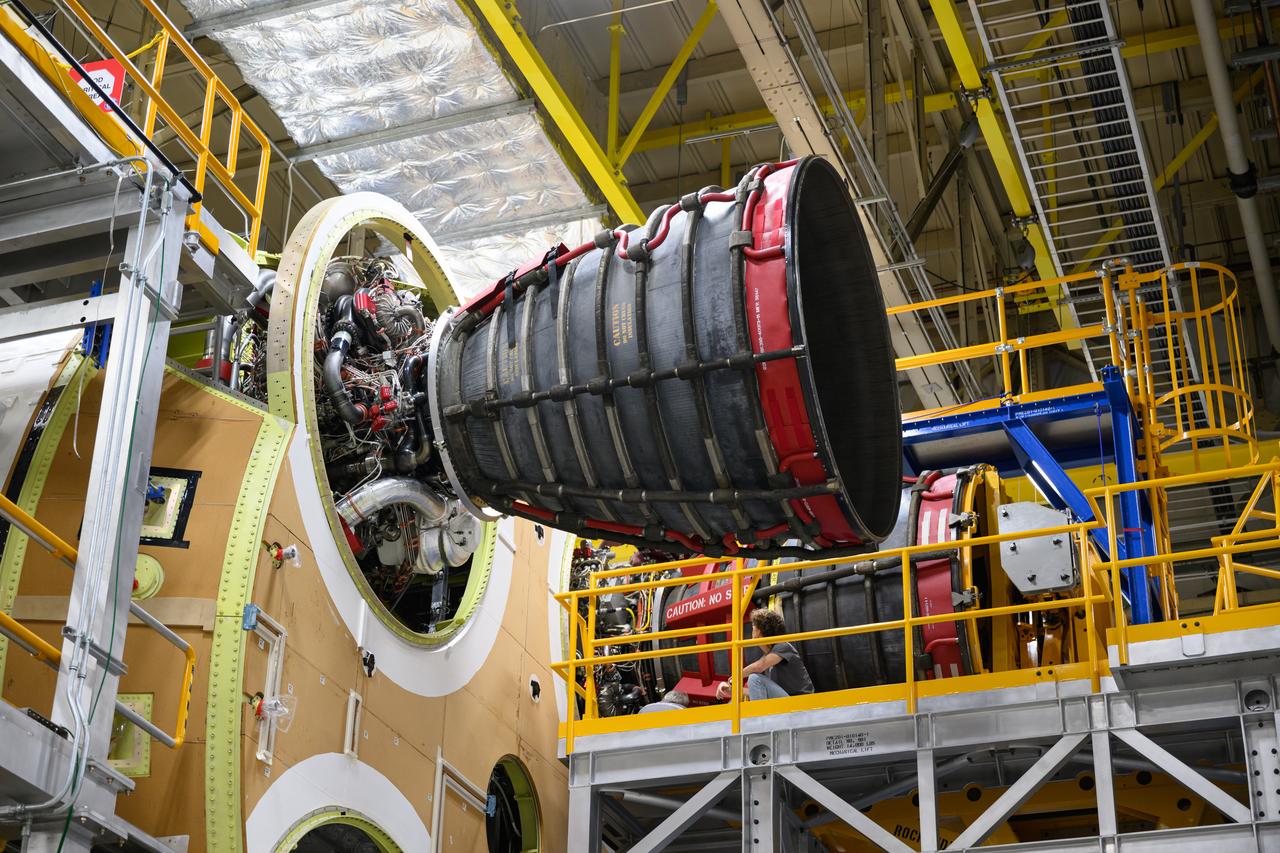
These photos and videos show how technicians at NASA’s Michoud Assembly Facility in New Orleans installed the second of four RS-25 engines onto the core stage for the agency’s SLS (Space Launch System) rocket that will help power NASA’s first crewed Artemis mission to the Moon. Crews added the second engine, with the serial number E2047 in position one, to the stage Sept. 15. The serial number for the engine installed Sept. 11 in position two on the core stage is E2059. Engineers consider the engines to be “soft” mated to the rocket stage. Following soft mate of all four engines, technicians with NASA, Aerojet Rocketdyne, an L3Harris Technologies company and the RS-25 engines lead contractor, along with Boeing, the core stage lead contractor, will fully secure the engines to the stage and integrate the propulsion and electrical systems within the structure. All four RS-25 engines are located at the base of the core stage within the engine section. NASA is working to land the first woman and first person of color on the Moon under Artemis. SLS is part of NASA’s backbone for deep space exploration, along with Orion and the Gateway in orbit around the Moon. SLS is the only rocket that can send Orion, astronauts, and supplies to the Moon in a single mission.
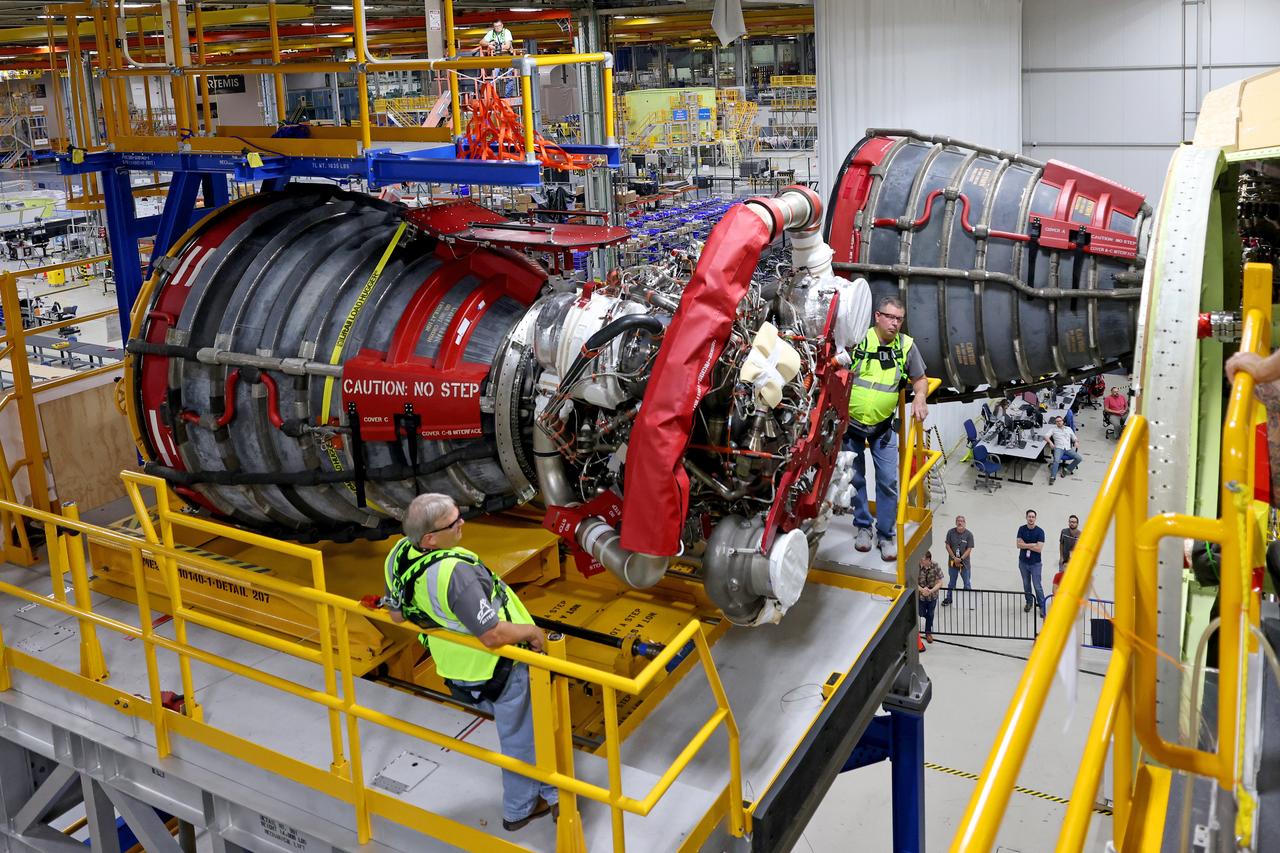
These photos and videos show how technicians at NASA’s Michoud Assembly Facility in New Orleans installed the second of four RS-25 engines onto the core stage for the agency’s SLS (Space Launch System) rocket that will help power NASA’s first crewed Artemis mission to the Moon. Crews added the second engine, with the serial number E2047 in position one, to the stage Sept. 15. The serial number for the engine installed Sept. 11 in position two on the core stage is E2059. Engineers consider the engines to be “soft” mated to the rocket stage. Following soft mate of all four engines, technicians with NASA, Aerojet Rocketdyne, an L3Harris Technologies company and the RS-25 engines lead contractor, along with Boeing, the core stage lead contractor, will fully secure the engines to the stage and integrate the propulsion and electrical systems within the structure. All four RS-25 engines are located at the base of the core stage within the engine section. NASA is working to land the first woman and first person of color on the Moon under Artemis. SLS is part of NASA’s backbone for deep space exploration, along with Orion and the Gateway in orbit around the Moon. SLS is the only rocket that can send Orion, astronauts, and supplies to the Moon in a single mission.
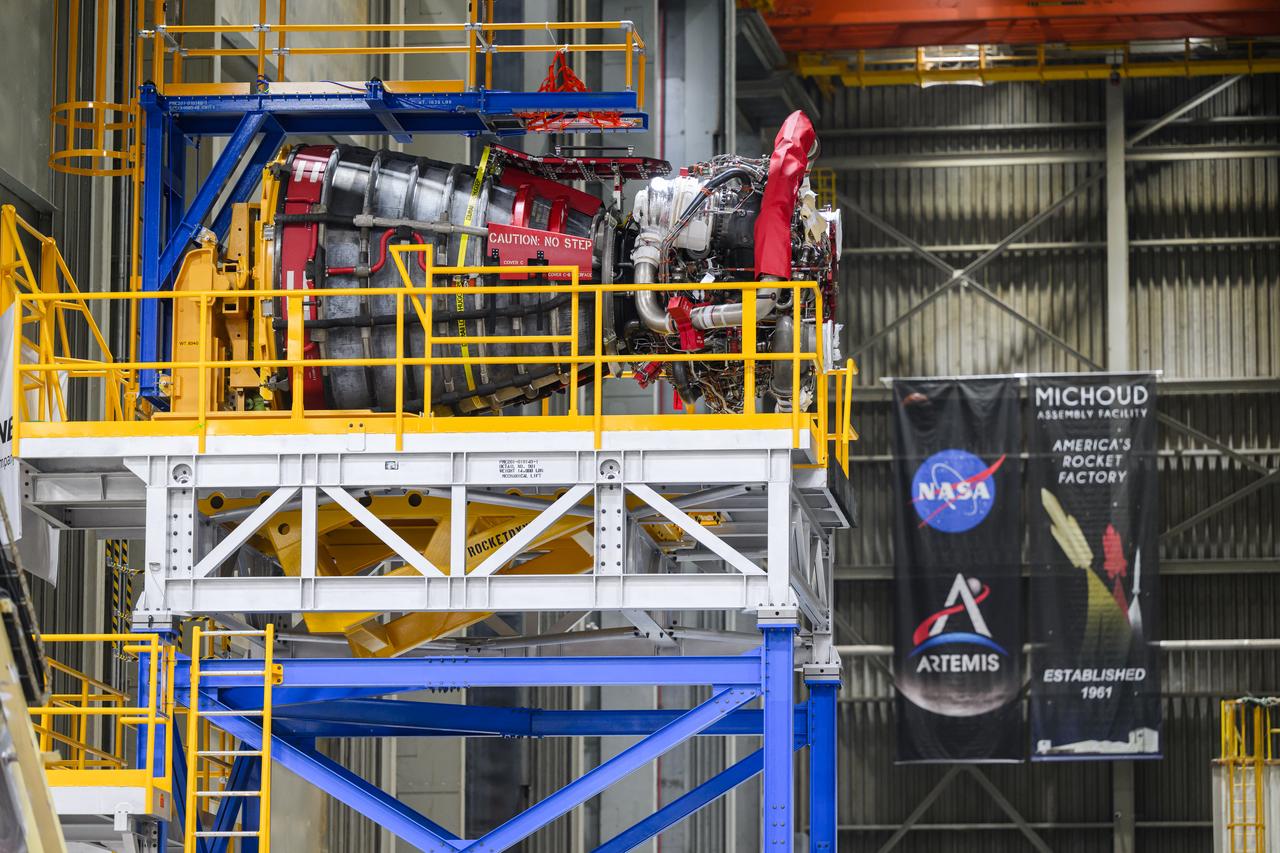
These photos and videos show how technicians at NASA’s Michoud Assembly Facility in New Orleans installed the second of four RS-25 engines onto the core stage for the agency’s SLS (Space Launch System) rocket that will help power NASA’s first crewed Artemis mission to the Moon. Crews added the second engine, with the serial number E2047 in position one, to the stage Sept. 15. The serial number for the engine installed Sept. 11 in position two on the core stage is E2059. Engineers consider the engines to be “soft” mated to the rocket stage. Following soft mate of all four engines, technicians with NASA, Aerojet Rocketdyne, an L3Harris Technologies company and the RS-25 engines lead contractor, along with Boeing, the core stage lead contractor, will fully secure the engines to the stage and integrate the propulsion and electrical systems within the structure. All four RS-25 engines are located at the base of the core stage within the engine section. NASA is working to land the first woman and first person of color on the Moon under Artemis. SLS is part of NASA’s backbone for deep space exploration, along with Orion and the Gateway in orbit around the Moon. SLS is the only rocket that can send Orion, astronauts, and supplies to the Moon in a single mission.
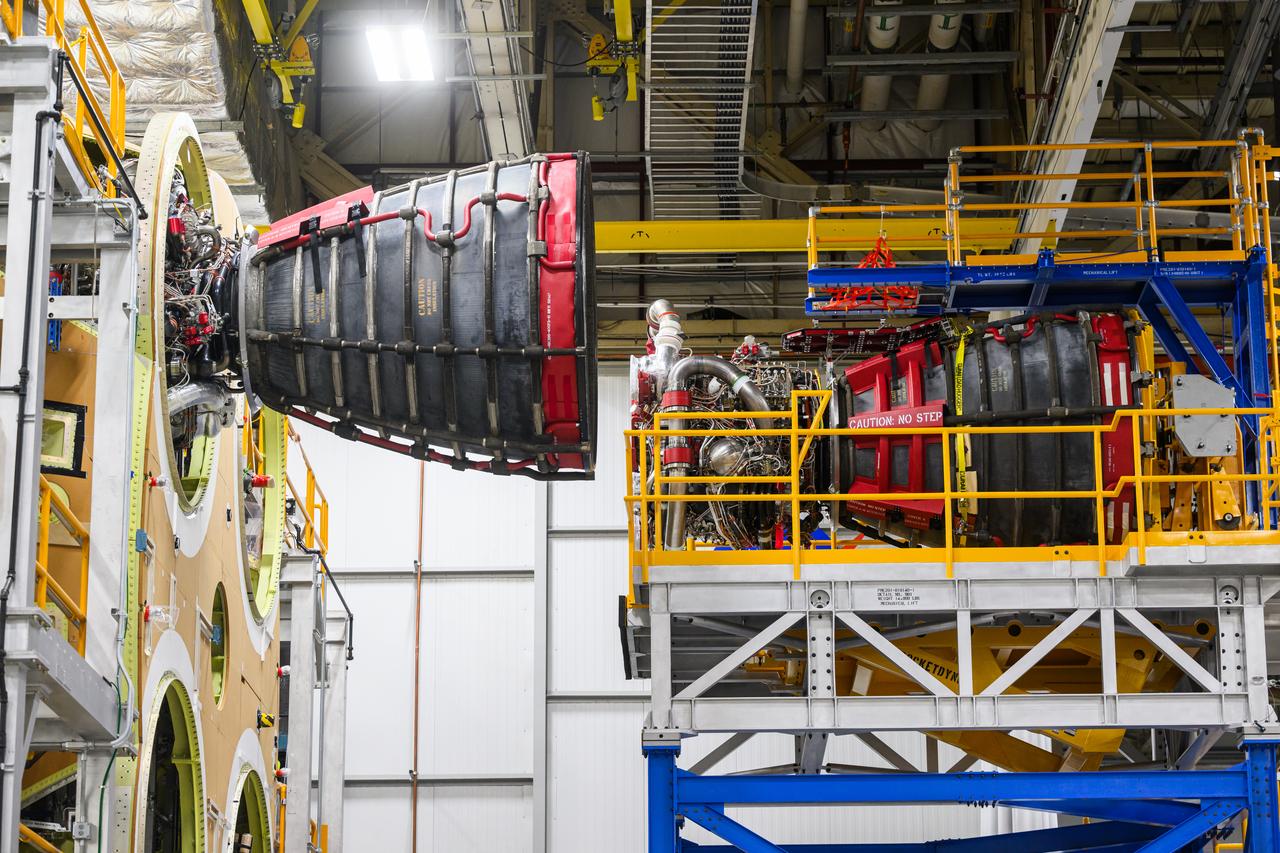
These photos and videos show how technicians at NASA’s Michoud Assembly Facility in New Orleans installed the second of four RS-25 engines onto the core stage for the agency’s SLS (Space Launch System) rocket that will help power NASA’s first crewed Artemis mission to the Moon. Crews added the second engine, with the serial number E2047 in position one, to the stage Sept. 15. The serial number for the engine installed Sept. 11 in position two on the core stage is E2059. Engineers consider the engines to be “soft” mated to the rocket stage. Following soft mate of all four engines, technicians with NASA, Aerojet Rocketdyne, an L3Harris Technologies company and the RS-25 engines lead contractor, along with Boeing, the core stage lead contractor, will fully secure the engines to the stage and integrate the propulsion and electrical systems within the structure. All four RS-25 engines are located at the base of the core stage within the engine section. NASA is working to land the first woman and first person of color on the Moon under Artemis. SLS is part of NASA’s backbone for deep space exploration, along with Orion and the Gateway in orbit around the Moon. SLS is the only rocket that can send Orion, astronauts, and supplies to the Moon in a single mission.

These photos show how technicians at NASA’s Michoud Assembly Facility in New Orleans installed the second of four RS-25 engines onto the core stage for the agency’s SLS (Space Launch System) rocket that will help power NASA’s first crewed Artemis mission to the Moon. Crews added the second engine, with the serial number E2047 in position one, to the stage Sept. 15. The serial number for the engine installed Sept. 11 in position two on the core stage is E2059. Engineers consider the engines to be “soft” mated to the rocket stage. Following soft mate of all four engines, technicians with NASA, Aerojet Rocketdyne, an L3Harris Technologies company and the RS-25 engines lead contractor, along with Boeing, the core stage lead contractor, will fully secure the engines to the stage and integrate the propulsion and electrical systems within the structure. All four RS-25 engines are located at the base of the core stage within the engine section. NASA is working to land the first woman and first person of color on the Moon under Artemis. SLS is part of NASA’s backbone for deep space exploration, along with Orion and the Gateway in orbit around the Moon. SLS is the only rocket that can send Orion, astronauts, and supplies to the Moon in a single mission.
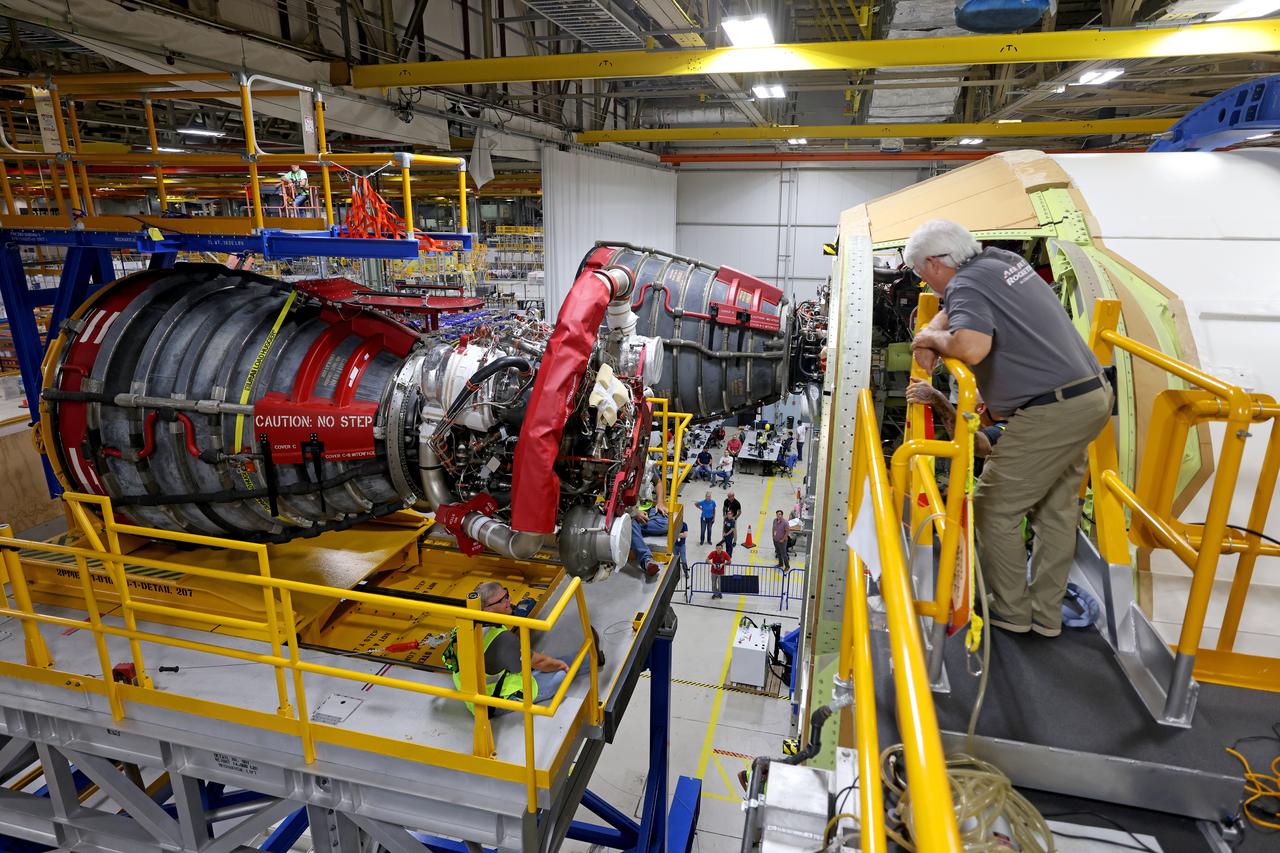
These photos and videos show how technicians at NASA’s Michoud Assembly Facility in New Orleans installed the second of four RS-25 engines onto the core stage for the agency’s SLS (Space Launch System) rocket that will help power NASA’s first crewed Artemis mission to the Moon. Crews added the second engine, with the serial number E2047 in position one, to the stage Sept. 15. The serial number for the engine installed Sept. 11 in position two on the core stage is E2059. Engineers consider the engines to be “soft” mated to the rocket stage. Following soft mate of all four engines, technicians with NASA, Aerojet Rocketdyne, an L3Harris Technologies company and the RS-25 engines lead contractor, along with Boeing, the core stage lead contractor, will fully secure the engines to the stage and integrate the propulsion and electrical systems within the structure. All four RS-25 engines are located at the base of the core stage within the engine section. NASA is working to land the first woman and first person of color on the Moon under Artemis. SLS is part of NASA’s backbone for deep space exploration, along with Orion and the Gateway in orbit around the Moon. SLS is the only rocket that can send Orion, astronauts, and supplies to the Moon in a single mission.
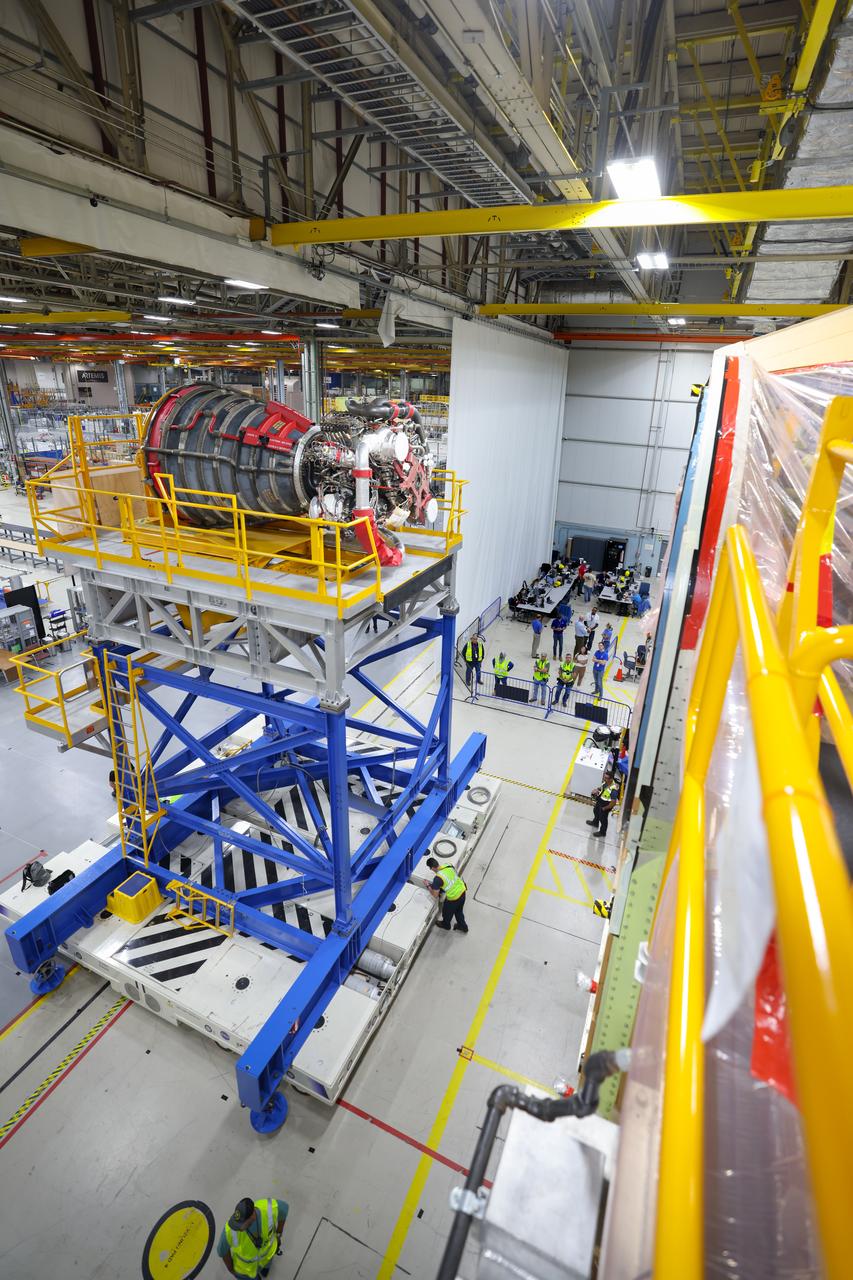
Technicians at NASA’s Michoud Assembly Facility in New Orleans have installed the first of four RS-25 engines on the core stage of the agency’s SLS (Space Launch System) rocket that will help power NASA’s first crewed Artemis mission to the Moon. The Sept. 11 engine installation follows the joining of all five major structures that make up the SLS core stage earlier this spring. NASA, lead RS-25 engines contractor Aerojet Rocketdyne, an L3 Harris Technologies company, and Boeing, the core stage lead contractor, will continue integrating the remaining three engines into the stage and installing the propulsion and electrical systems within the structure. All four RS-25 engines are located at the base of the core stage within the engine section. NASA is working to land the first woman and first person of color on the Moon under Artemis. SLS is part of NASA’s backbone for deep space exploration, along with Orion and the Gateway in orbit around the Moon. SLS is the only rocket that can send Orion, astronauts, and supplies to the Moon in a single mission.
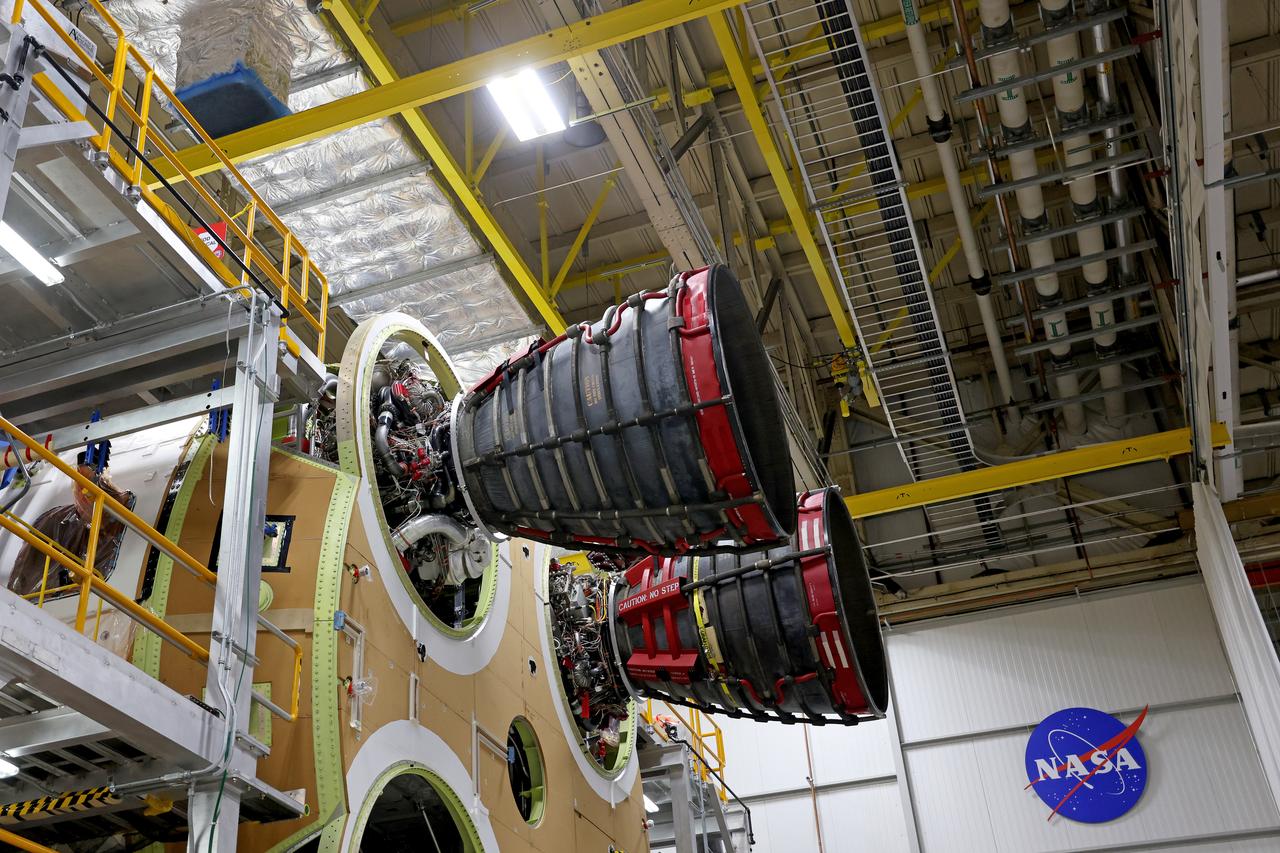
These photos and videos show how technicians at NASA’s Michoud Assembly Facility in New Orleans installed the second of four RS-25 engines onto the core stage for the agency’s SLS (Space Launch System) rocket that will help power NASA’s first crewed Artemis mission to the Moon. Crews added the second engine, with the serial number E2047 in position one, to the stage Sept. 15. The serial number for the engine installed Sept. 11 in position two on the core stage is E2059. Engineers consider the engines to be “soft” mated to the rocket stage. Following soft mate of all four engines, technicians with NASA, Aerojet Rocketdyne, an L3Harris Technologies company and the RS-25 engines lead contractor, along with Boeing, the core stage lead contractor, will fully secure the engines to the stage and integrate the propulsion and electrical systems within the structure. All four RS-25 engines are located at the base of the core stage within the engine section. NASA is working to land the first woman and first person of color on the Moon under Artemis. SLS is part of NASA’s backbone for deep space exploration, along with Orion and the Gateway in orbit around the Moon. SLS is the only rocket that can send Orion, astronauts, and supplies to the Moon in a single mission.
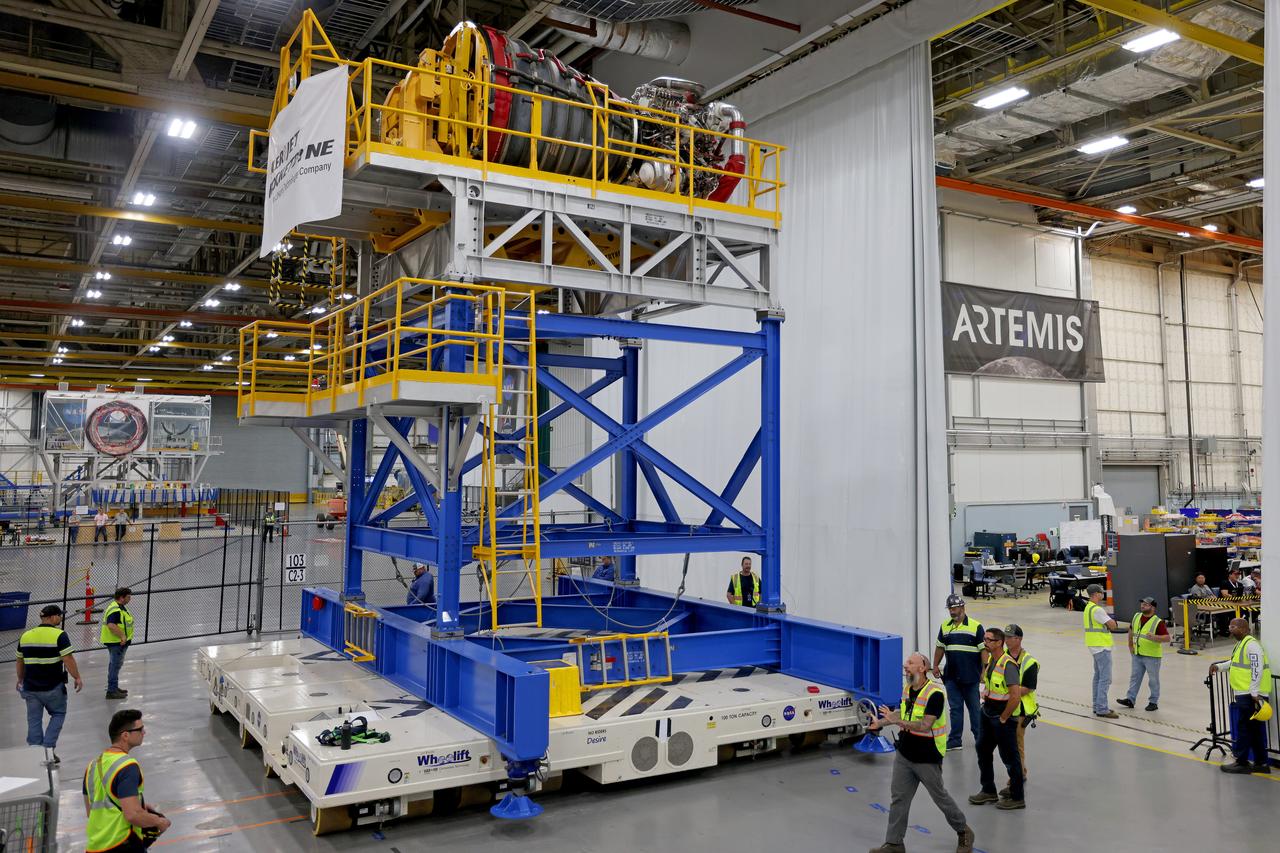
Technicians at NASA’s Michoud Assembly Facility in New Orleans have installed the first of four RS-25 engines on the core stage of the agency’s SLS (Space Launch System) rocket that will help power NASA’s first crewed Artemis mission to the Moon. The Sept. 11 engine installation follows the joining of all five major structures that make up the SLS core stage earlier this spring. NASA, lead RS-25 engines contractor Aerojet Rocketdyne, an L3 Harris Technologies company, and Boeing, the core stage lead contractor, will continue integrating the remaining three engines into the stage and installing the propulsion and electrical systems within the structure. All four RS-25 engines are located at the base of the core stage within the engine section. NASA is working to land the first woman and first person of color on the Moon under Artemis. SLS is part of NASA’s backbone for deep space exploration, along with Orion and the Gateway in orbit around the Moon. SLS is the only rocket that can send Orion, astronauts, and supplies to the Moon in a single mission.
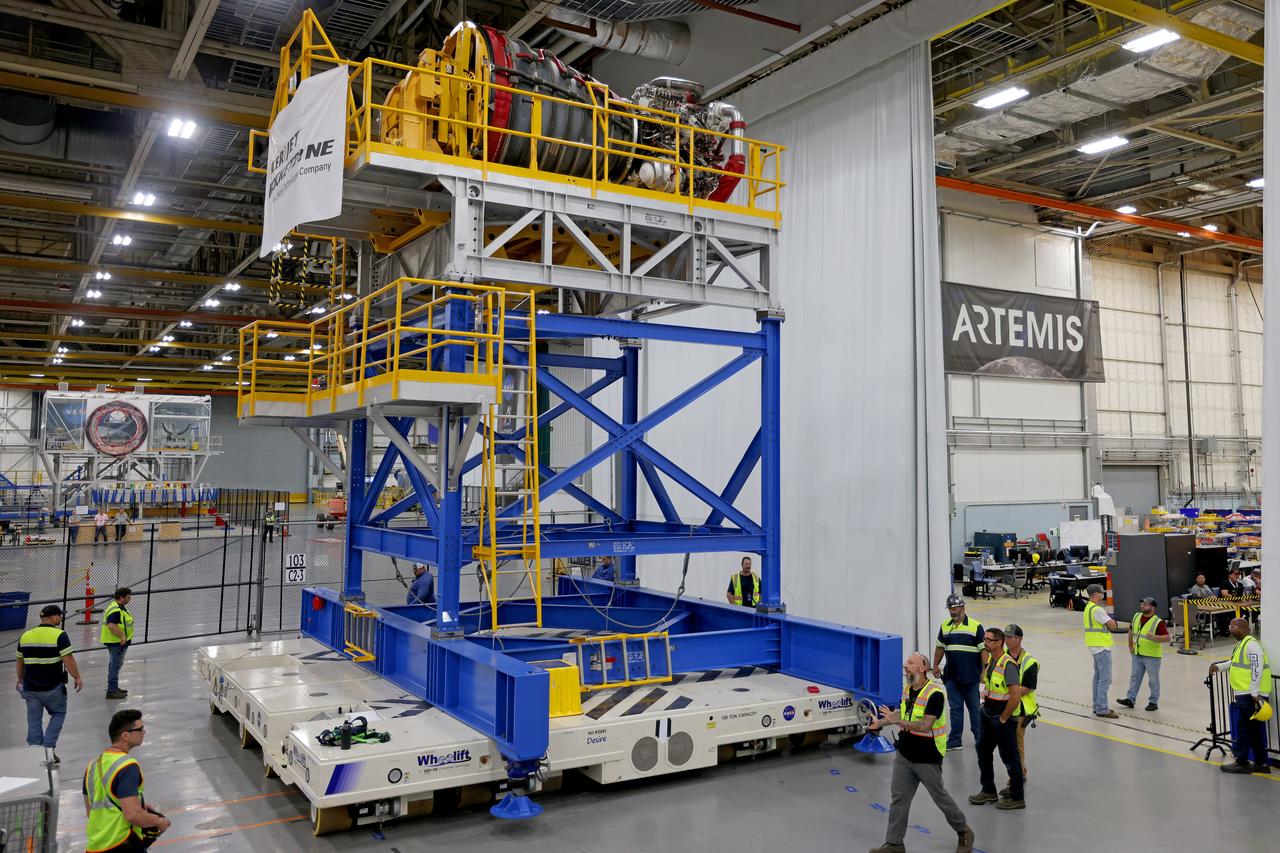
Technicians at NASA’s Michoud Assembly Facility in New Orleans have installed the first of four RS-25 engines on the core stage of the agency’s SLS (Space Launch System) rocket that will help power NASA’s first crewed Artemis mission to the Moon. The Sept. 11 engine installation follows the joining of all five major structures that make up the SLS core stage earlier this spring. NASA, lead RS-25 engines contractor Aerojet Rocketdyne, an L3 Harris Technologies company, and Boeing, the core stage lead contractor, will continue integrating the remaining three engines into the stage and installing the propulsion and electrical systems within the structure. All four RS-25 engines are located at the base of the core stage within the engine section. NASA is working to land the first woman and first person of color on the Moon under Artemis. SLS is part of NASA’s backbone for deep space exploration, along with Orion and the Gateway in orbit around the Moon. SLS is the only rocket that can send Orion, astronauts, and supplies to the Moon in a single mission.
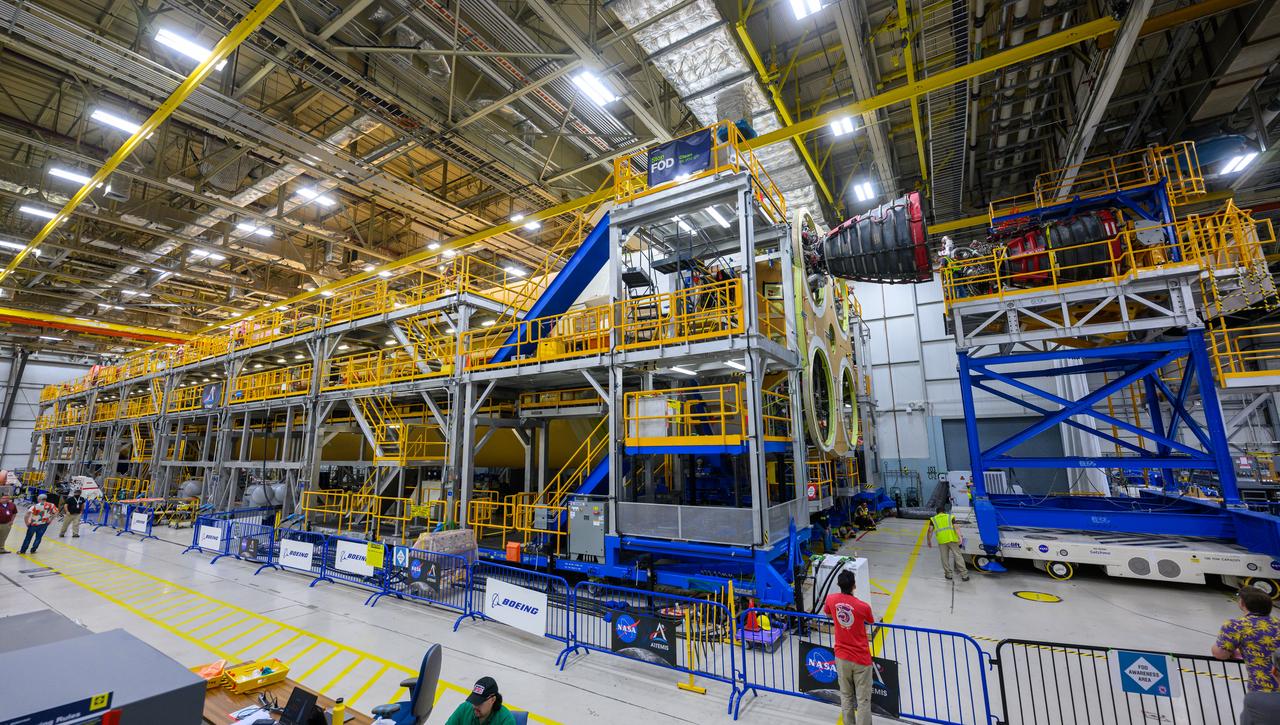
These photos and videos show how technicians at NASA’s Michoud Assembly Facility in New Orleans installed the second of four RS-25 engines onto the core stage for the agency’s SLS (Space Launch System) rocket that will help power NASA’s first crewed Artemis mission to the Moon. Crews added the second engine, with the serial number E2047 in position one, to the stage Sept. 15. The serial number for the engine installed Sept. 11 in position two on the core stage is E2059. Engineers consider the engines to be “soft” mated to the rocket stage. Following soft mate of all four engines, technicians with NASA, Aerojet Rocketdyne, an L3Harris Technologies company and the RS-25 engines lead contractor, along with Boeing, the core stage lead contractor, will fully secure the engines to the stage and integrate the propulsion and electrical systems within the structure. All four RS-25 engines are located at the base of the core stage within the engine section. NASA is working to land the first woman and first person of color on the Moon under Artemis. SLS is part of NASA’s backbone for deep space exploration, along with Orion and the Gateway in orbit around the Moon. SLS is the only rocket that can send Orion, astronauts, and supplies to the Moon in a single mission.
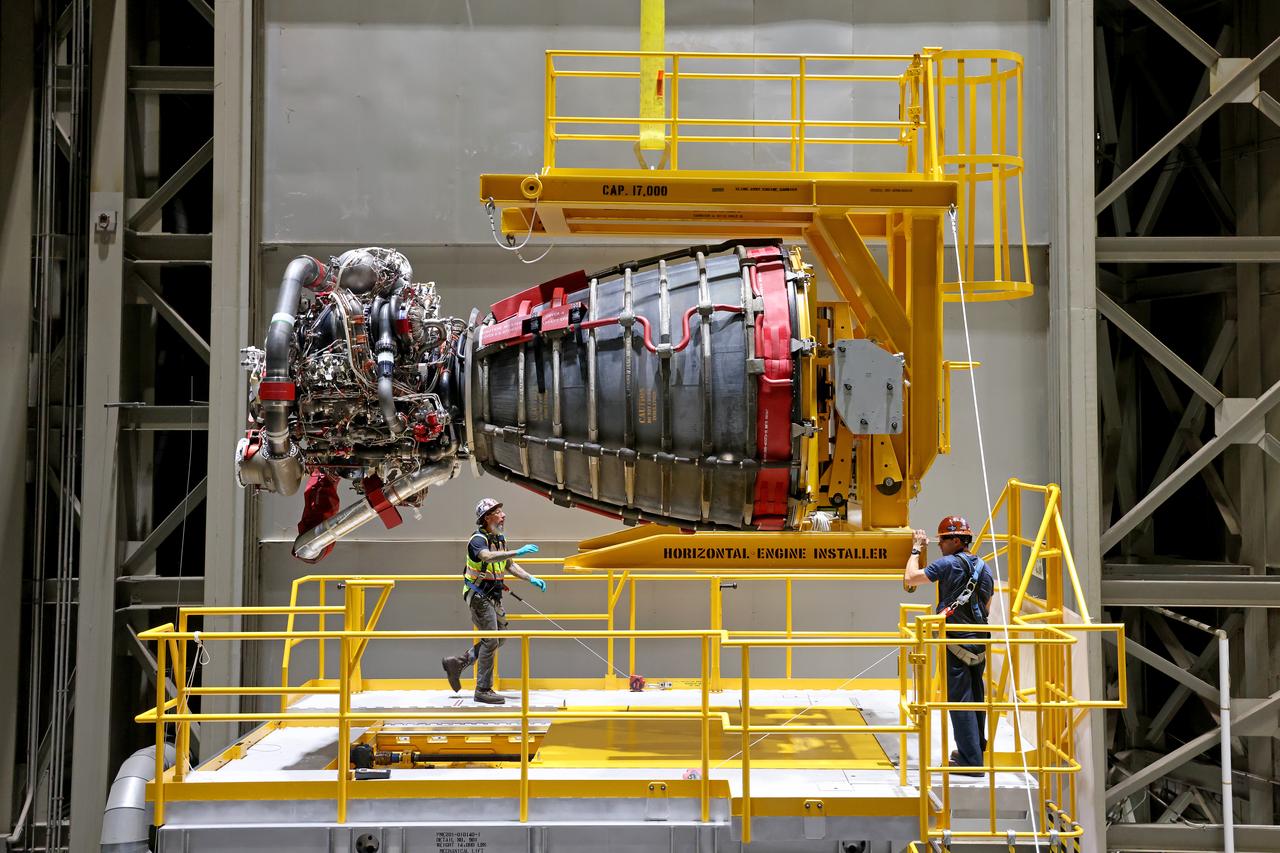
Technicians at NASA’s Michoud Assembly Facility in New Orleans have installed the first of four RS-25 engines on the core stage of the agency’s SLS (Space Launch System) rocket that will help power NASA’s first crewed Artemis mission to the Moon. The Sept. 11 engine installation follows the joining of all five major structures that make up the SLS core stage earlier this spring. NASA, lead RS-25 engines contractor Aerojet Rocketdyne, an L3 Harris Technologies company, and Boeing, the core stage lead contractor, will continue integrating the remaining three engines into the stage and installing the propulsion and electrical systems within the structure. All four RS-25 engines are located at the base of the core stage within the engine section. NASA is working to land the first woman and first person of color on the Moon under Artemis. SLS is part of NASA’s backbone for deep space exploration, along with Orion and the Gateway in orbit around the Moon. SLS is the only rocket that can send Orion, astronauts, and supplies to the Moon in a single mission.
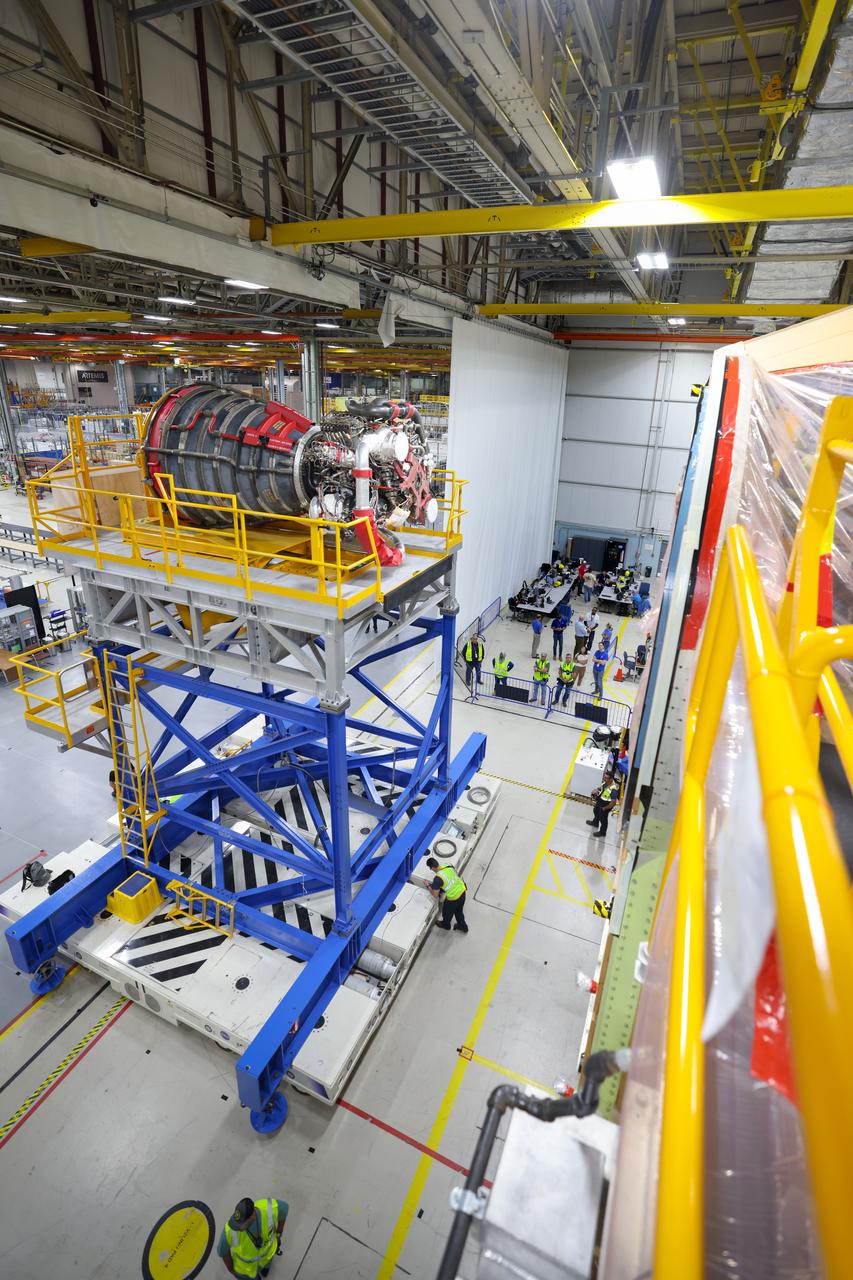
Technicians at NASA’s Michoud Assembly Facility in New Orleans have installed the first of four RS-25 engines on the core stage of the agency’s SLS (Space Launch System) rocket that will help power NASA’s first crewed Artemis mission to the Moon. The Sept. 11 engine installation follows the joining of all five major structures that make up the SLS core stage earlier this spring. NASA, lead RS-25 engines contractor Aerojet Rocketdyne, an L3 Harris Technologies company, and Boeing, the core stage lead contractor, will continue integrating the remaining three engines into the stage and installing the propulsion and electrical systems within the structure. All four RS-25 engines are located at the base of the core stage within the engine section. NASA is working to land the first woman and first person of color on the Moon under Artemis. SLS is part of NASA’s backbone for deep space exploration, along with Orion and the Gateway in orbit around the Moon. SLS is the only rocket that can send Orion, astronauts, and supplies to the Moon in a single mission.
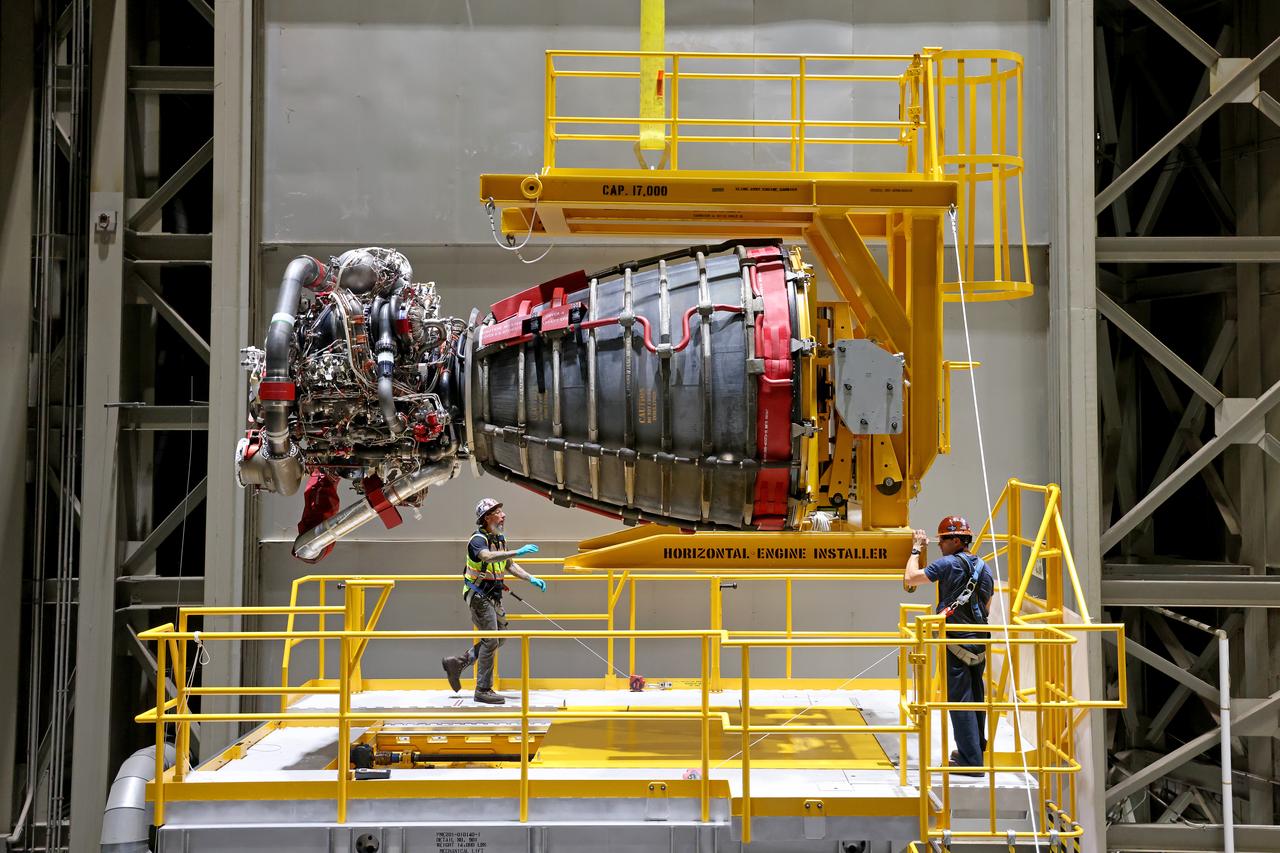
Technicians at NASA’s Michoud Assembly Facility in New Orleans have installed the first of four RS-25 engines on the core stage of the agency’s SLS (Space Launch System) rocket that will help power NASA’s first crewed Artemis mission to the Moon. The Sept. 11 engine installation follows the joining of all five major structures that make up the SLS core stage earlier this spring. NASA, lead RS-25 engines contractor Aerojet Rocketdyne, an L3 Harris Technologies company, and Boeing, the core stage lead contractor, will continue integrating the remaining three engines into the stage and installing the propulsion and electrical systems within the structure. All four RS-25 engines are located at the base of the core stage within the engine section. NASA is working to land the first woman and first person of color on the Moon under Artemis. SLS is part of NASA’s backbone for deep space exploration, along with Orion and the Gateway in orbit around the Moon. SLS is the only rocket that can send Orion, astronauts, and supplies to the Moon in a single mission.

Liliana Villarreal, NASA’s Artemis II landing and recovery director, Exploration Ground Systems Program, gives remarks, as Capt. Andrew “Andy” Koy, commanding officer of USS Somerset (LPD 25), U.S. Navy, left, and Lt. Col. David Mahan, commander, U.S. Air Force’s 1st Air Force, Detachment 3, Patrick Space Force Base, Florida, look on, during a media event where NASA and the Department of Defense discussed the recovery operations that will bring the Artemis II astronauts and the agency’s Orion spacecraft home at the conclusion of next year’s mission around the Moon, Monday, March 31, 2025, onboard USS Somerset at Naval Base San Diego, in California. The teams spent the week practicing the procedures they will use to recover the astronauts after their more than 600,000 mile journey from Earth to the Moon and back on the first crewed mission under the Artemis campaign. Photo Credit: (NASA/Bill Ingalls)
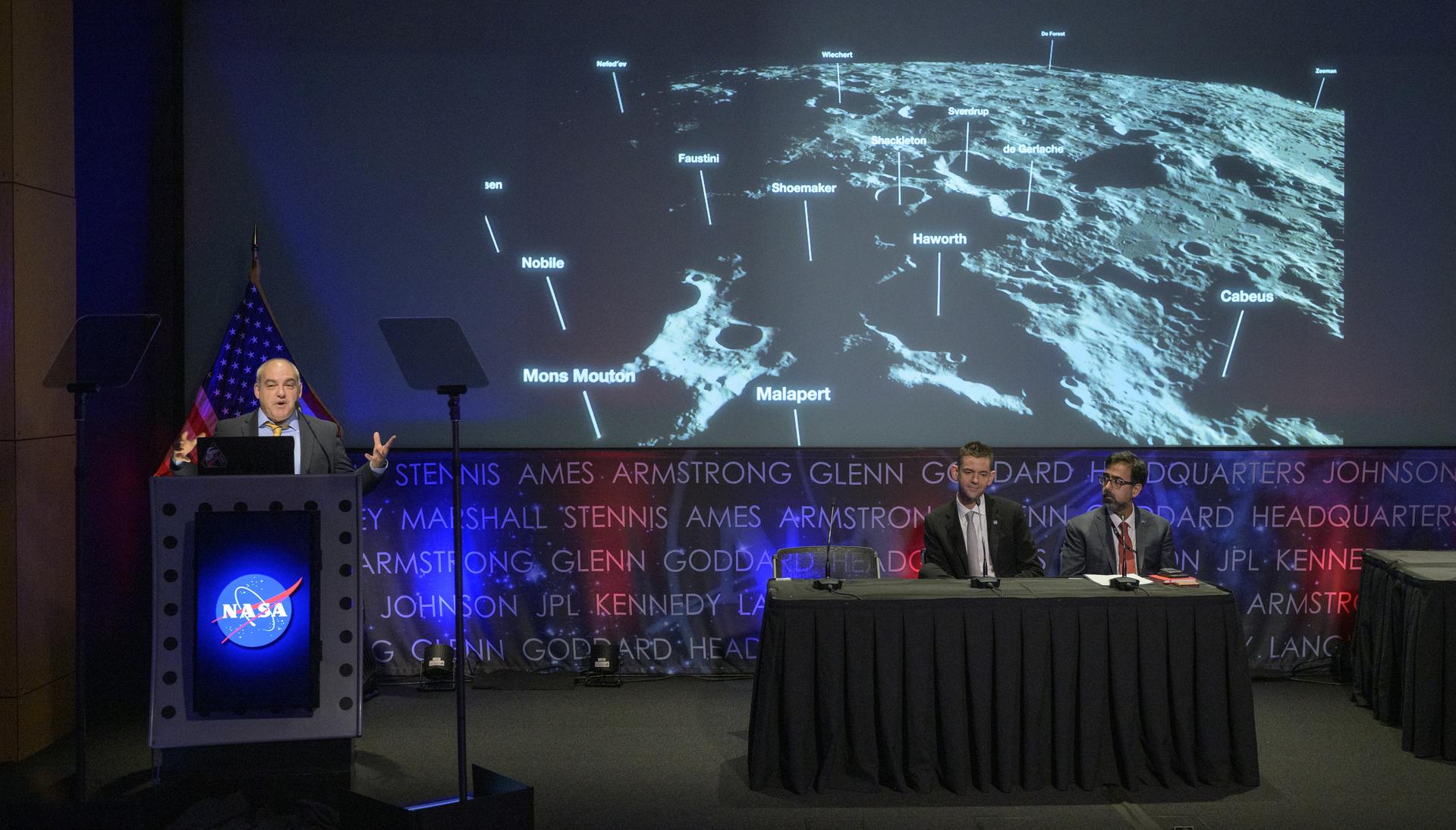
NASA Moon Base Program Executive Carlos Garcia-Galan, left, speaks, as NASA Administrator Jared Isaacman, and NASA Associate Administrator Amit Kshatriya, right, look on, during an event where NASA is outlining how the agency is executing President Donald J. Trump’s National Space Policy and accelerating preparations for America’s return to the surface of the Moon by 2028, Tuesday, March 24, 2026, at the Mary W. Jackson NASA Headquarters building in Washington. During the event NASA leadership provided updates on mission priorities, including sending the first astronauts to the lunar surface in more than 50 years, establishing the initial elements of a permanent lunar base, getting America underway in space on nuclear propulsion, and other objectives. Photo Credit: (NASA/Bill Ingalls)

Lt. Col. David Mahan, commander, U.S. Air Force’s 1st Air Force, Detachment 3, Patrick Space Force Base, Florida, gives remarks during a media event where NASA and the Department of Defense discussed the recovery operations that will bring the Artemis II astronauts and the agency’s Orion spacecraft home at the conclusion of next year’s mission around the Moon, Monday, March 31, 2025, onboard USS Somerset at Naval Base San Diego, in California. The teams spent the week practicing the procedures they will use to recover the astronauts after their more than 600,000 mile journey from Earth to the Moon and back on the first crewed mission under the Artemis campaign. Photo Credit: (NASA/Bill Ingalls)

Lt. Col. David Mahan, commander, U.S. Air Force’s 1st Air Force, Detachment 3, Patrick Space Force Base, Florida, gives remarks during a media event where NASA and the Department of Defense discussed the recovery operations that will bring the Artemis II astronauts and the agency’s Orion spacecraft home at the conclusion of next year’s mission around the Moon, Monday, March 31, 2025, onboard USS Somerset at Naval Base San Diego, in California. The teams spent the week practicing the procedures they will use to recover the astronauts after their more than 600,000 mile journey from Earth to the Moon and back on the first crewed mission under the Artemis campaign. Photo Credit: (NASA/Bill Ingalls)

Greg C. Shavers, Lander Technology director at Marshall Space Flight Center in Alabama, speaks to members of the media during an event to announce the agency's Lunar Cargo Transportation and Landing by Soft Touchdown, or Lunar CATALYST, initiative and introduced one of the partners, Moon Express Inc. of Moffett Field, California. The event took place at Kennedy's automated landing and hazard avoidance technology, or ALHAT, hazard field at the north end of the Shuttle Landing Facility. Moon Express is developing a lander with capabilities that will enable delivery of payloads to the surface of the moon, as well as new science and exploration missions of interest to NASA and scientific and academic communities. Moon Express will base its activities at Kennedy and utilize the Morpheus ALHAT field and a hangar nearby for CATALYST testing. The Advanced Exploration Systems Division of NASA's Human Exploration and Operations Mission Directorate manages Lunar CATALYST.
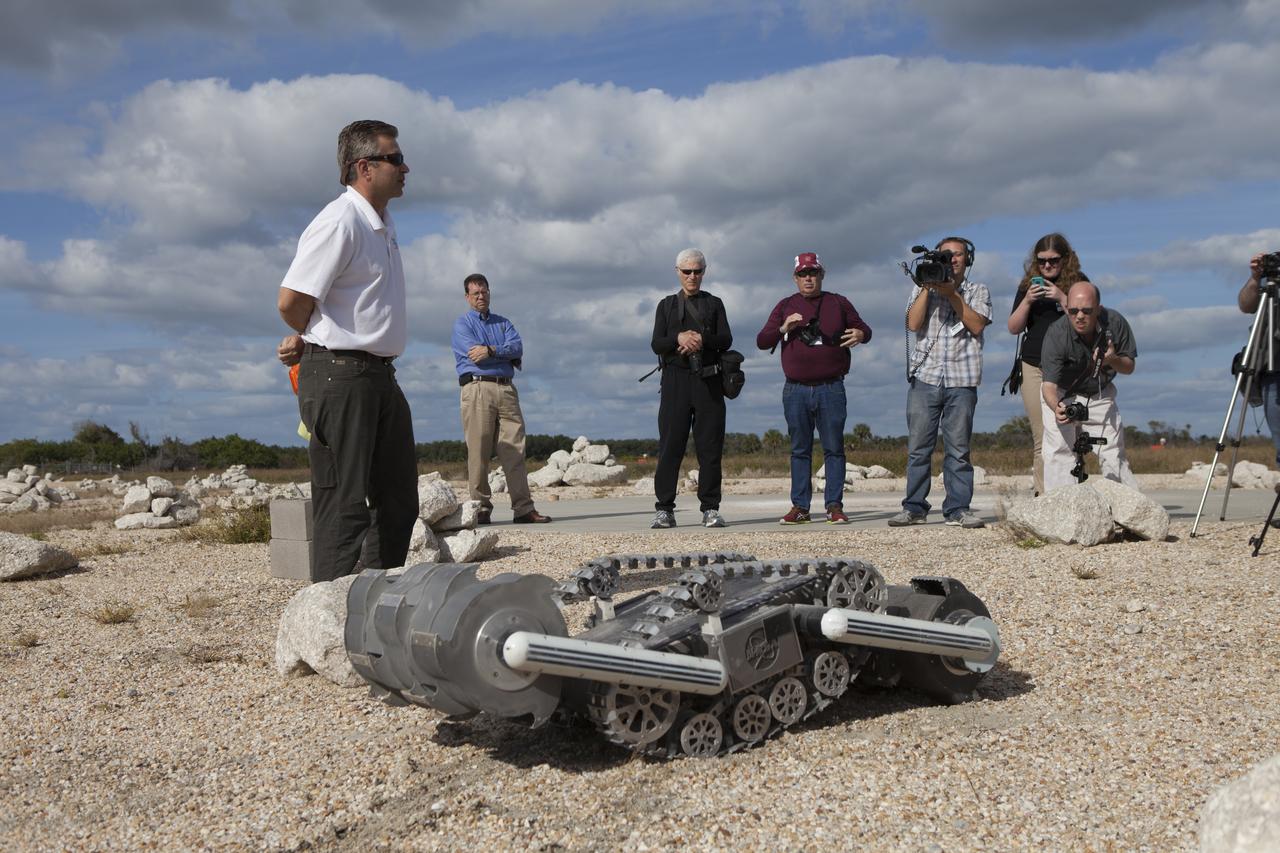
Rob Mueller, NASA senior technologist in the Surface Systems Office in Kennedy Space Center's Engineering and Technology Directorate, demonstrates the Regolith Advanced Surface System Operations Robot, or RASSOR, during a media event at Kennedy's automated landing and hazard avoidance technology, or ALHAT, hazard field at the north end of the Shuttle Landing Facility. The event was held to announce Moon Express Inc., of Moffett Field, California is selected to utilize Kennedy facilities for NASA's Lunar Cargo Transportation and Landing by Soft Touchdown, or Lunar CATALYST, initiative. Moon Express is developing a lander with capabilities that will enable delivery of payloads to the surface of the moon, as well as new science and exploration missions of interest to NASA and scientific and academic communities. Moon Express will base its activities at Kennedy and utilize the Morpheus ALHAT field and a hangar nearby for CATALYST testing. The Advanced Exploration Systems Division of NASA's Human Exploration and Operations Mission Directorate manages Lunar CATALYST.
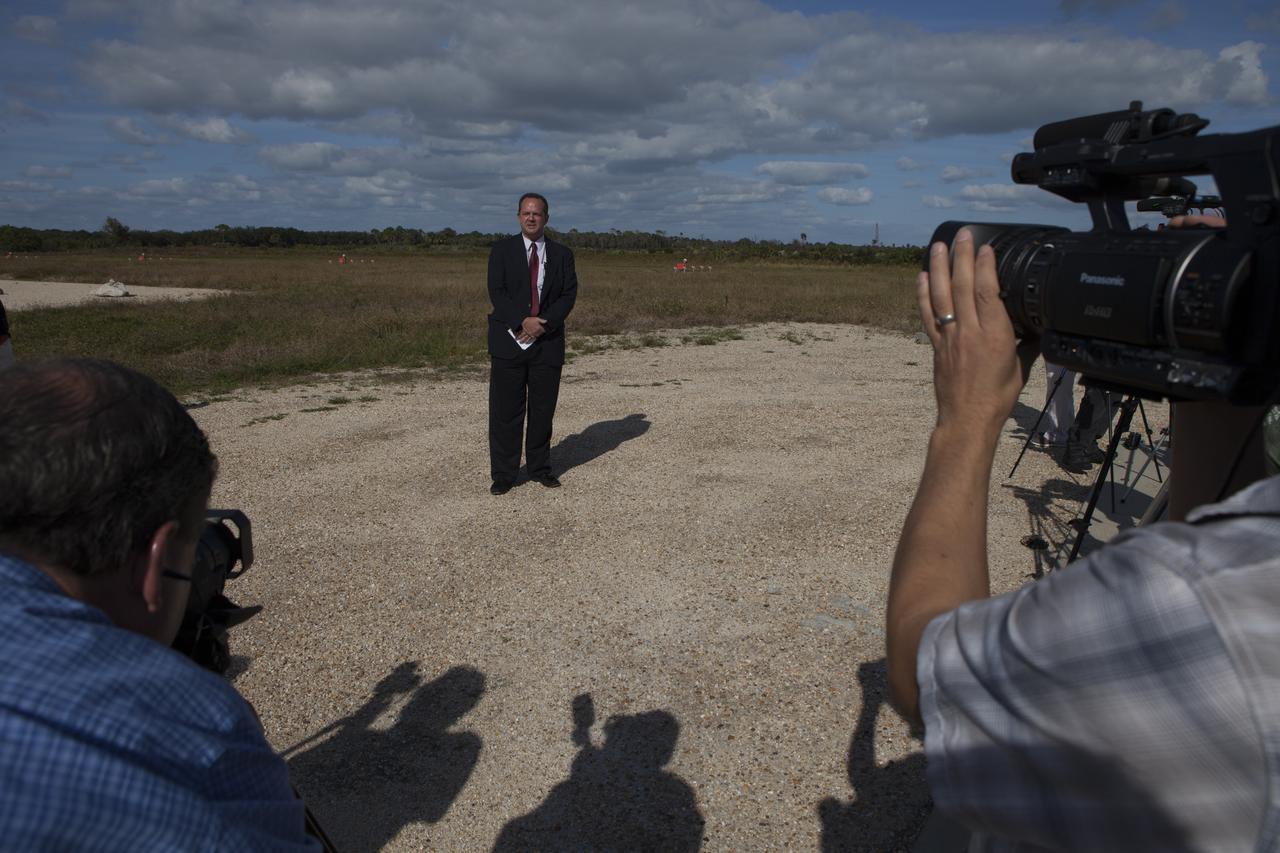
Tom Engler, deputy director of Center Planning and Development at NASA's Kennedy Space Center in Florida, speaks to members of the media during an event to announce the agency's Lunar Cargo Transportation and Landing by Soft Touchdown, or Lunar CATALYST, initiative and introduced one of the partners, Moon Express Inc. of Moffett Field, California. The event took place at Kennedy's automated landing and hazard avoidance technology, or ALHAT, hazard field at the north end of the Shuttle Landing Facility. Moon Express is developing a lander with capabilities that will enable delivery of payloads to the surface of the moon, as well as new science and exploration missions of interest to NASA and scientific and academic communities. Moon Express will base its activities at Kennedy and utilize the Morpheus ALHAT field and a hangar nearby for CATALYST testing. The Advanced Exploration Systems Division of NASA's Human Exploration and Operations Mission Directorate manages Lunar CATALYST.

CAPE CANAVERAL, Fla. - Bob Richards, co-founder and chief executive officer of Moon Express Inc., of Moffett Field, California, speaks to the media during an event to announce the company's selection to use Kennedy Space Center's facilities as part of NASA's Lunar Cargo Transportation and Landing by Soft Touchdown, or Lunar CATALYST, initiative. The event took place at Kennedy's automated landing and hazard avoidance technology, or ALHAT, hazard field at the north end of the Shuttle Landing Facility. Moon Express is developing a lander with capabilities that will enable delivery of payloads to the surface of the moon, as well as new science and exploration missions of interest to NASA and scientific and academic communities. Moon Express will base its activities at Kennedy and utilize the Morpheus ALHAT field and a hangar nearby for CATALYST testing. The Advanced Exploration Systems Division of NASA's Human Exploration and Operations Mission Directorate manages Lunar CATALYST. Photo credit: NASA/Ben Smegelsky
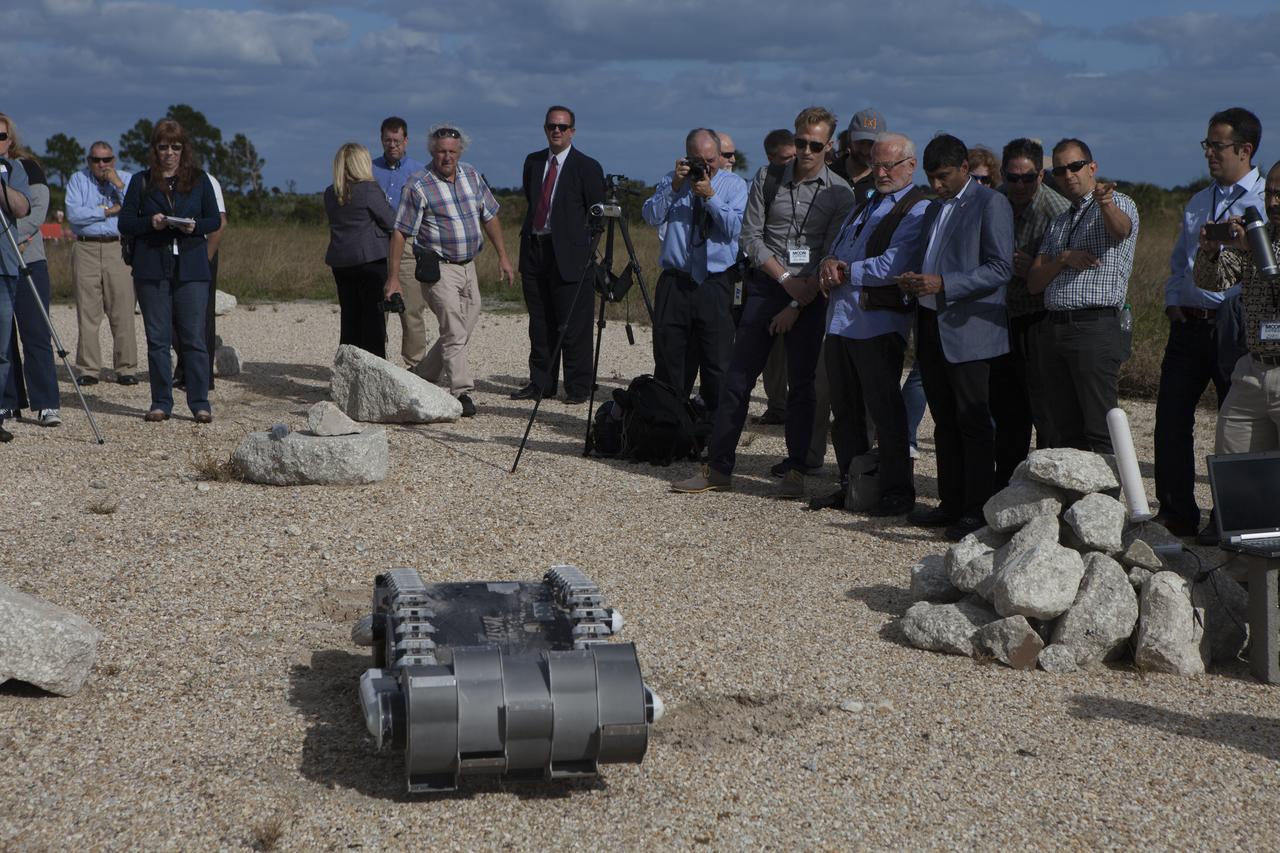
Members of the media watch a demonstration of the Regolith Advanced Surface System Operations Robot, or RASSOR, during a media event at the automated landing and hazard avoidance technology, or ALHAT, hazard field at the north end of the Shuttle Landing Facility at NASA's Kennedy Space Center in Florida. Tom Engler, center, in the suit, deputy director of Kennedy's Center Planning and Development, announced Moon Express Inc., of Moffett Field, California is selected to utilize Kennedy facilities for NASA's Lunar Cargo Transportation and Landing by Soft Touchdown, or Lunar CATALYST, initiative. Moon Express is developing a lander with capabilities that will enable delivery of payloads to the surface of the moon, as well as new science and exploration missions of interest to NASA and scientific and academic communities. Moon Express will base its activities at Kennedy and utilize the Morpheus ALHAT field and a hangar nearby for CATALYST testing. The Advanced Exploration Systems Division of NASA's Human Exploration and Operations Mission Directorate manages Lunar CATALYST.

Bob Richards, co-founder and chief executive officer of Moon Express Inc., of Moffett Field, California, speaks to the media during an event to announce the company's selection to use Kennedy Space Center's facilities as part of NASA's Lunar Cargo Transportation and Landing by Soft Touchdown, or Lunar CATALYST, initiative. The event took place at Kennedy's automated landing and hazard avoidance technology, or ALHAT, hazard field at the north end of the Shuttle Landing Facility. Moon Express is developing a lander with capabilities that will enable delivery of payloads to the surface of the moon, as well as new science and exploration missions of interest to NASA and scientific and academic communities. Moon Express will base its activities at Kennedy and utilize the Morpheus ALHAT field and a hangar nearby for CATALYST testing. The Advanced Exploration Systems Division of NASA's Human Exploration and Operations Mission Directorate manages Lunar CATALYST.

CAPE CANAVERAL, Fla. - Greg C. Shavers, Lander Technology director at Marshall Space Flight Center in Alabama, speaks to members of the media during an event to announce the agency's Lunar Cargo Transportation and Landing by Soft Touchdown, or Lunar CATALYST, initiative and introduced one of the partners, Moon Express Inc. of Moffett Field, California. The event took place at Kennedy's automated landing and hazard avoidance technology, or ALHAT, hazard field at the north end of the Shuttle Landing Facility. Moon Express is developing a lander with capabilities that will enable delivery of payloads to the surface of the moon, as well as new science and exploration missions of interest to NASA and scientific and academic communities. Moon Express will base its activities at Kennedy and utilize the Morpheus ALHAT field and a hangar nearby for CATALYST testing. The Advanced Exploration Systems Division of NASA's Human Exploration and Operations Mission Directorate manages Lunar CATALYST. Photo credit: NASA/Ben Smegelsky