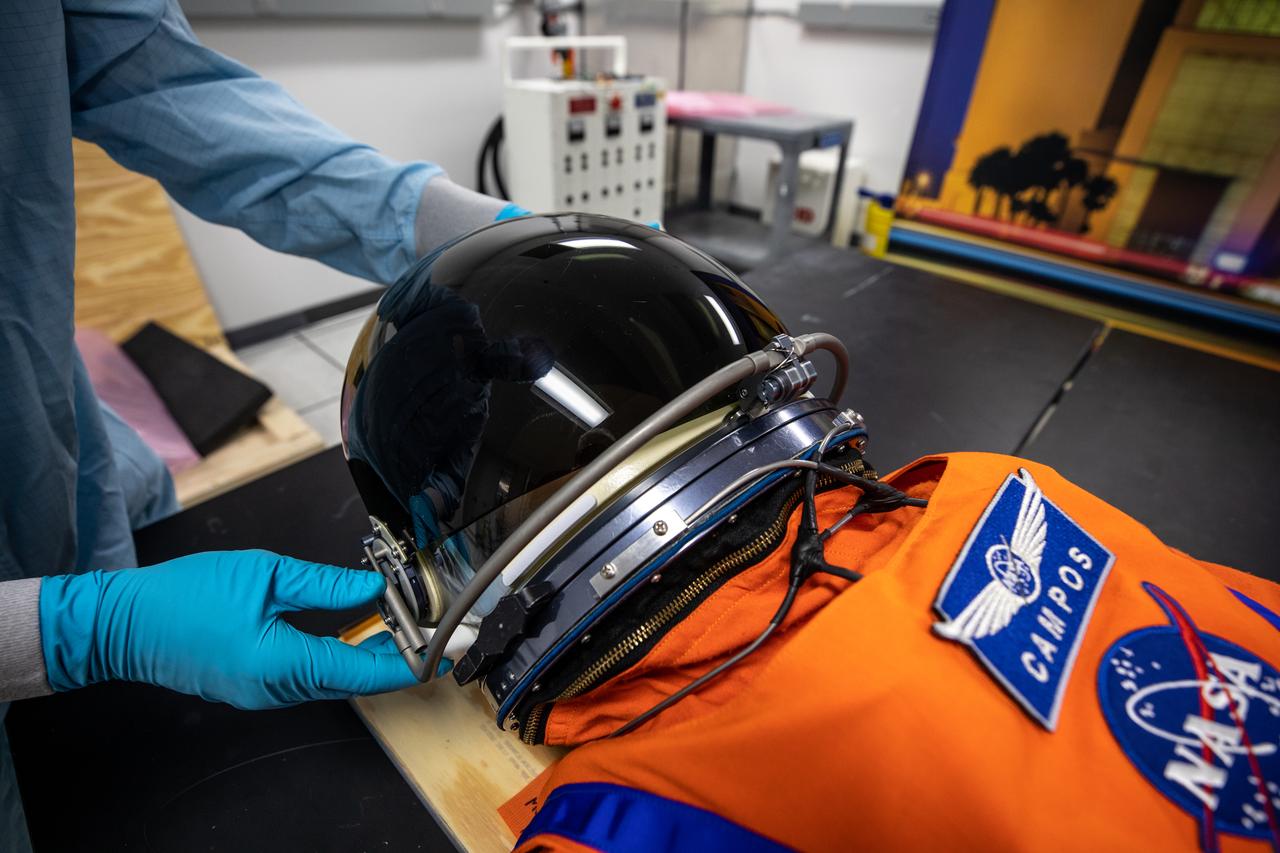
Teams from Johnson Space Center, Exploration Ground Systems, and Jacobs TOSC conduct final inspections of Moonikin “Campos” on Nov. 9, 2021, inside the Space Station Processing Facility at NASA’s Kennedy Space Center in Florida. Moonikin “Campos” will be installed into the Orion crew module. Technicians checked connectivity and performed fit checks on his flight suit to ensure he is ready for flight aboard the Artemis flight test. Artemis I will be an uncrewed test flight of the Orion spacecraft and Space Launch System rocket as an integrated system ahead of crewed flights to the Moon. Under Artemis, NASA aims to land the first woman and first person of color on the Moon and establish sustainable lunar exploration.
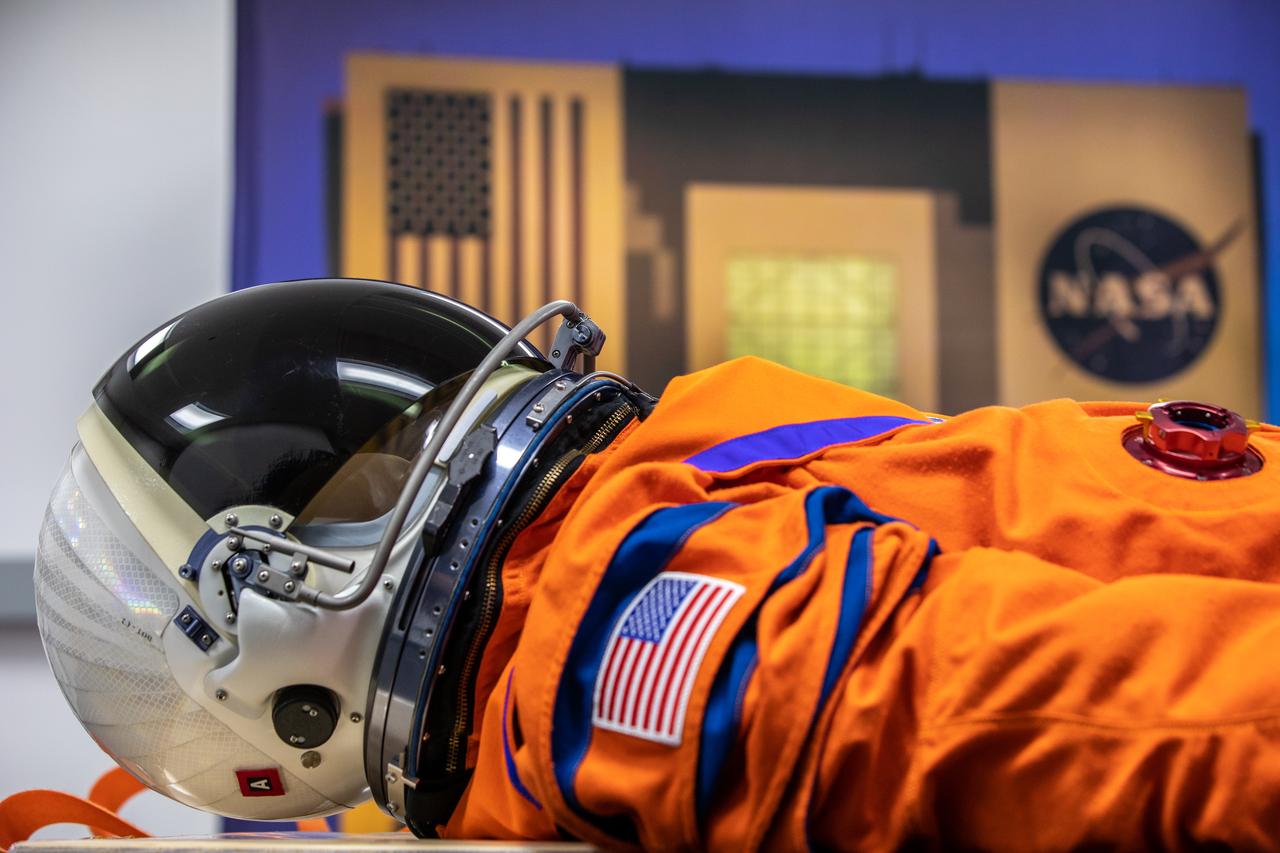
Teams from Johnson Space Center, Exploration Ground Systems, and Jacobs TOSC conduct final inspections of Moonikin “Campos” on Nov. 9, 2021, inside the Space Station Processing Facility at NASA’s Kennedy Space Center in Florida. Moonikin “Campos” will be installed into the Orion crew module. Technicians checked connectivity and performed fit checks on his flight suit to ensure he is ready for flight aboard the Artemis flight test. Artemis I will be an uncrewed test flight of the Orion spacecraft and Space Launch System rocket as an integrated system ahead of crewed flights to the Moon. Under Artemis, NASA aims to land the first woman and first person of color on the Moon and establish sustainable lunar exploration.
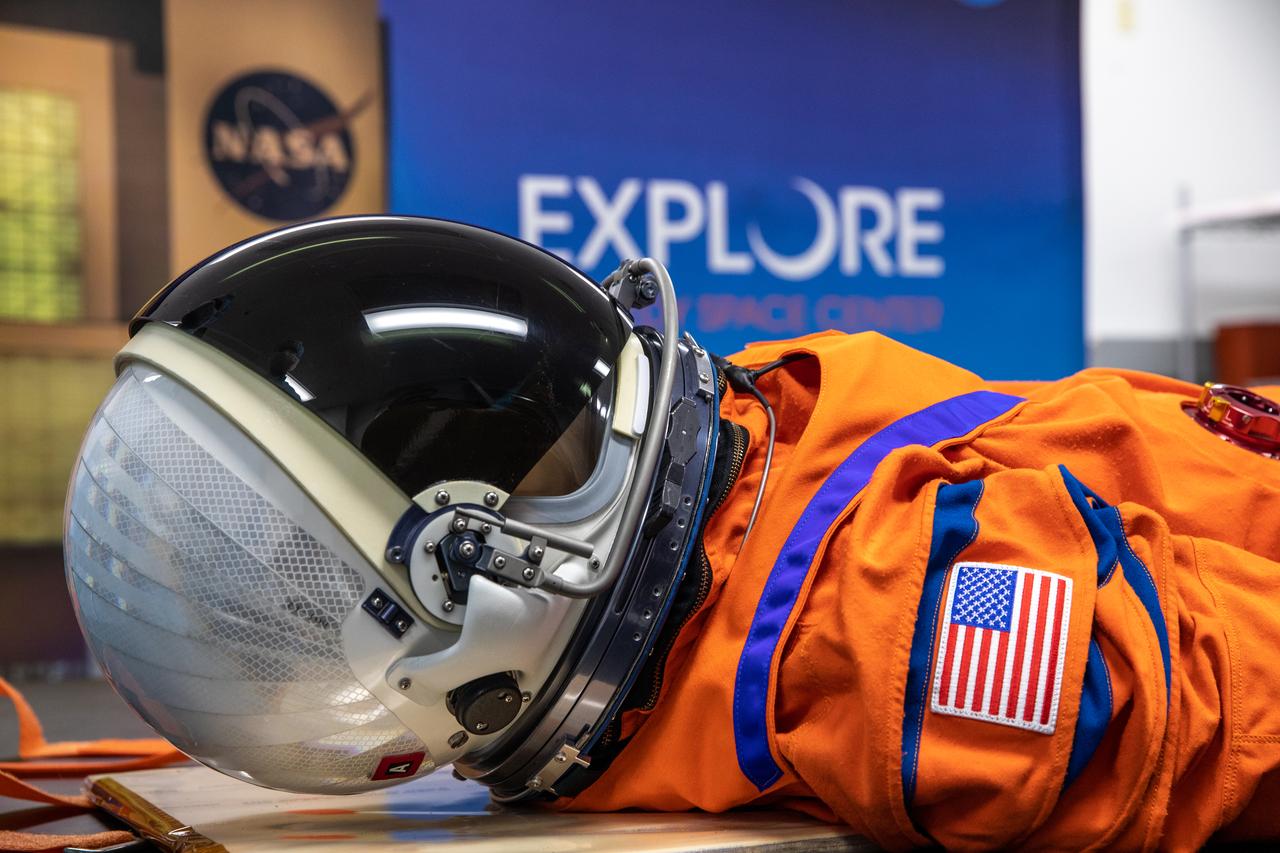
Teams from Johnson Space Center, Exploration Ground Systems, and Jacobs TOSC conduct final inspections of Moonikin “Campos” on Nov. 9, 2021, inside the Space Station Processing Facility at NASA’s Kennedy Space Center in Florida. Moonikin “Campos” will be installed into the Orion crew module. Technicians checked connectivity and performed fit checks on his flight suit to ensure he is ready for flight aboard the Artemis flight test. Artemis I will be an uncrewed test flight of the Orion spacecraft and Space Launch System rocket as an integrated system ahead of crewed flights to the Moon. Under Artemis, NASA aims to land the first woman and first person of color on the Moon and establish sustainable lunar exploration.
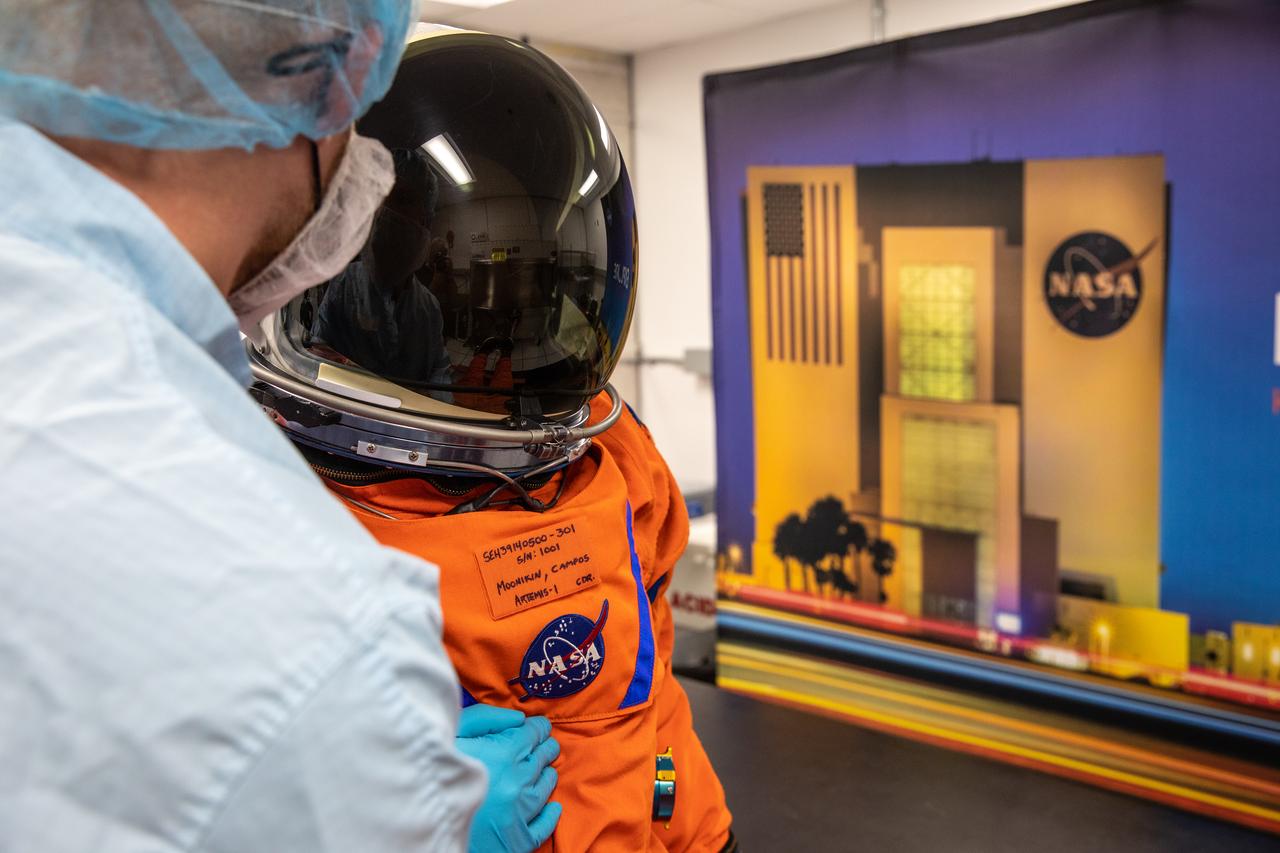
Teams from Johnson Space Center, Exploration Ground Systems, and Jacobs TOSC conduct final inspections of Moonikin “Campos” on Nov. 9, 2021, inside the Space Station Processing Facility at NASA’s Kennedy Space Center in Florida. Moonikin “Campos” will be installed into the Orion crew module. Technicians checked connectivity and performed fit checks on his flight suit to ensure he is ready for flight aboard the Artemis flight test. Artemis I will be an uncrewed test flight of the Orion spacecraft and Space Launch System rocket as an integrated system ahead of crewed flights to the Moon. Under Artemis, NASA aims to land the first woman and first person of color on the Moon and establish sustainable lunar exploration.
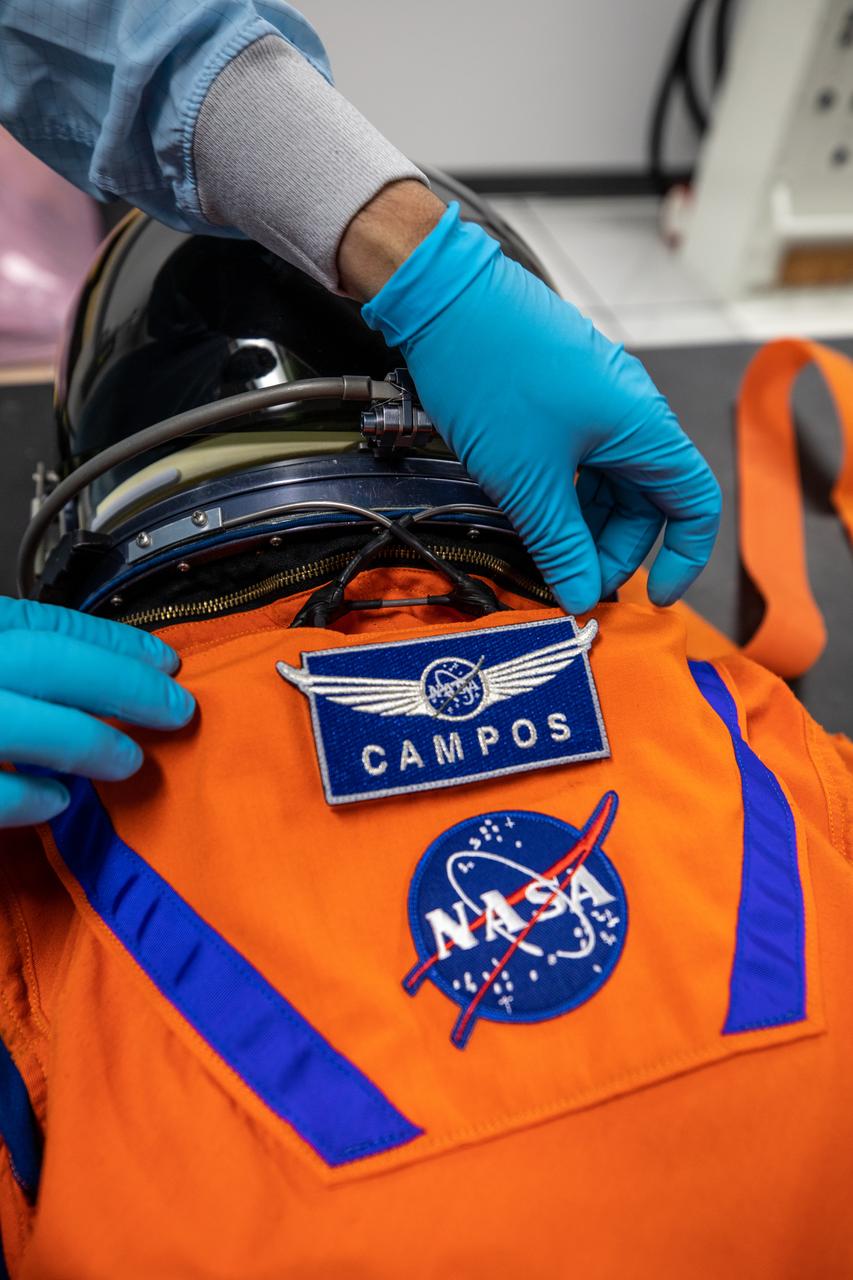
Teams from Johnson Space Center, Exploration Ground Systems, and Jacobs TOSC conduct final inspections of Moonikin “Campos” on Nov. 9, 2021, inside the Space Station Processing Facility at NASA’s Kennedy Space Center in Florida. Moonikin “Campos” will be installed into the Orion crew module. Technicians checked connectivity and performed fit checks on his flight suit to ensure he is ready for flight aboard the Artemis flight test. Artemis I will be an uncrewed test flight of the Orion spacecraft and Space Launch System rocket as an integrated system ahead of crewed flights to the Moon. Under Artemis, NASA aims to land the first woman and first person of color on the Moon and establish sustainable lunar exploration.

Teams from Johnson Space Center, Exploration Ground Systems, and Jacobs TOSC conduct final inspections of Moonikin “Campos” on Nov. 9, 2021, inside the Space Station Processing Facility at NASA’s Kennedy Space Center in Florida. Moonikin “Campos” will be installed into the Orion crew module. Technicians checked connectivity and performed fit checks on his flight suit to ensure he is ready for flight aboard the Artemis flight test. Artemis I will be an uncrewed test flight of the Orion spacecraft and Space Launch System rocket as an integrated system ahead of crewed flights to the Moon. Under Artemis, NASA aims to land the first woman and first person of color on the Moon and establish sustainable lunar exploration.
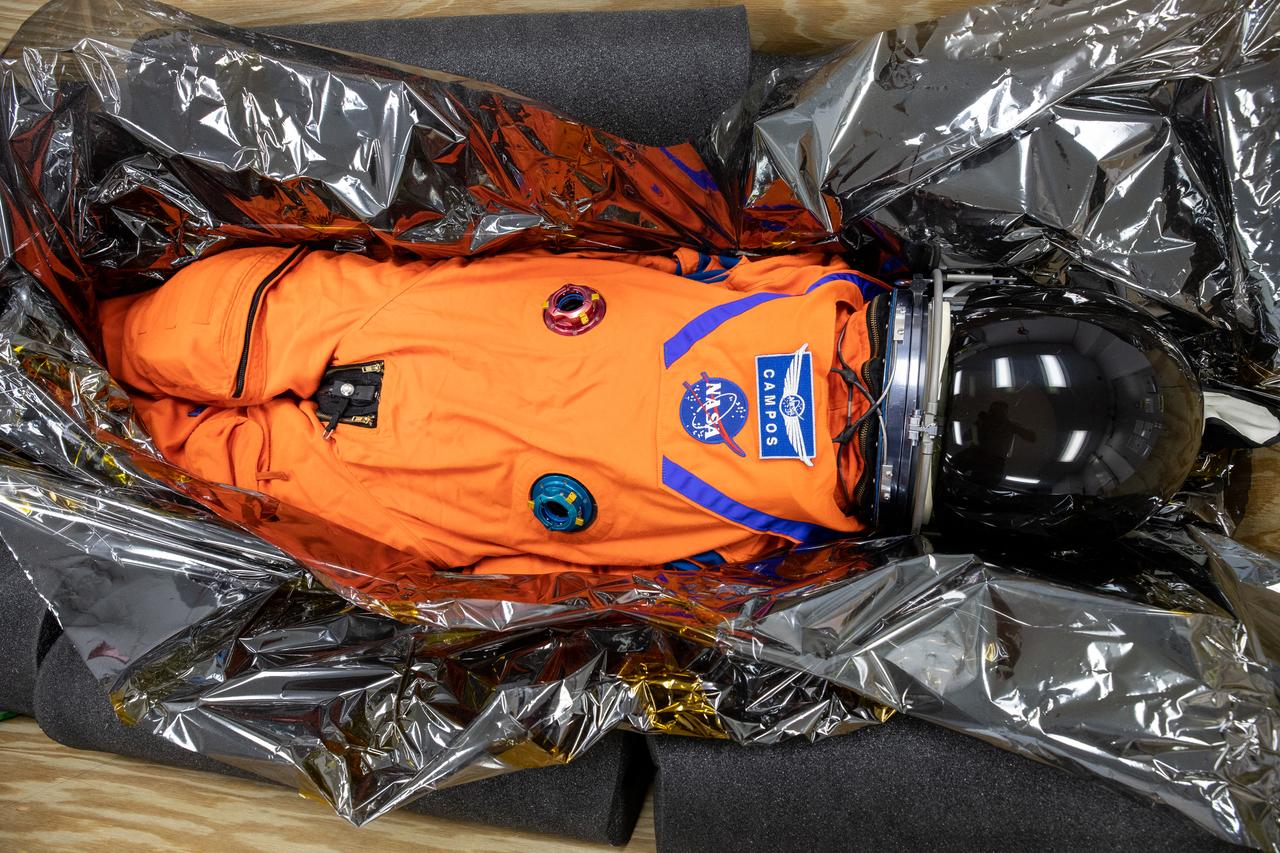
Commander Moonikin Campos, a sensored stand-in for humans from NASA’s Artemis I mission, is packed within its transport crate inside the Space Station Processing Facility at Kennedy Space Center in Florida on Jan. 10, 2023, for its trip back to NASA’s Johnson Space Center in Houston. Moonikin Campos was secured inside the Orion spacecraft for the mission beyond the Moon and back to Earth. Artemis I Orion launched atop the Space Launch System (SLS) rocket from Kennedy’s Launch Complex 39B on Nov. 16, 2022, at 1:47 a.m. EST for a 25-day trip beyond the Moon and back. During the flight, Orion flew farther than any human-rated spacecraft has ever flown, paving the way for human deep space exploration and demonstrating NASA’s commitment and capability to extend human presence to the Moon and beyond. The primary goal of Artemis I was to thoroughly test the SLS and Orion spacecraft’s integrated systems before crewed missions. Under Artemis, NASA aims to land the first woman and first person of color on the Moon and establish sustainable lunar exploration.
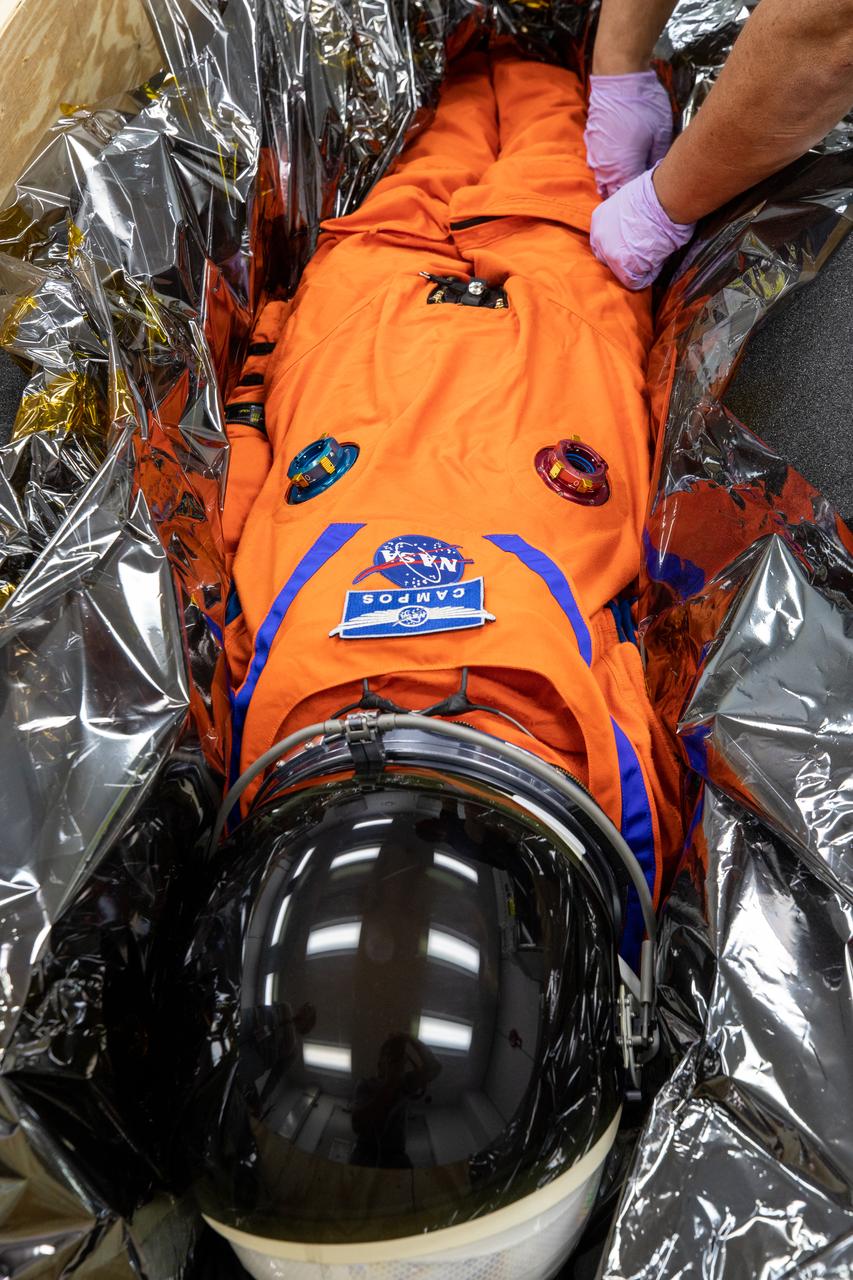
Commander Moonikin Campos, a sensored stand-in for humans from NASA’s Artemis I mission, is packed within its transport crate inside the Space Station Processing Facility at Kennedy Space Center in Florida on Jan. 10, 2023, for its trip back to NASA’s Johnson Space Center in Houston. Moonikin Campos was secured inside the Orion spacecraft for the mission beyond the Moon and back to Earth. Artemis I Orion launched atop the Space Launch System (SLS) rocket from Kennedy’s Launch Complex 39B on Nov. 16, 2022, at 1:47 a.m. EST for a 25-day trip beyond the Moon and back. During the flight, Orion flew farther than any human-rated spacecraft has ever flown, paving the way for human deep space exploration and demonstrating NASA’s commitment and capability to extend human presence to the Moon and beyond. The primary goal of Artemis I was to thoroughly test the SLS and Orion spacecraft’s integrated systems before crewed missions. Under Artemis, NASA aims to land the first woman and first person of color on the Moon and establish sustainable lunar exploration.
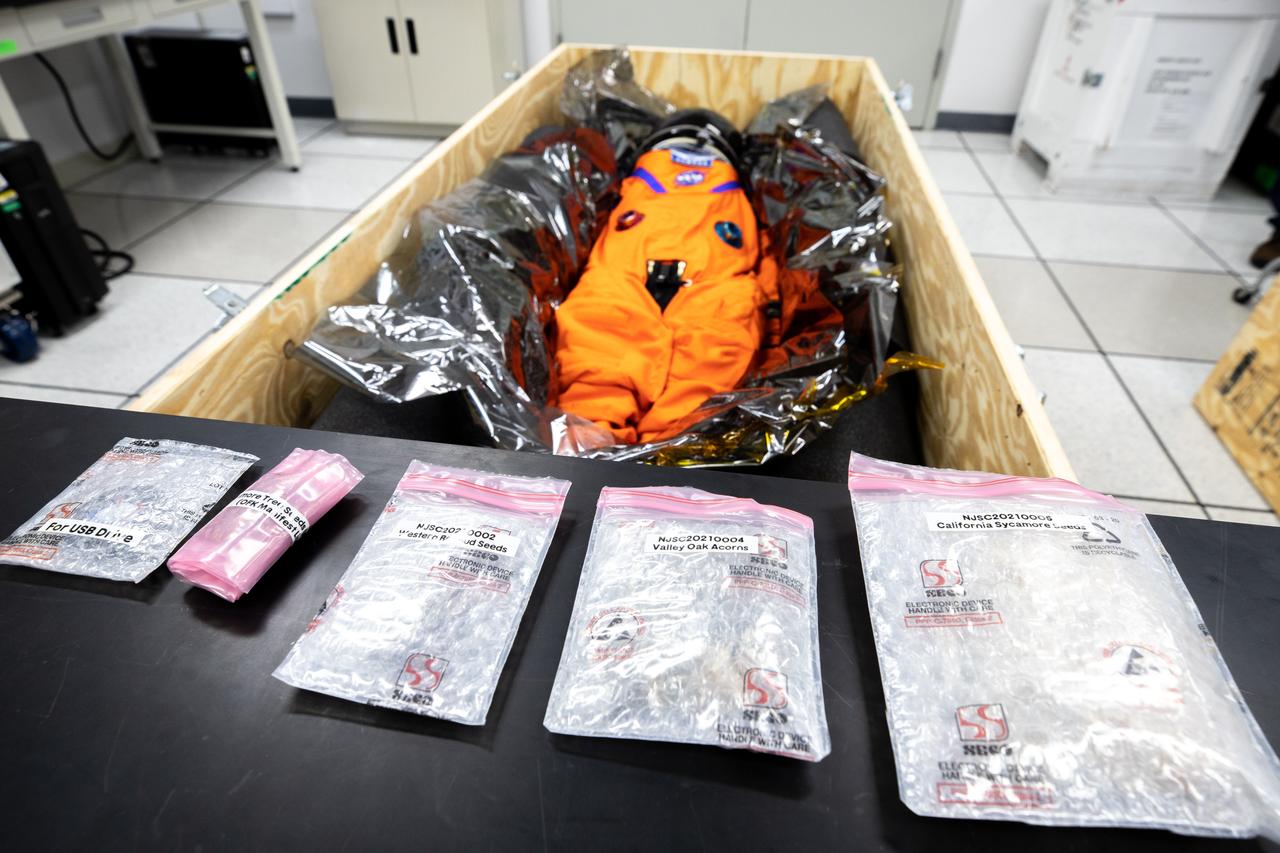
Commander Moonikin Campos, a sensored stand-in for humans from NASA’s Artemis I mission, is packed within its transport crate inside the Space Station Processing Facility at Kennedy Space Center in Florida on Jan. 10, 2023, for its trip back to NASA’s Johnson Space Center in Houston. In the foreground are packages of seeds that rode with Moonikin Campos secured inside the Orion spacecraft for the mission beyond the Moon and back to Earth. Artemis I Orion launched atop the Space Launch System (SLS) rocket from Kennedy’s Launch Complex 39B on Nov. 16, 2022, at 1:47 a.m. EST for a 25-day trip beyond the Moon and back. During the flight, Orion flew farther than any human-rated spacecraft has ever flown, paving the way for human deep space exploration and demonstrating NASA’s commitment and capability to extend human presence to the Moon and beyond. The primary goal of Artemis I was to thoroughly test the SLS and Orion spacecraft’s integrated systems before crewed missions. Under Artemis, NASA aims to land the first woman and first person of color on the Moon and establish sustainable lunar exploration.
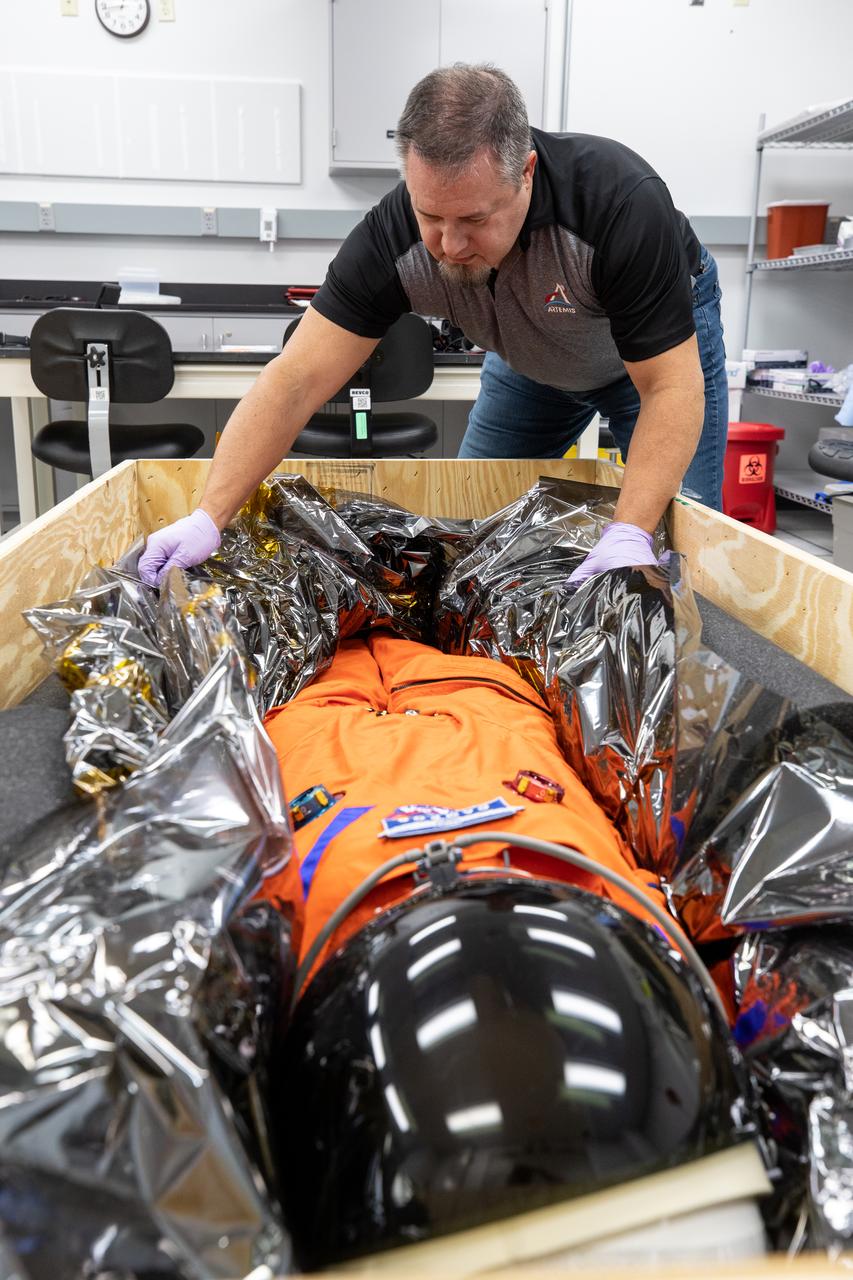
Joe Leblanc, Orion payload and cargo manager with Lockheed Martin, secures Commander Moonikin Campos, a sensored stand-in for humans from NASA’s Artemis I mission, inside its transport crate in the Space Station Processing Facility at Kennedy Space Center in Florida on Jan. 10, 2023, for its trip back to NASA’s Johnson Space Center in Houston. Moonikin Campos was secured inside the Orion spacecraft for the mission beyond the Moon and back to Earth. Artemis I Orion launched atop the Space Launch System (SLS) rocket from Kennedy’s Launch Complex 39B on Nov. 16, 2022, at 1:47 a.m. EST for a 25-day trip beyond the Moon and back. During the flight, Orion flew farther than any human-rated spacecraft has ever flown, paving the way for human deep space exploration and demonstrating NASA’s commitment and capability to extend human presence to the Moon and beyond. The primary goal of Artemis I was to thoroughly test the SLS and Orion spacecraft’s integrated systems before crewed missions. Under Artemis, NASA aims to land the first woman and first person of color on the Moon and establish sustainable lunar exploration.
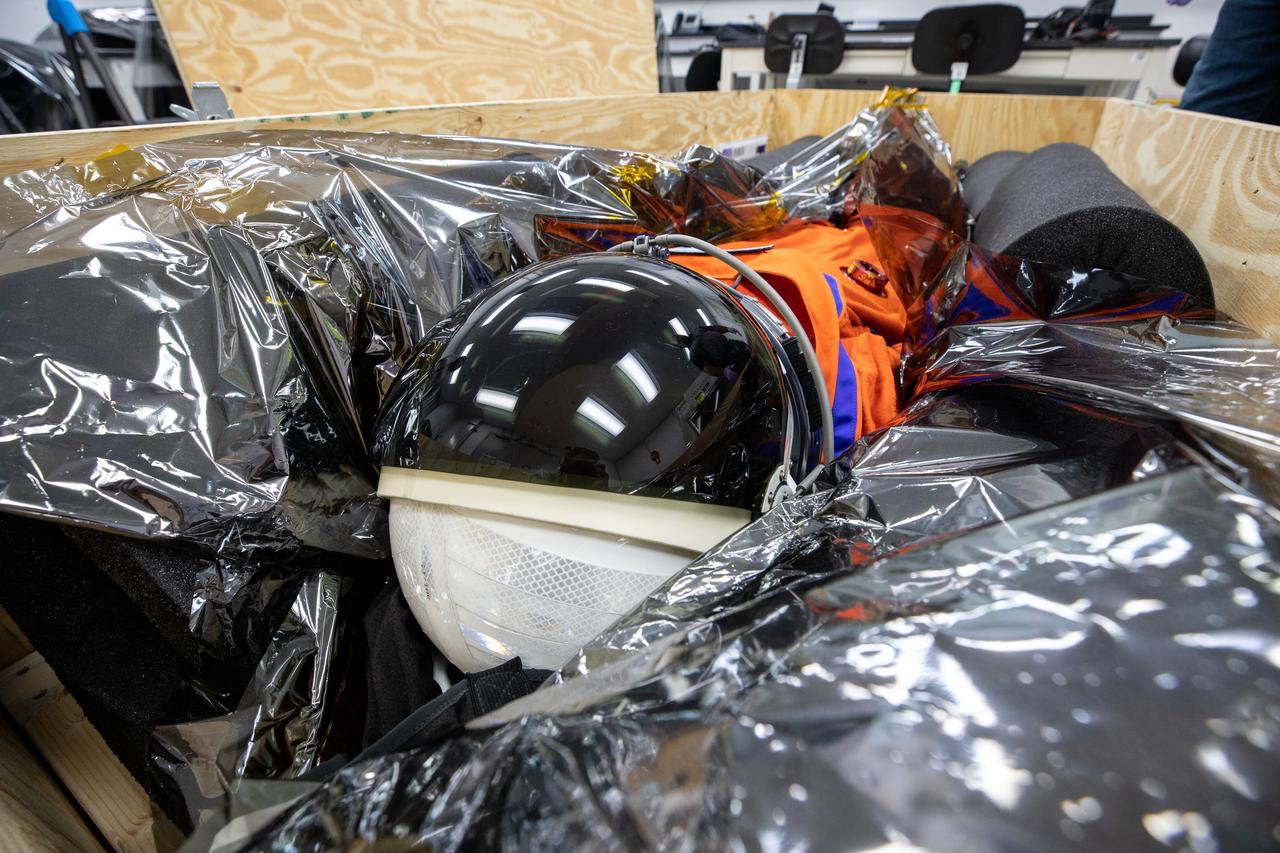
Commander Moonikin Campos, a sensored stand-in for humans from NASA’s Artemis I mission, is packed within its transport crate inside the Space Station Processing Facility at Kennedy Space Center in Florida on Jan. 10, 2023, for its trip back to NASA’s Johnson Space Center in Houston. Moonikin Campos was secured inside the Orion spacecraft for the mission beyond the Moon and back to Earth. Artemis I Orion launched atop the Space Launch System (SLS) rocket from Kennedy’s Launch Complex 39B on Nov. 16, 2022, at 1:47 a.m. EST for a 25-day trip beyond the Moon and back. During the flight, Orion flew farther than any human-rated spacecraft has ever flown, paving the way for human deep space exploration and demonstrating NASA’s commitment and capability to extend human presence to the Moon and beyond. The primary goal of Artemis I was to thoroughly test the SLS and Orion spacecraft’s integrated systems before crewed missions. Under Artemis, NASA aims to land the first woman and first person of color on the Moon and establish sustainable lunar exploration.

A close-up view of Moonikin “Campos” secured in a seat inside the Artemis I Orion crew module atop the Space Launch System rocket in High Bay 3 of the Vehicle Assembly Building at NASA’s Kennedy Space Center in Florida on Aug. 3, 2022. Artemis I will provide a foundation for human deep space exploration and demonstrate NASA’s capability to extend human present to the Moon and beyond. The primary goal of Artemis I is to thoroughly test the Space Launch System rocket and Orion spacecraft’s integrated systems before crewed missions. Under Artemis, NASA aims to land the first woman and first person of color on the Moon and establish sustainable lunar exploration.
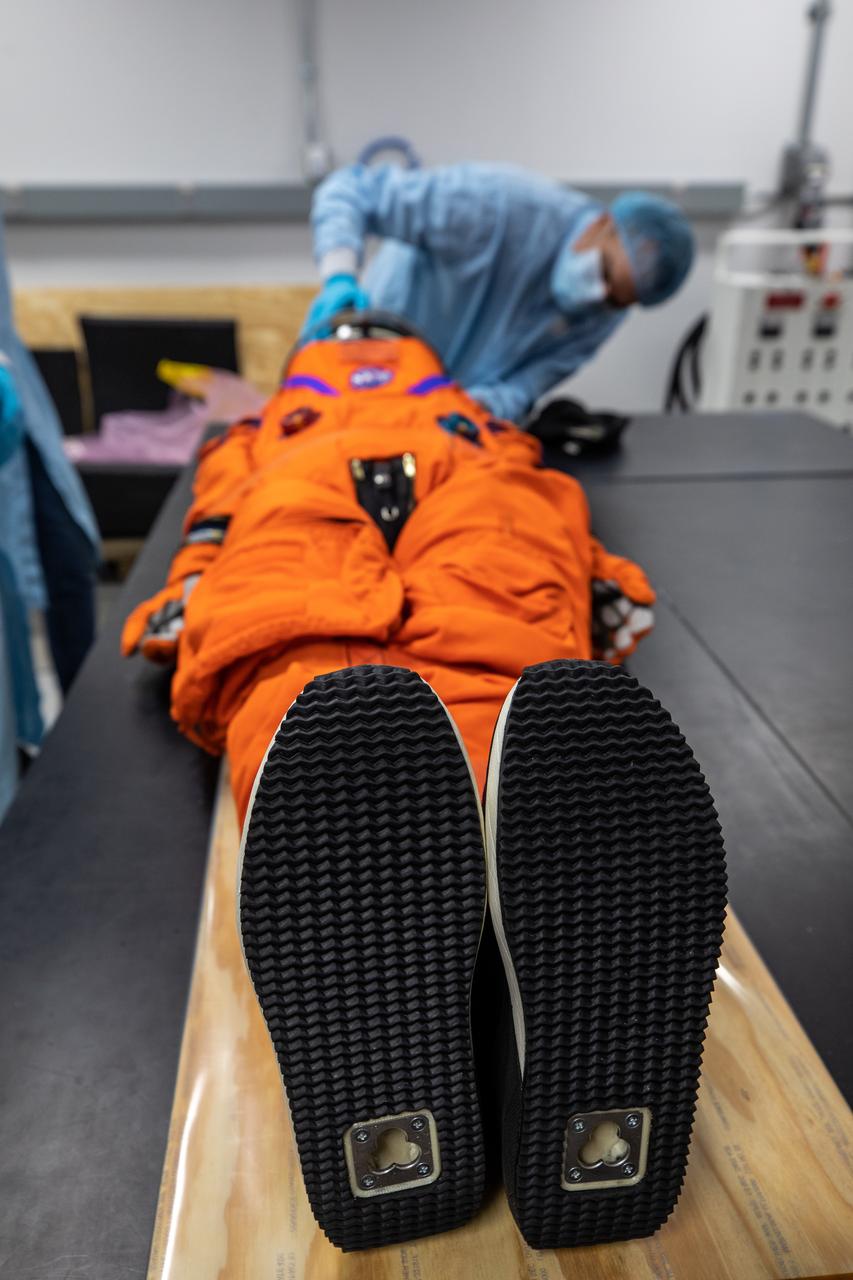
Inside the Space Station Processing Facility at NASA’s Kennedy Space Center in Florida, teams from Johnson Space Center, Exploration Ground Systems, and Jacobs TOSC conduct final inspections of Moonikin “Campos” on Nov. 9, 2021, prior to installation into the Orion crew module. Technicians checked connectivity and performed fit checks on his flight suit to ensure he is ready for flight aboard the Artemis flight test. Artemis I will be an uncrewed test flight of the Orion spacecraft and Space Launch System rocket as an integrated system ahead of crewed flights to the Moon. Under Artemis, NASA aims to land the first woman and first person of color on the Moon and establish sustainable lunar exploration.
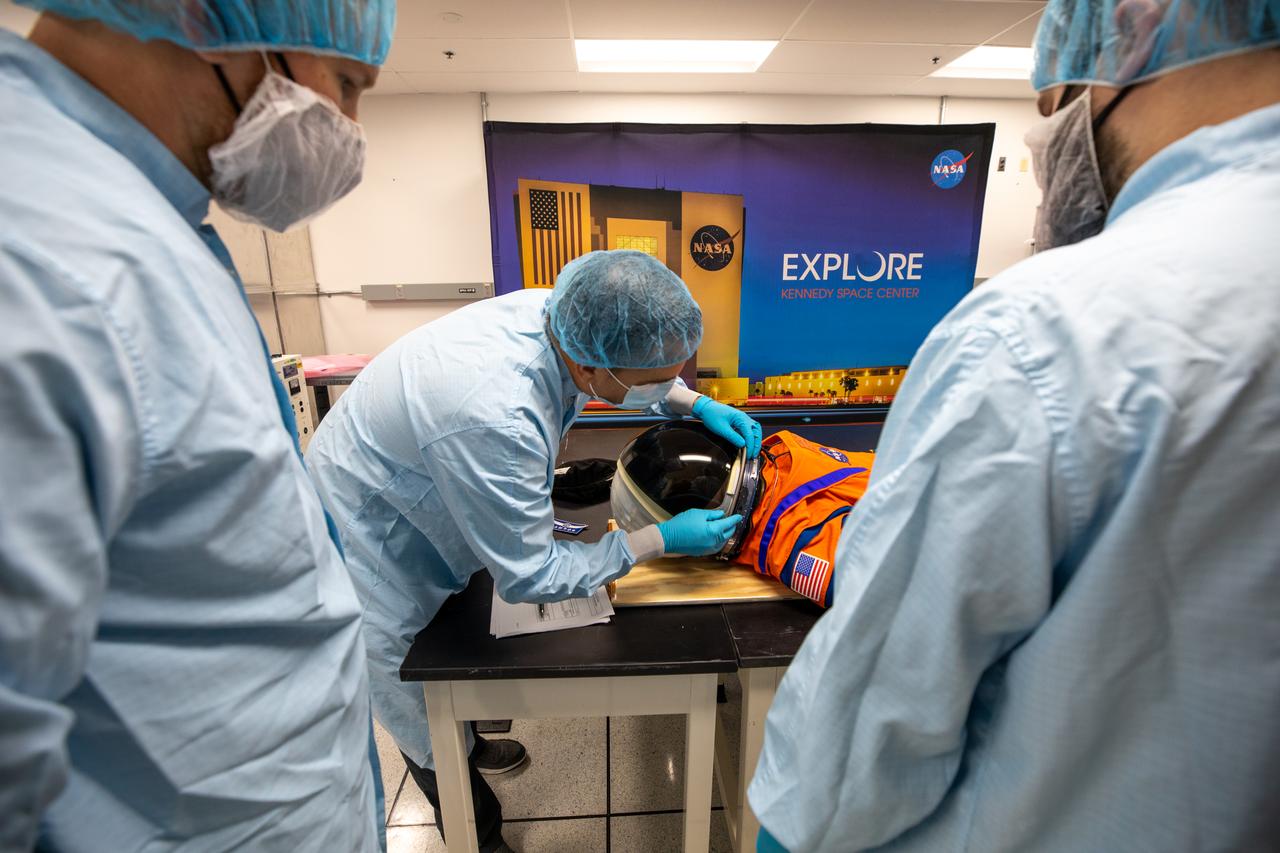
Inside the Space Station Processing Facility at NASA’s Kennedy Space Center in Florida, teams from Johnson Space Center, Exploration Ground Systems, and Jacobs TOSC conduct final inspections of Moonikin “Campos” on Nov. 9, 2021, prior to installation into the Orion crew module. Technicians checked connectivity and performed fit checks on his flight suit to ensure he is ready for flight aboard the Artemis flight test. Artemis I will be an uncrewed test flight of the Orion spacecraft and Space Launch System rocket as an integrated system ahead of crewed flights to the Moon. Under Artemis, NASA aims to land the first woman and first person of color on the Moon and establish sustainable lunar exploration.
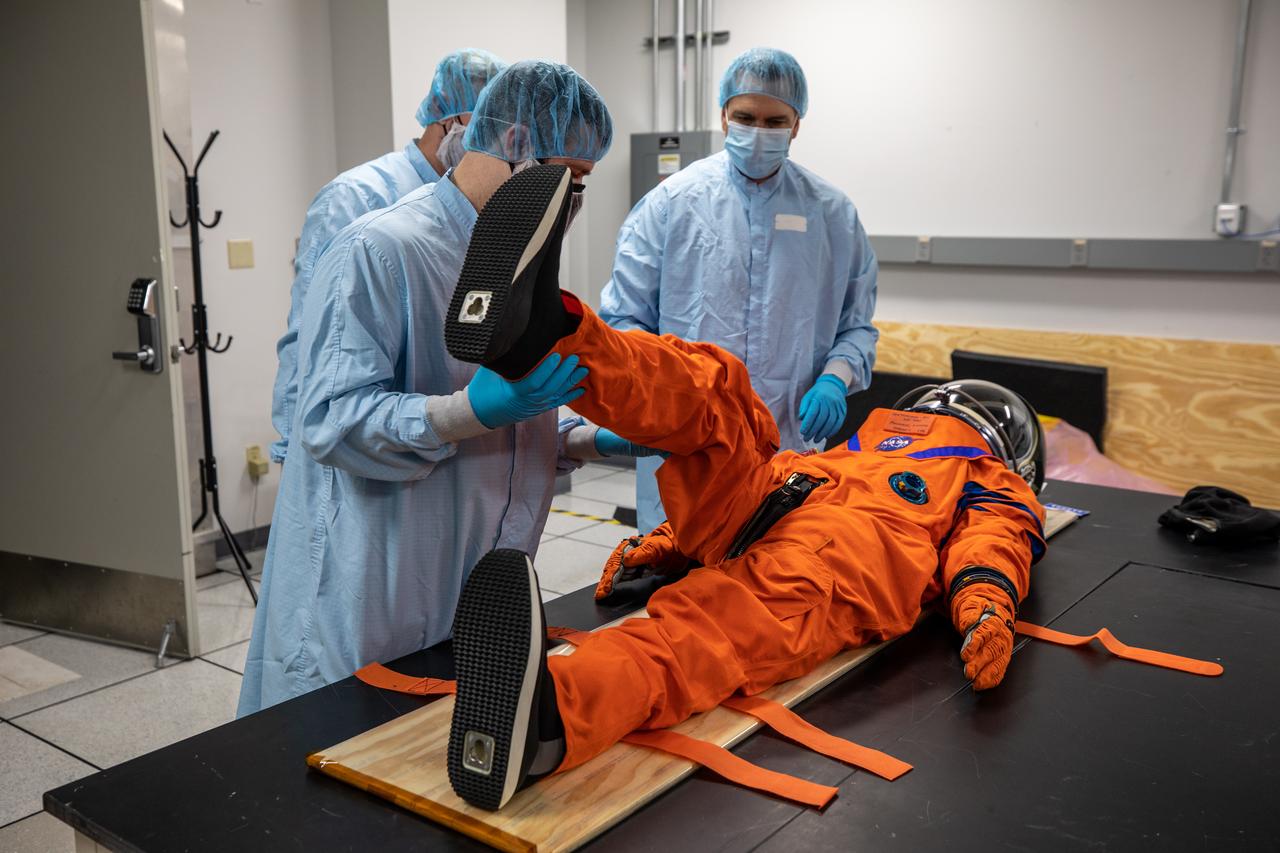
Inside the Space Station Processing Facility at NASA’s Kennedy Space Center in Florida, teams from Johnson Space Center, Exploration Ground Systems, and Jacobs TOSC conduct final inspections of Moonikin “Campos” on Nov. 9, 2021, prior to installation into the Orion crew module. Technicians checked connectivity and performed fit checks on his flight suit to ensure he is ready for flight aboard the Artemis flight test. Artemis I will be an uncrewed test flight of the Orion spacecraft and Space Launch System rocket as an integrated system ahead of crewed flights to the Moon. Under Artemis, NASA aims to land the first woman and first person of color on the Moon and establish sustainable lunar exploration.

A view of Moonikin “Campos” secured in a seat inside the Artemis I Orion crew module atop the Space Launch System rocket in High Bay 3 of the Vehicle Assembly Building at NASA’s Kennedy Space Center in Florida on Aug. 3, 2022. Artemis I will provide a foundation for human deep space exploration and demonstrate NASA’s capability to extend human present to the Moon and beyond. The primary goal of Artemis I is to thoroughly test the Space Launch System rocket and Orion spacecraft’s integrated systems before crewed missions. Under Artemis, NASA aims to land the first woman and first person of color on the Moon and establish sustainable lunar exploration.
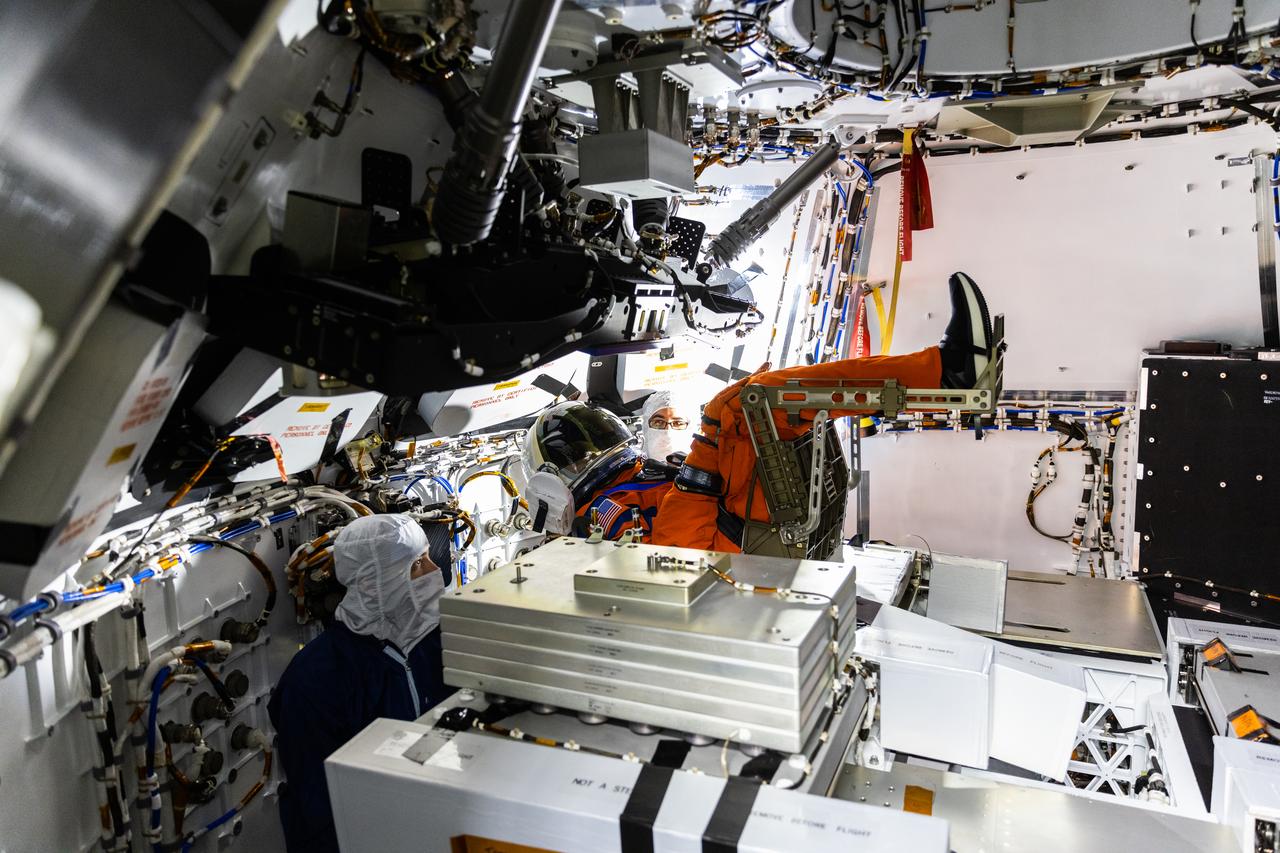
A view of Moonikin “Campos” secured in a seat inside the Artemis I Orion crew module atop the Space Launch System rocket in High Bay 3 of the Vehicle Assembly Building at NASA’s Kennedy Space Center in Florida on Aug. 3, 2022. Artemis I will provide a foundation for human deep space exploration and demonstrate NASA’s capability to extend human present to the Moon and beyond. The primary goal of Artemis I is to thoroughly test the Space Launch System rocket and Orion spacecraft’s integrated systems before crewed missions. Under Artemis, NASA aims to land the first woman and first person of color on the Moon and establish sustainable lunar exploration.
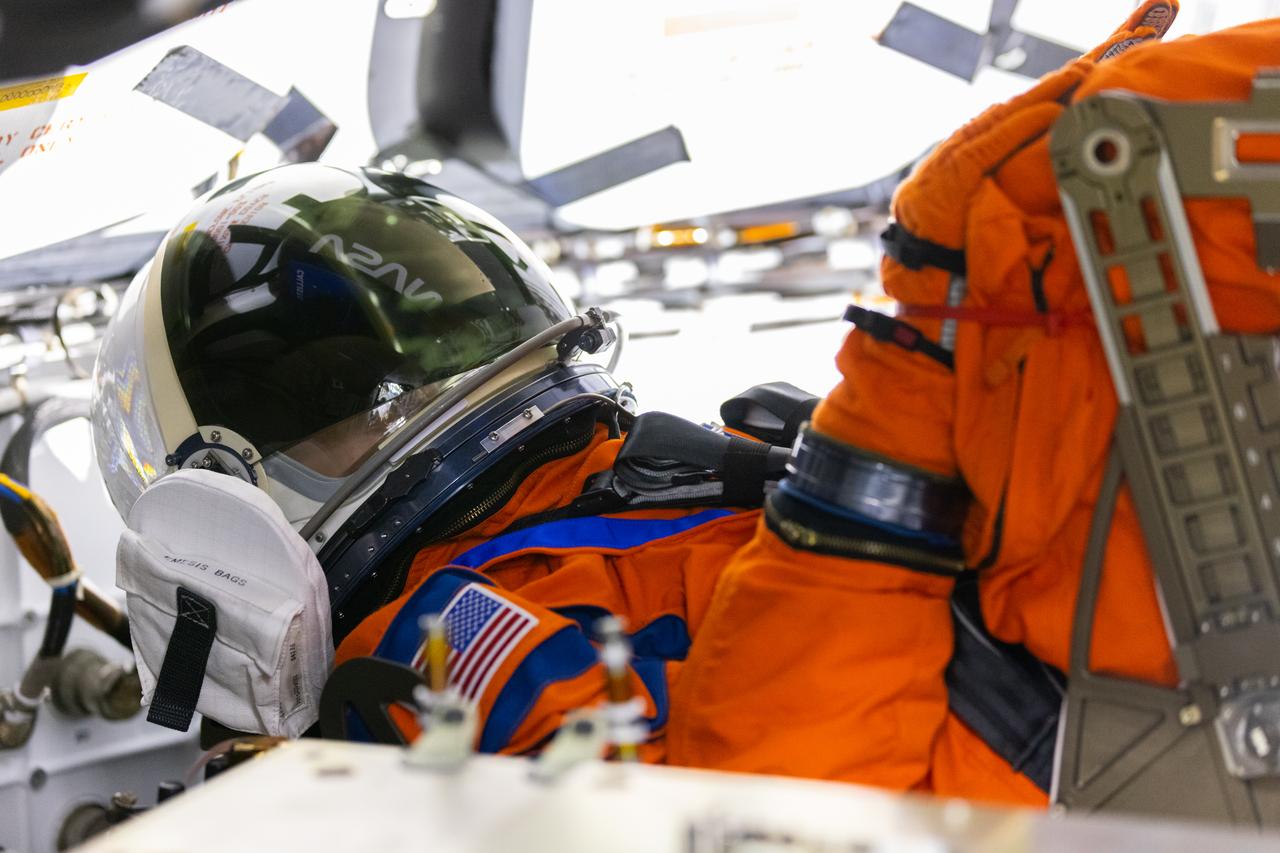
A close-up view of Moonikin “Campos” secured in a seat inside the Artemis I Orion crew module atop the Space Launch System rocket in High Bay 3 of the Vehicle Assembly Building at NASA’s Kennedy Space Center in Florida on Aug. 3, 2022. Artemis I will provide a foundation for human deep space exploration and demonstrate NASA’s capability to extend human present to the Moon and beyond. The primary goal of Artemis I is to thoroughly test the Space Launch System rocket and Orion spacecraft’s integrated systems before crewed missions. Under Artemis, NASA aims to land the first woman and first person of color on the Moon and establish sustainable lunar exploration.
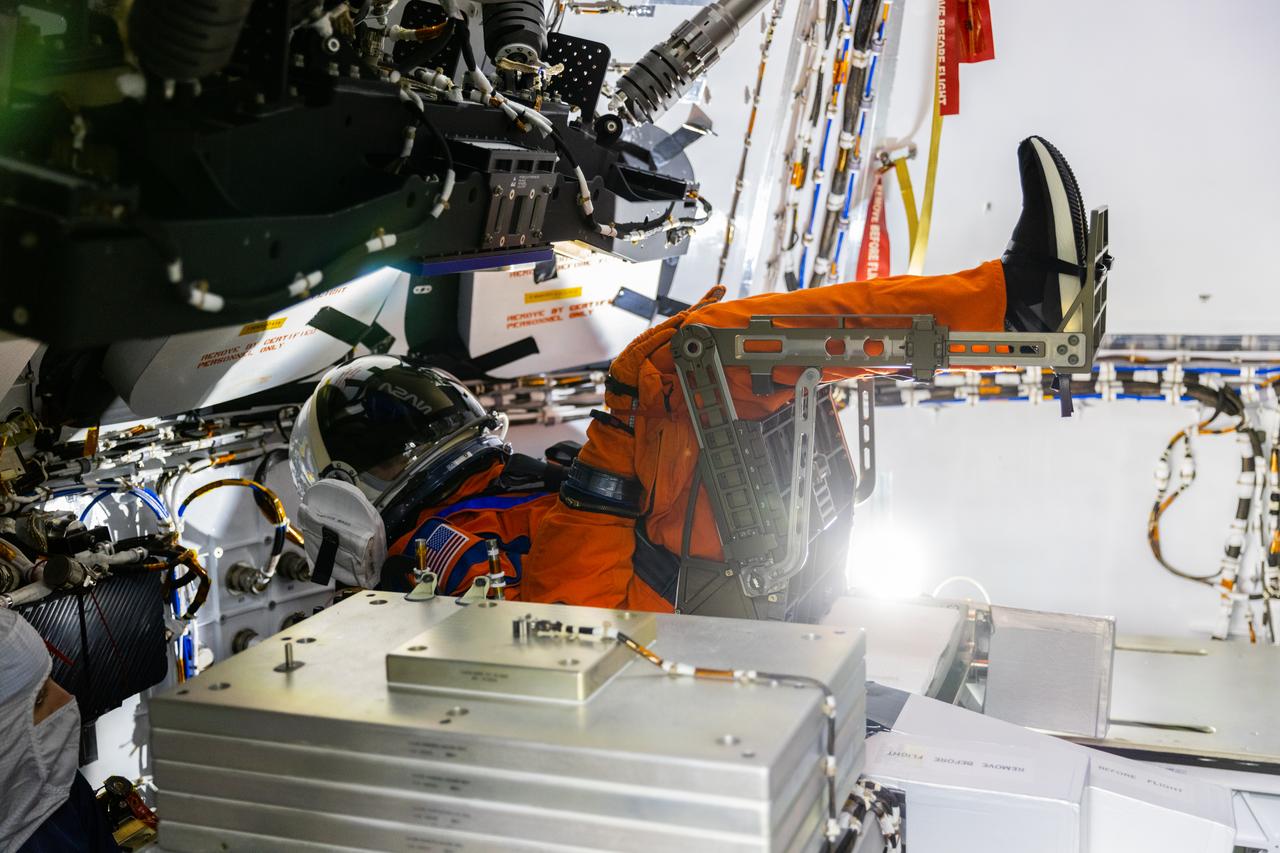
A view of Moonikin “Campos” secured in a seat inside the Artemis I Orion crew module atop the Space Launch System rocket in High Bay 3 of the Vehicle Assembly Building at NASA’s Kennedy Space Center in Florida on Aug. 3, 2022. Artemis I will provide a foundation for human deep space exploration and demonstrate NASA’s capability to extend human present to the Moon and beyond. The primary goal of Artemis I is to thoroughly test the Space Launch System rocket and Orion spacecraft’s integrated systems before crewed missions. Under Artemis, NASA aims to land the first woman and first person of color on the Moon and establish sustainable lunar exploration.
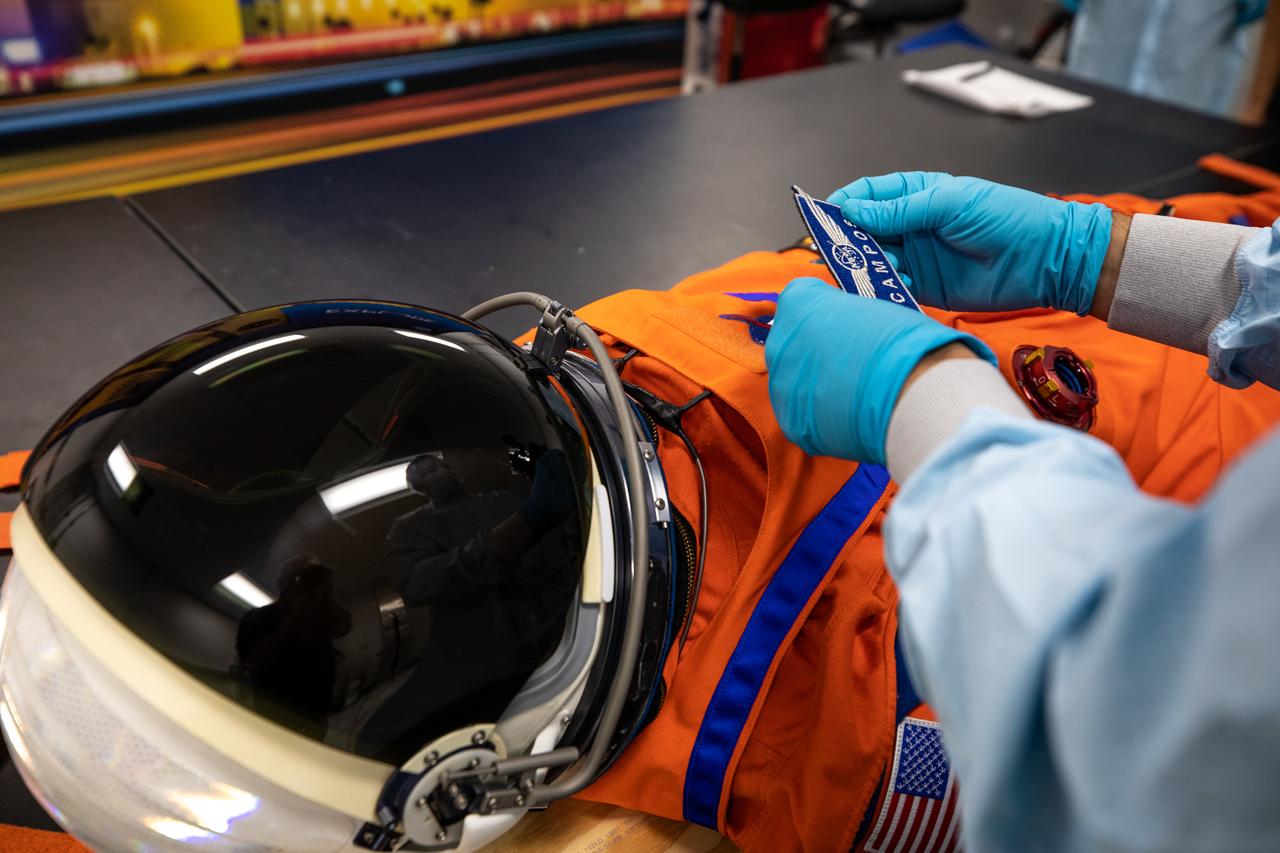
Inside the Space Station Processing Facility at NASA’s Kennedy Space Center in Florida, teams from Johnson Space Center, Exploration Ground Systems, and Jacobs TOSC conduct final inspections of Moonikin “Campos” on Nov. 9, 2021, prior to installation into the Orion crew module. Technicians checked connectivity and performed fit checks on his flight suit to ensure he is ready for flight aboard the Artemis flight test. Artemis I will be an uncrewed test flight of the Orion spacecraft and Space Launch System rocket as an integrated system ahead of crewed flights to the Moon. Under Artemis, NASA aims to land the first woman and first person of color on the Moon and establish sustainable lunar exploration.
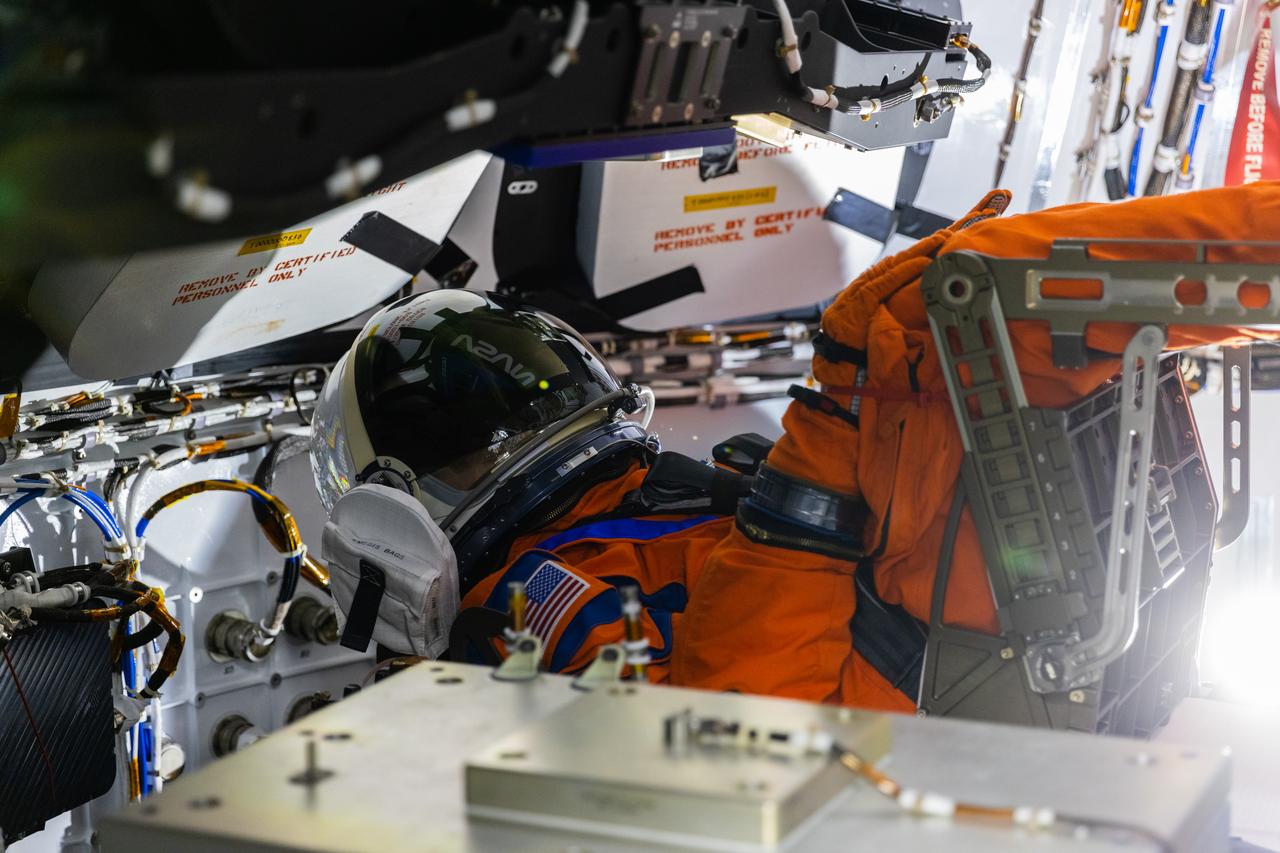
A view of Moonikin “Campos” secured in a seat inside the Artemis I Orion crew module atop the Space Launch System rocket in High Bay 3 of the Vehicle Assembly Building at NASA’s Kennedy Space Center in Florida on Aug. 3, 2022. Artemis I will provide a foundation for human deep space exploration and demonstrate NASA’s capability to extend human present to the Moon and beyond. The primary goal of Artemis I is to thoroughly test the Space Launch System rocket and Orion spacecraft’s integrated systems before crewed missions. Under Artemis, NASA aims to land the first woman and first person of color on the Moon and establish sustainable lunar exploration.
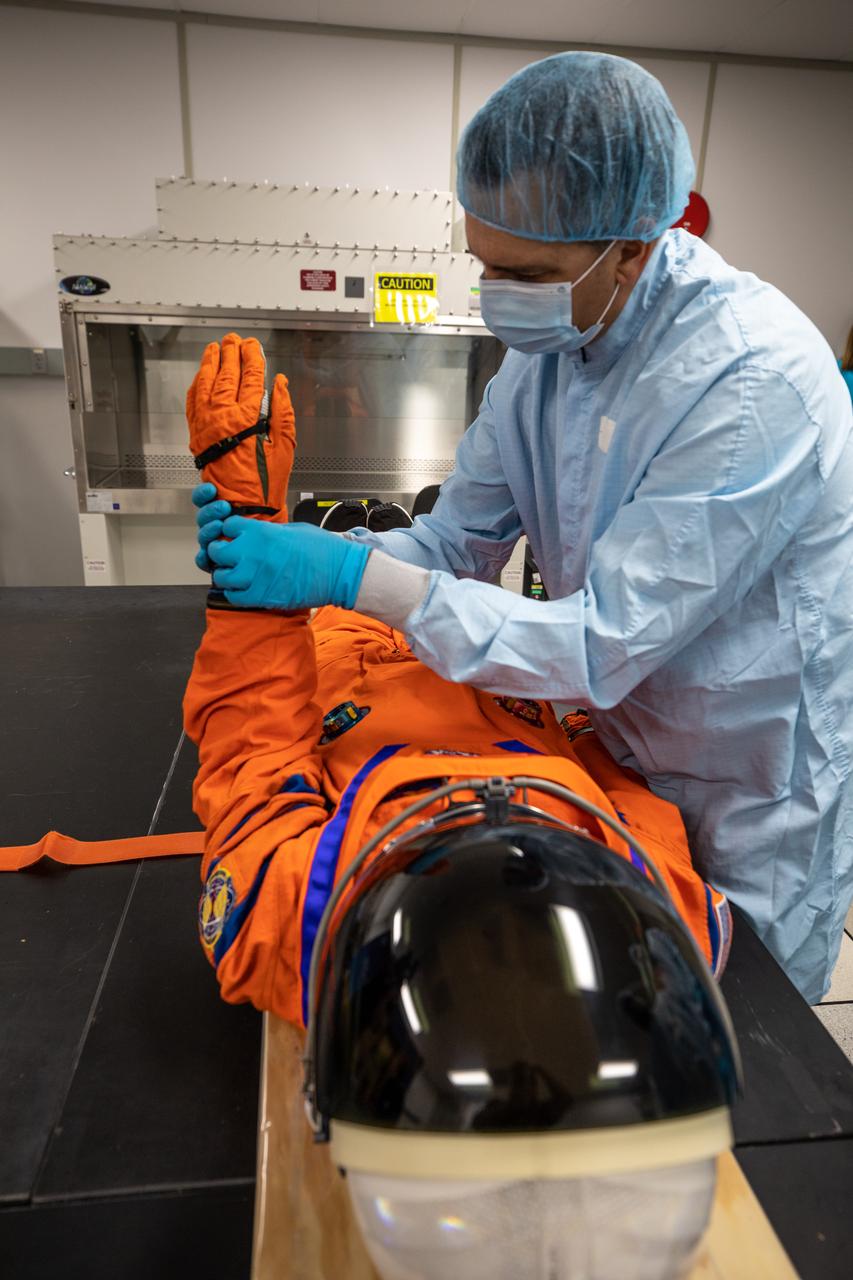
Inside the Space Station Processing Facility at NASA’s Kennedy Space Center in Florida, teams from Johnson Space Center, Exploration Ground Systems, and Jacobs TOSC conduct final inspections of Moonikin “Campos” on Nov. 9, 2021, prior to installation into the Orion crew module. Technicians checked connectivity and performed fit checks on his flight suit to ensure he is ready for flight aboard the Artemis flight test. Artemis I will be an uncrewed test flight of the Orion spacecraft and Space Launch System rocket as an integrated system ahead of crewed flights to the Moon. Under Artemis, NASA aims to land the first woman and first person of color on the Moon and establish sustainable lunar exploration.
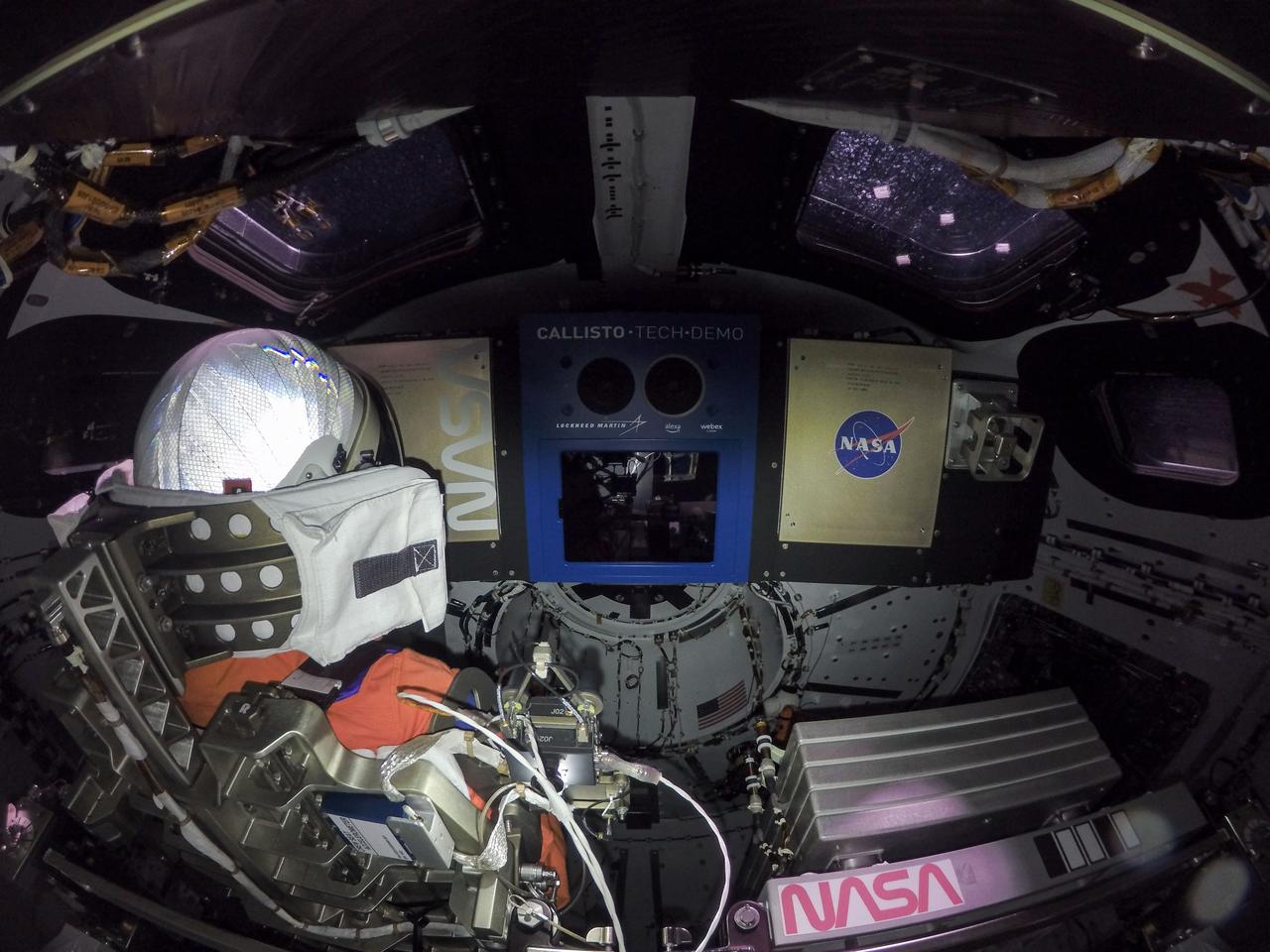
This high-resolution image captures the inside of the Orion crew module on flight day one of the Artemis I mission. At left is Commander Moonikin Campos, a purposeful passenger equipped with sensors to collect data that will help scientists and engineers understand the deep-space environment for future Artemis missions. At center is the Callisto payload, a technology demonstration of voice-activated audio and video technology from Lockheed Martin in collaboration with Amazon and Cisco. Callisto could assist future astronauts on deep-space missions. Below and to the right of Callisto is the Artemis I zero-gravity indicator, astronaut Snoopy.
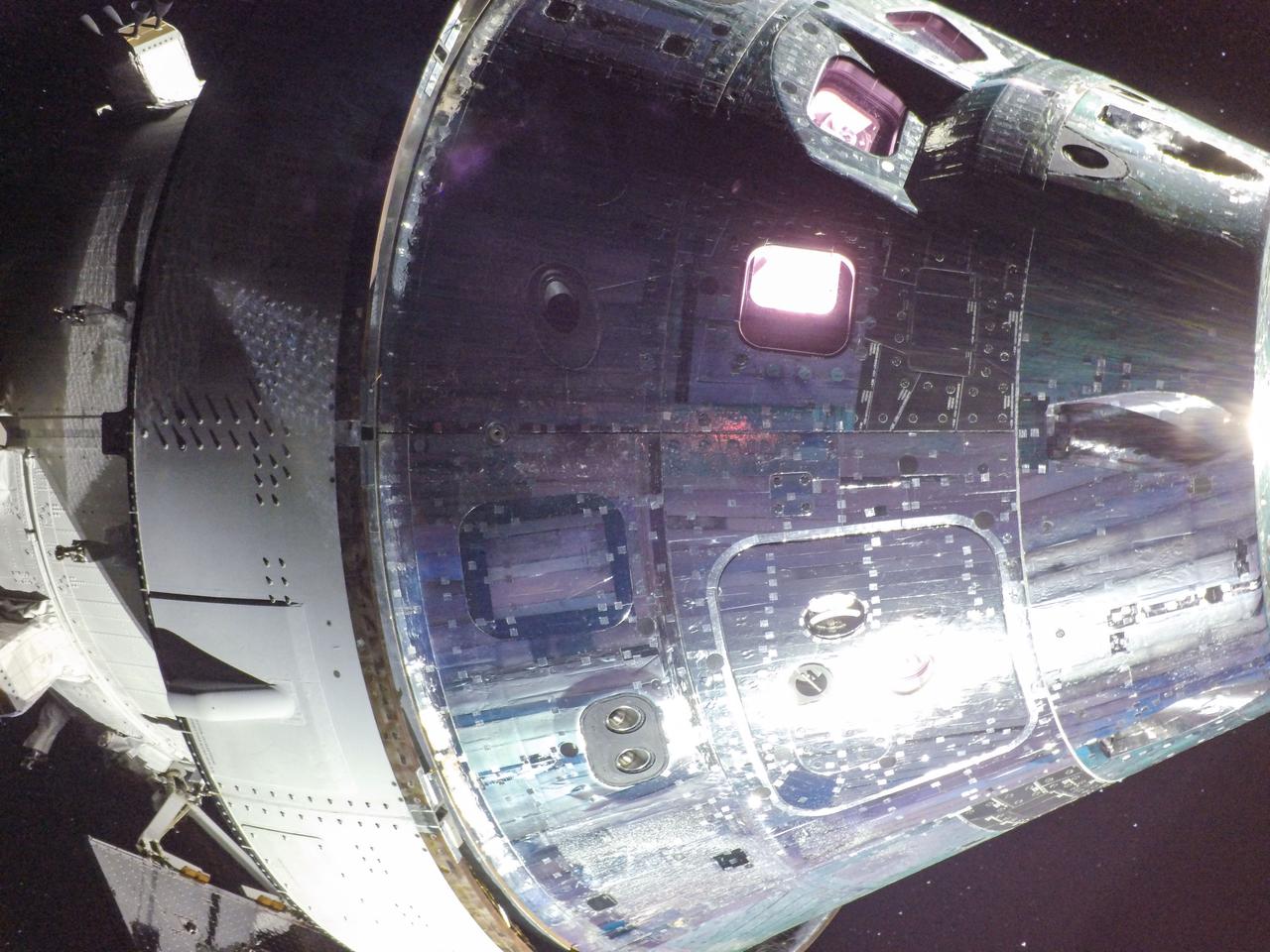
art001e002143 (Dec. 5, 2022) - Solar array-mounted cameras capture close-up images of NASA's Orion Command Module and European Service Module on the 20th day of the Artemis I mission. Windows on the Orion capsule offer a glimpse of “Commander Moonikin Campos," a manikin equipped with sensors measuring radiation, acceleration, and vibration data throughout the mission.
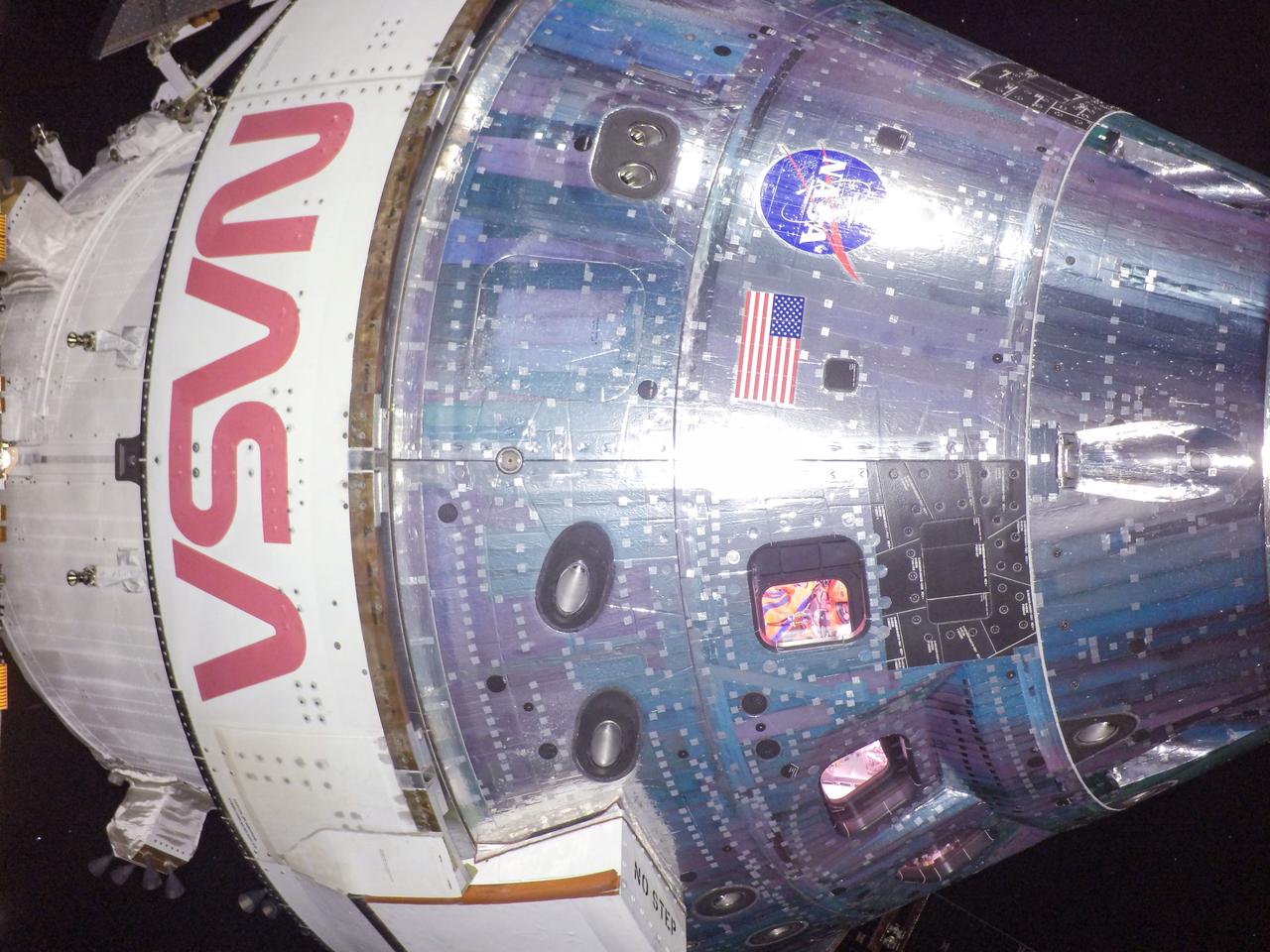
art001e002135 (Dec. 5, 2022) - Solar array-mounted cameras capture close-up images of NASA's Orion Command Module and European Service Module on the 20th day of the Artemis I mission. Windows on the Orion capsule offer a glimpse of “Commander Moonikin Campos," a manikin equipped with sensors measuring radiation, acceleration, and vibration data throughout the mission.
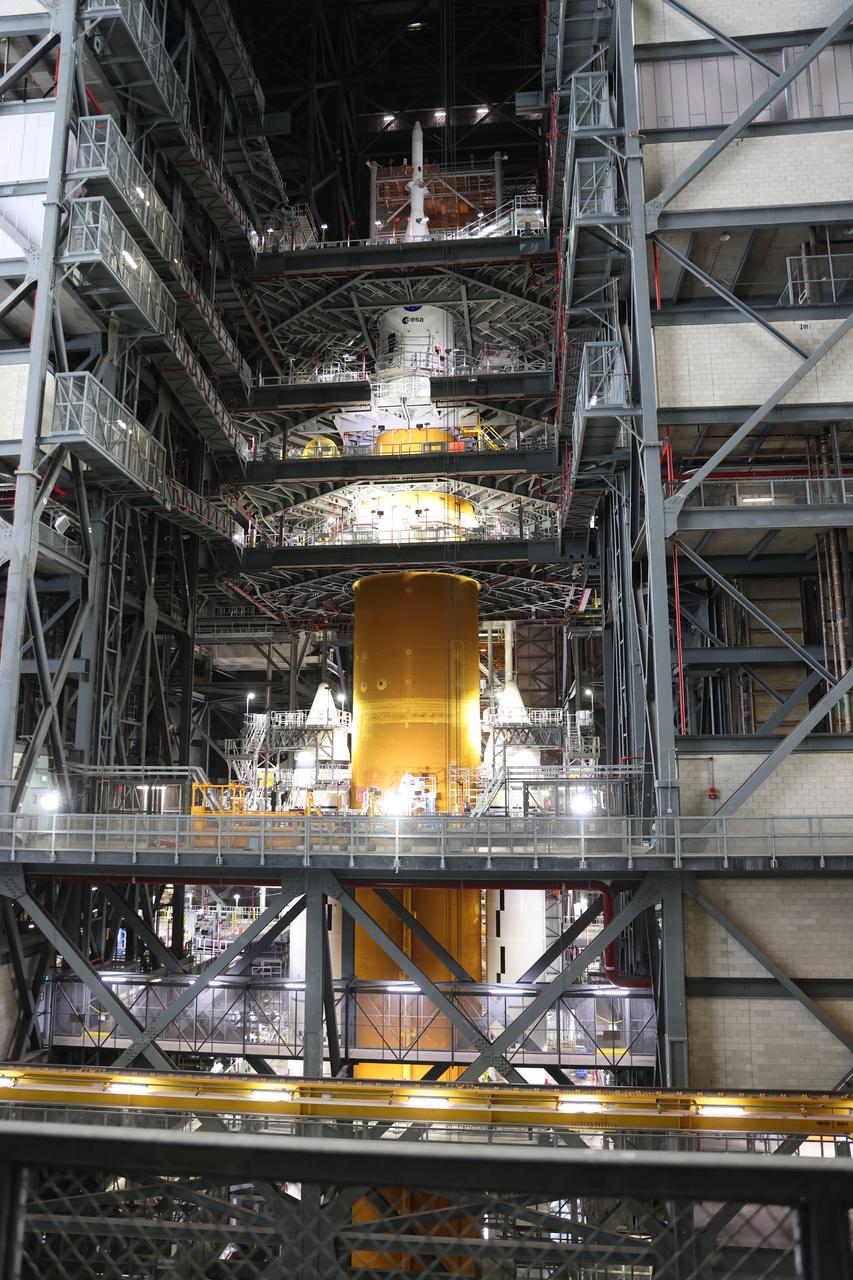
NASA Space Launch System (SLS) rocket and Orion spacecraft for Artemis I are in view inside High Bay 3 of the Vehicle Assembly Building at the agency’s NASA’s Kennedy Space Center in Florida on Aug. 3, 2022. Artemis I will be the first integrated test of the SLS and Orion spacecraft. In later missions, NASA will land the first woman and the first person of color on the surface of the Moon, paving the way for a long-term lunar presence and serving as a steppingstone on the way to Mars.
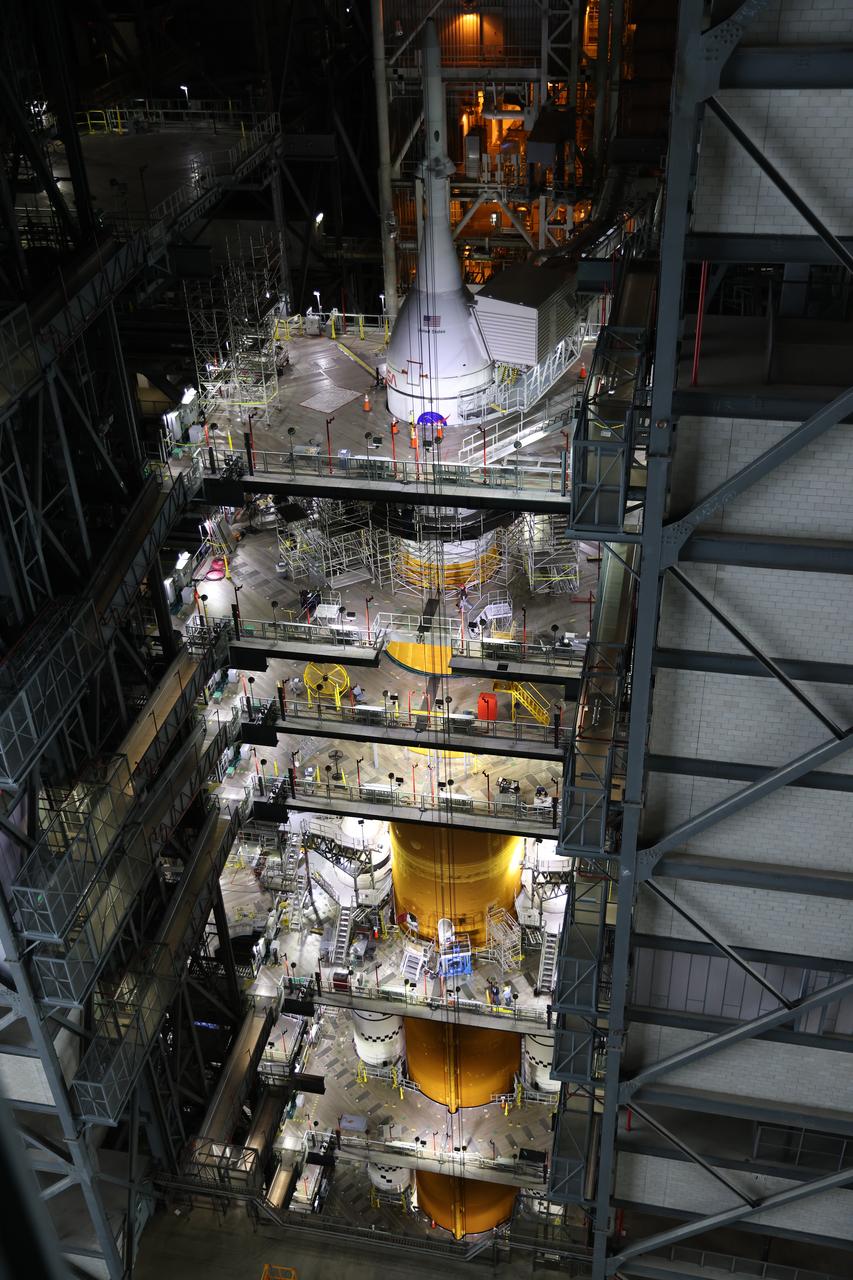
In a view from above, NASA’s Space Launch System (SLS) rocket and Orion spacecraft for Artemis I are in High Bay 3 inside the Vehicle Assembly Building at the agency’s Kennedy Space Center in Florida on Aug. 3, 2022. Work platforms surround the SLS and Orion stack. Artemis I will be the first integrated test of the SLS and Orion spacecraft. In later missions, NASA will land the first woman and the first person of color on the surface of the Moon, paving the way for a long-term lunar presence and serving as a steppingstone on the way to Mars.
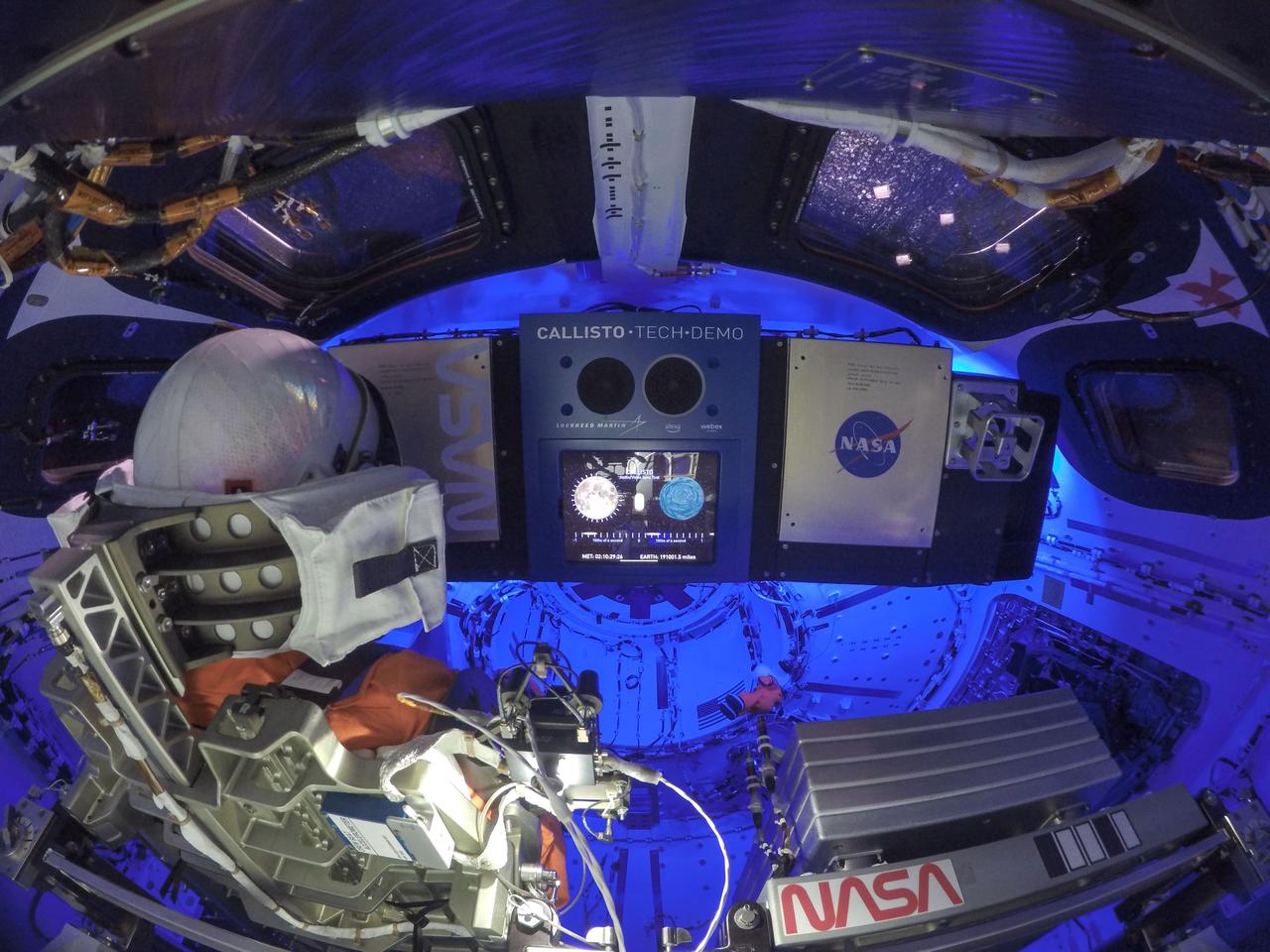
Engineers activated the Callisto payload, Lockheed Martin’s technology demonstration in collaboration with Amazon and Cisco. Callisto will test voice-activated and video technology that may assist future astronauts on deep space missions.