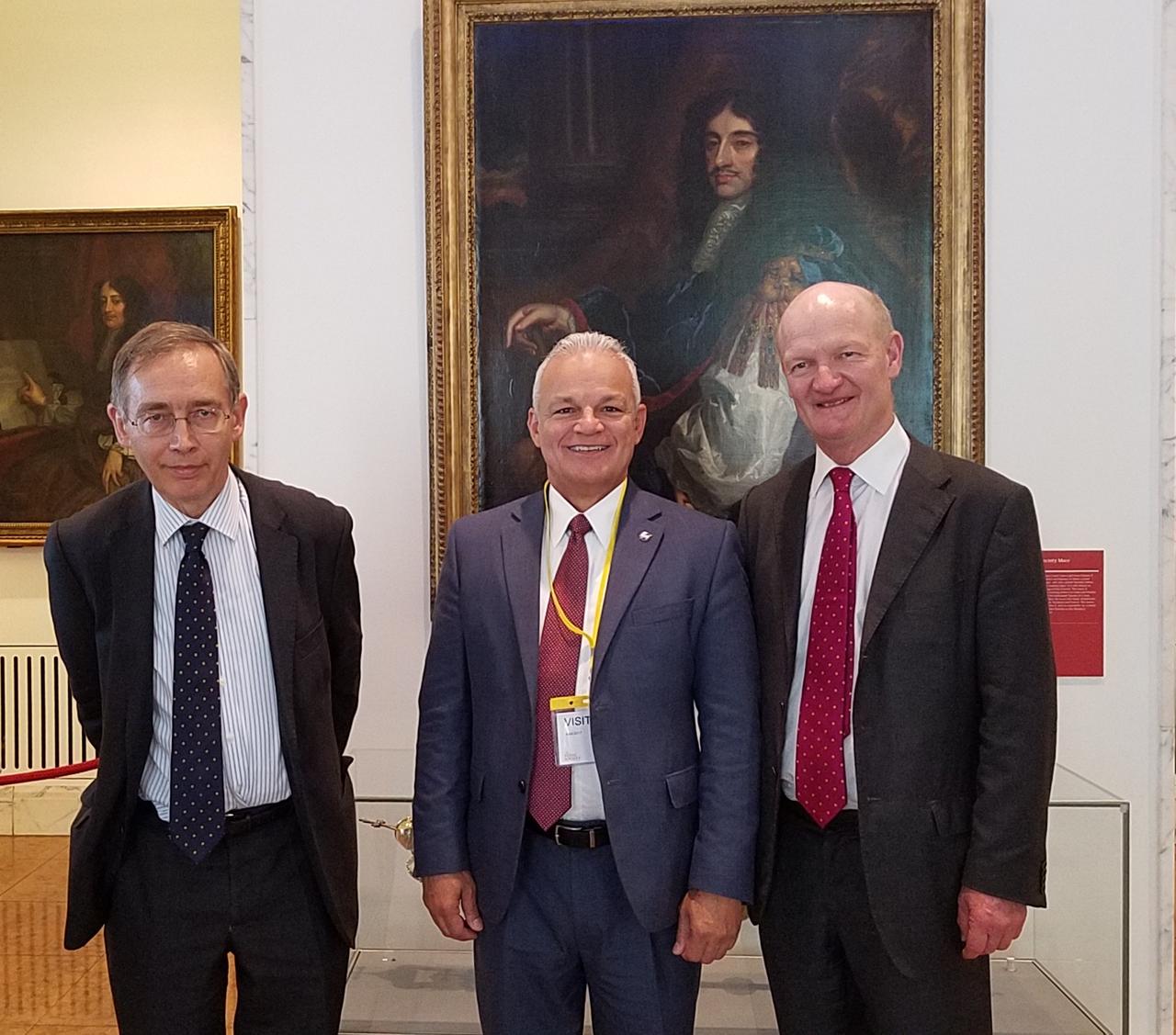
NASA Acting Chief Technologist Douglas Terrier (right) tours London’s Science Museum with Dr. David Rooney, Keeper of Technologies and Engineer and Doug Millard, Deputy Keeper of Technologies and Engineering.
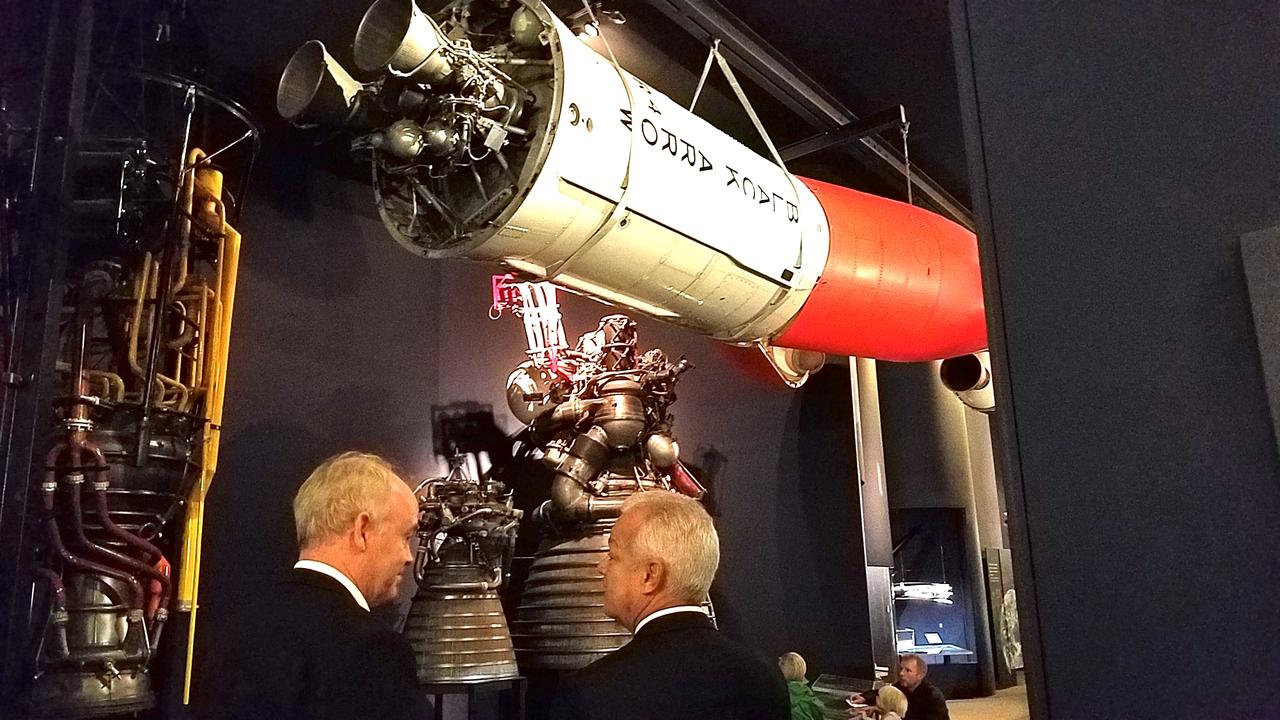
NASA Acting Chief Technologist Douglas Terrier (right) tours London’s Science Museum with Dr. David Rooney, Keeper of Technologies and Engineer and Doug Millard, Deputy Keeper of Technologies and Engineering.
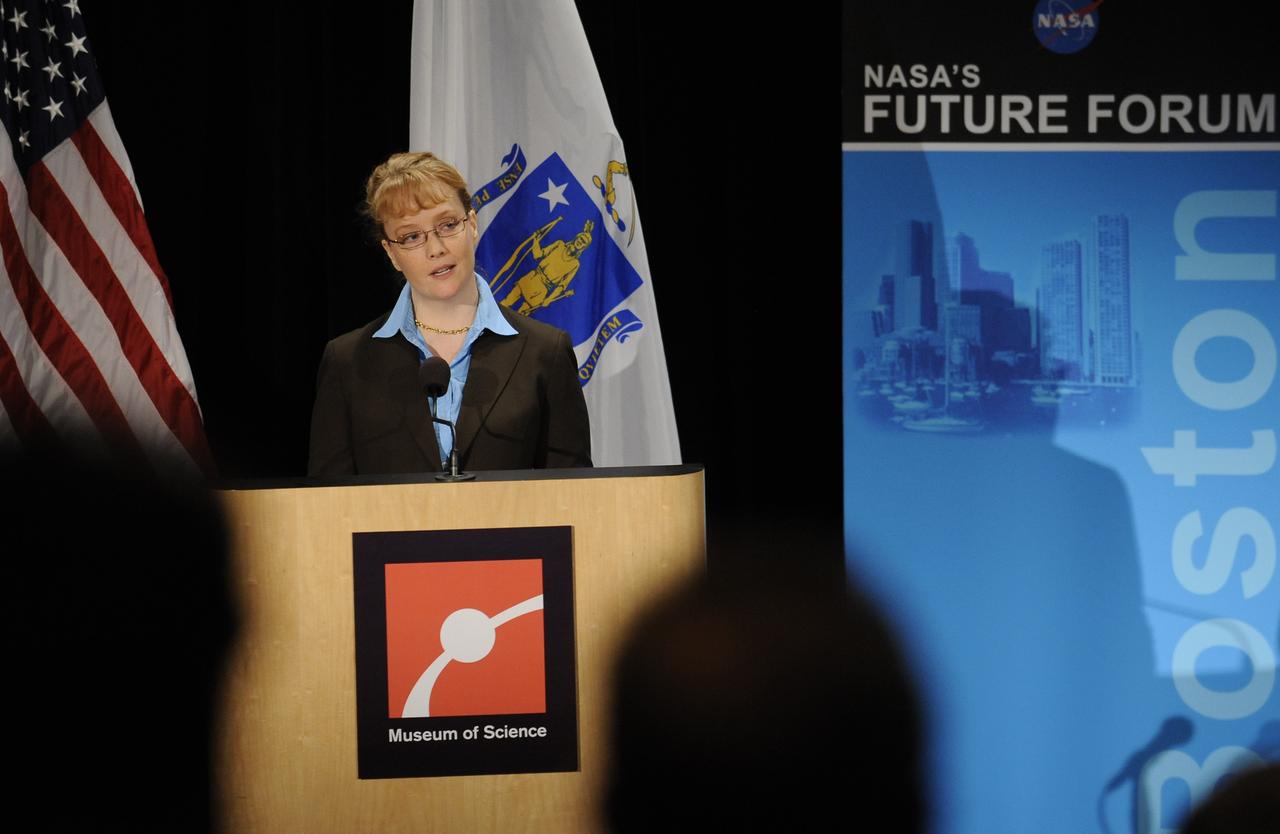
NASA Deputy Administrator Shana Dale delivers a keynote address during the NASA Future Forum event at the Museum of Science in Boston, MA, Thursday, September 18, 2008. Photo Credit: (NASA/Bill Ingalls)
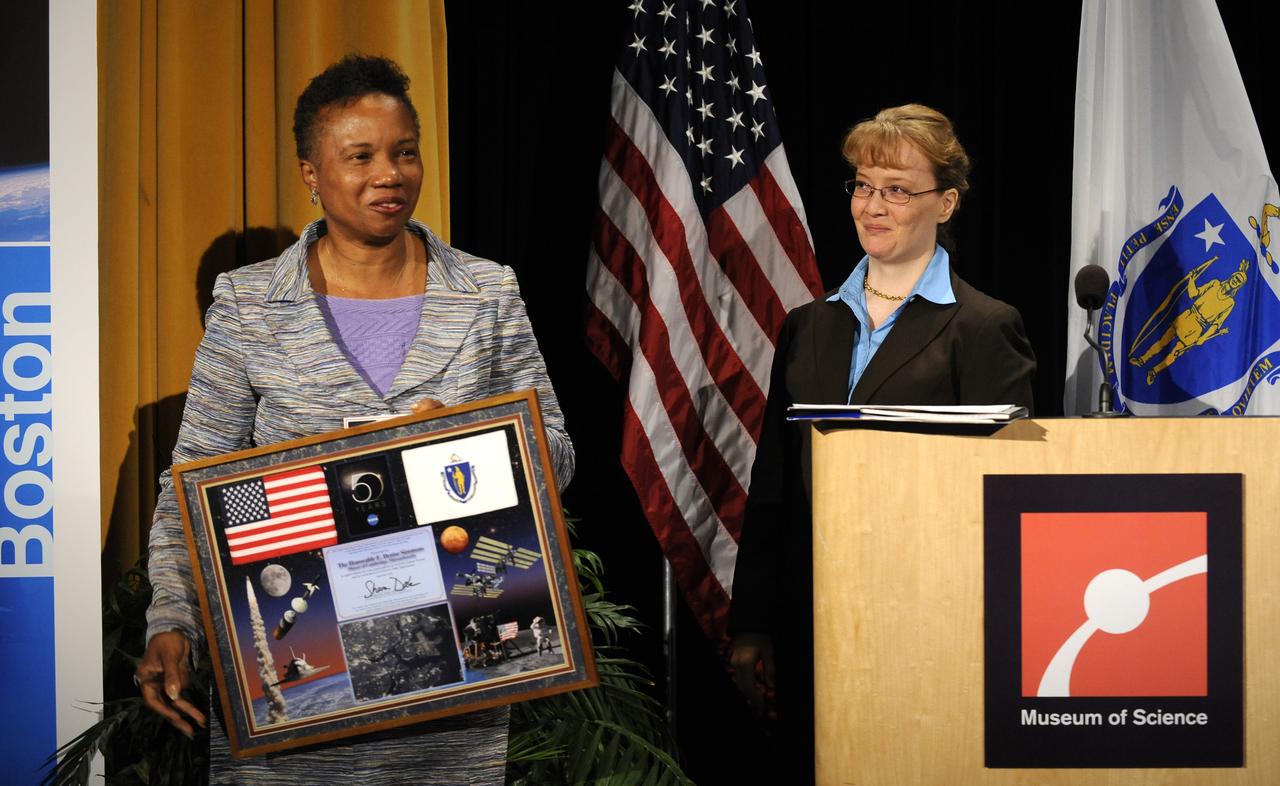
Mayor of Cambridge, Massachusetts, E. Denise Simmons, left, holds a plaque presented to her by NASA Deputy Administrator Ms. Shana Dale during the NASA Future Forum event at the Museum of Science in Boston, MA, Thursday, September 18, 2008. Photo Credit: (NASA/Bill Ingalls)
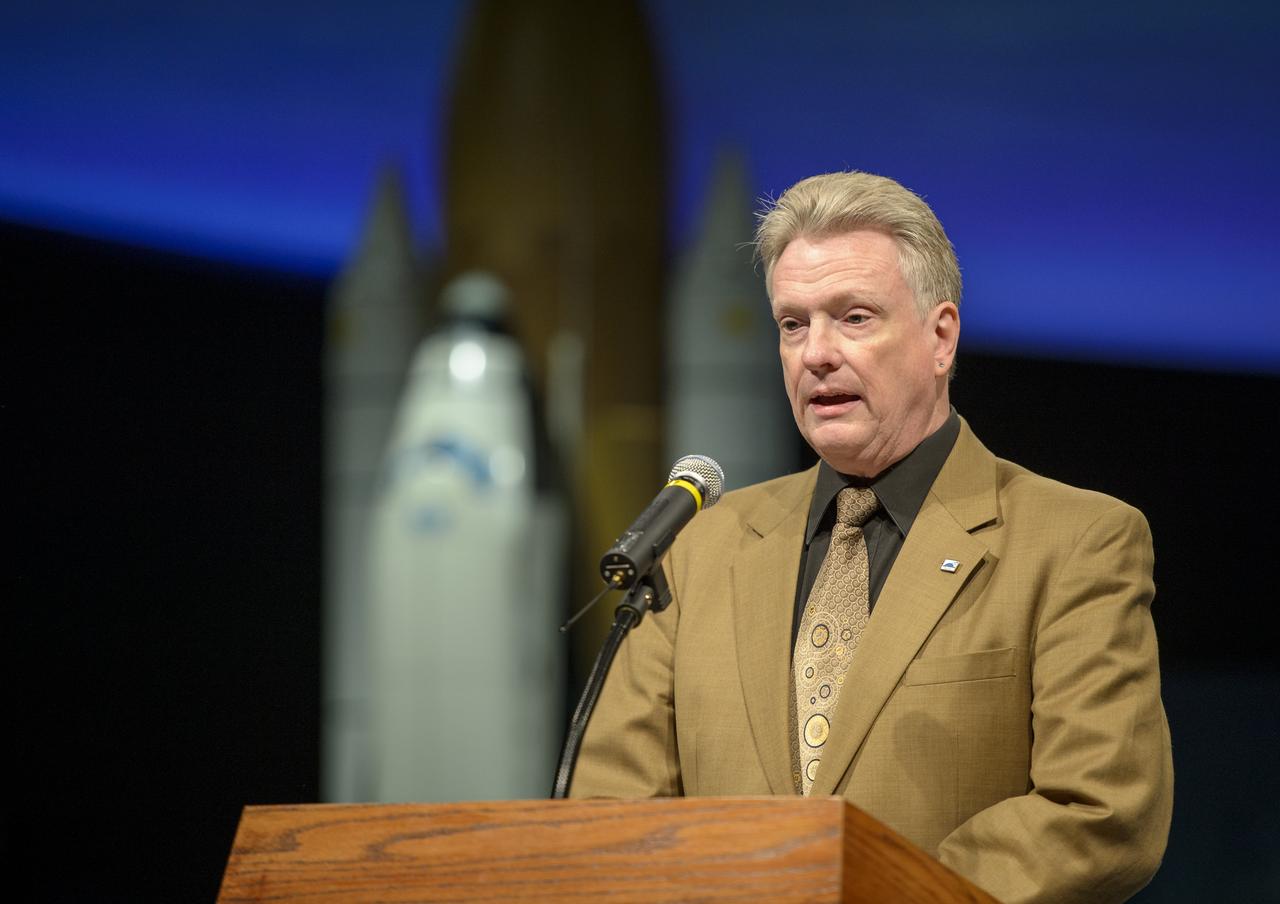
Smithsonian Institution's National Air and Space Museum Senior Curator in the Division of Space History Dr. Roger Launious begins a program titled "Sally Ride: How Her Historic Space Mission Opened Doors for Women in Science" held on Friday, May 17, 2013 at the Museum in Washington. Photo Credit: (NASA/Bill Ingalls)
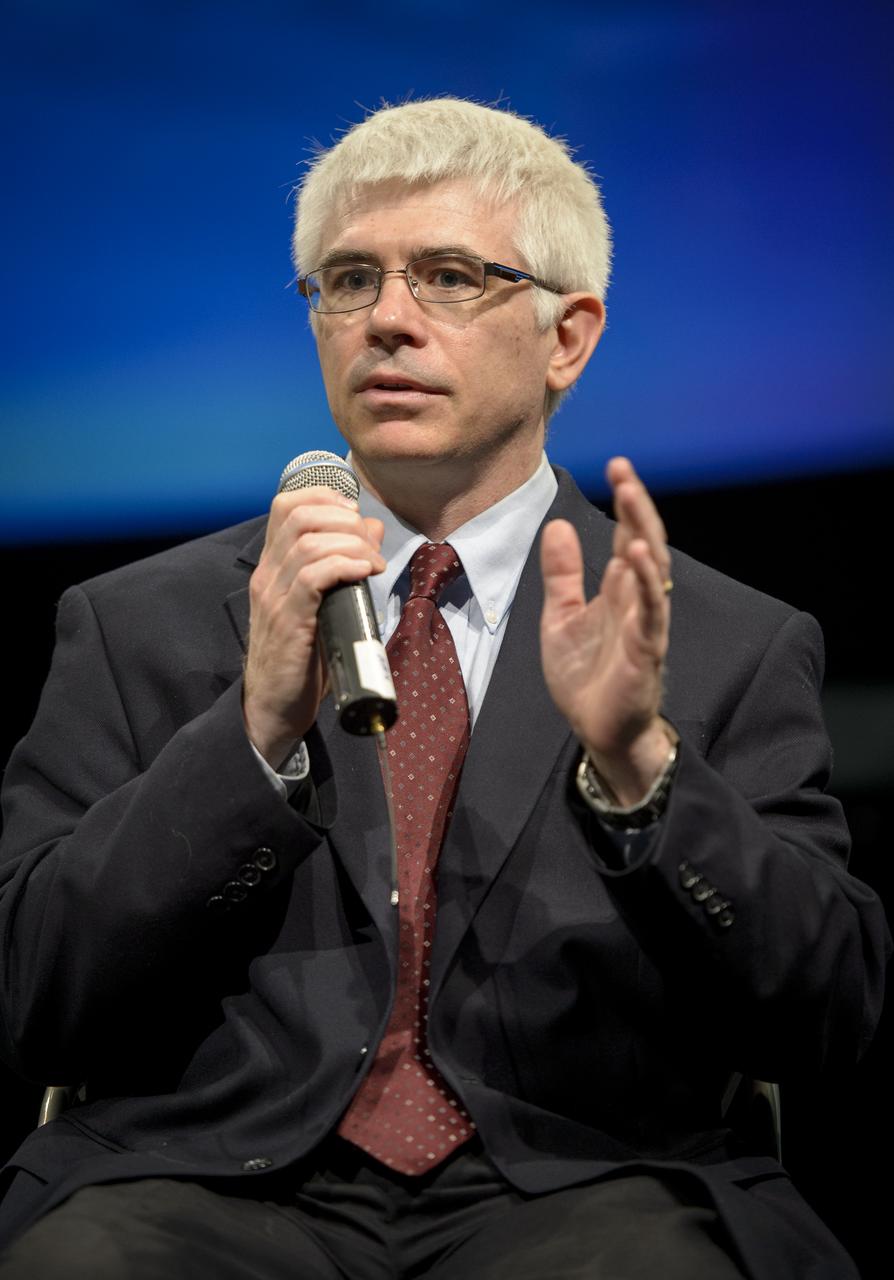
Dan Vergano, science writer for USA Today talks during a program titled "Sally Ride: How Her Historic Space Mission Opened Doors for Women in Science" held on Friday, May 17, 2013 at the National Air and Space Museum in Washington. Photo Credit: (NASA/Bill Ingalls)
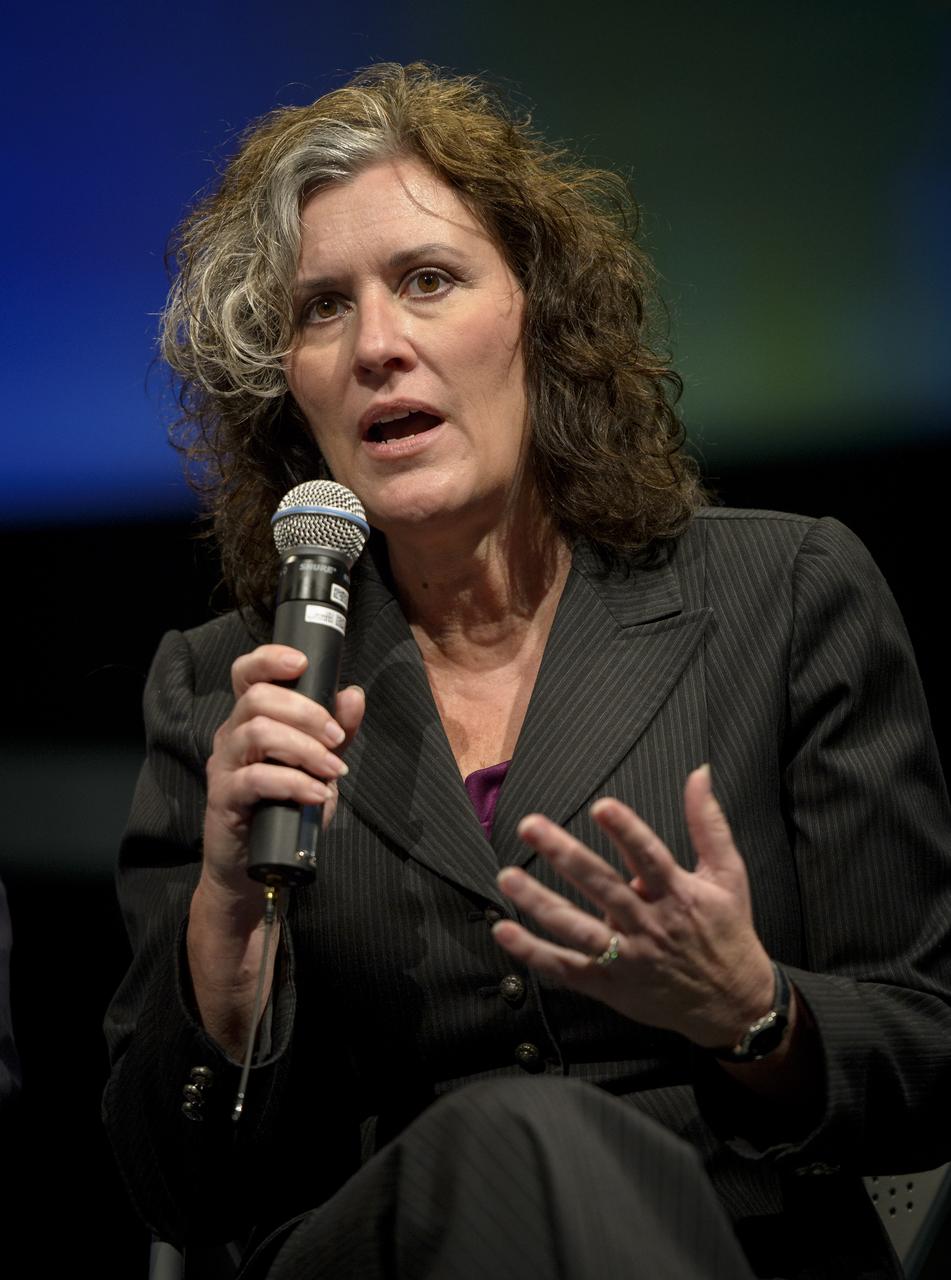
Rene McCormick, director of standards and quality, National Math and Science Initiative, talks during a program titled "Sally Ride: How Her Historic Space Mission Opened Doors for Women in Science" held on Friday, May 17, 2013 at the National Air and Space Museum in Washington. Photo Credit: (NASA/Bill Ingalls)
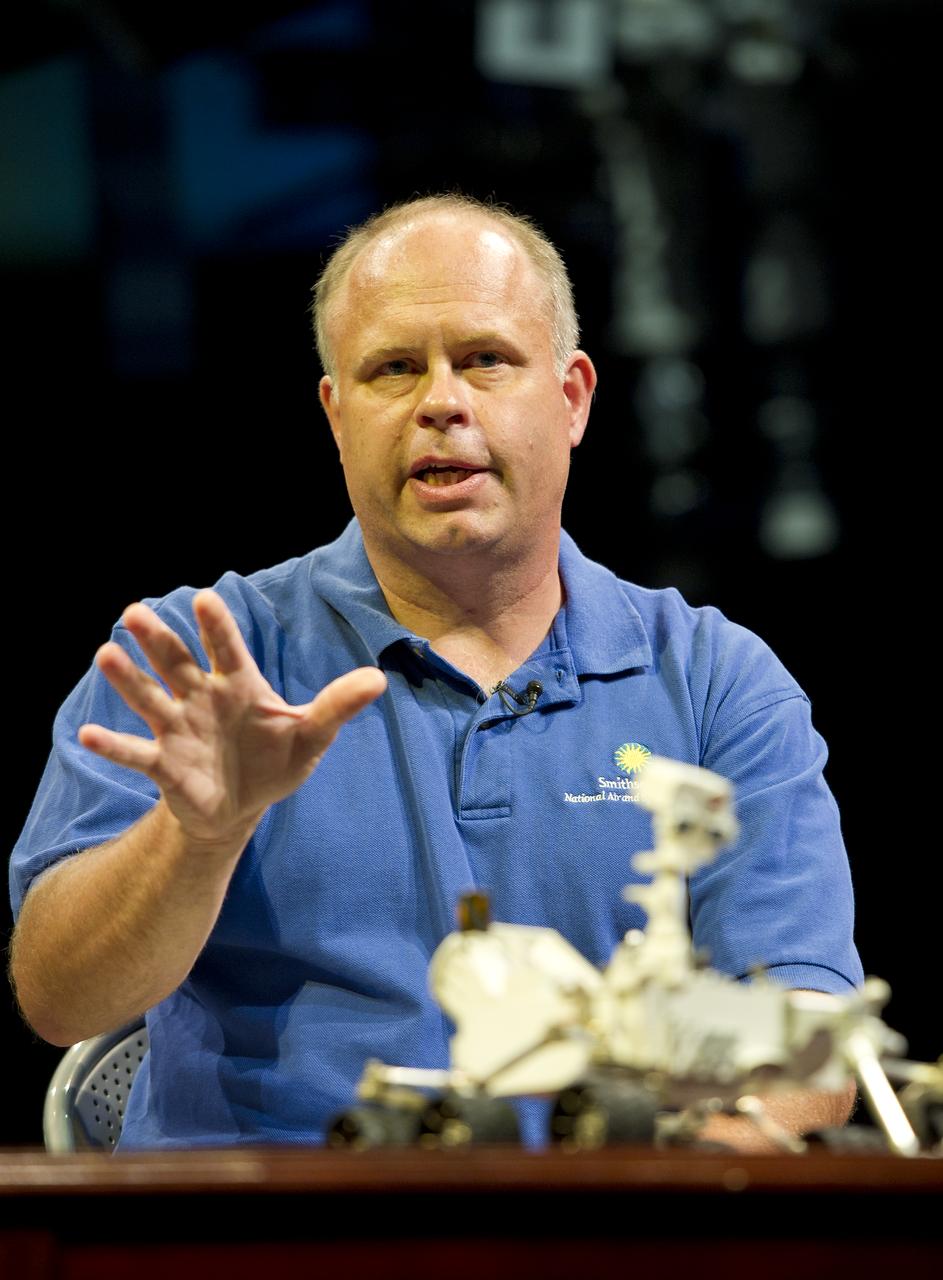
John Grant, geologist, Smithsonian National Air and Space Museum in Washington, speaks at a Mars Science Laboratory (MSL) press conference at the Smithsonian's National Air and Space Museum on Friday, July 22, 2011 in Washington. The Mars Science Laboratory (MSL), or Curiosity, is scheduled to launch late this year from NASA's Kennedy Space Center in Florida and land in August 2012. Curiosity is twice as long and more than five times as heavy as previous Mars rovers. The rover will study whether the landing region at Gale crater had favorable environmental conditions for supporting microbial life and for preserving clues about whether life ever existed. Photo Credit: (NASA/Carla Cioffi)
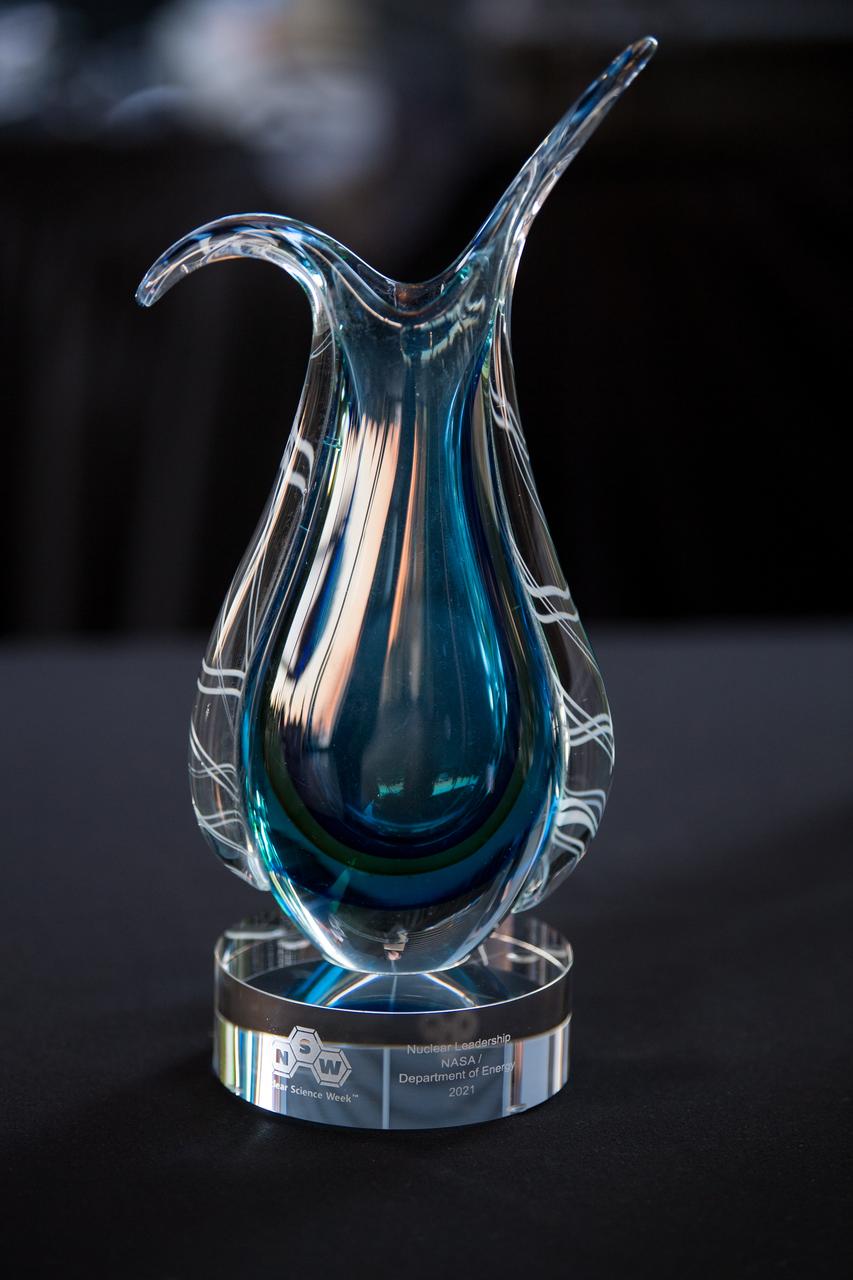
The Lifetime Achievement Award is seen at the National Museum of Nuclear Science and History’s Nuclear Science Week event where Director of the NASA Science Mission Directorate’s Planetary Science Division, Dr. Lori Glaze accepted it on behalf of the agency, Tuesday, Oct. 19, 2021, at The Observatory at America’s Square in Washington. Photo Credit: (NASA/Aubrey Gemignani)
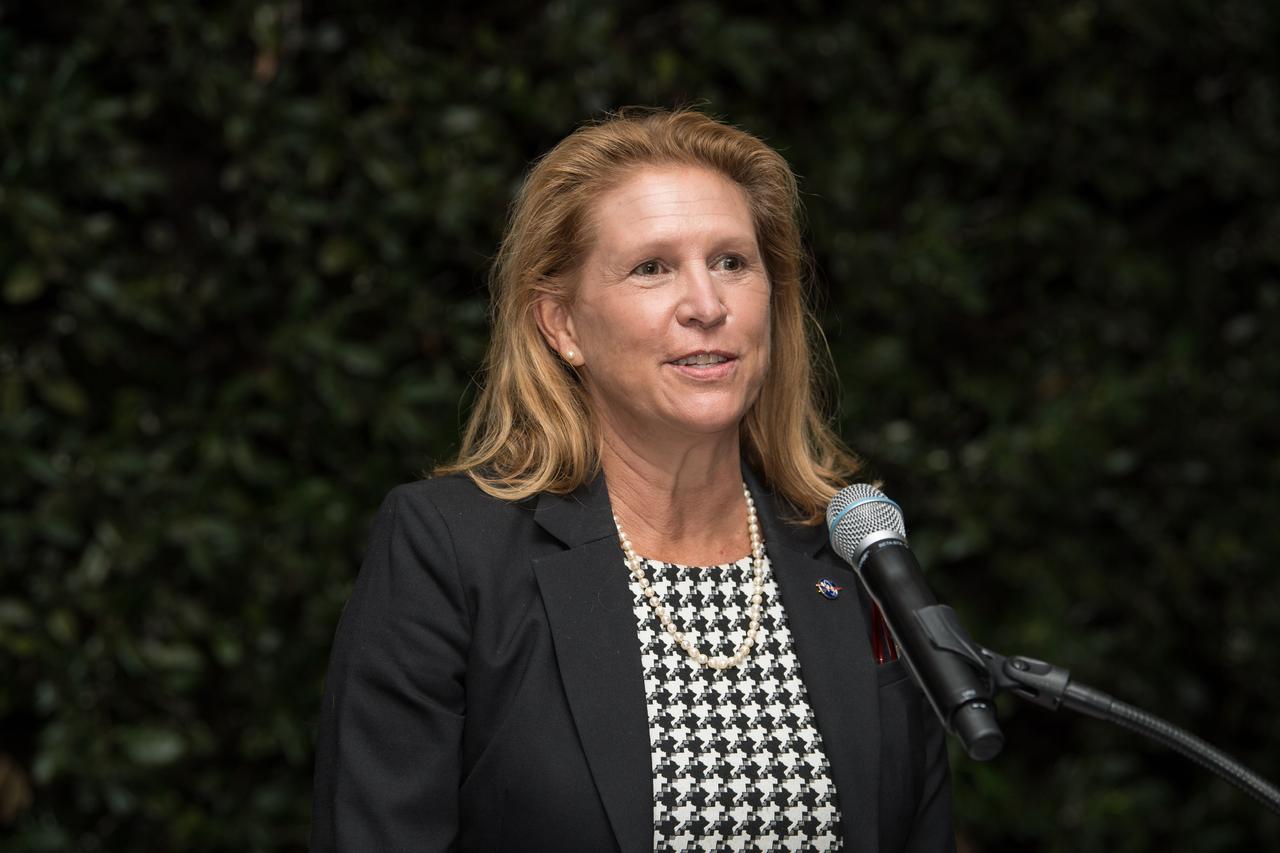
Director of the NASA Science Mission Directorate’s Planetary Science Division, Dr. Lori Glaze, speaks after accepting the Lifetime Achievement Award on behalf of the agency during the National Museum of Nuclear Science and History’s Nuclear Science Week event, Tuesday, Oct. 19, 2021, at The Observatory at America’s Square in Washington. Photo Credit: (NASA/Aubrey Gemignani)
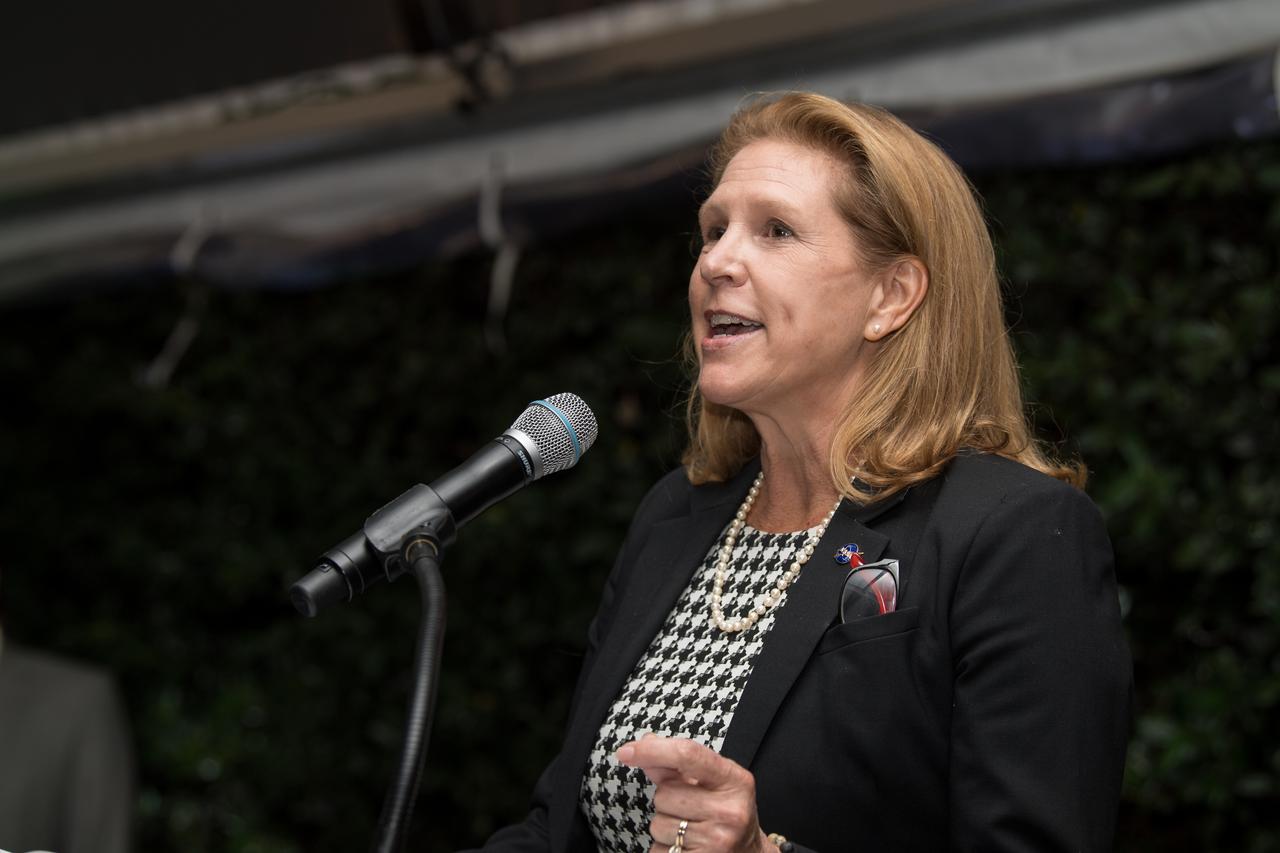
Director of the NASA Science Mission Directorate’s Planetary Science Division, Dr. Lori Glaze, speaks after accepting the Lifetime Achievement Award on behalf of the agency during the National Museum of Nuclear Science and History’s Nuclear Science Week event, Tuesday, Oct. 19, 2021, at The Observatory at America’s Square in Washington. Photo Credit: (NASA/Aubrey Gemignani)
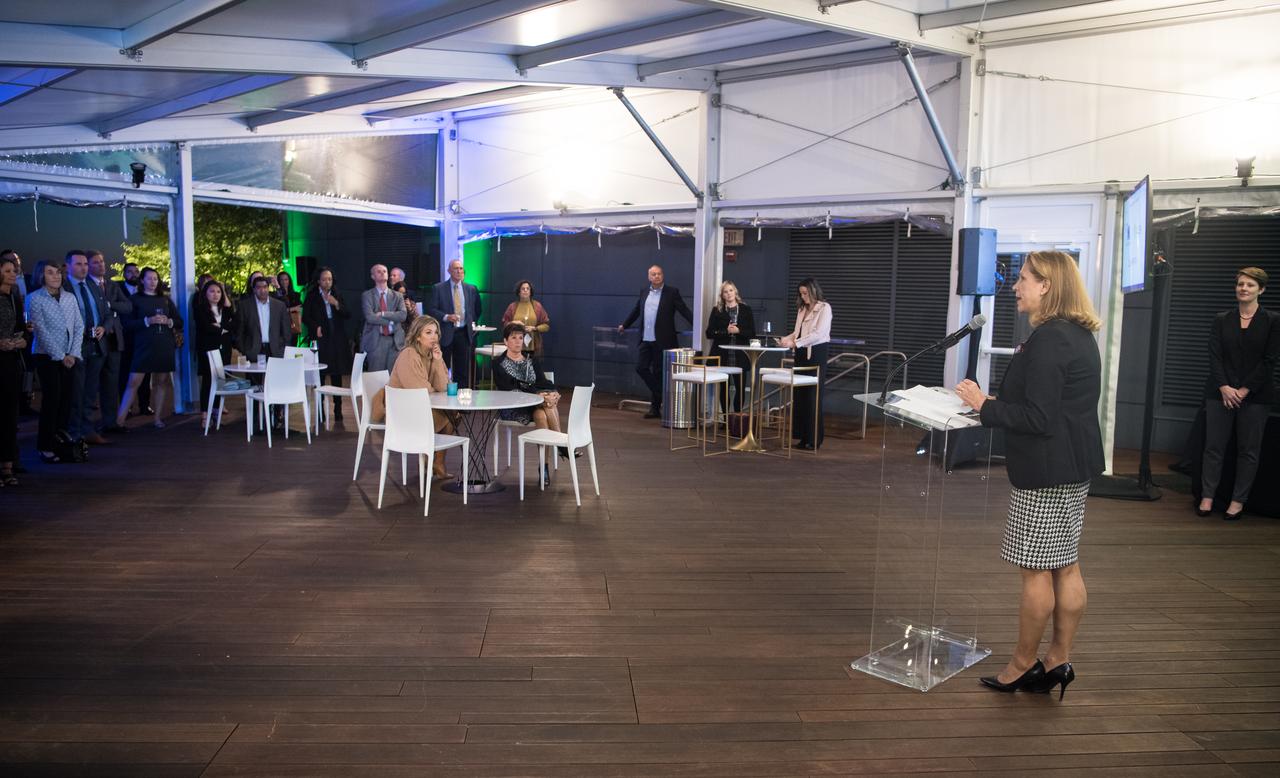
Director of the NASA Science Mission Directorate’s Planetary Science Division, Dr. Lori Glaze, speaks after accepting the Lifetime Achievement Award on behalf of the agency during the National Museum of Nuclear Science and History’s Nuclear Science Week event, Tuesday, Oct. 19, 2021, at The Observatory at America’s Square in Washington. Photo Credit: (NASA/Aubrey Gemignani)
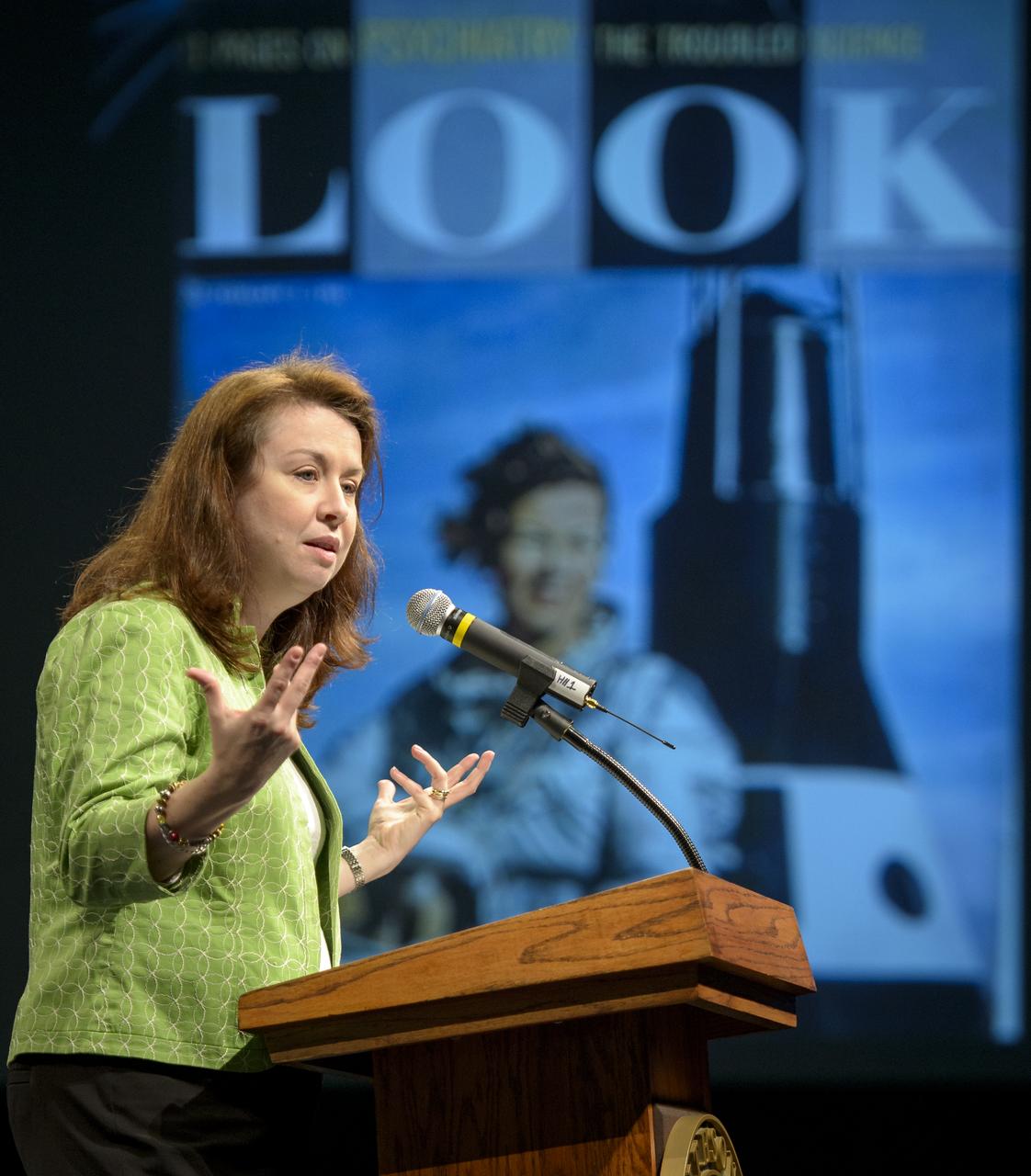
Margaret Weitekamp, space history curator, National Air and Space Museum, talks about the history of women in space during a program titled "Sally Ride: How Her Historic Space Mission Opened Doors for Women in Science" held on Friday, May 17, 2013 at the National Air and Space Museum in Washington. Photo Credit: (NASA/Bill Ingalls)
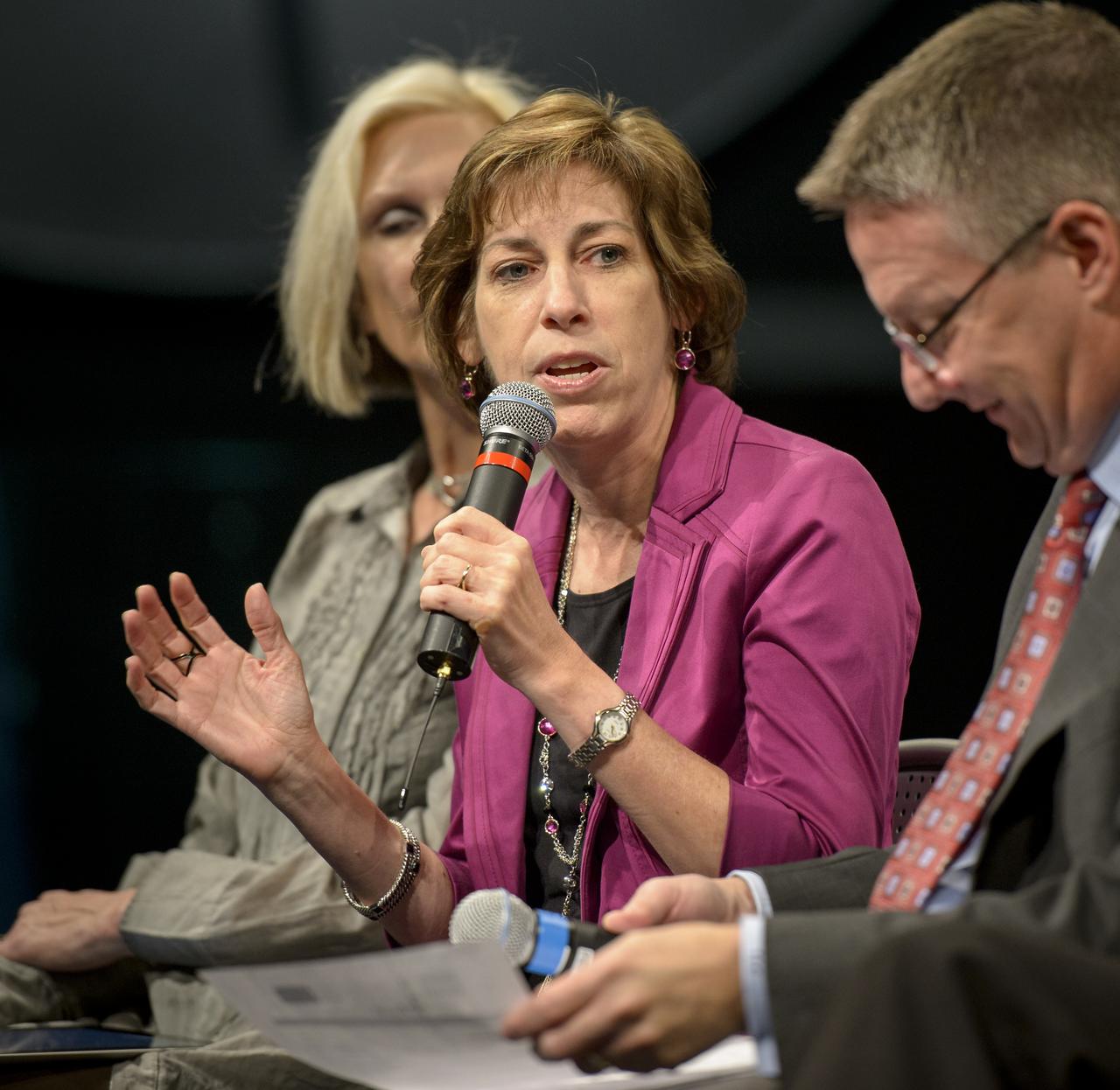
Director of the NASA Johnson Space Center Ellen Ochoa shares her experiences during a program titled "Sally Ride: How Her Historic Space Mission Opened Doors for Women in Science" held on Friday, May 17, 2013 at the National Air and Space Museum in Washington. Photo Credit: (NASA/Bill Ingalls)
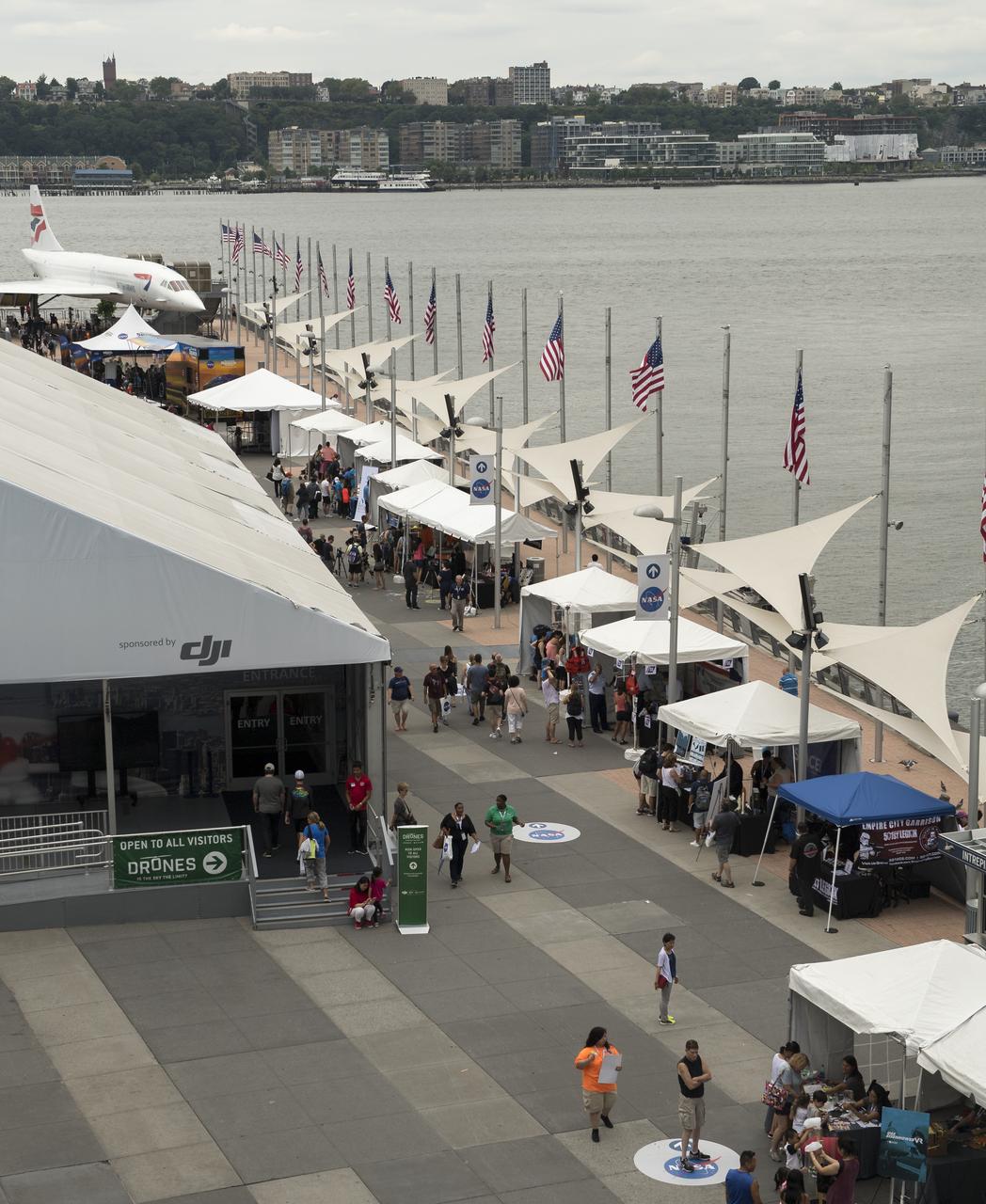
NASA exhibits line Pier 86 during the Intrepid Space & Science Festival, Saturday, Aug. 5, 2017 held at the Intrepid Sea, Air & Space Museum in New York City. The week-long festival featured talks, films and cutting-edge displays showcasing NASA technology. Photo Credit: (NASA/Bill Ingalls)
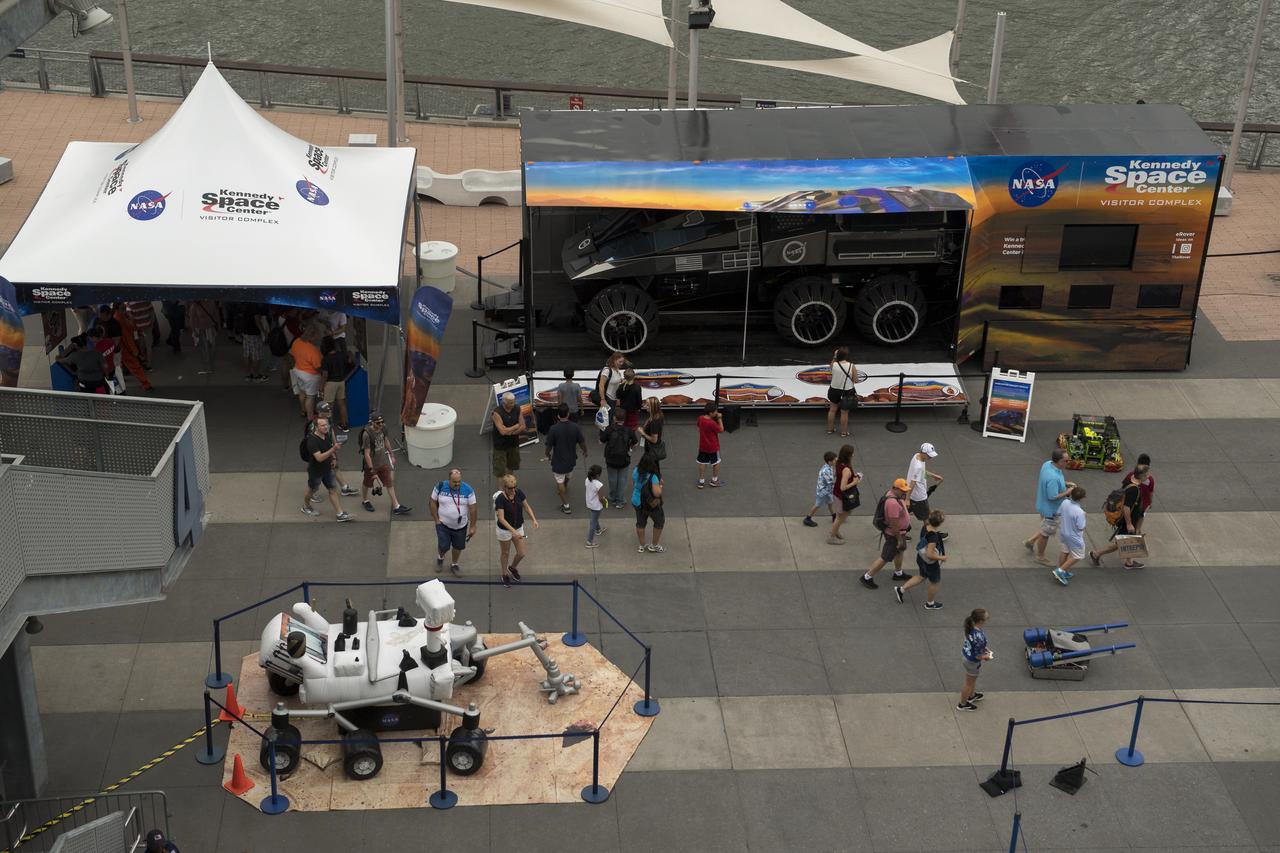
NASA exhibits line Pier 86 during the Intrepid Space & Science Festival, Saturday, Aug. 5, 2017 held at the Intrepid Sea, Air & Space Museum in New York City. The week-long festival featured talks, films and cutting-edge displays showcasing NASA technology. Photo Credit: (NASA/Bill Ingalls)
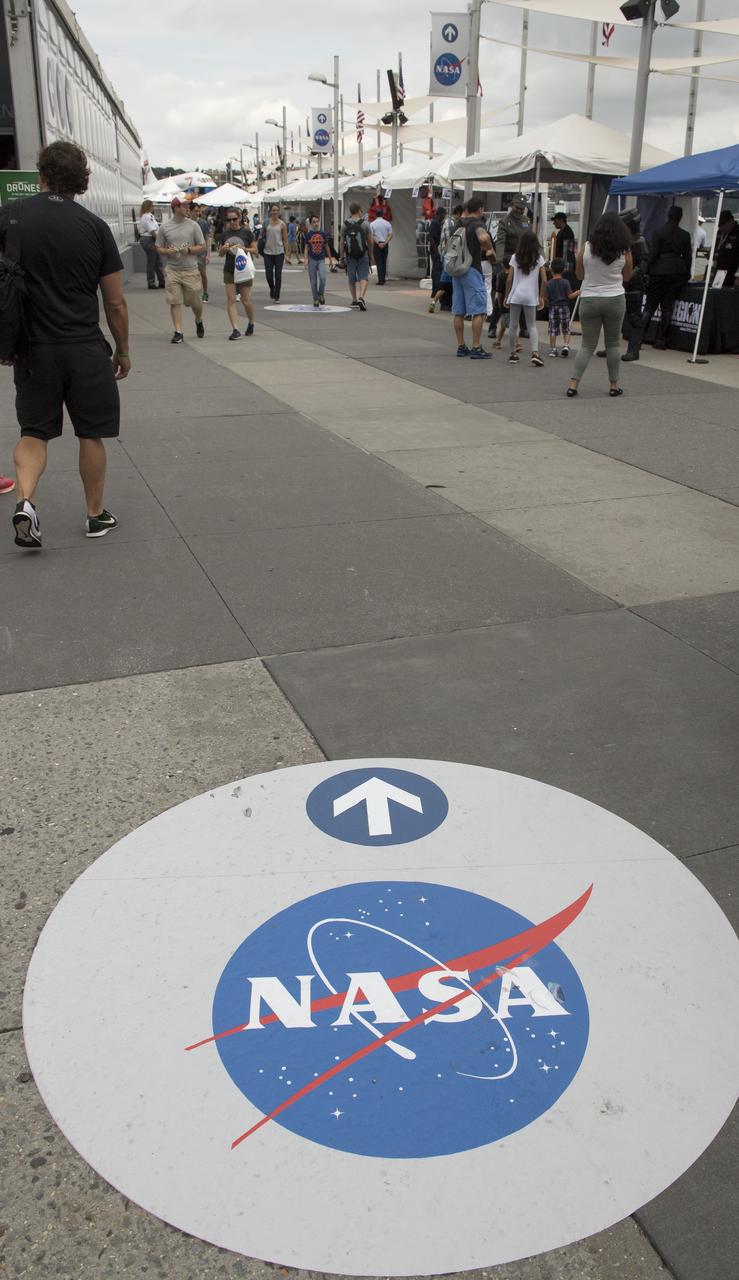
Signage points the way to NASA exhibits at the Intrepid Space & Science Festival, Saturday, Aug. 5, 2017 held at the Intrepid Sea, Air & Space Museum in New York City. The week-long festival featured talks, films and cutting-edge displays showcasing NASA technology. Photo Credit: (NASA/Bill Ingalls)
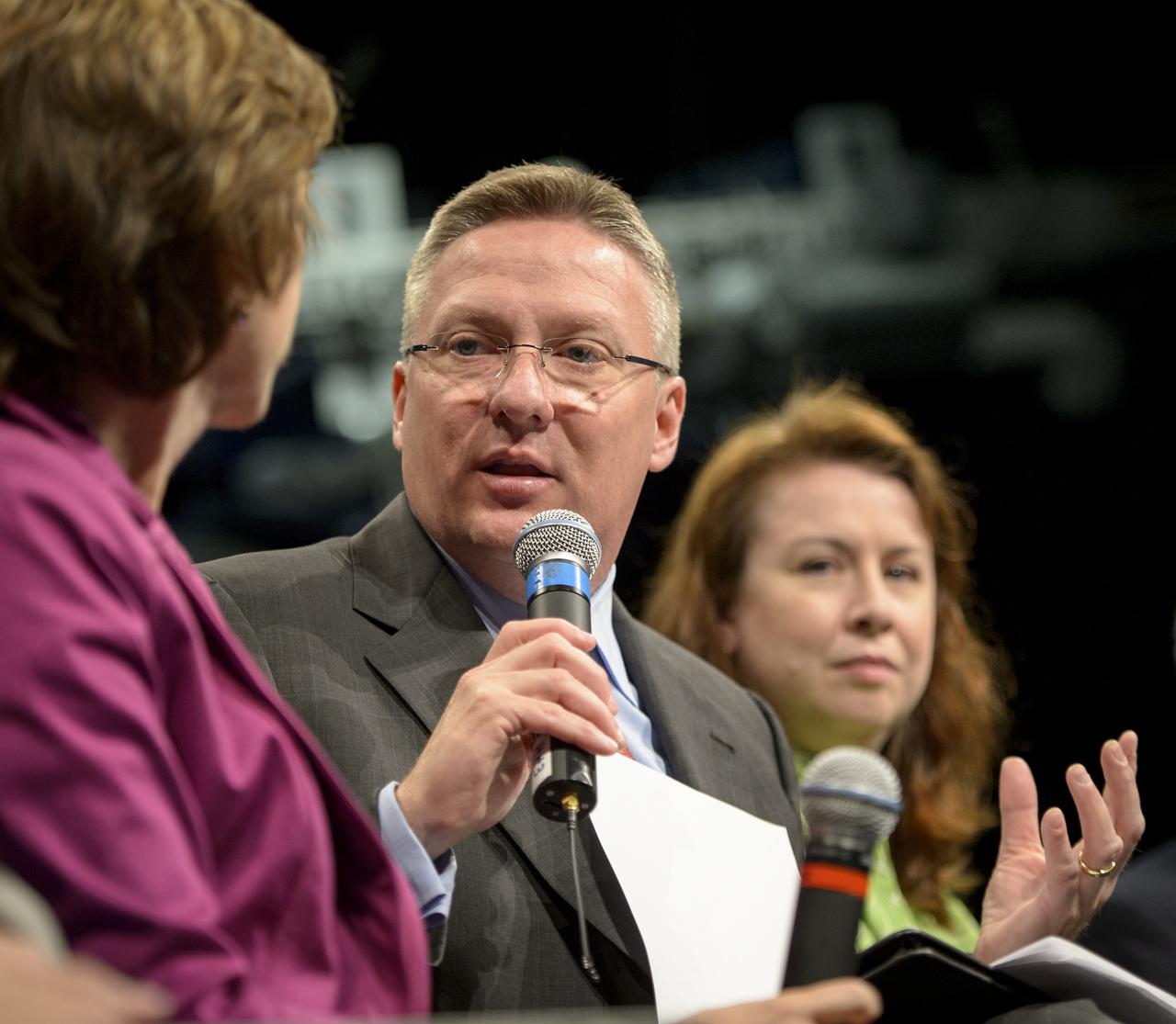
Tom Costello from NBC News moderates a panel discussion titled "Sally Ride: How Her Historic Space Mission Opened Doors for Women in Science" at the National Air and Space Museum on Friday, May 17, 2013 in Washington. Photo Credit: (NASA/Bill Ingalls)
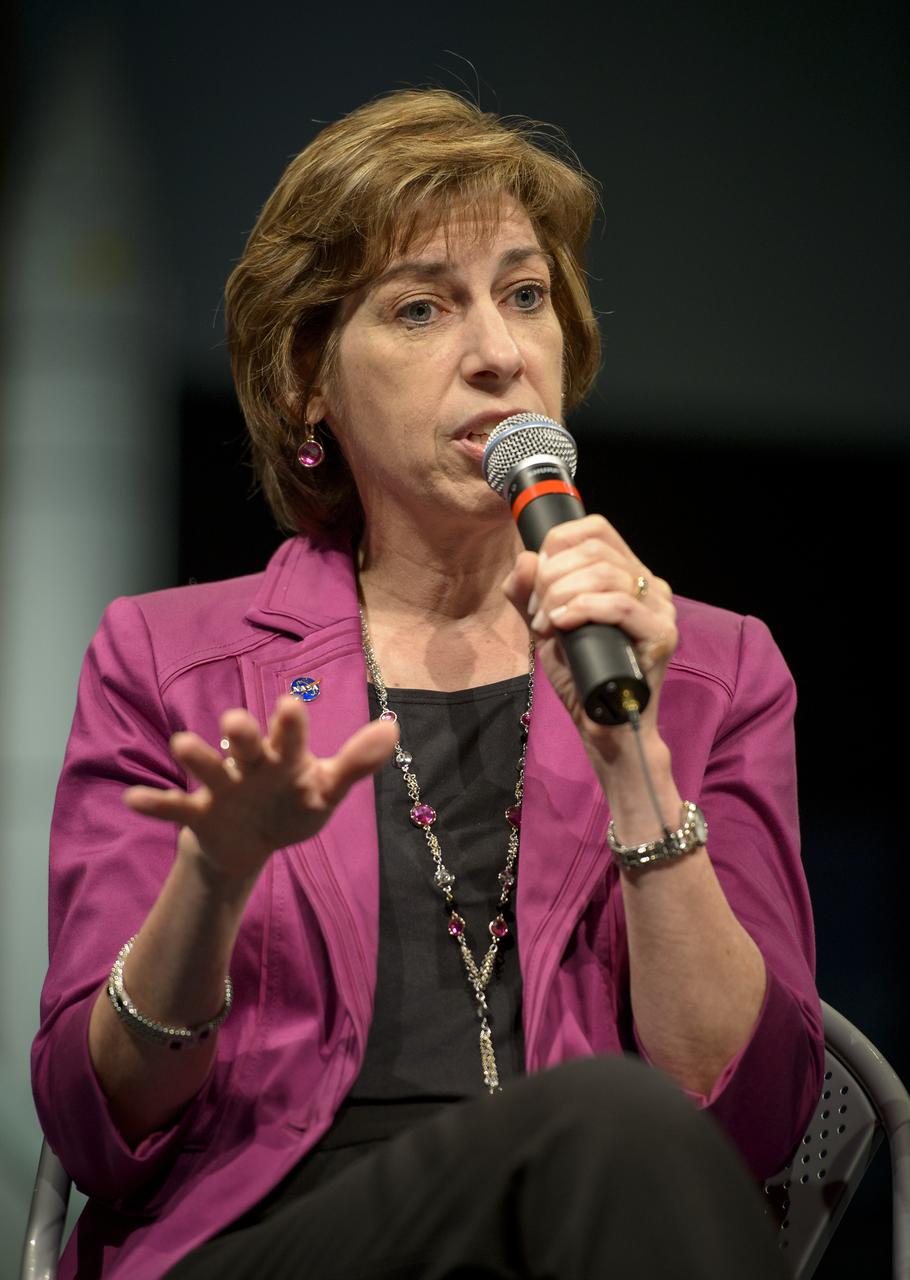
Director of the NASA Johnson Space Center Ellen Ochoa shares her experiences during a program titled "Sally Ride: How Her Historic Space Mission Opened Doors for Women in Science" held on Friday, May 17, 2013 at the National Air and Space Museum in Washington. Photo Credit: (NASA/Bill Ingalls)
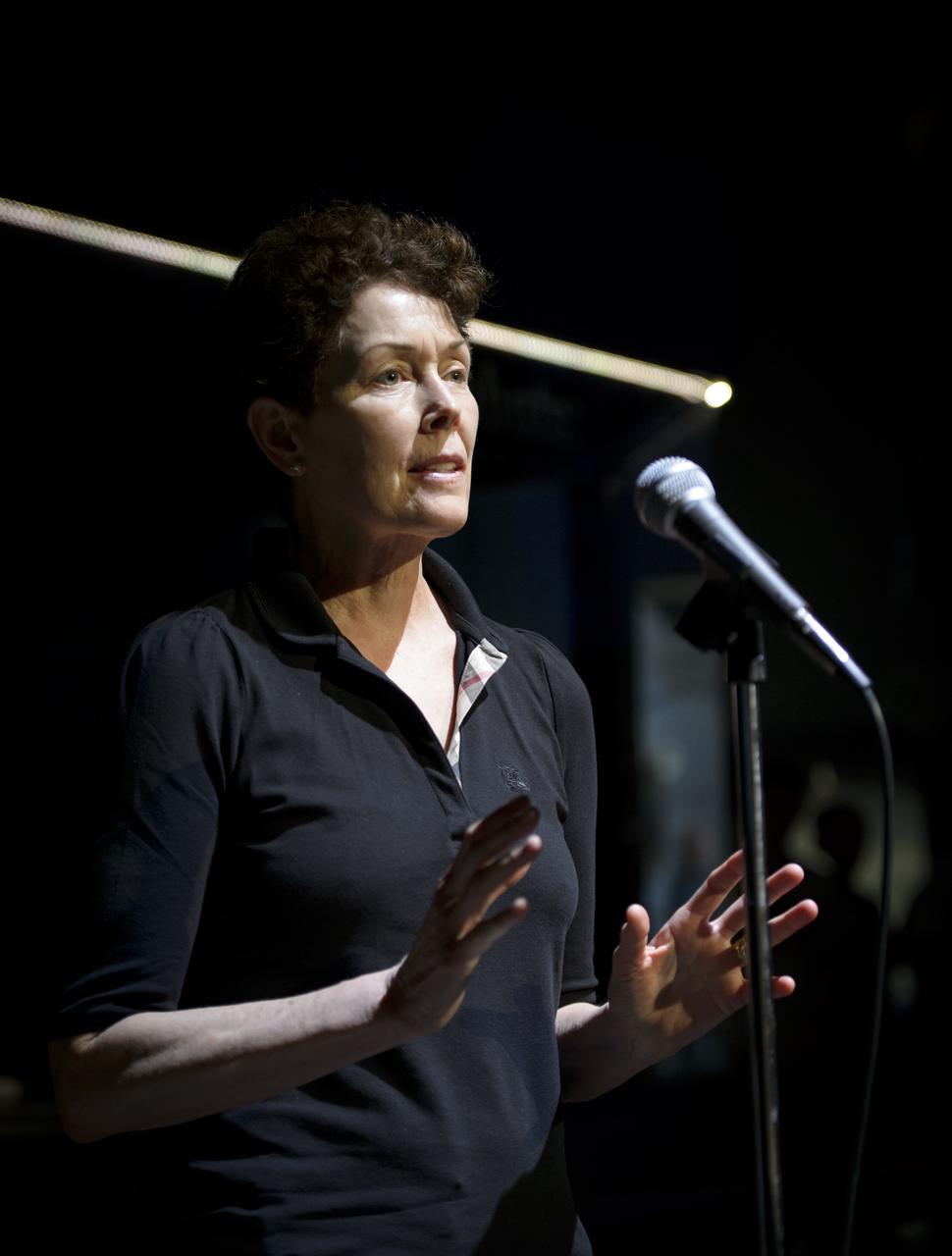
Sally Ride's life partner, Tam O'Shaughnessy, Chair of the Board of Sally Ride Science, talks during a program titled "Sally Ride: How Her Historic Space Mission Opened Doors for Women in Science" held on Friday, May 17, 2013 at the National Air and Space Museum in Washington. Photo Credit: (NASA/Bill Ingalls)
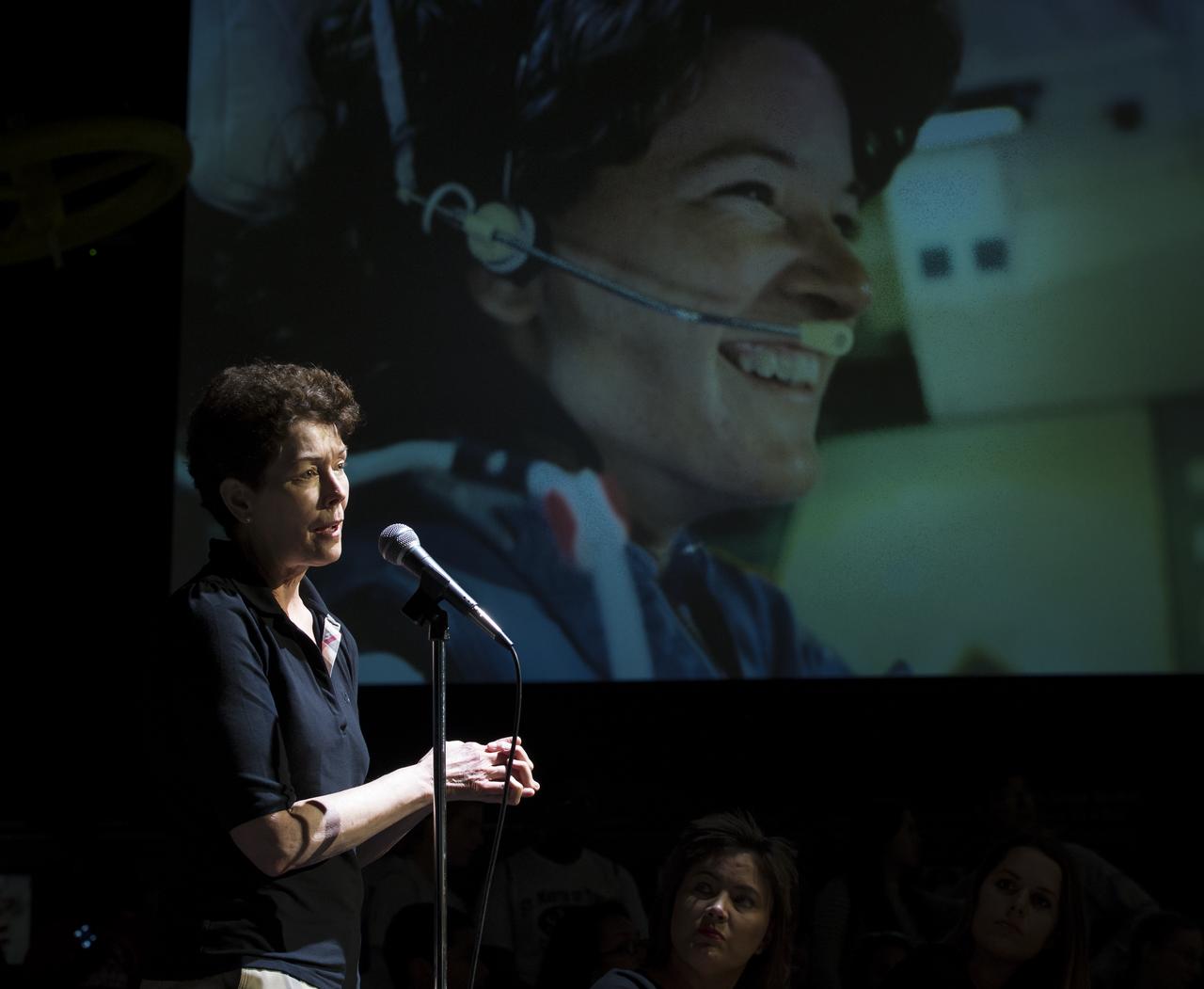
Sally Ride's life partner, Tam O'Shaughnessy, Chair of the Board of Sally Ride Science, talks during a program titled "Sally Ride: How Her Historic Space Mission Opened Doors for Women in Science" held on Friday, May 17, 2013 at the National Air and Space Museum in Washington. Photo Credit: (NASA/Bill Ingalls)
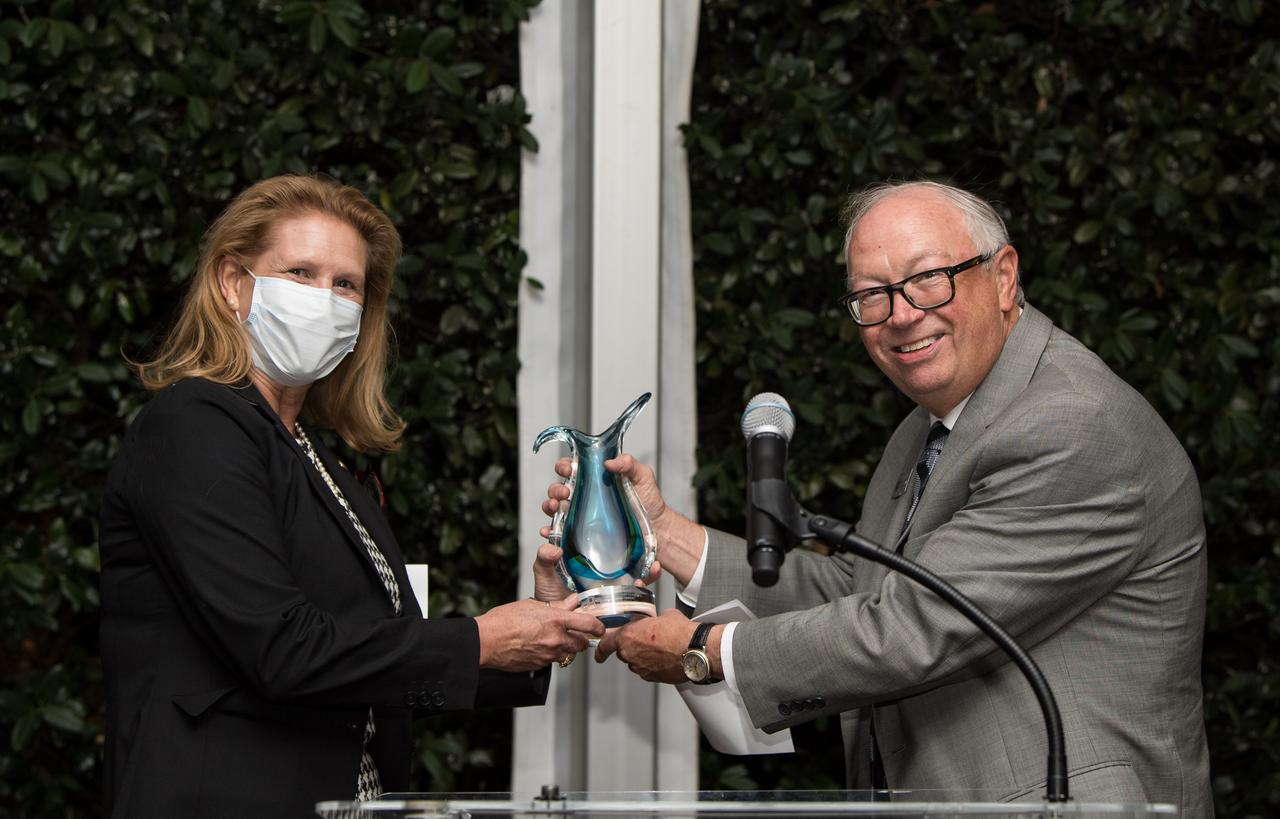
Director of the NASA Science Mission Directorate’s Planetary Science Division, Dr. Lori Glaze, left, accepts the Lifetime Achievement Award on behalf of the agency from director of the National Museum of Nuclear Science and History, Jim Walther, during the Nuclear Science Week event, Tuesday, Oct. 19, 2021, at The Observatory at America’s Square in Washington. Photo Credit: (NASA/Aubrey Gemignani)
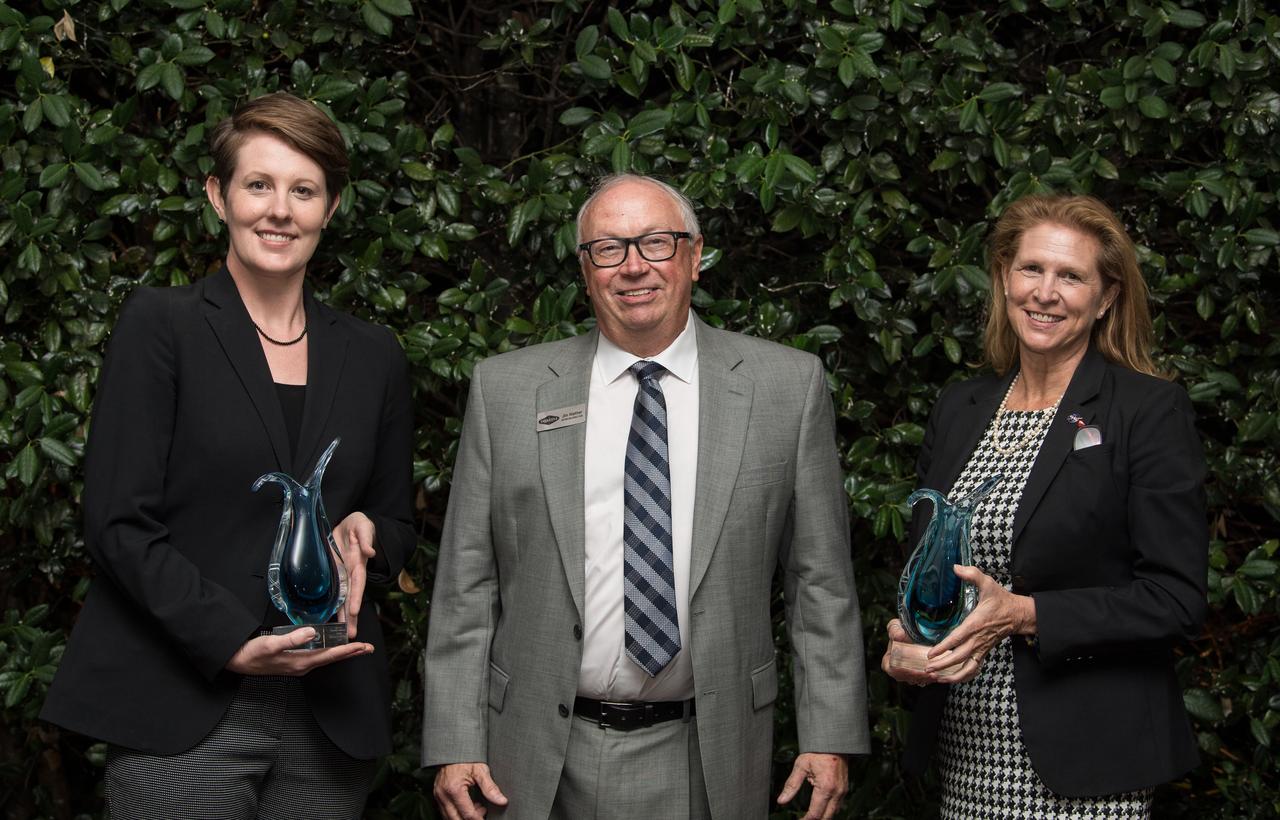
From left to right, Principal Deputy Assistant Secretary for Nuclear Energy at the Department of Energy, Dr. Kathryn Huff, Director of the National Museum of Nuclear Science and History, Jim Walther, and Director of the NASA Science Mission Directorate’s Planetary Science Division, Dr. Lori Glaze, pose for a photo after Dr. Huff and Dr. Glaze accepted the Lifetime Achievement Award on behalf of their agencies during the Nuclear Science Week event, Tuesday, Oct. 19, 2021, at The Observatory at America’s Square in Washington. Photo Credit: (NASA/Aubrey Gemignani)
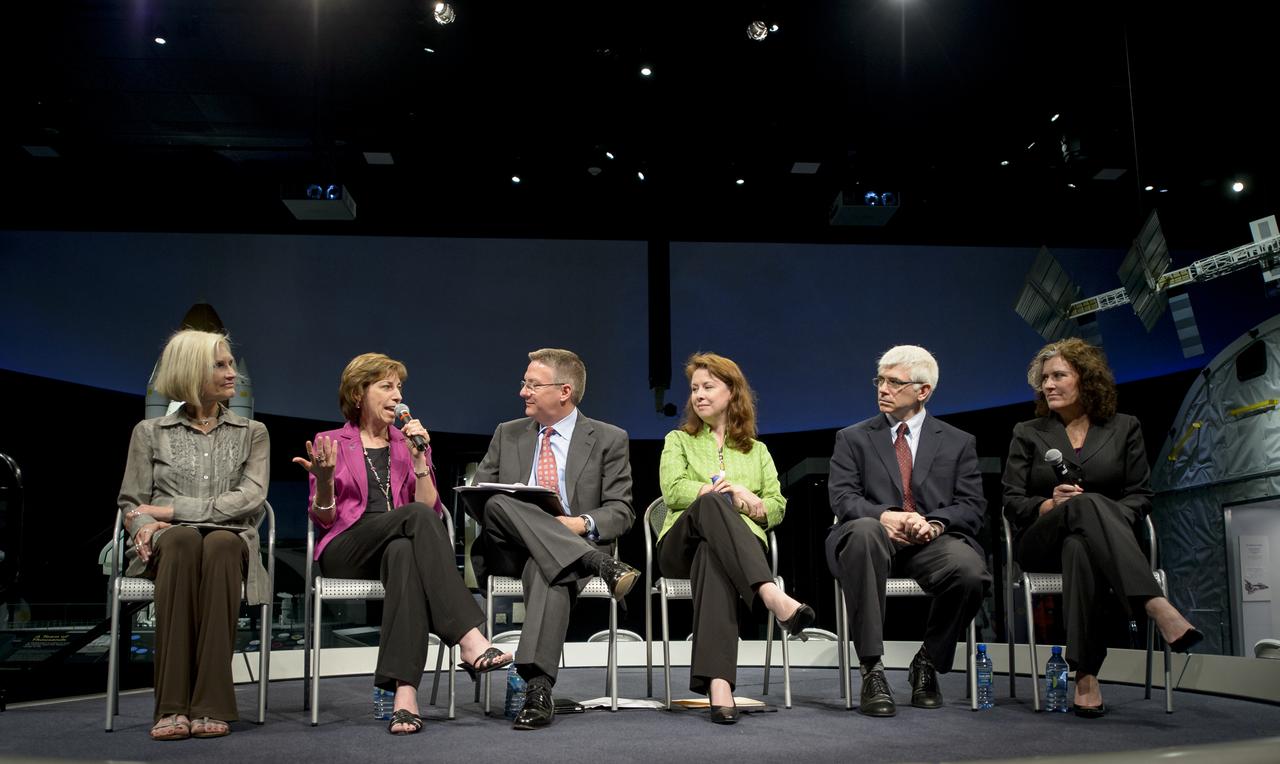
Panel discussion participants, from left, Linda Billings, research professor, Media and Public Affairs, The George Washington University, Ellen Ochoa, director, NASA Johnson Space Center, Tom Costello, NBC News and moderator for the event, Margaret Weitekamp, space history curator, National Air and Space Museum, Dan Vergano, science writer for USA Today, and Rene McCormick, director of standards and quality, National Math and Science Initiative, are seen during a program titled "Sally Ride: How Her Historic Space Mission Opened Doors for Women in Science" held on Friday, May 17, 2013 at the National Air and Space Museum in Washington. Photo Credit: (NASA/Bill Ingalls)
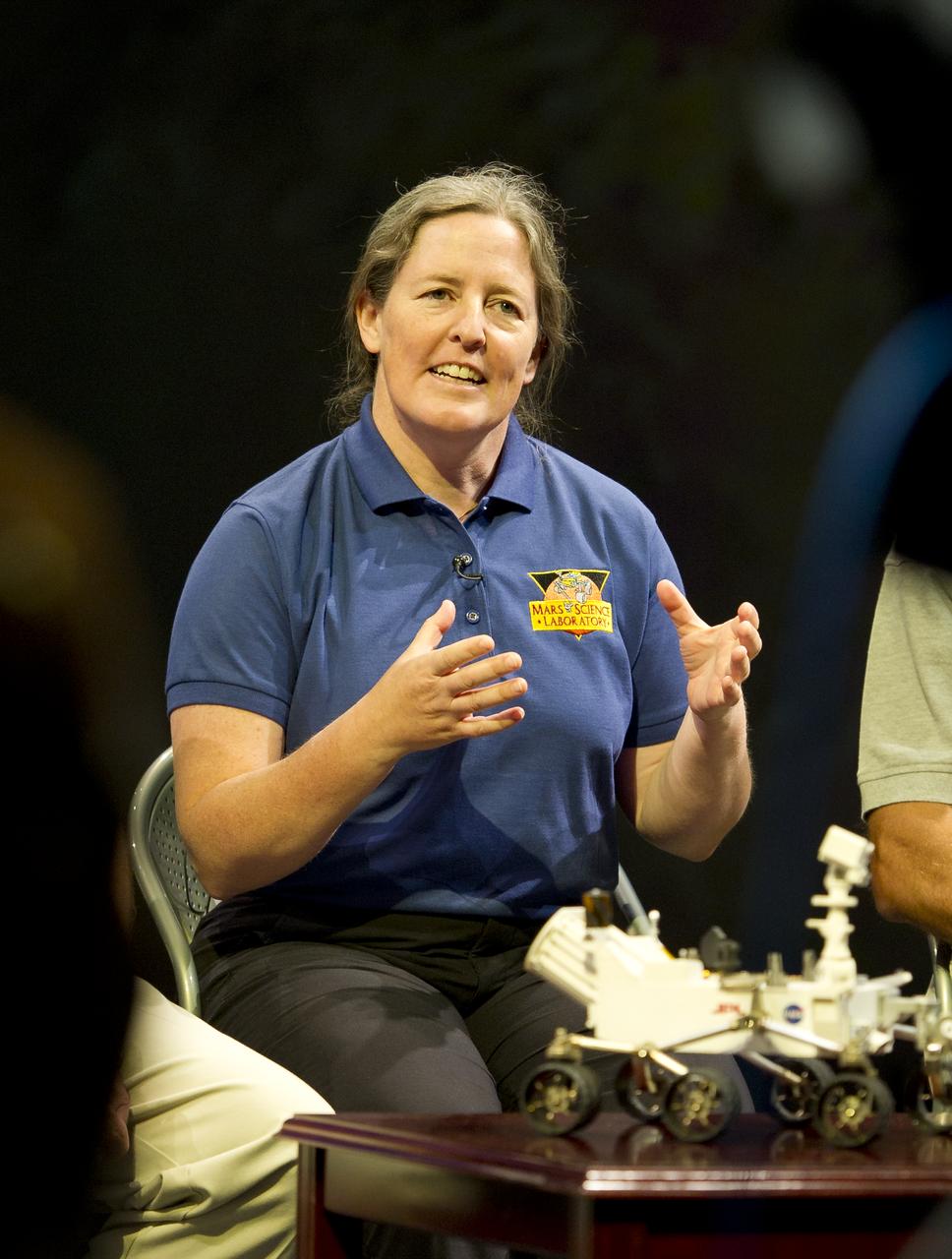
Dawn Sumner, geologist, University of California, Davis speaks at a Mars Science Laboratory (MSL) press conference at the Smithsonian's National Air and Space Museum on Friday, July 22, 2011 in Washington. The Mars Science Laboratory (MSL), or Curiosity, is scheduled to launch late this year from NASA's Kennedy Space Center in Florida and land in August 2012. Curiosity is twice as long and more than five times as heavy as previous Mars rovers. The rover will study whether the landing region at Gale crater had favorable environmental conditions for supporting microbial life and for preserving clues about whether life ever existed. Photo Credit: (NASA/Carla Cioffi)
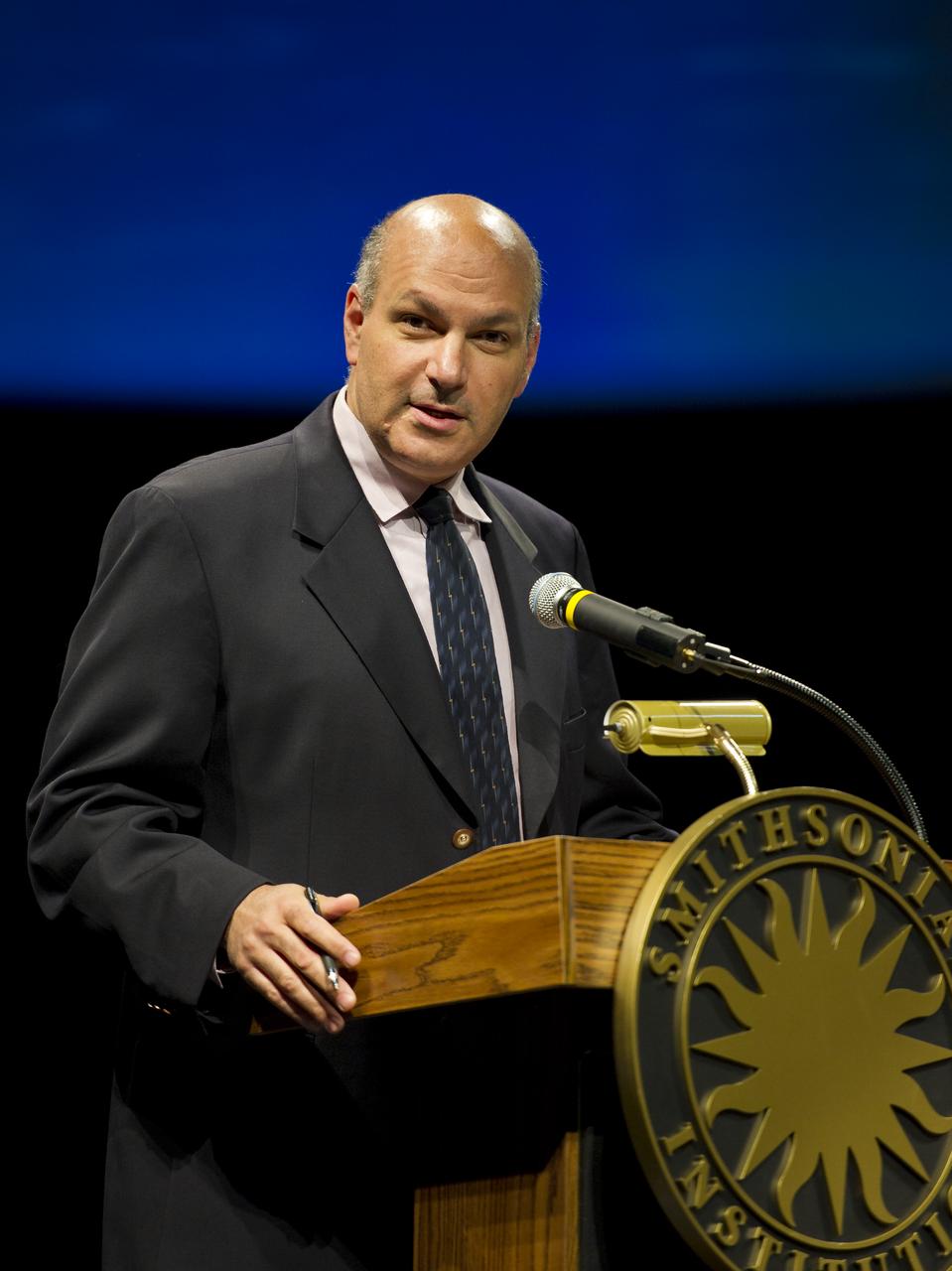
NASA chief scientist, Dr. Waleed Abdalati, speaks at a Mars Science Laboratory (MSL) press conference at the Smithsonian's National Air and Space Museum on Friday, July 22, 2011 in Washington. The Mars Science Laboratory (MSL), or Curiosity, is scheduled to launch late this year from NASA's Kennedy Space Center in Florida and land in August 2012. Curiosity is twice as long and more than five times as heavy as previous Mars rovers. The rover will study whether the landing region at Gale crater had favorable environmental conditions for supporting microbial life and for preserving clues about whether life ever existed. Photo Credit: (NASA/Carla Cioffi)
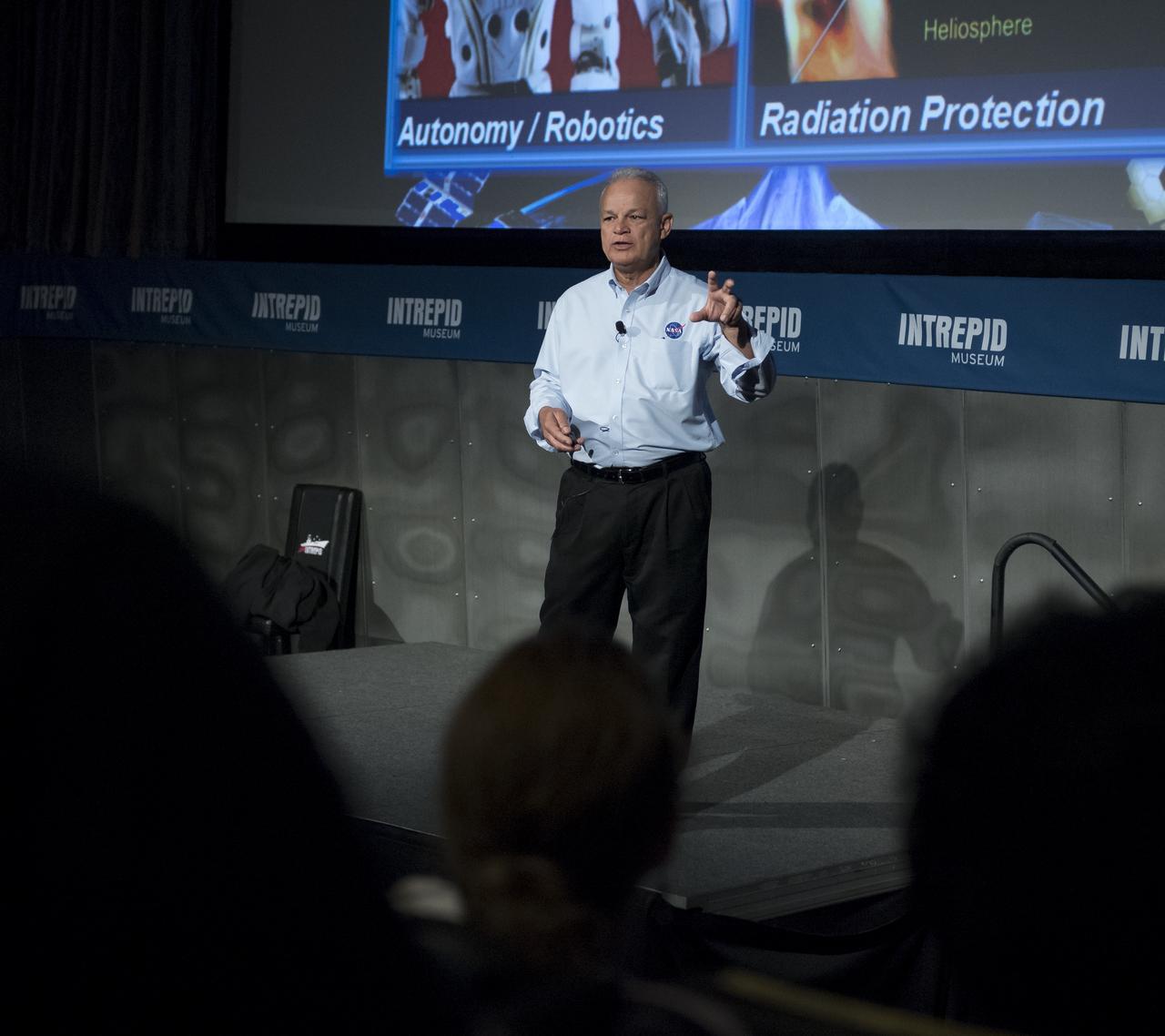
NASA Acting Chief Technologist Douglas Terrier gives a talk to teachers attending a professional development workshop held in tandem with the Intrepid Space & Science Festival, Saturday, Aug. 5, 2017 at the Intrepid Sea, Air & Space Museum in New York City. The week-long festival featured talks, films and cutting-edge displays showcasing NASA technology. Photo Credit: (NASA/Bill Ingalls)
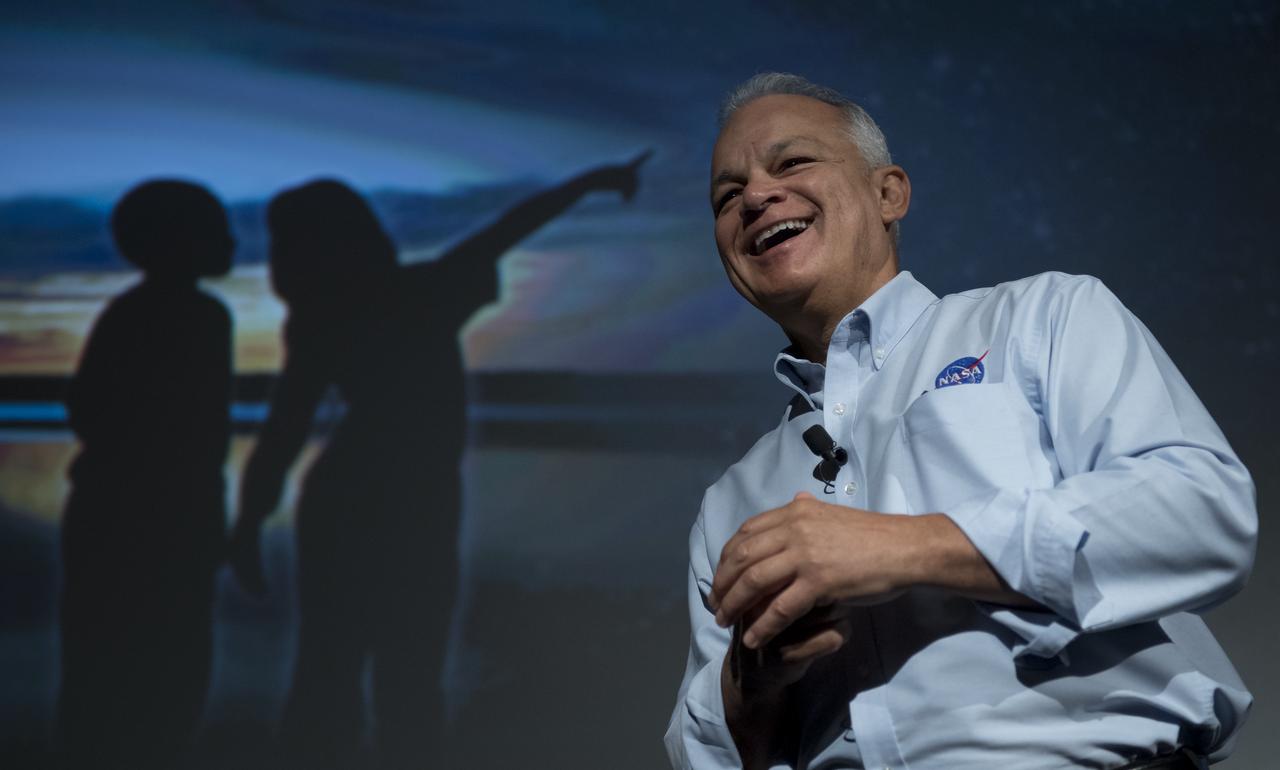
NASA Acting Chief Technologist Douglas Terrier gives a talk to teachers attending a professional development workshop held in tandem with the Intrepid Space & Science Festival, Saturday, Aug. 5, 2017 at the Intrepid Sea, Air & Space Museum in New York City. The week-long festival featured talks, films and cutting-edge displays showcasing NASA technology. Photo Credit: (NASA/Bill Ingalls)
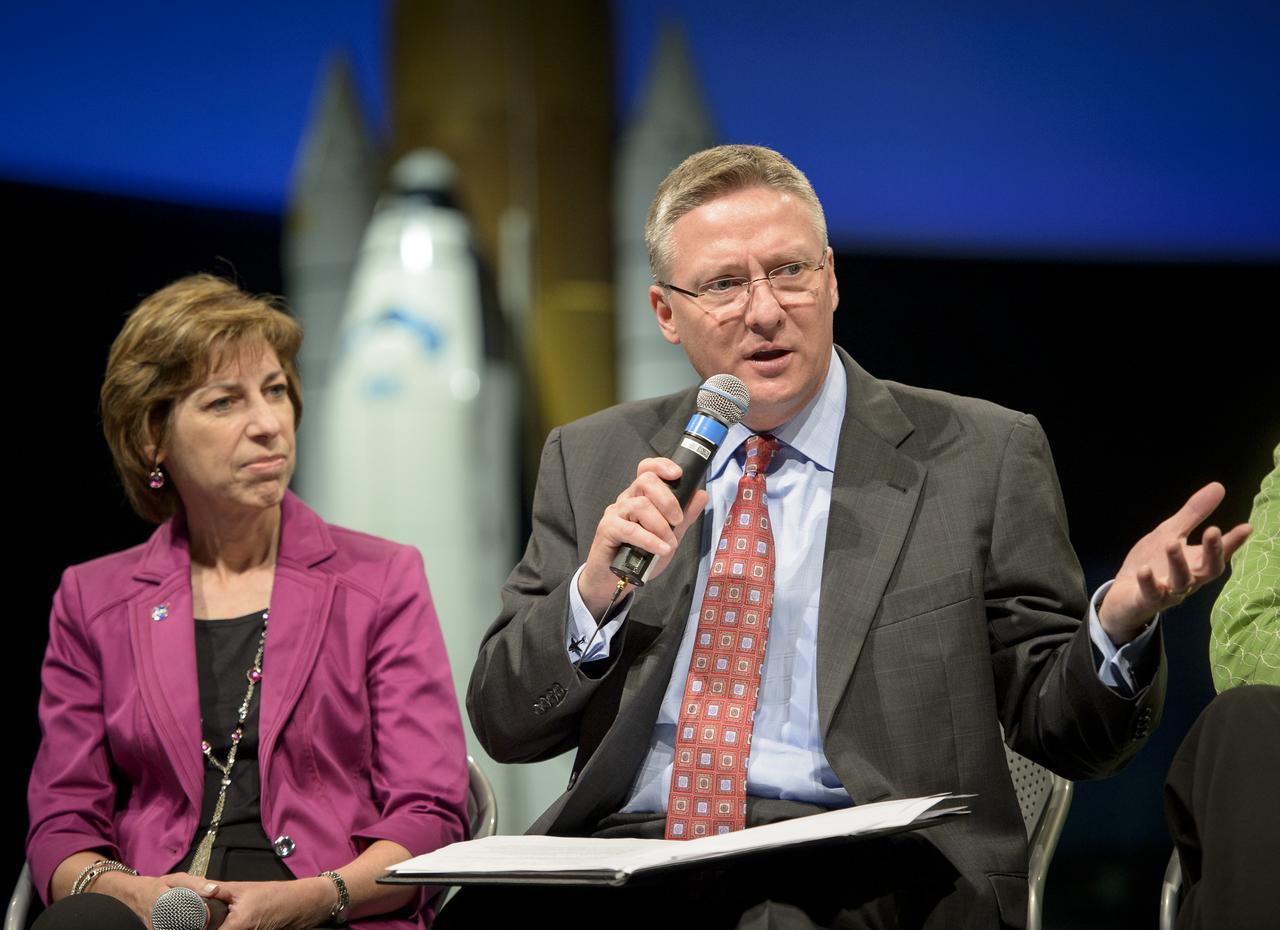
Tom Costello from NBC News moderates a panel discussion titled "Sally Ride: How Her Historic Space Mission Opened Doors for Women in Science" as Director of the NASA Johnson Space Center Ellen Ochoa looks on at the National Air and Space Museum on Friday, May 17, 2013 in Washington. Photo Credit: (NASA/Bill Ingalls)
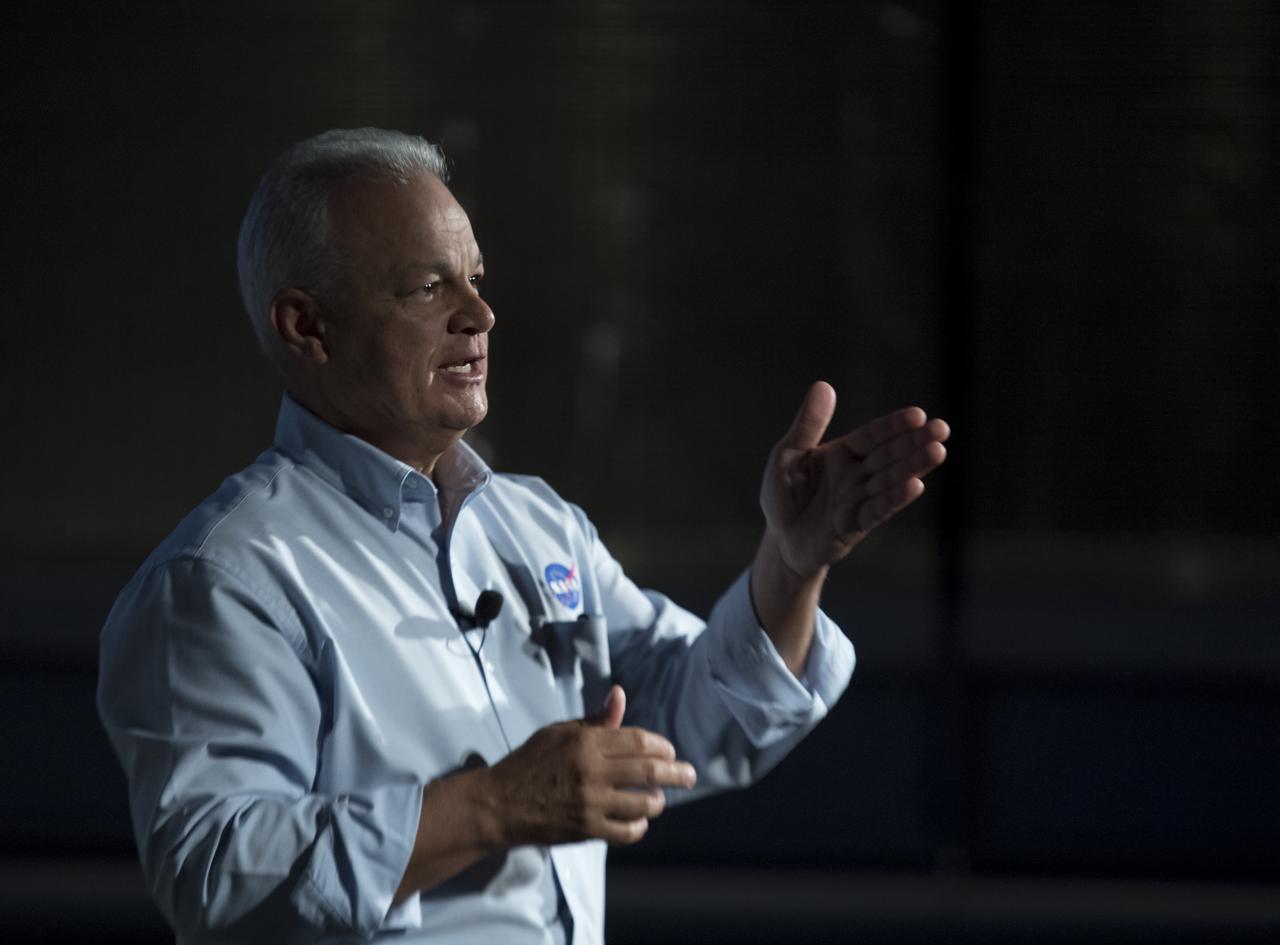
NASA Acting Chief Technologist Douglas Terrier gives a talk to teachers attending a professional development workshop held in tandem with the Intrepid Space & Science Festival, Saturday, Aug. 5, 2017 at the Intrepid Sea, Air & Space Museum in New York City. The week-long festival featured talks, films and cutting-edge displays showcasing NASA technology. Photo Credit: (NASA/Bill Ingalls)
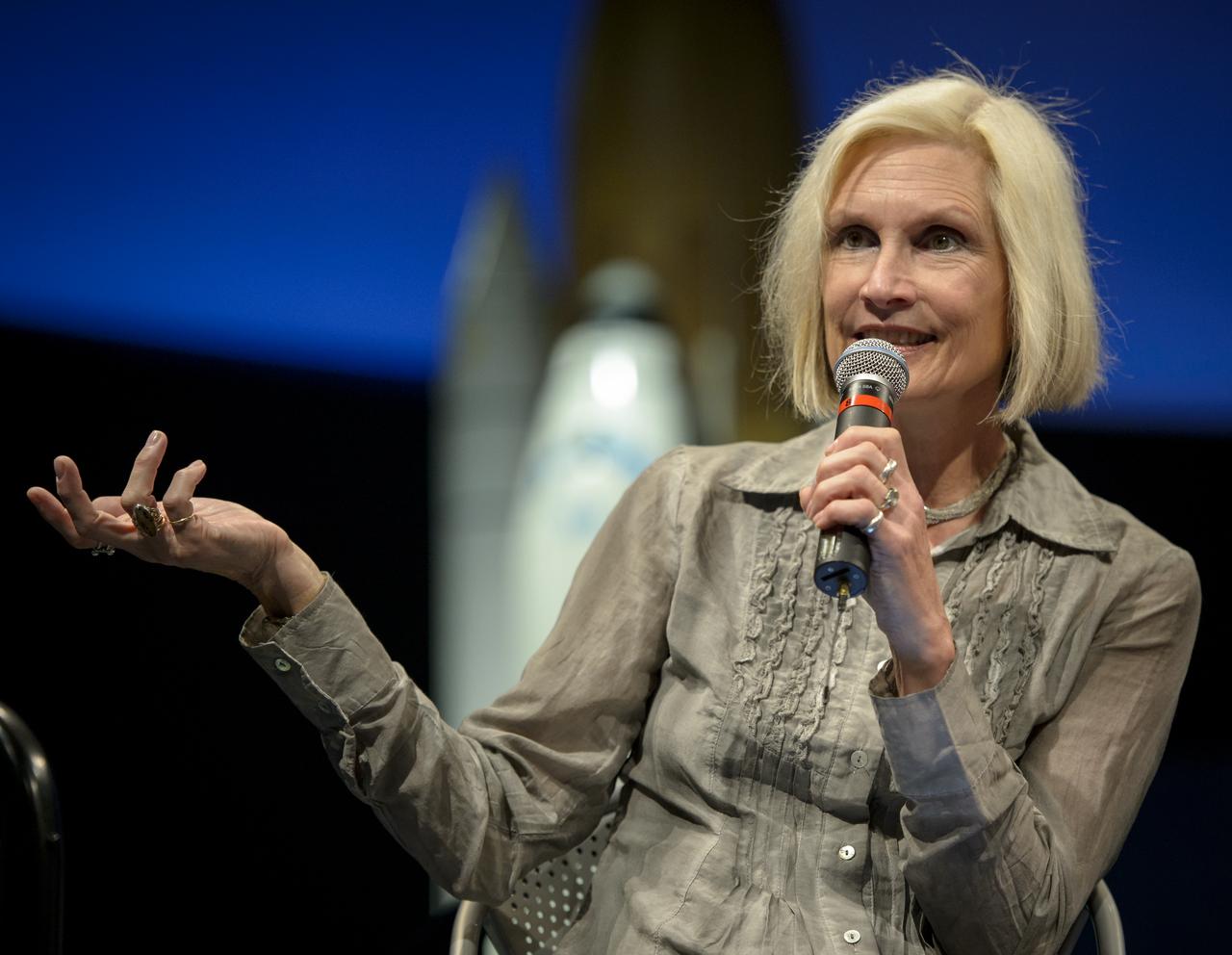
Linda Billings, research professor, Media and Public Affairs, The George Washington University shares her thoughts during a program titled "Sally Ride: How Her Historic Space Mission Opened Doors for Women in Science" held on Friday, May 17, 2013 at the National Air and Space Museum in Washington. Photo Credit: (NASA/Bill Ingalls)
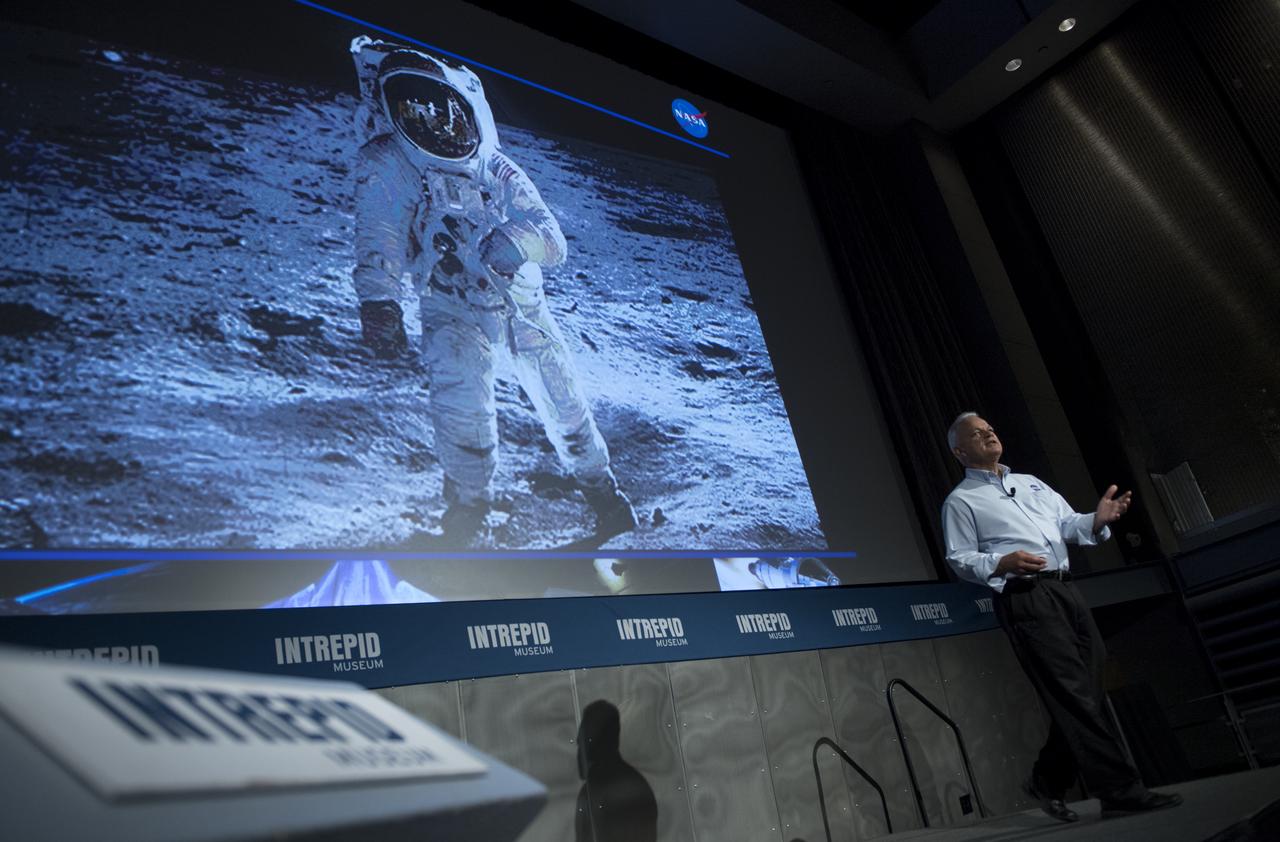
NASA Acting Chief Technologist Douglas Terrier gives a talk to teachers attending a professional development workshop held in tandem with the Intrepid Space & Science Festival, Saturday, Aug. 5, 2017 at the Intrepid Sea, Air & Space Museum in New York City. The week-long festival featured talks, films and cutting-edge displays showcasing NASA technology. Photo Credit: (NASA/Bill Ingalls)
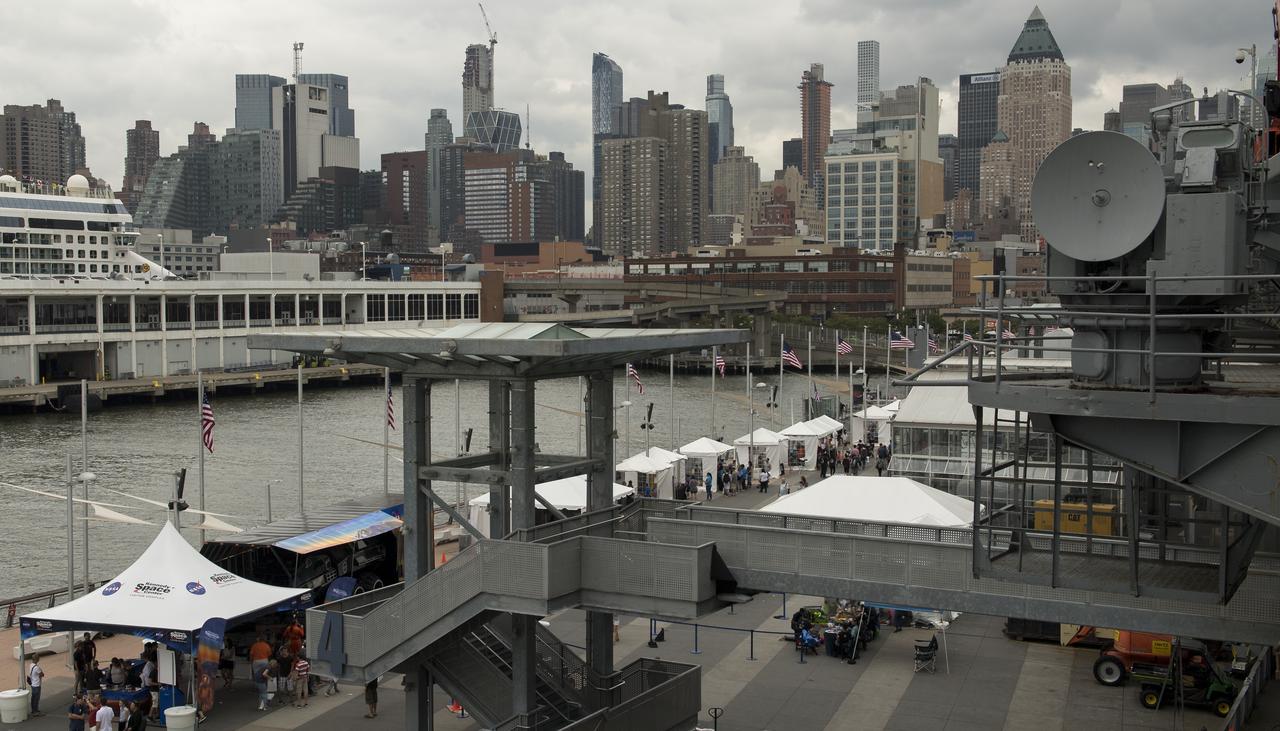
NASA exhibits under white tents line Pier 86 during the Intrepid Space & Science Festival, Saturday, Aug. 5, 2017 held at the Intrepid Sea, Air & Space Museum in New York City. The week-long festival featured talks, films and cutting-edge displays showcasing NASA technology. Photo Credit: (NASA/Bill Ingalls)
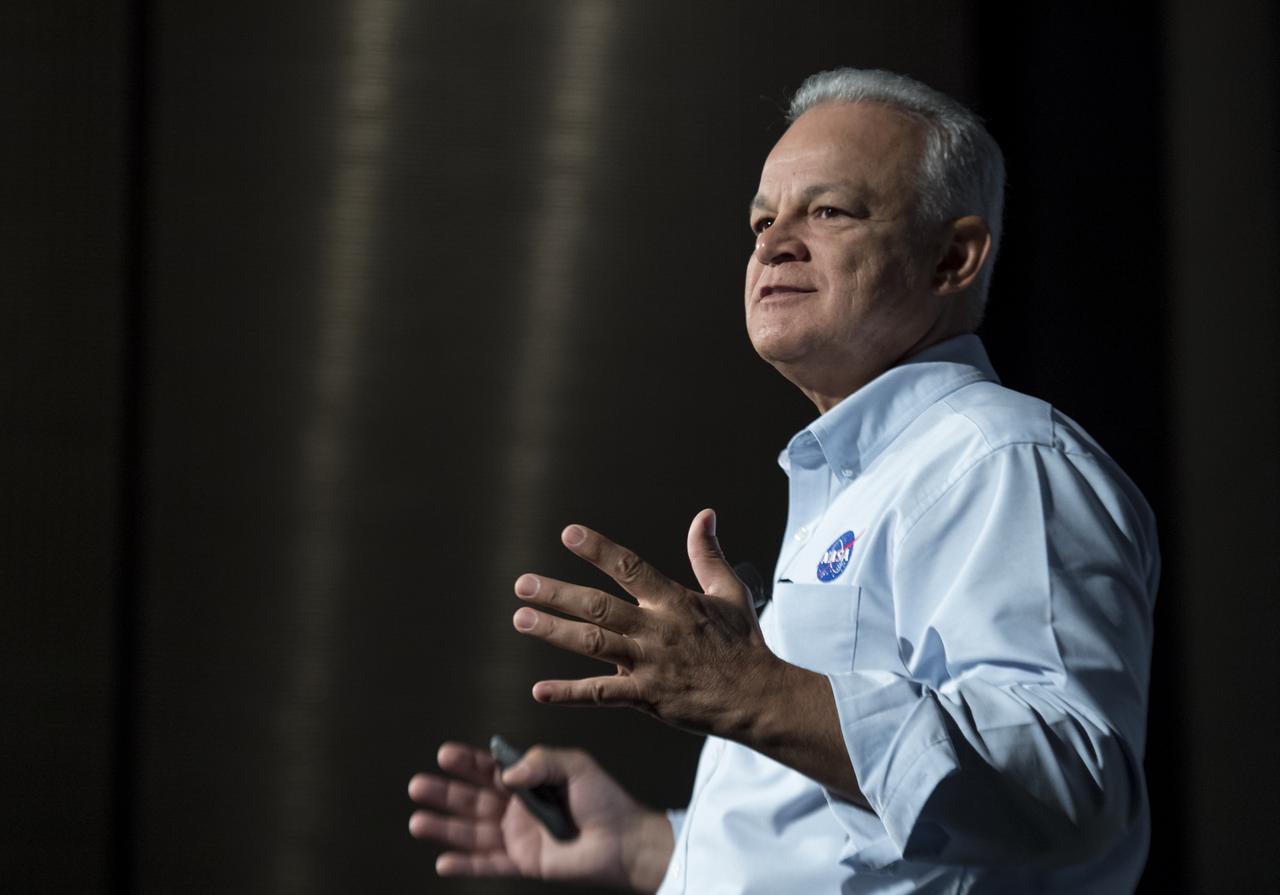
NASA Acting Chief Technologist Douglas Terrier gives a talk to teachers attending a professional development workshop held in tandem with the Intrepid Space & Science Festival, Saturday, Aug. 5, 2017 at the Intrepid Sea, Air & Space Museum in New York City. The week-long festival featured talks, films and cutting-edge displays showcasing NASA technology. Photo Credit: (NASA/Bill Ingalls)

NASA Acting Chief Technologist Douglas Terrier gives a talk to teachers attending a professional development workshop held in tandem with the Intrepid Space & Science Festival, Saturday, Aug. 5, 2017 at the Intrepid Sea, Air & Space Museum in New York City. The week-long festival featured talks, films and cutting-edge displays showcasing NASA technology. Photo Credit: (NASA/Bill Ingalls)
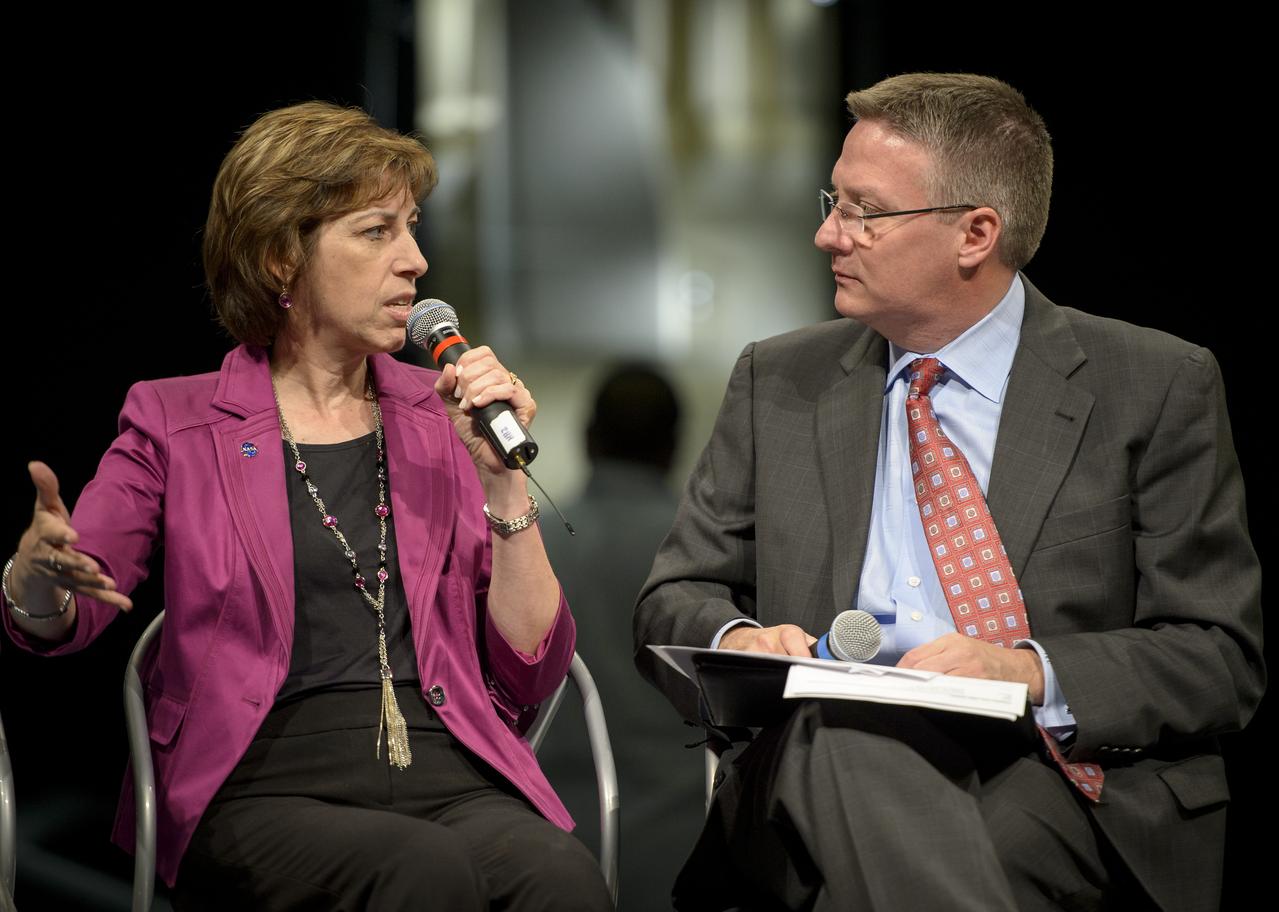
Director of the NASA Johnson Space Center Ellen Ochoa talks as Tom Costello from NBC News moderates a panel discussion titled "Sally Ride: How Her Historic Space Mission Opened Doors for Women in Science" at the National Air and Space Museum on Friday, May 17, 2013 in Washington. Photo Credit: (NASA/Bill Ingalls)
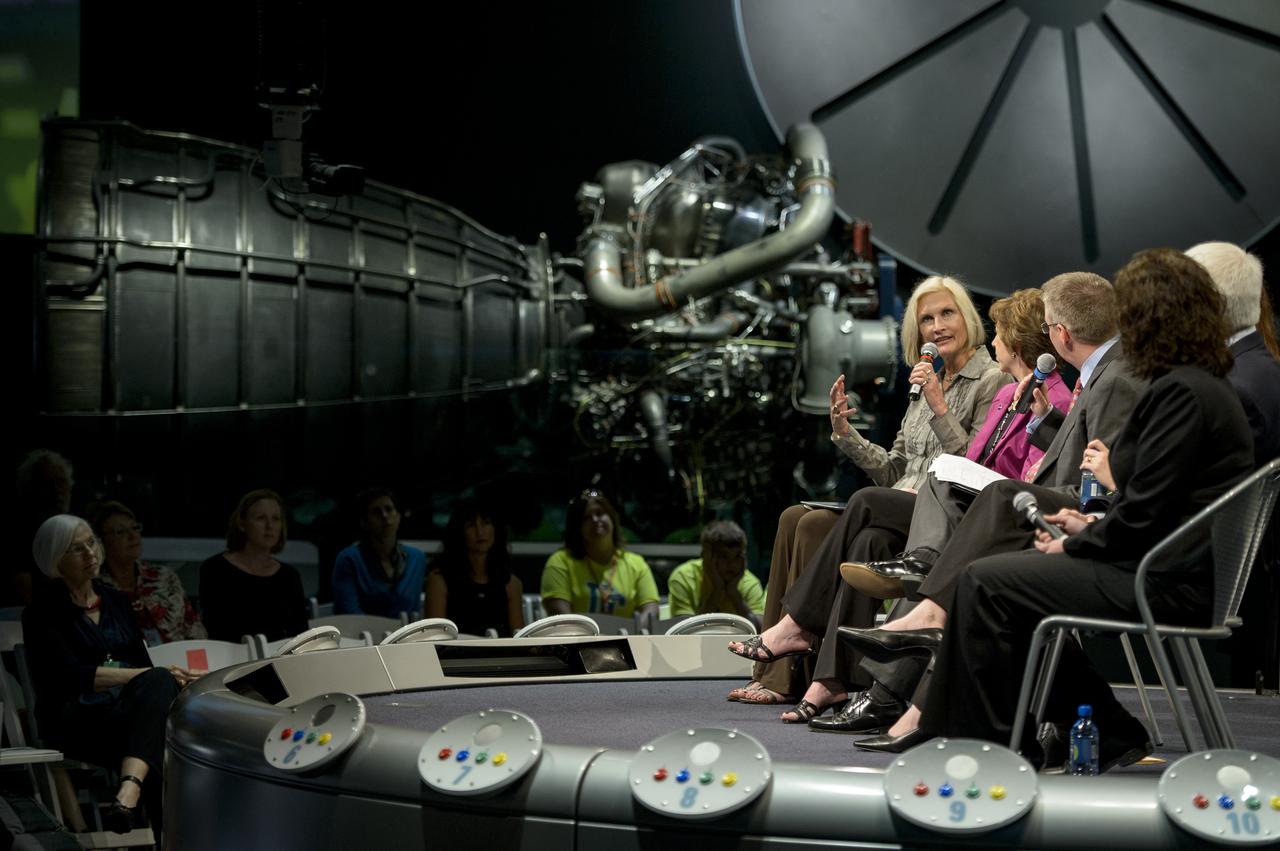
Linda Billings, research professor, Media and Public Affairs, The George Washington University shares her thoughts during a program titled "Sally Ride: How Her Historic Space Mission Opened Doors for Women in Science" held on Friday, May 17, 2013 at the National Air and Space Museum in Washington. Photo Credit: (NASA/Bill Ingalls)
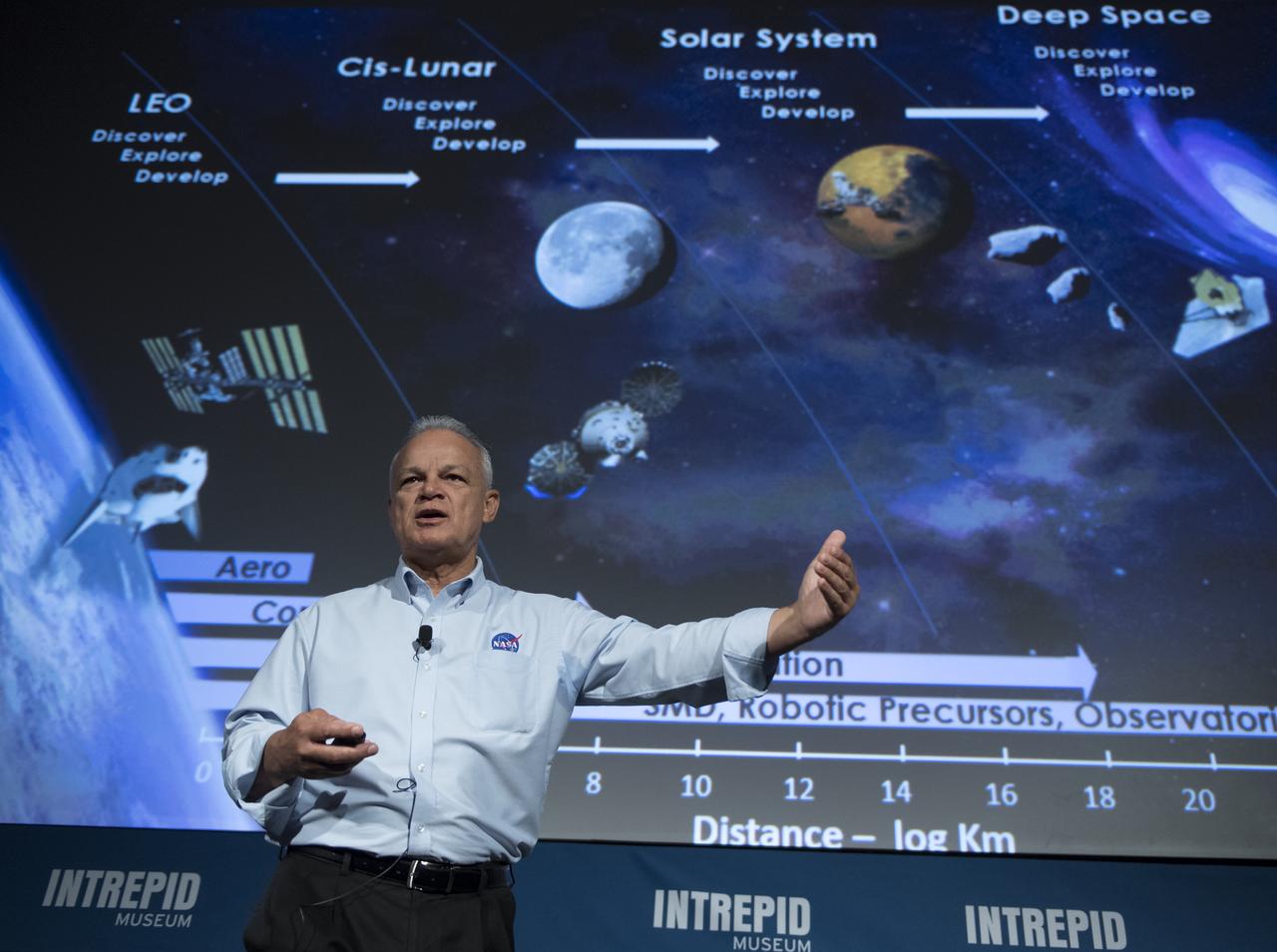
NASA Acting Chief Technologist Douglas Terrier gives a talk to teachers attending a professional development workshop held in tandem with the Intrepid Space & Science Festival, Saturday, Aug. 5, 2017 at the Intrepid Sea, Air & Space Museum in New York City. The week-long festival featured talks, films and cutting-edge displays showcasing NASA technology. Photo Credit: (NASA/Bill Ingalls)
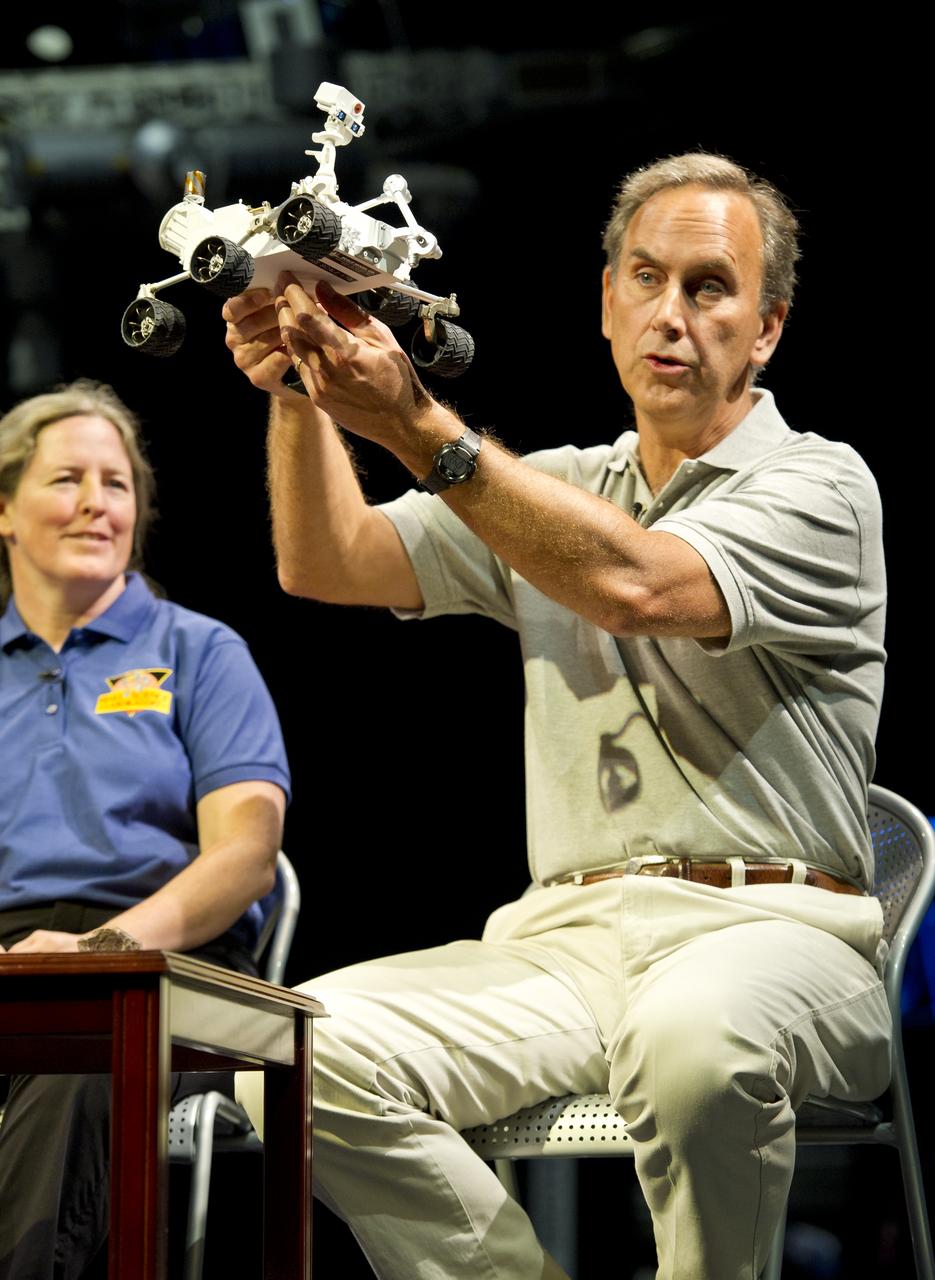
John Grotzinger, Mars Science Laboratory (MSL) project scientist, Jet Propulsion Lab (JPL), Pasadena, Calif., holds up a model of the MSL, or Curiosity, at a press conference at the Smithsonian's National Air and Space Museum on Friday, July 22, 2011 in Washington. The MSL is scheduled to launch late this year from NASA's Kennedy Space Center in Florida and land in August 2012. Curiosity is twice as long and more than five times as heavy as previous Mars rovers. The rover will study whether the landing region at Gale crater had favorable environmental conditions for supporting microbial life and for preserving clues about whether life ever existed. Photo Credit: (NASA/Carla Cioffi)
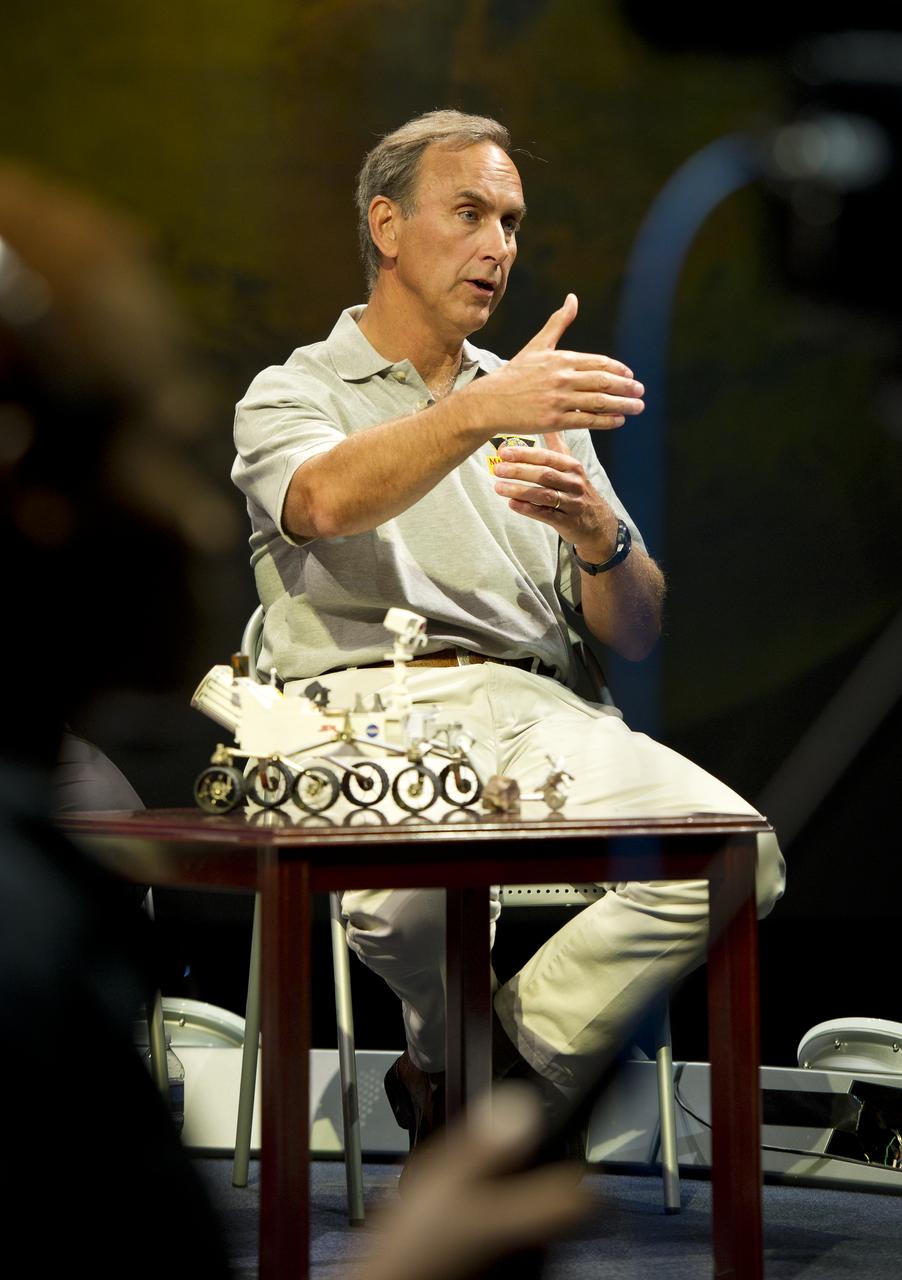
John Grotzinger, Mars Science Laboratory (MSL) project scientist, Jet Propulsion Lab (JPL), Pasadena, Calif., answers a reporter's question at a press conference at the Smithsonian's National Air and Space Museum on Friday, July 22, 2011 in Washington. The MSL is scheduled to launch late this year from NASA's Kennedy Space Center in Florida and land in August 2012. Curiosity is twice as long and more than five times as heavy as previous Mars rovers. The rover will study whether the landing region at Gale crater had favorable environmental conditions for supporting microbial life and for preserving clues about whether life ever existed. Photo Credit: (NASA/Carla Cioffi)
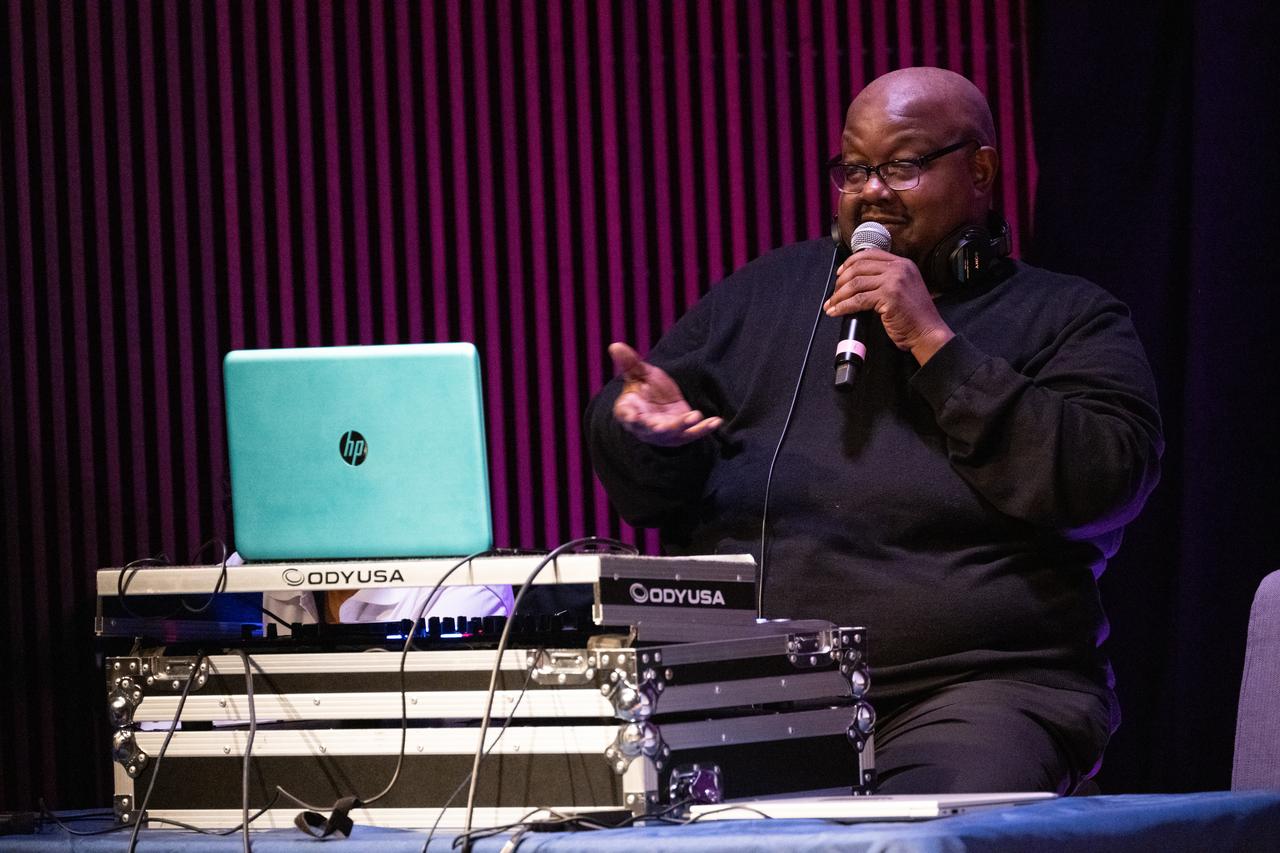
DJ Scientific, Mark Branch, speaks to students about the science behind the music during an event celebrating Black History Month at the Smithsonian National Museum of African American History and Culture, Friday, Feb. 10, 2023, in Washington. Photo Credit: (NASA/Joel Kowsky)
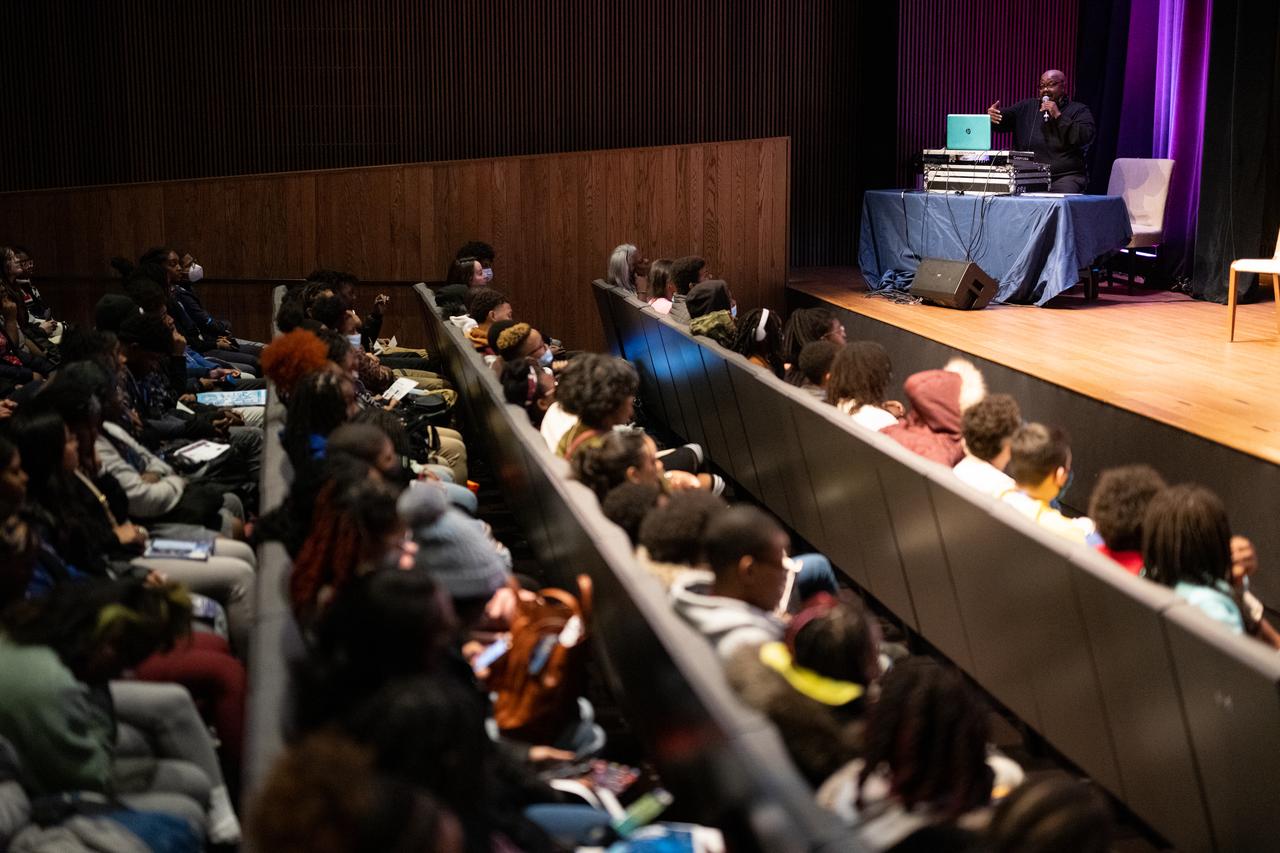
DJ Scientific, Mark Branch, speaks to students about the science behind the music during an event celebrating Black History Month at the Smithsonian National Museum of African American History and Culture, Friday, Feb. 10, 2023, in Washington. Photo Credit: (NASA/Joel Kowsky)
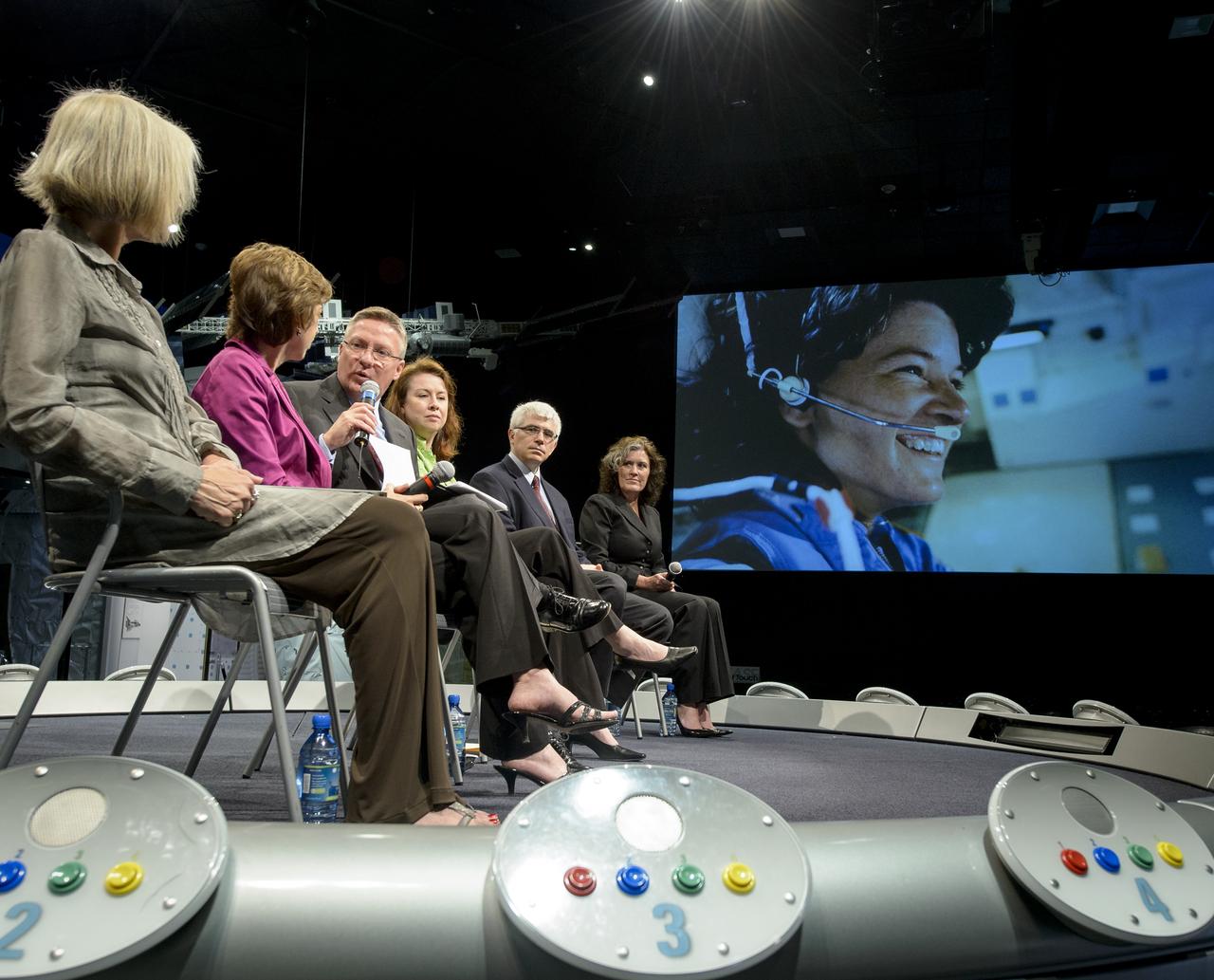
Tom Costello from NBC News moderates a panel discussion titled "Sally Ride: How Her Historic Space Mission Opened Doors for Women in Science" at the National Air and Space Museum on Friday, May 17, 2013 in Washington. Photo Credit: (NASA/Bill Ingalls)

An inflatable scale model of the SLS rocket is seen on Pier 86 during the Intrepid Space & Science Festival, Saturday, Aug. 5, 2017 held at the Intrepid Sea, Air & Space Museum in New York City. The week-long festival featured talks, films and cutting-edge displays showcasing NASA technology. Photo Credit: (NASA/Bill Ingalls)
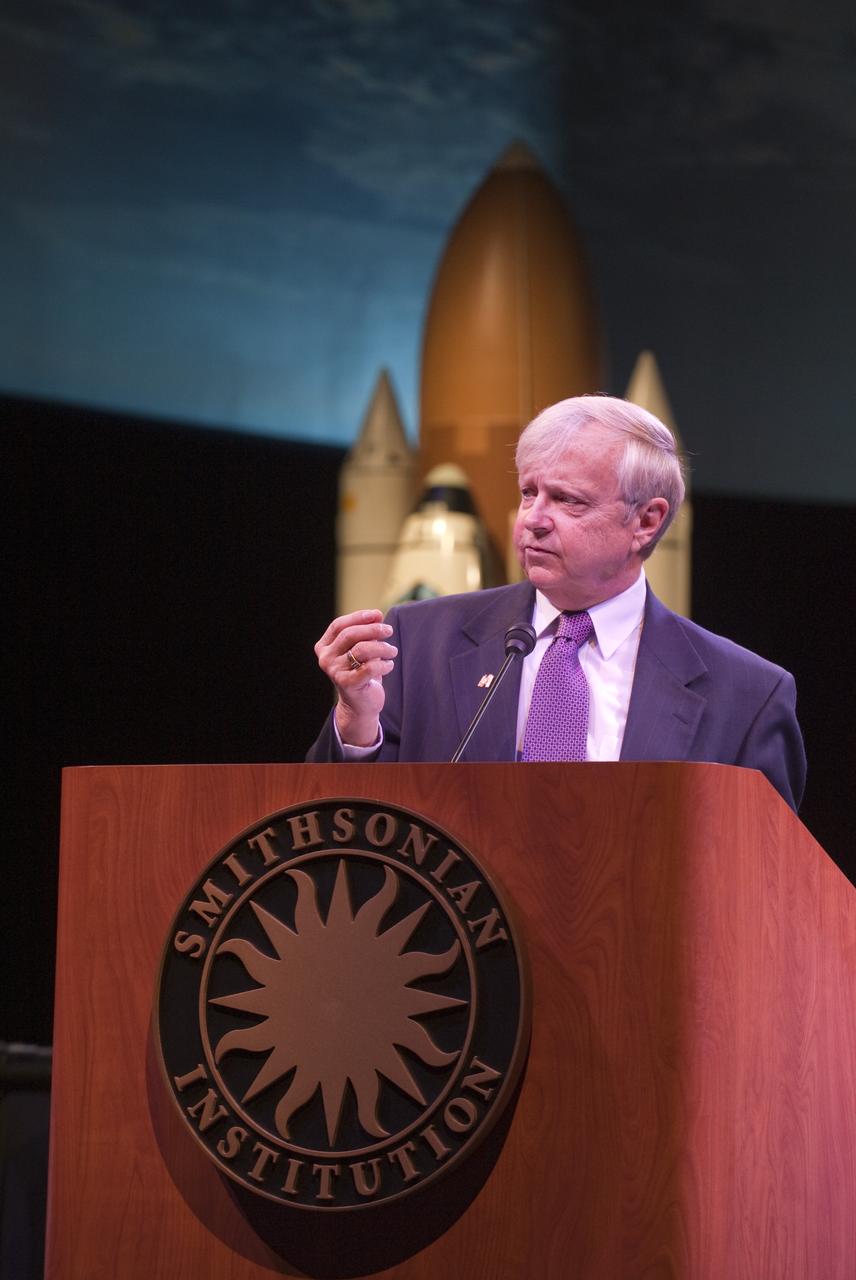
Ed Weiler, associate administrator for the Science Mission Directorate at NASA, speaks during a press briefing at the new "Moving Beyond Earth," exhibition at the National Air and Space Museum in Washingon, Wednesday, Nov. 18, 2009. Moving Beyond Earth is an immersive exhibition that places visitors “in orbit” in the shuttle and space-station era to explore recent human spaceflight and future possibilities. Photo Credit: (NASA/Paul E. Alers)
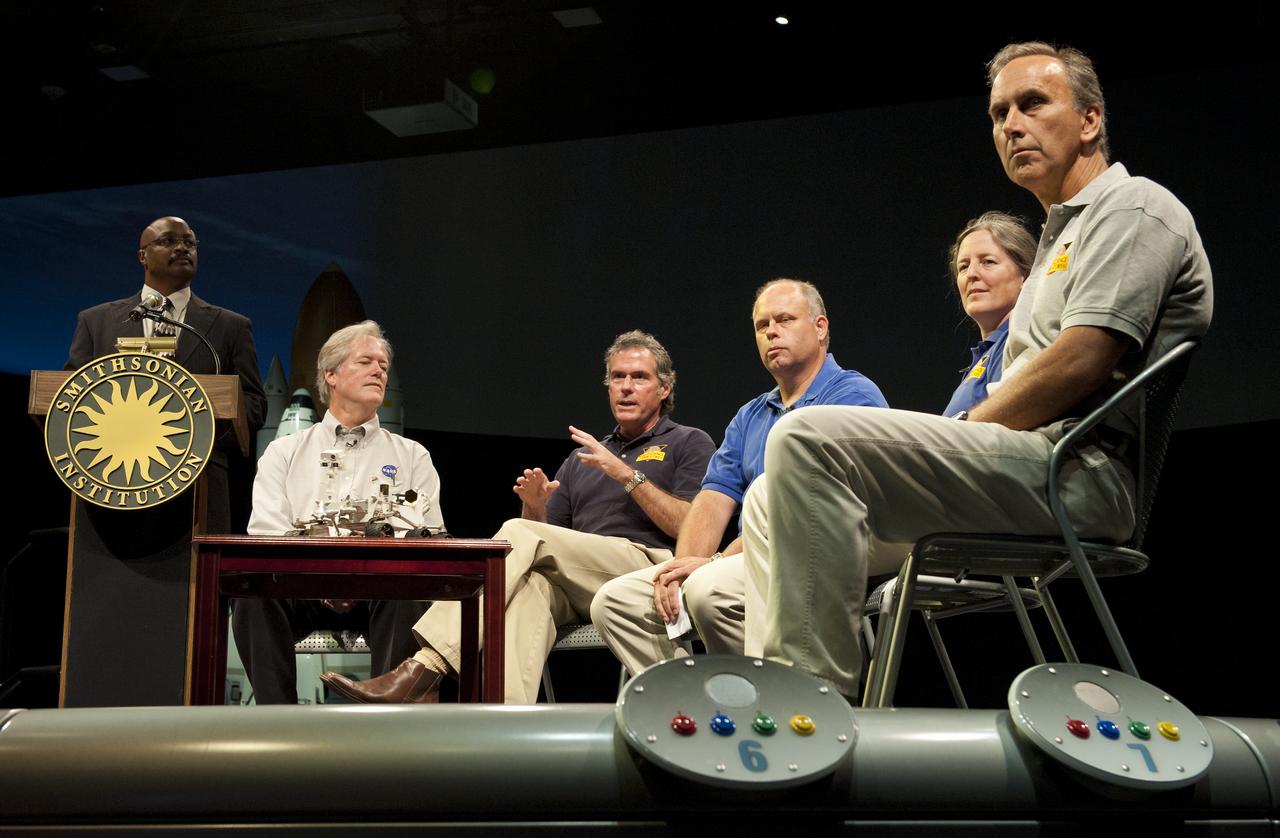
Michael Watkins (third from left), mission manager and project engineer, Mars Science Laboratory (MSL), Jet Propulsion Lab, Pasadena, Calif., speaks at a press conference at the Smithsonian's National Air and Space Museum on Friday, July 22, 2011 in Washington. From left to right, Watkins is joined by Dwayne Brown, NASA Headquarters public affairs officer; Michael Meyer, lead scientist Mars Exploration Program, NASA Headquarters; Watkins; John Grant, geologist, Smithsonian National Air and Space Museum in Washington; Dawn Sumner, geologist, University of California, Davis and John Grotzinger, MSL project scientist, JPL. Photo Credit: (NASA/Carla Cioffi)
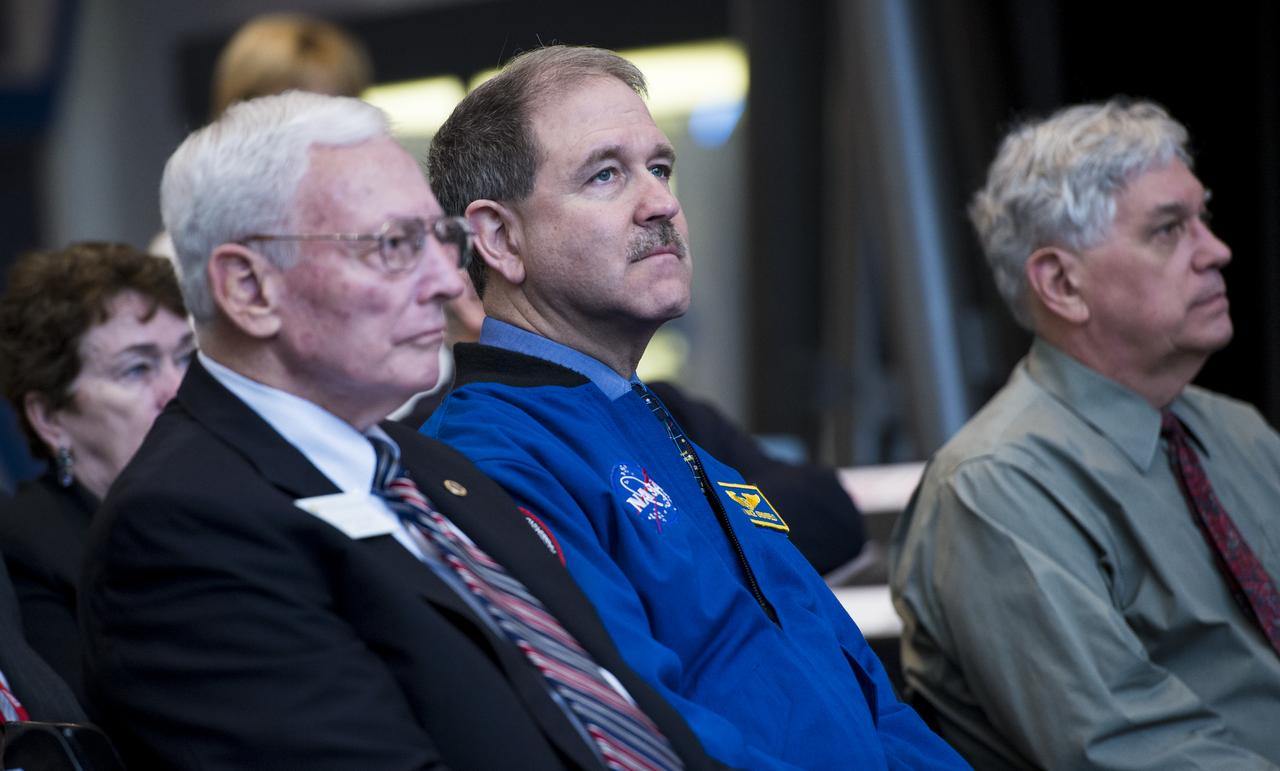
John Grunsfeld, NASA Associate Administrator for the Science Mission Directorate, is seen during during an event unveiling a new exhibit featuring Hubble's Corrective Optics Space Telescope Axial Replacement (COSTAR) and the Wide Field and Planetary Camera 2 (WFPC2) on Wednesday, April 23, 2014 at the Smithsonian National Air and Space Museum in Washington, DC. Grunsfeld flew on three of space shuttle servicing missions to Hubble, including the fifth and final mission in 2009 which returned COSTAR and WFPC2 to Earth. Photo Credit: (NASA/Joel Kowsky)
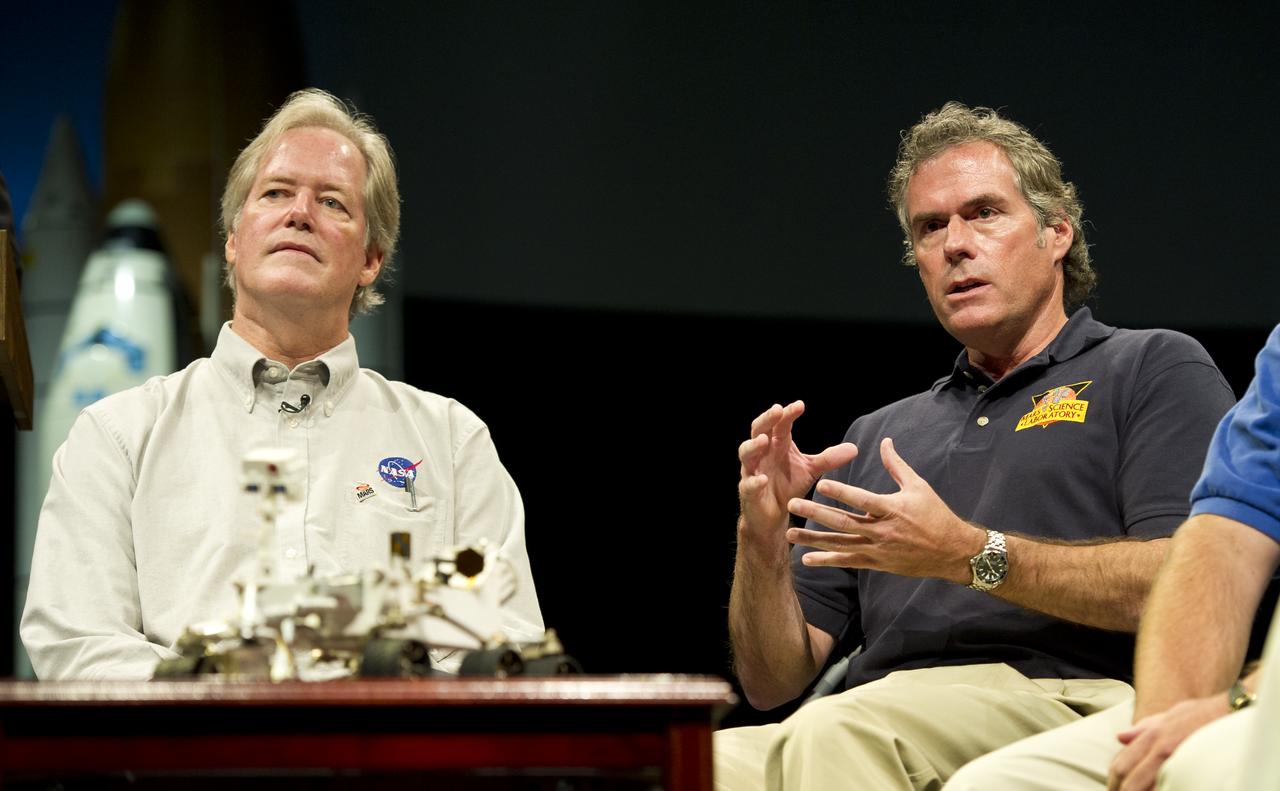
Michael Watkins (right), mission manager and Mars Science Laboratory (MSL) engineer, Jet Propulsion Lab, Pasadena, Calif., speaks at a press conference, as Michael Meyer, Mars Exploration Program lead scientist looks on, at the Smithsonian's National Air and Space Museum on Friday, July 22, 2011 in Washington. The MSL, or Curiosity, is scheduled to launch late this year from NASA's Kennedy Space Center in Florida and land in August 2012. Curiosity is twice as long and more than five times as heavy as previous Mars rovers. The rover will study whether the landing region at Gale crater had favorable environmental conditions for supporting microbial life and for preserving clues about whether life ever existed. Photo Credit: (NASA/Carla Cioffi)
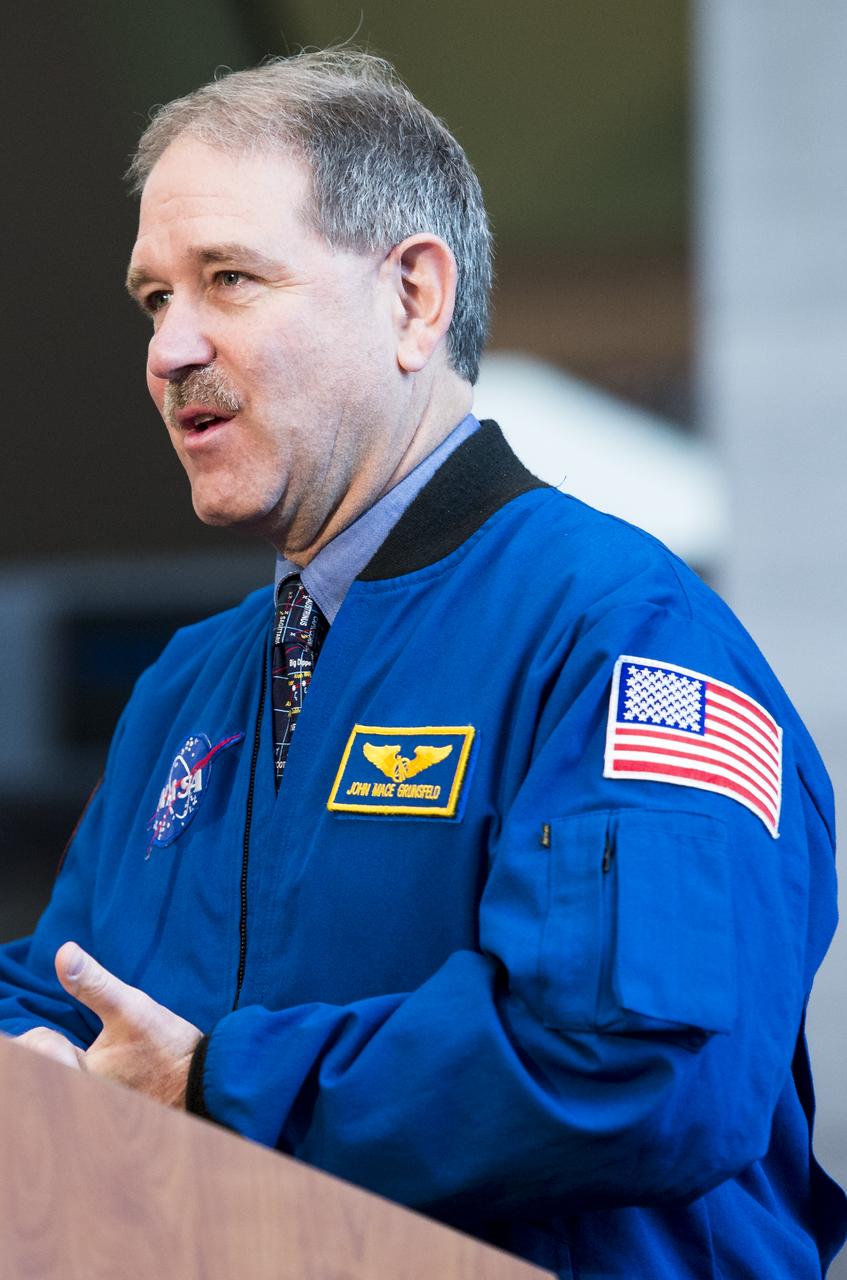
John Grunsfeld, NASA Associate Administrator for the Science Mission Directorate, speaks during during an event unveiling a new exhibit featuring Hubble's Corrective Optics Space Telescope Axial Replacement (COSTAR) and the Wide Field and Planetary Camera 2 (WFPC2) on Wednesday, April 23, 2014 at the Smithsonian National Air and Space Museum in Washington, DC. Grunsfeld flew on three of space shuttle servicing missions to Hubble, including the fifth and final mission in 2009 which returned COSTAR and WFPC2 to Earth. Photo Credit: (NASA/Joel Kowsky)
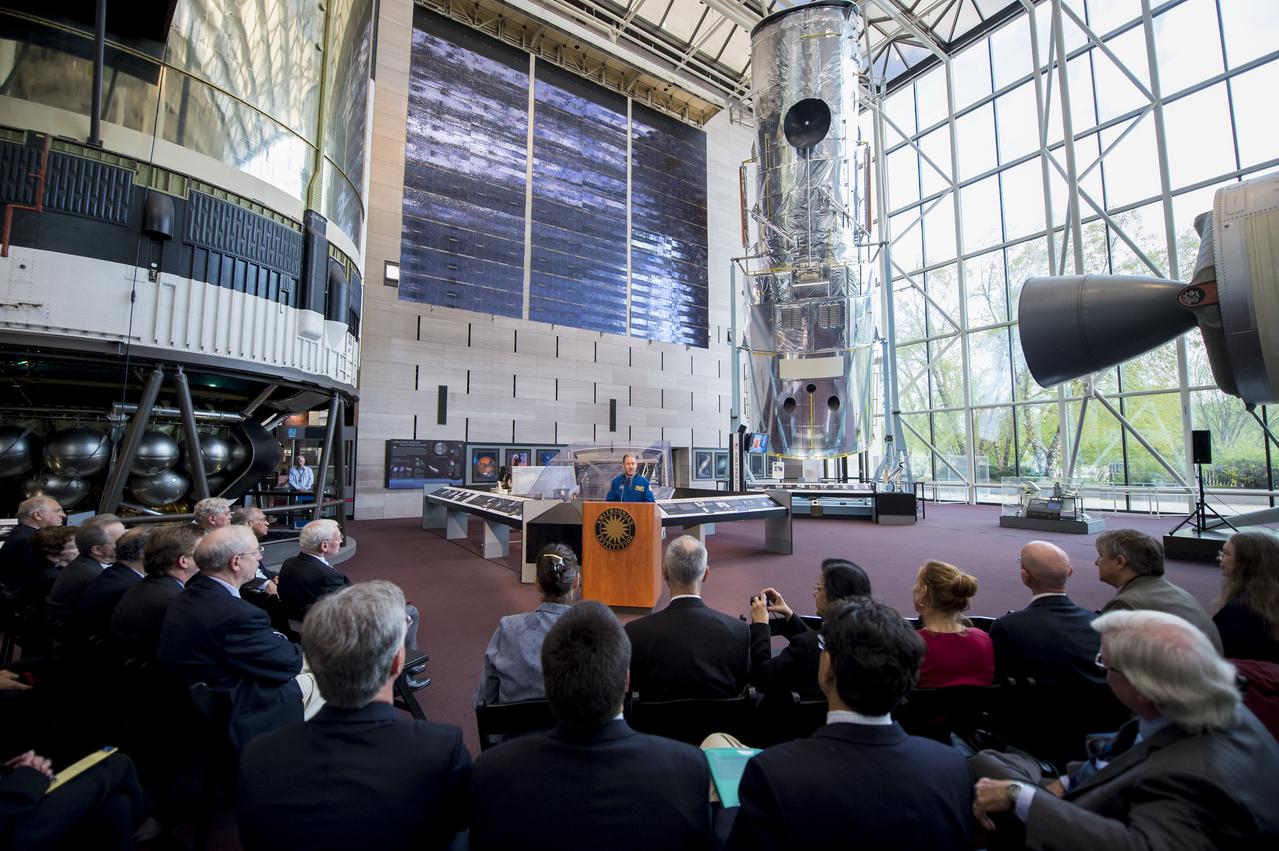
John Grunsfeld, NASA Associate Administrator for the Science Mission Directorate, speaks during an event unveiling a new exhibit featuring Hubble's Corrective Optics Space Telescope Axial Replacement (COSTAR) and the Wide Field and Planetary Camera 2 (WFPC2) on Wednesday, April 23, 2014 at the Smithsonian National Air and Space Museum in Washington, DC. Grunsfeld flew on three of space shuttle servicing missions to Hubble, including the fifth and final mission in 2009 which returned COSTAR and WFPC2 to Earth. Photo Credit: (NASA/Joel Kowsky)
![jsc2024e043926 (7/10/2024) --- Overall image of the SAKURA Flight Module. SAKURA is a 1U CubeSat, developed in the Growing Advanced and Refined space Development ENgineering succession and under the satellite (GARDENs) program by the Chiba Institute of Technology, and will deploy on the JEM [Japanese Experiment Module]-Small Satellite Orbital Deployer-31 (J-SSOD-31) mission.](https://images-assets.nasa.gov/image/jsc2024e043926/jsc2024e043926~medium.jpg)
jsc2024e043926 (7/10/2024) --- Overall image of the SAKURA Flight Module. SAKURA is a 1U CubeSat, developed in the Growing Advanced and Refined space Development ENgineering succession and under the satellite (GARDENs) program by the Chiba Institute of Technology, and will deploy on the JEM [Japanese Experiment Module]-Small Satellite Orbital Deployer-31 (J-SSOD-31) mission.
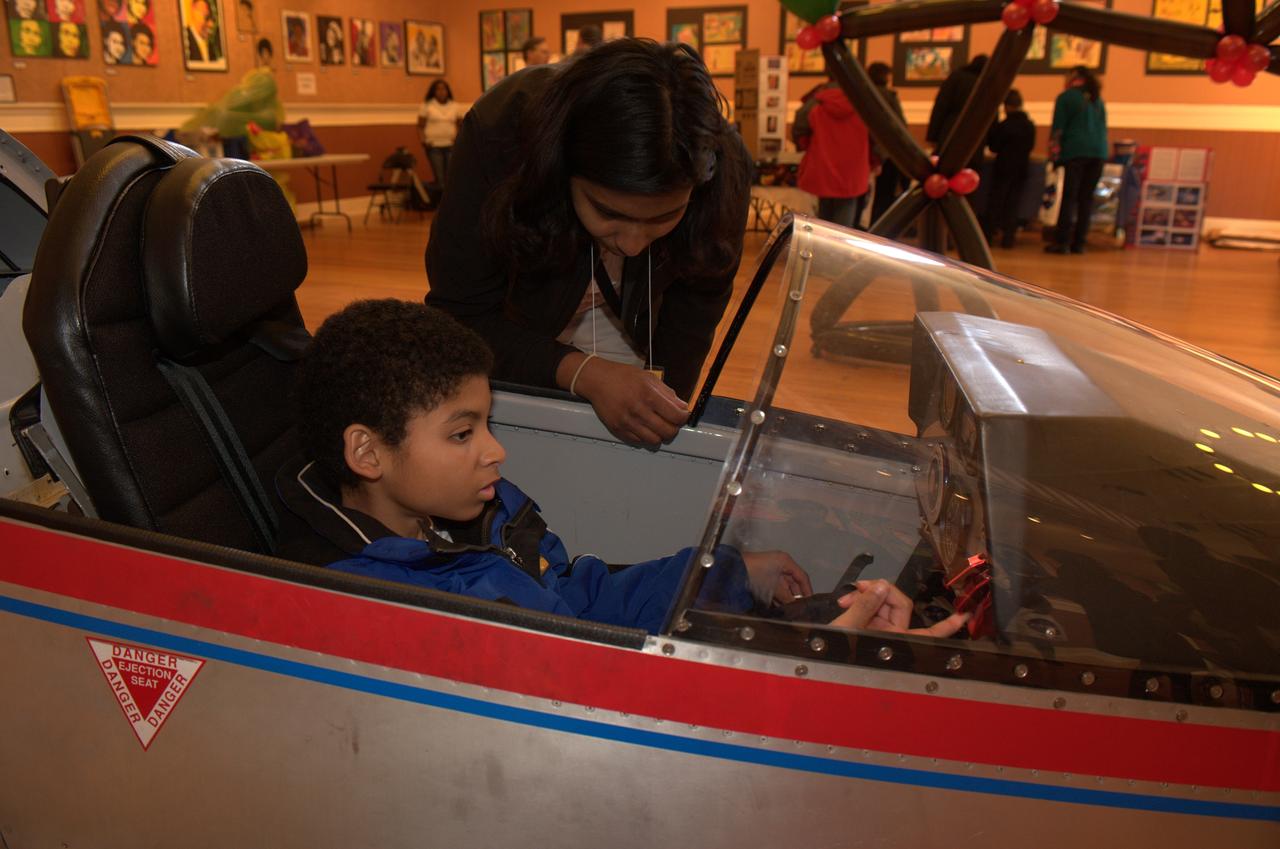
10th Anniversary of Reachout for the Rainbow after School Science Festival highlighting NASA Ames and the Traveling Space Museum exhibits and activities at the South San Francisco Bayview Opera House. Stephen Horsley gets a close up look at the cockpit of one the models provided by the Traveling Space Museum (TCS). photo release on file
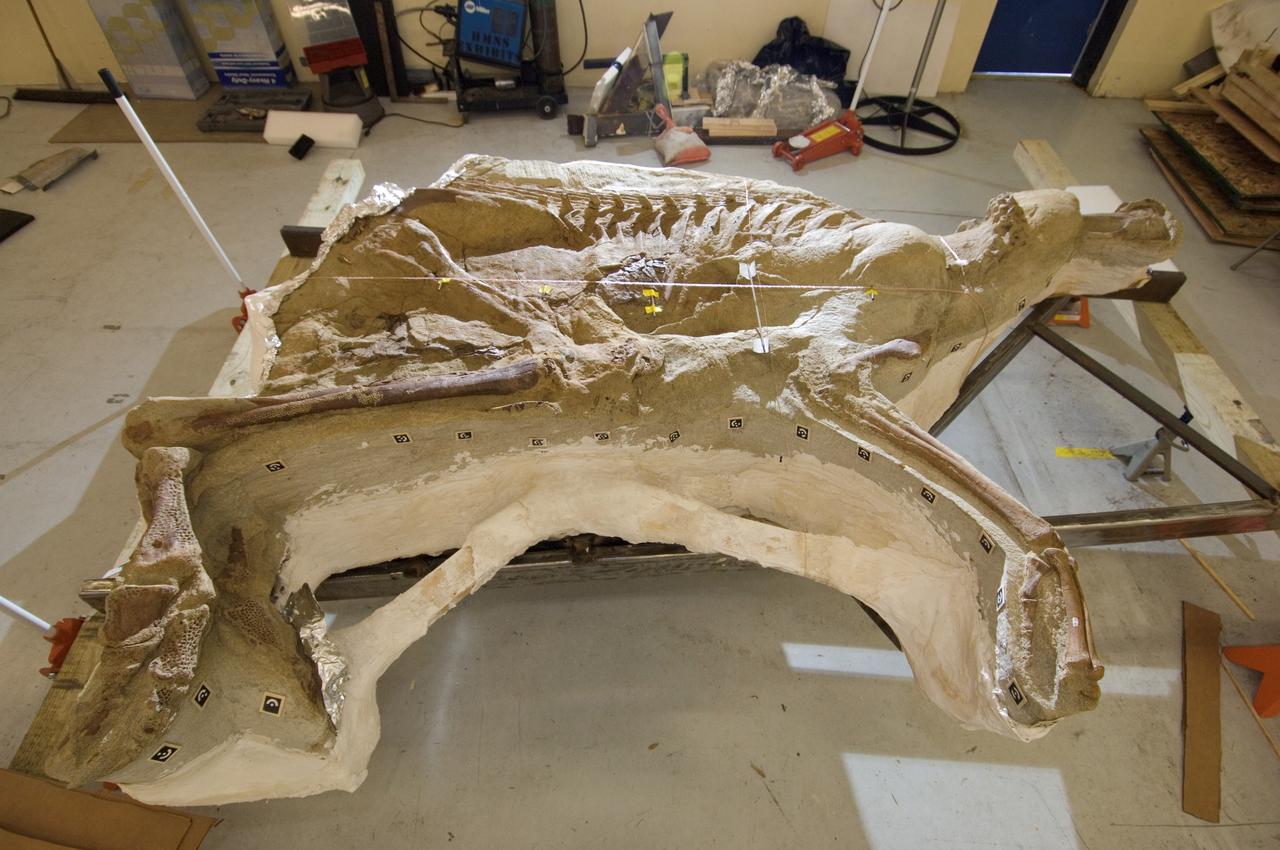
Documentation of NASA's partnership with the Houston Museum of Natural Science and Montana's Great Plains Dinosaur Museum to provide an insulated facility at Ellington Field in which the Leonardo Project Team was able to X-ray Leonardo, a 77 million year old dinosaur fossil. View of the Brachylophosaurus fossil called Leonardo.

Dr. Ted Maxwell, Associate Director for the Department of Collections and Research at the National Air and Space Museum, which entails the curatorial and scientific research departments, the Museum's Archives, and the Collections Division, speaks, Wednesday evening, Sept. 9, 2009, during a celebration of the Hubble Legacy at the National Air and Space Museum in Washington. Astronomers declared NASA's Hubble Space Telescope a fully rejuvenated observatory with the release Wednesday of observations from four of its six operating science instruments. Photo Credit: (NASA/Bill Ingalls)
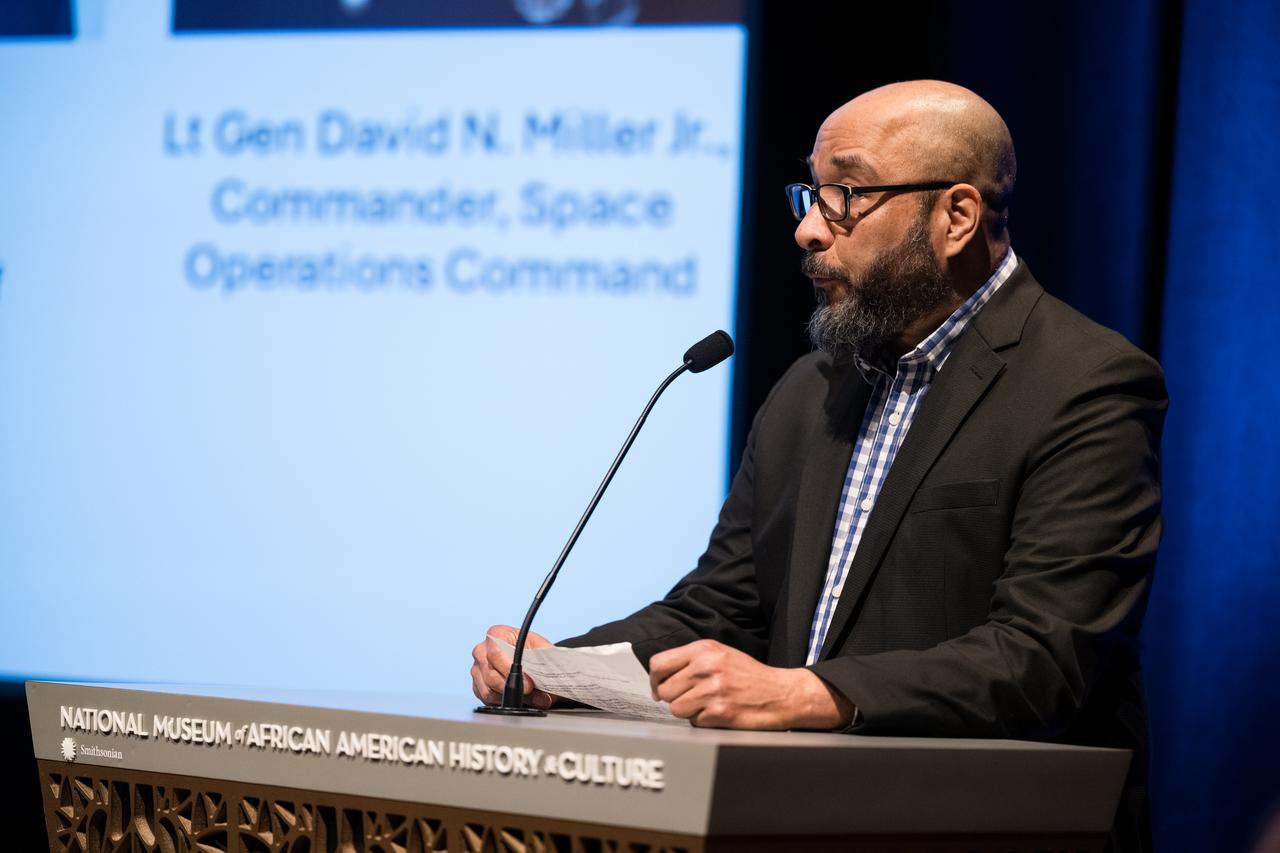
Dr. Kevin Strait, curator of history, National Museum of African American History and Culture (NMAAHC), speaks at an event to commemorate Black Space Week (BSW) 2024 titled, "Beyond the Color Lines From Science Fiction to Science Fact," in the Oprah Winfrey Theater at the Smithsonian National Museum of African American History and Culture, Monday, June 17, 2024 in Washington. Photo Credit: (NASA/Aubrey Gemignani)
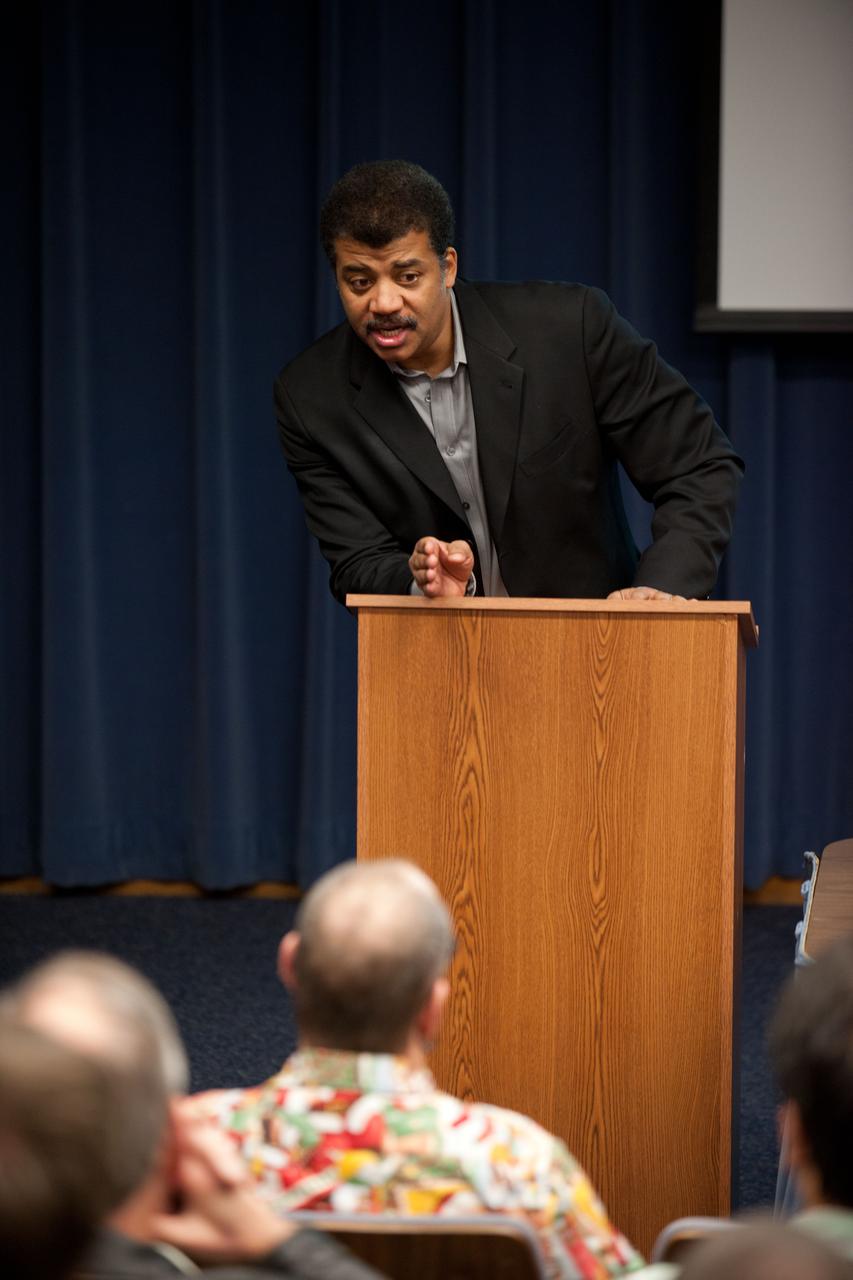
Neil DeGrasse Tyson, Astrophysicist with Hayden Planetarium, the American Museum of Natural History, visits the Ames Kepler Science Team during the 1000 days since Launch Review.
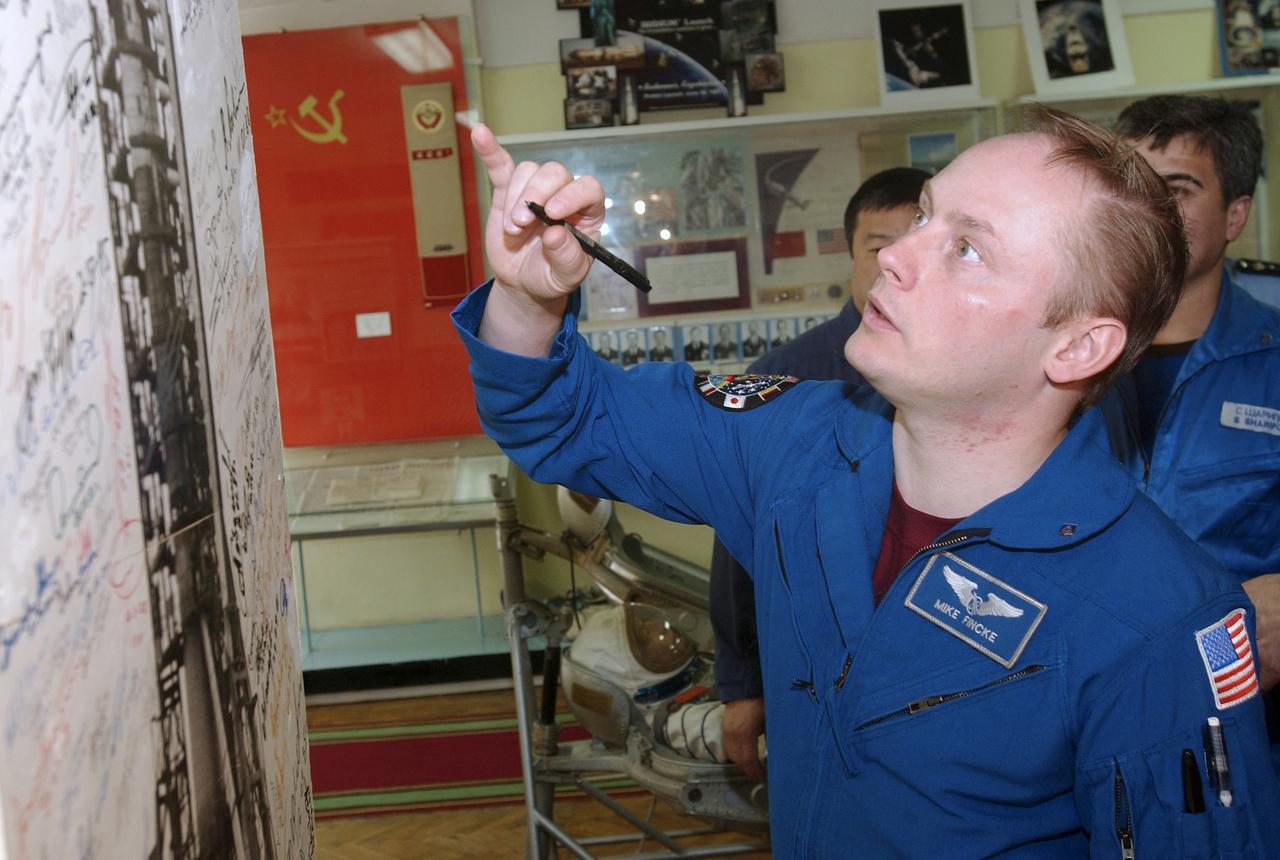
Flight Engineer and NASA Science Officer Mike Fincke prepares to sign a photograph in the space museum located at the Baikonur Cosmodrome, Wednesday, April 14, 2004, in Baikonur, Kazakhstan. Photo Credit: (NASA/Bill Ingalls)
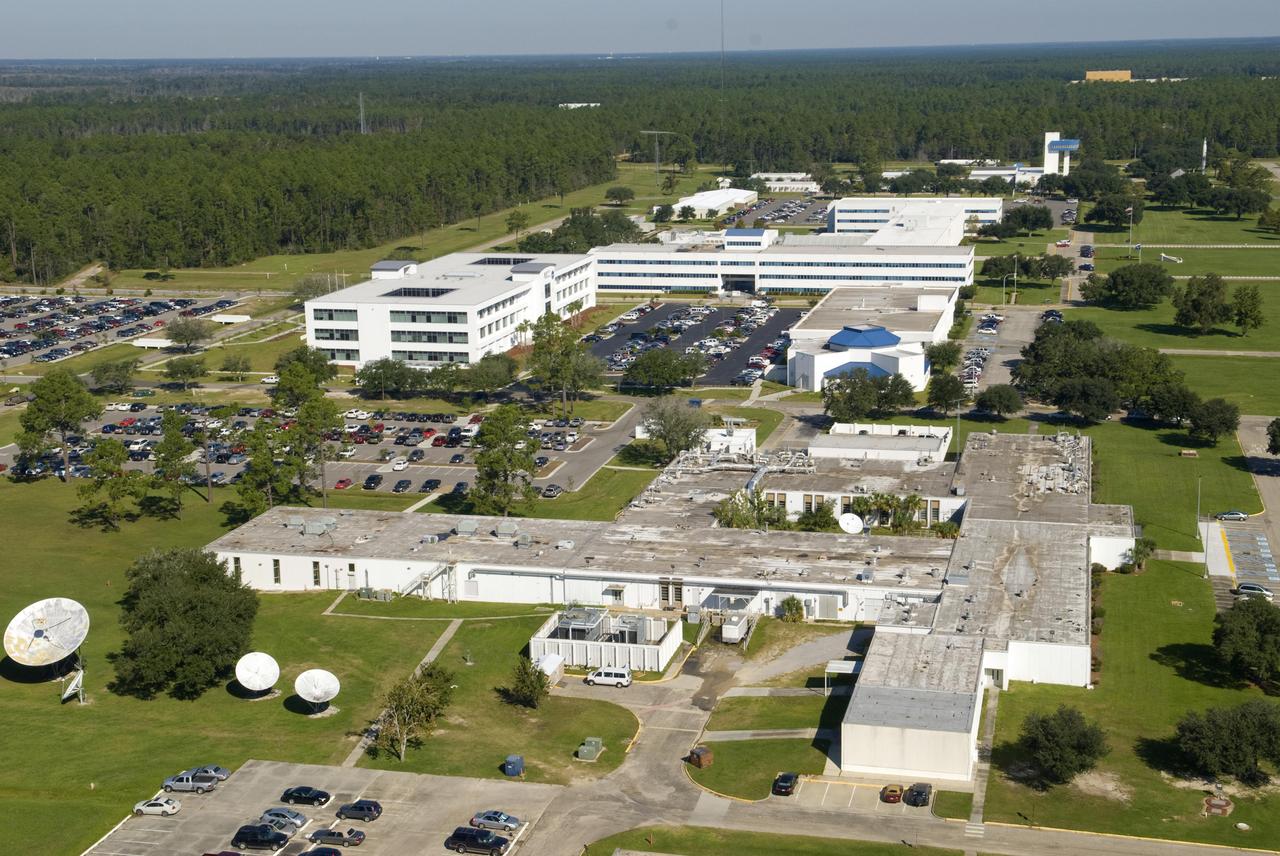
Balch Boulevard at Stennis Space Center features central NASA facilities, including (front to back) Applied Sciences offices, the NASA Shared Services Building, the NASA administration building and the StenniSphere museum and visitor center.
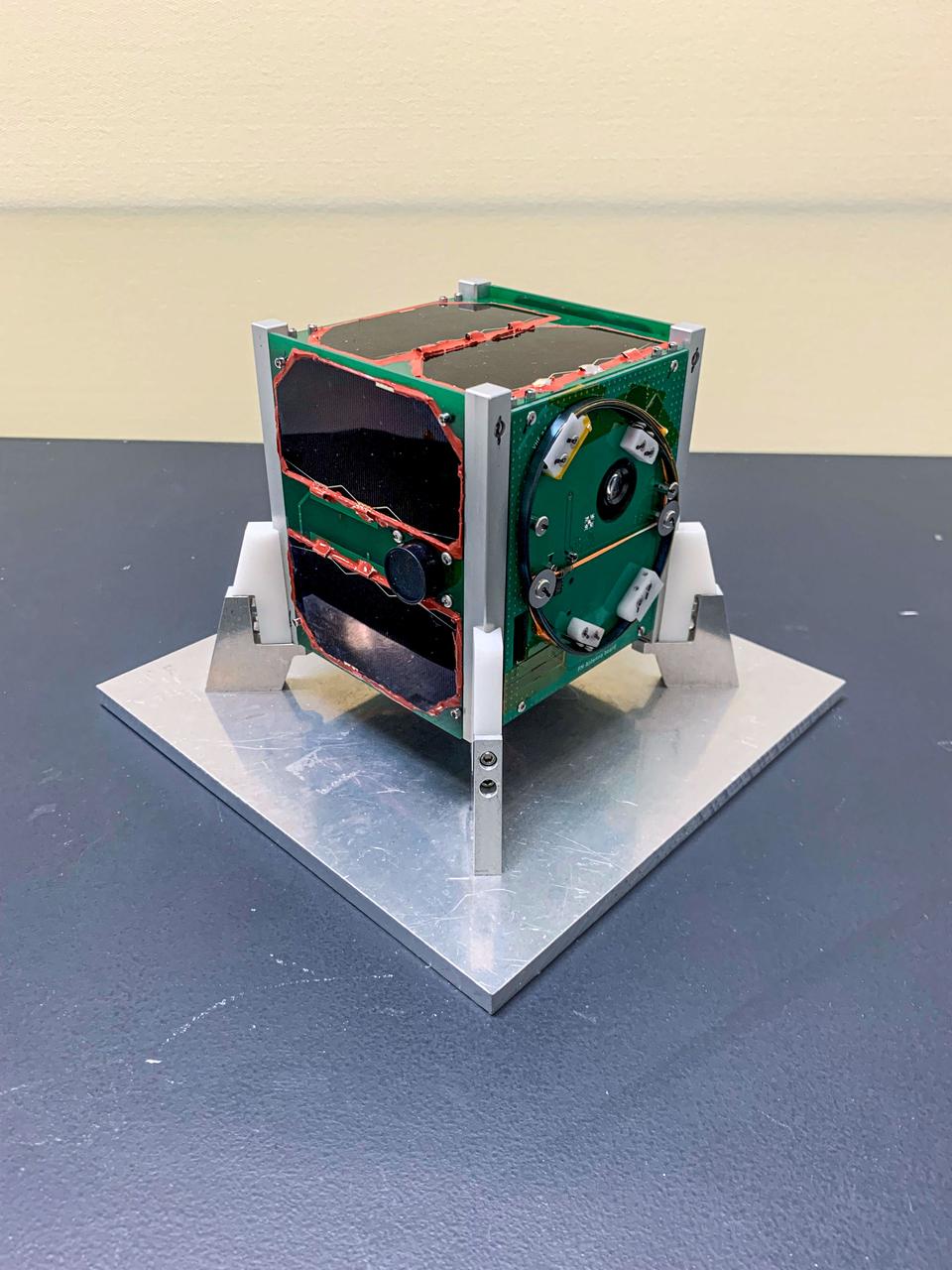
jsc2024e043925 (3/23/2024) ---The Japan Aerospace Exploration Agency (JAXA) SaganSat0 CubeSat is deployed on the J-SSOD-31 mission and launched on NG-21. Image courtesy of Saga Prefectural Space and Science Museum.
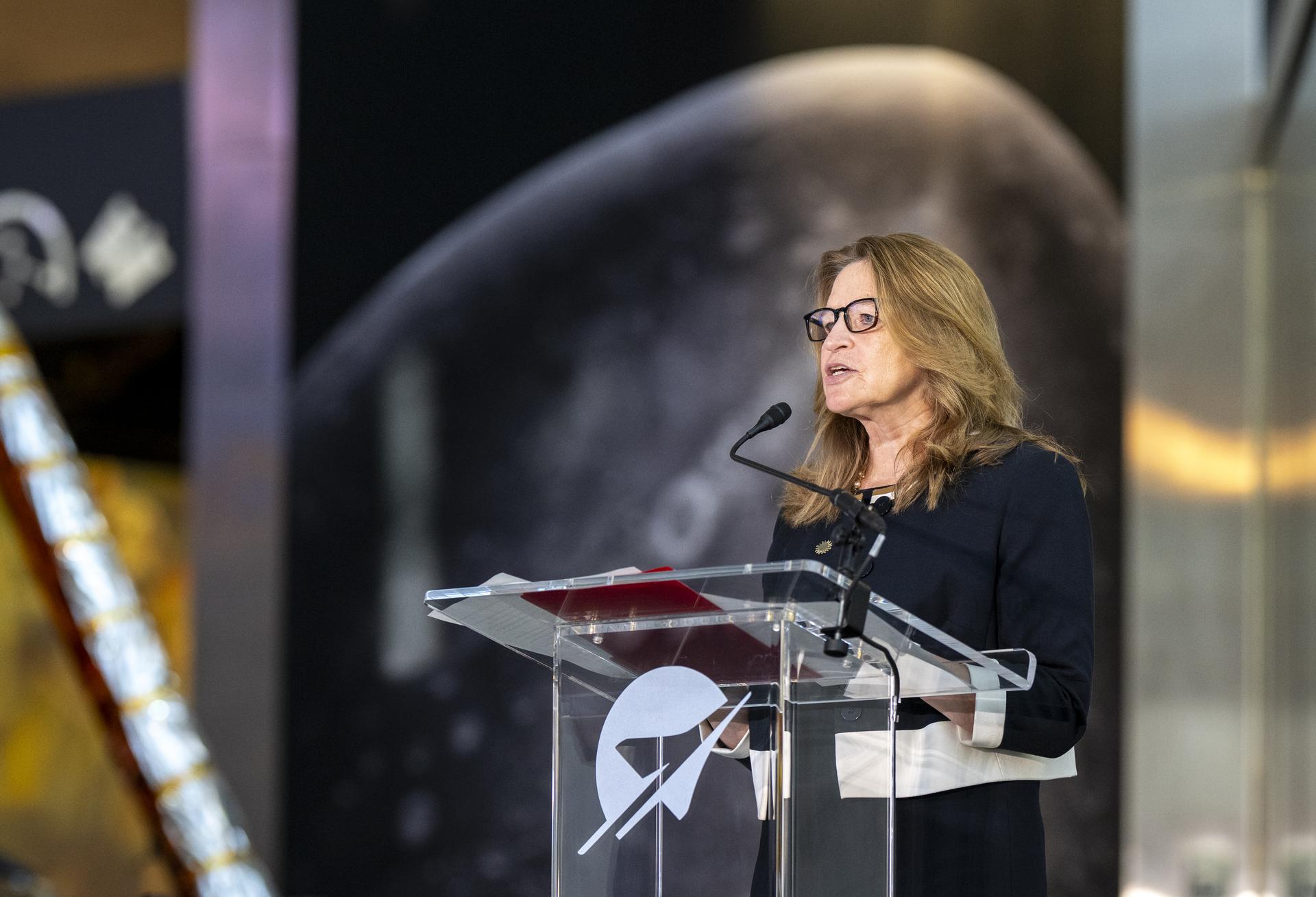
Under Secretary for Science and Research at the Smithsonian Institution Ellen Stofan delivers remarks during the Smithsonian’s National Air and Space Museum rededication ceremony Wednesday, July 1, 2026, in Washington. Photo Credit: (NASA/Keegan Barber)

Neil DeGrasse Tyson, Astrophysicist with Hayden Planetarium, the American Museum of Natural History, visits the Ames Kepler Science Team during the 1000 days since Launch Review.
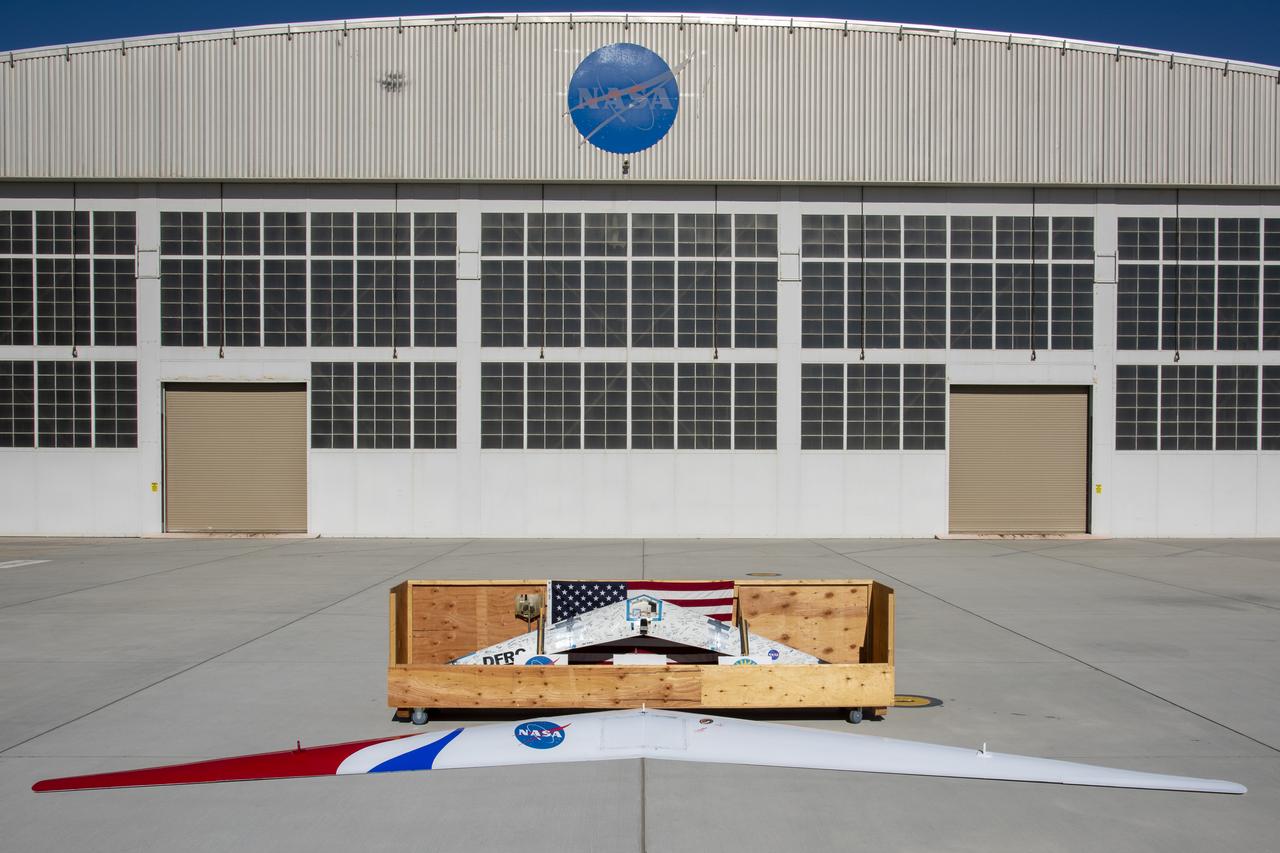
NASA Armstrong says goodbye to its Prandtl-D1 that is being shipped to the National Air and Space Museum, Smithsonian Institution and Prandl-D3 that will be going to the California Science Center.

Neil DeGrasse Tyson, Astrophysicist with Hayden Planetarium, the American Museum of Natural History, visits the Ames Kepler Science Team during the 1000 days since Launch Review.
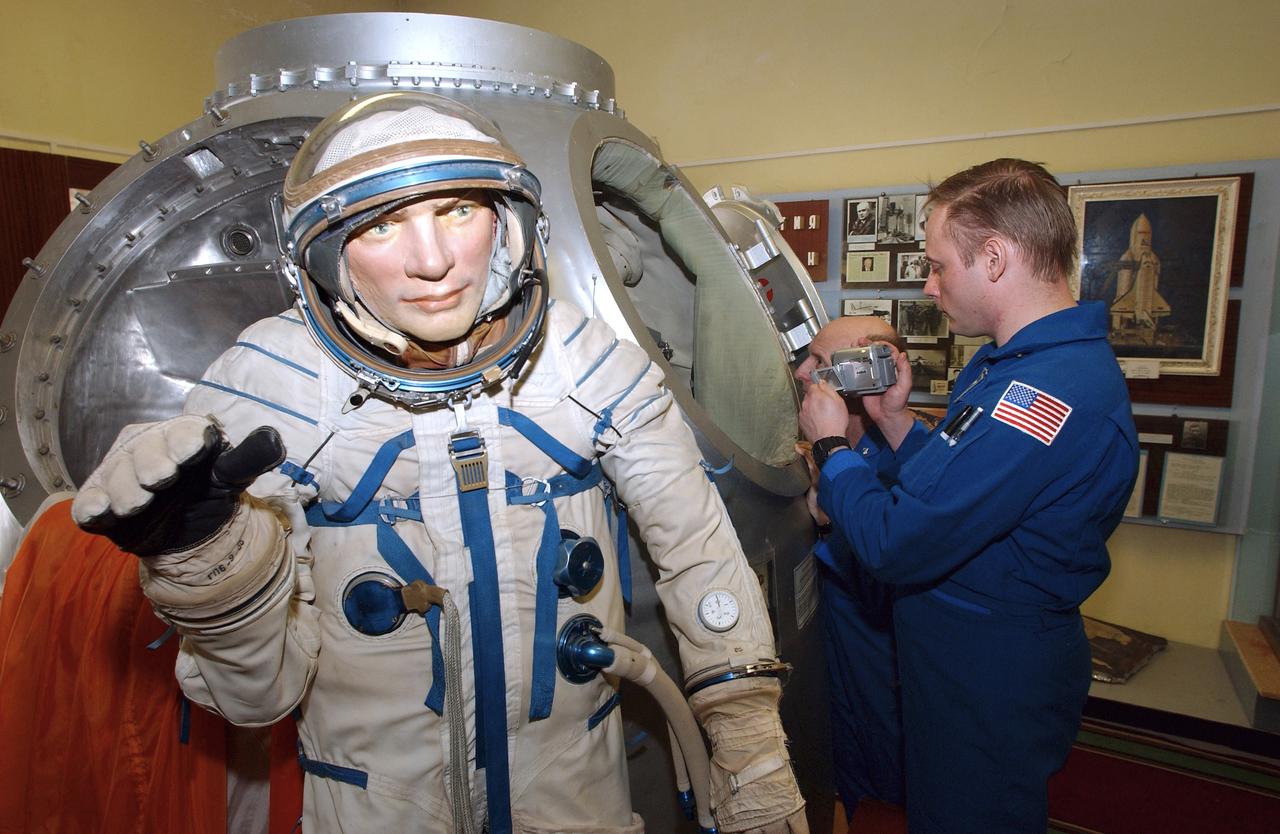
NASA Science Officer Mike Fincke video tapes one of the exhibits at the space museum located at the Baikonur Cosmodrome, Wednesday, April 14, 2004, in Baikonur, Kazakhstan. Photo Credit: (NASA/Bill Ingalls)
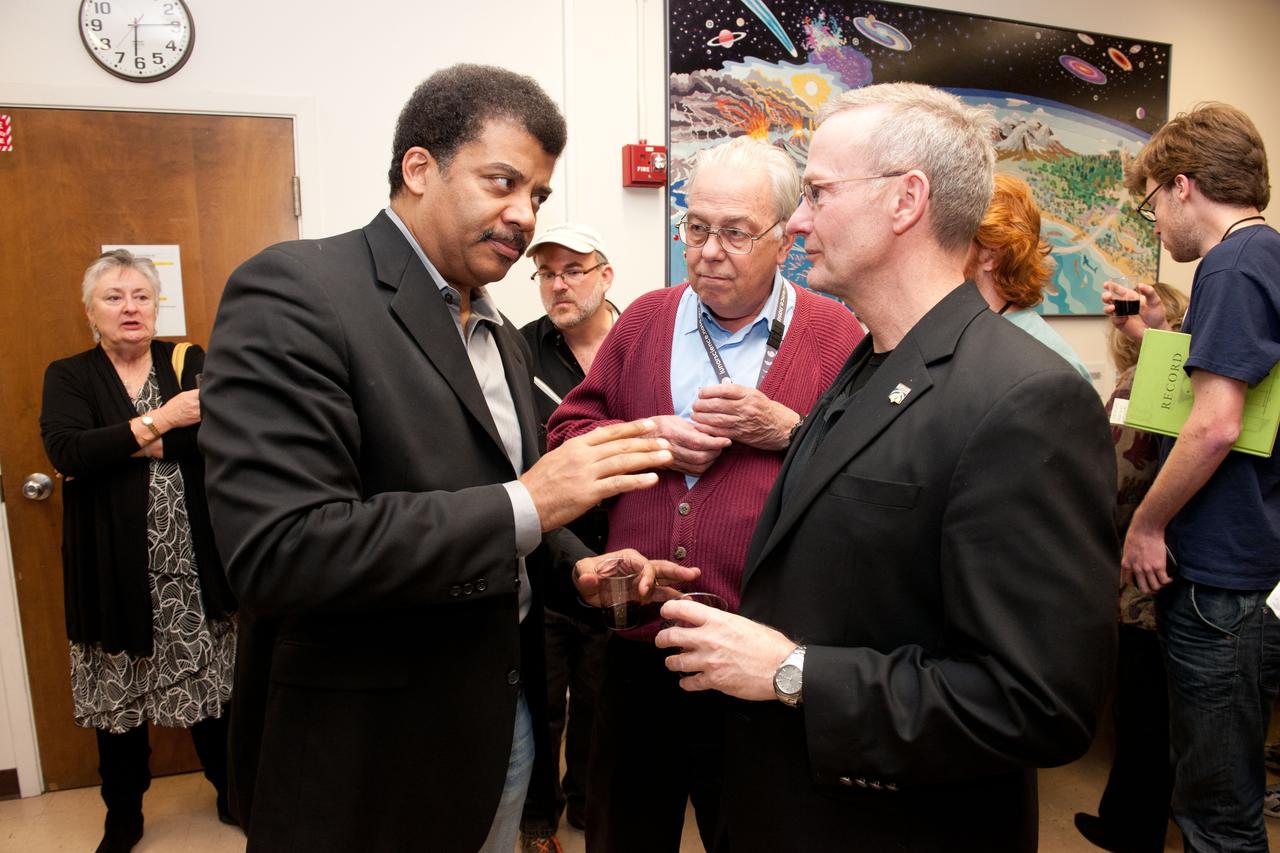
Neil DeGrasse Tyson, Astrophysicist with Hayden Planetarium, the American Museum of Natural History, visits the Ames Kepler Science Team during the 1000 days since Launch Review.
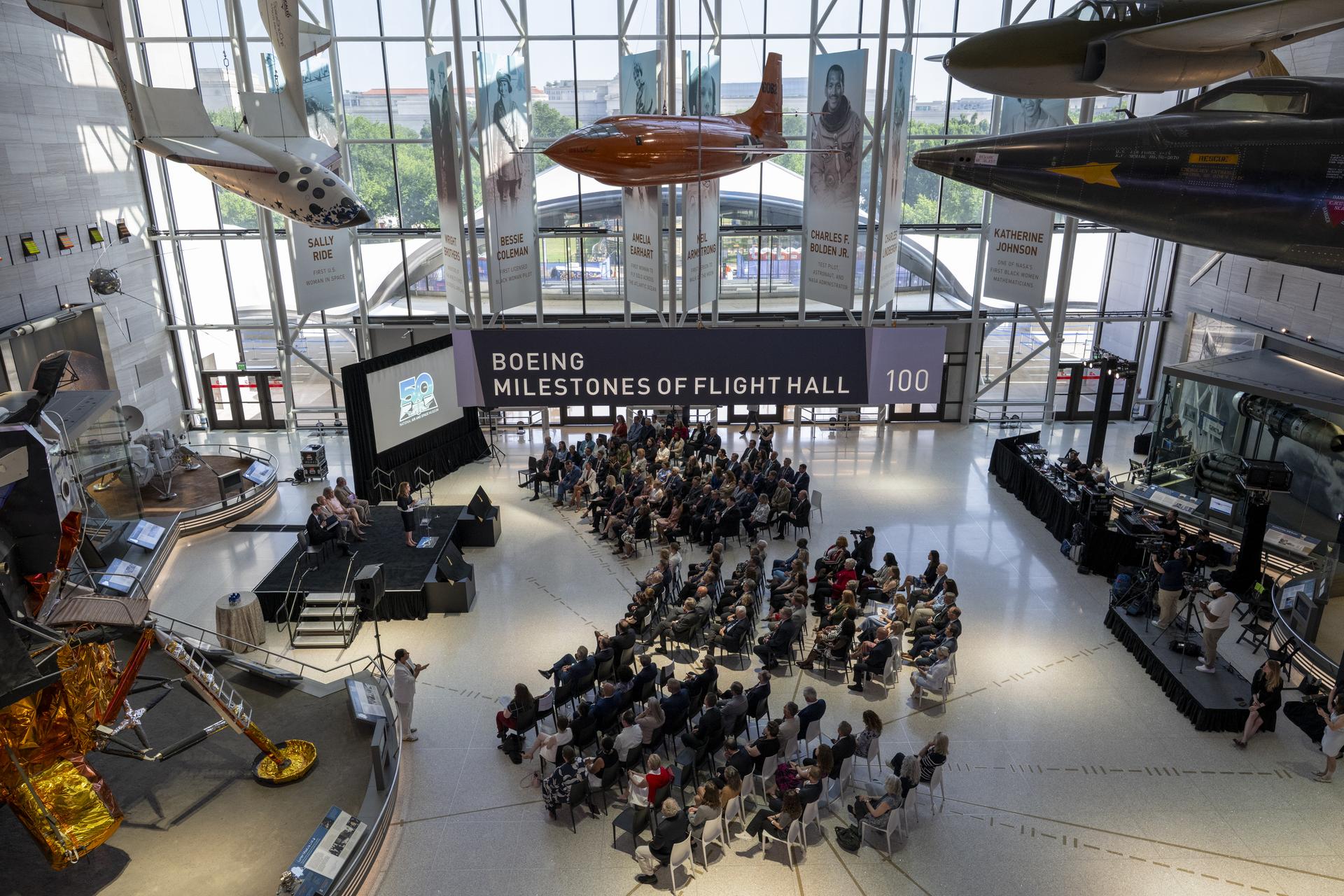
Under Secretary for Science and Research at the Smithsonian Institution Ellen Stofan delivers remarks during the Smithsonian’s National Air and Space Museum rededication ceremony Wednesday, July 1, 2026, in Washington. Photo Credit: (NASA/Keegan Barber)
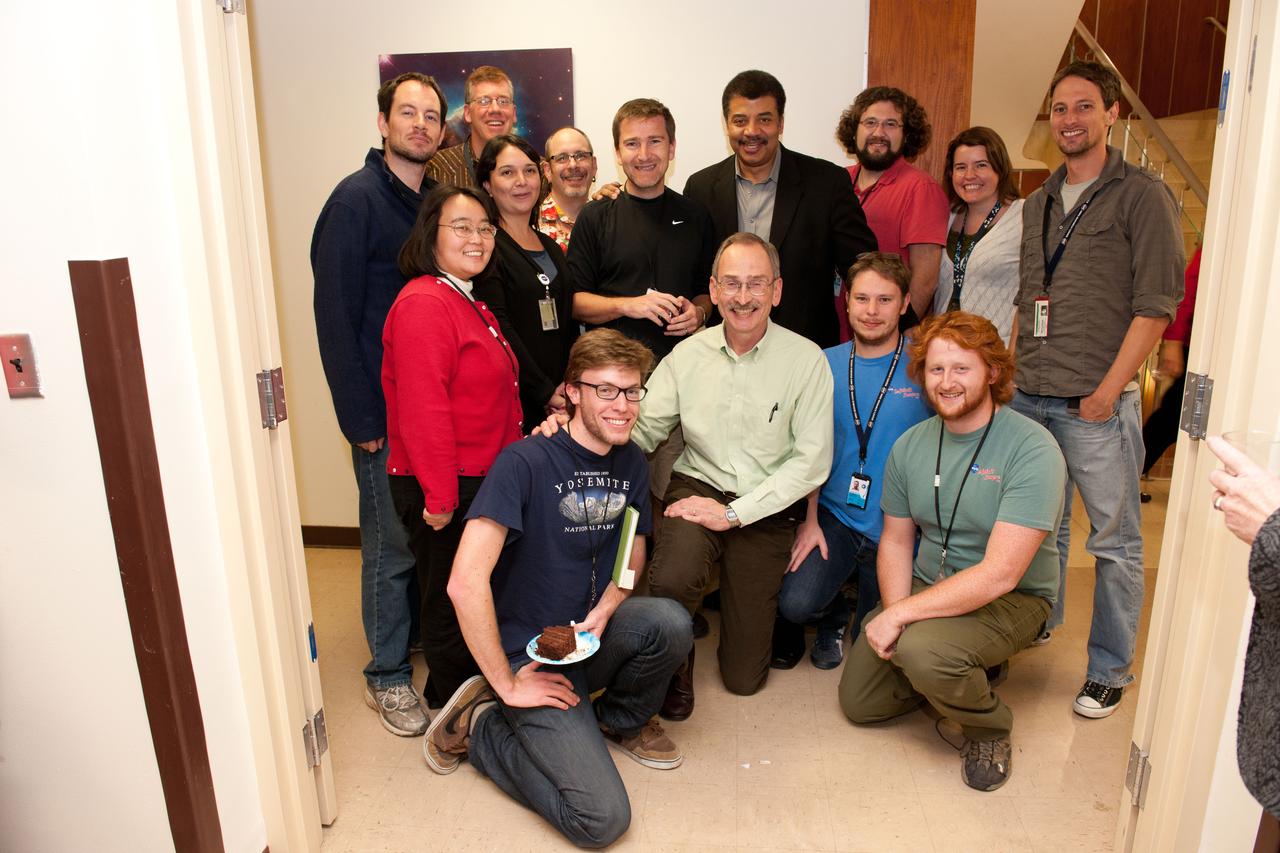
Neil DeGrasse Tyson, Astrophysicist with Hayden Planetarium, the American Museum of Natural History, visits the Ames Kepler Science Team during the 1000 days since Launch Review.

CAPE CANAVERAL, Fla. – Inside the Educator Resource Center at NASA’s Kennedy Space Center Visitor Complex in Florida, science teacher April Lanotte displays materials used for the Museum in a Box activities for K-12 students. Lanotte, who is an Albert Einstein Distinguished Educator Fellow working in NASA’s Aeronautics Research Mission Directorate, was at Kennedy to train education specialists and Kennedy Educate to Innovate program volunteers in the new series of lessons and activities. The Museum in a Box is a program designed to teach physical science through aeronautics using hands-on activities and experiments. Photo credit: NASA_Jim Grossmann
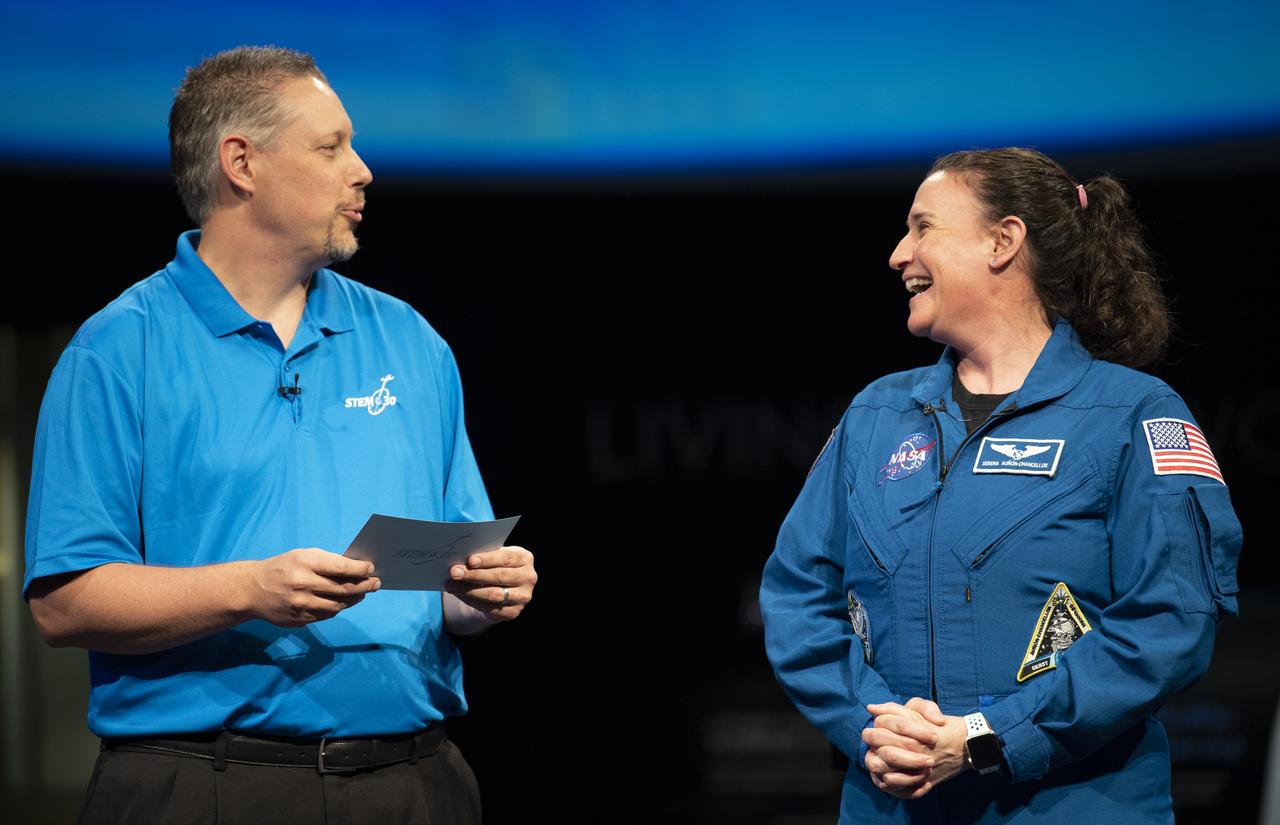
Marty Kelsey of the Smithsonian National Air and Space Museum asks NASA astronaut Serena Auñón-Chancellor questions about being in middle school for a short video, Friday, June 14, 2019 the Smithsonian's National Air and Space Museum in Washington, DC. Auñón-Chancellor spent 197 days living and working onboard the orbital laboratory as part of Expeditions 56 and 57, contributing to hundreds of experiments in biology, biotechnology, physical science, and Earth science while there. She began her career at NASA as a flight surgeon before being selected as an astronaut in 2009. Photo Credit: (NASA/Joel Kowsky)
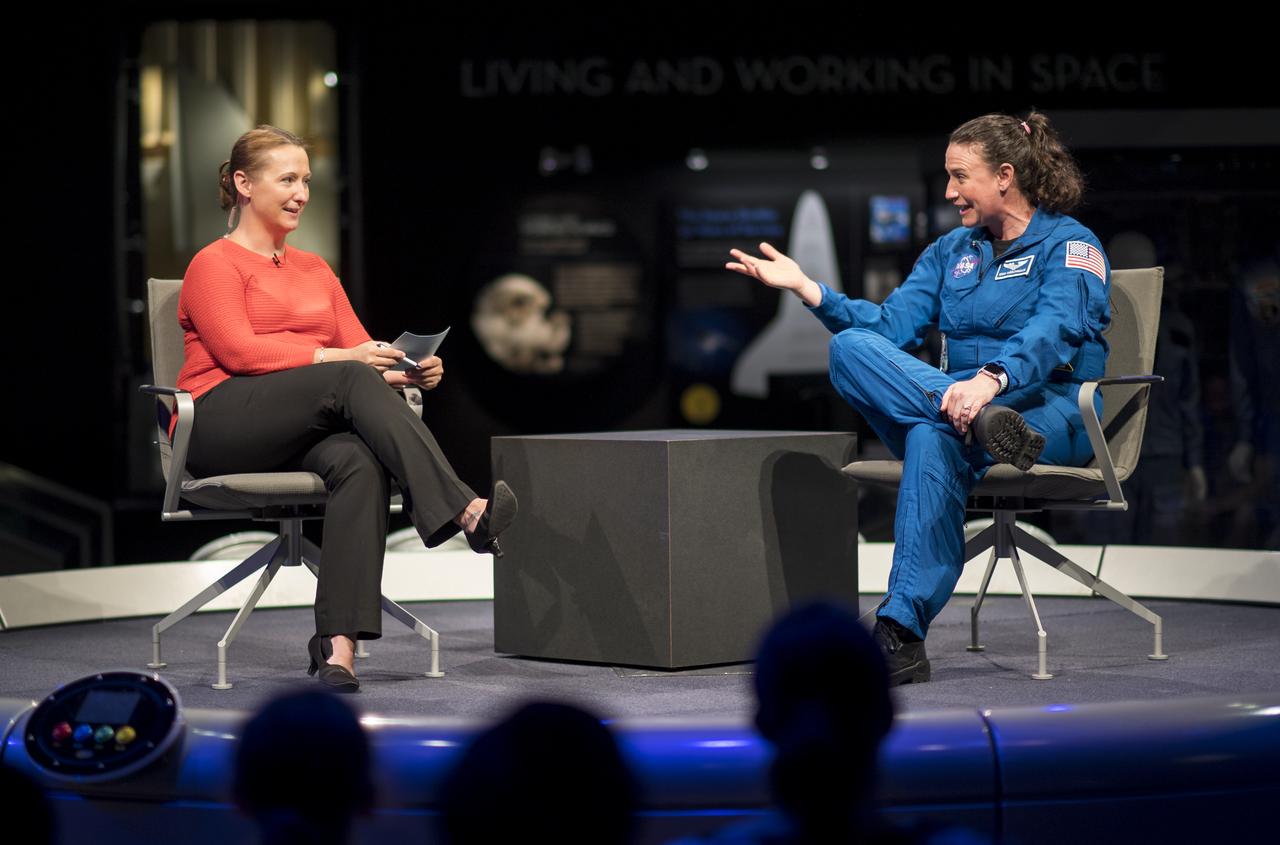
Smithsonian National Air and Space Museum curator Jennifer Levasseu speaks with NASA astronaut Serena Auñón-Chancellor about her time onboard the International Space Station during "What's New in Aerospace" Friday, June 14, 2019 the Smithsonian's National Air and Space Museum in Washington, DC. Auñón-Chancellor spent 197 days living and working onboard the orbital laboratory as part of Expeditions 56 and 57, contributing to hundreds of experiments in biology, biotechnology, physical science, and Earth science while there. She began her career at NASA as a flight surgeon before being selected as an astronaut in 2009. Photo Credit: (NASA/Joel Kowsky)

CAPE CANAVERAL, Fla. – Inside the Educator Resource Center at NASA’s Kennedy Space Center Visitor Complex in Florida, science teacher April Lanotte displays the Museum in a Box that contains activities and learning materials for K-12 students. Lanotte, who is an Albert Einstein Distinguished Educator Fellow working in NASA’s Aeronautics Research Mission Directorate, was at Kennedy to train education specialists and Kennedy Educate to Innovate program volunteers in the new series of lessons and activities. The Museum in a Box is a program designed to teach physical science through aeronautics using hands-on activities and experiments. Photo credit: NASA_Jim Grossmann

CAPE CANAVERAL, Fla. – Inside the Educator Resource Center at NASA’s Kennedy Space Center Visitor Complex in Florida, science teacher April Lanotte demonstrates one of the Museum in a Box experiments designed for K-12 students. Lanotte, who is an Albert Einstein Distinguished Educator Fellow working in NASA’s Aeronautics Research Mission Directorate, was at Kennedy to train education specialists and Kennedy Educate to Innovate program volunteers in the new series of lessons and activities. The Museum in a Box is a program designed to teach physical science through aeronautics using hands-on activities and experiments. Photo credit: NASA_Jim Grossmann
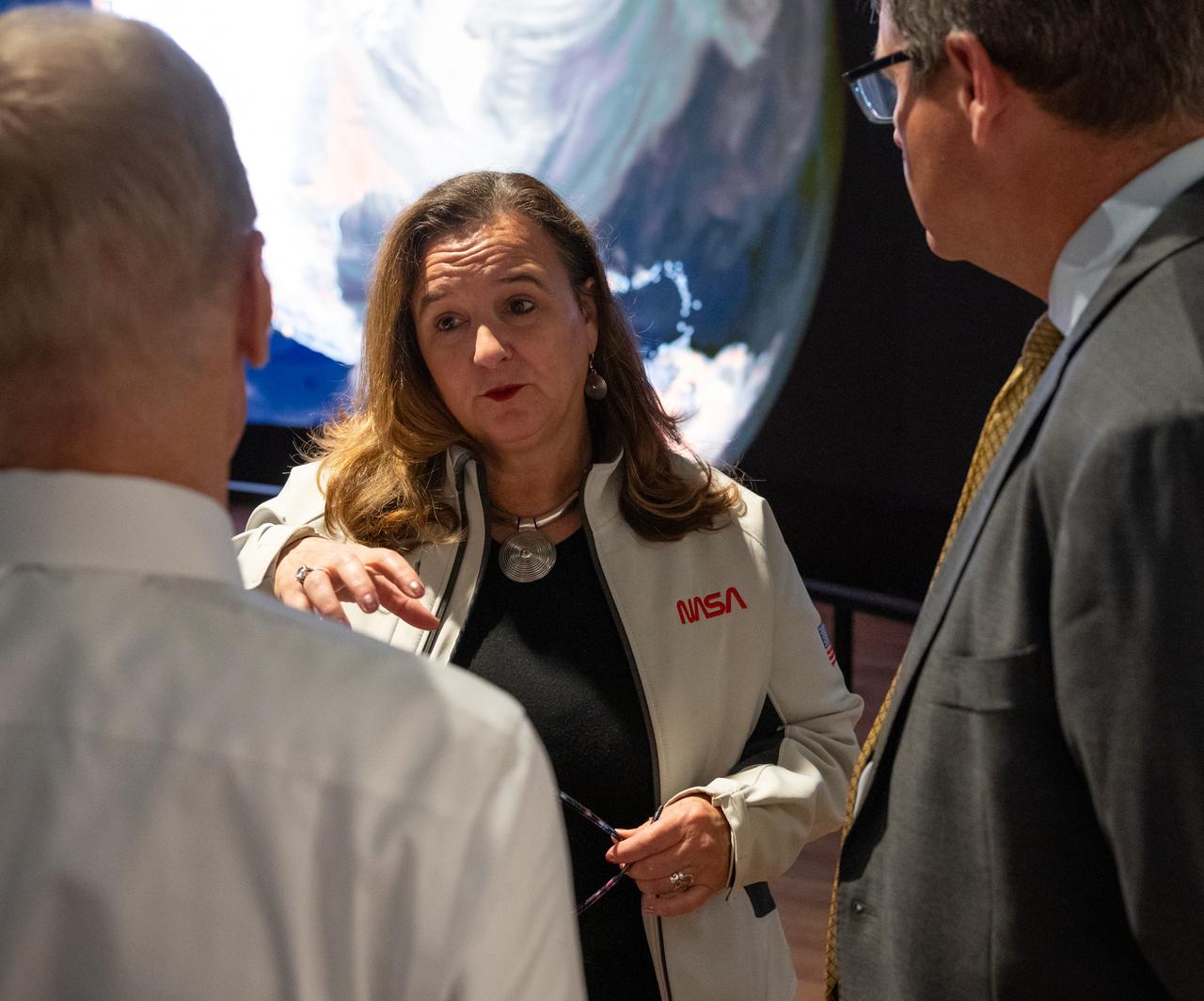
NASA Earth Sciences, Division Director, Karen St. Germain, center, speaks with NASA Administrator Bill Nelson, left, and Smithsonian Museum of Natural History, Sant Director, Kirk Johnson, during a preview of the Earth Information Center at the Smithsonian National Museum of Natural History, in Washington, Monday, Oct. 7, 2024. The exhibit includes a video wall displaying Earth science data visualizations and videos, an interpretive panel showing Earth’s connected systems, information on our changing world, and an overview of how NASA and the Smithsonian study our home planet. Photo Credit: (NASA/Bill Ingalls)
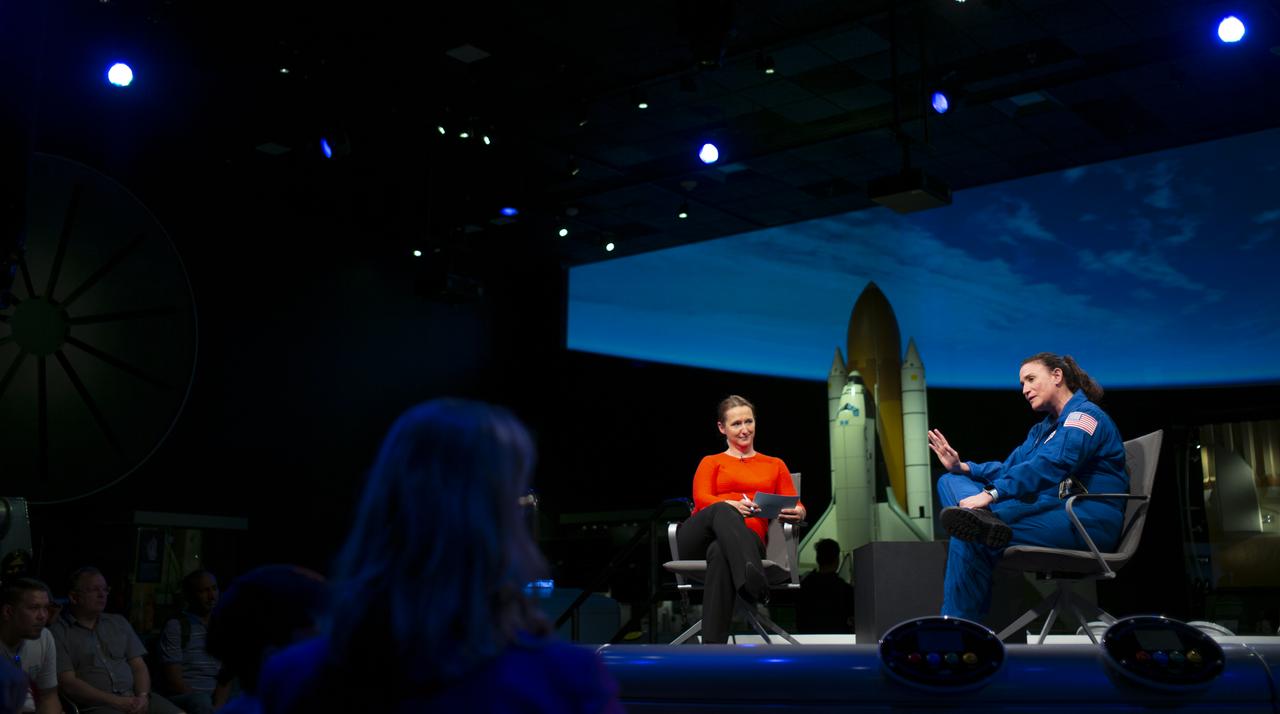
Smithsonian National Air and Space Museum curator Jennifer Levasseu speaks with NASA astronaut Serena Auñón-Chancellor about her time onboard the International Space Station during "What's New in Aerospace" Friday, June 14, 2019 the Smithsonian's National Air and Space Museum in Washington, DC. Auñón-Chancellor spent 197 days living and working onboard the orbital laboratory as part of Expeditions 56 and 57, contributing to hundreds of experiments in biology, biotechnology, physical science, and Earth science while there. She began her career at NASA as a flight surgeon before being selected as an astronaut in 2009. Photo Credit: (NASA/Joel Kowsky)
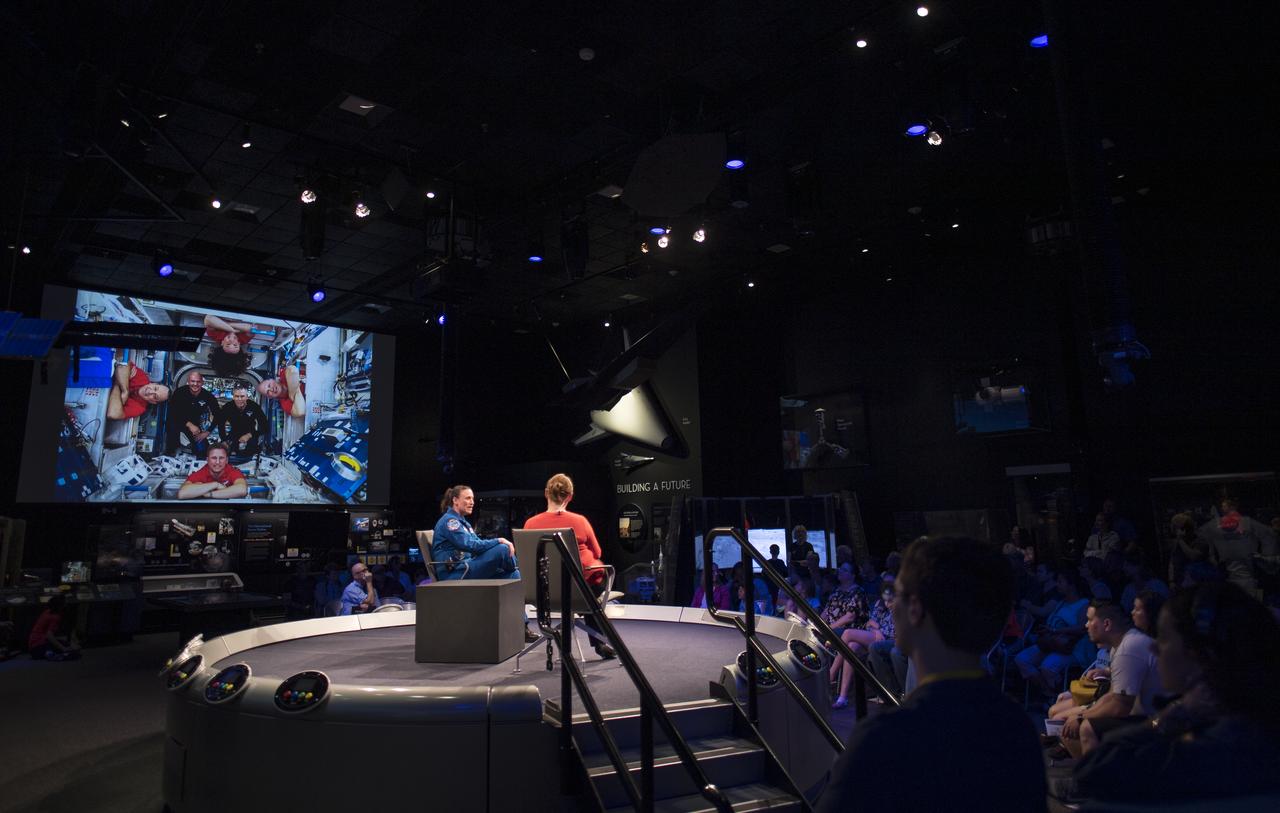
Smithsonian National Air and Space Museum curator Jennifer Levasseu speaks with NASA astronaut Serena Auñón-Chancellor about her time onboard the International Space Station during "What's New in Aerospace" Friday, June 14, 2019 the Smithsonian's National Air and Space Museum in Washington, DC. Auñón-Chancellor spent 197 days living and working onboard the orbital laboratory as part of Expeditions 56 and 57, contributing to hundreds of experiments in biology, biotechnology, physical science, and Earth science while there. She began her career at NASA as a flight surgeon before being selected as an astronaut in 2009. Photo Credit: (NASA/Joel Kowsky)
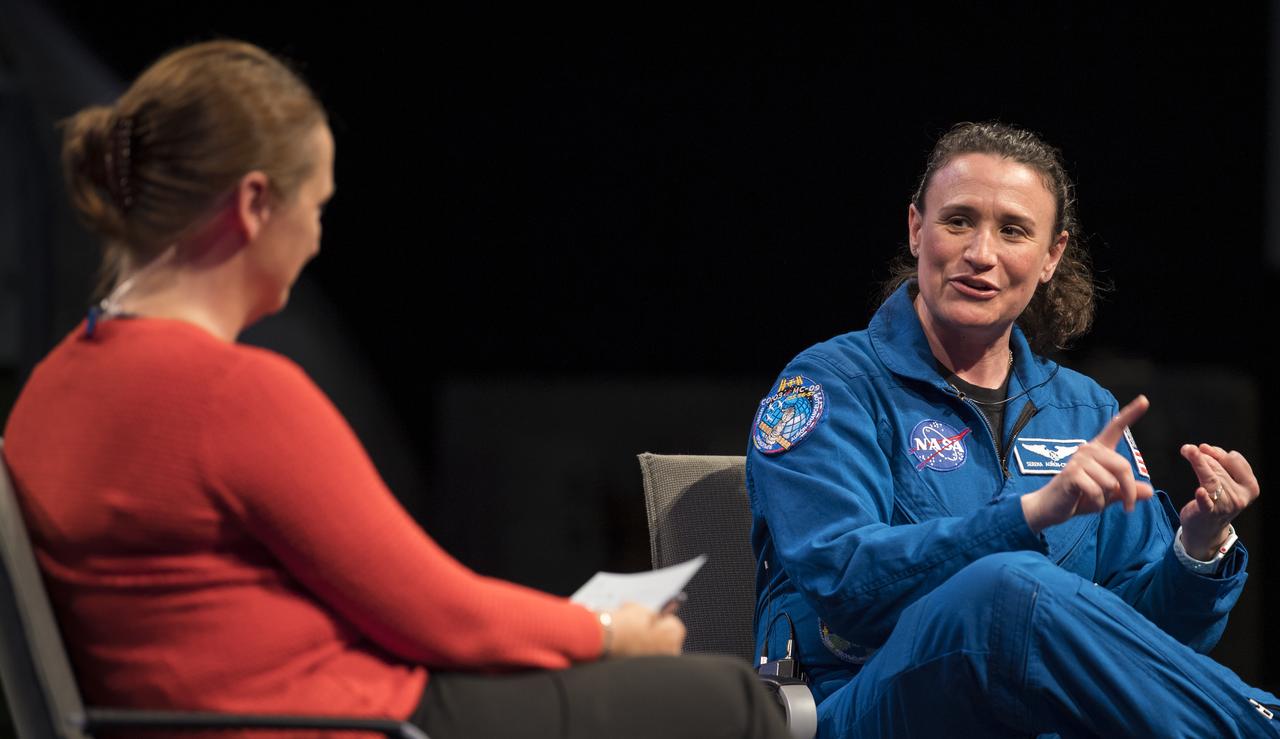
Smithsonian National Air and Space Museum curator Jennifer Levasseu speaks with NASA astronaut Serena Auñón-Chancellor about her time onboard the International Space Station during "What's New in Aerospace" Friday, June 14, 2019 the Smithsonian's National Air and Space Museum in Washington, DC. Auñón-Chancellor spent 197 days living and working onboard the orbital laboratory as part of Expeditions 56 and 57, contributing to hundreds of experiments in biology, biotechnology, physical science, and Earth science while there. She began her career at NASA as a flight surgeon before being selected as an astronaut in 2009. Photo Credit: (NASA/Joel Kowsky)
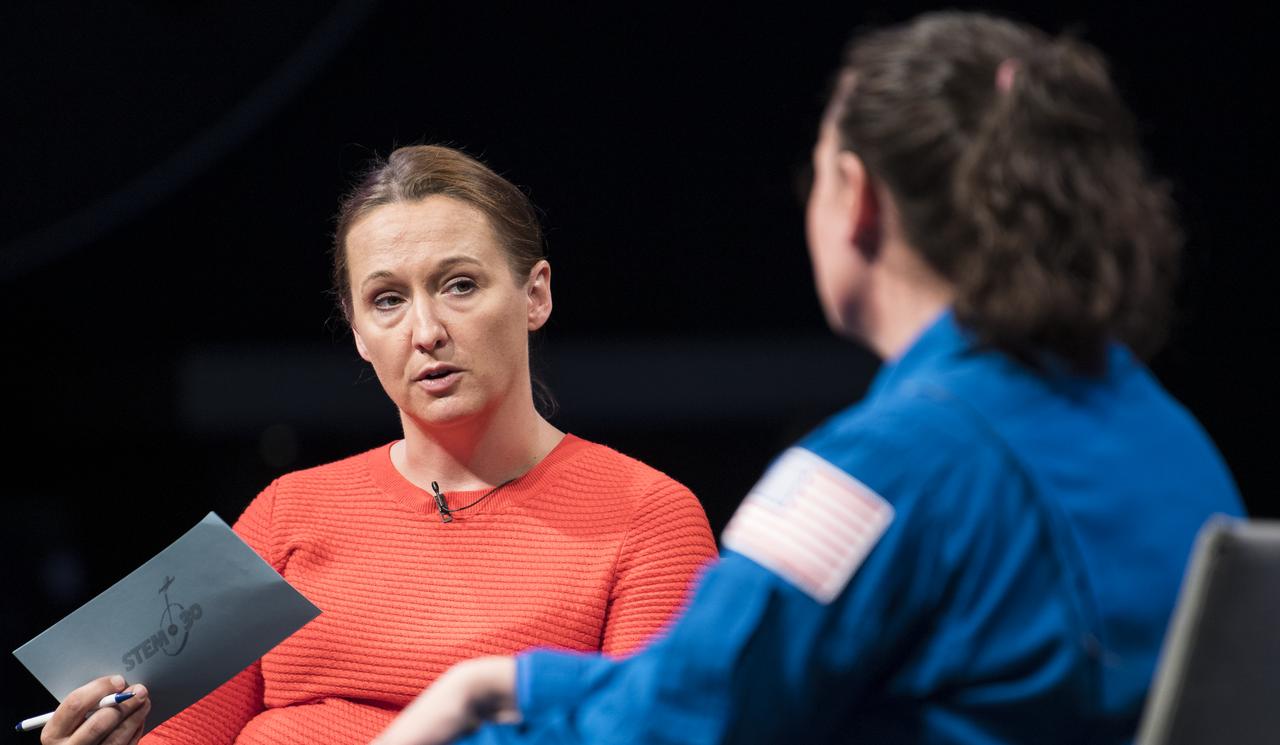
Smithsonian National Air and Space Museum curator Jennifer Levasseu speaks with NASA astronaut Serena Auñón-Chancellor about her time onboard the International Space Station during "What's New in Aerospace" Friday, June 14, 2019 the Smithsonian's National Air and Space Museum in Washington, DC. Auñón-Chancellor spent 197 days living and working onboard the orbital laboratory as part of Expeditions 56 and 57, contributing to hundreds of experiments in biology, biotechnology, physical science, and Earth science while there. She began her career at NASA as a flight surgeon before being selected as an astronaut in 2009. Photo Credit: (NASA/Joel Kowsky)
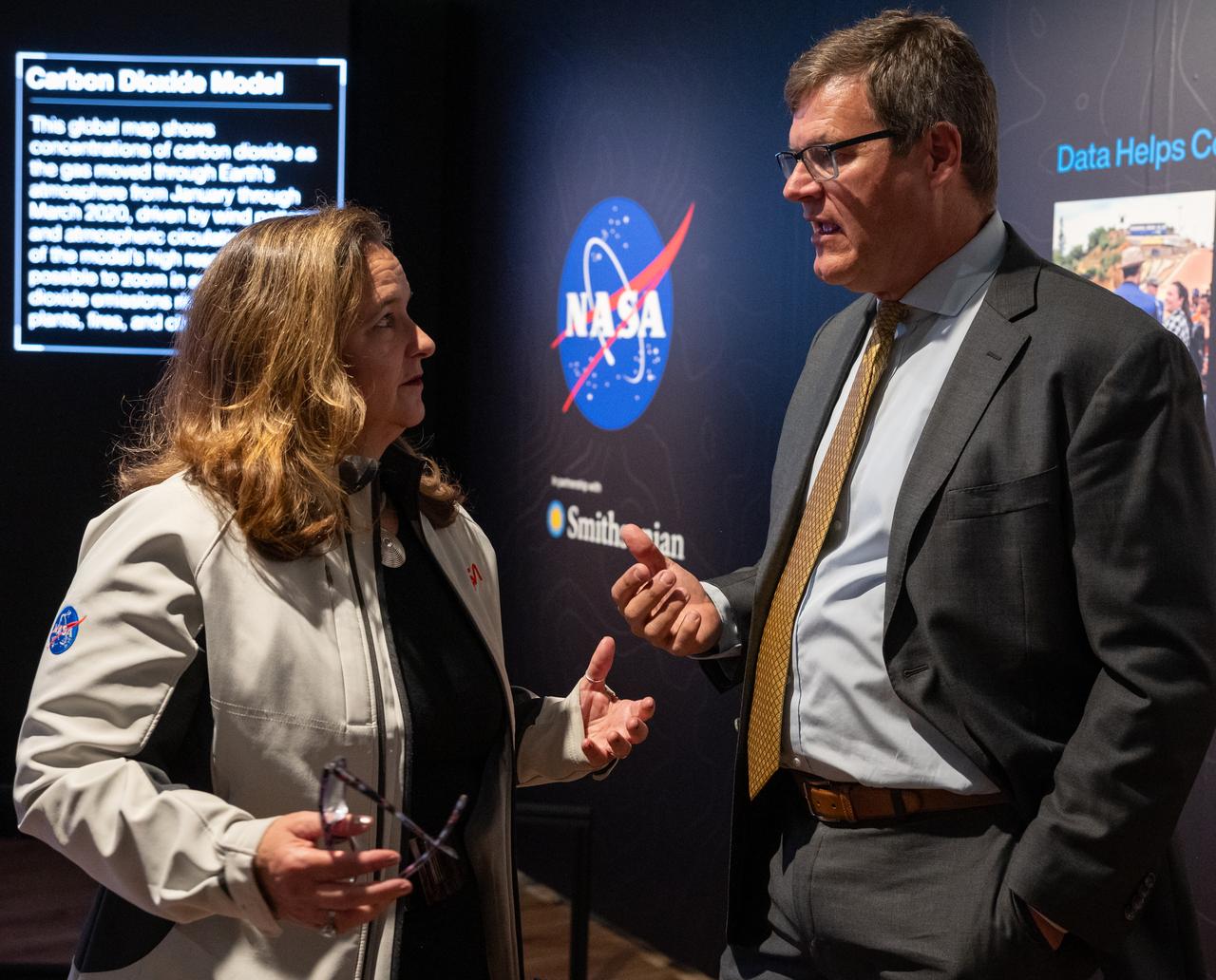
NASA Earth Sciences, Division Director, Karen St. Germain, left, and Smithsonian Museum of Natural History, Sant Director, Kirk Johnson, talk during a preview of the Earth Information Center at the Smithsonian National Museum of Natural History, in Washington, Monday, Oct. 7, 2024. The exhibit includes a video wall displaying Earth science data visualizations and videos, an interpretive panel showing Earth’s connected systems, information on our changing world, and an overview of how NASA and the Smithsonian study our home planet. Photo Credit: (NASA/Bill Ingalls)
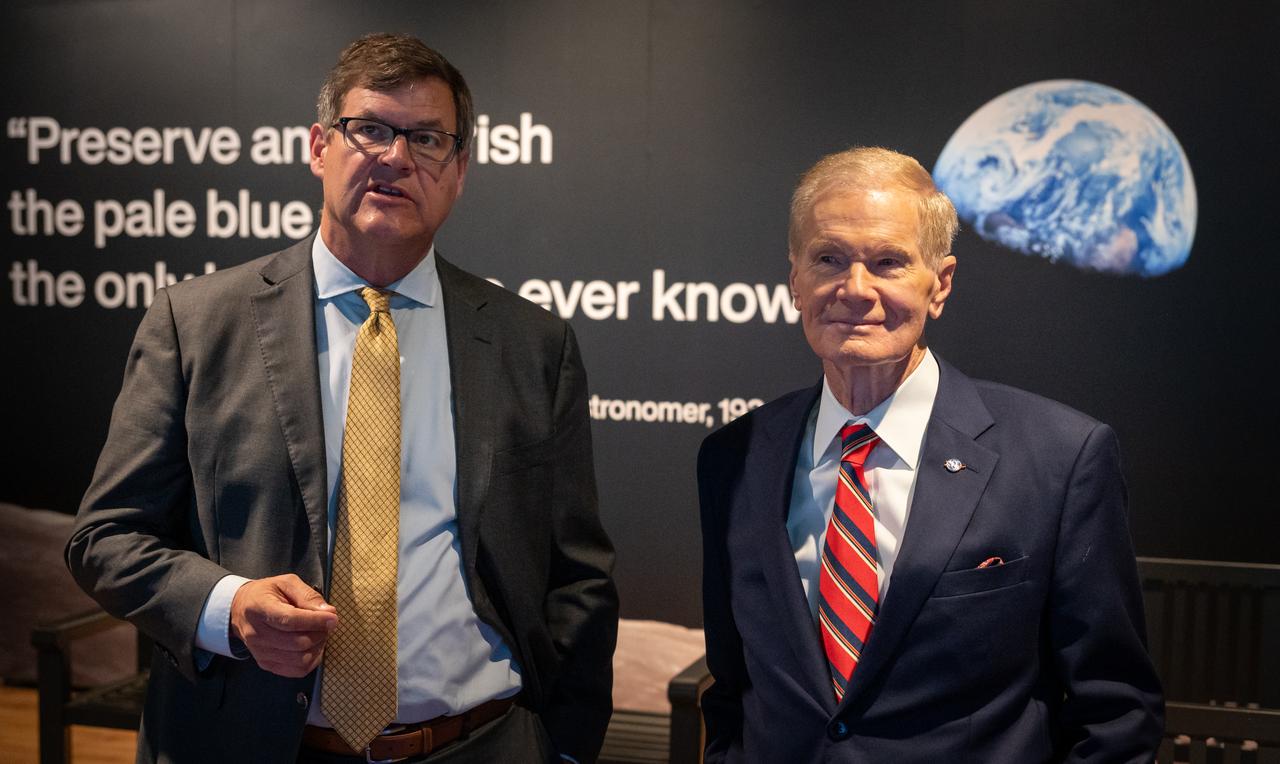
Smithsonian Museum of Natural History, Sant Director, Kirk Johnson, left, talks with NASA Administrator Bill Nelson, during a preview of the Earth Information Center at the Smithsonian National Museum of Natural History, in Washington, Monday, Oct. 7, 2024. The exhibit includes a video wall displaying Earth science data visualizations and videos, an interpretive panel showing Earth’s connected systems, information on our changing world, and an overview of how NASA and the Smithsonian study our home planet. Photo Credit: (NASA/Bill Ingalls)
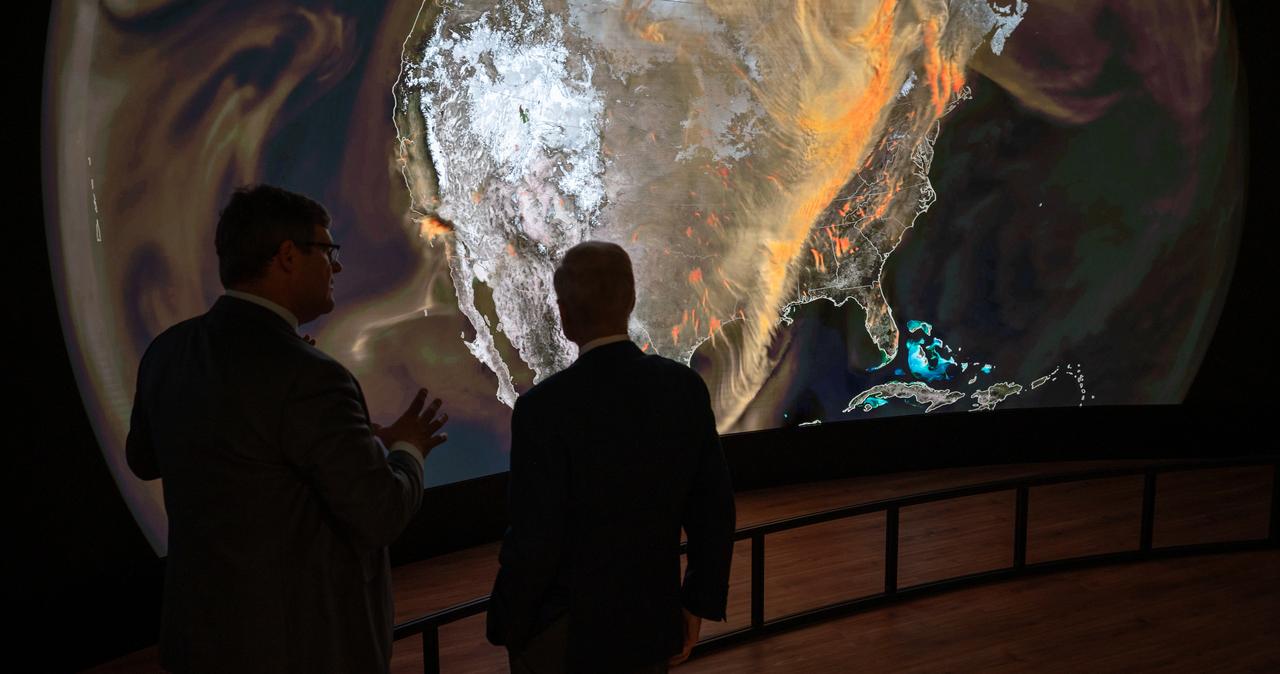
Smithsonian Museum of Natural History, Sant Director, Kirk Johnson, left, talks with NASA Administrator Bill Nelson, during a preview of the Earth Information Center at the Smithsonian National Museum of Natural History, in Washington, Monday, Oct. 7, 2024. The exhibit includes a video wall displaying Earth science data visualizations and videos, an interpretive panel showing Earth’s connected systems, information on our changing world, and an overview of how NASA and the Smithsonian study our home planet. Photo Credit: (NASA/Bill Ingalls)
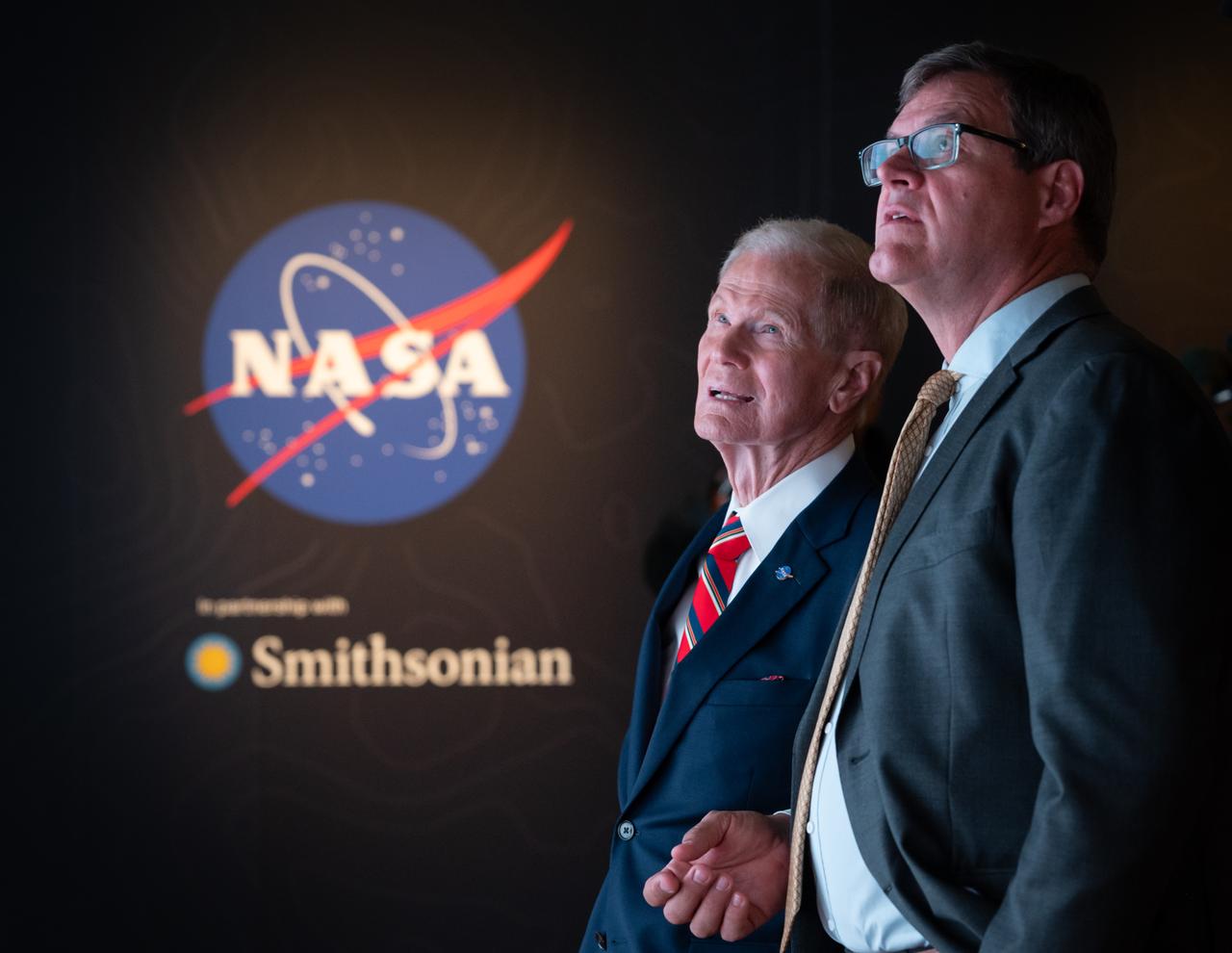
NASA Administrator Bill Nelson, left, and Smithsonian Museum of Natural History, Sant Director, Kirk Johnson, preview the Earth Information Center at the Smithsonian National Museum of Natural History, in Washington, Monday, Oct. 7, 2024. The exhibit includes a video wall displaying Earth science data visualizations and videos, an interpretive panel showing Earth’s connected systems, information on our changing world, and an overview of how NASA and the Smithsonian study our home planet. Photo Credit: (NASA/Bill Ingalls)
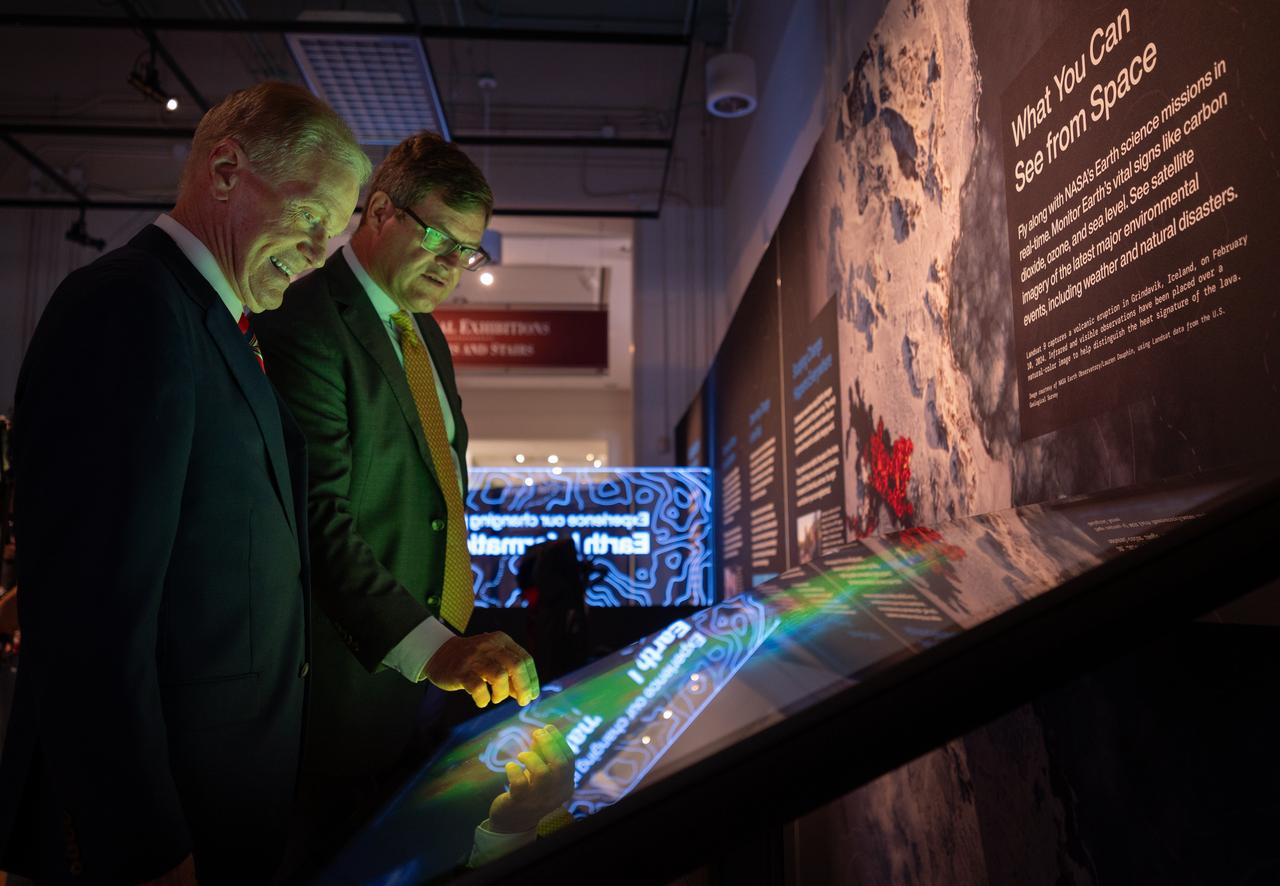
NASA Administrator Bill Nelson, left, and Smithsonian Museum of Natural History, Sant Director, Kirk Johnson, preview the Earth Information Center at the Smithsonian National Museum of Natural History, in Washington, Monday, Oct. 7, 2024. The exhibit includes a video wall displaying Earth science data visualizations and videos, an interpretive panel showing Earth’s connected systems, information on our changing world, and an overview of how NASA and the Smithsonian study our home planet. Photo Credit: (NASA/Bill Ingalls)
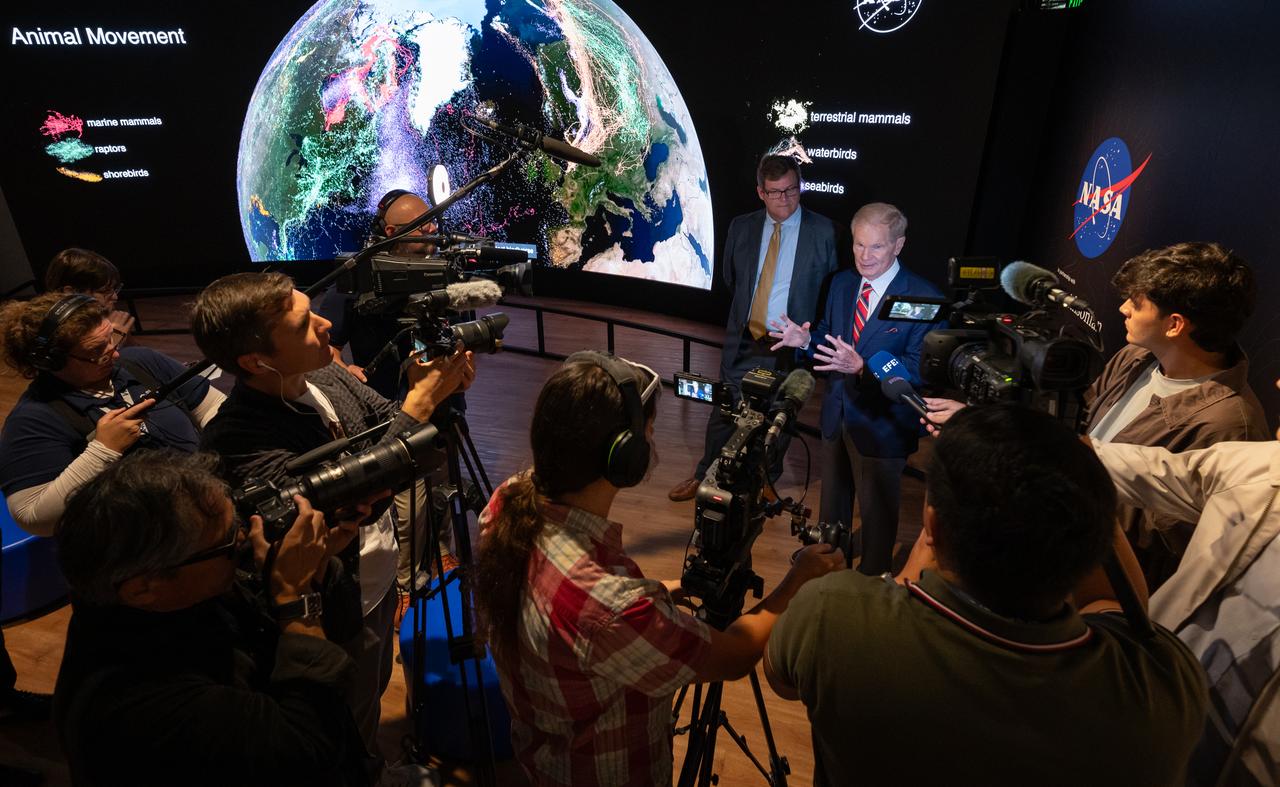
Smithsonian Museum of Natural History, Sant Director, Kirk Johnson, left, and NASA Administrator Bill Nelson, talk with media during a preview the Earth Information Center at the Smithsonian National Museum of Natural History, in Washington, Monday, Oct. 7, 2024. The exhibit includes a video wall displaying Earth science data visualizations and videos, an interpretive panel showing Earth’s connected systems, information on our changing world, and an overview of how NASA and the Smithsonian study our home planet. Photo Credit: (NASA/Bill Ingalls)
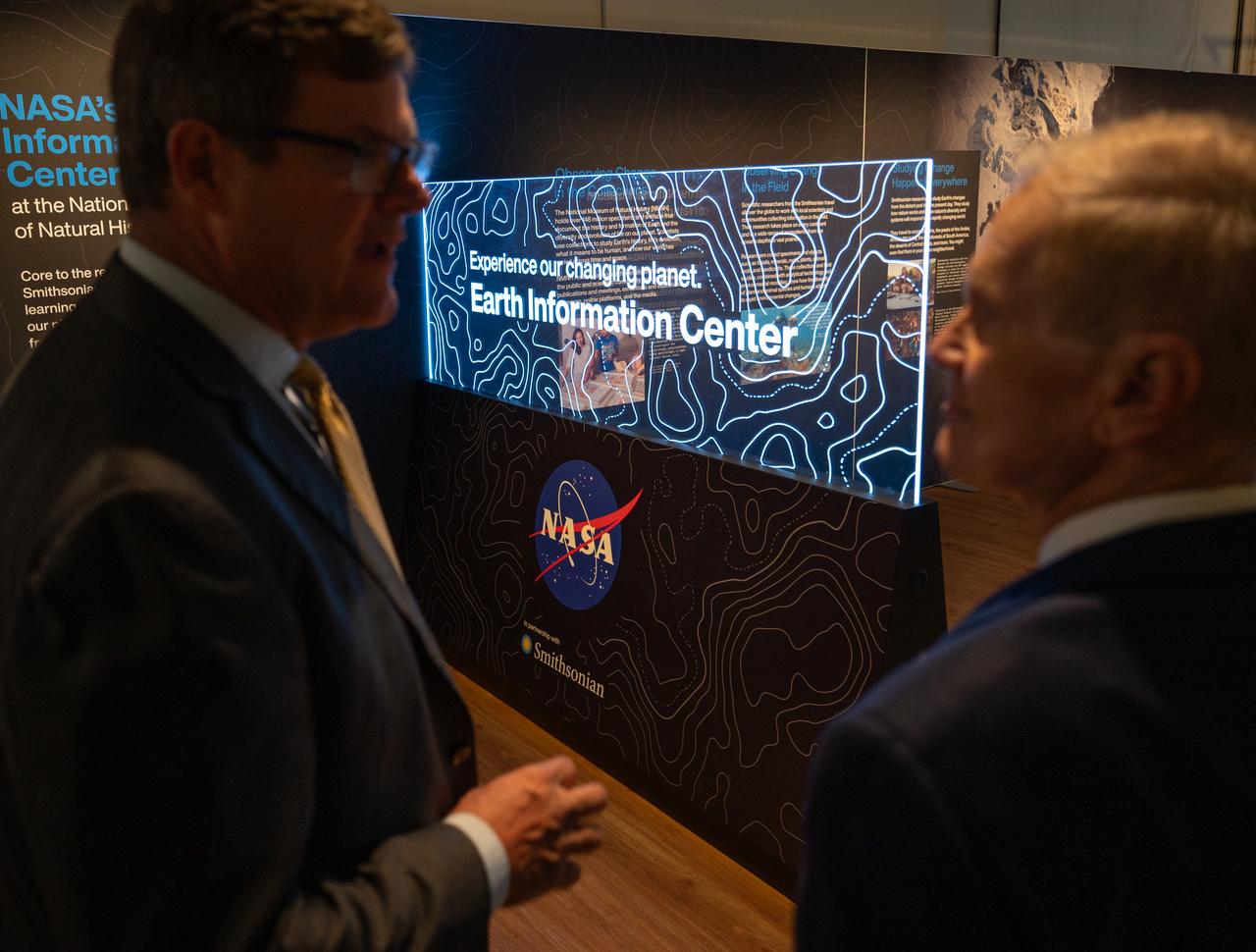
Smithsonian Museum of Natural History, Sant Director, Kirk Johnson, left, talks with NASA Administrator Bill Nelson, during a preview of the Earth Information Center at the Smithsonian National Museum of Natural History, in Washington, Monday, Oct. 7, 2024. The exhibit includes a video wall displaying Earth science data visualizations and videos, an interpretive panel showing Earth’s connected systems, information on our changing world, and an overview of how NASA and the Smithsonian study our home planet. Photo Credit: (NASA/Bill Ingalls)
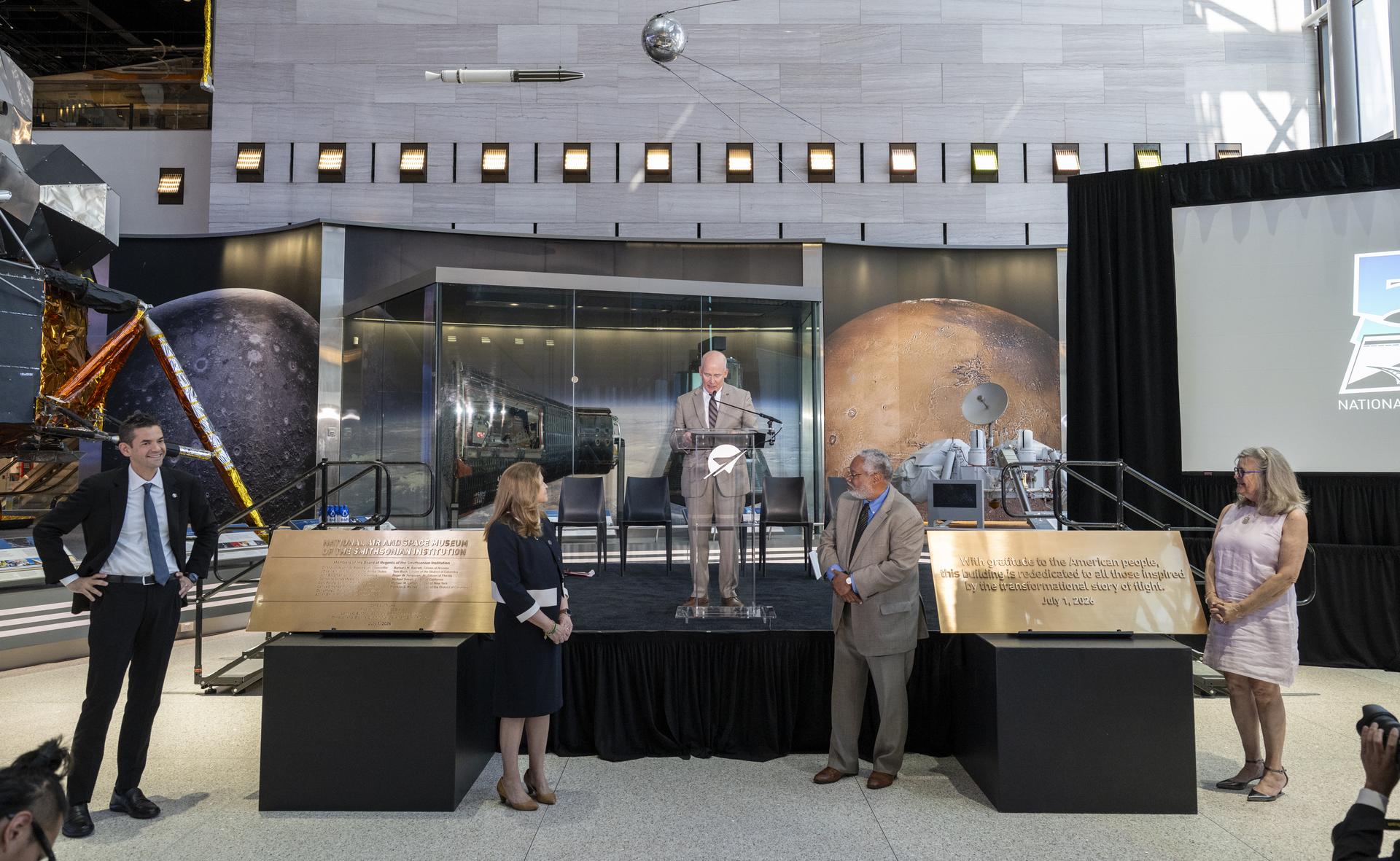
From left to right, NASA Administrator Jared Isaacman, Under Secretary for Science and Research at the Smithsonian Institution Ellen Stofan, Director of the Smithsonian’s National Air and Space Museum Christopher Browne, Secretary of the Smithsonian Institution Lonnie G. Bunch III, and Wright brother’s great-grandniece Amanda Wright Lane are seen after unveiling plaques during the Smithsonian’s National Air and Space Museum rededication ceremony Wednesday, July 1, 2026, in Washington. Photo Credit: (NASA/Keegan Barber)
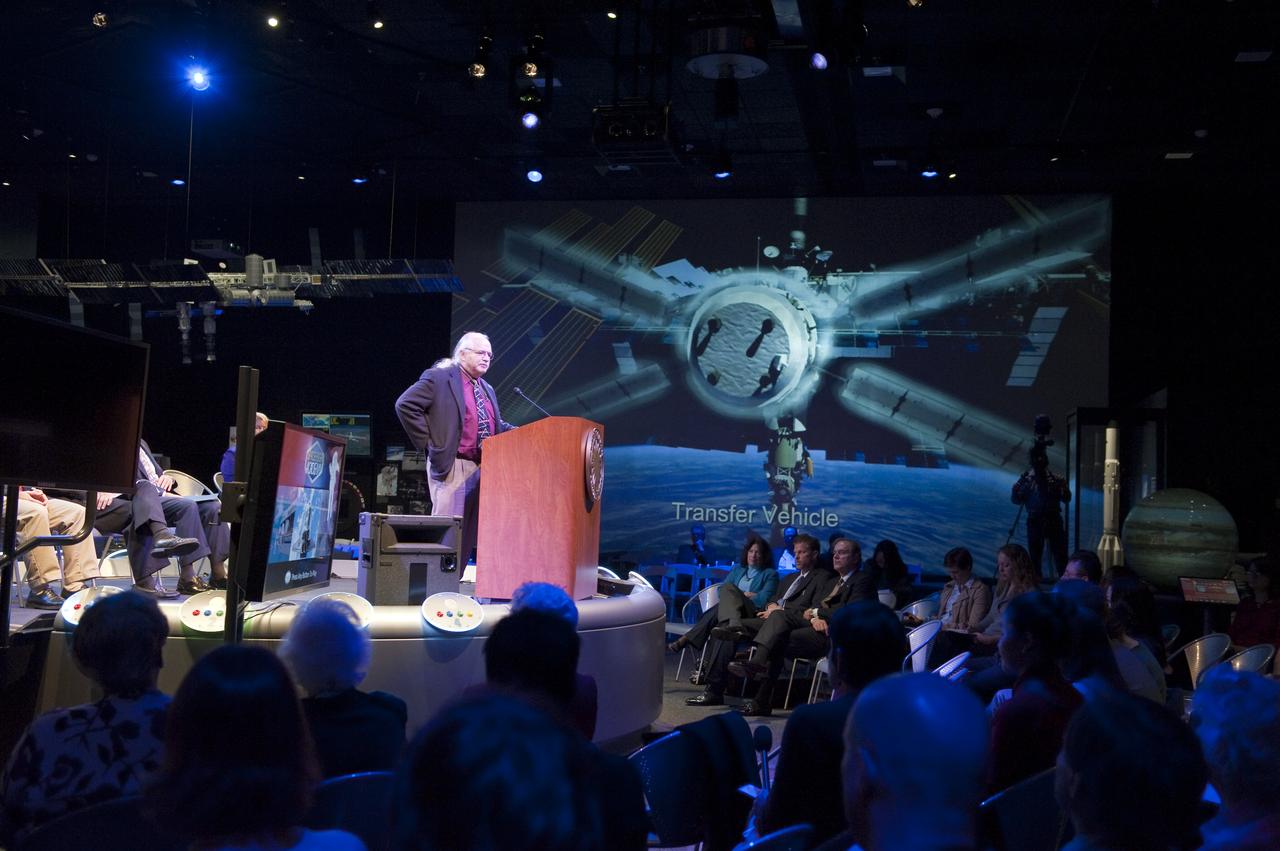
David H. DeVorkin, Senior Curator, Astronomy and the Space Sciences Division of Space History, at the Smithsonian's National Air and Space Museum, speaks during a press briefing at the new "Moving Beyond Earth," exhibition at the museum in Washingon, Wednesday, Nov. 18, 2009. Moving Beyond Earth is an immersive exhibition that places visitors "in orbit" in the shuttle and space-station era to explore recent human spaceflight and future possibilities. Photo Credit: (NASA/Paul E. Alers)
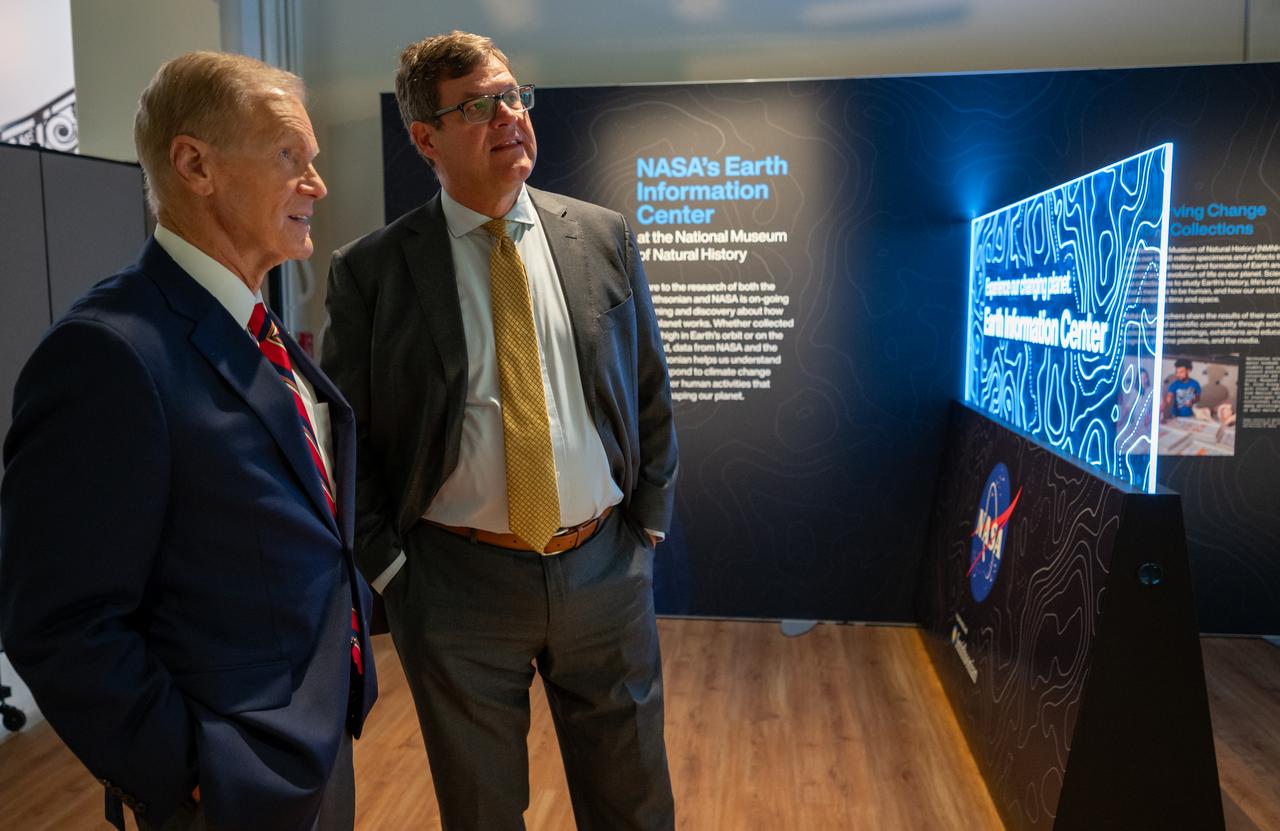
NASA Administrator Bill Nelson, left, talks with Smithsonian Museum of Natural History, Sant Director, Kirk Johnson, during a preview of the Earth Information Center at the Smithsonian National Museum of Natural History, in Washington, Monday, Oct. 7, 2024. The exhibit includes a video wall displaying Earth science data visualizations and videos, an interpretive panel showing Earth’s connected systems, information on our changing world, and an overview of how NASA and the Smithsonian study our home planet. Photo Credit: (NASA/Bill Ingalls)
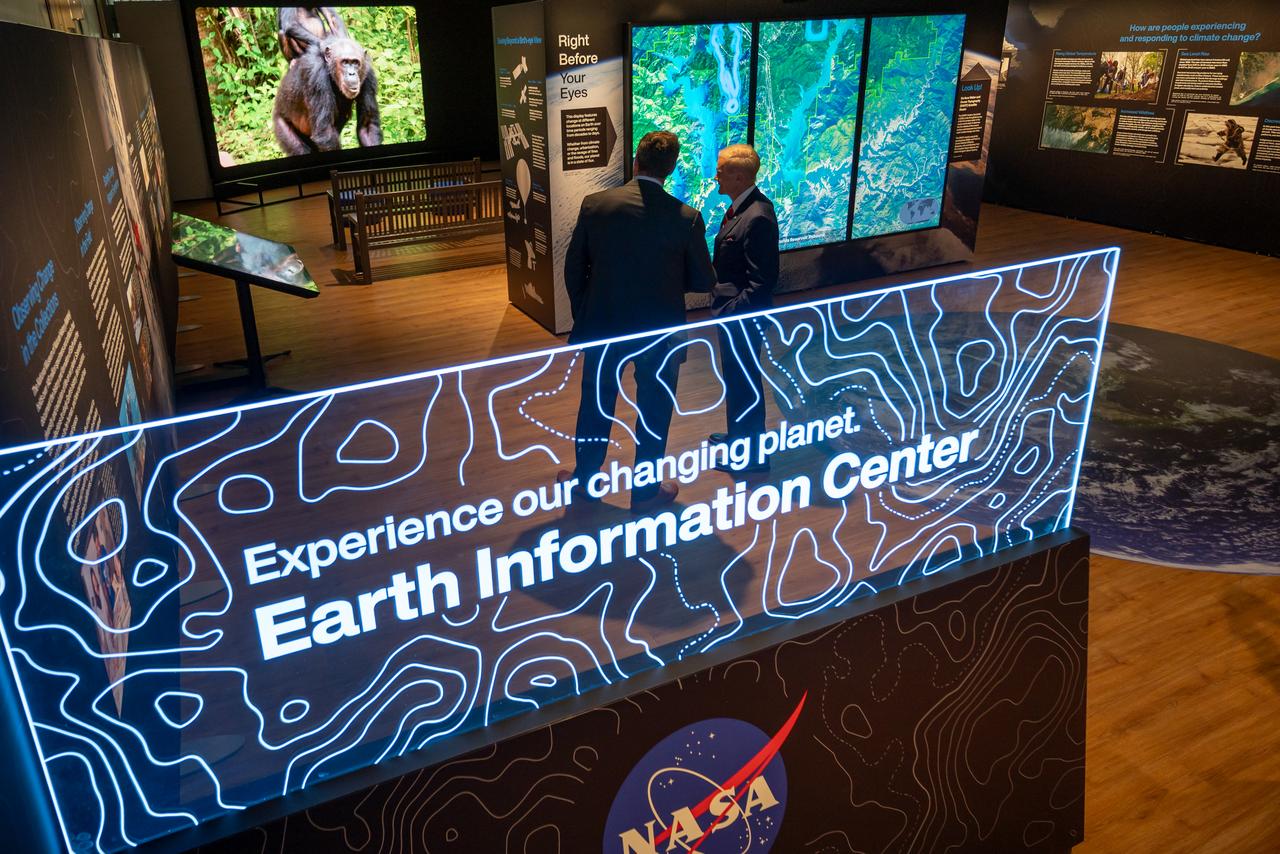
Smithsonian Museum of Natural History, Sant Director, Kirk Johnson, left, talks with NASA Administrator Bill Nelson, during a preview of the Earth Information Center at the Smithsonian National Museum of Natural History, in Washington, Monday, Oct. 7, 2024. The exhibit includes a video wall displaying Earth science data visualizations and videos, an interpretive panel showing Earth’s connected systems, information on our changing world, and an overview of how NASA and the Smithsonian study our home planet. Photo Credit: (NASA/Bill Ingalls)
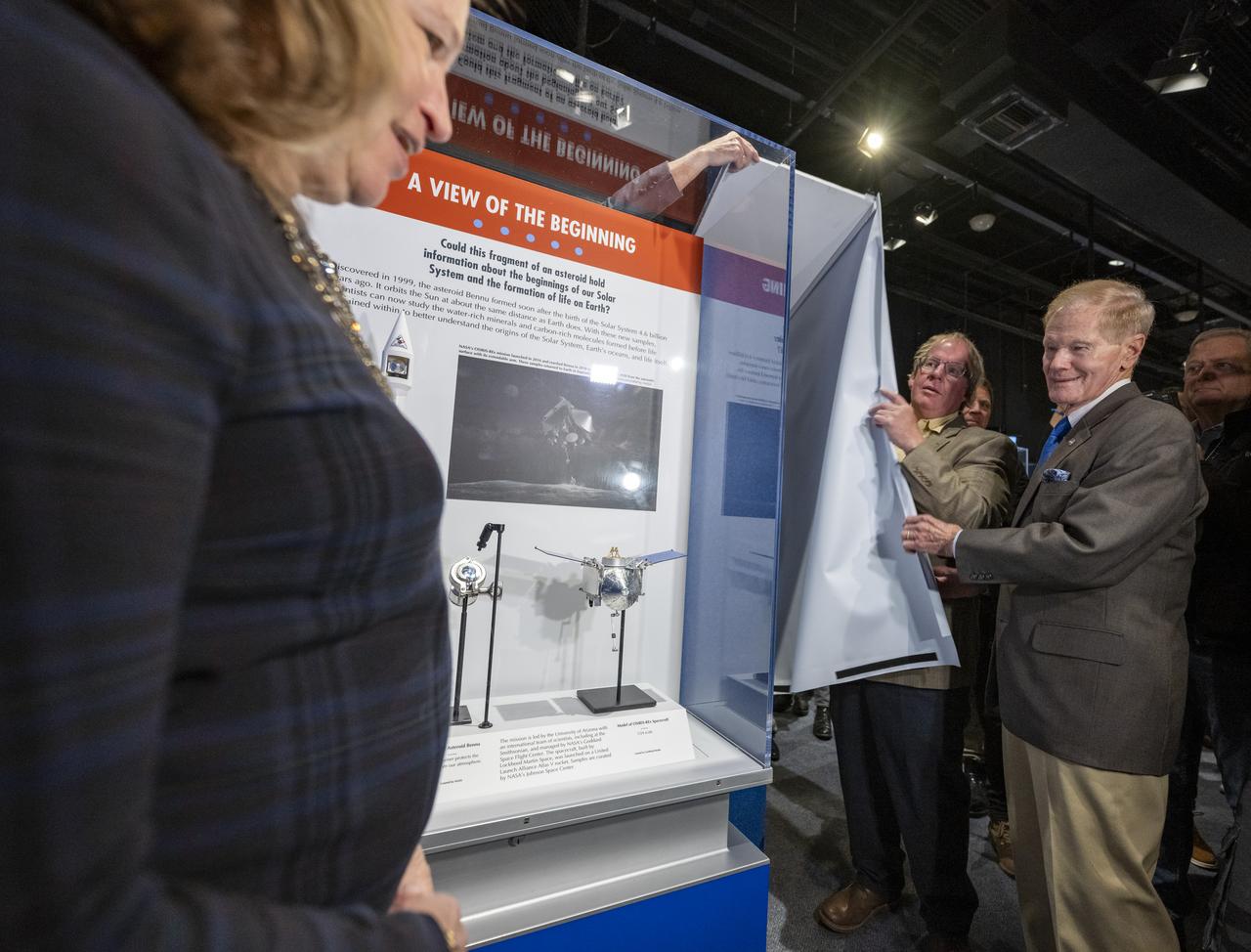
From left to right, Smithsonian Under Secretary for Science and Research Ellen Stofan, National Museum of Natural History curator of meteorites Tim McCoy, and NASA Administrator Bill Nelson unveil the first public display of a sample from asteroid Bennu, Friday, Nov. 3, 2023, at the Smithsonian’s National Museum of Natural History in Washington. The sample was collected from the carbon rich near Earth asteroid Bennu in October 2020 by NASA’s OSIRIS-REx spacecraft. Photo Credit: (NASA/Keegan Barber)
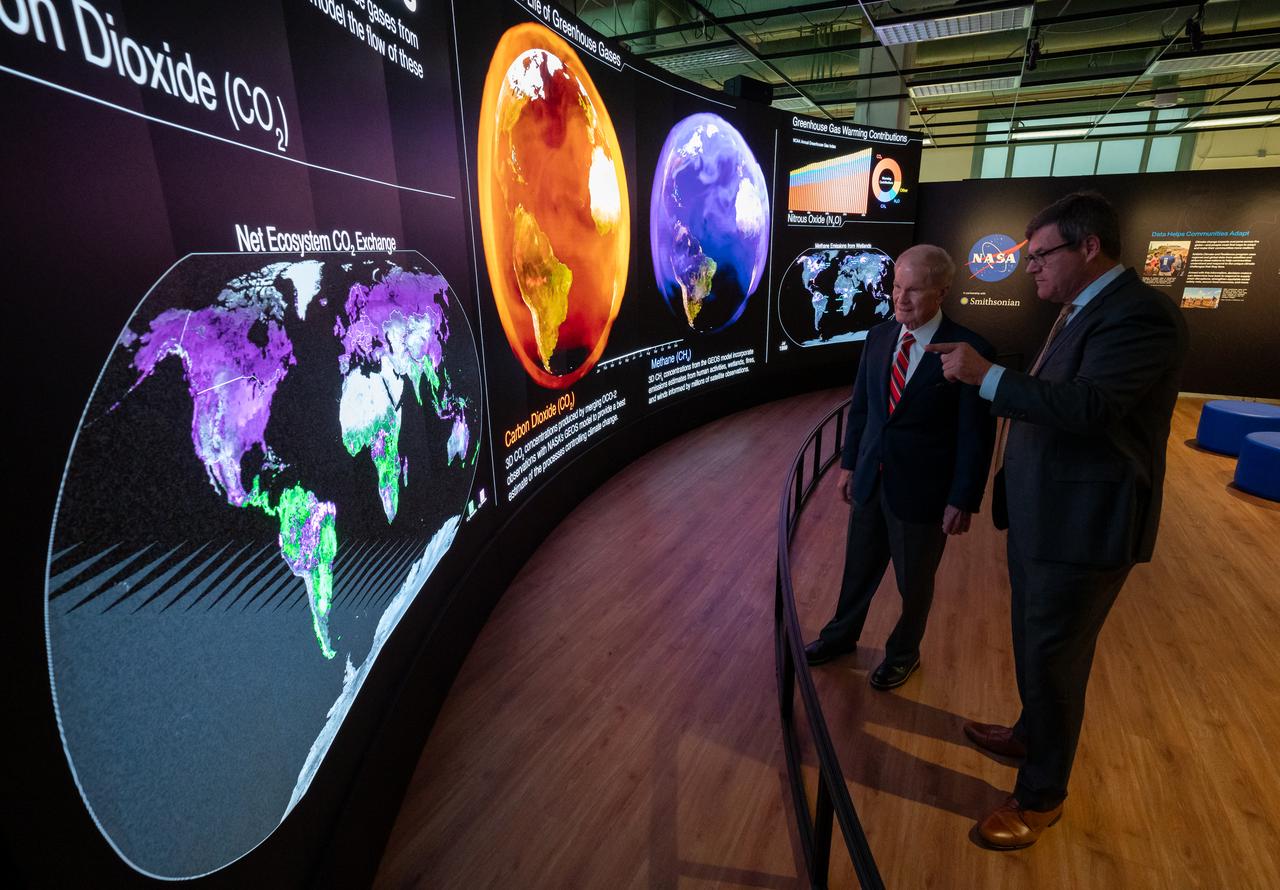
NASA Administrator Bill Nelson, left, and Smithsonian Museum of Natural History, Sant Director, Kirk Johnson, preview the Earth Information Center at the Smithsonian National Museum of Natural History, in Washington, Monday, Oct. 7, 2024. The exhibit includes a video wall displaying Earth science data visualizations and videos, an interpretive panel showing Earth’s connected systems, information on our changing world, and an overview of how NASA and the Smithsonian study our home planet. Photo Credit: (NASA/Bill Ingalls)
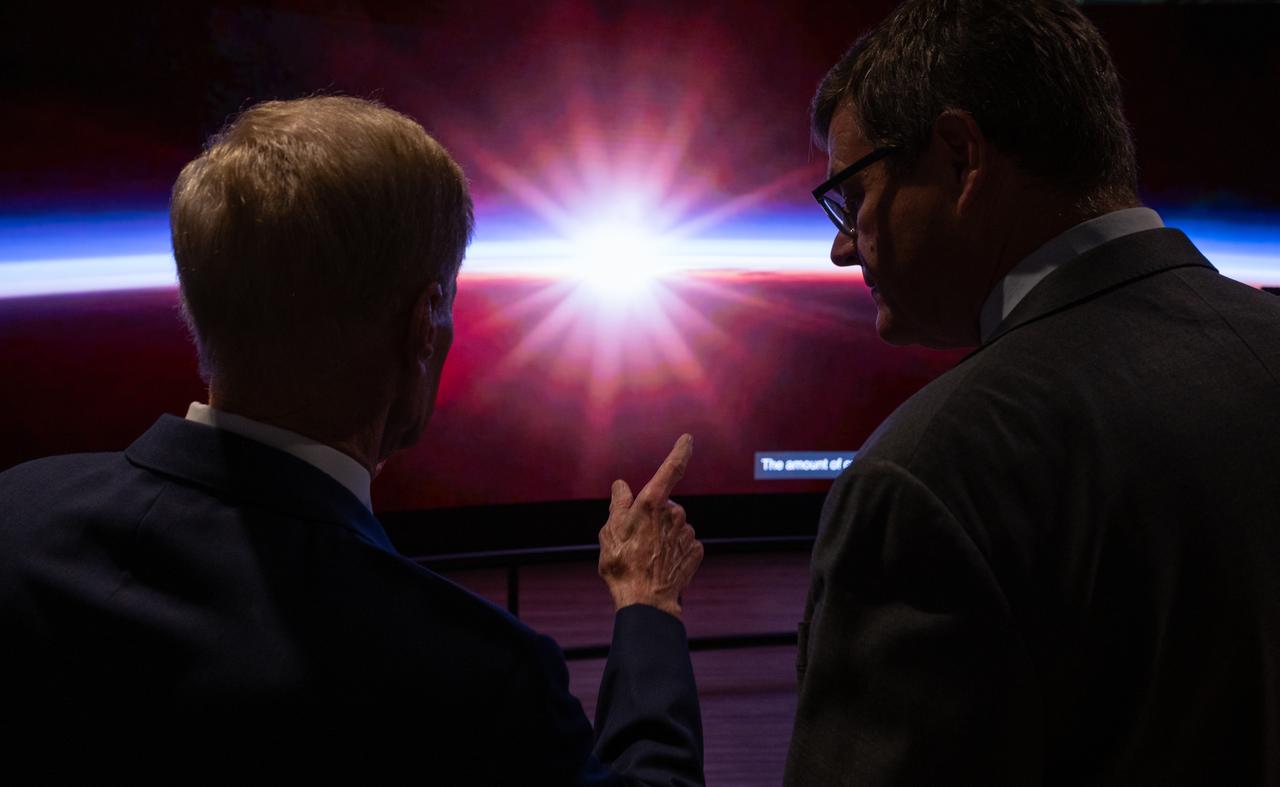
NASA Administrator Bill Nelson, left, and Smithsonian Museum of Natural History, Sant Director, Kirk Johnson, preview the Earth Information Center at the Smithsonian National Museum of Natural History, in Washington, Monday, Oct. 7, 2024. The exhibit includes a video wall displaying Earth science data visualizations and videos, an interpretive panel showing Earth’s connected systems, information on our changing world, and an overview of how NASA and the Smithsonian study our home planet. Photo Credit: (NASA/Bill Ingalls)
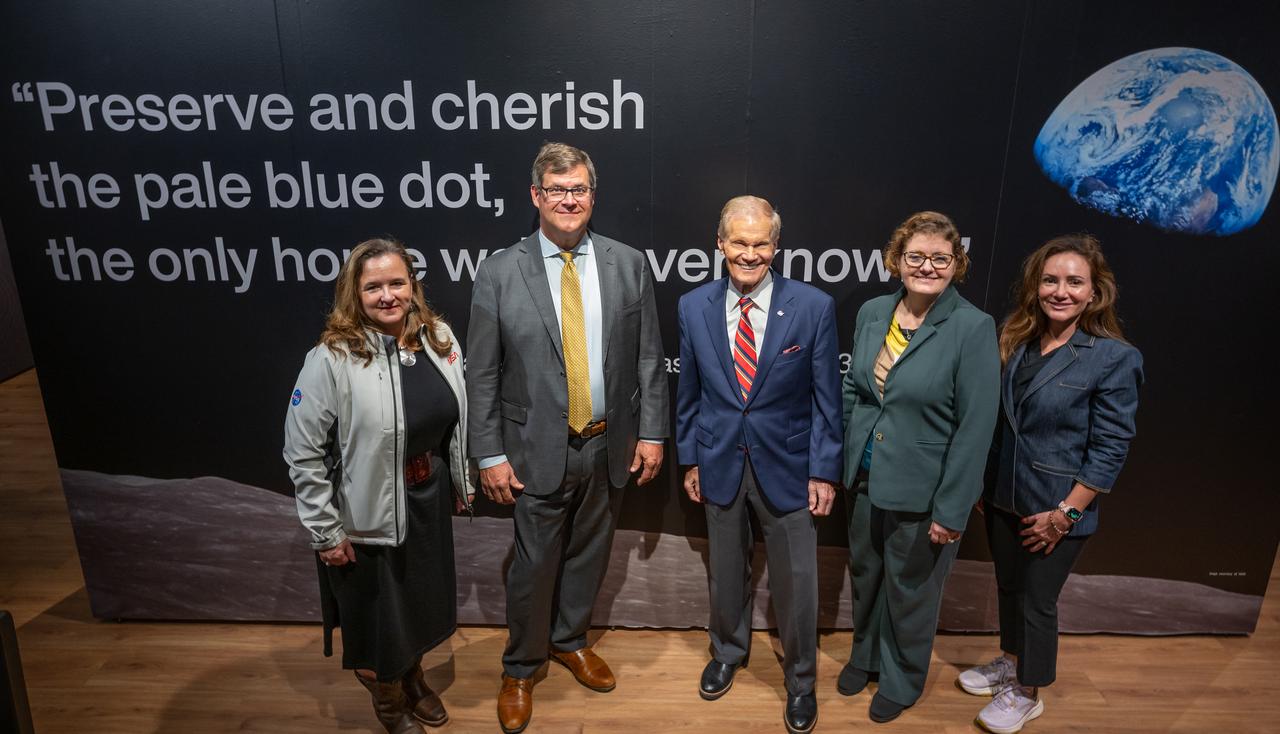
NASA Earth Sciences, Division Director, Karen St. Germain, left, Smithsonian Museum of Natural History, Sant Director, Kirk Johnson, NASA Administrator Bill Nelson, NASA Earth Sciences Division, Deputy Director, Julie Robinson, and NASA Senior Advisor Susie Perez Quinn, right, pose for a group photograph during a preview of the Earth Information Center at the Smithsonian National Museum of Natural History, in Washington, Monday, Oct. 7, 2024. The exhibit includes a video wall displaying Earth science data visualizations and videos, an interpretive panel showing Earth’s connected systems, information on our changing world, and an overview of how NASA and the Smithsonian study our home planet. Photo Credit: (NASA/Bill Ingalls)
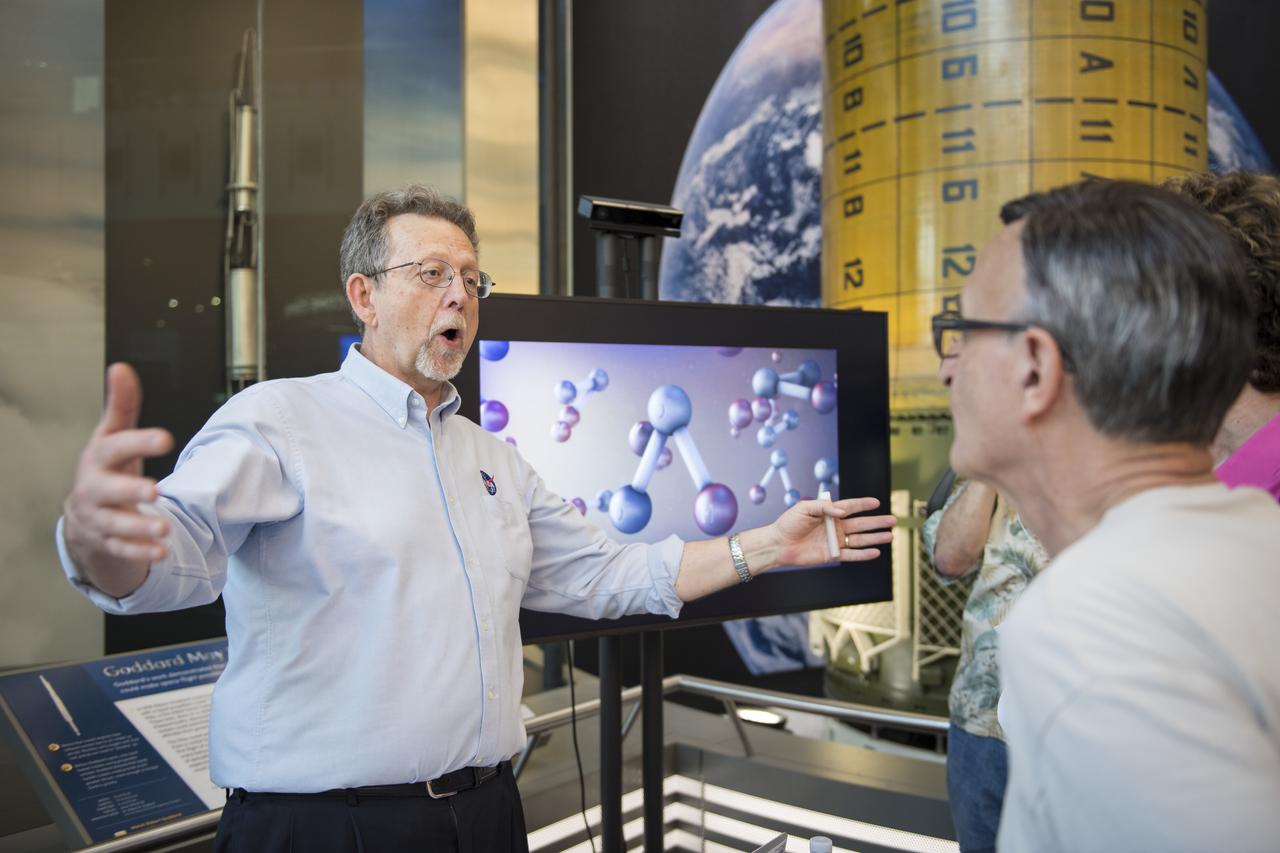
Jim Green, director of NASA’s Planetary Science Division, discusses NASA’s Mars missions with visitors during the Smithsonian Institution’s National Air and Space Museum Mars Day, celebrating the Red Planet with exhibits, speakers, and educational activities, Friday, July 21, 2017 in Washington. Photo Credit: (NASA/Aubrey Gemignani)
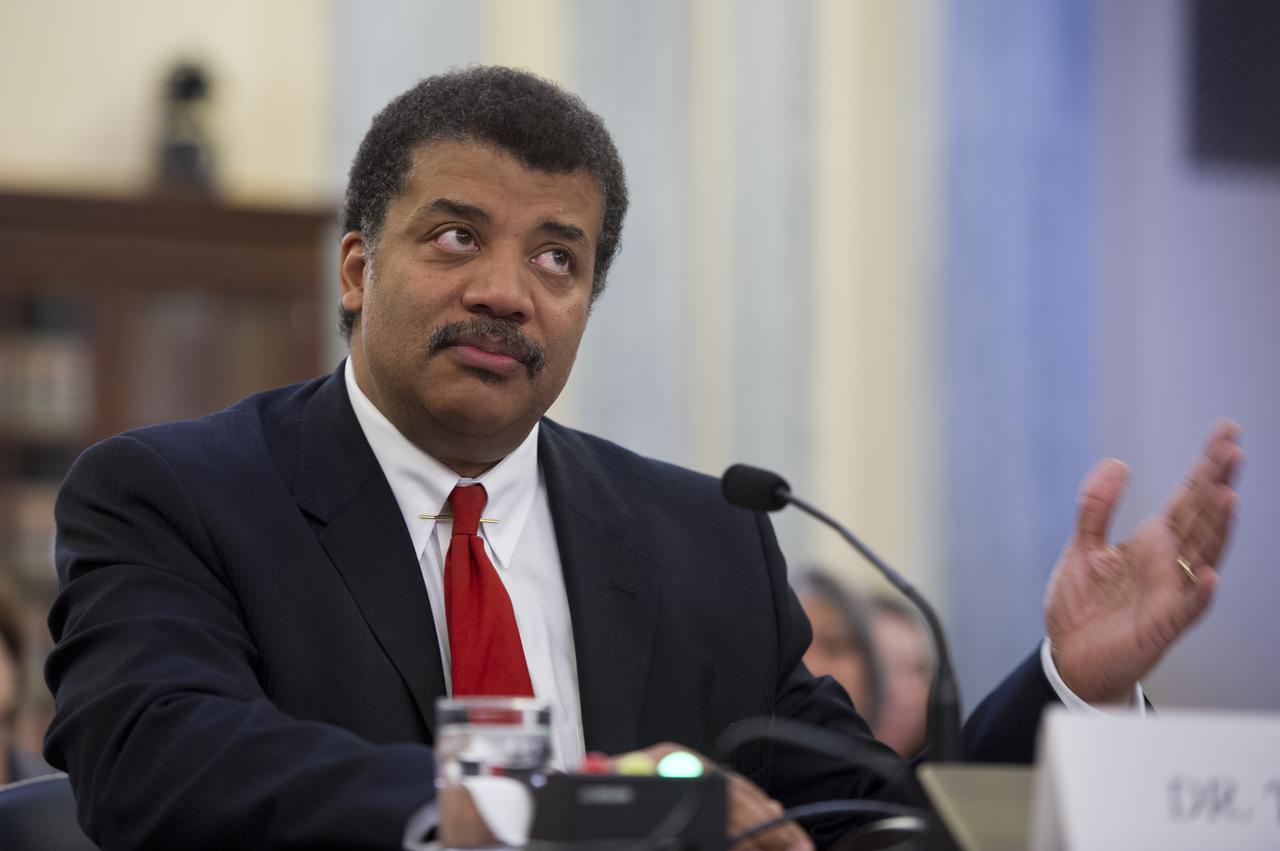
Astrophysicist, American Museum of Natural History and Director, Hayden Planetarium Dr. Neil deGrasse Tyson testifies during a U.S. Senate Committee on Commerce, Science, and Transportation hearing on Wednesday, March 7, 2012 in Washington. NASA Administrator Charles Bolden testified at the same hearing prior to Tyson. Photo Credit: (NASA/Bill Ingalls)
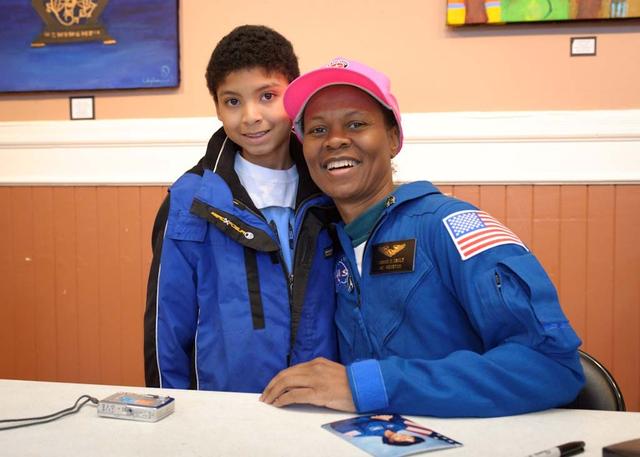
10th Anniversary of Reachout for the Rainbow after School Science Festival highlighting NASA Ames and the Traveling Space Museum exhibits and activities at the South San Francisco Bayview Opera House. NASA Astronaut Yvonne Cagle signing autographs after speaking at event, shown here with Stephen Horsley. photo release on file
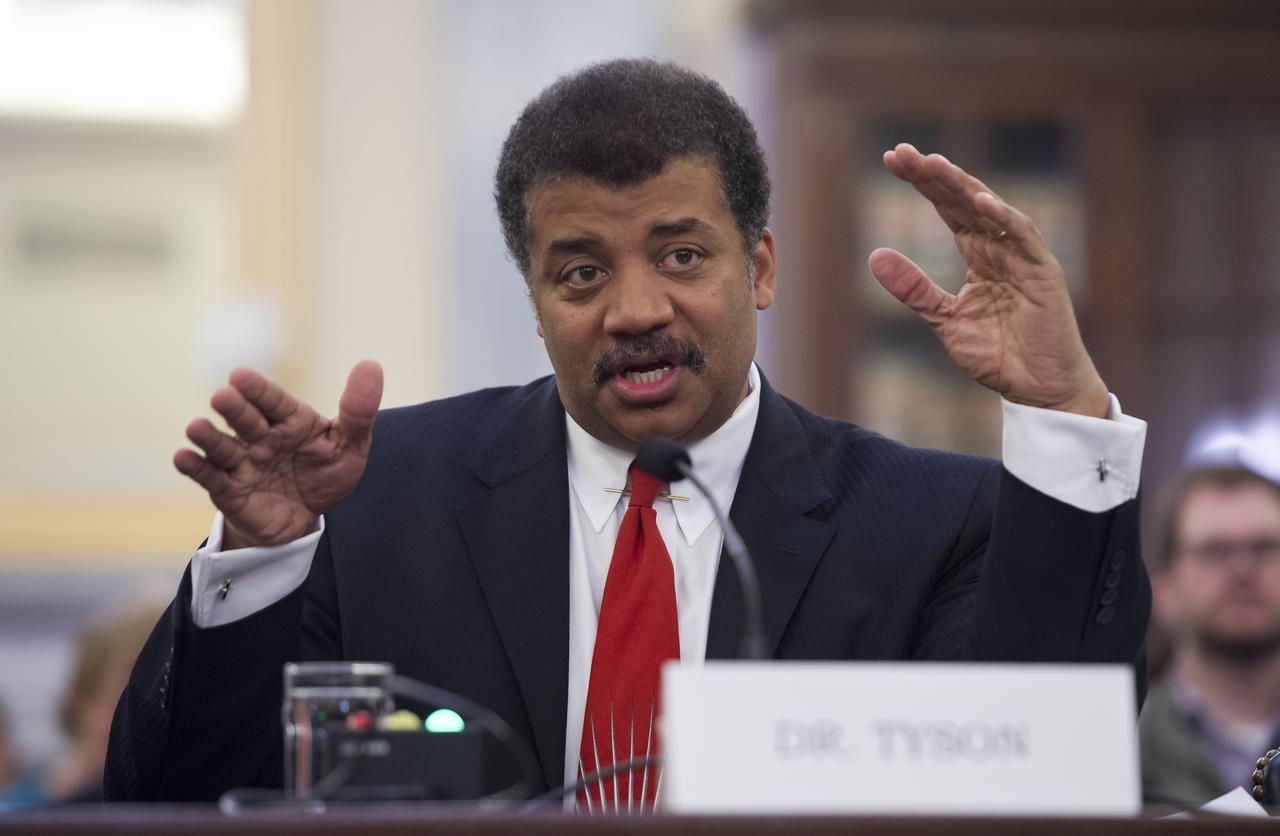
Astrophysicist, American Museum of Natural History and Director, Hayden Planetarium Dr. Neil deGrasse Tyson testifies during a U.S. Senate Committee on Commerce, Science, and Transportation hearing on Wednesday, March 7, 2012 in Washington. NASA Administrator Charles Bolden testified at the same hearing prior to Tyson. Photo Credit: (NASA/Bill Ingalls)
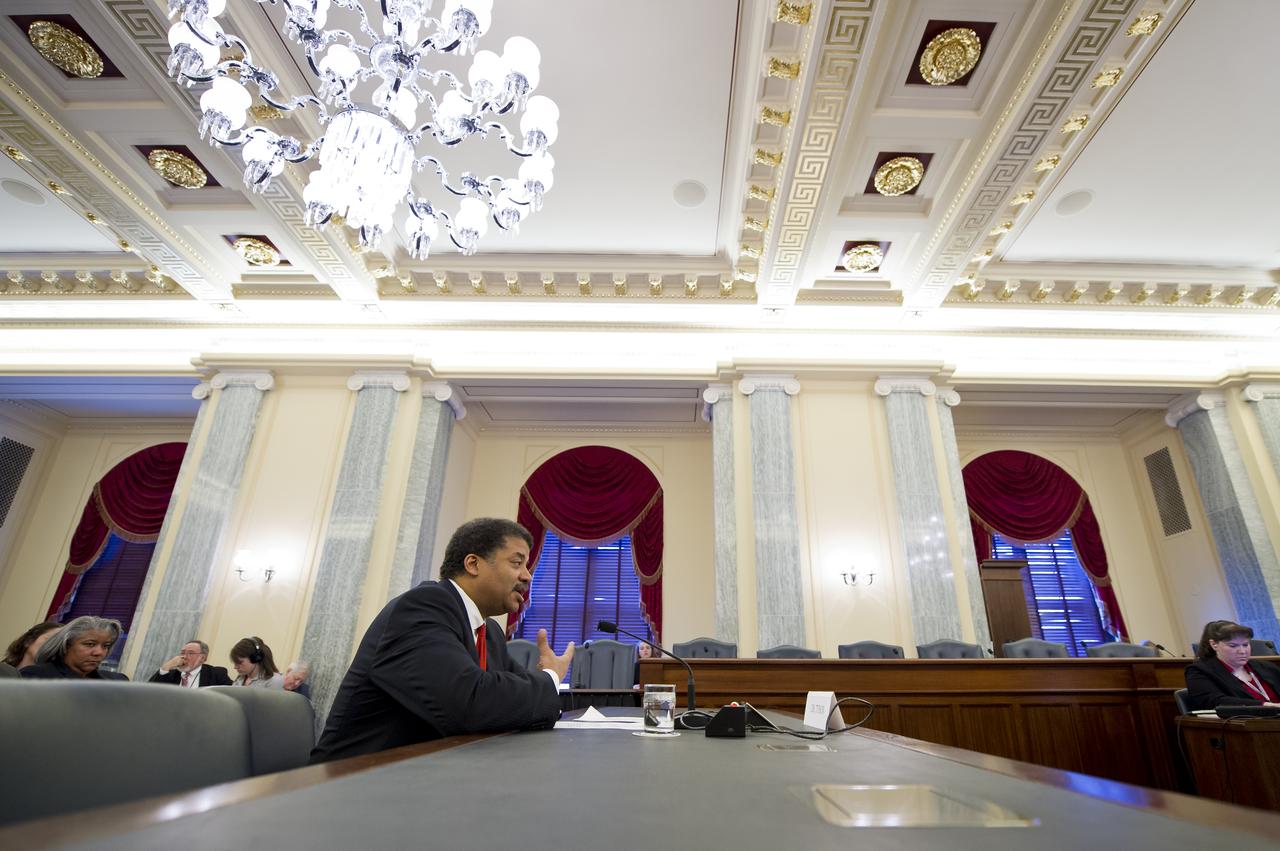
Astrophysicist, American Museum of Natural History and Director, Hayden Planetarium Dr. Neil deGrasse Tyson testifies during a U.S. Senate Committee on Commerce, Science, and Transportation hearing on Wednesday, March 7, 2012 in Washington. NASA Administrator Charles Bolden testified at the same hearing prior to Tyson. Photo Credit: (NASA/Bill Ingalls)
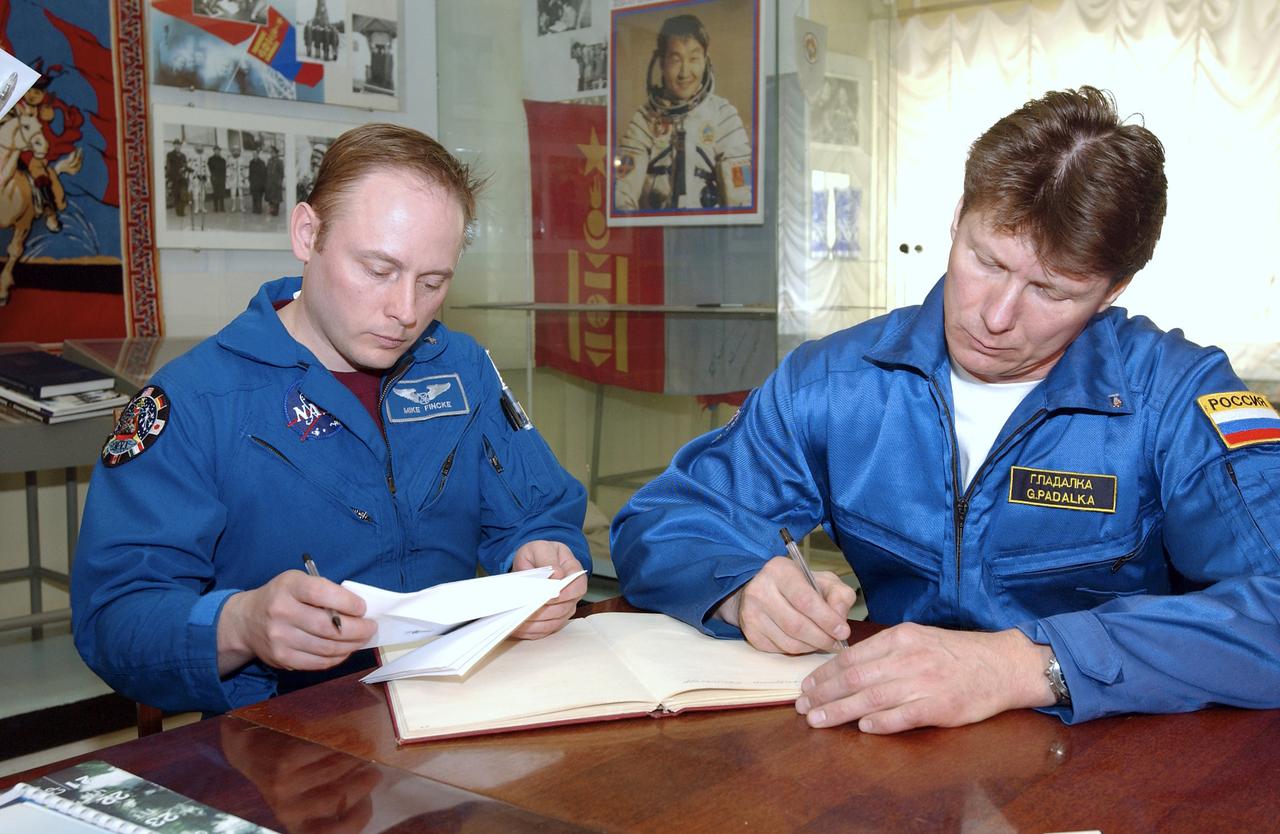
NASA Science Officer Mike Fincke, left and Expedition 9 Commander Gennady Padalka sign books, envelops and mementoes in the space museum located at the Baikonur Cosmodrome, Wednesday, April, 14, 2004, in Baikonur, Kazakhstan. Photo Credit: (NASA/Bill Ingalls)
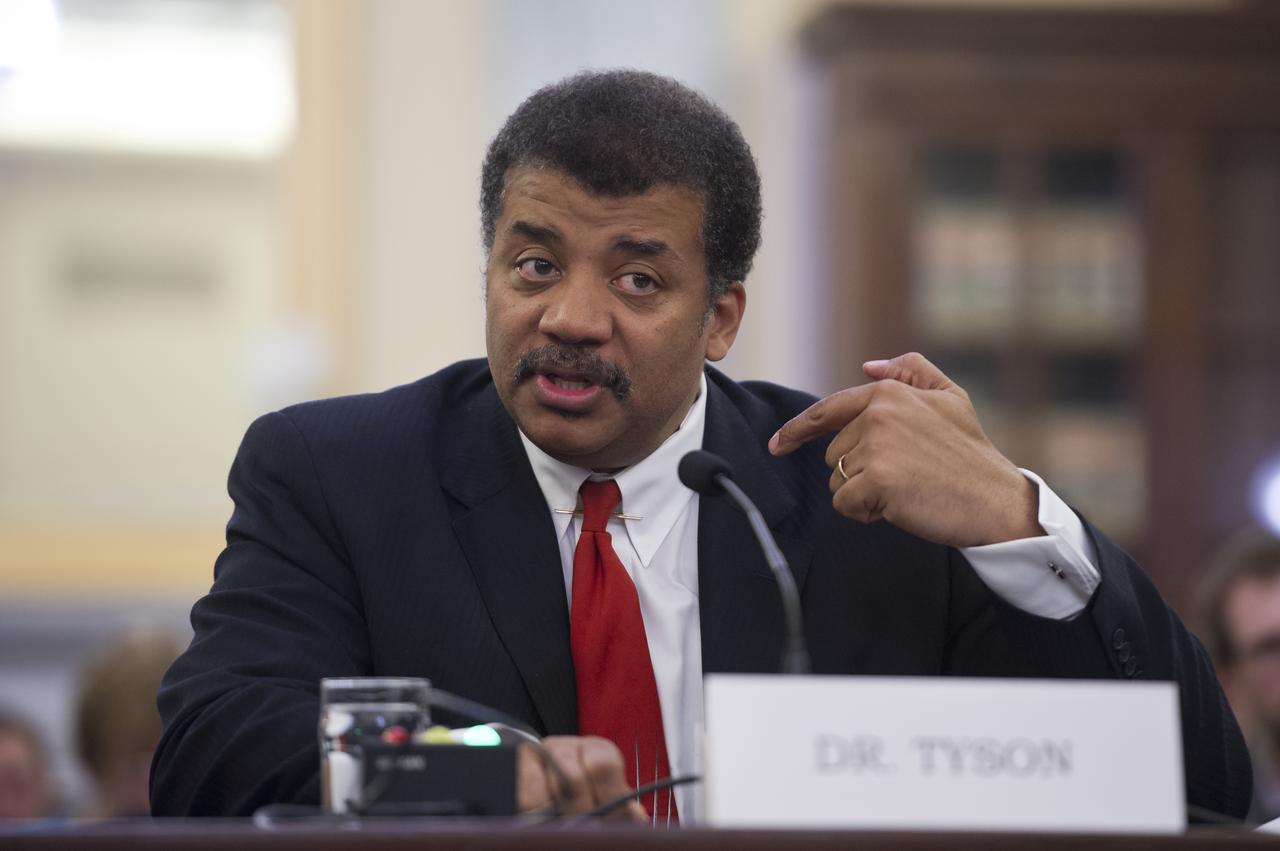
Astrophysicist, American Museum of Natural History and Director, Hayden Planetarium Dr. Neil deGrasse Tyson testifies during a U.S. Senate Committee on Commerce, Science, and Transportation hearing on Wednesday, March 7, 2012 in Washington. NASA Administrator Charles Bolden testified at the same hearing prior to Tyson. Photo Credit: (NASA/Bill Ingalls)
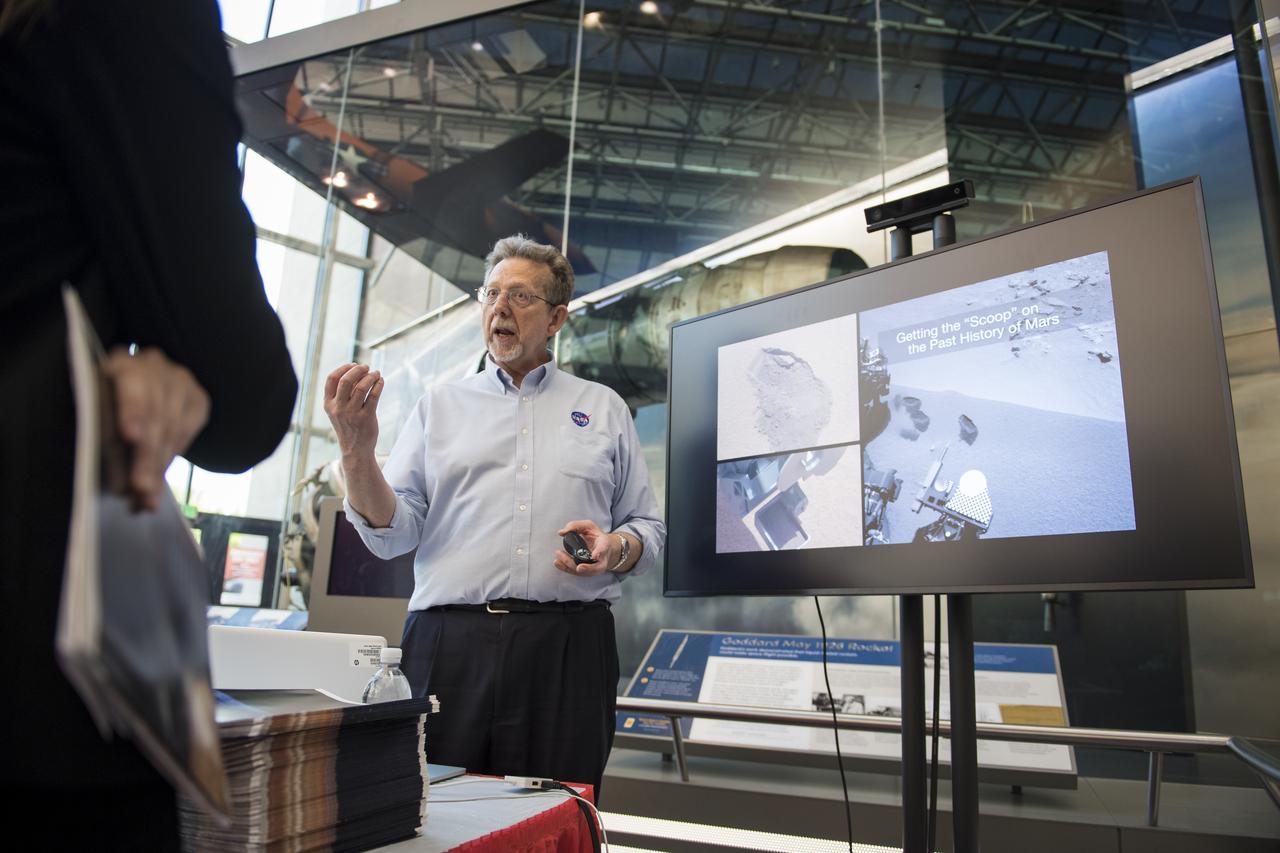
Jim Green, director of NASA’s Planetary Science Division, discusses NASA’s Mars missions with visitors during the Smithsonian Institution’s National Air and Space Museum Mars Day, celebrating the Red Planet with exhibits, speakers, and educational activities, Friday, July 21, 2017 in Washington. Photo Credit: (NASA/Aubrey Gemignani)