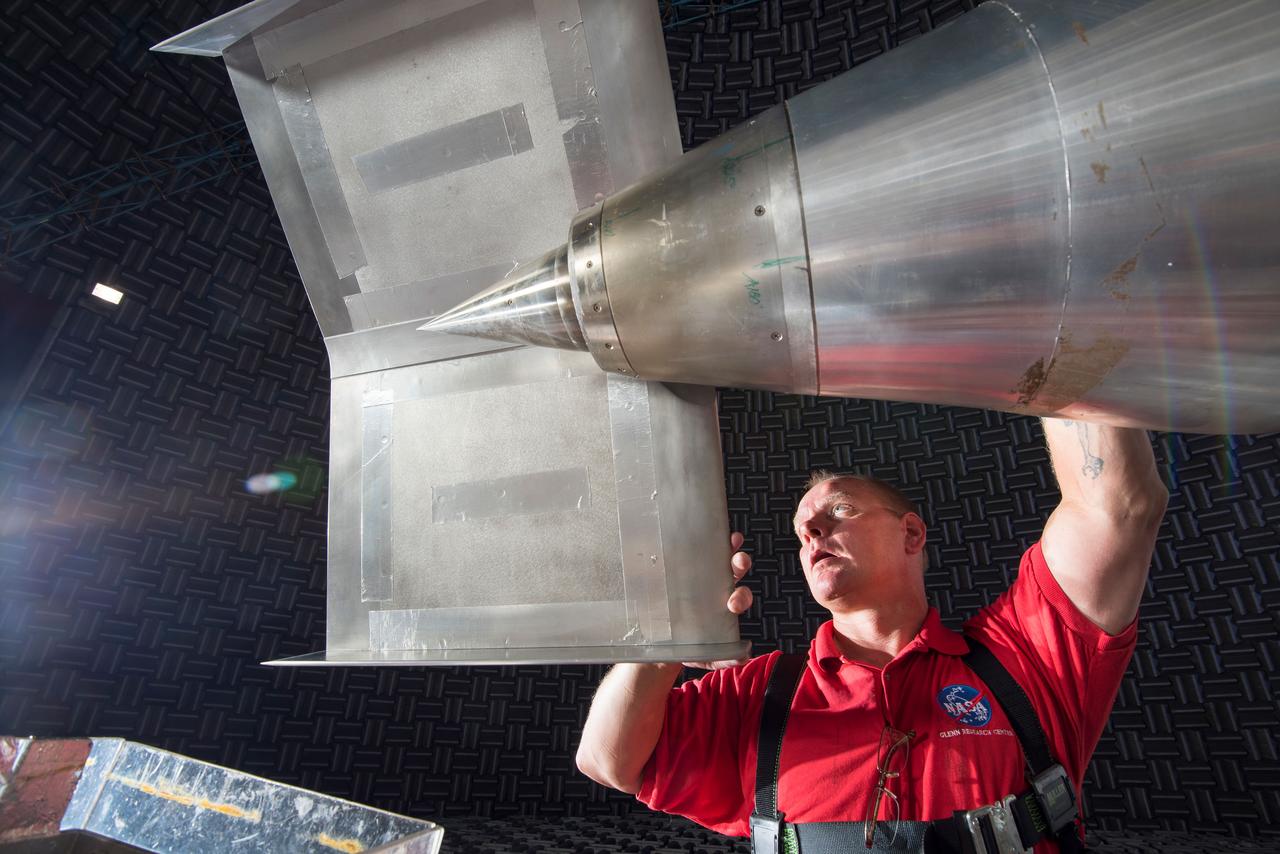
N+2 Nozzle in the Aero-Acoustic Propulsion Lab. As NASA works toward demonstrating low-sonic boom design, engineers at NASA Glenn have tested an engine nozzle that could make supersonic aircraft much quieter.
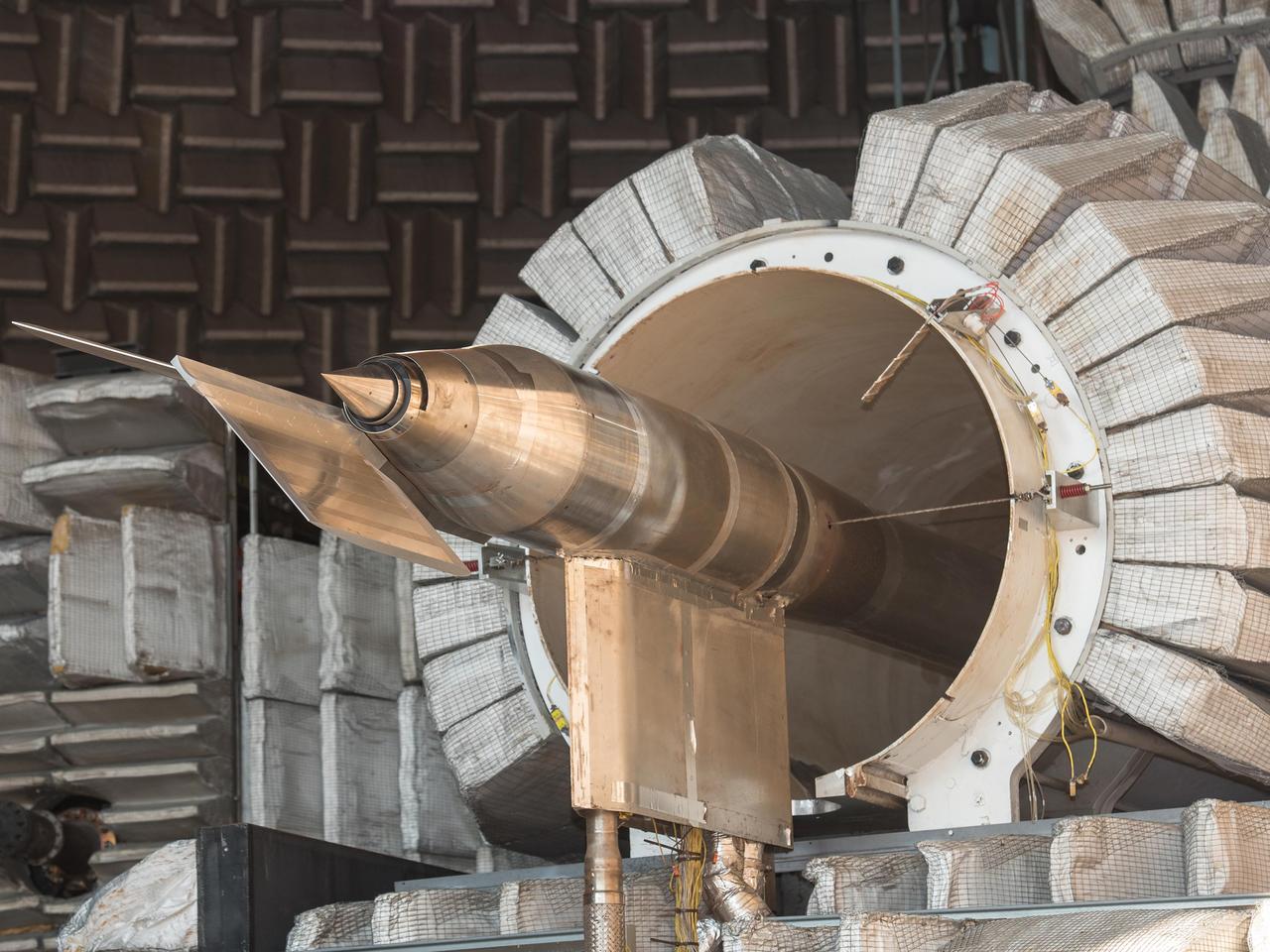
N+2 Nozzle in the Aero-Acoustic Propulsion Lab. As NASA works toward demonstrating low-sonic boom design, engineers at NASA Glenn have tested an engine nozzle that could make supersonic aircraft much quieter.
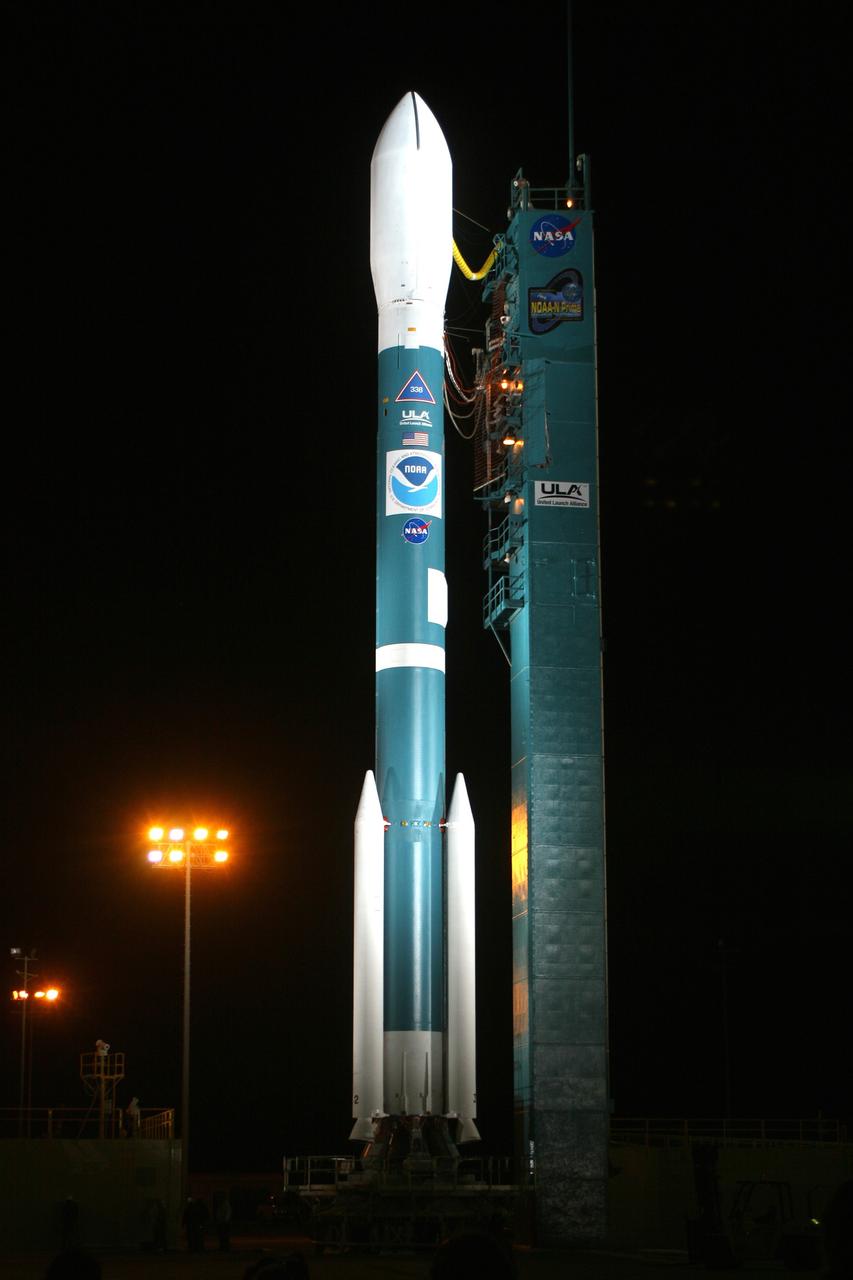
VANDENBERG AIR FORCE BASE, Calif. -- The mobile service tower moves away from the Delta II rocket with NASA's NOAA-N Prime satellite aboard on the Space Launch Complex 2 at Vandenberg Air Force Base in California. The launch of the NOAA-N Prime weather satellite was scrubbed at 5 a.m. EST Feb. 3 when a launch pad gaseous nitrogen pressurization system failed. This system maintains pressurization and purges to various systems of the Delta II rocket prior to launch. Immediate repair to this system was being taken. The next launch attempt will be no earlier than 5:22 a.m. EST Feb. 5, weather permitting. NOAA-N Prime is the latest polar-orbiting operational environmental weather satellite developed by NASA for the National Oceanic and Atmospheric Administration. Photo credit: NASA/Carleton Bailie, VAFB-ULA
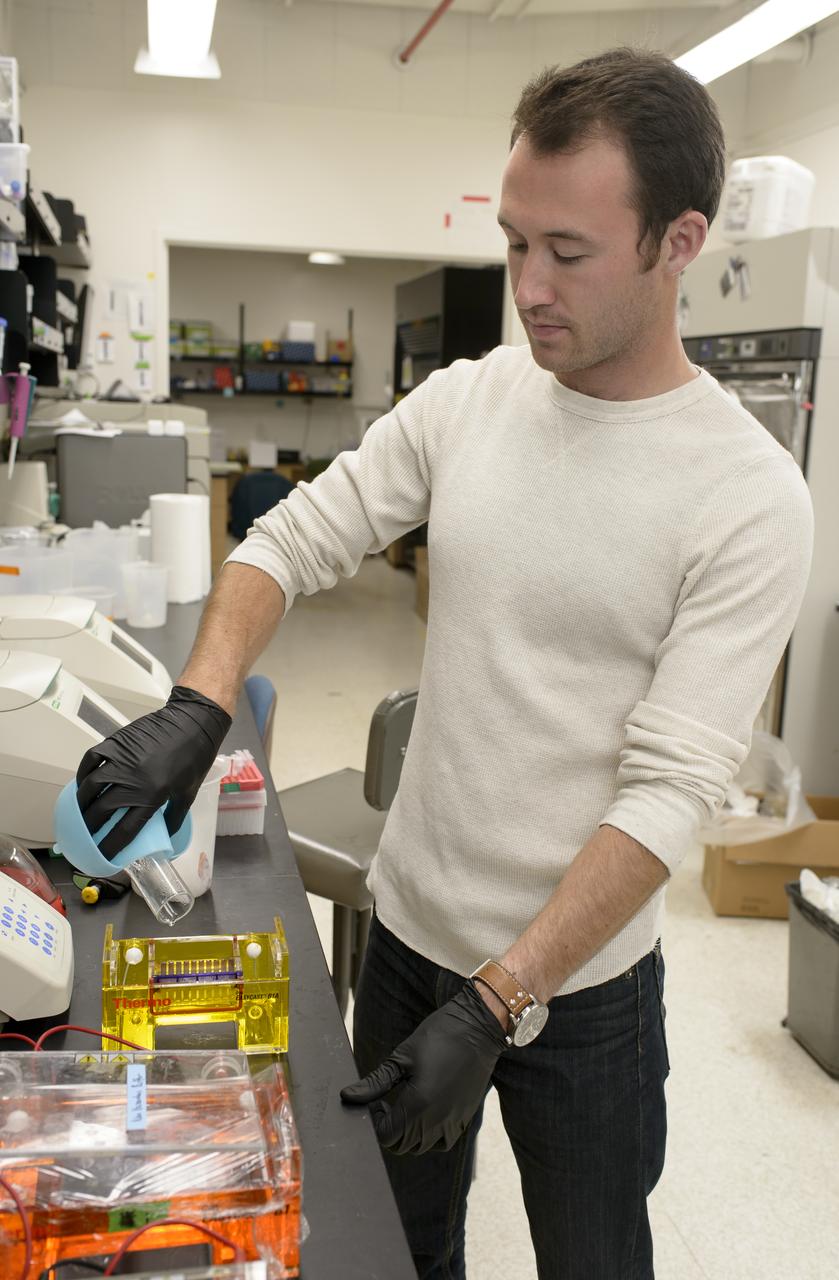
EuCROPIS EVT-2 Power Cell in N-239 Lab with Griffin McCutcheon
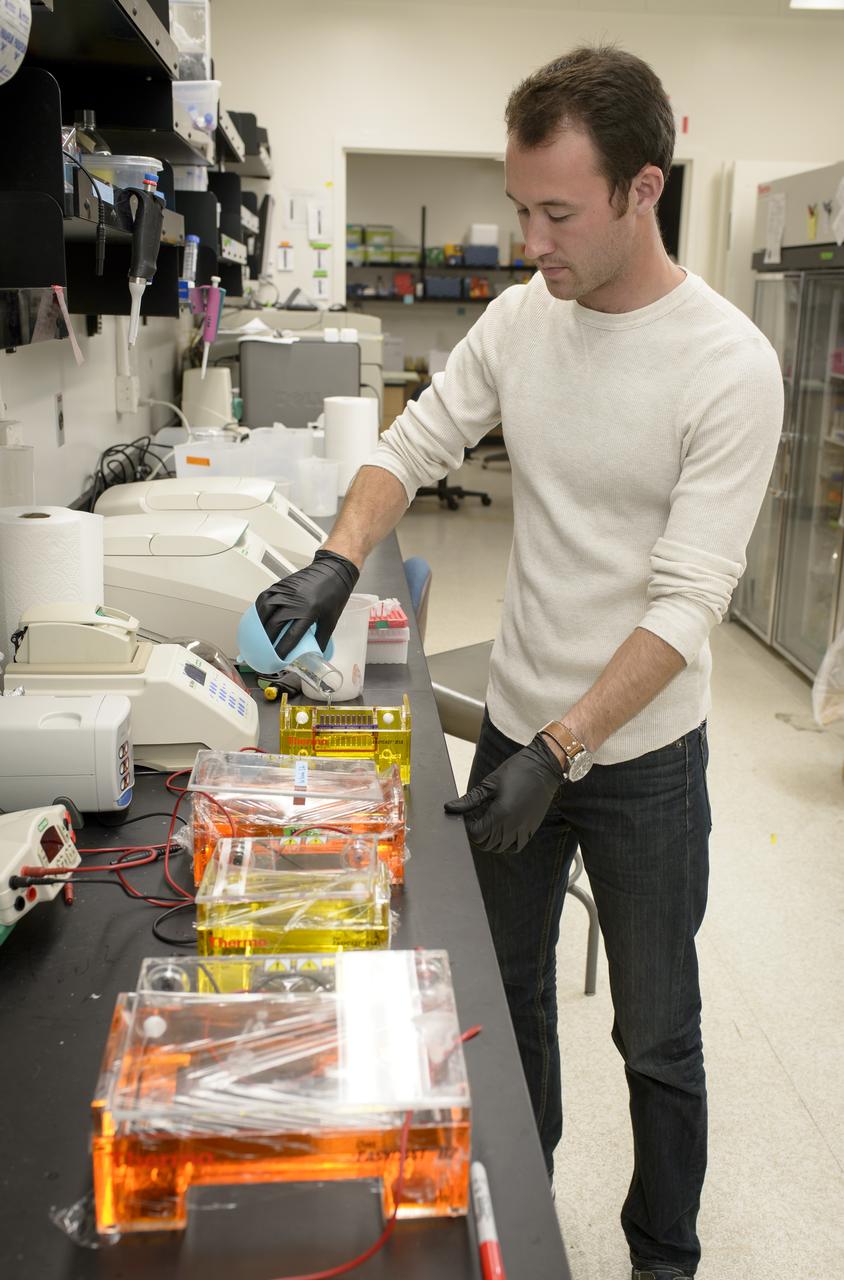
EuCROPIS EVT-2 Power Cell in N-239 Lab with Griffin McCutcheon
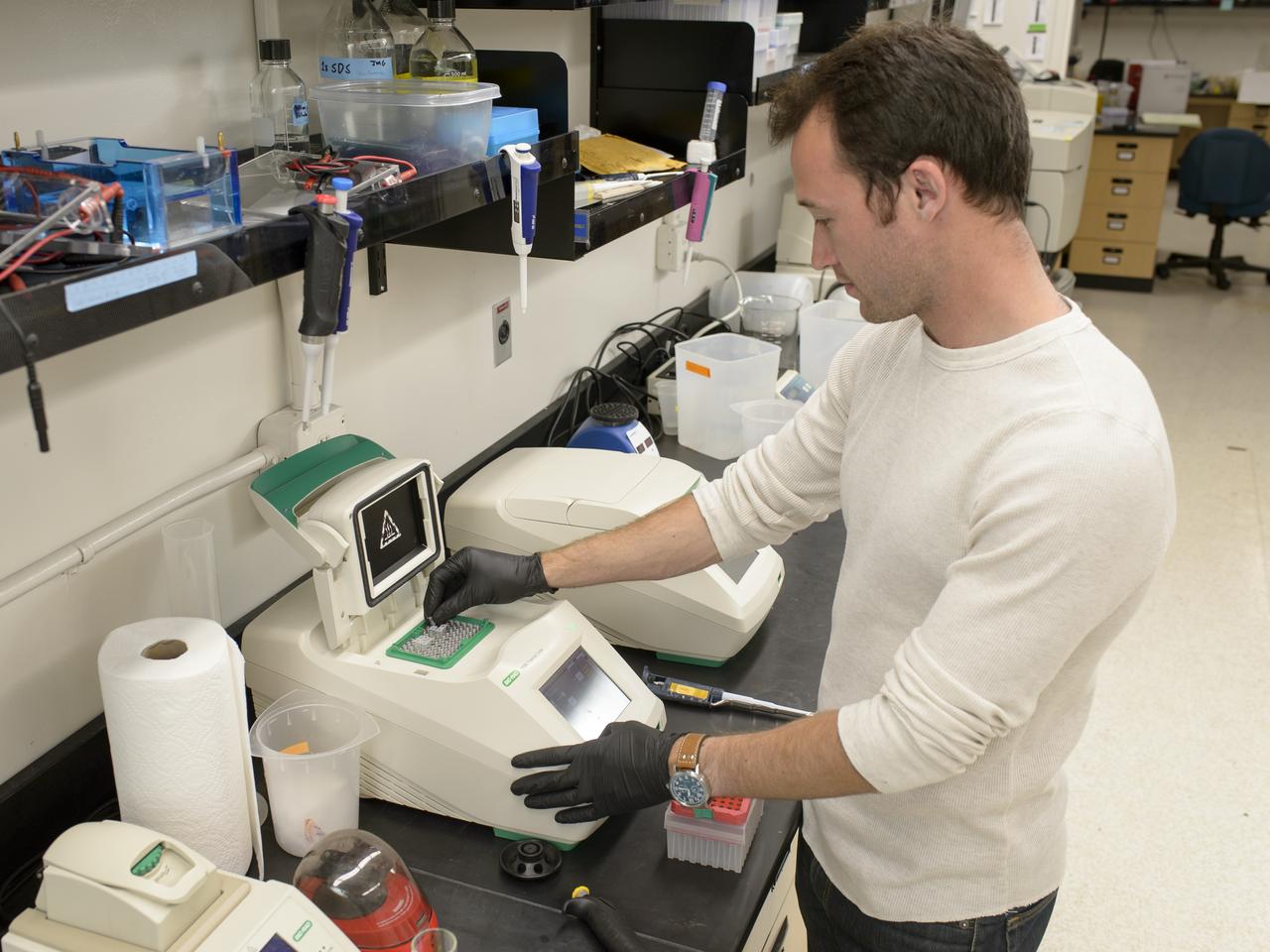
EuCROPIS EVT-2 Power Cell in N-239 Lab with Griffin McCutcheon
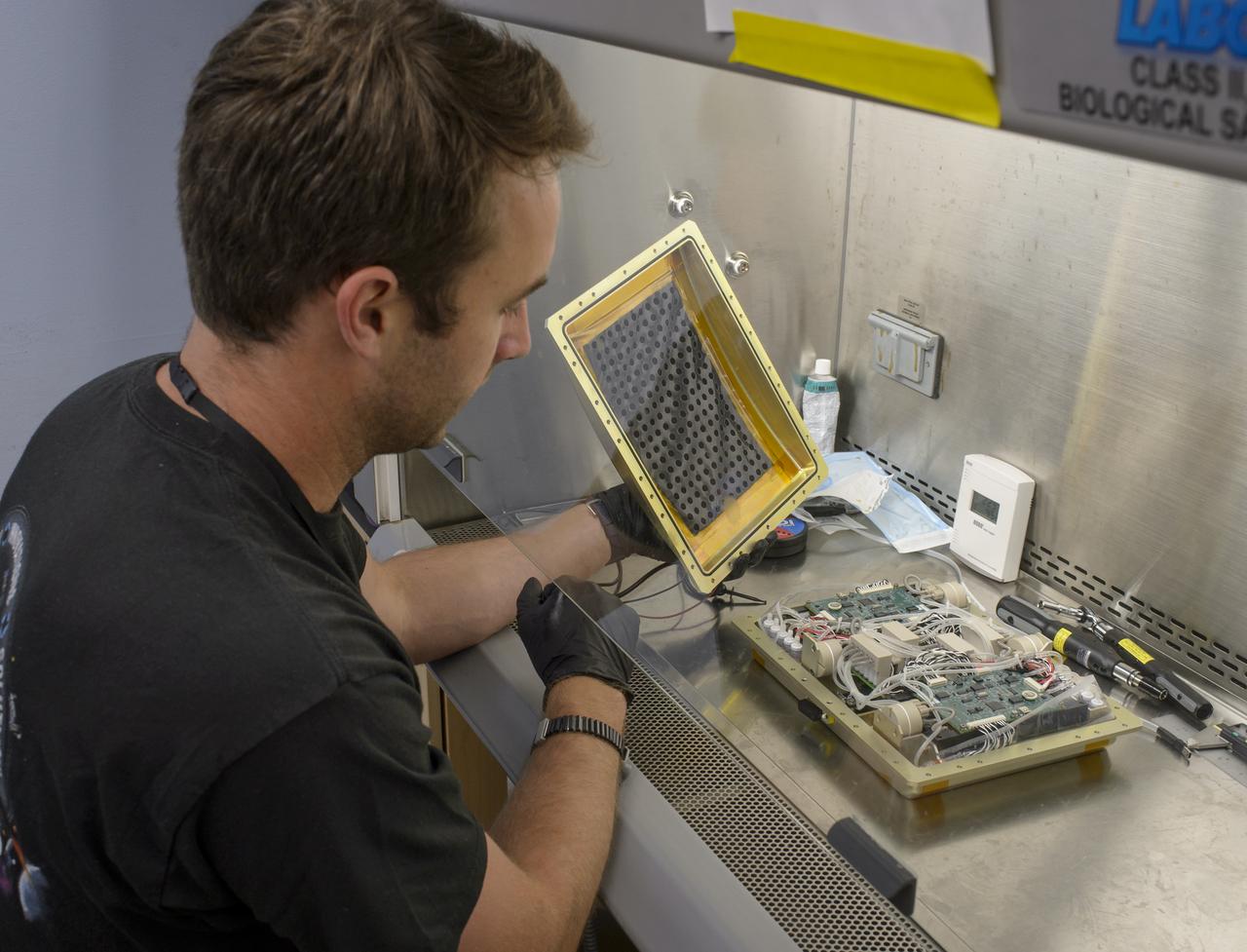
EuCROPIS EVT-2 Power Cell in N-239 Lab with Ryan Kent
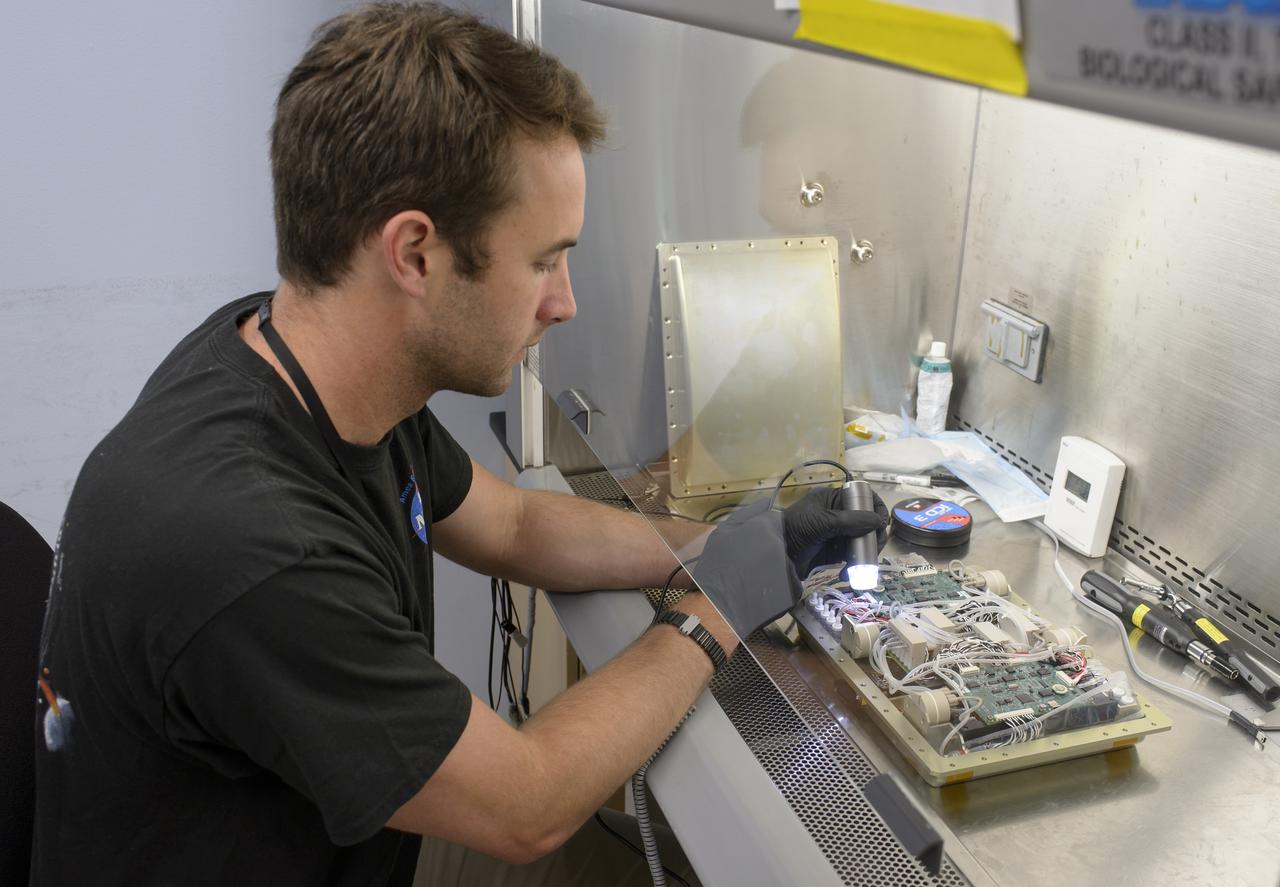
EuCROPIS EVT-2 Power Cell in N-239 Lab Ryan Kent with Flask containing Anabaena Culture
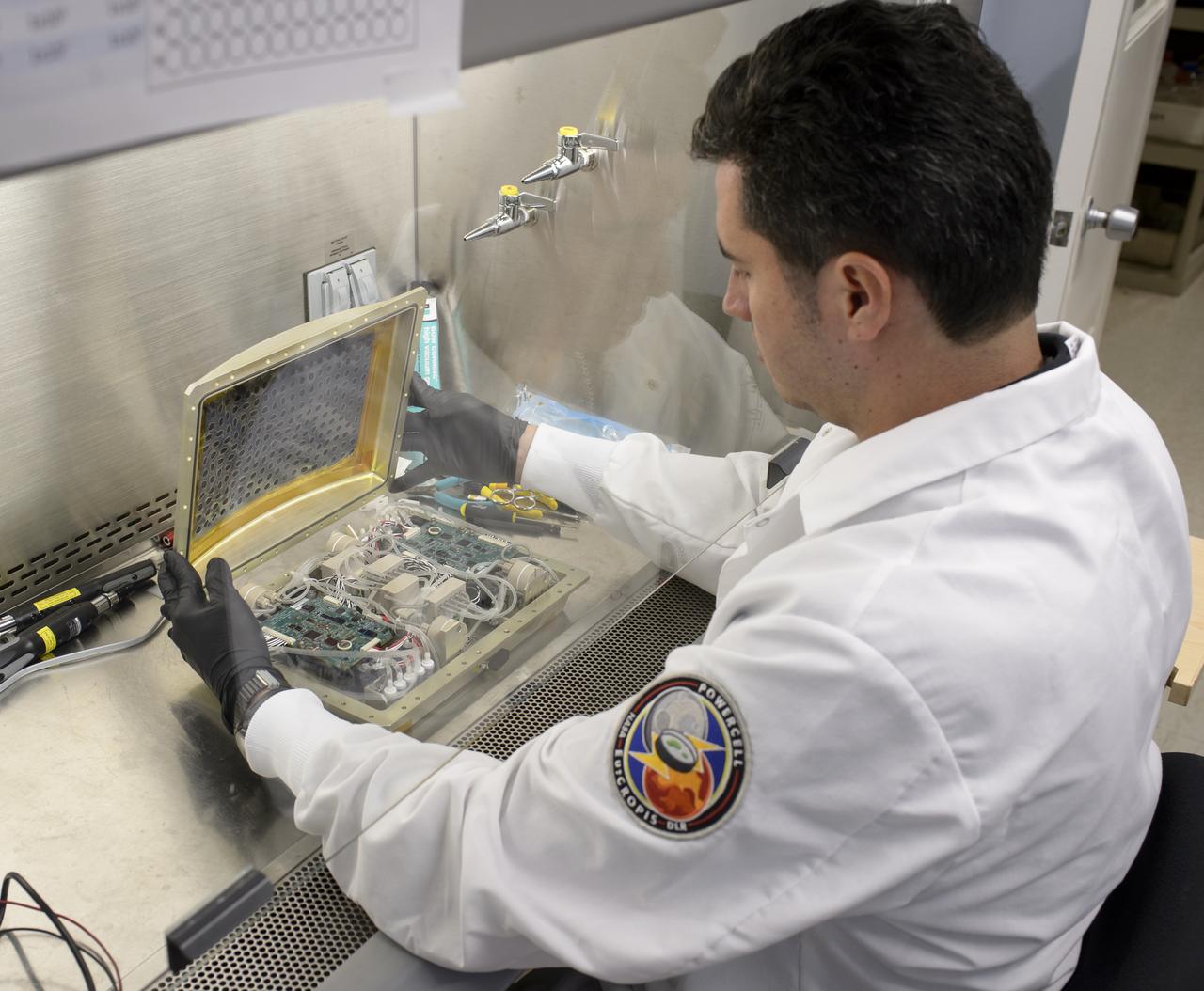
EuCROPIS EVT-2 Power Cell in N-239 Lab with Ivan Paulino-Lima
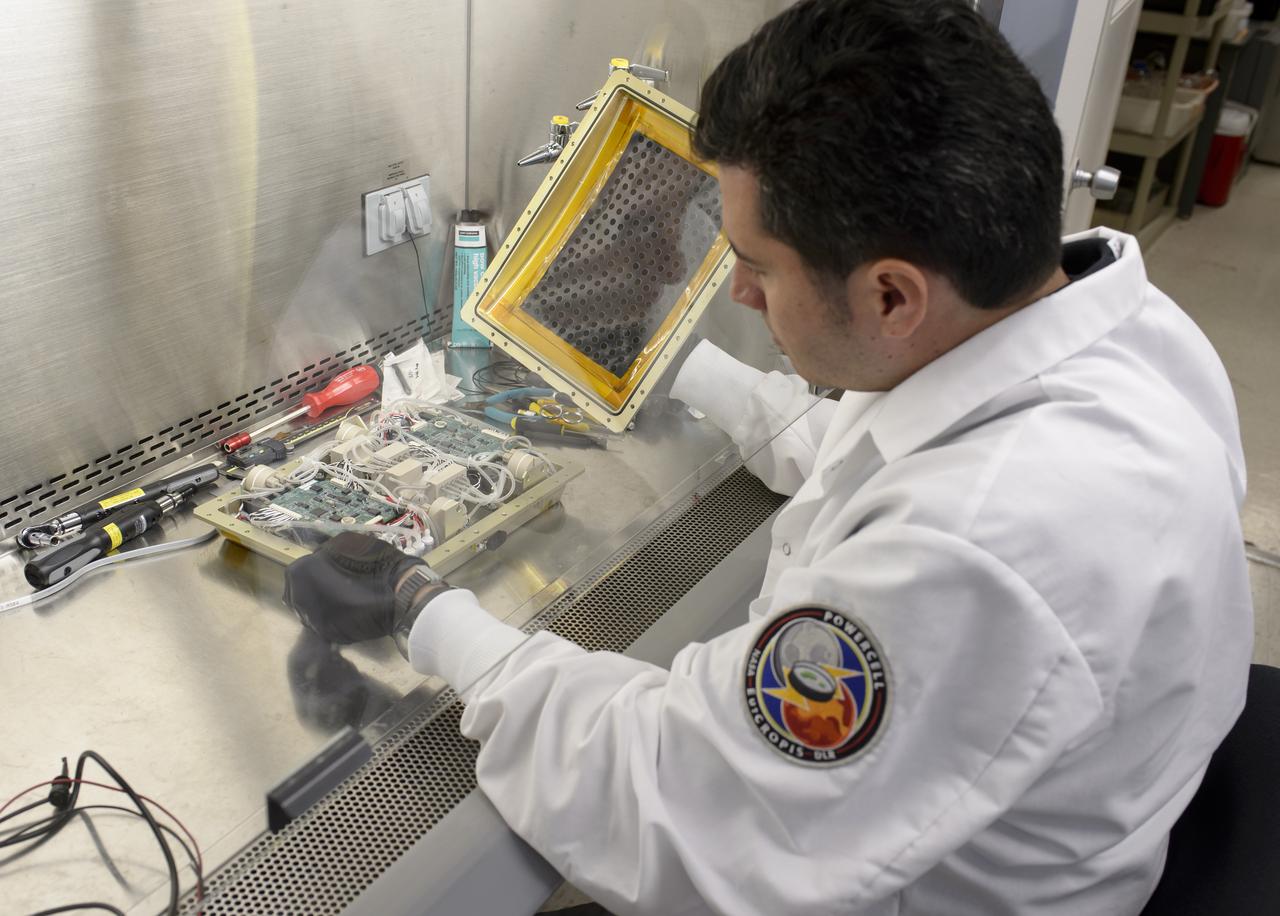
EuCROPIS EVT-2 Power Cell in N-239 Lab with Ivan Paulino-Lima
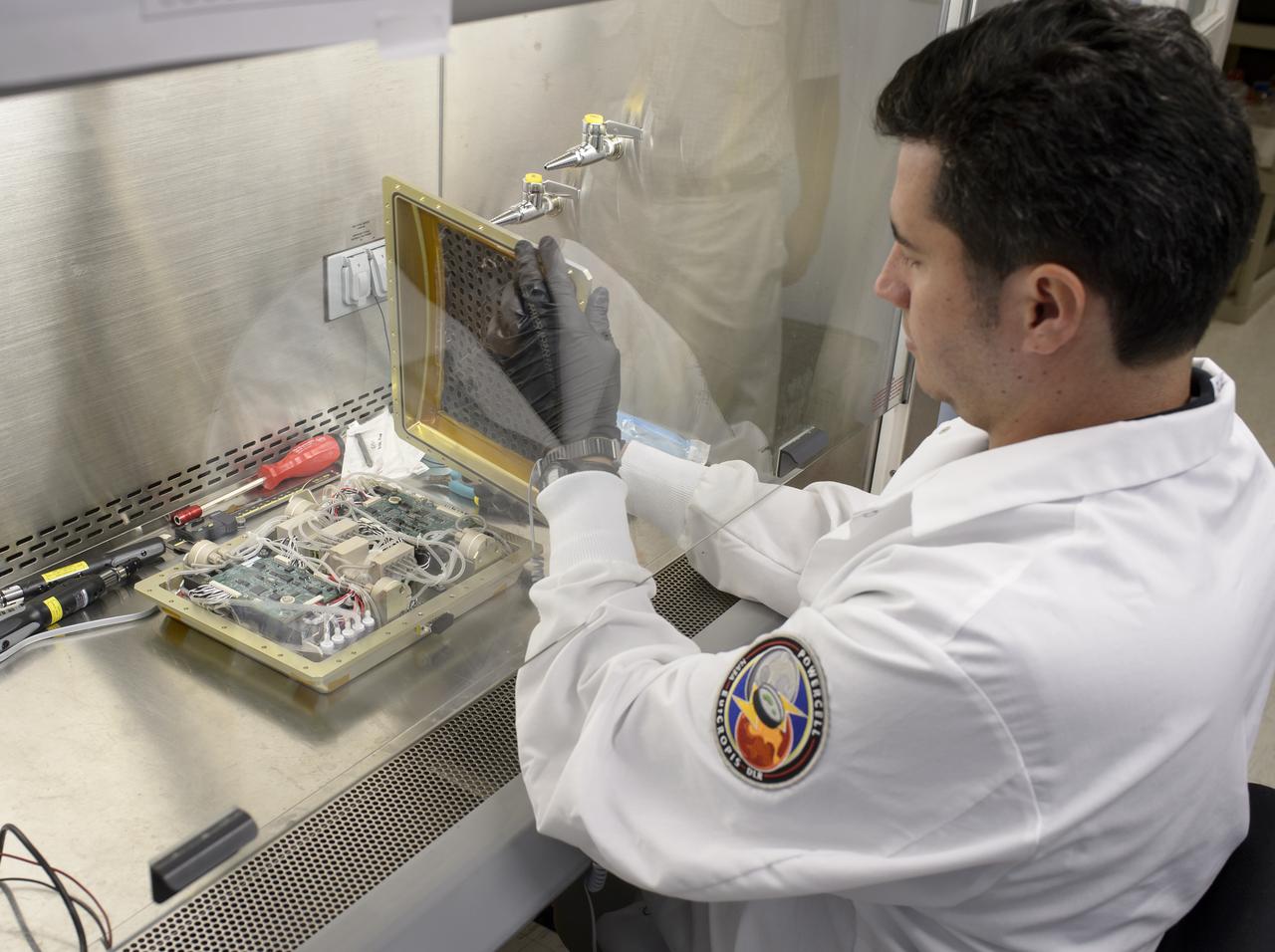
EuCROPIS EVT-2 Power Cell in N-239 Lab with Ivan Paulino-Lima
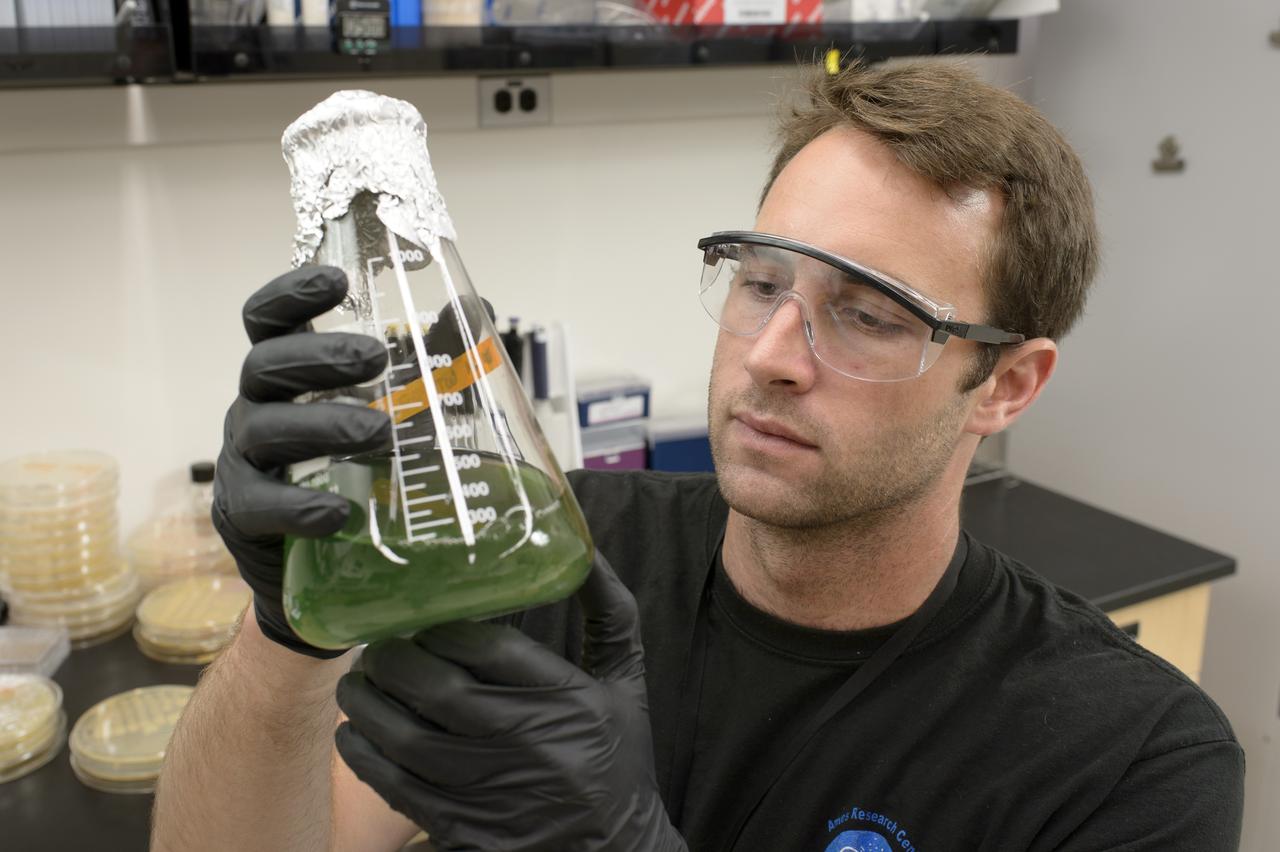
EuCROPIS EVT-2 Power Cell in N-239 Lab Ryan Kent with Flask containing Anabaena Culture
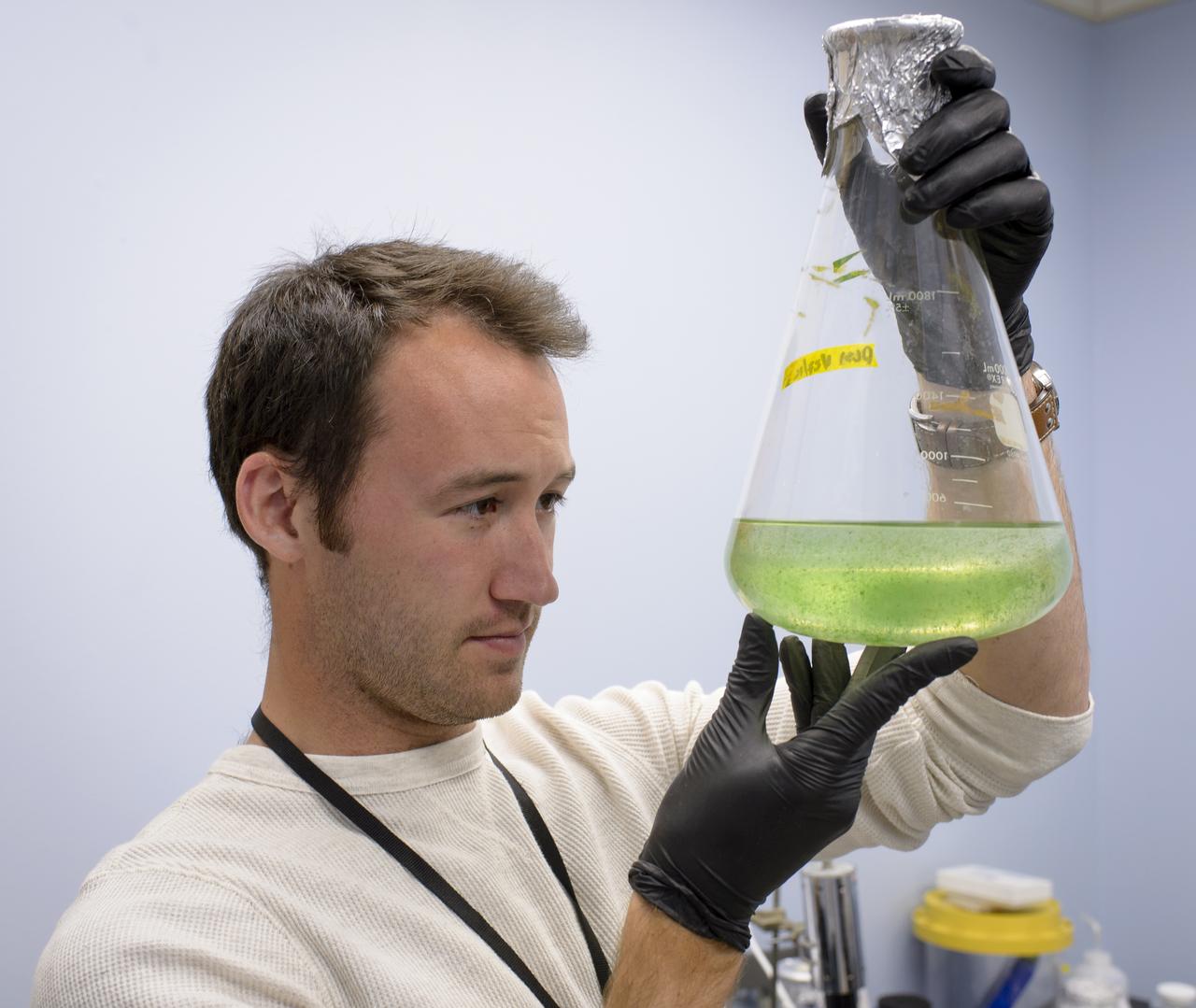
EuCROPIS EVT-2 Power Cell in N-239 Lab Griffin McCutcheon with flask of Anabaena culture
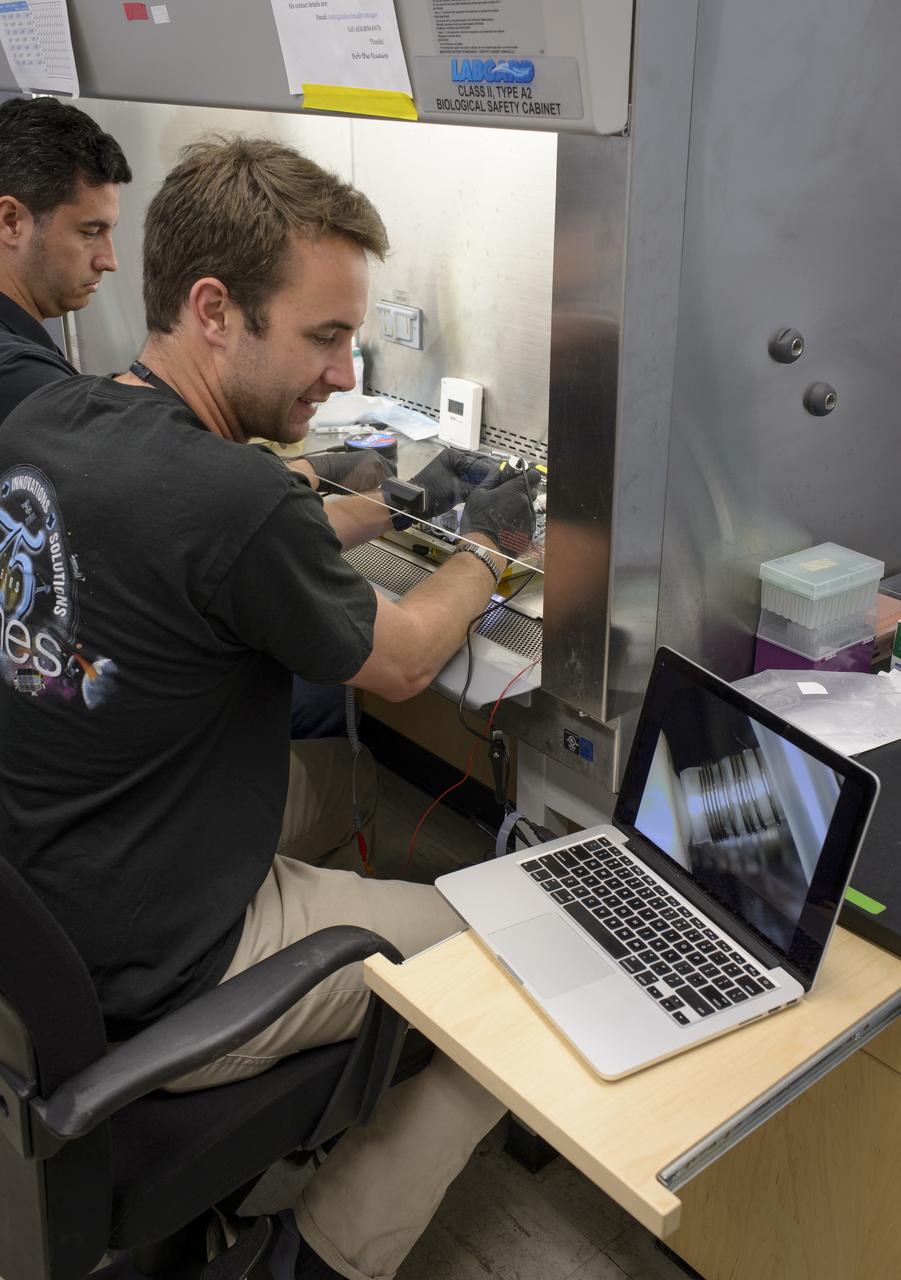
EuCROPIS EVT-2 Power Cell in N-239 Lab Ryan Kent with Flask containing Anabaena Culture
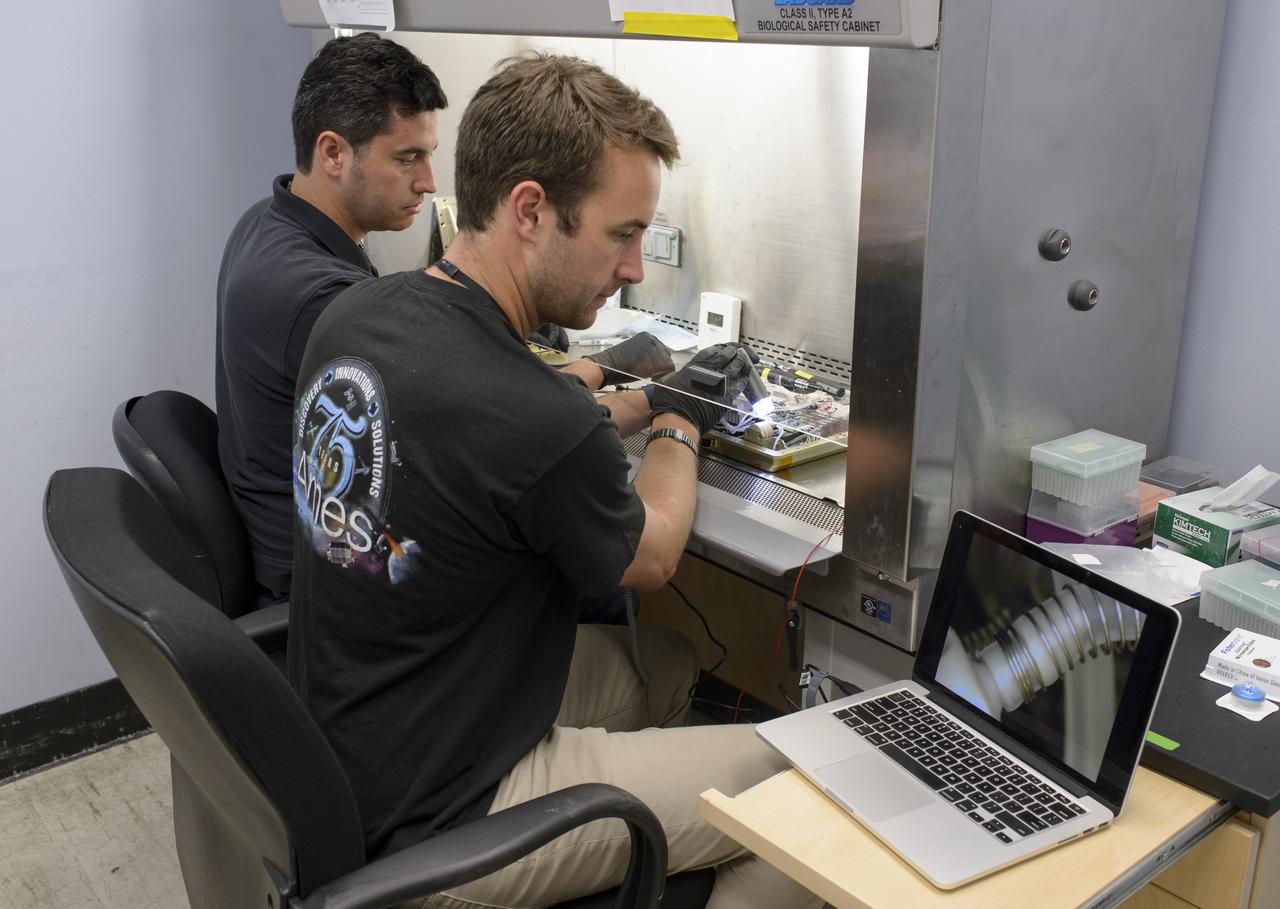
EuCROPIS EVT-2 Power Cell in N-239 Lab Ryan Kent with Flask containing Anabaena Culture
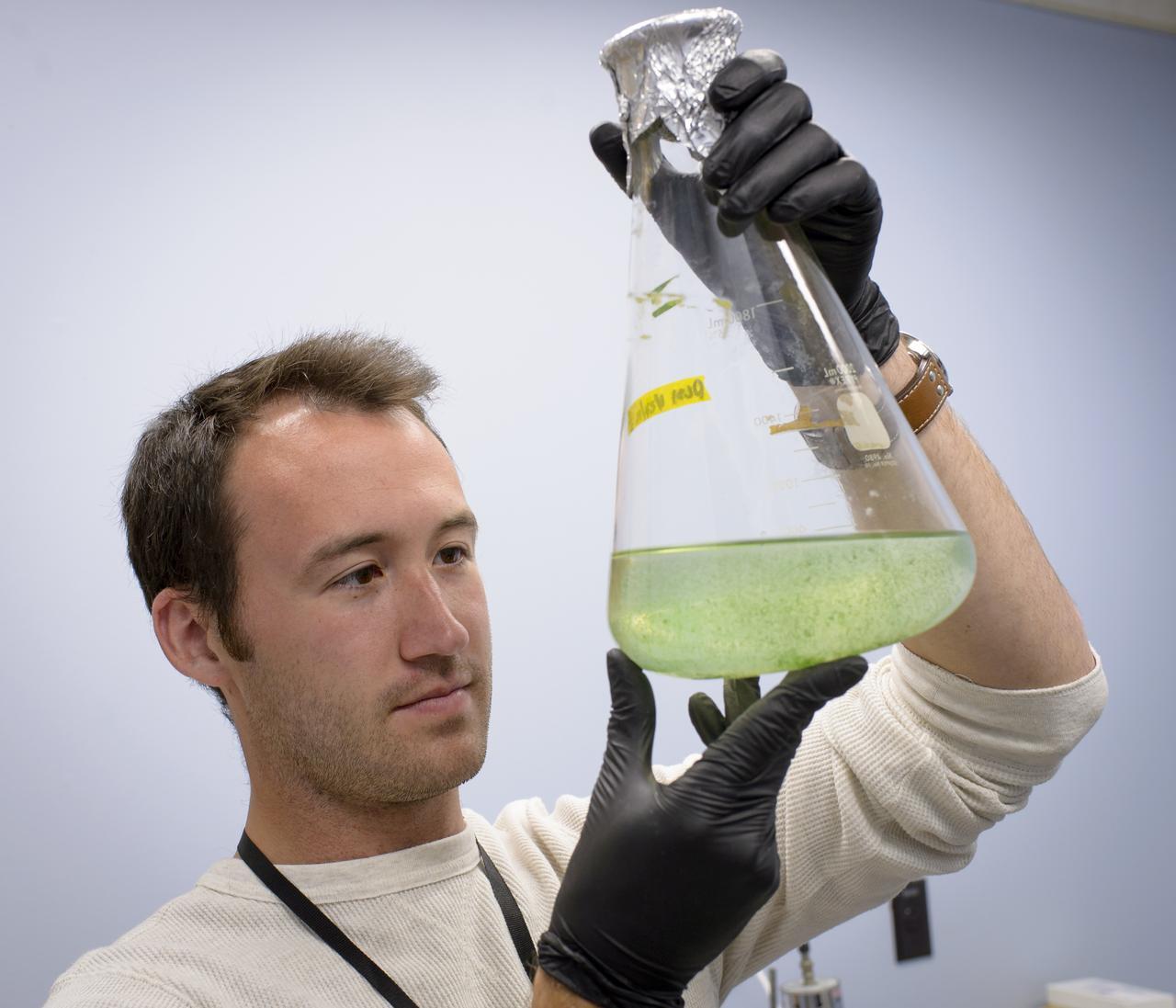
EuCROPIS EVT-2 Power Cell in N-239 Lab Griffin McCutcheon with flask of Anabaena culture
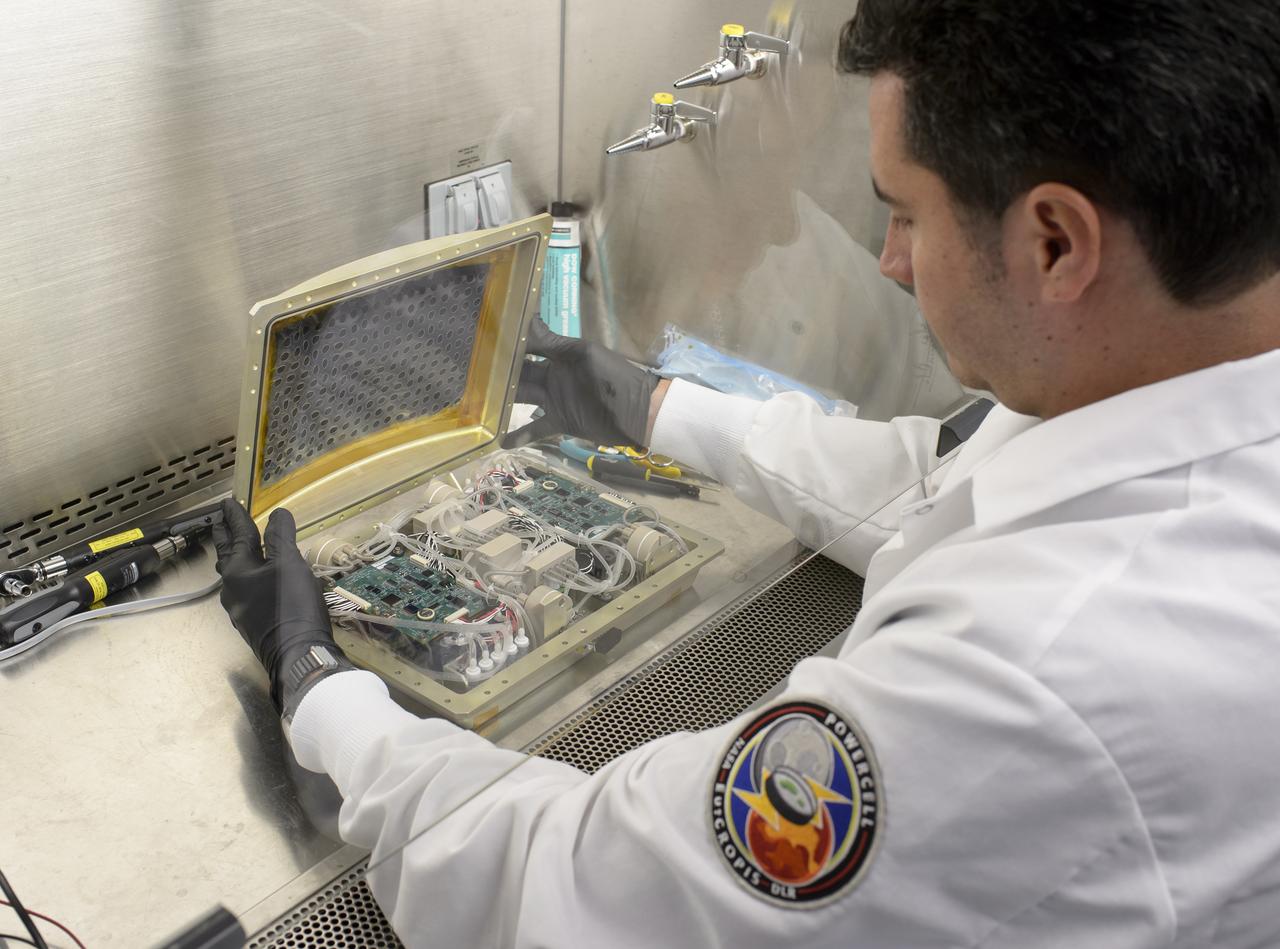
EuCROPIS EVT-2 Power Cell in N-239 Lab with Ivan Paulino-Lima
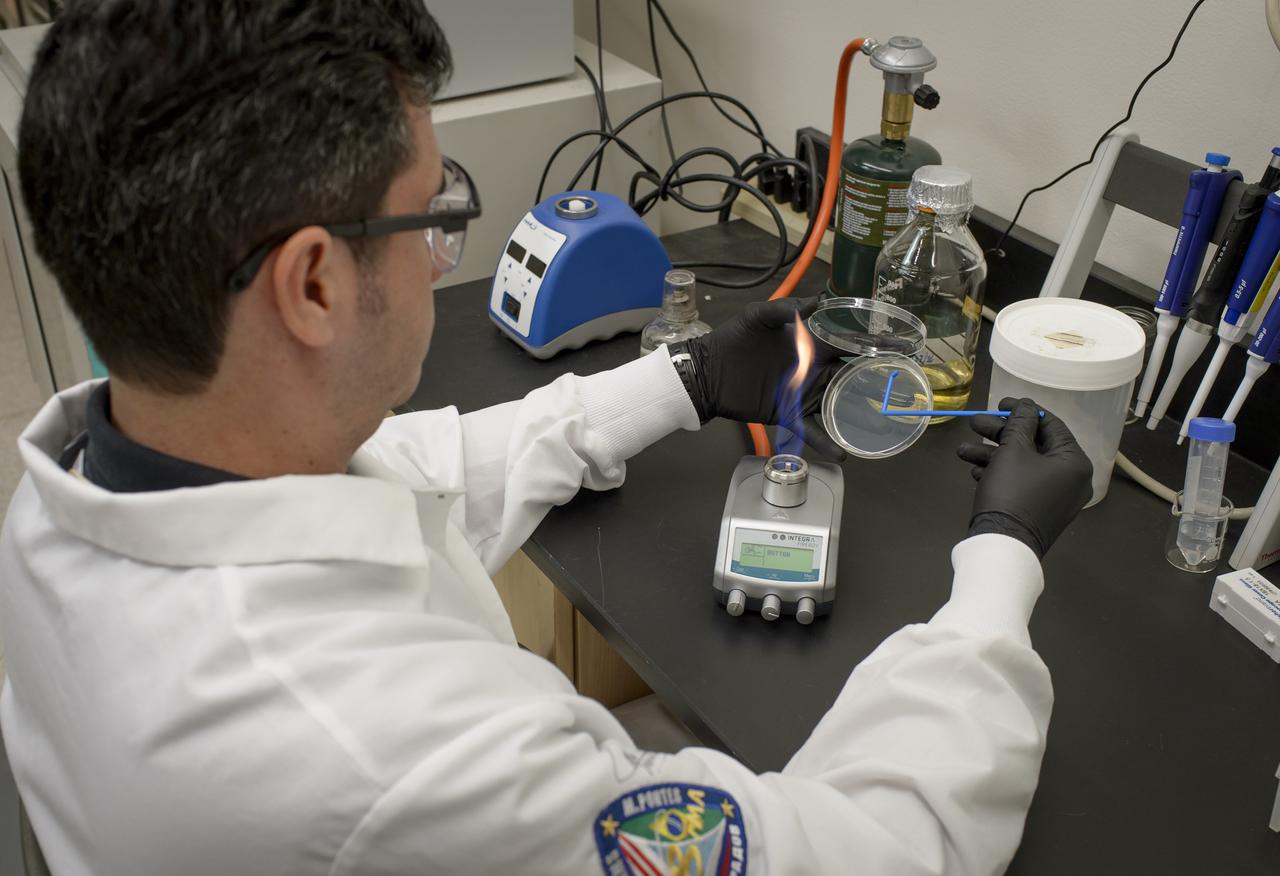
EuCROPIS EVT-2 Power Cell in N-239 Lab, Ivan Paulino-Lima with Petri dish and burner
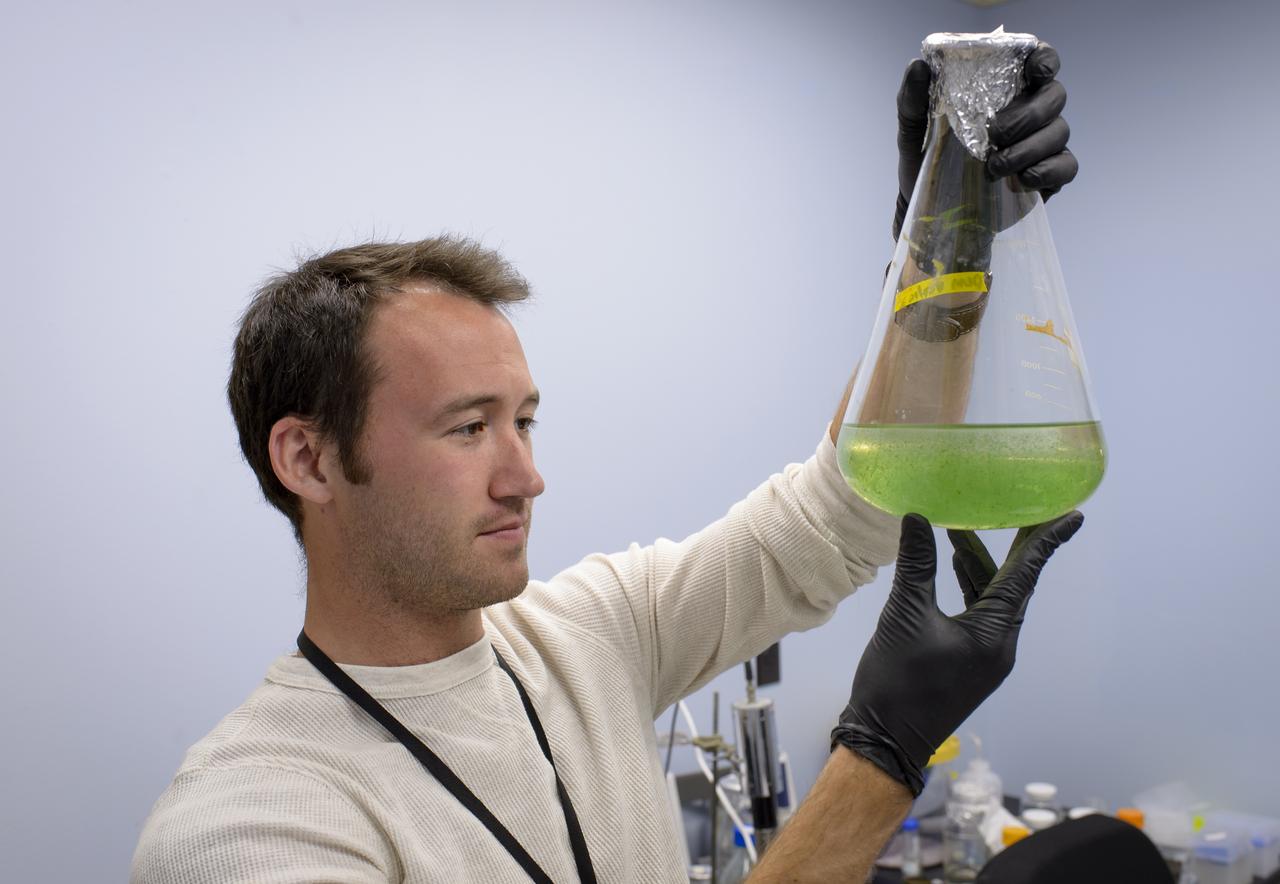
EuCROPIS EVT-2 Power Cell in N-239 Lab Griffin McCutcheon with flask of Anabaena culture
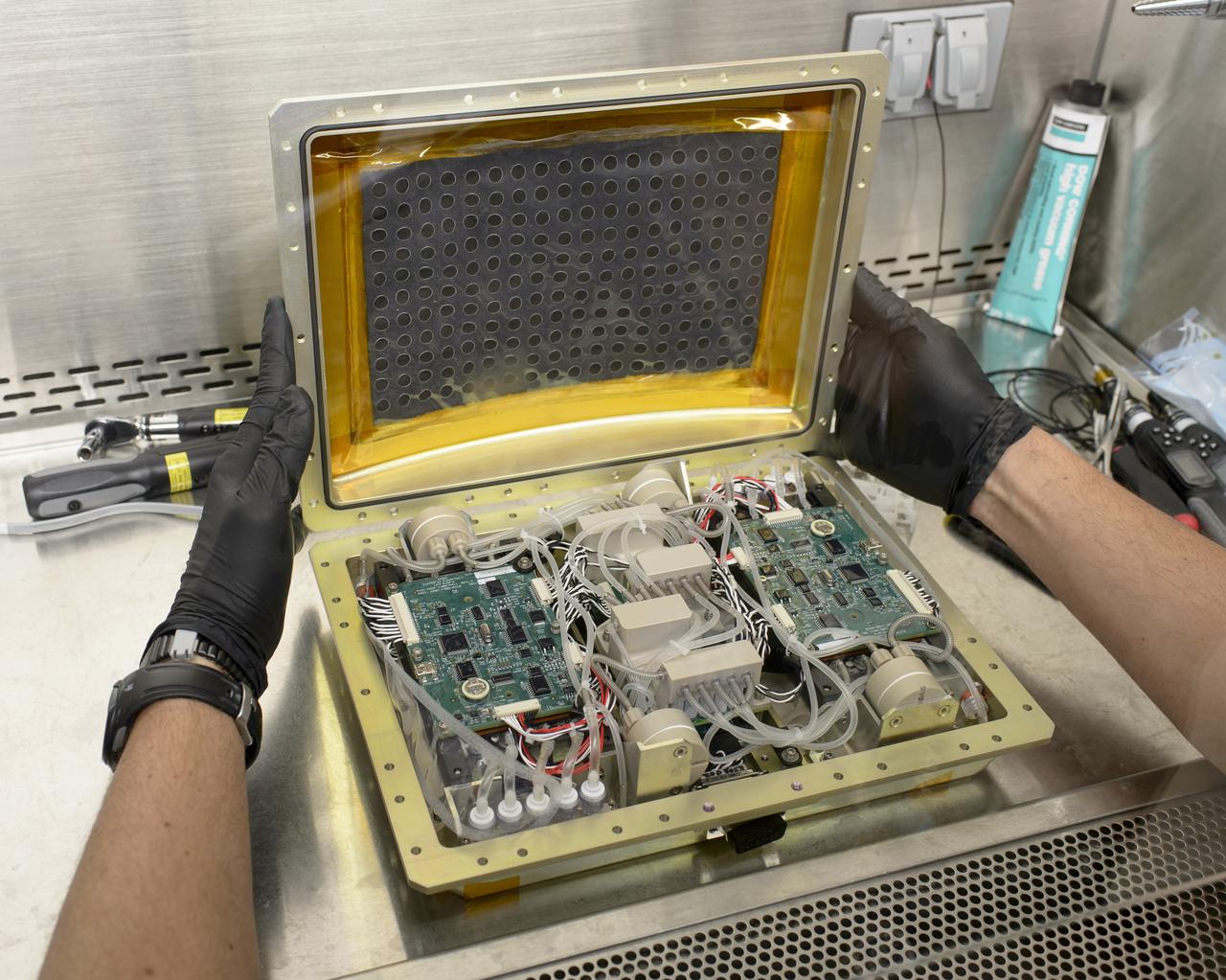
EuCROPIS EVT-2 Power Cell in N-239 Lab with Ivan Paulino-Lima
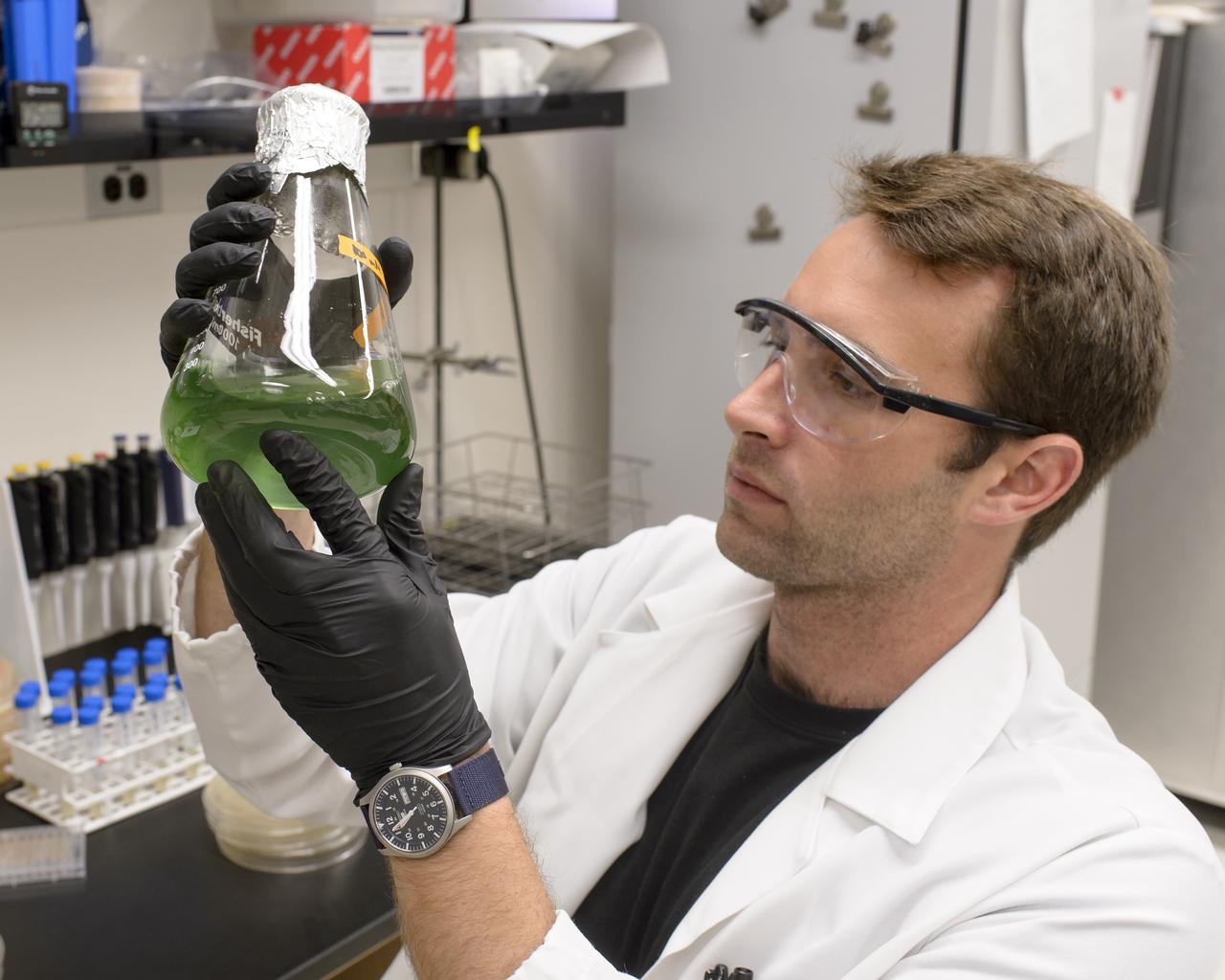
EuCROPIS EVT-2 Power Cell in N-239 Lab Ryan Kent with Flask containing Anabaena Culture
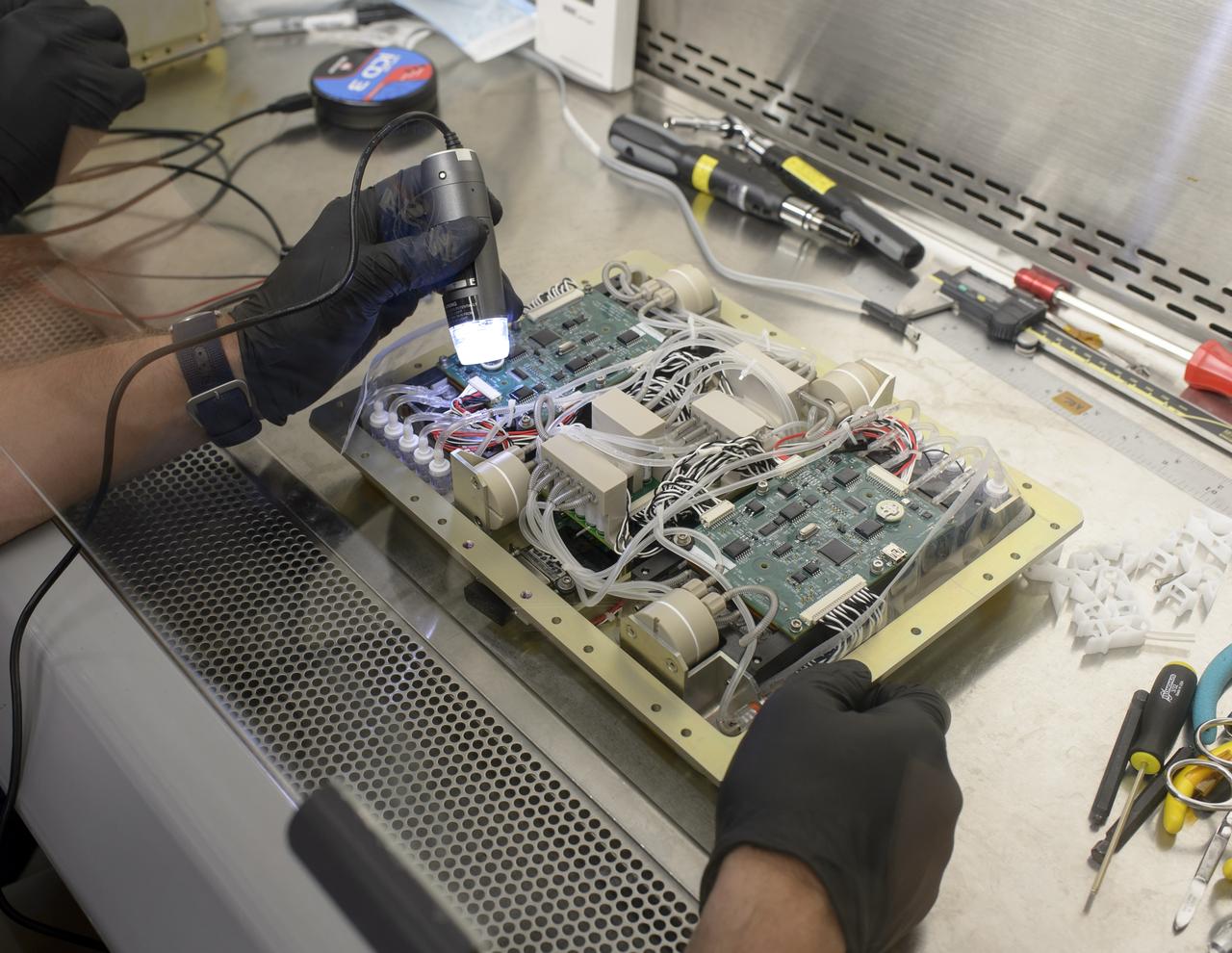
EuCROPIS EVT-2 Power Cell in N-239 Lab Ryan Kent with Flask containing Anabaena Culture
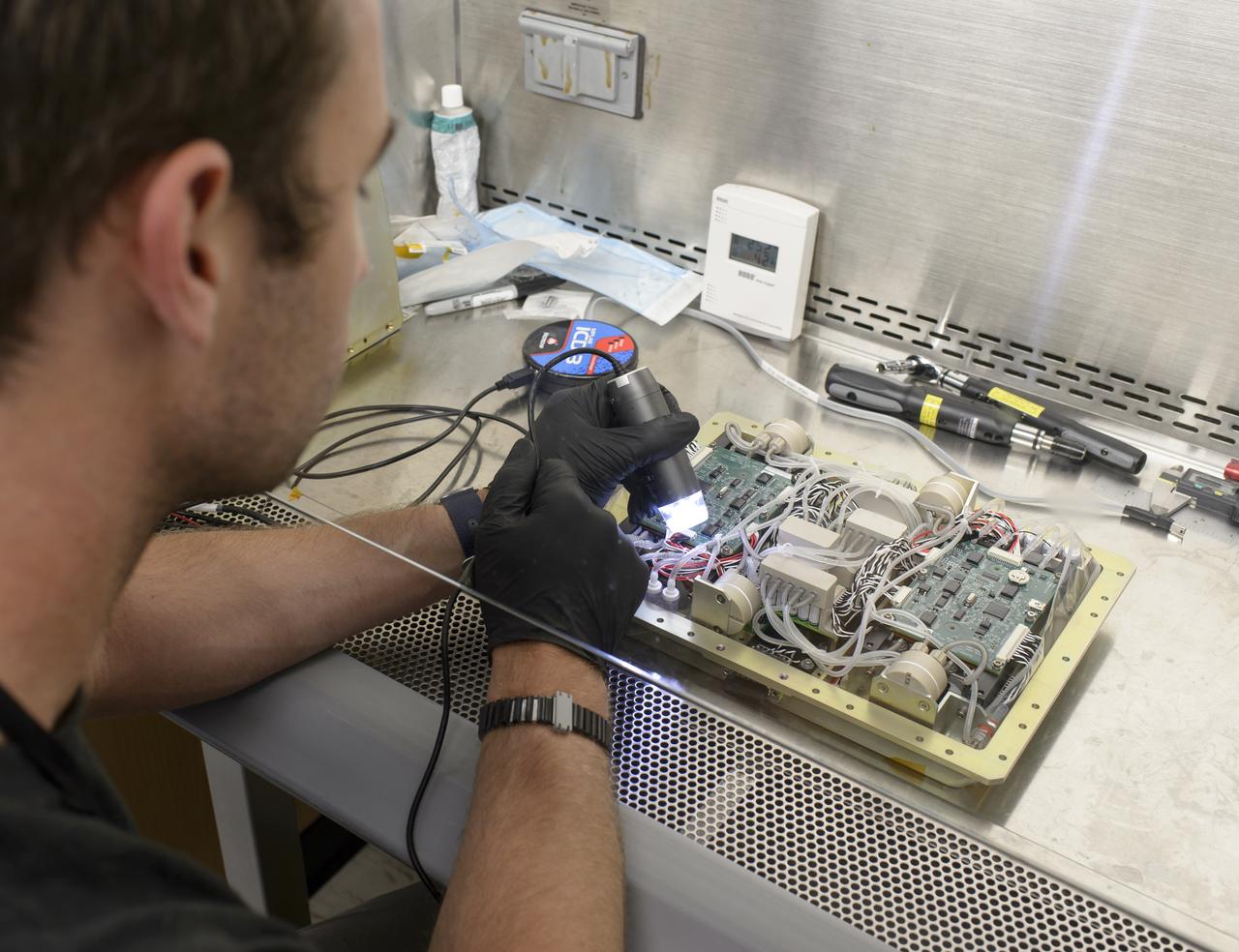
EuCROPIS EVT-2 Power Cell in N-239 Lab Ryan Kent with Flask containing Anabaena Culture
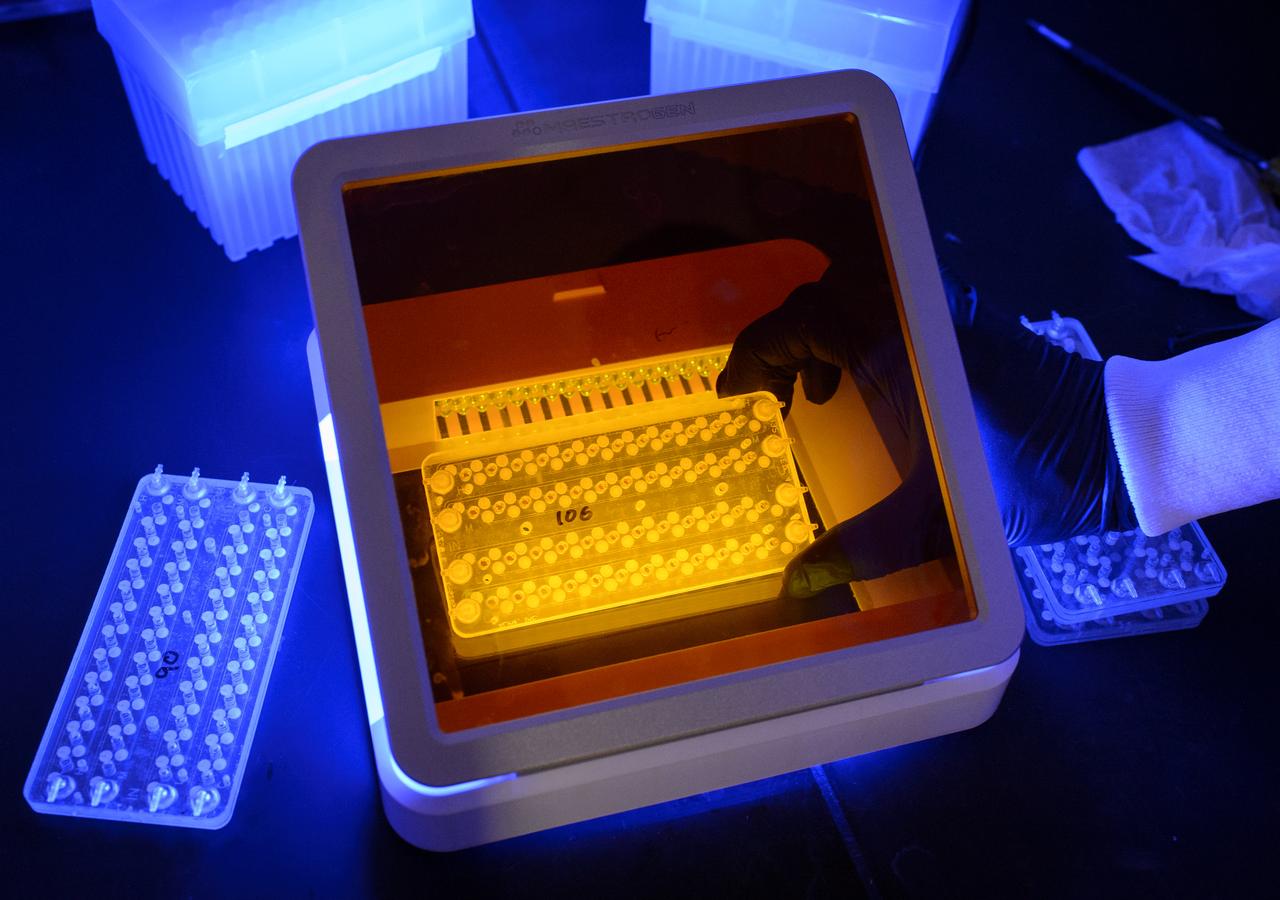
EuCROPIS EVT-2 Power Cell in N-239 Lab showing LED light viewing area
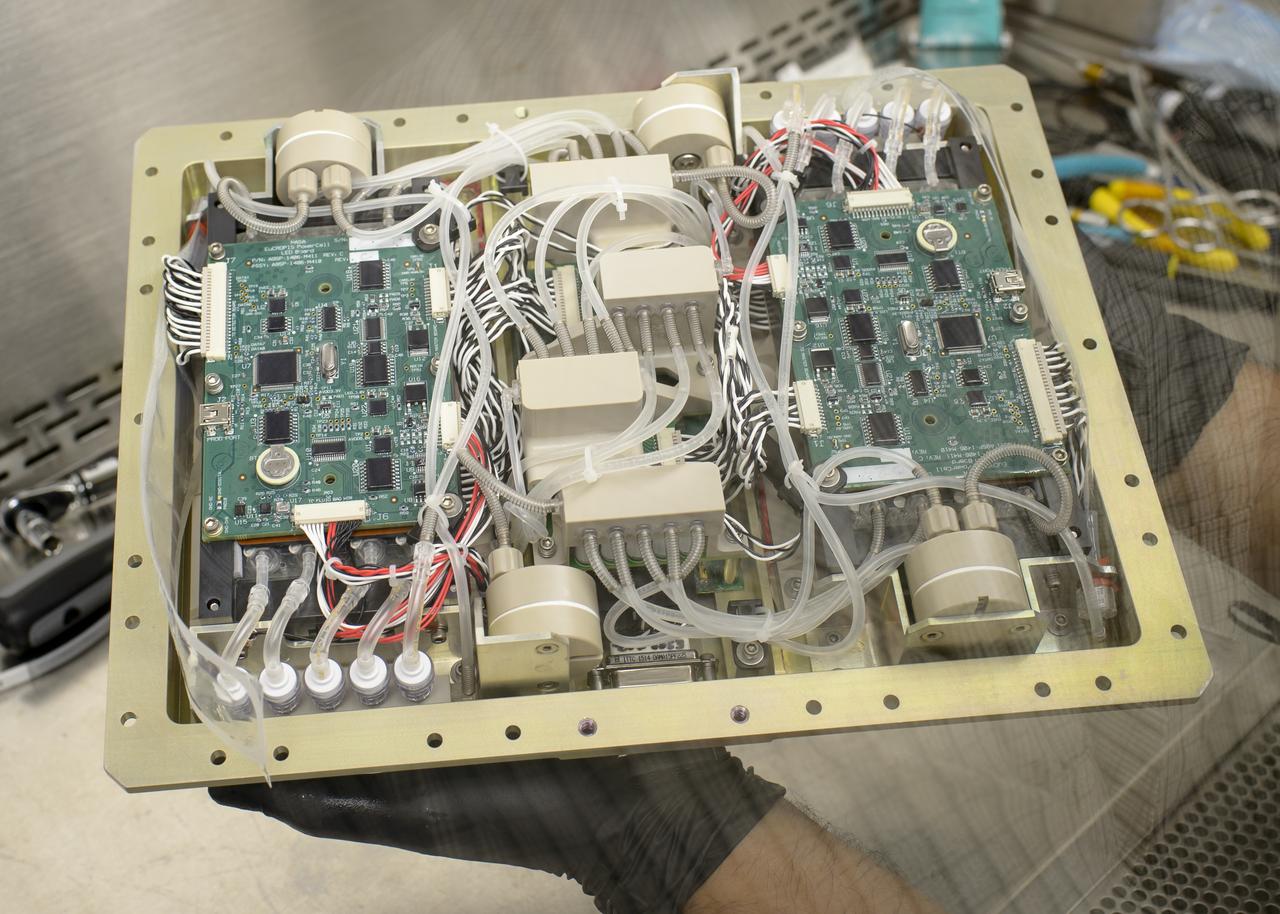
EuCROPIS EVT-2 Power Cell in N-239 Lab Ryan Kent with Flask containing Anabaena Culture
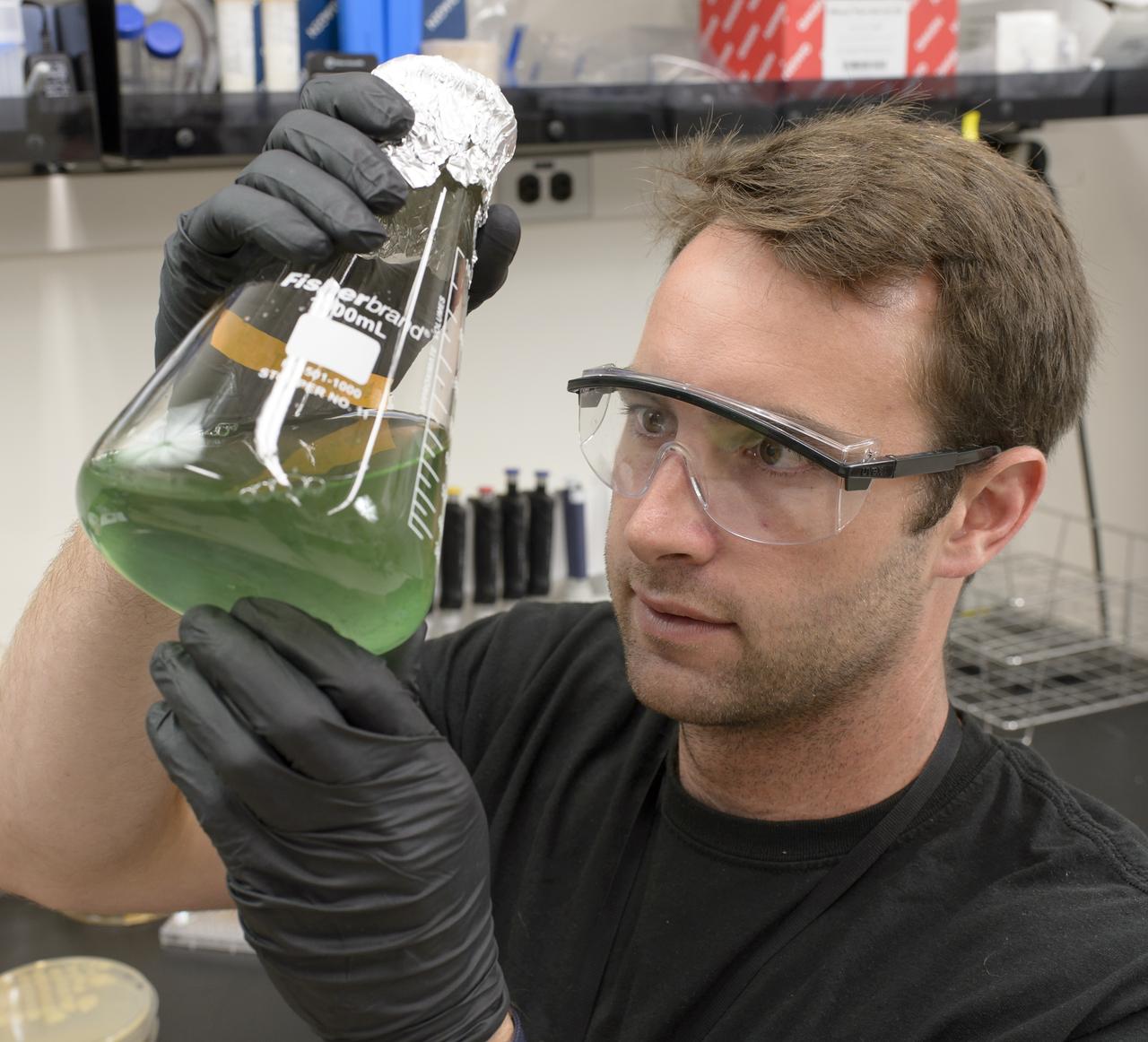
EuCROPIS EVT-2 Power Cell in N-239 Lab Ryan Kent with Flask containing Anabaena Culture
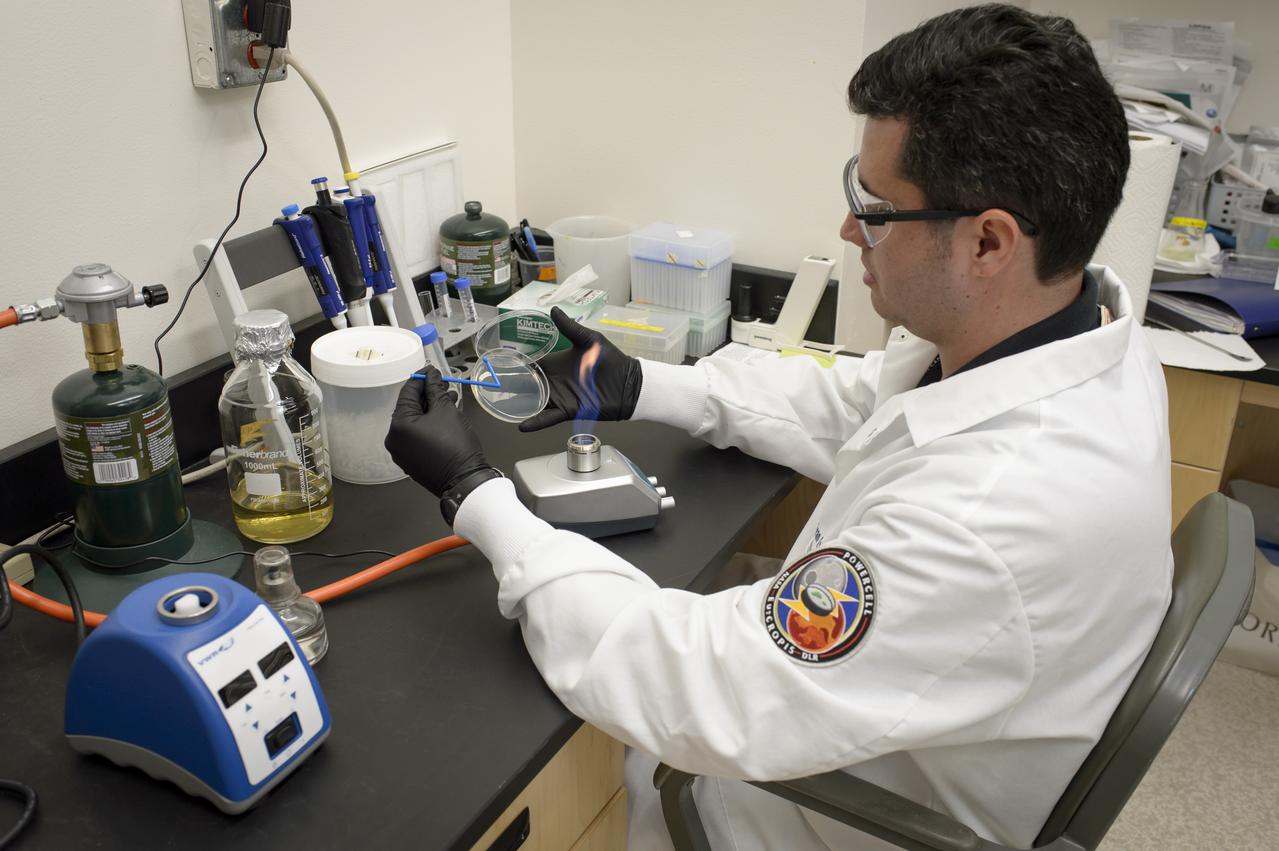
EuCROPIS EVT-2 Power Cell in N-239 Lab, Ivan Paulino-Lima with Petri dish and burner
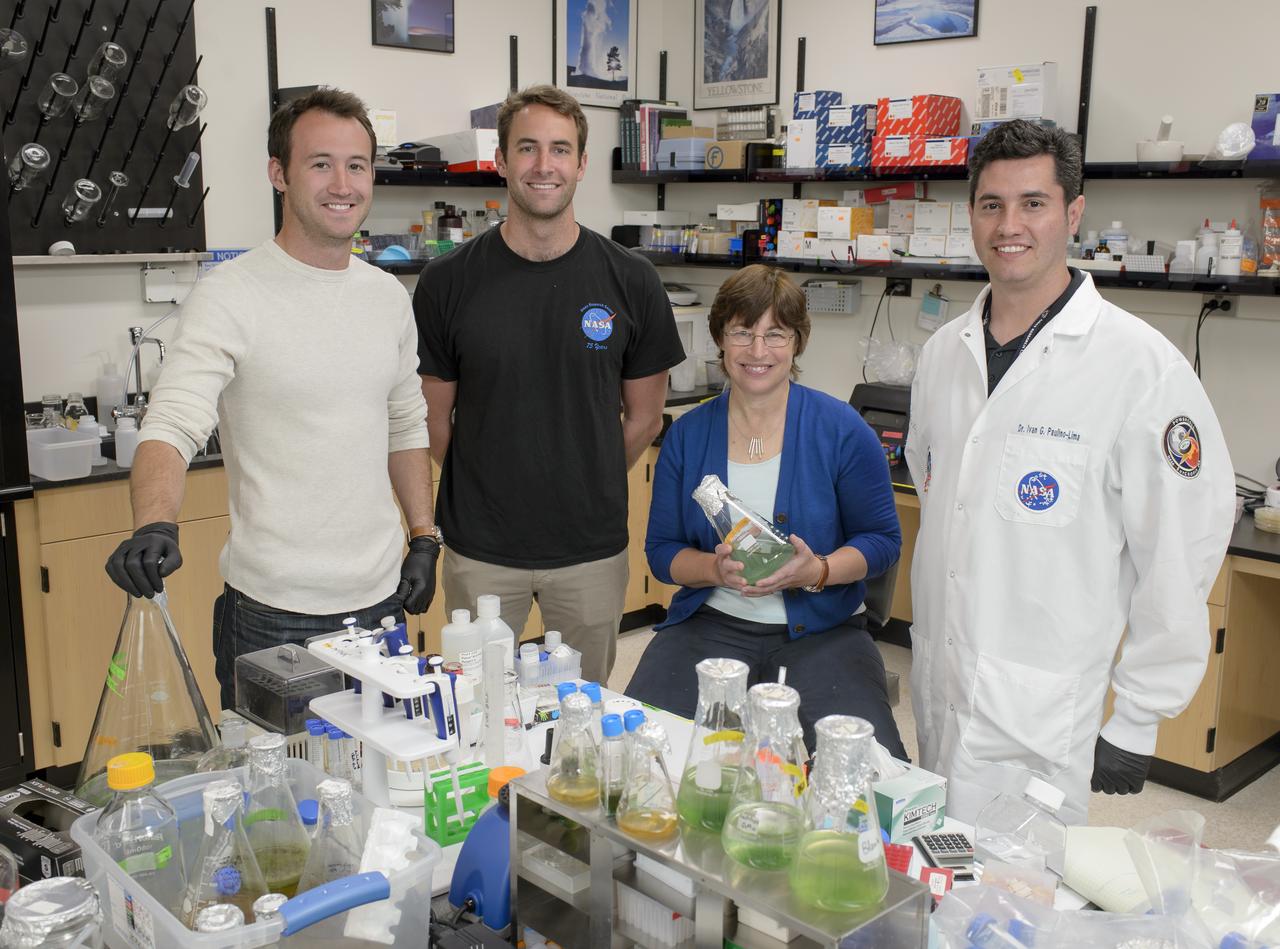
EuCROPIS EVT-2 Power Cell team in N-239 Lab from left to right Griffin McCutcheon, Ryan Kent, Lynn Rothchild project P.I. and Ivan Paulino-Lima
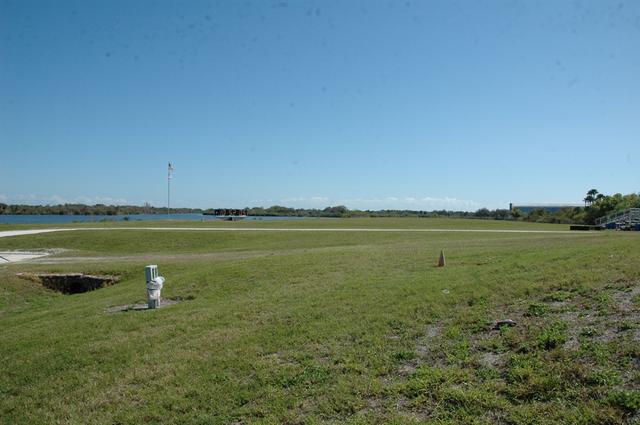
Press Site facing countdown clock
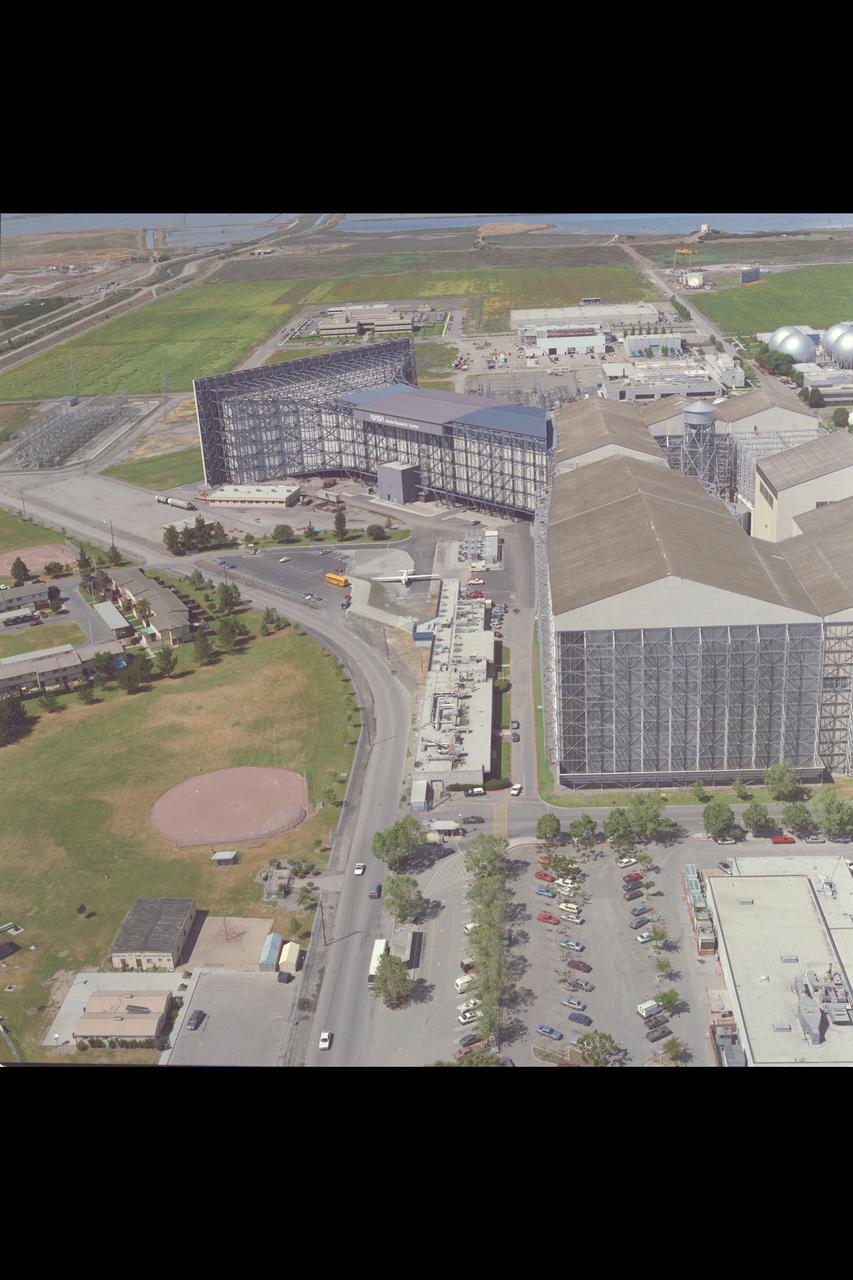
Ames Facility Aerials: NFAC complex N-221, N-222, N-223 visitors center with U-2 on static display
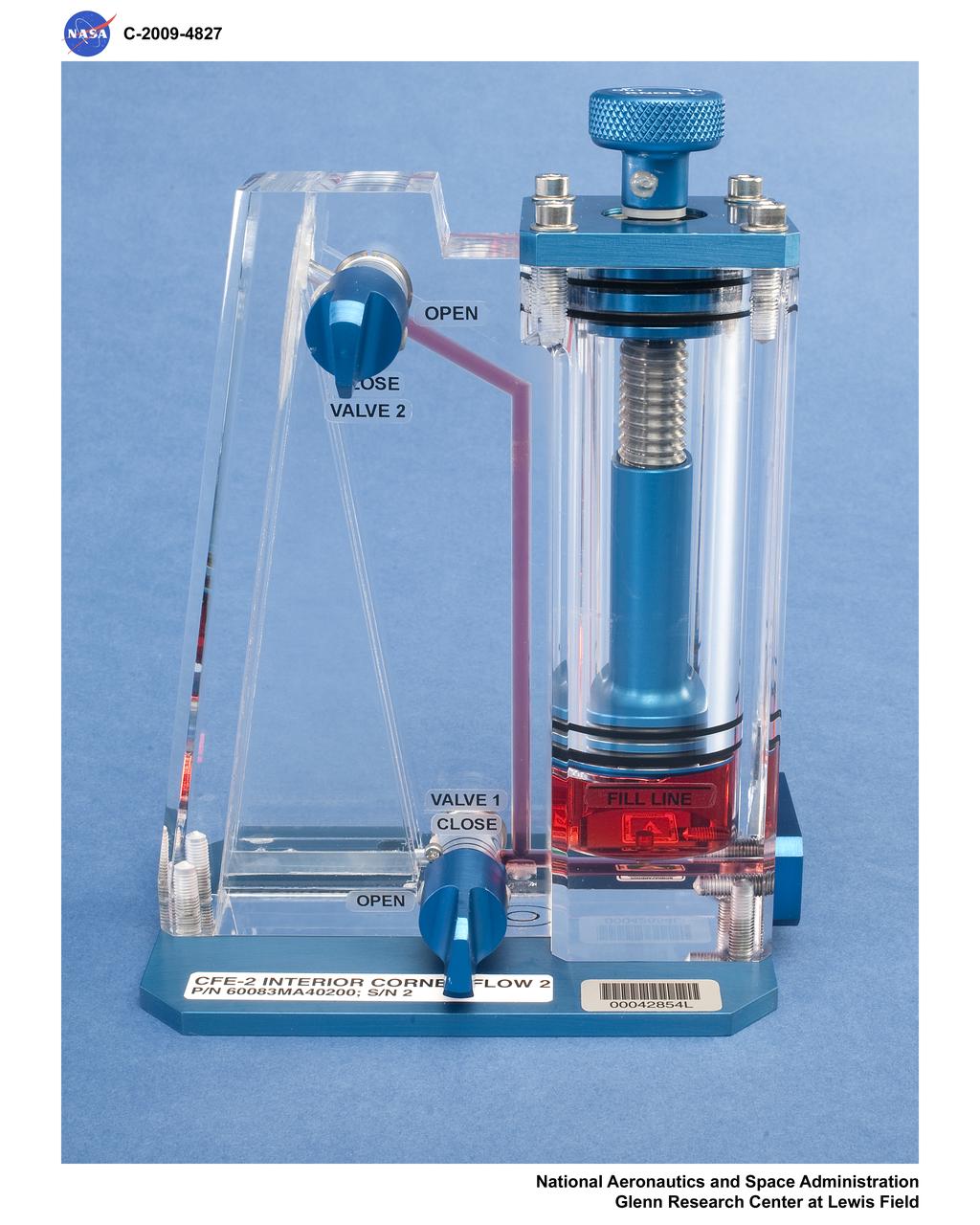
Capillary Flow Experiments, Reflight Hardware for Launch on STS-131 (19A); Hardware info: CFE-2 Interior Corner Flow 2, P/N 60083MA40200, S/N 2
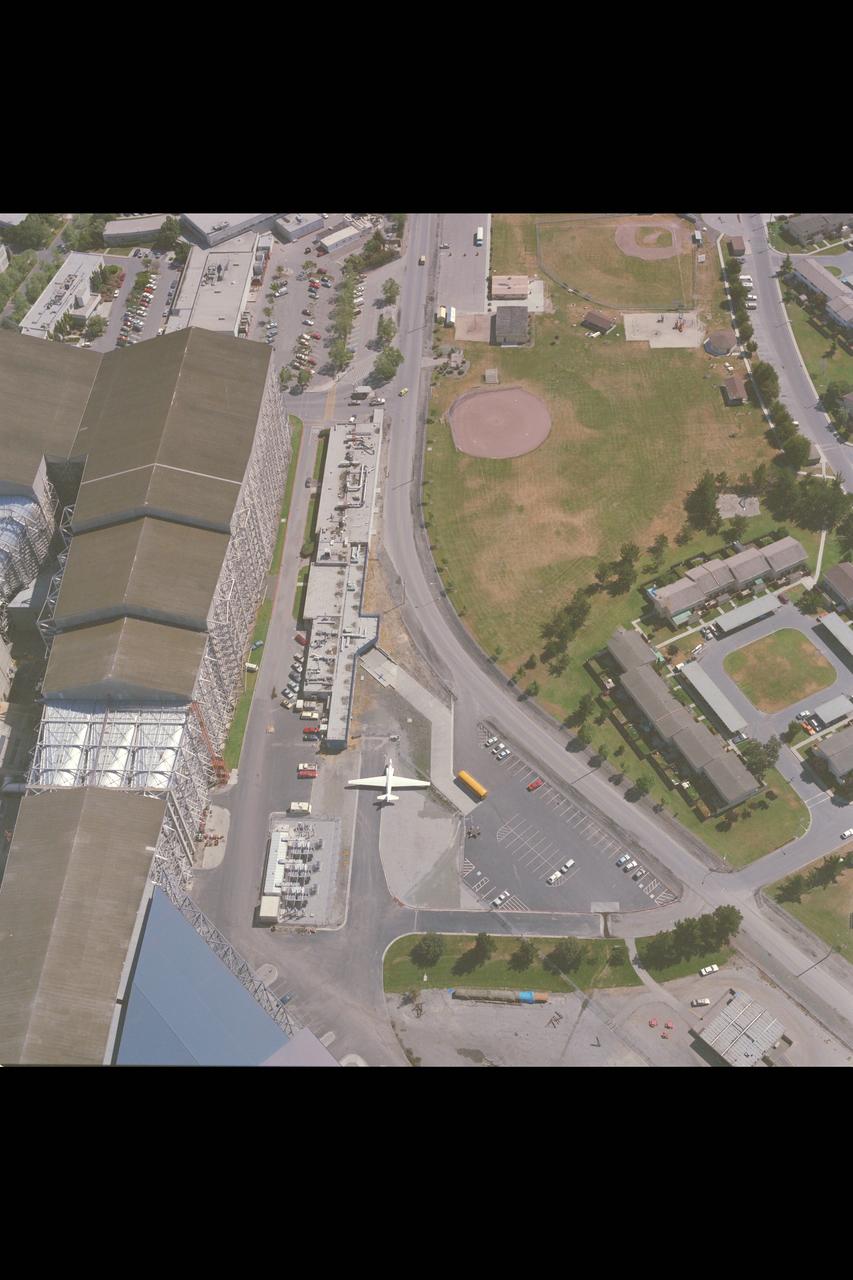
Ames Facility Aerials: N-223 VIC with U-2 on Static display and N-221
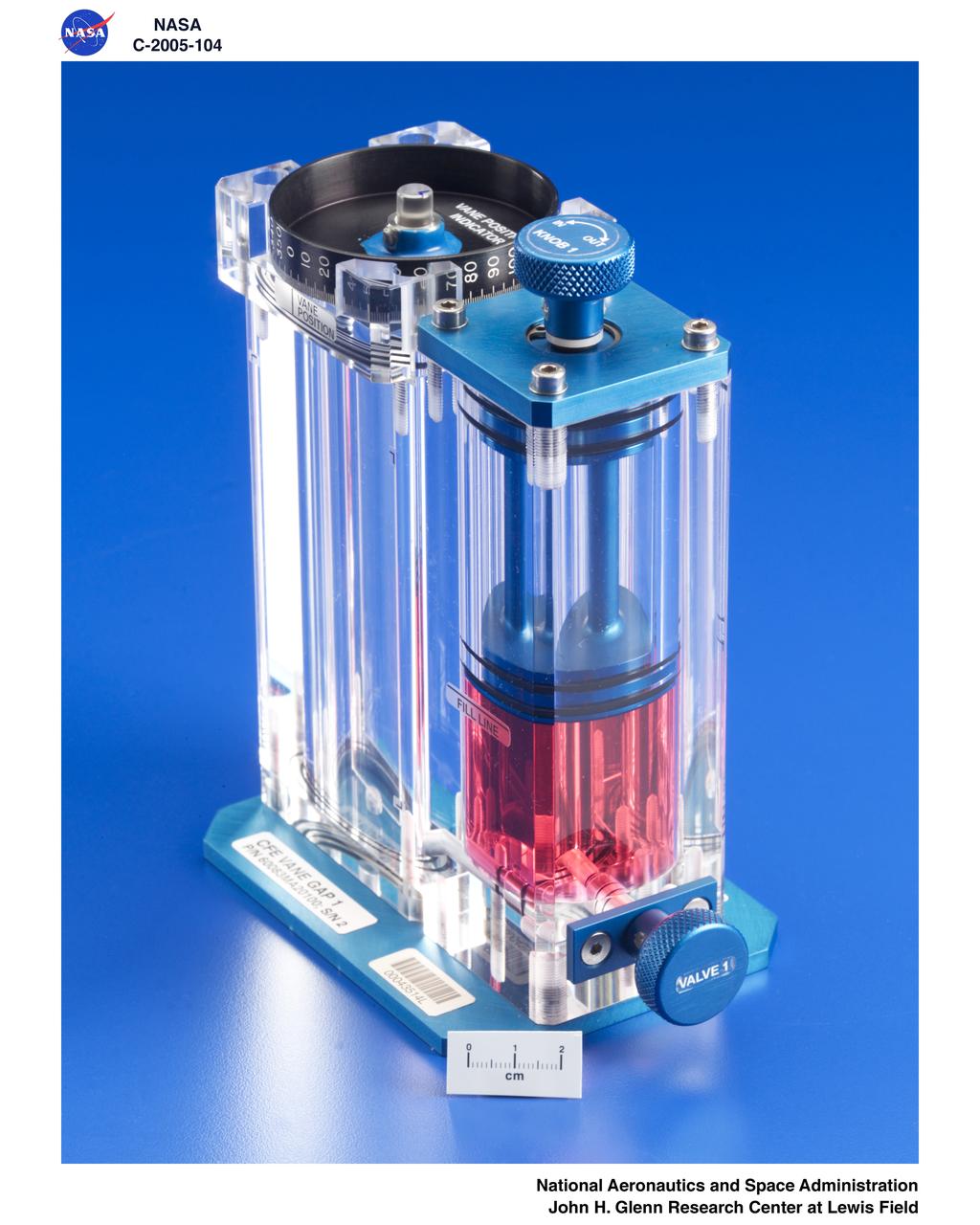
Capillary Flow Experiment (CFE) - Vane Gap 1, Flight Hardware, P/N 60083MA20100; S/N 2
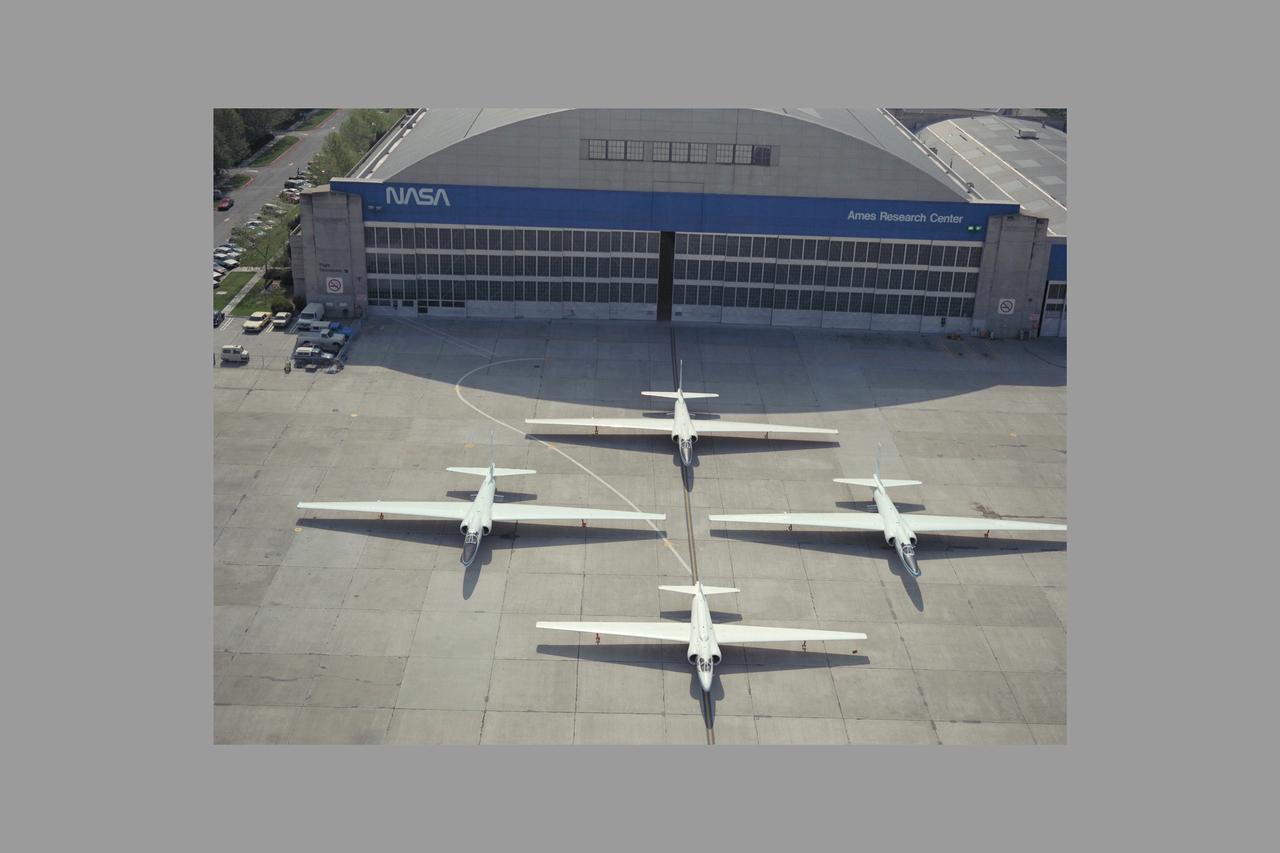
High Altitude MTPE Aircraft on flight line in front of N-211 hangar - three ER-2 and retiring U-2
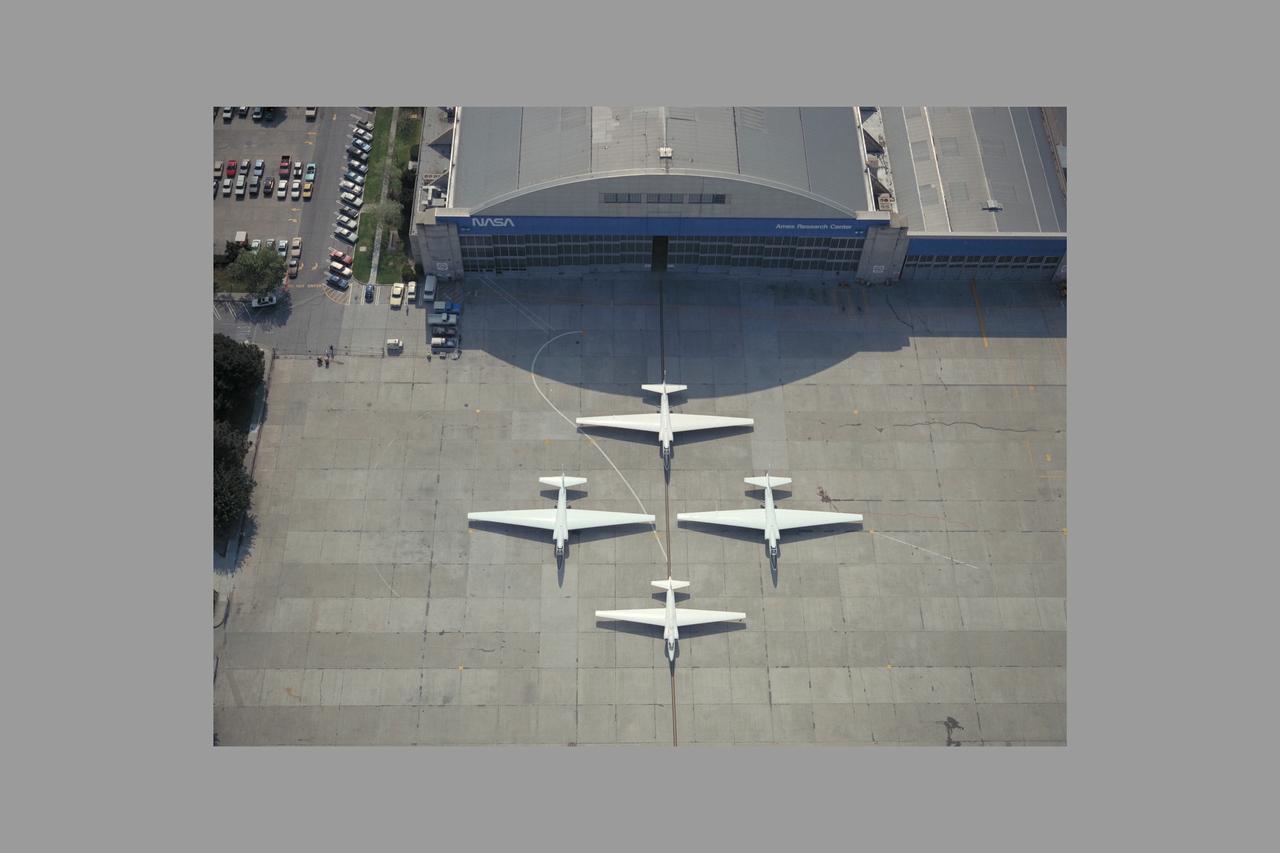
High Altitude MTPE Aircraft on flight line in front of N-211 hangar - three ER-2 and retiring U-2
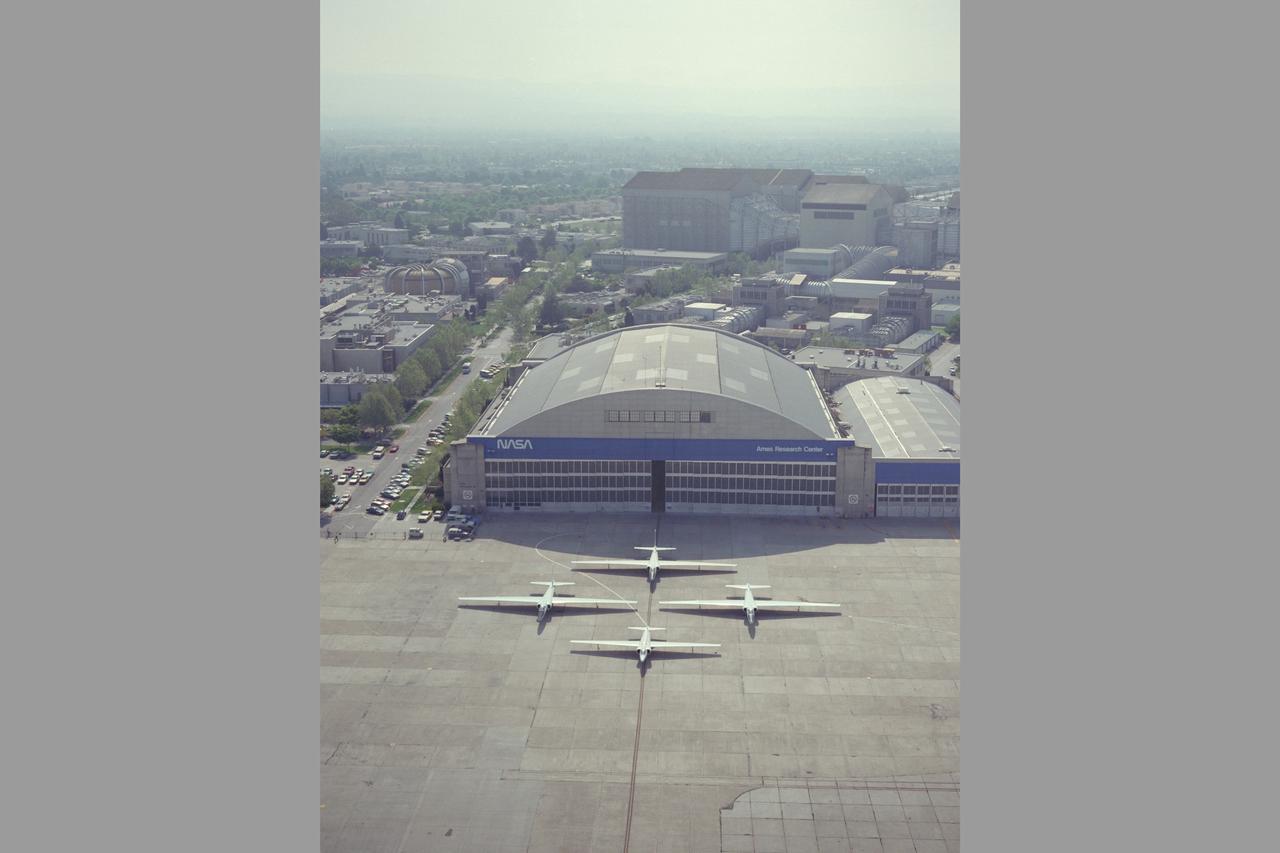
High Altitude MTPE Aircraft on flight line in front of N-211 hangar - three ER-2 and retiring U-2
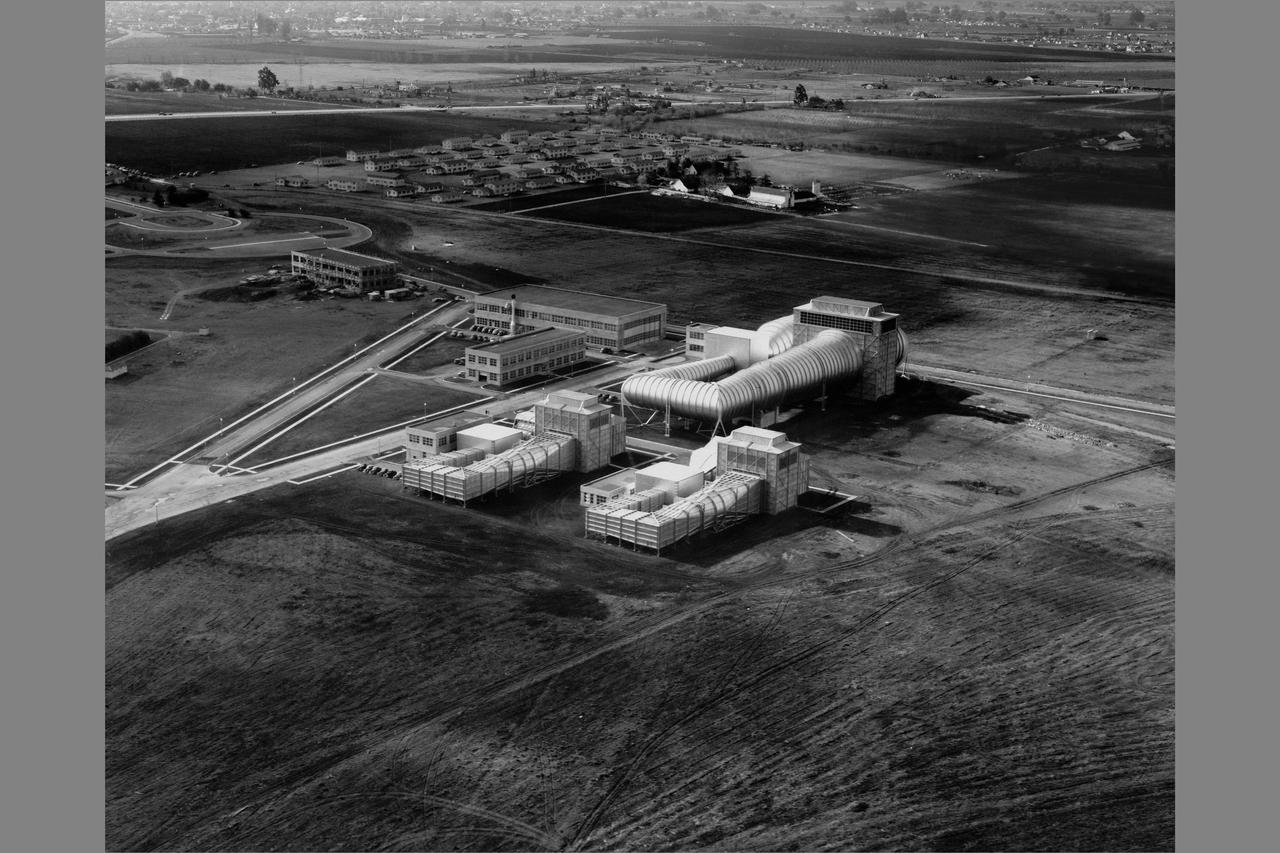
NACA Ames Aeronautical Laboratory aerial; 16ft, 7X10ft#1, 7x10ft#2 wind tunnels, Technical Services Bldg N-220, Utilities later Electrical Services Bldg N-219 and construction on the Science Laboratory, later Engineering Services Bldg N-203
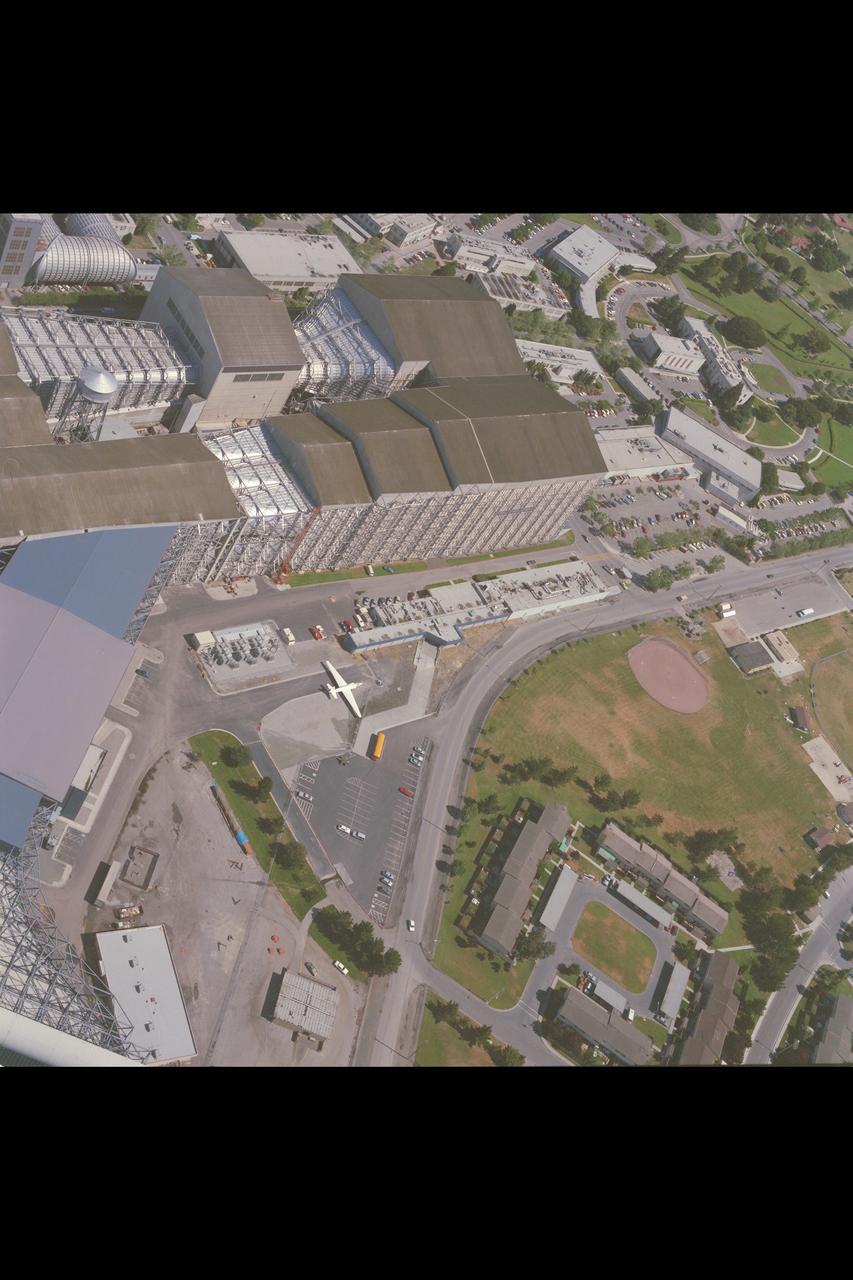
Ames Facility Aerials: N-223 VIC with U-2 on static display

Boeing Quiet Experimental Validation Concept, QEVC, N+2 test, in the 8x6 foot Supersonic Wind Tunnel, SWT

TROPI-2; Preparation of experiment containers in EMCS (European Modular Cultivation System) Lab, N-236
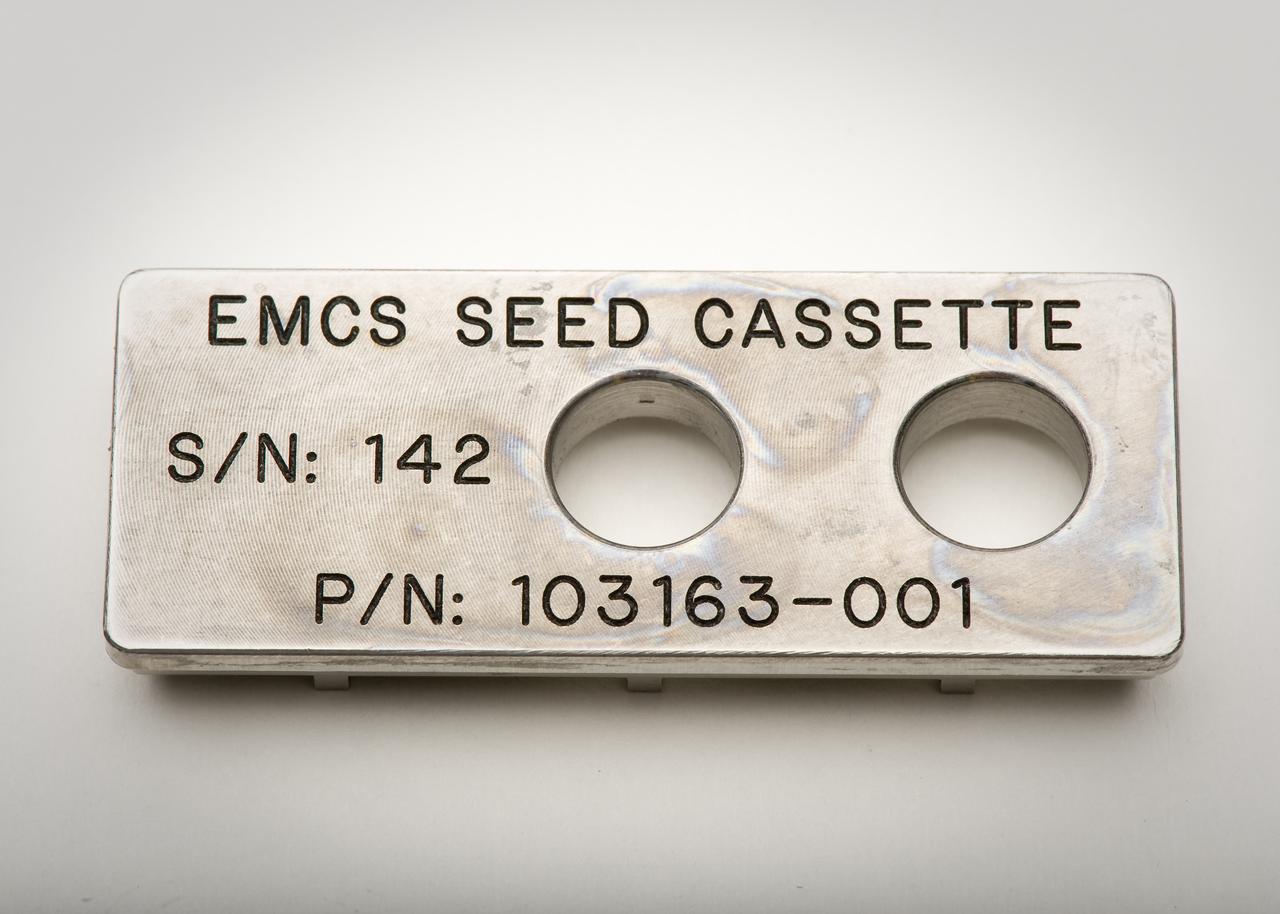
TROPI-2; Preparation of experiment containers in EMCS (European Modular Cultivation System) Lab, N-236
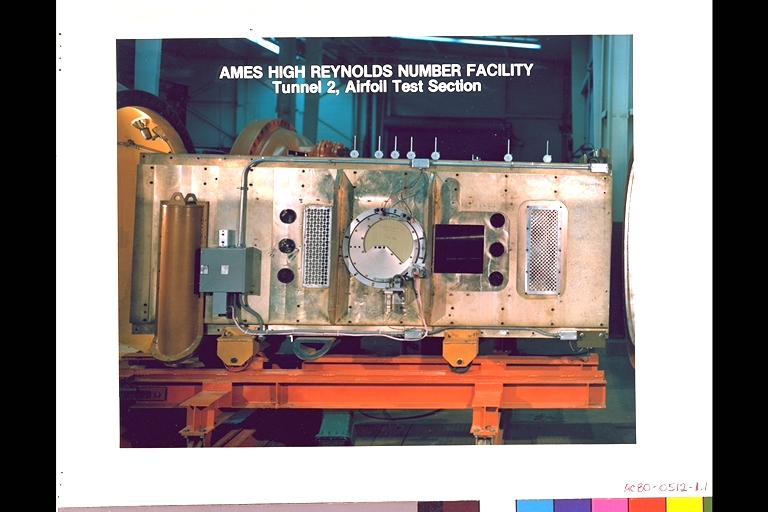
N-231 High Reynolds Number Channel Facility (Tunnel 2, Airfoil Test Section)
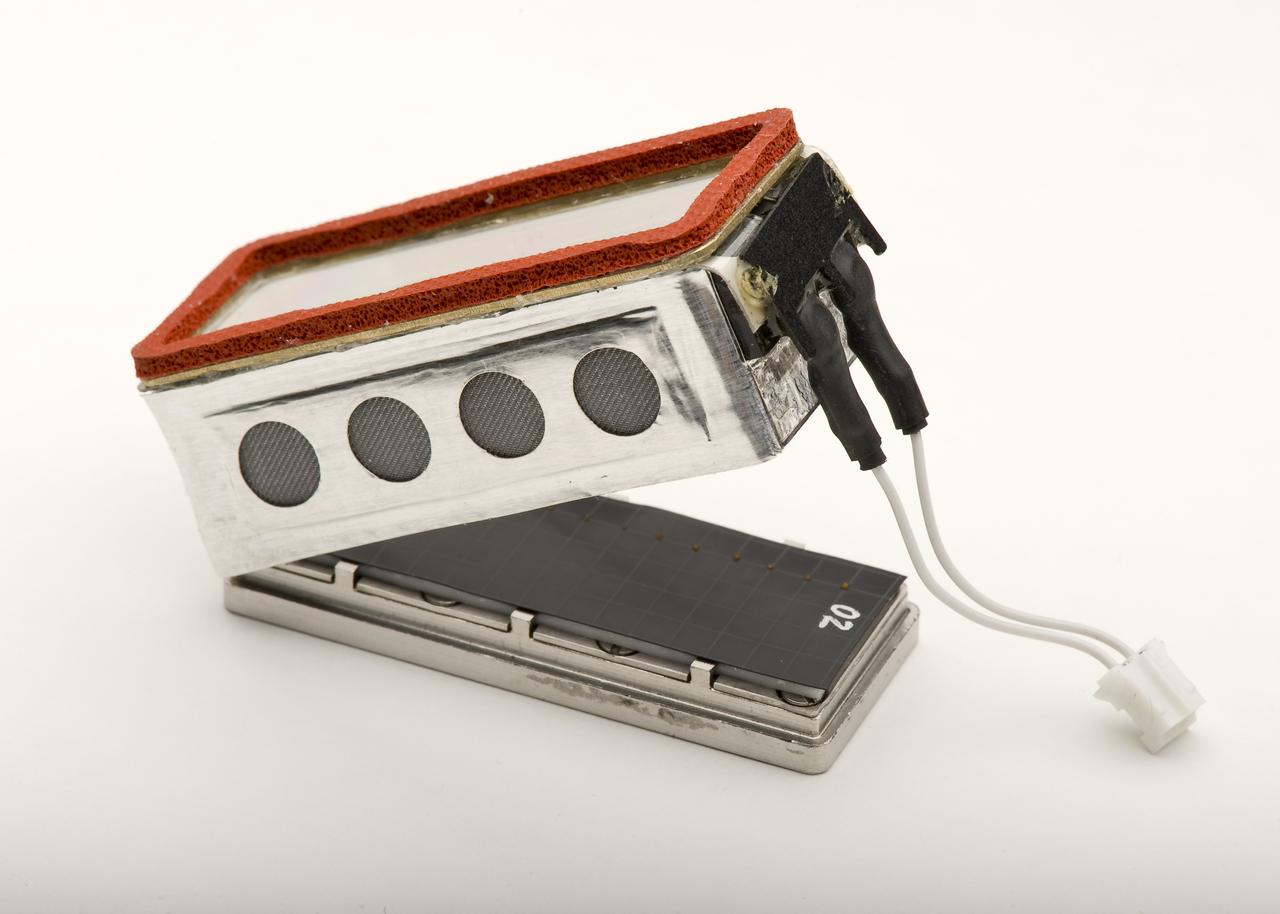
TROPI-2; Preparation of experiment containers in EMCS (European Modular Cultivation System) Lab, N-236
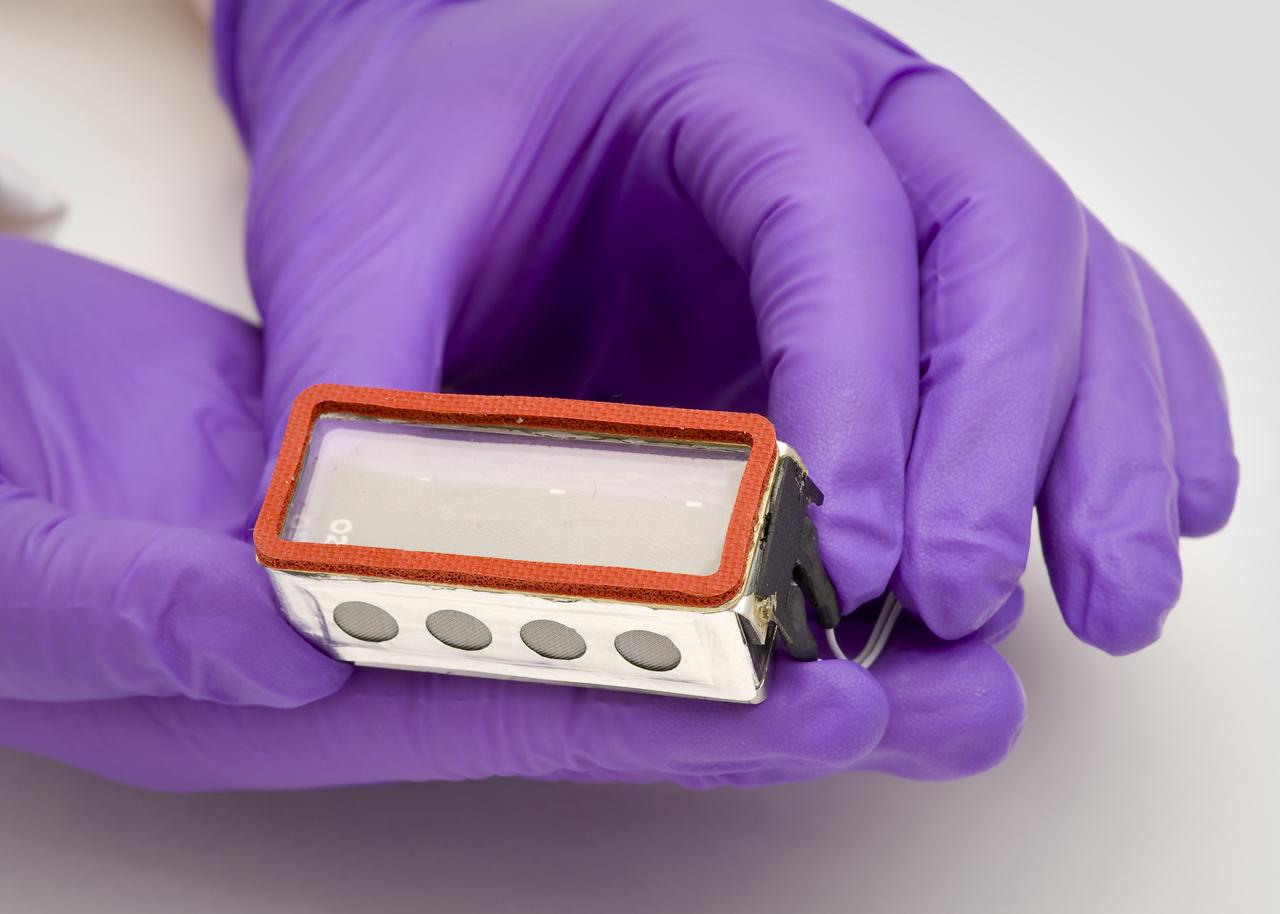
TROPI-2; Preparation of experiment containers in EMCS (European Modular Cultivation System) Lab, N-236
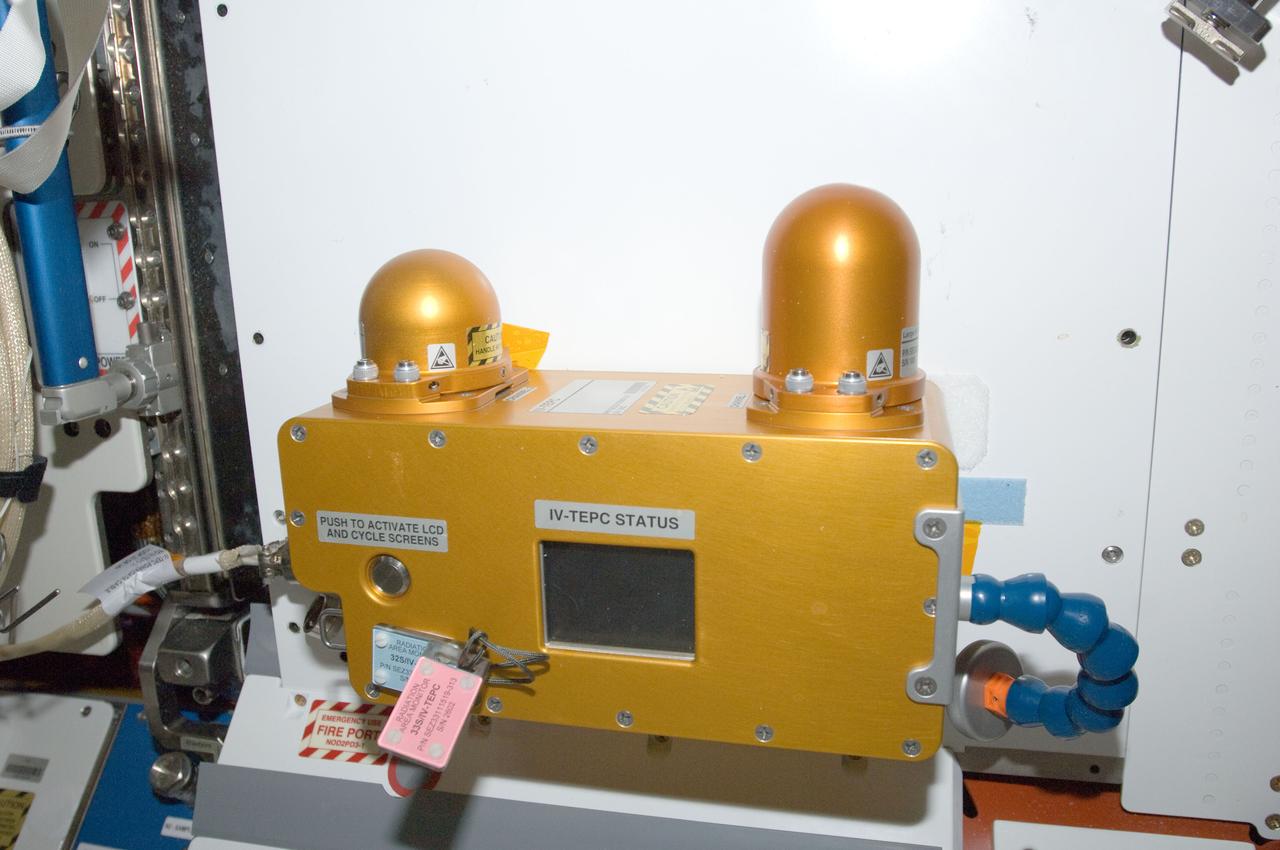
View of radiation monitor,Intra-Vehicular Tissue Equivalent Proportional Counter (IV-TEPC),relocated to NOD2 P3,Part Number (P/N): SEG33120960-301,Serial Number (S/N): 1002,in the Node 2. Photo was taken during Expedition 34.
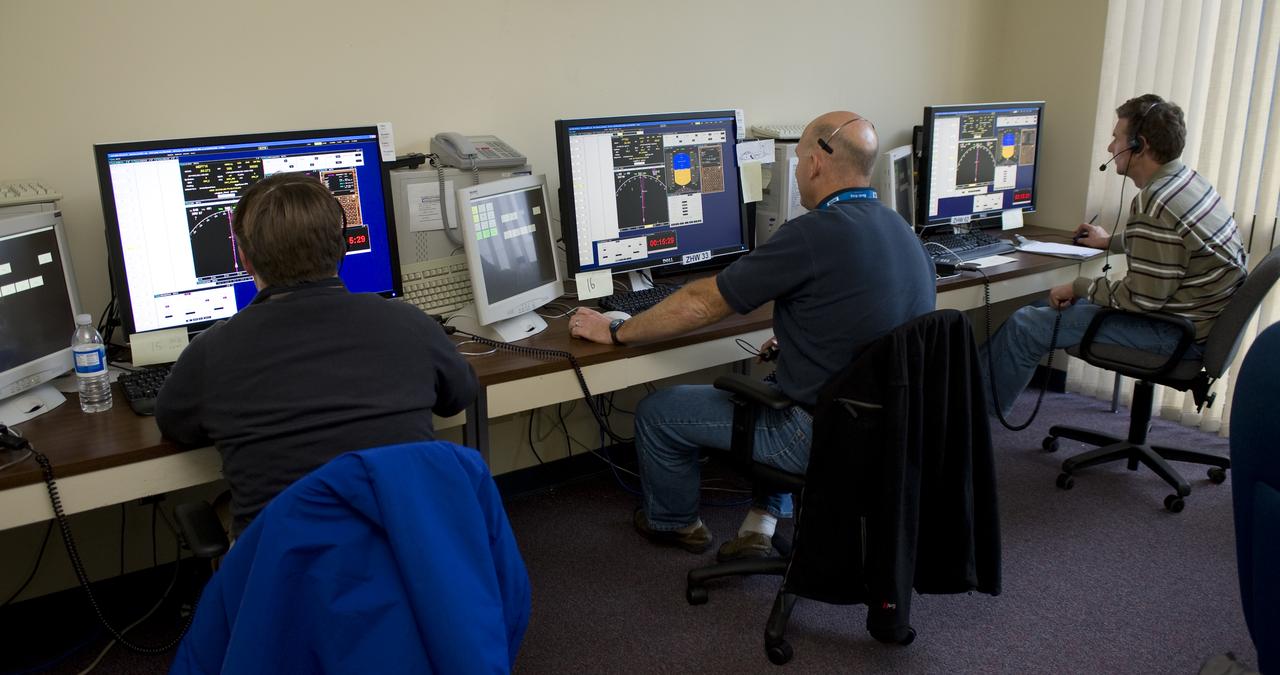
Efficient Descent Advisor, Simulaiton Number 2, ATC Lab N-257; with left to right Andrew Robertson, Lawrence Henderson, Ron Thompson
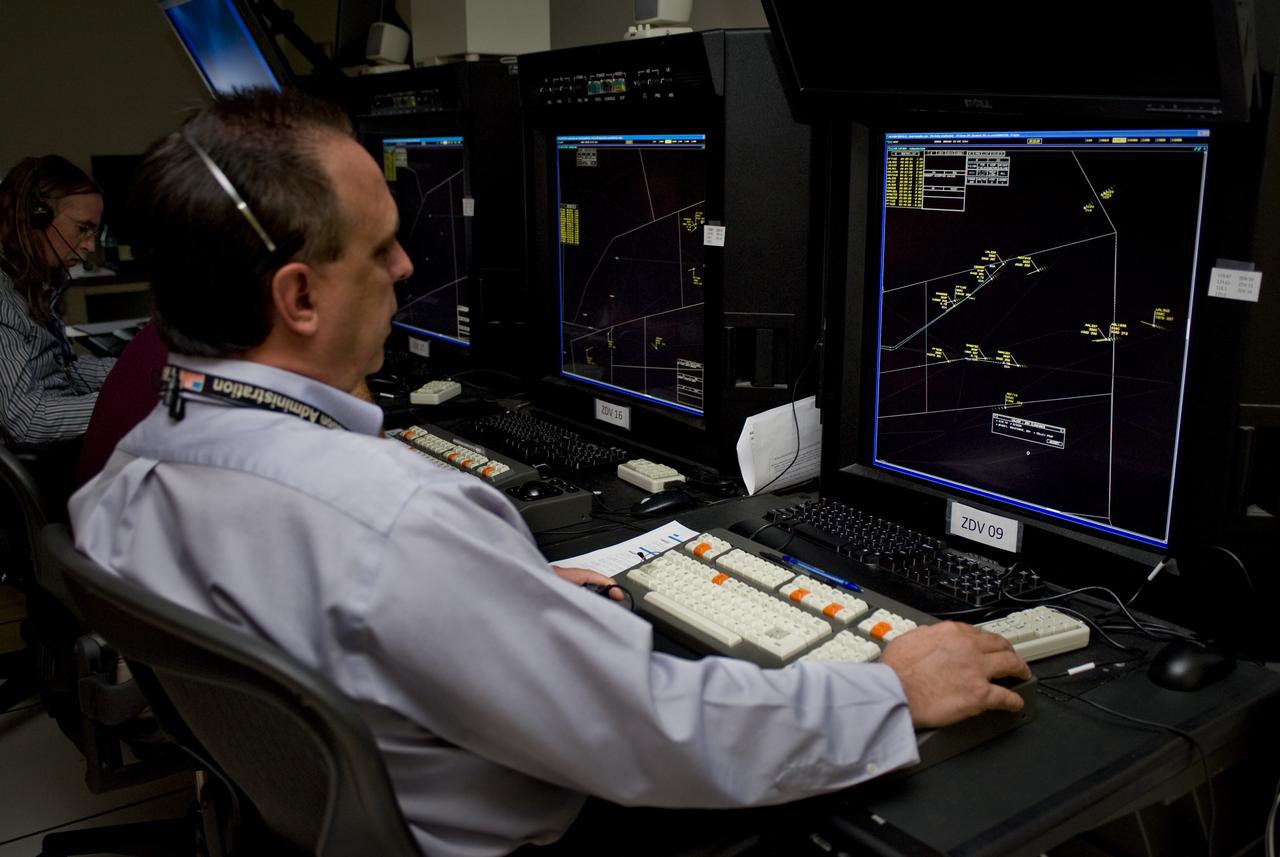
Efficient Descent Advisor, Simulaiton Number 2, ATC Lab N-257; ATC lab with Denver Air Traffic Controler Glen Hilgedick
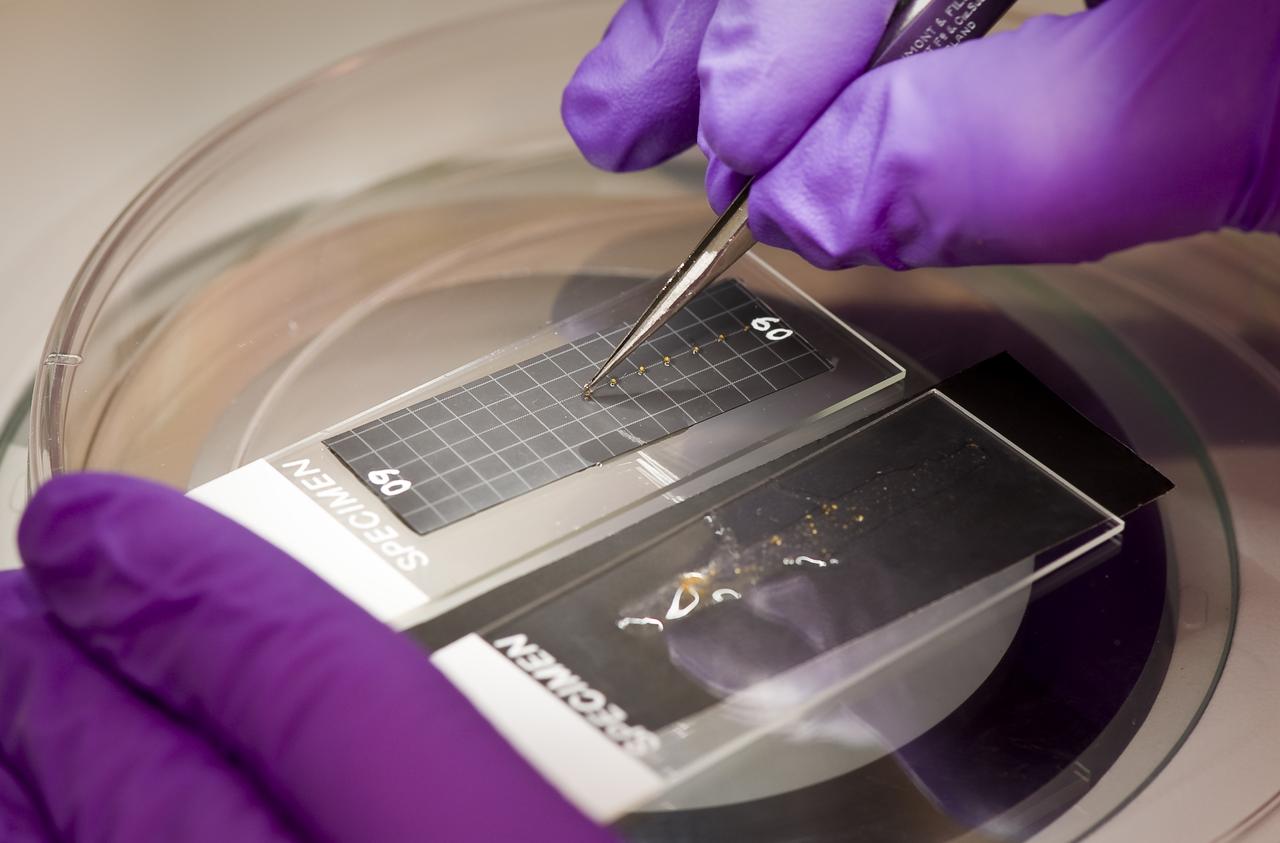
TROPI-2; Preparation of experiment containers in EMCS (European Modular Cultivation System) Lab, N-236. Katherine Millar places the seeds in the Experiment Containers (ECs).
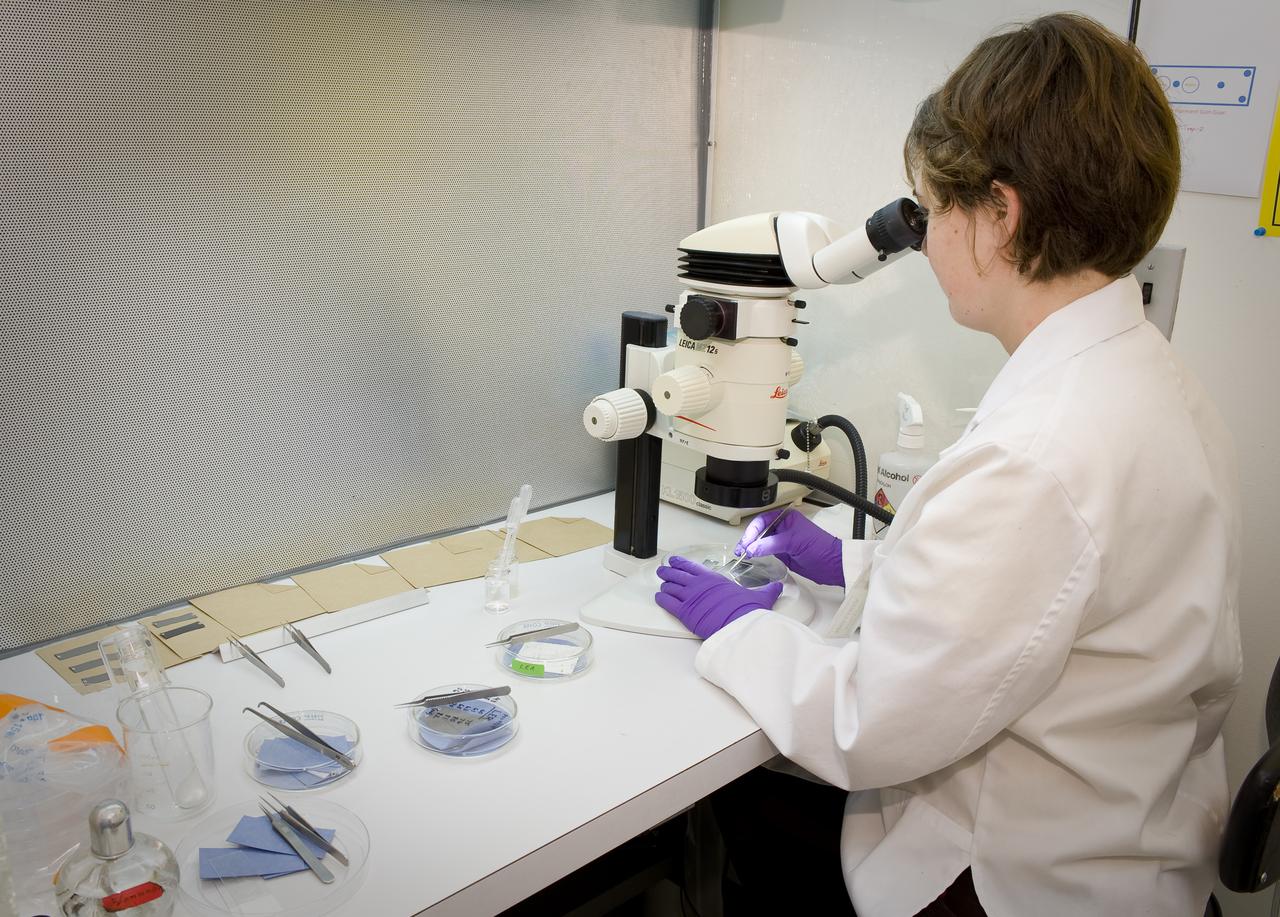
TROPI-2; Preparation of Experiment Containers in EMCS (European Modular Cultivation System) Lab, N-236 Katherine Millar places the seeds in the Experiment Containers (ECs)
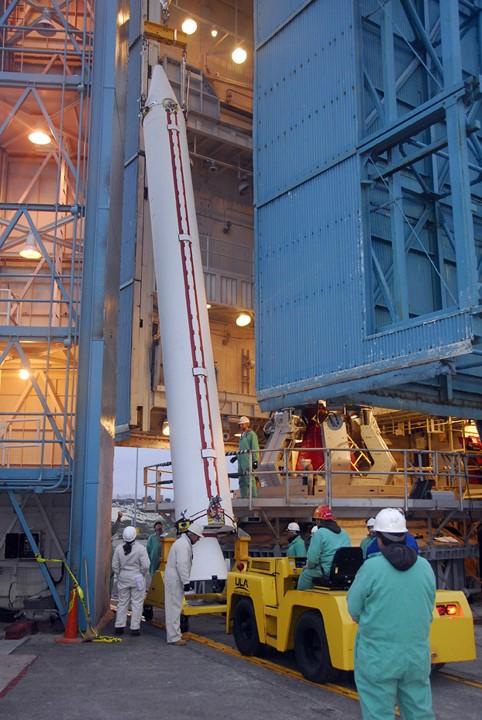
VANDENBERG AIR FORCE BASE, Calif. – On Space Launch Complex 2 at Vandenberg Air Force Base in California, a solid rocket booster is raised to vertical. The booster will be lifted into the service tower and installed on the Delta II rocket for the NOAA-N Prime satellite. NOAA-N Prime is the latest polar-orbiting operational environmental weather satellite developed by NASA for the National Oceanic and Atmospheric Administration. It is built by Lockheed Martin and similar to NOAA-N launched on May 20, 2005. Launch of NOAA-N Prime is scheduled for Feb. 4. Photo credit: NASA/Joe Davila, VAFB
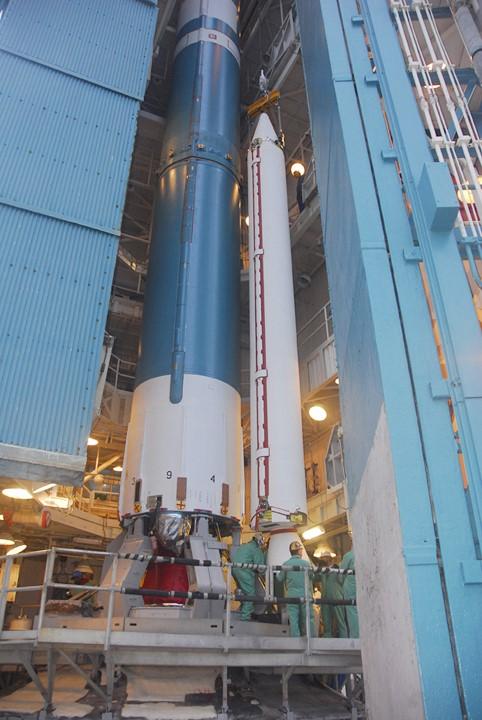
VANDENBERG AIR FORCE BASE, Calif. – On Space Launch Complex 2 at Vandenberg Air Force Base in California, a solid rocket booster is lifted alongside the Delta II rocket for installation. The booster is being prepared for the launch of the NOAA-N Prime satellite. NOAA-N Prime is the latest polar-orbiting operational environmental weather satellite developed by NASA for the National Oceanic and Atmospheric Administration. It is built by Lockheed Martin and similar to NOAA-N launched on May 20, 2005. Launch of NOAA-N Prime is scheduled for Feb. 4. Photo credit: NASA/Joe Davila, VAFB
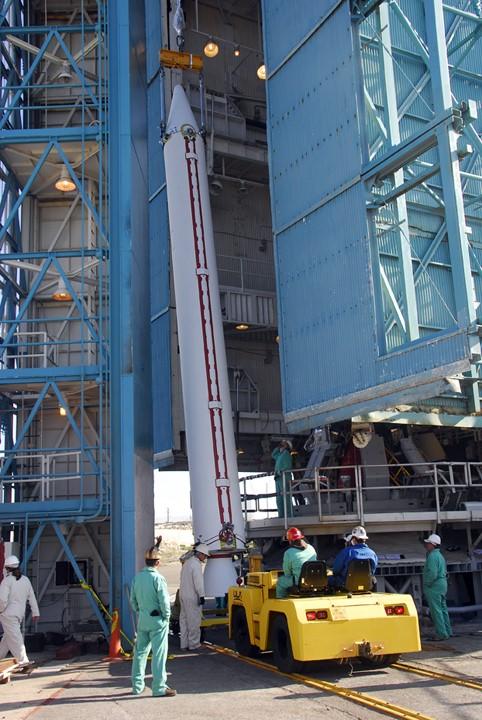
VANDENBERG AIR FORCE BASE, Calif. – On Space Launch Complex 2 at Vandenberg Air Force Base in California, another solid rocket booster is raised to vertical for installation on the Delta II rocket for the NOAA-N Prime satellite. NOAA-N Prime is the latest polar-orbiting operational environmental weather satellite developed by NASA for the National Oceanic and Atmospheric Administration. It is built by Lockheed Martin and similar to NOAA-N launched on May 20, 2005. Launch of NOAA-N Prime is scheduled for Feb. 4. Photo credit: NASA/Joe Davila, VAFB
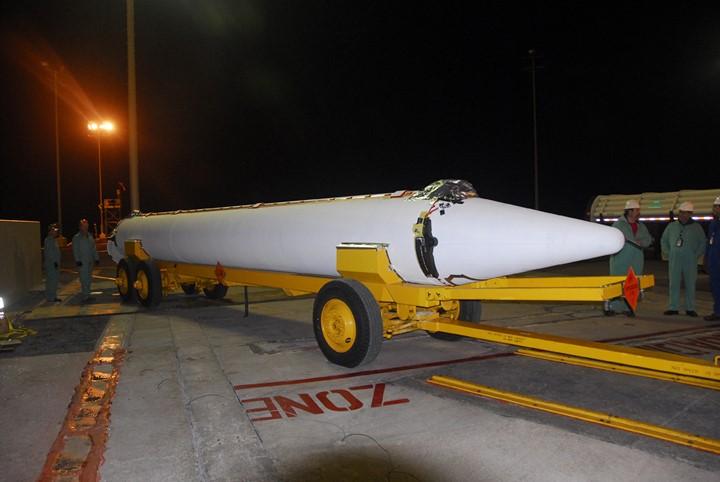
VANDENBERG AIR FORCE BASE, Calif. – A solid rocket booster arrives on Space Launch Complex 2 at Vandenberg Air Force Base in California. The booster will be lifted into the service tower and installed on the Delta II rocket for the NOAA-N Prime satellite. NOAA-N Prime is the latest polar-orbiting operational environmental weather satellite developed by NASA for the National Oceanic and Atmospheric Administration. It is built by Lockheed Martin and similar to NOAA-N launched on May 20, 2005. Launch of NOAA-N Prime is scheduled for Feb. 4. Photo credit: NASA/Joe Davila, VAFB
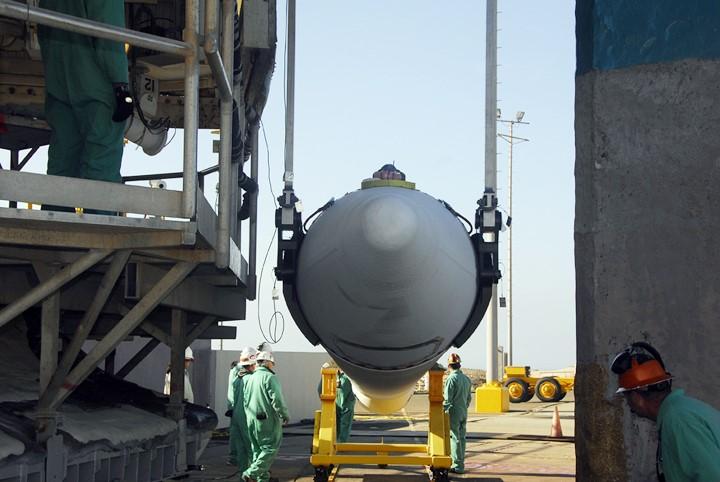
VANDENBERG AIR FORCE BASE, Calif. – Another solid rocket booster arrives on Space Launch Complex 2 at Vandenberg Air Force Base in California. The booster will be lifted into the service tower and installed on the Delta II rocket for the NOAA-N Prime satellite. NOAA-N Prime is the latest polar-orbiting operational environmental weather satellite developed by NASA for the National Oceanic and Atmospheric Administration. It is built by Lockheed Martin and similar to NOAA-N launched on May 20, 2005. Launch of NOAA-N Prime is scheduled for Feb. 4. Photo credit: NASA/Joe Davila, VAFB
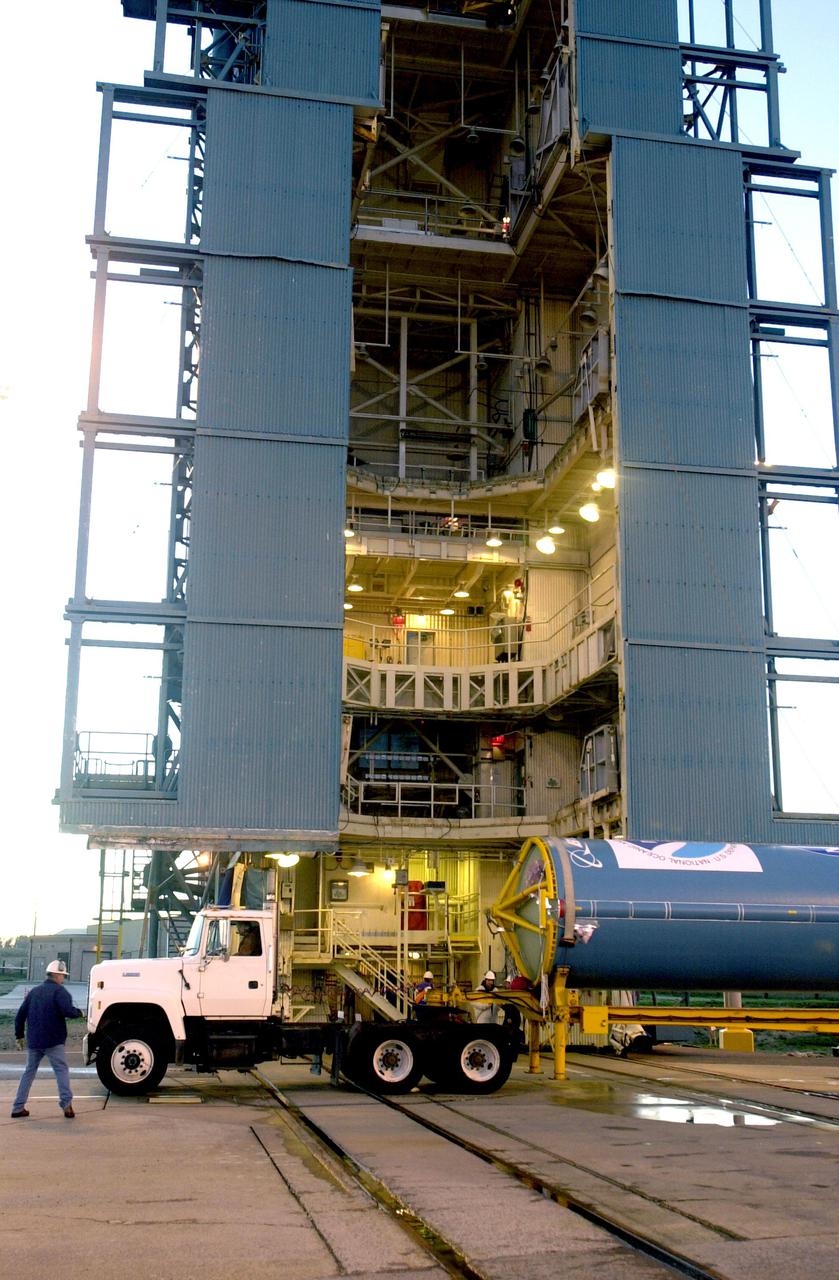
VANDENBERG AIR FORCE BASE, CALIF. - The first stage of a Boeing Delta 2 rocket arrives at the launch service tower on Space Launch Complex 2 at Vandenberg Air Force Base in California. The Delta 2 is the launch vehicle for the National Oceanic and Atmospheric Administration (NOAA-N) spacecraft. NOAA-N is the fourth in the series of support dedicated microwave instruments for the generation of temperature, moisture, surface, and hydrological products in cloudy regions where visible and infrared (IR) instruments have decreased capability. Launch aboard a Boeing Delta II rocket is currently scheduled for no earlier than May 11, 2005.
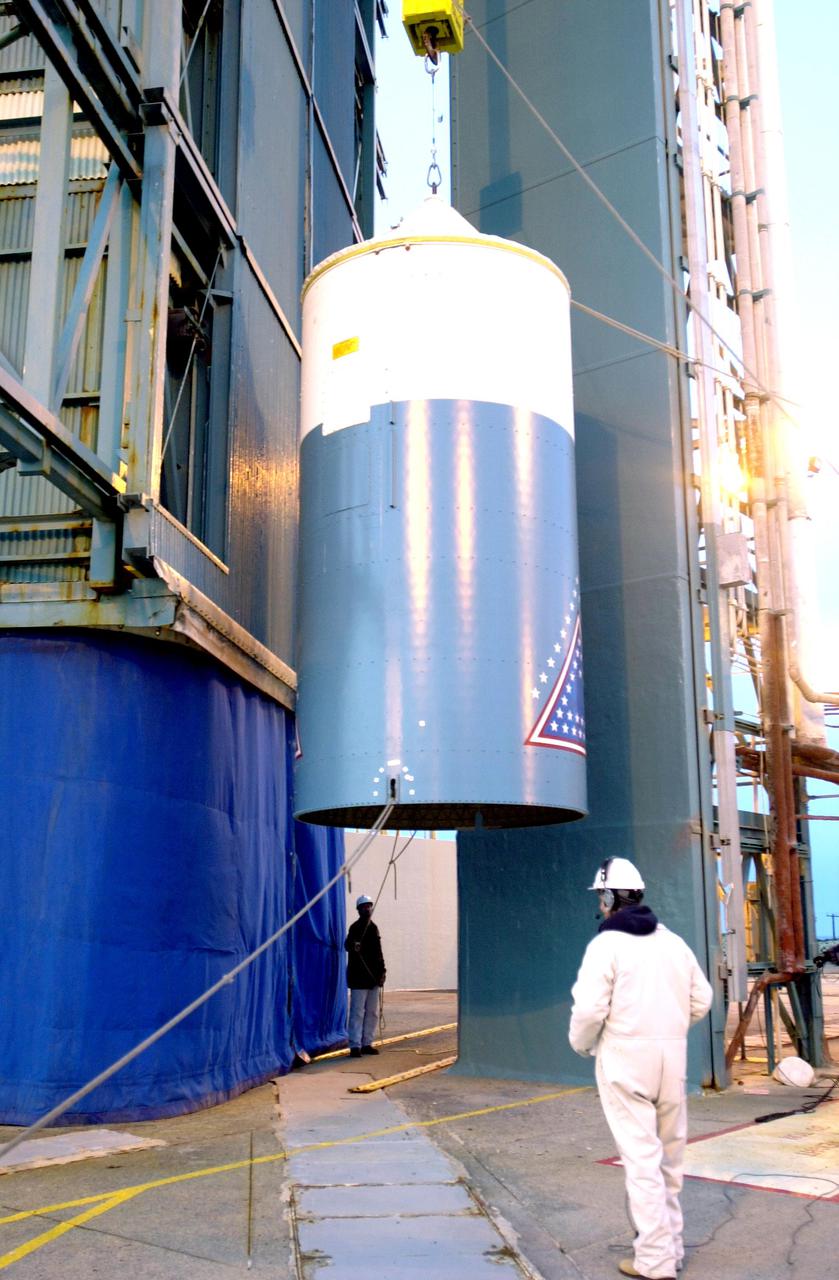
VANDENBERG AIR FORCE BASE, CALIF. - - The interstage of a Boeing Delta 2 rocket is lifted up the launch service tower on Space Launch Complex 2 at Vandenberg Air Force Base in California. It will be mated with the first stage in the launch service tower. The Delta 2 is the launch vehicle for the National Oceanic and Atmospheric Administration (NOAA-N) spacecraft. NOAA-N is the fourth in the series of support dedicated microwave instruments for the generation of temperature, moisture, surface, and hydrological products in cloudy regions where visible and infrared (IR) instruments have decreased capability. Launch aboard a Boeing Delta II rocket is currently scheduled for no earlier than May 11, 2005.
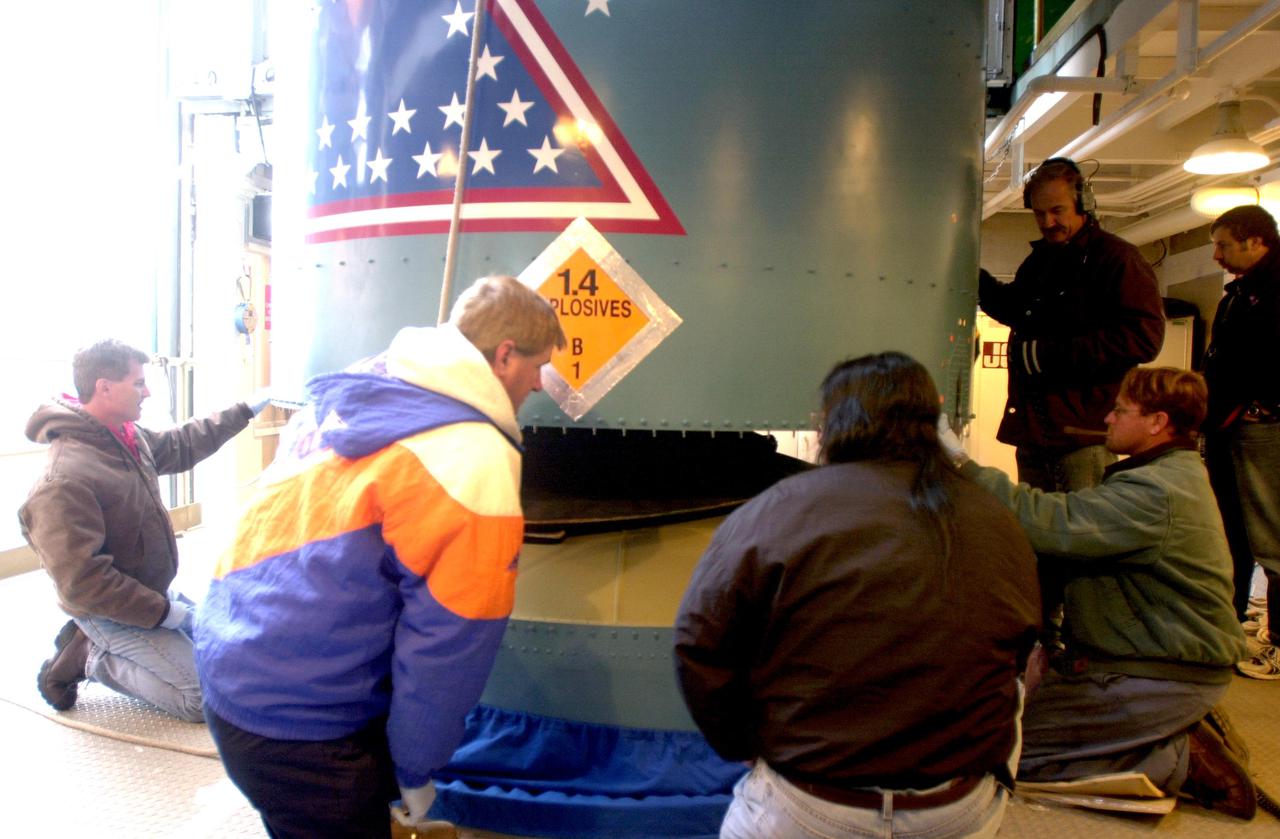
VANDENBERG AIR FORCE BASE, CALIF. - The interstage of a Boeing Delta 2 rocket is mated with the interstage adapter below it in the launch service tower on Space Launch Complex 2 at Vandenberg Air Force Base in California. The Delta 2 is the launch vehicle for the National Oceanic and Atmospheric Administration (NOAA-N) spacecraft. NOAA-N is the fourth in the series of support dedicated microwave instruments for the generation of temperature, moisture, surface, and hydrological products in cloudy regions where visible and infrared (IR) instruments have decreased capability. Launch aboard a Boeing Delta II rocket is currently scheduled for no earlier than May 11, 2005.
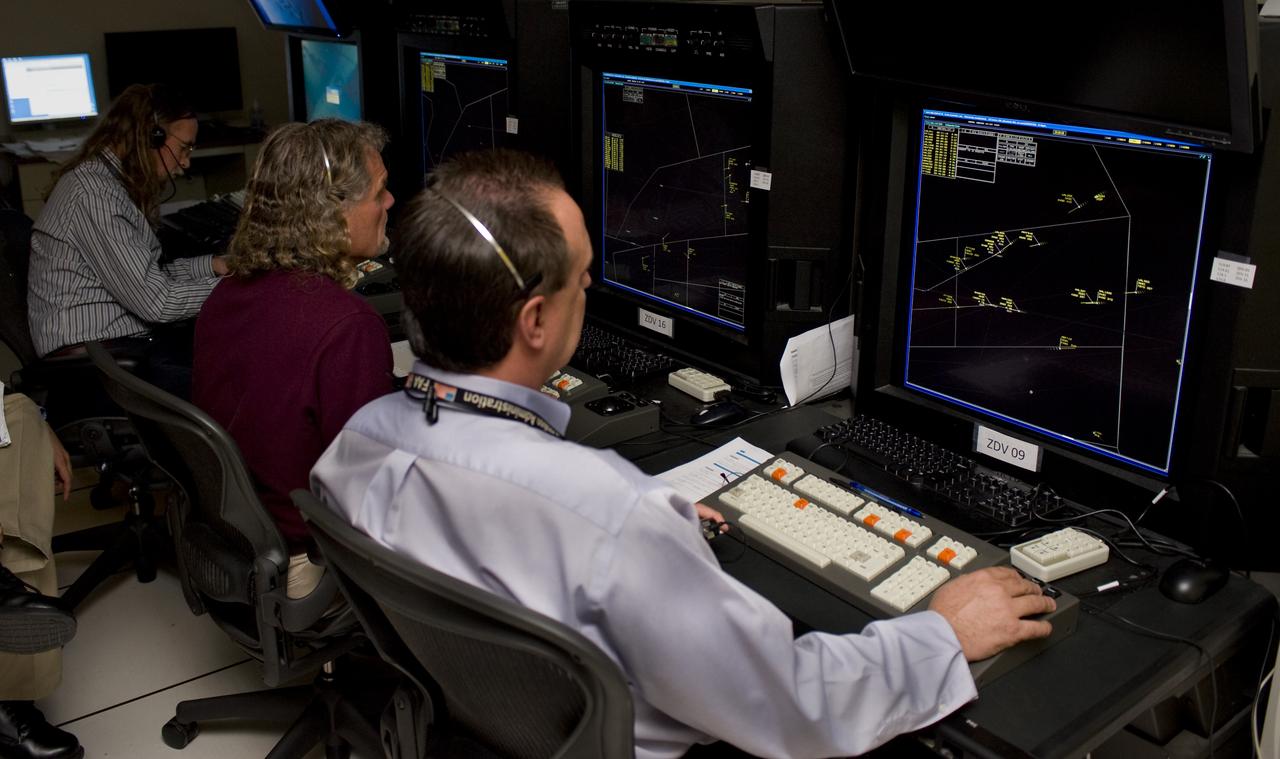
Efficient Descent Advisor, Simulaiton Number 2, ATC Lab N-257; ATC lab with Denver Air Traffic Controlers Glen Hilgedick and Roger Bruce (on left)
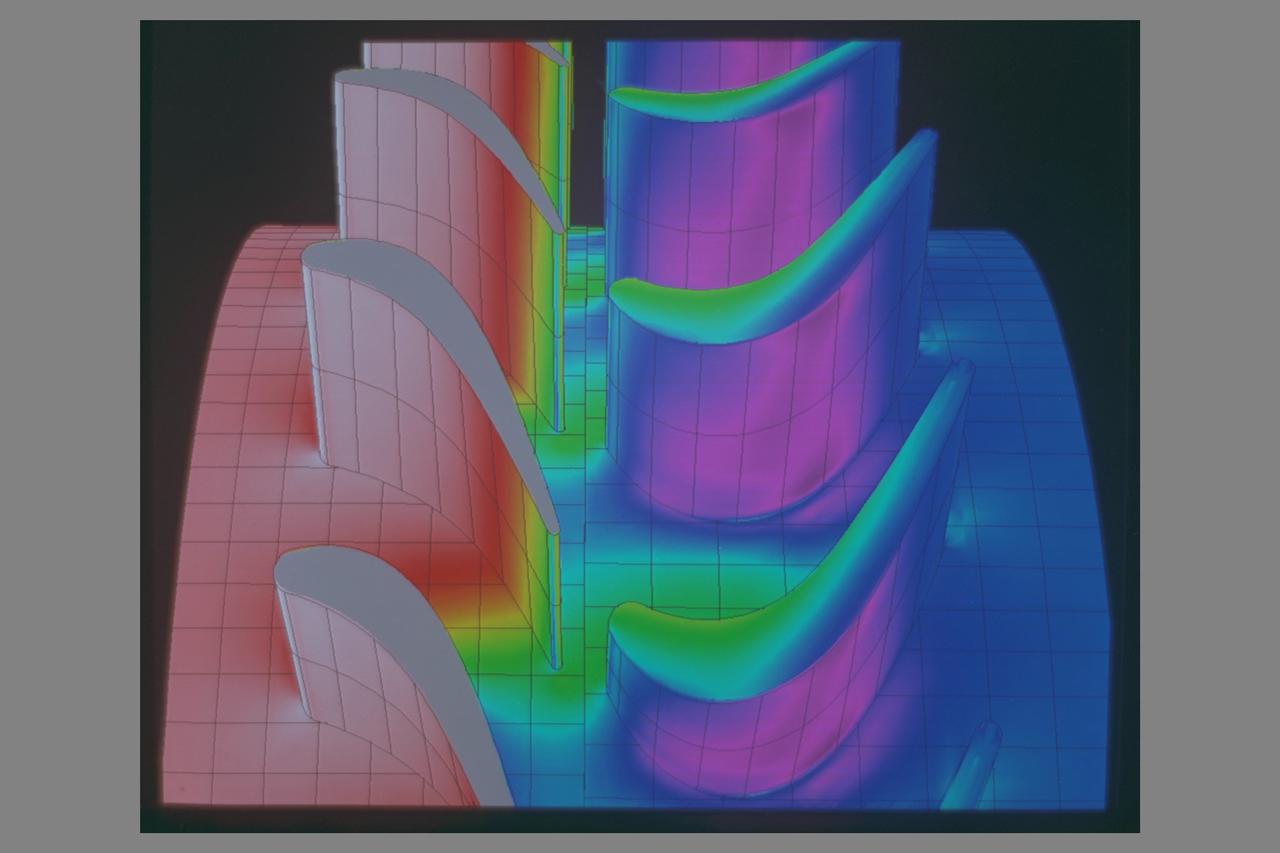
Ames Aircraft complement on Ramp in front of N-211 hangar: DC-8, C-141, C-130, ER-2, Lear Jet, YO-3A, T-38, AH-1G, AV-8B, UH-60
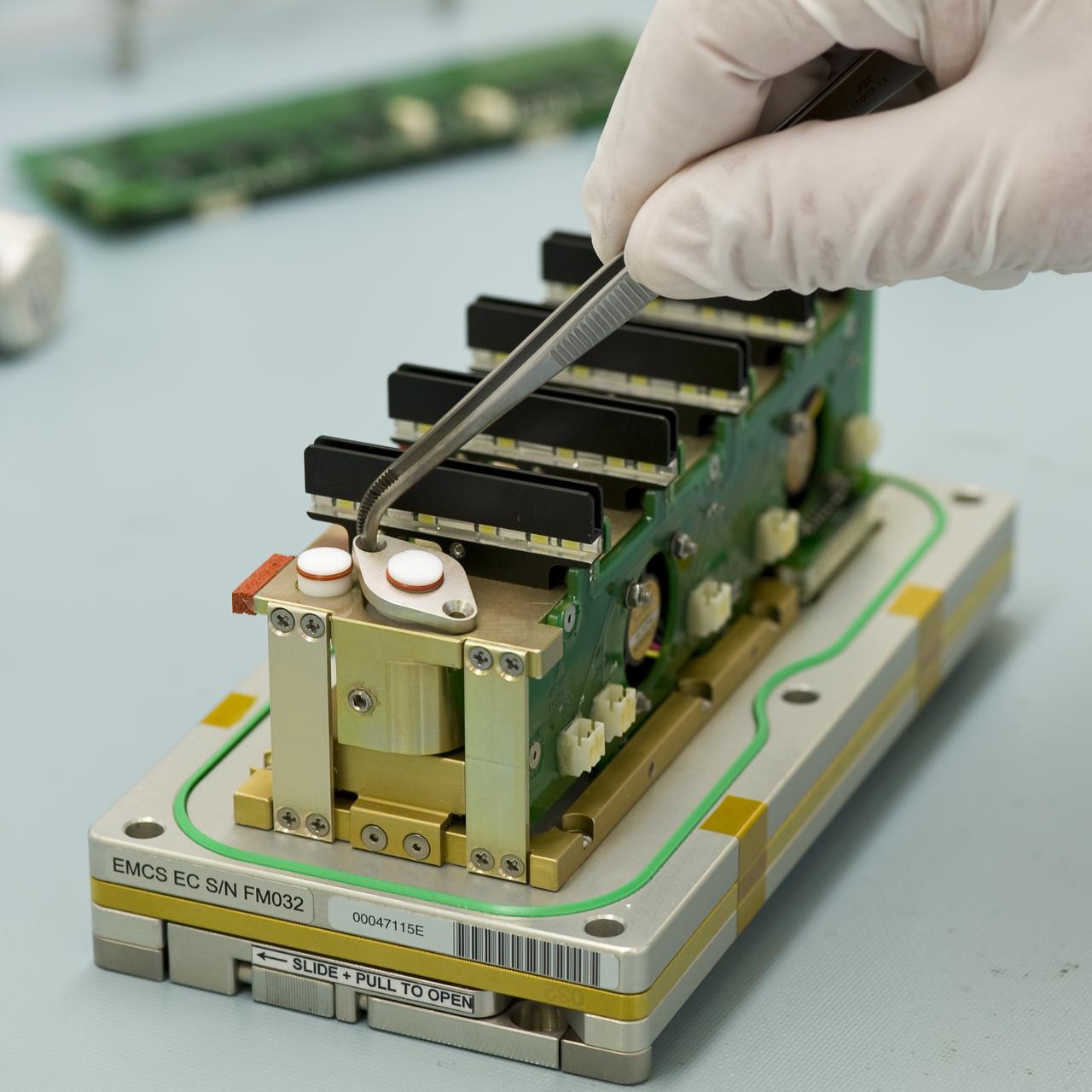
TROPI-2; Assembly of flight hardware with Prepared Experiment Containers loaded with seeds in EMCS (European Modular Cultivation System) Lab, N-236. Flight hardware will be hand carried to KSC for loading on STS-130 Shuttle mission
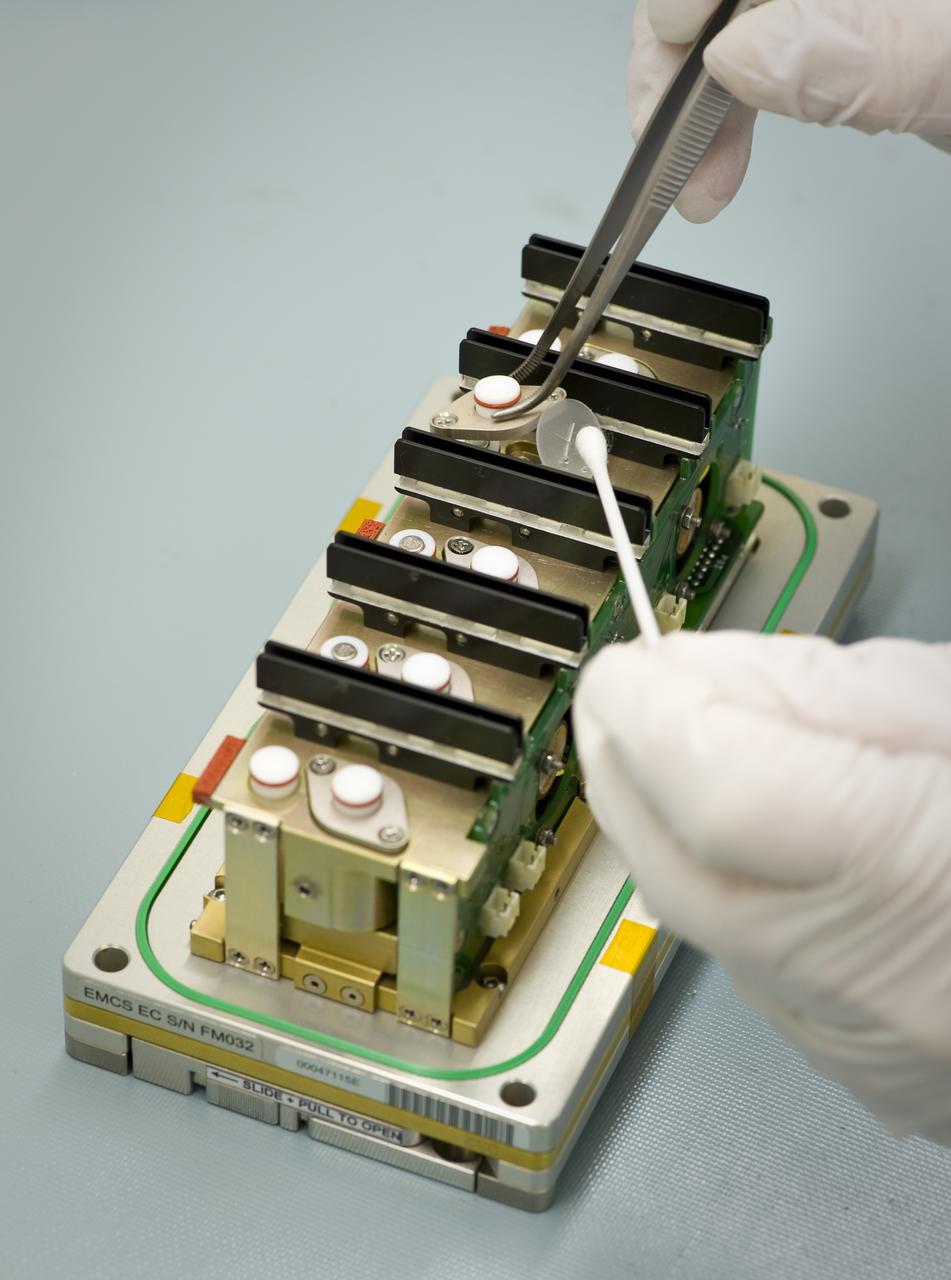
TROPI-2; Assembly of flight hardware with Prepared Experiment Containers loaded with seeds in EMCS (European Modular Cultivation System) Lab, N-236. Flight hardware will be hand carried to KSC for loading on STS-130 Shuttle mission

Visual Flgiht Attachment 2 (REDIFON) is a terrain model that is video-coupled with a simulator cockpit to integrate the pilot with the machine for actual STOL operations of the future N-210 Flight Simulation Laboratory
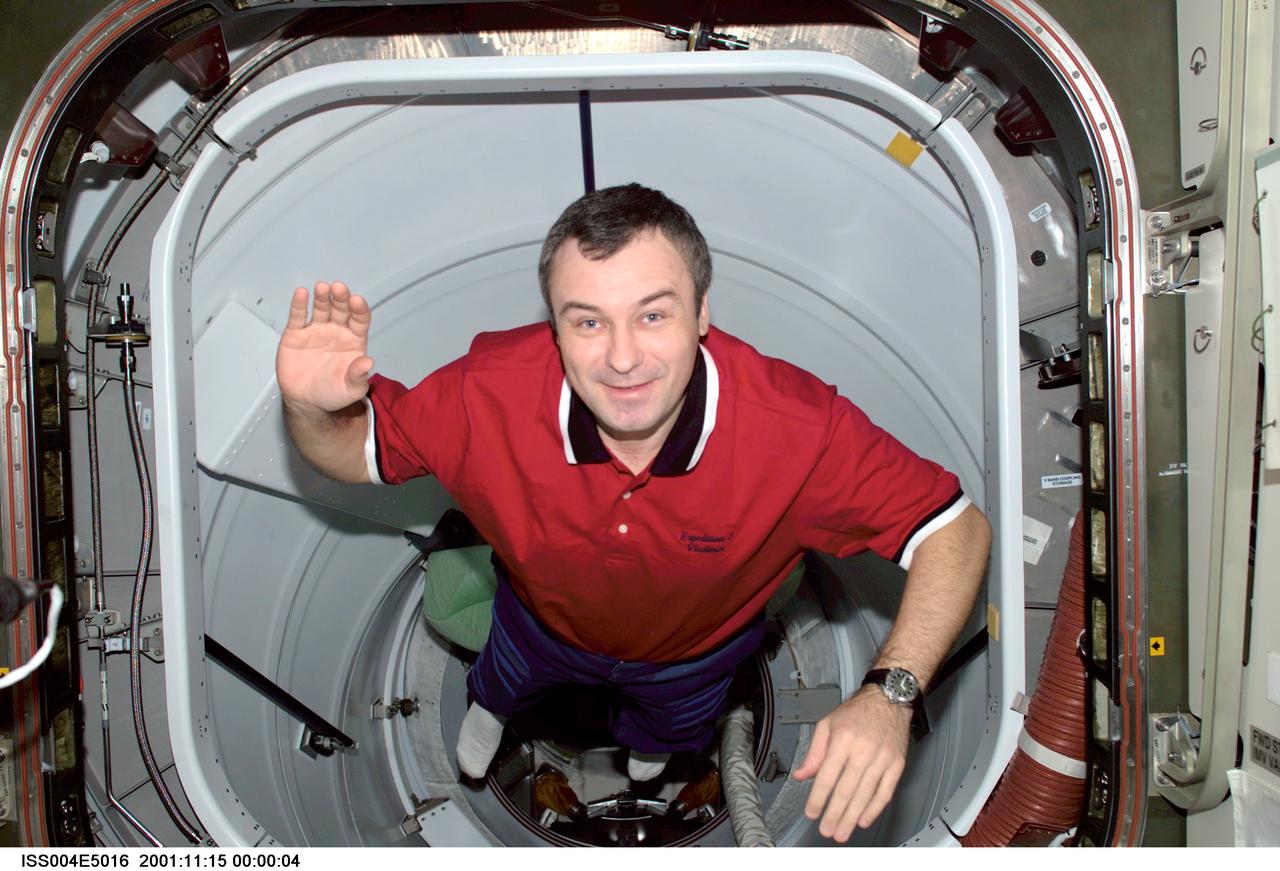
ISS004-E-5016 (December 2001) --- Cosmonaut Vladimir N. Dezhurov, Expedition Three flight engineer, floats through the Pressurized Mating Adapter 2 (PMA-2) on the International Space Station (ISS). A crewmate in the Destiny laboratory captured the image on a digital still camera.
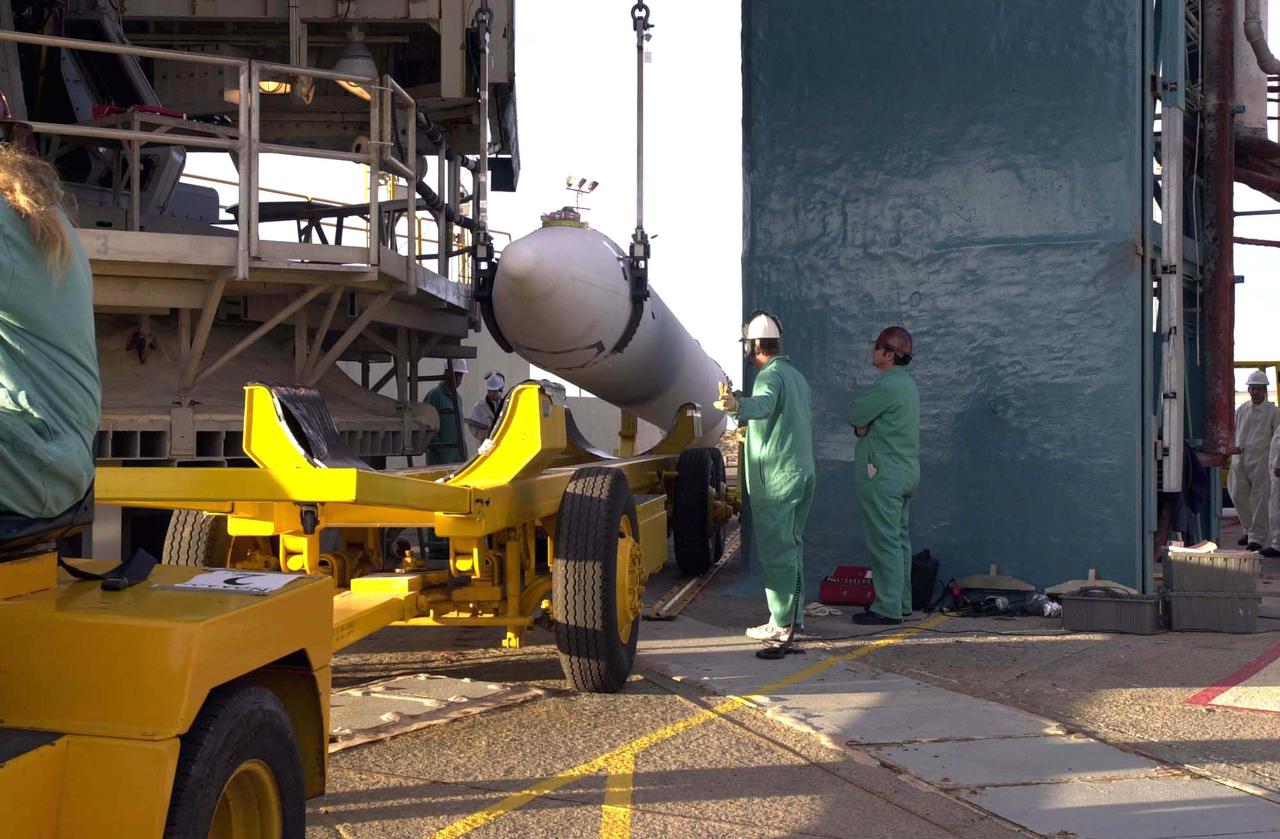
VANDENBERG AIR FORCE BASE, CALIF. - After its arrival at Space Launch Complex 2 on Vandenberg Air Force Base in California, one of three Solid Rocket Boosters is lifted from the transporter and will be raised to a vertical position. It will be lifted up the launch service tower and mated with a Boeing Delta II rocket for the launch of the National Oceanic and Atmospheric Administration (NOAA-N) spacecraft. Launch of NOAA-N aboard the Boeing Delta II rocket is currently scheduled for May 11, 2005. NOAA-N is the fourth in the series of support dedicated microwave instruments for the generation of temperature, moisture, surface, and hydrological products in cloudy regions where visible and infrared (IR) instruments have decreased capability.
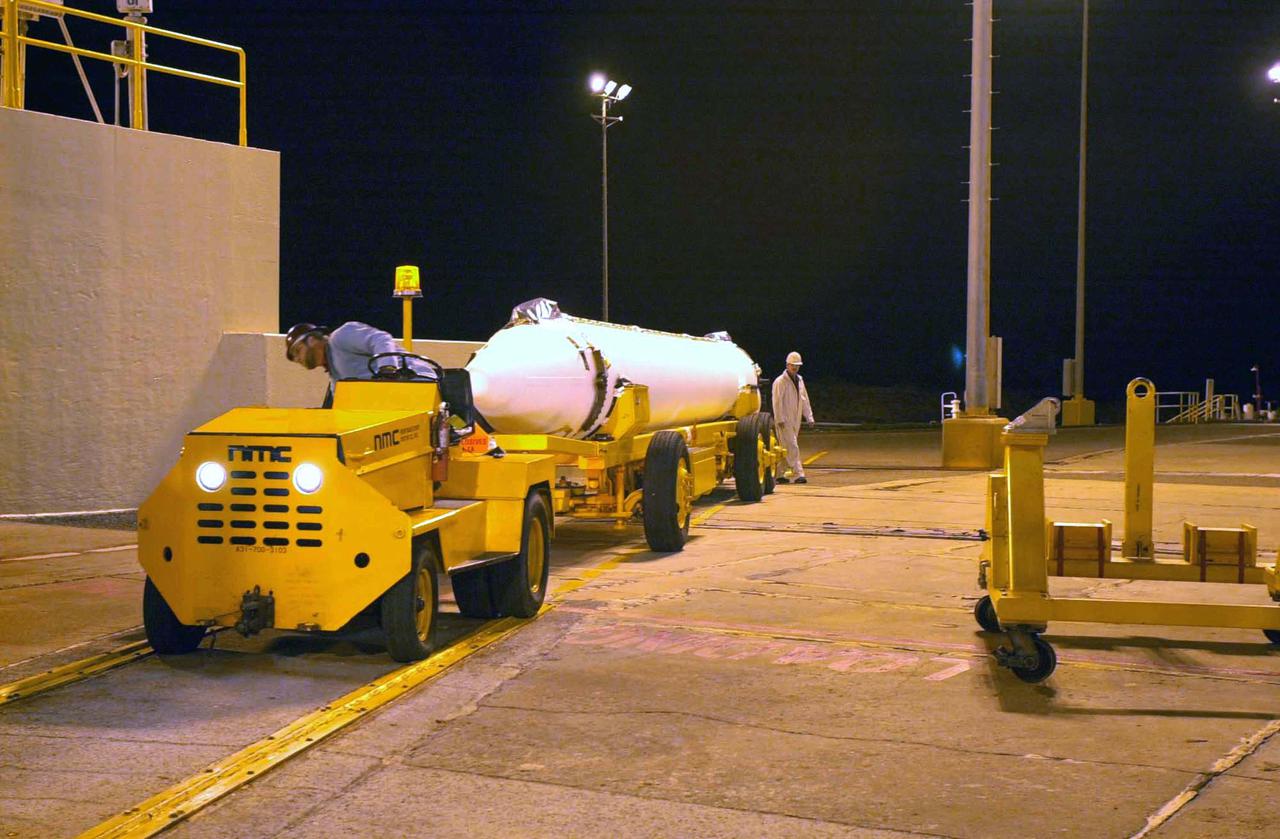
VANDENBERG AIR FORCE BASE, CALIF. - One of three Solid Rocket Boosters arrives at Space Launch Complex 2 on Vandenberg Air Force Base in California. It will be mated with a Boeing Delta II rocket for the launch of the National Oceanic and Atmospheric Administration (NOAA-N) spacecraft. Launch of NOAA-N aboard the Boeing Delta II rocket is currently scheduled for May 11, 2005. NOAA-N is the fourth in the series of support dedicated microwave instruments for the generation of temperature, moisture, surface, and hydrological products in cloudy regions where visible and infrared (IR) instruments have decreased capability.
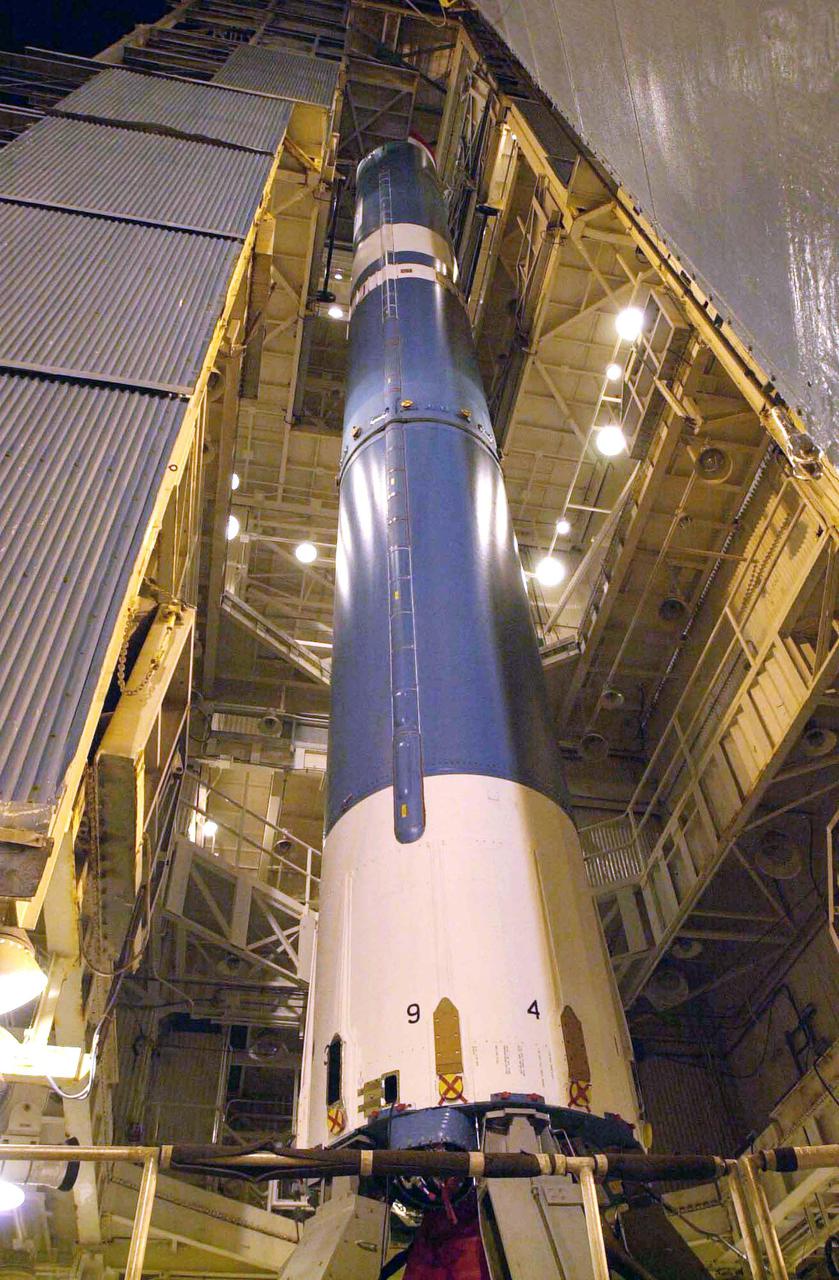
VANDENBERG AIR FORCE BASE, CALIF. - The first stage of a Boeing Delta II rocket is in the launch service tower of Space Launch Complex 2 on Vandenberg Air Force Base in California. It will be mated with an interstage adapter and Solid Rocket Boosters for the launch of the National Oceanic and Atmospheric Administration (NOAA-N) spacecraft. Launch of NOAA-N aboard the Boeing Delta II rocket is currently scheduled for May 11, 2005. NOAA-N is the fourth in the series of support dedicated microwave instruments for the generation of temperature, moisture, surface, and hydrological products in cloudy regions where visible and infrared (IR) instruments have decreased capability.
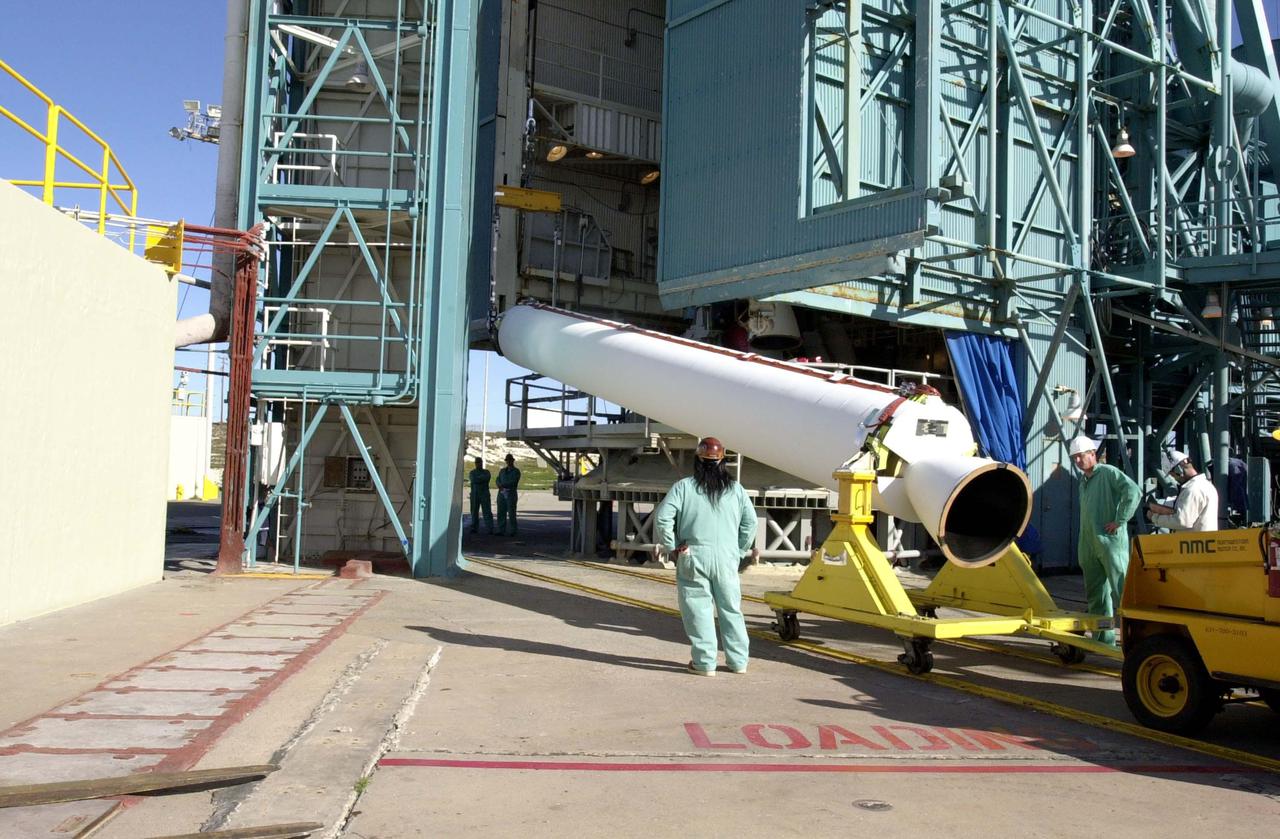
VANDENBERG AIR FORCE BASE, CALIF. - Another Solid Rocket Booster arrives at Space Launch Complex 2 on Vandenberg Air Force Base in California. It will be mated with a Boeing Delta II rocket for the launch of the National Oceanic and Atmospheric Administration (NOAA-N) spacecraft. Launch of NOAA-N aboard the Boeing Delta II rocket is currently scheduled for May 11, 2005. NOAA-N is the fourth in the series of support dedicated microwave instruments for the generation of temperature, moisture, surface, and hydrological products in cloudy regions where visible and infrared (IR) instruments have decreased capability.
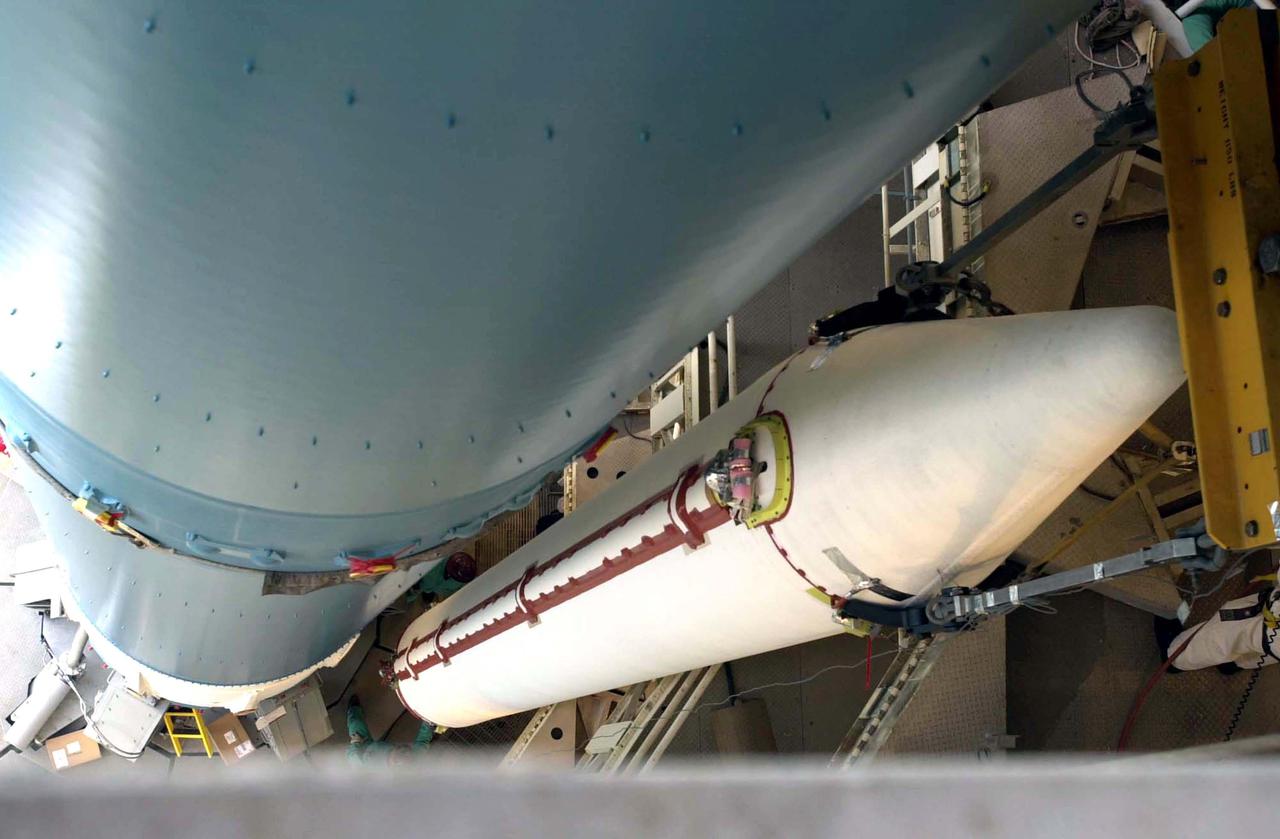
VANDENBERG AIR FORCE BASE, CALIF. - At Space Launch Complex 2 on Vandenberg Air Force Base in California, one of three Solid Rocket Boosters is lifted alongside the first stage of a Boeing Delta II rocket for mating. The Boeing Delta II will launch the National Oceanic and Atmospheric Administration (NOAA-N) spacecraft. Launch of NOAA-N aboard the Boeing Delta II rocket is currently scheduled for May 11, 2005. NOAA-N is the fourth in the series of support dedicated microwave instruments for the generation of temperature, moisture, surface, and hydrological products in cloudy regions where visible and infrared (IR) instruments have decreased capability.
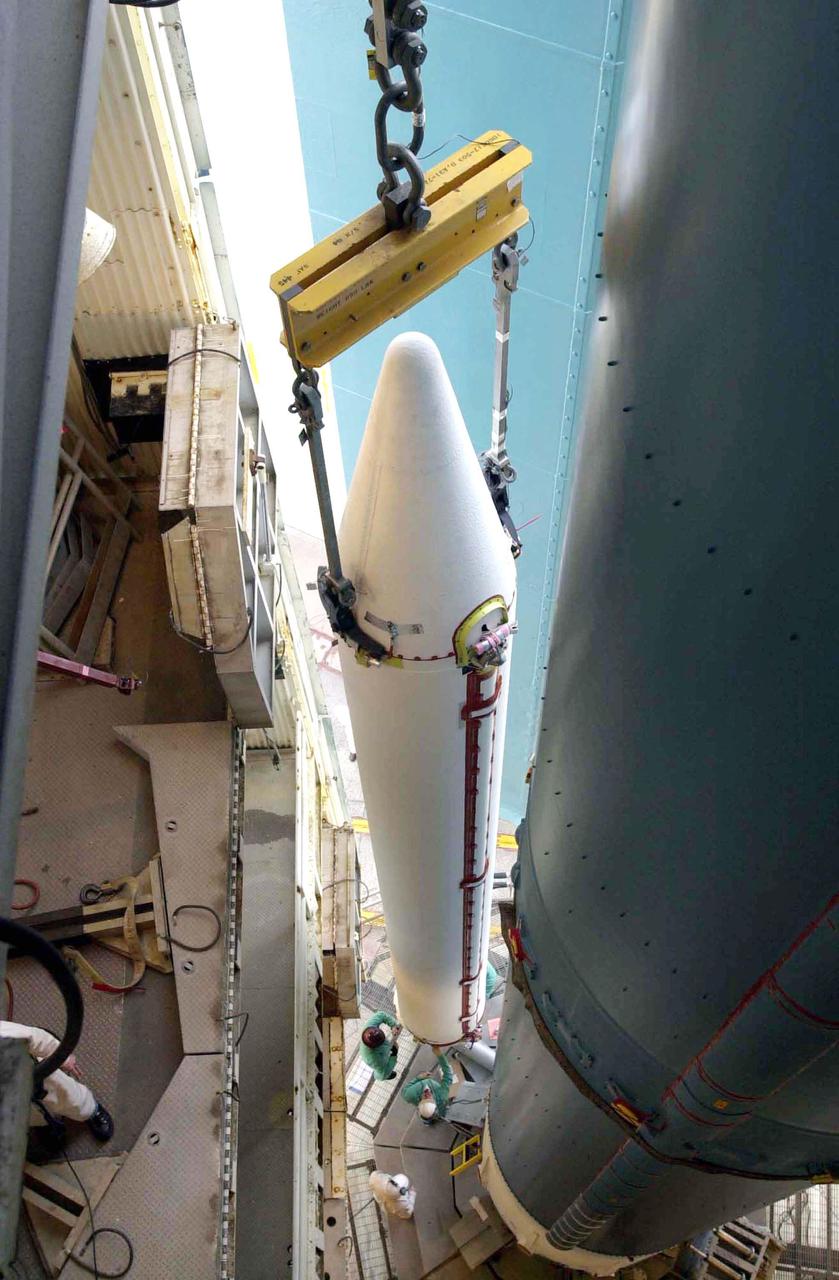
VANDENBERG AIR FORCE BASE, CALIF. - At Space Launch Complex 2 on Vandenberg Air Force Base in California, the first of three Solid Rocket Boosters is lifted alongside the first stage of a Boeing Delta II rocket for mating. The Boeing Delta II will launch the National Oceanic and Atmospheric Administration (NOAA-N) spacecraft. Launch of NOAA-N aboard the Boeing Delta II rocket is currently scheduled for May 11, 2005. NOAA-N is the fourth in the series of support dedicated microwave instruments for the generation of temperature, moisture, surface, and hydrological products in cloudy regions where visible and infrared (IR) instruments have decreased capability.
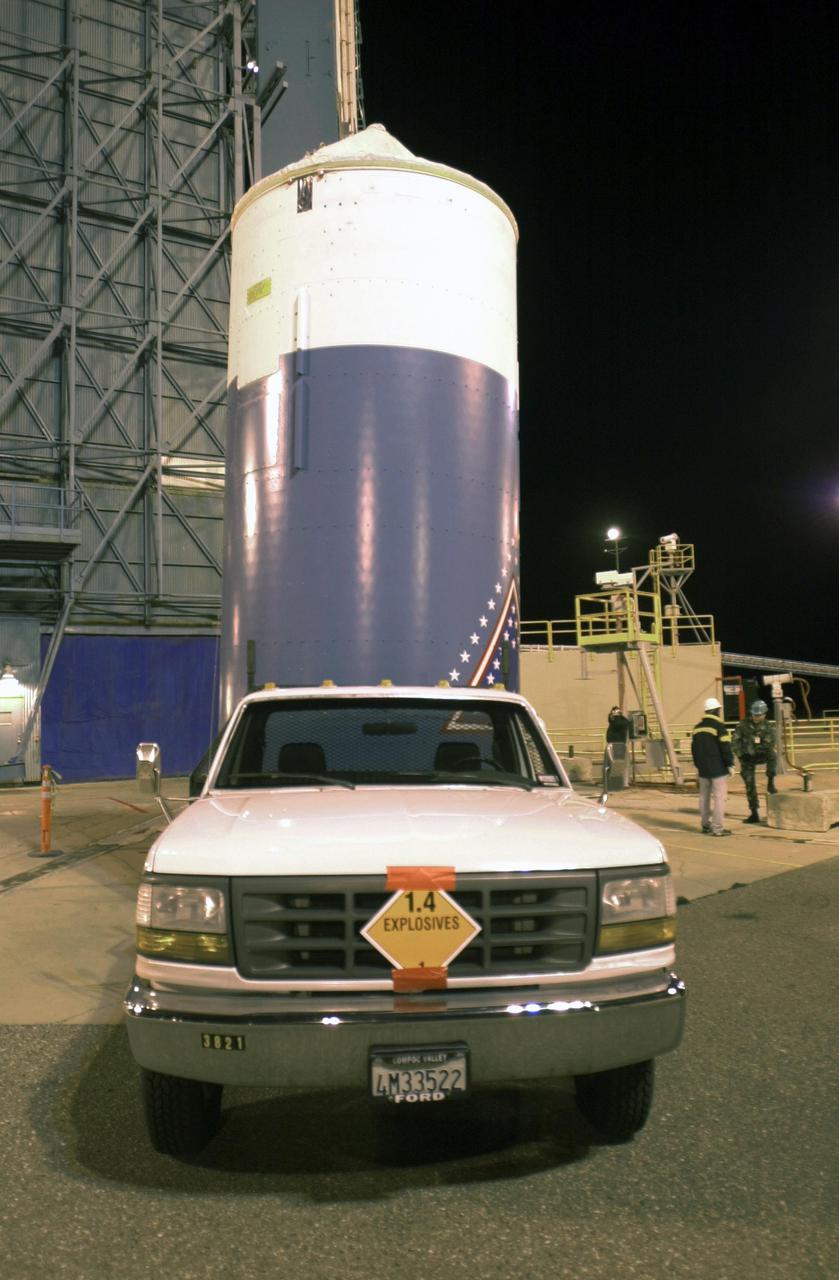
VANDENBERG AIR FORCE BASE, CALIF. - The interstage of a Boeing Delta 2 rocket arrives on Space Launch Complex 2 at Vandenberg Air Force Base in California. It will be mated with the first stage in the launch service tower. The Delta 2 is the launch vehicle for the National Oceanic and Atmospheric Administration (NOAA-N) spacecraft. The NOAA-N satellite will be placed into a polar orbit aboard a Boeing Delta 2 rocket. The spacecraft will continue to provide a polar-orbiting platform to support (1) environmental monitoring instruments for imaging and measuring the Earth's atmosphere, its surface, and cloud cover, including Earth radiation, atmospheric ozone, aerosol distribution, sea surface temperature, and vertical temperature and water profiles in the troposphere and stratosphere; (2) measurement of proton and electron flux at orbit altitude; (3) data collection from remote platforms; and (4) the Search and Rescue Satellite-Aided Tracking (SARSAT) system. Additionally, NOAA-N is the fourth in the series of support dedicated microwave instruments for the generation of temperature, moisture, surface, and hydrological products in cloudy regions where visible and infrared (IR) instruments have decreased capability. Launch is currently scheduled for no earlier than May 11, 2005.
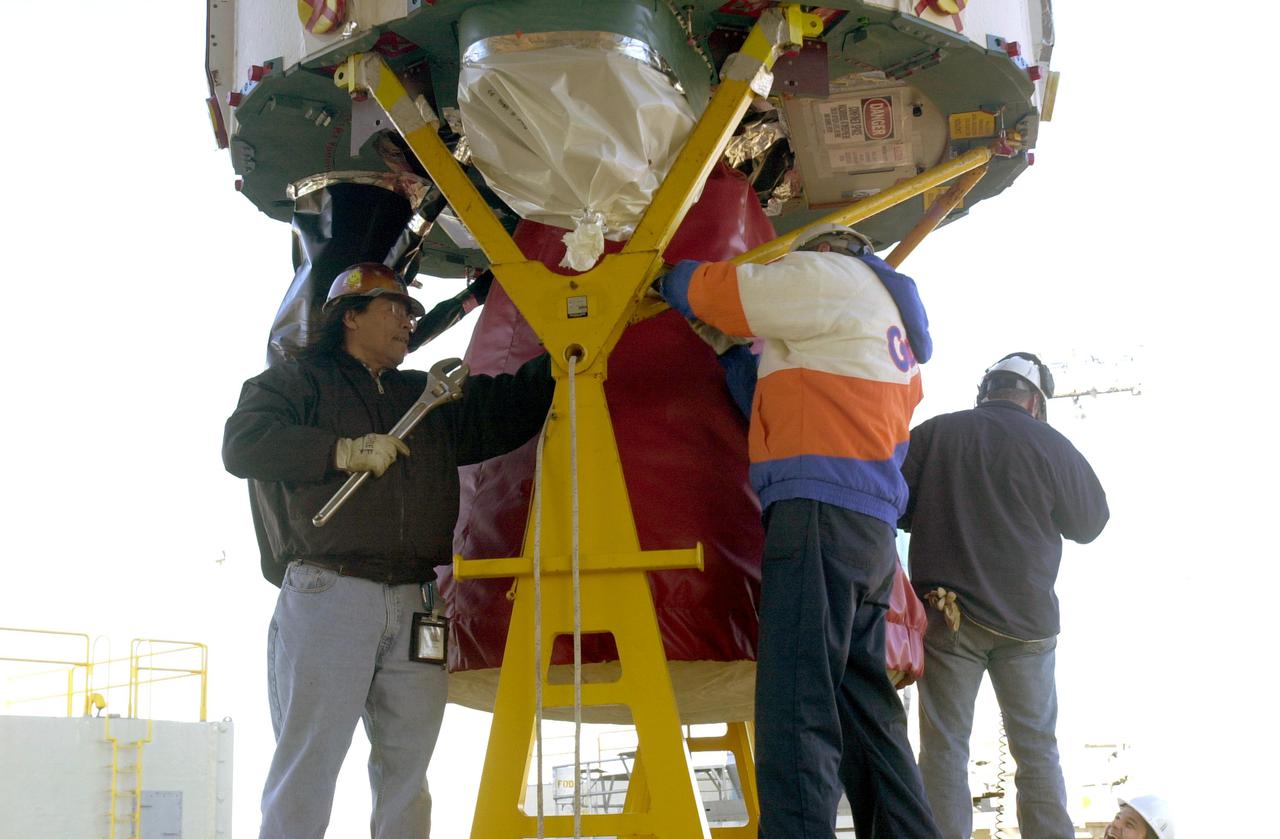
VANDENBERG AIR FORCE BASE, CALIF. - Workers on Space Launch Complex 2 at Vandenberg Air Force Base in California secure the engine on the first stage of a Boeing Delta 2 rocket. The rocket will be lifted up the launch service tower. The Delta 2 is the launch vehicle for the National Oceanic and Atmospheric Administration (NOAA-N) spacecraft.The NOAA-N satellite will be placed into a polar orbit aboard a Boeing Delta 2 rocket. The spacecraft will continue to provide a polar-orbiting platform to support (1) environmental monitoring instruments for imaging and measuring the Earth's atmosphere, its surface, and cloud cover, including Earth radiation, atmospheric ozone, aerosol distribution, sea surface temperature, and vertical temperature and water profiles in the troposphere and stratosphere; (2) measurement of proton and electron flux at orbit altitude; (3) data collection from remote platforms; and (4) the Search and Rescue Satellite-Aided Tracking (SARSAT) system. Additionally, NOAA-N is the fourth in the series of support dedicated microwave instruments for the generation of temperature, moisture, surface, and hydrological products in cloudy regions where visible and infrared (IR) instruments have decreased capability. Launch is currently scheduled for no earlier than May 11, 2005.
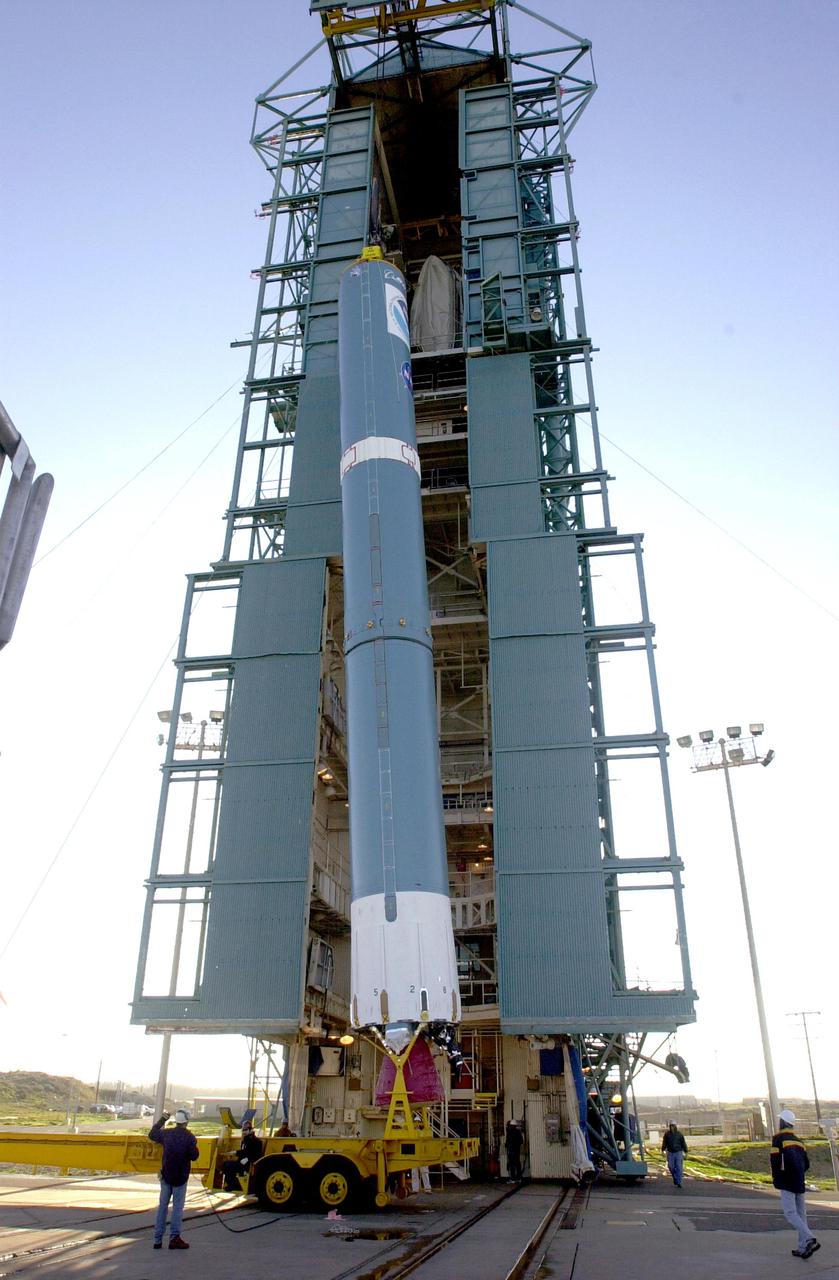
VANDENBERG AIR FORCE BASE, CALIF. - On Space Launch Complex 2 at Vandenberg Air Force Base in California, the first stage of a Boeing Delta 2 rocket has been raised to a vertical position for erection in the launch service tower. The Delta 2 is the launch vehicle for the National Oceanic and Atmospheric Administration (NOAA-N) spacecraft. The NOAA-N satellite will be placed into a polar orbit aboard a Boeing Delta 2 rocket. The spacecraft will continue to provide a polar-orbiting platform to support (1) environmental monitoring instruments for imaging and measuring the Earth's atmosphere, its surface, and cloud cover, including Earth radiation, atmospheric ozone, aerosol distribution, sea surface temperature, and vertical temperature and water profiles in the troposphere and stratosphere; (2) measurement of proton and electron flux at orbit altitude; (3) data collection from remote platforms; and (4) the Search and Rescue Satellite-Aided Tracking (SARSAT) system. Additionally, NOAA-N is the fourth in the series of support dedicated microwave instruments for the generation of temperature, moisture, surface, and hydrological products in cloudy regions where visible and infrared (IR) instruments have decreased capability. Launch is currently scheduled for no earlier than May 11, 2005.
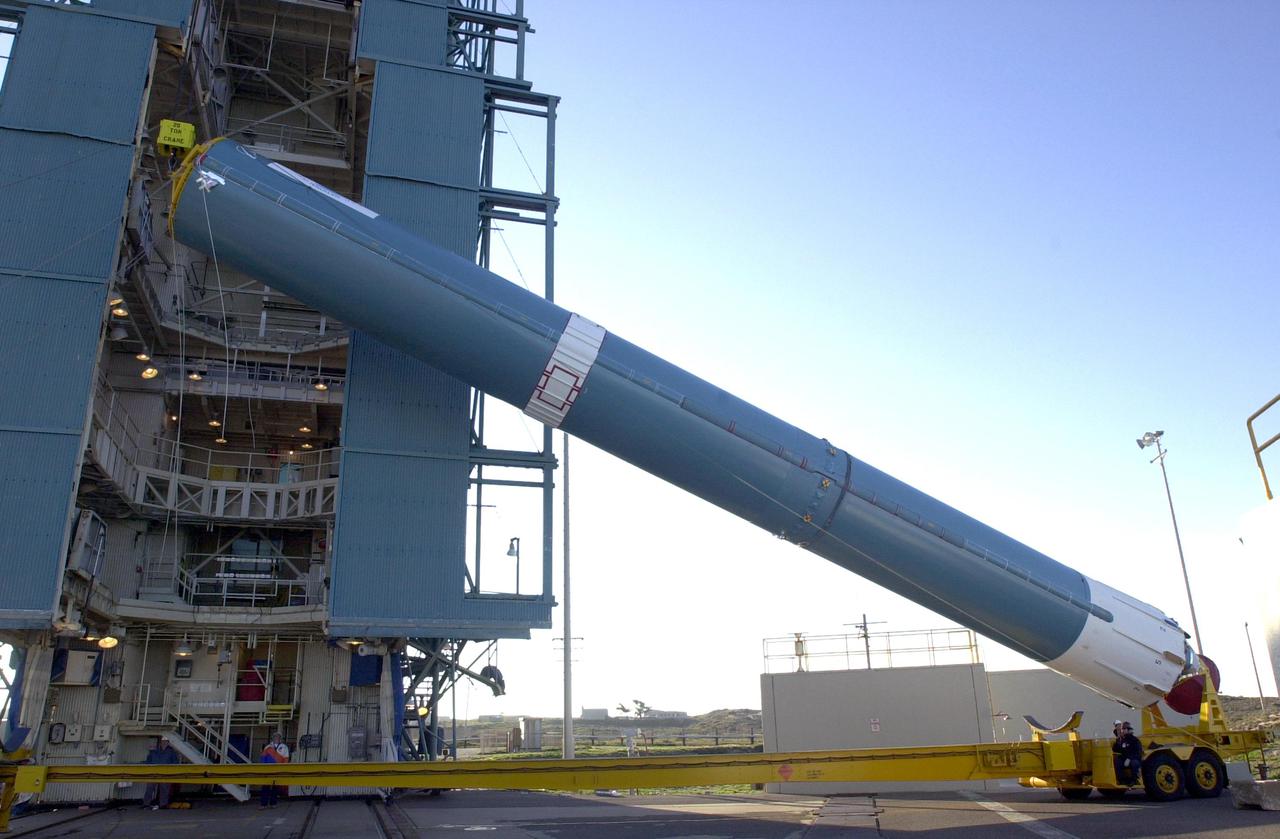
VANDENBERG AIR FORCE BASE, CALIF. - On Space Launch Complex 2 at Vandenberg Air Force Base in California, the first stage of a Boeing Delta 2 rocket is being raised to a vertical position for erection in the launch service tower. The Delta 2 is the launch vehicle for the National Oceanic and Atmospheric Administration (NOAA-N) spacecraft. The NOAA-N satellite will be placed into a polar orbit aboard a Boeing Delta 2 rocket. The spacecraft will continue to provide a polar-orbiting platform to support (1) environmental monitoring instruments for imaging and measuring the Earth's atmosphere, its surface, and cloud cover, including Earth radiation, atmospheric ozone, aerosol distribution, sea surface temperature, and vertical temperature and water profiles in the troposphere and stratosphere; (2) measurement of proton and electron flux at orbit altitude; (3) data collection from remote platforms; and (4) the Search and Rescue Satellite-Aided Tracking (SARSAT) system. Additionally, NOAA-N is the fourth in the series of support dedicated microwave instruments for the generation of temperature, moisture, surface, and hydrological products in cloudy regions where visible and infrared (IR) instruments have decreased capability. Launch is currently scheduled for no earlier than May 11, 2005.
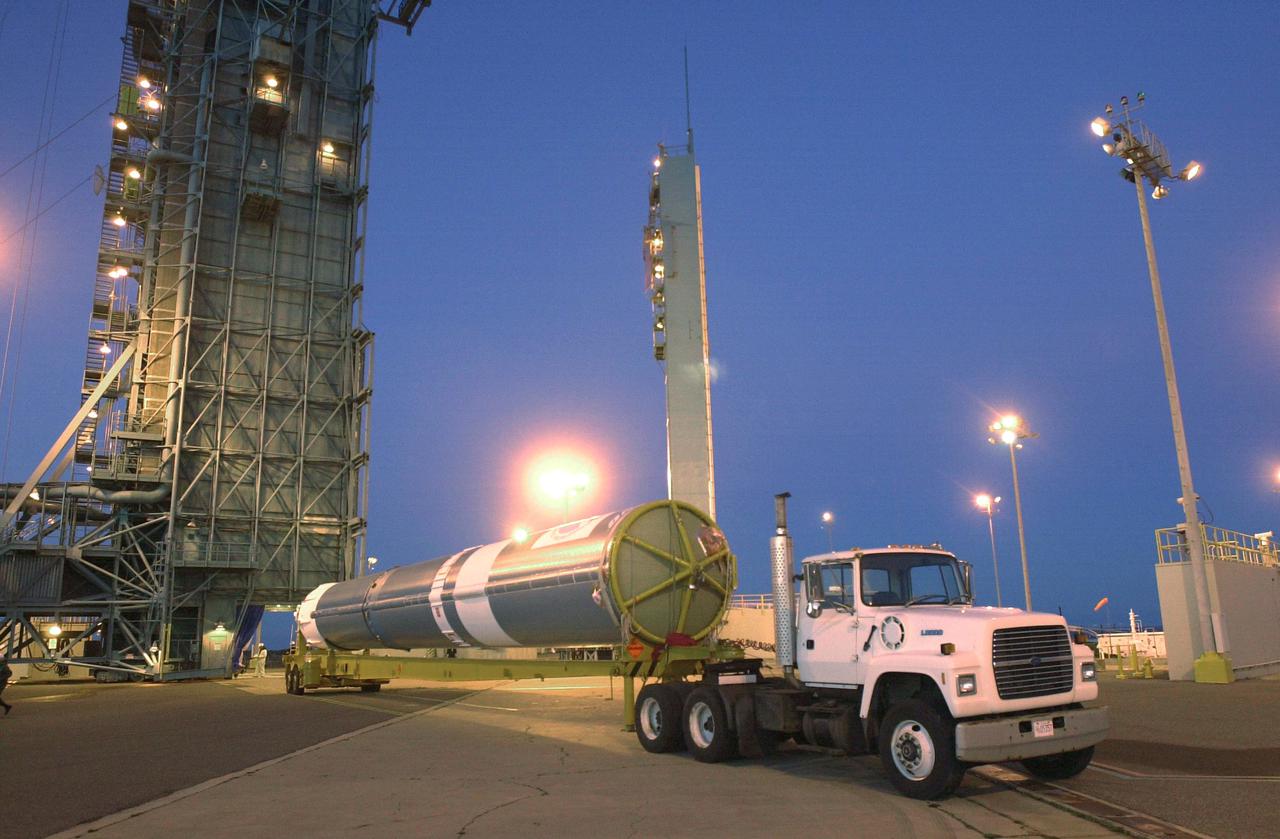
VANDENBERG AIR FORCE BASE, CALIF. - The first stage of a Boeing Delta 2 rocket arrives at Space Launch Complex 2 at Vandenberg Air Force Base in California. The Delta 2 is the launch vehicle for the National Oceanic and Atmospheric Administration (NOAA-N) spacecraft. The NOAA-N satellite will be placed into a polar orbit aboard a Boeing Delta 2 rocket. The spacecraft will continue to provide a polar-orbiting platform to support (1) environmental monitoring instruments for imaging and measuring the Earth's atmosphere, its surface, and cloud cover, including Earth radiation, atmospheric ozone, aerosol distribution, sea surface temperature, and vertical temperature and water profiles in the troposphere and stratosphere; (2) measurement of proton and electron flux at orbit altitude; (3) data collection from remote platforms; and (4) the Search and Rescue Satellite-Aided Tracking (SARSAT) system. Additionally, NOAA-N is the fourth in the series of support dedicated microwave instruments for the generation of temperature, moisture, surface, and hydrological products in cloudy regions where visible and infrared (IR) instruments have decreased capability. Launch is currently scheduled for no earlier than May 11, 2005.
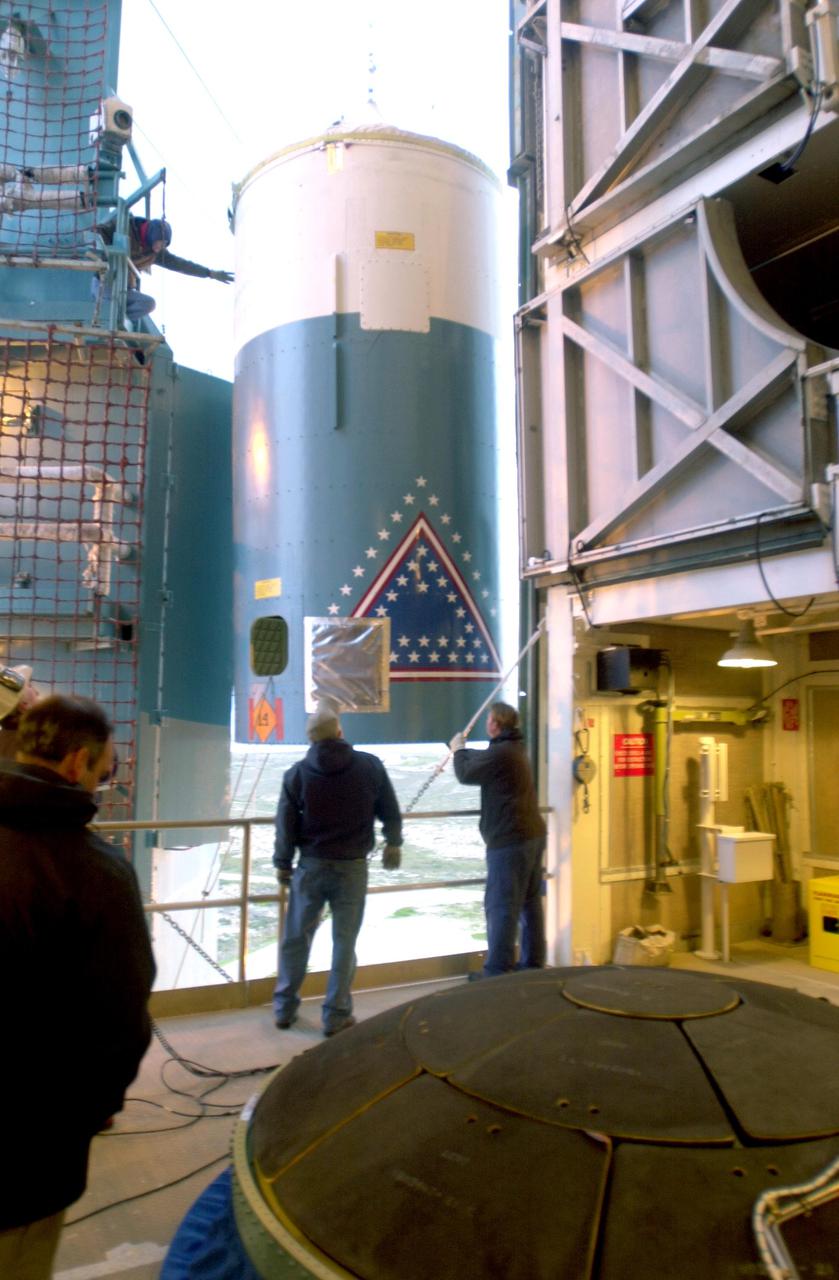
VANDENBERG AIR FORCE BASE, CALIF. - The interstage of a Boeing Delta 2 rocket is lifted to an upper level on the launch service tower on Space Launch Complex 2 at Vandenberg Air Force Base in California. It will be mated with the first stage in the launch service tower. In the foreground is the interstage adapter. The Delta 2 is the launch vehicle for the National Oceanic and Atmospheric Administration (NOAA-N) spacecraft. The NOAA-N satellite will be placed into a polar orbit aboard a Boeing Delta 2 rocket. The spacecraft will continue to provide a polar-orbiting platform to support (1) environmental monitoring instruments for imaging and measuring the Earth's atmosphere, its surface, and cloud cover, including Earth radiation, atmospheric ozone, aerosol distribution, sea surface temperature, and vertical temperature and water profiles in the troposphere and stratosphere; (2) measurement of proton and electron flux at orbit altitude; (3) data collection from remote platforms; and (4) the Search and Rescue Satellite-Aided Tracking (SARSAT) system. Additionally, NOAA-N is the fourth in the series of support dedicated microwave instruments for the generation of temperature, moisture, surface, and hydrological products in cloudy regions where visible and infrared (IR) instruments have decreased capability. Launch is currently scheduled for no earlier than May 11, 2005.
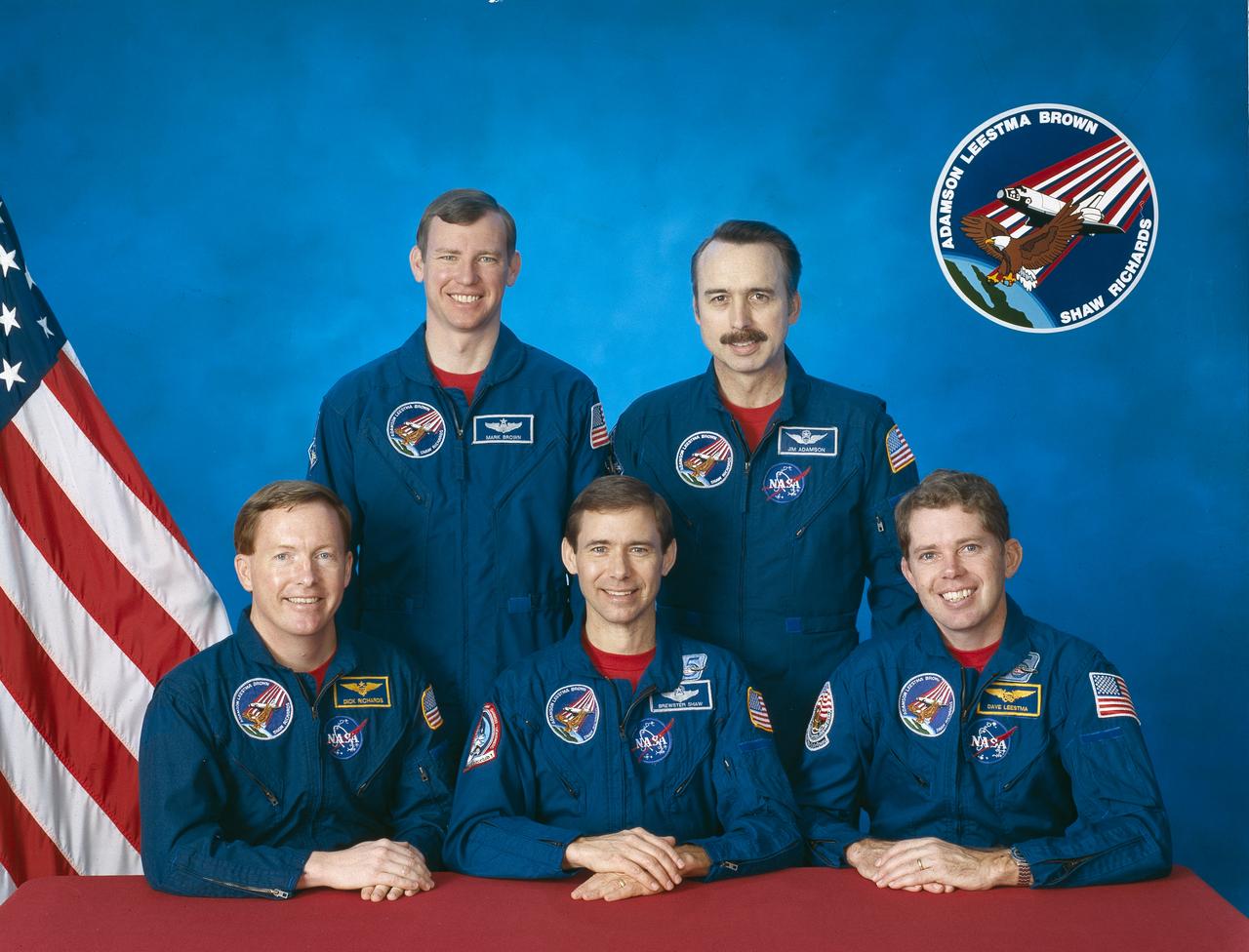
Five astronauts composed the STS-28 crew. Seated from left to right are Richard N. (Dick) Richards, pilot; Brewster H. Shaw, commander; and David C. Leestma, mission specialist 2. Standing, from left to right , are Mark N. Brown, mission specialist 3; and James C. (Jim) Adamson, mission specialist 1. Launched aboard the Space Shuttle Columbia on August 8, 1989, the STS-28 mission was the 4th mission dedicated to the Department of Defense.
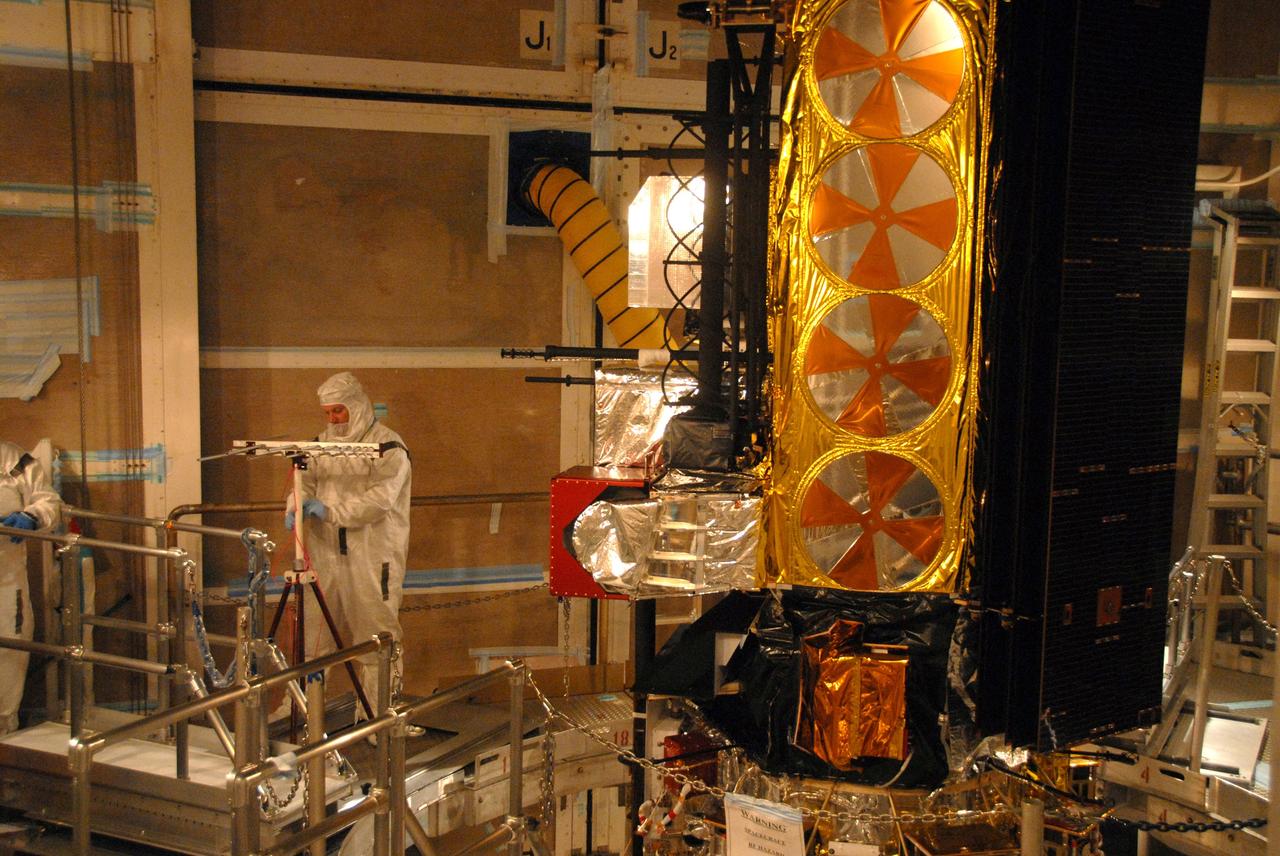
VANDENBERG AIR FORCE BASE, Calif. -- At Space Launch Complex 2 at Vandenberg Air Force Base in California, the NOAA-N Prime spacecraft is set up for an RF and other tests. NOAA-N Prime is the latest polar-orbiting operational environmental weather satellite developed by NASA for the National Oceanic and Atmospheric Administration. The satellite is scheduled to launch Feb. 4 aboard a Delta II rocket from Vandenberg Air Force Base. Photo credit: NASA/ Daniel Liberotti, VAFB
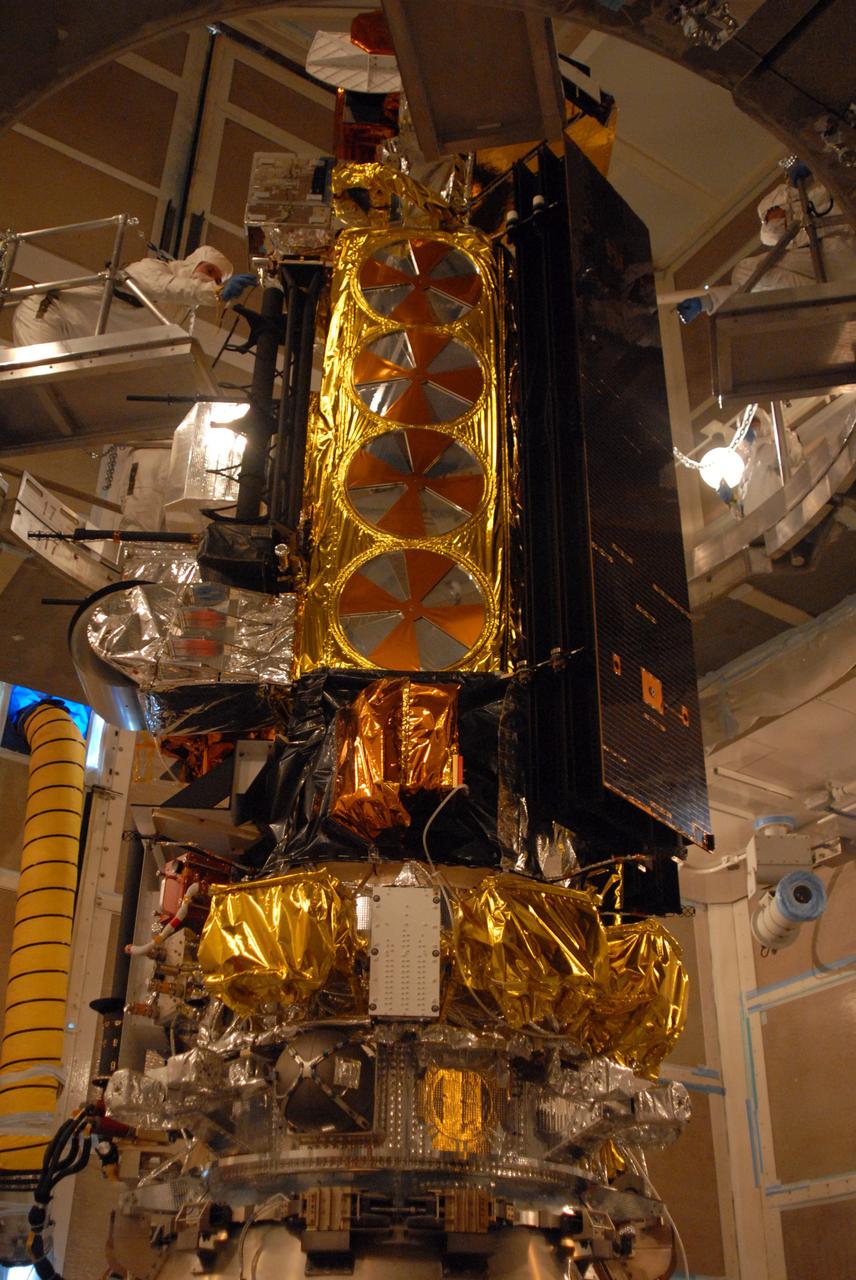
VANDENBERG AIR FORCE BASE, Calif. -- In the mobile service tower on Space Launch Complex 2 at Vandenberg Air Force Base in California, the NOAA-N Prime spacecraft is closed out for encapsulation and installation on the launch vehicle, a Delta II rocket. NOAA-N Prime is the latest polar-orbiting operational environmental weather satellite developed by NASA for the National Oceanic and Atmospheric Administration. The satellite is scheduled to launch Feb. 4 aboard the Delta II from Vandenberg Air Force Base. Photo credit: NASA/VAFB
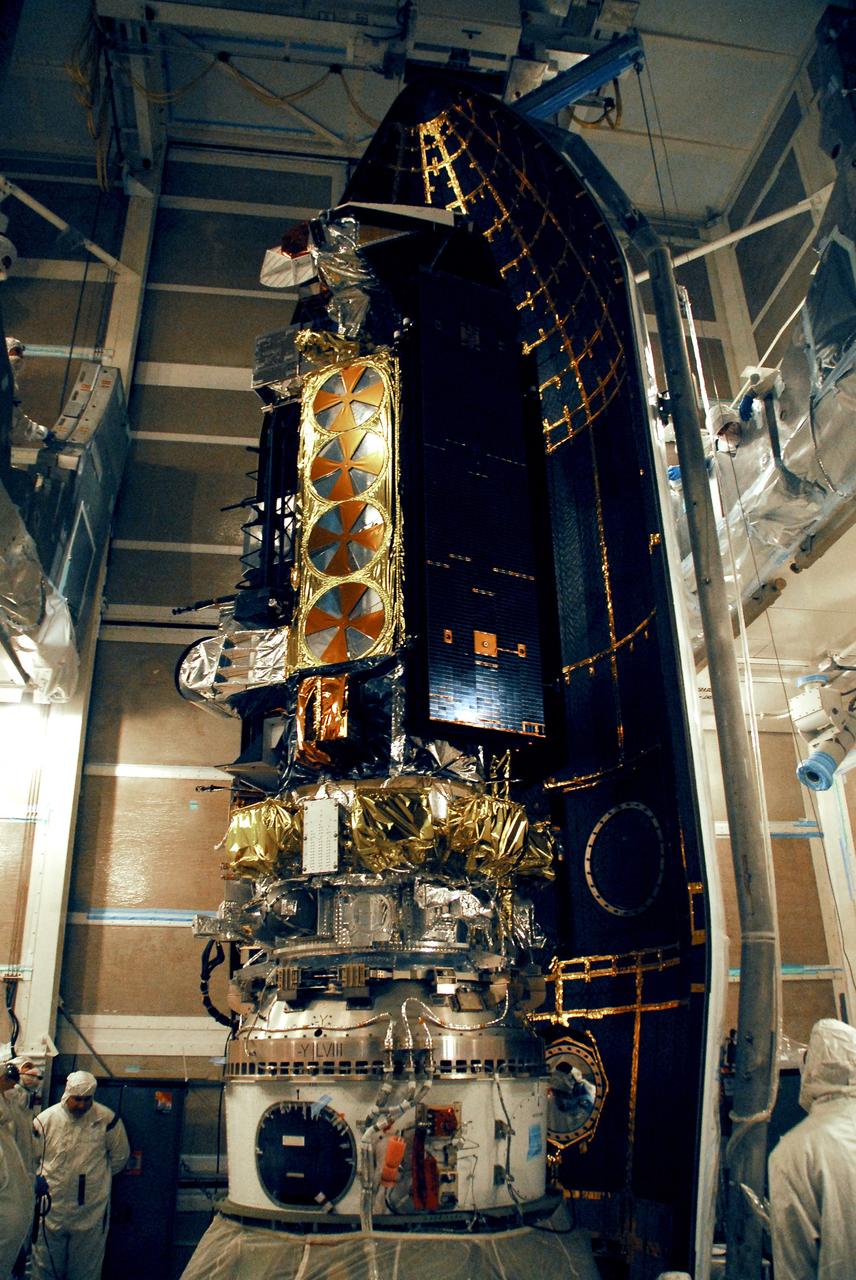
VANDENBERG AIR FORCE BASE, Calif. -- The first half of the fairing is moved into place around the NOAA-N Prime spacecraft in the launch service tower on Space Launch Complex 2 at Vandenberg Air Force Base in California. The fairing is a molded structure that fits flush with the outside surface of the rocket and forms an aerodynamically smooth nose cone, protecting the spacecraft during launch and ascent. NOAA-N Prime is the latest polar-orbiting operational environmental weather satellite developed by NASA for the National Oceanic and Atmospheric Administration. It is built by Lockheed Martin and similar to NOAA-N that was launched on May 20, 2005. Launch of NOAA-N Prime aboard a Delta II rocket is scheduled for Feb. 4. Photo credit: NASA
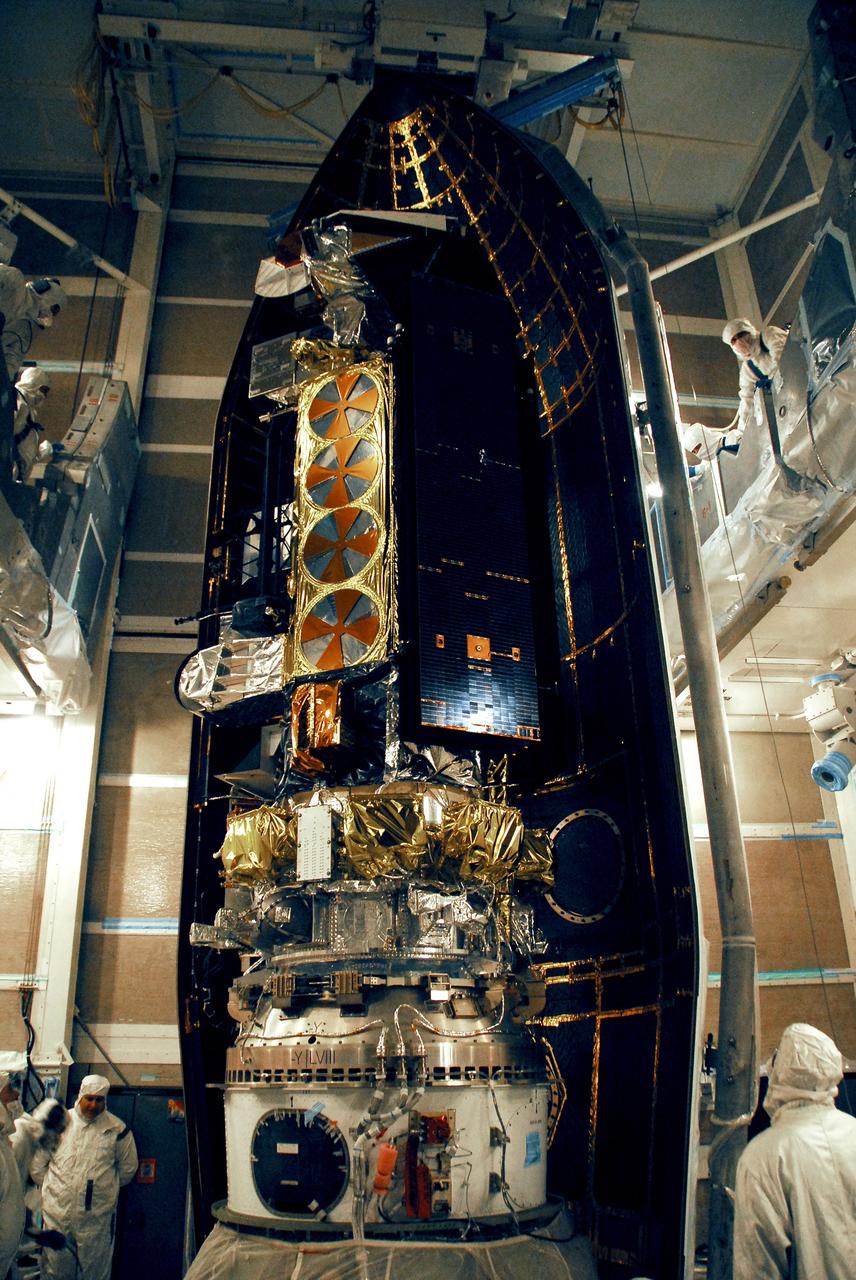
VANDENBERG AIR FORCE BASE, Calif. -- The first half of the fairing is moved into place around the NOAA-N Prime spacecraft in the launch service tower on Space Launch Complex 2 at Vandenberg Air Force Base in California. The fairing is a molded structure that fits flush with the outside surface of the rocket and forms an aerodynamically smooth nose cone, protecting the spacecraft during launch and ascent. NOAA-N Prime is the latest polar-orbiting operational environmental weather satellite developed by NASA for the National Oceanic and Atmospheric Administration. It is built by Lockheed Martin and similar to NOAA-N that was launched on May 20, 2005. Launch of NOAA-N Prime aboard a Delta II rocket is scheduled for Feb. 4. Photo credit: NASA
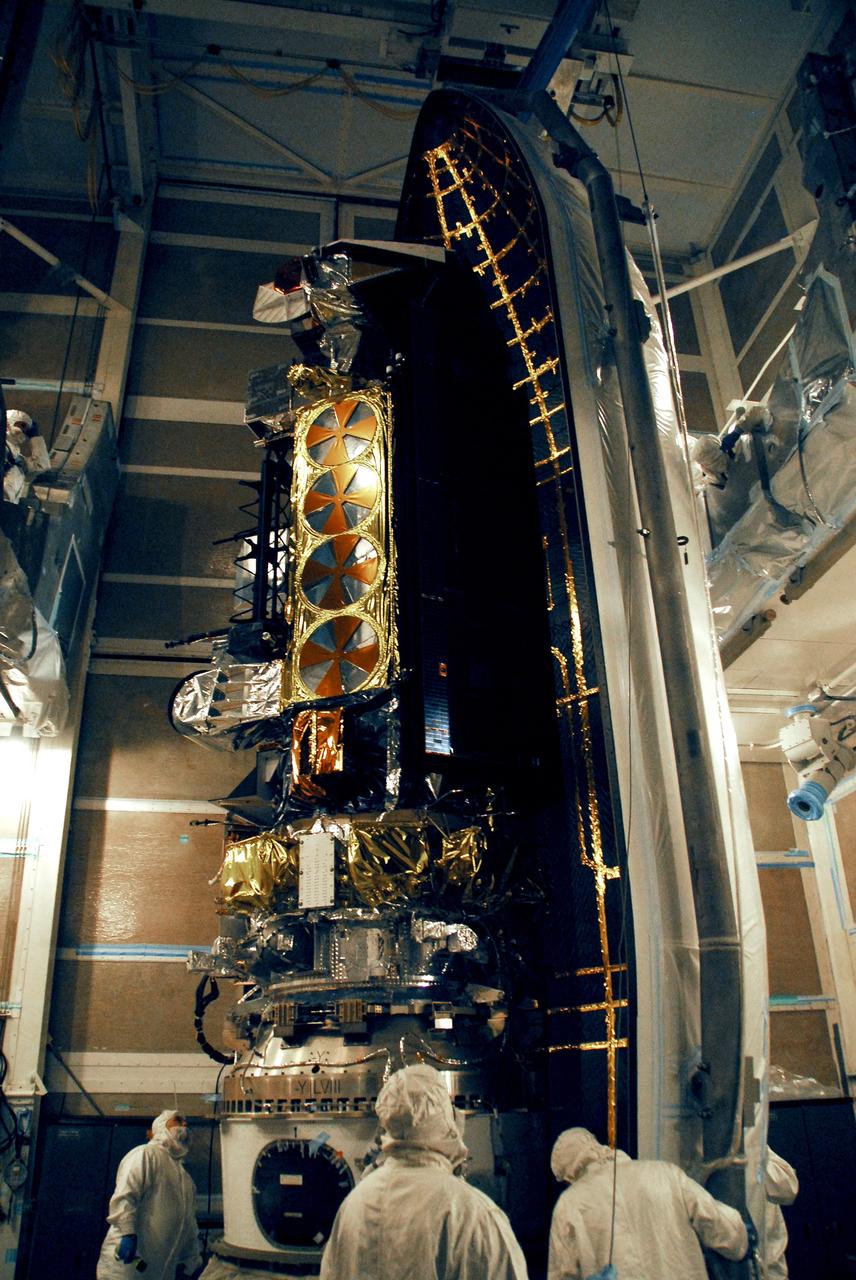
VANDENBERG AIR FORCE BASE, Calif. -- The first half of the fairing is moved into place around the NOAA-N Prime spacecraft in the launch service tower on Space Launch Complex 2 at Vandenberg Air Force Base in California. The fairing is a molded structure that fits flush with the outside surface of the rocket and forms an aerodynamically smooth nose cone, protecting the spacecraft during launch and ascent. NOAA-N Prime is the latest polar-orbiting operational environmental weather satellite developed by NASA for the National Oceanic and Atmospheric Administration. It is built by Lockheed Martin and similar to NOAA-N that was launched on May 20, 2005. Launch of NOAA-N Prime aboard a Delta II rocket is scheduled for Feb. 4. Photo credit: NASA
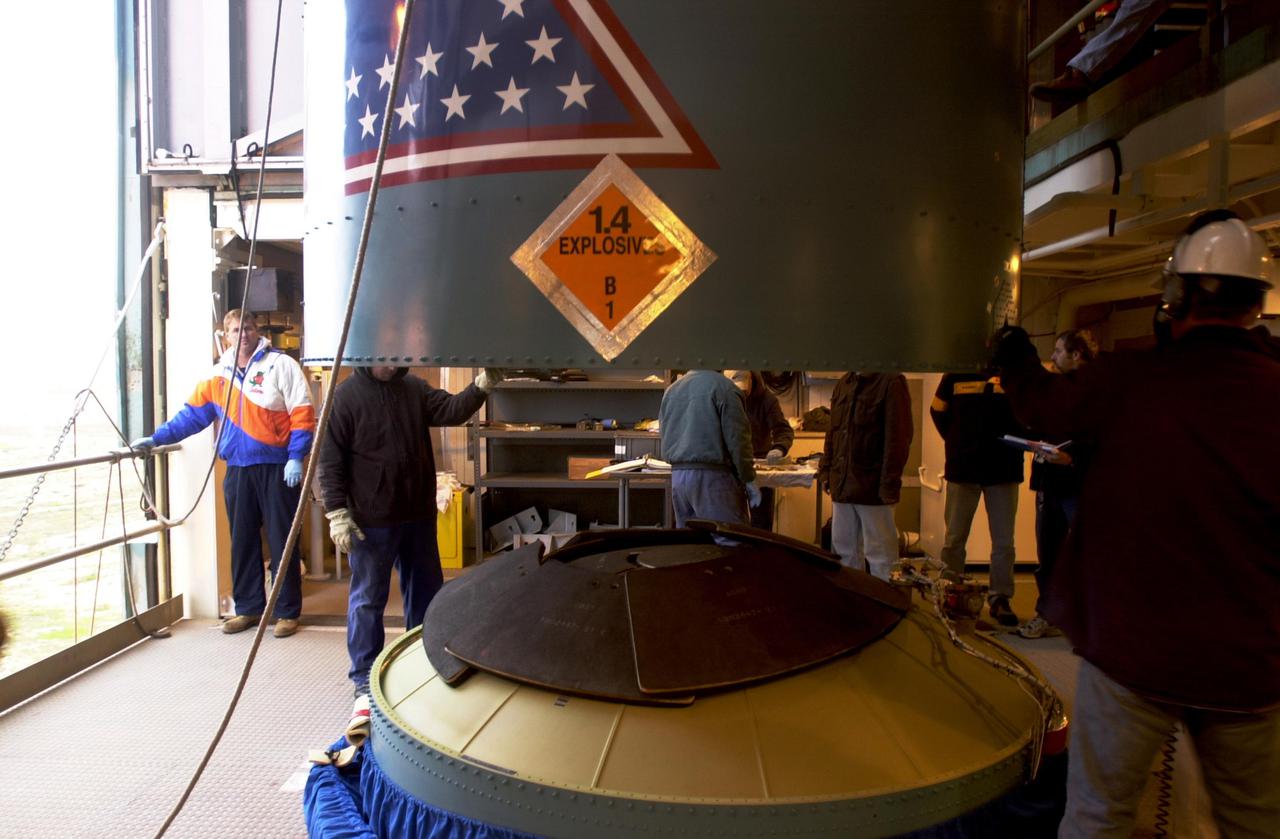
VANDENBERG AIR FORCE BASE, CALIF. - In the launch service tower on Space Launch Complex 2 at Vandenberg Air Force Base in California, the interstage of a Boeing Delta 2 rocket is lowered toward the interstage adapter. The two stages will be mated for launch of the National Oceanic and Atmospheric Administration (NOAA-N) spacecraft. The NOAA-N satellite will be placed into a polar orbit aboard a Boeing Delta 2 rocket. The spacecraft will continue to provide a polar-orbiting platform to support (1) environmental monitoring instruments for imaging and measuring the Earth's atmosphere, its surface, and cloud cover, including Earth radiation, atmospheric ozone, aerosol distribution, sea surface temperature, and vertical temperature and water profiles in the troposphere and stratosphere; (2) measurement of proton and electron flux at orbit altitude; (3) data collection from remote platforms; and (4) the Search and Rescue Satellite-Aided Tracking (SARSAT) system. Additionally, NOAA-N is the fourth in the series of support dedicated microwave instruments for the generation of temperature, moisture, surface, and hydrological products in cloudy regions where visible and infrared (IR) instruments have decreased capability. Launch is currently scheduled for no earlier than May 11, 2005.
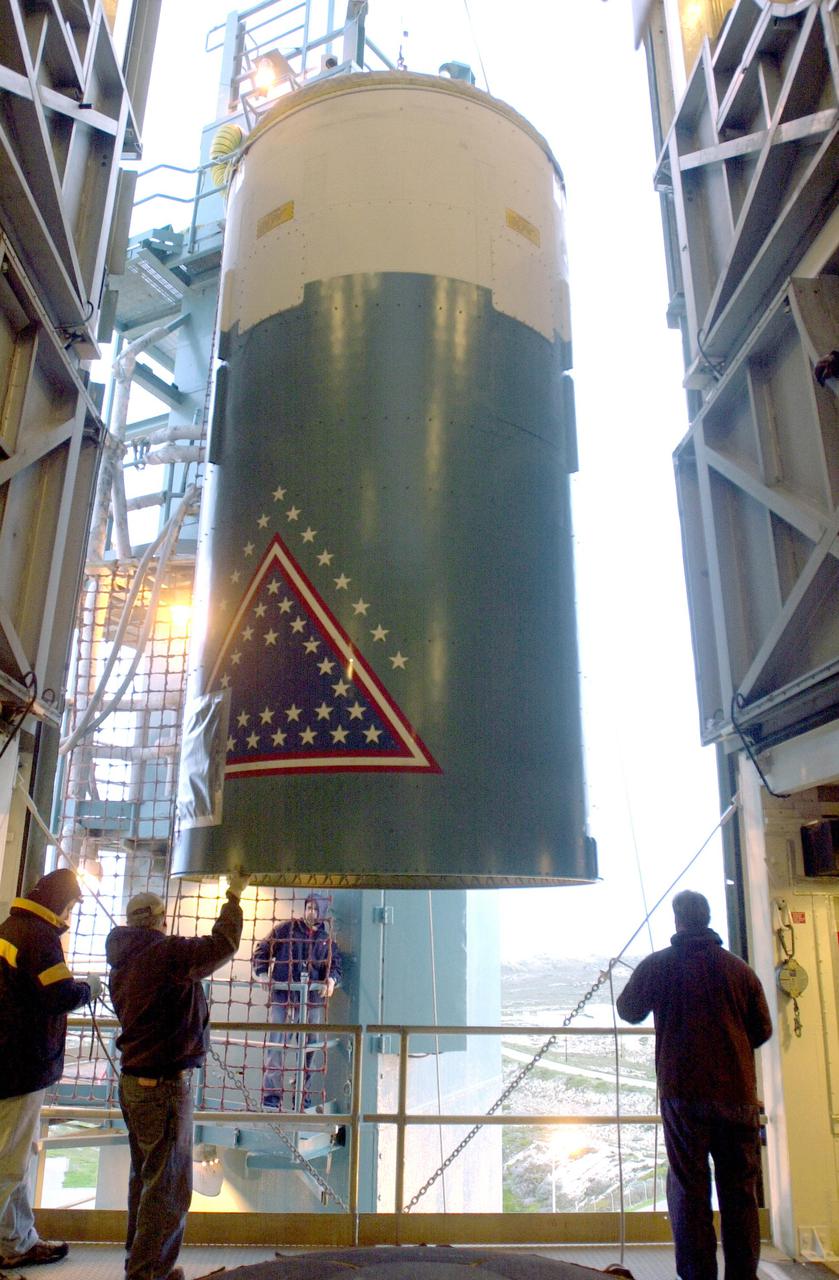
VANDENBERG AIR FORCE BASE, CALIF. - At an upper level of the launch service tower on Space Launch Complex 2 at Vandenberg Air Force Base in California, workers help guide the interstage of a Boeing Delta 2 rocket inside. It will be mated with the first stage in the launch service tower for launch of the National Oceanic and Atmospheric Administration (NOAA-N) spacecraft. The NOAA-N satellite will be placed into a polar orbit aboard a Boeing Delta 2 rocket. The spacecraft will continue to provide a polar-orbiting platform to support (1) environmental monitoring instruments for imaging and measuring the Earth's atmosphere, its surface, and cloud cover, including Earth radiation, atmospheric ozone, aerosol distribution, sea surface temperature, and vertical temperature and water profiles in the troposphere and stratosphere; (2) measurement of proton and electron flux at orbit altitude; (3) data collection from remote platforms; and (4) the Search and Rescue Satellite-Aided Tracking (SARSAT) system. Additionally, NOAA-N is the fourth in the series of support dedicated microwave instruments for the generation of temperature, moisture, surface, and hydrological products in cloudy regions where visible and infrared (IR) instruments have decreased capability. Launch is currently scheduled for no earlier than May 11, 2005.
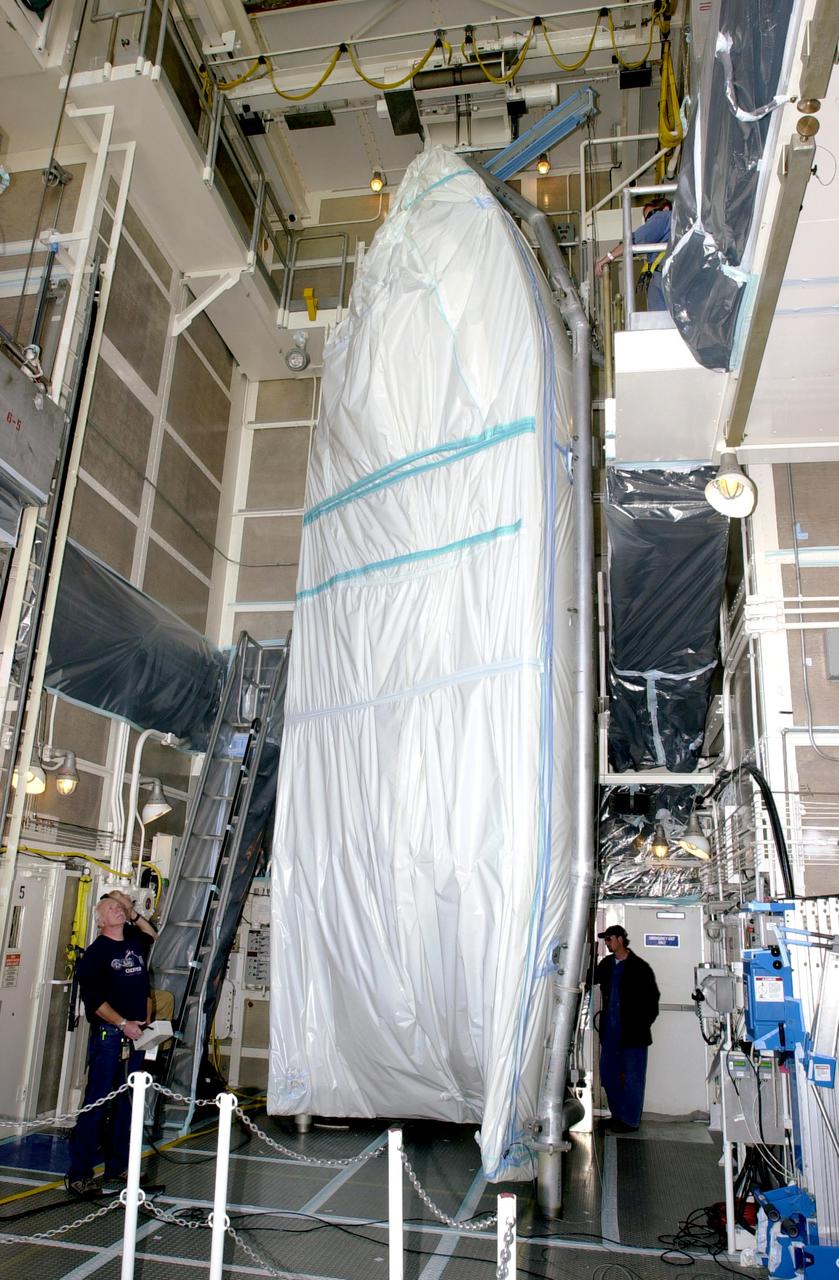
VANDENBERG AIR FORCE BASE, CALIF. - One-half of the fairing for the National Oceanic and Atmospheric Administration (NOAA-N) spacecraft is inside the launch service tower on Space Launch Complex 2 at Vandenberg Air Force Base in California. The NOAA-N satellite will be placed into a polar orbit aboard a Boeing Delta 2 rocket. The spacecraft will continue to provide a polar-orbiting platform to support (1) environmental monitoring instruments for imaging and measuring the Earth's atmosphere, its surface, and cloud cover, including Earth radiation, atmospheric ozone, aerosol distribution, sea surface temperature, and vertical temperature and water profiles in the troposphere and stratosphere; (2) measurement of proton and electron flux at orbit altitude; (3) data collection from remote platforms; and (4) the Search and Rescue Satellite-Aided Tracking (SARSAT) system. Additionally, NOAA-N is the fourth in the series of support dedicated microwave instruments for the generation of temperature, moisture, surface, and hydrological products in cloudy regions where visible and infrared (IR) instruments have decreased capability. Launch is currently scheduled for no earlier than May 11, 2005.
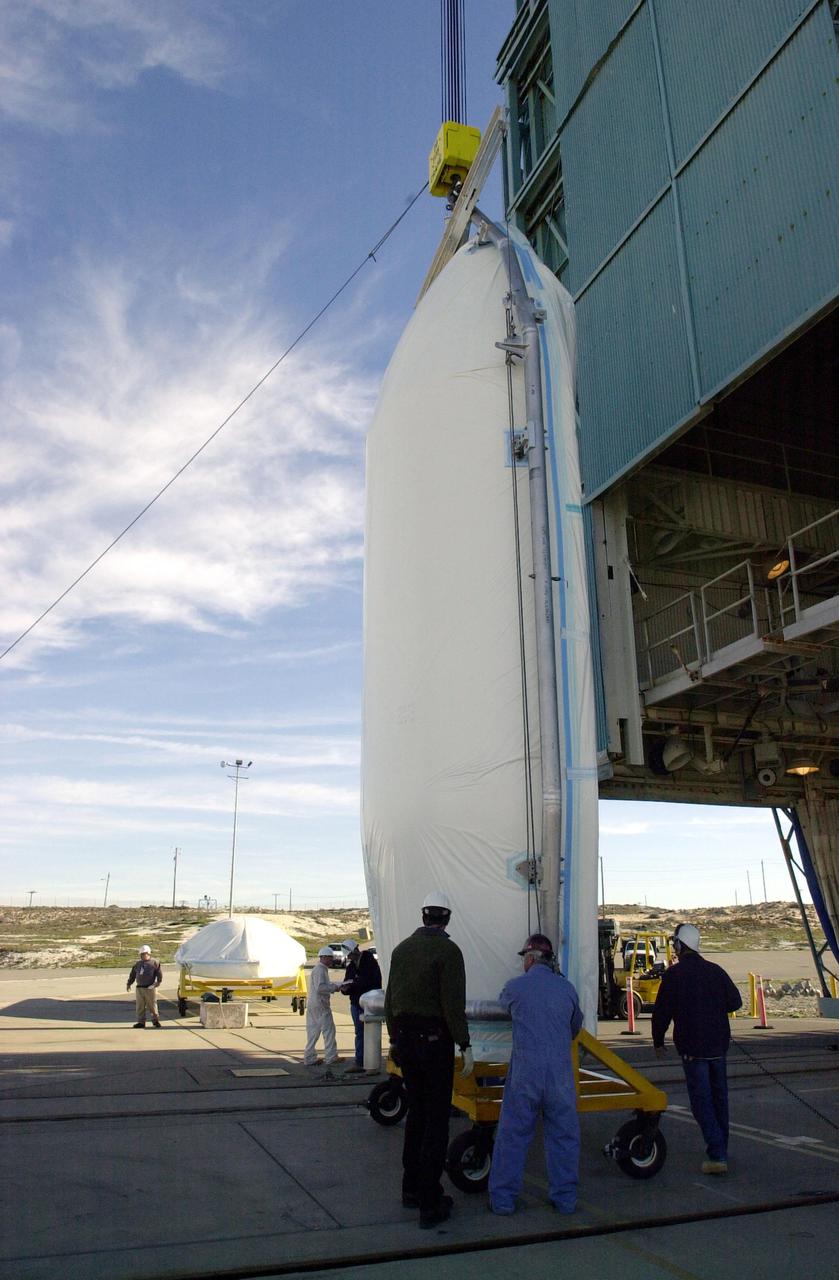
VANDENBERG AIR FORCE BASE, CALIF. - On Space Launch Complex 2 at Vandenberg Air Force Base in California, one-half of the fairing for the National Oceanic and Atmospheric Administration (NOAA-N) spacecraft is prepared to be lifted up the launch service tower. The fairing will be placed around the spacecraft to protect it during launch. The NOAA-N satellite will be placed into a polar orbit aboard a Boeing Delta 2 rocket. The spacecraft will continue to provide a polar-orbiting platform to support (1) environmental monitoring instruments for imaging and measuring the Earth's atmosphere, its surface, and cloud cover, including Earth radiation, atmospheric ozone, aerosol distribution, sea surface temperature, and vertical temperature and water profiles in the troposphere and stratosphere; (2) measurement of proton and electron flux at orbit altitude; (3) data collection from remote platforms; and (4) the Search and Rescue Satellite-Aided Tracking (SARSAT) system. Additionally, NOAA-N is the fourth in the series of support dedicated microwave instruments for the generation of temperature, moisture, surface, and hydrological products in cloudy regions where visible and infrared (IR) instruments have decreased capability. Launch is currently scheduled for no earlier than May 11, 2005.
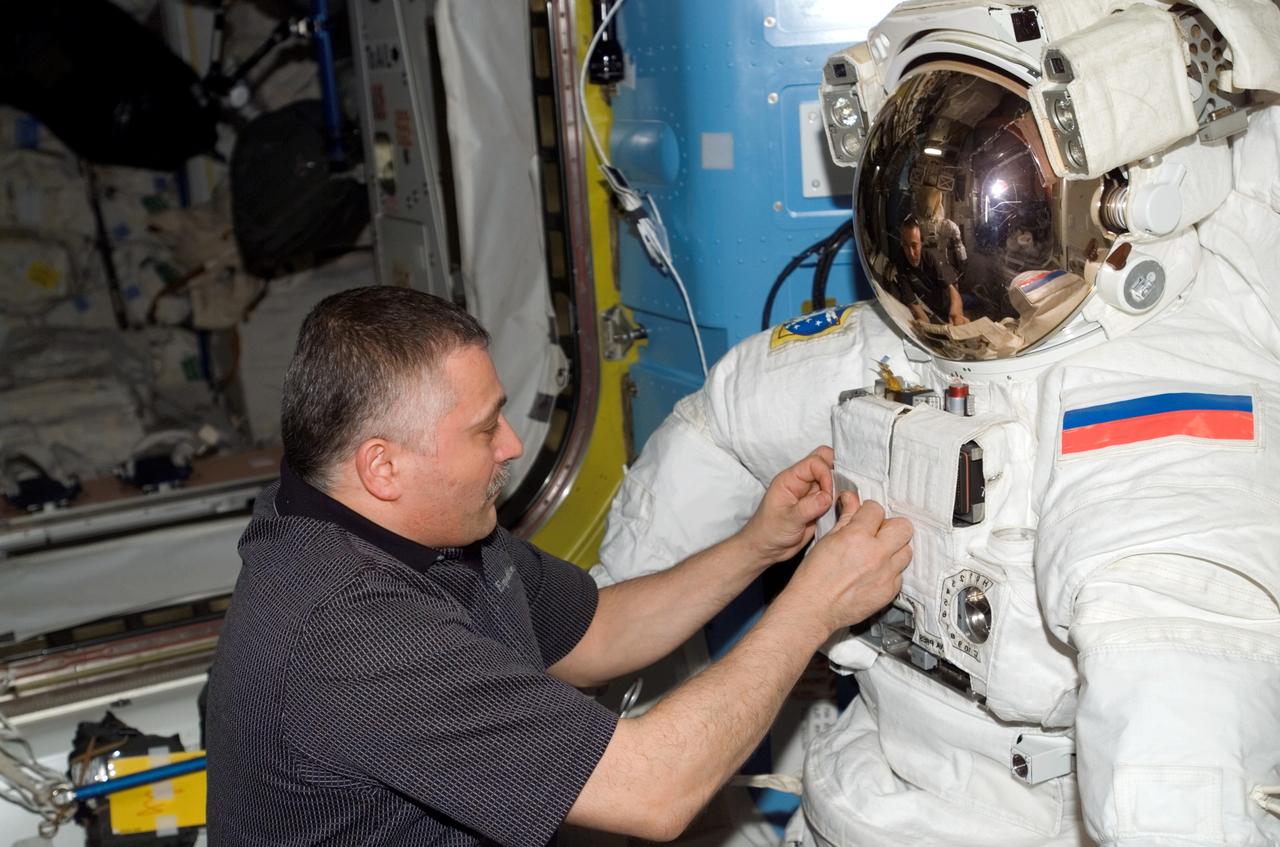
ISS015-E-15670 (2 July 2007) --- Cosmonaut Fyodor N. Yurchikhin, Expedition 15 commander representing Russia's Federal Space Agency, works with an Extravehicular Mobility Unit (EMU) spacesuit in the Quest Airlock of the International Space Station.
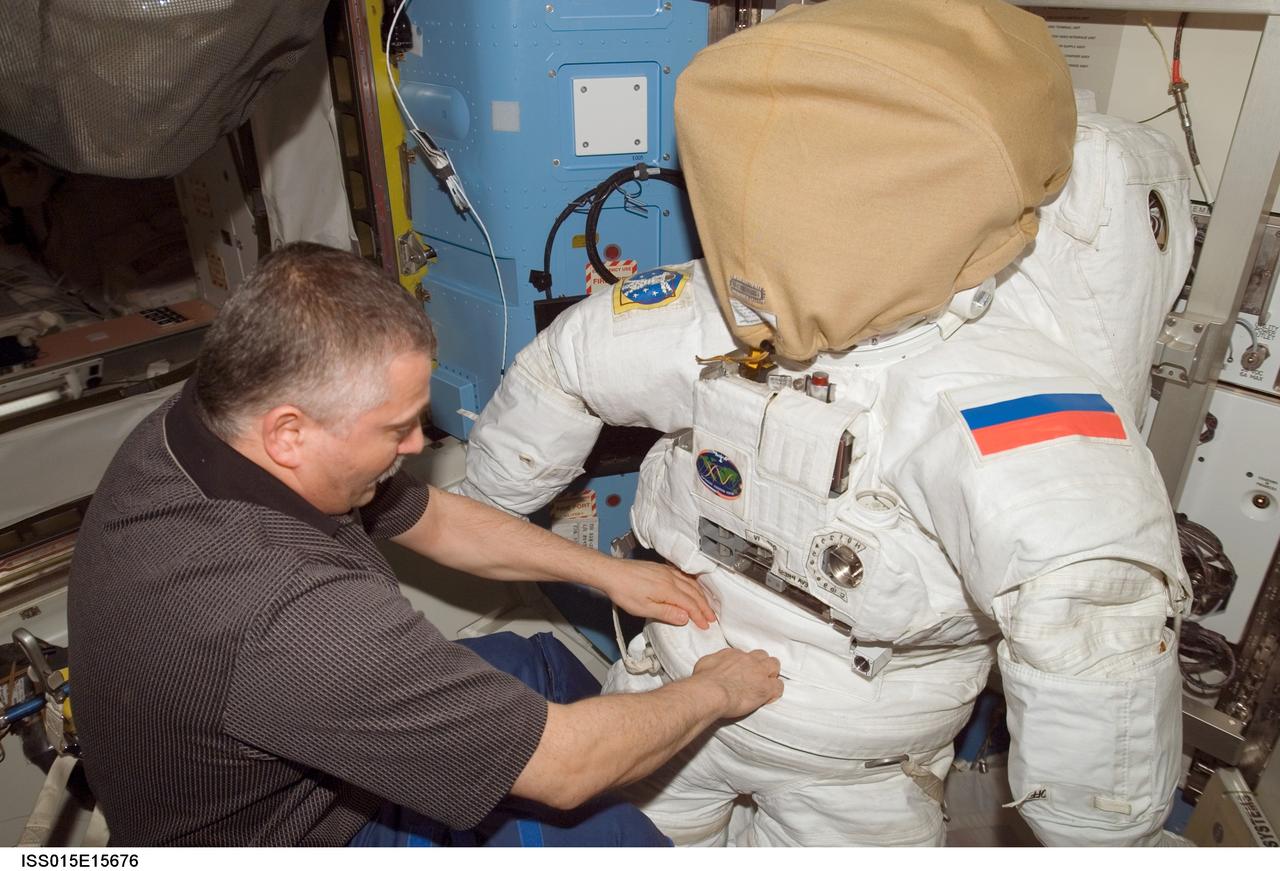
ISS015-E-15676 (2 July 2007) --- Cosmonaut Fyodor N. Yurchikhin, Expedition 15 commander representing Russia's Federal Space Agency, works with an Extravehicular Mobility Unit (EMU) spacesuit in the Quest Airlock of the International Space Station.
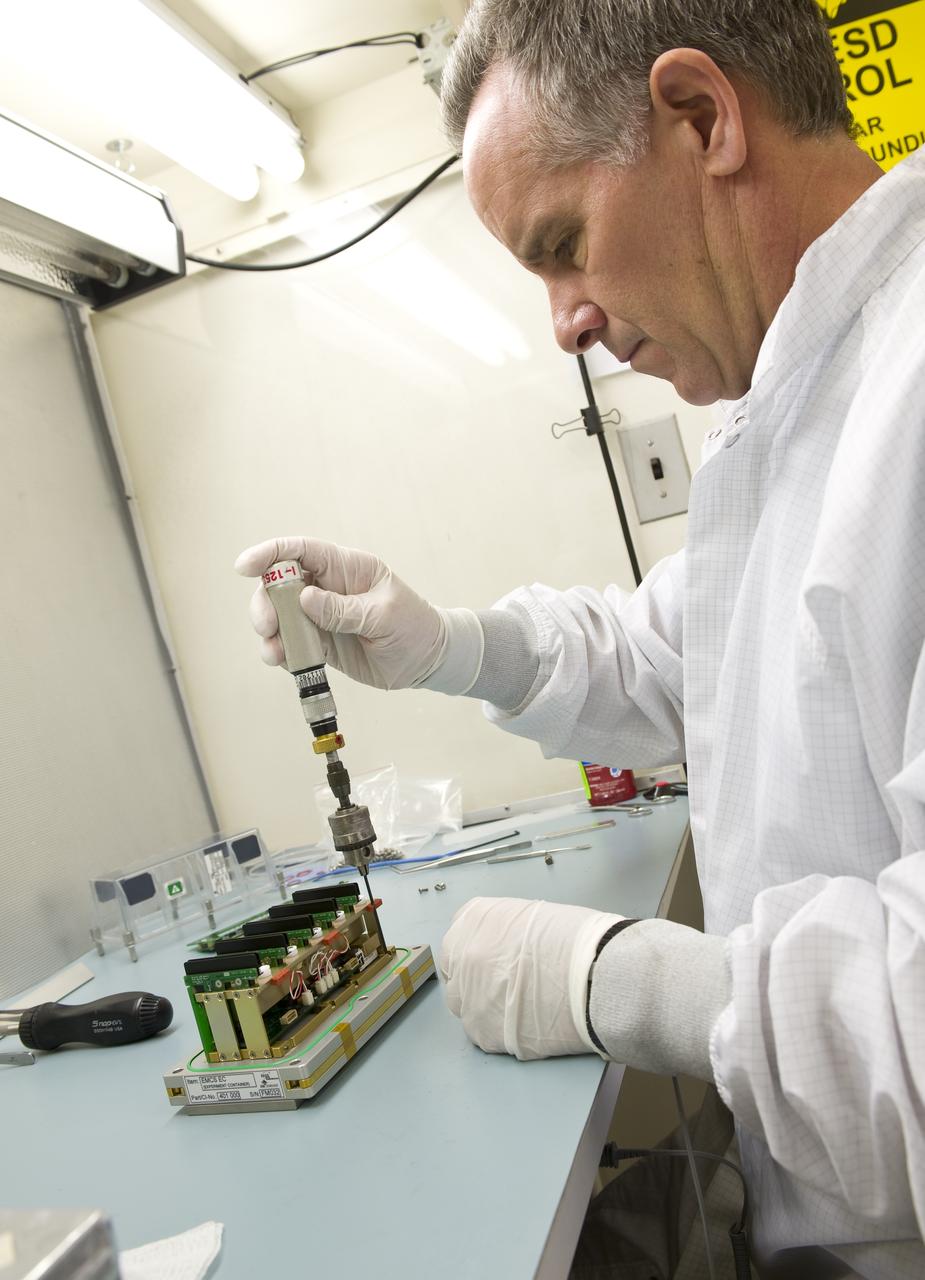
TROPI-2; Assembly of flight hardware with Prepared Experiment Containers loaded with seeds in EMCS (European Modular Cultivation System) Lab, N-236. Flight hardware will be hand carried to KSC for loading on STS-130 Shuttle mission. David Leskovsky works on the assembly.
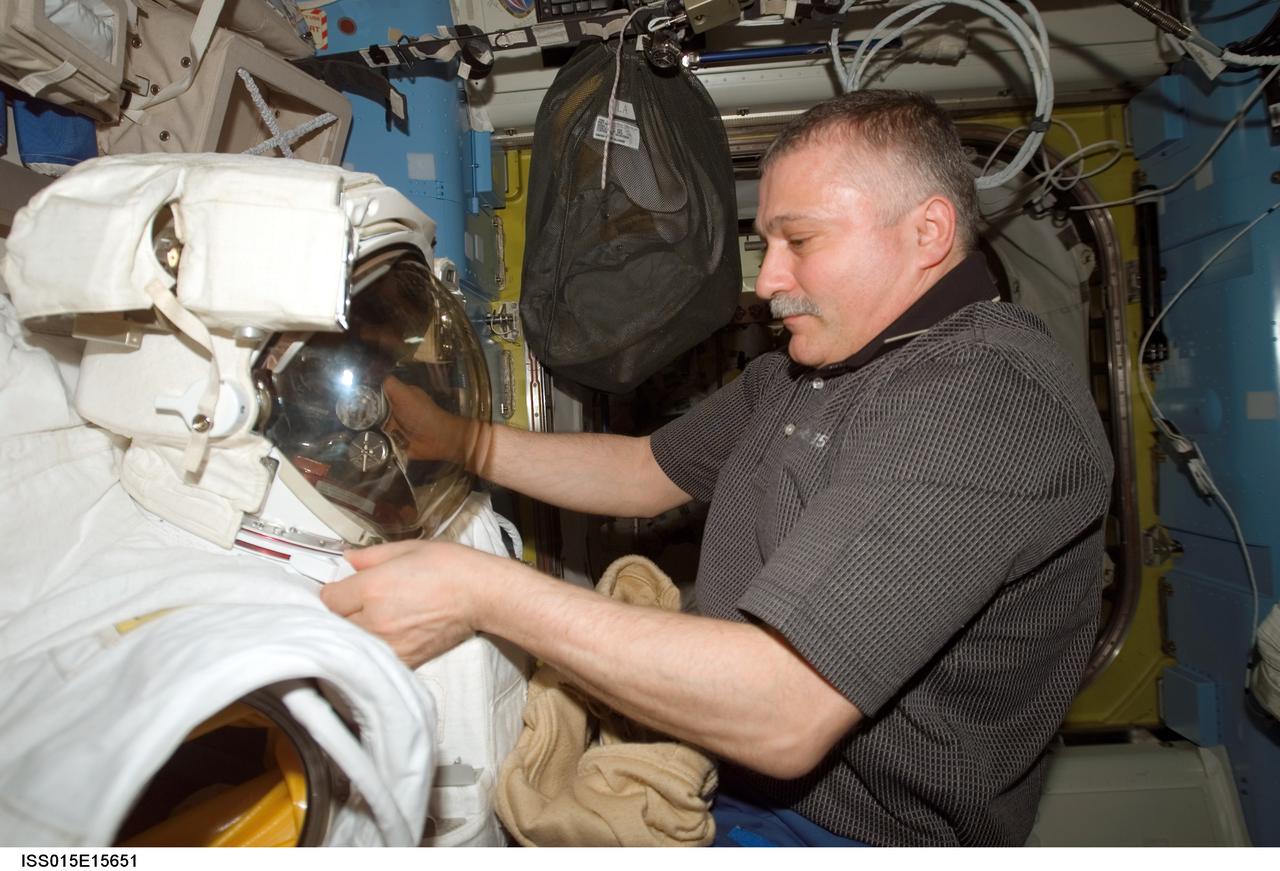
ISS015-E-15651 (2 July 2007) --- Cosmonaut Fyodor N. Yurchikhin, Expedition 15 commander representing Russia's Federal Space Agency, works with an Extravehicular Mobility Unit (EMU) spacesuit in the Quest Airlock of the International Space Station.

TROPI-2; Assembly of flight hardware with Prepared Experiment Containers loaded with seeds in EMCS (European Modular Cultivation System) Lab, N-236. Flight hardware will be hand carried to KSC for loading on STS-130 Shuttle mission. Left to right are David Leskovsky and Kris Vogelsong.
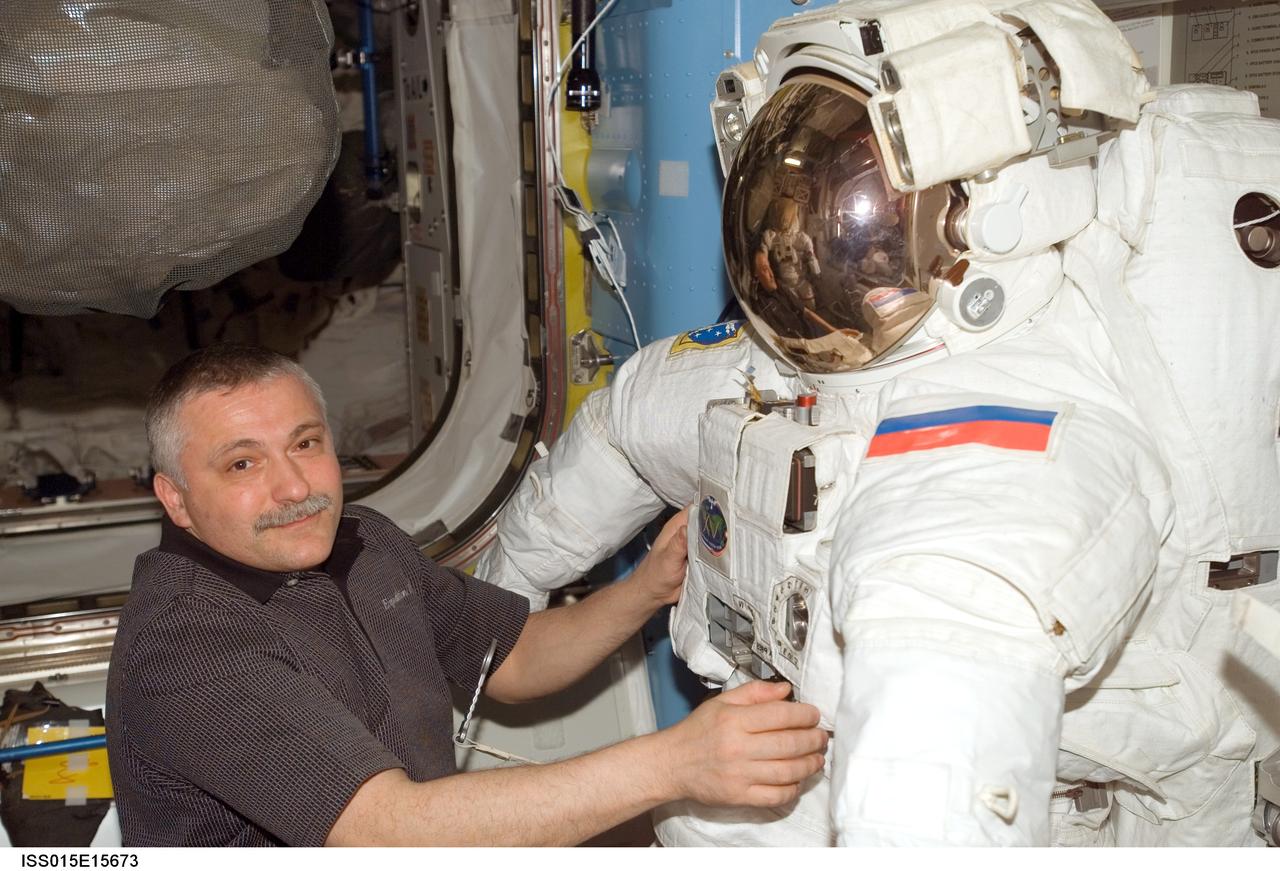
ISS015-E-15673 (2 July 2007) --- Cosmonaut Fyodor N. Yurchikhin, Expedition 15 commander representing Russia's Federal Space Agency, works with an Extravehicular Mobility Unit (EMU) spacesuit in the Quest Airlock of the International Space Station.
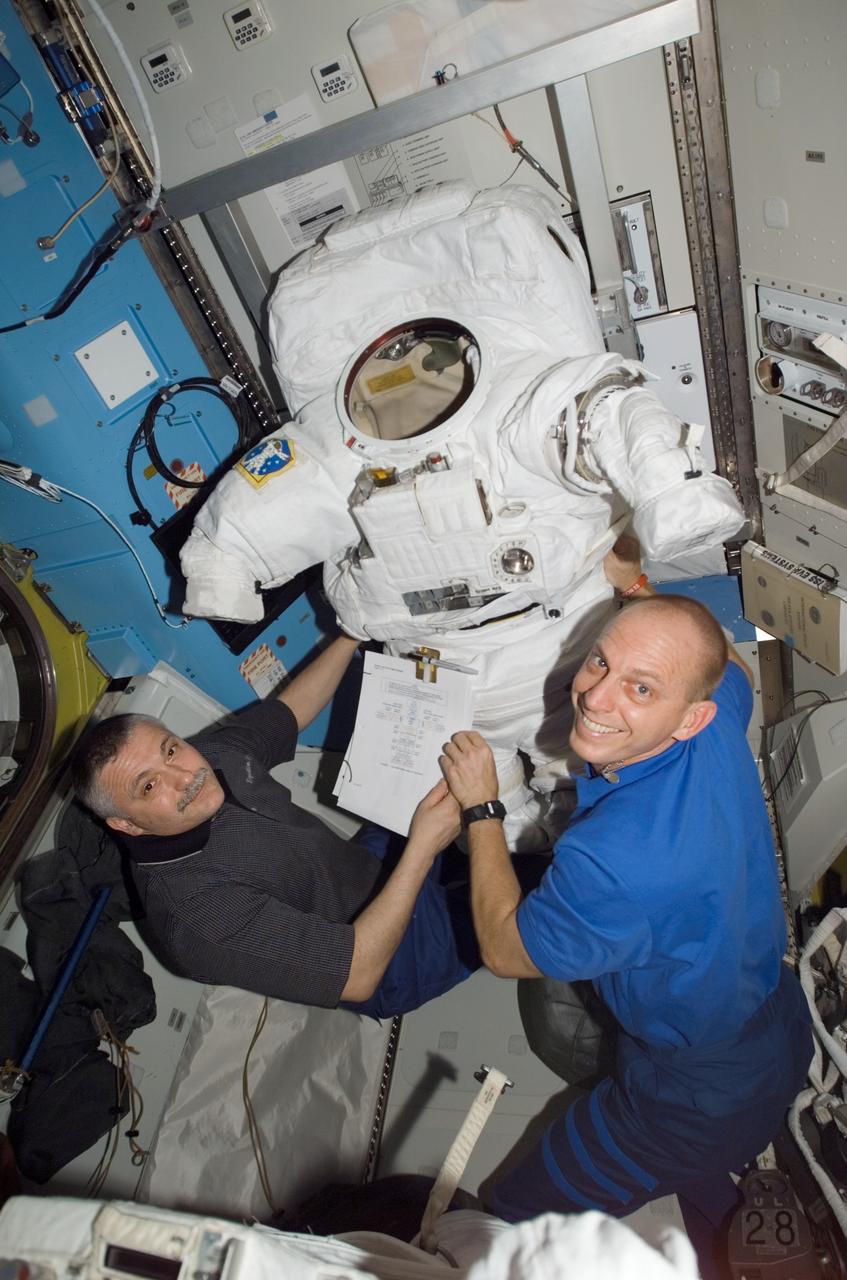
ISS015-E-15644 (2 July 2007) --- Cosmonaut Fyodor N. Yurchikhin (left), Expedition 15 commander representing Russia's Federal Space Agency, and astronaut Clayton C. Anderson, flight engineer, work with an Extravehicular Mobility Unit (EMU) spacesuit in the Quest Airlock of the International Space Station.
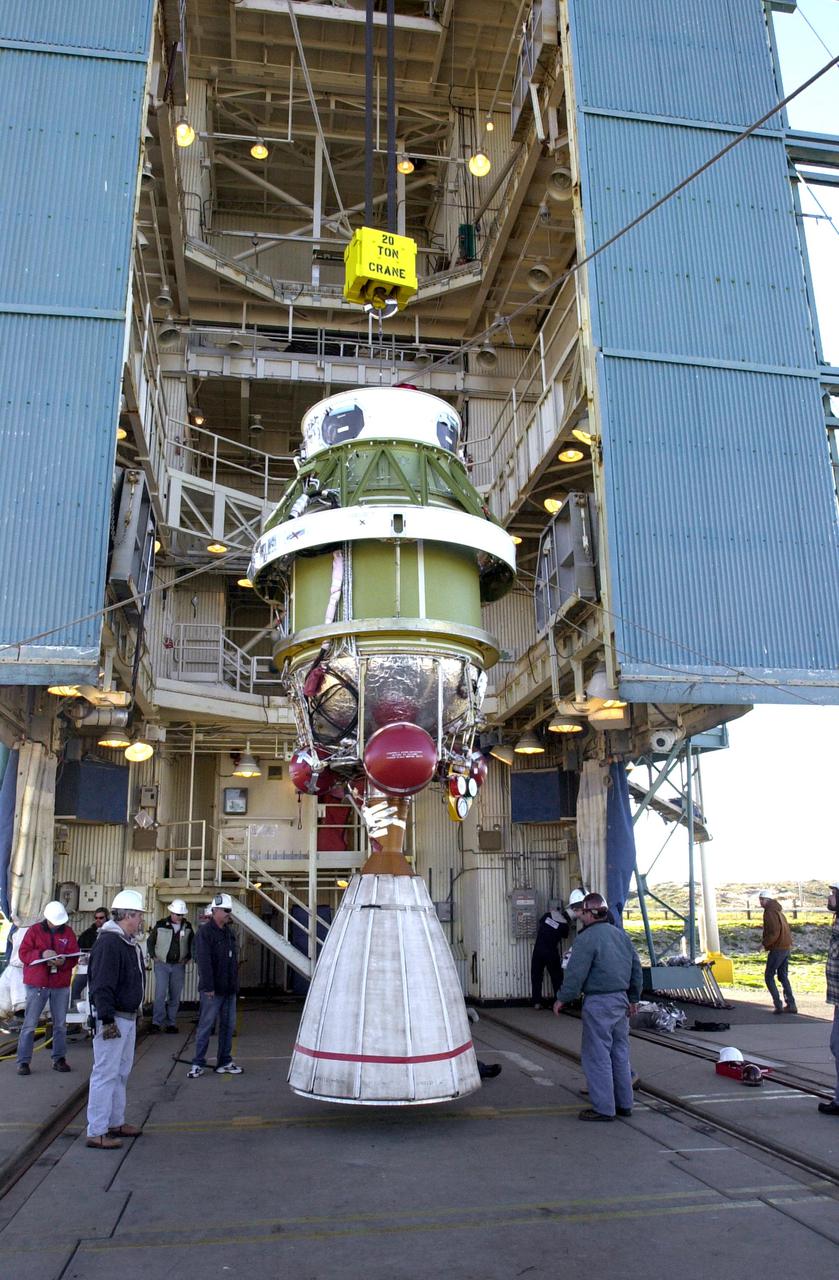
VANDENBERG AIR FORCE BASE, CALIF. - At Space Launch Complex 2 on Vandenberg Air Force Base in California, the second stage of the Boeing Delta II rocket is now suspended vertically and can be lifted up the service tower for mating with the first stage. The Delta II will launch the National Oceanic and Atmospheric Administration (NOAA-N) spacecraft. After launch, NOAA-N will be renamed NOAA-18 and will provide measurements of the Earth's surface and atmosphere that will be entered into NOAA’s weather forecasting models and used for other environmental studies. Each day, the satellite will send data to NOAA’s Command and Data Acquisition station computers, adding vital information to forecasting models, especially over the oceans, where conventional data is lacking. Launch of NOAA-N is scheduled for May 11, 2005.
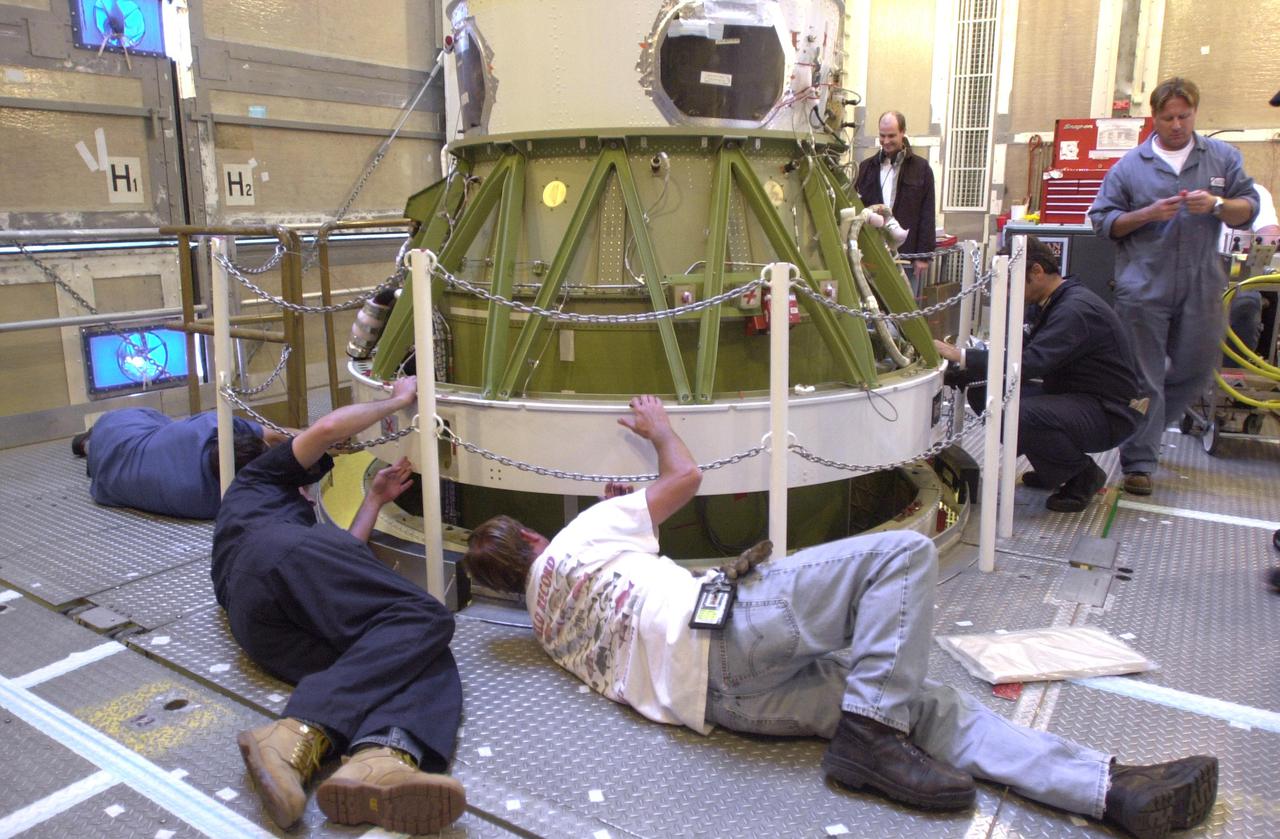
VANDENBERG AIR FORCE BASE, CALIF. - Inside the service tower at Space Launch Complex 2 on Vandenberg Air Force Base in California, Boeing workers get ready to mate the second stage (above) to the first stage of a Boeing Delta II rocket. The Delta II will launch the National Oceanic and Atmospheric Administration (NOAA-N) spacecraft. After launch, NOAA-N will be renamed NOAA-18 and will provide measurements of the Earth's surface and atmosphere that will be entered into NOAA’s weather forecasting models and used for other environmental studies. Each day, the satellite will send data to NOAA’s Command and Data Acquisition station computers, adding vital information to forecasting models, especially over the oceans, where conventional data is lacking. Launch of NOAA-N is scheduled for May 11, 2005.
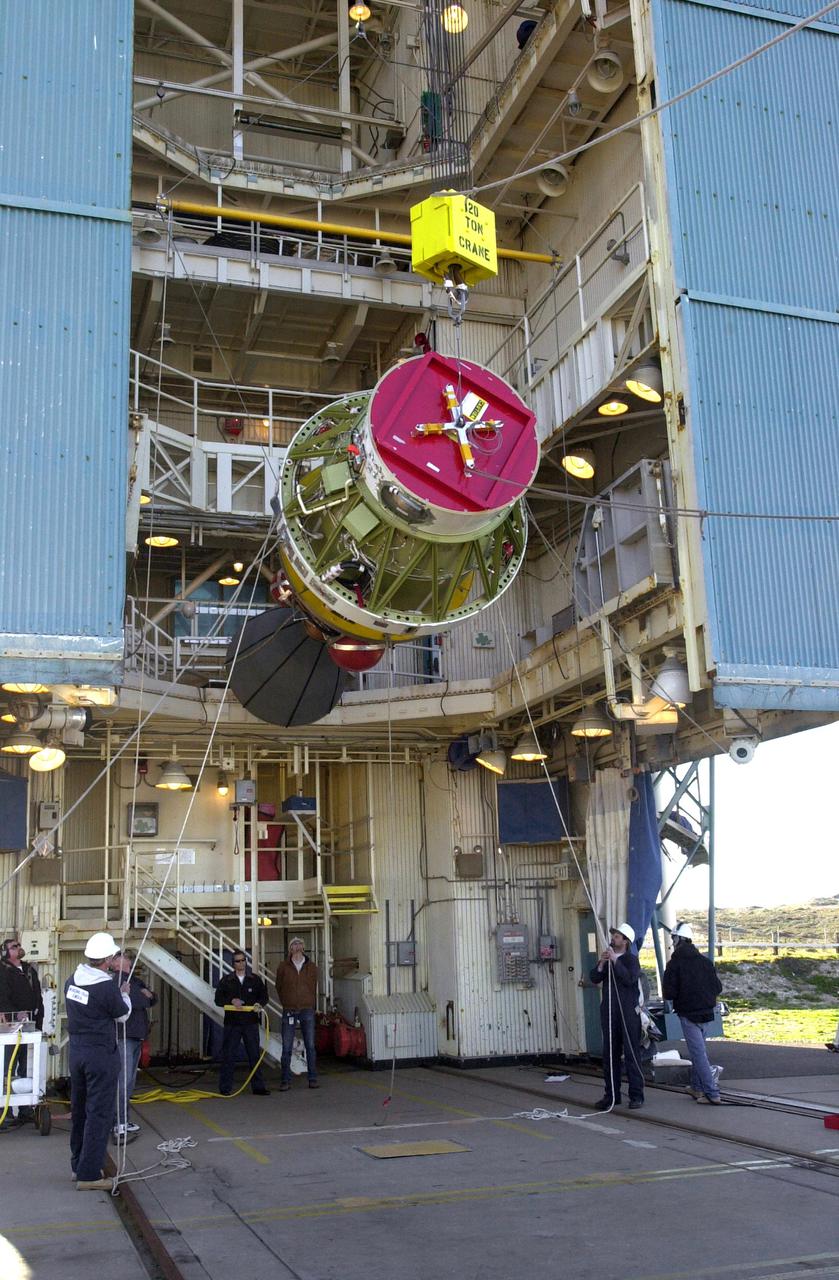
VANDENBERG AIR FORCE BASE, CALIF. - At Space Launch Complex 2 on Vandenberg Air Force Base in California, Boeing workers help guide the second stage of the Boeing Delta II rocket to a vertical position. The second stage will be lifted and mated with the first stage. The Delta II will launch the National Oceanic and Atmospheric Administration (NOAA-N) spacecraft. After launch, NOAA-N will be renamed NOAA-18 and will provide measurements of the Earth's surface and atmosphere that will be entered into NOAA’s weather forecasting models and used for other environmental studies. Each day, the satellite will send data to NOAA’s Command and Data Acquisition station computers, adding vital information to forecasting models, especially over the oceans, where conventional data is lacking. Launch of NOAA-N is scheduled for May 11, 2005.
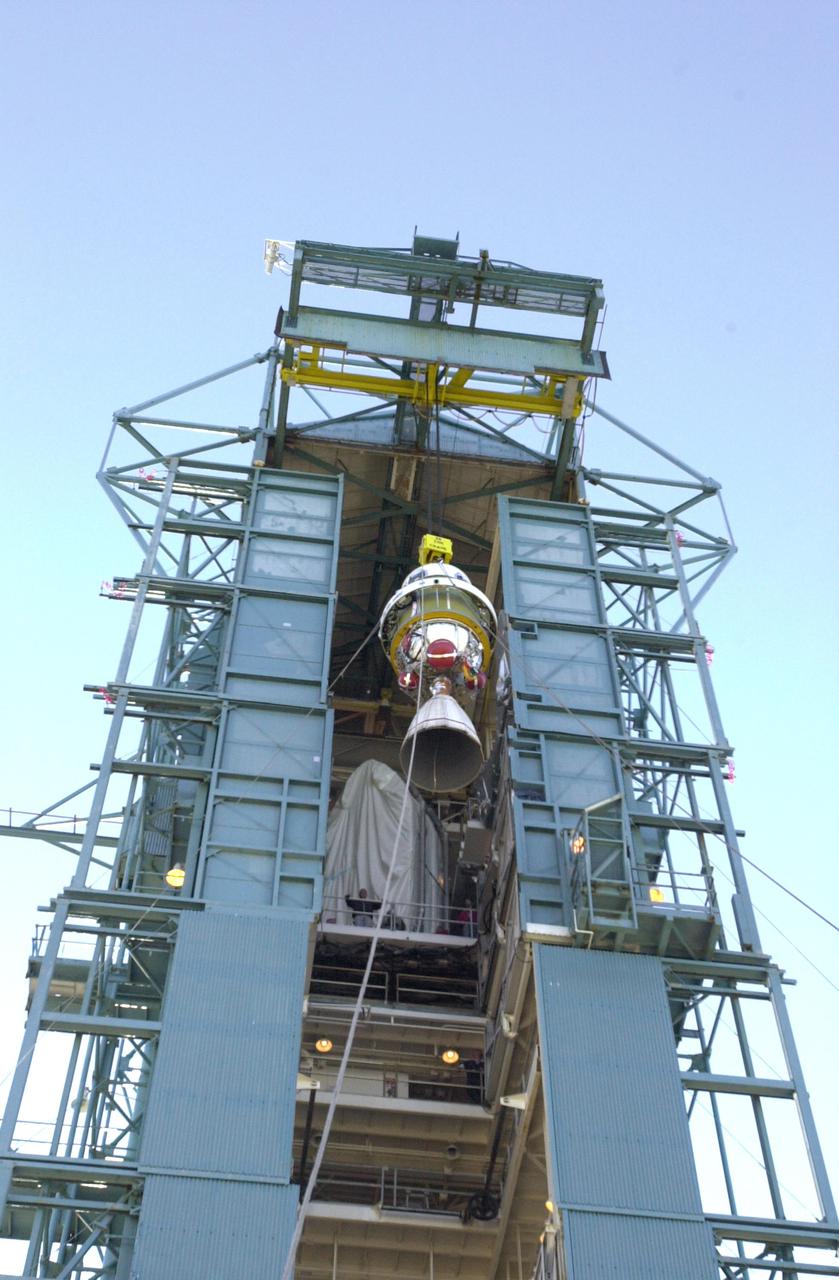
VANDENBERG AIR FORCE BASE, CALIF. - At Space Launch Complex 2 on Vandenberg Air Force Base in California, the second stage of the Boeing Delta II rocket is lifted up the service tower for mating with the first stage. The Delta II will launch the National Oceanic and Atmospheric Administration (NOAA-N) spacecraft. After launch, NOAA-N will be renamed NOAA-18 and will provide measurements of the Earth's surface and atmosphere that will be entered into NOAA’s weather forecasting models and used for other environmental studies. Each day, the satellite will send data to NOAA’s Command and Data Acquisition station computers, adding vital information to forecasting models, especially over the oceans, where conventional data is lacking. Launch of NOAA-N is scheduled for May 11, 2005.
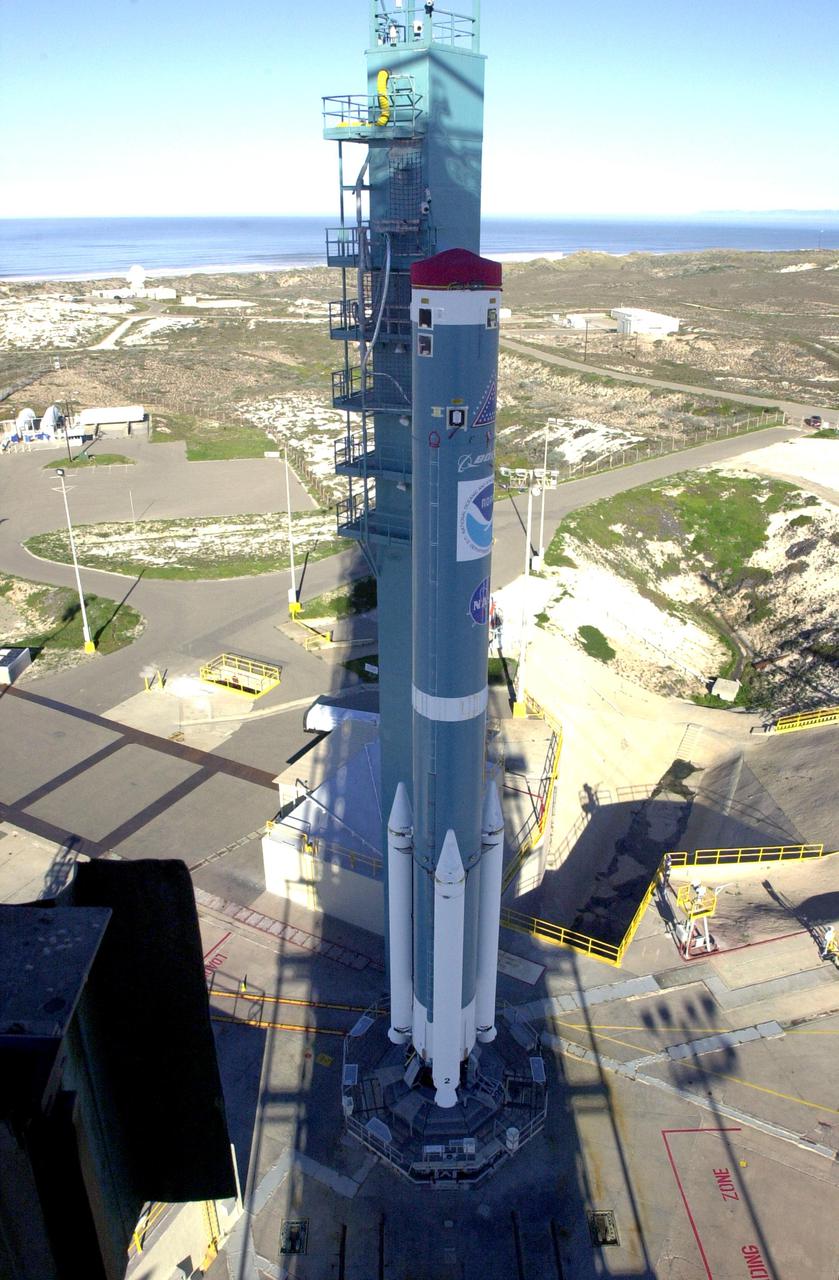
VANDENBERG AIR FORCE BASE, CALIF. - At Space Launch Complex 2 on Vandenberg Air Force Base in California, the first stage of the Boeing Delta II rocket rests on the pad. It will be mated with the second stage. The Delta II will launch the National Oceanic and Atmospheric Administration (NOAA-N) spacecraft. After launch, NOAA-N will be renamed NOAA-18 and will provide measurements of the Earth's surface and atmosphere that will be entered into NOAA’s weather forecasting models and used for other environmental studies. Each day, the satellite will send data to NOAA’s Command and Data Acquisition station computers, adding vital information to forecasting models, especially over the oceans, where conventional data is lacking. Launch of NOAA-N is scheduled for May 11, 2005.
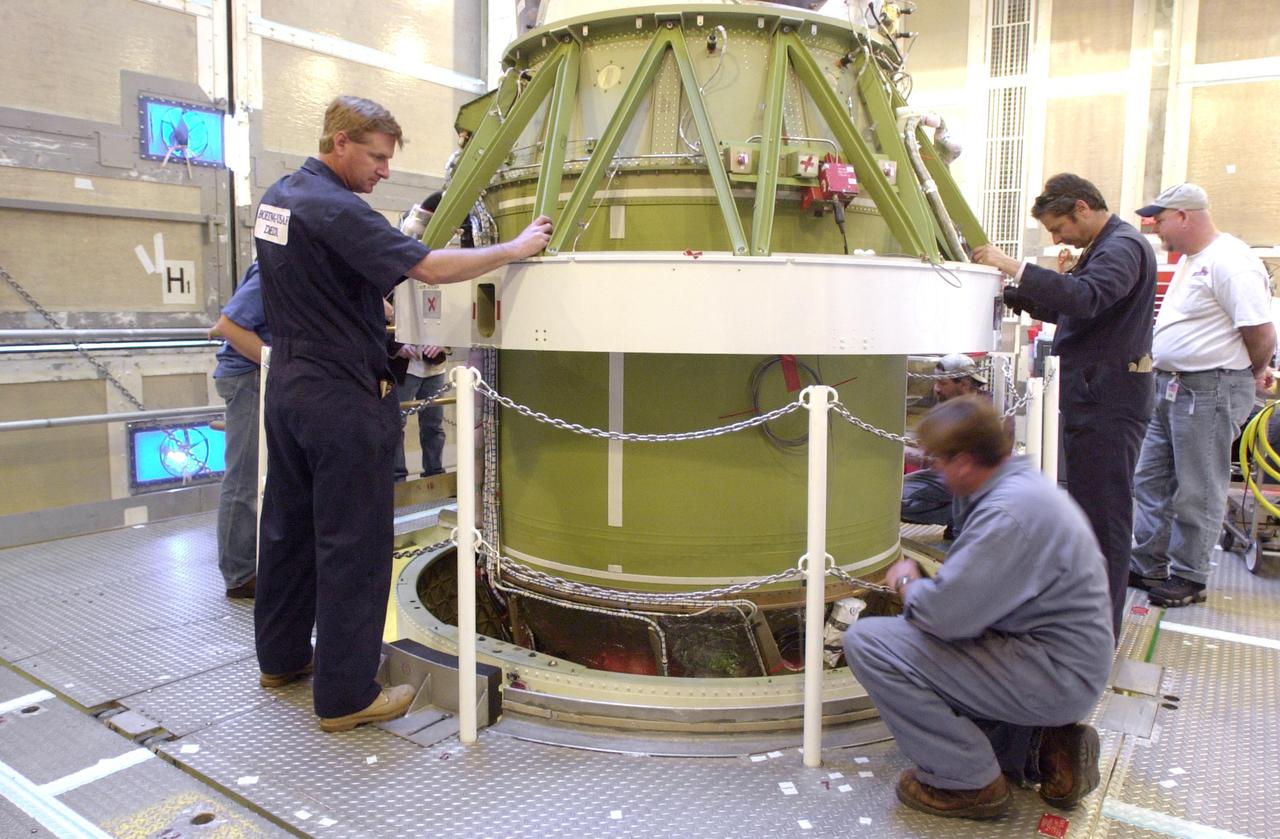
VANDENBERG AIR FORCE BASE, CALIF. - Inside the service tower at Space Launch Complex 2 on Vandenberg Air Force Base in California, Boeing workers attach the second stage to the first stage, below, of a Boeing Delta II rocket. The Delta II will launch the National Oceanic and Atmospheric Administration (NOAA-N) spacecraft. After launch, NOAA-N will be renamed NOAA-18 and will provide measurements of the Earth's surface and atmosphere that will be entered into NOAA’s weather forecasting models and used for other environmental studies. Each day, the satellite will send data to NOAA’s Command and Data Acquisition station computers, adding vital information to forecasting models, especially over the oceans, where conventional data is lacking. Launch of NOAA-N is scheduled for May 11, 2005.
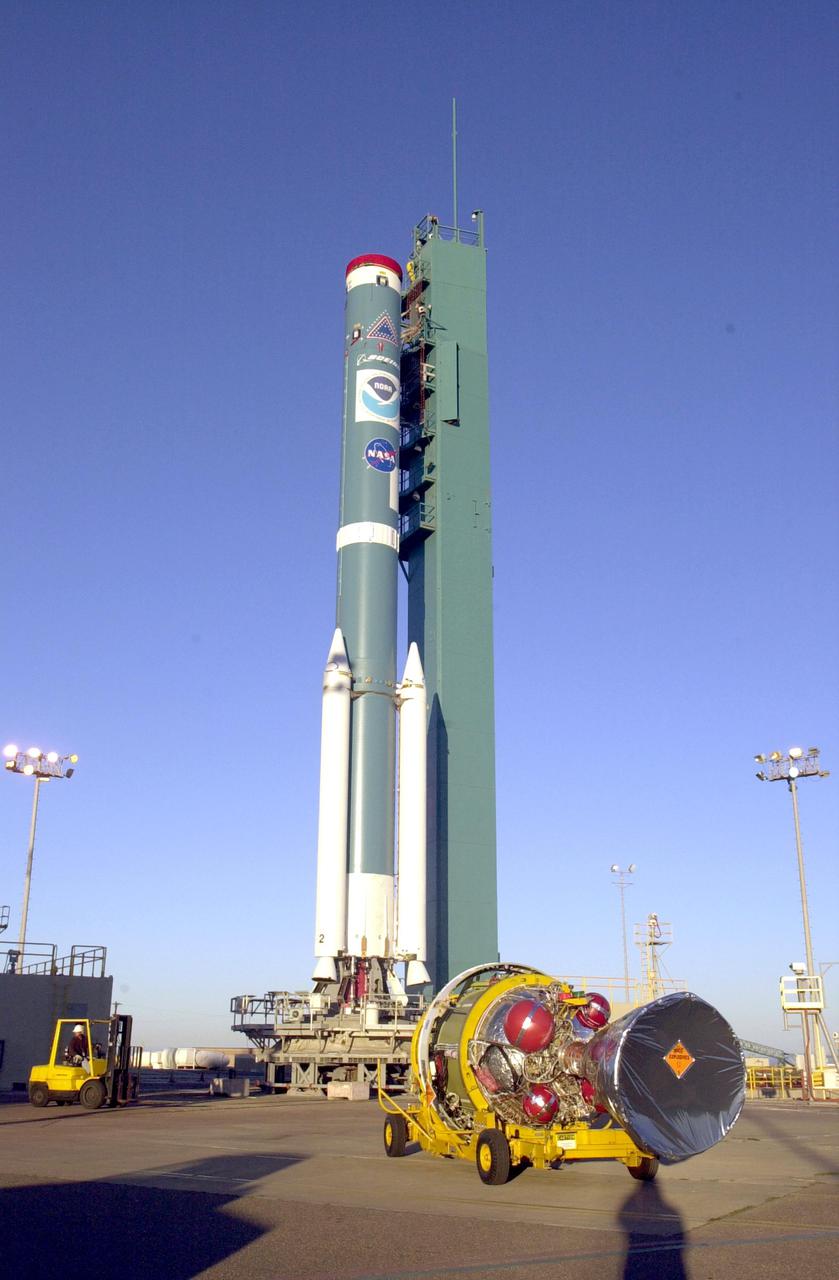
VANDENBERG AIR FORCE BASE, CALIF. - The second stage of the Boeing Delta II rocket, in the background, arrives at Space Launch Complex 2 on Vandenberg Air Force Base in California. It will be mated with the first stage. The Delta II is the launch vehicle for the National Oceanic and Atmospheric Administration (NOAA-N) spacecraft. After launch, NOAA-N will be renamed NOAA-18 and will provide measurements of the Earth's surface and atmosphere that will be entered into NOAA’s weather forecasting models and used for other environmental studies. Each day, the satellite will send data to NOAA’s Command and Data Acquisition station computers, adding vital information to forecasting models, especially over the oceans, where conventional data is lacking. Launch of NOAA-N is scheduled for May 11, 2005.
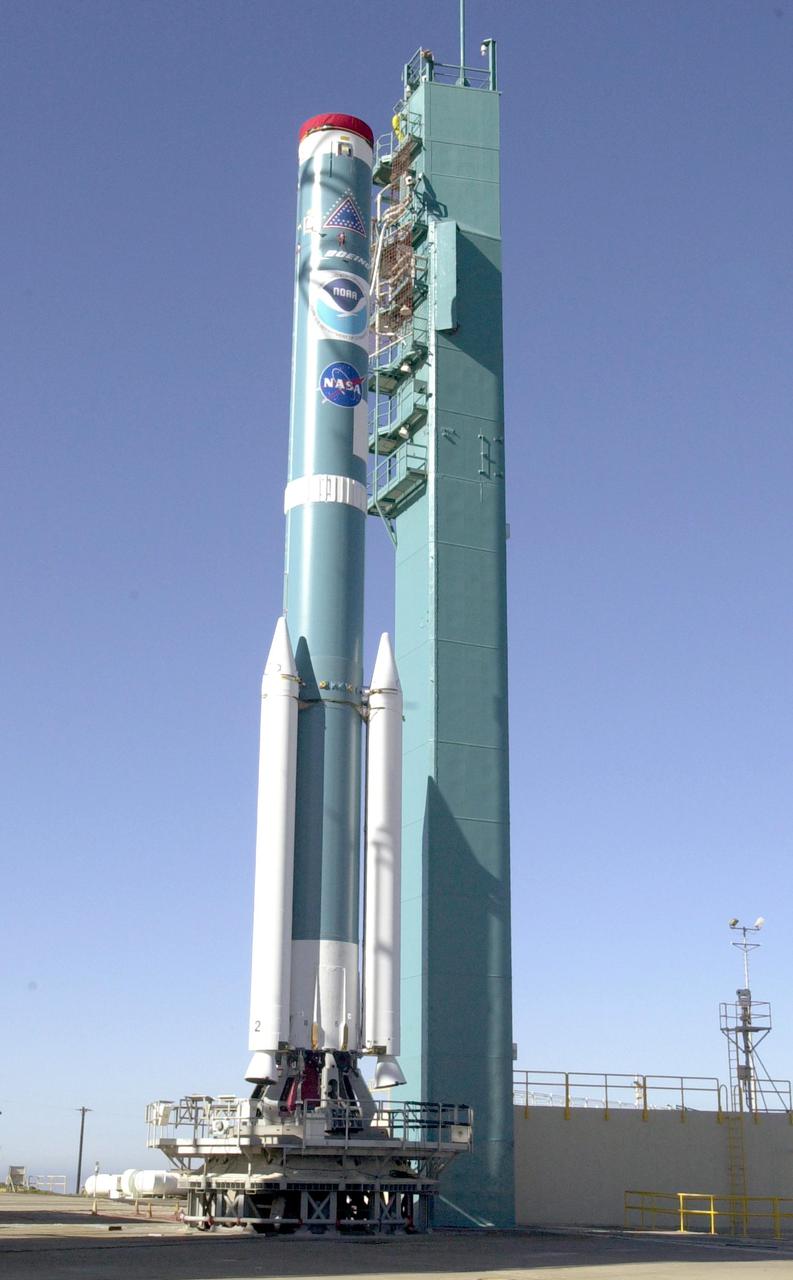
VANDENBERG AIR FORCE BASE, CALIF. - At Space Launch Complex 2 on Vandenberg Air Force Base in California, the first stage of the Boeing Delta II rocket rests on the pad. It will be mated with the second stage. The Delta II will launch the National Oceanic and Atmospheric Administration (NOAA-N) spacecraft. After launch, NOAA-N will be renamed NOAA-18 and will provide measurements of the Earth's surface and atmosphere that will be entered into NOAA’s weather forecasting models and used for other environmental studies. Each day, the satellite will send data to NOAA’s Command and Data Acquisition station computers, adding vital information to forecasting models, especially over the oceans, where conventional data is lacking. Launch of NOAA-N is scheduled for May 11, 2005.