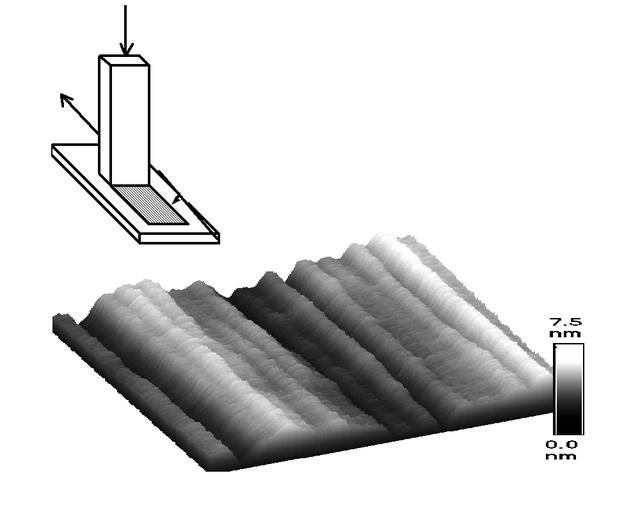
NASA is looking to biological techniques that are millions of years old to help it develop new materials and technologies for the 21st century. Sponsored by NASA, Viola Vogel, director of Washington University's Center for Nanotechnology and a principal investigator for the microgravity biotechnology program, is researching a monorail on a nanoscale to learn how to control translational motion of motor proteins in nonbiological environments in order to transport cargo between user-specified locations. Shear-deposition of Teflon on glass (top) is used in Viola Vogel's lab to create a nanogrooved surface. The topography controls the path that microtubules take as they shuttle nano-sized cargo between user-defined destinations.
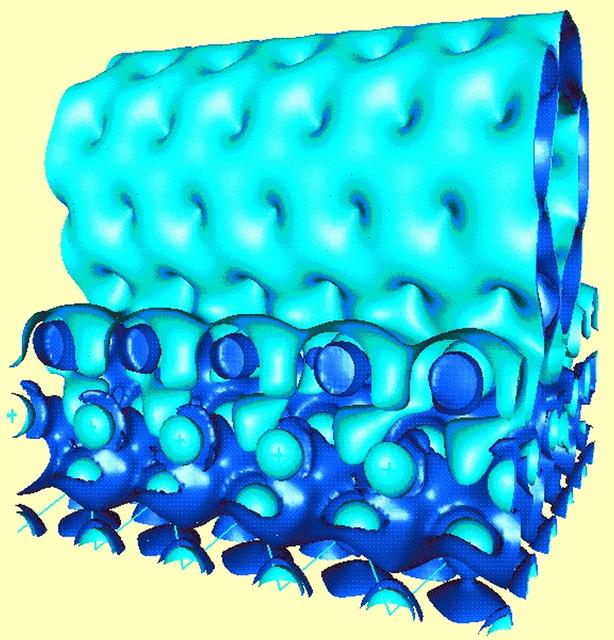
NASA is looking to biological techniques that are millions of years old to help it develop new materials and nanotechnology for the 21st century. Sponsored by NASA, Jerzy Bernholc, a principal investigator in the microgravity materials science program and a physics professor at North Carolina State University, Bernholc works with very large-scale computations to model carbon molecules as they assemble themselves to form nanotubes. The strongest confirmed material known, nanotubes are much stronger than graphite, a more common material made of carbon, and weigh six times less than steel. Nanotubes have potential uses such as strain gauges, advanced electronic devices, amd batteries. The strength, light weight, and conductive qualities of nanotubes, shown in light blue in this computed electron distribution, make them excellent components of nanoscale devices. One way to conduct electricity to such devices is through contact with aluminum, shown in dark blue.
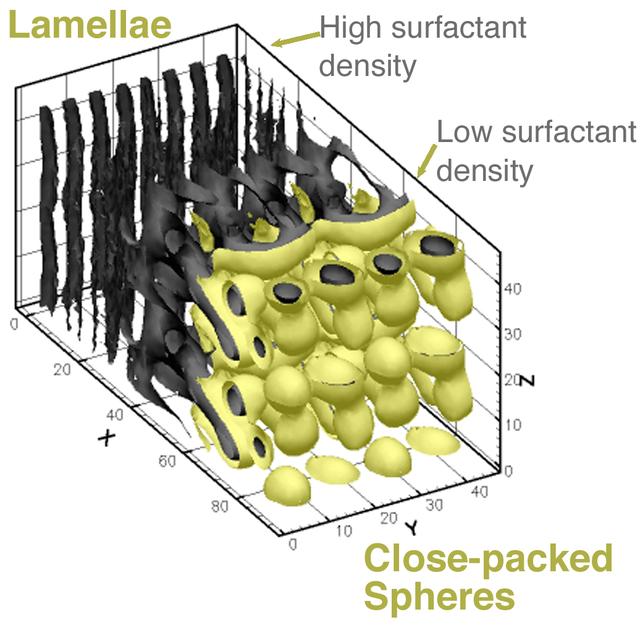
NASA is looking to biological techniques that are millions of years old to help it develop new materials and technologies for the 21st century. Sponsored by NASA, Jeffrey Brinker of the University of New Mexico is studying how multiple elements can assemble themselves into a composite material that is clear, tough, and impermeable. His research is based on the model of how an abalone builds the nacre, also called mother-of-pearl, inside its shell. Strong thin coatings, or lamellae, in Brinker's research are formed when objects are dip-coated. Evaporation drives the self-assembly of molecular aggregates (micelles) of surfactant, soluble silica, and organic monomers and their further self-organization into layered organic and inorganic assemblies.
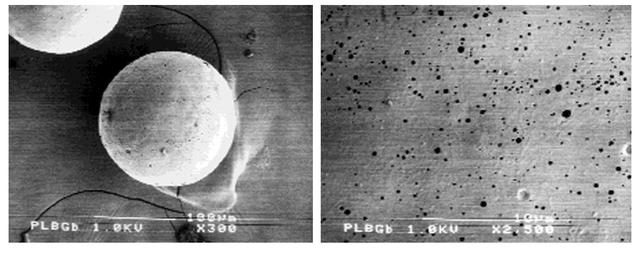
Paul Ducheyne, a principal investigator in the microgravity materials science program and head of the University of Pernsylvania's Center for Bioactive Materials and Tissue Engineering, is leading the trio as they use simulated microgravity to determine the optimal characteristics of tiny glass particles for growing bone tissue. The result could make possible a much broader range of synthetic bone-grafting applications. Bioactive glass particles (left) with a microporous surface (right) are widely accepted as a synthetic material for periodontal procedures. Using the particles to grow three-dimensional tissue cultures may one day result in developing an improved, more rugged bone tissue that may be used to correct skeletal disorders and bone defects. The work is sponsored by NASA's Office of Biological and Physical Research.
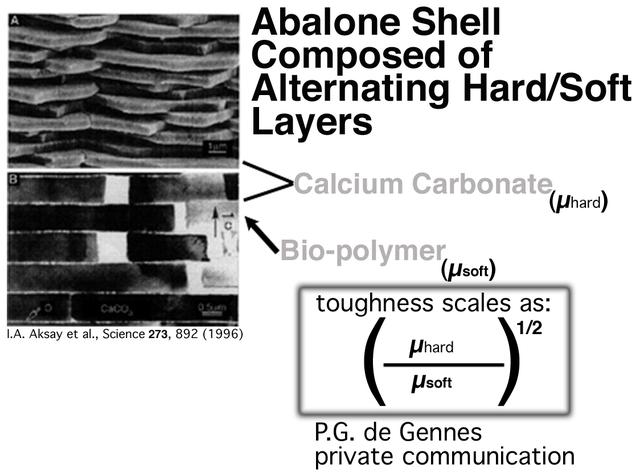
NASA is looking to biological techniques that are millions of years old to help it develop new materials and technologies for the 21st century. Sponsored by NASA, Jeffrey Brinker of the University of New Mexico is studying how multiple elements can assemble themselves into a composite material that is clear, tough, and impermeable. His research is based on the model of how an abalone builds the nacre, also called mother-of-pearl, inside its shell. The mollusk layers bricks of calcium carbonate (the main ingredient in classroom chalk) and mortar of biopolymer to form a new material (top and bottom left) that is twice as hard and 1,000 times as tough as either of the original building materials.
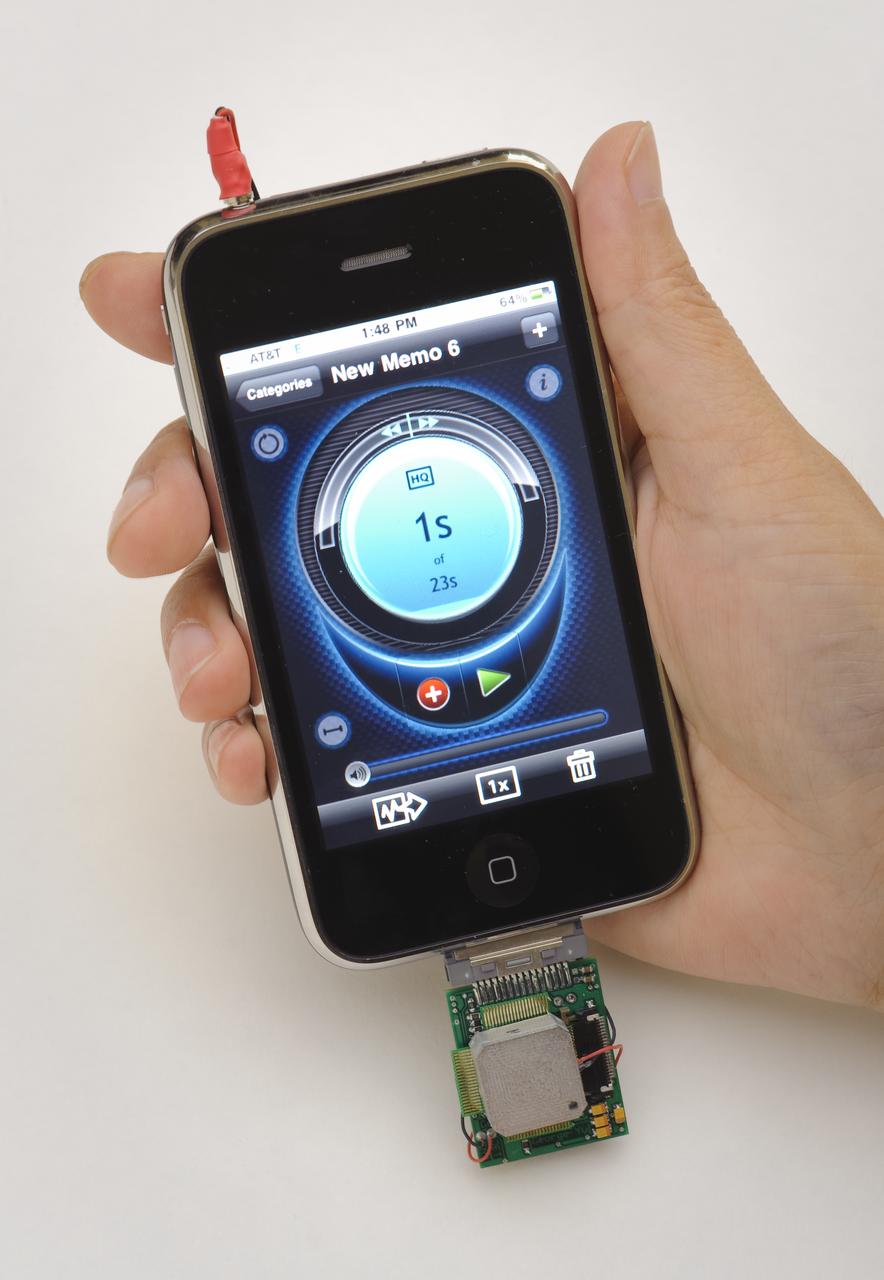
A Nanosensor Device for Cellphone Intergration and Chemical Sensing Network. iPhone with sensor chip, data aquisition board and sampling jet.(Note 4-4-2012:High Sensitive, Low Power and Compact Nano Sensors for Trache Chemical Detection' is the winner of the Government Invention of the Year Award 2012 (winning inventors Jing Li and Myya Meyyappan, NASA/ARC, and Yijiang Lu, University of California Santa Cruz. )
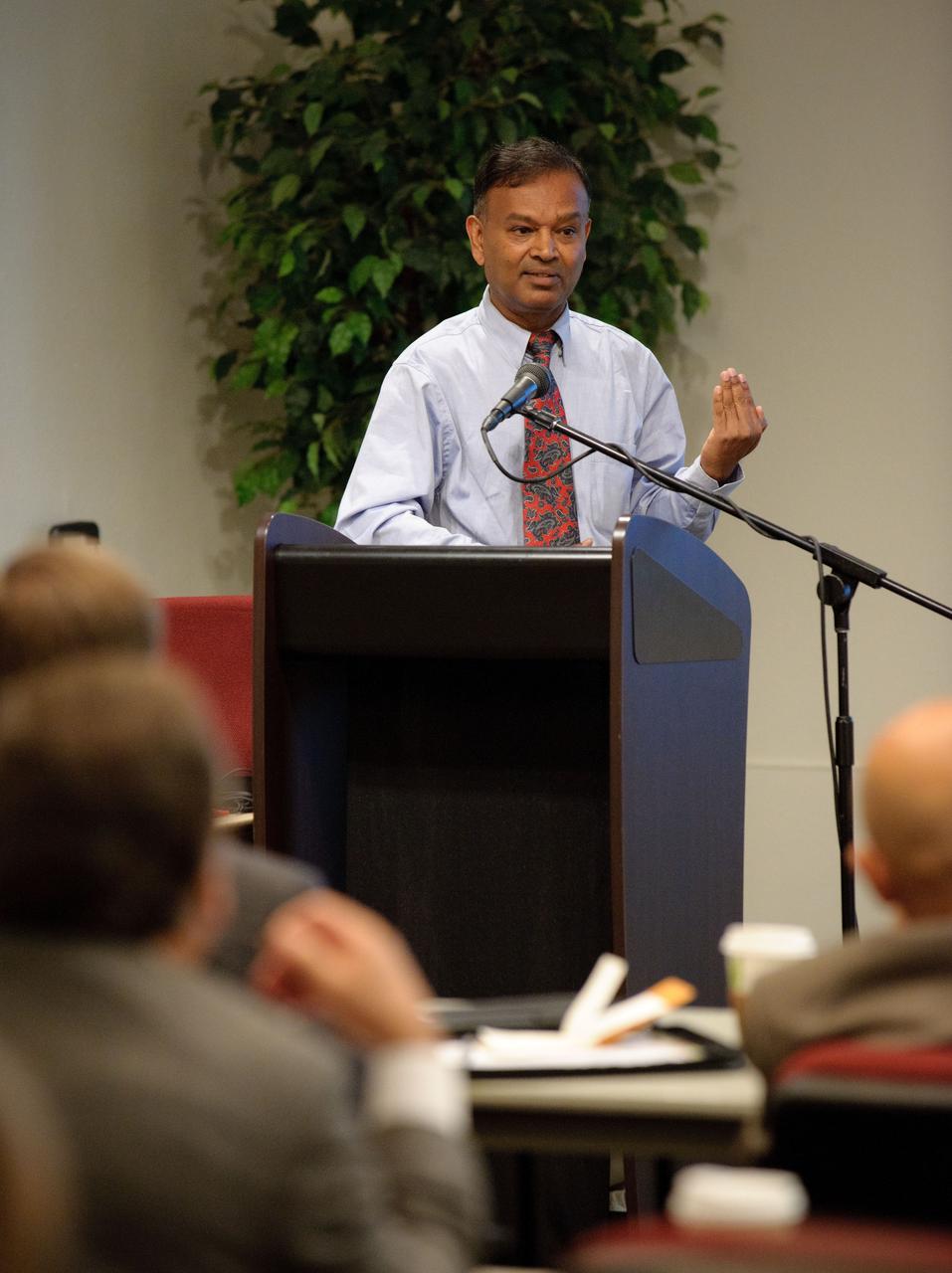
Tech Expo Day at NASA Ames Research Center. Nanosensors with Dr Meyya Meyyappan, Chief Scientist of Nanotechnology
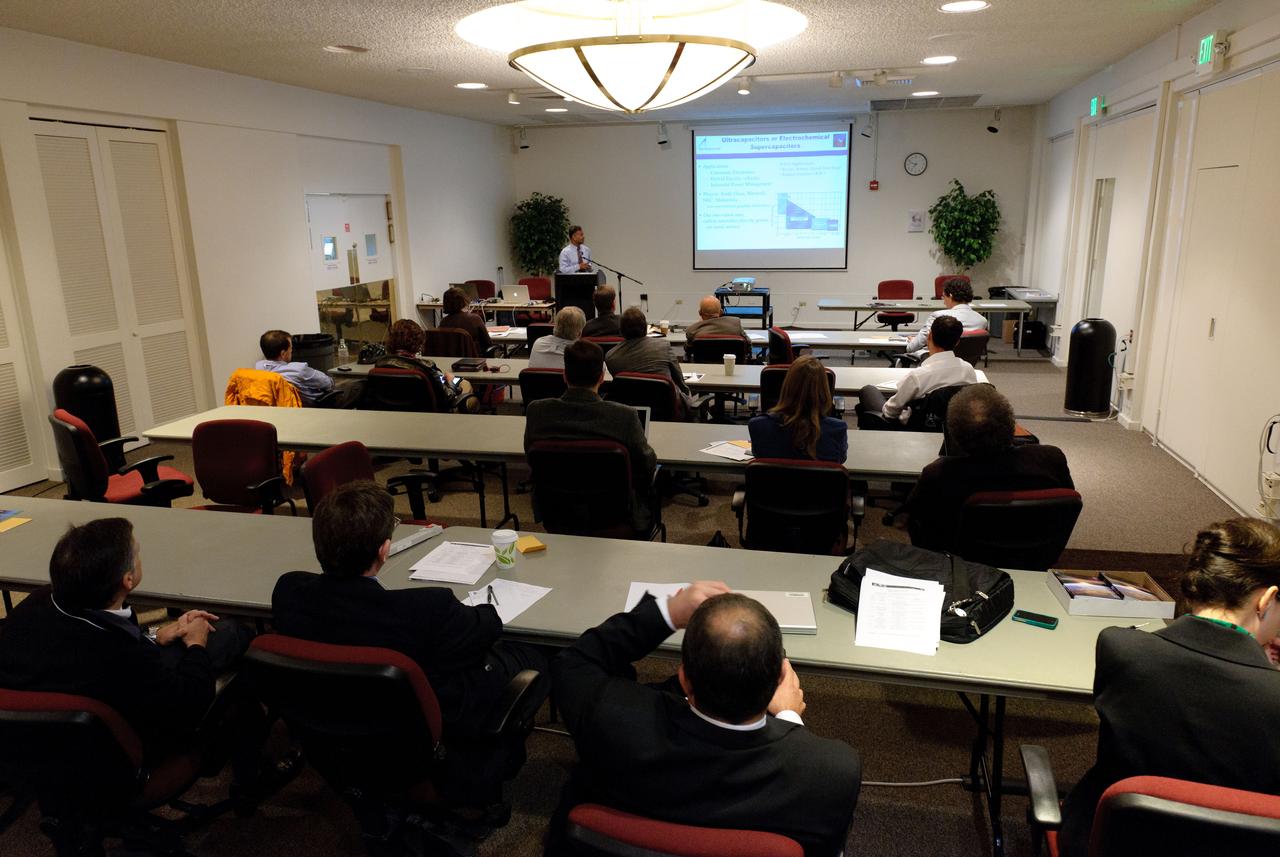
Tech Expo Day at NASA Ames Research Center. Nanosensors with Dr Meyya Meyyappan, Chief Scientist of Nanotechnology
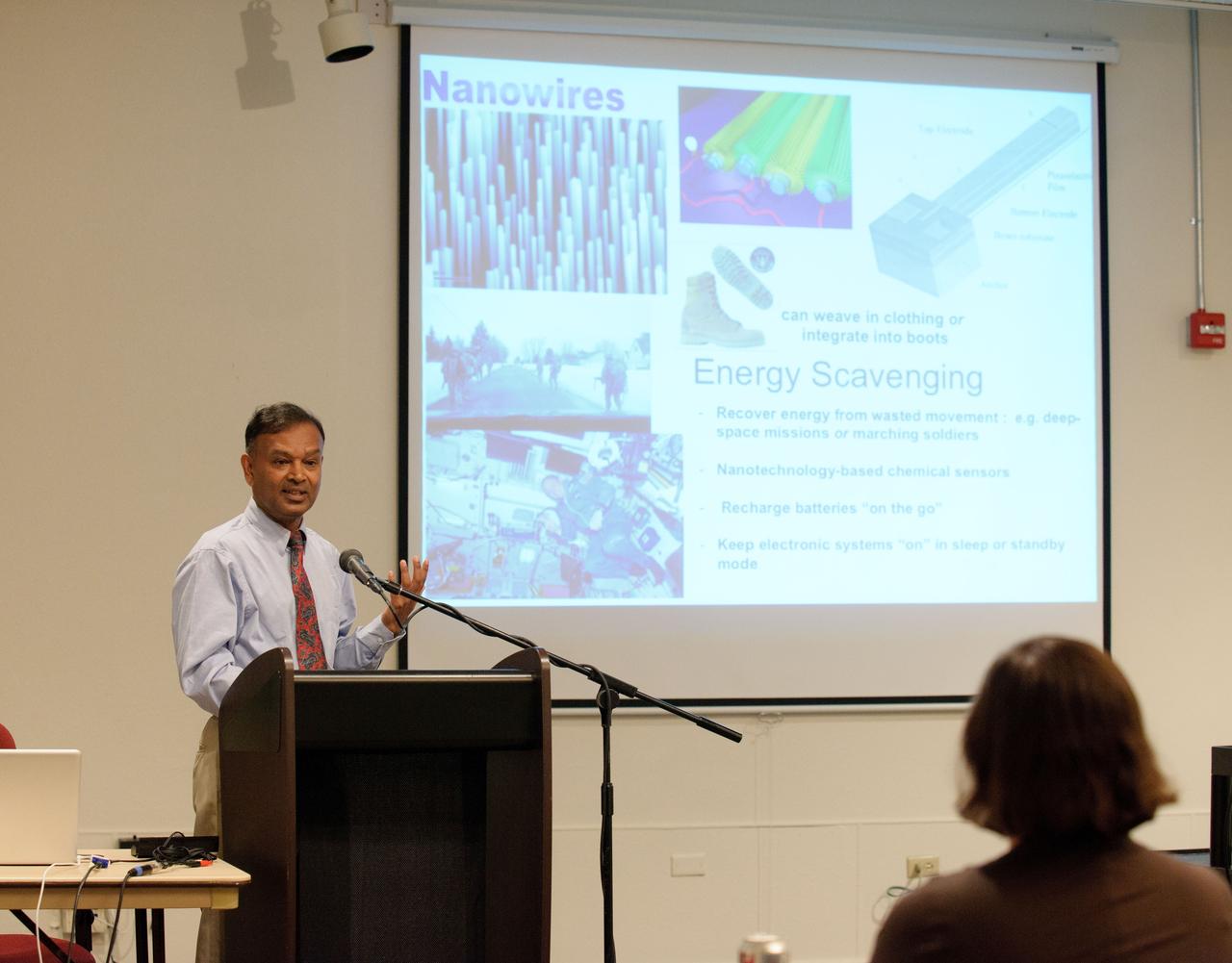
Tech Expo Day at NASA Ames Research Center. Nanosensors with Dr Meyya Meyyappan, Chief Scientist of Nanotechnology
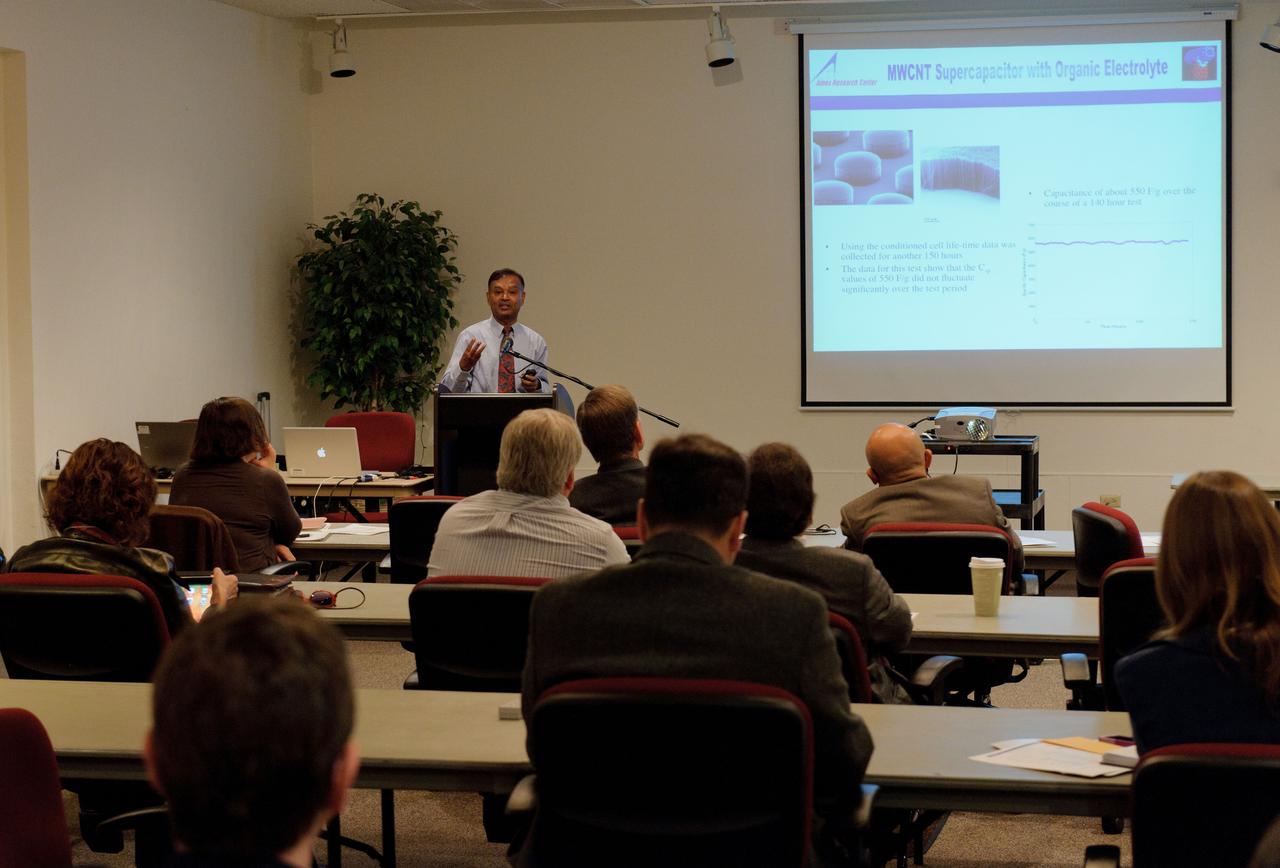
Tech Expo Day at NASA Ames Research Center. Nanosensors with Dr Meyya Meyyappan, Chief Scientist of Nanotechnology
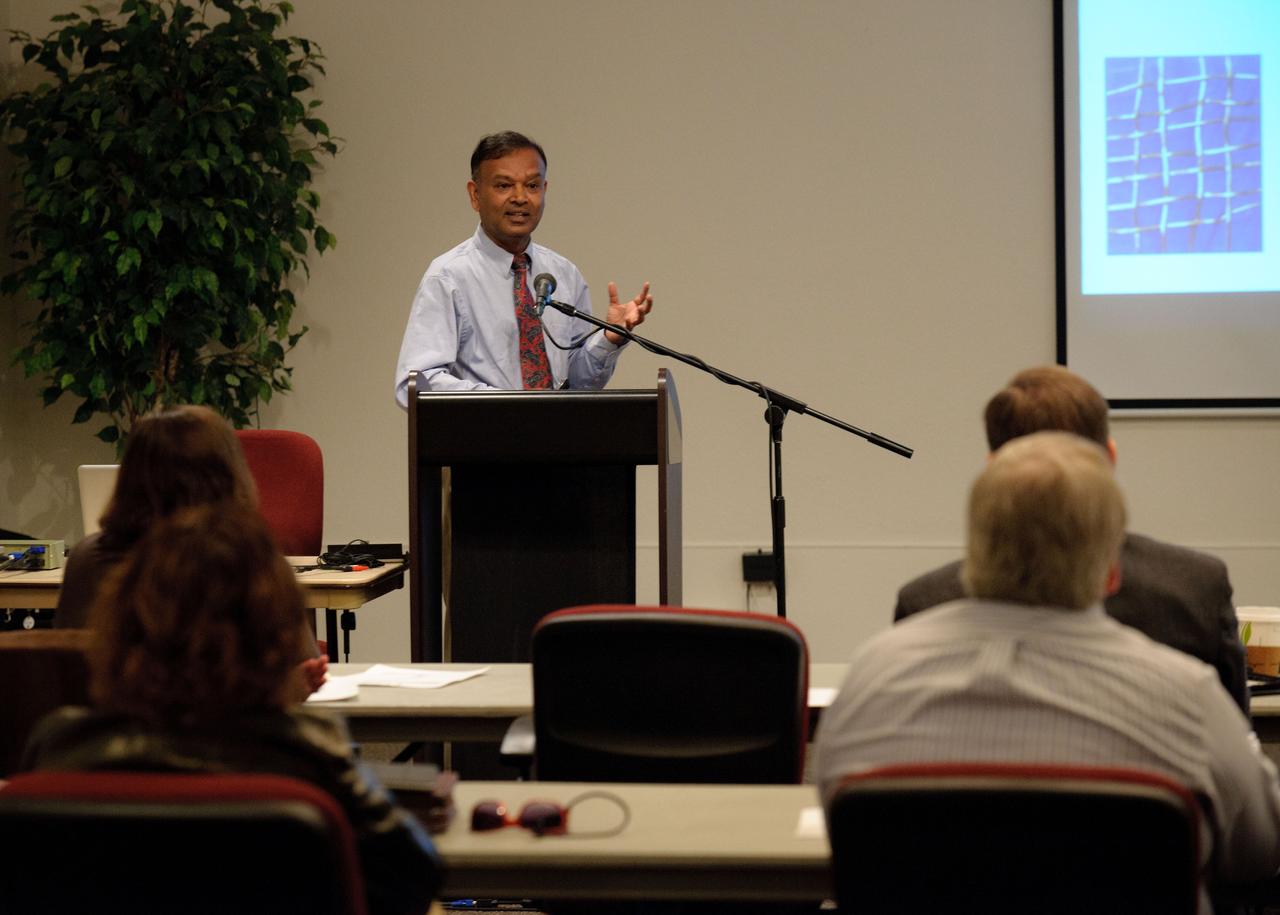
Tech Expo Day at NASA Ames Research Center. Nanosensors with Dr Meyya Meyyappan, Chief Scientist of Nanotechnology
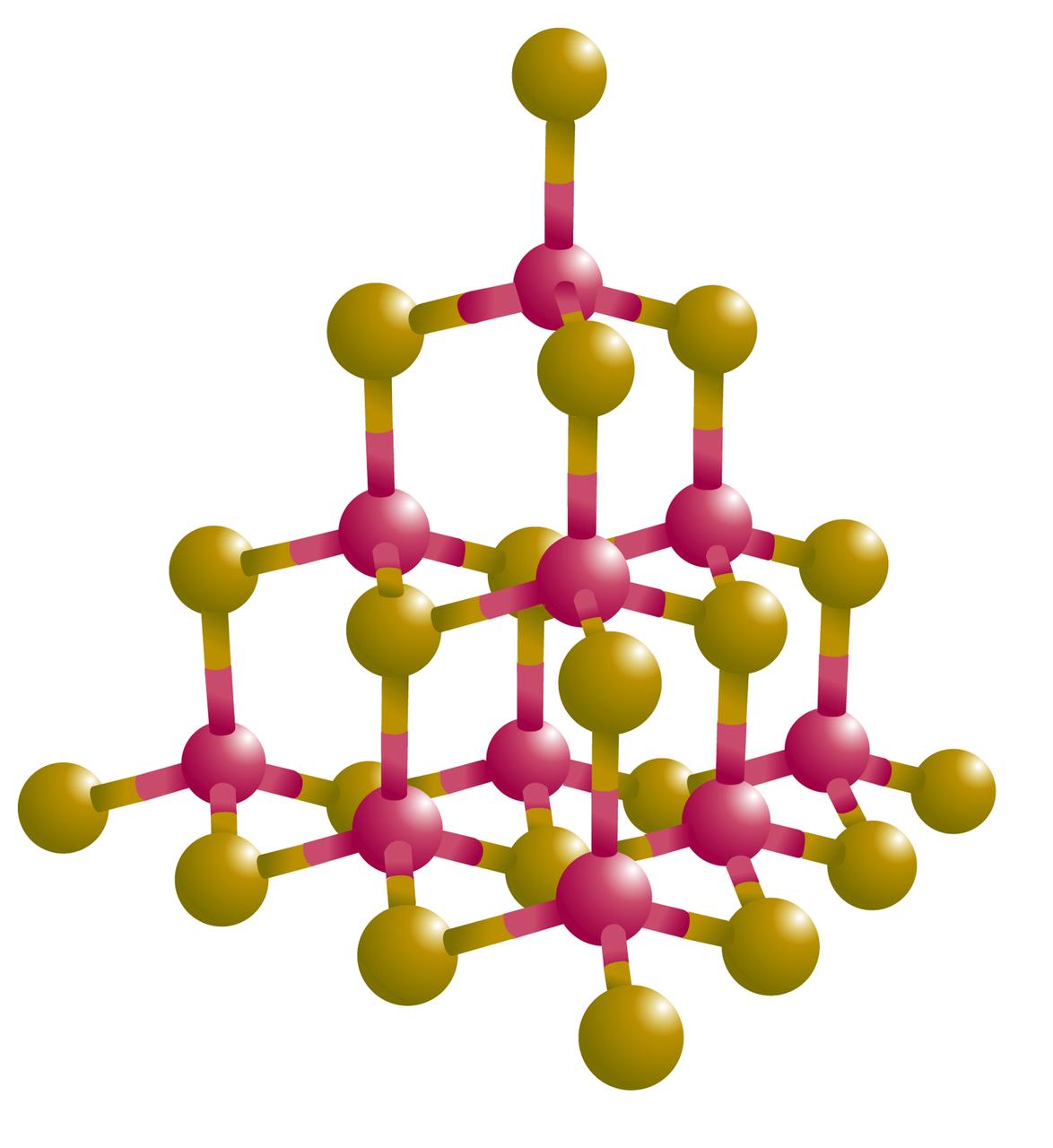
Cadmium sulfide -- a semiconductor material -- can be grown in nanoclusters. Small molecules of cadmium sulfide, shown here, can be prepared by traditional chemical methods. However, if larger, more uniform nanoparticles of cadmium sulfide could be fabricated, they may be used to improve electronic devices such as light emitting diodes and diode lasers. Using a NASA grant, Dr. Jimmy Mays of the University of Alabama at Birmingham is studying whether microgravity will enhance the size and shape of a nanoparticle. This experiment is managed by the Microgravity Research Program Office at NASA's Marshall Spce Flight Center in Huntsville, AL. Photo credit: NASA/Marshall Space Flight Center
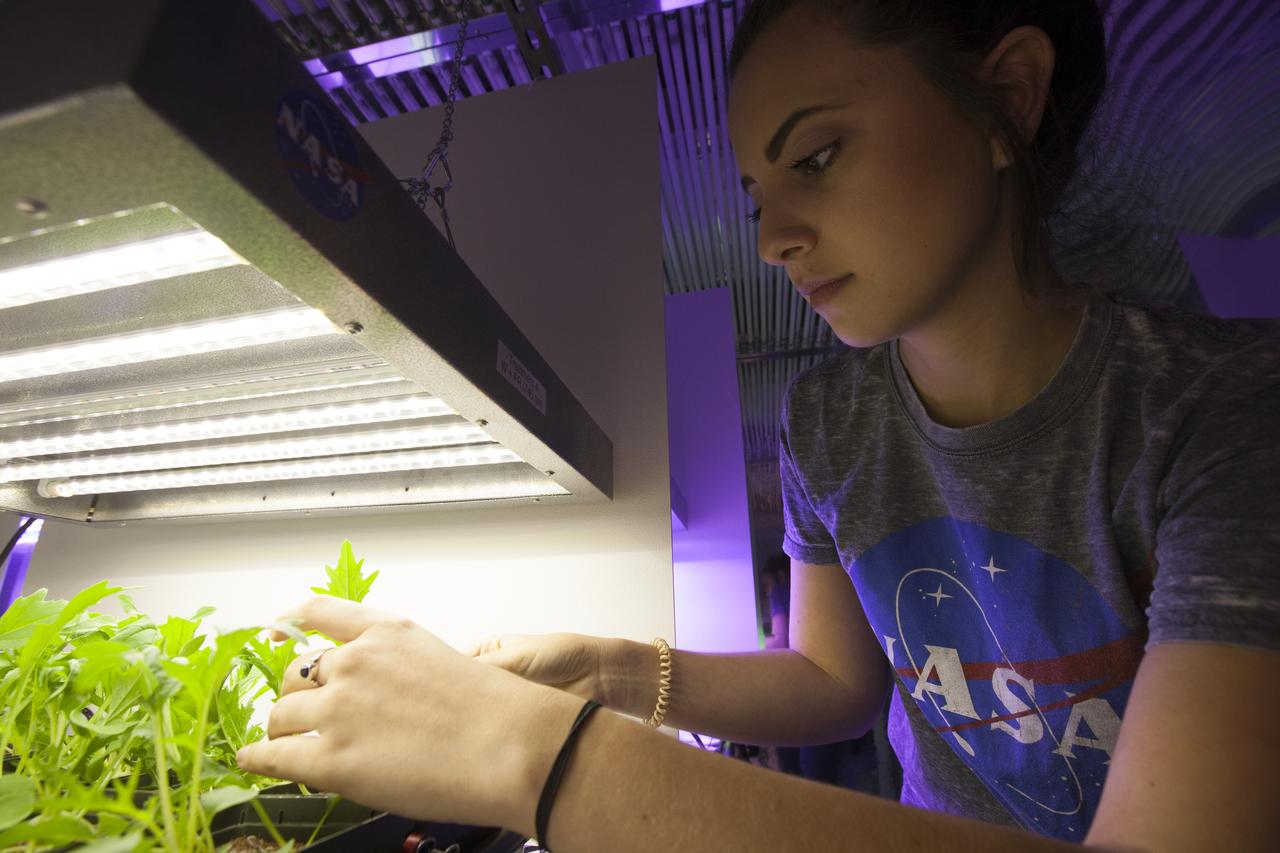
In the Space Life Sciences Laboratory at NASA's Kennedy Space Center in Florida, student interns such as Payton Barnwell are joining agency scientists, contributing in the area of plant growth research for food production in space. Barnwell is a mechanical engineering and nanotechnology major at Florida Polytechnic University. The agency attracts its future workforce through the NASA Internship, Fellowships and Scholarships, or NIFS, Program.
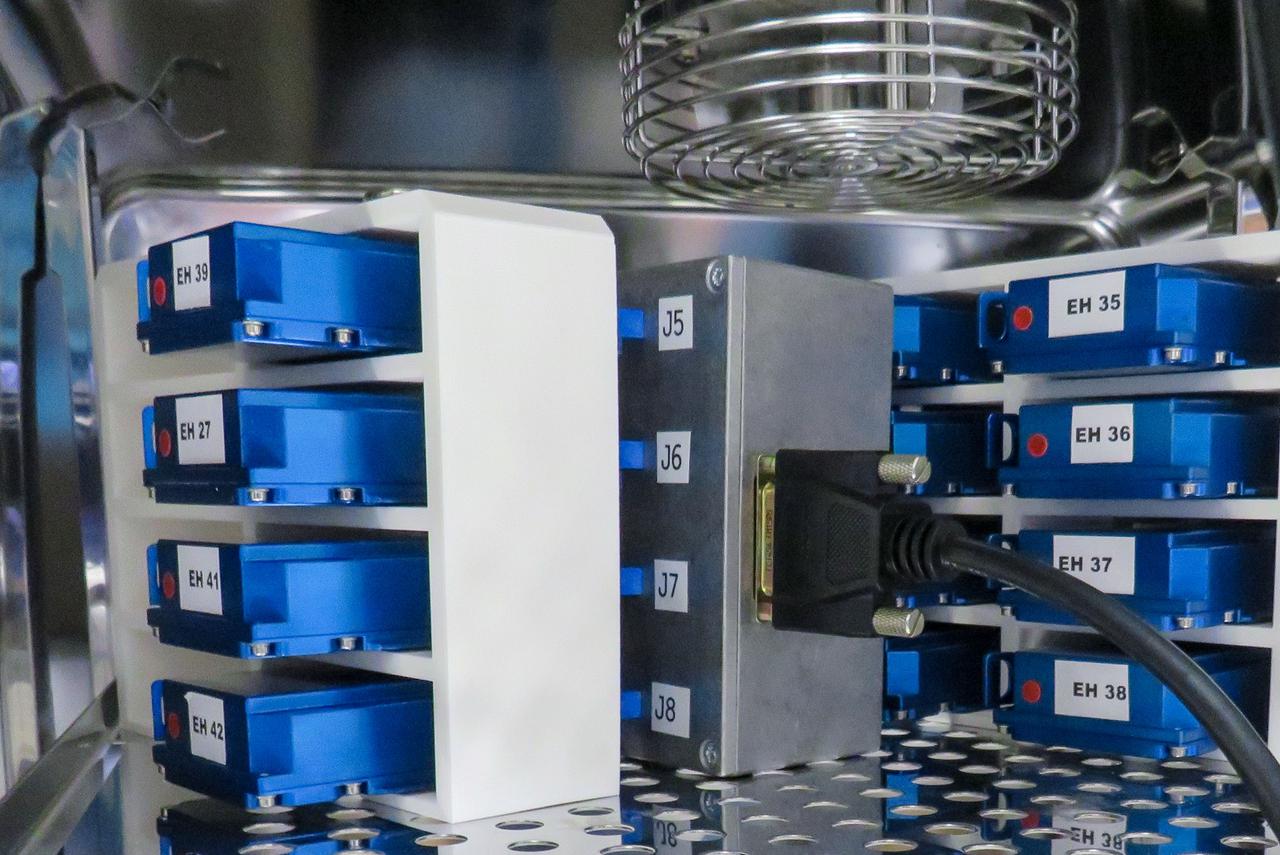
jsc2022e031234 (4/26/2022) --- A preflight view of Bioreactors enclosed in experiment containers and interfaced with a system simulating on ground Kubik incubator located on board the International Space Station. The PROtection MEdiated by antioxidant nanoTEchnOlogy against neuronal damage in space (PROMETEO) (Antioxidant Protection) investigation proposes the use of biocompatible and biodegradable polydopamine-based nanoparticles to provide antioxidant protection to neurons undergoing exposure to altered gravity and cosmic radiation. Image courtesy of Kayser Italia.
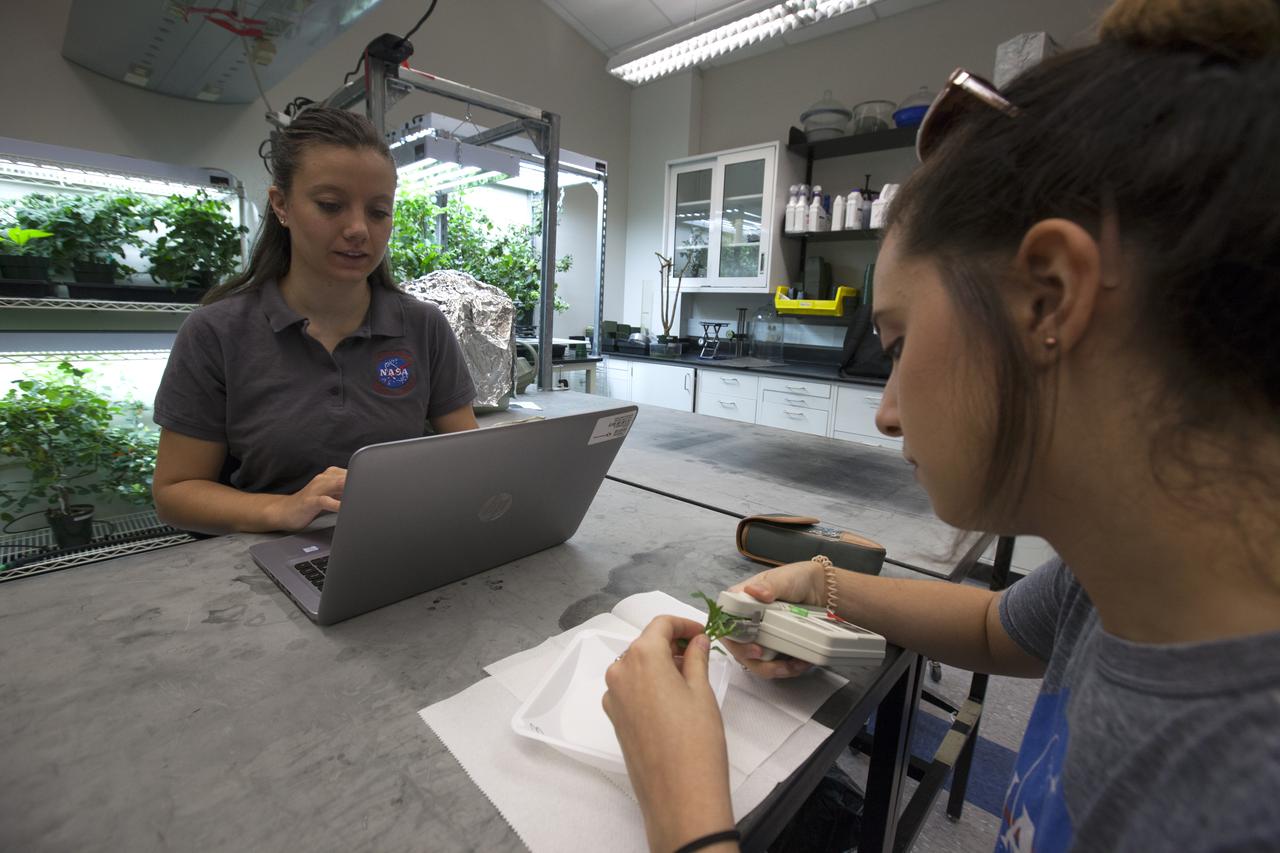
In the Space Life Sciences Laboratory at NASA's Kennedy Space Center in Florida, student interns such as Ayla Grandpre, left, and Payton Barnwell are joining agency scientists, contributing in the area of plant growth research for food production in space. Grandpre is pursuing a degree in computer science and chemistry at Rocky Mountain College in Billings, Montana. Barnwell is a mechanical engineering and nanotechnology major at Florida Polytechnic University. The agency attracts its future workforce through the NASA Internship, Fellowships and Scholarships, or NIFS, Program.
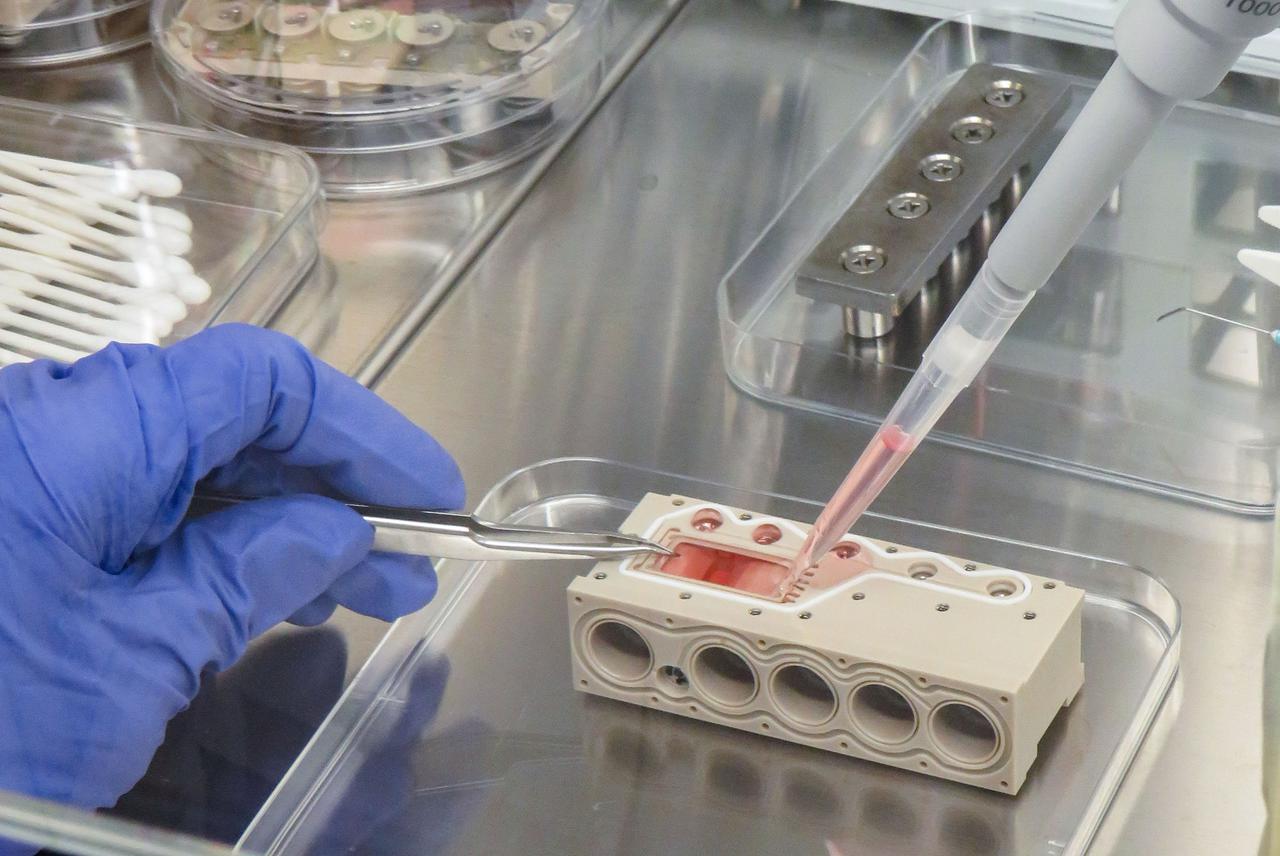
jsc2022e031233 (4/26/2022) --- A preflight view of the fillingof the cell culture chamber in an experiment unit suitable to spaceflight. The PROtection MEdiated by antioxidant nanoTEchnOlogy against neuronal damage in space (PROMETEO) (Antioxidant Protection) investigation proposes the use of biocompatible and biodegradable polydopamine-based nanoparticles to provide antioxidant protection to neurons undergoing exposure to altered gravity and cosmic radiation.Image courtesy of Kayser Italia.
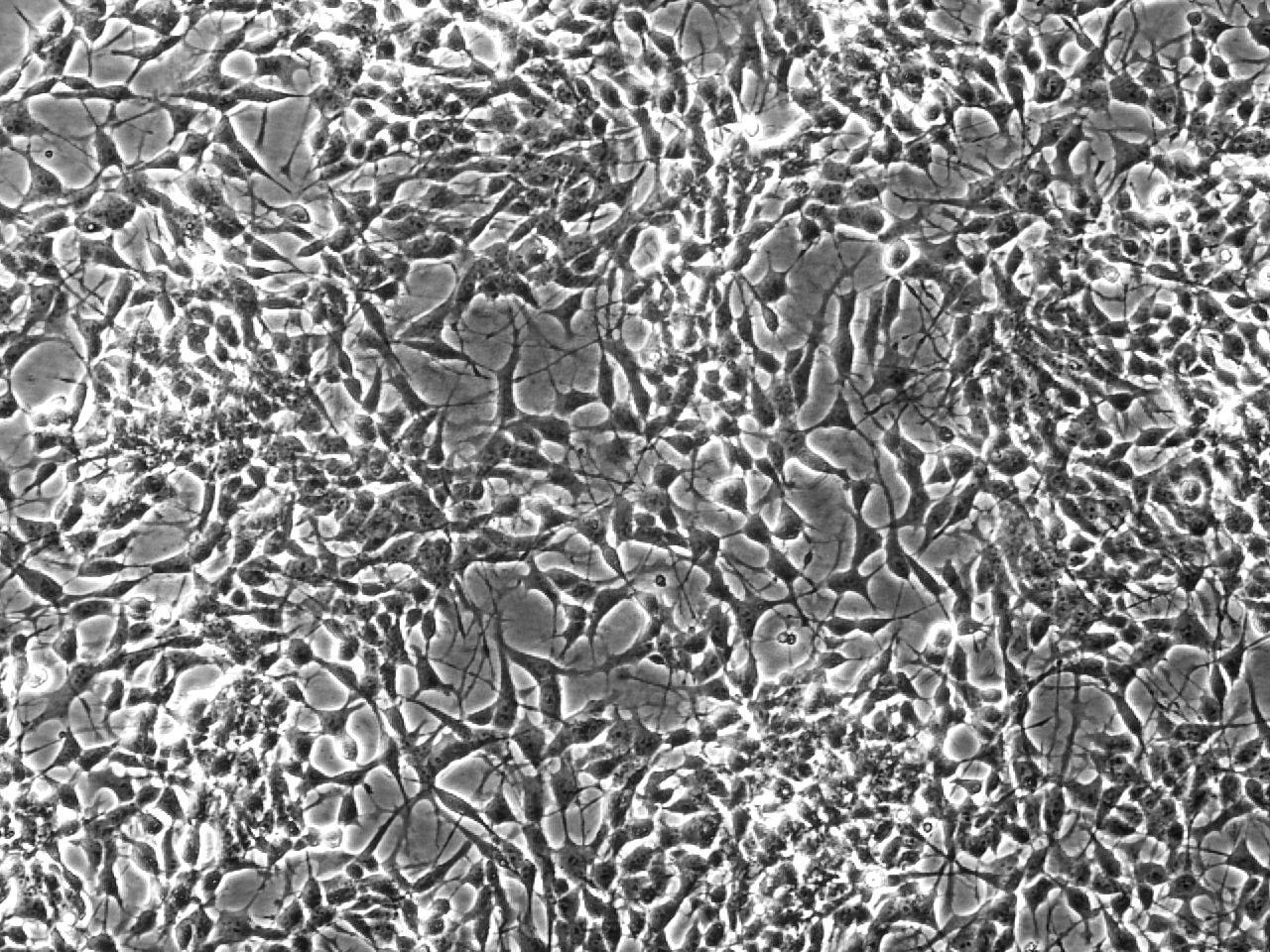
jsc2022e031232 (4/26/2022) --- A preflight view of differentiating neuron-like cell cultures with a dense network of neurites for intercellular interaction. The PROtection MEdiated by antioxidant nanoTEchnOlogy against neuronal damage in space (PROMETEO) (Antioxidant Protection) investigation proposes the use of biocompatible and biodegradable polydopamine-based nanoparticles to provide antioxidant protection to neurons undergoing exposure to altered gravity and cosmic radiation. Image courtesy of Istituto Italiano di Tecnologia.
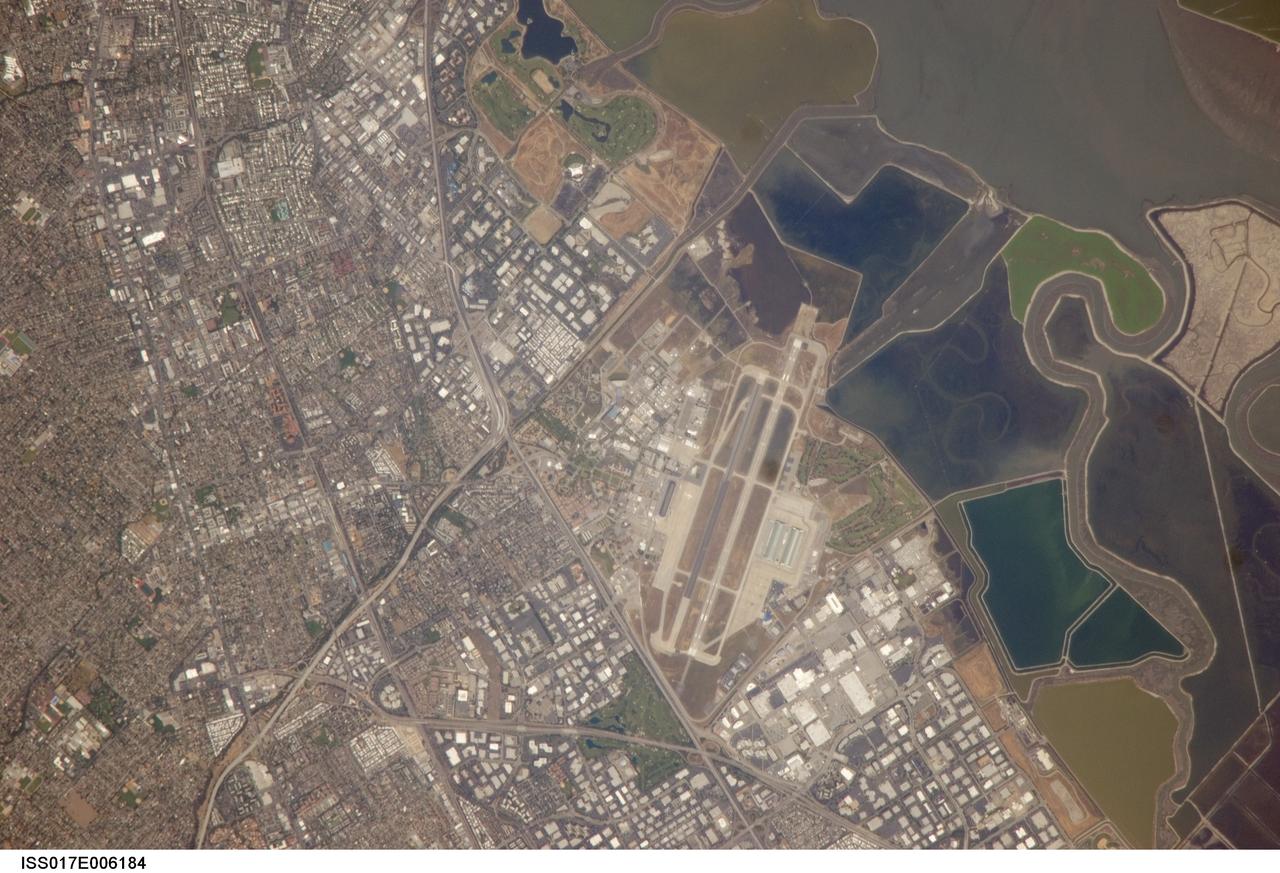
ISS017-E-006184 (3 May 2008) --- NASA Ames Research Center, Moffett Field, CA is featured in this image photographed by an Expedition 17 crewmember on the International Space Station. This view illustrates the diverse built environment surrounding NASA's Ames Research Center, or ARC located at the southernmost end of the San Francisco Bay. Founded in 1939 as an aircraft research laboratory, Ames became a NASA facility in 1958. Its original aircraft research focus was enhanced by the adjacent Moffett Field -- an active Naval Air Station until 1994 and original home of the Navy dirigible U.S.S. Macon. The large hangar for docking the U.S.S. Macon is still present at Moffett Field, and is visible in this image (center). Today, NASA ARC includes the former Naval Air Station, and continues its focus on aeronautics in addition to nanotechnology, information technology, fundamental space biology, biotechnology, thermal protection systems, and human factors research. Land use and land cover in the southern San Francisco Bay area is a diverse mix of industrial, institutional, and residential patterns. Industrial lots -- characterized by lack of green vegetation and large buildings with highly reflective white rooftops -- border NASA ARC to the west, east, and south. The city of Mountain View directly to the south appears as a dense gray-brown network of streets and residential properties with interspersed green parks. The northern boundary of NASA ARC consists of former salt ponds in the process of being returned to tidal wetlands (right). Drainage channels that predate the salt pond levees are visible at right.