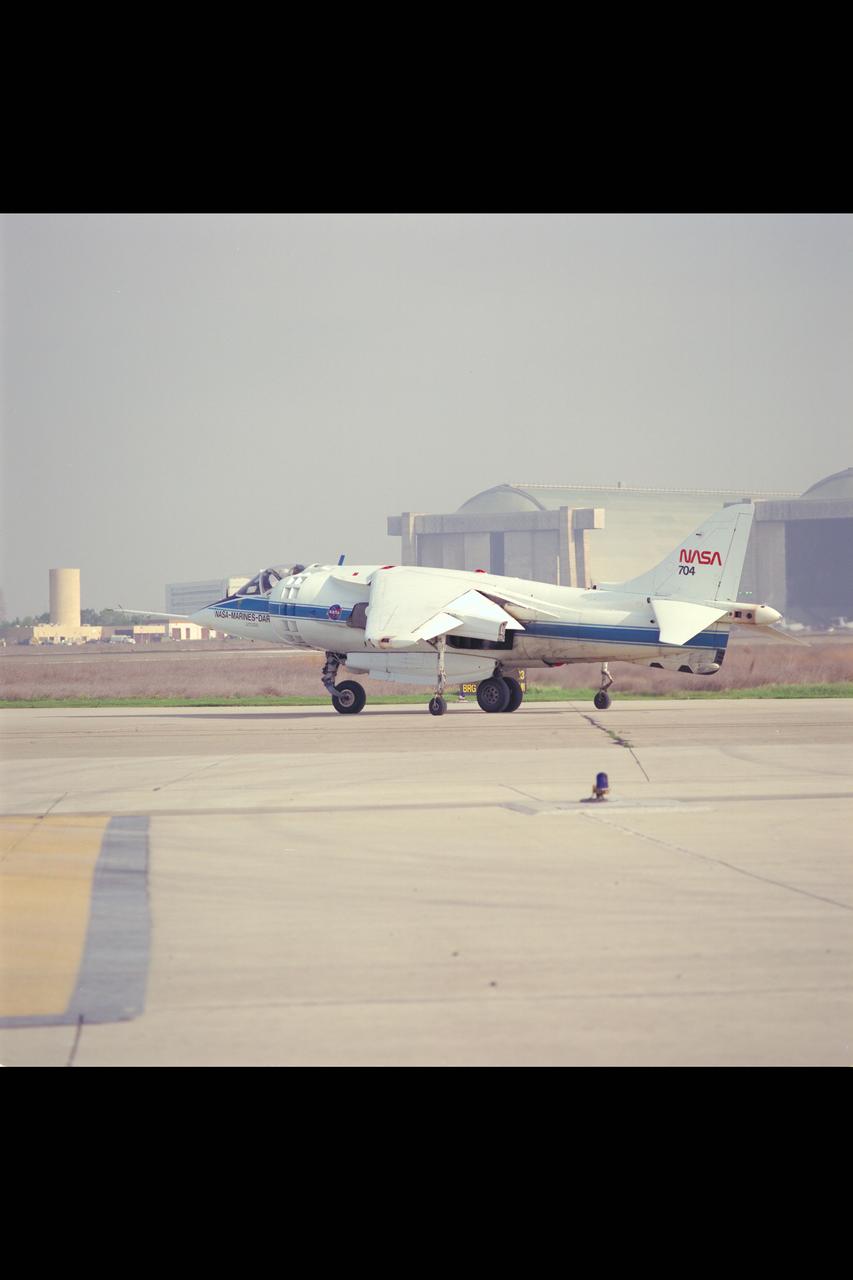
AV-8B (NASA-704) HARRIER POST MAINTENANCE CHECK FLIGHT
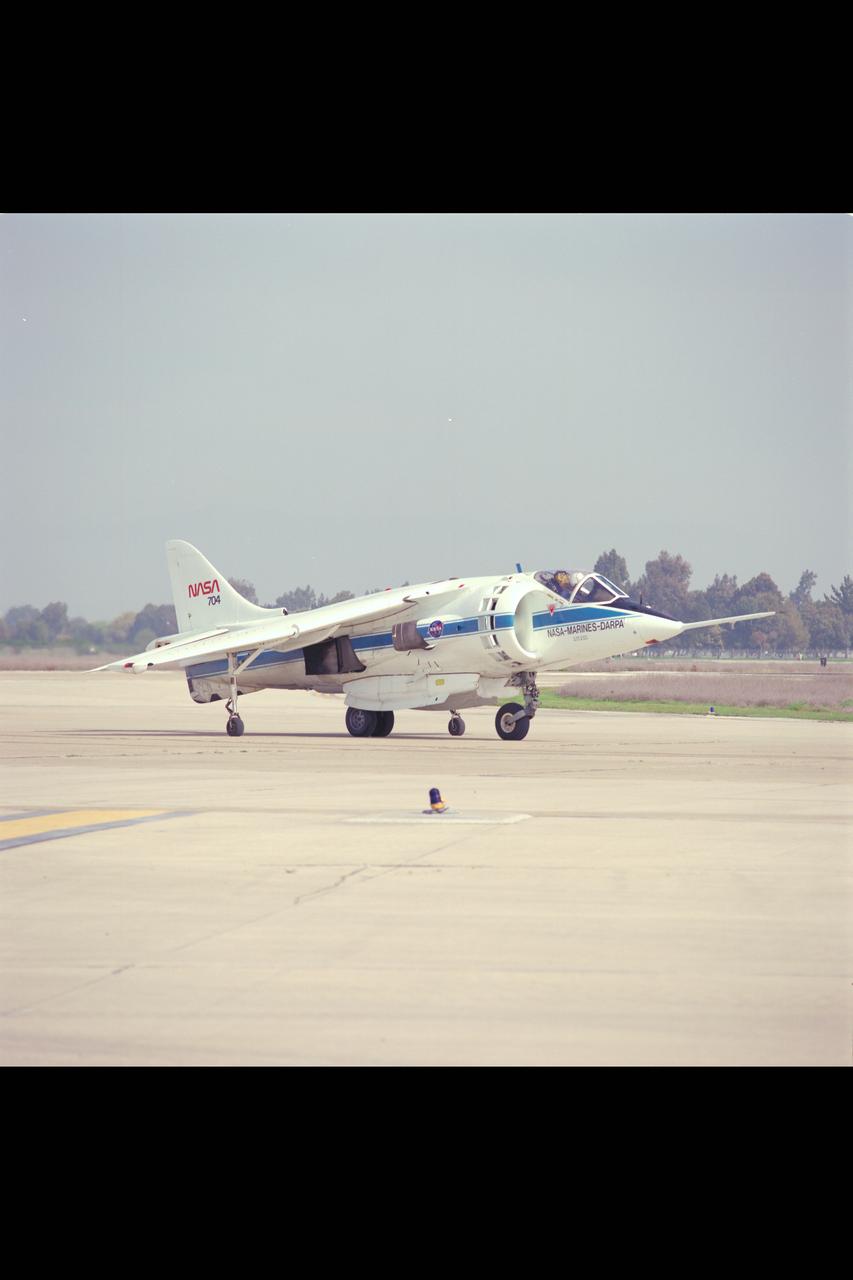
AV-8B (NASA-704) Harrier post maintenance check flight
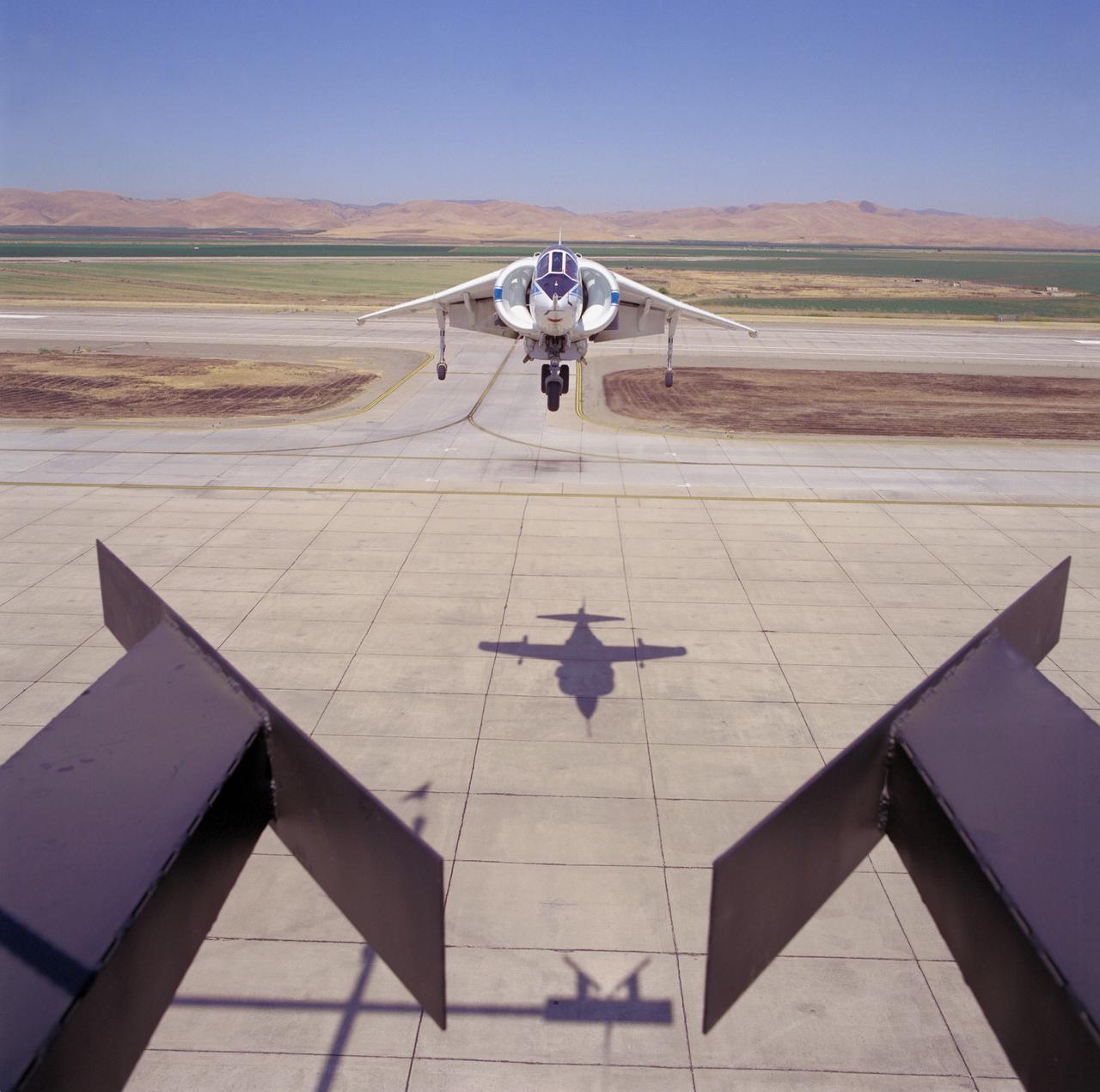
AV-8B (NASA-704) (VSRA) Crows Landing Precision Hover Test

AV-8B (NASA-704) Harrier post maintenance check flight
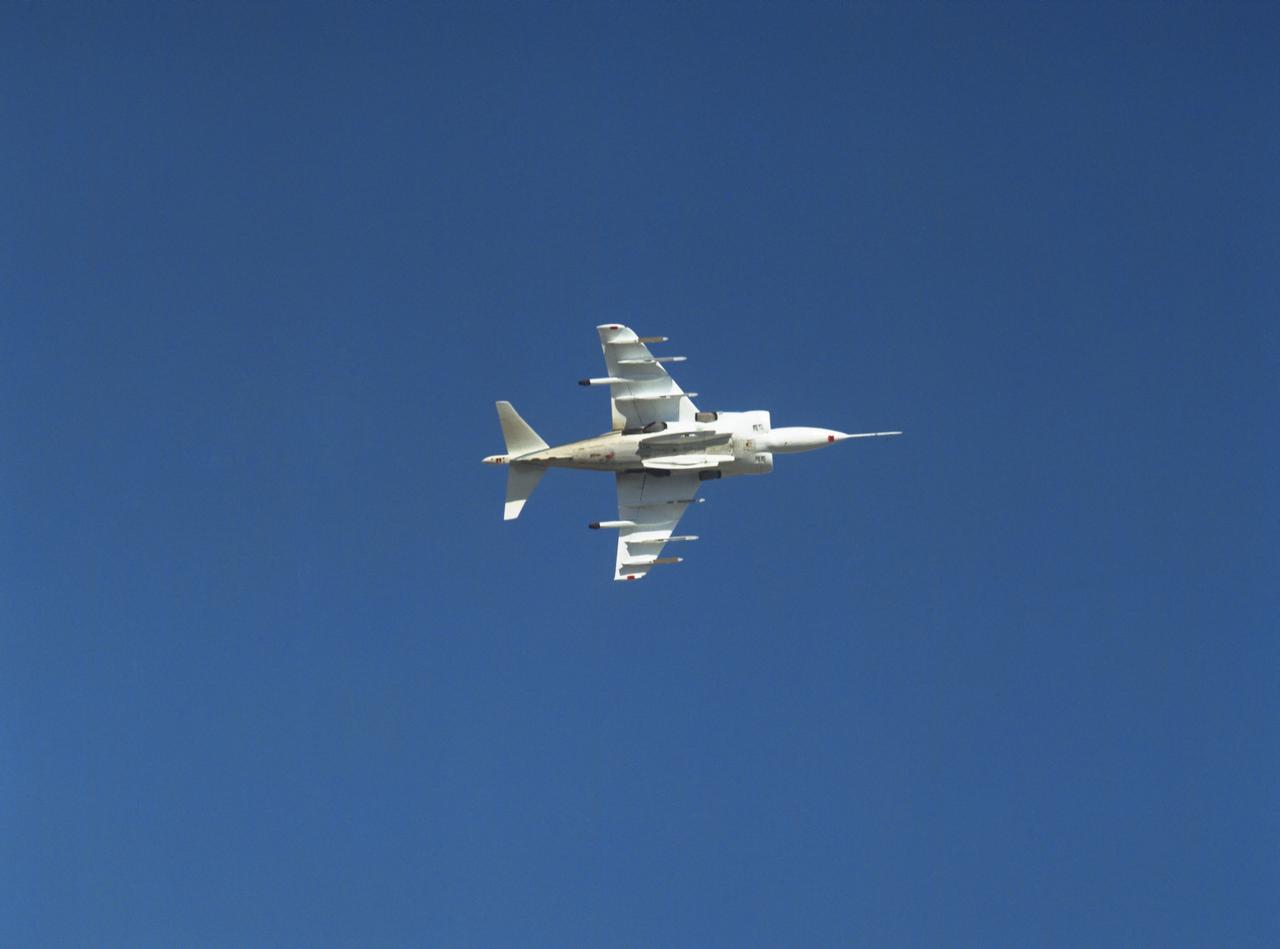
AV-8B (NASA-704) in flight over Central Valley, CA
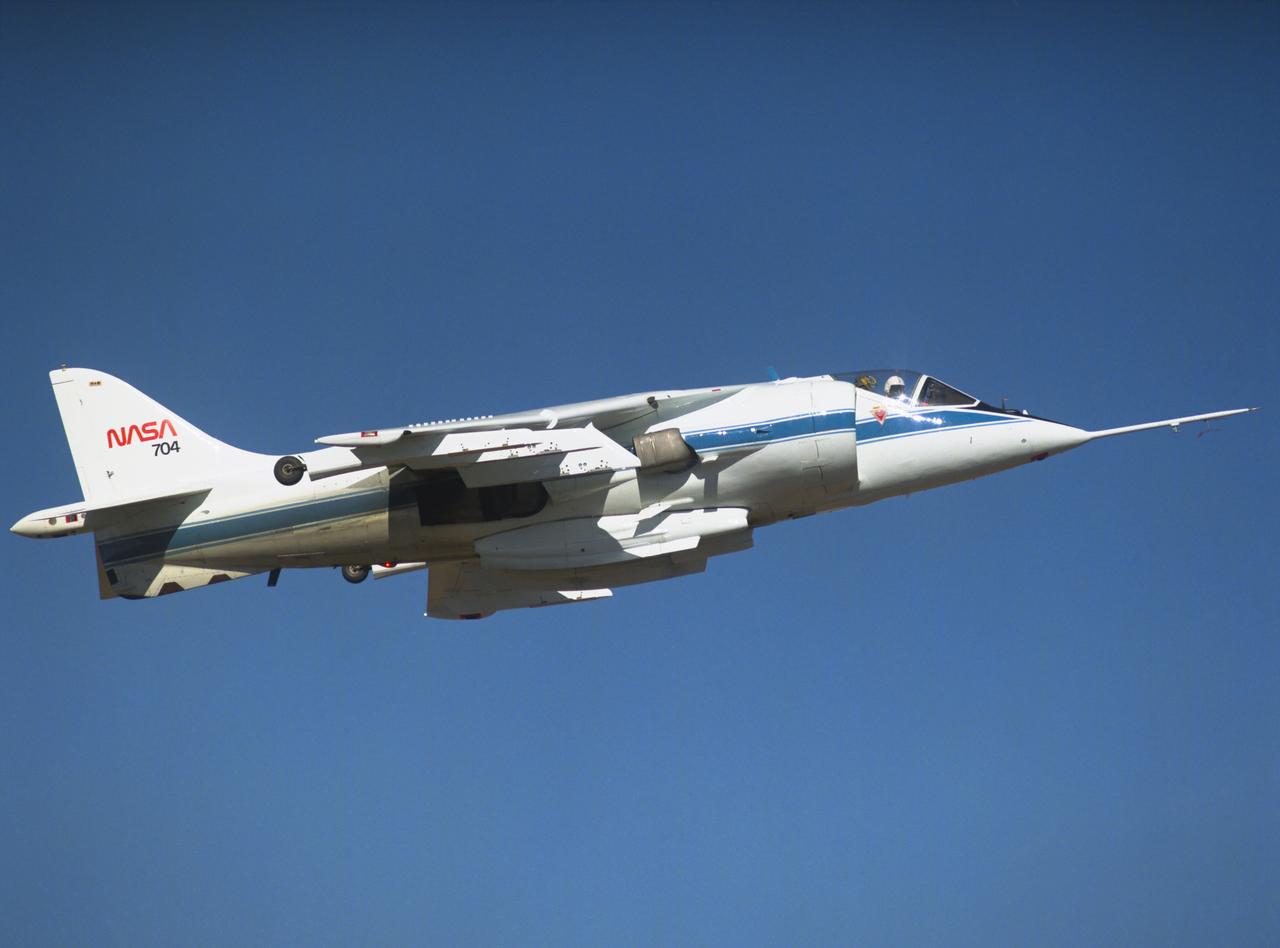
AV-8B (NASA-704) in flight over Central Valley,CA
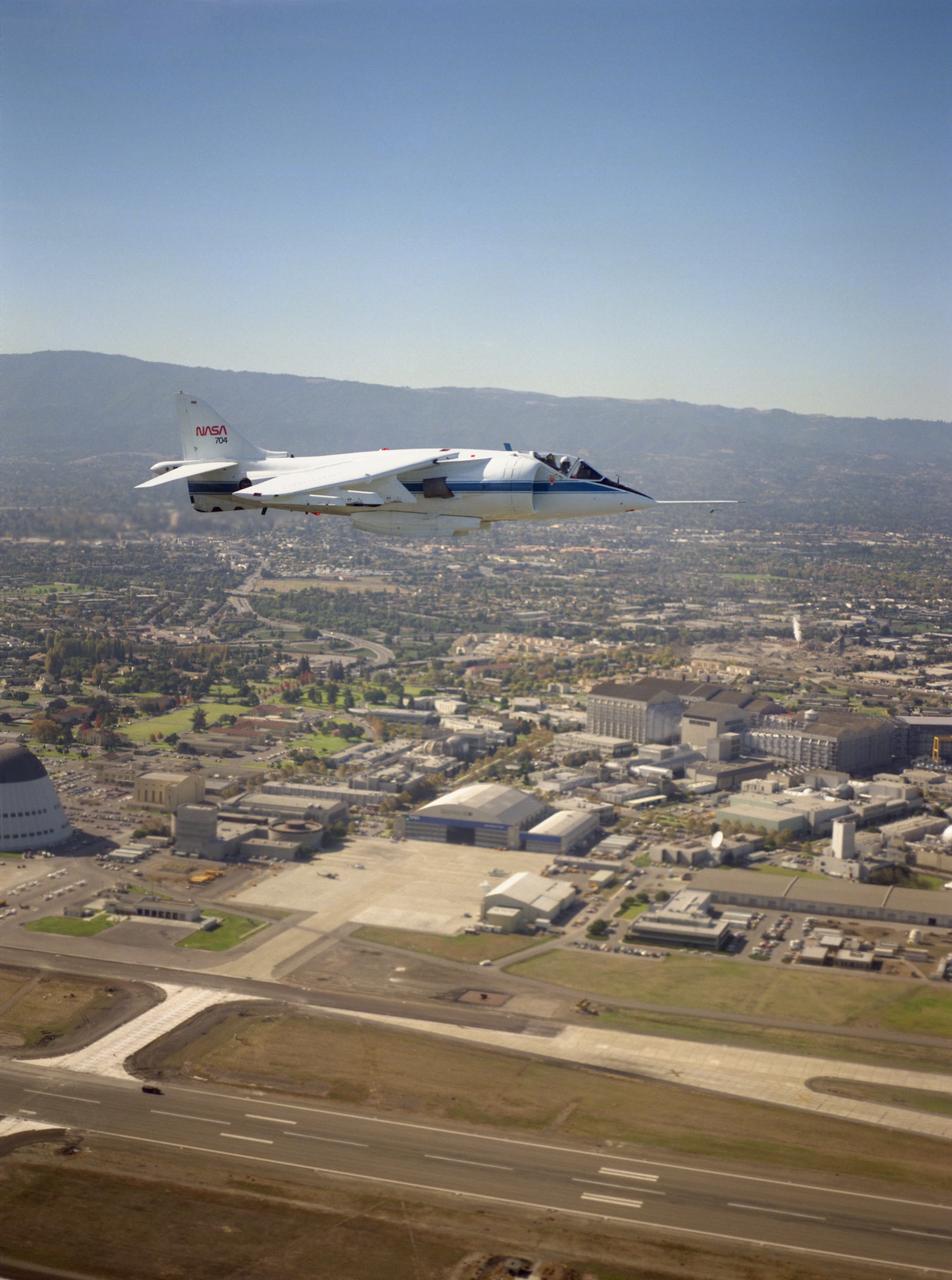
AV-8B (NASA 704) HARRIER IN FLIGHT OVER AMES RESEARCH CENTER, MOFFETT FEDERAL AIRFIELD, CA
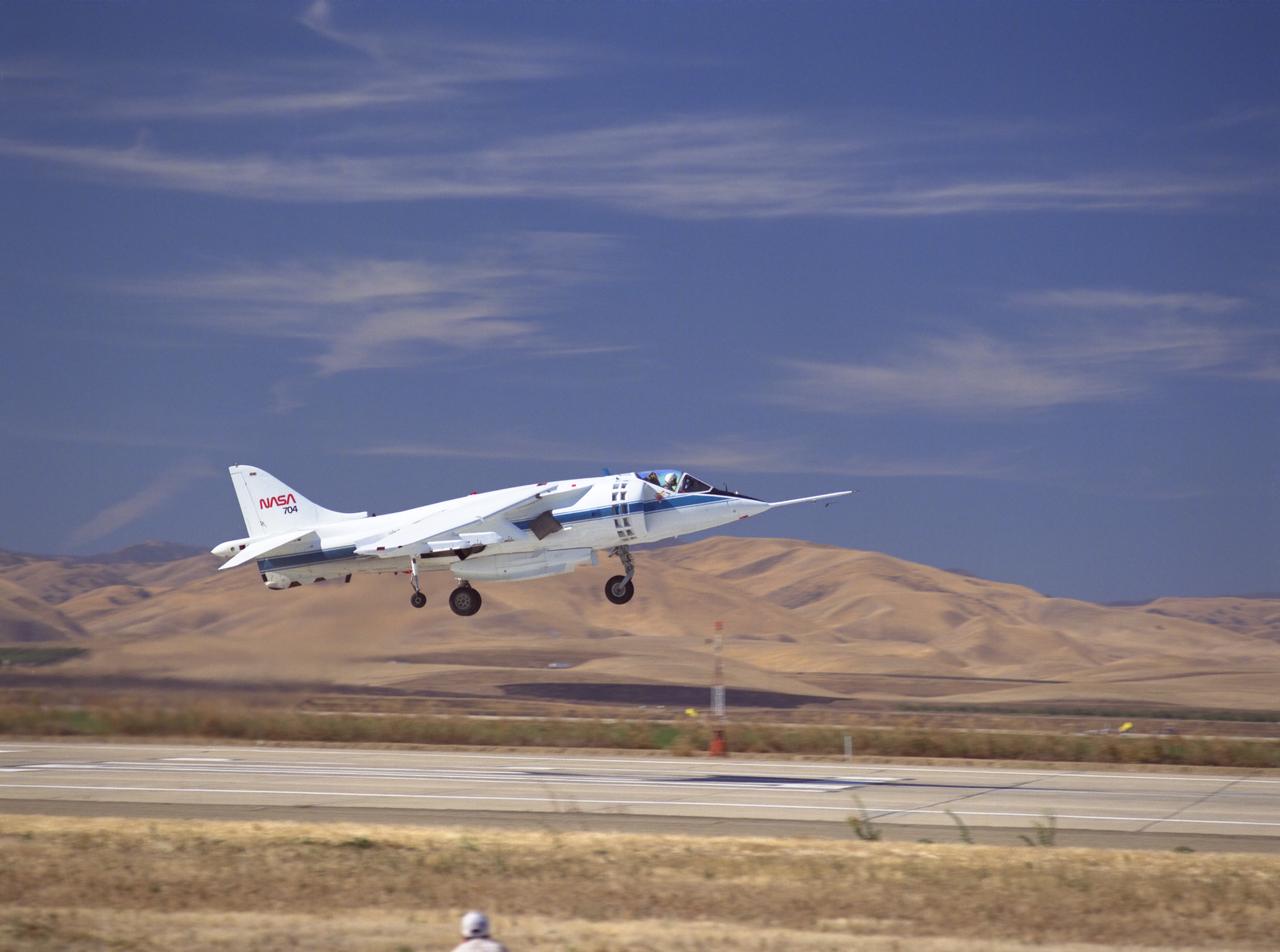
AV-8B (NASA-704) take-off at Crow Landing, Central Valley, CA
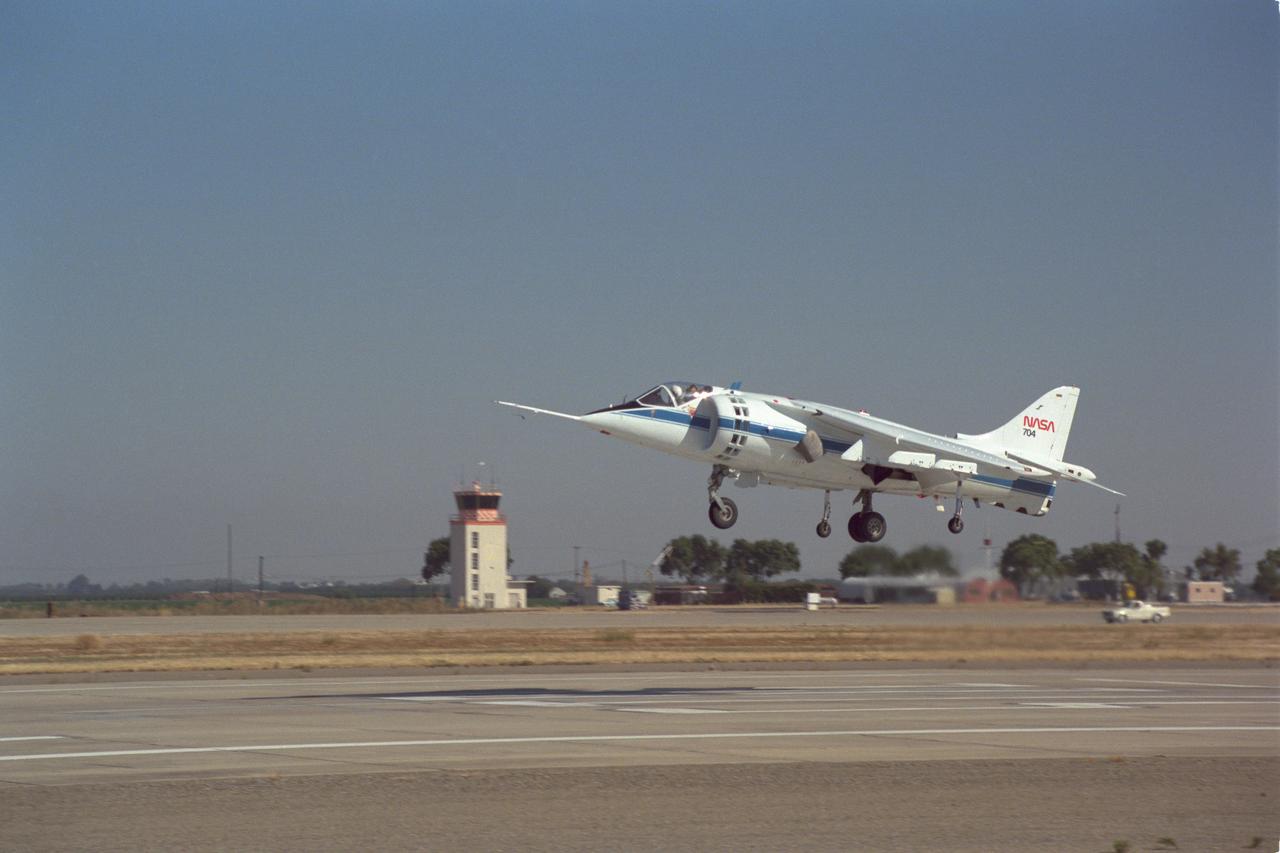
AV-8B Harrier V/STOL Aircraft NASA-704 take off at the NASA Ames facillity Crows Landing, CA
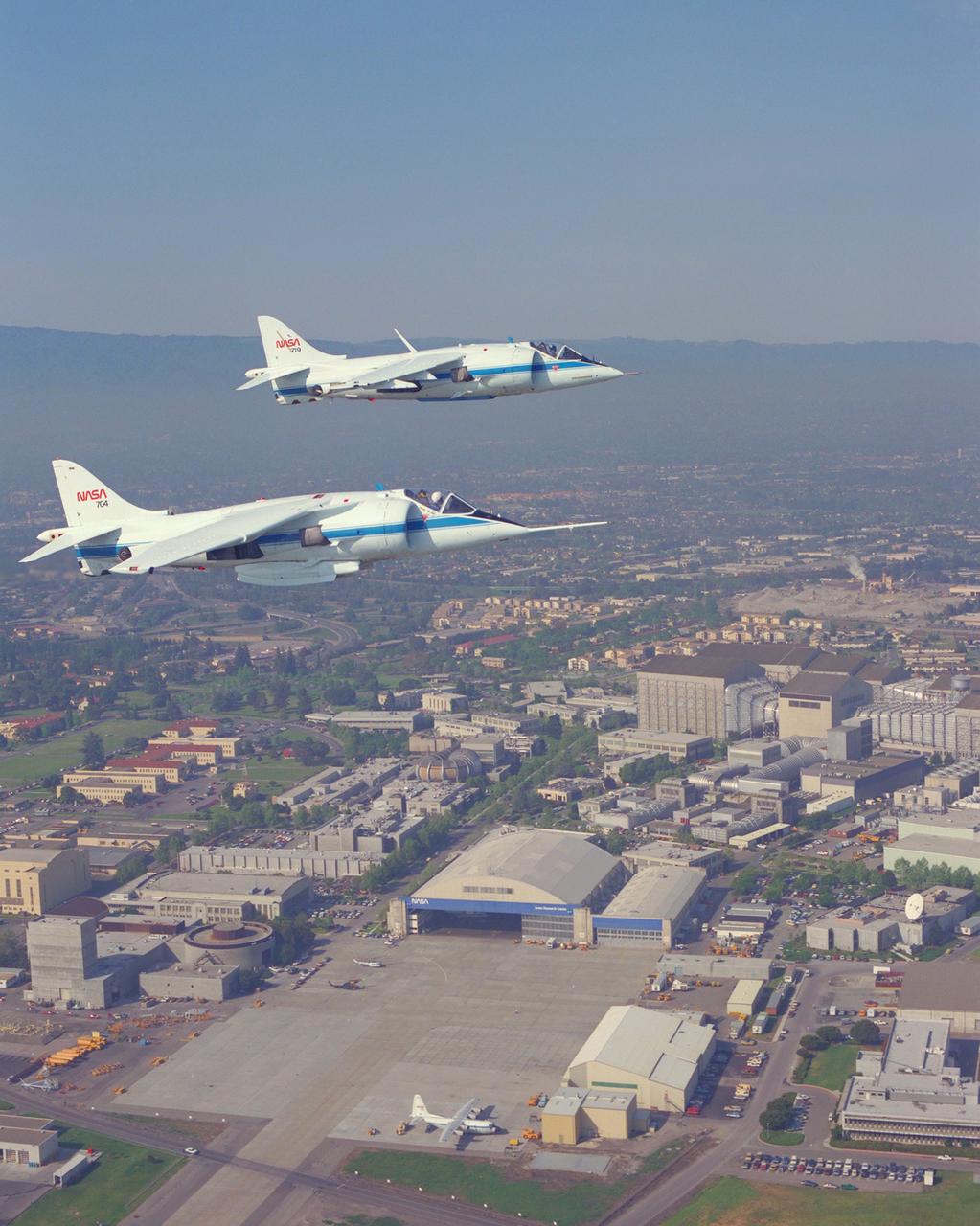
AV-8B (NASA-719) and AV-8C (NASA-704) air to air formation flight over NASA Ames Research Center, Moffett Field.
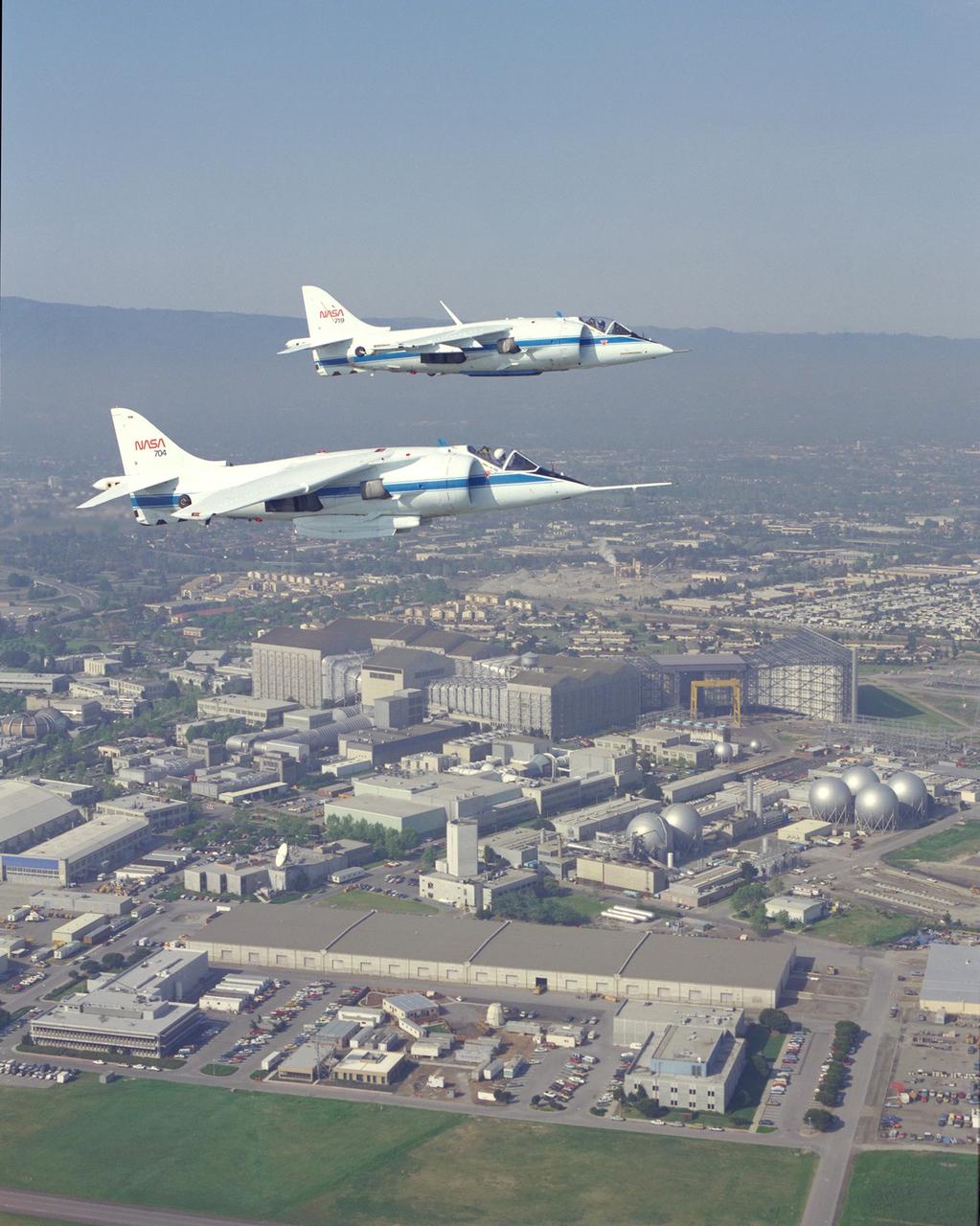
AV-8B (NASA-719) and AV-8C (NASA-704) air to air formation flight over NASA Ames Research Center, Moffett Field.
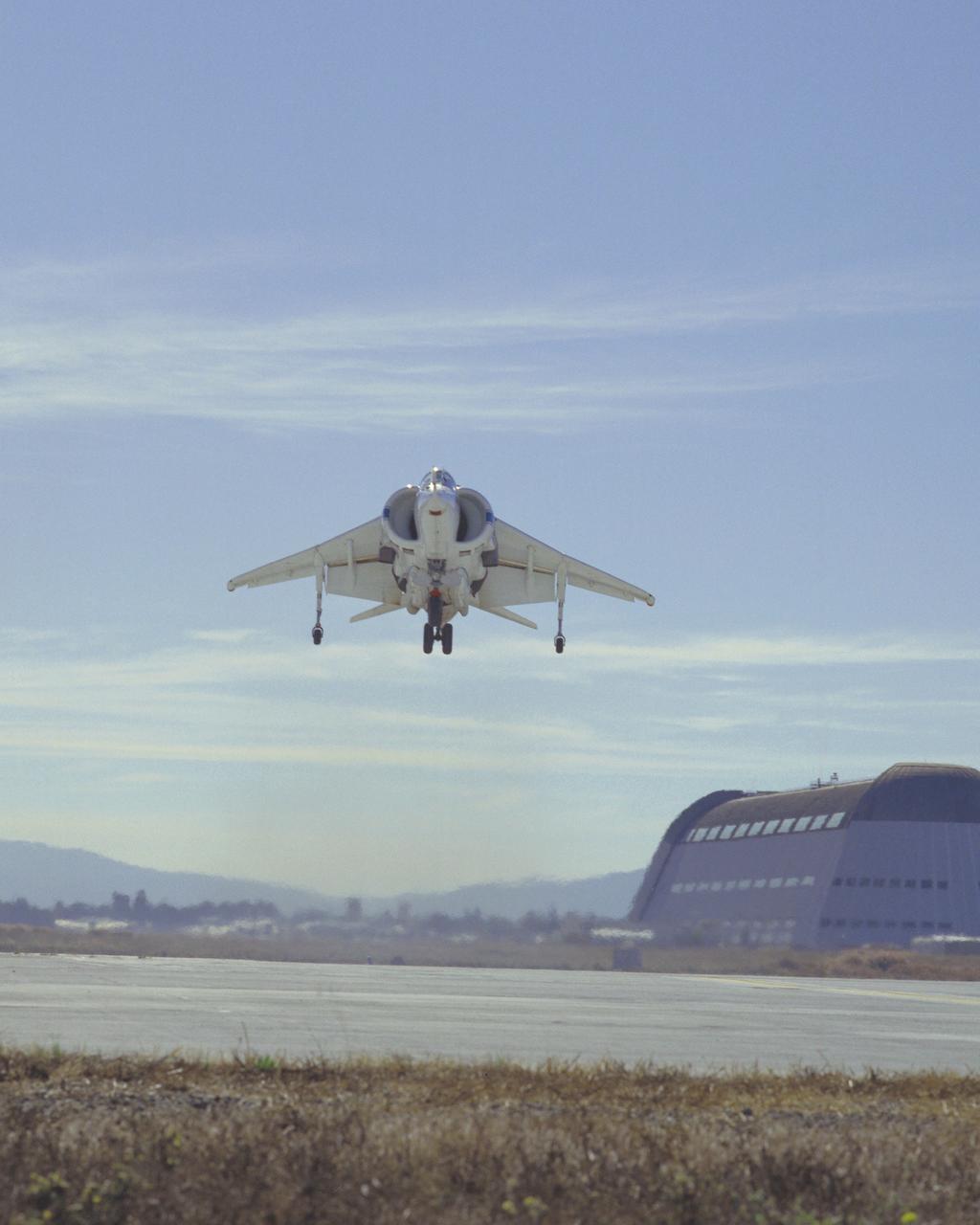
McDonnell Douglas YAV-8B (Bu. No. 158394 NASA 704 VSRA) Harrier V/STOL Systems Research Aircraft hover Note: Used in publication in Flight Research at Ames; 57 Years of Development and Validation of Aeronautical Technology NASA SP-1998-3300 fig.125
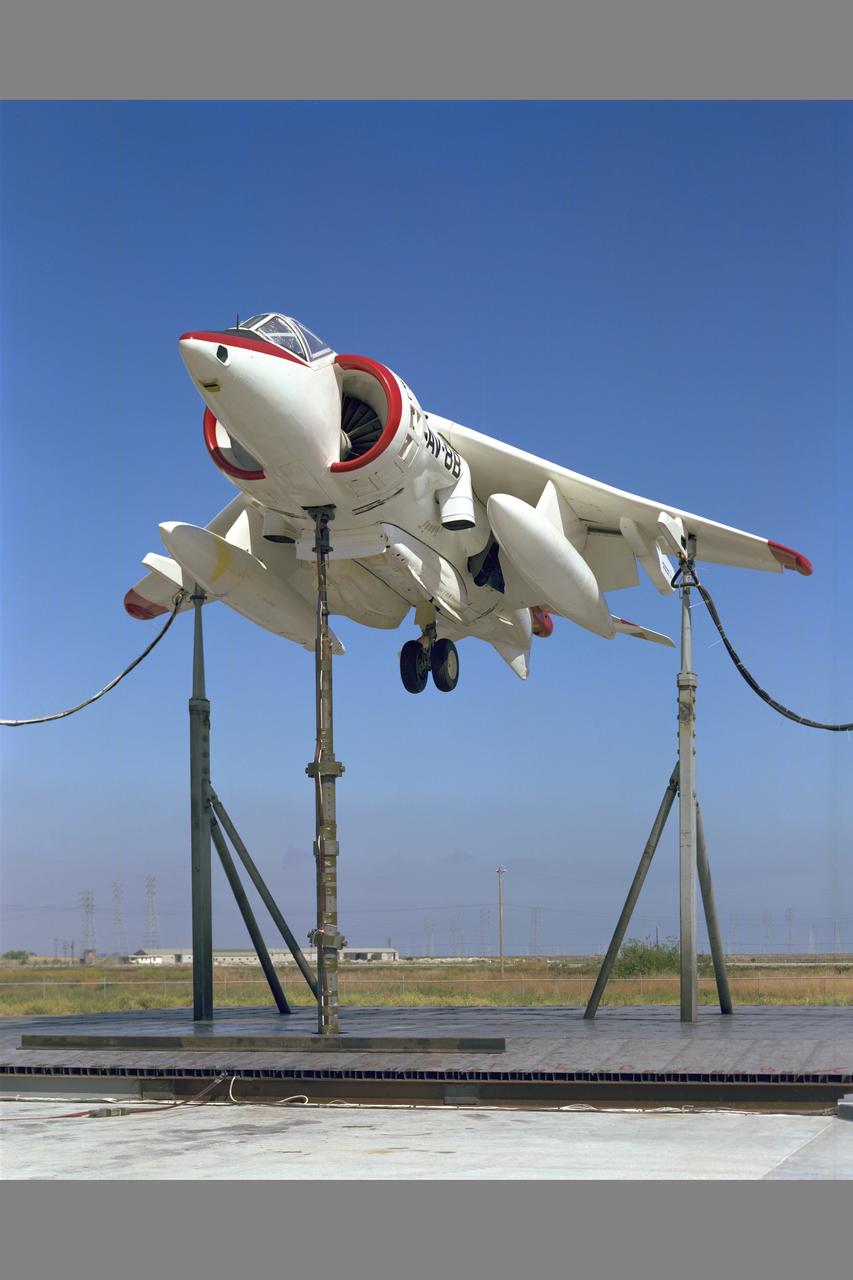
NASA/NAVAIR AV-8B aircraft test-493 at Static Test Stand Facility
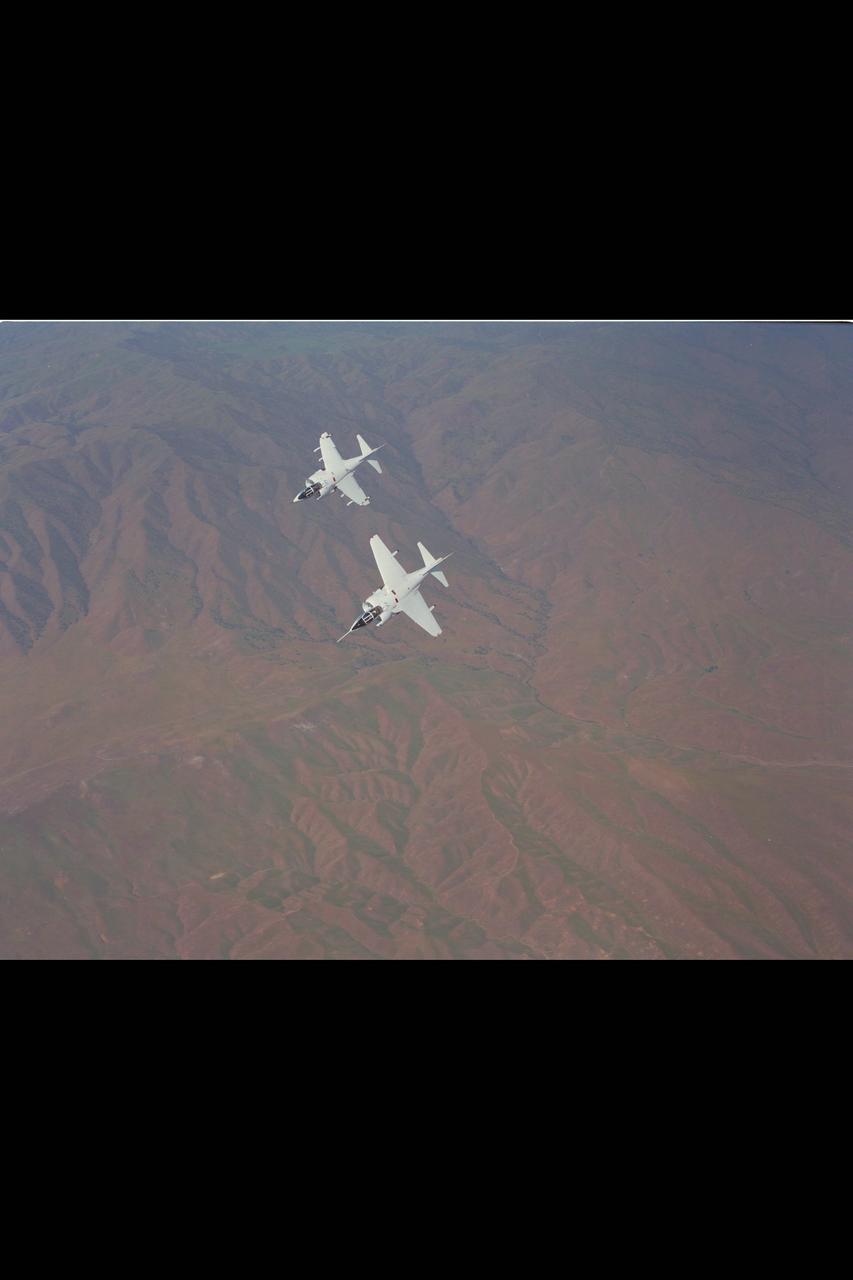
Harriers AV-8B (NASA-704) and AV-8C (NASA-719) in flight formation
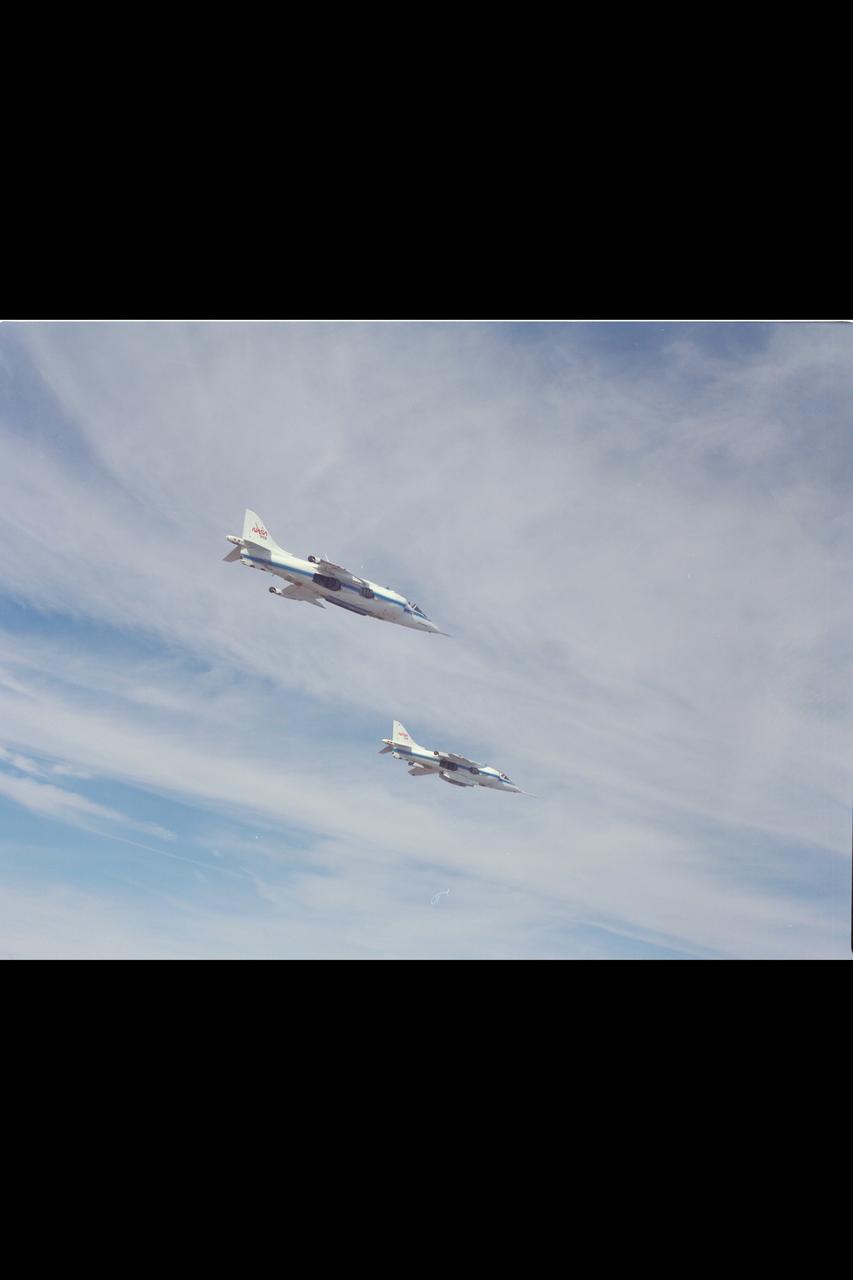
Harriers AV-8B (NASA-704) and AV-8C (NASA-719) in flight formation
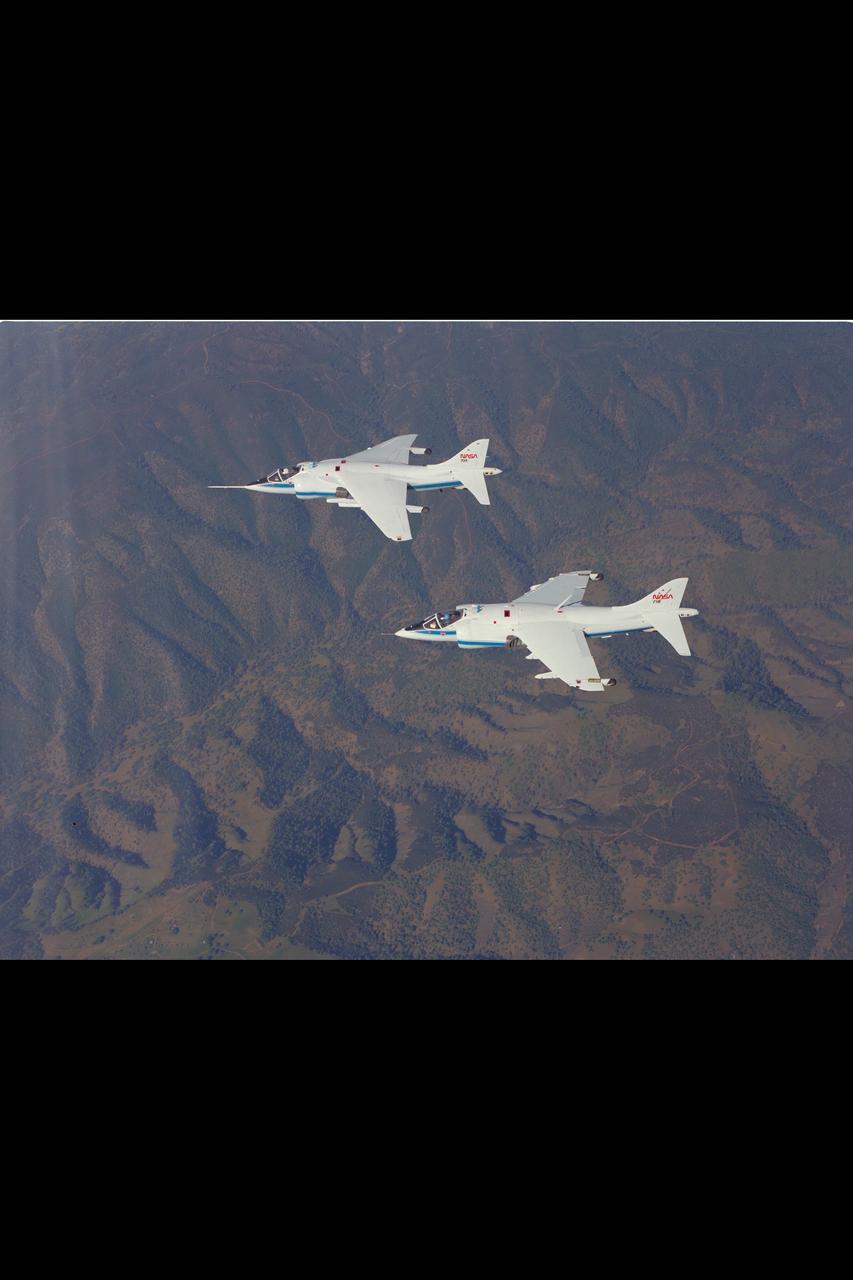
Harriers AV-8B (NASA-704) and AV-8C (NASA-719) in flight formation
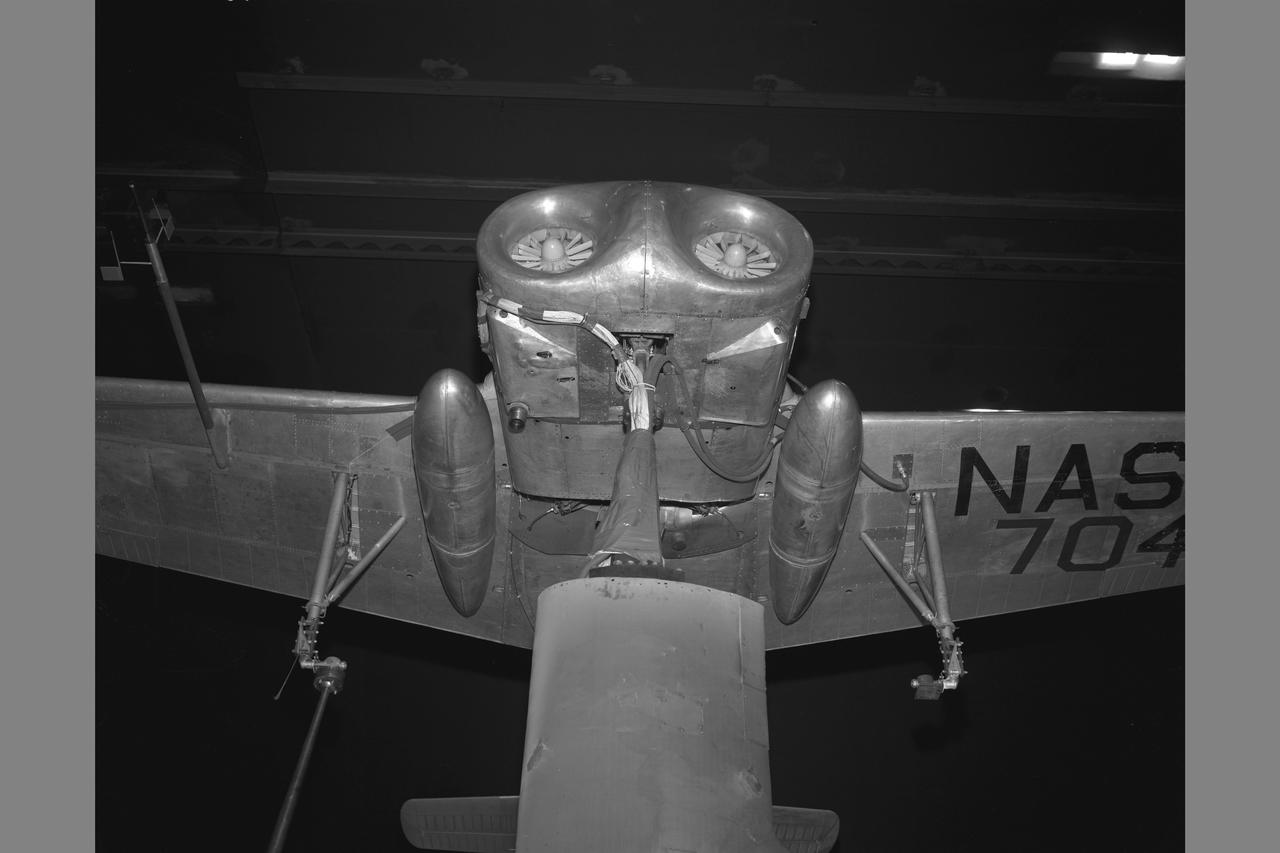
X-14 NASA 704 Full Scale Airplane tests in 40x80ft. Wind Tunnel (NORMAL MOUNTING) jet inlets
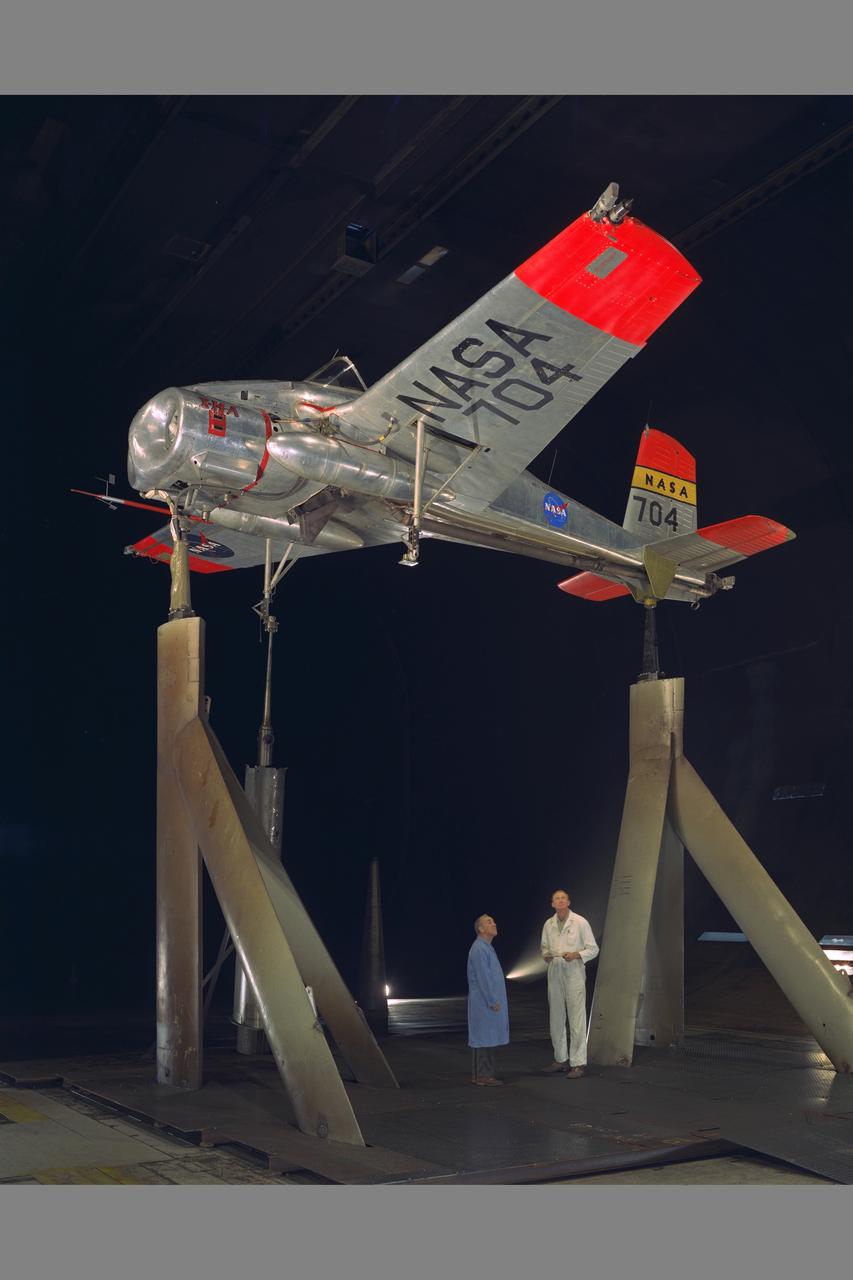
X-14 NASA 704 Full Scale Airplane tests in 40x80ft. Subsonic Wind Tunnel (NORMAL MOUNTING) with Sy Sewell, NASA (left) and Ed Varette, Army (right)
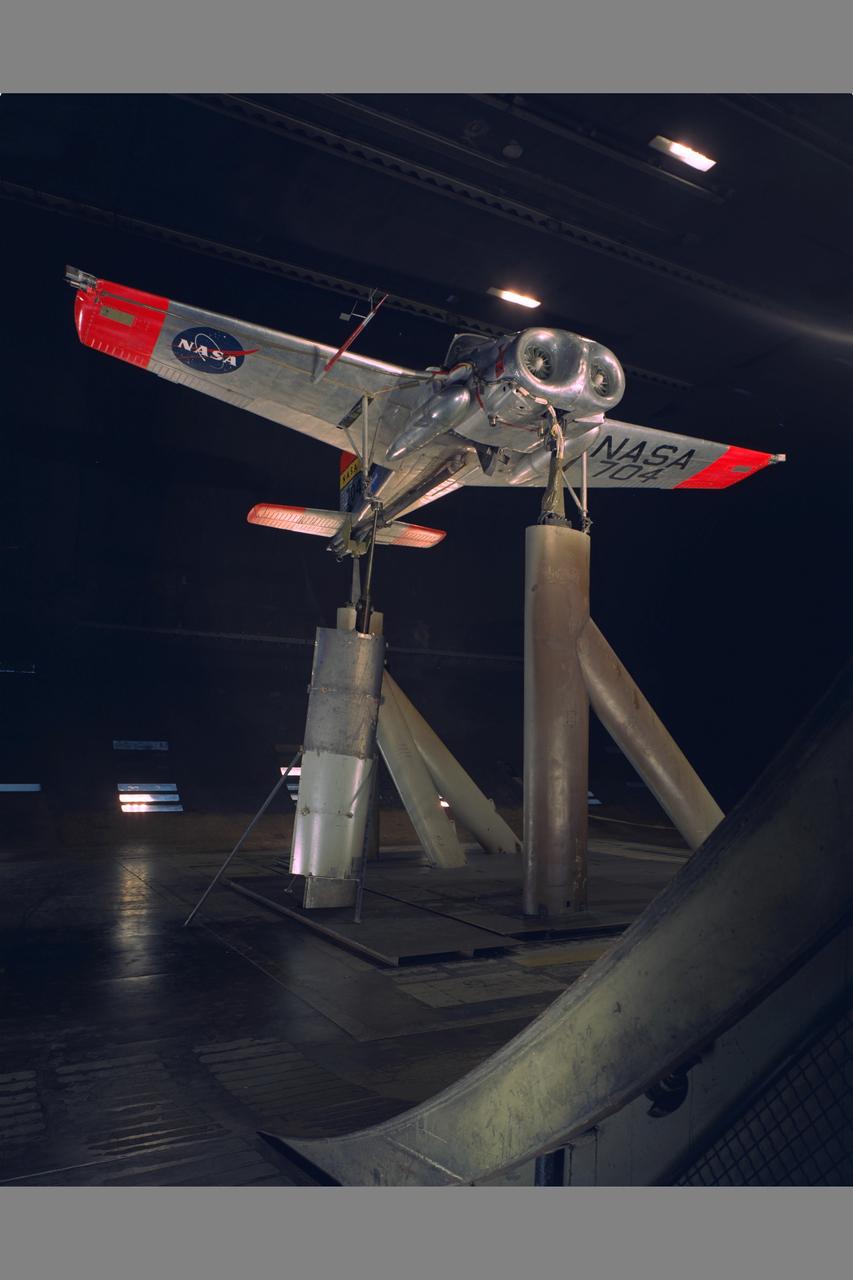
X-14 NASA 704 Full Scale Airplane tests in 40x80ft. Wind Tunnel (NORMAL MOUNTING) with Sy Sewell, NASA (left) and Ed Varette, Army (right)
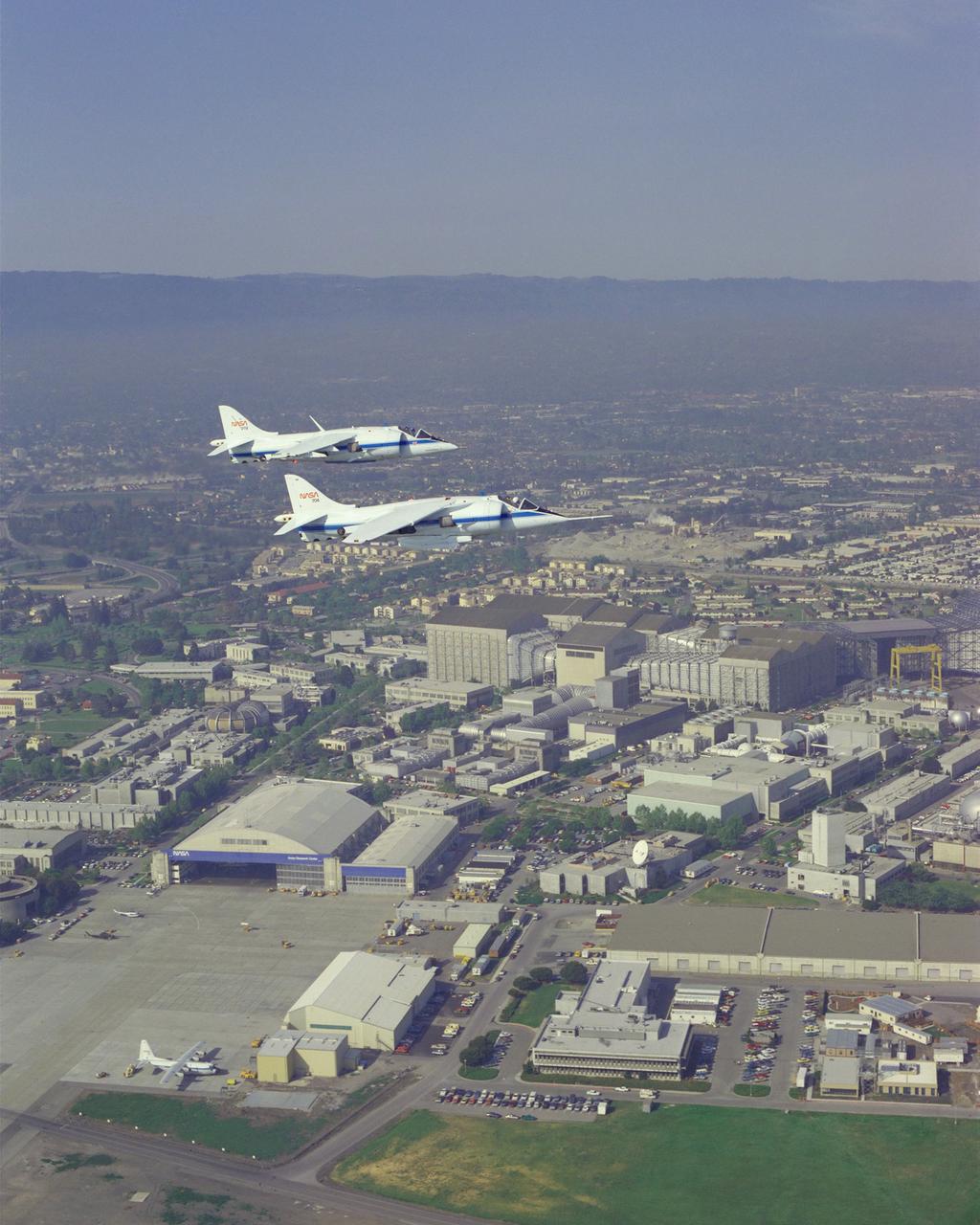
AV-8B (NASA-719) and AV-8C (NASA-704) air to air formation flight with T-38, U-2 (NASA-708) with pilots G. Hardy and J. Martin over NASA Ames Research Center, Moffett Field.
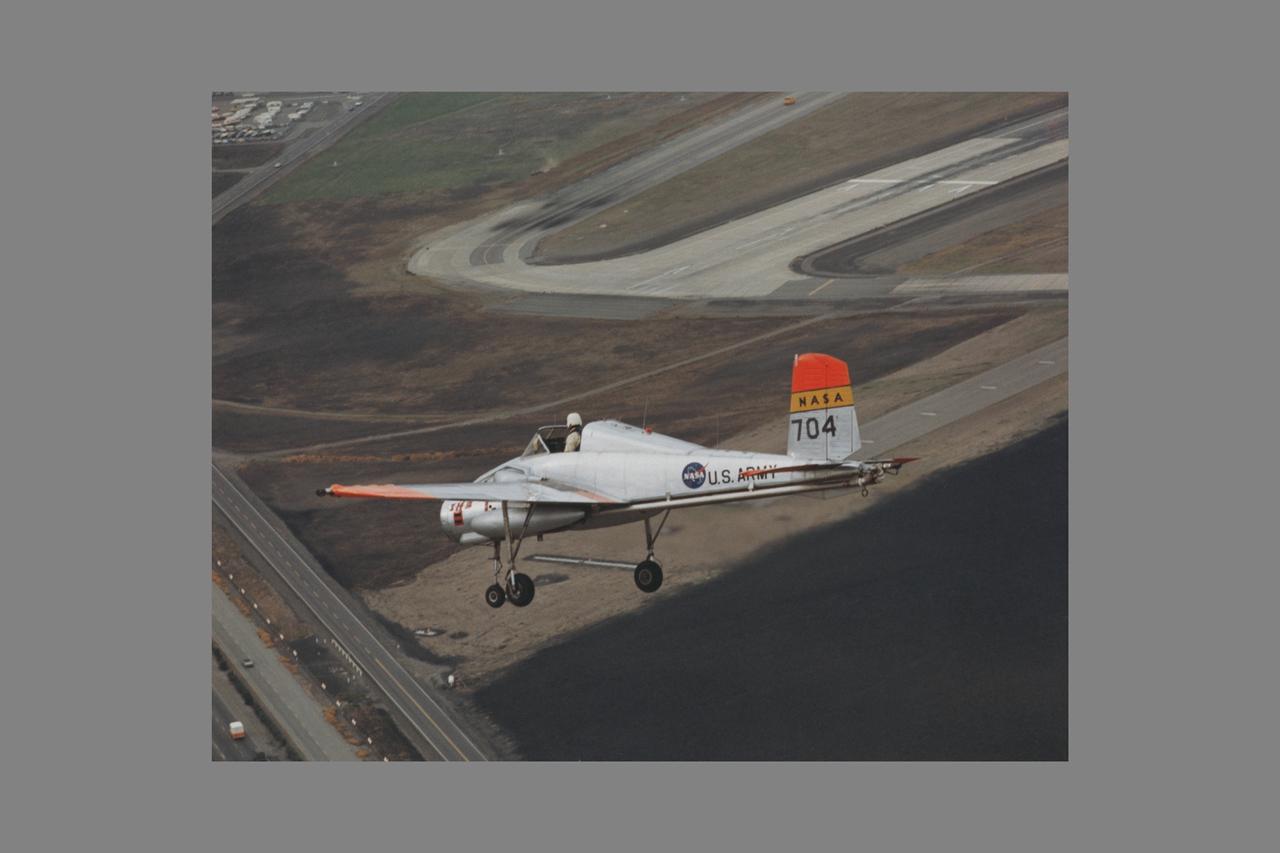
X-14B NASA-704: A Bell single-place, open cockpit, twin-engine, jet-lift VTOL aircraft over Highway 101 in approach to Moffett Field, California. The X-14 was used by NASA Ames Research Center to advance state-of-the-art jet-powered VTOL aircraft.
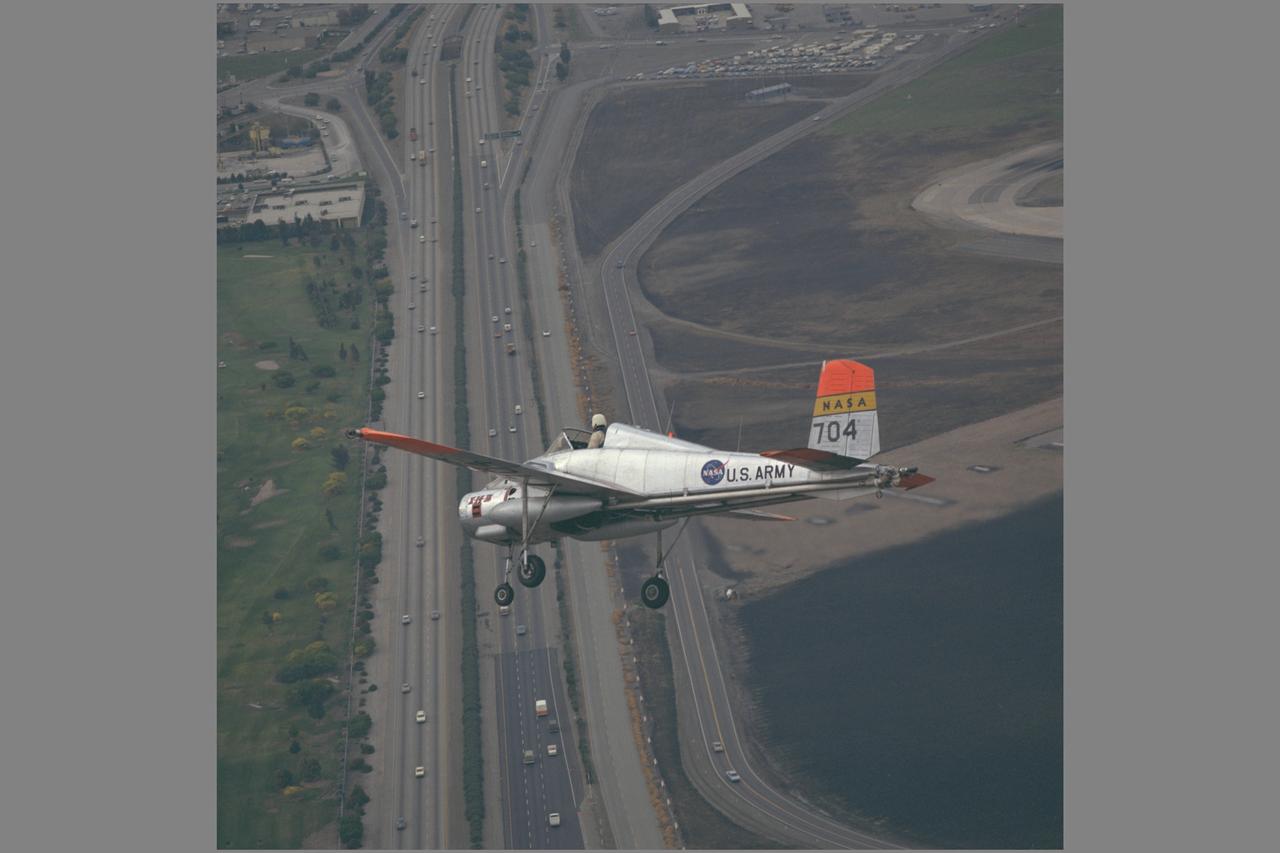
X-14B NASA-704: A Bell single-place, open cockpit, twin-engine, jet-lift VTOL aircraft over Highway 101 in approach to Moffett Field, California. The X-14 was used by NASA Ames Research Center to advance state-of-the-art jet-powered VTOL aircraft.
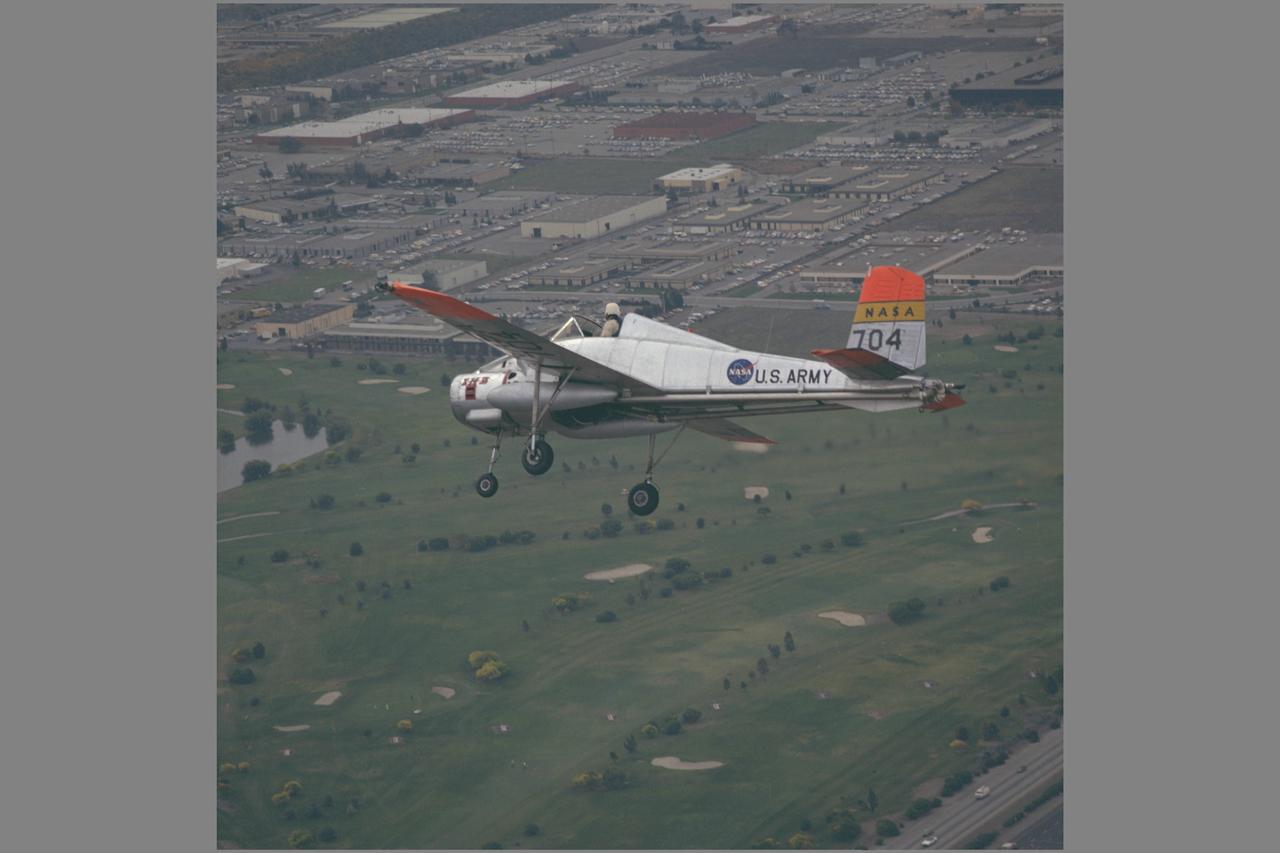
X-14B NASA-704: A Bell single-place, open cockpit, twin-engine, jet-lift VTOL aircraft in flight over Sunnyvale golf course. The X-14 was used by NASA Ames Research Center to advance state-of-the-art jet-powered VTOL aircraft.
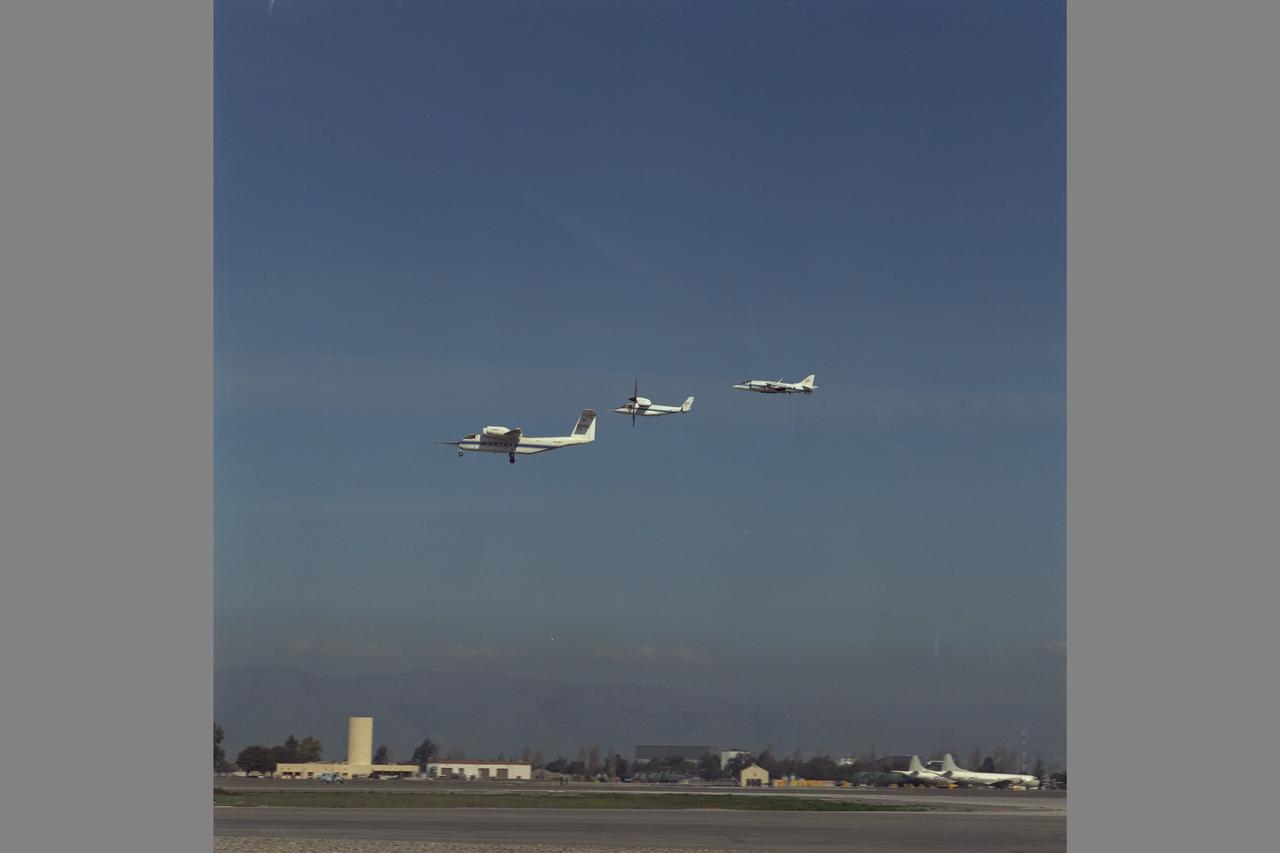
NASA AMES Photographers N-258 NAS DEDICATION CEREMONY. air show VSTOL aircraft QSRA, XV-15 Tiltrotor, AV-8B Harrier in flight formation NOTE: CROP IN ON IMAGE VERTICAL format is AC87-0180-454.1

Air Force Javelin Rocket on Launcher (USAF JV-1) Wallops Model D4-78 L59-5144 First AFSWC Javelin sounding rocket ready for flight test, July 7, 1959. Photograph published in A New Dimension Wallops Island Flight Test Range: The First Fifteen Years by Joseph Shortal. A NASA publication. Page 704.

Air Force Javelin Rocket on Launcher (USAF JV-1) Wallops Model D4-78 L59-5144 First AFSWC Javelin sounding rocket ready for flight test, July 7, 1959. Photograph published in A New Dimension Wallops Island Flight Test Range: The First Fifteen Years by Joseph Shortal. A NASA publication. Page 704.

Air Force Javelin Rocket on Launcher (USAF JV-1) Wallops Model D4-78 L59-5144 First AFSWC Javelin sounding rocket ready for flight test, July 7, 1959. Photograph published in A New Dimension Wallops Island Flight Test Range: The First Fifteen Years by Joseph Shortal. A NASA publication. Page 704.

Air Force Javelin Rocket on Launcher (USAF JV-1) Wallops Model D4-78 L59-5144 First AFSWC Javelin sounding rocket ready for flight test, July 7, 1959. Photograph published in A New Dimension Wallops Island Flight Test Range: The First Fifteen Years by Joseph Shortal. A NASA publication. Page 704.

Air Force Javelin Rocket on Launcher (USAF JV-1) Wallops Model D4-78 L59-5144 First AFSWC Javelin sounding rocket ready for flight test, July 7, 1959. Photograph published in A New Dimension Wallops Island Flight Test Range: The First Fifteen Years by Joseph Shortal. A NASA publication. Page 704.
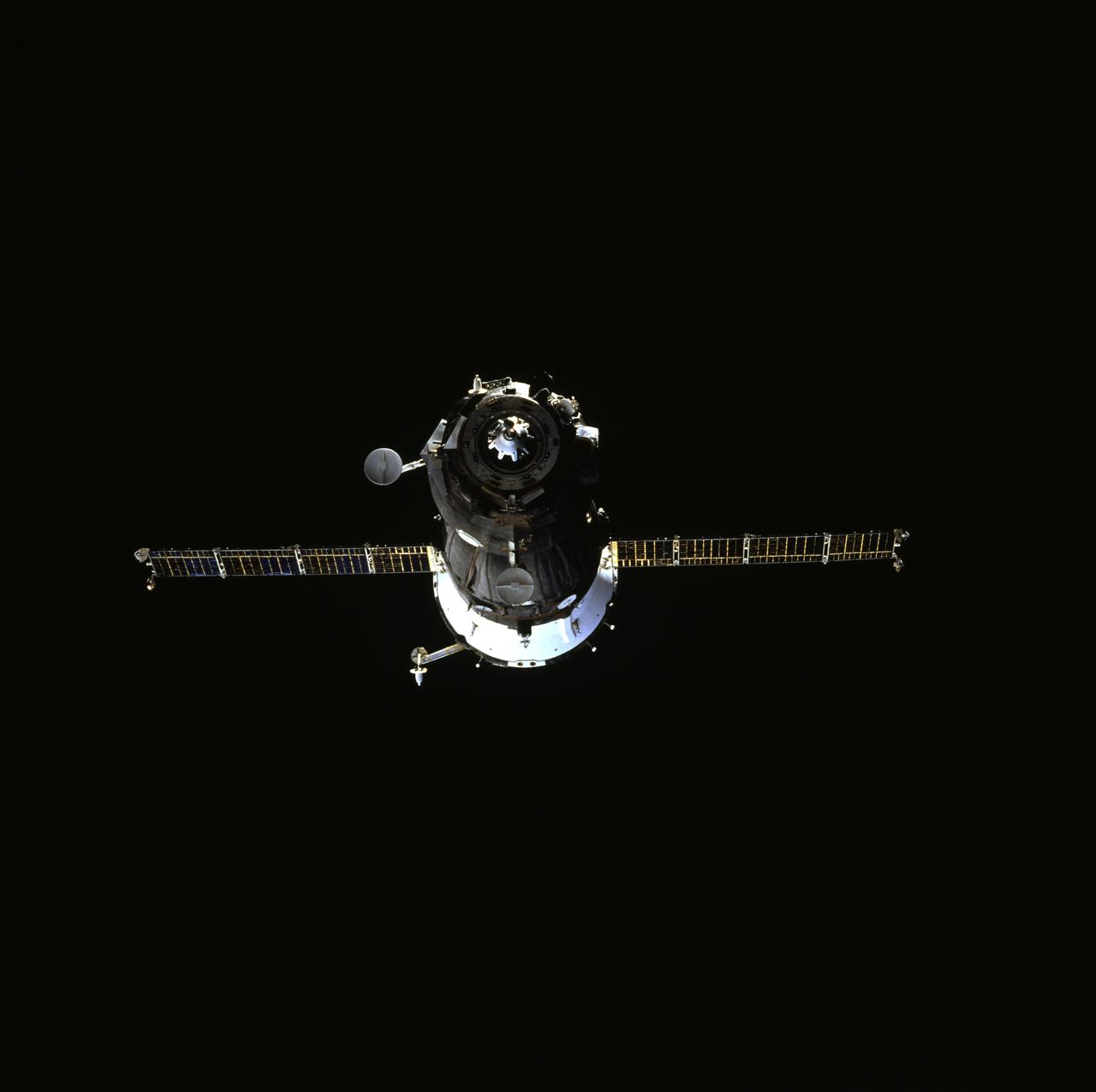
STS071-704-091 (4 July 1995) --- Russia's Soyuz spacecraft is backdropped against the darkness of space, as photographed from the space shuttle Atlantis. Onboard Soyuz were Mir-19 cosmonauts Anatoly Y. Solovyev and Nikolai M. Budarin. The 70mm photograph was recorded during the Space Shuttle Atlantis' undocking operations from the Russian Mir Space Station on July 4, 1995. Soyuz was temporarily undocked and backed away from the Mir/Atlantis tandem as the Space Shuttle Atlantis prepared to separate from the linkup. Six NASA astronauts and two cosmonauts were onboard Atlantis as it separated from Mir, which will now become the home for the two-member Mir-19 crew.
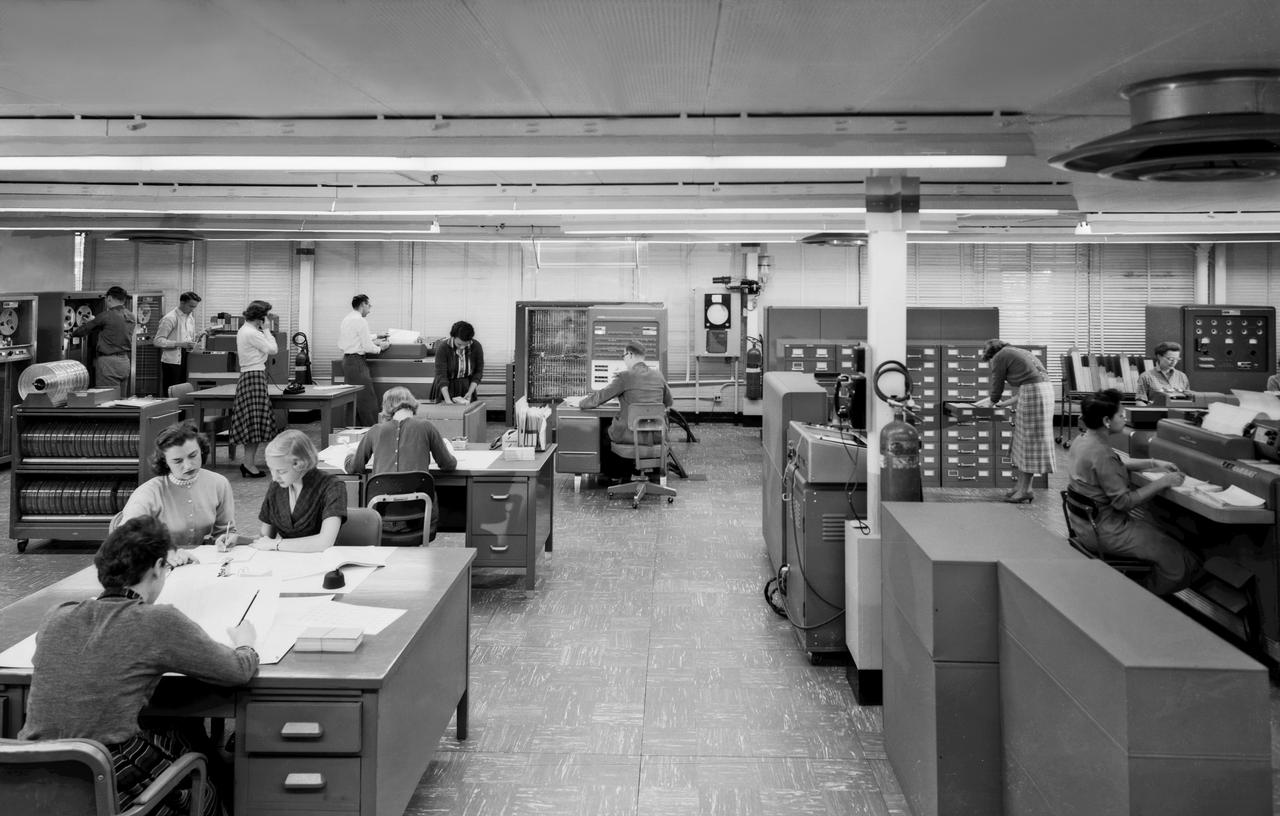
IBM 704 Computer Operations People on the photo are: Woman in the front with her back to the camera is Jean Ruddle Migneault. She provided the names for the rest of the staff in the photo. Kathy Christian Young, Mary Talmage Kaylor, Willie Terrell Ruffin (computer operator not mathematician), Joyce Alston Clemens, Lou Mayo Ladson, Rachel Richardson Mayo, Sadie Livingston Boyer , Joann Shipp Buschman worked in hangar in West Area, Shelva Blevins Stroud (programmer in data reduction), Jackie Kilby, Rita Englebert, Harriet Seals Winestein, Lillian Boney, Jane Thompson Kemper, Helen Thompson ( math aide) Jane and Helen were daughters of Floyd Thompson, center director.
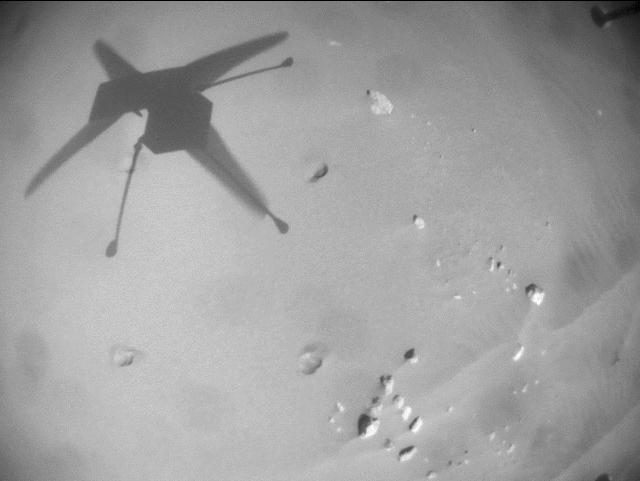
This animated GIF was generated using imagery acquired by the navigation camera aboard NASA's Ingenuity Mars Helicopter during its 25th flight on April 18, 2022. Covering a distance of 2,310 feet (704 meters) and at a speed of 12 mph (5.5 meters per second), it was the Red Planet rotorcraft's longest and fastest flight to date. The first frame of the clip shows the view about one second into the flight. After reaching an altitude of 33 feet (10 meters), the helicopter heads southwest, accelerating to its maximum speed in less than three seconds. Ingenuity first flies over a group of sand ripples then, about halfway through the video, several rock fields. Finally, relatively flat and featureless terrain appears below, making a good landing spot. The video of the 161.3-second flight was speeded up approximately five times, reducing it to less than 35 seconds. Ingenuity's navigation camera has been programmed to deactivate whenever the rotorcraft is within 3 feet (1 meter) of the surface. This helps ensure any dust kicked up during takeoff and landing won't interfere with the navigation system as it tracks features on the ground. Movie available at https://photojournal.jpl.nasa.gov/catalog/PIA25321