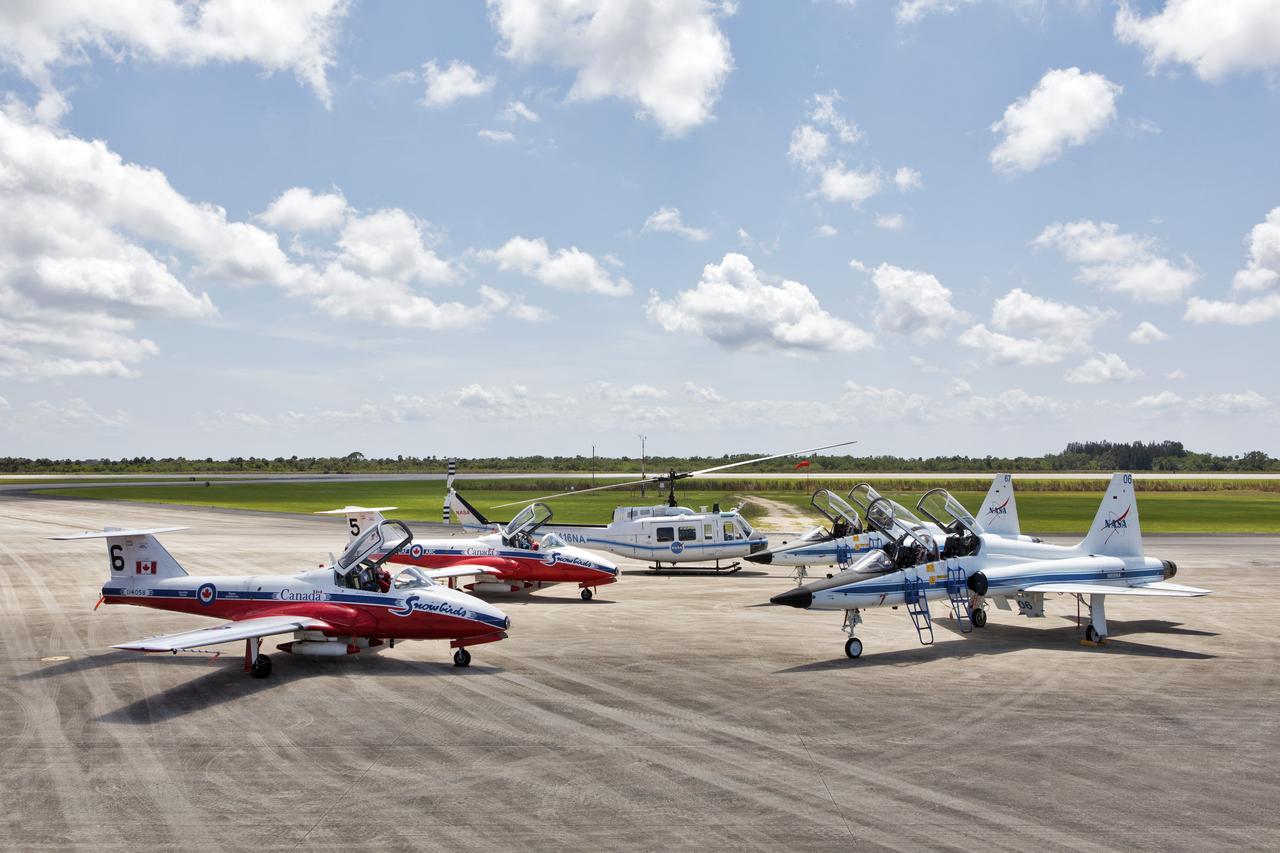
Several types of aircraft are on the tarmac at the Shuttle Landing Facility (SLF) at NASA's Kennedy Space in Florida. From left, are two Canadian Forces Snowbird CF-18 jets, a NASA Huey helicopter, and two NASA T-38 trainer aircraft. The Canadian Forces Snowbirds performed aerial maneuvers over Kennedy and Cape Canaveral Air Force Station during a practice flight on May 9, 2018, between their scheduled air shows.
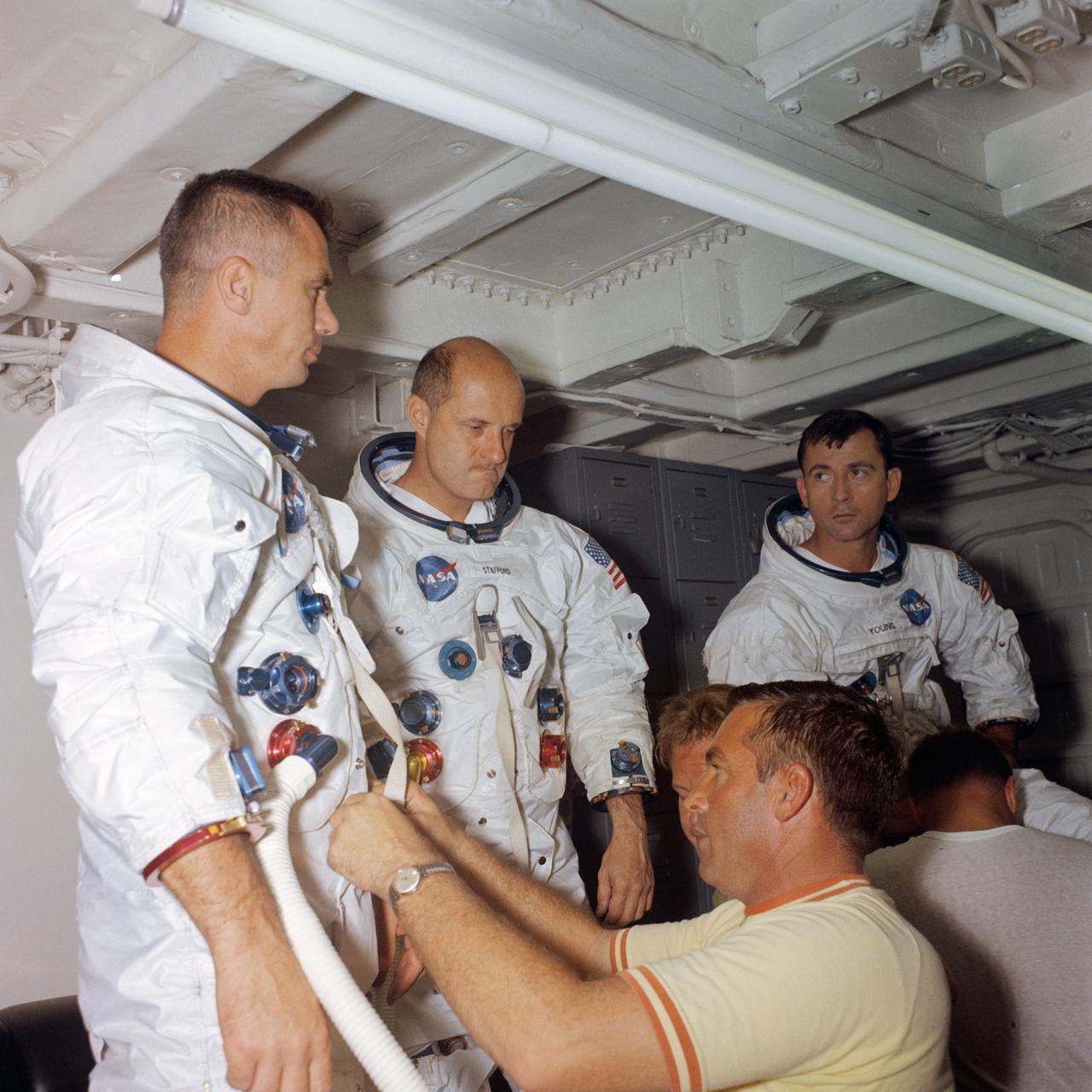
S68-42908 (13 Nov. 1968) --- The prime crew members for the Apollo 10 mission are about to participate in water egress training in the Gulf of Mexico. Below deck on the NASA retriever vessel, from the left, are astronauts Eugene A. Cernan, lunar module pilot; Thomas P. Stafford, commander; and John W. Young, command module pilot.
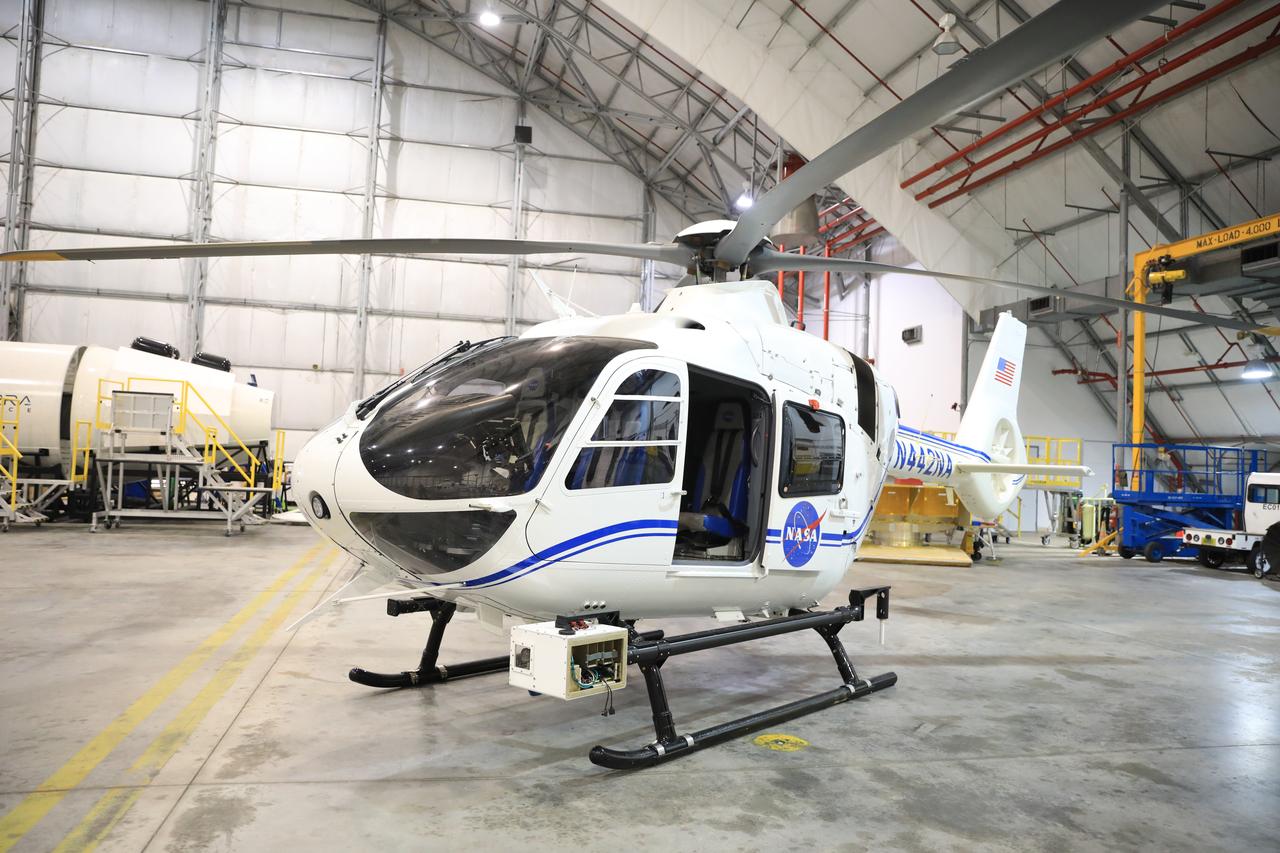
The NASA Airborne Instrumentation for Real-world Video of Urban Environments (AIRVUE) sensor pod is attached to the base of a NASA helicopter at NASA’s Kennedy Space Center in Cape Canaveral, Florida in April 2024 before a flight to test the pod’s cameras and sensors. The AIRVUE pod will be used to collect data for autonomous aircraft like air taxis, drones, or other Advanced Air Mobility aircraft.
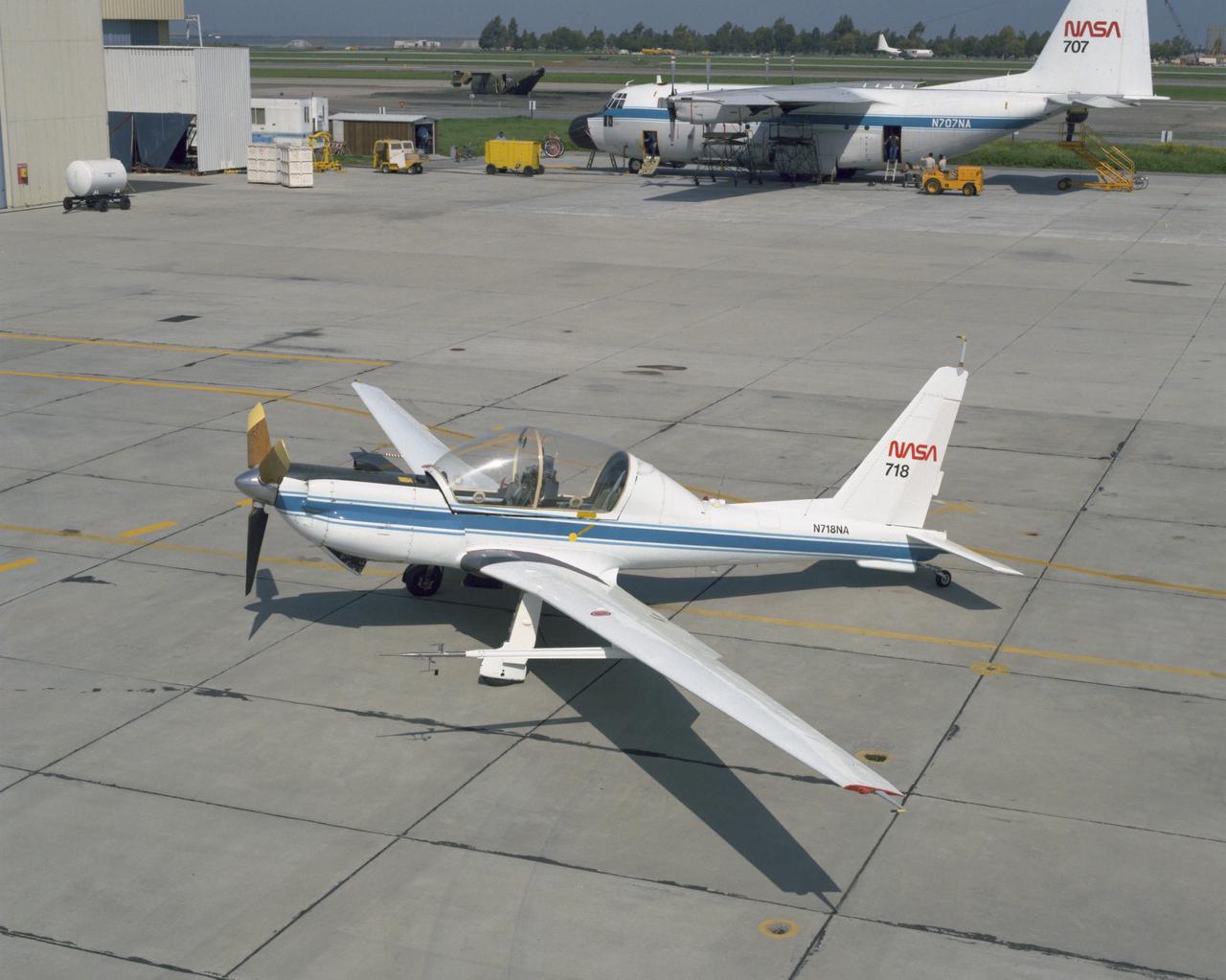
YO-3A Quiet Plane (NASA-718) parked on ramp This aircraft is a flying acoustic platform used as a microphone to study aircraft noise, especially helicopter noise.
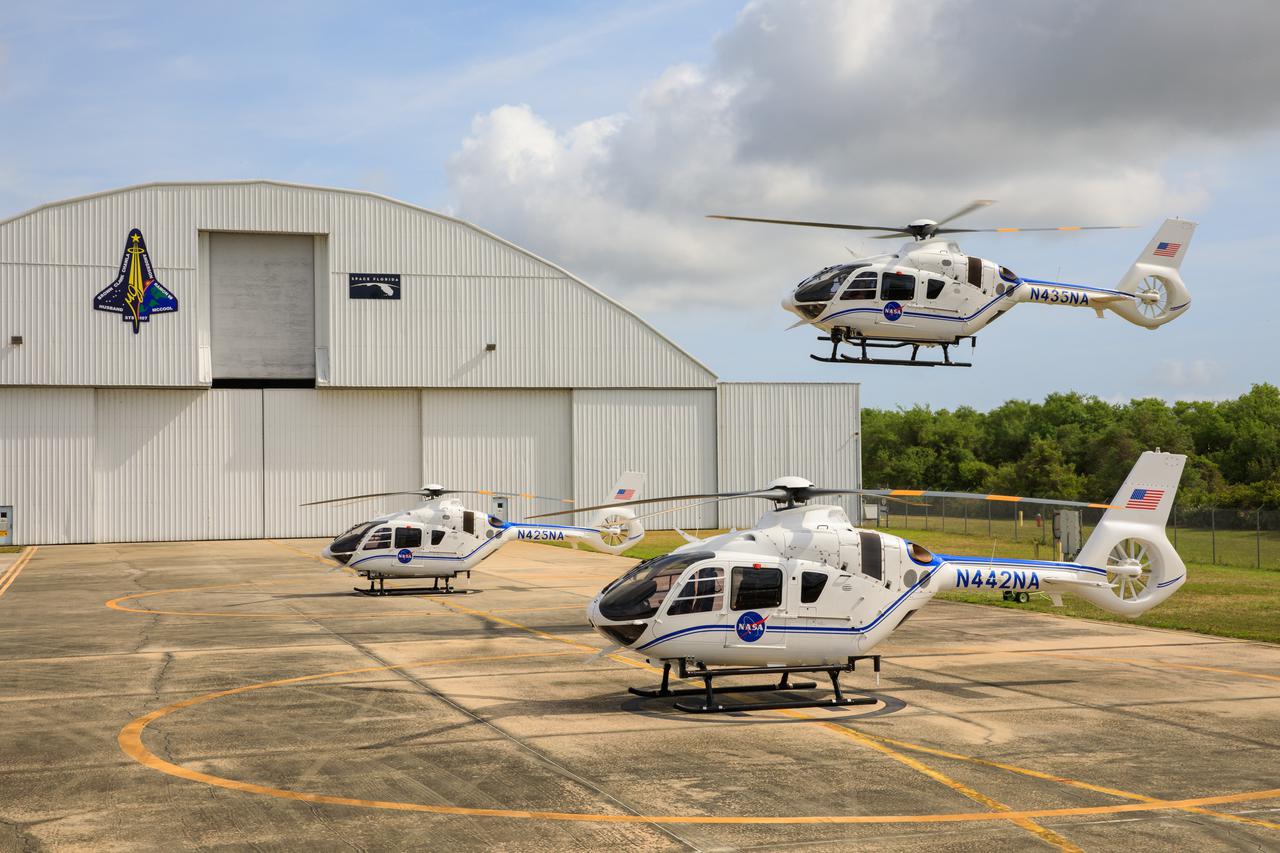
The third and final Airbus H135 helicopter touches down at the Launch and Landing Facility runway at NASA’s Kennedy Space Center in Florida on March 26, 2021, completing the upgraded fleet of aircraft used for security operations. The Airbus H135 helicopters replace the Bell Huey 2 aircraft that had been in service at Kennedy for the last 30 years. Maintained by the Flight Operations team, these new helicopters provide a number of technological and safety advantages over the Hueys, such as more lifting power, greater stability in the air, and expanded medical capabilities.
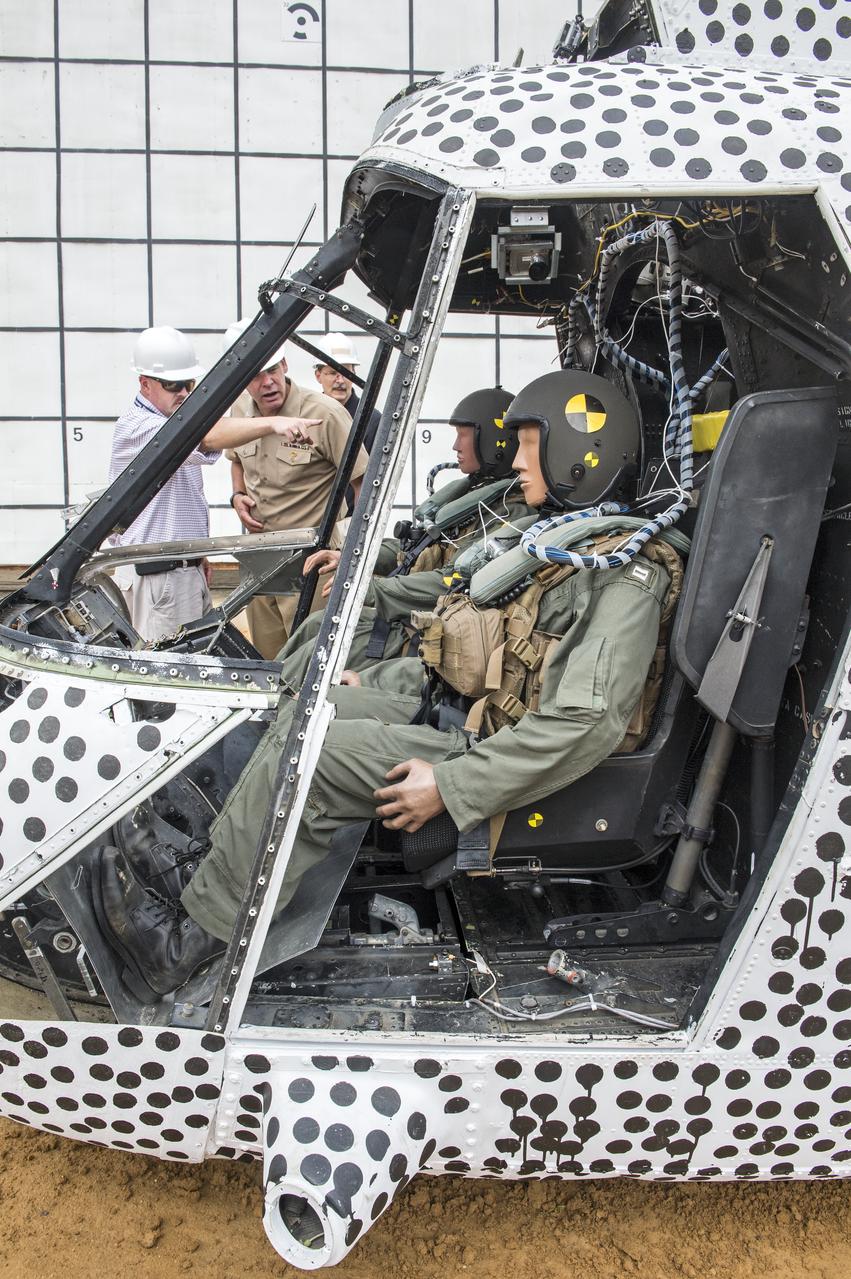
(TRACT) Transport Rotorcraft Aircraft Testbed: Helicopter airframe drop test at NASA Langley's Landing and Impact Research Facility (LandIR)
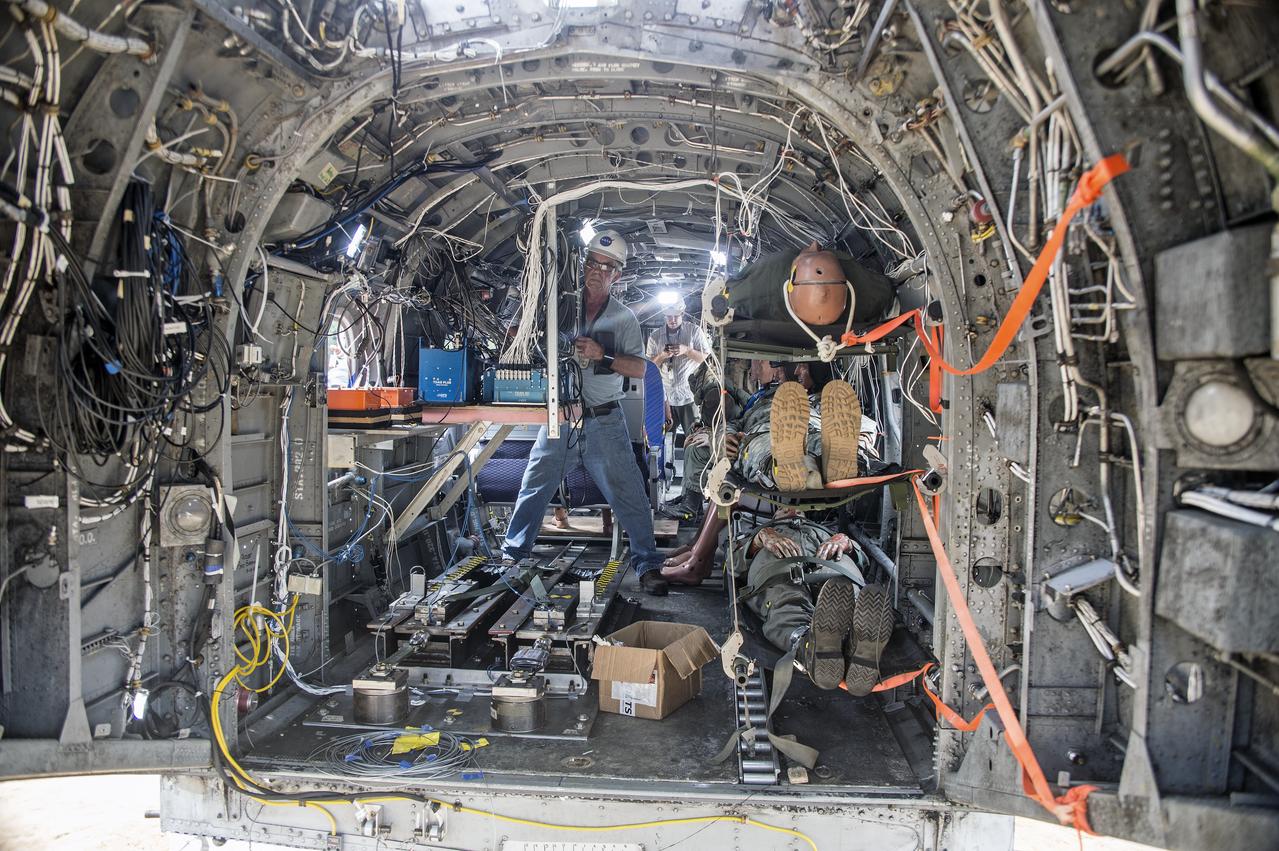
(TRACT) Transport Rotorcraft Aircraft Testbed: Helicopter airframe drop test at NASA Langley's Landing and Impact Research Facility (LandIR)
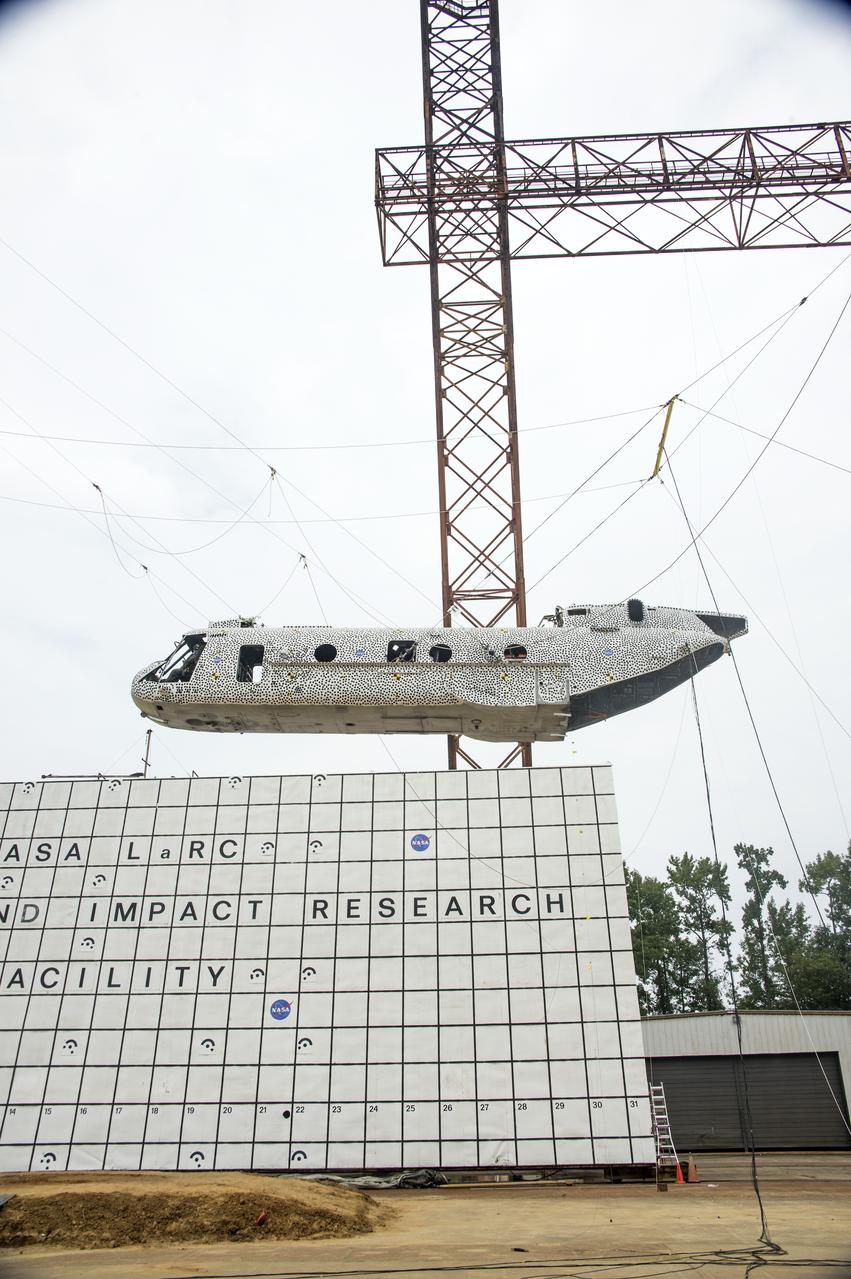
(TRACT) Transport Rotorcraft Aircraft Testbed: Helicopter airframe drop test at NASA Langley's Landing and Impact Research Facility (LandIR)
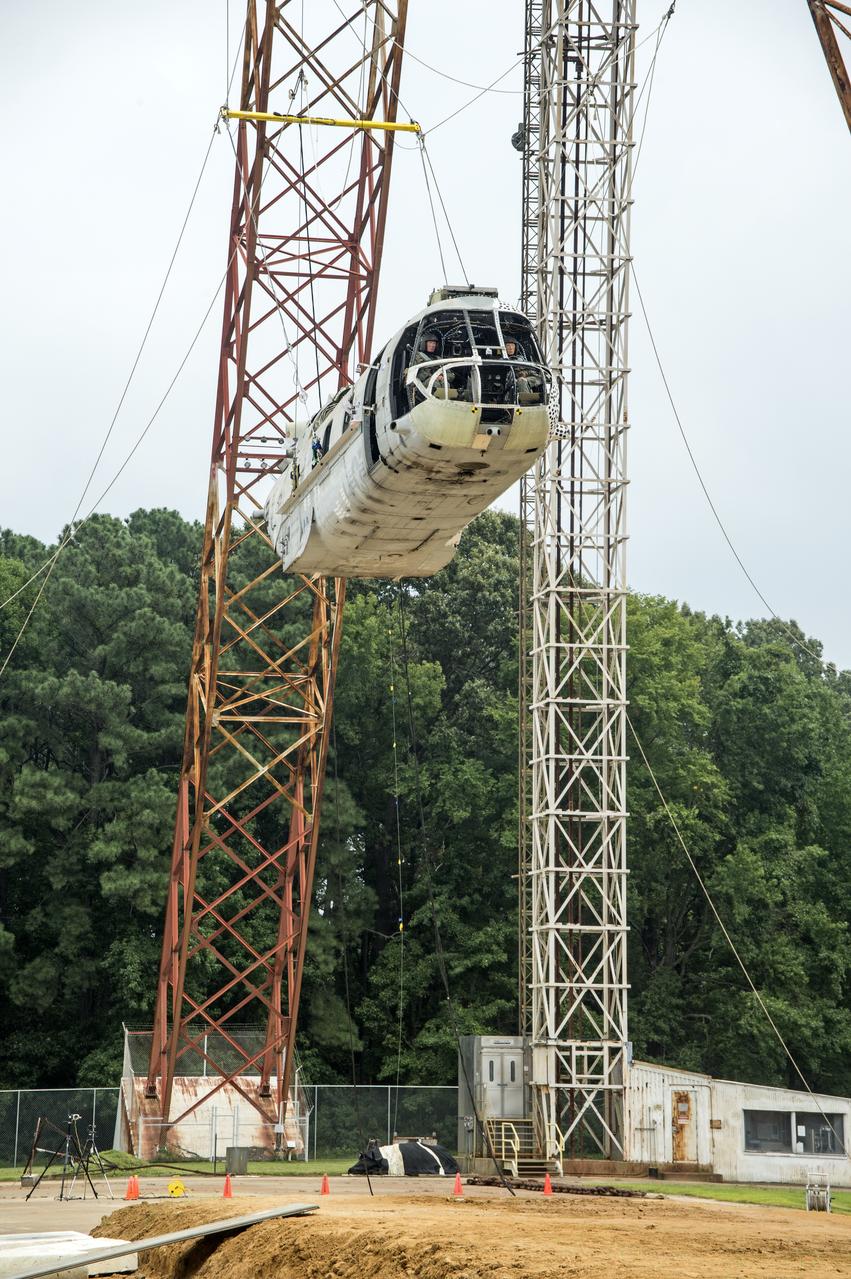
(TRACT) Transport Rotorcraft Aircraft Testbed: Helicopter airframe drop test at NASA Langley's Landing and Impact Research Facility (LandIR)
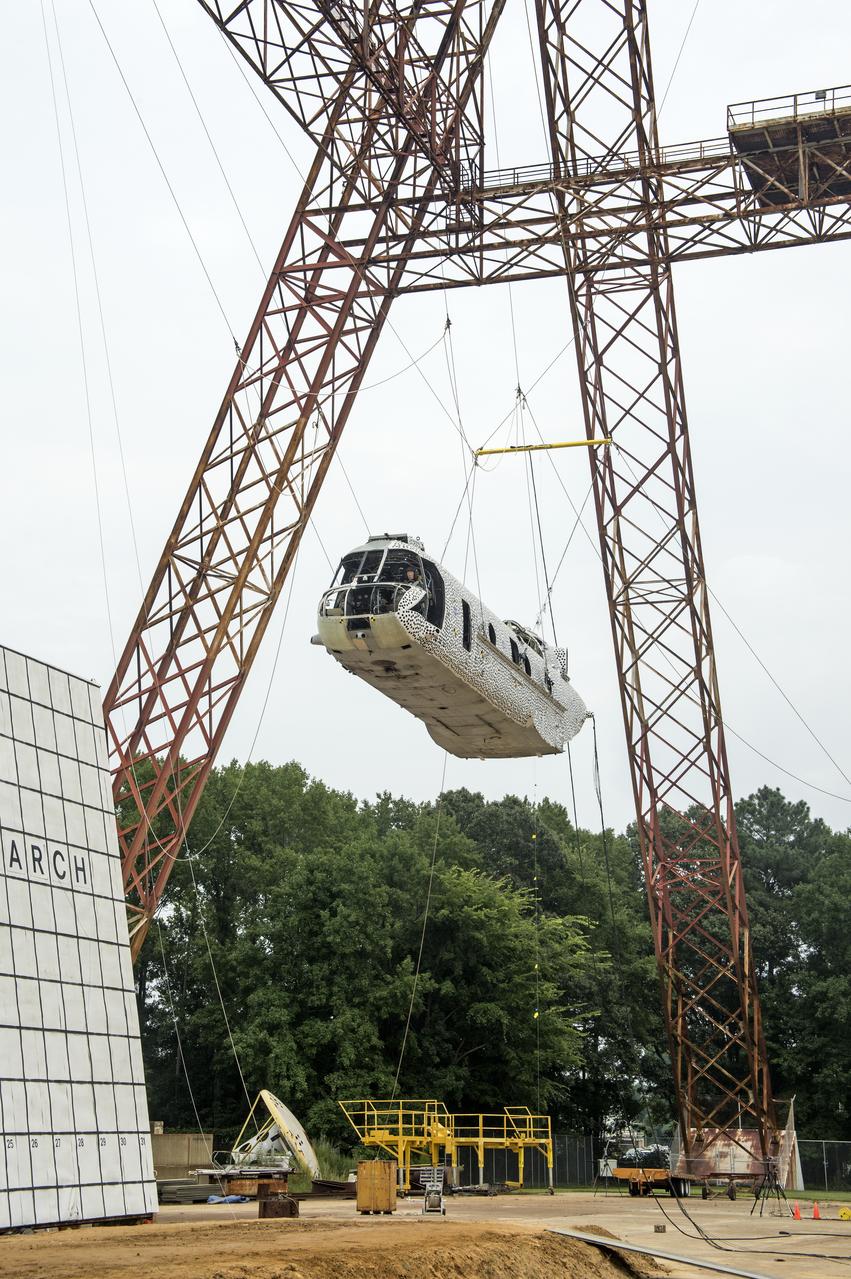
(TRACT) Transport Rotorcraft Aircraft Testbed: Helicopter airframe drop test at NASA Langley's Landing and Impact Research Facility (LandIR)
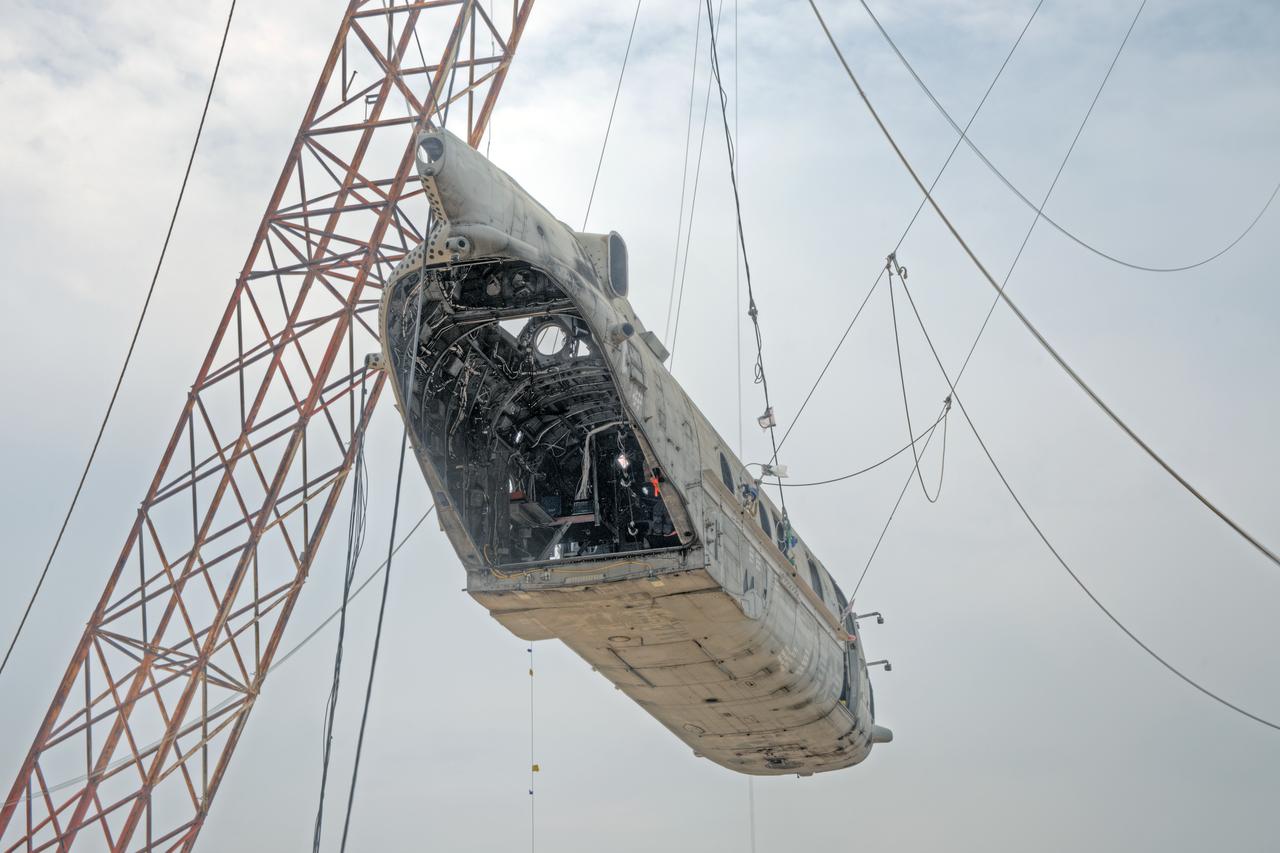
(TRACT) Transport Rotorcraft Aircraft Testbed: Helicopter airframe drop test at NASA Langley's Landing and Impact Research Facility (LandIR)
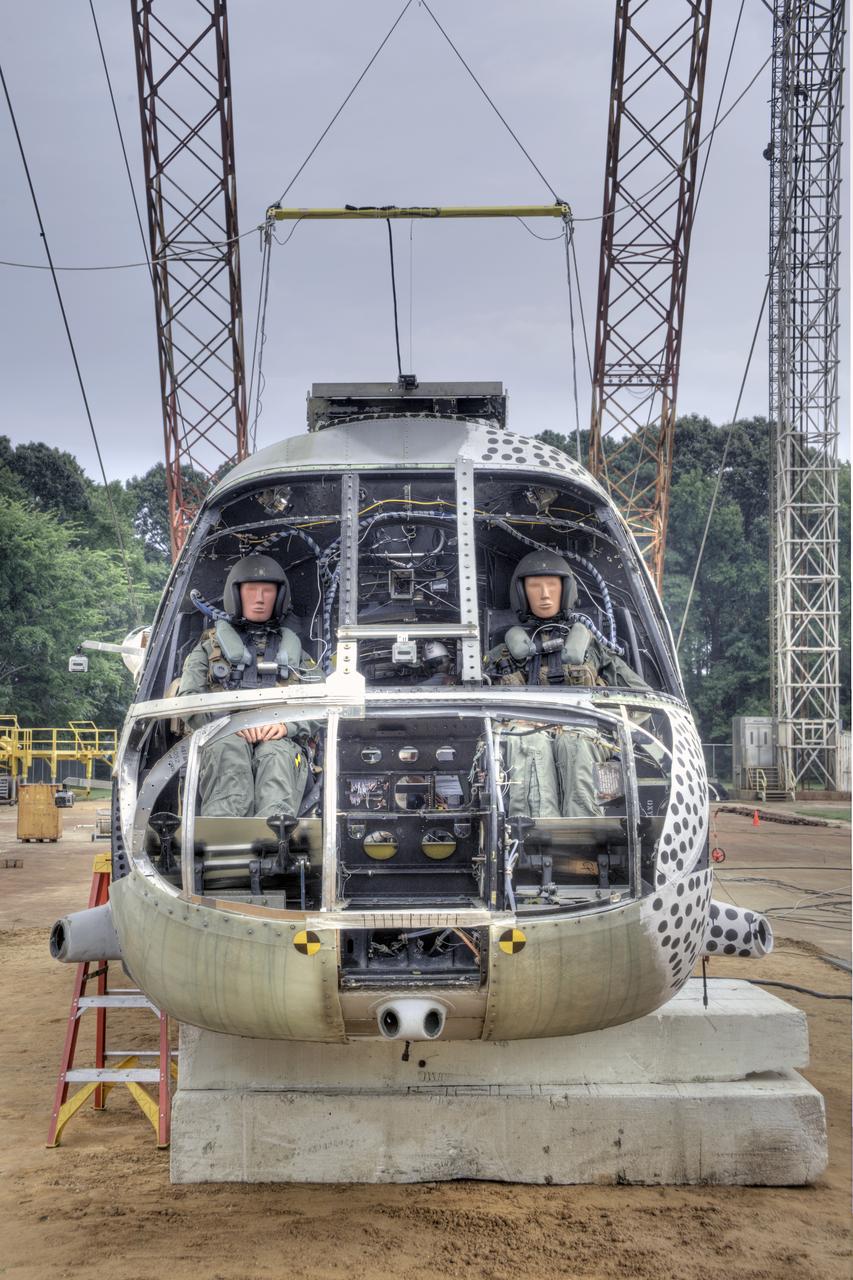
(TRACT) Transport Rotorcraft Aircraft Testbed: Helicopter airframe drop test at NASA Langley's Landing and Impact Research Facility (LandIR)
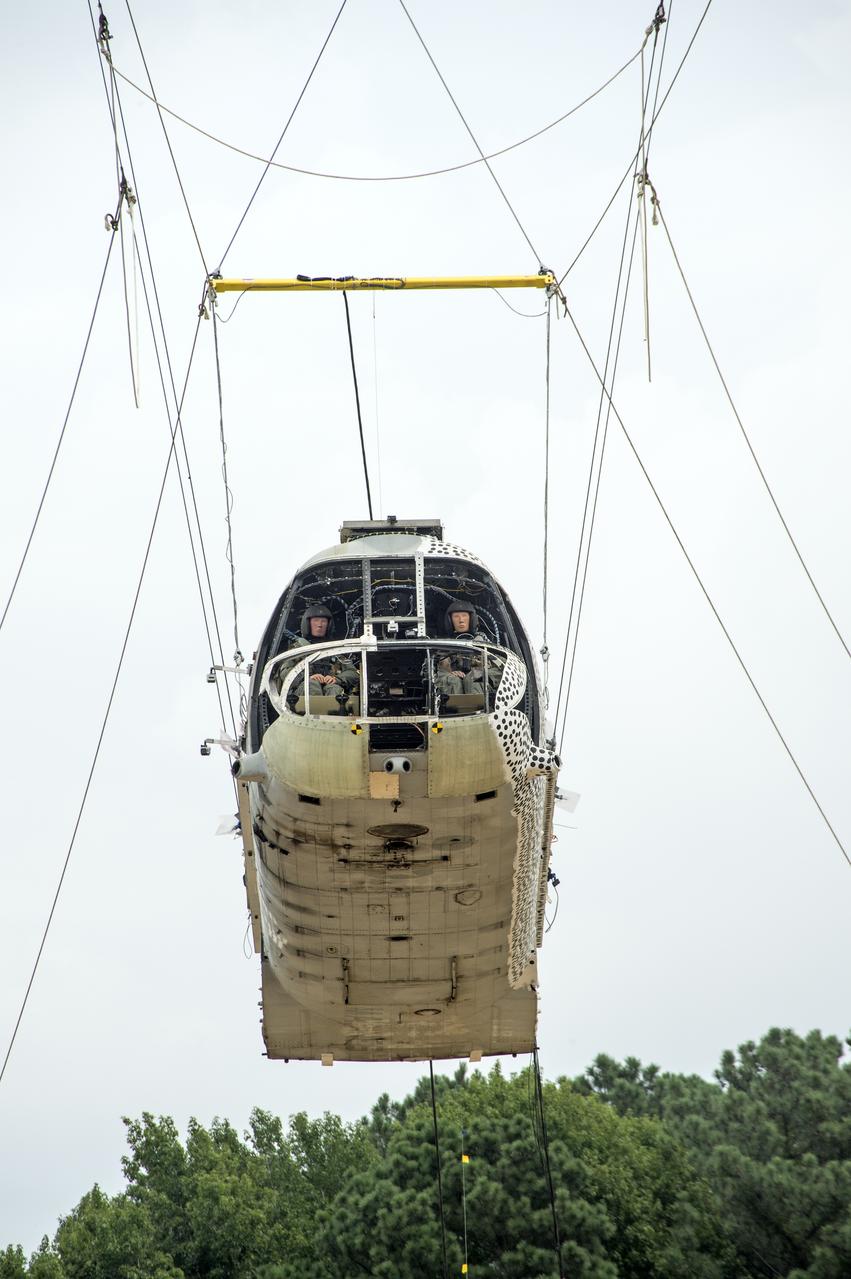
(TRACT) Transport Rotorcraft Aircraft Testbed: Helicopter airframe drop test at NASA Langley's Landing and Impact Research Facility (LandIR)
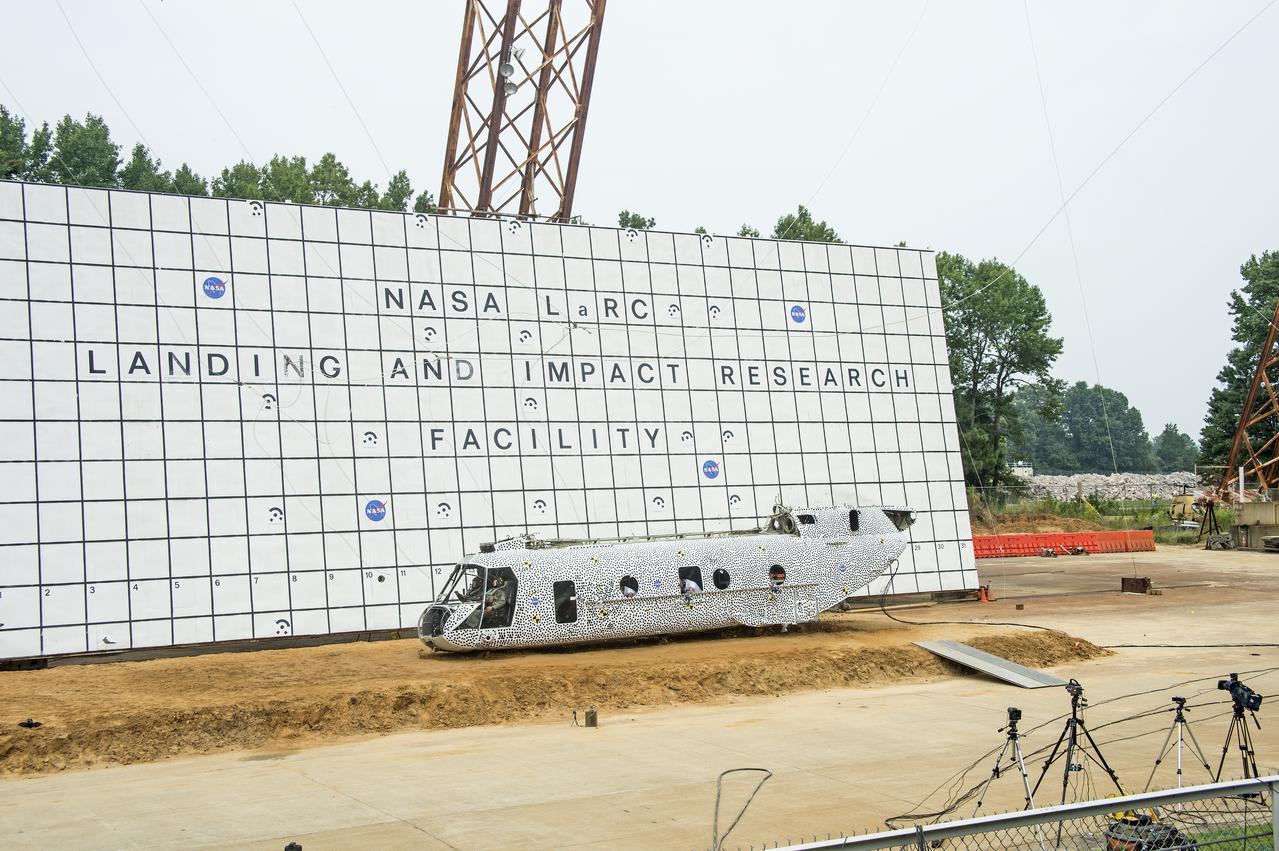
(TRACT) Transport Rotorcraft Aircraft Testbed: Helicopter airframe drop test at NASA Langley's Landing and Impact Research Facility (LandIR)
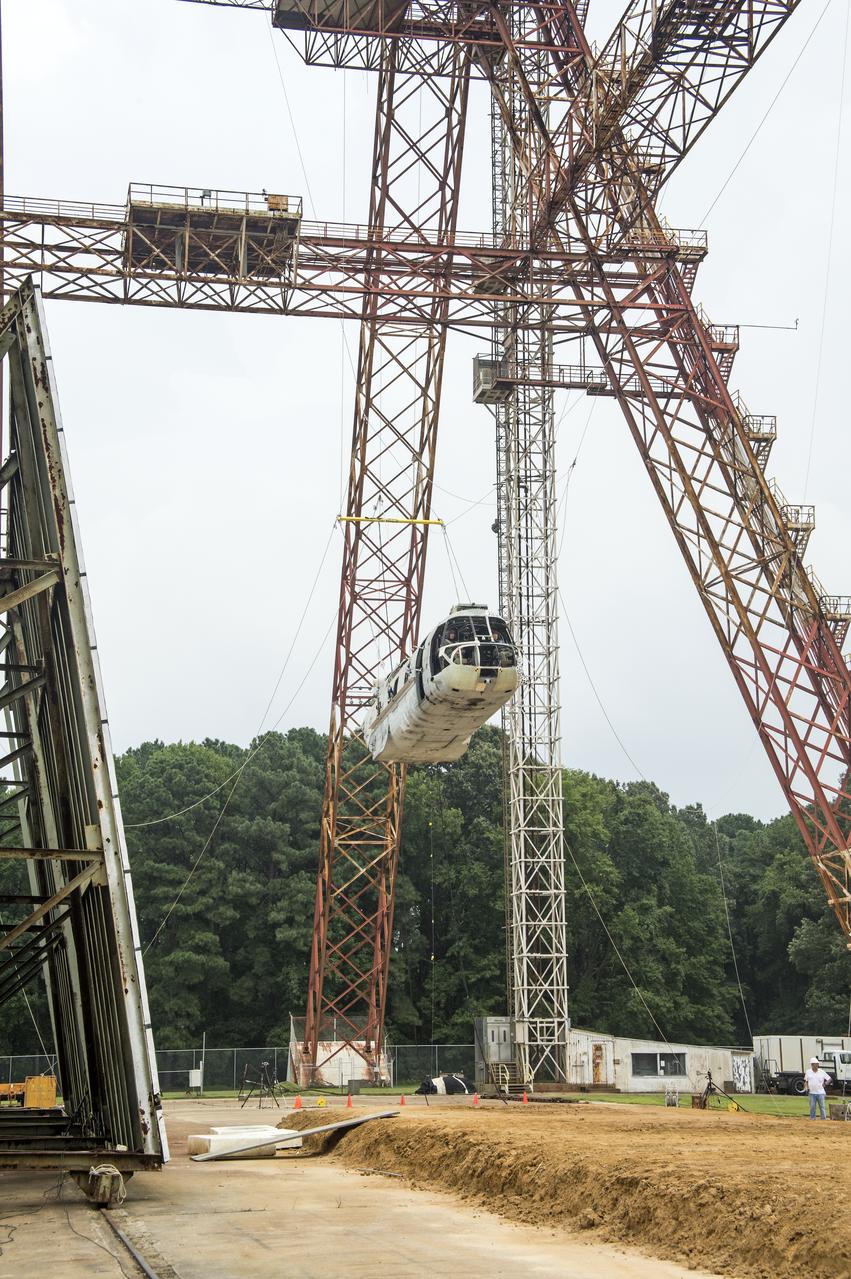
(TRACT) Transport Rotorcraft Aircraft Testbed: Helicopter airframe drop test at NASA Langley's Landing and Impact Research Facility (LandIR)
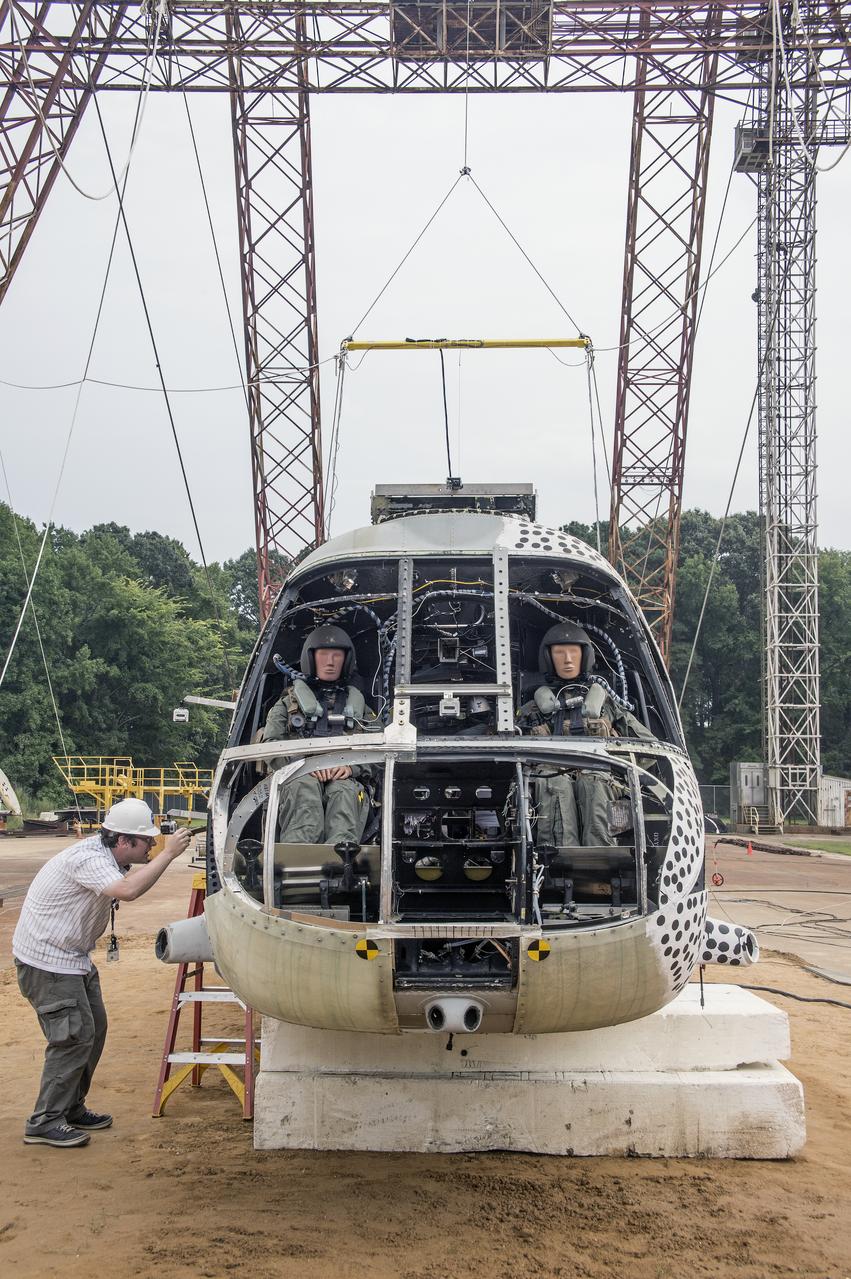
(TRACT) Transport Rotorcraft Aircraft Testbed: Helicopter airframe drop test at NASA Langley's Landing and Impact Research Facility (LandIR)
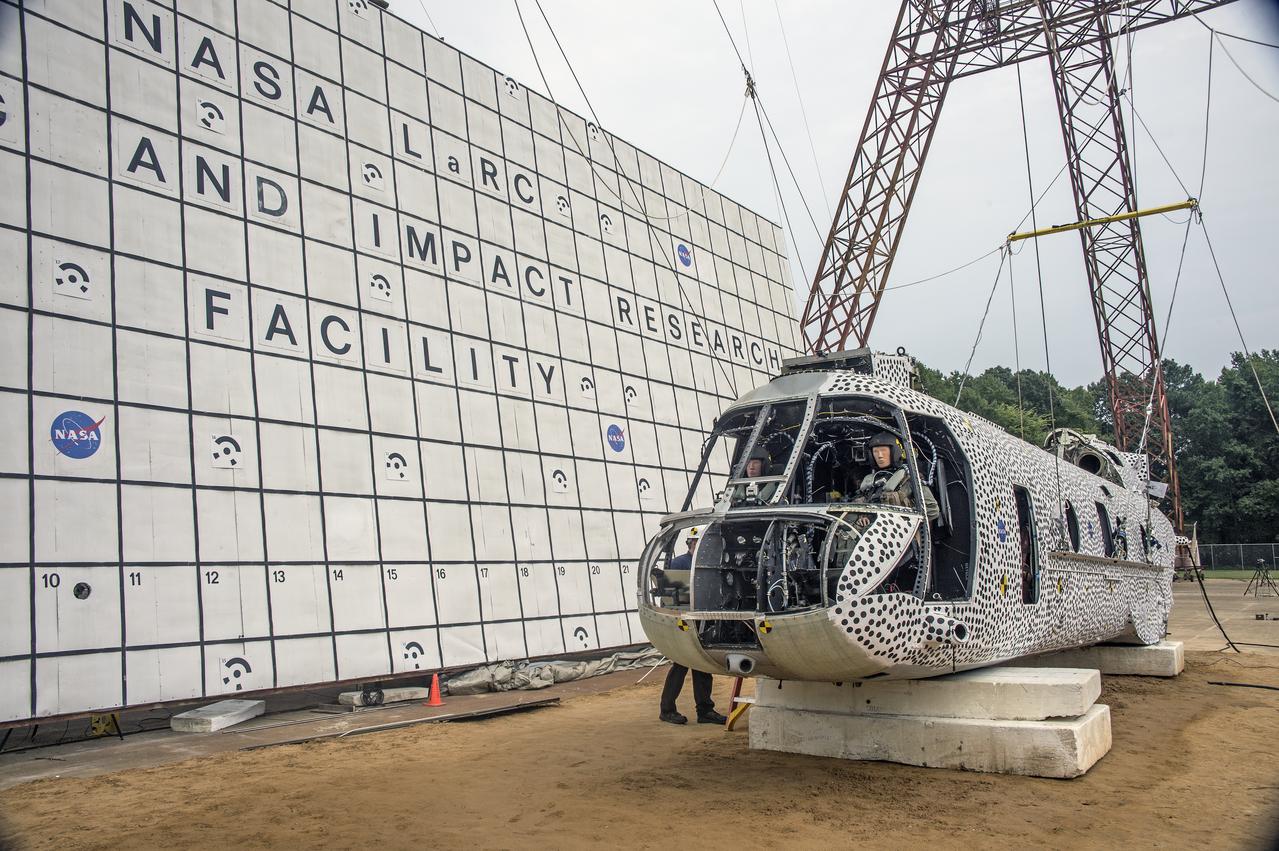
(TRACT) Transport Rotorcraft Aircraft Testbed: Helicopter airframe drop test at NASA Langley's Landing and Impact Research Facility (LandIR)
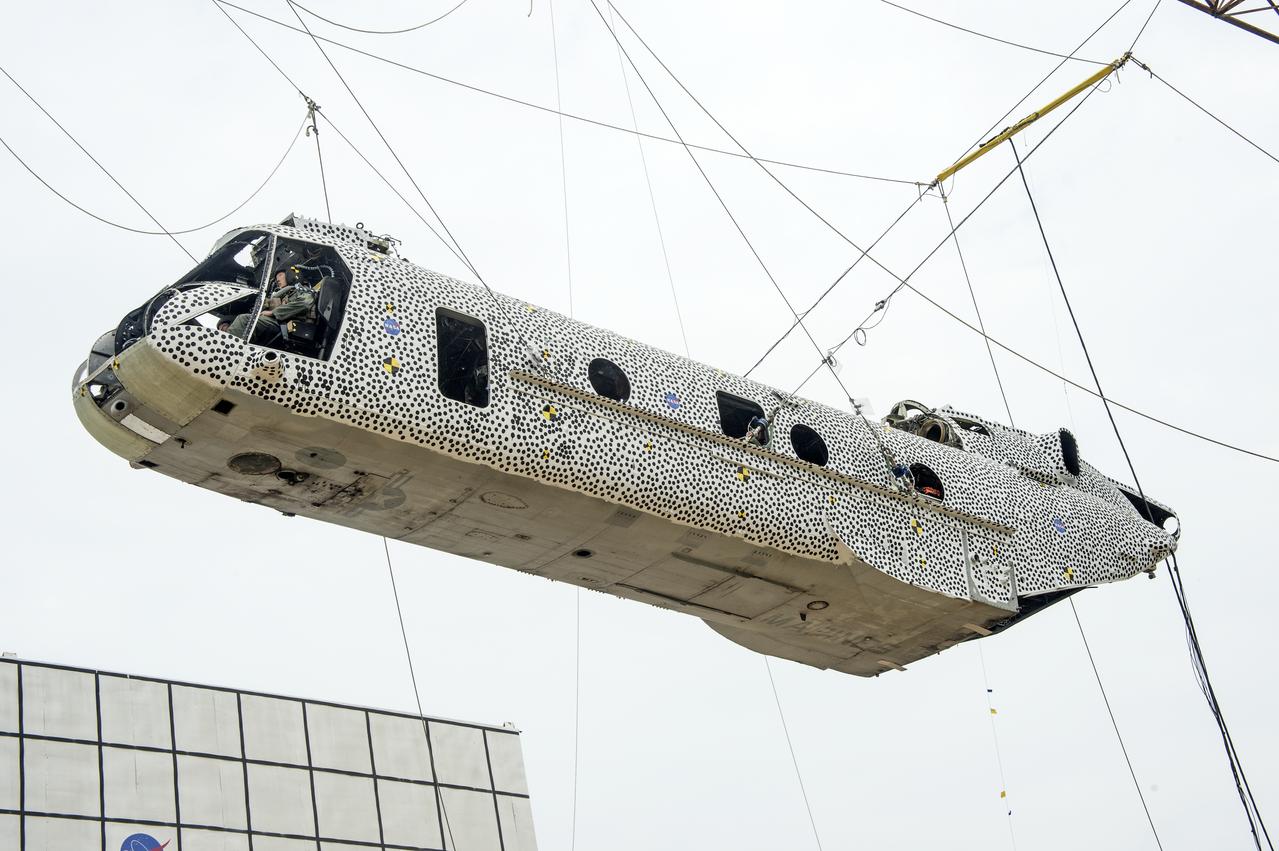
(TRACT) Transport Rotorcraft Aircraft Testbed: Helicopter airframe drop test at NASA Langley's Landing and Impact Research Facility (LandIR)
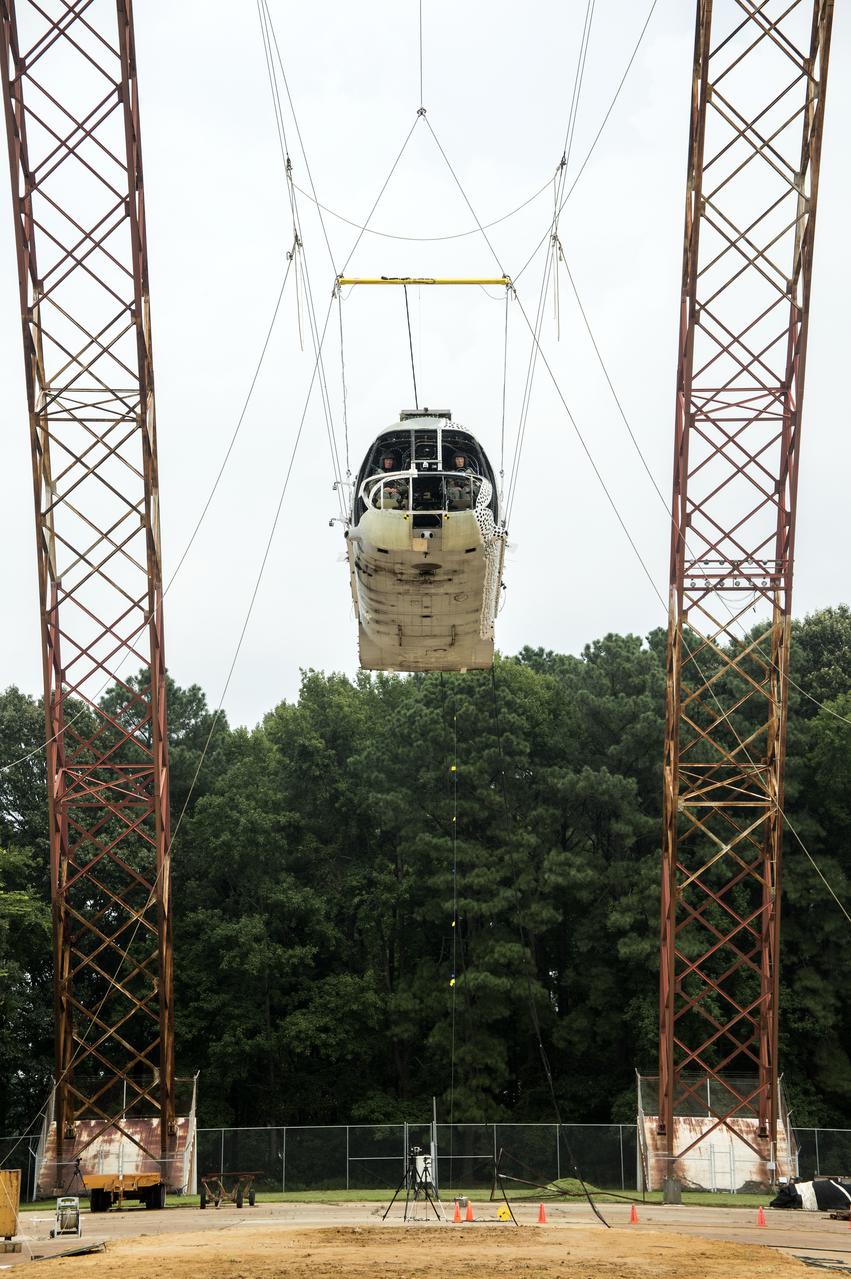
(TRACT) Transport Rotorcraft Aircraft Testbed: Helicopter airframe drop test at NASA Langley's Landing and Impact Research Facility (LandIR)
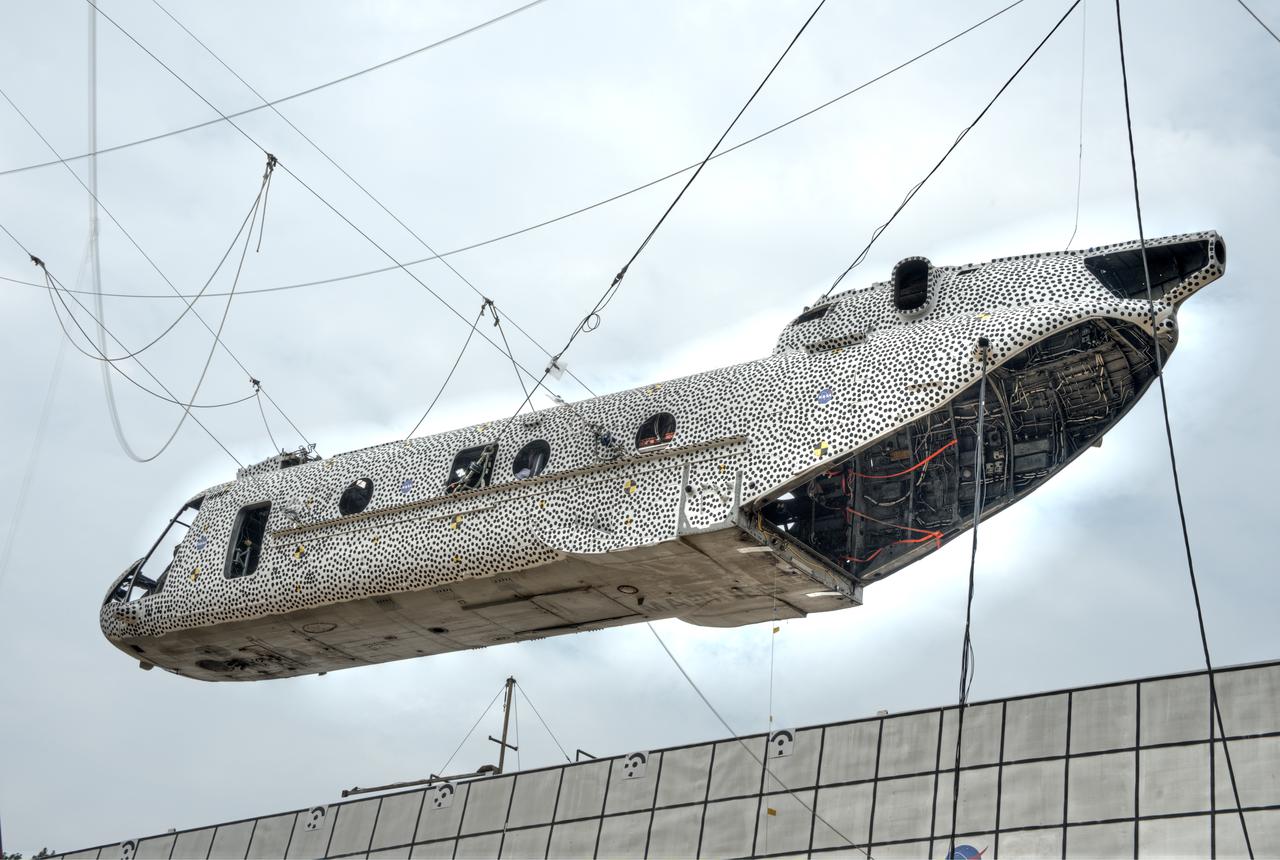
(TRACT) Transport Rotorcraft Aircraft Testbed: Helicopter airframe drop test at NASA Langley's Landing and Impact Research Facility (LandIR)
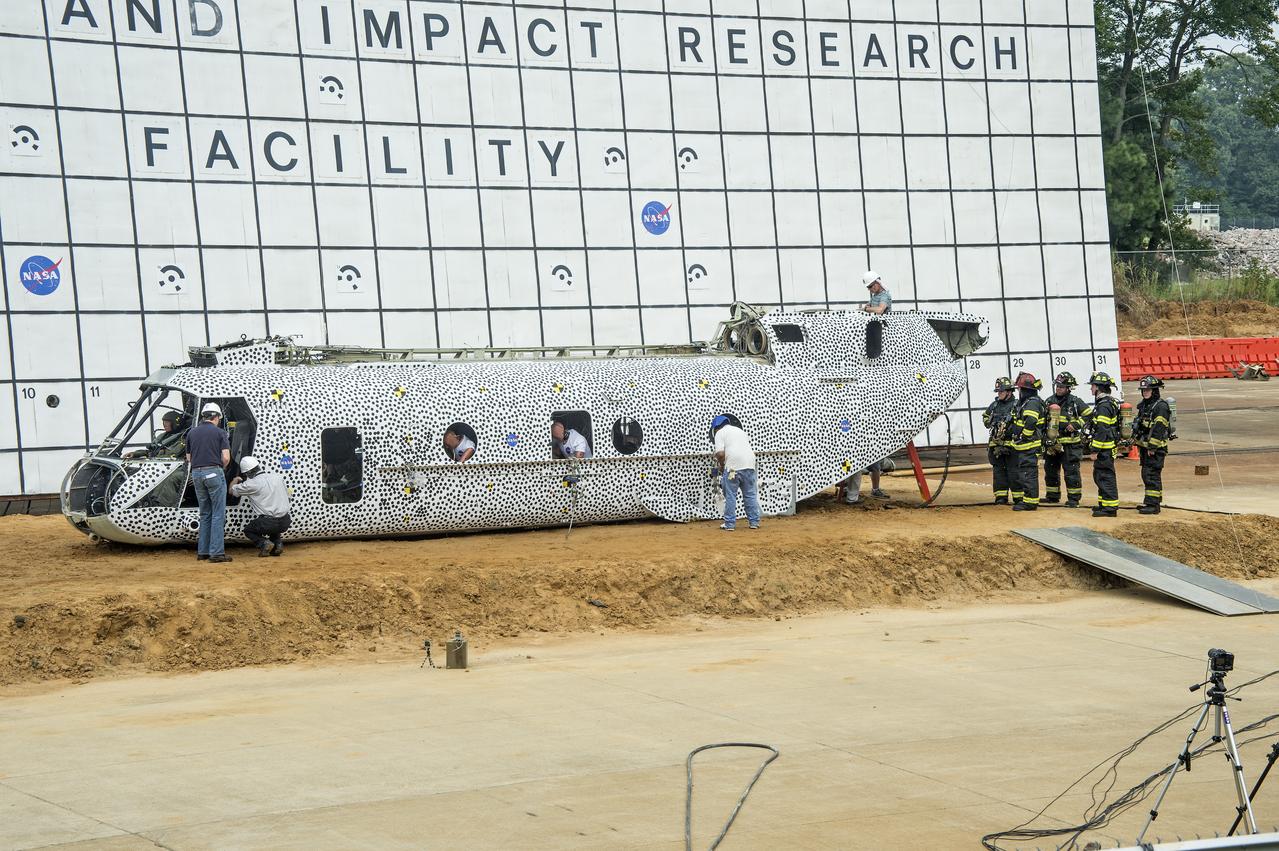
(TRACT) Transport Rotorcraft Aircraft Testbed: Helicopter airframe drop test at NASA Langley's Landing and Impact Research Facility (LandIR)
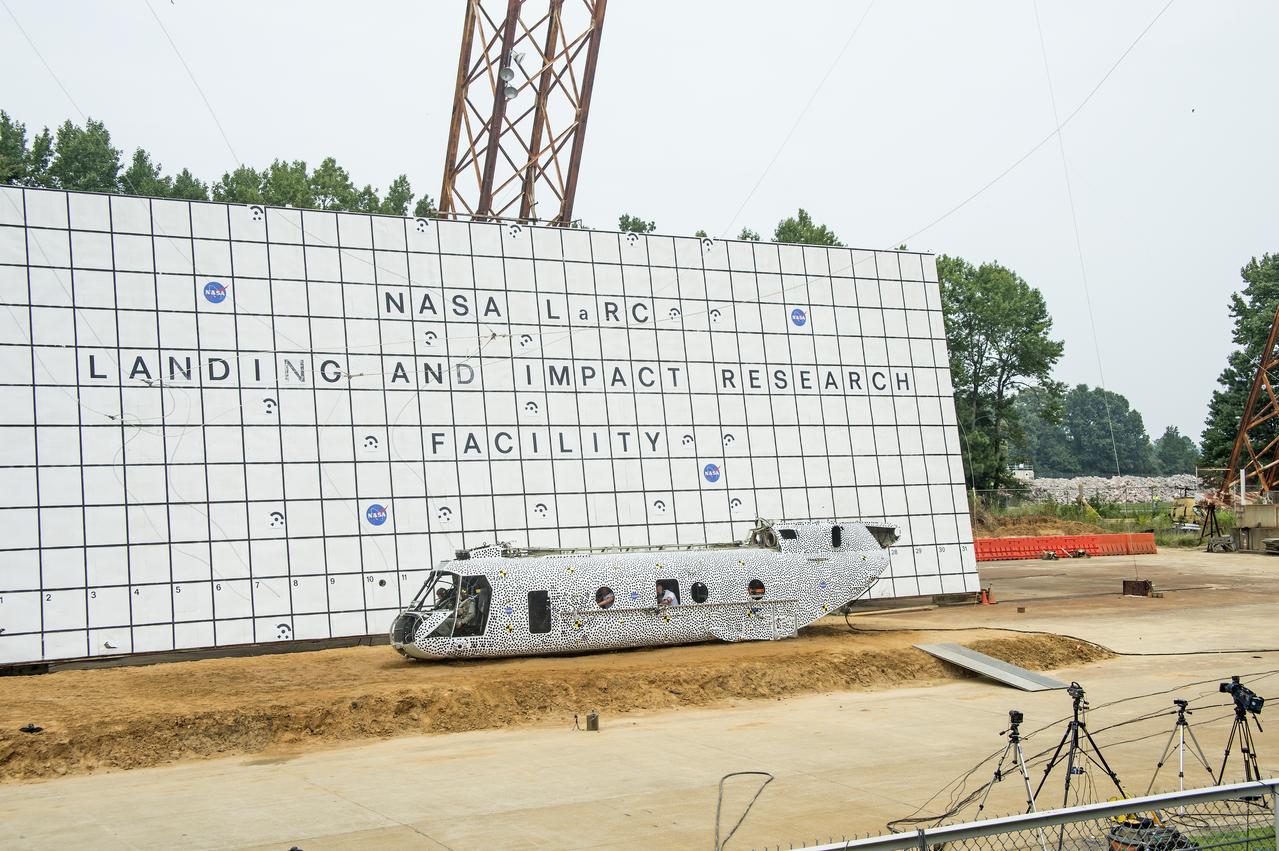
(TRACT) Transport Rotorcraft Aircraft Testbed: Helicopter airframe drop test at NASA Langley's Landing and Impact Research Facility (LandIR)
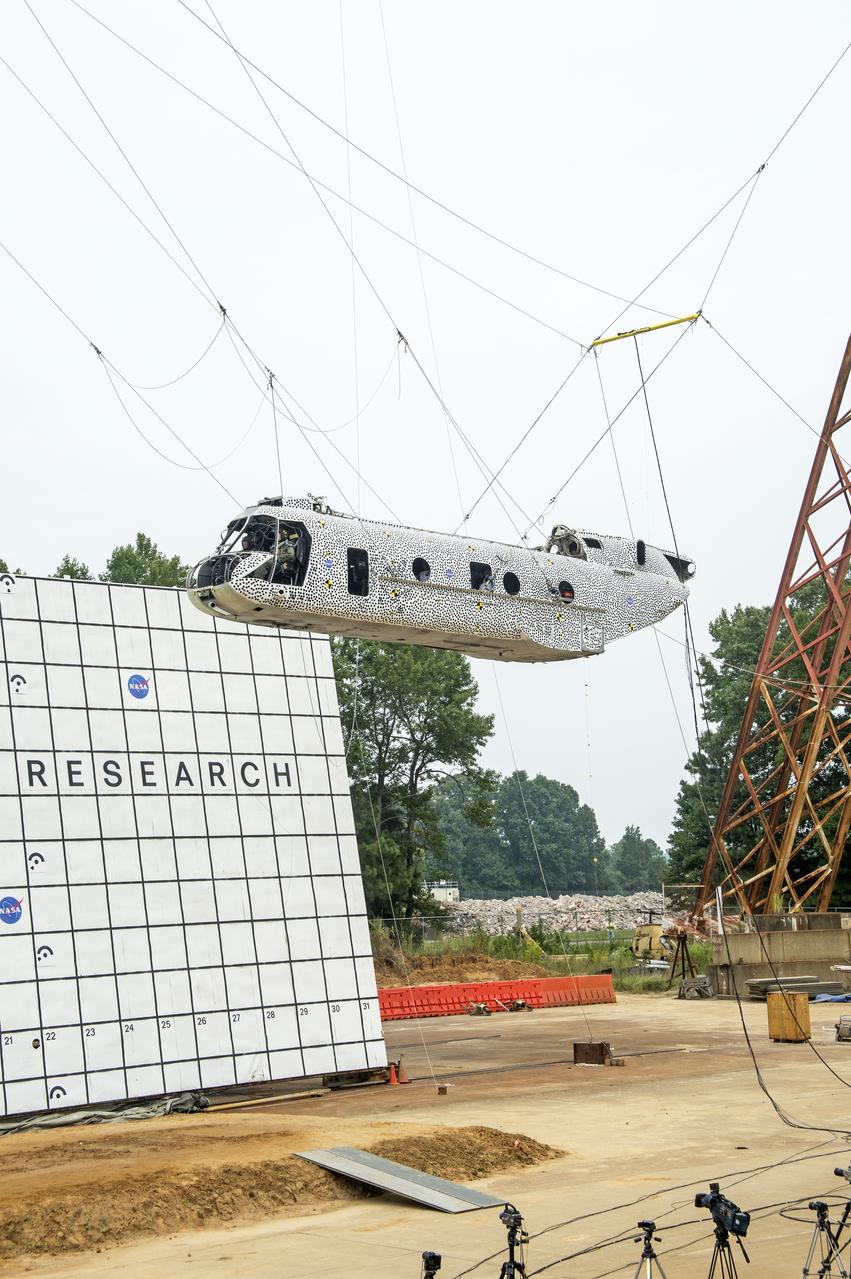
(TRACT) Transport Rotorcraft Aircraft Testbed: Helicopter airframe drop test at NASA Langley's Landing and Impact Research Facility (LandIR)
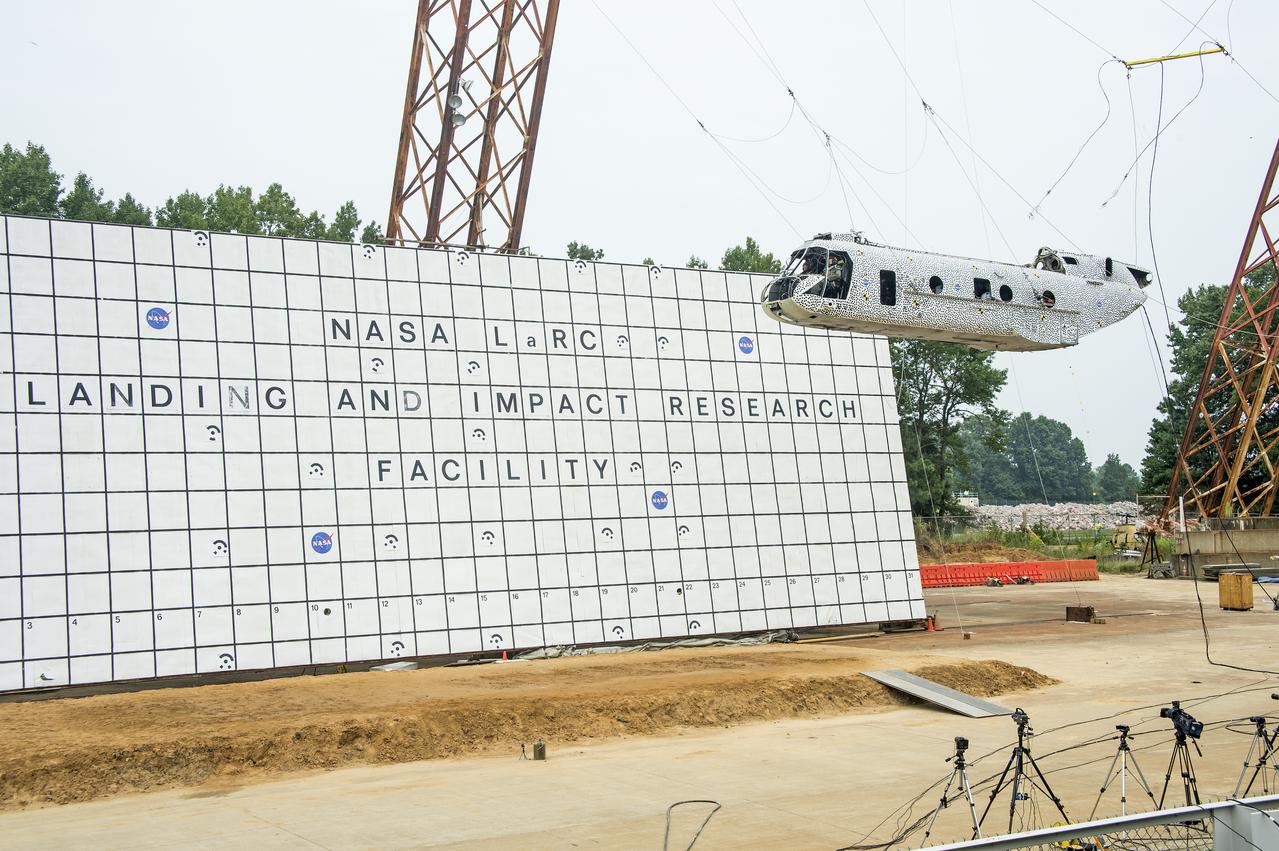
(TRACT) Transport Rotorcraft Aircraft Testbed: Helicopter airframe drop test at NASA Langley's Landing and Impact Research Facility (LandIR)
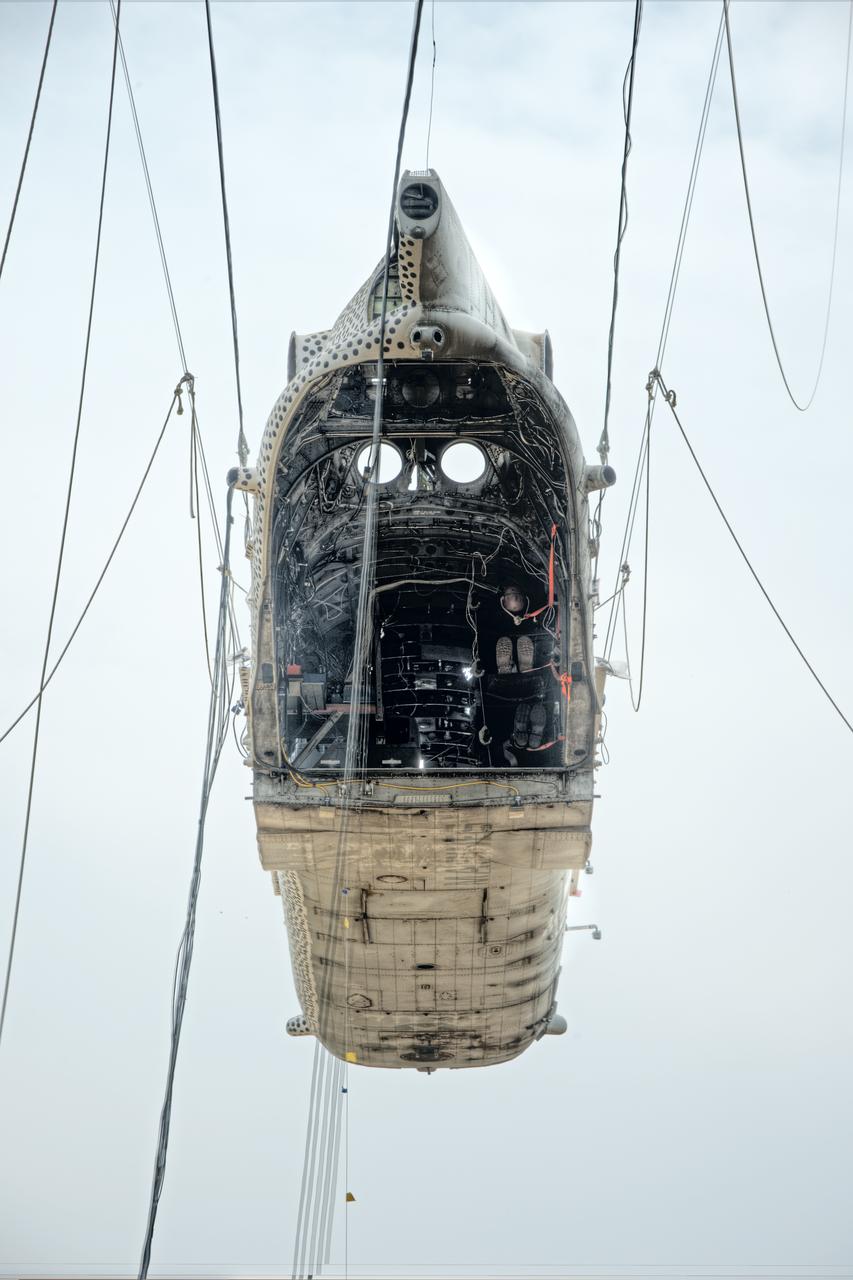
(TRACT) Transport Rotorcraft Aircraft Testbed: Helicopter airframe drop test at NASA Langley's Landing and Impact Research Facility (LandIR)
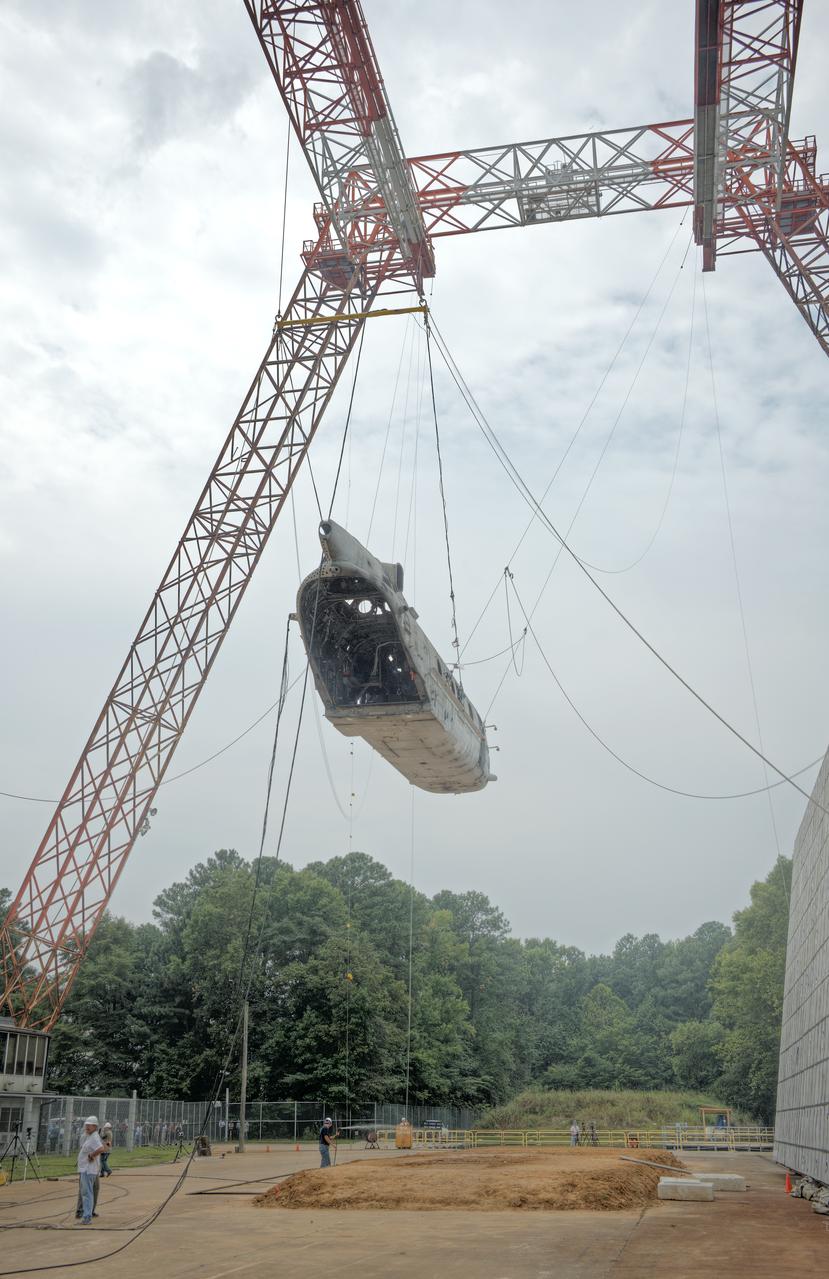
(TRACT) Transport Rotorcraft Aircraft Testbed: Helicopter airframe drop test at NASA Langley's Landing and Impact Research Facility (LandIR)
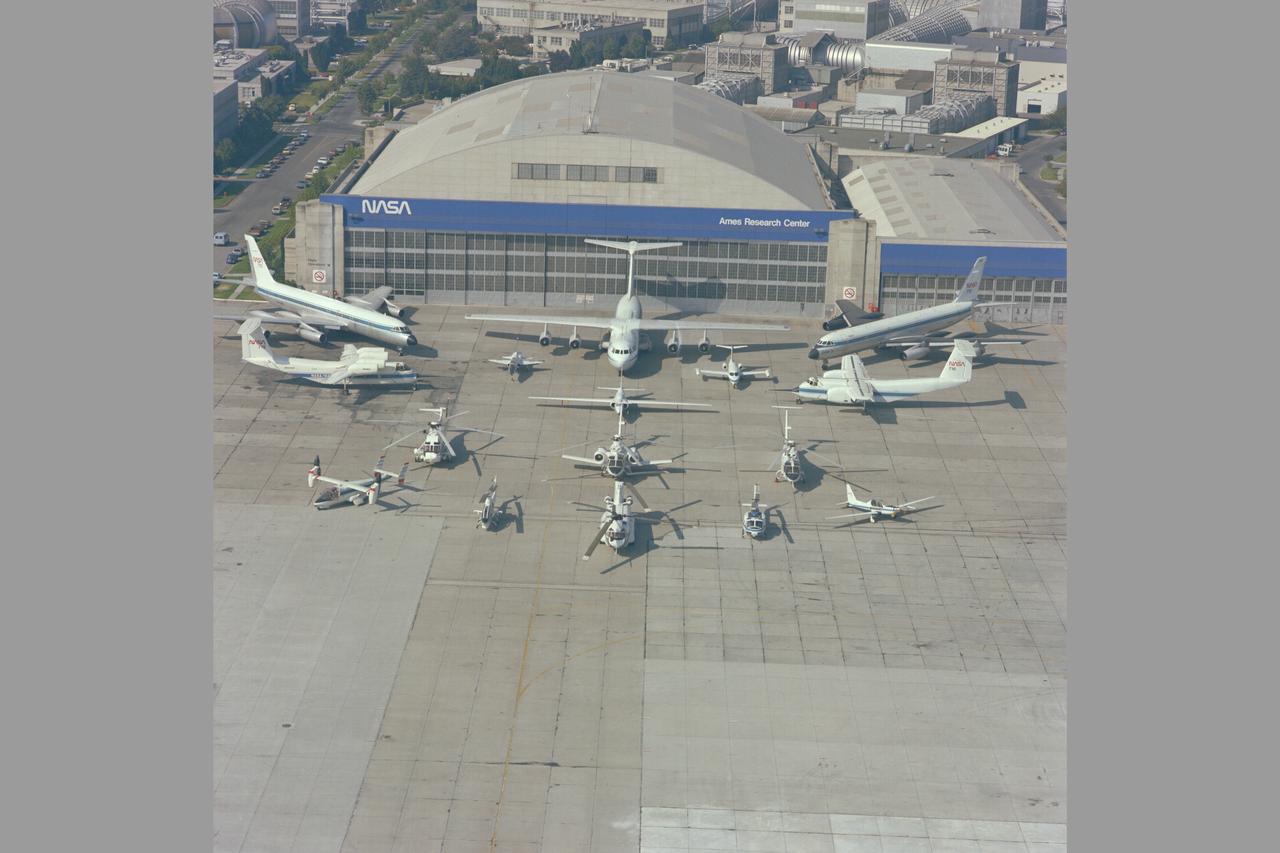
NASA Ames Research Center Aircraft and Helicopter compliment on ramp in front of Ames hangar.
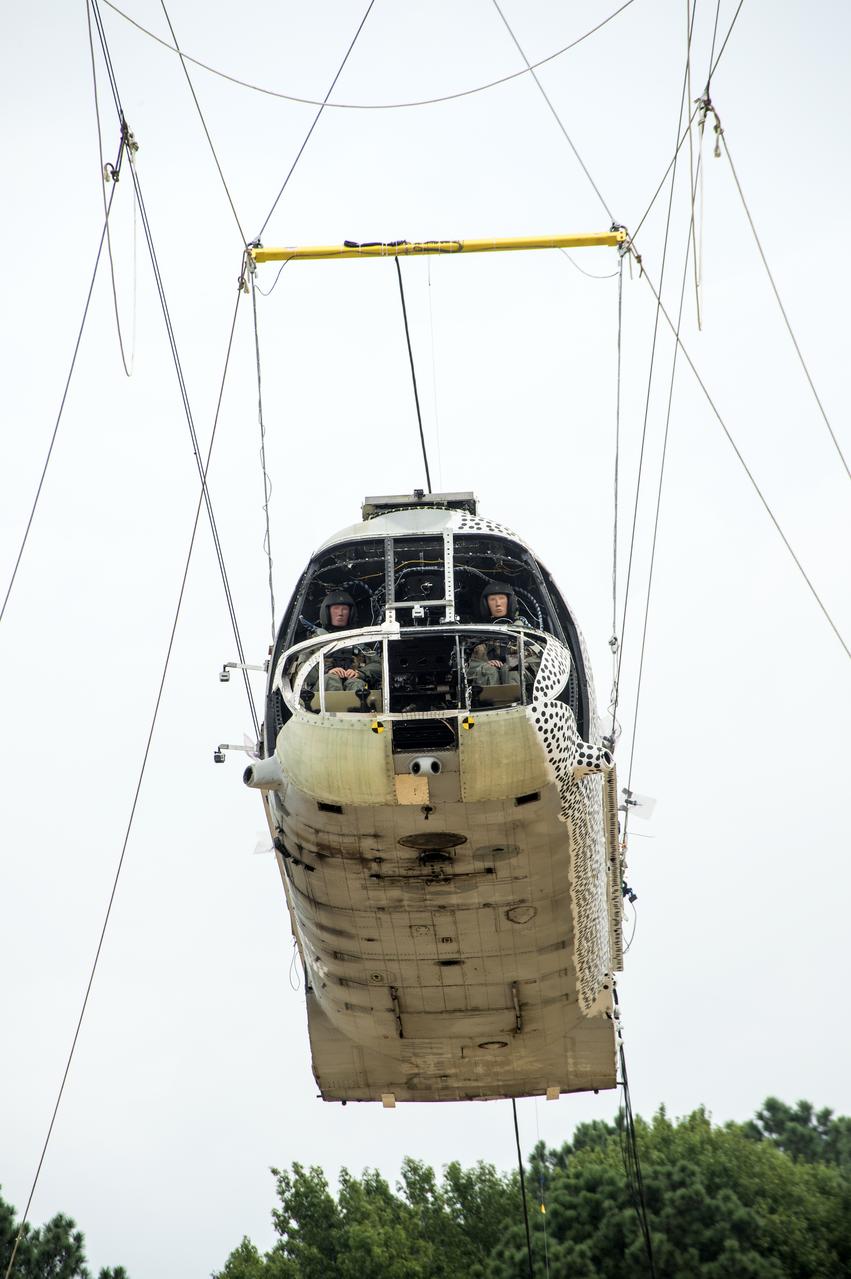
(TRACT) Transport Rotorcraft Aircraft Testbed: Helicopter airframe drop test at NASA Langley's Landing and Impact Research Facility (LandIR)
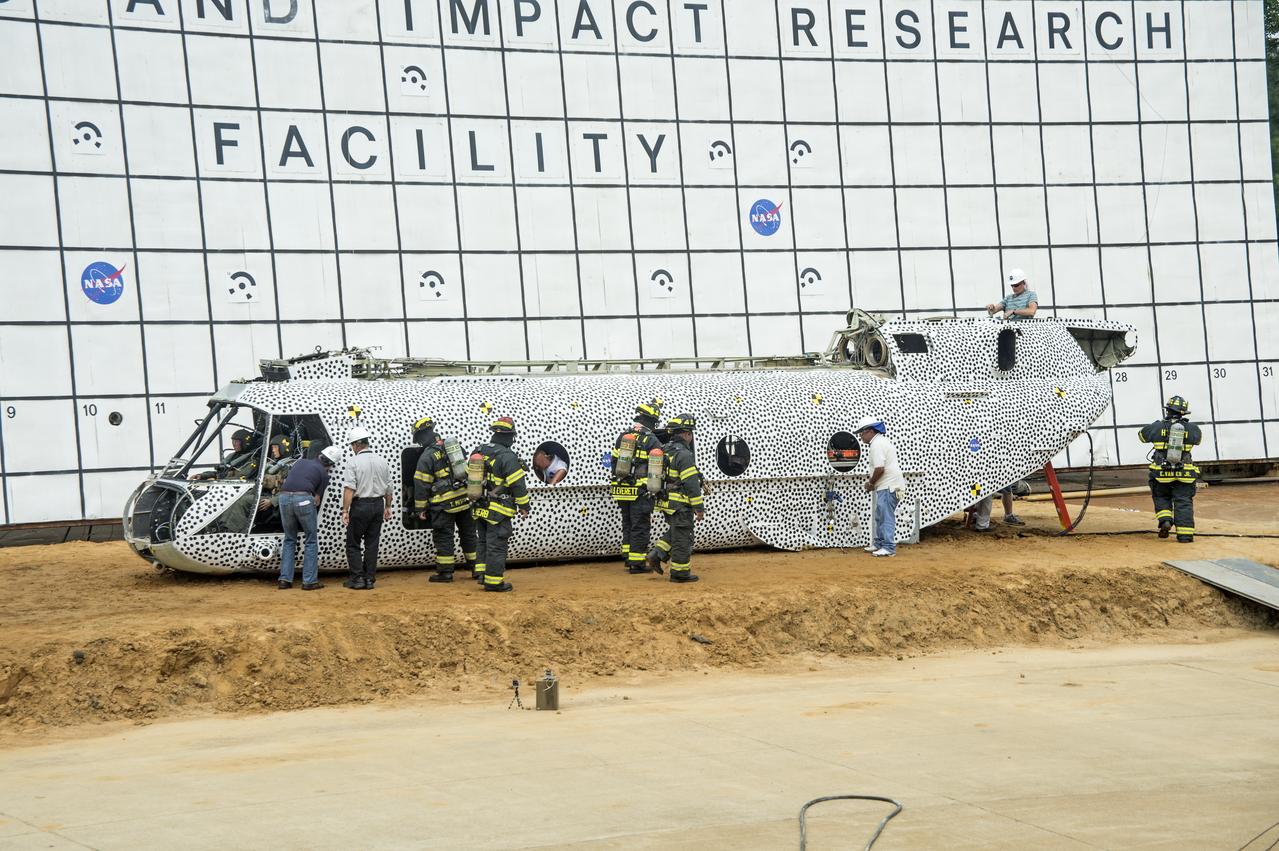
(TRACT) Transport Rotorcraft Aircraft Testbed: Helicopter airframe drop test at NASA Langley's Landing and Impact Research Facility (LandIR)
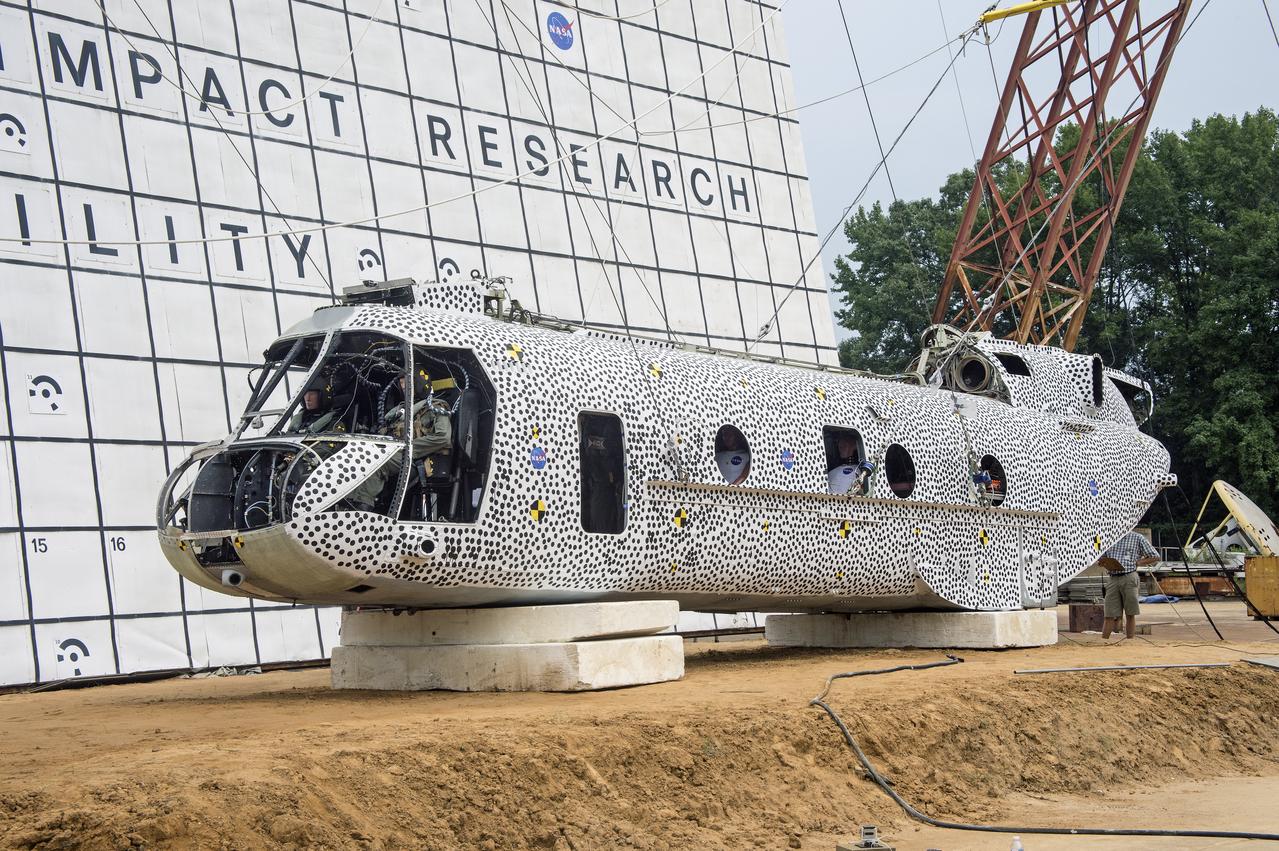
(TRACT) Transport Rotorcraft Aircraft Testbed: Helicopter airframe drop test at NASA Langley's Landing and Impact Research Facility (LandIR)
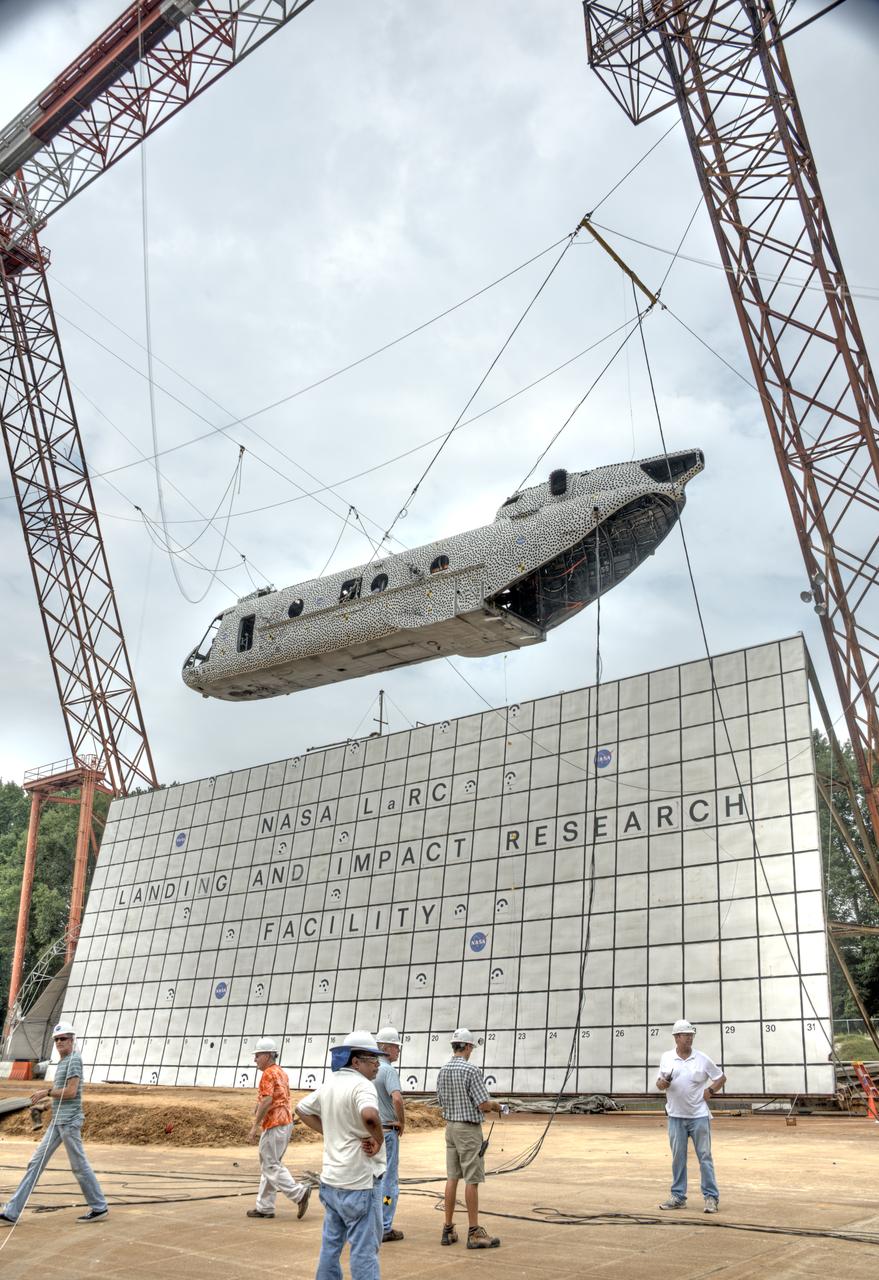
(TRACT) Transport Rotorcraft Aircraft Testbed: Helicopter airframe drop test at NASA Langley's Landing and Impact Research Facility (LandIR)
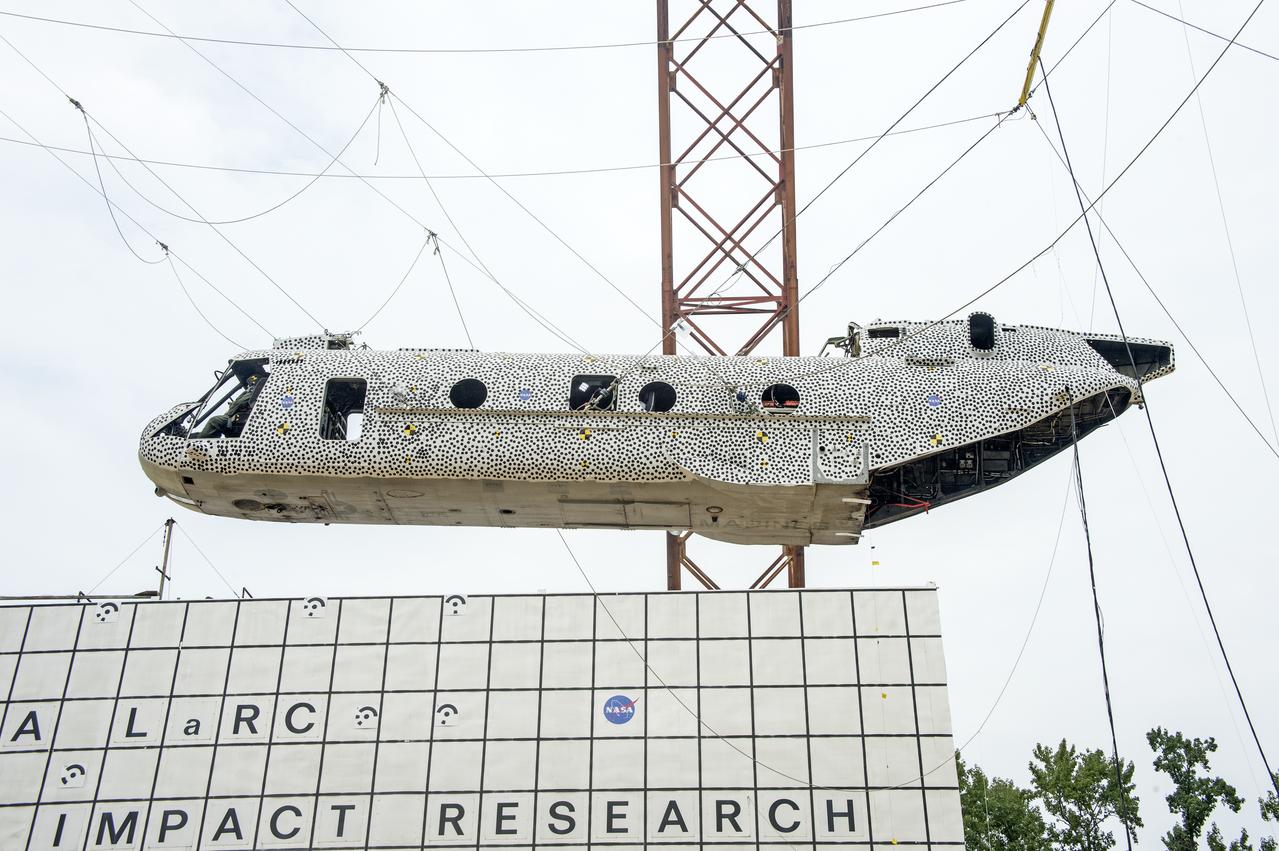
(TRACT) Transport Rotorcraft Aircraft Testbed: Helicopter airframe drop test at NASA Langley's Landing and Impact Research Facility (LandIR)
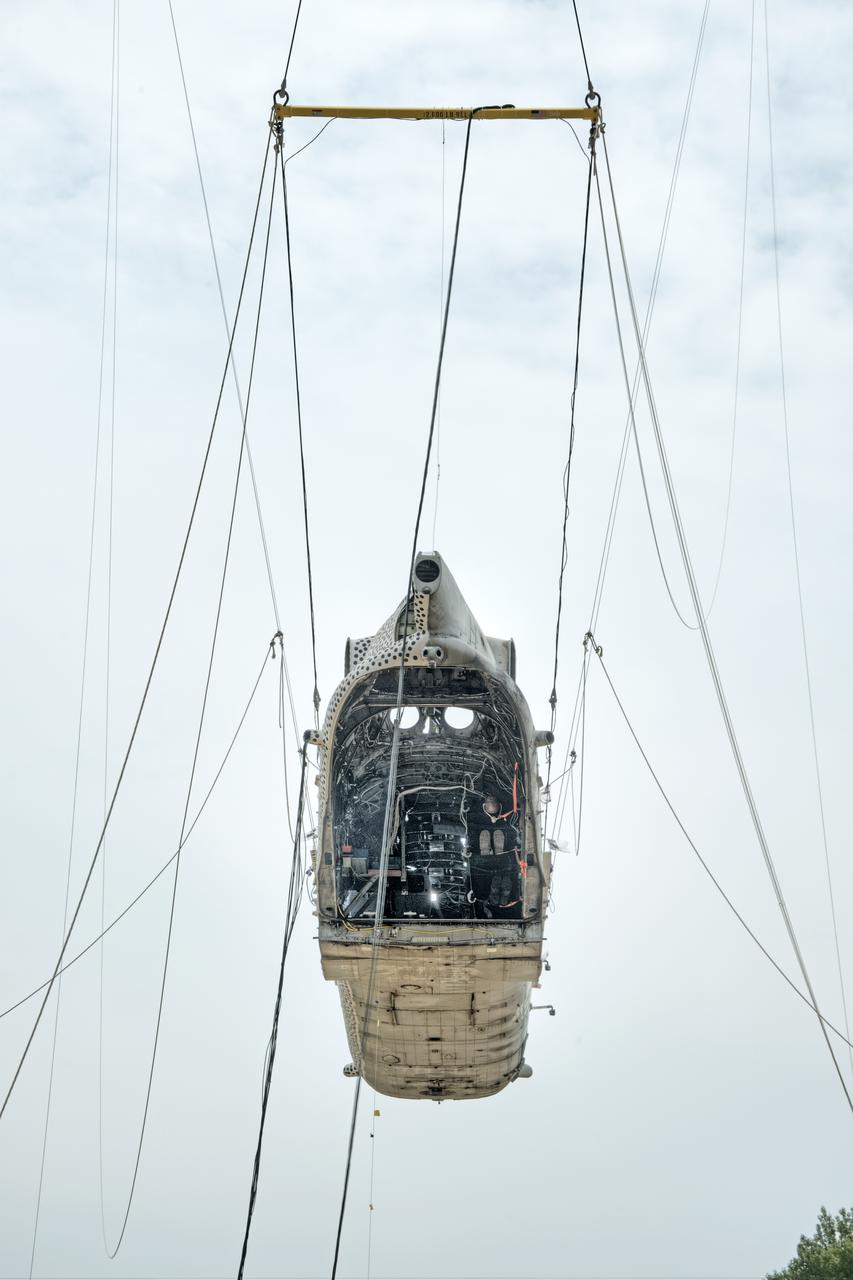
(TRACT) Transport Rotorcraft Aircraft Testbed: Helicopter airframe drop test at NASA Langley's Landing and Impact Research Facility (LandIR)
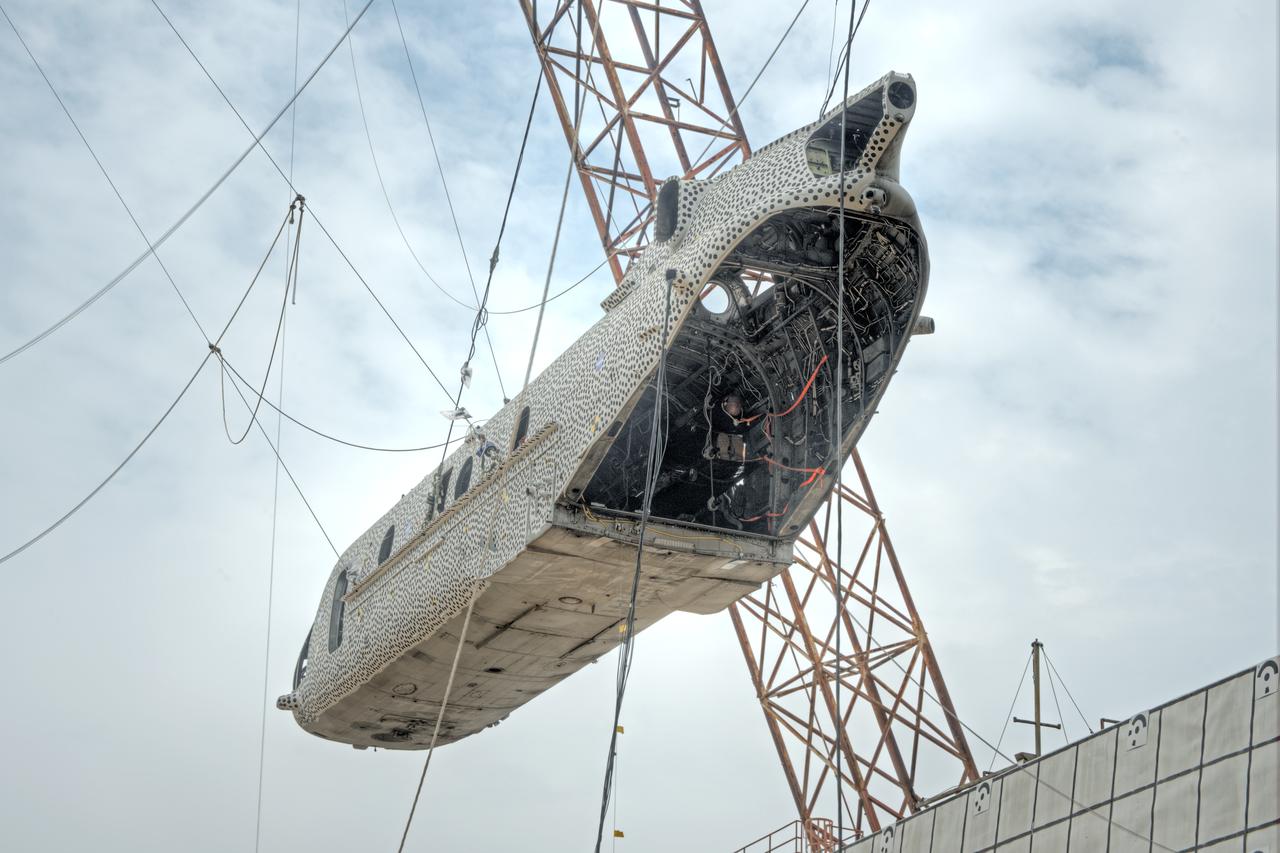
(TRACT) Transport Rotorcraft Aircraft Testbed: Helicopter airframe drop test at NASA Langley's Landing and Impact Research Facility (LandIR)
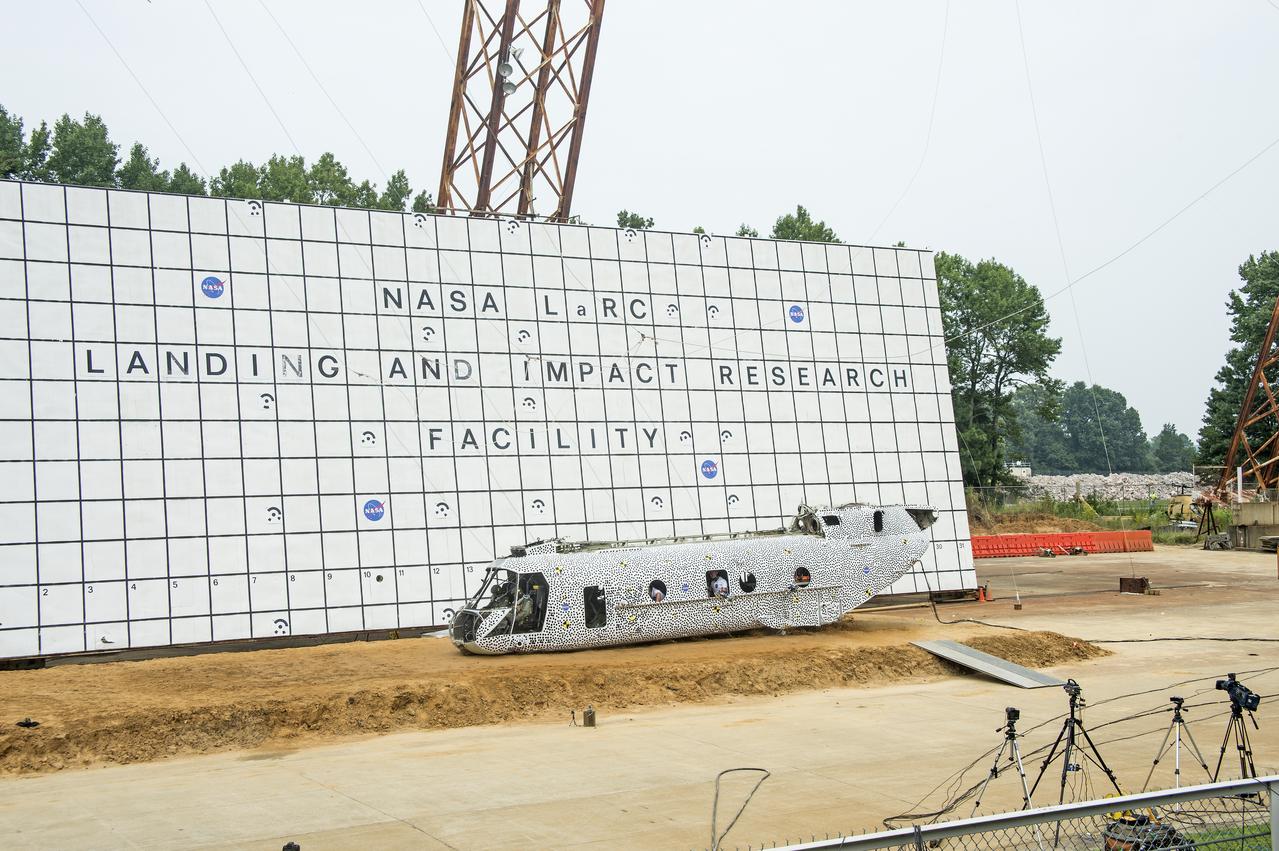
(TRACT) Transport Rotorcraft Aircraft Testbed: Helicopter airframe drop test at NASA Langley's Landing and Impact Research Facility (LandIR)
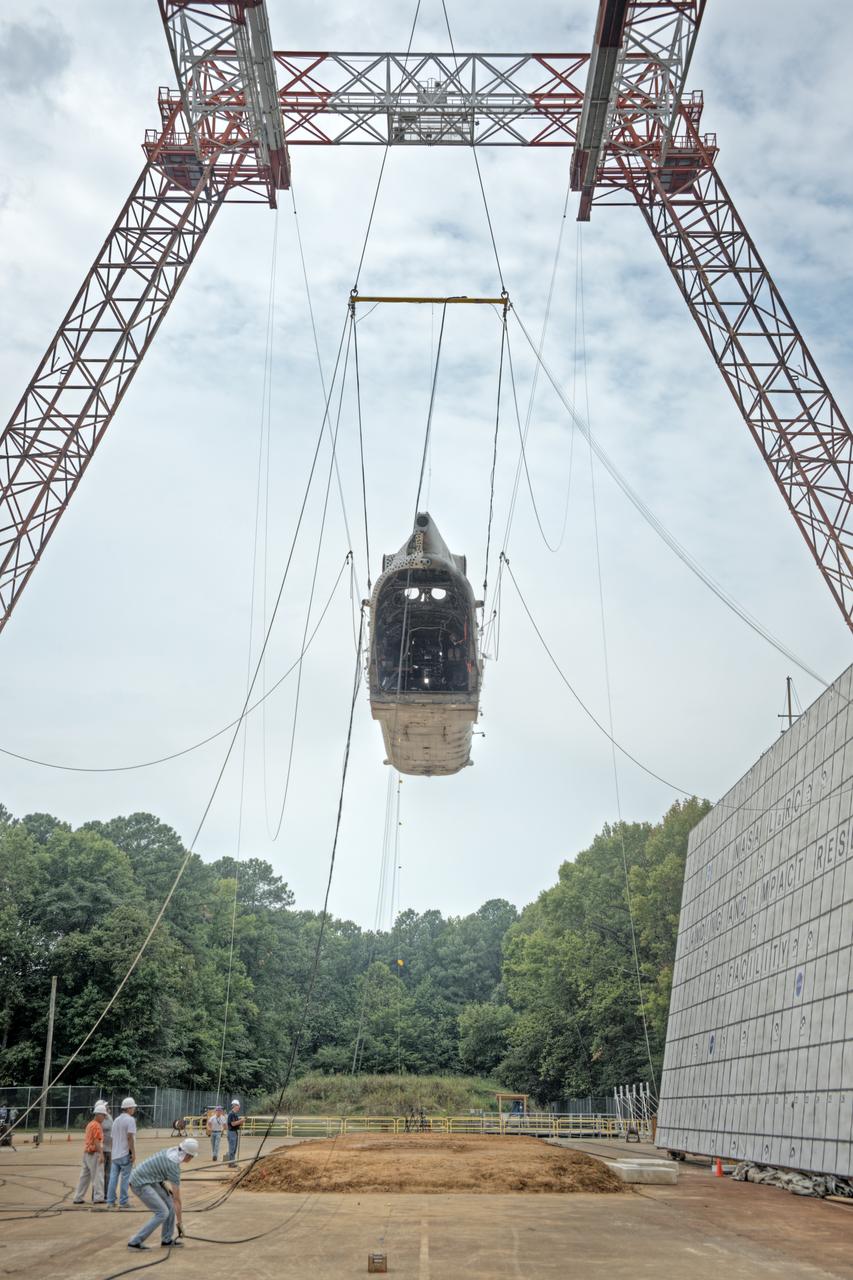
(TRACT) Transport Rotorcraft Aircraft Testbed: Helicopter airframe drop test at NASA Langley's Landing and Impact Research Facility (LandIR)
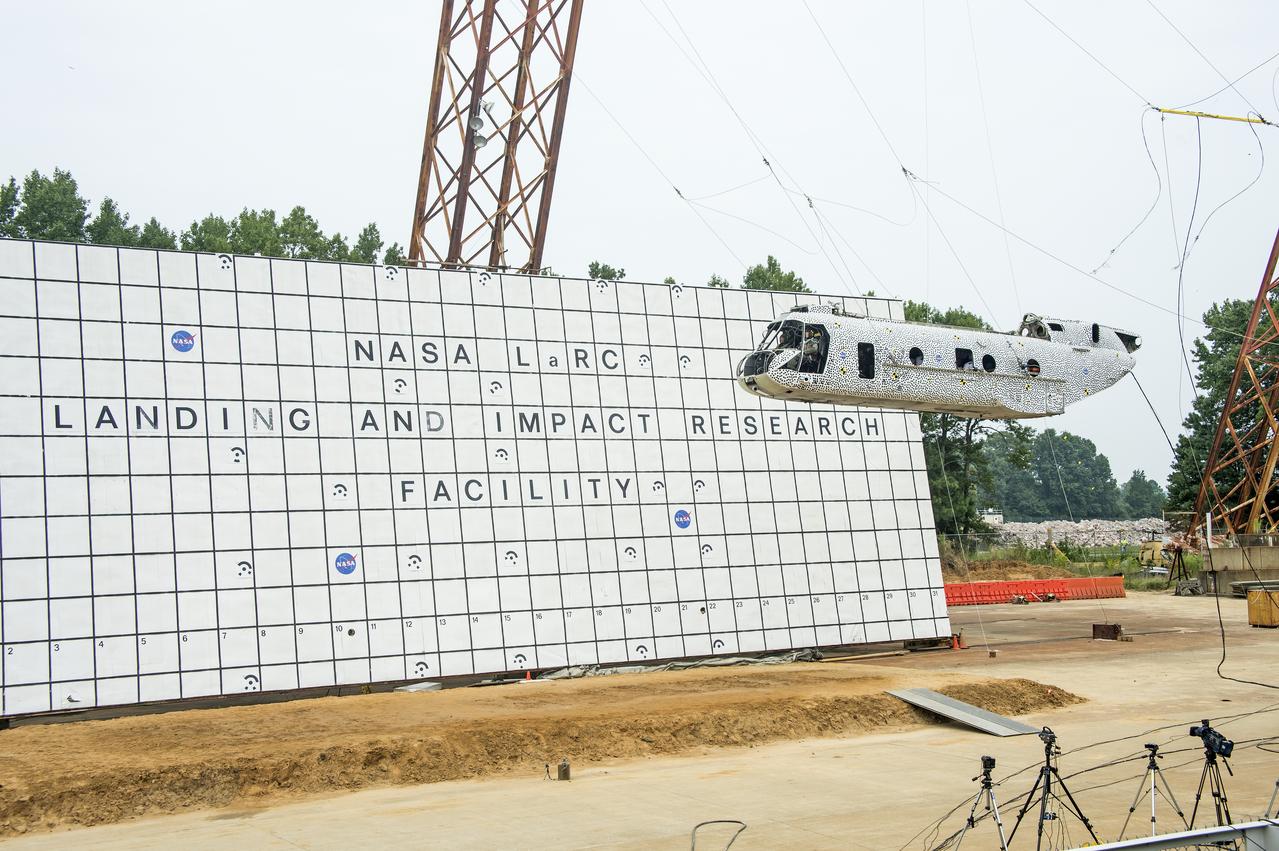
(TRACT) Transport Rotorcraft Aircraft Testbed: Helicopter airframe drop test at NASA Langley's Landing and Impact Research Facility (LandIR)
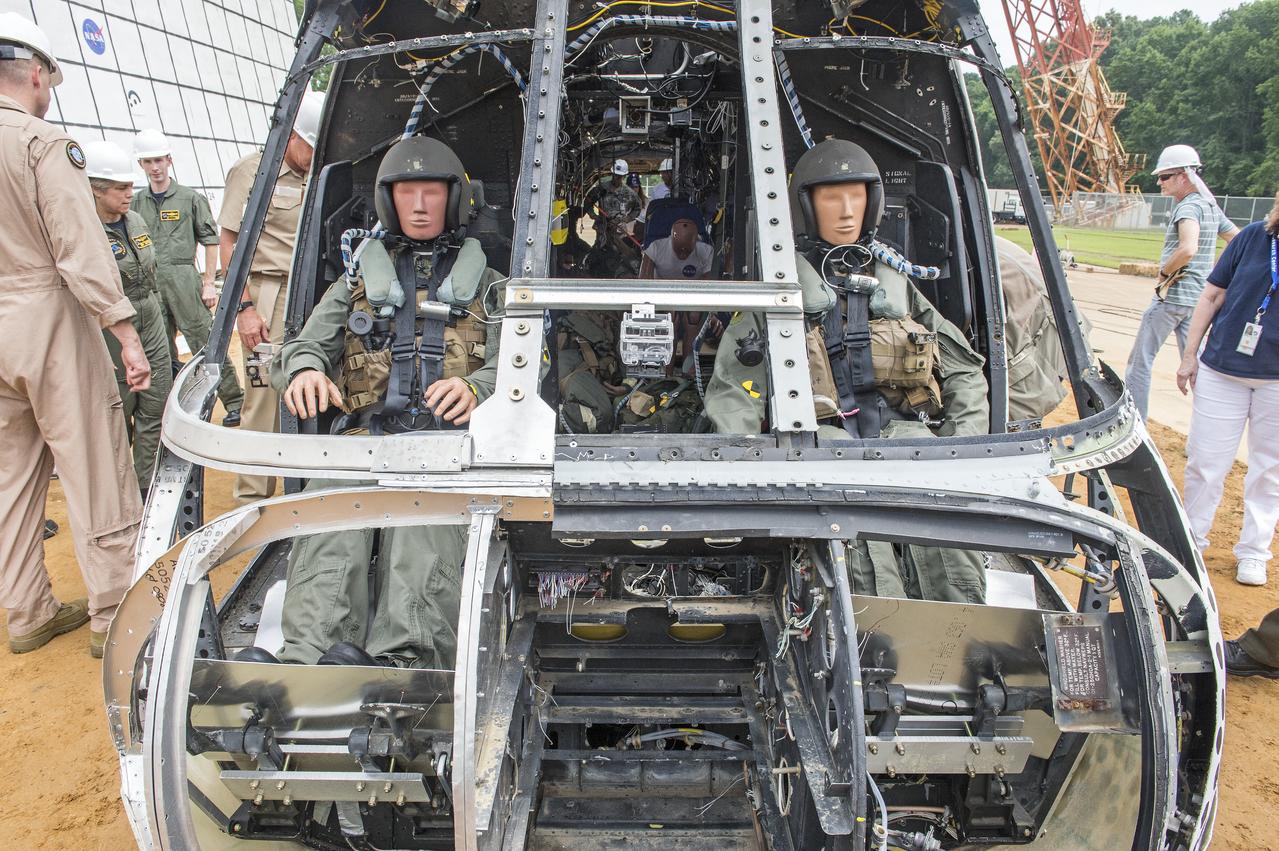
(TRACT) Transport Rotorcraft Aircraft Testbed: Helicopter airframe drop test at NASA Langley's Landing and Impact Research Facility (LandIR)
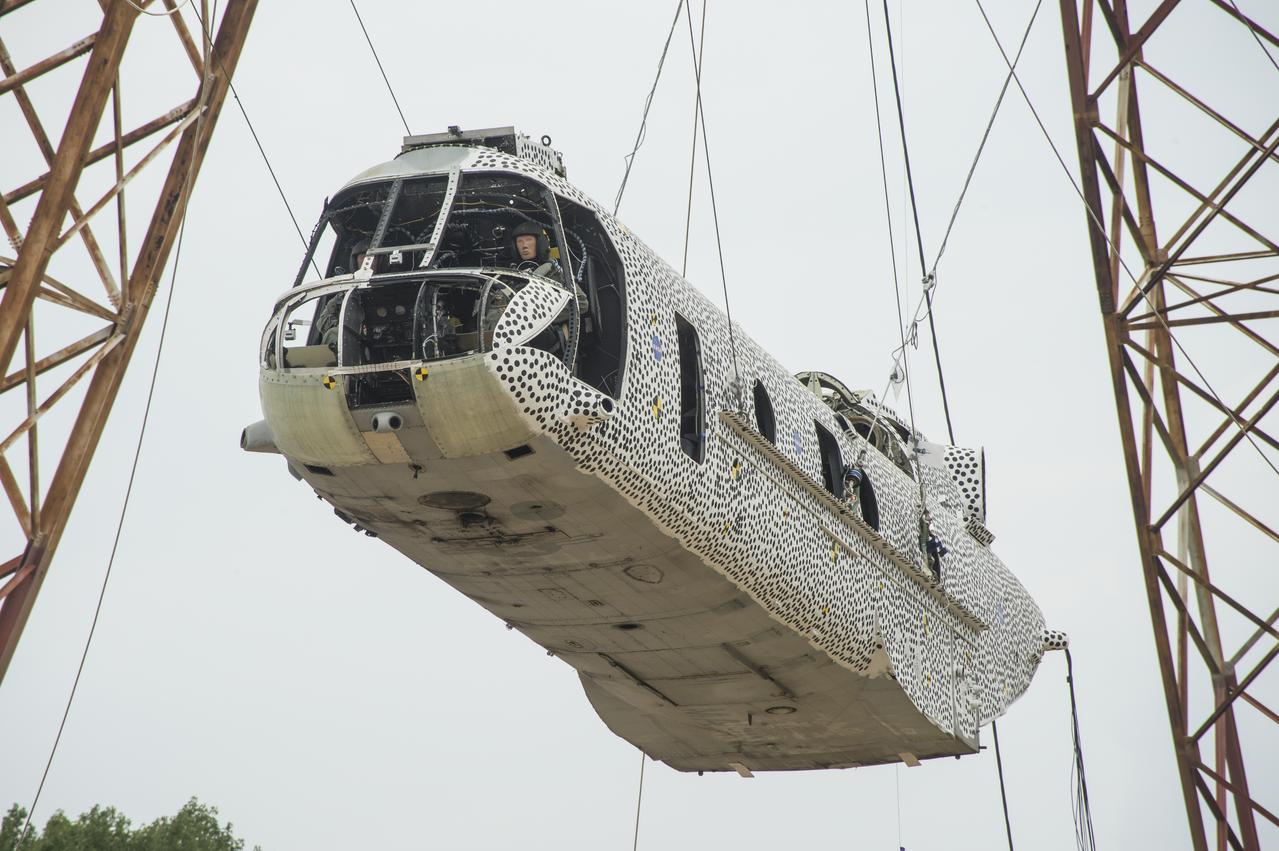
(TRACT) Transport Rotorcraft Aircraft Testbed: Helicopter airframe drop test at NASA Langley's Landing and Impact Research Facility (LandIR)
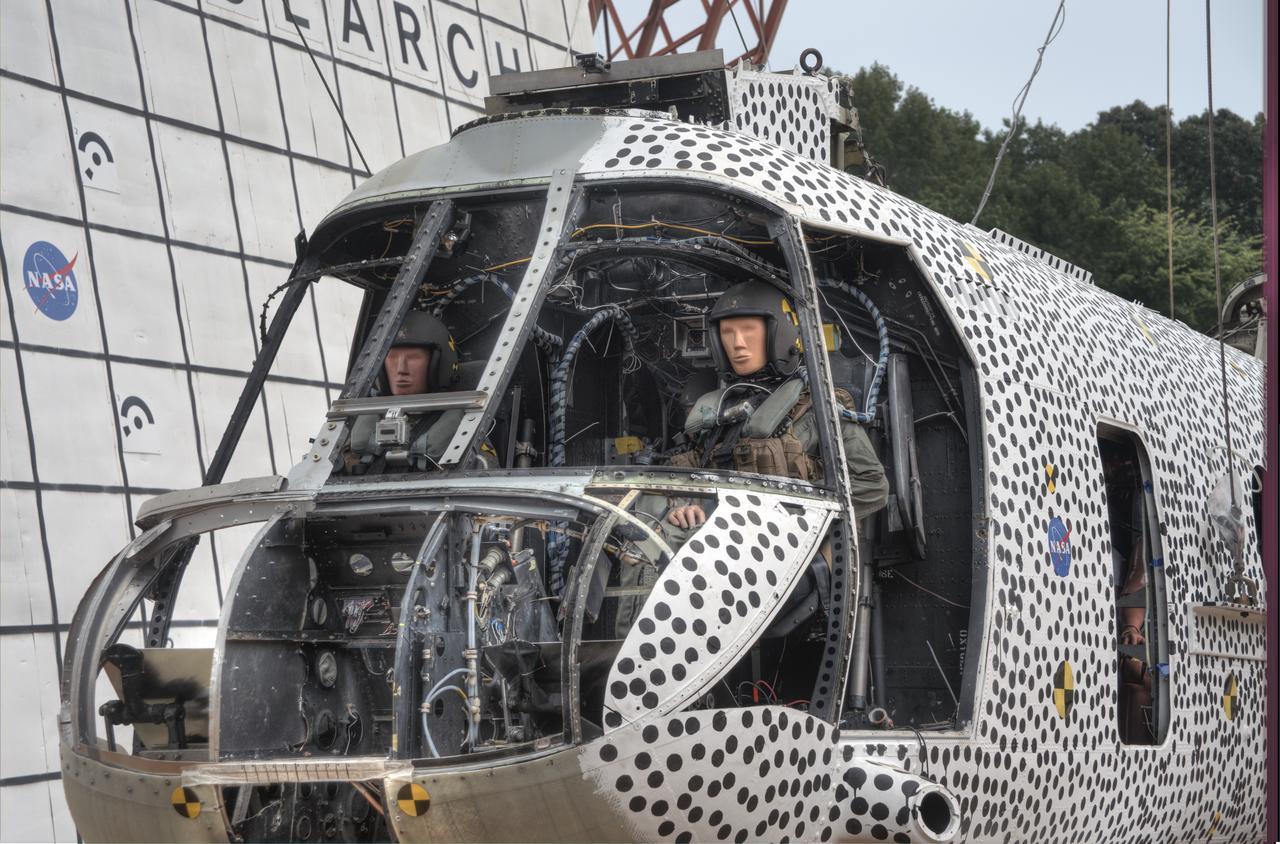
(TRACT) Transport Rotorcraft Aircraft Testbed: Helicopter airframe drop test at NASA Langley's Landing and Impact Research Facility (LandIR)
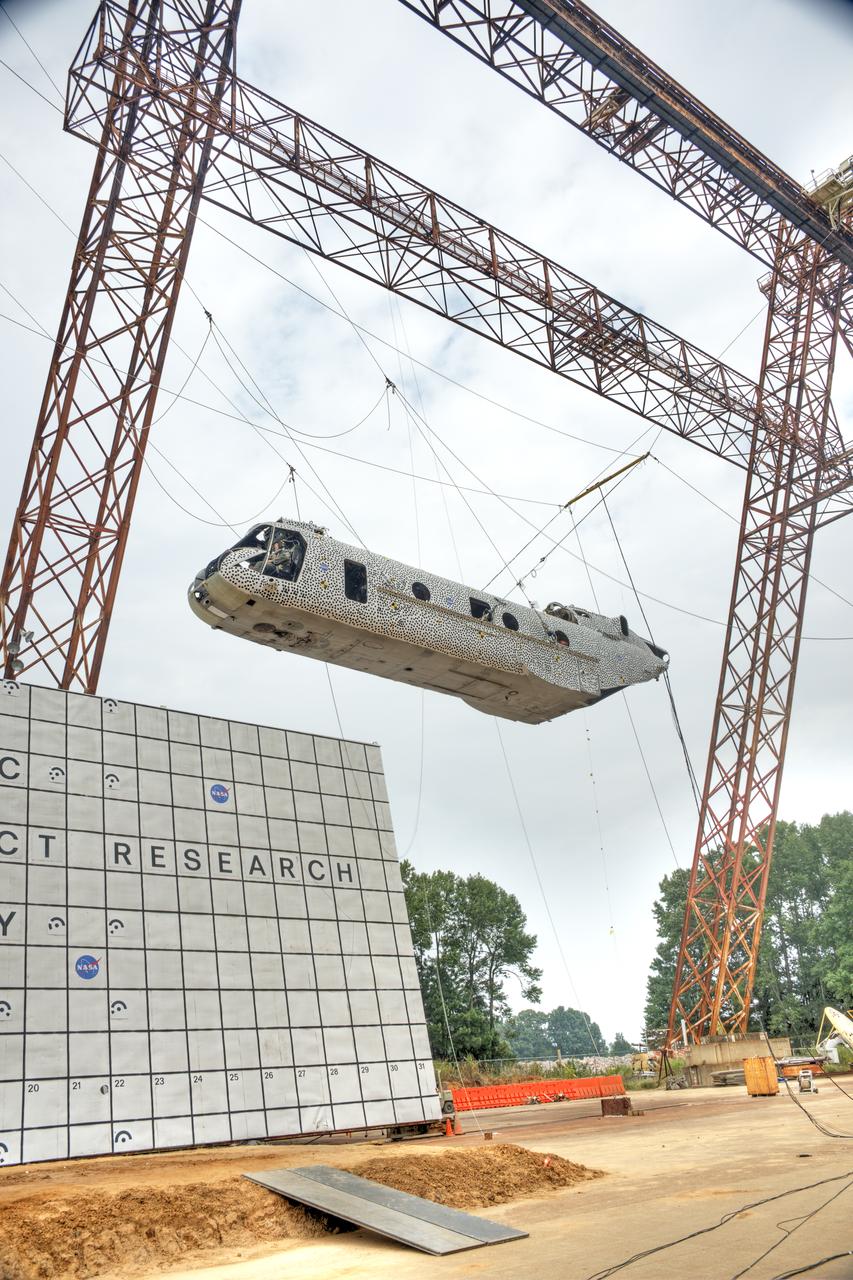
(TRACT) Transport Rotorcraft Aircraft Testbed: Helicopter airframe drop test at NASA Langley's Landing and Impact Research Facility (LandIR)
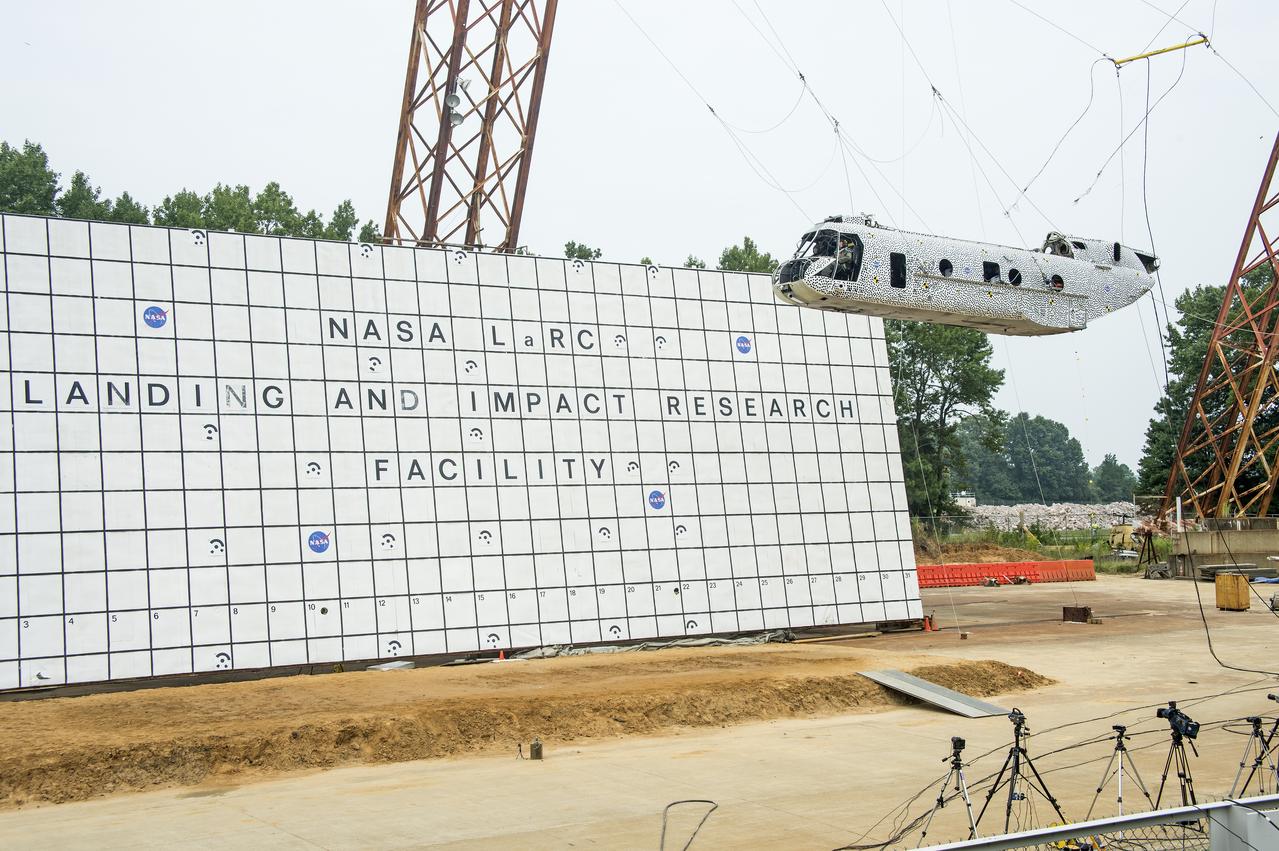
(TRACT) Transport Rotorcraft Aircraft Testbed: Helicopter airframe drop test at NASA Langley's Landing and Impact Research Facility (LandIR)
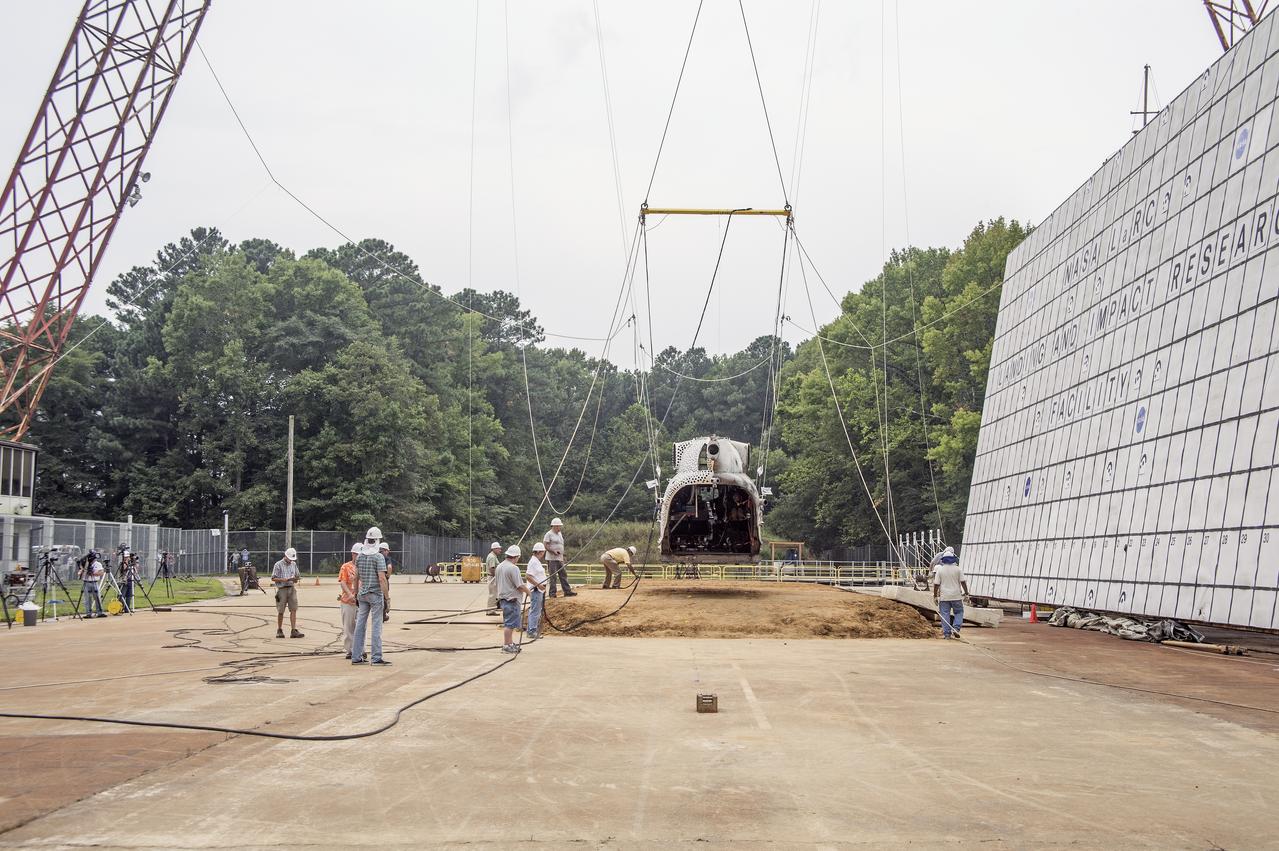
(TRACT) Transport Rotorcraft Aircraft Testbed: Helicopter airframe drop test at NASA Langley's Landing and Impact Research Facility (LandIR)
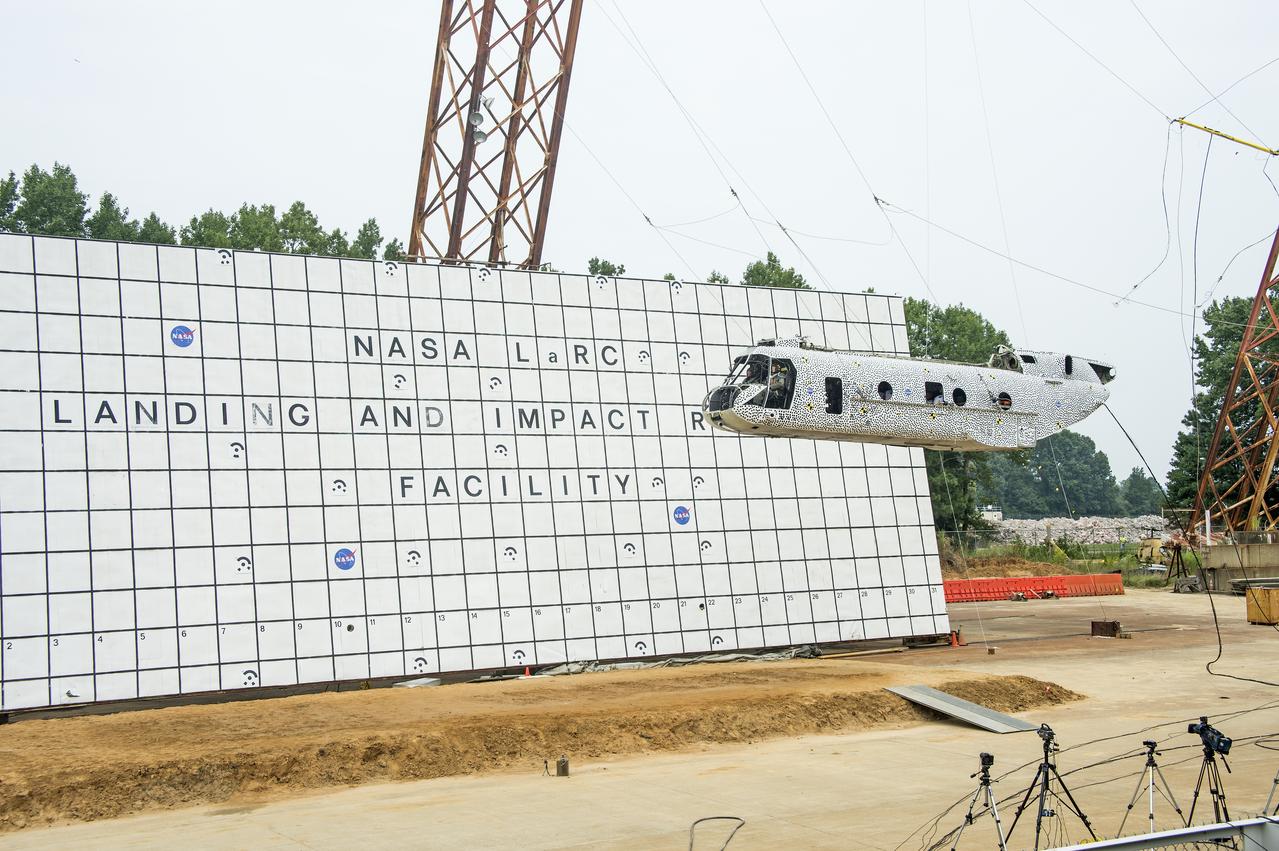
(TRACT) Transport Rotorcraft Aircraft Testbed: Helicopter airframe drop test at NASA Langley's Landing and Impact Research Facility (LandIR)

(TRACT) Transport Rotorcraft Aircraft Testbed: Helicopter airframe drop test at NASA Langley's Landing and Impact Research Facility (LandIR)
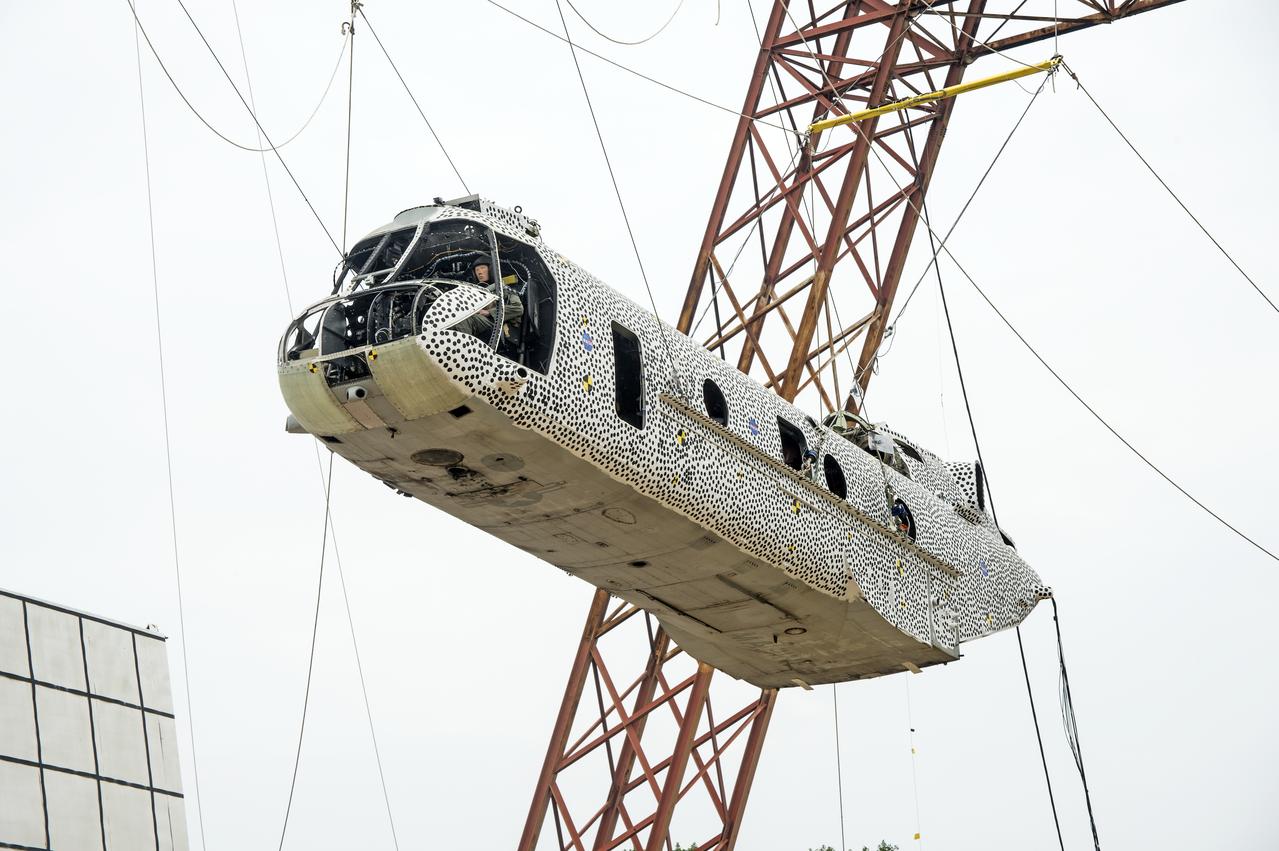
(TRACT) Transport Rotorcraft Aircraft Testbed: Helicopter airframe drop test at NASA Langley's Landing and Impact Research Facility (LandIR)
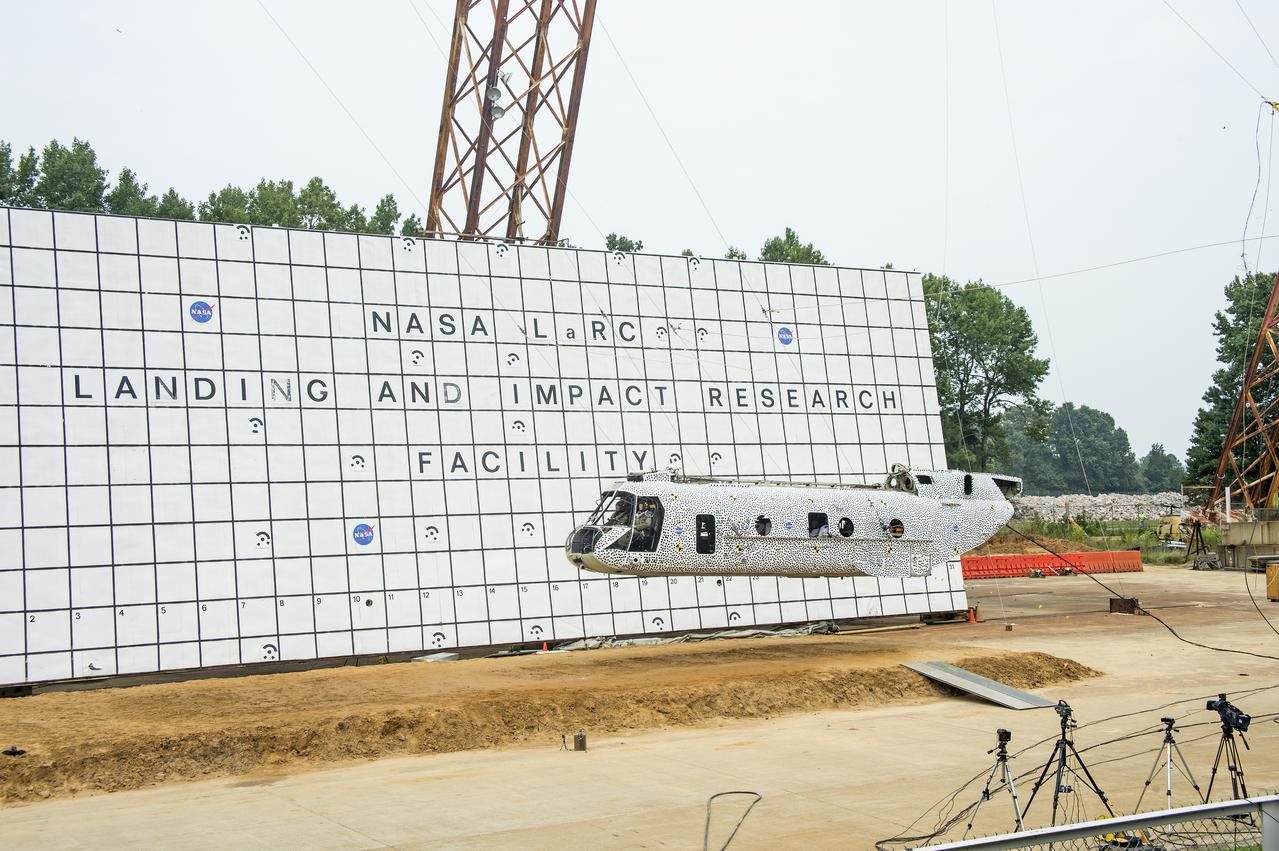
(TRACT) Transport Rotorcraft Aircraft Testbed: Helicopter airframe drop test at NASA Langley's Landing and Impact Research Facility (LandIR)
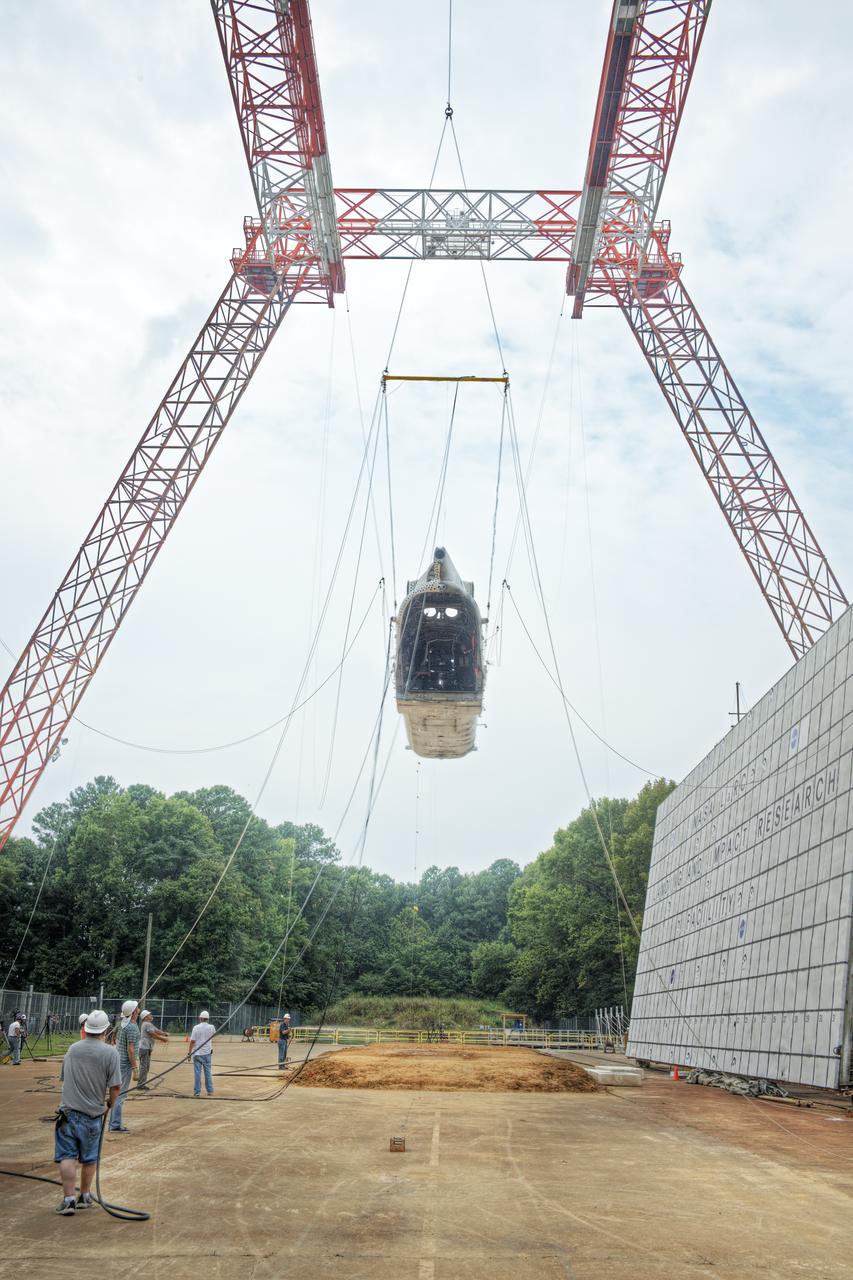
(TRACT) Transport Rotorcraft Aircraft Testbed: Helicopter airframe drop test at NASA Langley's Landing and Impact Research Facility (LandIR)
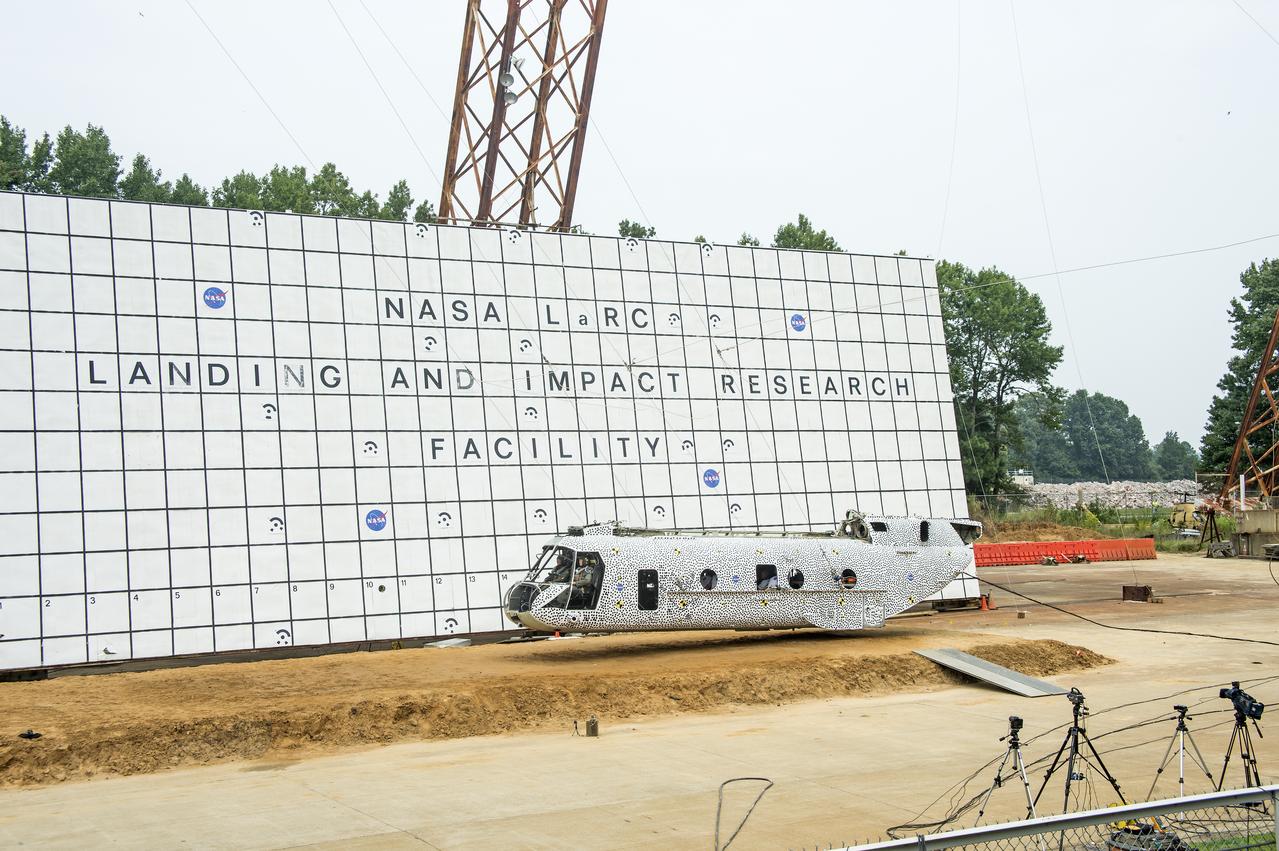
(TRACT) Transport Rotorcraft Aircraft Testbed: Helicopter airframe drop test at NASA Langley's Landing and Impact Research Facility (LandIR)
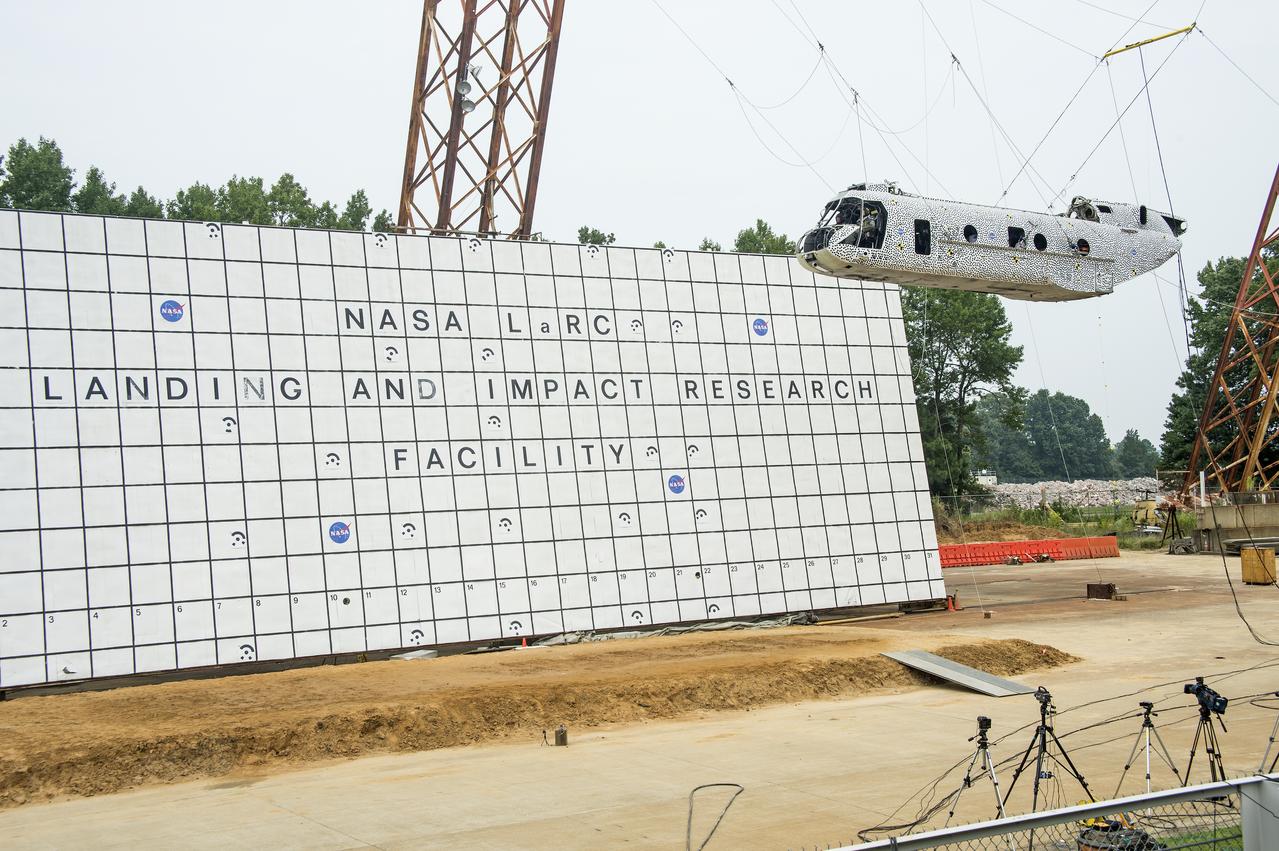
(TRACT) Transport Rotorcraft Aircraft Testbed: Helicopter airframe drop test at NASA Langley's Landing and Impact Research Facility (LandIR)
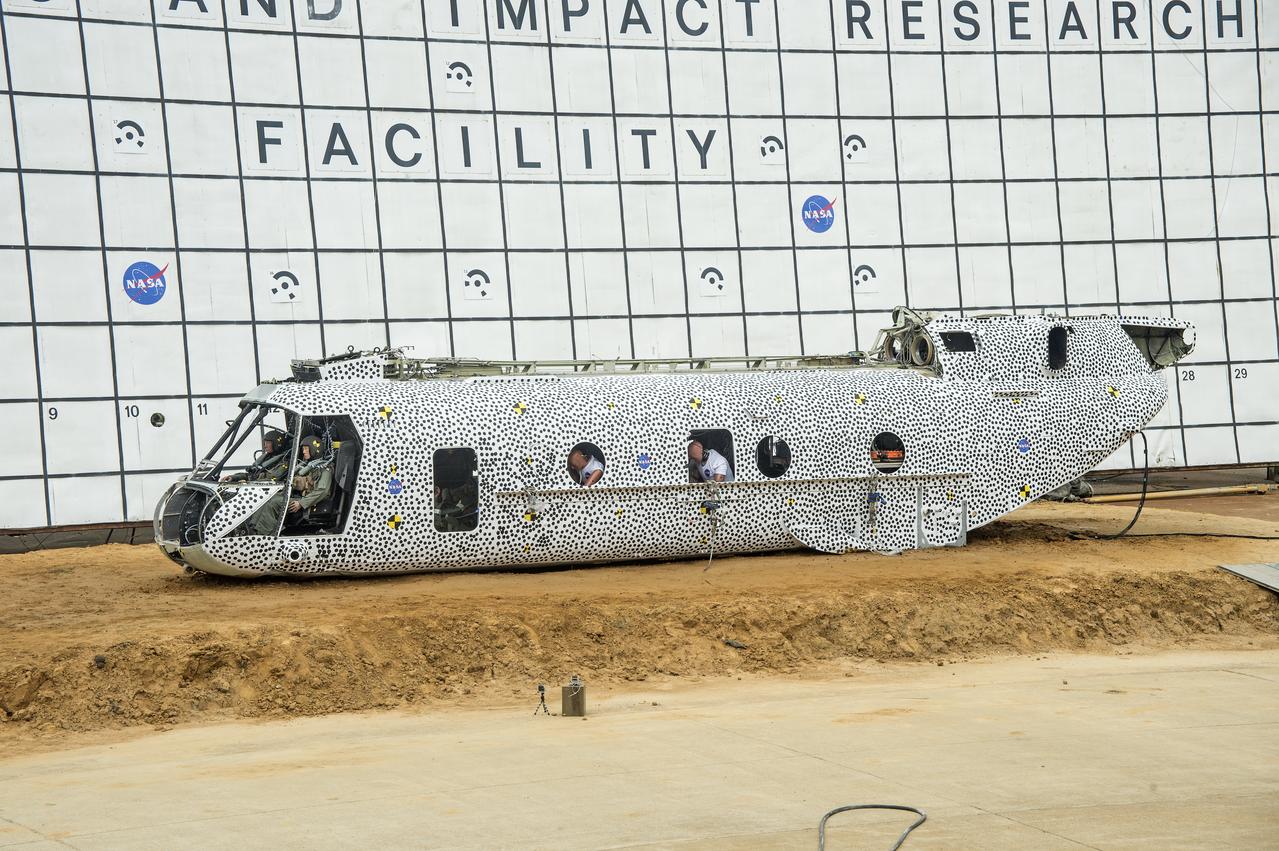
(TRACT) Transport Rotorcraft Aircraft Testbed: Helicopter airframe drop test at NASA Langley's Landing and Impact Research Facility (LandIR)
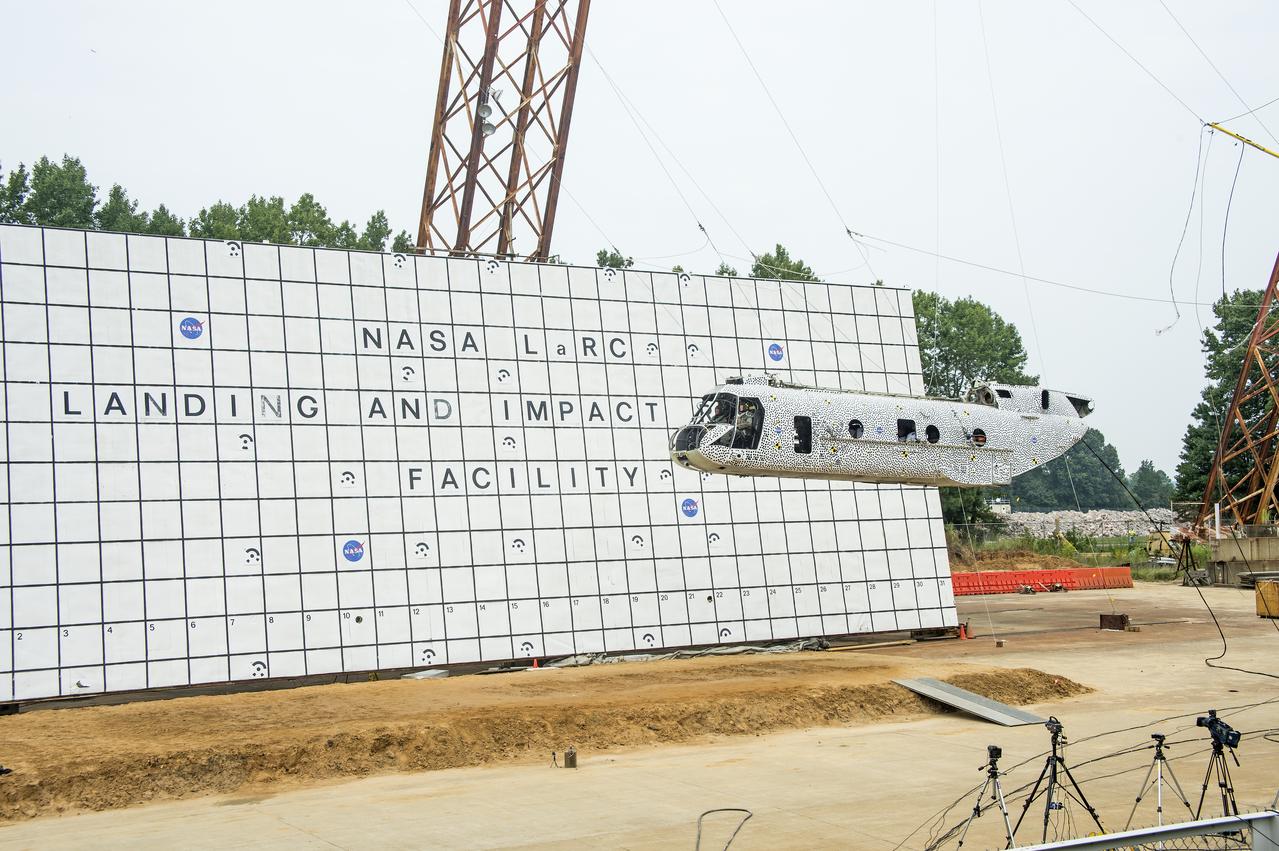
(TRACT) Transport Rotorcraft Aircraft Testbed: Helicopter airframe drop test at NASA Langley's Landing and Impact Research Facility (LandIR)
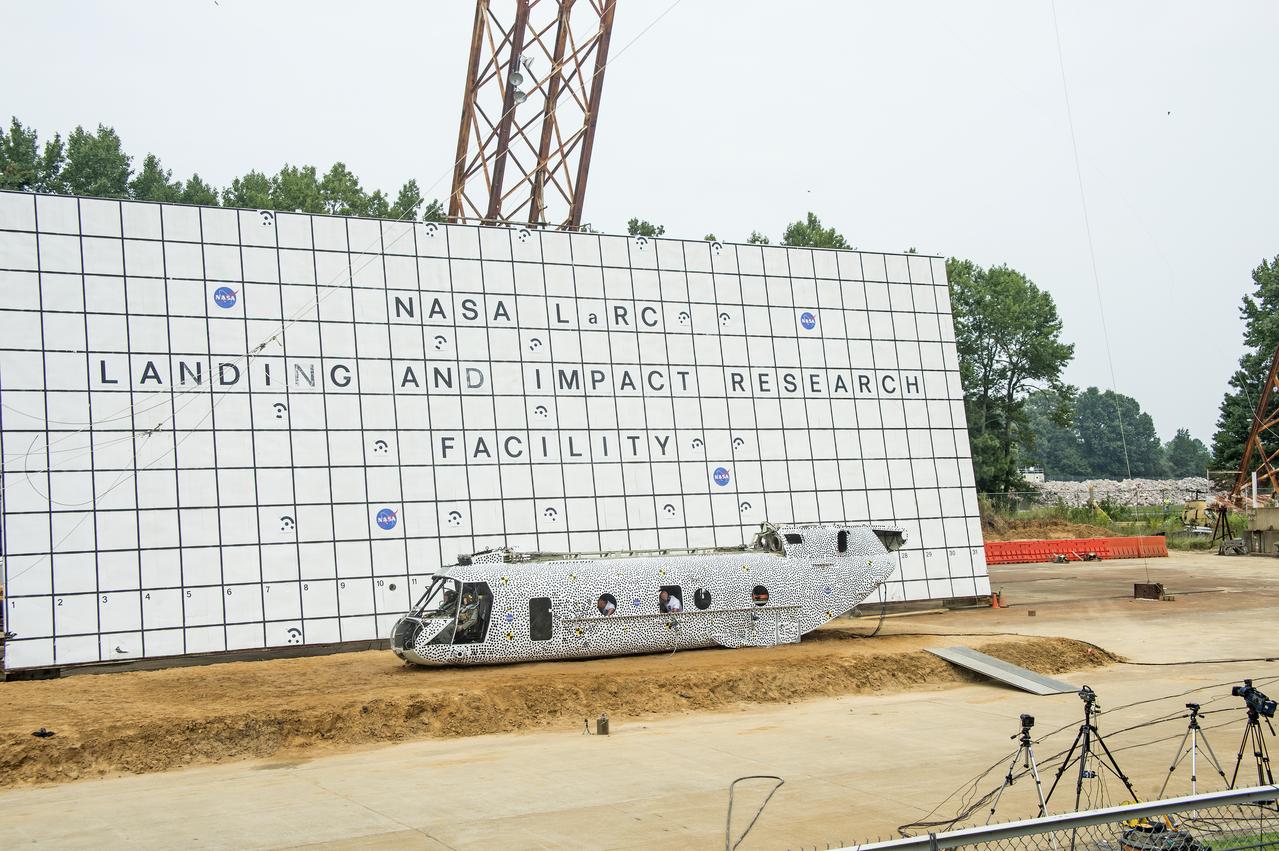
(TRACT) Transport Rotorcraft Aircraft Testbed: Helicopter airframe drop test at NASA Langley's Landing and Impact Research Facility (LandIR)
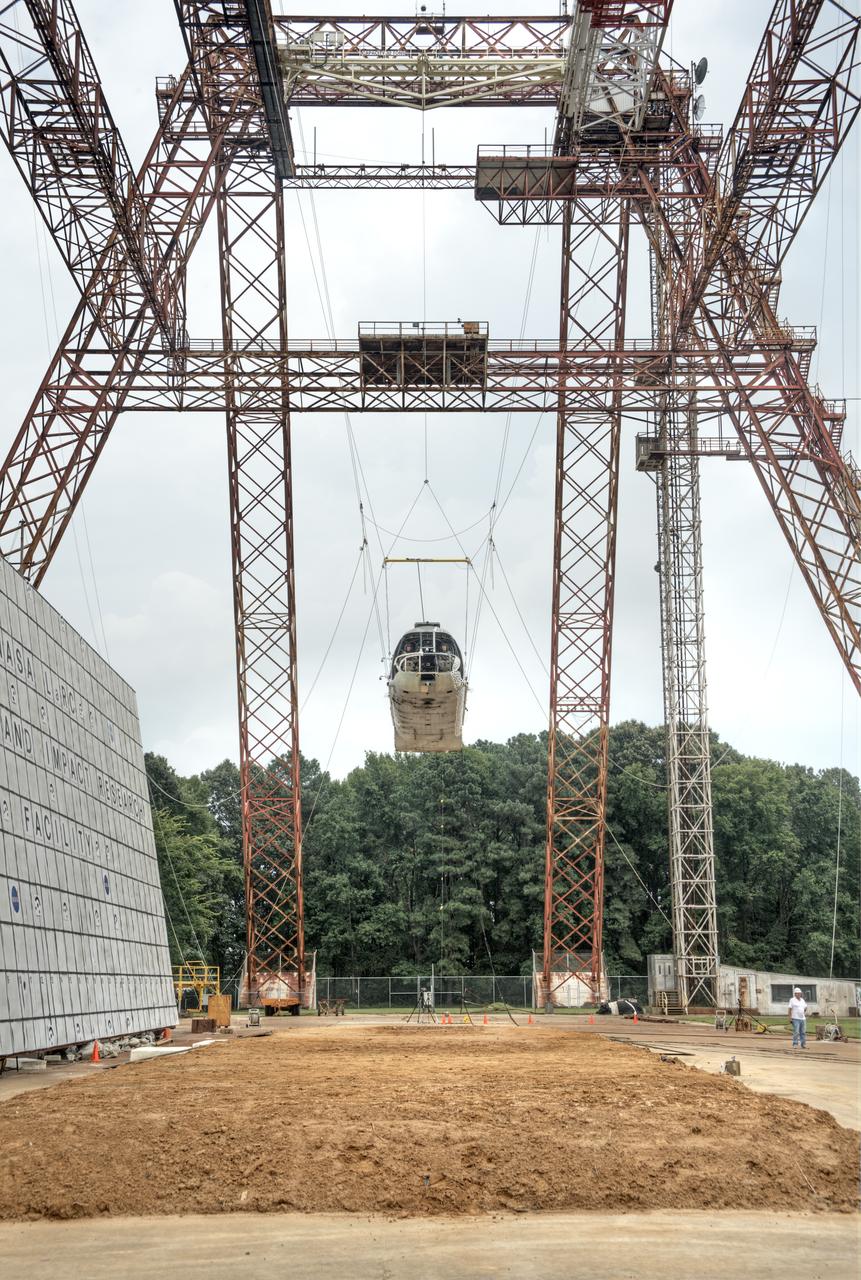
(TRACT) Transport Rotorcraft Aircraft Testbed: Helicopter airframe drop test at NASA Langley's Landing and Impact Research Facility (LandIR)
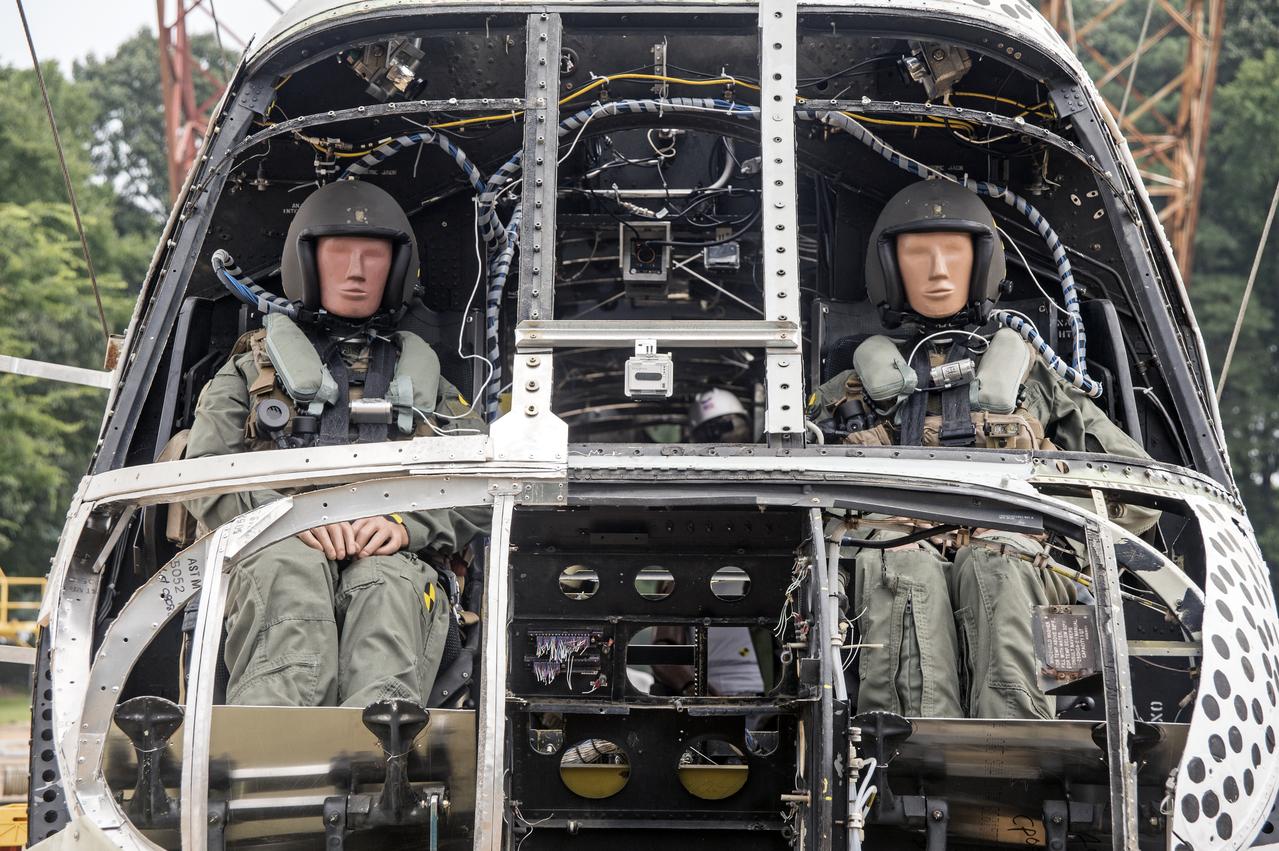
(TRACT) Transport Rotorcraft Aircraft Testbed: Helicopter airframe drop test at NASA Langley's Landing and Impact Research Facility (LandIR)
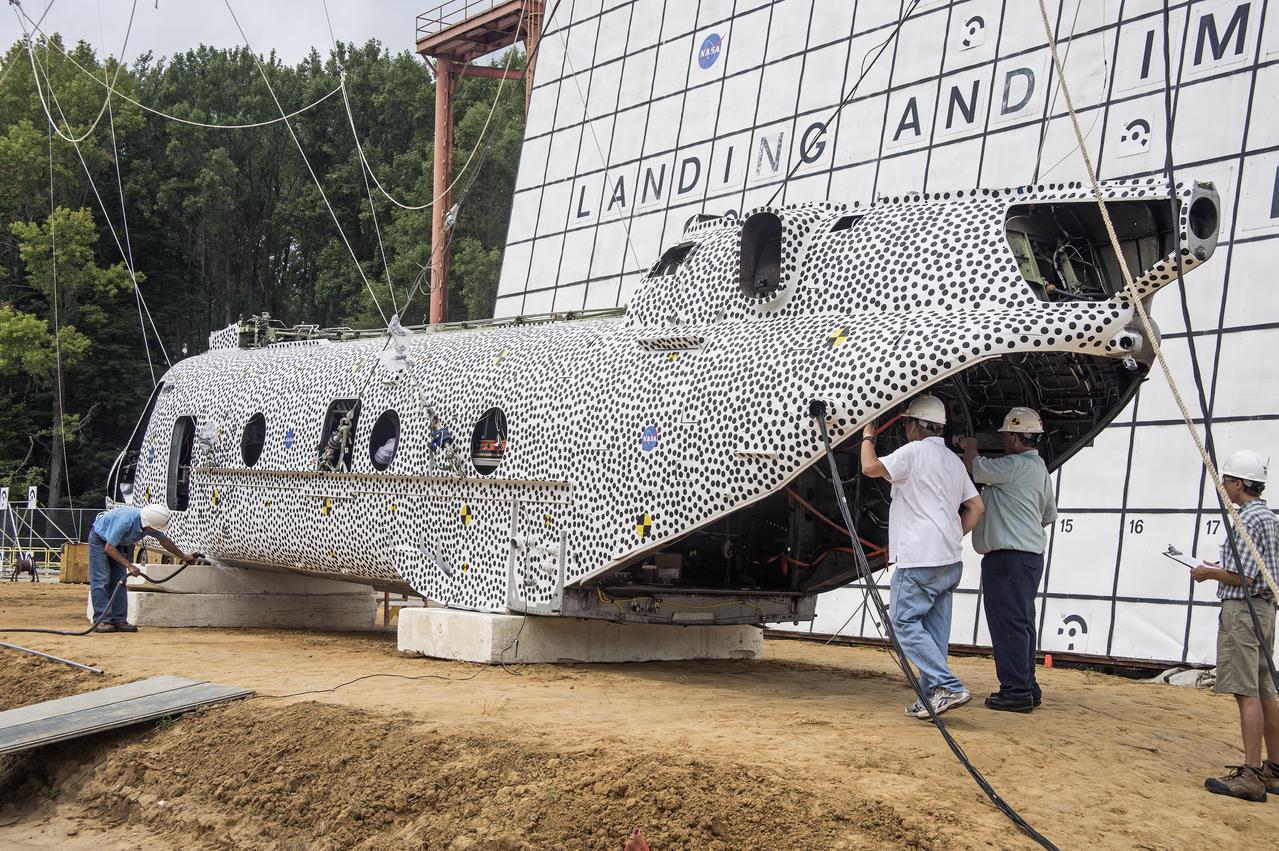
(TRACT) Transport Rotorcraft Aircraft Testbed: Helicopter airframe drop test at NASA Langley's Landing and Impact Research Facility (LandIR)
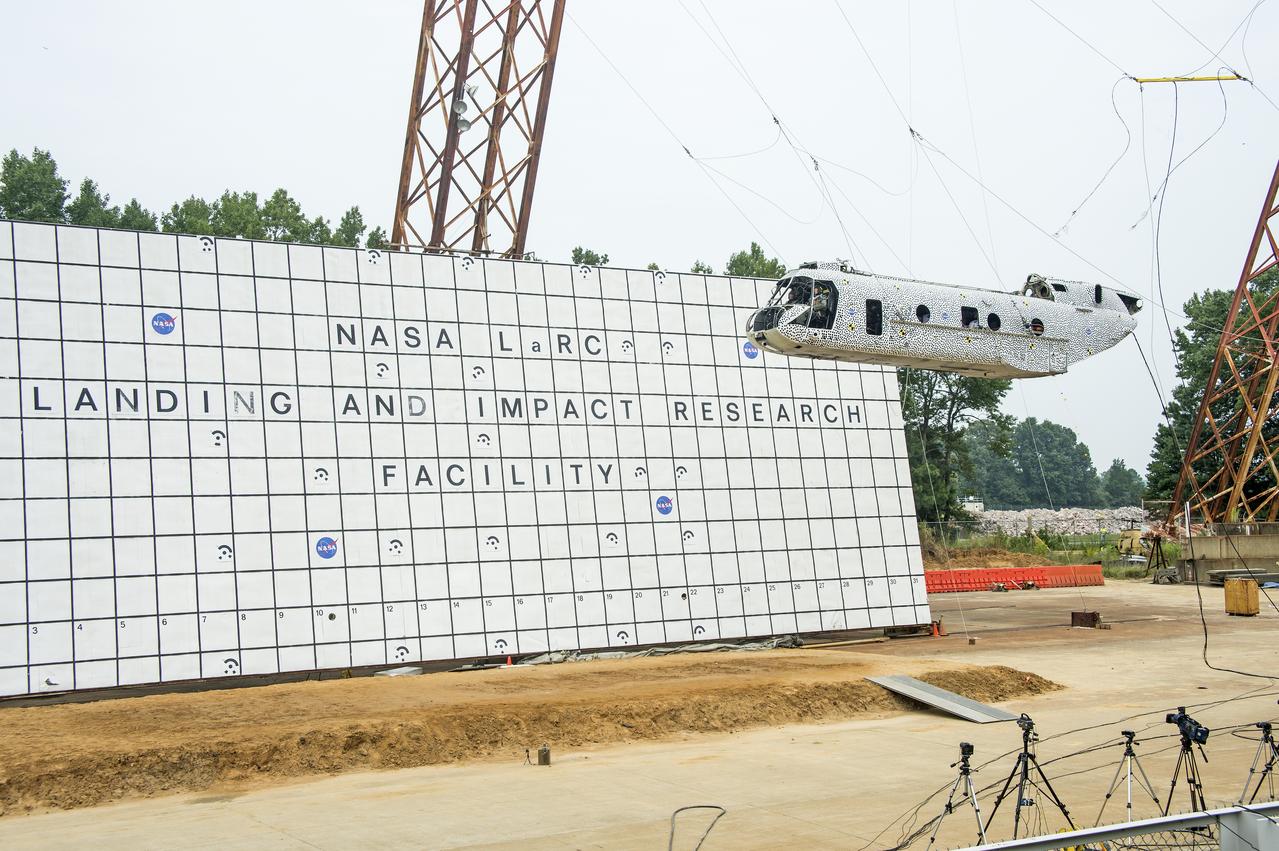
(TRACT) Transport Rotorcraft Aircraft Testbed: Helicopter airframe drop test at NASA Langley's Landing and Impact Research Facility (LandIR)

(TRACT) Transport Rotorcraft Aircraft Testbed: Helicopter airframe drop test at NASA Langley's Landing and Impact Research Facility (LandIR)
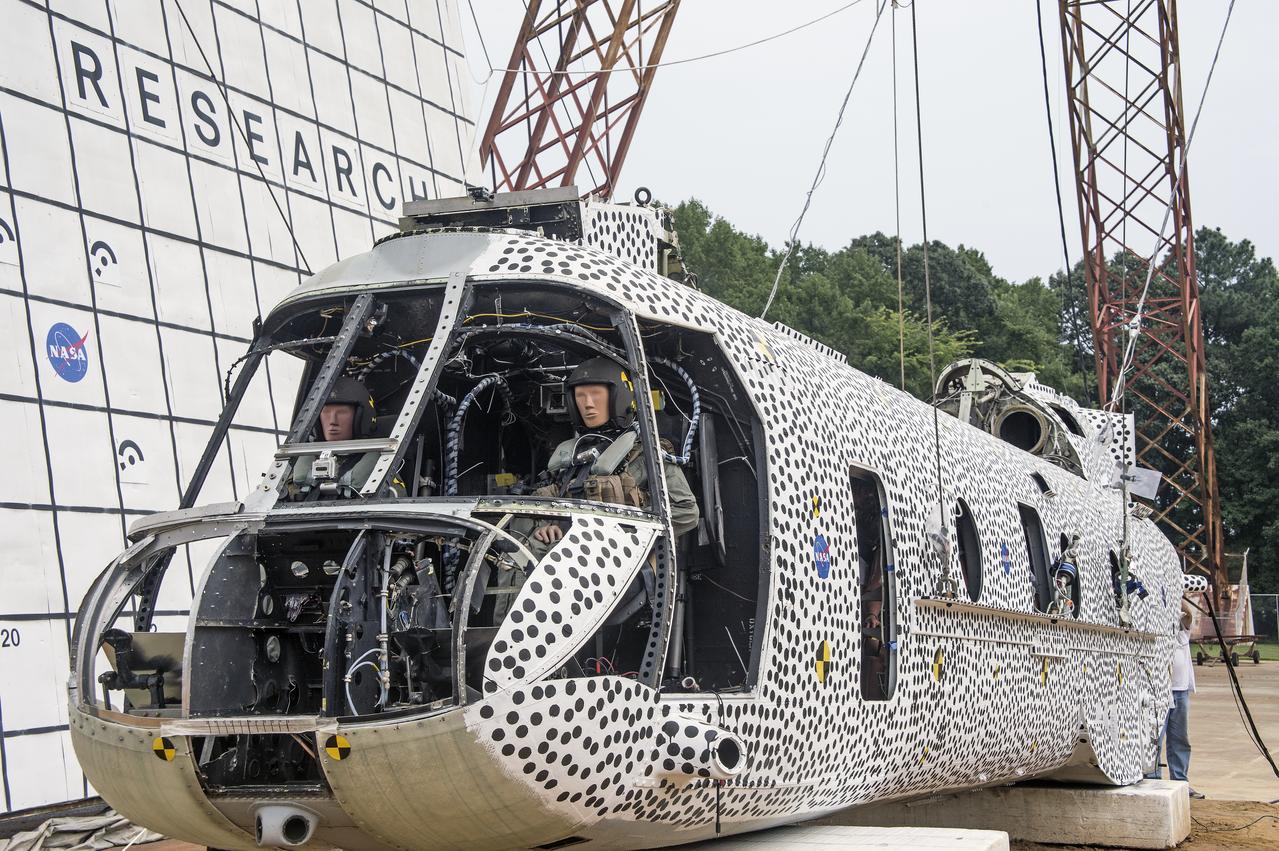
(TRACT) Transport Rotorcraft Aircraft Testbed: Helicopter airframe drop test at NASA Langley's Landing and Impact Research Facility (LandIR)
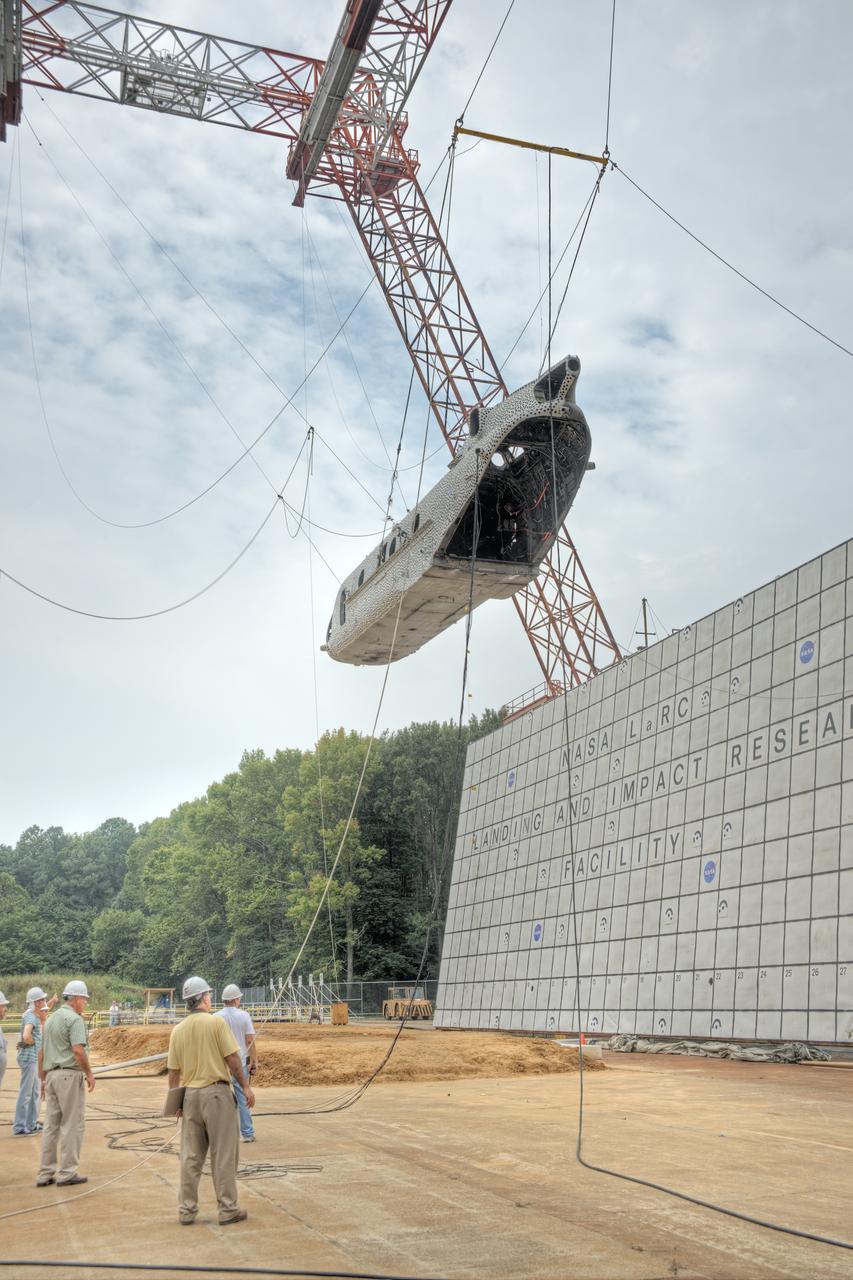
(TRACT) Transport Rotorcraft Aircraft Testbed: Helicopter airframe drop test at NASA Langley's Landing and Impact Research Facility (LandIR)
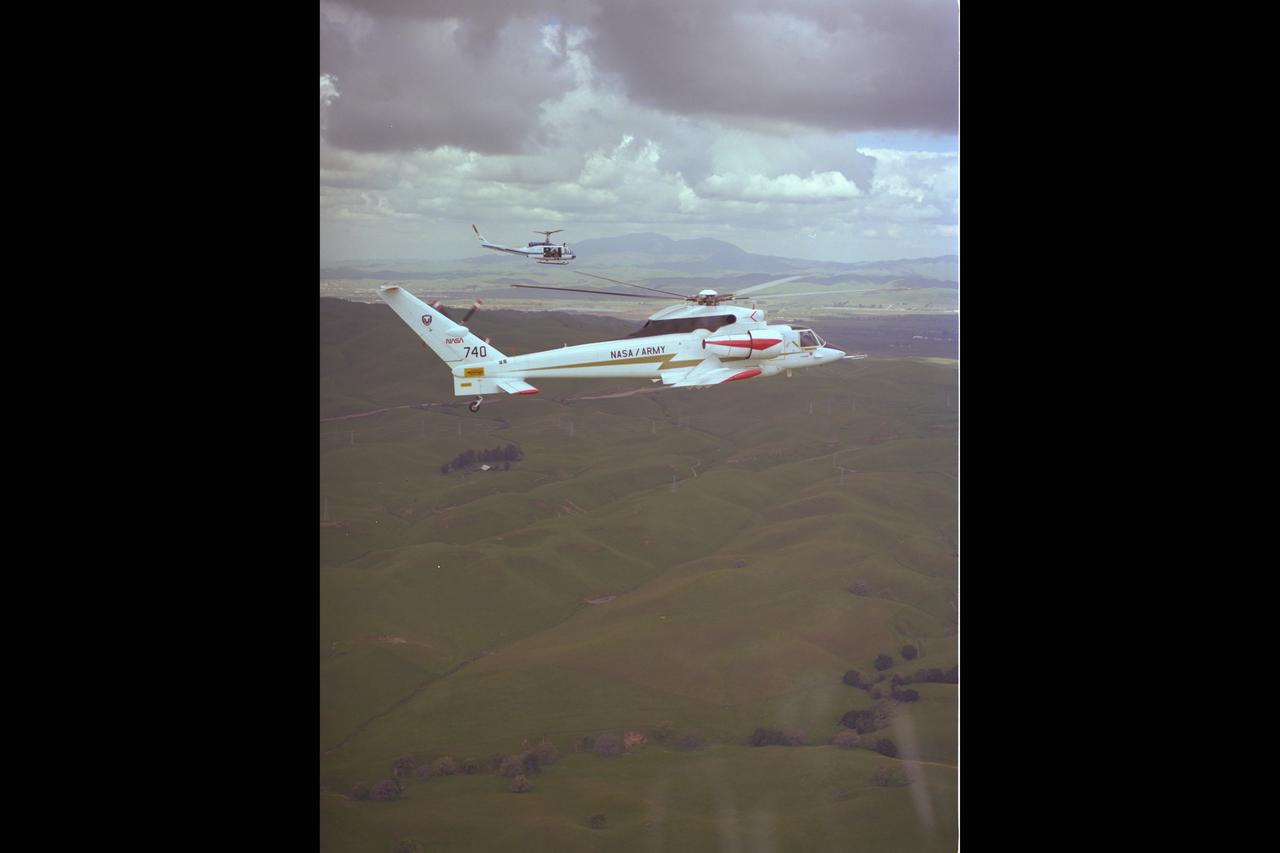
RSRA (NASA-740) in flight: Flight 14 as a compound helicopter-fixed wing aircraft
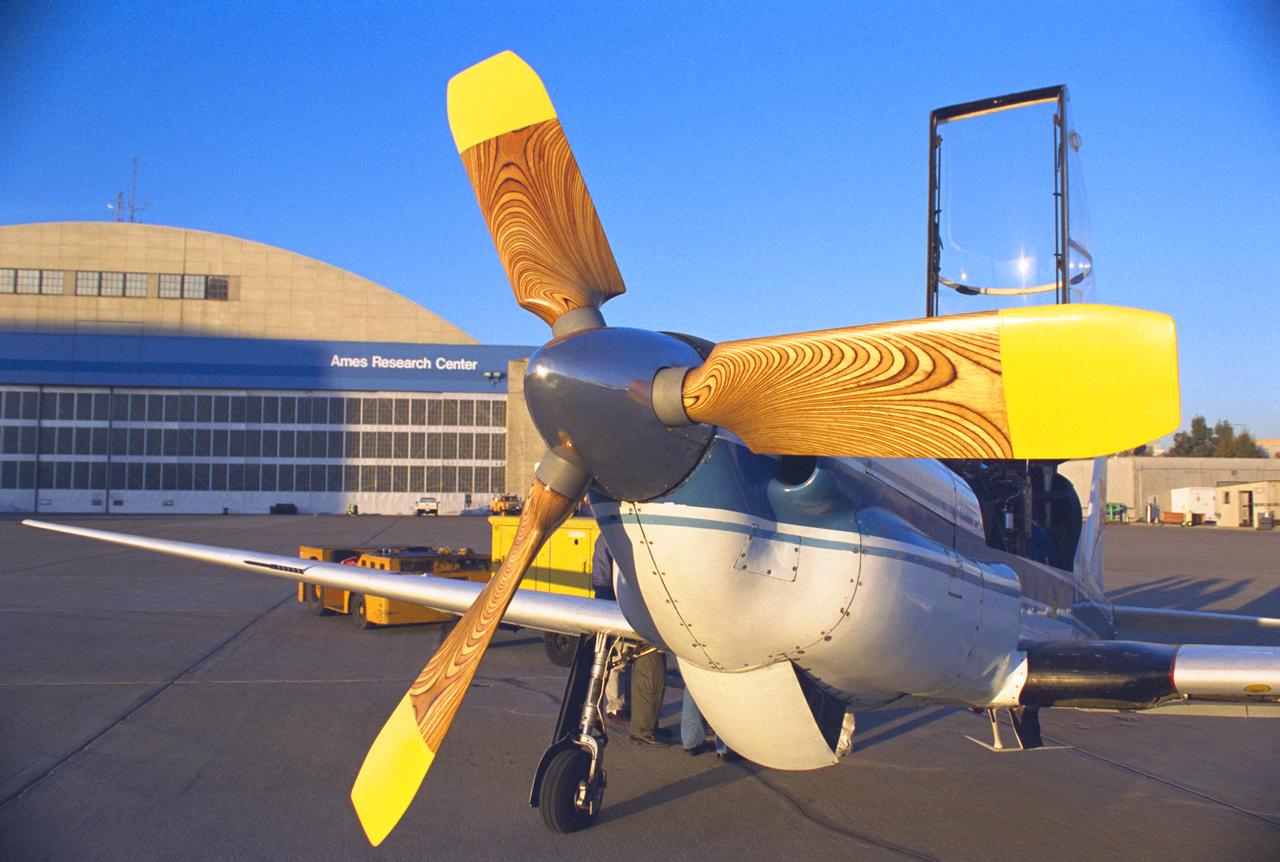
YO-3A (NASA-718) Flying Acoustic Platform: The Quiet Plane is used as a flying microphone platform to study aircraft noise, especially helicopter noise.
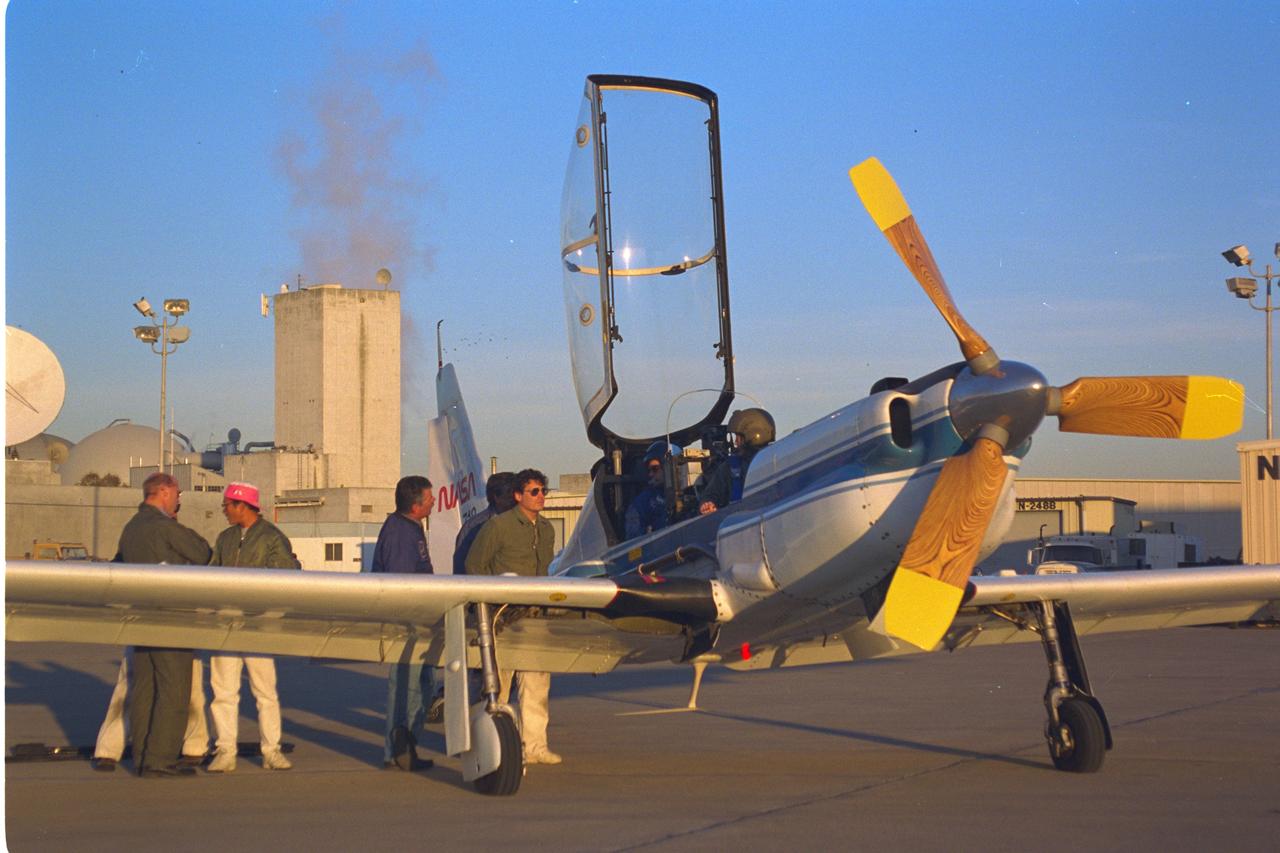
YO-3A (NASA-718) Flying Acoustic Platform: The Quiet Plane is used as a flying microphone platform to study aircraft noise, especially helicopter noise.
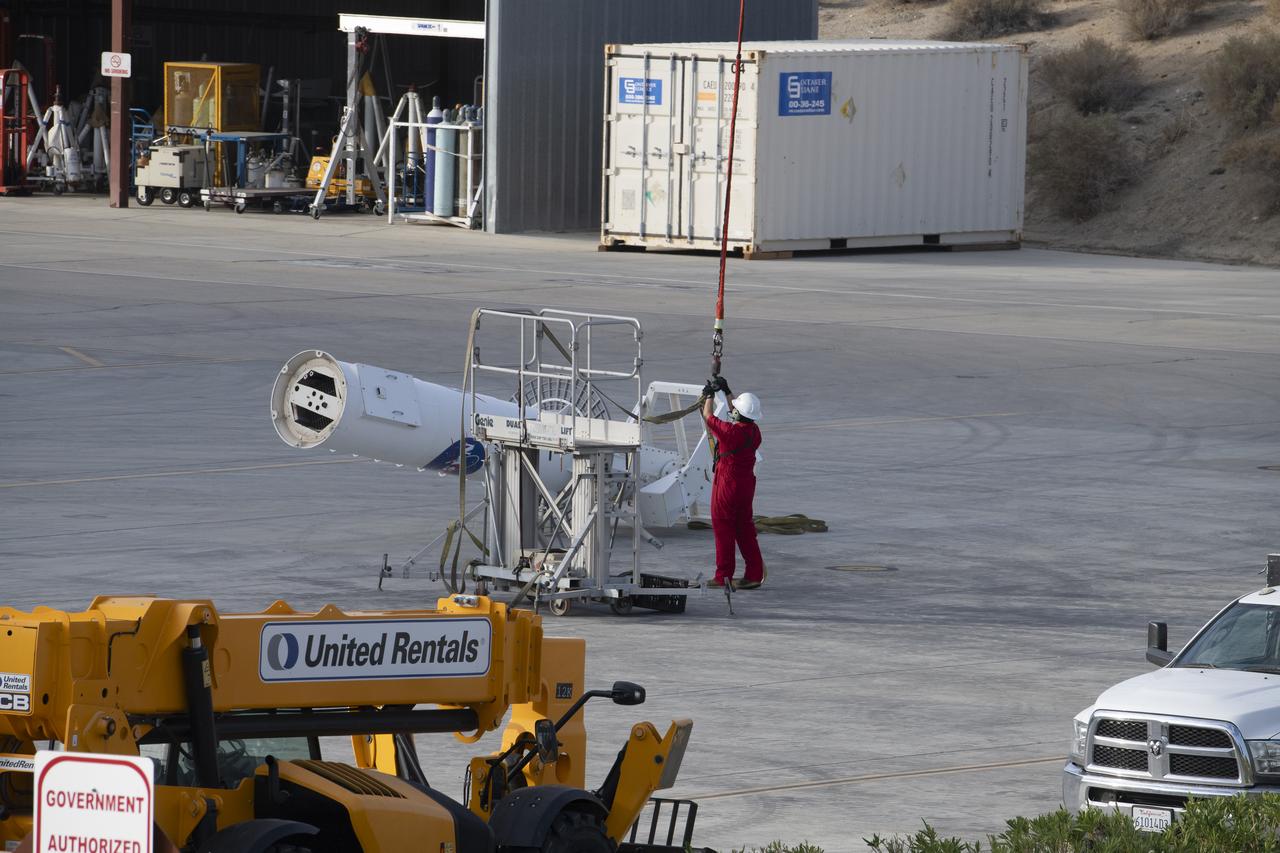
A pedestal carried by a helicopter is positioned for a gentle placement on the ground. The helicopter removed the pedestal from the rooftop of Building 4800 at NASA’s Armstrong Flight Research Center in Edwards, California, on Oct. 4, 2024. The pedestal was used since the 1950s to 2015 to house different telemetry dishes to collect data from research aircraft.
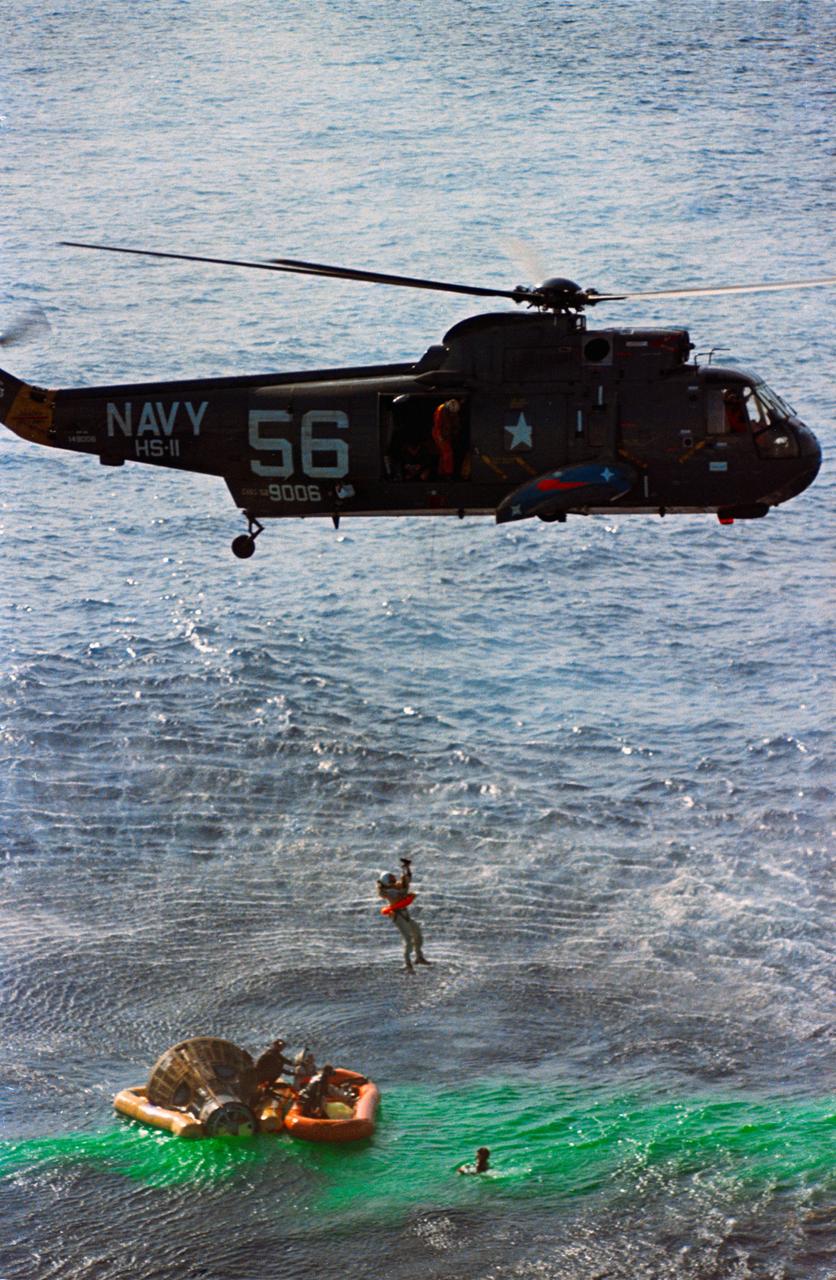
S65-61828 (18 Dec. 1965) --- Astronaut James A. Lovell Jr., pilot of the Gemini-7 spaceflight, is hoisted from the water by a recovery helicopter from the Aircraft Carrier USS Wasp. Astronaut Frank Borman, command pilot, waits in the raft to be hoisted aboard the helicopter. Photo credit: NASA
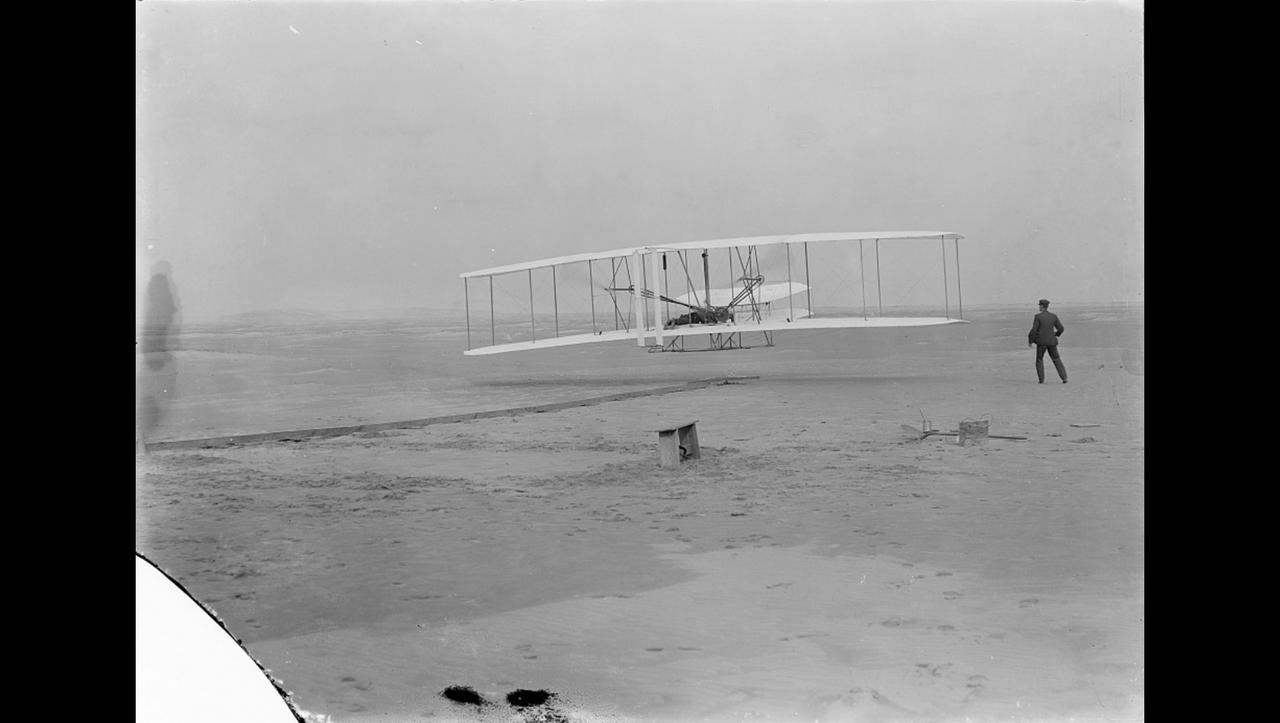
Orville Wright makes the first powered, controlled flight on Earth as his brother Wilbur looks on in this image taken at Kitty Hawk, North Carolina, on Dec. 17, 1903. Orville Wright covered 120 feet in 12 seconds during the first flight. The Wright brothers made four flights that day, each longer than the last. A small amount of the material that covered the wing of the aircraft, Flyer 1, during the first flight was flown to Mars aboard NASA's Ingenuity Mars Helicopter. An insulative tape was used to wrap the small swatch of fabric around a cable located underneath the helicopter's solar panel. Ingenuity is scheduled to attempt the first powered, controlled flight on another planet in April 2021. The Wrights had been using the same type of material – an unbleached muslin called "Pride of the West" – to cover their glider and aircraft wings since 1901. A different piece of the material, along with a small splinter of wood, from the Flyer 1 was flown to the Moon and back aboard Apollo 11. The image was taken by John Daniels, a member of the U.S. Life-Saving Station in Kill Devil Hills, North Carolina. Until the day of the flight, Daniels had never seen a camera. https://photojournal.jpl.nasa.gov/catalog/PIA24434
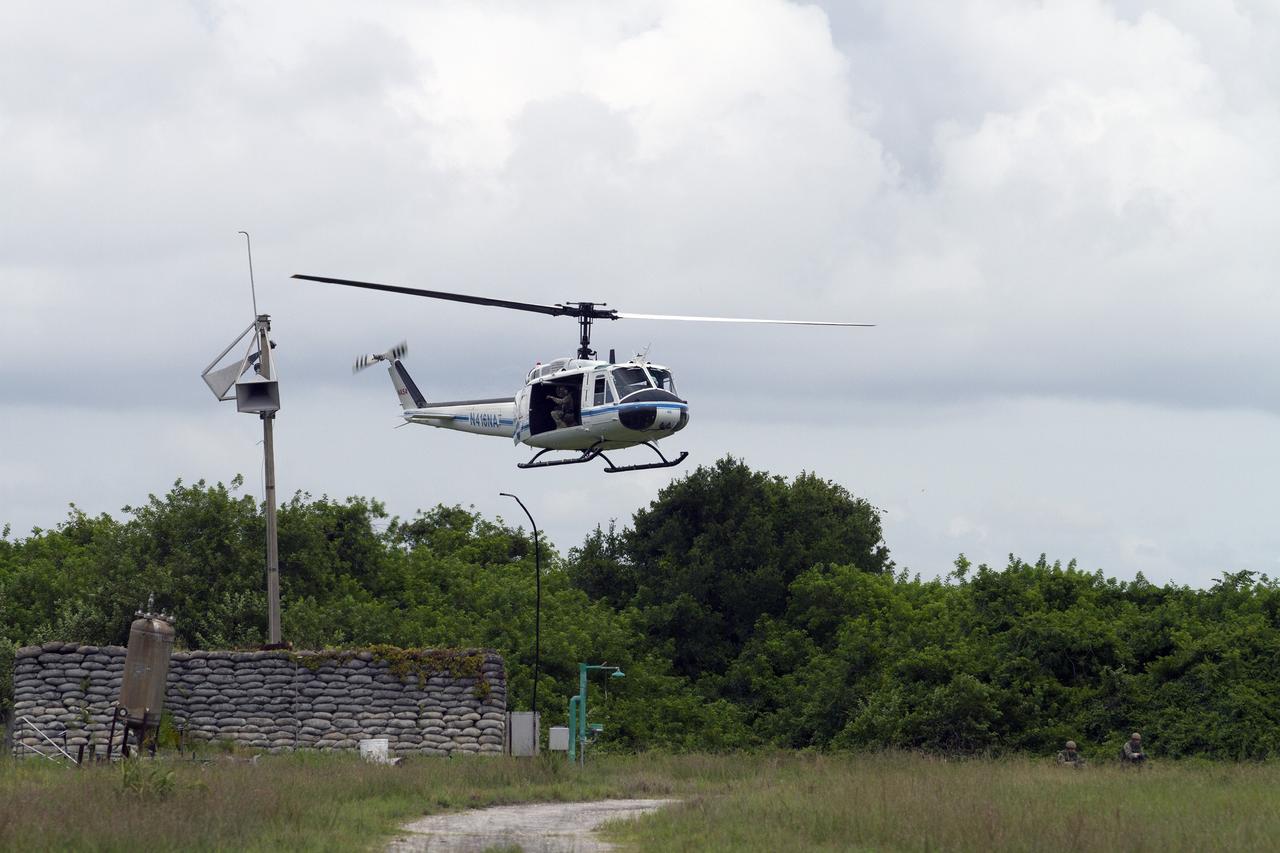
CAPE CANAVERAL, Fla. – The rope is cut from a Huey helicopter from the Aircraft Operations branch at NASA's Kennedy Space Center in Florida before the helicopter begins to fly out of a training area during a training exercise. Moments earlier, Emergency Response Team officers from the Protective Services branch descended from the helicopter to begin the mission. The flight was the beginning of a training mission to simulate a situation the team and pilots could confront at the center. Photo credit: NASA/Dan Casper
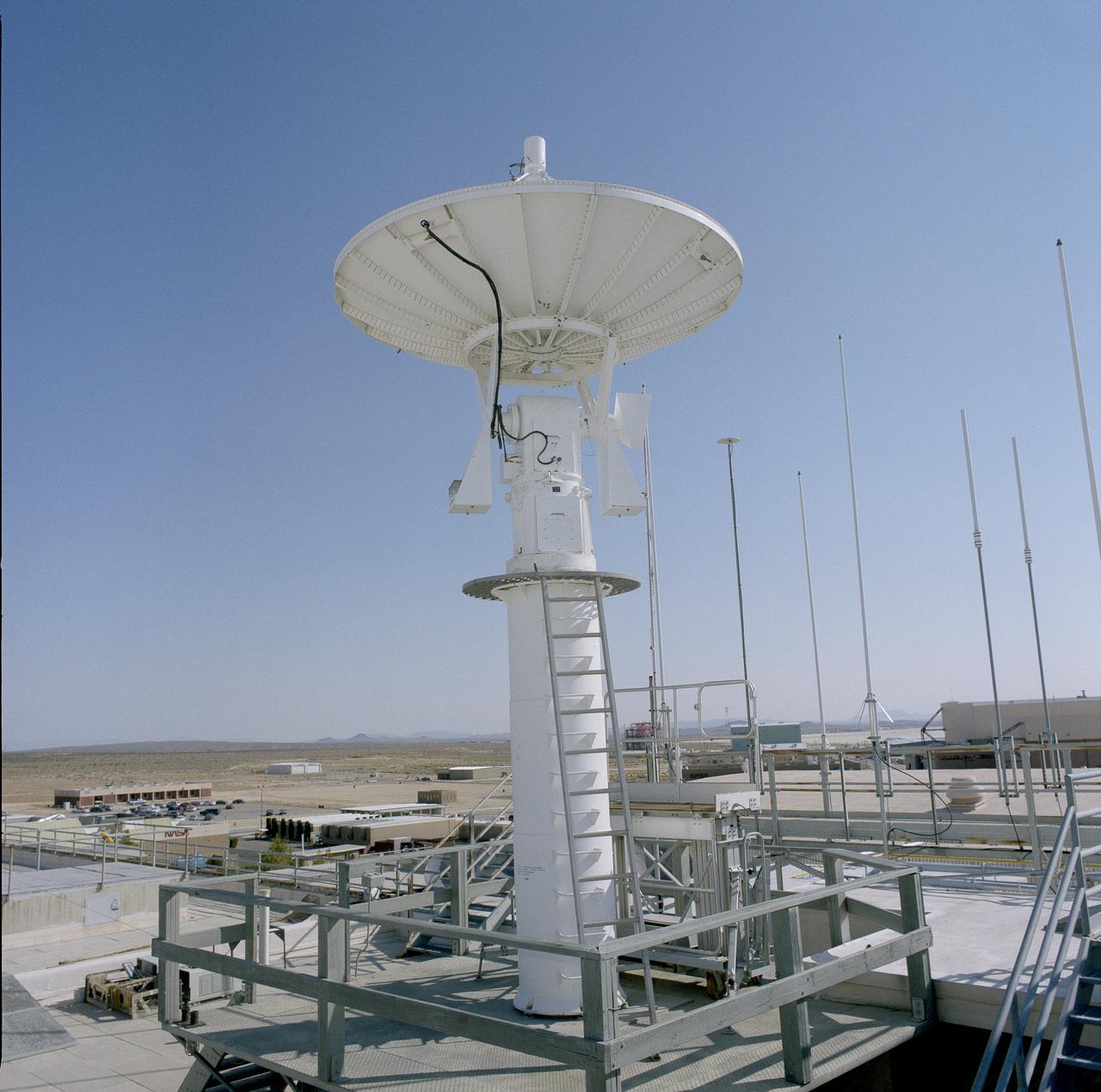
A rooftop pedestal and telemetry dish gathered information from research aircraft at Building 4800 at NASA’s Armstrong Flight Research Center in Edwards, California. The pedestal was used since the 1950s to 2015 to house different dishes to collect data from research aircraft. On Oct. 4, 2024, a helicopter was used to remove the pedestal from the roof.
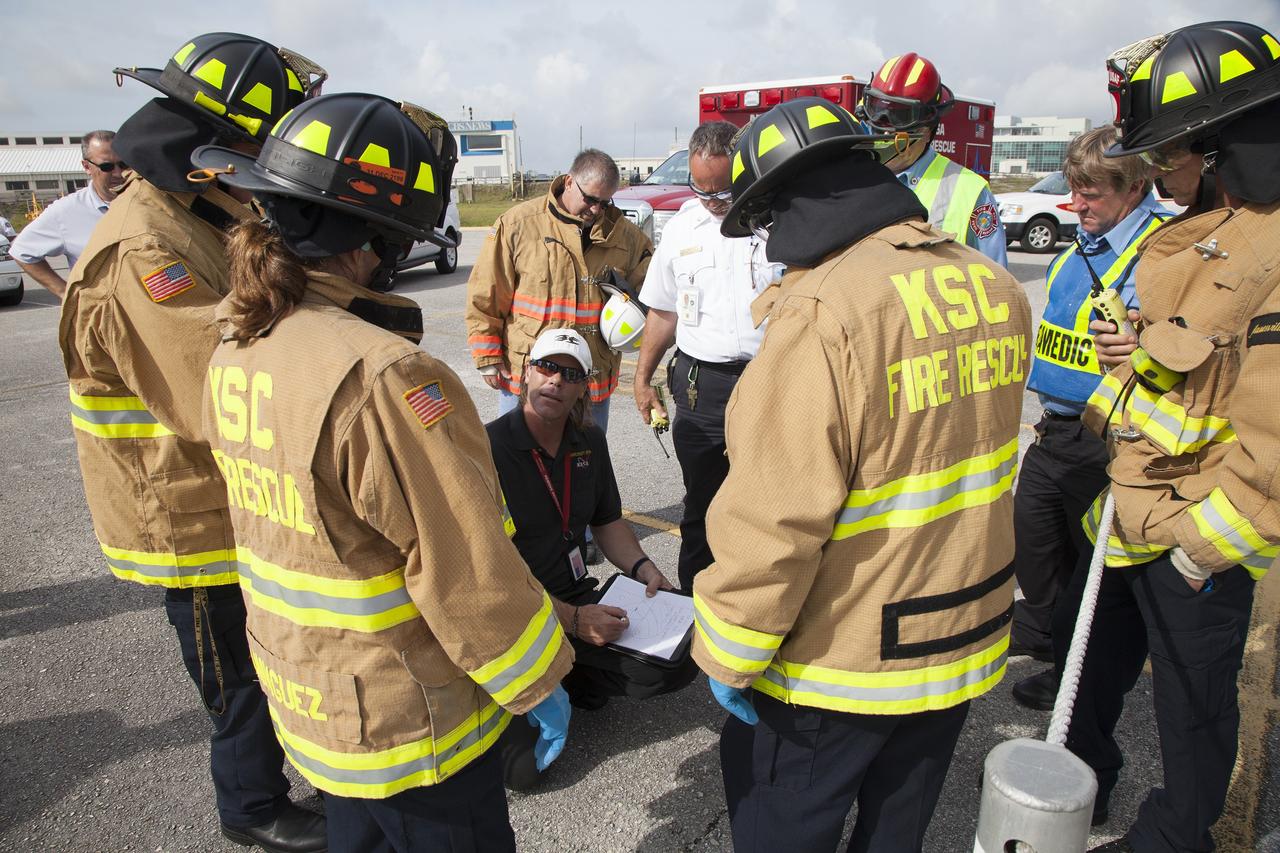
CAPE CANAVERAL, Fla. -- At NASA's Kennedy Space Center in Florida, Bill Martin, a URS Federal Technical Services helicopter pilot in NASA Aircraft Operations, kneeling, briefs NASA Fire Rescue personnel prior to the start of a simulated emergency. The activity taking place in Kennedy's Launch Complex 39 turn-basin parking lot was only one of several drills. It was part of a new training program that was developed by Kennedy's Fire Rescue department along with NASA Aircraft Operations to sharpen the skills needed to help rescue personnel learn how to collaborate with helicopter pilots in taking injured patients to hospitals as quickly as possible. Photo credit: NASA/Dan Casper
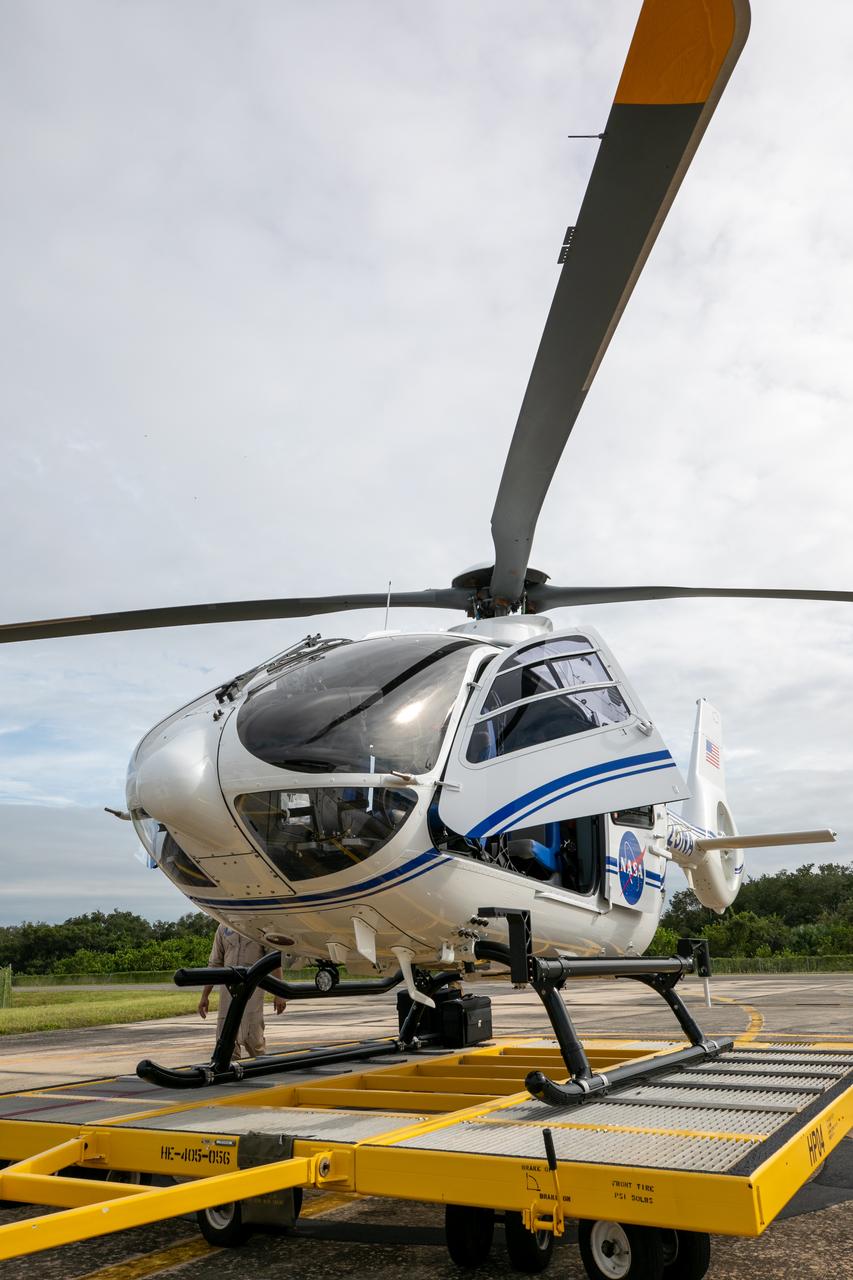
A new Airbus H135 (T3) helicopter arrives at the Launch and Landing Facility runway at NASA’s Kennedy Space Center in Florida on Sept. 30, 2020. A second H135 helicopter also was delivered on Sept. 30, and a third is expected to arrive in early 2021. The three H135 helicopters will replace the Bell Huey 2 security aircraft in service now, maintained by Kennedy’s Flight Operations team. These new helicopters provide a number of technological and safety advantages over the Hueys, such as more lifting power, greater stability in the air, and expanded medical capabilities. The team expects to fully transition to flying the two H135s later this year, and once the third arrives, the fleet’s upgrade will be complete.
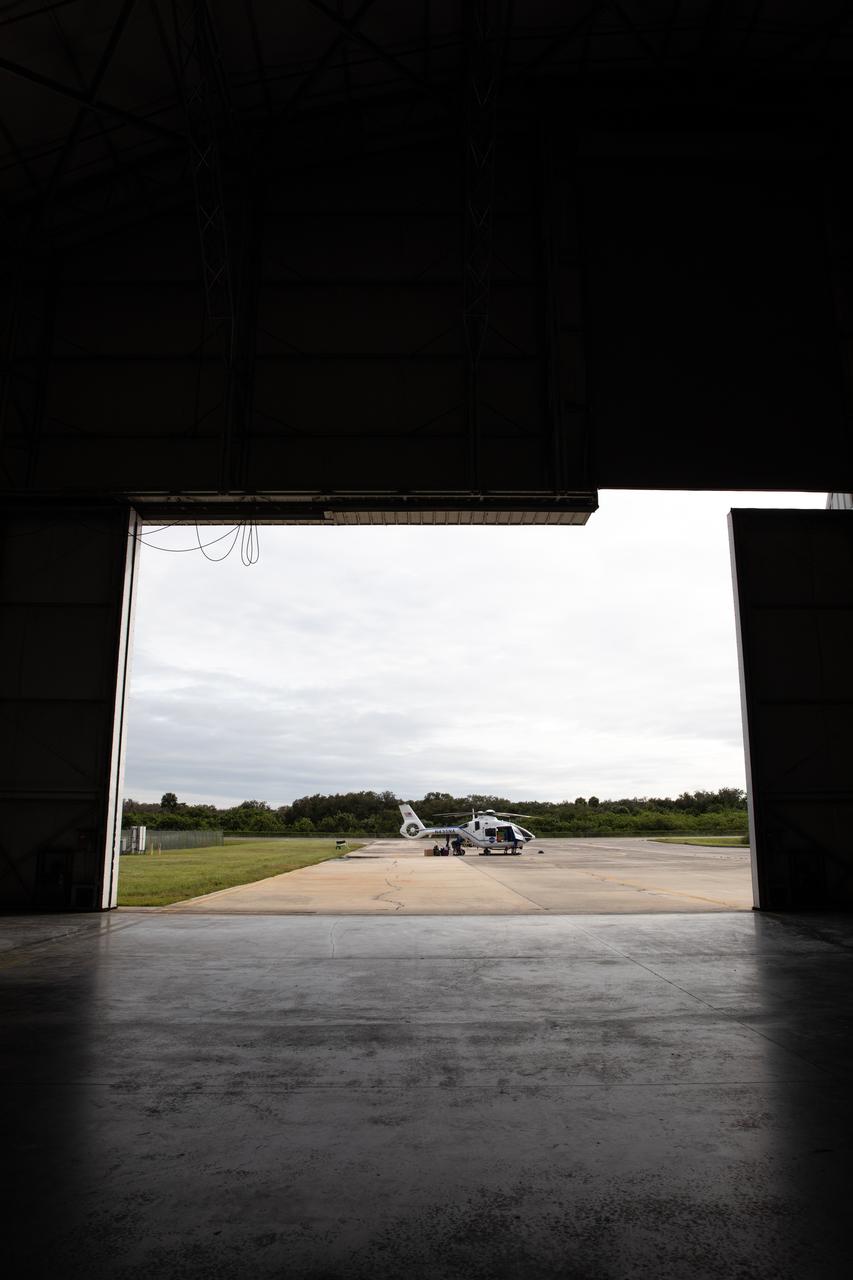
A new Airbus H135 (T3) helicopter arrives at the Launch and Landing Facility runway at NASA’s Kennedy Space Center in Florida on Sept. 30, 2020. A second H135 helicopter also was delivered on Sept. 30, and a third is expected to arrive in early 2021. The three H135 helicopters will replace the Bell Huey 2 security aircraft in service now, maintained by Kennedy’s Flight Operations team. These new helicopters provide a number of technological and safety advantages over the Hueys, such as more lifting power, greater stability in the air, and expanded medical capabilities. The team expects to fully transition to flying the two H135s later this year, and once the third arrives, the fleet’s upgrade will be complete.
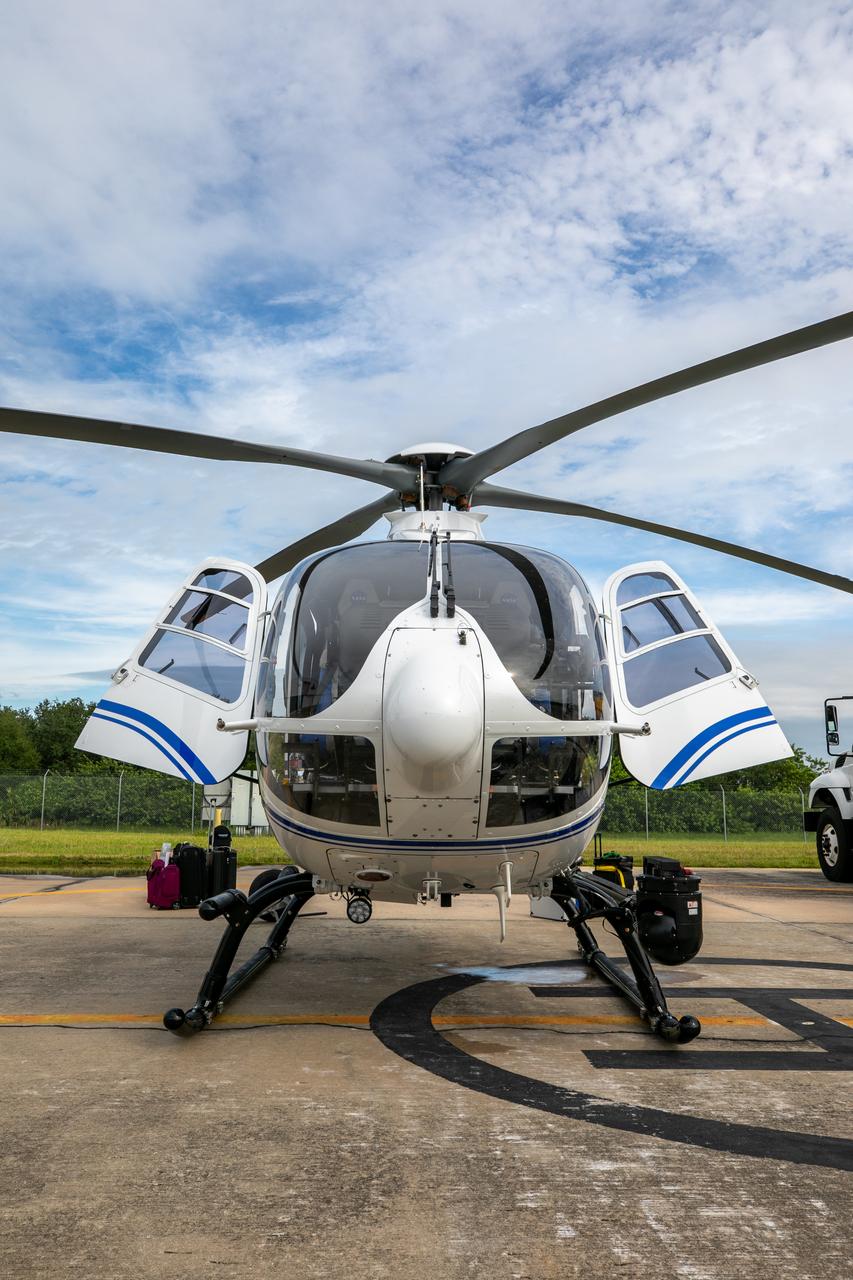
A new Airbus H135 (T3) helicopter arrives at the Launch and Landing Facility runway at NASA’s Kennedy Space Center in Florida on Sept. 30, 2020. A second H135 helicopter also was delivered on Sept. 30, and a third is expected to arrive in early 2021. The three H135 helicopters will replace the Bell Huey 2 security aircraft in service now, maintained by Kennedy’s Flight Operations team. These new helicopters provide a number of technological and safety advantages over the Hueys, such as more lifting power, greater stability in the air, and expanded medical capabilities. The team expects to fully transition to flying the two H135s later this year, and once the third arrives, the fleet’s upgrade will be complete.
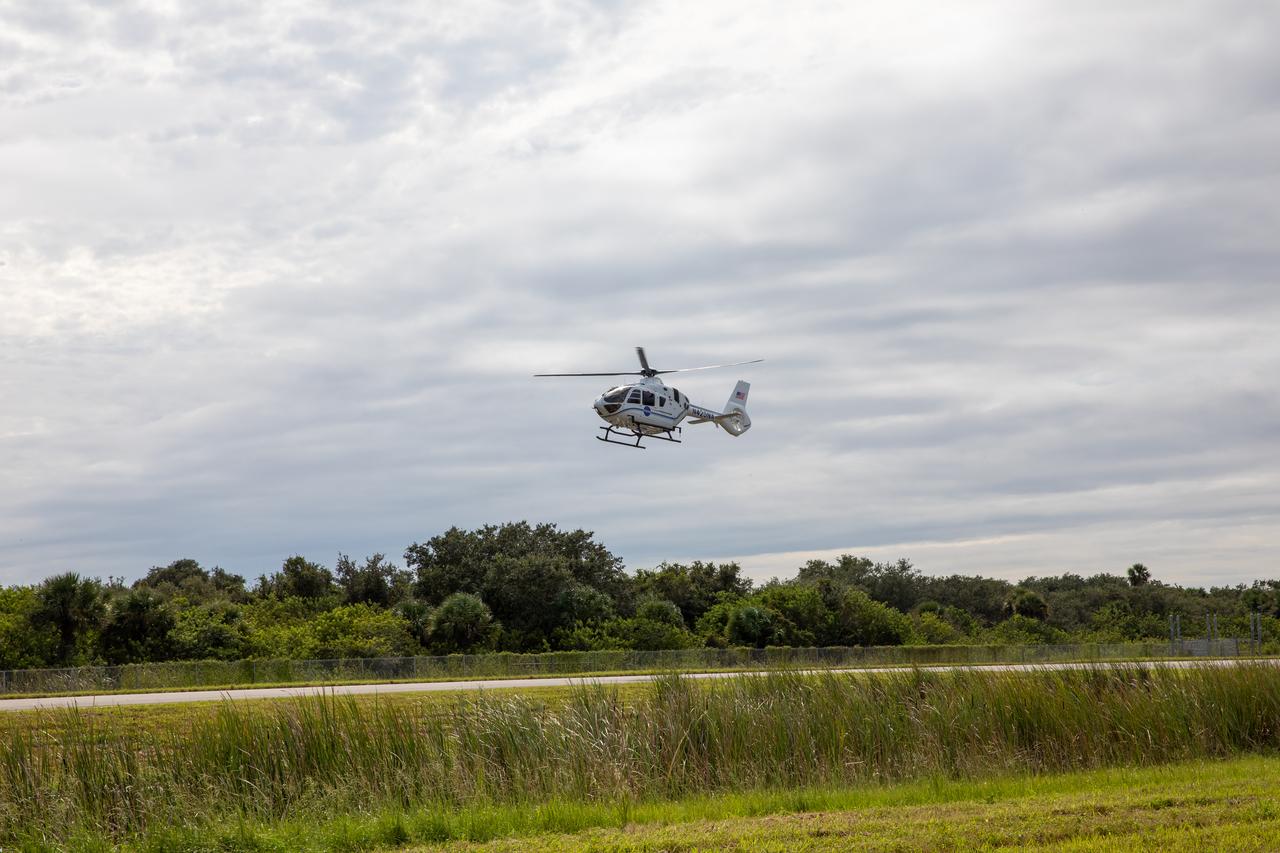
A new Airbus H135 (T3) helicopter arrives at the Launch and Landing Facility runway at NASA’s Kennedy Space Center in Florida on Sept. 30, 2020. A second H135 helicopter also was delivered on Sept. 30, and a third is expected to arrive in early 2021. The three H135 helicopters will replace the Bell Huey 2 security aircraft in service now, maintained by Kennedy’s Flight Operations team. These new helicopters provide a number of technological and safety advantages over the Hueys, such as more lifting power, greater stability in the air, and expanded medical capabilities. The team expects to fully transition to flying the two H135s later this year, and once the third arrives, the fleet’s upgrade will be complete.
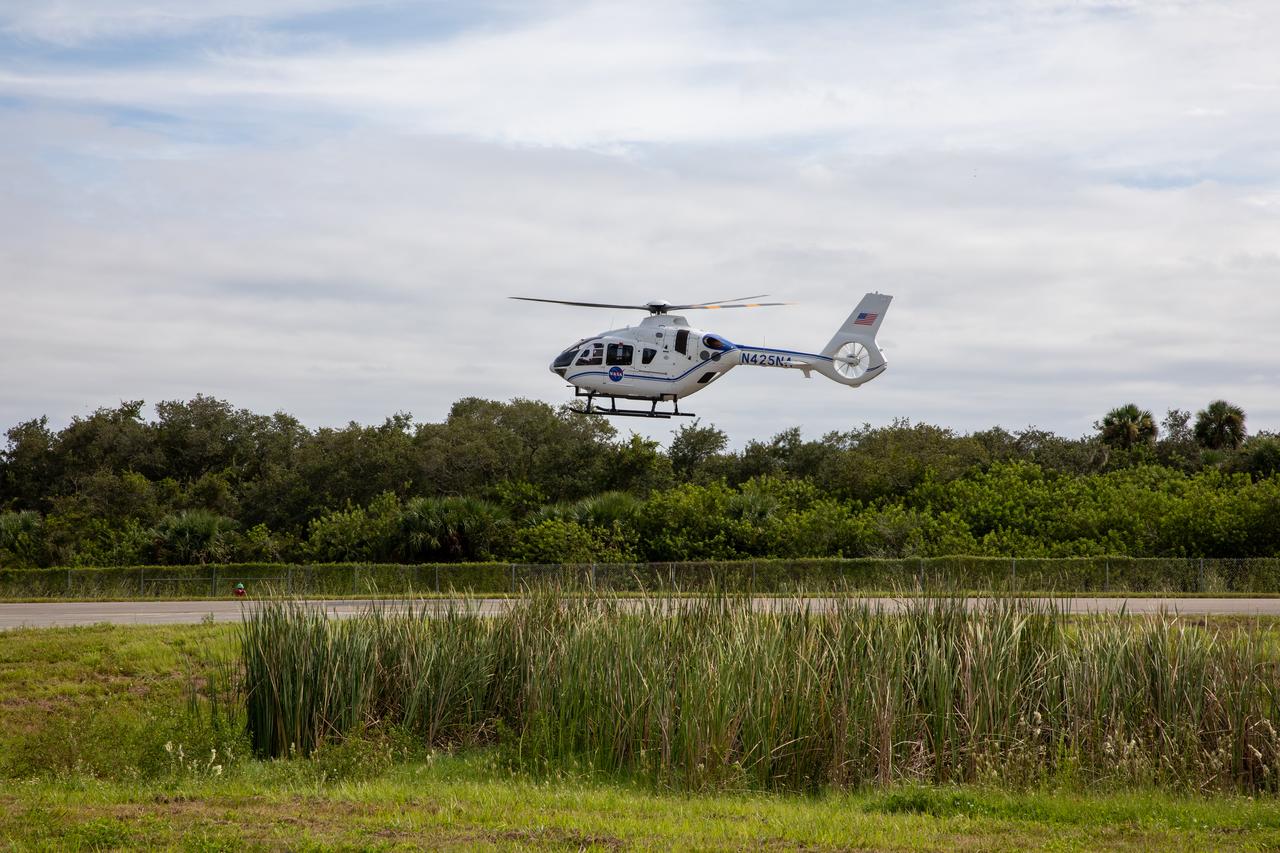
A new Airbus H135 (T3) helicopter arrives at the Launch and Landing Facility runway at NASA’s Kennedy Space Center in Florida on Sept. 30, 2020. A second H135 helicopter also was delivered on Sept. 30, and a third is expected to arrive in early 2021. The three H135 helicopters will replace the Bell Huey 2 security aircraft in service now, maintained by Kennedy’s Flight Operations team. These new helicopters provide a number of technological and safety advantages over the Hueys, such as more lifting power, greater stability in the air, and expanded medical capabilities. The team expects to fully transition to flying the two H135s later this year, and once the third arrives, the fleet’s upgrade will be complete.
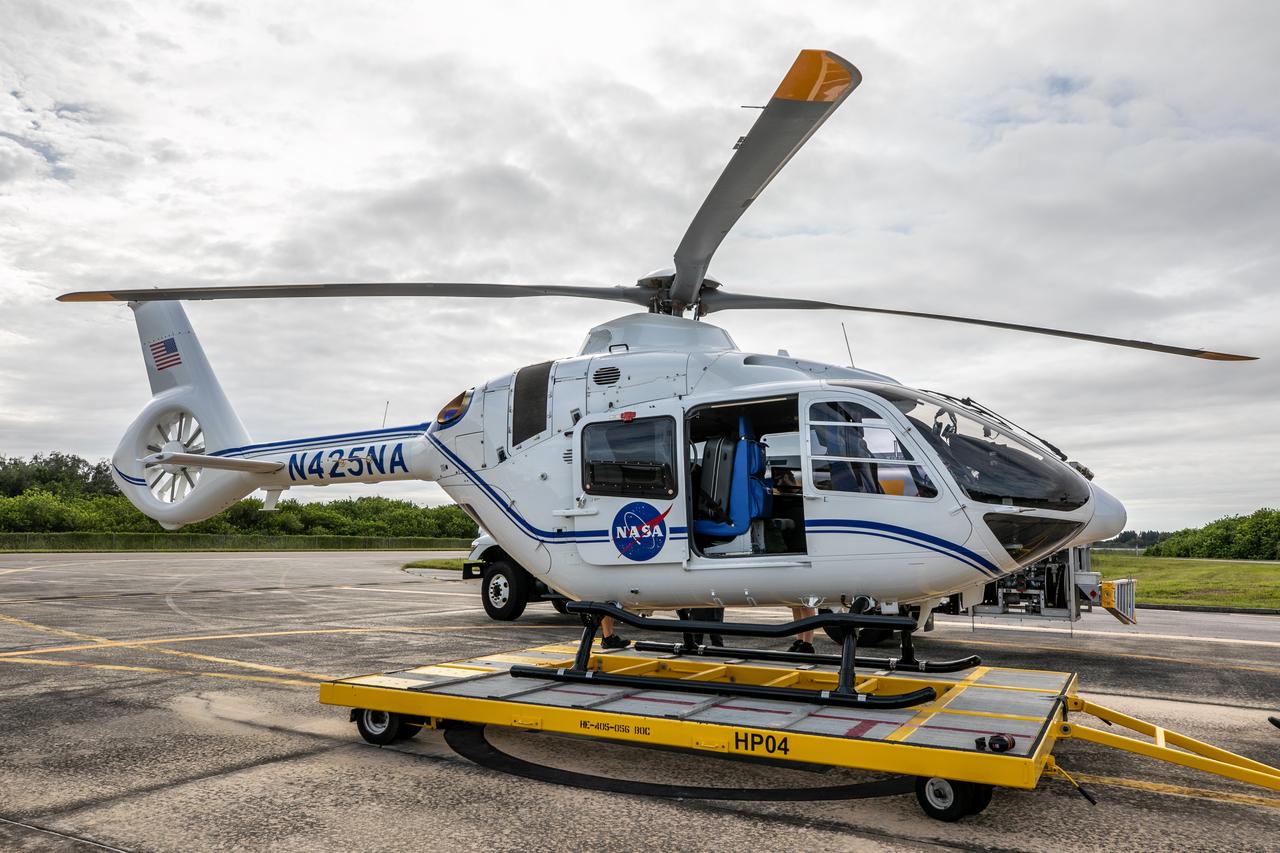
A new Airbus H135 (T3) helicopter arrives at the Launch and Landing Facility runway at NASA’s Kennedy Space Center in Florida on Sept. 30, 2020. A second H135 helicopter also was delivered on Sept. 30, and a third is expected to arrive in early 2021. The three H135 helicopters will replace the Bell Huey 2 security aircraft in service now, maintained by Kennedy’s Flight Operations team. These new helicopters provide a number of technological and safety advantages over the Hueys, such as more lifting power, greater stability in the air, and expanded medical capabilities. The team expects to fully transition to flying the two H135s later this year, and once the third arrives, the fleet’s upgrade will be complete.
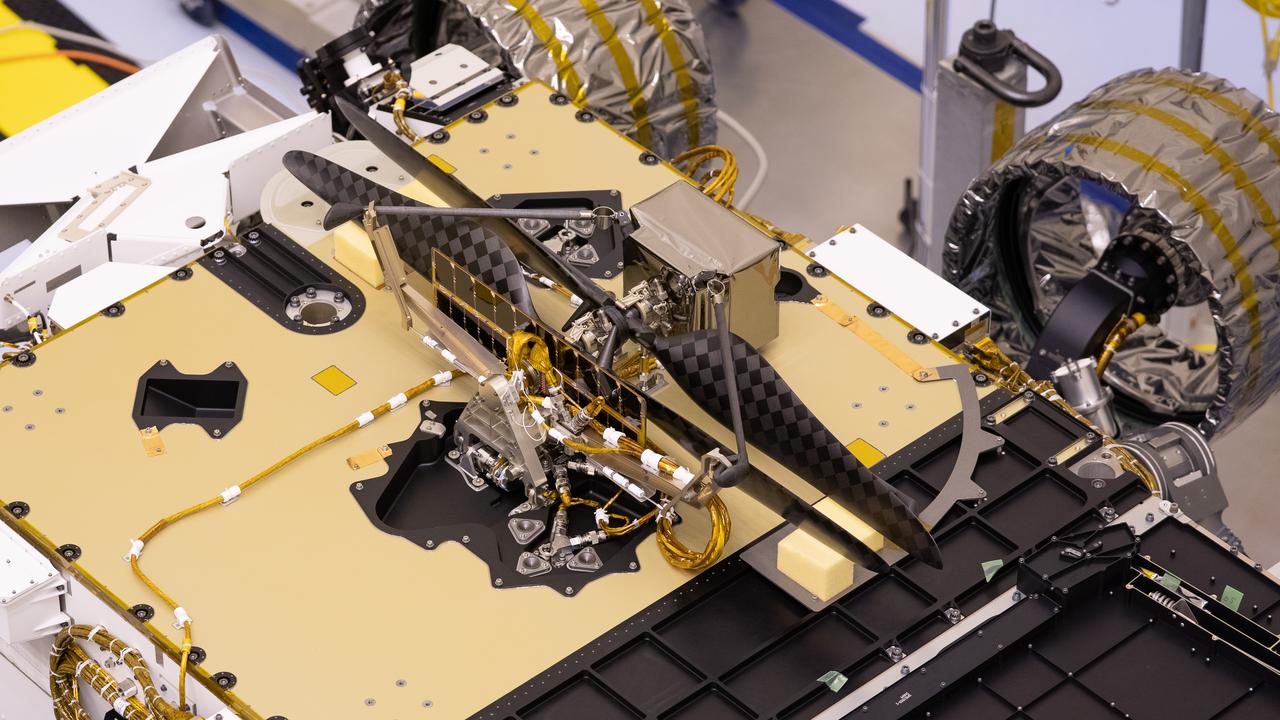
NASA’s Mars Helicopter is installed on the agency’s Mars Perseverance rover inside the Payload Hazardous Servicing Facility at Florida’s Kennedy Space Center on April 6, 2020. Perseverance safely lands on Mars, the helicopter will be released to perform the first in a series of flight tests that will take place during a period of about 30 days. The helicopter will be the first aircraft to fly on another planet. Perseverance, carrying the helicopter, will touch down on the Red Planet on Feb. 18, 2021. Liftoff aboard a United Launch Alliance Atlas V 541 rocket is targeted between July 17 and Aug. 5 from Cape Canaveral Air Force Station.
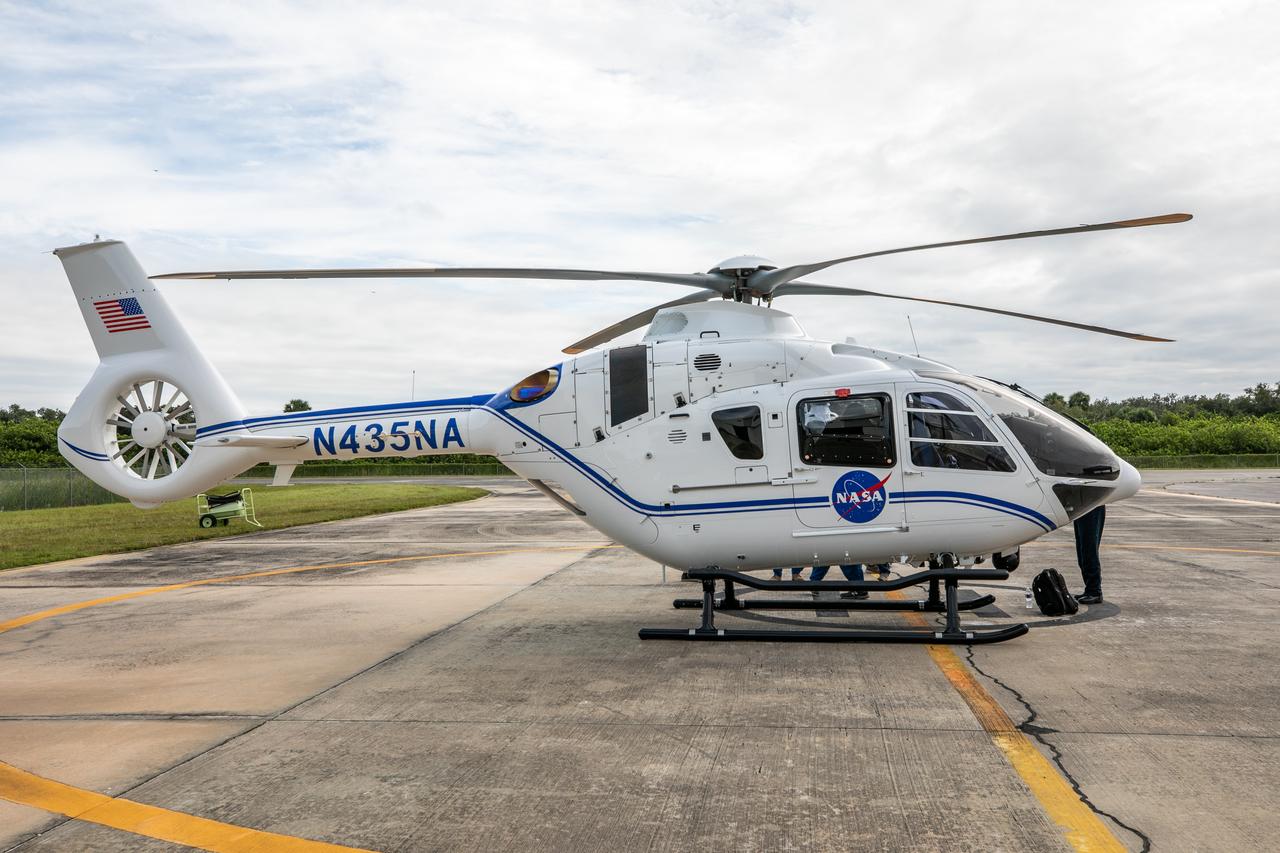
A new Airbus H135 (T3) helicopter arrives at the Launch and Landing Facility runway at NASA’s Kennedy Space Center in Florida on Sept. 30, 2020. A second H135 helicopter also was delivered on Sept. 30, and a third is expected to arrive in early 2021. The three H135 helicopters will replace the Bell Huey 2 security aircraft in service now, maintained by Kennedy’s Flight Operations team. These new helicopters provide a number of technological and safety advantages over the Hueys, such as more lifting power, greater stability in the air, and expanded medical capabilities. The team expects to fully transition to flying the two H135s later this year, and once the third arrives, the fleet’s upgrade will be complete.
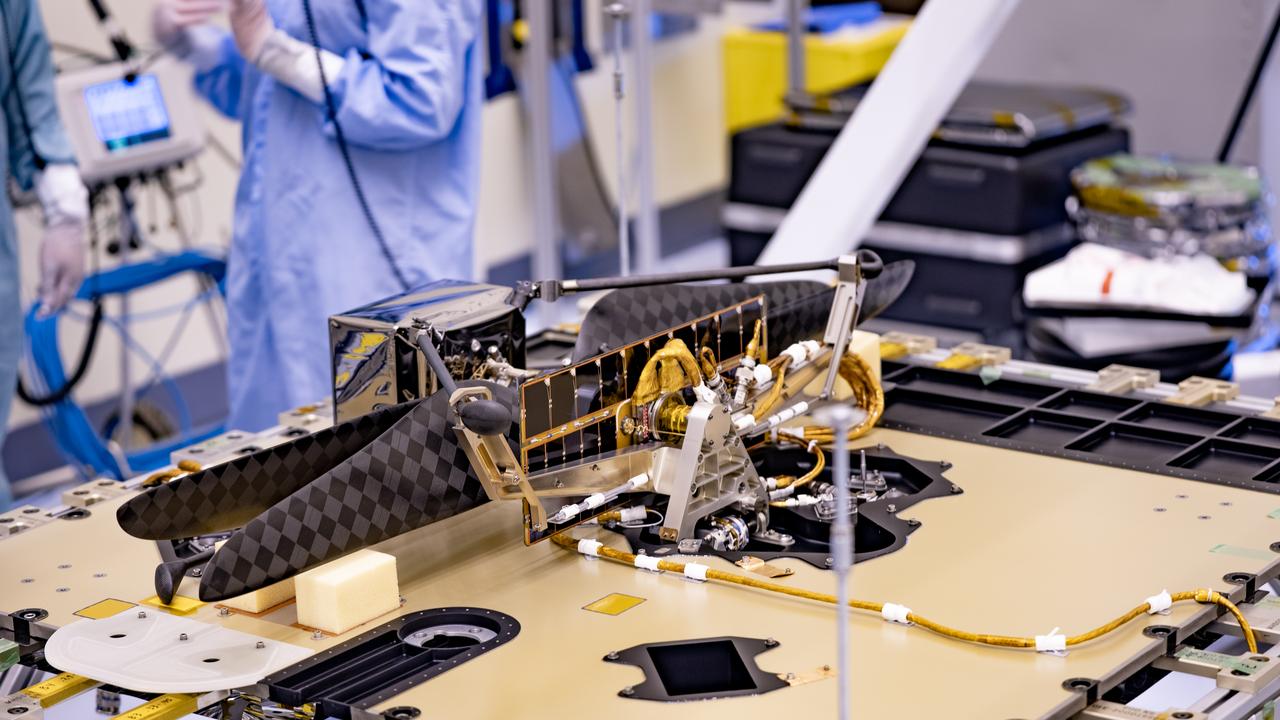
NASA’s Mars Helicopter is installed on the agency’s Mars Perseverance rover inside the Payload Hazardous Servicing Facility at Florida’s Kennedy Space Center on April 6, 2020. Perseverance safely lands on Mars, the helicopter will be released to perform the first in a series of flight tests that will take place during a period of about 30 days. The helicopter will be the first aircraft to fly on another planet. Perseverance, carrying the helicopter, will touch down on the Red Planet on Feb. 18, 2021. Liftoff aboard a United Launch Alliance Atlas V 541 rocket is targeted between July 17 and Aug. 5 from Cape Canaveral Air Force Station.
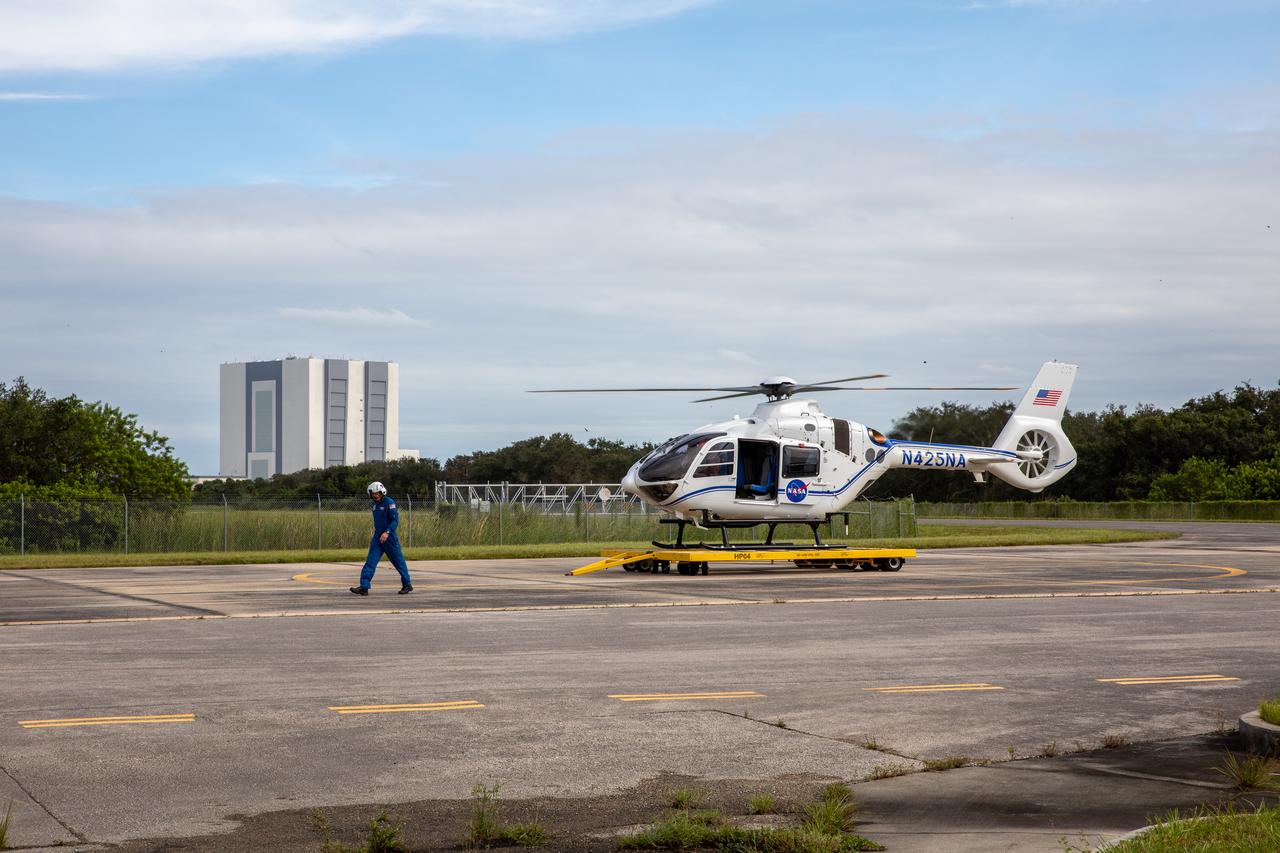
A new Airbus H135 (T3) helicopter arrives at the Launch and Landing Facility runway at NASA’s Kennedy Space Center in Florida on Sept. 30, 2020. A second H135 helicopter also was delivered on Sept. 30, and a third is expected to arrive in early 2021. The three H135 helicopters will replace the Bell Huey 2 security aircraft in service now, maintained by Kennedy’s Flight Operations team. These new helicopters provide a number of technological and safety advantages over the Hueys, such as more lifting power, greater stability in the air, and expanded medical capabilities. The team expects to fully transition to flying the two H135s later this year, and once the third arrives, the fleet’s upgrade will be complete.
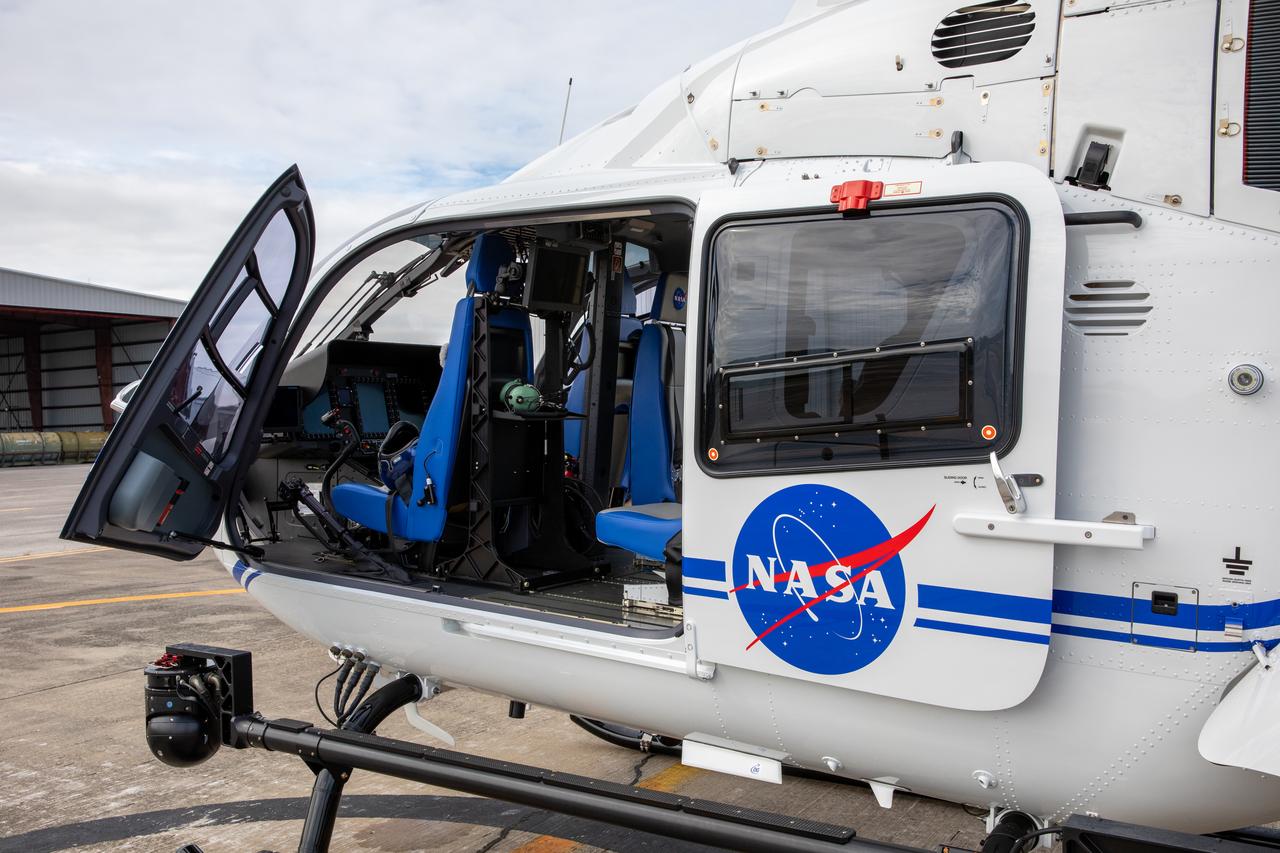
The interior of a new Airbus H135 (T3) helicopter is displayed after arriving at the Launch and Landing Facility runway at NASA’s Kennedy Space Center in Florida on Sept. 30, 2020. A second H135 helicopter also was delivered on Sept. 30, and a third is expected to arrive in early 2021. The three H135 helicopters will replace the Bell Huey 2 security aircraft in service now, maintained by Kennedy’s Flight Operations team. These new helicopters provide a number of technological and safety advantages over the Hueys, such as more lifting power, greater stability in the air, and expanded medical capabilities. The team expects to fully transition to flying the two H135s later this year, and once the third arrives, the fleet’s upgrade will be complete.
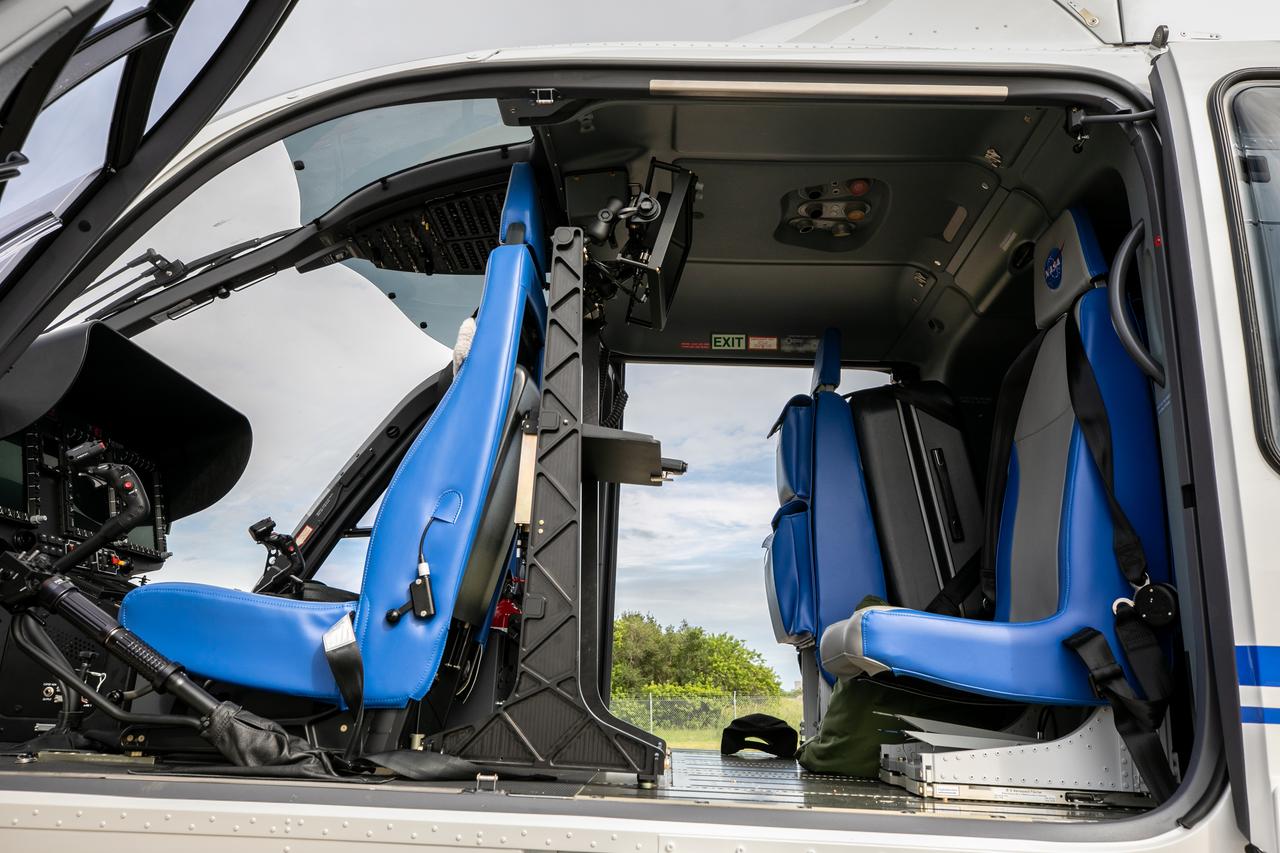
The interior of a new Airbus H135 (T3) helicopter is displayed after arriving at the Launch and Landing Facility runway at NASA’s Kennedy Space Center in Florida on Sept. 30, 2020. A second H135 helicopter also was delivered on Sept. 30, and a third is expected to arrive in early 2021. The three H135 helicopters will replace the Bell Huey 2 security aircraft in service now, maintained by Kennedy’s Flight Operations team. These new helicopters provide a number of technological and safety advantages over the Hueys, such as more lifting power, greater stability in the air, and expanded medical capabilities. The team expects to fully transition to flying the two H135s later this year, and once the third arrives, the fleet’s upgrade will be complete.
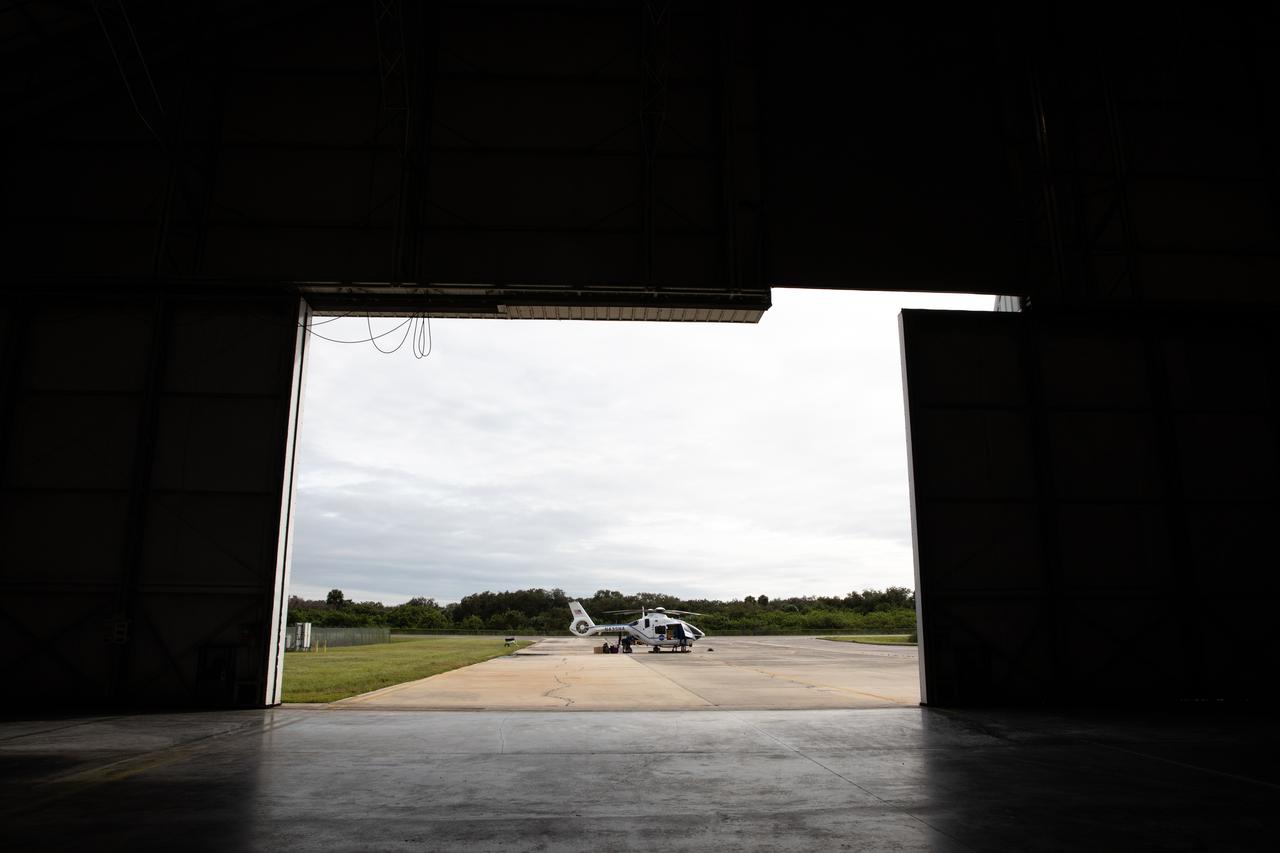
A new Airbus H135 (T3) helicopter arrives at the Launch and Landing Facility runway at NASA’s Kennedy Space Center in Florida on Sept. 30, 2020. A second H135 helicopter also was delivered on Sept. 30, and a third is expected to arrive in early 2021. The three H135 helicopters will replace the Bell Huey 2 security aircraft in service now, maintained by Kennedy’s Flight Operations team. These new helicopters provide a number of technological and safety advantages over the Hueys, such as more lifting power, greater stability in the air, and expanded medical capabilities. The team expects to fully transition to flying the two H135s later this year, and once the third arrives, the fleet’s upgrade will be complete.
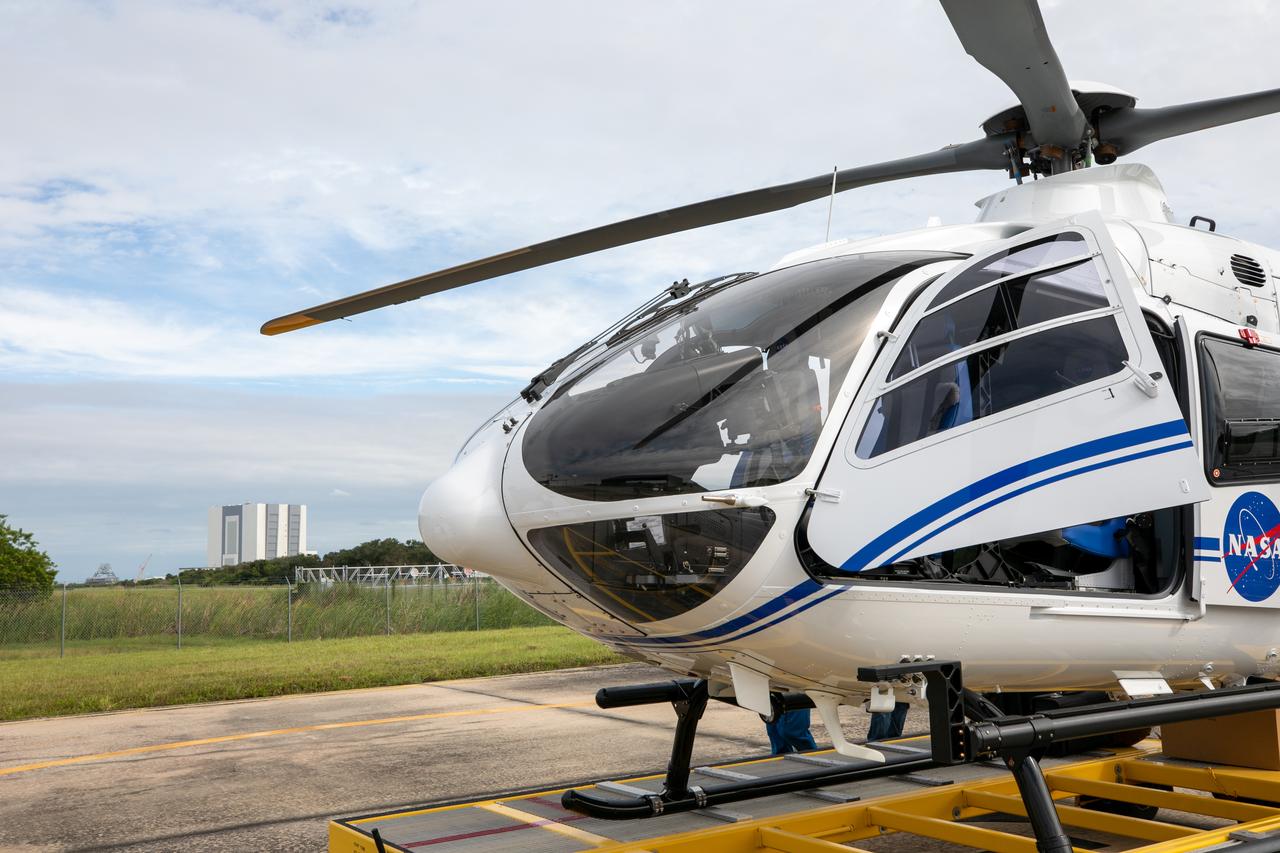
A new Airbus H135 (T3) helicopter arrives at the Launch and Landing Facility runway at NASA’s Kennedy Space Center in Florida on Sept. 30, 2020. A second H135 helicopter also was delivered on Sept. 30, and a third is expected to arrive in early 2021. The three H135 helicopters will replace the Bell Huey 2 security aircraft in service now, maintained by Kennedy’s Flight Operations team. These new helicopters provide a number of technological and safety advantages over the Hueys, such as more lifting power, greater stability in the air, and expanded medical capabilities. The team expects to fully transition to flying the two H135s later this year, and once the third arrives, the fleet’s upgrade will be complete.
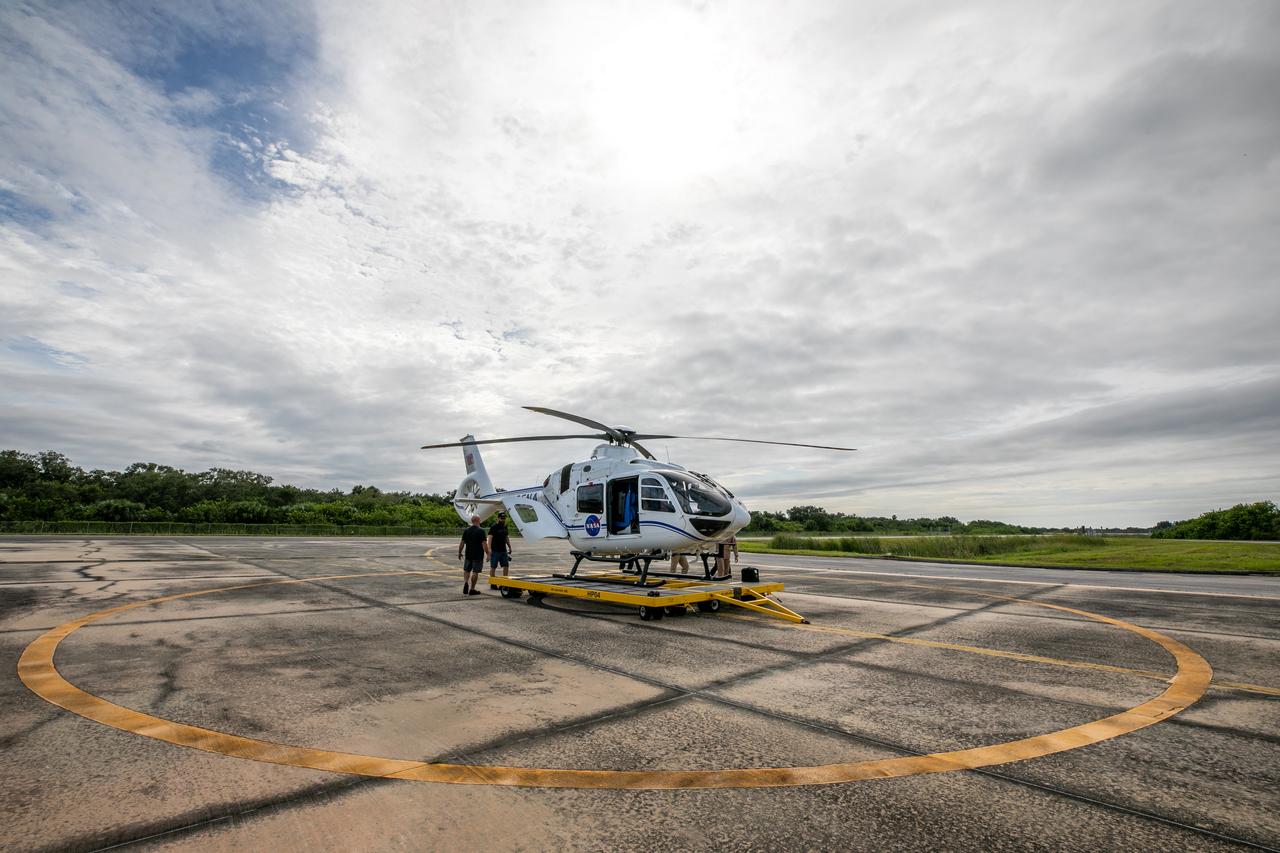
A new Airbus H135 (T3) helicopter arrives at the Launch and Landing Facility runway at NASA’s Kennedy Space Center in Florida on Sept. 30, 2020. A second H135 helicopter also was delivered on Sept. 30, and a third is expected to arrive in early 2021. The three H135 helicopters will replace the Bell Huey 2 security aircraft in service now, maintained by Kennedy’s Flight Operations team. These new helicopters provide a number of technological and safety advantages over the Hueys, such as more lifting power, greater stability in the air, and expanded medical capabilities. The team expects to fully transition to flying the two H135s later this year, and once the third arrives, the fleet’s upgrade will be complete.
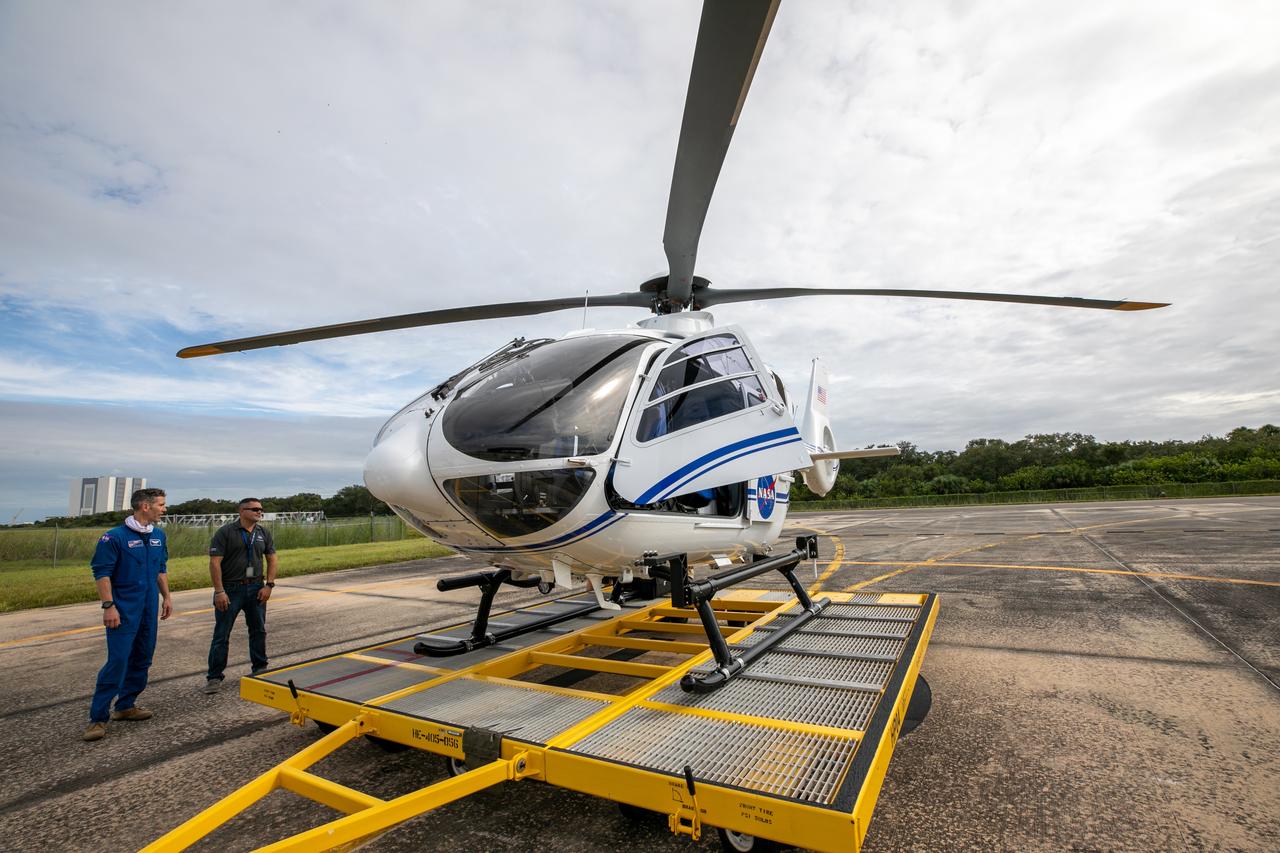
A new Airbus H135 (T3) helicopter arrives at the Launch and Landing Facility runway at NASA’s Kennedy Space Center in Florida on Sept. 30, 2020. A second H135 helicopter also was delivered on Sept. 30, and a third is expected to arrive in early 2021. The three H135 helicopters will replace the Bell Huey 2 security aircraft in service now, maintained by Kennedy’s Flight Operations team. These new helicopters provide a number of technological and safety advantages over the Hueys, such as more lifting power, greater stability in the air, and expanded medical capabilities. The team expects to fully transition to flying the two H135s later this year, and once the third arrives, the fleet’s upgrade will be complete.
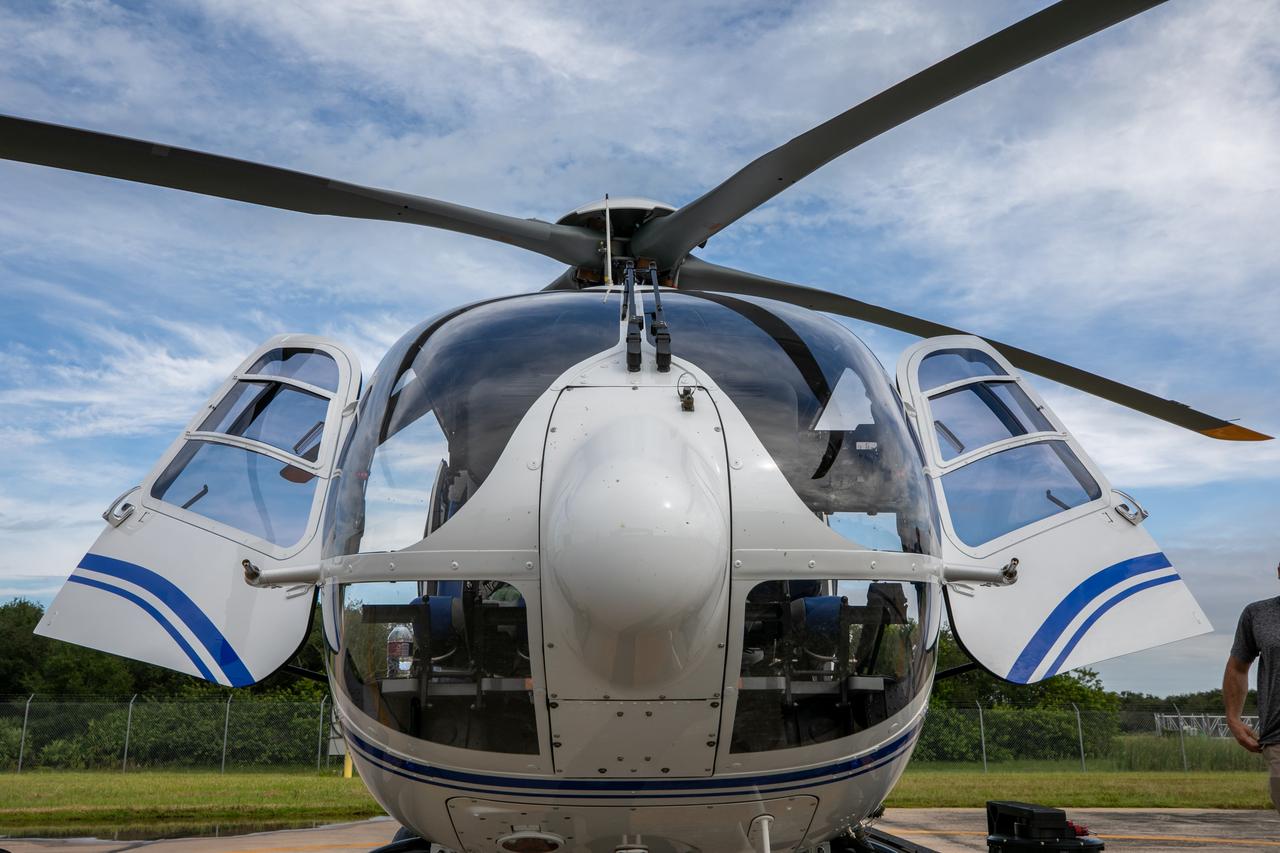
A new Airbus H135 (T3) helicopter arrives at the Launch and Landing Facility runway at NASA’s Kennedy Space Center in Florida on Sept. 30, 2020. A second H135 helicopter also was delivered on Sept. 30, and a third is expected to arrive in early 2021. The three H135 helicopters will replace the Bell Huey 2 security aircraft in service now, maintained by Kennedy’s Flight Operations team. These new helicopters provide a number of technological and safety advantages over the Hueys, such as more lifting power, greater stability in the air, and expanded medical capabilities. The team expects to fully transition to flying the two H135s later this year, and once the third arrives, the fleet’s upgrade will be complete.
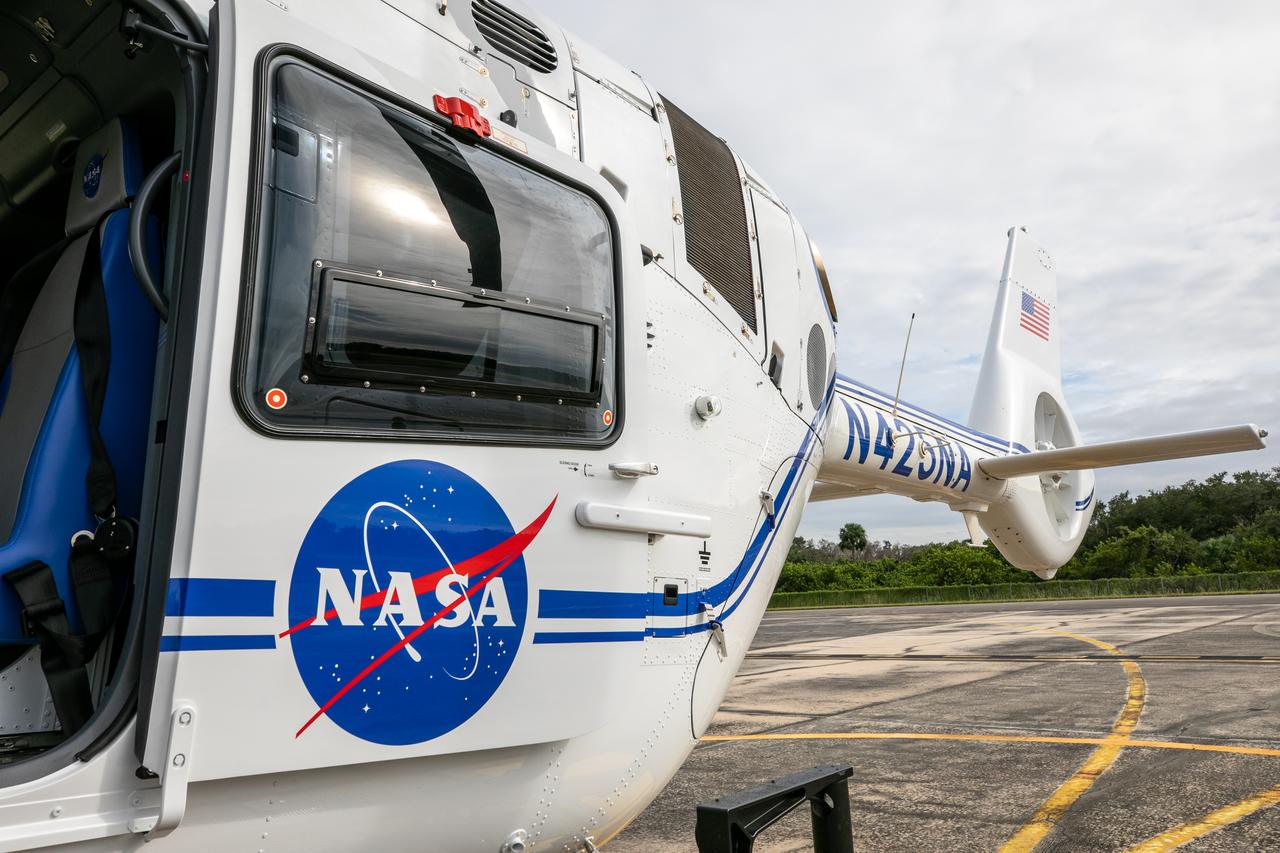
A new Airbus H135 (T3) helicopter arrives at the Launch and Landing Facility runway at NASA’s Kennedy Space Center in Florida on Sept. 30, 2020. A second H135 helicopter also was delivered on Sept. 30, and a third is expected to arrive in early 2021. The three H135 helicopters will replace the Bell Huey 2 security aircraft in service now, maintained by Kennedy’s Flight Operations team. These new helicopters provide a number of technological and safety advantages over the Hueys, such as more lifting power, greater stability in the air, and expanded medical capabilities. The team expects to fully transition to flying the two H135s later this year, and once the third arrives, the fleet’s upgrade will be complete.
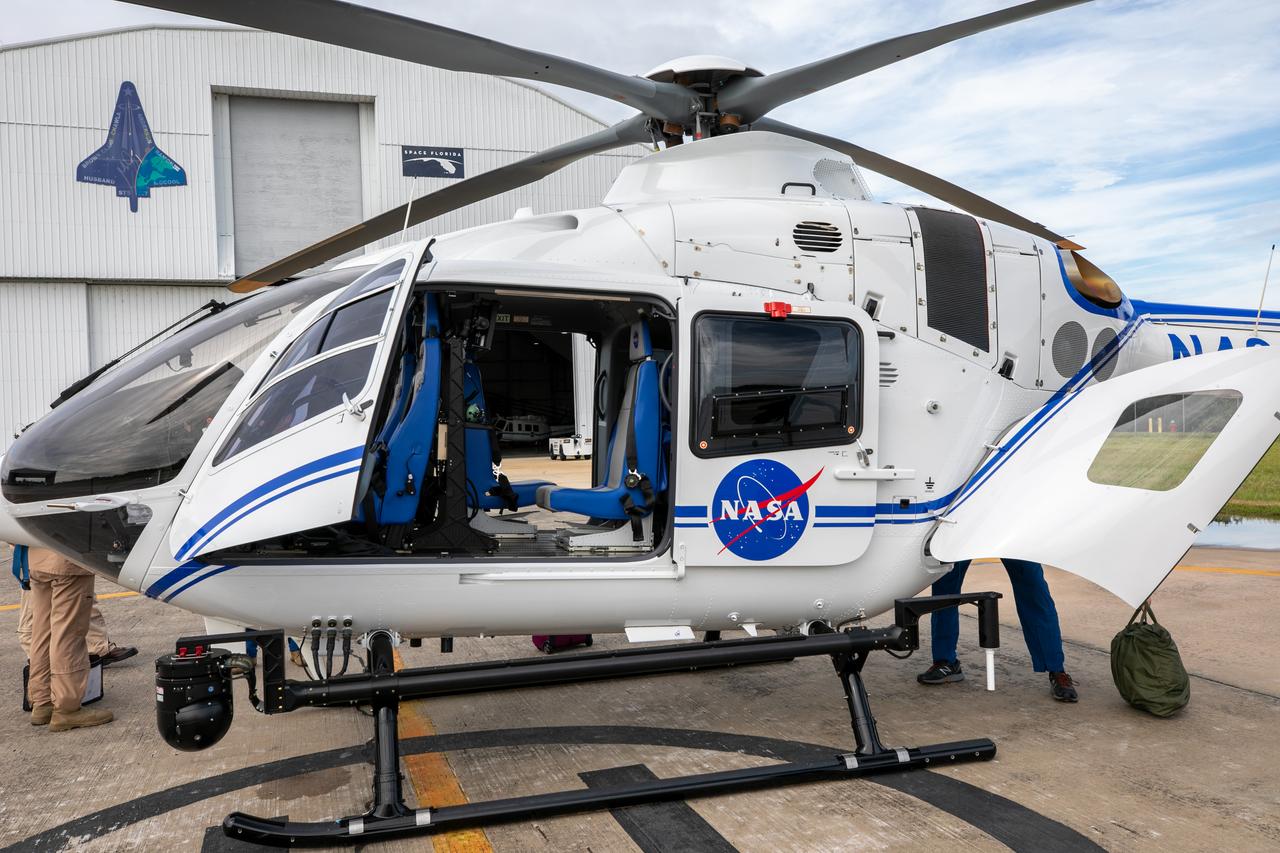
A new Airbus H135 (T3) helicopter arrives at the Launch and Landing Facility runway at NASA’s Kennedy Space Center in Florida on Sept. 30, 2020. A second H135 helicopter also was delivered on Sept. 30, and a third is expected to arrive in early 2021. The three H135 helicopters will replace the Bell Huey 2 security aircraft in service now, maintained by Kennedy’s Flight Operations team. These new helicopters provide a number of technological and safety advantages over the Hueys, such as more lifting power, greater stability in the air, and expanded medical capabilities. The team expects to fully transition to flying the two H135s later this year, and once the third arrives, the fleet’s upgrade will be complete.
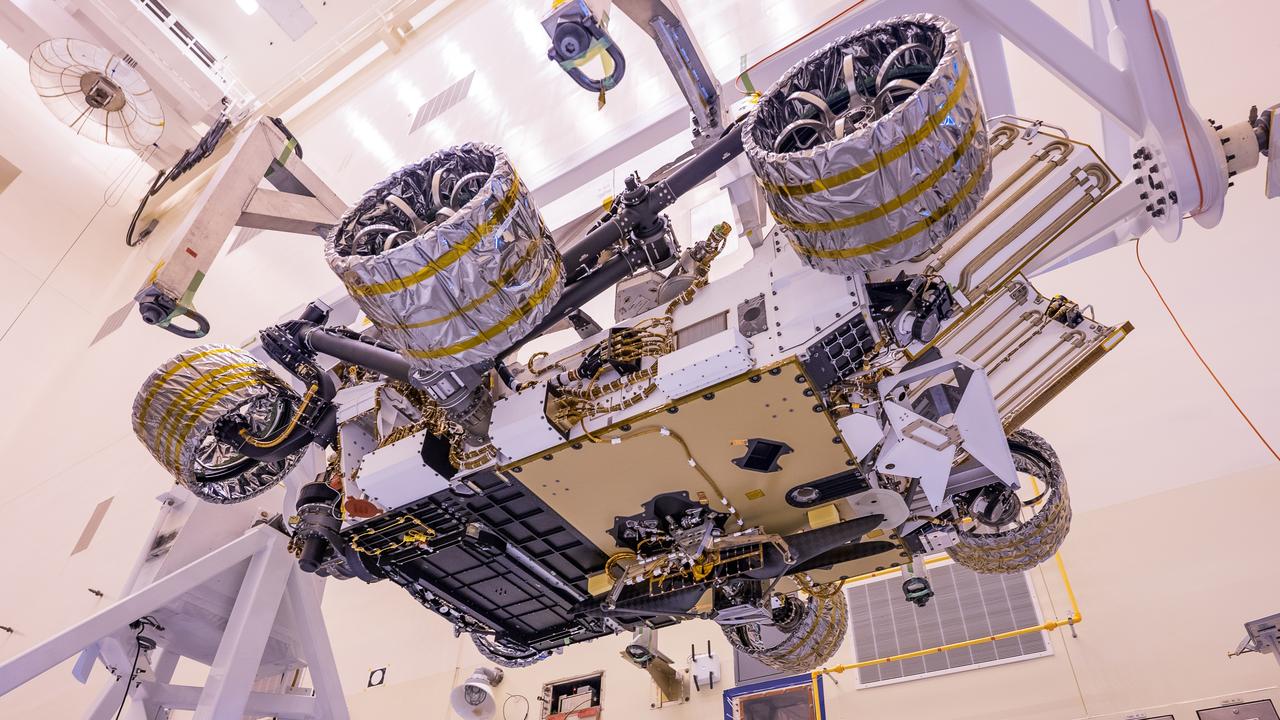
NASA’s Mars Helicopter is installed on the agency’s Mars Perseverance rover inside the Payload Hazardous Servicing Facility at Florida’s Kennedy Space Center on April 6, 2020. Perseverance safely lands on Mars, the helicopter will be released to perform the first in a series of flight tests that will take place during a period of about 30 days. The helicopter will be the first aircraft to fly on another planet. Perseverance, carrying the helicopter, will touch down on the Red Planet on Feb. 18, 2021. Liftoff aboard a United Launch Alliance Atlas V 541 rocket is targeted between July 17 and Aug. 5 from Cape Canaveral Air Force Station.
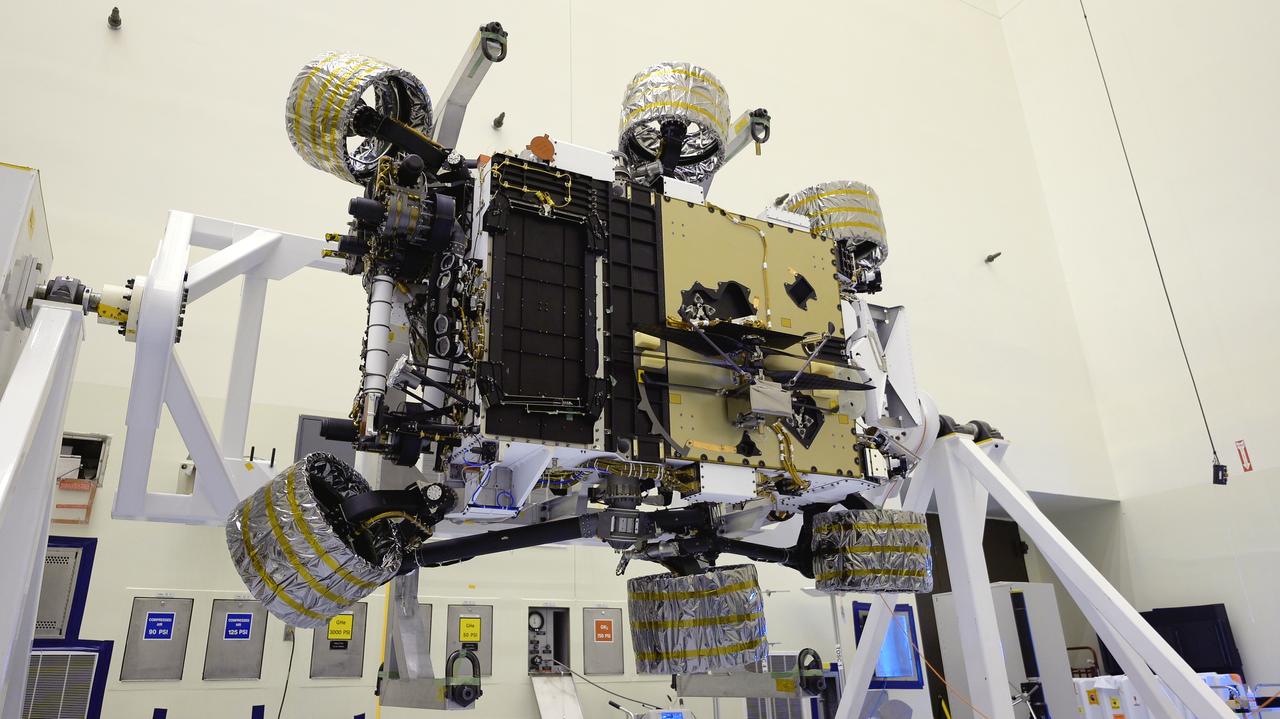
NASA’s Mars Helicopter is installed on the agency’s Mars Perseverance rover inside the Payload Hazardous Servicing Facility at Florida’s Kennedy Space Center on April 6, 2020. Perseverance safely lands on Mars, the helicopter will be released to perform the first in a series of flight tests that will take place during a period of about 30 days. The helicopter will be the first aircraft to fly on another planet. Perseverance, carrying the helicopter, will touch down on the Red Planet on Feb. 18, 2021. Liftoff aboard a United Launch Alliance Atlas V 541 rocket is targeted between July 17 and Aug. 5 from Cape Canaveral Air Force Station.
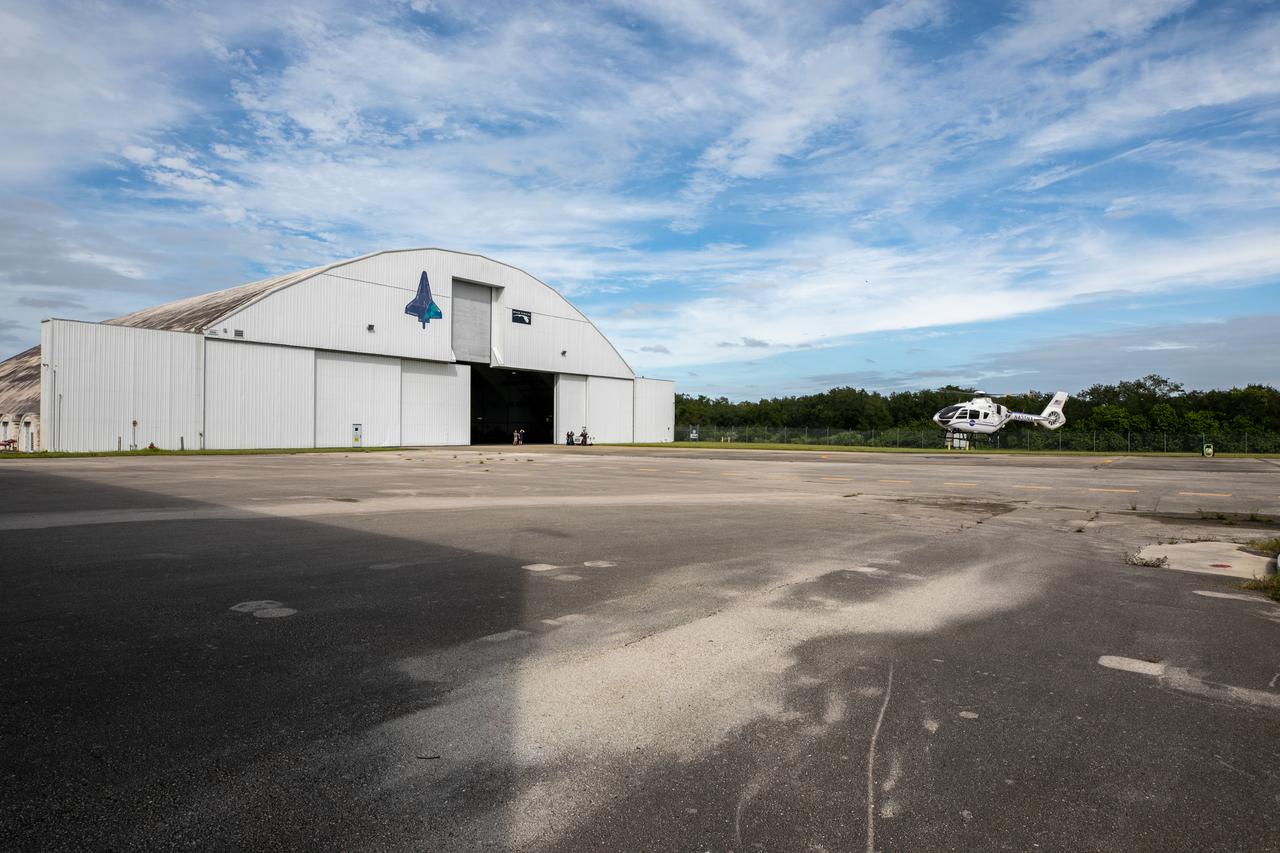
A new Airbus H135 (T3) helicopter arrives at the Launch and Landing Facility runway at NASA’s Kennedy Space Center in Florida on Sept. 30, 2020. A second H135 helicopter also was delivered on Sept. 30, and a third is expected to arrive in early 2021. The three H135 helicopters will replace the Bell Huey 2 security aircraft in service now, maintained by Kennedy’s Flight Operations team. These new helicopters provide a number of technological and safety advantages over the Hueys, such as more lifting power, greater stability in the air, and expanded medical capabilities. The team expects to fully transition to flying the two H135s later this year, and once the third arrives, the fleet’s upgrade will be complete.
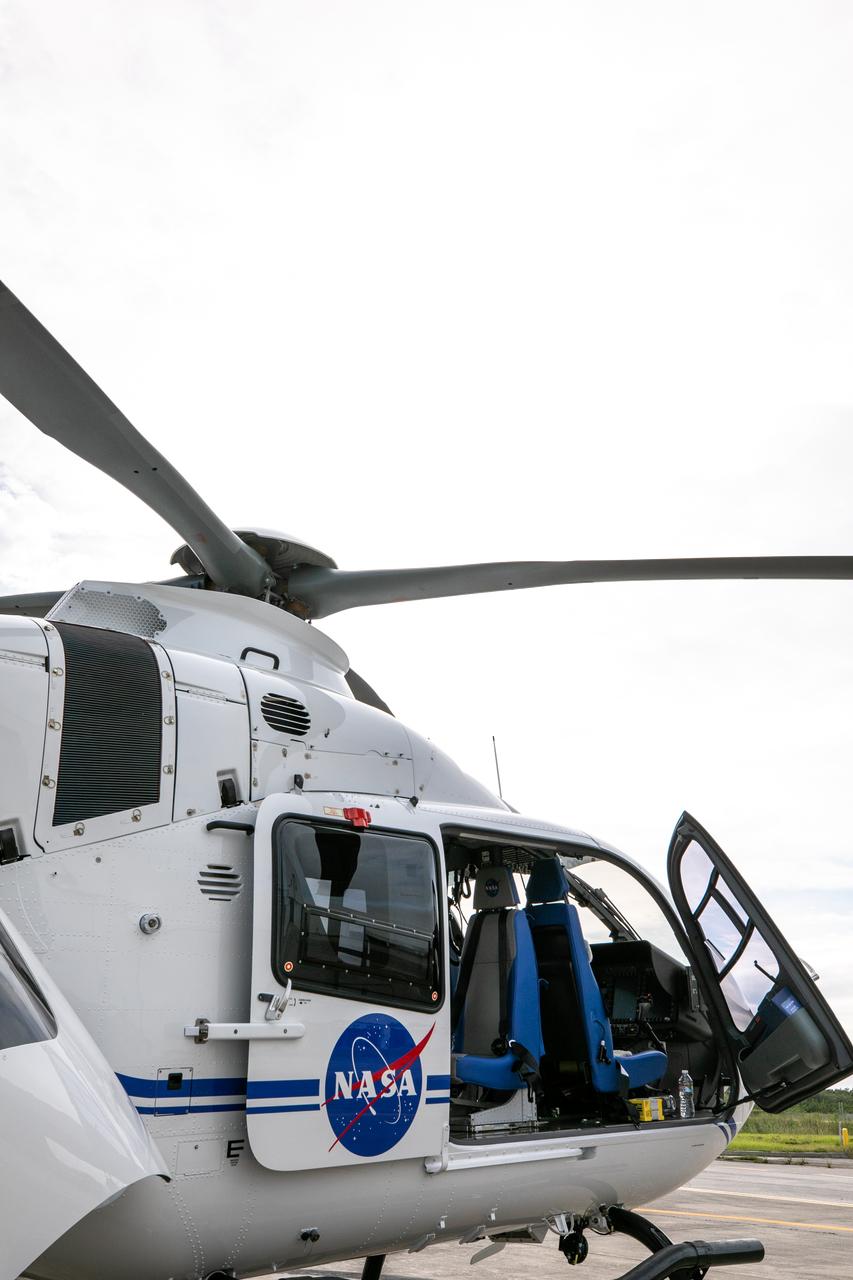
A new Airbus H135 (T3) helicopter arrives at the Launch and Landing Facility runway at NASA’s Kennedy Space Center in Florida on Sept. 30, 2020. A second H135 helicopter also was delivered on Sept. 30, and a third is expected to arrive in early 2021. The three H135 helicopters will replace the Bell Huey 2 security aircraft in service now, maintained by Kennedy’s Flight Operations team. These new helicopters provide a number of technological and safety advantages over the Hueys, such as more lifting power, greater stability in the air, and expanded medical capabilities. The team expects to fully transition to flying the two H135s later this year, and once the third arrives, the fleet’s upgrade will be complete.
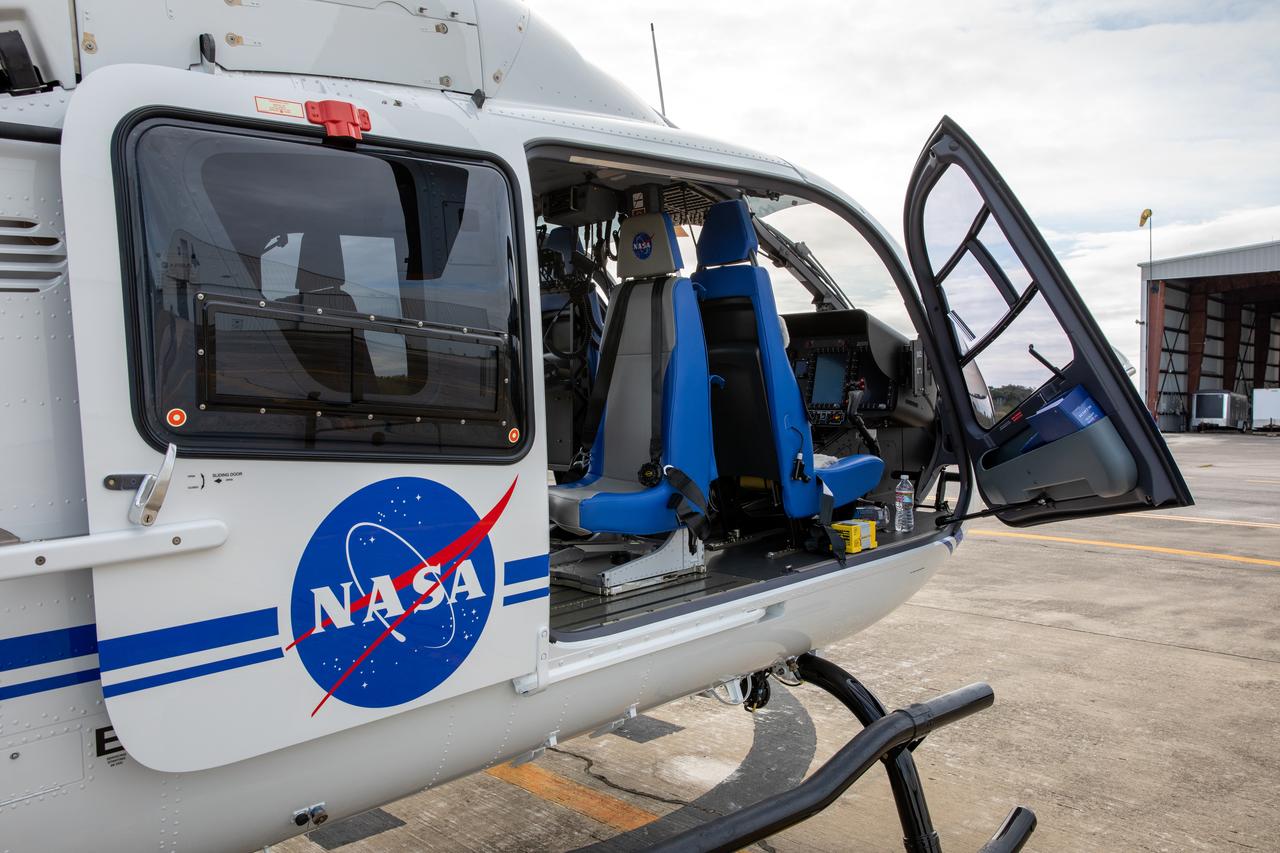
The interior of a new Airbus H135 (T3) helicopter is displayed after arriving at the Launch and Landing Facility runway at NASA’s Kennedy Space Center in Florida on Sept. 30, 2020. A second H135 helicopter also was delivered on Sept. 30, and a third is expected to arrive in early 2021. The three H135 helicopters will replace the Bell Huey 2 security aircraft in service now, maintained by Kennedy’s Flight Operations team. These new helicopters provide a number of technological and safety advantages over the Hueys, such as more lifting power, greater stability in the air, and expanded medical capabilities. The team expects to fully transition to flying the two H135s later this year, and once the third arrives, the fleet’s upgrade will be complete.
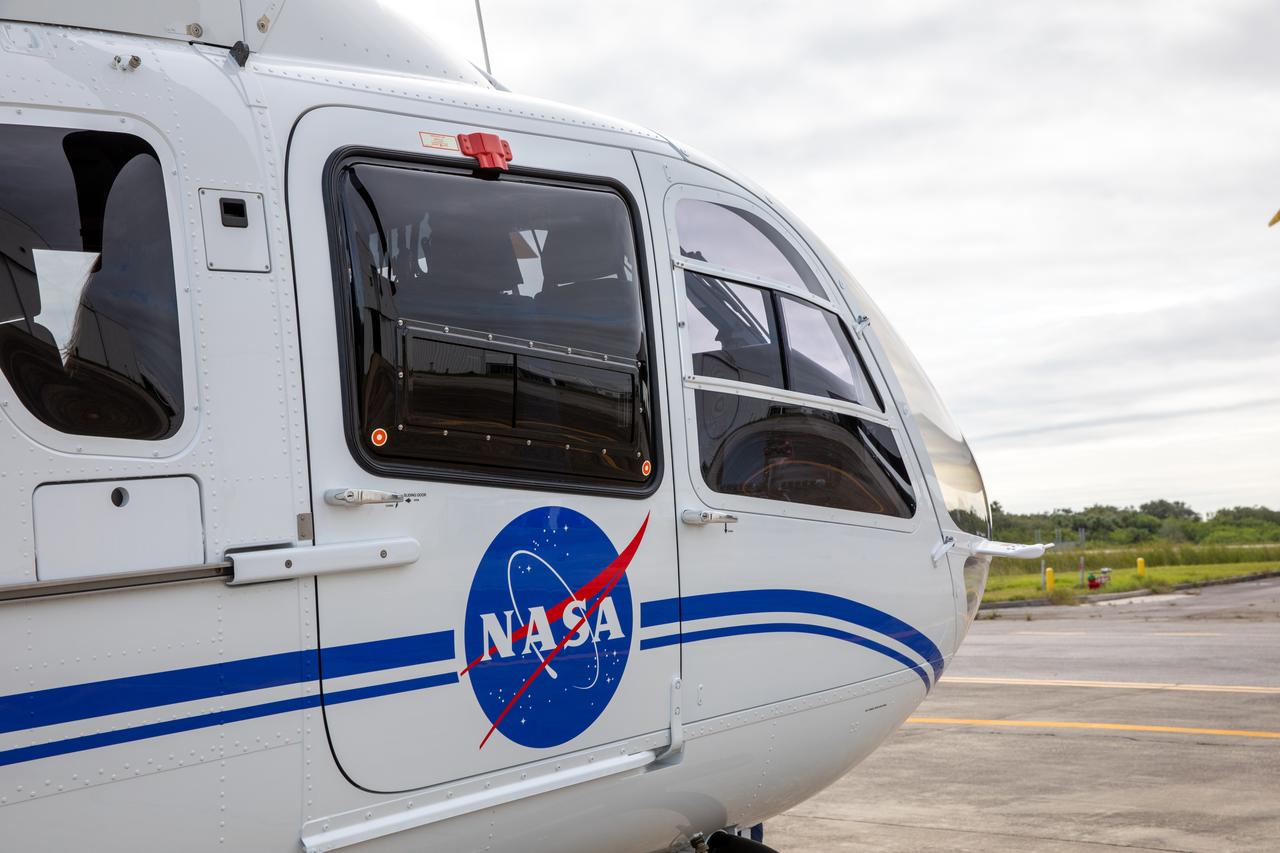
A new Airbus H135 (T3) helicopter arrives at the Launch and Landing Facility runway at NASA’s Kennedy Space Center in Florida on Sept. 30, 2020. A second H135 helicopter also was delivered on Sept. 30, and a third is expected to arrive in early 2021. The three H135 helicopters will replace the Bell Huey 2 security aircraft in service now, maintained by Kennedy’s Flight Operations team. These new helicopters provide a number of technological and safety advantages over the Hueys, such as more lifting power, greater stability in the air, and expanded medical capabilities. The team expects to fully transition to flying the two H135s later this year, and once the third arrives, the fleet’s upgrade will be complete.
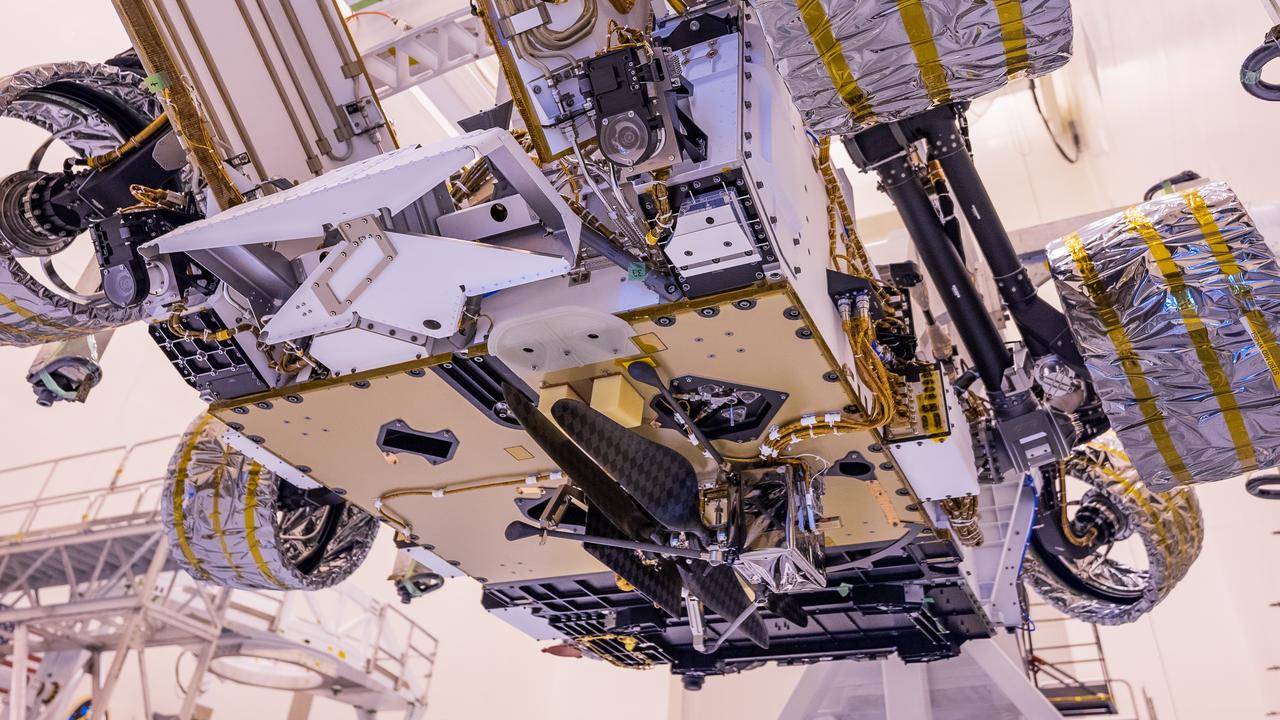
NASA’s Mars Helicopter is installed on the agency’s Mars Perseverance rover inside the Payload Hazardous Servicing Facility at Florida’s Kennedy Space Center on April 6, 2020. Perseverance safely lands on Mars, the helicopter will be released to perform the first in a series of flight tests that will take place during a period of about 30 days. The helicopter will be the first aircraft to fly on another planet. Perseverance, carrying the helicopter, will touch down on the Red Planet on Feb. 18, 2021. Liftoff aboard a United Launch Alliance Atlas V 541 rocket is targeted between July 17 and Aug. 5 from Cape Canaveral Air Force Station.
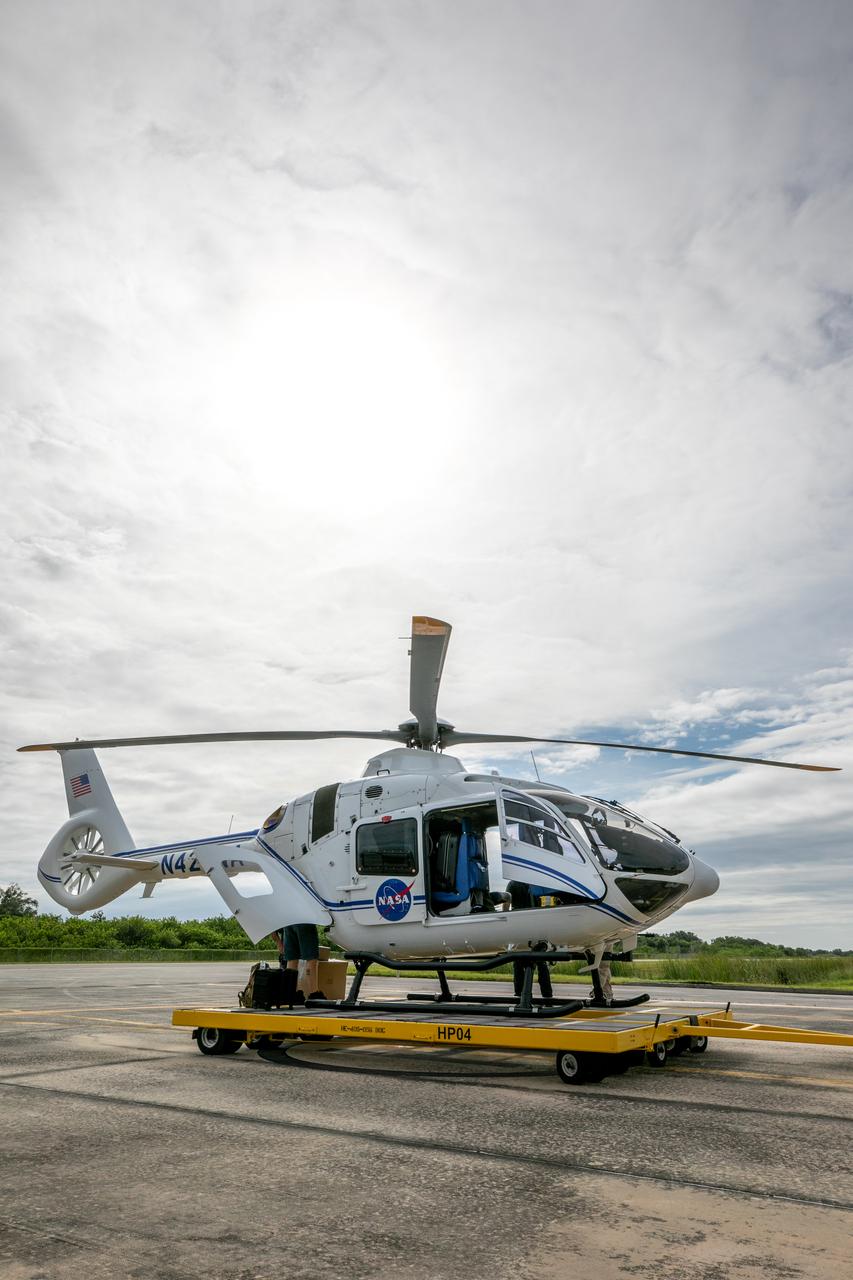
A new Airbus H135 (T3) helicopter arrives at the Launch and Landing Facility runway at NASA’s Kennedy Space Center in Florida on Sept. 30, 2020. A second H135 helicopter also was delivered on Sept. 30, and a third is expected to arrive in early 2021. The three H135 helicopters will replace the Bell Huey 2 security aircraft in service now, maintained by Kennedy’s Flight Operations team. These new helicopters provide a number of technological and safety advantages over the Hueys, such as more lifting power, greater stability in the air, and expanded medical capabilities. The team expects to fully transition to flying the two H135s later this year, and once the third arrives, the fleet’s upgrade will be complete.
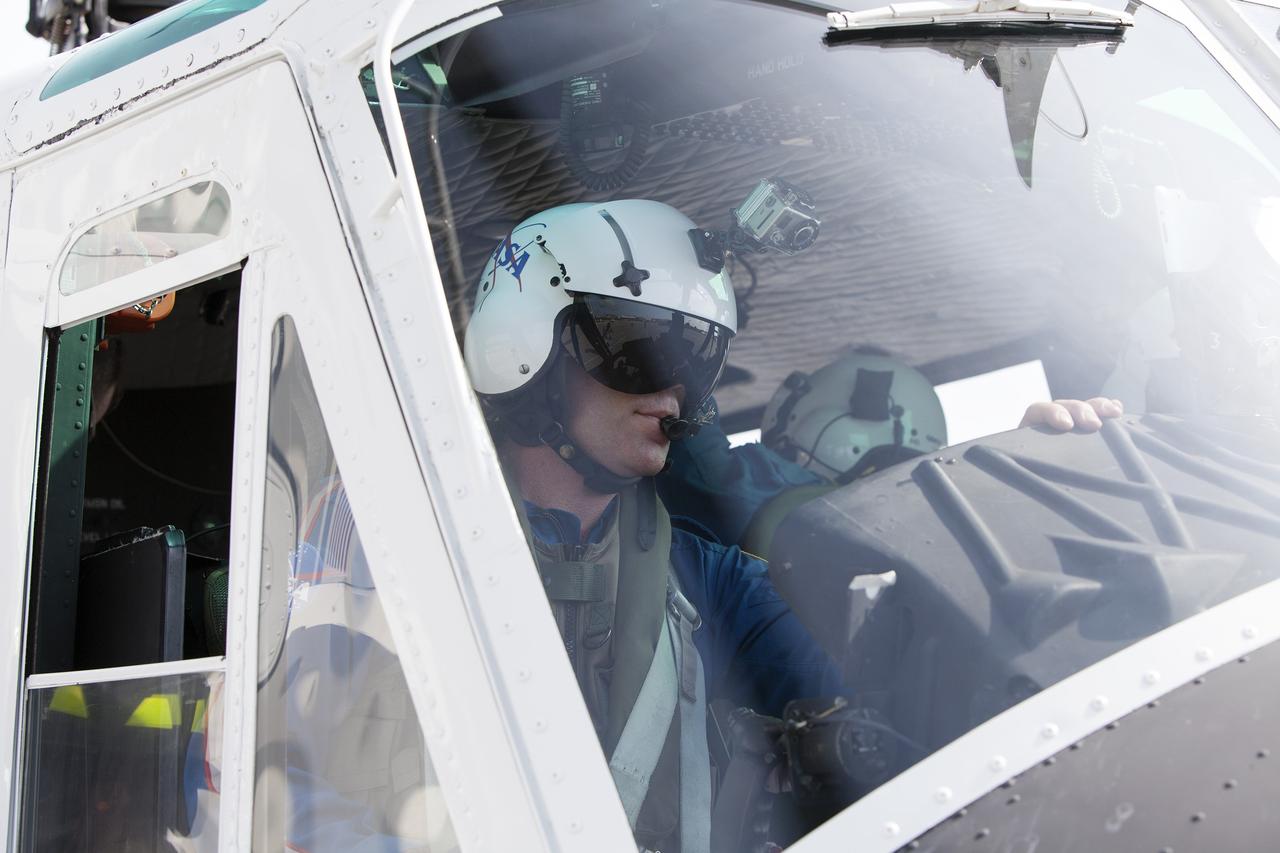
CAPE CANAVERAL, Fla. -- At NASA's Kennedy Space Center in Florida, helicopter pilot Bill Martin, a URS Federal Technical Services in the agency's Aircraft Operations, ensures all is clear before taking off during a training exercise. The activity taking place in Kennedy's Launch Complex 39 turn-basin parking lot was only one of several drills. It was part of a new training program that was developed by Kennedy's Fire Rescue department along with NASA Aircraft Operations to sharpen the skills needed to help rescue personnel learn how to collaborate with helicopter pilots in taking injured patients to hospitals as quickly as possible. Photo credit: NASA/Dan Casper
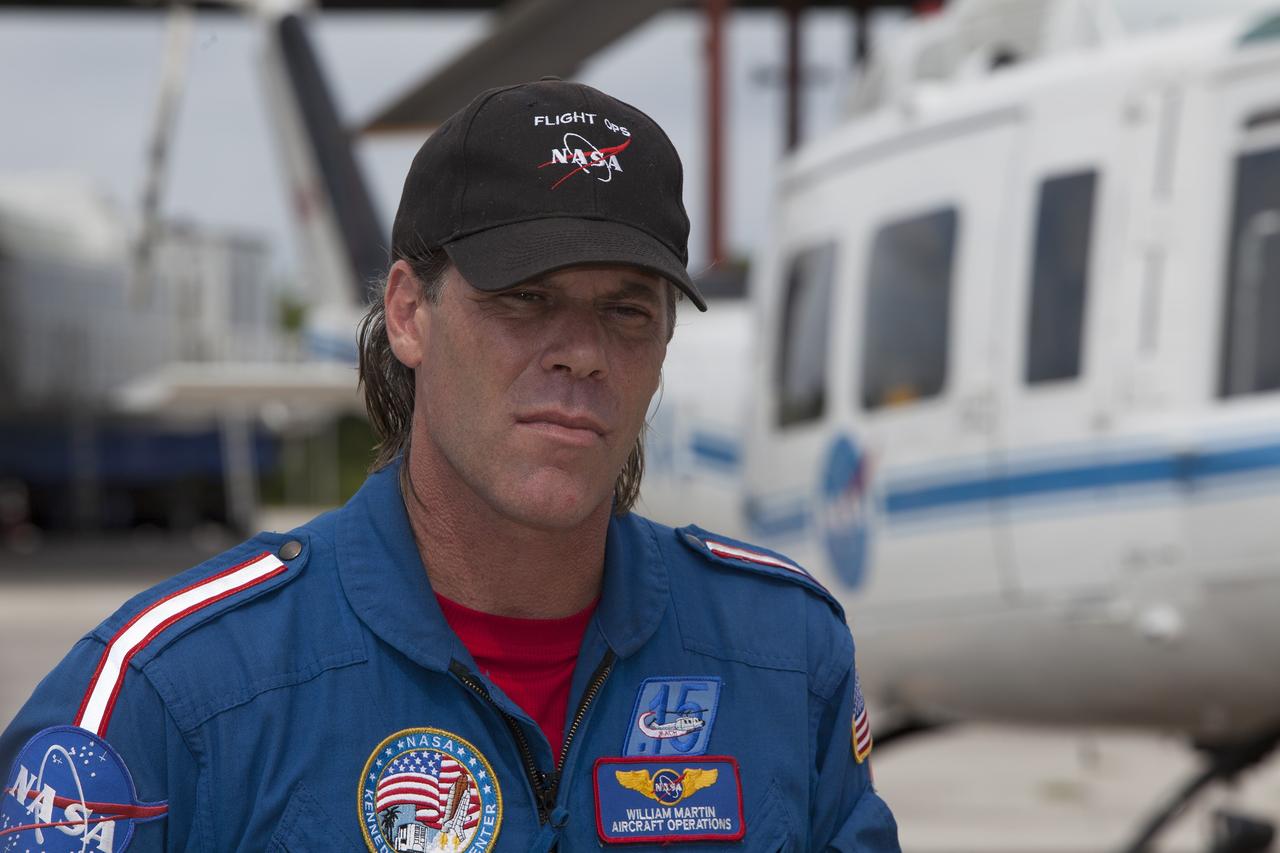
CAPE CANAVERAL, Fla. -- At NASA's Kennedy Space Center in Florida, Bill Martin, a URS Federal Technical Services helicopter pilot in the agency's Aircraft Operations, is interviewed near the Shuttle Landing Facility. He discussed working with spaceport Fire Rescue personnel to develop procedures for using agency helicopters to transport injured patients to a local hospital. The training activity took place in Kennedy's Launch Complex 39 turn-basin parking lot. It was part of a new training program developed by Kennedy's Fire Rescue department along with NASA Aircraft Operations to sharpen the skills needed to help rescue personnel learn how to collaborate with helicopter pilots in taking injured patients to hospitals as quickly as possible. Photo credit: NASA/Dimitri Gerondidakis
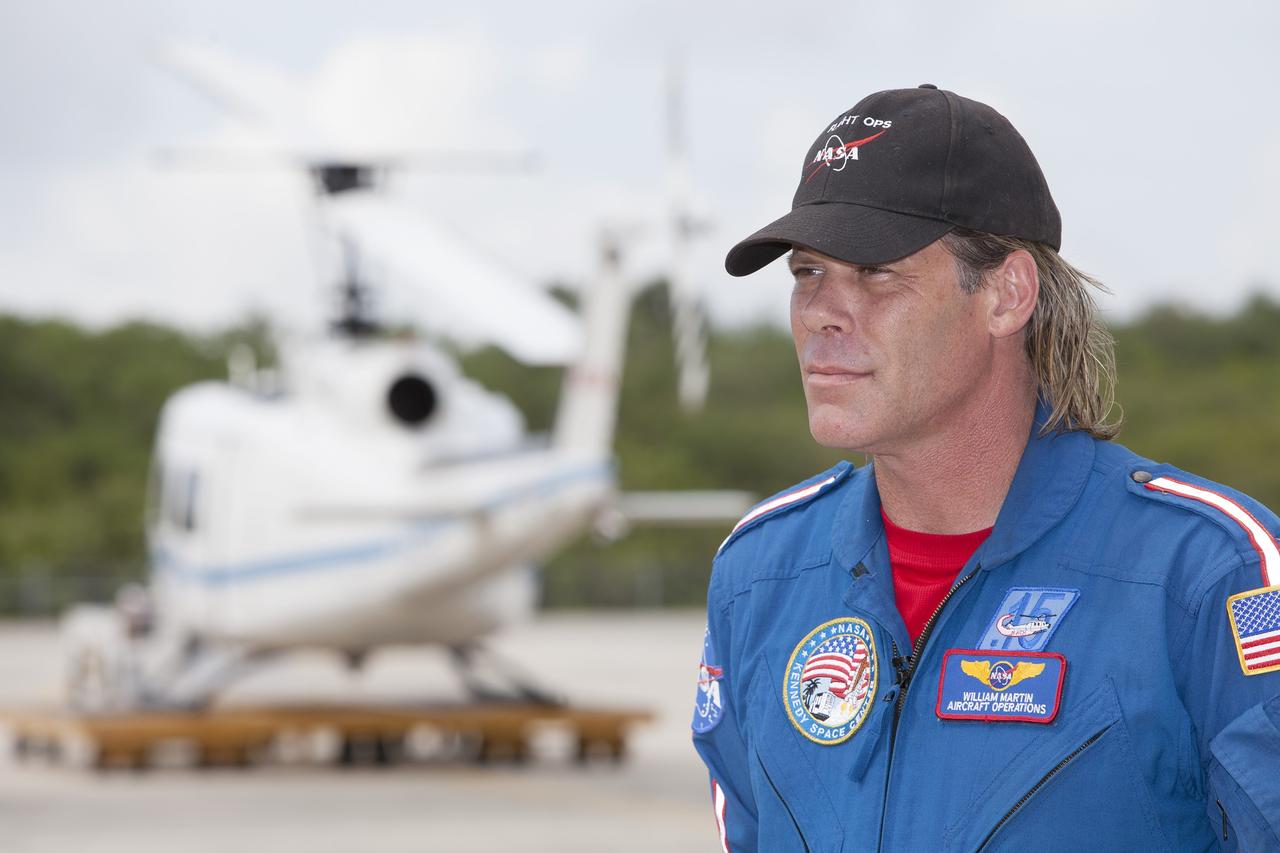
CAPE CANAVERAL, Fla. -- At NASA's Kennedy Space Center in Florida, Bill Martin, a URS Federal Technical Services helicopter pilot in the agency's Aircraft Operations, is interviewed near the Shuttle Landing Facility. He discussed working with spaceport Fire Rescue personnel to develop procedures for using agency helicopters to transport injured patients to a local hospital. The training activity took place in Kennedy's Launch Complex 39 turn-basin parking lot. It was part of a new training program developed by Kennedy's Fire Rescue department along with NASA Aircraft Operations to sharpen the skills needed to help rescue personnel learn how to collaborate with helicopter pilots in taking injured patients to hospitals as quickly as possible. Photo credit: NASA/Dimitri Gerondidakis
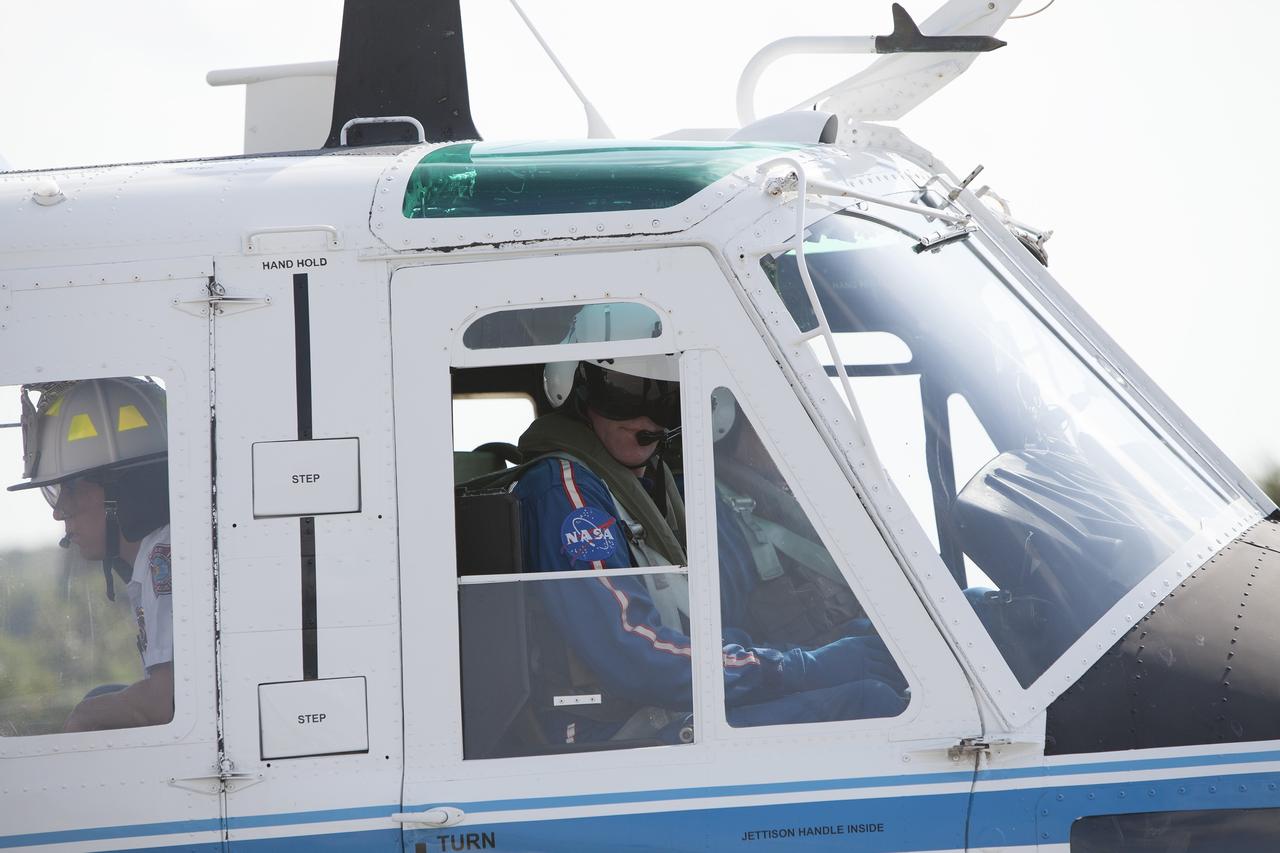
CAPE CANAVERAL, Fla. -- At NASA's Kennedy Space Center in Florida, agency helicopter pilots ensure all is clear before taking off during a training exercise. Helicopter pilot Bill Martin, a URS Federal Technical Services in the agency's Aircraft Operations, is seen in the front seat. Behind Martin on the left, is Mark Huetter, of Chenega Security & Support Solutions. Martin serves as assistant chief of Training for the center's Fire Rescue Department. The activity taking place in Kennedy's Launch Complex 39 turn-basin parking lot was only one of several drills. It was part of a new training program that was developed by Kennedy's Fire Rescue department along with NASA Aircraft Operations to sharpen the skills needed to help rescue personnel learn how to collaborate with helicopter pilots in taking injured patients to hospitals as quickly as possible. Photo credit: NASA/Dan Casper