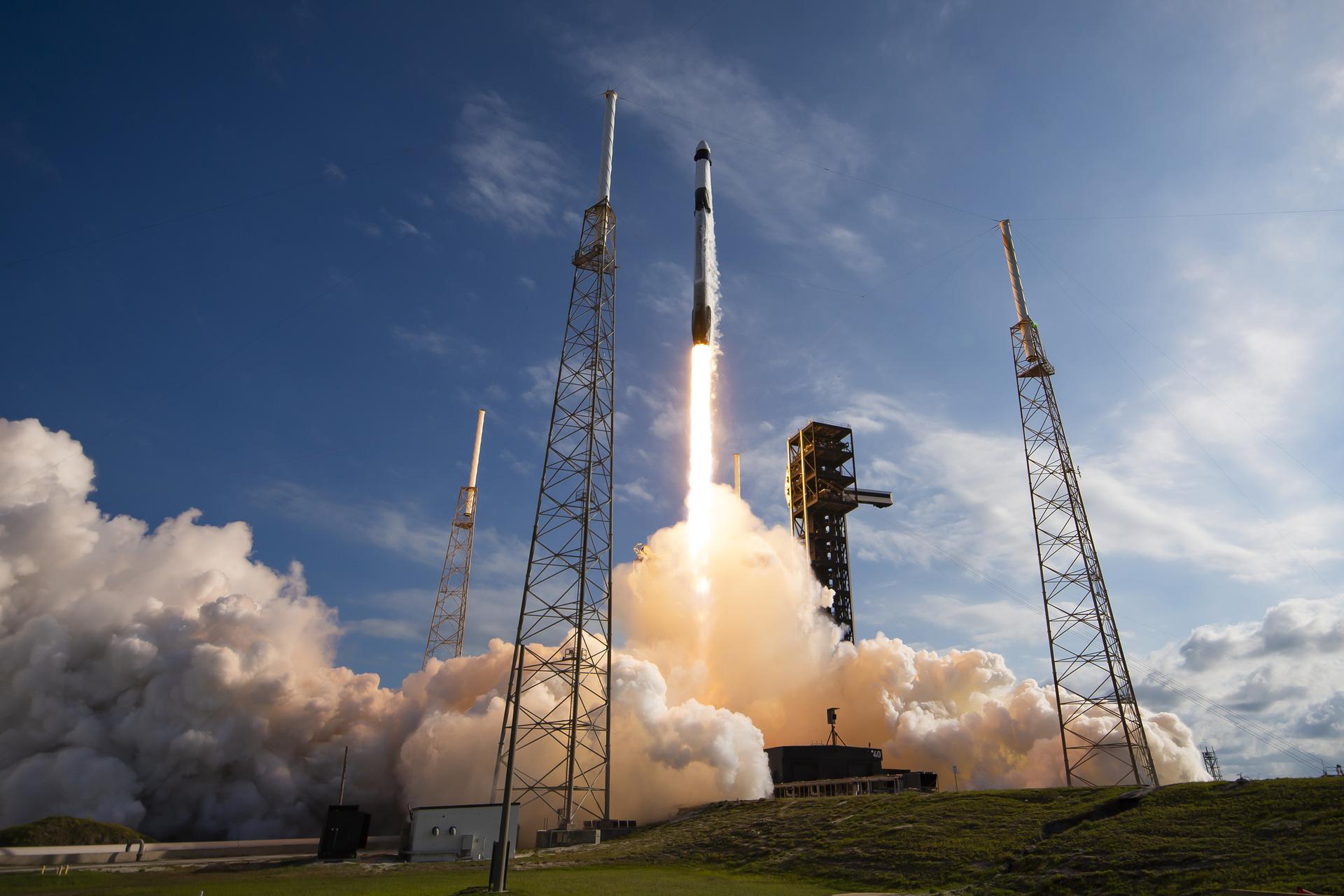
A SpaceX Falcon 9 rocket, with the company’s Dragon spacecraft atop, launched on Friday, May 15, 2026, from Space Launch Complex 40 at Cape Canaveral Space Force Station in Florida as part of the company’s 34th commercial resupply services mission to the International Space Station for NASA. Dragon delivered about 6,500 pounds of science investigations, supplies, and equipment to the International Space Station.
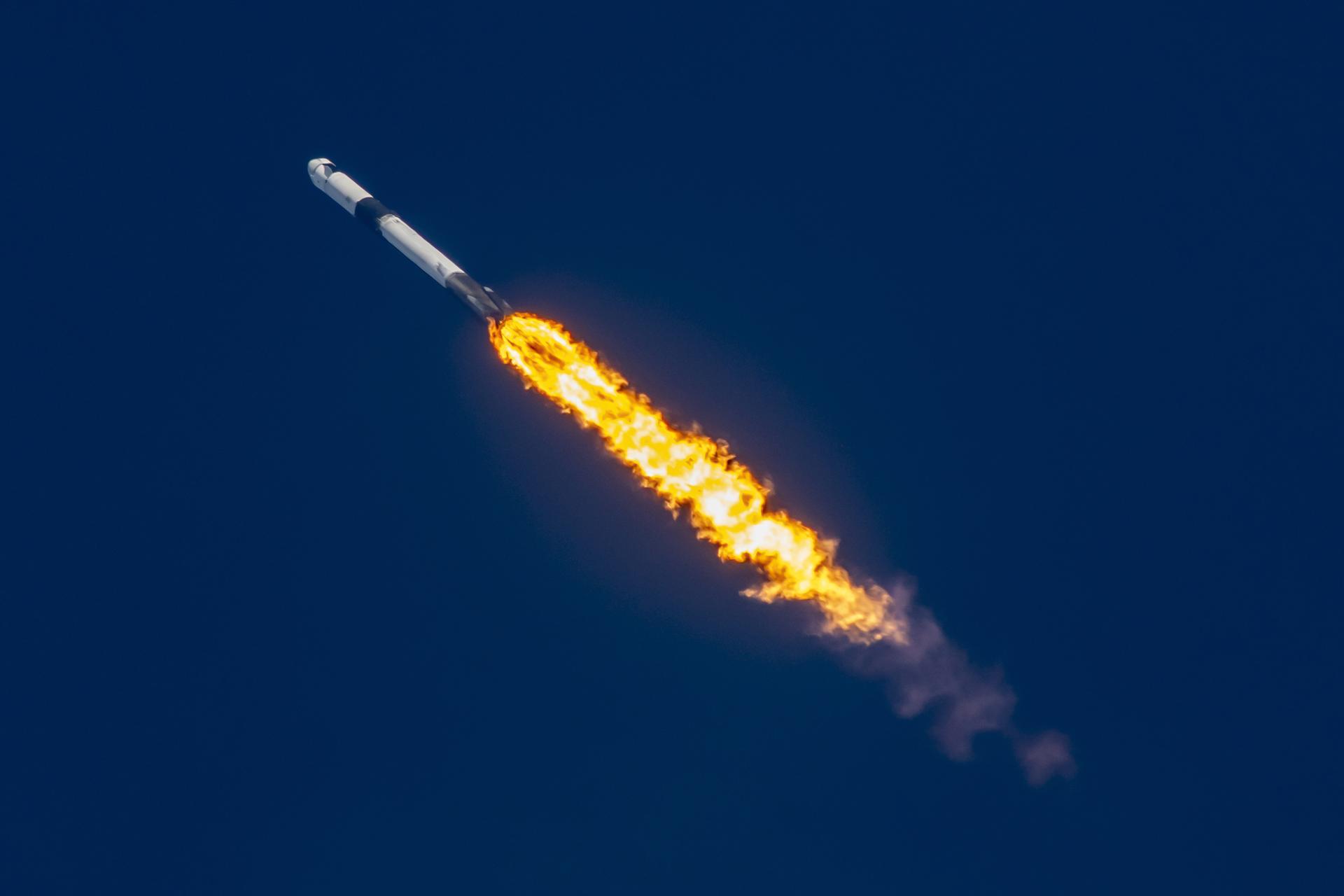
A SpaceX Falcon 9 rocket, with the company’s Dragon spacecraft atop, launched on Friday, May 15, 2026, from Space Launch Complex 40 at Cape Canaveral Space Force Station in Florida as part of the company’s 34th commercial resupply services mission to the International Space Station for NASA. Dragon delivered about 6,500 pounds of science investigations, supplies, and equipment to the International Space Station.
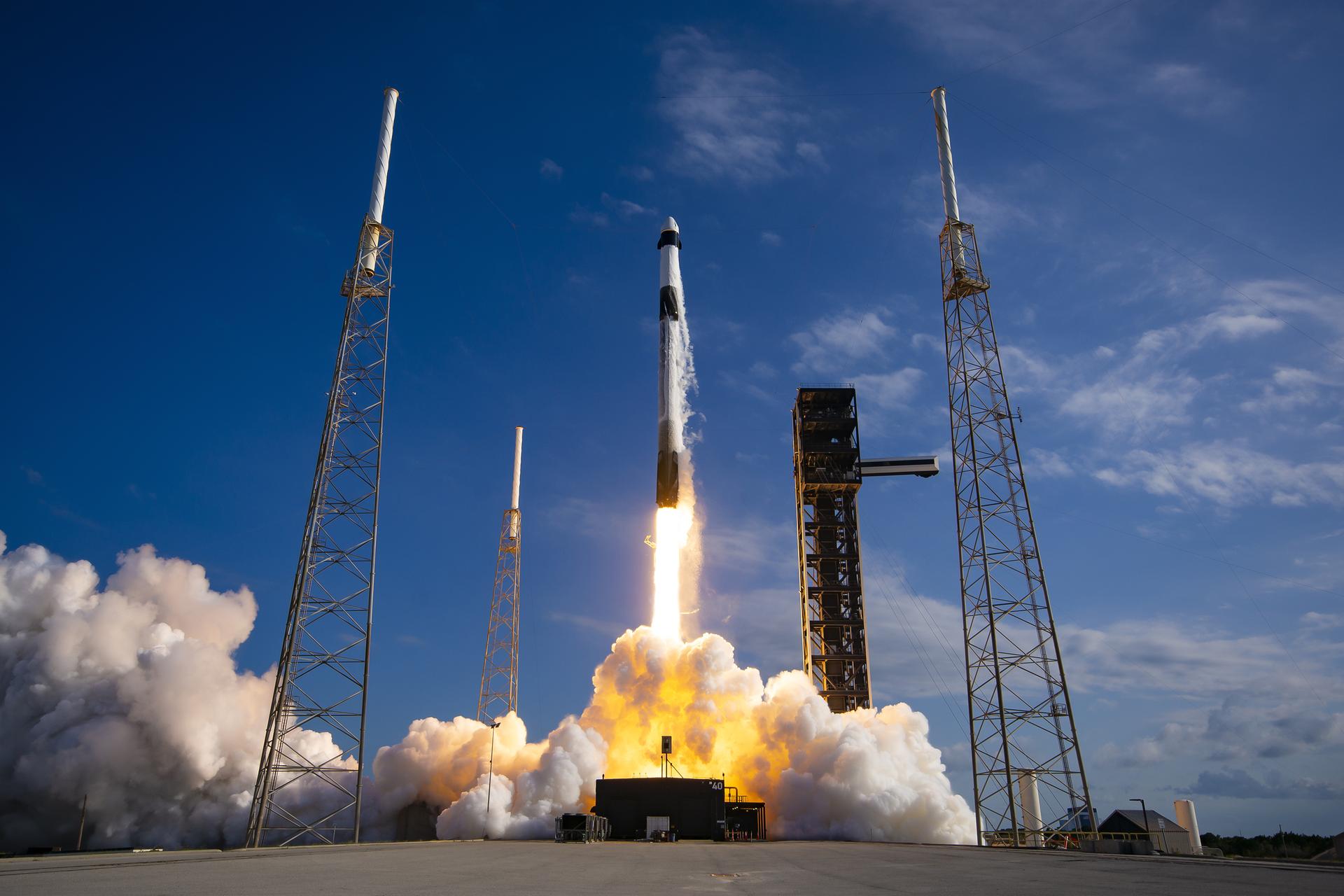
A SpaceX Falcon 9 rocket, with the company’s Dragon spacecraft atop, launched on Friday, May 15, 2026, from Space Launch Complex 40 at Cape Canaveral Space Force Station in Florida as part of the company’s 34th commercial resupply services mission to the International Space Station for NASA. Dragon delivered about 6,500 pounds of science investigations, supplies, and equipment to the International Space Station.
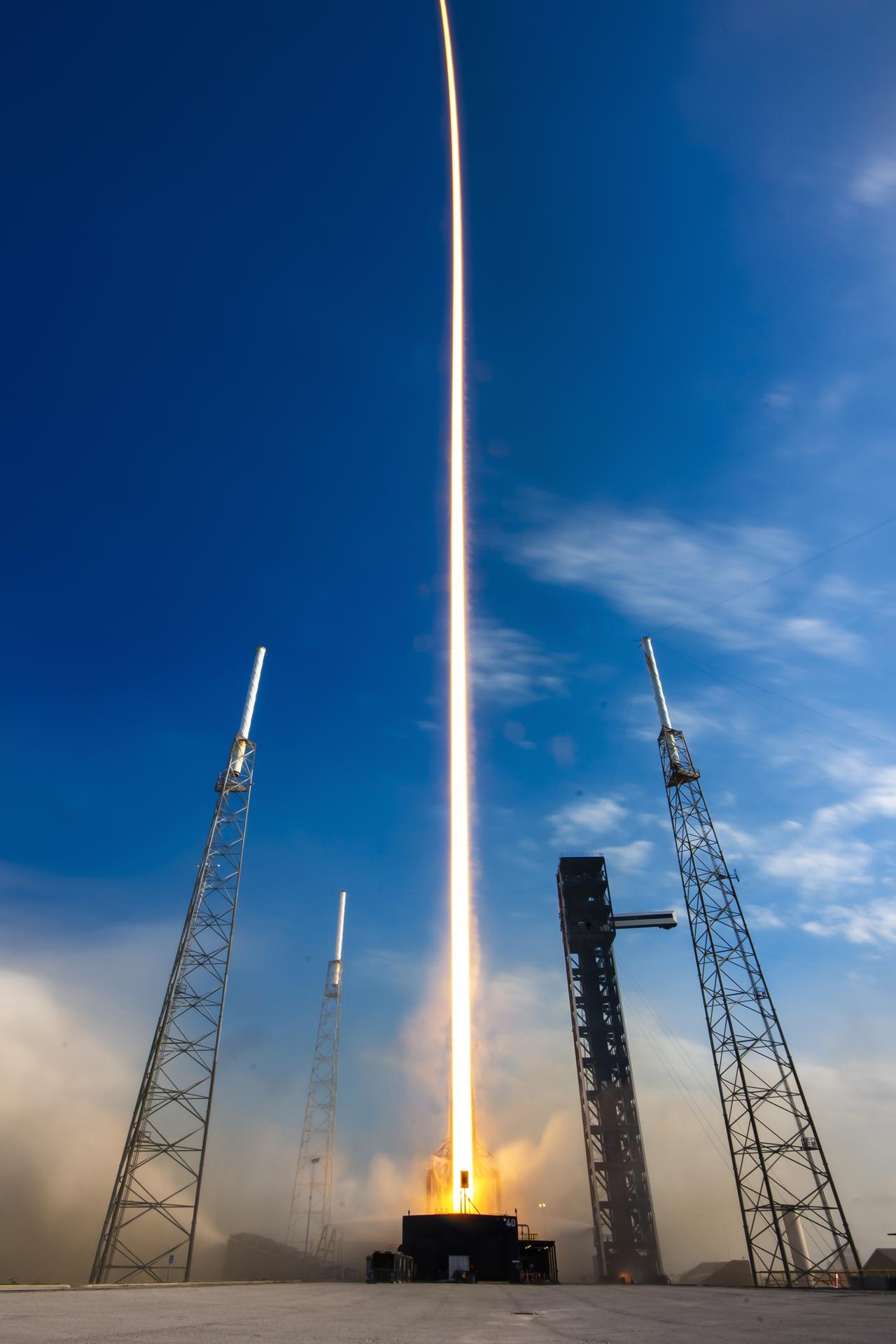
A SpaceX Falcon 9 rocket, with the company’s Dragon spacecraft atop, launched on Friday, May 15, 2026, from Space Launch Complex 40 at Cape Canaveral Space Force Station in Florida as part of the company’s 34th commercial resupply services mission to the International Space Station for NASA. Dragon delivered about 6,500 pounds of science investigations, supplies, and equipment to the International Space Station.
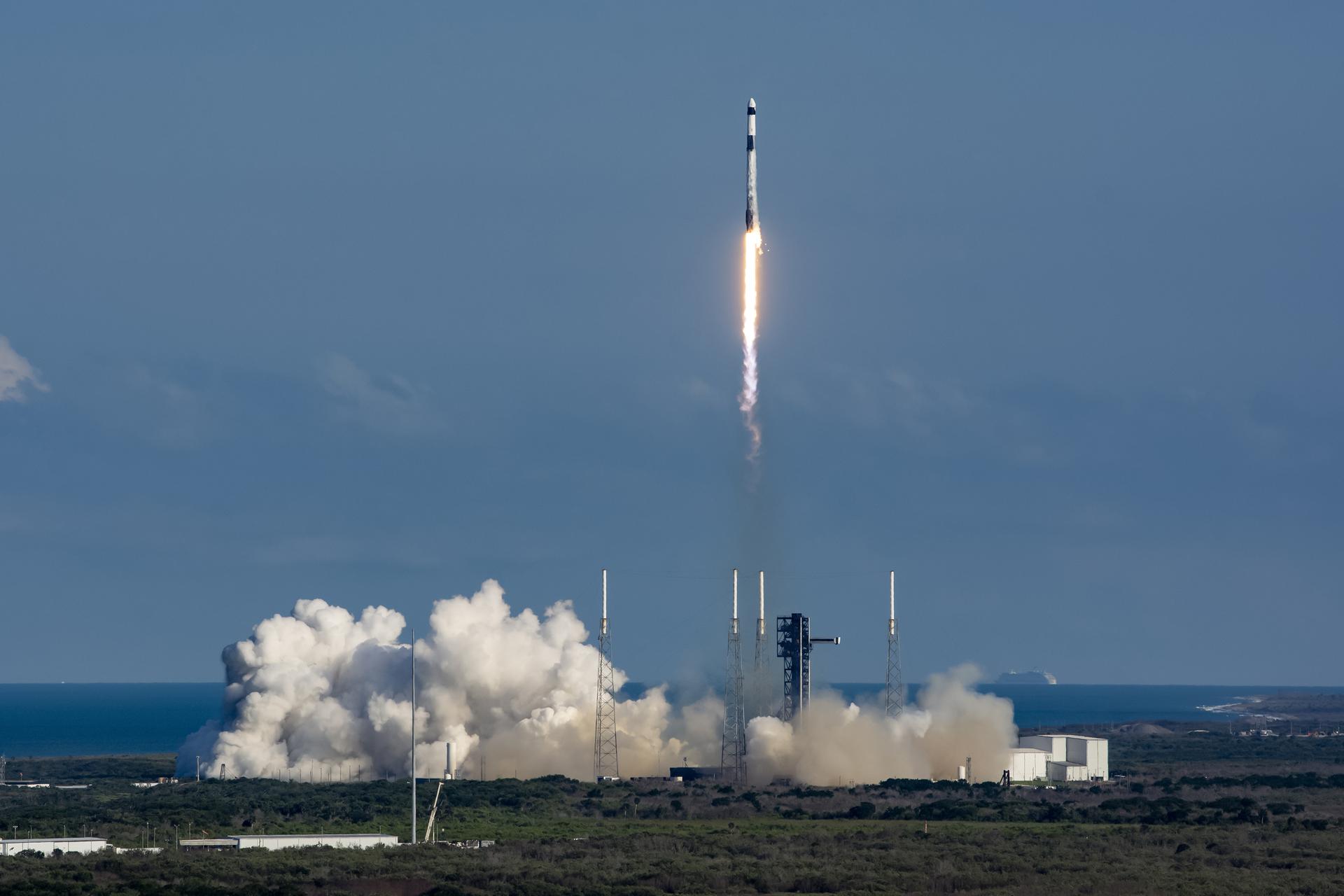
A SpaceX Falcon 9 rocket, with the company’s Dragon spacecraft atop, launched on Friday, May 15, 2026, from Space Launch Complex 40 at Cape Canaveral Space Force Station in Florida as part of the company’s 34th commercial resupply services mission to the International Space Station for NASA. Dragon delivered about 6,500 pounds of science investigations, supplies, and equipment to the International Space Station.
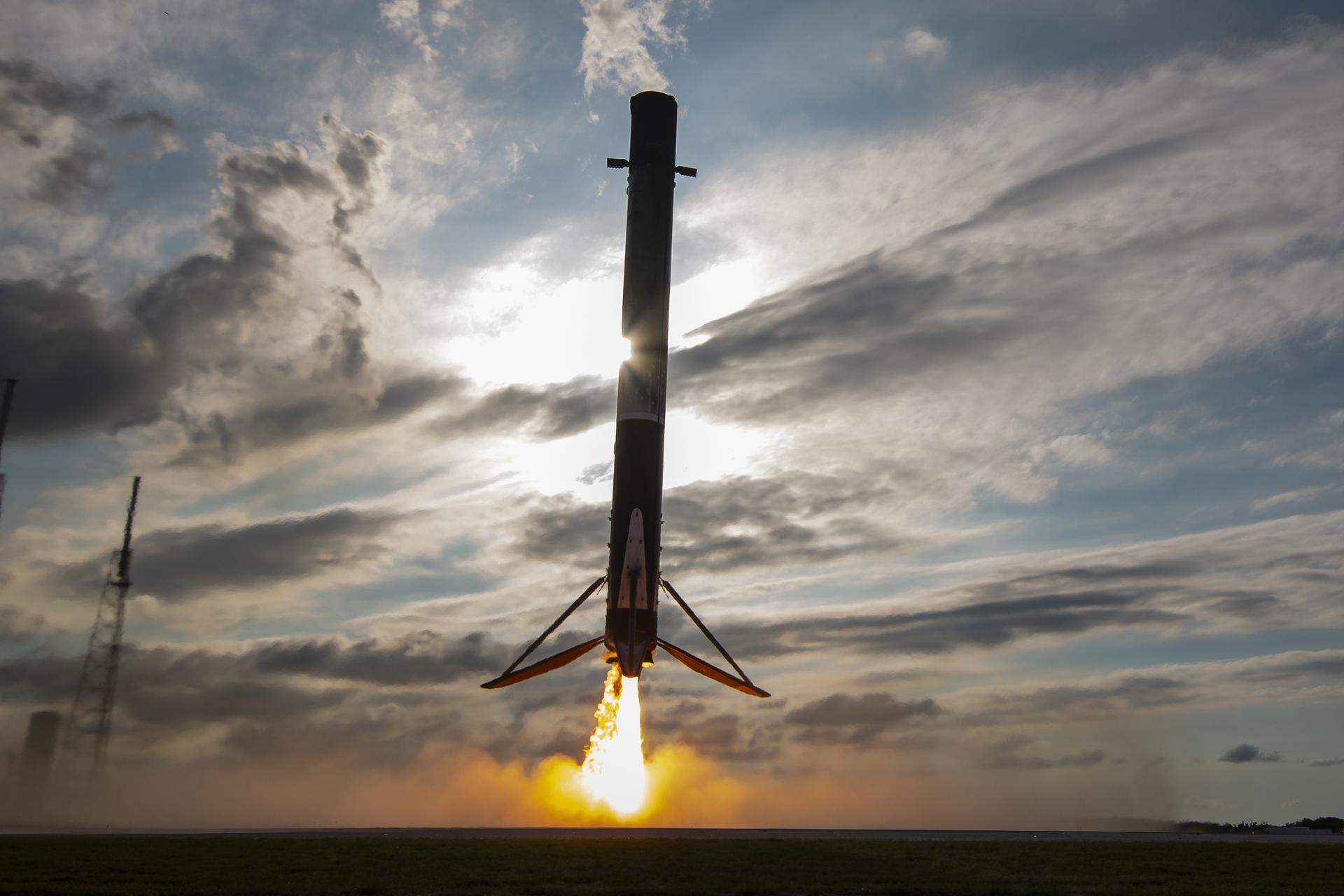
The first stage of a SpaceX Falcon 9 rocket returned and landed inside the Space Launch Complex 40 perimeter at Cape Canaveral Space Force Station in Florida on Friday, May 15, 2026, as part of the company’s 34th commercial resupply services mission to the International Space Station for NASA. Dragon delivered about 6,500 pounds of science investigations, supplies, and equipment to the International Space Station.
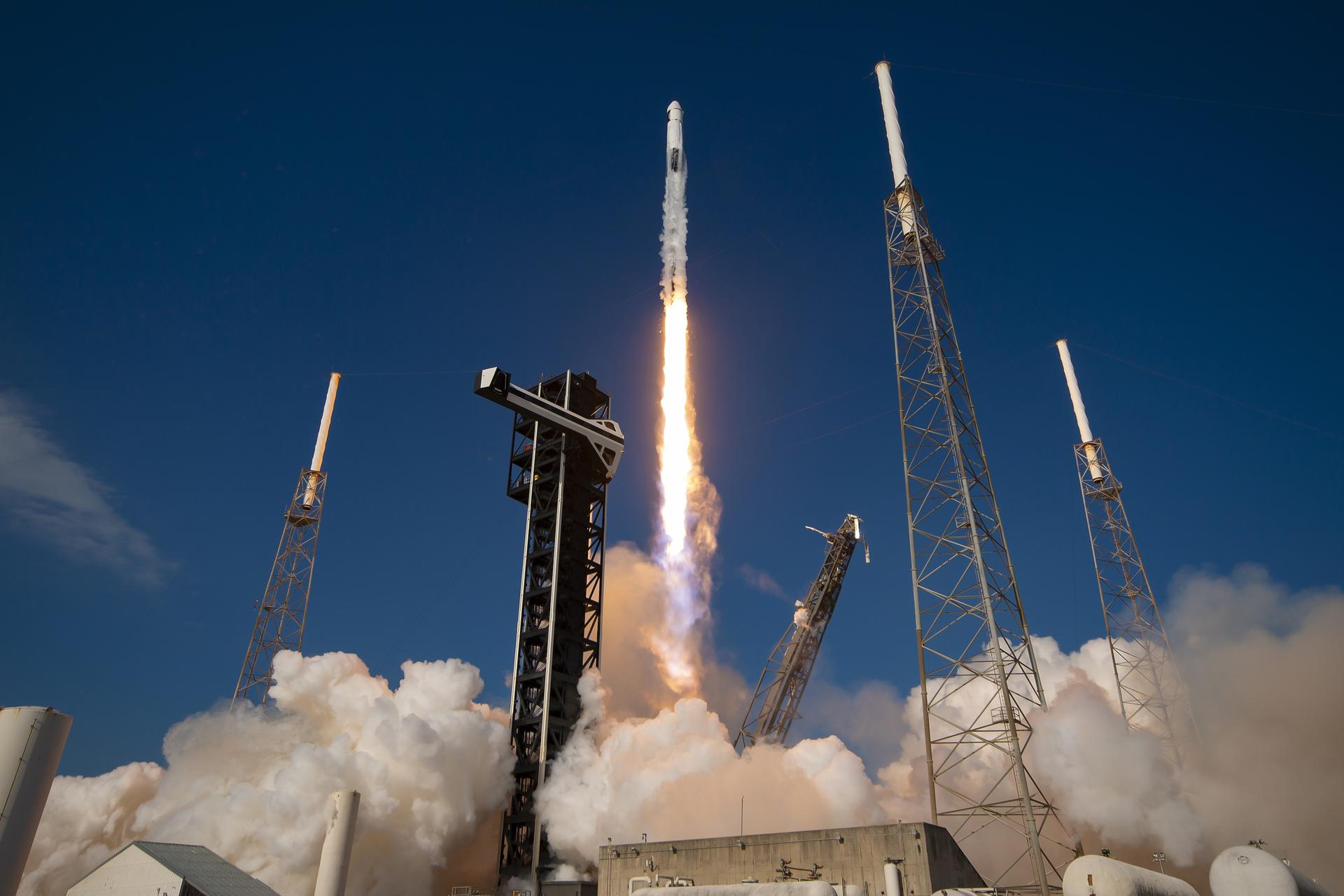
A SpaceX Falcon 9 rocket, with the company’s Dragon spacecraft atop, launched on Friday, May 15, 2026, from Space Launch Complex 40 at Cape Canaveral Space Force Station in Florida as part of the company’s 34th commercial resupply services mission to the International Space Station for NASA. Dragon delivered about 6,500 pounds of science investigations, supplies, and equipment to the International Space Station.
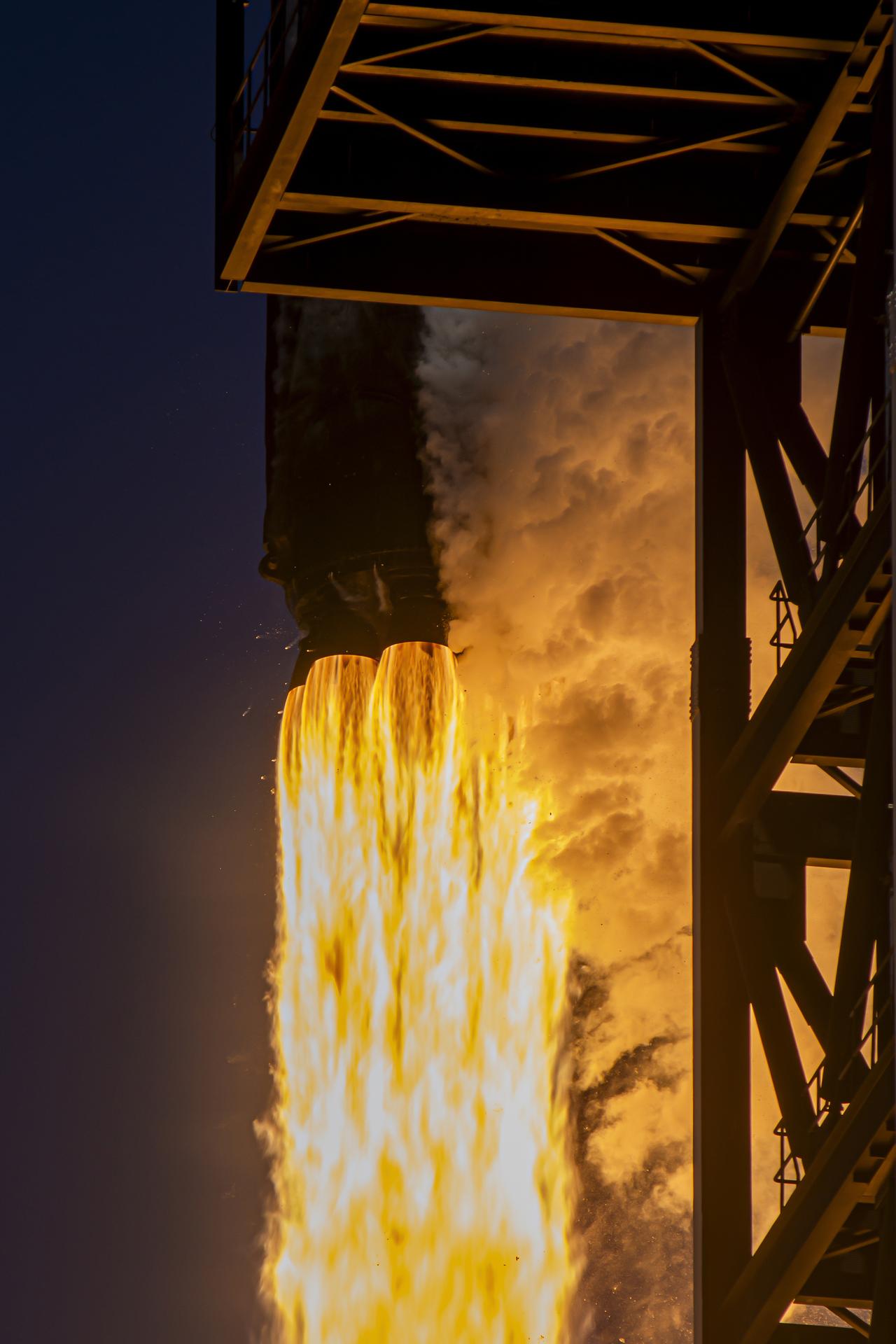
A SpaceX Falcon 9 rocket, with the company’s Dragon spacecraft atop, launched on Friday, May 15, 2026, from Space Launch Complex 40 at Cape Canaveral Space Force Station in Florida as part of the company’s 34th commercial resupply services mission to the International Space Station for NASA. Dragon delivered about 6,500 pounds of science investigations, supplies, and equipment to the International Space Station.
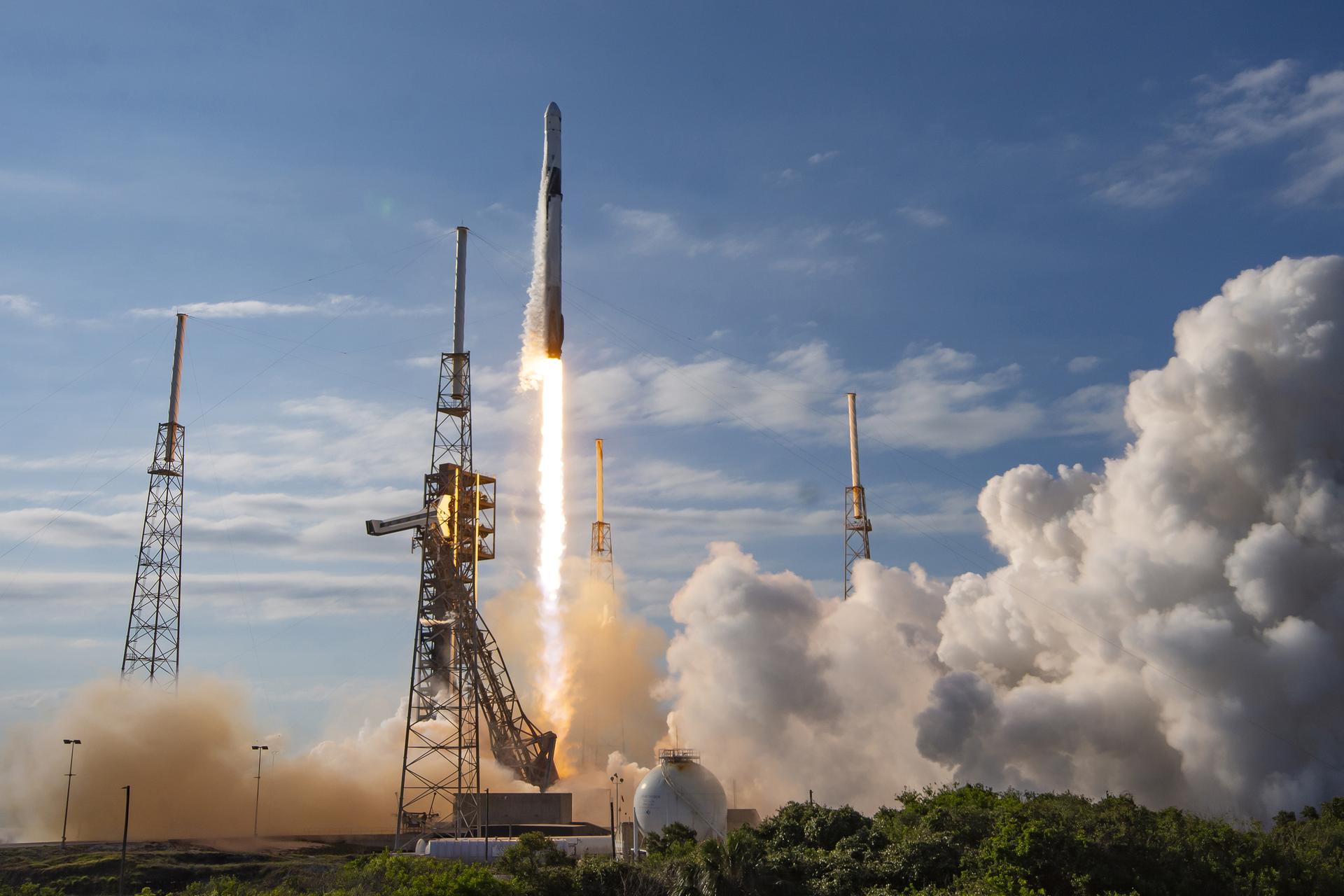
A SpaceX Falcon 9 rocket, with the company’s Dragon spacecraft atop, launched on Friday, May 15, 2026, from Space Launch Complex 40 at Cape Canaveral Space Force Station in Florida as part of the company’s 34th commercial resupply services mission to the International Space Station for NASA. Dragon delivered about 6,500 pounds of science investigations, supplies, and equipment to the International Space Station.
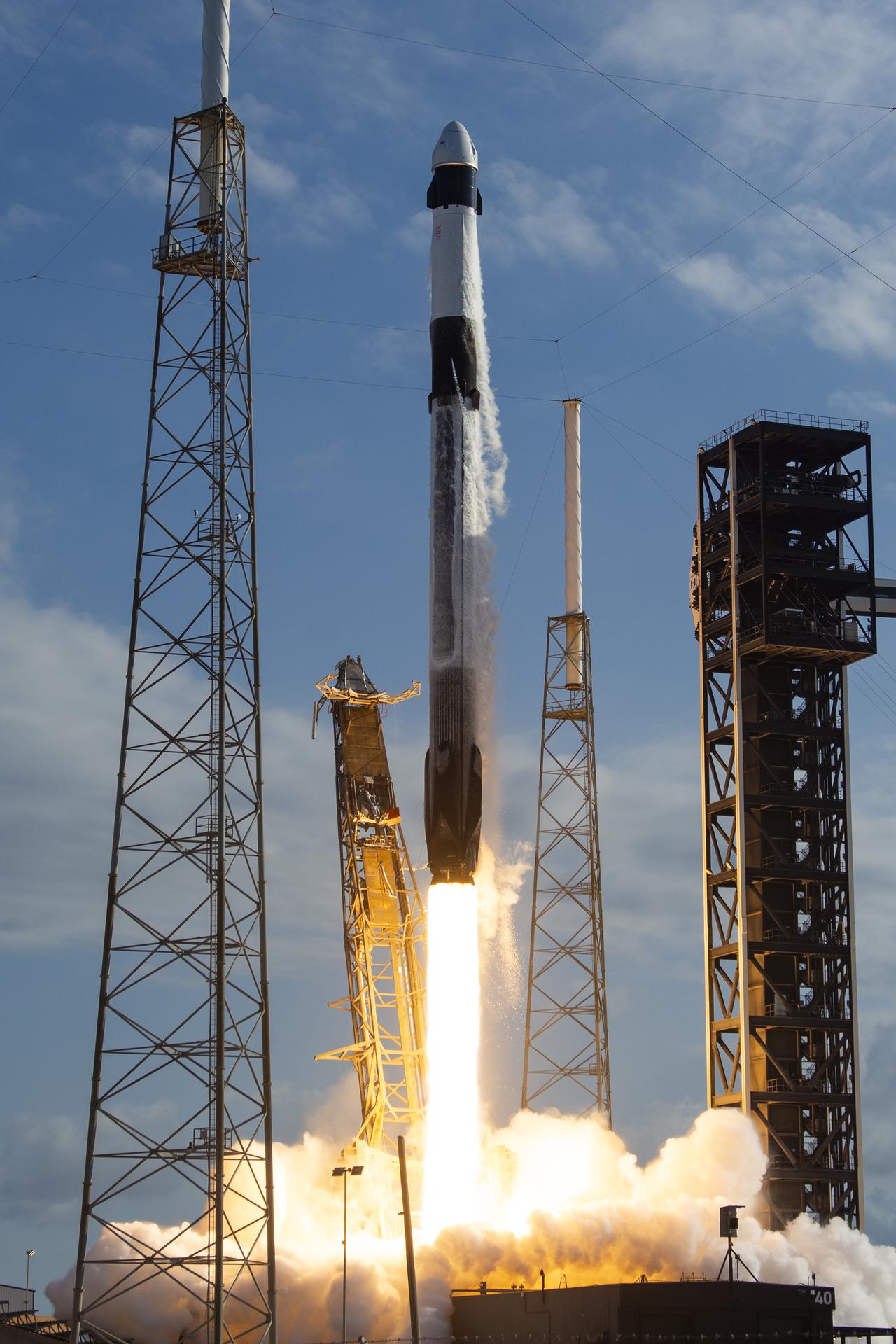
A SpaceX Falcon 9 rocket, with the company’s Dragon spacecraft atop, launched on Friday, May 15, 2026, from Space Launch Complex 40 at Cape Canaveral Space Force Station in Florida as part of the company’s 34th commercial resupply services mission to the International Space Station for NASA. Dragon delivered about 6,500 pounds of science investigations, supplies, and equipment to the International Space Station.
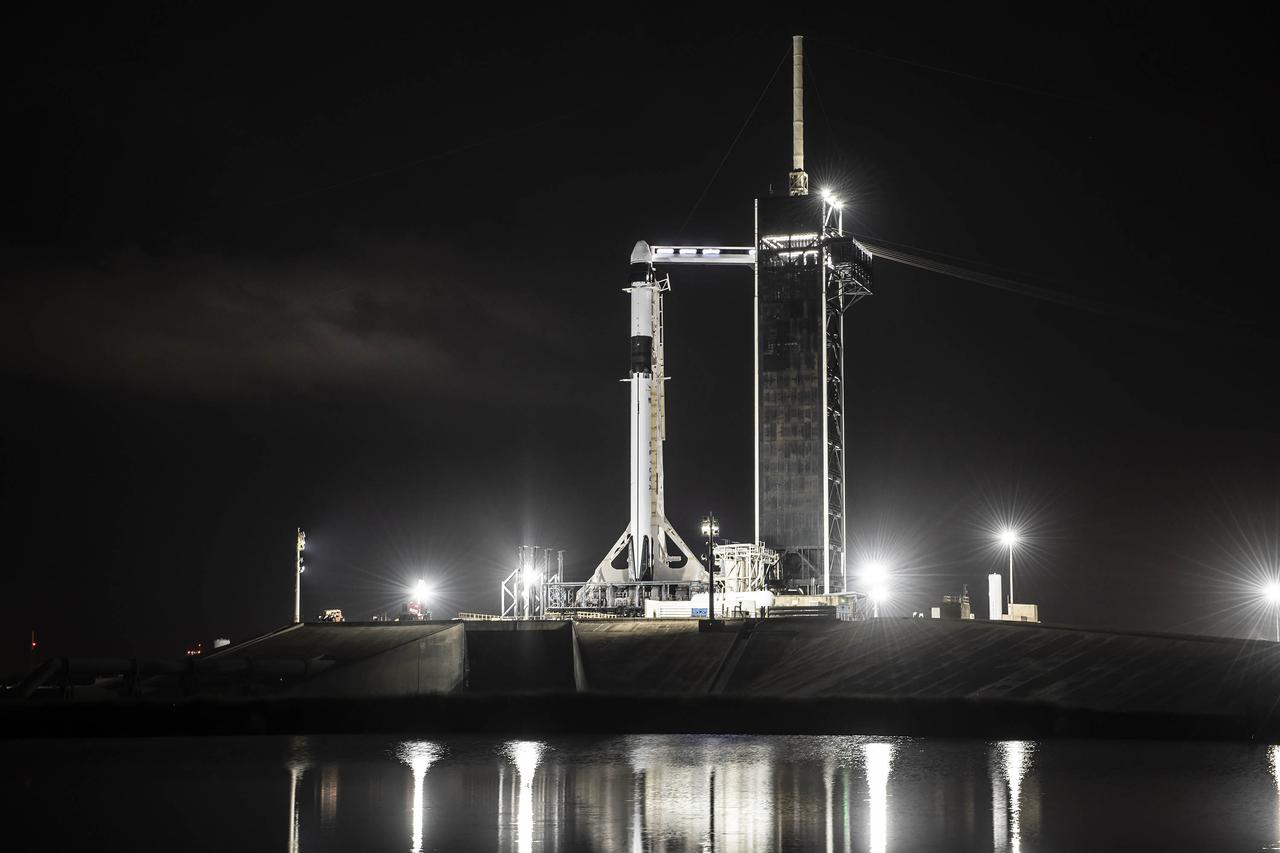
SpaceX's Falcon 9 rocket with Dragon spacecraft rolls out to Launch Complex 39A at NASA's Kennedy Space Center in Florida on Dec. 19, 2021, in preparation for launch. The agency's 24th Commercial Resupply Services mission, targeted for liftoff on Dec. 21, 2021 at 5:06 a.m. EST, will deliver new science investigations, supplies, and equipment to the crew on board the International Space Station.
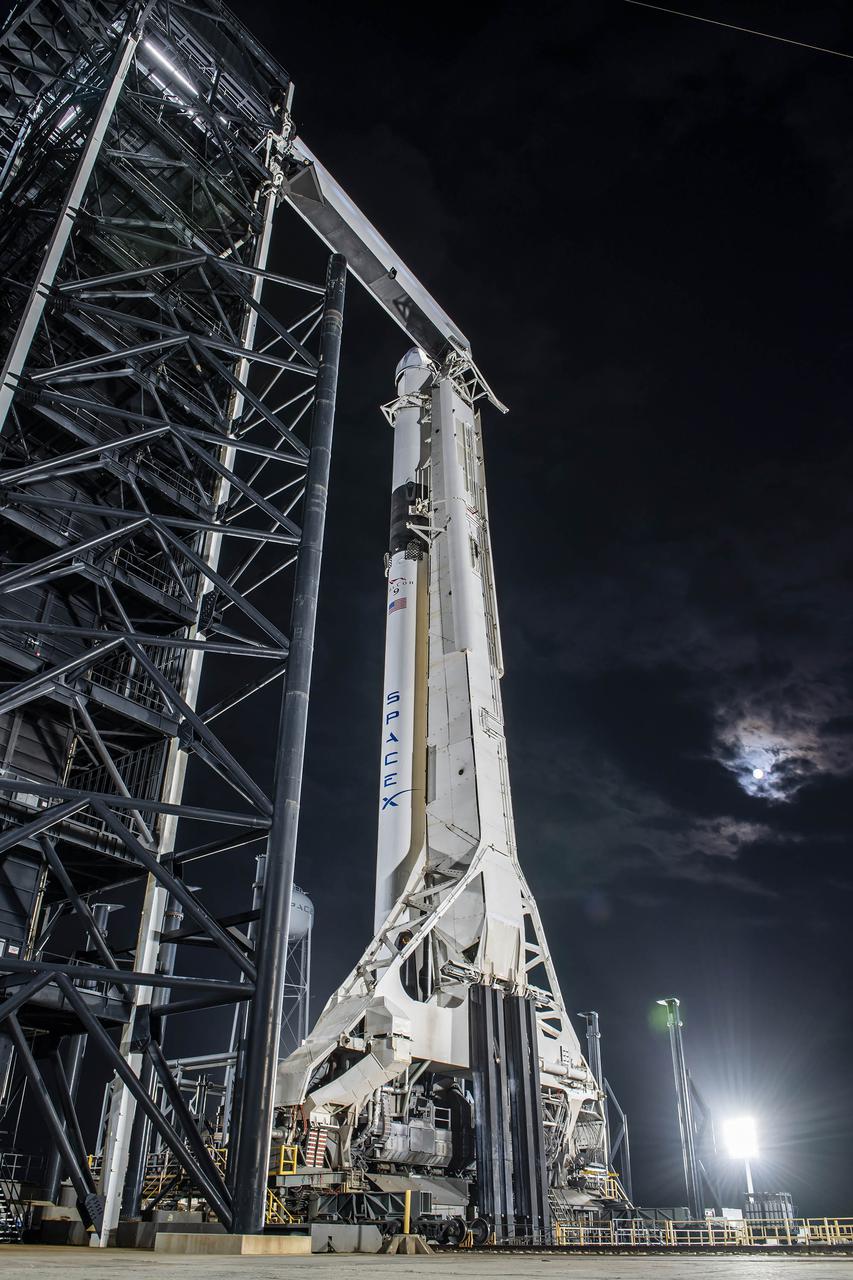
SpaceX's Falcon 9 rocket with Dragon spacecraft rolls out to Launch Complex 39A at NASA's Kennedy Space Center in Florida on Dec. 19, 2021, in preparation for launch. The agency's 24th Commercial Resupply Services mission, targeted for liftoff on Dec. 21, 2021 at 5:06 a.m. EST, will deliver new science investigations, supplies, and equipment to the crew on board the International Space Station.
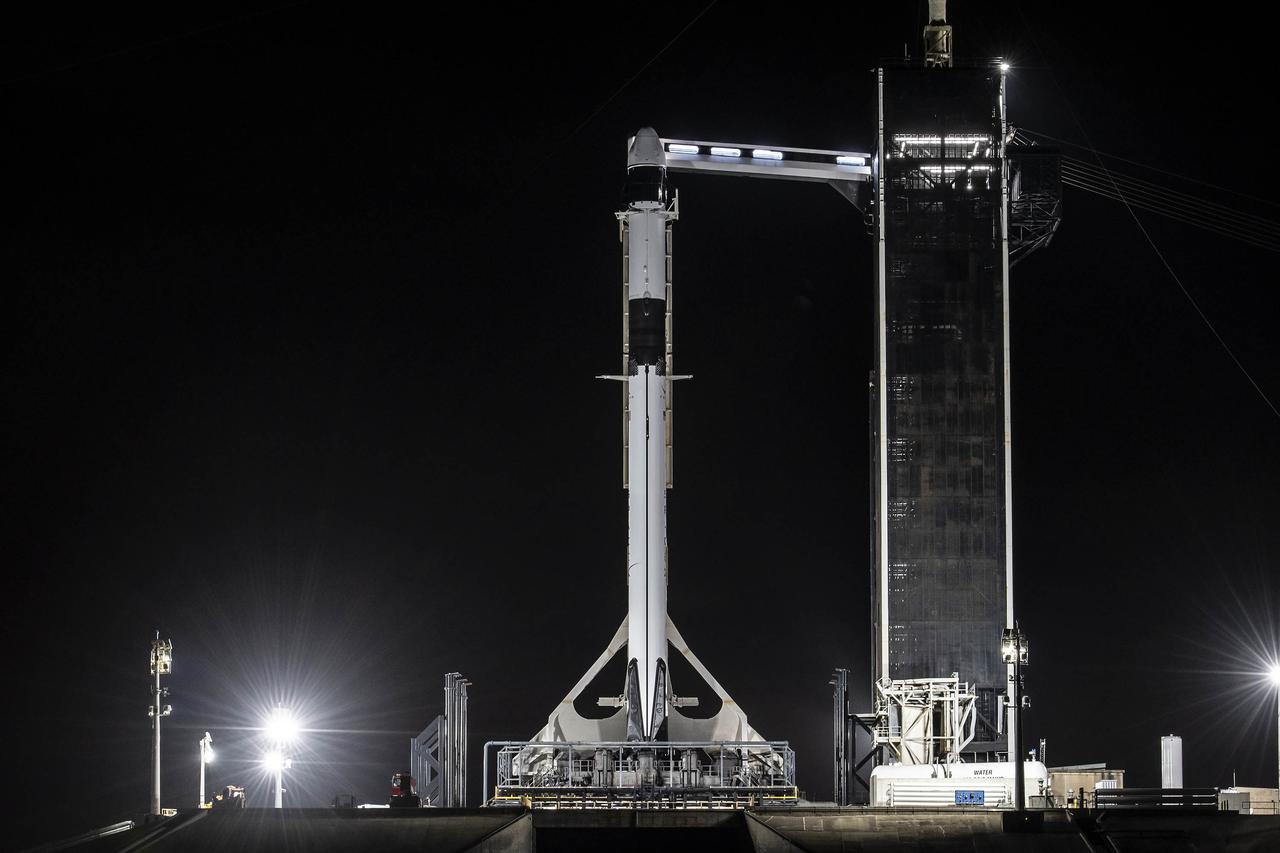
SpaceX's Falcon 9 rocket with Dragon spacecraft rolls out to Launch Complex 39A at NASA's Kennedy Space Center in Florida on Dec. 19, 2021, in preparation for launch. The agency's 24th Commercial Resupply Services mission, targeted for liftoff on Dec. 21, 2021 at 5:06 a.m. EST, will deliver new science investigations, supplies, and equipment to the crew on board the International Space Station.

A SpaceX Falcon 9 rocket lifts off from Launch Complex 39A at NASA’s Kennedy Space Center in Florida at 3:14 a.m. on Aug. 29, 2021, carrying the Dragon spacecraft on its journey to the International Space Station for NASA and SpaceX’s 23rd commercial resupply services mission. Dragon delivered new science investigations, supplies, and equipment to the crew aboard the orbiting laboratory.
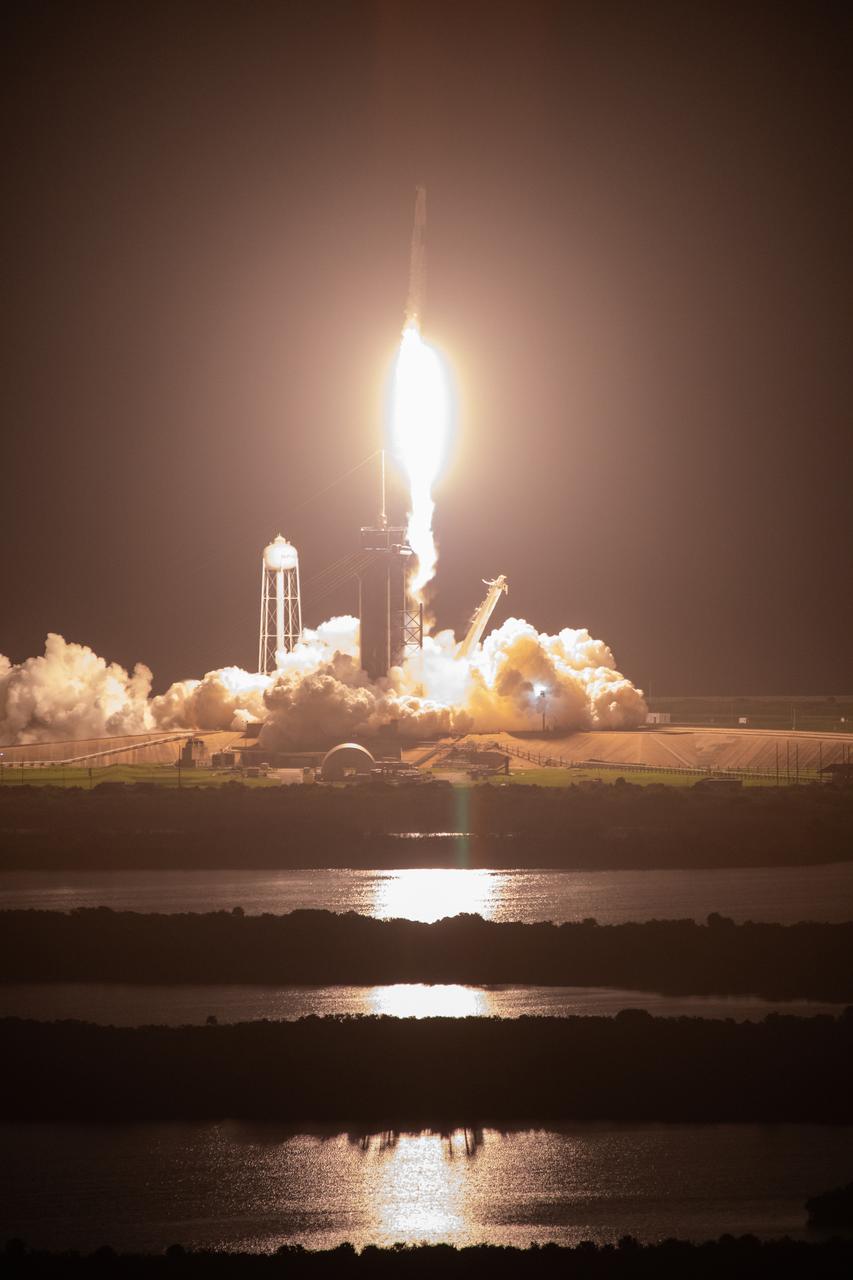
A SpaceX Falcon 9 rocket lifts off from Launch Complex 39A at NASA’s Kennedy Space Center in Florida at 3:14 a.m. on Aug. 29, 2021, carrying the Dragon spacecraft on its journey to the International Space Station for NASA and SpaceX’s 23rd commercial resupply services mission. Dragon will deliver new science investigations, supplies, and equipment to the crew aboard the orbiting laboratory.
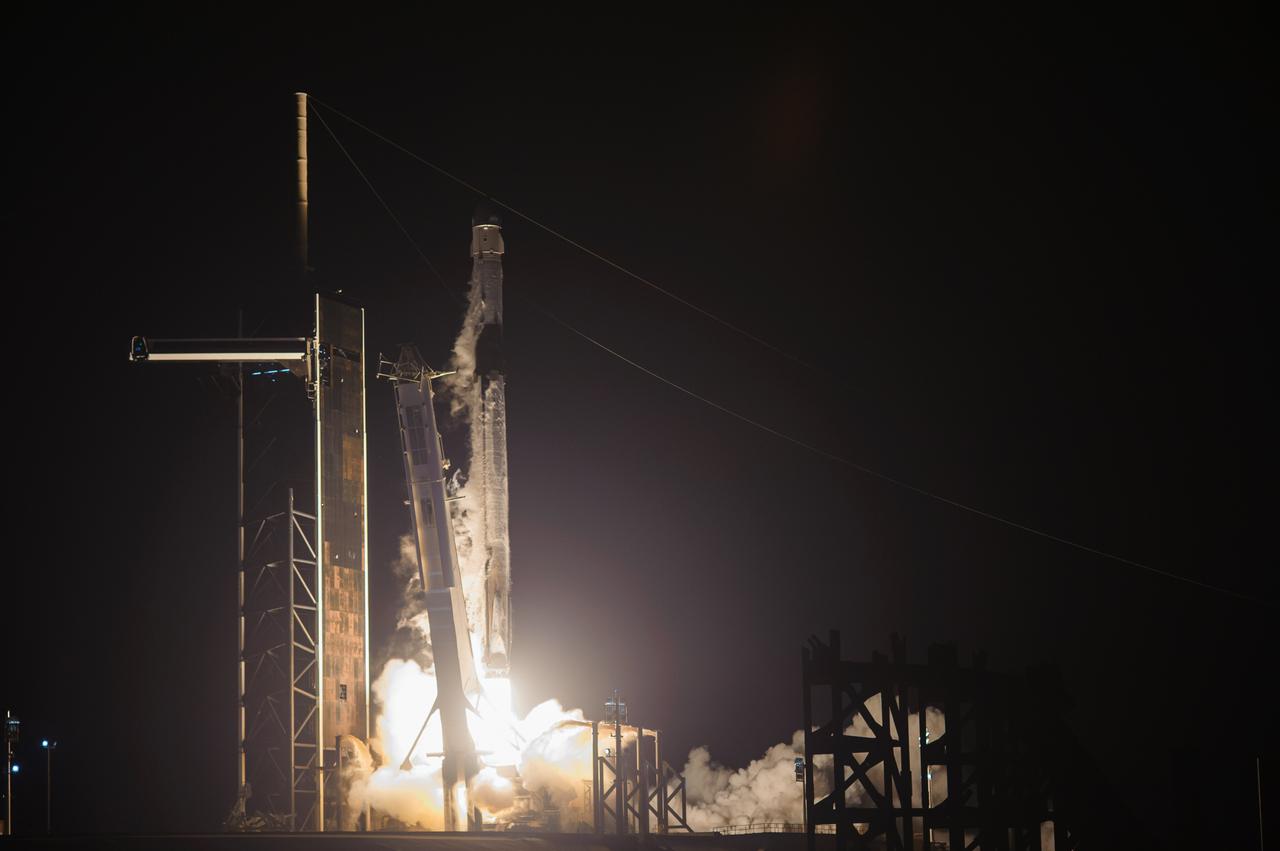
A SpaceX Falcon 9 rocket lifts off from Launch Complex 39A at NASA’s Kennedy Space Center in Florida at 3:14 a.m. on Aug. 29, 2021, carrying the Dragon spacecraft on its journey to the International Space Station for NASA and SpaceX’s 23rd commercial resupply services mission. Dragon delivered new science investigations, supplies, and equipment to the crew aboard the orbiting laboratory.
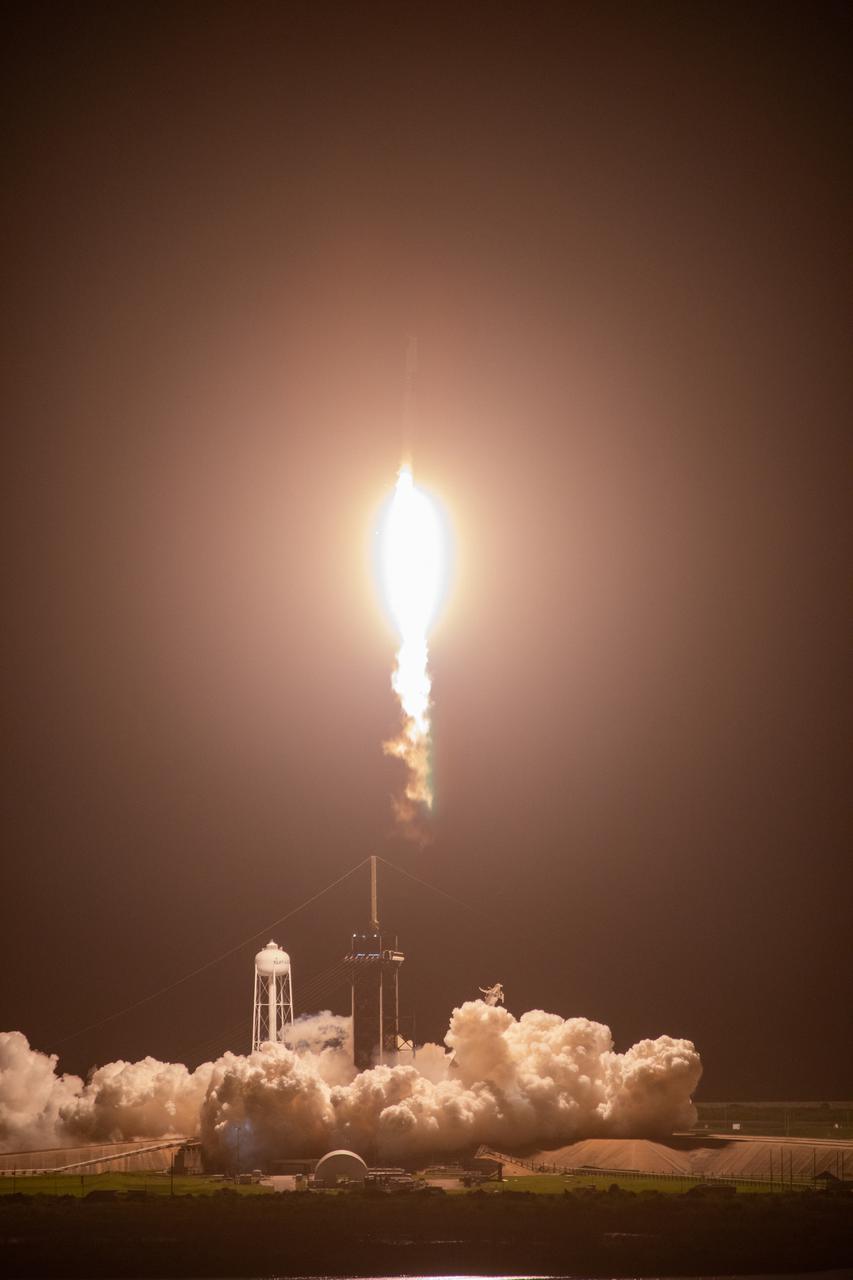
A SpaceX Falcon 9 rocket, topped with the uncrewed Dragon spacecraft, soars upward after lifting off from NASA Kennedy Space Center’s Launch Complex 39A in Florida at 3:14 a.m. on Aug. 29, 2021. Dragon will deliver new science investigations, supplies, and equipment to the International Space Station for NASA and SpaceX’s 23rd commercial resupply services mission.

A SpaceX Falcon 9 rocket lifts off from Launch Complex 39A at NASA’s Kennedy Space Center in Florida at 3:14 a.m. on Aug. 29, 2021, carrying the Dragon spacecraft on its journey to the International Space Station for NASA and SpaceX’s 23rd commercial resupply services mission. Dragon delivered new science investigations, supplies, and equipment to the crew aboard the orbiting laboratory.
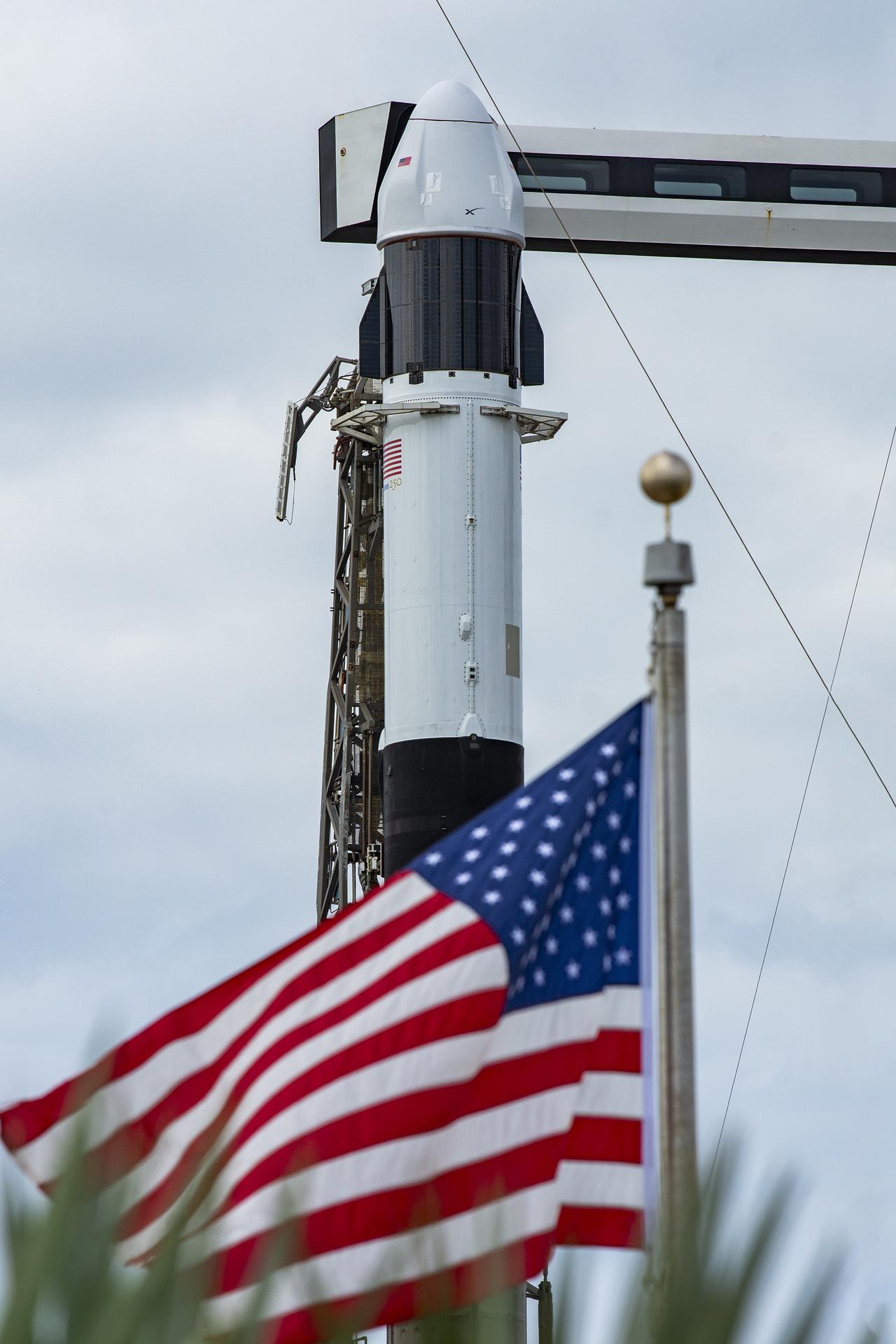
A SpaceX Falcon 9 rocket, with the company’s Dragon spacecraft atop, stands in a vertical position at Space Launch Complex 40 at Cape Canaveral Space Force Station in Florida on Wednesday, May 13, 2026, in preparation for the company’s 34th commercial resupply services launch to the International Space Station for NASA. Dragon will deliver about 6,500 pounds of science investigations, supplies, and equipment to the International Space Station. NASA and SpaceX are targeting liftoff at 6:50 p.m. EDT, Wednesday May 13.
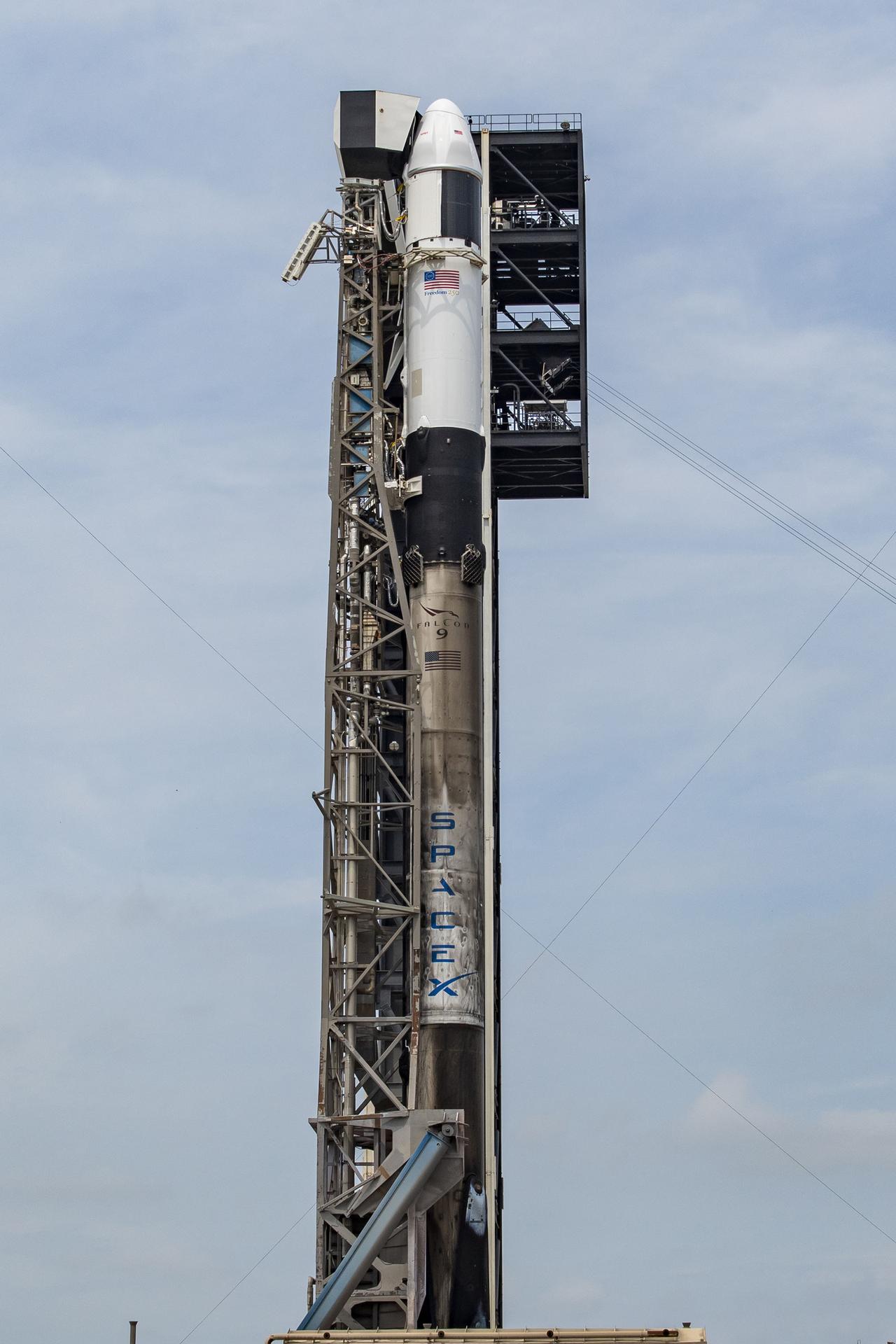
A SpaceX Falcon 9 rocket, with the company’s Dragon spacecraft atop, stands in a vertical position at Space Launch Complex 40 at Cape Canaveral Space Force Station in Florida on Monday, May 11, 2026, in preparation for the company’s 34th commercial resupply services launch to the International Space Station for NASA. Dragon will deliver about 6,500 pounds of science investigations, supplies, and equipment to the International Space Station. NASA and SpaceX are targeting liftoff at 6:50 p.m. EDT, Wednesday, May 13.
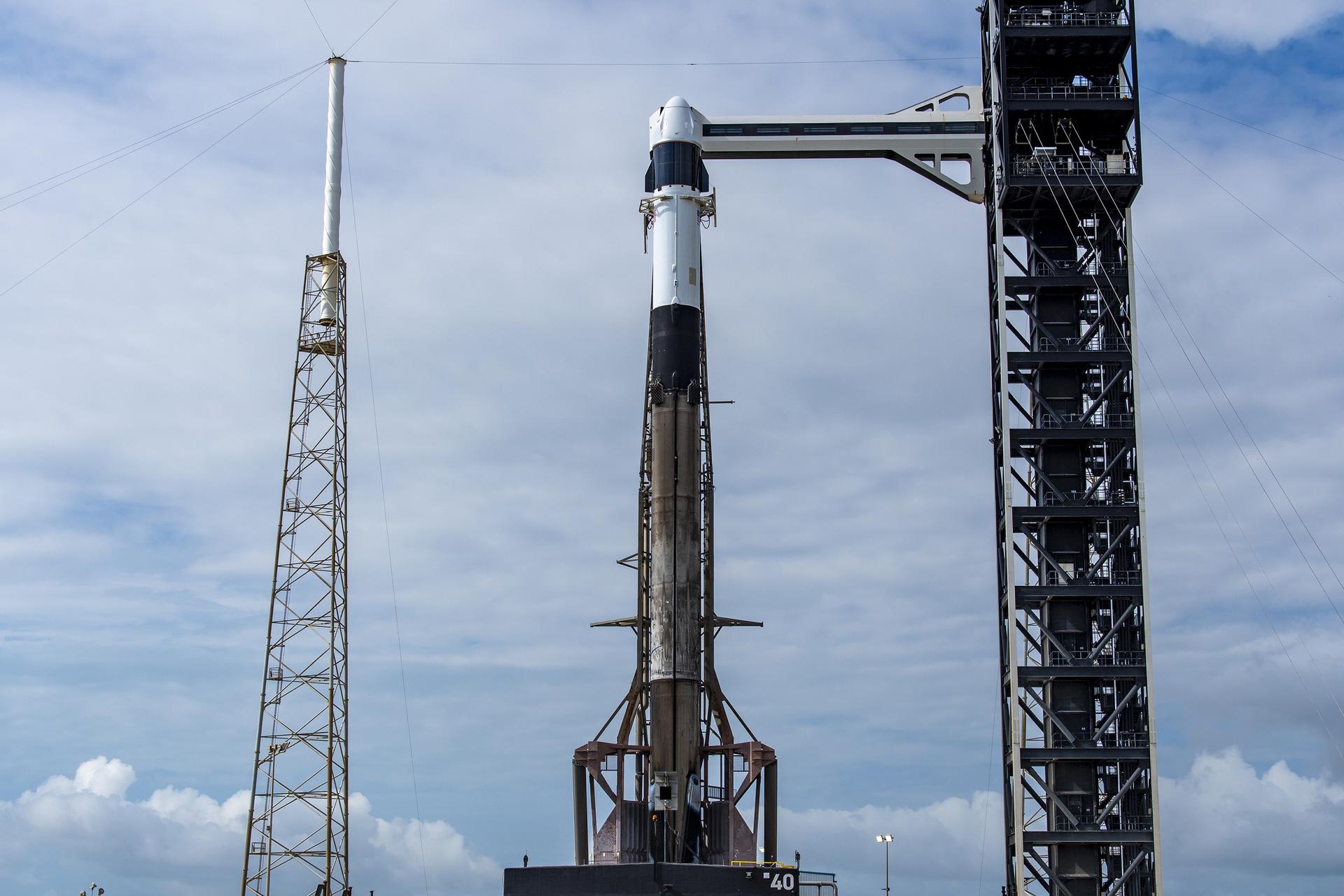
A SpaceX Falcon 9 rocket, with the company’s Dragon spacecraft atop, stands in a vertical position at Space Launch Complex 40 at Cape Canaveral Space Force Station in Florida on Wednesday, May 13, 2026, in preparation for the company’s 34th commercial resupply services launch to the International Space Station for NASA. Dragon will deliver about 6,500 pounds of science investigations, supplies, and equipment to the International Space Station. NASA and SpaceX are targeting liftoff at 6:50 p.m. EDT, Wednesday May 13.
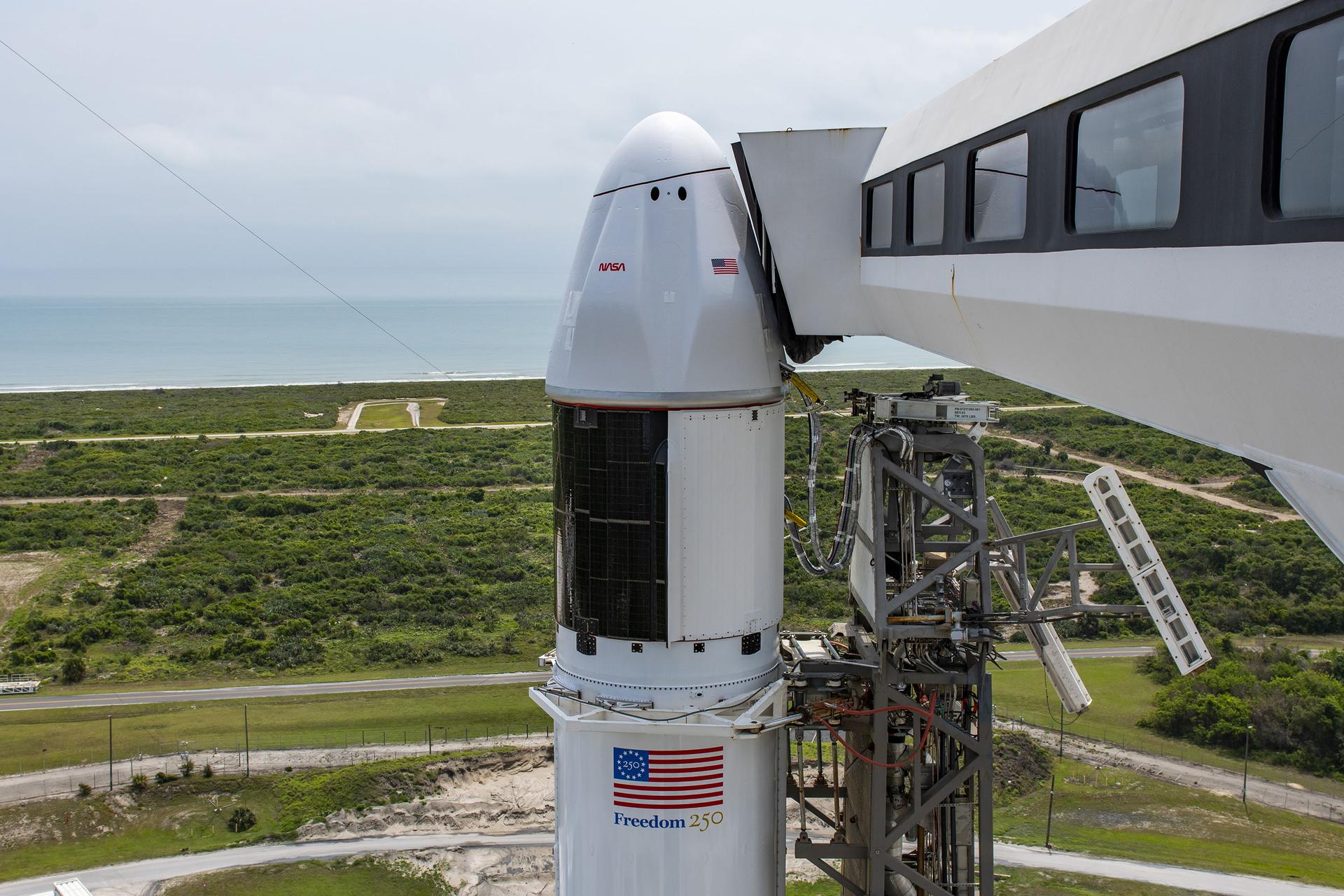
A SpaceX Falcon 9 rocket, with the company’s Dragon spacecraft atop, stands in a vertical position at Space Launch Complex 40 at Cape Canaveral Space Force Station in Florida on Monday, May 11, 2026, in preparation for the company’s 34th commercial resupply services launch to the International Space Station for NASA. Dragon will deliver about 6,500 pounds of science investigations, supplies, and equipment to the International Space Station. NASA and SpaceX are targeting liftoff at 6:50 p.m. EDT, Wednesday, May 13.
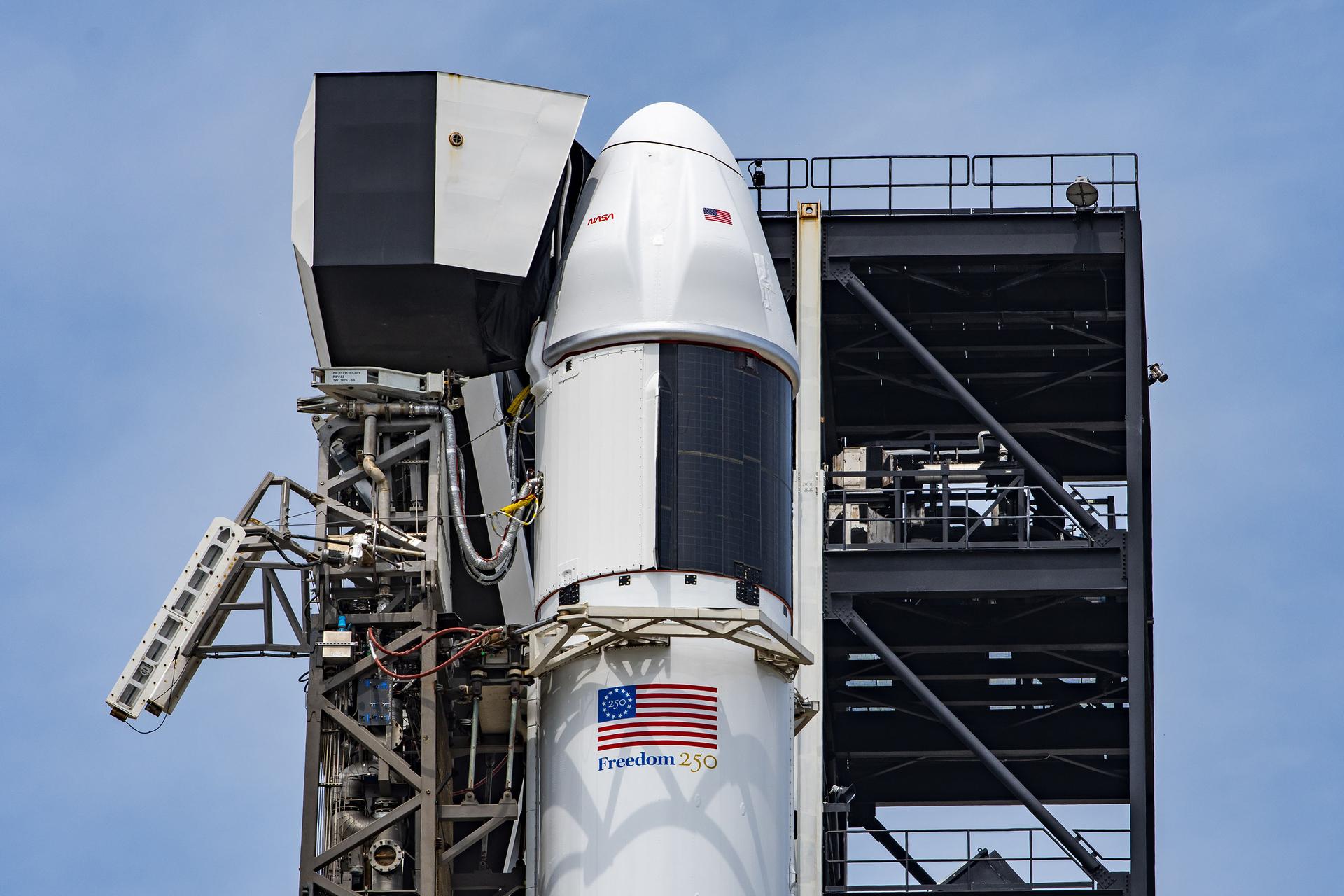
A SpaceX Falcon 9 rocket, with the company’s Dragon spacecraft atop, stands in a vertical position at Space Launch Complex 40 at Cape Canaveral Space Force Station in Florida on Monday, May 11, 2026, in preparation for the company’s 34th commercial resupply services launch to the International Space Station for NASA. Dragon will deliver about 6,500 pounds of science investigations, supplies, and equipment to the International Space Station. NASA and SpaceX are targeting liftoff at 6:50 p.m. EDT, Wednesday, May 13.
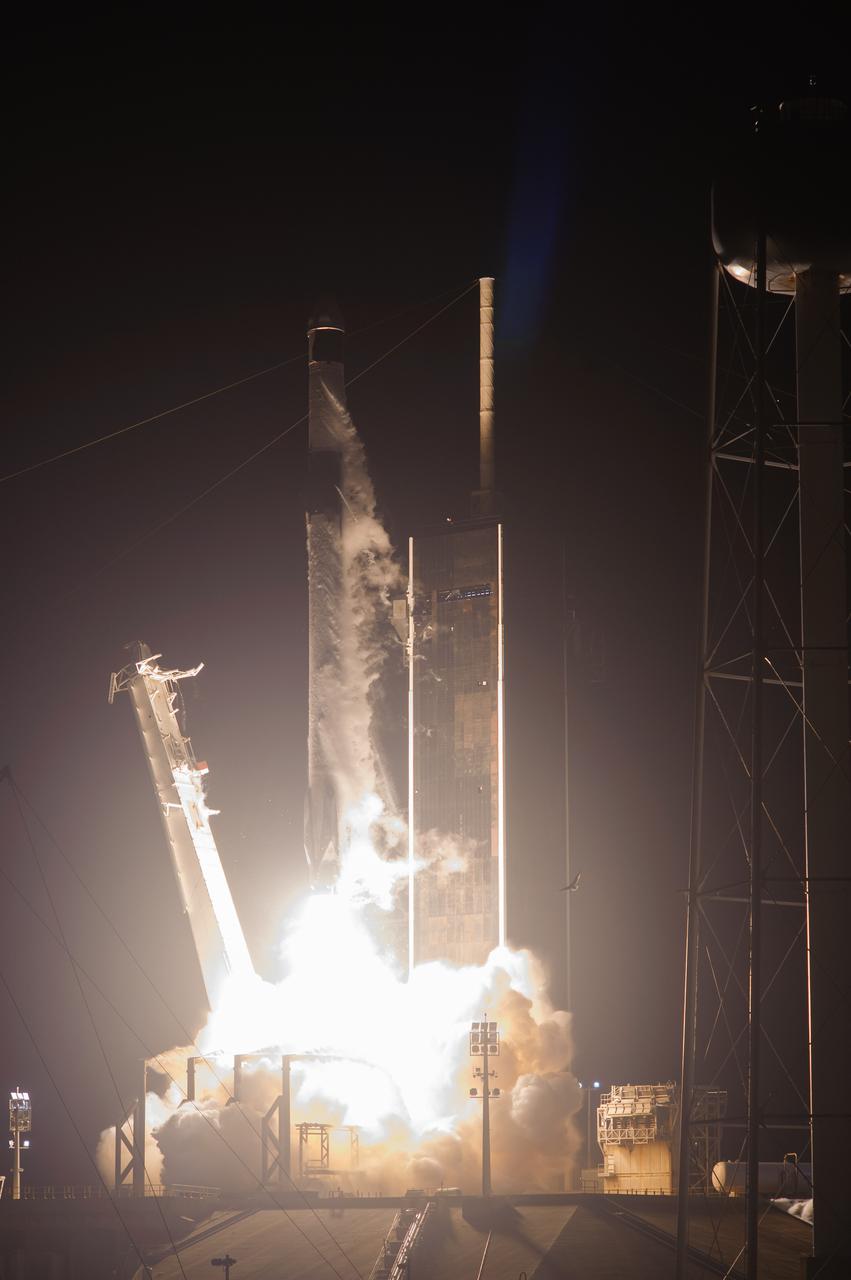
A SpaceX Falcon 9 rocket, with the uncrewed Dragon spacecraft atop, lifts off from Launch Complex 39A at NASA’s Kennedy Space Center in Florida on Aug. 29, 2021, for the company’s 23rd commercial resupply services mission to the International Space Station. The mission delivered new science investigations, supplies, and equipment to the international crew aboard the orbiting laboratory. Liftoff occurred at 3:14 a.m. EDT.
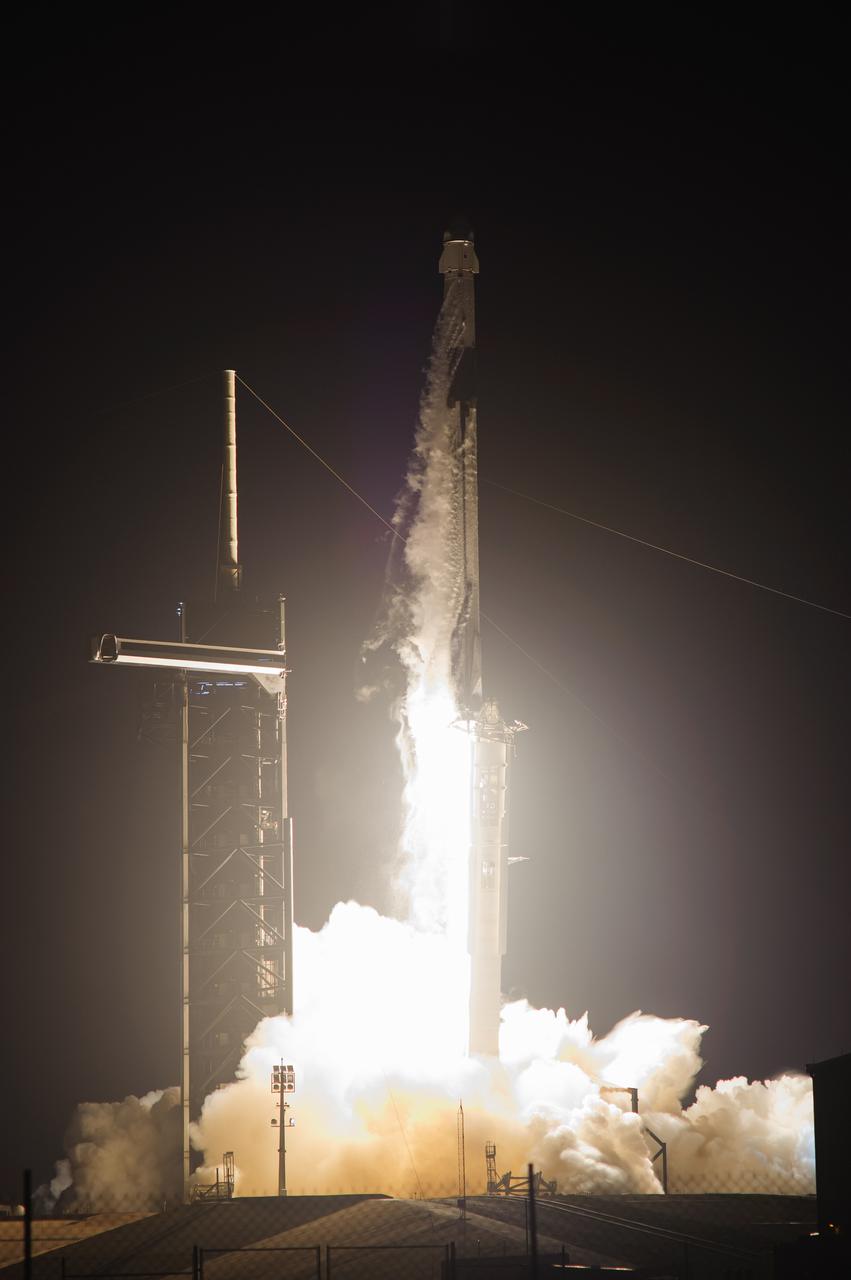
A SpaceX Falcon 9 rocket, with the uncrewed Dragon spacecraft atop, lifts off from Launch Complex 39A at NASA’s Kennedy Space Center in Florida on Aug. 29, 2021, for the company’s 23rd commercial resupply services mission to the International Space Station. The mission delivered new science investigations, supplies, and equipment to the international crew aboard the orbiting laboratory. Liftoff occurred at 3:14 a.m. EDT.
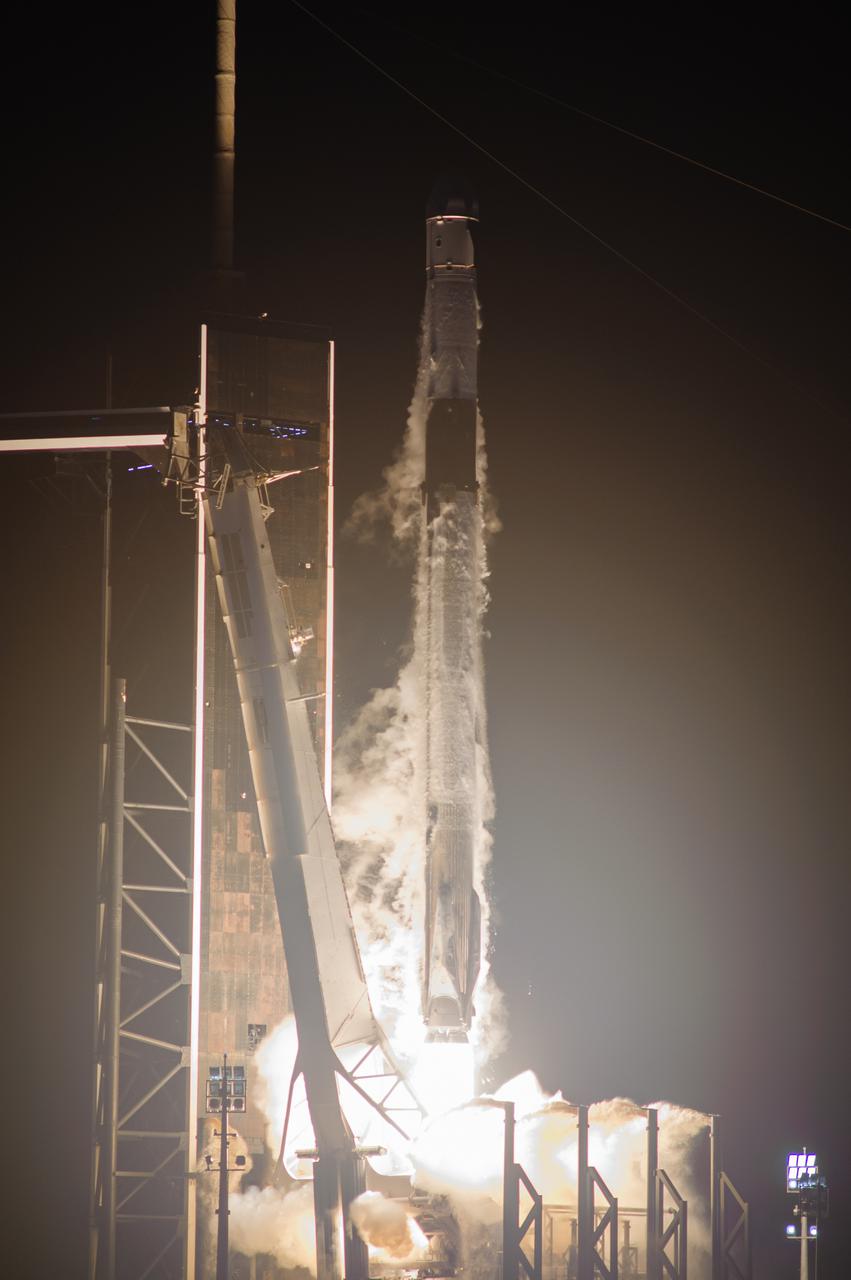
A SpaceX Falcon 9 rocket, with the uncrewed Dragon spacecraft atop, lifts off from Launch Complex 39A at NASA’s Kennedy Space Center in Florida on Aug. 29, 2021, for the company’s 23rd commercial resupply services mission to the International Space Station. The mission delivered new science investigations, supplies, and equipment to the international crew aboard the orbiting laboratory. Liftoff occurred at 3:14 a.m. EDT.
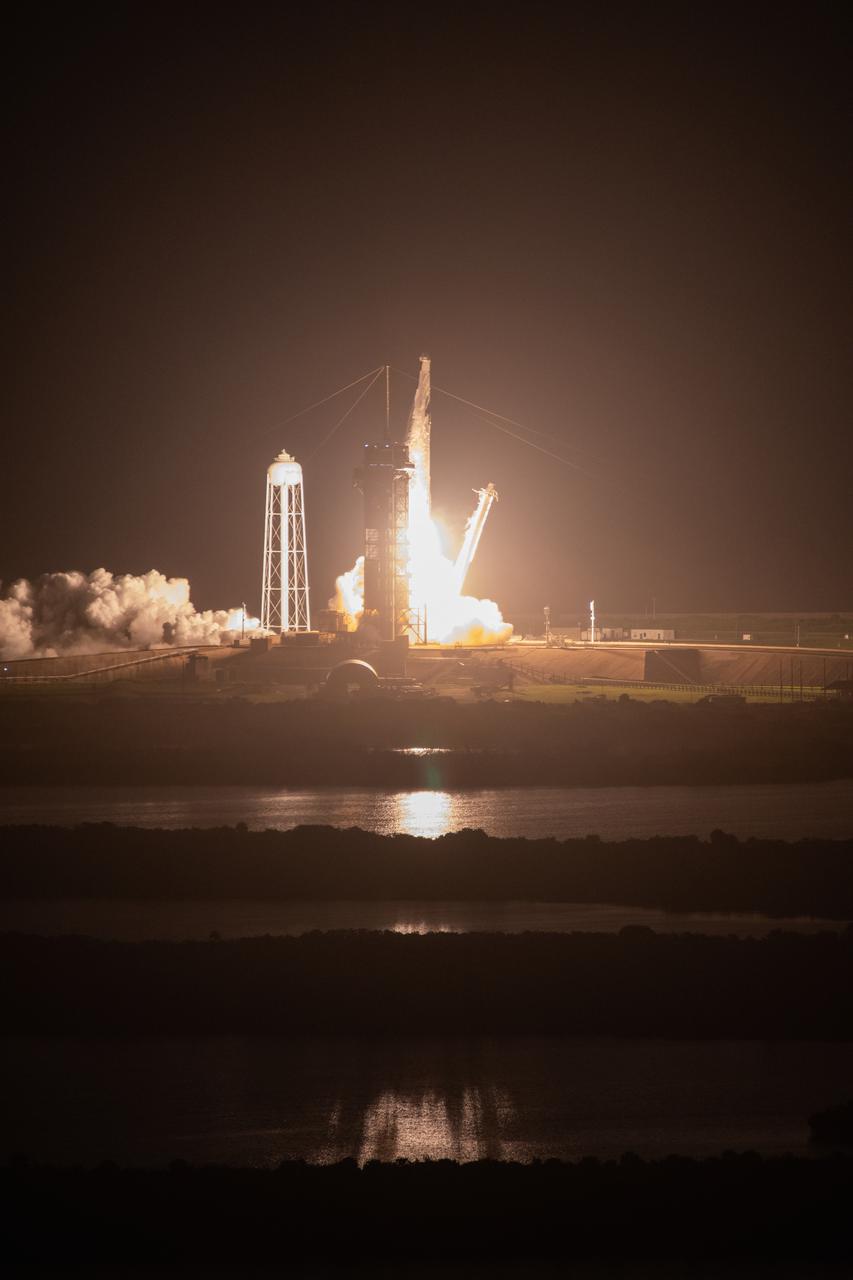
A SpaceX Falcon 9 rocket, with the uncrewed Dragon spacecraft atop, lifts off from Launch Complex 39A at NASA’s Kennedy Space Center in Florida on Aug. 29, 2021, for the company’s 23rd commercial resupply services mission to the International Space Station. The mission will deliver new science investigations, supplies, and equipment to the international crew aboard the orbiting laboratory. Liftoff occurred at 3:14 a.m. EDT.
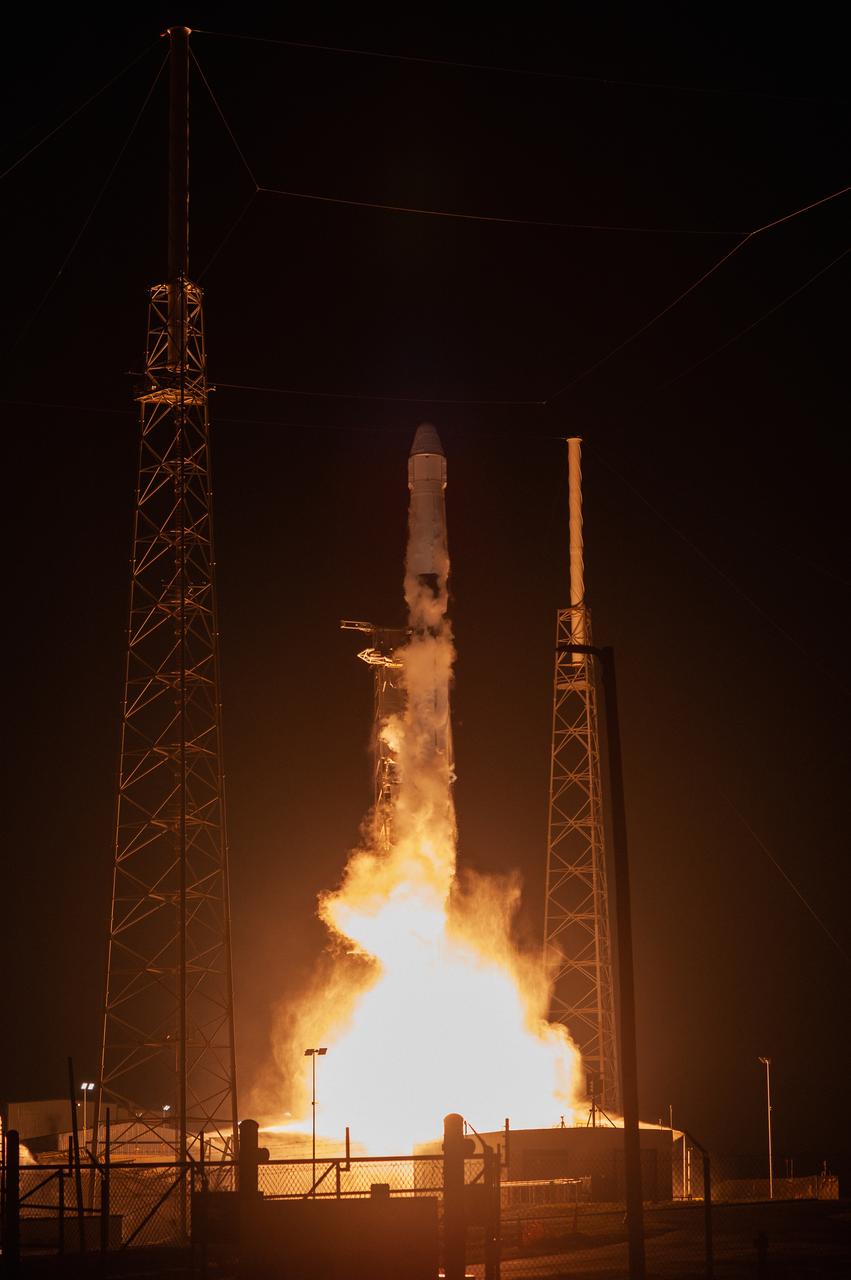
The SpaceX Falcon 9 rocket with the Dragon cargo module lifts off Space Launch Complex 40 on Cape Canaveral Air Force Station in Florida in the early morning May 4, 2019. Liftoff was at 2:48 a.m. EDT. This is SpaceX’s 17th Commercial Resupply Services (CRS-17) mission for NASA to the International Space Station. The Dragon cargo module will deliver about 5,500 pounds of science and research, crew supplies and vehicle hardware to the orbital laboratory and its crew.
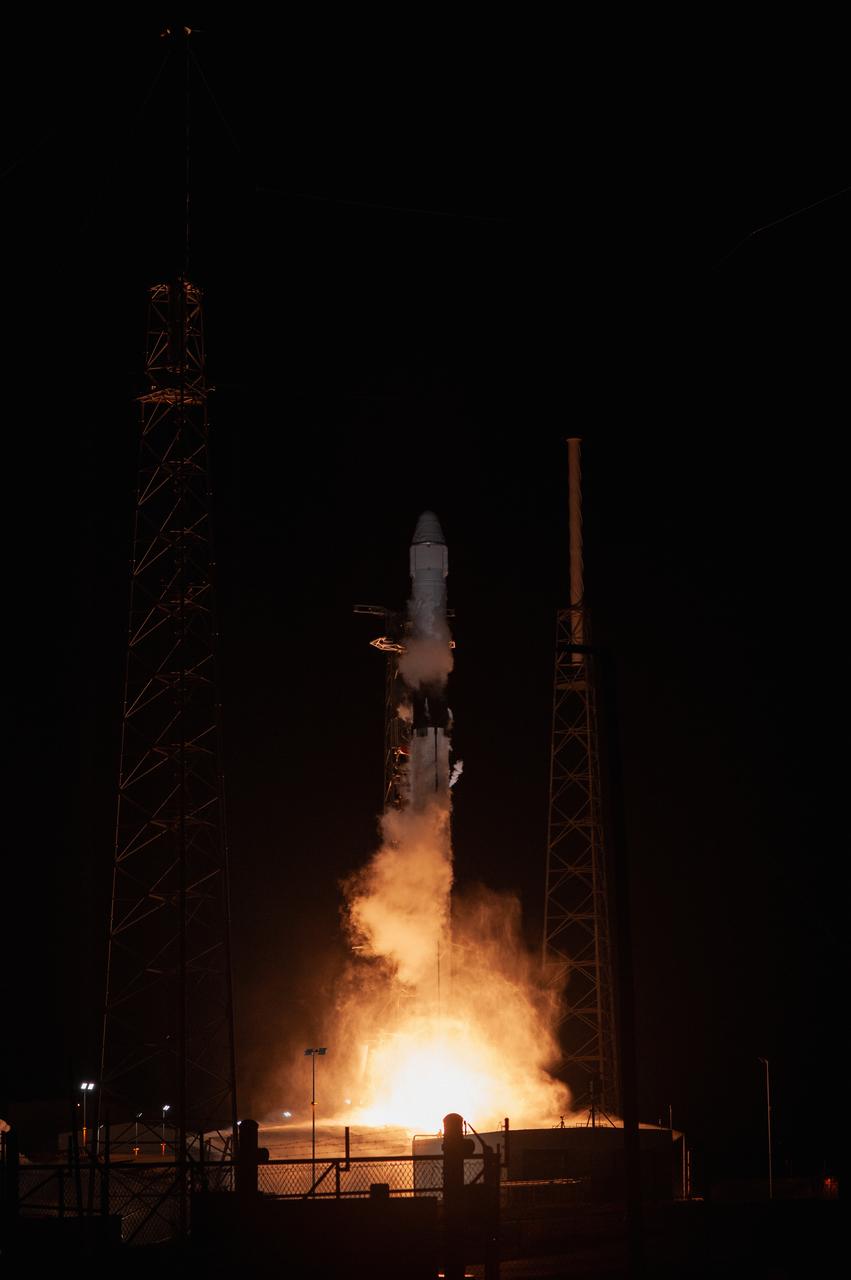
The SpaceX Falcon 9 rocket with the Dragon cargo module lifts off Space Launch Complex 40 on Cape Canaveral Air Force Station in Florida in the early morning May 4, 2019. Liftoff was at 2:48 a.m. EDT. This is SpaceX’s 17th Commercial Resupply Services (CRS-17) mission for NASA to the International Space Station. The Dragon cargo module will deliver about 5,500 pounds of science and research, crew supplies and vehicle hardware to the orbital laboratory and its crew.
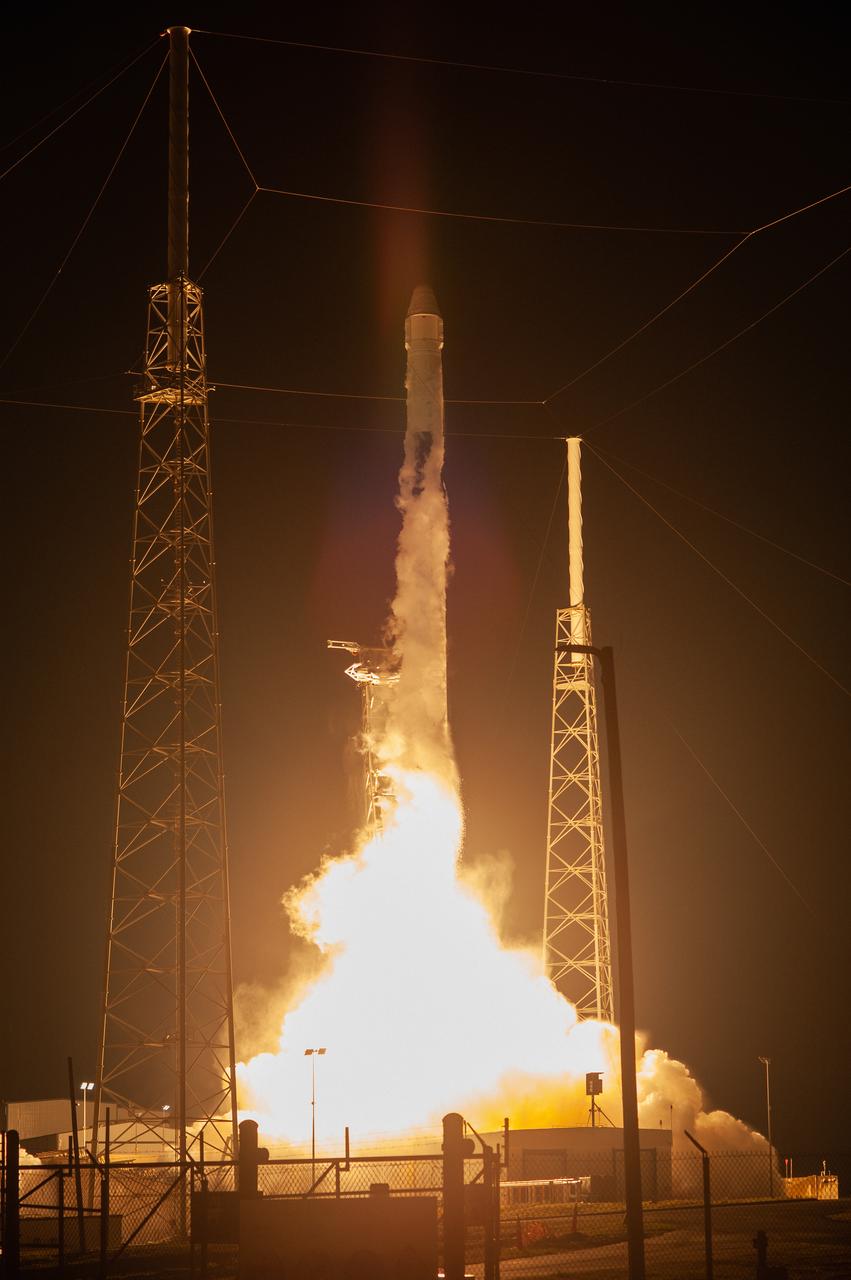
The SpaceX Falcon 9 rocket with the Dragon cargo module lifts off Space Launch Complex 40 on Cape Canaveral Air Force Station in Florida in the early morning May 4, 2019. Liftoff was at 2:48 a.m. EDT. This is SpaceX’s 17th Commercial Resupply Services (CRS-17) mission for NASA to the International Space Station. The Dragon cargo module will deliver about 5,500 pounds of science and research, crew supplies and vehicle hardware to the orbital laboratory and its crew.
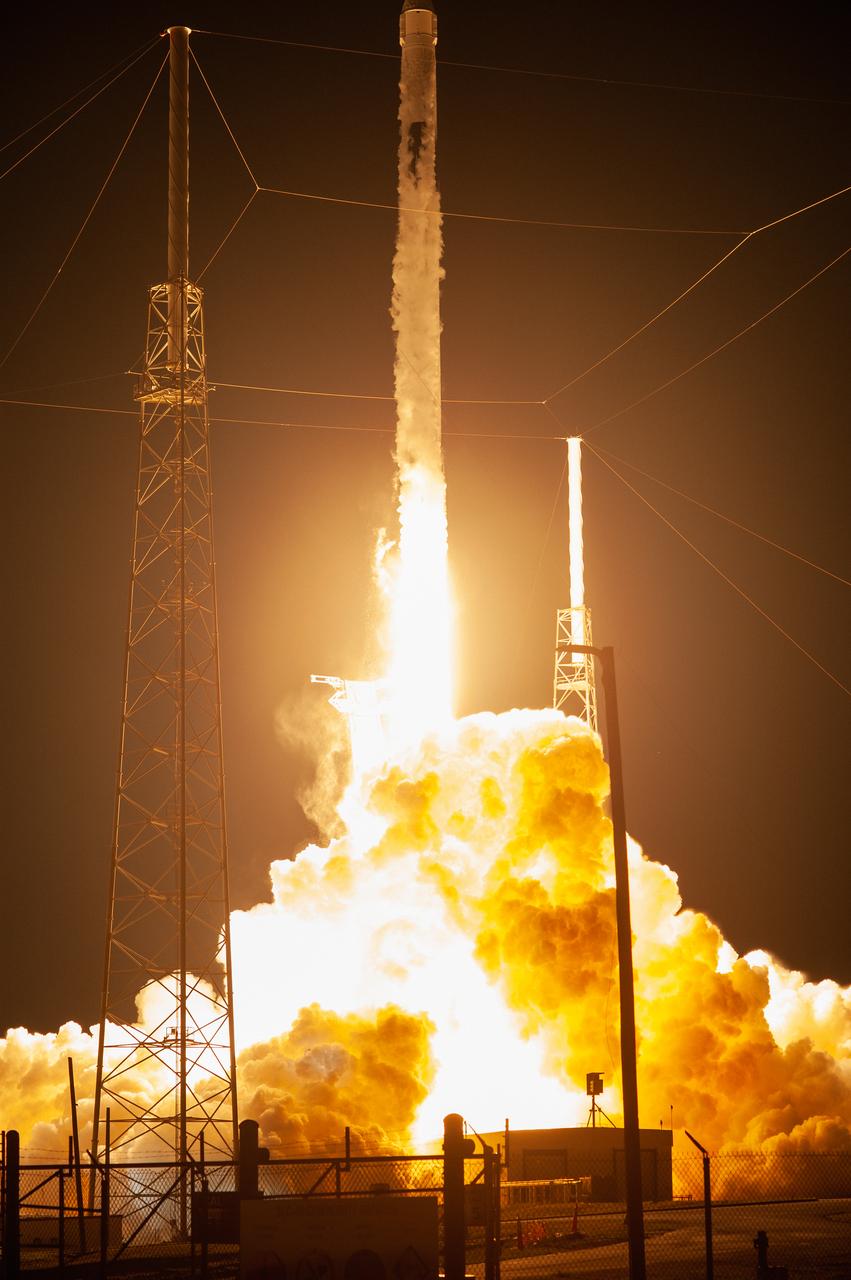
The SpaceX Falcon 9 rocket with the Dragon cargo module lifts off Space Launch Complex 40 on Cape Canaveral Air Force Station in Florida in the early morning May 4, 2019. Liftoff was at 2:48 a.m. EDT. This is SpaceX’s 17th Commercial Resupply Services (CRS-17) mission for NASA to the International Space Station. The Dragon cargo module will deliver about 5,500 pounds of science and research, crew supplies and vehicle hardware to the orbital laboratory and its crew.
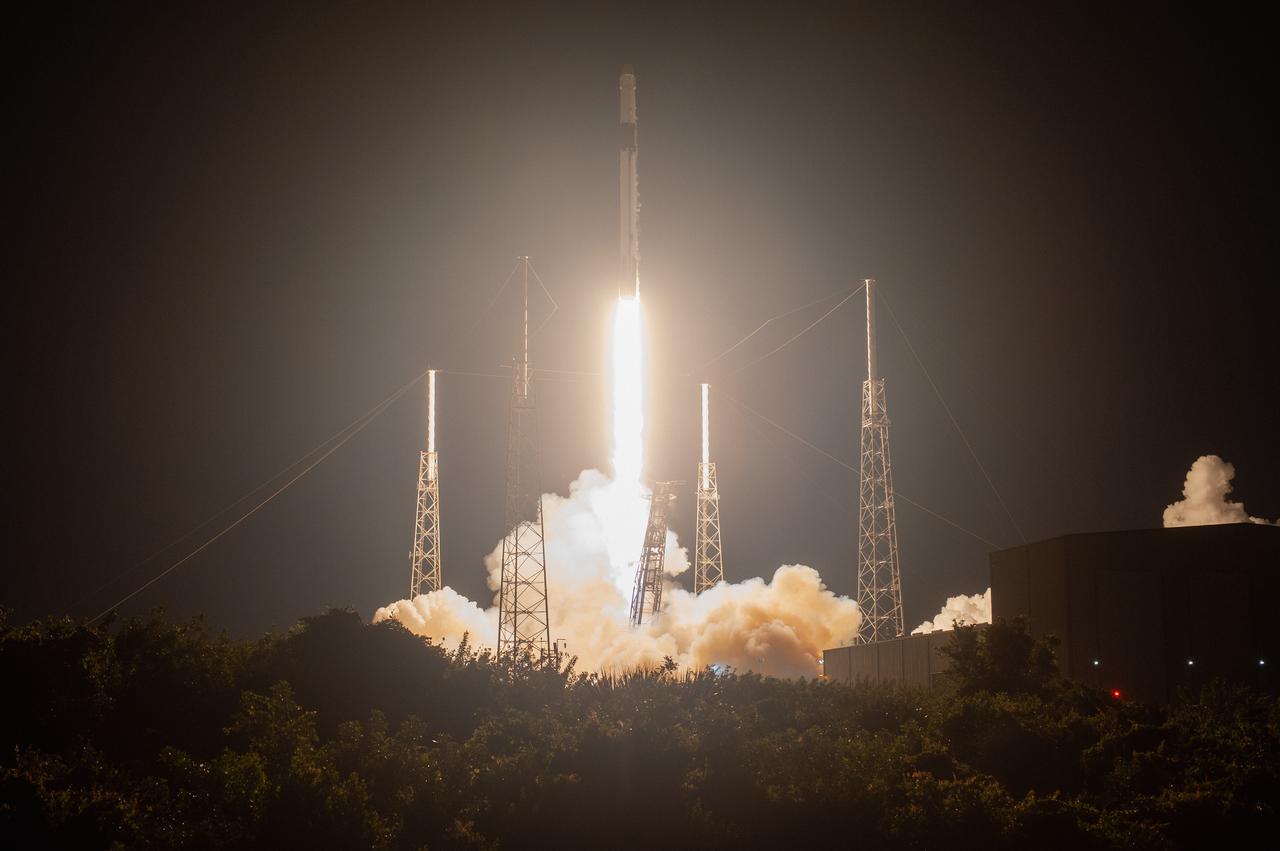
The SpaceX Falcon 9 rocket with the Dragon cargo module lifts off Space Launch Complex 40 on Cape Canaveral Air Force Station in Florida in the early morning May 4, 2019. Liftoff was at 2:48 a.m. EDT. This is SpaceX’s 17th Commercial Resupply Services (CRS-17) mission for NASA to the International Space Station. The Dragon cargo module will deliver about 5,500 pounds of science and research, crew supplies and vehicle hardware to the orbital laboratory and its crew.
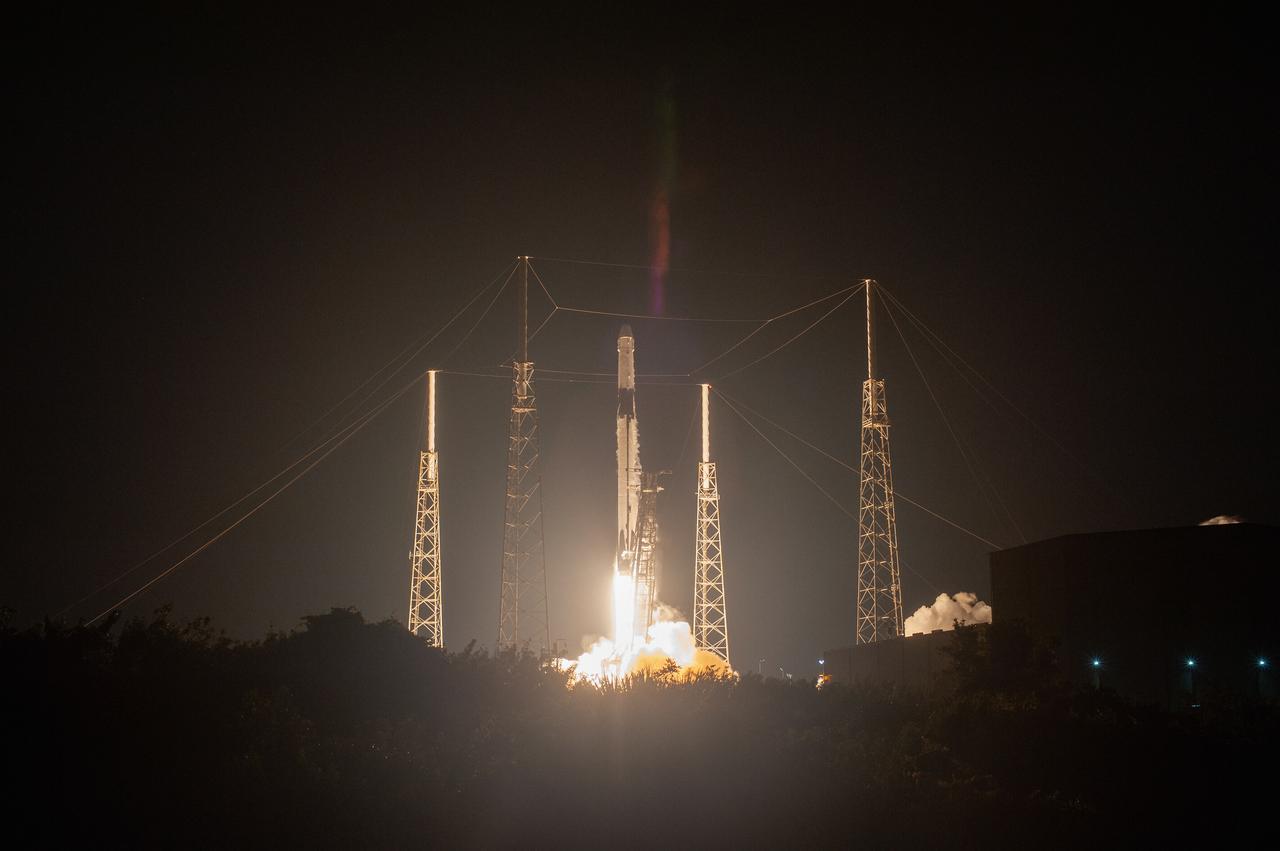
The SpaceX Falcon 9 rocket with the Dragon cargo module lifts off Space Launch Complex 40 on Cape Canaveral Air Force Station in Florida in the early morning May 4, 2019. Liftoff was at 2:48 a.m. EDT. This is SpaceX’s 17th Commercial Resupply Services (CRS-17) mission for NASA to the International Space Station. The Dragon cargo module will deliver about 5,500 pounds of science and research, crew supplies and vehicle hardware to the orbital laboratory and its crew.
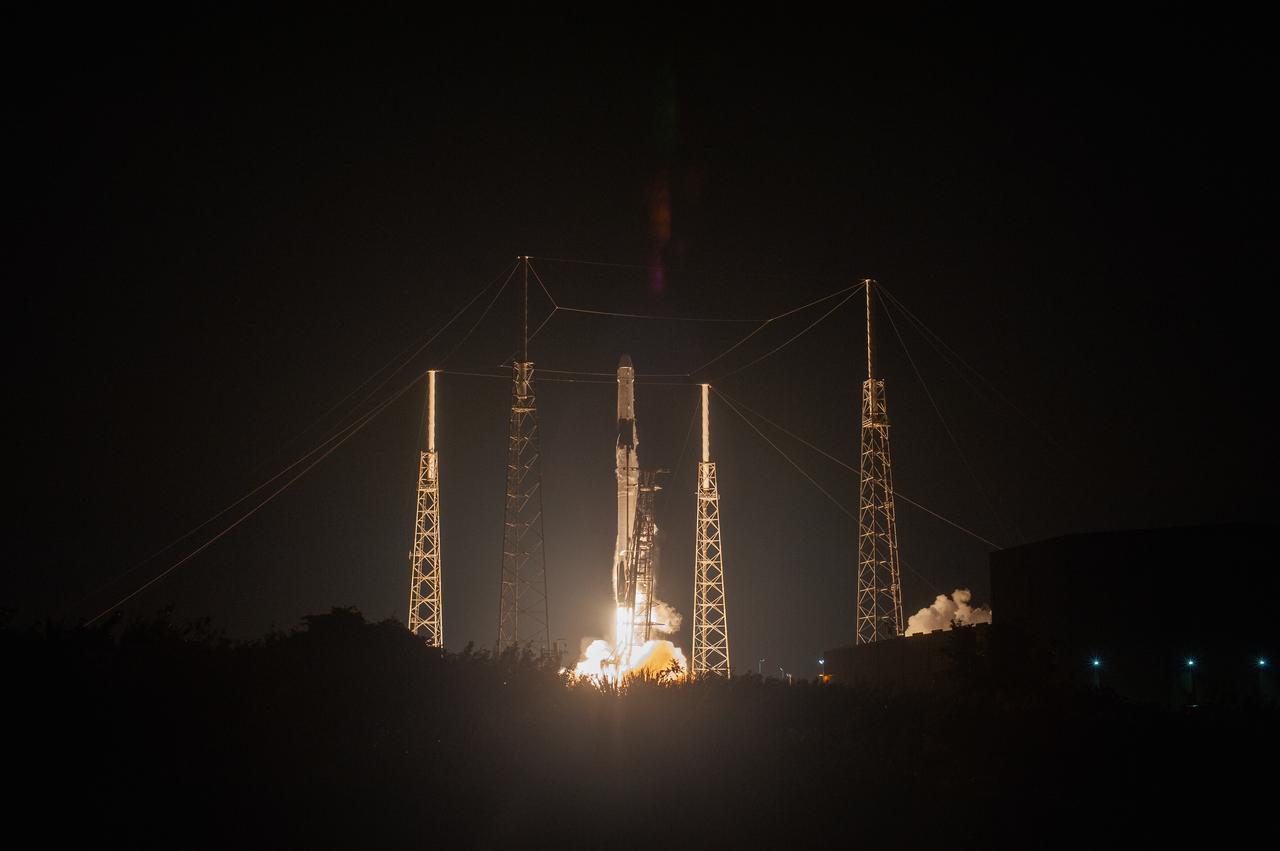
The SpaceX Falcon 9 rocket with the Dragon cargo module lifts off Space Launch Complex 40 on Cape Canaveral Air Force Station in Florida in the early morning May 4, 2019. Liftoff was at 2:48 a.m. EDT. This is SpaceX’s 17th Commercial Resupply Services (CRS-17) mission for NASA to the International Space Station. The Dragon cargo module will deliver about 5,500 pounds of science and research, crew supplies and vehicle hardware to the orbital laboratory and its crew.

The SpaceX Falcon 9 rocket with the Dragon cargo module lifts off Space Launch Complex 40 on Cape Canaveral Air Force Station in Florida in the early morning May 4, 2019. Liftoff was at 2:48 a.m. EDT. This is SpaceX’s 17th Commercial Resupply Services (CRS-17) mission for NASA to the International Space Station. The Dragon cargo module will deliver about 5,500 pounds of science and research, crew supplies and vehicle hardware to the orbital laboratory and its crew.
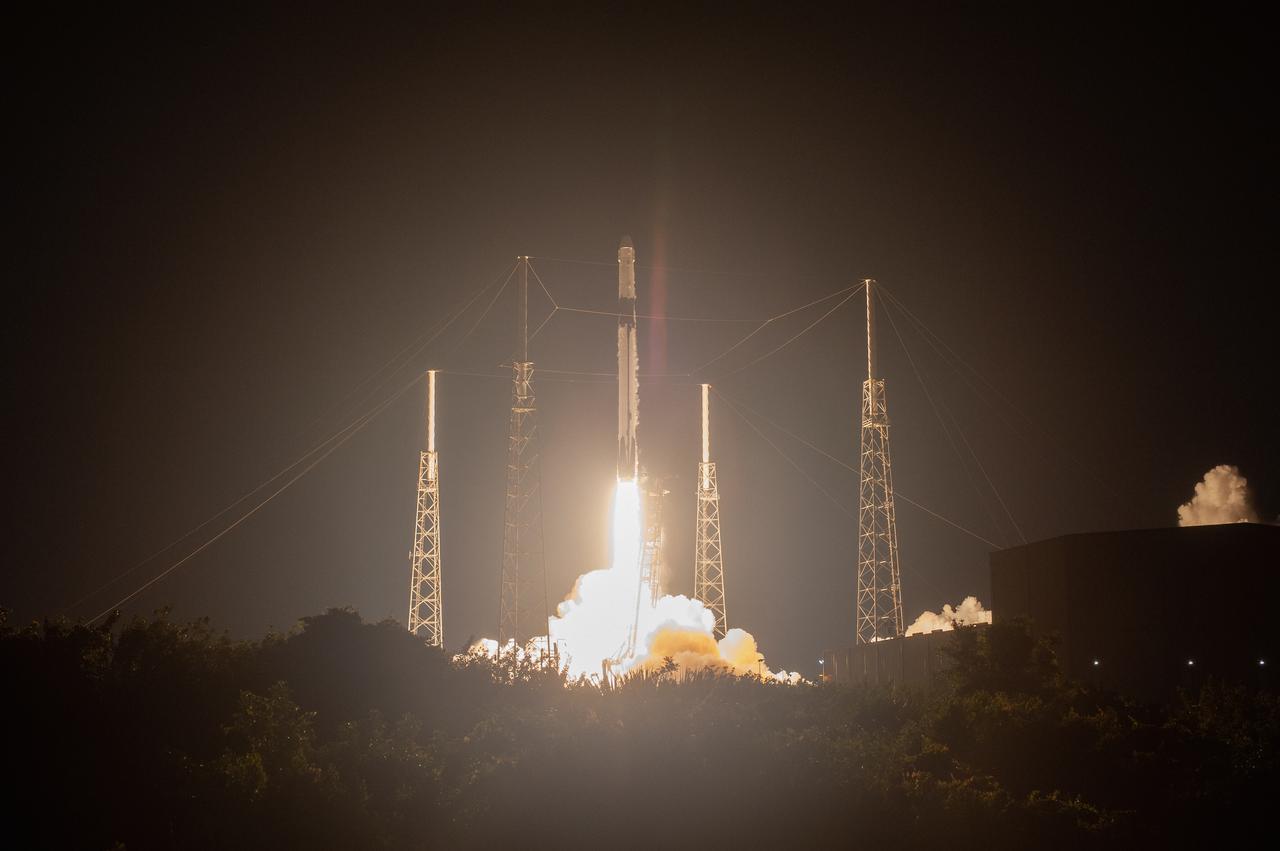
The SpaceX Falcon 9 rocket with the Dragon cargo module lifts off Space Launch Complex 40 on Cape Canaveral Air Force Station in Florida in the early morning May 4, 2019. Liftoff was at 2:48 a.m. EDT. This is SpaceX’s 17th Commercial Resupply Services (CRS-17) mission for NASA to the International Space Station. The Dragon cargo module will deliver about 5,500 pounds of science and research, crew supplies and vehicle hardware to the orbital laboratory and its crew.
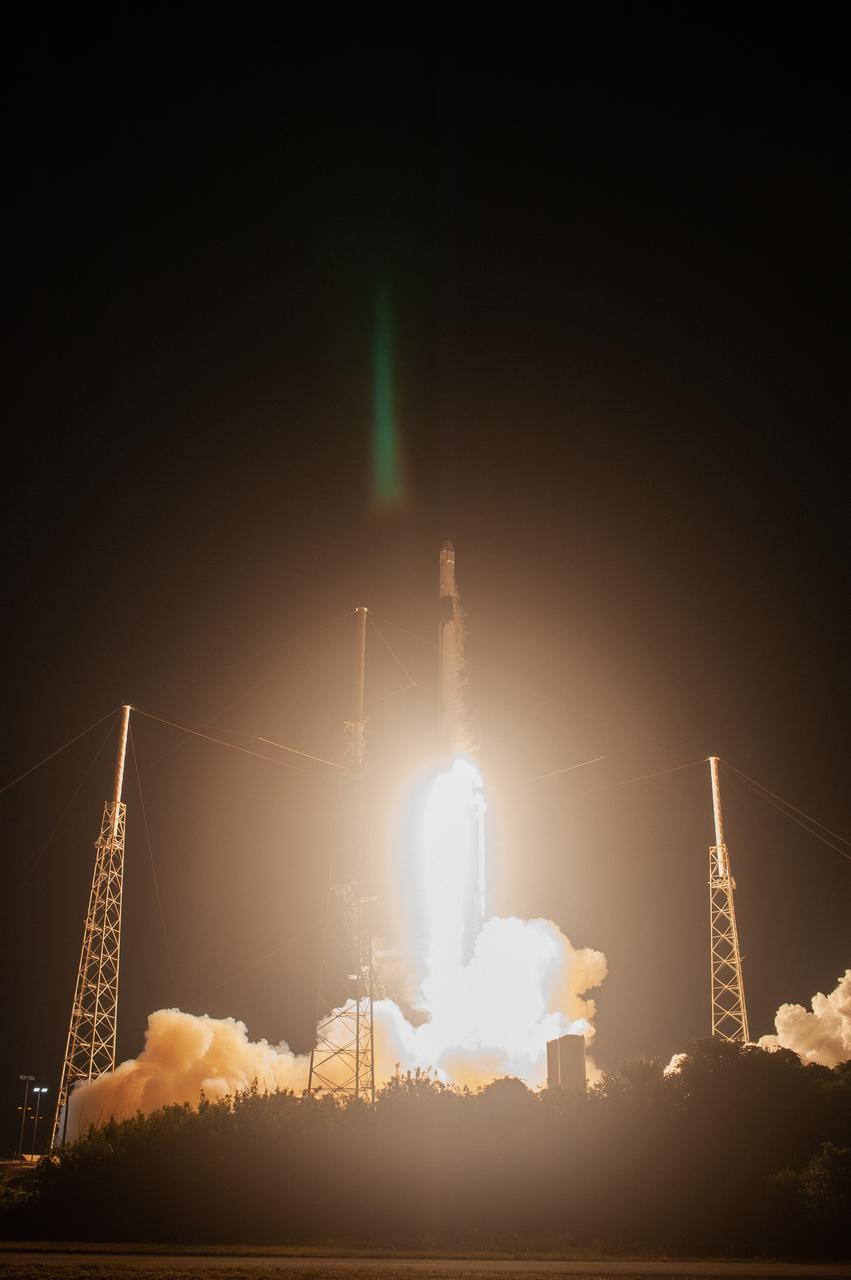
The SpaceX Falcon 9 rocket with the Dragon cargo module climbs upward after liftoff from Space Launch Complex 40 on Cape Canaveral Air Force Station in Florida in the early morning May 4, 2019. Liftoff was at 2:48 a.m. EDT. This is SpaceX’s 17th Commercial Resupply Services (CRS-17) mission for NASA to the International Space Station. The Dragon cargo module will deliver about 5,500 pounds of science and research, crew supplies and vehicle hardware to the orbital laboratory and its crew.
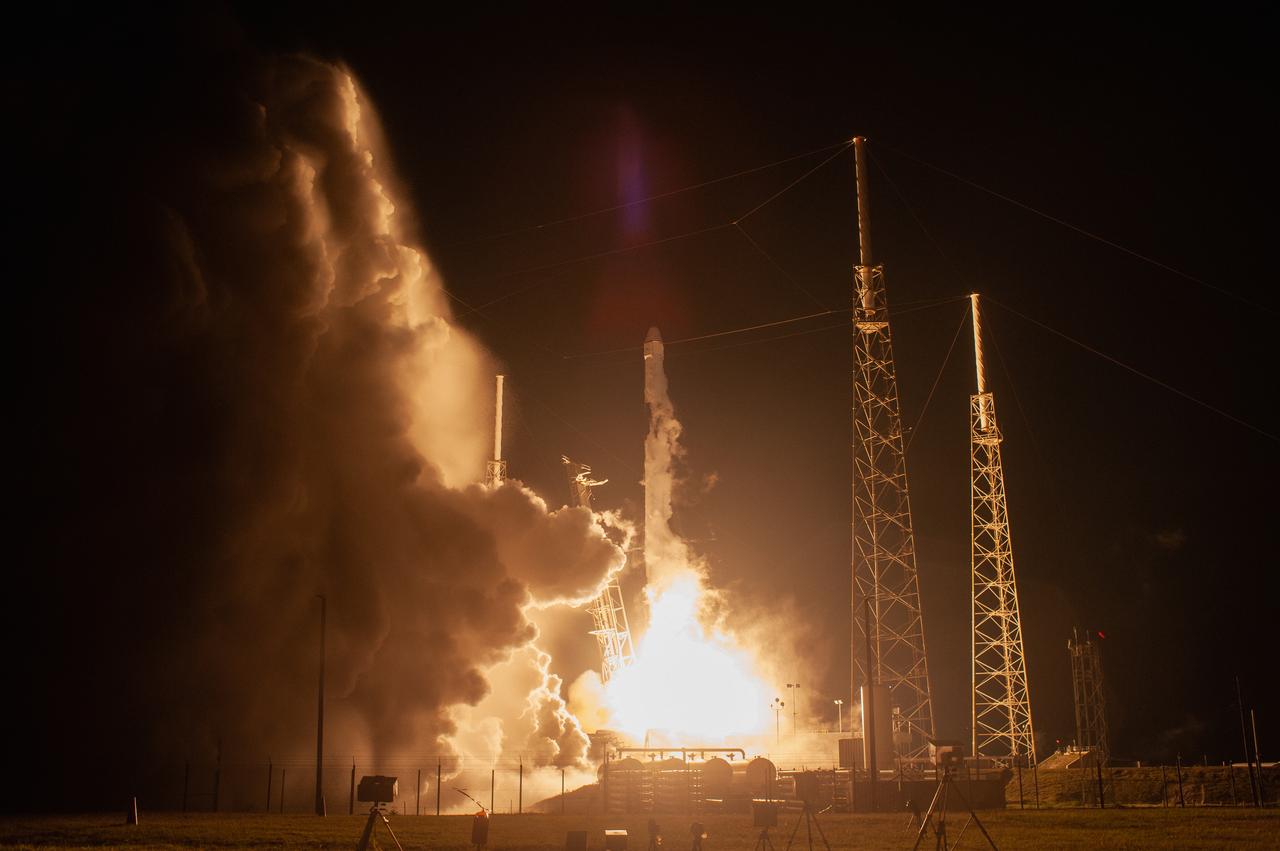
The SpaceX Falcon 9 rocket with the Dragon cargo module lifts off Space Launch Complex 40 on Cape Canaveral Air Force Station in Florida in the early morning May 4, 2019. Liftoff was at 2:48 a.m. EDT. This is SpaceX’s 17th Commercial Resupply Services (CRS-17) mission for NASA to the International Space Station. The Dragon cargo module will deliver about 5,500 pounds of science and research, crew supplies and vehicle hardware to the orbital laboratory and its crew.
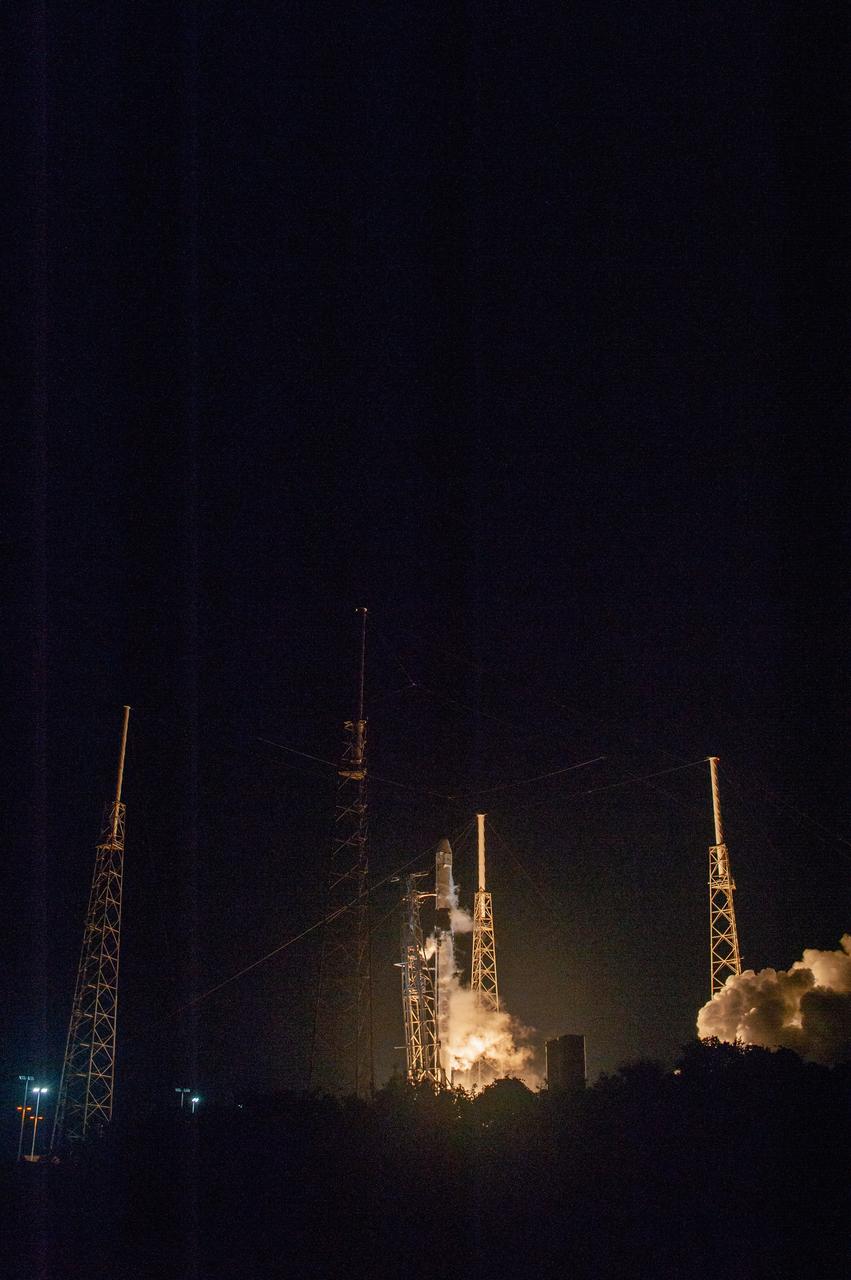
The SpaceX Falcon 9 rocket with the Dragon cargo module lifts off Space Launch Complex 40 on Cape Canaveral Air Force Station in Florida in the early morning May 4, 2019. Liftoff was at 2:48 a.m. EDT. This is SpaceX’s 17th Commercial Resupply Services (CRS-17) mission for NASA to the International Space Station. The Dragon cargo module will deliver about 5,500 pounds of science and research, crew supplies and vehicle hardware to the orbital laboratory and its crew.
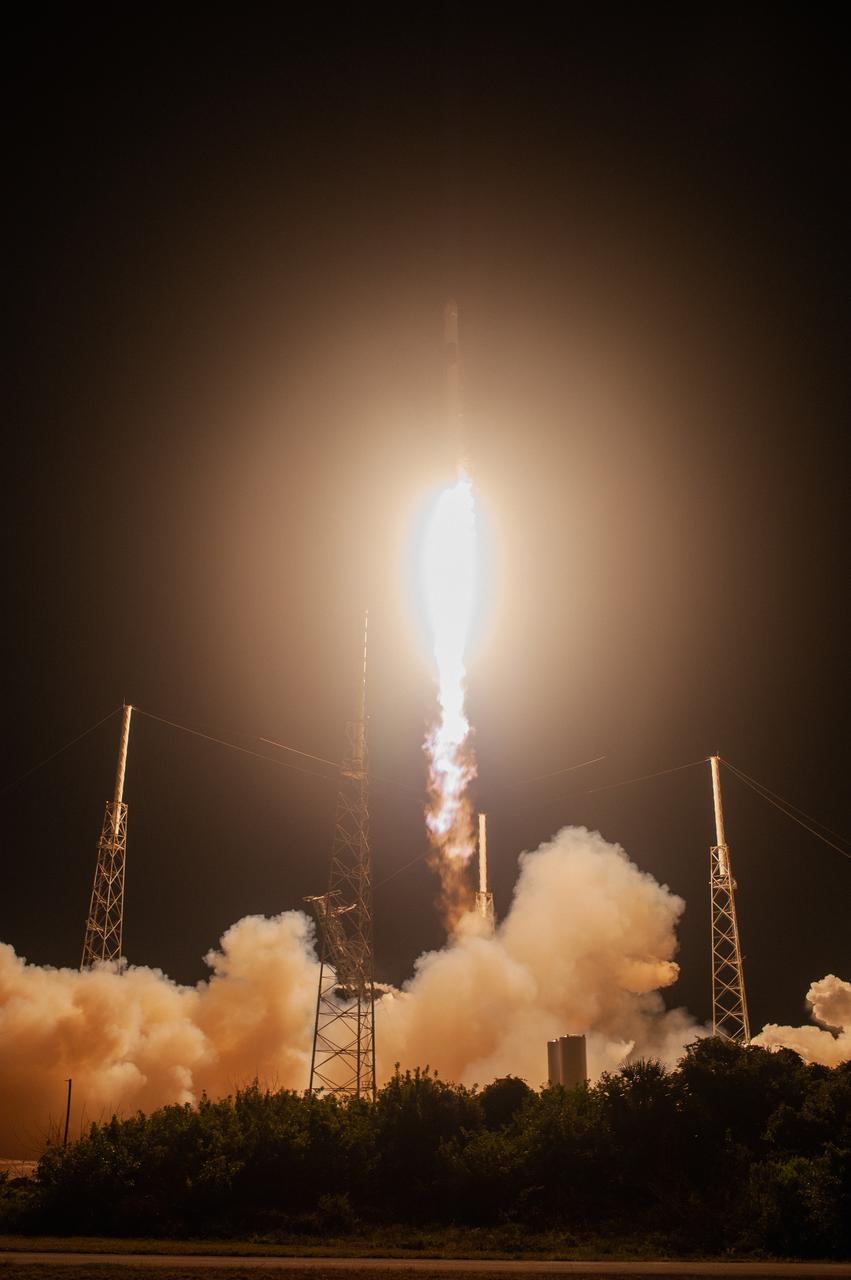
The SpaceX Falcon 9 rocket with the Dragon cargo module climbs upward after liftoff from Space Launch Complex 40 on Cape Canaveral Air Force Station in Florida in the early morning May 4, 2019. Liftoff was at 2:48 a.m. EDT. This is SpaceX’s 17th Commercial Resupply Services (CRS-17) mission for NASA to the International Space Station. The Dragon cargo module will deliver about 5,500 pounds of science and research, crew supplies and vehicle hardware to the orbital laboratory and its crew.
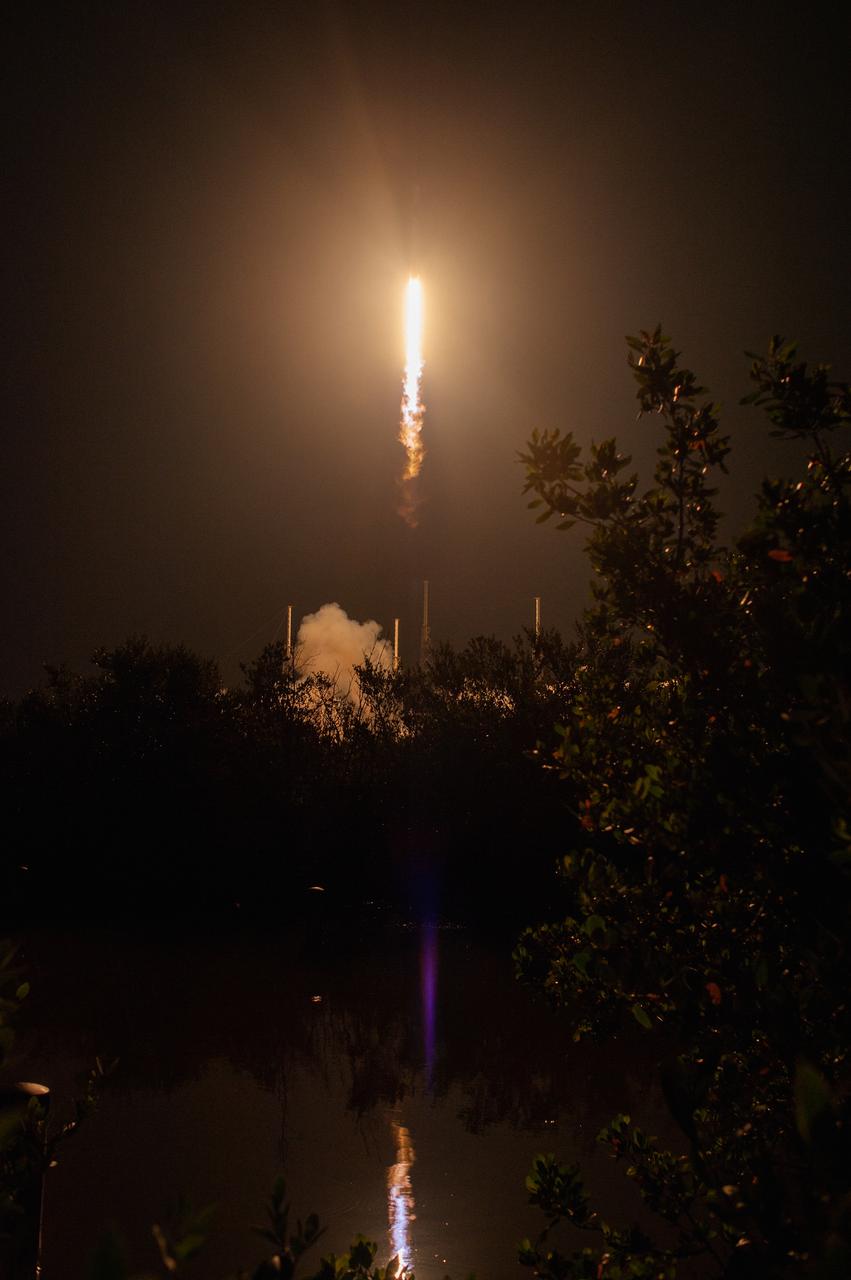
The SpaceX Falcon 9 rocket with the Dragon cargo module climbs upward after liftoff from Space Launch Complex 40 on Cape Canaveral Air Force Station in Florida in the early morning May 4, 2019. Liftoff was at 2:48 a.m. EDT. This is SpaceX’s 17th Commercial Resupply Services (CRS-17) mission for NASA to the International Space Station. The Dragon cargo module will deliver about 5,500 pounds of science and research, crew supplies and vehicle hardware to the orbital laboratory and its crew.
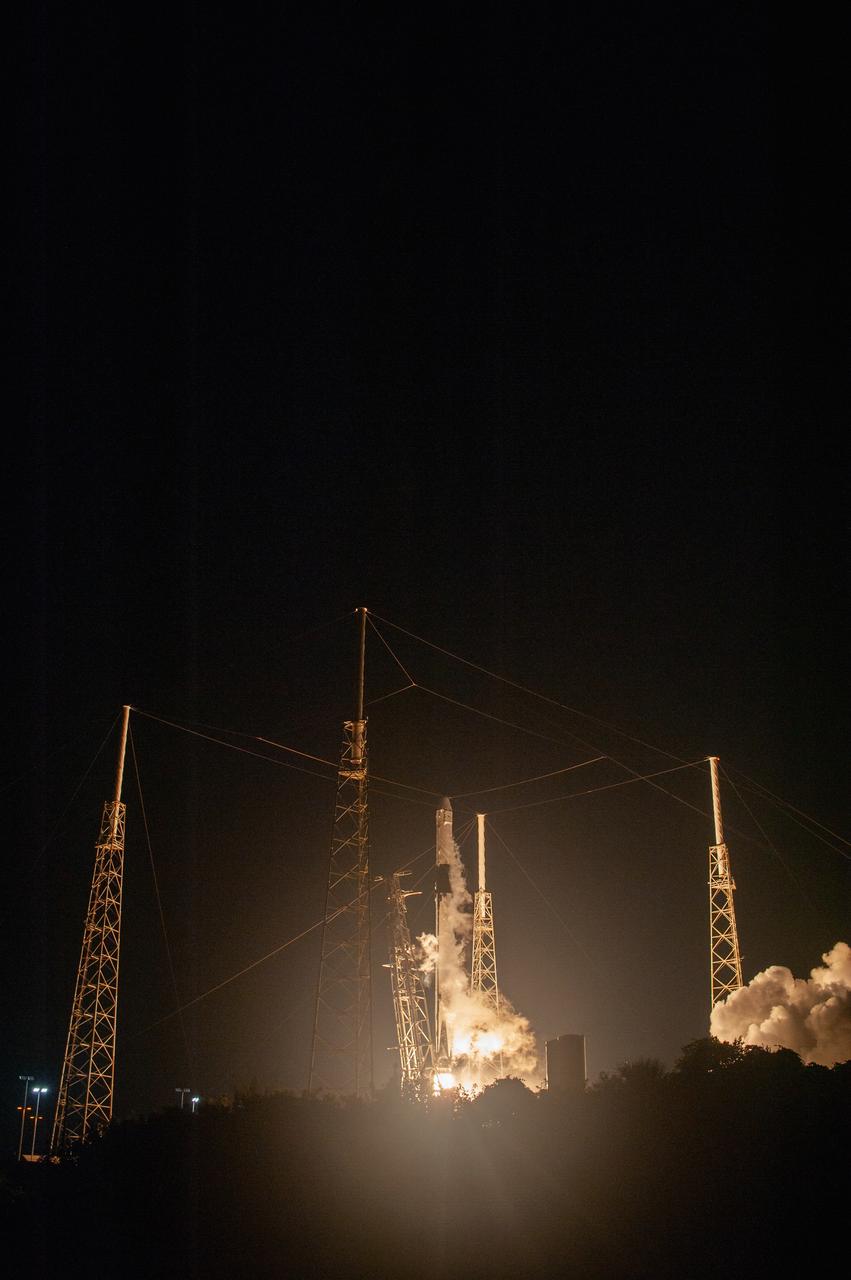
The SpaceX Falcon 9 rocket with the Dragon cargo module lifts off Space Launch Complex 40 on Cape Canaveral Air Force Station in Florida in the early morning May 4, 2019. Liftoff was at 2:48 a.m. EDT. This is SpaceX’s 17th Commercial Resupply Services (CRS-17) mission for NASA to the International Space Station. The Dragon cargo module will deliver about 5,500 pounds of science and research, crew supplies and vehicle hardware to the orbital laboratory and its crew.
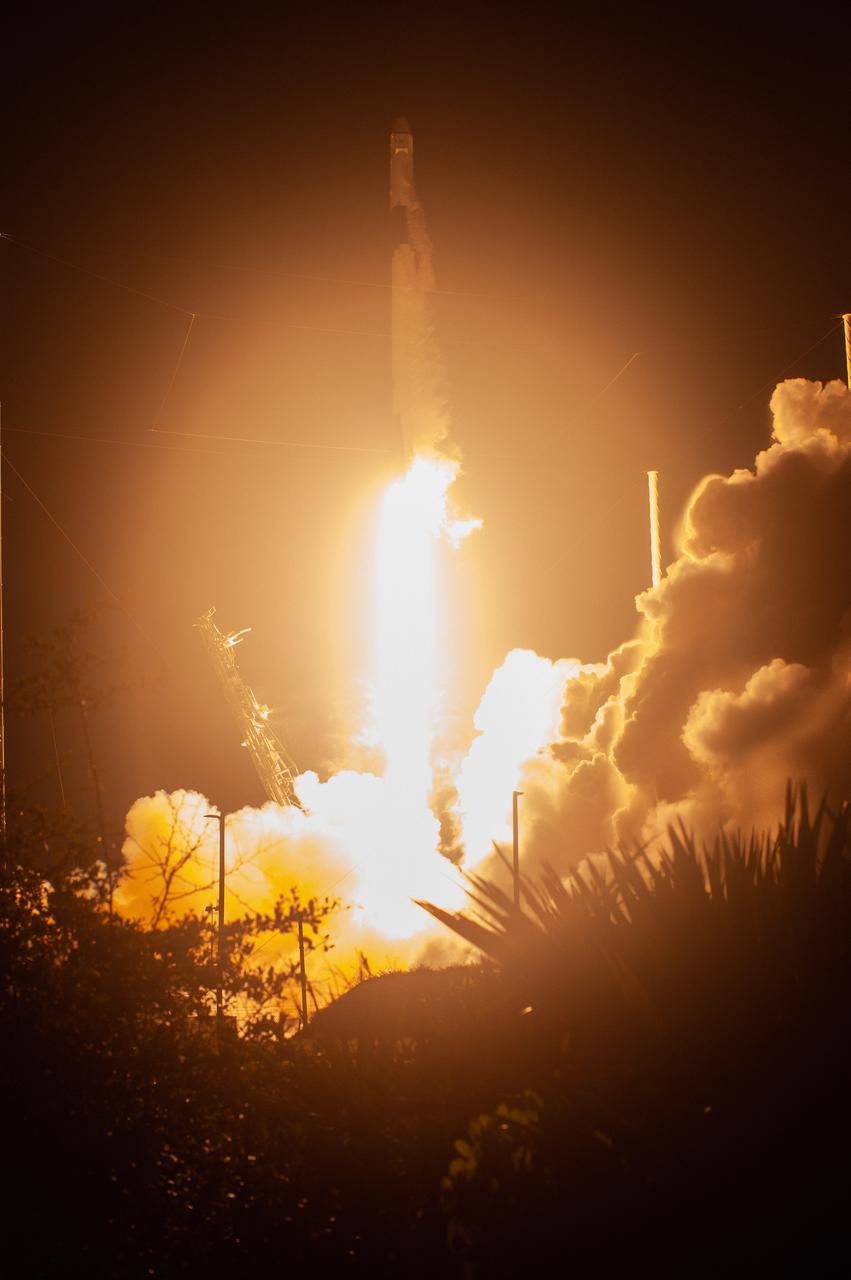
The SpaceX Falcon 9 rocket with the Dragon cargo module climbs upward after liftoff from Space Launch Complex 40 on Cape Canaveral Air Force Station in Florida in the early morning May 4, 2019. Liftoff was at 2:48 a.m. EDT. This is SpaceX’s 17th Commercial Resupply Services (CRS-17) mission for NASA to the International Space Station. The Dragon cargo module will deliver about 5,500 pounds of science and research, crew supplies and vehicle hardware to the orbital laboratory and its crew.
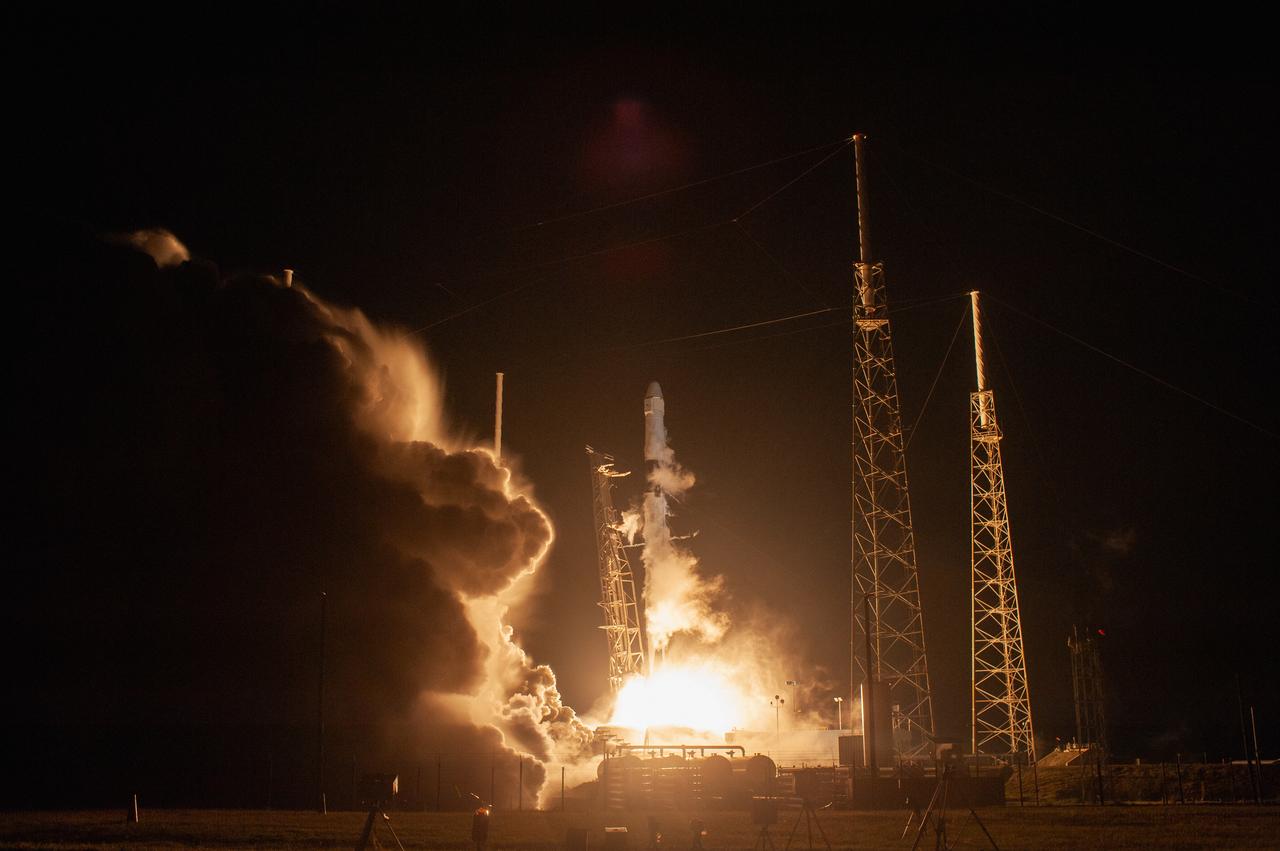
The SpaceX Falcon 9 rocket with the Dragon cargo module lifts off Space Launch Complex 40 on Cape Canaveral Air Force Station in Florida in the early morning May 4, 2019. Liftoff was at 2:48 a.m. EDT. This is SpaceX’s 17th Commercial Resupply Services (CRS-17) mission for NASA to the International Space Station. The Dragon cargo module will deliver about 5,500 pounds of science and research, crew supplies and vehicle hardware to the orbital laboratory and its crew.
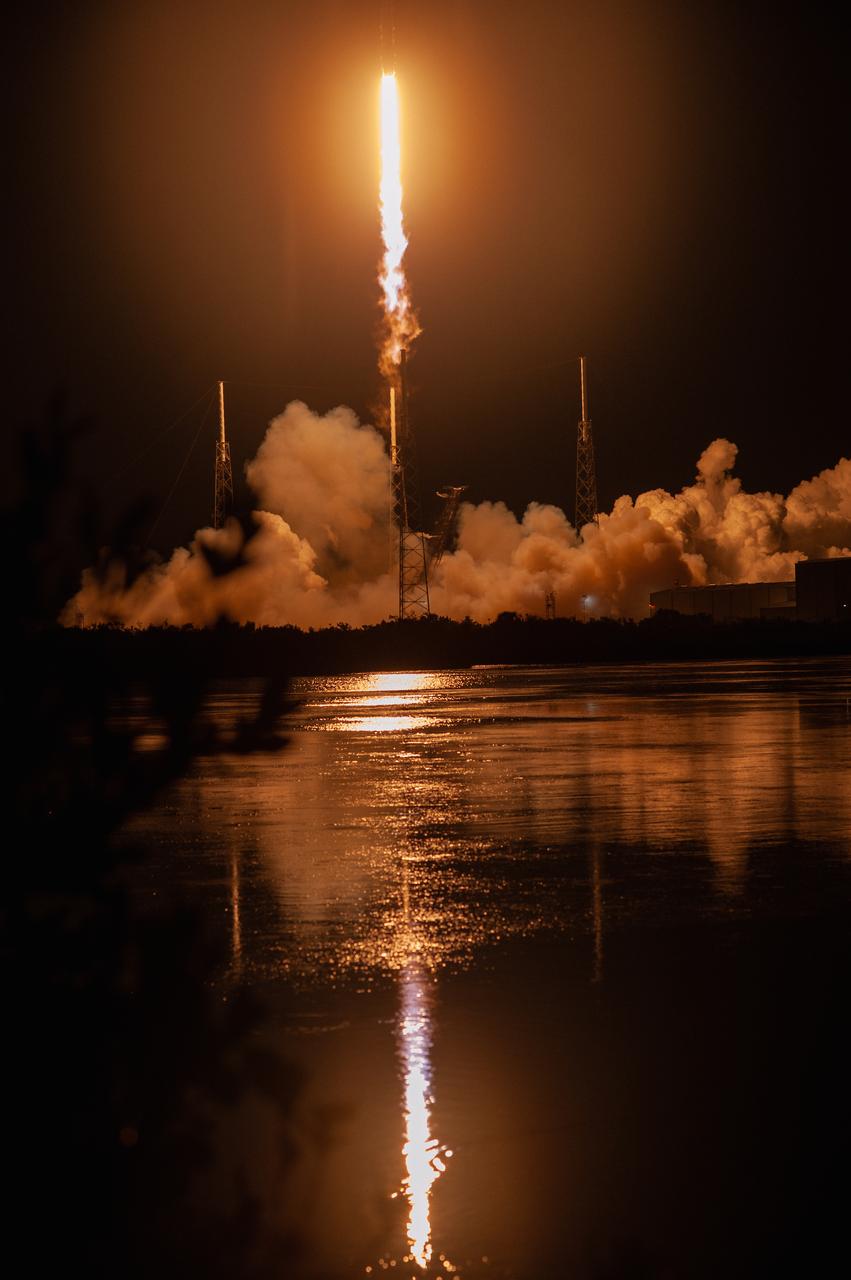
The SpaceX Falcon 9 rocket with the Dragon cargo module lifts off Space Launch Complex 40 on Cape Canaveral Air Force Station in Florida in the early morning May 4, 2019. Liftoff was at 2:48 a.m. EDT. This is SpaceX’s 17th Commercial Resupply Services (CRS-17) mission for NASA to the International Space Station. The Dragon cargo module will deliver about 5,500 pounds of science and research, crew supplies and vehicle hardware to the orbital laboratory and its crew.
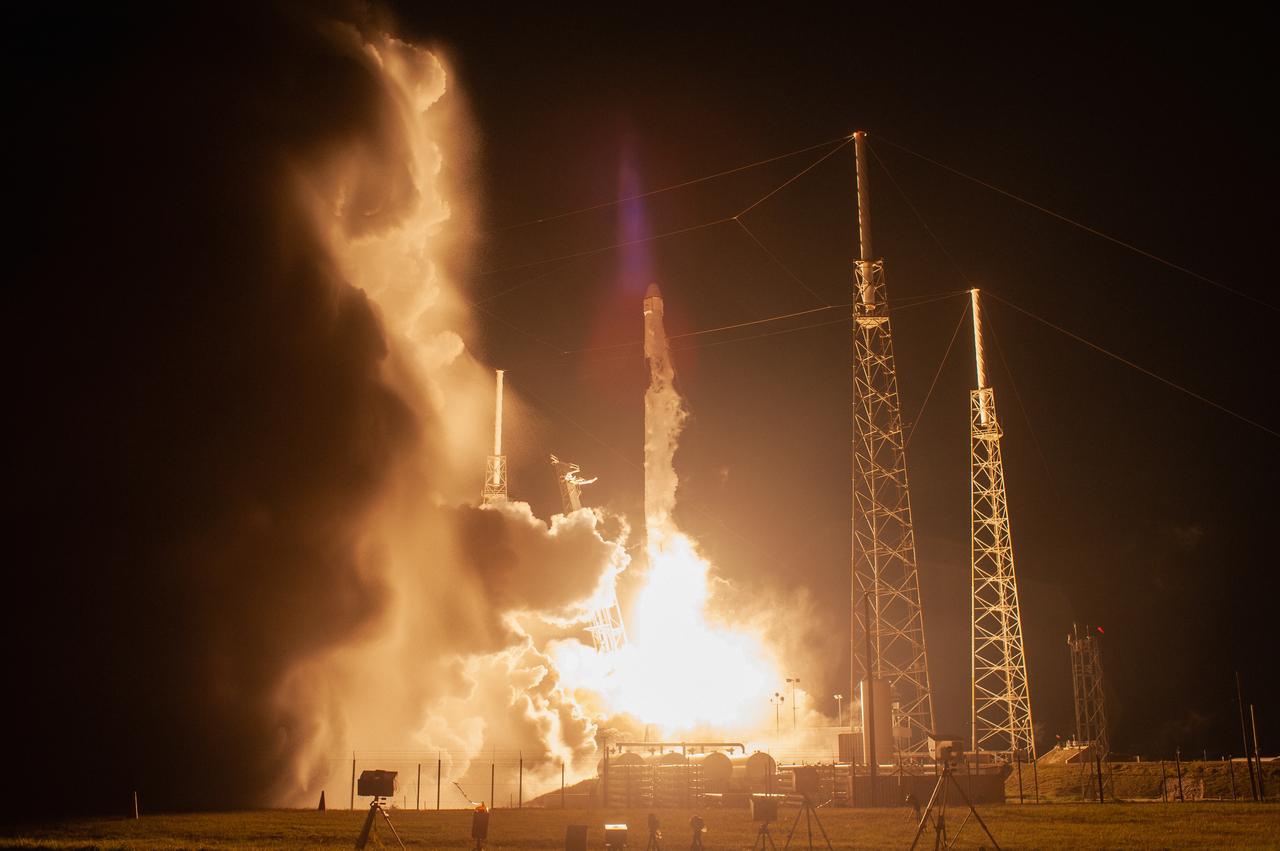
The SpaceX Falcon 9 rocket with the Dragon cargo module lifts off Space Launch Complex 40 on Cape Canaveral Air Force Station in Florida in the early morning May 4, 2019. Liftoff was at 2:48 a.m. EDT. This is SpaceX’s 17th Commercial Resupply Services (CRS-17) mission for NASA to the International Space Station. The Dragon cargo module will deliver about 5,500 pounds of science and research, crew supplies and vehicle hardware to the orbital laboratory and its crew.

The SpaceX Falcon 9 rocket with the Dragon cargo module climbs upward after liftoff from Space Launch Complex 40 on Cape Canaveral Air Force Station in Florida in the early morning May 4, 2019. Liftoff was at 2:48 a.m. EDT. This is SpaceX’s 17th Commercial Resupply Services (CRS-17) mission for NASA to the International Space Station. The Dragon cargo module will deliver about 5,500 pounds of science and research, crew supplies and vehicle hardware to the orbital laboratory and its crew.

The SpaceX Falcon 9 rocket with the Dragon cargo module lifts off Space Launch Complex 40 on Cape Canaveral Air Force Station in Florida in the early morning May 4, 2019. Liftoff was at 2:48 a.m. EDT. This is SpaceX’s 17th Commercial Resupply Services (CRS-17) mission for NASA to the International Space Station. The Dragon cargo module will deliver about 5,500 pounds of science and research, crew supplies and vehicle hardware to the orbital laboratory and its crew.
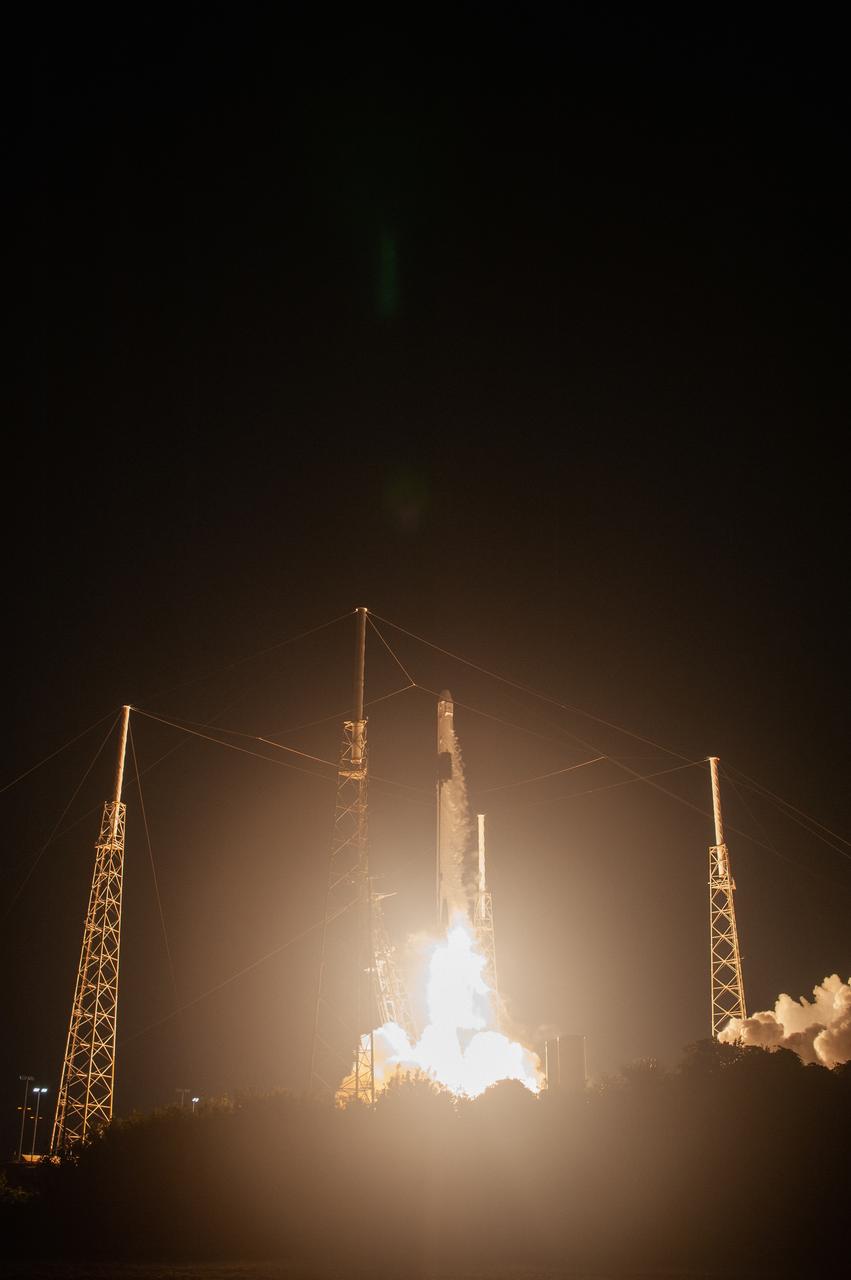
The SpaceX Falcon 9 rocket with the Dragon cargo module lifts off Space Launch Complex 40 on Cape Canaveral Air Force Station in Florida in the early morning May 4, 2019. Liftoff was at 2:48 a.m. EDT. This is SpaceX’s 17th Commercial Resupply Services (CRS-17) mission for NASA to the International Space Station. The Dragon cargo module will deliver about 5,500 pounds of science and research, crew supplies and vehicle hardware to the orbital laboratory and its crew.
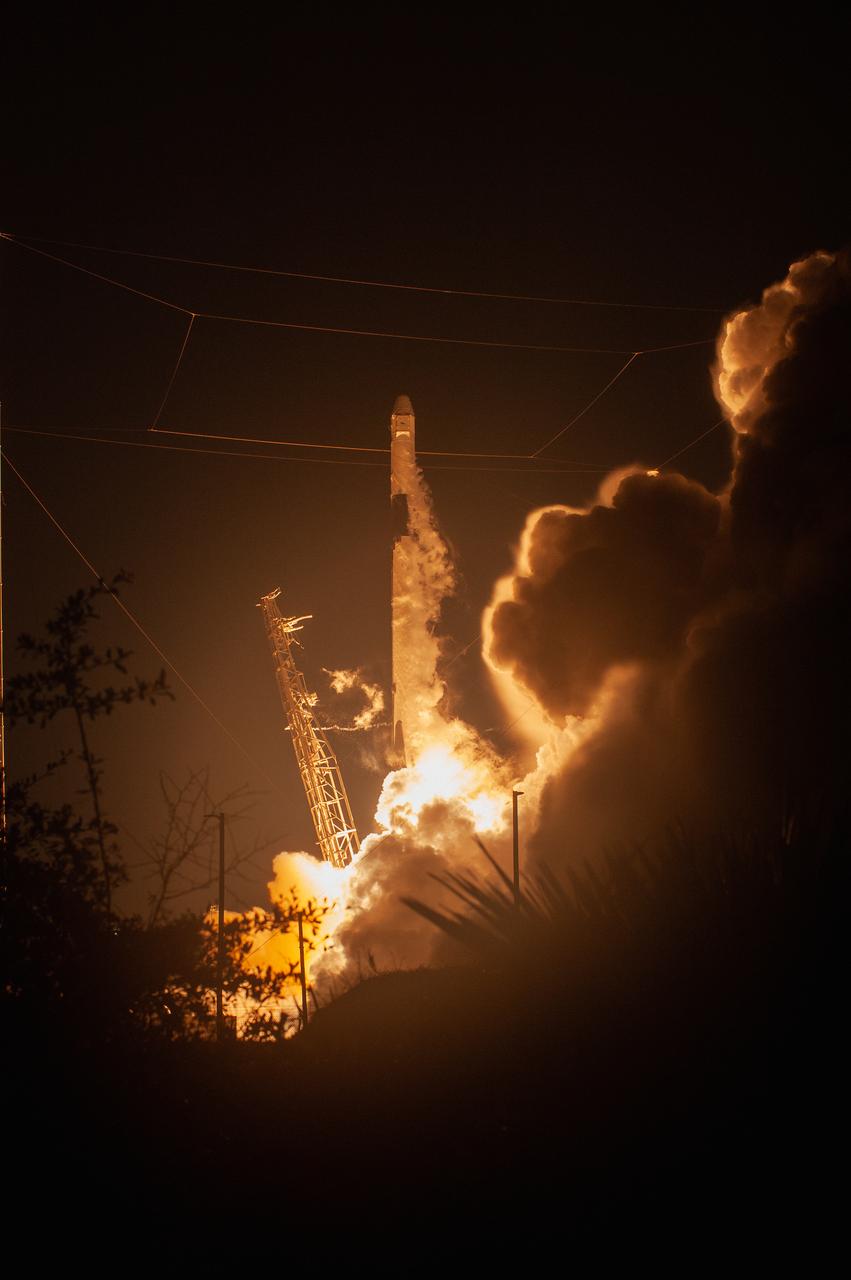
The SpaceX Falcon 9 rocket with the Dragon cargo module climbs upward after liftoff from Space Launch Complex 40 on Cape Canaveral Air Force Station in Florida in the early morning May 4, 2019. Liftoff was at 2:48 a.m. EDT. This is SpaceX’s 17th Commercial Resupply Services (CRS-17) mission for NASA to the International Space Station. The Dragon cargo module will deliver about 5,500 pounds of science and research, crew supplies and vehicle hardware to the orbital laboratory and its crew.
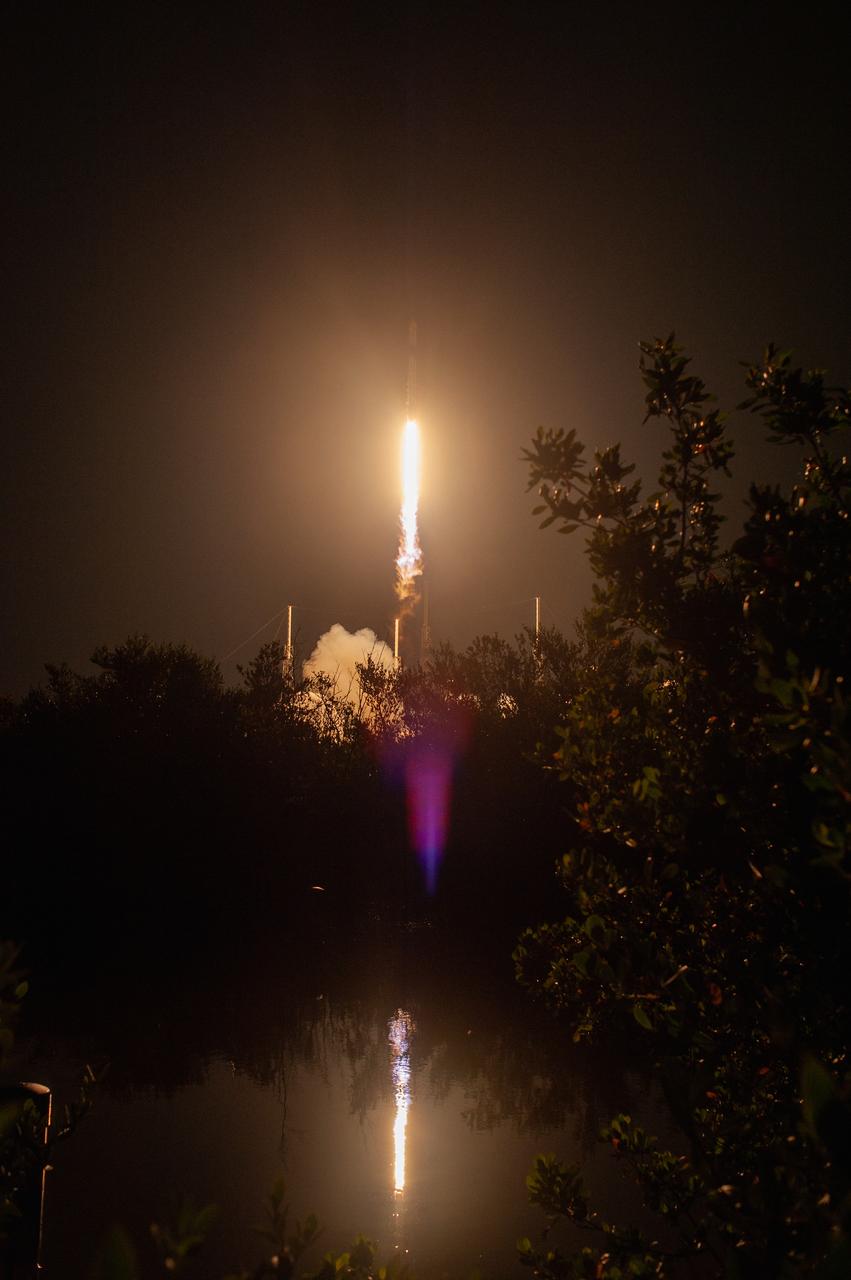
The SpaceX Falcon 9 rocket with the Dragon cargo module climbs upward after liftoff from Space Launch Complex 40 on Cape Canaveral Air Force Station in Florida in the early morning May 4, 2019. Liftoff was at 2:48 a.m. EDT. This is SpaceX’s 17th Commercial Resupply Services (CRS-17) mission for NASA to the International Space Station. The Dragon cargo module will deliver about 5,500 pounds of science and research, crew supplies and vehicle hardware to the orbital laboratory and its crew.
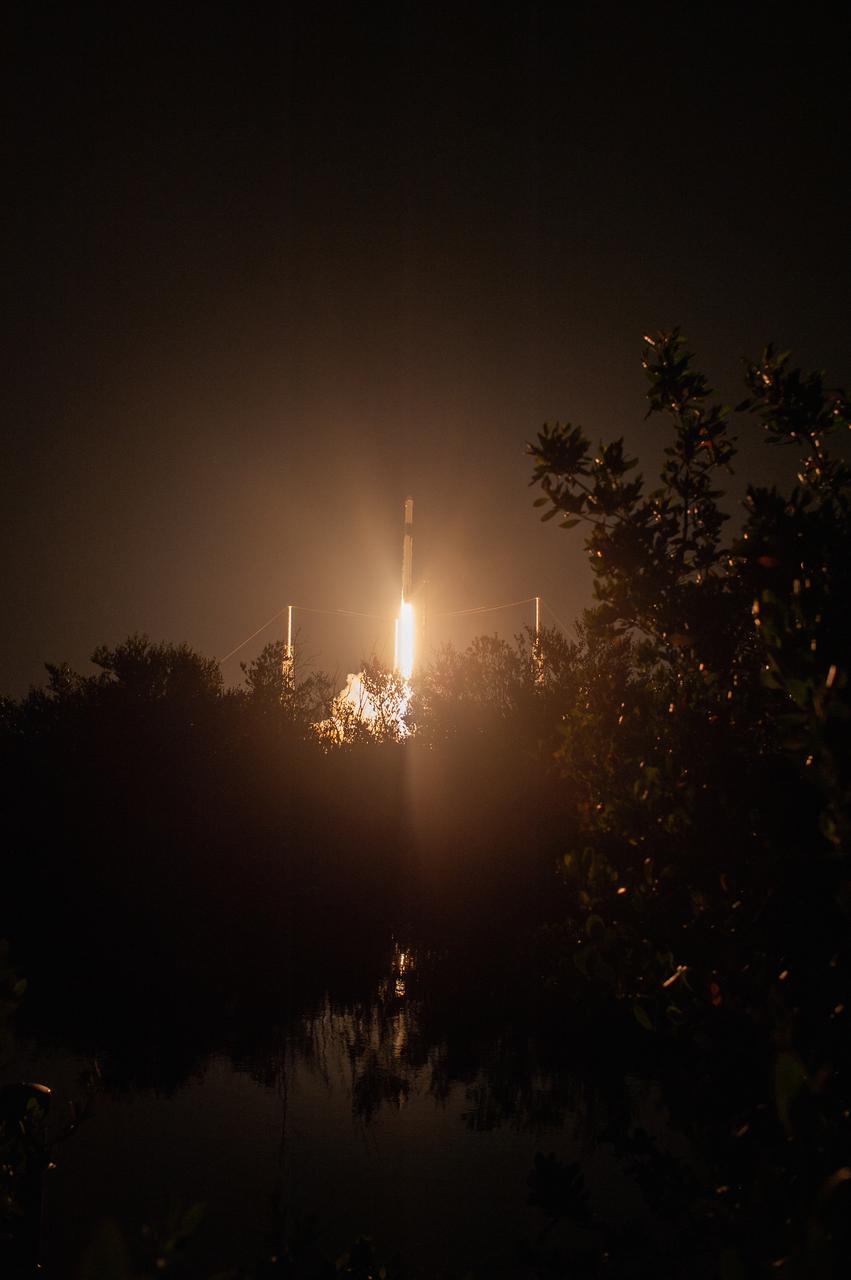
The SpaceX Falcon 9 rocket with the Dragon cargo module lifts off Space Launch Complex 40 on Cape Canaveral Air Force Station in Florida in the early morning May 4, 2019. Liftoff was at 2:48 a.m. EDT. This is SpaceX’s 17th Commercial Resupply Services (CRS-17) mission for NASA to the International Space Station. The Dragon cargo module will deliver about 5,500 pounds of science and research, crew supplies and vehicle hardware to the orbital laboratory and its crew.

The SpaceX Falcon 9 rocket with the Dragon cargo module lifts off Space Launch Complex 40 on Cape Canaveral Air Force Station in Florida in the early morning May 4, 2019. Liftoff was at 2:48 a.m. EDT. This is SpaceX’s 17th Commercial Resupply Services (CRS-17) mission for NASA to the International Space Station. The Dragon cargo module will deliver about 5,500 pounds of science and research, crew supplies and vehicle hardware to the orbital laboratory and its crew.
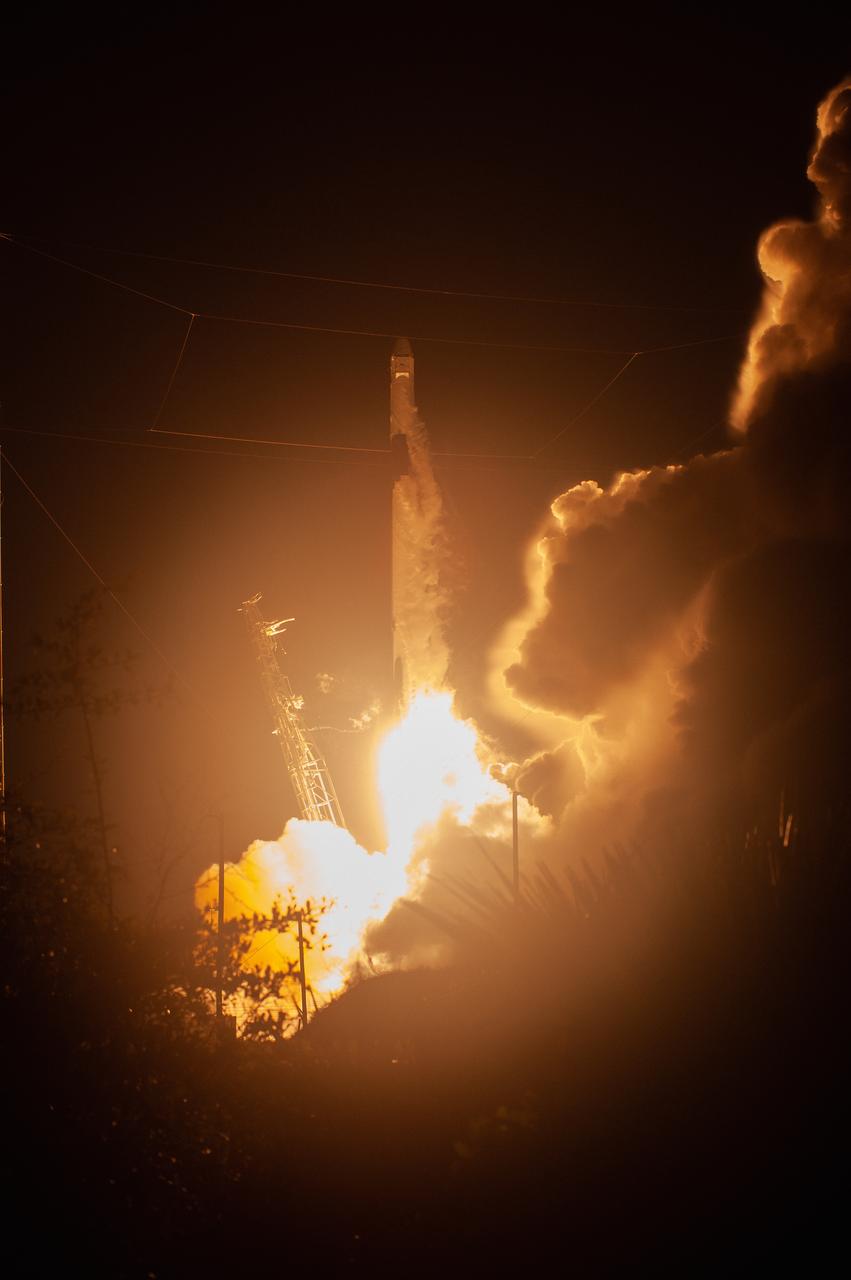
The SpaceX Falcon 9 rocket with the Dragon cargo module climbs upward after liftoff from Space Launch Complex 40 on Cape Canaveral Air Force Station in Florida in the early morning May 4, 2019. Liftoff was at 2:48 a.m. EDT. This is SpaceX’s 17th Commercial Resupply Services (CRS-17) mission for NASA to the International Space Station. The Dragon cargo module will deliver about 5,500 pounds of science and research, crew supplies and vehicle hardware to the orbital laboratory and its crew.
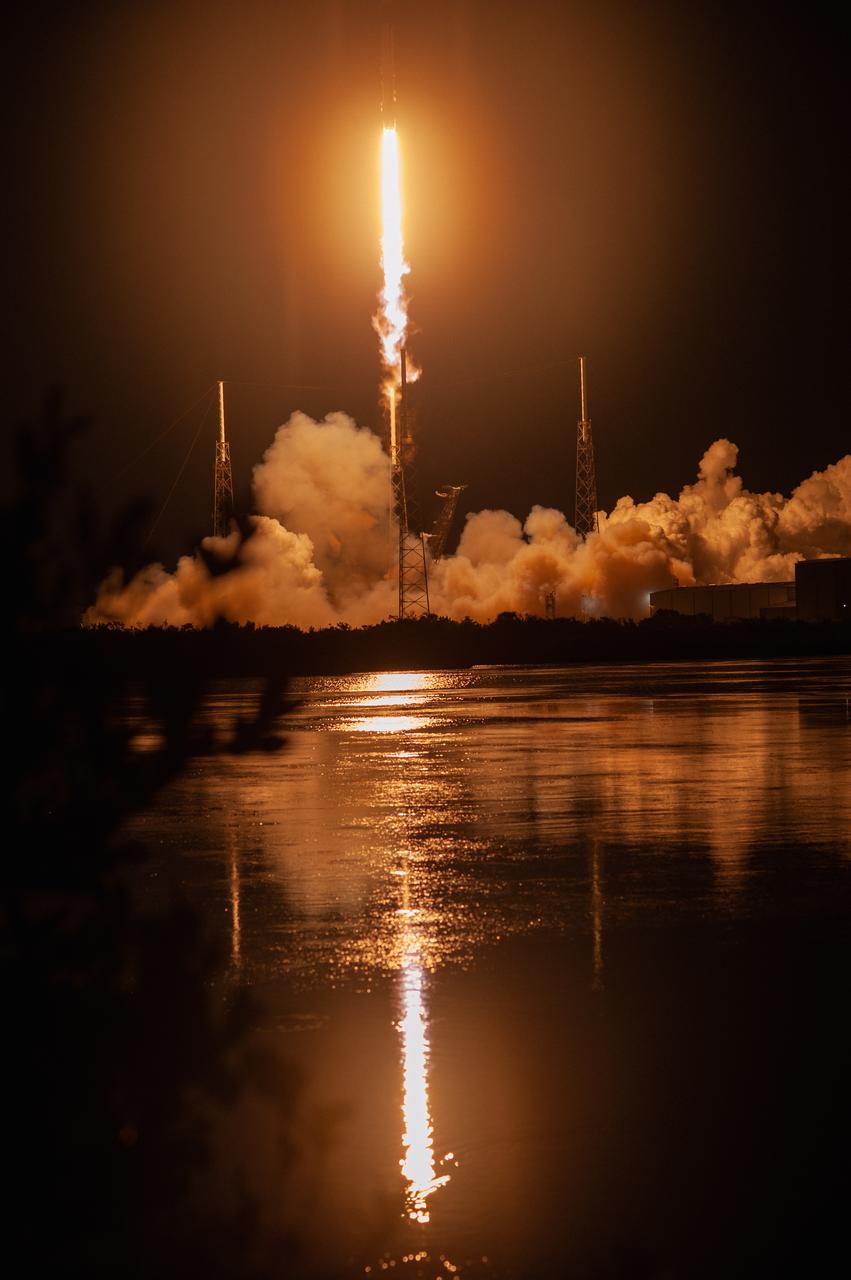
The SpaceX Falcon 9 rocket with the Dragon cargo module lifts off Space Launch Complex 40 on Cape Canaveral Air Force Station in Florida in the early morning May 4, 2019. Liftoff was at 2:48 a.m. EDT. This is SpaceX’s 17th Commercial Resupply Services (CRS-17) mission for NASA to the International Space Station. The Dragon cargo module will deliver about 5,500 pounds of science and research, crew supplies and vehicle hardware to the orbital laboratory and its crew.

The SpaceX Falcon 9 rocket with the Dragon cargo module lifts off Space Launch Complex 40 on Cape Canaveral Air Force Station in Florida in the early morning May 4, 2019. Liftoff was at 2:48 a.m. EDT. This is SpaceX’s 17th Commercial Resupply Services (CRS-17) mission for NASA to the International Space Station. The Dragon cargo module will deliver about 5,500 pounds of science and research, crew supplies and vehicle hardware to the orbital laboratory and its crew.
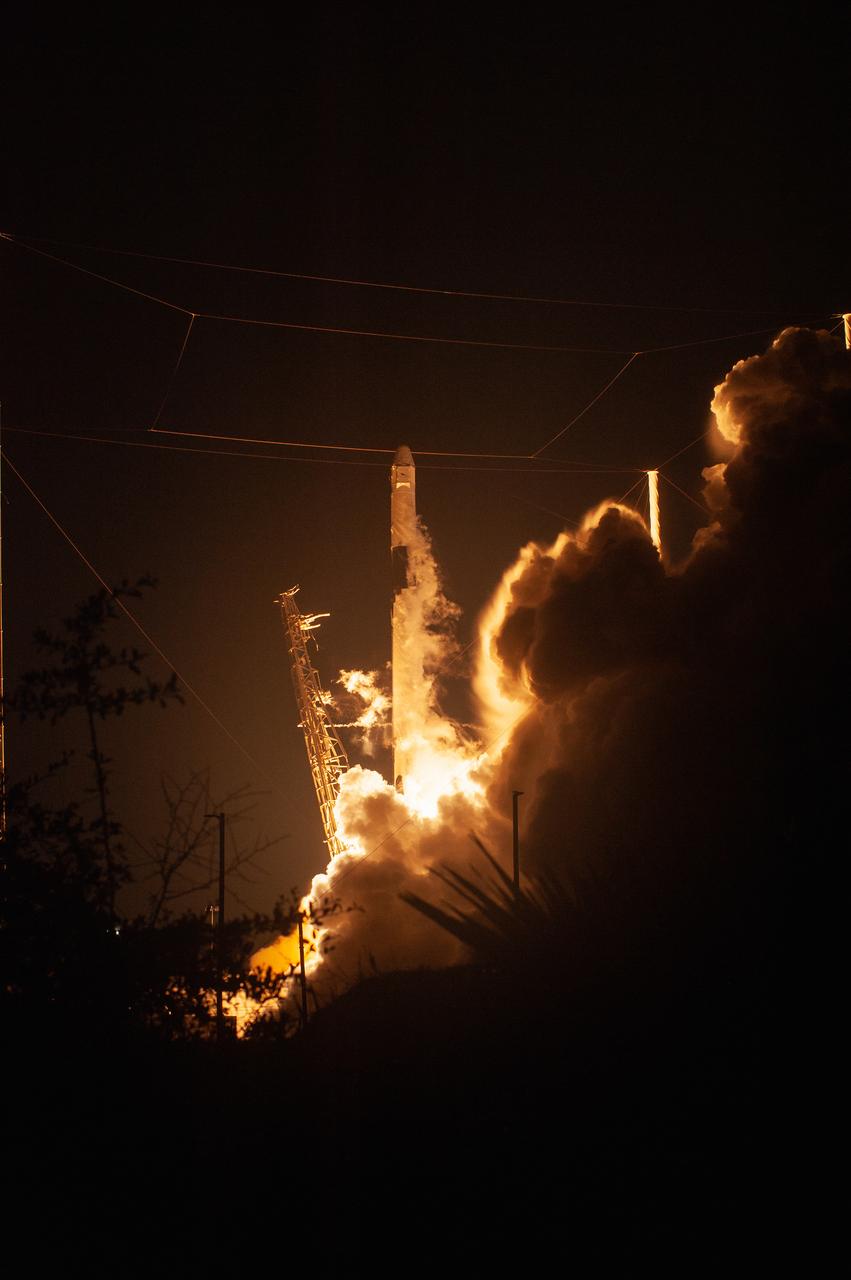
The SpaceX Falcon 9 rocket with the Dragon cargo module climbs upward after liftoff from Space Launch Complex 40 on Cape Canaveral Air Force Station in Florida in the early morning May 4, 2019. Liftoff was at 2:48 a.m. EDT. This is SpaceX’s 17th Commercial Resupply Services (CRS-17) mission for NASA to the International Space Station. The Dragon cargo module will deliver about 5,500 pounds of science and research, crew supplies and vehicle hardware to the orbital laboratory and its crew.

The SpaceX Falcon 9 rocket with the Dragon cargo module lifts off Space Launch Complex 40 on Cape Canaveral Air Force Station in Florida in the early morning May 4, 2019. Liftoff was at 2:48 a.m. EDT. This is SpaceX’s 17th Commercial Resupply Services (CRS-17) mission for NASA to the International Space Station. The Dragon cargo module will deliver about 5,500 pounds of science and research, crew supplies and vehicle hardware to the orbital laboratory and its crew.
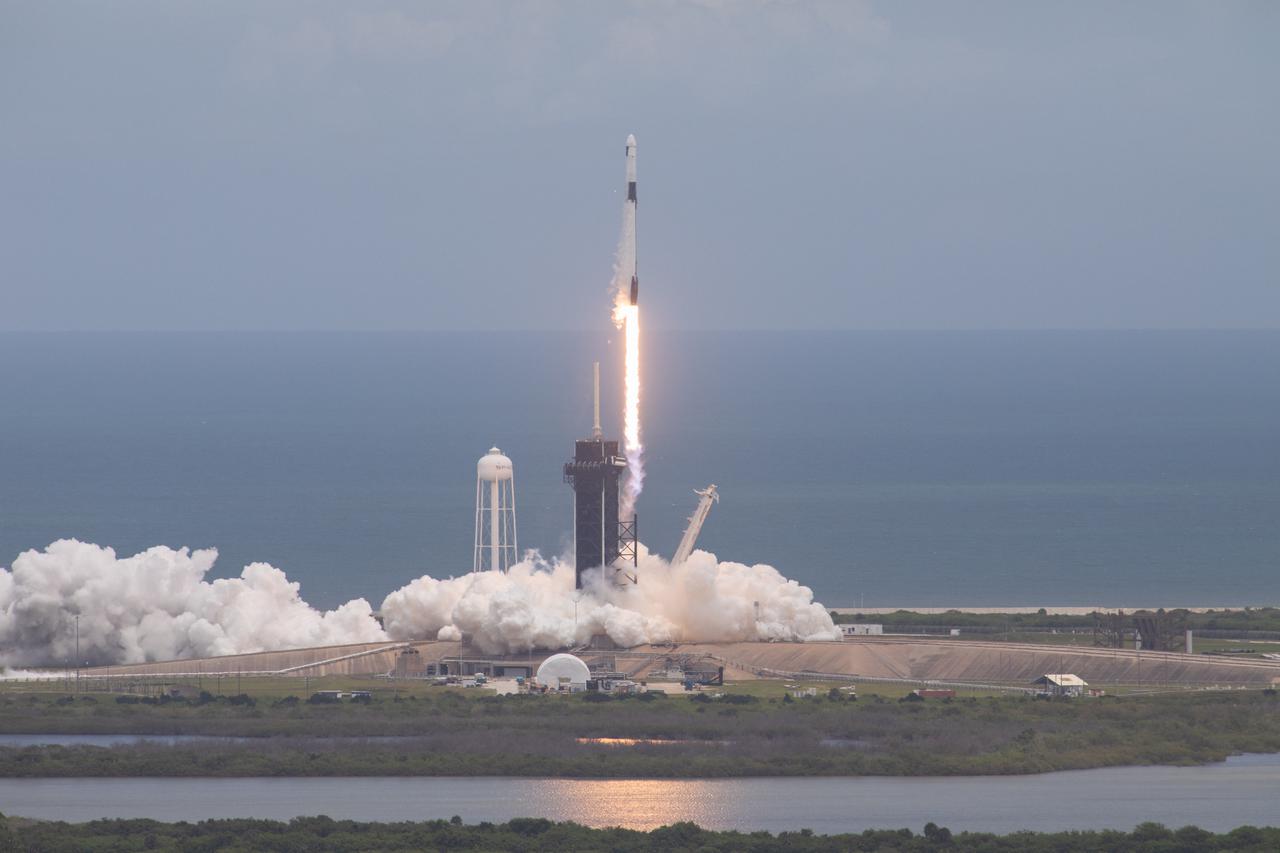
The SpaceX Falcon 9 rocket carrying the Dragon cargo capsule lifts off from Launch Complex 39A at NASA’s Kennedy Space Center in Florida on June 3, 2021, on the company’s 22nd Commercial Resupply Services mission for the agency to the International Space Station. Liftoff was at 1:29 p.m. EDT. Dragon is filled with supplies and payloads including critical materials to directly support dozens of the more than 250 science and research investigations that will occur during Expeditions 65 and 66 on the station.
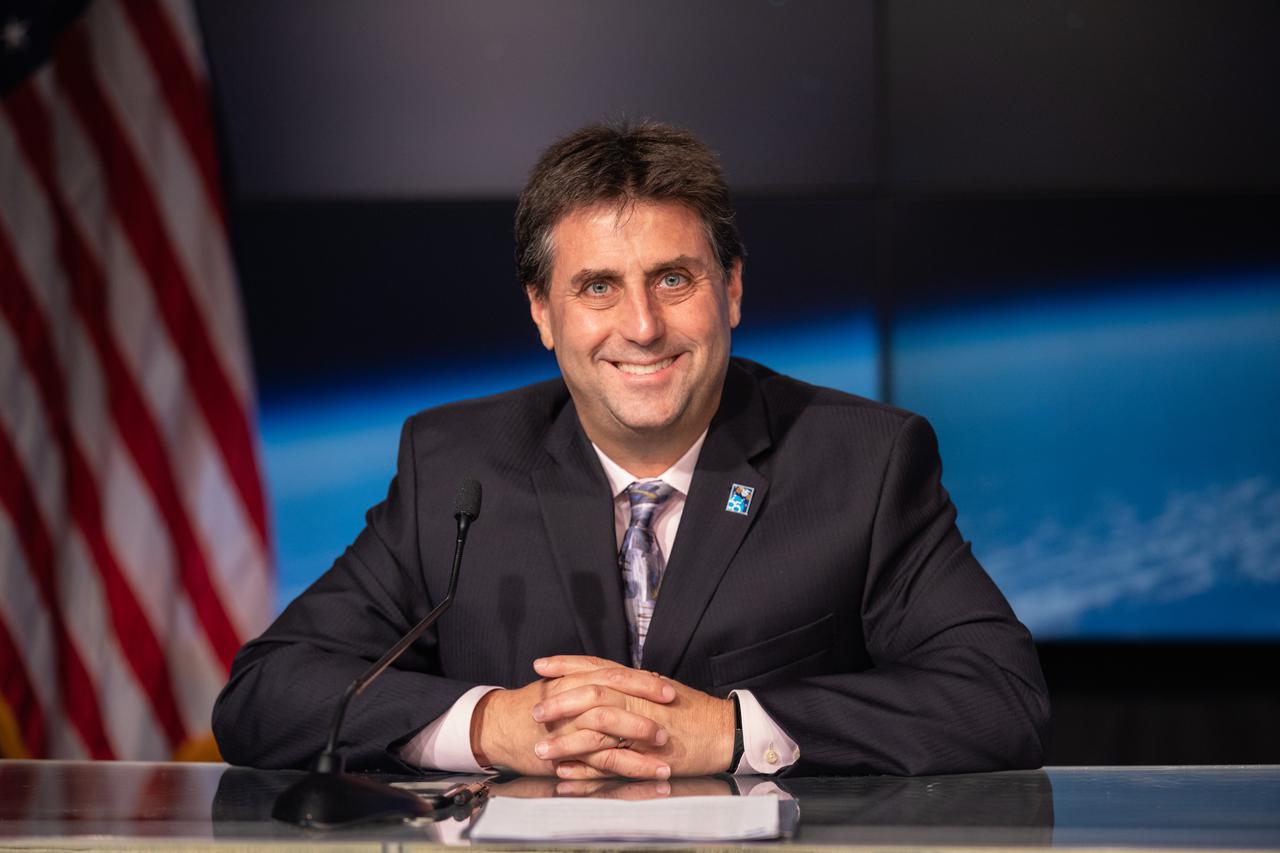
A prelaunch news conference for SpaceX’s 22nd Commercial Resupply Services mission for NASA to the International Space Station is held on June 2, 2021 at Kennedy Space Center in Florida. Joel Montalbano, manager for International Space Station Program, answers questions from members of the media. The Dragon capsule atop SpaceX’s Falcon 9 rocket is scheduled to lift off from Launch Complex 39A at 1:29 p.m. EDT on Thursday, June 3. Dragon will deliver more than 7,300 pounds of cargo to the space station.
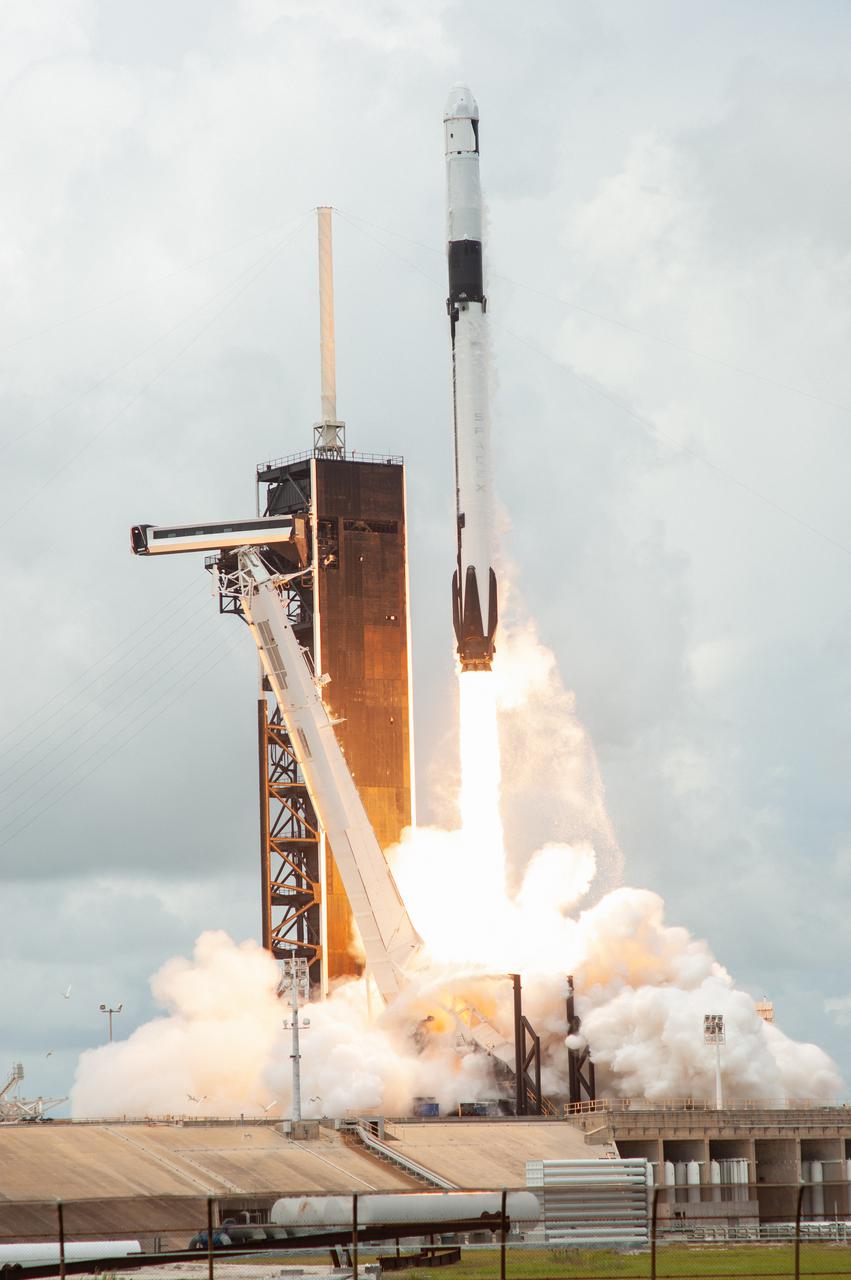
The SpaceX Falcon 9 rocket carrying the Dragon cargo capsule lifts off from Launch Complex 39A at NASA’s Kennedy Space Center in Florida on June 3, 2021, on the company’s 22nd Commercial Resupply Services mission for the agency to the International Space Station. Liftoff was at 1:29 p.m. EDT. Dragon is filled with supplies and payloads including critical materials to directly support dozens of the more than 250 science and research investigations that will occur during Expeditions 65 and 66 on the station.
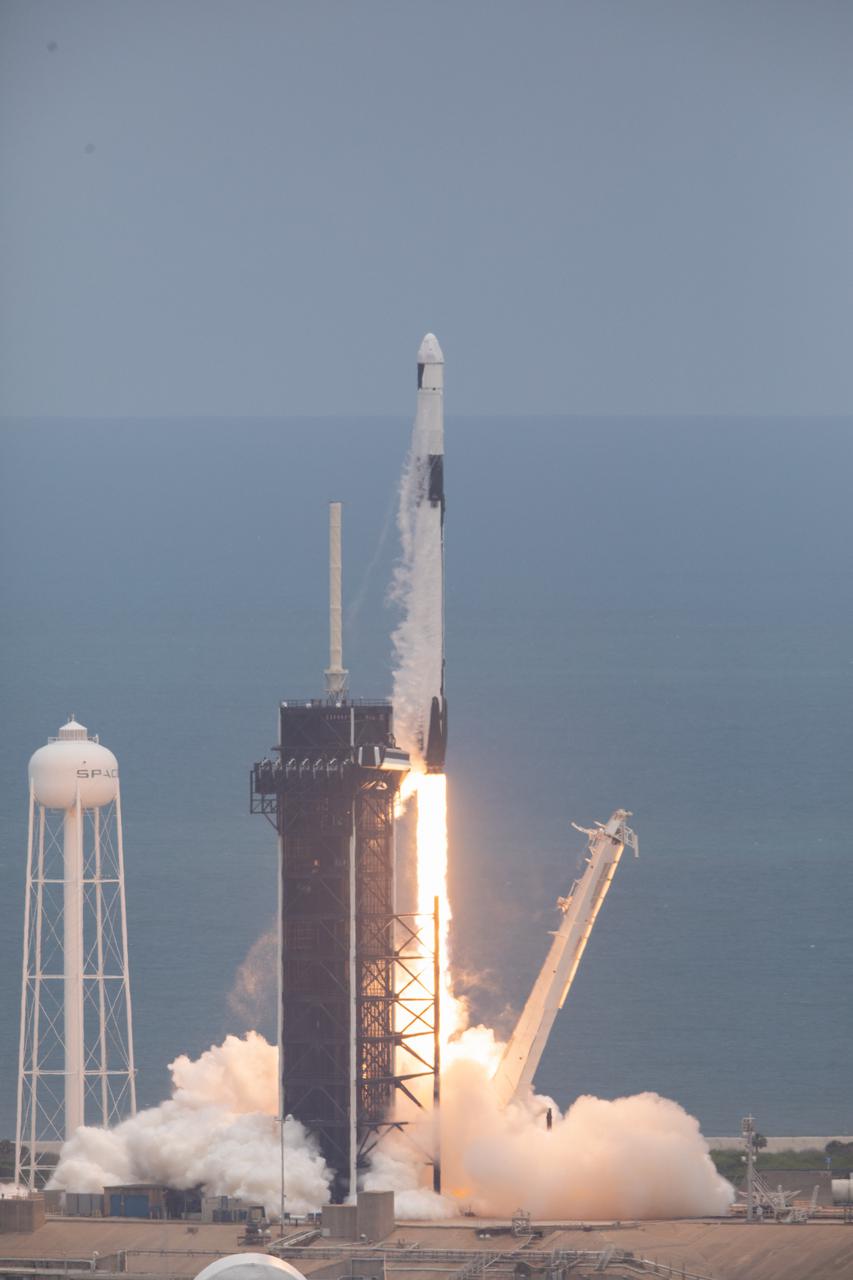
The SpaceX Falcon 9 rocket carrying the Dragon cargo capsule lifts off from Launch Complex 39A at NASA’s Kennedy Space Center in Florida on June 3, 2021, on the company’s 22nd Commercial Resupply Services mission for the agency to the International Space Station. Liftoff was at 1:29 p.m. EDT. Dragon is filled with supplies and payloads including critical materials to directly support dozens of the more than 250 science and research investigations that will occur during Expeditions 65 and 66 on the station.

The SpaceX Falcon 9 rocket carrying the Dragon cargo capsule soars upward after lifting off from Launch Complex 39A at NASA’s Kennedy Space Center in Florida on June 3, 2021, on the company’s 22nd Commercial Resupply Services mission for the agency to the International Space Station. Liftoff was at 1:29 p.m. EDT. Dragon is filled with supplies and payloads including critical materials to directly support dozens of the more than 250 science and research investigations that will occur during Expeditions 65 and 66 on the station.
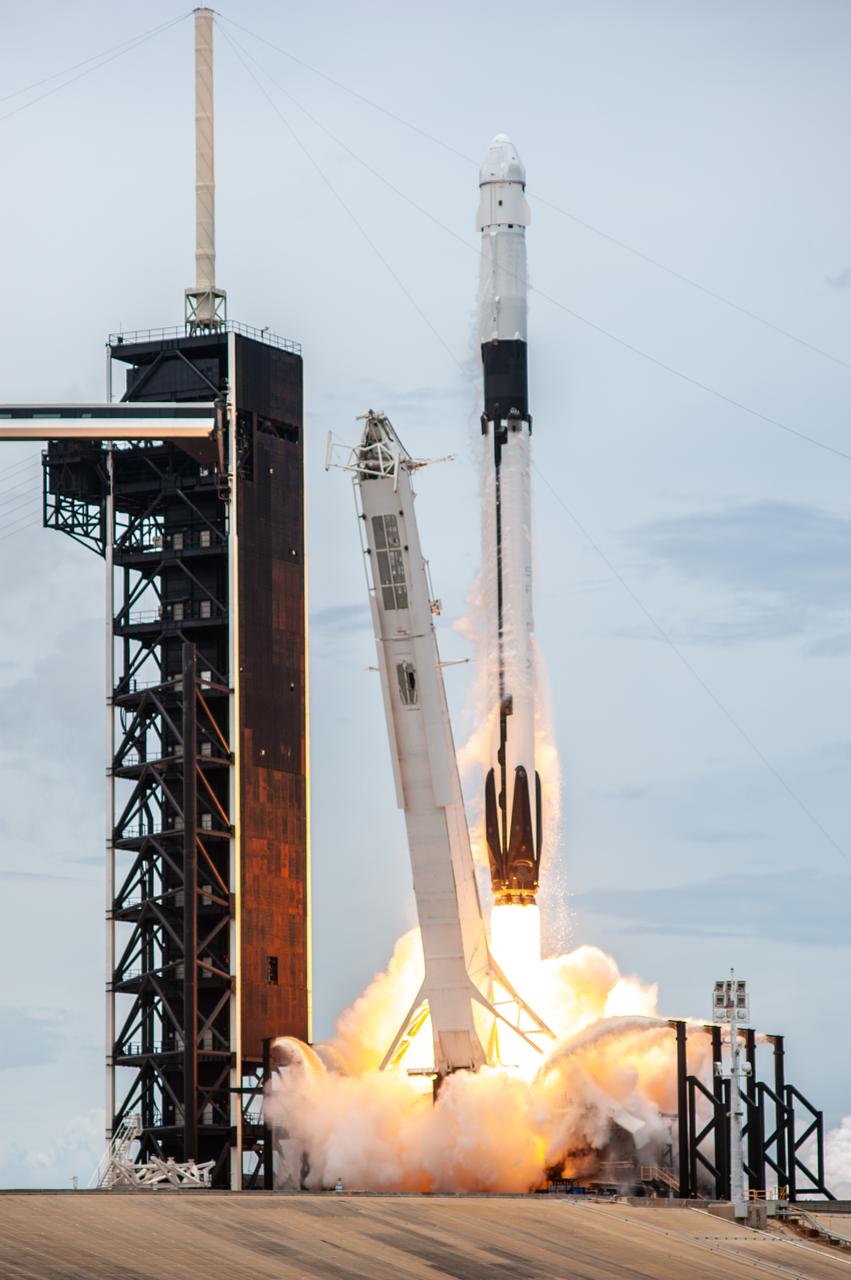
The SpaceX Falcon 9 rocket carrying the Dragon cargo capsule lifts off from Launch Complex 39A at NASA’s Kennedy Space Center in Florida on June 3, 2021, on the company’s 22nd Commercial Resupply Services mission for the agency to the International Space Station. Liftoff was at 1:29 p.m. EDT. Dragon is filled with supplies and payloads including critical materials to directly support dozens of the more than 250 science and research investigations that will occur during Expeditions 65 and 66 on the station.
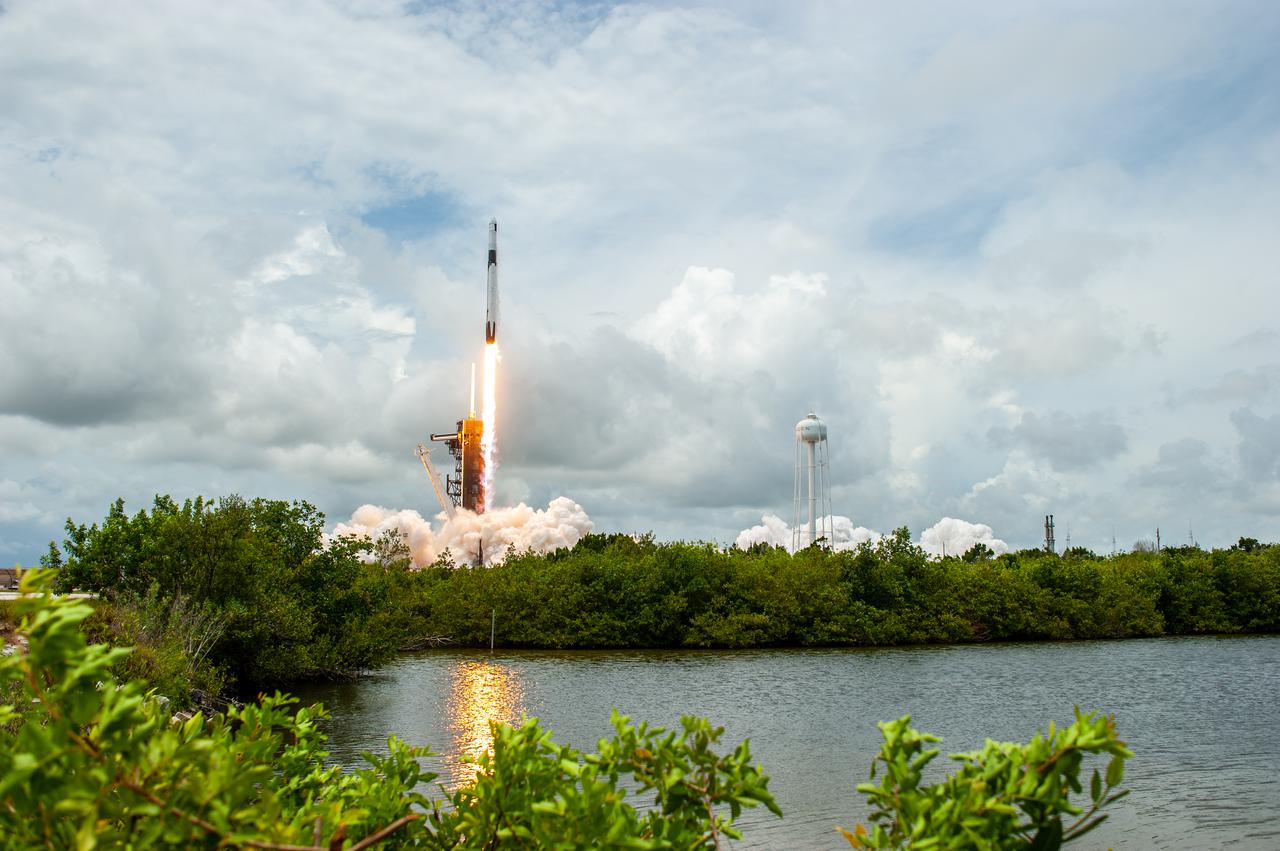
The SpaceX Falcon 9 rocket carrying the Dragon cargo capsule soars upward after lifting off from Launch Complex 39A at NASA’s Kennedy Space Center in Florida on June 3, 2021, on the company’s 22nd Commercial Resupply Services mission for the agency to the International Space Station. Liftoff was at 1:29 p.m. EDT. Dragon is filled with supplies and payloads including critical materials to directly support dozens of the more than 250 science and research investigations that will occur during Expeditions 65 and 66 on the station.
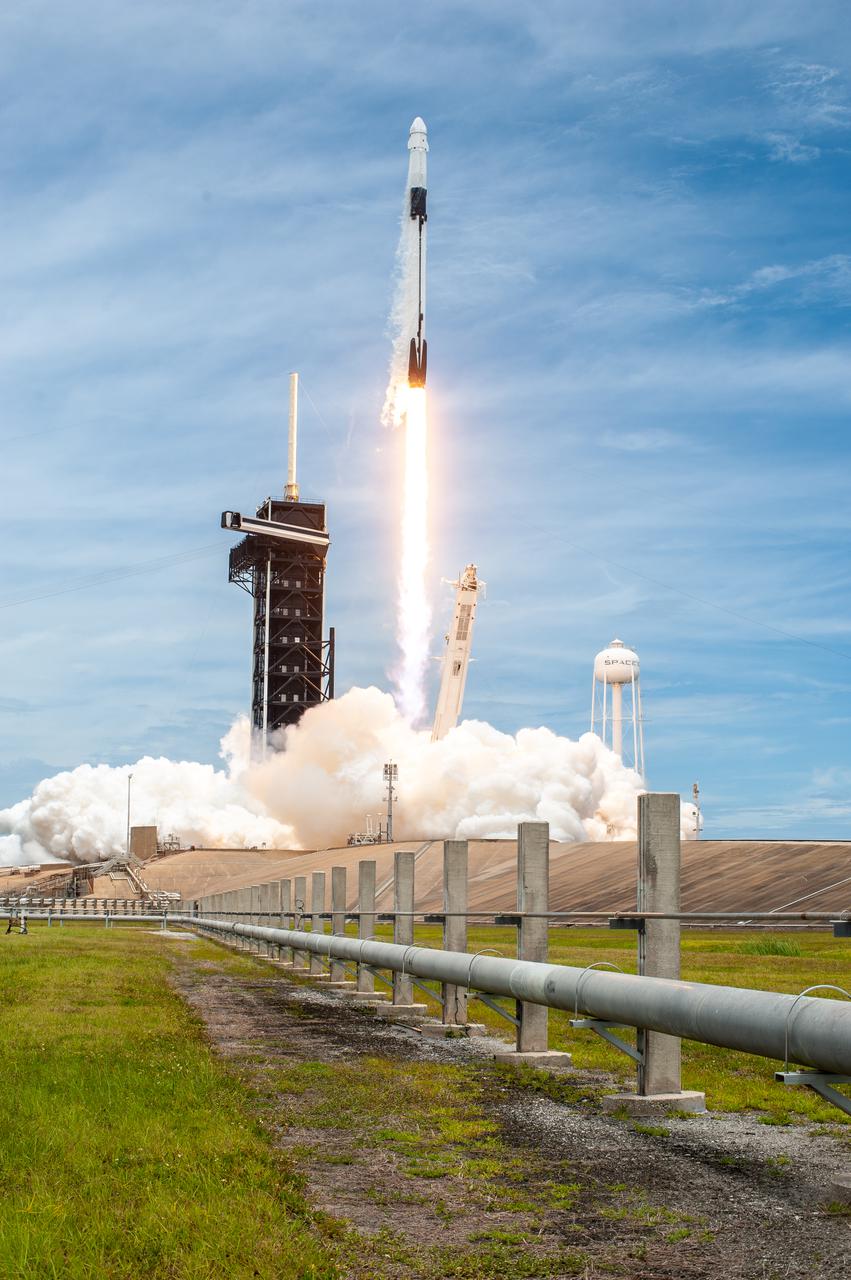
The SpaceX Falcon 9 rocket carrying the Dragon cargo capsule soars upward after lifting off from Launch Complex 39A at NASA’s Kennedy Space Center in Florida on June 3, 2021, on the company’s 22nd Commercial Resupply Services mission for the agency to the International Space Station. Liftoff was at 1:29 p.m. EDT. Dragon is filled with supplies and payloads including critical materials to directly support dozens of the more than 250 science and research investigations that will occur during Expeditions 65 and 66 on the station.
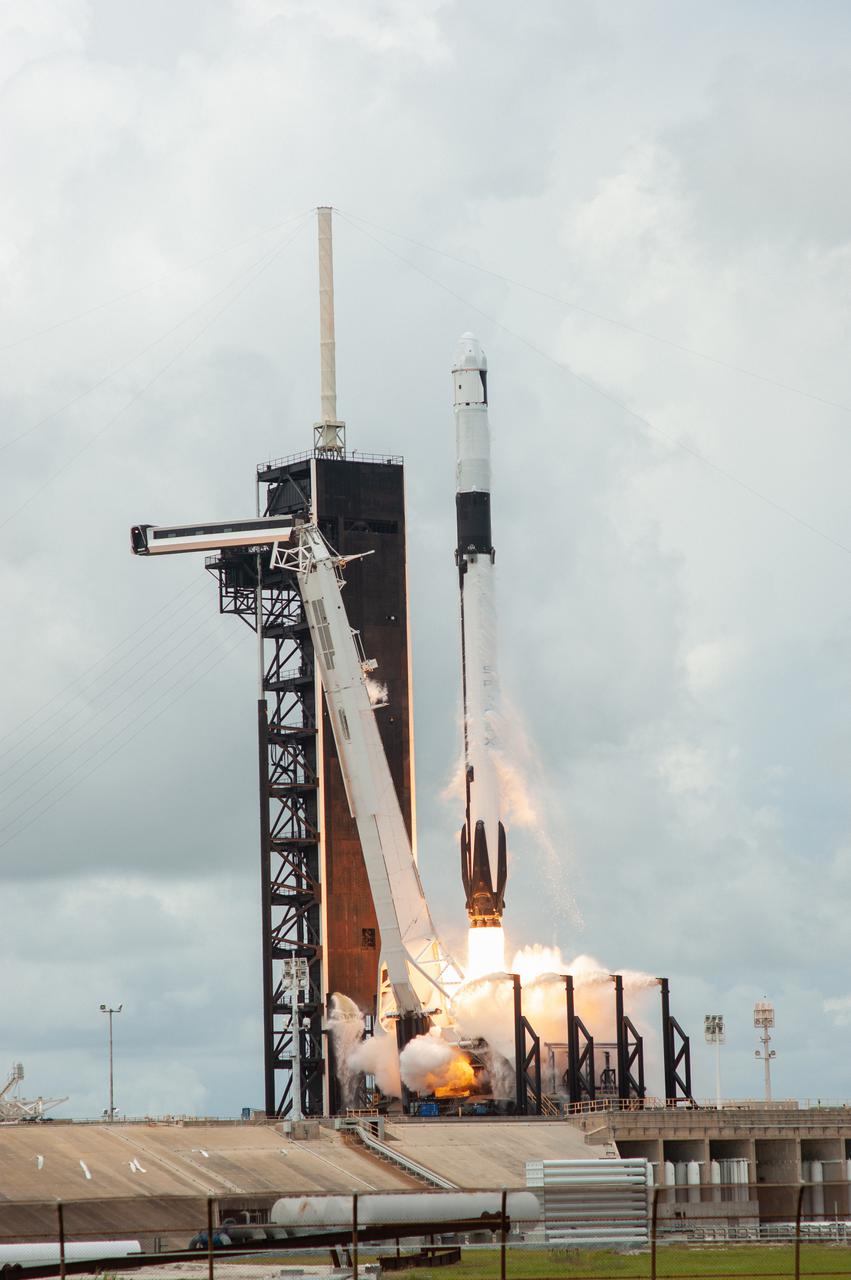
The SpaceX Falcon 9 rocket carrying the Dragon cargo capsule lifts off from Launch Complex 39A at NASA’s Kennedy Space Center in Florida on June 3, 2021, on the company’s 22nd Commercial Resupply Services mission for the agency to the International Space Station. Liftoff was at 1:29 p.m. EDT. Dragon is filled with supplies and payloads including critical materials to directly support dozens of the more than 250 science and research investigations that will occur during Expeditions 65 and 66 on the station.
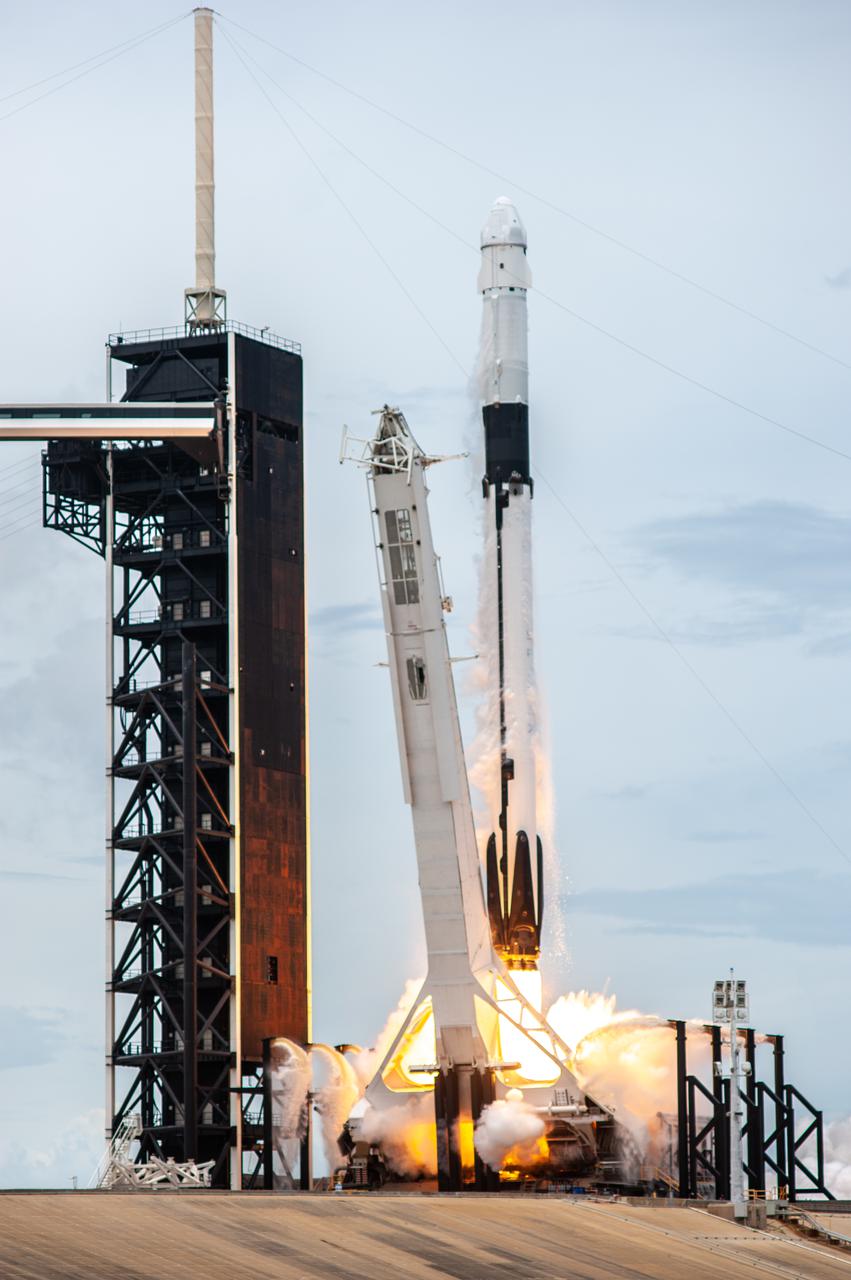
The SpaceX Falcon 9 rocket carrying the Dragon cargo capsule lifts off from Launch Complex 39A at NASA’s Kennedy Space Center in Florida on June 3, 2021, on the company’s 22nd Commercial Resupply Services mission for the agency to the International Space Station. Liftoff was at 1:29 p.m. EDT. Dragon is filled with supplies and payloads including critical materials to directly support dozens of the more than 250 science and research investigations that will occur during Expeditions 65 and 66 on the station.
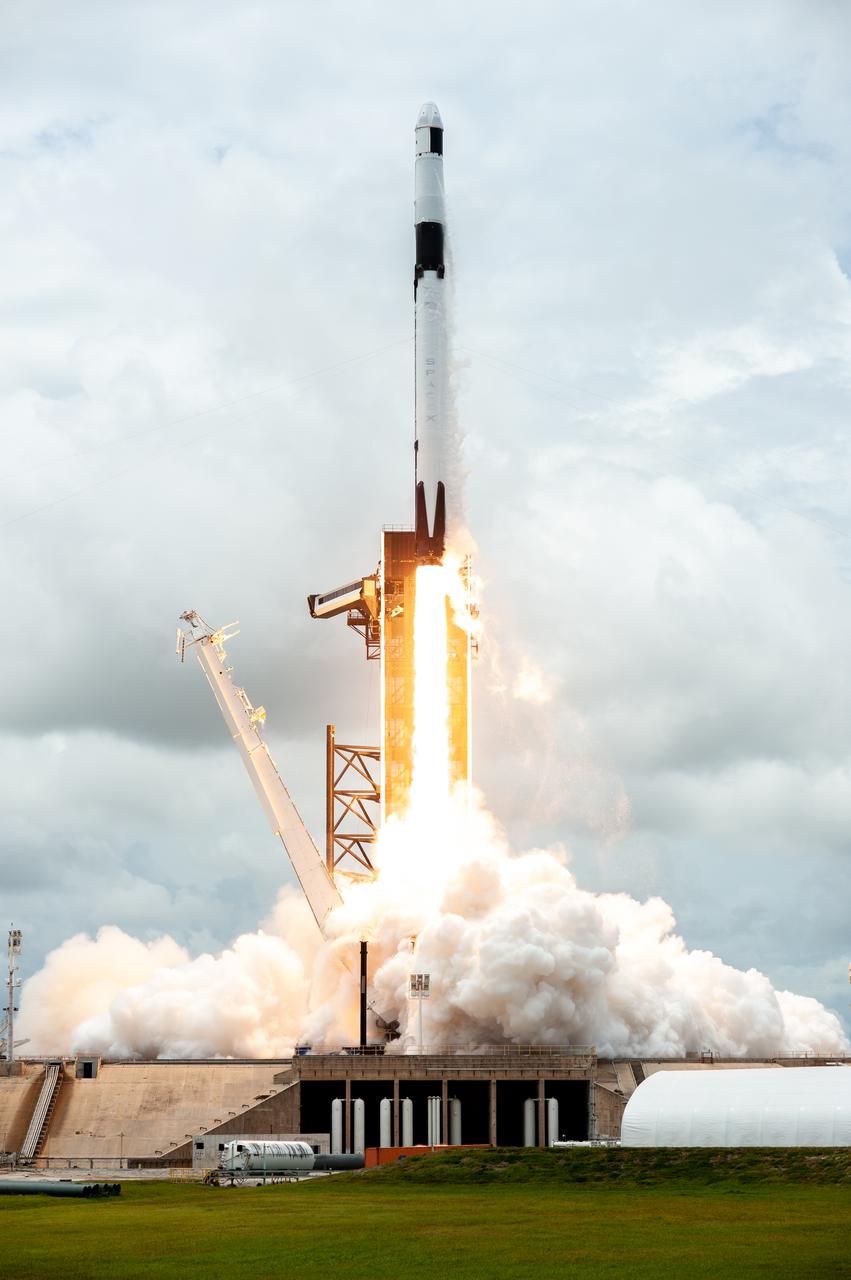
The SpaceX Falcon 9 rocket carrying the Dragon cargo capsule soars upward after lifting off from Launch Complex 39A at NASA’s Kennedy Space Center in Florida on June 3, 2021, on the company’s 22nd Commercial Resupply Services mission for the agency to the International Space Station. Liftoff was at 1:29 p.m. EDT. Dragon is filled with supplies and payloads including critical materials to directly support dozens of the more than 250 science and research investigations that will occur during Expeditions 65 and 66 on the station.
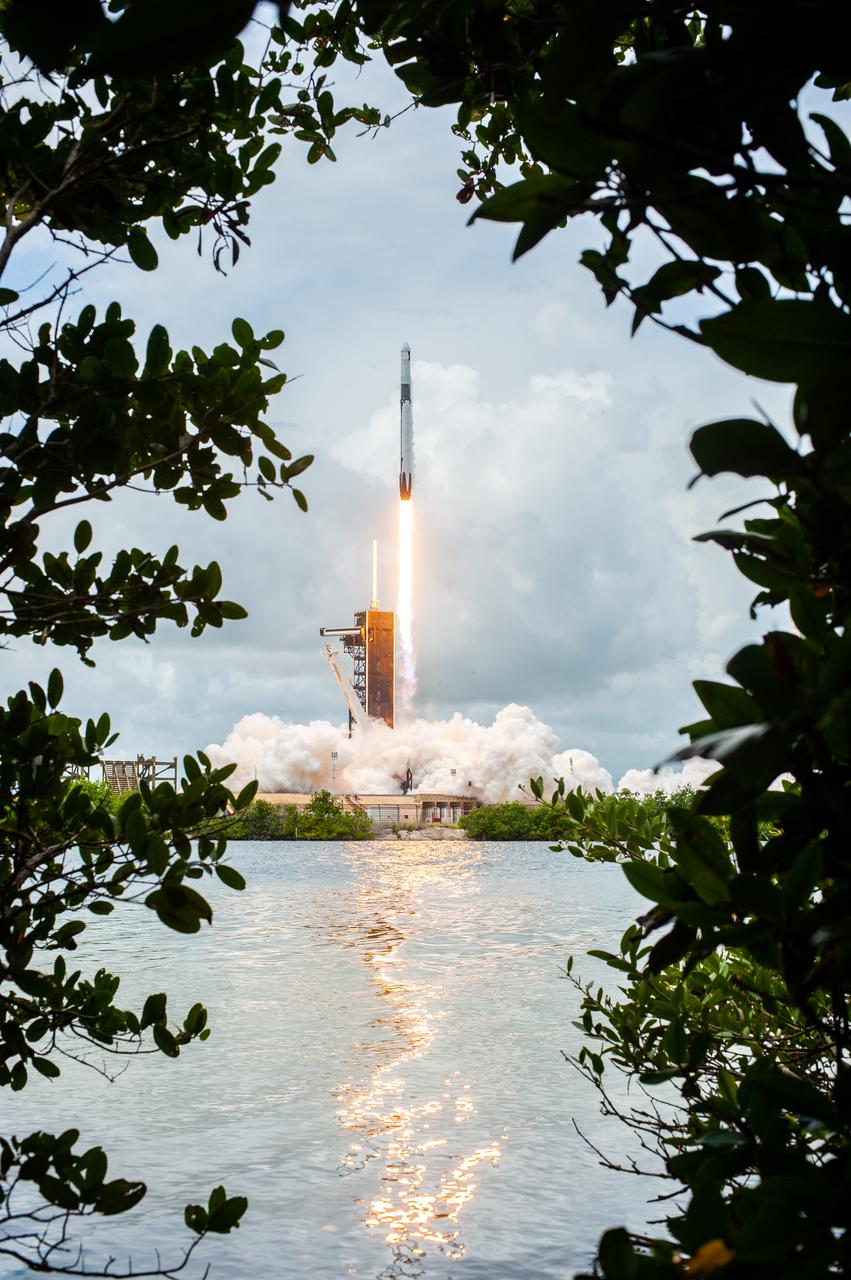
The SpaceX Falcon 9 rocket carrying the Dragon cargo capsule lifts off from Launch Complex 39A at NASA’s Kennedy Space Center in Florida on June 3, 2021, on the company’s 22nd Commercial Resupply Services mission for the agency to the International Space Station. Liftoff was at 1:29 p.m. EDT. Dragon is filled with supplies and payloads including critical materials to directly support dozens of the more than 250 science and research investigations that will occur during Expeditions 65 and 66 on the station.
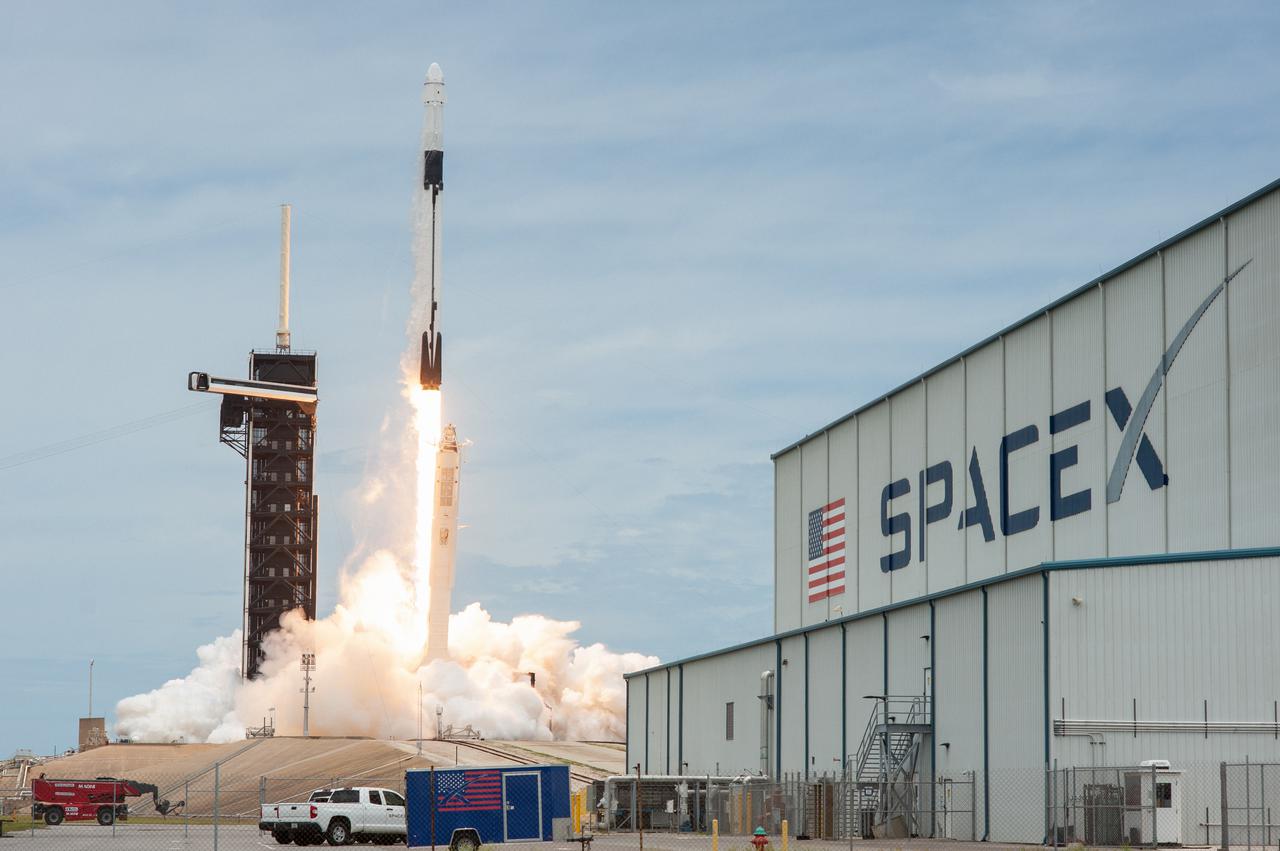
The SpaceX Falcon 9 rocket carrying the Dragon cargo capsule lifts off from Launch Complex 39A at NASA’s Kennedy Space Center in Florida on June 3, 2021, on the company’s 22nd Commercial Resupply Services mission for the agency to the International Space Station. Liftoff was at 1:29 p.m. EDT. Dragon is filled with supplies and payloads including critical materials to directly support dozens of the more than 250 science and research investigations that will occur during Expeditions 65 and 66 on the station.
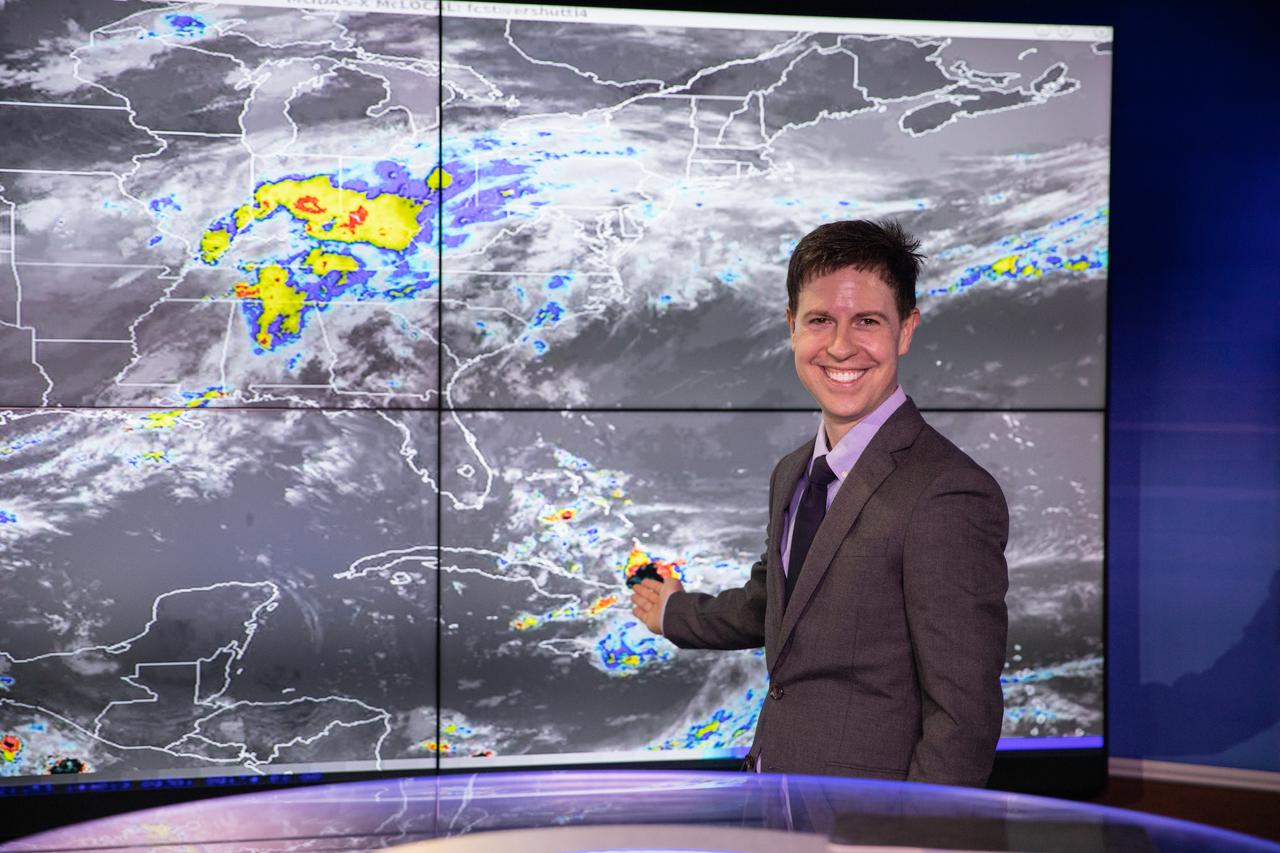
Mark Burger, launch weather officer, 45th Weather Squadron, Cape Canaveral Space Force Station, participates in a prelaunch news conference for SpaceX’s 22nd Commercial Resupply Services mission for NASA to the International Space Station on June 2, 2021 at Kennedy Space Center in Florida. The Dragon capsule atop SpaceX’s Falcon 9 rocket is scheduled to lift off from Launch Complex 39A at 1:29 p.m. EDT on June 3. Dragon will deliver more than 7,300 pounds of cargo to the space station.

The SpaceX Falcon 9 rocket carrying the Dragon cargo capsule lifts off from Launch Complex 39A at NASA’s Kennedy Space Center in Florida on June 3, 2021, on the company’s 22nd Commercial Resupply Services mission for the agency to the International Space Station. Liftoff was at 1:29 p.m. EDT. Dragon is filled with supplies and payloads including critical materials to directly support dozens of the more than 250 science and research investigations that will occur during Expeditions 65 and 66 on the station.
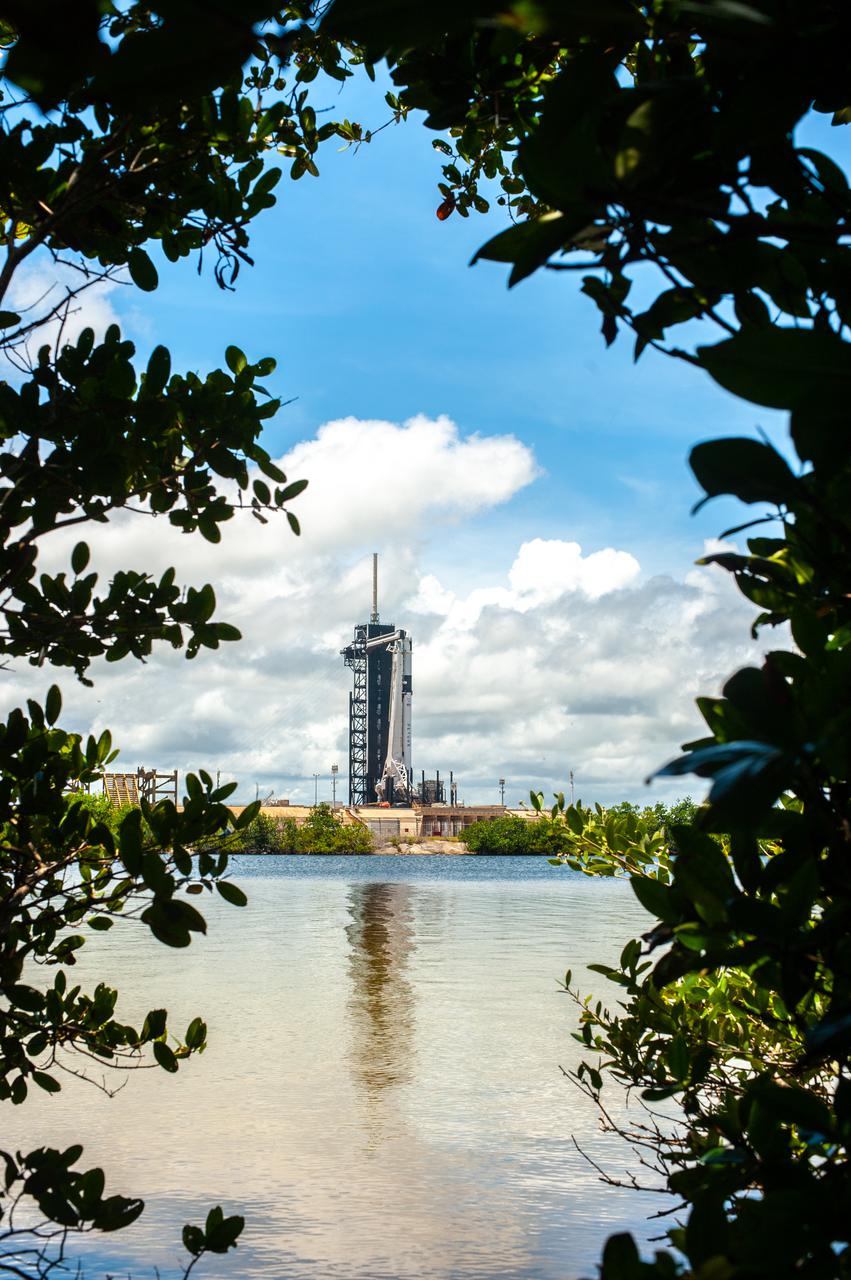
The SpaceX Falcon 9 rocket carrying the Dragon cargo capsule lifts off from Launch Complex 39A at NASA’s Kennedy Space Center in Florida on June 3, 2021, on the company’s 22nd Commercial Resupply Services mission for the agency to the International Space Station. Liftoff was at 1:29 p.m. EDT. Dragon is filled with supplies and payloads including critical materials to directly support dozens of the more than 250 science and research investigations that will occur during Expeditions 65 and 66 on the station.
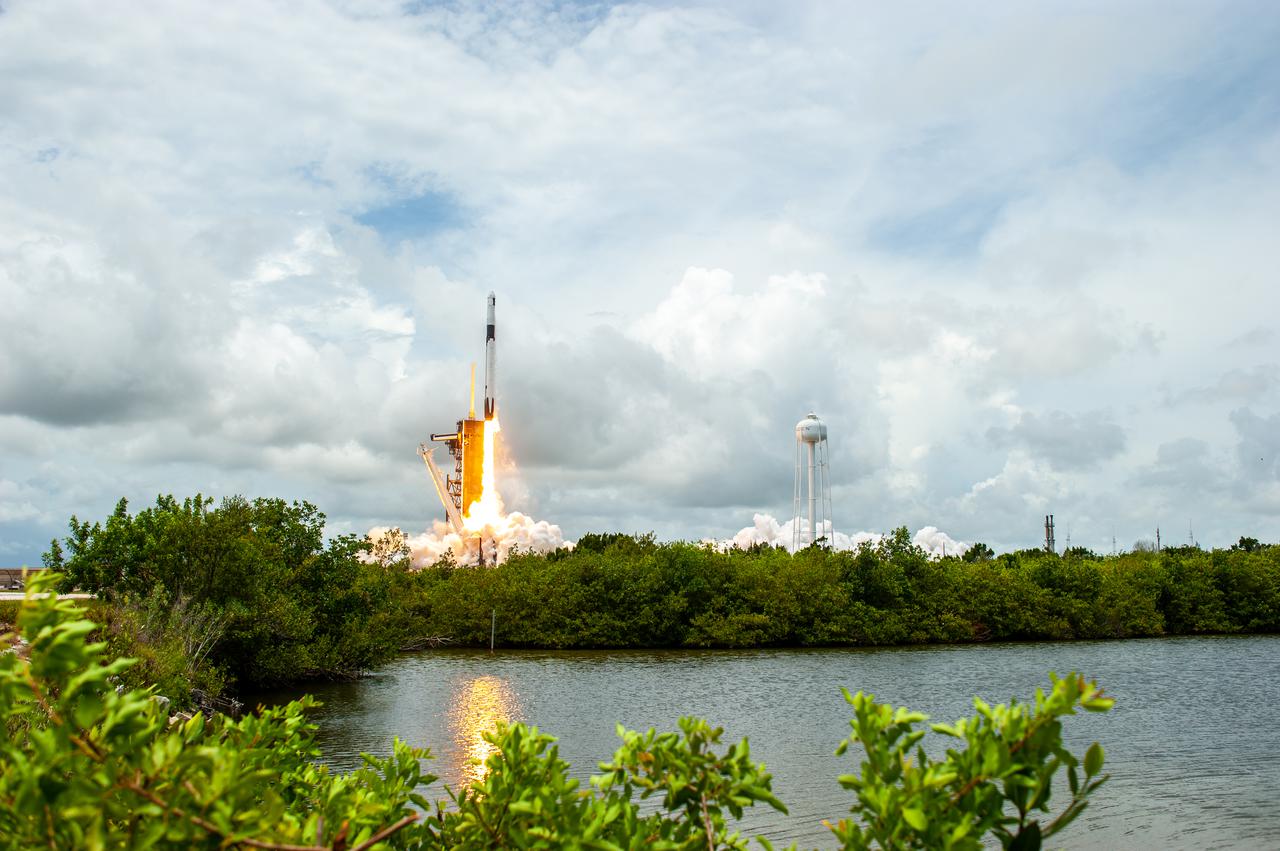
The SpaceX Falcon 9 rocket carrying the Dragon cargo capsule soars upward after lifting off from Launch Complex 39A at NASA’s Kennedy Space Center in Florida on June 3, 2021, on the company’s 22nd Commercial Resupply Services mission for the agency to the International Space Station. Liftoff was at 1:29 p.m. EDT. Dragon is filled with supplies and payloads including critical materials to directly support dozens of the more than 250 science and research investigations that will occur during Expeditions 65 and 66 on the station.
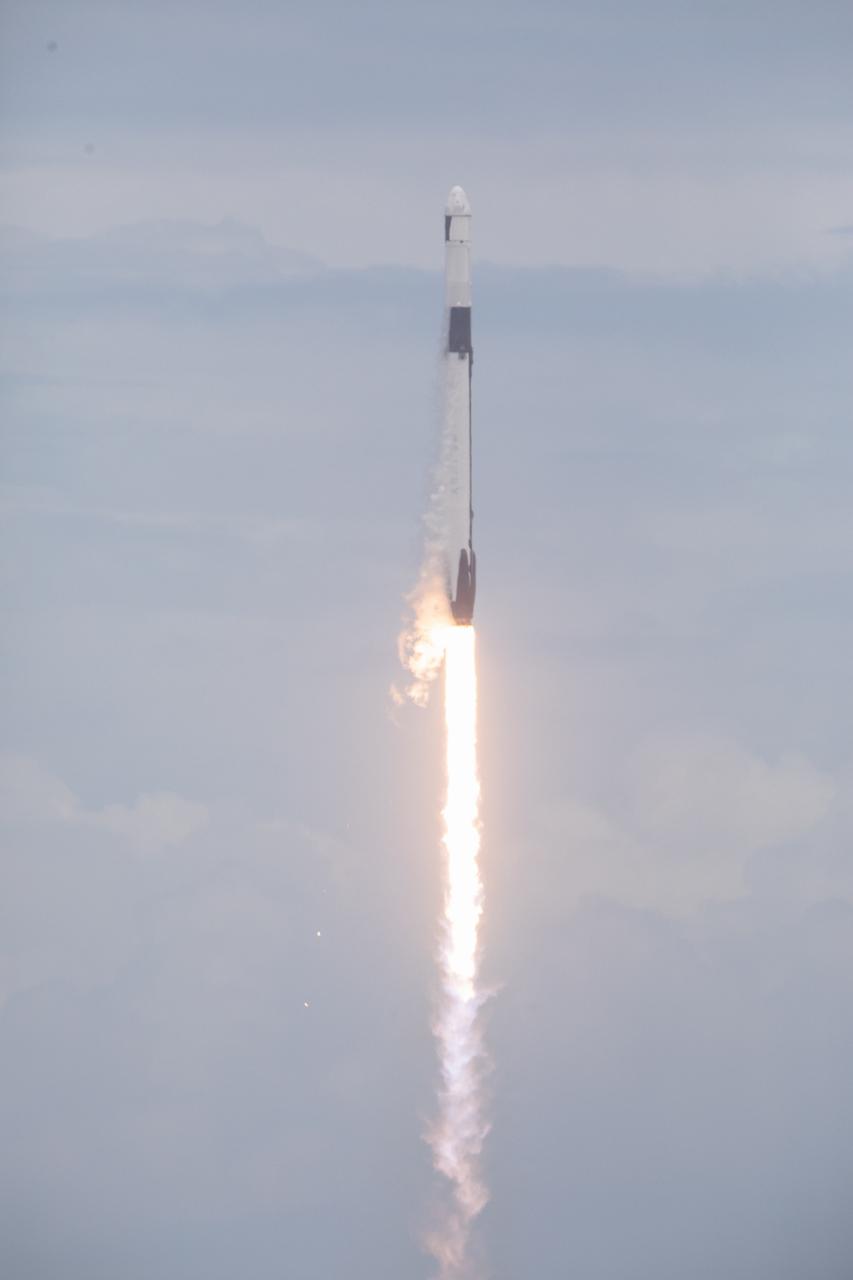
The SpaceX Falcon 9 rocket carrying the Dragon cargo capsule soars upward after lifting off from Launch Complex 39A at NASA’s Kennedy Space Center in Florida on June 3, 2021, on the company’s 22nd Commercial Resupply Services mission for the agency to the International Space Station. Liftoff was at 1:29 p.m. EDT. Dragon is filled with supplies and payloads including critical materials to directly support dozens of the more than 250 science and research investigations that will occur during Expeditions 65 and 66 on the station.
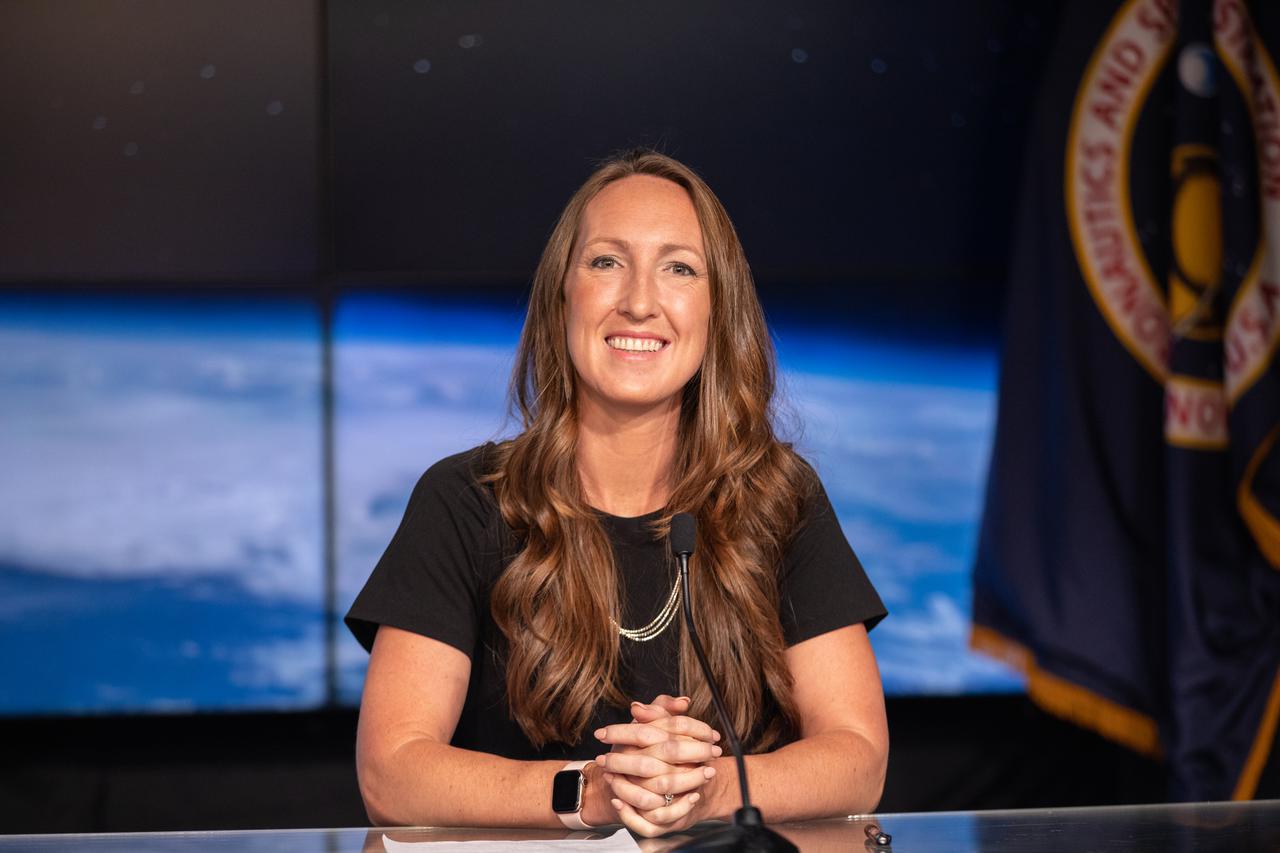
A prelaunch news conference for SpaceX’s 22nd Commercial Resupply Services mission for NASA to the International Space Station is held on June 2, 2021 at Kennedy Space Center in Florida. Sarah Walker, director, Dragon mission management at SpaceX, answers questions from members of the media. The Dragon capsule atop SpaceX’s Falcon 9 rocket is scheduled to lift off from Launch Complex 39A at 1:29 p.m. EDT on Thursday, June 3. Dragon will deliver more than 7,300 pounds of cargo to the space station.
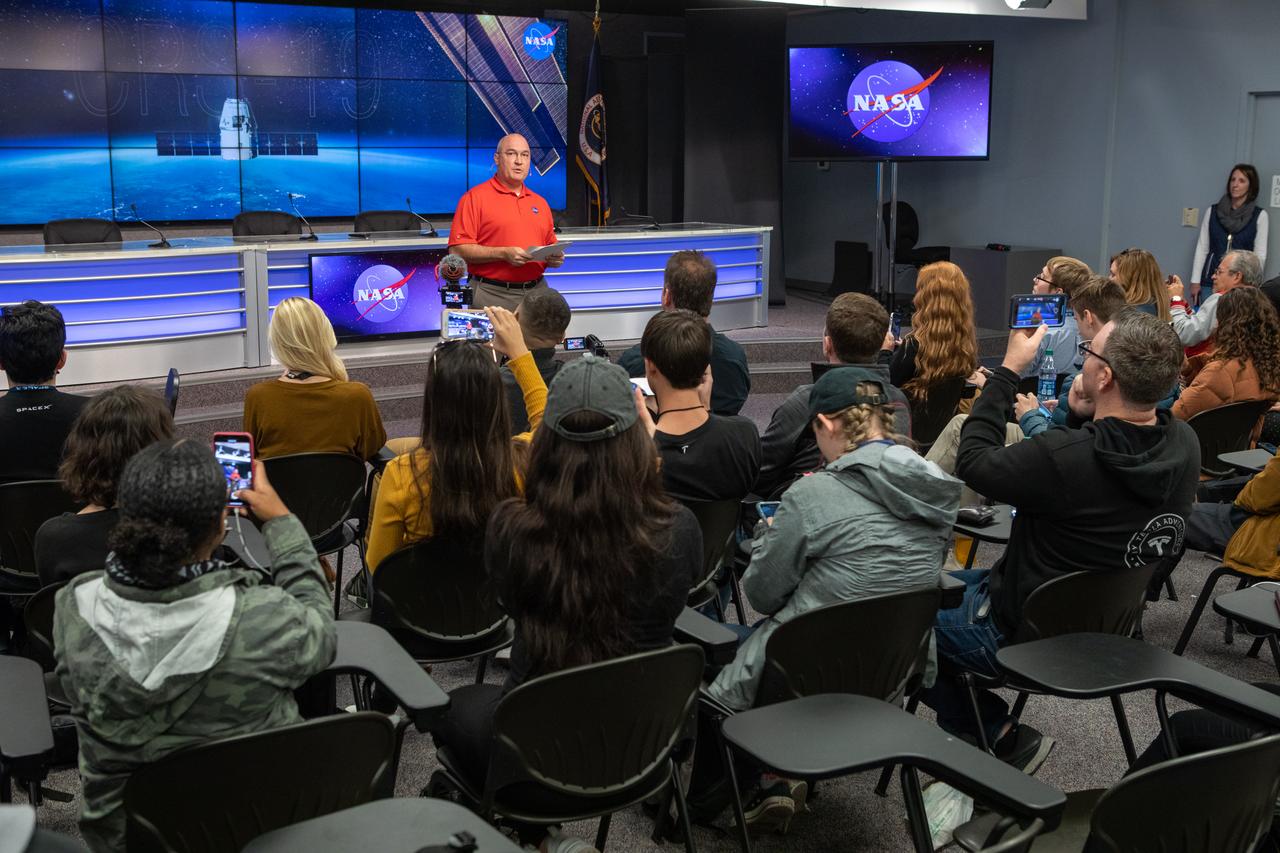
Greg Harland, NASA Communications, moderates a What’s On Board Briefing for SpaceX’s 19th Commercial Resupply Services (CRS-19) mission for NASA to the International Space Station on Dec. 3, 2019, at the agency’s Kennedy Space Center in Florida. The SpaceX Falcon 9 rocket and Dragon cargo module are scheduled to launch on Dec. 4, 2019, from Space Launch Complex 40 on Cape Canaveral Air Force Station in Florida.

A What’s On Board Briefing for SpaceX’s 19th Commercial Resupply Services (CRS-19) mission for NASA to the International Space Station took place on Dec. 3, 2019, at the agency’s Kennedy Space Center in Florida. Paul Ferkul, an investigator for the Confined Combustion experiment, discuss the investigation which studies how fire spreads and behaves in confined spaces. The SpaceX Falcon 9 rocket and Dragon cargo module are scheduled to launch on Dec. 4, 2019, from Space Launch Complex 40 on Cape Canaveral Air Force Station in Florida.
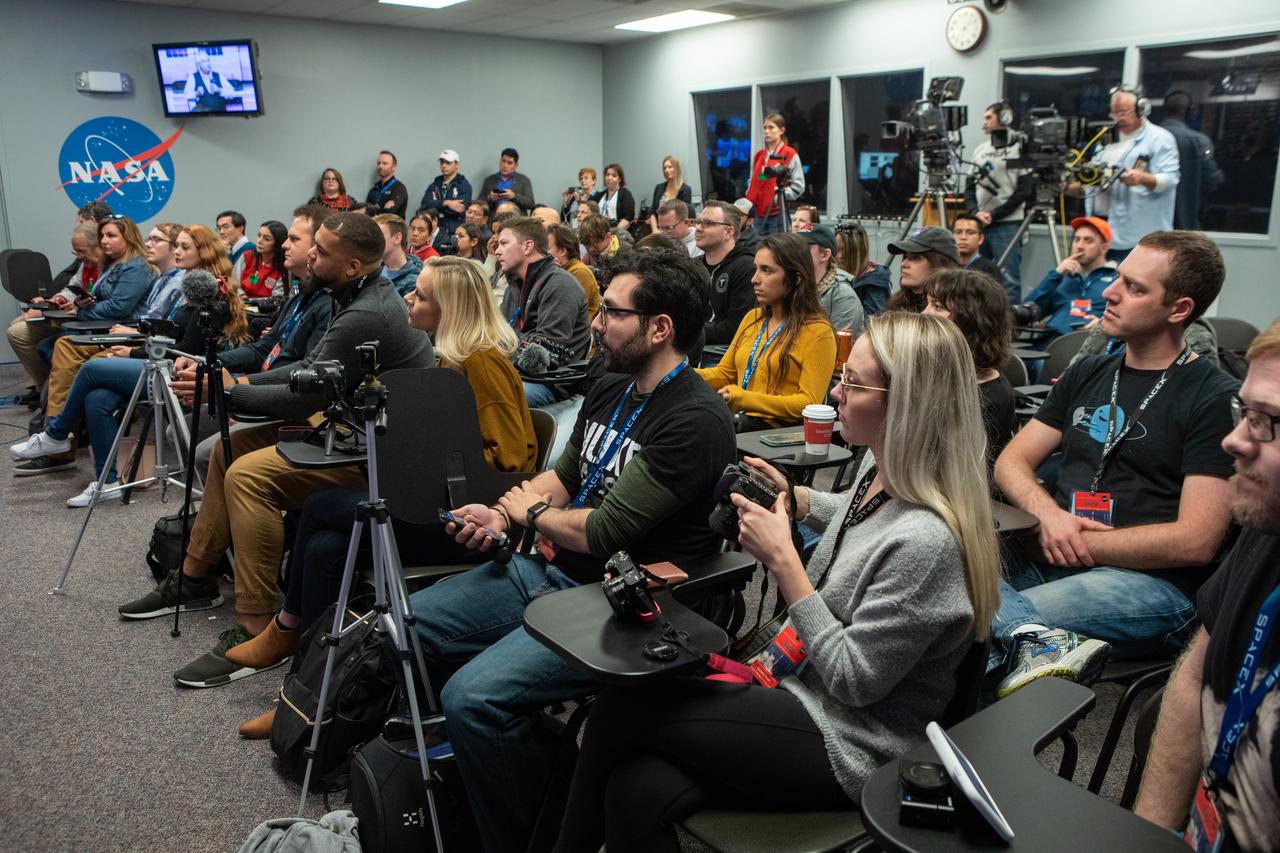
Members of the news and social media listen to a What's On Board Briefing on Dec. 3, 2019, for SpaceX's 19th Commercial Resupply Services (CRS-19) mission for NASA to the International Space Station at the agency's Kennedy Space Center in Florida. The SpaceX Falcon 9 rocket and Dragon cargo module are scheduled to launch on Dec. 4, 2019, from Space Launch Complex 40 on Cape Canaveral Air Force Station in Florida.
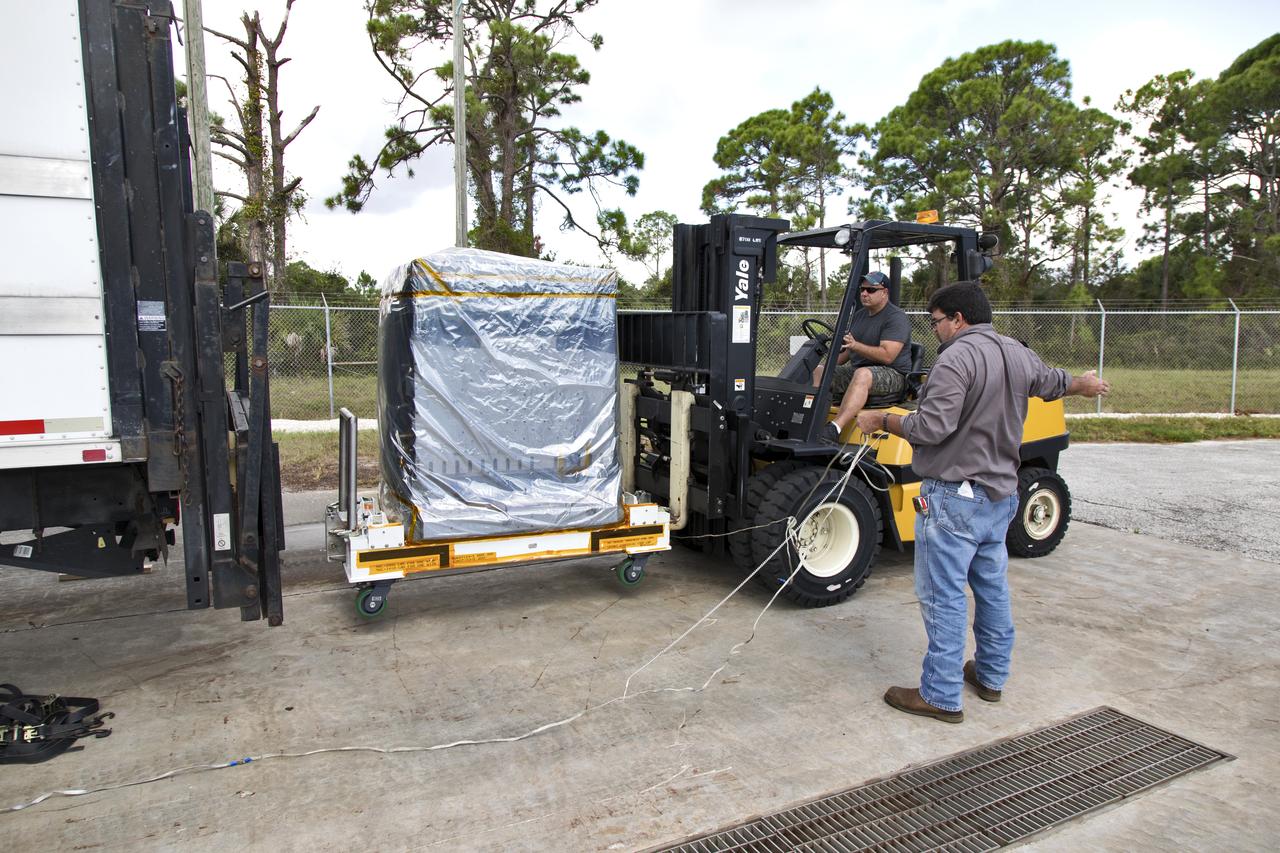
A worker uses a forklift to unload the Robotic Refueling Mission-3 (RRM3) payload from a truck at the Payload Hazardous Servicing Facility on Oct. 3, 2018, at NASA's Kennedy Space Center in Florida. The payload will be carried to the International Space Station on SpaceX's 16th Commercial Resupply Services mission. RRM3 demonstrates the transfer of xenon gas and liquid methane in microgravity, and advances technologies for storing and manipulating these cryogenic fuels robotically. RRM3 also supports development of technology for the Restore-L mission, a robotic spacecraft equipped to service satellites in-orbit.
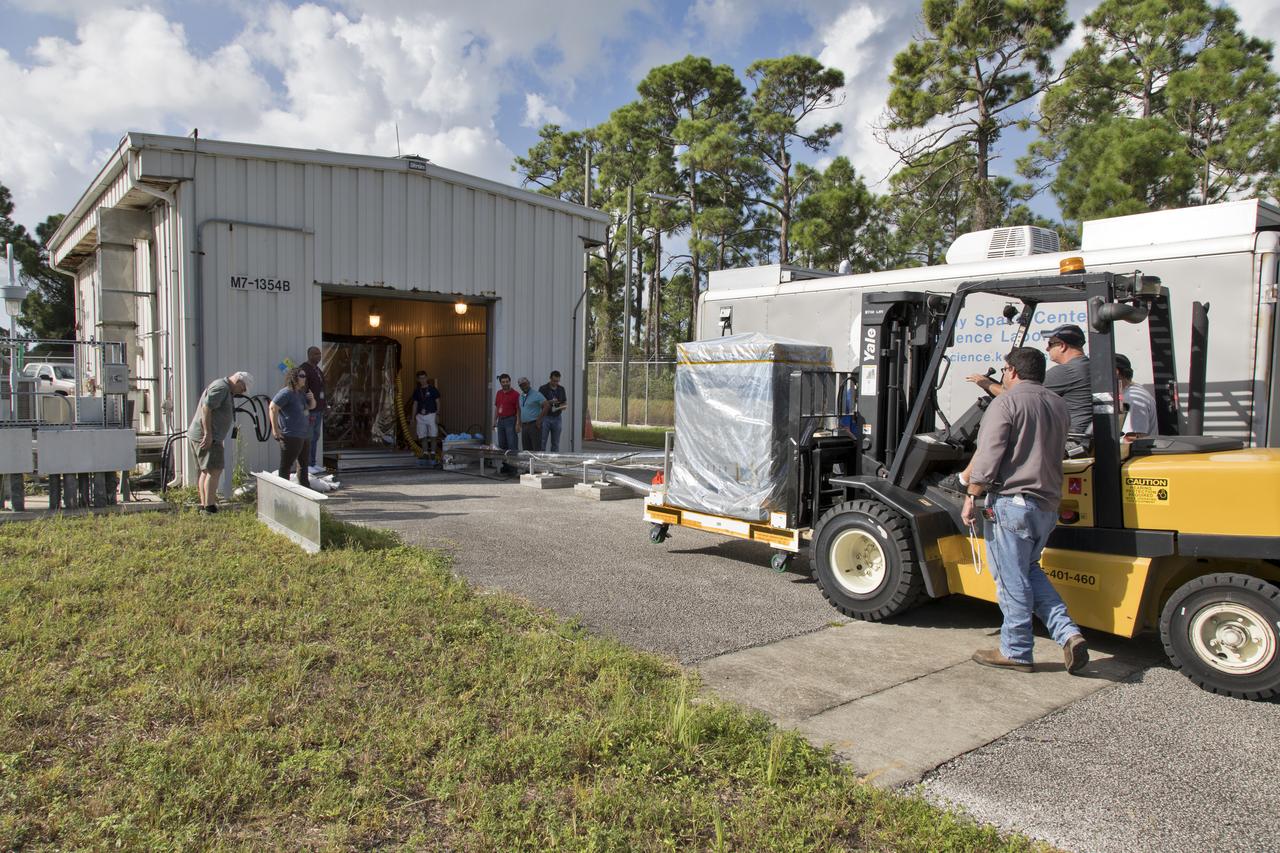
A worker uses a forklift to carry the Robotic Refueling Mission-3 (RRM3) payload to the entrance of the Payload Hazardous Servicing Facility on Oct. 3, 2018, at NASA's Kennedy Space Center in Florida. The payload will be carried to the International Space Station on SpaceX's 16th Commercial Resupply Services mission. RRM3 demonstrates the transfer of xenon gas and liquid methane in microgravity, and advances technologies for storing and manipulating these cryogenic fuels robotically. RRM3 also supports development of technology for the Restore-L mission, a robotic spacecraft equipped to service satellites in-orbit.
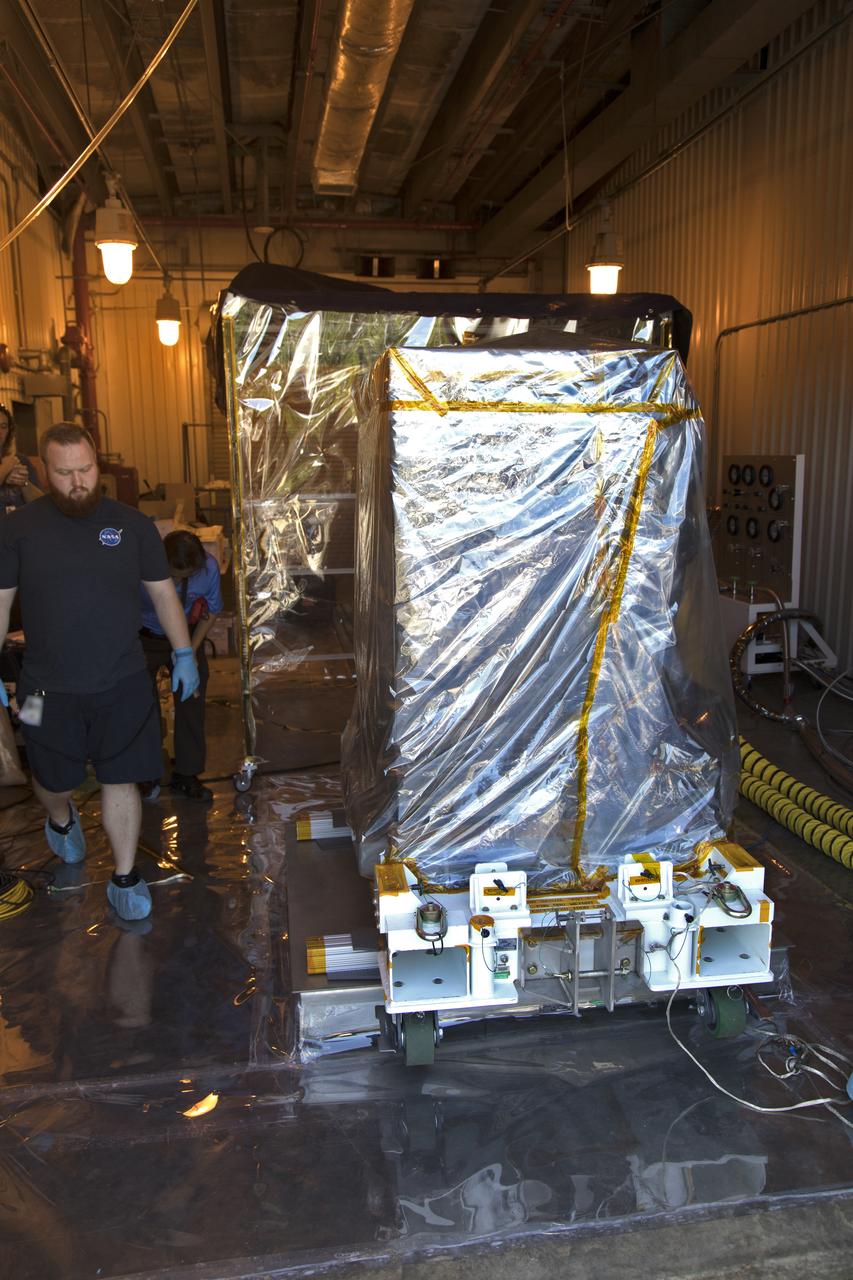
The Robotic Refueling Mission-3 (RRM3) payload is inside the Payload Hazardous Servicing Facility on Oct. 3, 2018, at NASA's Kennedy Space Center in Florida. The payload will be carried to the International Space Station on SpaceX's 16th Commercial Resupply Services mission. RRM3 demonstrates the transfer of xenon gas and liquid methane in microgravity, and advances technologies for storing and manipulating these cryogenic fuels robotically. RRM3 also supports development of technology for the Restore-L mission, a robotic spacecraft equipped to service satellites in-orbit.
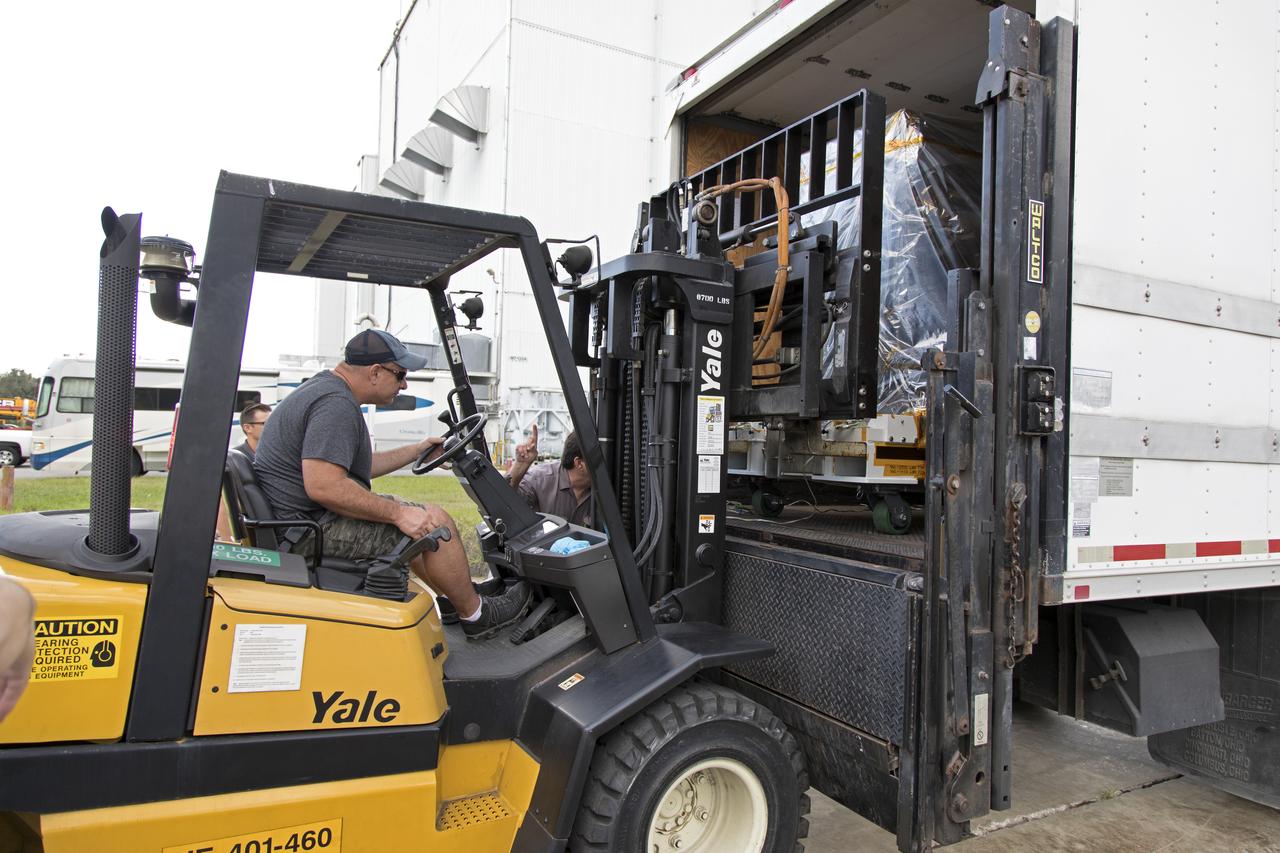
A worker uses a forklift to unload the Robotic Refueling Mission-3 (RRM3) payload from a truck at the Payload Hazardous Servicing Facility on Oct. 3, 2018, at NASA's Kennedy Space Center in Florida. The payload will be carried to the International Space Station on SpaceX's 16th Commercial Resupply Services mission. RRM3 demonstrates the transfer of xenon gas and liquid methane in microgravity, and advances technologies for storing and manipulating these cryogenic fuels robotically. RRM3 also supports development of technology for the Restore-L mission, a robotic spacecraft equipped to service satellites in-orbit.
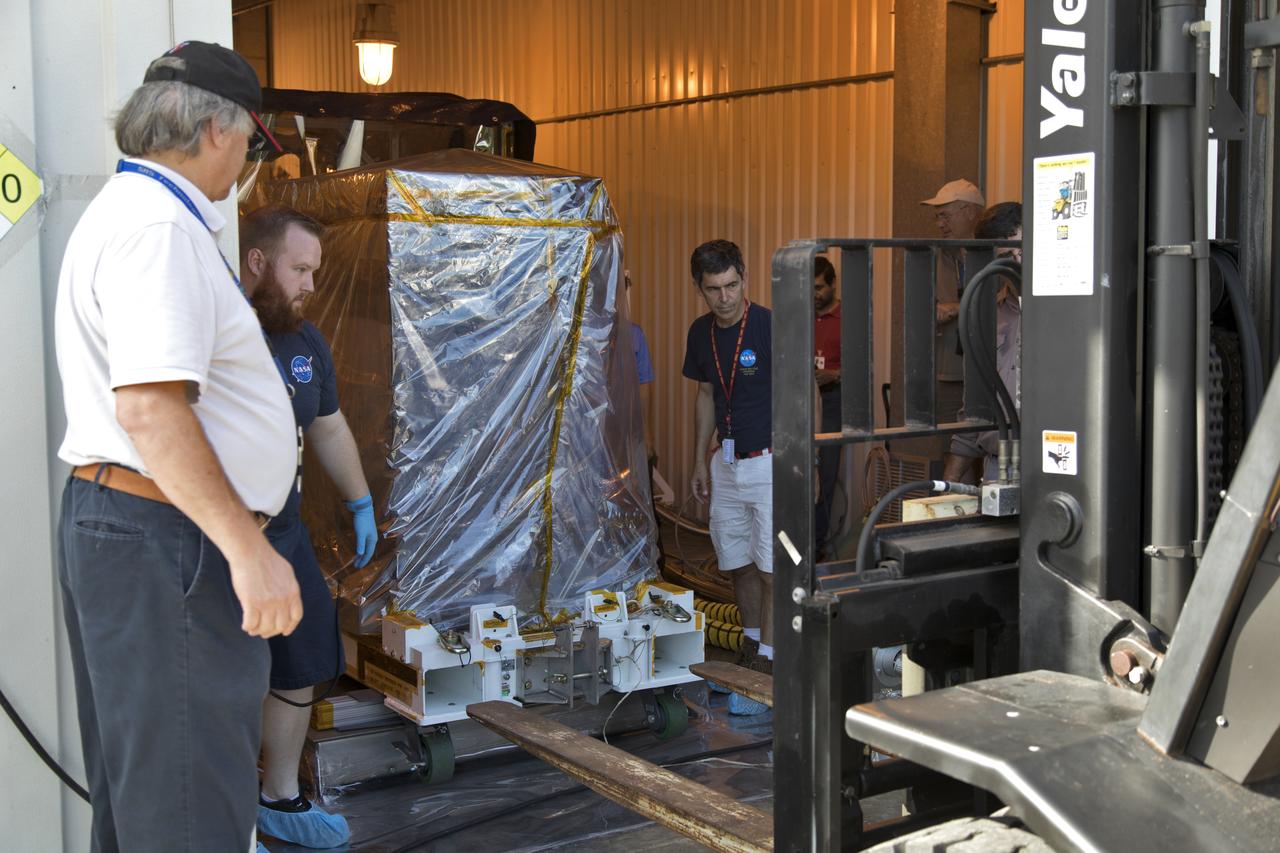
The Robotic Refueling Mission-3 (RRM3) payload is unloaded from a forklift inside the Payload Hazardous Servicing Facility on Oct. 3, 2018, at NASA's Kennedy Space Center in Florida. The payload will be carried to the International Space Station on SpaceX's 16th Commercial Resupply Services mission. RRM3 demonstrates the transfer of xenon gas and liquid methane in microgravity, and advances technologies for storing and manipulating these cryogenic fuels robotically. RRM3 also supports development of technology for the Restore-L mission, a robotic spacecraft equipped to service satellites in-orbit.
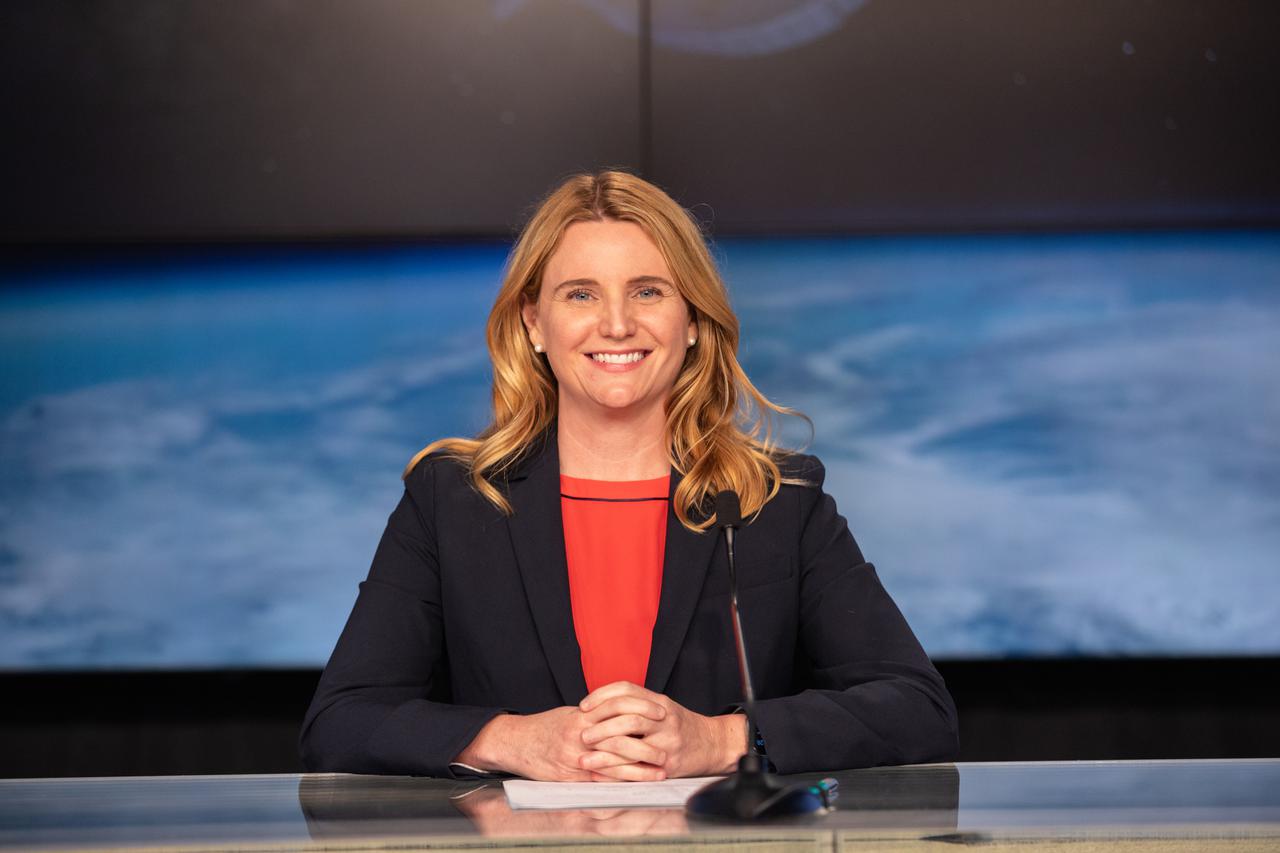
A prelaunch news conference for SpaceX’s 22nd Commercial Resupply Services mission for NASA to the International Space Station is held on June 2, 2021 at Kennedy Space Center in Florida. Jennifer Buchli, deputy chief scientist for International Space Station Program, answers questions from members of the media. The Dragon capsule atop SpaceX’s Falcon 9 rocket is scheduled to lift off from Launch Complex 39A at 1:29 p.m. EDT on Thursday, June 3. Dragon will deliver more than 7,300 pounds of cargo to the space station.
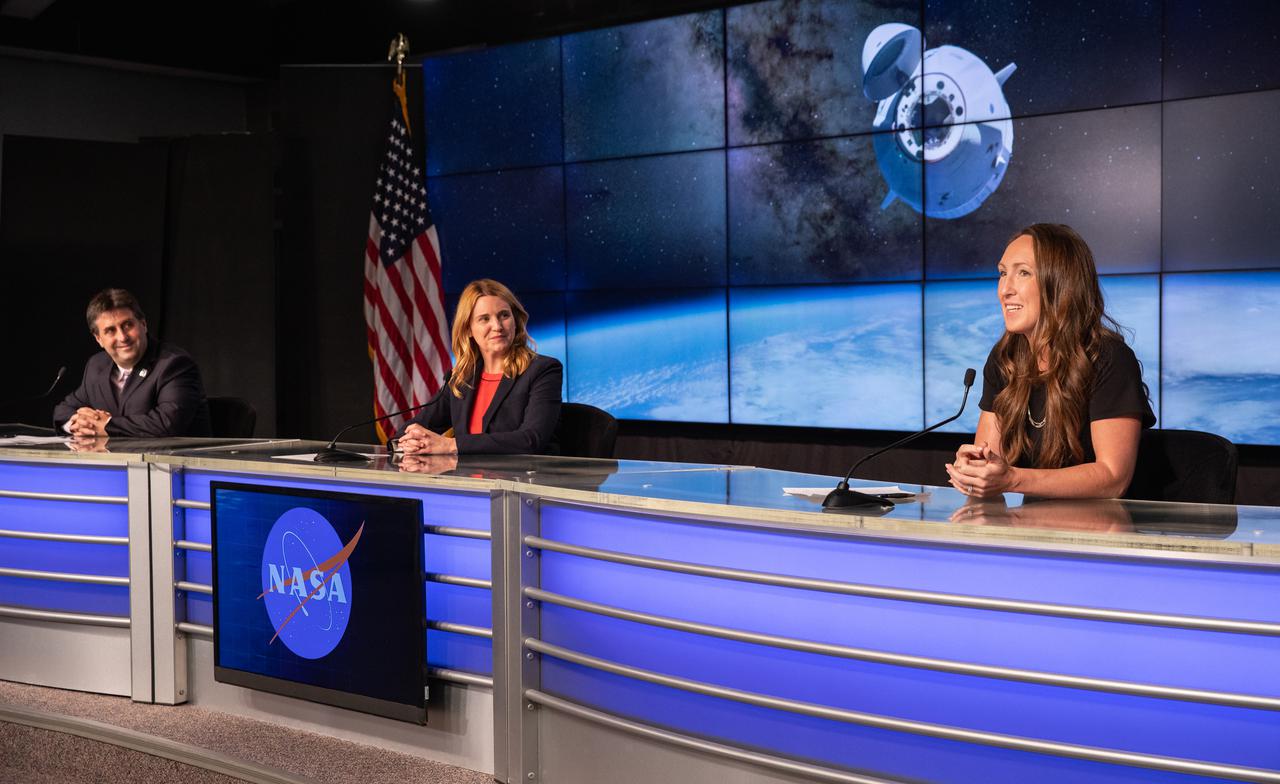
A prelaunch news conference for SpaceX’s 22nd Commercial Resupply Services mission for NASA to the International Space Station is held on June 2, 2021 at Kennedy Space Center in Florida. From left are Joel Montalbano, manager for International Space Station Program; Jennifer Buchli, deputy chief scientist for International Space Station Program; and Sarah Walker, director, Dragon mission management at SpaceX. The Dragon capsule atop SpaceX’s Falcon 9 rocket is scheduled to lift off from Launch Complex 39A at 1:29 p.m. EDT on Thursday, June 3. Dragon will deliver more than 7,300 pounds of cargo to the space station.
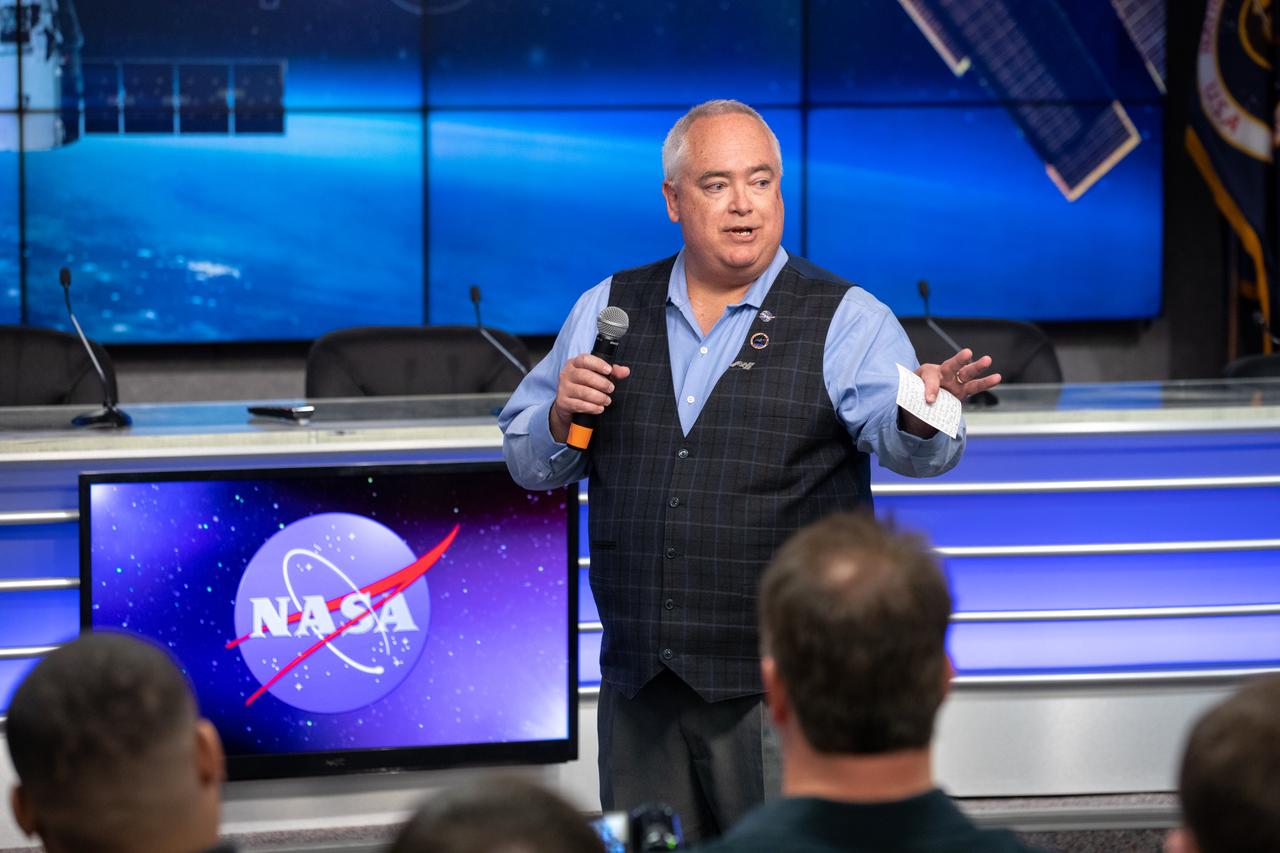
A What's on Board Briefing for SpaceX's 19th Commercial Resupply Services (CRS-19) mission for NASA to the International Space Station took place on Dec. 3, 2019, at the agency's Kennedy Space Center in Florida. Bryan Dansberry, assistant program scientist for NASA's International Space Station Program Science Office shares an overview of the research being conducted aboard the space station and how it benefits exploration and humanity. The SpaceX Falcon 9 rocket and Dragon cargo module are scheduled to launch on Dec. 4, 2019, from Space Launch Complex 40 at Cape Canaveral Air Force Station in Florida.
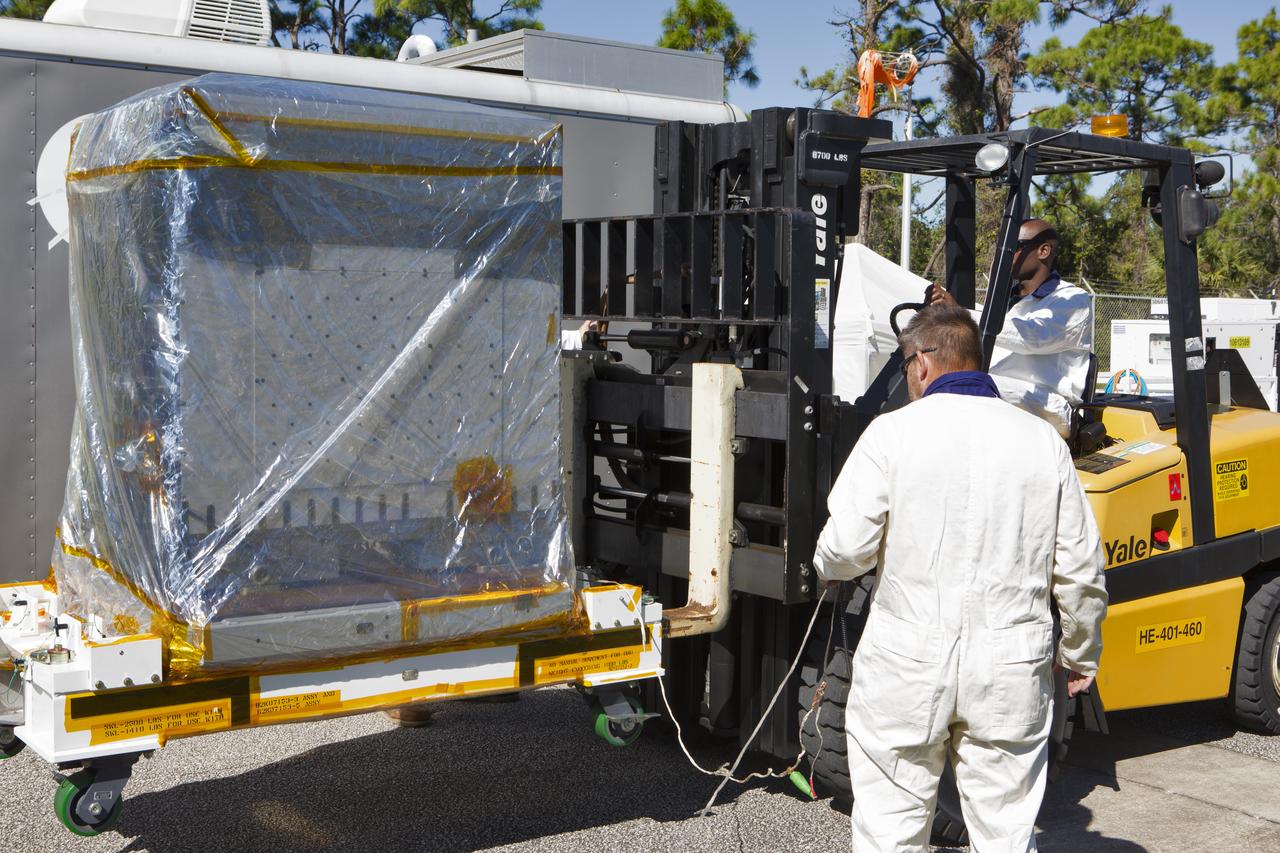
Workers prepare the Robotic Refueling Mission-3 (RRM3) payload for transport from the Fuel Transfer Building to the SpaceX facility on Oct. 30, 2018, at NASA's Kennedy Space Center in Florida. The payload will be carried to the International Space Station on SpaceX's 16th Commercial Resupply Services mission. RRM3 demonstrates the transfer of xenon gas and liquid methane in microgravity, and advances technologies for storing and manipulating these cryogenic fuels robotically. RRM3 also supports development of technology for the Restore-L mission, a robotic spacecraft equipped to service satellites in-orbit.
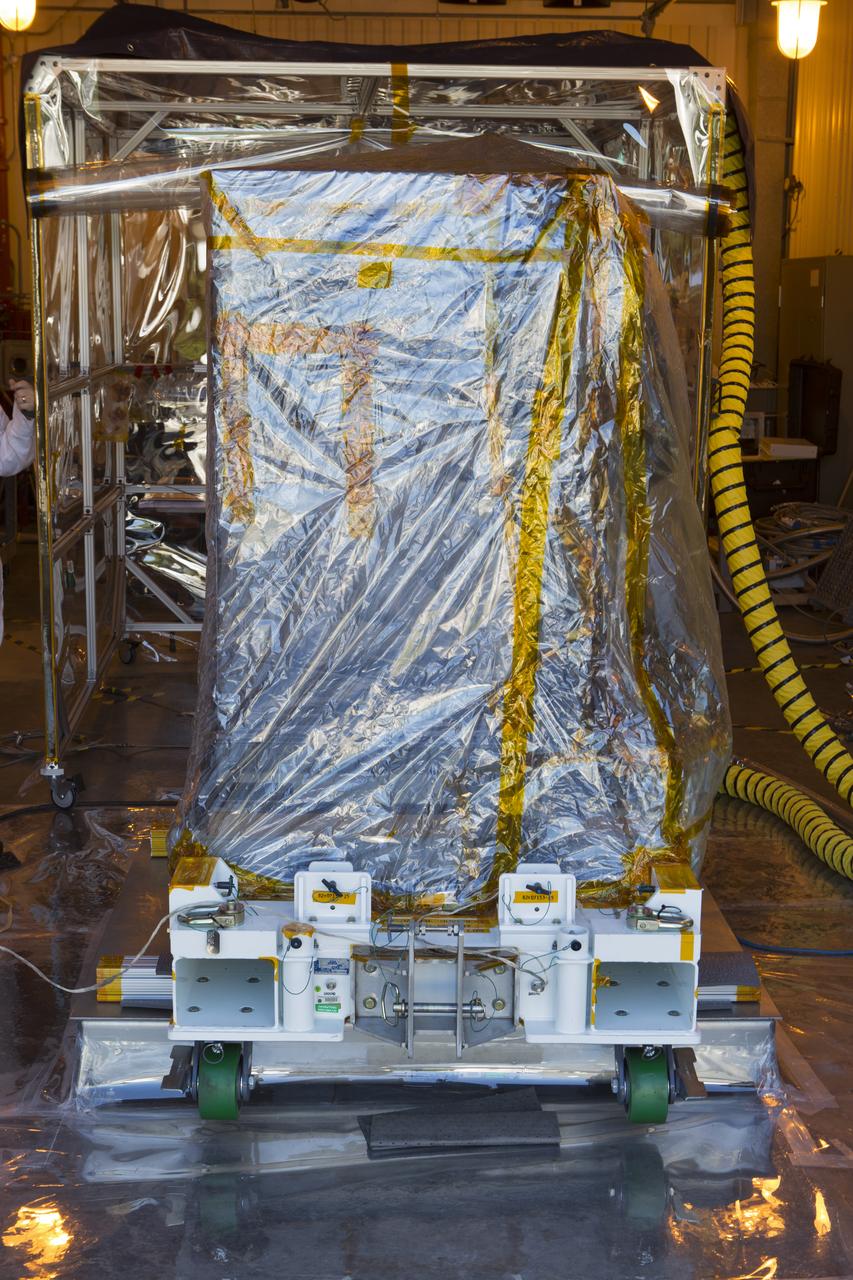
The Robotic Refueling Mission-3 (RRM3) payload is being prepared to be moved from the Fuel Transfer Building to the SpaceX facility on Oct. 30, 2018, at NASA's Kennedy Space Center in Florida. The payload will be carried to the International Space Station on SpaceX's 16th Commercial Resupply Services mission. RRM3 demonstrates the transfer of xenon gas and liquid methane in microgravity, and advances technologies for storing and manipulating these cryogenic fuels robotically. RRM3 also supports development of technology for the Restore-L mission, a robotic spacecraft equipped to service satellites in-orbit.
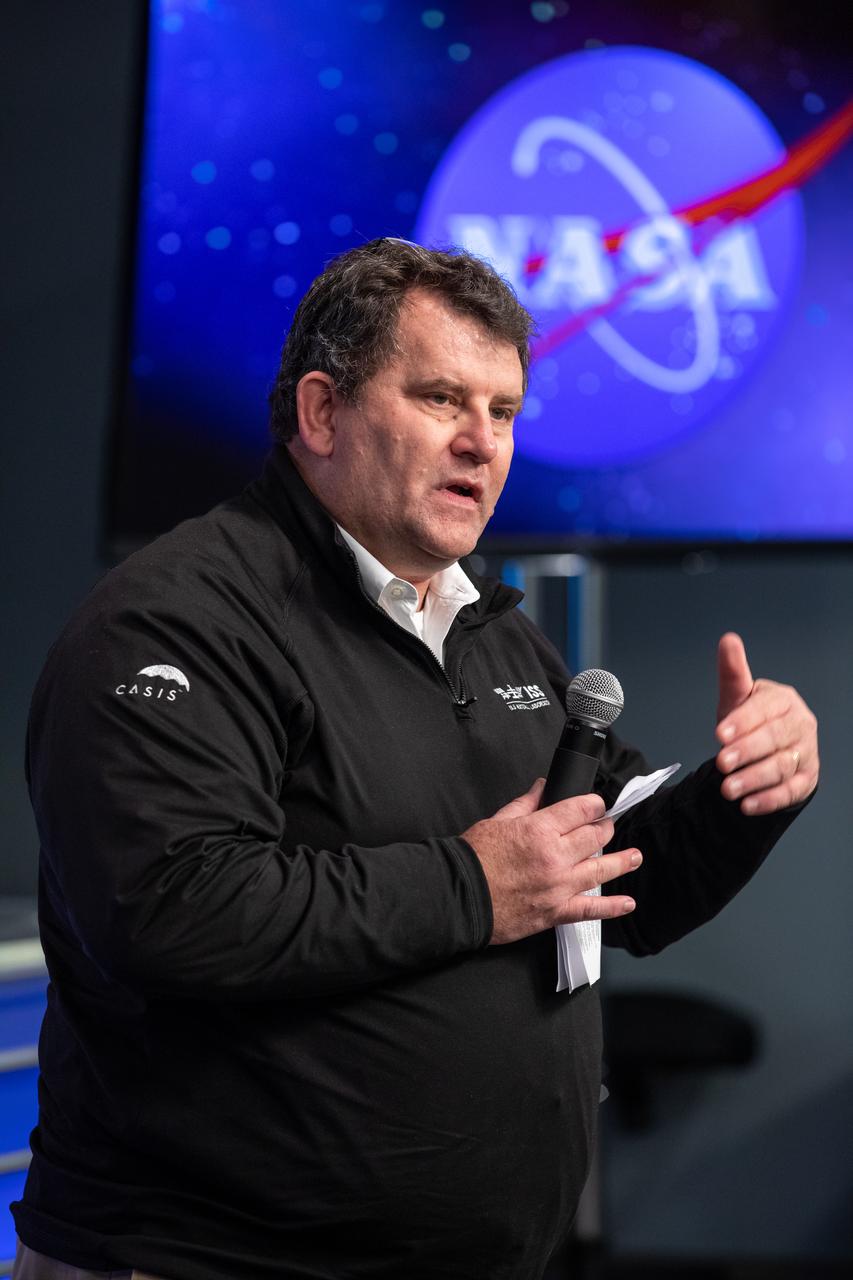
A What’s On Board Briefing for SpaceX’s 19th Commercial Resupply Services (CRS-19) mission for NASA to the International Space Station took place on Dec. 3, 2019, at the agency’s Kennedy Space Center in Florida. Michael Roberts, interim chief scientist for the International Space Station U.S. National Laboratory, discusses the lab’s work in advancing science in space, and in developing partnerships that drive industrialization through microgravity research. The SpaceX Falcon 9 rocket and Dragon cargo module are scheduled to launch on Dec. 4, 2019, from Space Launch Complex 40 on Cape Canaveral Air Force Station in Florida.
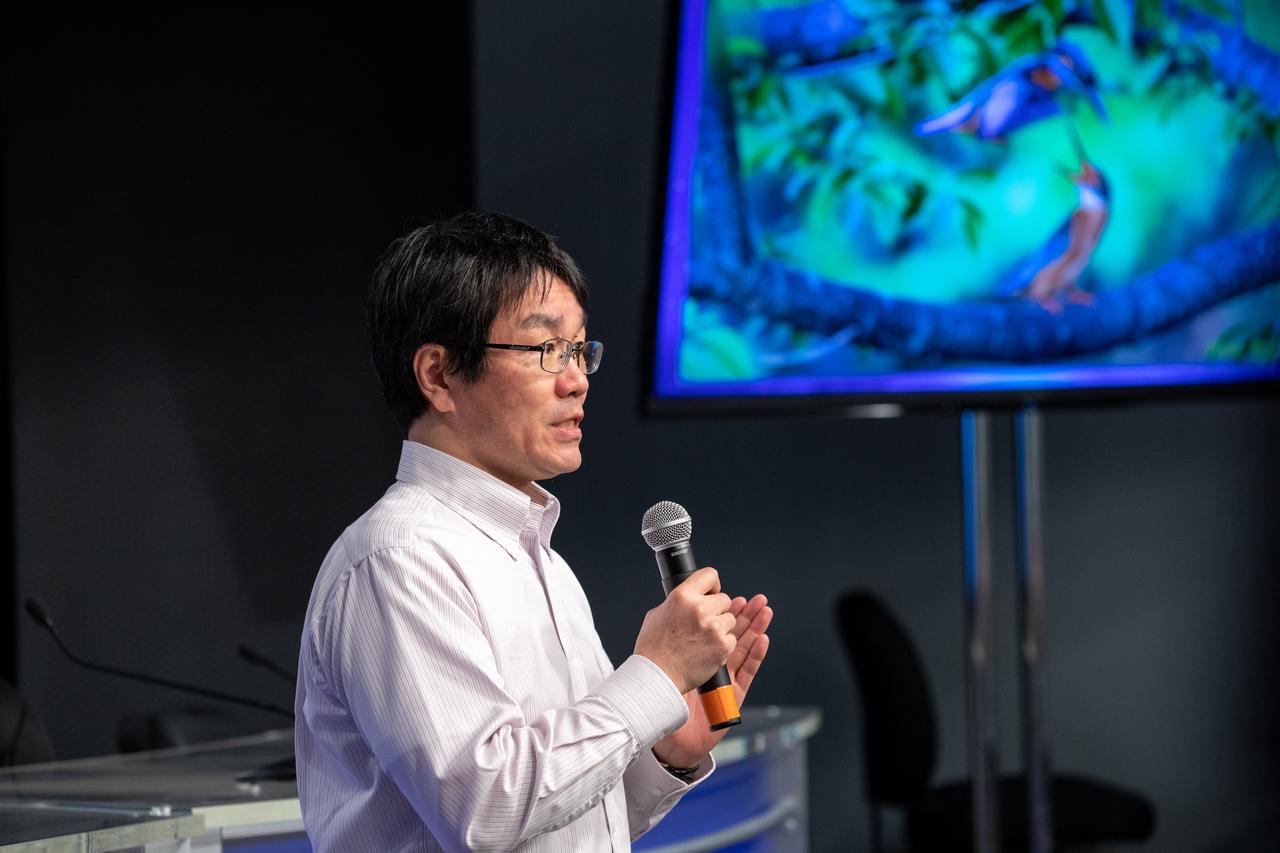
A What’s On Board Briefing for SpaceX’s 19th Commercial Resupply Services (CRS-19) mission for NASA to the International Space Station took place on Dec. 3, 2019, at the agency’s Kennedy Space Center in Florida. Akira Iwasaki, professor at the University of Tokyo and principal investigator for the Hyperspectral Imager Suite (HISUI) developed by the Japanese government, discusses the next-generation, hyperspectral Earth imaging system. The SpaceX Falcon 9 rocket and Dragon cargo module are scheduled to launch on Dec. 4, 2019, from Space Launch Complex 40 on Cape Canaveral Air Force Station in Florida

A What’s On Board Briefing for SpaceX’s 19th Commercial Resupply Services (CRS-19) mission for NASA to the International Space Station took place on Dec. 3, 2019, at the agency’s Kennedy Space Center in Florida. Rosa Reyna gonzales, student researcher for AzTechSat-1, the first Mexican-developed nanosatellite to be launched from the space station, discusses her role in the experiment and how the investigation will demonstrate communication between a CubeSat and the GlobalStar Constellation satellite network in low-Earth orbit. The SpaceX Falcon 9 rocket and Dragon cargo module are scheduled to launch on Dec. 4, 2019, from Space Launch Complex 40 on Cape Canaveral Air Force Station in Florida.
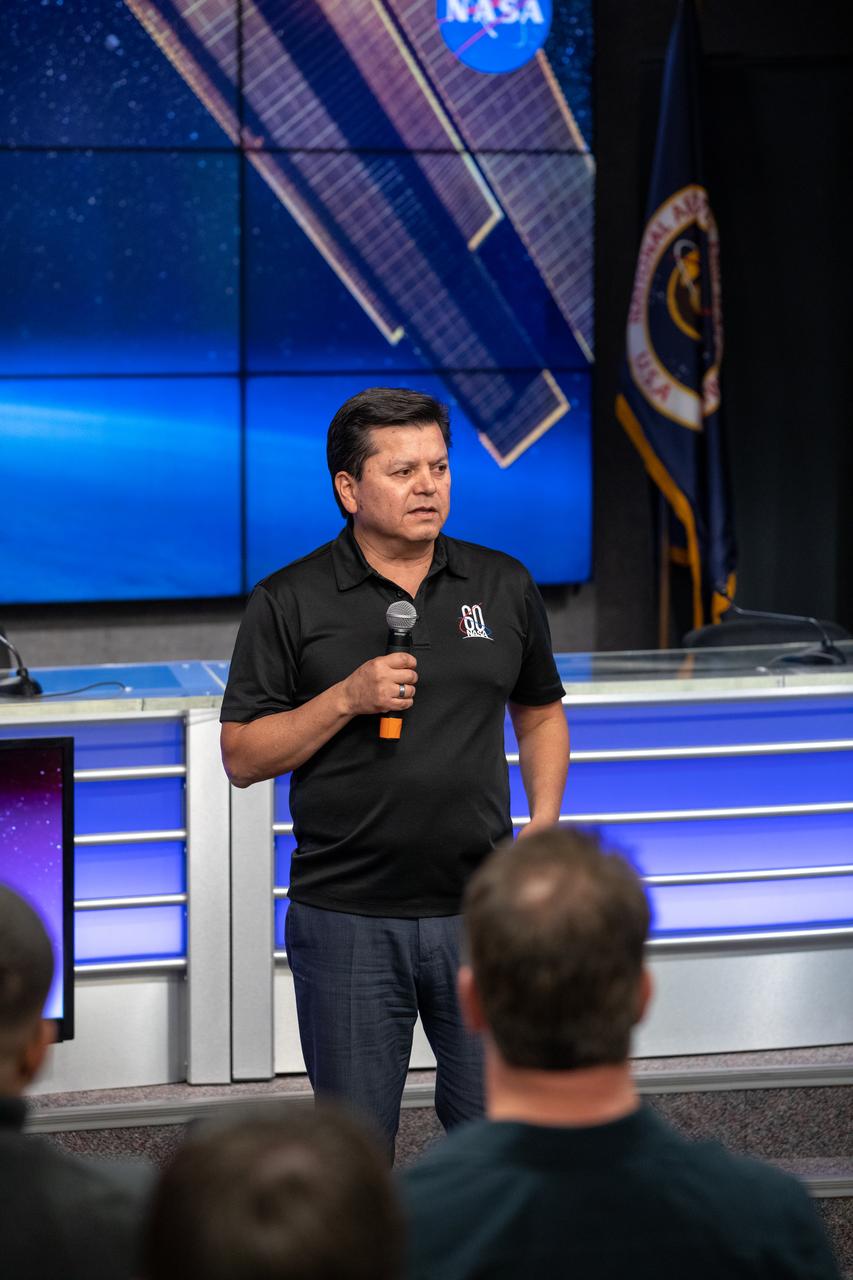
A What’s On Board Briefing for SpaceX’s 19th Commercial Resupply Services (CRS-19) mission for NASA to the International Space Station took place on Dec. 3, 2019, at the agency’s Kennedy Space Center in Florida. Andres Martinez, principal investigator for AzTechSat-1, the first Mexican-developed nanosatellite to be launched from the space station, discusses how the investigation will demonstrate communication between a CubeSat and the GlobalStar Constellation satellite network in low-Earth orbit. The SpaceX Falcon 9 rocket and Dragon cargo module are scheduled to launch on Dec. 4, 2019, from Space Launch Complex 40 on Cape Canaveral Air Force Station in Florida.
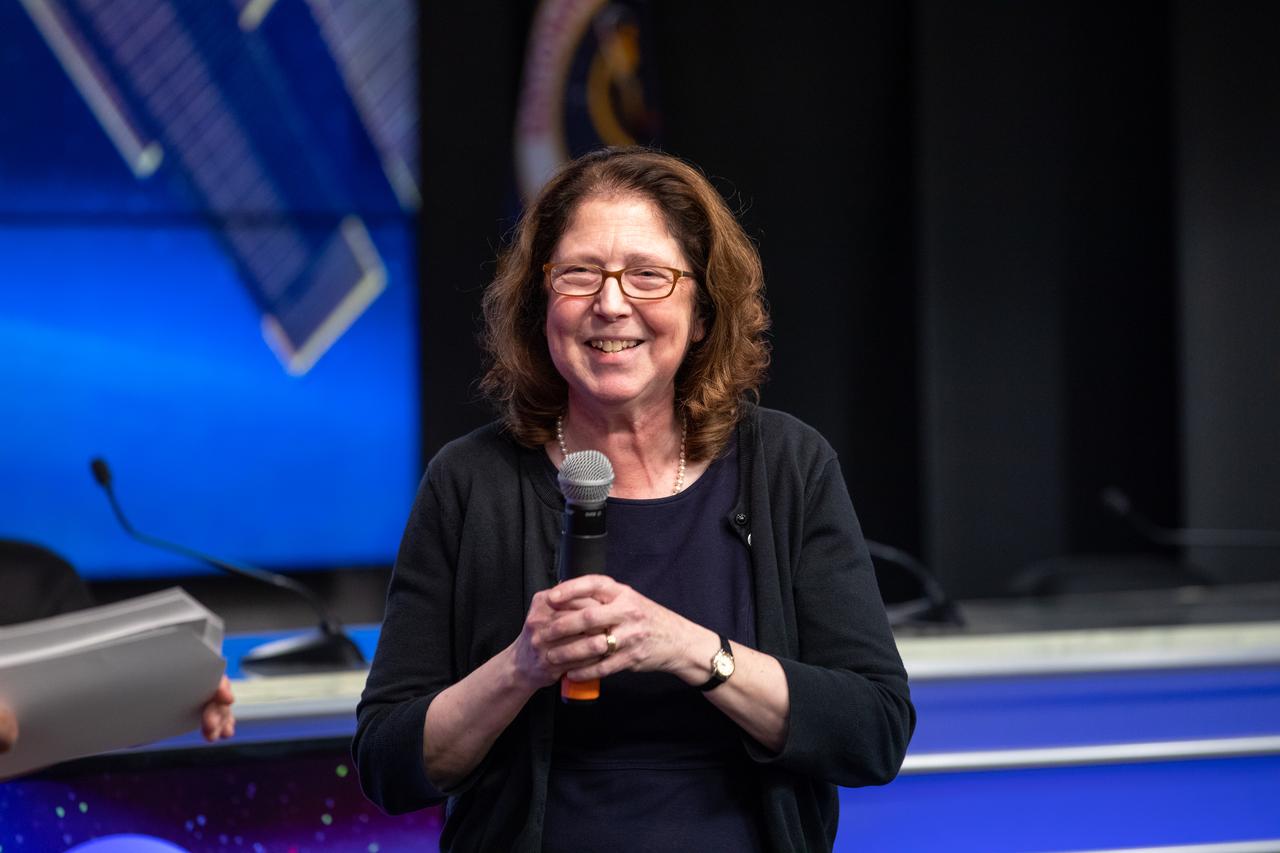
A What’s On Board Briefing for SpaceX’s 19th Commercial Resupply Services (CRS-19) mission for NASA to the International Space Station took place on Dec. 3, 2019, at the agency’s Kennedy Space Center in Florida. Emily Germain-Lee, professor at the University of Connecticut School of Medicine and chief of endocrinology and diabetes, Connecticut Children’s Medical Center, discussed her on molecular signaling pathways that influence muscle degradation to prevent skeletal muscle and bone loss during spaceflight, and enhance recovery following return to Earth. The SpaceX Falcon 9 rocket and Dragon cargo module are scheduled to launch on Dec. 4, 2019, from Space Launch Complex 40 on Cape Canaveral Air Force Station in Florida.
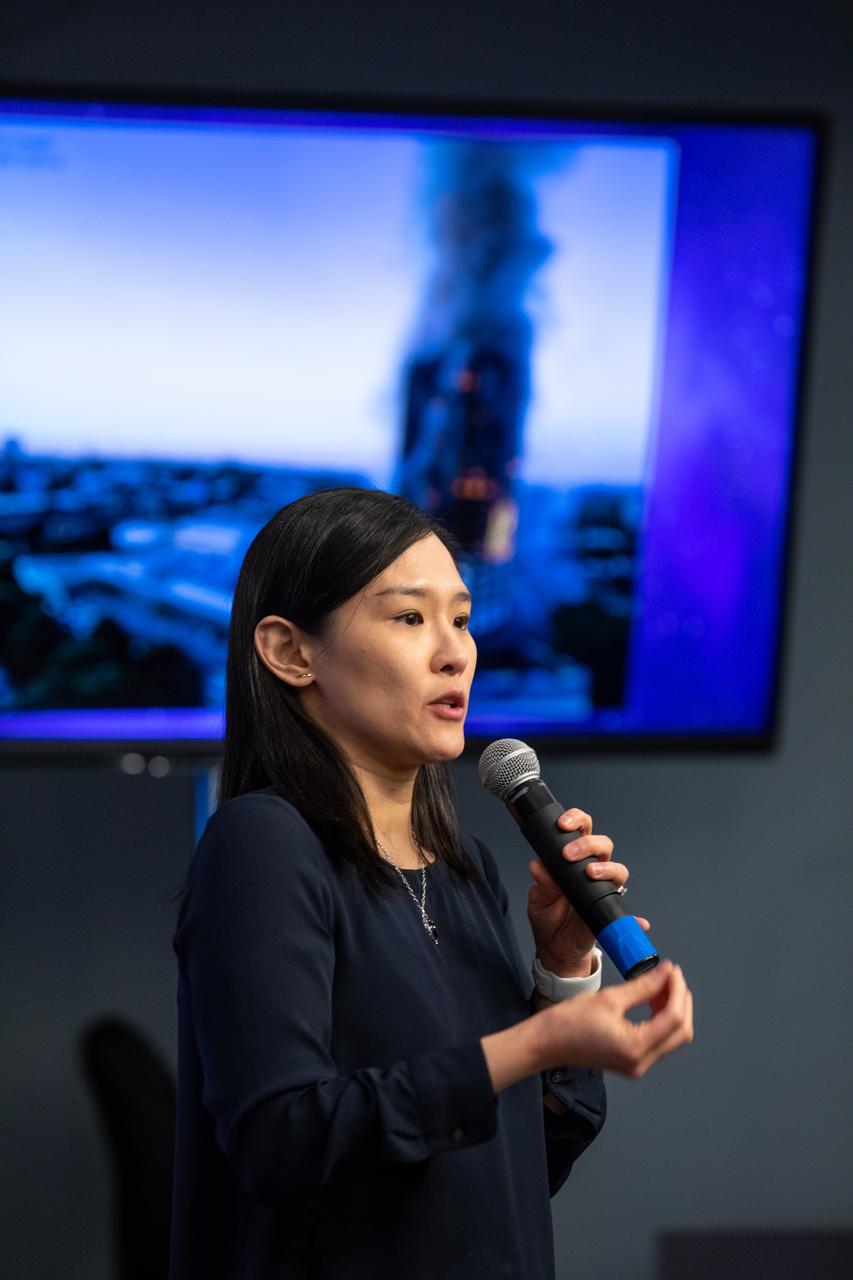
A What’s On Board Briefing for SpaceX’s 19th Commercial Resupply Services (CRS-19) mission for NASA to the International Space Station took place on Dec. 3, 2019, at the agency’s Kennedy Space Center in Florida. Ya-Ting Liao, an investigator for the Confined Combustion experiment, discusses the investigation which studies how fire spreads and behaves in confined spaces. The SpaceX Falcon 9 rocket and Dragon cargo module are scheduled to launch on Dec. 4, 2019, from Space Launch Complex 40 on Cape Canaveral Air Force Station in Florida.
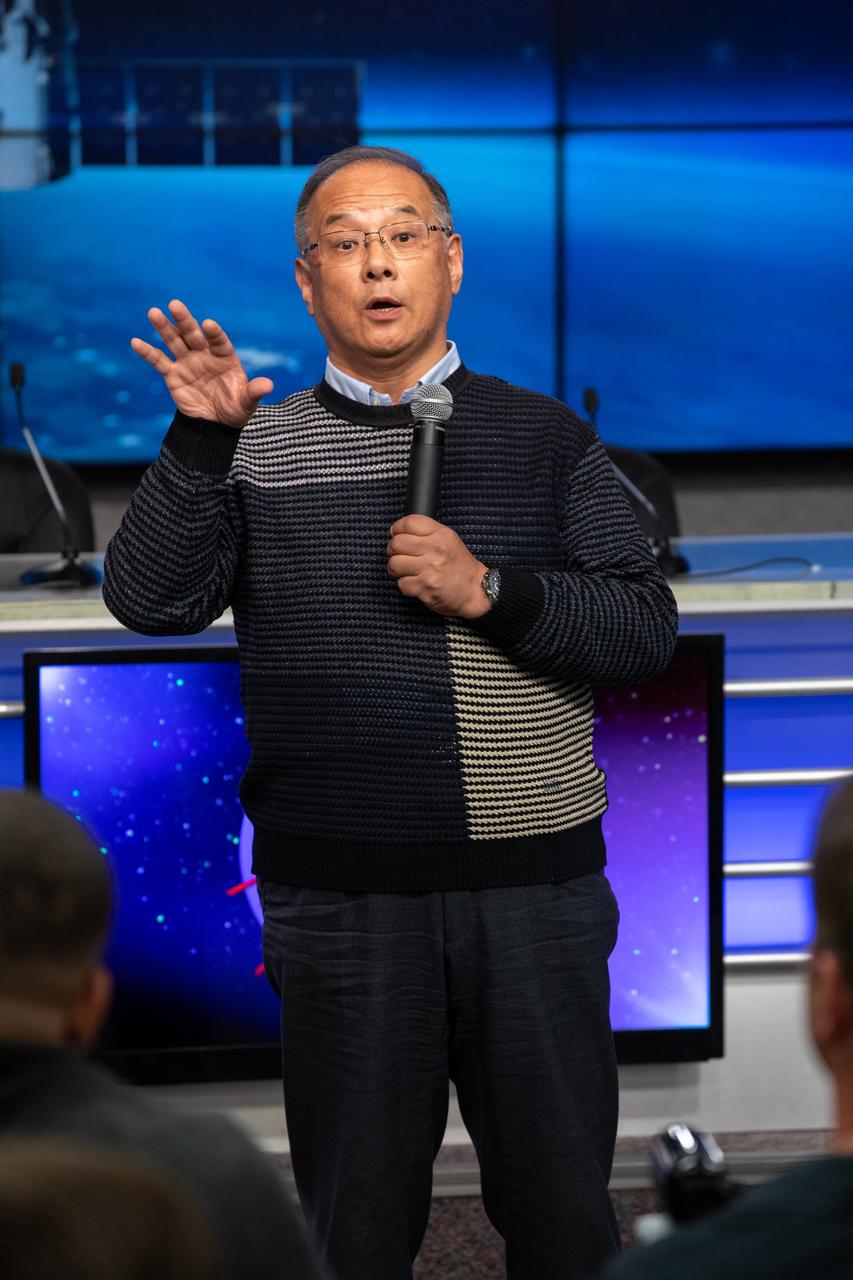
A What’s On Board Briefing for SpaceX’s 19th Commercial Resupply Services (CRS-19) mission for NASA to the International Space Station took place on Dec. 3, 2019, at the agency’s Kennedy Space Center in Florida. Shoichiro Mihara, mission manager for the Hyperspectral Imager Suite (HISUI) developed by the Japanese government, discusses the next-generation, hyperspectral Earth imaging system. The SpaceX Falcon 9 rocket and Dragon cargo module are scheduled to launch on Dec. 4, 2019, from Space Launch Complex 40 on Cape Canaveral Air Force Station in Florida
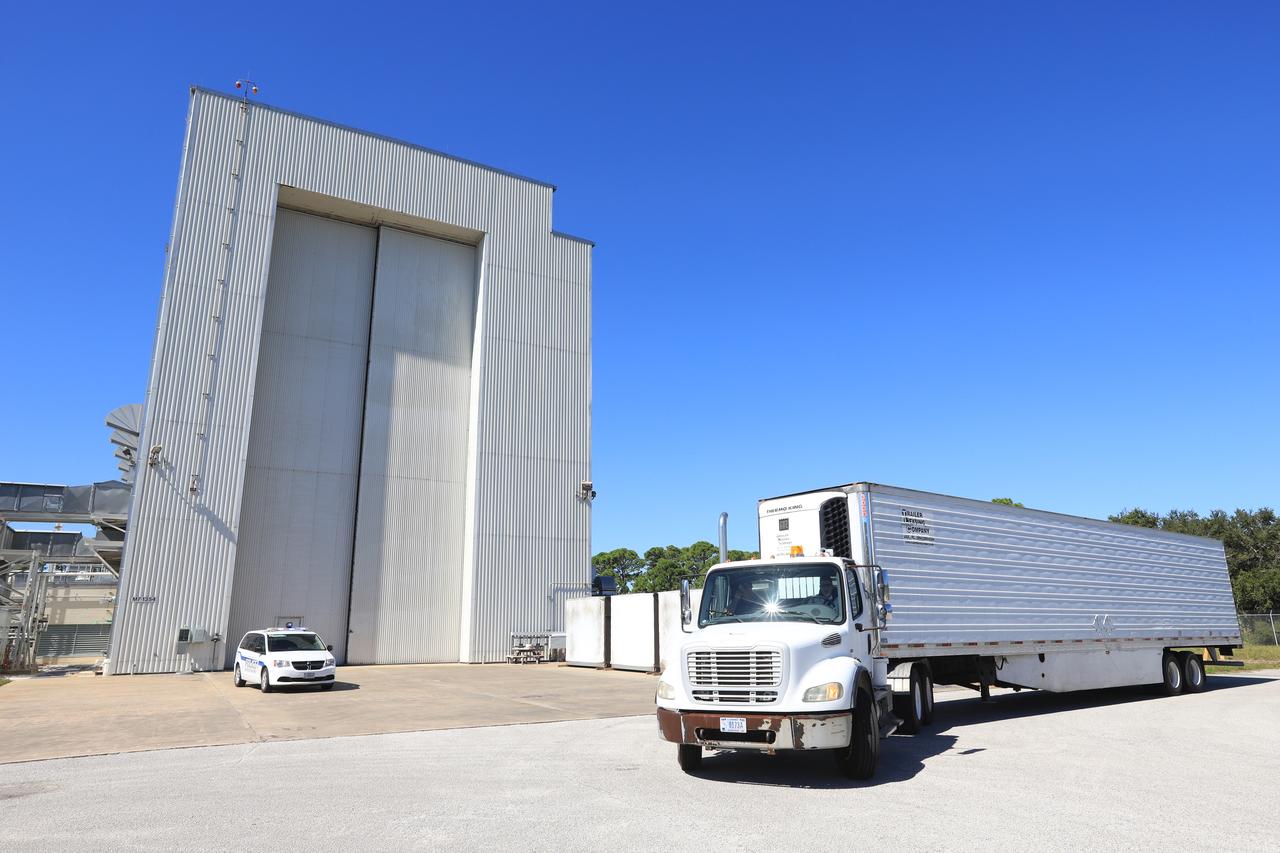
A truck containing the Robotic Refueling Mission-3 (RRM3) payload departs the Fuel Transfer Building near the Payload Hazardous Servicing Facility for transport to the SpaceX facility on Oct. 30, 2018, at NASA's Kennedy Space Center in Florida. The payload will be carried to the International Space Station on SpaceX's 16th Commercial Resupply Services mission. RRM3 demonstrates the transfer of xenon gas and liquid methane in microgravity, and advances technologies for storing and manipulating these cryogenic fuels robotically. RRM3 also supports development of technology for the Restore-L mission, a robotic spacecraft equipped to service satellites in-orbit.
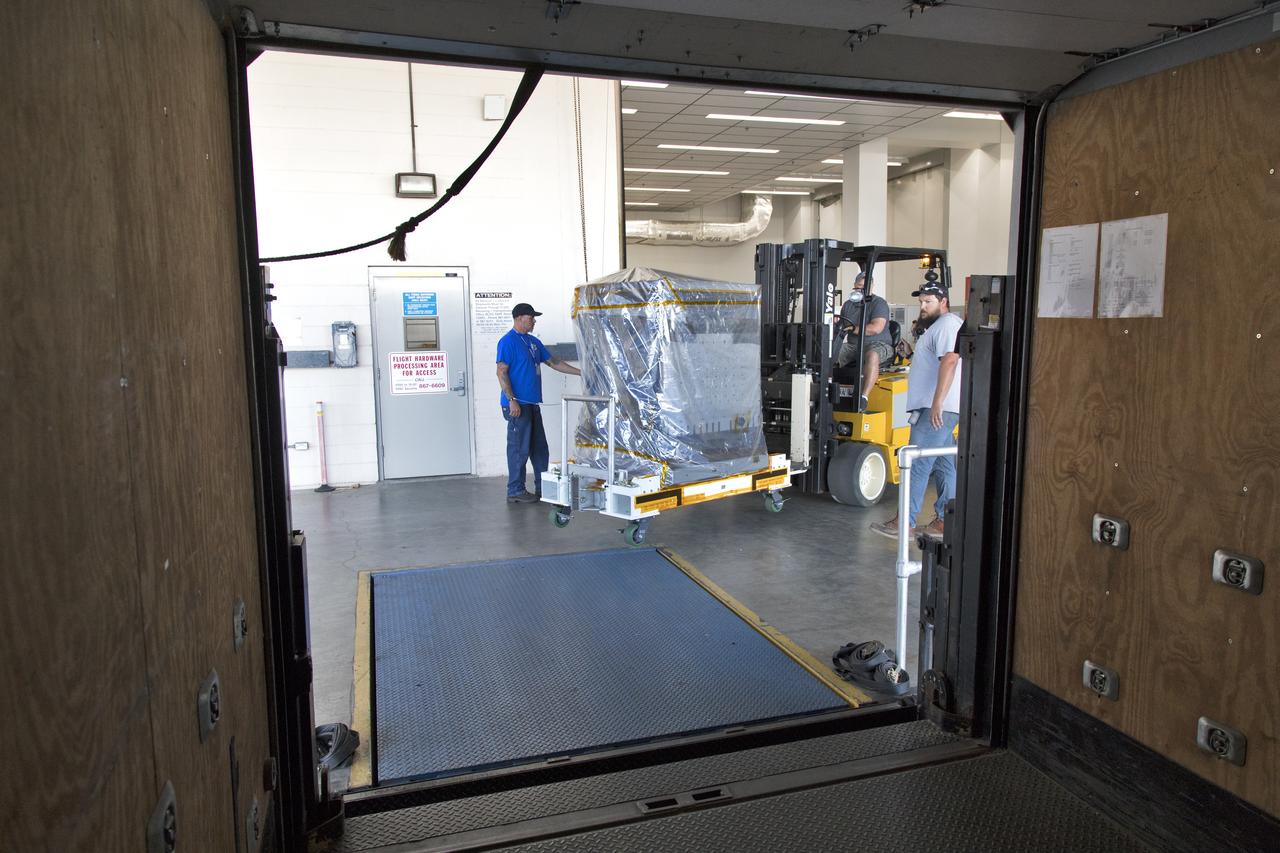
Workers prepare to transfer the Robotic Refueling Mission-3 (RRM3) payload from the Space Station Processing Facility high bay to the Payload Hazardous Servicing Facility on Oct. 3, 2018, at NASA's Kennedy Space Center in Florida. The payload will be carried to the International Space Station on SpaceX's 16th Commercial Resupply Services mission. RRM3 demonstrates the transfer of xenon gas and liquid methane in microgravity, and advances technologies for storing and manipulating these cryogenic fuels robotically. RRM3 also supports development of technology for the Restore-L mission, a robotic spacecraft equipped to service satellites in-orbit.
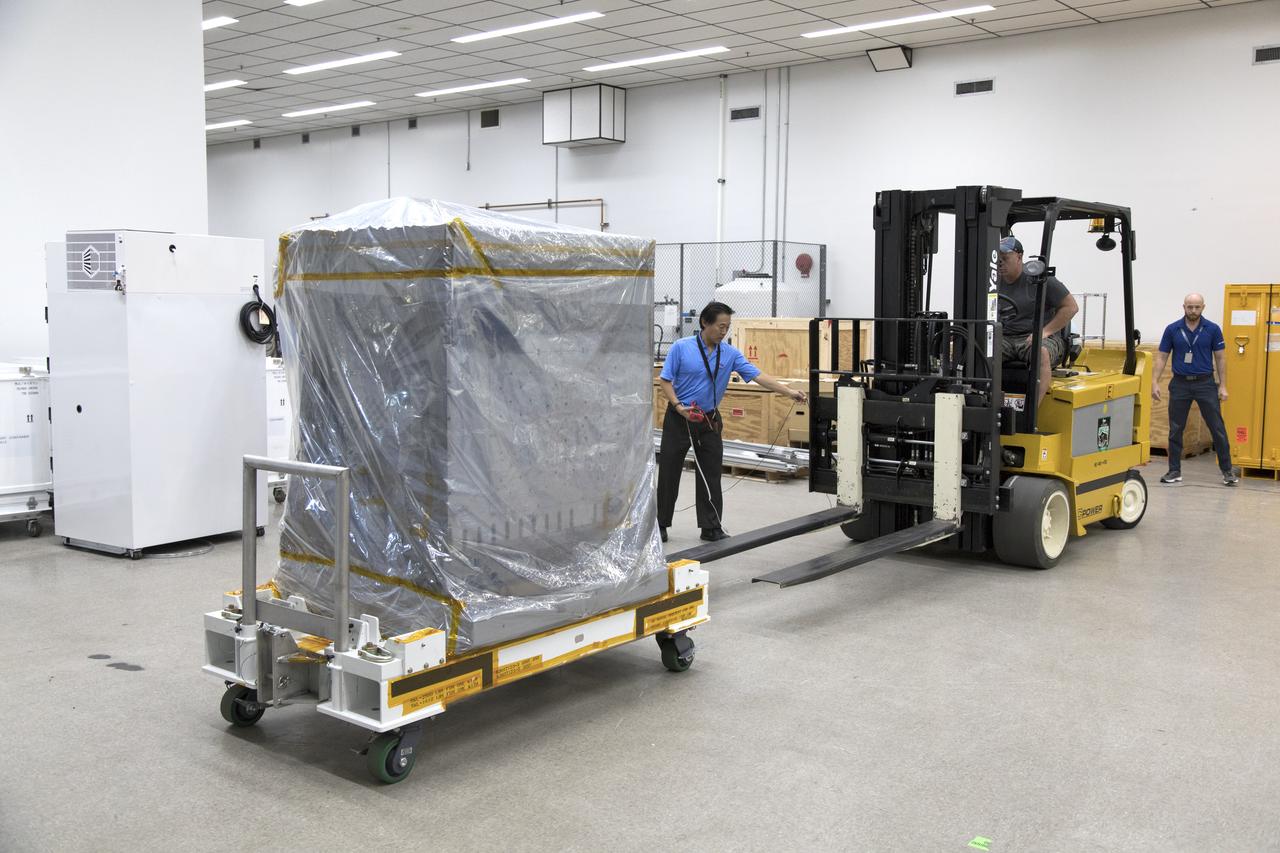
Workers prepare the Robotic Refueling Mission-3 (RRM3) payload to be transferred from the Space Station Processing Facility high bay to the Payload Hazardous Servicing Facility on Oct. 3, 2018, at NASA's Kennedy Space Center in Florida. The payload will be carried to the International Space Station on SpaceX's 16th Commercial Resupply Services mission. RRM3 demonstrates the transfer of xenon gas and liquid methane in microgravity, and advances technologies for storing and manipulating these cryogenic fuels robotically. RRM3 also supports development of technology for the Restore-L mission, a robotic spacecraft equipped to service satellites in-orbit.