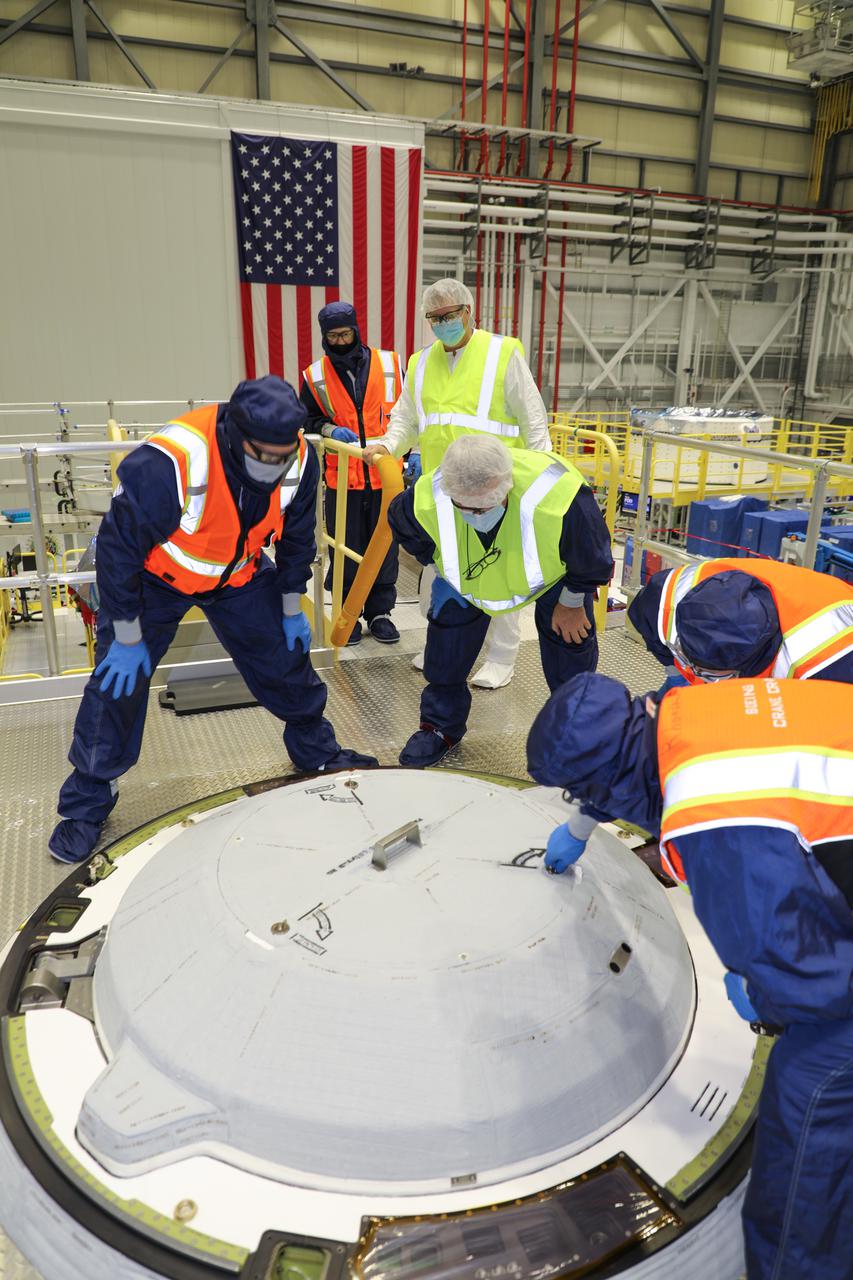
Technicians work on the NASA Docking System (NDS) hatch installation in the Commercial Crew and Cargo Processing Facility at Kennedy Space Center in Florida on Jan. 2, 2021. The NDS cover was installed on Boeing’s Starliner spacecraft in preparation for the company’s second Orbital Flight Test (OFT-2), as part of NASA’s Commercial Crew Program. The cover is designed to protect the components that connect the spacecraft to the International Space Station.
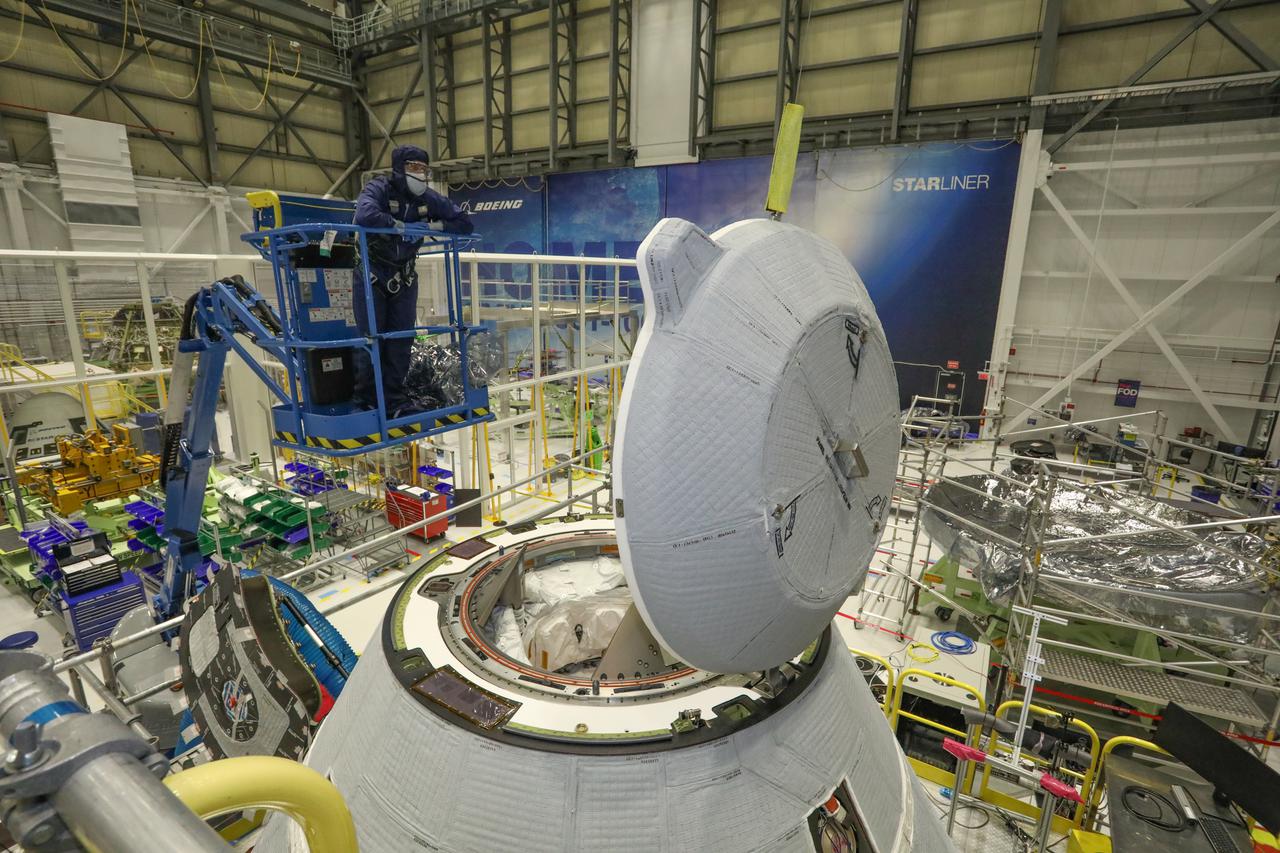
A technician observes the functional test of the NASA Docking System (NDS) cover in the Commercial Crew and Cargo Processing Facility at Kennedy Space Center in Florida on Jan. 2, 2021. The test was conducted in preparation for Boeing’s second Orbital Flight Test (OFT-2), as part of NASA’s Commercial Crew Program. The cover is designed to protect the components that connect the spacecraft to the International Space Station.
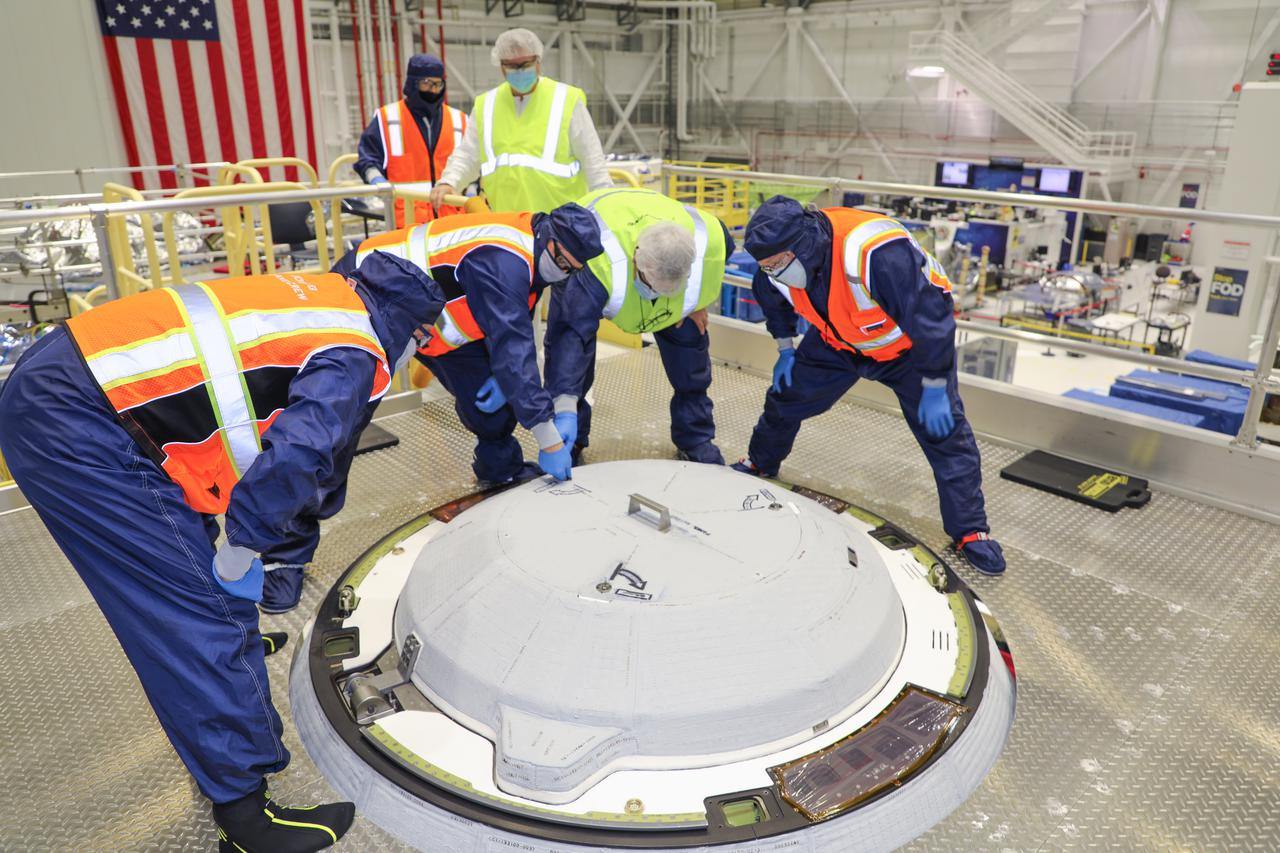
Technicians work on the NASA Docking System (NDS) cover hatch installation in the Commercial Crew and Cargo Processing Facility at Kennedy Space Center in Florida on Jan. 2, 2021. The NDS cover was installed on Boeing’s Starliner spacecraft in preparation for the company’s second Orbital Flight Test (OFT-2), as part of NASA’s Commercial Crew Program. The cover is designed to protect the components that connect the spacecraft to the International Space Station.
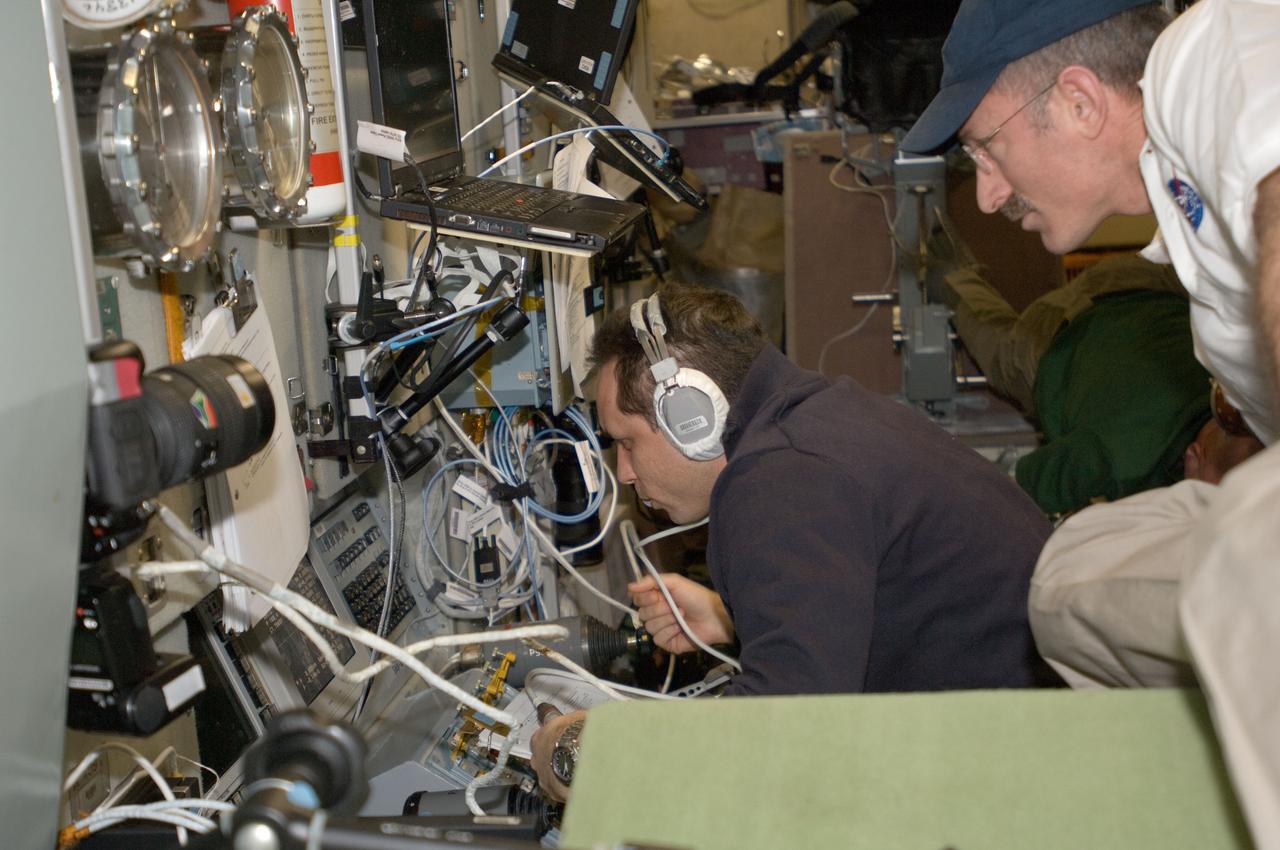
ISS030-E-050932 (27 Jan. 2012) --- Russian cosmonaut Anton Shkaplerov (left), Expedition 30 flight engineer, monitors data at the manual TORU docking system controls in the Zvezda Service Module of the International Space Station during approach and docking operations of the unpiloted ISS Progress 46 resupply vehicle. Progress 46 docked automatically to the Pirs Docking Compartment via the Kurs automated rendezvous system at 7:00 p.m. (EST) on Jan. 27, 2012. NASA astronaut Dan Burbank, commander, looks on.
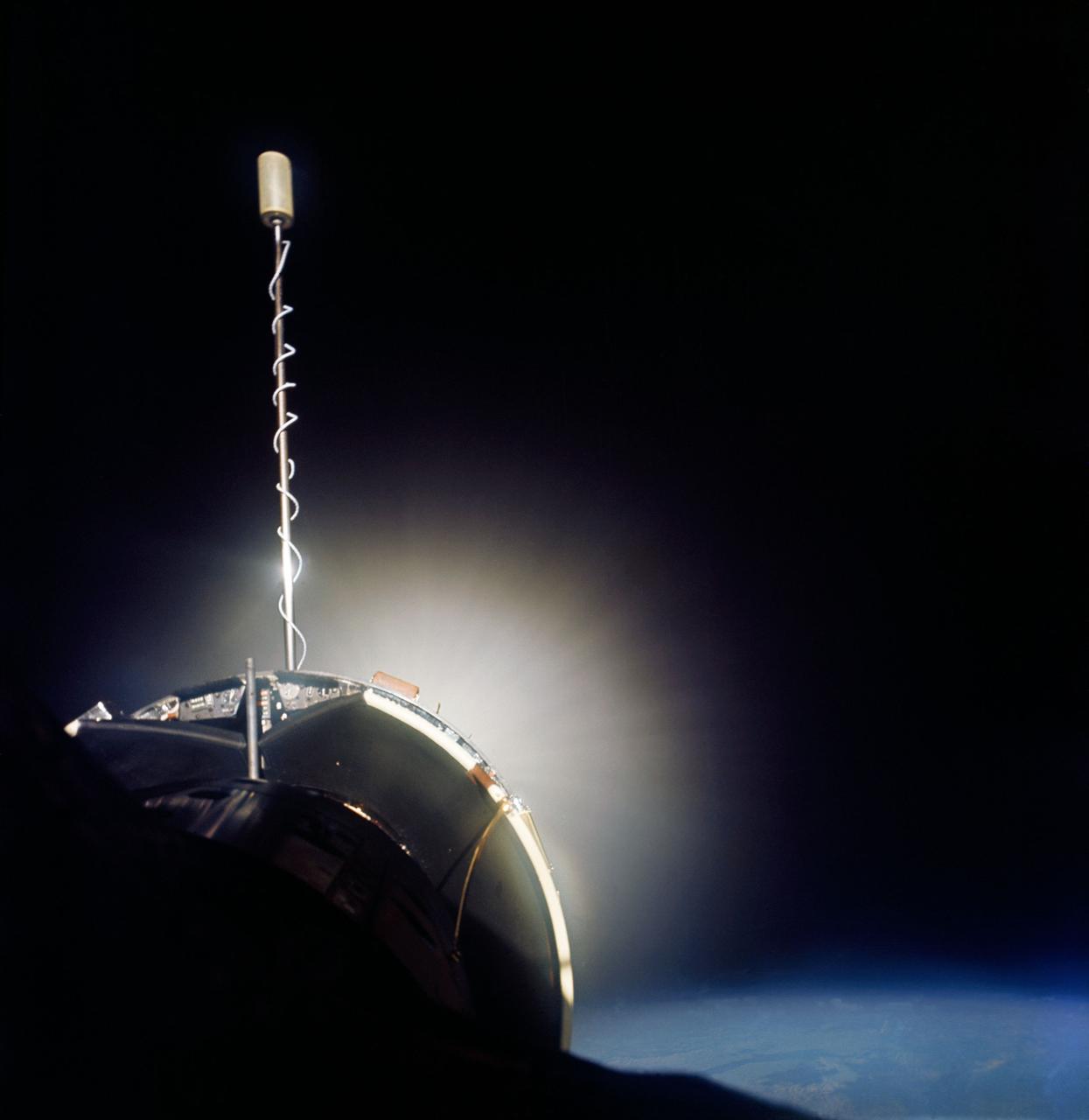
S66-46249 (18-21 July 1966) --- Agena Target Docking Vehicle docked to Gemini-10 spacecraft. Excellent view of Agena display panel. Glow from Agena's primary propulsion system. Photo credit: NASA
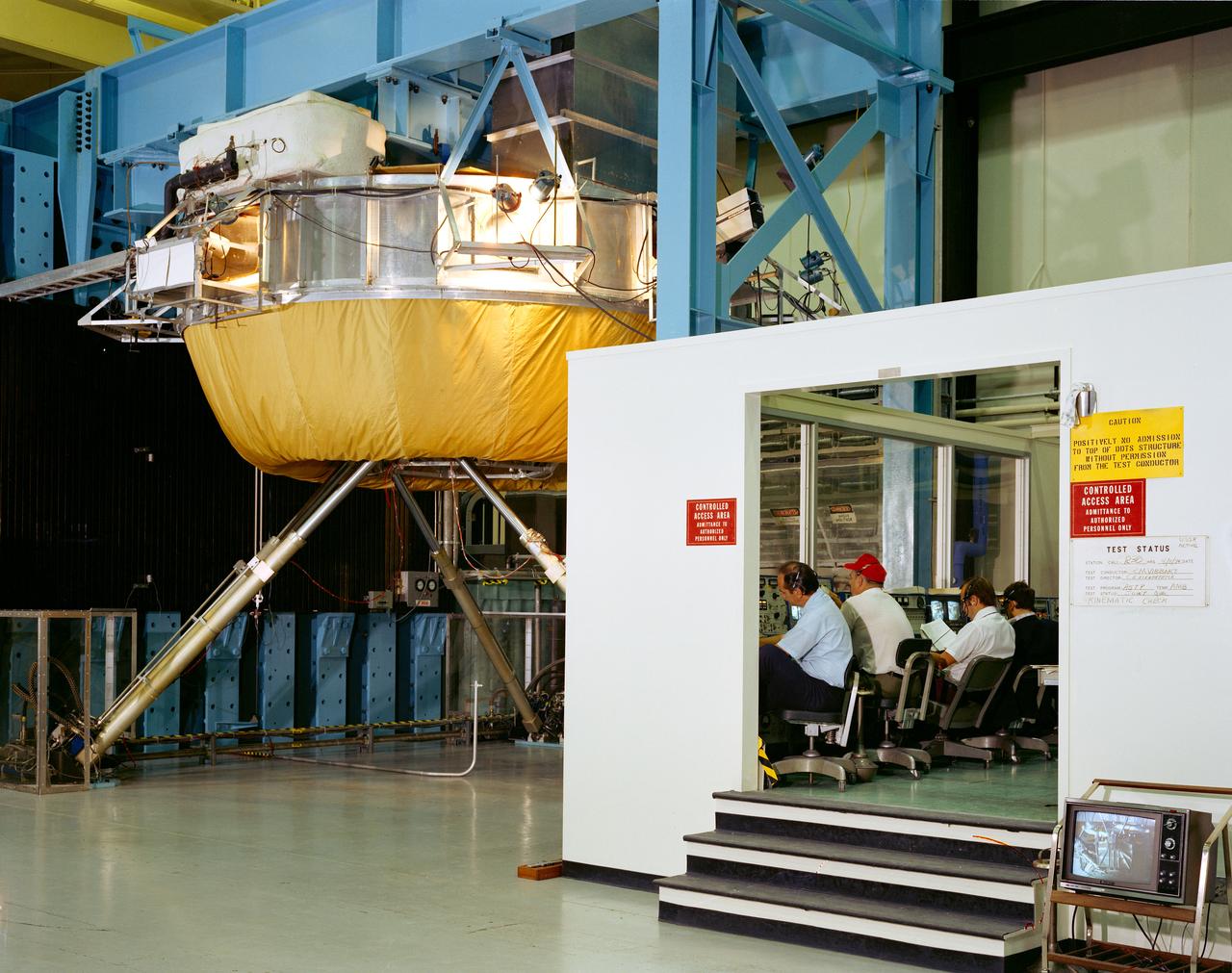
S74-27049 (4 Aug. 1974) --- Overall view of test set-up in Building 23 at the Johnson Space Center during testing of the docking mechanisms for the joint U.S.-USSR Apollo-Soyuz Test Project. The cinematic check was being made when this picture was taken. The test control room is on the right. The Soviet-developed docking system is atop the USA-NASA developed docking system. Both American and Soviet engineers can be seen taking part in the docking testing. The ASTP docking mission in Earth orbit is scheduled for July 1975.
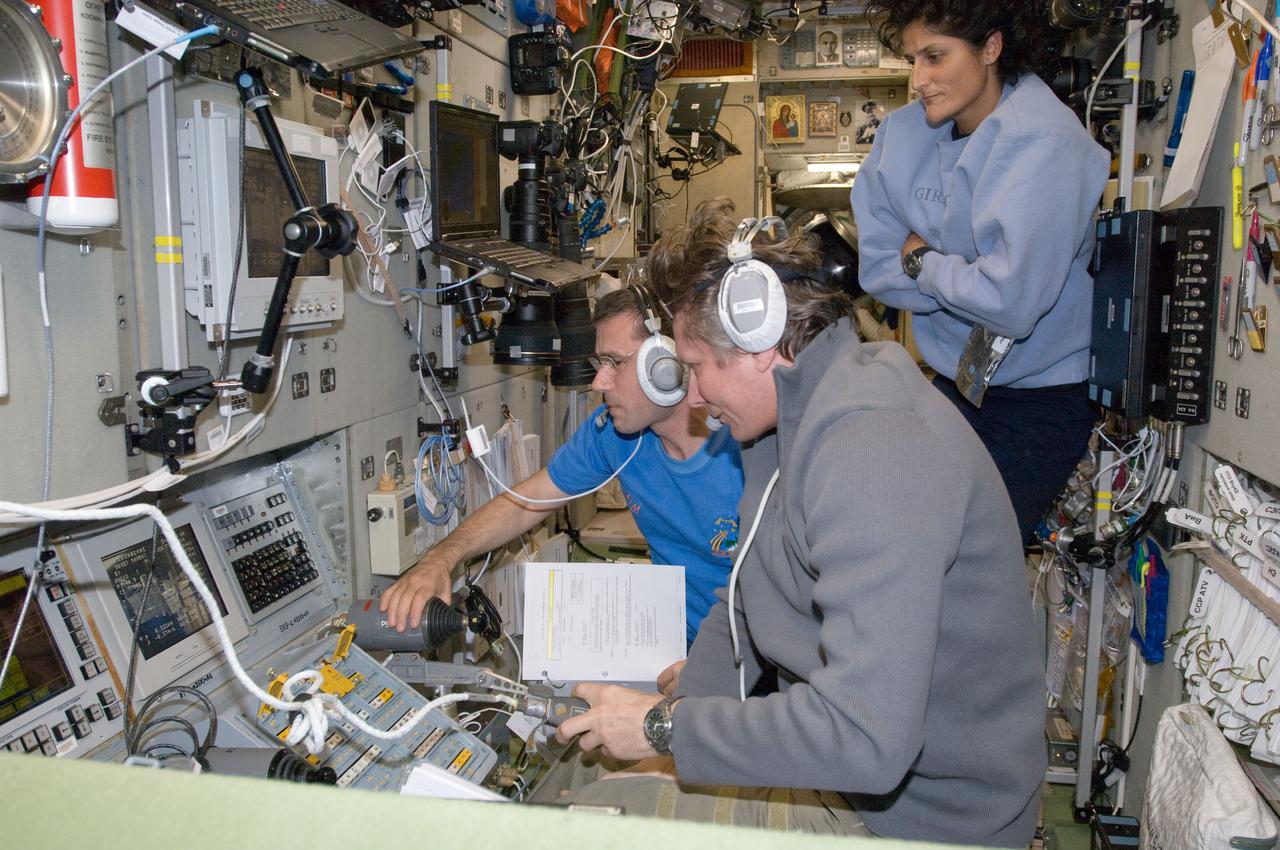
ISS032-E-010632 (28 July 2012) --- Russian cosmonauts Gennady Padalka (foreground), Expedition 32 commander; and Yuri Malenchenko, flight engineer, monitor data at the manual TORU docking system controls in the Zvezda Service Module of the International Space Station during approach and re-docking operations of the unpiloted Progress 47 resupply vehicle on July 28, 2012. The Progress temporarily undocked from the station?s Pirs Docking Compartment on July 22 in order to perform a series of engineering tests during re-docking designed to verify an upgraded automated rendezvous system that will facilitate future dockings of Russian vehicles to the space station. The cargo ship re-docked at 9:01 p.m. (EDT) on July 28 in a test of the new Kurs-NA automated rendezvous system. NASA astronaut Sunita Williams, flight engineer, looks on.
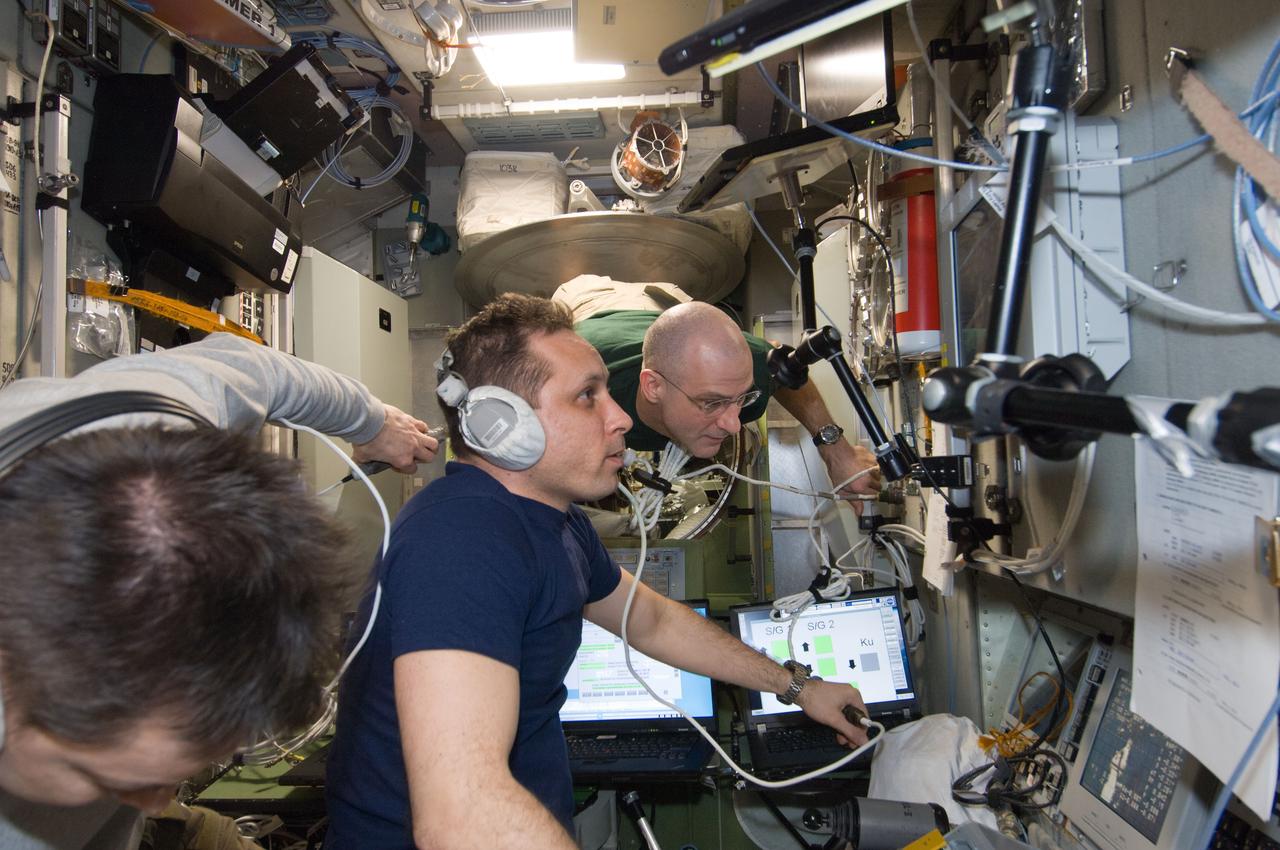
ISS030-E-241403 (22 April 2012) --- Russian cosmonauts Anton Shkaplerov (center) and Oleg Kononenko (left foreground); along with NASA astronaut Don Pettit, all Expedition 30 flight engineers, monitor data at the manual TORU docking system controls in the Zvezda Service Module of the International Space Station during approach and docking operations of the unpiloted ISS Progress 47 resupply vehicle. Progress 47 docked automatically to the Pirs Docking Compartment via the Kurs automated rendezvous system at 10:39 a.m. (EDT) on April 22, 2012.

ISS030-E-050883 (27 Jan. 2012) --- Russian cosmonaut Anton Shkaplerov (bottom), Expedition 30 flight engineer, monitors data at the manual TORU docking system controls in the Zvezda Service Module of the International Space Station during approach and docking operations of the unpiloted ISS Progress 46 resupply vehicle. Progress 46 docked automatically to the Pirs Docking Compartment via the Kurs automated rendezvous system at 7:00 p.m. (EST) on Jan. 27, 2012. NASA astronaut Dan Burbank, commander, looks on. Russian cosmonaut Anatoly Ivanishin (bottom background), flight engineer, photographs the approach of the Progress from a Zvezda window.
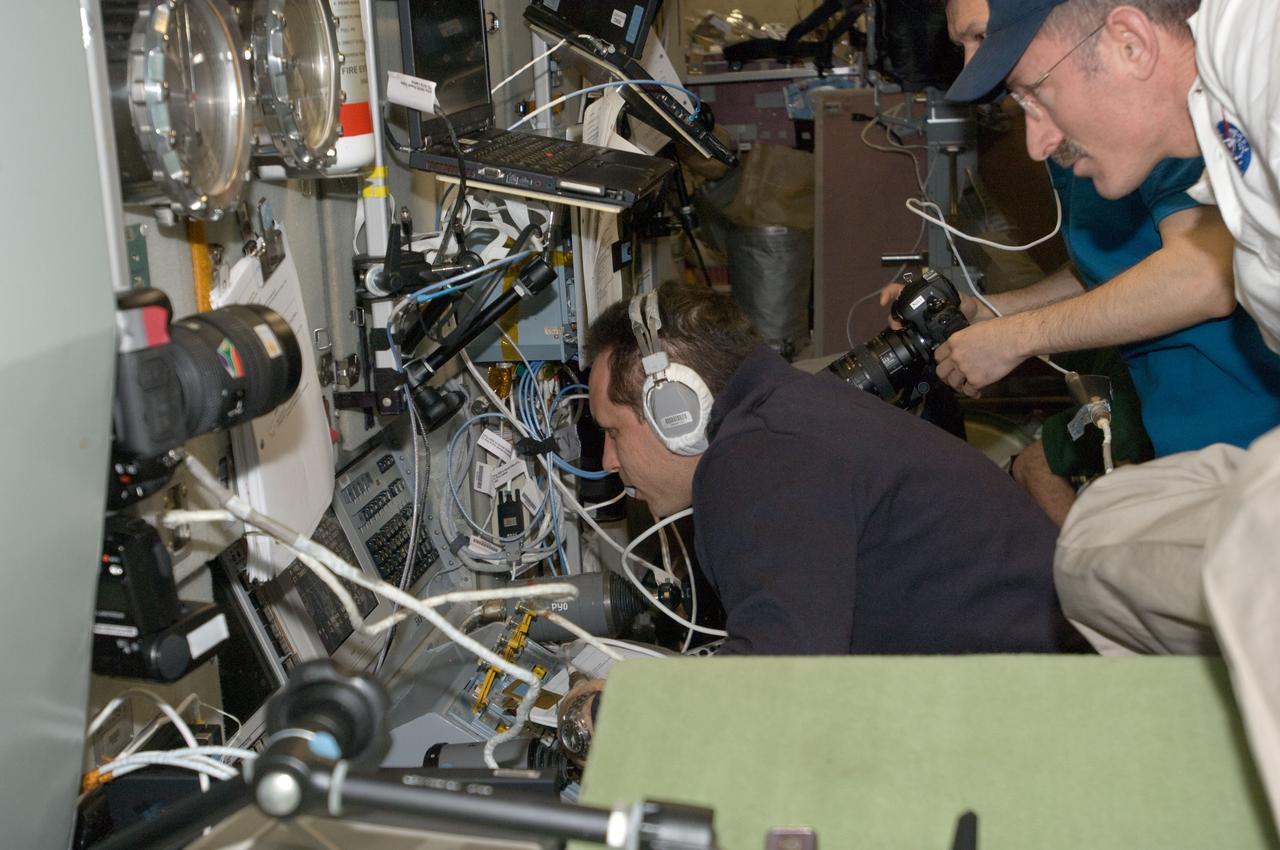
ISS030-E-050933 (27 Jan. 2012) --- Russian cosmonauts Anton Shkaplerov (left) and Oleg Kononenko (partially obscured), both Expedition 30 flight engineers, monitor data at the manual TORU docking system controls in the Zvezda Service Module of the International Space Station during approach and docking operations of the unpiloted ISS Progress 46 resupply vehicle. Progress 46 docked automatically to the Pirs Docking Compartment via the Kurs automated rendezvous system at 7:00 p.m. (EST) on Jan. 27, 2012. NASA astronaut Dan Burbank (partially out of frame at right), commander, looks on.
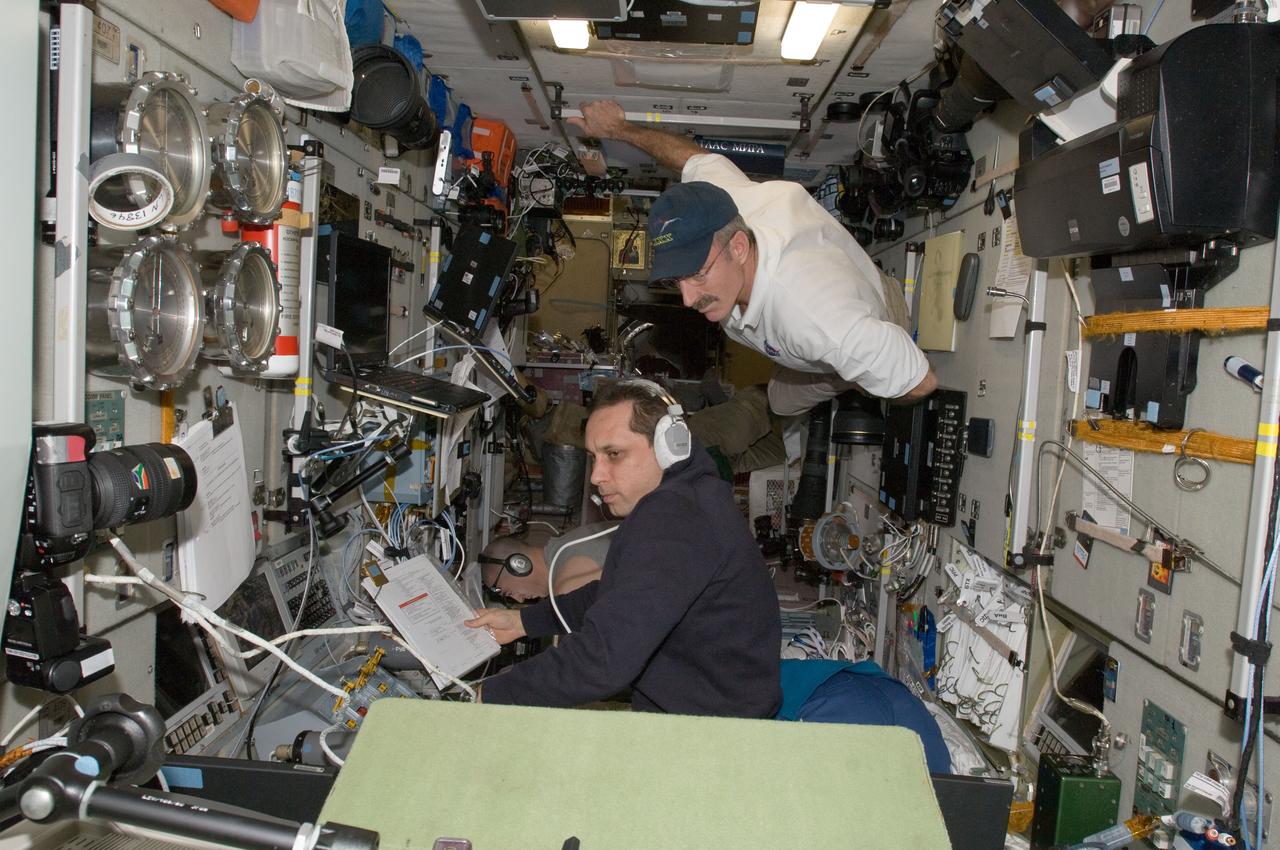
ISS030-E-050884 (27 Jan. 2012) --- Russian cosmonaut Anton Shkaplerov (bottom), Expedition 30 flight engineer, monitors data at the manual TORU docking system controls in the Zvezda Service Module of the International Space Station during approach and docking operations of the unpiloted ISS Progress 46 resupply vehicle. Progress 46 docked automatically to the Pirs Docking Compartment via the Kurs automated rendezvous system at 7:00 p.m. (EST) on Jan. 27, 2012. NASA astronaut Dan Burbank, commander, looks on. Russian cosmonaut Anatoly Ivanishin (bottom background), flight engineer, photographs the approach of the Progress from a Zvezda window.
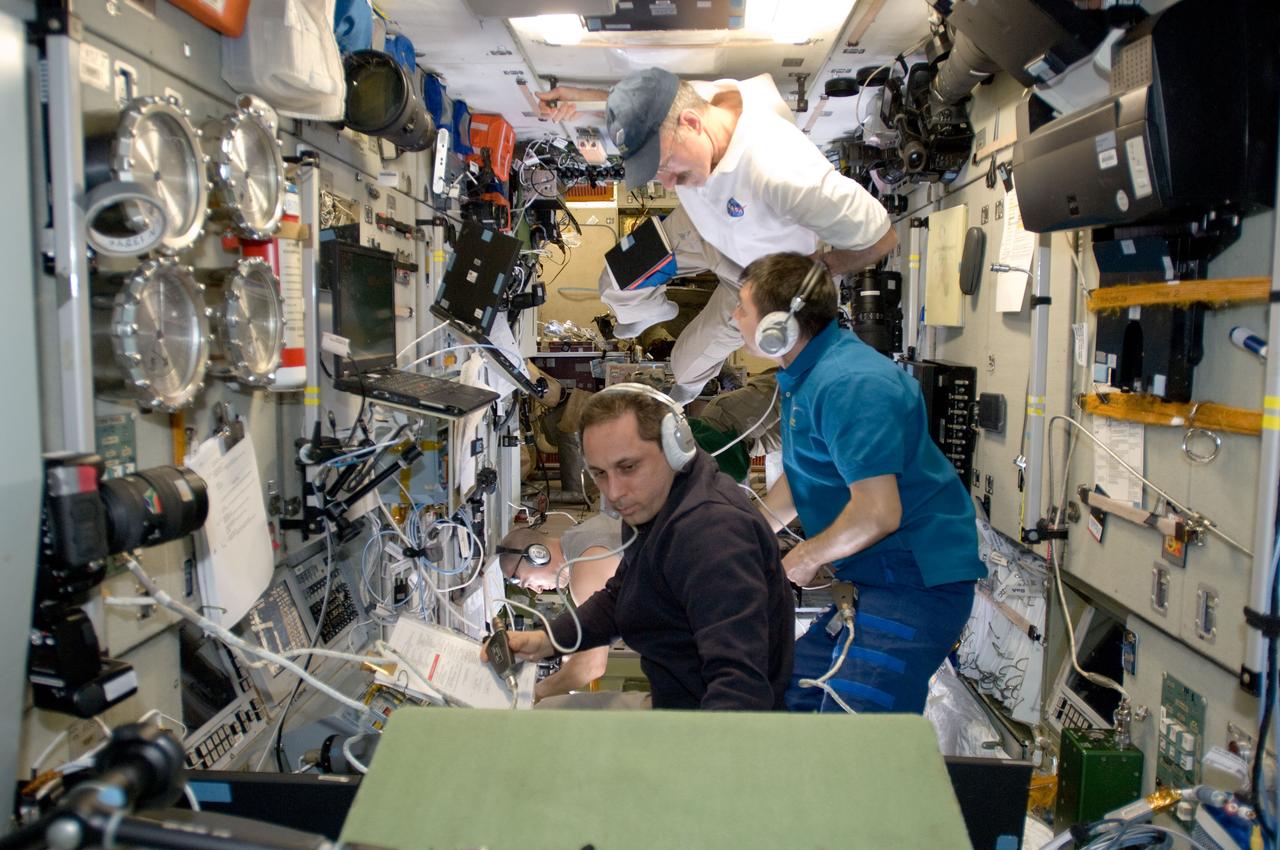
ISS030-E-050885 (27 Jan. 2012) --- Russian cosmonauts Anton Shkaplerov (bottom) and Oleg Kononenko (center), both Expedition 30 flight engineers, monitor data at the manual TORU docking system controls in the Zvezda Service Module of the International Space Station during approach and docking operations of the unpiloted ISS Progress 46 resupply vehicle. Progress 46 docked automatically to the Pirs Docking Compartment via the Kurs automated rendezvous system at 7:00 p.m. (EST) on Jan. 27, 2012. NASA astronaut Dan Burbank, commander, looks on. Russian cosmonaut Anatoly Ivanishin (bottom background), flight engineer, photographs the approach of the Progress from a Zvezda window.
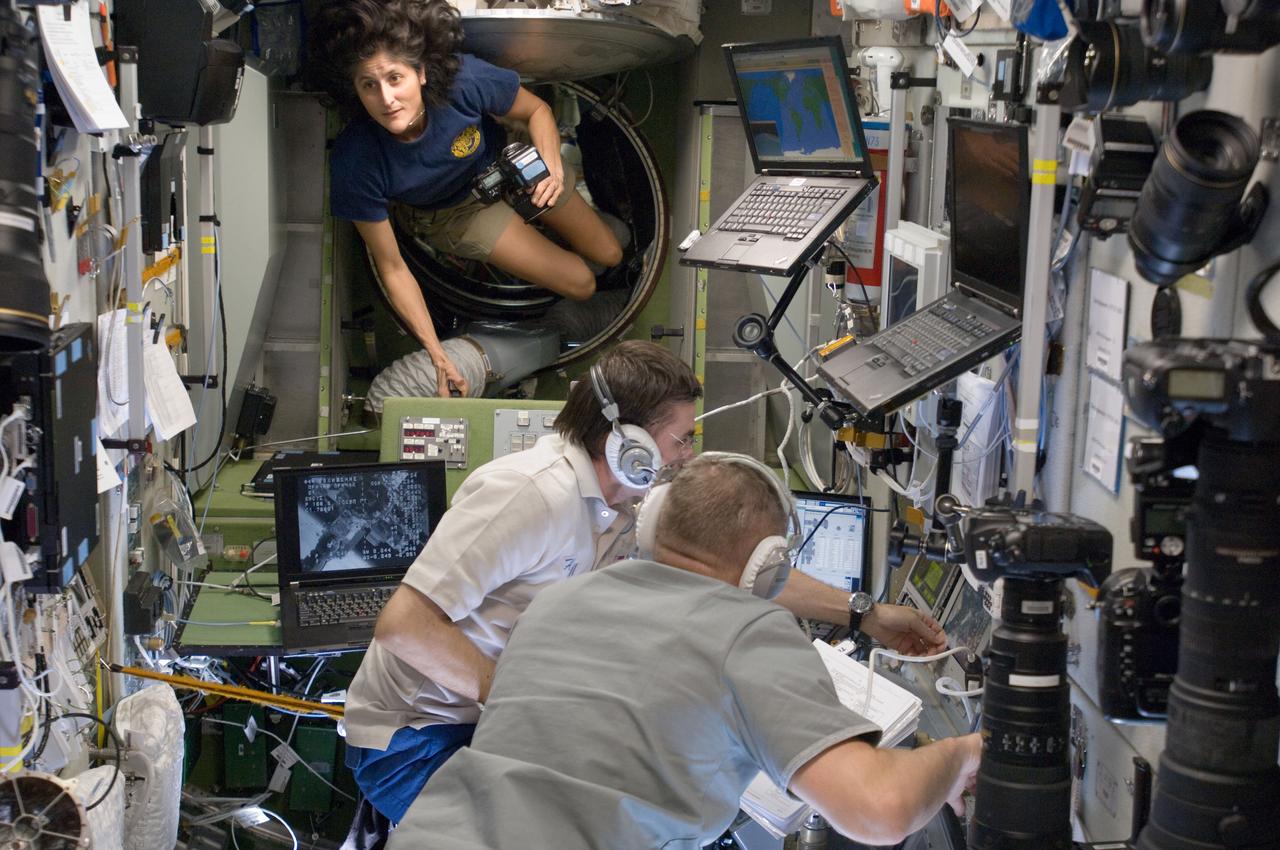
ISS033-E-016948 (31 Oct. 2012) --- Russian cosmonauts Yuri Malenchenko and Oleg Novitskiy, both Expedition 33 flight engineers, monitor data at the manual TORU docking system controls in the Zvezda Service Module of the International Space Station during approach and docking operations of the unpiloted ISS Progress 49 resupply vehicle. Progress 49 docked automatically to Zvezda’s aft port at 9:33 a.m. (EDT) on Oct. 31, 2012. NASA astronaut Sunita Williams, commander, is visible at top left.
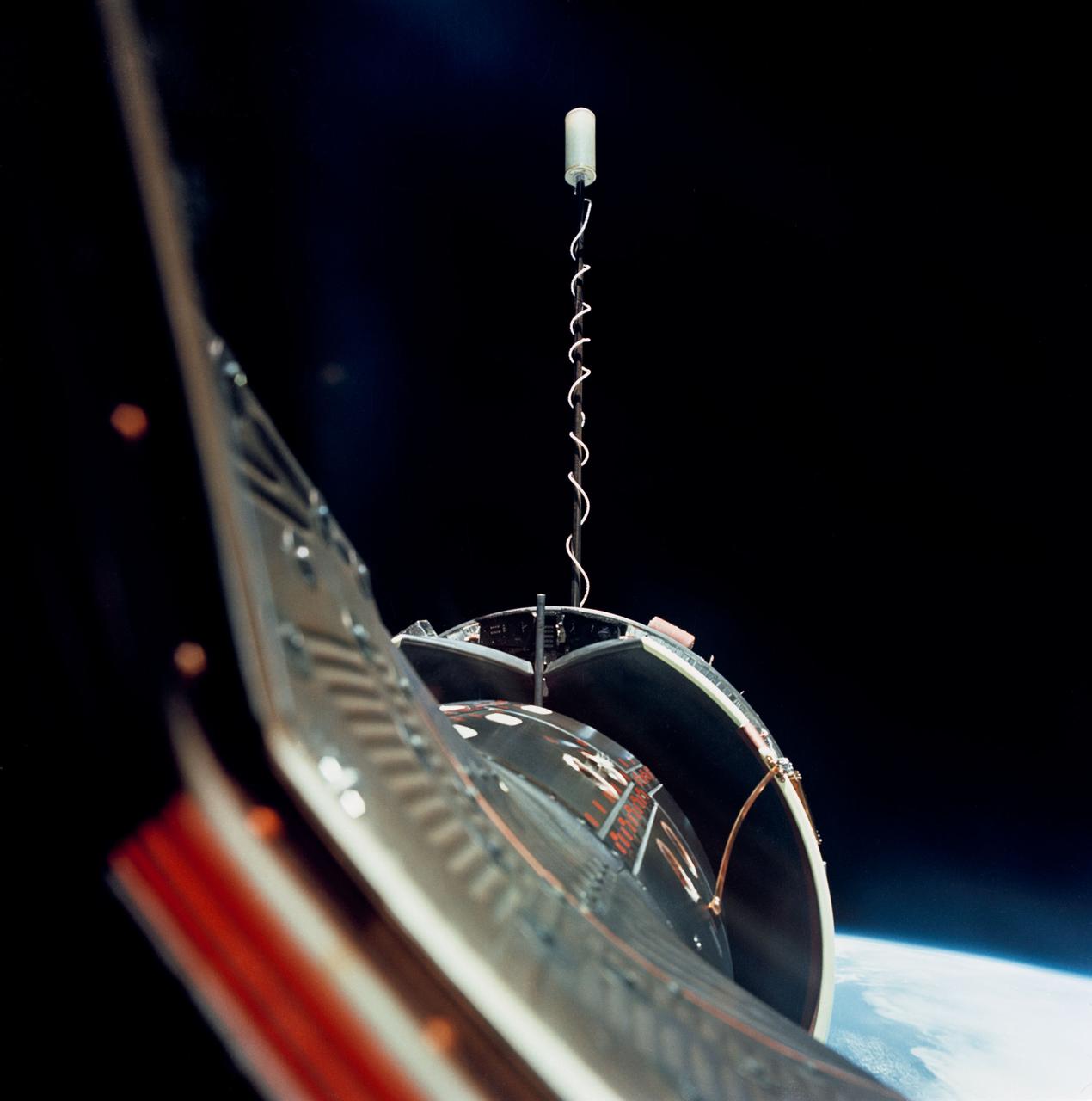
S66-46144 (18 July 1966) --- The Gemini-10 spacecraft is successfully docked with the Agena Target Docking Vehicle 5005. The Agena display panel is clearly visible. After docking with the Agena, astronauts John W. Young, command pilot, and Michael Collins, pilot, fired the 16,000-pound thrust engine of Agena-10's primary propulsion system to boost the combined vehicles into an orbit with an apogee of 413 nautical miles to set a new altitude record for manned spaceflight. Photo credit: NASA
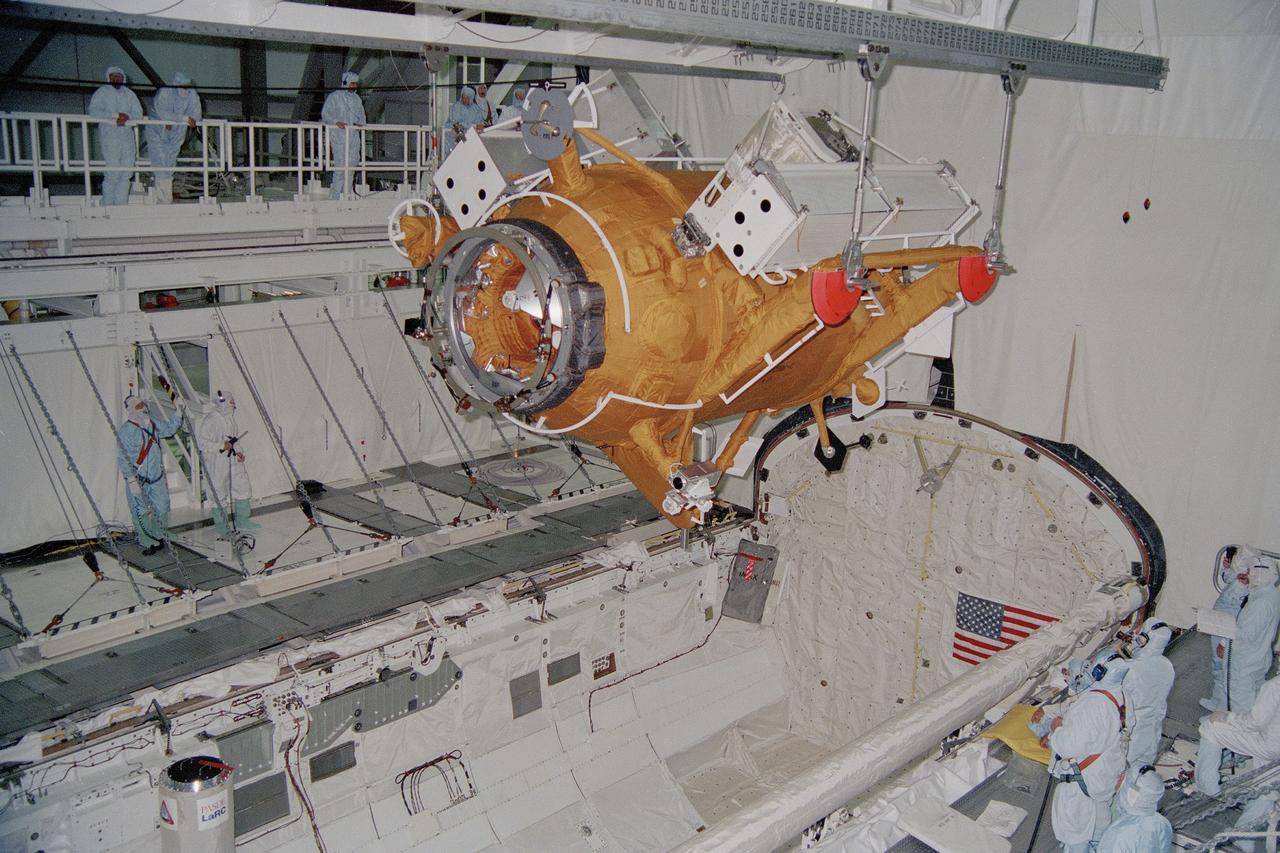
CAPE CANAVERAL, Fla. -- At NASA's Kennedy Space Center in Florida, the Russian-built Docking Module is lowered for installation into the payload bay of the space shuttle Atlantis while it is in bay 2 of the Orbiter Processing Facility. The module will fly as a primary payload on the second Space Shuttle/Mir space station docking mission, STS-74. During the mission, the module will first be attached with the orbiter's robot arm to the Orbiter Docking System in the payload bay of the orbiter Atlantis and then be docked with the Mir. When Atlantis undocks from the Mir, it will leave the new docking module permanently attached to the space station for use during future shuttle Mir docking missions. The new module will simplify future Shuttle linkups with Mir by improving orbiter clearances when it serves as a bridge between the two spacecraft. The white structures attached to the module's sides are solar panels that will be attached to the Mir after the conclusion of the STS-74 mission. Photo Credit: NASA
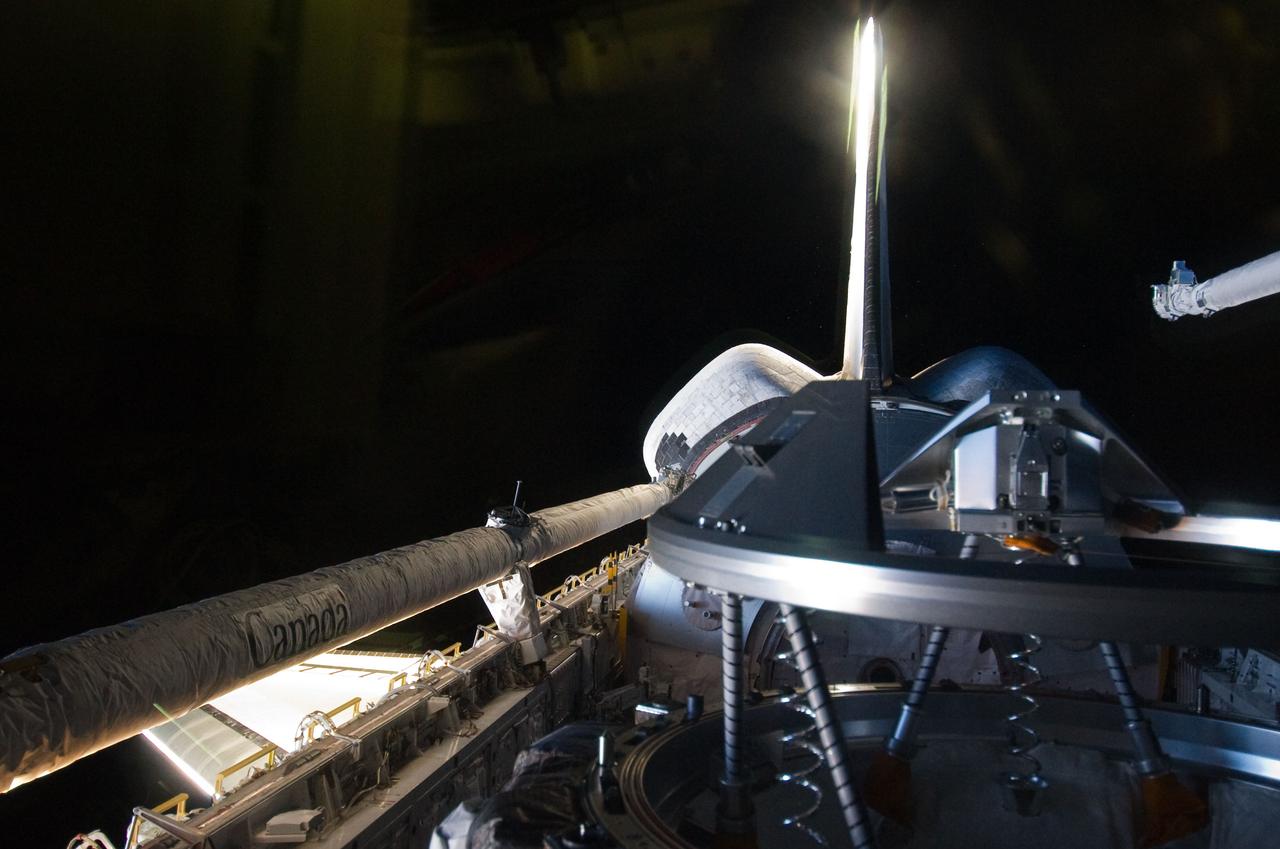
S135-E-007101 (10 July 2011) --- This picture of Atlantis' payload bay, focusing on the docking mechanism, was photographed by one of four STS-135 crewmembers inside the crew cabin. The orbiter boom sensor system and a portion of the remote manipulator system's robot arm are visible in the frame, exposed during a busy third day in space for the astronauts. The photo was made shortly before the shuttle docked with the International Space Station. Photo credit: NASA
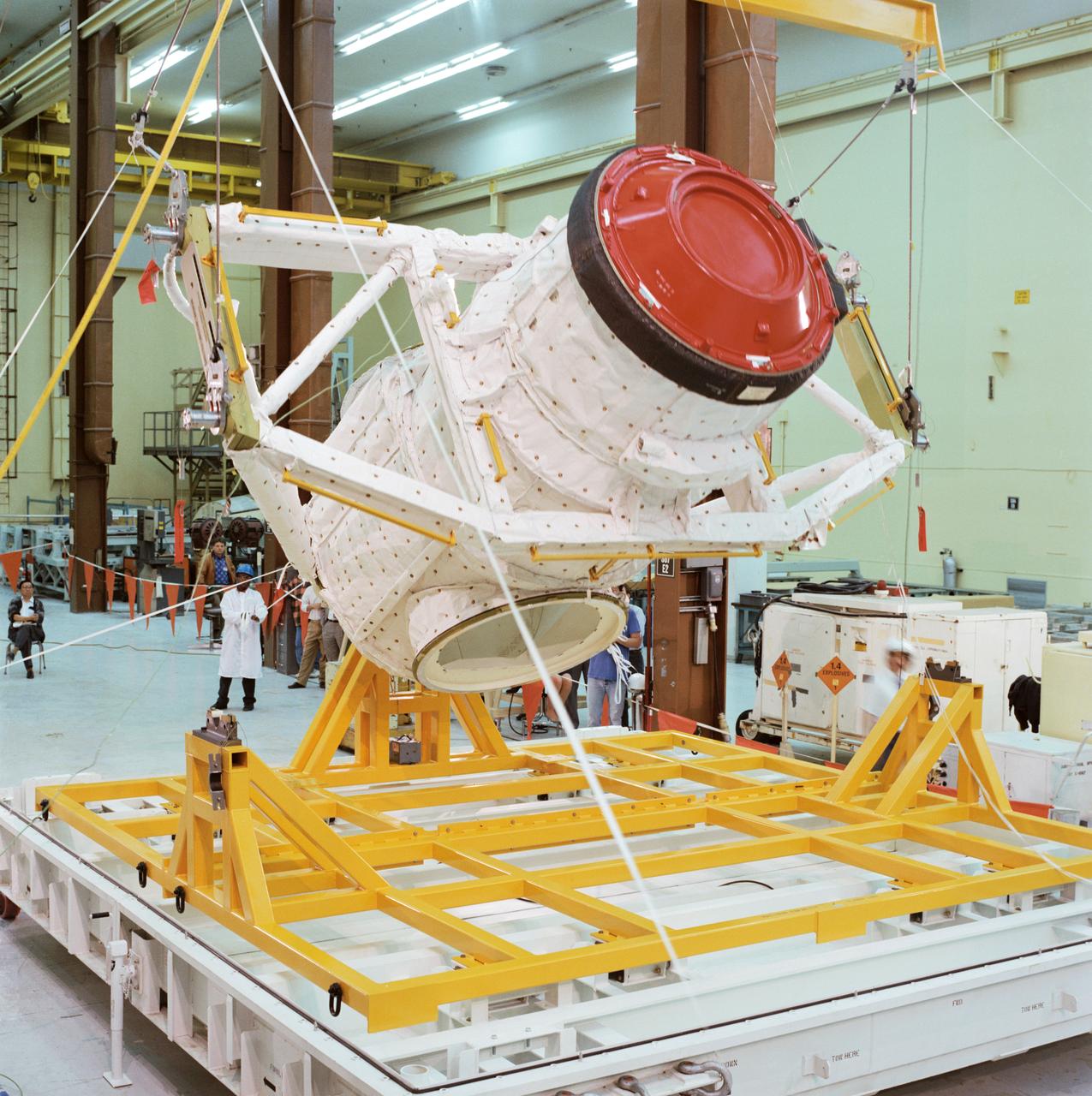
S95-00057 (15 Nov 1994) --- In Rockwell's Building 290 at Downey, California, the external airlock assembly/Mir docking system is rotated into position for crating up for shipment to the Kennedy Space Center (KSC) in Florida. Jointly developed by Rockwell and RSC Energia, the external airlock assembly and Mir docking system will be mounted in the cargo bay of the Space Shuttle Atlantis to enable the shuttle to link up to Russia's Mir space station. The docking system contains hooks and latches compatible with the system currently housed on the Mir's Krystall module, to which Atlantis will attach for the first time next spring. STS-71 will carry two Russian cosmonauts, who will replace a three-man crew aboard Mir including Norman E. Thagard, a NASA astronaut. The combined 10-person crew will conduct almost five days of joint life sciences investigations both aboard Mir and in the Space Shuttle Atlantis's Spacelab module.
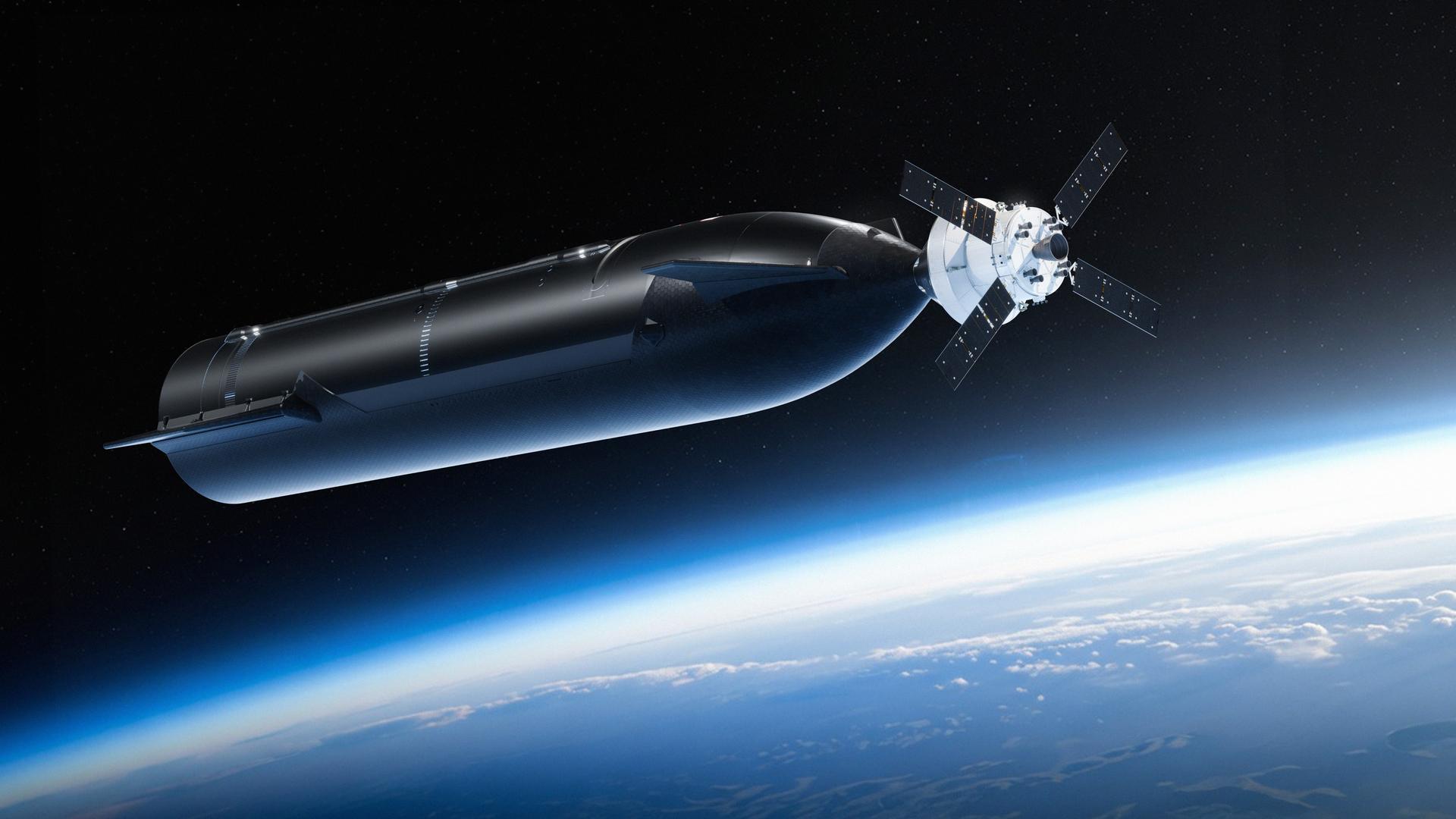
These artist’s concepts depict NASA’s Orion spacecraft and SpaceX’s Starship human landing system test article during rendezvous and docking operations as part of NASA’s upcoming Artemis III demonstration mission in low Earth orbit. NASA is working with two American companies to develop the human landing systems that will safely transport astronauts from lunar orbit to the Moon’s surface and back for future Artemis missions. For Artemis III, both SpaceX and Blue Origin will fly test versions, or test articles, of the crewed landers that will be used for future Moon landings. The lander test articles will launch by commercial rockets, while the Artemis III crew will launch to low Earth orbit in Orion atop the agency’s SLS (Space Launch System) rocket.
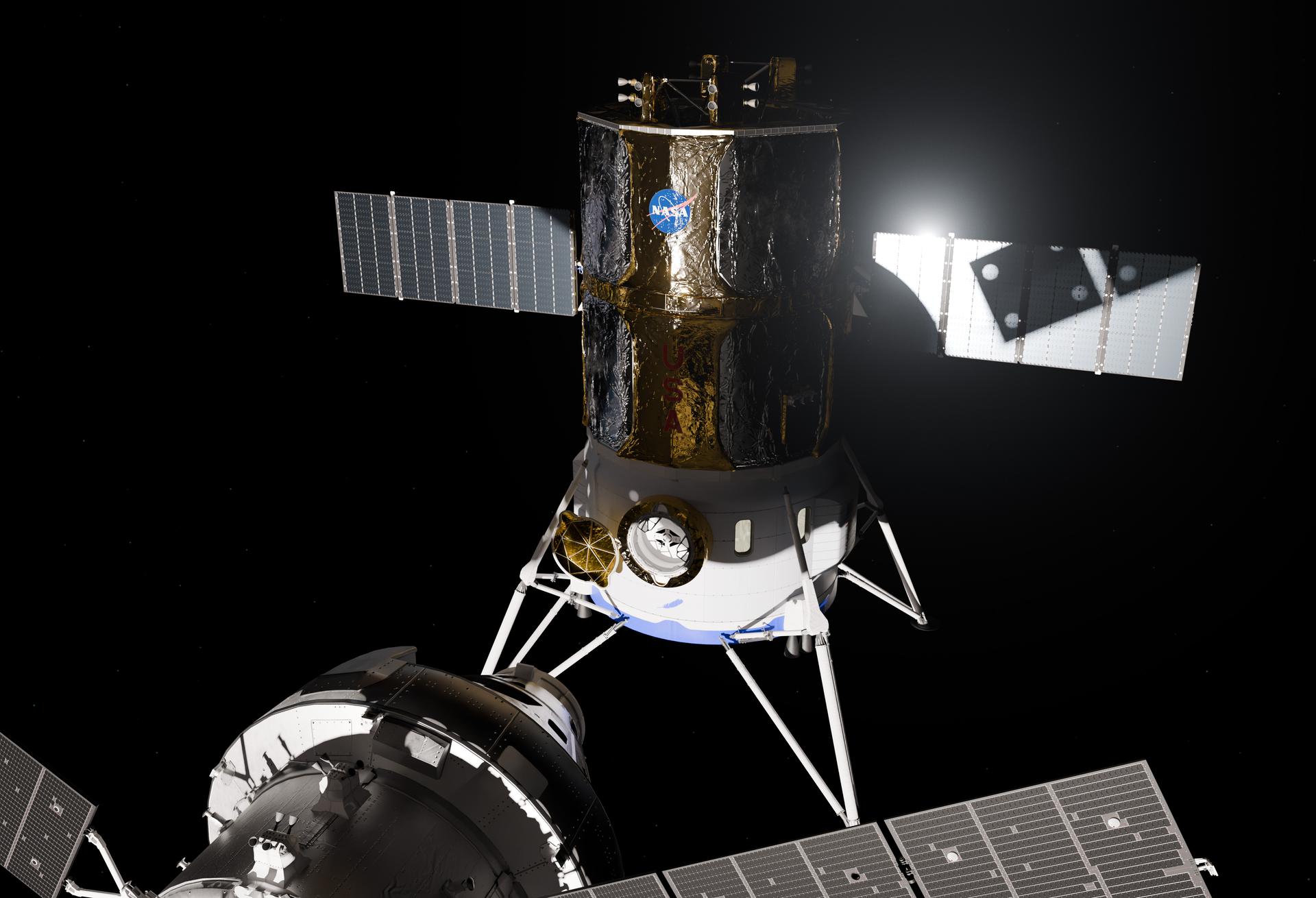
This artist’s concept depicts Blue Origin’s Blue Moon Mark 2 human landing system test article in Earth orbit with NASA’s Orion spacecraft during rendezvous and docking operations as part of NASA’s upcoming Artemis III demonstration mission in low Earth orbit. NASA is working with two American companies to develop the human landing systems that will safely transport astronauts from lunar orbit to the Moon’s surface and back for future Artemis missions. For Artemis III, both SpaceX and Blue Origin will fly test versions, or test articles, of the crewed landers that will be used for future Moon landings. The lander test articles will launch by commercial rockets, while the Artemis III crew will launch to low Earth orbit in Orion atop the agency’s SLS (Space Launch System) rocket.
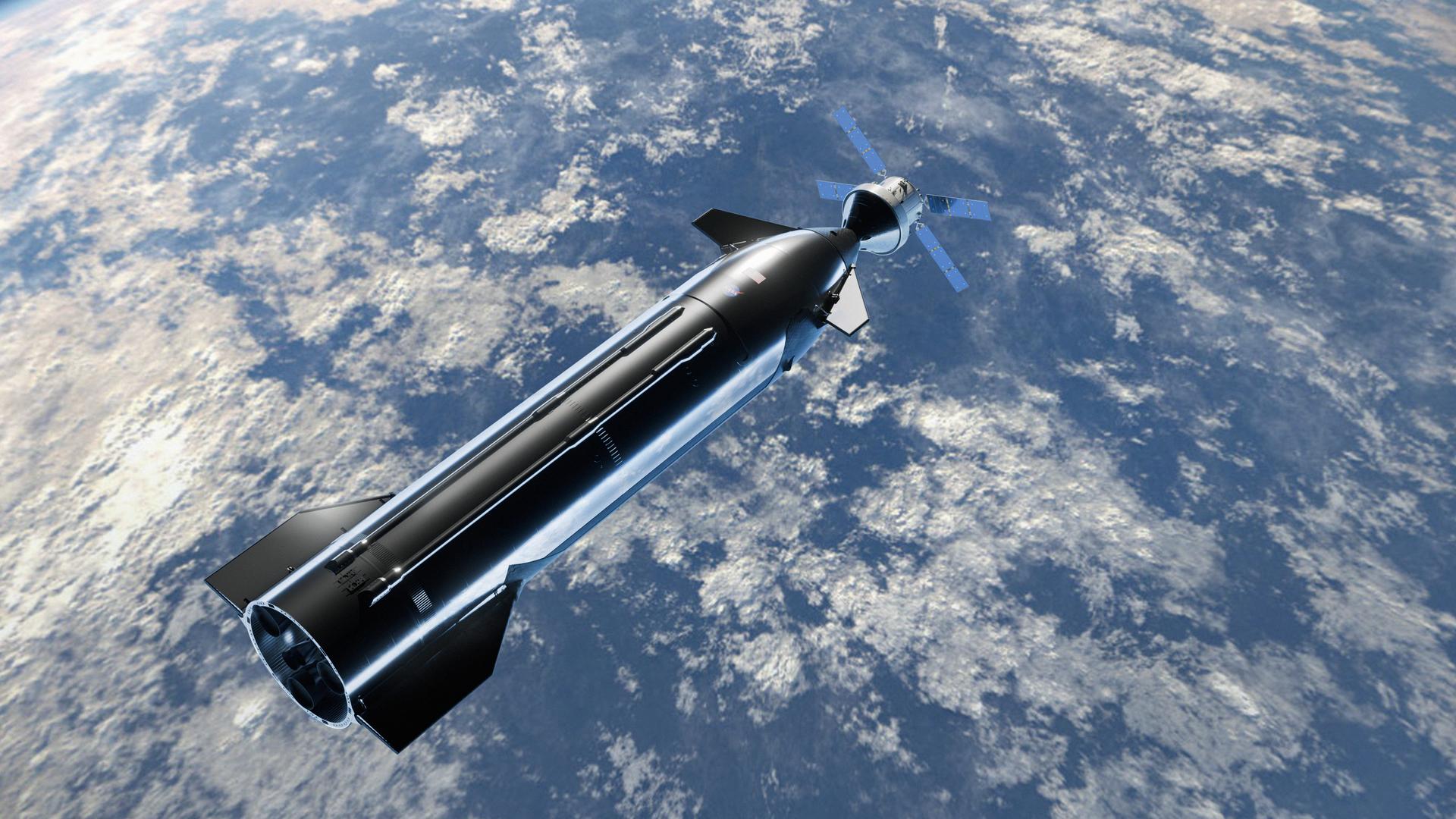
These artist’s concepts depict NASA’s Orion spacecraft and SpaceX’s Starship human landing system test article during rendezvous and docking operations as part of NASA’s upcoming Artemis III demonstration mission in low Earth orbit. NASA is working with two American companies to develop the human landing systems that will safely transport astronauts from lunar orbit to the Moon’s surface and back for future Artemis missions. For Artemis III, both SpaceX and Blue Origin will fly test versions, or test articles, of the crewed landers that will be used for future Moon landings. The lander test articles will launch by commercial rockets, while the Artemis III crew will launch to low Earth orbit in Orion atop the agency’s SLS (Space Launch System) rocket.
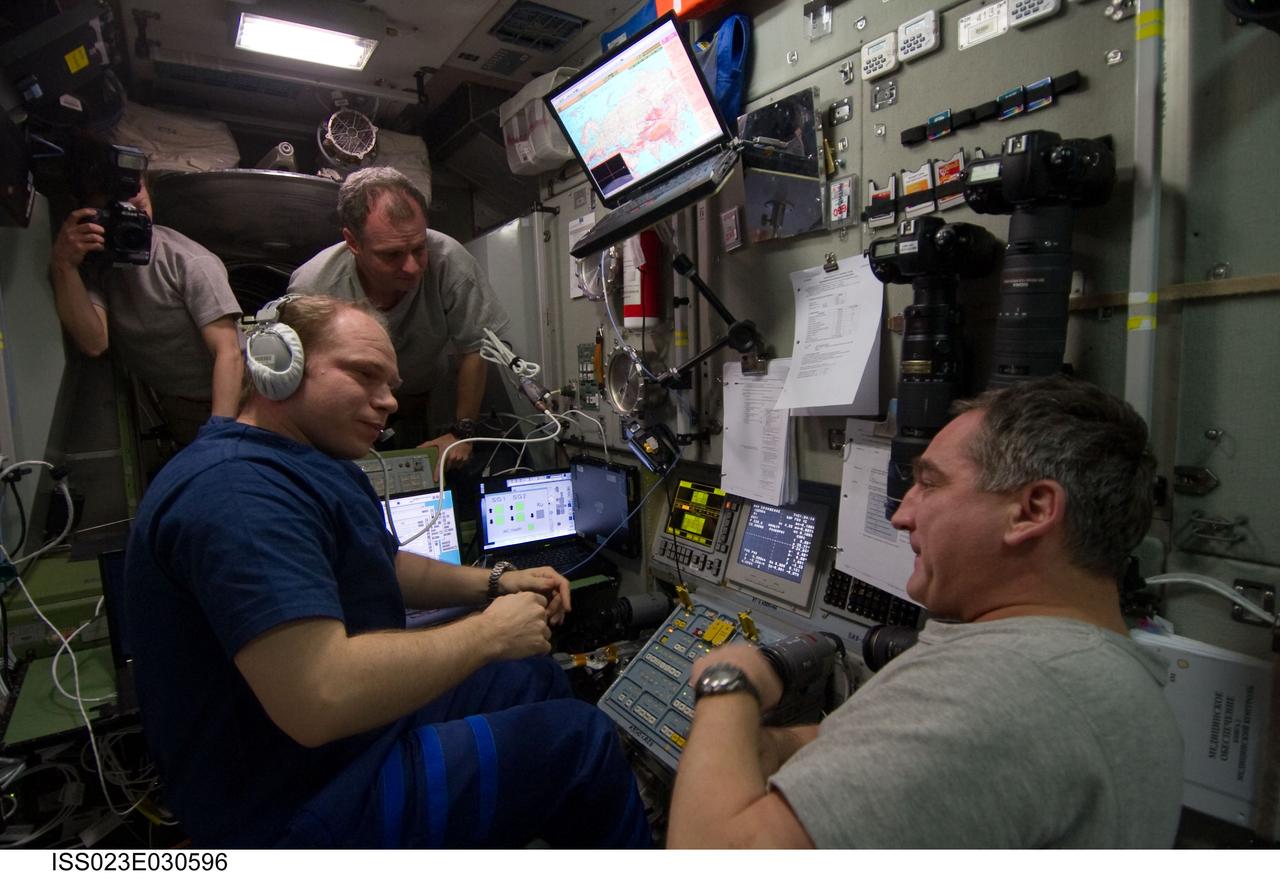
ISS023-E-030596 (1 May 2010) --- Russian cosmonaut Oleg Kotov (left foreground), Expedition 23 commander, is pictured at the manual TORU docking system controls in the Zvezda Service Module of the International Space Station shortly after conducting a manual control docking of the Progress 37 due to a jet failure on the Progress that forced a shutdown of the Kurs automated rendezvous system. Progress 37 docked to the Pirs Docking Compartment at 2:30 p.m. (EDT) on May 1, 2010, after a three-day flight from the Baikonur Cosmodrome in Kazakhstan. Also pictured are NASA astronauts Tracy Caldwell Dyson (left background) and T.J. Creamer; along with Russian cosmonaut Alexander Skvortsov (right foreground), all flight engineers.
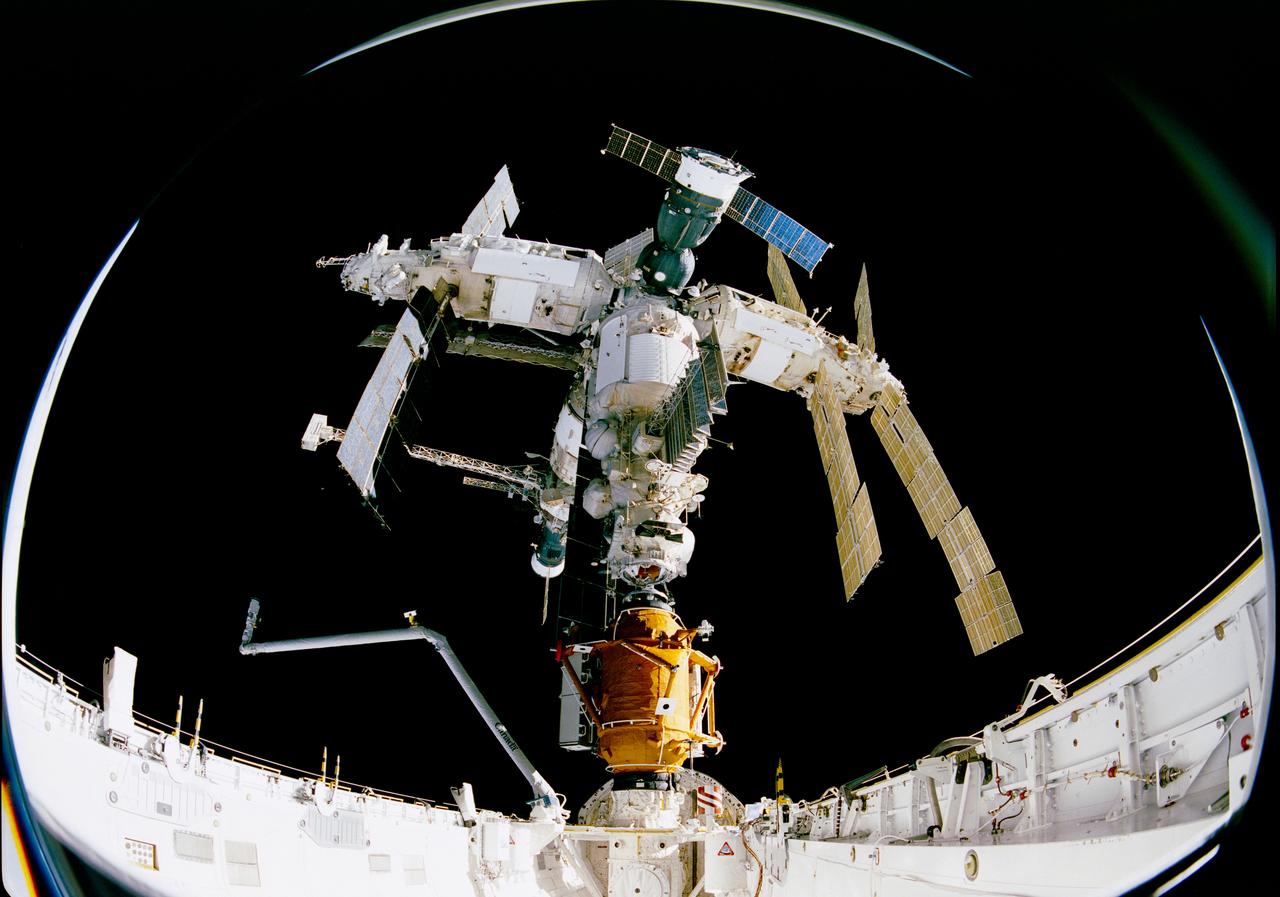
S95-22116 (15 Nov 1995) --- The Space Shuttle Atlantis has completed its successful docking with the Russia's Mir Space Station. The STS-74 crew members inside Atlantis' cabin are making preparations to meet with the Mir-20 crew members. During the STS-74 mission, the crew used an IMAX camera to document the Space Shuttle Atlantis' rendezvous and docking with the Mir Space Station. The 65mm camera system was located in the Atlantis' cargo bay and provided a unique fish-eye perspective. These images were selected from footage that will be incorporated in a large-format feature film about NASA's cooperative program with the Russians. NASA has flown IMAX camera systems on many Shuttle missions, including the recent STS-63 Shuttle-Mir rendezvous and STS-71 Shuttle-Mir docking. Film from previous missions was used to create the productions The Dream is Alive, The Blue Planet, and Destiny in Space.
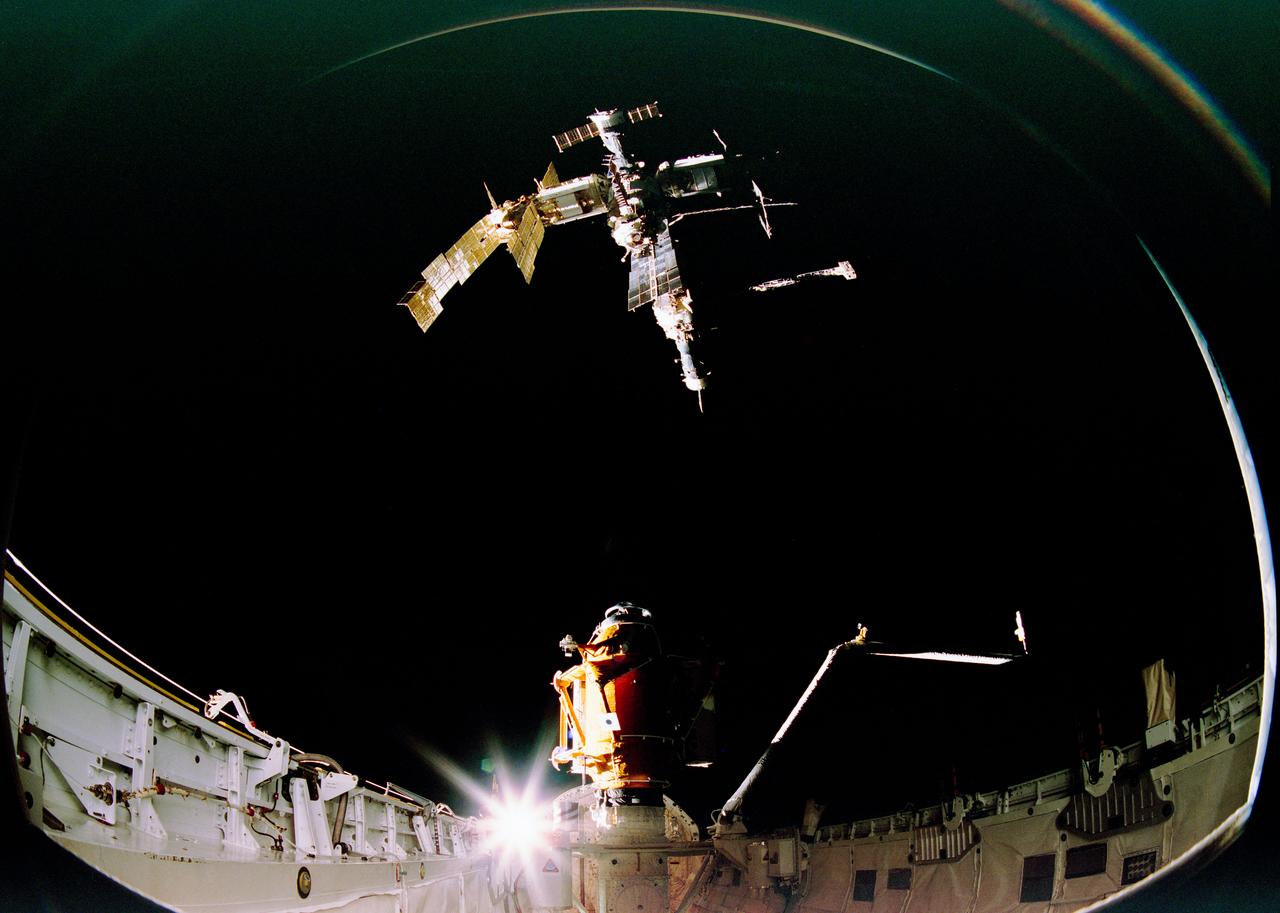
S95-22092 (15 Nov 1995) --- The Space Shuttle Atlantis moves within 80 feet of Russia's Mir Space Station during rendezvous and docking operations. During the STS-74 mission, the crew used an IMAX camera to document the Space Shuttle Atlantis' rendezvous and docking with the Mir Space Station. The 65mm camera system was located in the Atlantis' cargo bay and provided a unique fish-eye perspective. These images were selected from footage that will be incorporated in a large-format feature film about NASA's cooperative program with the Russians. NASA has flown IMAX camera systems on many Shuttle missions, including the recent STS-63 Shuttle-Mir rendezvous and STS-71 Shuttle-Mir docking. Film from previous missions was used to create the productions The Dream is Alive, The Blue Planet, and Destiny in Space.
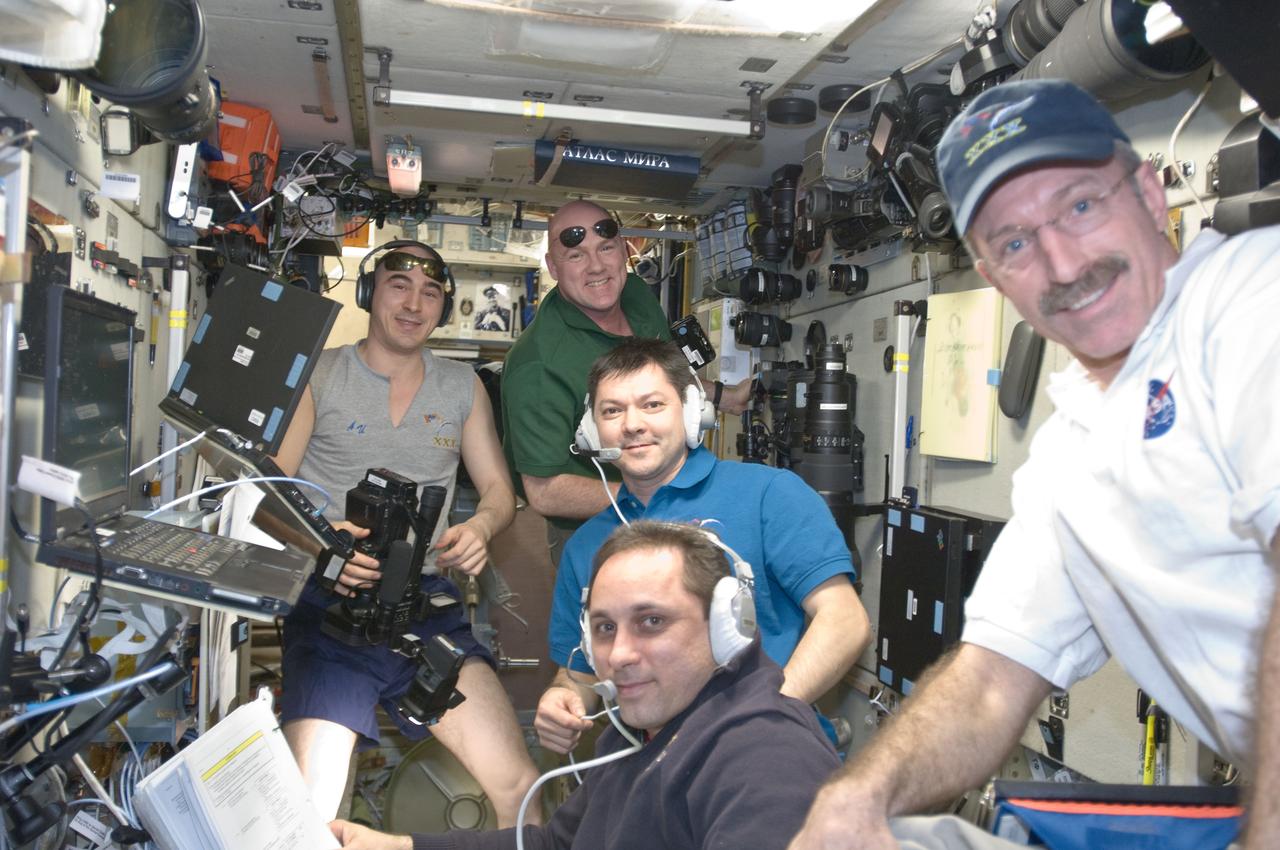
ISS030-E-050949 (27 Jan. 2012) --- NASA astronaut Dan Burbank (right), Expedition 30 commander; Russian cosmonauts Anton Shkaplerov (bottom), Oleg Kononenko (center) and Anatoly Ivanishin (left background); and European Space Agency astronaut Andre Kuipers, all flight engineers, take a moment for a photo in the Zvezda Service Module of the International Space Station following the successful docking of the unpiloted ISS Progress 46 resupply vehicle. Progress 46 docked automatically to the Pirs Docking Compartment via the Kurs automated rendezvous system at 7:00 p.m. (EST) on Jan. 27, 2012.
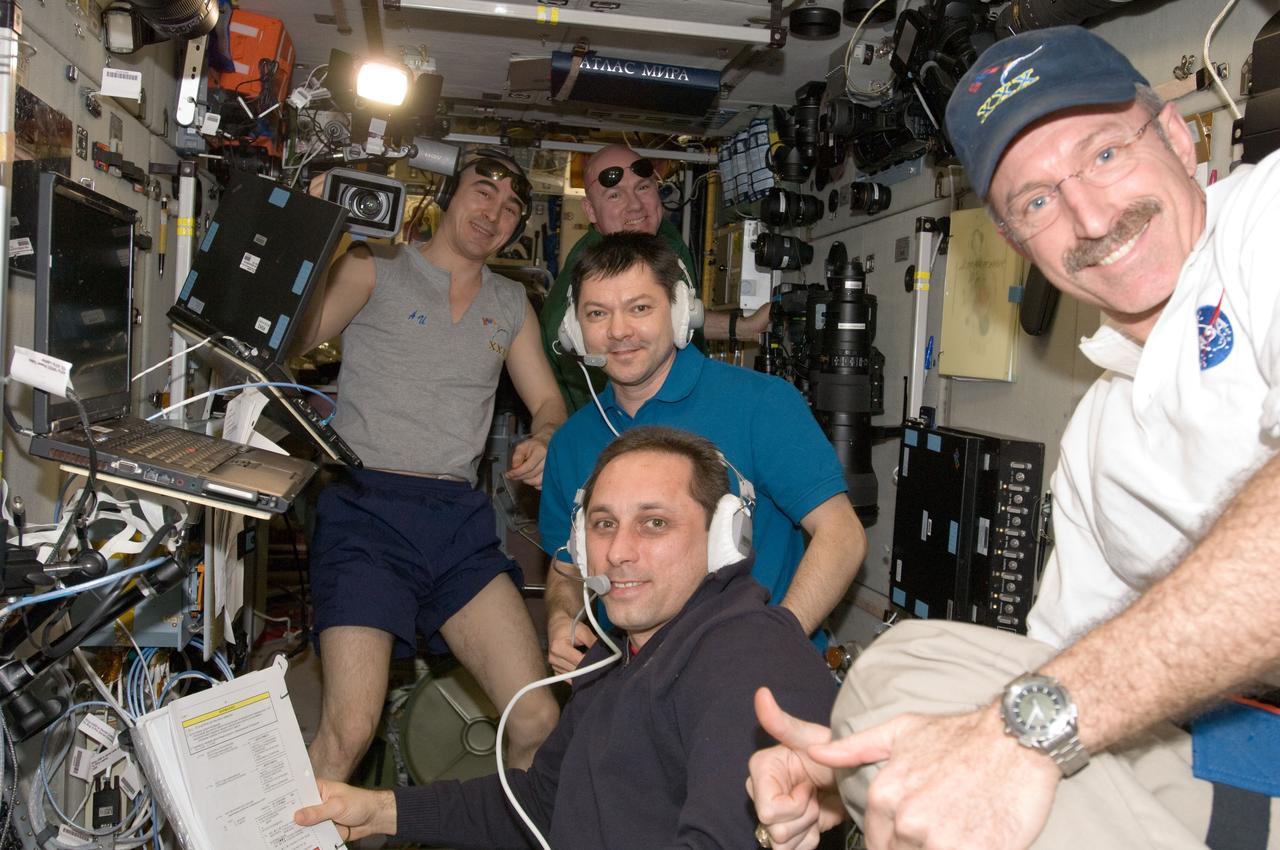
ISS030-E-050946 (27 Jan. 2012) --- NASA astronaut Dan Burbank (right), Expedition 30 commander; Russian cosmonauts Anton Shkaplerov (bottom), Oleg Kononenko (center) and Anatoly Ivanishin (left background); and European Space Agency astronaut Andre Kuipers, all flight engineers, take a moment for a photo in the Zvezda Service Module of the International Space Station following the successful docking of the unpiloted ISS Progress 46 resupply vehicle. Progress 46 docked automatically to the Pirs Docking Compartment via the Kurs automated rendezvous system at 7:00 p.m. (EST) on Jan. 27, 2012.
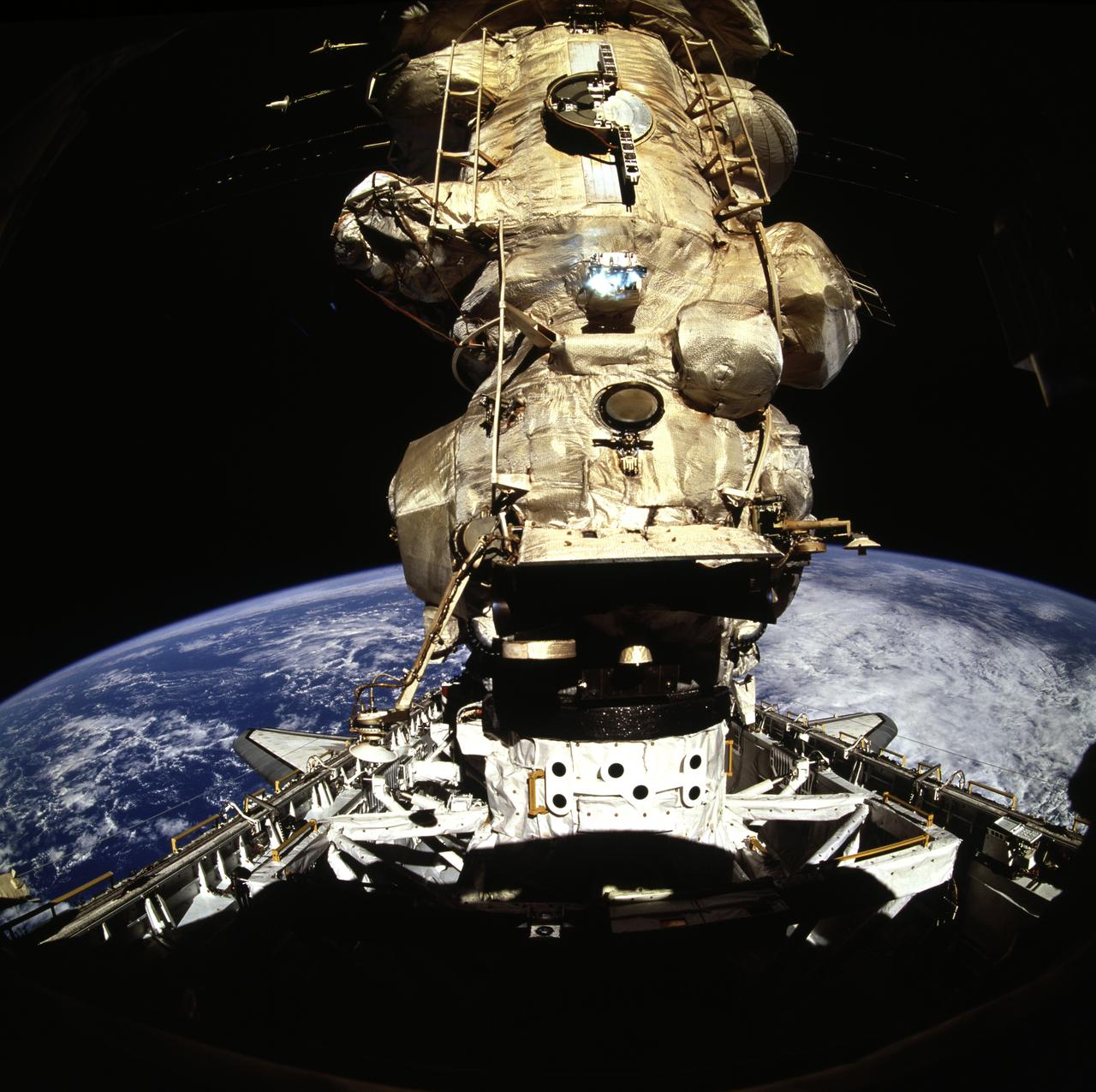
STS071-723-033 (29 June 1995) --- The hard dock finalizing the June 29, 1995, link-up of the Russian Mir Space Station and the space shuttle Atlantis was documented with a 70mm handheld camera from the aft flight deck of the Space Shuttle Atlantis. The Androgynous Peripheral Docking System (APDS) and the Kristall module on Mir are at center frame. Later, five NASA astronauts and two Russian cosmonauts boarded Mir. The occasion was just two and a half weeks prior to the 20th anniversary of the Apollo-Soyuz Test Project (ASTP) docking in Earth-orbit.
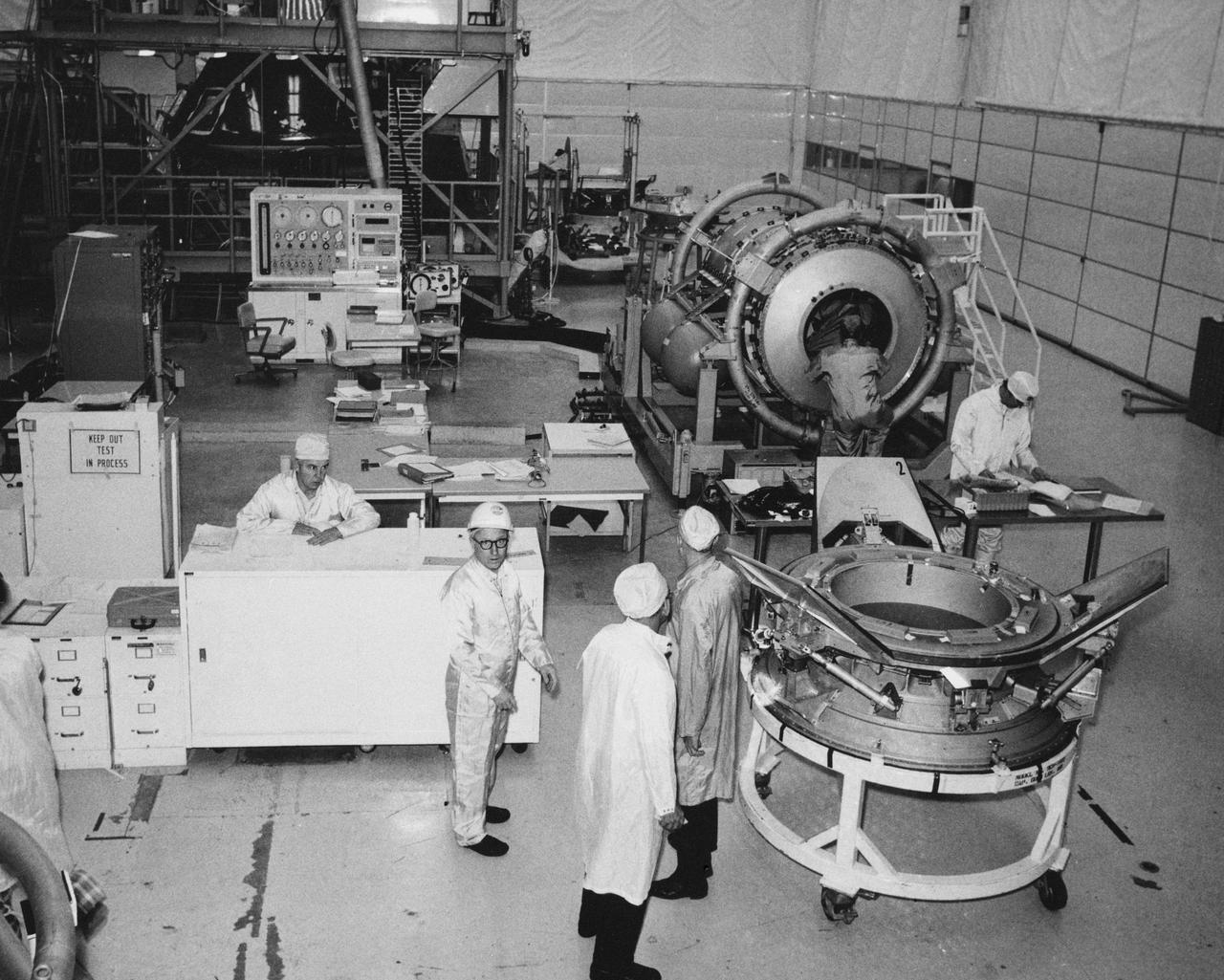
S74-28295 (September 1974) --- American-built hardware for the joint U.S.-USSR Apollo-Soyuz Test Project mission undergoes pre-delivery preparations in the giant clean room at Rockwell International Corporation?s Space Division at Downey, California. The U.S. portion of the ASTP docking system is in the right foreground. In the right background is the cylindrical-shaped docking module, which is designed to link the Apollo and Soyuz spacecraft when they dock in Earth orbit next summer. In the left background is the Apollo Command Module which they will carry the three American astronauts into Earth orbit. Photo credit: NASA
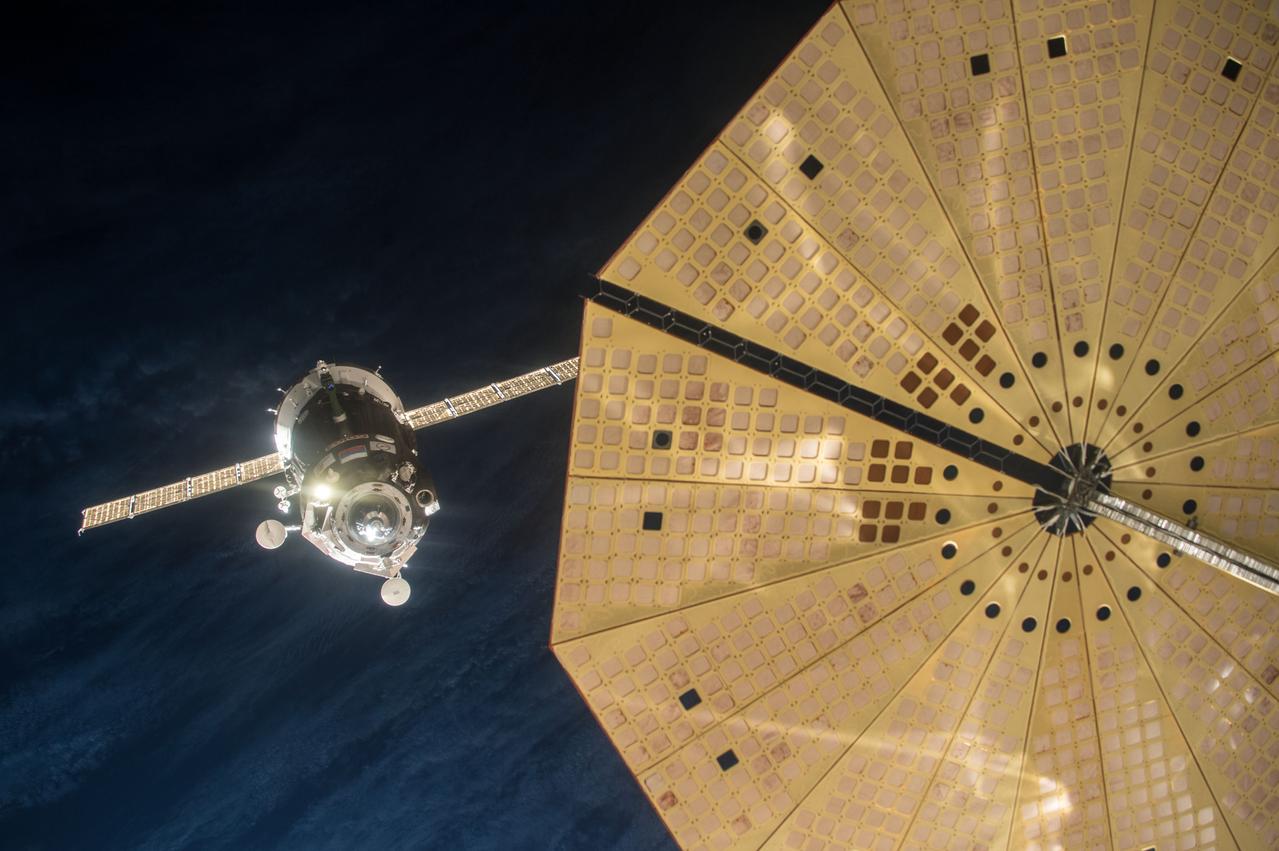
ISS046e001535 (12/15/2015) --- Russian cosmonaut Yuri Malenchenko manually docked the Soyuz TMA-19M spacecraft on Dec. 15, 2015 to the International Space Station’s Rassvet module after an initial automated attempt was aborted. Malenchenko took control of the Soyuz, backed it away from the station to assess the Soyuz’ systems, then re-approached the complex for the manual docking. Flight Engineer Tim Kopra of NASA and Flight Engineer Tim Peake of ESA (European Space Agency) flanked Malenchenko as he brought the Soyuz to the Rassvet port for the start of a six-month mission. After leak checks were conducted on both sides of the docking interface, hatches were opened and Malenchenko, Kopra and Peake were greeted by Expedition 46 Commander Scott Kelly of NASA and Flight Engineers Mikhail Kornienko and Sergey Volkov of the Russian Federal Space Agency (Roscosmos). The solar array from the docked Orbital ATK's Cygnus cargo vehicle is also in view.
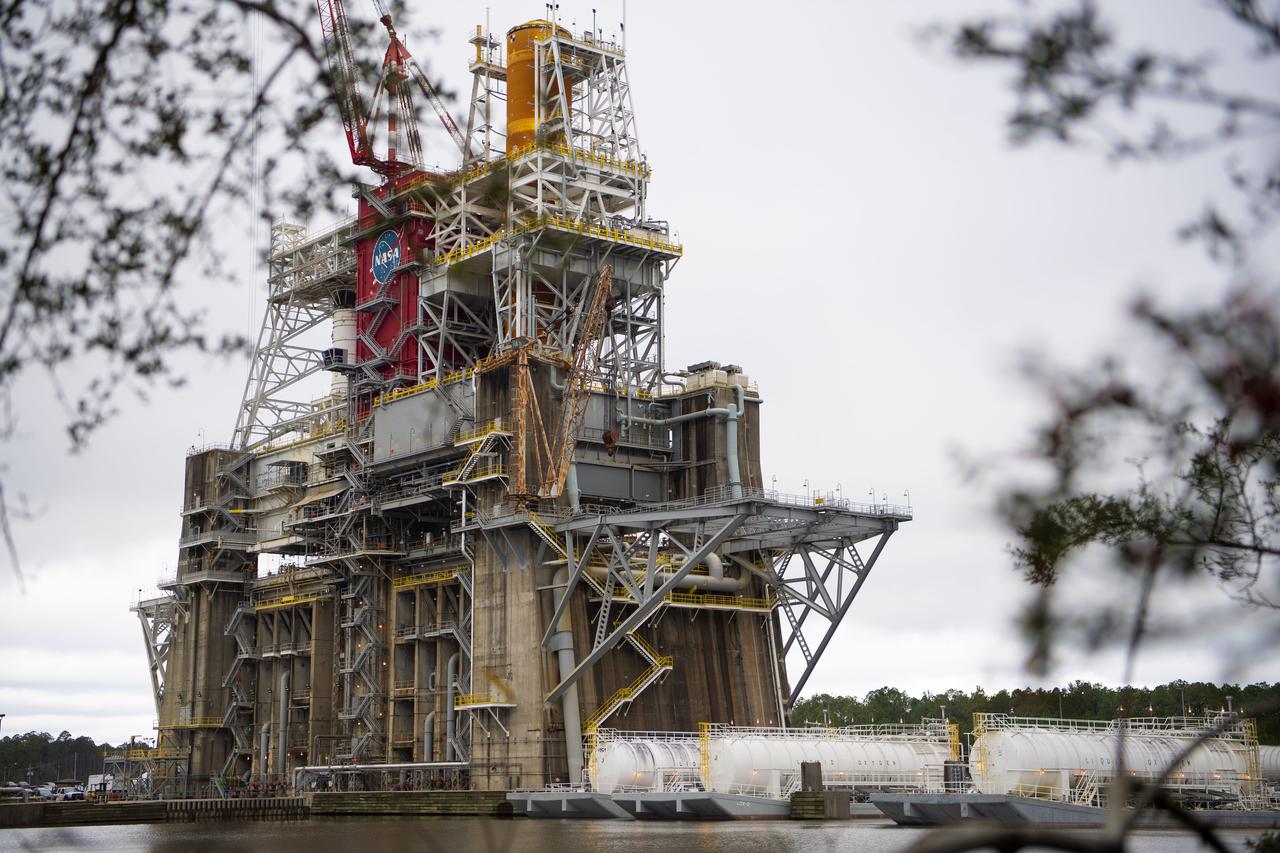
Barges are docked at the B-2 Test Stand at Stennis Space Center on Dec. 4, 2020, in preparation for upcoming Green Run test activities. Teams at the center have been performing Green Run tests of NASA’s Space Launch System core stage and its integrated systems throughout 2020. In mid-December, teams performed the seventh test of the Green Run series – a wet dress rehearsal of a countdown to hot fire. It marked the first time the stage tanks had been loaded with liquid oxygen and liquid hydrogen propellants supplied by the docked barges.
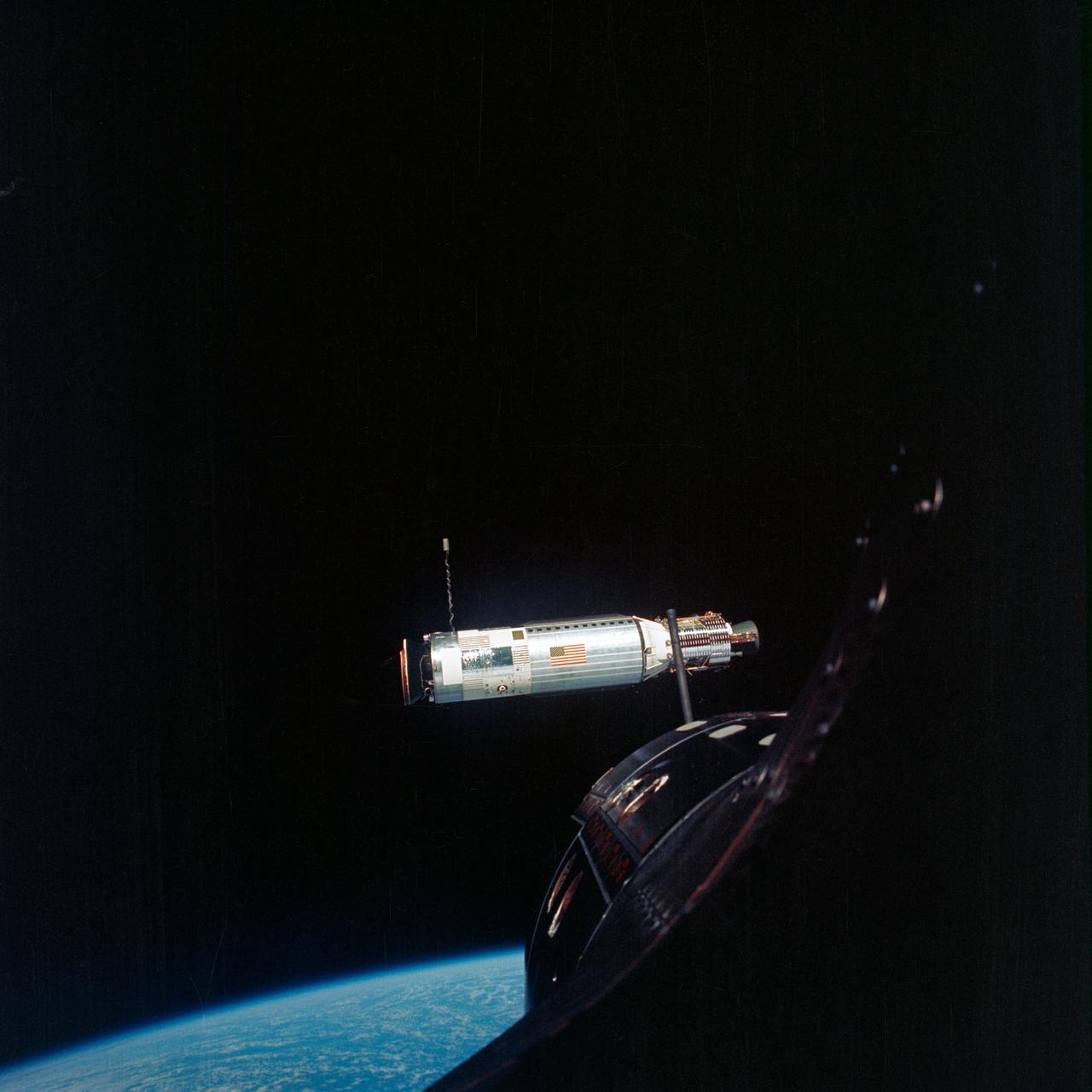
S66-46124 (18 July 1966) --- Agena Target Docking Vehicle 5005 is photographed from the Gemini-10 spacecraft during rendezvous in space. The two spacecraft are about 41 feet apart. After docking with the Agena, astronauts John W. Young, command pilot, and Michael Collins, pilot, fired the 16,000-pound thrust engine of Agena-10's primary propulsion system to boost the combined vehicles into an orbit with an apogee of 413 nautical miles to set a new altitude record for manned spaceflight. Photo credit: NASA
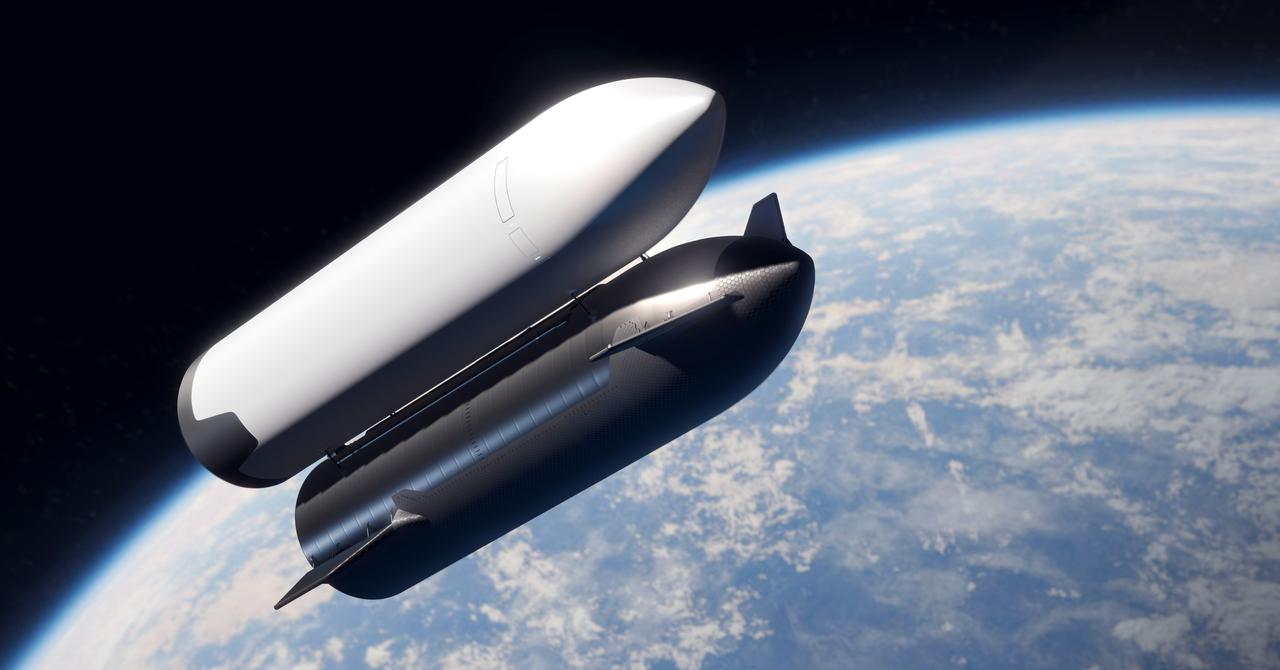
These artist’s concepts show SpaceX’s Starship Human Landing System (HLS) in operation on its journey to the Moon. Before astronauts launch in NASA’s Orion spacecraft atop the agency’s SLS (Space Launch System) rocket, SpaceX will launch a storage depot to Earth orbit. For Artemis III and Artemis IV, SpaceX plans to complete propellant loading operations in Earth orbit to send a fully fueled Starship HLS to the Moon. Starship HLS will then dock directly to Orion so that two astronauts can transfer from the spacecraft to the lander to descend to the Moon’s surface, while two others remain in Orion. Beginning with Artemis IV, NASA’s Gateway lunar space station will serve as the crew transfer point. NASA is working with SpaceX to develop Starship HLS to carry astronauts from lunar orbit to the Moon’s surface and back for Artemis III and Artemis IV as part of the agency’s Artemis campaign.

These artist’s concepts show SpaceX’s Starship Human Landing System (HLS) in operation on its journey to the Moon. Before astronauts launch in NASA’s Orion spacecraft atop the agency’s SLS (Space Launch System) rocket, SpaceX will launch a storage depot to Earth orbit. For Artemis III and Artemis IV, SpaceX plans to complete propellant loading operations in Earth orbit to send a fully fueled Starship HLS to the Moon. Starship HLS will then dock directly to Orion so that two astronauts can transfer from the spacecraft to the lander to descend to the Moon’s surface, while two others remain in Orion. Beginning with Artemis IV, NASA’s Gateway lunar space station will serve as the crew transfer point. NASA is working with SpaceX to develop Starship HLS to carry astronauts from lunar orbit to the Moon’s surface and back for Artemis III and Artemis IV as part of the agency’s Artemis campaign.
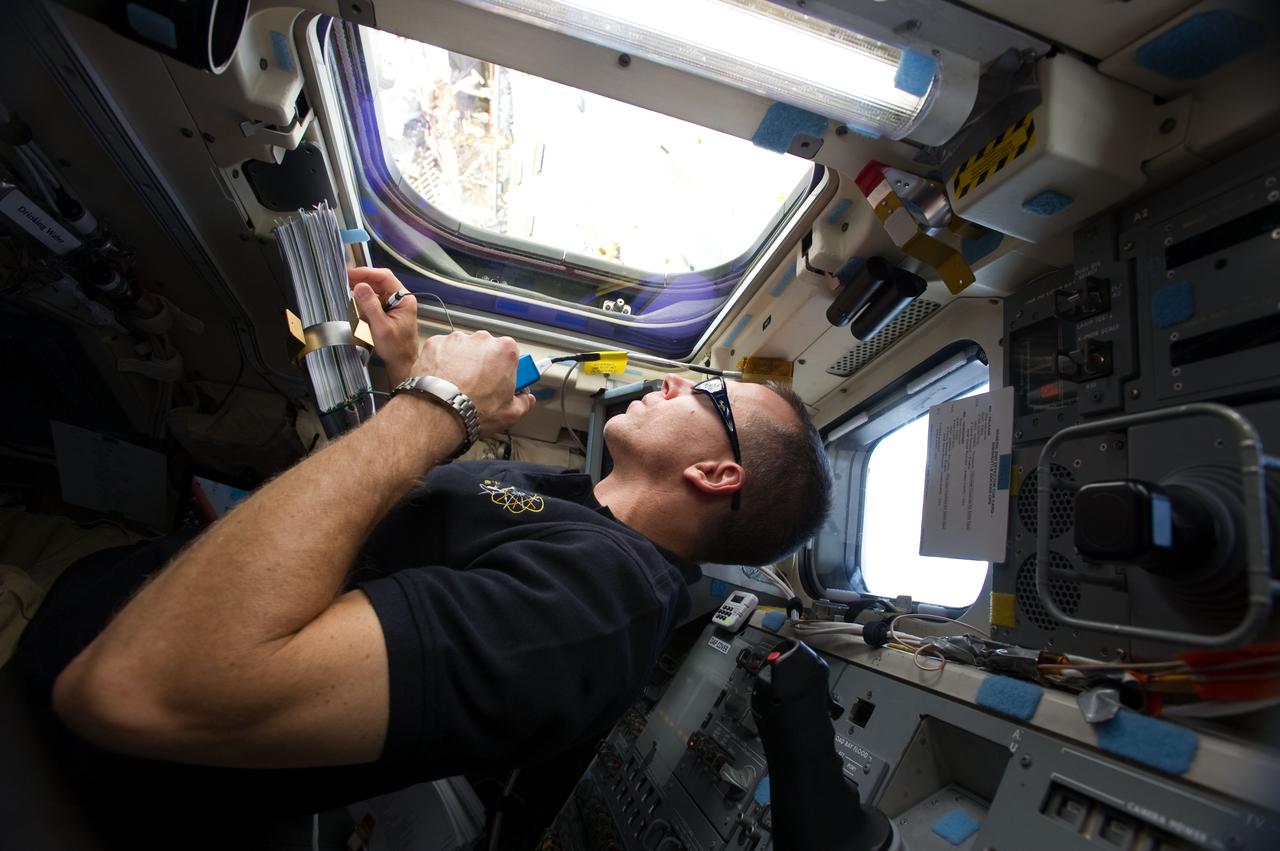
S134-E-011112 (27 May 2011) --- NASA astronaut Andrew Feustel, STS-134 mission specialist, uses a communication system while looking through an overhead aft flight deck window of space shuttle Endeavour while docked with the International Space Station on flight day 12. Photo credit: NASA
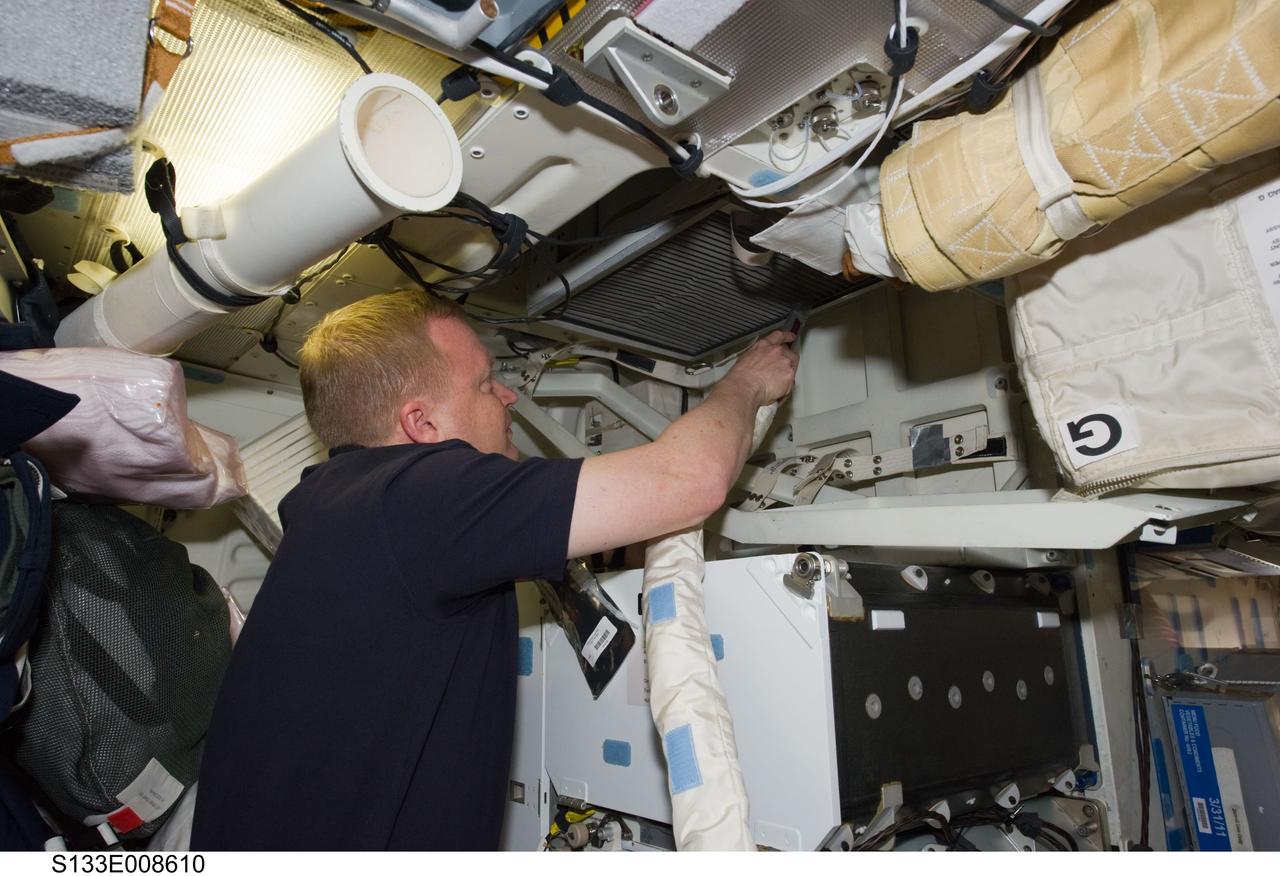
S133-E-008610 (3 March 2011) --- NASA astronaut Eric Boe, STS-133 pilot, uses a vacuum cleaner to remove dust particles from the air filter system on the middeck of space shuttle Discovery while docked with the International Space Station. Photo credit: NASA or National Aeronautics and Space Administration
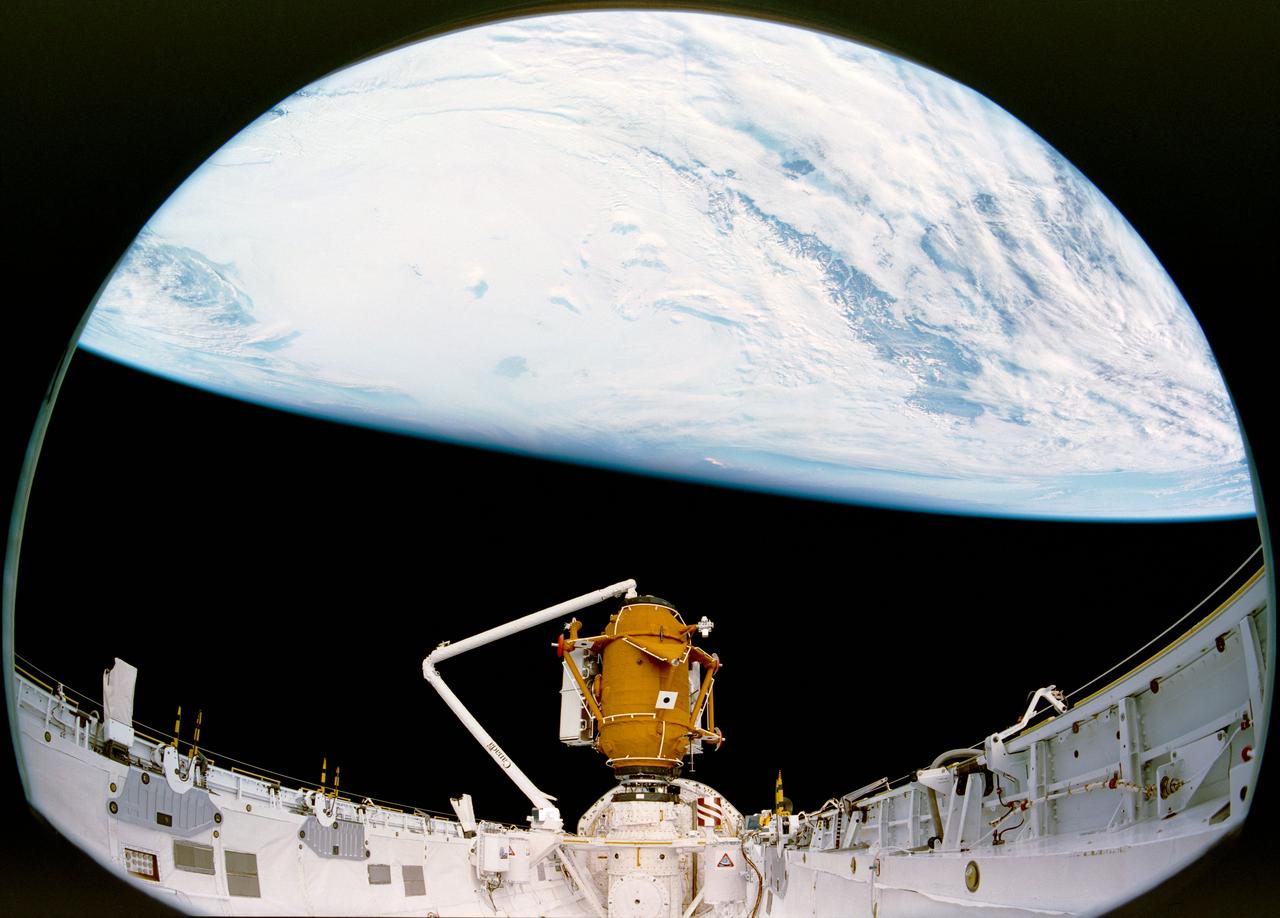
S95-22079 (14 Nov 1995) --- The Docking Module (DM) is seen just after installation in the Space Shuttle Atlantis' cargo bay. The snow-covered Bukhtarminskaye Reservoir, just north of China, may be seen in the background. When this photo was taken, five NASA astronauts were onboard Atlantis, awaiting their joint activities which is set to begin in less than 24 hours with three Mir-20 cosmonauts following tomorrow's scheduled docking. During the STS-74 mission, the crew used an IMAX camera to document the Space Shuttle Atlantis' rendezvous and docking with the Mir Space Station. The 65mm camera system was located in the Atlantis' cargo bay and provided a unique fish-eye perspective. These images were selected from footage that will be incorporated in a large-format feature film about NASA's cooperative program with the Russians. NASA has flown IMAX camera systems on many Shuttle missions, including the recent STS-63 Shuttle-Mir rendezvous and STS-71 Shuttle-Mir docking. Film from previous missions was used to create the productions The Dream is Alive, The Blue Planet, and Destiny in Space.
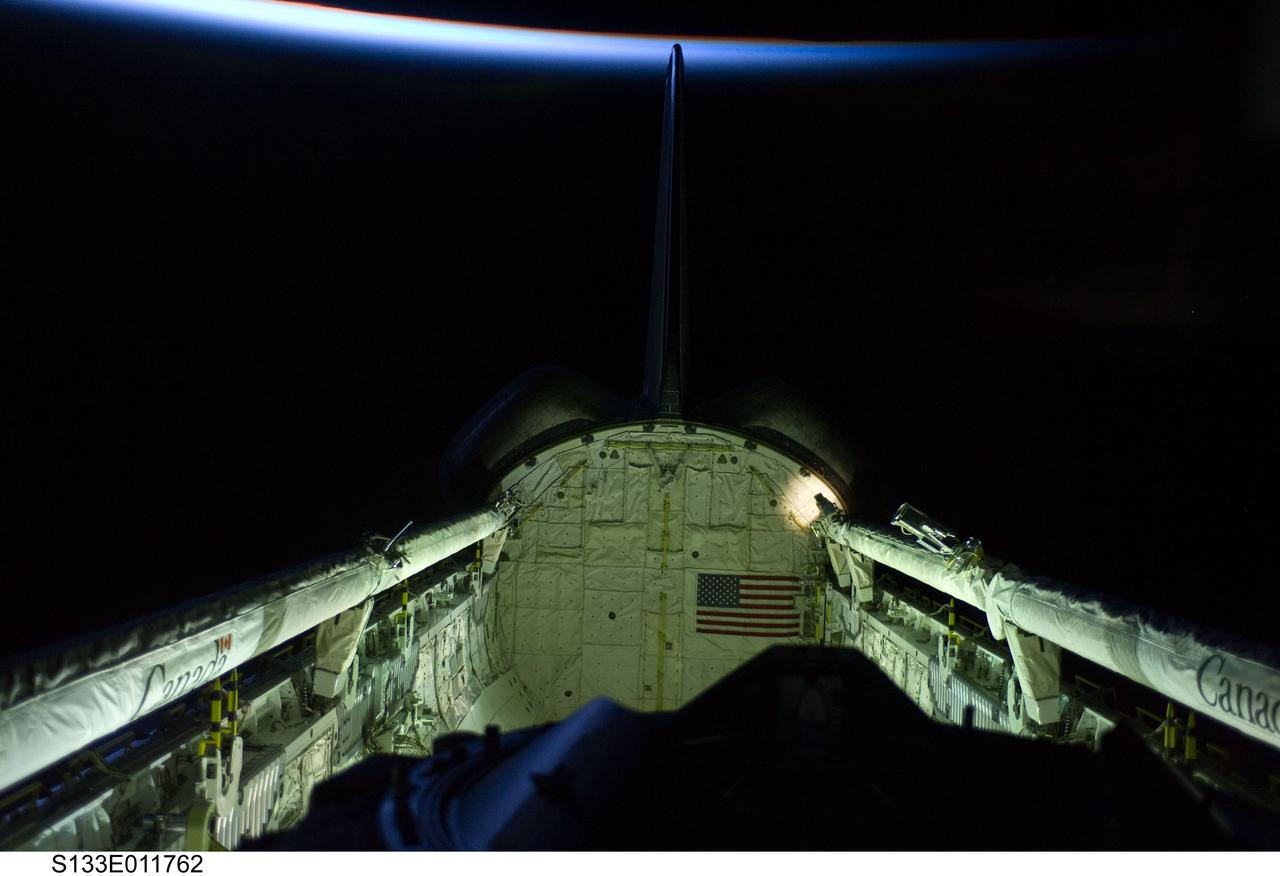
S133-E-011762 (7 March 2011) --- Space shuttle Discovery’s vertical stabilizer, orbital maneuvering system (OMS) pods, docking mechanism, remote manipulator system/orbiter boom sensor system (RMS/OBSS) and payload bay are featured in this image photographed by an STS-133 crew member on the shuttle during flight day 12 activities. The thin line of Earth’s atmosphere is at top. Photo credit: NASA or National Aeronautics and Space Administration
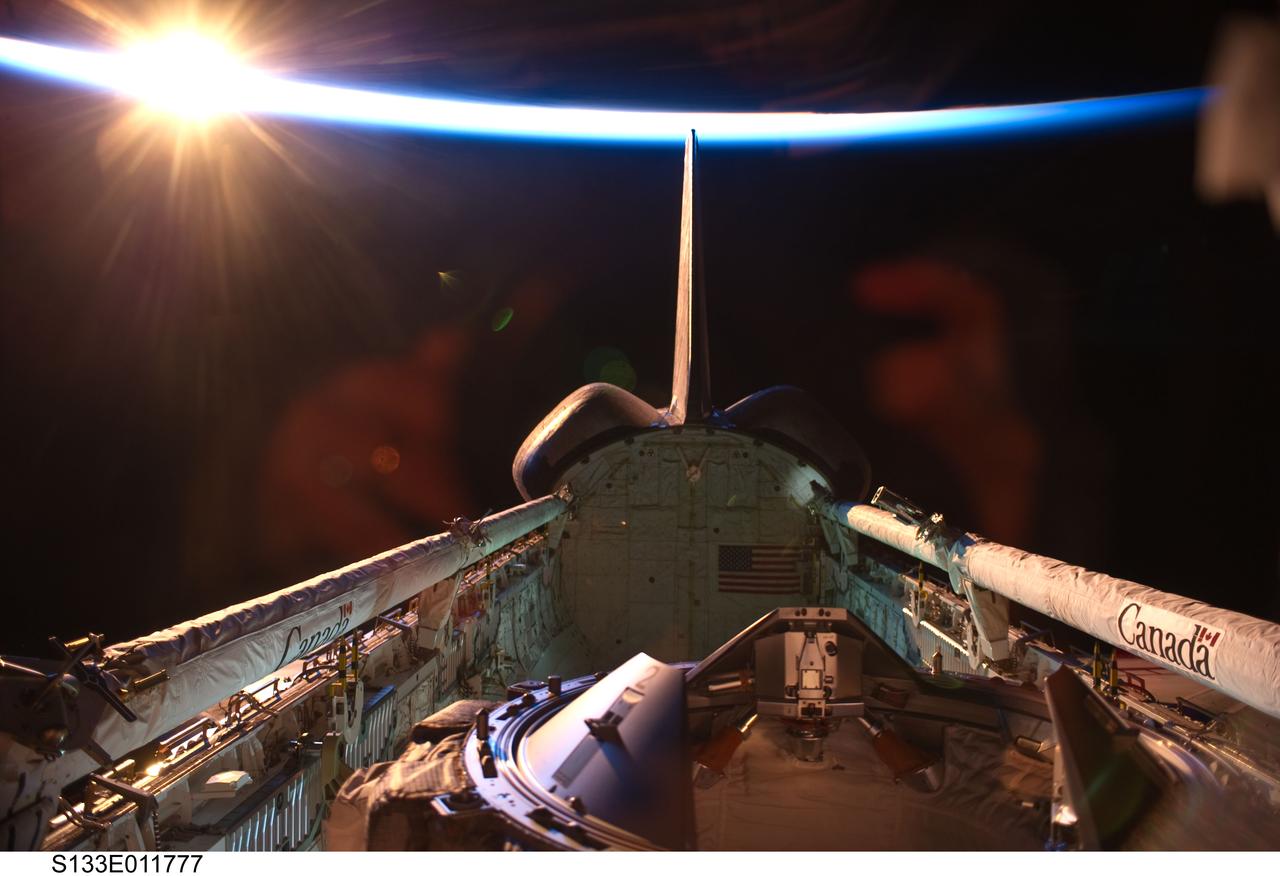
S133-E-011777 (7 March 2011) --- An orbital sunrise brightens this view of space shuttle Discovery’s vertical stabilizer, orbital maneuvering system (OMS) pods, docking mechanism, remote manipulator system/orbiter boom sensor system (RMS/OBSS) and payload bay photographed by an STS-133 crew member on the shuttle during flight day 12 activities. Photo credit: NASA or National Aeronautics and Space Administration
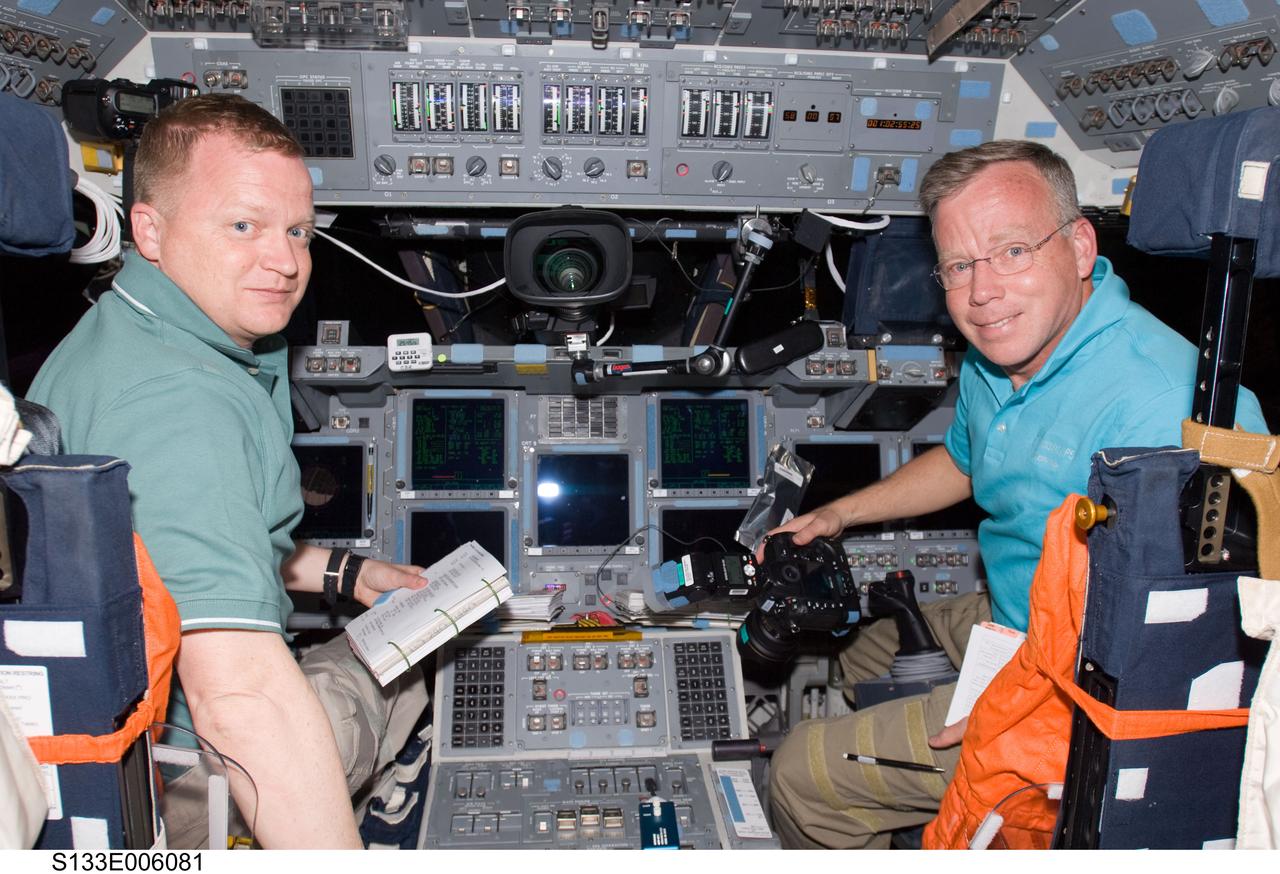
S133-E-006081 (25 Feb. 2011) --- On space shuttle Discovery’s forward flight deck, astronauts Steve Lindsey (right), STS-133 commander, and Eric Boe, pilot, switch seats for a brief procedure as the crew heads toward a weekend docking with the International Space Station. Earlier the crew conducted thorough inspections of the shuttle’s thermal tile system using the Remote Manipulator System/Orbiter Boom Sensor System (RMS/OBSS) and special cameras. Photo credit: NASA or National Aeronautics and Space Administration
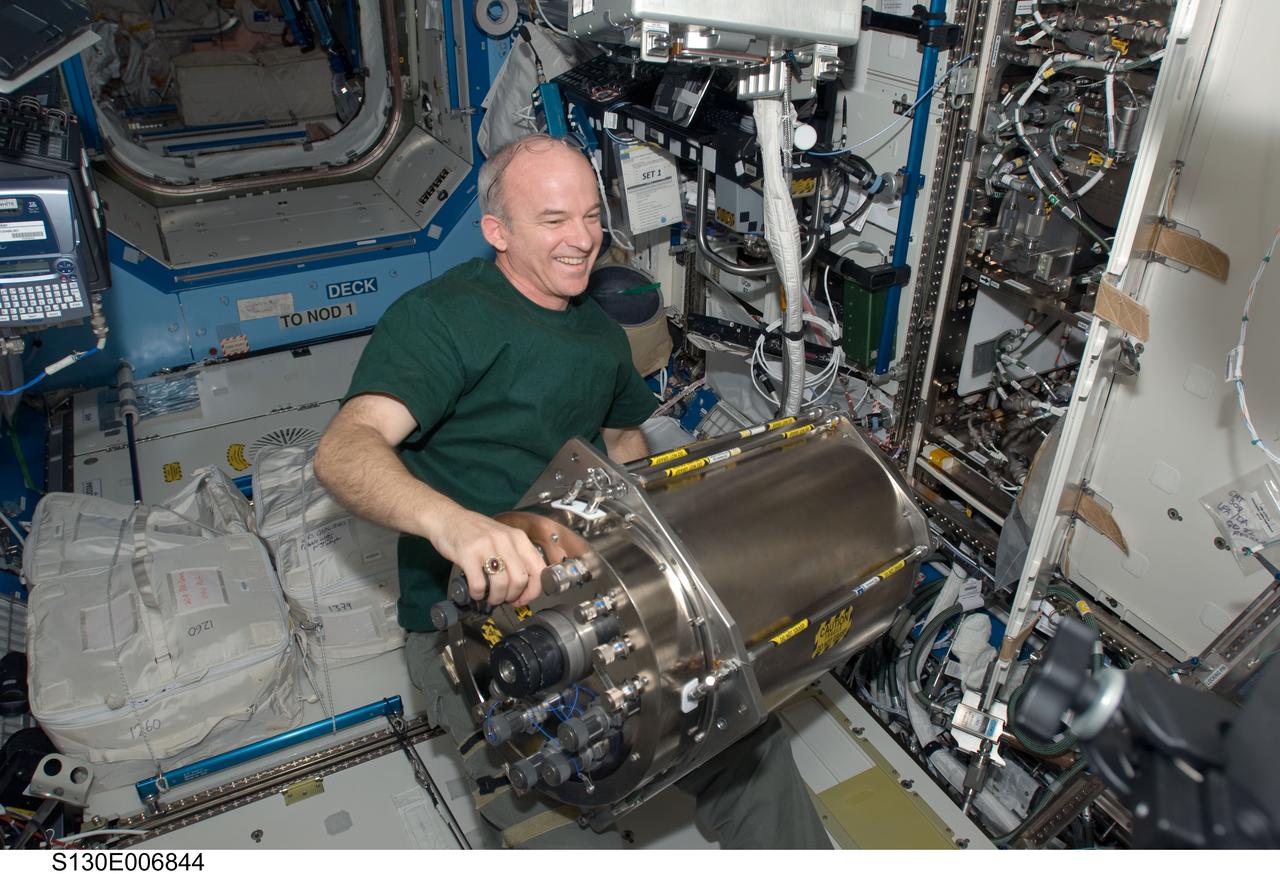
S130-E-006844 (10 Feb. 2010) --- NASA astronaut Jeffrey Williams, Expedition 22 commander, installs a Urine Processor Assembly / Distillation Assembly (UPA DA) in the Water Recovery System (WRS) rack in the Destiny laboratory of the International Space Station while space shuttle Endeavour (STS-130) remains docked with the station.

S131-E-008893 (11 April 2010) --- NASA astronaut Dorothy Metcalf-Lindenburger, STS-131 mission specialist, uses a communication system on the aft flight deck of space shuttle Discovery while docked with the International Space Station.
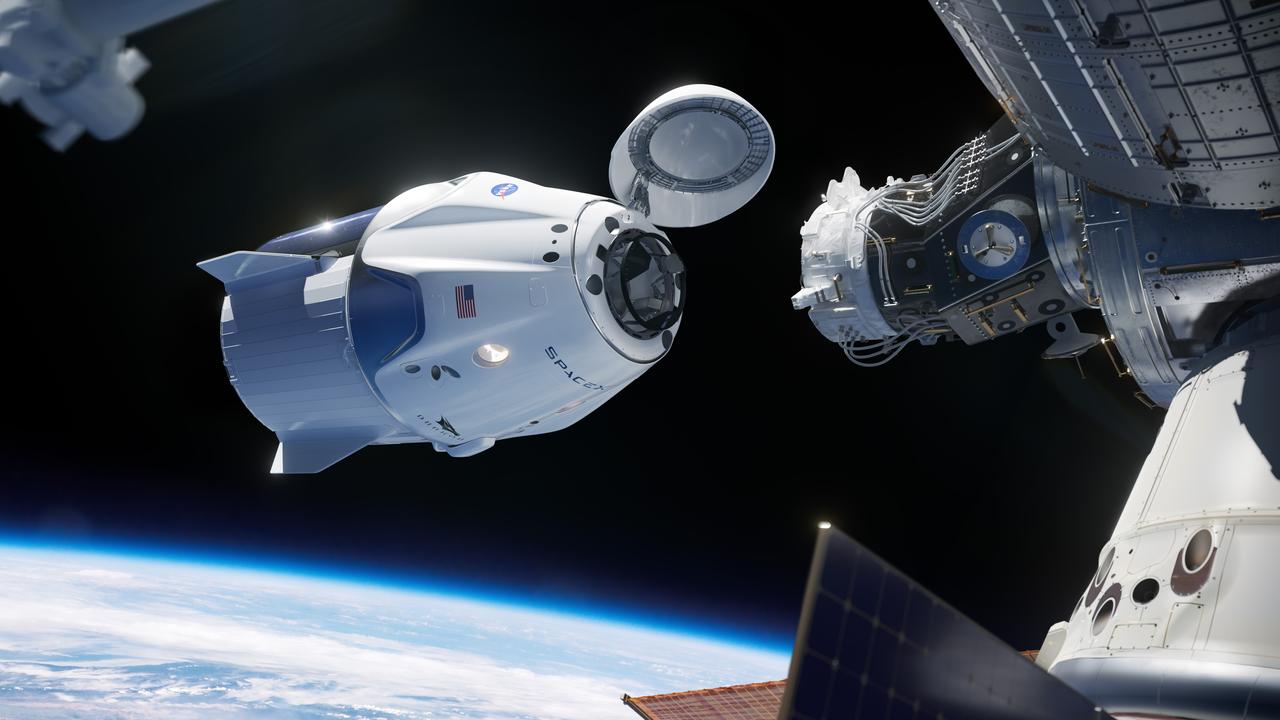
This artist illustration shows the SpaceX Crew Dragon spacecraft docking to the International Space Station. SpaceX is one of two American companies working with NASA to design, build, test and operate safe, reliable and cost-effective human transportation systems, restoring the nation’s human launch capability to and from the station.
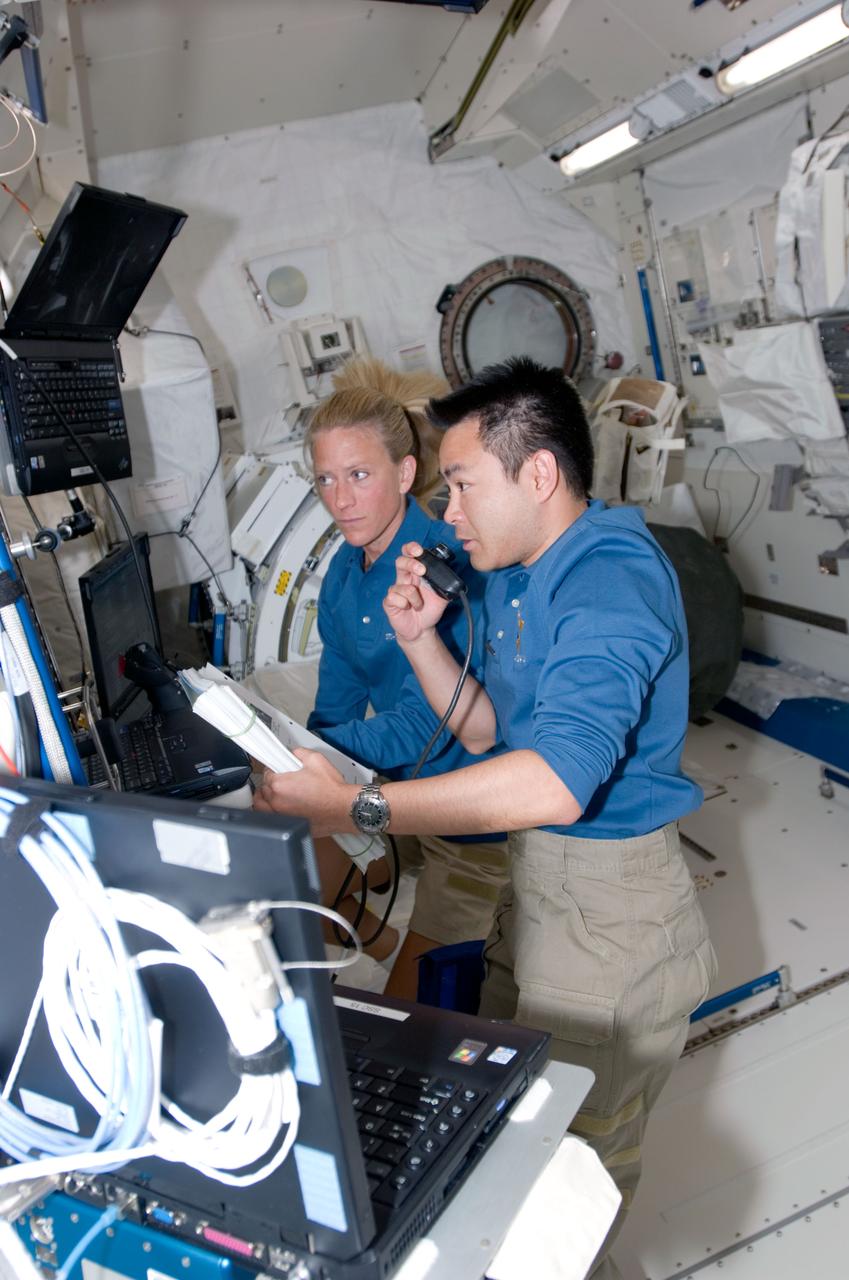
S124-E-007617 (7 June 2008) --- Japan Aerospace Exploration Agency astronaut Akihiko Hoshide and NASA astronaut Karen Nyberg, both STS-124 mission specialists, work at the Japanese Remote Manipulator System in the Kibo Japanese Pressurized Module of the International Space Station while Space Shuttle Discovery is docked with the station.
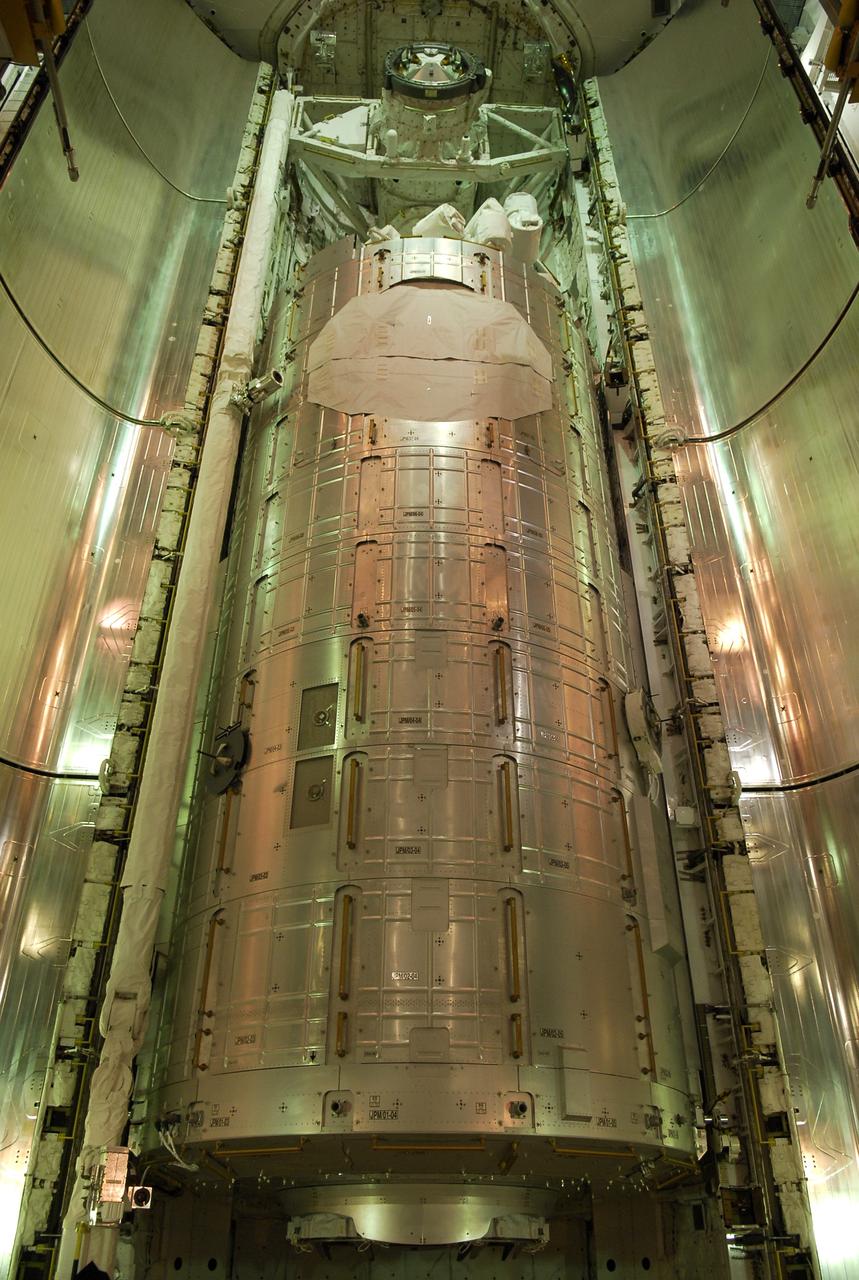
CAPE CANAVERAL, Fla. -- On Launch Pad 39A at NASA's Kennedy Space Center, the Japanese Experiment Module—Pressurized Module is seen in space shuttle Discovery's payload bay as the payload bay doors begin to close. Above the pressurized module is the orbital docking system. The launch of Discovery on its STS-124 mission is targeted for May 31. On the mission, Discovery will transport the pressurized module and the Japanese Remote Manipulator System to the International Space Station. Photo credit: NASA/Kim Shiflett
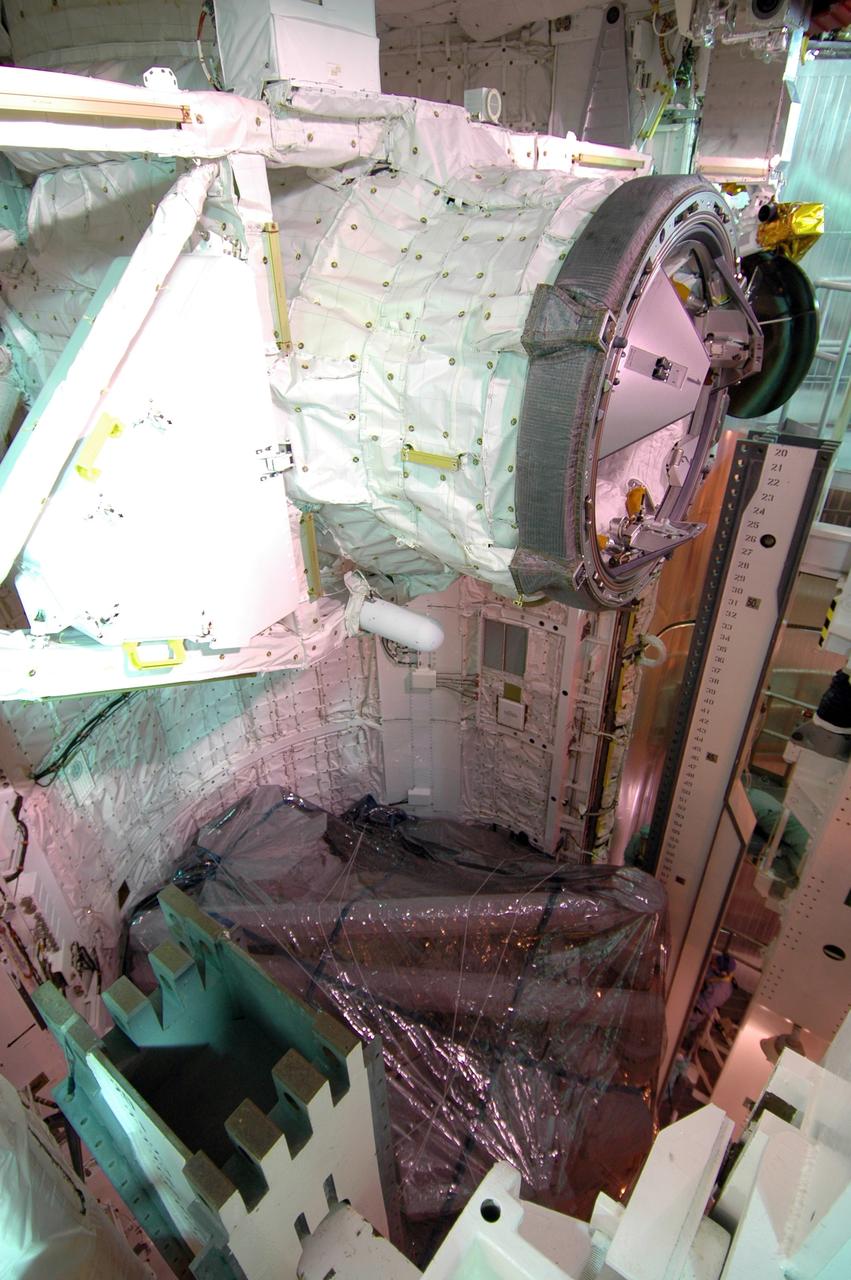
CAPE CANAVERAL, Fla. -- On Launch Pad 39A at NASA's Kennedy Space Center, the STS-124 mission payload, the Japanese Experiment Module - Pressurized Module, is being transferred from the Payload Changeout Room into space shuttle Discovery's payload bay. At top is the orbital docking system inside the payload bay. At the bottom is the Japanese Remote Manipulator System. Not visible is the pressurized module. Launch of Discovery is targeted for May 31. Photo credit: NASA/Jim Grossmann

NASA’s Pegasus barge departs from NASA’s Michoud Assembly Facility in New Orleans on April 21. The barge arrived at NASA’s Kennedy Space Center in Florida on April 27 with the largest section of the core stage for the agency’s SLS (Space Launch System) rocket that will launch the crewed Artemis III mission in 2027. Engineers will complete outfitting and vertical integration of the top four-fifths – the section containing the liquid hydrogen tank, liquid oxygen tank, intertank, and forward skirt – of the SLS core stage at NASA Kennedy. Next year’s Artemis III mission will launch astronauts to Earth’s orbit aboard the Orion spacecraft on top of SLS to test rendezvous and docking capabilities between Orion and commercial spacecraft needed to land Artemis IV astronauts on the Moon in 2028. NASA’s SLS is the only rocket capable of sending Orion, astronauts, and supplies to the Moon in a single launch. Image credit: NASA/Michael DeMocker

NASA’s Pegasus barge departs from NASA’s Michoud Assembly Facility in New Orleans on April 21. The barge arrived at NASA’s Kennedy Space Center in Florida on April 27 with the largest section of the core stage for the agency’s SLS (Space Launch System) rocket that will launch the crewed Artemis III mission in 2027. Engineers will complete outfitting and vertical integration of the top four-fifths – the section containing the liquid hydrogen tank, liquid oxygen tank, intertank, and forward skirt – of the SLS core stage at NASA Kennedy. Next year’s Artemis III mission will launch astronauts to Earth’s orbit aboard the Orion spacecraft on top of SLS to test rendezvous and docking capabilities between Orion and commercial spacecraft needed to land Artemis IV astronauts on the Moon in 2028. NASA’s SLS is the only rocket capable of sending Orion, astronauts, and supplies to the Moon in a single launch. Image credit: NASA/Michael DeMocker

NASA’s Pegasus barge departs from NASA’s Michoud Assembly Facility in New Orleans on April 21. The barge arrived at NASA’s Kennedy Space Center in Florida on April 27 with the largest section of the core stage for the agency’s SLS (Space Launch System) rocket that will launch the crewed Artemis III mission in 2027. Engineers will complete outfitting and vertical integration of the top four-fifths – the section containing the liquid hydrogen tank, liquid oxygen tank, intertank, and forward skirt – of the SLS core stage at NASA Kennedy. Next year’s Artemis III mission will launch astronauts to Earth’s orbit aboard the Orion spacecraft on top of SLS to test rendezvous and docking capabilities between Orion and commercial spacecraft needed to land Artemis IV astronauts on the Moon in 2028. NASA’s SLS is the only rocket capable of sending Orion, astronauts, and supplies to the Moon in a single launch. Image credit: NASA/Michael DeMocker

NASA’s Pegasus barge departs from NASA’s Michoud Assembly Facility in New Orleans on April 21. The barge arrived at NASA’s Kennedy Space Center in Florida on April 27 with the largest section of the core stage for the agency’s SLS (Space Launch System) rocket that will launch the crewed Artemis III mission in 2027. Engineers will complete outfitting and vertical integration of the top four-fifths – the section containing the liquid hydrogen tank, liquid oxygen tank, intertank, and forward skirt – of the SLS core stage at NASA Kennedy. Next year’s Artemis III mission will launch astronauts to Earth’s orbit aboard the Orion spacecraft on top of SLS to test rendezvous and docking capabilities between Orion and commercial spacecraft needed to land Artemis IV astronauts on the Moon in 2028. NASA’s SLS is the only rocket capable of sending Orion, astronauts, and supplies to the Moon in a single launch. Image credit: NASA/Michael DeMocker

NASA’s Pegasus barge departs from NASA’s Michoud Assembly Facility in New Orleans on April 21. The barge arrived at NASA’s Kennedy Space Center in Florida on April 27 with the largest section of the core stage for the agency’s SLS (Space Launch System) rocket that will launch the crewed Artemis III mission in 2027. Engineers will complete outfitting and vertical integration of the top four-fifths – the section containing the liquid hydrogen tank, liquid oxygen tank, intertank, and forward skirt – of the SLS core stage at NASA Kennedy. Next year’s Artemis III mission will launch astronauts to Earth’s orbit aboard the Orion spacecraft on top of SLS to test rendezvous and docking capabilities between Orion and commercial spacecraft needed to land Artemis IV astronauts on the Moon in 2028. NASA’s SLS is the only rocket capable of sending Orion, astronauts, and supplies to the Moon in a single launch. Image credit: NASA/Michael DeMocker

S66-46122 (18 July 1966) --- Agena Target Docking Vehicle 5005 is photographed from the Gemini-Titan 10 (GT-10) spacecraft during rendezvous in space. The two spacecraft are about 38 feet apart. After docking with the Agena, astronauts John W. Young, command pilot, and Michael Collins, pilot, fired the 16,000 pound thrust engine of Agena X's primary propulsion system to boost the combined vehicles into an orbit with an apogee of 413 nautical miles to set a new altitude record for manned spaceflight. Photo credit: NASA
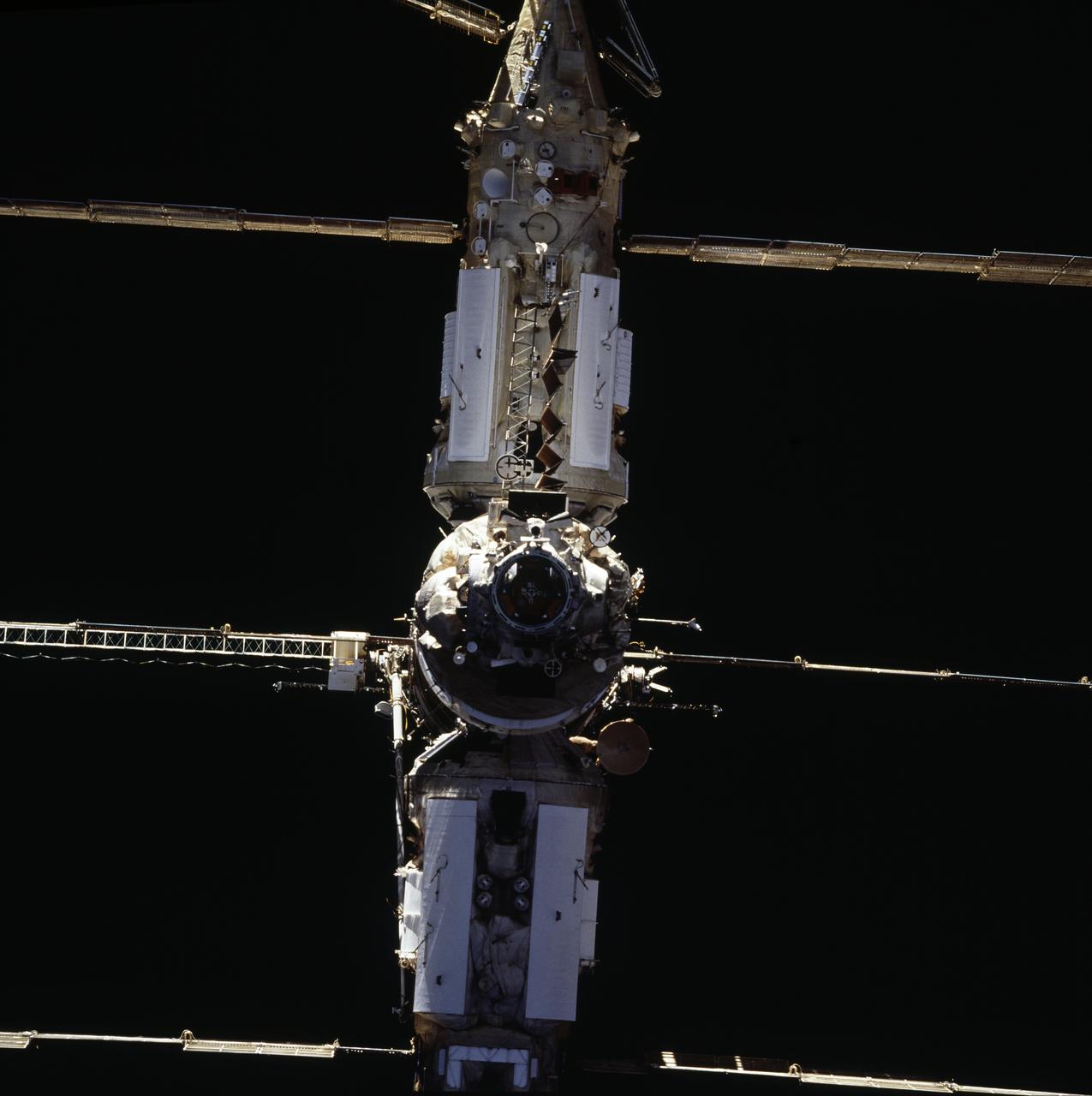
STS071-701-025 (29 June 1995) --- The approach for the June 29, 1995, link-up of the Russian Mir Space Station and the space shuttle Atlantis was recorded with a 70mm handheld camera from the aft flight deck of the Space Shuttle Atlantis. The Androgynous Peripheral Docking System (APDS) and the Kristall Module on Mir are at center frame. Later, five NASA astronauts and two Russian cosmonauts boarded Mir. The occasion was just two and a half weeks prior to the 20th anniversary of the Apollo-Soyuz Test Project (ASTP) docking in Earth-orbit.
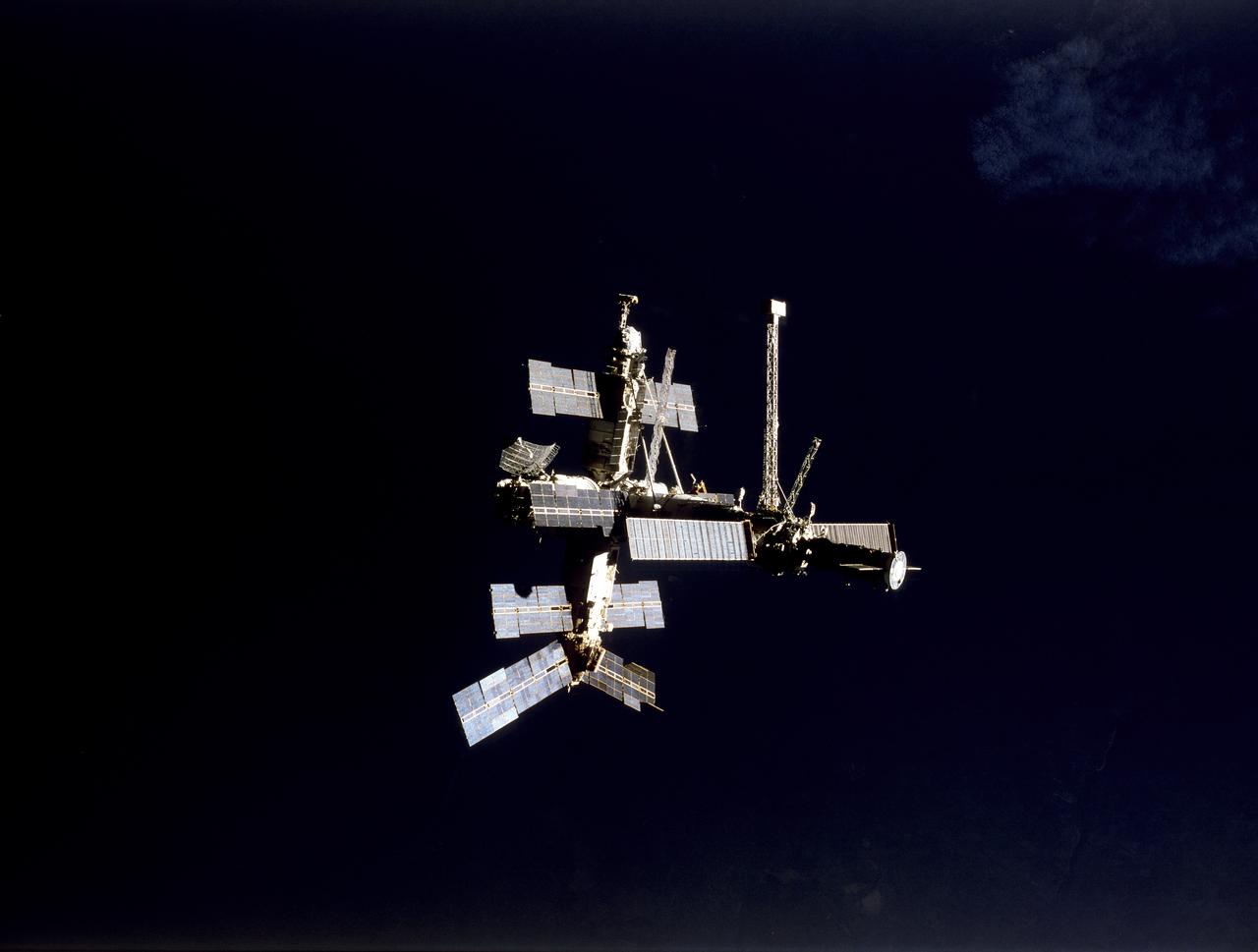
STS079-S-125 (16-26 Sept. 1996) --- Following undocking from the Space Shuttle Atlantis, Russia's Mir Space Station is backdropped against dark blue water on Earth, though it appears to be surrounded by the blackness of space. During the STS-79 mission, the crew used an IMAX camera to document Intravehicular Activities (IVA) aboard the Atlantis and the various Mir modules, as well as to record both docking and undocking activities through Atlantis' windows. NASA has flown IMAX camera systems on many Shuttle missions, including a special cargo bay camera's coverage of other recent Shuttle-Mir rendezvous and/or docking missions.
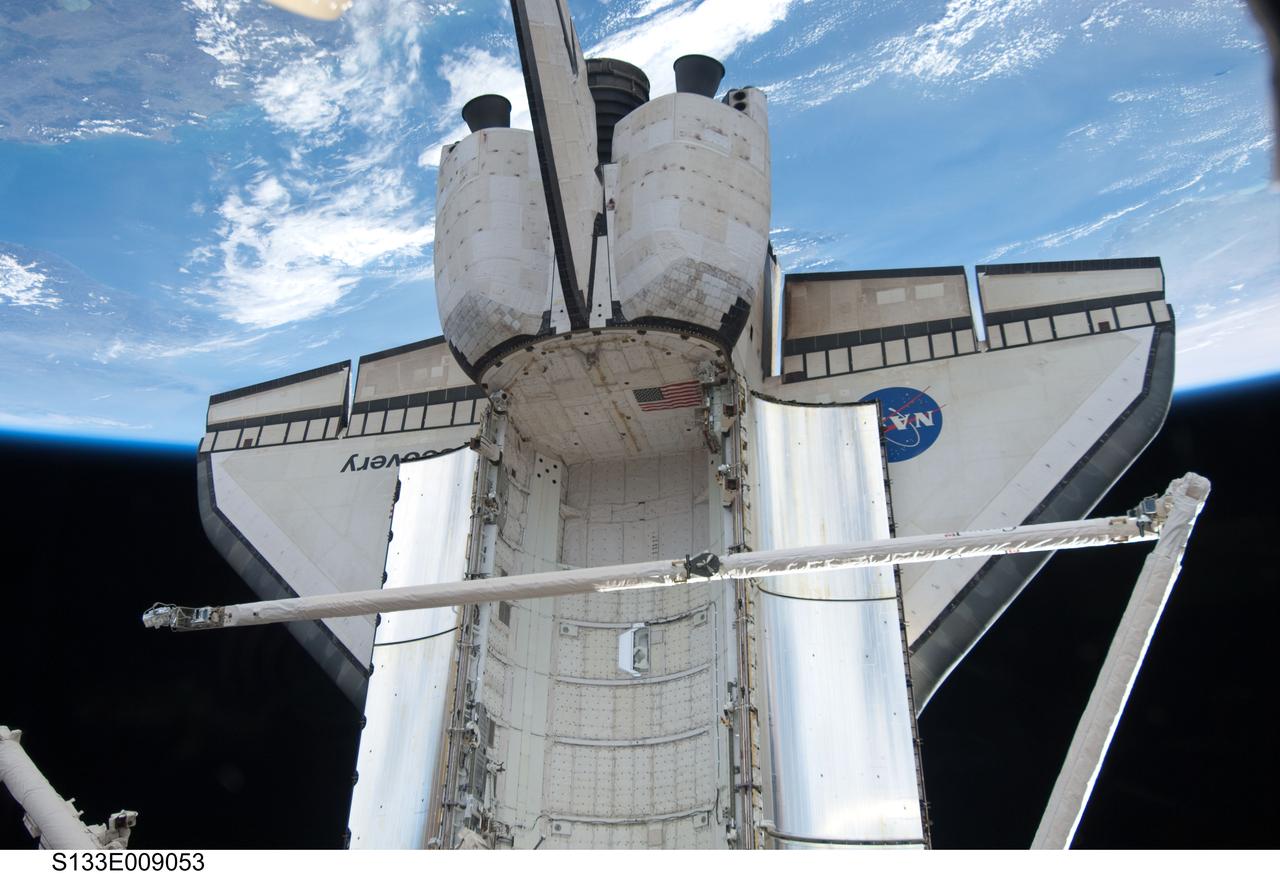
S133-E-009053 (6 March 2011) --- Backdropped by Earth’s horizon and the blackness of space, space shuttle Discovery and its remote manipulator system/orbiter boom sensor system (RMS/OBSS) is featured in this image photographed by an STS-133 crew member while docked with the International Space Station. Photo credit: NASA or National Aeronautics and Space Administration
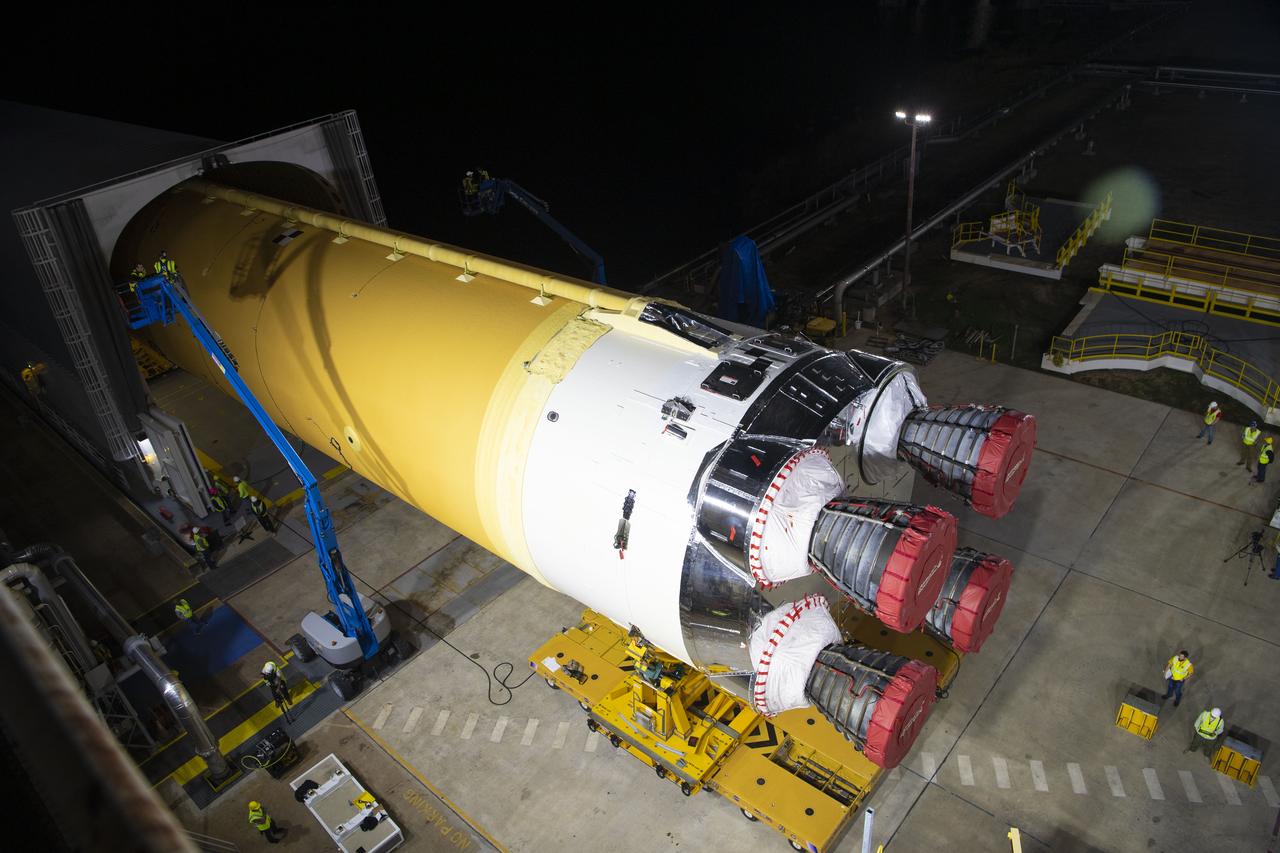
The first flight core stage for NASA’s new Space Launch System rocket arrived at Stennis Space Center on Jan. 12 for a series of tests prior to its maiden Artemis I flight. The core stage was transported from Michoud Assembly Facility in New Orleans to the B-2 Test Stand dock at Stennis aboard NASA’s Pegasus barge. Soon after arrival, the stage was rolled off of Pegasus onto the B-2 Test Stand tarmac. After the stage is lifted and installed on the B-2 stand, it will undergo a series of “Green Run” systems test that represent the first integrated testing of its sophisticated systems.
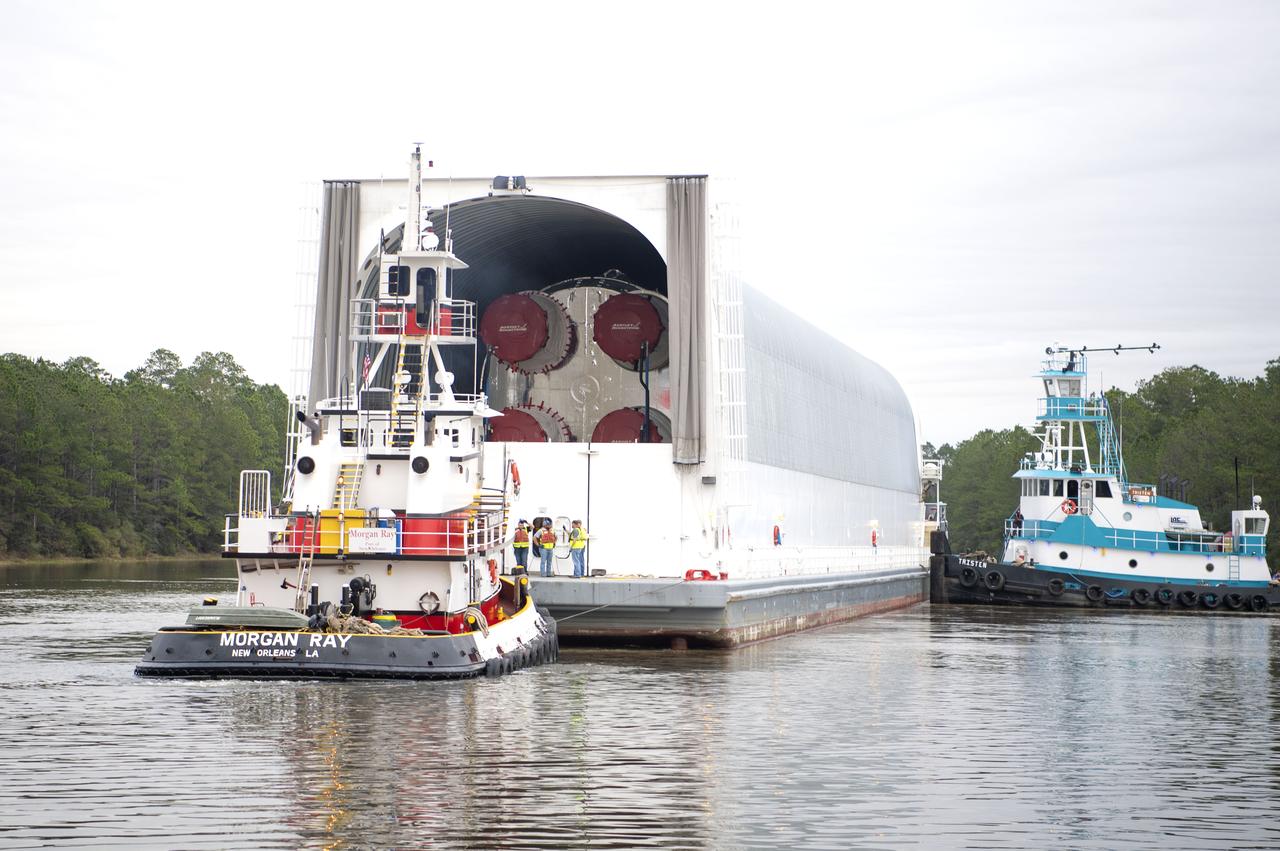
The first flight core stage for NASA’s new Space Launch System rocket arrived at Stennis Space Center on Jan. 12 for a series of tests prior to its maiden Artemis I flight. The core stage was transported from Michoud Assembly Facility in New Orleans to the B-2 Test Stand dock at Stennis aboard NASA’s Pegasus barge. Soon after arrival, the stage was rolled off of Pegasus onto the B-2 Test Stand tarmac. After the stage is lifted and installed on the B-2 stand, it will undergo a series of “Green Run” systems test that represent the first integrated testing of its sophisticated systems.
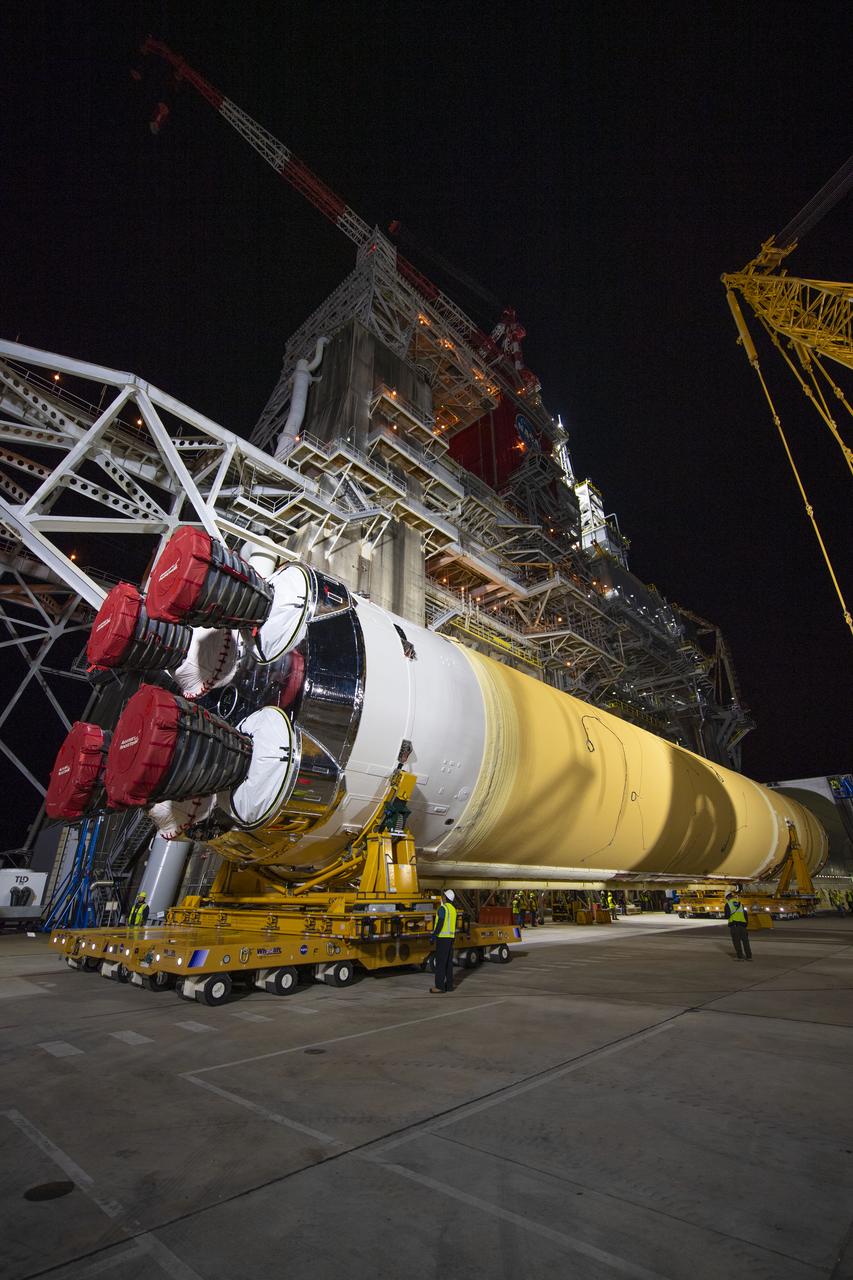
The first flight core stage for NASA’s new Space Launch System rocket arrived at Stennis Space Center on Jan. 12 for a series of tests prior to its maiden Artemis I flight. The core stage was transported from Michoud Assembly Facility in New Orleans to the B-2 Test Stand dock at Stennis aboard NASA’s Pegasus barge. Soon after arrival, the stage was rolled off of Pegasus onto the B-2 Test Stand tarmac. After the stage is lifted and installed on the B-2 stand, it will undergo a series of “Green Run” systems test that represent the first integrated testing of its sophisticated systems.
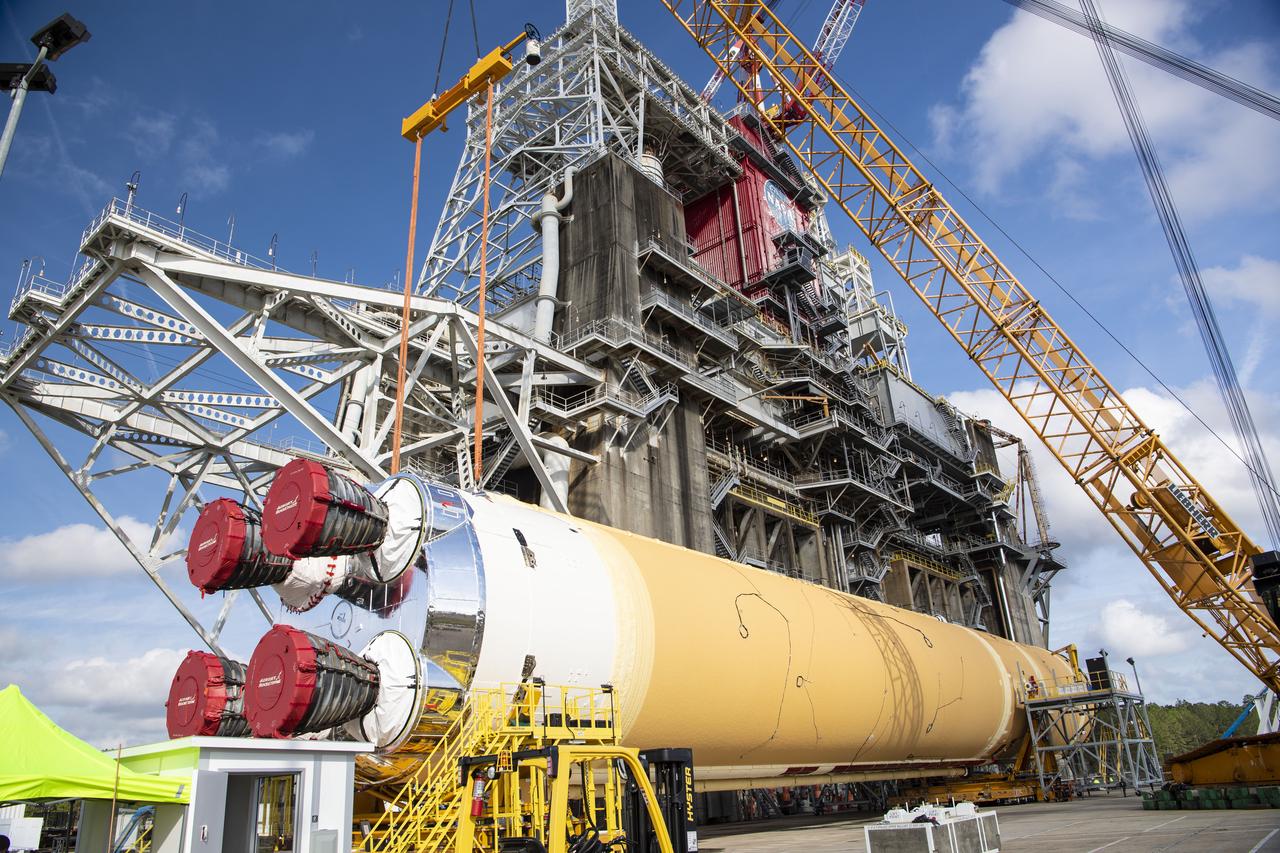
The first flight core stage for NASA’s new Space Launch System rocket arrived at Stennis Space Center on Jan. 12 for a series of tests prior to its maiden Artemis I flight. The core stage was transported from Michoud Assembly Facility in New Orleans to the B-2 Test Stand dock at Stennis aboard NASA’s Pegasus barge. Soon after arrival, the stage was rolled off of Pegasus onto the B-2 Test Stand tarmac. After the stage is lifted and installed on the B-2 stand, it will undergo a series of “Green Run” systems test that represent the first integrated testing of its sophisticated systems.
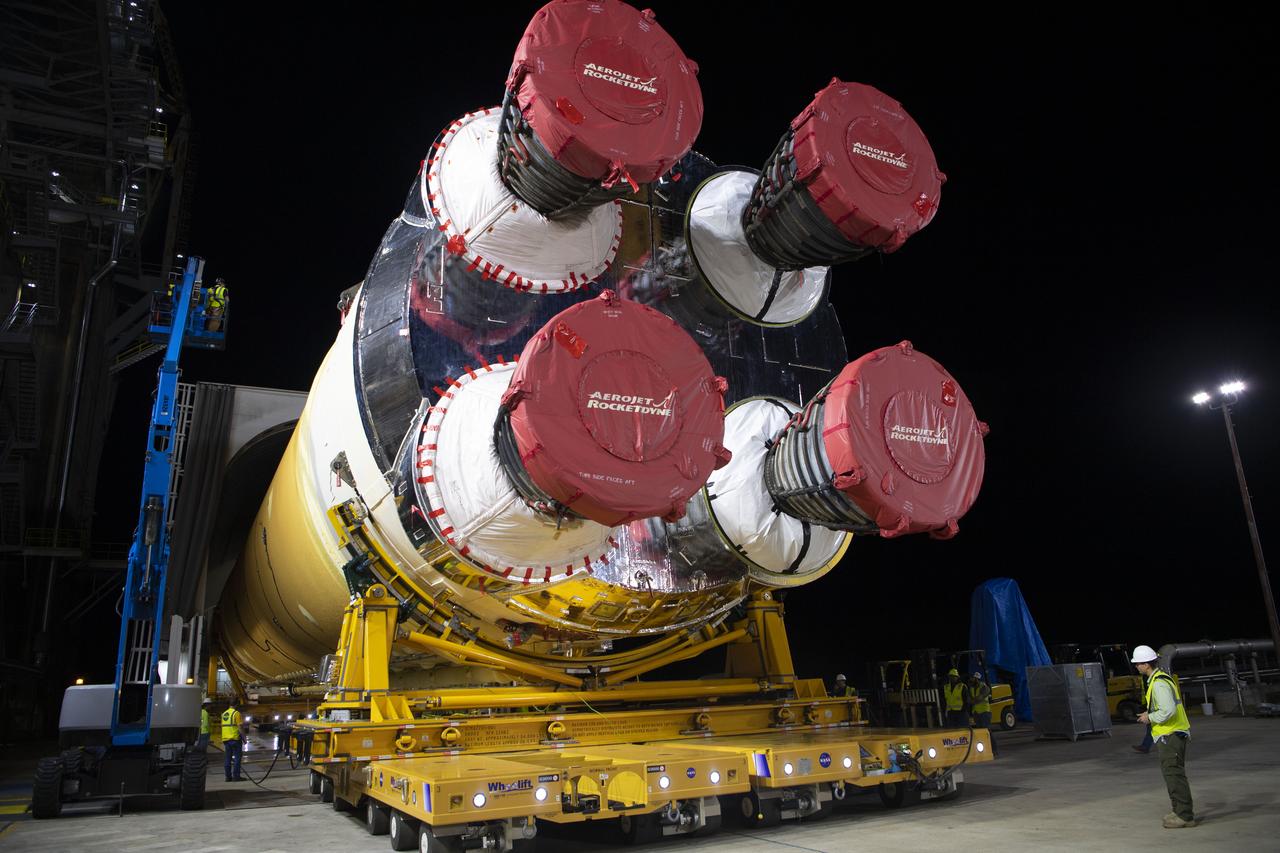
The first flight core stage for NASA’s new Space Launch System rocket arrived at Stennis Space Center on Jan. 12 for a series of tests prior to its maiden Artemis I flight. The core stage was transported from Michoud Assembly Facility in New Orleans to the B-2 Test Stand dock at Stennis aboard NASA’s Pegasus barge. Soon after arrival, the stage was rolled off of Pegasus onto the B-2 Test Stand tarmac. After the stage is lifted and installed on the B-2 stand, it will undergo a series of “Green Run” systems test that represent the first integrated testing of its sophisticated systems.
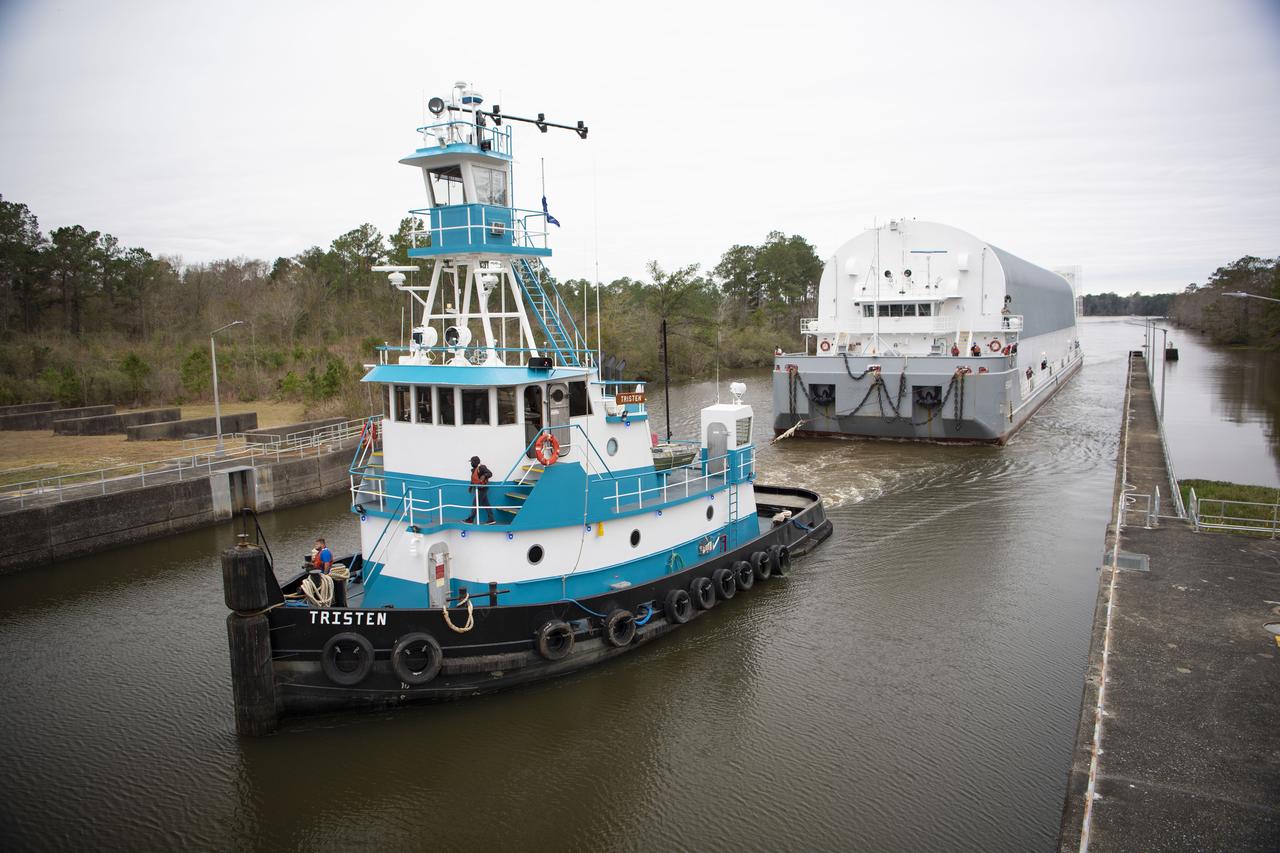
The first flight core stage for NASA’s new Space Launch System rocket arrived at Stennis Space Center on Jan. 12 for a series of tests prior to its maiden Artemis I flight. The core stage was transported from Michoud Assembly Facility in New Orleans to the B-2 Test Stand dock at Stennis aboard NASA’s Pegasus barge. Soon after arrival, the stage was rolled off of Pegasus onto the B-2 Test Stand tarmac. After the stage is lifted and installed on the B-2 stand, it will undergo a series of “Green Run” systems test that represent the first integrated testing of its sophisticated systems.
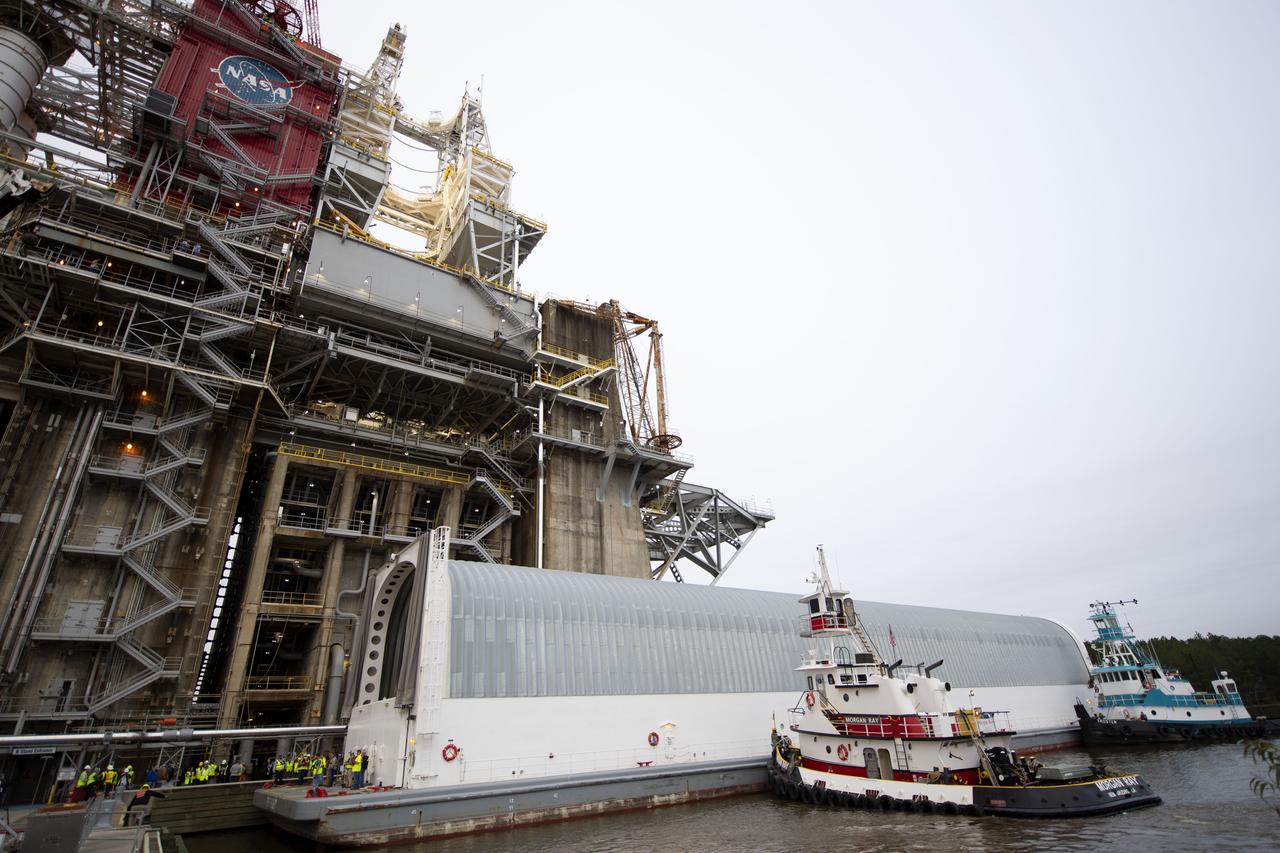
The first flight core stage for NASA’s new Space Launch System rocket arrived at Stennis Space Center on Jan. 12 for a series of tests prior to its maiden Artemis I flight. The core stage was transported from Michoud Assembly Facility in New Orleans to the B-2 Test Stand dock at Stennis aboard NASA’s Pegasus barge. Soon after arrival, the stage was rolled off of Pegasus onto the B-2 Test Stand tarmac. After the stage is lifted and installed on the B-2 stand, it will undergo a series of “Green Run” systems test that represent the first integrated testing of its sophisticated systems.
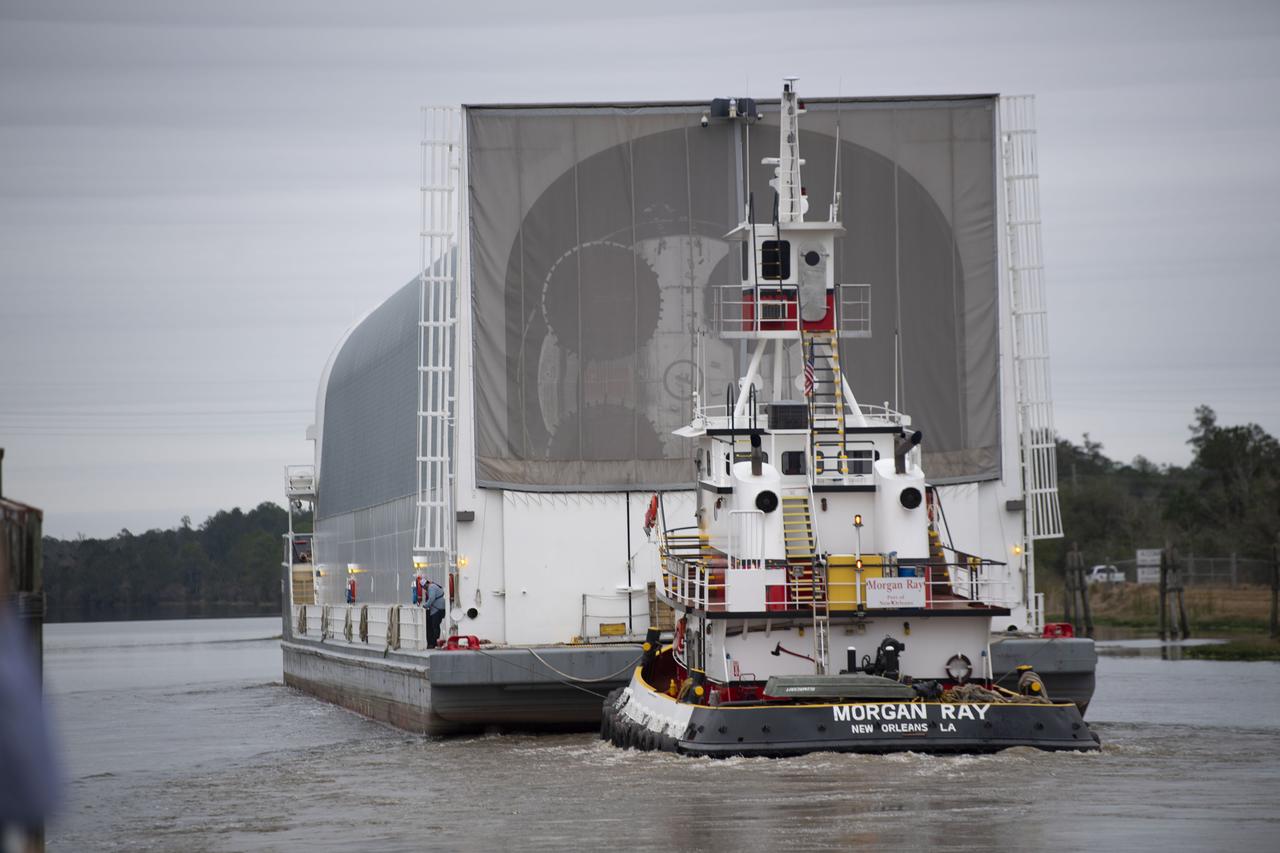
The first flight core stage for NASA’s new Space Launch System rocket arrived at Stennis Space Center on Jan. 12 for a series of tests prior to its maiden Artemis I flight. The core stage was transported from Michoud Assembly Facility in New Orleans to the B-2 Test Stand dock at Stennis aboard NASA’s Pegasus barge. Soon after arrival, the stage was rolled off of Pegasus onto the B-2 Test Stand tarmac. After the stage is lifted and installed on the B-2 stand, it will undergo a series of “Green Run” systems test that represent the first integrated testing of its sophisticated systems.
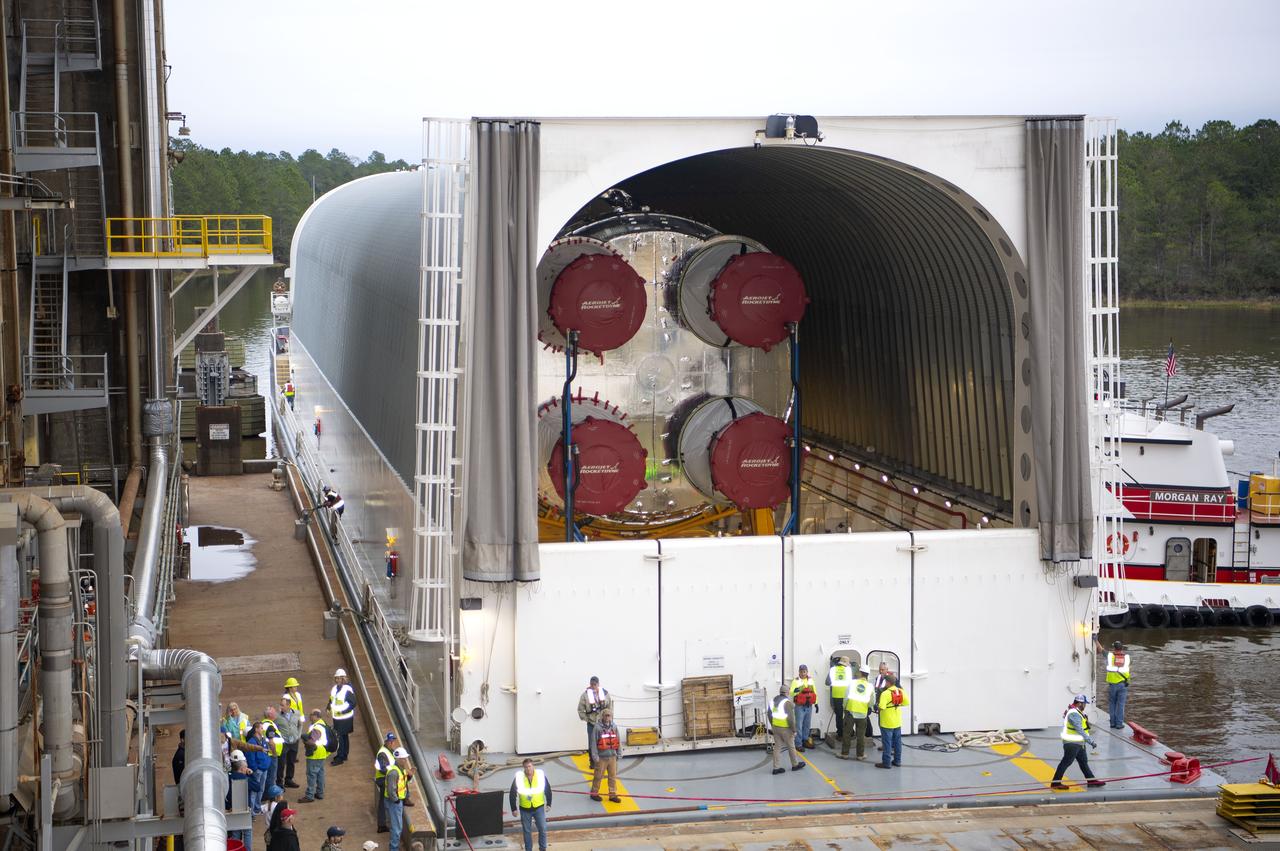
The first flight core stage for NASA’s new Space Launch System rocket arrived at Stennis Space Center on Jan. 12 for a series of tests prior to its maiden Artemis I flight. The core stage was transported from Michoud Assembly Facility in New Orleans to the B-2 Test Stand dock at Stennis aboard NASA’s Pegasus barge. Soon after arrival, the stage was rolled off of Pegasus onto the B-2 Test Stand tarmac. After the stage is lifted and installed on the B-2 stand, it will undergo a series of “Green Run” systems test that represent the first integrated testing of its sophisticated systems.
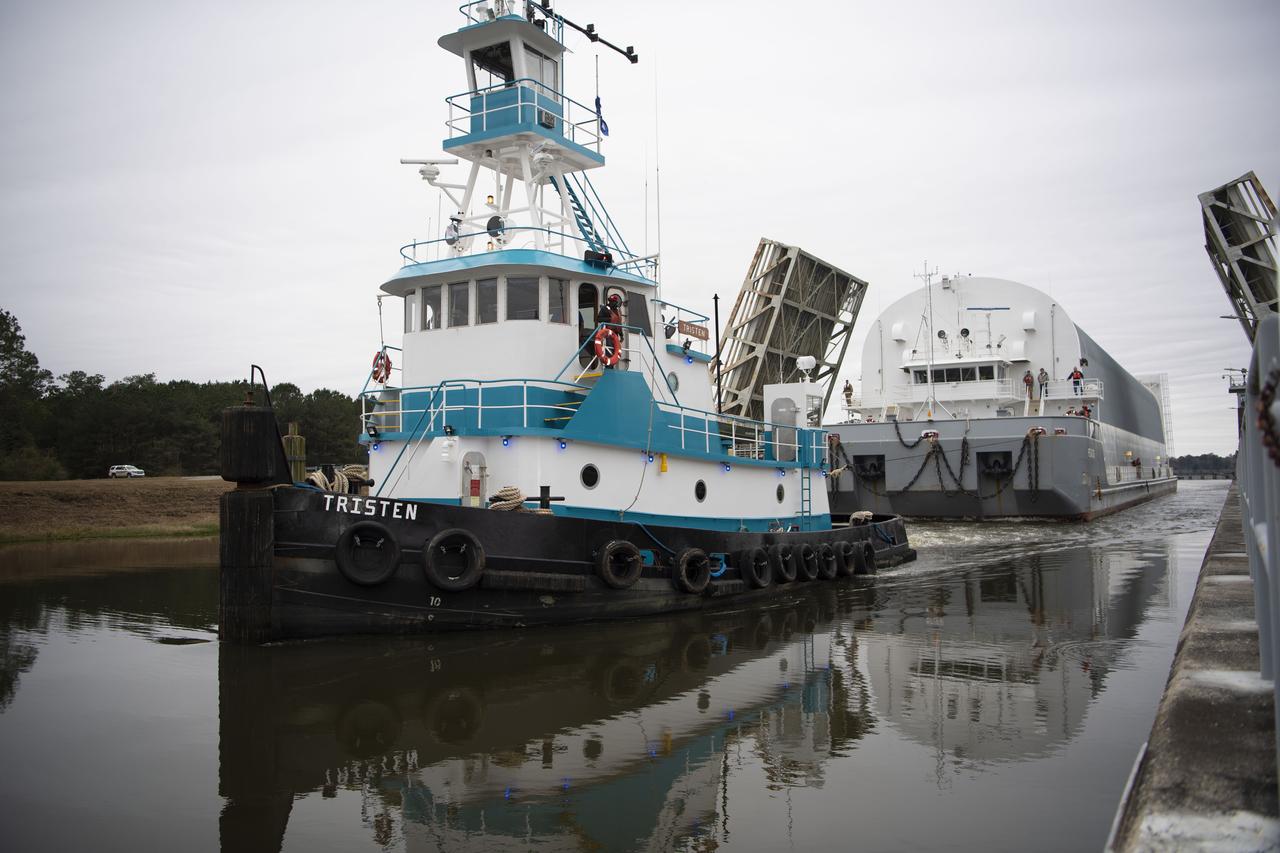
The first flight core stage for NASA’s new Space Launch System rocket arrived at Stennis Space Center on Jan. 12 for a series of tests prior to its maiden Artemis I flight. The core stage was transported from Michoud Assembly Facility in New Orleans to the B-2 Test Stand dock at Stennis aboard NASA’s Pegasus barge. Soon after arrival, the stage was rolled off of Pegasus onto the B-2 Test Stand tarmac. After the stage is lifted and installed on the B-2 stand, it will undergo a series of “Green Run” systems test that represent the first integrated testing of its sophisticated systems.
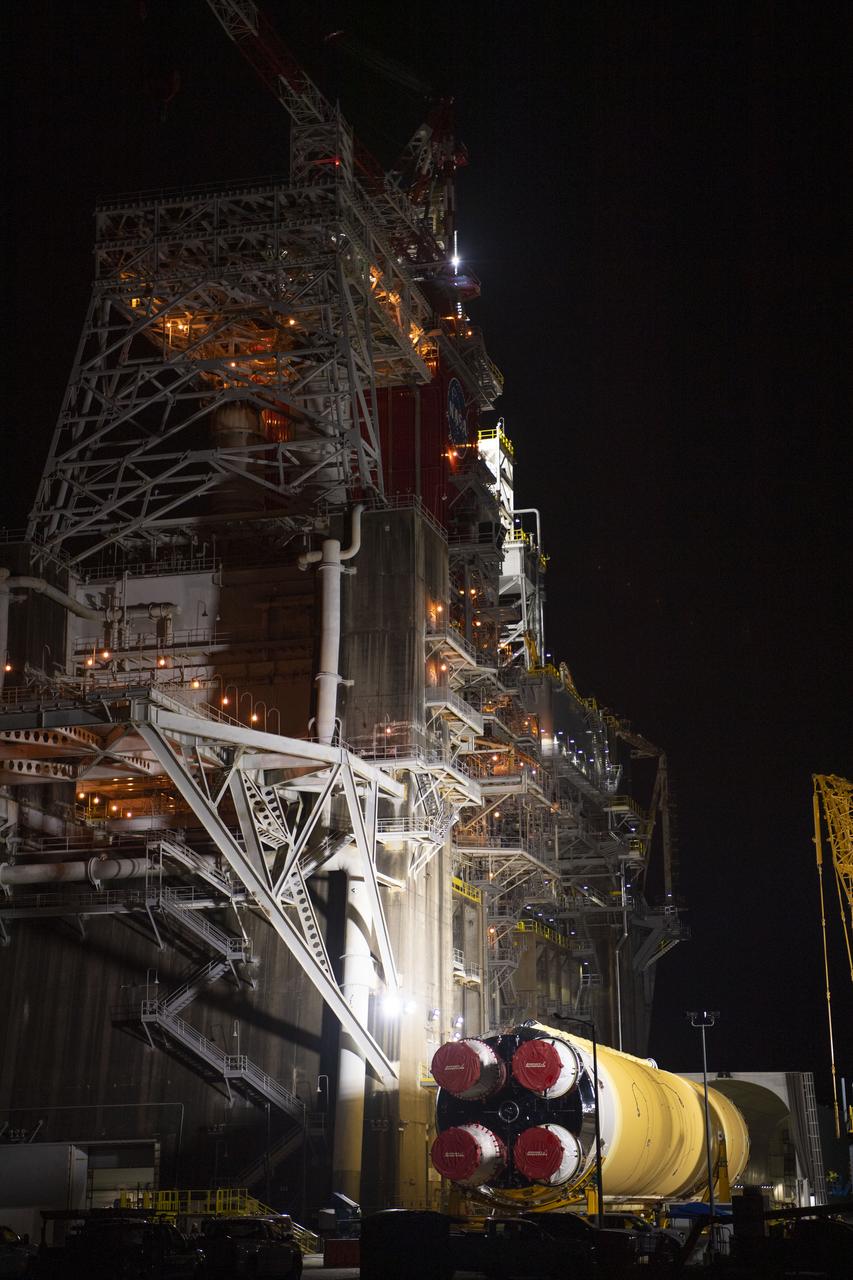
The first flight core stage for NASA’s new Space Launch System rocket arrived at Stennis Space Center on Jan. 12 for a series of tests prior to its maiden Artemis I flight. The core stage was transported from Michoud Assembly Facility in New Orleans to the B-2 Test Stand dock at Stennis aboard NASA’s Pegasus barge. Soon after arrival, the stage was rolled off of Pegasus onto the B-2 Test Stand tarmac. After the stage is lifted and installed on the B-2 stand, it will undergo a series of “Green Run” systems test that represent the first integrated testing of its sophisticated systems.
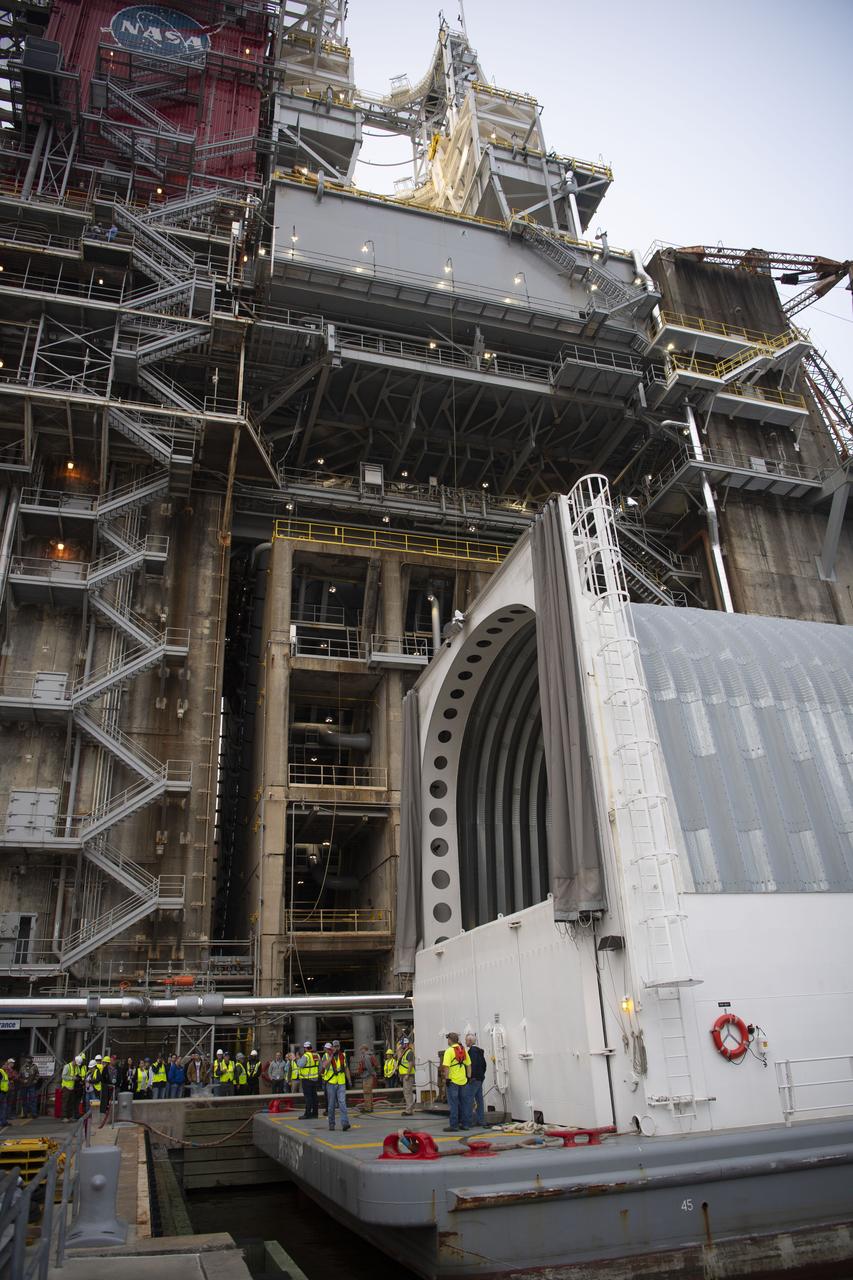
The first flight core stage for NASA’s new Space Launch System rocket arrived at Stennis Space Center on Jan. 12 for a series of tests prior to its maiden Artemis I flight. The core stage was transported from Michoud Assembly Facility in New Orleans to the B-2 Test Stand dock at Stennis aboard NASA’s Pegasus barge. Soon after arrival, the stage was rolled off of Pegasus onto the B-2 Test Stand tarmac. After the stage is lifted and installed on the B-2 stand, it will undergo a series of “Green Run” systems test that represent the first integrated testing of its sophisticated systems.
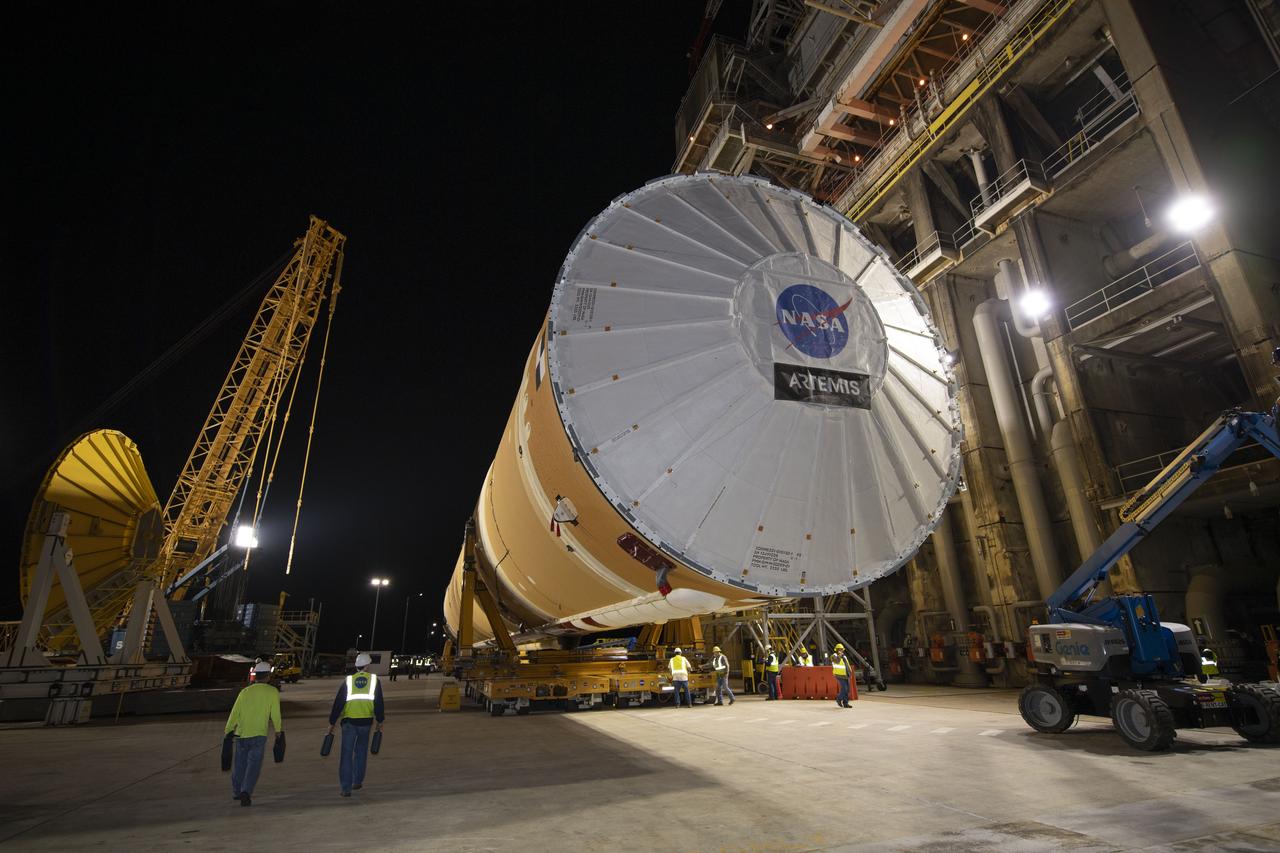
The first flight core stage for NASA’s new Space Launch System rocket arrived at Stennis Space Center on Jan. 12 for a series of tests prior to its maiden Artemis I flight. The core stage was transported from Michoud Assembly Facility in New Orleans to the B-2 Test Stand dock at Stennis aboard NASA’s Pegasus barge. Soon after arrival, the stage was rolled off of Pegasus onto the B-2 Test Stand tarmac. After the stage is lifted and installed on the B-2 stand, it will undergo a series of “Green Run” systems test that represent the first integrated testing of its sophisticated systems.
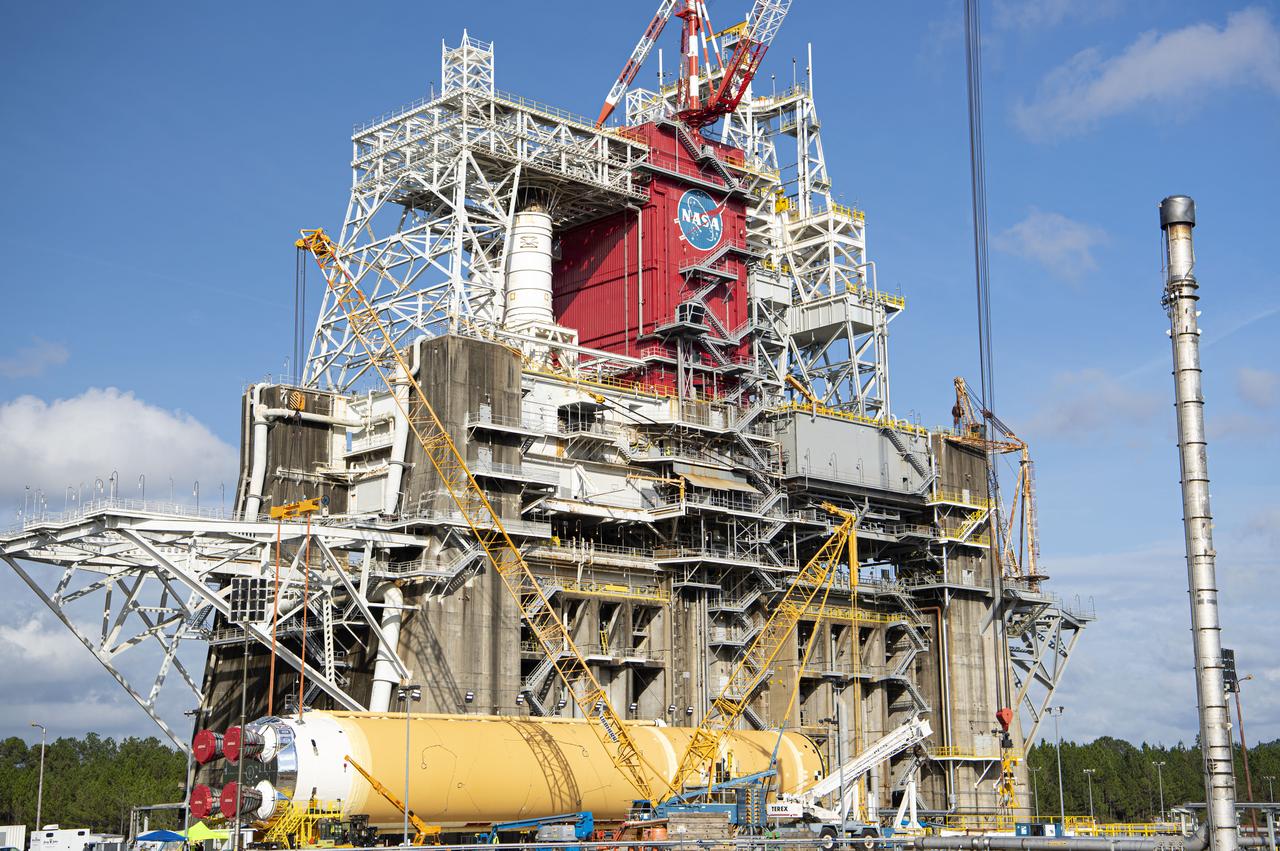
The first flight core stage for NASA’s new Space Launch System rocket arrived at Stennis Space Center on Jan. 12 for a series of tests prior to its maiden Artemis I flight. The core stage was transported from Michoud Assembly Facility in New Orleans to the B-2 Test Stand dock at Stennis aboard NASA’s Pegasus barge. Soon after arrival, the stage was rolled off of Pegasus onto the B-2 Test Stand tarmac. After the stage is lifted and installed on the B-2 stand, it will undergo a series of “Green Run” systems test that represent the first integrated testing of its sophisticated systems.
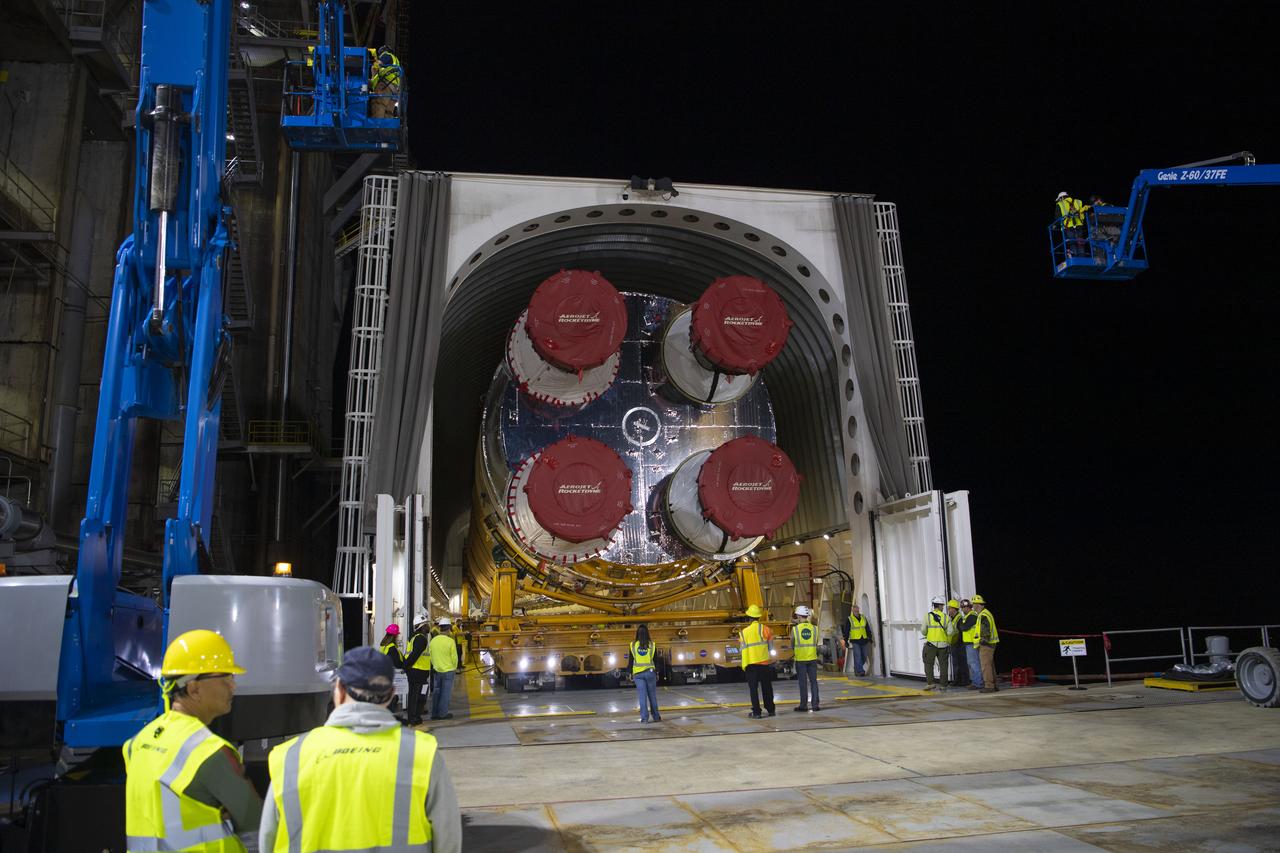
The first flight core stage for NASA’s new Space Launch System rocket arrived at Stennis Space Center on Jan. 12 for a series of tests prior to its maiden Artemis I flight. The core stage was transported from Michoud Assembly Facility in New Orleans to the B-2 Test Stand dock at Stennis aboard NASA’s Pegasus barge. Soon after arrival, the stage was rolled off of Pegasus onto the B-2 Test Stand tarmac. After the stage is lifted and installed on the B-2 stand, it will undergo a series of “Green Run” systems test that represent the first integrated testing of its sophisticated systems.
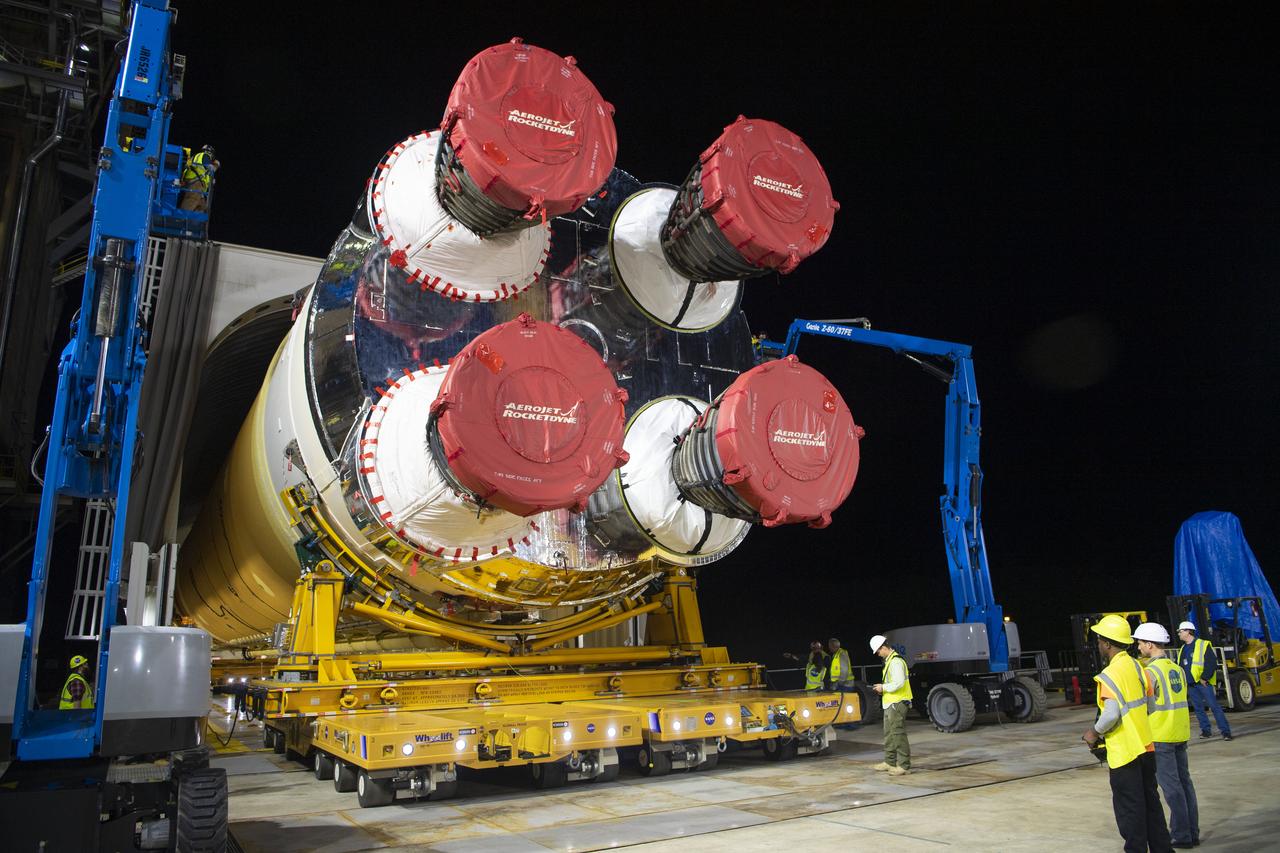
The first flight core stage for NASA’s new Space Launch System rocket arrived at Stennis Space Center on Jan. 12 for a series of tests prior to its maiden Artemis I flight. The core stage was transported from Michoud Assembly Facility in New Orleans to the B-2 Test Stand dock at Stennis aboard NASA’s Pegasus barge. Soon after arrival, the stage was rolled off of Pegasus onto the B-2 Test Stand tarmac. After the stage is lifted and installed on the B-2 stand, it will undergo a series of “Green Run” systems test that represent the first integrated testing of its sophisticated systems.
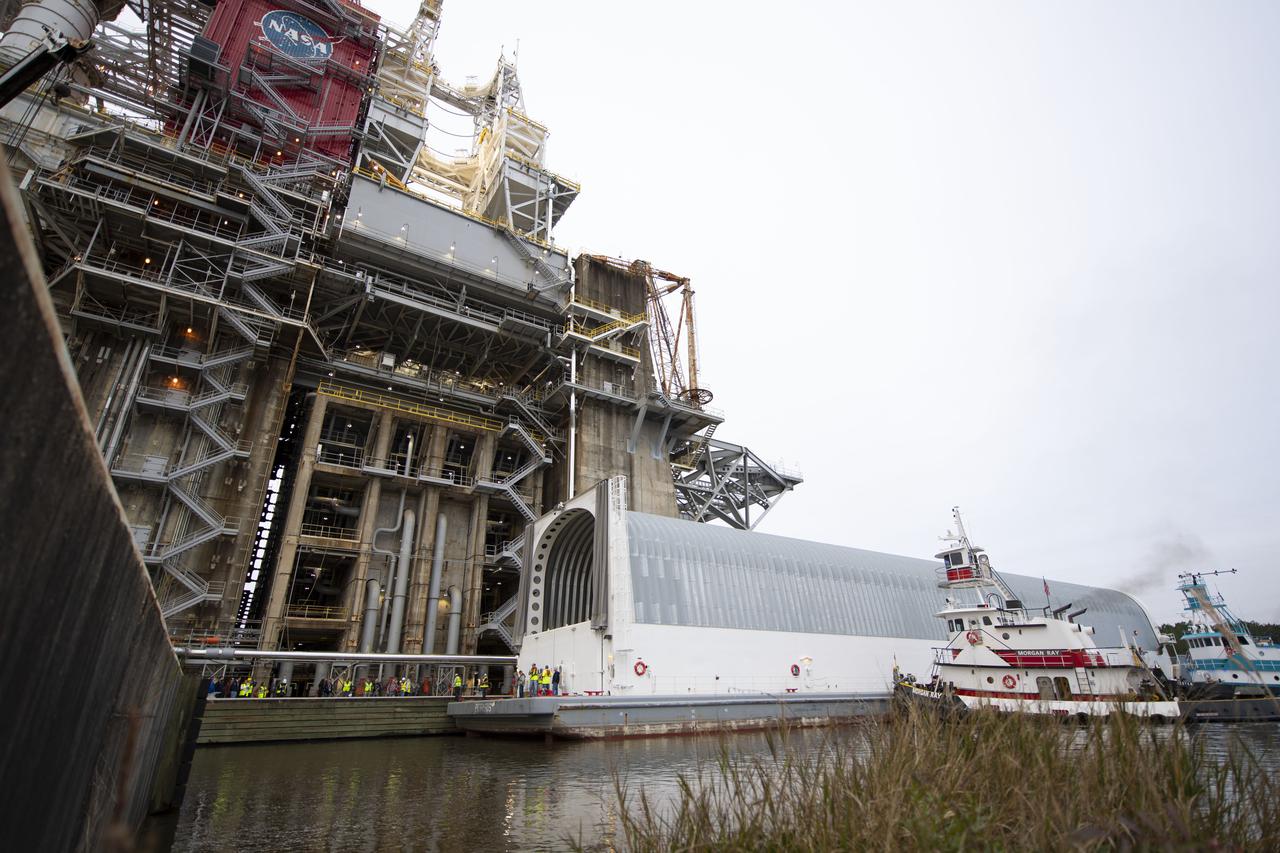
The first flight core stage for NASA’s new Space Launch System rocket arrived at Stennis Space Center on Jan. 12 for a series of tests prior to its maiden Artemis I flight. The core stage was transported from Michoud Assembly Facility in New Orleans to the B-2 Test Stand dock at Stennis aboard NASA’s Pegasus barge. Soon after arrival, the stage was rolled off of Pegasus onto the B-2 Test Stand tarmac. After the stage is lifted and installed on the B-2 stand, it will undergo a series of “Green Run” systems test that represent the first integrated testing of its sophisticated systems.
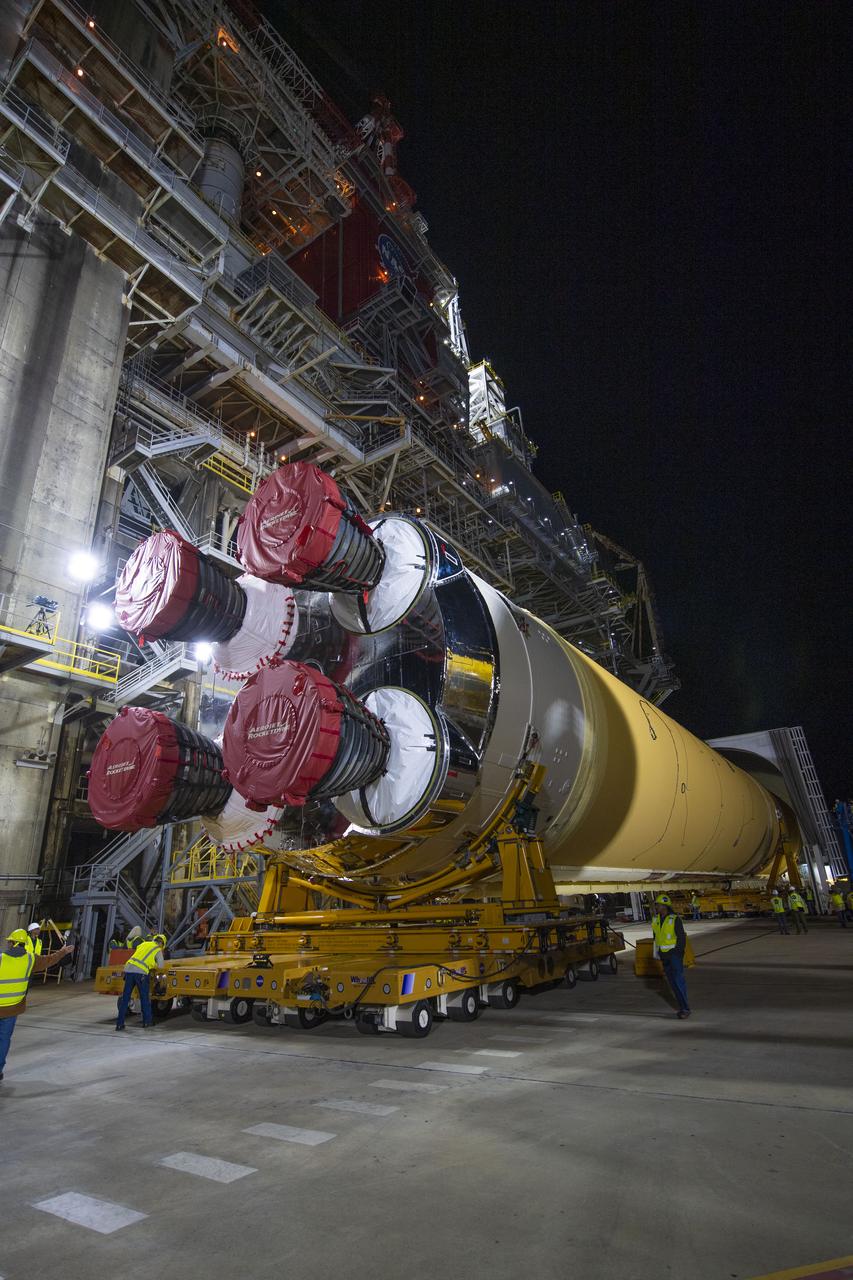
The first flight core stage for NASA’s new Space Launch System rocket arrived at Stennis Space Center on Jan. 12 for a series of tests prior to its maiden Artemis I flight. The core stage was transported from Michoud Assembly Facility in New Orleans to the B-2 Test Stand dock at Stennis aboard NASA’s Pegasus barge. Soon after arrival, the stage was rolled off of Pegasus onto the B-2 Test Stand tarmac. After the stage is lifted and installed on the B-2 stand, it will undergo a series of “Green Run” systems test that represent the first integrated testing of its sophisticated systems.
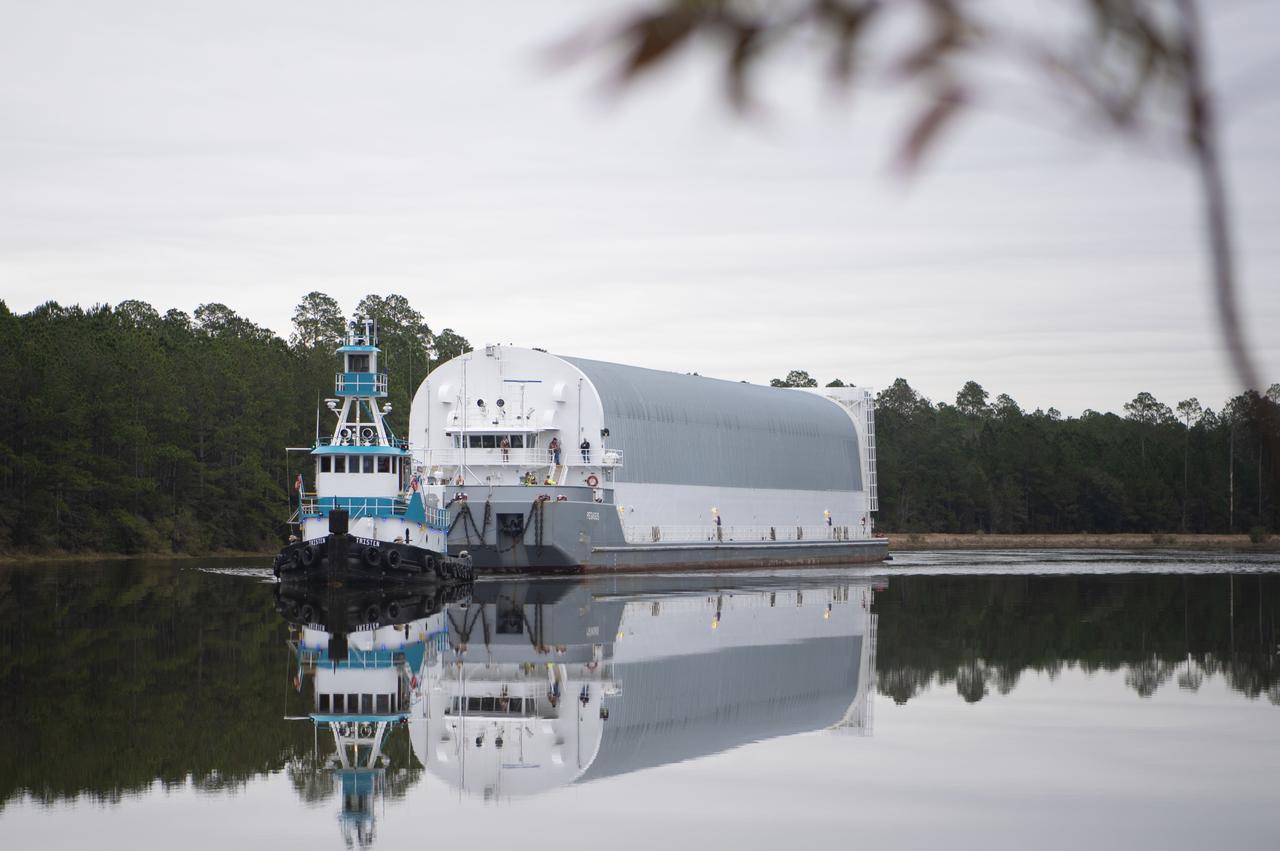
The first flight core stage for NASA’s new Space Launch System rocket arrived at Stennis Space Center on Jan. 12 for a series of tests prior to its maiden Artemis I flight. The core stage was transported from Michoud Assembly Facility in New Orleans to the B-2 Test Stand dock at Stennis aboard NASA’s Pegasus barge. Soon after arrival, the stage was rolled off of Pegasus onto the B-2 Test Stand tarmac. After the stage is lifted and installed on the B-2 stand, it will undergo a series of “Green Run” systems test that represent the first integrated testing of its sophisticated systems.

NASA employees view the live broadcast announcing the astronauts assigned to the agency's Artemis III mission, Tuesday, June 9, 2026, at the Mary W. Jackson NASA Headquarters building in Washington. NASA's Artemis III test flight will take, from left to right, NASA astronaut Randy Bresnik, ESA (European Space Agency) astronaut Luca Parmitano, and NASA astronauts Frank Rubio, and Andre Douglas to low Earth orbit where they will test rendezvous and docking capabilities between Orion and commercial human landing systems, demonstrating the systems required for future surface missions. Photo Credit: (NASA/Aubrey Gemignani)

NASA employees view the live broadcast announcing the astronauts assigned to the agency's Artemis III mission, Tuesday, June 9, 2026, at the Mary W. Jackson NASA Headquarters building in Washington. NASA's Artemis III test flight will take NASA astronauts Randy Bresnik, Frank Rubio, Andre Douglas, and ESA (European Space Agency) astronaut Luca Parmitano to low Earth orbit where they will test rendezvous and docking capabilities between Orion and commercial human landing systems, demonstrating the systems required for future surface missions. Photo Credit: (NASA/Aubrey Gemignani)

NASA employees view the live broadcast announcing the astronauts assigned to the agency's Artemis III mission, Tuesday, June 9, 2026, at the Mary W. Jackson NASA Headquarters building in Washington. NASA's Artemis III test flight will take NASA astronauts Randy Bresnik, Frank Rubio, Andre Douglas, and ESA (European Space Agency) astronaut Luca Parmitano to low Earth orbit where they will test rendezvous and docking capabilities between Orion and commercial human landing systems, demonstrating the systems required for future surface missions. Photo Credit: (NASA/Aubrey Gemignani)

NASA employees view the live broadcast announcing the astronauts assigned to the agency's Artemis III mission, Tuesday, June 9, 2026, at the Mary W. Jackson NASA Headquarters building in Washington. NASA's Artemis III test flight will take NASA astronauts Randy Bresnik, Frank Rubio, Andre Douglas, and ESA (European Space Agency) astronaut Luca Parmitano to low Earth orbit where they will test rendezvous and docking capabilities between Orion and commercial human landing systems, demonstrating the systems required for future surface missions. Photo Credit: (NASA/Aubrey Gemignani)

NASA employees view the live broadcast announcing the astronauts assigned to the agency's Artemis III mission, Tuesday, June 9, 2026, at the Mary W. Jackson NASA Headquarters building in Washington. NASA's Artemis III test flight will take NASA astronauts Randy Bresnik, Frank Rubio, Andre Douglas, and ESA (European Space Agency) astronaut Luca Parmitano to low Earth orbit where they will test rendezvous and docking capabilities between Orion and commercial human landing systems, demonstrating the systems required for future surface missions. Photo Credit: (NASA/Aubrey Gemignani)

NASA employees view the live broadcast announcing the astronauts assigned to the agency's Artemis III mission, Tuesday, June 9, 2026, at the Mary W. Jackson NASA Headquarters building in Washington. NASA's Artemis III test flight will take NASA astronauts Randy Bresnik, Frank Rubio, Andre Douglas, and ESA (European Space Agency) astronaut Luca Parmitano to low Earth orbit where they will test rendezvous and docking capabilities between Orion and commercial human landing systems, demonstrating the systems required for future surface missions. Photo Credit: (NASA/Aubrey Gemignani)

NASA employees view the live broadcast announcing the astronauts assigned to the agency's Artemis III mission, Tuesday, June 9, 2026, at the Mary W. Jackson NASA Headquarters building in Washington. NASA's Artemis III test flight will take NASA astronauts Randy Bresnik, Frank Rubio, Andre Douglas, and ESA (European Space Agency) astronaut Luca Parmitano to low Earth orbit where they will test rendezvous and docking capabilities between Orion and commercial human landing systems, demonstrating the systems required for future surface missions. Photo Credit: (NASA/Aubrey Gemignani)

NASA Administrator Jared Isaacman, second from left; George Alderman, deputy press secretary, left; Amit Kshatriya, NASA associate administrator, third from left; and Lori Glaze, acting associate administrator for NASA’s Exploration Systems Development Mission Directorate (ESDMD), right, participate in a press conference, Friday, Feb. 27, 2026, at NASA’s Kennedy Space Center in Florida. Agency leadership shared updates regarding the Artemis II mission and outlined the path forward for the Artemis campaign, including a new Artemis III mission in which the agency’s Orion spacecraft will dock with one or both Human Landing System landers in low Earth orbit. Photo Credit: (NASA/John Kraus)

NASA employees view the live broadcast announcing the astronauts assigned to the agency's Artemis III mission, Tuesday, June 9, 2026, at the Mary W. Jackson NASA Headquarters building in Washington. NASA's Artemis III test flight will take NASA astronauts Randy Bresnik, Frank Rubio, Andre Douglas, and ESA (European Space Agency) astronaut Luca Parmitano to low Earth orbit where they will test rendezvous and docking capabilities between Orion and commercial human landing systems, demonstrating the systems required for future surface missions. Photo Credit: (NASA/Aubrey Gemignani)

The live broadcast announcing the astronauts assigned to the agency's Artemis III mission is seen in the James E. Webb Memorial Auditorium, Tuesday, June 9, 2026, at the Mary W. Jackson NASA Headquarters building in Washington. NASA's Artemis III test flight will take, from left to right, NASA astronaut Randy Bresnik, ESA (European Space Agency) astronaut Luca Parmitano, and NASA astronauts Frank Rubio, and Andre Douglas to low Earth orbit where they will test rendezvous and docking capabilities between Orion and commercial human landing systems, demonstrating the systems required for future surface missions. Photo Credit: (NASA/Aubrey Gemignani)
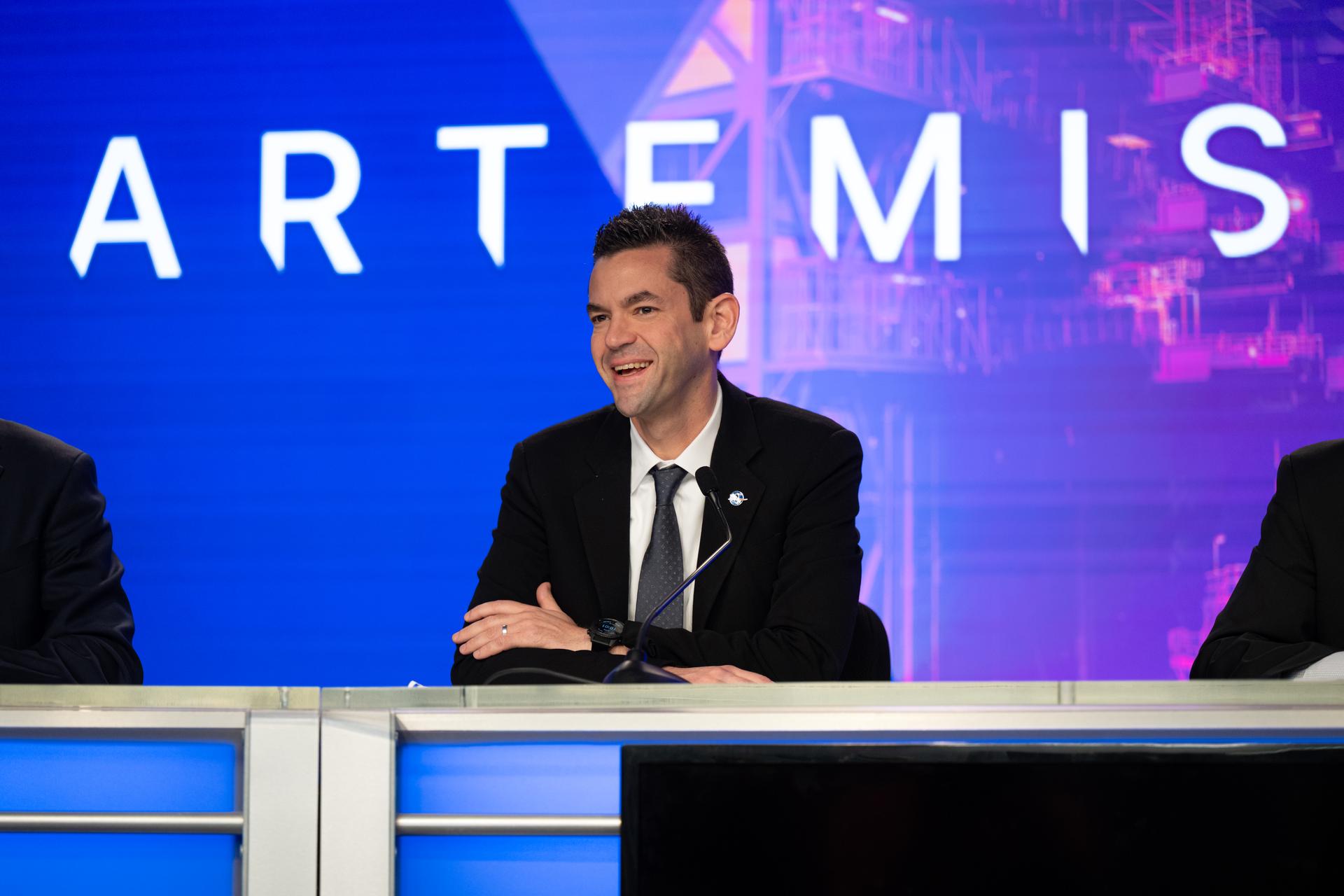
NASA Administrator Jared Isaacman participates in a press conference, Friday, Feb. 27, 2026, at NASA’s Kennedy Space Center in Florida. Isaacman, joined by Amit Kshatriya, NASA associate administrator, not pictured, and Lori Glaze, acting associate administrator for NASA’s Exploration Systems Development Mission Directorate (ESDMD), not pictured, and George Alderman, deputy press secretary, not pictured, shared updates regarding the Artemis II mission and outlined the path forward for the Artemis campaign, including a new Artemis III mission in which the agency’s Orion spacecraft will dock with one or both Human Landing System landers in low Earth orbit. Photo Credit: (NASA/John Kraus)

NASA employees view the live broadcast announcing the astronauts assigned to the agency's Artemis III mission, Tuesday, June 9, 2026, at the Mary W. Jackson NASA Headquarters building in Washington. NASA's Artemis III test flight will take NASA astronauts Randy Bresnik, Frank Rubio, Andre Douglas, and ESA (European Space Agency) astronaut Luca Parmitano to low Earth orbit where they will test rendezvous and docking capabilities between Orion and commercial human landing systems, demonstrating the systems required for future surface missions. Photo Credit: (NASA/Aubrey Gemignani)

NASA employees view the live broadcast announcing the astronauts assigned to the agency's Artemis III mission, Tuesday, June 9, 2026, at the Mary W. Jackson NASA Headquarters building in Washington. NASA's Artemis III test flight will take NASA astronauts Randy Bresnik, Frank Rubio, Andre Douglas, and ESA (European Space Agency) astronaut Luca Parmitano to low Earth orbit where they will test rendezvous and docking capabilities between Orion and commercial human landing systems, demonstrating the systems required for future surface missions. Photo Credit: (NASA/Aubrey Gemignani)
![Multiple exposure of Gemini rendezvous docking simulator. Francis B. Smith wrote in his paper "Simulators for Manned Space Research," "The rendezvous and docking operation of the Gemini spacecraft with the Agena and of the Apollo Command Module with the Lunar Excursion Module have been the subject of simulator studies for several years. [This figure] illustrates the Gemini-Agena rendezvous docking simulator at Langley. The Gemini spacecraft was supported in a gimbal system by an overhead crane and gantry arrangement which provided 6 degrees of freedom - roll, pitch, yaw, and translation in any direction - all controllable by the astronaut in the spacecraft. Here again the controls fed into a computer which in turn provided an input to the servos driving the spacecraft so that it responded to control motions in a manner which accurately simulated the Gemini spacecraft." A.W. Vogeley further described the simulator in his paper "Discussion of Existing and Planned Simulators For Space Research," "Docking operations are considered to start when the pilot first can discern vehicle target size and aspect and terminate, of course, when soft contact is made. ... This facility enables simulation of the docking operation from a distance of 200 feet to actual contact with the target. A full-scale mock-up of the target vehicle is suspended near one end of the track. ... On [the Agena target] we have mounted the actual Agena docking mechanism and also various types of visual aids. We have been able to devise visual aids which have made it possible to accomplish nighttime docking with as much success as daytime docking." -- Published in Barton C. Hacker and James M. Grimwood, On the Shoulders of Titans: A History of Project Gemini, NASA SP-4203; Francis B. Smith, "Simulators for Manned Space Research," Paper presented at the 1966 IEEE International convention, March 21-25, 1966; A.W. Vogeley, "Discussion of Existing and Planned Simulators For Space Research," Paper presented at the Conference on the Role of Simulation in Space Technology, August 17-21, 1964.](https://images-assets.nasa.gov/image/LRC-1963-B701_P-08973/LRC-1963-B701_P-08973~medium.jpg)
Multiple exposure of Gemini rendezvous docking simulator. Francis B. Smith wrote in his paper "Simulators for Manned Space Research," "The rendezvous and docking operation of the Gemini spacecraft with the Agena and of the Apollo Command Module with the Lunar Excursion Module have been the subject of simulator studies for several years. [This figure] illustrates the Gemini-Agena rendezvous docking simulator at Langley. The Gemini spacecraft was supported in a gimbal system by an overhead crane and gantry arrangement which provided 6 degrees of freedom - roll, pitch, yaw, and translation in any direction - all controllable by the astronaut in the spacecraft. Here again the controls fed into a computer which in turn provided an input to the servos driving the spacecraft so that it responded to control motions in a manner which accurately simulated the Gemini spacecraft." A.W. Vogeley further described the simulator in his paper "Discussion of Existing and Planned Simulators For Space Research," "Docking operations are considered to start when the pilot first can discern vehicle target size and aspect and terminate, of course, when soft contact is made. ... This facility enables simulation of the docking operation from a distance of 200 feet to actual contact with the target. A full-scale mock-up of the target vehicle is suspended near one end of the track. ... On [the Agena target] we have mounted the actual Agena docking mechanism and also various types of visual aids. We have been able to devise visual aids which have made it possible to accomplish nighttime docking with as much success as daytime docking." -- Published in Barton C. Hacker and James M. Grimwood, On the Shoulders of Titans: A History of Project Gemini, NASA SP-4203; Francis B. Smith, "Simulators for Manned Space Research," Paper presented at the 1966 IEEE International convention, March 21-25, 1966; A.W. Vogeley, "Discussion of Existing and Planned Simulators For Space Research," Paper presented at the Conference on the Role of Simulation in Space Technology, August 17-21, 1964.
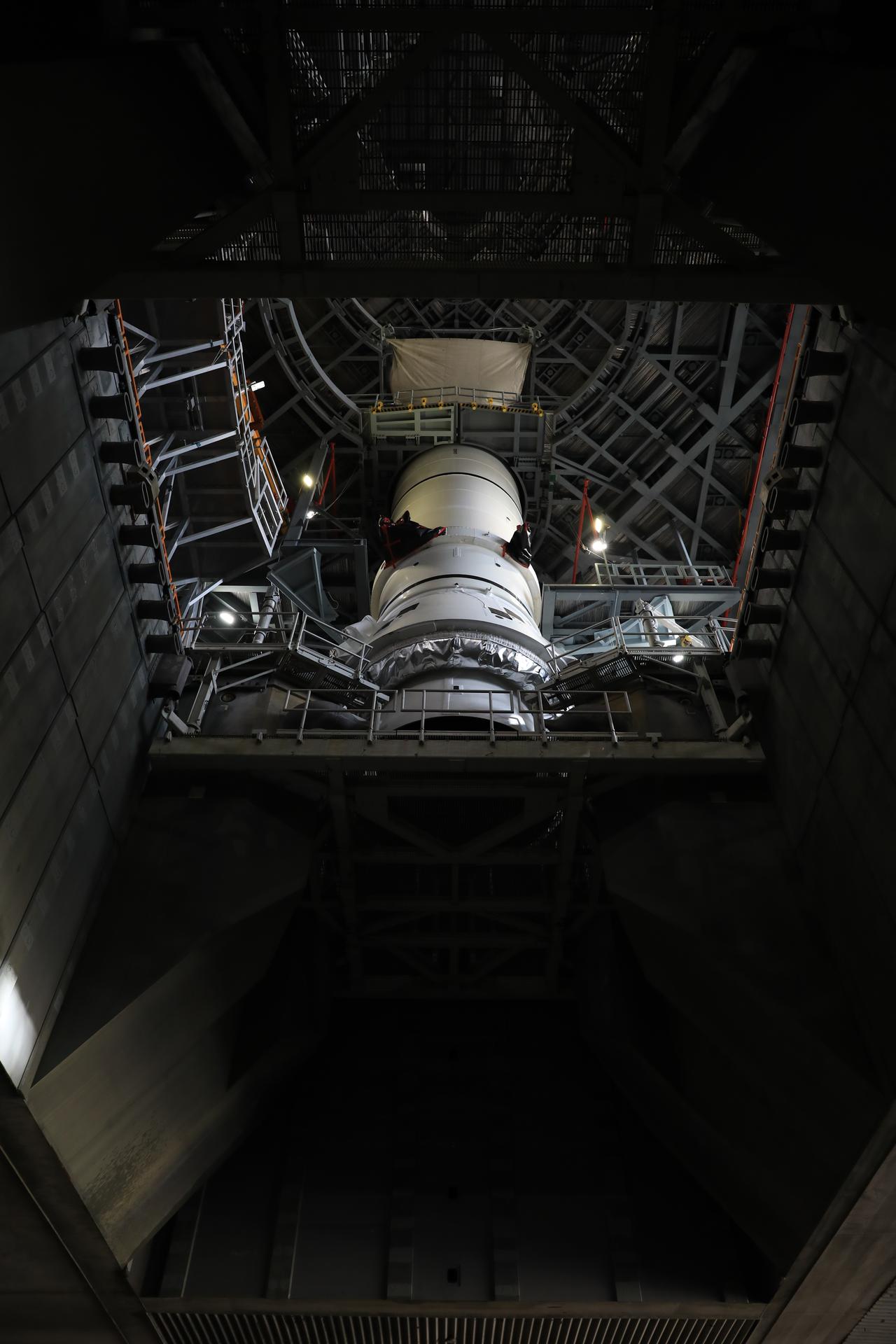
Teams with NASA’s Exploration Ground Systems lowered and secured the left-hand aft assembly solid rocket booster segment for NASA’s Artemis III SLS (Space Launch System) rocket to the mobile launcher at the agency’s Vehicle Assembly Building at NASA’s Kennedy Space Center in Florida on Thursday, July 9, 2026. The twin boosters, manufactured by Northrop Grumman in Utah, will provide more than 75 percent of the SLS rocket’s total thrust at launch. The Artemis III mission will launch crew in the Orion spacecraft on top of the SLS rocket to test rendezvous and docking capabilities between Orion and commercial spacecraft needed to land astronauts on the Moon.
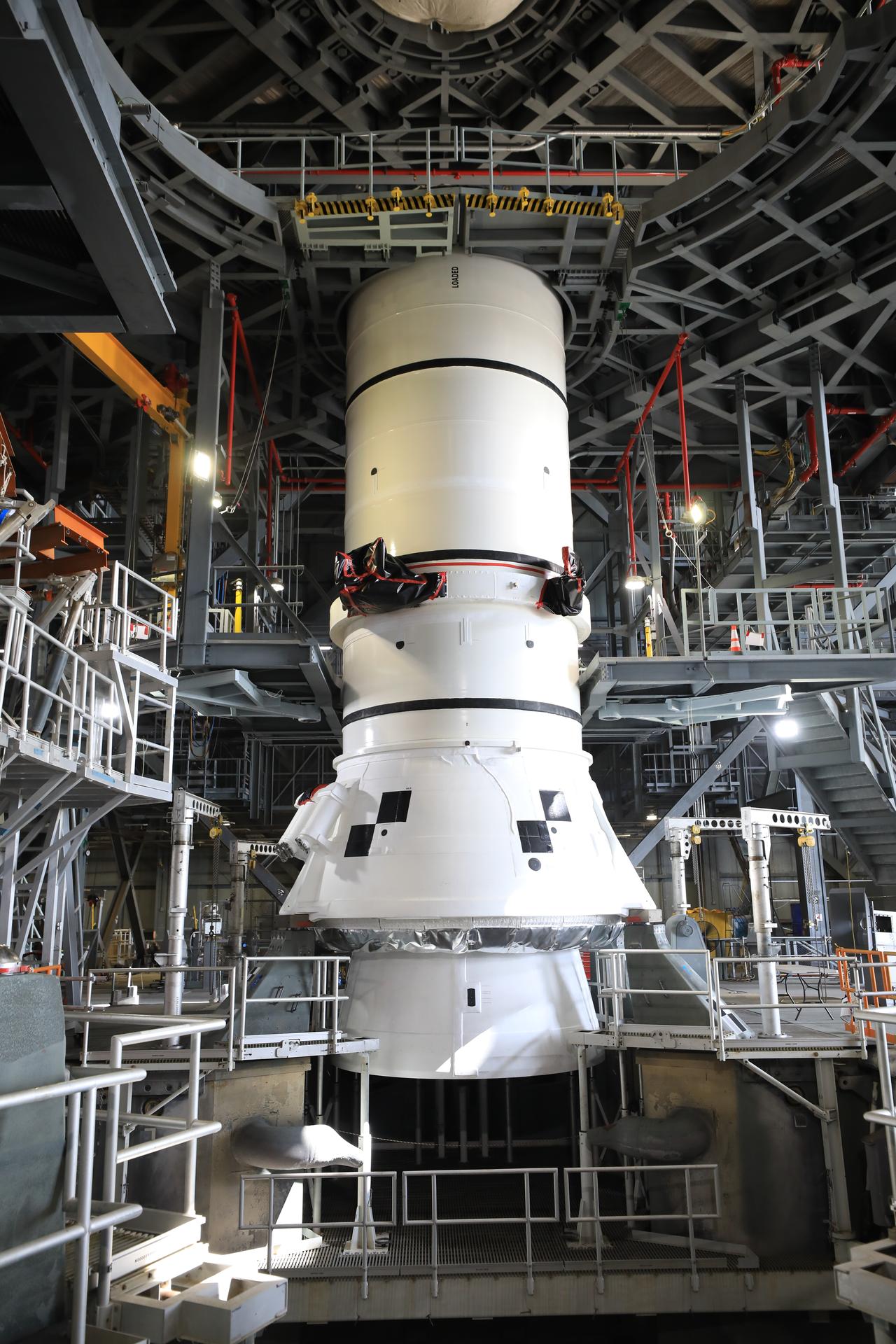
Teams with NASA’s Exploration Ground Systems lowered and secured the left-hand aft assembly solid rocket booster segment for NASA’s Artemis III SLS (Space Launch System) rocket to the mobile launcher at the agency’s Vehicle Assembly Building at NASA’s Kennedy Space Center in Florida on Thursday, July 9, 2026. The twin boosters, manufactured by Northrop Grumman in Utah, will provide more than 75 percent of the SLS rocket’s total thrust at launch. The Artemis III mission will launch crew in the Orion spacecraft on top of the SLS rocket to test rendezvous and docking capabilities between Orion and commercial spacecraft needed to land astronauts on the Moon.

From left, CSA (Canadian Space Agency) astronaut Joshua Kutryk, along with NASA astronauts Jessica Watkins, Luke Delaney, and Stan Love meet with teams from NASA’s Exploration Ground Systems Program and view the agency’s Artemis IV SLS (Space Launch System) core stage engine section during a visit to the Vehicle Assembly Building at the agency’s Kennedy Space Center in Florida on Tuesday, May 12, 2026. NASA’s Artemis III mission will launch astronauts to low Earth orbit aboard the Orion spacecraft on top of SLS to test rendezvous and docking capabilities between Orion and commercial spacecraft needed to land Artemis IV astronauts on the Moon in 2028.
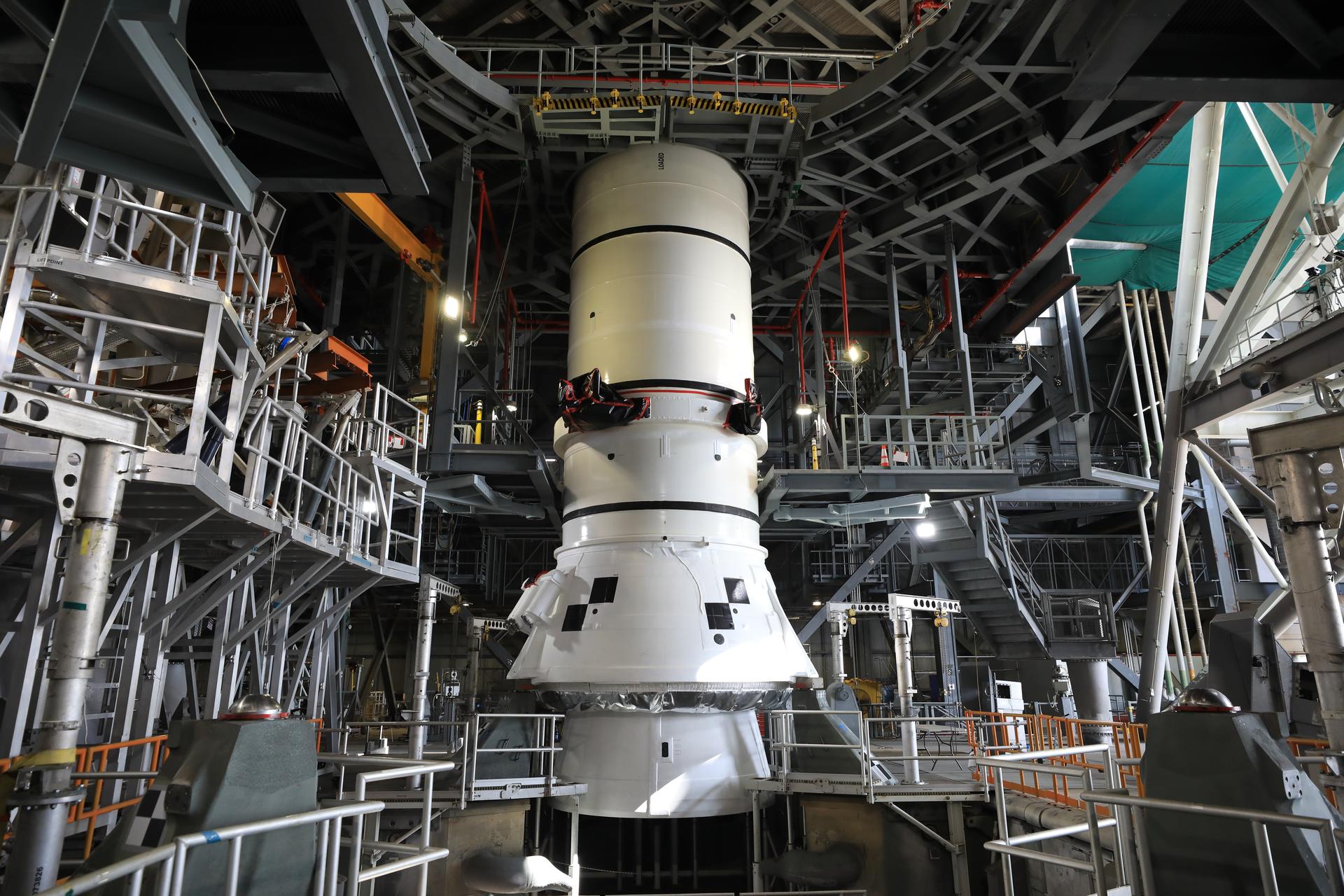
Teams with NASA’s Exploration Ground Systems lowered and secured the left-hand aft assembly solid rocket booster segment for NASA’s Artemis III SLS (Space Launch System) rocket to the mobile launcher at the agency’s Vehicle Assembly Building at NASA’s Kennedy Space Center in Florida on Thursday, July 9, 2026. The twin boosters, manufactured by Northrop Grumman in Utah, will provide more than 75 percent of the SLS rocket’s total thrust at launch. The Artemis III mission will launch crew in the Orion spacecraft on top of the SLS rocket to test rendezvous and docking capabilities between Orion and commercial spacecraft needed to land astronauts on the Moon.
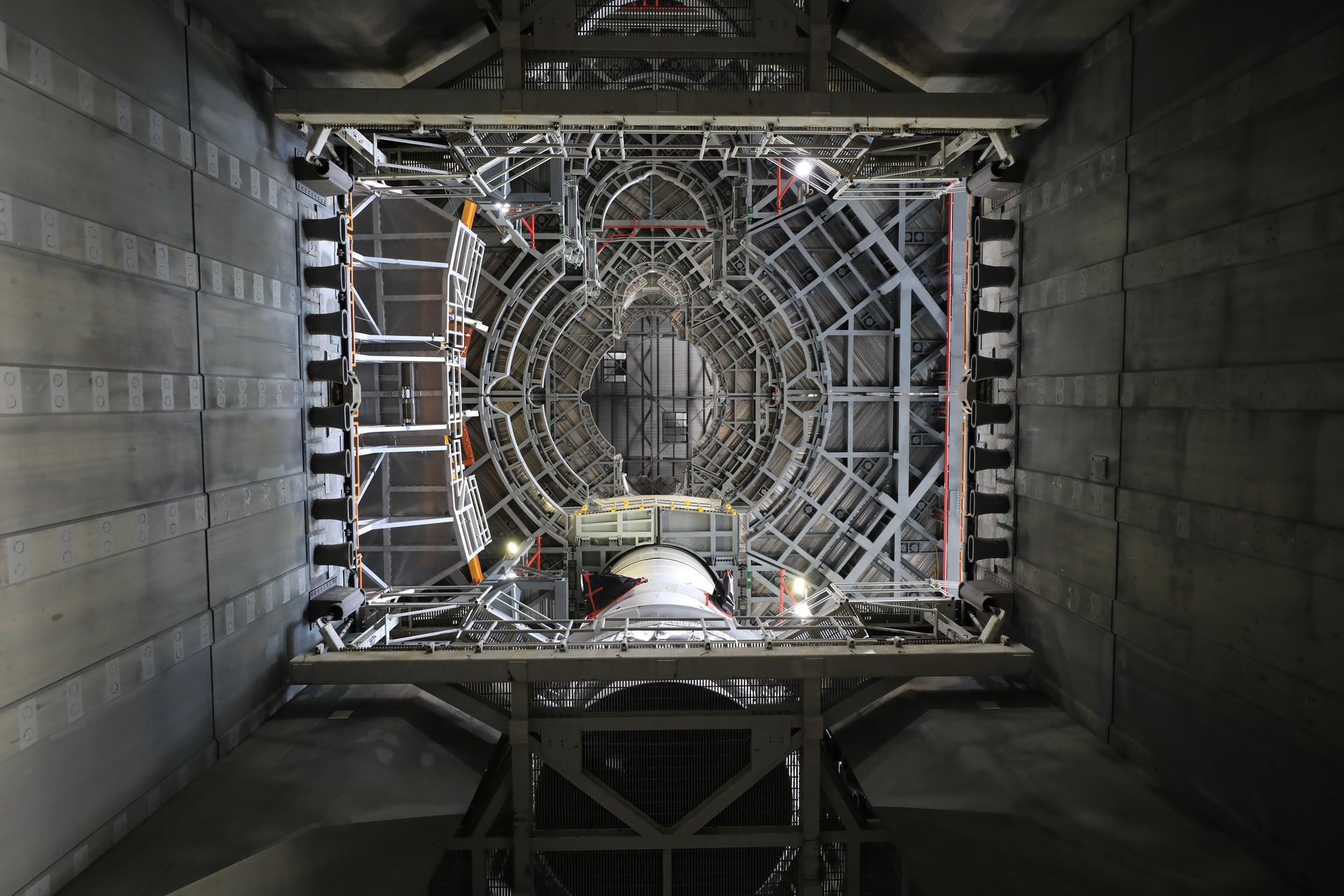
Teams with NASA’s Exploration Ground Systems lowered and secured the left-hand aft assembly solid rocket booster segment for NASA’s Artemis III SLS (Space Launch System) rocket to the mobile launcher at the agency’s Vehicle Assembly Building at NASA’s Kennedy Space Center in Florida on Thursday, July 9, 2026. The twin boosters, manufactured by Northrop Grumman in Utah, will provide more than 75 percent of the SLS rocket’s total thrust at launch. The Artemis III mission will launch crew in the Orion spacecraft on top of the SLS rocket to test rendezvous and docking capabilities between Orion and commercial spacecraft needed to land astronauts on the Moon.
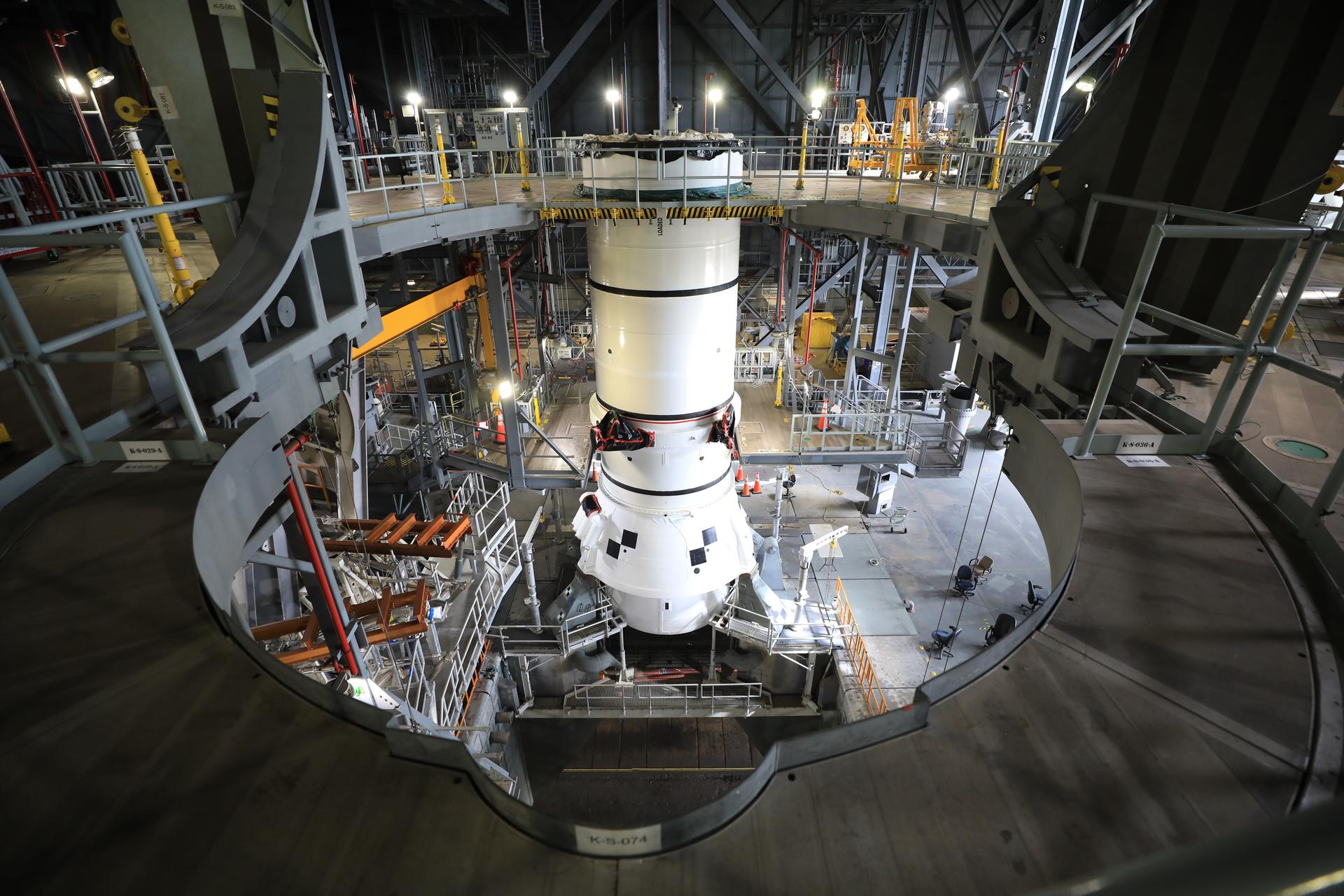
Teams with NASA’s Exploration Ground Systems lowered and secured the left-hand aft assembly solid rocket booster segment for NASA’s Artemis III SLS (Space Launch System) rocket to the mobile launcher at the agency’s Vehicle Assembly Building at NASA’s Kennedy Space Center in Florida on Thursday, July 9, 2026. The twin boosters, manufactured by Northrop Grumman in Utah, will provide more than 75 percent of the SLS rocket’s total thrust at launch. The Artemis III mission will launch crew in the Orion spacecraft on top of the SLS rocket to test rendezvous and docking capabilities between Orion and commercial spacecraft needed to land astronauts on the Moon.

NASA astronauts Luke Delaney, Jessica Watkins, Anil Menon, and Stan Love, along with CSA (Canadian Space Agency) astronaut Joshua Kutryk, meet with teams from NASA’s Exploration Ground Systems Program and view the Artemis IV SLS (Space Launch System) core stage engine section during a visit to the Vehicle Assembly Building at the agency’s Kennedy Space Center in Florida on Tuesday, May 12, 2026. NASA’s Artemis III will launch astronauts to low Earth orbit aboard the Orion spacecraft on top of SLS to test rendezvous and docking capabilities between Orion and commercial spacecraft needed to land Artemis IV astronauts on the Moon in 2028.
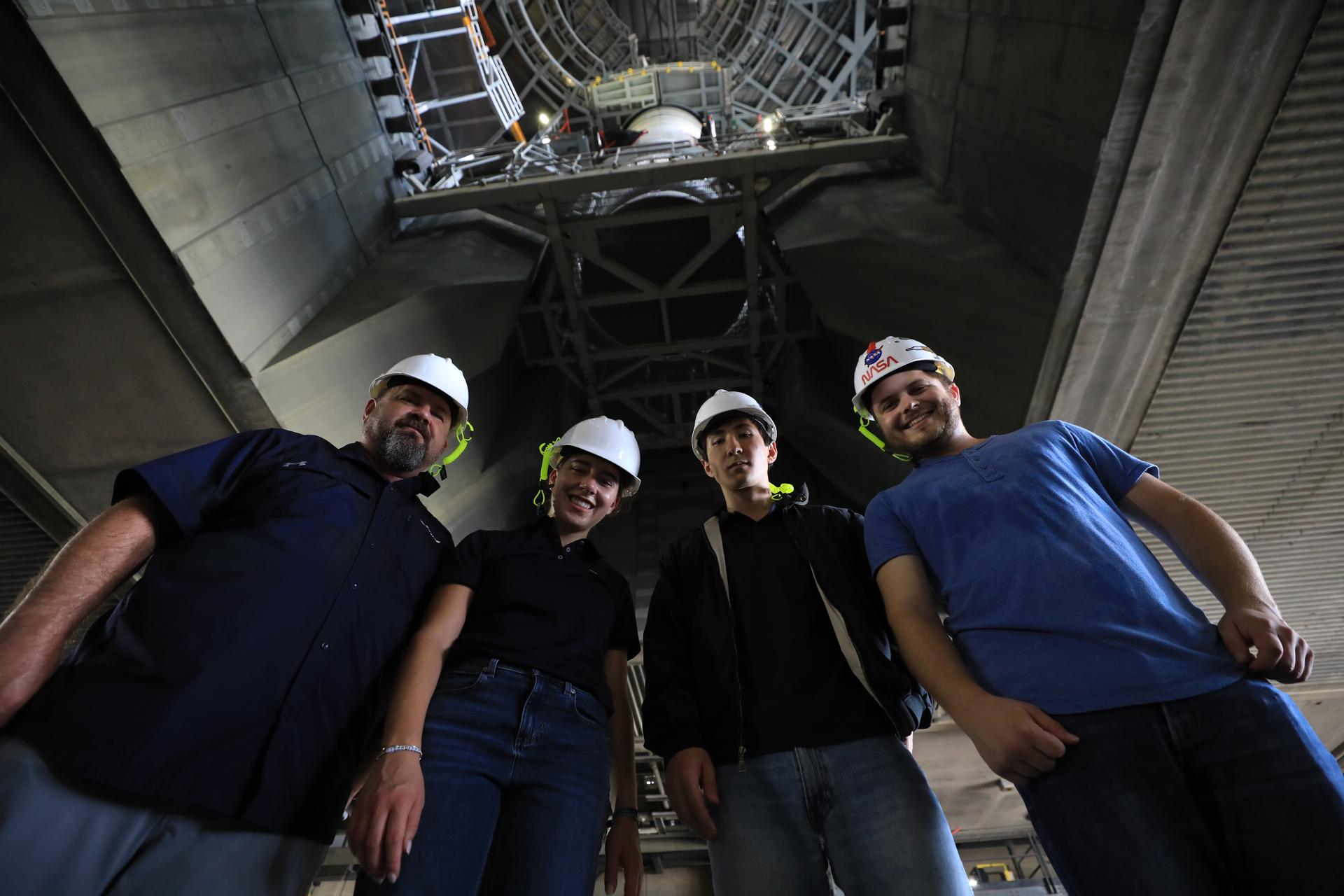
Boeing employees, from left to right, Adam Shaffer, Electrical Ground Systems equipment and technical lead engineer; Anna Fischer, Space Launch System electrical engineering intern; Ethan Minvielle, Space Launch System electrical engineering intern; and Joseph Colangelo, Space Launch System Test and evaluation engineering intern, pose for a photograph following left-hand aft assembly solid rocket booster segment for NASA’s Artemis III SLS (Space Launch System) was secured to the mobile launcher at the agency’s Vehicle Assembly Building at NASA Kennedy on Thursday, July 9, 2026. The twin boosters, manufactured by Northrop Grumman in Utah, will provide more than 75 percent of the SLS rocket’s total thrust at launch. The Artemis III mission will launch crew in the Orion spacecraft on top of the SLS rocket to test rendezvous and docking capabilities between Orion and commercial spacecraft needed to land astronauts on the Moon.
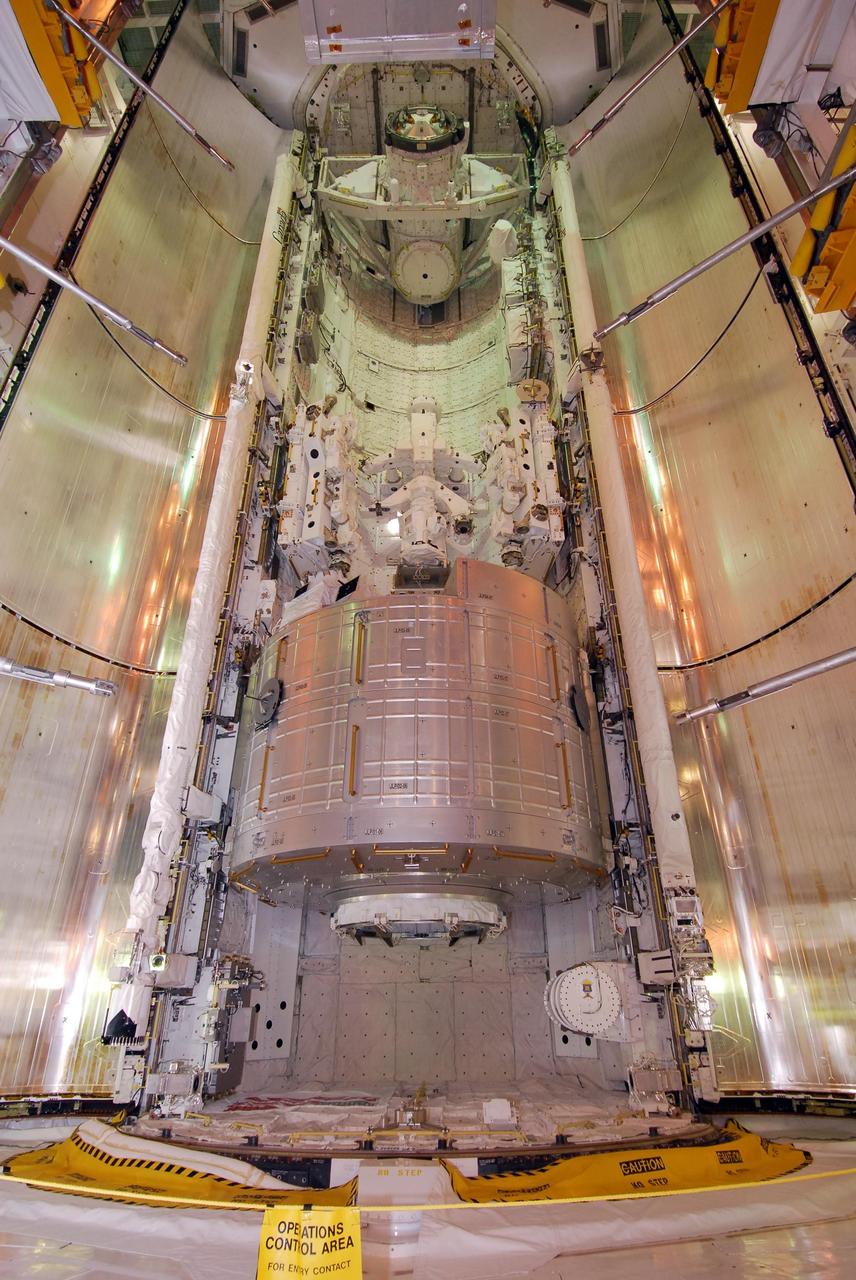
KENNEDY SPACE CENTER, FLA. -- On NASA Kennedy Space Center's Launch Pad 39A, space shuttle Endeavour's payload bay is ready for closure of the doors for launch. Seen at the bottom is the first section of the Japan Aerospace Exploration Agency's Kibo laboratory, the Experiment Logistics Module Pressurized Section, or ELM-PS. At the top is the orbiter docking system. Endeavour is targeted to launch March 11 at 2:28 a.m. EDT on the 16-day STS-123 mission to the International Space Station. Endeavour and its crew will deliver the ELM-PS and the Canadian Space Agency's two-armed robotic system, Dextre. Photo credit: NASA/Dimitri Gerondidakis
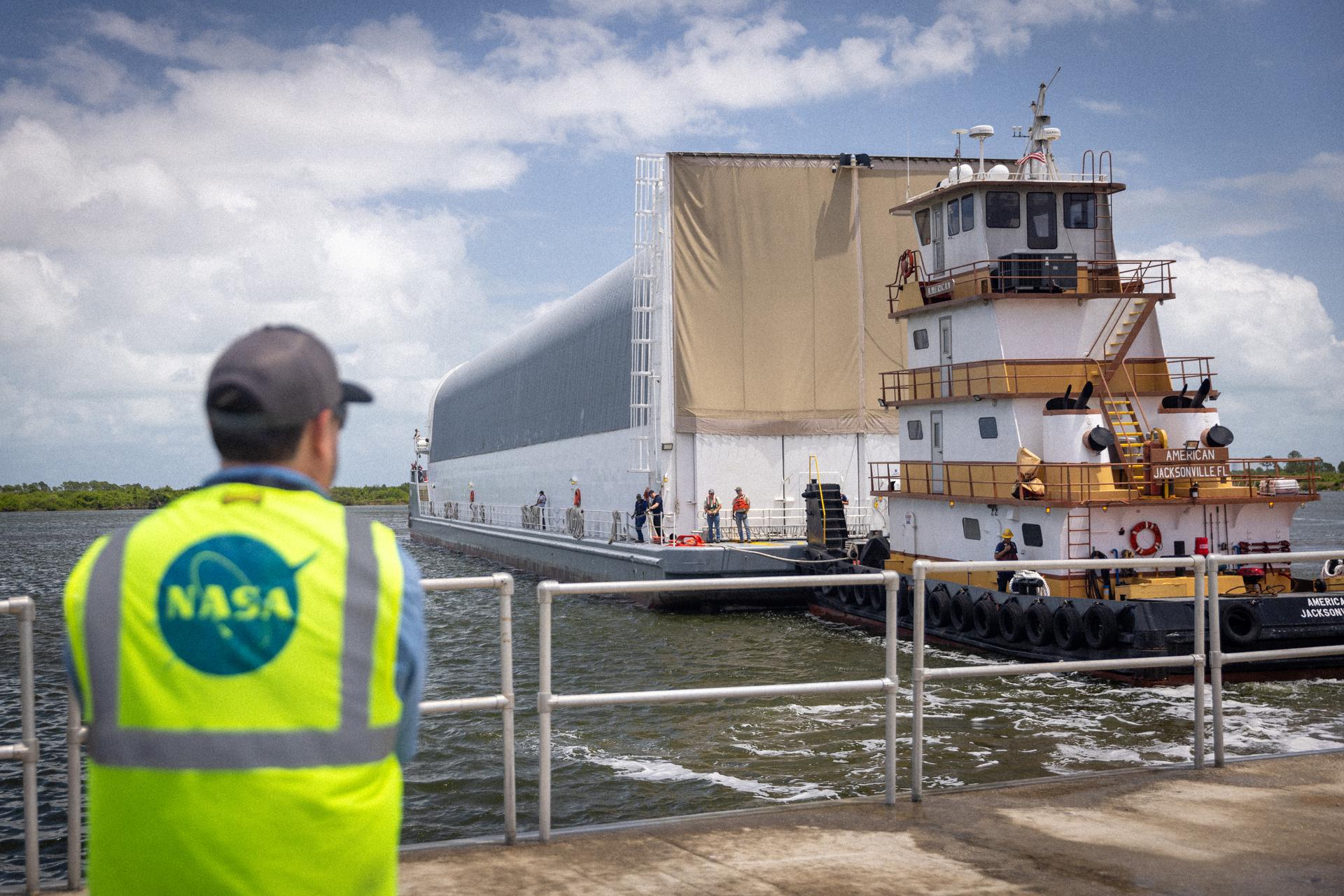
NASA’s Pegasus barge, carrying the top four-fifths of the agency’s SLS (Space Launch System) core stage for the Artemis III mission, arrives at NASA’s Kennedy Space Center Complex 39 turn basin wharf in Florida on Monday, April 27, 2026. Artemis III will launch astronauts to Earth’s orbit aboard the Orion spacecraft on top of SLS to test rendezvous and docking capabilities between Orion and commercial spacecraft needed to land Artemis IV astronauts on the Moon in 2028.
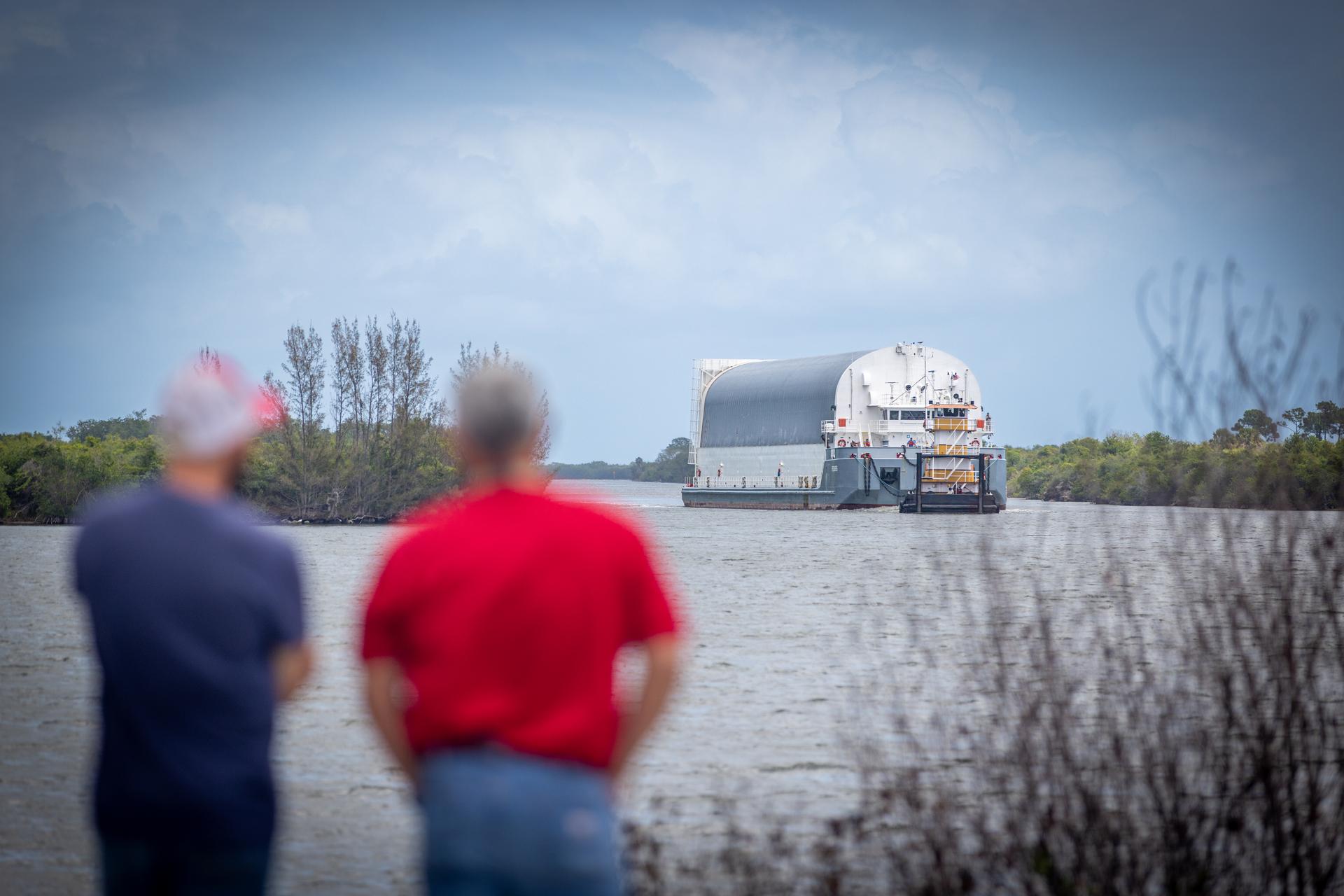
NASA’s Pegasus barge, carrying the top four-fifths of the agency’s SLS (Space Launch System) core stage for the Artemis III mission, arrives at NASA’s Kennedy Space Center Complex 39 turn basin wharf in Florida on Monday, April 27, 2026. Artemis III will launch astronauts to Earth’s orbit aboard the Orion spacecraft on top of SLS to test rendezvous and docking capabilities between Orion and commercial spacecraft needed to land Artemis IV astronauts on the Moon in 2028.
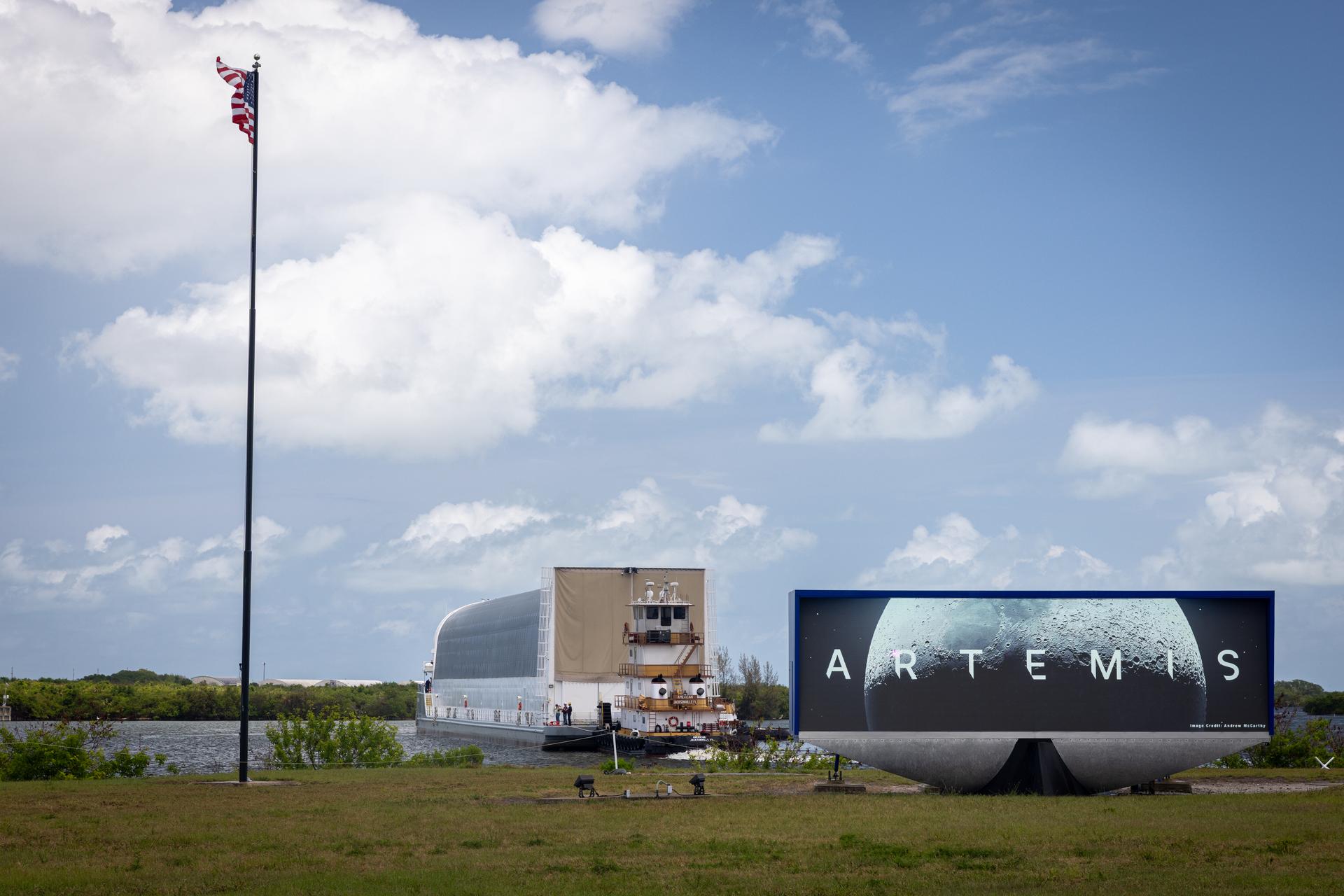
NASA’s Pegasus barge, carrying the top four-fifths of the agency’s SLS (Space Launch System) core stage for the Artemis III mission, arrives at NASA’s Kennedy Space Center Complex 39 turn basin wharf in Florida on Monday, April 27, 2026. Artemis III will launch astronauts to Earth’s orbit aboard the Orion spacecraft on top of SLS to test rendezvous and docking capabilities between Orion and commercial spacecraft needed to land Artemis IV astronauts on the Moon in 2028.
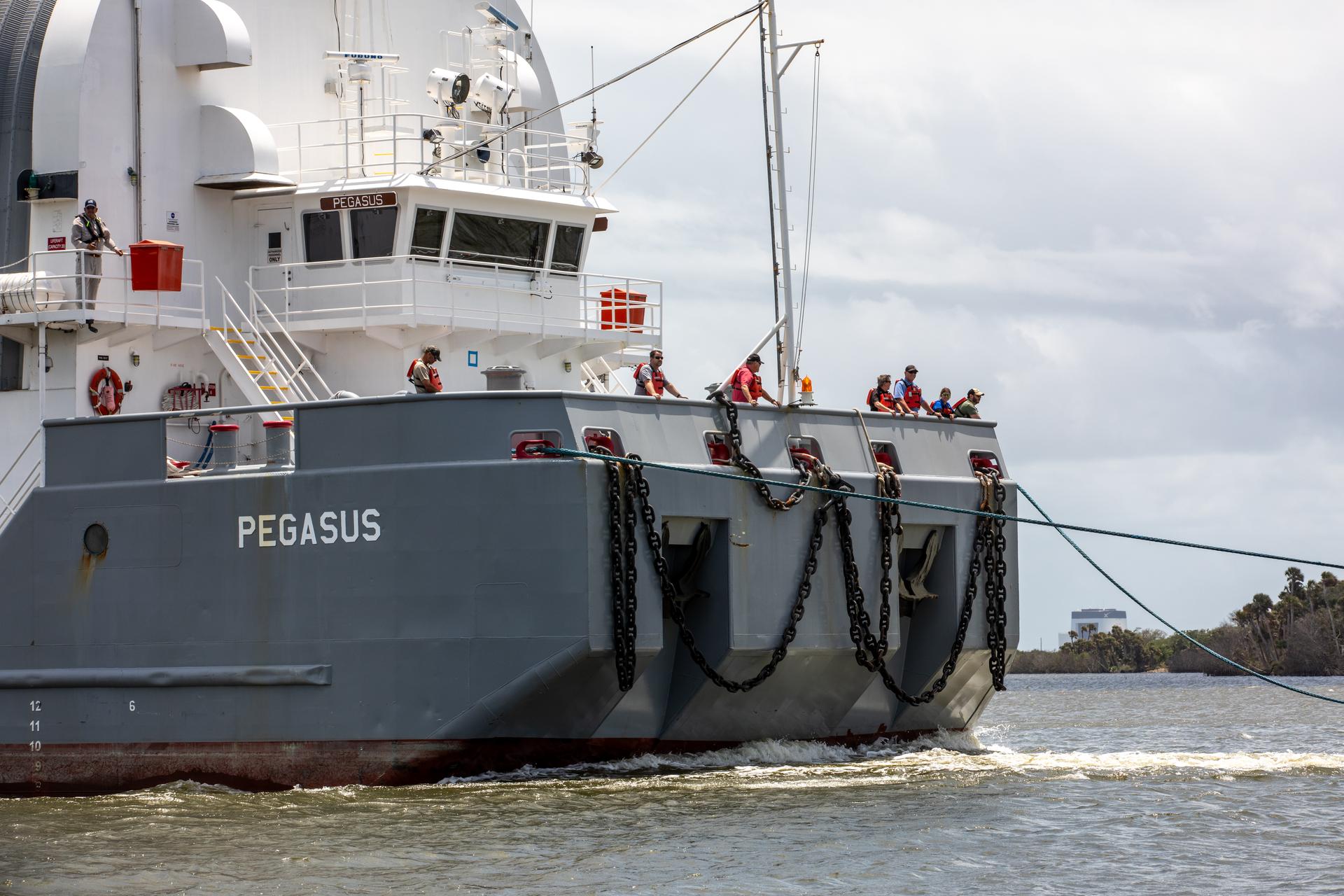
NASA’s Pegasus barge, carrying the top four-fifths of the agency’s SLS (Space Launch System) core stage for the Artemis III mission, arrives at NASA’s Kennedy Space Center Complex 39 turn basin wharf in Florida on Monday, April 27, 2026. Artemis III will launch astronauts to Earth’s orbit aboard the Orion spacecraft on top of SLS to test rendezvous and docking capabilities between Orion and commercial spacecraft needed to land Artemis IV astronauts on the Moon in 2028.
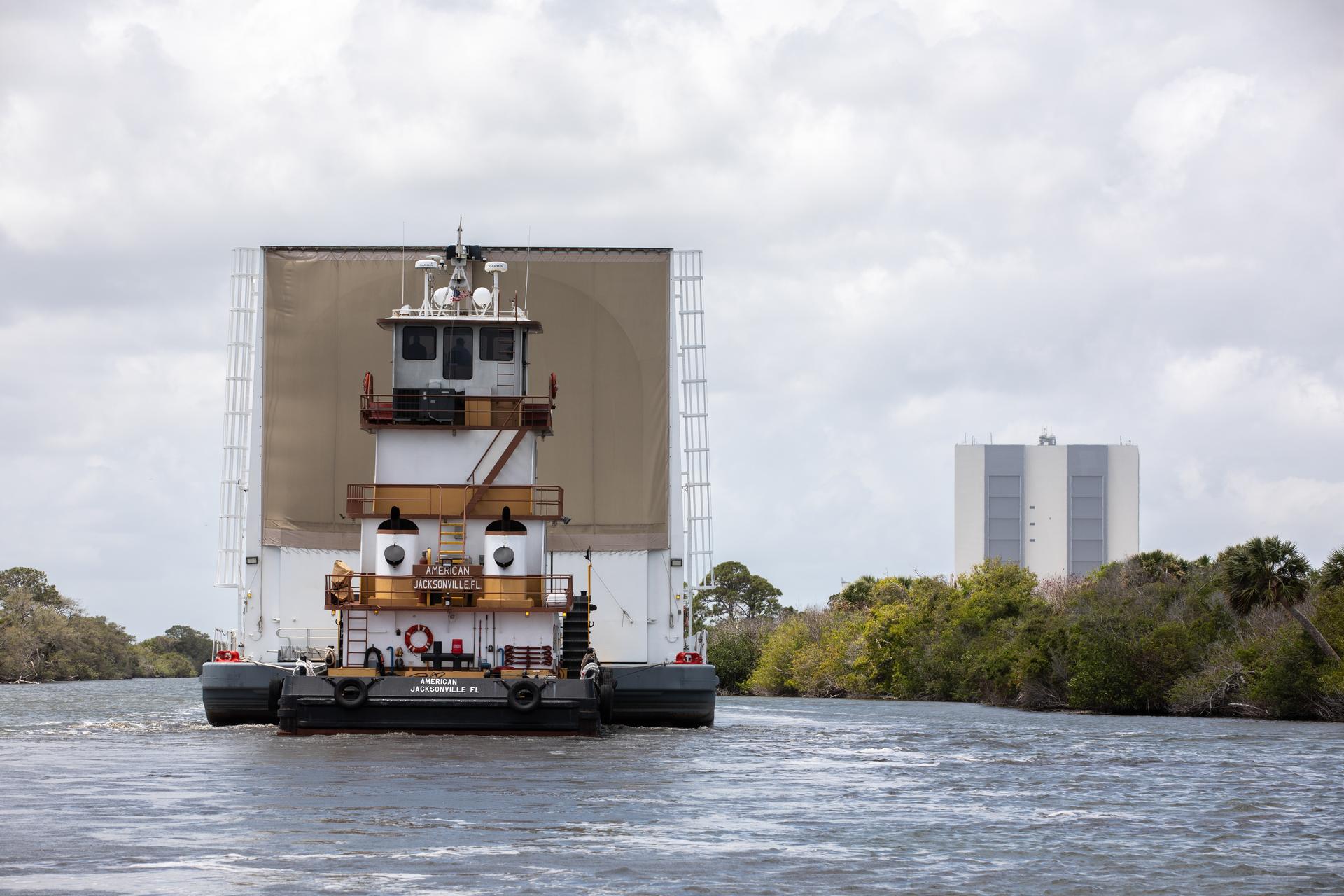
NASA’s Pegasus barge, carrying the top four-fifths of the agency’s SLS (Space Launch System) core stage for the Artemis III mission, arrives at NASA’s Kennedy Space Center Complex 39 turn basin wharf in Florida on Monday, April 27, 2026. Artemis III will launch astronauts to Earth’s orbit aboard the Orion spacecraft on top of SLS to test rendezvous and docking capabilities between Orion and commercial spacecraft needed to land Artemis IV astronauts on the Moon in 2028.