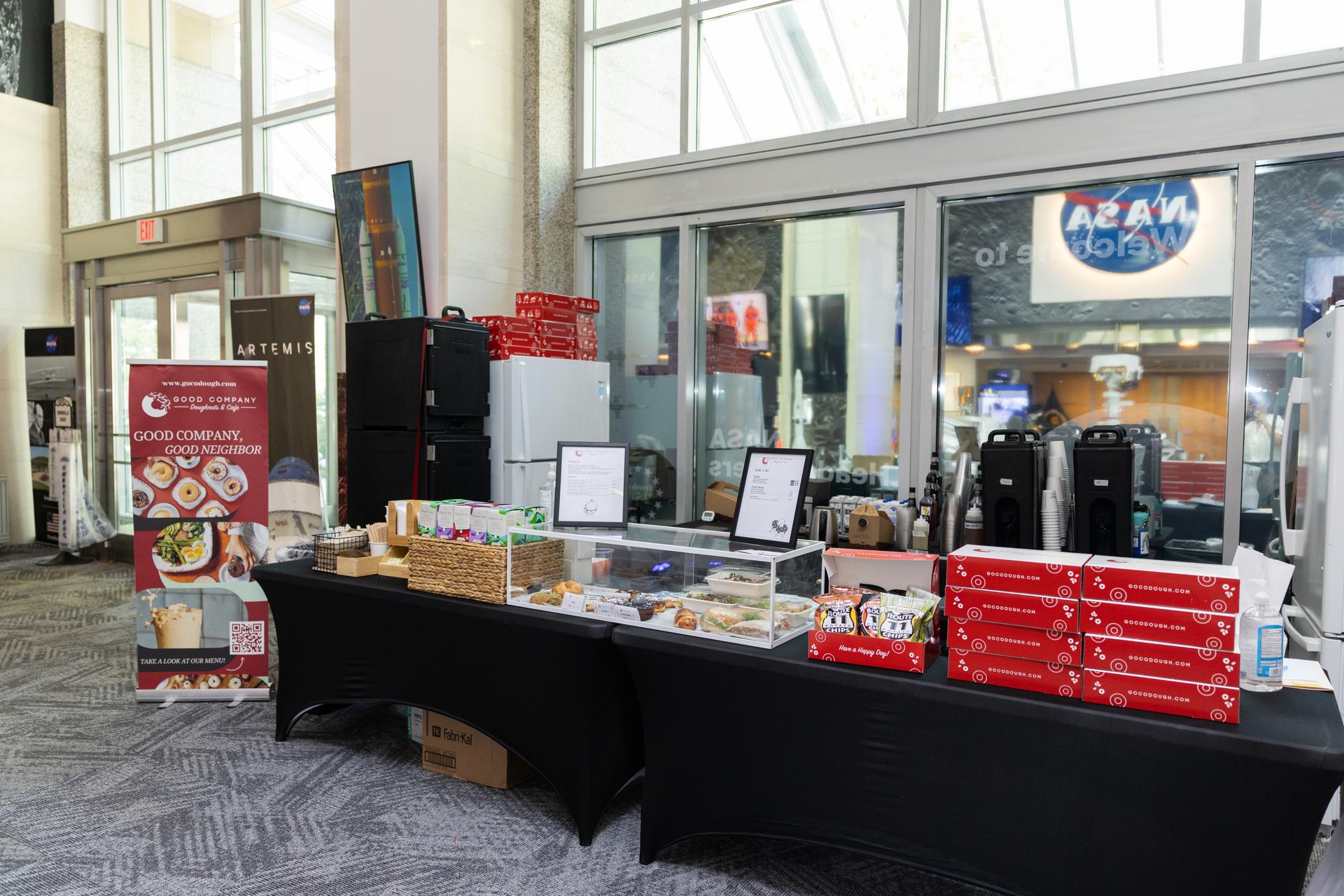
NASA Headquarters redesign featuring artifacts, interactive exhibits, replica mars rover, and donut shop at NASA Headquarters in Washington, DC. Photo Credit: (NASA/Tiffany Coutris)
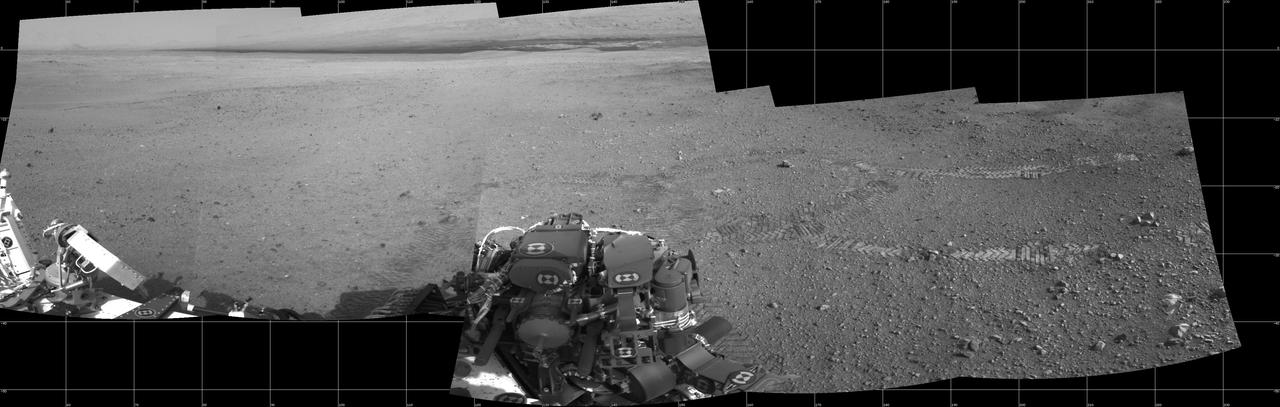
Two donut-shaped tracks make an infinity symbol, and mark the first two drives of NASA Curiosity rover. The landing site is at the far right.
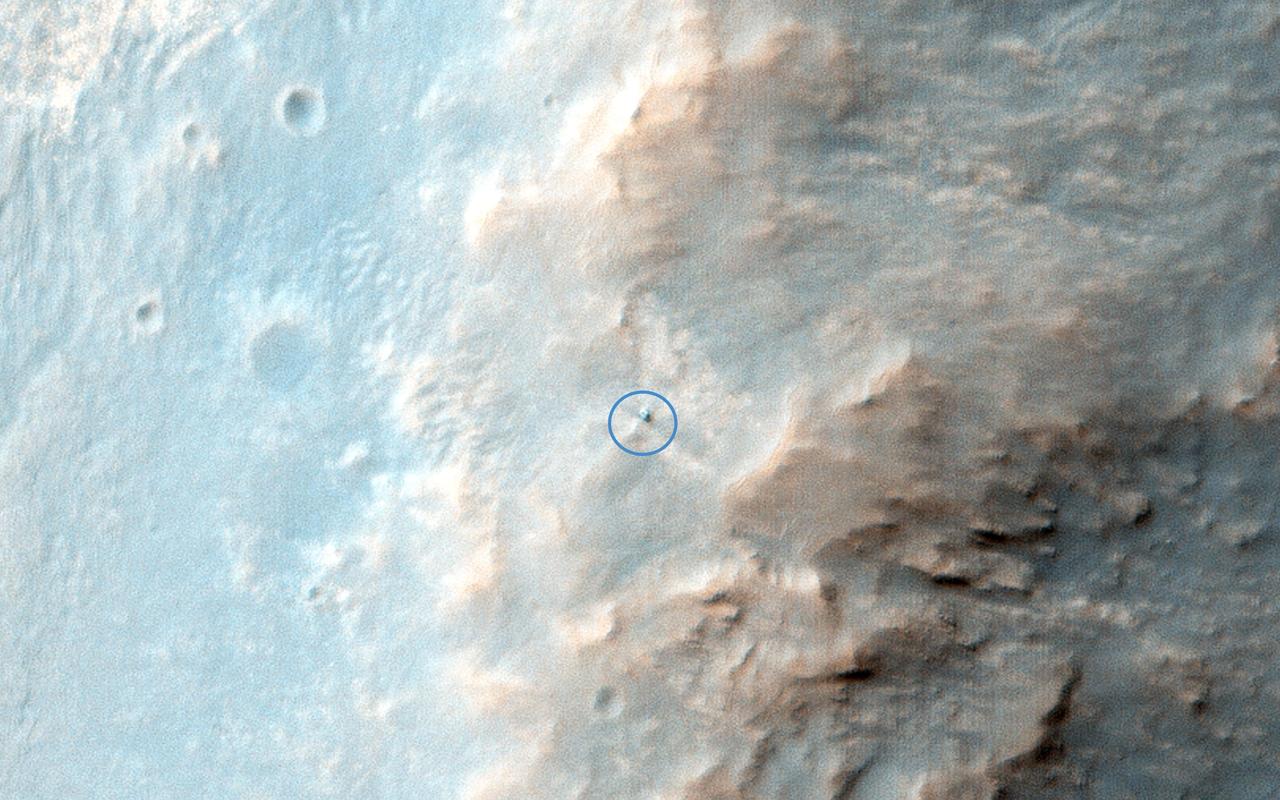
This is the latest image of NASA Opportunity rover at Solander Point, where it spend a few week investigation Pinnacle rock the jelly donut that was flipper over by the rover wheel. This observation is from NASA Mars Reconnaissance Orbiter.
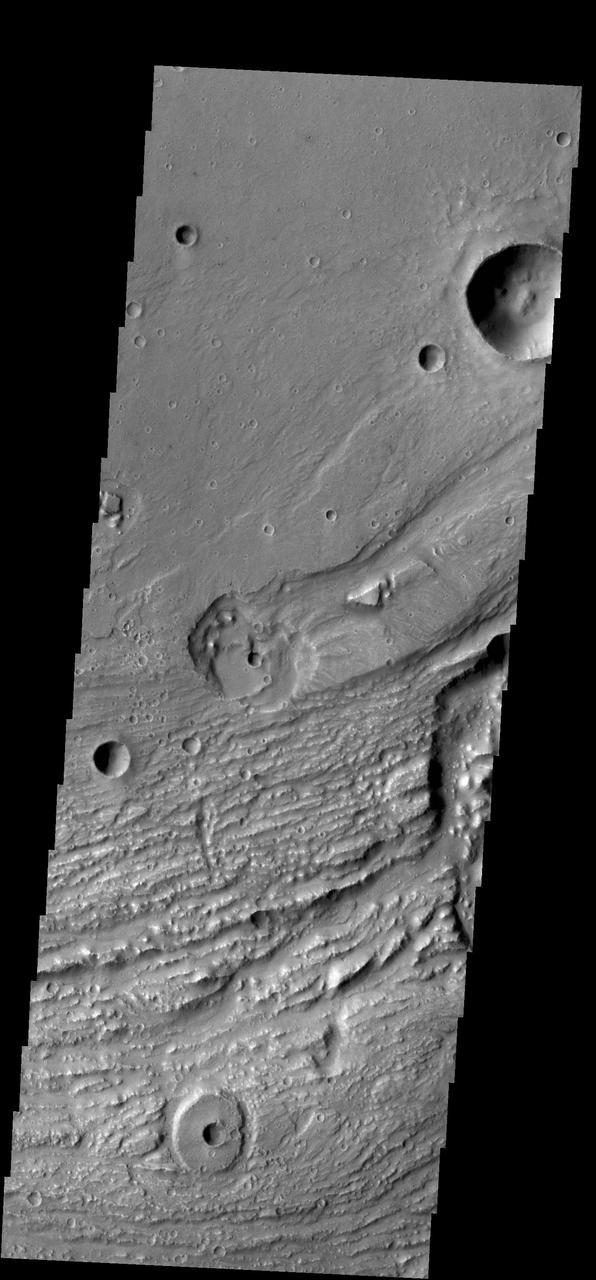
This image shows another portion of Ravi Vallis. In this image taken by NASA 2001 Mars Odyssey spacecraft, a small crater and the resistant material formed during the impact form a donut on the floor of the valley.
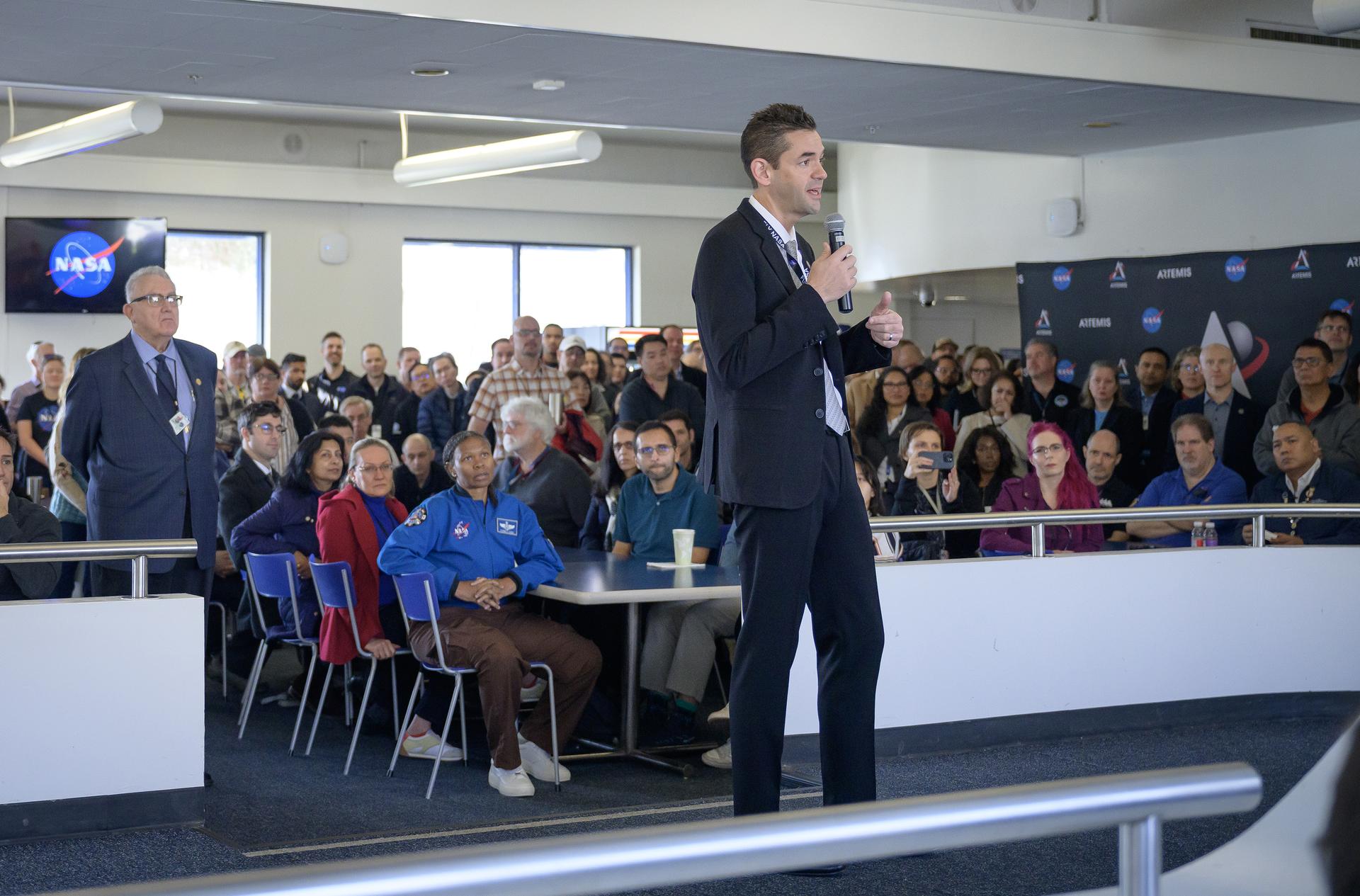
NASA Administrator Jared Isaacman responds to questions from Ames employees during his coffee and donuts event in MegaBites N235.
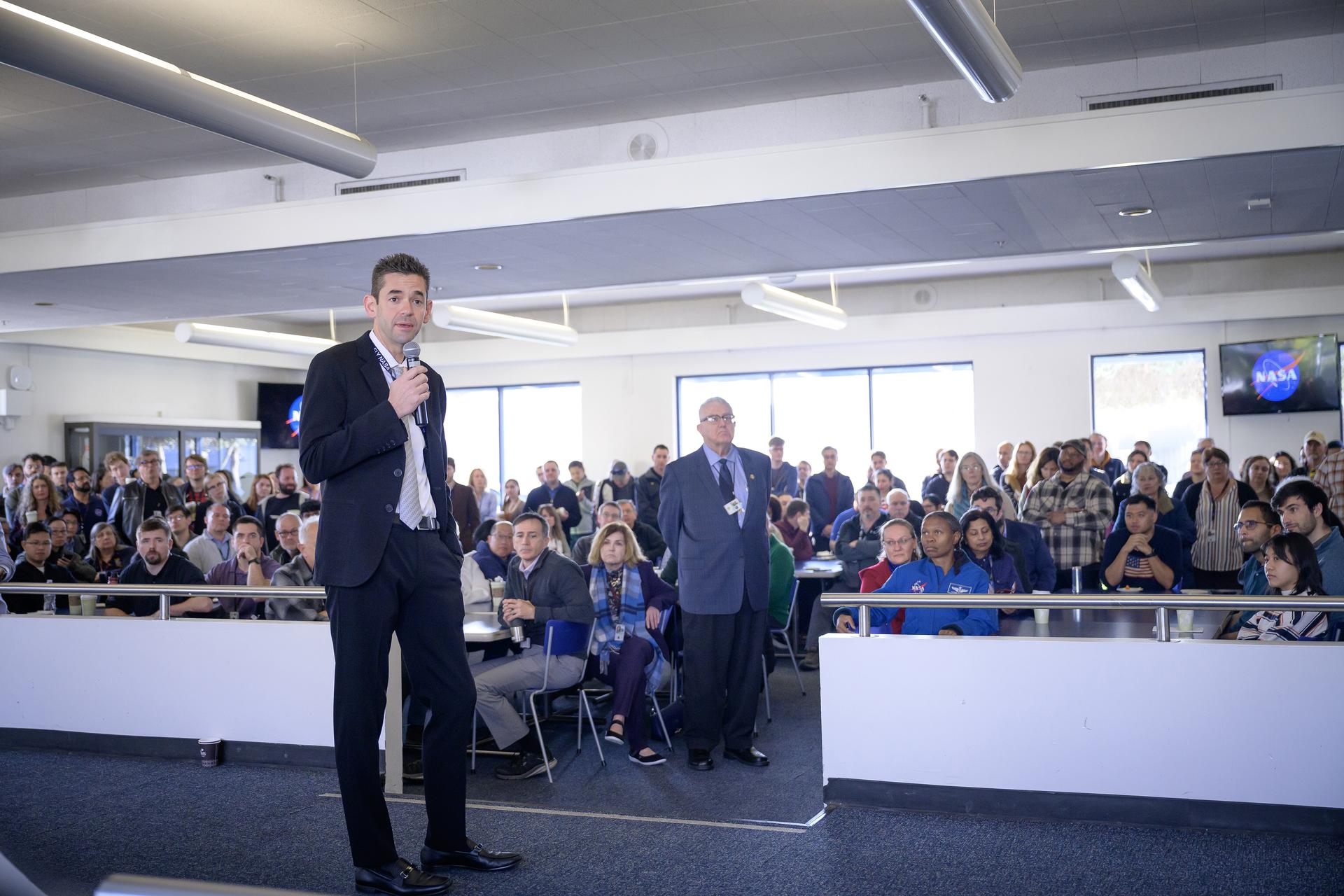
NASA Administrator Jared Isaacman responds to questions from Ames employees during his coffee and donuts event in MegaBites N235.
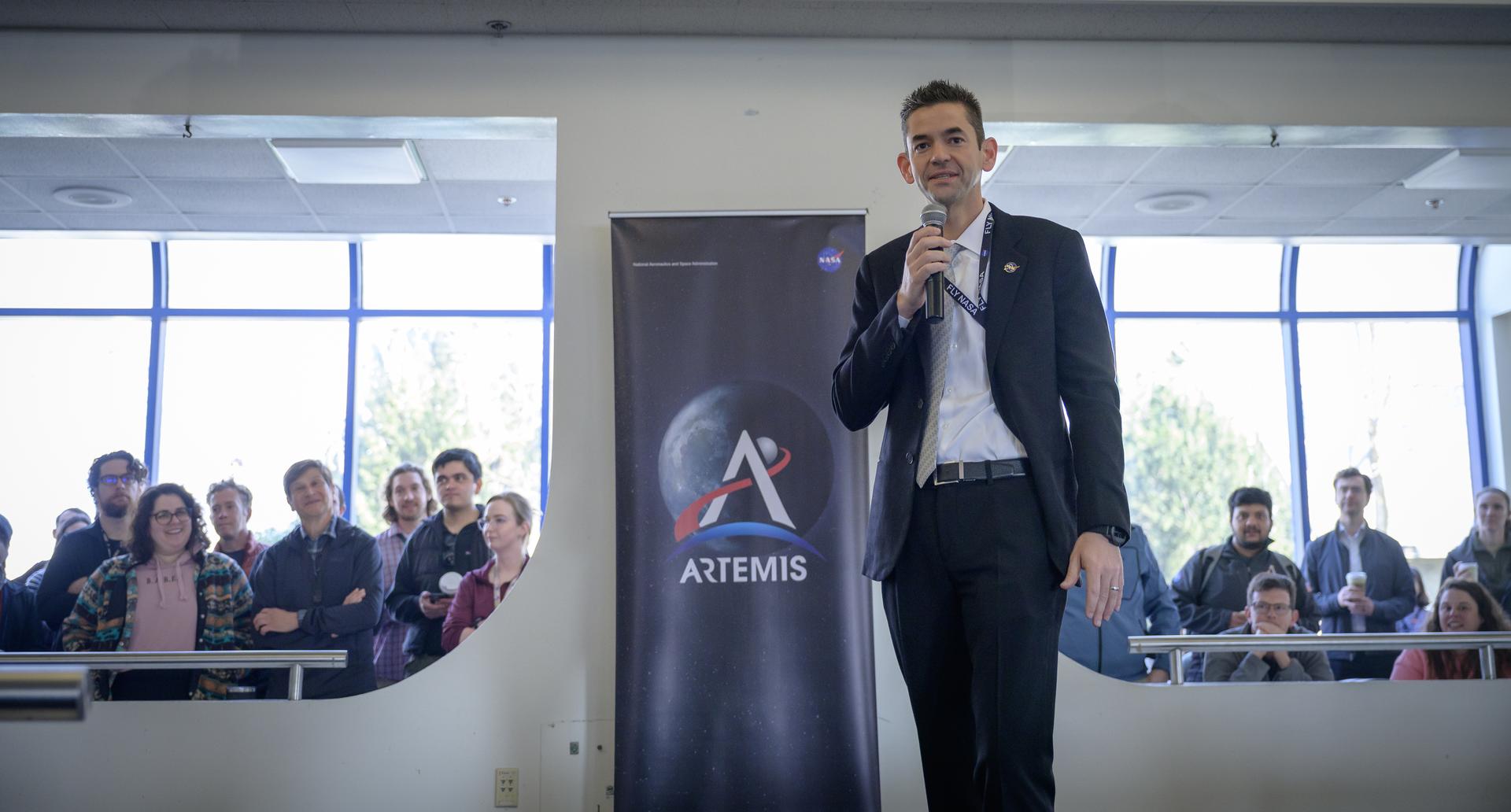
NASA Administrator Jared Isaacman responds to questions from Ames employees during his coffee and donuts event in MegaBites N235.
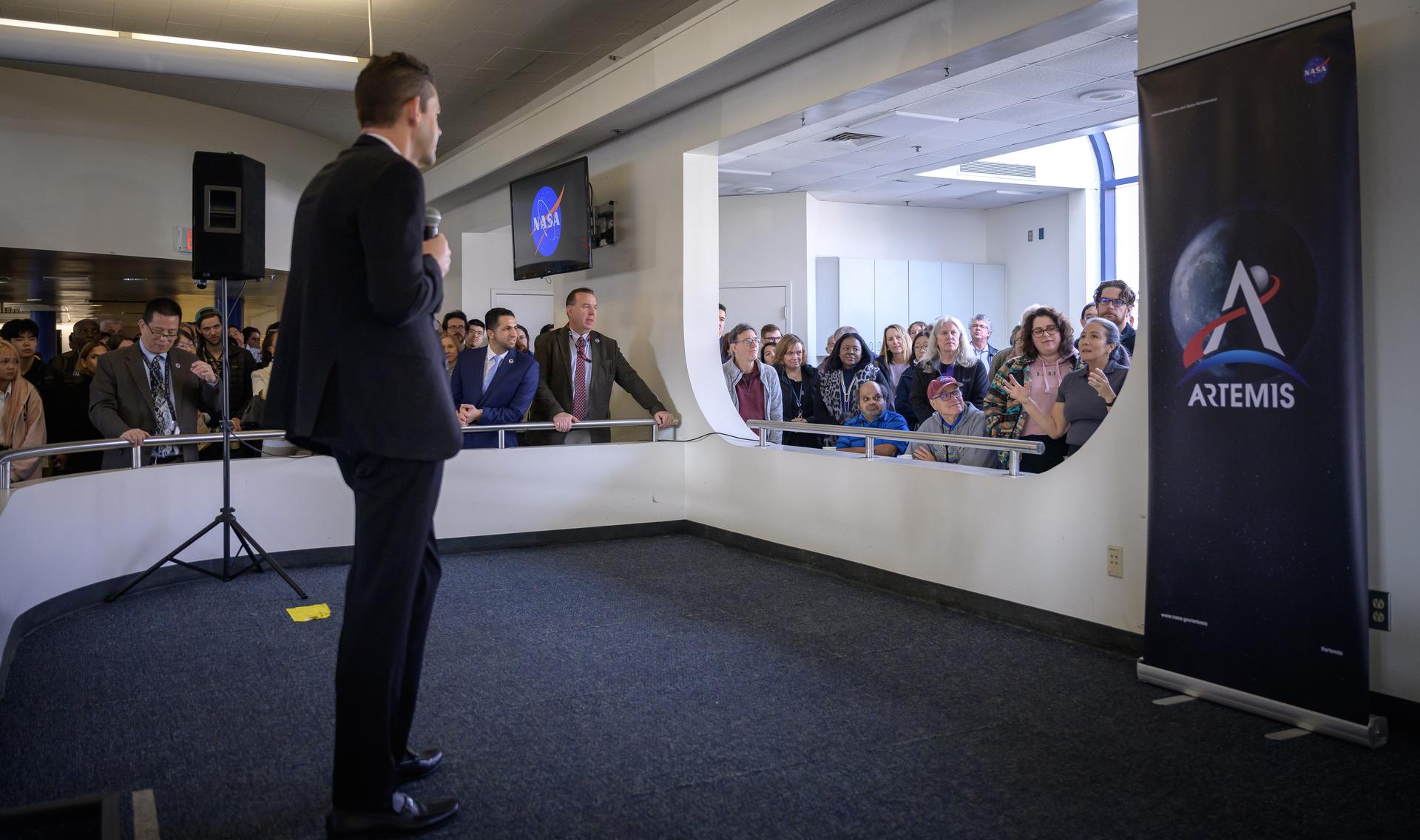
NASA Administrator Jared Isaacman responds to questions from Ames employees during his coffee and donuts event in MegaBites N235.
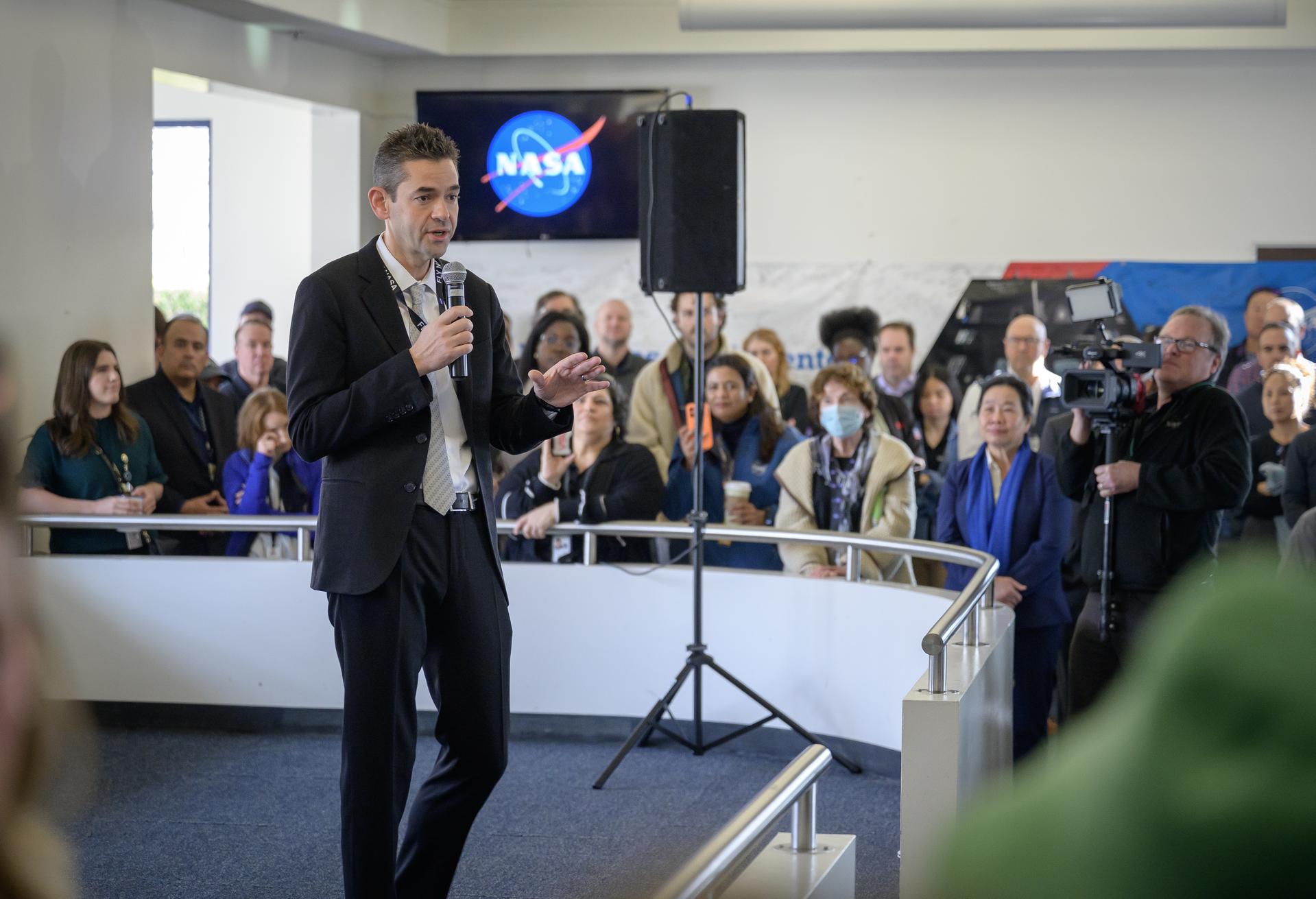
NASA Administrator Jared Isaacman speaks to Ames employees during his coffee and donuts event in MegaBites N235.
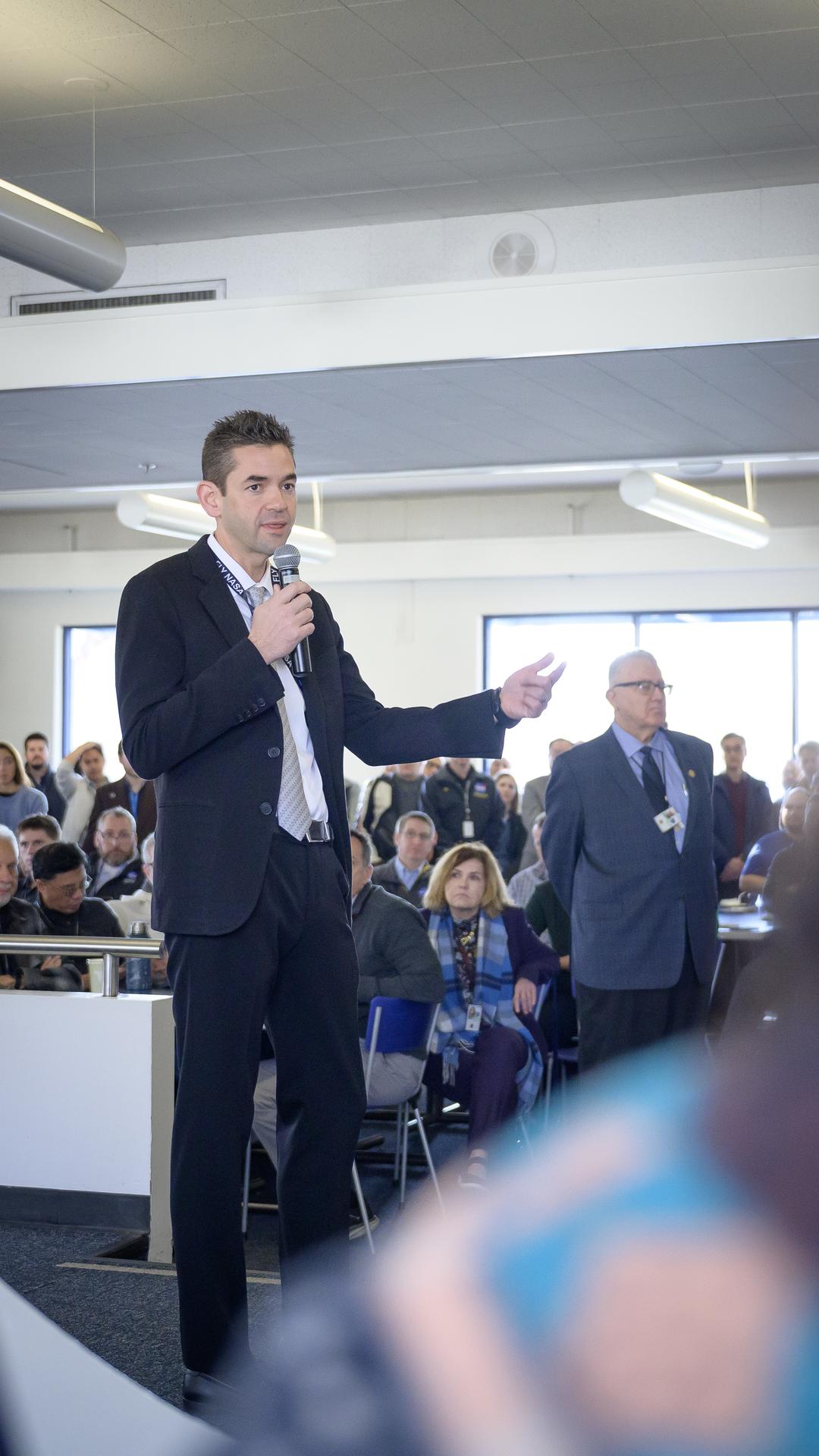
NASA Administrator Jared Isaacman responds to questions from Ames employees during his coffee and donuts event in MegaBites N235.
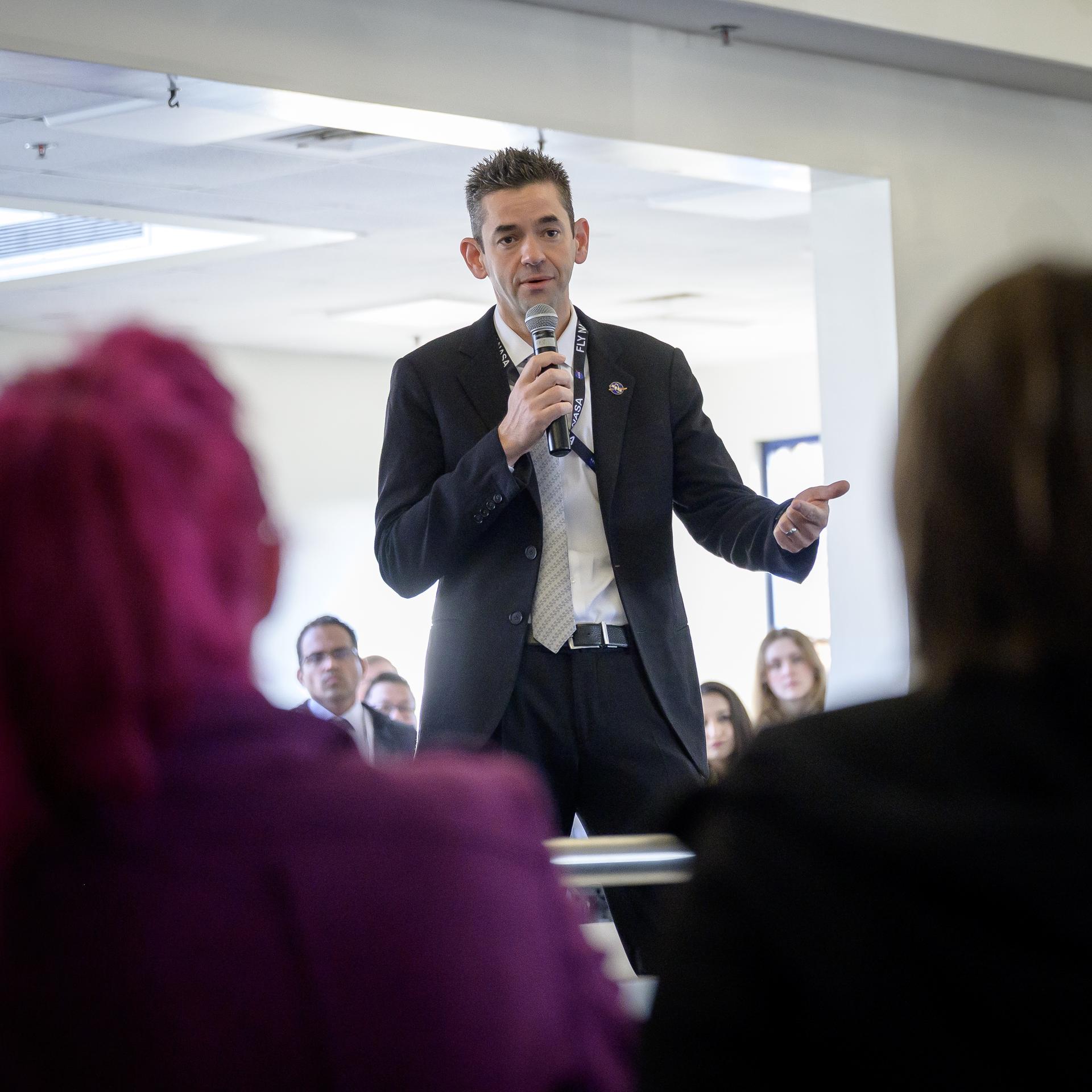
NASA Administrator Jared Isaacman speaks to Ames employees during his coffee and donuts event in MegaBites N235.
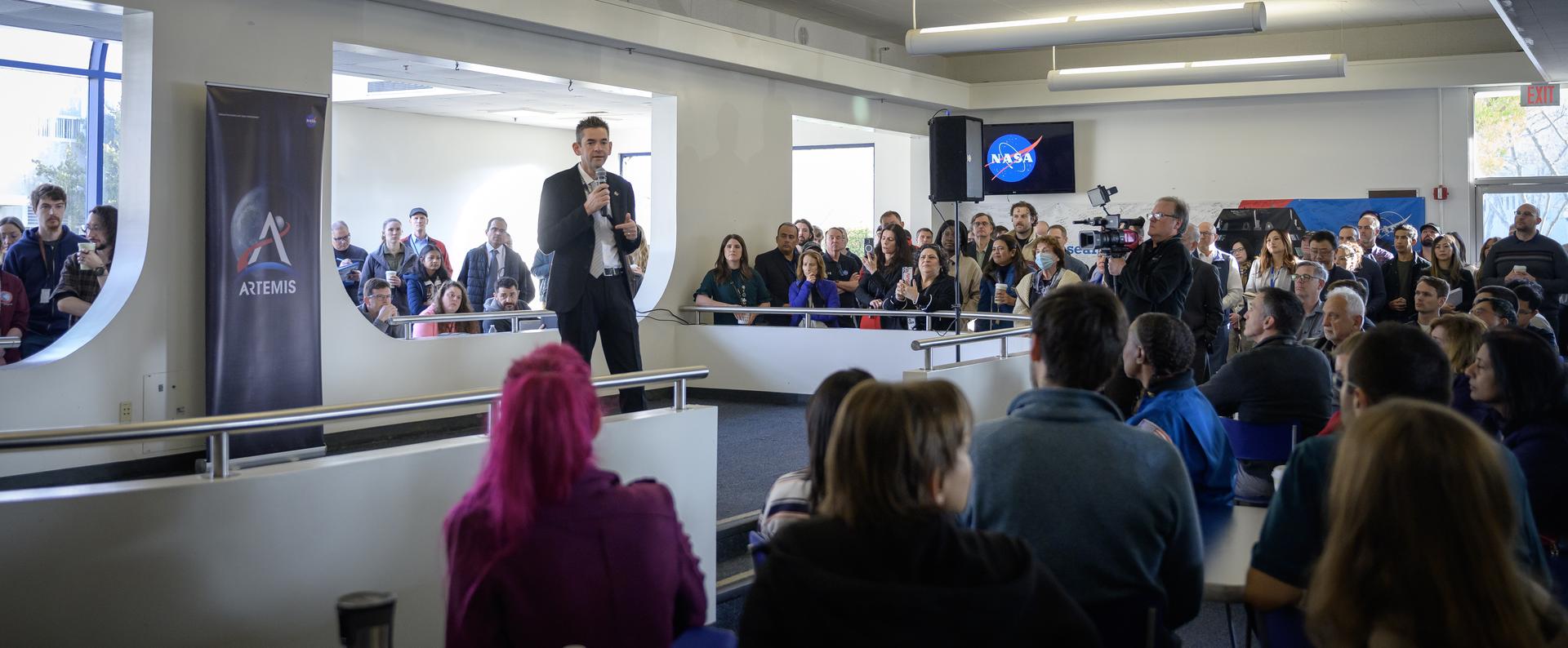
NASA Administrator Jared Isaacman speaks to Ames employees during his coffee and donuts event in MegaBites N235.
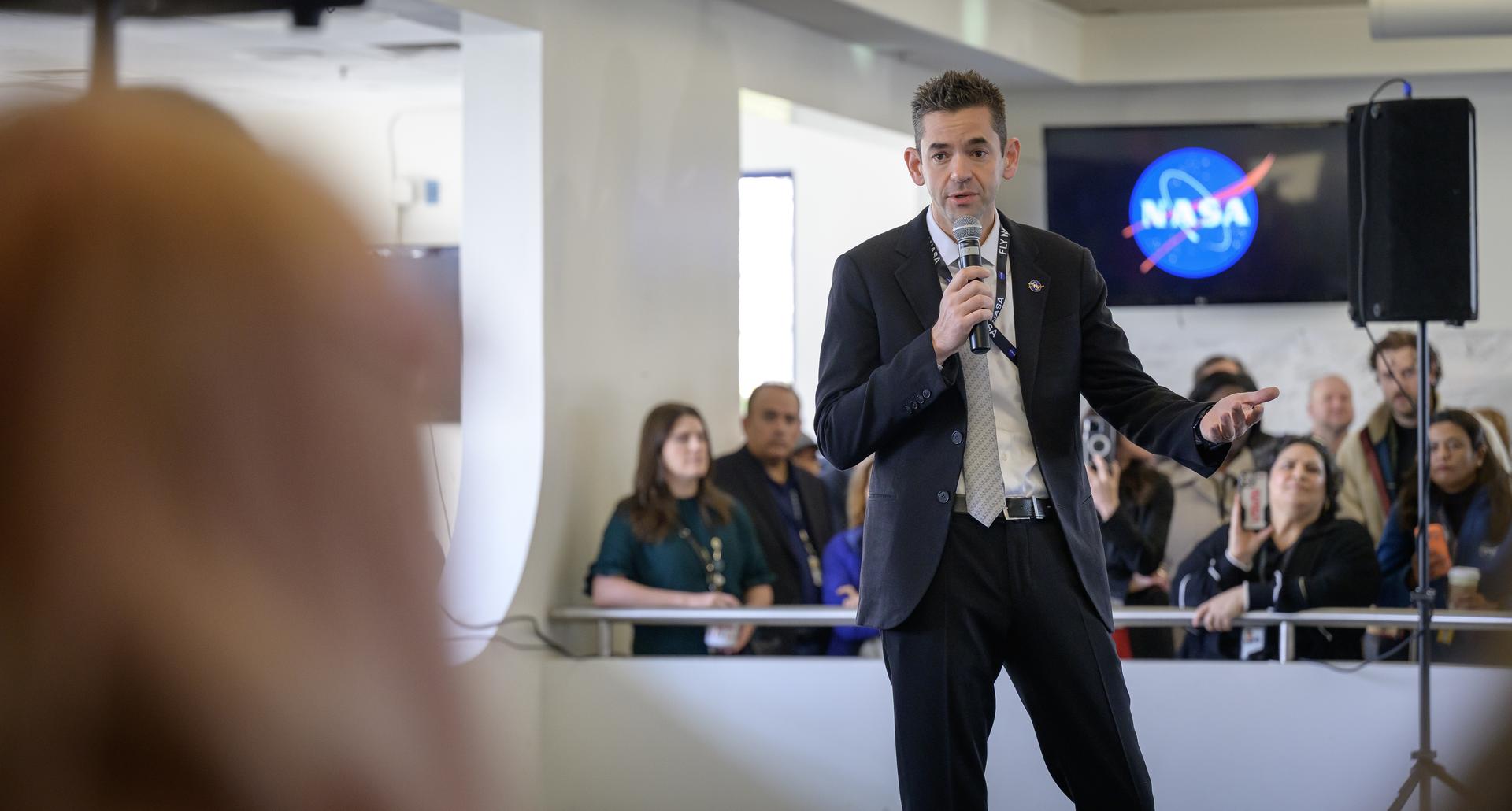
NASA Administrator Jared Isaacman speaks to Ames employees during his coffee and donuts event in MegaBites N235.
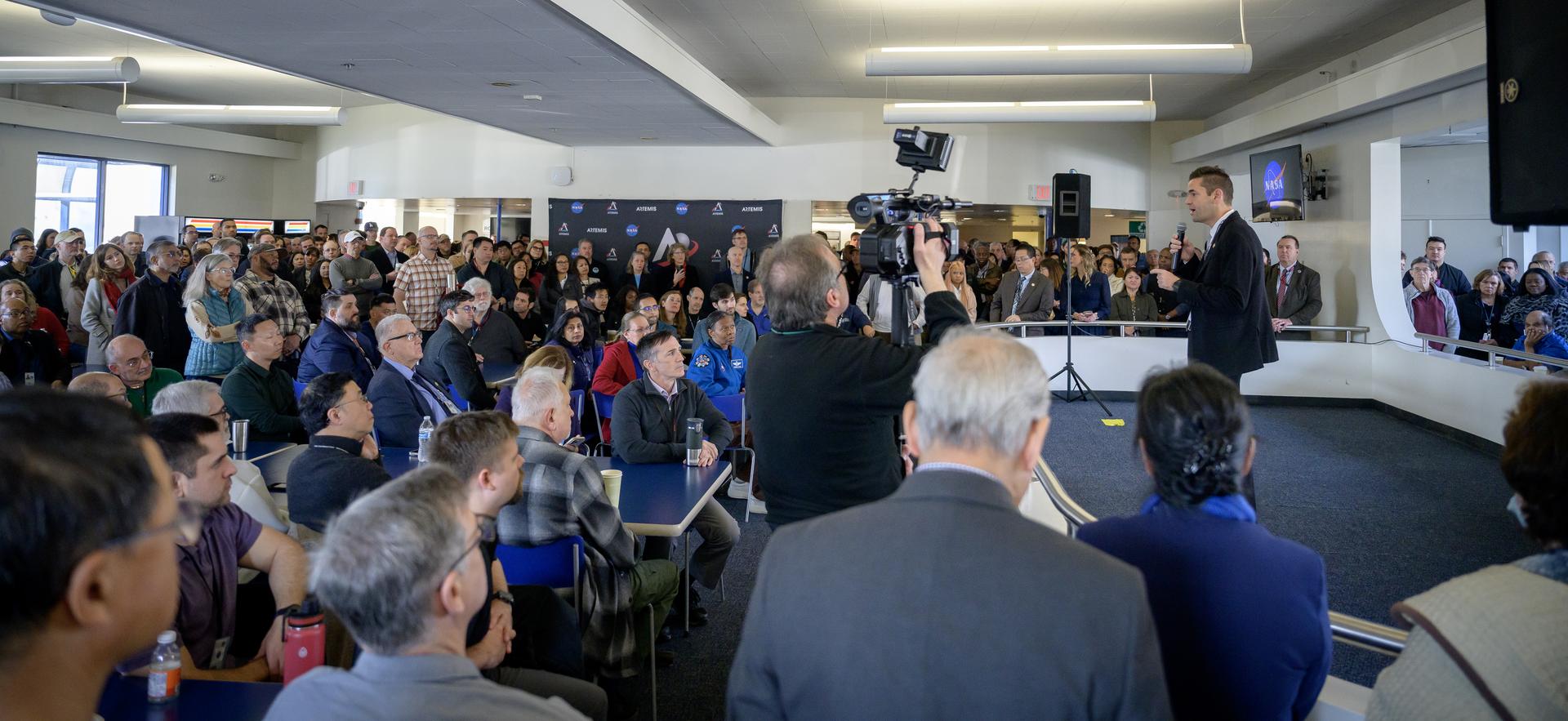
NASA Administrator Jared Isaacman speaks to Ames employees during his coffee and donuts event in MegaBites N235.

Kennedy Space Center employees enjoy coffee and donuts ahead of a Town Hall meeting, courtesy of NASA Administrator Jared Isaacman on Tuesday, June 16, 2026.
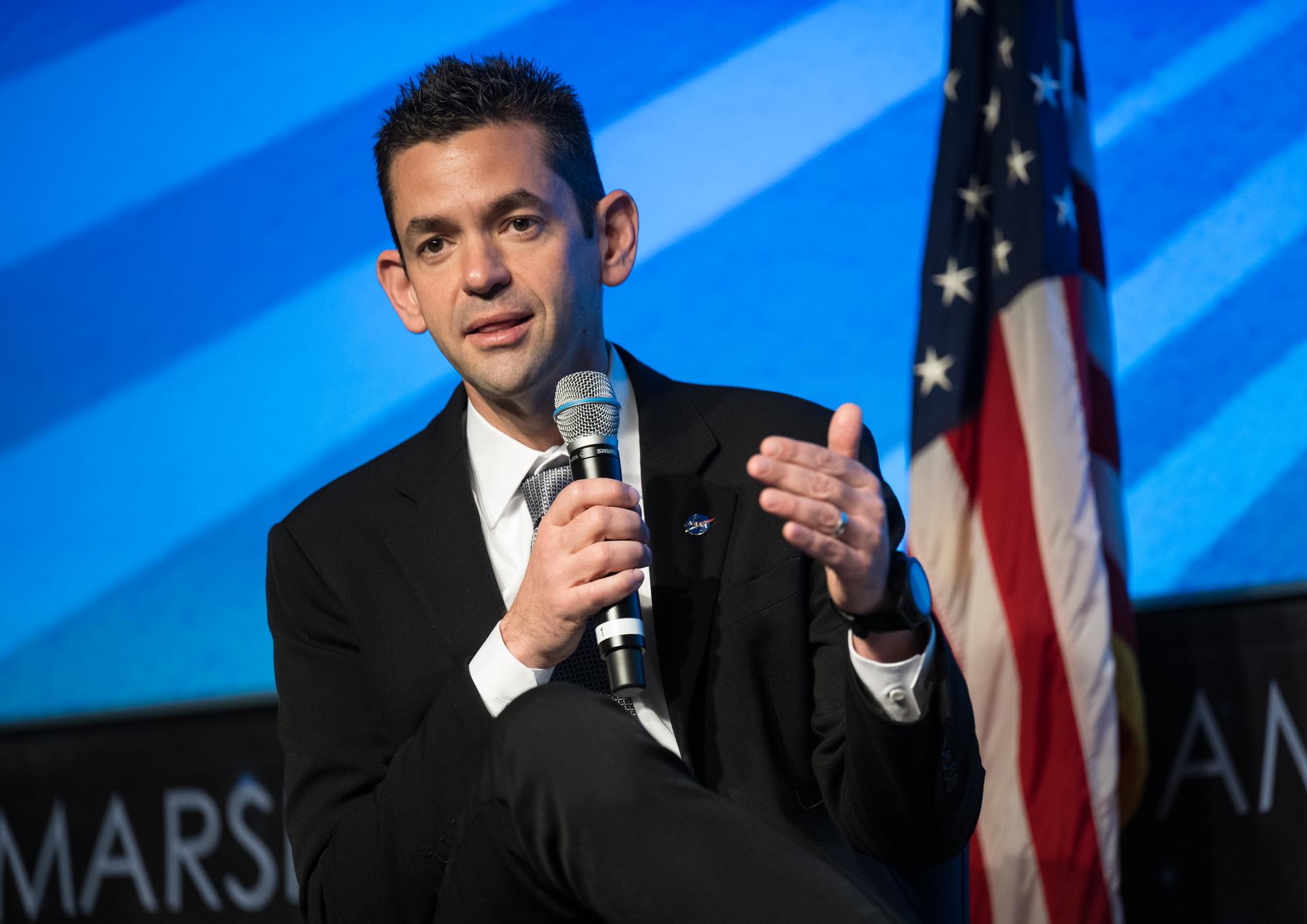
NASA Administrator Jared Isaacman answers a question during a monthly coffee and donuts with the Administrator event, Tuesday, Feb. 24, 2026, at the Mary W. Jackson NASA Headquarters building in Washington. Photo Credit: (NASA/Aubrey Gemignani)
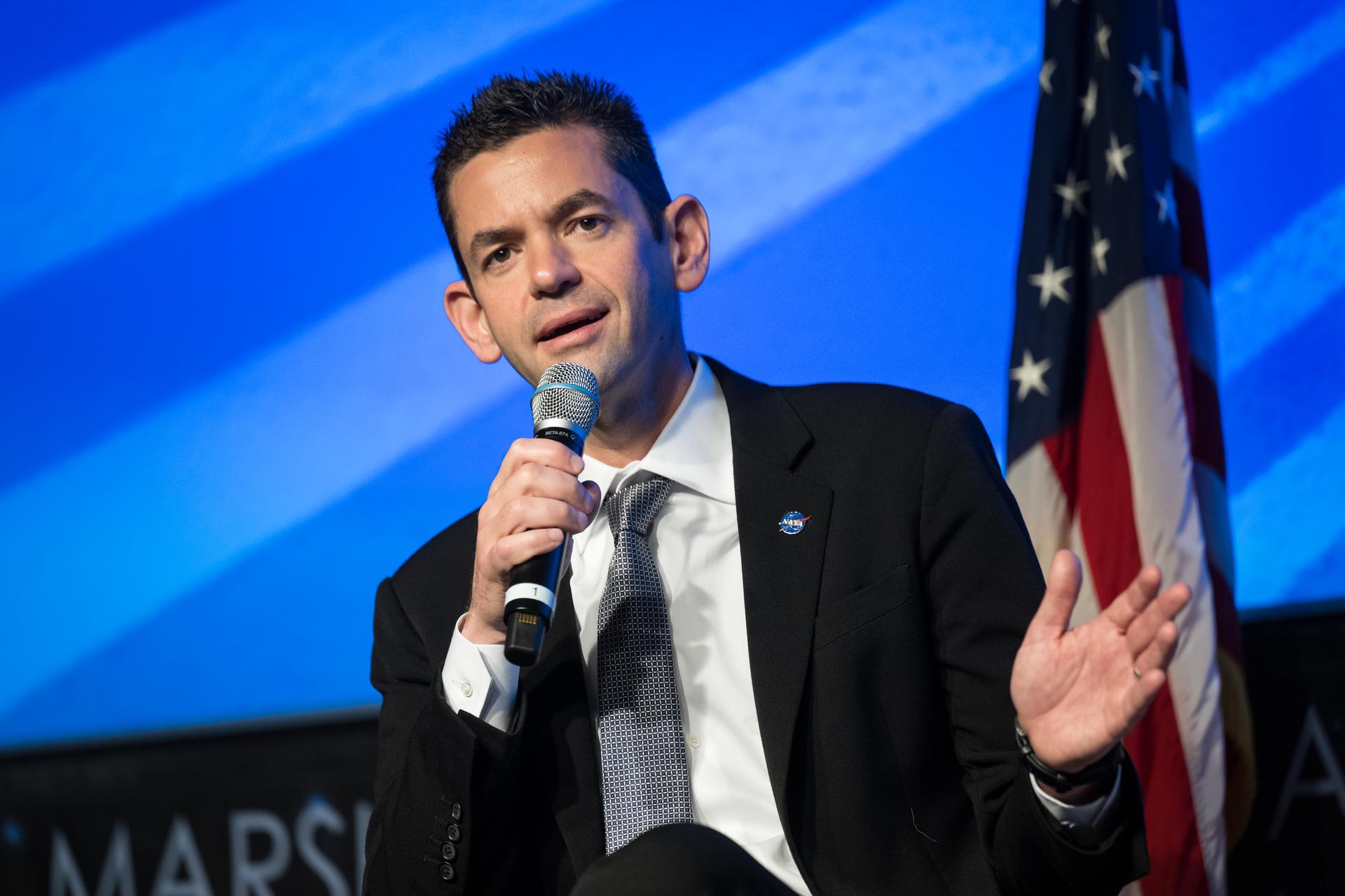
NASA Administrator Jared Isaacman answers a question during a monthly coffee and donuts with the Administrator event, Tuesday, Feb. 24, 2026, at the Mary W. Jackson NASA Headquarters building in Washington. Photo Credit: (NASA/Aubrey Gemignani)
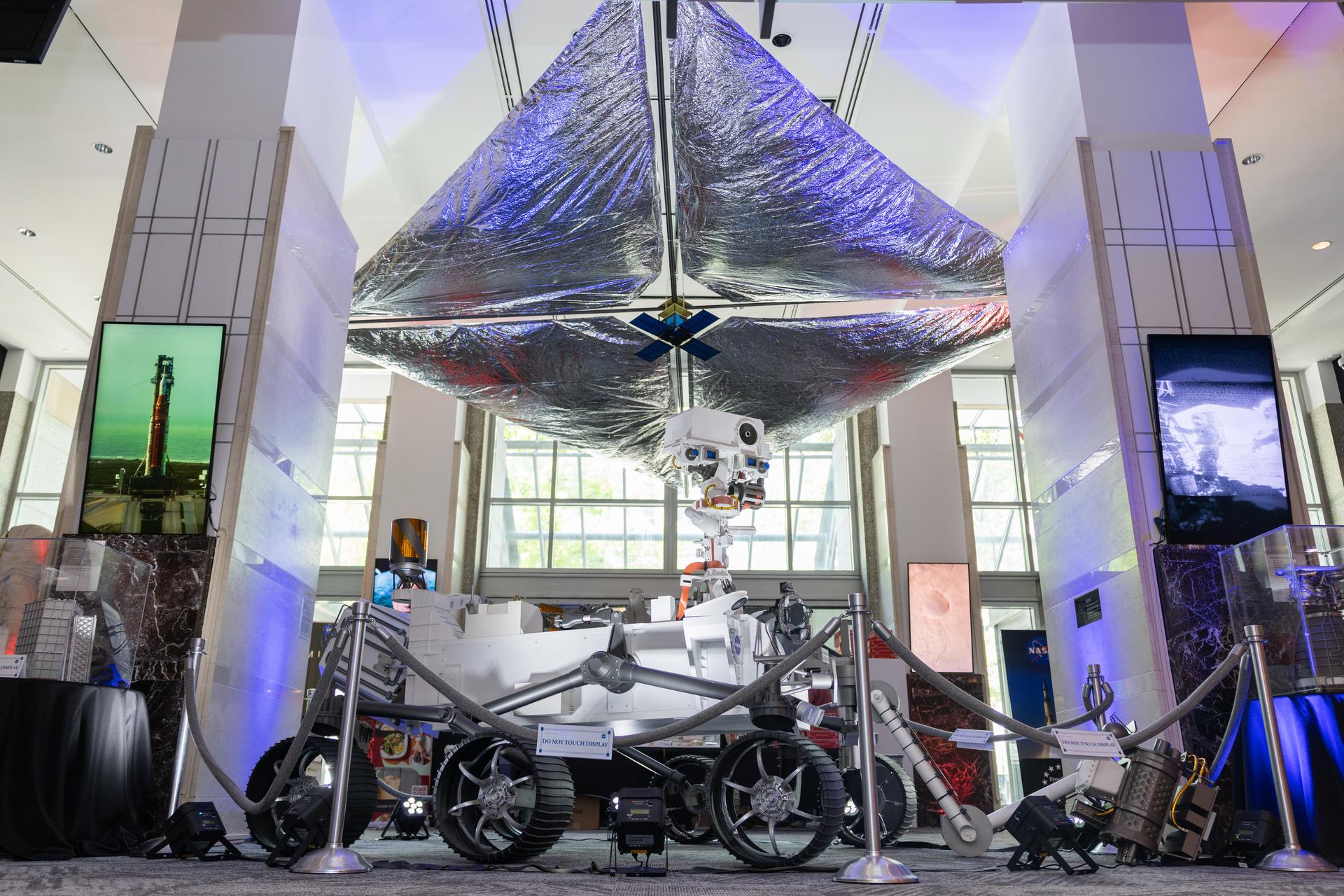
NASA Headquarters redesign featuring artifacts, interactive exhibits, replica mars rover, and donut shop at NASA Headquarters in Washington, DC. Photo Credit: (NASA/Tiffany Coutris)
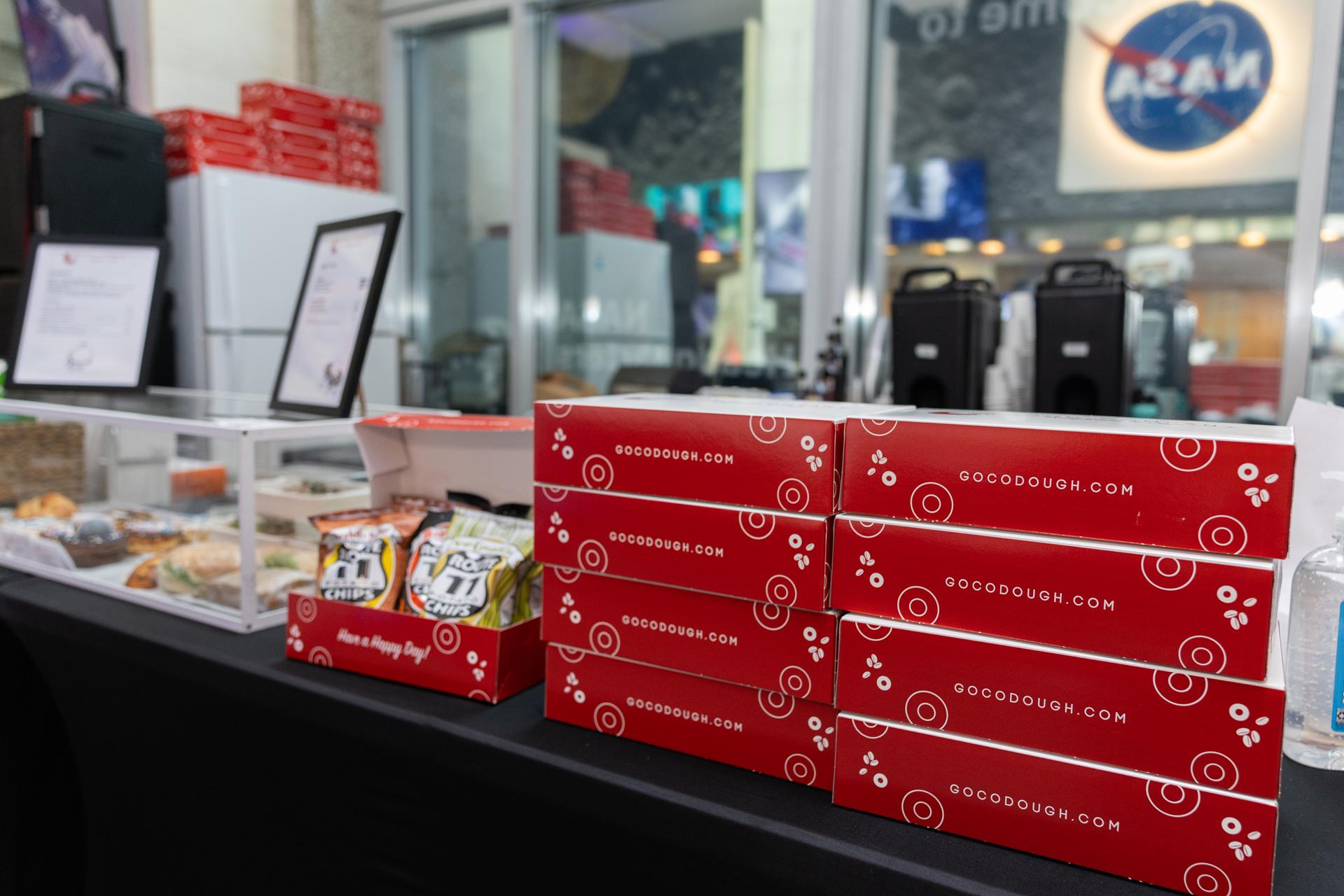
NASA Headquarters redesign featuring artifacts, interactive exhibits, replica mars rover, and donut shop at NASA Headquarters in Washington, DC. Photo Credit: (NASA/Tiffany Coutris)
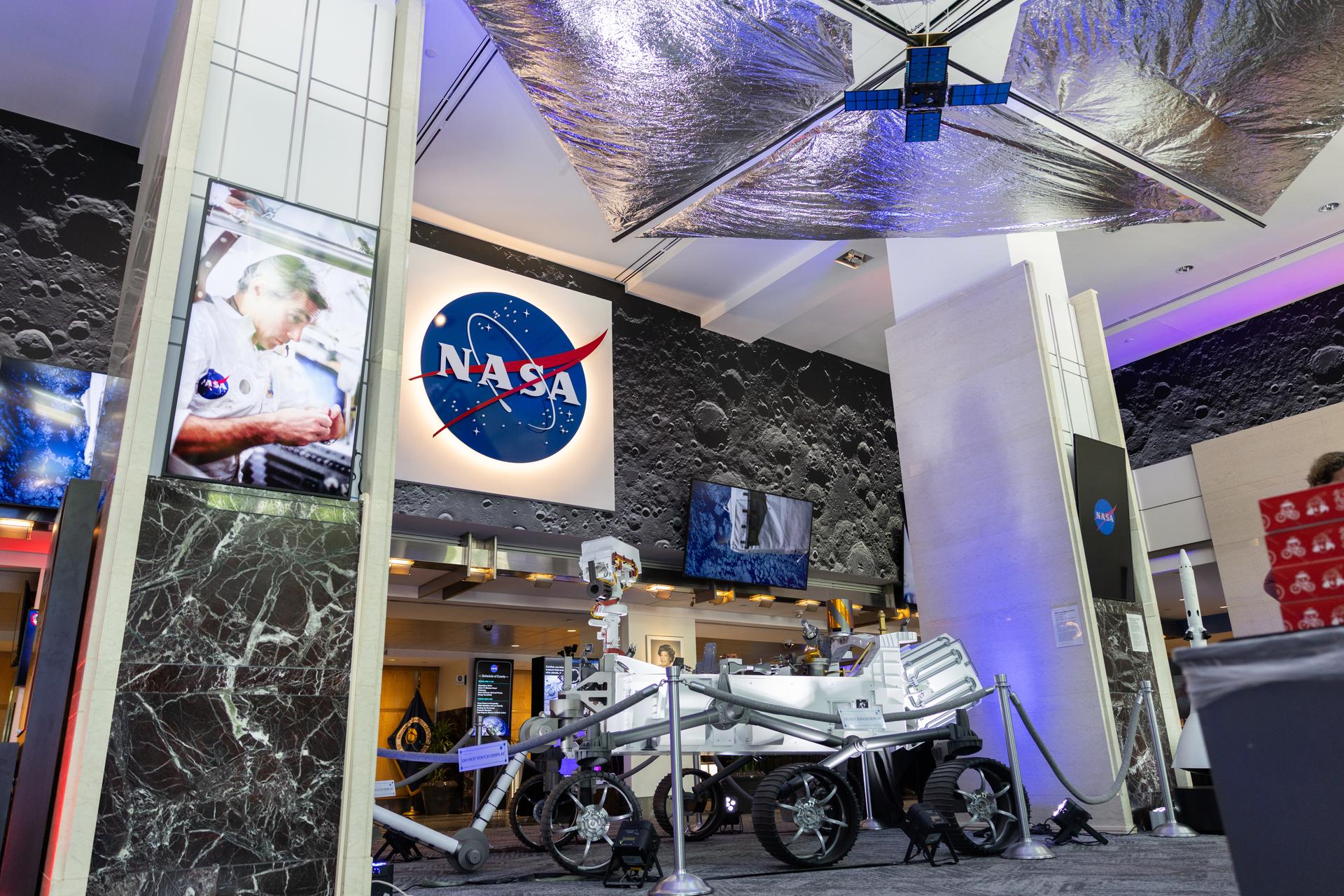
NASA Headquarters redesign featuring artifacts, interactive exhibits, replica mars rover, and donut shop at NASA Headquarters in Washington, DC. Photo Credit: (NASA/Tiffany Coutris)
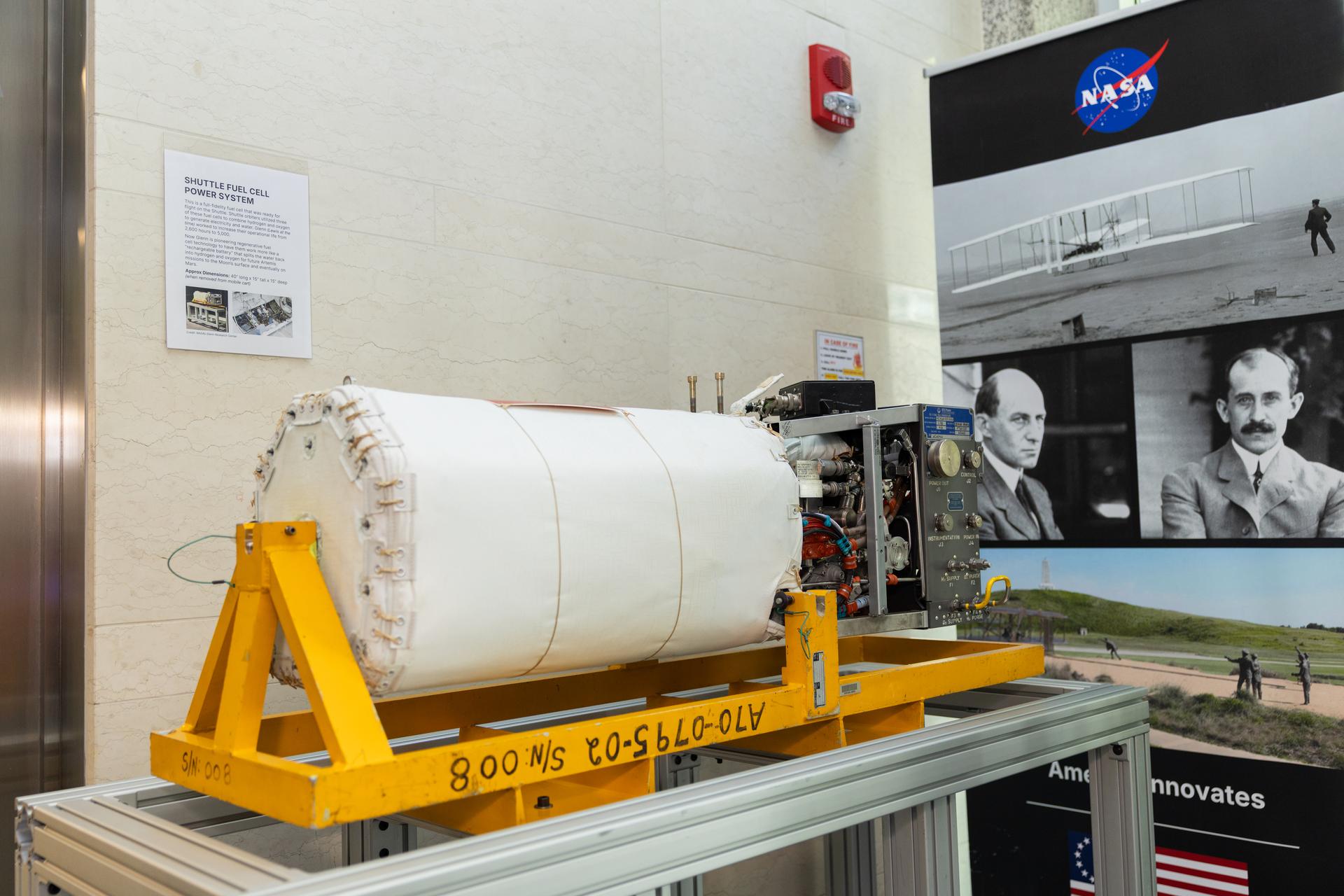
NASA Headquarters redesign featuring artifacts, interactive exhibits, replica mars rover, and donut shop at NASA Headquarters in Washington, DC. Photo Credit: (NASA/Tiffany Coutris)
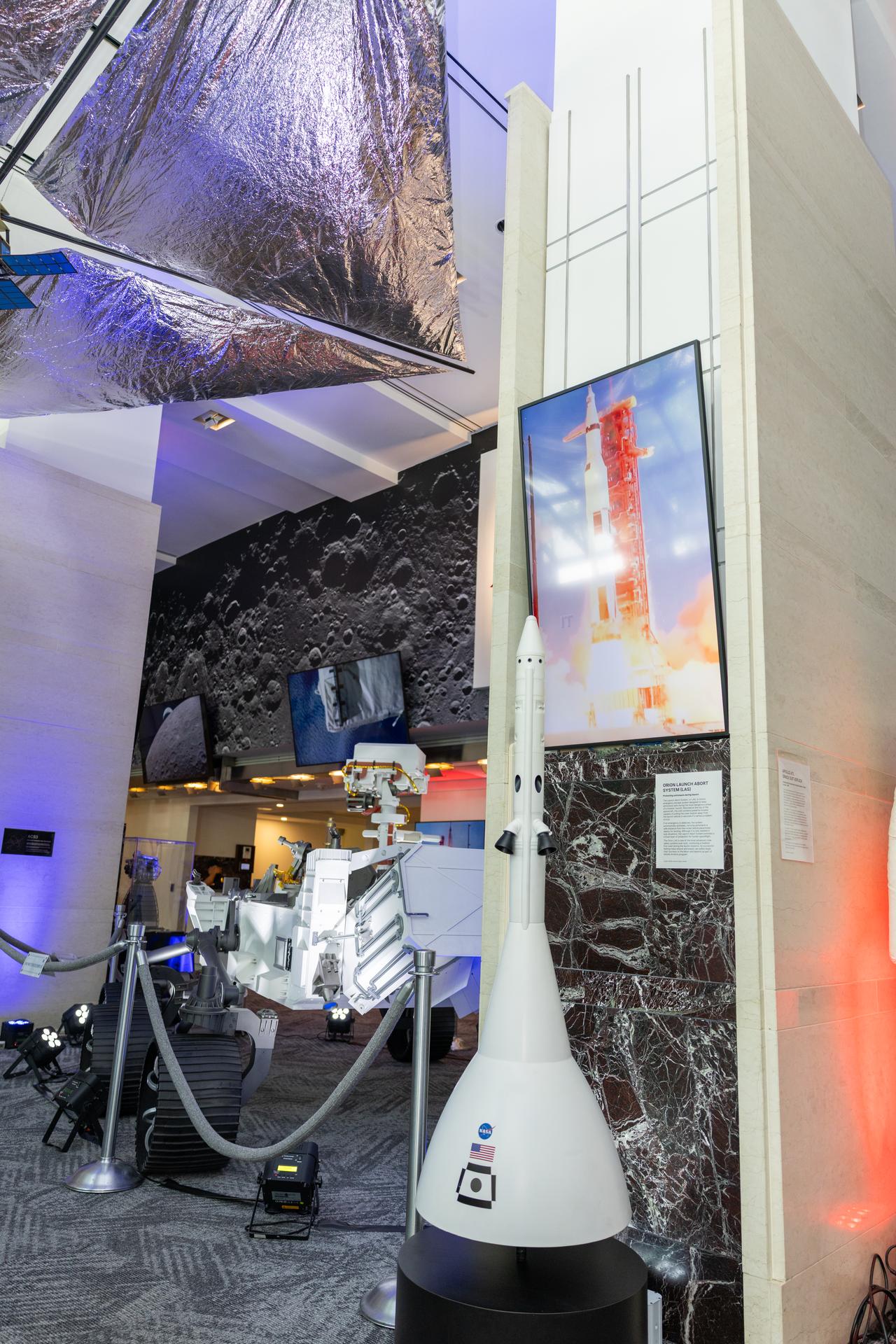
NASA Headquarters redesign featuring artifacts, interactive exhibits, replica mars rover, and donut shop at NASA Headquarters in Washington, DC. Photo Credit: (NASA/Tiffany Coutris)
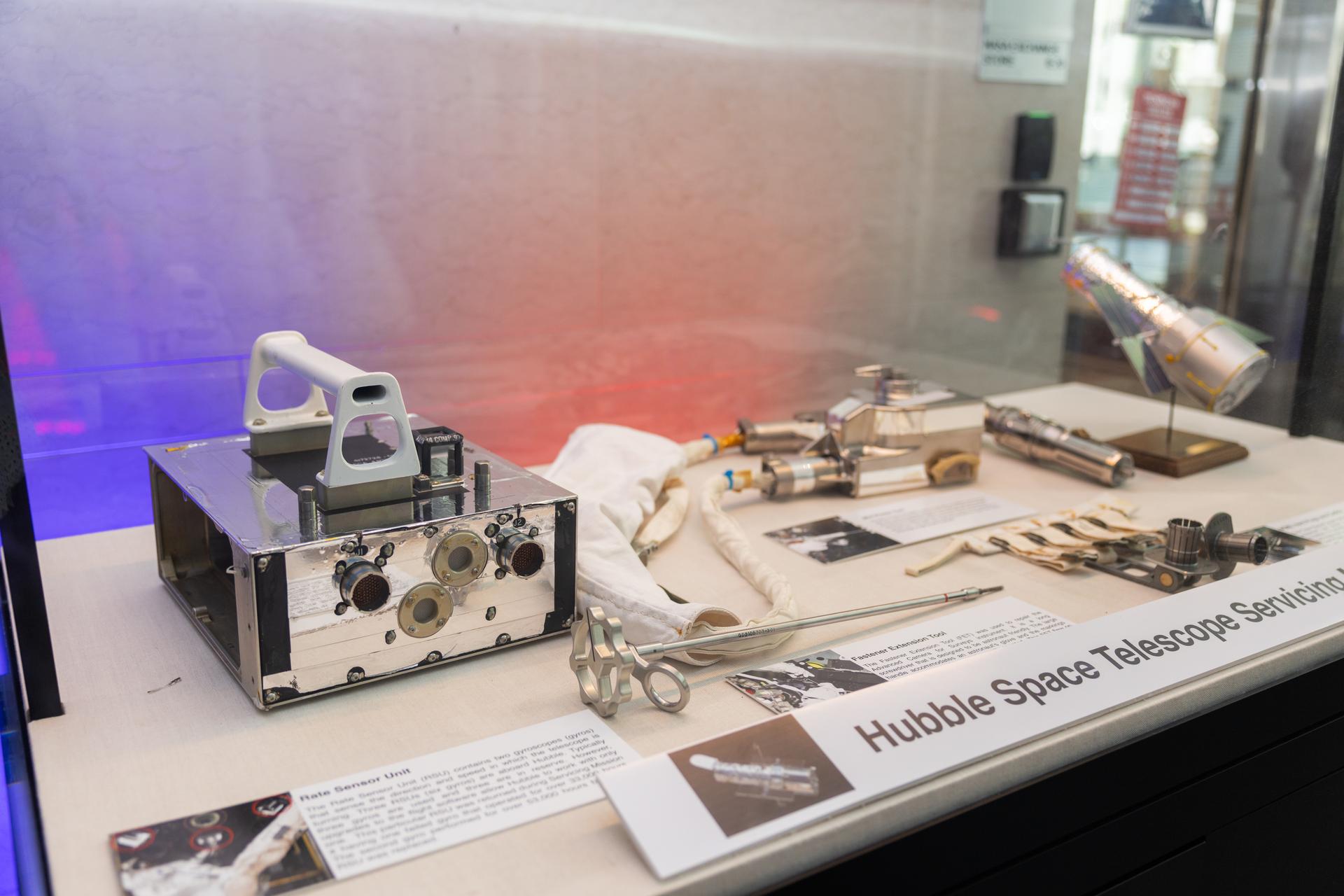
NASA Headquarters redesign featuring artifacts, interactive exhibits, replica mars rover, and donut shop at NASA Headquarters in Washington, DC. Photo Credit: (NASA/Tiffany Coutris)
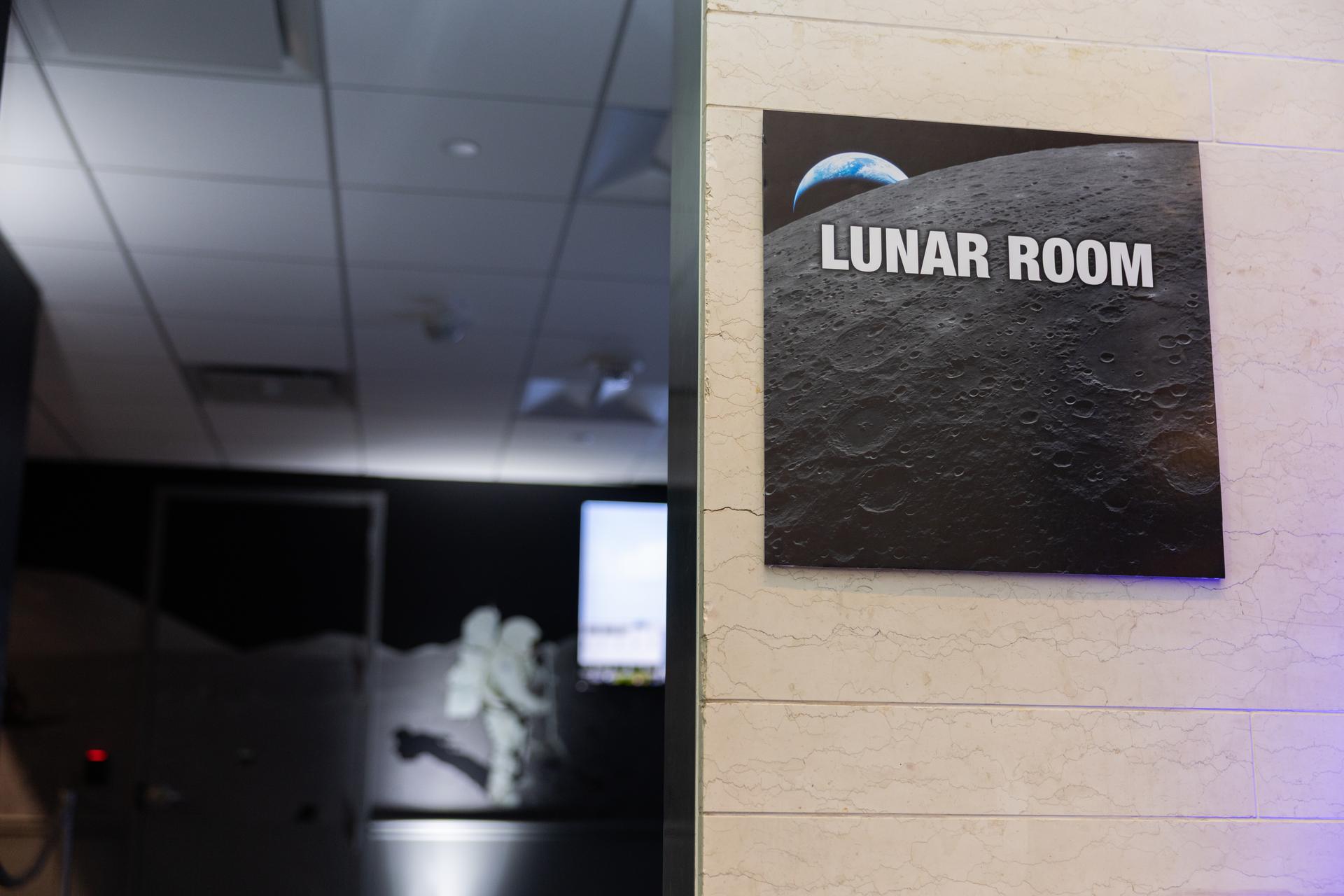
NASA Headquarters redesign featuring artifacts, interactive exhibits, replica mars rover, and donut shop at NASA Headquarters in Washington, DC. Photo Credit: (NASA/Tiffany Coutris)
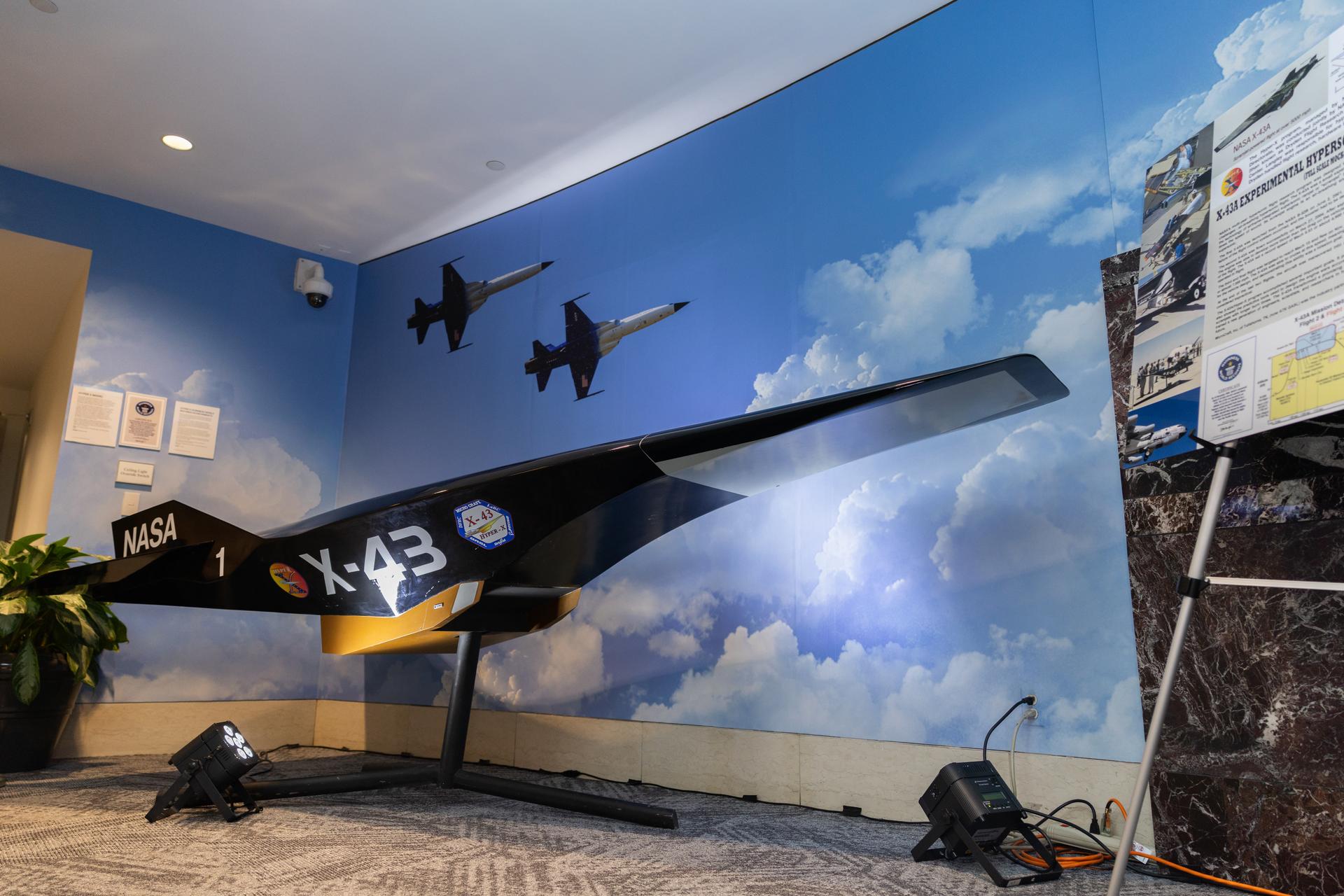
NASA Headquarters redesign featuring artifacts, interactive exhibits, replica mars rover, and donut shop at NASA Headquarters in Washington, DC. Photo Credit: (NASA/Tiffany Coutris)
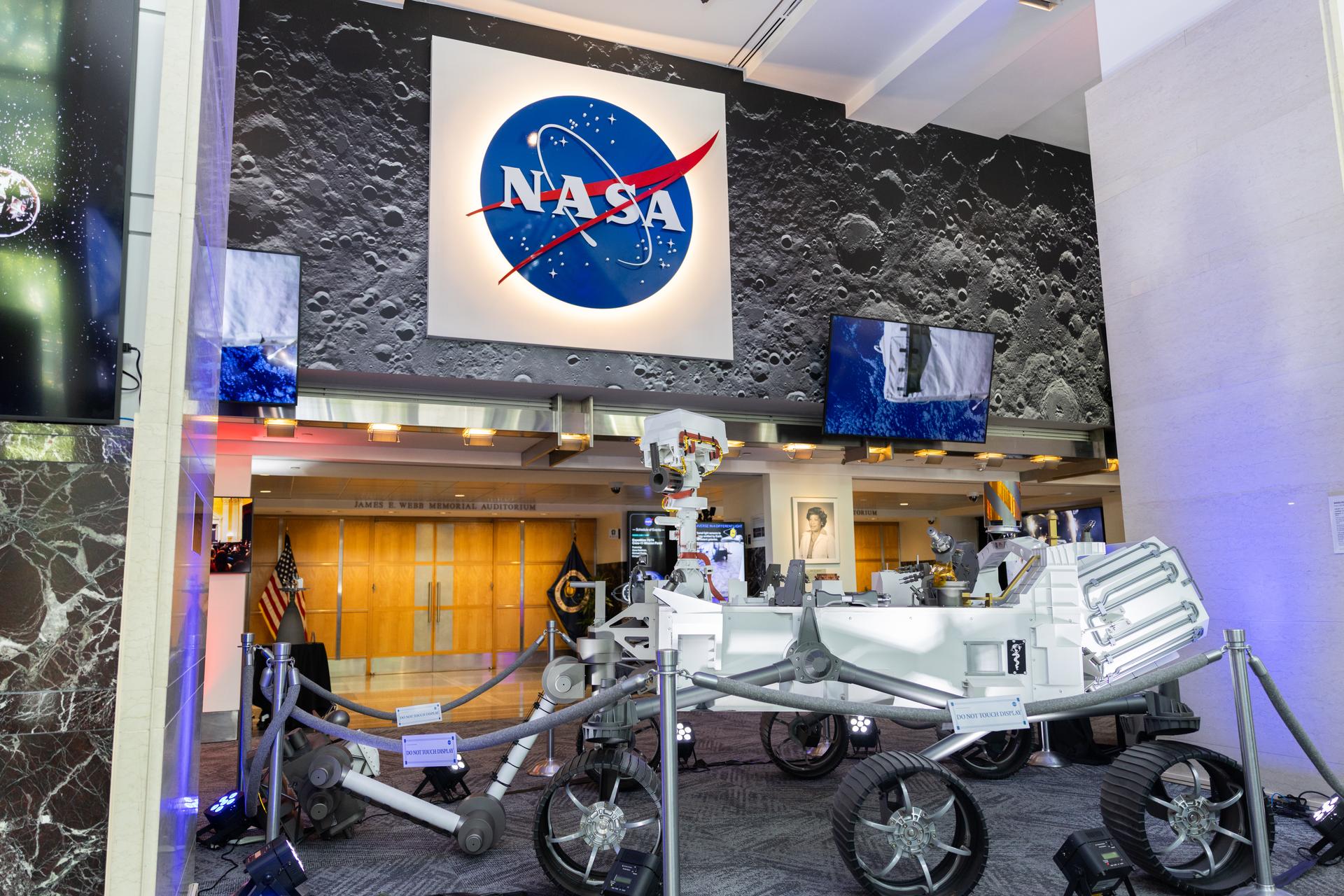
NASA Headquarters redesign featuring artifacts, interactive exhibits, replica mars rover, and donut shop at NASA Headquarters in Washington, DC. Photo Credit: (NASA/Tiffany Coutris)
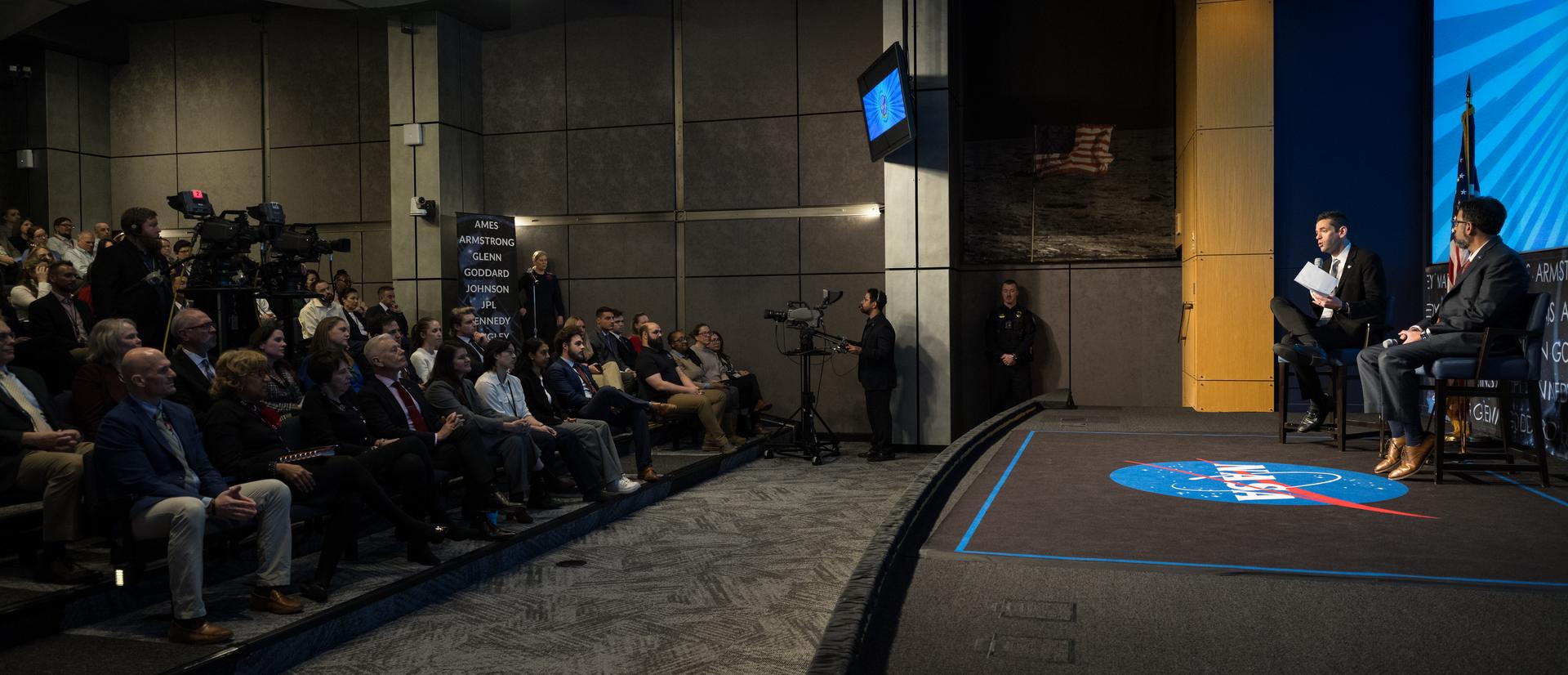
NASA Administrator Jared Isaacman, left, and NASA Associate Administrator Amit Kshatriya, speak with the agency workforce during a monthly coffee and donuts with the Administrator event, Tuesday, Feb. 24, 2026, at the Mary W. Jackson NASA Headquarters building in Washington. Photo Credit: (NASA/Aubrey Gemignani)
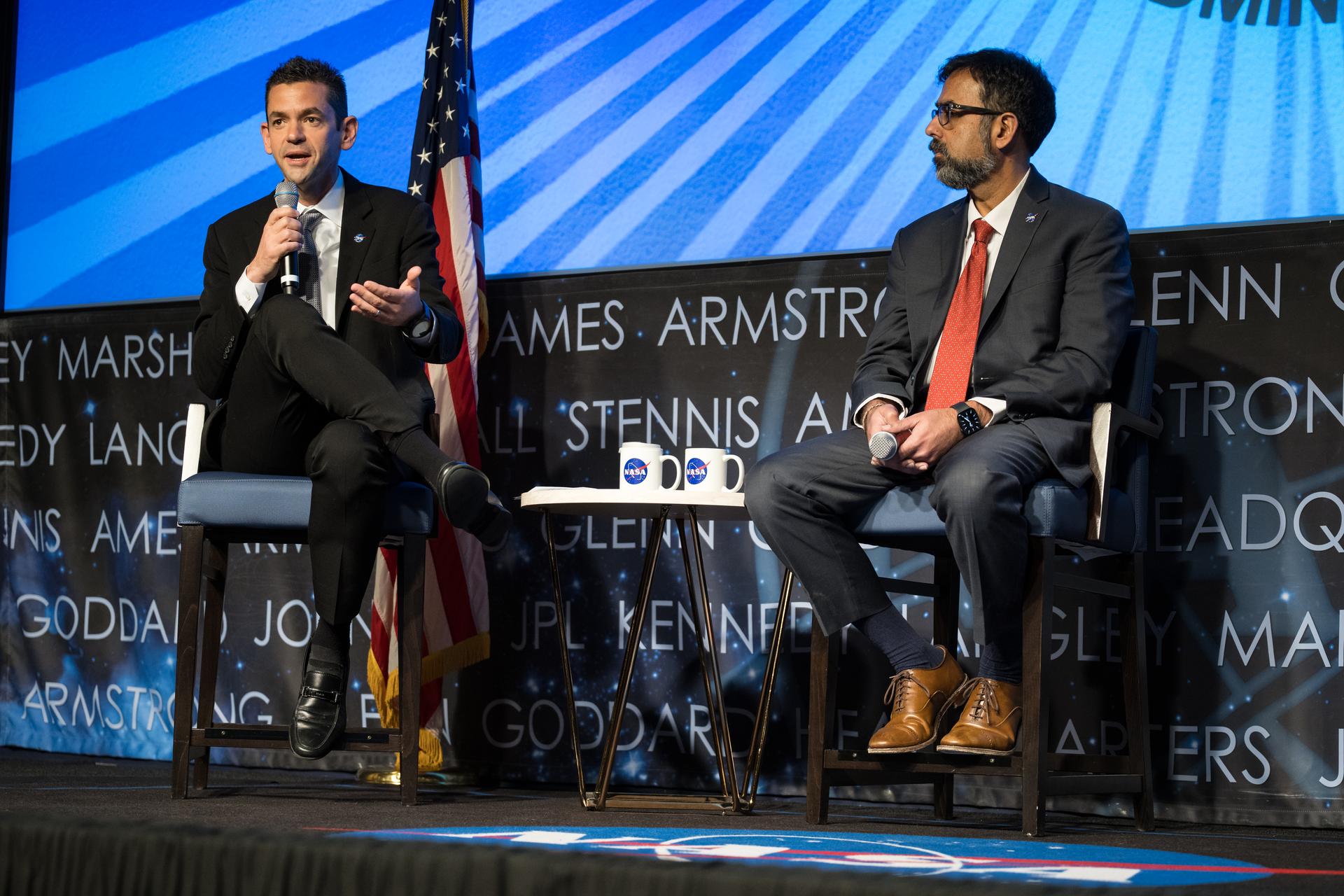
NASA Administrator Jared Isaacman and NASA Associate Administrator Amit Kshatriya, speak with the agency workforce during a monthly coffee and donuts with the Administrator event, Tuesday, Feb. 24, 2026, at the Mary W. Jackson NASA Headquarters building in Washington. Photo Credit: (NASA/Aubrey Gemignani)
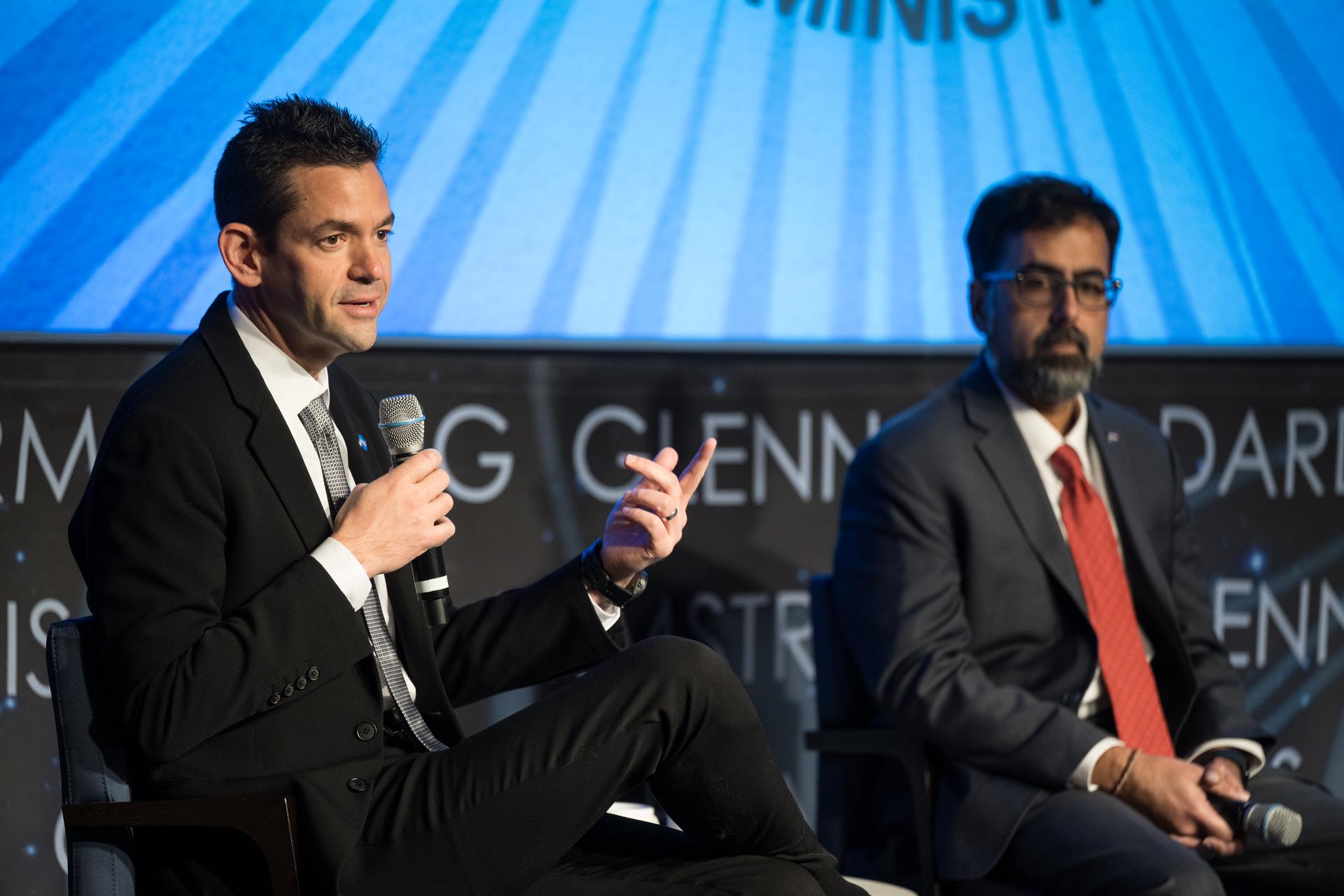
NASA Administrator Jared Isaacman and NASA Associate Administrator Amit Kshatriya, speak with the agency workforce during a monthly coffee and donuts with the Administrator event, Tuesday, Feb. 24, 2026, at the Mary W. Jackson NASA Headquarters building in Washington. Photo Credit: (NASA/Aubrey Gemignani)
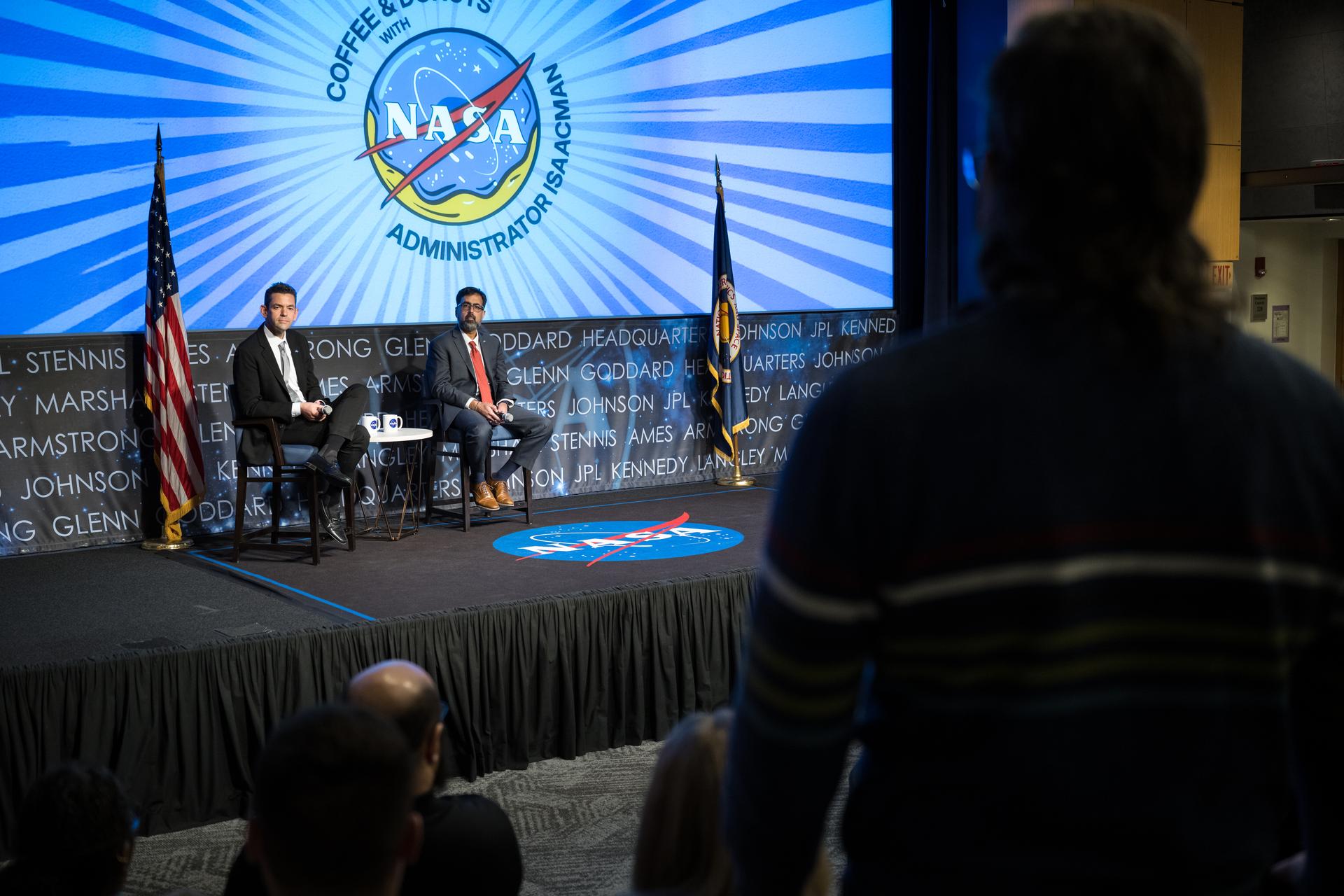
NASA Administrator Jared Isaacman, left, and NASA Associate Administrator Amit Kshatriya, answer a question during a monthly coffee and donuts with the Administrator event, Tuesday, Feb. 24, 2026, at the Mary W. Jackson NASA Headquarters building in Washington. Photo Credit: (NASA/Aubrey Gemignani)
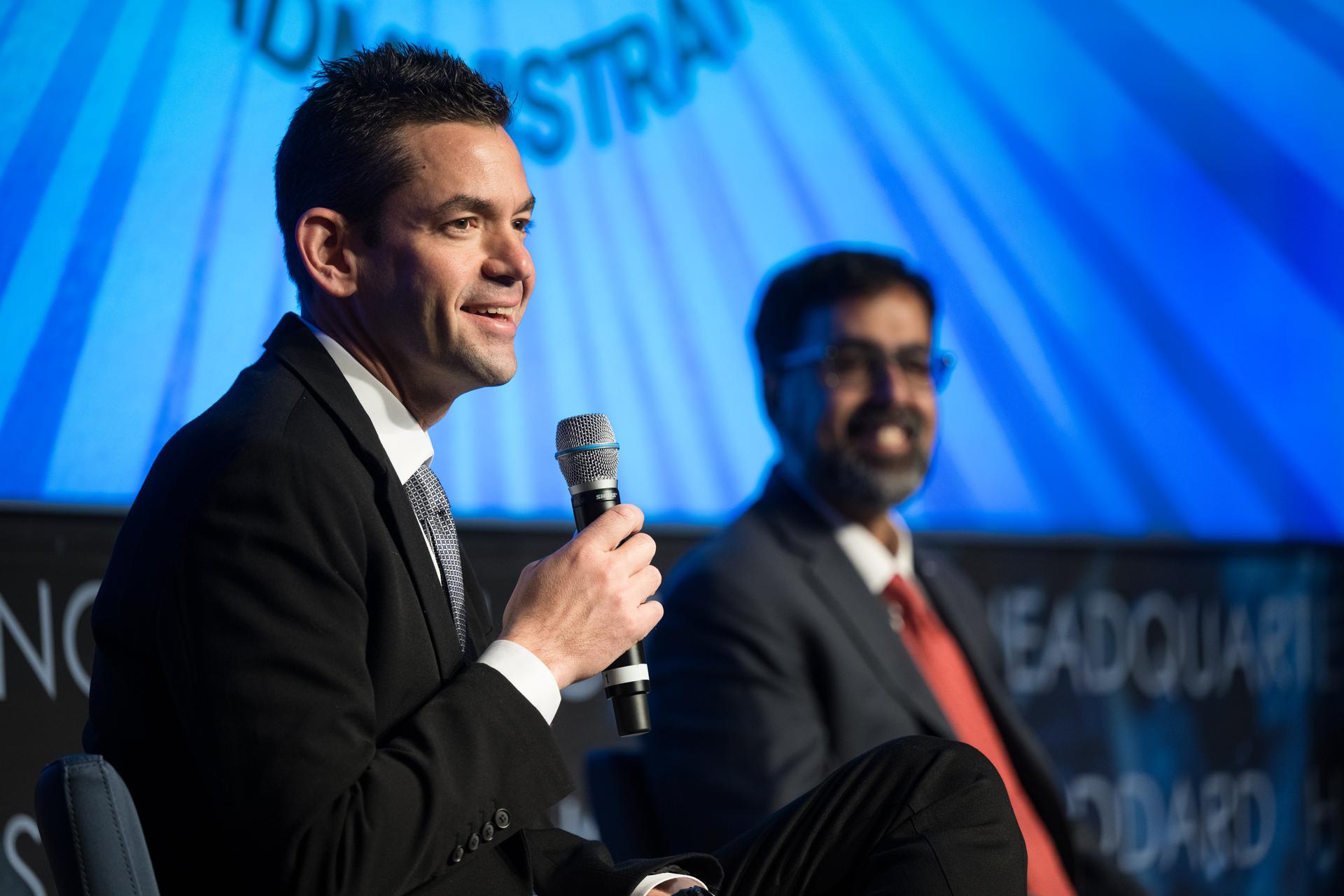
NASA Administrator Jared Isaacman and NASA Associate Administrator Amit Kshatriya, speak with the agency workforce during a monthly coffee and donuts with the Administrator event, Tuesday, Feb. 24, 2026, at the Mary W. Jackson NASA Headquarters building in Washington. Photo Credit: (NASA/Aubrey Gemignani)
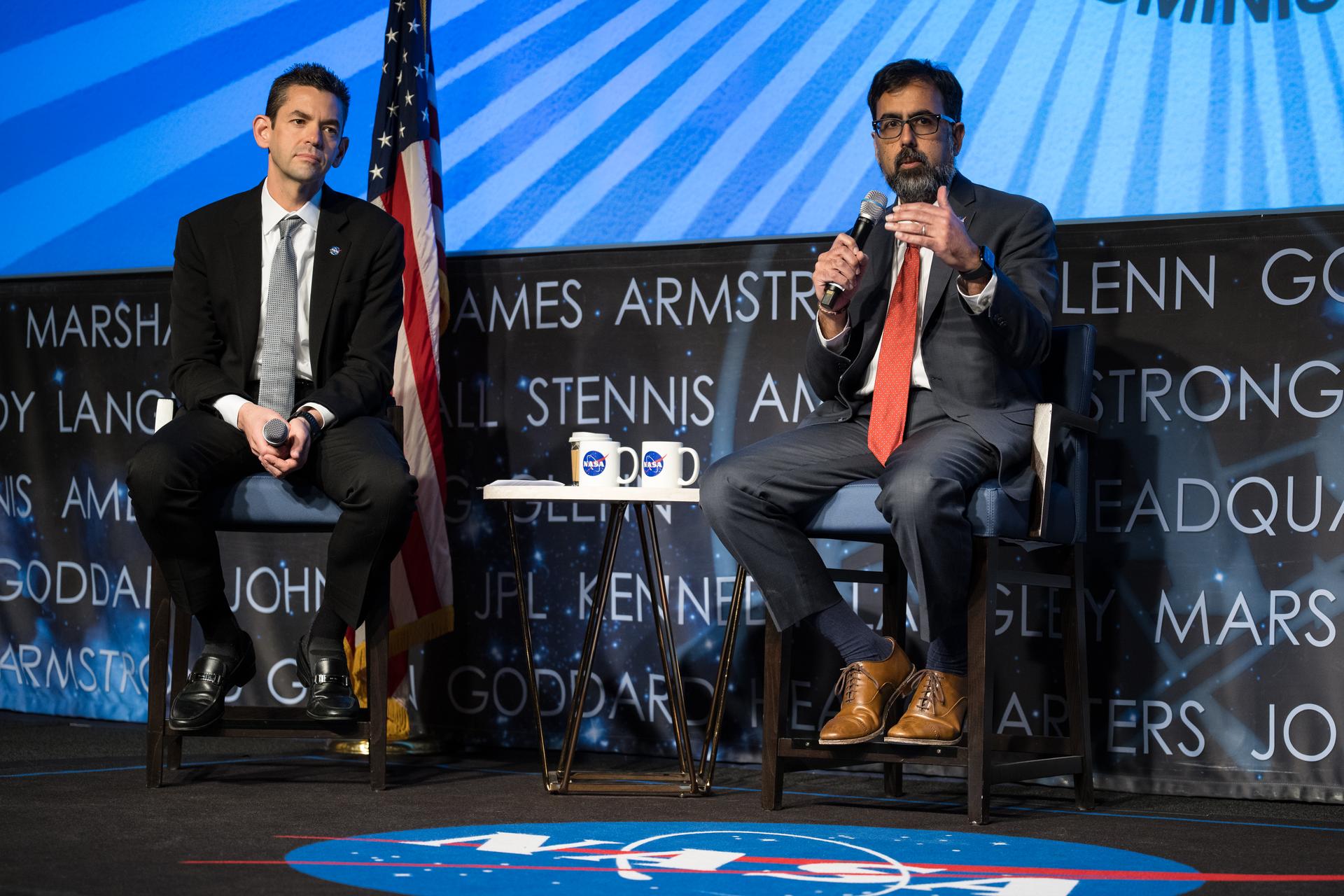
NASA Administrator Jared Isaacman and NASA Associate Administrator Amit Kshatriya, speak with the agency workforce during a monthly coffee and donuts with the Administrator event, Tuesday, Feb. 24, 2026, at the Mary W. Jackson NASA Headquarters building in Washington. Photo Credit: (NASA/Aubrey Gemignani)
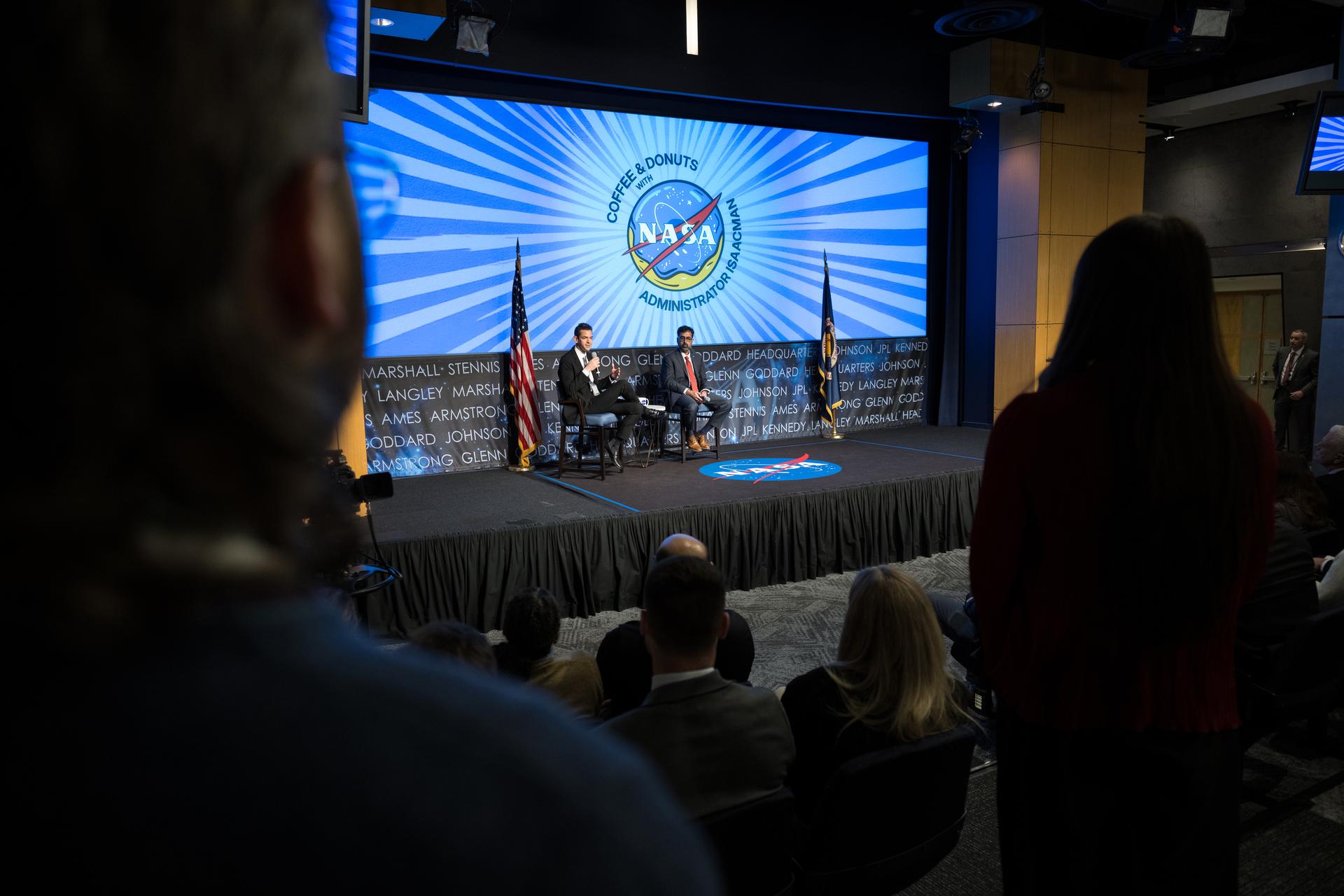
NASA Administrator Jared Isaacman, left, and NASA Associate Administrator Amit Kshatriya, answer a question during a monthly coffee and donuts with the Administrator event, Tuesday, Feb. 24, 2026, at the Mary W. Jackson NASA Headquarters building in Washington. Photo Credit: (NASA/Aubrey Gemignani)
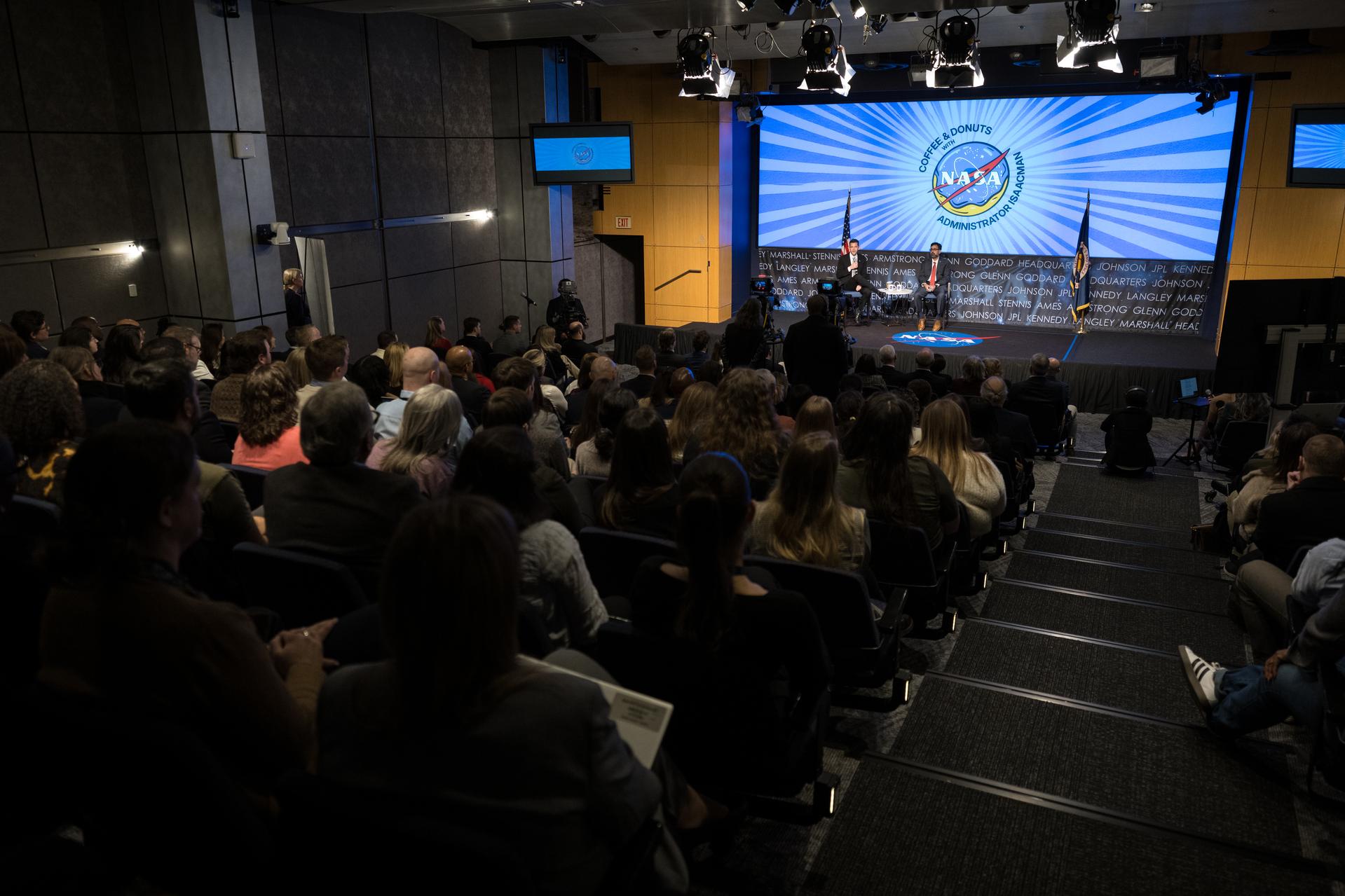
NASA Administrator Jared Isaacman and NASA Associate Administrator Amit Kshatriya, speak with the agency workforce during a monthly coffee and donuts with the Administrator event, Tuesday, Feb. 24, 2026, at the Mary W. Jackson NASA Headquarters building in Washington. Photo Credit: (NASA/Aubrey Gemignani)
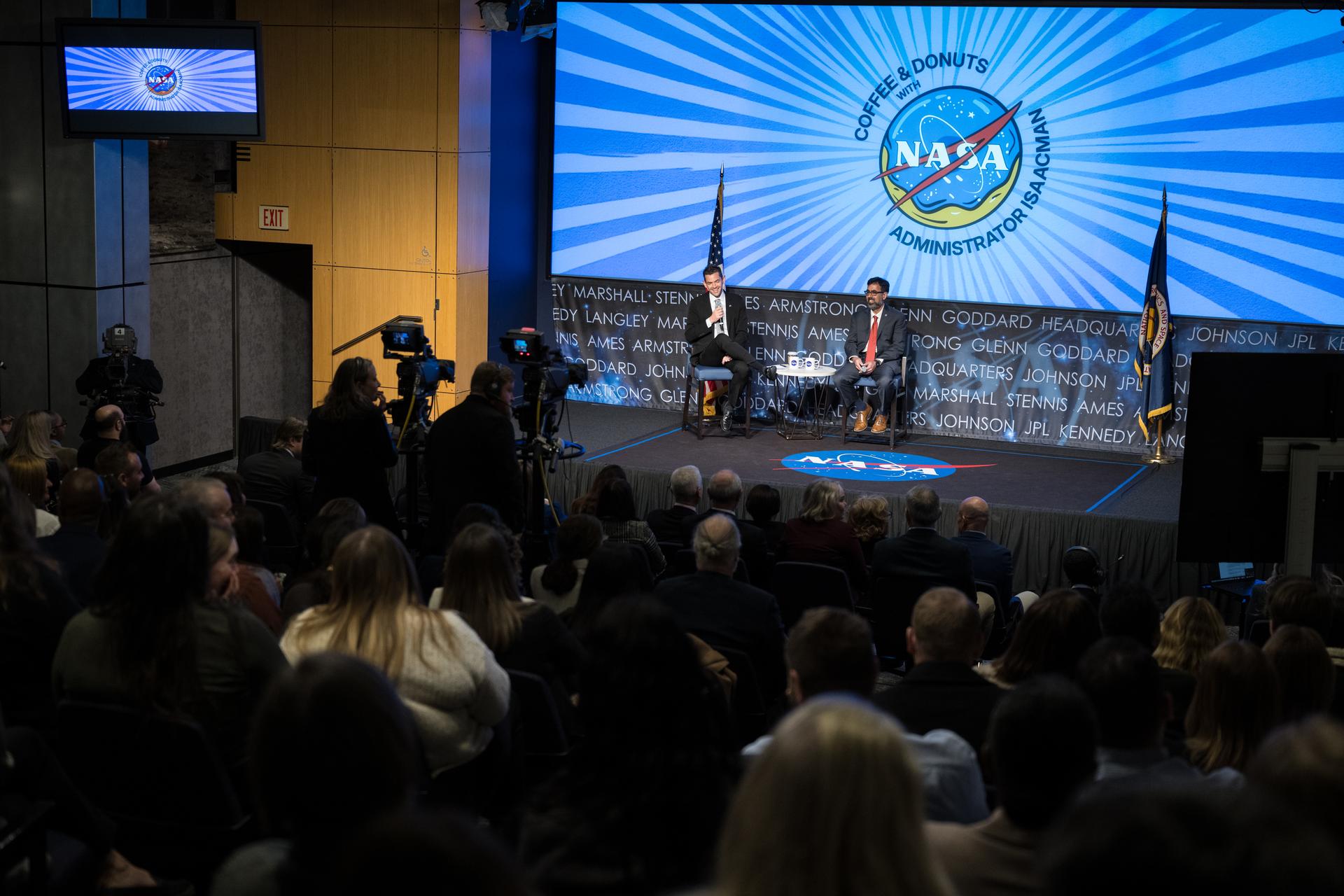
NASA Administrator Jared Isaacman and NASA Associate Administrator Amit Kshatriya, speak with the agency workforce during a monthly coffee and donuts with the Administrator event, Tuesday, Feb. 24, 2026, at the Mary W. Jackson NASA Headquarters building in Washington. Photo Credit: (NASA/Aubrey Gemignani)
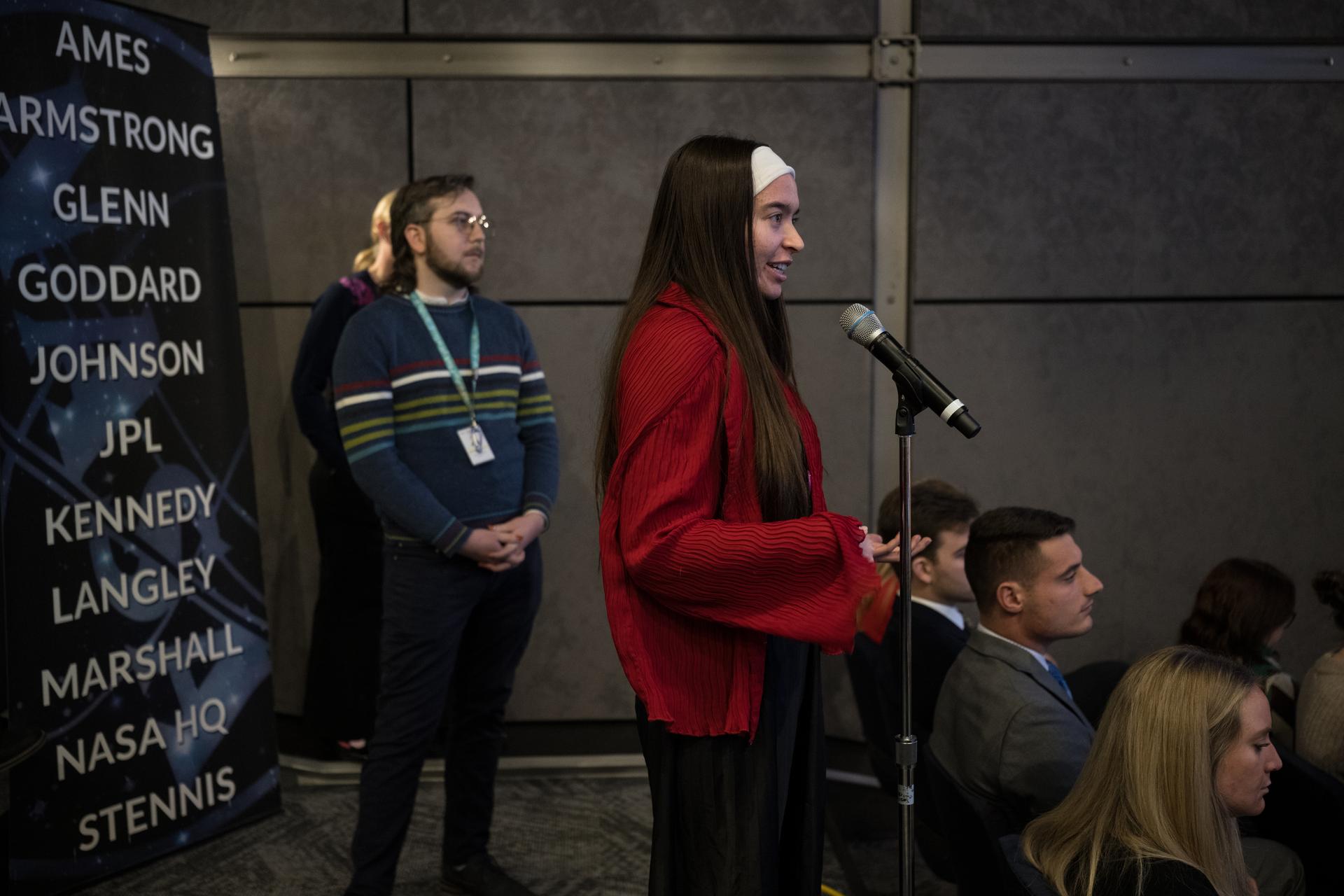
An audience member asks NASA Administrator Jared Isaacman and NASA Associate Administrator Amit Kshatriya a question during a monthly coffee and donuts with the Administrator event, Tuesday, Feb. 24, 2026, at the Mary W. Jackson NASA Headquarters building in Washington. Photo Credit: (NASA/Aubrey Gemignani)
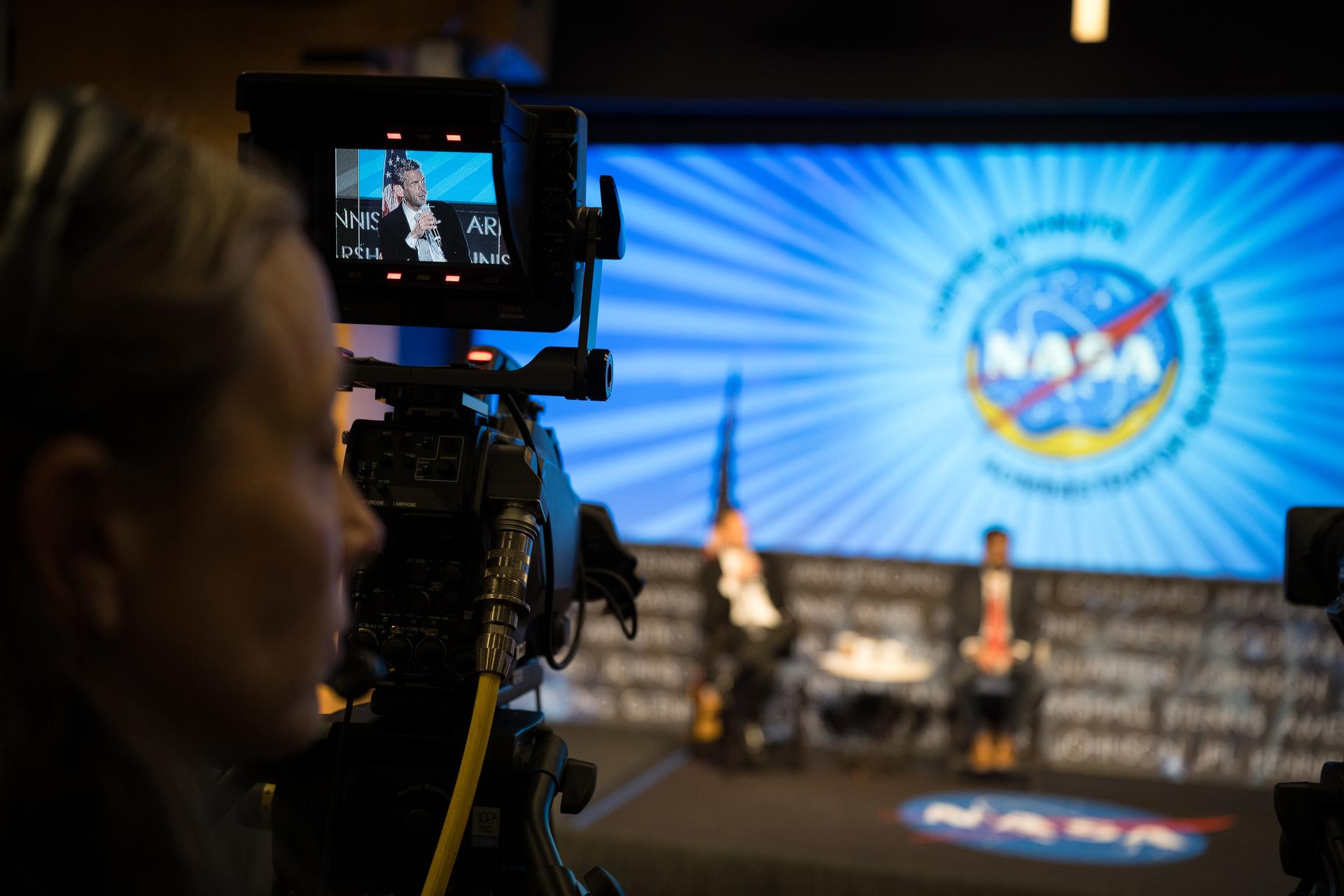
NASA Administrator Jared Isaacman and NASA Associate Administrator Amit Kshatriya, speak with the agency workforce during a monthly coffee and donuts with the Administrator event, Tuesday, Feb. 24, 2026, at the Mary W. Jackson NASA Headquarters building in Washington. Photo Credit: (NASA/Aubrey Gemignani)
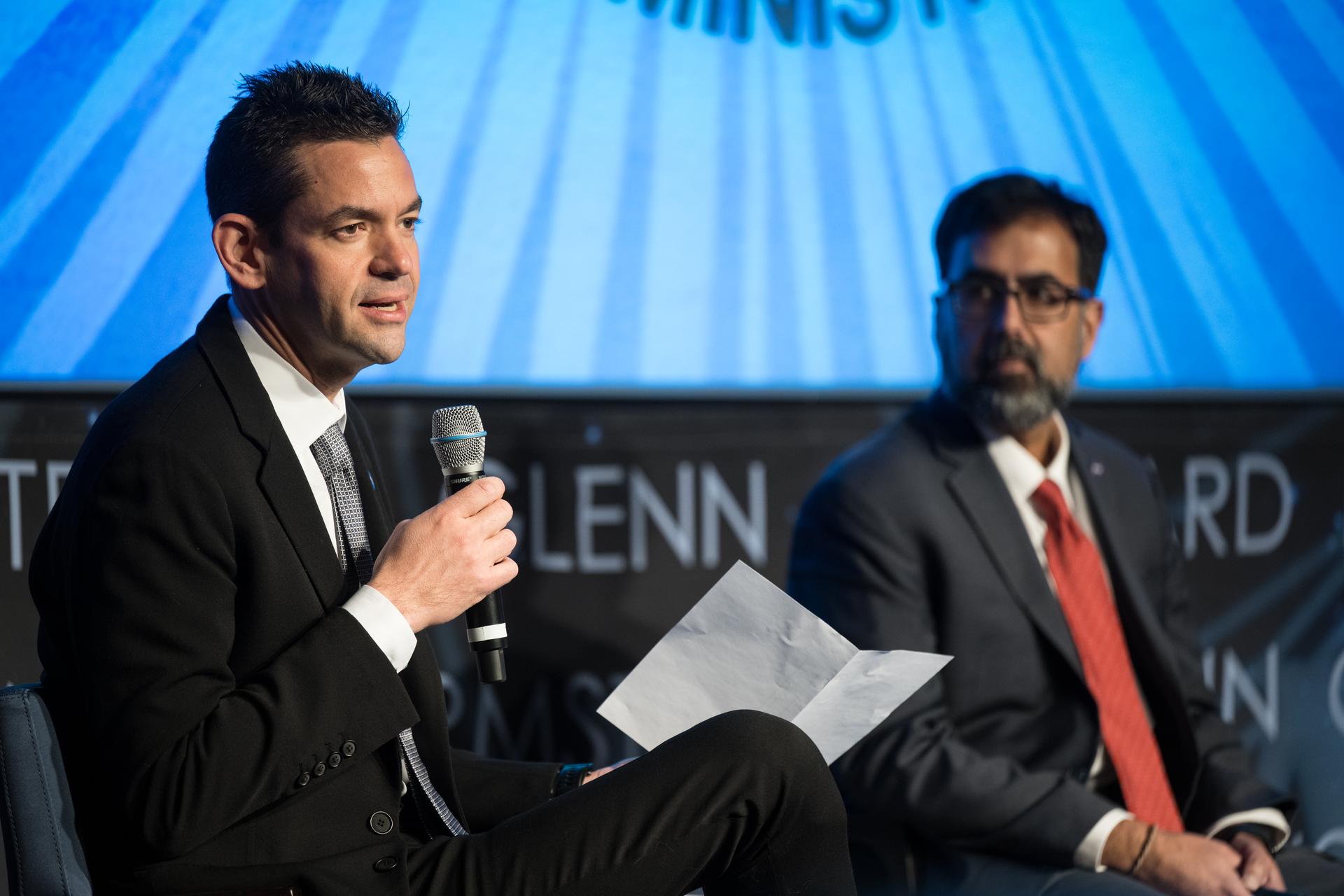
NASA Administrator Jared Isaacman, left, and NASA Associate Administrator Amit Kshatriya, speak with the agency workforce during a monthly coffee and donuts with the Administrator event, Tuesday, Feb. 24, 2026, at the Mary W. Jackson NASA Headquarters building in Washington. Photo Credit: (NASA/Aubrey Gemignani)
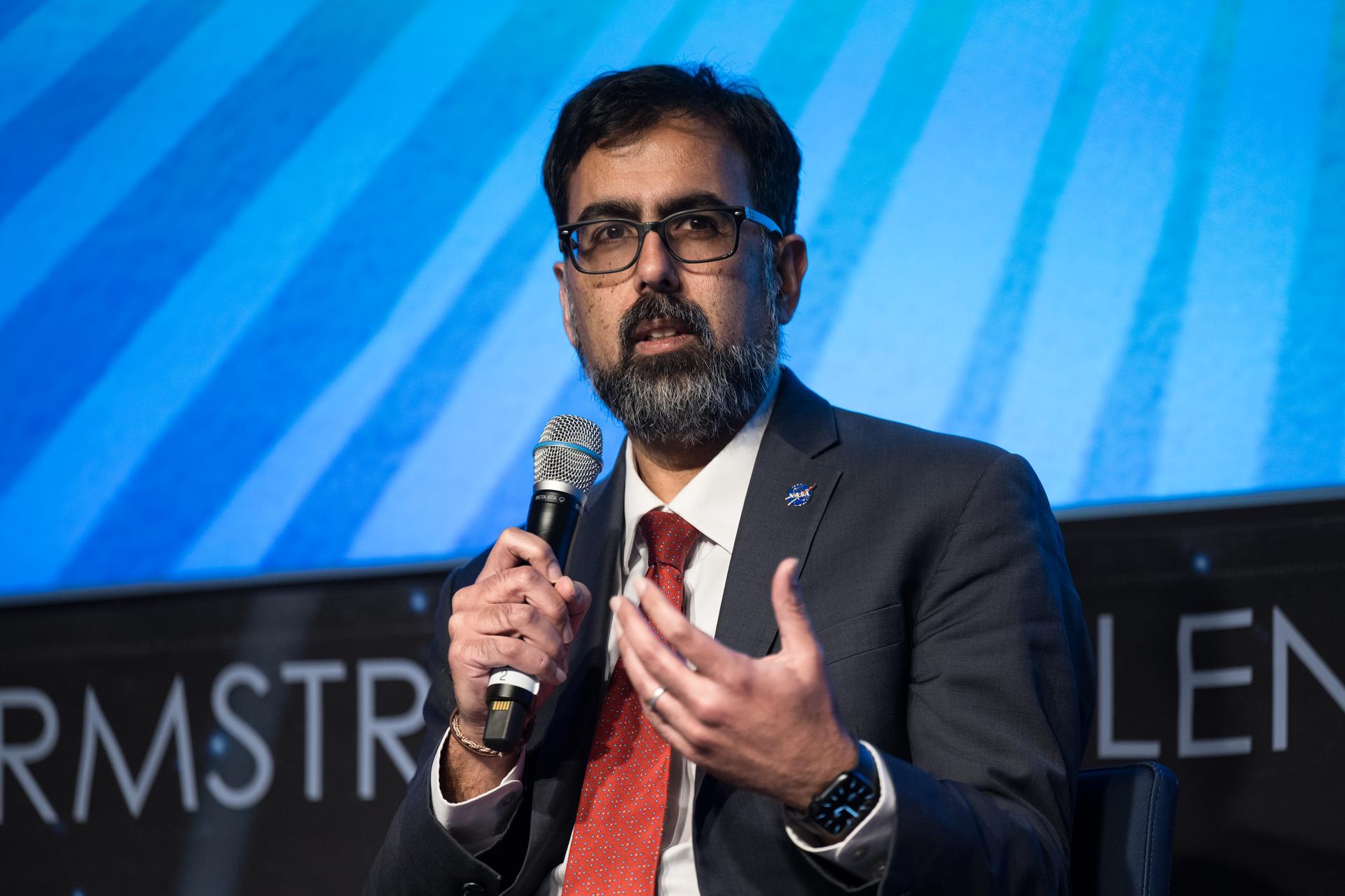
NASA Associate Administrator Amit Kshatriya answers a question during a monthly coffee and donuts with the Administrator event, Tuesday, Feb. 24, 2026, at the Mary W. Jackson NASA Headquarters building in Washington. Photo Credit: (NASA/Aubrey Gemignani)
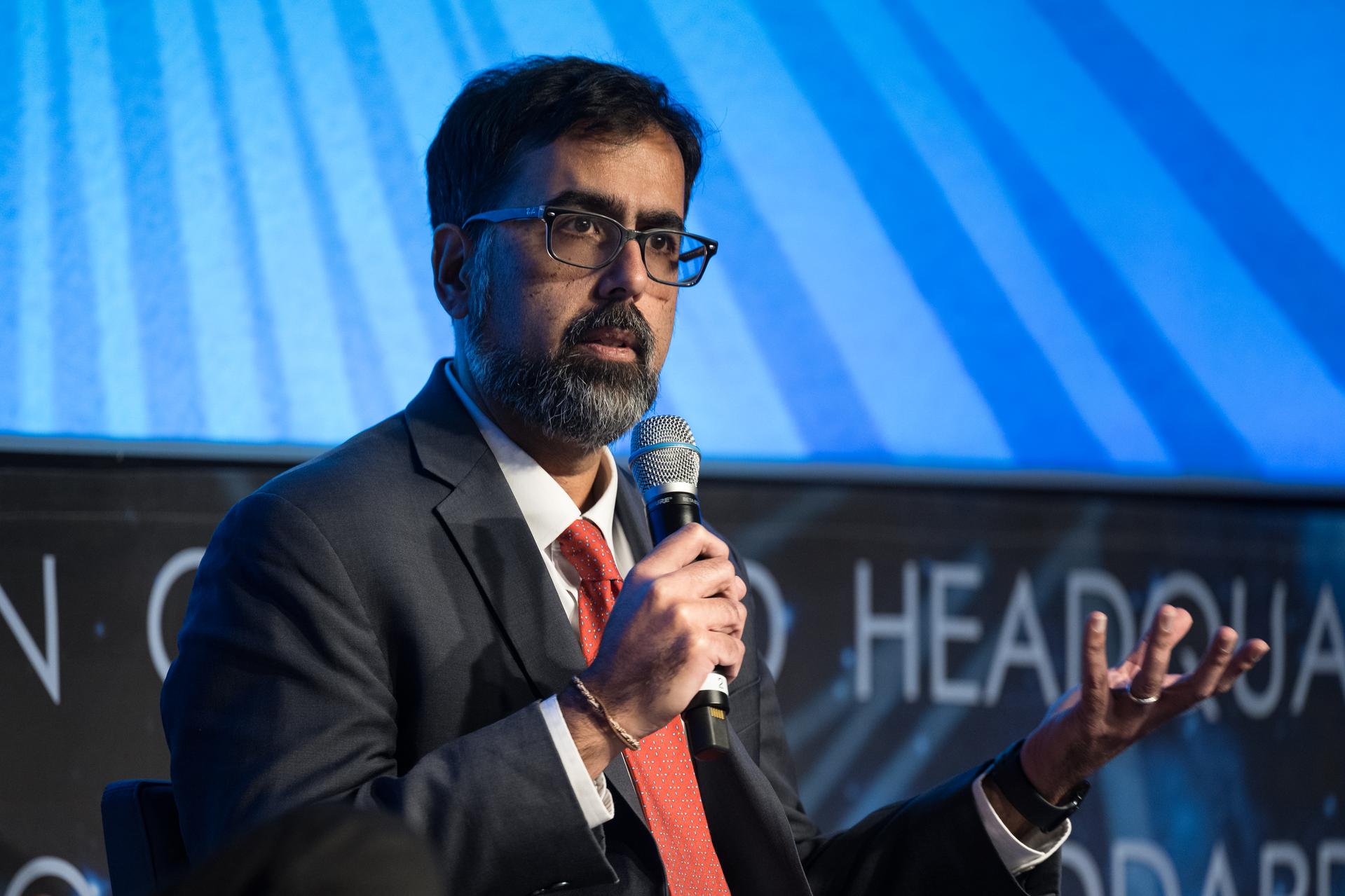
NASA Associate Administrator Amit Kshatriya answers a question during a monthly coffee and donuts with the Administrator event, Tuesday, Feb. 24, 2026, at the Mary W. Jackson NASA Headquarters building in Washington. Photo Credit: (NASA/Aubrey Gemignani)
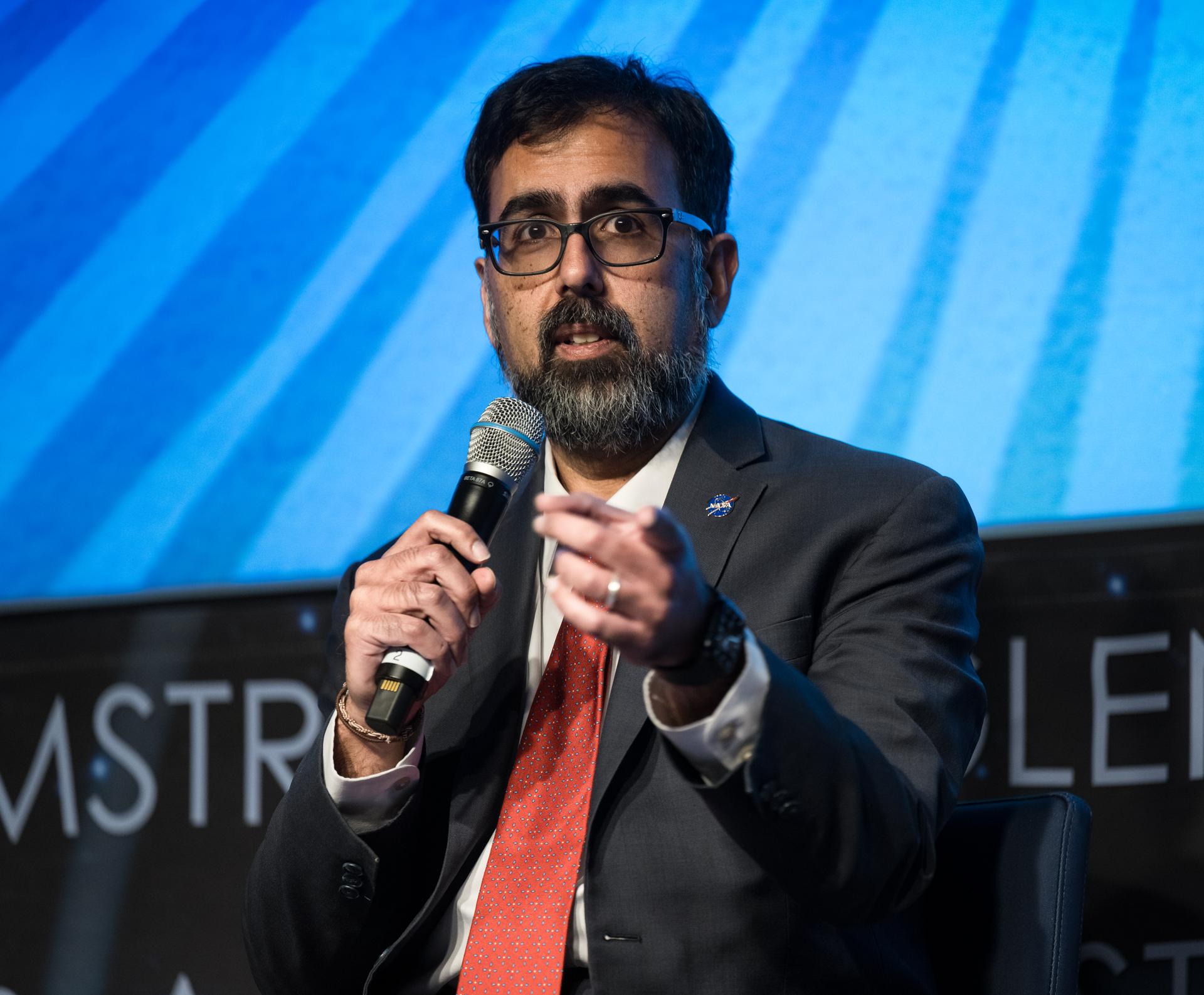
NASA Associate Administrator Amit Kshatriya answers a question during a monthly coffee and donuts with the Administrator event, Tuesday, Feb. 24, 2026, at the Mary W. Jackson NASA Headquarters building in Washington. Photo Credit: (NASA/Aubrey Gemignani)
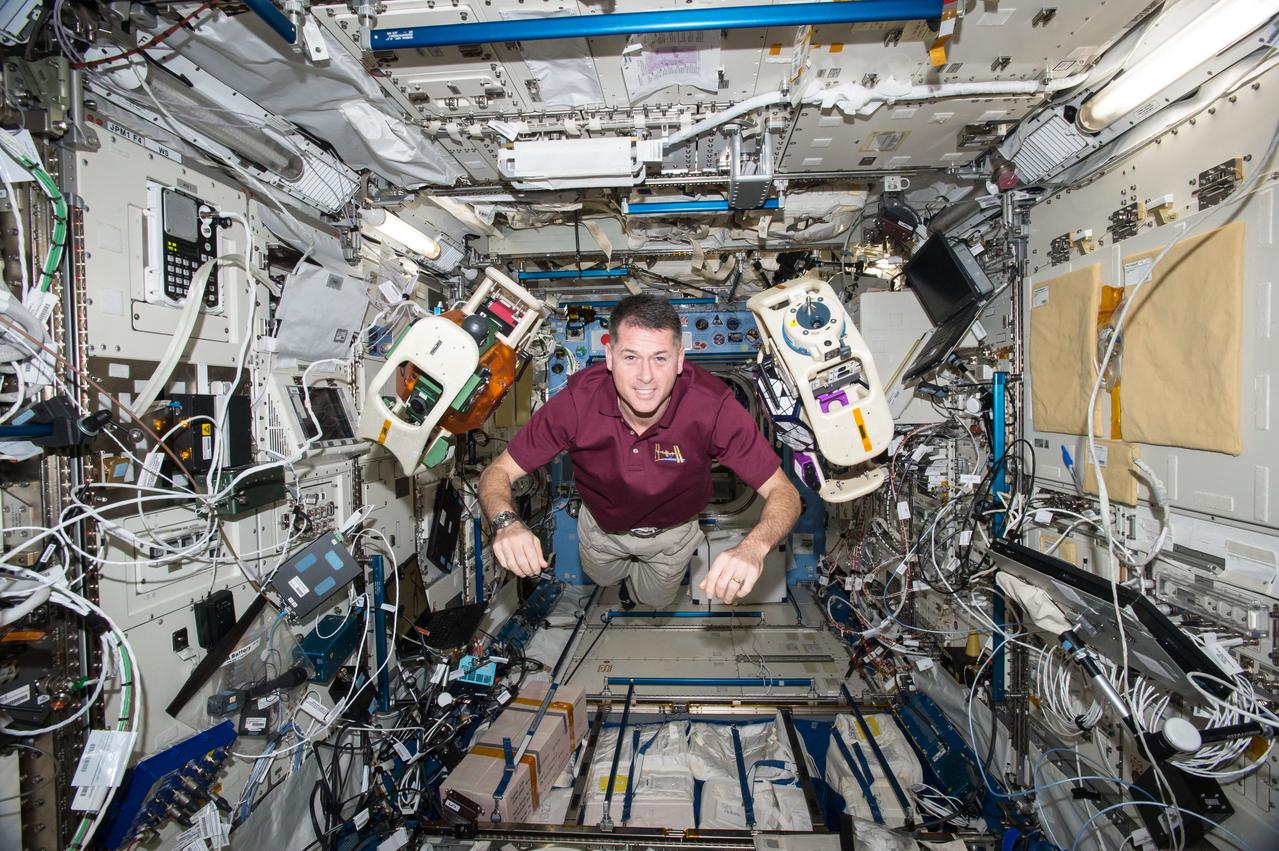
iss050e038043 (02/03/2017) --- NASA astronaut Shane Kimbrough is seen executing the SPHERES-HALO experiment aboard the International Space Station. The investigation uses two small, self-contained satellites (SPHERES) fitted with donut-like rings to test wireless power transfer and formation flight using electromagnetic fields.
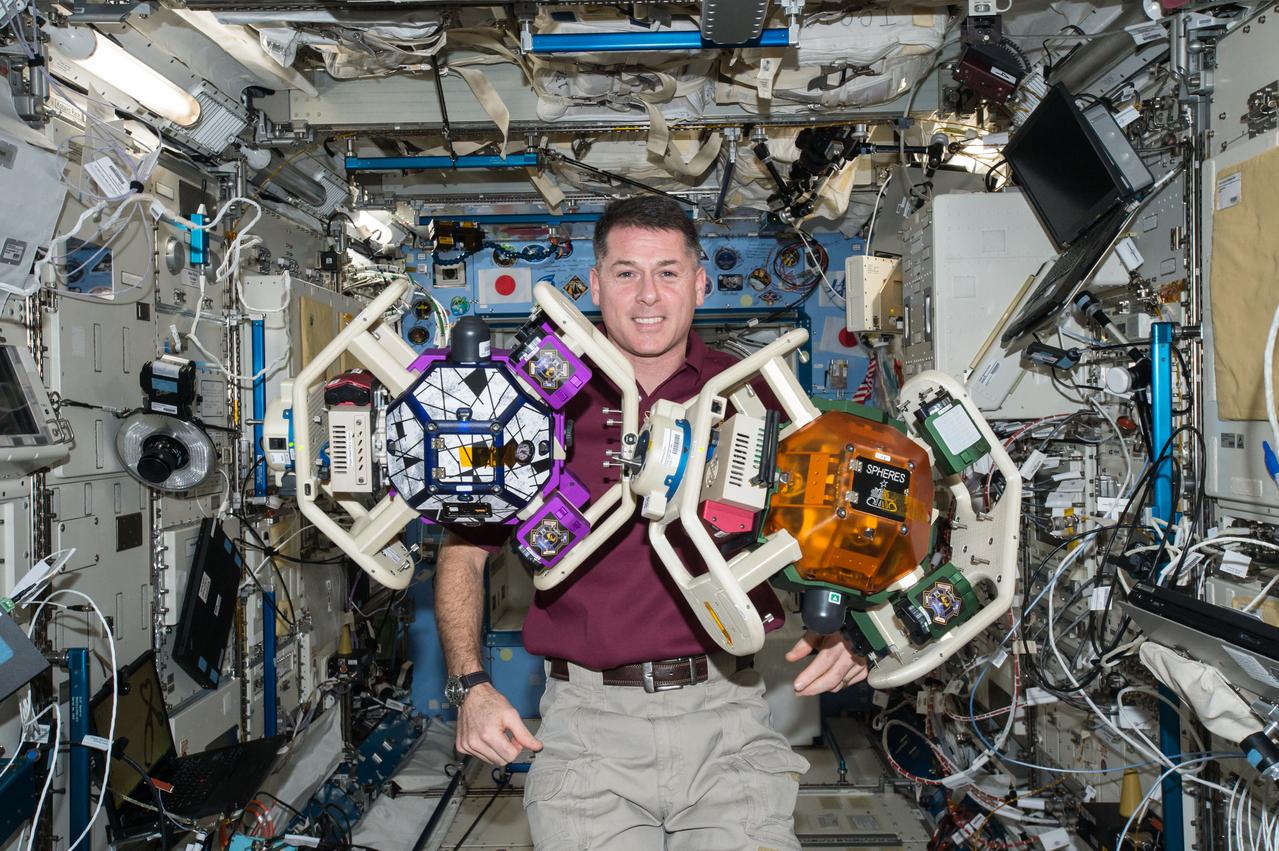
iss050e038054 (02/03/2017) --- NASA astronaut Shane Kimbrough is seen executing the SPHERES-HALO experiment aboard the International Space Station. The investigation uses two small, self-contained satellites (SPHERES) fitted with donut-like rings to test wireless power transfer and formation flight using electromagnetic fields.

Dr. Kelly Fast, acting planetary defense officer for NASA’s Planetary Defense Coordination Office, asks NASA Administrator Jared Isaacman and NASA Associate Administrator Amit Kshatriya a question during a monthly coffee and donuts with the Administrator event, Tuesday, Feb. 24, 2026, at the Mary W. Jackson NASA Headquarters building in Washington. Photo Credit: (NASA/Aubrey Gemignani)
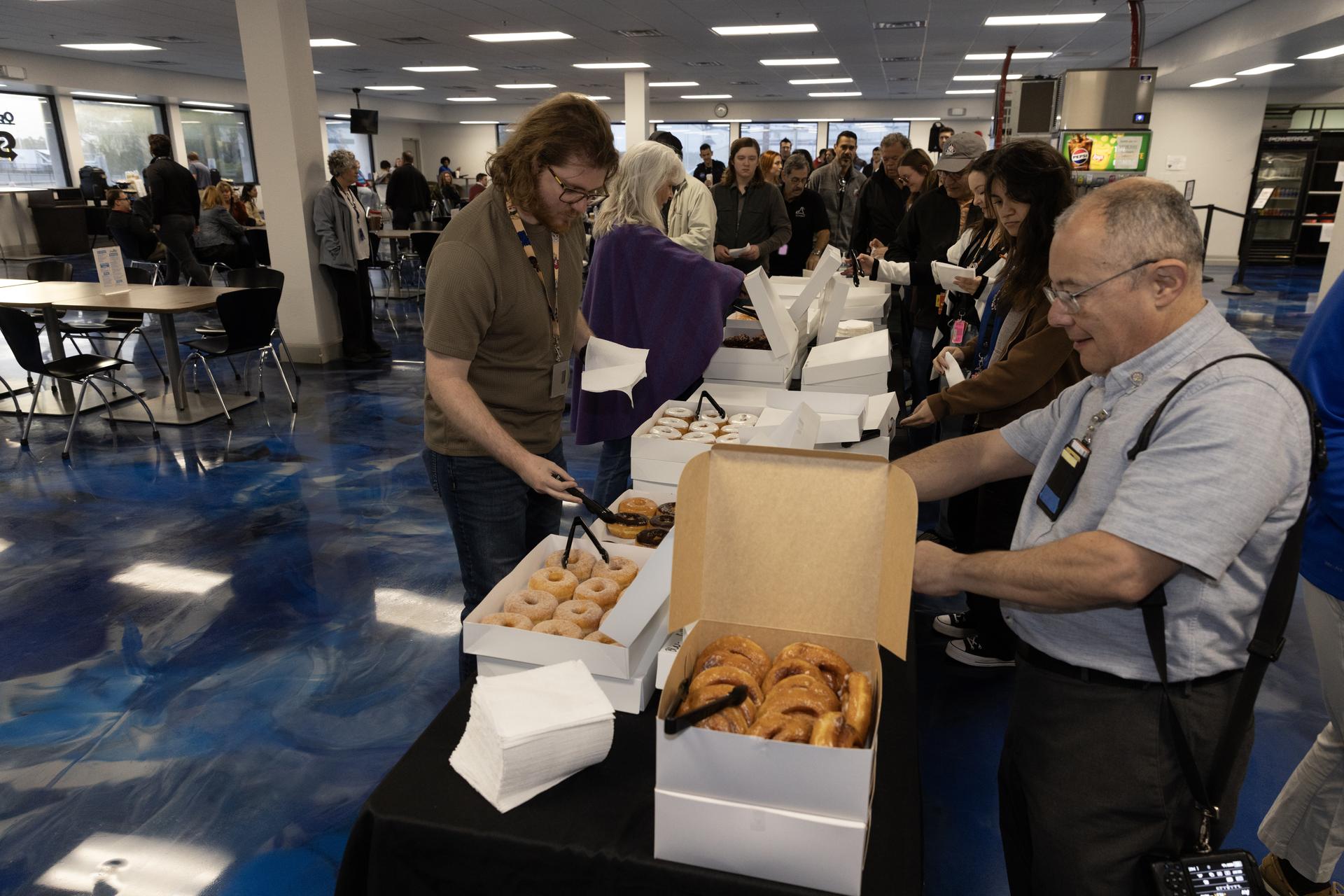
NASA Administrator Jared Isaacman meets with employees and contractors at NASA’s Kennedy Space Center in Florida on Thursday, Jan. 22, 2026, who supported the Artemis II rocket roll to the pad at Launch Complex 39B on Saturday, Jan. 17.. During his visit he spoke to employees and brought donuts. Isaacman, the 15th administrator of NASA, has been visiting with employees across the agency’s centers since he was appointed on Dec. 17, 2025.
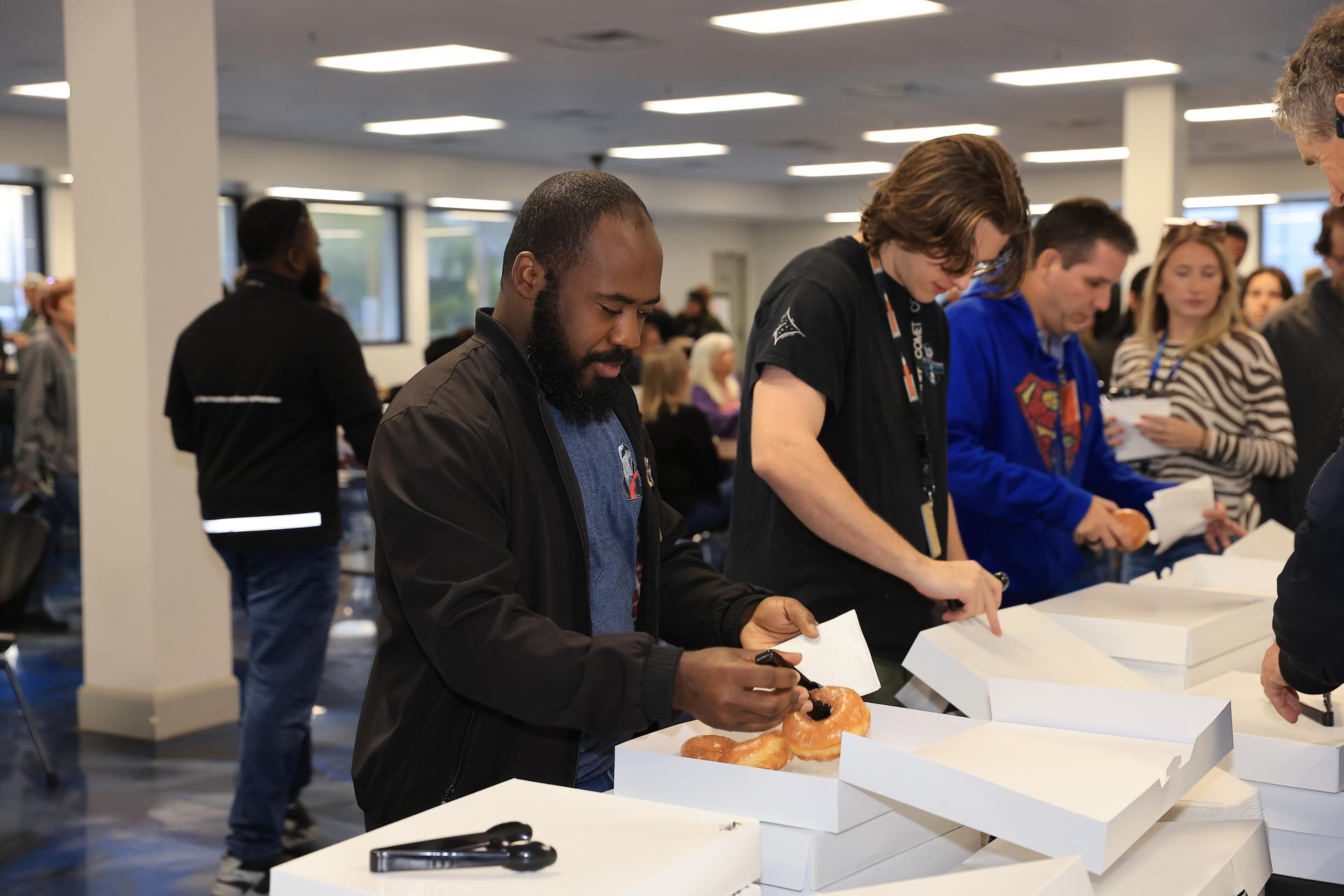
NASA Administrator Jared Isaacman meets with employees and contractors at NASA’s Kennedy Space Center in Florida on Thursday, Jan. 22, 2026, who supported the Artemis II rocket roll to the pad at Launch Complex 39B on Saturday, Jan. 17.. During his visit he spoke to employees and brought donuts. Isaacman, the 15th administrator of NASA, has been visiting with employees across the agency’s centers since he was appointed on Dec. 17, 2025.

The nose cone of the space shuttle Endeavour is seen next to the Randy’s Donuts landmark in Inglewood, California, Friday, Oct. 12, 2012. Endeavour, built as a replacement for space shuttle Challenger, completed 25 missions, spent 299 days in orbit, and orbited Earth 4,671 times while traveling 122,883,151 miles. Beginning Oct. 30, the shuttle will be on display in the CSC’s Samuel Oschin Space Shuttle Endeavour Display Pavilion, embarking on its new mission to commemorate past achievements in space and educate and inspire future generations of explorers. Photo Credit: (NASA/Carla Cioffi)
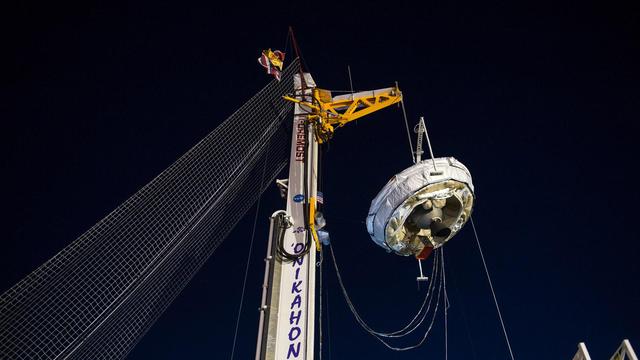
NASA's Low-Density Supersonic Decelerator (LDSD) hangs from a launch tower at U.S. Navy's Pacific Missile Range Facility in Kauai, Hawaii. The saucer-shaped vehicle will test two devices for landing heavy payloads on Mars: an inflatable donut-shaped device and a supersonic parachute. The launch tower helps link the vehicle to a balloon; once the balloon floats up, the vehicle is released from the tower and the balloon carries it to high altitudes. The vehicle's rocket takes it to even higher altitudes, to the top of the stratosphere, where the supersonic test begins. http://photojournal.jpl.nasa.gov/catalog/PIA19342
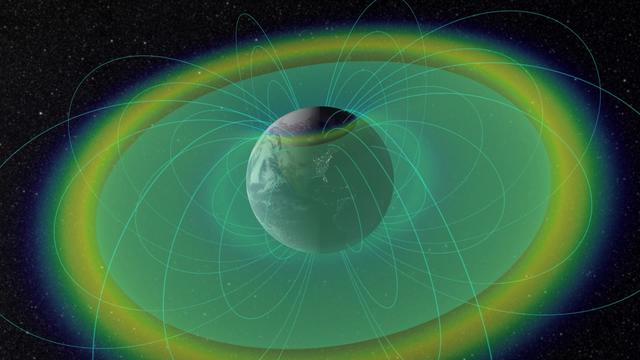
Two donuts of seething radiation that surround Earth, called the Van Allen radiation belts, have been found to contain a nearly impenetrable barrier that prevents the fastest, most energetic electrons from reaching Earth. Read more: <a href="http://1.usa.gov/11v7nUW" rel="nofollow">1.usa.gov/11v7nUW</a> Caption: This is a visualization of the radiation belts with confined charged particles (blue & yellow) and plasmapause boundary (blue-green surface) Caption: NASA's Scientific Visualization Studio <b><a href="http://www.nasa.gov/audience/formedia/features/MP_Photo_Guidelines.html" rel="nofollow">NASA image use policy.</a></b> <b><a href="http://www.nasa.gov/centers/goddard/home/index.html" rel="nofollow">NASA Goddard Space Flight Center</a></b> enables NASA’s mission through four scientific endeavors: Earth Science, Heliophysics, Solar System Exploration, and Astrophysics. Goddard plays a leading role in NASA’s accomplishments by contributing compelling scientific knowledge to advance the Agency’s mission. <b>Follow us on <a href="http://twitter.com/NASAGoddardPix" rel="nofollow">Twitter</a></b> <b>Like us on <a href="http://www.facebook.com/pages/Greenbelt-MD/NASA-Goddard/395013845897?ref=tsd" rel="nofollow">Facebook</a></b> <b>Find us on <a href="http://instagrid.me/nasagoddard/?vm=grid" rel="nofollow">Instagram</a></b>
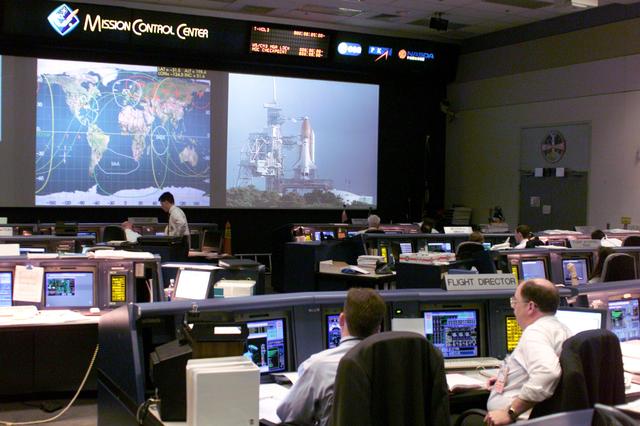
JSC2000-E-22286 (8 September 2000) --- An overall shot in Houston's Mission Control Center (MCC) shows flight controllers awaiting the launch of the Space Shuttle Atlantis from the Kennedy Space Center (KSC) in Florida. The vehicle later launched on schedule, at 8:46 a.m. (EDT), September 8, 2000, as the Johnson Space Center (JSC) flight control team took the baton from KSC's launch controllers. According to flight director Bill Reeves, "The picture referenced was taken less than an hour before launch for STS-106, before we changed the front screens for ascent operations. Wayne Hale (in glasses) is the Flight director for ascent and LeRoy Cain seated to his left was serving as "Weather Flight" for Wayne. The console in the front right corner of the room next to the screens is the Ground Control position, where I was supporting at this time. The man with white hair is Norn Talbott, who will be retiring after this flight with more than 35 years at NASA. Ray Grossman is next to him, who is training to take his place on the GC Ascent Team. I am in fron of and slightly to the right of Ray. As you can see by the boxes at the consoel behind us (Mechanical), we come well prepared for all contingencies, including donuts for early morning shifts. We were on console by 2:00 am central time for the 7:45 am launch." Reference: https://spaceflight.nasa.gov/feedback/expert/answer/mcc/sts-106/09_14_09_35_19.html

Getting fuller! A BARREL balloon is filled with helium during the 2013-2014 mission campaign in Antarctica. Credit: NASA/Goddard/BARREL Read more: <a href="http://www.nasa.gov/content/goddard/nasas-barrel-returns-successful-from-antarctica" rel="nofollow">www.nasa.gov/content/goddard/nasas-barrel-returns-success...</a> -- Three months, 20 balloons, and one very successful campaign. The team for NASA's BARREL – short for Balloon Array for Radiation belt Relativistic Electron Losses -- mission returned from Antarctica in March 2014. BARREL's job is to help unravel the mysterious Van Allen belts, two gigantic donuts of radiation that surround Earth, which can shrink and swell in response to incoming energy and particles from the sun and sometimes expose satellites to harsh radiation. While in Antarctica, the team launched 20 balloons carrying instruments that sense charged particles that are scattered into the atmosphere from the belts, spiraling down the magnetic fields near the South Pole. Each balloon traveled around the pole for up to three weeks. The team will coordinate the BARREL data with observations from NASA's two Van Allen Probes to better understand how occurrences in the belts relate to bursts of particles funneling down toward Earth. BARREL team members will be on hand at the USA Science and Engineering Festival in DC on April 26 and 27, 2014 for the exhibit Space Balloons: Exploring the Extremes of Space Weather. <b><a href="http://www.nasa.gov/audience/formedia/features/MP_Photo_Guidelines.html" rel="nofollow">NASA image use policy.</a></b><b><a href="http://www.nasa.gov/centers/goddard/home/index.html" rel="nofollow">NASA Goddard Space Flight Center</a></b> enables NASA’s mission through four scientific endeavors: Earth Science, Heliophysics, Solar System Exploration, and Astrophysics. Goddard plays a leading role in NASA’s accomplishments by contributing compelling scientific knowledge to advance the Agency’s mission.<b>Follow us on <a href="http://twitter.com/NASAGoddardPix" rel="nofollow">Twitter</a></b><b>Like us on <a href="http://www.facebook.com/pages/Greenbelt-MD/NASA-Goddard/395013845897?ref=tsd" rel="nofollow">Facebook</a></b><b>Find us on <a href="http://instagram.com/nasagoddard?vm=grid" rel="nofollow">Instagram</a></b>

Getting ready to lay out a BARREL balloon to prepare for inflation. The helium stillages used to fill the balloon can be seen in the background. Credit: NASA/Goddard/BARREL/Brett Anderson Read more: <a href="http://www.nasa.gov/content/goddard/nasas-barrel-returns-successful-from-antarctica" rel="nofollow">www.nasa.gov/content/goddard/nasas-barrel-returns-success...</a> -- Three months, 20 balloons, and one very successful campaign. The team for NASA's BARREL – short for Balloon Array for Radiation belt Relativistic Electron Losses -- mission returned from Antarctica in March 2014. BARREL's job is to help unravel the mysterious Van Allen belts, two gigantic donuts of radiation that surround Earth, which can shrink and swell in response to incoming energy and particles from the sun and sometimes expose satellites to harsh radiation. While in Antarctica, the team launched 20 balloons carrying instruments that sense charged particles that are scattered into the atmosphere from the belts, spiraling down the magnetic fields near the South Pole. Each balloon traveled around the pole for up to three weeks. The team will coordinate the BARREL data with observations from NASA's two Van Allen Probes to better understand how occurrences in the belts relate to bursts of particles funneling down toward Earth. BARREL team members will be on hand at the USA Science and Engineering Festival in DC on April 26 and 27, 2014 for the exhibit Space Balloons: Exploring the Extremes of Space Weather. <b><a href="http://www.nasa.gov/audience/formedia/features/MP_Photo_Guidelines.html" rel="nofollow">NASA image use policy.</a></b> <b><a href="http://www.nasa.gov/centers/goddard/home/index.html" rel="nofollow">NASA Goddard Space Flight Center</a></b> enables NASA’s mission through four scientific endeavors: Earth Science, Heliophysics, Solar System Exploration, and Astrophysics. Goddard plays a leading role in NASA’s accomplishments by contributing compelling scientific knowledge to advance the Agency’s mission. <b>Follow us on <a href="http://twitter.com/NASAGoddardPix" rel="nofollow">Twitter</a></b> <b>Like us on <a href="http://www.facebook.com/pages/Greenbelt-MD/NASA-Goddard/395013845897?ref=tsd" rel="nofollow">Facebook</a></b> <b>Find us on <a href="http://instagram.com/nasagoddard?vm=grid" rel="nofollow">Instagram</a></b>

BARREL researchers get ready to release the top part of the balloon, called the bubble, as it fills with enough helium to support itself. Only the top part of the balloon is inflated before launch since the helium expands as the balloon ascends. Credit: NASA/Goddard/BARREL/Nicky Knox Read more: <a href="http://www.nasa.gov/content/goddard/nasas-barrel-returns-successful-from-antarctica" rel="nofollow">www.nasa.gov/content/goddard/nasas-barrel-returns-success...</a> -- Three months, 20 balloons, and one very successful campaign. The team for NASA's BARREL – short for Balloon Array for Radiation belt Relativistic Electron Losses -- mission returned from Antarctica in March 2014. BARREL's job is to help unravel the mysterious Van Allen belts, two gigantic donuts of radiation that surround Earth, which can shrink and swell in response to incoming energy and particles from the sun and sometimes expose satellites to harsh radiation. While in Antarctica, the team launched 20 balloons carrying instruments that sense charged particles that are scattered into the atmosphere from the belts, spiraling down the magnetic fields near the South Pole. Each balloon traveled around the pole for up to three weeks. The team will coordinate the BARREL data with observations from NASA's two Van Allen Probes to better understand how occurrences in the belts relate to bursts of particles funneling down toward Earth. BARREL team members will be on hand at the USA Science and Engineering Festival in DC on April 26 and 27, 2014 for the exhibit Space Balloons: Exploring the Extremes of Space Weather. <b><a href="http://www.nasa.gov/audience/formedia/features/MP_Photo_Guidelines.html" rel="nofollow">NASA image use policy.</a></b> <b><a href="http://www.nasa.gov/centers/goddard/home/index.html" rel="nofollow">NASA Goddard Space Flight Center</a></b> enables NASA’s mission through four scientific endeavors: Earth Science, Heliophysics, Solar System Exploration, and Astrophysics. Goddard plays a leading role in NASA’s accomplishments by contributing compelling scientific knowledge to advance the Agency’s mission. <b>Follow us on <a href="http://twitter.com/NASAGoddardPix" rel="nofollow">Twitter</a></b> <b>Like us on <a href="http://www.facebook.com/pages/Greenbelt-MD/NASA-Goddard/395013845897?ref=tsd" rel="nofollow">Facebook</a></b> <b>Find us on <a href="http://instagram.com/nasagoddard?vm=grid" rel="nofollow">Instagram</a></b>
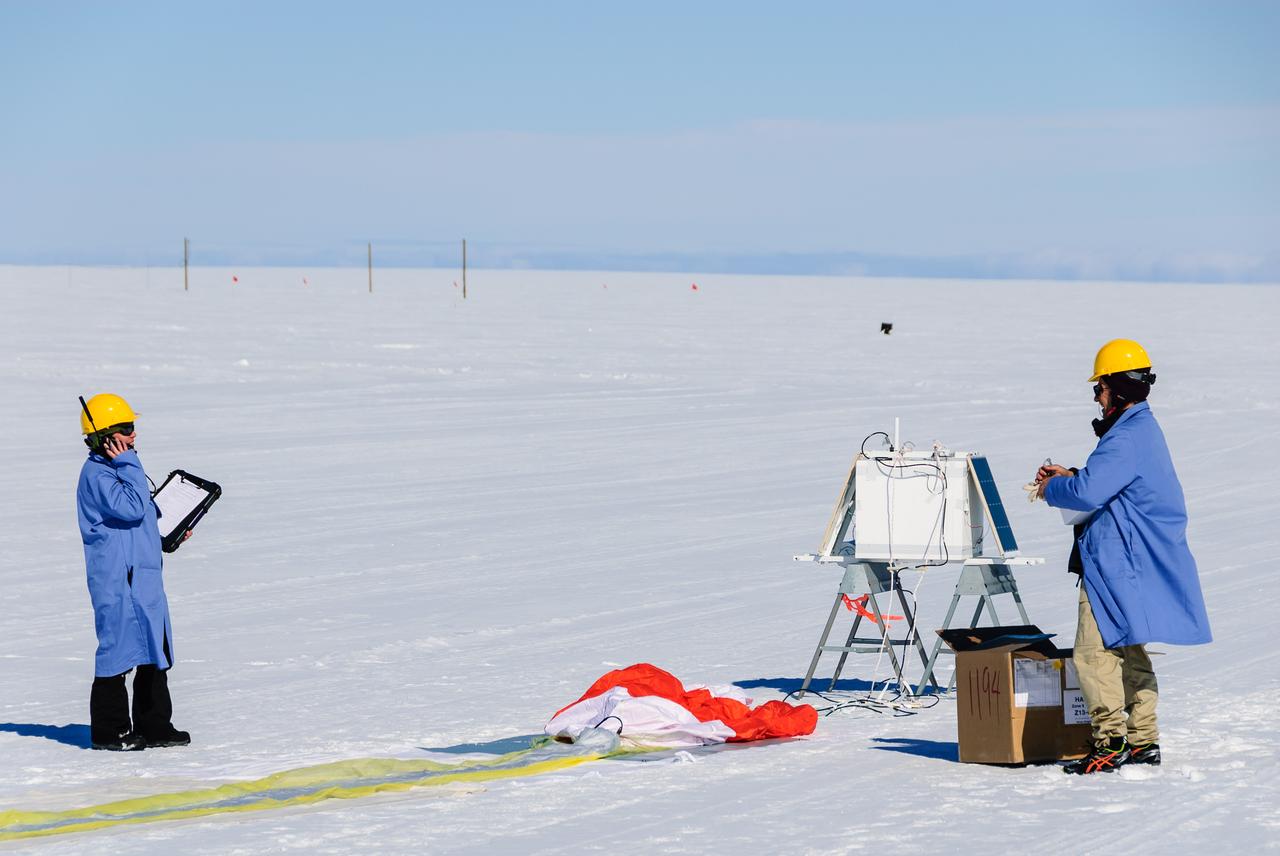
Researchers communicate with the BARREL ground station during preparations for launch. The white box in the background is the science payload and the orange and white parachute can be seen on the ground in front of it. On the left is BARREL Principal Investigator Robyn Millan of Dartmouth College in Hanover, N.H.; on the right is BARREL Co-Investigator Michael McCarthy of the University of Washington in Seattle. Credit: NASA/Goddard/BARREL/M. Krzysztofowicz Read more: <a href="http://www.nasa.gov/content/goddard/nasas-barrel-returns-successful-from-antarctica" rel="nofollow">www.nasa.gov/content/goddard/nasas-barrel-returns-success...</a> -- Three months, 20 balloons, and one very successful campaign. The team for NASA's BARREL – short for Balloon Array for Radiation belt Relativistic Electron Losses -- mission returned from Antarctica in March 2014. BARREL's job is to help unravel the mysterious Van Allen belts, two gigantic donuts of radiation that surround Earth, which can shrink and swell in response to incoming energy and particles from the sun and sometimes expose satellites to harsh radiation. While in Antarctica, the team launched 20 balloons carrying instruments that sense charged particles that are scattered into the atmosphere from the belts, spiraling down the magnetic fields near the South Pole. Each balloon traveled around the pole for up to three weeks. The team will coordinate the BARREL data with observations from NASA's two Van Allen Probes to better understand how occurrences in the belts relate to bursts of particles funneling down toward Earth. BARREL team members will be on hand at the USA Science and Engineering Festival in DC on April 26 and 27, 2014 for the exhibit Space Balloons: Exploring the Extremes of Space Weather. <b><a href="http://www.nasa.gov/audience/formedia/features/MP_Photo_Guidelines.html" rel="nofollow">NASA image use policy.</a></b> <b><a href="http://www.nasa.gov/centers/goddard/home/index.html" rel="nofollow">NASA Goddard Space Flight Center</a></b> enables NASA’s mission through four scientific endeavors: Earth Science, Heliophysics, Solar System Exploration, and Astrophysics. Goddard plays a leading role in NASA’s accomplishments by contributing compelling scientific knowledge to advance the Agency’s mission. <b>Follow us on <a href="http://twitter.com/NASAGoddardPix" rel="nofollow">Twitter</a></b> <b>Like us on <a href="http://www.facebook.com/pages/Greenbelt-MD/NASA-Goddard/395013845897?ref=tsd" rel="nofollow">Facebook</a></b> <b>Find us on <a href="http://instagram.com/nasagoddard?vm=grid" rel="nofollow">Instagram</a></b>

A team member from South African research station, SANAE IV, helps unwrap the balloon from its protective yellow plastic cover just prior to inflation. Credit: NASA/Goddard/BARREL/Nicky Knox Read more: <a href="http://www.nasa.gov/content/goddard/nasas-barrel-returns-successful-from-antarctica" rel="nofollow">www.nasa.gov/content/goddard/nasas-barrel-returns-success...</a> -- Three months, 20 balloons, and one very successful campaign. The team for NASA's BARREL – short for Balloon Array for Radiation belt Relativistic Electron Losses -- mission returned from Antarctica in March 2014. BARREL's job is to help unravel the mysterious Van Allen belts, two gigantic donuts of radiation that surround Earth, which can shrink and swell in response to incoming energy and particles from the sun and sometimes expose satellites to harsh radiation. While in Antarctica, the team launched 20 balloons carrying instruments that sense charged particles that are scattered into the atmosphere from the belts, spiraling down the magnetic fields near the South Pole. Each balloon traveled around the pole for up to three weeks. The team will coordinate the BARREL data with observations from NASA's two Van Allen Probes to better understand how occurrences in the belts relate to bursts of particles funneling down toward Earth. BARREL team members will be on hand at the USA Science and Engineering Festival in DC on April 26 and 27, 2014 for the exhibit Space Balloons: Exploring the Extremes of Space Weather. <b><a href="http://www.nasa.gov/audience/formedia/features/MP_Photo_Guidelines.html" rel="nofollow">NASA image use policy.</a></b> <b><a href="http://www.nasa.gov/centers/goddard/home/index.html" rel="nofollow">NASA Goddard Space Flight Center</a></b> enables NASA’s mission through four scientific endeavors: Earth Science, Heliophysics, Solar System Exploration, and Astrophysics. Goddard plays a leading role in NASA’s accomplishments by contributing compelling scientific knowledge to advance the Agency’s mission. <b>Follow us on <a href="http://twitter.com/NASAGoddardPix" rel="nofollow">Twitter</a></b> <b>Like us on <a href="http://www.facebook.com/pages/Greenbelt-MD/NASA-Goddard/395013845897?ref=tsd" rel="nofollow">Facebook</a></b> <b>Find us on <a href="http://instagram.com/nasagoddard?vm=grid" rel="nofollow">Instagram</a></b>
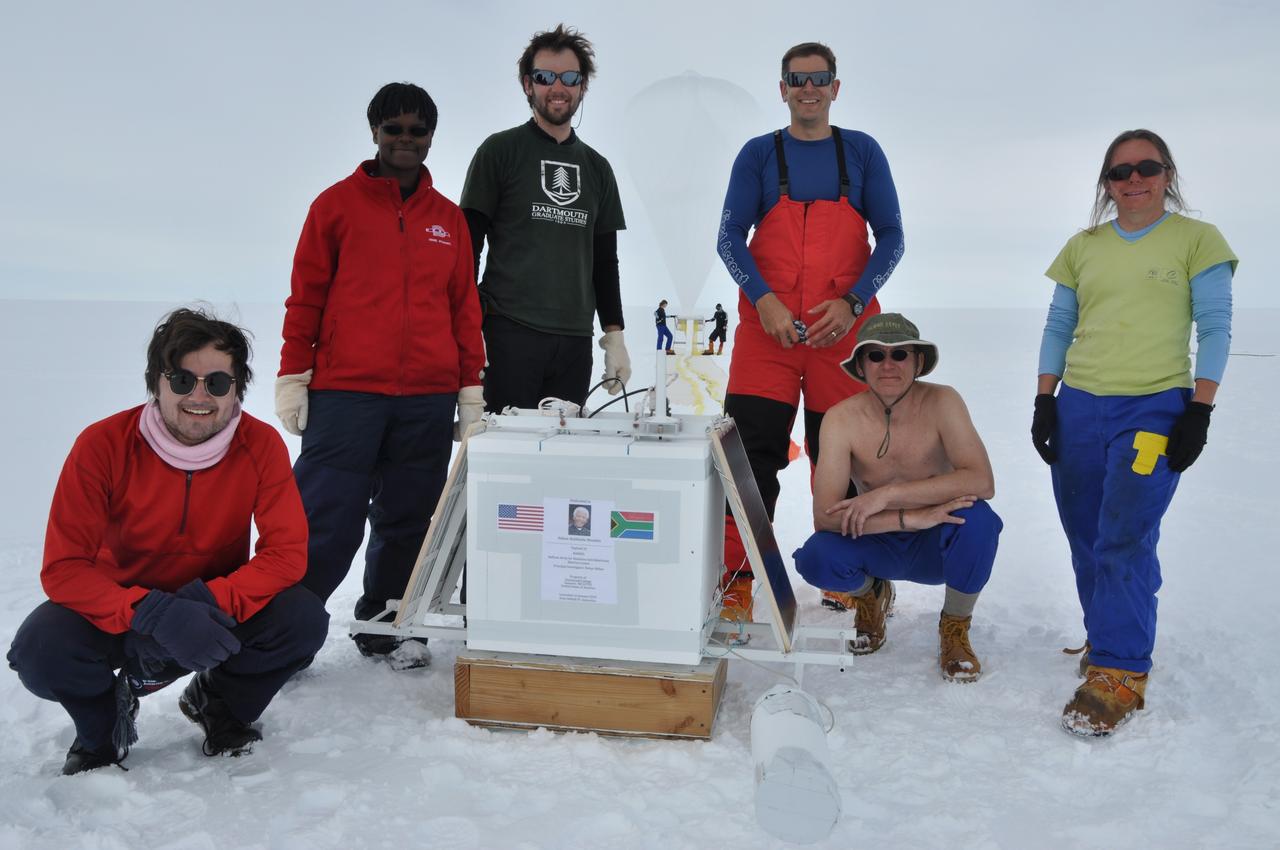
The BARREL team at the South African research station, SANAE IV, poses next to the instrument box, which will float in the atmosphere beneath the balloon that can be seen being inflated in the background. Credit: NASA/Goddard/BARREL/Brett Anderson Read more: <a href="http://www.nasa.gov/content/goddard/nasas-barrel-returns-successful-from-antarctica" rel="nofollow">www.nasa.gov/content/goddard/nasas-barrel-returns-success...</a> -- Three months, 20 balloons, and one very successful campaign. The team for NASA's BARREL – short for Balloon Array for Radiation belt Relativistic Electron Losses -- mission returned from Antarctica in March 2014. BARREL's job is to help unravel the mysterious Van Allen belts, two gigantic donuts of radiation that surround Earth, which can shrink and swell in response to incoming energy and particles from the sun and sometimes expose satellites to harsh radiation. While in Antarctica, the team launched 20 balloons carrying instruments that sense charged particles that are scattered into the atmosphere from the belts, spiraling down the magnetic fields near the South Pole. Each balloon traveled around the pole for up to three weeks. The team will coordinate the BARREL data with observations from NASA's two Van Allen Probes to better understand how occurrences in the belts relate to bursts of particles funneling down toward Earth. BARREL team members will be on hand at the USA Science and Engineering Festival in DC on April 26 and 27, 2014 for the exhibit Space Balloons: Exploring the Extremes of Space Weather. <b><a href="http://www.nasa.gov/audience/formedia/features/MP_Photo_Guidelines.html" rel="nofollow">NASA image use policy.</a></b> <b><a href="http://www.nasa.gov/centers/goddard/home/index.html" rel="nofollow">NASA Goddard Space Flight Center</a></b> enables NASA’s mission through four scientific endeavors: Earth Science, Heliophysics, Solar System Exploration, and Astrophysics. Goddard plays a leading role in NASA’s accomplishments by contributing compelling scientific knowledge to advance the Agency’s mission. <b>Follow us on <a href="http://twitter.com/NASAGoddardPix" rel="nofollow">Twitter</a></b> <b>Like us on <a href="http://www.facebook.com/pages/Greenbelt-MD/NASA-Goddard/395013845897?ref=tsd" rel="nofollow">Facebook</a></b> <b>Find us on <a href="http://instagram.com/nasagoddard?vm=grid" rel="nofollow">Instagram</a></b>
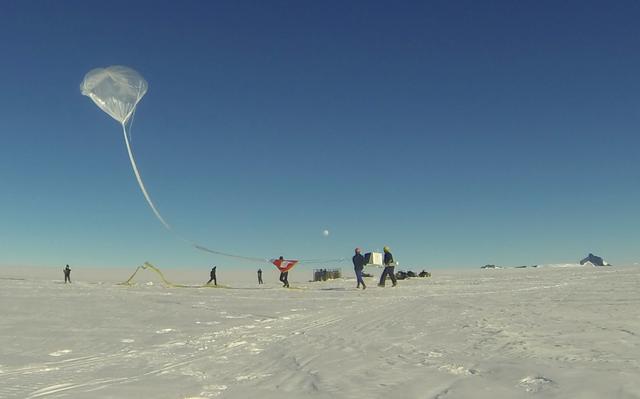
BARREL team members lift up the instrument box below an inflated BARREL balloon to help with launch. Credit: NASA/Goddard/Francois Read more: <a href="http://www.nasa.gov/content/goddard/nasas-barrel-returns-successful-from-antarctica" rel="nofollow">www.nasa.gov/content/goddard/nasas-barrel-returns-success...</a> -- Three months, 20 balloons, and one very successful campaign. The team for NASA's BARREL – short for Balloon Array for Radiation belt Relativistic Electron Losses -- mission returned from Antarctica in March 2014. BARREL's job is to help unravel the mysterious Van Allen belts, two gigantic donuts of radiation that surround Earth, which can shrink and swell in response to incoming energy and particles from the sun and sometimes expose satellites to harsh radiation. While in Antarctica, the team launched 20 balloons carrying instruments that sense charged particles that are scattered into the atmosphere from the belts, spiraling down the magnetic fields near the South Pole. Each balloon traveled around the pole for up to three weeks. The team will coordinate the BARREL data with observations from NASA's two Van Allen Probes to better understand how occurrences in the belts relate to bursts of particles funneling down toward Earth. BARREL team members will be on hand at the USA Science and Engineering Festival in DC on April 26 and 27, 2014 for the exhibit Space Balloons: Exploring the Extremes of Space Weather. <b><a href="http://www.nasa.gov/audience/formedia/features/MP_Photo_Guidelines.html" rel="nofollow">NASA image use policy.</a></b><b><a href="http://www.nasa.gov/centers/goddard/home/index.html" rel="nofollow">NASA Goddard Space Flight Center</a></b> enables NASA’s mission through four scientific endeavors: Earth Science, Heliophysics, Solar System Exploration, and Astrophysics. Goddard plays a leading role in NASA’s accomplishments by contributing compelling scientific knowledge to advance the Agency’s mission.<b>Follow us on <a href="http://twitter.com/NASAGoddardPix" rel="nofollow">Twitter</a></b><b>Like us on <a href="http://www.facebook.com/pages/Greenbelt-MD/NASA-Goddard/395013845897?ref=tsd" rel="nofollow">Facebook</a></b><b>Find us on <a href="http://instagram.com/nasagoddard?vm=grid" rel="nofollow">Instagram</a></b>
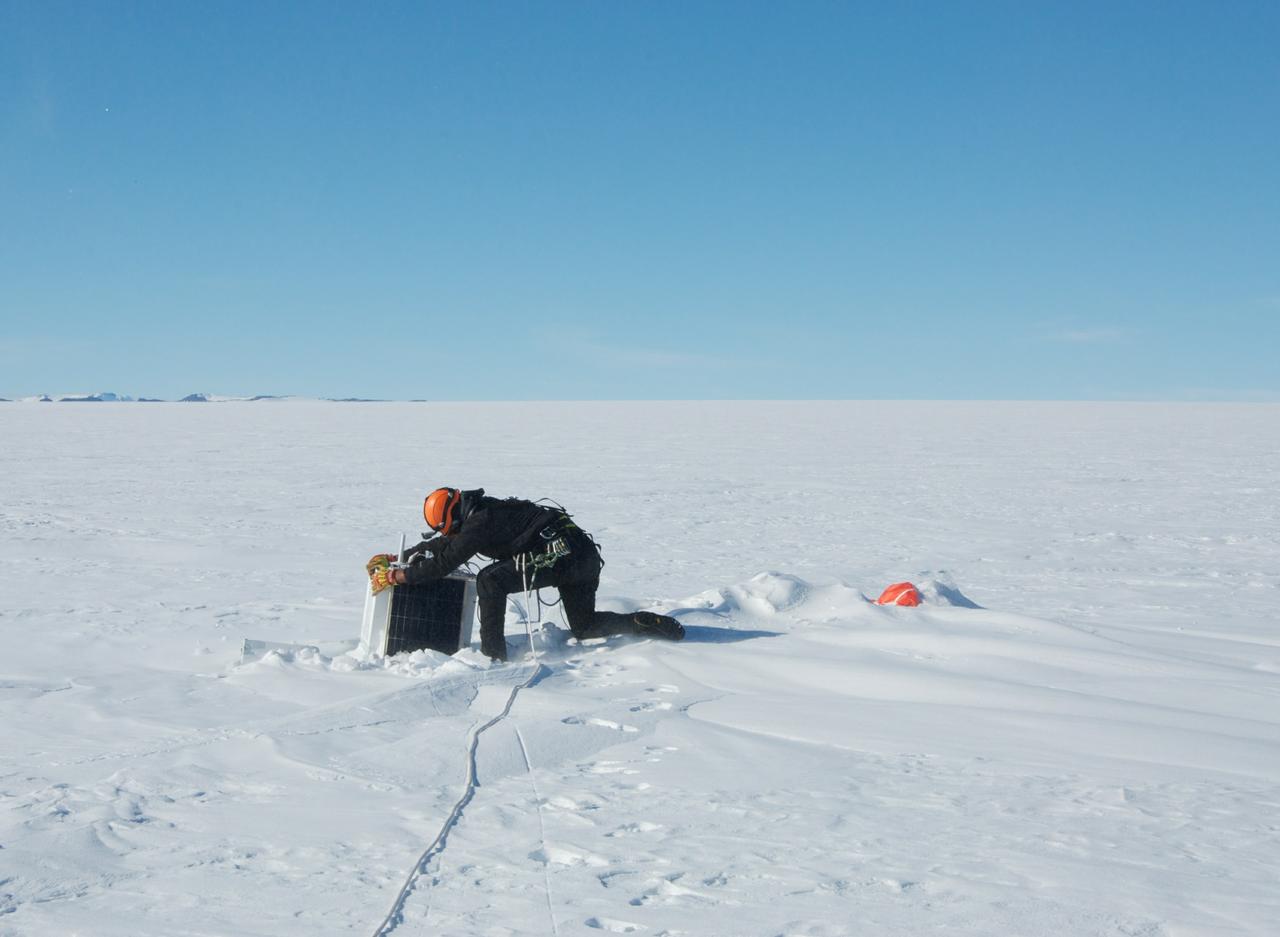
Recovery of a BARREL balloon payload after its flight. The recovery was carried out by helicopter. This area is known to be heavily crevassed so the base mountaineer is seen here with a safety rope. Credit: NASA/Goddard/BARREL/Brett Anderson Read more: <a href="http://www.nasa.gov/content/goddard/nasas-barrel-returns-successful-from-antarctica" rel="nofollow">www.nasa.gov/content/goddard/nasas-barrel-returns-success...</a> -- Three months, 20 balloons, and one very successful campaign. The team for NASA's BARREL – short for Balloon Array for Radiation belt Relativistic Electron Losses -- mission returned from Antarctica in March 2014. BARREL's job is to help unravel the mysterious Van Allen belts, two gigantic donuts of radiation that surround Earth, which can shrink and swell in response to incoming energy and particles from the sun and sometimes expose satellites to harsh radiation. While in Antarctica, the team launched 20 balloons carrying instruments that sense charged particles that are scattered into the atmosphere from the belts, spiraling down the magnetic fields near the South Pole. Each balloon traveled around the pole for up to three weeks. The team will coordinate the BARREL data with observations from NASA's two Van Allen Probes to better understand how occurrences in the belts relate to bursts of particles funneling down toward Earth. BARREL team members will be on hand at the USA Science and Engineering Festival in DC on April 26 and 27, 2014 for the exhibit Space Balloons: Exploring the Extremes of Space Weather. <b><a href="http://www.nasa.gov/audience/formedia/features/MP_Photo_Guidelines.html" rel="nofollow">NASA image use policy.</a></b> <b><a href="http://www.nasa.gov/centers/goddard/home/index.html" rel="nofollow">NASA Goddard Space Flight Center</a></b> enables NASA’s mission through four scientific endeavors: Earth Science, Heliophysics, Solar System Exploration, and Astrophysics. Goddard plays a leading role in NASA’s accomplishments by contributing compelling scientific knowledge to advance the Agency’s mission. <b>Follow us on <a href="http://twitter.com/NASAGoddardPix" rel="nofollow">Twitter</a></b> <b>Like us on <a href="http://www.facebook.com/pages/Greenbelt-MD/NASA-Goddard/395013845897?ref=tsd" rel="nofollow">Facebook</a></b> <b>Find us on <a href="http://instagram.com/nasagoddard?vm=grid" rel="nofollow">Instagram</a></b>
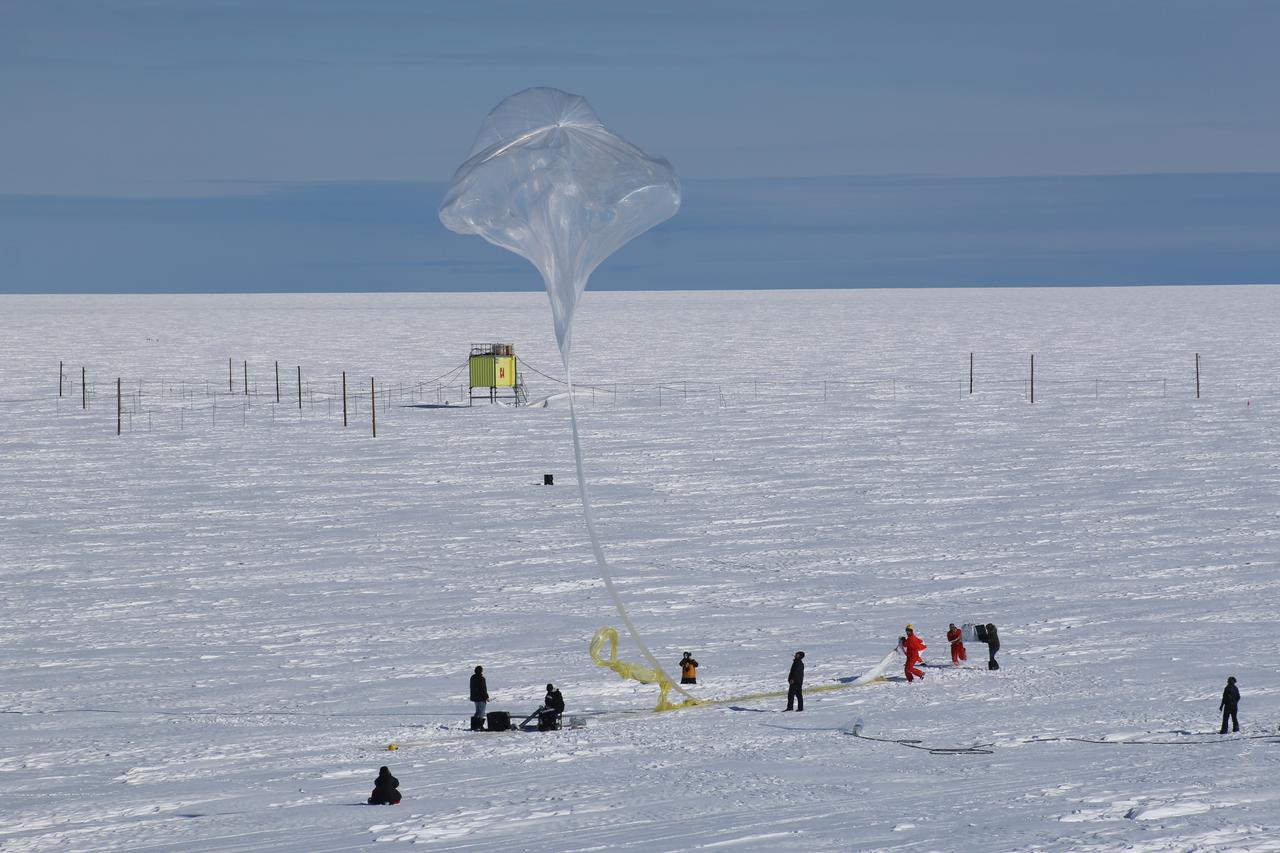
Release of a BARREL balloon. The launch crew can be seen on the right holding the payload as the top of the balloon moves overhead where they can release it. Credit: NASA/Goddard/BARREL Read more: <a href="http://www.nasa.gov/content/goddard/nasas-barrel-returns-successful-from-antarctica" rel="nofollow">www.nasa.gov/content/goddard/nasas-barrel-returns-success...</a> -- Three months, 20 balloons, and one very successful campaign. The team for NASA's BARREL – short for Balloon Array for Radiation belt Relativistic Electron Losses -- mission returned from Antarctica in March 2014. BARREL's job is to help unravel the mysterious Van Allen belts, two gigantic donuts of radiation that surround Earth, which can shrink and swell in response to incoming energy and particles from the sun and sometimes expose satellites to harsh radiation. While in Antarctica, the team launched 20 balloons carrying instruments that sense charged particles that are scattered into the atmosphere from the belts, spiraling down the magnetic fields near the South Pole. Each balloon traveled around the pole for up to three weeks. The team will coordinate the BARREL data with observations from NASA's two Van Allen Probes to better understand how occurrences in the belts relate to bursts of particles funneling down toward Earth. BARREL team members will be on hand at the USA Science and Engineering Festival in DC on April 26 and 27, 2014 for the exhibit Space Balloons: Exploring the Extremes of Space Weather. <b><a href="http://www.nasa.gov/audience/formedia/features/MP_Photo_Guidelines.html" rel="nofollow">NASA image use policy.</a></b><b><a href="http://www.nasa.gov/centers/goddard/home/index.html" rel="nofollow">NASA Goddard Space Flight Center</a></b> enables NASA’s mission through four scientific endeavors: Earth Science, Heliophysics, Solar System Exploration, and Astrophysics. Goddard plays a leading role in NASA’s accomplishments by contributing compelling scientific knowledge to advance the Agency’s mission.<b>Follow us on <a href="http://twitter.com/NASAGoddardPix" rel="nofollow">Twitter</a></b><b>Like us on <a href="http://www.facebook.com/pages/Greenbelt-MD/NASA-Goddard/395013845897?ref=tsd" rel="nofollow">Facebook</a></b><b>Find us on <a href="http://instagram.com/nasagoddard?vm=grid" rel="nofollow">Instagram</a></b>

The BARREL team at the South African research station, SANAE IV, lay out the 130-foot-long balloon on the ground to prepare for inflation. The entire set up and launch process takes three to four hours. Credit: NASA/Goddard/BARREL/Nicky Knox Read more: <a href="http://www.nasa.gov/content/goddard/nasas-barrel-returns-successful-from-antarctica" rel="nofollow">www.nasa.gov/content/goddard/nasas-barrel-returns-success...</a> -- Three months, 20 balloons, and one very successful campaign. The team for NASA's BARREL – short for Balloon Array for Radiation belt Relativistic Electron Losses -- mission returned from Antarctica in March 2014. BARREL's job is to help unravel the mysterious Van Allen belts, two gigantic donuts of radiation that surround Earth, which can shrink and swell in response to incoming energy and particles from the sun and sometimes expose satellites to harsh radiation. While in Antarctica, the team launched 20 balloons carrying instruments that sense charged particles that are scattered into the atmosphere from the belts, spiraling down the magnetic fields near the South Pole. Each balloon traveled around the pole for up to three weeks. The team will coordinate the BARREL data with observations from NASA's two Van Allen Probes to better understand how occurrences in the belts relate to bursts of particles funneling down toward Earth. BARREL team members will be on hand at the USA Science and Engineering Festival in DC on April 26 and 27, 2014 for the exhibit Space Balloons: Exploring the Extremes of Space Weather. <b><a href="http://www.nasa.gov/audience/formedia/features/MP_Photo_Guidelines.html" rel="nofollow">NASA image use policy.</a></b> <b><a href="http://www.nasa.gov/centers/goddard/home/index.html" rel="nofollow">NASA Goddard Space Flight Center</a></b> enables NASA’s mission through four scientific endeavors: Earth Science, Heliophysics, Solar System Exploration, and Astrophysics. Goddard plays a leading role in NASA’s accomplishments by contributing compelling scientific knowledge to advance the Agency’s mission. <b>Follow us on <a href="http://twitter.com/NASAGoddardPix" rel="nofollow">Twitter</a></b> <b>Like us on <a href="http://www.facebook.com/pages/Greenbelt-MD/NASA-Goddard/395013845897?ref=tsd" rel="nofollow">Facebook</a></b> <b>Find us on <a href="http://instagram.com/nasagoddard?vm=grid" rel="nofollow">Instagram</a></b>

The BARREL instrument in Antarctica– prior to being encased in its protective box – destined to float beneath a giant balloon to study magnetic fields and energetic particles near the South Pole. Credit: NASA/Goddard/BARREL/Brett Anderson Read more: <a href="http://www.nasa.gov/content/goddard/nasas-barrel-returns-successful-from-antarctica" rel="nofollow">www.nasa.gov/content/goddard/nasas-barrel-returns-success...</a> -- Three months, 20 balloons, and one very successful campaign. The team for NASA's BARREL – short for Balloon Array for Radiation belt Relativistic Electron Losses -- mission returned from Antarctica in March 2014. BARREL's job is to help unravel the mysterious Van Allen belts, two gigantic donuts of radiation that surround Earth, which can shrink and swell in response to incoming energy and particles from the sun and sometimes expose satellites to harsh radiation. While in Antarctica, the team launched 20 balloons carrying instruments that sense charged particles that are scattered into the atmosphere from the belts, spiraling down the magnetic fields near the South Pole. Each balloon traveled around the pole for up to three weeks. The team will coordinate the BARREL data with observations from NASA's two Van Allen Probes to better understand how occurrences in the belts relate to bursts of particles funneling down toward Earth. BARREL team members will be on hand at the USA Science and Engineering Festival in DC on April 26 and 27, 2014 for the exhibit Space Balloons: Exploring the Extremes of Space Weather. <b><a href="http://www.nasa.gov/audience/formedia/features/MP_Photo_Guidelines.html" rel="nofollow">NASA image use policy.</a></b> <b><a href="http://www.nasa.gov/centers/goddard/home/index.html" rel="nofollow">NASA Goddard Space Flight Center</a></b> enables NASA’s mission through four scientific endeavors: Earth Science, Heliophysics, Solar System Exploration, and Astrophysics. Goddard plays a leading role in NASA’s accomplishments by contributing compelling scientific knowledge to advance the Agency’s mission. <b>Follow us on <a href="http://twitter.com/NASAGoddardPix" rel="nofollow">Twitter</a></b> <b>Like us on <a href="http://www.facebook.com/pages/Greenbelt-MD/NASA-Goddard/395013845897?ref=tsd" rel="nofollow">Facebook</a></b> <b>Find us on <a href="http://instagram.com/nasagoddard?vm=grid" rel="nofollow">Instagram</a></b>
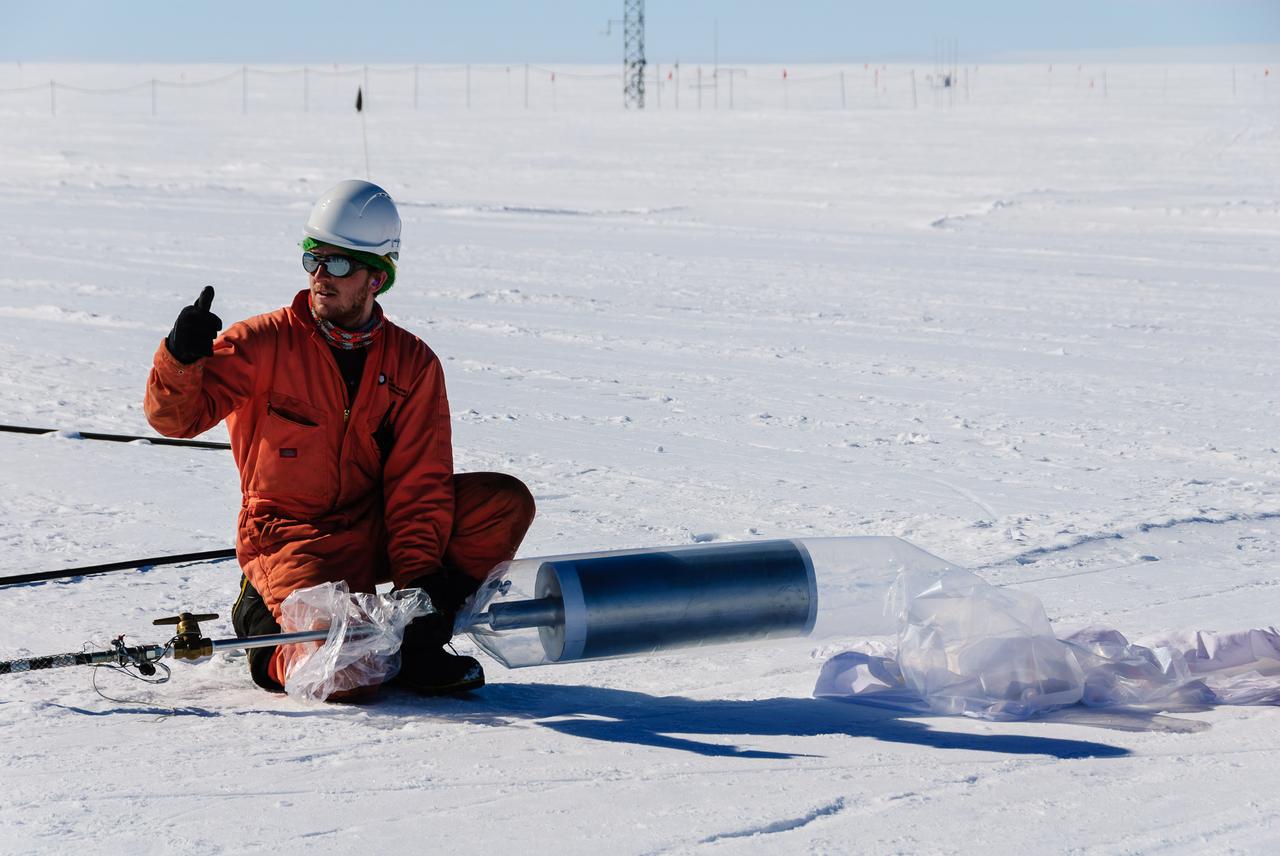
The Halley station team members assisted the BARREL team with the launches. Here, one gives the thumbs up to start inflating a BARREL balloon. Credit: NASA/Goddard/BARREL/M. Krzysztofowicz Read more: <a href="http://www.nasa.gov/content/nasas-barrel-returns-successful-from-antarctica/" rel="nofollow">www.nasa.gov/content/nasas-barrel-returns-successful-from...</a> -- Three months, 20 balloons, and one very successful campaign. The team for NASA's BARREL – short for Balloon Array for Radiation belt Relativistic Electron Losses -- mission returned from Antarctica in March 2014. BARREL's job is to help unravel the mysterious Van Allen belts, two gigantic donuts of radiation that surround Earth, which can shrink and swell in response to incoming energy and particles from the sun and sometimes expose satellites to harsh radiation. While in Antarctica, the team launched 20 balloons carrying instruments that sense charged particles that are scattered into the atmosphere from the belts, spiraling down the magnetic fields near the South Pole. Each balloon traveled around the pole for up to three weeks. The team will coordinate the BARREL data with observations from NASA's two Van Allen Probes to better understand how occurrences in the belts relate to bursts of particles funneling down toward Earth. BARREL team members will be on hand at the USA Science and Engineering Festival in DC on April 26 and 27, 2014 for the exhibit Space Balloons: Exploring the Extremes of Space Weather. <b><a href="http://www.nasa.gov/audience/formedia/features/MP_Photo_Guidelines.html" rel="nofollow">NASA image use policy.</a></b> <b><a href="http://www.nasa.gov/centers/goddard/home/index.html" rel="nofollow">NASA Goddard Space Flight Center</a></b> enables NASA’s mission through four scientific endeavors: Earth Science, Heliophysics, Solar System Exploration, and Astrophysics. Goddard plays a leading role in NASA’s accomplishments by contributing compelling scientific knowledge to advance the Agency’s mission. <b>Follow us on <a href="http://twitter.com/NASAGoddardPix" rel="nofollow">Twitter</a></b> <b>Like us on <a href="http://www.facebook.com/pages/Greenbelt-MD/NASA-Goddard/395013845897?ref=tsd" rel="nofollow">Facebook</a></b> <b>Find us on <a href="http://instagram.com/nasagoddard?vm=grid" rel="nofollow">Instagram</a></b>
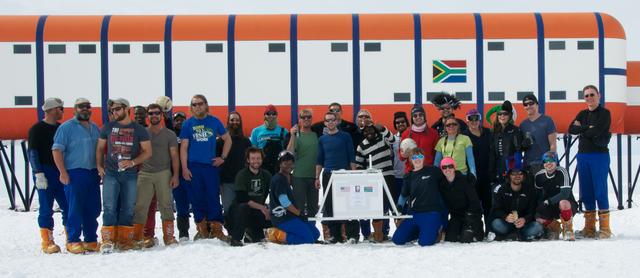
A group picture of all the researchers – from various science projects -- at the South African research station, SANAE IV, Antarctica, in the (Southern) summer 2013-2014. Credit: NASA/Goddard/BARREL/Brett Anderson Read more: <a href="http://www.nasa.gov/content/nasas-barrel-returns-successful-from-antarctica/" rel="nofollow">www.nasa.gov/content/nasas-barrel-returns-successful-from...</a> -- Three months, 20 balloons, and one very successful campaign. The team for NASA's BARREL – short for Balloon Array for Radiation belt Relativistic Electron Losses -- mission returned from Antarctica in March 2014. BARREL's job is to help unravel the mysterious Van Allen belts, two gigantic donuts of radiation that surround Earth, which can shrink and swell in response to incoming energy and particles from the sun and sometimes expose satellites to harsh radiation. While in Antarctica, the team launched 20 balloons carrying instruments that sense charged particles that are scattered into the atmosphere from the belts, spiraling down the magnetic fields near the South Pole. Each balloon traveled around the pole for up to three weeks. The team will coordinate the BARREL data with observations from NASA's two Van Allen Probes to better understand how occurrences in the belts relate to bursts of particles funneling down toward Earth. BARREL team members will be on hand at the USA Science and Engineering Festival in DC on April 26 and 27, 2014 for the exhibit Space Balloons: Exploring the Extremes of Space Weather. <b><a href="http://www.nasa.gov/audience/formedia/features/MP_Photo_Guidelines.html" rel="nofollow">NASA image use policy.</a></b> <b><a href="http://www.nasa.gov/centers/goddard/home/index.html" rel="nofollow">NASA Goddard Space Flight Center</a></b> enables NASA’s mission through four scientific endeavors: Earth Science, Heliophysics, Solar System Exploration, and Astrophysics. Goddard plays a leading role in NASA’s accomplishments by contributing compelling scientific knowledge to advance the Agency’s mission. <b>Follow us on <a href="http://twitter.com/NASAGoddardPix" rel="nofollow">Twitter</a></b> <b>Like us on <a href="http://www.facebook.com/pages/Greenbelt-MD/NASA-Goddard/395013845897?ref=tsd" rel="nofollow">Facebook</a></b> <b>Find us on <a href="http://instagram.com/nasagoddard?vm=grid" rel="nofollow">Instagram</a></b>

A view looking over the payload – the instruments that fly under a balloon – while the BARREL balloon inflates. The orange parachute lies on the ground in front of the payload, while most of the balloon length can be seen stretched along the ground toward the part being inflated. Credit: NASA/Goddard/BARREL Read more: <a href="http://www.nasa.gov/content/goddard/nasas-barrel-returns-successful-from-antarctica" rel="nofollow">www.nasa.gov/content/goddard/nasas-barrel-returns-success...</a> -- Three months, 20 balloons, and one very successful campaign. The team for NASA's BARREL – short for Balloon Array for Radiation belt Relativistic Electron Losses -- mission returned from Antarctica in March 2014. BARREL's job is to help unravel the mysterious Van Allen belts, two gigantic donuts of radiation that surround Earth, which can shrink and swell in response to incoming energy and particles from the sun and sometimes expose satellites to harsh radiation. While in Antarctica, the team launched 20 balloons carrying instruments that sense charged particles that are scattered into the atmosphere from the belts, spiraling down the magnetic fields near the South Pole. Each balloon traveled around the pole for up to three weeks. The team will coordinate the BARREL data with observations from NASA's two Van Allen Probes to better understand how occurrences in the belts relate to bursts of particles funneling down toward Earth. BARREL team members will be on hand at the USA Science and Engineering Festival in DC on April 26 and 27, 2014 for the exhibit Space Balloons: Exploring the Extremes of Space Weather. <b><a href="http://www.nasa.gov/audience/formedia/features/MP_Photo_Guidelines.html" rel="nofollow">NASA image use policy.</a></b><b><a href="http://www.nasa.gov/centers/goddard/home/index.html" rel="nofollow">NASA Goddard Space Flight Center</a></b> enables NASA’s mission through four scientific endeavors: Earth Science, Heliophysics, Solar System Exploration, and Astrophysics. Goddard plays a leading role in NASA’s accomplishments by contributing compelling scientific knowledge to advance the Agency’s mission.<b>Follow us on <a href="http://twitter.com/NASAGoddardPix" rel="nofollow">Twitter</a></b><b>Like us on <a href="http://www.facebook.com/pages/Greenbelt-MD/NASA-Goddard/395013845897?ref=tsd" rel="nofollow">Facebook</a></b><b>Find us on <a href="http://instagram.com/nasagoddard?vm=grid" rel="nofollow">Instagram</a></b>
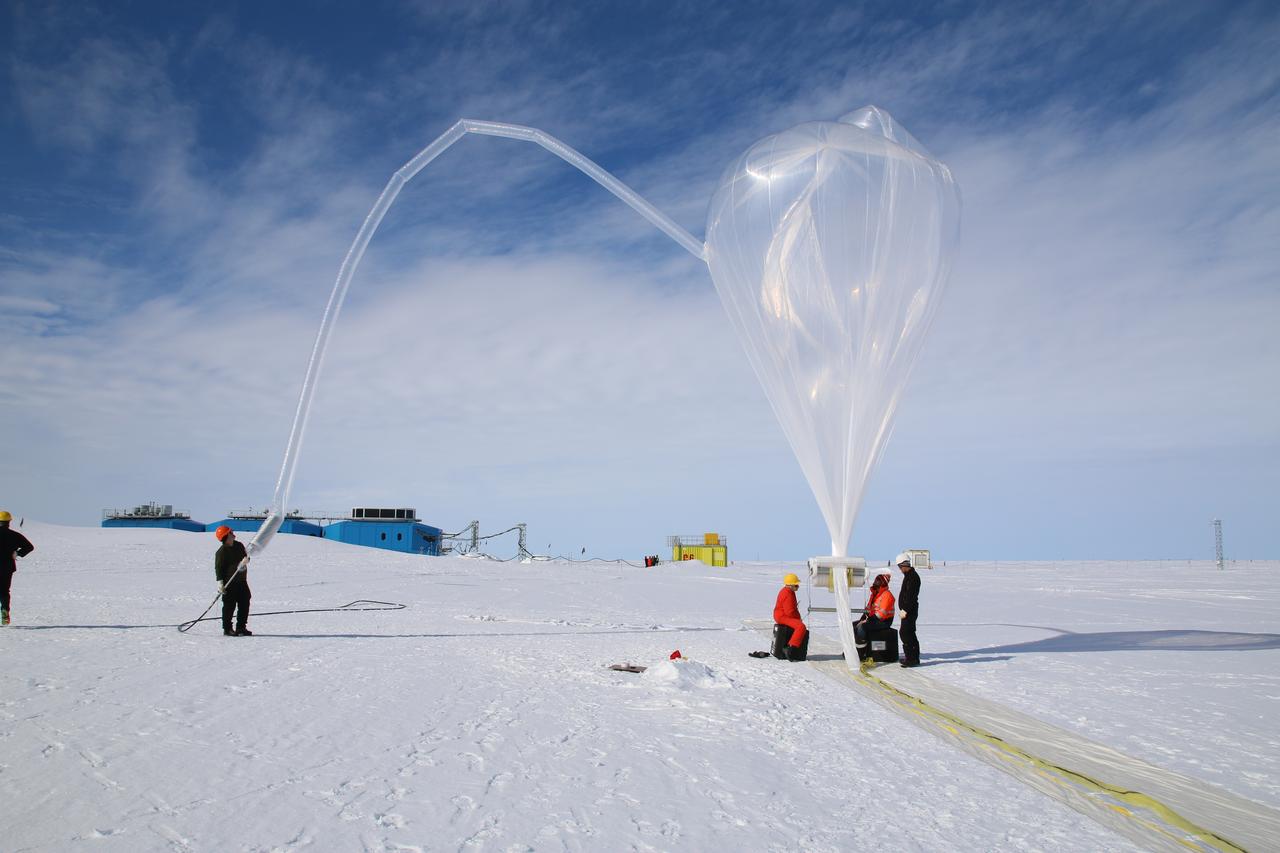
The BARREL team at Halley Research Station in Antarctica, work to inflate a balloon. The long tube on the left is the inflation tube used to fill the top of the balloon with helium. Credit: NASA/Goddard/BARREL Read more: <a href="http://www.nasa.gov/content/goddard/nasas-barrel-returns-successful-from-antarctica" rel="nofollow">www.nasa.gov/content/goddard/nasas-barrel-returns-success...</a> -- Three months, 20 balloons, and one very successful campaign. The team for NASA's BARREL – short for Balloon Array for Radiation belt Relativistic Electron Losses -- mission returned from Antarctica in March 2014. BARREL's job is to help unravel the mysterious Van Allen belts, two gigantic donuts of radiation that surround Earth, which can shrink and swell in response to incoming energy and particles from the sun and sometimes expose satellites to harsh radiation. While in Antarctica, the team launched 20 balloons carrying instruments that sense charged particles that are scattered into the atmosphere from the belts, spiraling down the magnetic fields near the South Pole. Each balloon traveled around the pole for up to three weeks. The team will coordinate the BARREL data with observations from NASA's two Van Allen Probes to better understand how occurrences in the belts relate to bursts of particles funneling down toward Earth. BARREL team members will be on hand at the USA Science and Engineering Festival in DC on April 26 and 27, 2014 for the exhibit Space Balloons: Exploring the Extremes of Space Weather. <b><a href="http://www.nasa.gov/audience/formedia/features/MP_Photo_Guidelines.html" rel="nofollow">NASA image use policy.</a></b><b><a href="http://www.nasa.gov/centers/goddard/home/index.html" rel="nofollow">NASA Goddard Space Flight Center</a></b> enables NASA’s mission through four scientific endeavors: Earth Science, Heliophysics, Solar System Exploration, and Astrophysics. Goddard plays a leading role in NASA’s accomplishments by contributing compelling scientific knowledge to advance the Agency’s mission.<b>Follow us on <a href="http://twitter.com/NASAGoddardPix" rel="nofollow">Twitter</a></b><b>Like us on <a href="http://www.facebook.com/pages/Greenbelt-MD/NASA-Goddard/395013845897?ref=tsd" rel="nofollow">Facebook</a></b><b>Find us on <a href="http://instagram.com/nasagoddard?vm=grid" rel="nofollow">Instagram</a></b>

While large compared to a human, BARREL balloons are actually much smaller than typical science balloons, which can be as large as a football field. Credit: NASA/Goddard/BARREL/Brett Anderson Read more: <a href="http://www.nasa.gov/content/goddard/nasas-barrel-returns-successful-from-antarctica" rel="nofollow">www.nasa.gov/content/goddard/nasas-barrel-returns-success...</a> -- Three months, 20 balloons, and one very successful campaign. The team for NASA's BARREL – short for Balloon Array for Radiation belt Relativistic Electron Losses -- mission returned from Antarctica in March 2014. BARREL's job is to help unravel the mysterious Van Allen belts, two gigantic donuts of radiation that surround Earth, which can shrink and swell in response to incoming energy and particles from the sun and sometimes expose satellites to harsh radiation. While in Antarctica, the team launched 20 balloons carrying instruments that sense charged particles that are scattered into the atmosphere from the belts, spiraling down the magnetic fields near the South Pole. Each balloon traveled around the pole for up to three weeks. The team will coordinate the BARREL data with observations from NASA's two Van Allen Probes to better understand how occurrences in the belts relate to bursts of particles funneling down toward Earth. BARREL team members will be on hand at the USA Science and Engineering Festival in DC on April 26 and 27, 2014 for the exhibit Space Balloons: Exploring the Extremes of Space Weather. <b><a href="http://www.nasa.gov/audience/formedia/features/MP_Photo_Guidelines.html" rel="nofollow">NASA image use policy.</a></b> <b><a href="http://www.nasa.gov/centers/goddard/home/index.html" rel="nofollow">NASA Goddard Space Flight Center</a></b> enables NASA’s mission through four scientific endeavors: Earth Science, Heliophysics, Solar System Exploration, and Astrophysics. Goddard plays a leading role in NASA’s accomplishments by contributing compelling scientific knowledge to advance the Agency’s mission. <b>Follow us on <a href="http://twitter.com/NASAGoddardPix" rel="nofollow">Twitter</a></b> <b>Like us on <a href="http://www.facebook.com/pages/Greenbelt-MD/NASA-Goddard/395013845897?ref=tsd" rel="nofollow">Facebook</a></b> <b>Find us on <a href="http://instagram.com/nasagoddard?vm=grid" rel="nofollow">Instagram</a></b>

A BARREL balloon launches up into the sky, destined to float on the circumpolar winds around the South Pole for up to three weeks while measuring Earth's magnetic field and energetic particles from the radiation belts. Credit: NASA/Goddard/BARREL/Brett Anderson Read more: <a href="http://www.nasa.gov/content/goddard/nasas-barrel-returns-successful-from-antarctica" rel="nofollow">www.nasa.gov/content/goddard/nasas-barrel-returns-success...</a> -- Three months, 20 balloons, and one very successful campaign. The team for NASA's BARREL – short for Balloon Array for Radiation belt Relativistic Electron Losses -- mission returned from Antarctica in March 2014. BARREL's job is to help unravel the mysterious Van Allen belts, two gigantic donuts of radiation that surround Earth, which can shrink and swell in response to incoming energy and particles from the sun and sometimes expose satellites to harsh radiation. While in Antarctica, the team launched 20 balloons carrying instruments that sense charged particles that are scattered into the atmosphere from the belts, spiraling down the magnetic fields near the South Pole. Each balloon traveled around the pole for up to three weeks. The team will coordinate the BARREL data with observations from NASA's two Van Allen Probes to better understand how occurrences in the belts relate to bursts of particles funneling down toward Earth. BARREL team members will be on hand at the USA Science and Engineering Festival in DC on April 26 and 27, 2014 for the exhibit Space Balloons: Exploring the Extremes of Space Weather. <b><a href="http://www.nasa.gov/audience/formedia/features/MP_Photo_Guidelines.html" rel="nofollow">NASA image use policy.</a></b> <b><a href="http://www.nasa.gov/centers/goddard/home/index.html" rel="nofollow">NASA Goddard Space Flight Center</a></b> enables NASA’s mission through four scientific endeavors: Earth Science, Heliophysics, Solar System Exploration, and Astrophysics. Goddard plays a leading role in NASA’s accomplishments by contributing compelling scientific knowledge to advance the Agency’s mission. <b>Follow us on <a href="http://twitter.com/NASAGoddardPix" rel="nofollow">Twitter</a></b> <b>Like us on <a href="http://www.facebook.com/pages/Greenbelt-MD/NASA-Goddard/395013845897?ref=tsd" rel="nofollow">Facebook</a></b> <b>Find us on <a href="http://instagram.com/nasagoddard?vm=grid" rel="nofollow">Instagram</a></b>
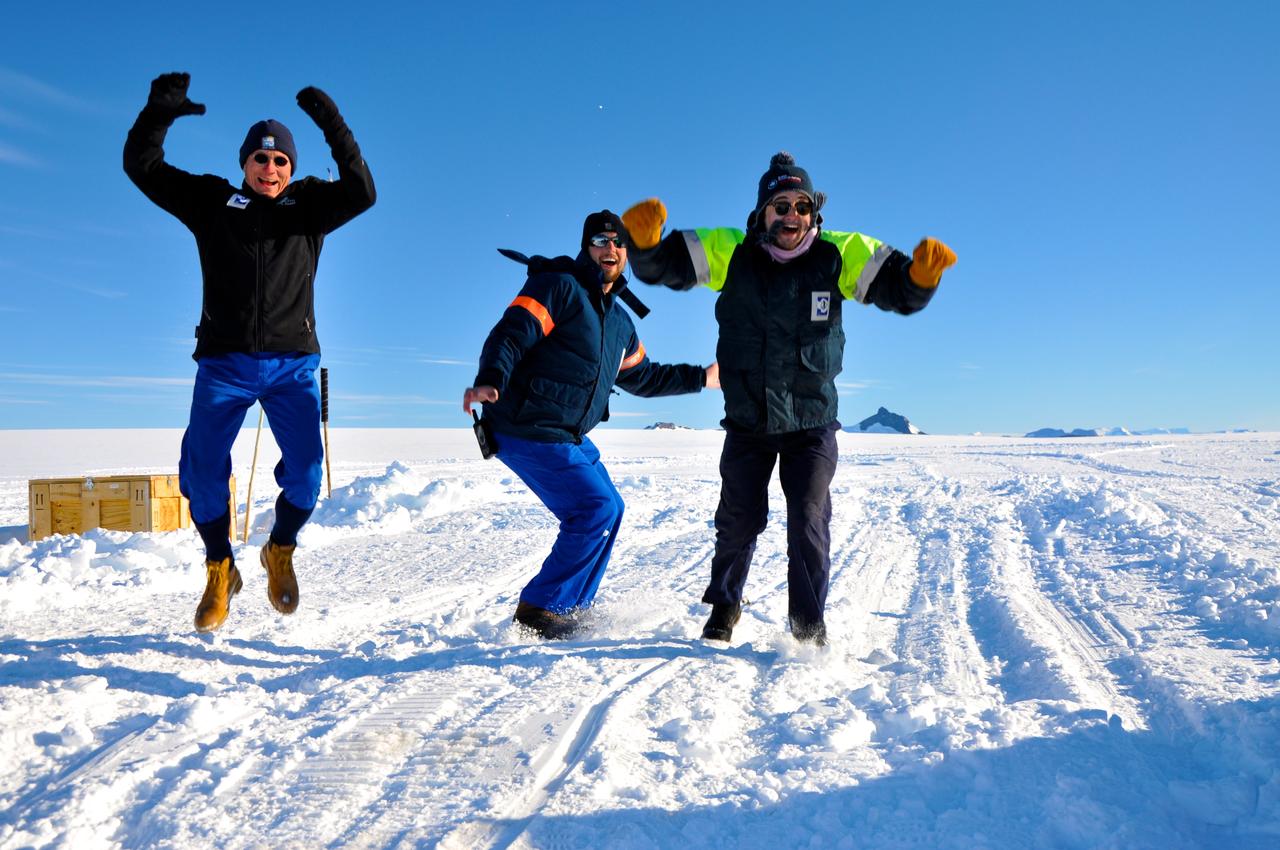
Members of the BARREL team in Antarctica jump up and down in what they call the Low Wind Dance as they hope for the low wind conditions needed to launch another balloon. Credit: NASA/Goddard/BARREL/Brett Anderson Read more: <a href="http://www.nasa.gov/content/goddard/nasas-barrel-returns-successful-from-antarctica" rel="nofollow">www.nasa.gov/content/goddard/nasas-barrel-returns-success...</a> -- Three months, 20 balloons, and one very successful campaign. The team for NASA's BARREL – short for Balloon Array for Radiation belt Relativistic Electron Losses -- mission returned from Antarctica in March 2014. BARREL's job is to help unravel the mysterious Van Allen belts, two gigantic donuts of radiation that surround Earth, which can shrink and swell in response to incoming energy and particles from the sun and sometimes expose satellites to harsh radiation. While in Antarctica, the team launched 20 balloons carrying instruments that sense charged particles that are scattered into the atmosphere from the belts, spiraling down the magnetic fields near the South Pole. Each balloon traveled around the pole for up to three weeks. The team will coordinate the BARREL data with observations from NASA's two Van Allen Probes to better understand how occurrences in the belts relate to bursts of particles funneling down toward Earth. BARREL team members will be on hand at the USA Science and Engineering Festival in DC on April 26 and 27, 2014 for the exhibit Space Balloons: Exploring the Extremes of Space Weather. <b><a href="http://www.nasa.gov/audience/formedia/features/MP_Photo_Guidelines.html" rel="nofollow">NASA image use policy.</a></b> <b><a href="http://www.nasa.gov/centers/goddard/home/index.html" rel="nofollow">NASA Goddard Space Flight Center</a></b> enables NASA’s mission through four scientific endeavors: Earth Science, Heliophysics, Solar System Exploration, and Astrophysics. Goddard plays a leading role in NASA’s accomplishments by contributing compelling scientific knowledge to advance the Agency’s mission. <b>Follow us on <a href="http://twitter.com/NASAGoddardPix" rel="nofollow">Twitter</a></b> <b>Like us on <a href="http://www.facebook.com/pages/Greenbelt-MD/NASA-Goddard/395013845897?ref=tsd" rel="nofollow">Facebook</a></b> <b>Find us on <a href="http://instagram.com/nasagoddard?vm=grid" rel="nofollow">Instagram</a></b>

This composite picture is a seamless blend of ultra-sharp NASA Hubble Space Telescope (HST) images combined with the wide view of the Mosaic Camera on the National Science Foundation's 0.9-meter telescope at Kitt Peak National Observatory, part of the National Optical Astronomy Observatory, near Tucson, Ariz. Astronomers at the Space Telescope Science Institute assembled these images into a mosaic. The mosaic was then blended with a wider photograph taken by the Mosaic Camera. The image shows a fine web of filamentary "bicycle-spoke" features embedded in the colorful red and blue gas ring, which is one of the nearest planetary nebulae to Earth. Because the nebula is nearby, it appears as nearly one-half the diameter of the full Moon. This required HST astronomers to take several exposures with the Advanced Camera for Surveys to capture most of the Helix. HST views were then blended with a wider photo taken by the Mosaic Camera. The portrait offers a dizzying look down what is actually a trillion-mile-long tunnel of glowing gases. The fluorescing tube is pointed nearly directly at Earth, so it looks more like a bubble than a cylinder. A forest of thousands of comet-like filaments, embedded along the inner rim of the nebula, points back toward the central star, which is a small, super-hot white dwarf. The tentacles formed when a hot "stellar wind" of gas plowed into colder shells of dust and gas ejected previously by the doomed star. Ground-based telescopes have seen these comet-like filaments for decades, but never before in such detail. The filaments may actually lie in a disk encircling the hot star, like a collar. The radiant tie-die colors correspond to glowing oxygen (blue) and hydrogen and nitrogen (red). Valuable Hubble observing time became available during the November 2002 Leonid meteor storm. To protect the spacecraft, including HST's precise mirror, controllers turned the aft end into the direction of the meteor stream for about half a day. Fortunately, the Helix Nebula was almost exactly in the opposite direction of the meteor stream, so Hubble used nine orbits to photograph the nebula while it waited out the storm. To capture the sprawling nebula, Hubble had to take nine separate snapshots. Planetary nebulae like the Helix are sculpted late in a Sun-like star's life by a torrential gush of gases escaping from the dying star. They have nothing to do with planet formation, but got their name because they look like planetary disks when viewed through a small telescope. With higher magnification, the classic "donut-hole" in the middle of a planetary nebula can be resolved. Based on the nebula's distance of 650 light-years, its angular size corresponds to a huge ring with a diameter of nearly 3 light-years. That's approximately three-quarters of the distance between our Sun and the nearest star. The Helix Nebula is a popular target of amateur astronomers and can be seen with binoculars as a ghostly, greenish cloud in the constellation Aquarius. Larger amateur telescopes can resolve the ring-shaped nebula, but only the largest ground-based telescopes can resolve the radial streaks. After careful analysis, astronomers concluded the nebula really isn't a bubble, but is a cylinder that happens to be pointed toward Earth. http://photojournal.jpl.nasa.gov/catalog/PIA18164