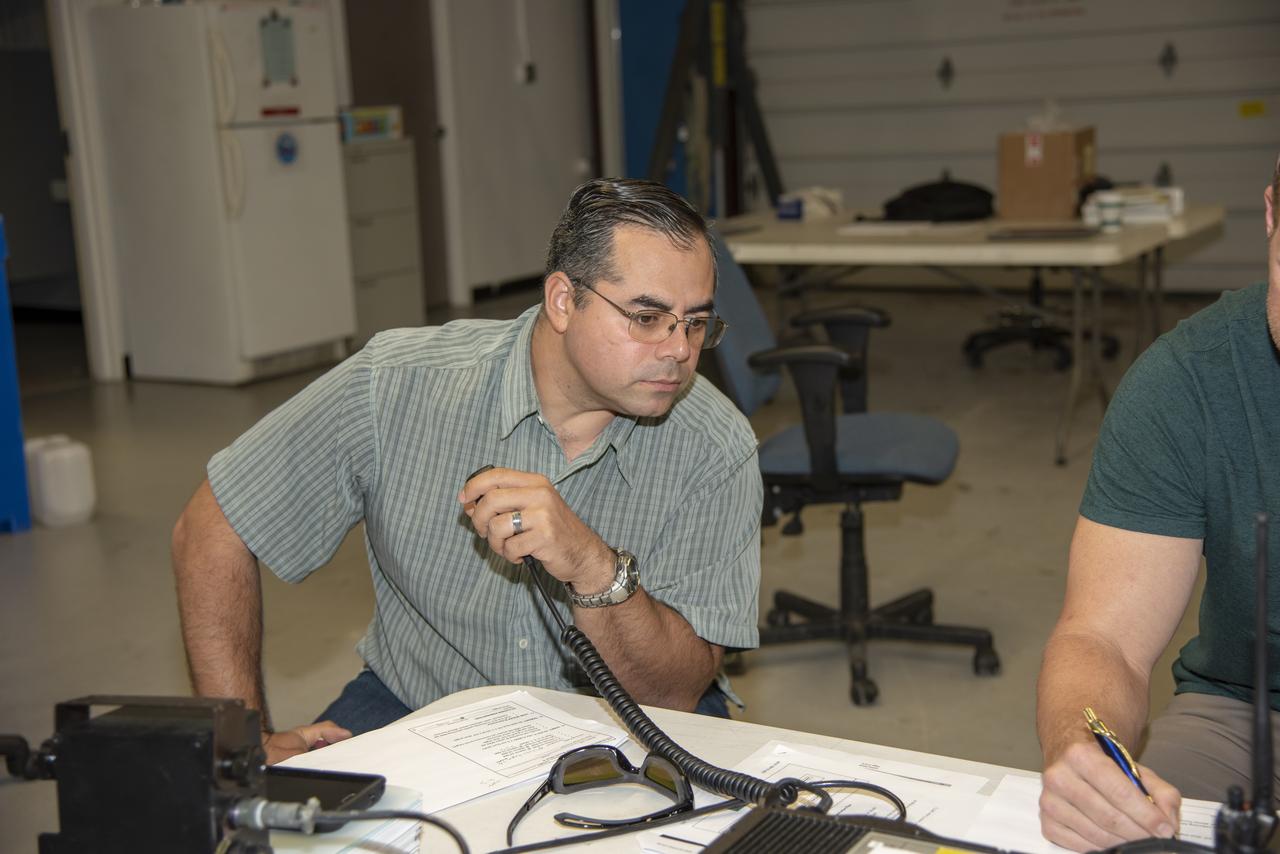
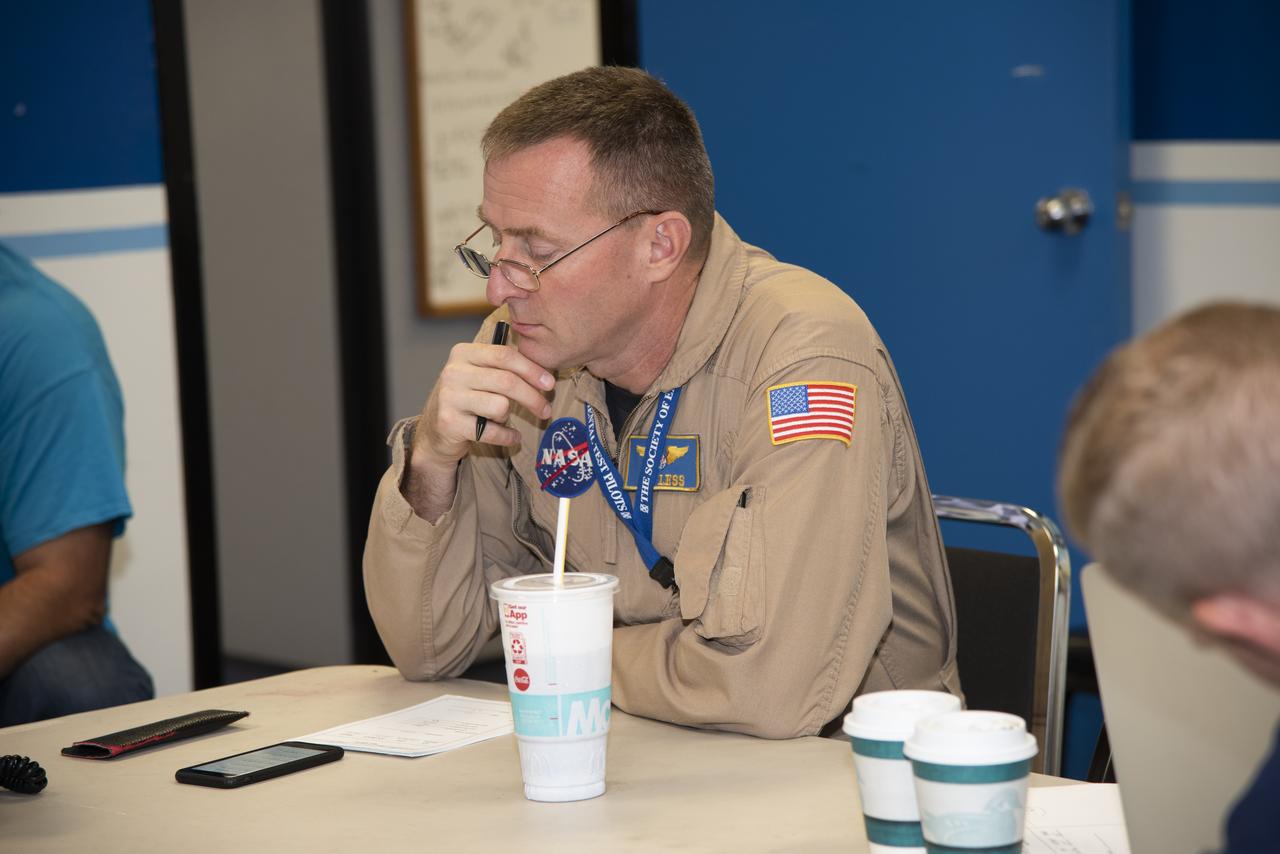
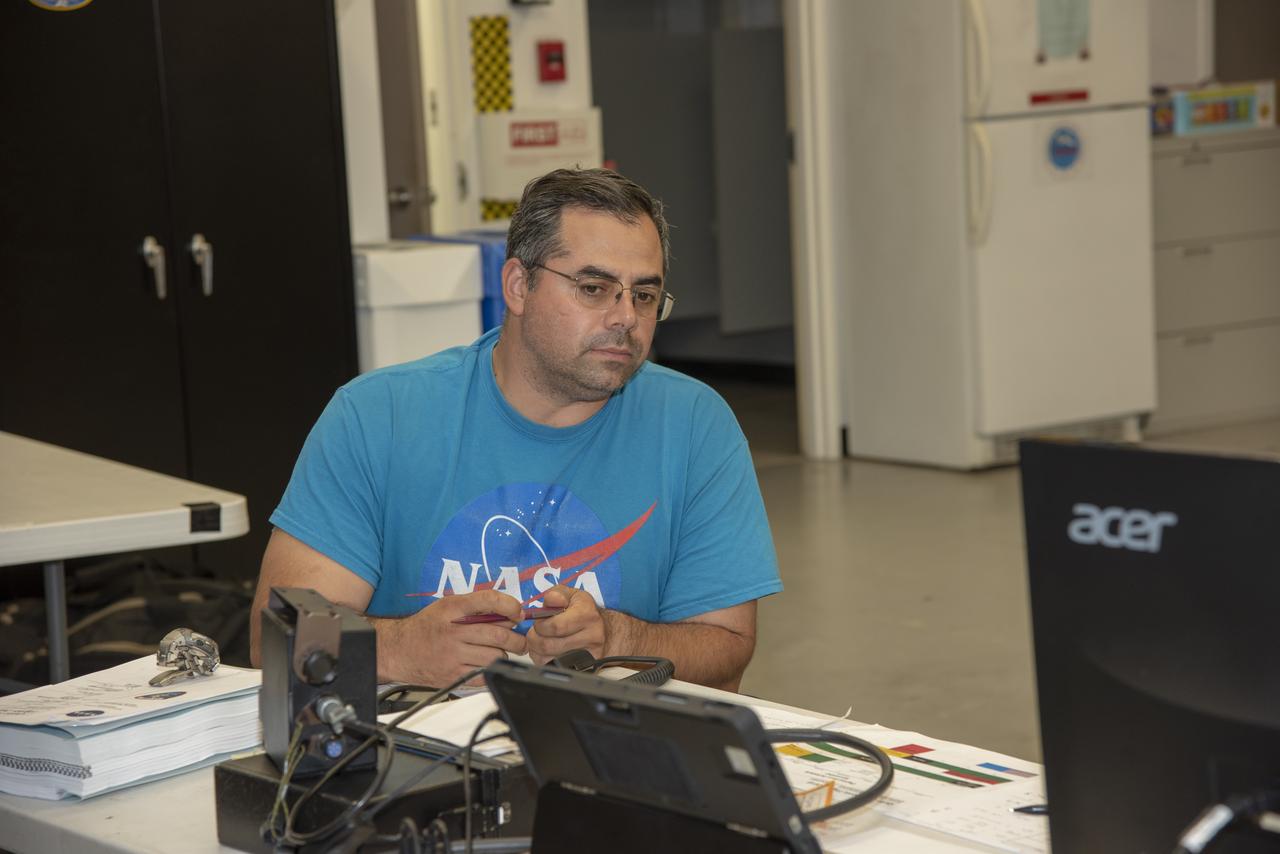
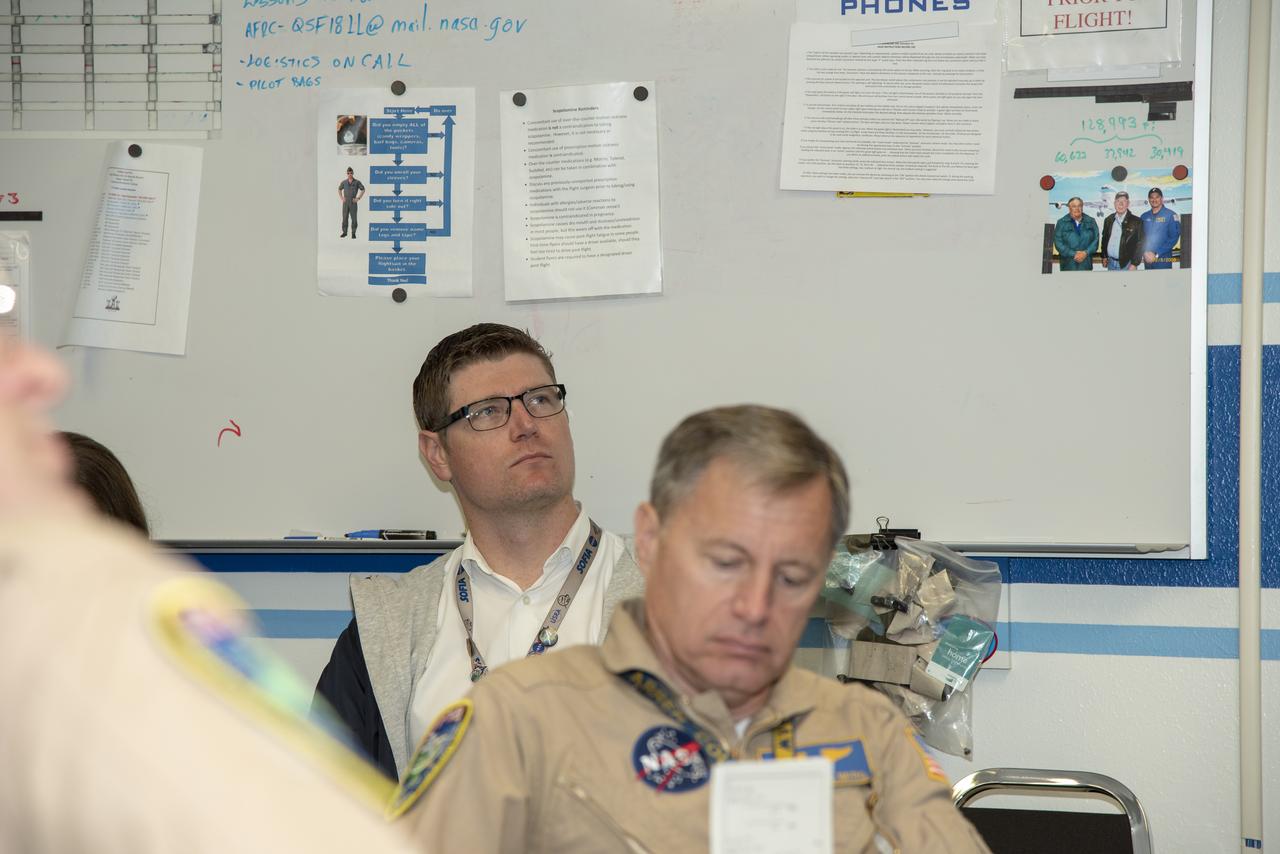
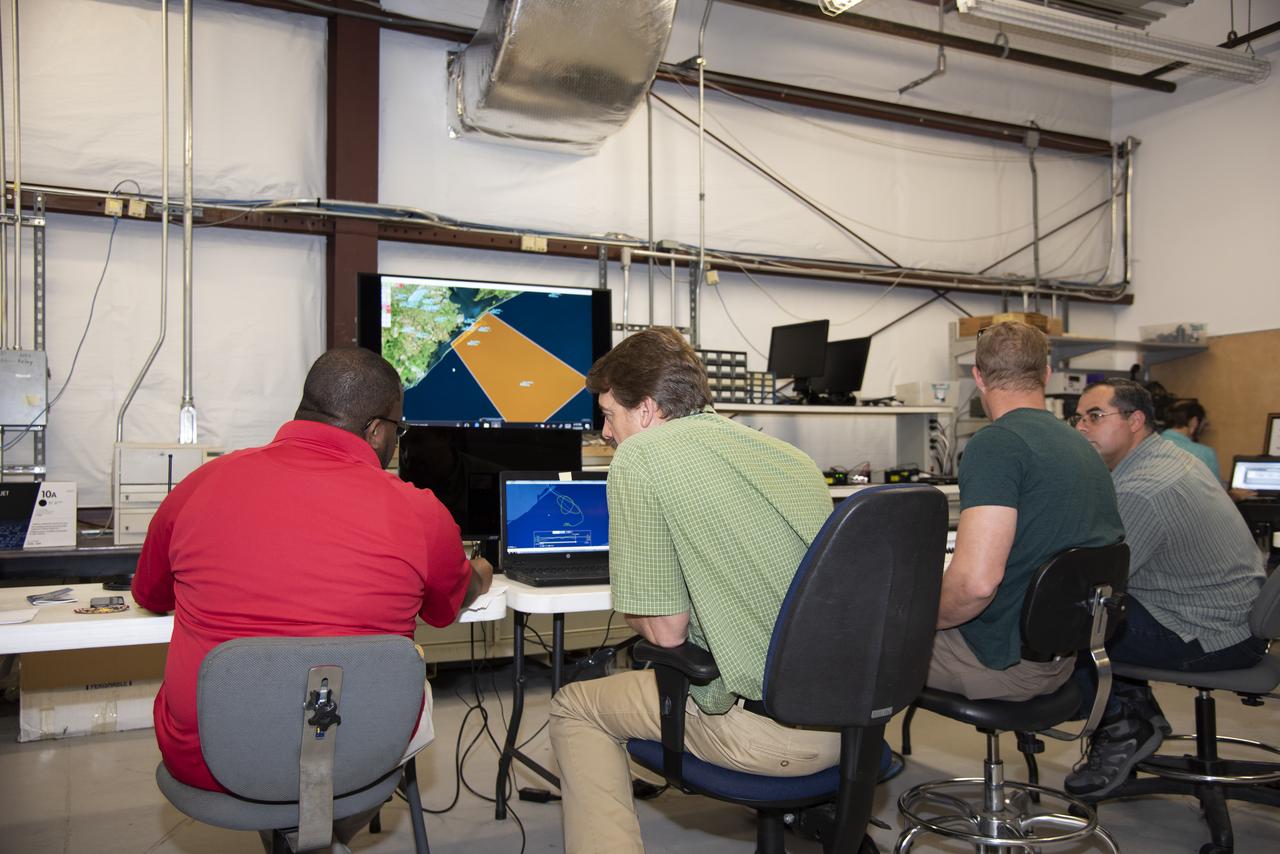
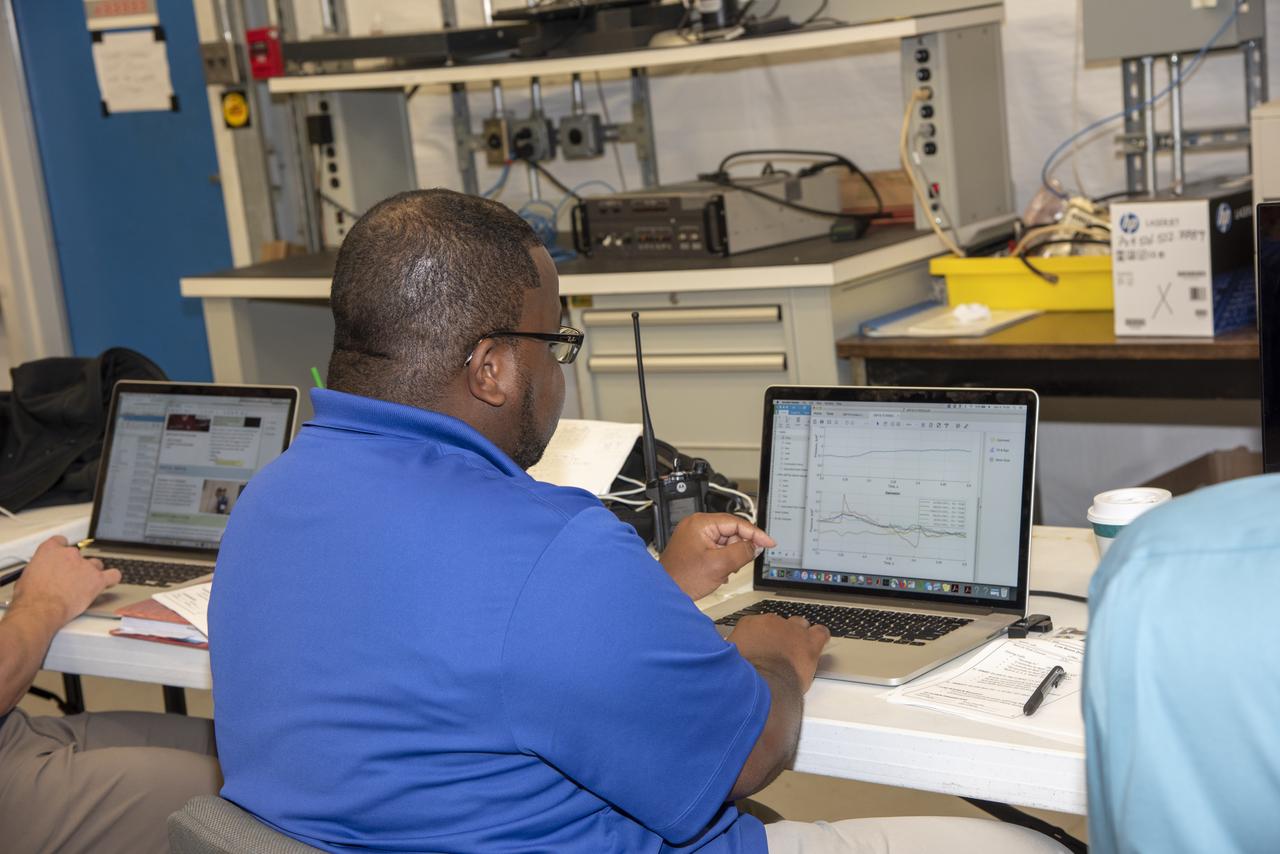
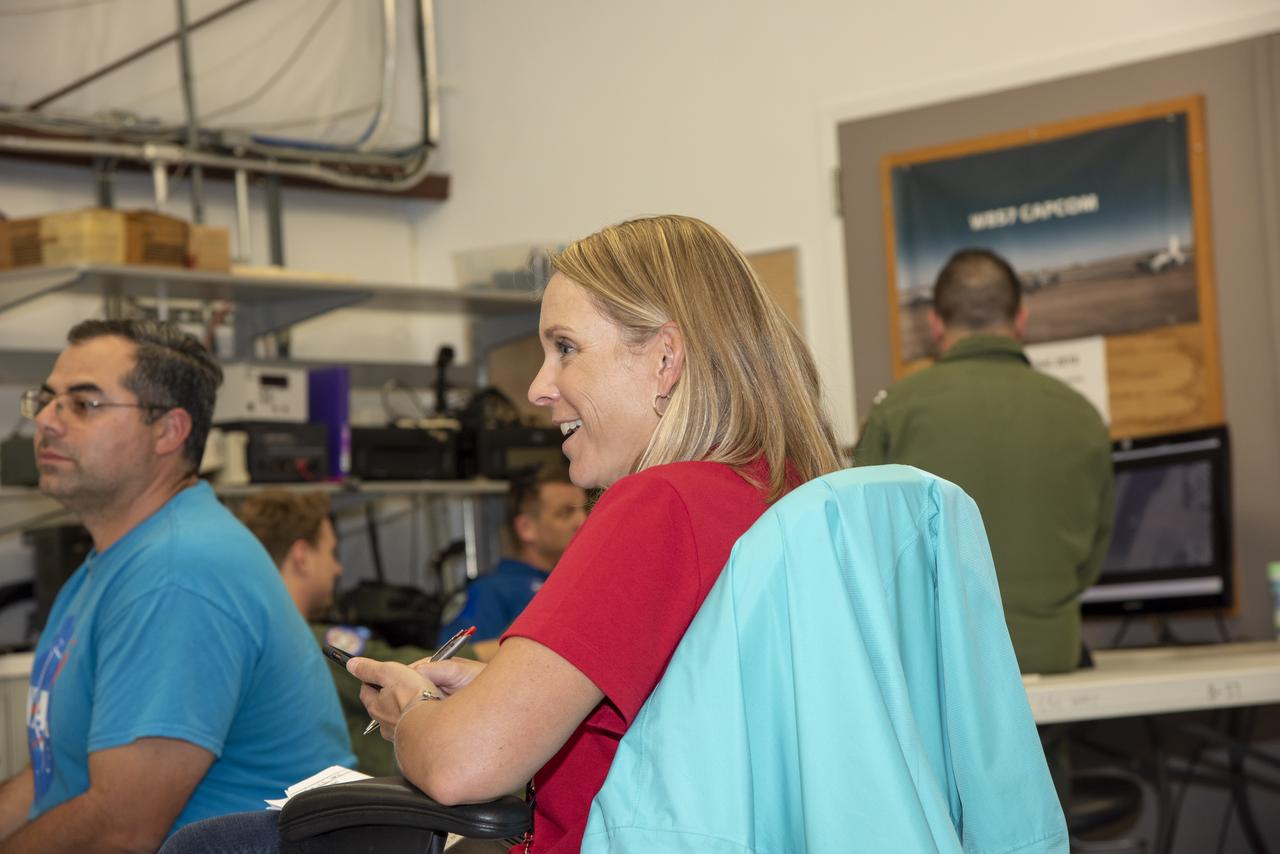
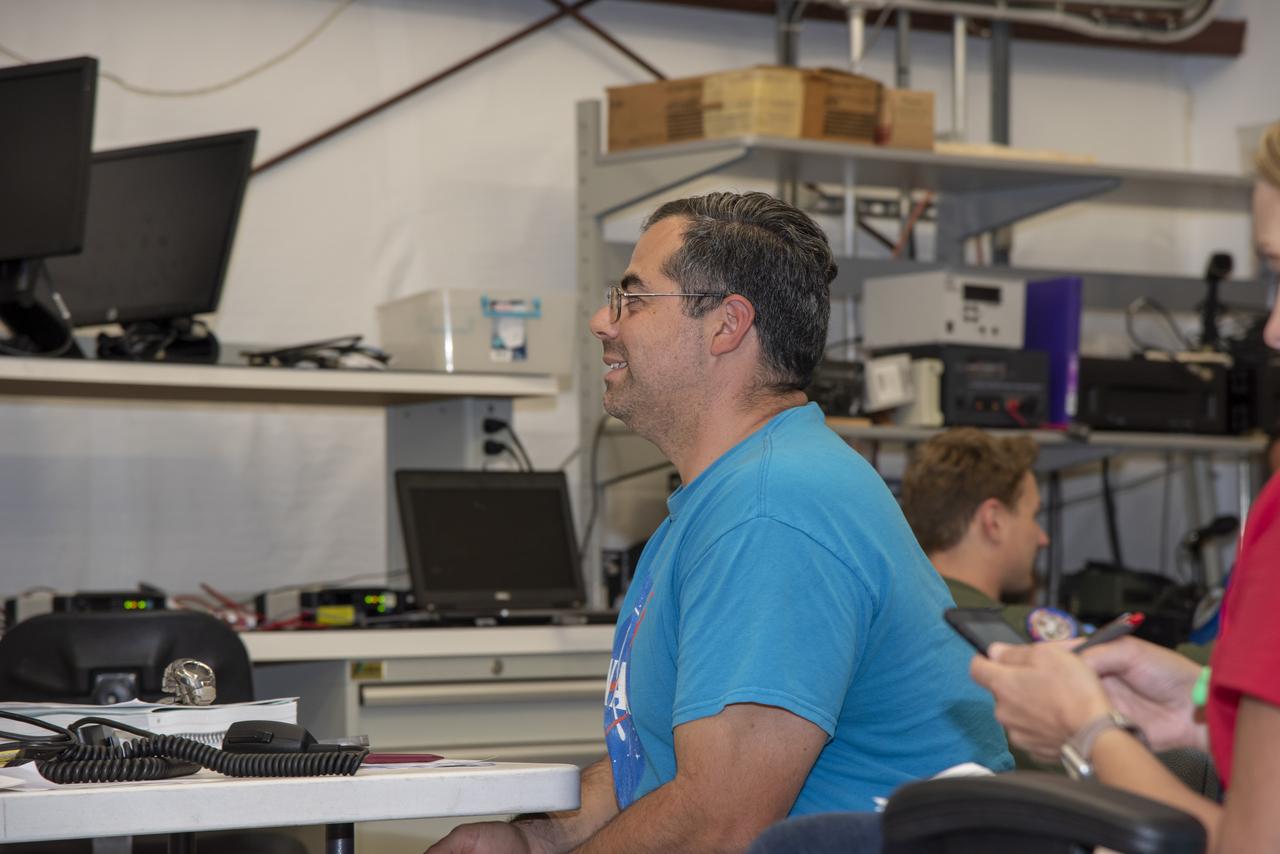
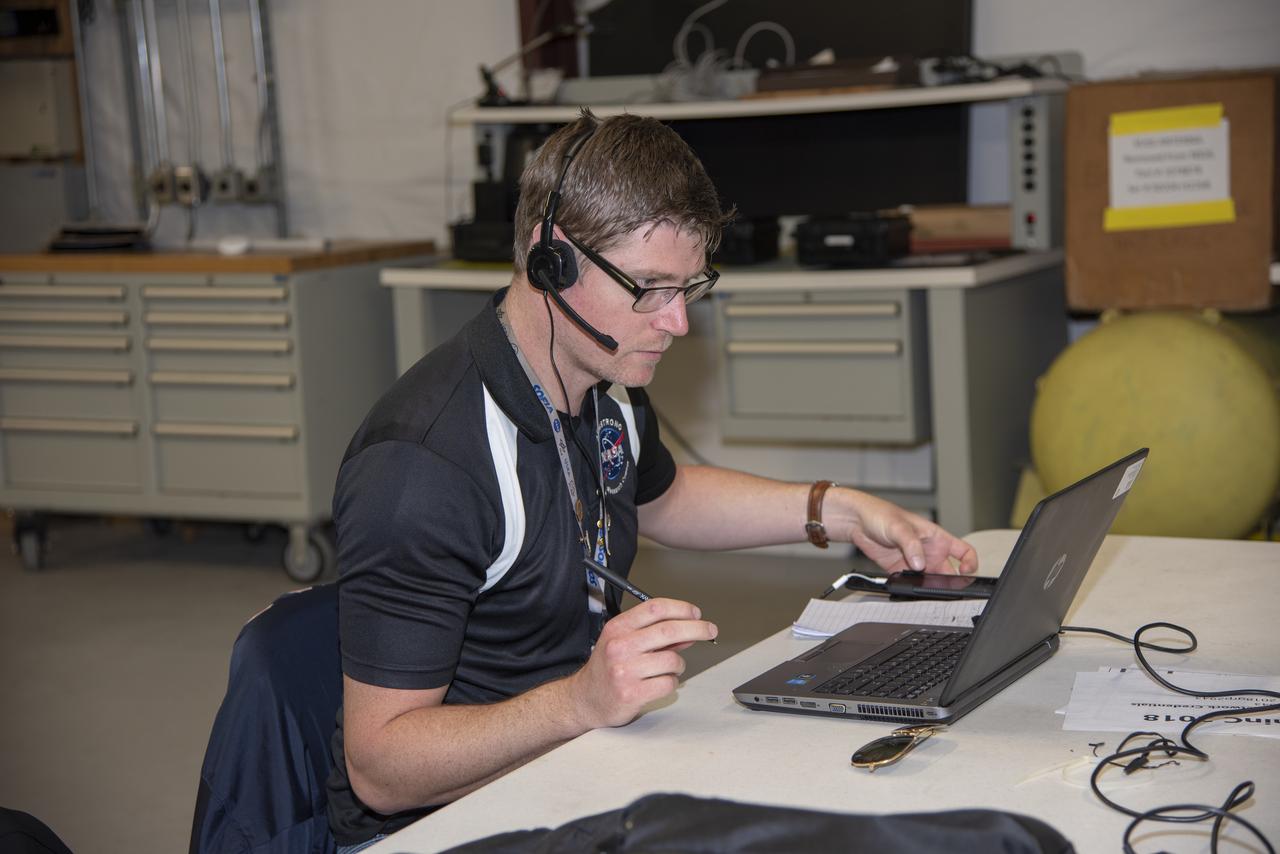
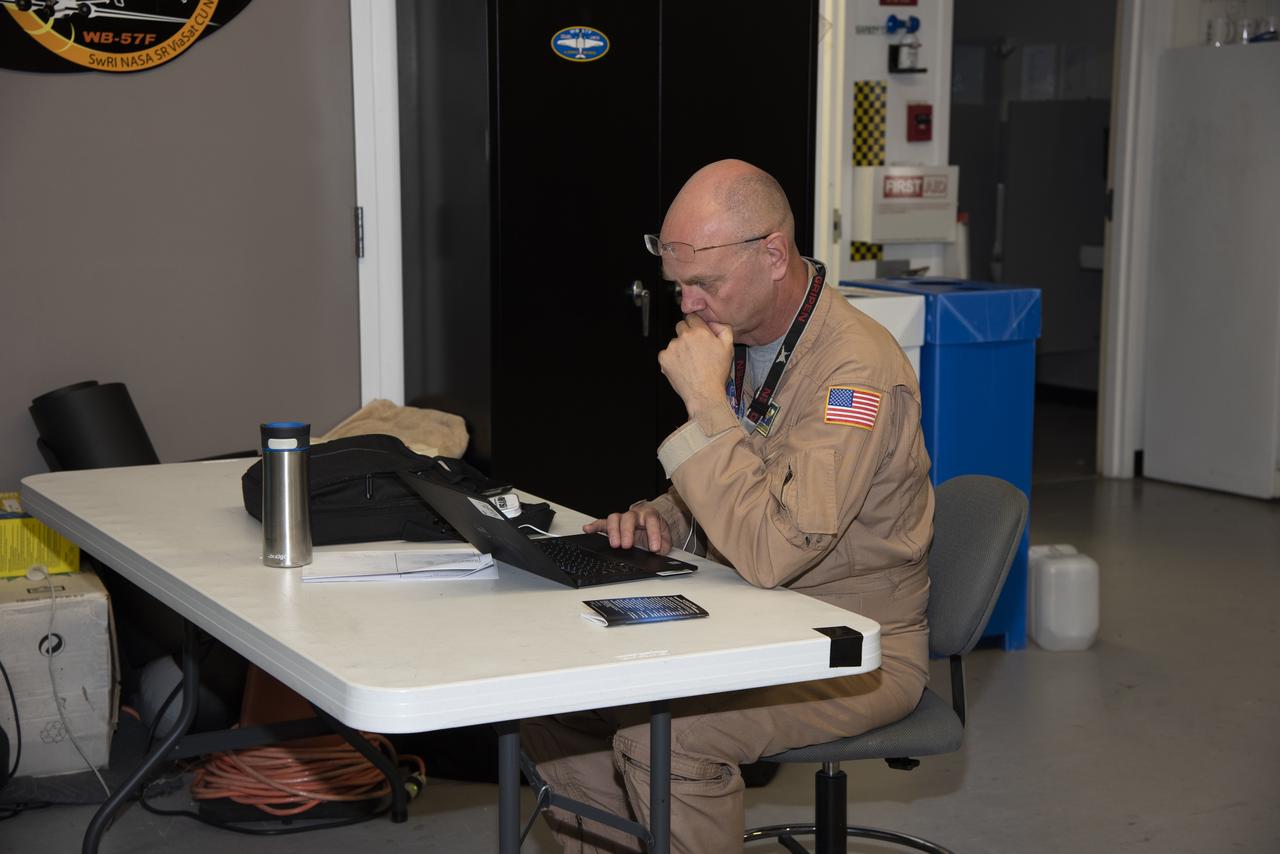
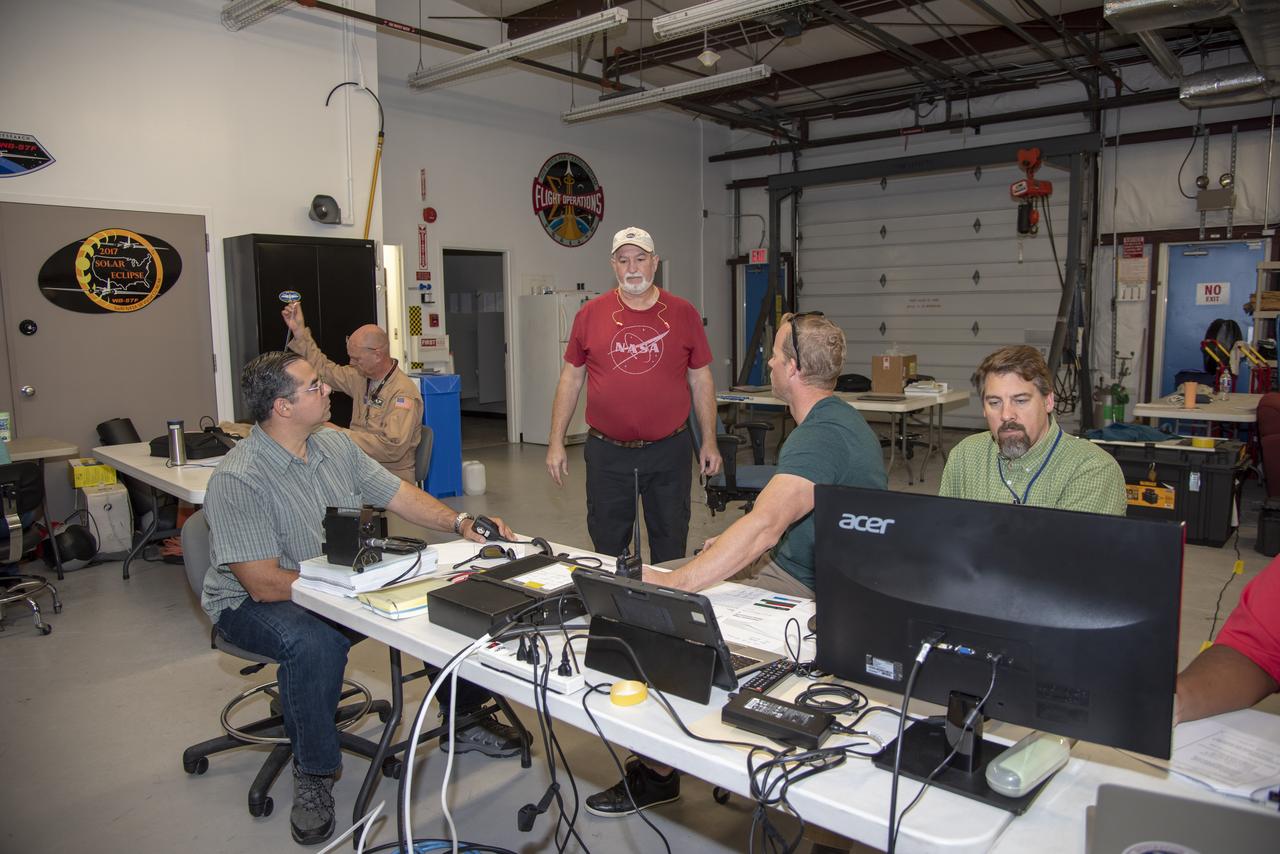
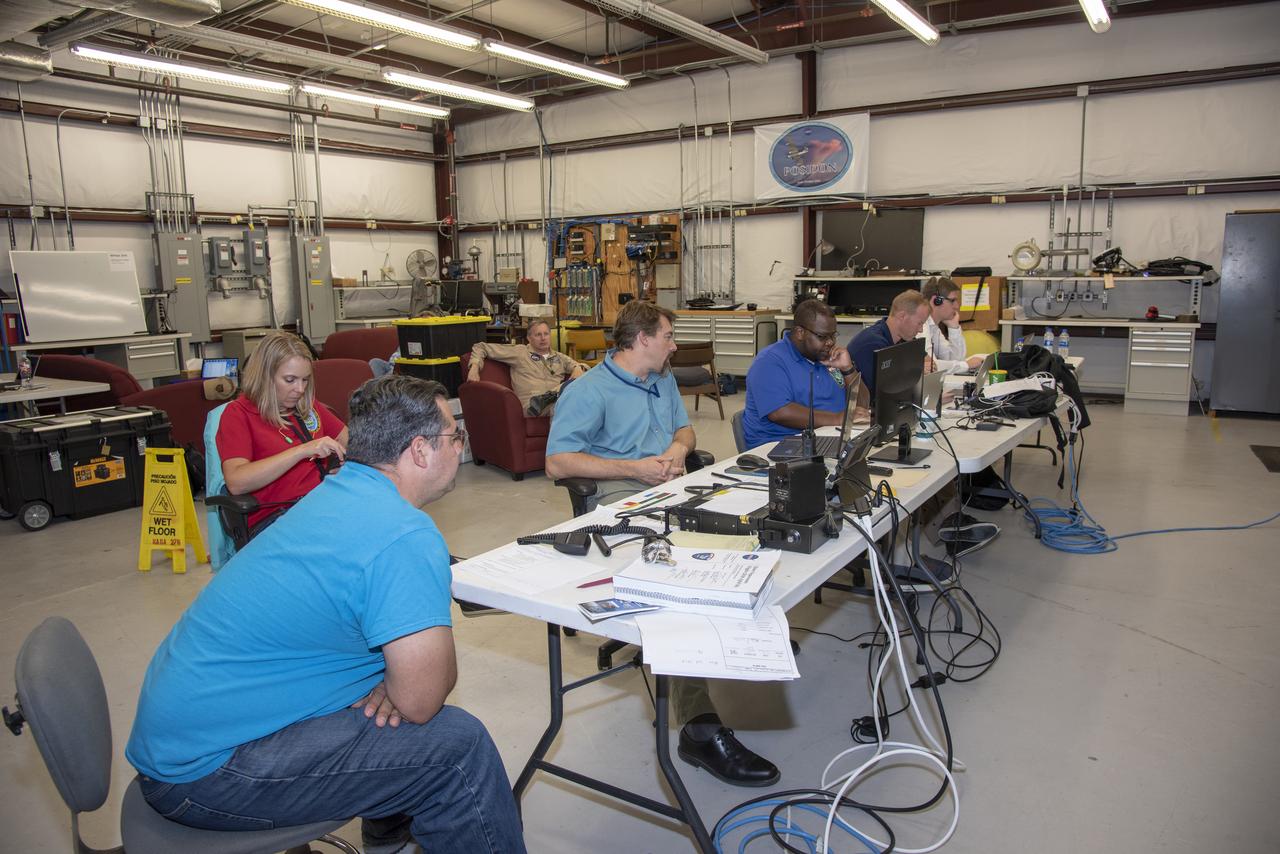
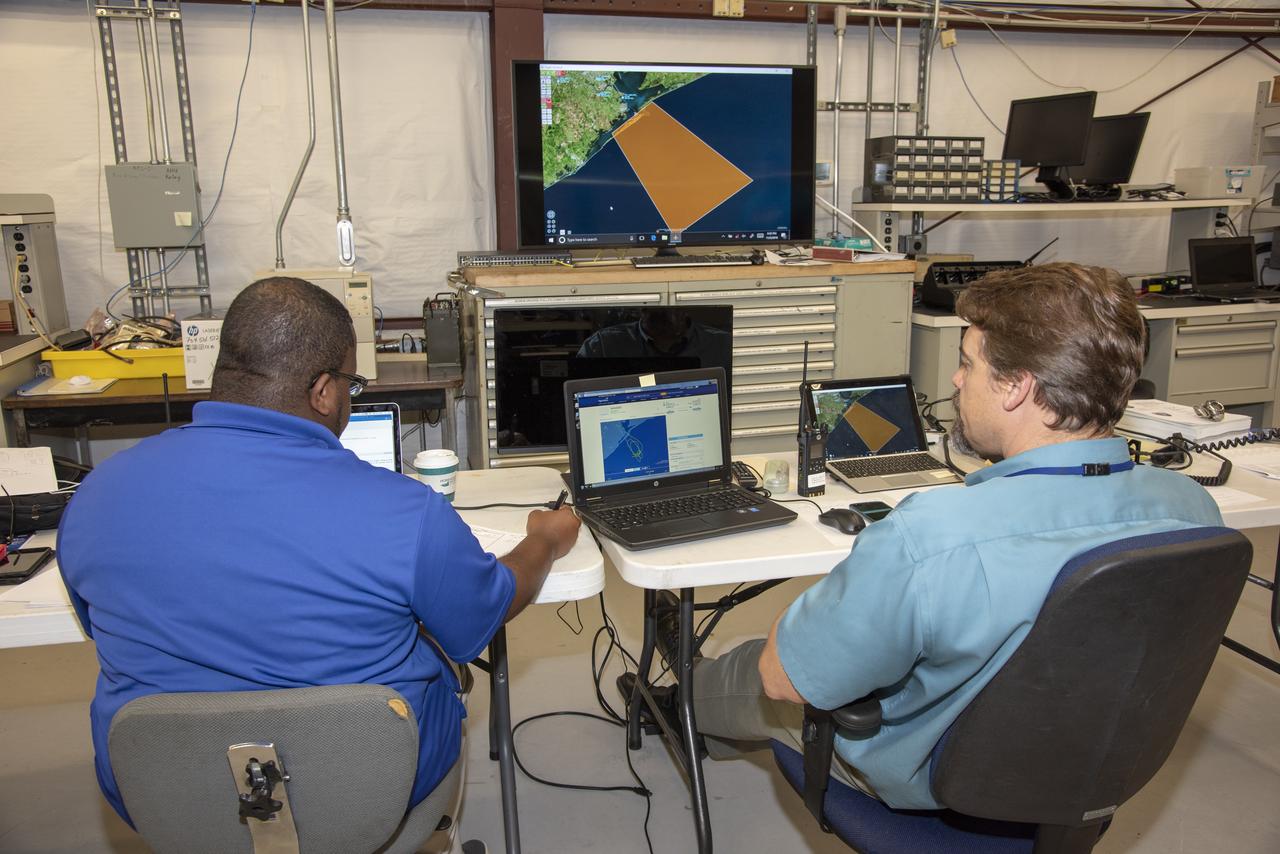
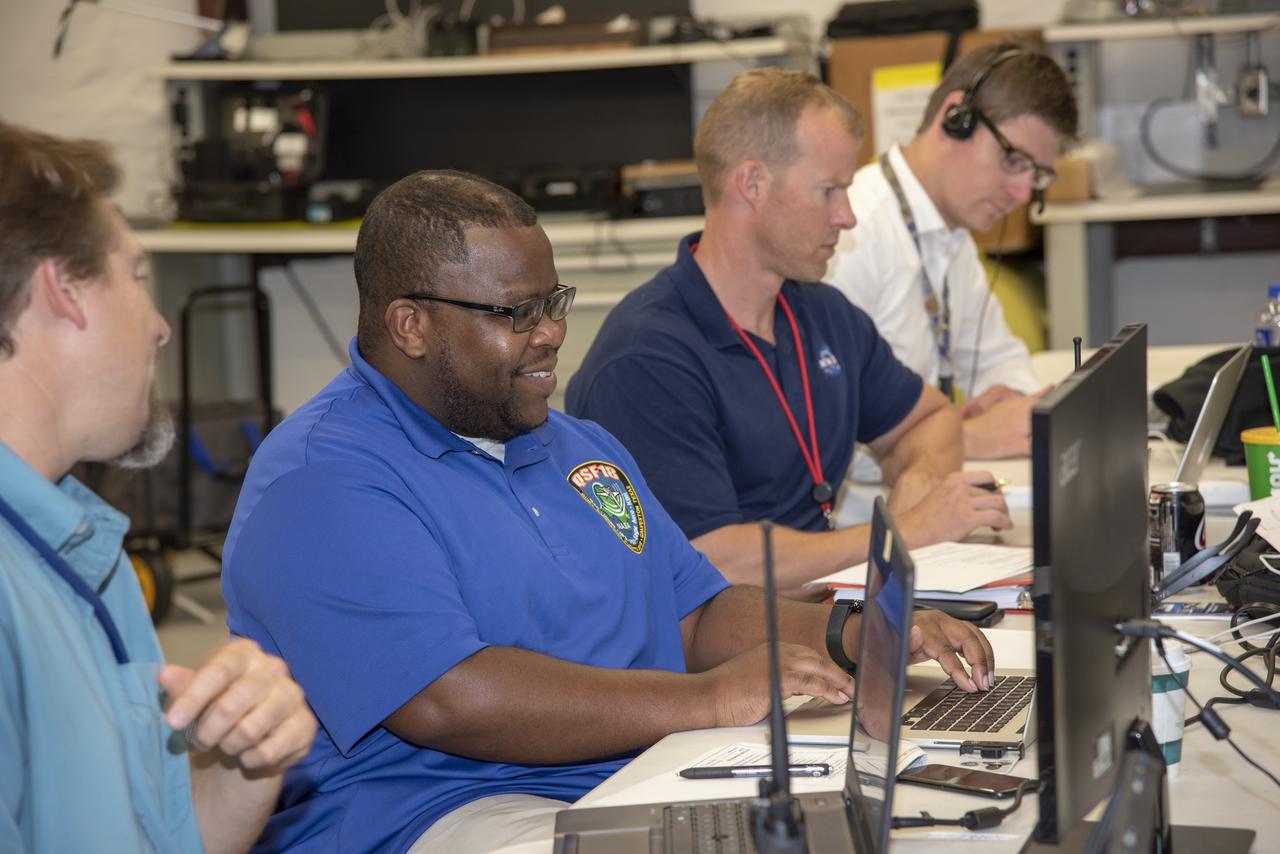
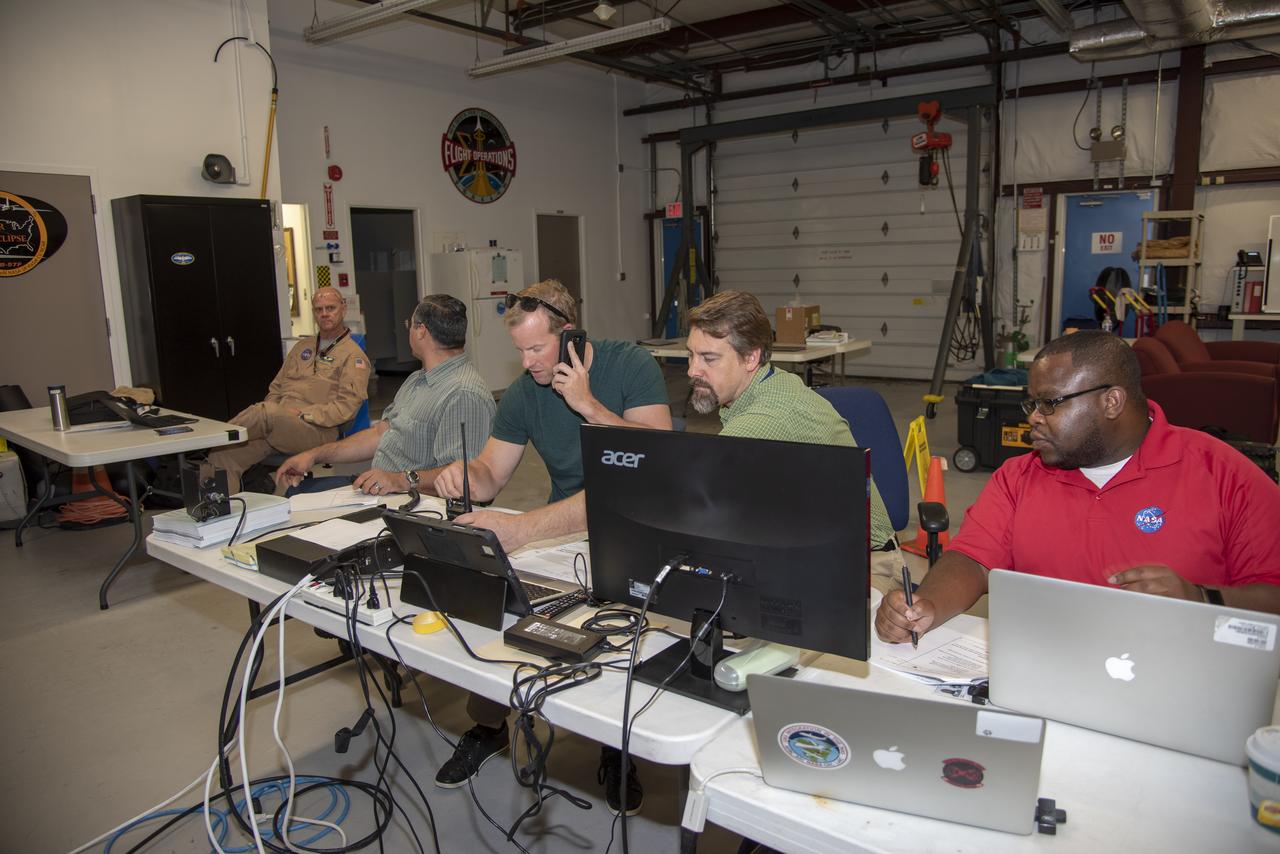
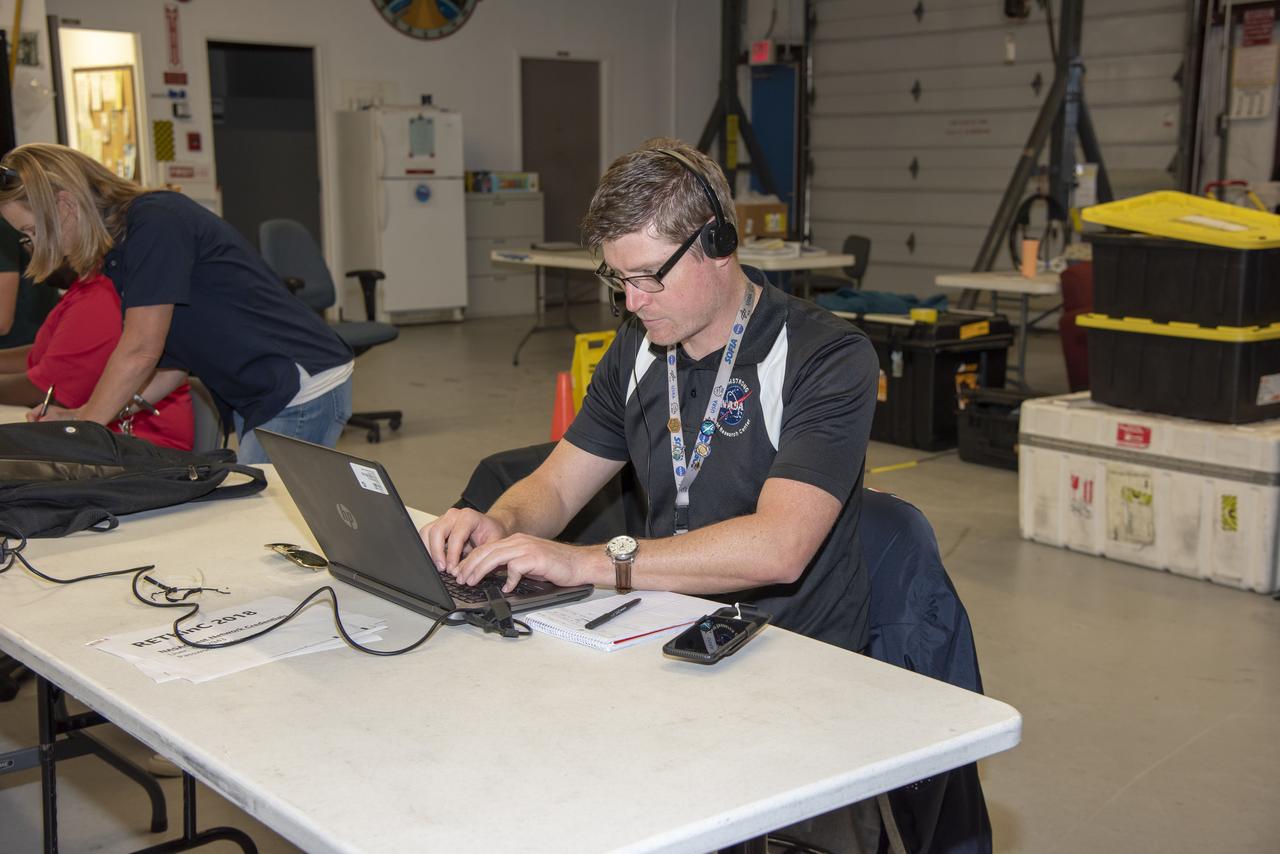
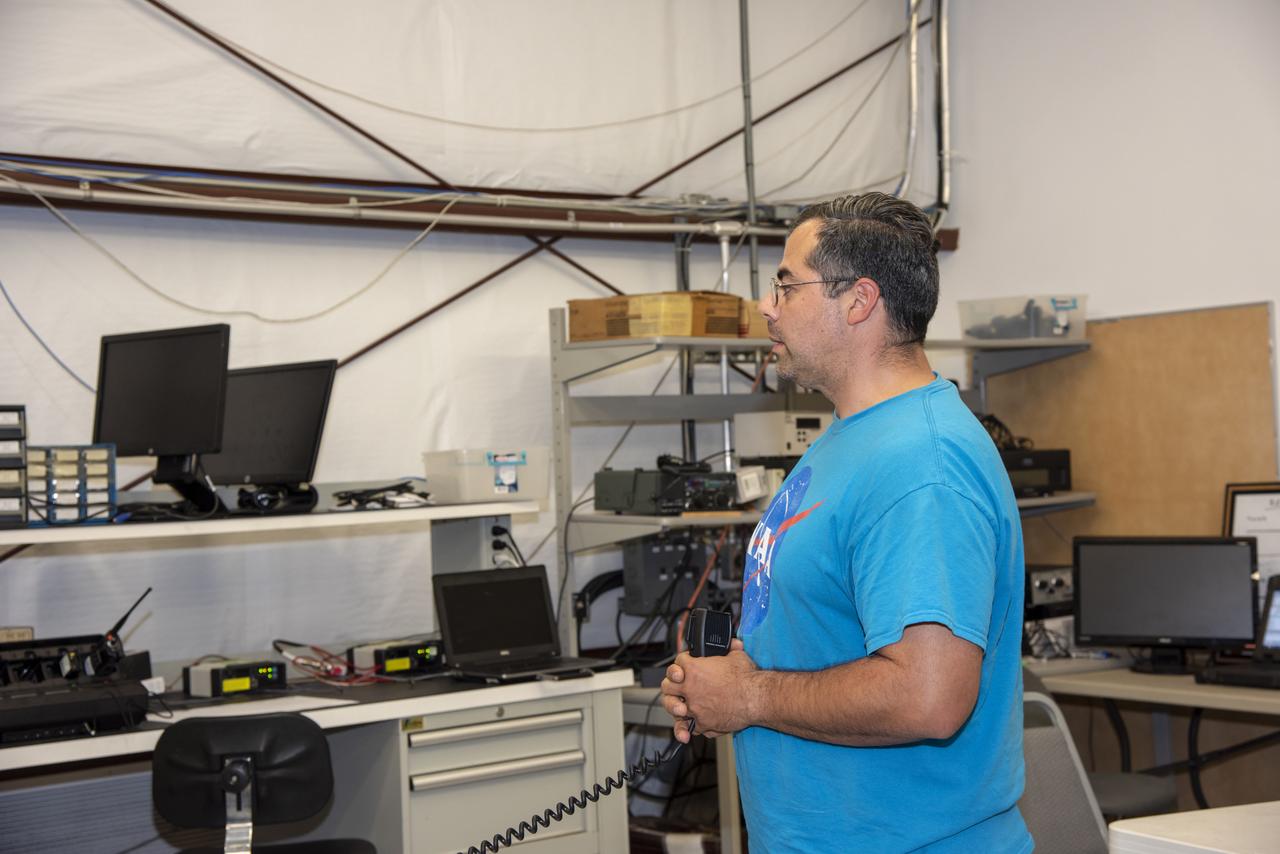
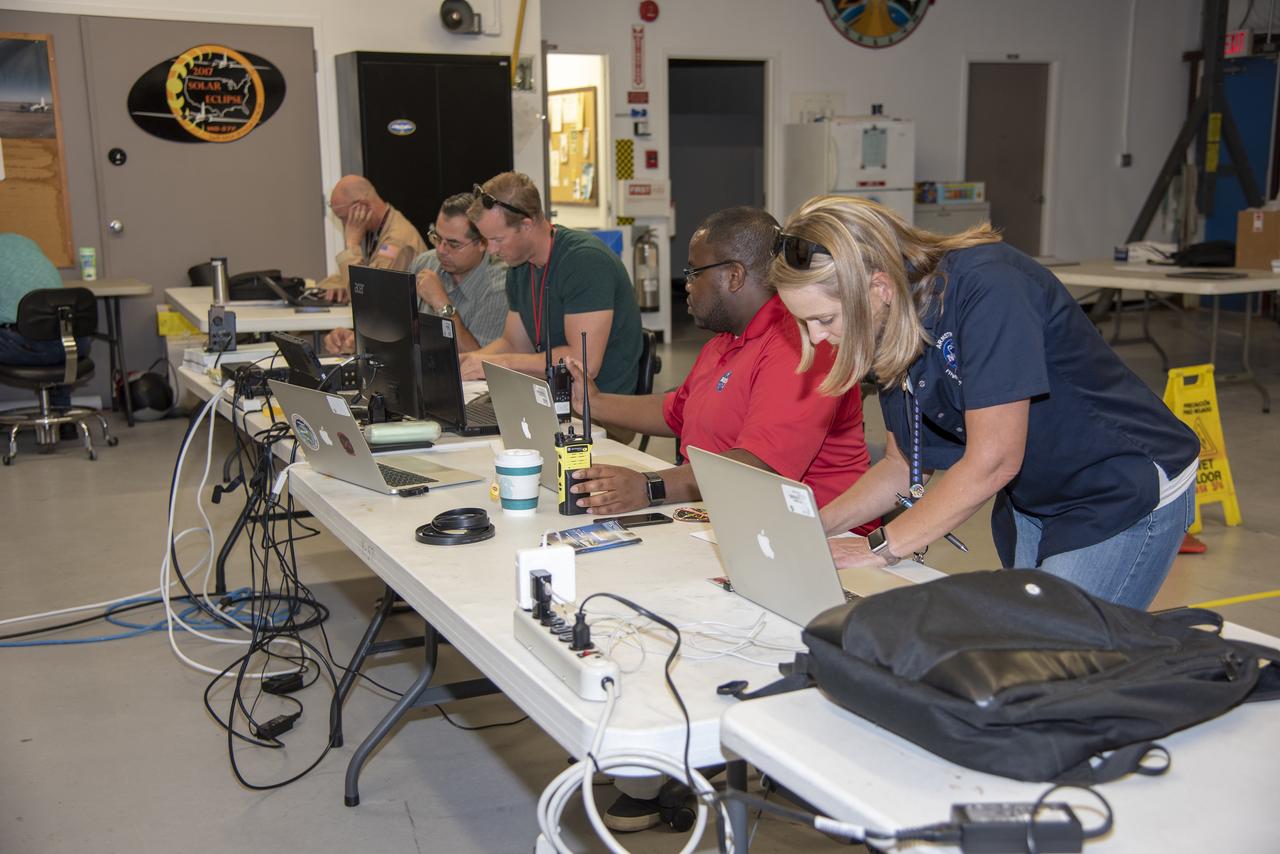
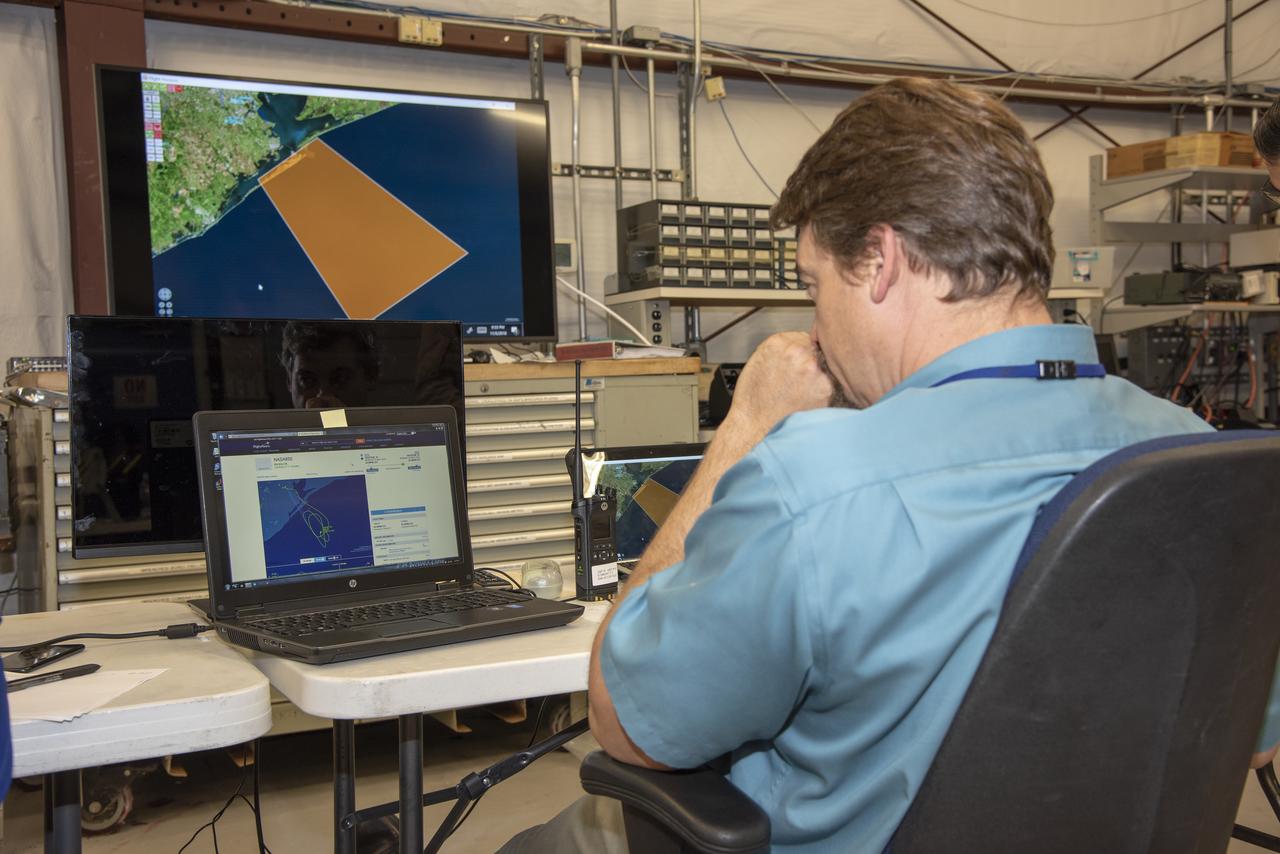
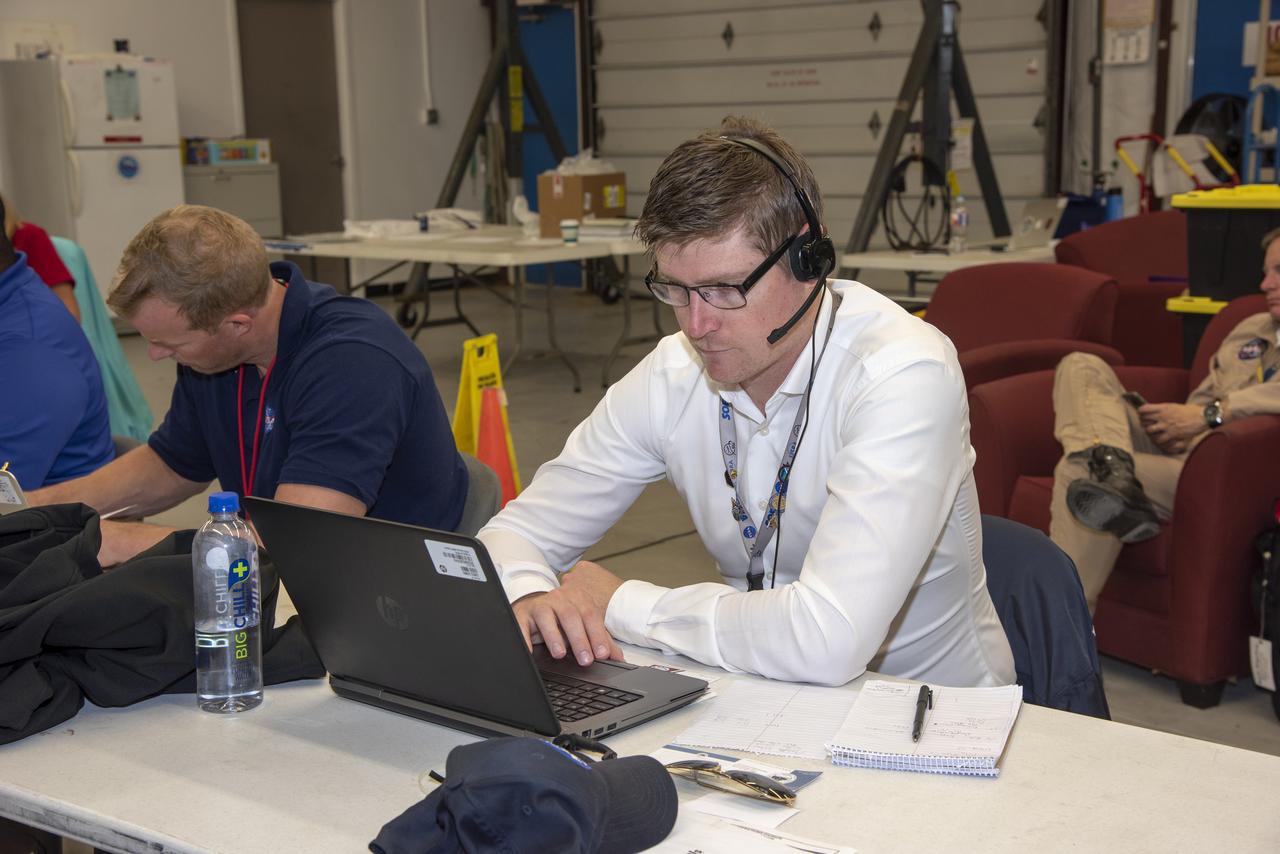
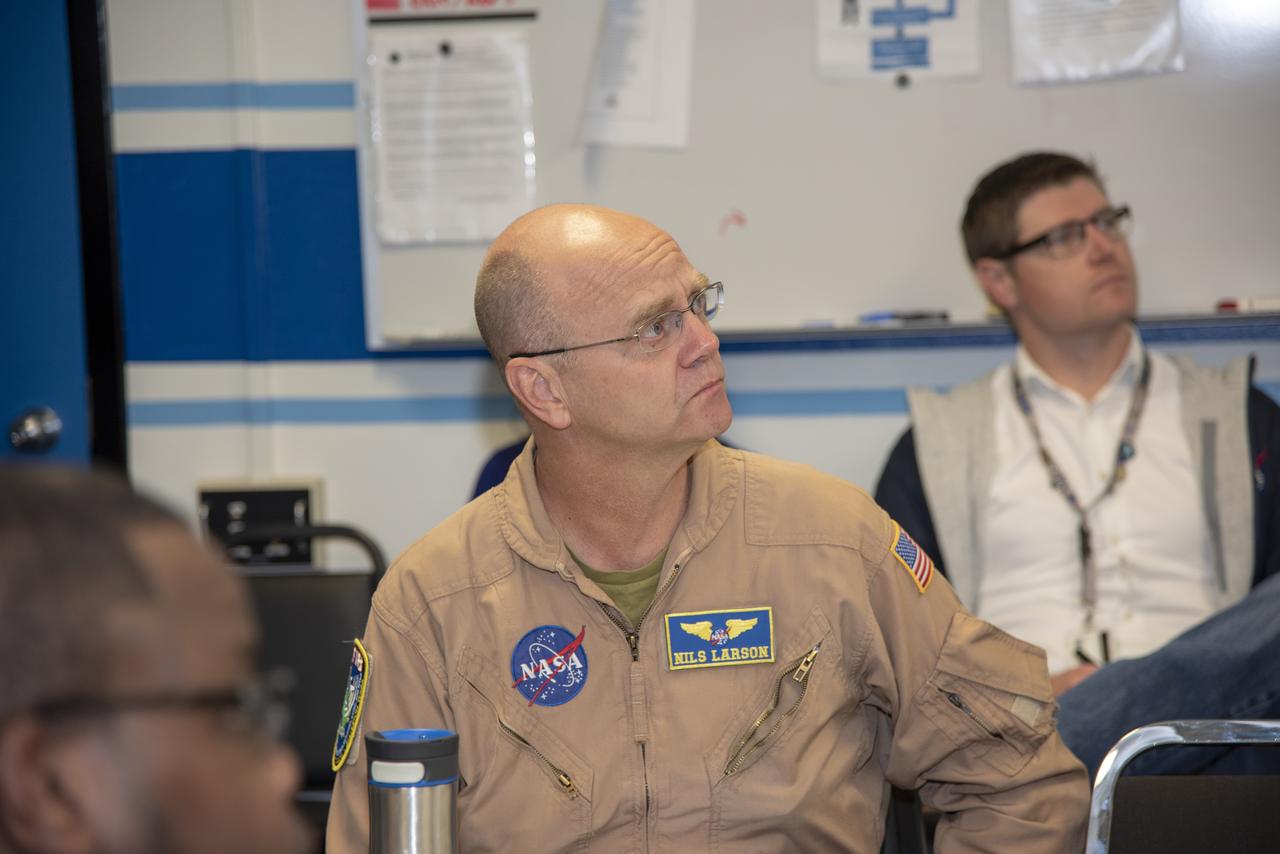
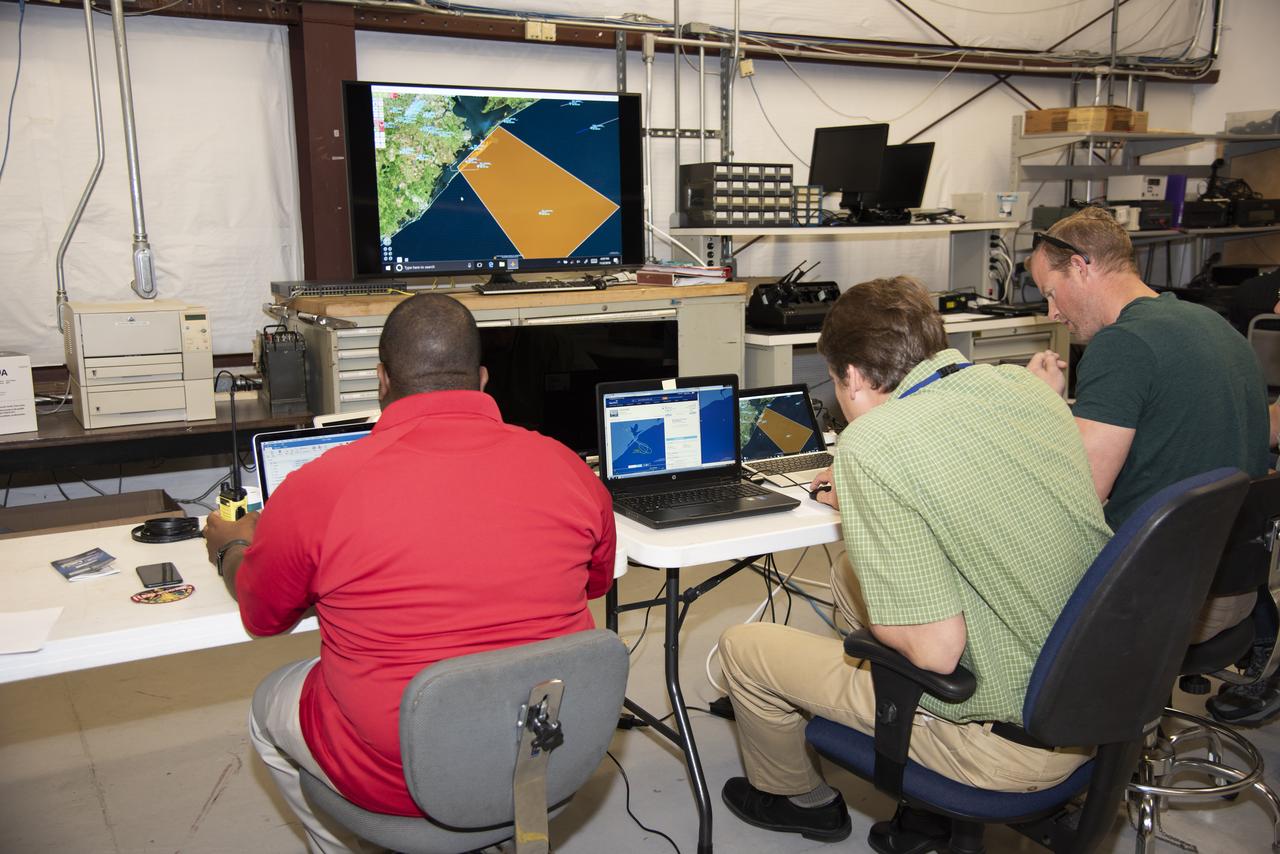
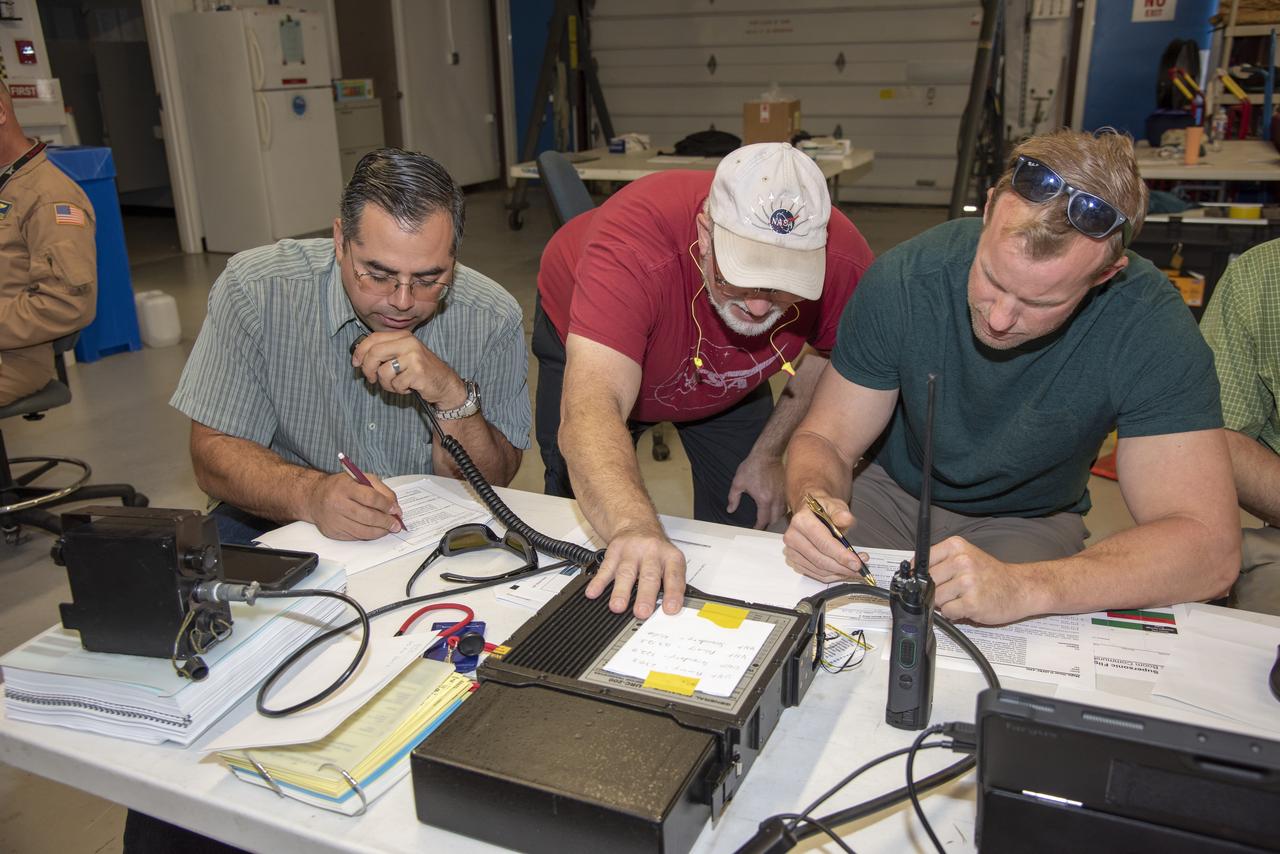
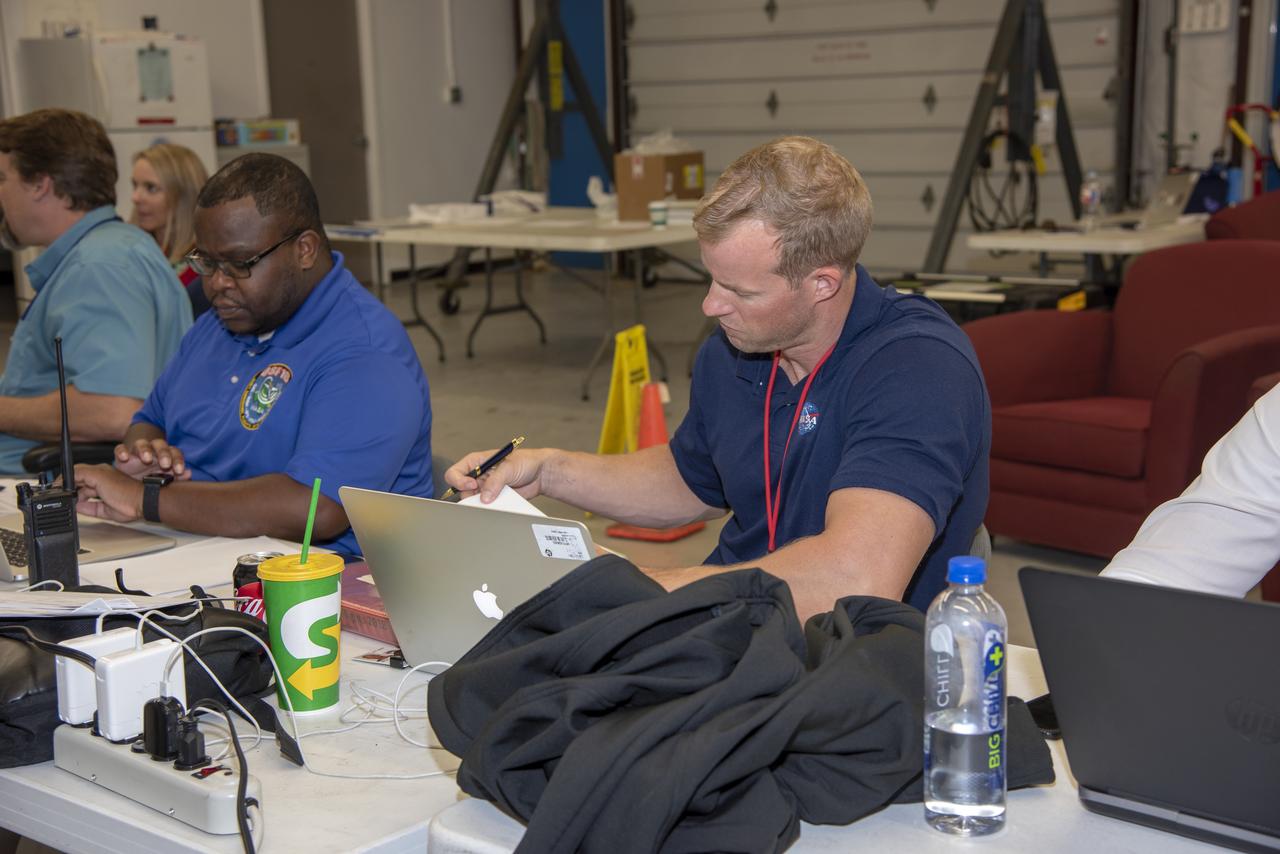
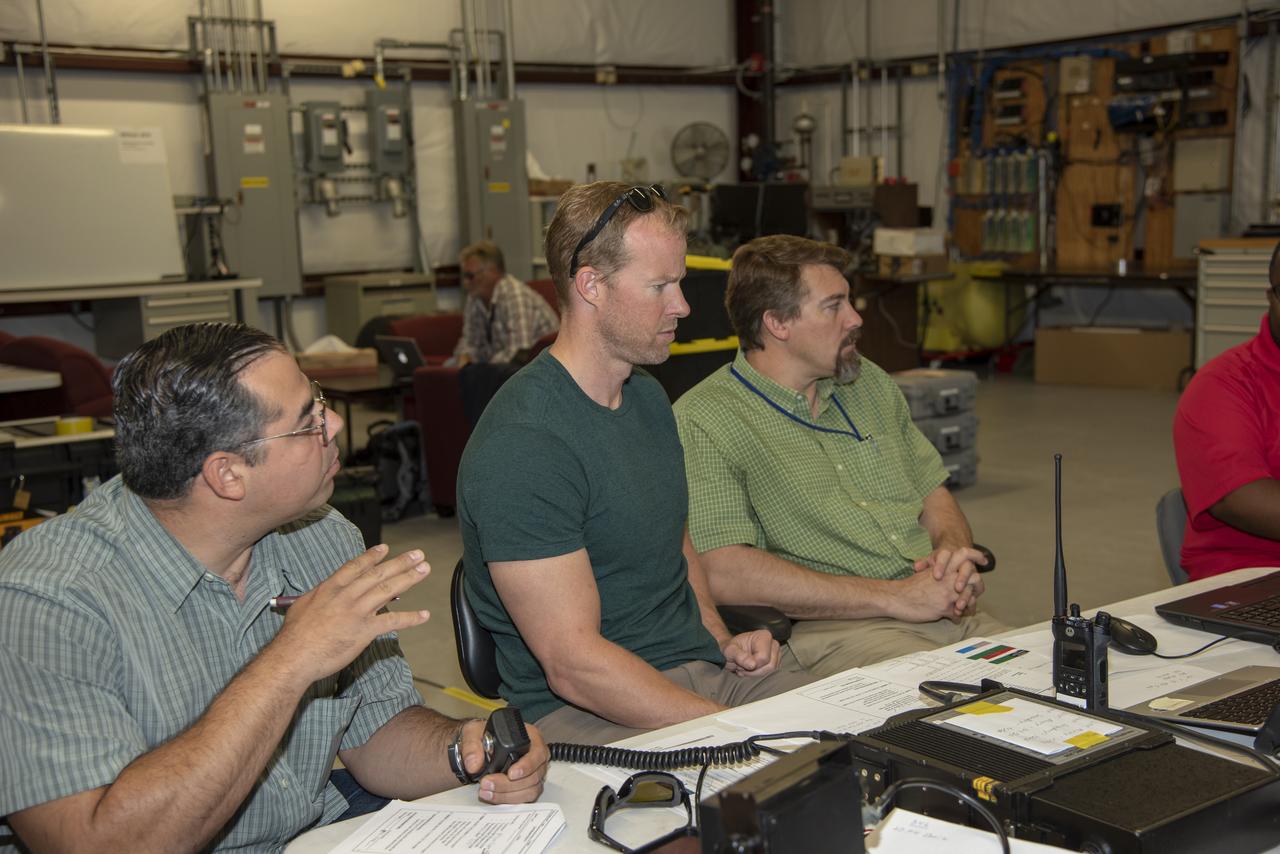
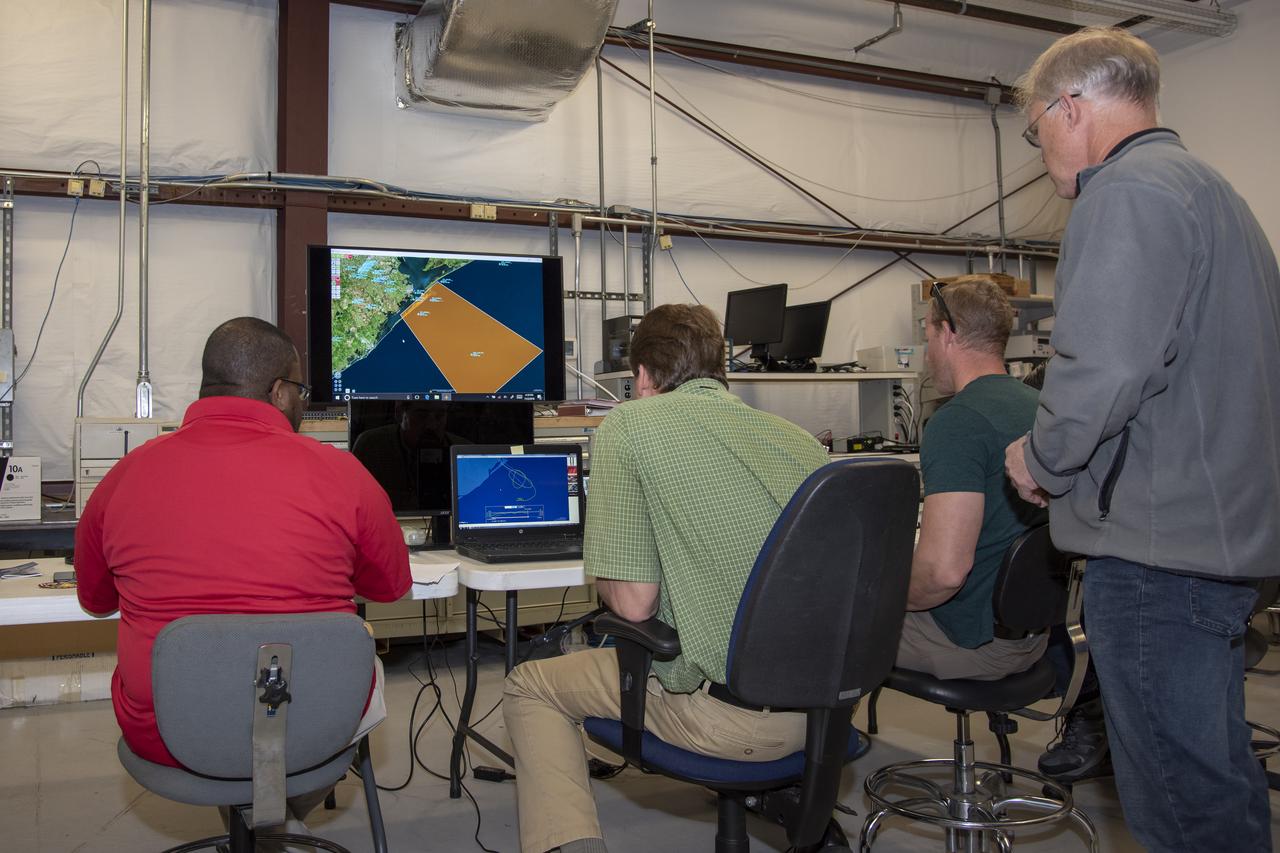
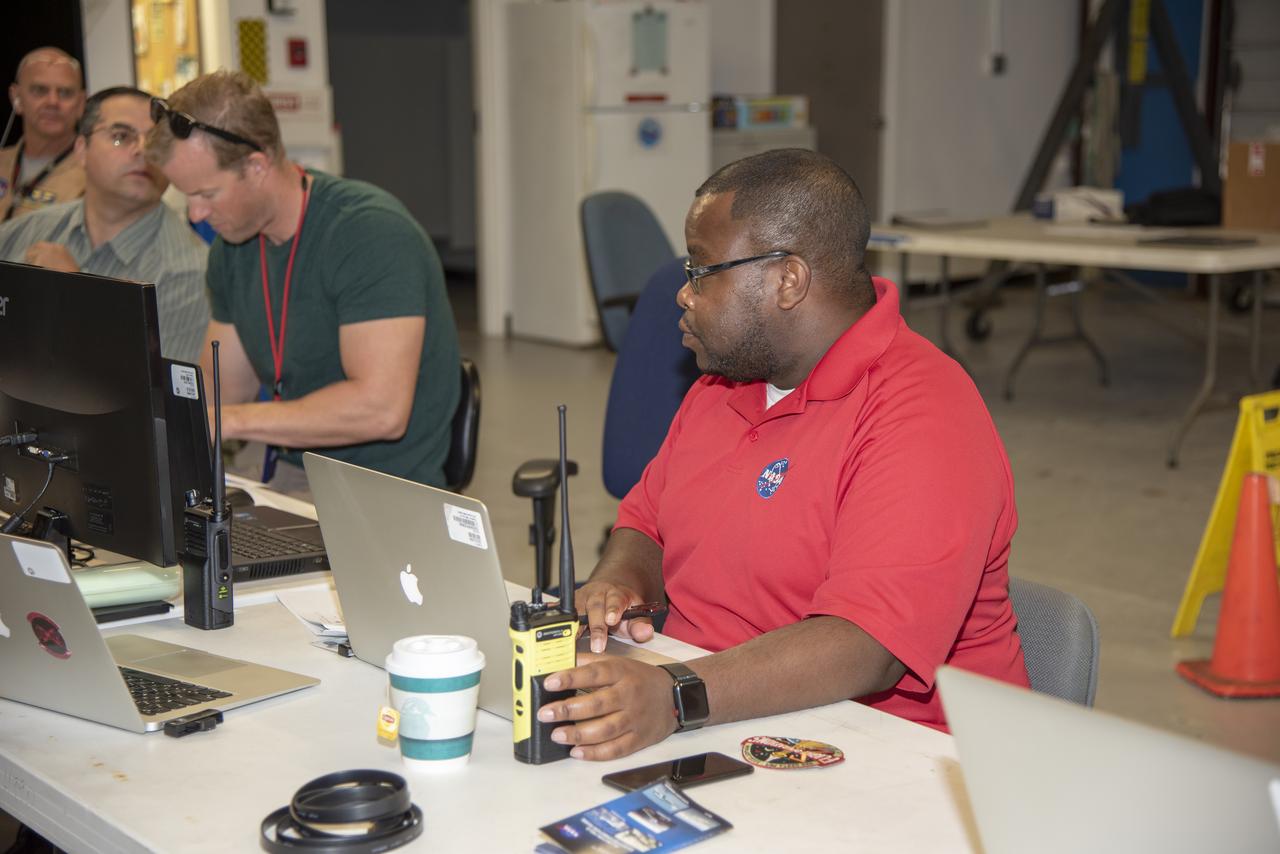
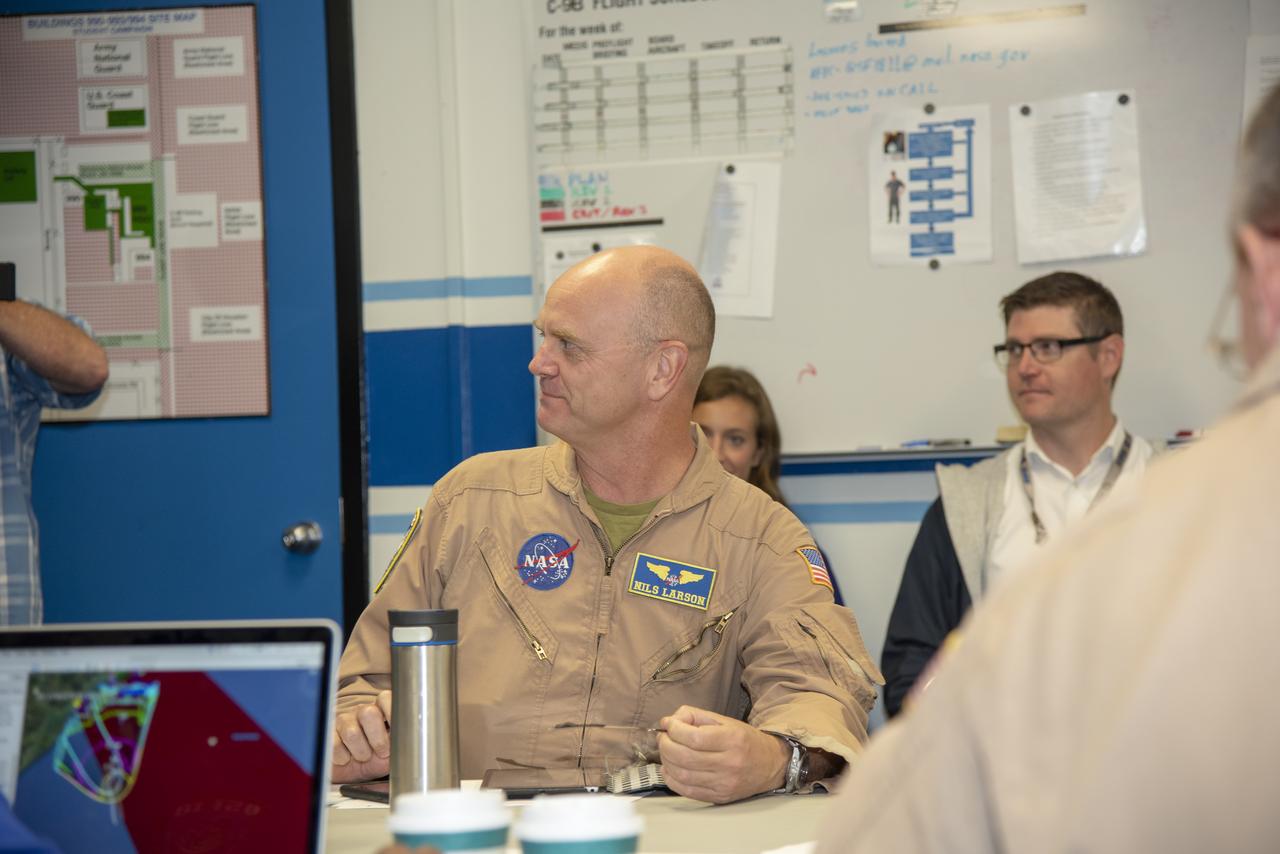
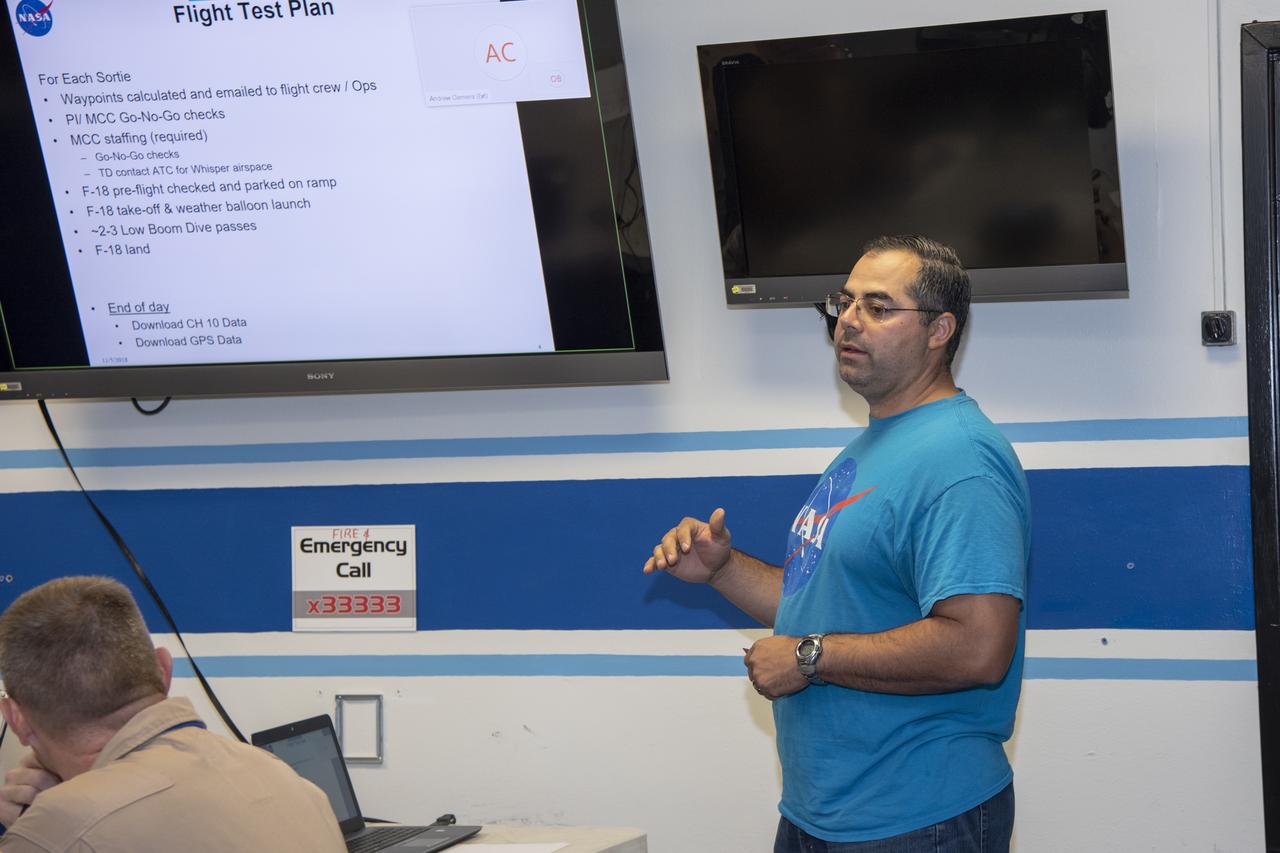
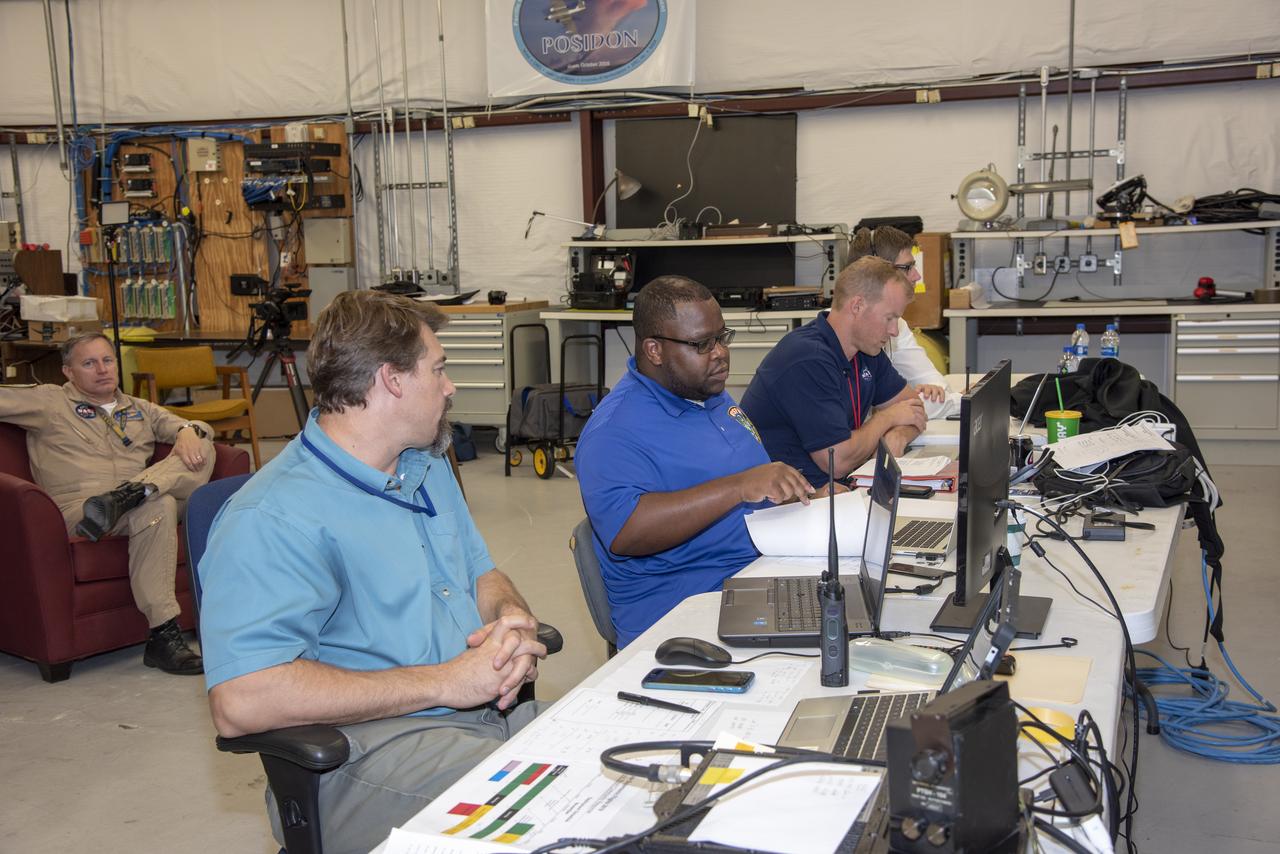
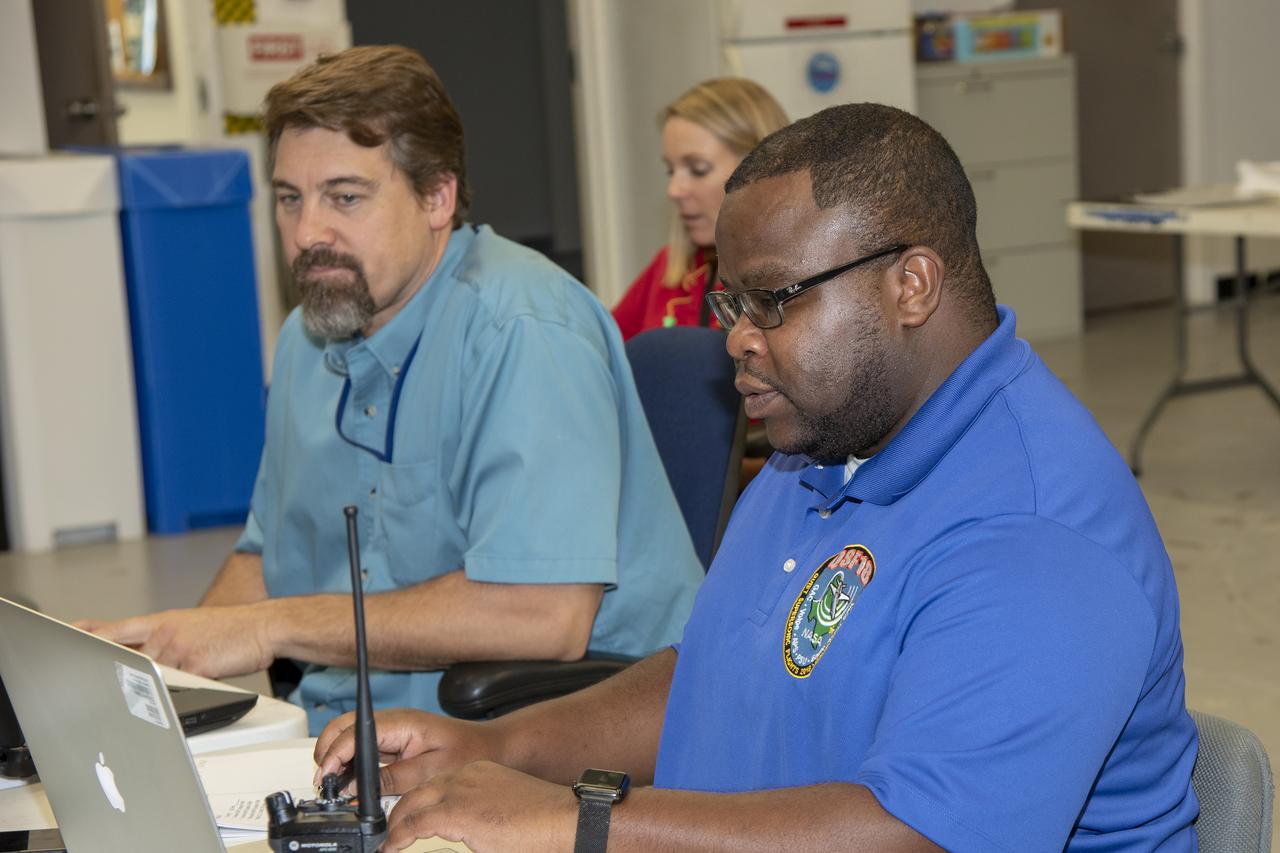
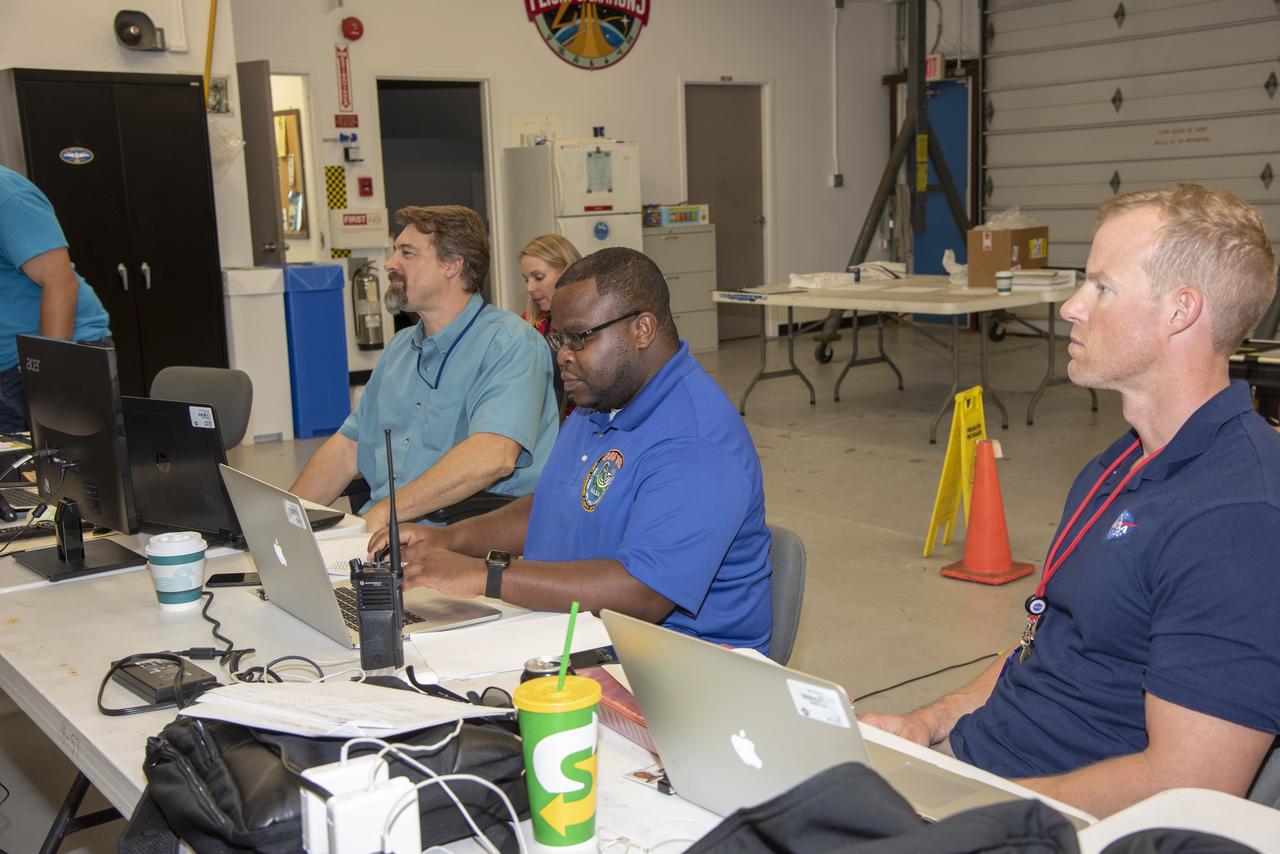
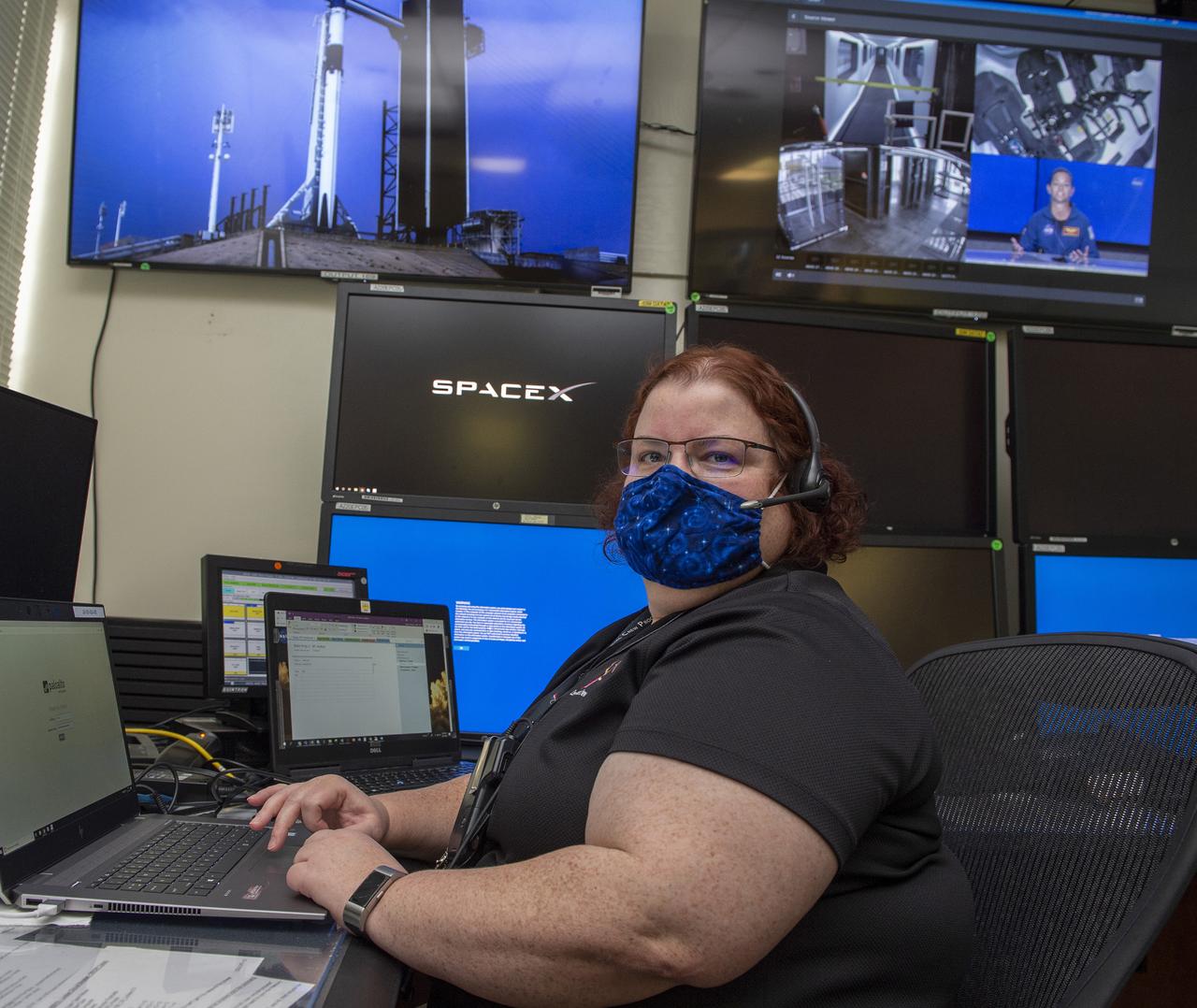
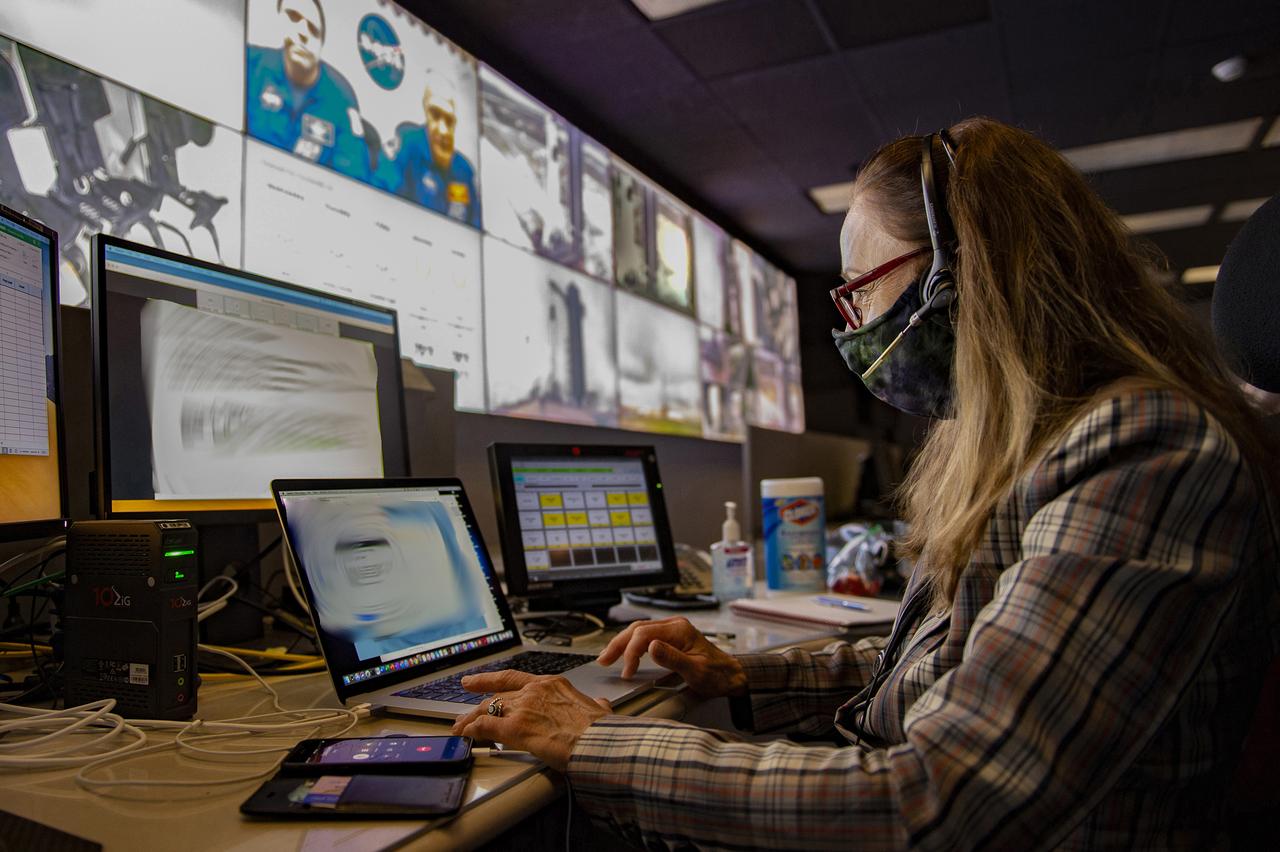
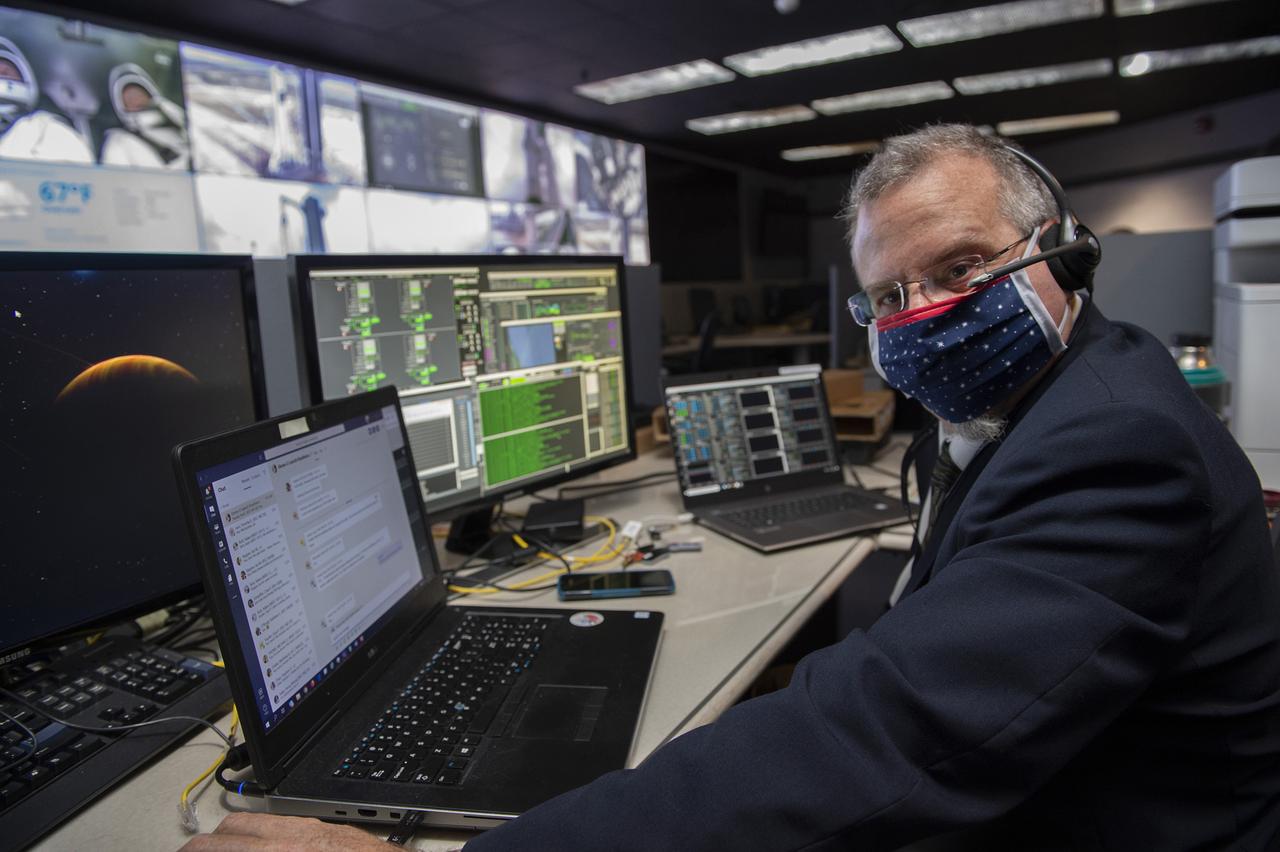
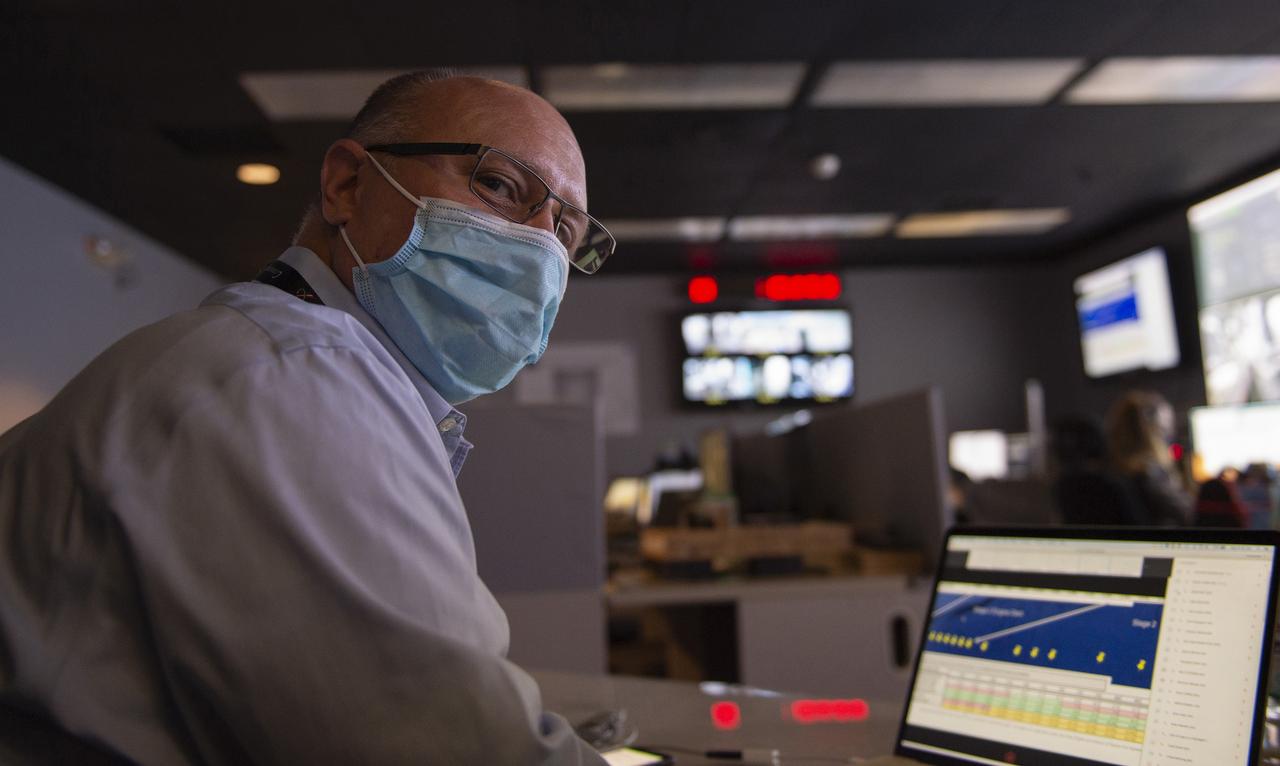
NASA mission controllers, engineers, pilots and communications specialists in the mission control room monitor the supersonic research flight off the coast of Galveston, as part of the QSF18 flight series. The flight operations crew tracks the status of the flights, maintains communications with the aircraft, communicates with U.S. Coast Guard, and coordinates community feedback data.
NASA Flight Operations Crew Monitors Supersonic Flight
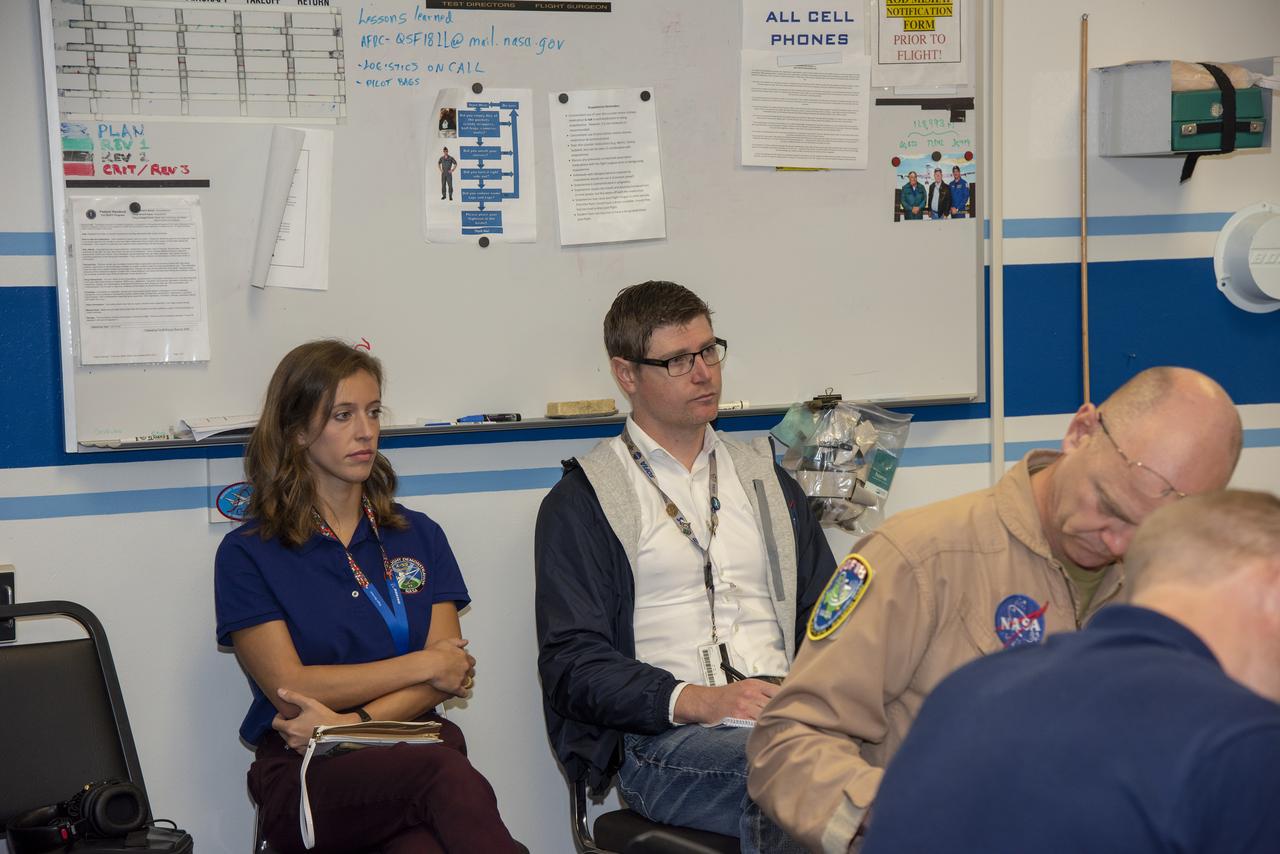
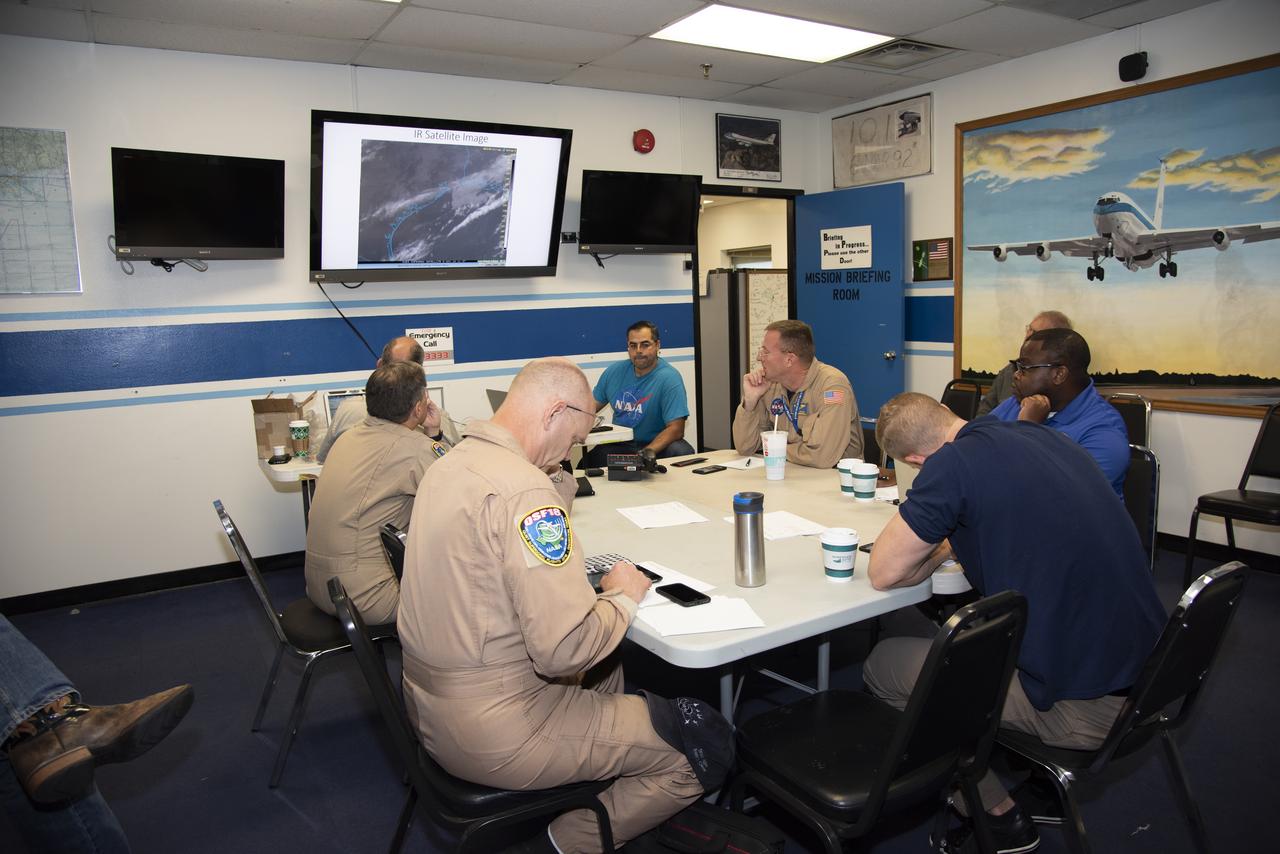
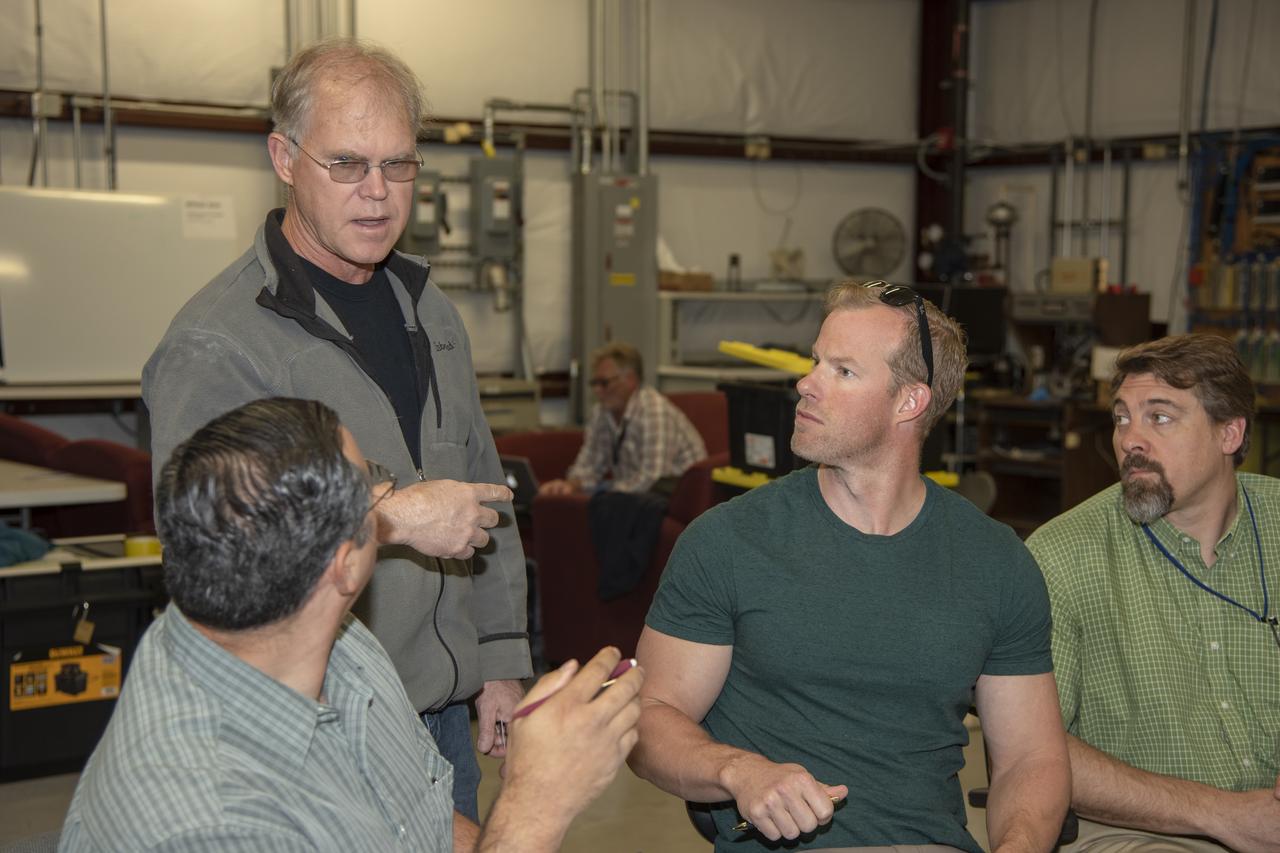
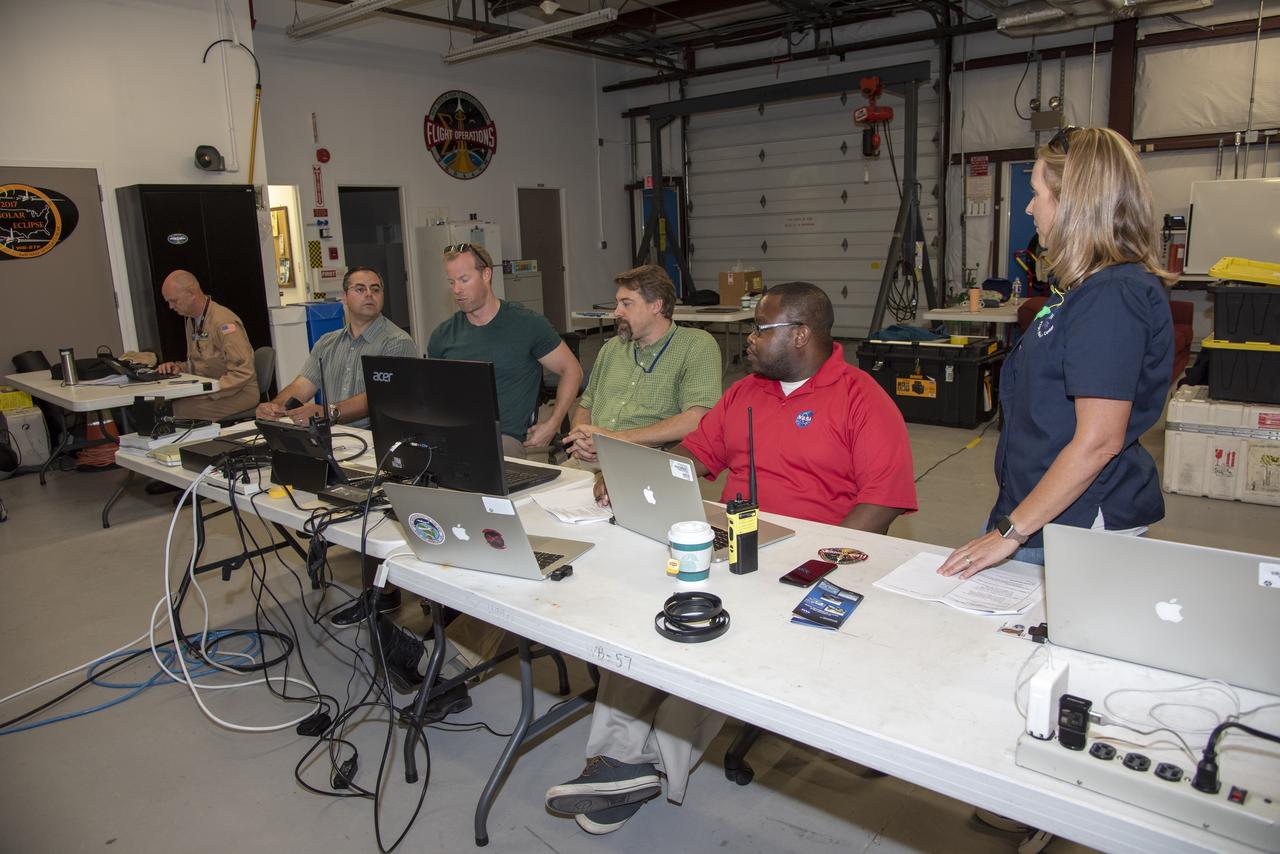
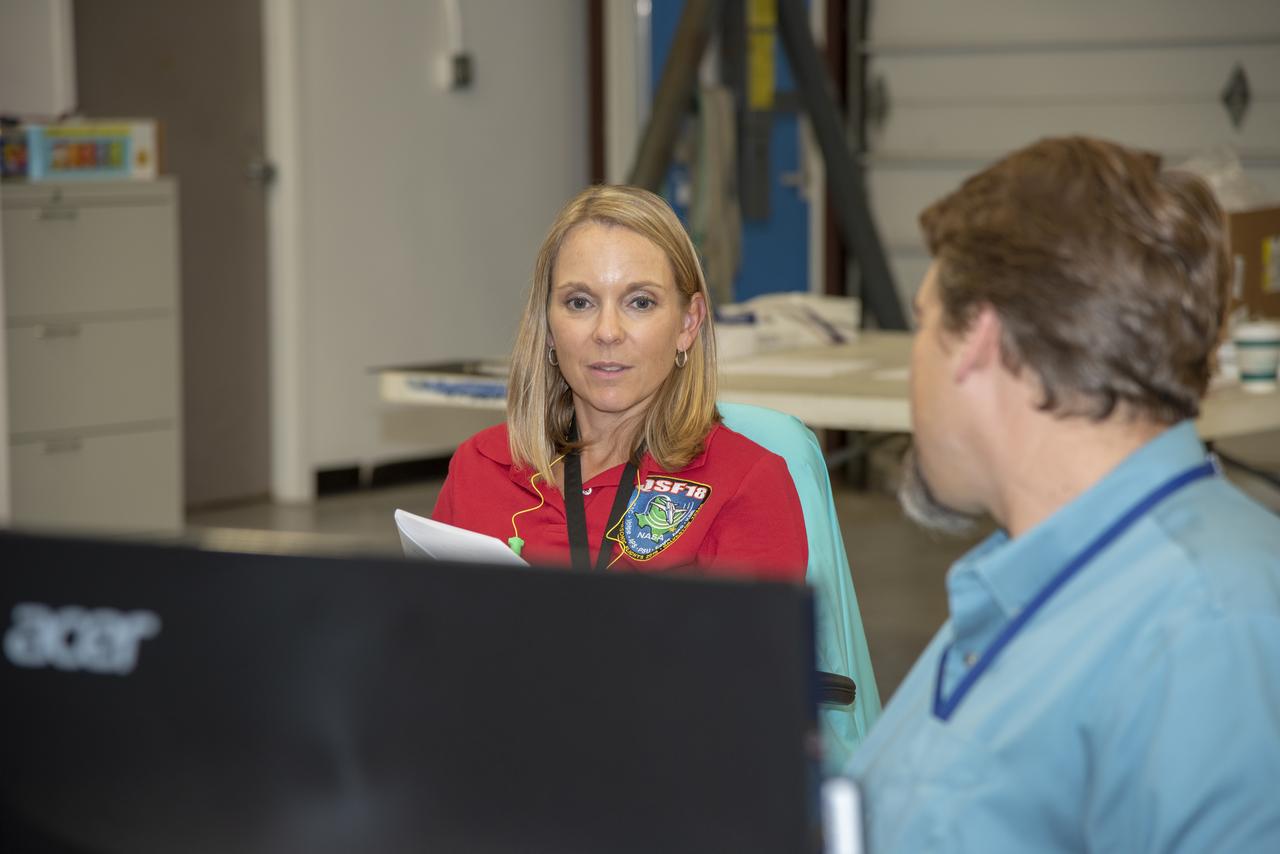
The flight operations crew for NASA’s QSF18 flight series debriefs following a flight with the F/A-18 research aircraft. The flight included a quiet supersonic dive maneuver at high altitudes off the coast to produce a sonic boom out over the ocean, with the intention of producing quieter “thumps” on land.
NASA QSF18 Flight Operations Crew Debriefs Flight
NASA mission controllers, engineers, pilots and communications specialists in the mission control room monitor the supersonic research flight off the coast of Galveston, as part of the QSF18 flight series. The flight operations crew tracks the status of the flights, maintains communications with the aircraft, communicates with U.S. Coast Guard, and coordinates community feedback data.
NASA Flight Operations Crew Monitors Supersonic Flight
NASA mission controllers, engineers, pilots and communications specialists in the mission control room monitor the supersonic research flight off the coast of Galveston, as part of the QSF18 flight series. The flight operations crew tracks the status of the flights, maintains communications with the aircraft, communicates with U.S. Coast Guard, and coordinates community feedback data.
NASA Flight Operations Crew Monitors Supersonic Flight
NASA mission controllers, engineers, pilots and communications specialists in the mission control room monitor the supersonic research flight off the coast of Galveston, as part of the QSF18 flight series. The flight operations crew tracks the status of the flights, maintains communications with the aircraft, communicates with U.S. Coast Guard, and coordinates community feedback data.
NASA Flight Operations Crew Monitors Supersonic Flight
NASA mission controllers, engineers, pilots and communications specialists in the mission control room monitor the supersonic research flight off the coast of Galveston, as part of the QSF18 flight series. The flight operations crew tracks the status of the flights, maintains communications with the aircraft, communicates with U.S. Coast Guard, and coordinates community feedback data.
NASA Flight Operations Crew Monitors Supersonic Flight
NASA mission controllers, engineers, pilots and communications specialists in the mission control room monitor the supersonic research flight off the coast of Galveston, as part of the QSF18 flight series. The flight operations crew tracks the status of the flights, maintains communications with the aircraft, communicates with U.S. Coast Guard, and coordinates community feedback data.
NASA Flight Operations Crew Monitors Supersonic Flight
NASA mission controllers, engineers, pilots and communications specialists in the mission control room monitor the supersonic research flight off the coast of Galveston, as part of the QSF18 flight series. The flight operations crew tracks the status of the flights, maintains communications with the aircraft, communicates with U.S. Coast Guard, and coordinates community feedback data.
NASA Flight Operations Crew Monitors Supersonic Flight
The flight operations crew for NASA’s QSF18 flight series debriefs following a flight with the F/A-18 research aircraft. The flight included a quiet supersonic dive maneuver at high altitudes off the coast to produce a sonic boom out over the ocean, with the intention of producing quieter “thumps” on land.
NASA QSF18 Flight Operations Crew Debriefs Flight
The flight operations crew for NASA’s QSF18 flight series debriefs following a flight with the F/A-18 research aircraft. The flight included a quiet supersonic dive maneuver at high altitudes off the coast to produce a sonic boom out over the ocean, with the intention of producing quieter “thumps” on land.
NASA QSF18 Flight Operations Crew Debriefs Flight
NASA mission controllers, engineers, pilots and communications specialists in the mission control room monitor the supersonic research flight off the coast of Galveston, as part of the QSF18 flight series. The flight operations crew tracks the status of the flights, maintains communications with the aircraft, communicates with U.S. Coast Guard, and coordinates community feedback data.
NASA Flight Operations Crew Monitors Supersonic Flight
NASA mission controllers, engineers, pilots and communications specialists in the mission control room monitor the supersonic research flight off the coast of Galveston, as part of the QSF18 flight series. The flight operations crew tracks the status of the flights, maintains communications with the aircraft, communicates with U.S. Coast Guard, and coordinates community feedback data.
NASA Flight Operations Crew Monitors Supersonic Flight
NASA mission controllers, engineers, pilots and communications specialists in the mission control room monitor the supersonic research flight off the coast of Galveston, as part of the QSF18 flight series. The flight operations crew tracks the status of the flights, maintains communications with the aircraft, communicates with U.S. Coast Guard, and coordinates community feedback data.
NASA Flight Operations Crew Monitors Supersonic Flight
The flight operations crew for NASA’s QSF18 flight series debriefs following a flight with the F/A-18 research aircraft. The flight included a quiet supersonic dive maneuver at high altitudes off the coast to produce a sonic boom out over the ocean, with the intention of producing quieter “thumps” on land.
NASA QSF18 Flight Operations Crew Debriefs Flight
NASA mission controllers, engineers, pilots and communications specialists in the mission control room monitor the supersonic research flight off the coast of Galveston, as part of the QSF18 flight series. The flight operations crew tracks the status of the flights, maintains communications with the aircraft, communicates with U.S. Coast Guard, and coordinates community feedback data.
NASA Flight Operations Crew Monitors Supersonic Flight
The flight operations crew for NASA’s QSF18 flight series debriefs following a flight with the F/A-18 research aircraft. The flight included a quiet supersonic dive maneuver at high altitudes off the coast to produce a sonic boom out over the ocean, with the intention of producing quieter “thumps” on land.
NASA QSF18 Flight Operations Crew Debriefs Flight
NASA mission controllers, engineers, pilots and communications specialists in the mission control room monitor the supersonic research flight off the coast of Galveston, as part of the QSF18 flight series. The flight operations crew tracks the status of the flights, maintains communications with the aircraft, communicates with U.S. Coast Guard, and coordinates community feedback data.
NASA Flight Operations Crew Monitors Supersonic Flight
NASA mission controllers, engineers, pilots and communications specialists in the mission control room monitor the supersonic research flight off the coast of Galveston, as part of the QSF18 flight series. The flight operations crew tracks the status of the flights, maintains communications with the aircraft, communicates with U.S. Coast Guard, and coordinates community feedback data.
NASA Flight Operations Crew Monitors Supersonic Flight
NASA mission controllers, engineers, pilots and communications specialists in the mission control room monitor the supersonic research flight off the coast of Galveston, as part of the QSF18 flight series. The flight operations crew tracks the status of the flights, maintains communications with the aircraft, communicates with U.S. Coast Guard, and coordinates community feedback data.
NASA Flight Operations Crew Monitors Supersonic Flight
The flight operations crew for NASA’s QSF18 flight series debriefs following a flight with the F/A-18 research aircraft. The flight included a quiet supersonic dive maneuver at high altitudes off the coast to produce a sonic boom out over the ocean, with the intention of producing quieter “thumps” on land.
NASA QSF18 Flight Operations Crew Debriefs Flight
NASA mission controllers, engineers, pilots and communications specialists in the mission control room monitor the supersonic research flight off the coast of Galveston, as part of the QSF18 flight series. The flight operations crew tracks the status of the flights, maintains communications with the aircraft, communicates with U.S. Coast Guard, and coordinates community feedback data.
NASA Flight Operations Crew Monitors Supersonic Flight
The flight operations crew for NASA's QSF18 flight series debriefs following a flight with the F/A-18 research aircraft. The flight included a quiet supersonic dive maneuver at high altitudes off the coast to produce a sonic boom out over the ocean, with the intention of producing quieter "thumps" on land.
NASA QSF18 Flight Operations Crew Debriefs Flight
The flight operations crew for NASA’s QSF18 flight series debriefs following a flight with the F/A-18 research aircraft. The flight included a quiet supersonic dive maneuver at high altitudes off the coast to produce a sonic boom out over the ocean, with the intention of producing quieter “thumps” on land.
NASA QSF18 Flight Operations Crew Debriefs Flight
NASA mission controllers, engineers, pilots and communications specialists in the mission control room monitor the supersonic research flight off the coast of Galveston, as part of the QSF18 flight series. The flight operations crew tracks the status of the flights, maintains communications with the aircraft, communicates with U.S. Coast Guard, and coordinates community feedback data.
NASA Flight Operations Crew Monitors Supersonic Flight
NASA mission controllers, engineers, pilots and communications specialists in the mission control room monitor the supersonic research flight off the coast of Galveston, as part of the QSF18 flight series. The flight operations crew tracks the status of the flights, maintains communications with the aircraft, communicates with U.S. Coast Guard, and coordinates community feedback data.
NASA Flight Operations Crew Monitors Supersonic Flight
NASA mission controllers, engineers, pilots and communications specialists in the mission control room monitor the supersonic research flight off the coast of Galveston, as part of the QSF18 flight series. The flight operations crew tracks the status of the flights, maintains communications with the aircraft, communicates with U.S. Coast Guard, and coordinates community feedback data.
NASA Flight Operations Crew Monitors Supersonic Flight
NASA mission controllers, engineers, pilots and communications specialists in the mission control room monitor the supersonic research flight off the coast of Galveston, as part of the QSF18 flight series. The flight operations crew tracks the status of the flights, maintains communications with the aircraft, communicates with U.S. Coast Guard, and coordinates community feedback data.
NASA Flight Operations Crew Monitors Supersonic Flight
NASA mission controllers, engineers, pilots and communications specialists in the mission control room monitor the supersonic research flight off the coast of Galveston, as part of the QSF18 flight series. The flight operations crew tracks the status of the flights, maintains communications with the aircraft, communicates with U.S. Coast Guard, and coordinates community feedback data.
NASA Flight Operations Crew Monitors Supersonic Flight
NASA mission controllers, engineers, pilots and communications specialists in the mission control room monitor the supersonic research flight off the coast of Galveston, as part of the QSF18 flight series. The flight operations crew tracks the status of the flights, maintains communications with the aircraft, communicates with U.S. Coast Guard, and coordinates community feedback data.
NASA Flight Operations Crew Monitors Supersonic Flight
NASA mission controllers, engineers, pilots and communications specialists in the mission control room monitor the supersonic research flight off the coast of Galveston, as part of the QSF18 flight series. The flight operations crew tracks the status of the flights, maintains communications with the aircraft, communicates with U.S. Coast Guard, and coordinates community feedback data.
NASA Flight Operations Crew Monitors Supersonic Flight
NASA mission controllers, engineers, pilots and communications specialists in the mission control room monitor the supersonic research flight off the coast of Galveston, as part of the QSF18 flight series. The flight operations crew tracks the status of the flights, maintains communications with the aircraft, communicates with U.S. Coast Guard, and coordinates community feedback data.
NASA Flight Operations Crew Monitors Supersonic Flight
NASA mission controllers, engineers, pilots and communications specialists in the mission control room monitor the supersonic research flight off the coast of Galveston, as part of the QSF18 flight series. The flight operations crew tracks the status of the flights, maintains communications with the aircraft, communicates with U.S. Coast Guard, and coordinates community feedback data.
NASA Flight Operations Crew Monitors Supersonic Flight
NASA mission controllers, engineers, pilots and communications specialists in the mission control room monitor the supersonic research flight off the coast of Galveston, as part of the QSF18 flight series. The flight operations crew tracks the status of the flights, maintains communications with the aircraft, communicates with U.S. Coast Guard, and coordinates community feedback data.
NASA Flight Operations Crew Monitors Supersonic Flight
NASA mission controllers, engineers, pilots and communications specialists in the mission control room monitor the supersonic research flight off the coast of Galveston, as part of the QSF18 flight series. The flight operations crew tracks the status of the flights, maintains communications with the aircraft, communicates with U.S. Coast Guard, and coordinates community feedback data.
NASA Flight Operations Crew Monitors Supersonic Flight
NASA mission controllers, engineers, pilots and communications specialists in the mission control room monitor the supersonic research flight off the coast of Galveston, as part of the QSF18 flight series. The flight operations crew tracks the status of the flights, maintains communications with the aircraft, communicates with U.S. Coast Guard, and coordinates community feedback data.
NASA Flight Operations Crew Monitors Supersonic Flight
The flight operations crew for NASA's QSF18 flight series debriefs following a flight with the F/A-18 research aircraft. The flight included a quiet supersonic dive maneuver at high altitudes off the coast to produce a sonic boom out over the ocean, with the intention of producing quieter "thumps" on land.
NASA QSF18 Flight Operations Crew Debriefs Flight
NASA mission controllers, engineers, pilots and communications specialists in the mission control room monitor the supersonic research flight off the coast of Galveston, as part of the QSF18 flight series. The flight operations crew tracks the status of the flights, maintains communications with the aircraft, communicates with U.S. Coast Guard, and coordinates community feedback data.
NASA Flight Operations Crew Monitors Supersonic Flight
NASA mission controllers, engineers, pilots and communications specialists in the mission control room monitor the supersonic research flight off the coast of Galveston, as part of the QSF18 flight series. The flight operations crew tracks the status of the flights, maintains communications with the aircraft, communicates with U.S. Coast Guard, and coordinates community feedback data.
NASA Flight Operations Crew Monitors Supersonic Flight
NASA mission controllers, engineers, pilots and communications specialists in the mission control room monitor the supersonic research flight off the coast of Galveston, as part of the QSF18 flight series. The flight operations crew tracks the status of the flights, maintains communications with the aircraft, communicates with U.S. Coast Guard, and coordinates community feedback data.
NASA Flight Operations Crew Monitors Supersonic Flight
NASA mission controllers, engineers, pilots and communications specialists in the mission control room monitor the supersonic research flight off the coast of Galveston, as part of the QSF18 flight series. The flight operations crew tracks the status of the flights, maintains communications with the aircraft, communicates with U.S. Coast Guard, and coordinates community feedback data.
NASA Flight Operations Crew Monitors Supersonic Flight
NASA mission controllers, engineers, pilots and communications specialists in the mission control room monitor the supersonic research flight off the coast of Galveston, as part of the QSF18 flight series. The flight operations crew tracks the status of the flights, maintains communications with the aircraft, communicates with U.S. Coast Guard, and coordinates community feedback data.
NASA Flight Operations Crew Monitors Supersonic Flight
NASA mission controllers, engineers, pilots and communications specialists in the mission control room monitor the supersonic research flight off the coast of Galveston, as part of the QSF18 flight series. The flight operations crew tracks the status of the flights, maintains communications with the aircraft, communicates with U.S. Coast Guard, and coordinates community feedback data.
NASA Flight Operations Crew Monitors Supersonic Flight
NASA mission controllers, engineers, pilots and communications specialists in the mission control room monitor the supersonic research flight off the coast of Galveston, as part of the QSF18 flight series. The flight operations crew tracks the status of the flights, maintains communications with the aircraft, communicates with U.S. Coast Guard, and coordinates community feedback data.
NASA Flight Operations Crew Monitors Supersonic Flight
NASA mission controllers, engineers, pilots and communications specialists in the mission control room monitor the supersonic research flight off the coast of Galveston, as part of the QSF18 flight series. The flight operations crew tracks the status of the flights, maintains communications with the aircraft, communicates with U.S. Coast Guard, and coordinates community feedback data.
NASA Flight Operations Crew Monitors Supersonic Flight
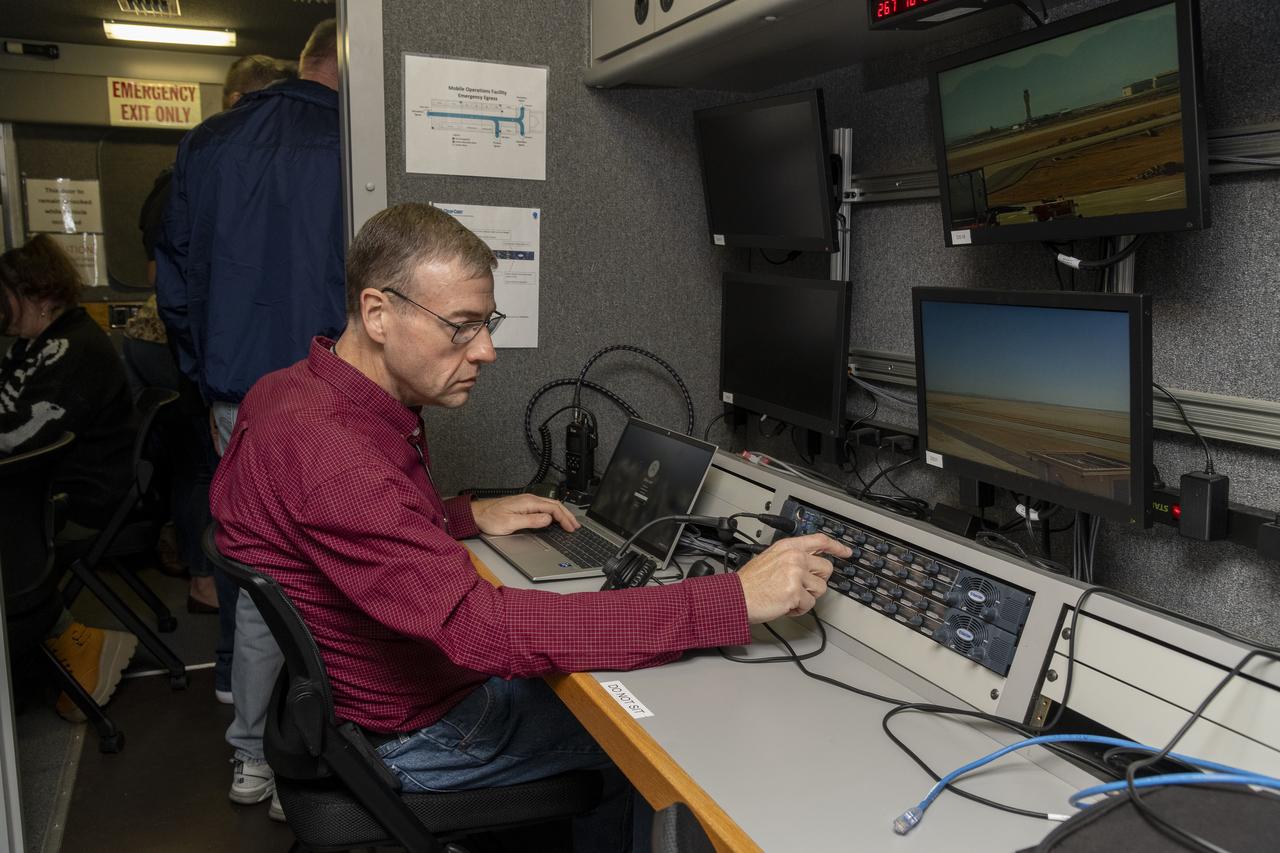
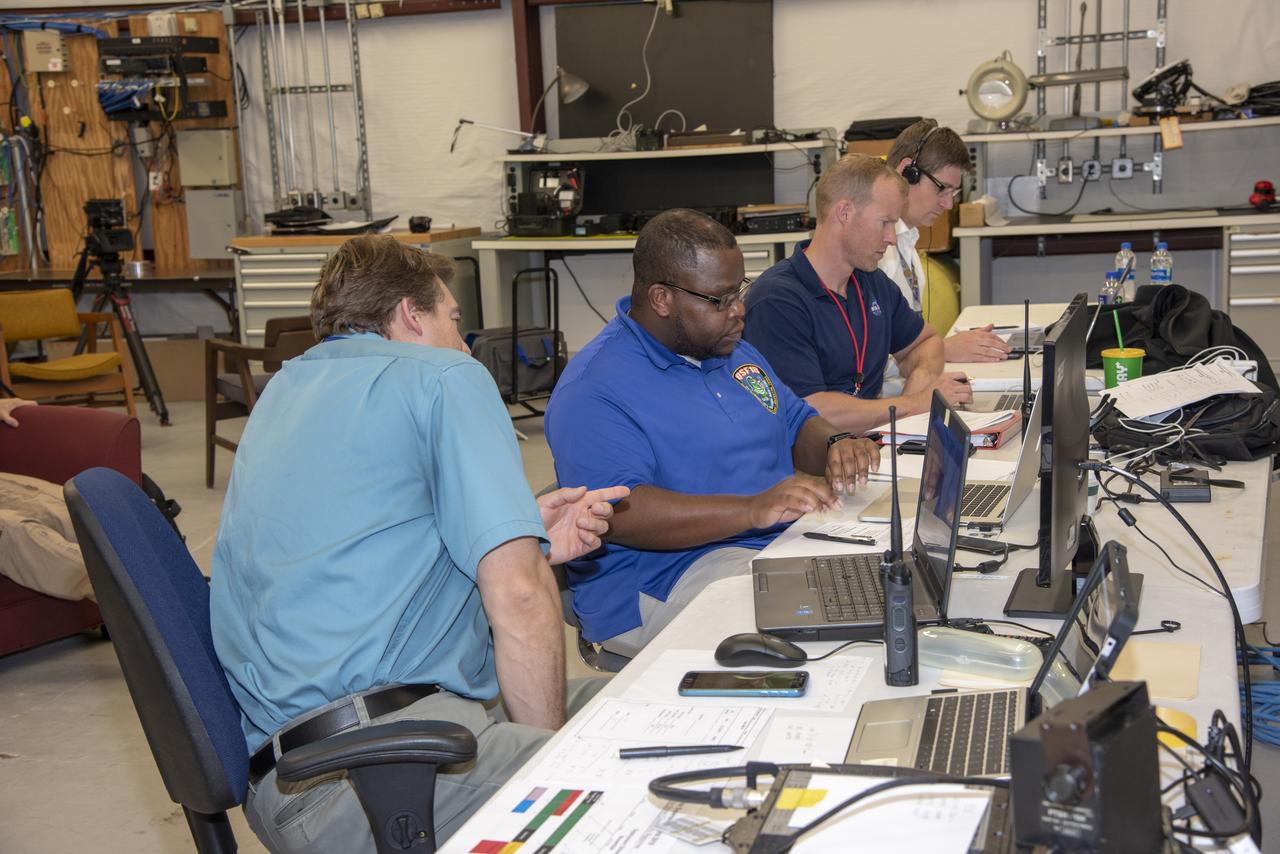
Working in the Mobile Operations Facility at NASA’s Armstrong Flight Research Center in Edwards, California, NASA Advanced Air Mobility researcher Dennis Iannicca adjusts a control board to capture Automatic Dependent Surveillance-Broadcast (ADS-B) data during test flights. The data will be used to understand ADS-B signal loss scenarios for air taxi flights in urban areas.
NASA researcher Dennis Iannicca adjusts a control board in the Mobile Operations Facility to gather Automatic Dependent Surveillance-Broadcast signal data at NASA’s Armstrong Flight Research Center in Edwards, California on Sept. 23, 2024.
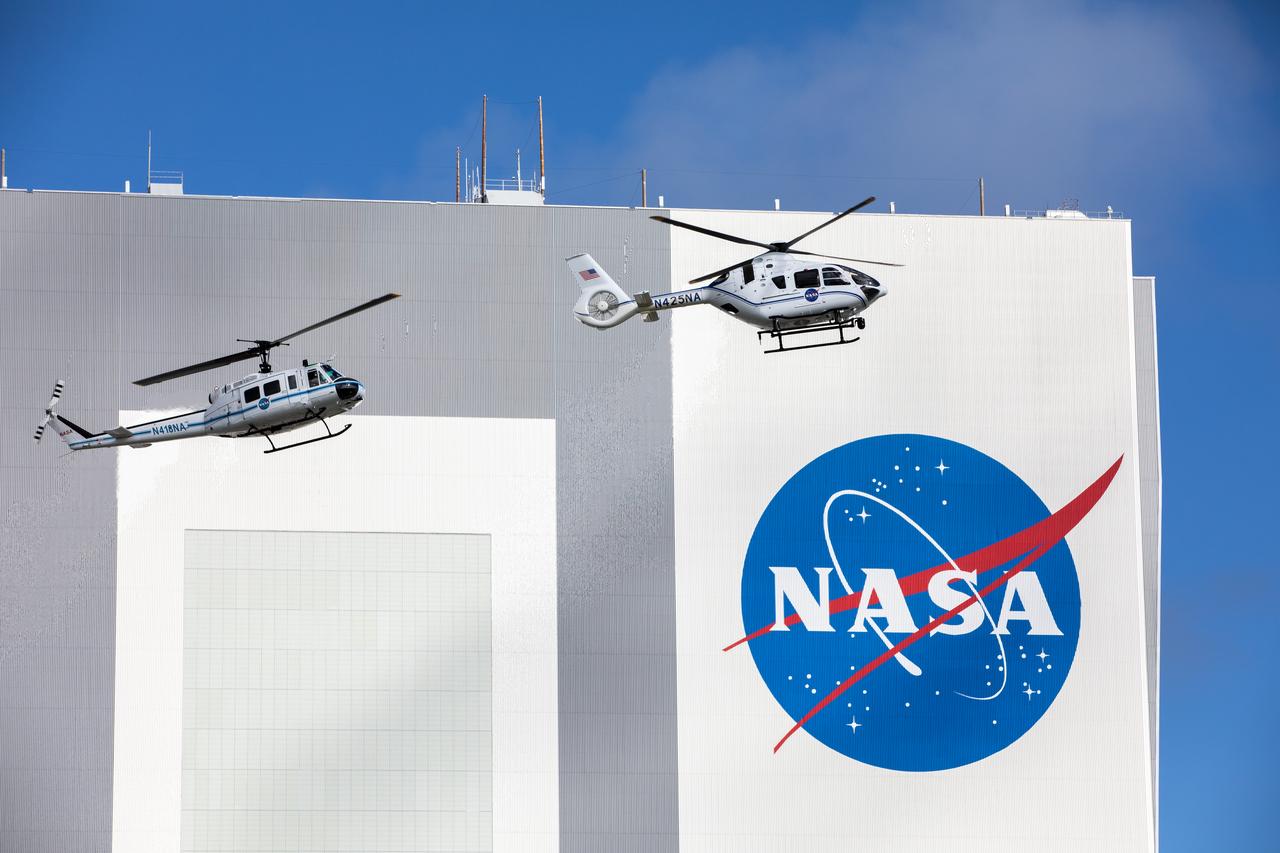
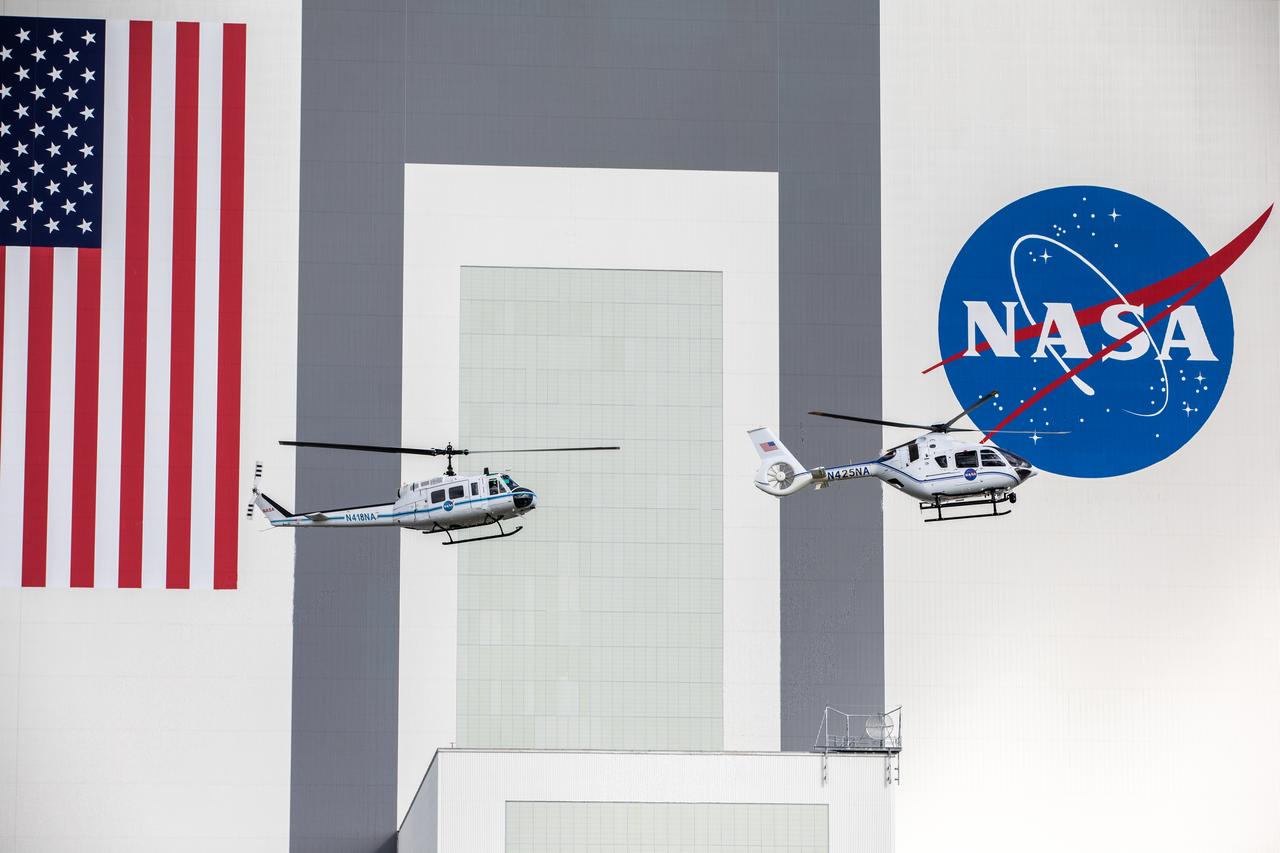
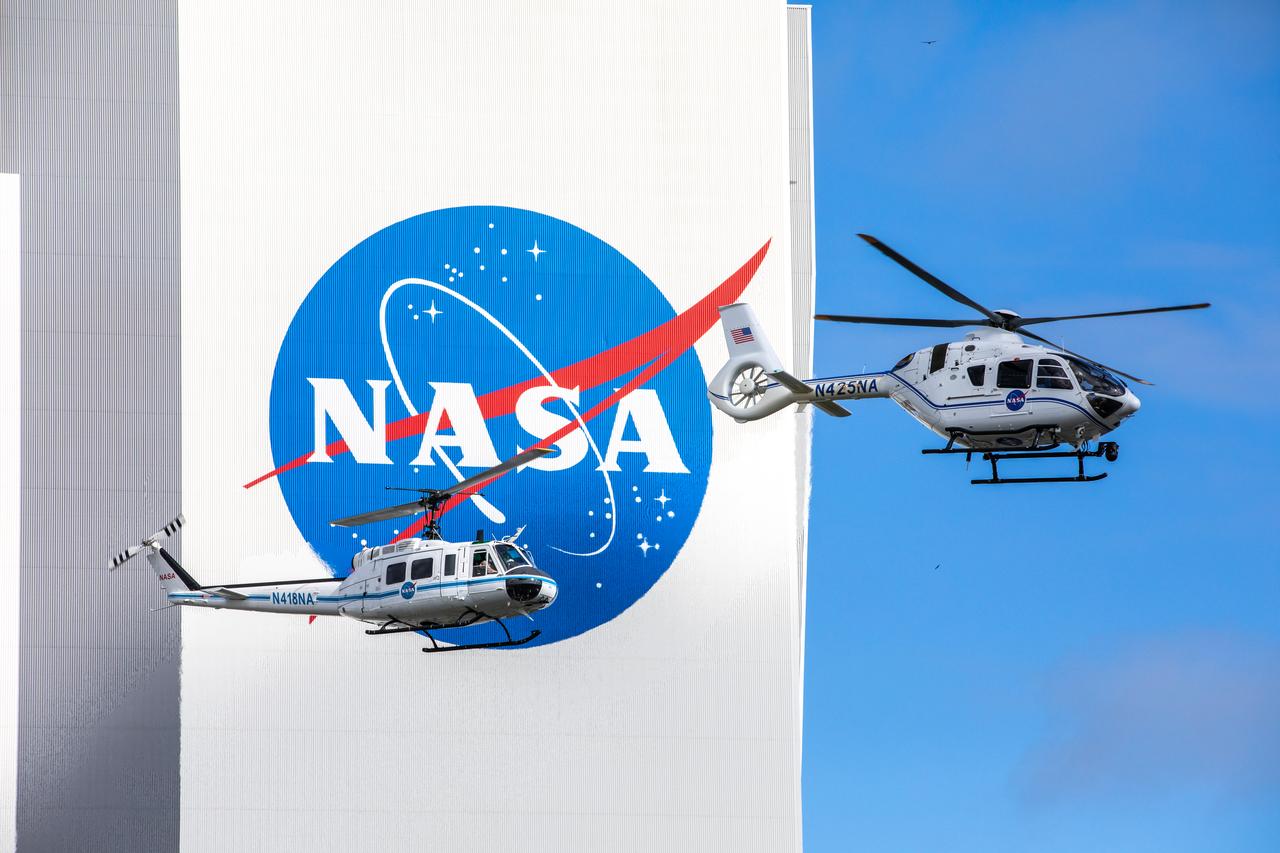
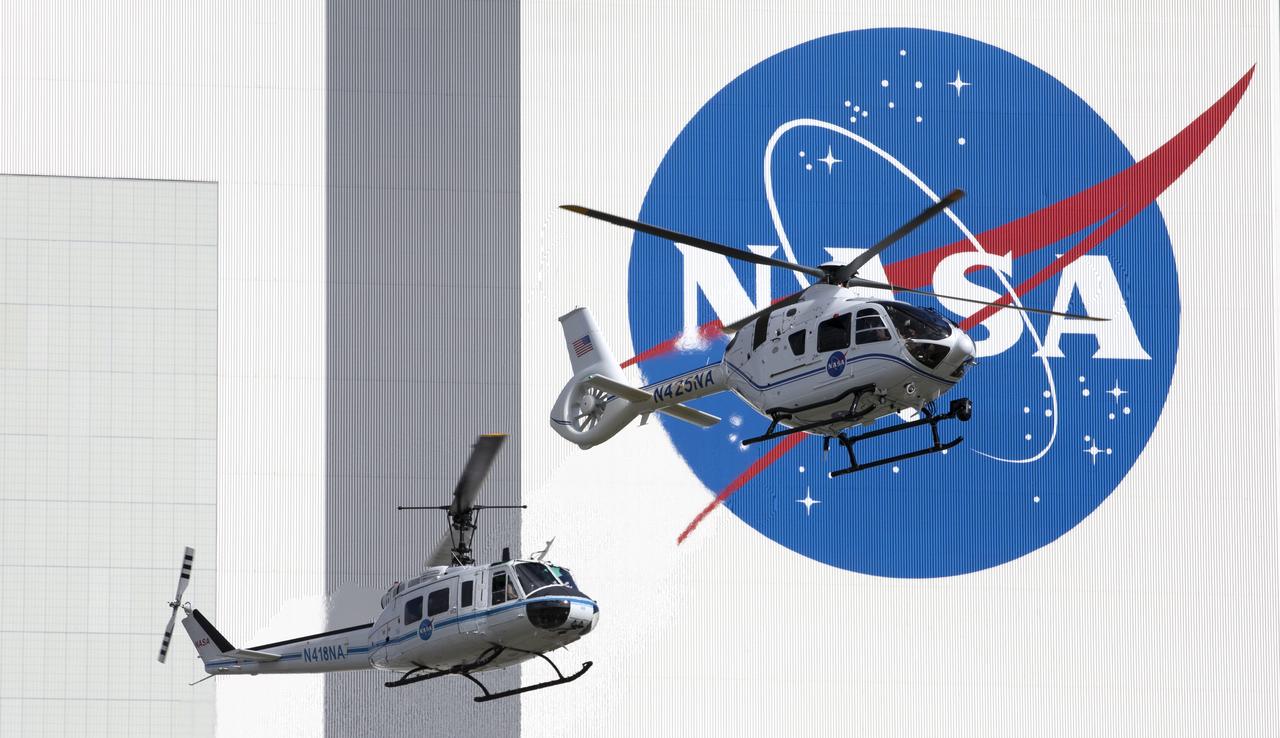
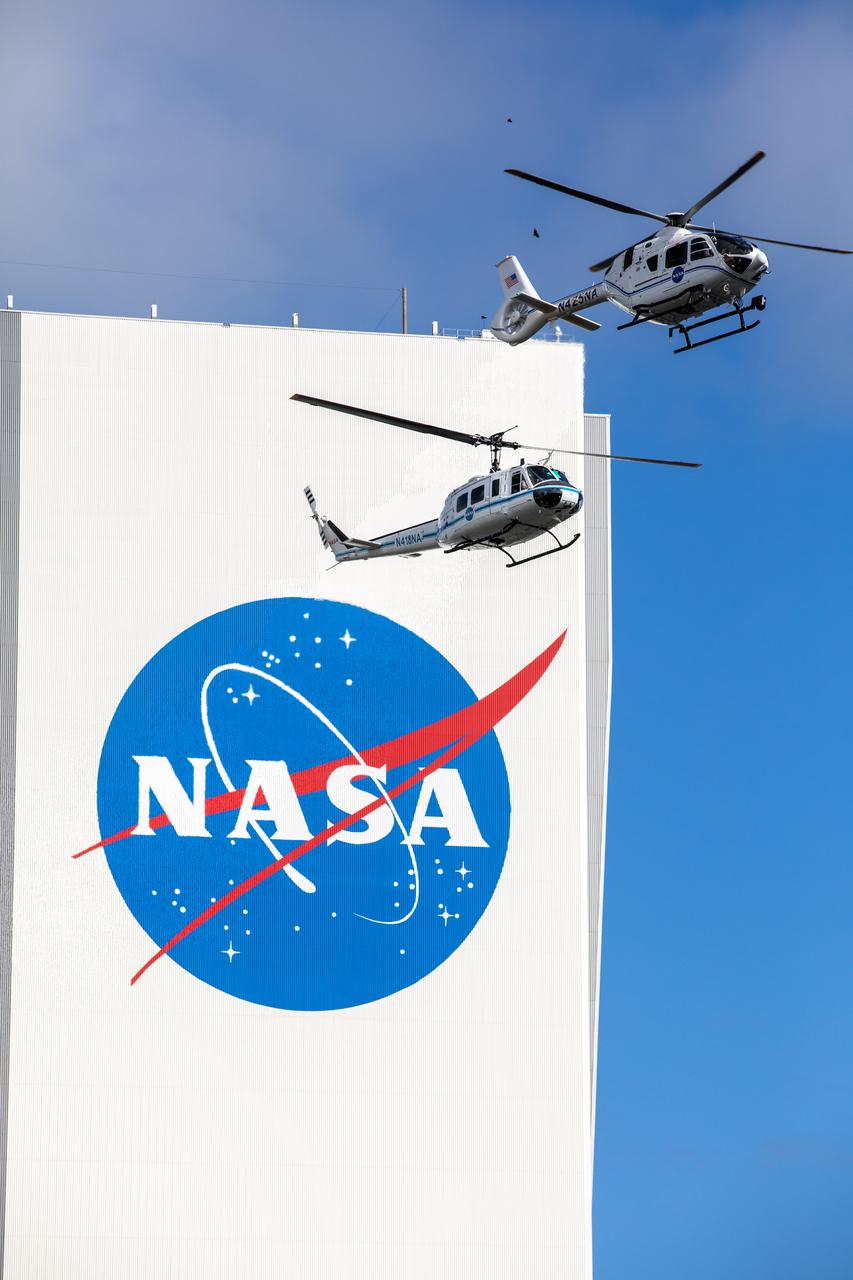
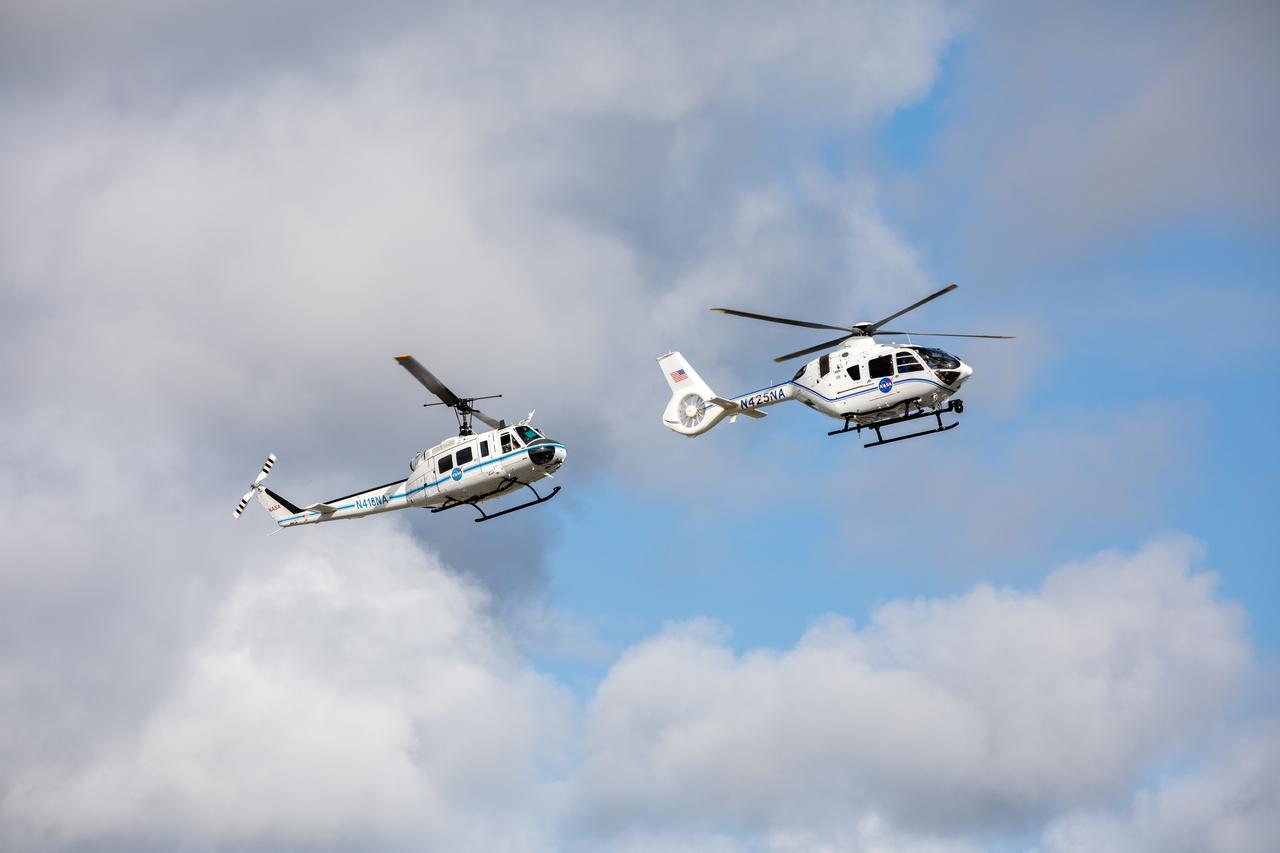
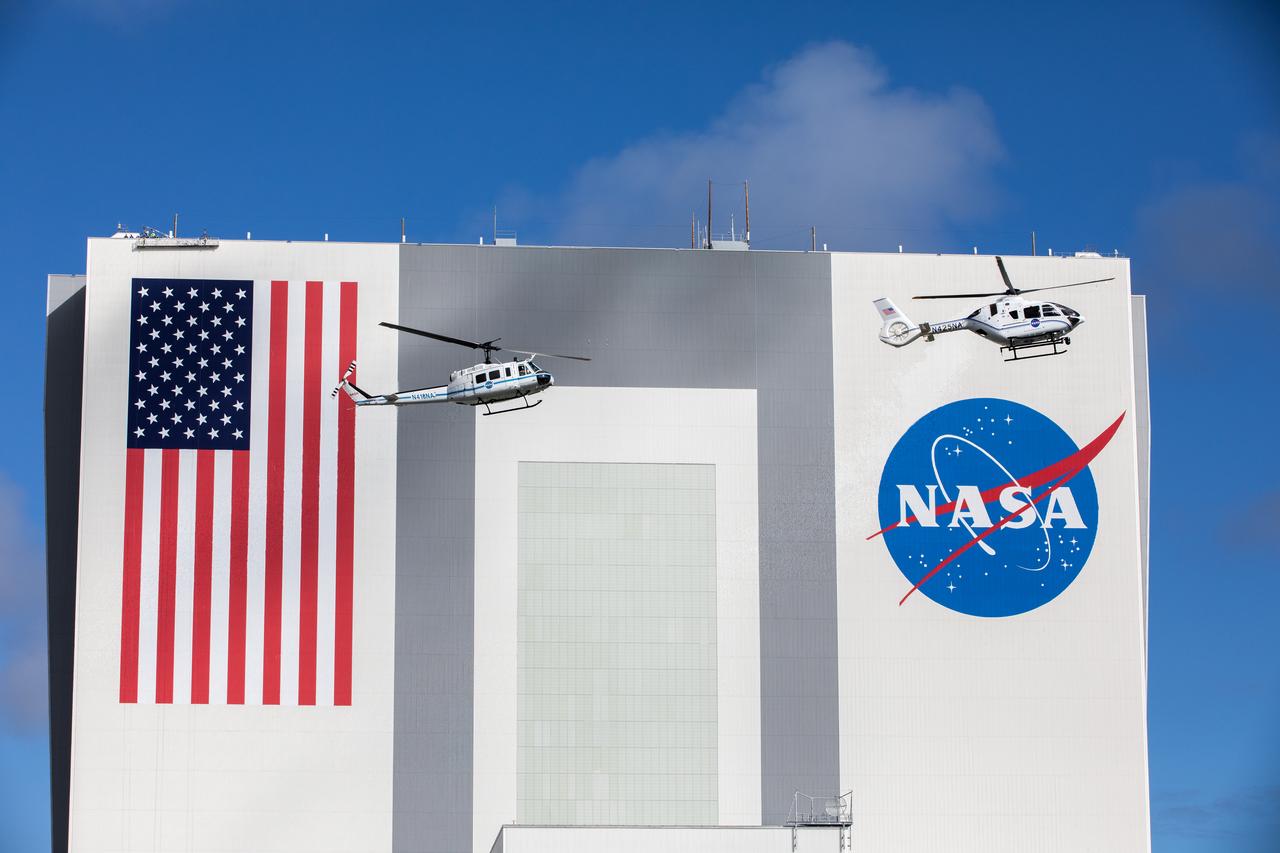
On Oct. 27, 2020, in front of the iconic Vehicle Assembly Building at NASA’s Kennedy Space Center, the Bell Huey 2 (left) and Airbus H135 helicopters used for security operations at the Florida spaceport perform one flight together before the Hueys are retired from their service. The Airbus H135s are replacing the three Bell Huey 2 aircraft maintained by Kennedy’s Flight Operations team. Kennedy received two of the H135 aircraft on Sept. 30, and the third is expected to arrive in spring 2021. These new helicopters provide a number of technological and safety advantages over the Hueys, such as more lifting power, greater stability in the air, and expanded medical capabilities.
Helicopter Heritage Flight (Huey and H-135)
The Bell Huey 2 (left) and Airbus H135 helicopters used for security operations at NASA’s Kennedy Space Center in Florida perform one flight together on Oct. 27, 2020, before the Hueys are retired from their service. The Airbus H135s are replacing the three Bell Huey 2 aircraft maintained by Kennedy’s Flight Operations team. Kennedy received two of the H135 aircraft on Sept. 30, and the third is expected to arrive in spring 2021. These new helicopters provide a number of technological and safety advantages over the Hueys, such as more lifting power, greater stability in the air, and expanded medical capabilities.
Helicopter Heritage Flight (Huey and H-135)
On Oct. 27, 2020, in front of the iconic Vehicle Assembly Building at NASA’s Kennedy Space Center, the Bell Huey 2 (left) and Airbus H135 helicopters used for security operations at the Florida spaceport perform one flight together before the Hueys are retired from their service. The Airbus H135s are replacing the three Bell Huey 2 aircraft maintained by Kennedy’s Flight Operations team. Kennedy received two of the H135 aircraft on Sept. 30, and the third is expected to arrive in spring 2021. These new helicopters provide a number of technological and safety advantages over the Hueys, such as more lifting power, greater stability in the air, and expanded medical capabilities.
Helicopter Heritage Flight (Huey and H-135)
On Oct. 27, 2020, in front of the iconic Vehicle Assembly Building at NASA’s Kennedy Space Center, the Bell Huey 2 (left) and Airbus H135 helicopters used for security operations at the Florida spaceport perform one flight together before the Hueys are retired from their service. The Airbus H135s are replacing the three Bell Huey 2 aircraft maintained by Kennedy’s Flight Operations team. Kennedy received two of the H135 aircraft on Sept. 30, and the third is expected to arrive in spring 2021. These new helicopters provide a number of technological and safety advantages over the Hueys, such as more lifting power, greater stability in the air, and expanded medical capabilities.
Helicopter Heritage Flight (Huey and H-135)
On Oct. 27, 2020, in front of the iconic Vehicle Assembly Building at NASA’s Kennedy Space Center, the Bell Huey 2 (left) and Airbus H135 helicopters used for security operations at the Florida spaceport perform one flight together before the Hueys are retired from their service. The Airbus H135s are replacing the three Bell Huey 2 aircraft maintained by Kennedy’s Flight Operations team. Kennedy received two of the H135 aircraft on Sept. 30, and the third is expected to arrive in spring 2021. These new helicopters provide a number of technological and safety advantages over the Hueys, such as more lifting power, greater stability in the air, and expanded medical capabilities.
Helicopter Heritage Flight (Huey and H-135)
On Oct. 27, 2020, in front of the iconic Vehicle Assembly Building at NASA’s Kennedy Space Center, the Bell Huey 2 (left) and Airbus H135 helicopters used for security operations at the Florida spaceport perform one flight together before the Hueys are retired from their service. The Airbus H135s are replacing the three Bell Huey 2 aircraft maintained by Kennedy’s Flight Operations team. Kennedy received two of the H135 aircraft on Sept. 30, and the third is expected to arrive in spring 2021. These new helicopters provide a number of technological and safety advantages over the Hueys, such as more lifting power, greater stability in the air, and expanded medical capabilities.
Helicopter Heritage Flight (Huey and H-135)
On Oct. 27, 2020, in front of the iconic Vehicle Assembly Building at NASA’s Kennedy Space Center, the Bell Huey 2 (left) and Airbus H135 helicopters used for security operations at the Florida spaceport perform one flight together before the Hueys are retired from their service. The Airbus H135s are replacing the three Bell Huey 2 aircraft maintained by Kennedy’s Flight Operations team. Kennedy received two of the H135 aircraft on Sept. 30, and the third is expected to arrive in spring 2021. These new helicopters provide a number of technological and safety advantages over the Hueys, such as more lifting power, greater stability in the air, and expanded medical capabilities.
Helicopter Heritage Flight (Huey and H-135)
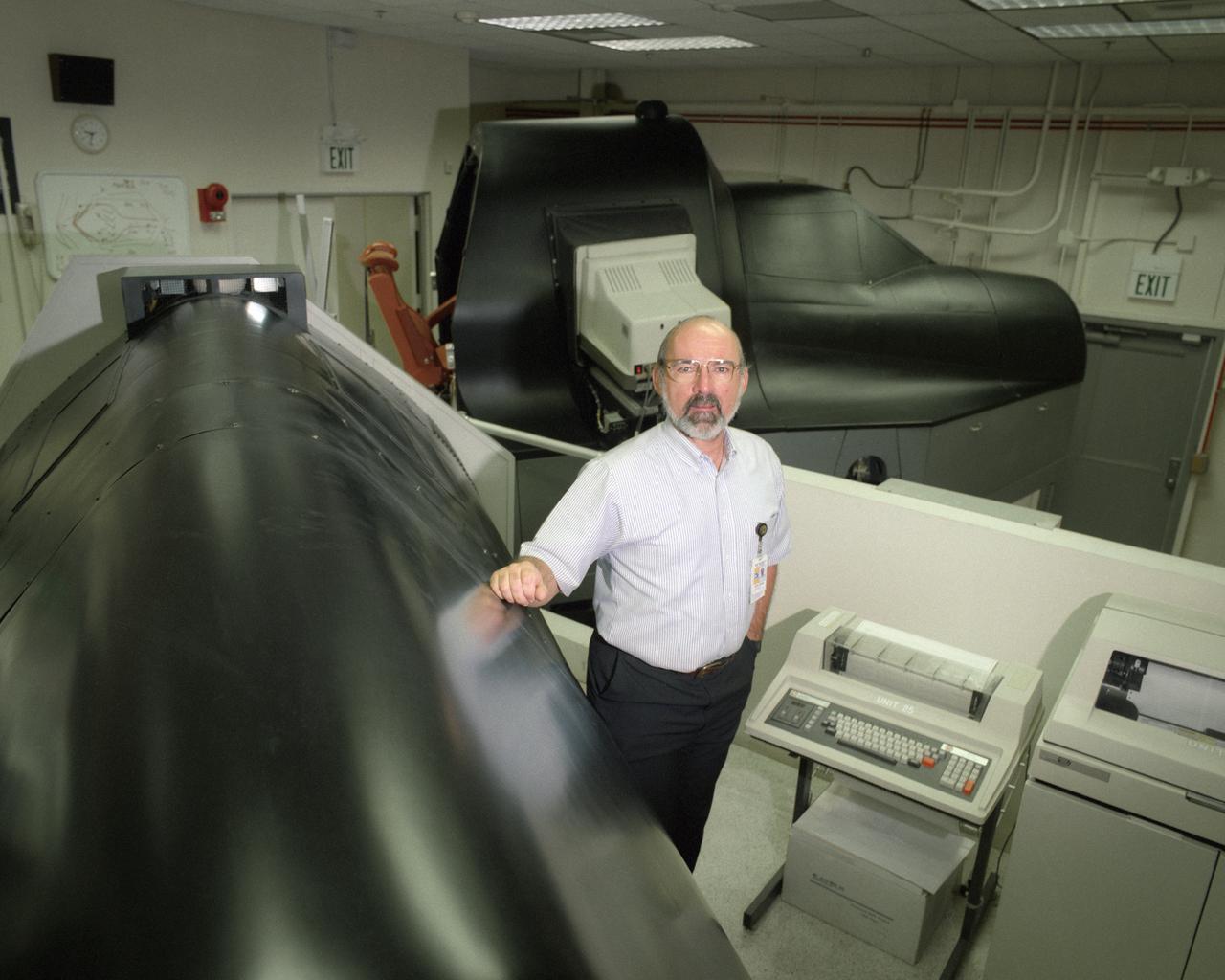
Electronics technician Joe Ciganek was responsible for operation and maintenance of the SR-71 simulator while it was at NASA's Dryden Flight Research Center.
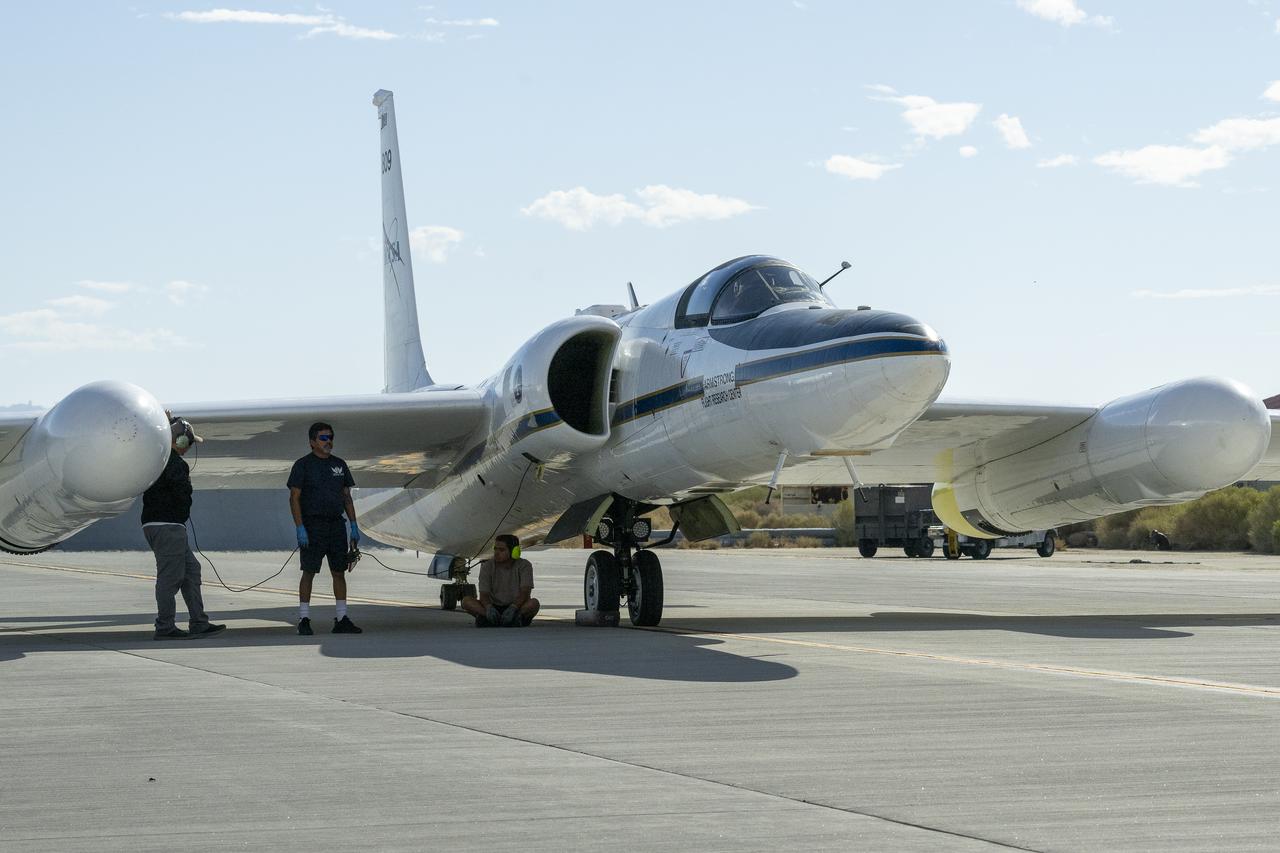
Crew members prepare NASA Armstrong Flight Research Center’s ER-2 aircraft for flight at Edwards, California, on Tuesday, Sept. 23, 2025, in support of the Geological Earth Mapping Experiment (GEMx). The high-altitude science aircraft operates between 20,000 and 70,000 feet. For this mission, pilots flew at approximately 65,000 feet, requiring them to wear specially designed pressure suits.
NASA ER-2 Flies Geological Mapping Mission
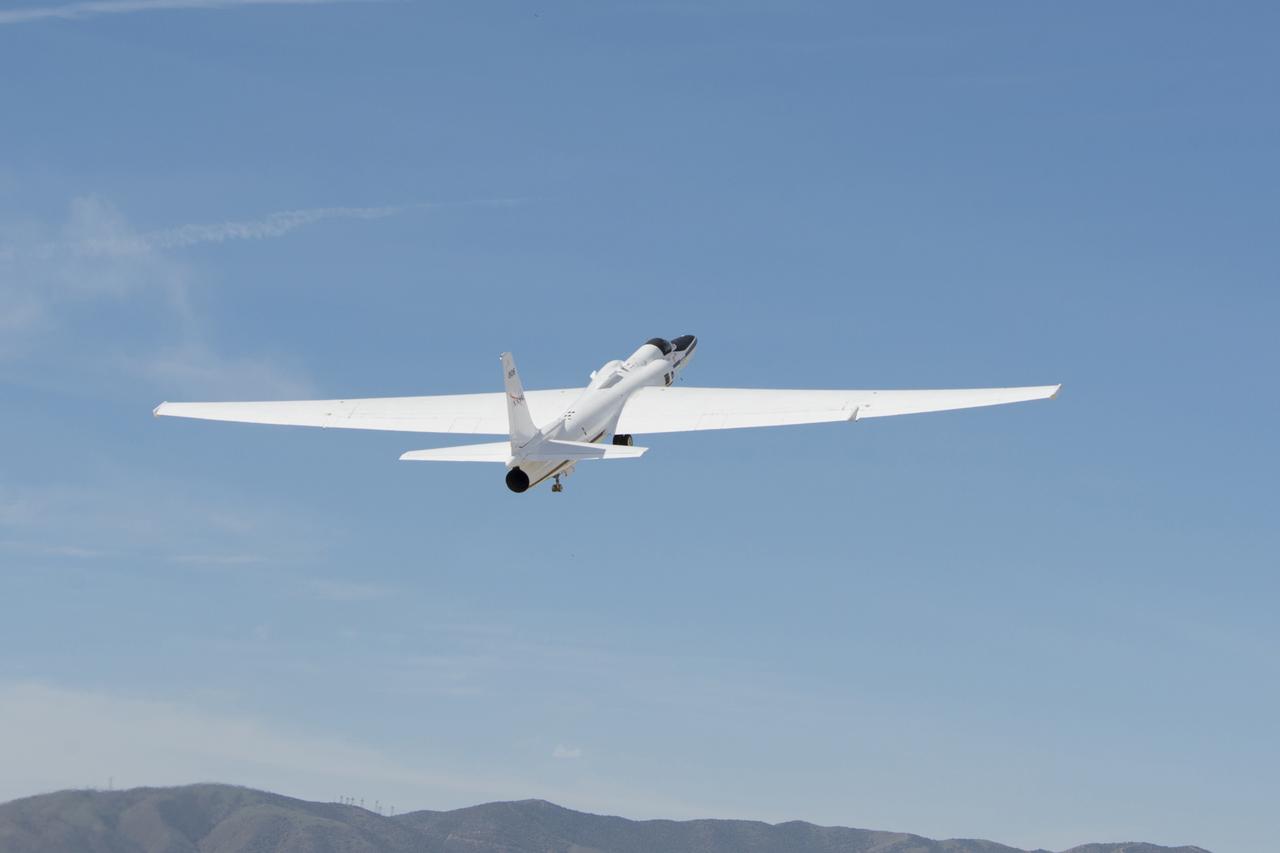
NASA’s ER-2 takes off from its base of operations at NASA’s Armstrong Flight Research Center Building 703 in Palmdale, California to test instruments that will support upcoming science flights for the Geostationary Operational Environmental Satellite-R-series.
AFRC2016-0105-15
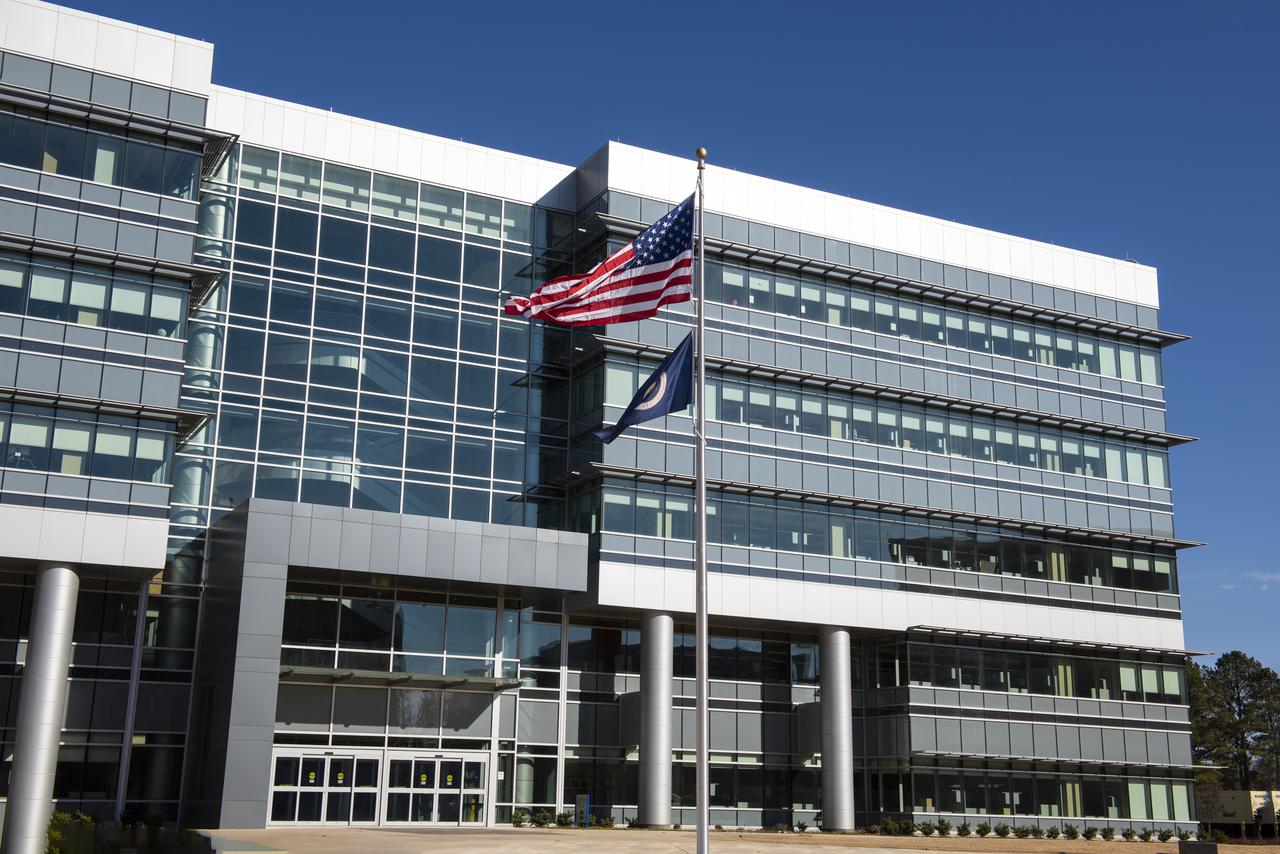
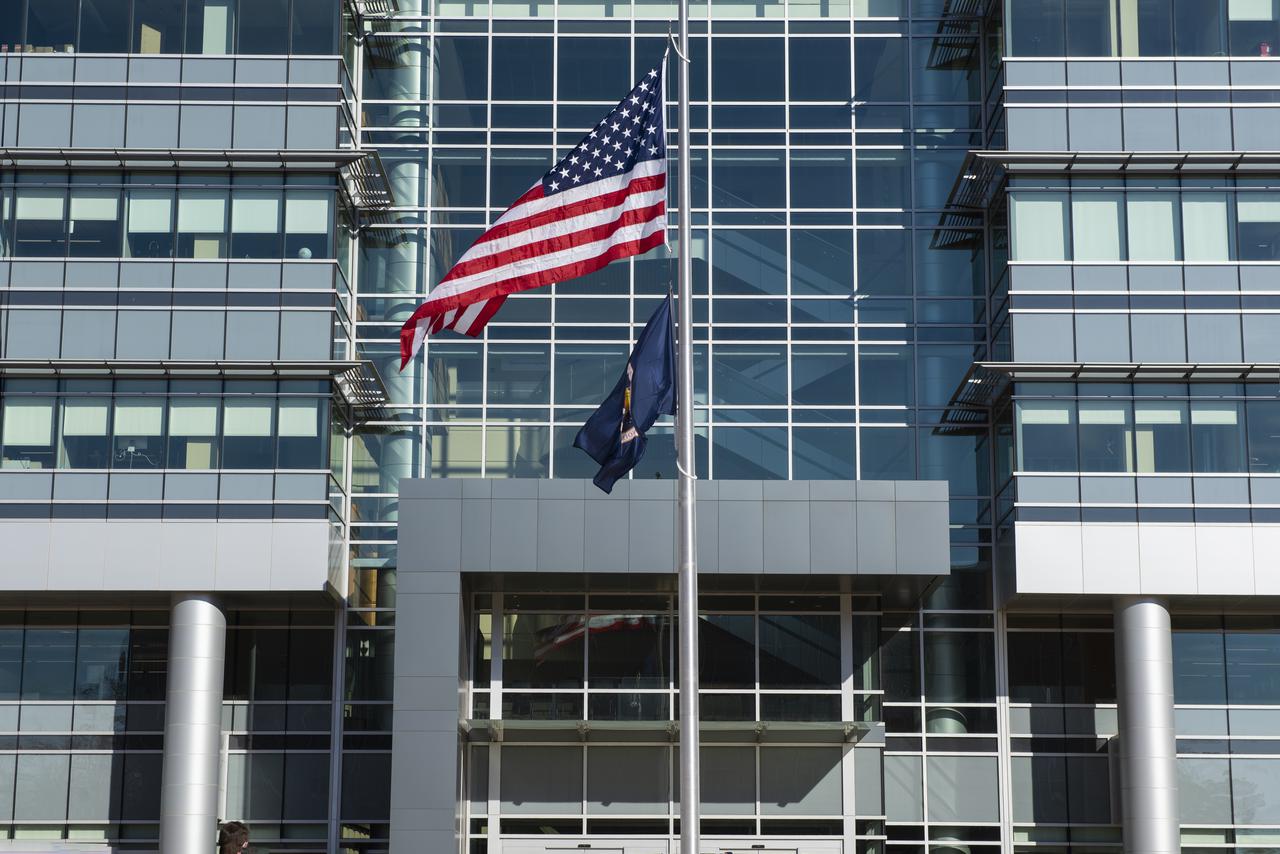
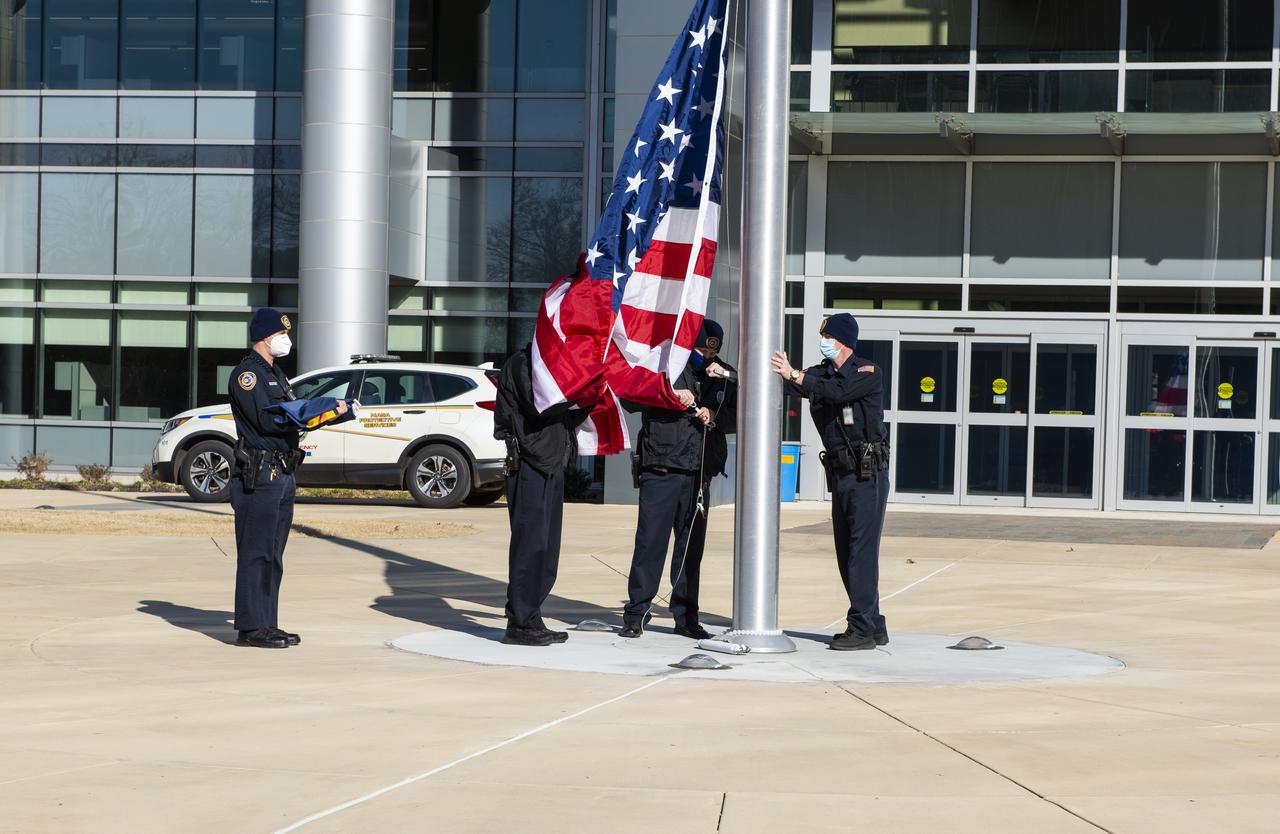
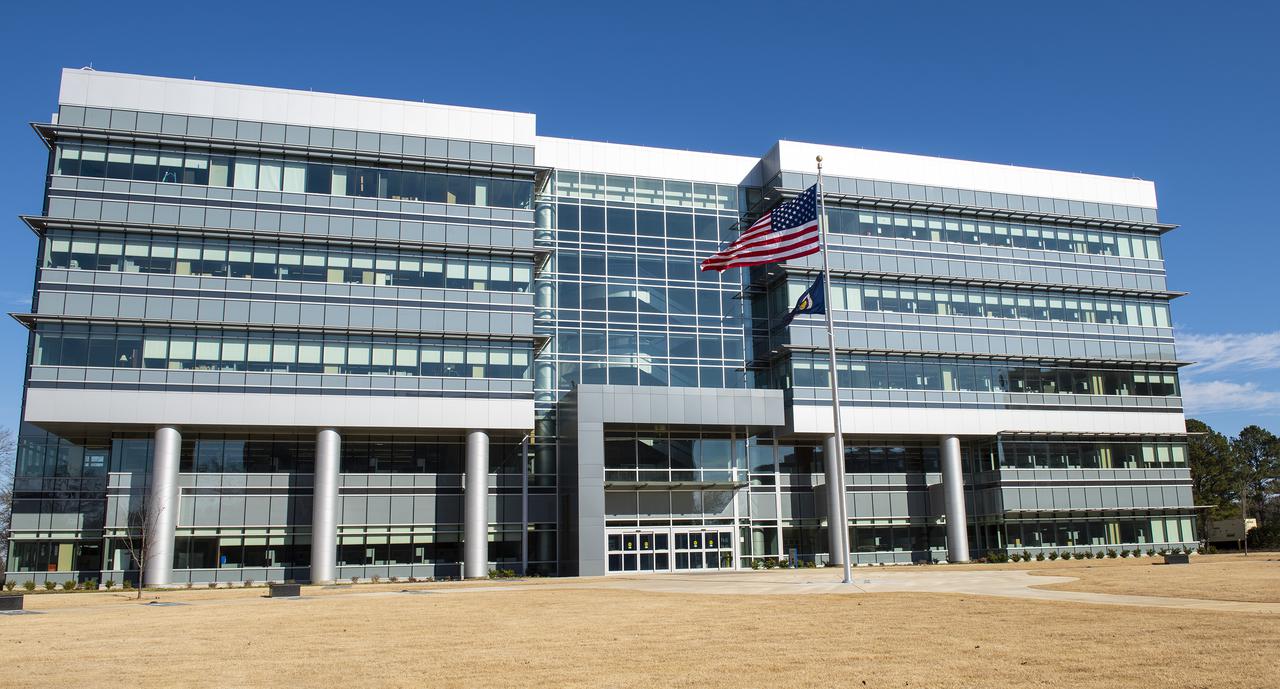
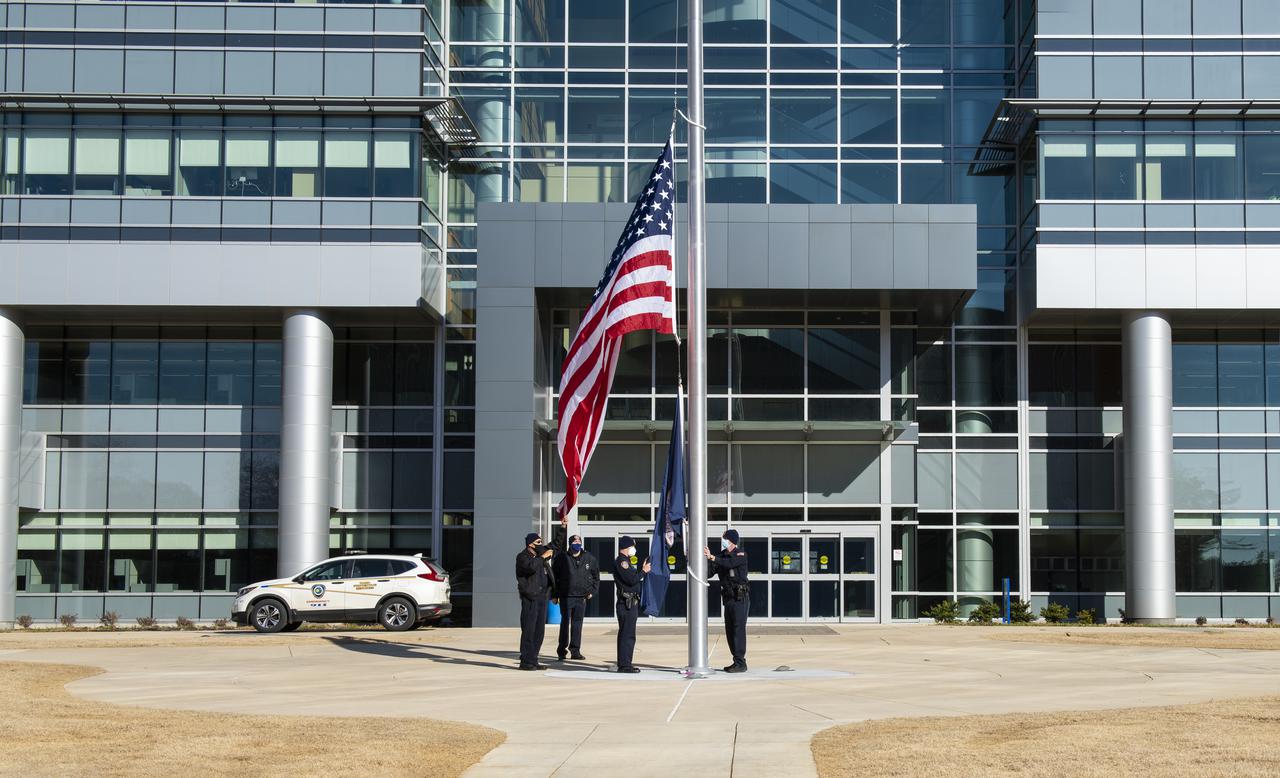
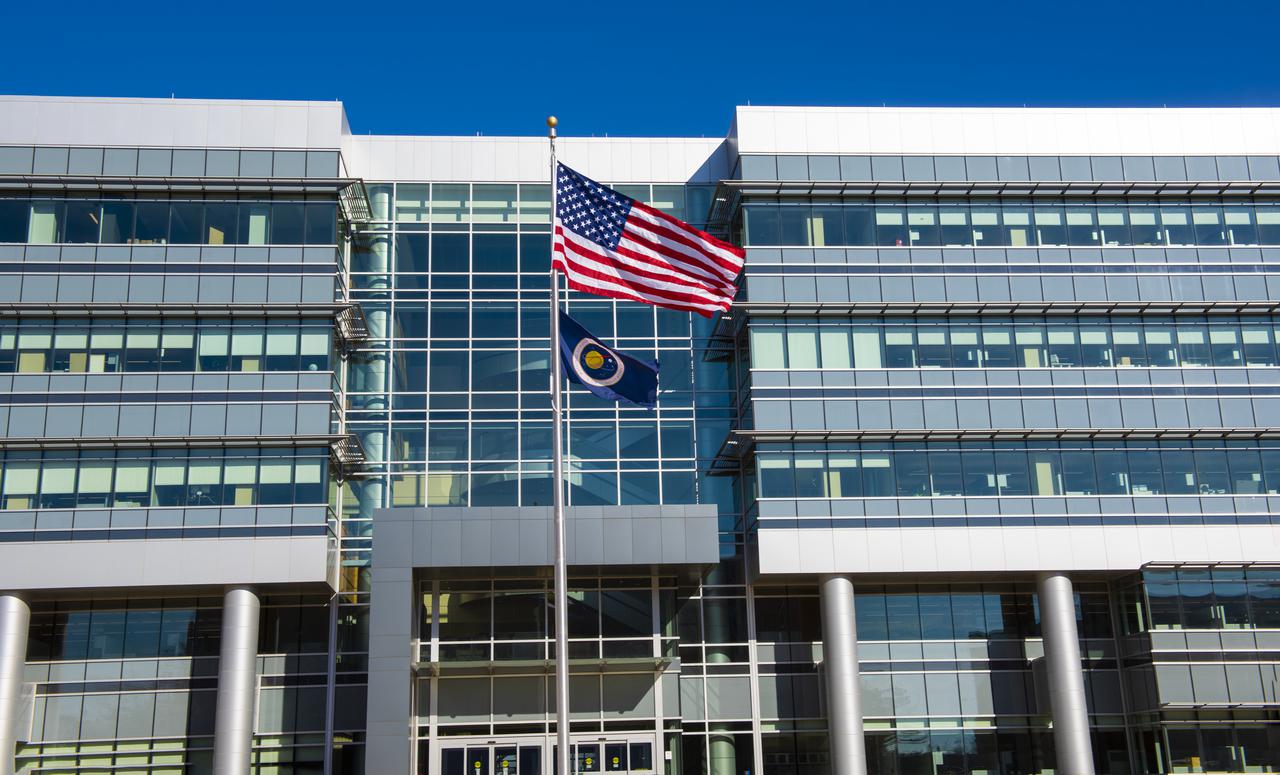
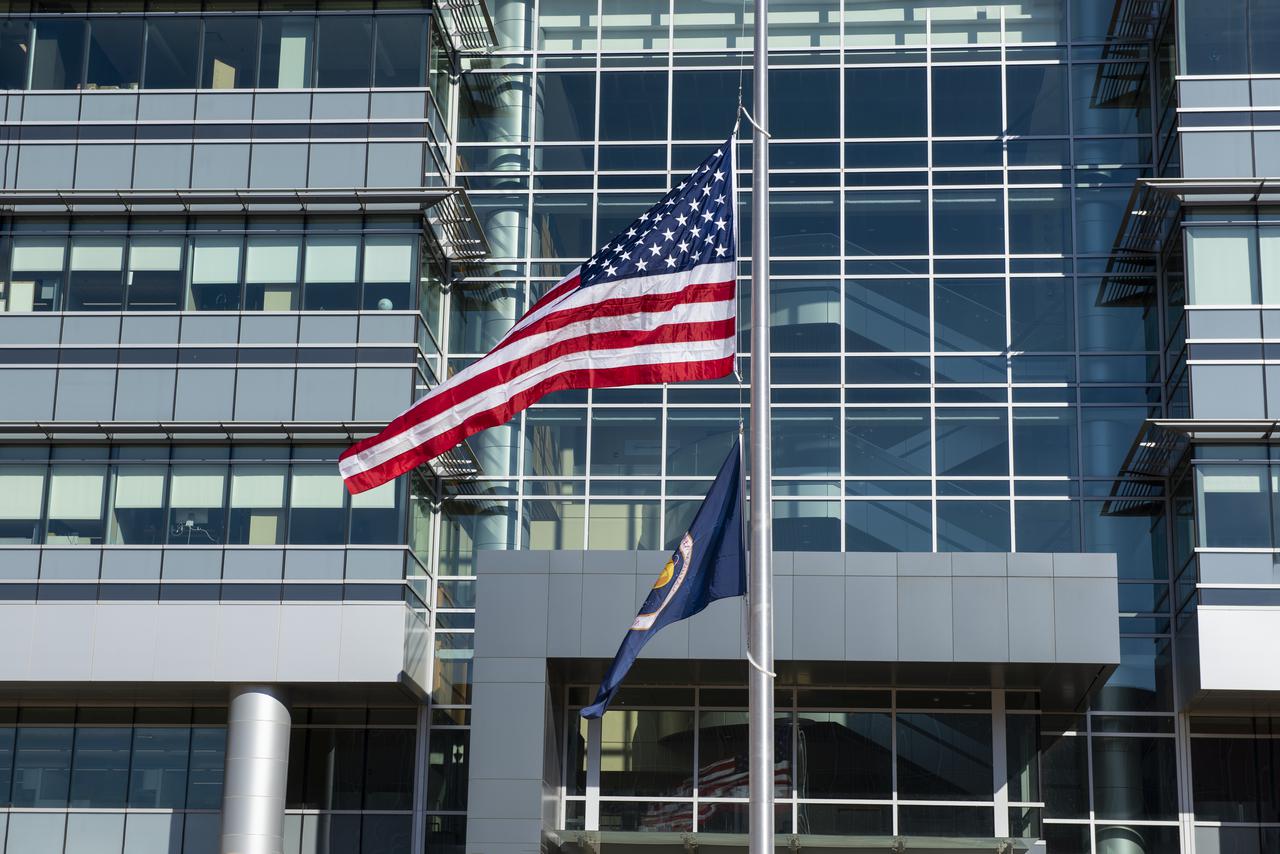
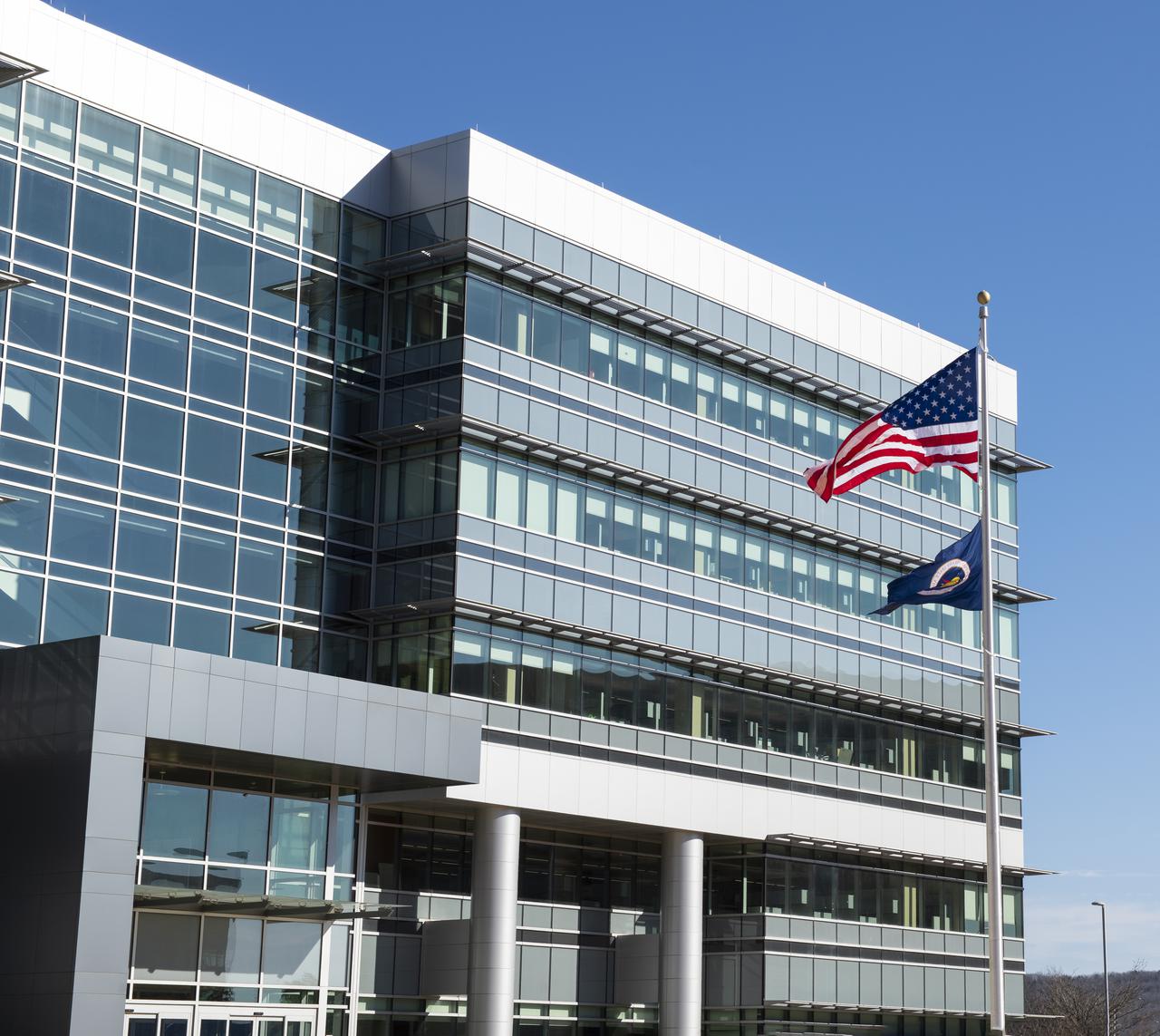
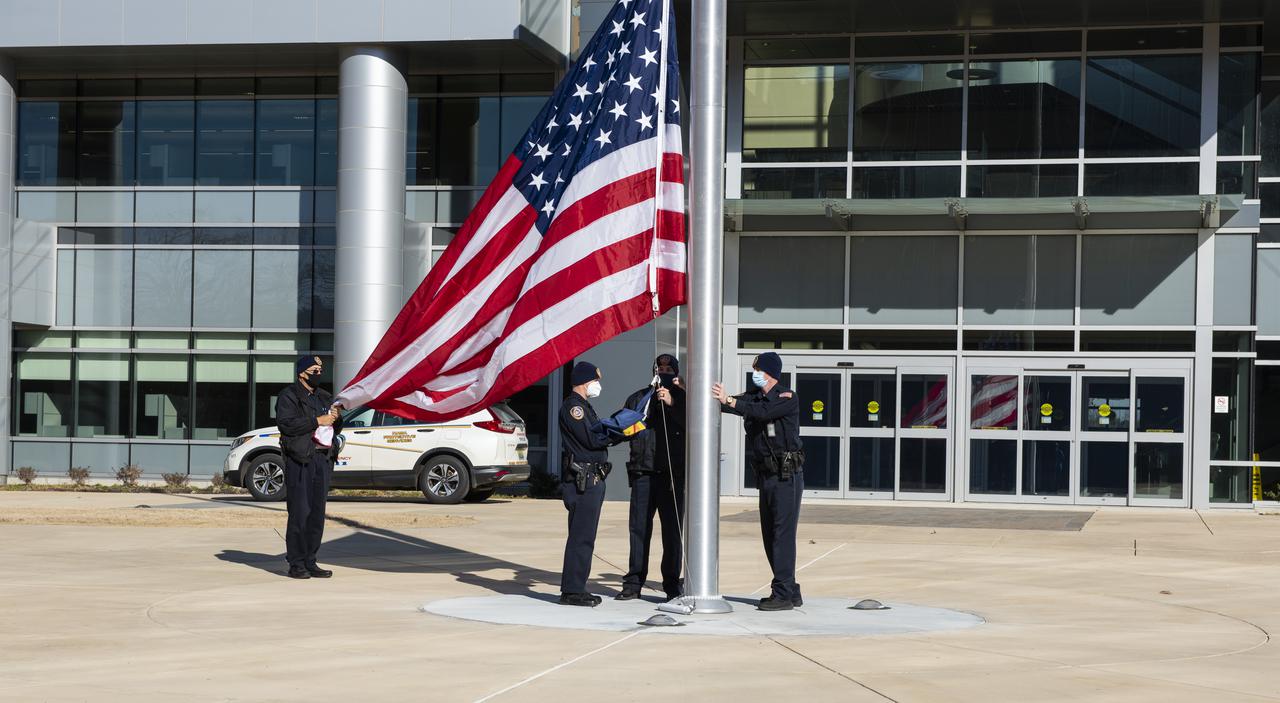
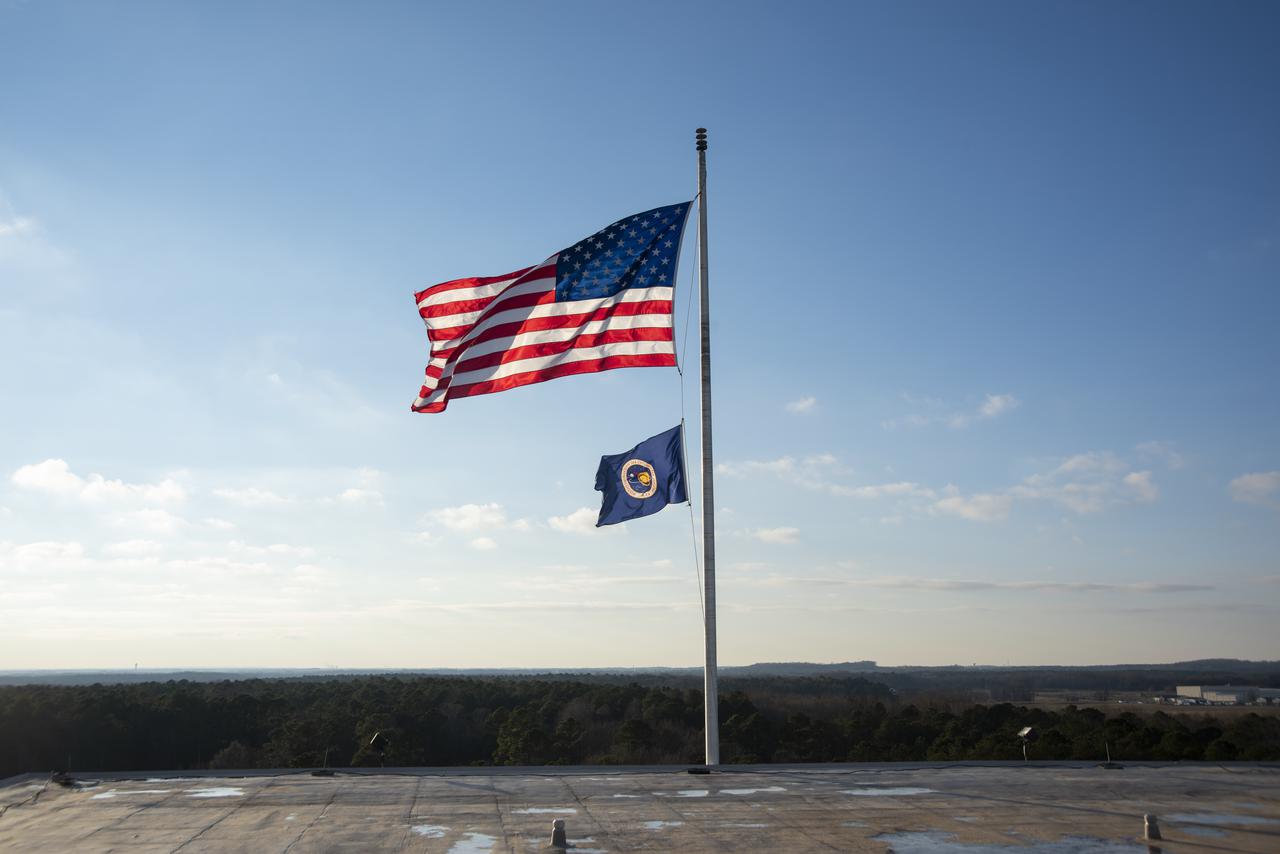
On Jan. 26, 2022, the U.S. and NASA flags were raised at Building 4221 to mark the transfer of headquarters to that building at Marshall Space Flight Center in Huntsville, Alabama. The doors to Building 4221, a new, environmentally friendly building, opened on Earth Day, April 22, 2019. Building 4200 served as Marshall’s original headquarters  since 1963. Marshall center operations lowered flags at that building on Jan. 21, 2022.
NASA Marshall Raises Flag at New Headquarters Building
On Jan. 26, 2022, the U.S. and NASA flags were raised at Building 4221 to mark the transfer of headquarters to that building at Marshall Space Flight Center in Huntsville, Alabama. The doors to Building 4221, a new, environmentally friendly building, opened on Earth Day, April 22, 2019. Building 4200 served as Marshall’s original headquarters  since 1963. Marshall center operations lowered flags at that building on Jan. 21, 2022.
NASA Marshall Raises Flag at New Headquarters Building
On Jan. 26, 2022, the U.S. and NASA flags were raised at Building 4221 to mark the transfer of headquarters to that building at Marshall Space Flight Center in Huntsville, Alabama. The doors to Building 4221, a new, environmentally friendly building, opened on Earth Day, April 22, 2019. Building 4200 served as Marshall’s original headquarters  since 1963. Marshall center operations lowered flags at that building on Jan. 21, 2022.
NASA Marshall Raises Flag at New Headquarters Building
On Jan. 26, 2022, the U.S. and NASA flags were raised at Building 4221 to mark the transfer of headquarters to that building at Marshall Space Flight Center in Huntsville, Alabama. The doors to Building 4221, a new, environmentally friendly building, opened on Earth Day, April 22, 2019. Building 4200 served as Marshall’s original headquarters  since 1963. Marshall center operations lowered flags at that building on Jan. 21, 2022.
NASA Marshall Raises Flag at New Headquarters Building
On Jan. 26, 2022, the U.S. and NASA flags were raised at Building 4221 to mark the transfer of headquarters to that building at Marshall Space Flight Center in Huntsville, Alabama. The doors to Building 4221, a new, environmentally friendly building, opened on Earth Day, April 22, 2019. Building 4200 served as Marshall’s original headquarters  since 1963. Marshall center operations lowered flags at that building on Jan. 21, 2022.
NASA Marshall Raises Flag at New Headquarters Building
On Jan. 26, 2022, the U.S. and NASA flags were raised at Building 4221 to mark the transfer of headquarters to that building at Marshall Space Flight Center in Huntsville, Alabama. The doors to Building 4221, a new, environmentally friendly building, opened on Earth Day, April 22, 2019. Building 4200 served as Marshall’s original headquarters  since 1963. Marshall center operations lowered flags at that building on Jan. 21, 2022.
NASA Marshall Raises Flag at New Headquarters Building
On Jan. 26, 2022, the U.S. and NASA flags were raised at Building 4221 to mark the transfer of headquarters to that building at Marshall Space Flight Center in Huntsville, Alabama. The doors to Building 4221, a new, environmentally friendly building, opened on Earth Day, April 22, 2019. Building 4200 served as Marshall’s original headquarters  since 1963. Marshall center operations lowered flags at that building on Jan. 21, 2022.
NASA Marshall Raises Flag at New Headquarters Building
On Jan. 26, 2022, the U.S. and NASA flags were raised at Building 4221 to mark the transfer of headquarters to that building at Marshall Space Flight Center in Huntsville, Alabama. The doors to Building 4221, a new, environmentally friendly building, opened on Earth Day, April 22, 2019. Building 4200 served as Marshall’s original headquarters  since 1963. Marshall center operations lowered flags at that building on Jan. 21, 2022.
NASA Marshall Raises Flag at New Headquarters Building
On Jan. 26, 2022, the U.S. and NASA flags were raised at Building 4221 to mark the transfer of headquarters to that building at Marshall Space Flight Center in Huntsville, Alabama. The doors to Building 4221, a new, environmentally friendly building, opened on Earth Day, April 22, 2019. Building 4200 served as Marshall’s original headquarters  since 1963. Marshall center operations lowered flags at that building on Jan. 21, 2022.
NASA Marshall Raises Flag at New Headquarters Building
On Jan. 26, 2022, the U.S. and NASA flags were raised at Building 4221 to mark the transfer of headquarters to that building at Marshall Space Flight Center in Huntsville, Alabama. The doors to Building 4221, a new, environmentally friendly building, opened on Earth Day, April 22, 2019. Building 4200 served as Marshall’s original headquarters  since 1963. Marshall center operations lowered flags at that building on Jan. 21, 2022.
NASA Marshall Raises Flag at New Headquarters Building
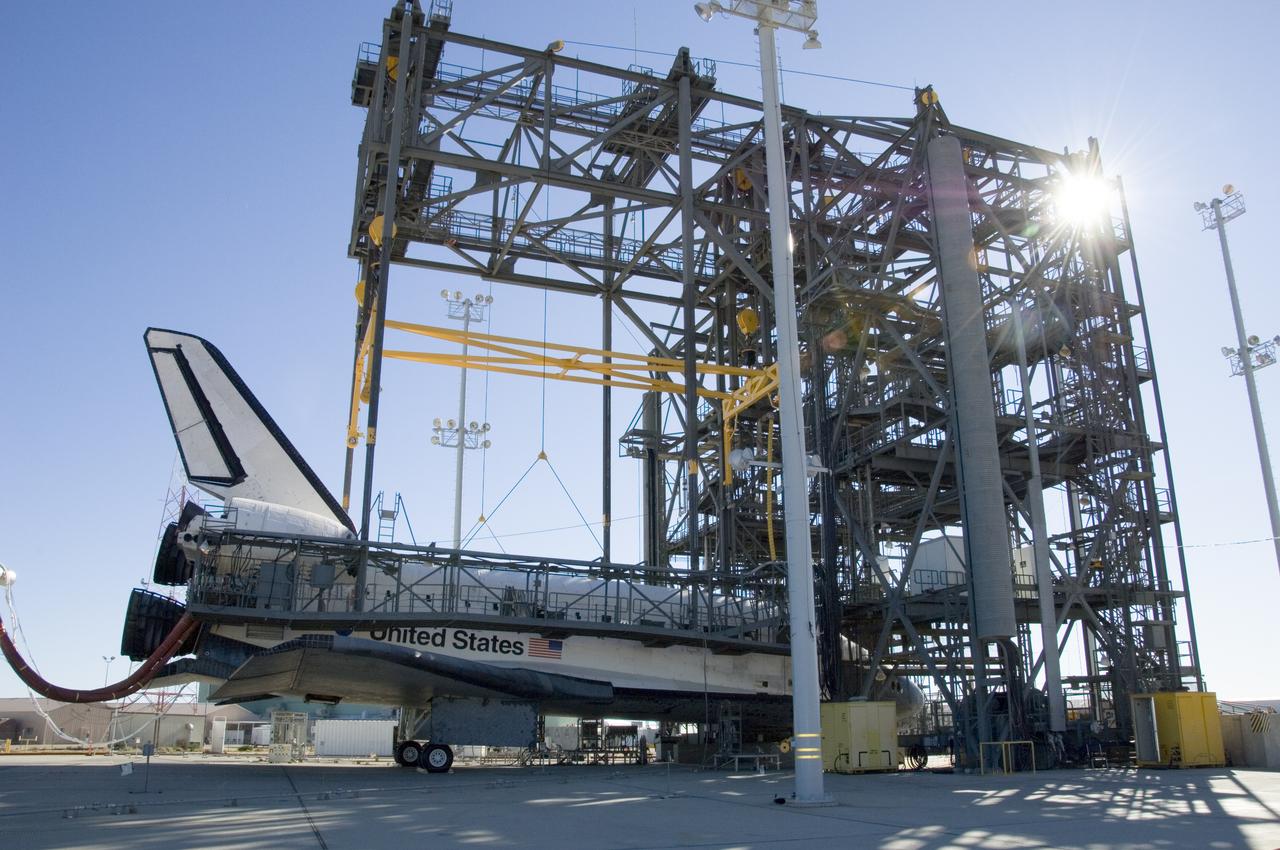
The Space Shuttle Endeavour is nestled in the Mate-DeMate Device at NASA's Dryden Flight Research Center as deservicing and turnaround operations get underway for its ferry flight back to the Kennedy Space Center in Florida.
The Space Shuttle Endeavour is nestled in the Mate-DeMate Device at NASA DFRC as turnaround operations get underway for its ferry flight back to KSC in Florida
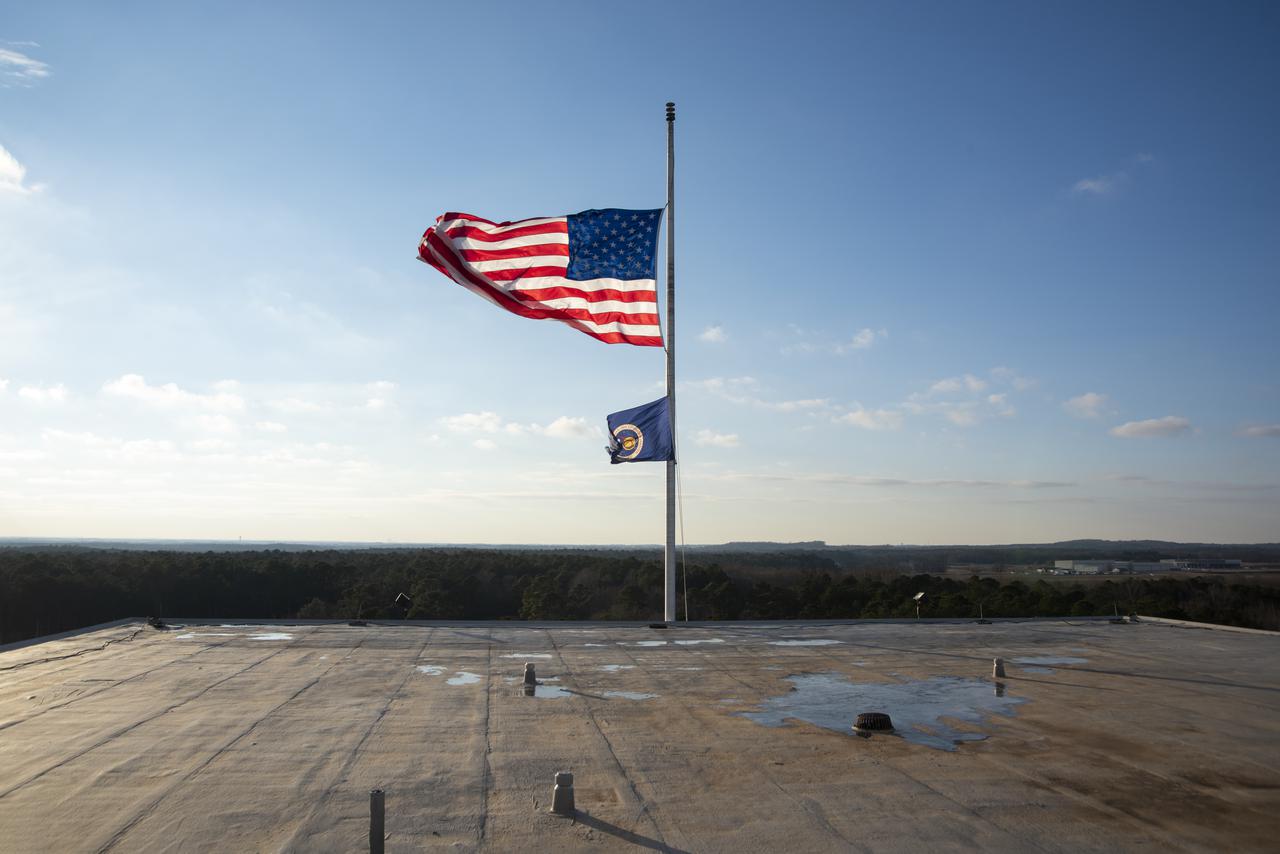
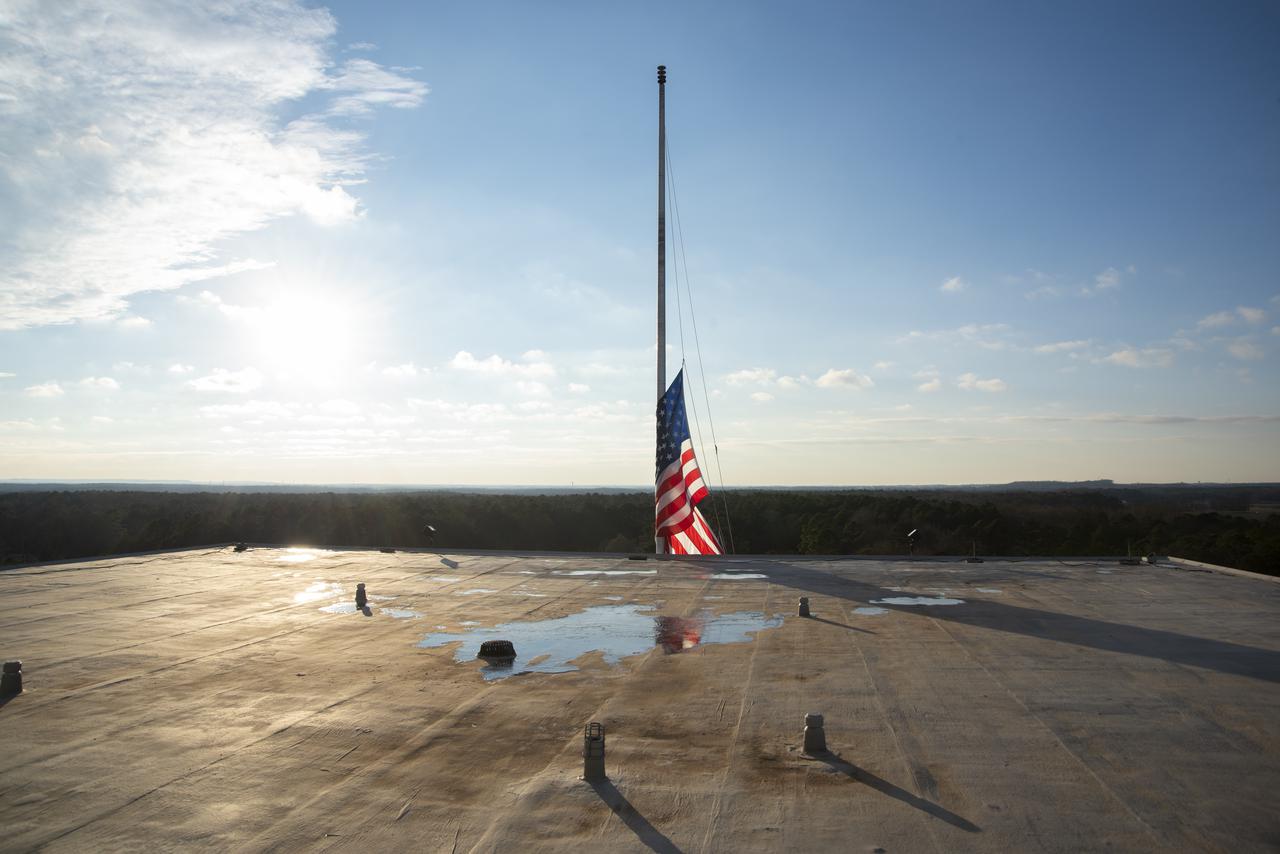
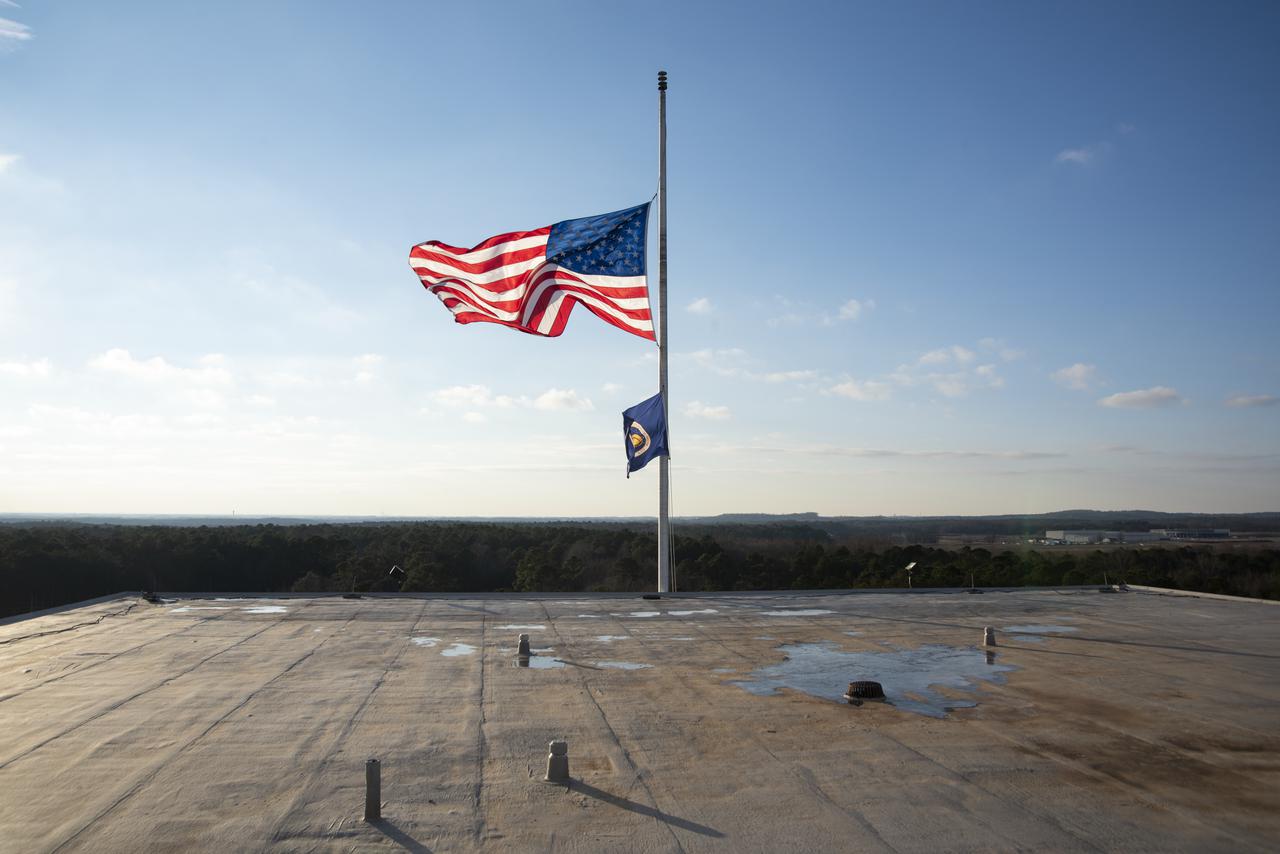
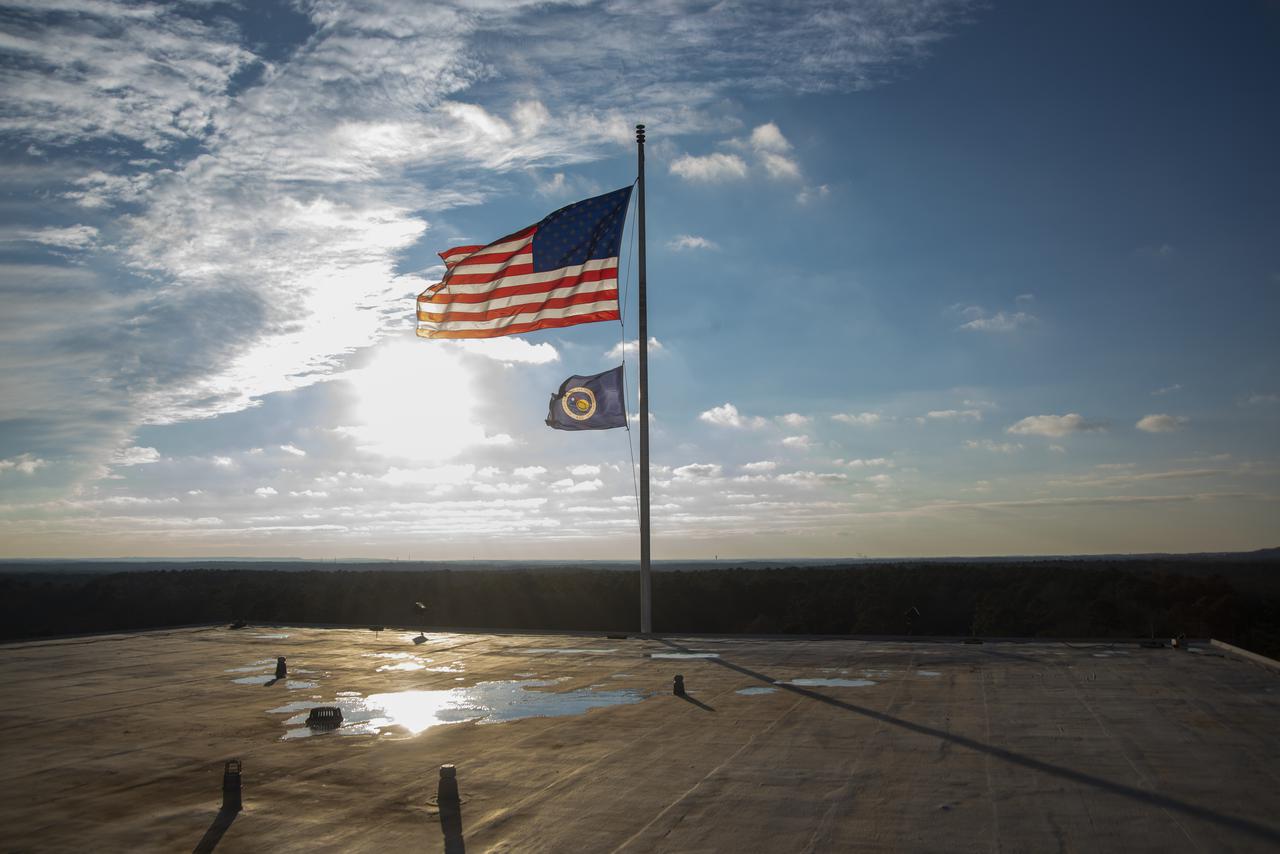
The U.S. and NASA flags atop Building 4200 at NASA Marshall Space Flight Center in Huntsville, Alabama, were retired Jan. 21, 2022. These images show center operations employees lowering the flags at Building 4200, which was Marshall’s original central laboratory and office building and served as Marshall’s headquarters since 1963. This building will be demolished later this year. A flag-raising ceremony marking the transfer of Marshall headquarters to Building 4221 was held Jan. 26, 2022. The doors to Building 4221 opened on Earth Day, April 22, 2019.
U.S. Flag Retired from Marshall Building 4200
The U.S. and NASA flags atop Building 4200 at NASA Marshall Space Flight Center in Huntsville, Alabama, were retired Jan. 21, 2022. These images show center operations employees lowering the flags at Building 4200, which was Marshall’s original central laboratory and office building and served as Marshall’s headquarters since 1963. This building will be demolished later this year. A flag-raising ceremony marking the transfer of Marshall headquarters to Building 4221 was held Jan. 26, 2022. The doors to Building 4221 opened on Earth Day, April 22, 2019.
U.S. Flag Retired from Marshall Building 4200
The U.S. and NASA flags atop Building 4200 at NASA Marshall Space Flight Center in Huntsville, Alabama, were retired Jan. 21, 2022. These images show center operations employees lowering the flags at Building 4200, which was Marshall’s original central laboratory and office building and served as Marshall’s headquarters since 1963. This building will be demolished later this year. A flag-raising ceremony marking the transfer of Marshall headquarters to Building 4221 was held Jan. 26, 2022. The doors to Building 4221 opened on Earth Day, April 22, 2019.
U.S. Flag Retired from Marshall Building 4200
The U.S. and NASA flags atop Building 4200 at NASA Marshall Space Flight Center in Huntsville, Alabama, were retired Jan. 21, 2022. These images show center operations employees lowering the flags at Building 4200, which was Marshall’s original central laboratory and office building and served as Marshall’s headquarters since 1963. This building will be demolished later this year. A flag-raising ceremony marking the transfer of Marshall headquarters to Building 4221 was held Jan. 26, 2022. The doors to Building 4221 opened on Earth Day, April 22, 2019.
U.S. Flag Retired from Marshall Building 4200
The U.S. and NASA flags atop Building 4200 at NASA Marshall Space Flight Center in Huntsville, Alabama, were retired Jan. 21, 2022. These images show center operations employees lowering the flags at Building 4200, which was Marshall’s original central laboratory and office building and served as Marshall’s headquarters since 1963. This building will be demolished later this year. A flag-raising ceremony marking the transfer of Marshall headquarters to Building 4221 was held Jan. 26, 2022. The doors to Building 4221 opened on Earth Day, April 22, 2019.
U.S. Flag Retired from Marshall Building 4200
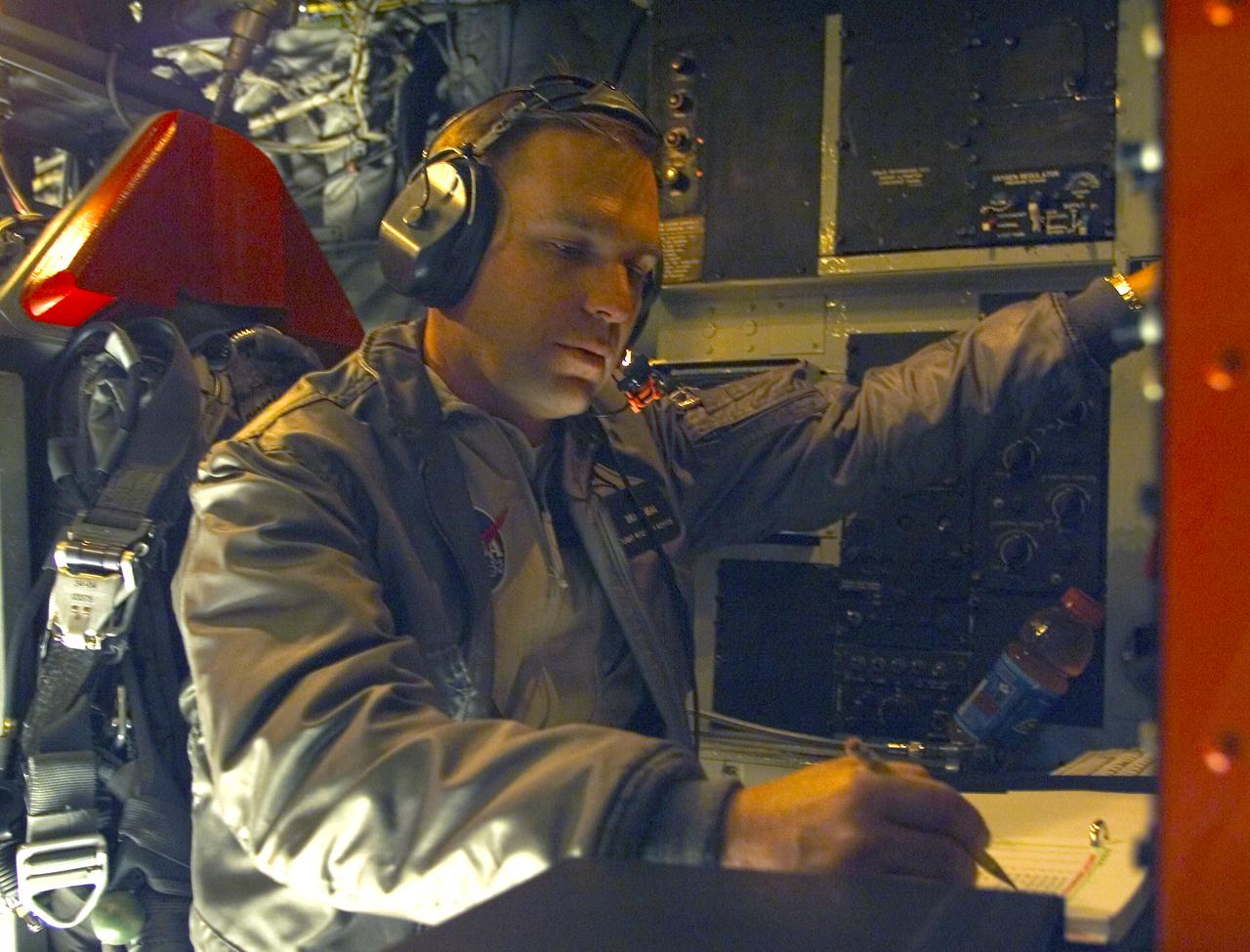
NASA X-43A Monitor Station Operator Brad Neal performs final checks and pre-flight preparations aboard the B-52 for the third X-43A research vehicle Mach 10 flight on November 16, 2004. Takeoff of the B-52B mothership carrying the X-43A took place at 1 p.m., PST, with launch of the booster rocket/X-43A approximately an hour later.
NASA's Brad Neal, X-43A Monitor Station Operator aboard NASA's B-52B mothership, performing pre-flight checks on November 16, 2004
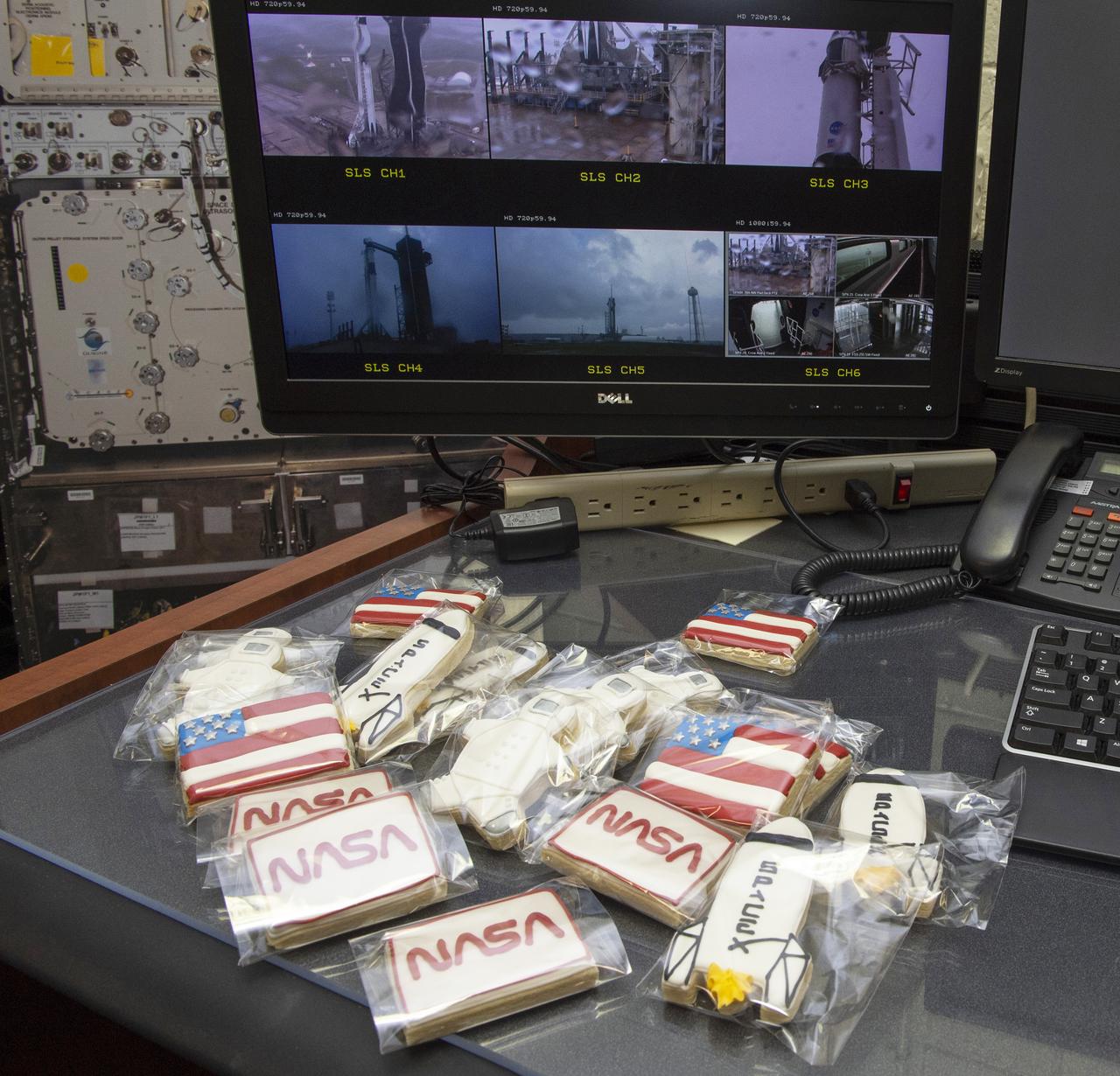
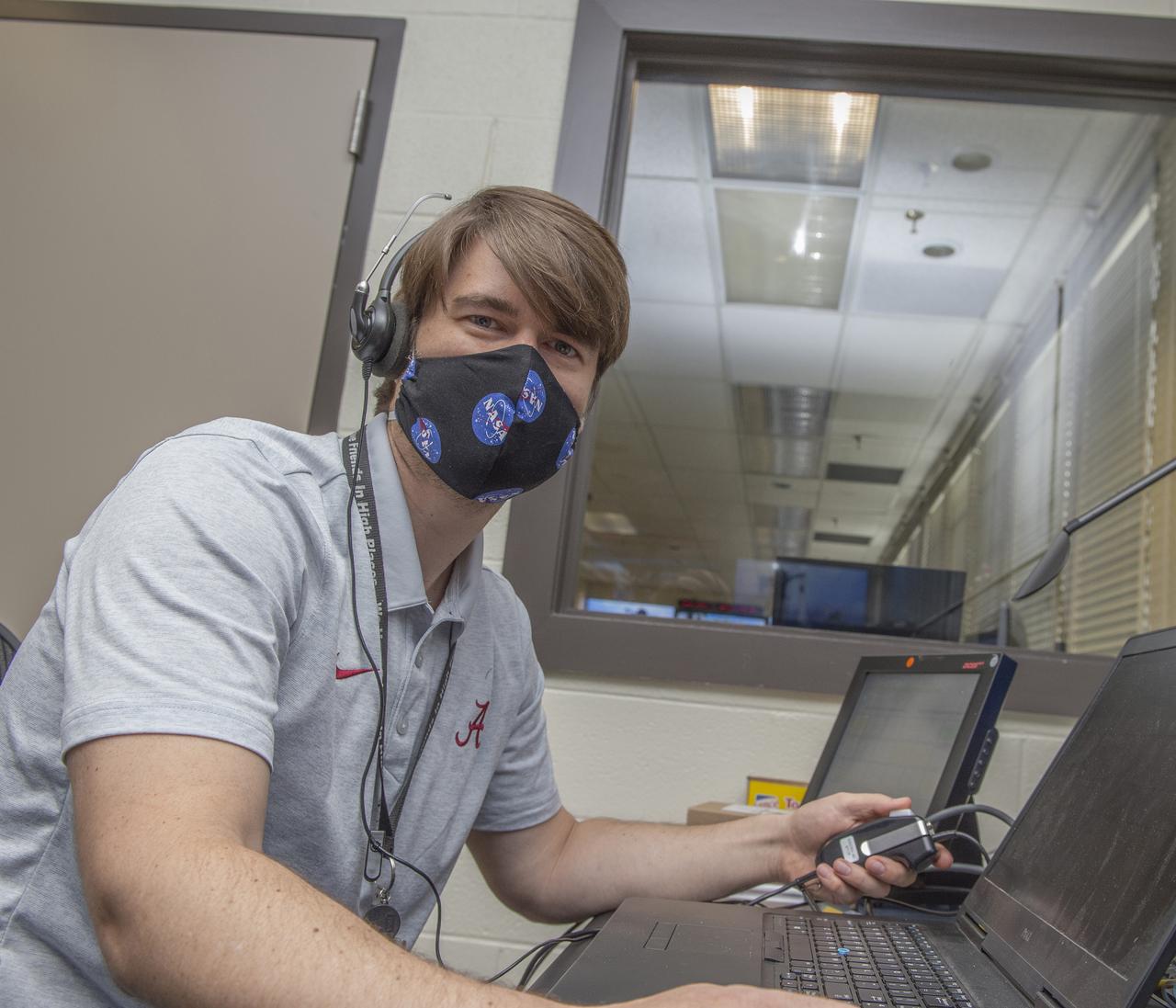
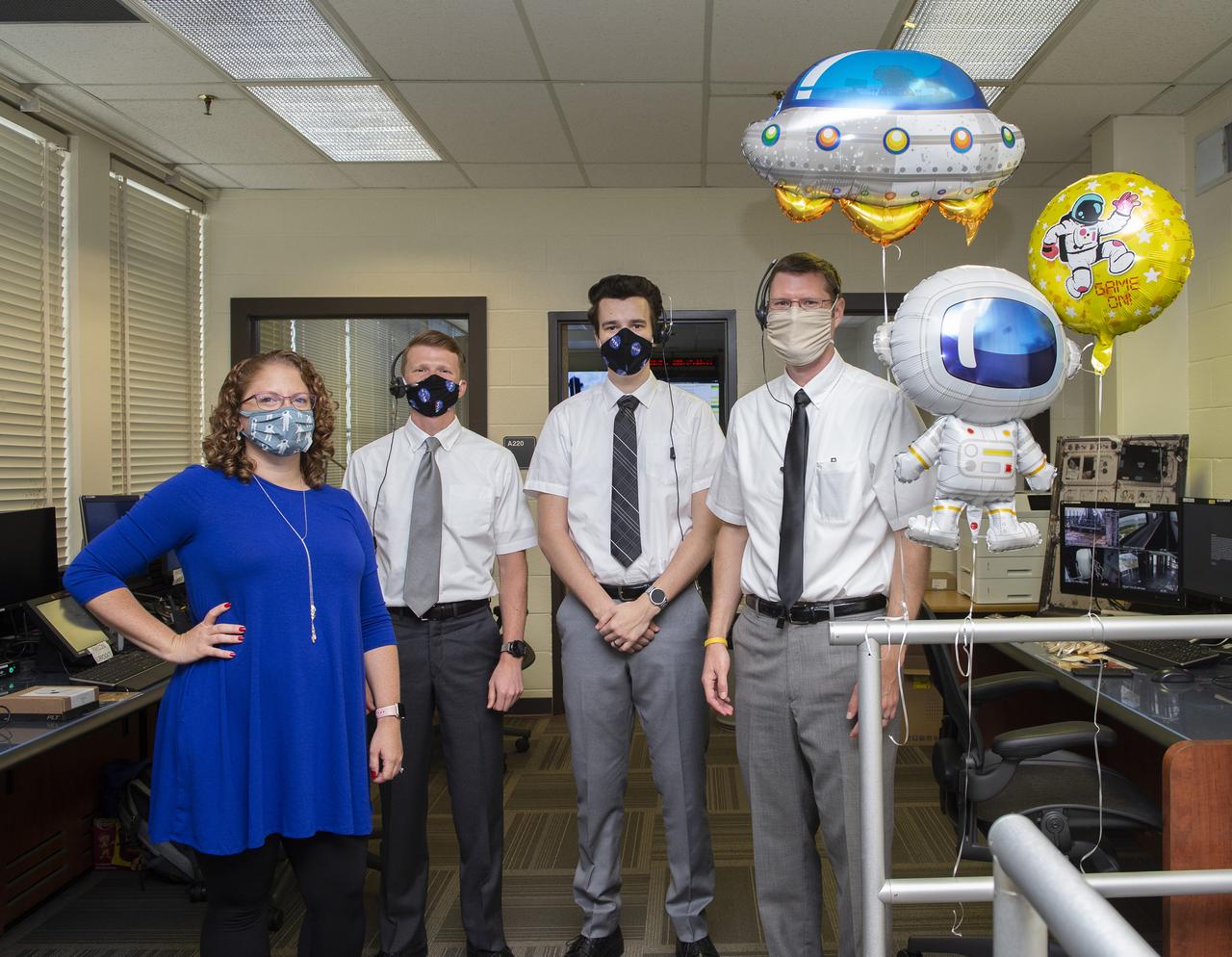
NASA themed cookies for teams at NASA’s Marshall Space Flight Center help monitor launch conditions for the Demo-2 mission from the Huntsville Operations Support Center, HOSC.
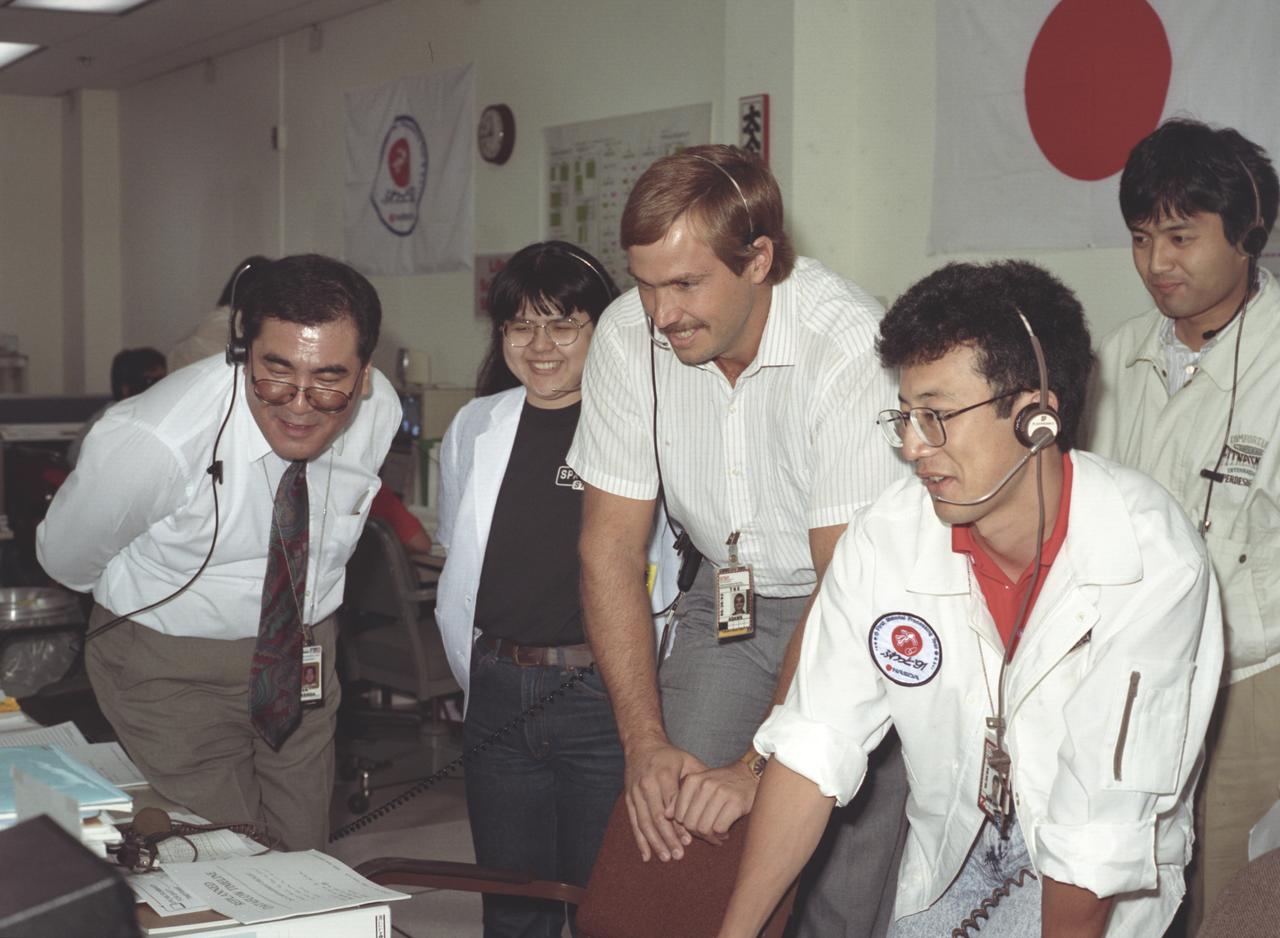
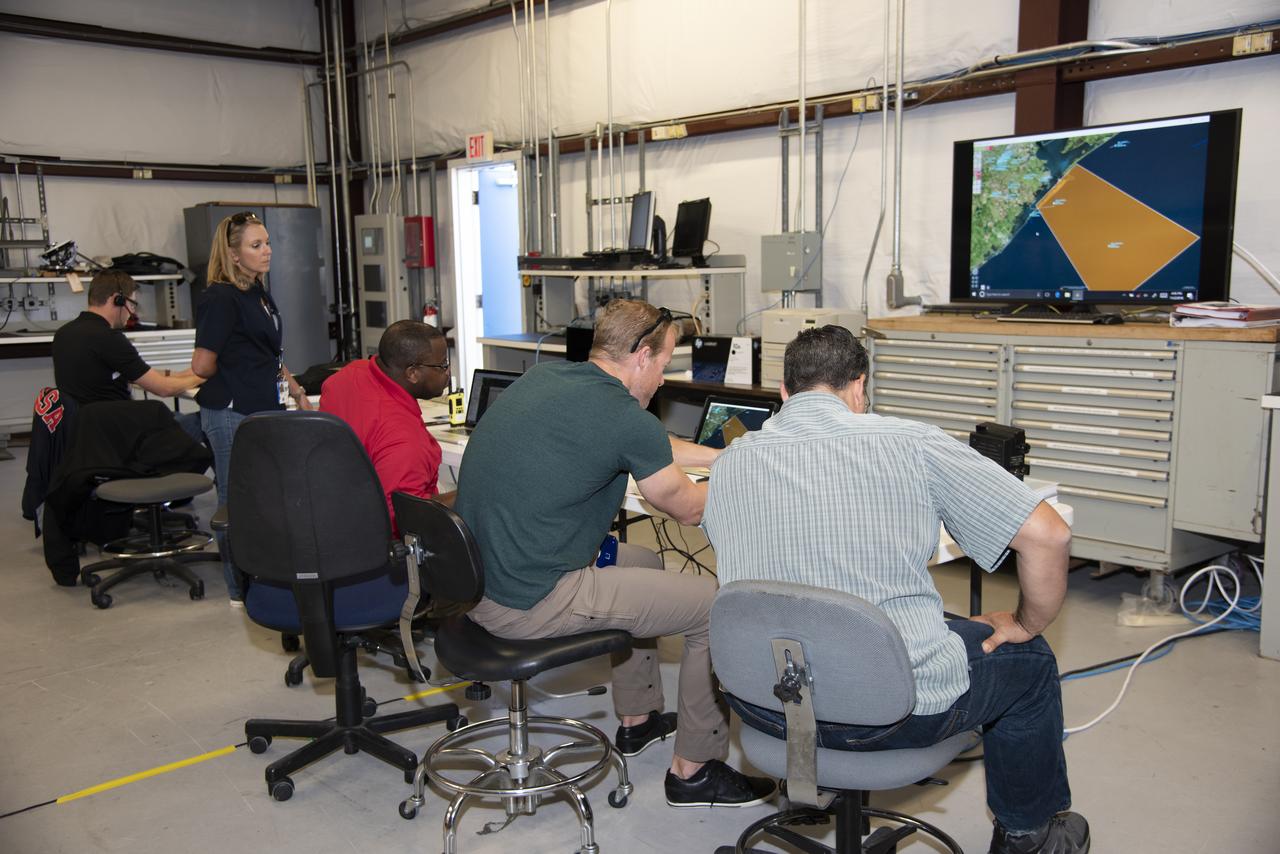
The science laboratory, Spacelab-J (SL-J), flown aboard the STS-47 flight was a joint venture between NASA and the National Space Development Agency of Japan (NASDA) utilizing a manned Spacelab module. The mission conducted 24 materials science and 20 life science experiments, of which 35 were sponsored by NASDA, 7 by NASA, and two collaborative efforts. Materials science investigations covered such fields as biotechnology, electronic materials, fluid dynamics and transport phenomena, glasses and ceramics, metals and alloys, and acceleration measurements. Life sciences included experiments on human health, cell separation and biology, developmental biology, animal and human physiology and behavior, space radiation, and biological rhythms. Test subjects included the crew, Japanese koi fish (carp), cultured animal and plant cells, chicken embryos, fruit flies, fungi and plant seeds, and frogs and frog eggs. Featured together in joint ground activities during the SL-J mission are NASA/NASDA personnel at the Huntsville Operations Support Center (HOSC) Spacelab Payload Operations Control Center (SL POCC) at Marshall Space Flight Center (MSFC).
Around Marshall
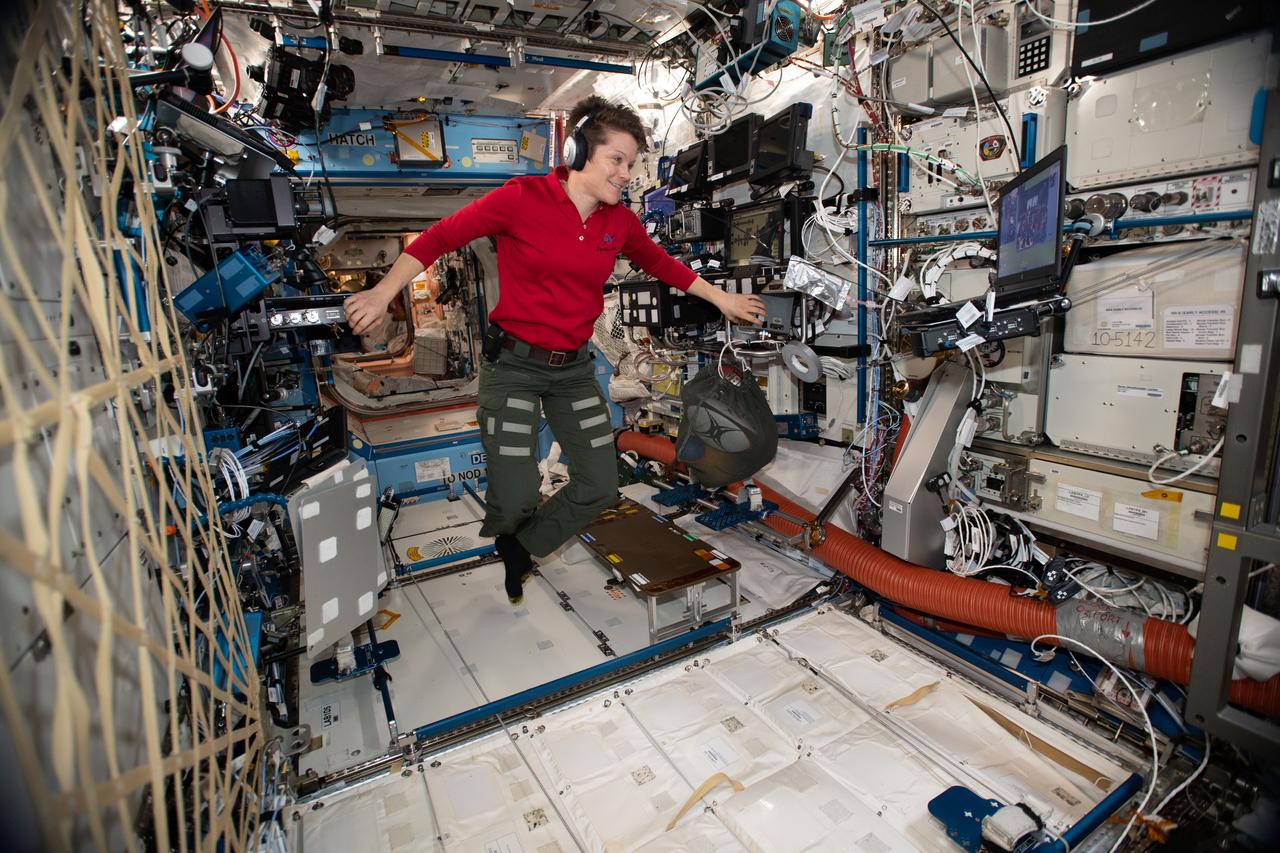
iss058e005069 (Jan. 18, 2019) --- Expedition 58 Flight Engineer Anne McClain of NASA looks at a laptop computer screen inside the U.S. Destiny laboratory module during ground conference operations.
Expedition 58 Flight Engineer Anne McClain of NASA
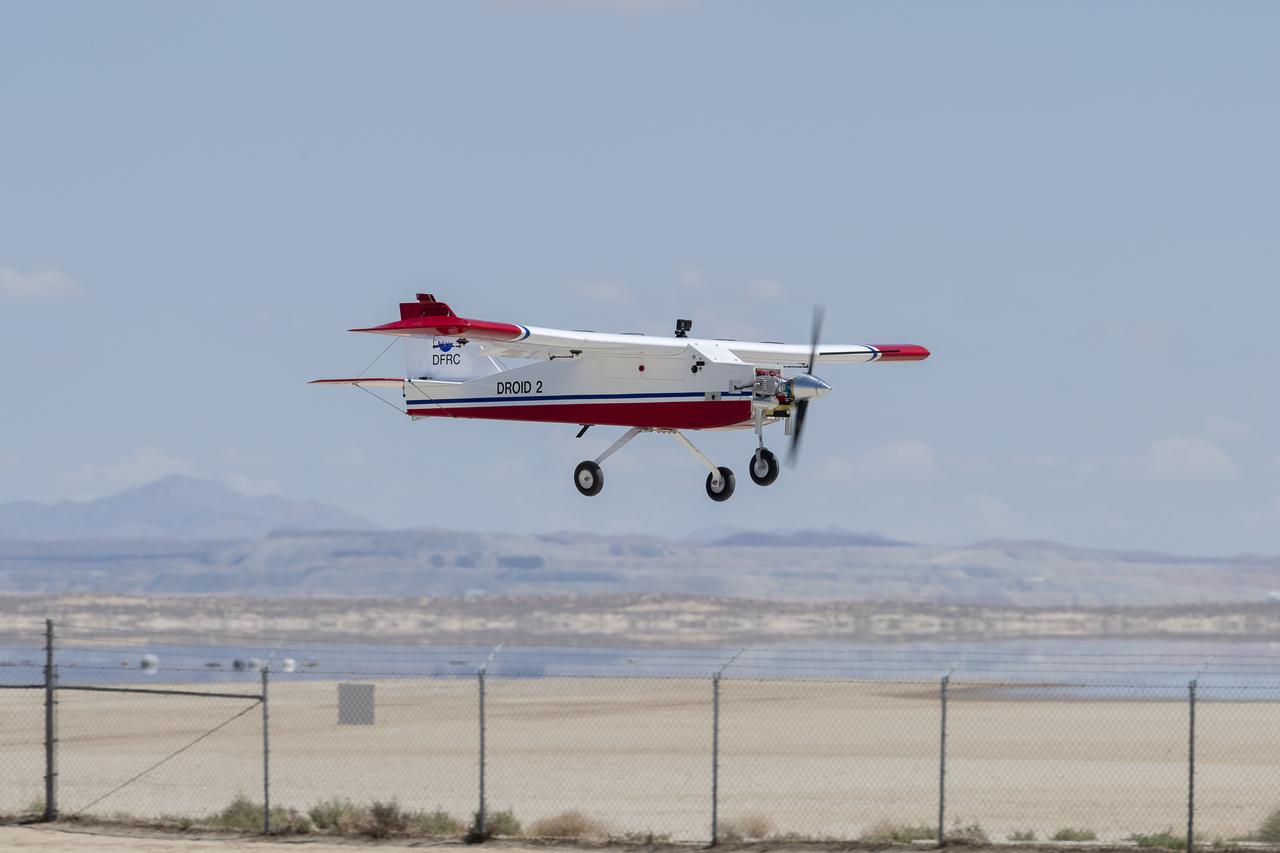
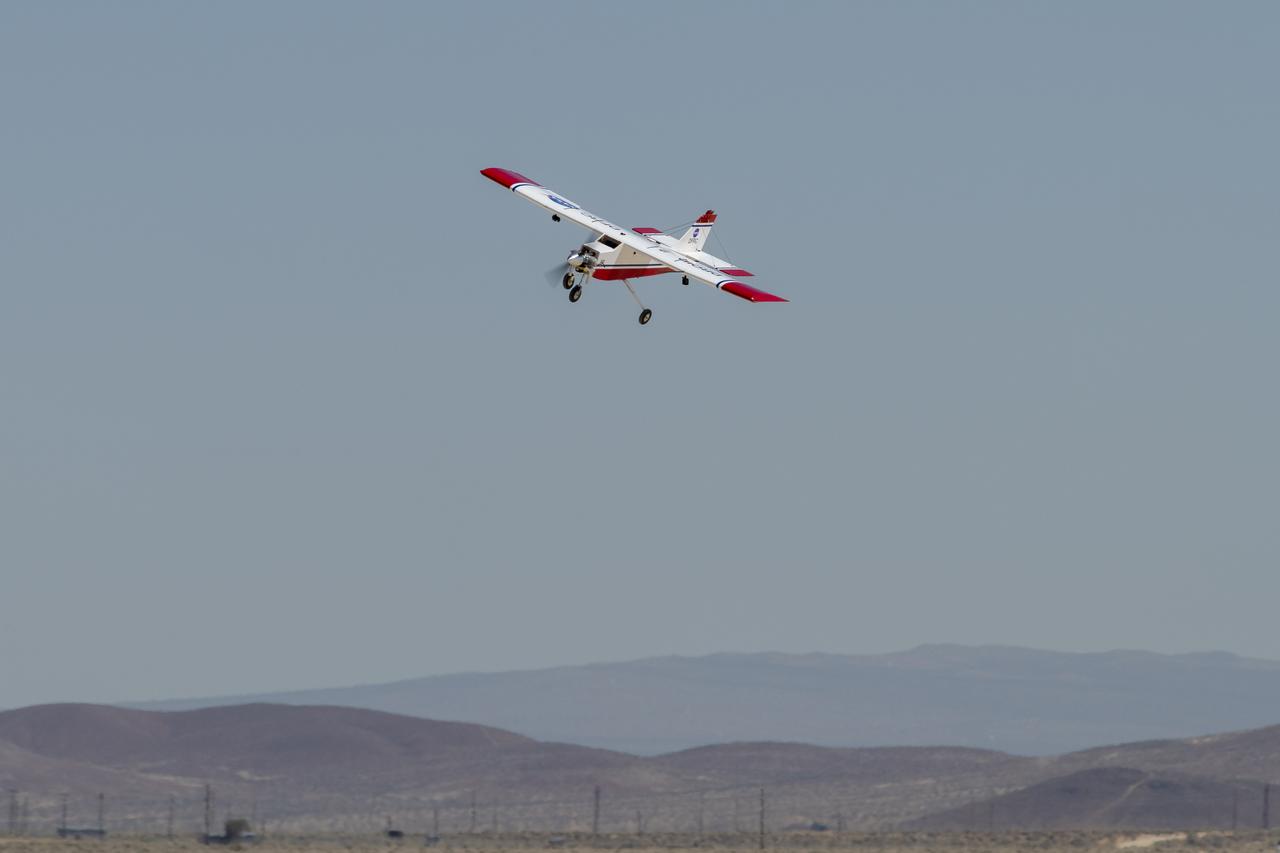
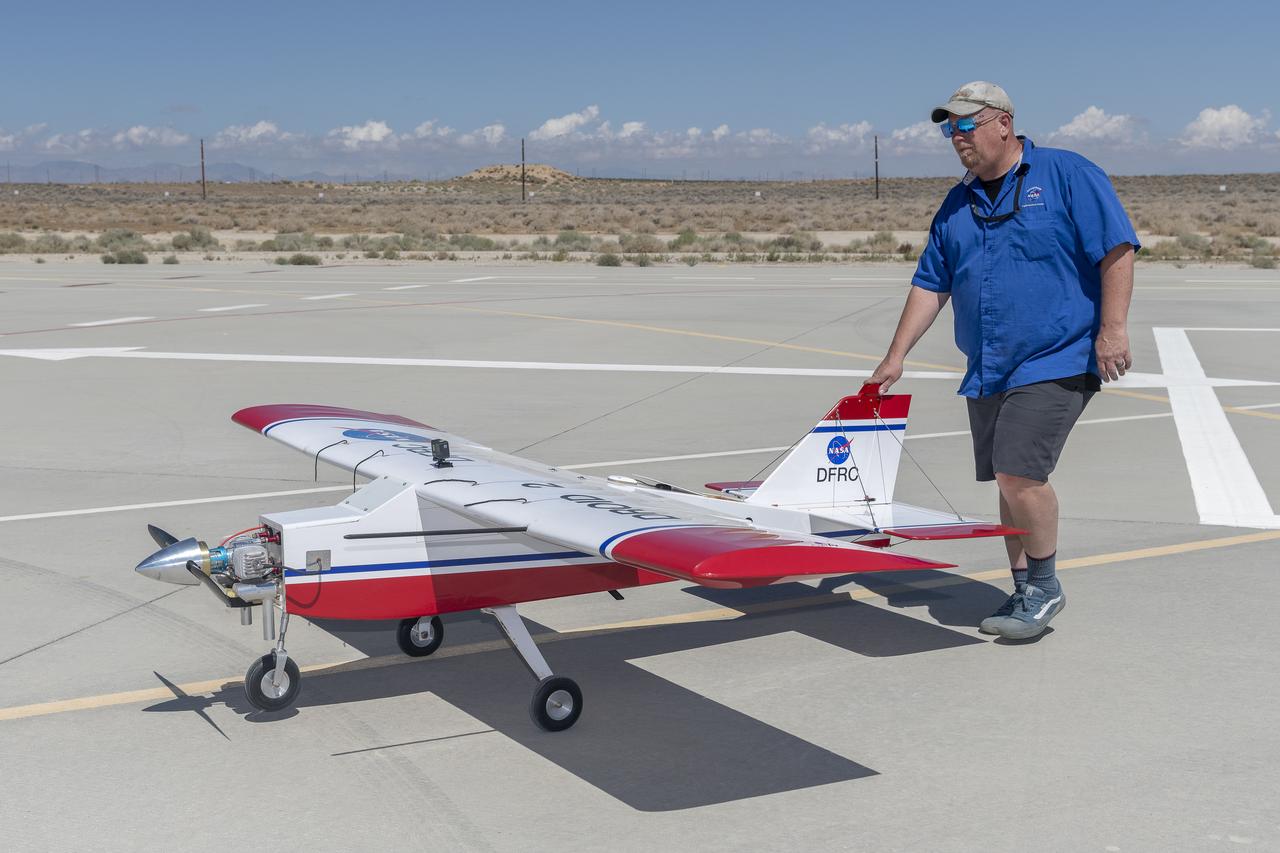
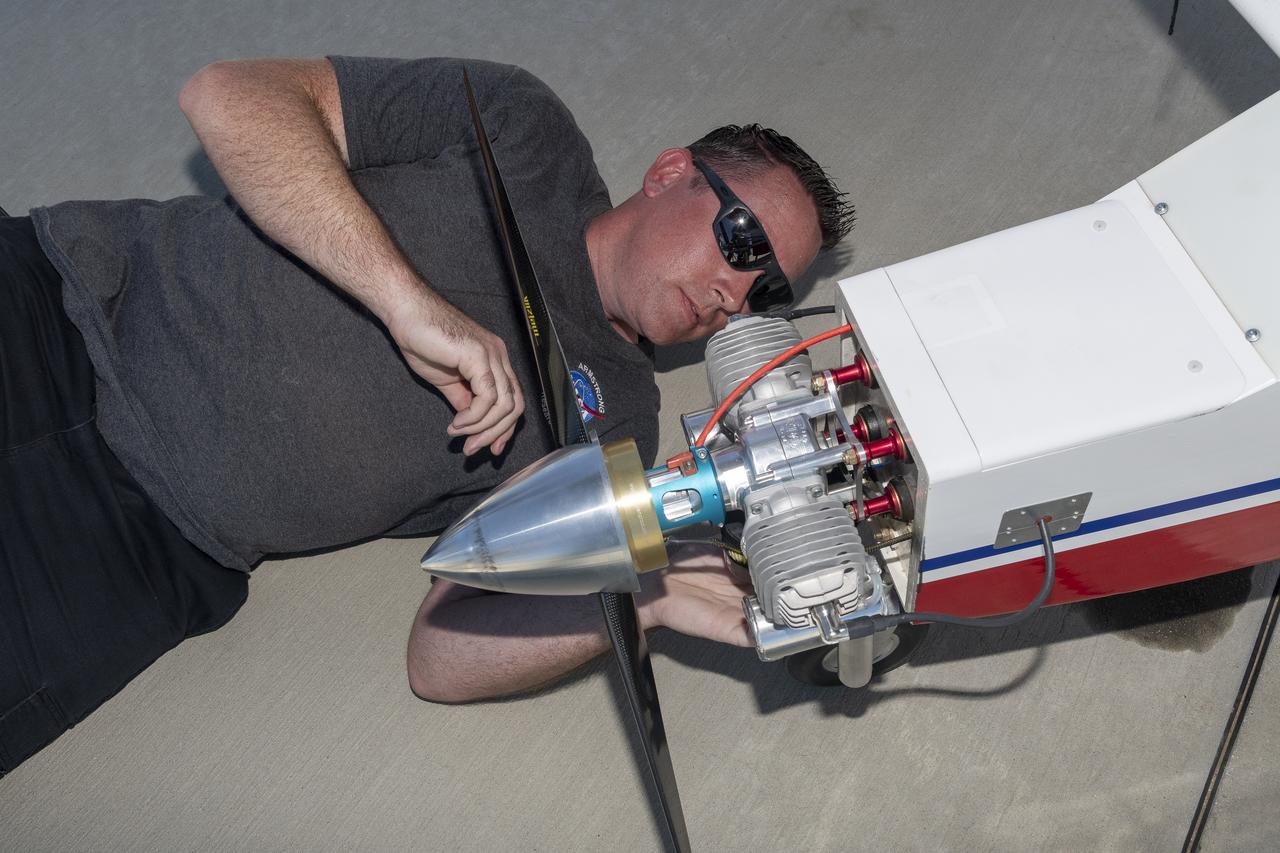
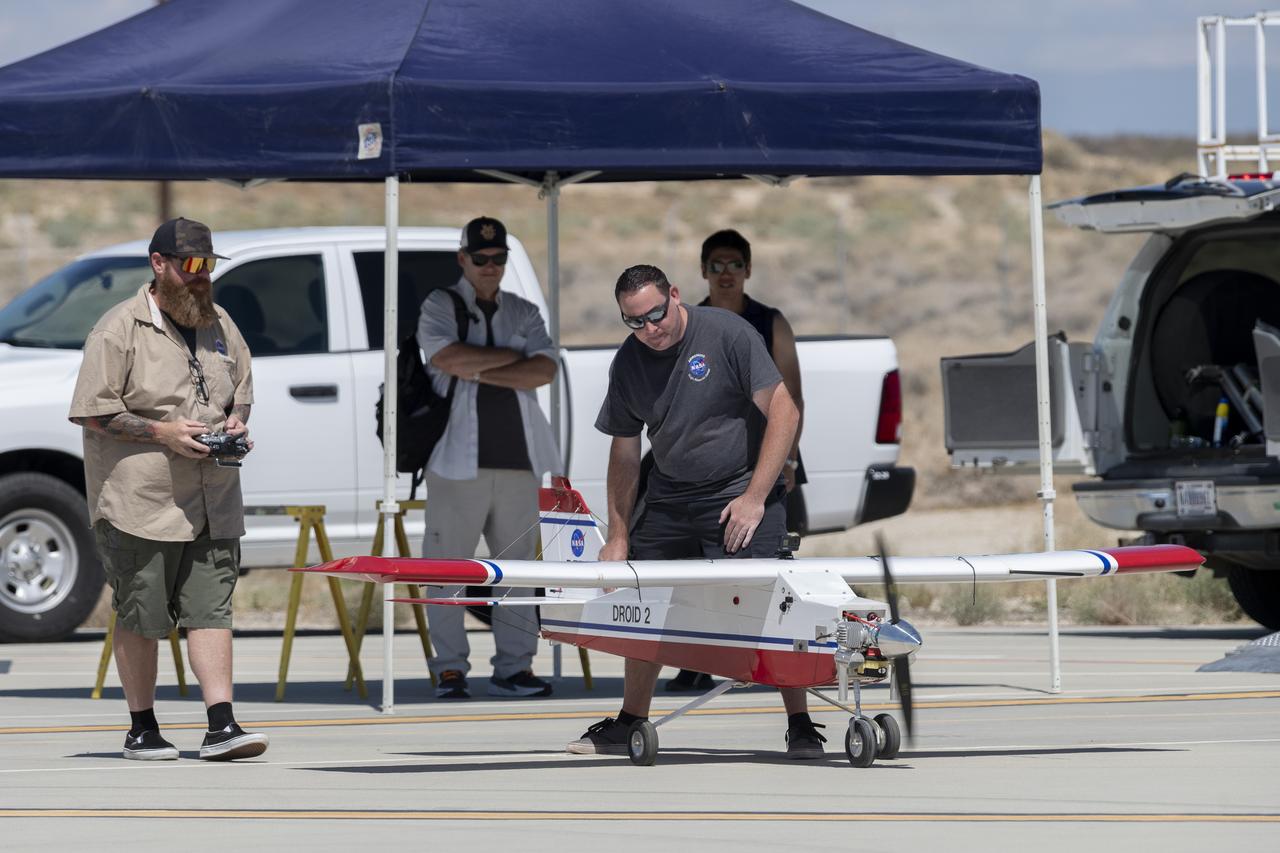
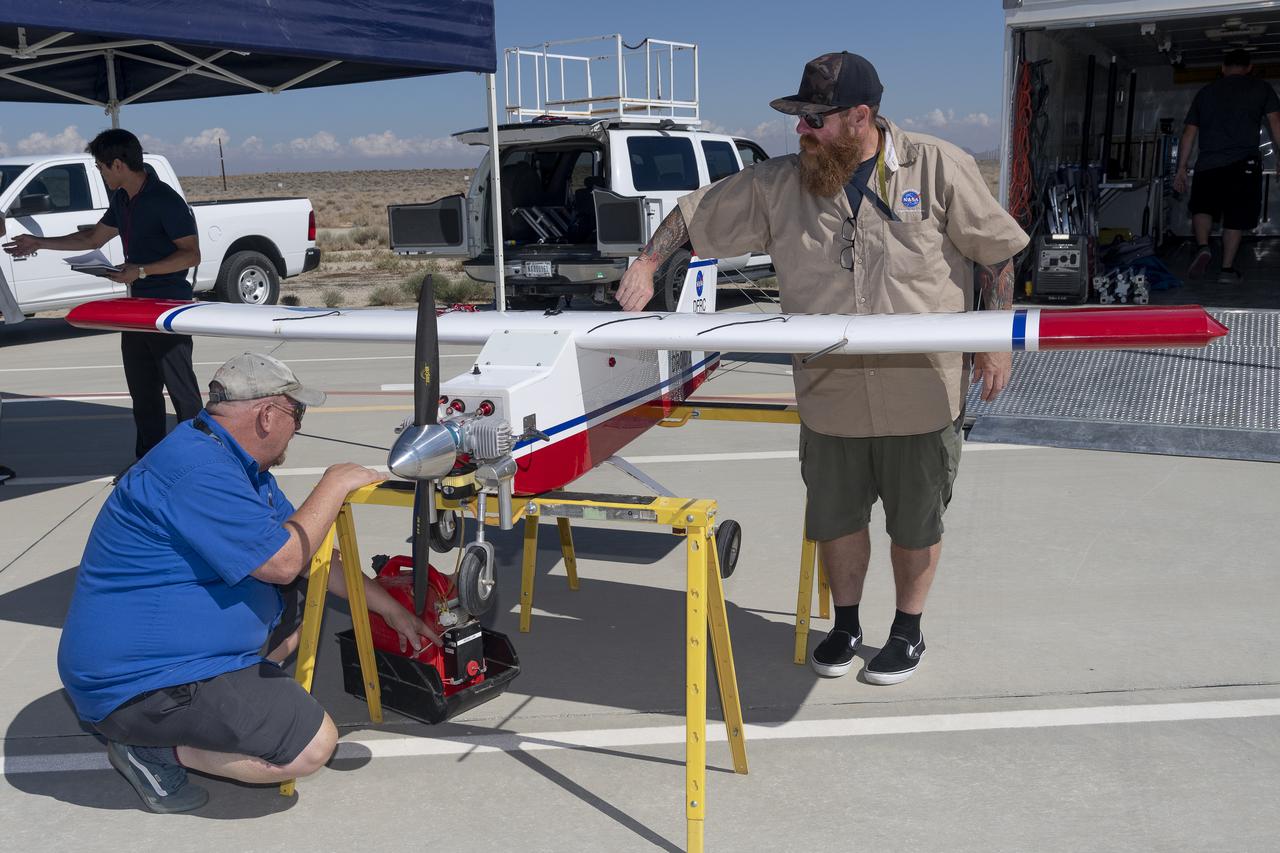
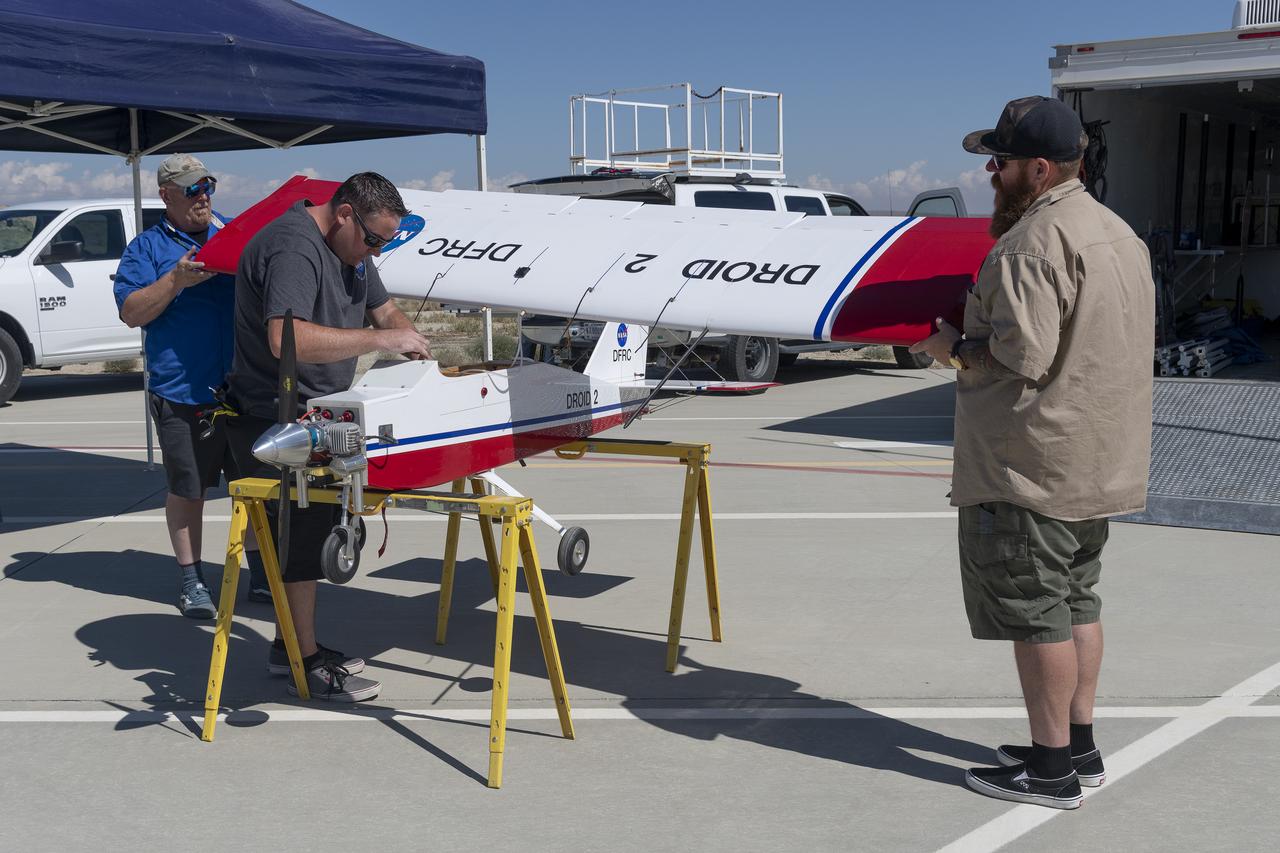
The DROID 2 (Dryden Remotely Operated Integrated Drone 2) flies at NASA's Armstrong Flight Research Center in Edwards, California, as part of the Advanced Exploration of Reliable Operation at Low Altitudes: Meteorology, Simulation, and Technology campaign. The focus was to study wind to provide data for safe takeoff and landing of future air taxis.
NASA Concludes Wind Study
The DROID 2 (Dryden Remotely Operated Integrated Drone 2) prepares to land at NASA's Armstrong Flight Research Center in Edwards, California, as part of the Advanced Exploration of Reliable Operation at Low Altitudes: Meteorology, Simulation, and Technology campaign. The focus was to study wind to provide data for safe takeoff and landing of future air taxis.
NASA Concludes Wind Study
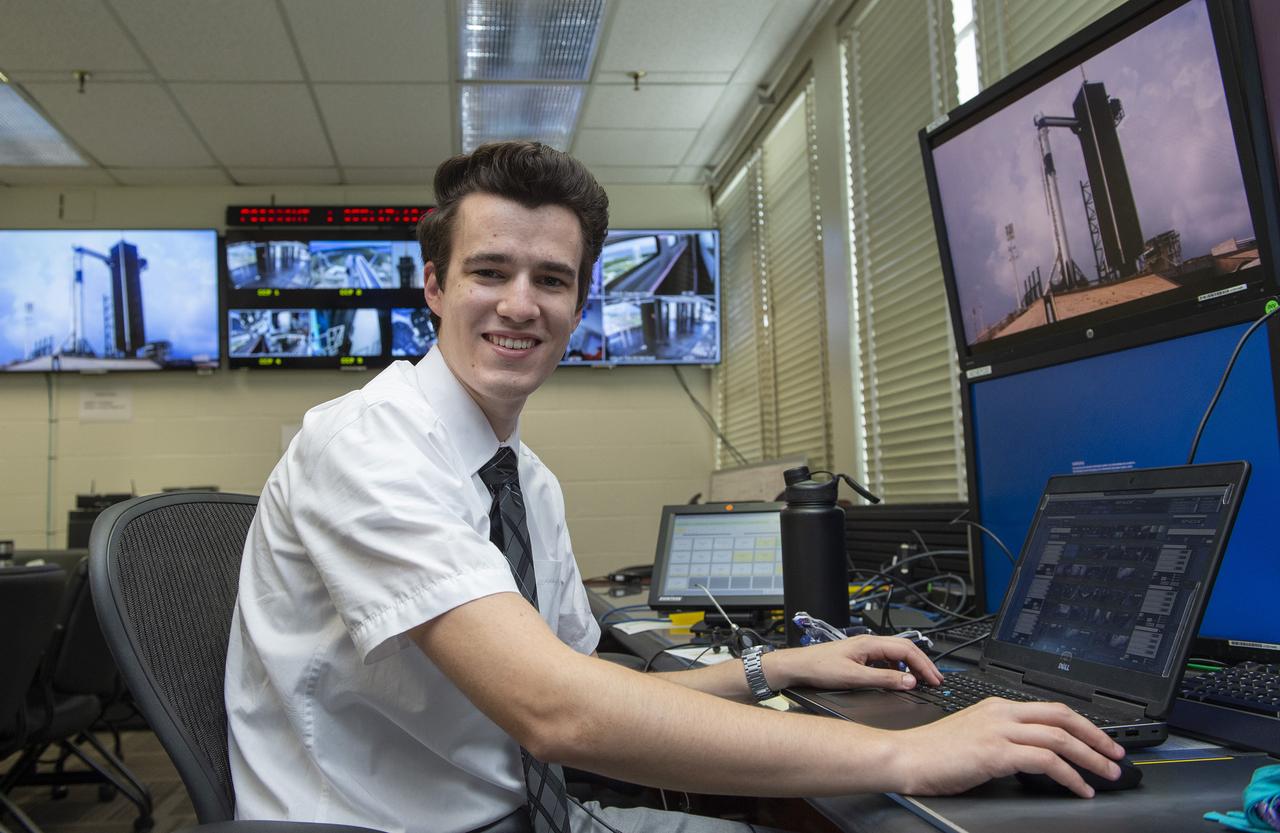
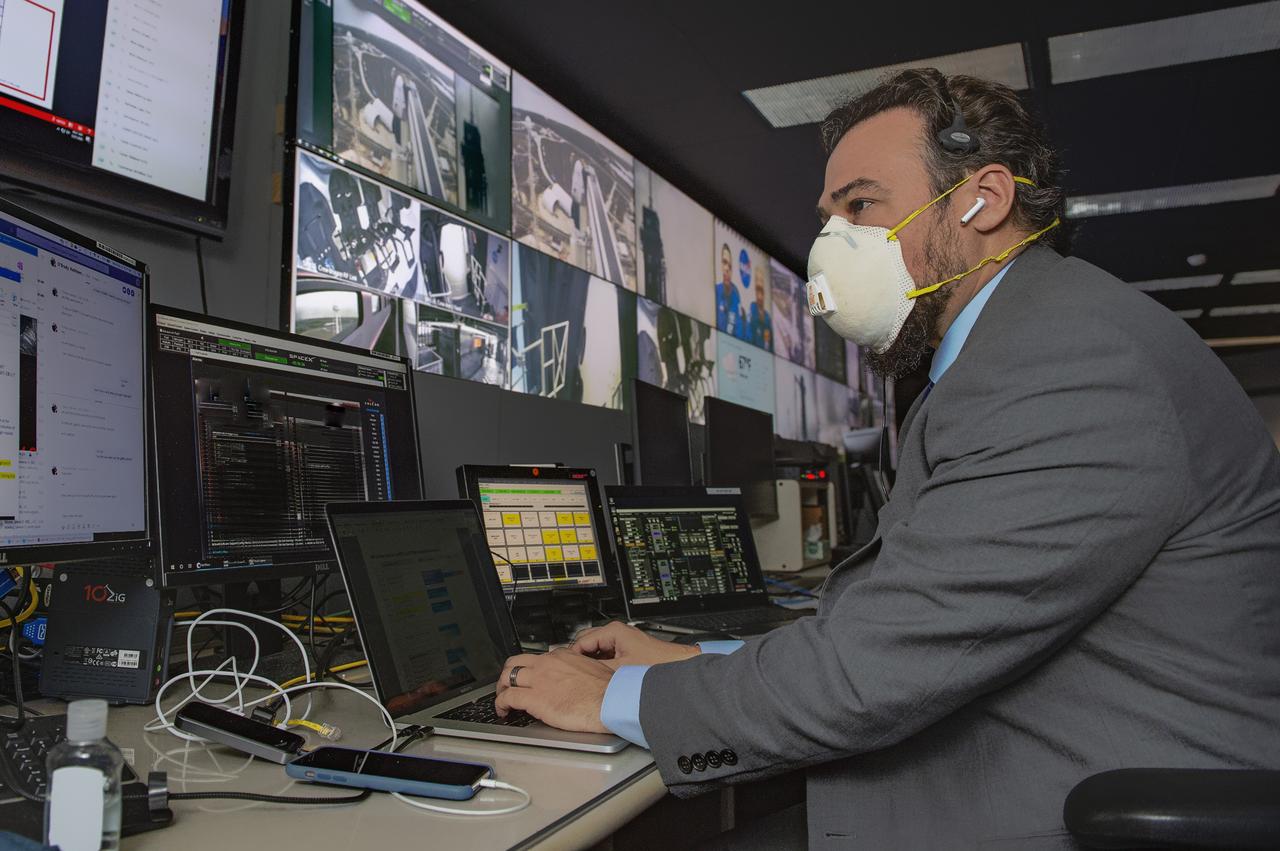
Stewart Whaley and teams at NASA’s Marshall Space Flight Center help monitor launch conditions for the Demo-2 mission from the Huntsville Operations Support Center, HOSC.
Reid Ruggles and teams at NASA’s Marshall Space Flight Center help monitor launch conditions for the Demo-2 mission from the Huntsville Operations Support Center, HOSC.
Ken Schrock, Paul Crawford, Adam Butt, and teams at NASA’s Marshall Space Flight Center help monitor launch conditions for the Demo-2 mission from the Huntsville Operations Support Center, HOSC.
Sean Kenny and teams at NASA’s Marshall Space Flight Center help monitor launch conditions for the Demo-2 mission from the Huntsville Operations Support Center, HOSC.
Paul Crawford and Teams at NASA’s Marshall Space Flight Center help monitor launch conditions for the Demo-2 mission from the Huntsville Operations Support Center, HOSC.
Steve Gaddis and teams at NASA’s Marshall Space Flight Center help monitor launch conditions for the Demo-2 mission from the Huntsville Operations Support Center, HOSC.
Steve Gaddis and Teams at NASA’s Marshall Space Flight Center help monitor launch conditions for the Demo-2 mission from the Huntsville Operations Support Center, HOSC.
Adam Butt andTeams at NASA’s Marshall Space Flight Center help monitor launch conditions for the Demo-2 mission from the Huntsville Operations Support Center, HOSC.
Adam Butt and Teams at NASA’s Marshall Space Flight Center help monitor launch conditions for the Demo-2 mission from the Huntsville Operations Support Center, HOSC.
Steve Gaddis and teams  at NASA’s Marshall Space Flight Center help monitor launch conditions for the Demo-2 mission from the Huntsville Operations Support Center, HOSC.
Steve Gaddis and teams at NASA’s Marshall Space Flight Center help monitor launch conditions for the Demo-2 mission from the Huntsville Operations Support Center, HOSC.
Miranda Holton and teams at NASA’s Marshall Space Flight Center help monitor launch conditions for the Demo-2 mission from the Huntsville Operations Support Center, HOSC.
Reid Ruggles and teams at NASA’s Marshall Space Flight Center help monitor launch conditions for the Demo-2 mission from the Huntsville Operations Support Center, HOSC.
Amanda Stein and teams at NASA’s Marshall Space Flight Center help monitor launch conditions for the Demo-2 mission from the Huntsville Operations Support Center, HOSC.
Jimmy Moore and teams at NASA’s Marshall Space Flight Center help monitor launch conditions for the Demo-2 mission from the Huntsville Operations Support Center, HOSC.
Paul Crawford andTeams at NASA’s Marshall Space Flight Center help monitor launch conditions for the Demo-2 mission from the Huntsville Operations Support Center, HOSC.
Paul Crawford and Teams at NASA’s Marshall Space Flight Center help monitor launch conditions for the Demo-2 mission from the Huntsville Operations Support Center, HOSC.
Paul Crawford and  teams at NASA’s Marshall Space Flight Center help monitor launch conditions for the Demo-2 mission from the Huntsville Operations Support Center, HOSC.
Paul Crawford and teams at NASA’s Marshall Space Flight Center help monitor launch conditions for the Demo-2 mission from the Huntsville Operations Support Center, HOSC.
Amanda Stein and teams at NASA’s Marshall Space Flight Center help monitor launch conditions for the Demo-2 mission from the Huntsville Operations Support Center, HOSC.
Amanda Stein and eams at NASA’s Marshall Space Flight Center help monitor launch conditions for the Demo-2 mission from the Huntsville Operations Support Center, HOSC.
Patrick Mills and teams at NASA’s Marshall Space Flight Center help monitor launch conditions for the Demo-2 mission from the Huntsville Operations Support Center, HOSC.
Reid Ruggles and teams at NASA’s Marshall Space Flight Center help monitor launch conditions for the Demo-2 mission from the Huntsville Operations Support Center, HOSC.
Steve Gaddis and teams at NASA’s Marshall Space Flight Center help monitor launch conditions for the Demo-2 mission from the Huntsville Operations Support Center, HOSC.
Stewart Whaley, Cameron Muelling, foreground, and teams  at NASA’s Marshall Space Flight Center help monitor launch conditions for the Demo-2 mission from the Huntsville Operations Support Center, HOSC.
Stewart Whaley, Cameron Muelling, foreground, and teams at NASA’s Marshall Space Flight Center help monitor launch conditions for the Demo-2 mission from the Huntsville Operations Support Center, HOSC.
Ken Schrock and teams at NASA’s Marshall Space Flight Center help monitor launch conditions for the Demo-2 mission from the Huntsville Operations Support Center, HOSC.
Miranda Holton and teams at NASA’s Marshall Space Flight Center help monitor launch conditions for the Demo-2 mission from the Huntsville Operations Support Center, HOSC.
Deborah Crane andTeams at NASA’s Marshall Space Flight Center help monitor launch conditions for the Demo-2 mission from the Huntsville Operations Support Center, HOSC.
Deborah Crane and Teams at NASA’s Marshall Space Flight Center help monitor launch conditions for the Demo-2 mission from the Huntsville Operations Support Center, HOSC.