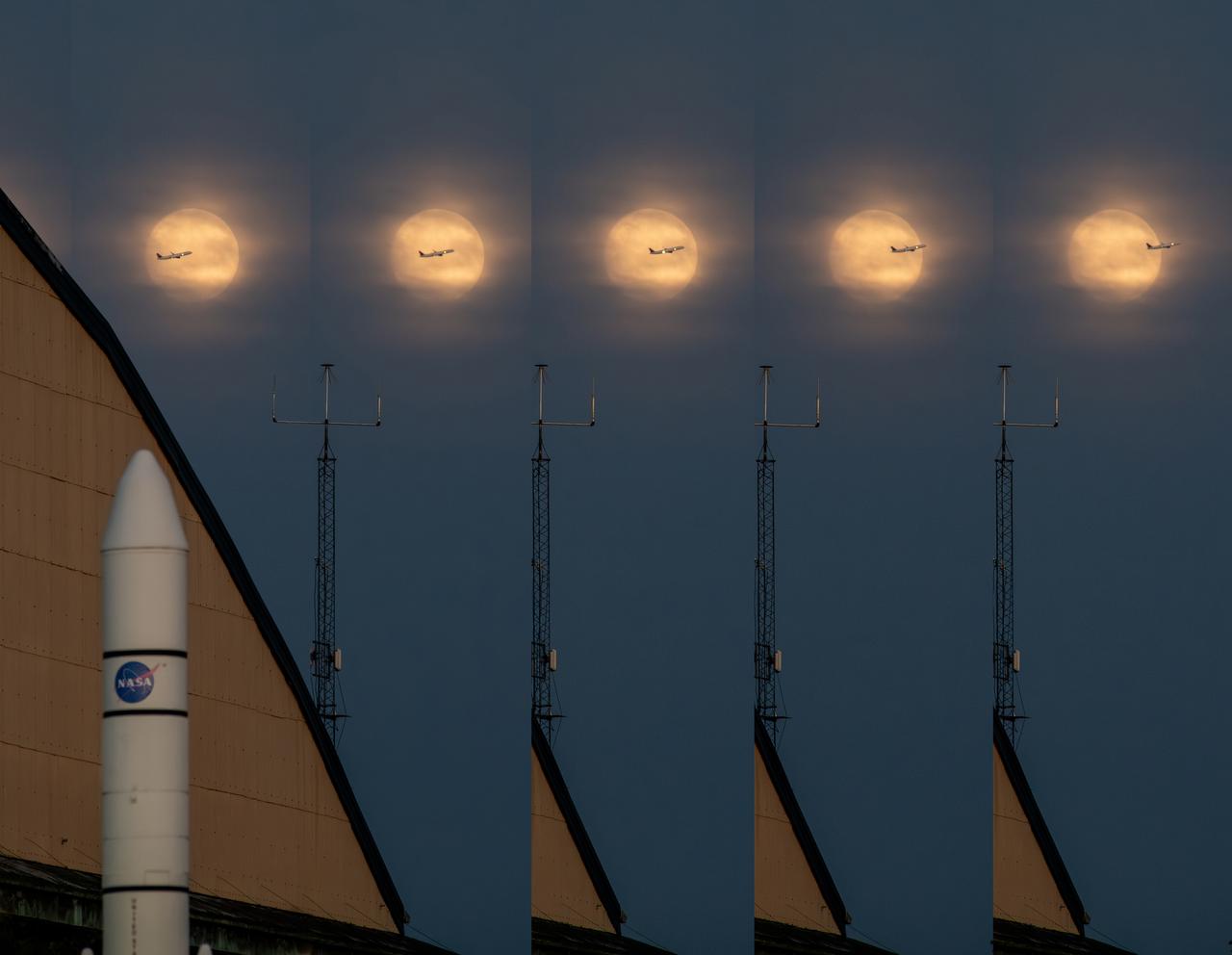
While photographing the Supermoon on September 17, 2024 for a NASA GRC Aerospace Frontiers article on the 2024 Supermoon, a plane departing Cleveland Hopkins Airport flew right through the middle of the moon. The photographer used a portion of the rocket garden’s Ares 1 rocket and a corner of the NASA GRC hangar building to frame the photograph of the moon. When the plane was seen approaching, the photographer used continuous shutter speed in hopes of capturing the plane and the moon together
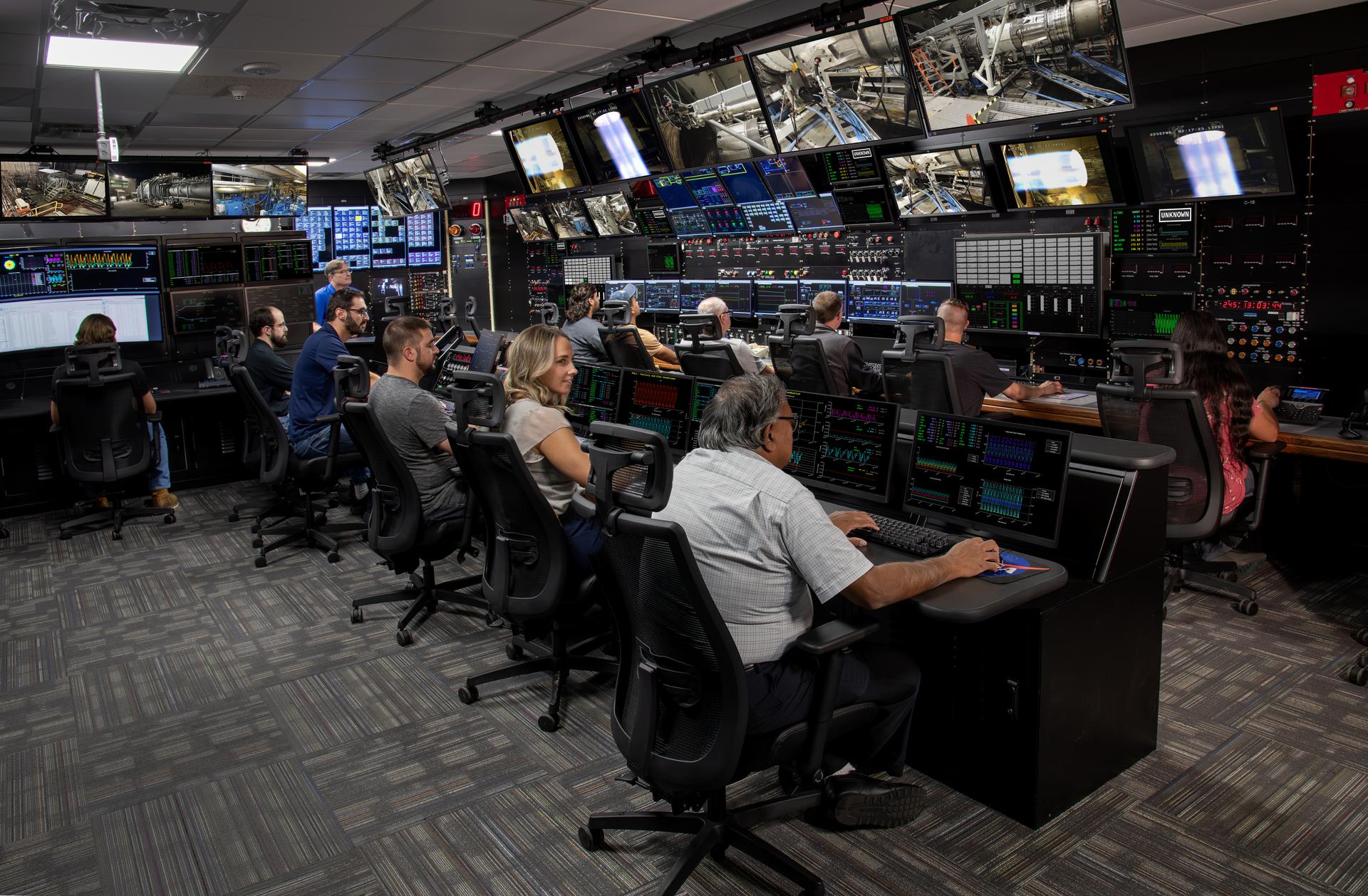
NASA GRC PSL, Propulsion System Lab, control room with operations personnel
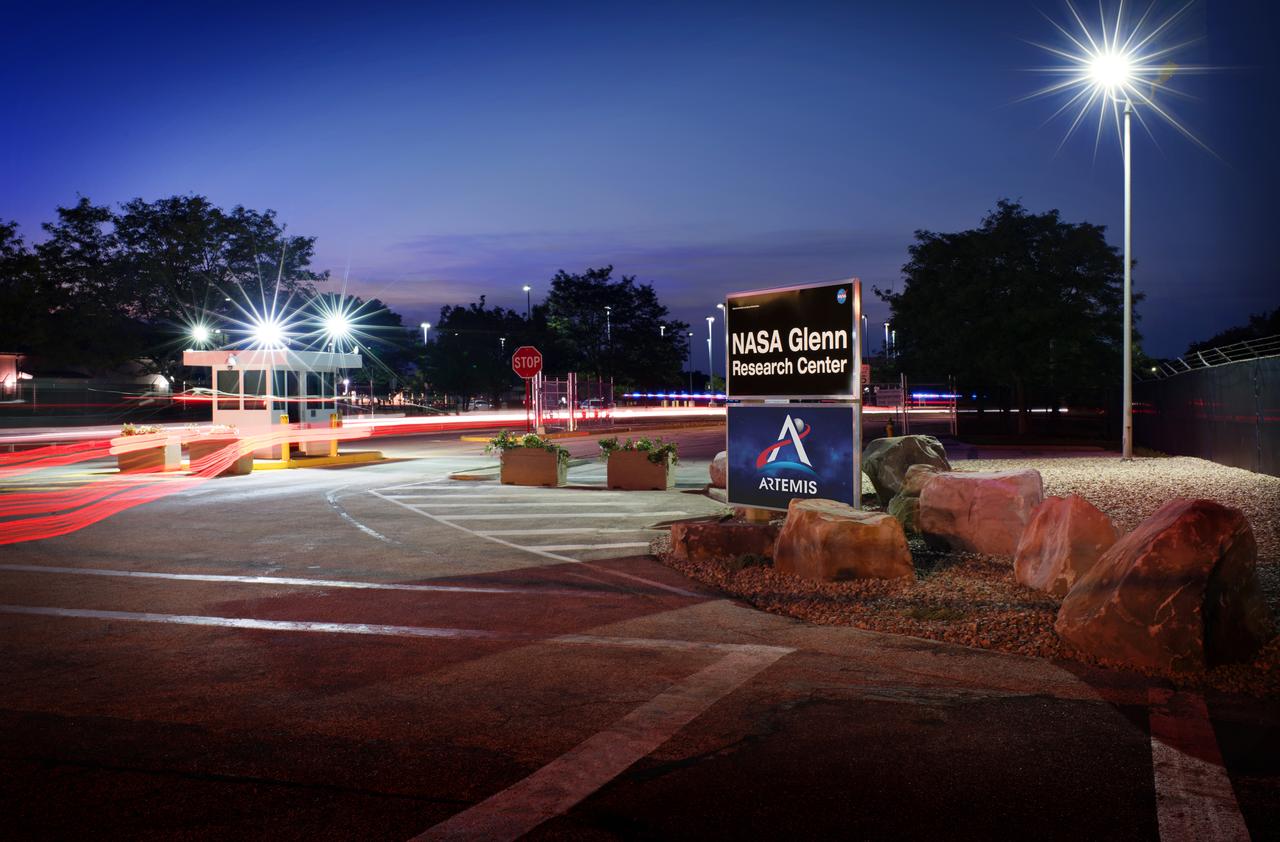
The newly renovated NASA Glenn Research Center, GRC Lewis Field West Gate at dusk.
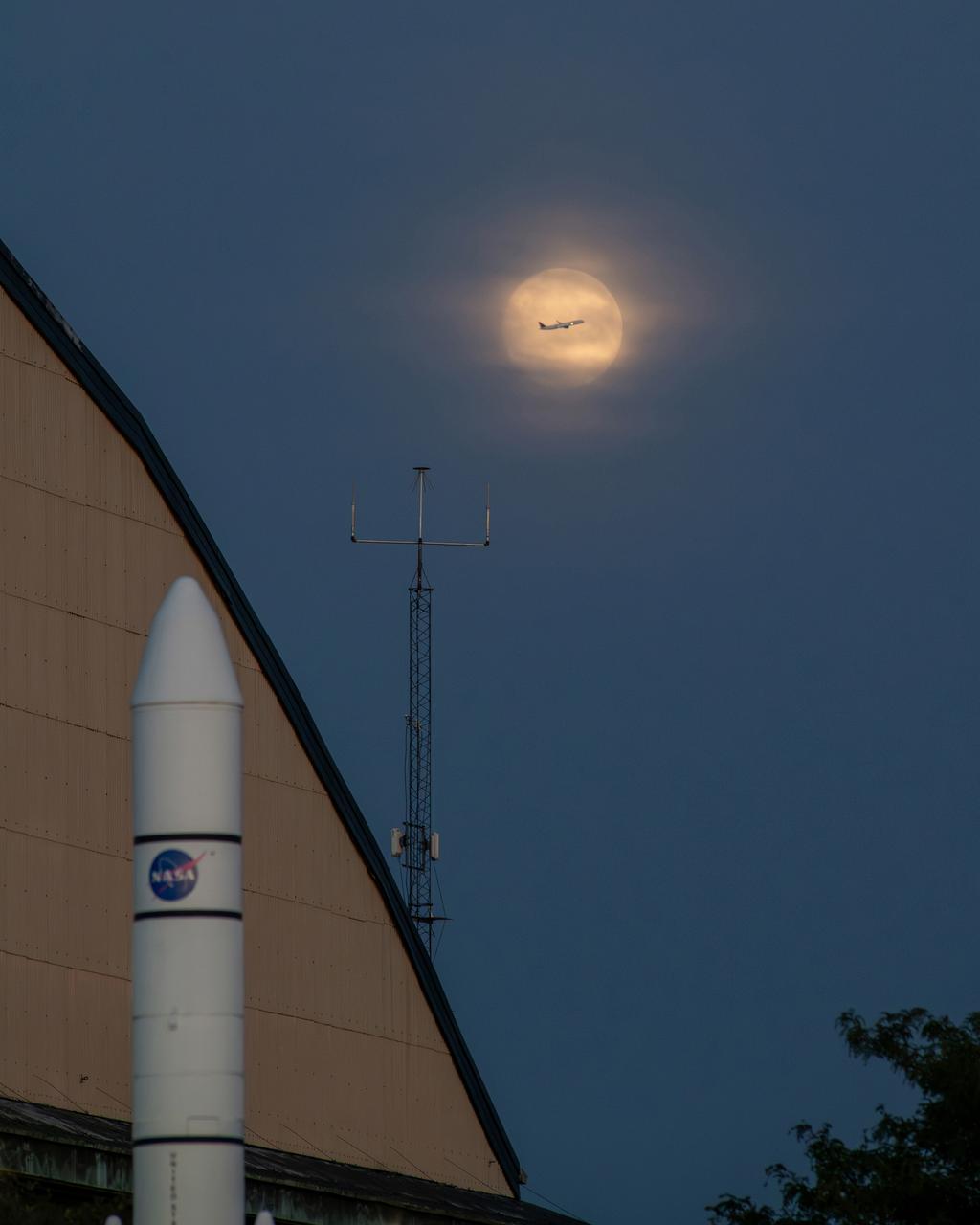
While photographing the Supermoon on September 17, 2024 for a NASA GRC Aerospace Frontiers article on the 2024 Supermoon, a plane departing Cleveland Hopkins Airport flew right through the middle of the moon. The photographer used a portion of the rocket garden’s Ares 1 rocket and a corner of the NASA GRC hangar building to frame the photograph of the moon. When the plane was seen approaching, the photographer used continuous shutter speed in hopes of capturing the plane and the moon together.
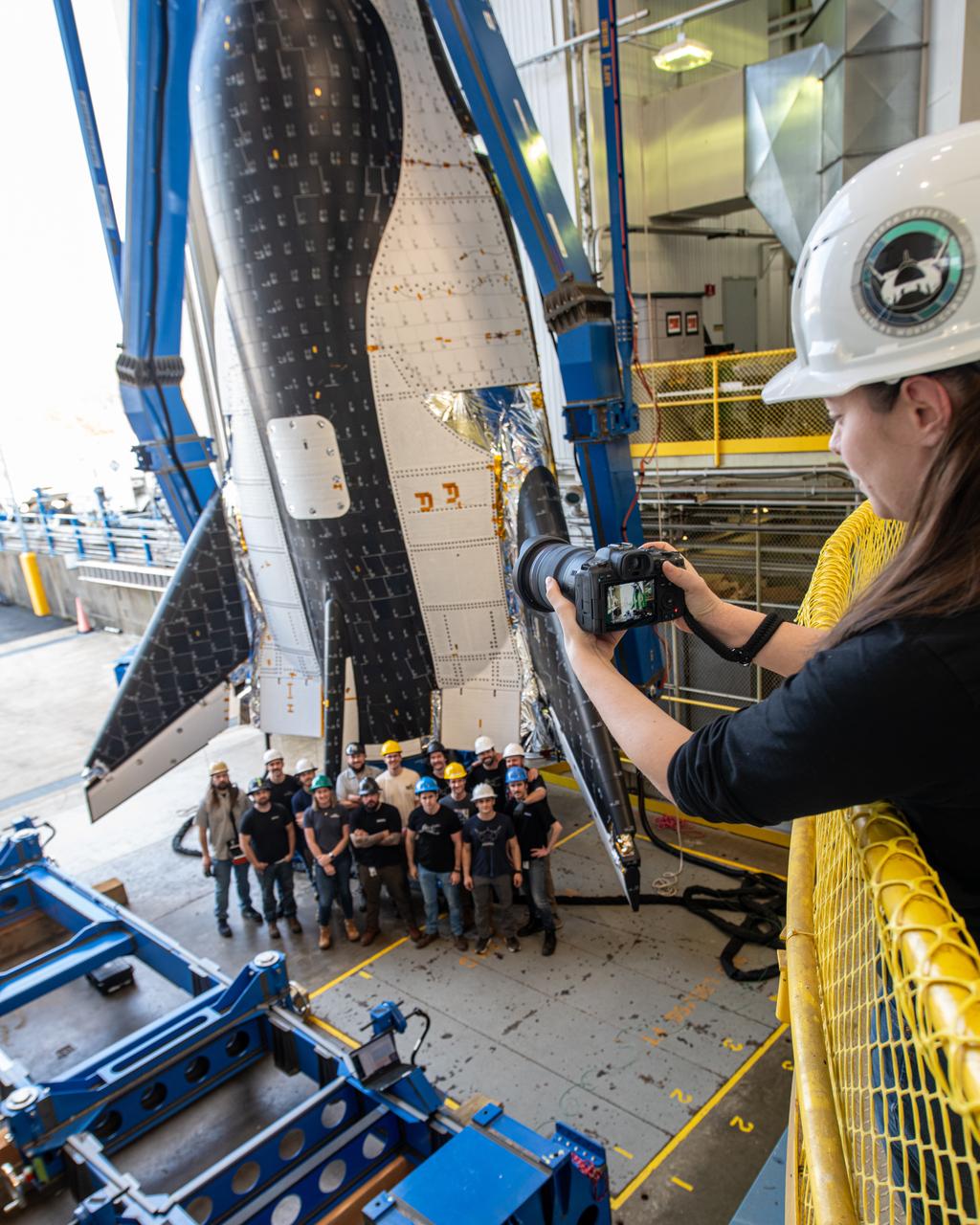
Sierra Space photographer, Shay Saldana is photographed taking a group photo of the crew just before the critical lift of Dream Chaser into the chamber at ISP (In Space Propulsion) NASA GRC-ATF. Once lifted and lowered into the test chamber, it will be exposed to the harsh cold conditions of space for extended periods of time

The Sierra Space Plane, Dream Chaser, suspended by a crane sits just inside the overhead door of the ISP (In Space Propulsion) test facility at NASA GRC-ATF. Once lifted and lowered into the test chamber, it will be exposed to the harsh cold conditions of space for testing in extended periods of time.
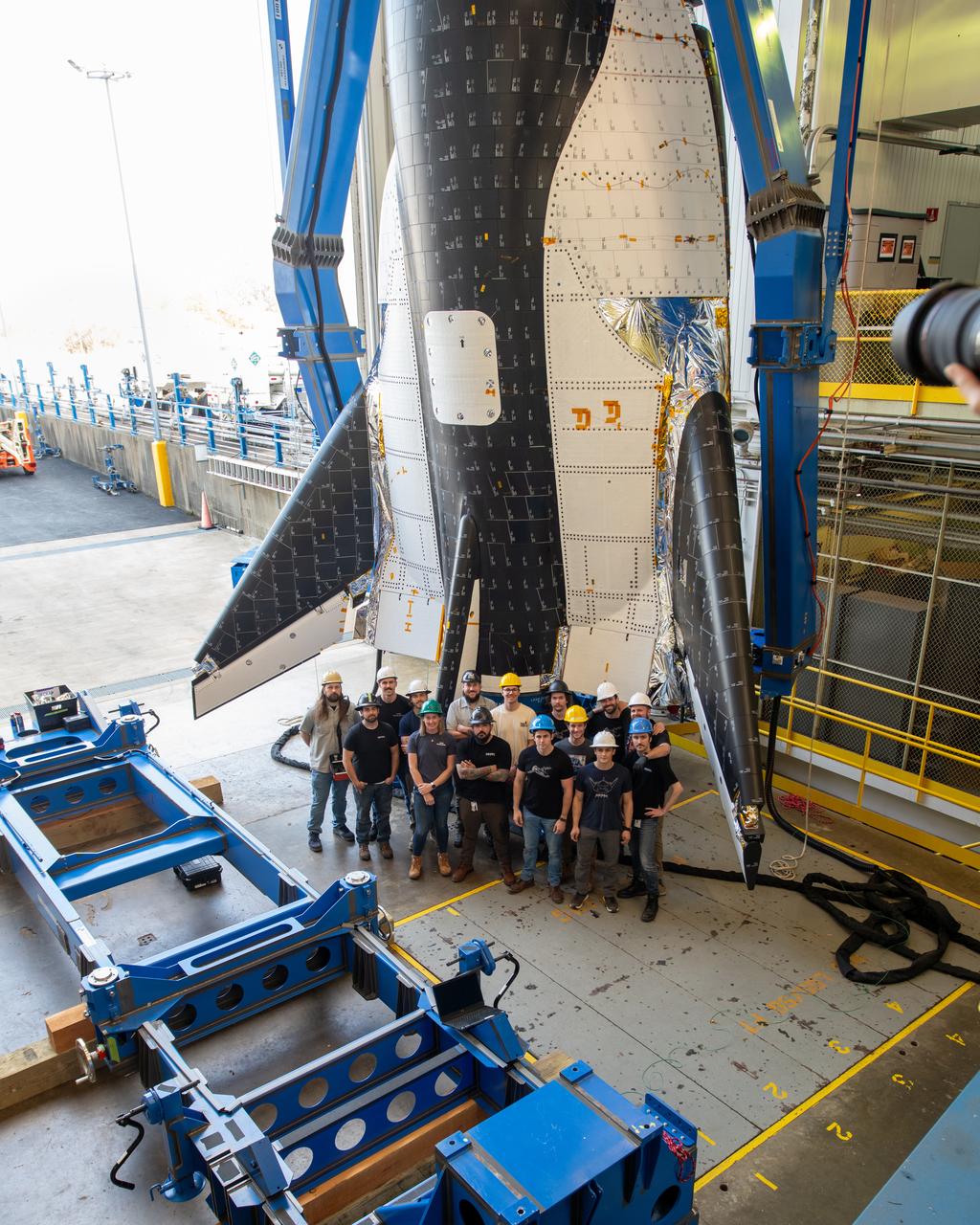
Group photo of the crew just before the critical lift of Dream Chaser into the chamber at ISP (In Space Propulsion) NASA GRC-ATF. Once lifted and lowered into the test chamber, it will be exposed to the harsh cold conditions of space for extended periods of time. Sierra Space Dream Chaser space plane will be lifted into the chamber at ISP (In Space Propulsion) facility, building 3211 at ATF (Armstrong Test Facility) for environmental testing
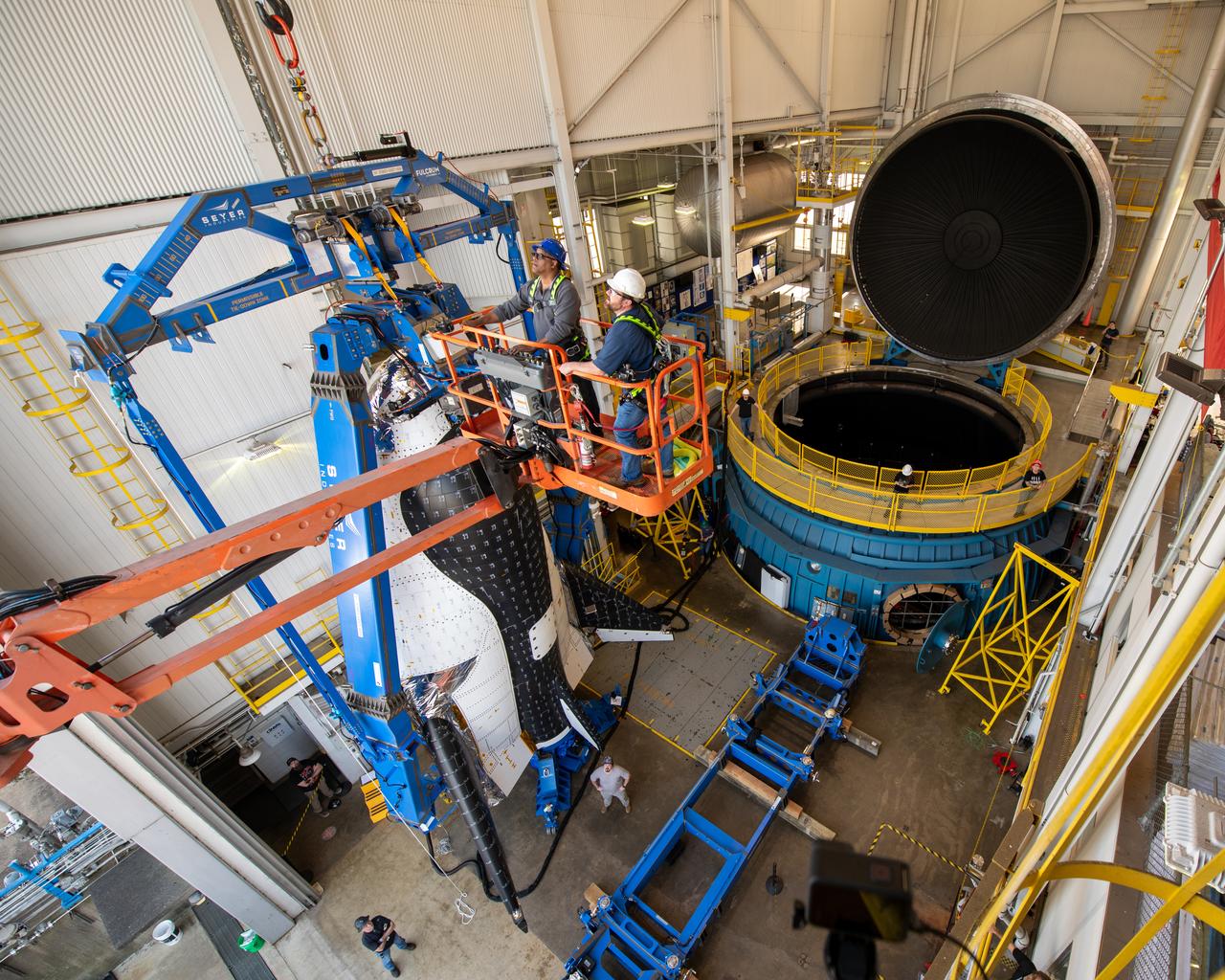
Final inspection of the crane operation just before the critical lift of the Sierra Space Plane, Dream Chaser. It will go into the chamber at ISP (In Space Propulsion) NASA GRC-ATF. Once lowered into the test chamber, it will be exposed to the harsh cold conditions of space for extended periods of time at building 3211 at ATF (Armstrong Test Facility) for environmental testing.
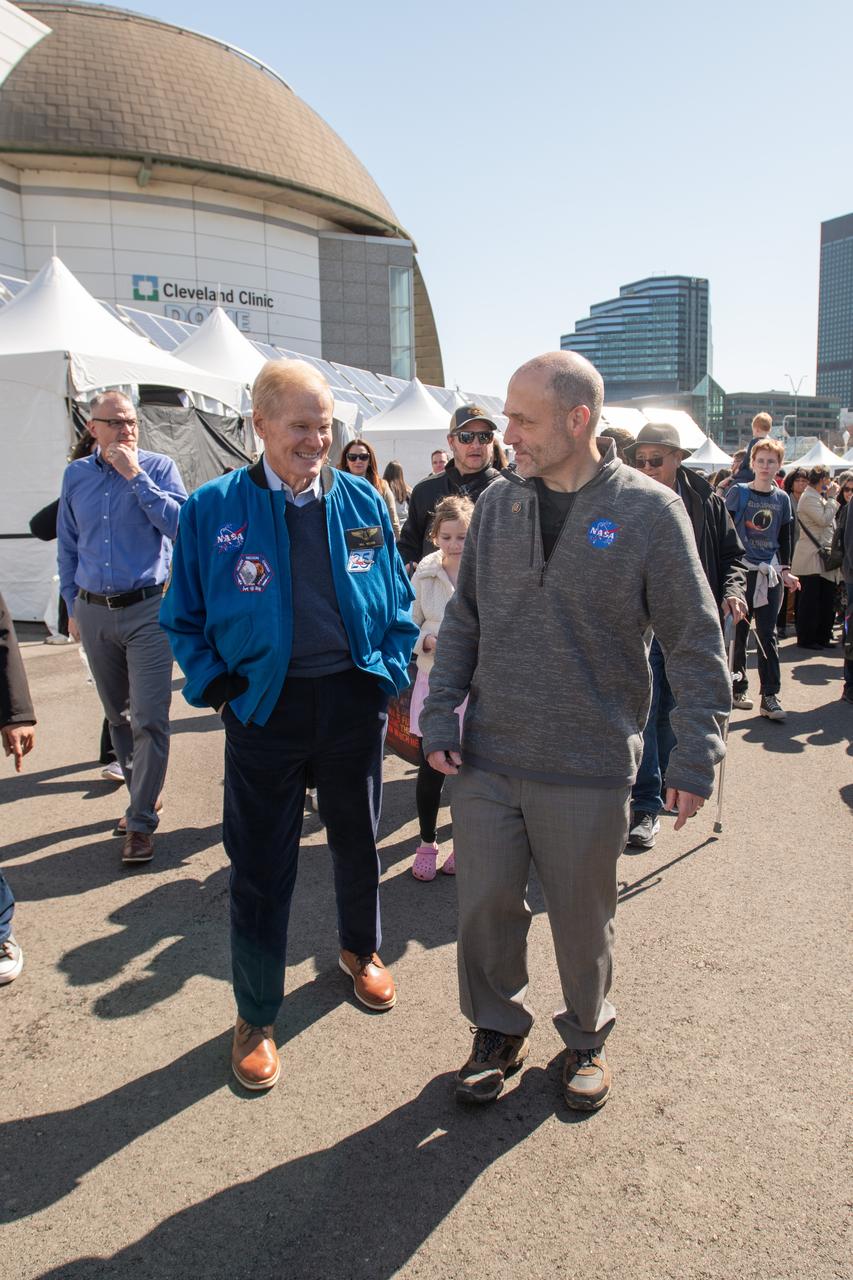
Administrator Bill Nelson and GRC Center director Jimmy walk through NASA village. NASA Glenn Research Center and the Great Lakes Science Center hosted a three-day celestial celebration in downtown Cleveland, OH. This free, outdoor, family-friendly science and arts festival will feature free concerts, performances, speakers, and hands-on science activities with community partners. A total solar eclipse swept across a narrow portion of the North American continent from Mexico’s Pacific coast to the Atlantic coast of Newfoundland, Canada. A partial solar eclipse was visible across the entire North American continent along with parts of Central America and Europe.
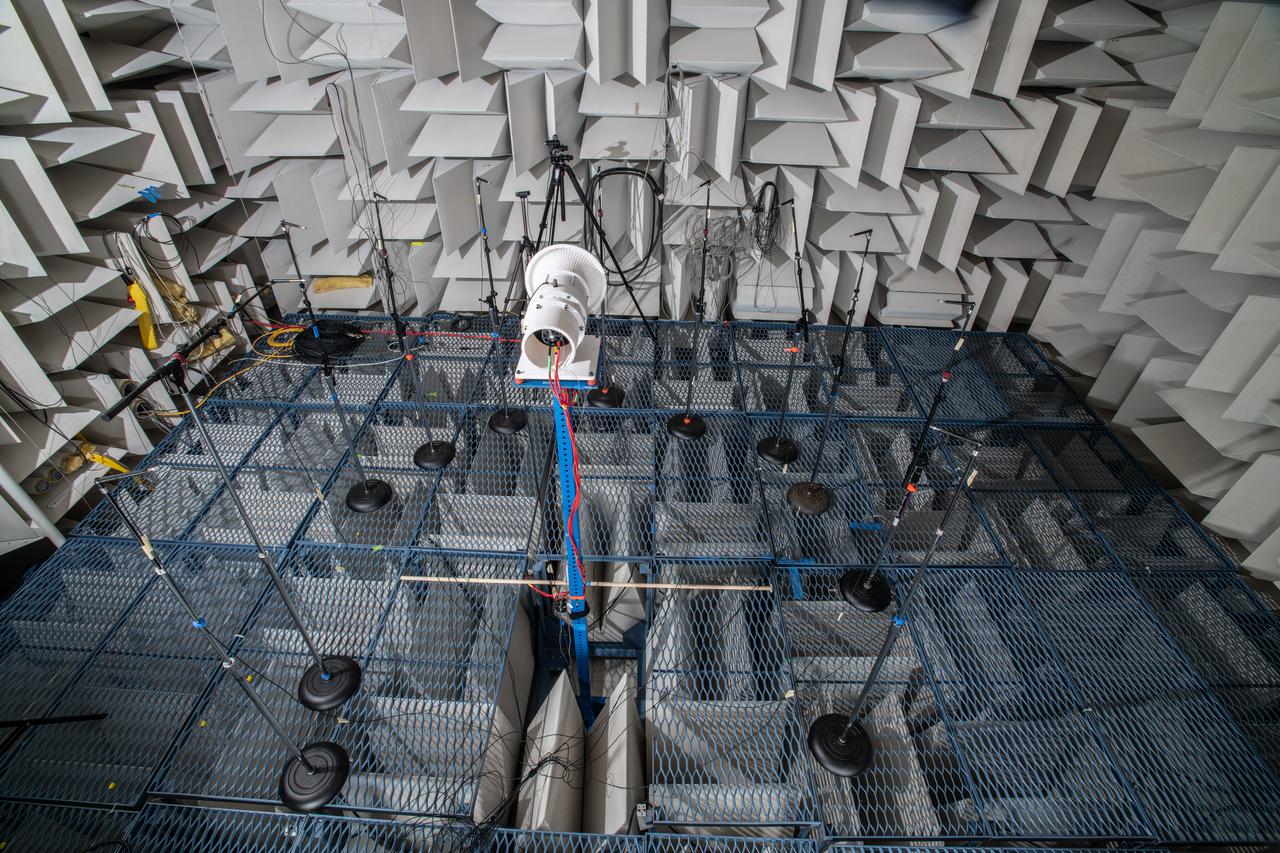
The Quiet Electric Engine V1 (QUEEN V1) experiment that was performed in the NASA GRC Acoustical Testing Laboratory (ATL). Equipment is installed in the anechoic chamber and in the adjacent control room. In response to the pervasive health and environmental problems associated with aviation noise and air pollution, NASA’s Quiet Electric Engine (QUEEN) team is working to increase the peace and quiet in the world by researching ways to make engines for large single-aisle aircraft safer, cleaner, and quieter.
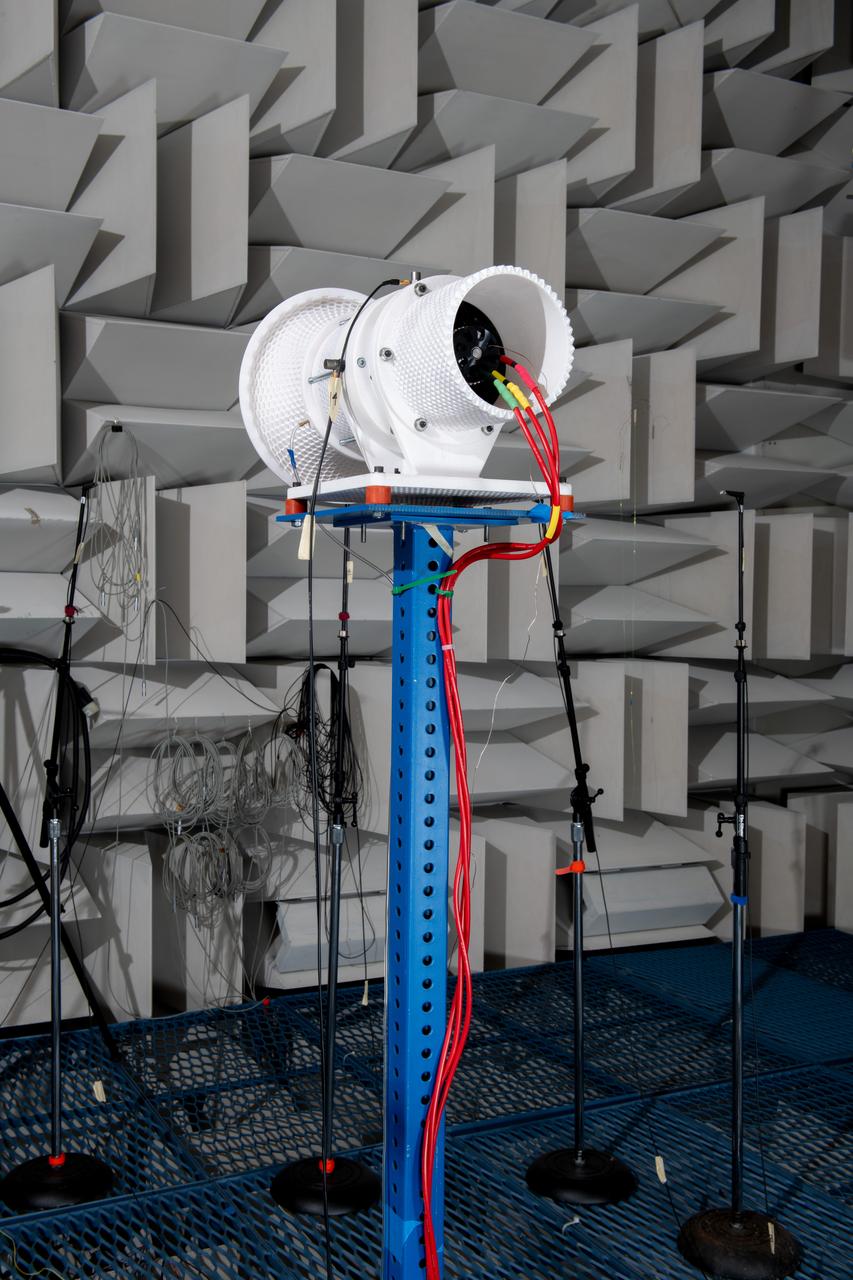
The Quiet Electric Engine V1 (QUEEN V1) experiment that was performed in the NASA GRC Acoustical Testing Laboratory (ATL). Equipment is installed in the anechoic chamber and in the adjacent control room. In response to the pervasive health and environmental problems associated with aviation noise and air pollution, NASA’s Quiet Electric Engine (QUEEN) team is working to increase the peace and quiet in the world by researching ways to make engines for large single-aisle aircraft safer, cleaner, and quieter.
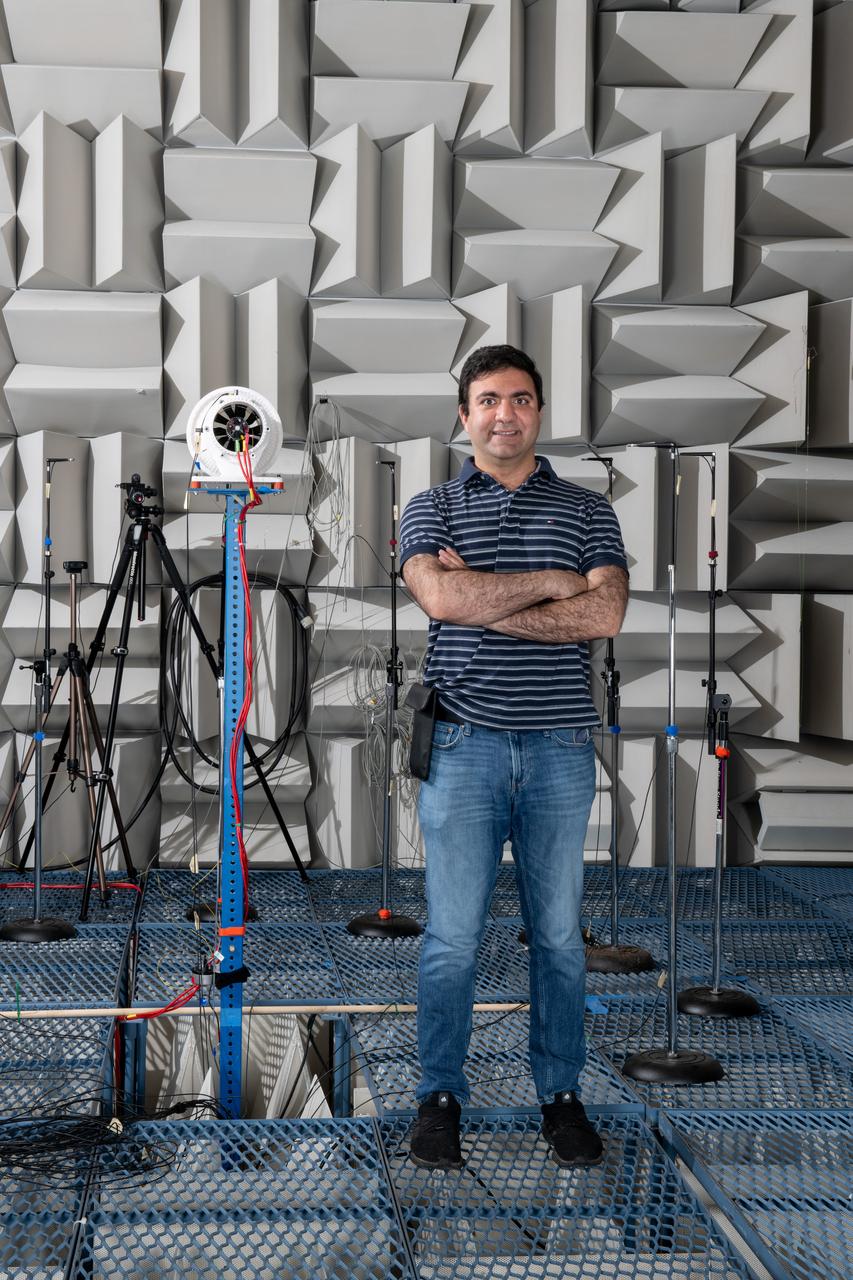
The Quiet Electric Engine V1 (QUEEN V1) experiment that was performed in the NASA GRC Acoustical Testing Laboratory (ATL). Equipment is installed in the anechoic chamber and in the adjacent control room. In response to the pervasive health and environmental problems associated with aviation noise and air pollution, NASA’s Quiet Electric Engine (QUEEN) team is working to increase the peace and quiet in the world by researching ways to make engines for large single-aisle aircraft safer, cleaner, and quieter. Posing with the experiment is aerospace engineer, Jonathan M. Goodman.
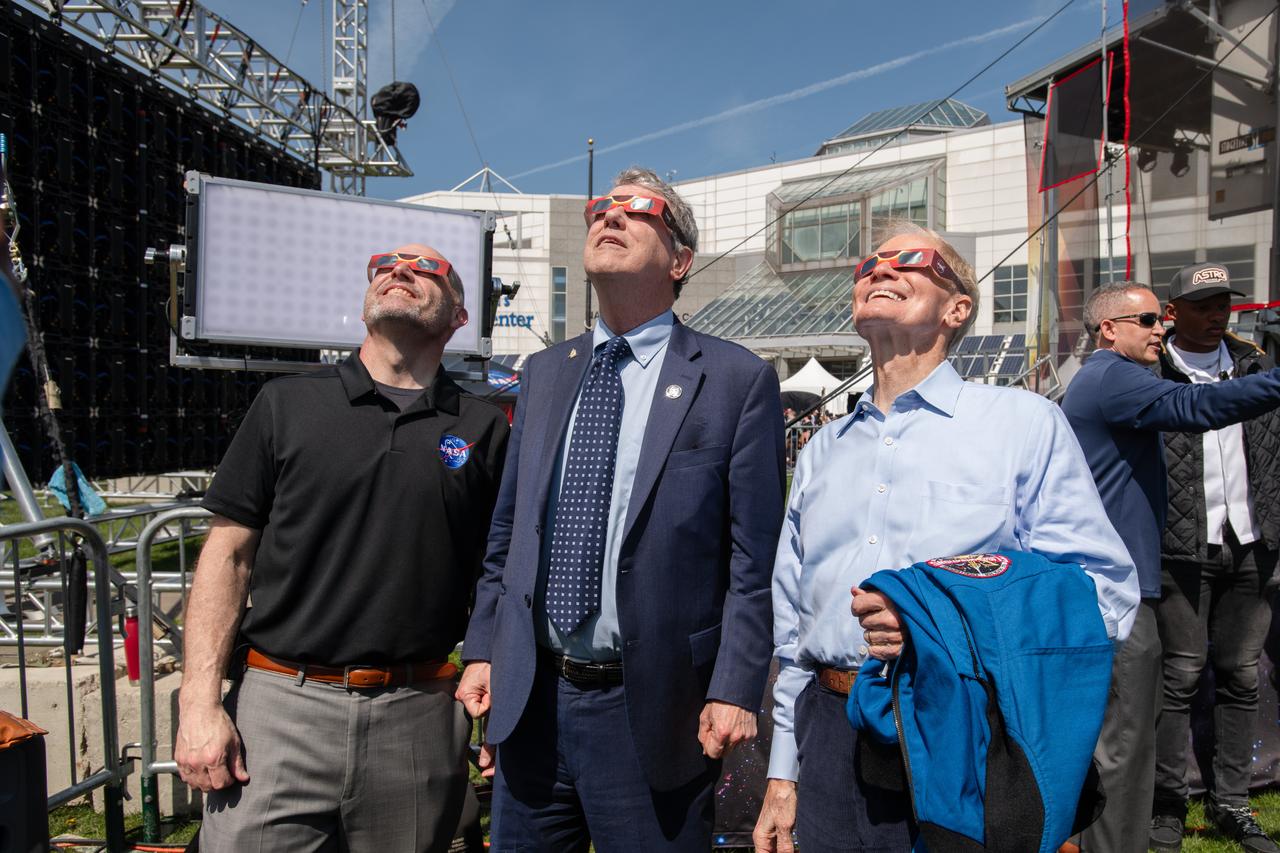
GRC Center Director Jimmy Kenyon, Senator Sherrod Brown and Administrator Bill Nelson view the eclipse together on April 8th. NASA Glenn Research Center and the Great Lakes Science Center hosted a three-day celestial celebration in downtown Cleveland, OH. This free, outdoor, family-friendly science and arts festival will feature free concerts, performances, speakers, and hands-on science activities with community partners. A total solar eclipse swept across a narrow portion of the North American continent from Mexico’s Pacific coast to the Atlantic coast of Newfoundland, Canada. A partial solar eclipse was visible across the entire North American continent along with parts of Central America and Europe.
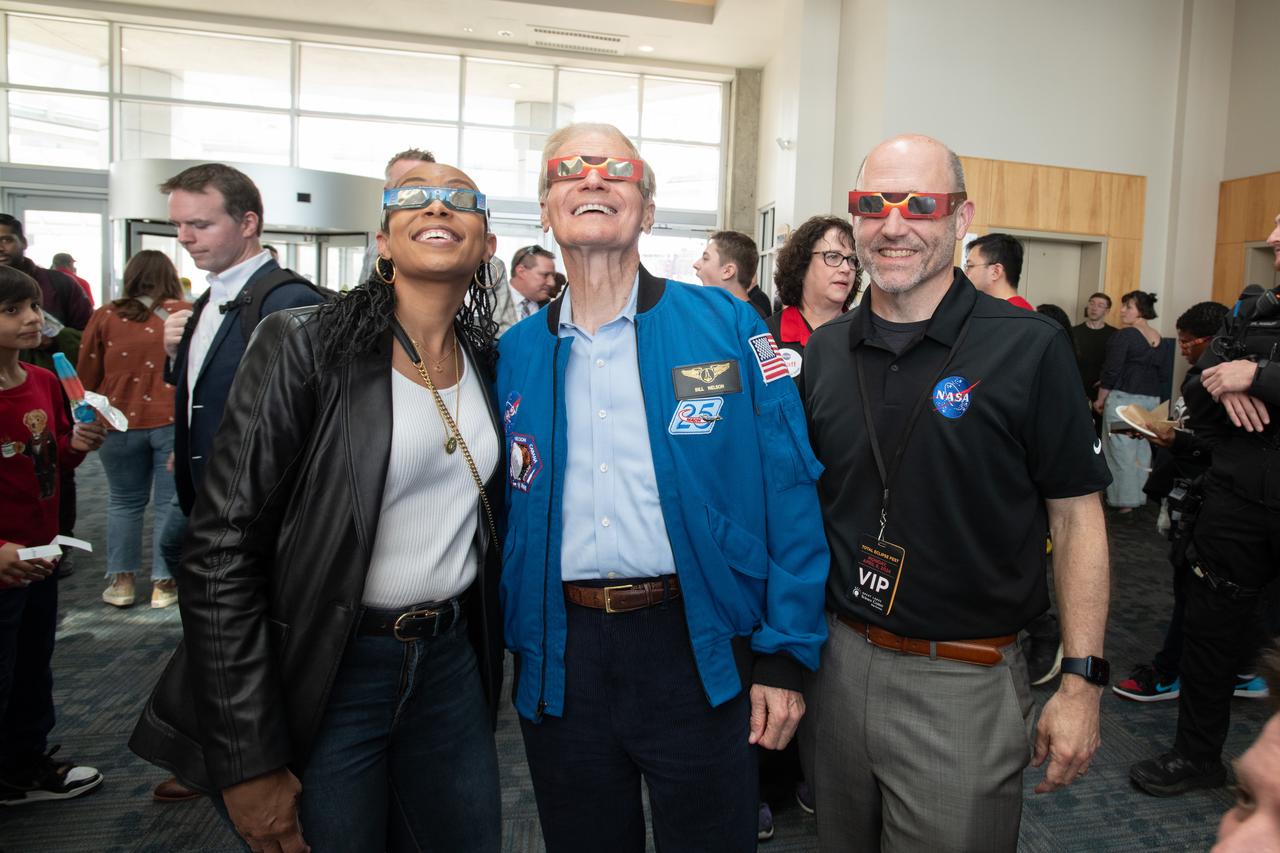
Representative Shontel Brown, Administrator Bill Nelson, GRC Center Director Jimmy Kenyon pose for a photo together with solar eclipse glasses on. NASA Glenn Research Center and the Great Lakes Science Center hosted a three-day celestial celebration in downtown Cleveland, OH. This free, outdoor, family-friendly science and arts festival will feature free concerts, performances, speakers, and hands-on science activities with community partners. A total solar eclipse swept across a narrow portion of the North American continent from Mexico’s Pacific coast to the Atlantic coast of Newfoundland, Canada. A partial solar eclipse was visible across the entire North American continent along with parts of Central America and Europe.
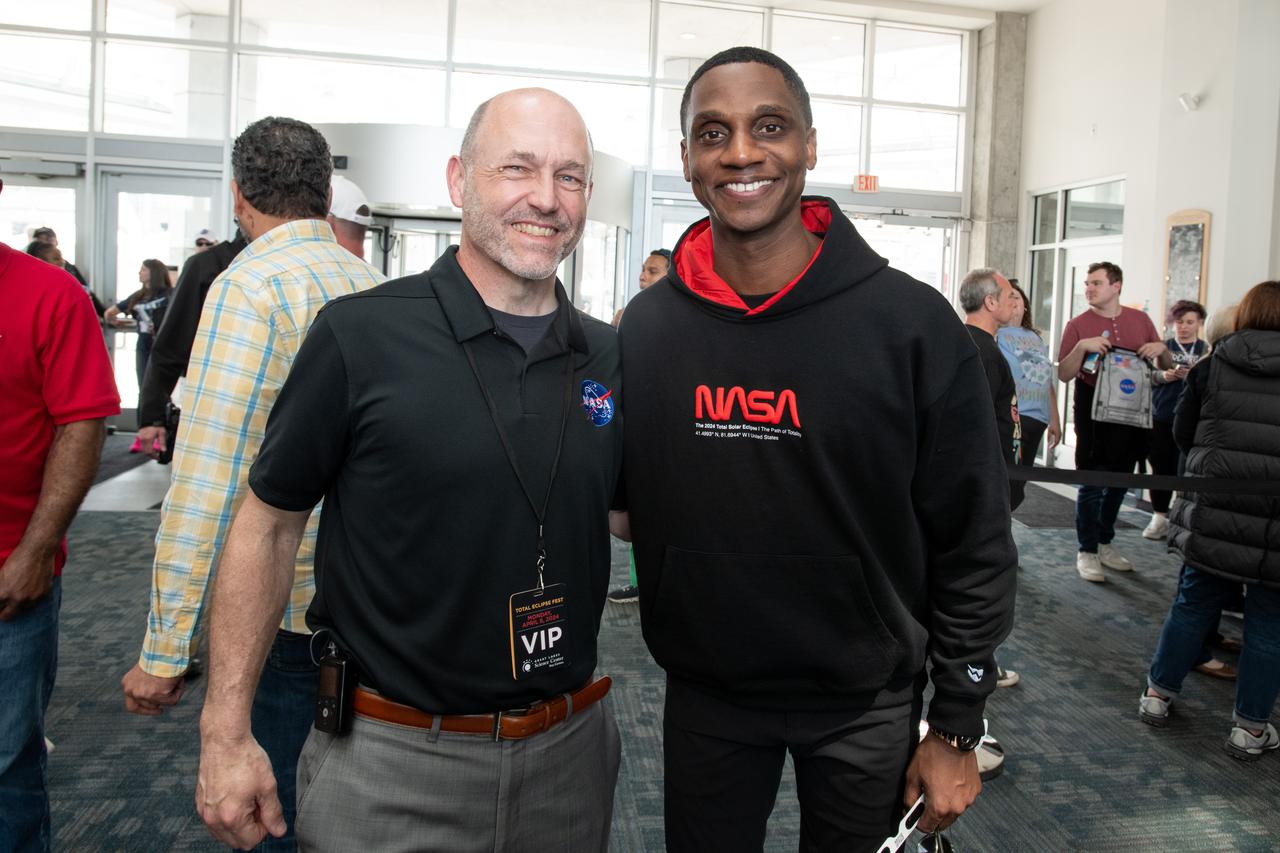
GRC Center Director Jimmy Kenyon and Cleveland Mayor Justin Bibb pose for a photo together. NASA Glenn Research Center and the Great Lakes Science Center hosted a three-day celestial celebration in downtown Cleveland, OH. This free, outdoor, family-friendly science and arts festival will feature free concerts, performances, speakers, and hands-on science activities with community partners. A total solar eclipse swept across a narrow portion of the North American continent from Mexico’s Pacific coast to the Atlantic coast of Newfoundland, Canada. A partial solar eclipse was visible across the entire North American continent along with parts of Central America and Europe.
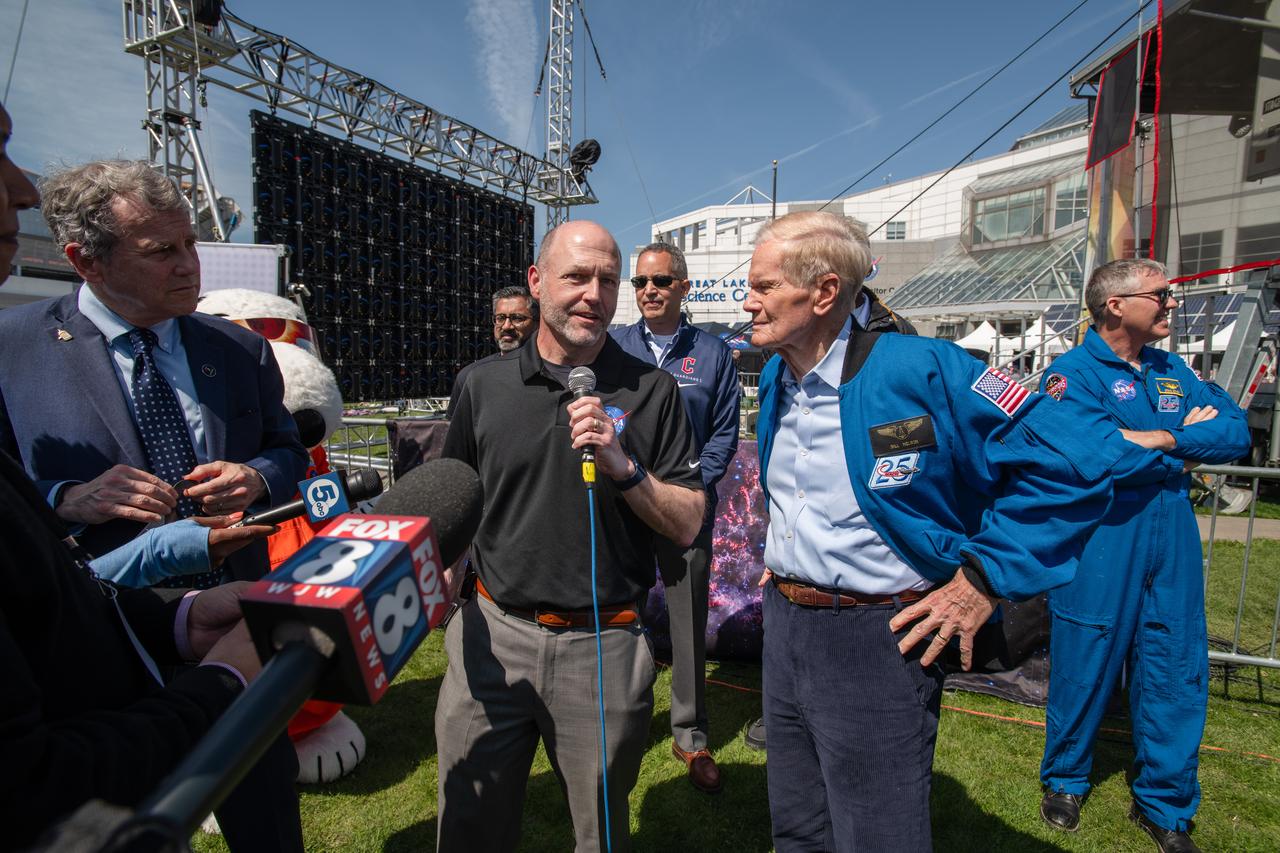
Senator Sherrod Brown, GRC Center Director Jimmy Kenyon and Administrator Bill Nelson speak to the media on April 8th. NASA Glenn Research Center and the Great Lakes Science Center hosted a three-day celestial celebration in downtown Cleveland, OH. This free, outdoor, family-friendly science and arts festival will feature free concerts, performances, speakers, and hands-on science activities with community partners. A total solar eclipse swept across a narrow portion of the North American continent from Mexico’s Pacific coast to the Atlantic coast of Newfoundland, Canada. A partial solar eclipse was visible across the entire North American continent along with parts of Central America and Europe.

Dr. Marla Perez-Davis, GRC Deputy Center Director, Ralph Roe, NASA Chief Engineer, Dr. Janet Kavandi, GRC Center Director, and Terrence Wilcutt, NASA Chief Safety and Mission Assurance, address an audience of GRC managers during a Lessons In Leadership Series, Executive Leadership Workshop at Glenn Research Center. August 13, 2019.

Dr. Marla Perez-Davis, GRC Deputy Center Director, Ralph Roe, NASA Chief Engineer, Dr. Janet Kavandi, GRC Center Director, and Terrence Wilcutt, NASA Chief Safety and Mission Assurance, address an audience of GRC managers during a Lessons In Leadership Series, Executive Leadership Workshop at Glenn Research Center. August 13, 2019.

Dr. Marla Perez-Davis, GRC Deputy Center Director, Ralph Roe, NASA Chief Engineer, Dr. Janet Kavandi, GRC Center Director, and Terrence Wilcutt, NASA Chief Safety and Mission Assurance, address an audience of GRC managers during a Lessons In Leadership Series, Executive Leadership Workshop at Glenn Research Center. August 13, 2019.
Each year, the NESC produces the NESC Technical Update, which highlights two or three individuals from each Center and includes assessments throughout the year. Because of the critical contributions to the NESC mission this year, Rob Jankovsky, NESC Chief Engineer at GRC, chose two individuals to be highlighted. This year, it is Andrew Ring and Michael Cooper. The Lead Analyst for GRC’s Chemical and Thermal Propulsion Systems branch, Mr. Michael Cooper, is supporting NESC test operations on reaction control system thrusters for Gateway’s Power & Propulsion Element. “These thrusters are small with few moving parts, but the heat and mass transfers involved are very complex,” he said. The test campaign is putting the thrusters through a rigorous profile to simulate the lifetime they will experience over decades in space. Mr. Cooper is analyzing test data gathered on chamber pressure, temperature, flow rates, and more to develop models on thruster performance. He also built the tool that read in that data from the test stand instrumentation. Photo Credit: (NASA/Sara Lowthian-Hanna)
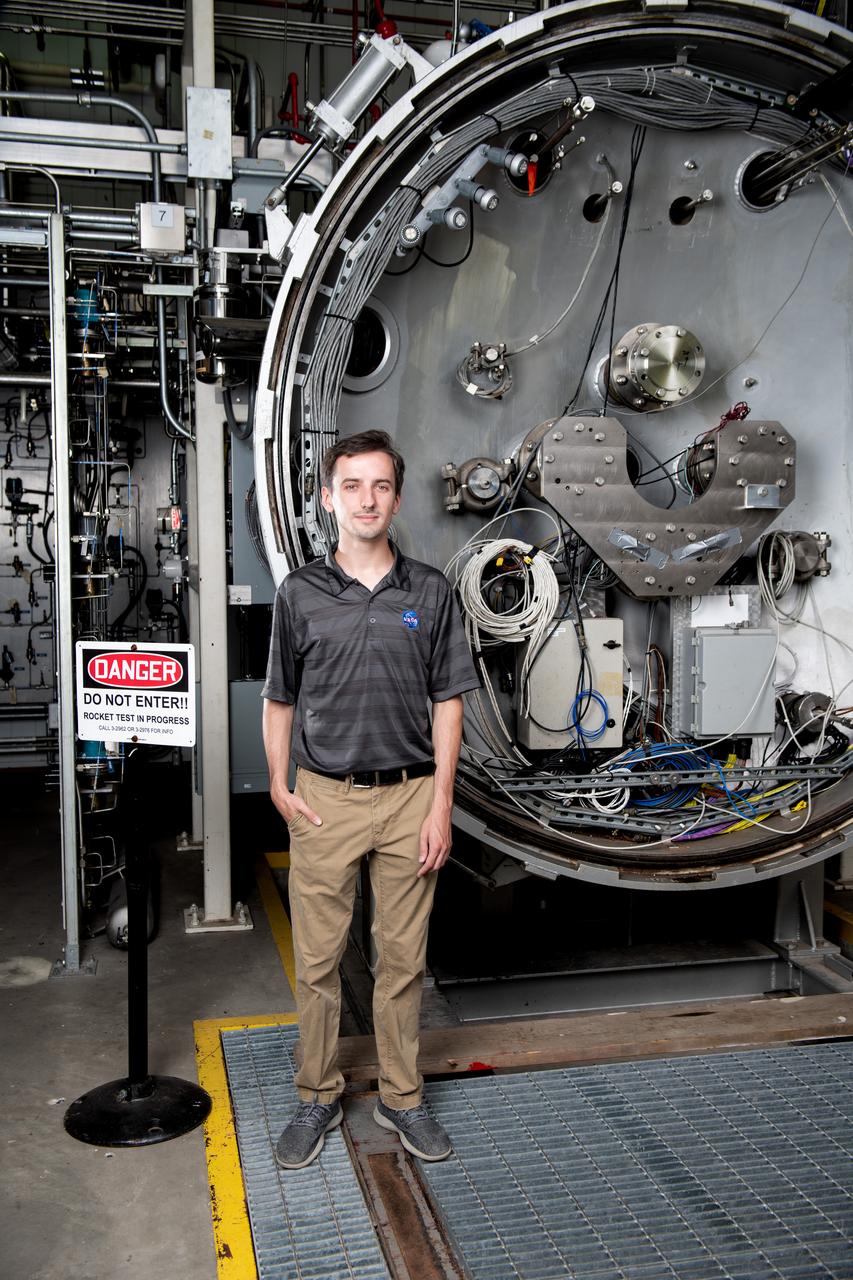
Each year, the NESC produces the NESC Technical Update, which highlights two or three individuals from each Center and includes assessments throughout the year. Because of the critical contributions to the NESC mission this year, Rob Jankovsky, NESC Chief Engineer at GRC, chose two individuals to be highlighted. This year, it is Andrew Ring and Michael Cooper. The Lead Analyst for GRC’s Chemical and Thermal Propulsion Systems branch, Mr. Michael Cooper, is supporting NESC test operations on reaction control system thrusters for Gateway’s Power & Propulsion Element. “These thrusters are small with few moving parts, but the heat and mass transfers involved are very complex,” he said. The test campaign is putting the thrusters through a rigorous profile to simulate the lifetime they will experience over decades in space. Mr. Cooper is analyzing test data gathered on chamber pressure, temperature, flow rates, and more to develop models on thruster performance. He also built the tool that read in that data from the test stand instrumentation. Photo Credit: (NASA/Sara Lowthian-Hanna)
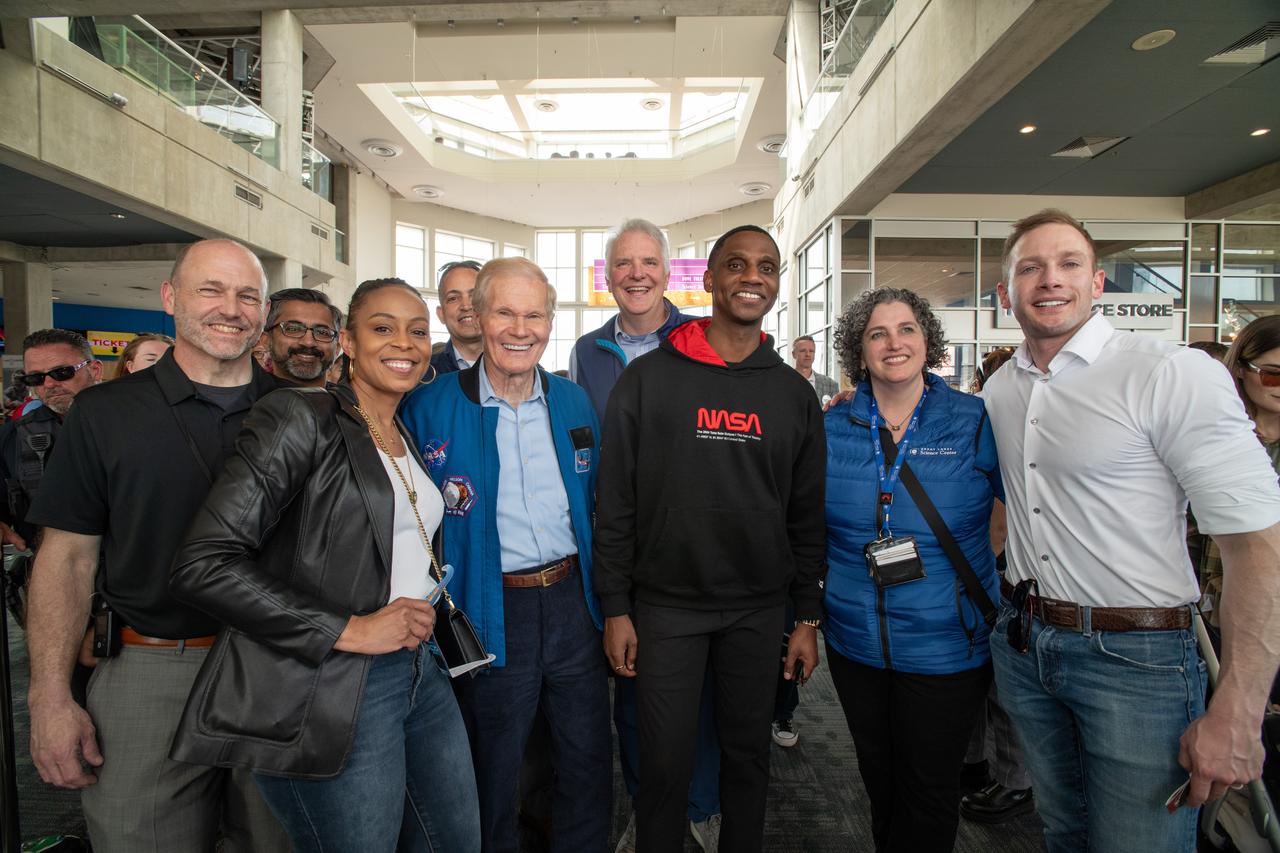
GRC Center Director Jimmy Kenyon, President & CEO of Greater Cleveland Partnership Baiju R. Shah, Representative Shontel Brown, Administrator Bill Nelson, Cuyahoga County Executive Chris Ronayne, Cleveland Mayor Justin Bibb, Great Lakes Science Center President and CEO Kristen Ellenbogen, Represenative Max Miller, pose for a photo together. NASA Glenn Research Center and the Great Lakes Science Center hosted a three-day celestial celebration in downtown Cleveland, OH. This free, outdoor, family-friendly science and arts festival will feature free concerts, performances, speakers, and hands-on science activities with community partners. A total solar eclipse swept across a narrow portion of the North American continent from Mexico’s Pacific coast to the Atlantic coast of Newfoundland, Canada. A partial solar eclipse was visible across the entire North American continent along with parts of Central America and Europe.
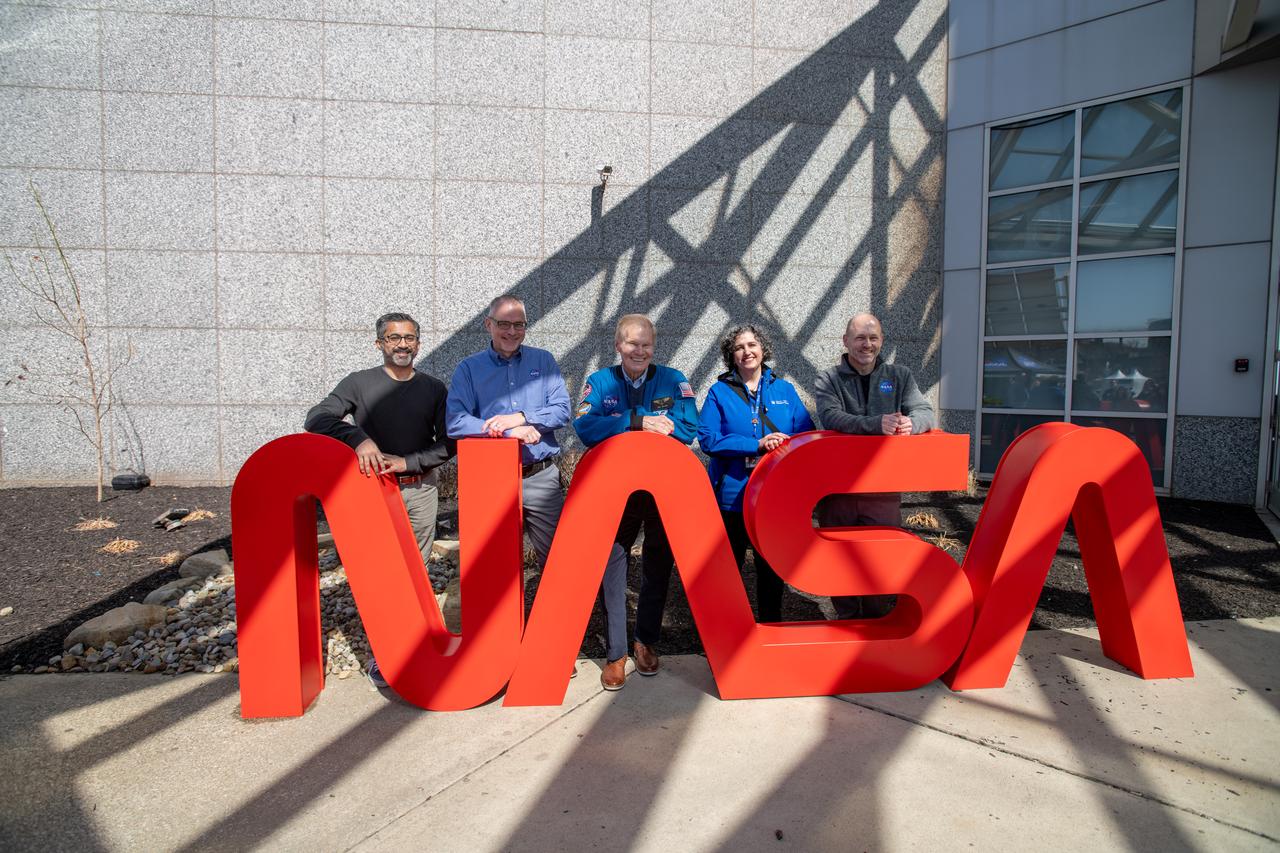
President & CEO of Greater Cleveland Partnership Baiju R. Shah, Jim Free, Administrator Bill Nelson, Great Lakes Science Center President and CEO Kristen Ellenbogen, GRC Center Director Jimmy Kenyon pose for a photo together. NASA Glenn Research Center and the Great Lakes Science Center hosted a three-day celestial celebration in downtown Cleveland, OH. This free, outdoor, family-friendly science and arts festival will feature free concerts, performances, speakers, and hands-on science activities with community partners. A total solar eclipse swept across a narrow portion of the North American continent from Mexico’s Pacific coast to the Atlantic coast of Newfoundland, Canada. A partial solar eclipse was visible across the entire North American continent along with parts of Central America and Europe.

The GRC Center Director, Dr. Marla Perez-Davis, during the NASA 60th Anniversary, Family Day Event

The Quiet Electric Engine V1 (QUEEN V1) experiment that was performed in the NASA GRC Acoustical Testing Laboratory (ATL). Equipment is installed in the anechoic chamber and in the adjacent control room. In response to the pervasive health and environmental problems associated with aviation noise and air pollution, NASA’s Quiet Electric Engine (QUEEN) team is working to increase the peace and quiet in the world by researching ways to make engines for large single-aisle aircraft safer, cleaner, and quieter.
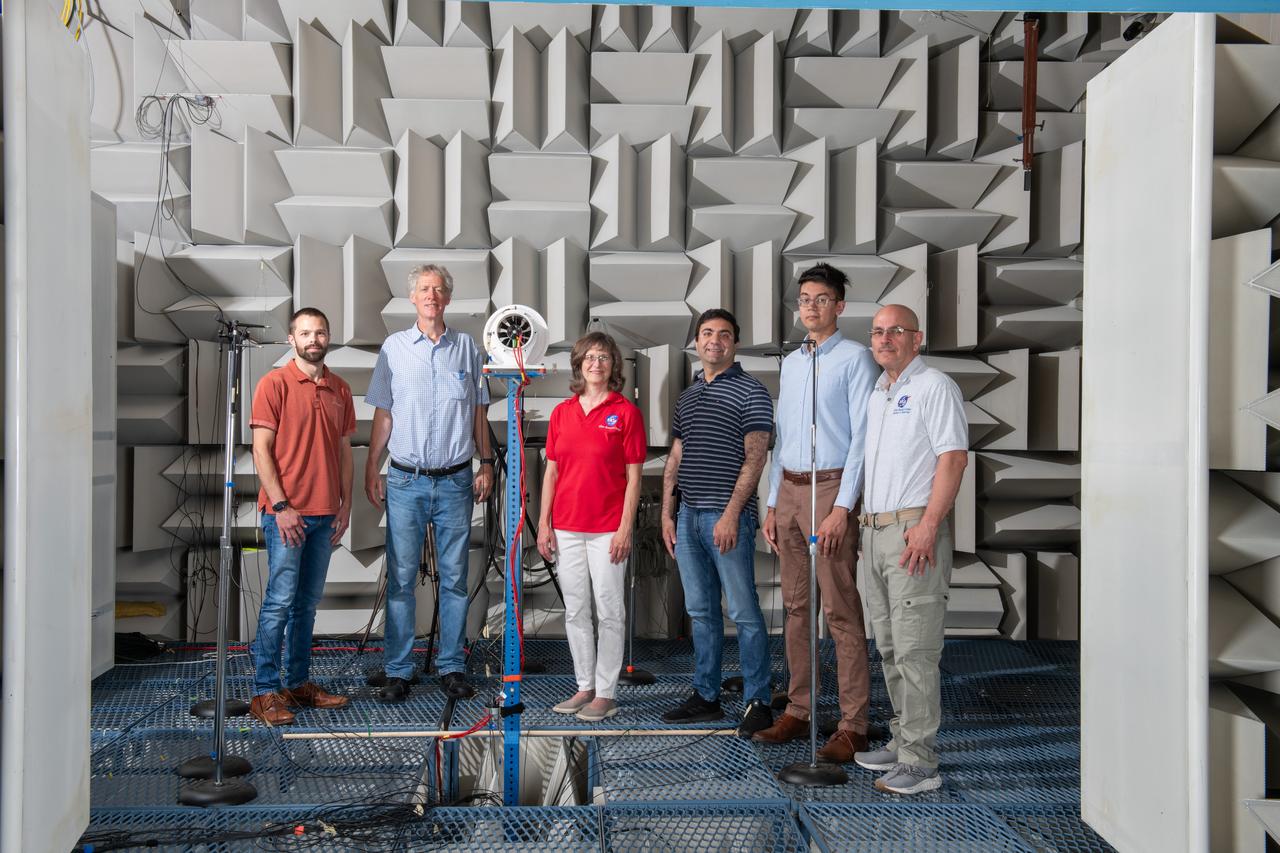
The Quiet Electric Engine V1 (QUEEN V1) experiment that was performed in the NASA GRC Acoustical Testing Laboratory (ATL). Equipment is installed in the anechoic chamber and in the adjacent control room. In response to the pervasive health and environmental problems associated with aviation noise and air pollution, NASA’s Quiet Electric Engine (QUEEN) team is working to increase the peace and quiet in the world by researching ways to make engines for large single-aisle aircraft safer, cleaner, and quieter.
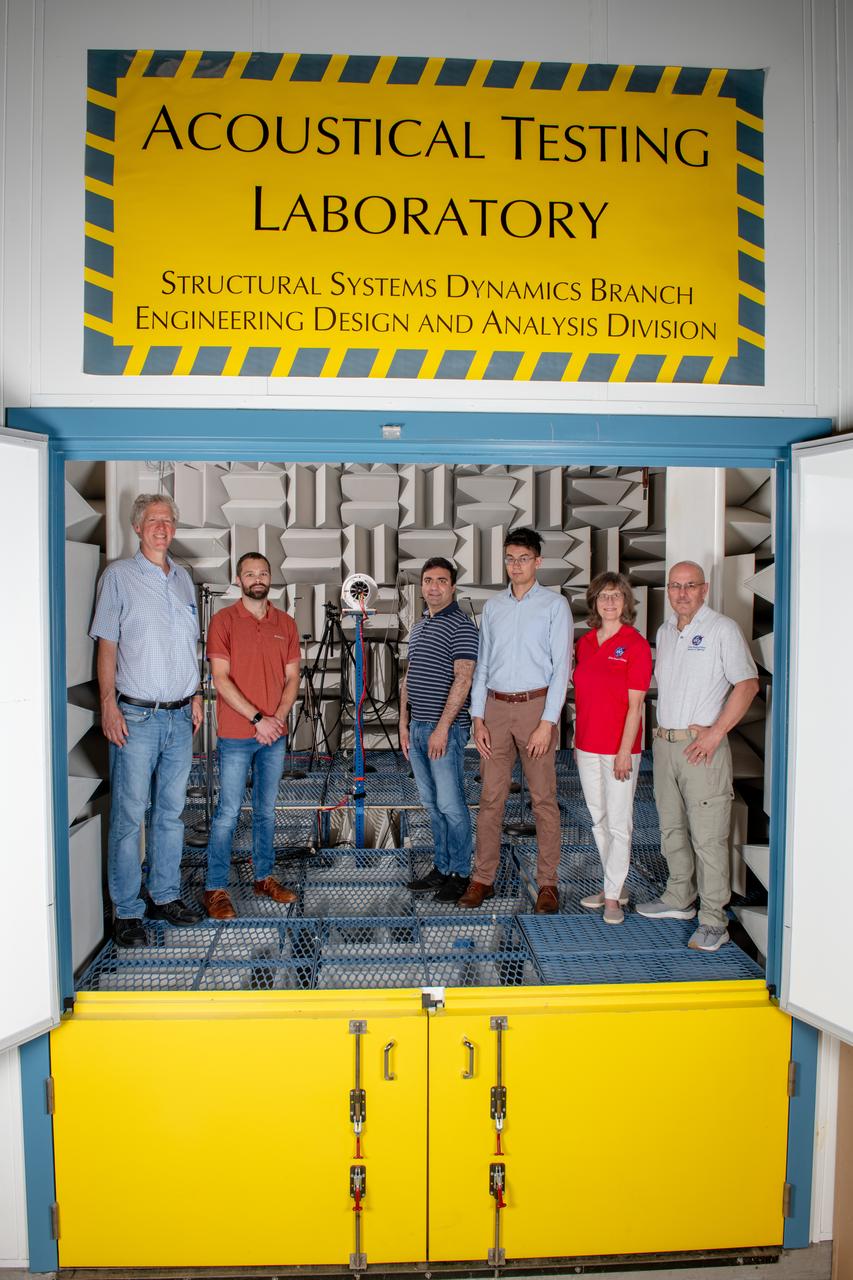
The Quiet Electric Engine V1 (QUEEN V1) experiment that was performed in the NASA GRC Acoustical Testing Laboratory (ATL). Equipment is installed in the anechoic chamber and in the adjacent control room. In response to the pervasive health and environmental problems associated with aviation noise and air pollution, NASA’s Quiet Electric Engine (QUEEN) team is working to increase the peace and quiet in the world by researching ways to make engines for large single-aisle aircraft safer, cleaner, and quieter.

Terrence Wilcutt, NASA Chief Safety and Mission Assurance, addresses an audience of GRC managers during a Lessons In Leadership Series, Executive Leadership Workshop at Glenn Research Center. August 13, 2019.

Ralph Roe, NASA Chief Engineer, addresses an audience of GRC managers during a Lessons In Leadership Series, Executive Leadership Workshop at Glenn Research Center. August 13, 2019.
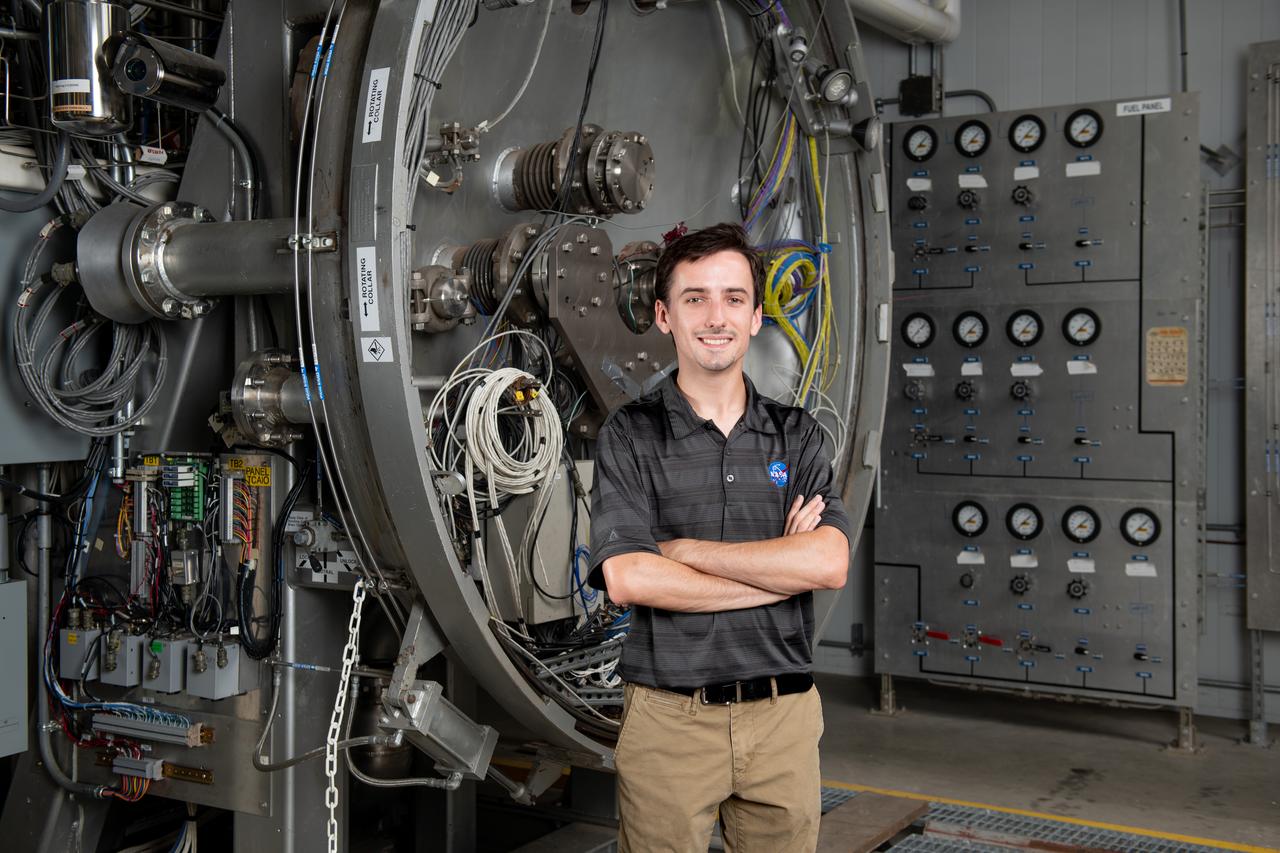
Each year, the NESC produces the NESC Technical Update, which highlights two or three individuals from each Center and includes assessments throughout the year. Because of the critical contributions to the NESC mission this year, Rob Jankovsky, NESC Chief Engineer at GRC, chose two individuals to be highlighted. This year, it is Andrew Ring and Michael Cooper. The Lead Analyst for GRC’s Chemical and Thermal Propulsion Systems branch, Mr. Michael Cooper, is supporting NESC test operations on reaction control system thrusters for Gateway’s Power & Propulsion Element. “These thrusters are small with few moving parts, but the heat and mass transfers involved are very complex,” he said. The test campaign is putting the thrusters through a rigorous profile to simulate the lifetime they will experience over decades in space. Mr. Cooper is analyzing test data gathered on chamber pressure, temperature, flow rates, and more to develop models on thruster performance. He also built the tool that read in that data from the test stand instrumentation. Photo Credit: (NASA/Sara Lowthian-Hanna)
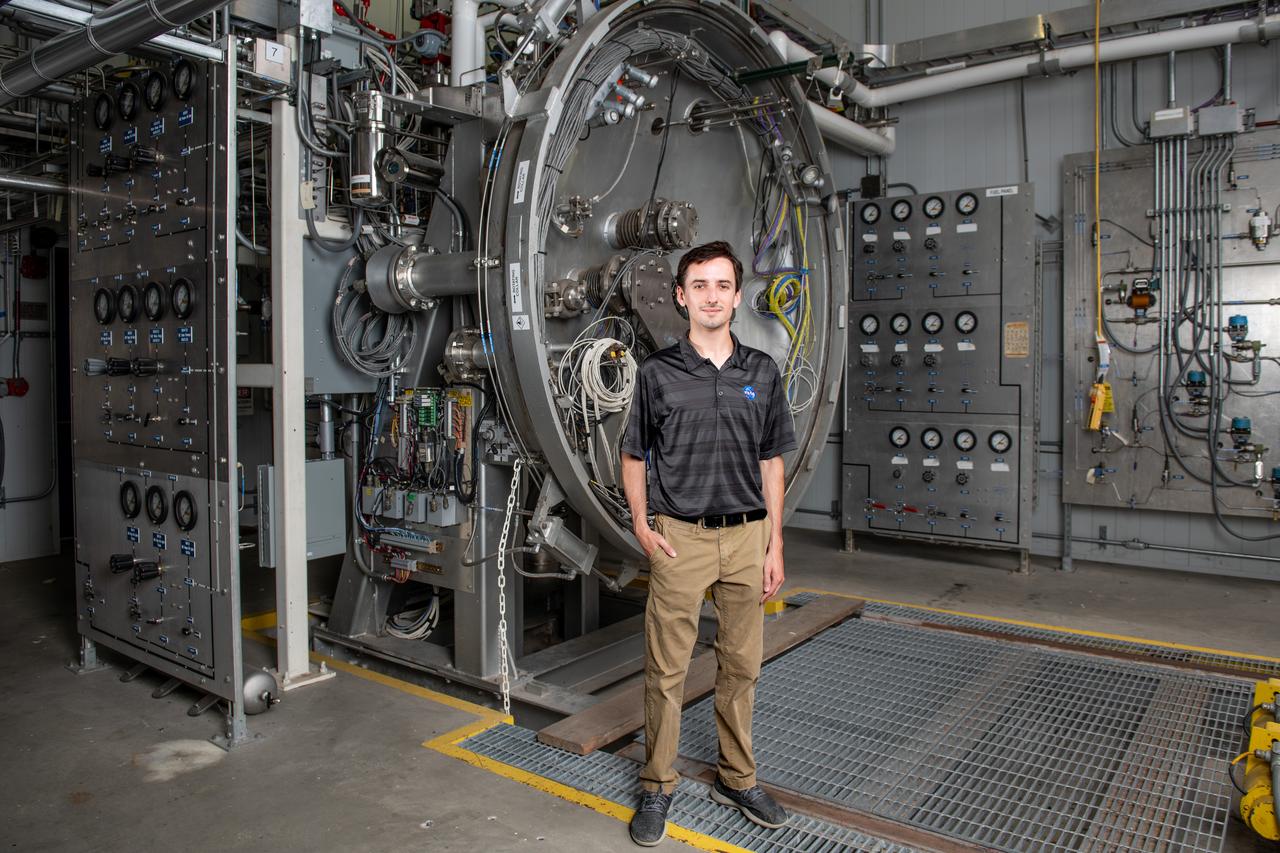
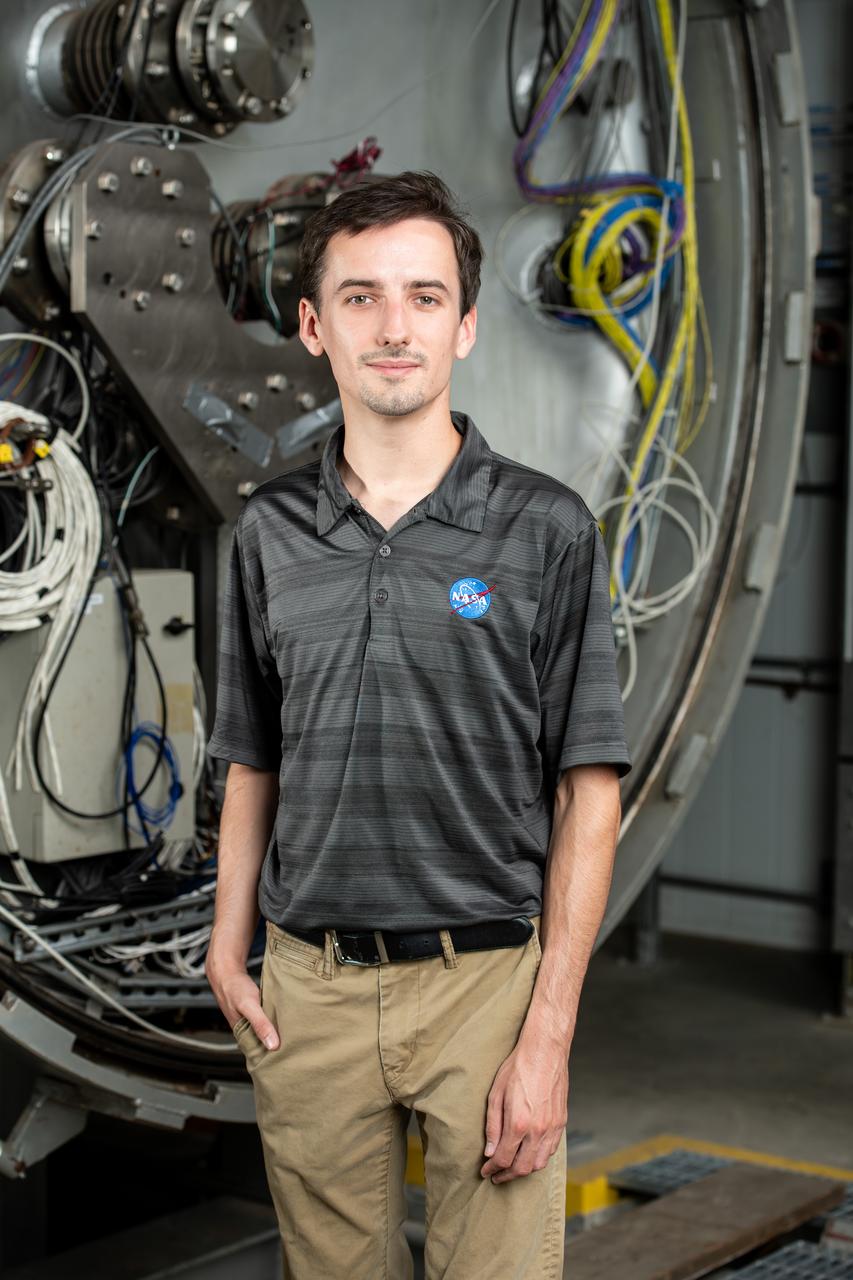
Each year, the NESC produces the NESC Technical Update, which highlights two or three individuals from each Center and includes assessments throughout the year. Because of the critical contributions to the NESC mission this year, Rob Jankovsky, NESC Chief Engineer at GRC, chose two individuals to be highlighted. This year, it is Andrew Ring and Michael Cooper. The Lead Analyst for GRC’s Chemical and Thermal Propulsion Systems branch, Mr. Michael Cooper pictured here in this environmental portrait on August 16, 2024. He is supporting NESC test operations on reaction control system thrusters for Gateway’s Power & Propulsion Element. “These thrusters are small with few moving parts, but the heat and mass transfers involved are very complex,” he said. The test campaign is putting the thrusters through a rigorous profile to simulate the lifetime they will experience over decades in space. Mr. Cooper is analyzing test data gathered on chamber pressure, temperature, flow rates, and more to develop models on thruster performance. He also built the tool that read in that data from the test stand instrumentation. Photo Credit: (NASA/Sara Lowthian-Hanna)

NASA GRC Integrated RF and Optical Communications, iROC
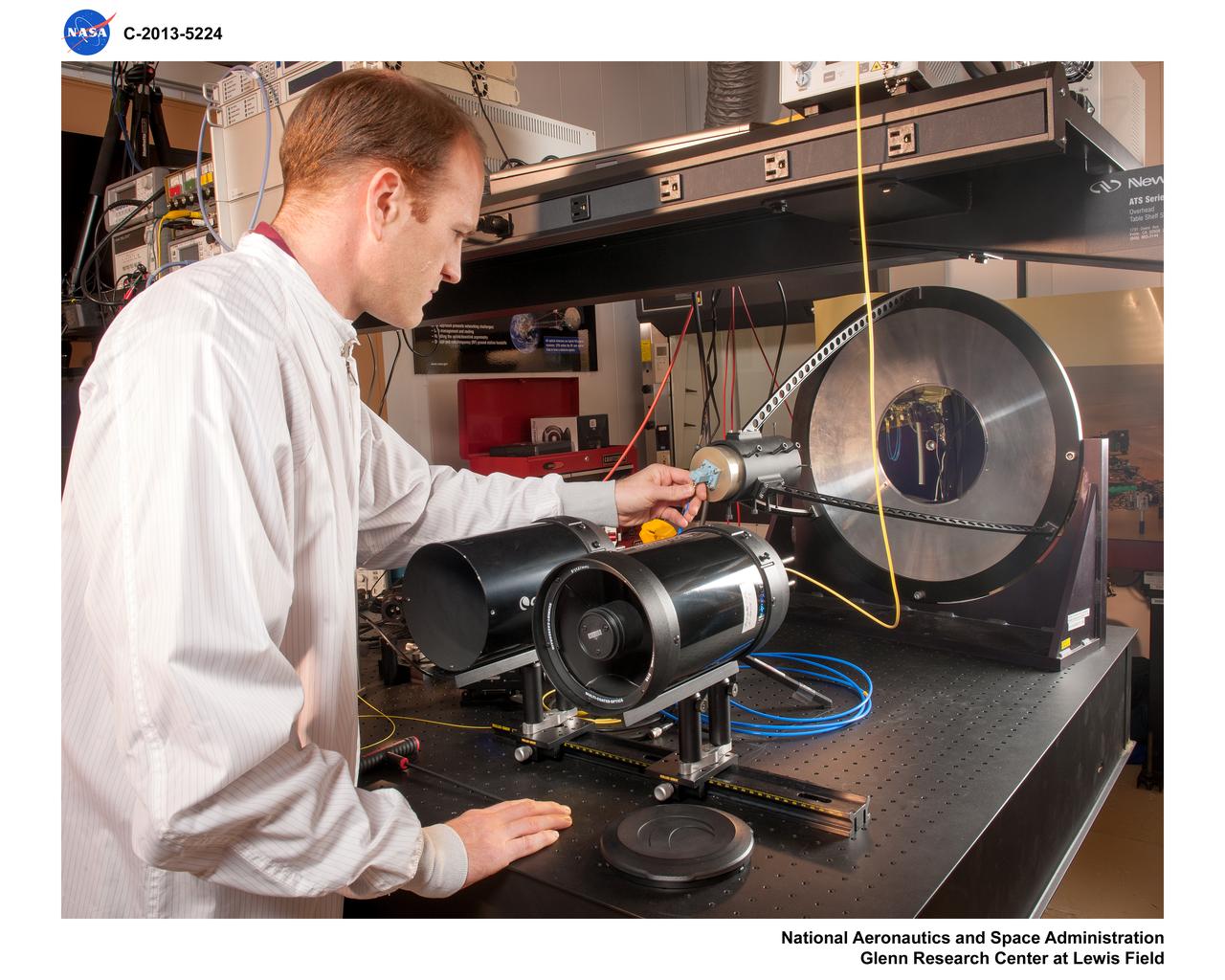
NASA GRC Integrated RF and Optical Communications, iROC
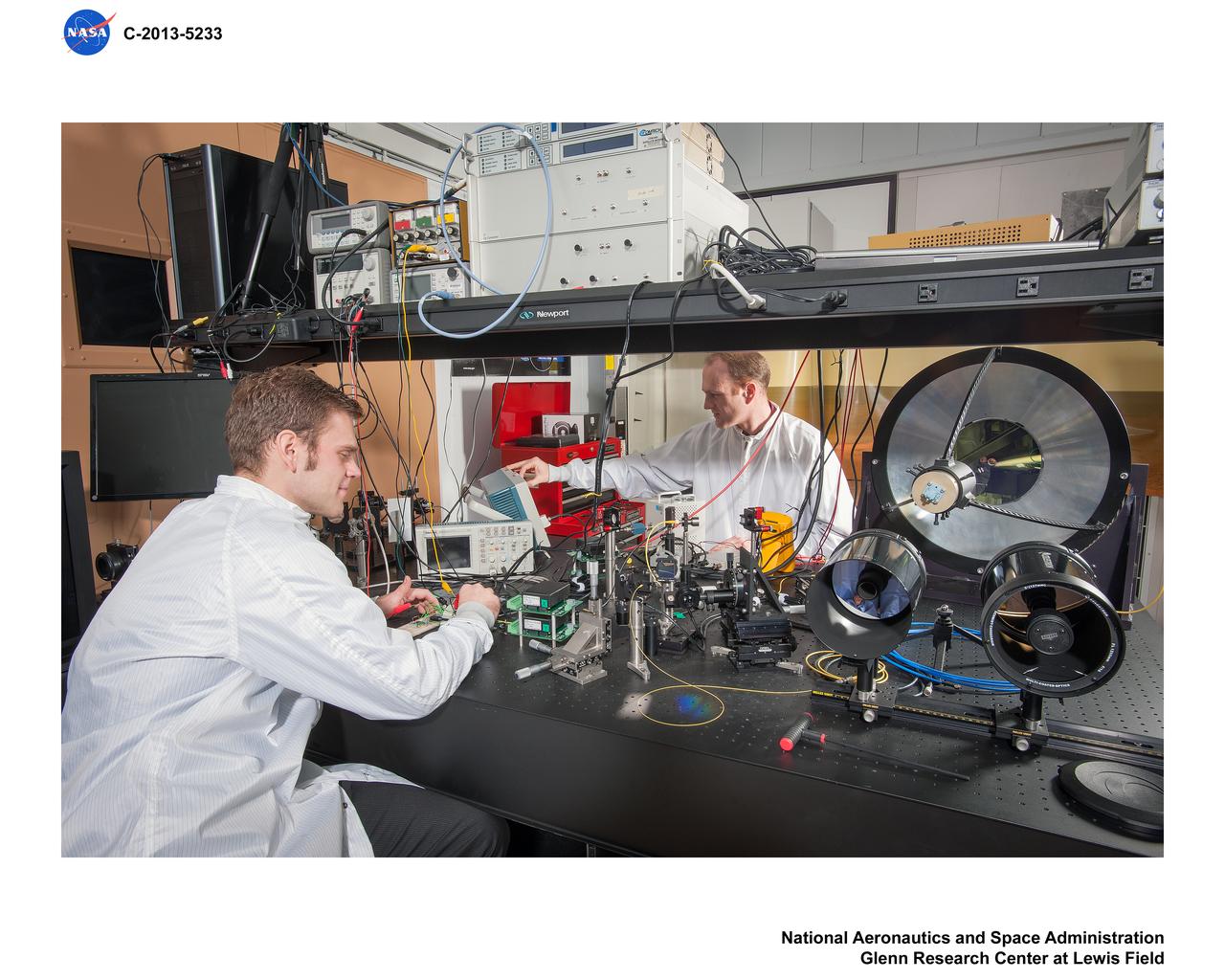
NASA GRC Integrated RF and Optical Communications, iROC
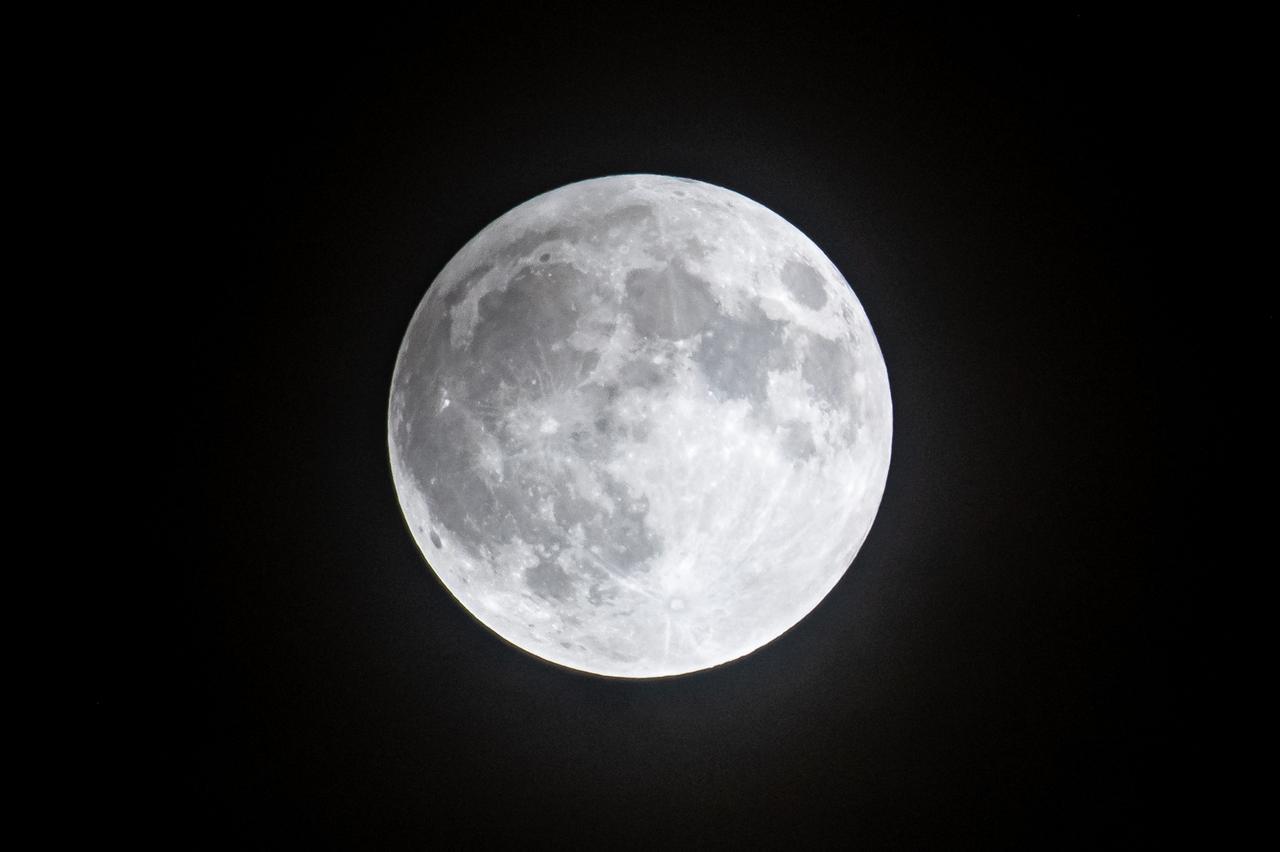
The Supermoon that was visible on September 17th, 2024 in Cleveland, OH. On this day, the full moon was a partial lunar eclipse; a supermoon; and a harvest moon.
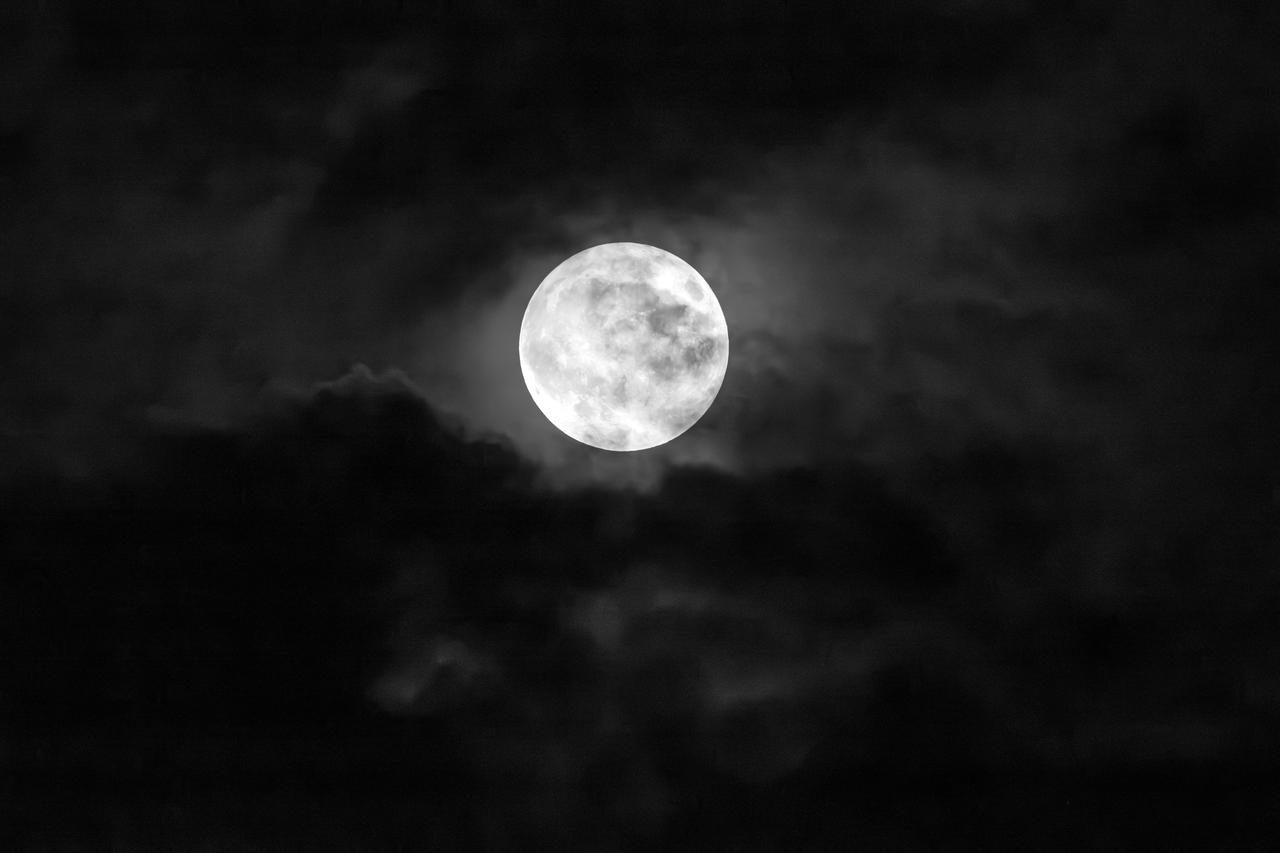
The Supermoon that was visible on September 17th, 2024 in Cleveland, OH. On this day, the full moon was a partial lunar eclipse; a supermoon; and a harvest moon.
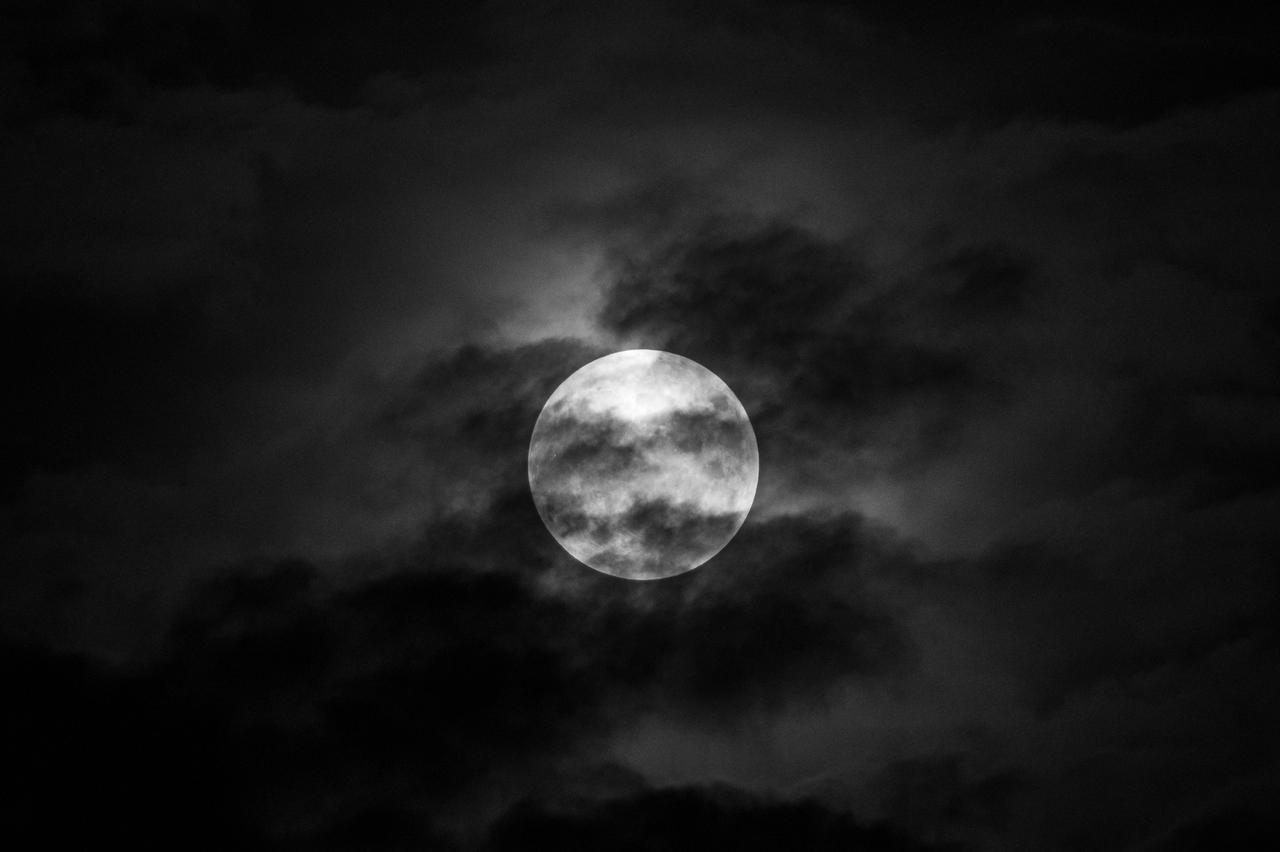
The Supermoon that was visible on September 17th, 2024 in Cleveland, OH. On this day, the full moon was a partial lunar eclipse; a supermoon; and a harvest moon.
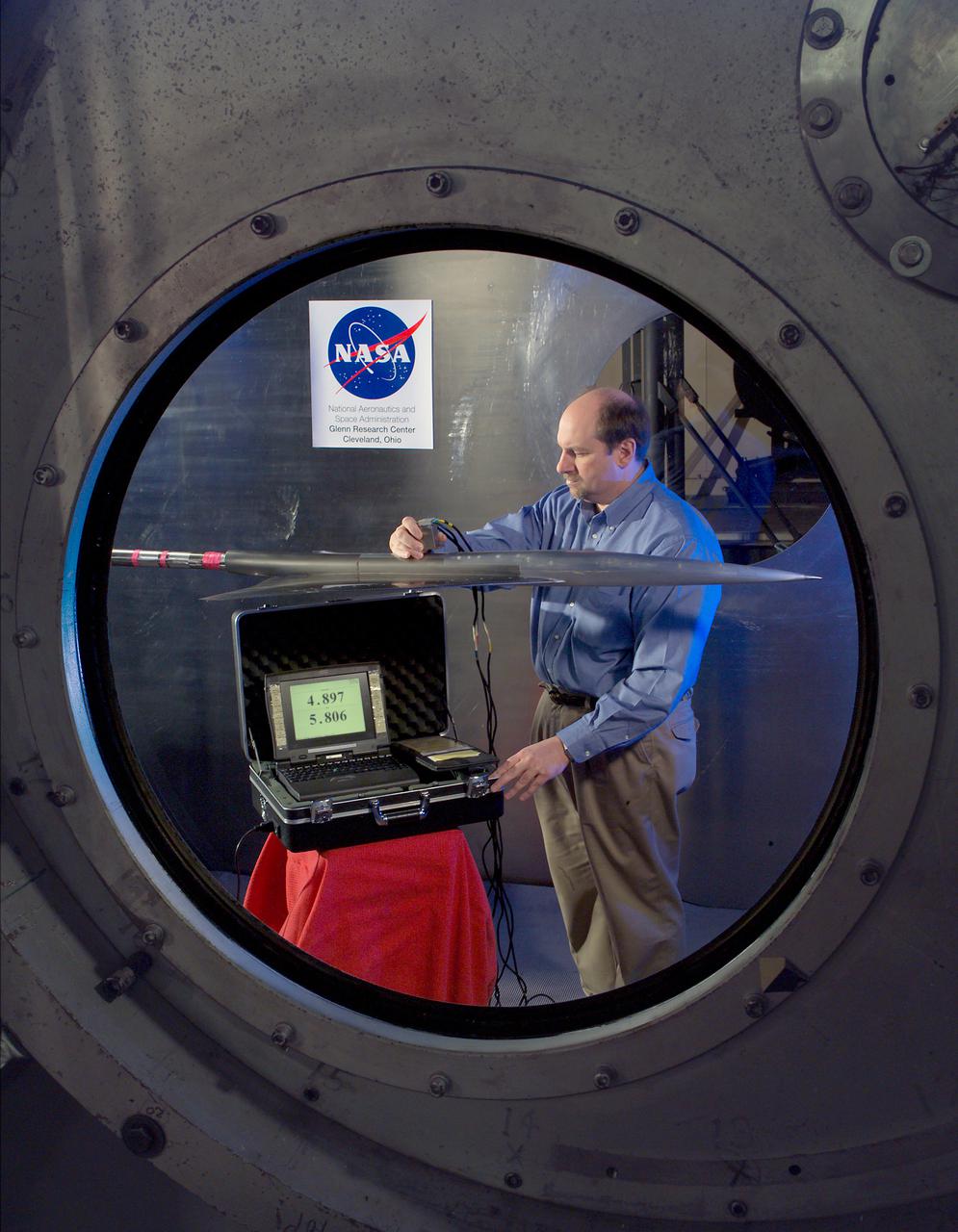
NASA GLENN/NASA LANGLEY LOADS COMPARISON TEST WITH 6 COMPONENT FORCE/MOMENT BALANCE AND 1.7% HIGH SPEED RESEARCH MODEL 5. in the 10x10 super sonic wind tunnel
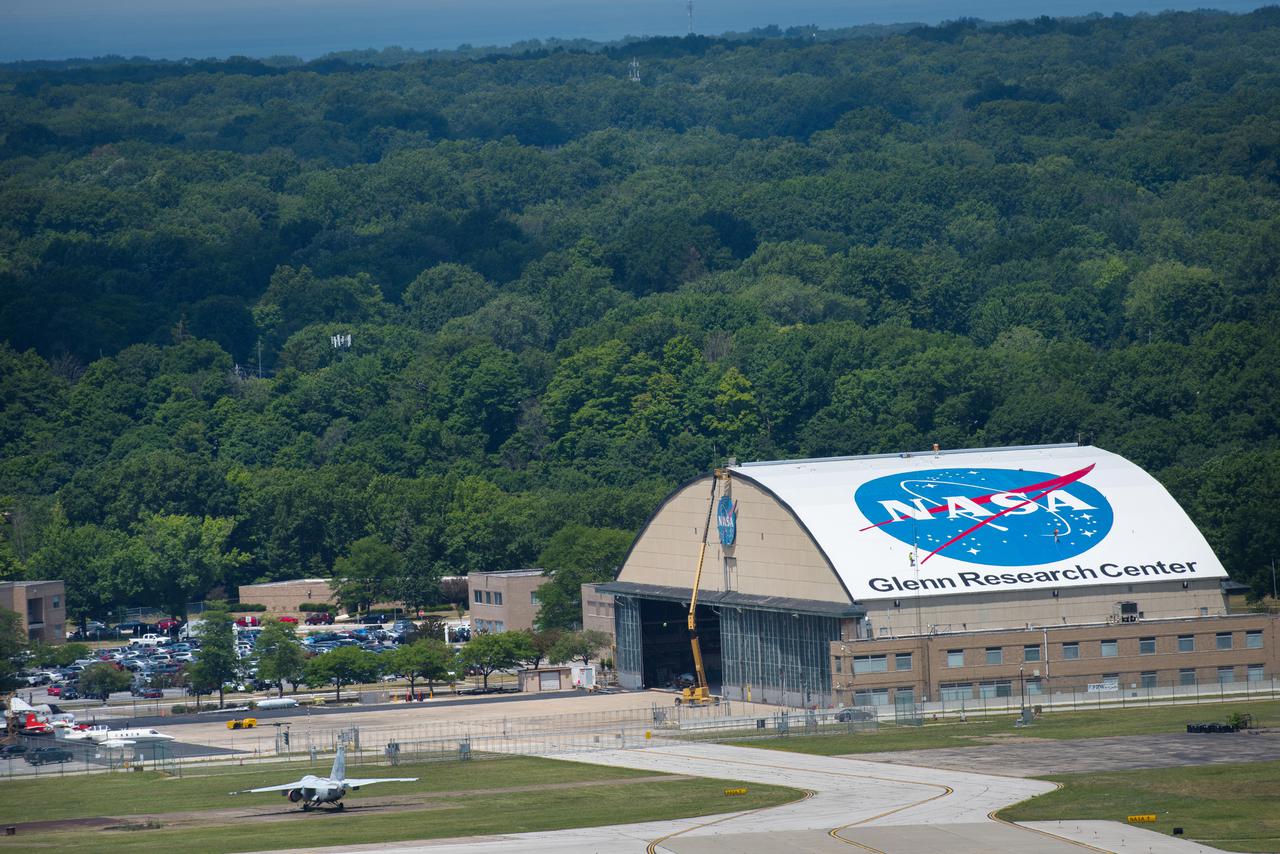
The NASA Insignia or Meatball, is painted on the Hangar Roof

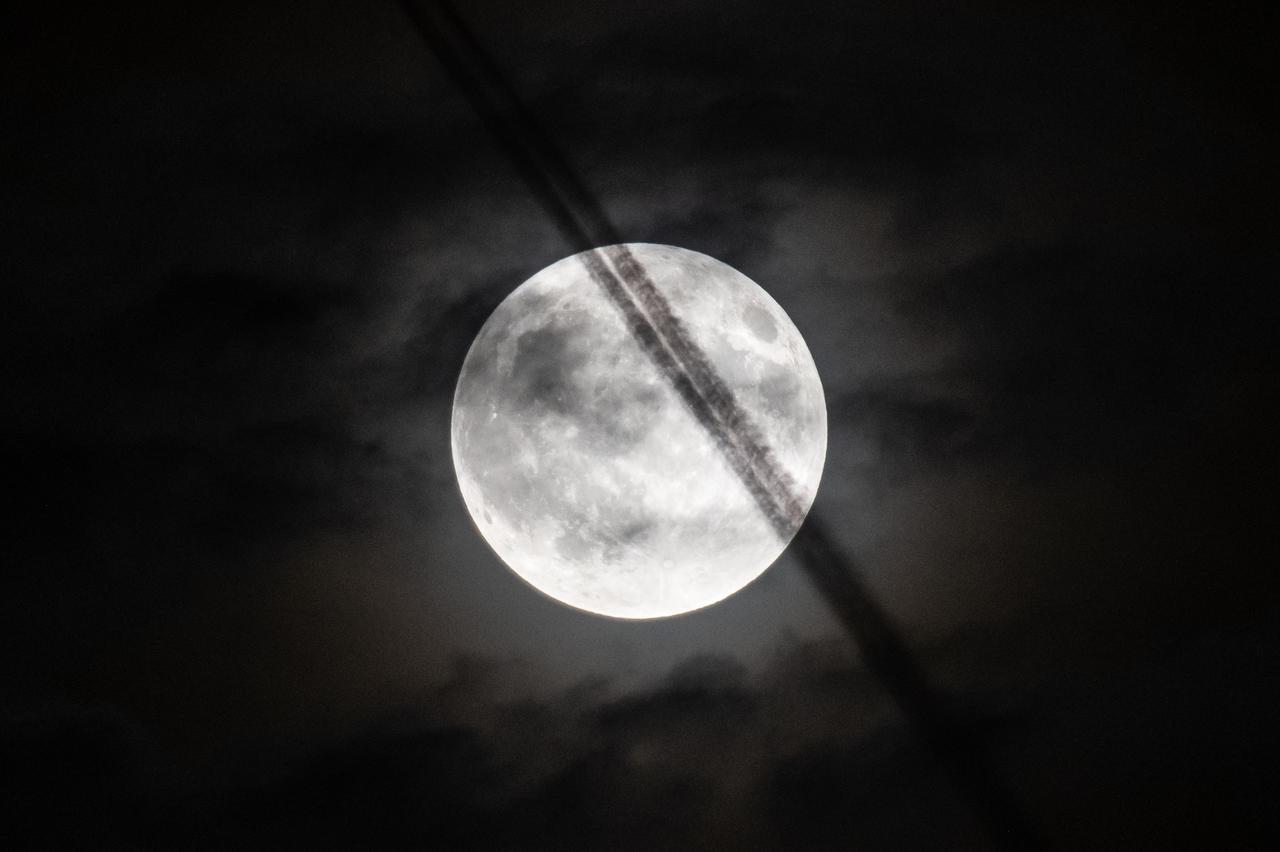
The Supermoon that was visible on September 17th, 2024 in Cleveland, OH. On this day, the full moon was a partial lunar eclipse; a supermoon; and a harvest moon.
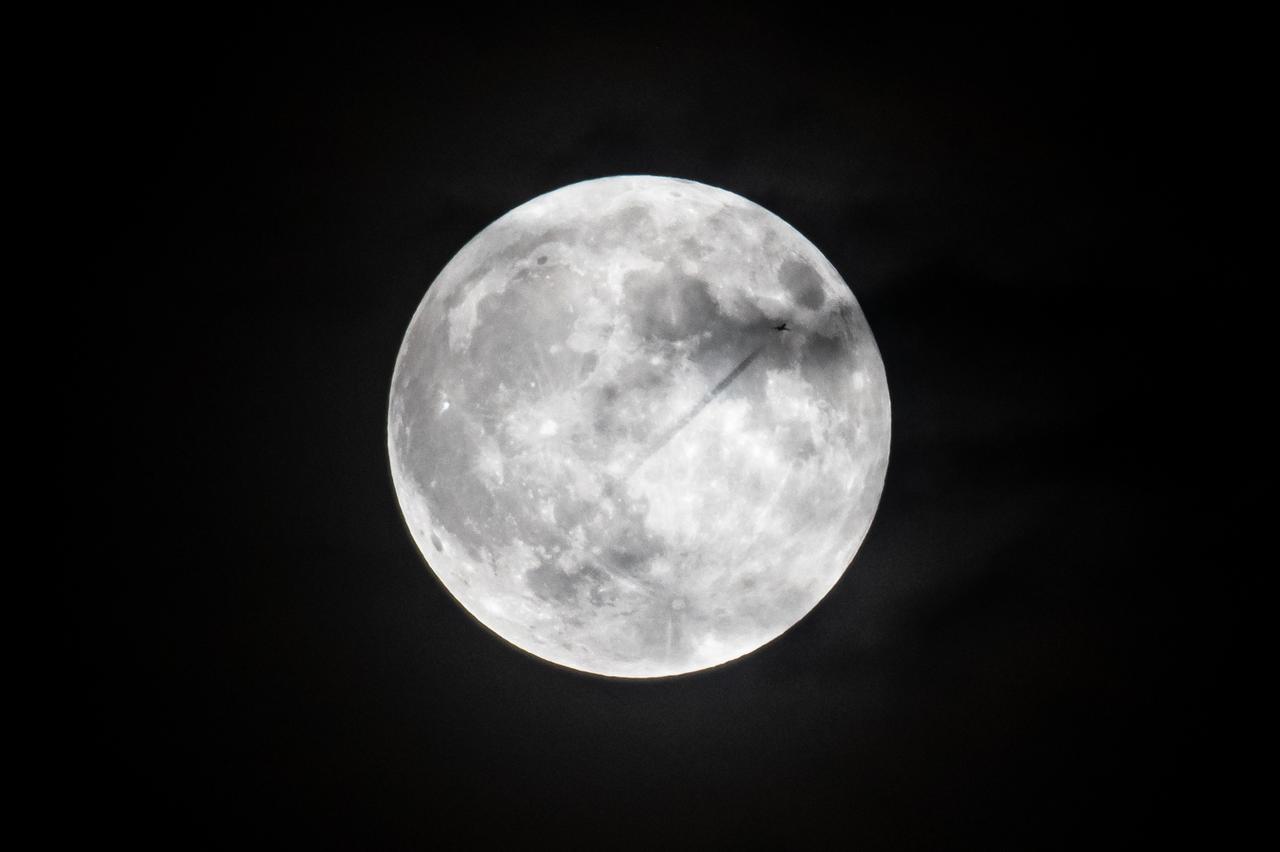
The Supermoon that was visible on September 17th, 2024 in Cleveland, OH. On this day, the full moon was a partial lunar eclipse; a supermoon; and a harvest moon.
/GRC-2023-C-05543 (1)~medium.jpg)
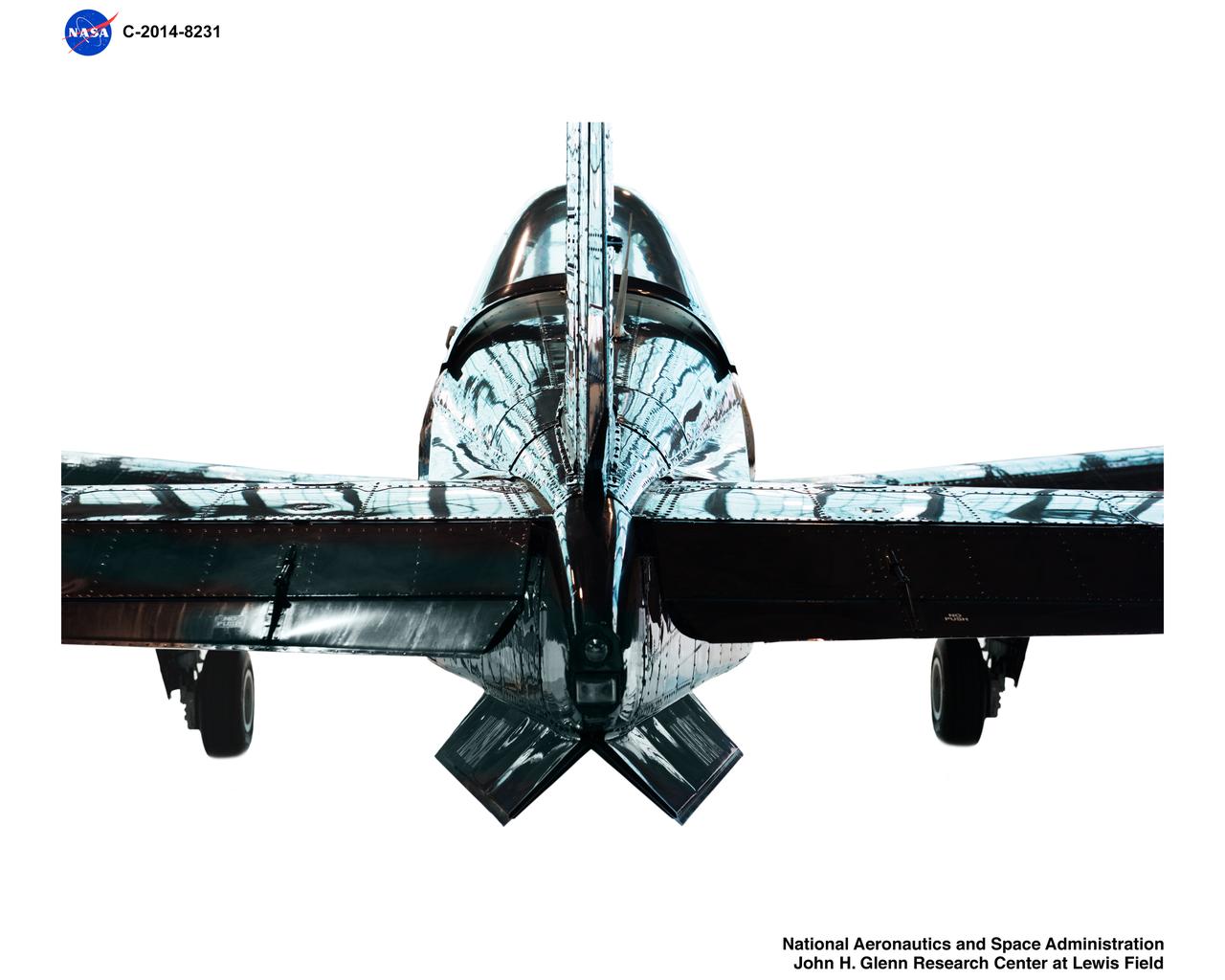
A T34-C aircraft reflects the large multi-paned windows on the Hangar doors. When NASA GRC obtained this T-34C from the Navy it was painted in ‚Äúthrowback‚Äù paint schemes from an earlier time in celebration of the 100th birthday of Naval Aviation. NASA kept it in the original paint job for posterity. This T-34C airplane will be GRCs surrogate aircraft for Unmanned Aircraft Systems in the National Airspace System aeronautics initiative. A T34-C aircraft reflects the large multi-paned windows on the Hangar doors. When NASA GRC obtained this T-34C from the Navy it was painted in “throwback” paint schemes from an earlier time in celebration of the 100th birthday of Naval Aviation. NASA kept it in the original paint job for posterity. This T-34C airplane will be GRCs surrogate aircraft for Unmanned Aircraft Systems in the National Airspace System aeronautics initiative.
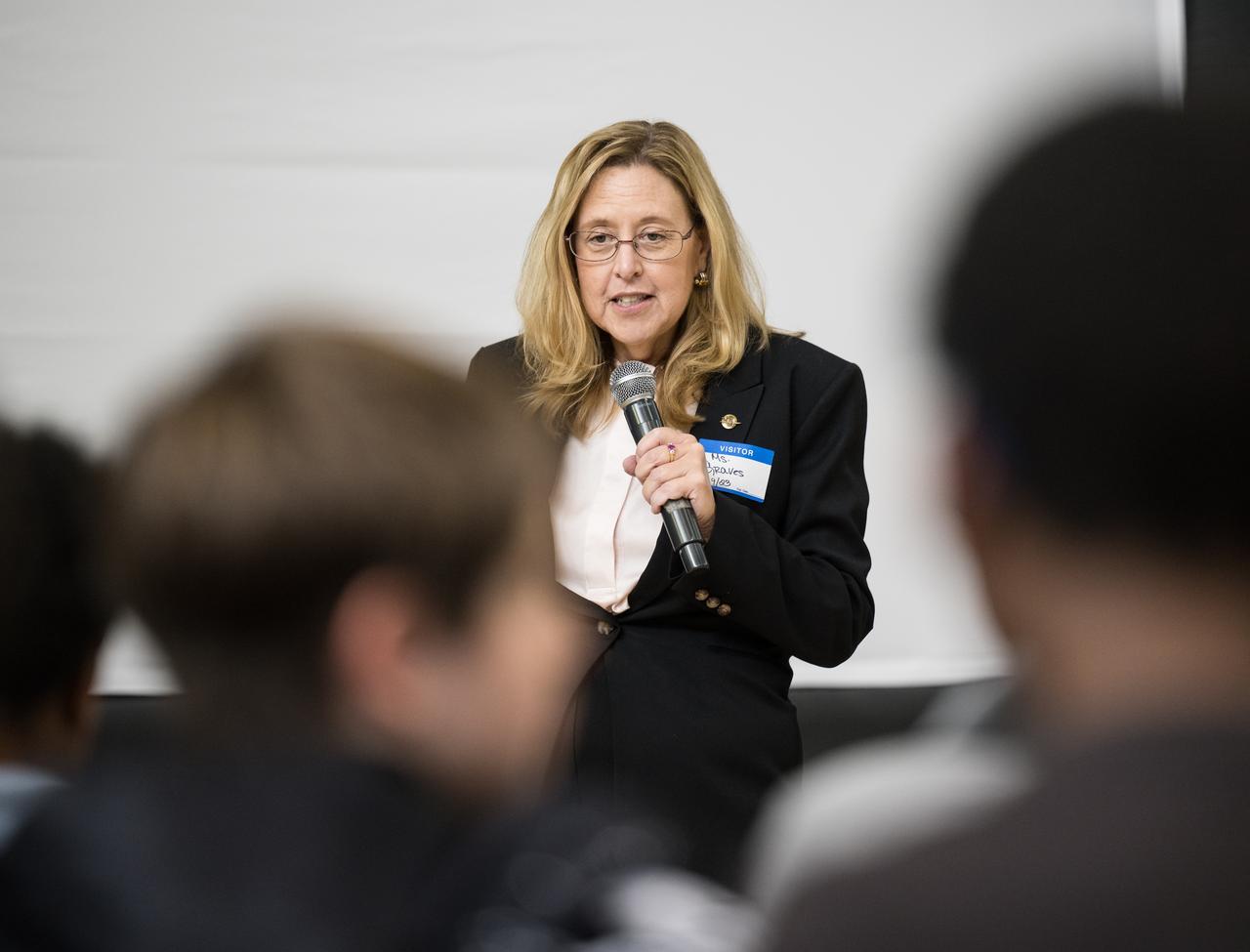
STEM Integration Manager at NASA’s Glenn Research Center (GRC) Office of STEM Engagement, Catherine Graves, provides welcome remarks at a kickoff event for the 21st Century Community Learning Centers NASA and Department of Education partnership, Monday, Sept. 23, 2024 at Wheatley Education Campus in Washington. Students engaged in NASA hands-on activities and an engineering design challenge. Photo Credit: (NASA/Aubrey Gemignani)
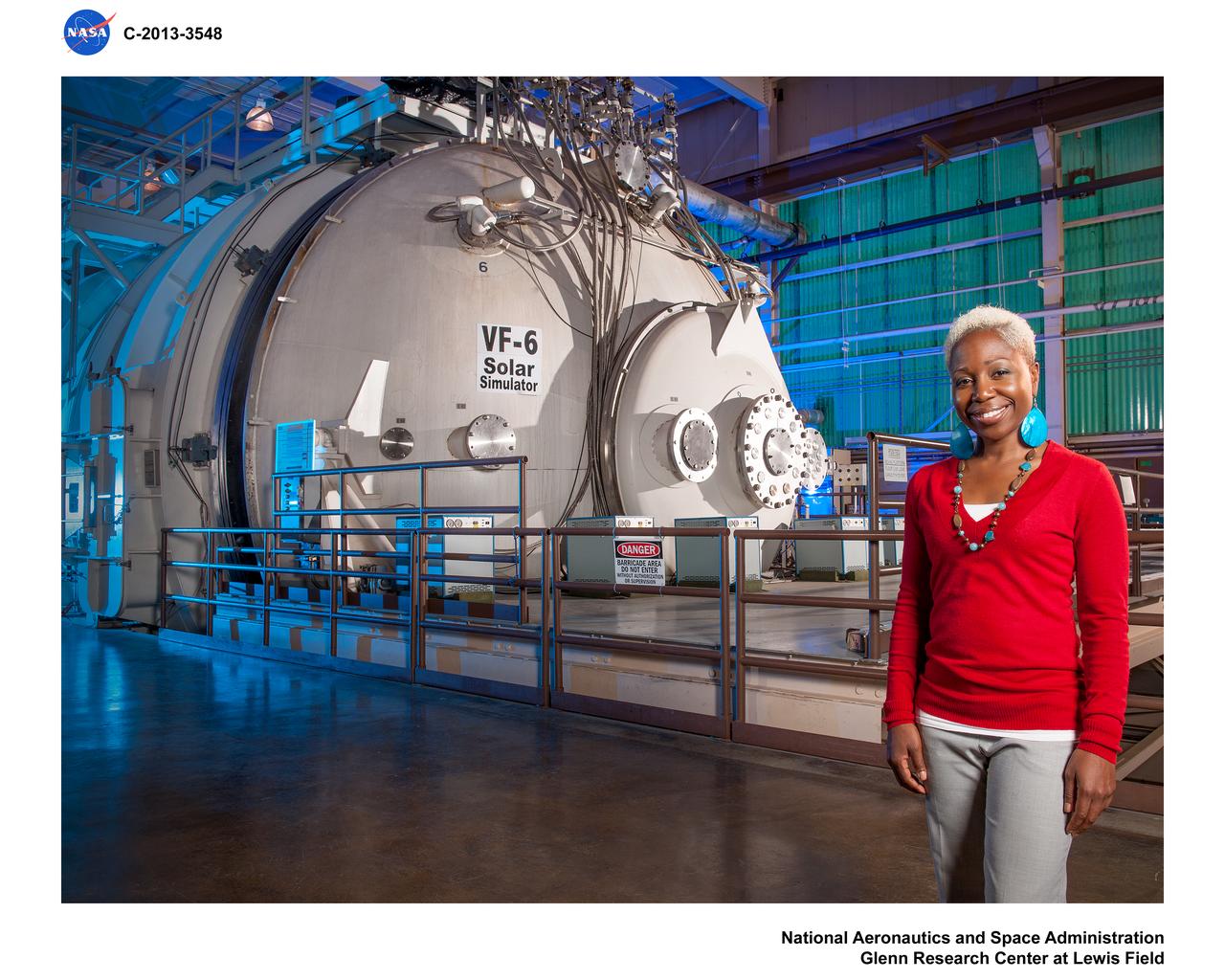
Environmental portrait of Mary Gibson and of Tank 6 (VF-6) Solar Simulator for NASA GRC Web Feature Story
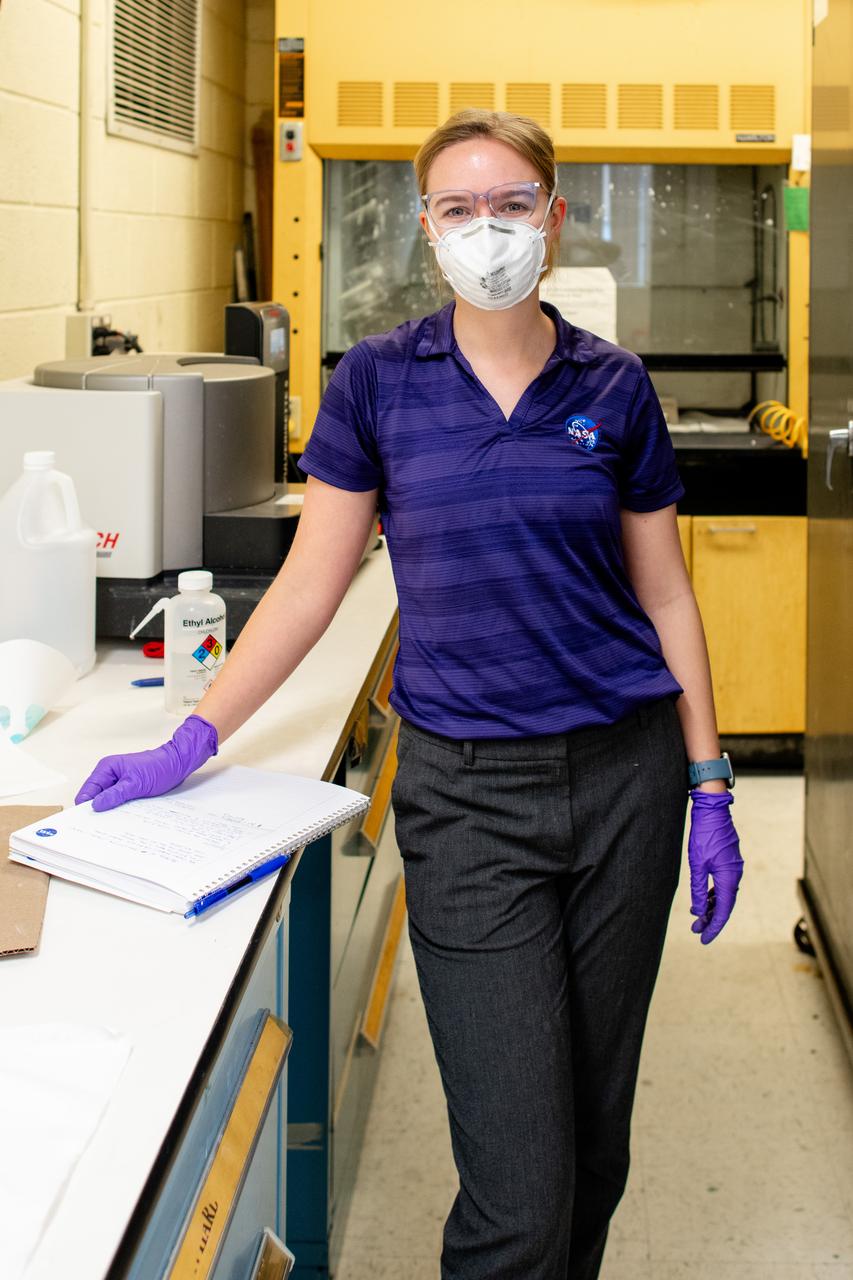
Sylvie Crowell who works in the Environmental Effects and Coatings Branch at NASA Glenn Research Center performs ball milling and particle size analysis on some lunar dust simulant on January 29, 2025.
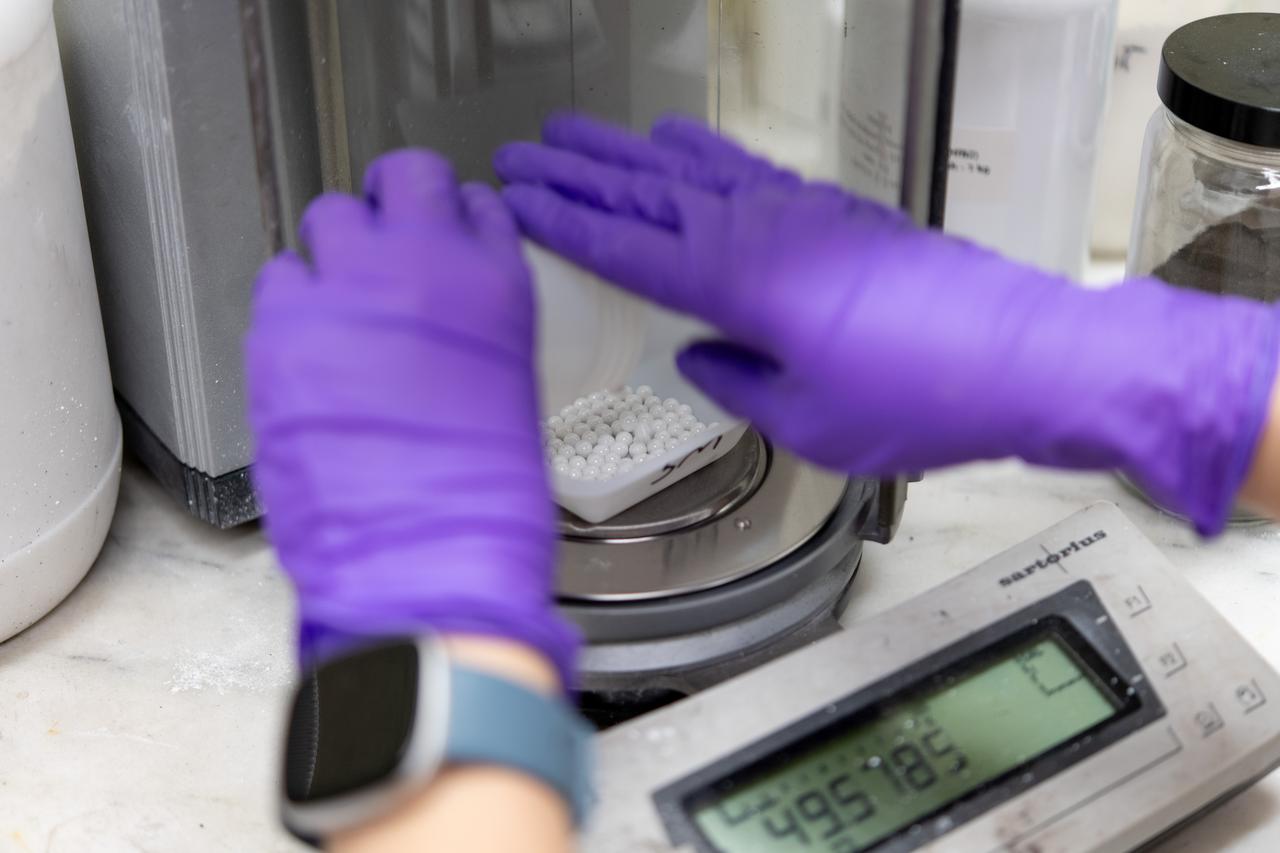
Sylvie Crowell who works in the Environmental Effects and Coatings Branch at NASA Glenn Research Center performs ball milling and particle size analysis on some lunar dust simulant on January 29, 2025.
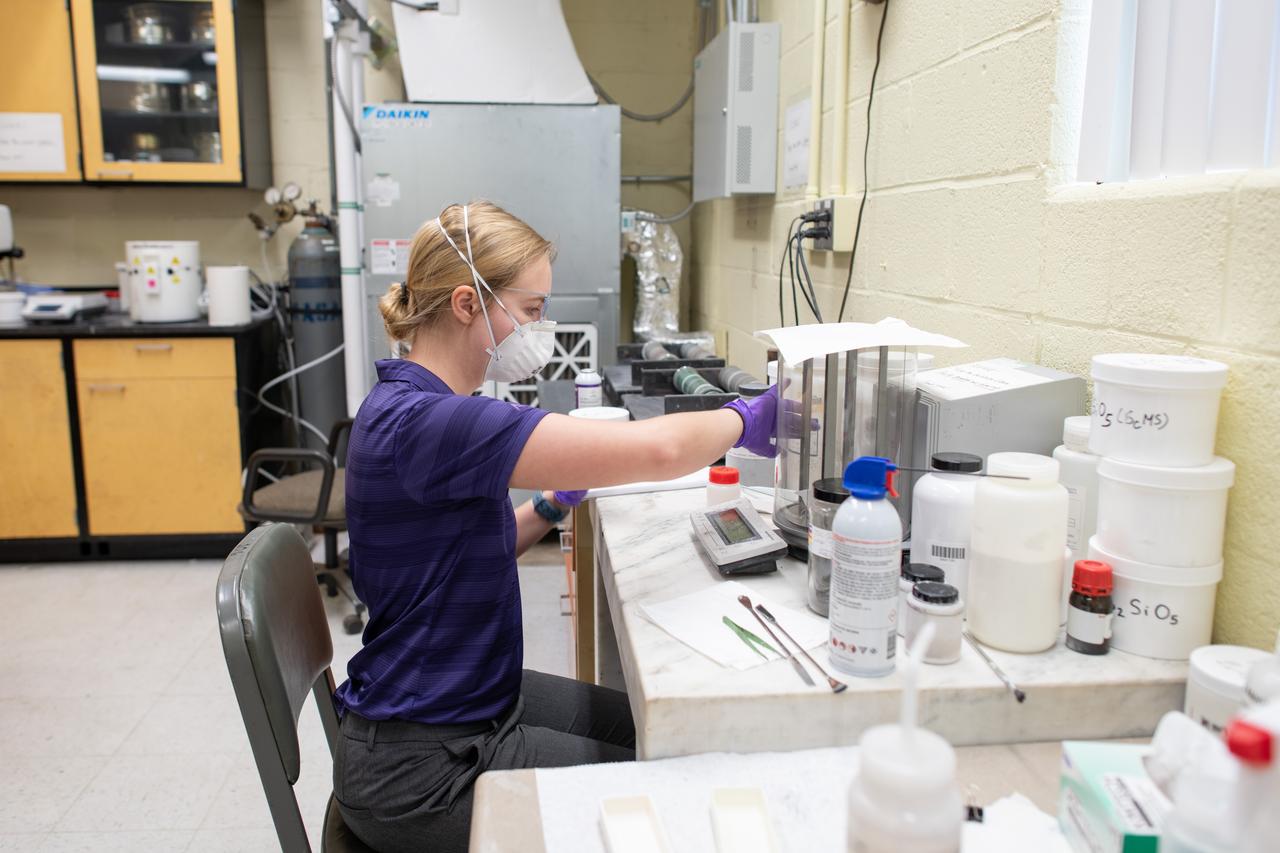
Sylvie Crowell who works in the Environmental Effects and Coatings Branch at NASA Glenn Research Center performs ball milling and particle size analysis on some lunar dust simulant on January 29, 2025.
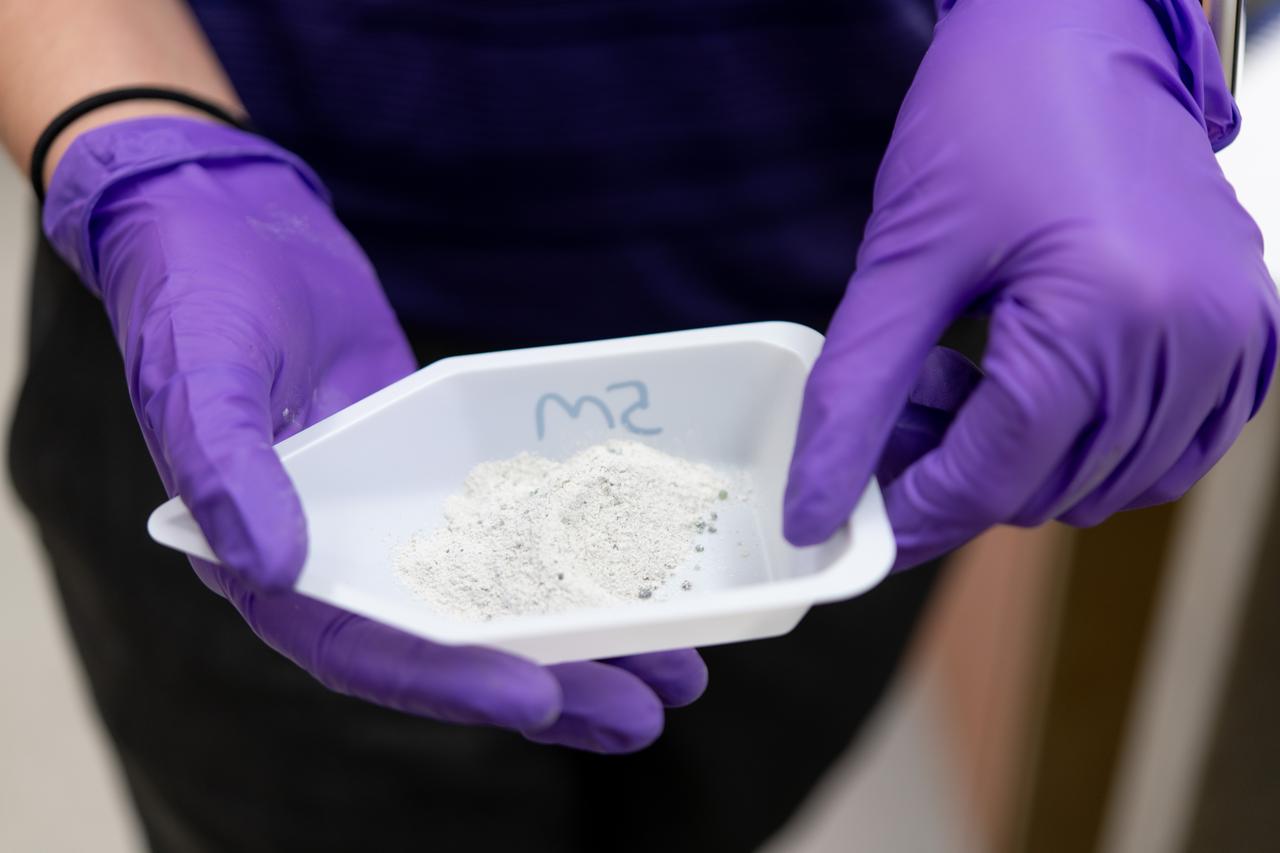
Sylvie Crowell who works in the Environmental Effects and Coatings Branch at NASA Glenn Research Center performs ball milling and particle size analysis on some lunar dust simulant on January 29, 2025.
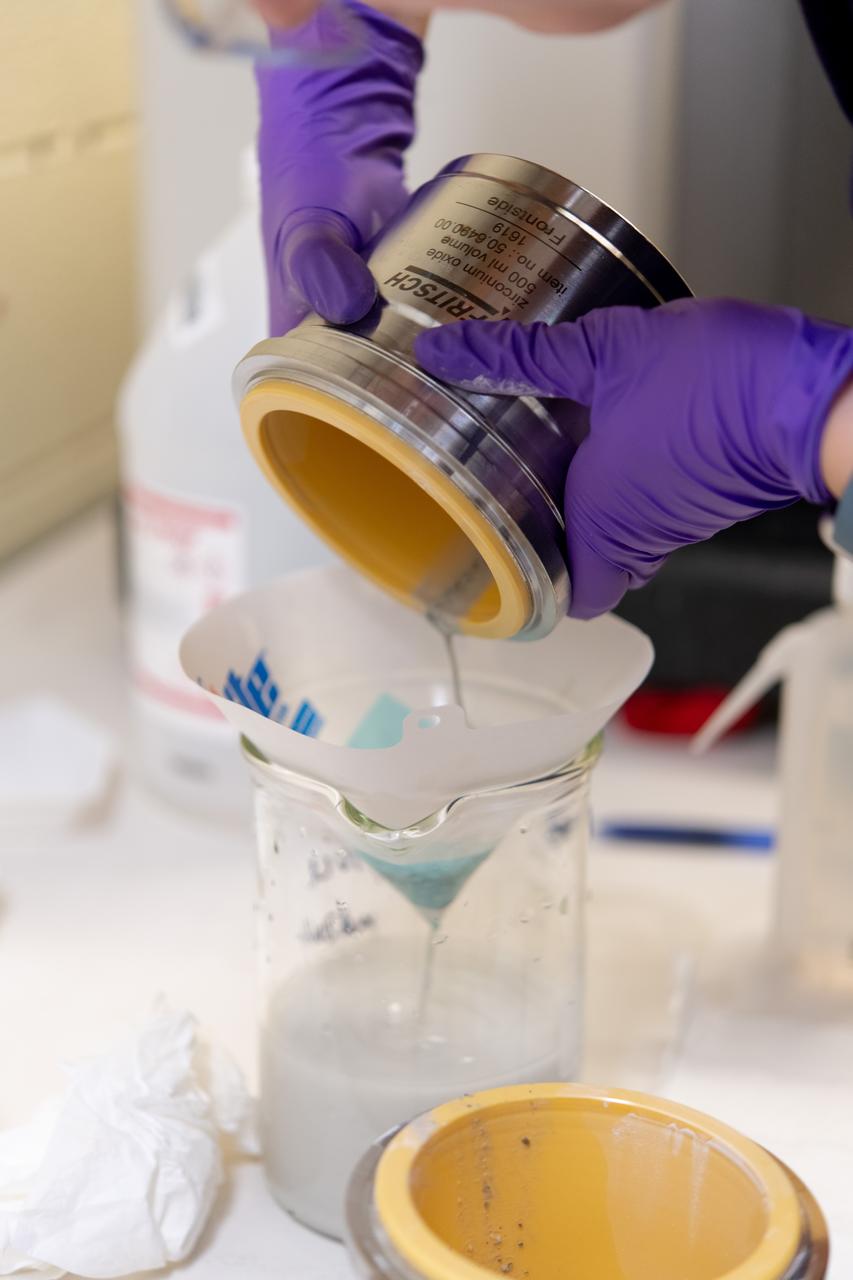
Sylvie Crowell who works in the Environmental Effects and Coatings Branch at NASA Glenn Research Center performs ball milling and particle size analysis on some lunar dust simulant on January 29, 2025.
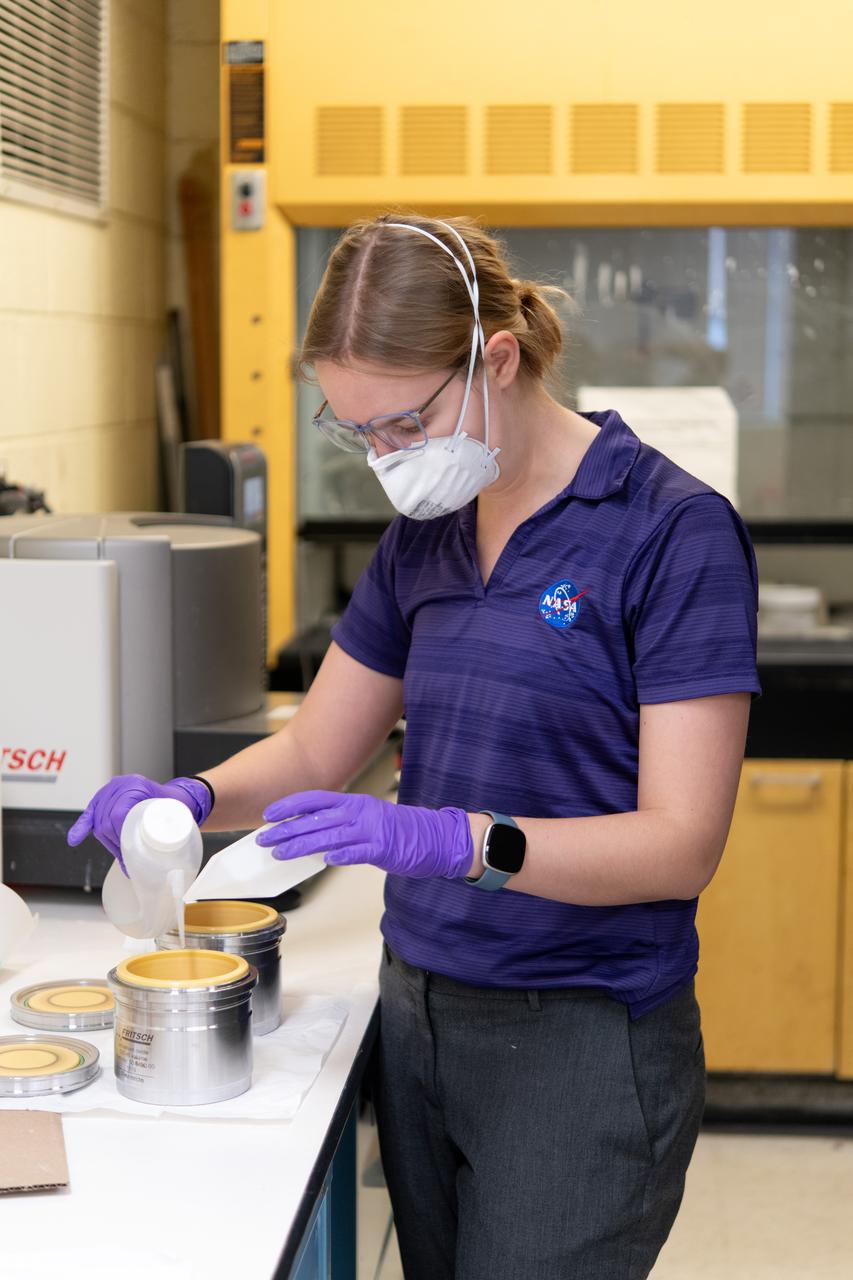
Sylvie Crowell who works in the Environmental Effects and Coatings Branch at NASA Glenn Research Center performs ball milling and particle size analysis on some lunar dust simulant on January 29, 2025.
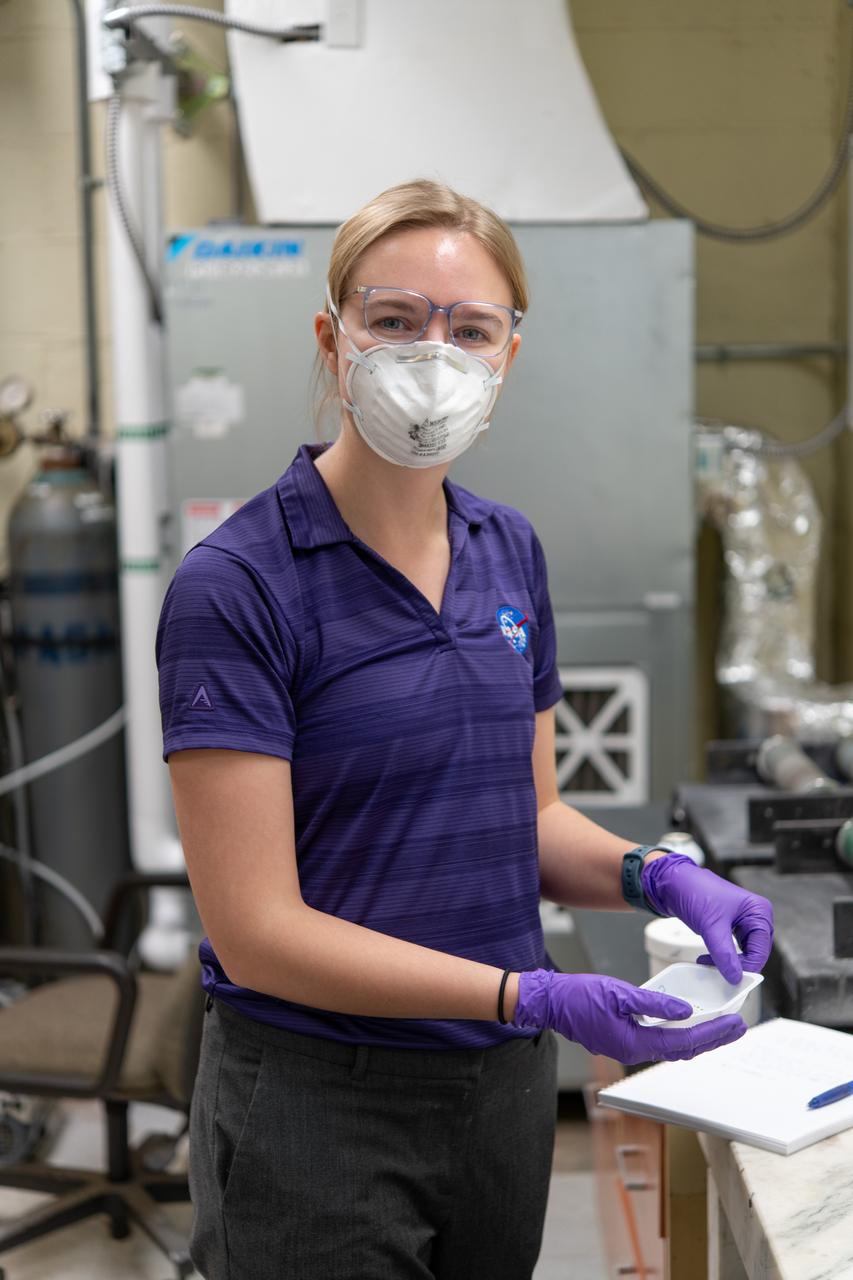
Sylvie Crowell who works in the Environmental Effects and Coatings Branch at NASA Glenn Research Center performs ball milling and particle size analysis on some lunar dust simulant on January 29, 2025.
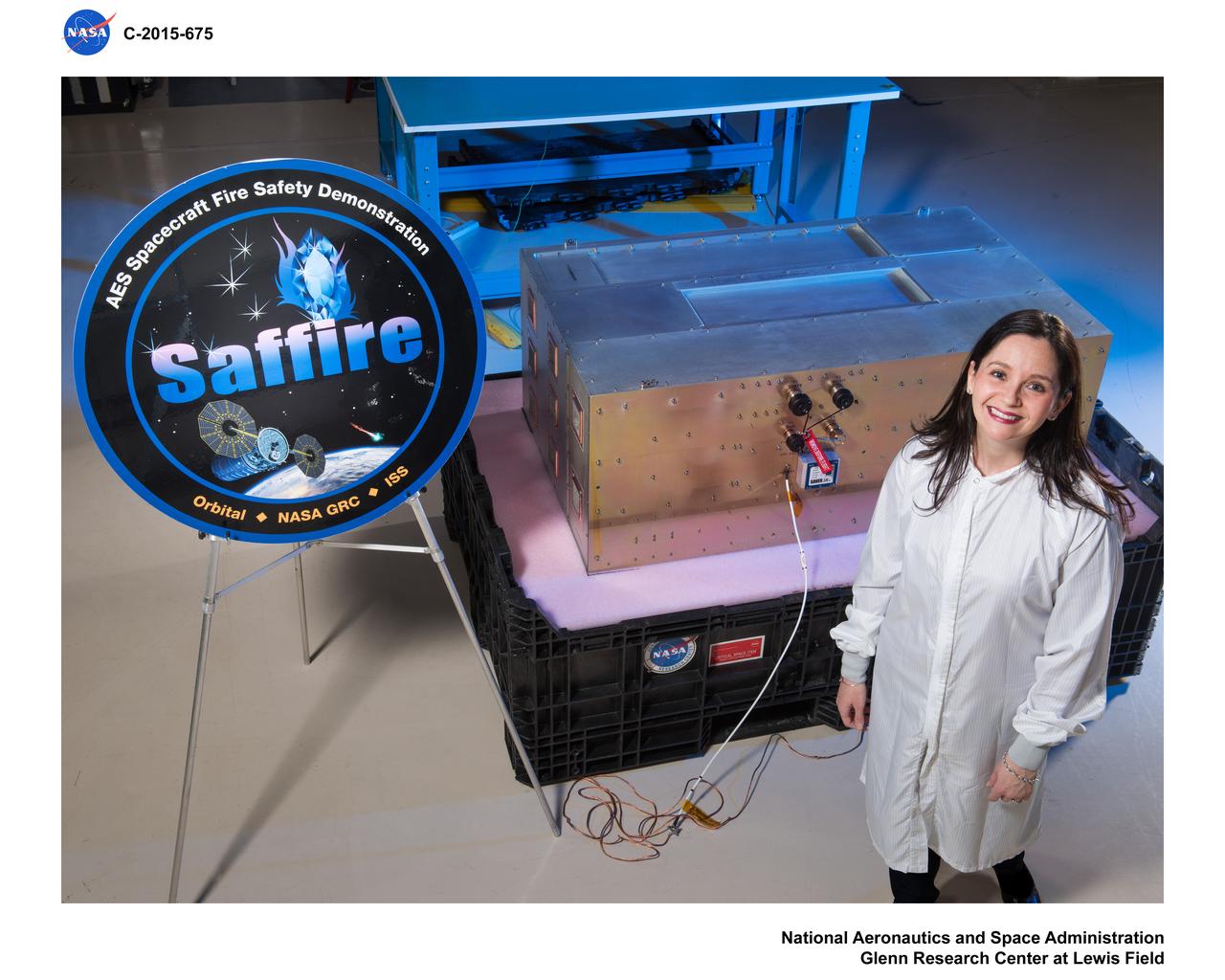
NASA Advanced Exploration Systems, Spacecraft Fire Safety Demonstration, Chief Scientist poses with the flight hardware. Photo taken for a NASA GRC Web Feature
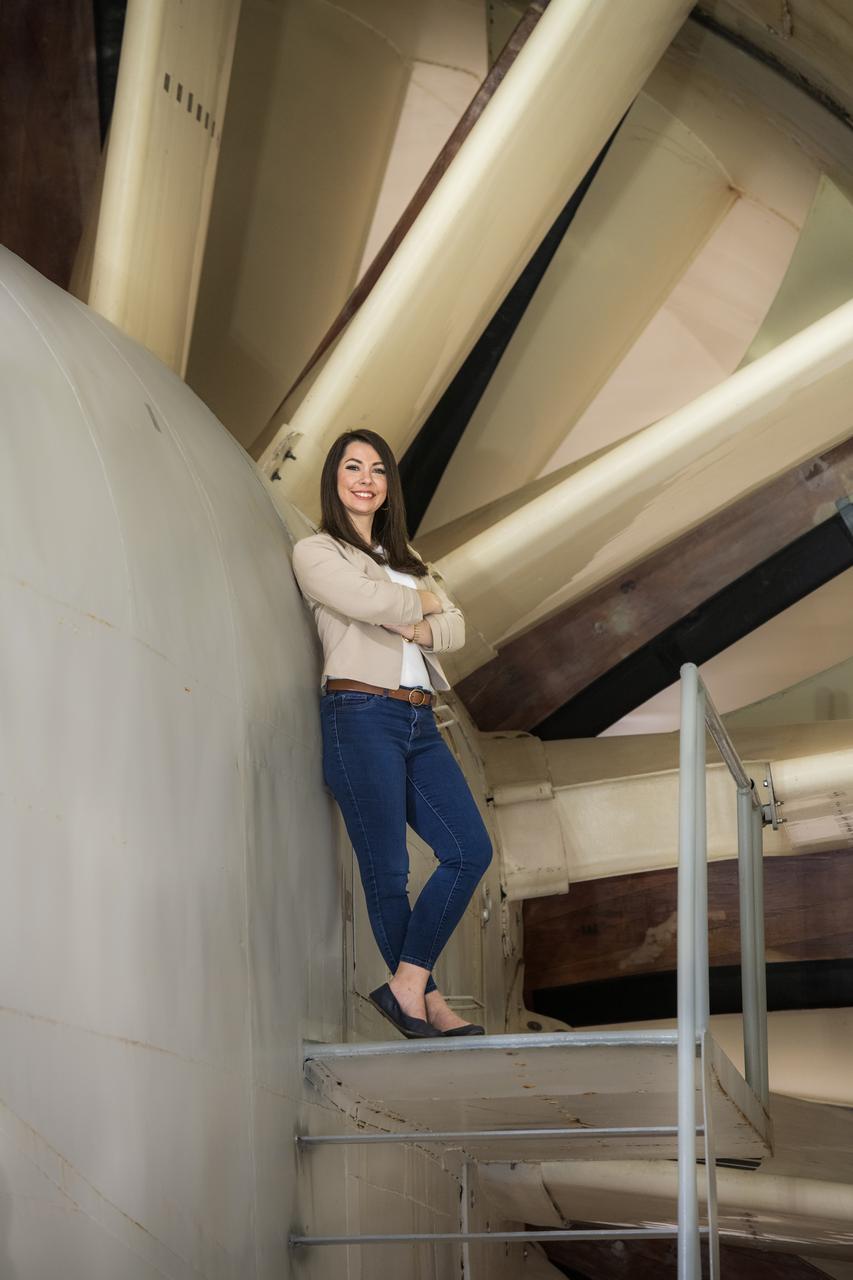
Emily Timko, featured in a Faces of NASA article, poses in the IRT (Icing Research Tunnel) where she works as a “cloud engineer”. She is a Mechanical Test Engineer and works to create unique water spray conditions that simulate icing clouds in the natural aircraft flight environment. Shown in the photo is a portion of the fan drive motor and fan blades that together drive the air through the wind tunnel.
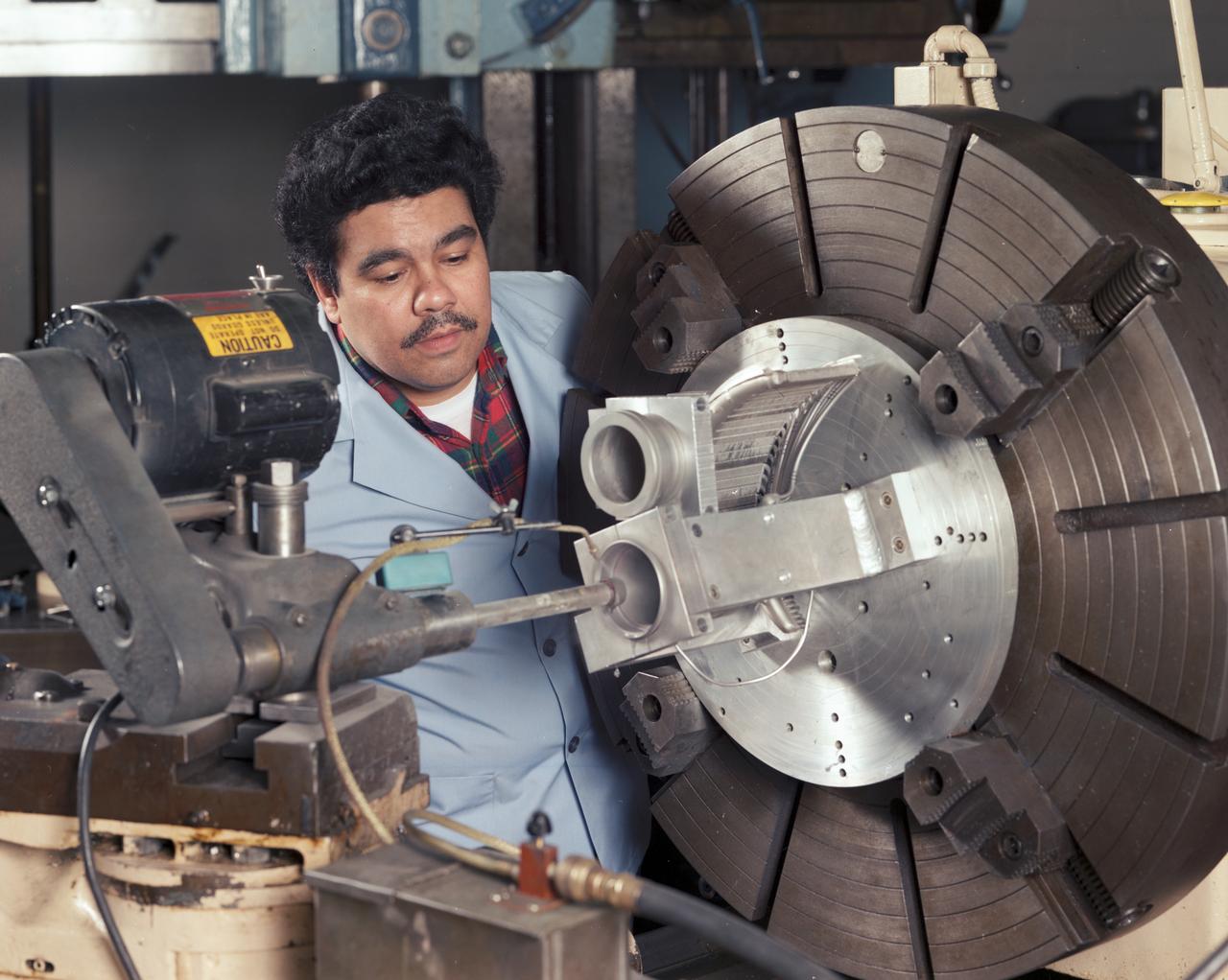
Fabrication of Stirling Engine Cylinder Test Hardware in the Machine Shop

Emily Timko, featured in a Faces of NASA article, poses in the IRT (Icing Research Tunnel) where she works as a “cloud engineer”. She is a Mechanical Test Engineer and works to create unique water spray conditions that simulate icing clouds in the natural aircraft flight environment. Shown in the photo is a portion of the fan drive motor and fan blades that together drive the air through the wind tunnel.
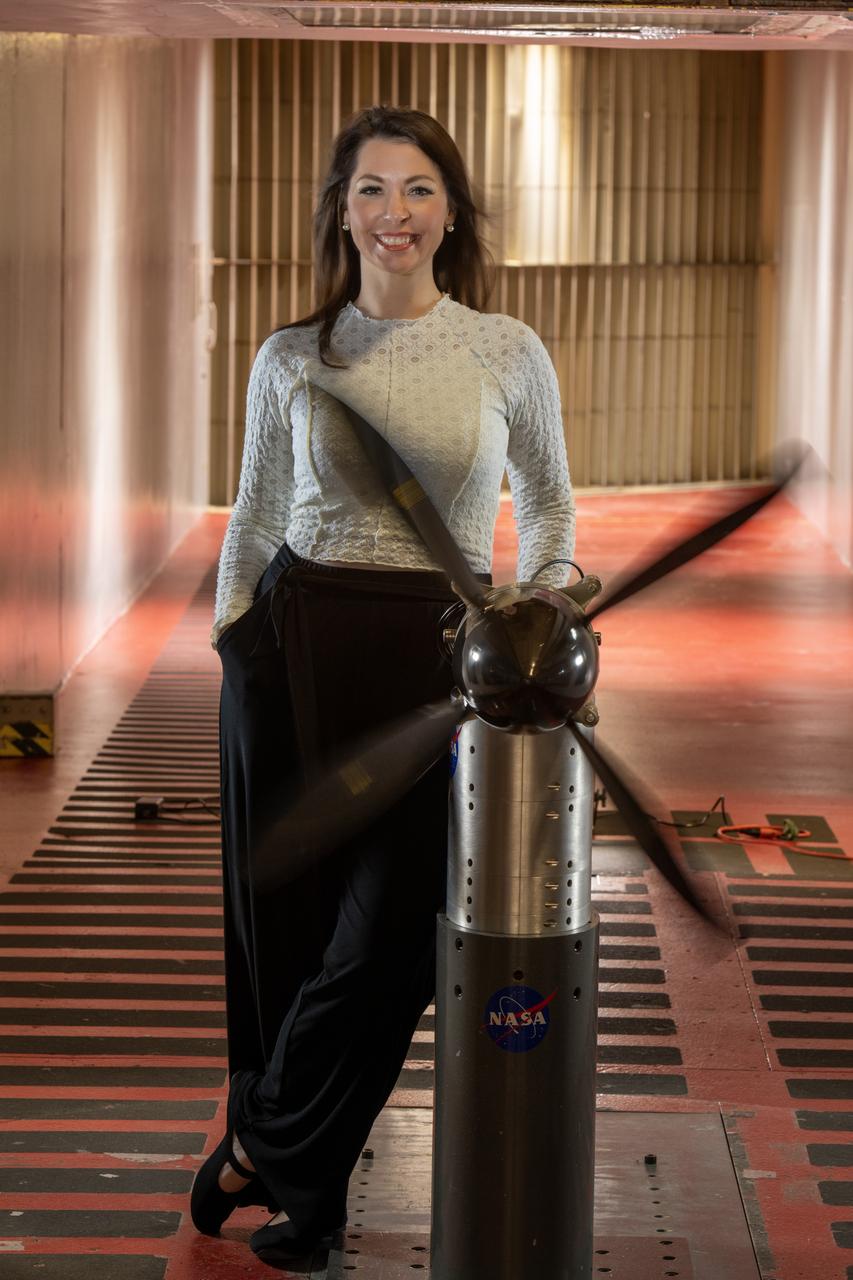
Emily Timko, featured in a Faces of NASA article, poses in the IRT (Icing Research Tunnel) where she works as a “cloud engineer”. She is a Mechanical Test Engineer and works to create unique water spray conditions that simulate icing clouds in the natural aircraft flight environment. Shown in the photo is a test article of a rotating propeller configuration that the IRT researchers are investigating ice accretion with.

Winter Season Weather Scenic Photos of NASA Glenn Research Center, GRC, Acoustic Dome for Archive and Instagram; Aero-Acoustic Propulsion Laboratory, AAPL, Exterior
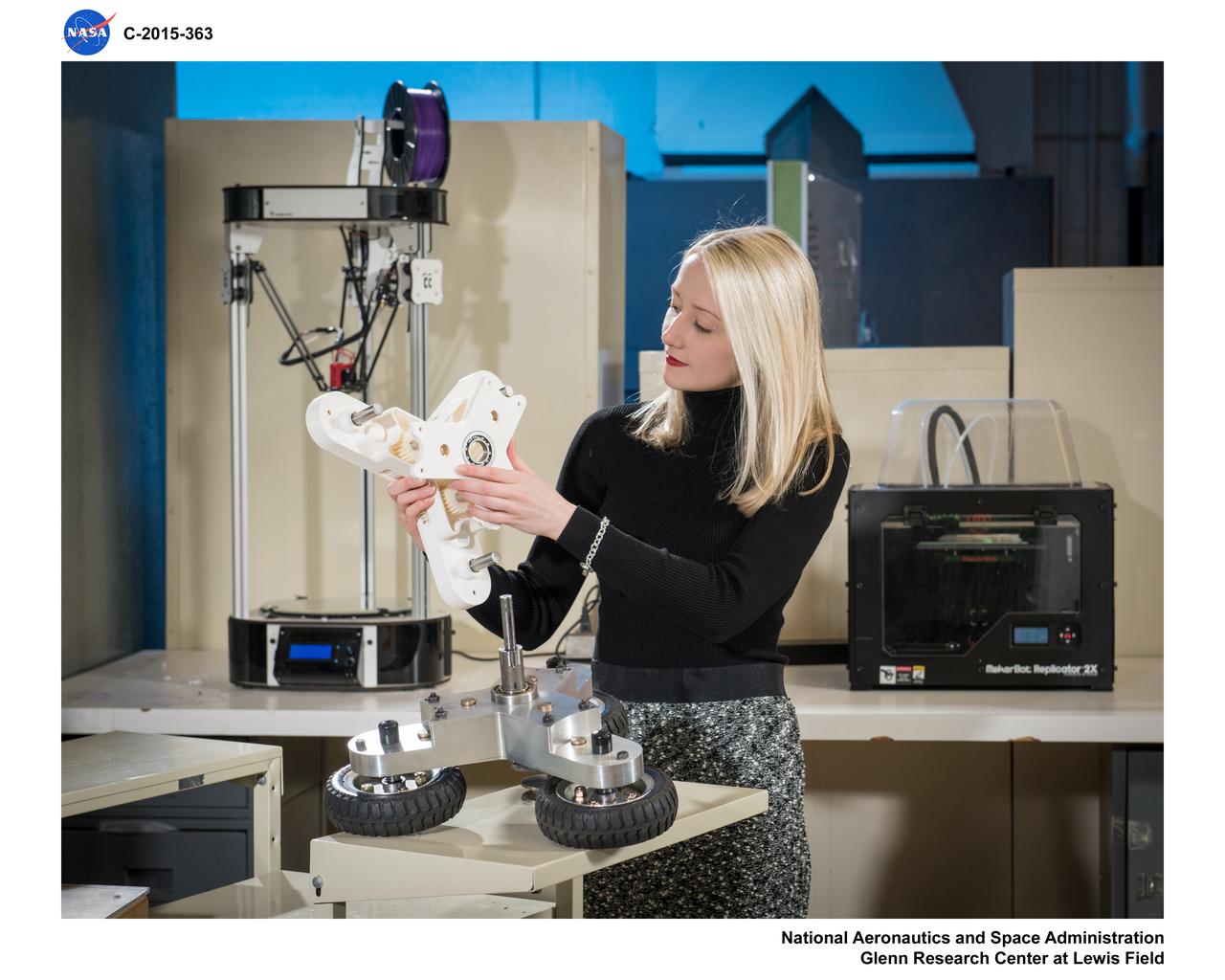
Tri Wheel Robot at i-Lab Creative and Innovation Lab at NASA GRC, Case Western Reserve University, CWRU, Masters of Science Graduate Student Partnership
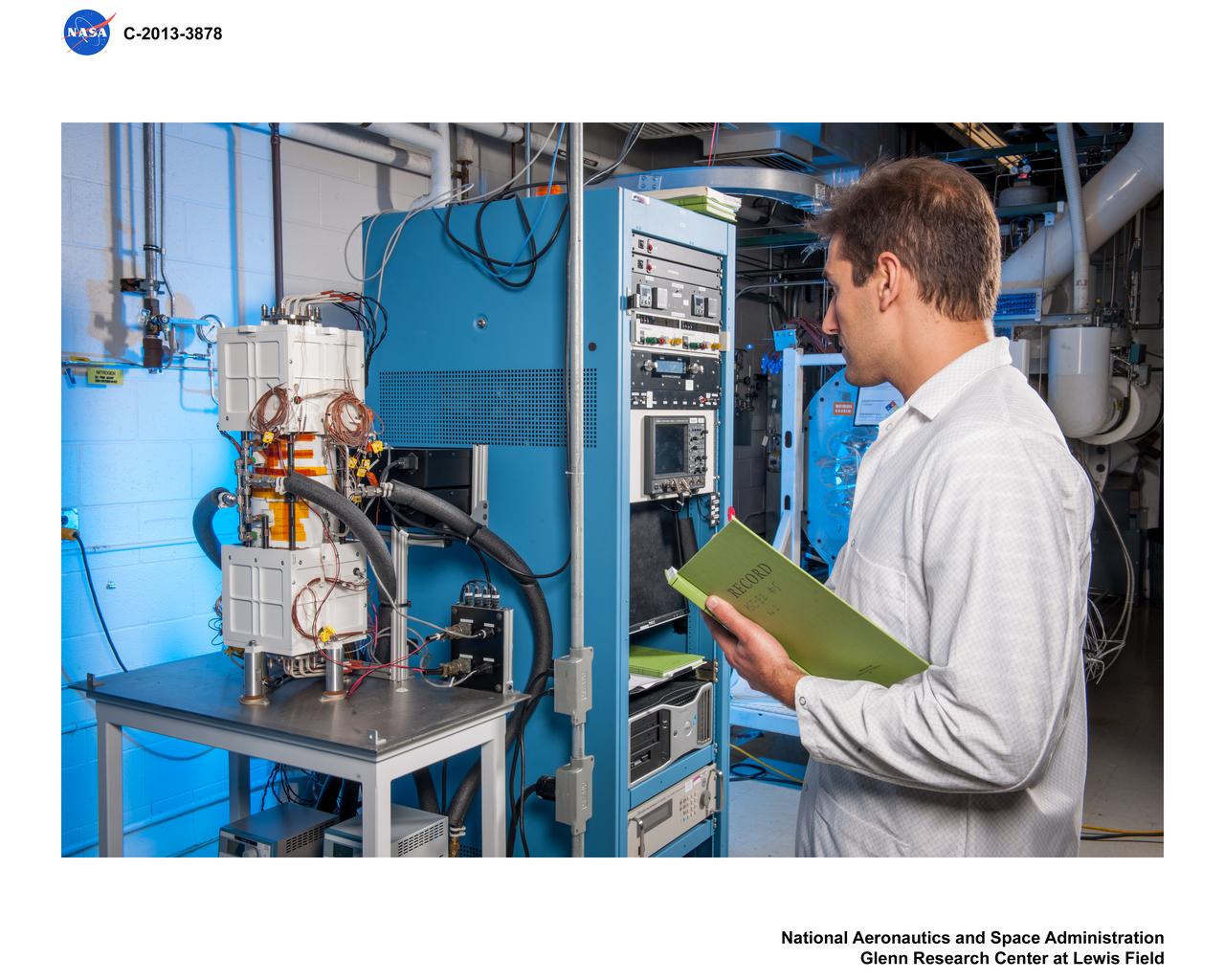
The Advanced Stirling Convertor (ASC) is being developed by Sunpower, Inc. for NASA's Glenn Research Center (GRC) with critical technology support tasks led by GRC. The goal of the ASC project is to develop a highly efficient, low mass, reliable power convertor for future Radioisotope Power Systems (RPS), NASA's Science Mission Directorate; Stirling Lab
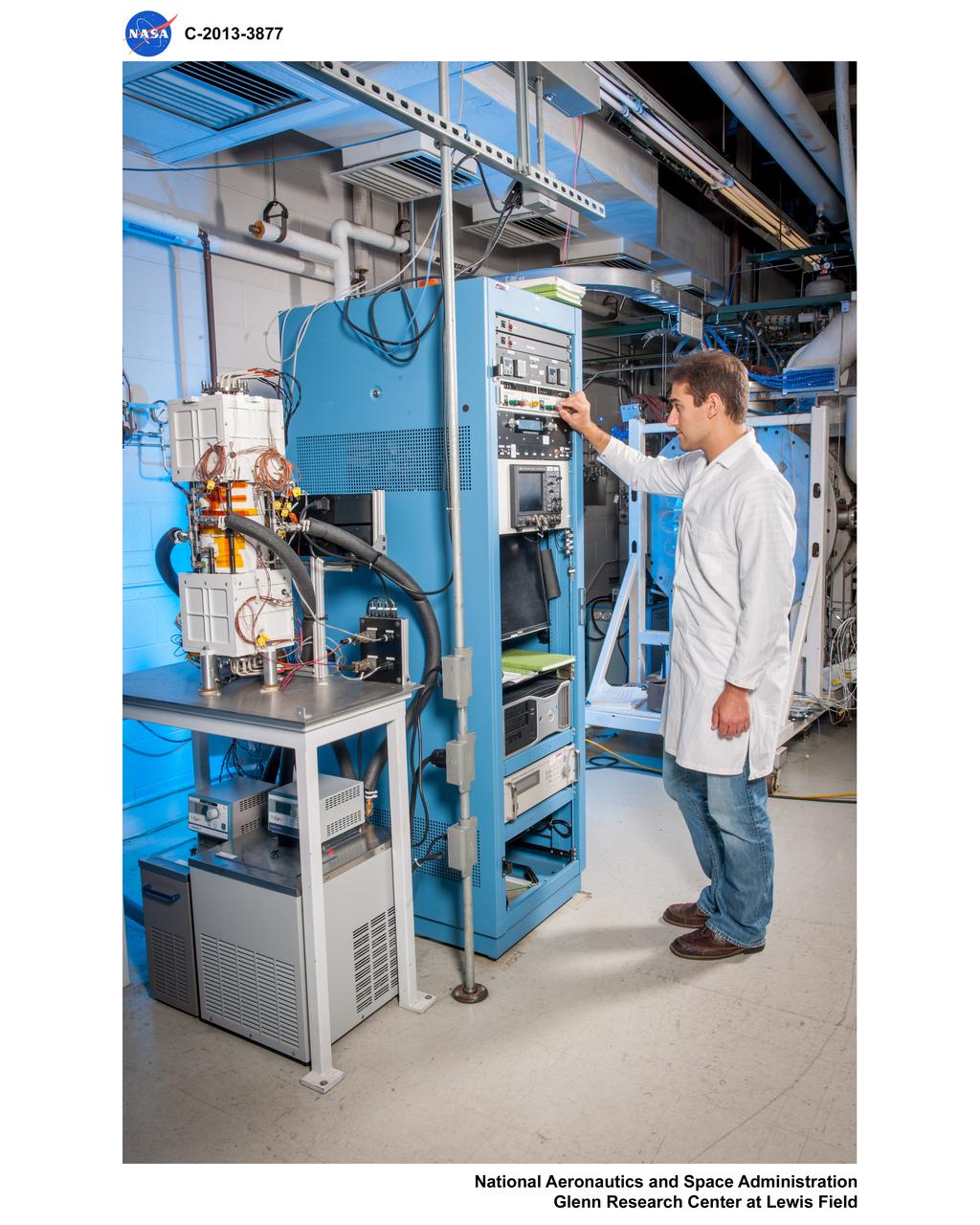
The Advanced Stirling Convertor (ASC) is being developed by Sunpower, Inc. for NASA's Glenn Research Center (GRC) with critical technology support tasks led by GRC. The goal of the ASC project is to develop a highly efficient, low mass, reliable power convertor for future Radioisotope Power Systems (RPS), NASA's Science Mission Directorate; Stirling Lab
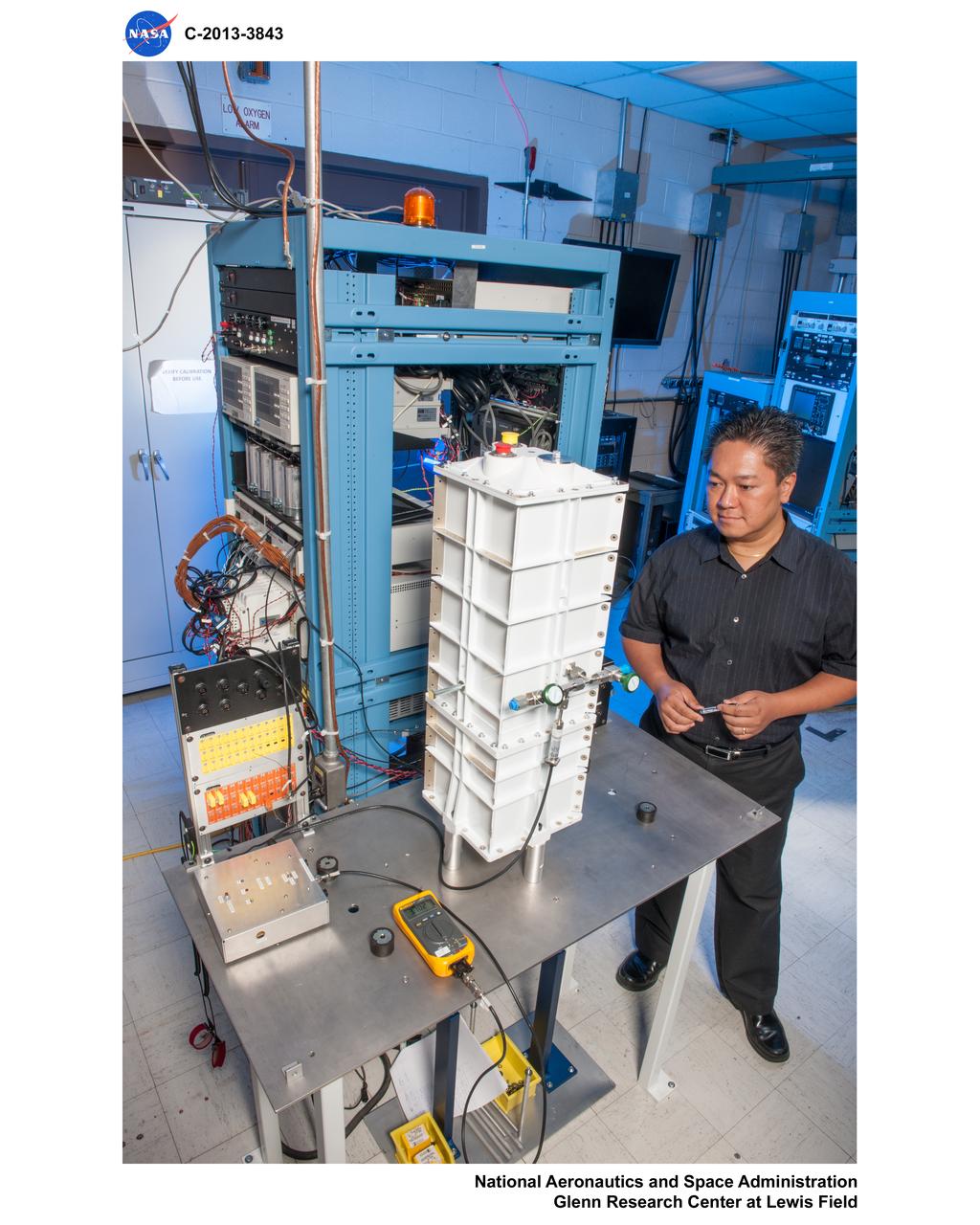
The Advanced Stirling Convertor (ASC) is being developed by Sunpower, Inc. for NASA's Glenn Research Center (GRC) with critical technology support tasks led by GRC. The goal of the ASC project is to develop a highly efficient, low mass, reliable power convertor for future Radioisotope Power Systems (RPS), NASA's Science Mission Directorate; Stirling Lab

Flight engineer and photographer William Wynne (pictured) worked with photographer Arthur Laufman to execute a photo concept devised by Laufman. Wynne printed two copies of the F-61 aircraft in flight. The prints were made to the correct size that allowed them to be cut out and taped to the lenses of his goggles to simulate a reflection. The photo of Wynne was then taken with an out of focus background to simulate clouds.
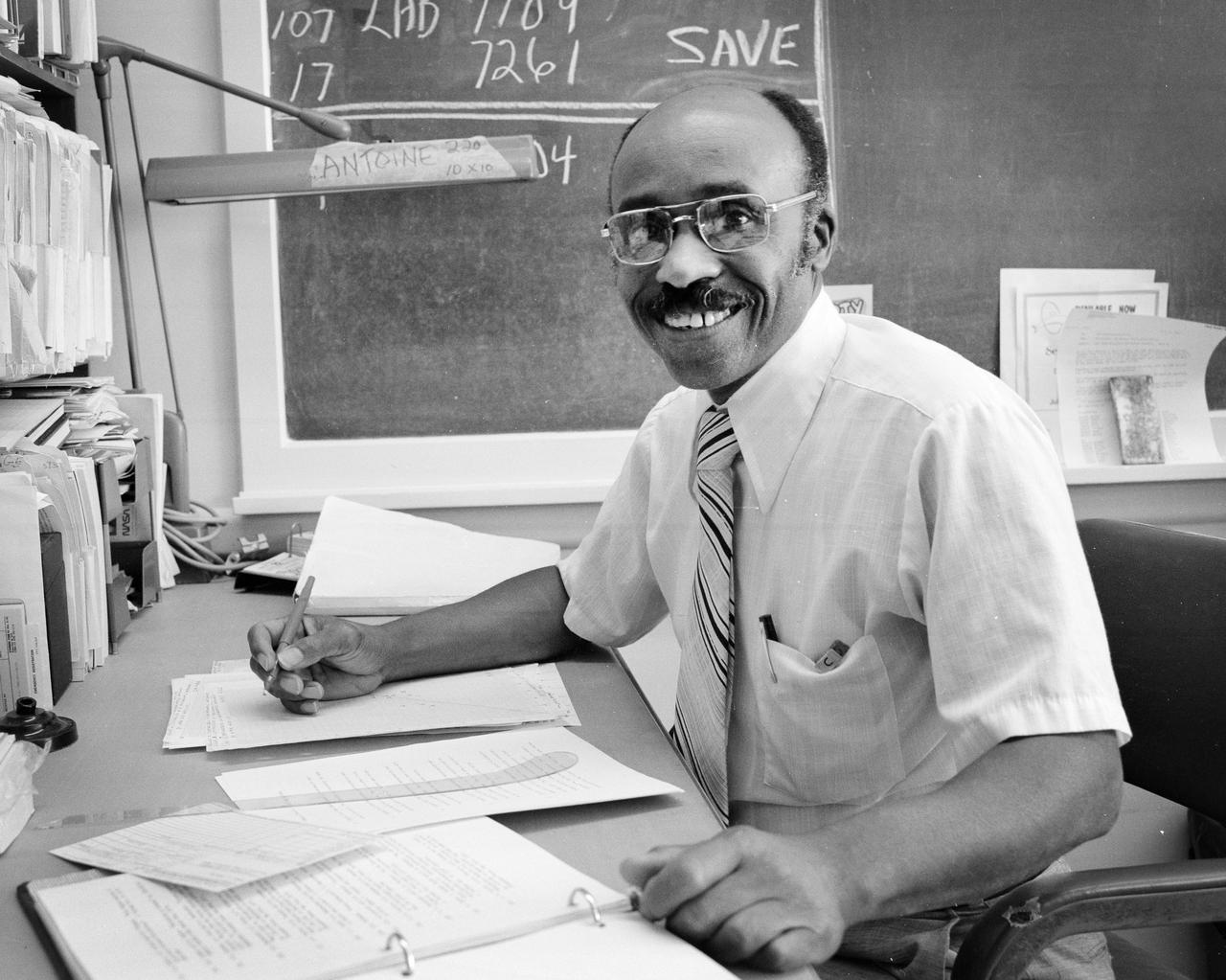
Electrochemistry Branch, Research Contributions to the NASA Mission at the Lewis Research Center
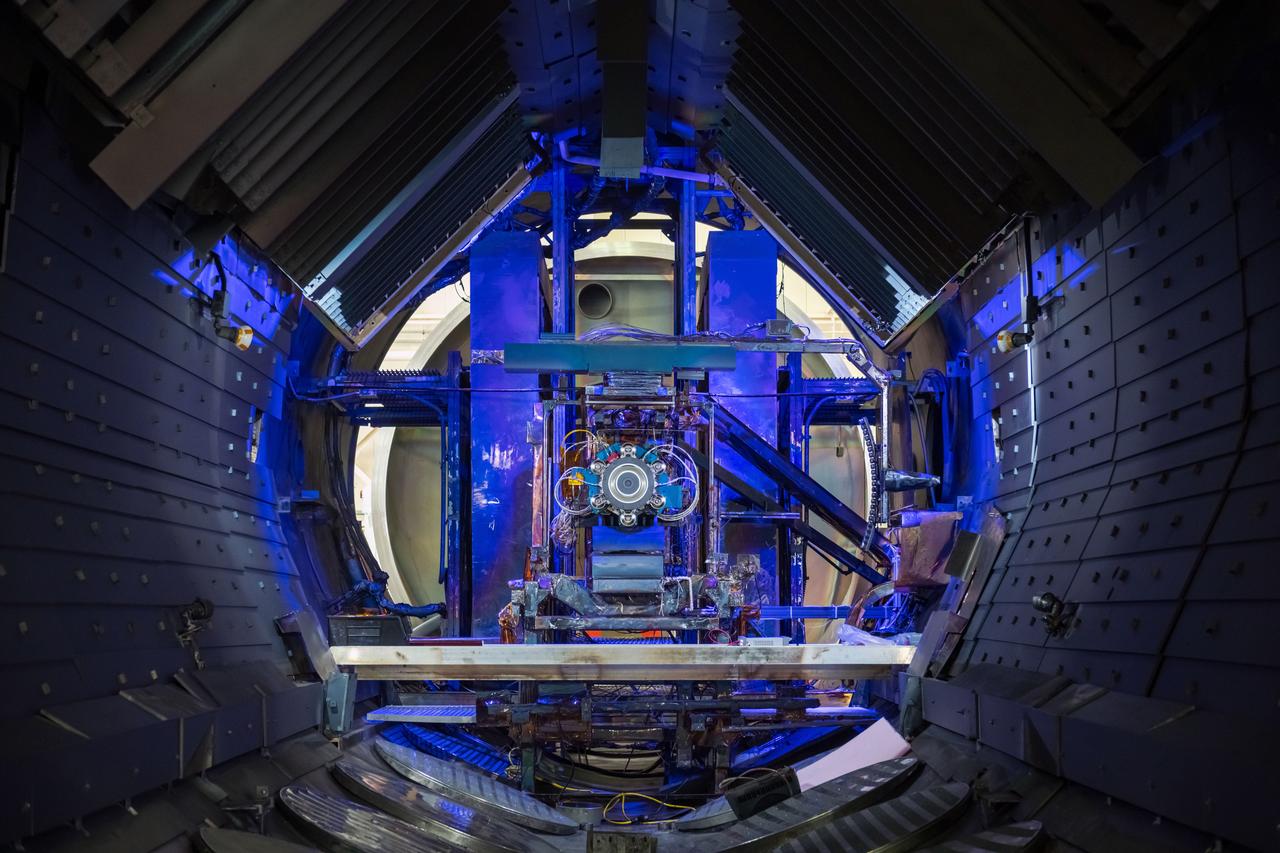
NASA Glenn Research Center has received the first of three Advanced Electric Propulsion System (AEPS) thrusters for the Gateway lunar space station. Built by L3Harris Technologies, the thruster will undergo testing before integration with Gateway’s Power and Propulsion Element, launching with the HALO module ahead of Artemis IV.
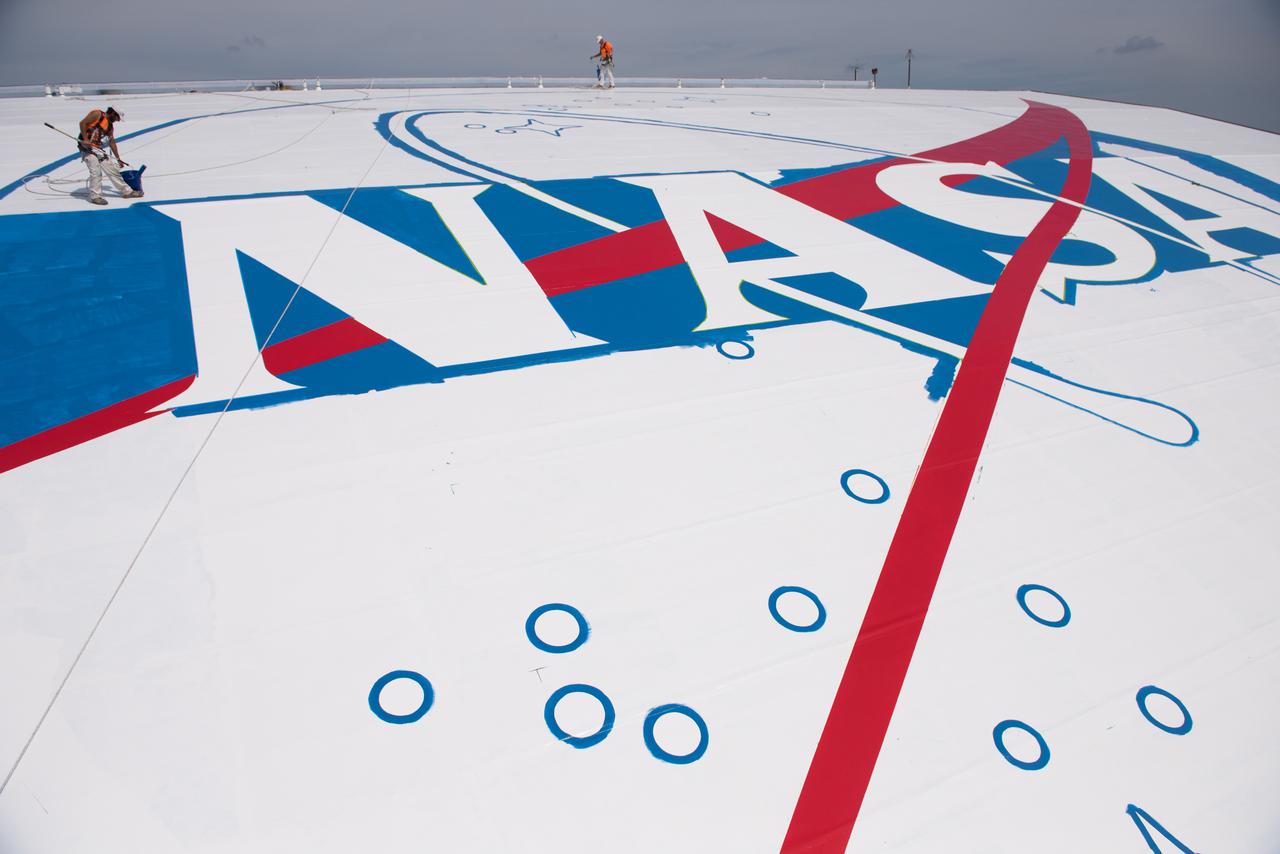
Painters paint the NASA Insignia or Meatball on the Hangar Roof
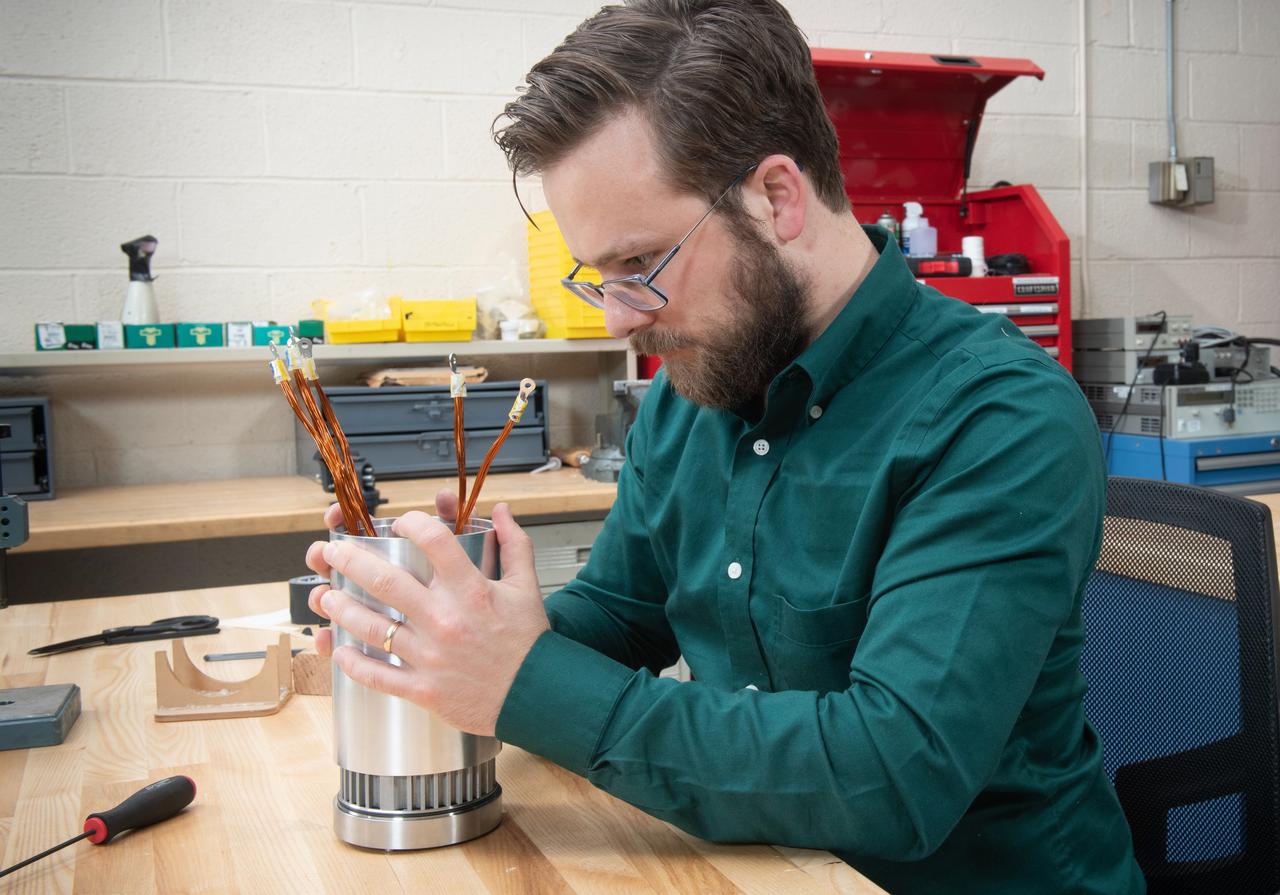
Assembly of a 20kW Electric Kokomotor for the SUbsonic Single Aft eNgine, SUSAN, 25% Flight Research Vehicle
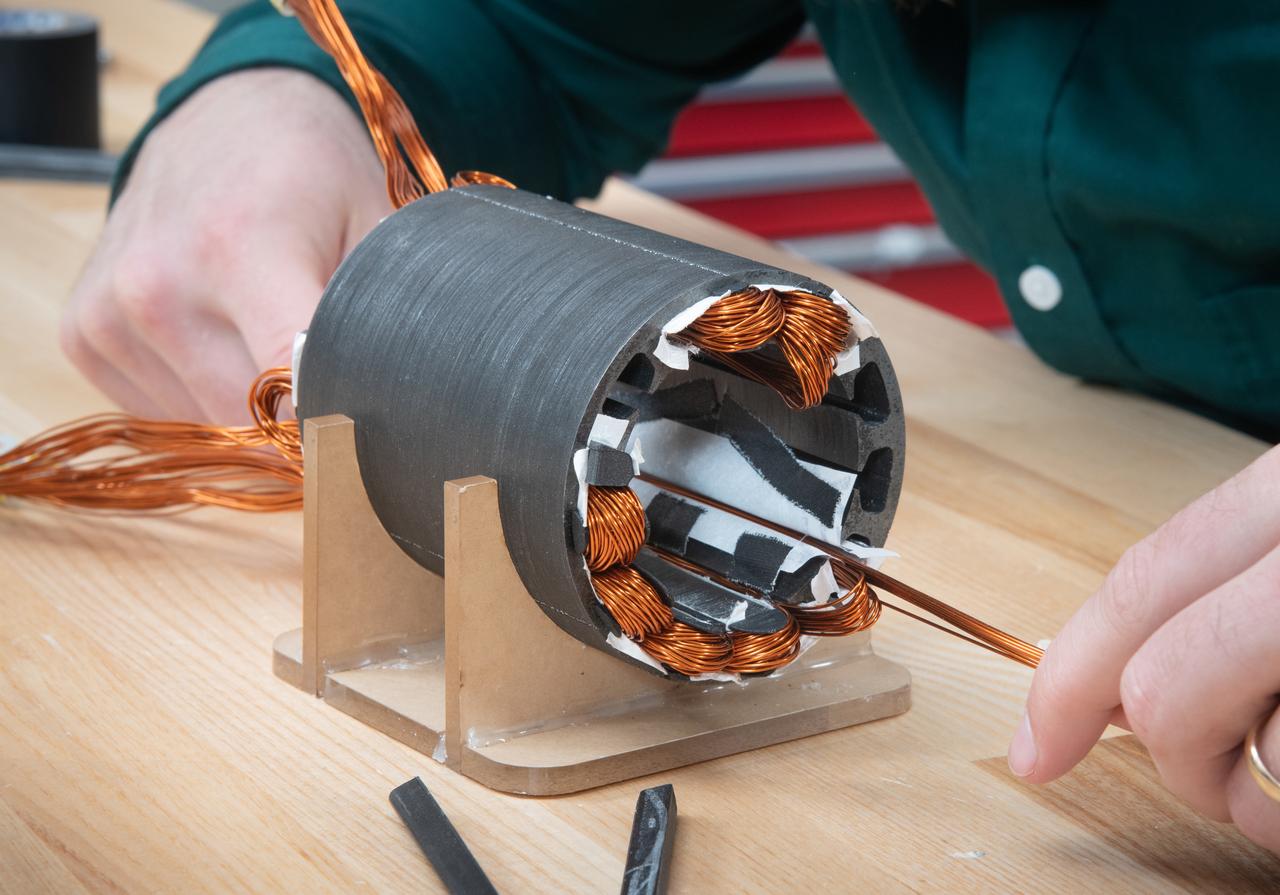
Assembly of a 20kW Electric Kokomotor for the SUbsonic Single Aft eNgine, SUSAN, 25% Flight Research Vehicle
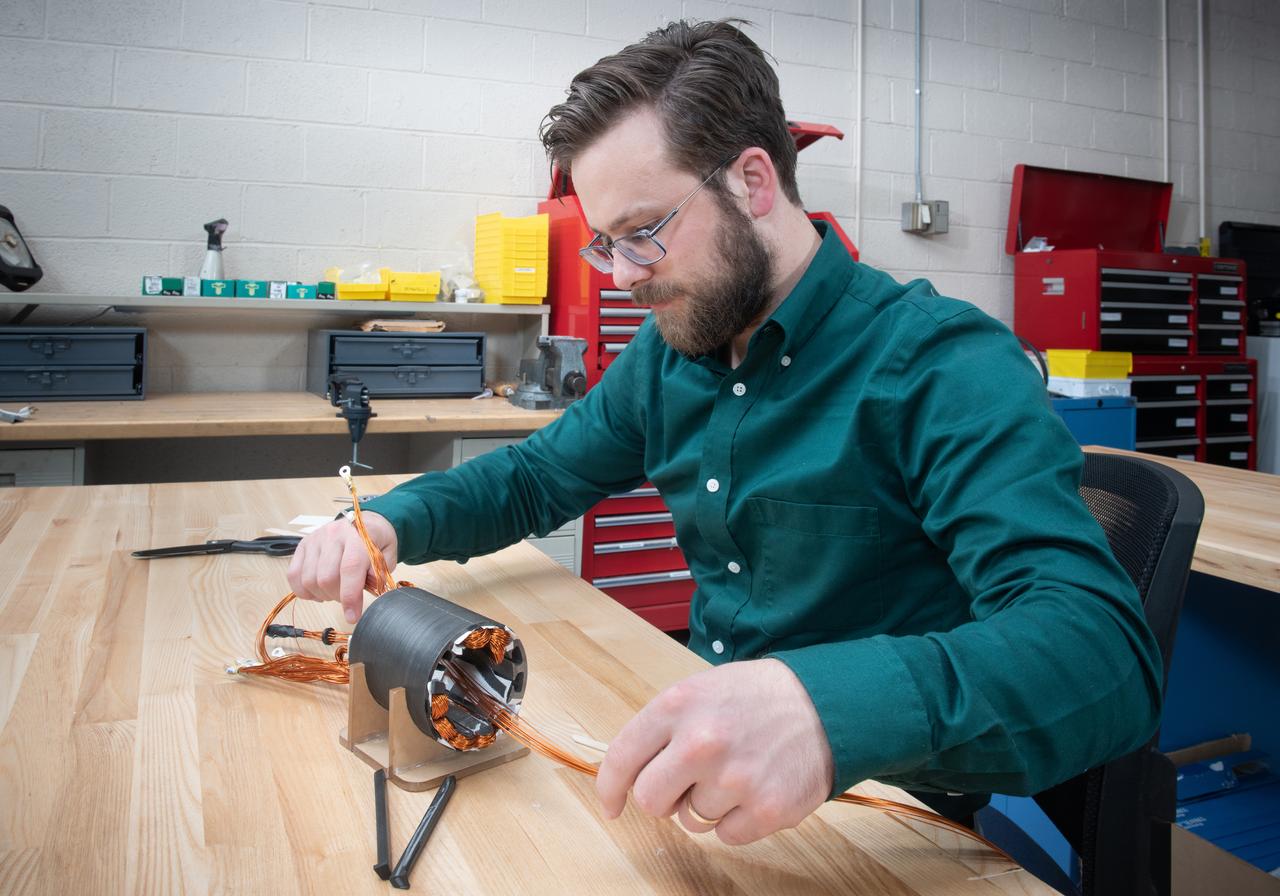
Assembly of a 20kW Electric Kokomotor for the SUbsonic Single Aft eNgine, SUSAN, 25% Flight Research Vehicle
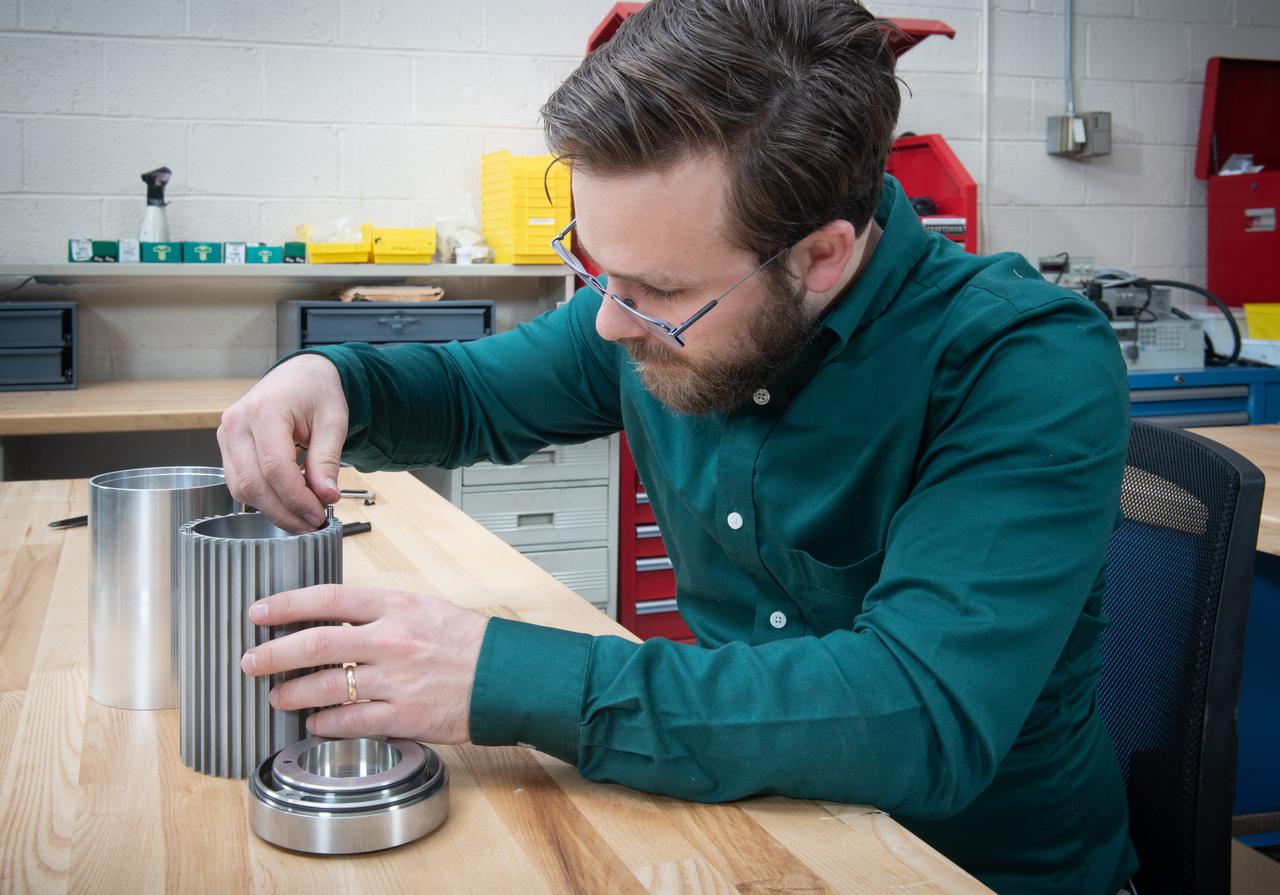
Assembly of a 20kW Electric Kokomotor for the SUbsonic Single Aft eNgine, SUSAN, 25% Flight Research Vehicle

The Space Environments Complex (SEC) at the Armstrong Testing Facility stores Orion’s Launch Abort System, which will later be tested for support of Artemis II. Photo Credit: (NASA/Jordan Salkin)
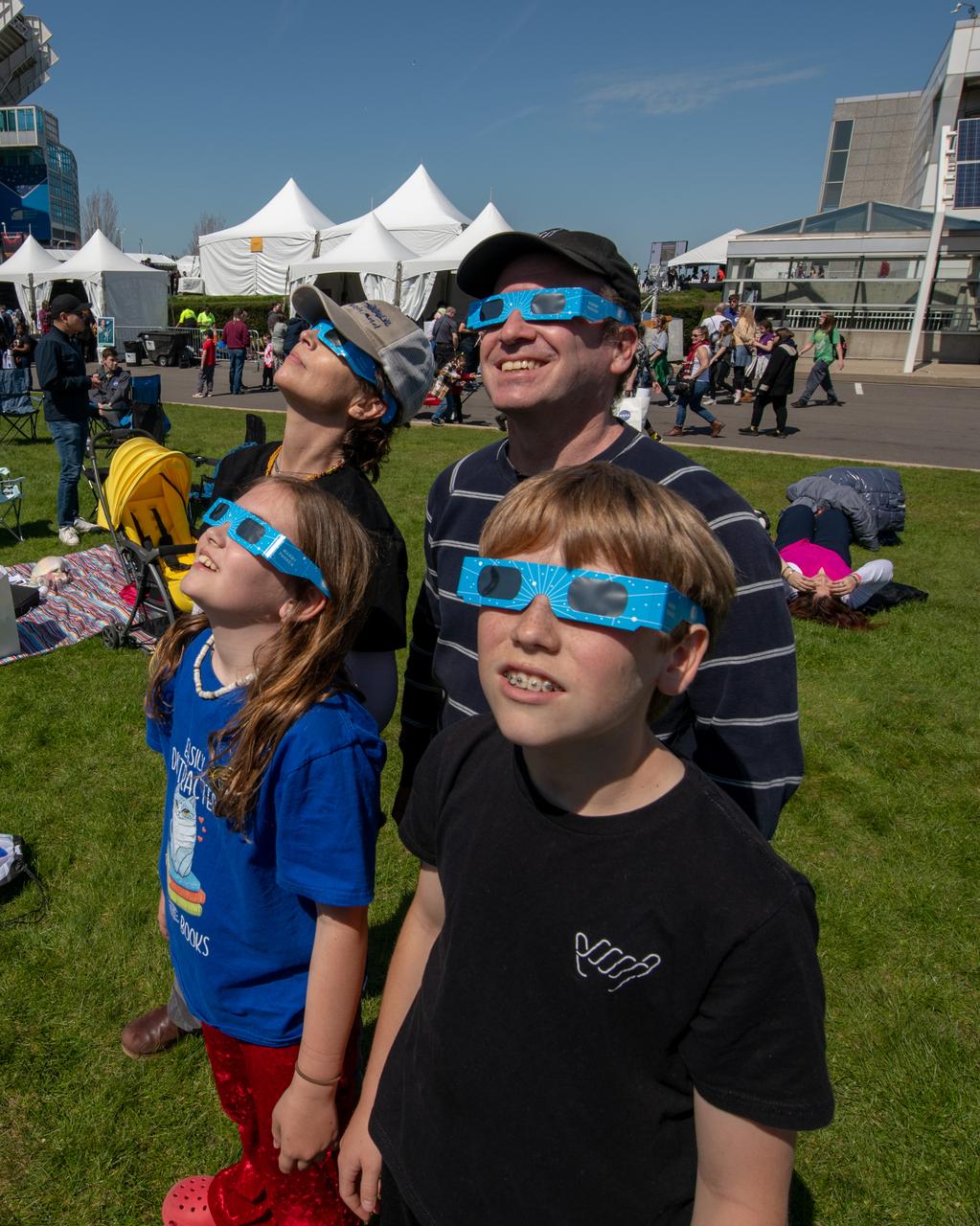
Event attendees view the eclipse. NASA Glenn Research Center and the Great Lakes Science Center hosted a three-day celestial celebration in downtown Cleveland, OH. This free, outdoor, family-friendly science and arts festival will feature free concerts, performances, speakers, and hands-on science activities with community partners. A total solar eclipse swept across a narrow portion of the North American continent from Mexico’s Pacific coast to the Atlantic coast of Newfoundland, Canada. A partial solar eclipse was visible across the entire North American continent along with parts of Central America and Europe.
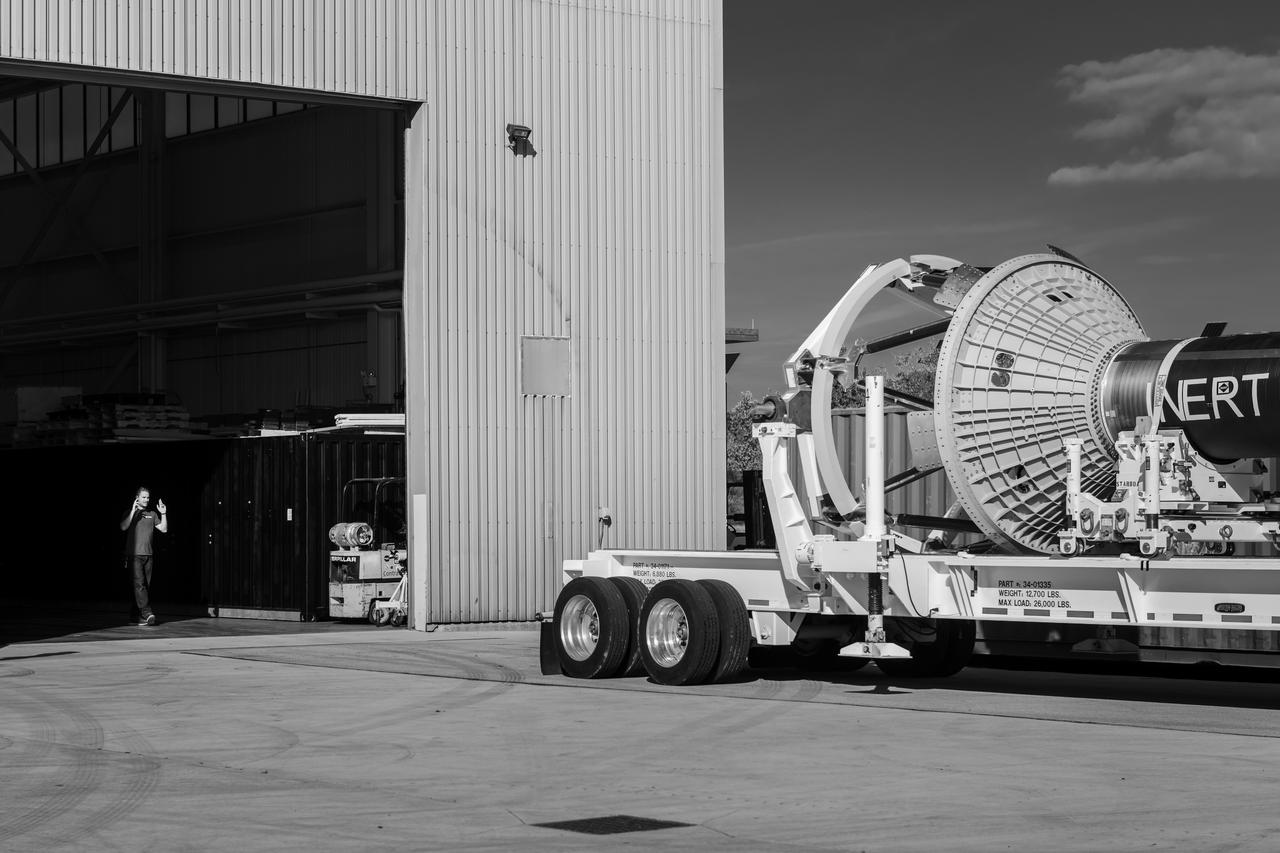
An engineer signals the truck driver carrying Orion’s Launch Abort System (LAS) at the Space Environments Complex. The LAS was awaiting Orion’s Crew Capsule to be tested on for mission critical support for Artemis II. Photo Credit: (NASA/Jordan Salkin)
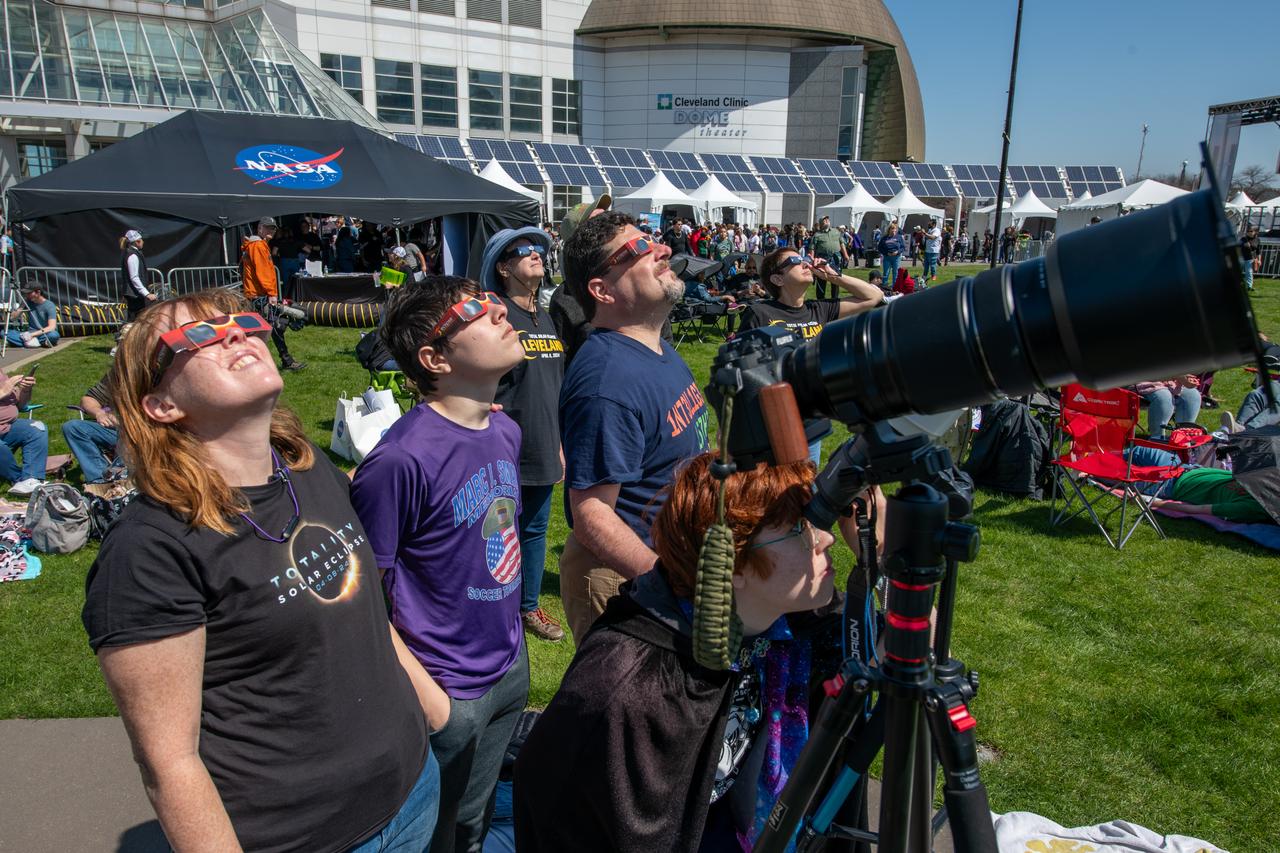
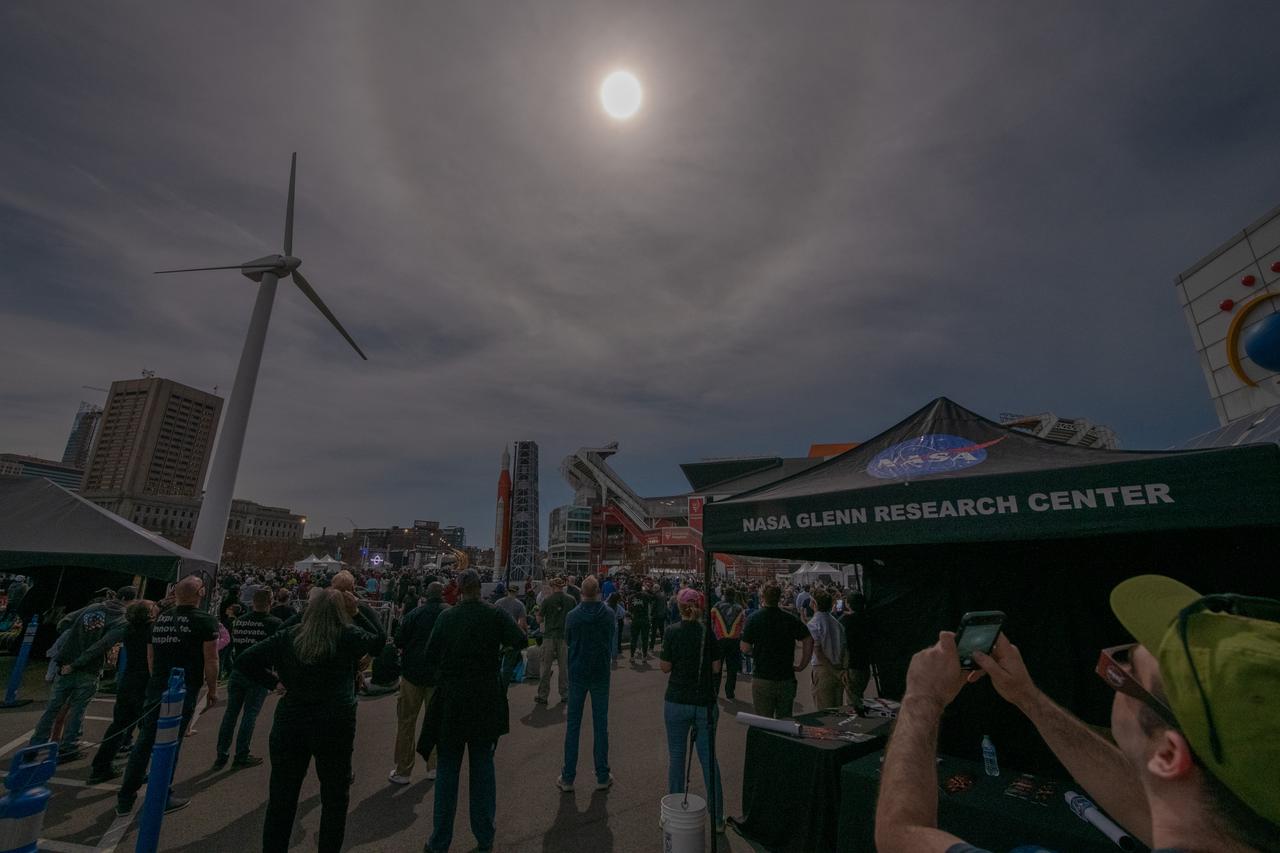
Event attendees view the eclipse. NASA Glenn Research Center and the Great Lakes Science Center hosted a three-day celestial celebration in downtown Cleveland, OH. This free, outdoor, family-friendly science and arts festival will feature free concerts, performances, speakers, and hands-on science activities with community partners. A total solar eclipse swept across a narrow portion of the North American continent from Mexico’s Pacific coast to the Atlantic coast of Newfoundland, Canada. A partial solar eclipse was visible across the entire North American continent along with parts of Central America and Europe.

The Space Environments Complex (SEC) at the Armstrong Testing Facility stores Orion’s Launch Abort System, which will later be tested for support of Artemis II. Photo Credit: (NASA/Jordan Salkin)
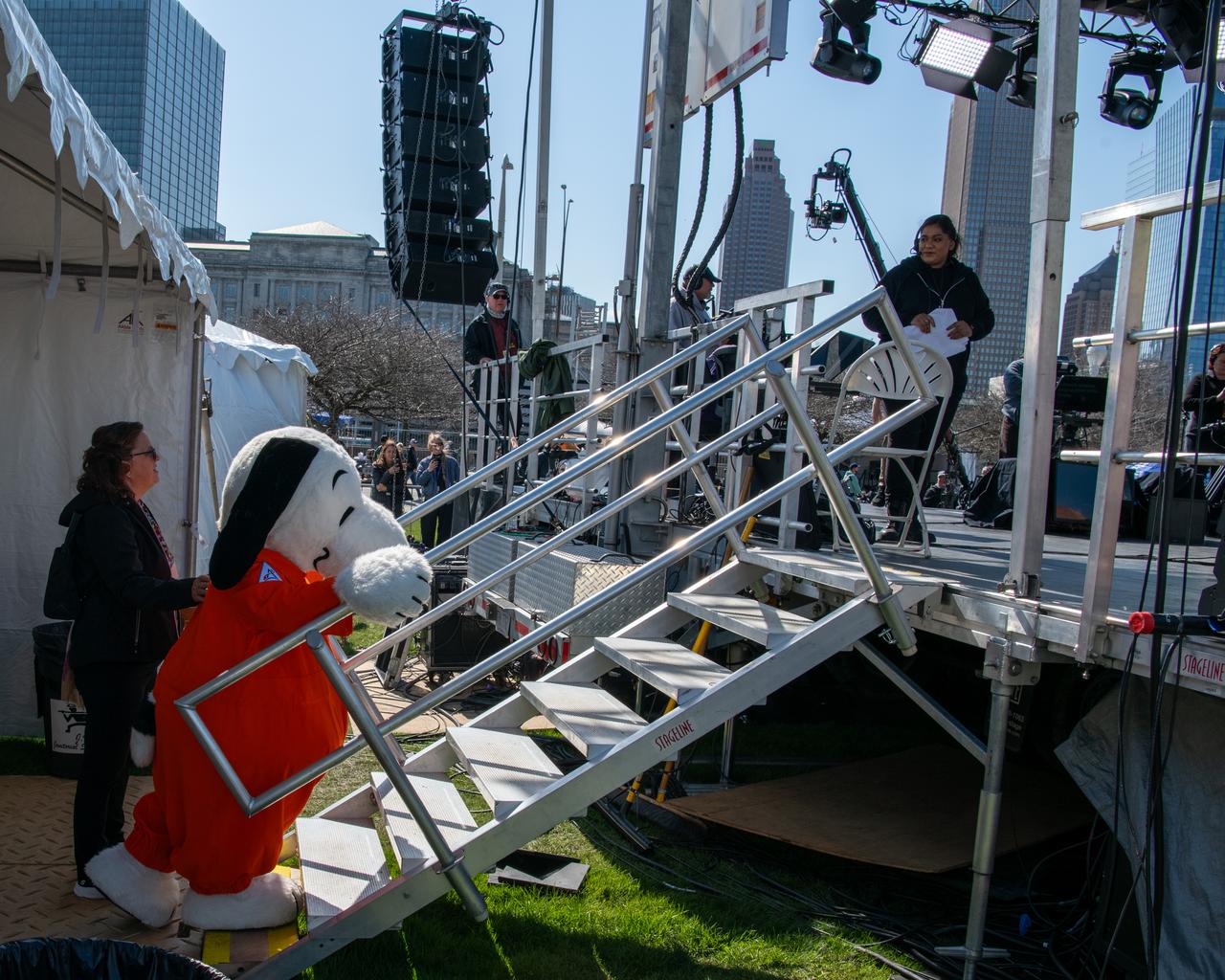
Behind the Scenes of Snoopy entering the stage at NASA TV’s live coverage of the total solar eclipse on April 8, 2024. A total solar eclipse swept across a narrow portion of the North American continent from Mexico’s Pacific coast to the Atlantic coast of Newfoundland, Canada. A partial solar eclipse was visible across the entire North American continent along with parts of Central America and Europe.
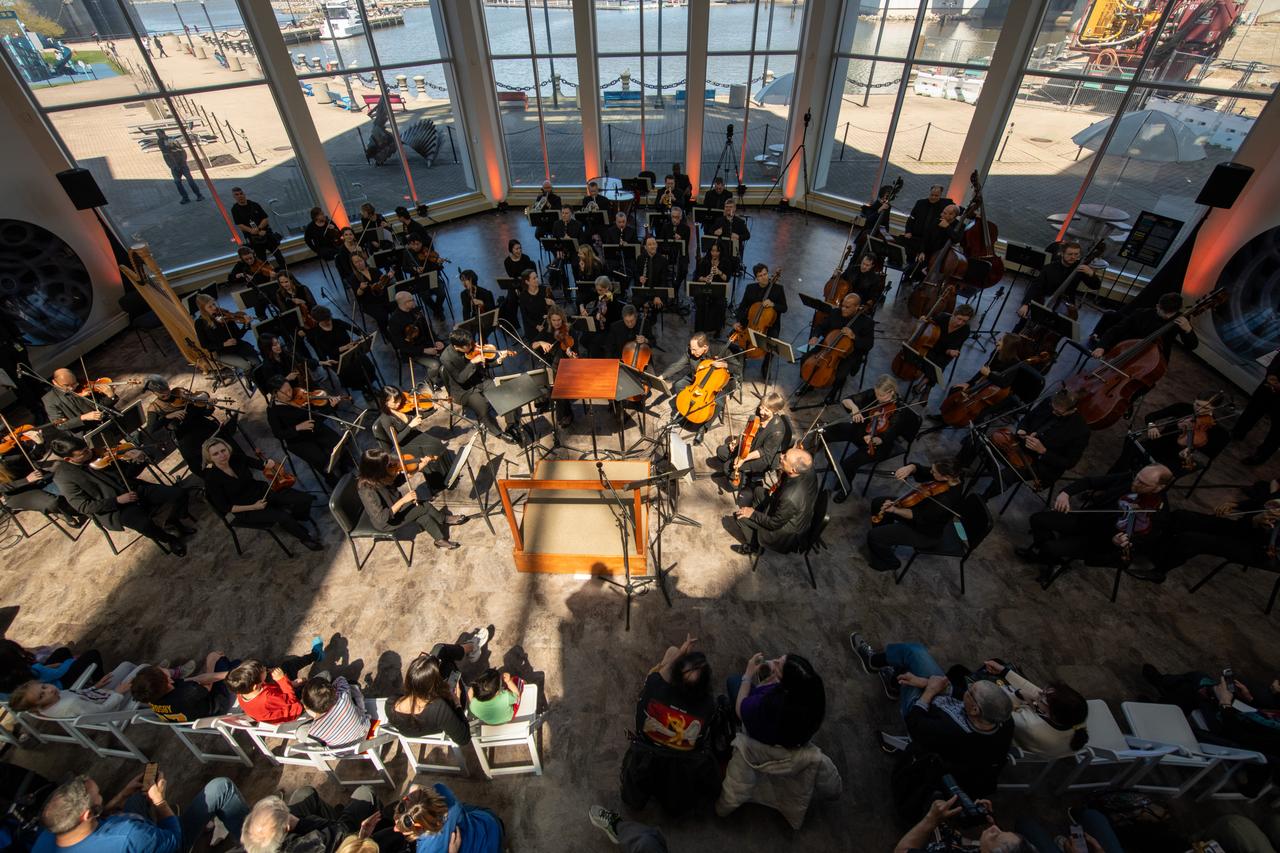
The Cleveland Orchestra performed an “Out of this World” concert program of galactic proportions featuring music by Mozart, Vivaldi, Debussy, Jessie Montgomery, and the first movement from Beethoven’s Symphony No. 5 on April 7, 2024. NASA Glenn Research Center and the Great Lakes Science Center hosted a three-day celestial celebration in downtown Cleveland, OH. This free, outdoor, family-friendly science and arts festival will feature free concerts, performances, speakers, and hands-on science activities with community partners.
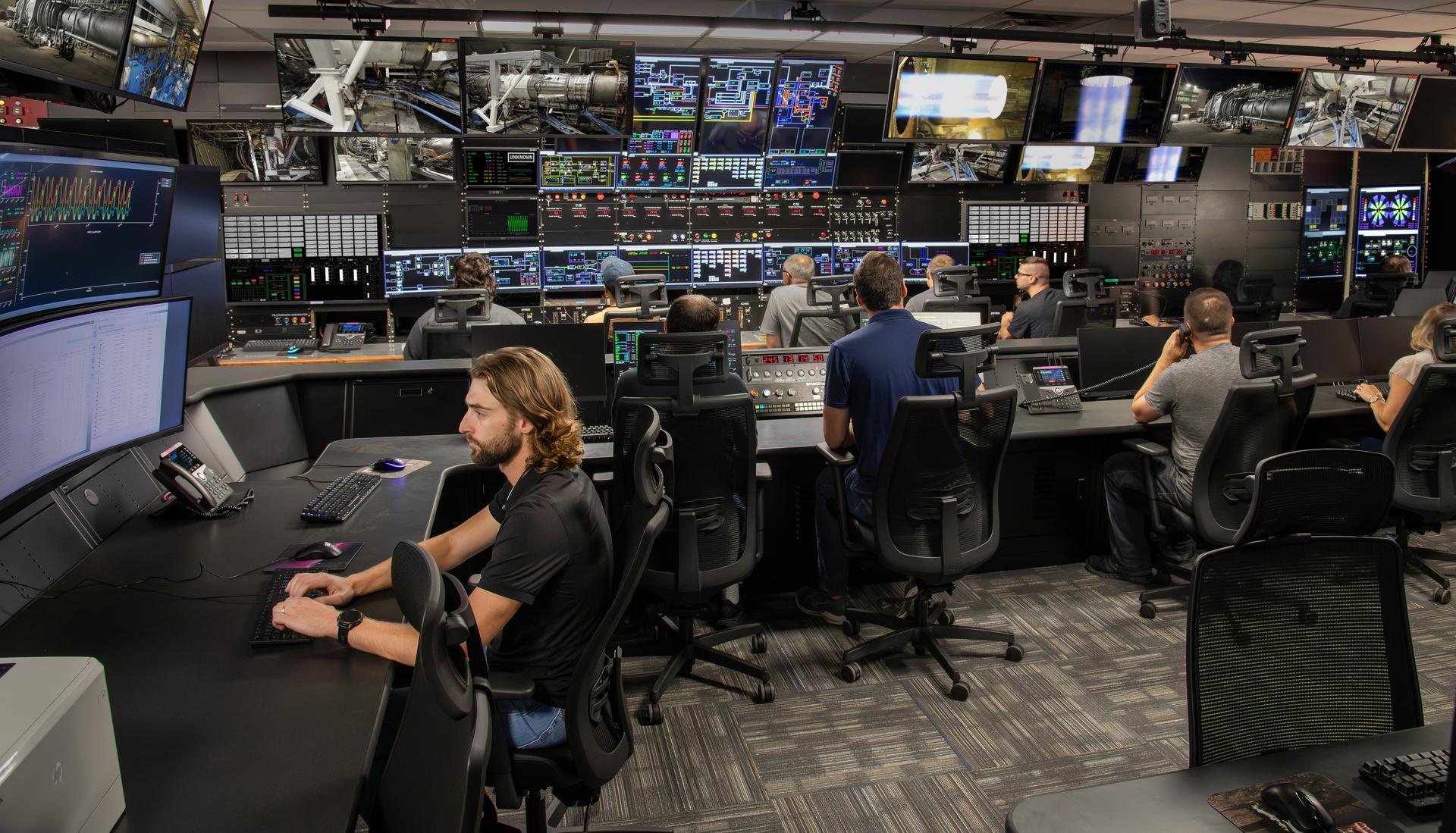
The NASA Glenn's Propulsion System Lab (PSL) recently remodeled control room. This is where jet and rocket engines are tested at GRC. This remodeled control room offers better test monitoring and work stations for test engineers and technicians.
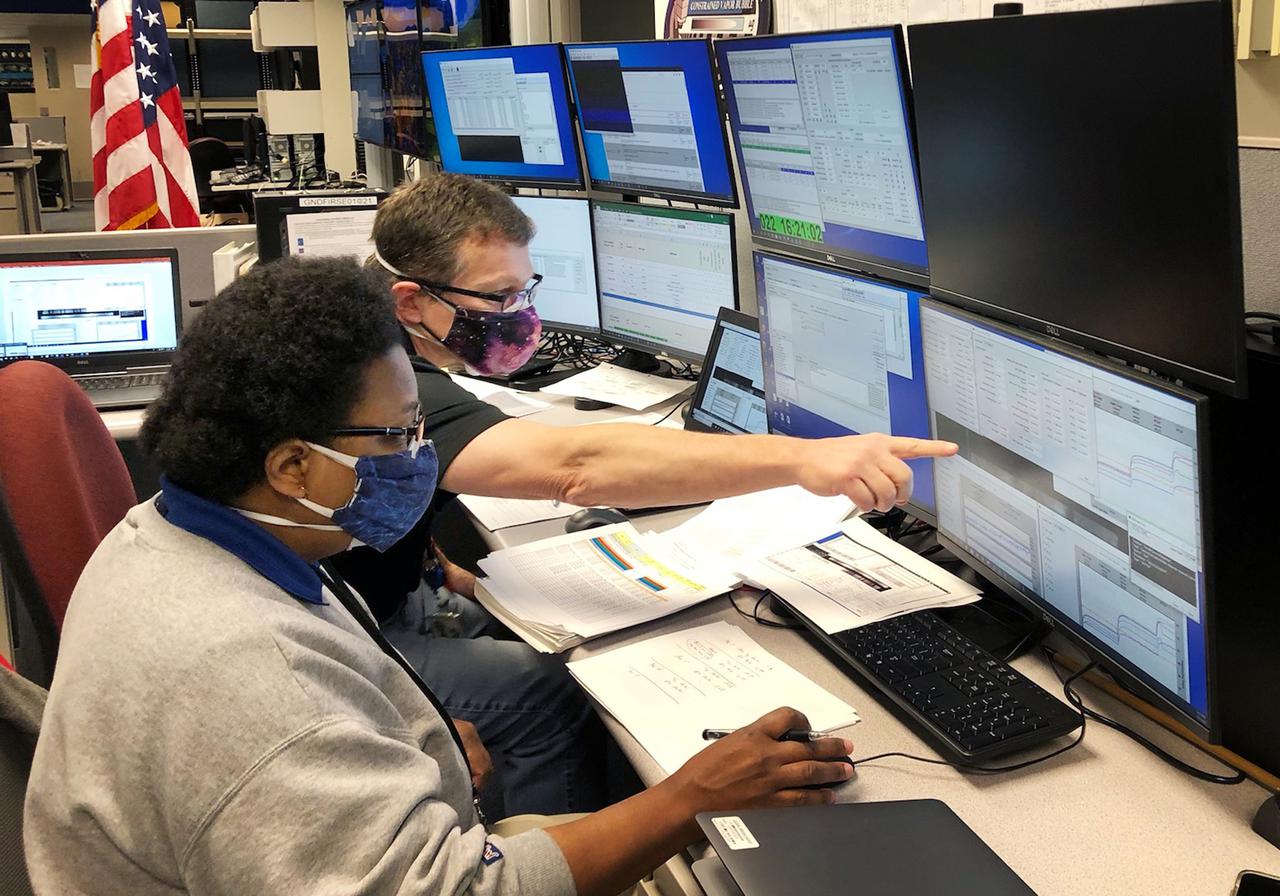
Fuel Boiling Convection Experiment, FBCE Mission Sequence Test
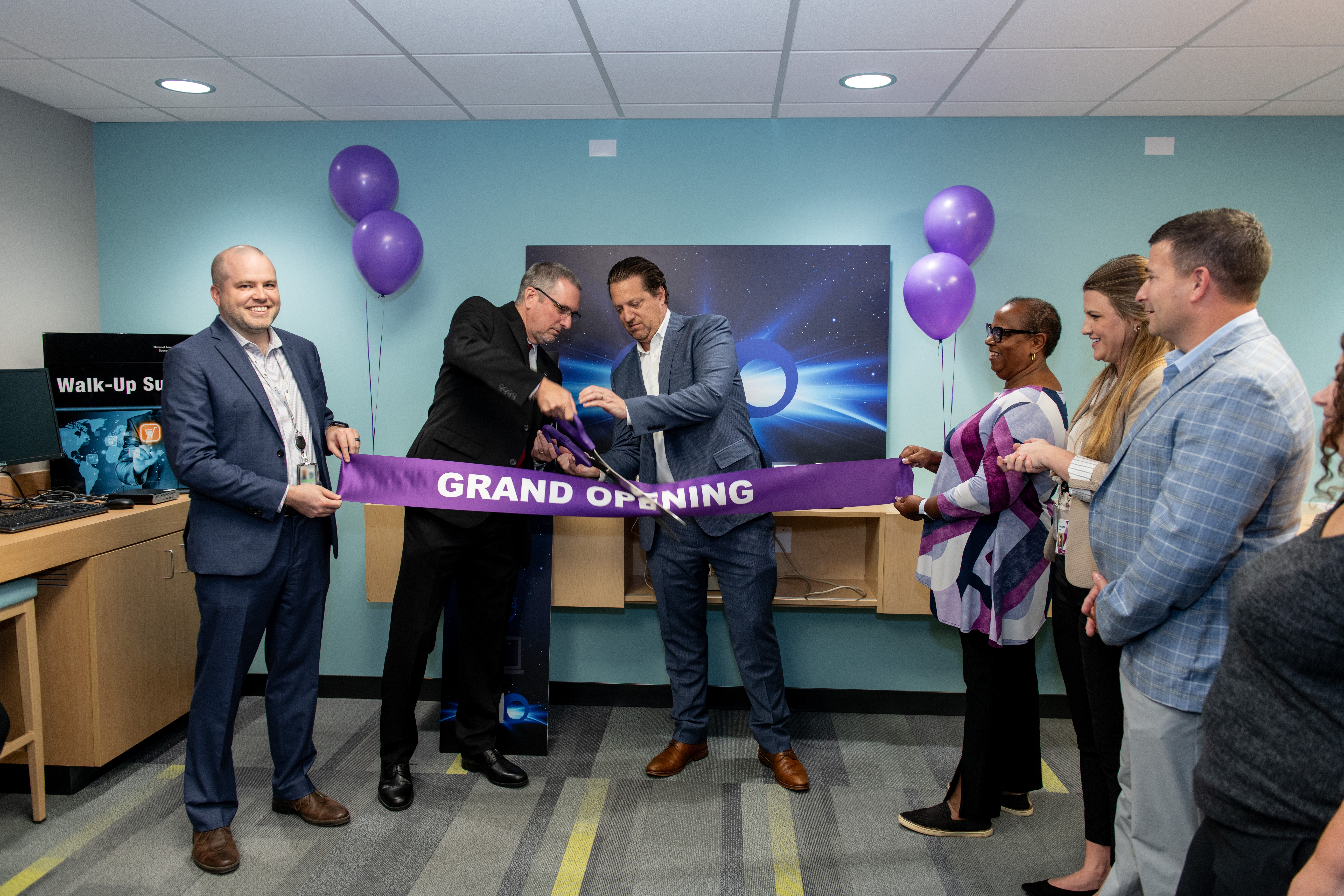
On Tuesday, Sept. 17, NASA IT hosted the Grand Opening for SpaceBar at Glenn Research Center (GRC), leading the way for enhanced IT customer service to NASA users! NEST corporate representatives and the Chief and Deputy Chief of OCIO cut the ribbon. The SpaceBar provides a place for walk-up IT service from our friendly, highly skilled service technicians coupled with a storefront atmosphere where NASA users can touch, feel, and test the latest and greatest hardware that NASA IT offers. Customers with NASA IT equipment and agency-managed services have the option to visit SpaceBar for their IT needs or continue to use remote/virtual access and deskside service.
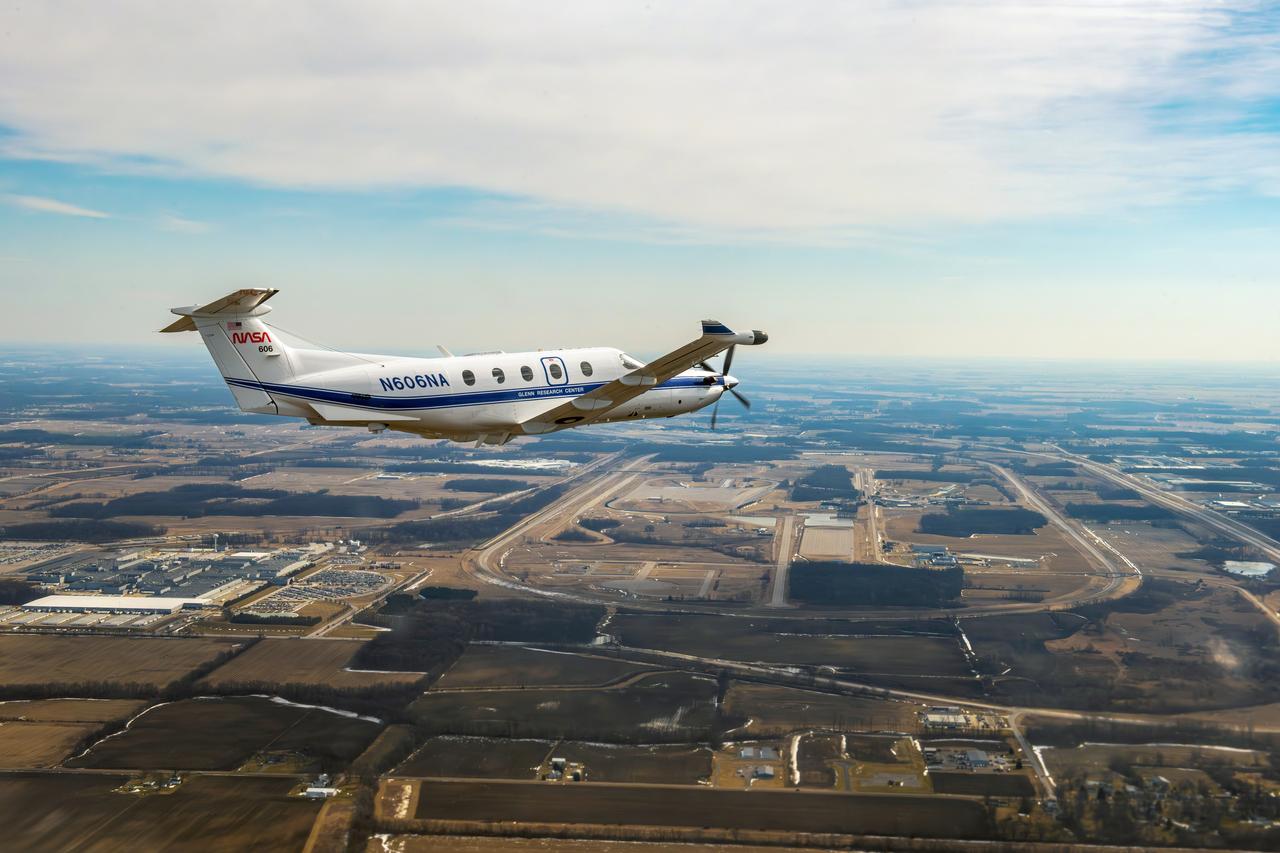
Photographs taken from the T-34 of the PC-12 in flight over the technology corridor and the Honda motor company and the Honda test track
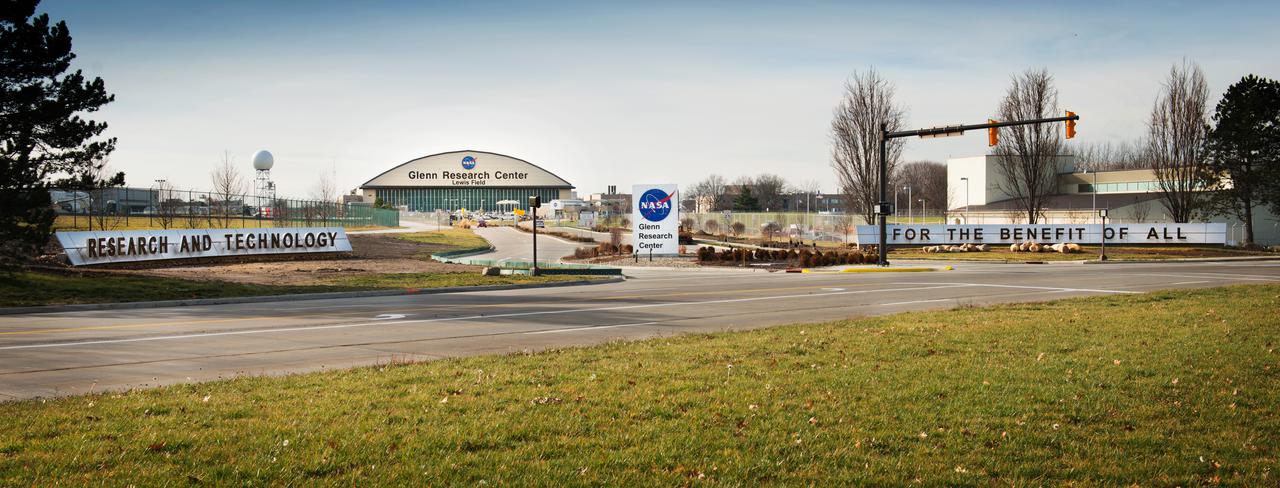
Main Entrance of NASA Glenn Research Center at Brookpark Road and NASA Parkway. The signs read: Research and Technology For The Benefit Of All.
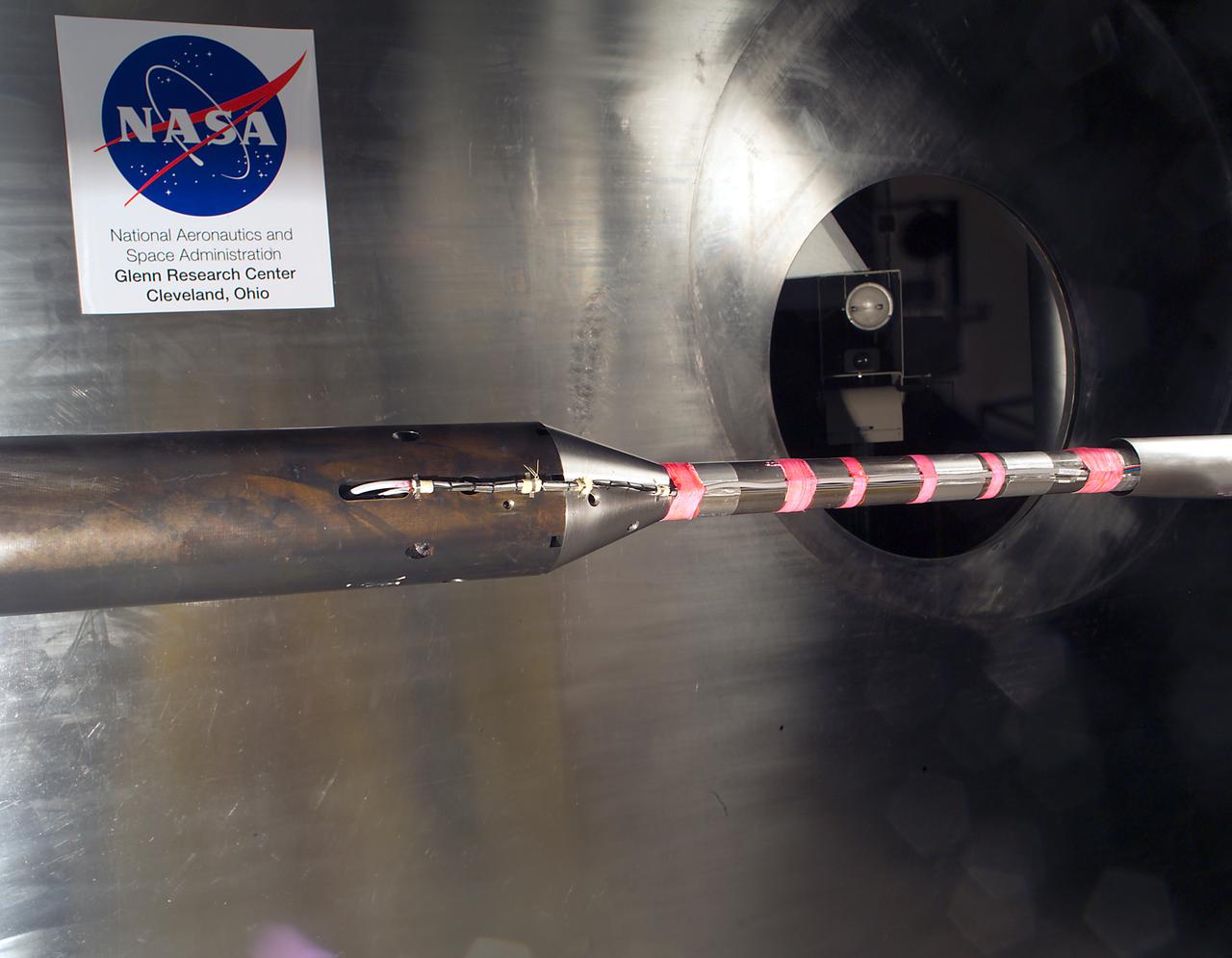
NASA GLENN/NASA LANGLEY LOADS COMPARISON TEST WITH 6 COMPONENT FORCE/MOMENT BALANCE AND 1.7% HIGH SPEED RESEARCH MODEL 5.
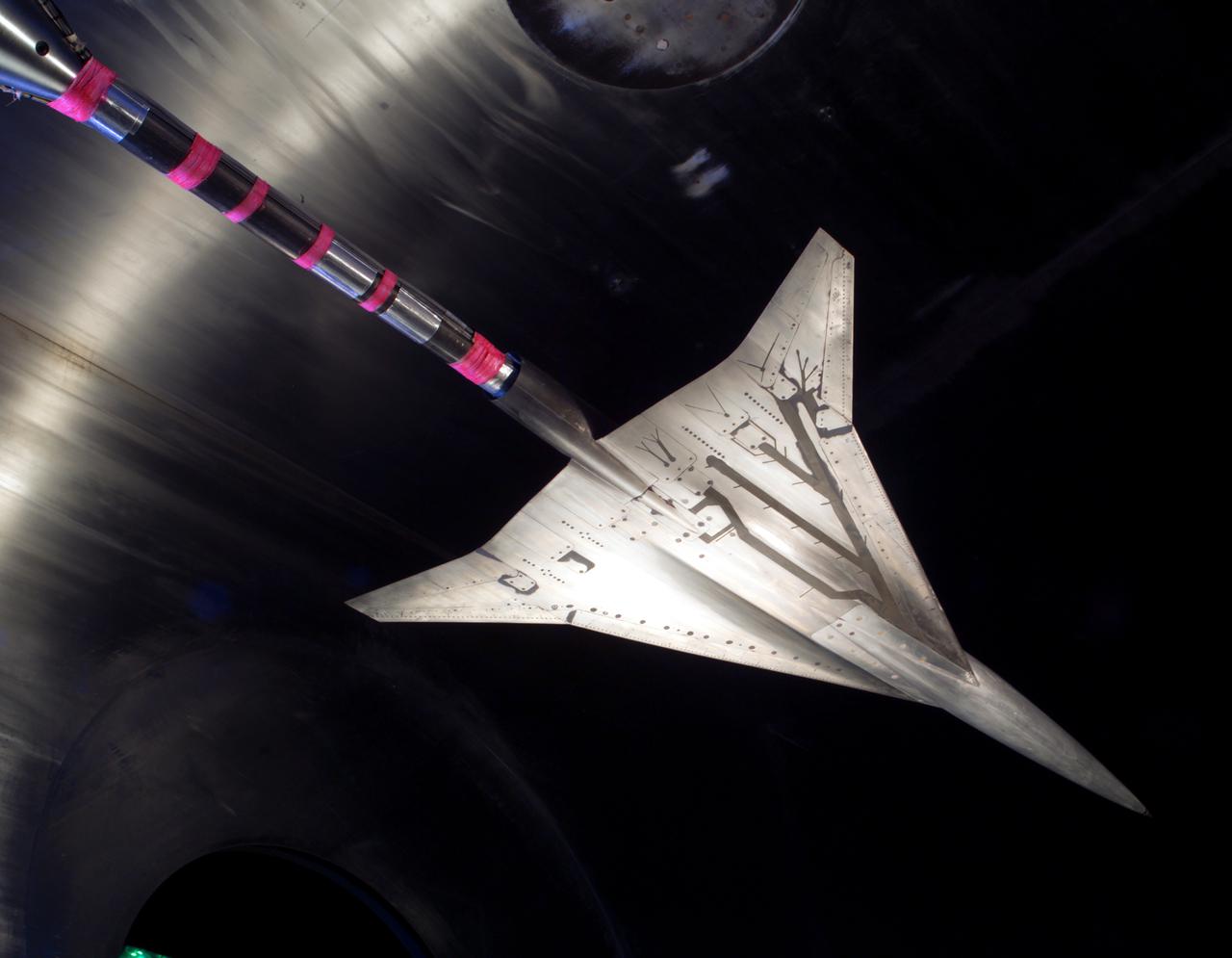
NASA Glenn/NASA Langley, Loads Comparison Test With 6 Component Force/Moment Balance and 1.7% High Speed Research, HSR Model 5. In the Glenn Research Center 10x10 Foot Supersonic Wind Tunnel, SWT
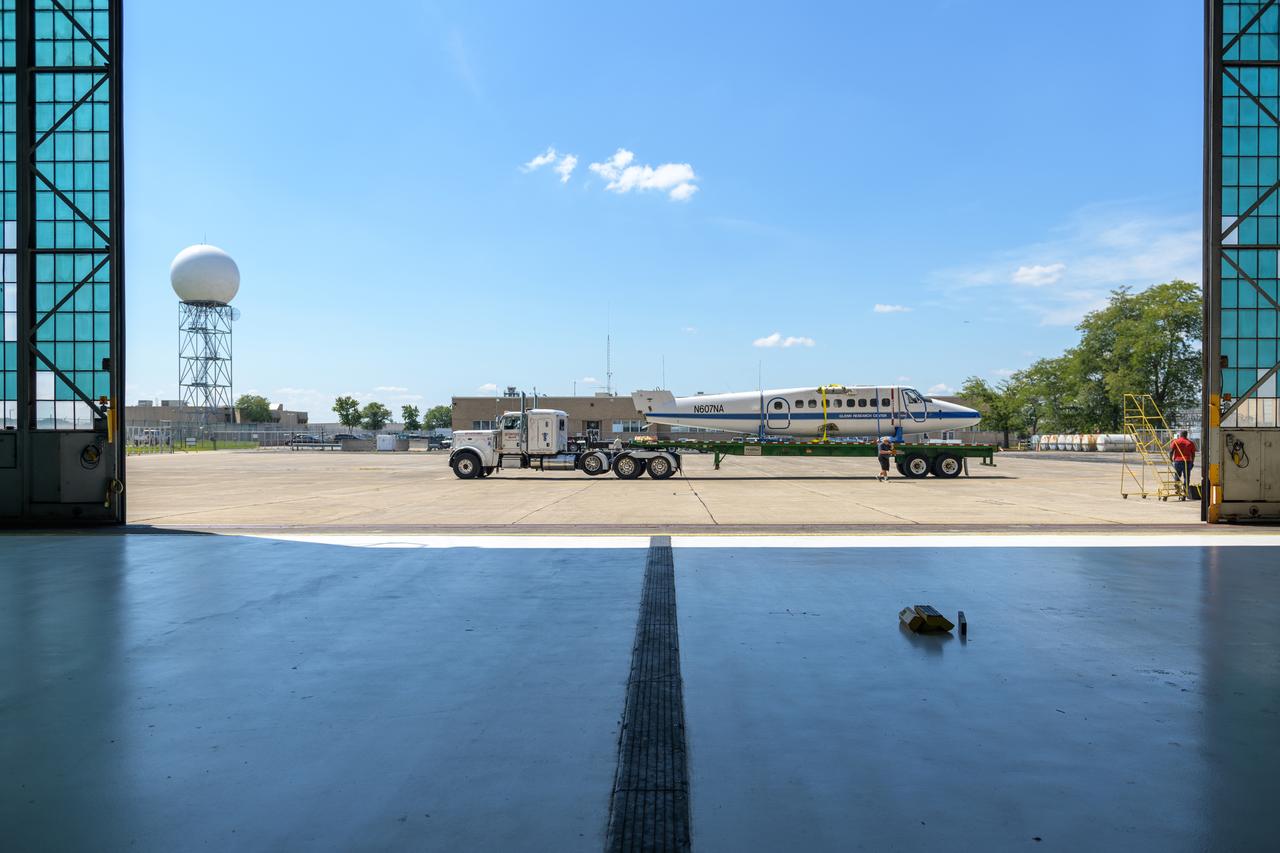
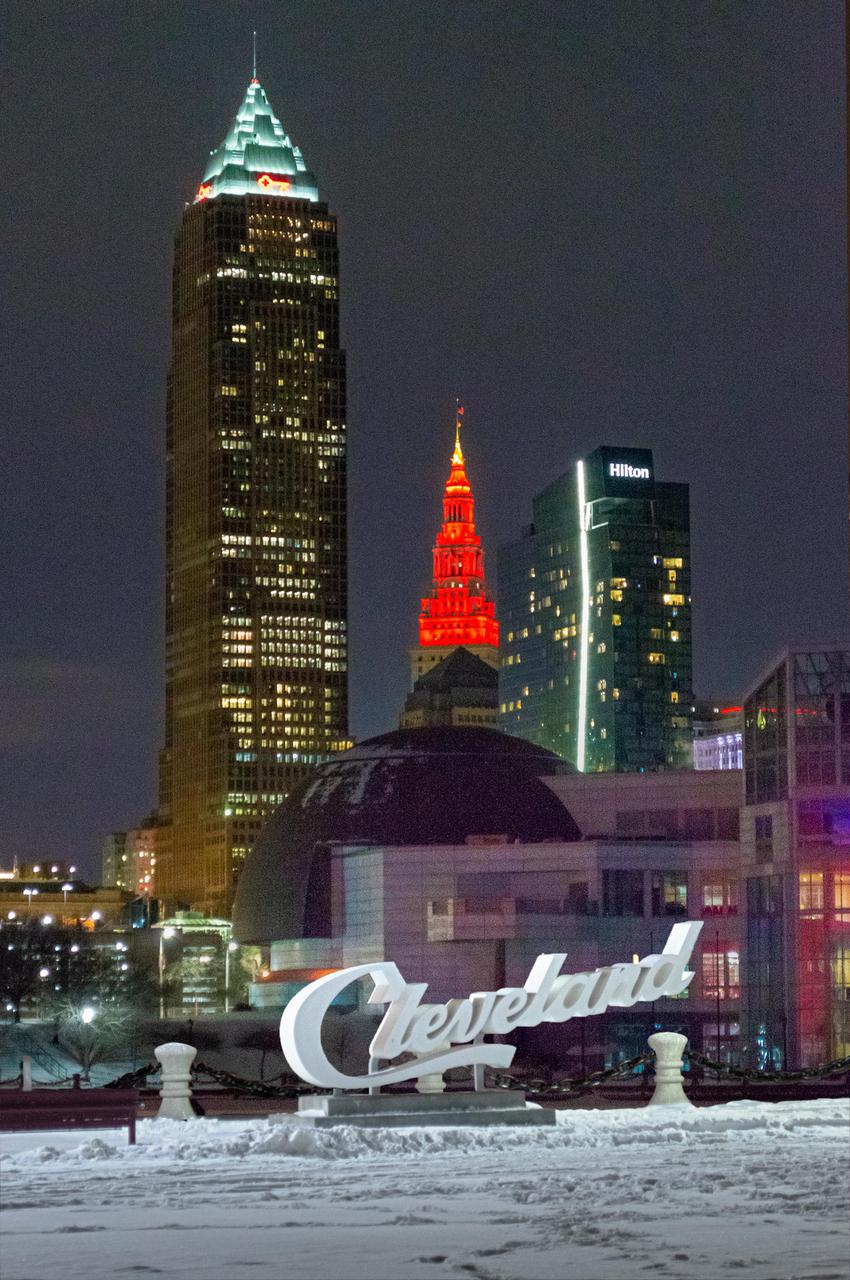
February 17, 2021, The Terminal Tower is illuminated in red to commemorate the Landing of NASA’s Perseverance Rover on the surface of Mars, February 18, 2021. Terminal Tower is a 52-story, (771 ft), landmark skyscraper located on Public Square in downtown Cleveland, Ohio. Cleveland is also the home of the NASA Glenn Research Center.
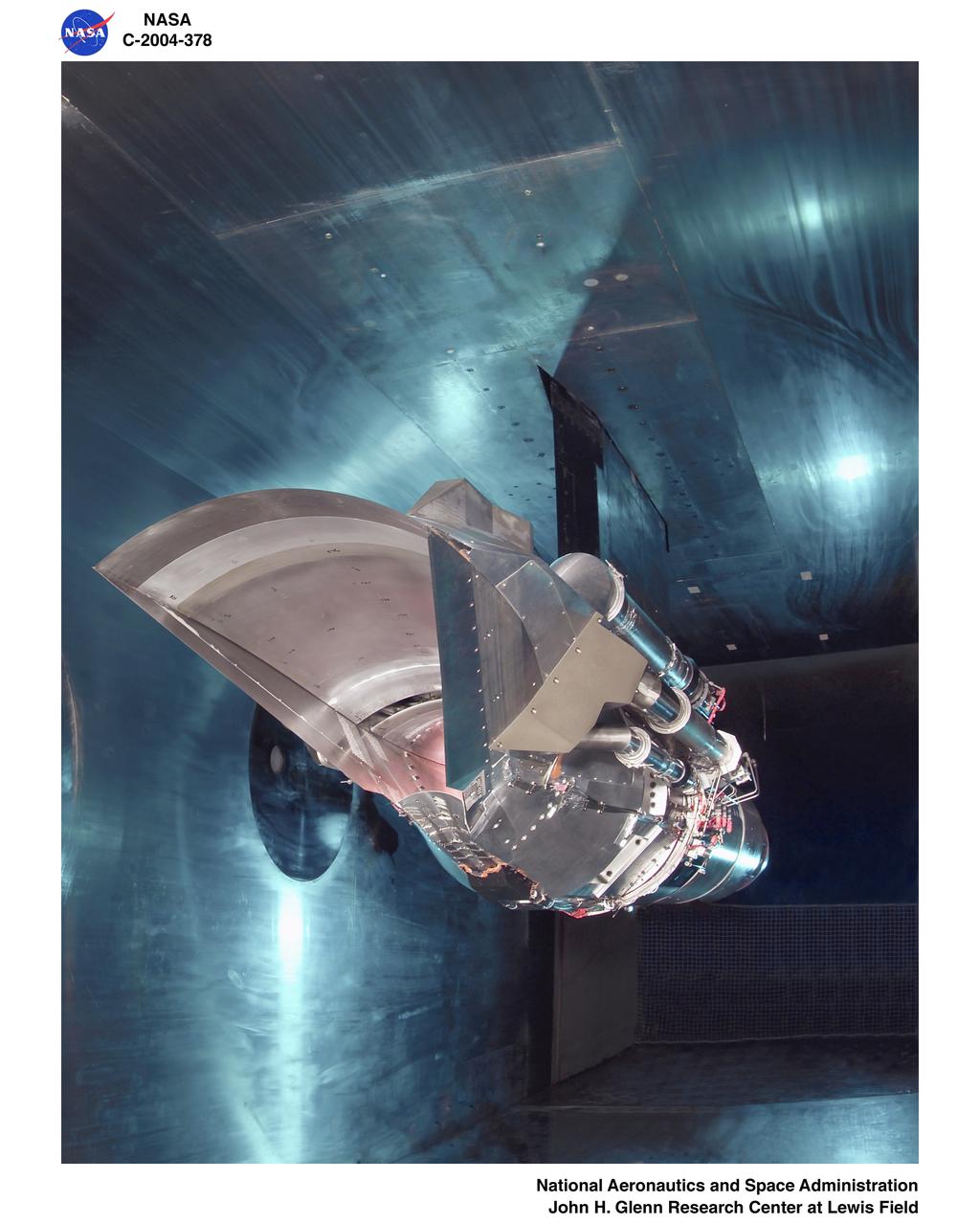
Parametric Inlet Model in 10x10 Wind Tunnel

NASA GLENN/NASA LANGLEY LOADS COMPARISON TEST WITH 6 COMPONENT FORCE/MOMENT BALANCE AND 1.7% HIGH SPEED RESEARCH MODEL 5.
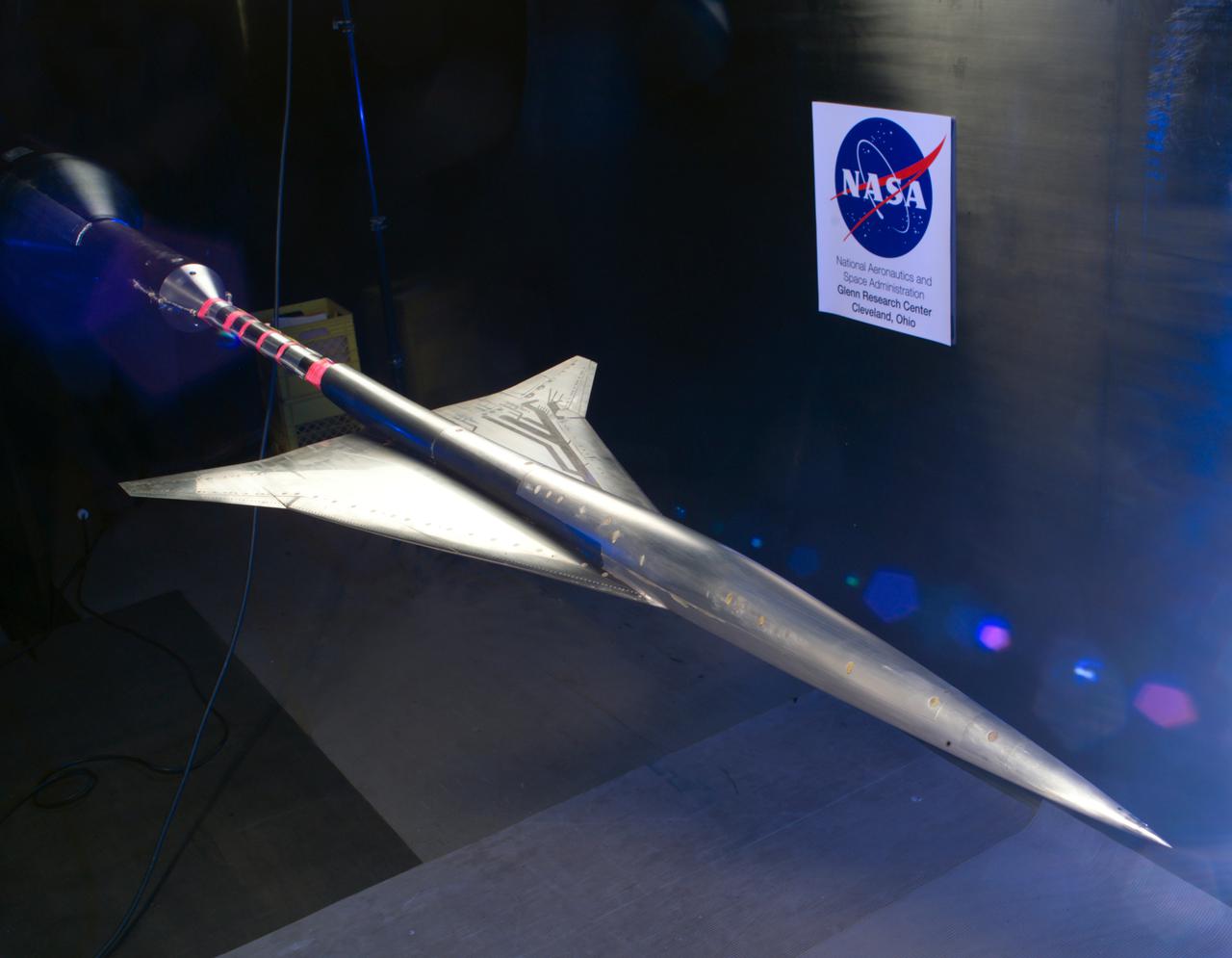
NASA GLENN/NASA LANGLEY LOADS COMPARISON TEST WITH 6 COMPONENT FORCE/MOMENT BALANCE AND 1.7% HIGH SPEED RESEARCH MODEL 5.
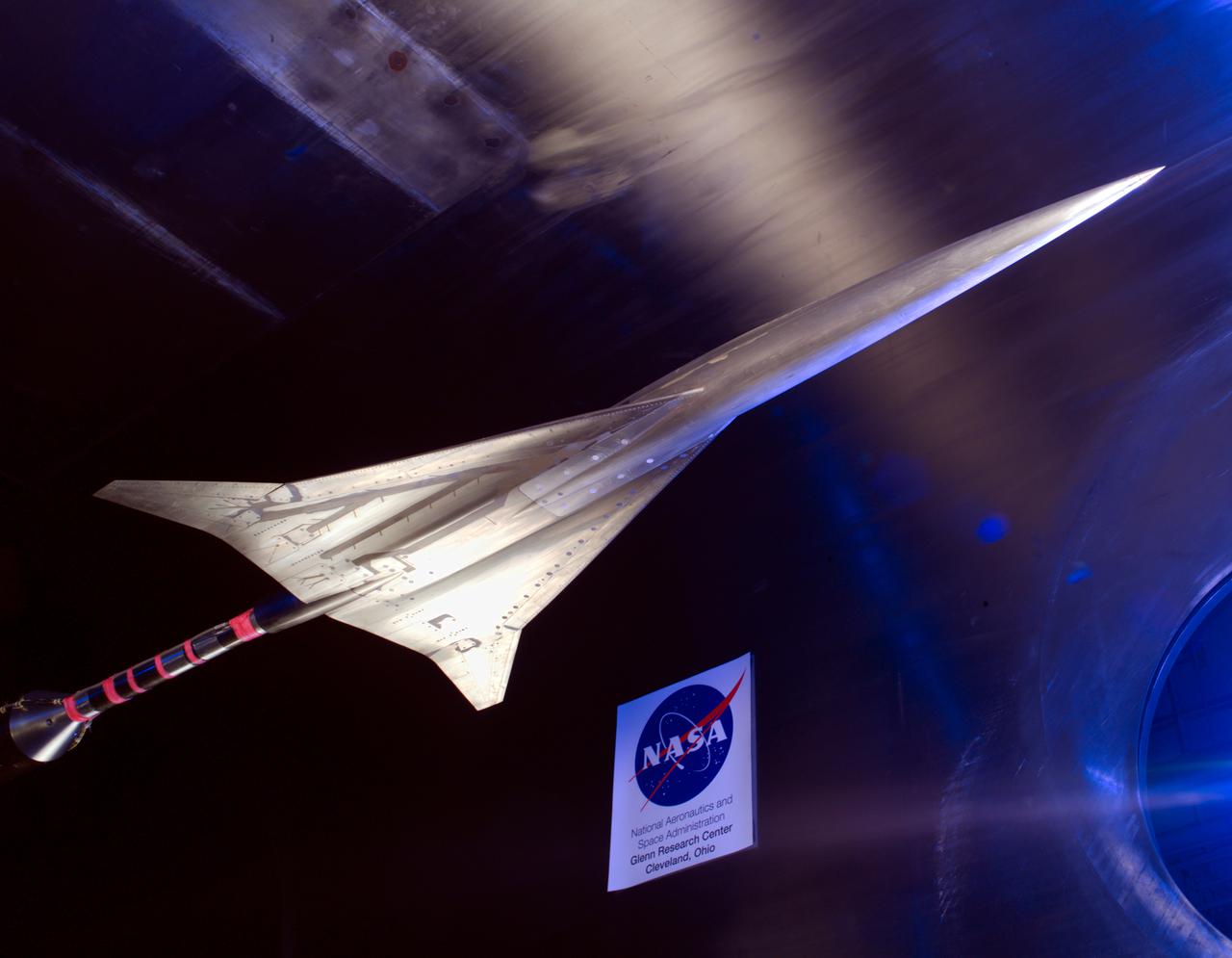
NASA GLENN/NASA LANGLEY LOADS COMPARISON TEST WITH 6 COMPONENT FORCE/MOMENT BALANCE AND 1.7% HIGH SPEED RESEARCH MODEL 5.
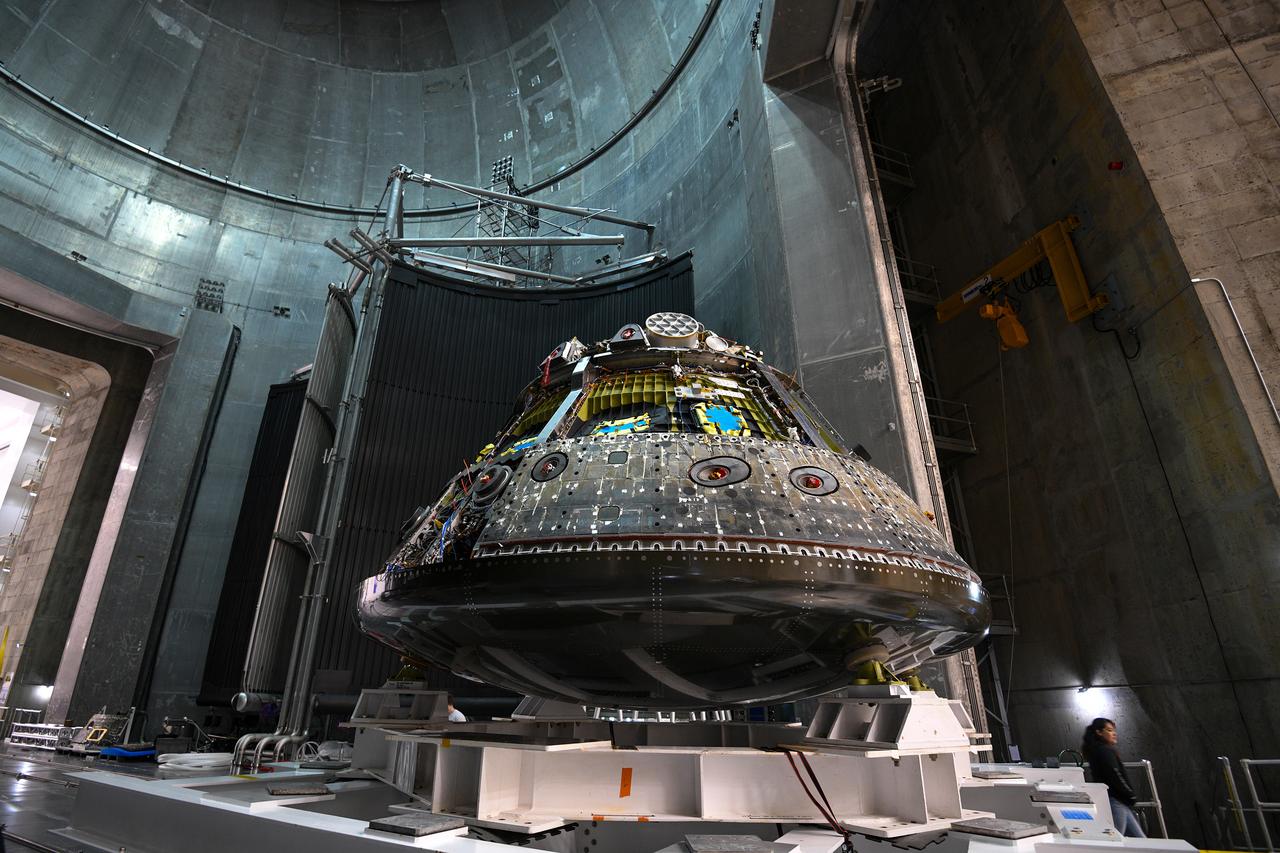
The Orion CM (Crew Module) or Orion ETA (Environmental Test Article) is passed through the vacuum chamber on its way to get ready for two critical tests in preparation for the Artemis II flight. There will be a jettison test of the Docking Module and a jettison test of the Forward Bay Cover.
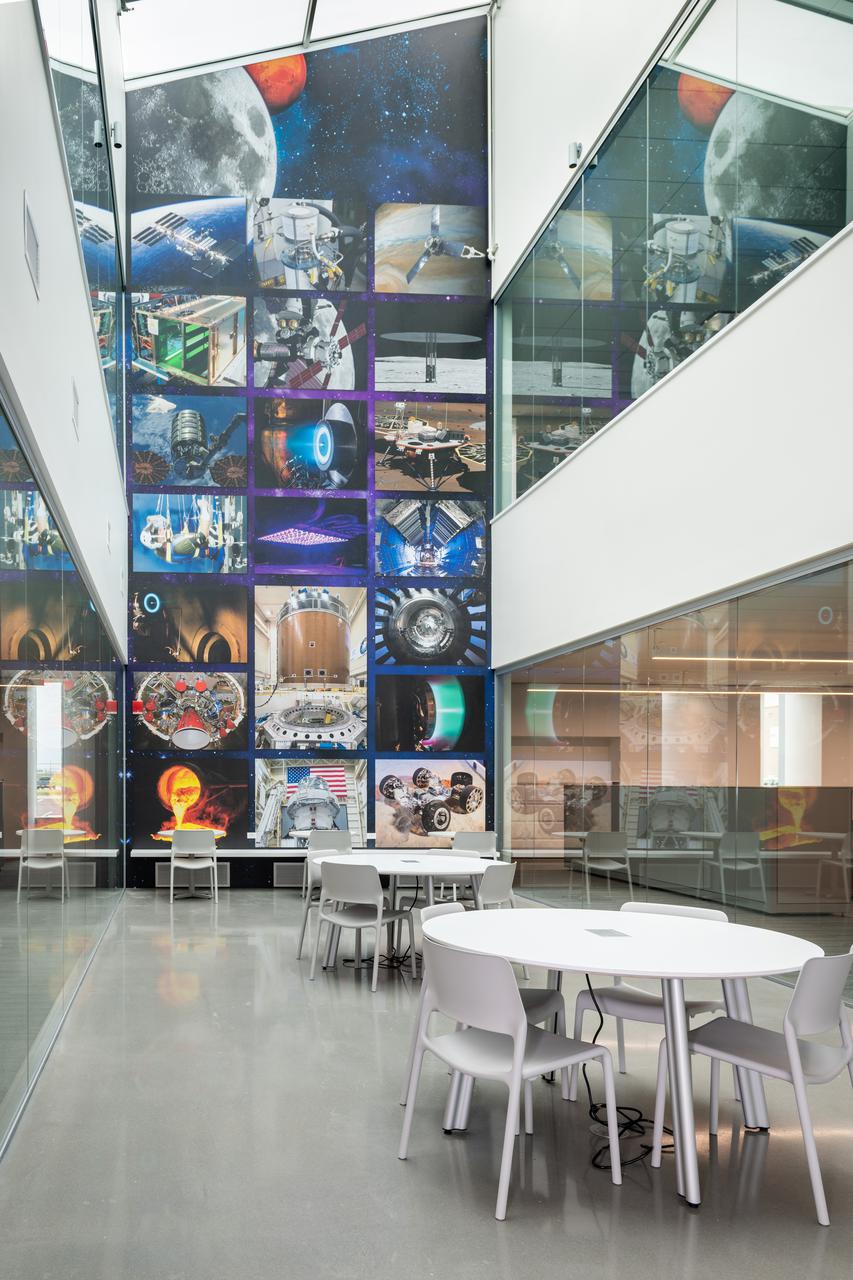
Research Support Building
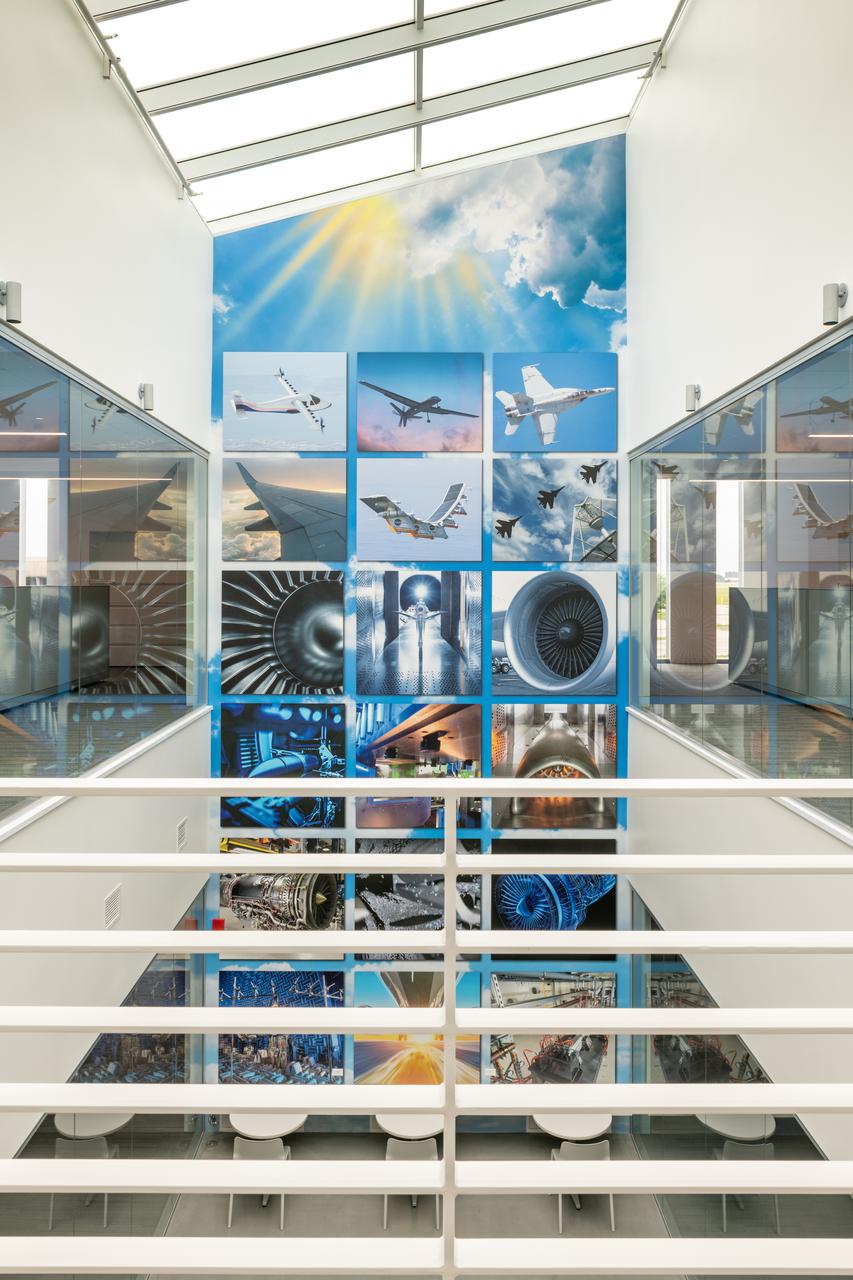
Research Support Building
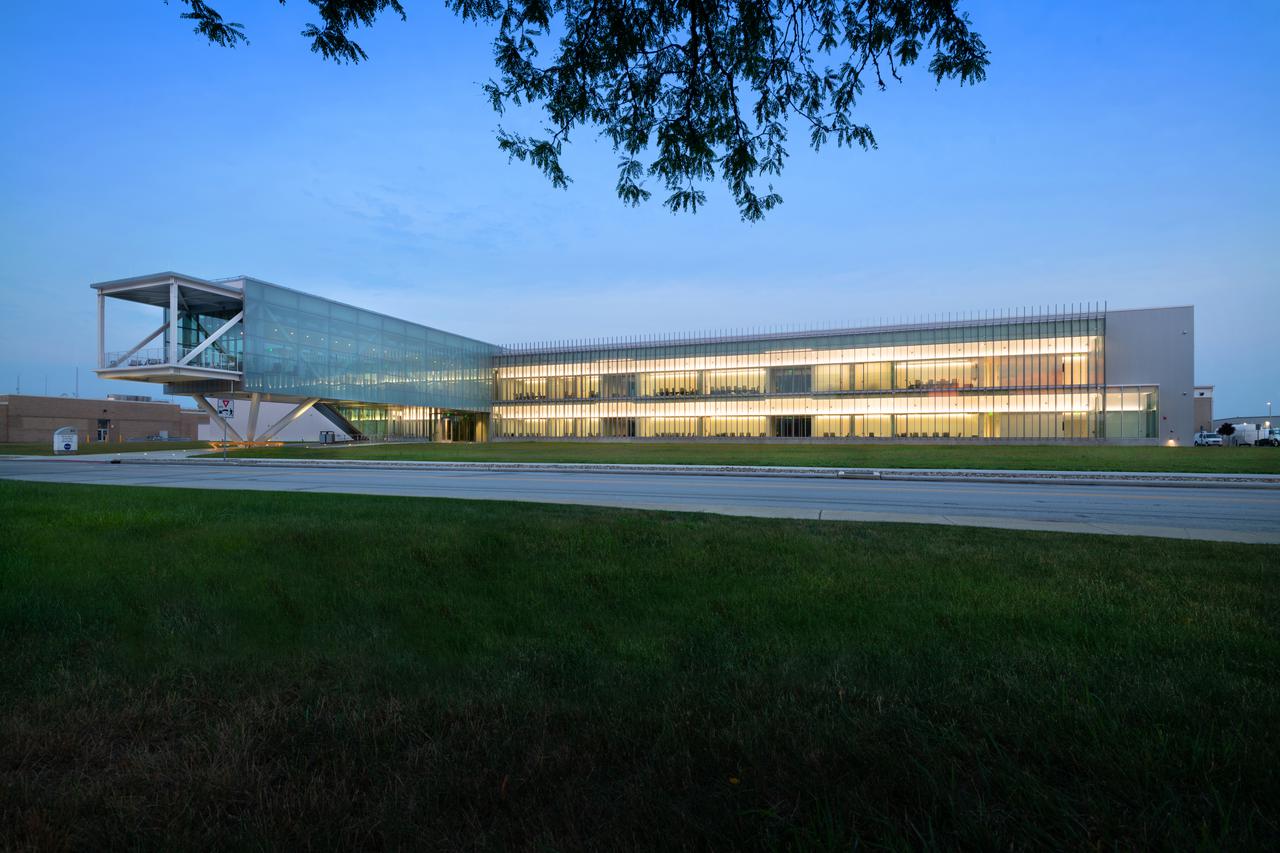
Research Support Building
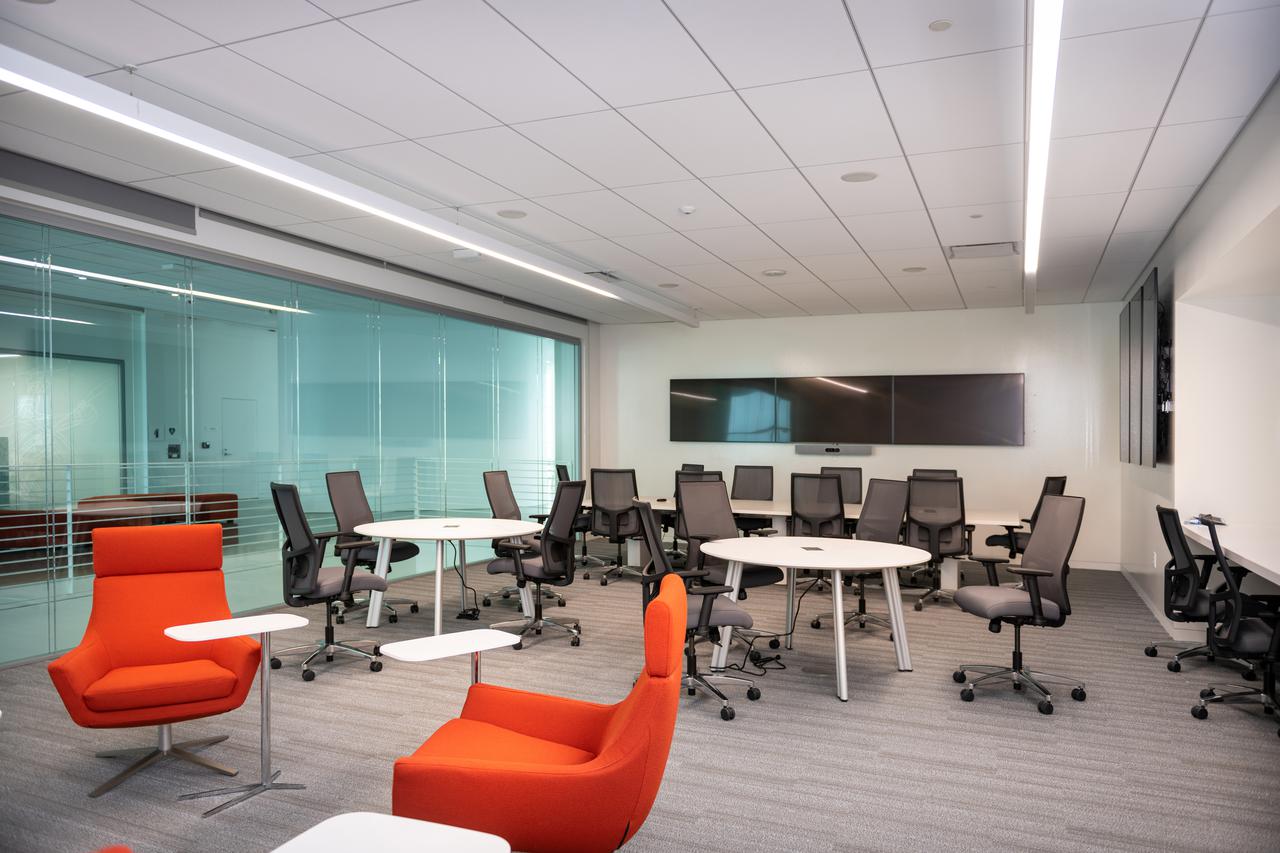
Research Support Building
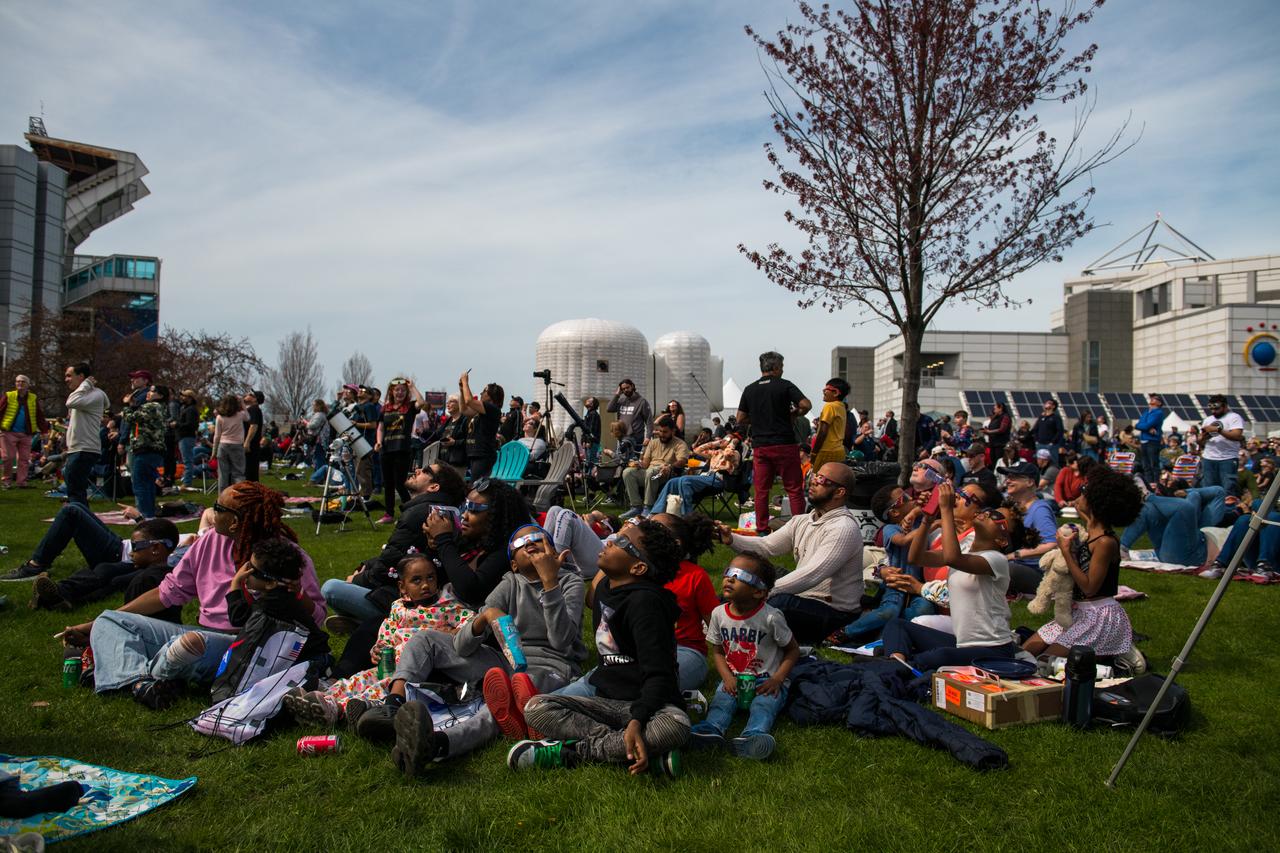
Event attendees view the eclipse. NASA Glenn Research Center and the Great Lakes Science Center hosted a three-day celestial celebration in downtown Cleveland, OH. This free, outdoor, family-friendly science and arts festival will feature free concerts, performances, speakers, and hands-on science activities with community partners. A total solar eclipse swept across a narrow portion of the North American continent from Mexico’s Pacific coast to the Atlantic coast of Newfoundland, Canada. A partial solar eclipse was visible across the entire North American continent along with parts of Central America and Europe.
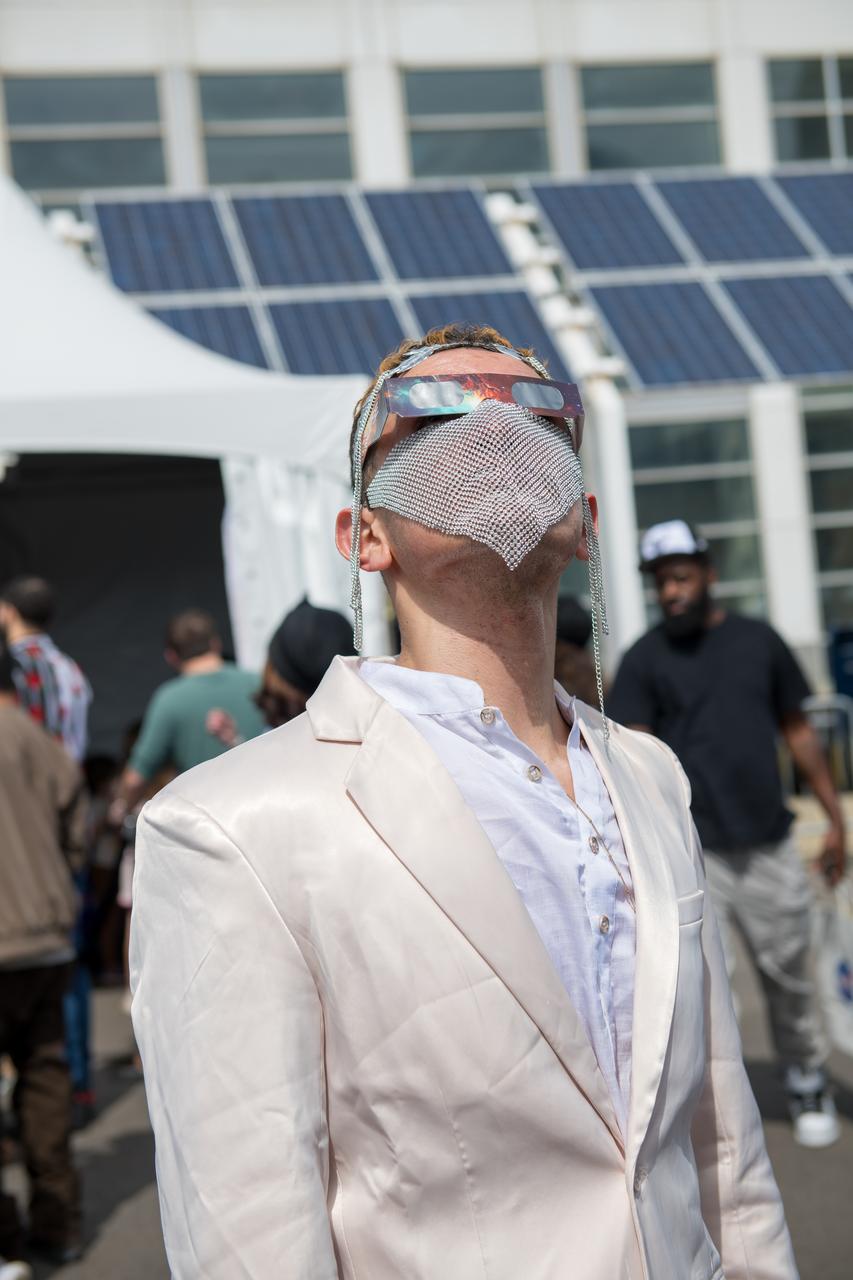
Event attendee views the eclipse. NASA Glenn Research Center and the Great Lakes Science Center hosted a three-day celestial celebration in downtown Cleveland, OH. This free, outdoor, family-friendly science and arts festival will feature free concerts, performances, speakers, and hands-on science activities with community partners. A total solar eclipse swept across a narrow portion of the North American continent from Mexico’s Pacific coast to the Atlantic coast of Newfoundland, Canada. A partial solar eclipse was visible across the entire North American continent along with parts of Central America and Europe.
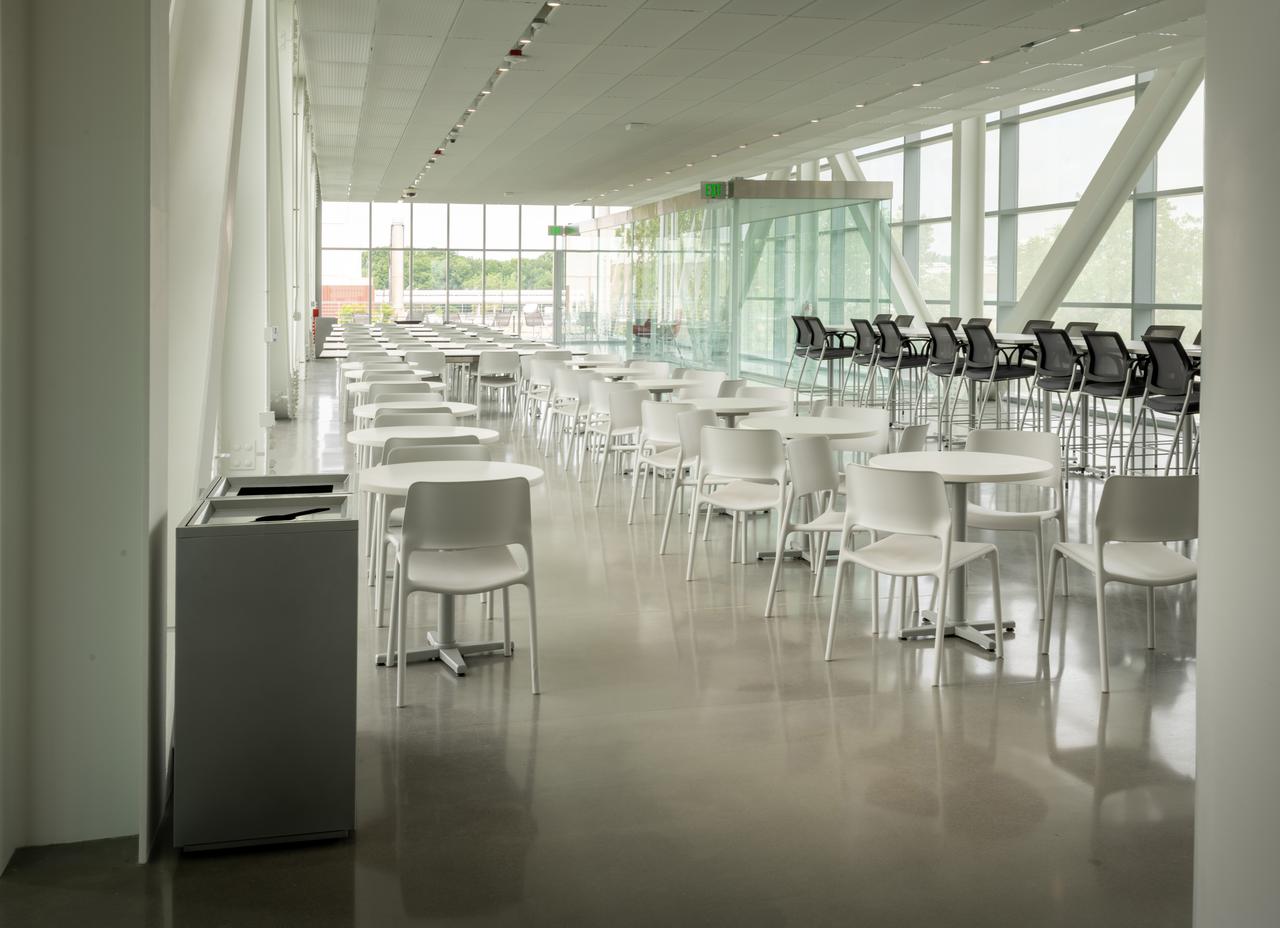
Research Support Building