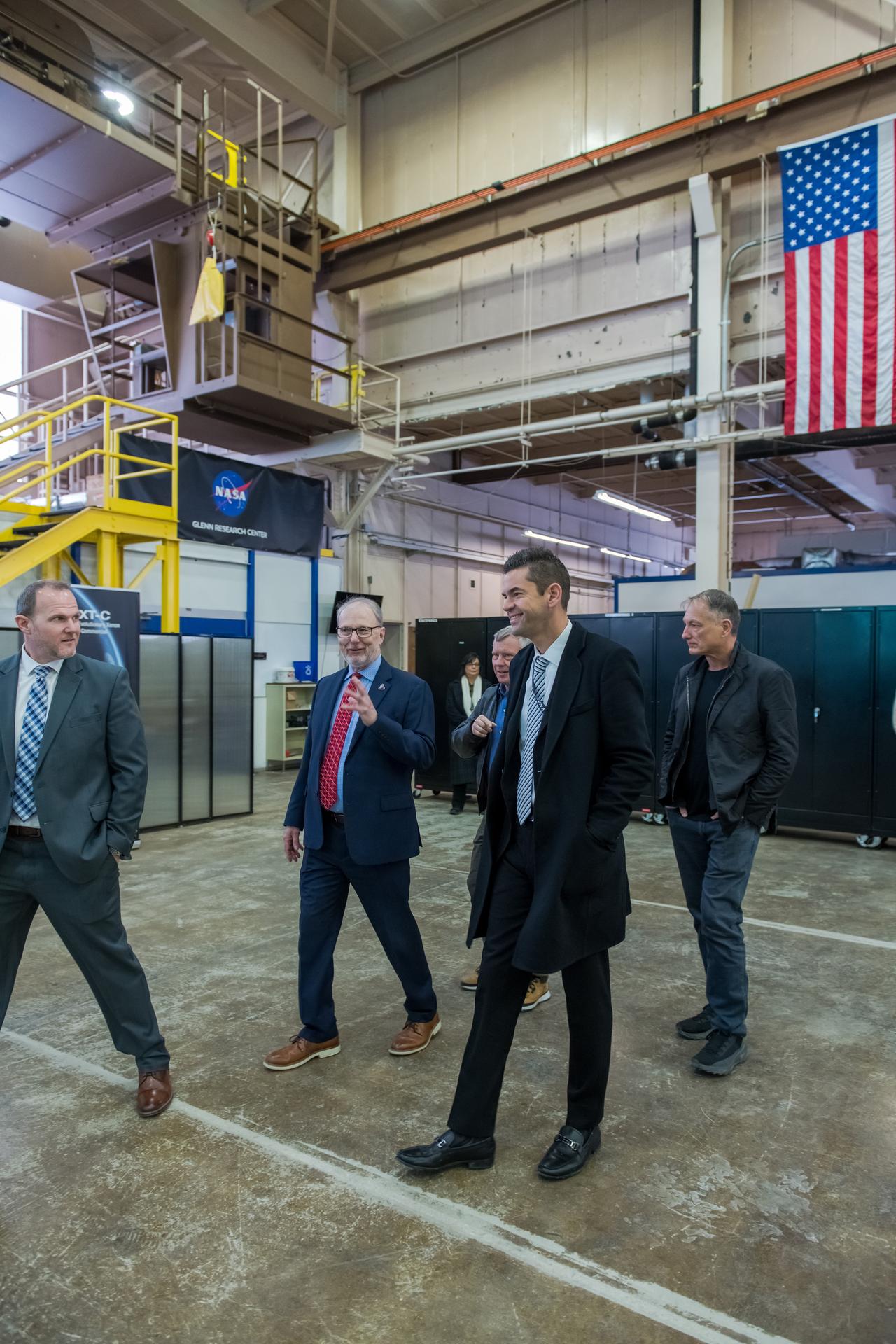
NASA Administrator Jared Isaacman walks with staff through the Electric Propulsion and Power Laboratory during a visit to NASA's Glenn Research Center in Cleveland on Jan. 27, 2026.
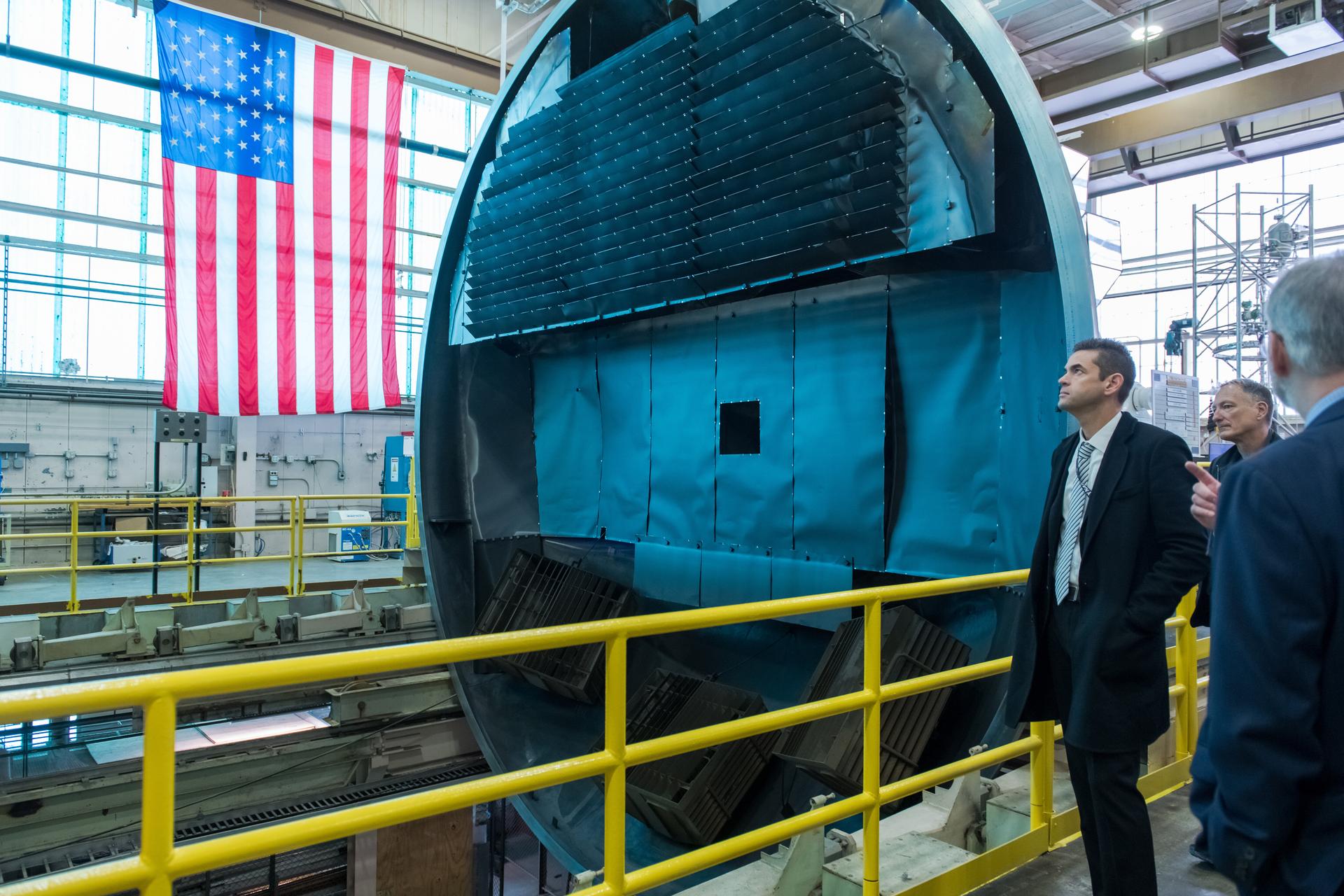
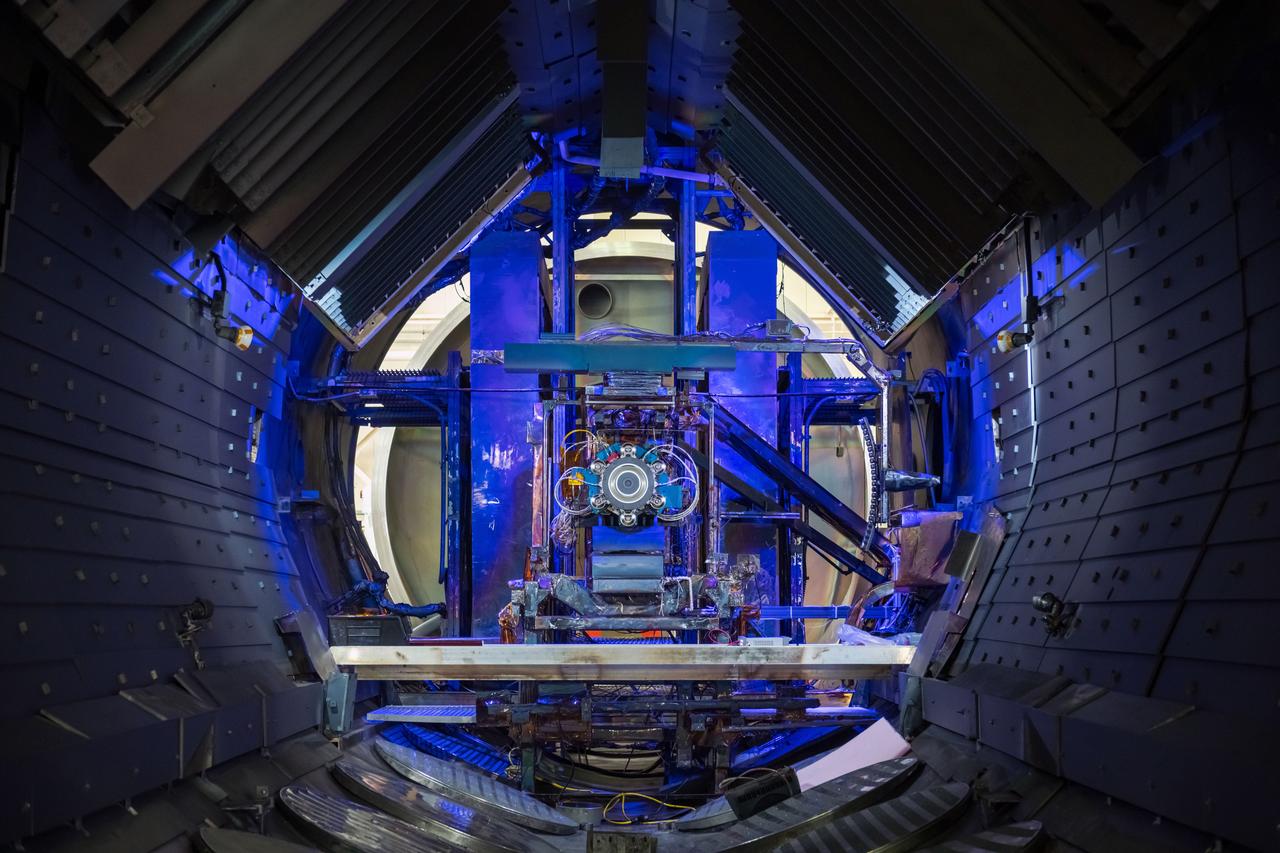
NASA Administrator Jared Isaacman looks inside Vacuum Facility-6 in the Electric Propulsion and Power Laboratory during a visit to NASA's Glenn Research Center in Cleveland on Jan. 27, 2026.
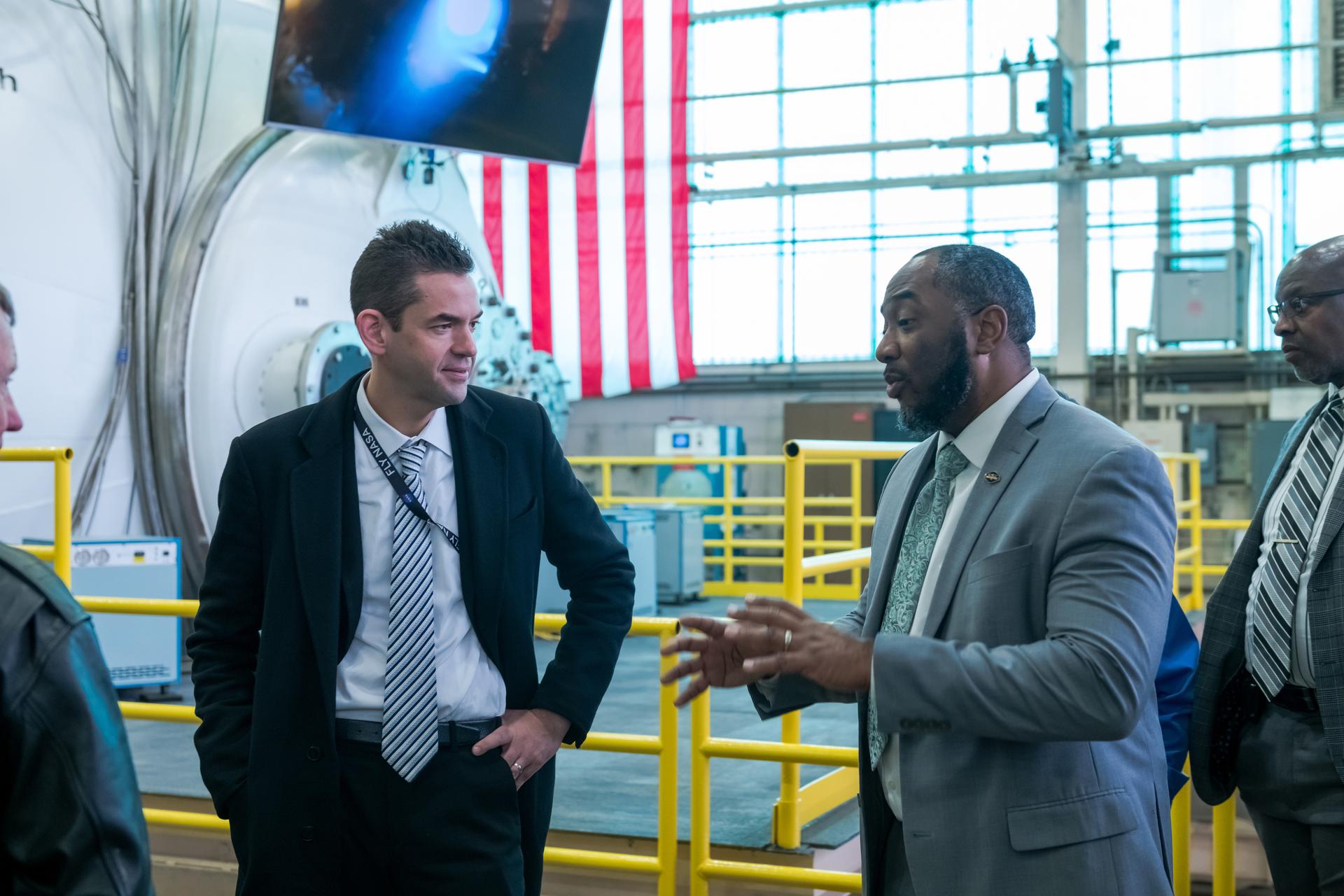
During a visit to NASA's Glenn Research Center in Cleveland on Tuesday, Jan. 27, 2026, NASA Administrator Jared Isaacman speaks with Carl Sandifer, manager of the Radioisotope Power Systems Program, inside the Electric Propulsion and Power Laboratory as Rickey Shyne, director of Research and Engineering, looks on.
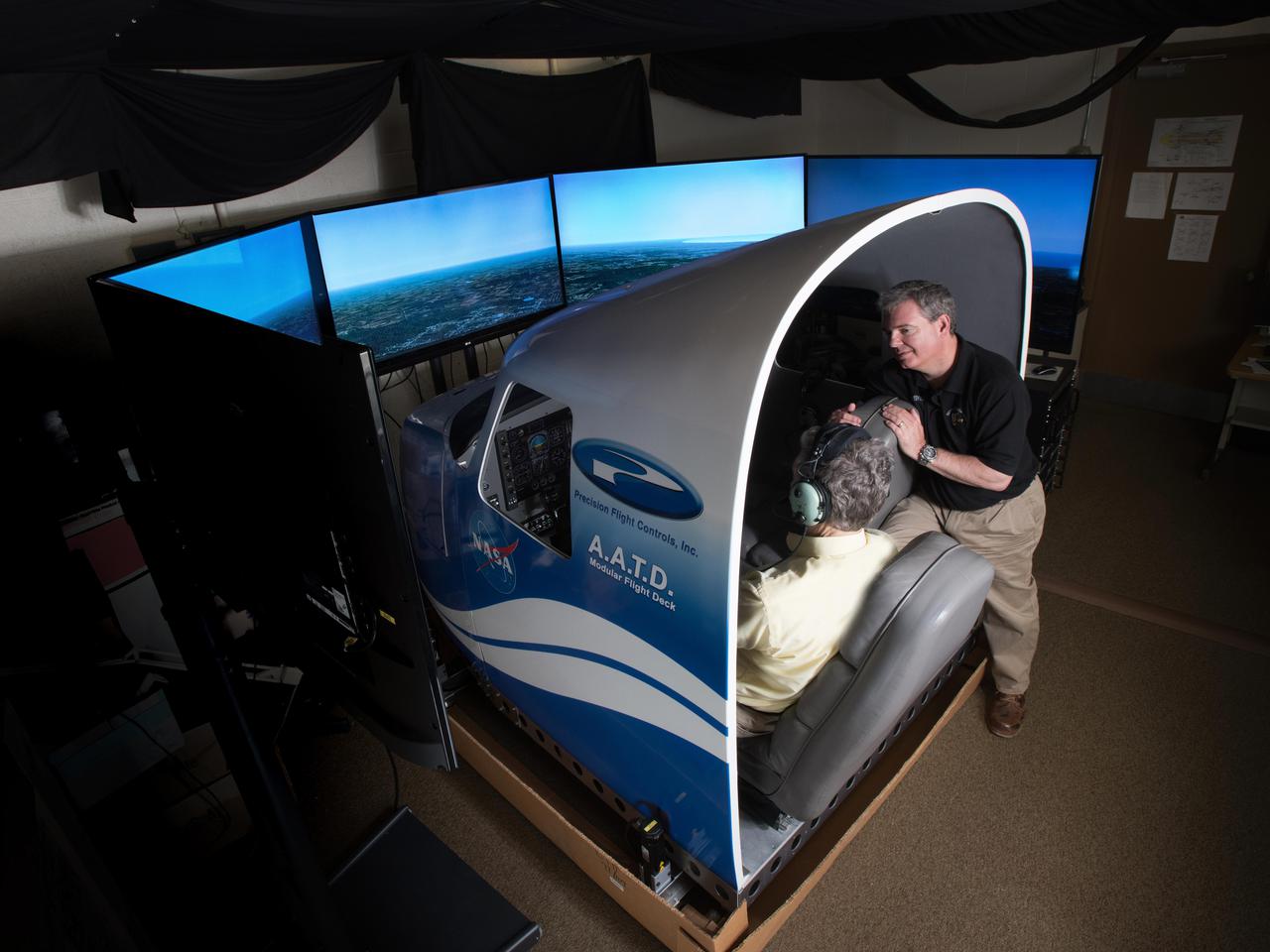
NASA Glenn Flight Simulator Laboratory
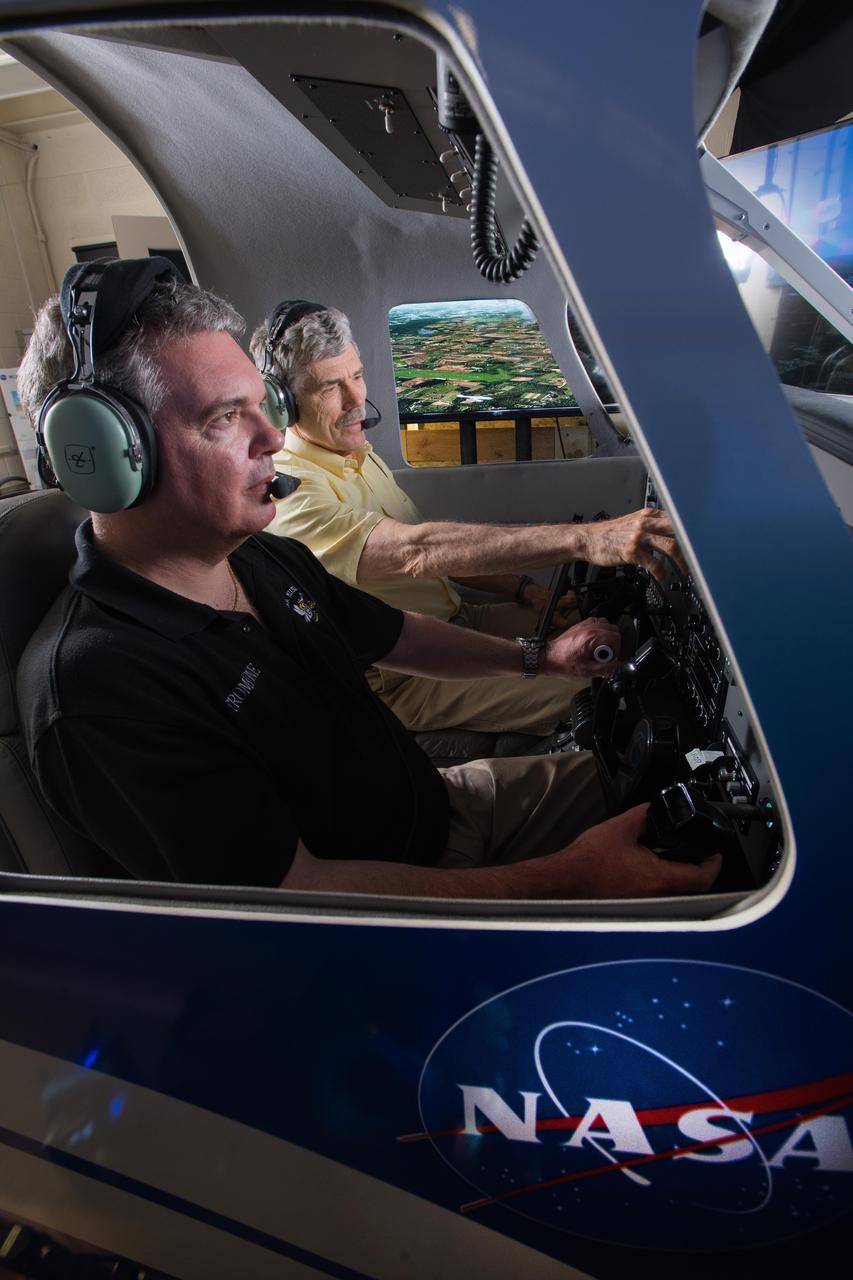
NASA Glenn Flight Simulator Laboratory
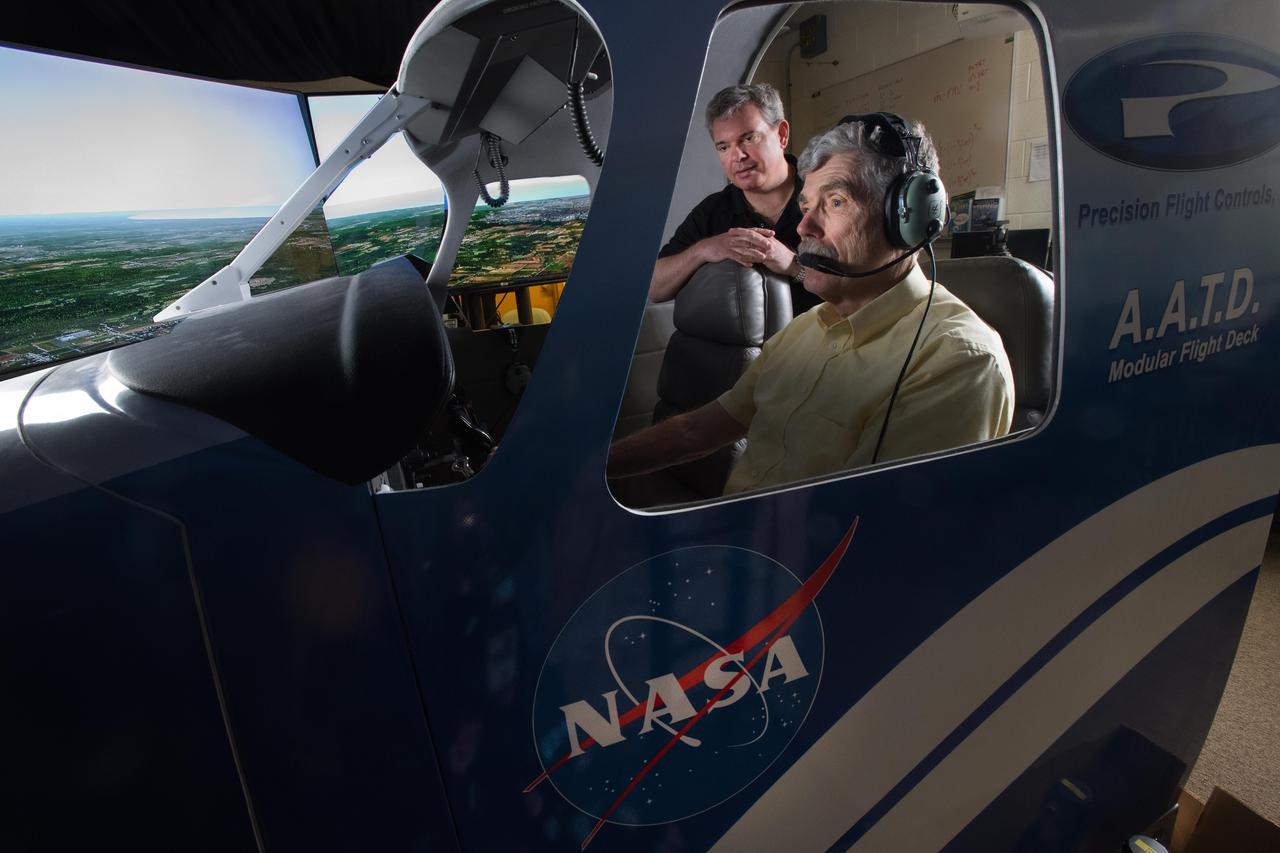
NASA Glenn Flight Simulator Laboratory
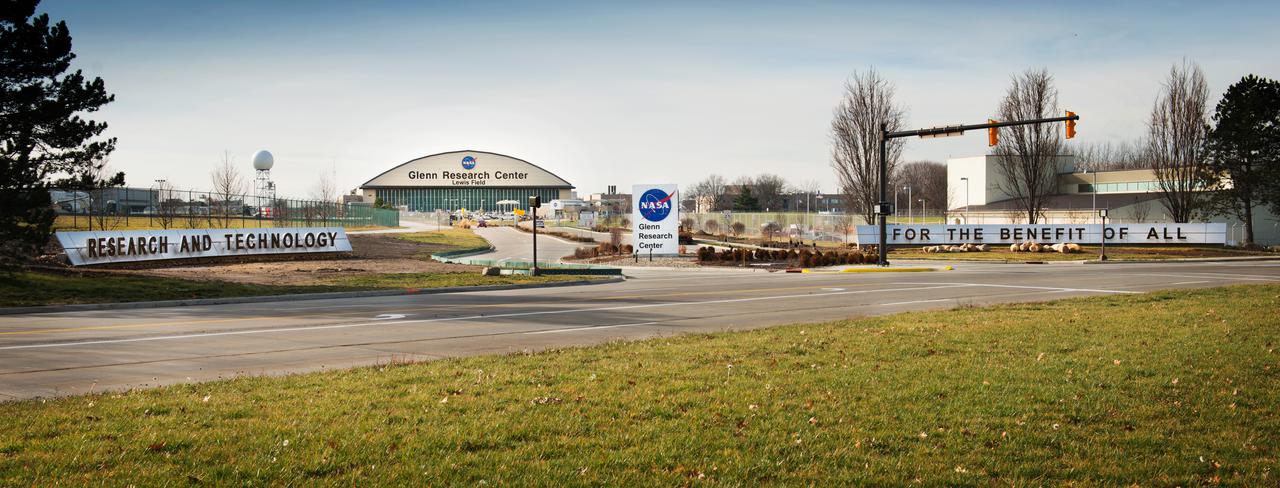
Main Entrance of NASA Glenn Research Center at Brookpark Road and NASA Parkway. The signs read: Research and Technology For The Benefit Of All.
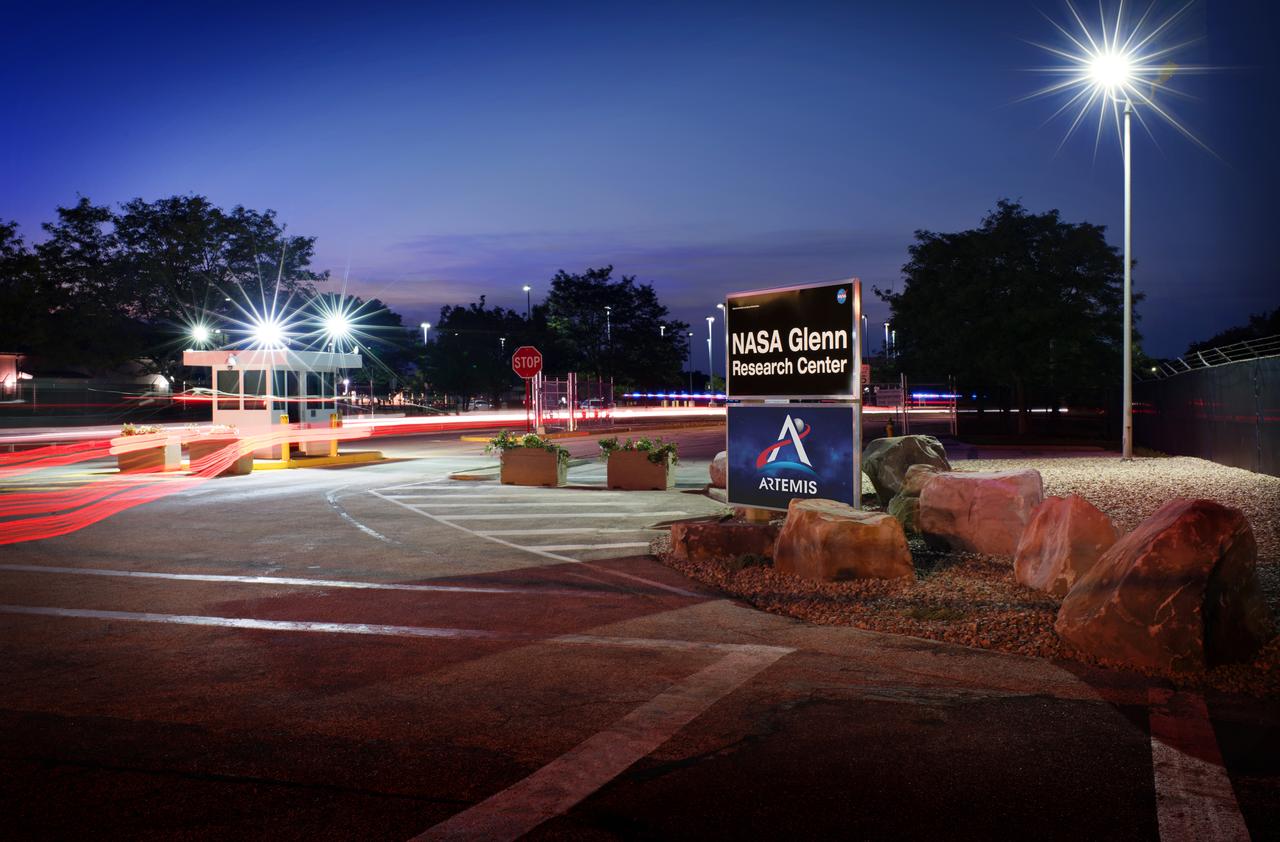
The newly renovated NASA Glenn Research Center, GRC Lewis Field West Gate at dusk.
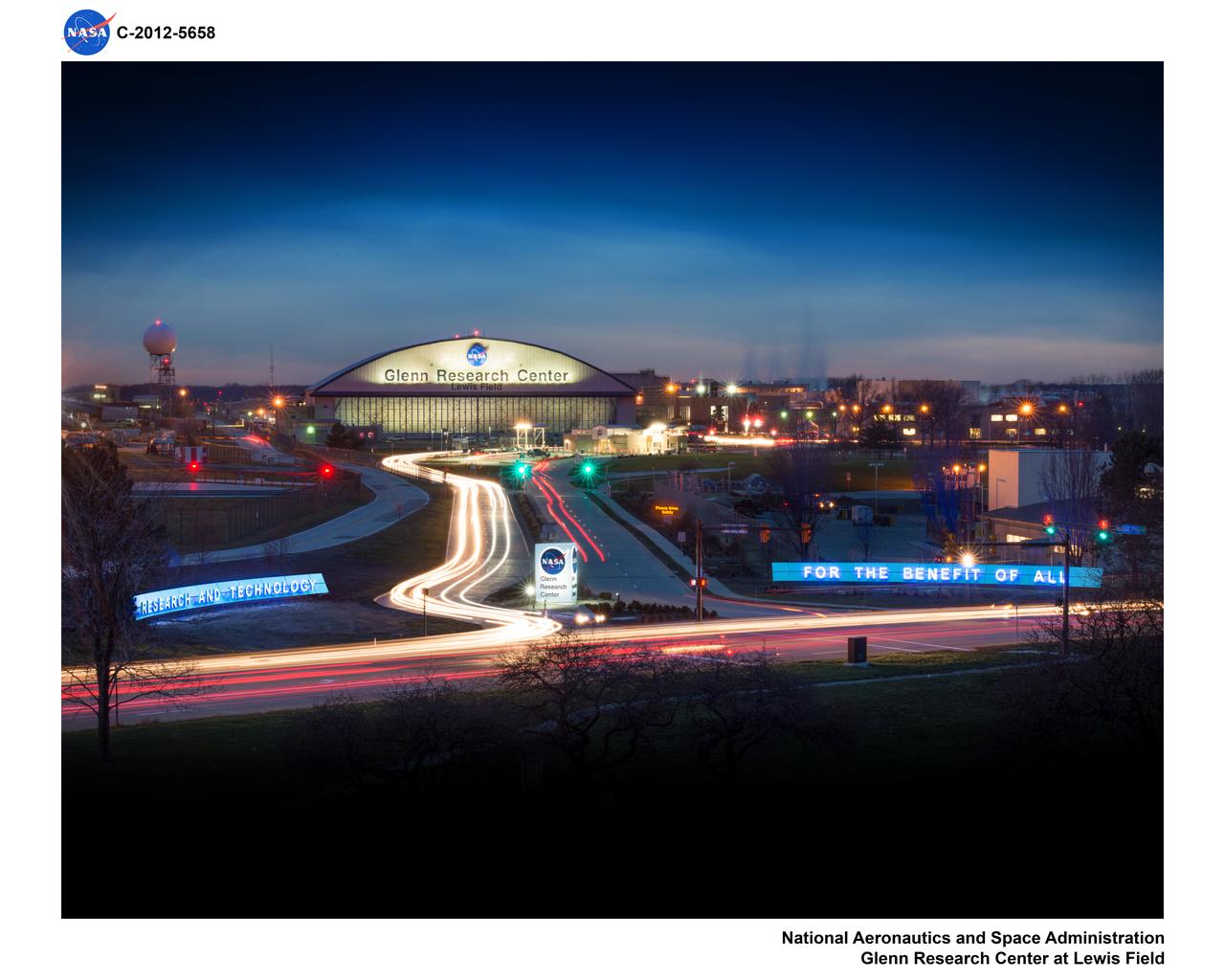
Main Gate, NASA Glenn Research Center, Cleveland, Ohio
NASA Glenn Research Center has received the first of three Advanced Electric Propulsion System (AEPS) thrusters for the Gateway lunar space station. Built by L3Harris Technologies, the thruster will undergo testing before integration with Gateway’s Power and Propulsion Element, launching with the HALO module ahead of Artemis IV.
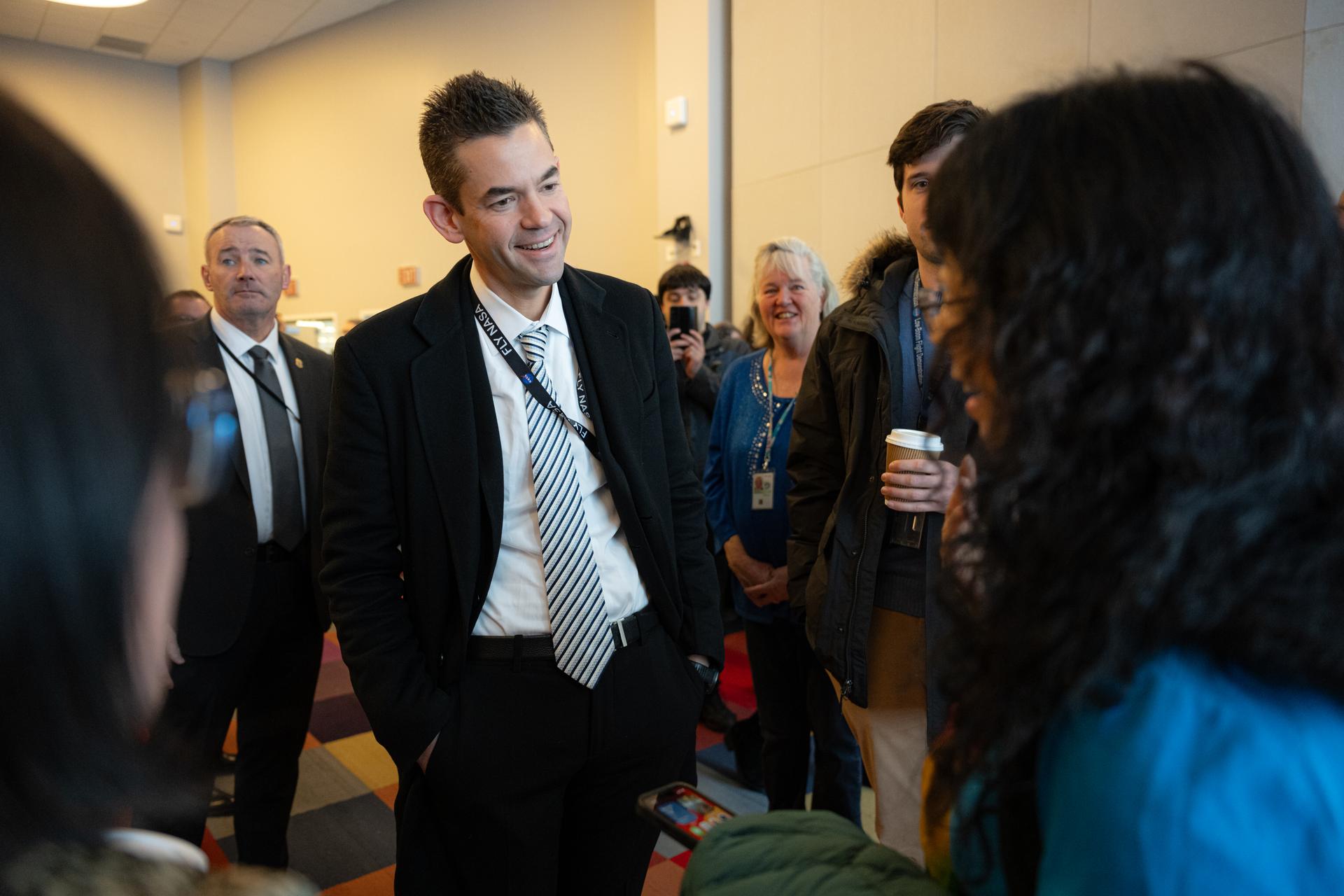
NASA Administrator Jared Isaacman greets members of the workforce, Tuesday, Jan. 27, 2026, at NASA’s Glenn Research Center in Cleveland, Ohio. Glenn marks the eleventh stop in Isaacman’s roadshow to visit NASA facilities and engage directly with the agency’s workforce. Photo Credit: (NASA/John Kraus)
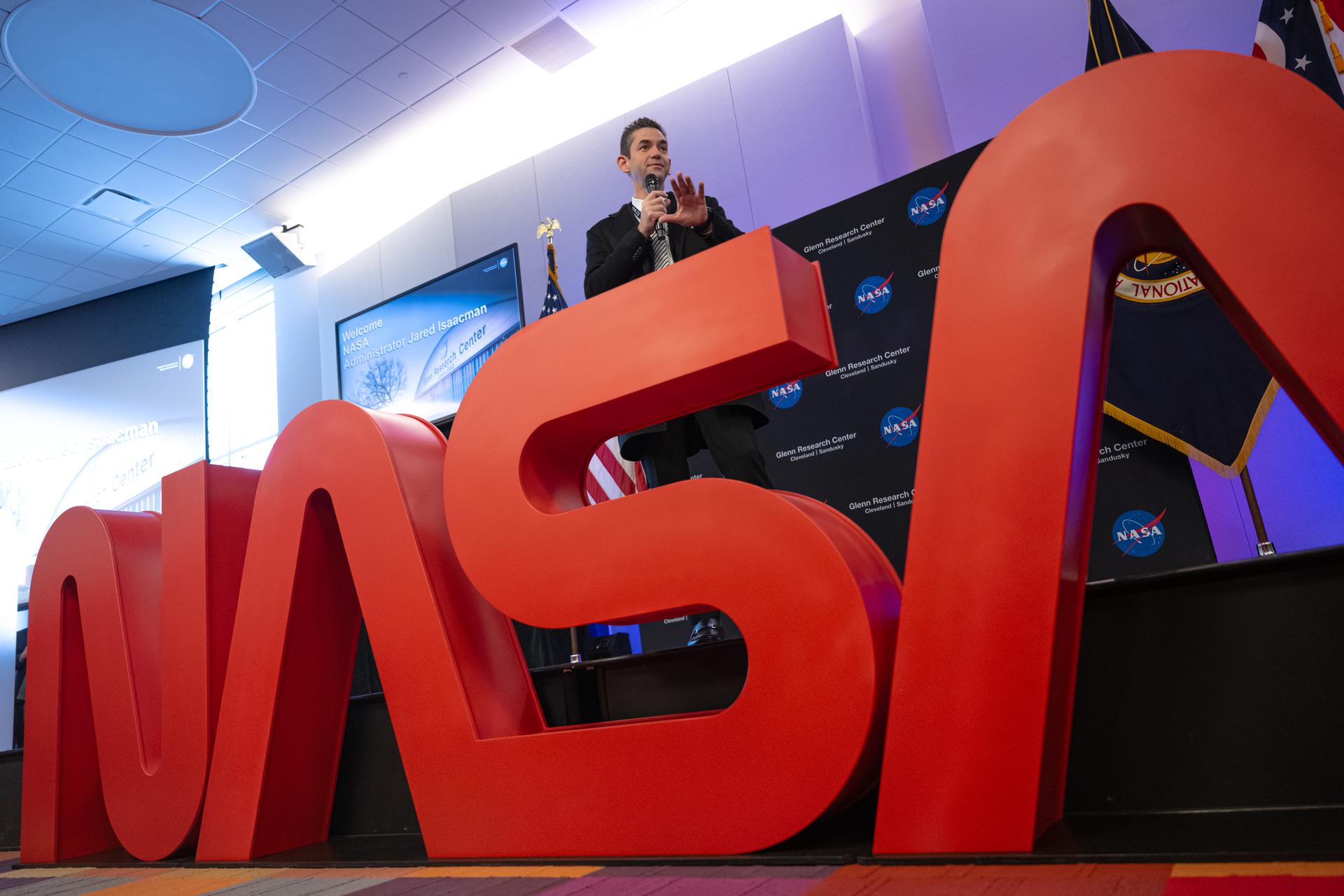
NASA Administrator Jared Isaacman speaks during a workforce Q&A session, Tuesday, Jan. 27, 2026, at NASA’s Glenn Research Center in Cleveland, Ohio. Glenn marks the eleventh stop in Isaacman’s roadshow to visit NASA facilities and engage directly with the agency’s workforce. Photo Credit: (NASA/John Kraus)
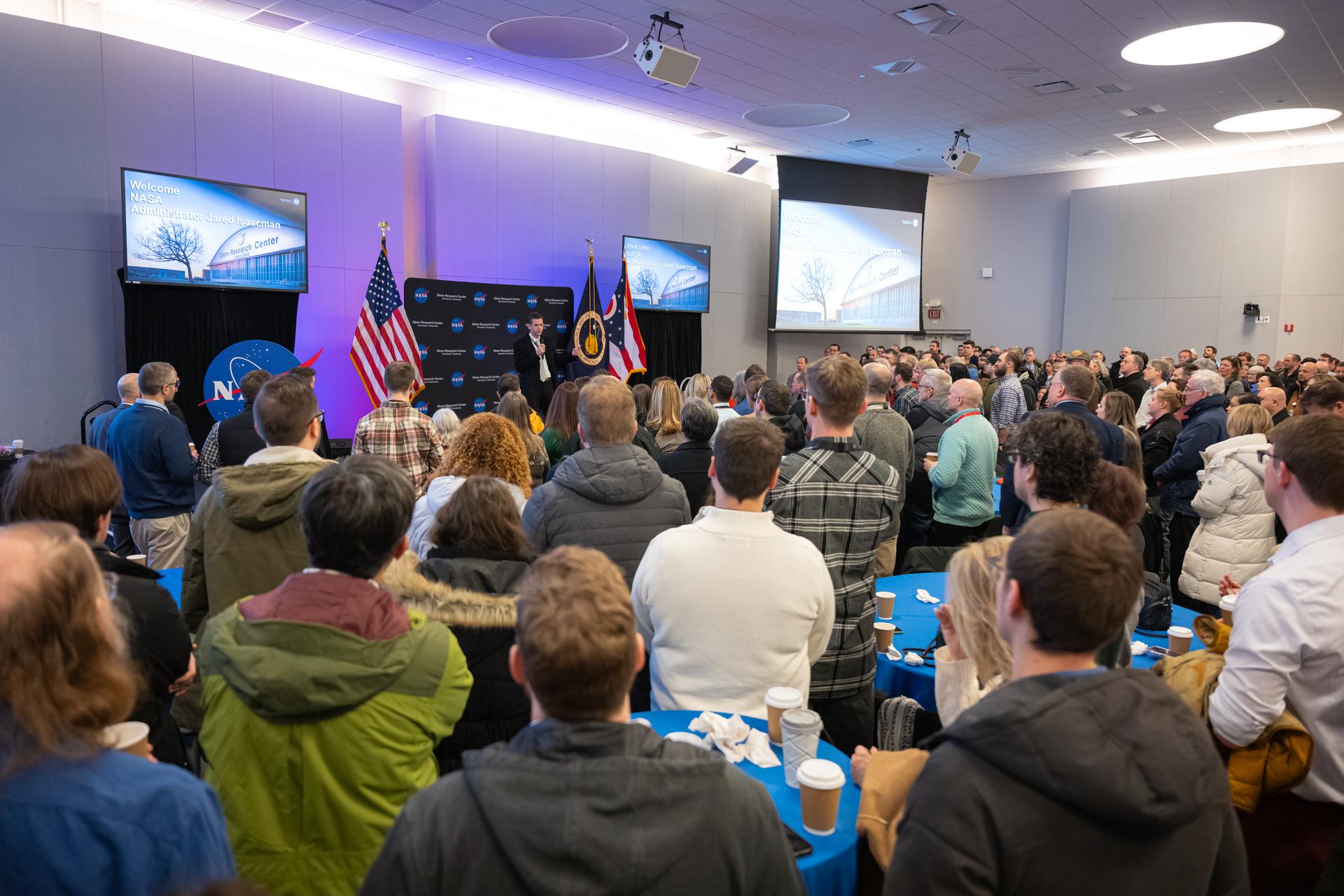
NASA Administrator Jared Isaacman speaks during a workforce Q&A session, Tuesday, Jan. 27, 2026, at NASA’s Glenn Research Center in Cleveland, Ohio. Glenn marks the eleventh stop in Isaacman’s roadshow to visit NASA facilities and engage directly with the agency’s workforce. Photo Credit: (NASA/John Kraus)
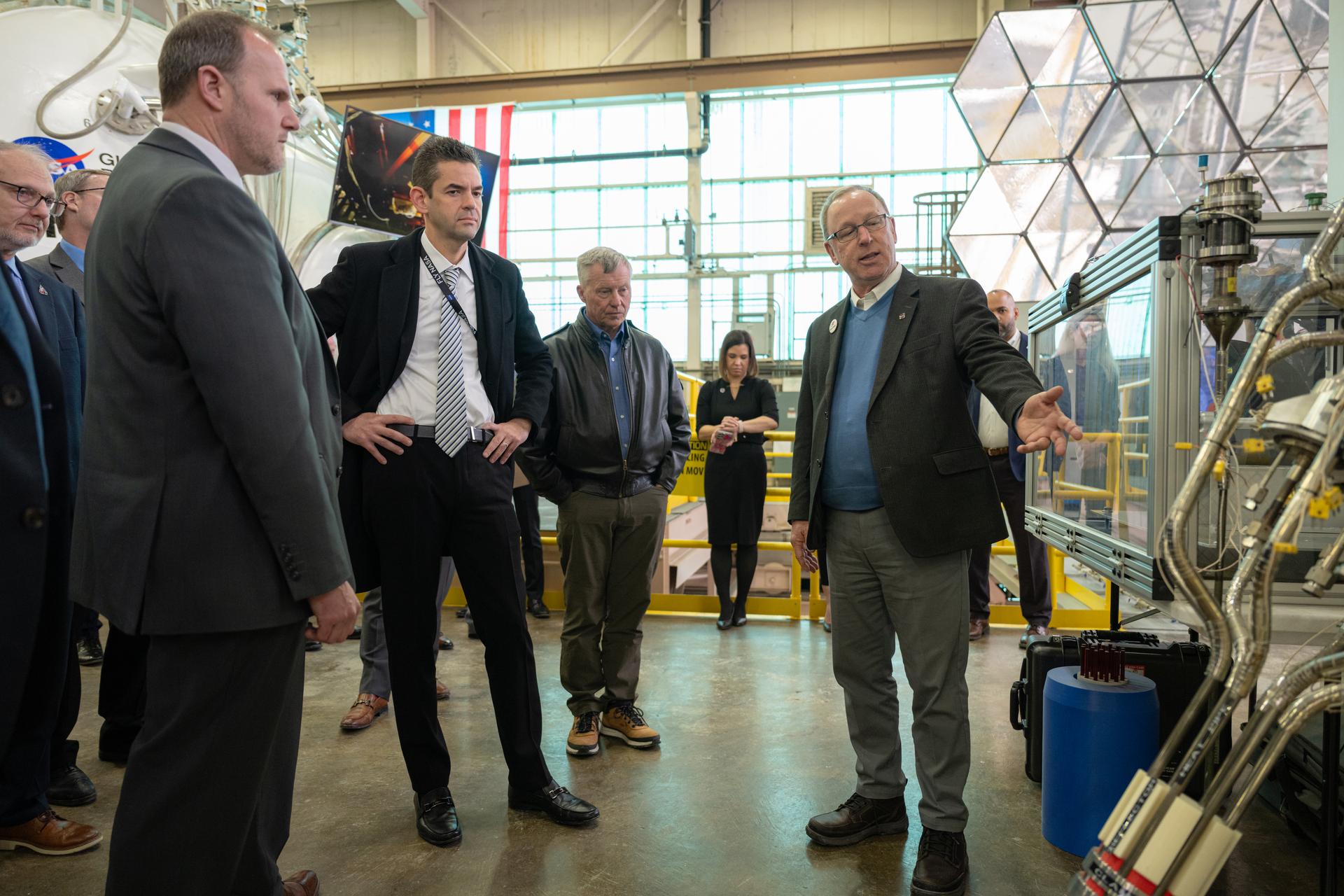
NASA Administrator Jared Isaacman, center left, is shown the Kilowatt Reactor Using Stirling TechnologY (KRUSTY) by Lee Mason, fission surface power chief technologist, right, as he tours the Electric Propulsion and Power Laboratory, Tuesday, Jan. 27, 2026, at NASA’s Glenn Research Center in Cleveland, Ohio. Glenn marks the eleventh stop in Isaacman’s roadshow to visit NASA facilities and engage directly with the agency’s workforce. Photo Credit: (NASA/John Kraus)
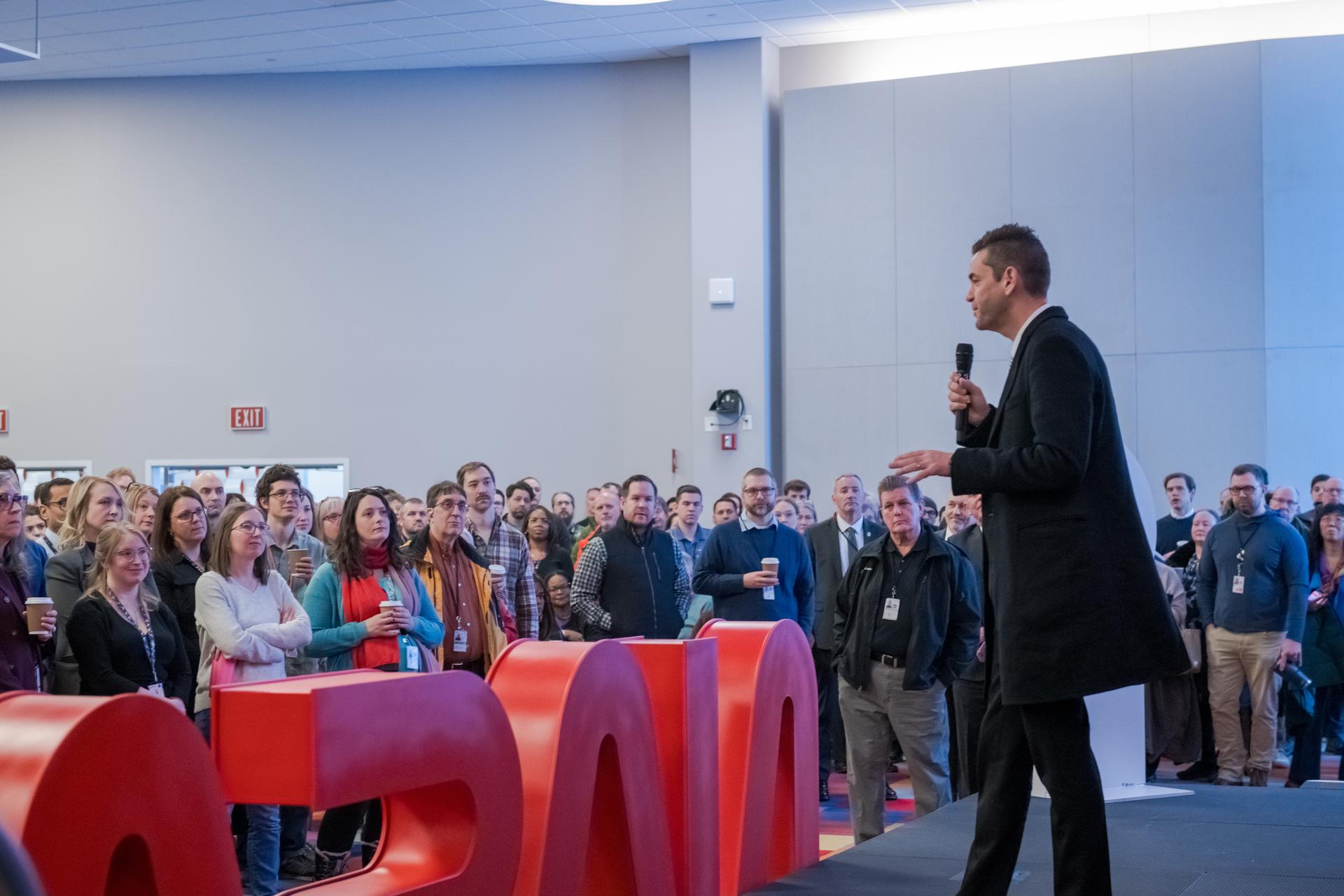
NASA Administrator Jared Isaacman speaks with staff in the Mission Integration Auditorium Center during a visit to NASA's Glenn Research Center in Cleveland on Jan. 27, 2026.
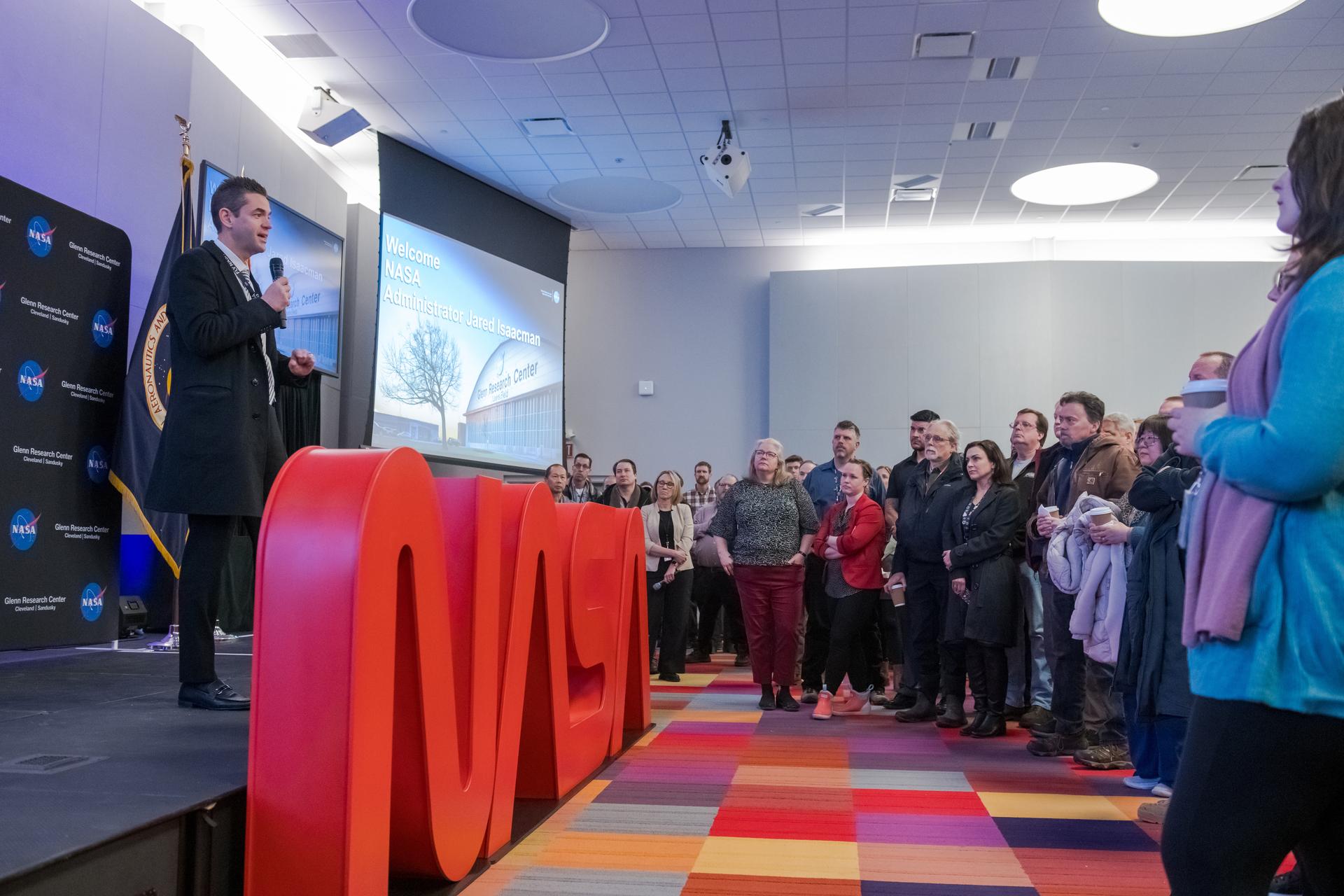
NASA Administrator Jared Isaacman speaks with staff in the Mission Integration Auditorium Center during a visit to NASA's Glenn Research Center in Cleveland on Jan. 27, 2026.
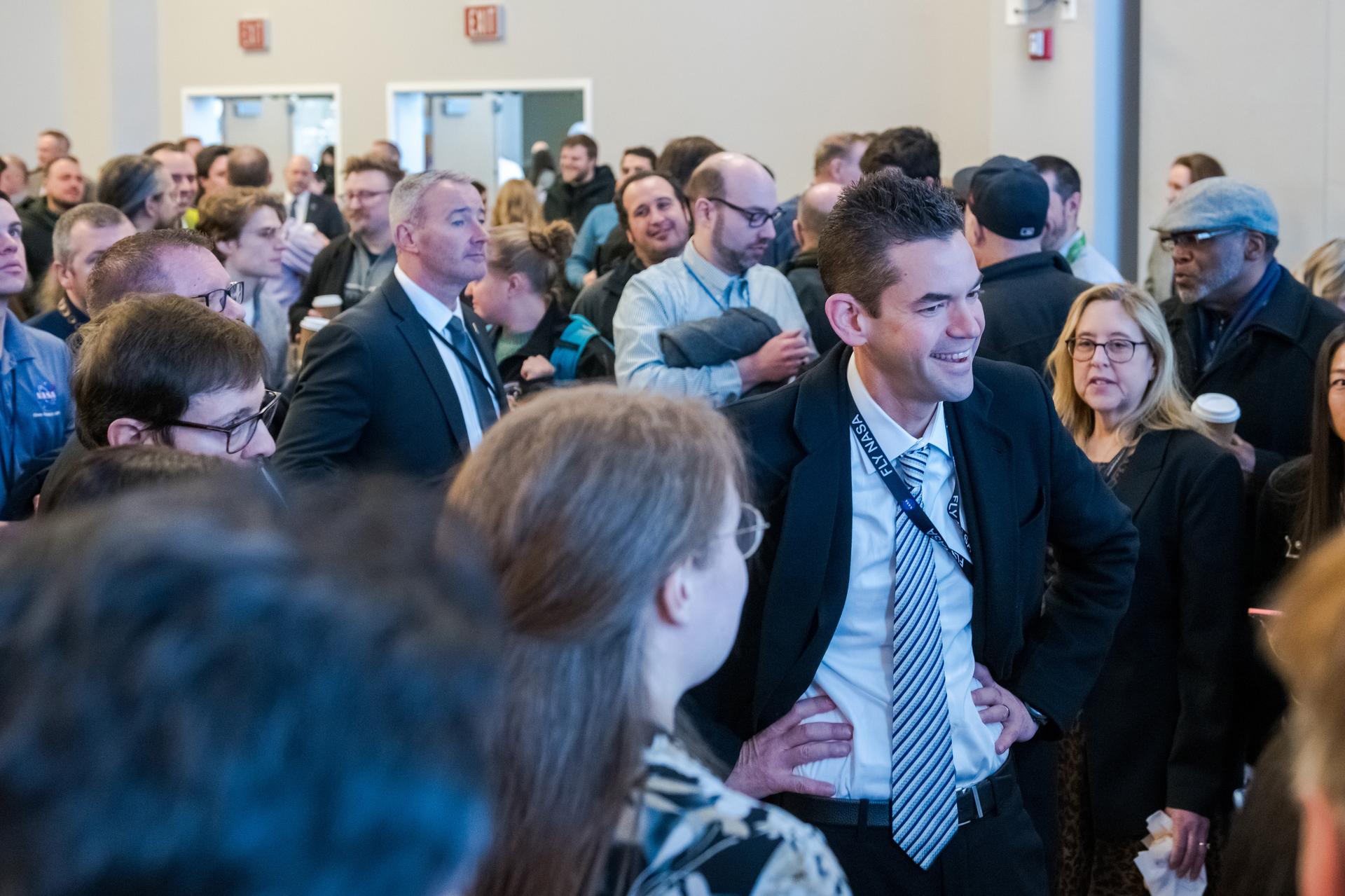
NASA Administrator Jared Isaacman speaks with staff in the Mission Integration Center Auditorium during a visit to NASA's Glenn Research Center in Cleveland on Jan. 27, 2026.

NASA Glenn Research Center has received the first of three Advanced Electric Propulsion System (AEPS) thrusters for the Gateway lunar space station. Built by L3Harris Technologies, the thruster will undergo testing before integration with Gateway’s Power and Propulsion Element, launching with the HALO module ahead of Artemis IV.
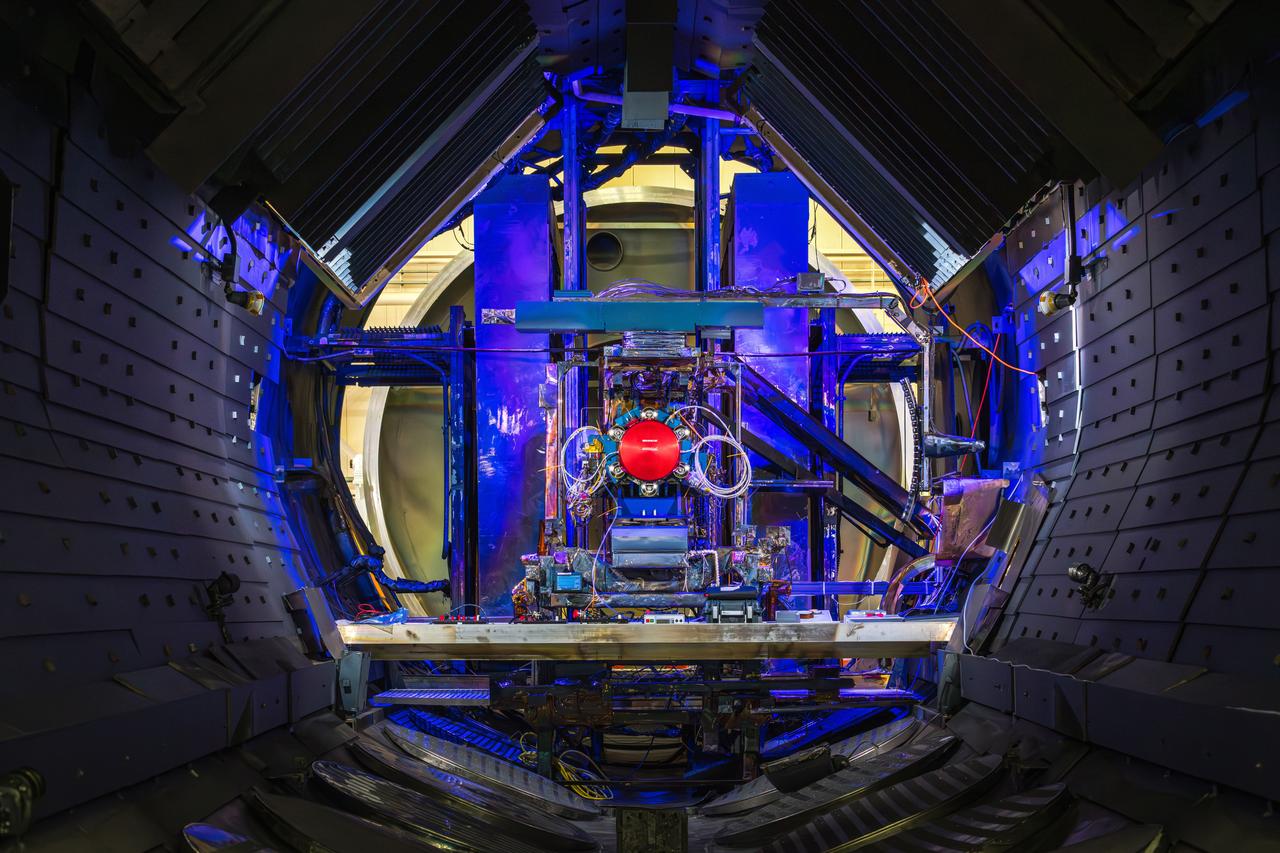
NASA Glenn Research Center has received the first of three Advanced Electric Propulsion System (AEPS) thrusters for the Gateway lunar space station. Built by L3Harris Technologies, the thruster will undergo testing before integration with Gateway’s Power and Propulsion Element, launching with the HALO module ahead of Artemis IV.
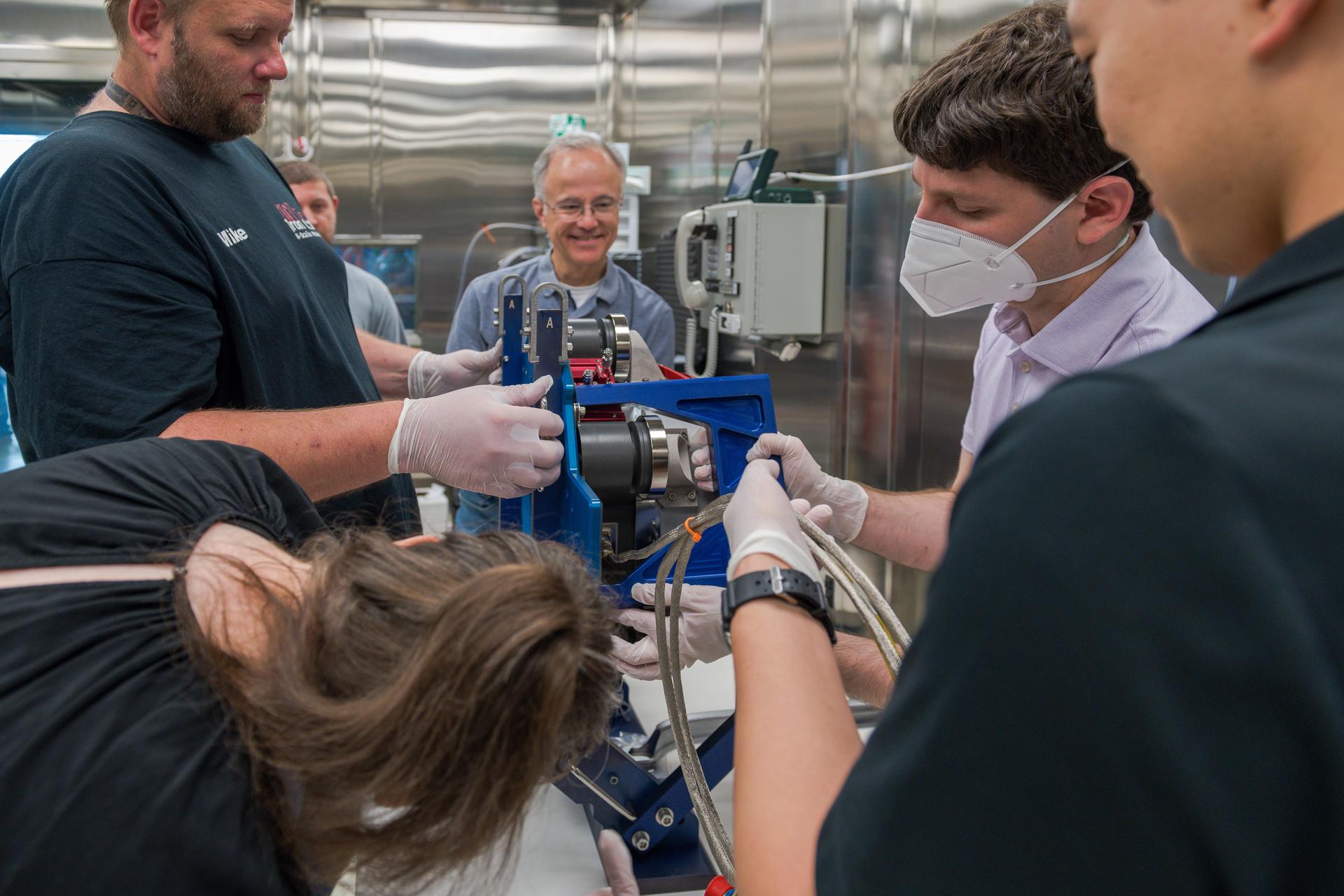
Engineers at NASA’s Glenn Research Center in Cleveland work together to position and secure the second of three Advanced Electric Propulsion System (AEPS) thrusters for acceptance testing. Following testing, the thruster was delivered to Lanteris Space Systems in Palo Alto, California, for installation on Gateway’s Power and Propulsion Element. Credit: NASA
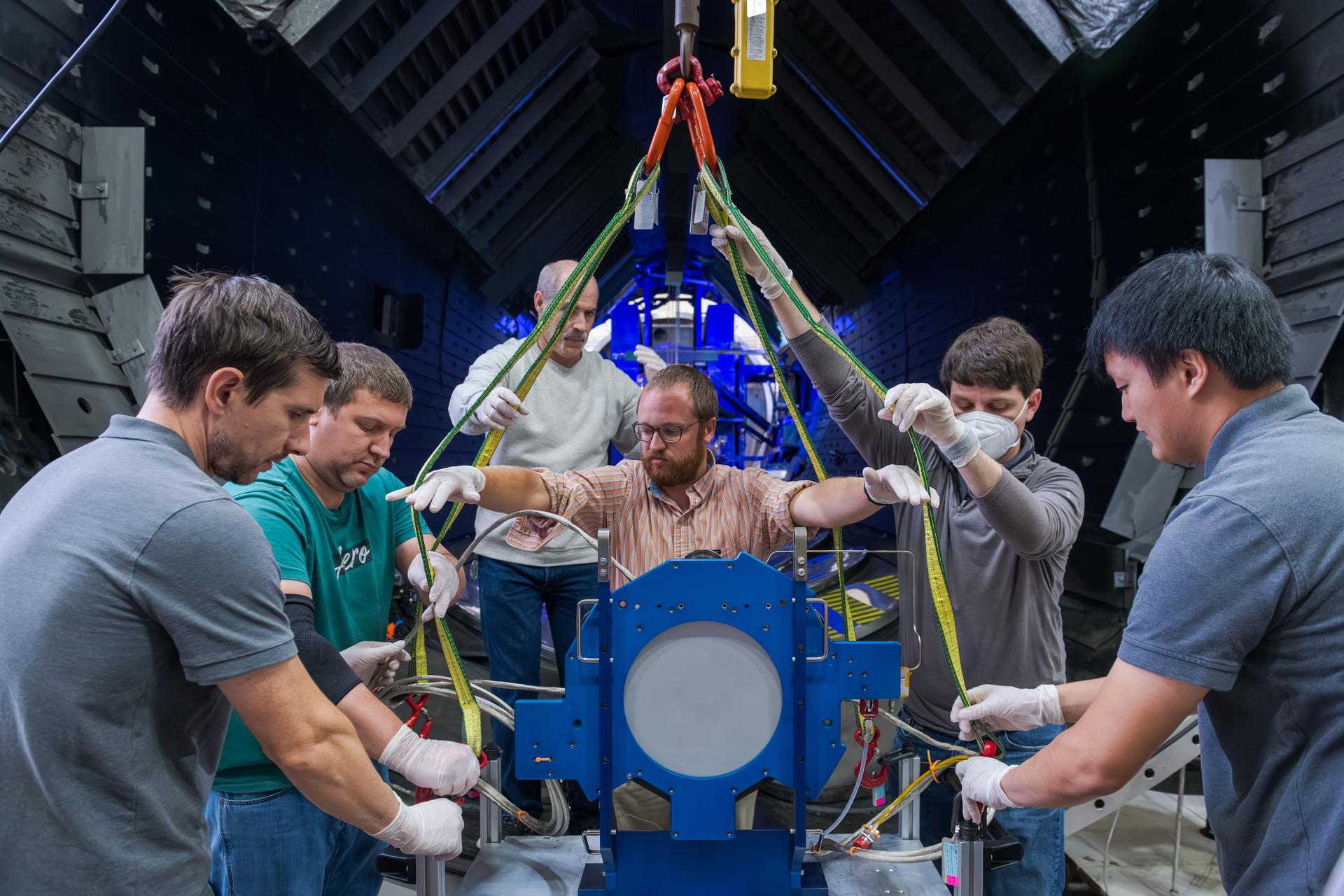
Teams at NASA’s Glenn Research Center in Cleveland conduct acceptance testing on the third and final Advanced Electric Propulsion System (AEPS) thrusters for Gateway’s Power and Propulsion Element (PPE). After successfully completing testing, the thruster was delivered to Lanteris Space Systems in Palo Alto, California, for installation on PPE’s primary structure. Credit: NASA
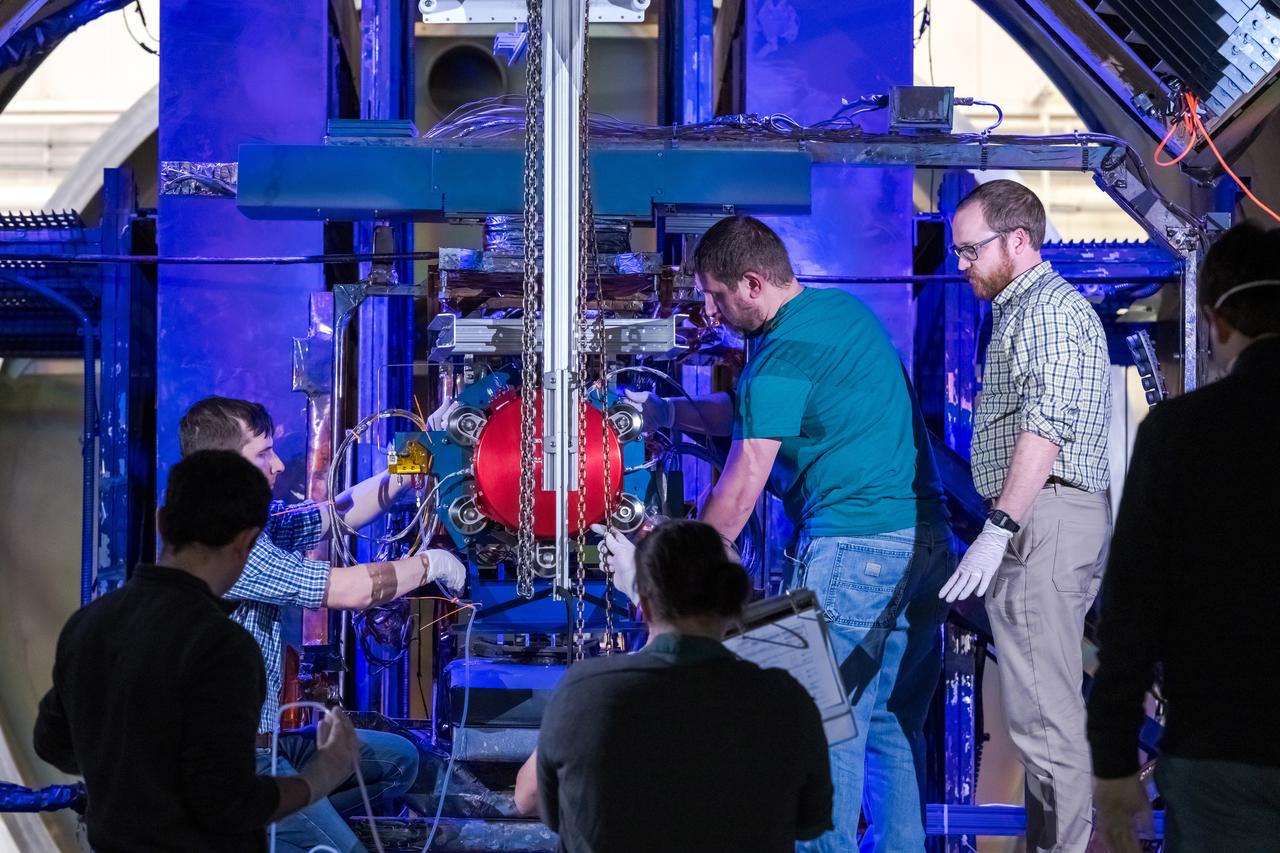
NASA Glenn Research Center has received the first of three Advanced Electric Propulsion System (AEPS) thrusters for the Gateway lunar space station. Built by L3Harris Technologies, the thruster will undergo testing before integration with Gateway’s Power and Propulsion Element, launching with the HALO module ahead of Artemis IV.
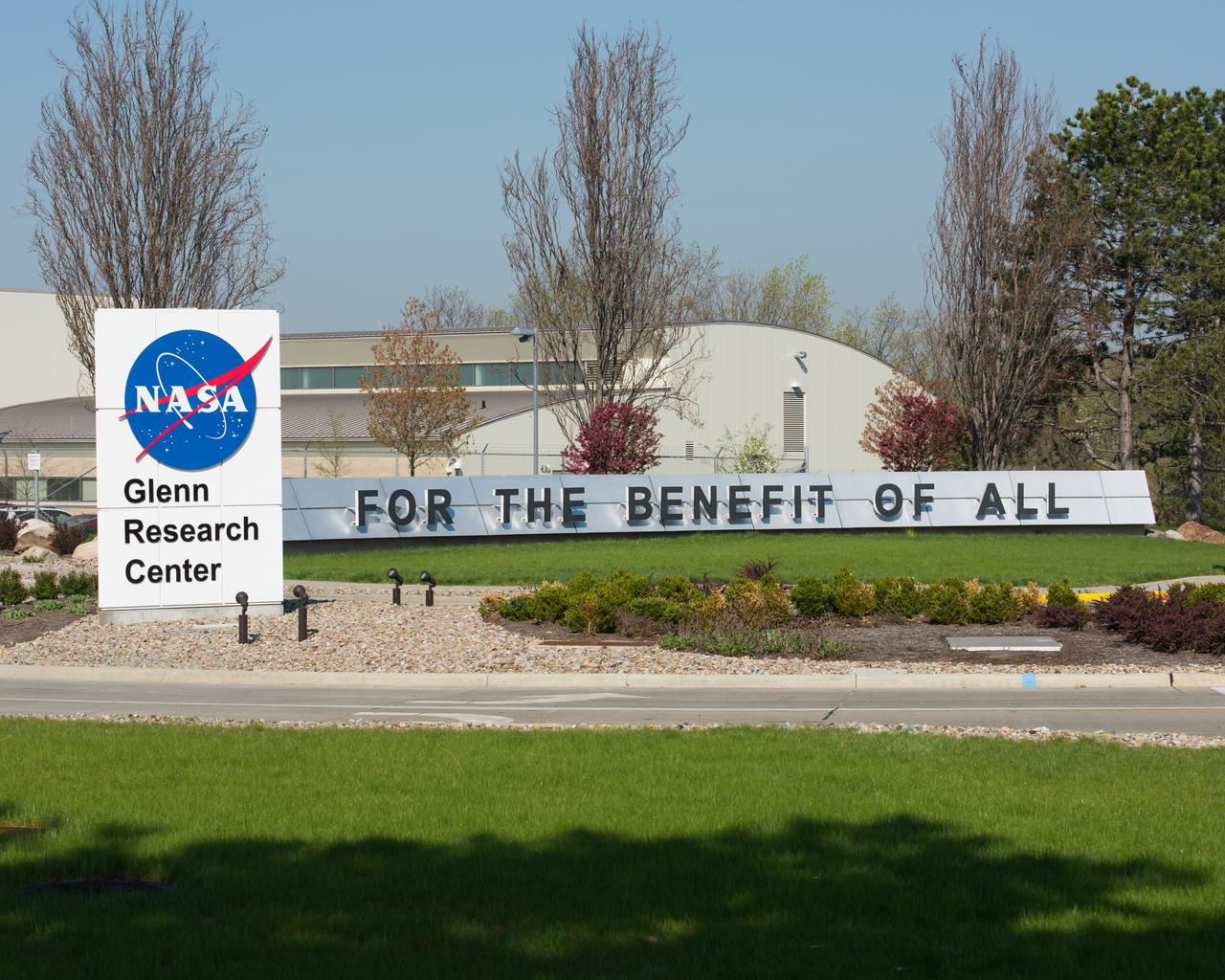
NASA Glenn Research Center Sign at the Intersection of NASA Parkway and Broiokpark Road. The sign reads: For The Benefit Of All

One of NASA Glenn's T-34C research aircraft is removed from the hangar prior to a flight
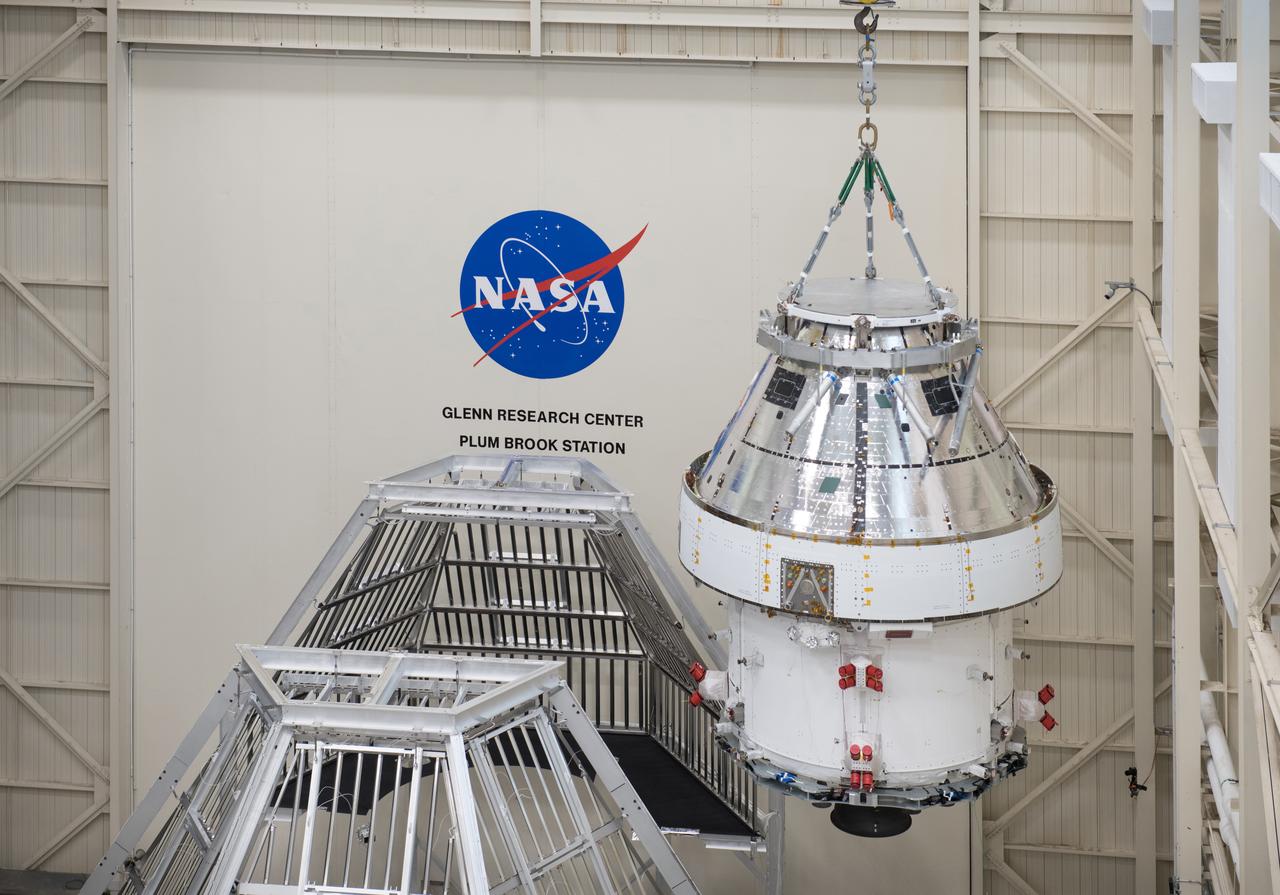
Artemis Hardware Arrival at the NASA Glenn Research Center, Plum Brook Station for testing at the Space Environments Complex, SEC
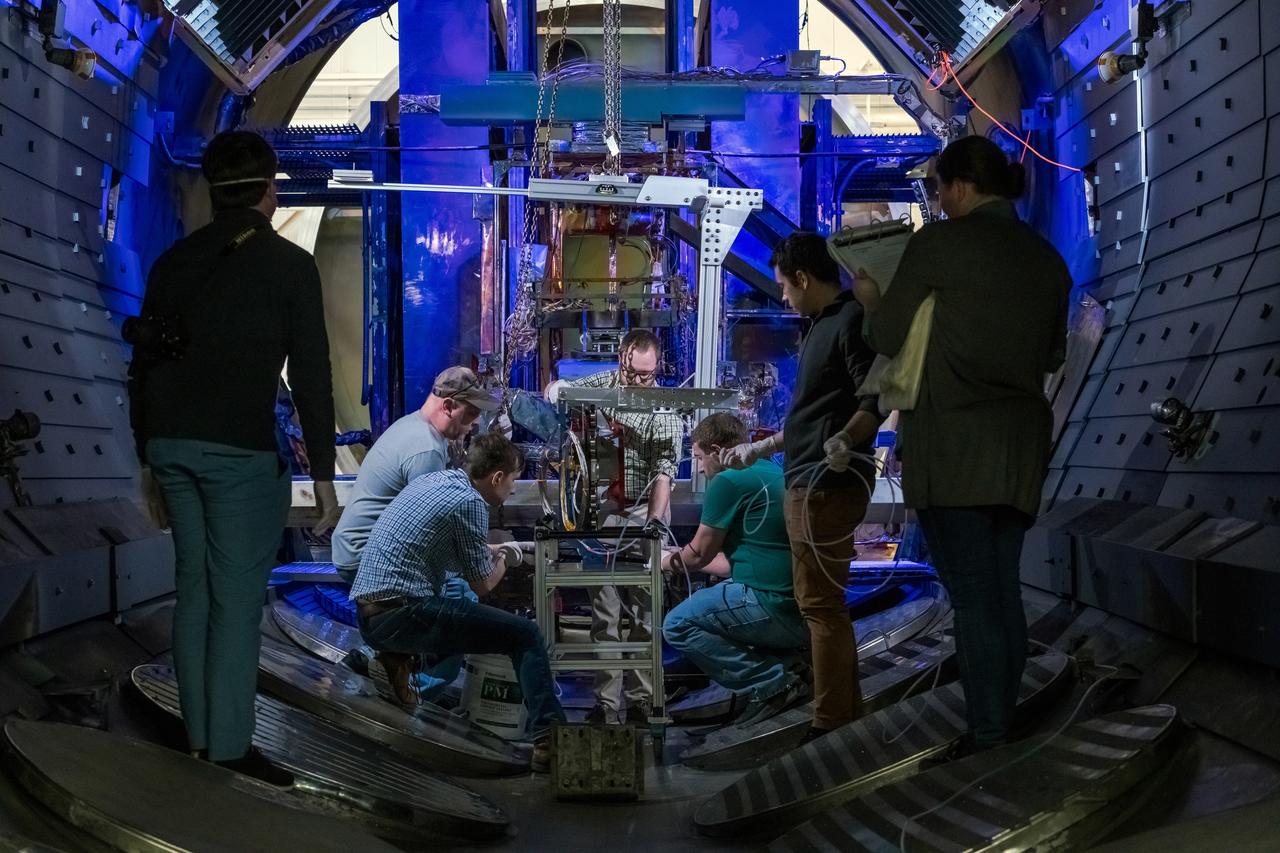
NASA Glenn Research Center has received the first of three Advanced Electric Propulsion System (AEPS) thrusters for the Gateway lunar space station. Built by L3Harris Technologies, the thruster will undergo testing before integration with Gateway’s Power and Propulsion Element, launching with the HALO module ahead of Artemis IV.

NASA Glenn Research Center has received the first of three Advanced Electric Propulsion System (AEPS) thrusters for the Gateway lunar space station. Built by L3Harris Technologies, the thruster will undergo testing before integration with Gateway’s Power and Propulsion Element, launching with the HALO module ahead of Artemis IV.
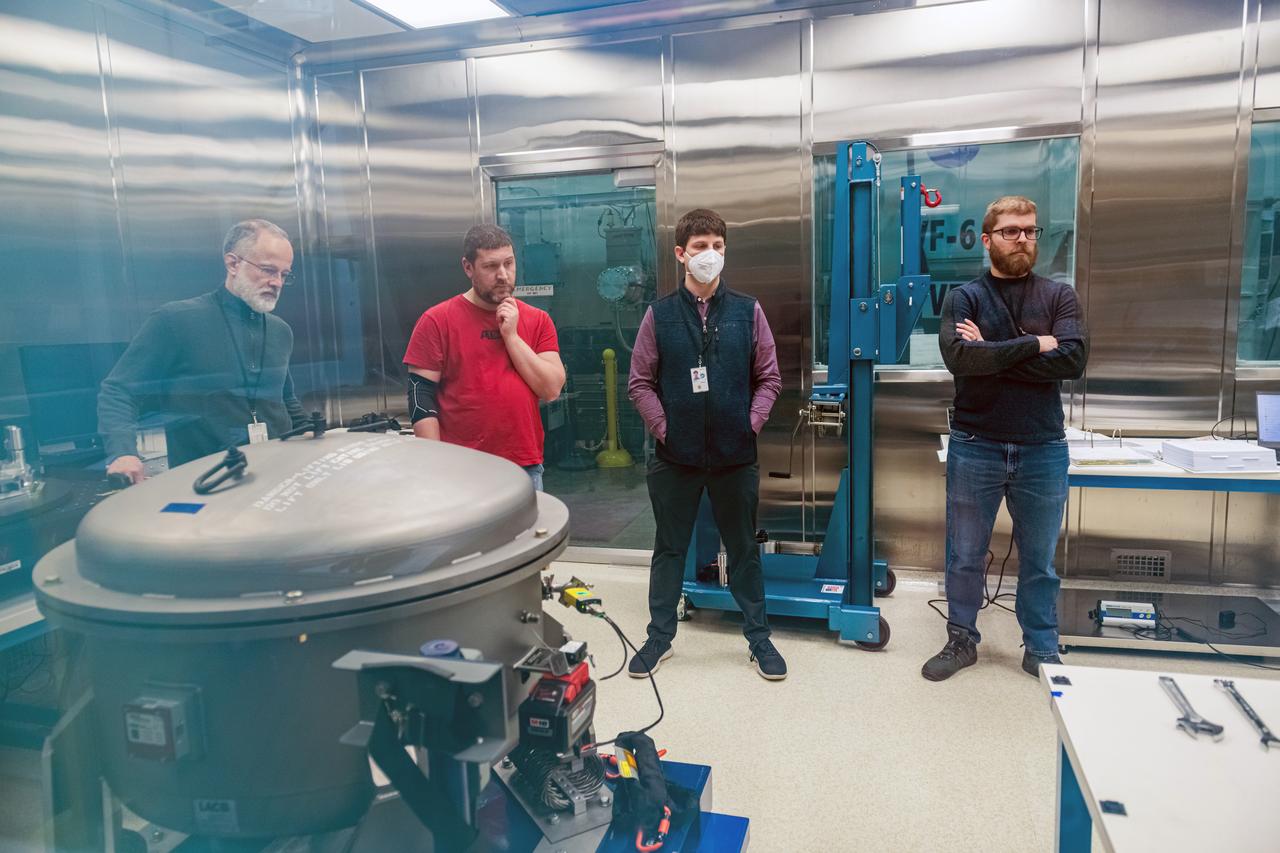
NASA Glenn Research Center has received the first of three Advanced Electric Propulsion System (AEPS) thrusters for the Gateway lunar space station. Built by L3Harris Technologies, the thruster will undergo testing before integration with Gateway’s Power and Propulsion Element, launching with the HALO module ahead of Artemis IV.
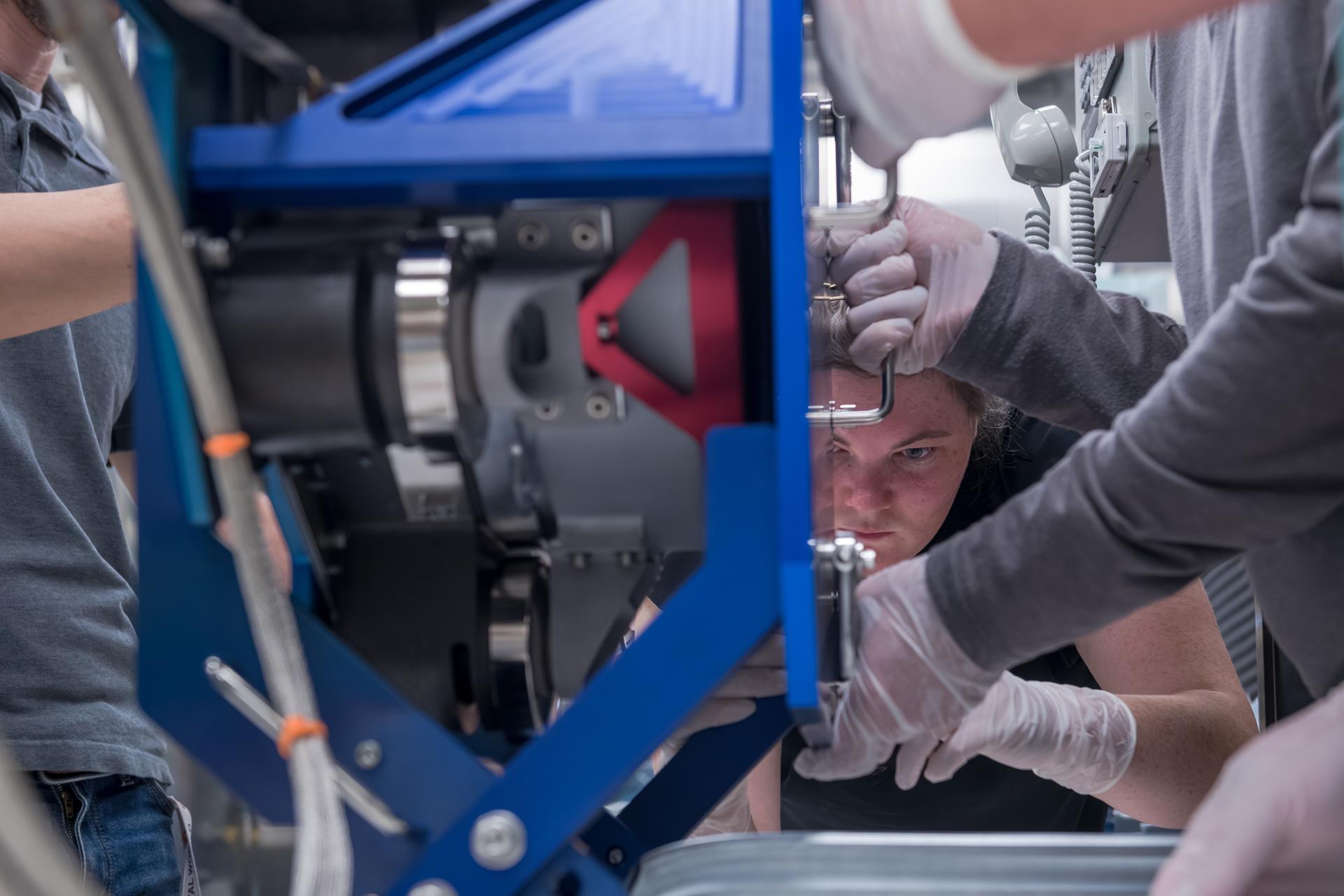
Engineers at NASA’s Glenn Research Center in Cleveland prepare the third and final Advanced Electric Propulsion System (AEPS) thruster for acceptance testing. Following successful testing, the thruster was delivered to Lanteris Space Systems in Palo Alto, California, for installation on the primary structure Gateway’s Power and Propulsion Element. Credit: NASA
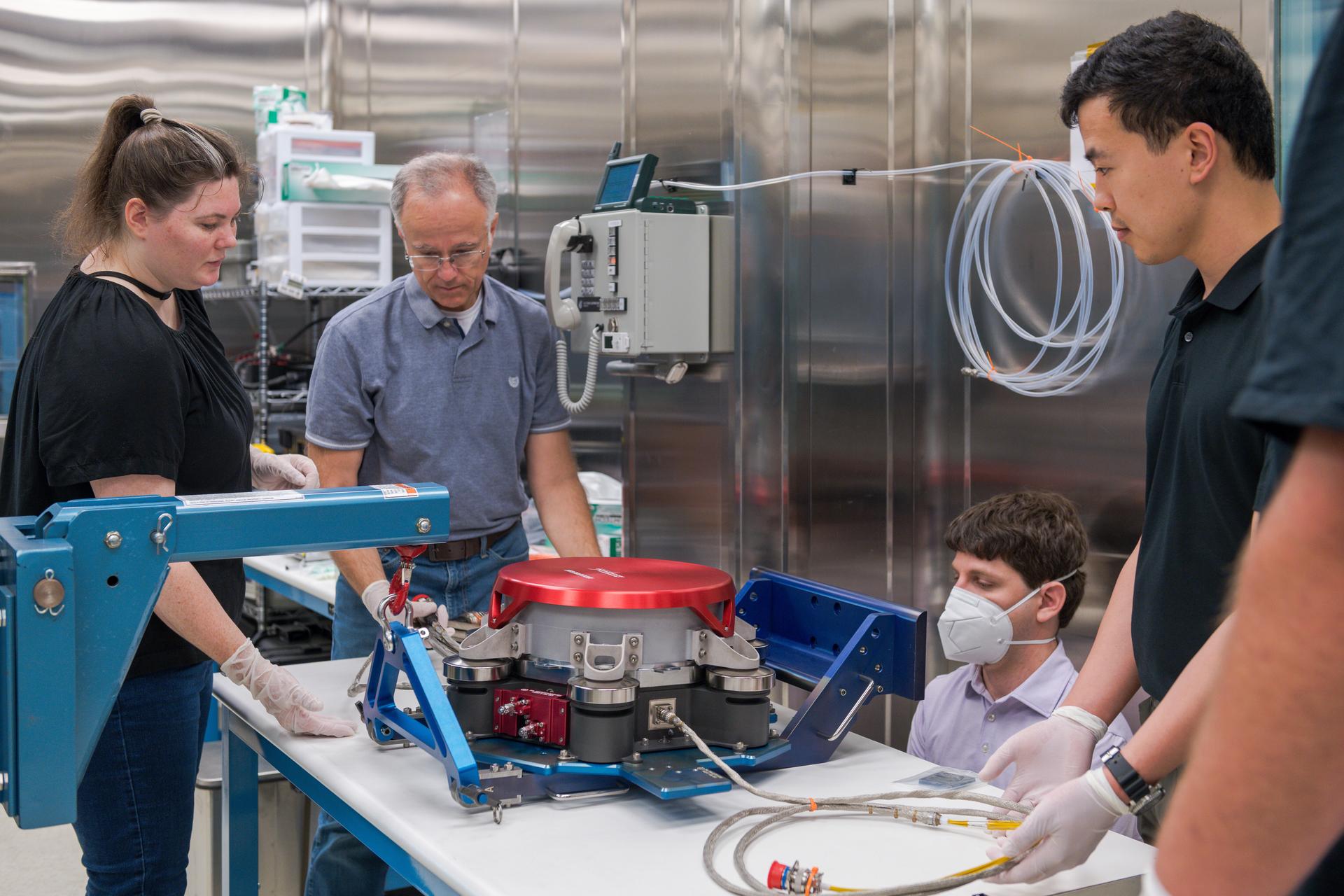
Engineers at NASA’s Glenn Research Center in Cleveland work together to position and secure the second of three Advanced Electric Propulsion System (AEPS) thrusters for acceptance testing. Following testing, the thruster was delivered to Lanteris Space Systems in Palo Alto, California, for installation on Gateway’s Power and Propulsion Element. Credit: NASA
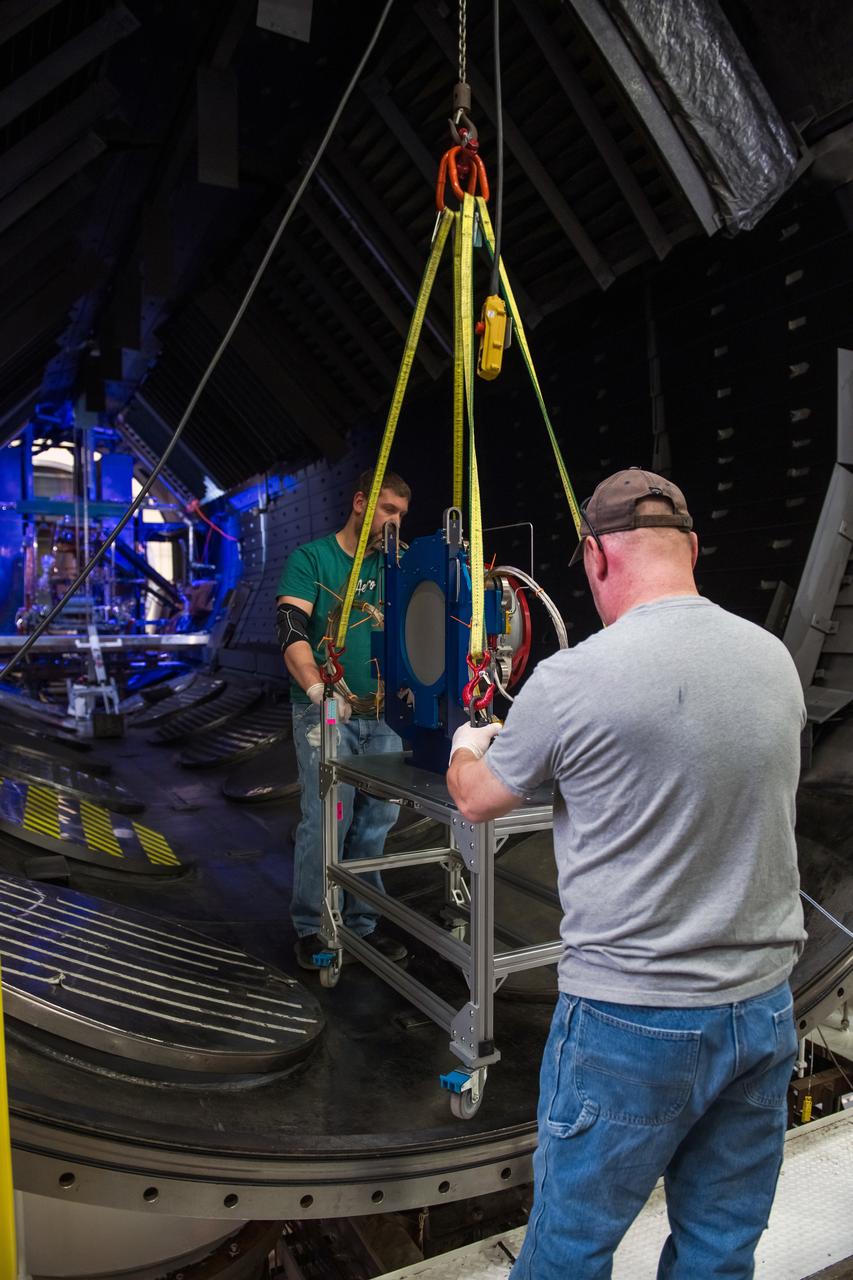
NASA Glenn Research Center has received the first of three Advanced Electric Propulsion System (AEPS) thrusters for the Gateway lunar space station. Built by L3Harris Technologies, the thruster will undergo testing before integration with Gateway’s Power and Propulsion Element, launching with the HALO module ahead of Artemis IV.
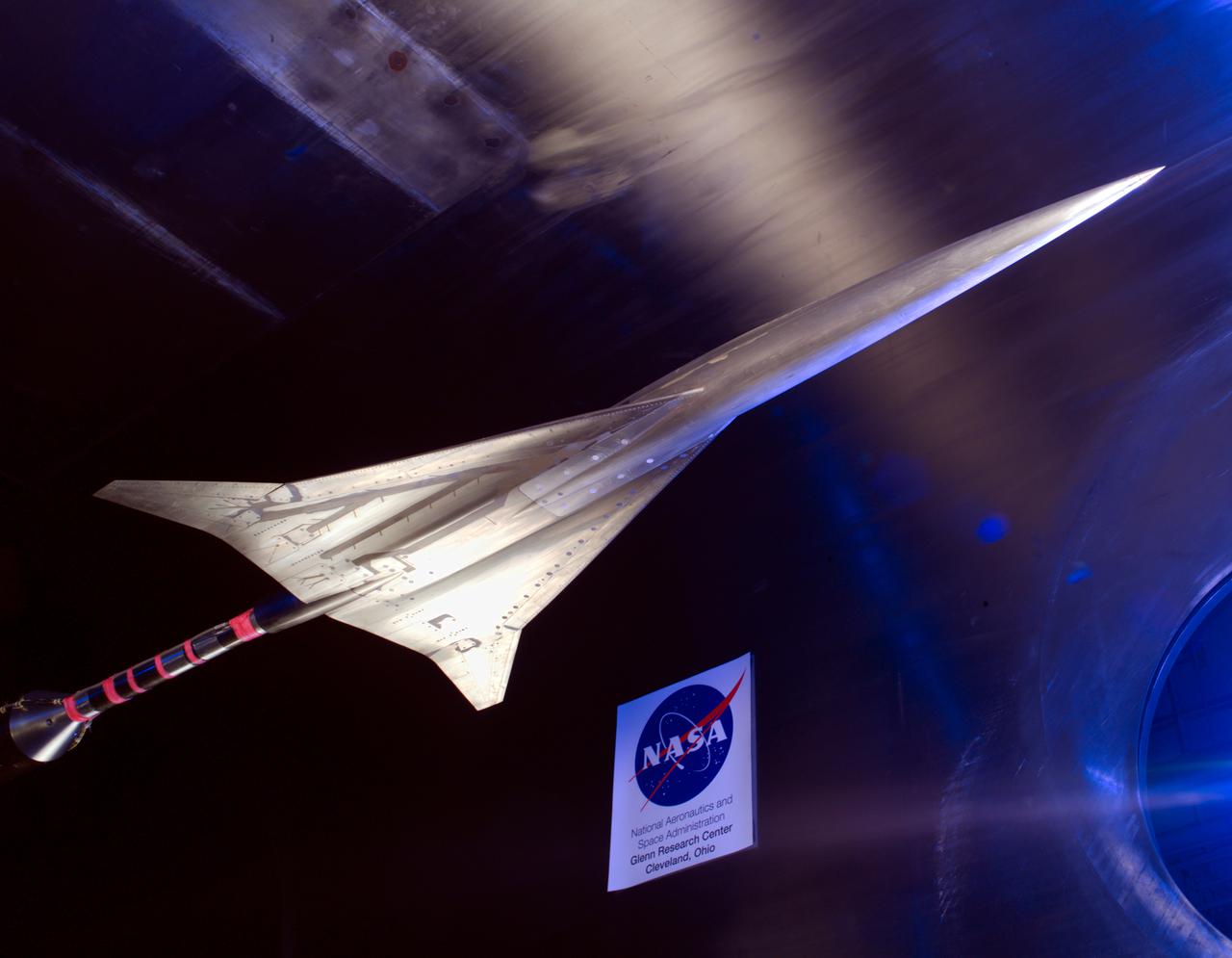
NASA GLENN/NASA LANGLEY LOADS COMPARISON TEST WITH 6 COMPONENT FORCE/MOMENT BALANCE AND 1.7% HIGH SPEED RESEARCH MODEL 5.
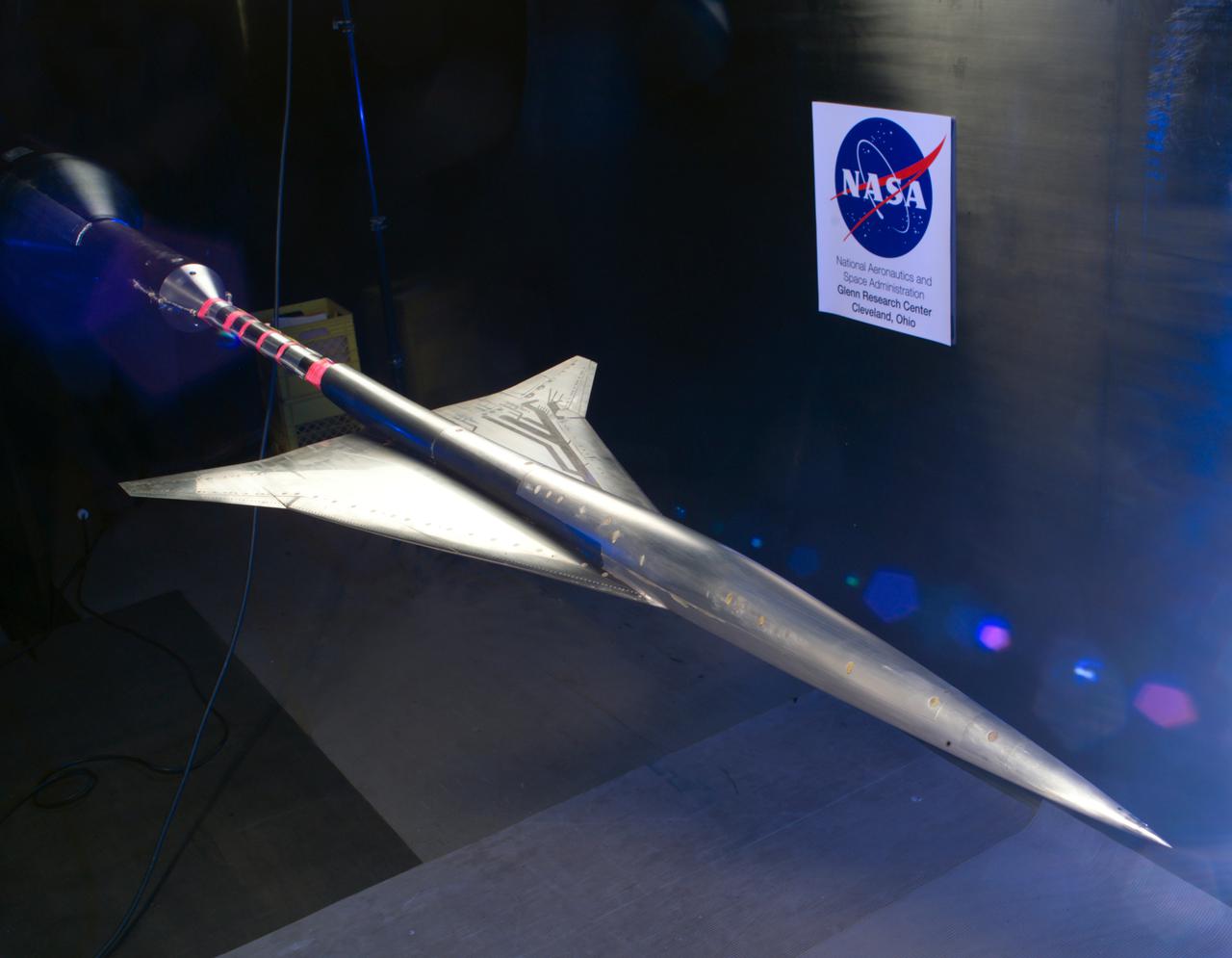
NASA GLENN/NASA LANGLEY LOADS COMPARISON TEST WITH 6 COMPONENT FORCE/MOMENT BALANCE AND 1.7% HIGH SPEED RESEARCH MODEL 5.
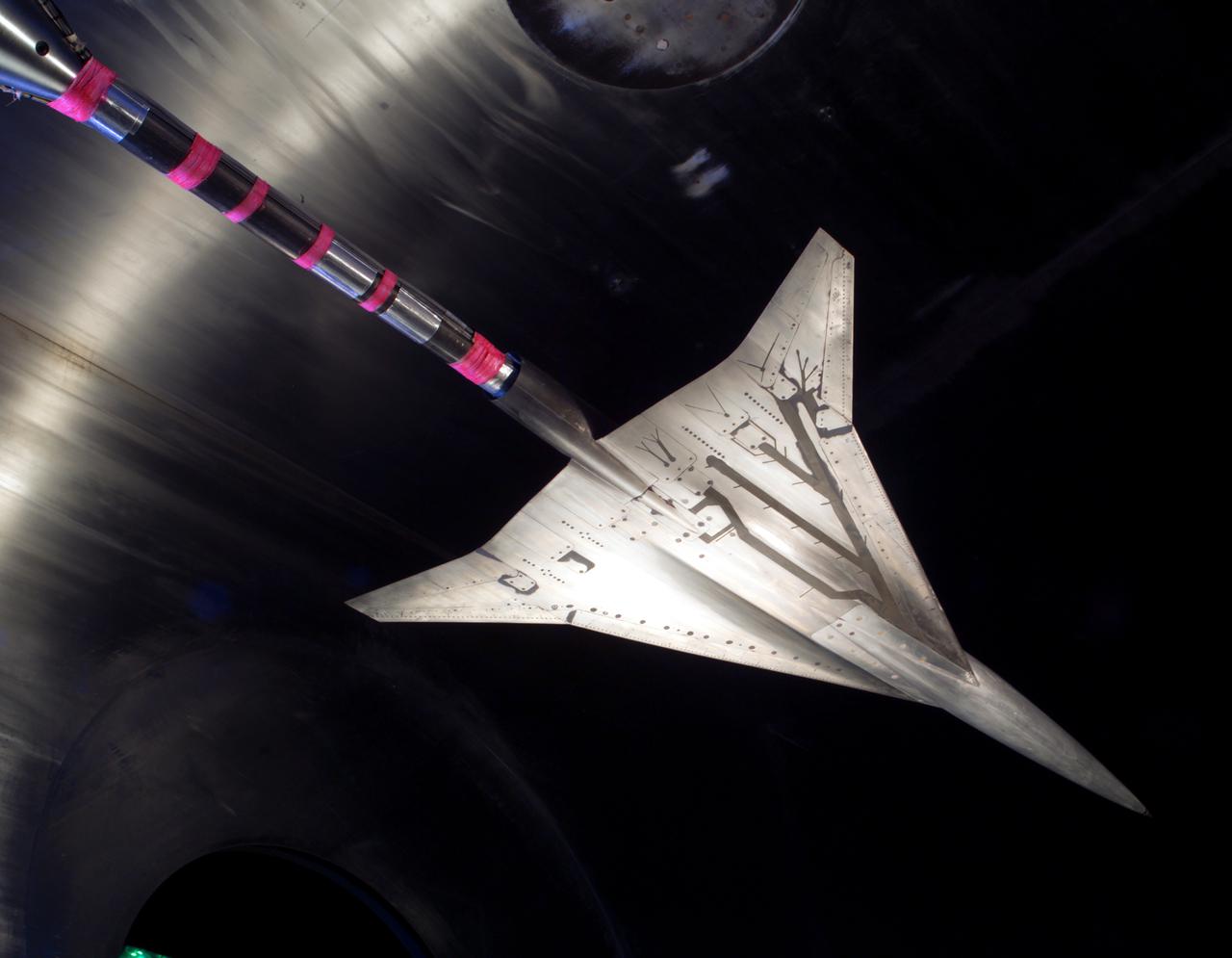
NASA Glenn/NASA Langley, Loads Comparison Test With 6 Component Force/Moment Balance and 1.7% High Speed Research, HSR Model 5. In the Glenn Research Center 10x10 Foot Supersonic Wind Tunnel, SWT

NASA GLENN/NASA LANGLEY LOADS COMPARISON TEST WITH 6 COMPONENT FORCE/MOMENT BALANCE AND 1.7% HIGH SPEED RESEARCH MODEL 5.
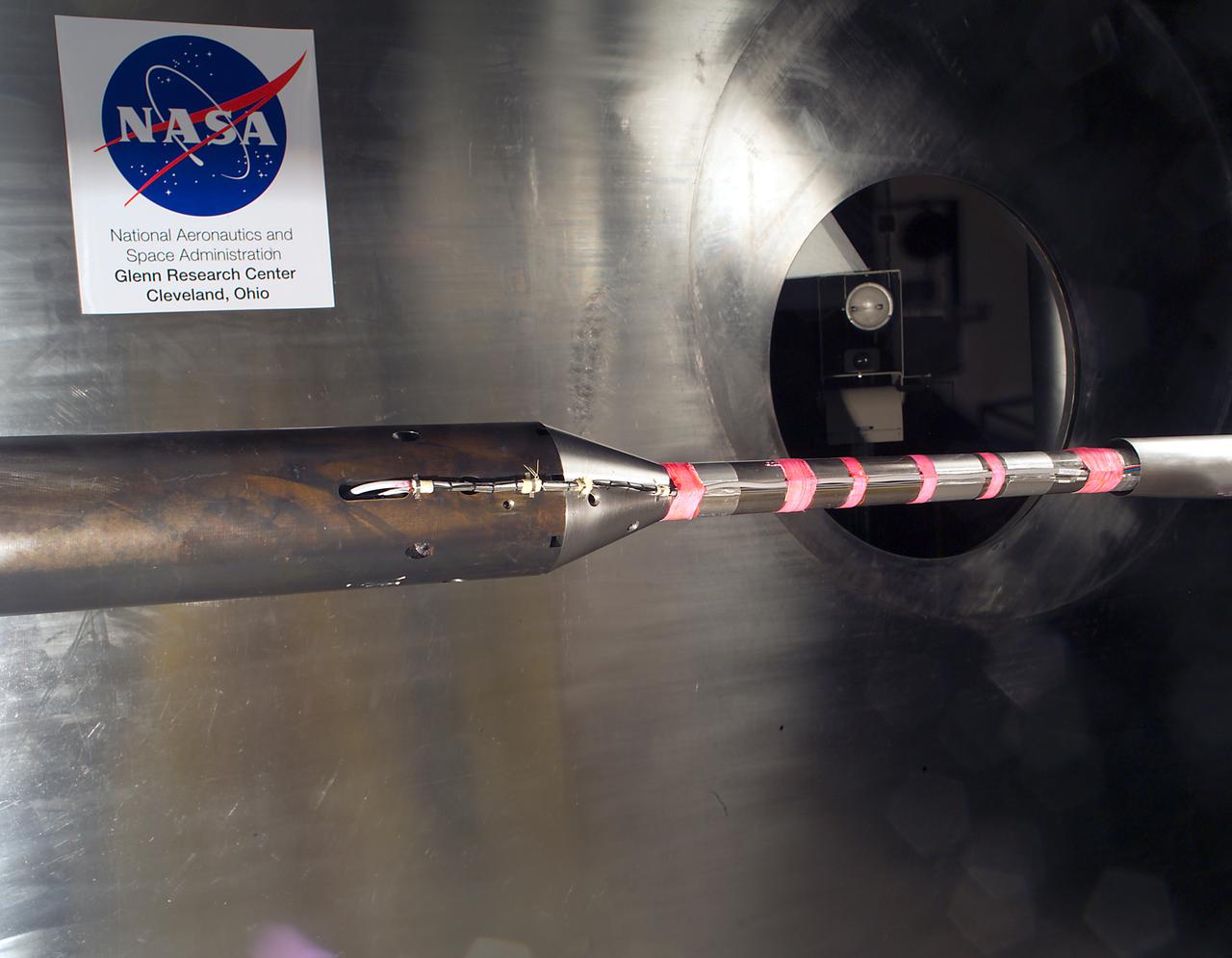
NASA GLENN/NASA LANGLEY LOADS COMPARISON TEST WITH 6 COMPONENT FORCE/MOMENT BALANCE AND 1.7% HIGH SPEED RESEARCH MODEL 5.
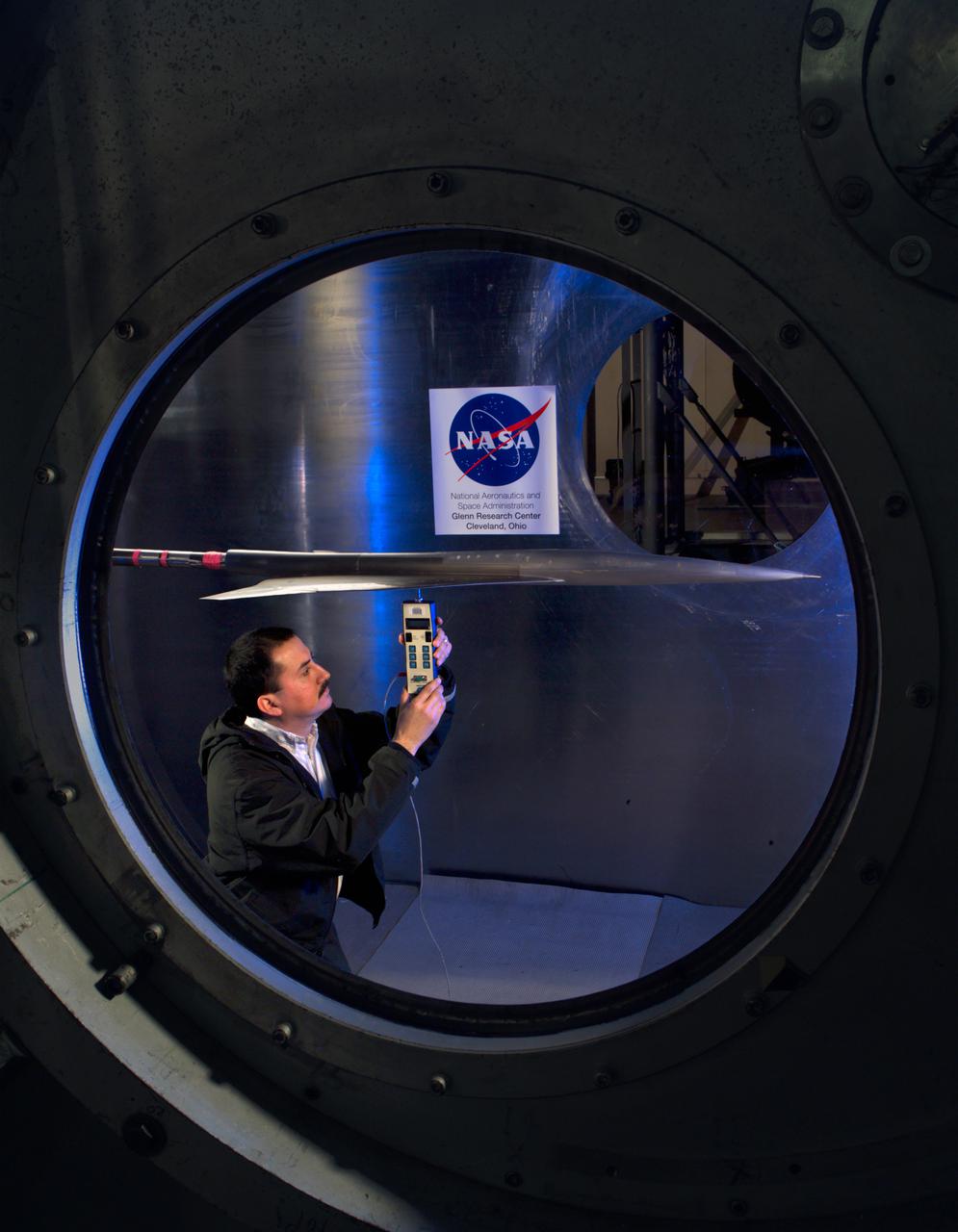
NASA GLENN/NASA LANGLEY LOADS COMPARISON TEST WITH 6 COMPONENT FORCE/MOMENT BALANCE AND 1.7% HIGH SPEED RESEARCH MODEL 5.
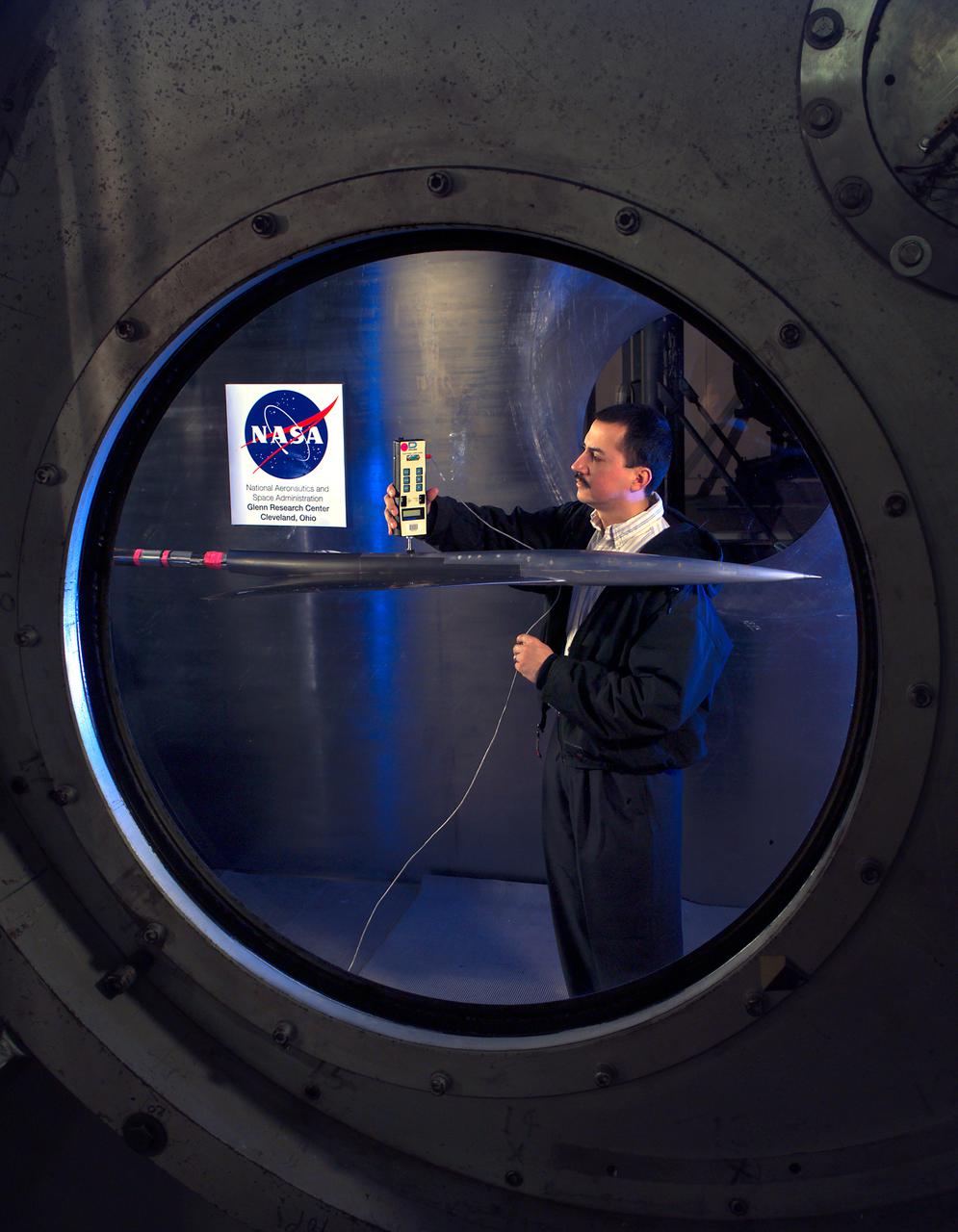
NASA GLENN/NASA LANGLEY LOADS COMPARISON TEST WITH 6 COMPONENT FORCE/MOMENT BALANCE AND 1.7% HIGH SPEED RESEARCH MODEL 5.
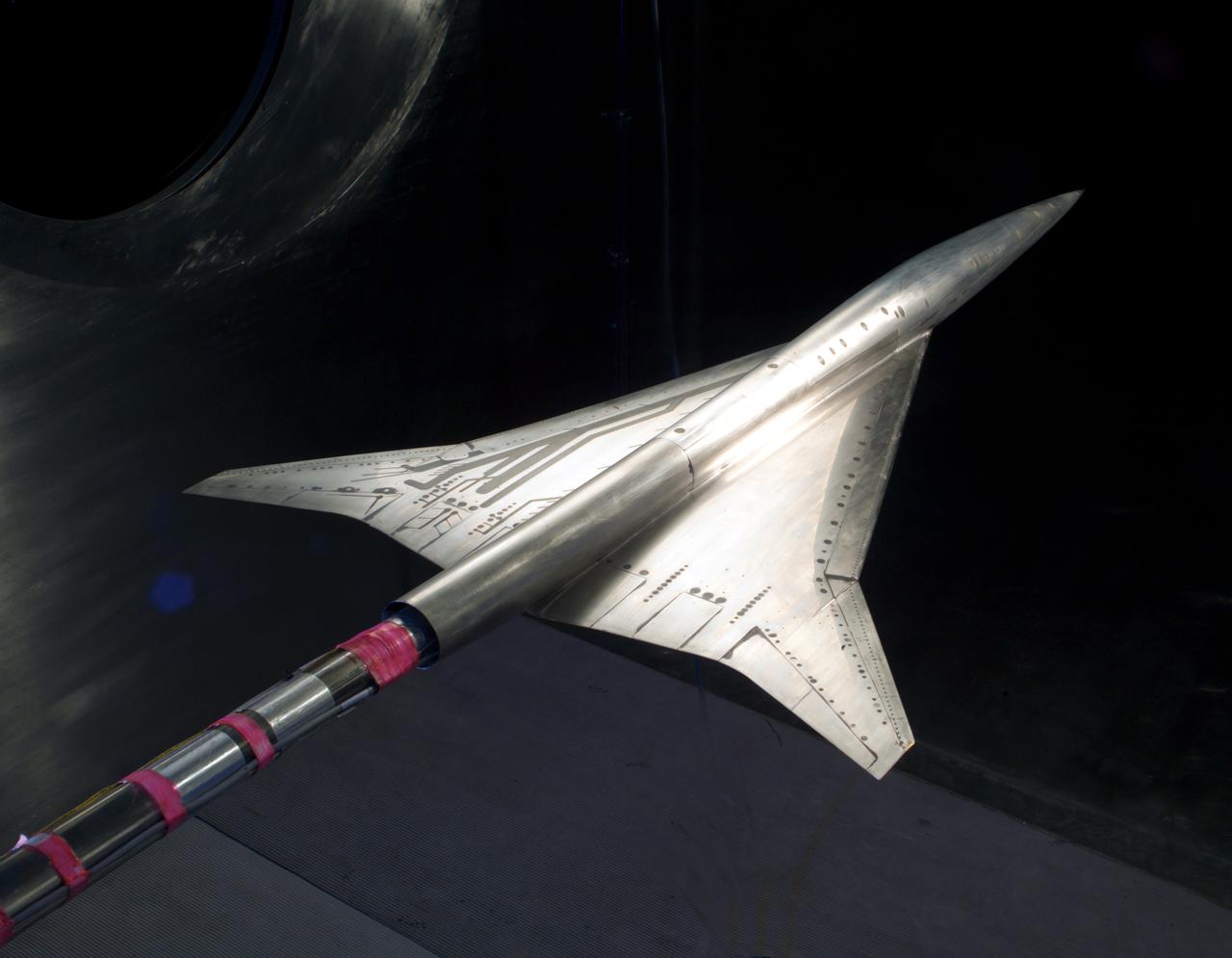
NASA GLENN/NASA LANGLEY LOADS COMPARISON TEST WITH 6 COMPONENT FORCE/MOMENT BALANCE AND 1.7% HIGH SPEED RESEARCH MODEL 5.
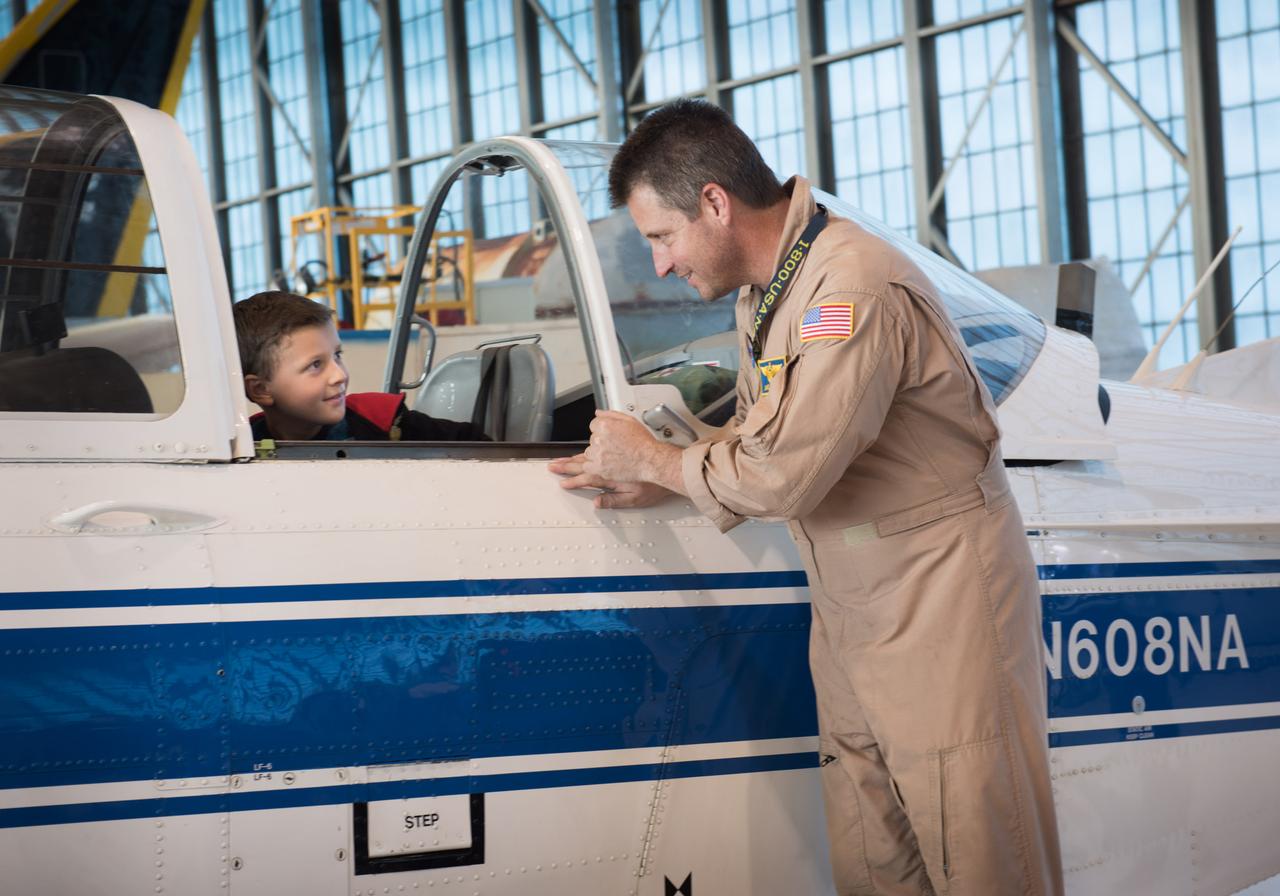
Jeremiah Kawczak checks out the T-34 aircraft with the help of Pilot and Chief of Aircraft Operations, James Demers at the Glenn Research Center Hangar during the NASA 60th Anniversary Public Tours
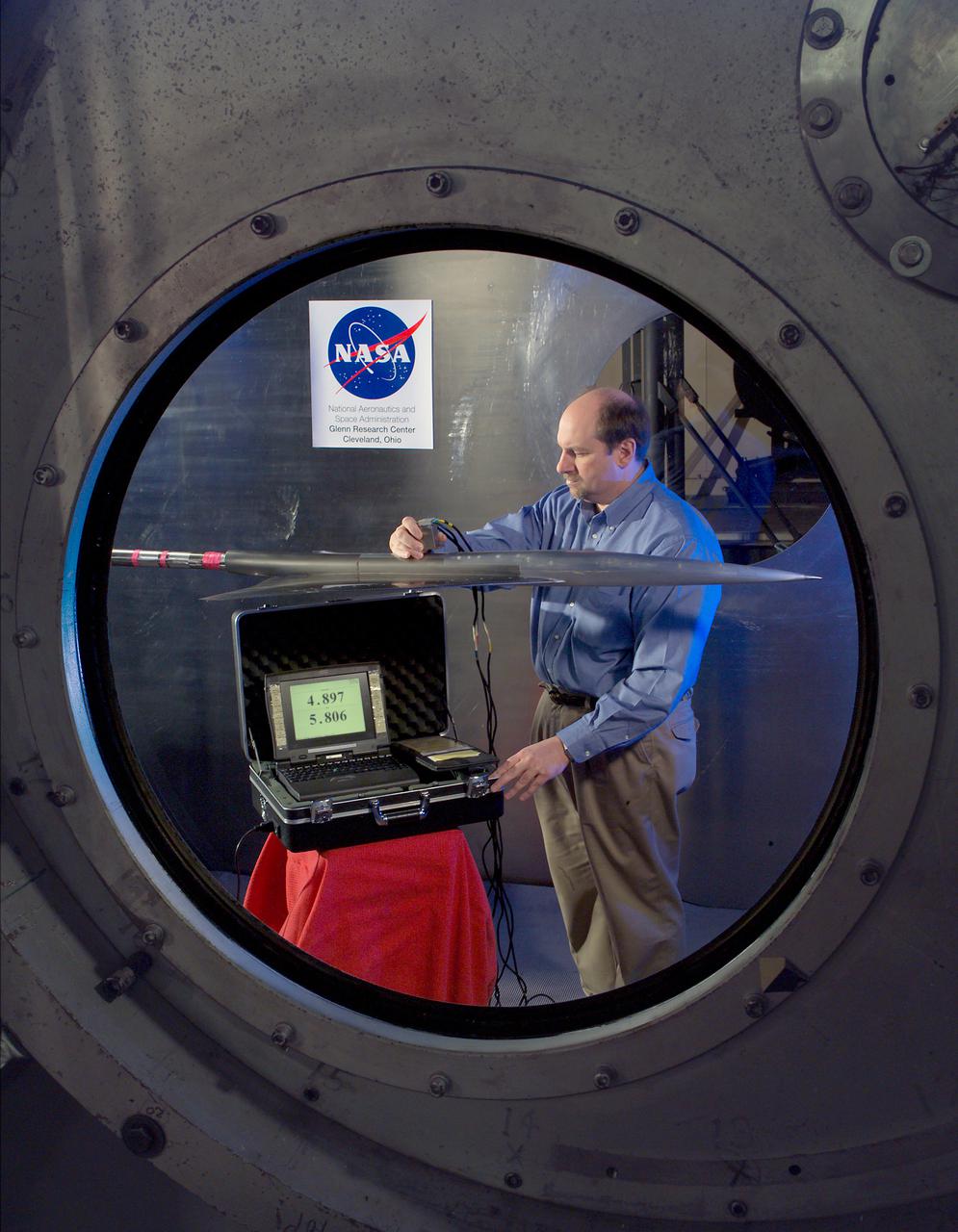
NASA GLENN/NASA LANGLEY LOADS COMPARISON TEST WITH 6 COMPONENT FORCE/MOMENT BALANCE AND 1.7% HIGH SPEED RESEARCH MODEL 5. in the 10x10 super sonic wind tunnel
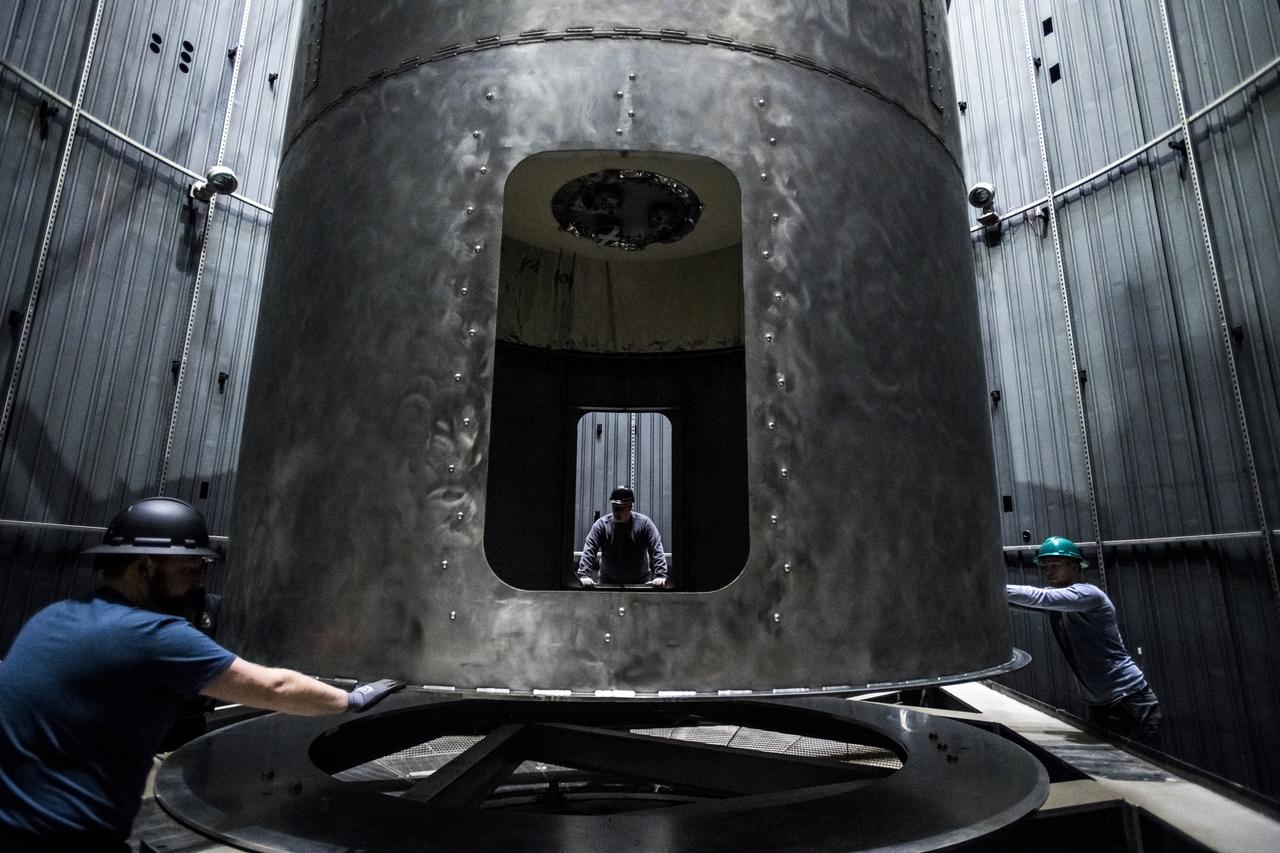
Structural Heat Intercept, Insulation and Vibration Evaluation Rig, SHIIVER is installed in the In-Space Propulsion Chamber at NASA Glenn, Plum Brook Station
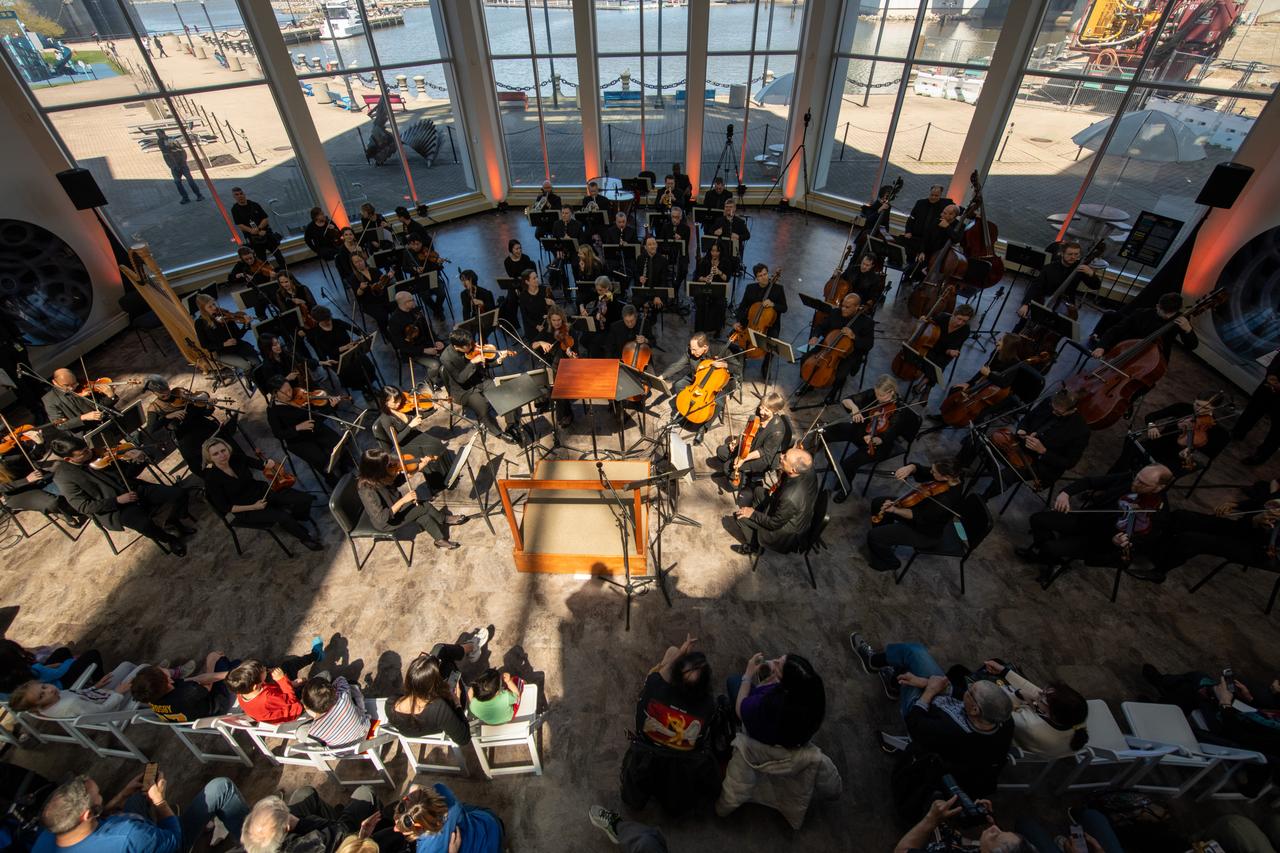
The Cleveland Orchestra performed an “Out of this World” concert program of galactic proportions featuring music by Mozart, Vivaldi, Debussy, Jessie Montgomery, and the first movement from Beethoven’s Symphony No. 5 on April 7, 2024. NASA Glenn Research Center and the Great Lakes Science Center hosted a three-day celestial celebration in downtown Cleveland, OH. This free, outdoor, family-friendly science and arts festival will feature free concerts, performances, speakers, and hands-on science activities with community partners.
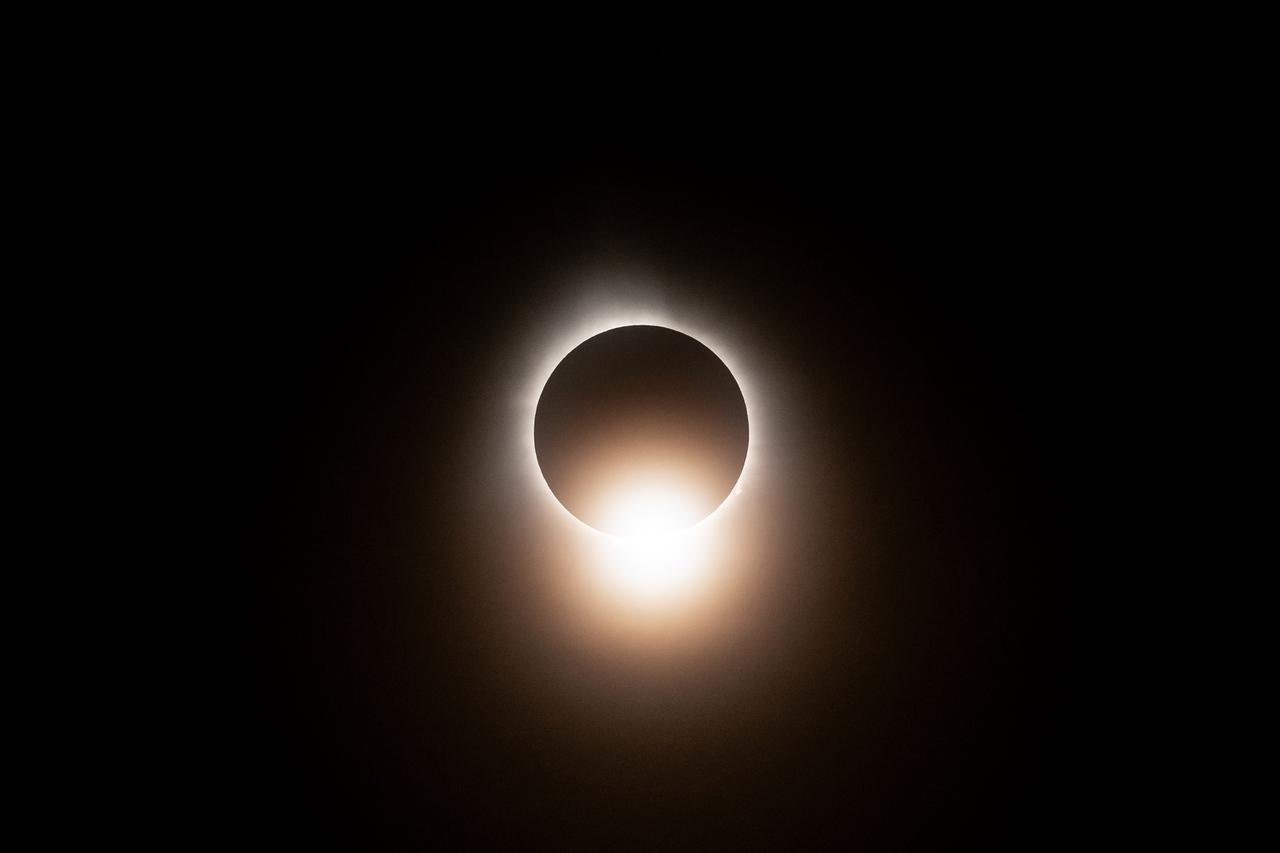
A total solar eclipse is seen from NASA's Glenn Research Center, Monday, April 8, 2024, in Cleveland, Ohio. A total solar eclipse swept across a narrow portion of the North American continent from Mexico’s Pacific coast to the Atlantic coast of Newfoundland, Canada. A partial solar eclipse was visible across the entire North American continent along with parts of Central America and Europe. Photo Credit: (NASA/Jordan Salkin)
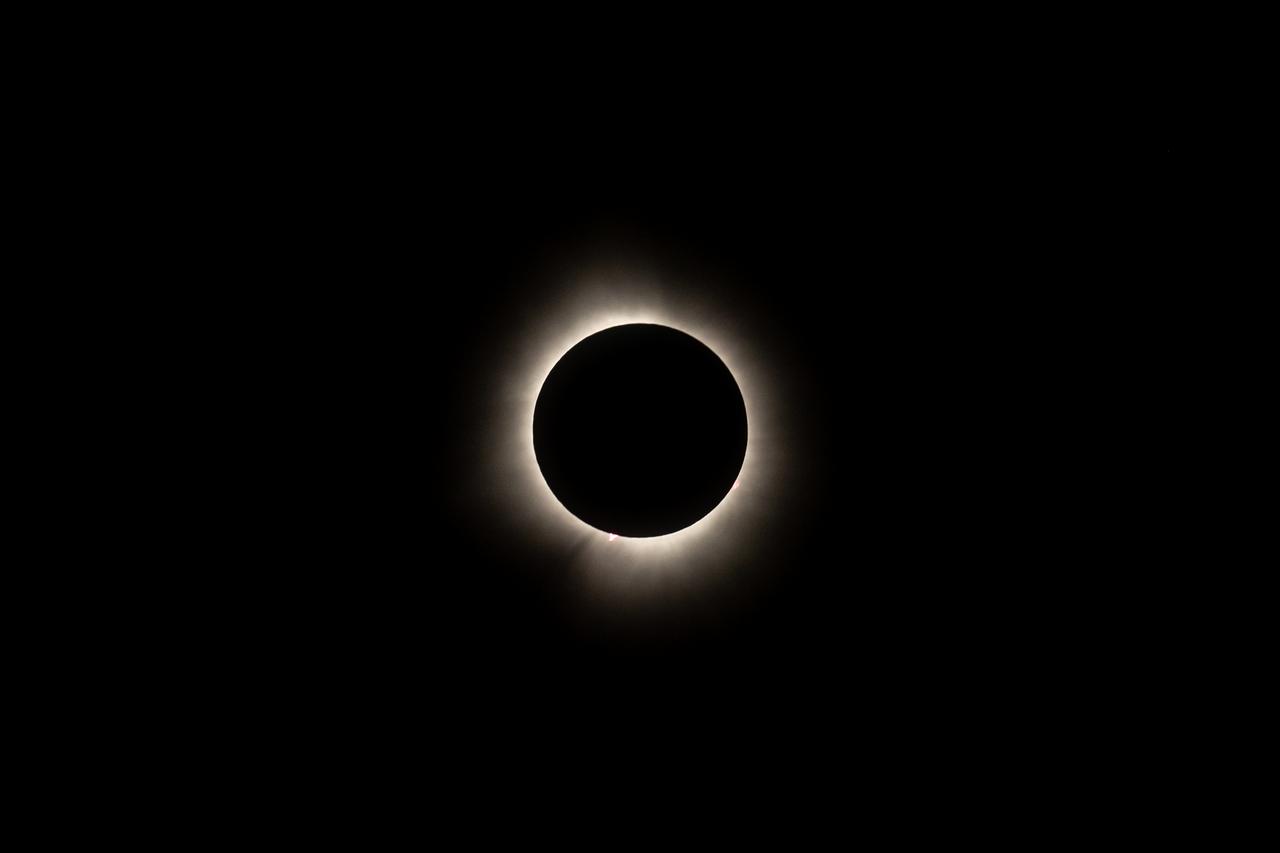
A total solar eclipse is seen from NASA's Glenn Research Center, Monday, April 8, 2024, in Cleveland, Ohio. A total solar eclipse swept across a narrow portion of the North American continent from Mexico’s Pacific coast to the Atlantic coast of Newfoundland, Canada. A partial solar eclipse was visible across the entire North American continent along with parts of Central America and Europe. Photo Credit: (NASA/Jordan Salkin)
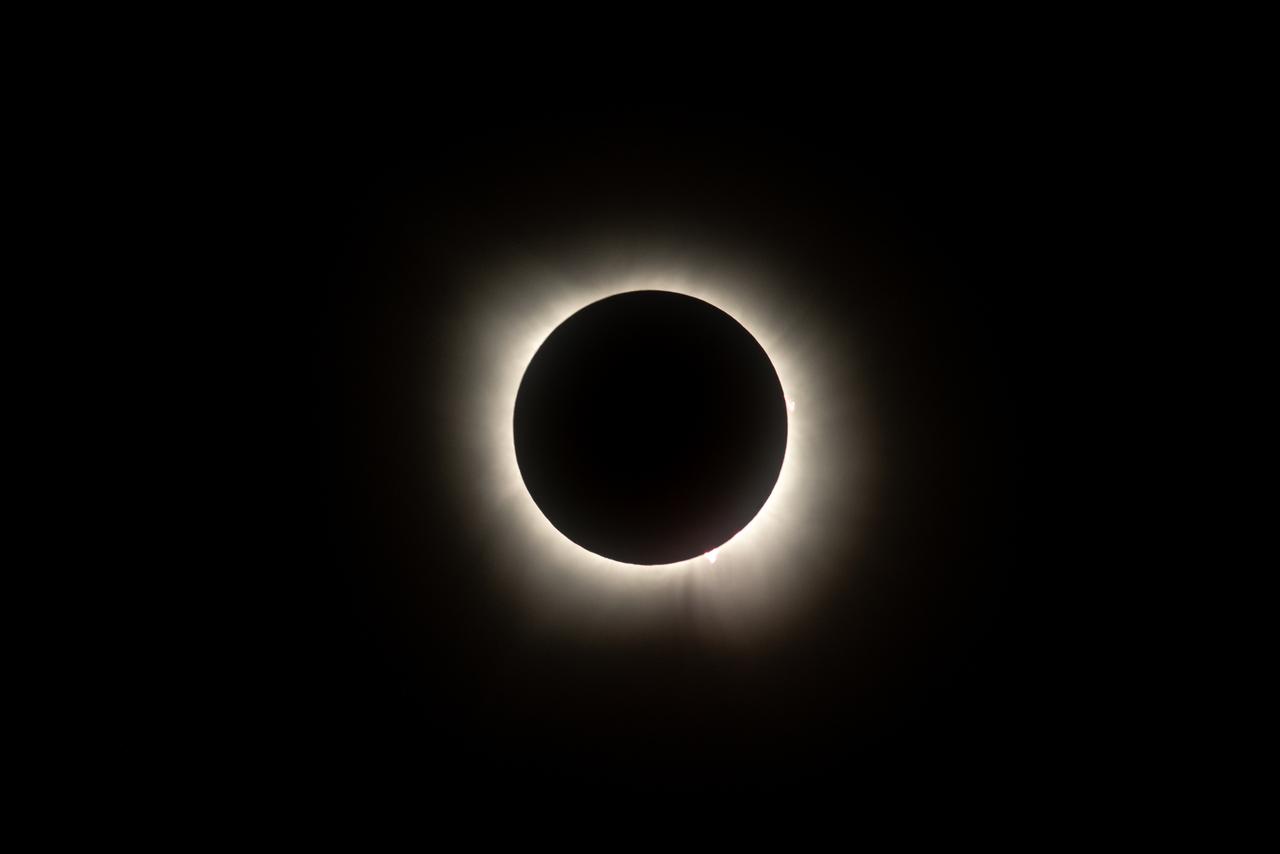
A total solar eclipse is seen from NASA's Glenn Research Center, Monday, April 8, 2024, in Cleveland, Ohio. A total solar eclipse swept across a narrow portion of the North American continent from Mexico’s Pacific coast to the Atlantic coast of Newfoundland, Canada. A partial solar eclipse was visible across the entire North American continent along with parts of Central America and Europe. Photo Credit: (NASA/Jordan Salkin)
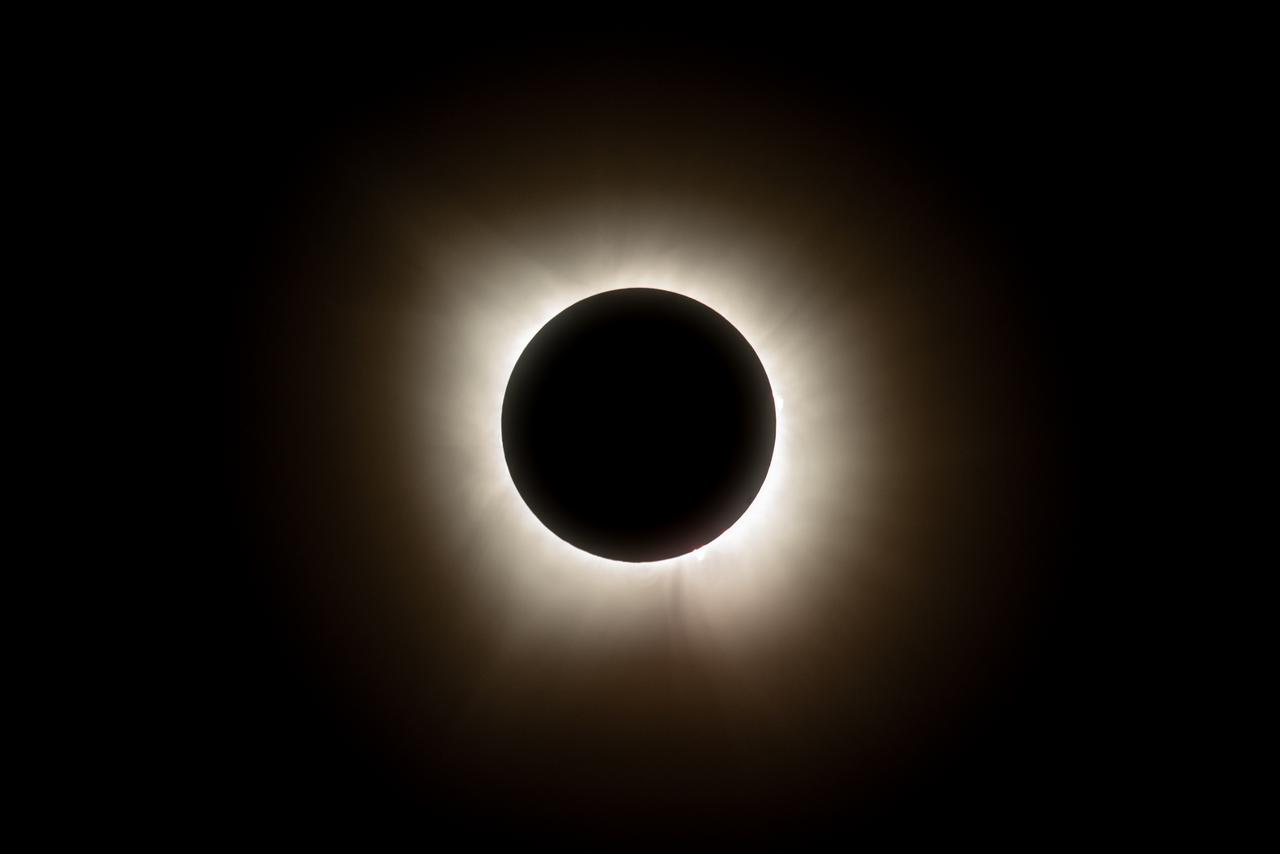
A total solar eclipse is seen from NASA's Glenn Research Center, Monday, April 8, 2024, in Cleveland, Ohio. A total solar eclipse swept across a narrow portion of the North American continent from Mexico’s Pacific coast to the Atlantic coast of Newfoundland, Canada. A partial solar eclipse was visible across the entire North American continent along with parts of Central America and Europe. Photo Credit: (NASA/Jordan Salkin)
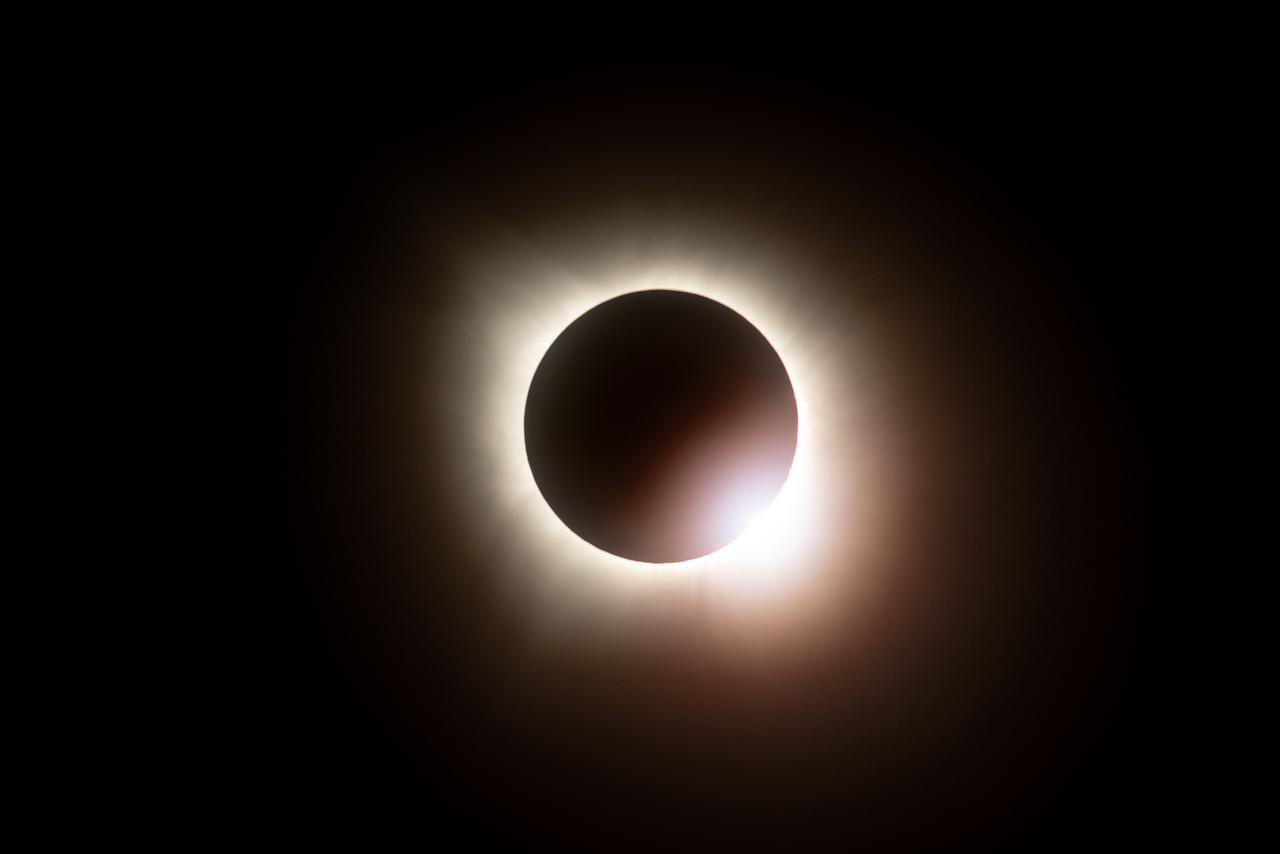
A total solar eclipse is seen from NASA's Glenn Research Center, Monday, April 8, 2024, in Cleveland, Ohio. A total solar eclipse swept across a narrow portion of the North American continent from Mexico’s Pacific coast to the Atlantic coast of Newfoundland, Canada. A partial solar eclipse was visible across the entire North American continent along with parts of Central America and Europe. Photo Credit: (NASA/Jordan Salkin)
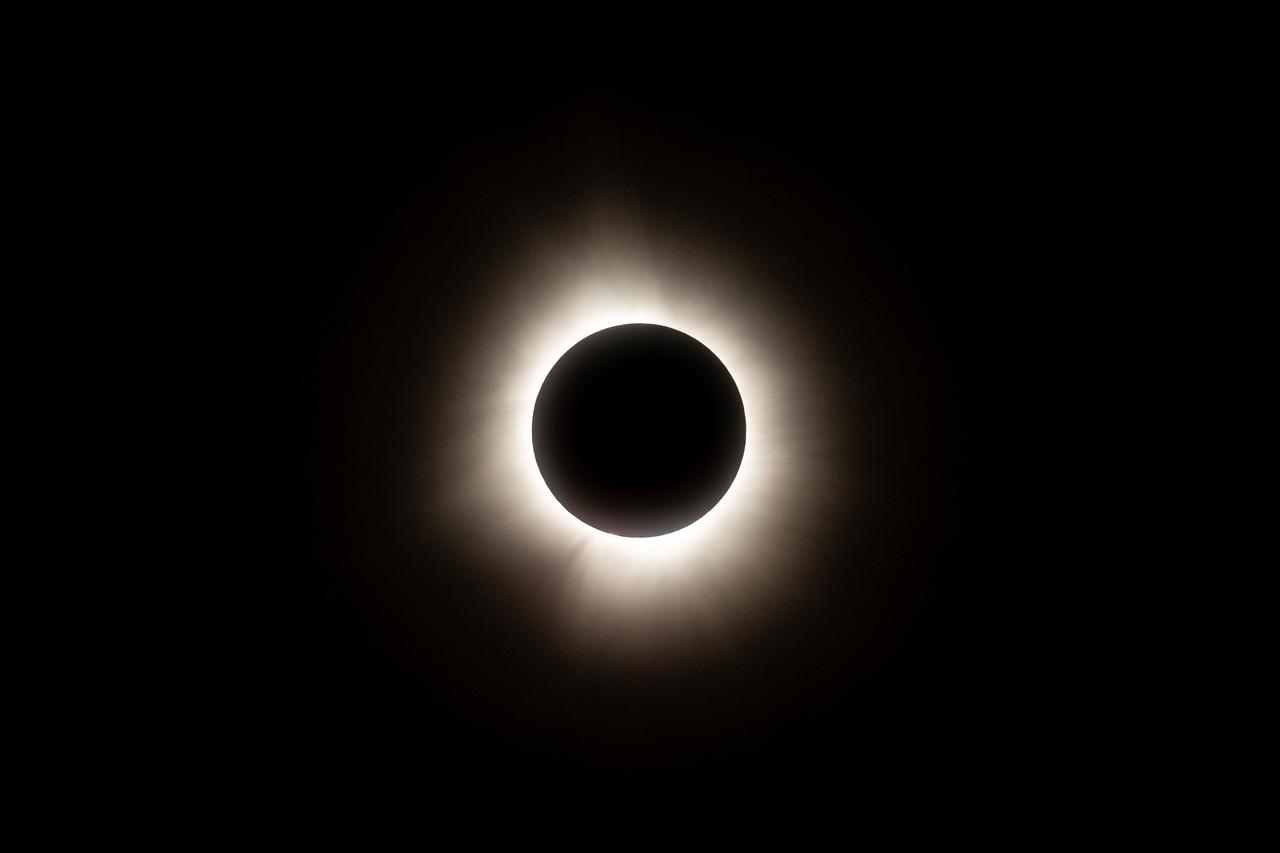
A total solar eclipse is seen from NASA's Glenn Research Center, Monday, April 8, 2024, in Cleveland, Ohio. A total solar eclipse swept across a narrow portion of the North American continent from Mexico’s Pacific coast to the Atlantic coast of Newfoundland, Canada. A partial solar eclipse was visible across the entire North American continent along with parts of Central America and Europe. Photo Credit: (NASA/Jordan Salkin)
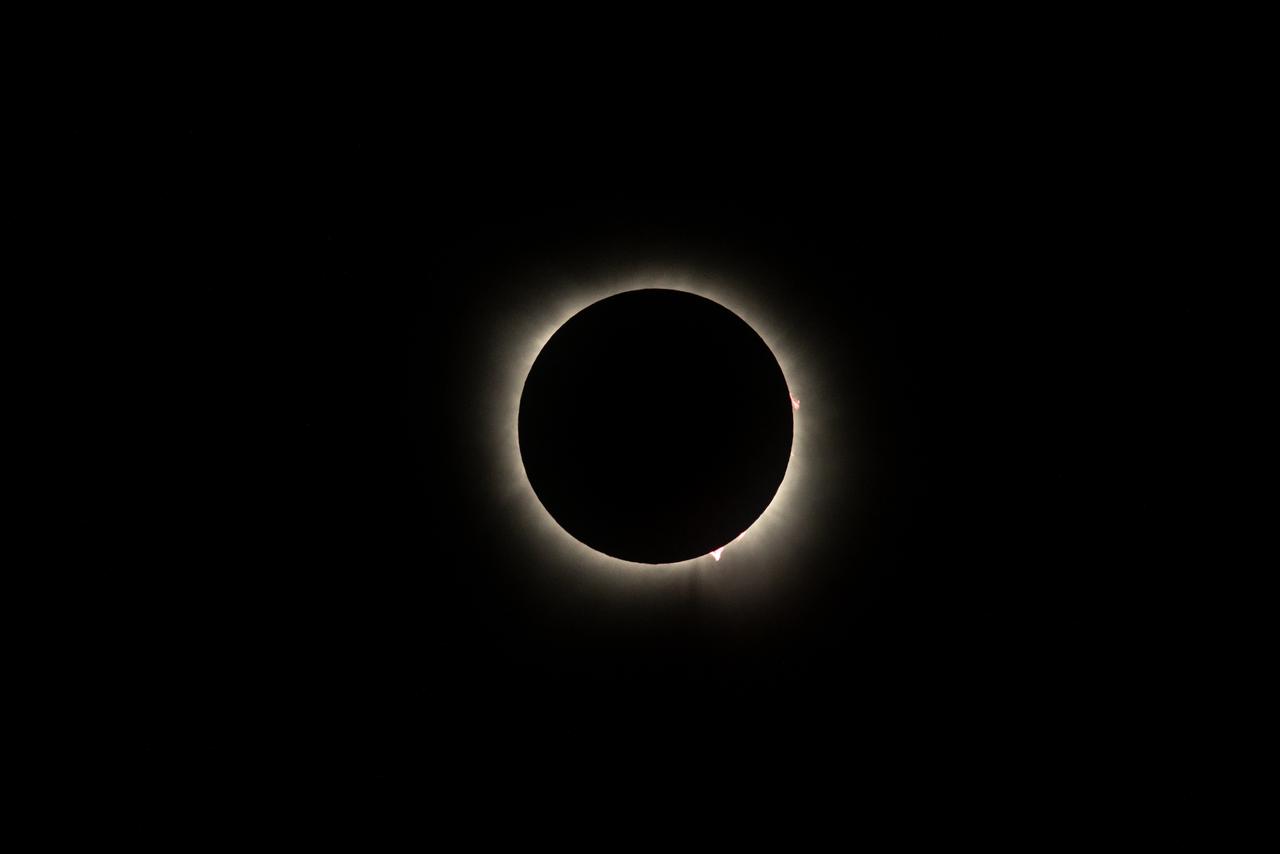
A total solar eclipse is seen from NASA's Glenn Research Center, Monday, April 8, 2024, in Cleveland, Ohio. A total solar eclipse swept across a narrow portion of the North American continent from Mexico’s Pacific coast to the Atlantic coast of Newfoundland, Canada. A partial solar eclipse was visible across the entire North American continent along with parts of Central America and Europe. Photo Credit: (NASA/Jordan Salkin)
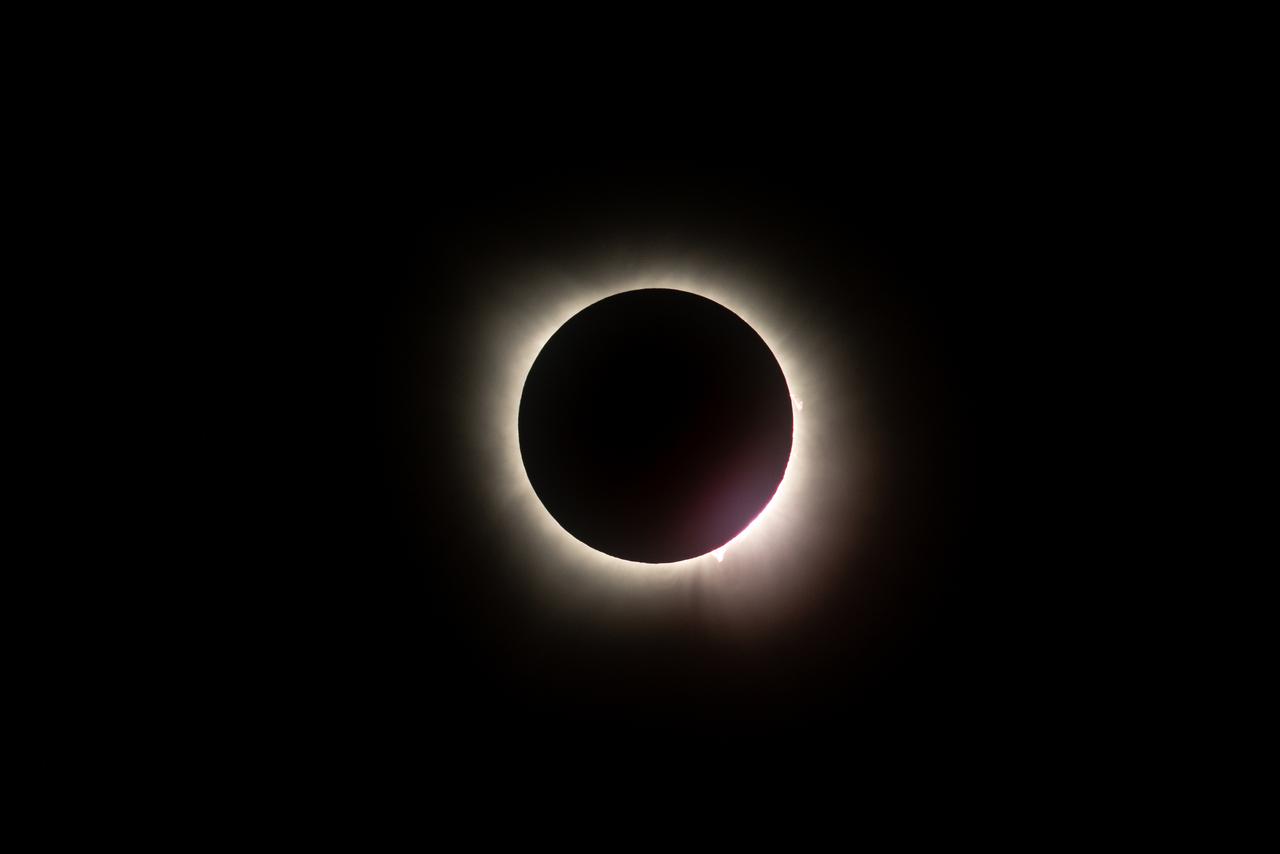
A total solar eclipse is seen from NASA's Glenn Research Center, Monday, April 8, 2024, in Cleveland, Ohio. A total solar eclipse swept across a narrow portion of the North American continent from Mexico’s Pacific coast to the Atlantic coast of Newfoundland, Canada. A partial solar eclipse was visible across the entire North American continent along with parts of Central America and Europe. Photo Credit: (NASA/Jordan Salkin)
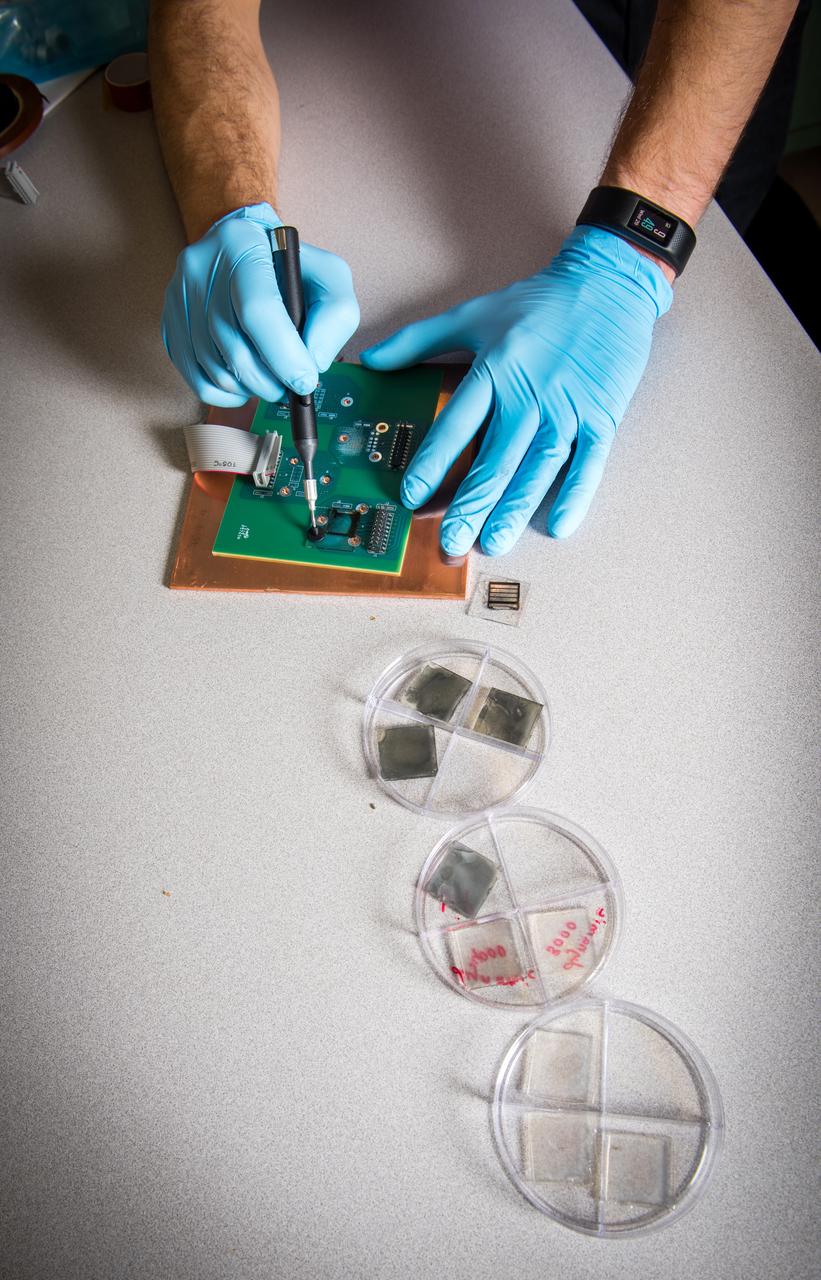
NASA Glenn researcher Tim Peshek shows off a new type of ultrathin solar cell, known as a ‘perovskite’ because of its structure. These solar cells show promise for space applications because of their high efficiency and radiation tolerance and open the door to extremely low cost and large solar arrays for spacecraft or lunar surface habitats.
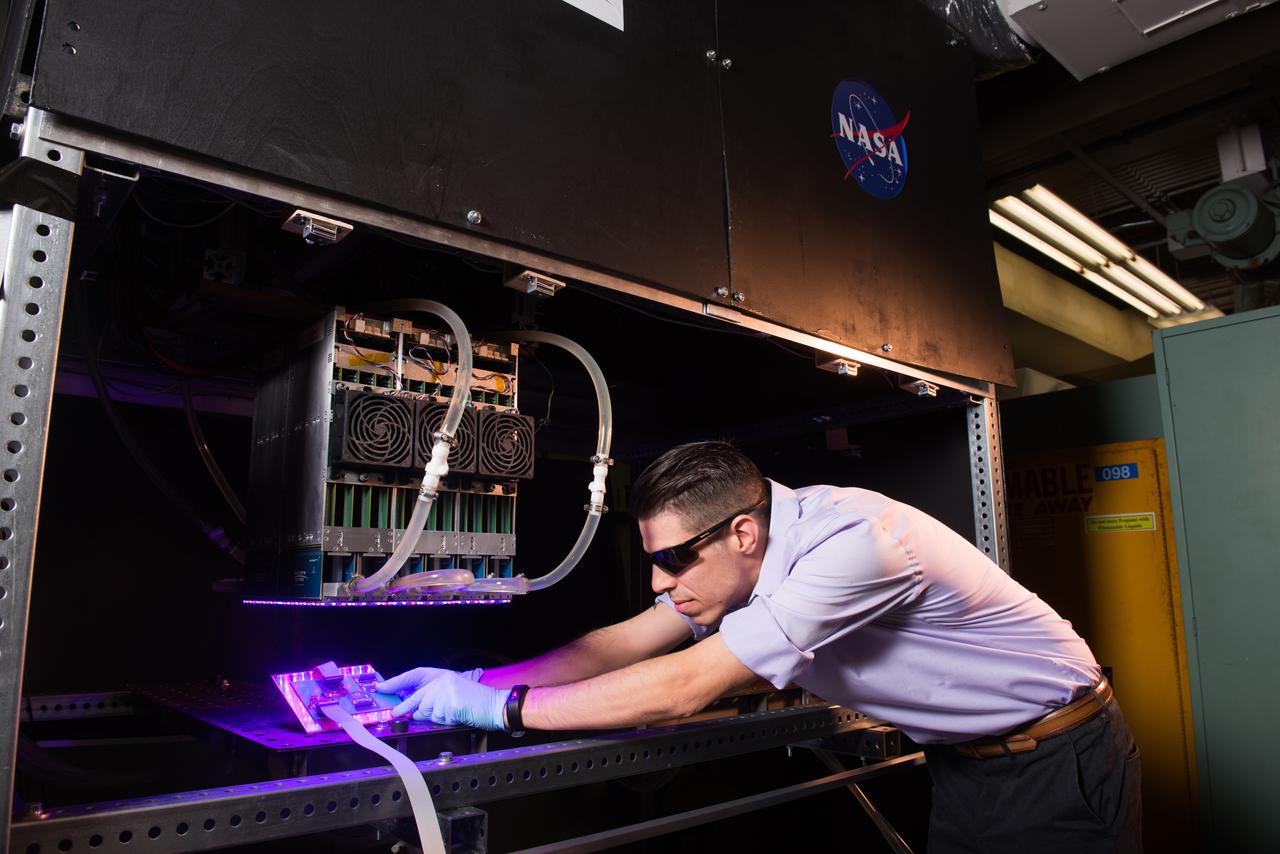
NASA Glenn researcher Tim Peshek shows off a new type of ultrathin solar cell, known as a ‘perovskite’ because of its structure. These solar cells show promise for space applications because of their high efficiency and radiation tolerance and open the door to extremely low cost and large solar arrays for spacecraft or lunar surface habitats.
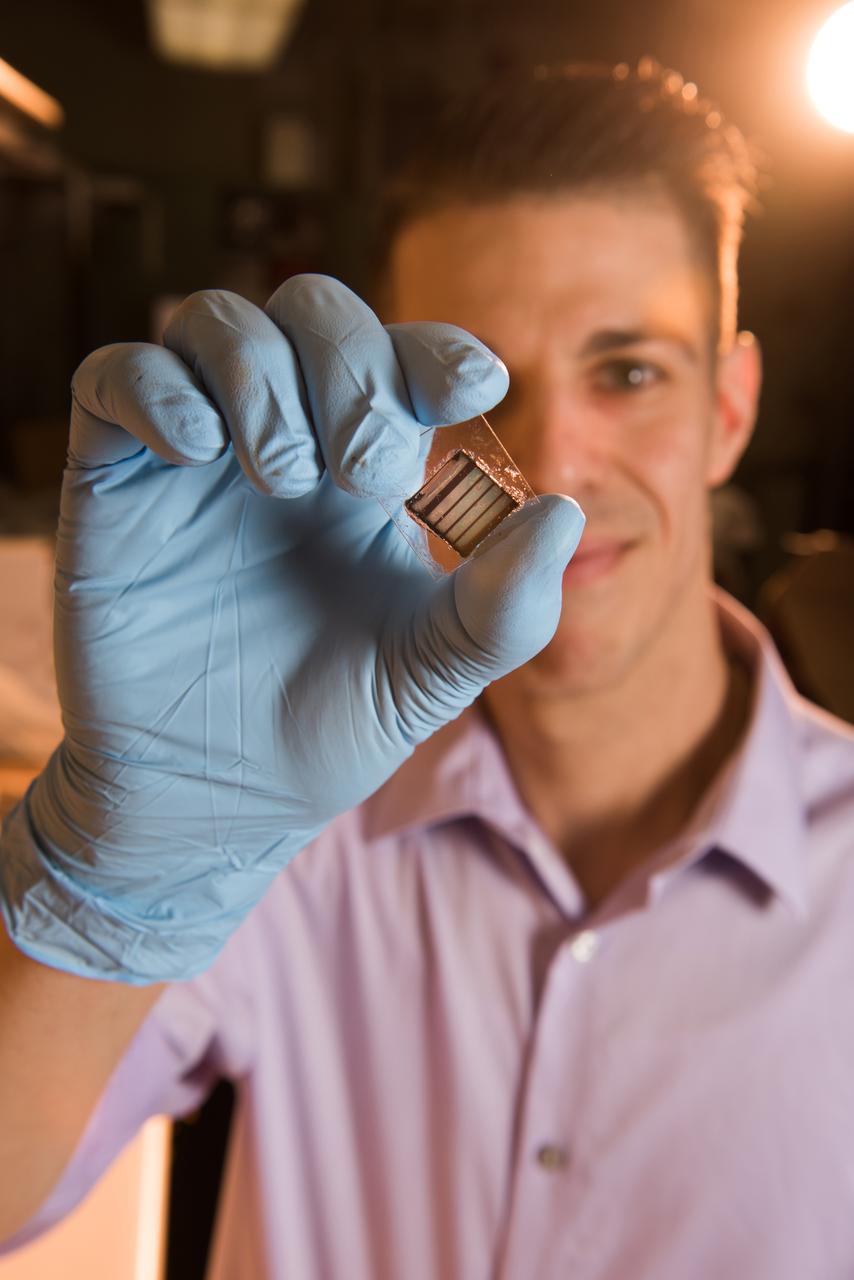
NASA Glenn researcher Tim Peshek shows off a new type of ultrathin solar cell, known as a ‘perovskite’ because of its structure. These solar cells show promise for space applications because of their high efficiency and radiation tolerance and open the door to extremely low cost and large solar arrays for spacecraft or lunar surface habitats.
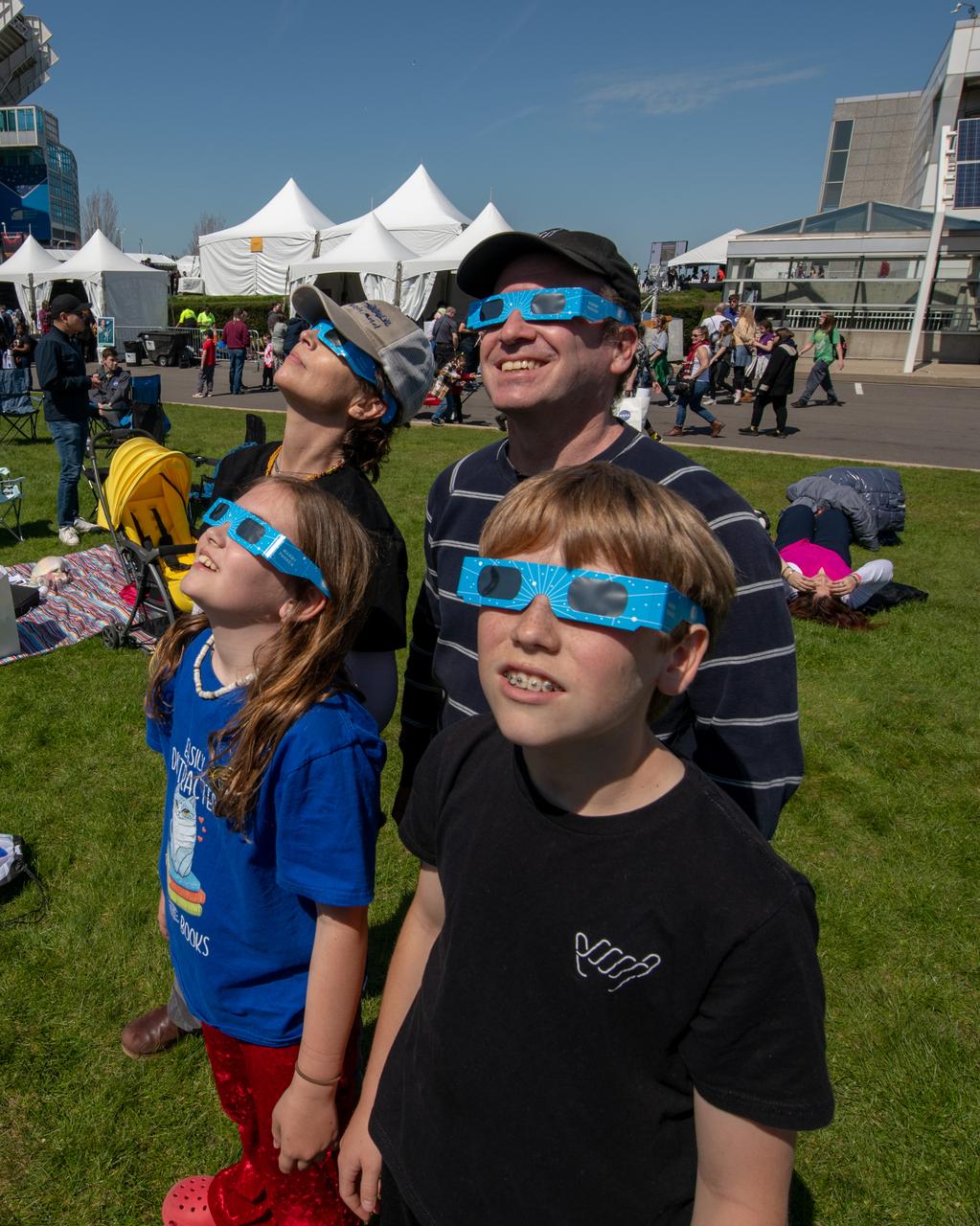
Event attendees view the eclipse. NASA Glenn Research Center and the Great Lakes Science Center hosted a three-day celestial celebration in downtown Cleveland, OH. This free, outdoor, family-friendly science and arts festival will feature free concerts, performances, speakers, and hands-on science activities with community partners. A total solar eclipse swept across a narrow portion of the North American continent from Mexico’s Pacific coast to the Atlantic coast of Newfoundland, Canada. A partial solar eclipse was visible across the entire North American continent along with parts of Central America and Europe.
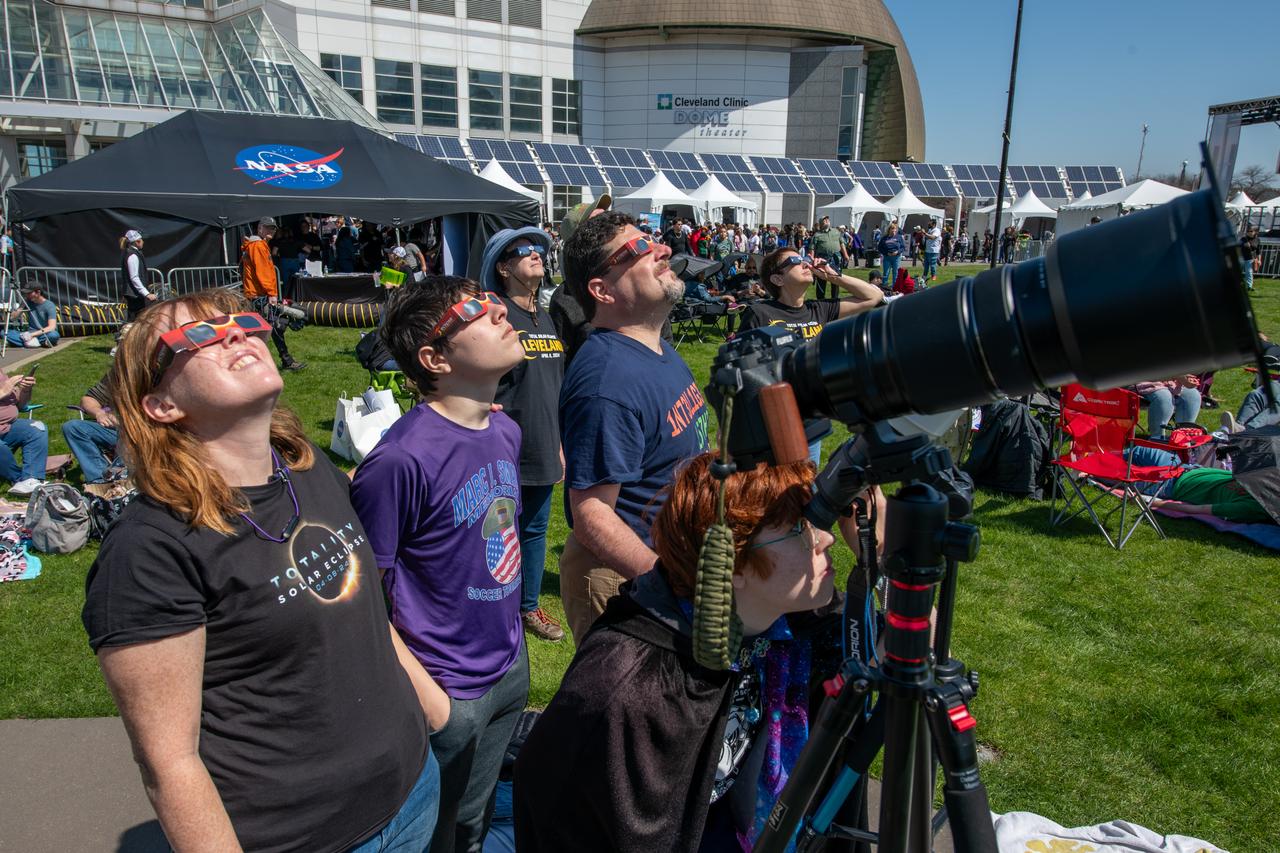
Event attendees view the eclipse. NASA Glenn Research Center and the Great Lakes Science Center hosted a three-day celestial celebration in downtown Cleveland, OH. This free, outdoor, family-friendly science and arts festival will feature free concerts, performances, speakers, and hands-on science activities with community partners. A total solar eclipse swept across a narrow portion of the North American continent from Mexico’s Pacific coast to the Atlantic coast of Newfoundland, Canada. A partial solar eclipse was visible across the entire North American continent along with parts of Central America and Europe.
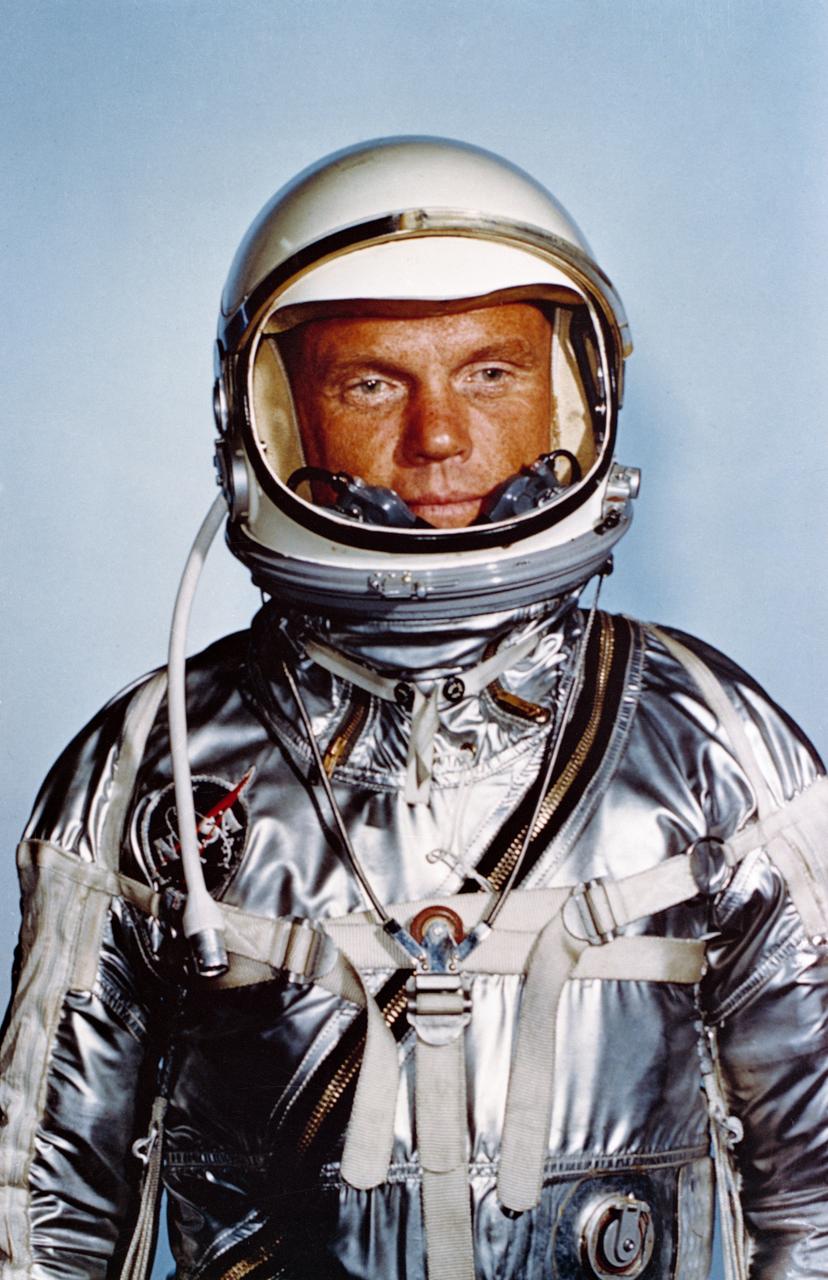
S87-41328 (February 1962) --- Astronaut John H. Glenn Jr., Mercury-Atlas 6 (MA-6) pilot. EDITOR'S NOTE: Astronaut Glenn was the first American to orbit Earth. Photo credit: NASA
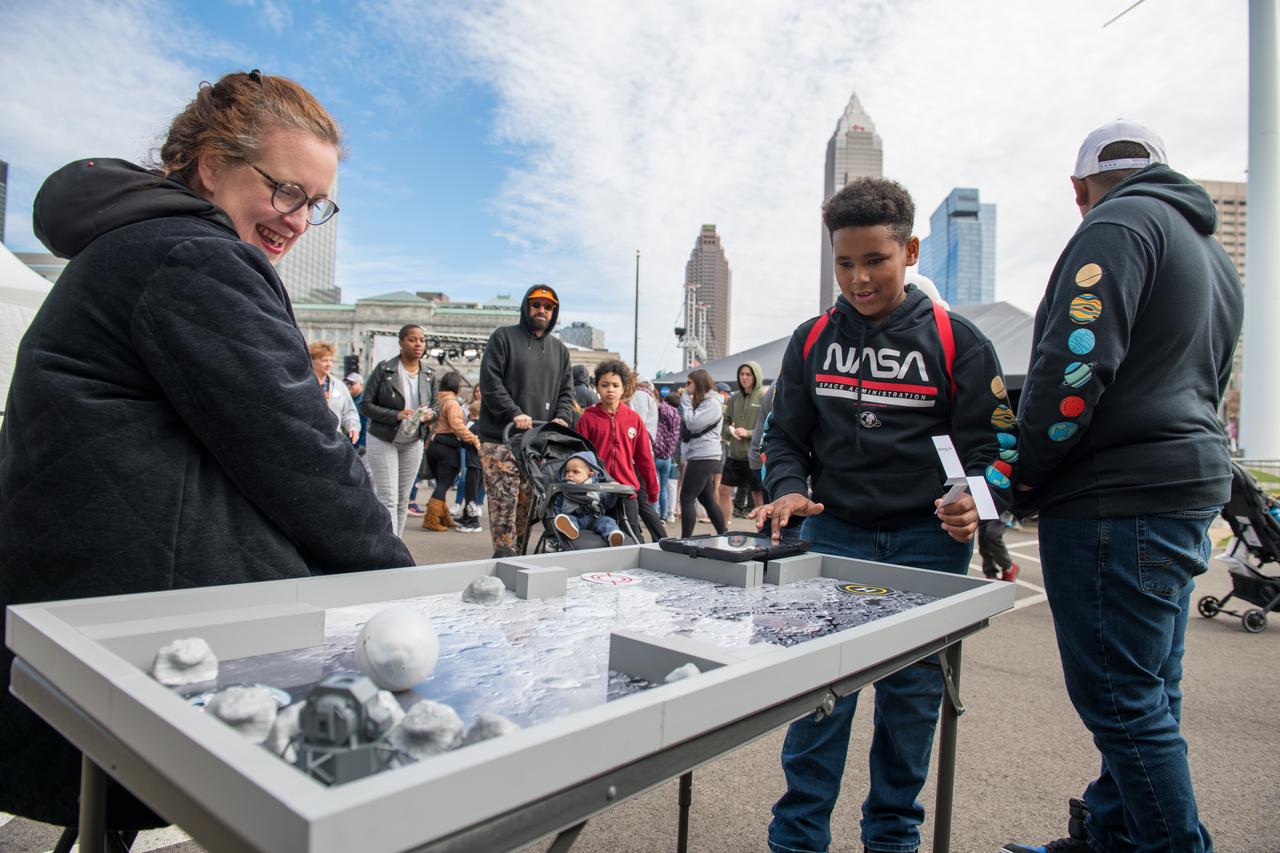
An event attendee interacts with one of the hands on science activities on April 7, 2024. NASA Glenn Research Center and the Great Lakes Science Center hosted a three-day celestial celebration in downtown Cleveland, OH. This free, outdoor, family-friendly science and arts festival will feature free concerts, performances, speakers, and hands-on science activities with community partners.
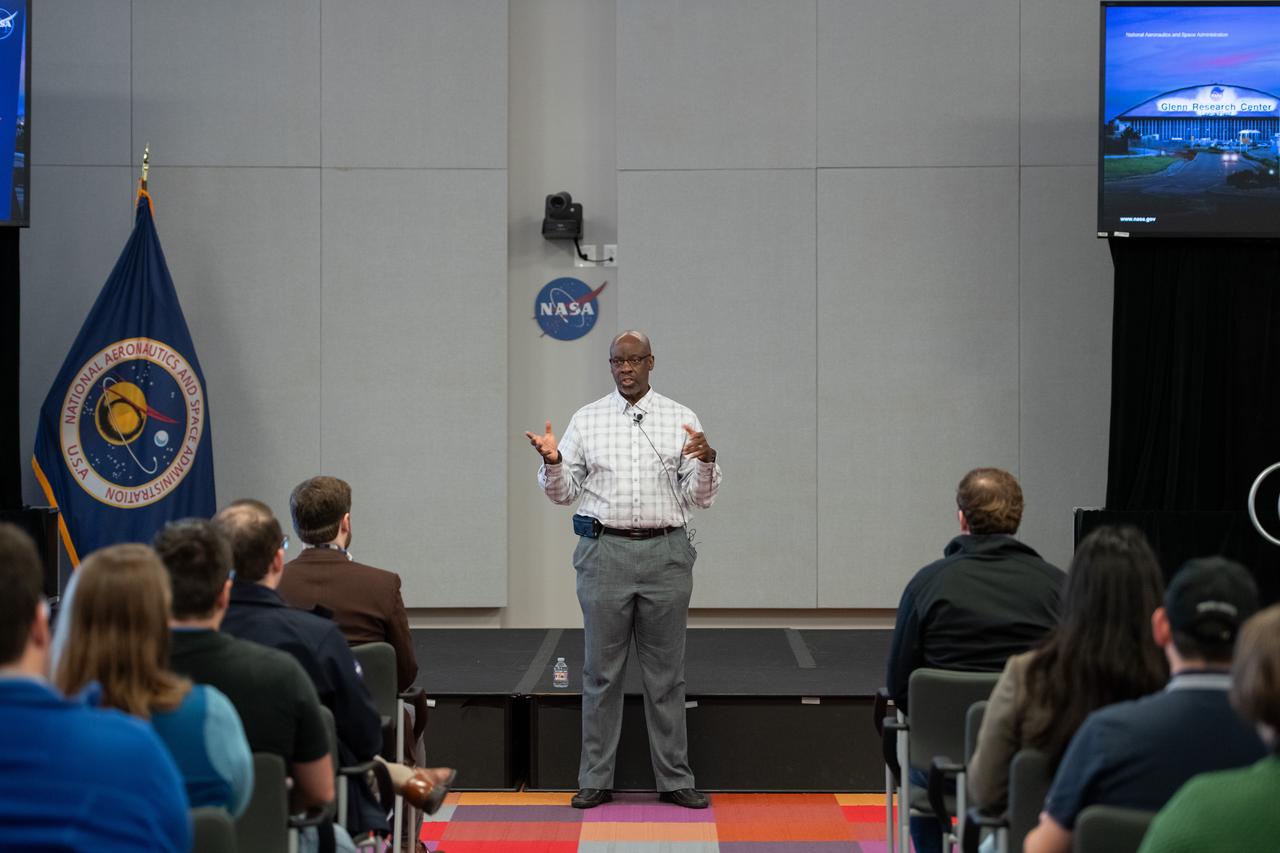
The NASA Systems Engineering Workshop is an annual event that brings together systems engineers and stakeholders from across the Agency to discuss, develop, and improve the state of the discipline as a community. The fundamental goals of the SE Workshop is to better engage and develop Systems Engineers to improve NASA mission success and improve the SE community and knowledge sharing within the discipline through focused and pertinent interactive learning. The Systems Engineering Workshop prides itself on being a "workshop". This means that attendees will be highly engaged and encouraged to share their own experiences and points of view with their colleagues throughout the event. The theme of this year's workshop hosted by Glenn Research Center on May 7-10, 2024 is "Eye on the Future" and is being held at the Hilton Cleveland Downtown in Ohio. It will feature presentations and panels of experts from across NASA and beyond! A couple of featured presentations include: "How I Learned to Stop Worrying and Love ChatGPT" and "Is MBSE Right for Me?" For more information about the schedule, see the agenda tab.
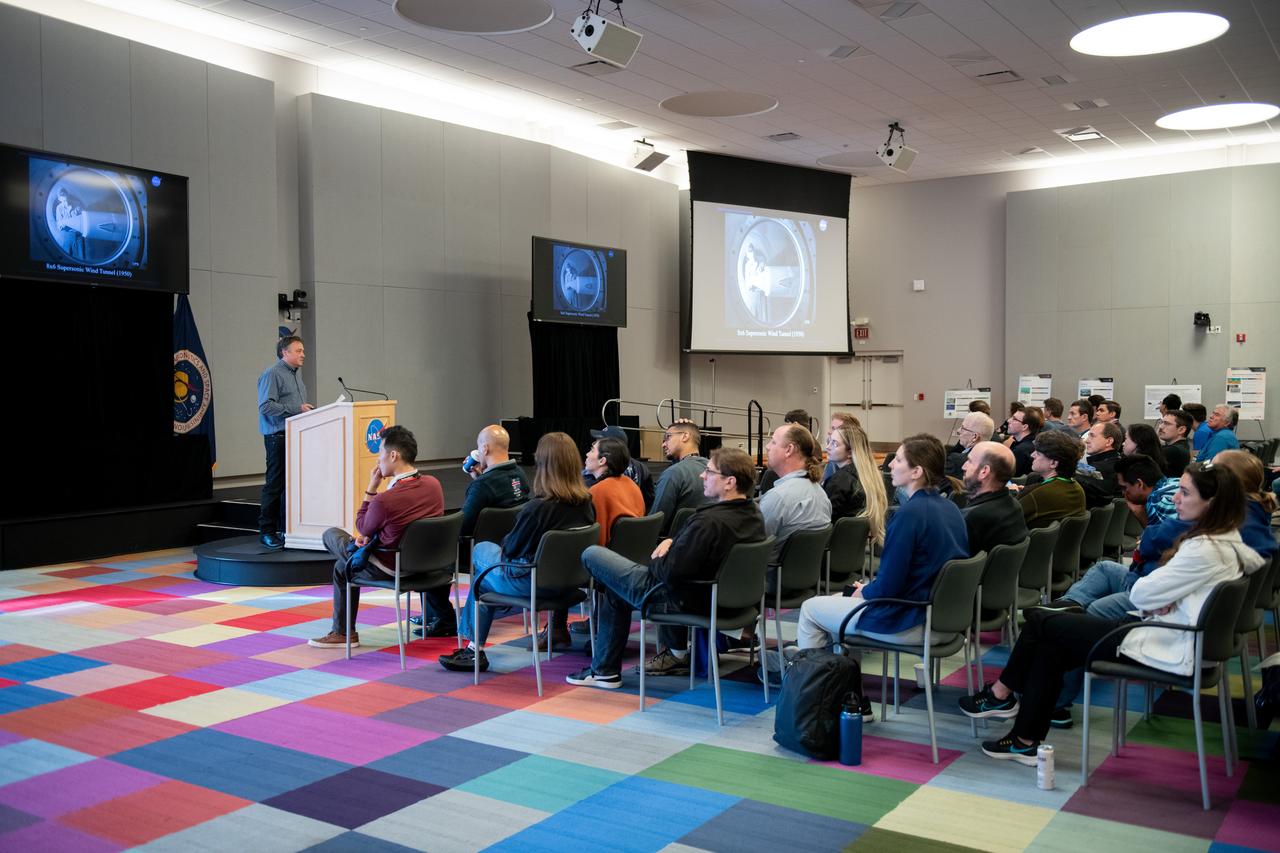
The NASA Systems Engineering Workshop is an annual event that brings together systems engineers and stakeholders from across the Agency to discuss, develop, and improve the state of the discipline as a community. The fundamental goals of the SE Workshop is to better engage and develop Systems Engineers to improve NASA mission success and improve the SE community and knowledge sharing within the discipline through focused and pertinent interactive learning. The Systems Engineering Workshop prides itself on being a "workshop". This means that attendees will be highly engaged and encouraged to share their own experiences and points of view with their colleagues throughout the event. The theme of this year's workshop hosted by Glenn Research Center on May 7-10, 2024 is "Eye on the Future" and is being held at the Hilton Cleveland Downtown in Ohio. It will feature presentations and panels of experts from across NASA and beyond! A couple of featured presentations include: "How I Learned to Stop Worrying and Love ChatGPT" and "Is MBSE Right for Me?" For more information about the schedule, see the agenda tab.
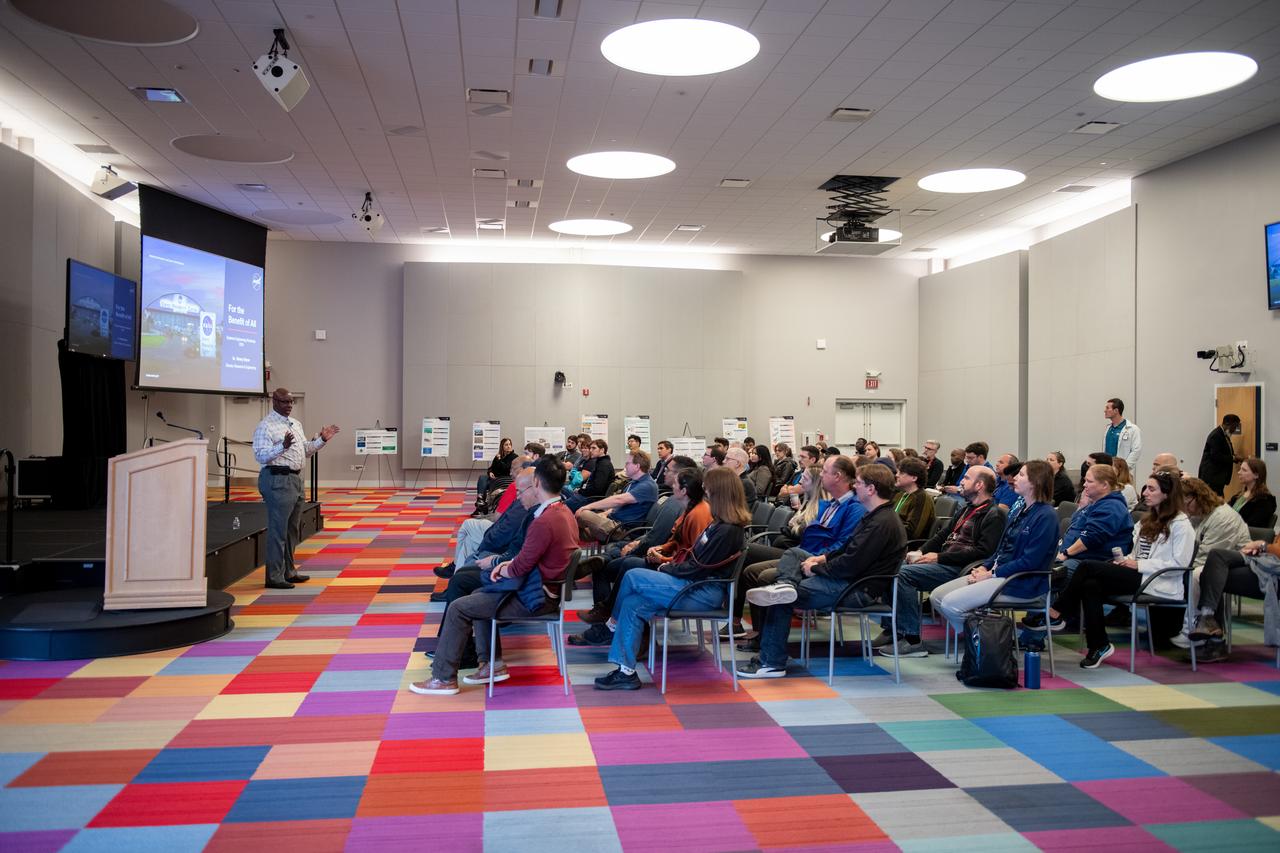
The NASA Systems Engineering Workshop is an annual event that brings together systems engineers and stakeholders from across the Agency to discuss, develop, and improve the state of the discipline as a community. The fundamental goals of the SE Workshop is to better engage and develop Systems Engineers to improve NASA mission success and improve the SE community and knowledge sharing within the discipline through focused and pertinent interactive learning. The Systems Engineering Workshop prides itself on being a "workshop". This means that attendees will be highly engaged and encouraged to share their own experiences and points of view with their colleagues throughout the event. The theme of this year's workshop hosted by Glenn Research Center on May 7-10, 2024 is "Eye on the Future" and is being held at the Hilton Cleveland Downtown in Ohio. It will feature presentations and panels of experts from across NASA and beyond! A couple of featured presentations include: "How I Learned to Stop Worrying and Love ChatGPT" and "Is MBSE Right for Me?" For more information about the schedule, see the agenda tab.
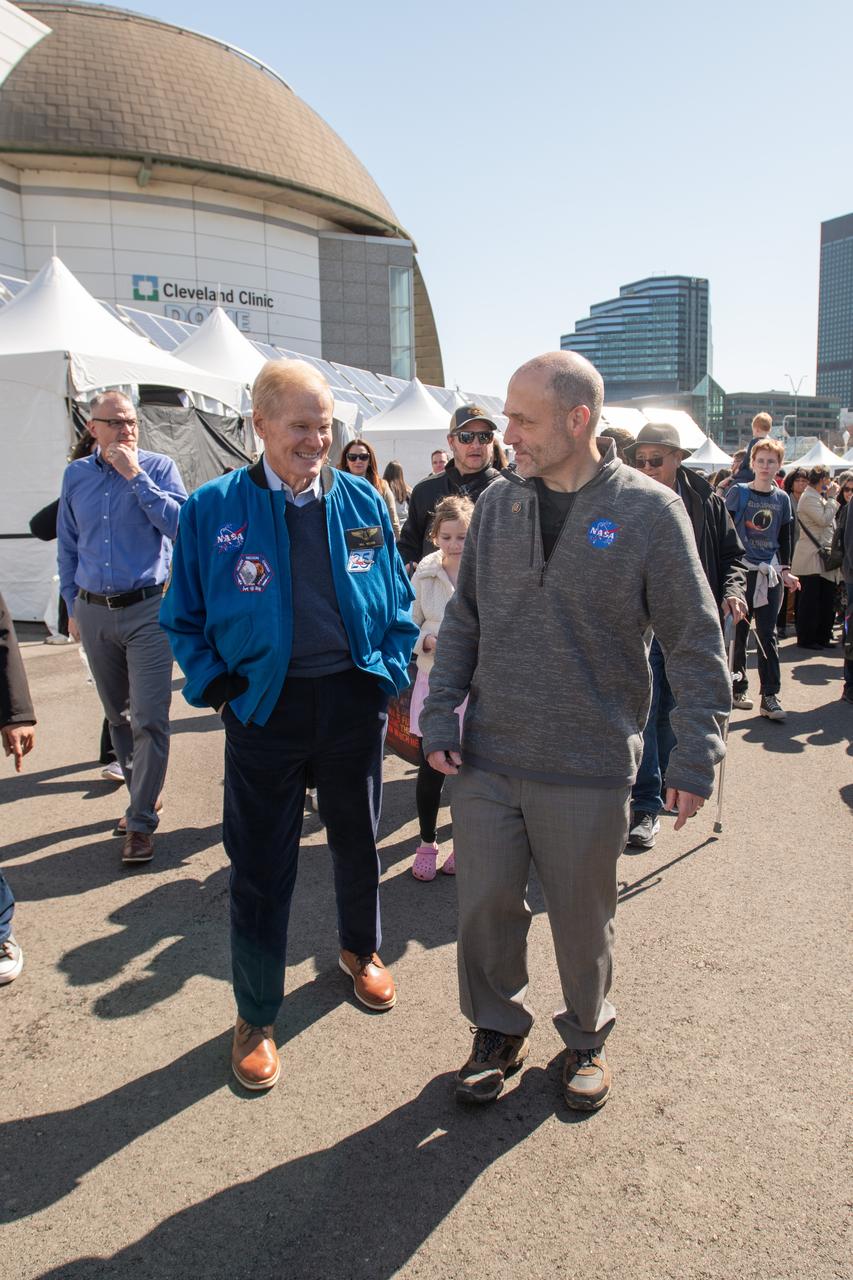
Administrator Bill Nelson and GRC Center director Jimmy walk through NASA village. NASA Glenn Research Center and the Great Lakes Science Center hosted a three-day celestial celebration in downtown Cleveland, OH. This free, outdoor, family-friendly science and arts festival will feature free concerts, performances, speakers, and hands-on science activities with community partners. A total solar eclipse swept across a narrow portion of the North American continent from Mexico’s Pacific coast to the Atlantic coast of Newfoundland, Canada. A partial solar eclipse was visible across the entire North American continent along with parts of Central America and Europe.
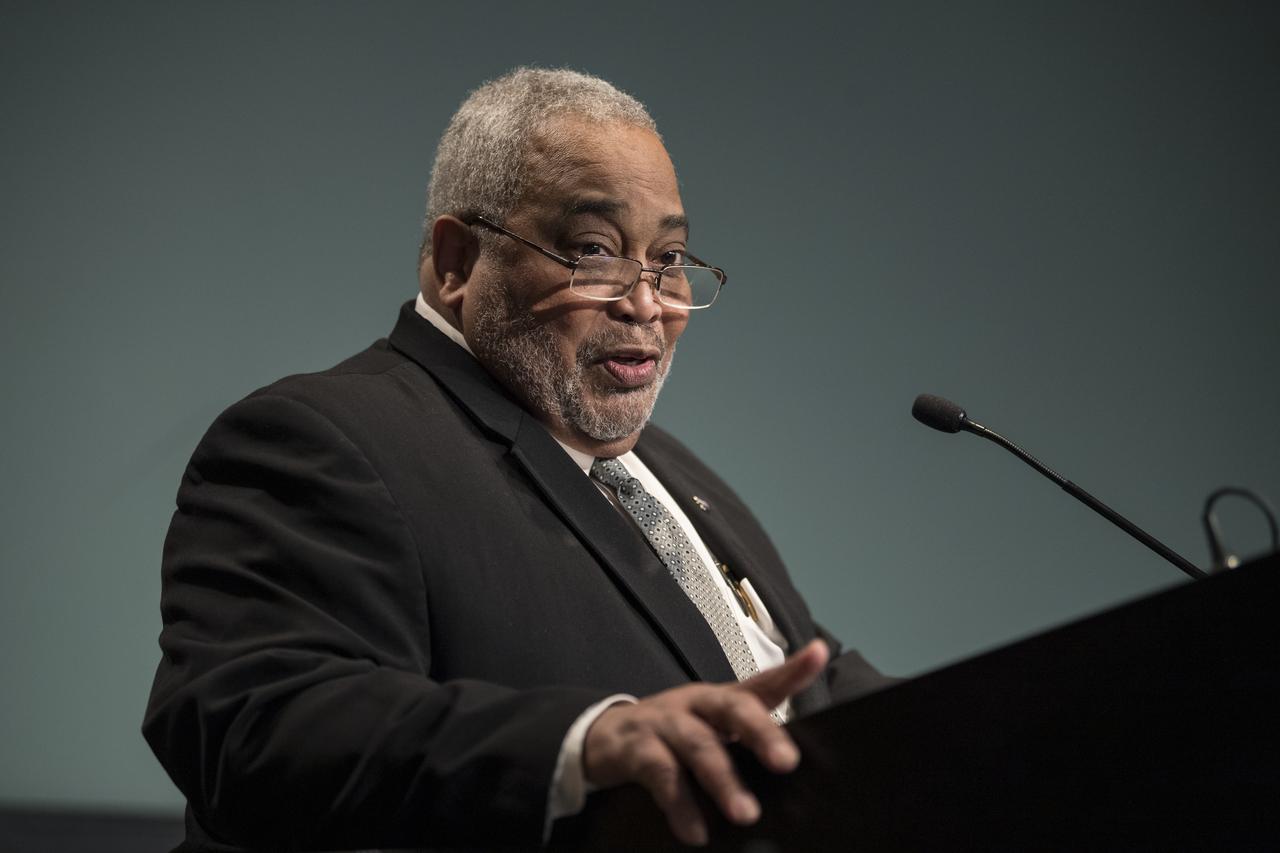
NASA Associate Administrator for Small Business, Glenn Delgado, speaks at the MLK Day of Service, Tuesday, January 21, 2020 at NASA Headquarters in Washington. Photo Credit: (NASA/Aubrey Gemignani)
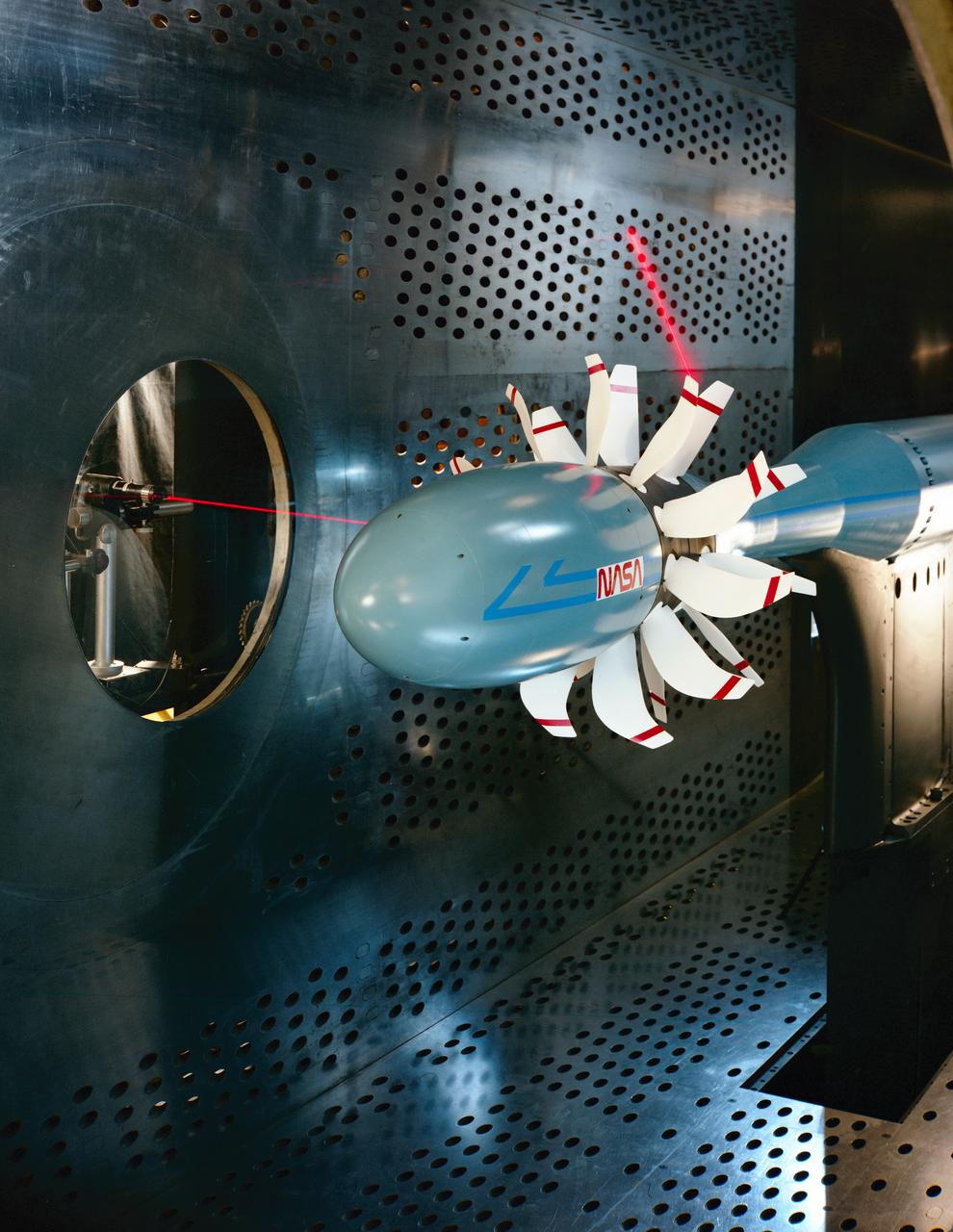
Counter Rotating Propeller Model in the NASA Glenn 8x6-Foot Supersonic Wind Tunnel
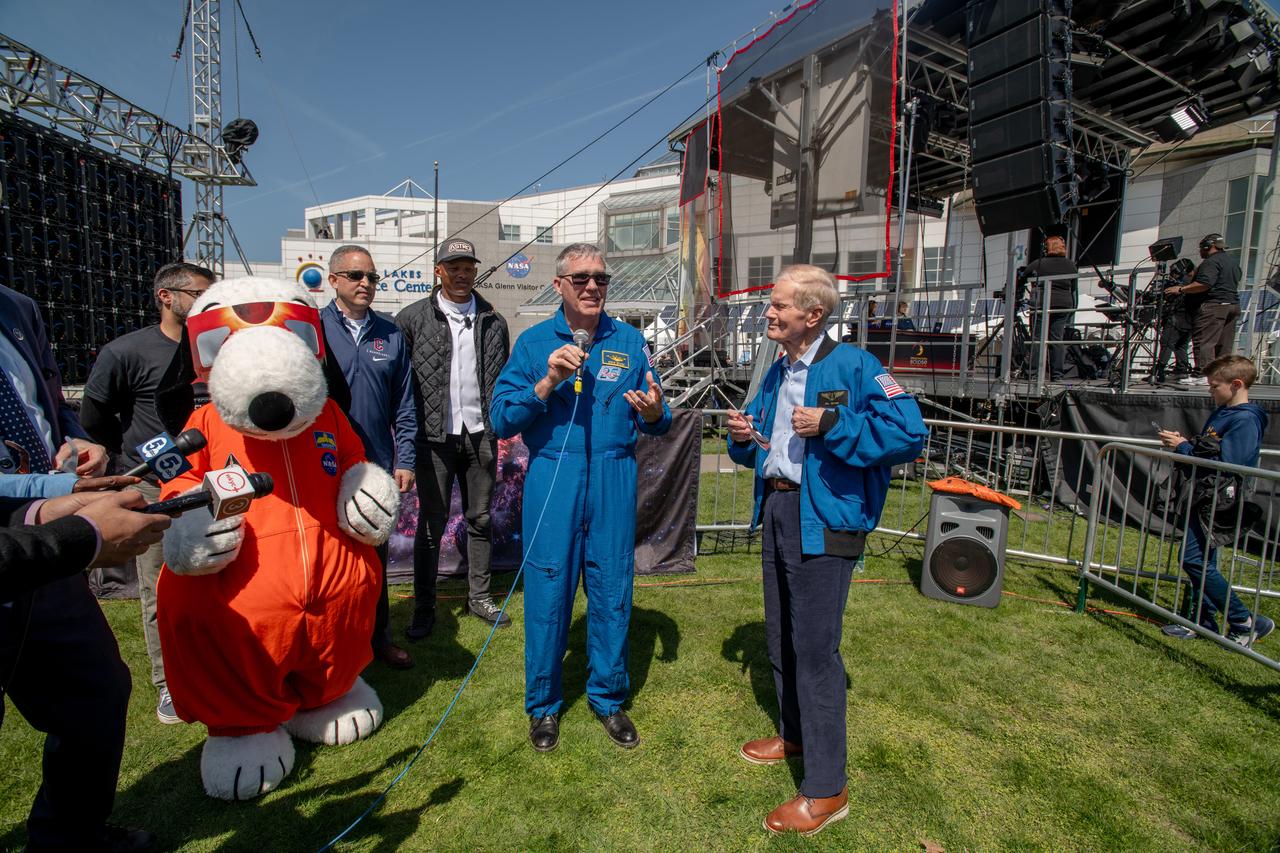
Administrator Bill Nelson, Snoopy and Astronaut Stephen Bowen speak to the media on April 8th. NASA Glenn Research Center and the Great Lakes Science Center hosted a three-day celestial celebration in downtown Cleveland, OH. This free, outdoor, family-friendly science and arts festival will feature free concerts, performances, speakers, and hands-on science activities with community partners. A total solar eclipse swept across a narrow portion of the North American continent from Mexico’s Pacific coast to the Atlantic coast of Newfoundland, Canada. A partial solar eclipse was visible across the entire North American continent along with parts of Central America and Europe.

Senator Sherrod Brown, Snoopy and Administrator Bill Nelson speak to the media on April 8th. NASA Glenn Research Center and the Great Lakes Science Center hosted a three-day celestial celebration in downtown Cleveland, OH. This free, outdoor, family-friendly science and arts festival will feature free concerts, performances, speakers, and hands-on science activities with community partners. A total solar eclipse swept across a narrow portion of the North American continent from Mexico’s Pacific coast to the Atlantic coast of Newfoundland, Canada. A partial solar eclipse was visible across the entire North American continent along with parts of Central America and Europe.
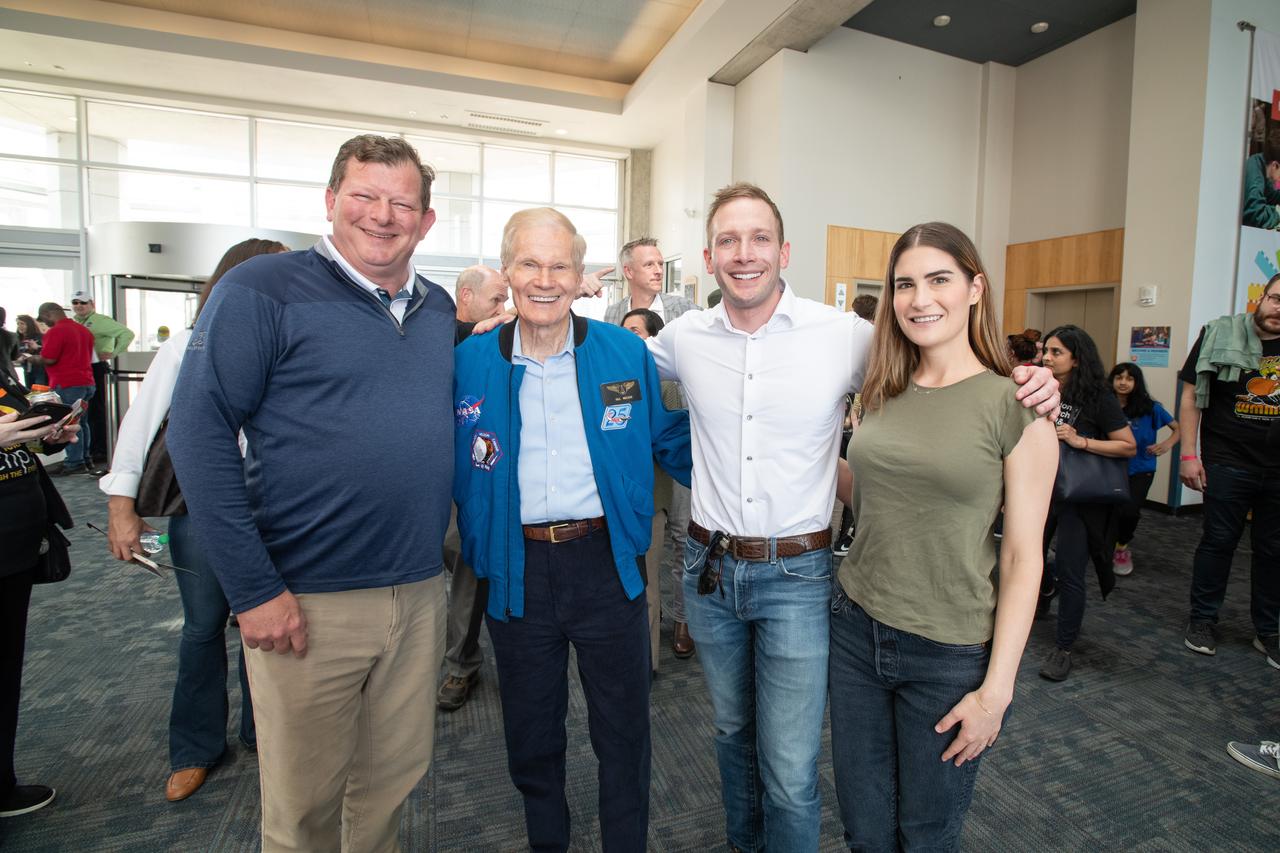
Administrator Bill Nelson and Represenative Max Miller and wife pose for a photo together. NASA Glenn Research Center and the Great Lakes Science Center hosted a three-day celestial celebration in downtown Cleveland, OH. This free, outdoor, family-friendly science and arts festival will feature free concerts, performances, speakers, and hands-on science activities with community partners. A total solar eclipse swept across a narrow portion of the North American continent from Mexico’s Pacific coast to the Atlantic coast of Newfoundland, Canada. A partial solar eclipse was visible across the entire North American continent along with parts of Central America and Europe.
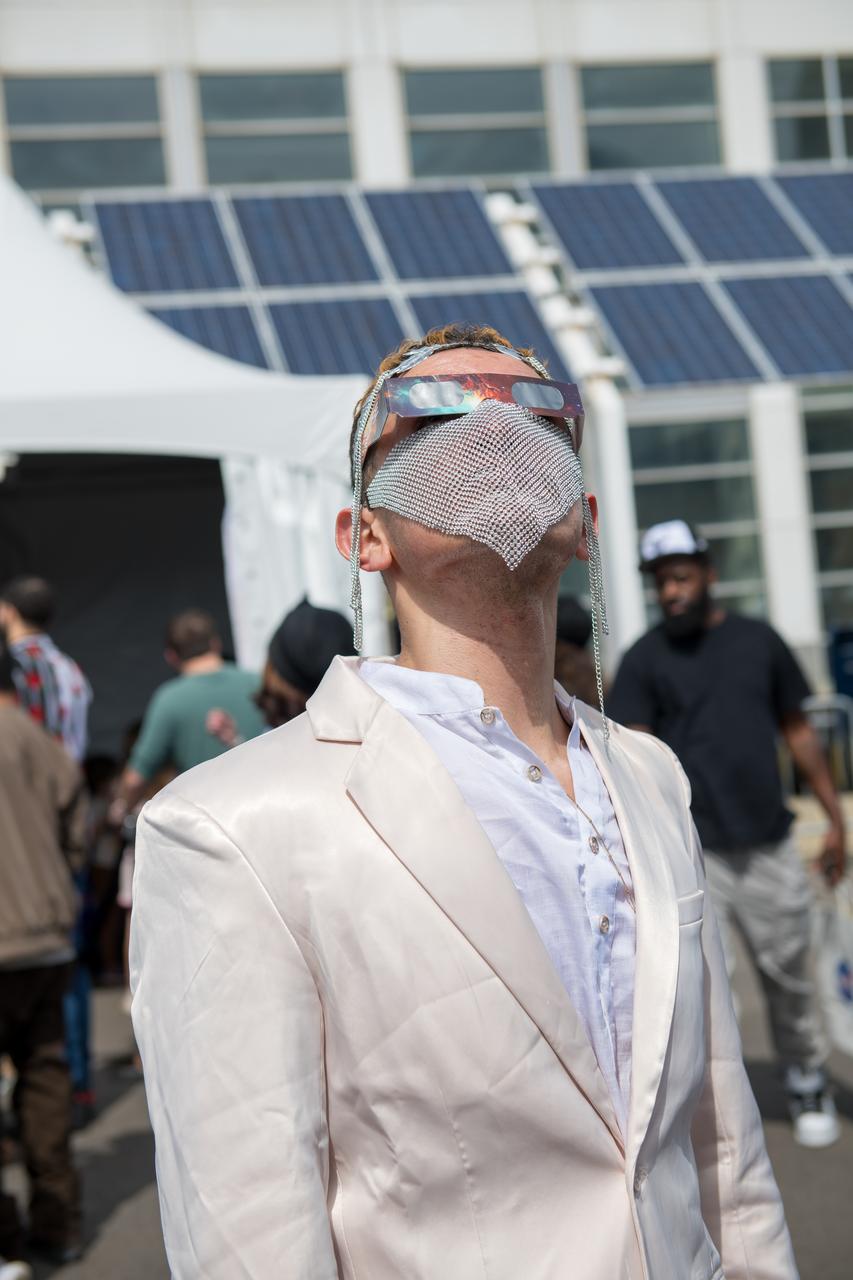
Event attendee views the eclipse. NASA Glenn Research Center and the Great Lakes Science Center hosted a three-day celestial celebration in downtown Cleveland, OH. This free, outdoor, family-friendly science and arts festival will feature free concerts, performances, speakers, and hands-on science activities with community partners. A total solar eclipse swept across a narrow portion of the North American continent from Mexico’s Pacific coast to the Atlantic coast of Newfoundland, Canada. A partial solar eclipse was visible across the entire North American continent along with parts of Central America and Europe.
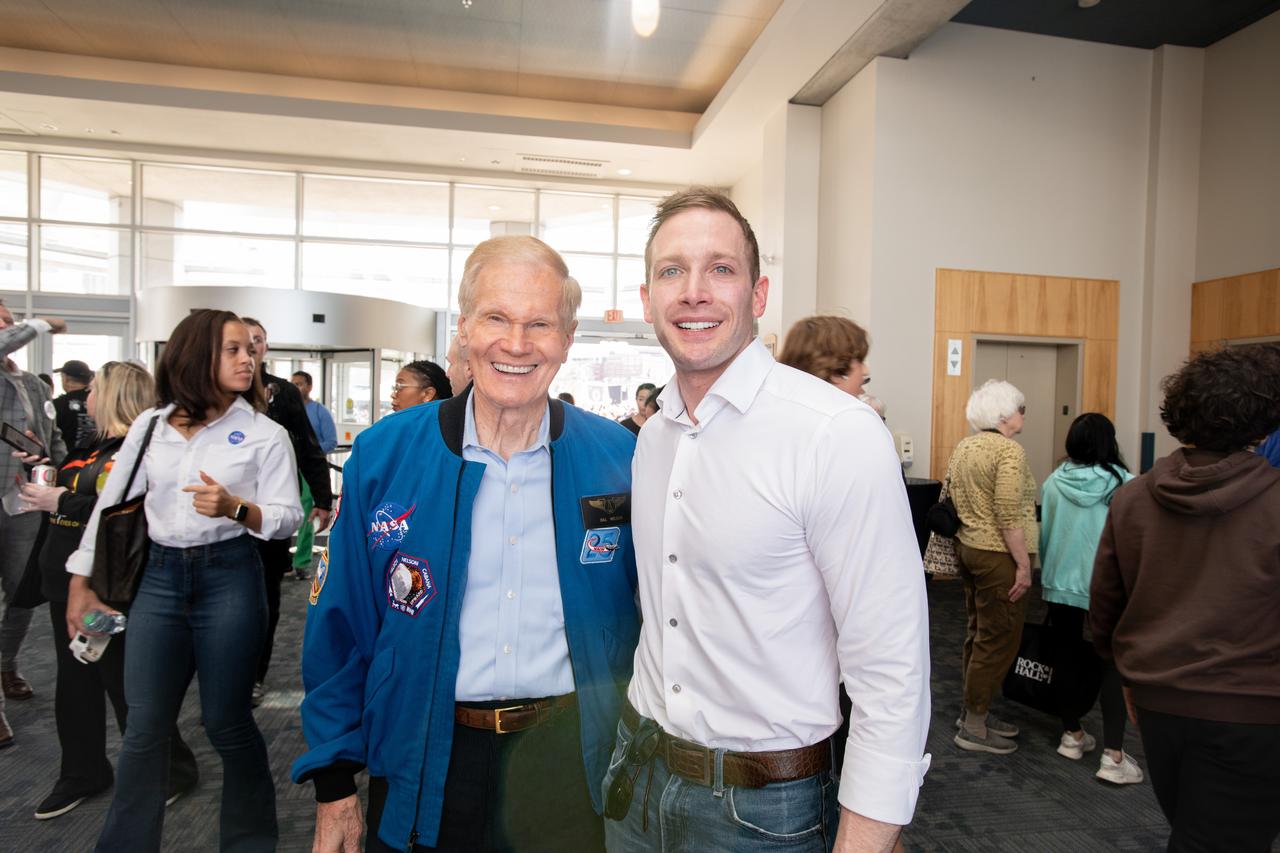
Administrator Bill Nelson and Represenative Max Miller pose for a photo together. NASA Glenn Research Center and the Great Lakes Science Center hosted a three-day celestial celebration in downtown Cleveland, OH. This free, outdoor, family-friendly science and arts festival will feature free concerts, performances, speakers, and hands-on science activities with community partners. A total solar eclipse swept across a narrow portion of the North American continent from Mexico’s Pacific coast to the Atlantic coast of Newfoundland, Canada. A partial solar eclipse was visible across the entire North American continent along with parts of Central America and Europe.
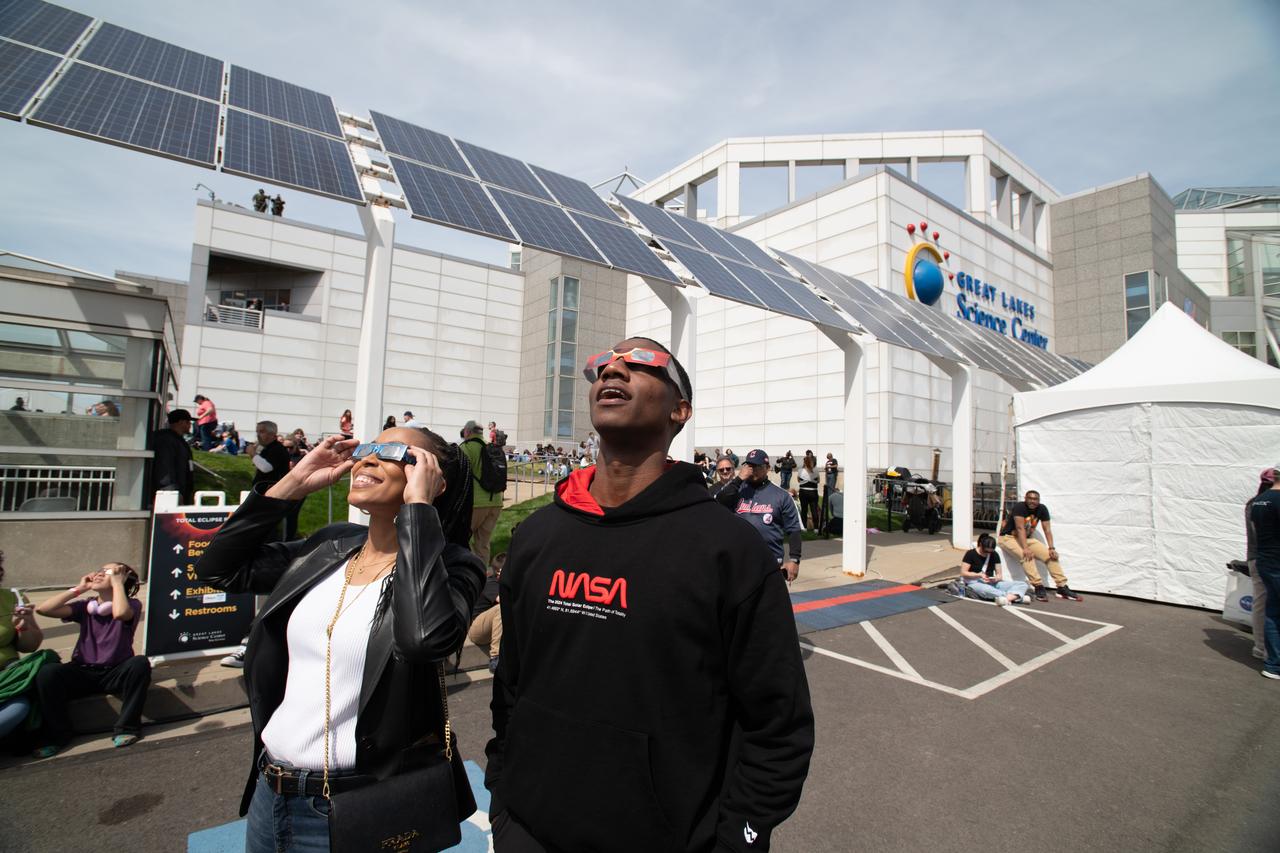
Representative Shontel Brown and Cleveland Mayor Justin Bibb view the eclipse together. NASA Glenn Research Center and the Great Lakes Science Center hosted a three-day celestial celebration in downtown Cleveland, OH. This free, outdoor, family-friendly science and arts festival will feature free concerts, performances, speakers, and hands-on science activities with community partners. A total solar eclipse swept across a narrow portion of the North American continent from Mexico’s Pacific coast to the Atlantic coast of Newfoundland, Canada. A partial solar eclipse was visible across the entire North American continent along with parts of Central America and Europe.
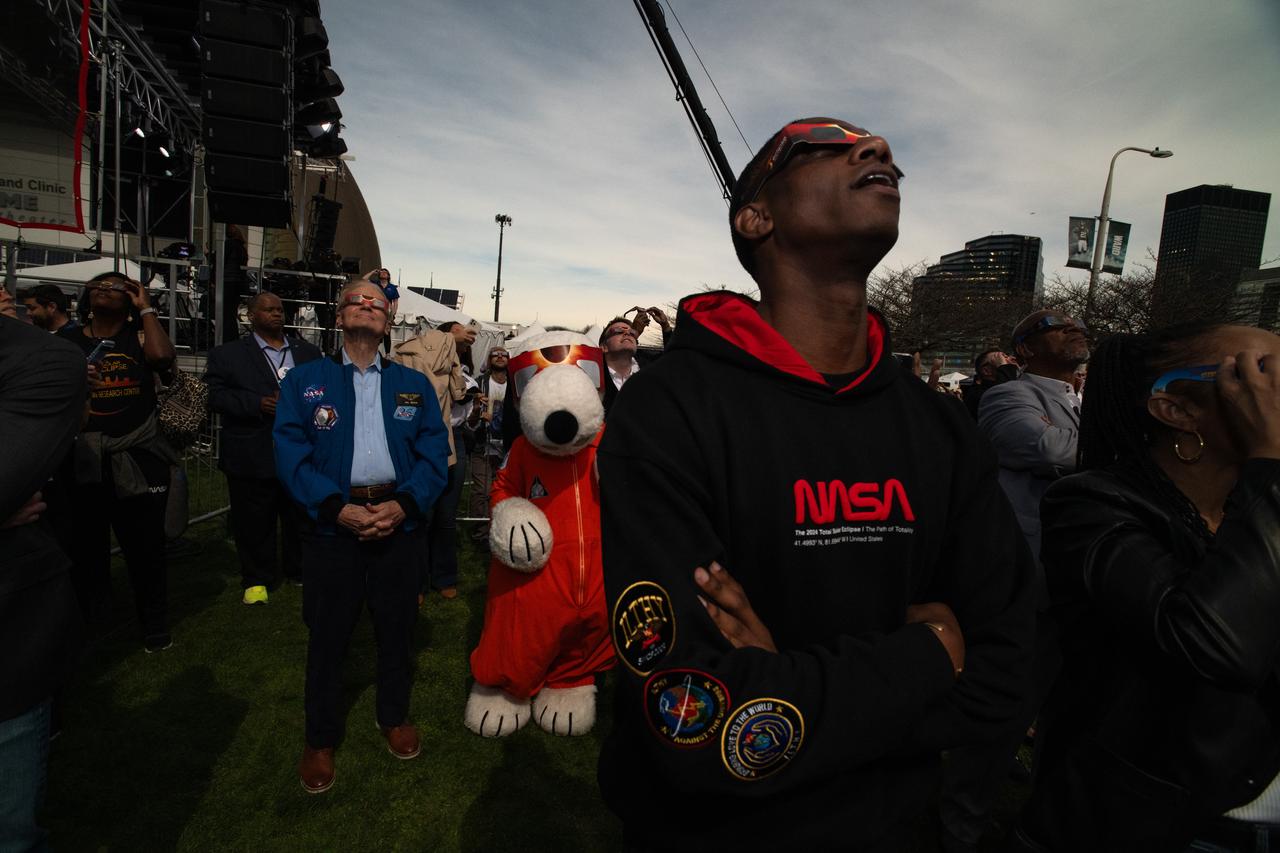
Administrator Bill Nelson, Snoopy and Cleveland Mayor Justin Bibb view the eclipse just before totality. NASA Glenn Research Center and the Great Lakes Science Center hosted a three-day celestial celebration in downtown Cleveland, OH. This free, outdoor, family-friendly science and arts festival will feature free concerts, performances, speakers, and hands-on science activities with community partners. A total solar eclipse swept across a narrow portion of the North American continent from Mexico’s Pacific coast to the Atlantic coast of Newfoundland, Canada. A partial solar eclipse was visible across the entire North American continent along with parts of Central America and Europe.
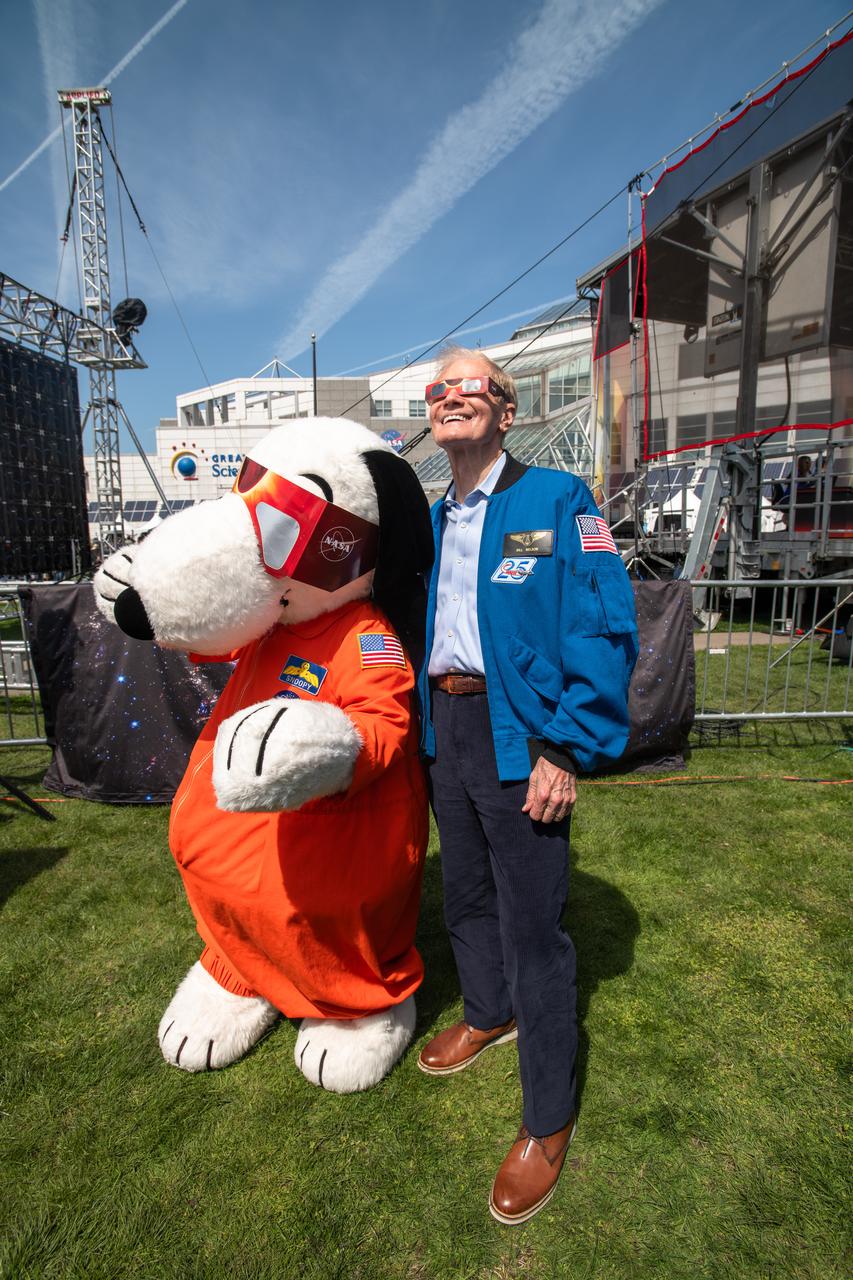
Administrator Bill Nelson and Snoopy view the eclipse together. NASA Glenn Research Center and the Great Lakes Science Center hosted a three-day celestial celebration in downtown Cleveland, OH. This free, outdoor, family-friendly science and arts festival will feature free concerts, performances, speakers, and hands-on science activities with community partners. A total solar eclipse swept across a narrow portion of the North American continent from Mexico’s Pacific coast to the Atlantic coast of Newfoundland, Canada. A partial solar eclipse was visible across the entire North American continent along with parts of Central America and Europe.
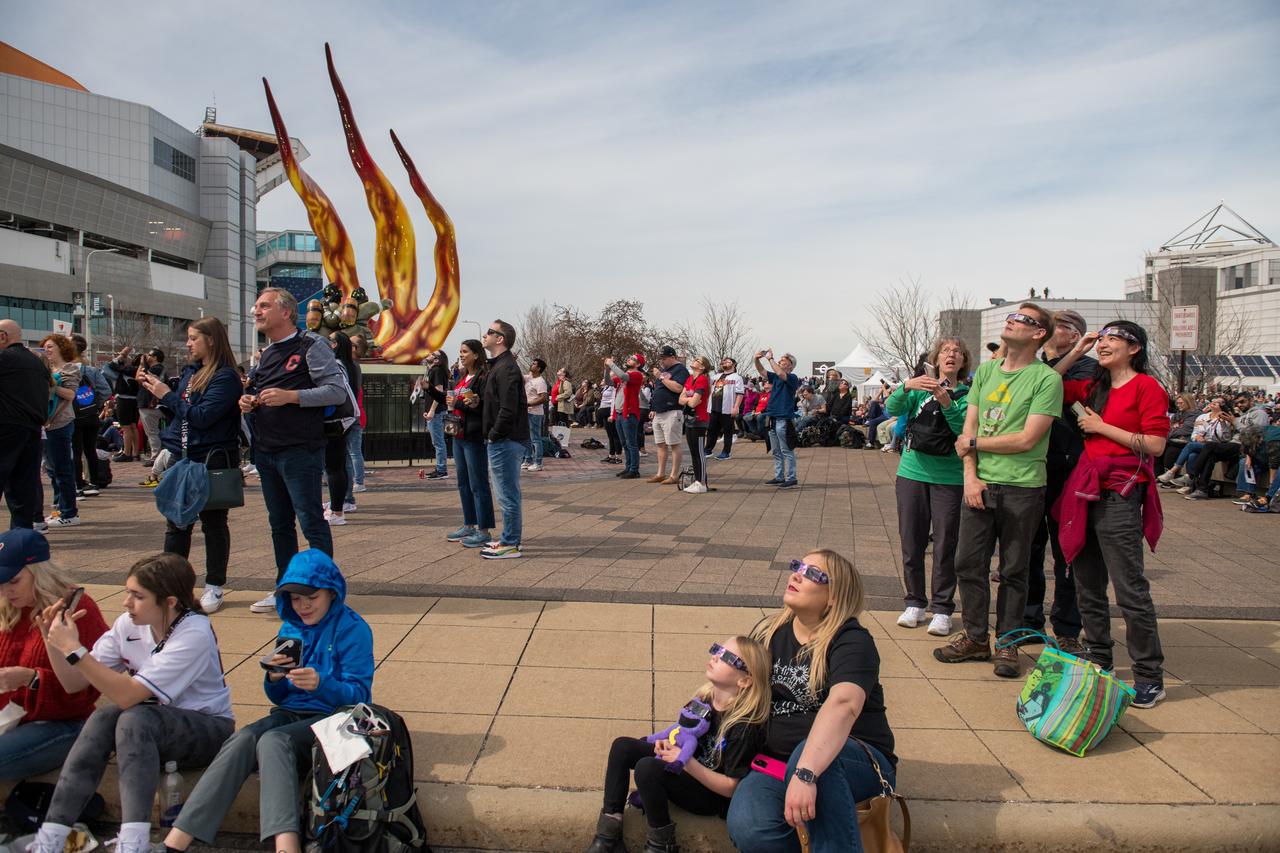
Event attendees view the eclipse. NASA Glenn Research Center and the Great Lakes Science Center hosted a three-day celestial celebration in downtown Cleveland, OH. This free, outdoor, family-friendly science and arts festival will feature free concerts, performances, speakers, and hands-on science activities with community partners. A total solar eclipse swept across a narrow portion of the North American continent from Mexico’s Pacific coast to the Atlantic coast of Newfoundland, Canada. A partial solar eclipse was visible across the entire North American continent along with parts of Central America and Europe.
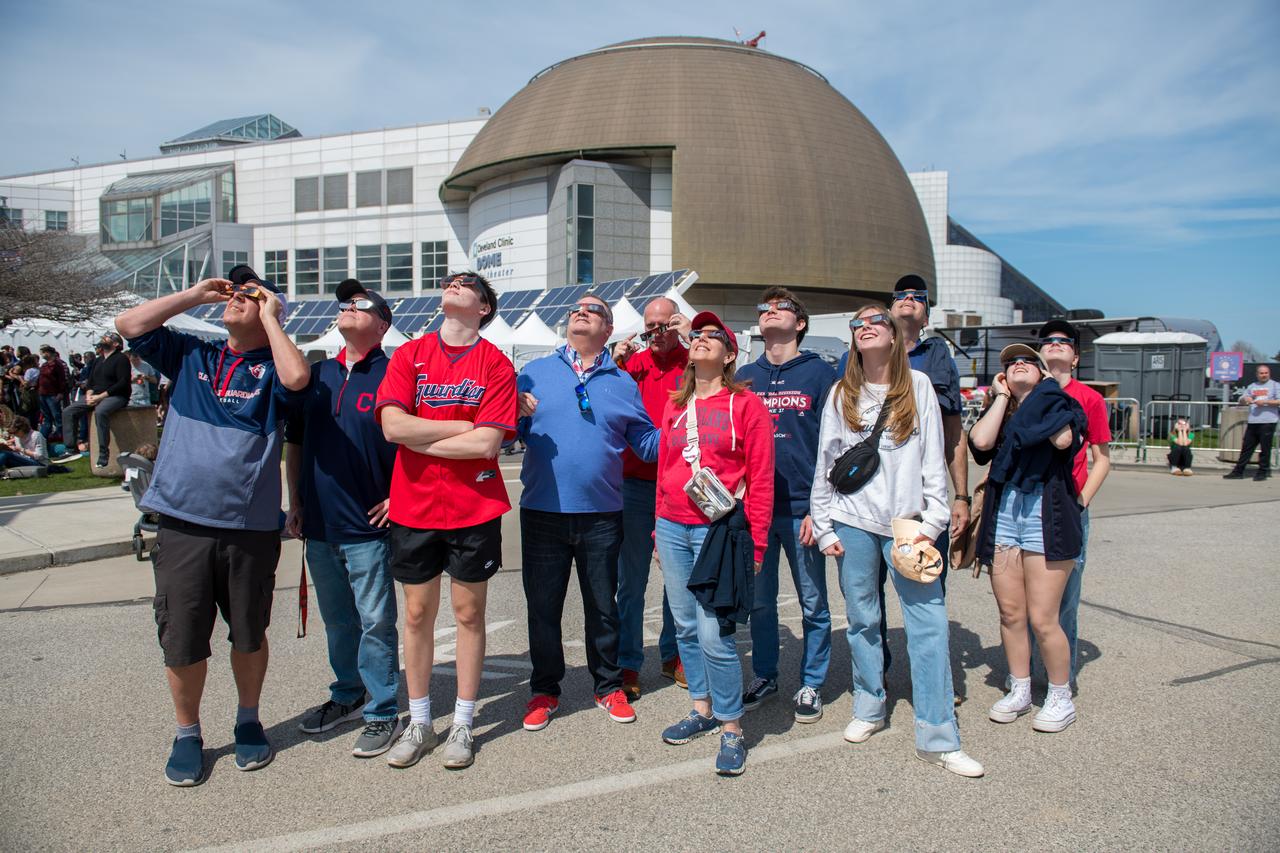
Event attendees view the eclipse. NASA Glenn Research Center and the Great Lakes Science Center hosted a three-day celestial celebration in downtown Cleveland, OH. This free, outdoor, family-friendly science and arts festival will feature free concerts, performances, speakers, and hands-on science activities with community partners. A total solar eclipse swept across a narrow portion of the North American continent from Mexico’s Pacific coast to the Atlantic coast of Newfoundland, Canada. A partial solar eclipse was visible across the entire North American continent along with parts of Central America and Europe.
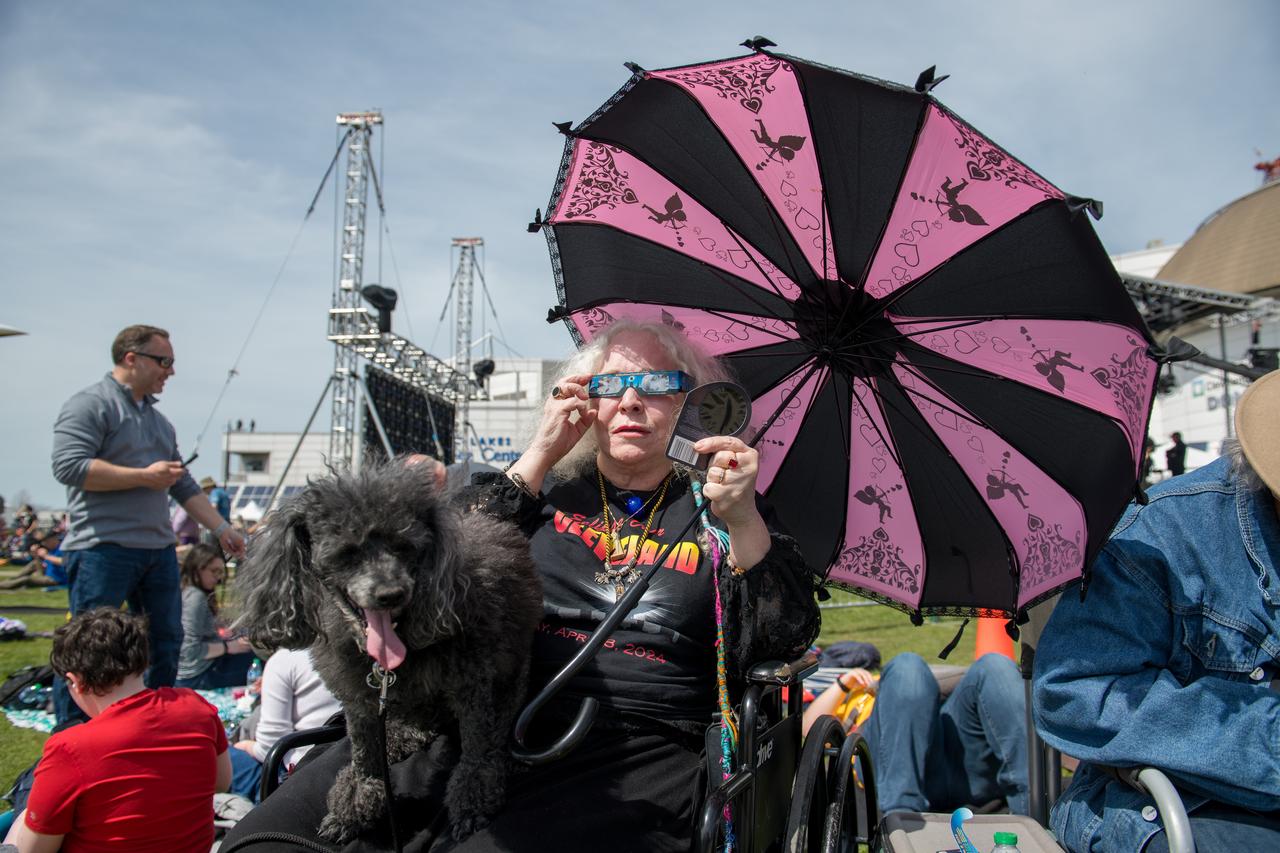
Event attendees view the eclipse. NASA Glenn Research Center and the Great Lakes Science Center hosted a three-day celestial celebration in downtown Cleveland, OH. This free, outdoor, family-friendly science and arts festival will feature free concerts, performances, speakers, and hands-on science activities with community partners. A total solar eclipse swept across a narrow portion of the North American continent from Mexico’s Pacific coast to the Atlantic coast of Newfoundland, Canada. A partial solar eclipse was visible across the entire North American continent along with parts of Central America and Europe.
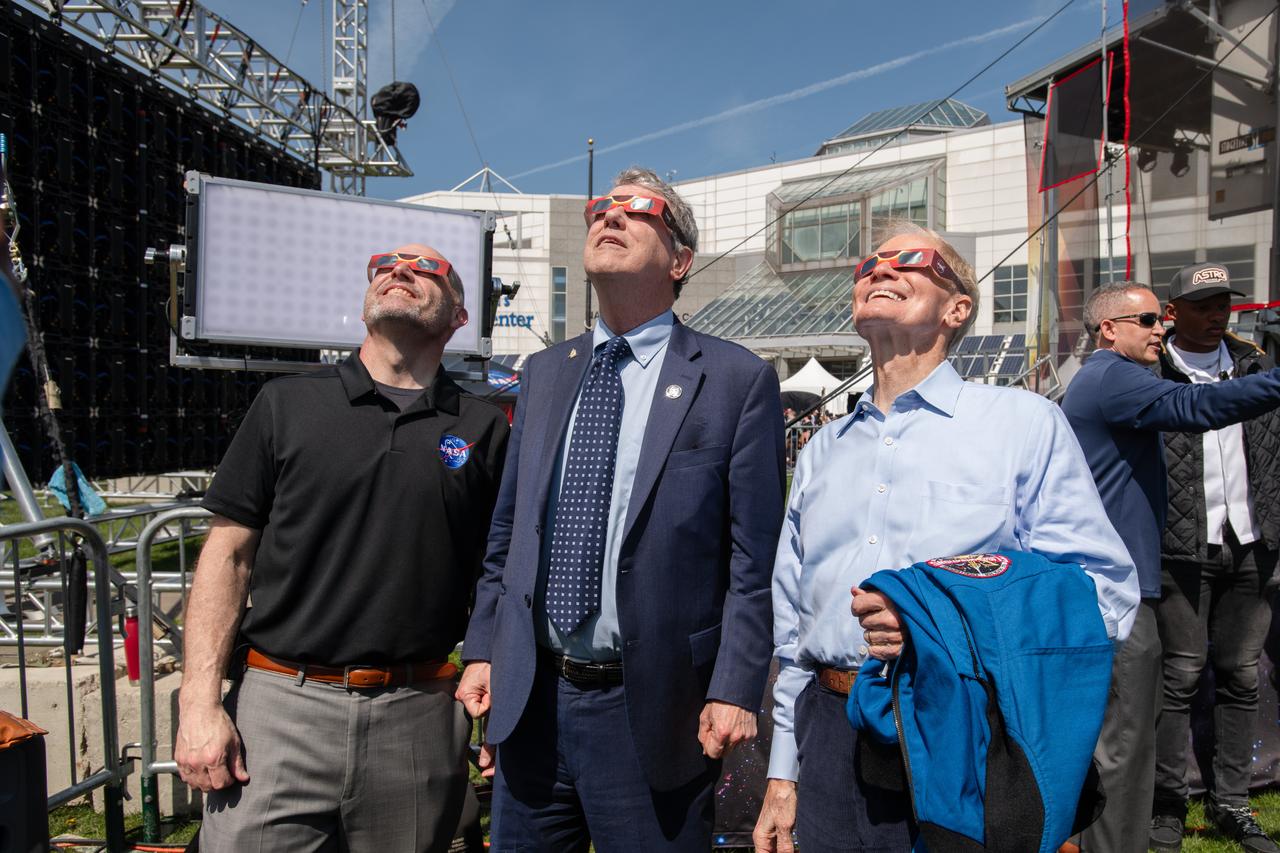
GRC Center Director Jimmy Kenyon, Senator Sherrod Brown and Administrator Bill Nelson view the eclipse together on April 8th. NASA Glenn Research Center and the Great Lakes Science Center hosted a three-day celestial celebration in downtown Cleveland, OH. This free, outdoor, family-friendly science and arts festival will feature free concerts, performances, speakers, and hands-on science activities with community partners. A total solar eclipse swept across a narrow portion of the North American continent from Mexico’s Pacific coast to the Atlantic coast of Newfoundland, Canada. A partial solar eclipse was visible across the entire North American continent along with parts of Central America and Europe.
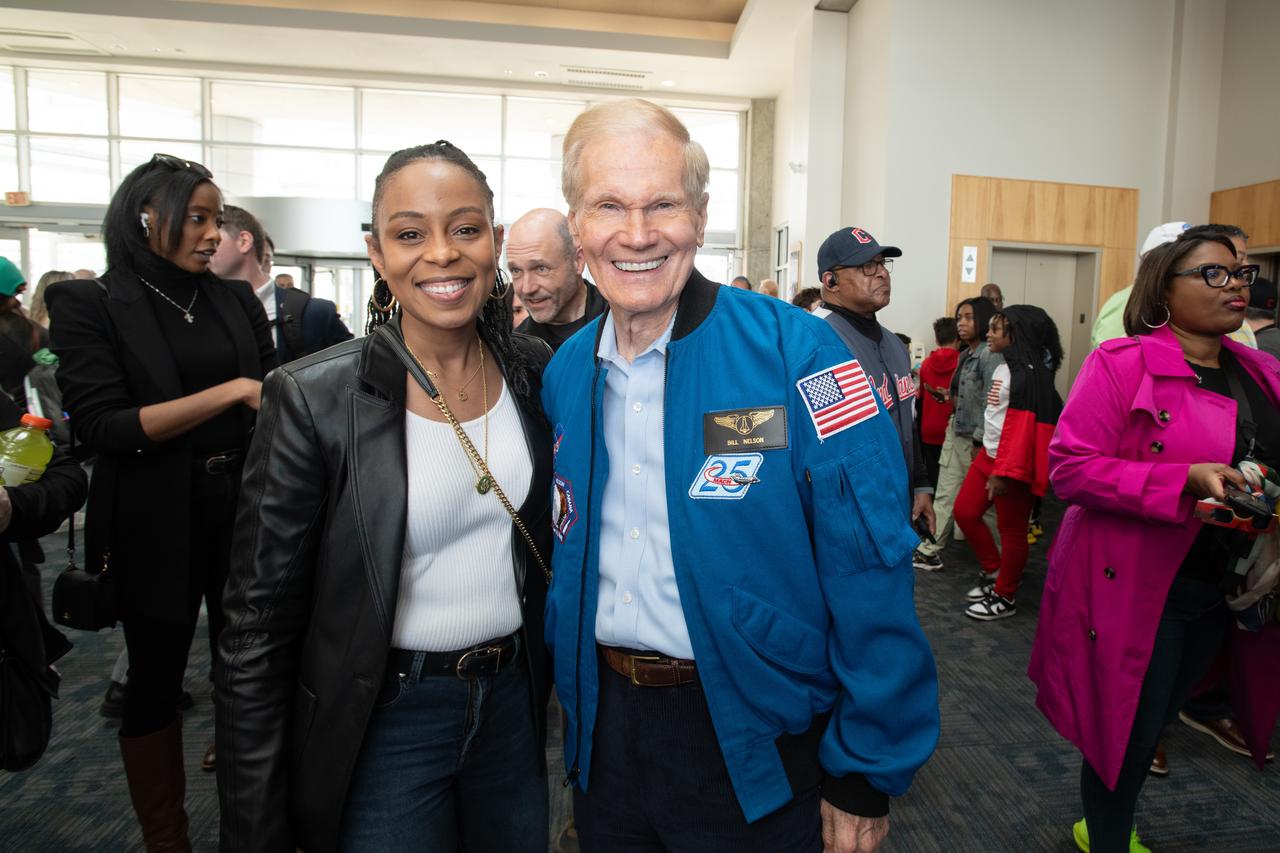
Representative Shontel Brown and Administrator Bill Nelson pose for a photo together with solar eclipse glasses on. NASA Glenn Research Center and the Great Lakes Science Center hosted a three-day celestial celebration in downtown Cleveland, OH. This free, outdoor, family-friendly science and arts festival will feature free concerts, performances, speakers, and hands-on science activities with community partners. A total solar eclipse swept across a narrow portion of the North American continent from Mexico’s Pacific coast to the Atlantic coast of Newfoundland, Canada. A partial solar eclipse was visible across the entire North American continent along with parts of Central America and Europe.
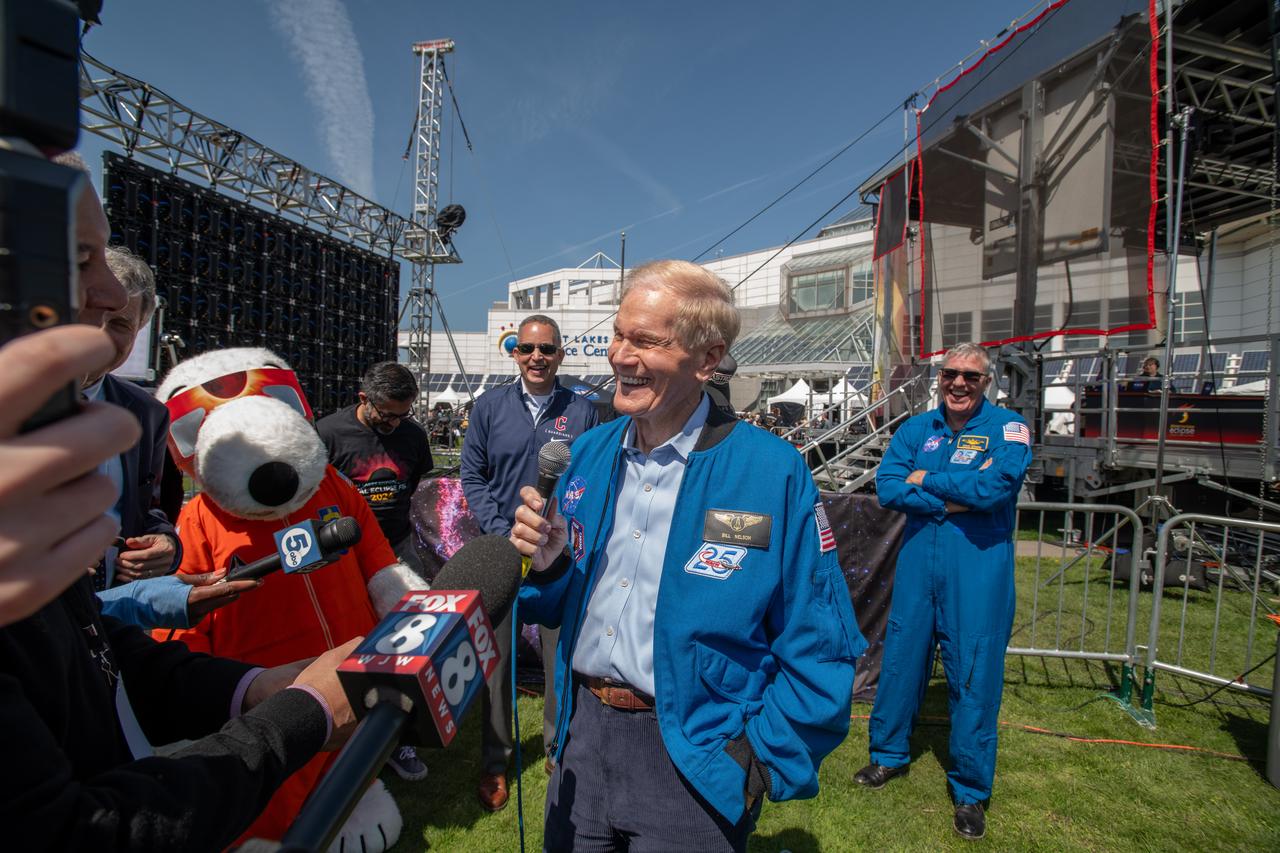
Administrator Bill Nelson, Snoopy and Astronaut Stephen Bowen speak to the media on April 8th. NASA Glenn Research Center and the Great Lakes Science Center hosted a three-day celestial celebration in downtown Cleveland, OH. This free, outdoor, family-friendly science and arts festival will feature free concerts, performances, speakers, and hands-on science activities with community partners. A total solar eclipse swept across a narrow portion of the North American continent from Mexico’s Pacific coast to the Atlantic coast of Newfoundland, Canada. A partial solar eclipse was visible across the entire North American continent along with parts of Central America and Europe.
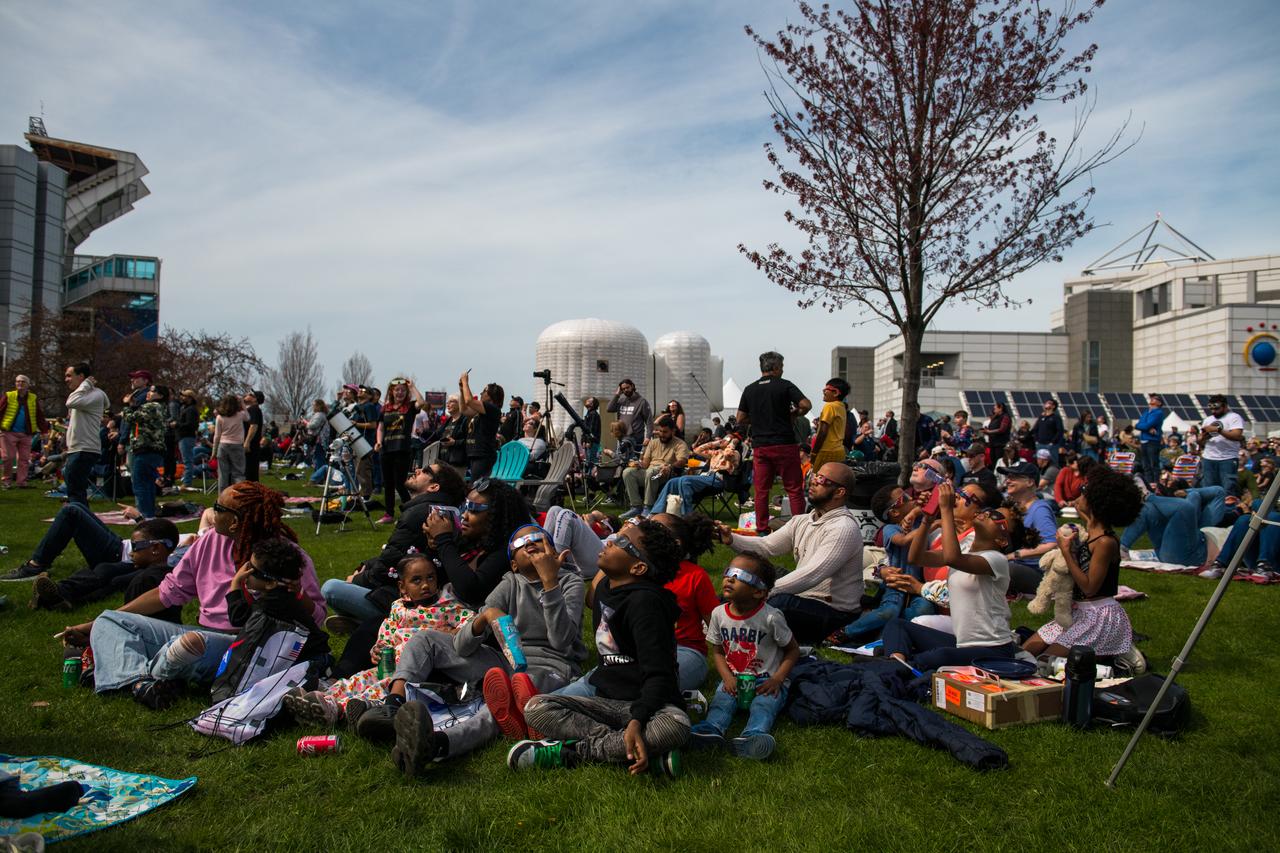
Event attendees view the eclipse. NASA Glenn Research Center and the Great Lakes Science Center hosted a three-day celestial celebration in downtown Cleveland, OH. This free, outdoor, family-friendly science and arts festival will feature free concerts, performances, speakers, and hands-on science activities with community partners. A total solar eclipse swept across a narrow portion of the North American continent from Mexico’s Pacific coast to the Atlantic coast of Newfoundland, Canada. A partial solar eclipse was visible across the entire North American continent along with parts of Central America and Europe.
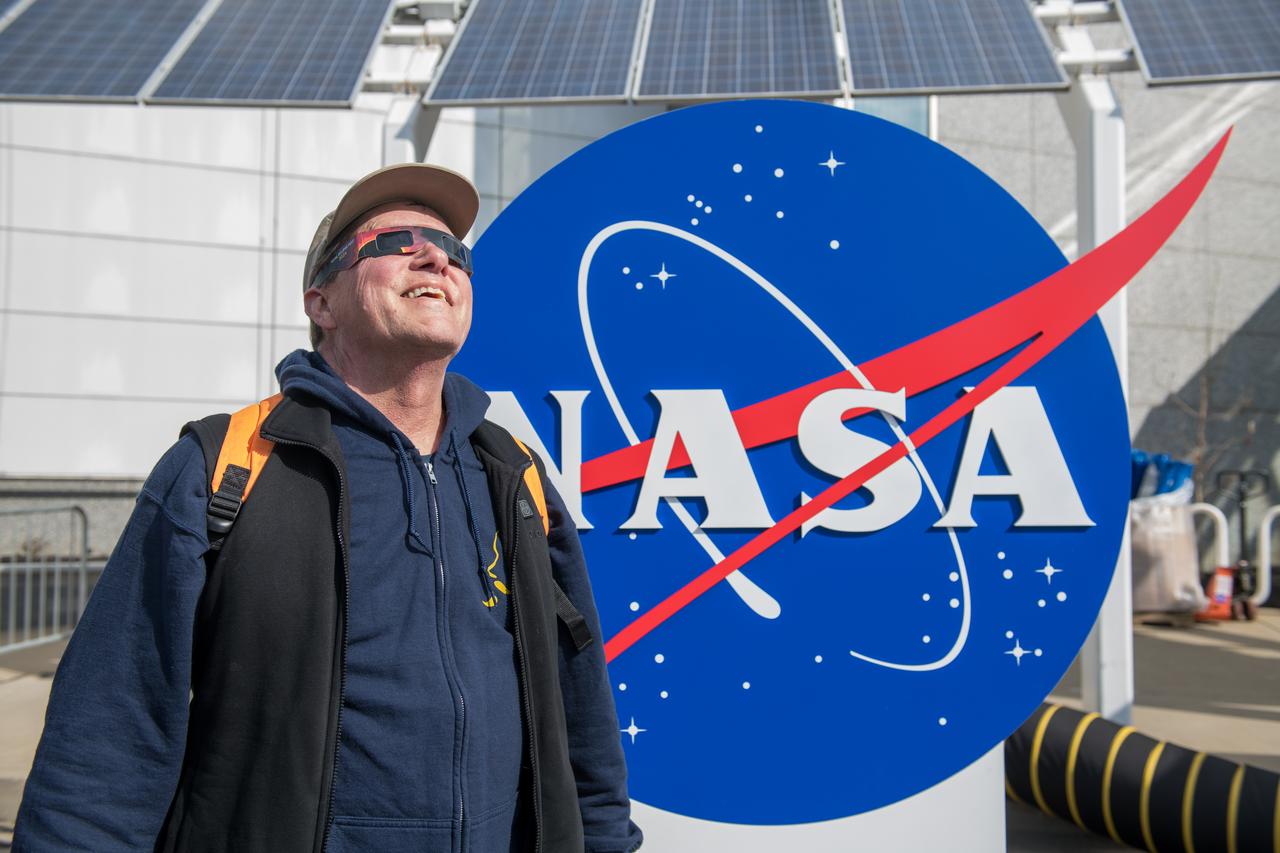
An event attendee views the eclipse on April 8, 2024. NASA Glenn Research Center and the Great Lakes Science Center hosted a three-day celestial celebration in downtown Cleveland, OH. This free, outdoor, family-friendly science and arts festival will feature free concerts, performances, speakers, and hands-on science activities with community partners. A total solar eclipse swept across a narrow portion of the North American continent from Mexico’s Pacific coast to the Atlantic coast of Newfoundland, Canada. A partial solar eclipse was visible across the entire North American continent along with parts of Central America and Europe.
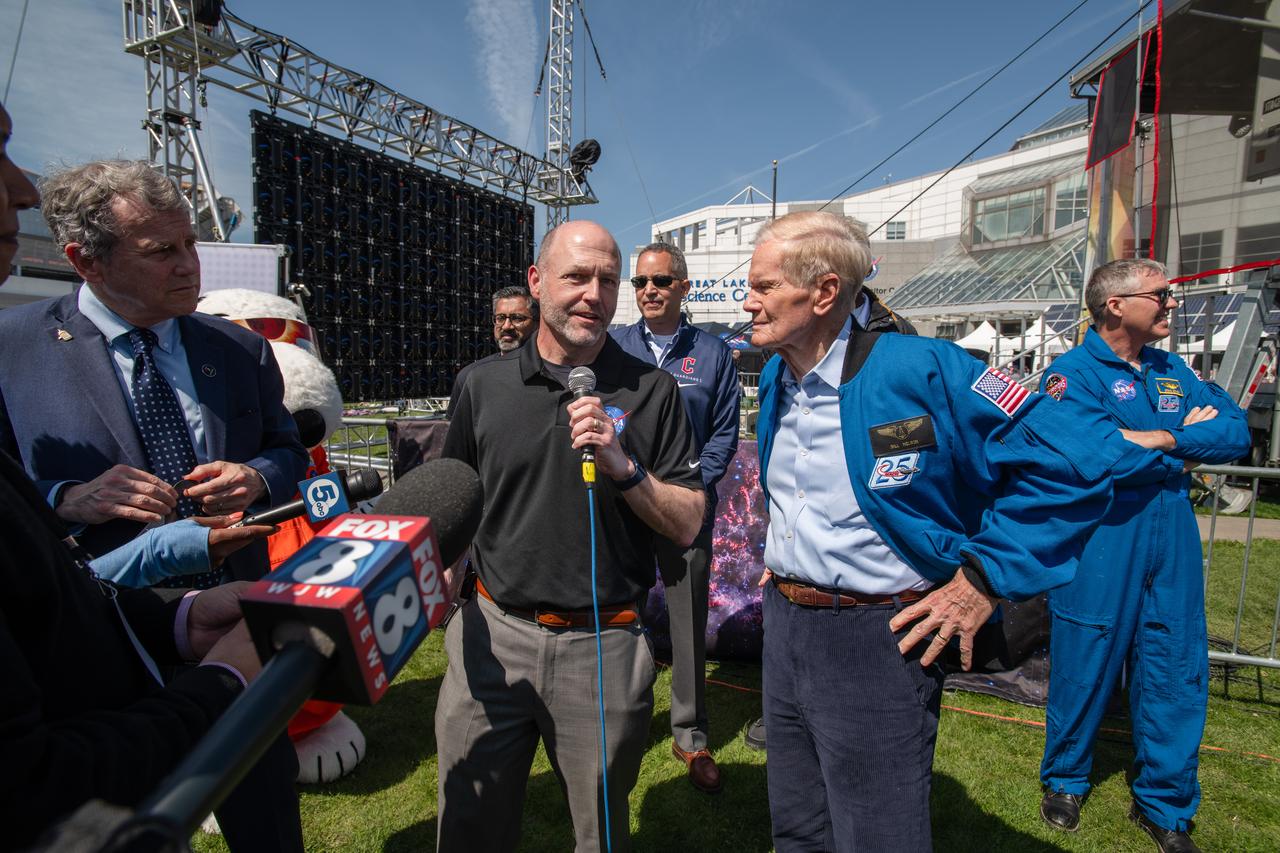
Senator Sherrod Brown, GRC Center Director Jimmy Kenyon and Administrator Bill Nelson speak to the media on April 8th. NASA Glenn Research Center and the Great Lakes Science Center hosted a three-day celestial celebration in downtown Cleveland, OH. This free, outdoor, family-friendly science and arts festival will feature free concerts, performances, speakers, and hands-on science activities with community partners. A total solar eclipse swept across a narrow portion of the North American continent from Mexico’s Pacific coast to the Atlantic coast of Newfoundland, Canada. A partial solar eclipse was visible across the entire North American continent along with parts of Central America and Europe.
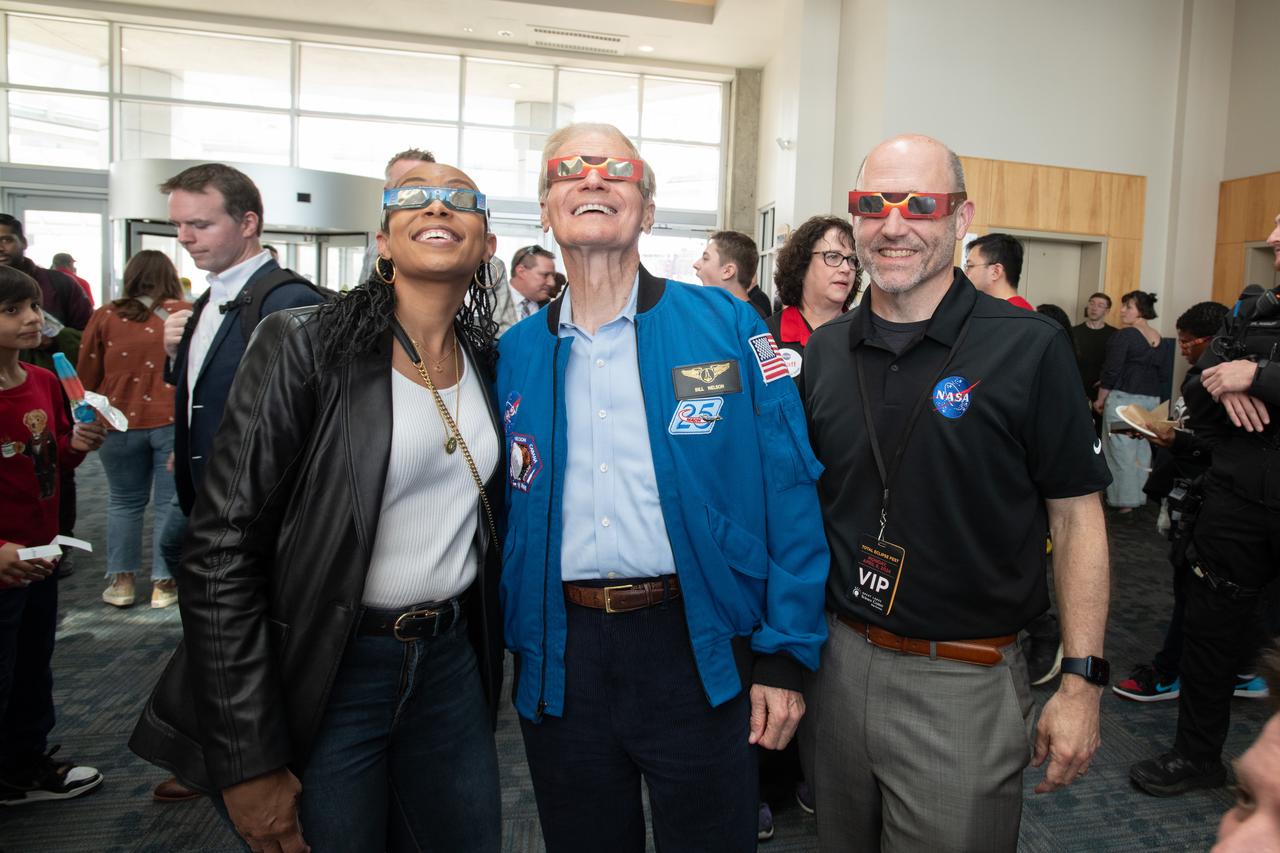
Representative Shontel Brown, Administrator Bill Nelson, GRC Center Director Jimmy Kenyon pose for a photo together with solar eclipse glasses on. NASA Glenn Research Center and the Great Lakes Science Center hosted a three-day celestial celebration in downtown Cleveland, OH. This free, outdoor, family-friendly science and arts festival will feature free concerts, performances, speakers, and hands-on science activities with community partners. A total solar eclipse swept across a narrow portion of the North American continent from Mexico’s Pacific coast to the Atlantic coast of Newfoundland, Canada. A partial solar eclipse was visible across the entire North American continent along with parts of Central America and Europe.
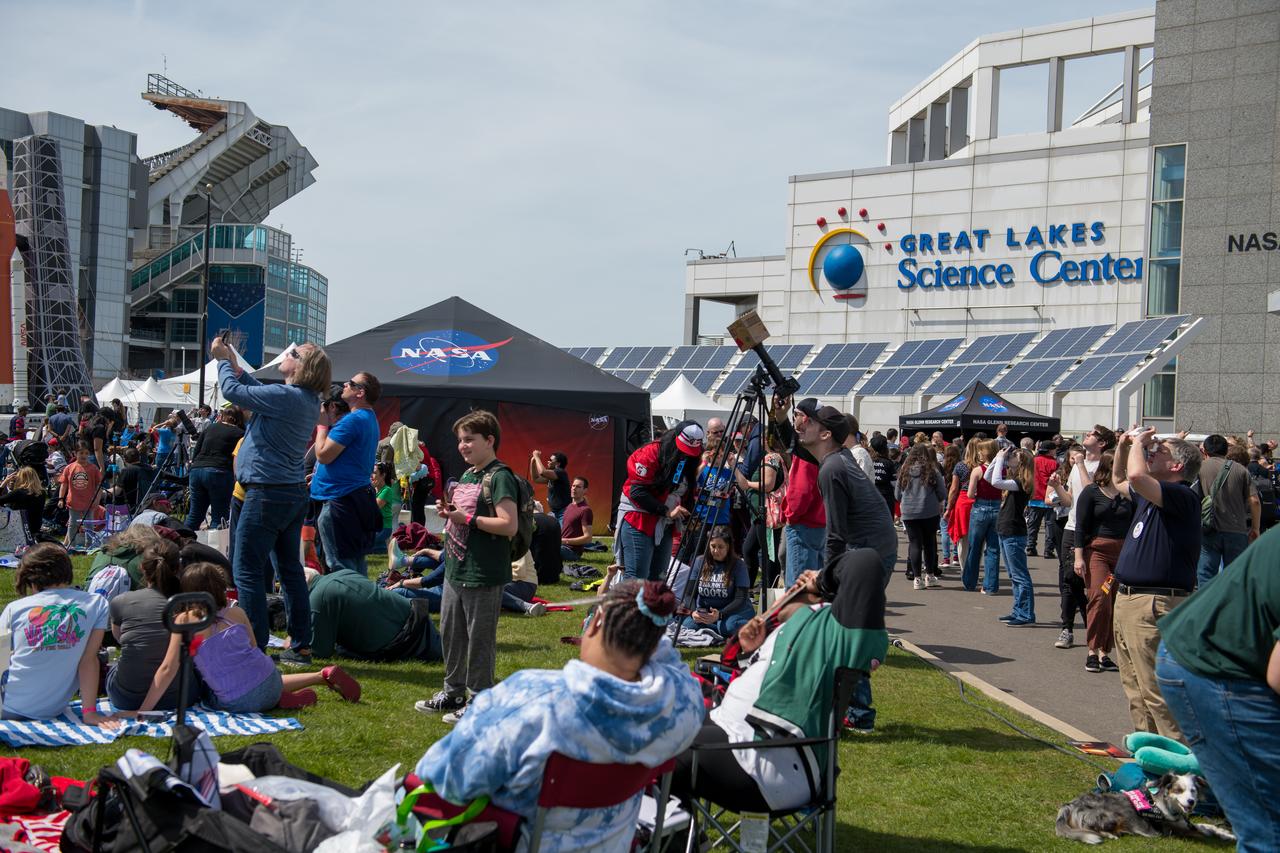
Event attendees view the eclipse. NASA Glenn Research Center and the Great Lakes Science Center hosted a three-day celestial celebration in downtown Cleveland, OH. This free, outdoor, family-friendly science and arts festival will feature free concerts, performances, speakers, and hands-on science activities with community partners. A total solar eclipse swept across a narrow portion of the North American continent from Mexico’s Pacific coast to the Atlantic coast of Newfoundland, Canada. A partial solar eclipse was visible across the entire North American continent along with parts of Central America and Europe.
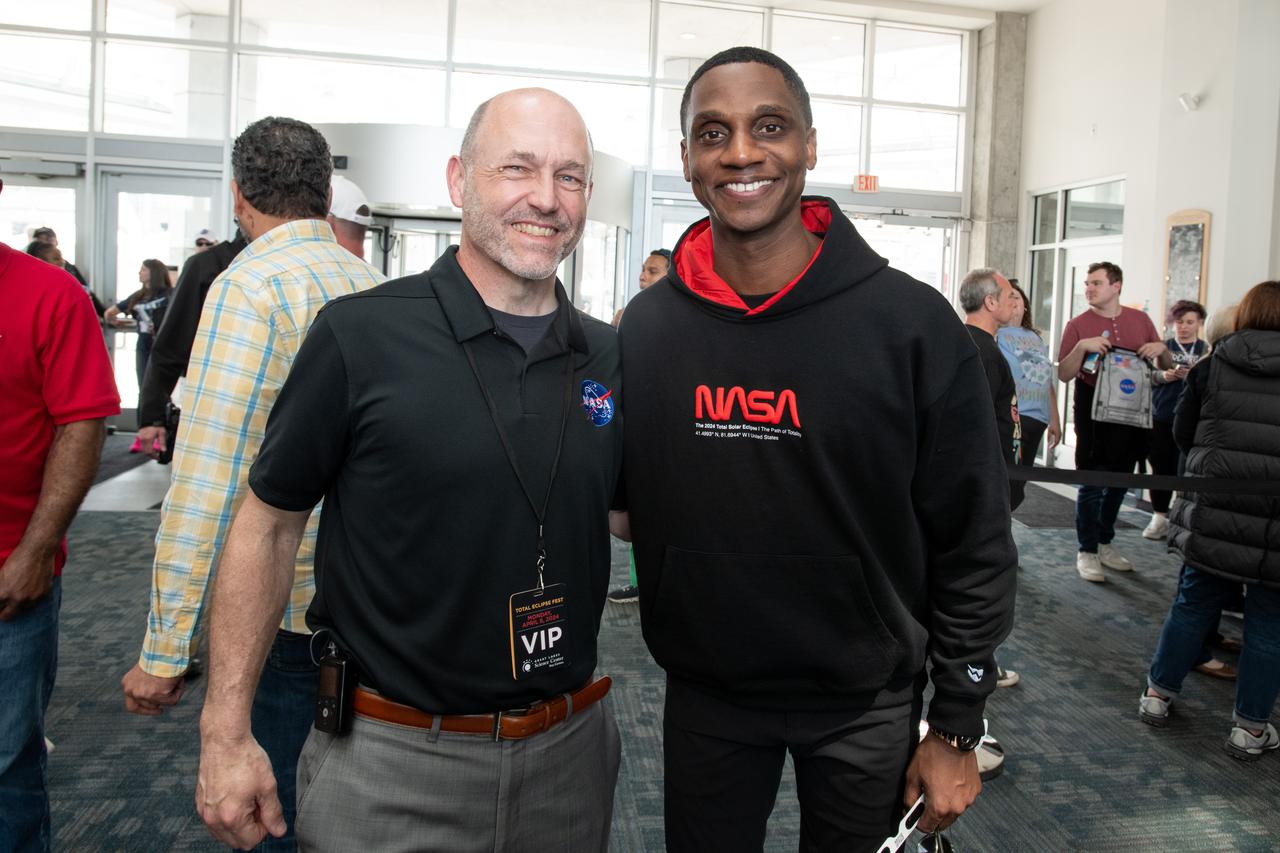
GRC Center Director Jimmy Kenyon and Cleveland Mayor Justin Bibb pose for a photo together. NASA Glenn Research Center and the Great Lakes Science Center hosted a three-day celestial celebration in downtown Cleveland, OH. This free, outdoor, family-friendly science and arts festival will feature free concerts, performances, speakers, and hands-on science activities with community partners. A total solar eclipse swept across a narrow portion of the North American continent from Mexico’s Pacific coast to the Atlantic coast of Newfoundland, Canada. A partial solar eclipse was visible across the entire North American continent along with parts of Central America and Europe.
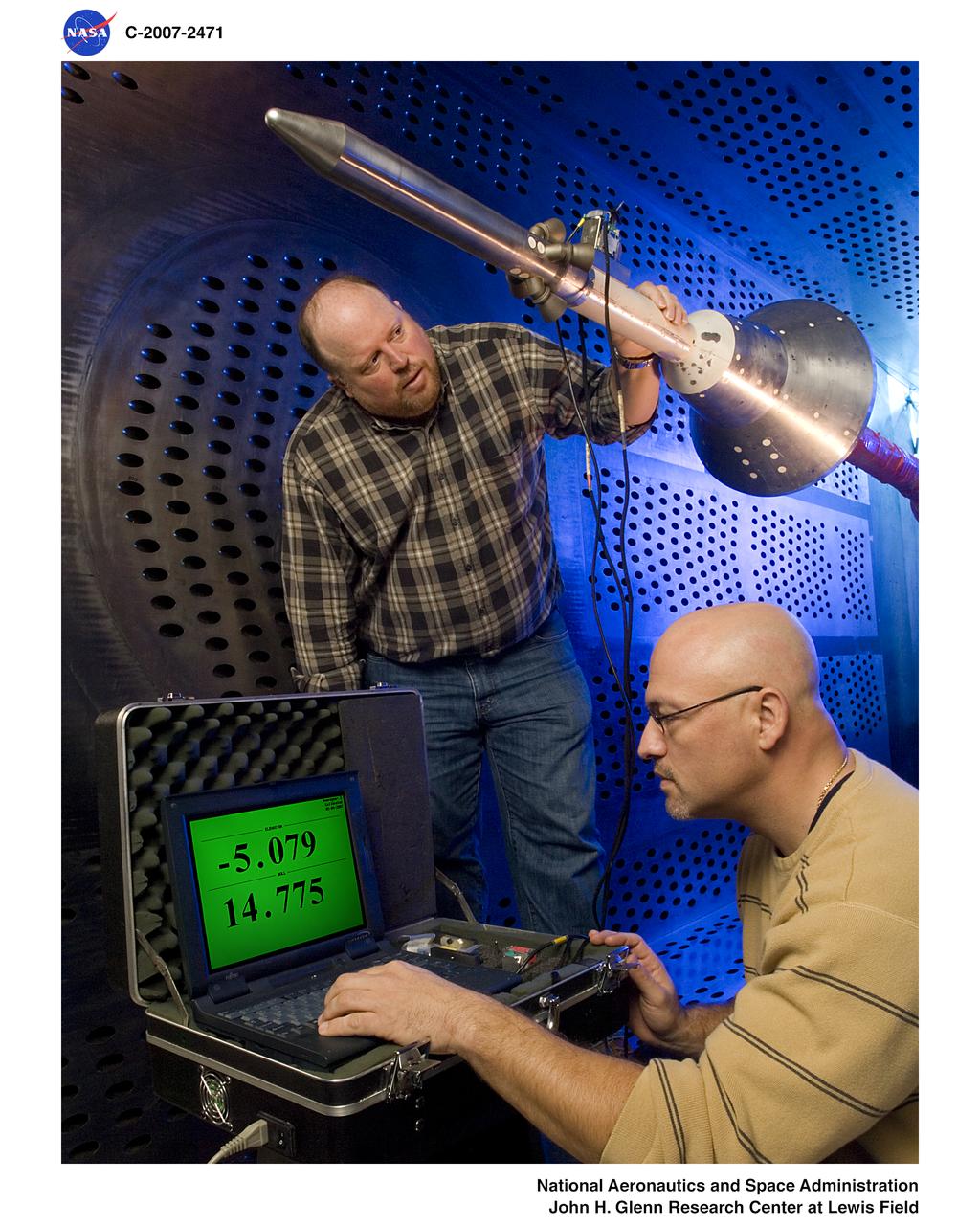
Orion Capsule and Launch Abort System (LAS) installed in the NASA Glenn 8x6 Supersonic Wind Tunnel for testing. This test is an Aero Acoustic test of the LAS. Pictured is the calibration of the model's angle of attack
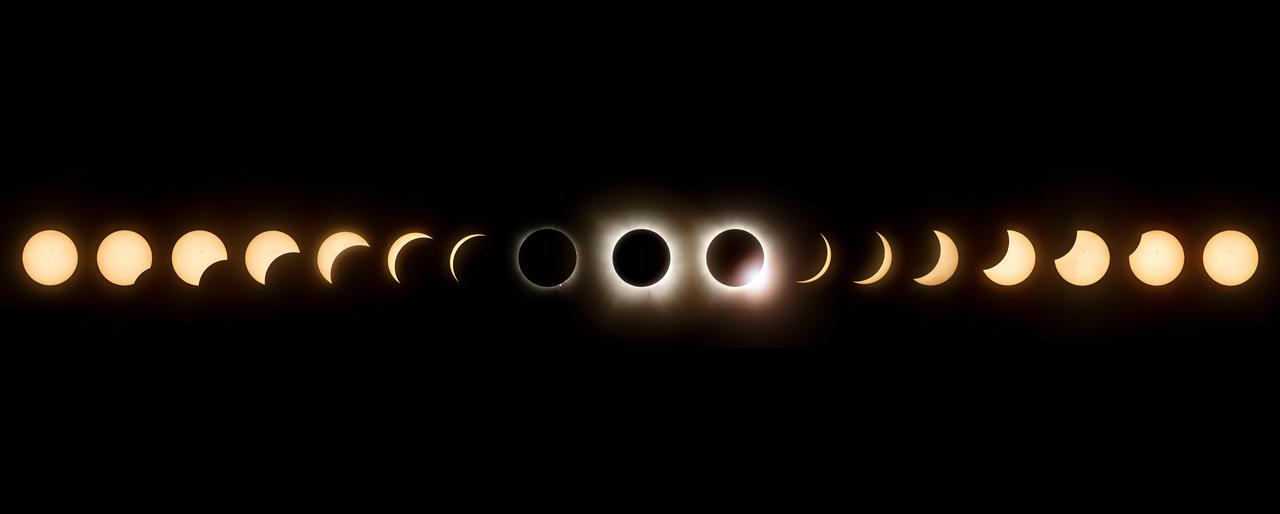
This composite image of seventeen images shows the progression of a total solar eclipse at the NASA's Glenn Research Center in Cleveland, Ohio on Monday, April 8, 2024. A total solar eclipse swept across a narrow portion of the North American continent from Mexico’s Pacific coast to the Atlantic coast of Newfoundland, Canada. A partial solar eclipse was visible across the entire North American continent along with parts of Central America and Europe. Photo Credit: (NASA/Jordan Salkin)
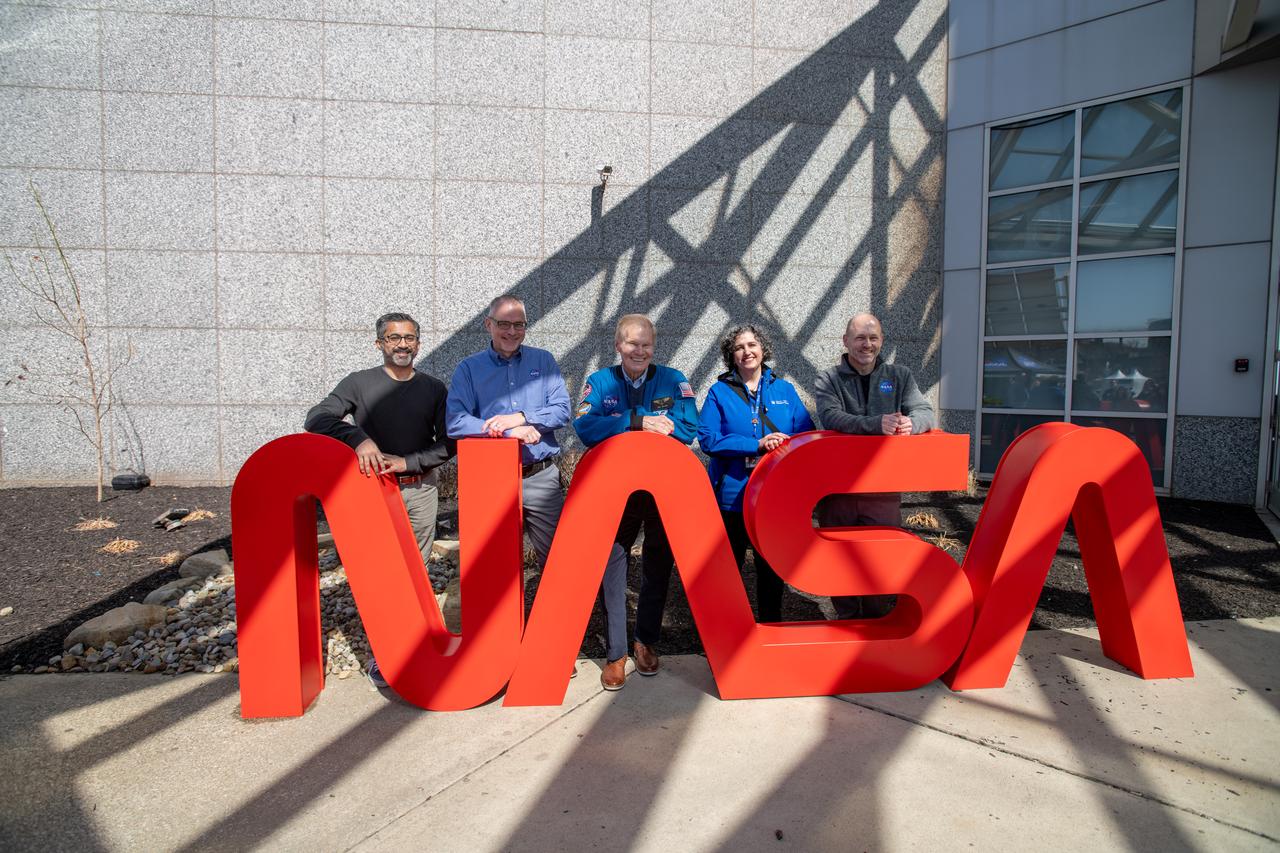
President & CEO of Greater Cleveland Partnership Baiju R. Shah, Jim Free, Administrator Bill Nelson, Great Lakes Science Center President and CEO Kristen Ellenbogen, GRC Center Director Jimmy Kenyon pose for a photo together. NASA Glenn Research Center and the Great Lakes Science Center hosted a three-day celestial celebration in downtown Cleveland, OH. This free, outdoor, family-friendly science and arts festival will feature free concerts, performances, speakers, and hands-on science activities with community partners. A total solar eclipse swept across a narrow portion of the North American continent from Mexico’s Pacific coast to the Atlantic coast of Newfoundland, Canada. A partial solar eclipse was visible across the entire North American continent along with parts of Central America and Europe.
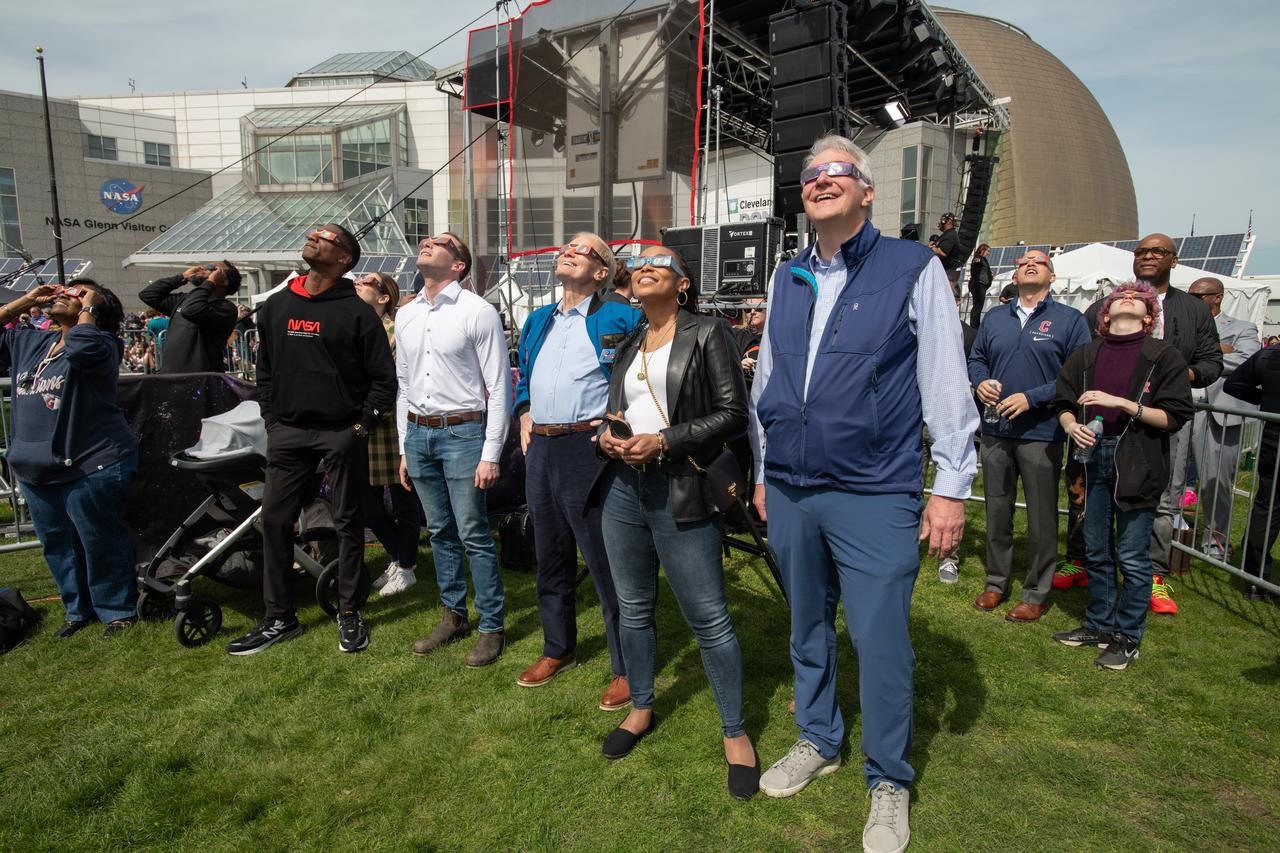
Cleveland Mayor Justin Bibb, Represenative Max Miller, Administrator Bill Nelson, Representative Shontel Brown, and Cuyahoga County Executive Chris Ronayne view the eclipse together. NASA Glenn Research Center and the Great Lakes Science Center hosted a three-day celestial celebration in downtown Cleveland, OH. This free, outdoor, family-friendly science and arts festival will feature free concerts, performances, speakers, and hands-on science activities with community partners. A total solar eclipse swept across a narrow portion of the North American continent from Mexico’s Pacific coast to the Atlantic coast of Newfoundland, Canada. A partial solar eclipse was visible across the entire North American continent along with parts of Central America and Europe.
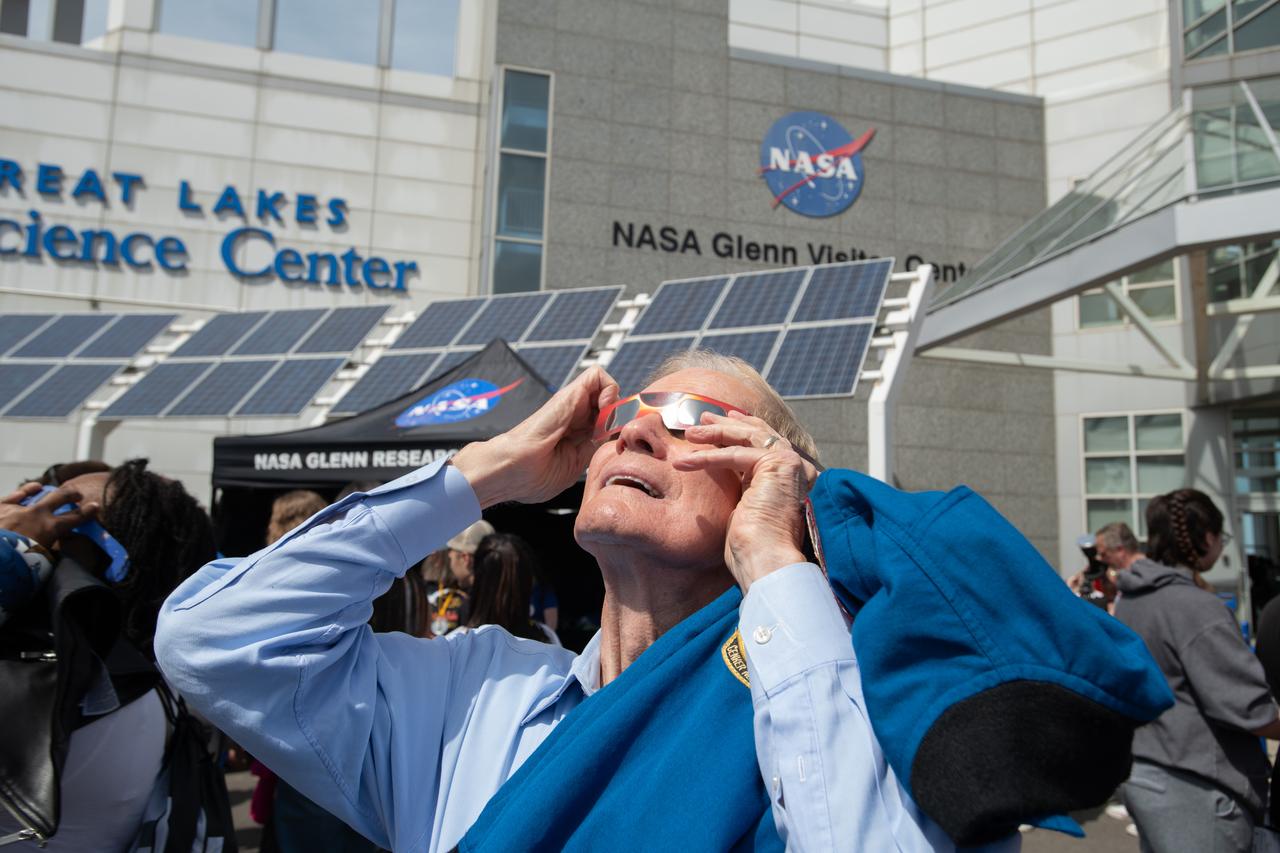
Administrator Bill Nelson views the eclipse safetly with solar eclipse glasses. NASA Glenn Research Center and the Great Lakes Science Center hosted a three-day celestial celebration in downtown Cleveland, OH. This free, outdoor, family-friendly science and arts festival will feature free concerts, performances, speakers, and hands-on science activities with community partners. A total solar eclipse swept across a narrow portion of the North American continent from Mexico’s Pacific coast to the Atlantic coast of Newfoundland, Canada. A partial solar eclipse was visible across the entire North American continent along with parts of Central America and Europe.

NASA Glenn Research Center Director and Senior Management at the Aerospace Communications Facility, ACF Groundbreaking Ceremony
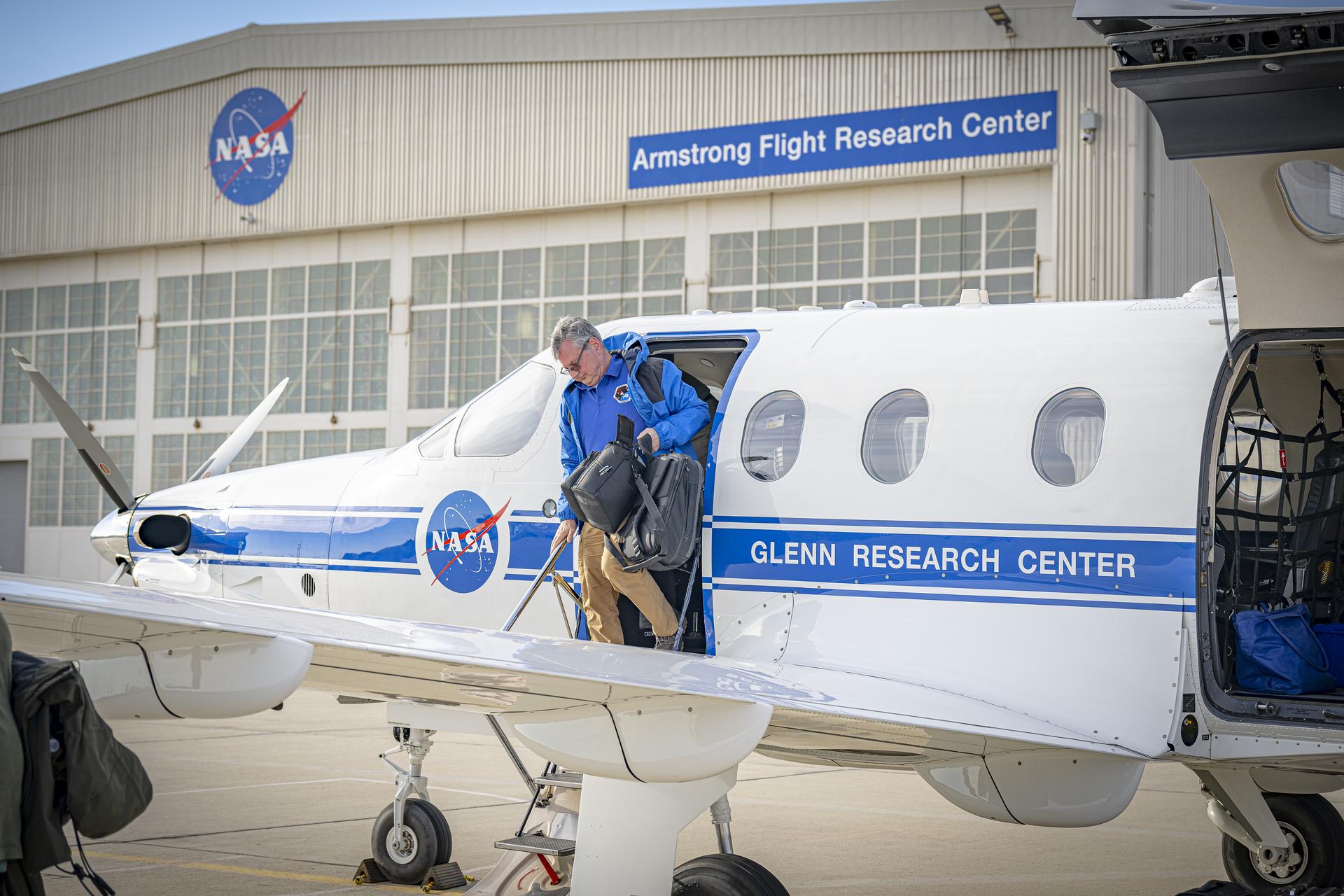
Kurt Blankenship, a NASA pilot from NASA’s Glenn Research Center in Cleveland, walks out of a NASA Pilatus PC-12 aircraft, tail number 606. This aircraft arrived at NASA’s Armstrong Flight Research Center in Edwards, California, on Feb. 11, 2026. The PC-12 is now housed at NASA Armstrong to continue supporting research at NASA’s Glenn, among other agency efforts.
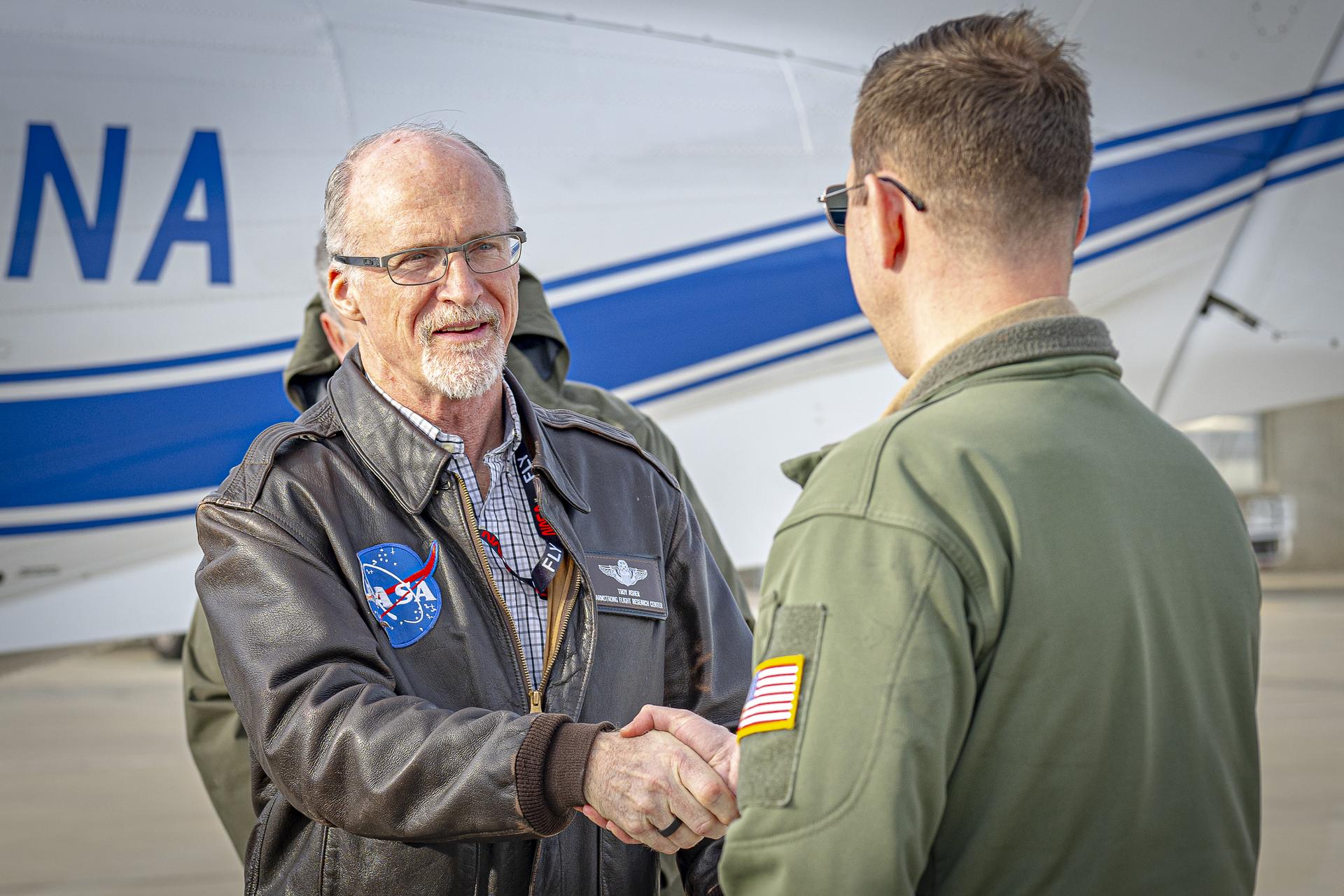
Troy Asher, director for flight operations at NASA’s Armstrong Flight Research Center in Edwards, California, shakes hands with Jeremy Johnson, a pilot with NASA’s Glenn Research Center in Cleveland. The two stand in front of a NASA Pilatus PC-12 aircraft, tail number 606, which arrived at the center Feb. 11, 2026. This aircraft is now housed at NASA Armstrong to continue supporting research at NASA Glenn, among other agency efforts.

The NASA T-34 Plane, waiting to take flight inside the NASA Glenn Research Center Hanger. Photographer: Jef Janis- NASA Glenn Research Center
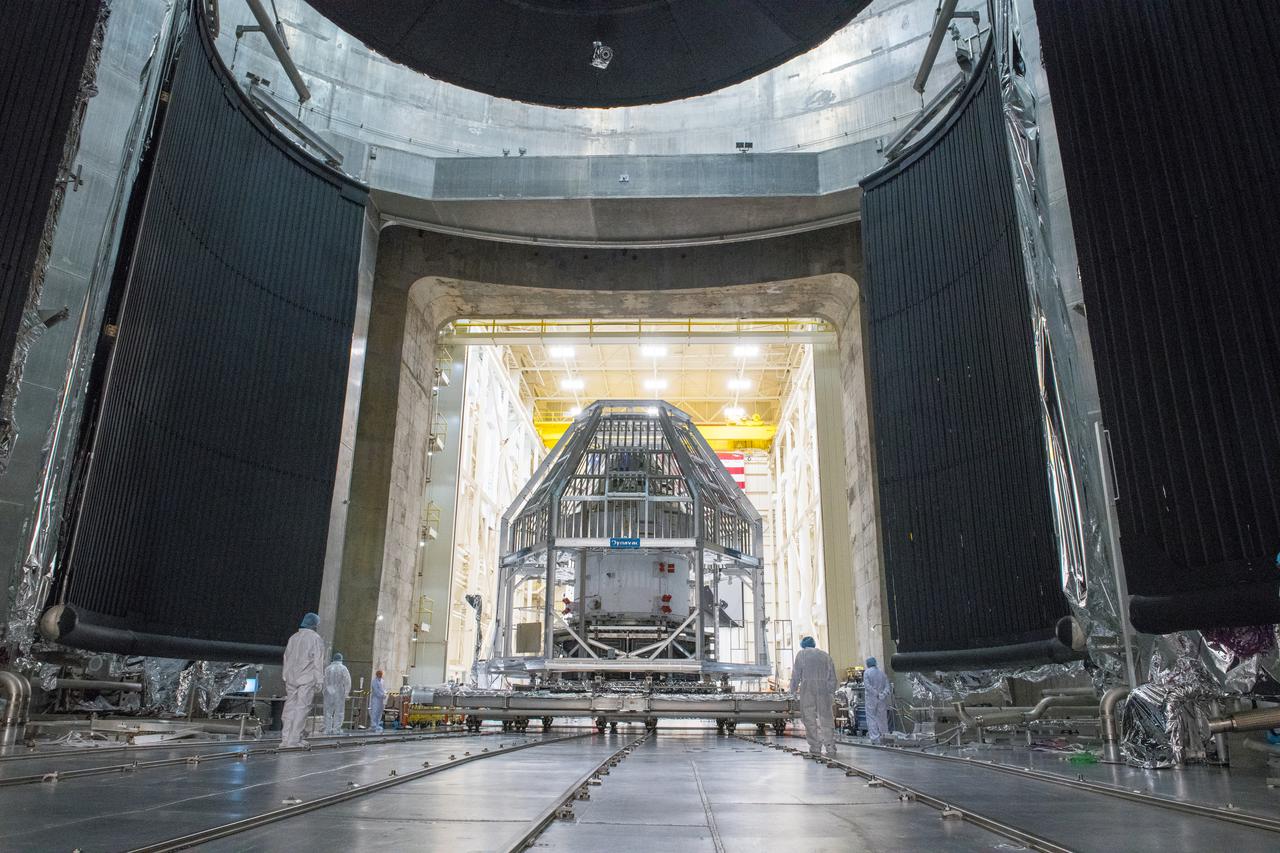
Orion - EM-1 - Artemis Spacecraft Installation in the Space Environment Complex, SEC Thermal Vacuum Chamber
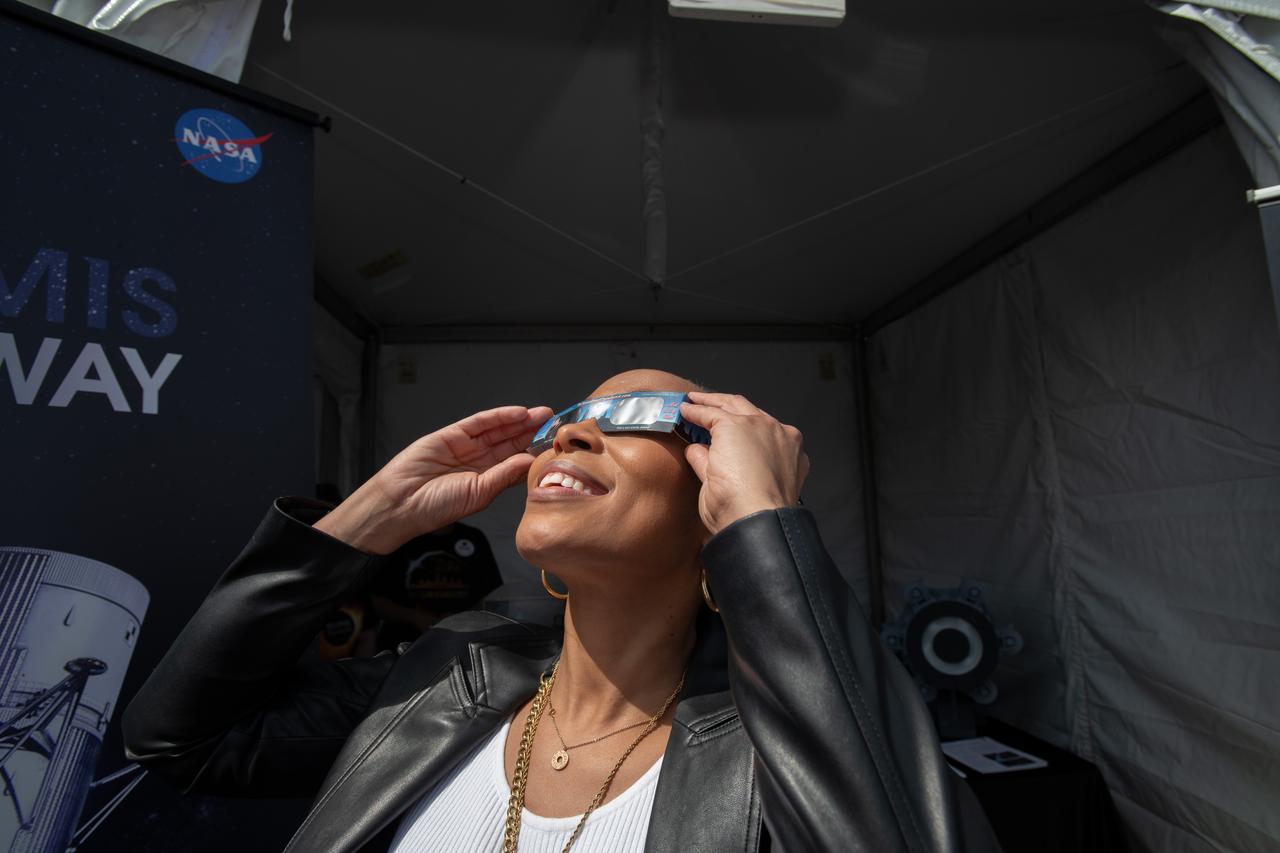
Representative Shontel Brown views the eclipse. NASA Glenn Research Center and the Great Lakes Science Center hosted a three-day celestial celebration in downtown Cleveland, OH. This free, outdoor, family-friendly science and arts festival will feature free concerts, performances, speakers, and hands-on science activities with community partners. A total solar eclipse swept across a narrow portion of the North American continent from Mexico’s Pacific coast to the Atlantic coast of Newfoundland, Canada. A partial solar eclipse was visible across the entire North American continent along with parts of Central America and Europe. Photo Credit: (NASA/Sara Lowthian-Hanna)
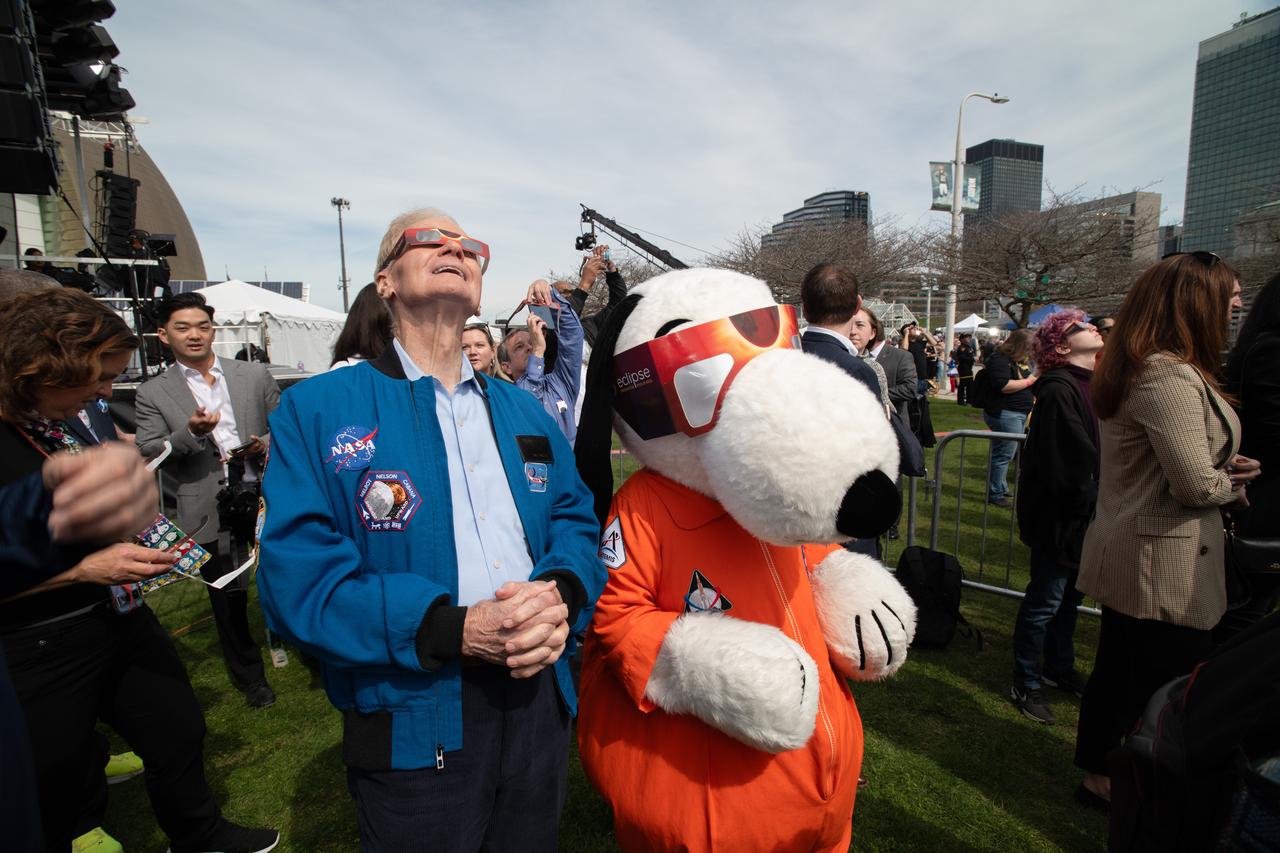
Administrator Bill Nelson and Snoopy view the eclipse just before totality on April 8,2024. NASA Glenn Research Center and the Great Lakes Science Center hosted a three-day celestial celebration in downtown Cleveland, OH. This free, outdoor, family-friendly science and arts festival will feature free concerts, performances, speakers, and hands-on science activities with community partners. A total solar eclipse swept across a narrow portion of the North American continent from Mexico’s Pacific coast to the Atlantic coast of Newfoundland, Canada. A partial solar eclipse was visible across the entire North American continent along with parts of Central America and Europe. Photo Credit: (NASA/Sara Lowthian-Hanna)

Terrence Wilcutt, NASA Chief Safety and Mission Assurance, addresses an audience of GRC managers during a Lessons In Leadership Series, Executive Leadership Workshop at Glenn Research Center. August 13, 2019.
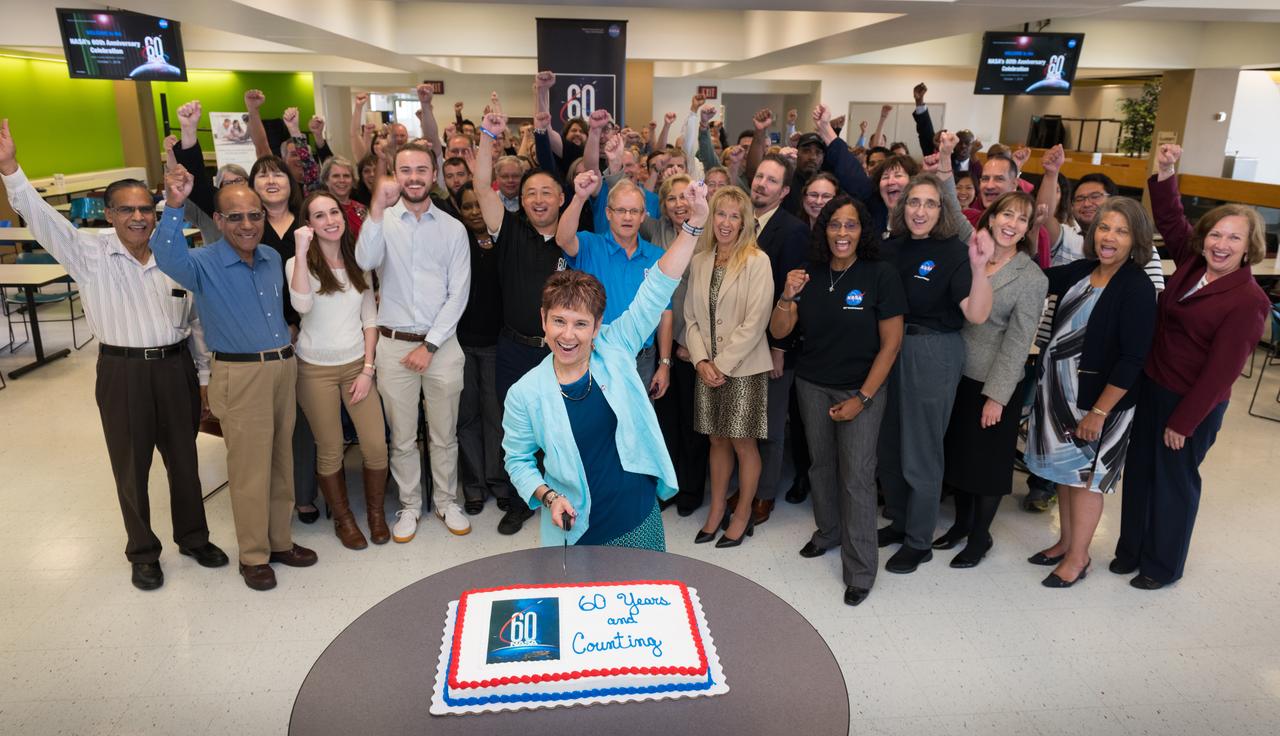
The Glenn Research Center Deputy Director, Dr. Marla Perez-Davis, cuts the ceremonial cake while employees cheer the NASA 60th Anniversary at the Employee Culminatiing Event.
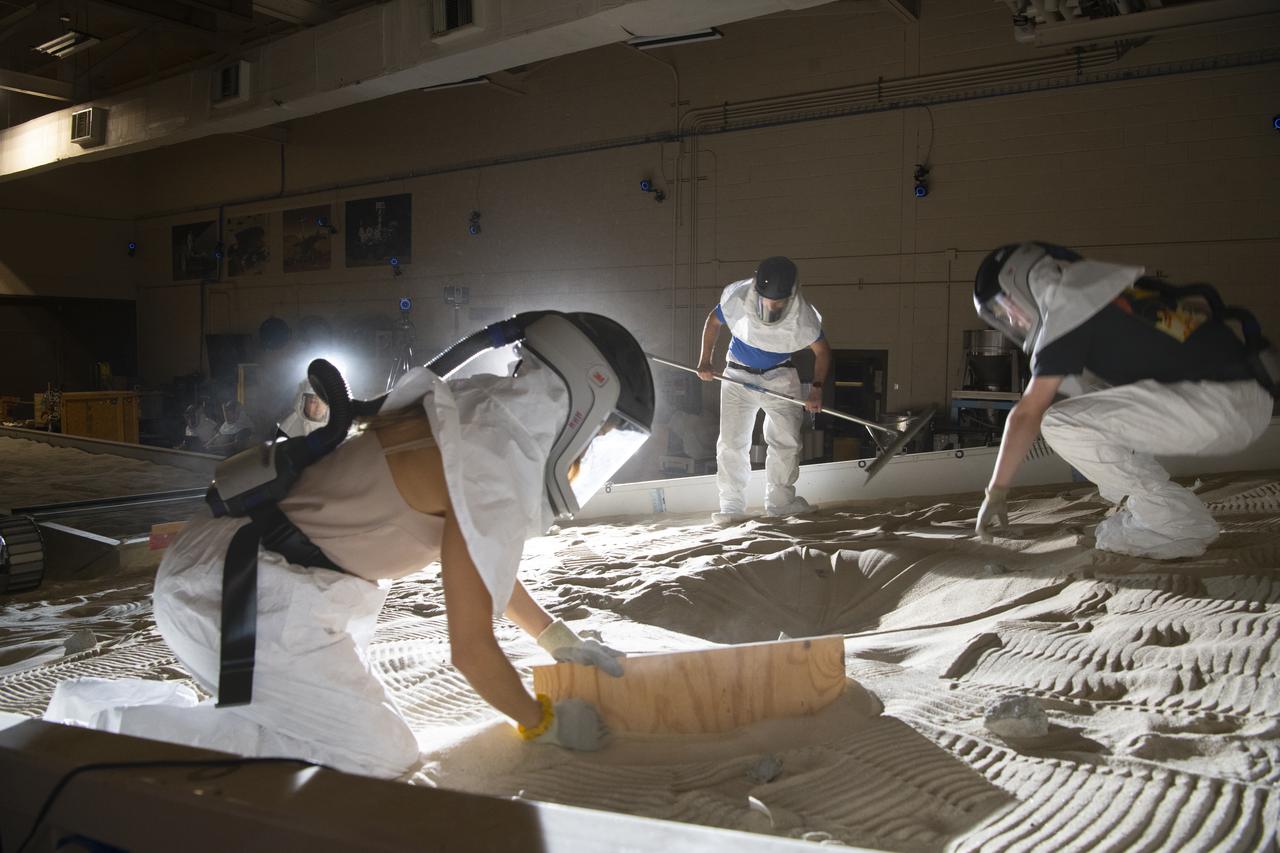
The Simulated Lunar Operations Lab at NASA Glenn Research Center serve to test planetary roving vehicle systems and components in simulated planetary and lunar conditions such as the VIPER Rover.

Ralph Roe, NASA Chief Engineer, addresses an audience of GRC managers during a Lessons In Leadership Series, Executive Leadership Workshop at Glenn Research Center. August 13, 2019.