
NASA Astronaut and Expeditions 23 and 24 Flight Engineer, Tracy Caldwell Dyson, speaks at a Women's History Month event at NASA Headquarters, Wednesday, March 16, 2011 in Washington. The event entitled Women Inspiring the Next Generation to Reveal the Unknown is a joint venture with NASA and the White House Council on Women and Girls. Caldwell Dyson recently returned from a six-month stay aboard the International Space Station. Photo Credit: (NASA/Carla Cioffi)

Valerie Jarrett, senior advisor and assistant to the president for Public Engagement and Intergovernmental Affairs for the Obama administration, speaks at a Women's History Month event at NASA Headquarters, Wednesday, March 16, 2011 in Washington. The event entitled Women Inspiring the Next Generation to Reveal the Unknown is a joint venture with NASA and the White House Council on Women and Girls. Photo Credit: (NASA/Carla Cioffi)

The Science Cheerleaders perform at a Women's History Month event for middle school and high school girls on Wednesday, March 16, 2011 at NASA Headquarters in Washington. The Science Cheerleaders are a group professional cheerleaders-turned-scientists and engineers who challenge stereotypes while helping to inspire young women to pursue careers in science, technology, engineering and math. Photo Credit: (NASA/Carla Cioffi)

The Science Cheerleaders perform at a Women's History Month event for middle school and high school girls on Wednesday, March 16, 2011 at NASA Headquarters in Washington. The Science Cheerleaders are a group professional cheerleaders-turned-scientists and engineers who challenge stereotypes while helping to inspire young women to pursue careers in science, technology, engineering and math. Photo Credit: (NASA/Carla Cioffi)

NASA Deputy Administrator Lori Garver, far left at table, answers a students question at a Women's History Month event at NASA Headquarters, Wednesday, March 16, 2011 in Washington. Garver is joined on the panel by NASA astronaut Tracy Caldwell Dyson, center, and NASA Aerospace Engineer Sabrina Thompson. The event entitled Women Inspiring the Next Generation to Reveal the Unknown is a joint venture with NASA and the White House Council on Women and Girls. Photo Credit: (NASA/Carla Cioffi)

NASA Astronaut and Expeditions 23 and 24 Flight Engineer, Tracy Caldwell Dyson, speaks at a Women's History Month event at NASA Headquarters, Wednesday, March 16, 2011 in Washington. The event entitled Women Inspiring the Next Generation to Reveal the Unknown is a joint venture with NASA and the White House Council on Women and Girls. Caldwell Dyson recently returned from a six-month stay aboard the International Space Station. Photo Credit: (NASA/Carla Cioffi)

NASA Astronaut and Expeditions 23 and 24 Flight Engineer, Tracy Caldwell Dyson, far left, speaks at a Women's History Month event at NASA Headquarters, Wednesday, March 16, 2011 in Washington. The event entitled Women Inspiring the Next Generation to Reveal the Unknown is a joint venture with NASA and the White House Council on Women and Girls. Caldwell Dyson recently returned from a six-month stay aboard the International Space Station. Photo Credit: (NASA/Carla Cioffi)

NASA Administrator Lori Garver listens to astronaut Tracy Caldwell Dyson (off camera) at a Women's History Month event at NASA Headquarters, Wednesday, March 16, 2011 in Washington. The event entitled Women Inspiring the Next Generation to Reveal the Unknown is a joint venture with NASA and the White House Council on Women and Girls. Photo Credit: (NASA/Carla Cioffi)

Tukufu Zuberi of the History Detectives waits on the analysis of the film. Tthe History Detectives believed a piece of film was from the Echo II Project. PHOTO CREDIT: NASA/Debbie Mccallum
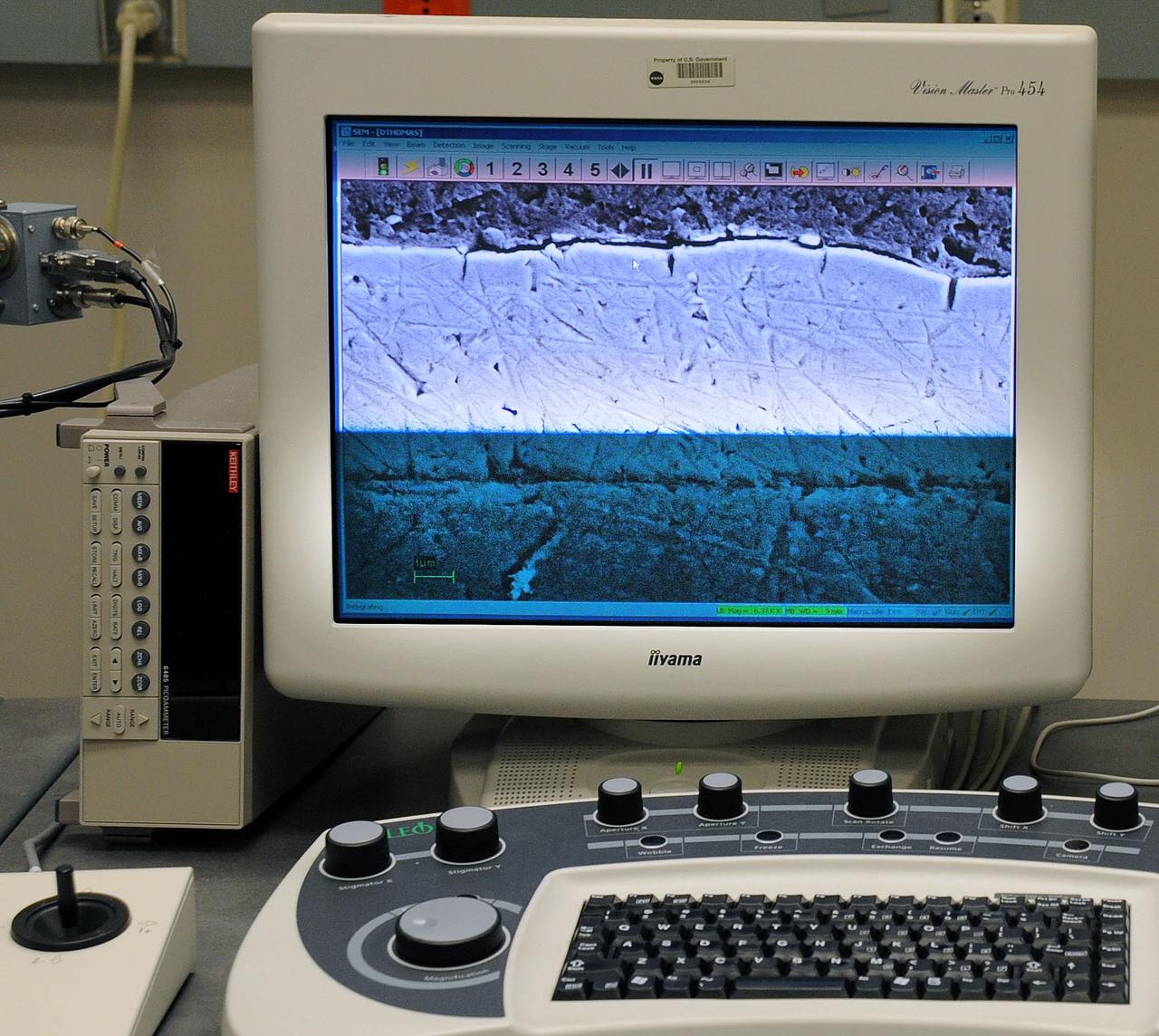
Analyzing a piece of the film that the History Detectives believed was from the Echo II Project. PHOTO CREDIT: NASA/Debbie Mccallum
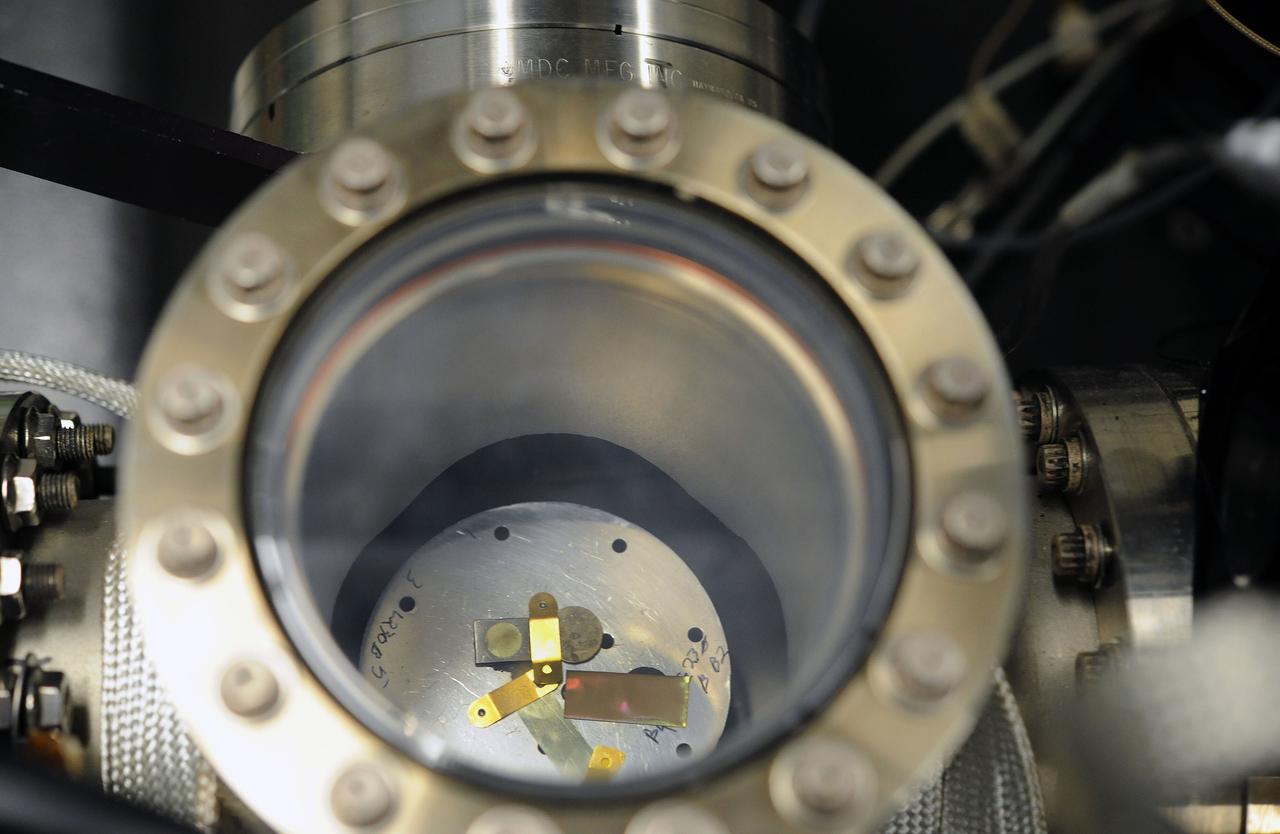
Analyzing a piece of the film that the History Detectives believed was from the Echo II Project. PHOTO CREDIT: NASA/Debbie Mccallum
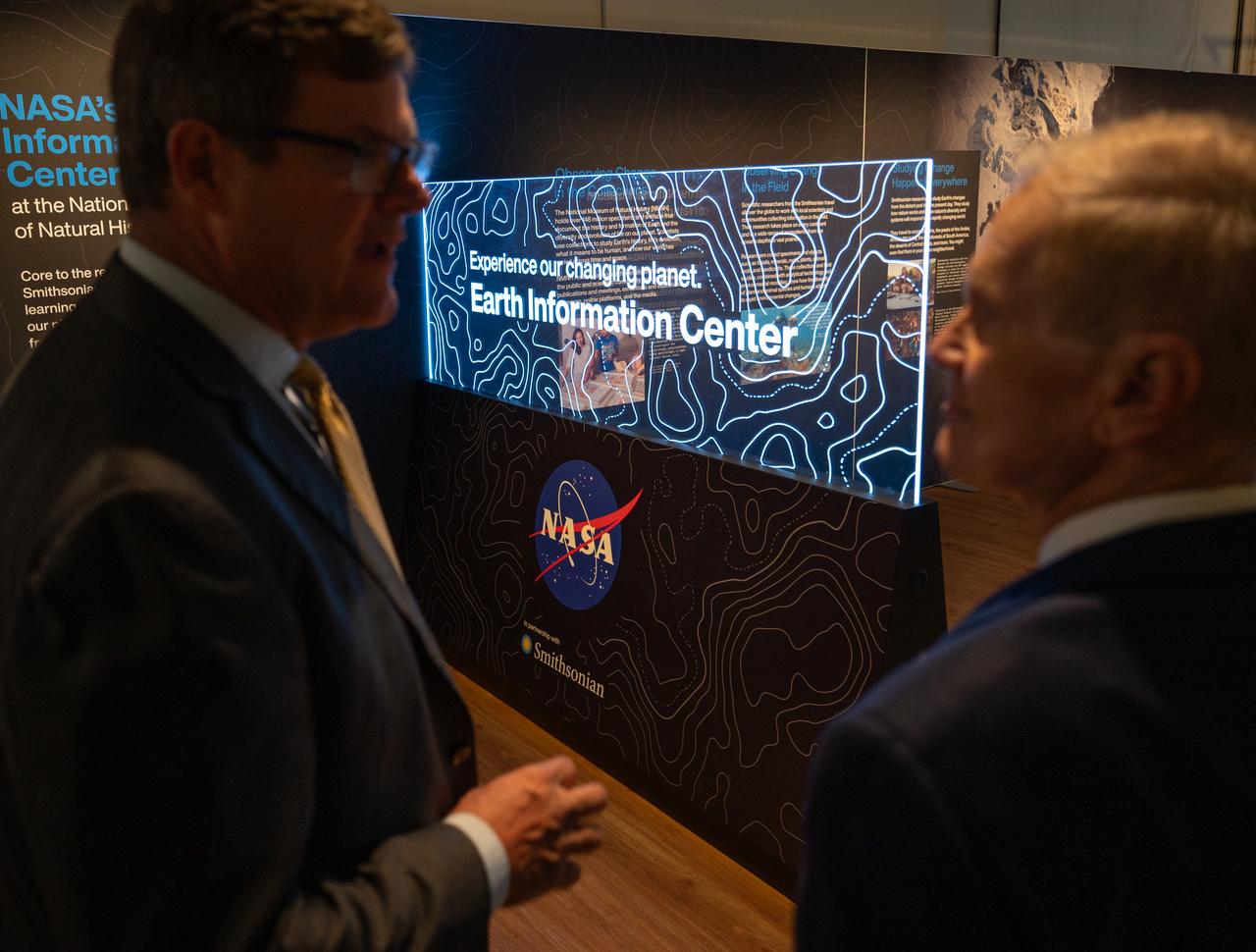
Smithsonian Museum of Natural History, Sant Director, Kirk Johnson, left, talks with NASA Administrator Bill Nelson, during a preview of the Earth Information Center at the Smithsonian National Museum of Natural History, in Washington, Monday, Oct. 7, 2024. The exhibit includes a video wall displaying Earth science data visualizations and videos, an interpretive panel showing Earth’s connected systems, information on our changing world, and an overview of how NASA and the Smithsonian study our home planet. Photo Credit: (NASA/Bill Ingalls)
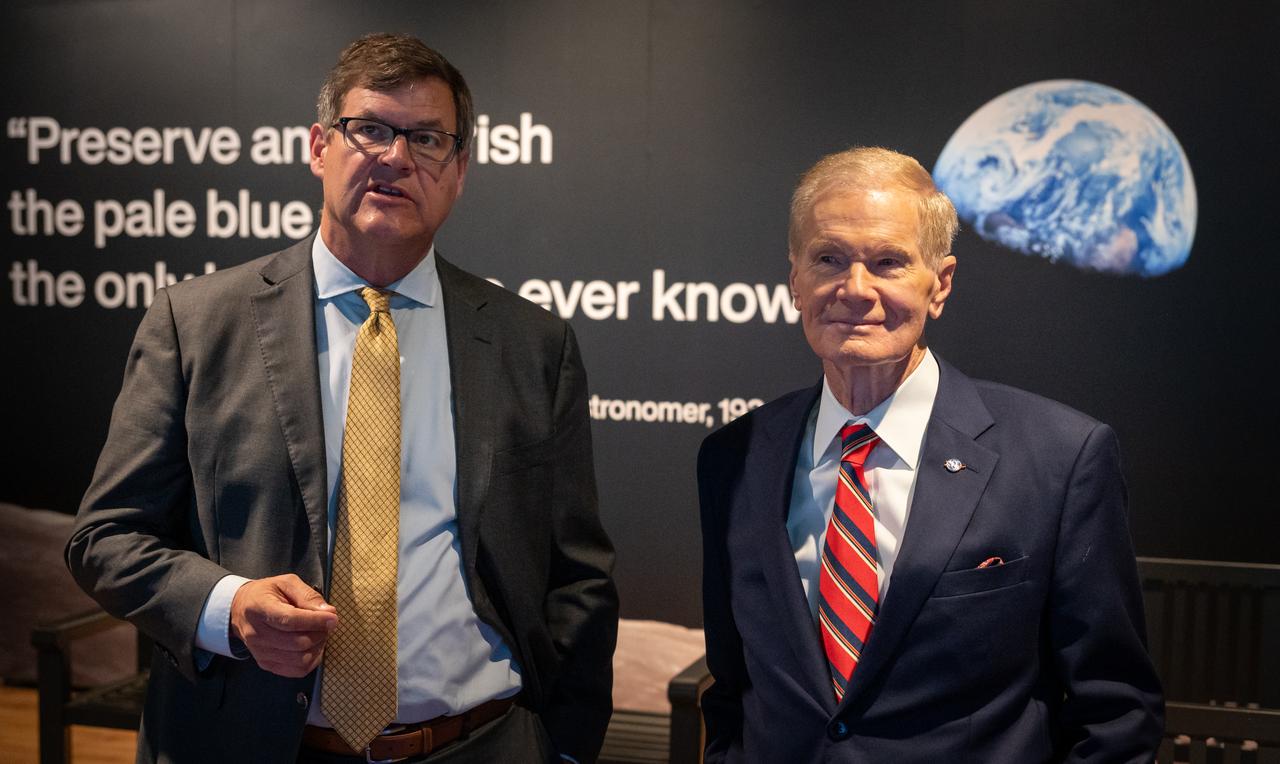
Smithsonian Museum of Natural History, Sant Director, Kirk Johnson, left, talks with NASA Administrator Bill Nelson, during a preview of the Earth Information Center at the Smithsonian National Museum of Natural History, in Washington, Monday, Oct. 7, 2024. The exhibit includes a video wall displaying Earth science data visualizations and videos, an interpretive panel showing Earth’s connected systems, information on our changing world, and an overview of how NASA and the Smithsonian study our home planet. Photo Credit: (NASA/Bill Ingalls)
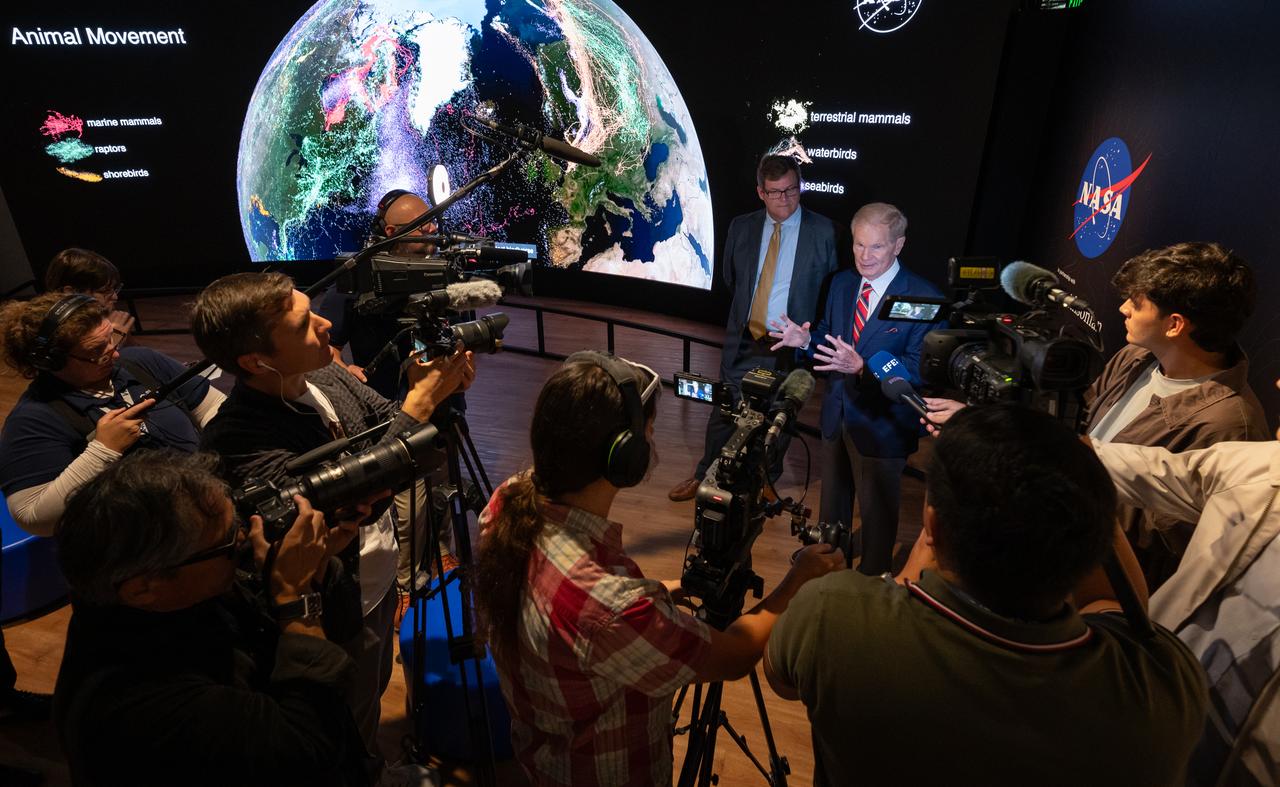
Smithsonian Museum of Natural History, Sant Director, Kirk Johnson, left, and NASA Administrator Bill Nelson, talk with media during a preview the Earth Information Center at the Smithsonian National Museum of Natural History, in Washington, Monday, Oct. 7, 2024. The exhibit includes a video wall displaying Earth science data visualizations and videos, an interpretive panel showing Earth’s connected systems, information on our changing world, and an overview of how NASA and the Smithsonian study our home planet. Photo Credit: (NASA/Bill Ingalls)
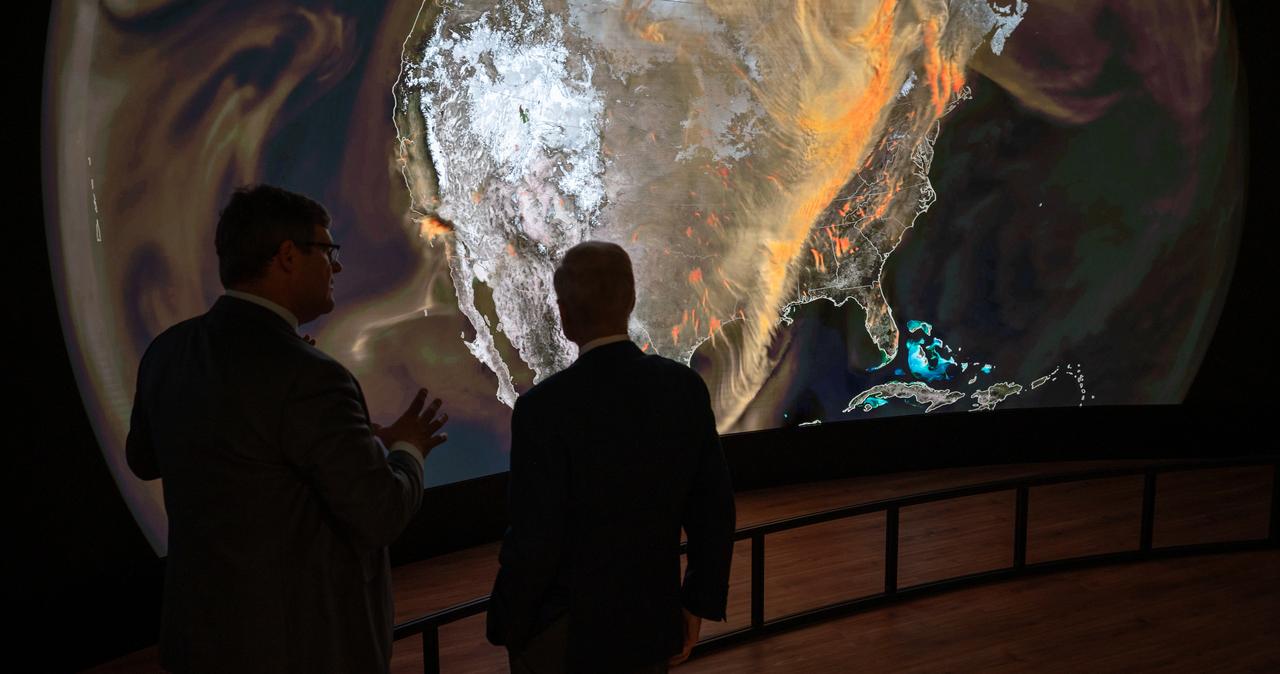
Smithsonian Museum of Natural History, Sant Director, Kirk Johnson, left, talks with NASA Administrator Bill Nelson, during a preview of the Earth Information Center at the Smithsonian National Museum of Natural History, in Washington, Monday, Oct. 7, 2024. The exhibit includes a video wall displaying Earth science data visualizations and videos, an interpretive panel showing Earth’s connected systems, information on our changing world, and an overview of how NASA and the Smithsonian study our home planet. Photo Credit: (NASA/Bill Ingalls)
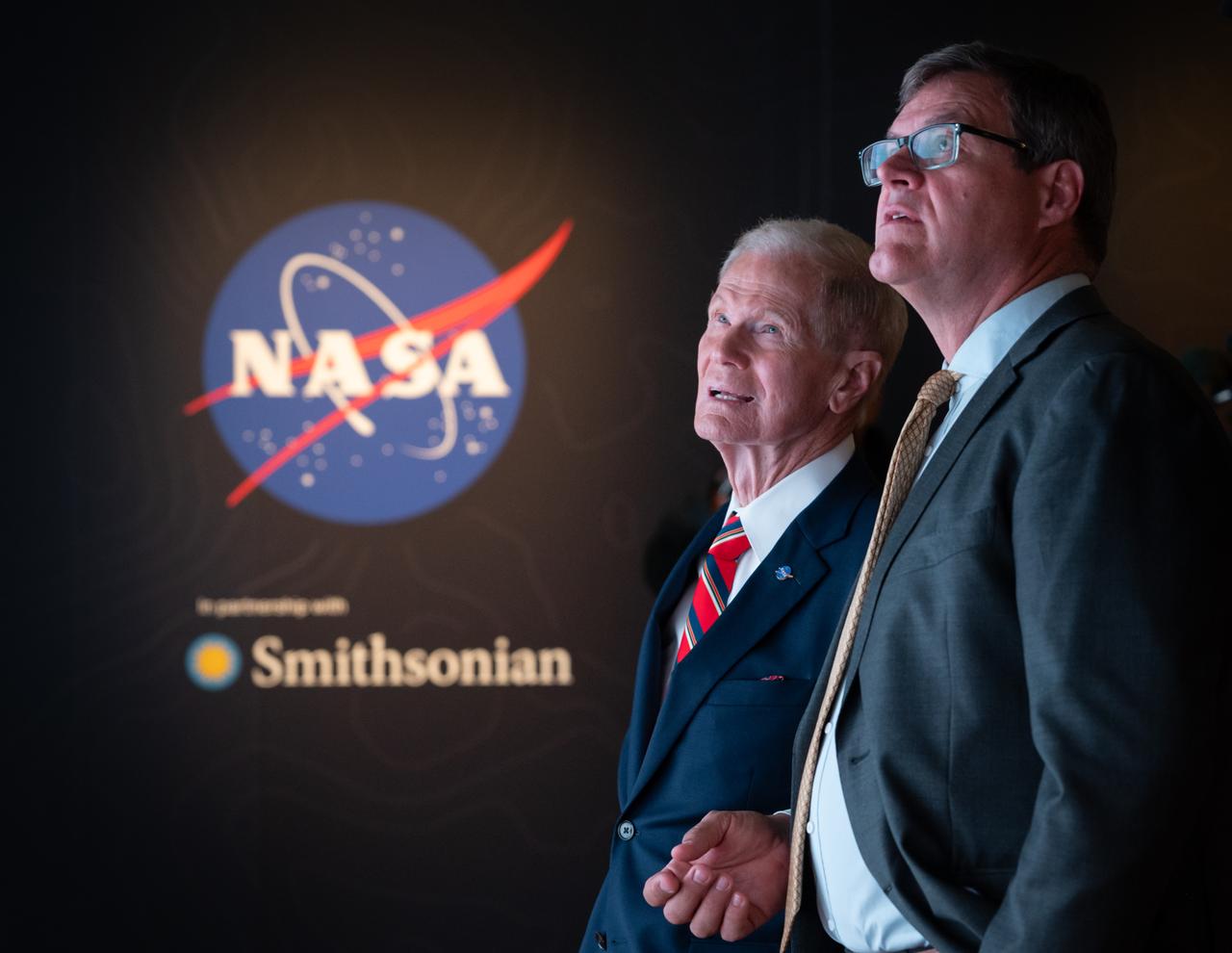
NASA Administrator Bill Nelson, left, and Smithsonian Museum of Natural History, Sant Director, Kirk Johnson, preview the Earth Information Center at the Smithsonian National Museum of Natural History, in Washington, Monday, Oct. 7, 2024. The exhibit includes a video wall displaying Earth science data visualizations and videos, an interpretive panel showing Earth’s connected systems, information on our changing world, and an overview of how NASA and the Smithsonian study our home planet. Photo Credit: (NASA/Bill Ingalls)
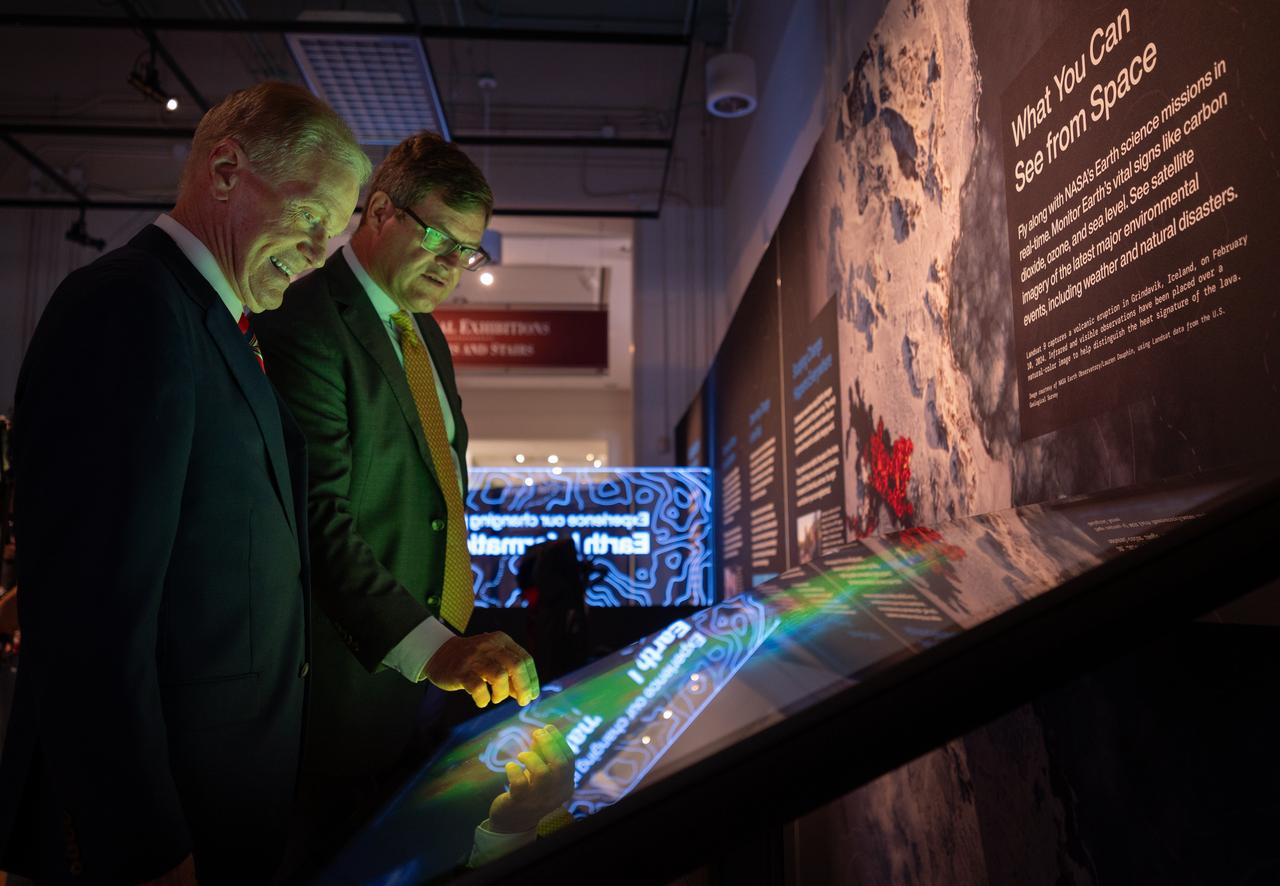
NASA Administrator Bill Nelson, left, and Smithsonian Museum of Natural History, Sant Director, Kirk Johnson, preview the Earth Information Center at the Smithsonian National Museum of Natural History, in Washington, Monday, Oct. 7, 2024. The exhibit includes a video wall displaying Earth science data visualizations and videos, an interpretive panel showing Earth’s connected systems, information on our changing world, and an overview of how NASA and the Smithsonian study our home planet. Photo Credit: (NASA/Bill Ingalls)
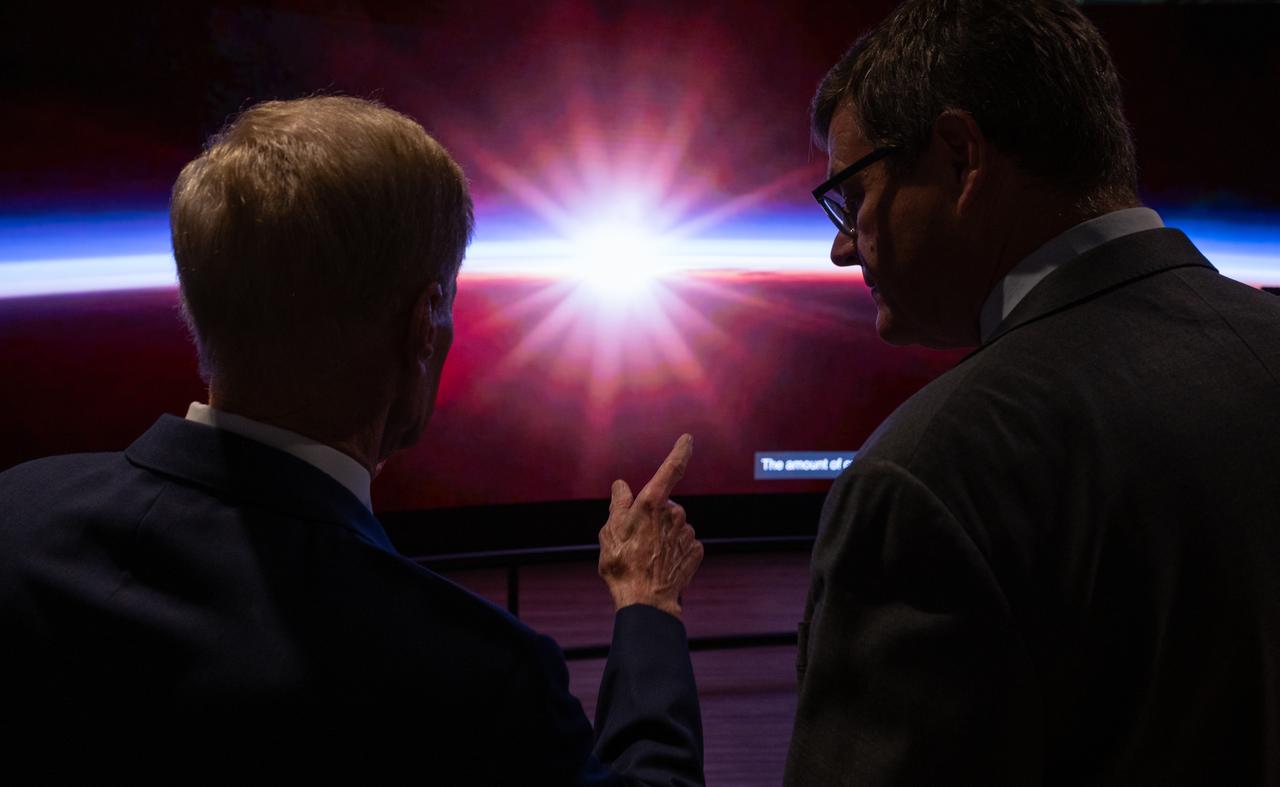
NASA Administrator Bill Nelson, left, and Smithsonian Museum of Natural History, Sant Director, Kirk Johnson, preview the Earth Information Center at the Smithsonian National Museum of Natural History, in Washington, Monday, Oct. 7, 2024. The exhibit includes a video wall displaying Earth science data visualizations and videos, an interpretive panel showing Earth’s connected systems, information on our changing world, and an overview of how NASA and the Smithsonian study our home planet. Photo Credit: (NASA/Bill Ingalls)
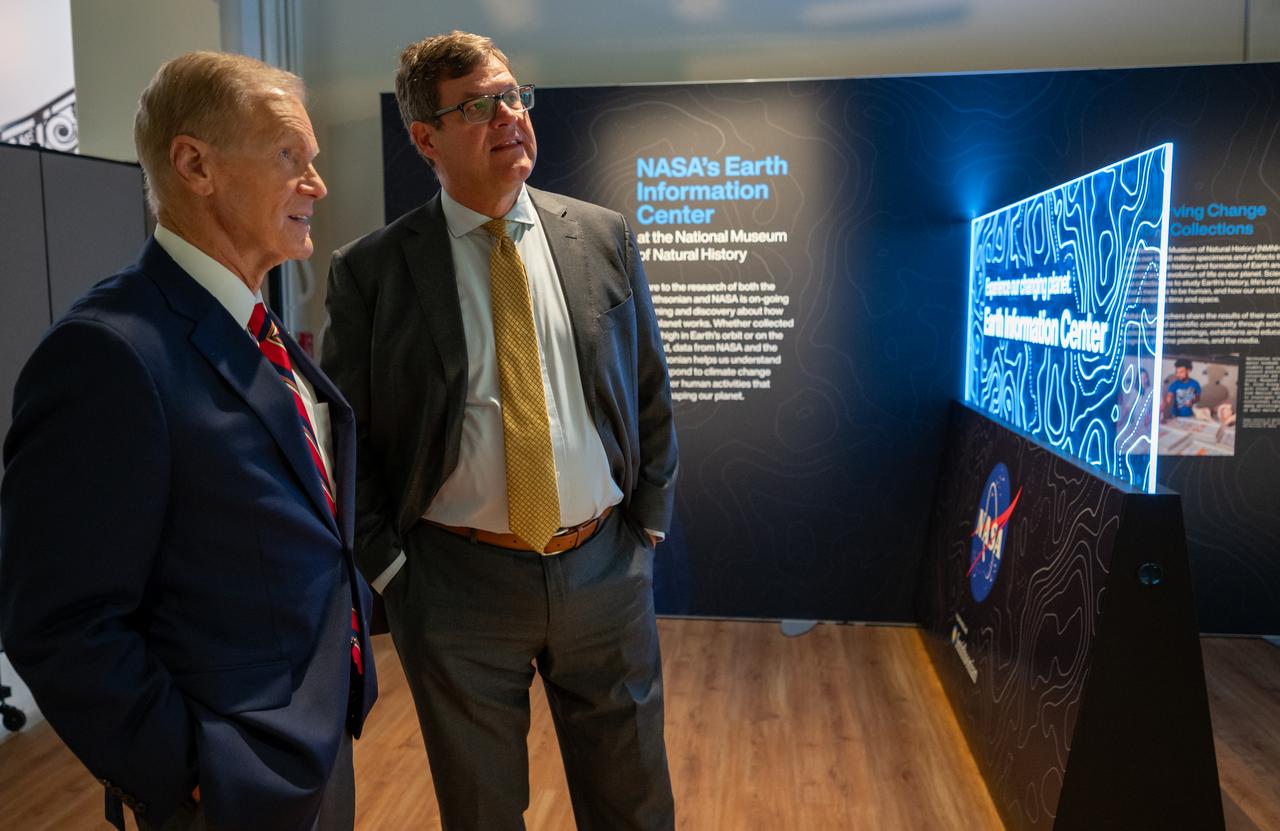
NASA Administrator Bill Nelson, left, talks with Smithsonian Museum of Natural History, Sant Director, Kirk Johnson, during a preview of the Earth Information Center at the Smithsonian National Museum of Natural History, in Washington, Monday, Oct. 7, 2024. The exhibit includes a video wall displaying Earth science data visualizations and videos, an interpretive panel showing Earth’s connected systems, information on our changing world, and an overview of how NASA and the Smithsonian study our home planet. Photo Credit: (NASA/Bill Ingalls)
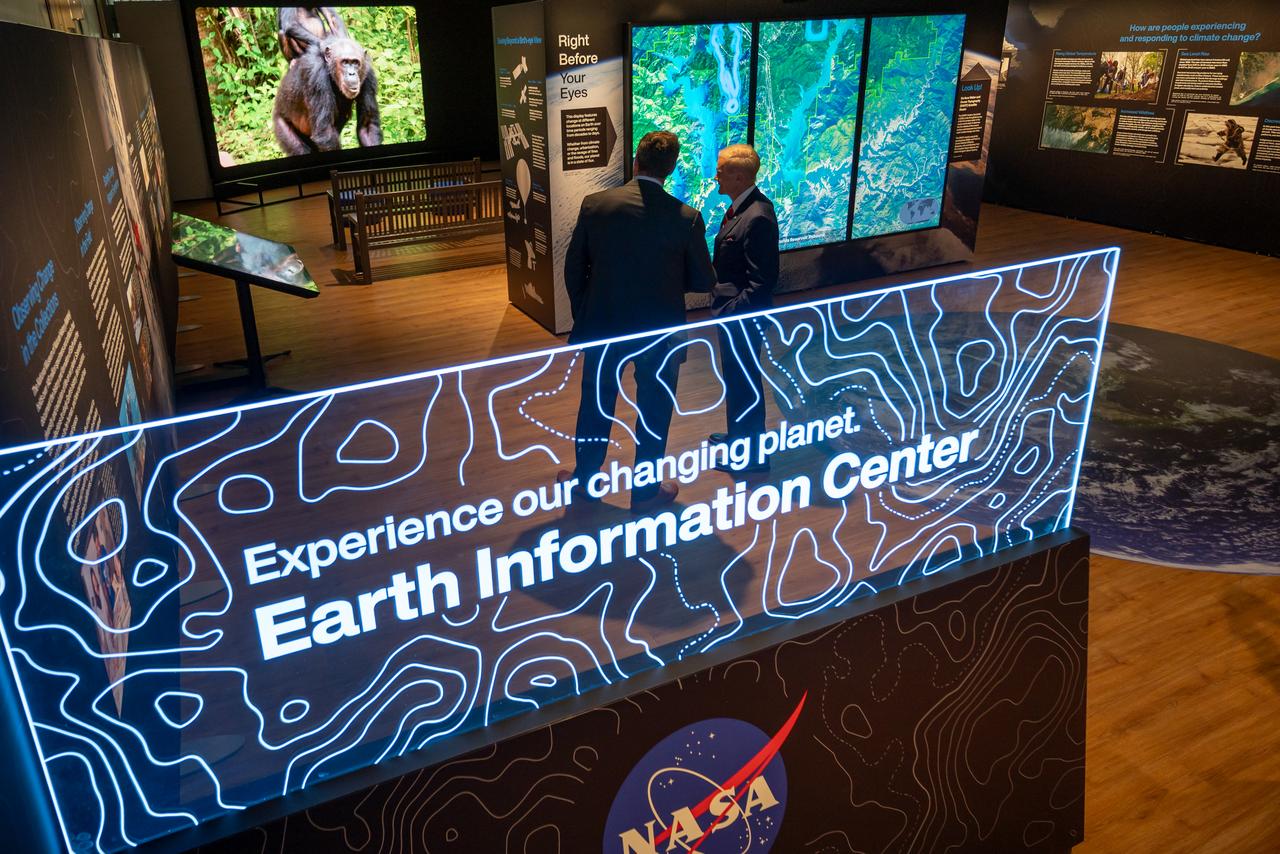
Smithsonian Museum of Natural History, Sant Director, Kirk Johnson, left, talks with NASA Administrator Bill Nelson, during a preview of the Earth Information Center at the Smithsonian National Museum of Natural History, in Washington, Monday, Oct. 7, 2024. The exhibit includes a video wall displaying Earth science data visualizations and videos, an interpretive panel showing Earth’s connected systems, information on our changing world, and an overview of how NASA and the Smithsonian study our home planet. Photo Credit: (NASA/Bill Ingalls)
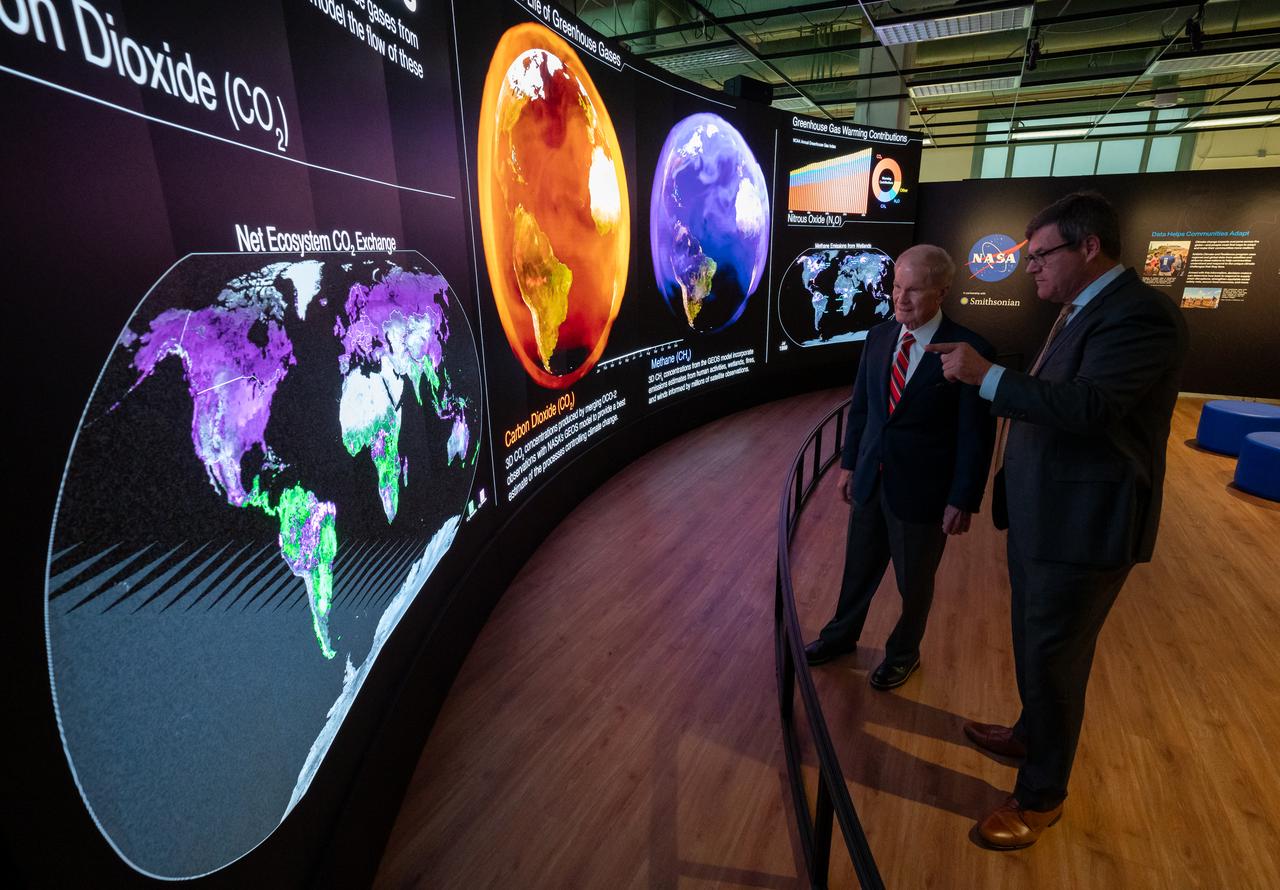
NASA Administrator Bill Nelson, left, and Smithsonian Museum of Natural History, Sant Director, Kirk Johnson, preview the Earth Information Center at the Smithsonian National Museum of Natural History, in Washington, Monday, Oct. 7, 2024. The exhibit includes a video wall displaying Earth science data visualizations and videos, an interpretive panel showing Earth’s connected systems, information on our changing world, and an overview of how NASA and the Smithsonian study our home planet. Photo Credit: (NASA/Bill Ingalls)

Debbie Thomas (left) and Tukufu Zuberi of the PBS's series History Detectives during filming at a NASA Goddard Space Flight Center lab. PHOTO CREDIT: NASA/Debbie Mccallum
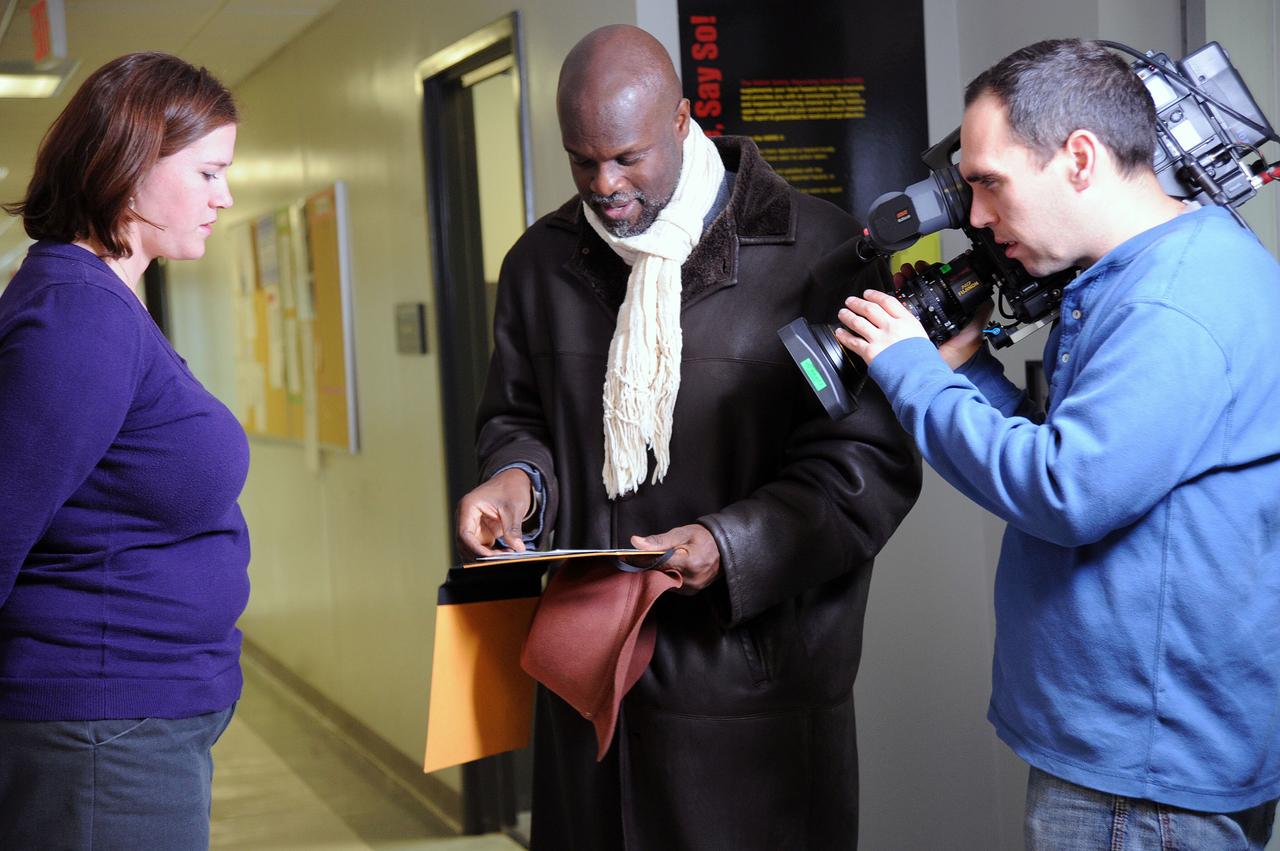
Marjorie Sovinski (left) and Tukufu Zuberi of the PBS's serieres History Detectives during filming at NASA Goddard Space Flight Center. PHOTO CREDIT: NASA/Debbie Mccallum
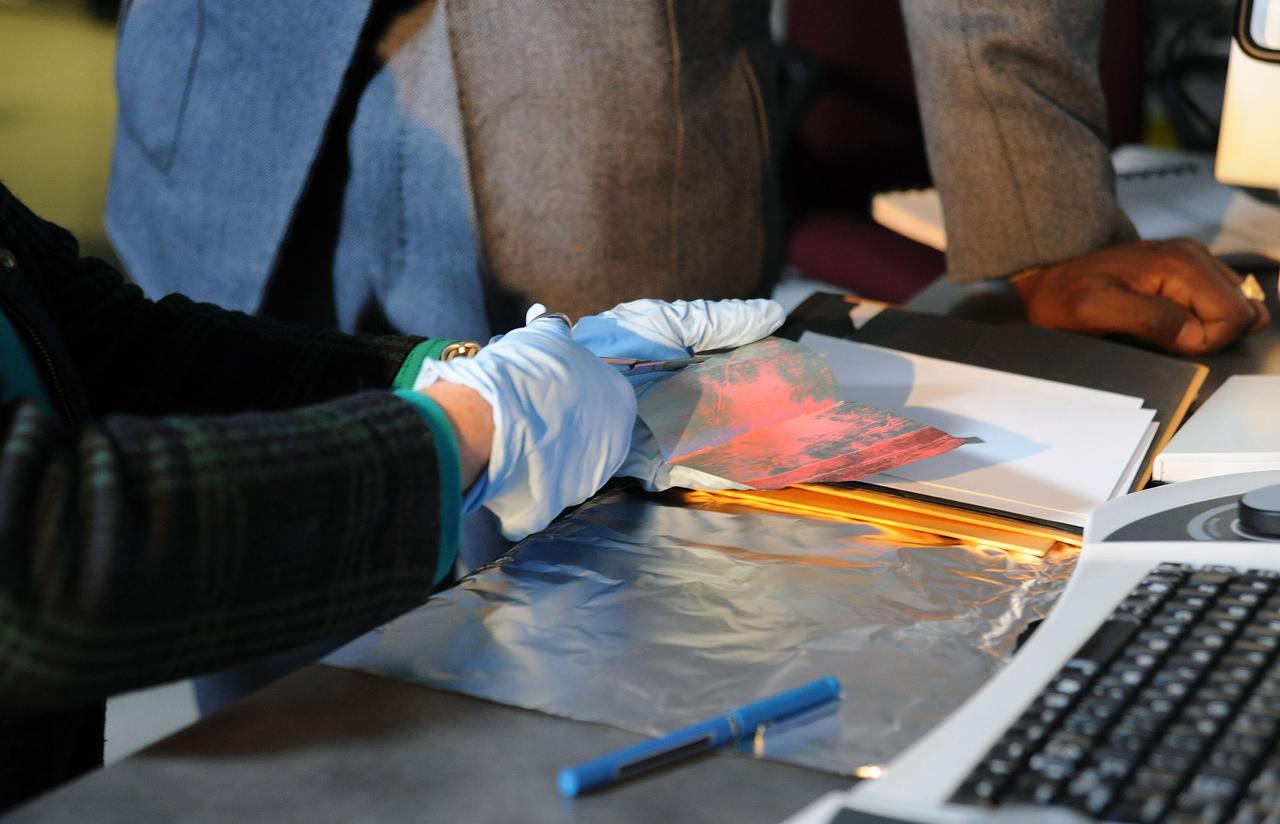
Debbie Thomas cutting the sample to be tested during a visit from the PBS's series History Detectives in NASA Goddard Space Flight Center lab. PHOTO CREDIT: NASA/Debbie Mccallum
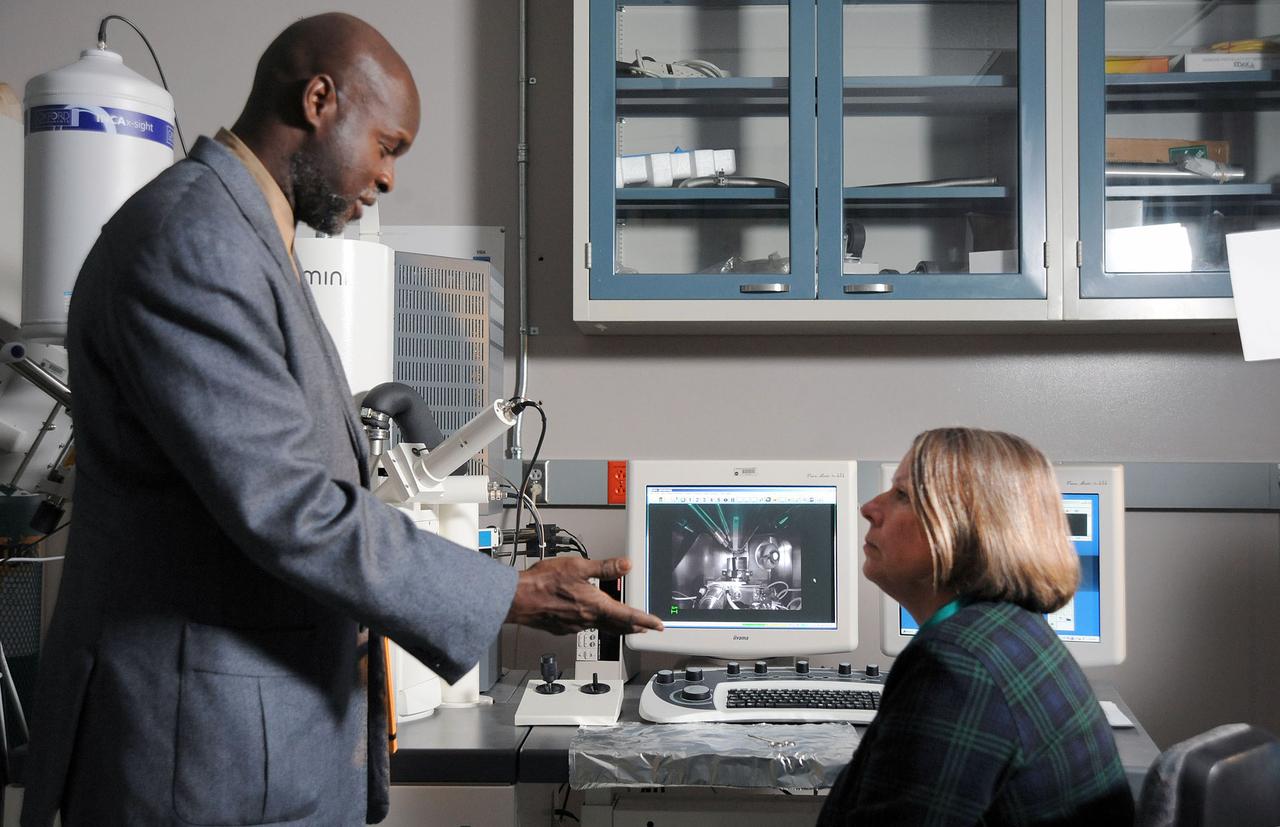
Debbie Thomas (right) and Tukufu Zuberi of the PBS's series History Detectives during filming at a NASA Goddard Space Flight Center lab. PHOTO CREDIT: NASA/Debbie Mccallum
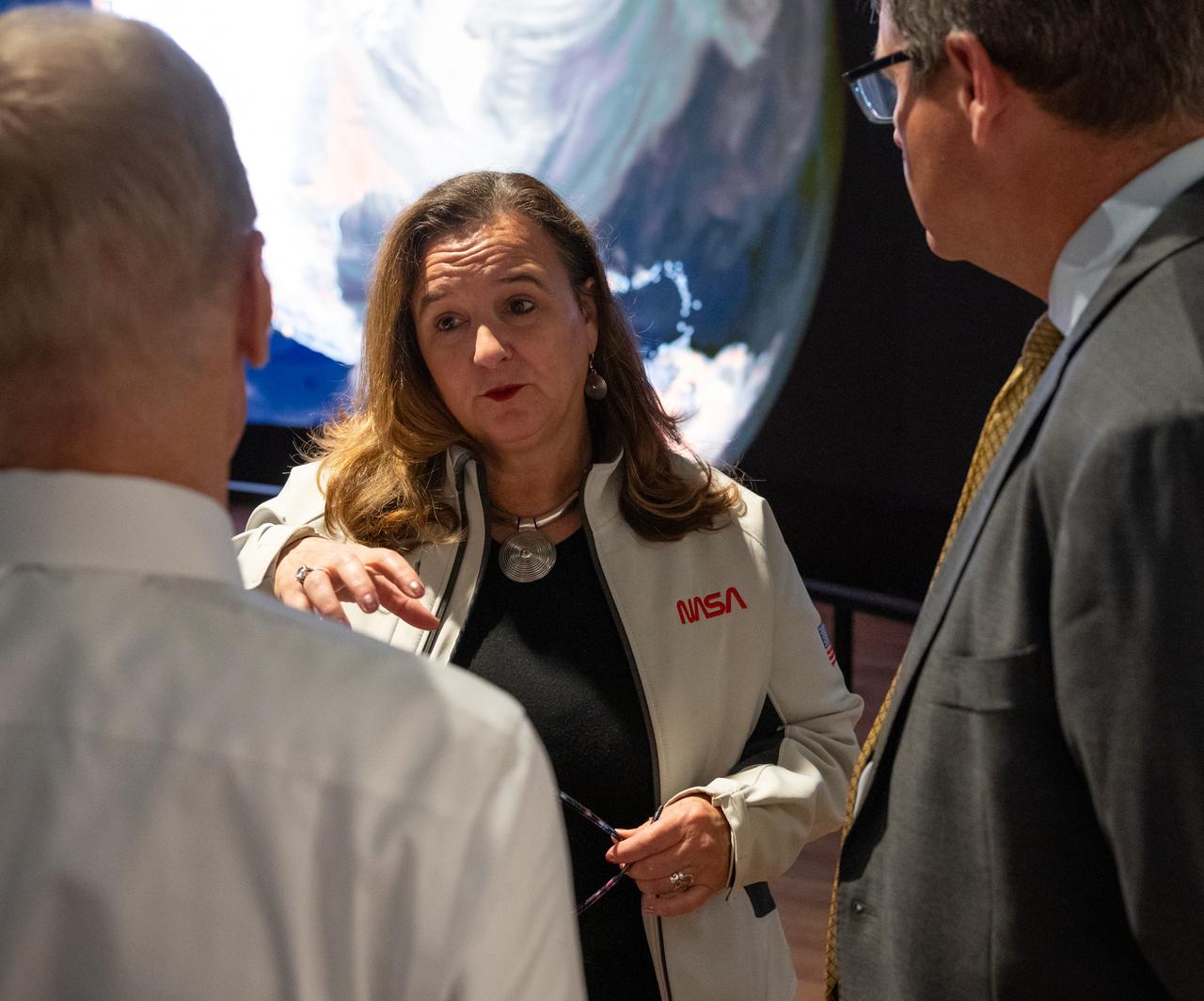
NASA Earth Sciences, Division Director, Karen St. Germain, center, speaks with NASA Administrator Bill Nelson, left, and Smithsonian Museum of Natural History, Sant Director, Kirk Johnson, during a preview of the Earth Information Center at the Smithsonian National Museum of Natural History, in Washington, Monday, Oct. 7, 2024. The exhibit includes a video wall displaying Earth science data visualizations and videos, an interpretive panel showing Earth’s connected systems, information on our changing world, and an overview of how NASA and the Smithsonian study our home planet. Photo Credit: (NASA/Bill Ingalls)
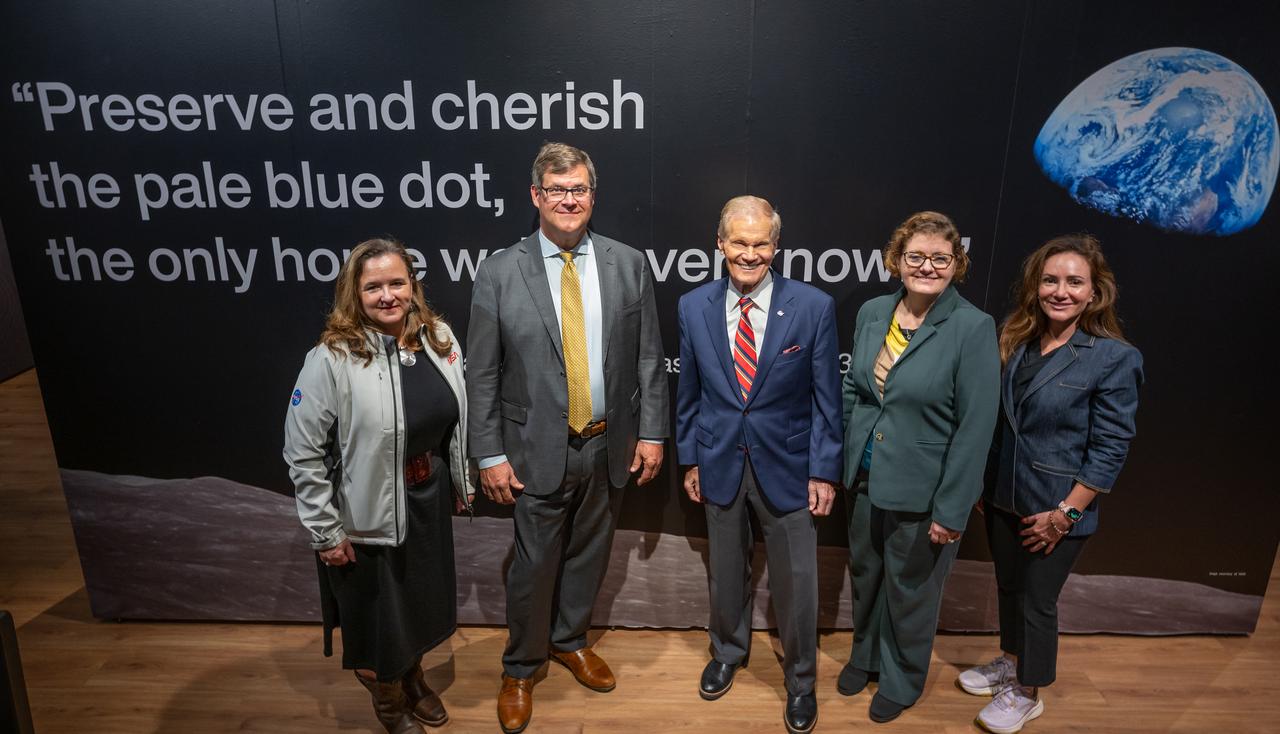
NASA Earth Sciences, Division Director, Karen St. Germain, left, Smithsonian Museum of Natural History, Sant Director, Kirk Johnson, NASA Administrator Bill Nelson, NASA Earth Sciences Division, Deputy Director, Julie Robinson, and NASA Senior Advisor Susie Perez Quinn, right, pose for a group photograph during a preview of the Earth Information Center at the Smithsonian National Museum of Natural History, in Washington, Monday, Oct. 7, 2024. The exhibit includes a video wall displaying Earth science data visualizations and videos, an interpretive panel showing Earth’s connected systems, information on our changing world, and an overview of how NASA and the Smithsonian study our home planet. Photo Credit: (NASA/Bill Ingalls)
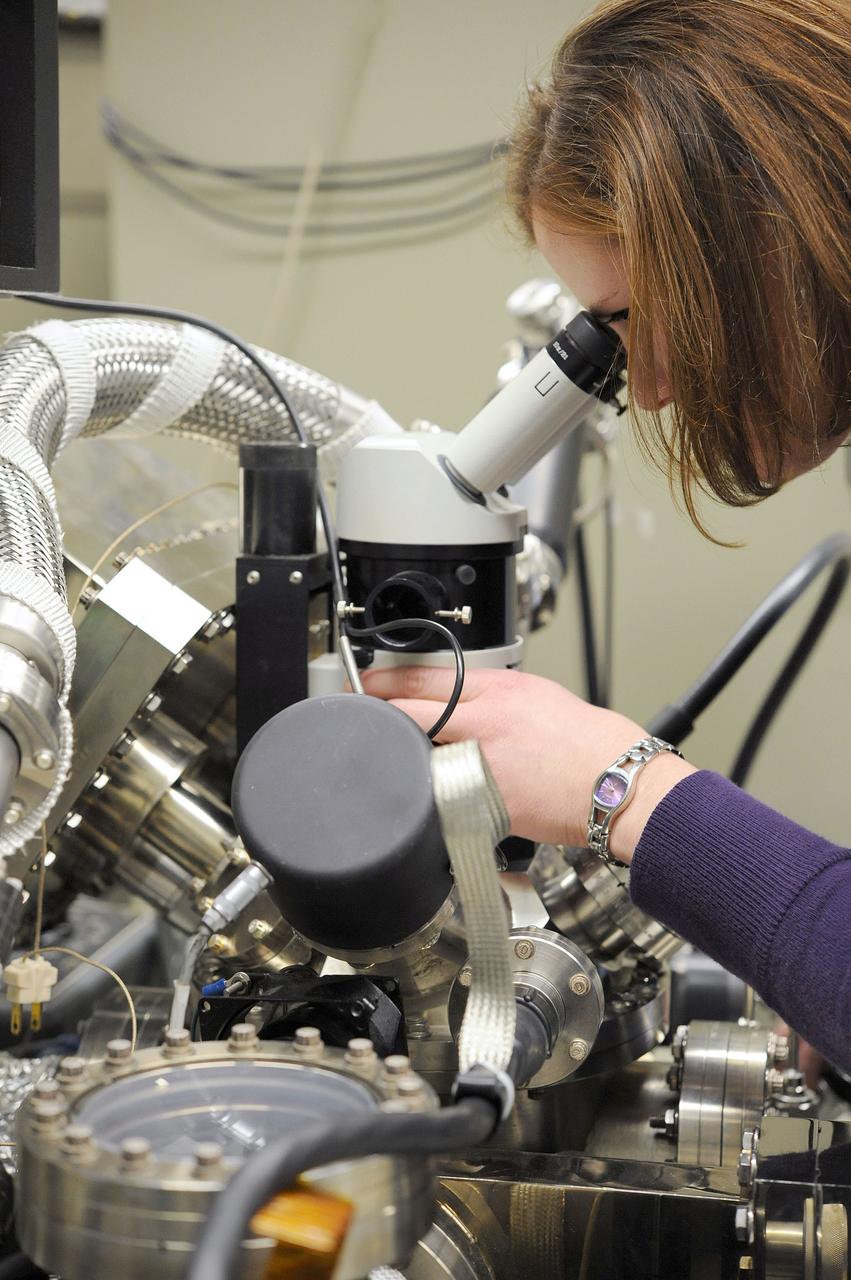
The name of the instrument is X-Ray Photoelecton Spectrometer (acronymed XPS); the lab is in the Materials Engineering Branch and aptly titled the X-Ray Photoelectron Spectrometry Lab. XPS is a non-destructive surface analysis technique that provides an elemental composition of the surface. It is capable of detecting any element with the exception of hydrogen and helium. In the picture, I am analyzing a piece of the film that the History Detectives believed was from the Echo II Project. I was looking for the presence of chromium, which would help confirm that the exterior of the film had a chromium conversion coating. PHOTO CREDIT: NASA/Debbie Mccallum

Christopher Williams, STEM Education Specialist at the Smithsonian National Museum of African American History and Culture, is seen during an event celebrating Black History Month at the Smithsonian National Museum of African American History and Culture, Friday, Feb. 10, 2023, in Washington. Photo Credit: (NASA/Joel Kowsky)
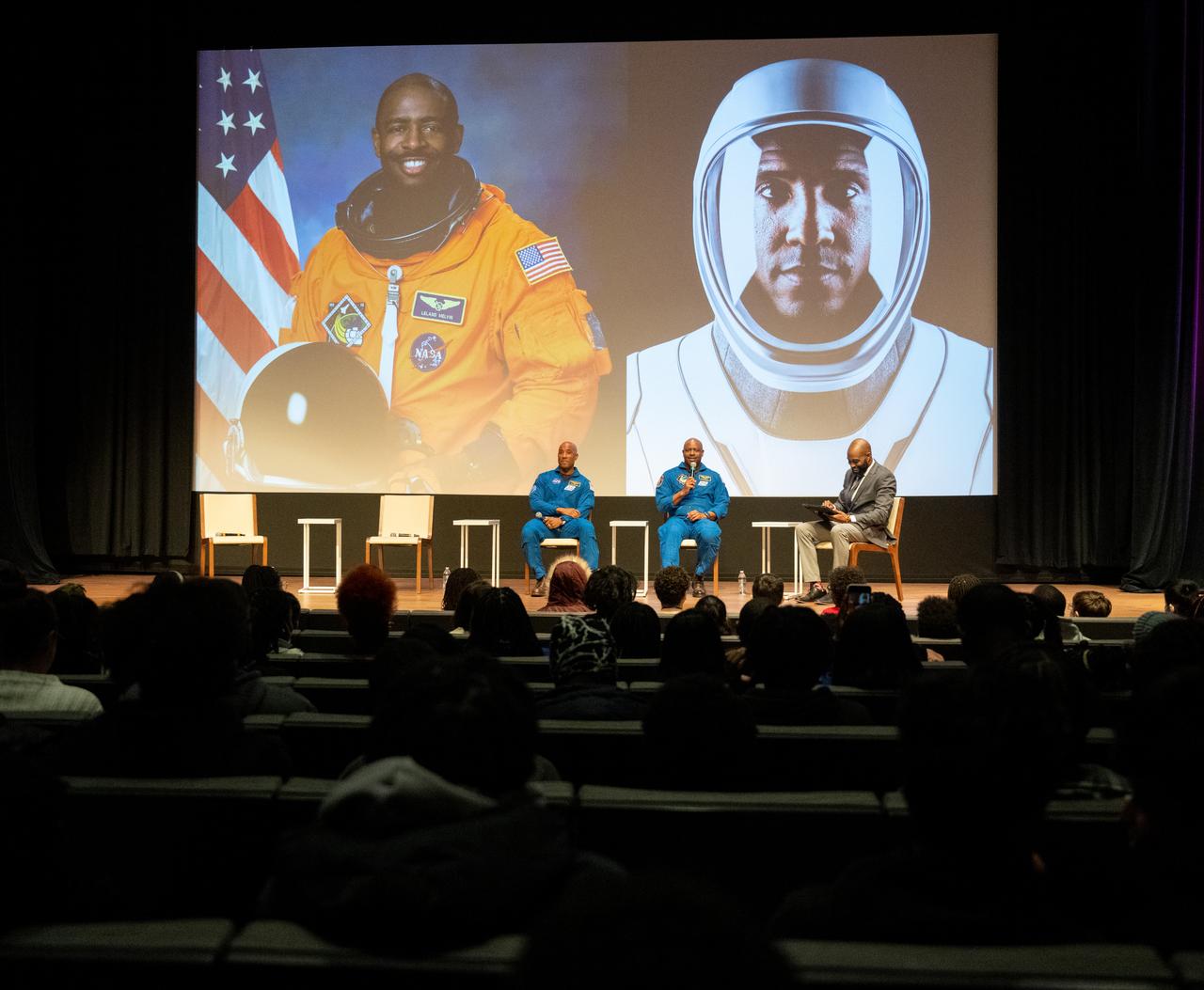
NASA astronaut Victor Glover, left, retired NASA astronaut Leland Melvin, center, and Christopher Williams, STEM Education Specialist at the Smithsonian National Museum of African American History and Culture, right, are seen during a panel discussion titled A Space for Us All at an event celebrating Black History Month at the Smithsonian National Museum of African American History and Culture, Friday, Feb. 10, 2023, in Washington. Photo Credit: (NASA/Joel Kowsky)
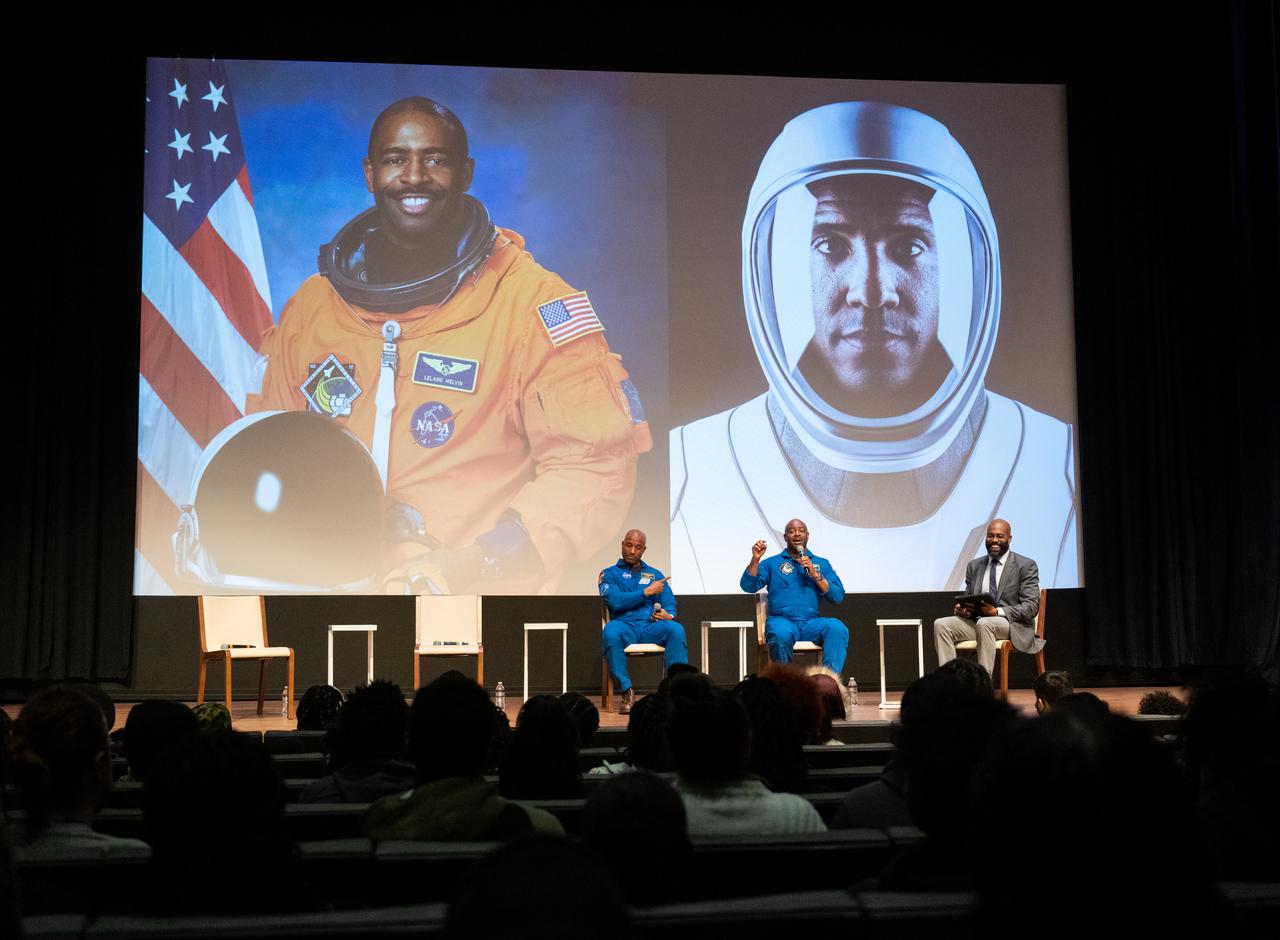
NASA astronaut Victor Glover, left, retired NASA astronaut Leland Melvin, center, and Christopher Williams, STEM Education Specialist at the Smithsonian National Museum of African American History and Culture, right, are seen during a panel discussion titled A Space for Us All at an event celebrating Black History Month at the Smithsonian National Museum of African American History and Culture, Friday, Feb. 10, 2023, in Washington. Photo Credit: (NASA/Joel Kowsky)
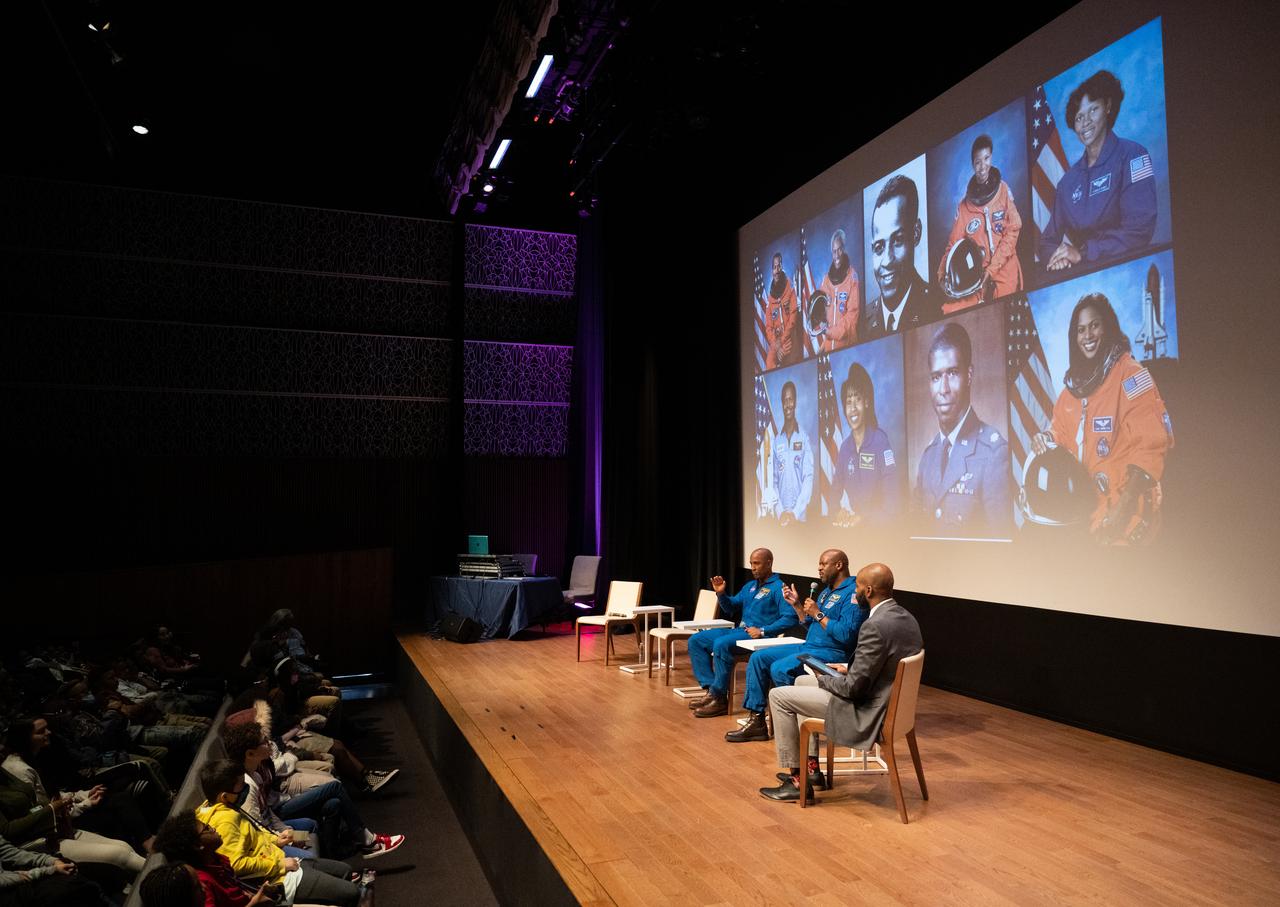
NASA astronaut Victor Glover, left, retired NASA astronaut Leland Melvin, center, and Christopher Williams, STEM Education Specialist at the Smithsonian National Museum of African American History and Culture, right, are seen during a panel discussion titled A Space for Us All at an event celebrating Black History Month at the Smithsonian National Museum of African American History and Culture, Friday, Feb. 10, 2023, in Washington. Photo Credit: (NASA/Joel Kowsky)
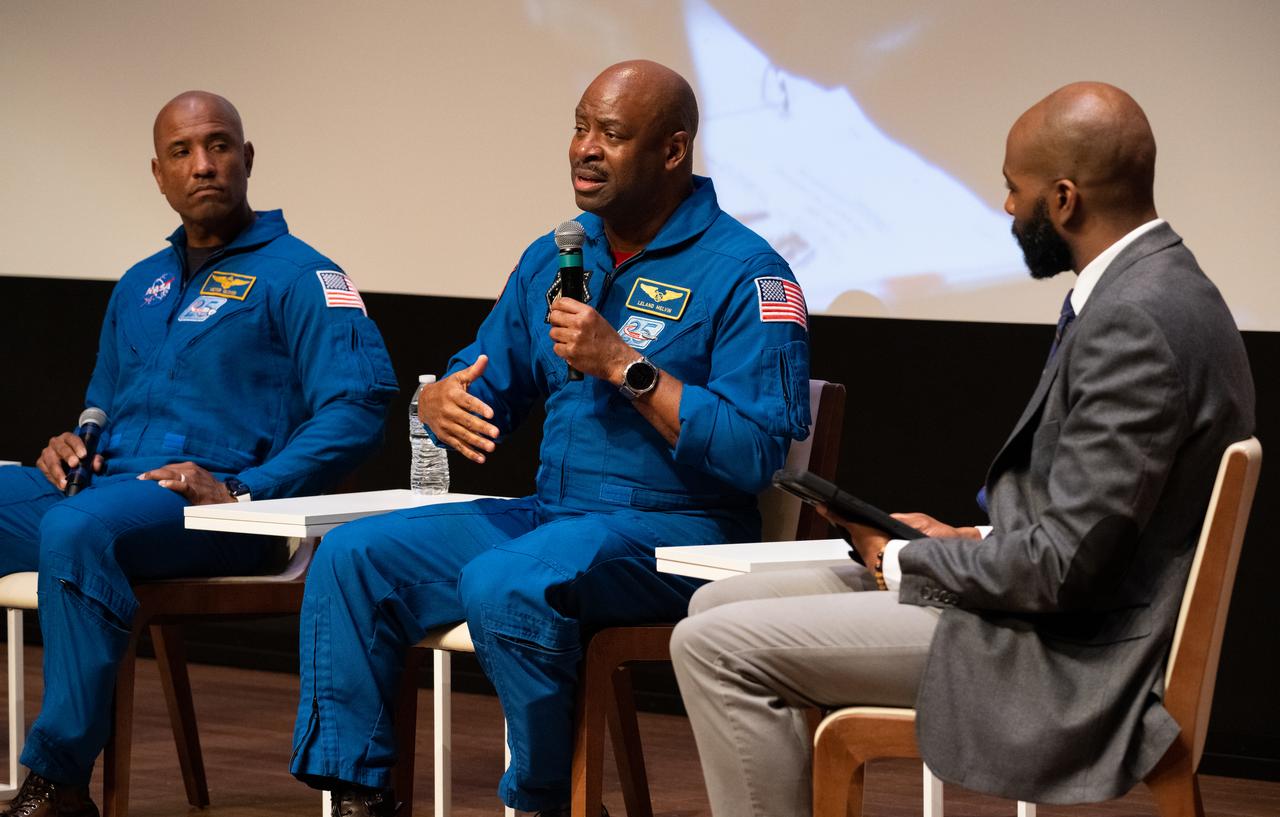
NASA astronaut Victor Glover, left, and Christopher Williams, STEM Education Specialist at the Smithsonian National Museum of African American History and Culture, right, look on as retired NASA astronaut Leland Melvin, center, answers a question during a panel discussion titled A Space for Us All at an event celebrating Black History Month at the Smithsonian National Museum of African American History and Culture, Friday, Feb. 10, 2023, in Washington. Photo Credit: (NASA/Joel Kowsky)
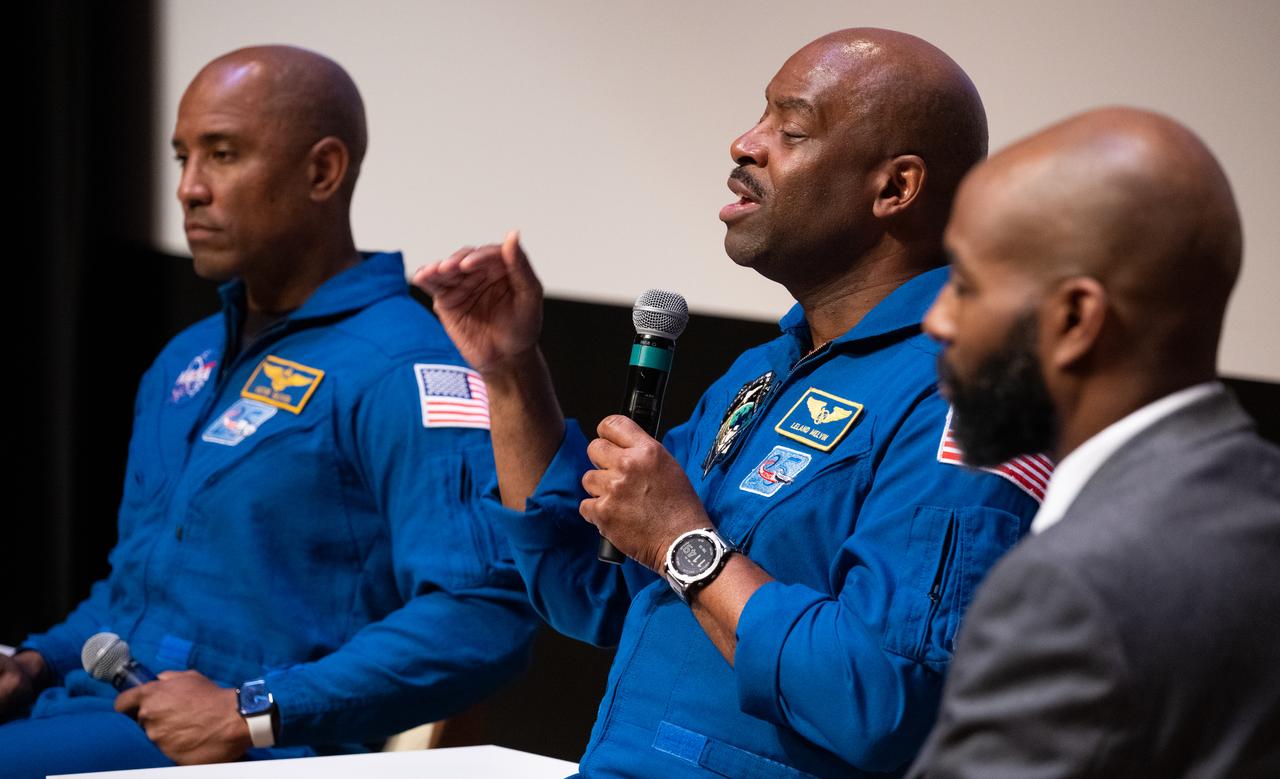
NASA astronaut Victor Glover, left, and Christopher Williams, STEM Education Specialist at the Smithsonian National Museum of African American History and Culture, right, look on as retired NASA astronaut Leland Melvin, center, answers a question during a panel discussion titled A Space for Us All at an event celebrating Black History Month at the Smithsonian National Museum of African American History and Culture, Friday, Feb. 10, 2023, in Washington. Photo Credit: (NASA/Joel Kowsky)
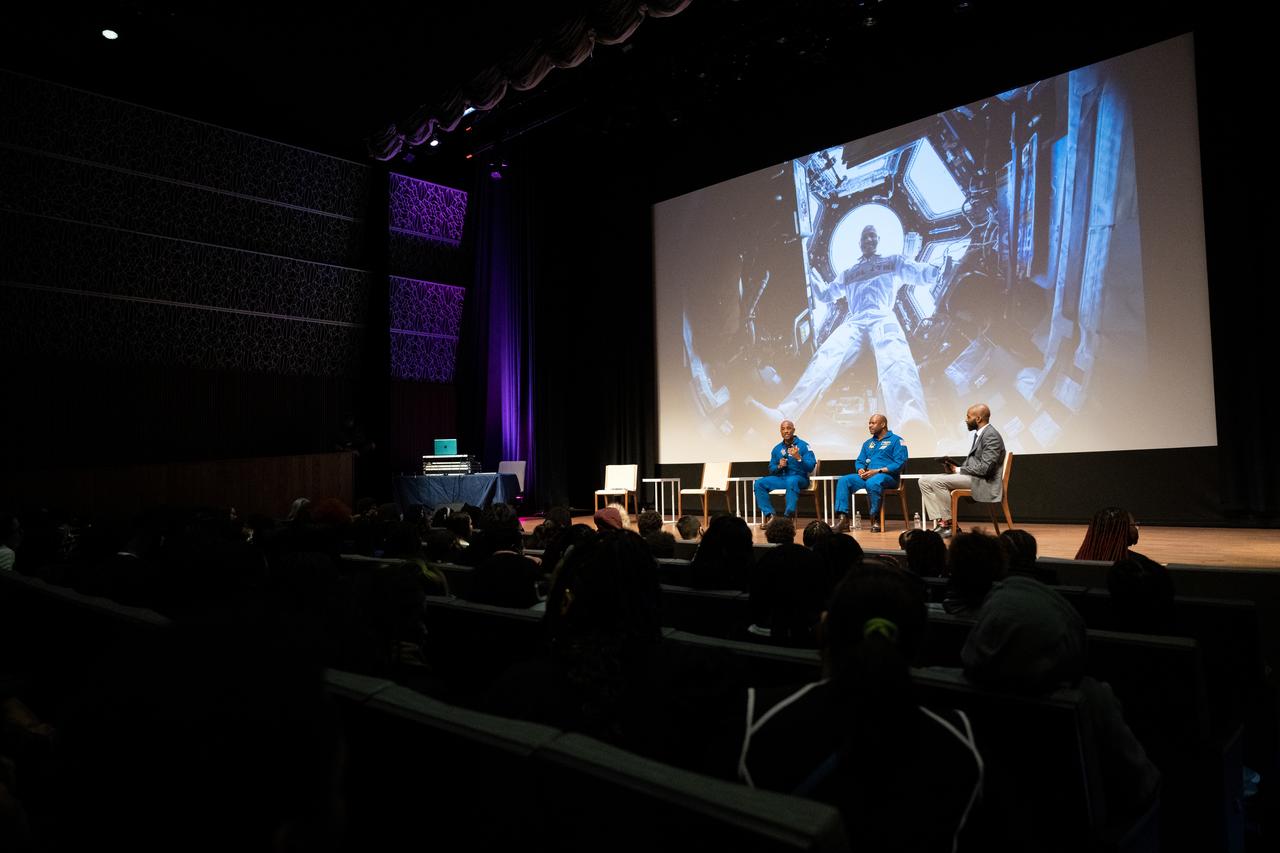
NASA astronaut Victor Glover, left, retired NASA astronaut Leland Melvin, center, and Christopher Williams, STEM Education Specialist at the Smithsonian National Museum of African American History and Culture, right, are seen during a panel discussion titled A Space for Us All at an event celebrating Black History Month at the Smithsonian National Museum of African American History and Culture, Friday, Feb. 10, 2023, in Washington. Photo Credit: (NASA/Joel Kowsky)
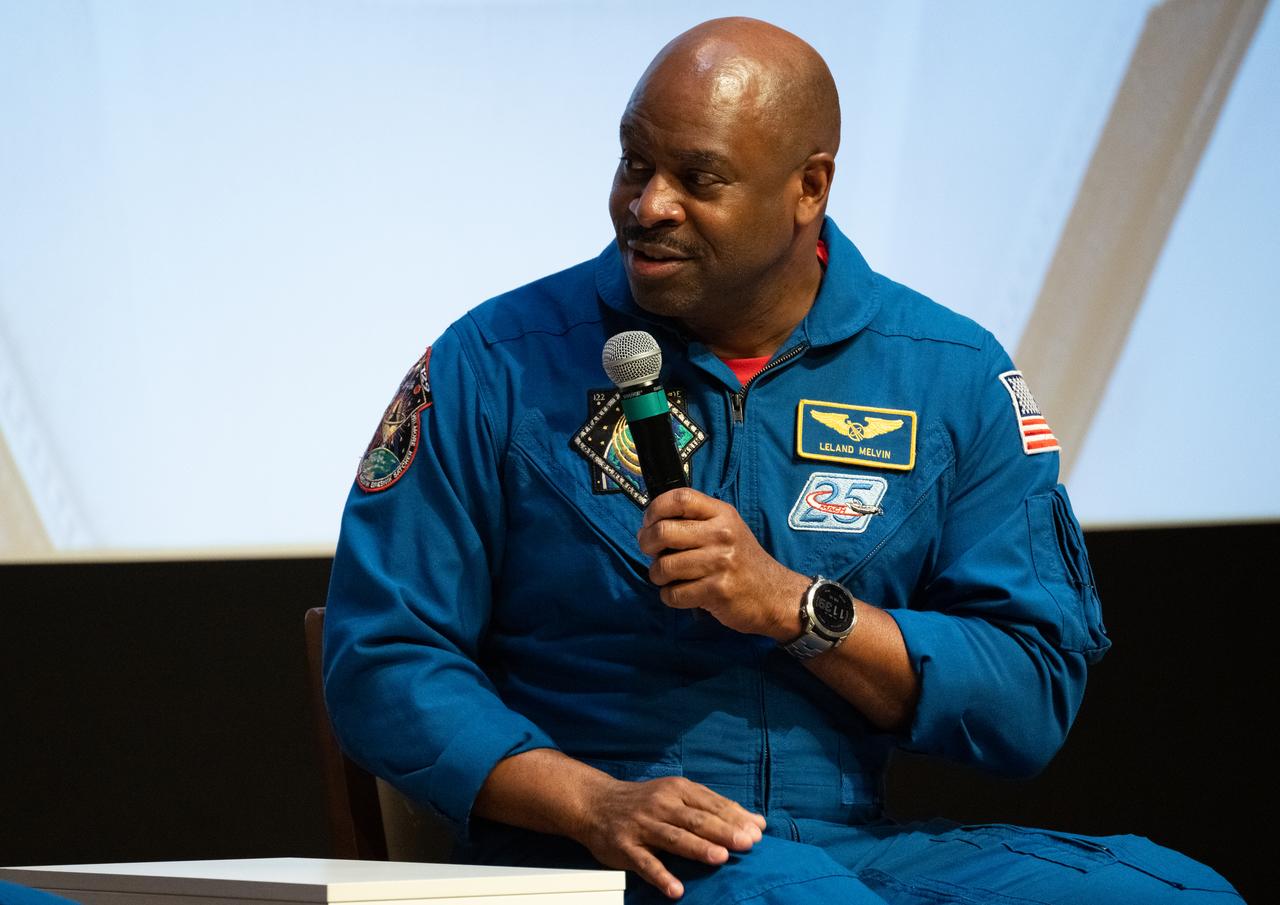
Retired NASA astronaut Leland Melvin is seen during a panel discussion titled A Space for Us All at an event celebrating Black History Month at the Smithsonian National Museum of African American History and Culture, Friday, Feb. 10, 2023, in Washington. Photo Credit: (NASA/Joel Kowsky)
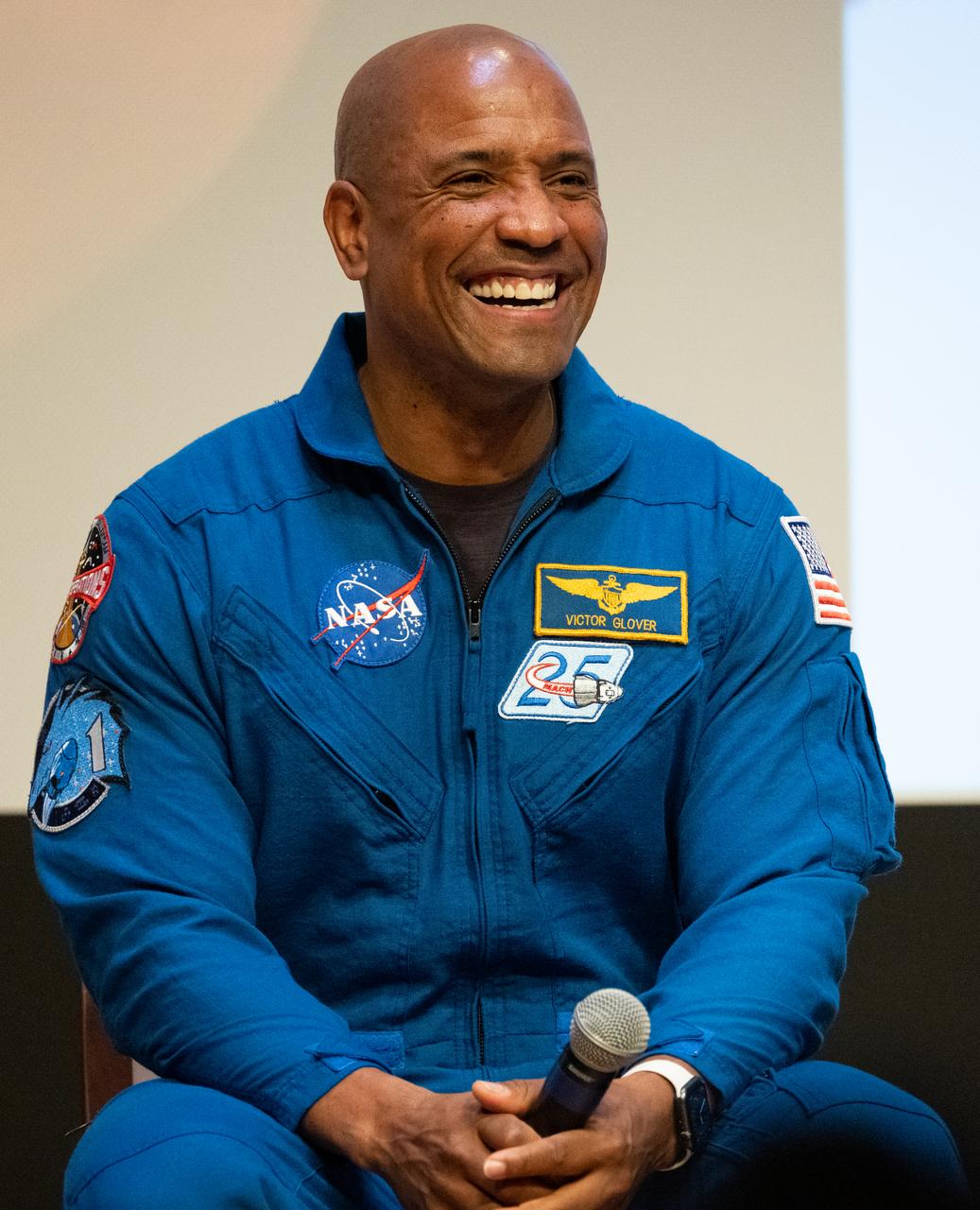
NASA astronaut Victor Glover is seen during a panel discussion titled A Space for Us All at an event celebrating Black History Month at the Smithsonian National Museum of African American History and Culture, Friday, Feb. 10, 2023, in Washington. Photo Credit: (NASA/Joel Kowsky)
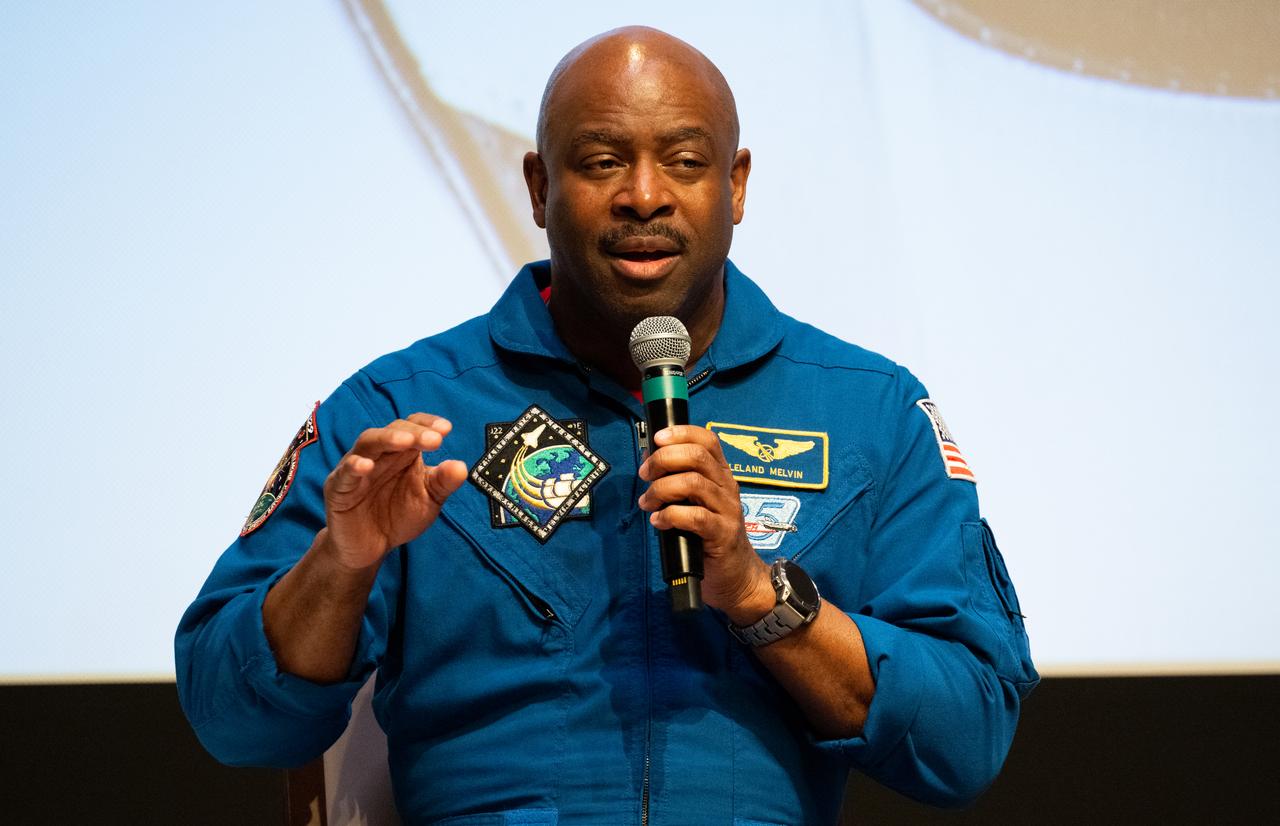
Retired NASA astronaut Leland Melvin answers a question during a panel discussion titled A Space for Us All at an event celebrating Black History Month at the Smithsonian National Museum of African American History and Culture, Friday, Feb. 10, 2023, in Washington. Photo Credit: (NASA/Joel Kowsky)
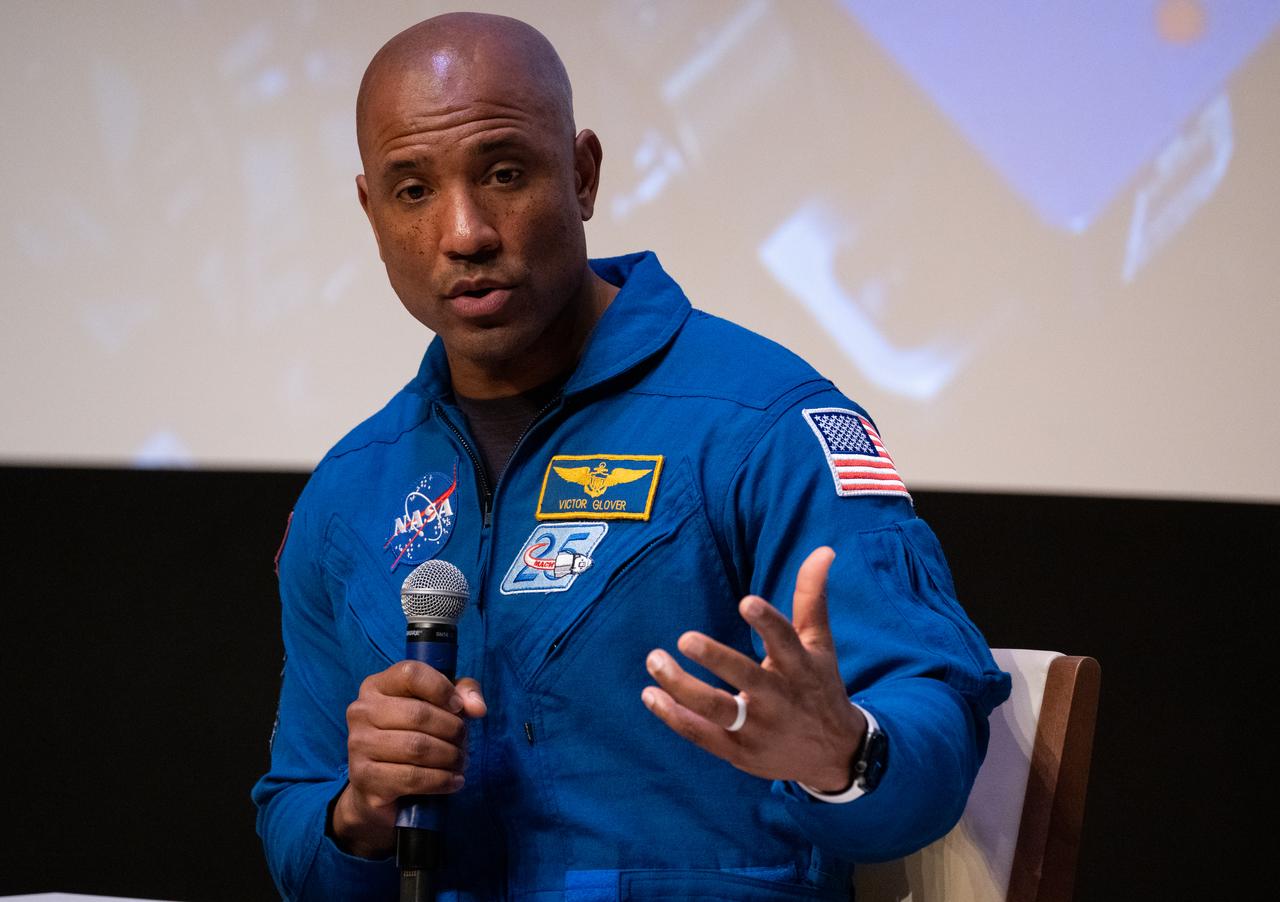
NASA astronaut Victor Glover answers a question during a panel discussion titled A Space for Us All at an event celebrating Black History Month at the Smithsonian National Museum of African American History and Culture, Friday, Feb. 10, 2023, in Washington. Photo Credit: (NASA/Joel Kowsky)

Clayton Turner, director of NASA's Langley Research Center, answers a question during a panel discussion titled A Space for Us All at an event celebrating Black History Month at the Smithsonian National Museum of African American History and Culture, Friday, Feb. 10, 2023, in Washington. Photo Credit: (NASA/Joel Kowsky)

Vanessa Wyche, director of NASA's Johnson Space Center, answers a question during a panel discussion titled A Space for Us All at an event celebrating Black History Month at the Smithsonian National Museum of African American History and Culture, Friday, Feb. 10, 2023, in Washington. Photo Credit: (NASA/Joel Kowsky)
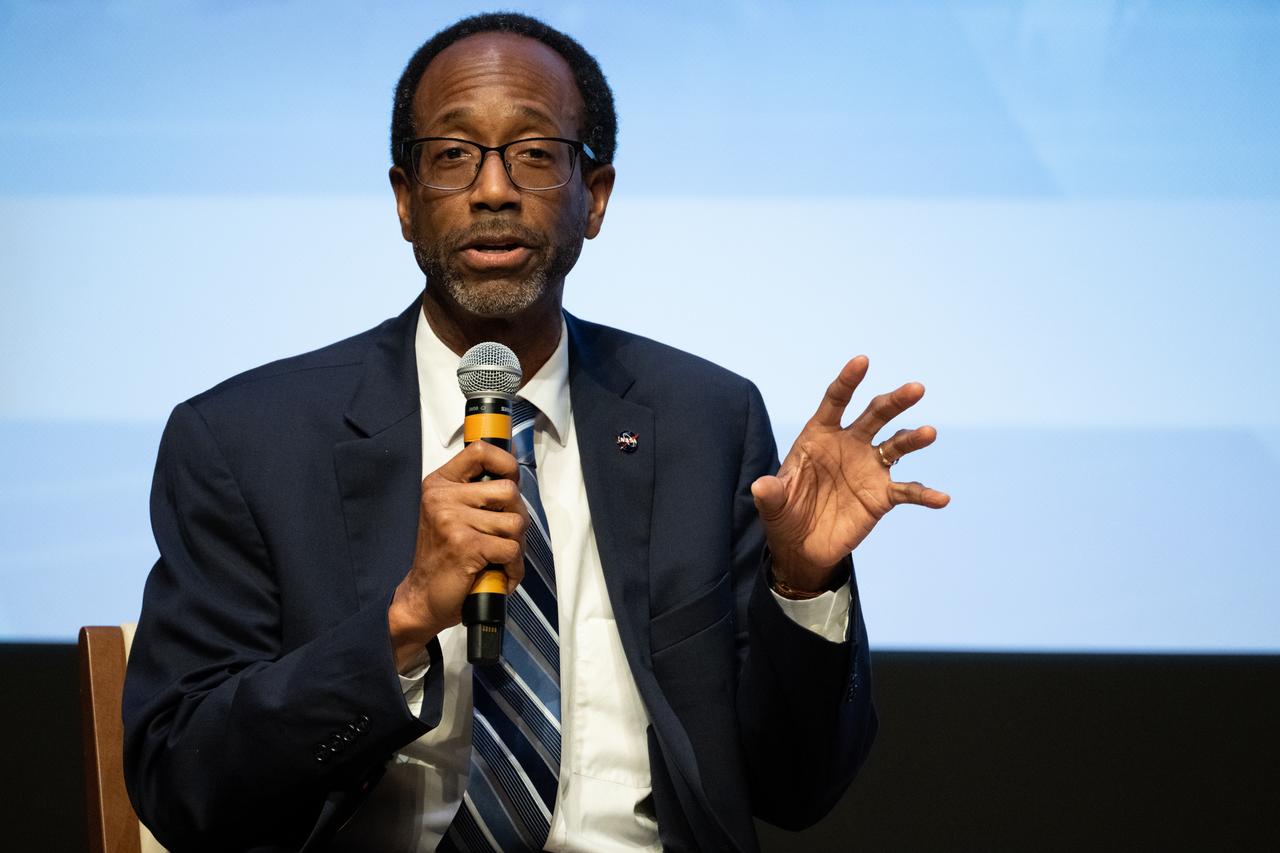
Clayton Turner, director of NASA's Langley Research Center, answers a question during a panel discussion titled A Space for Us All at an event celebrating Black History Month at the Smithsonian National Museum of African American History and Culture, Friday, Feb. 10, 2023, in Washington. Photo Credit: (NASA/Joel Kowsky)

Vanessa Wyche, director of NASA's Johnson Space Center, answers a question during a panel discussion titled A Space for Us All at an event celebrating Black History Month at the Smithsonian National Museum of African American History and Culture, Friday, Feb. 10, 2023, in Washington. Photo Credit: (NASA/Joel Kowsky)
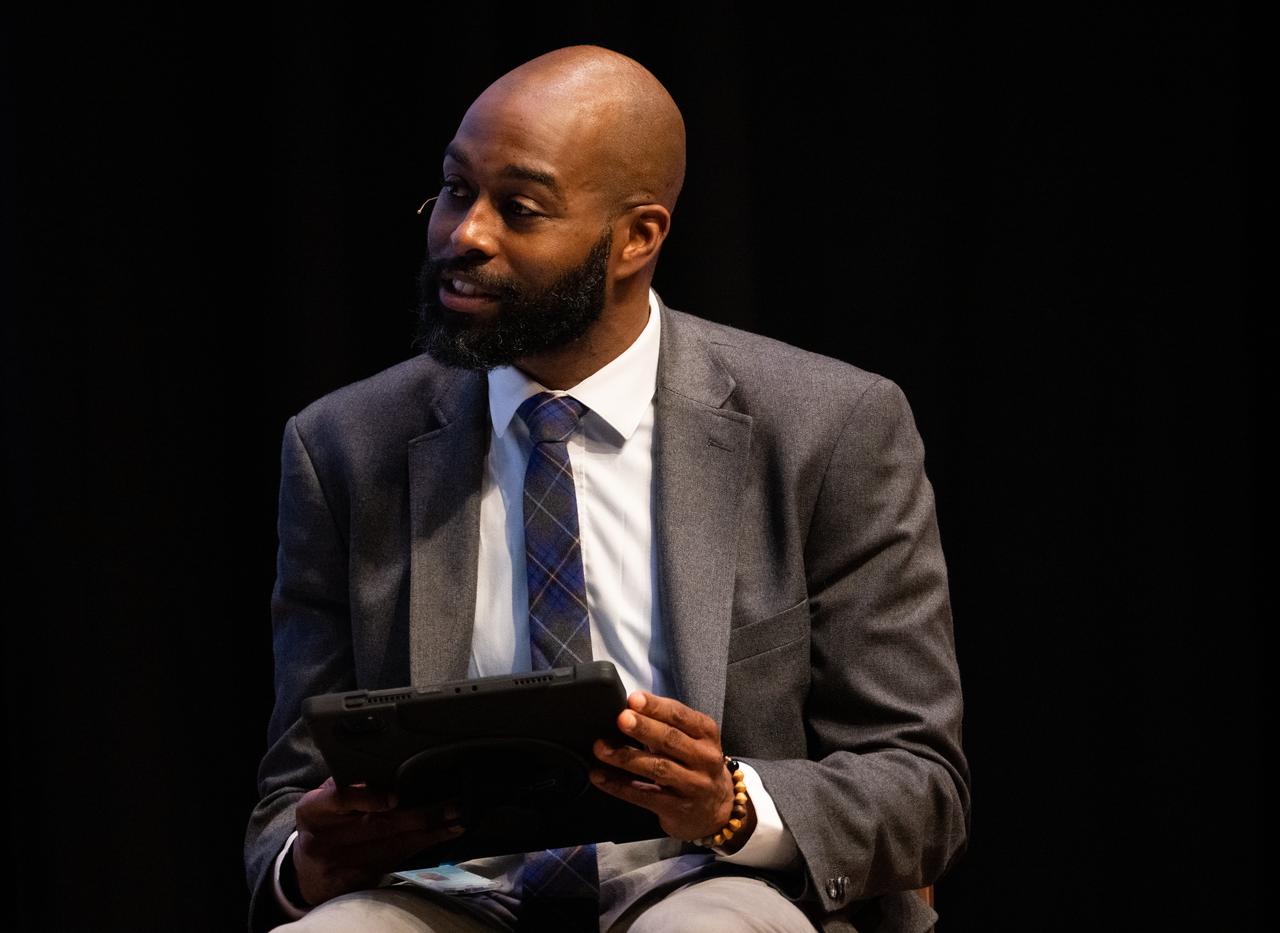
Christopher Williams, STEM Education Specialist at the Smithsonian National Museum of African American History and Culture, asks a question during a panel discussion titled A Space for Us All at an event celebrating Black History Month at the Smithsonian National Museum of African American History and Culture, Friday, Feb. 10, 2023, in Washington. Photo Credit: (NASA/Joel Kowsky)
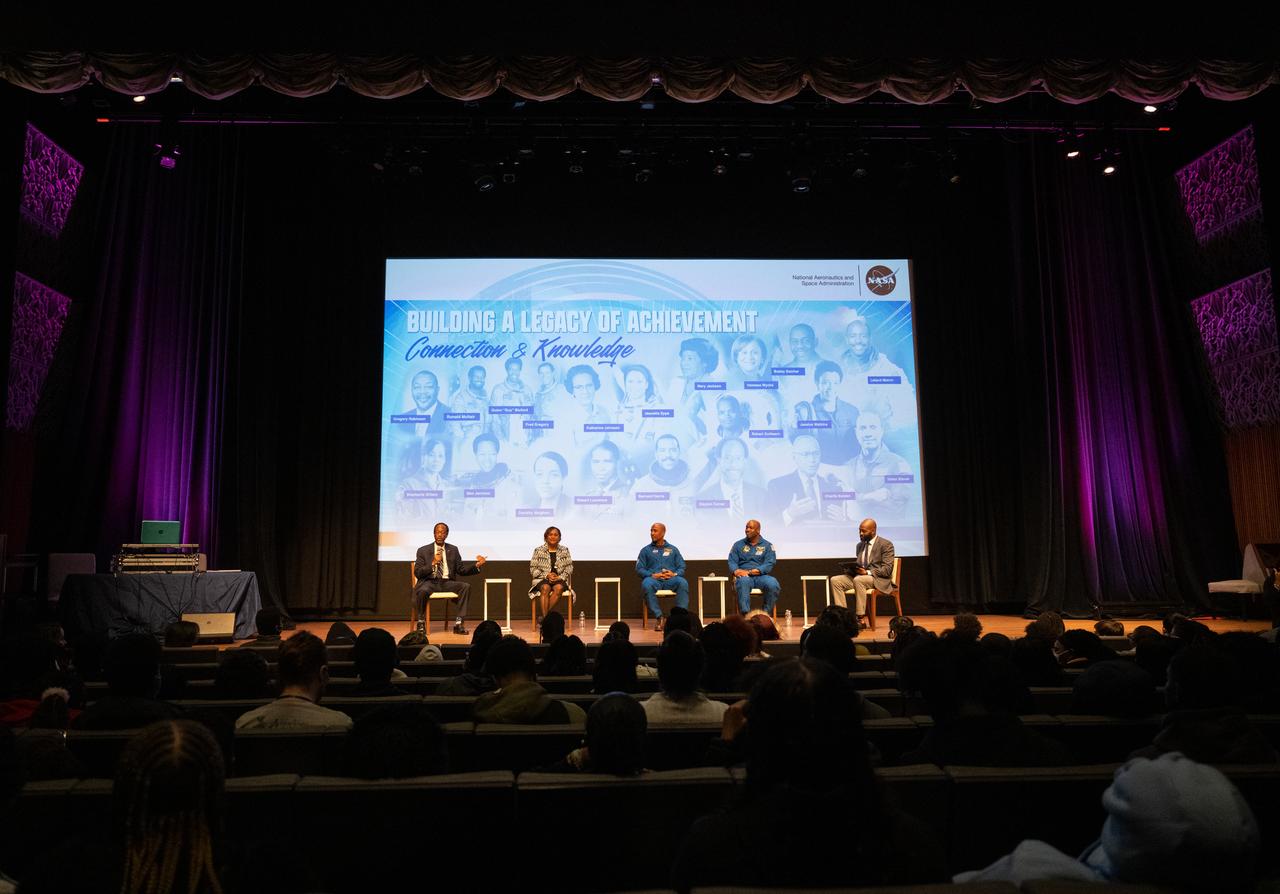
Clayton Turner, director of NASA's Langley Research Center, left, Vanessa Wyche, director of NASA's Johnson Space Center, second from left, NASA astronaut Victor Glover, center, retired NASA astronaut Leland Melvin, second from right, and Christopher Williams, STEM Education Specialist at the Smithsonian National Museum of African American History and Culture, right, are seen during a panel discussion titled A Space for Us All at an event celebrating Black History Month at the Smithsonian National Museum of African American History and Culture, Friday, Feb. 10, 2023, in Washington. Photo Credit: (NASA/Joel Kowsky)

Clayton Turner, director of NASA's Langley Research Center, left, Vanessa Wyche, director of NASA's Johnson Space Center, second from left, NASA astronaut Victor Glover, center, retired NASA astronaut Leland Melvin, second from right, and Christopher Williams, STEM Education Specialist at the Smithsonian National Museum of African American History and Culture, right, are seen during a panel discussion titled A Space for Us All at an event celebrating Black History Month at the Smithsonian National Museum of African American History and Culture, Friday, Feb. 10, 2023, in Washington. Photo Credit: (NASA/Joel Kowsky)
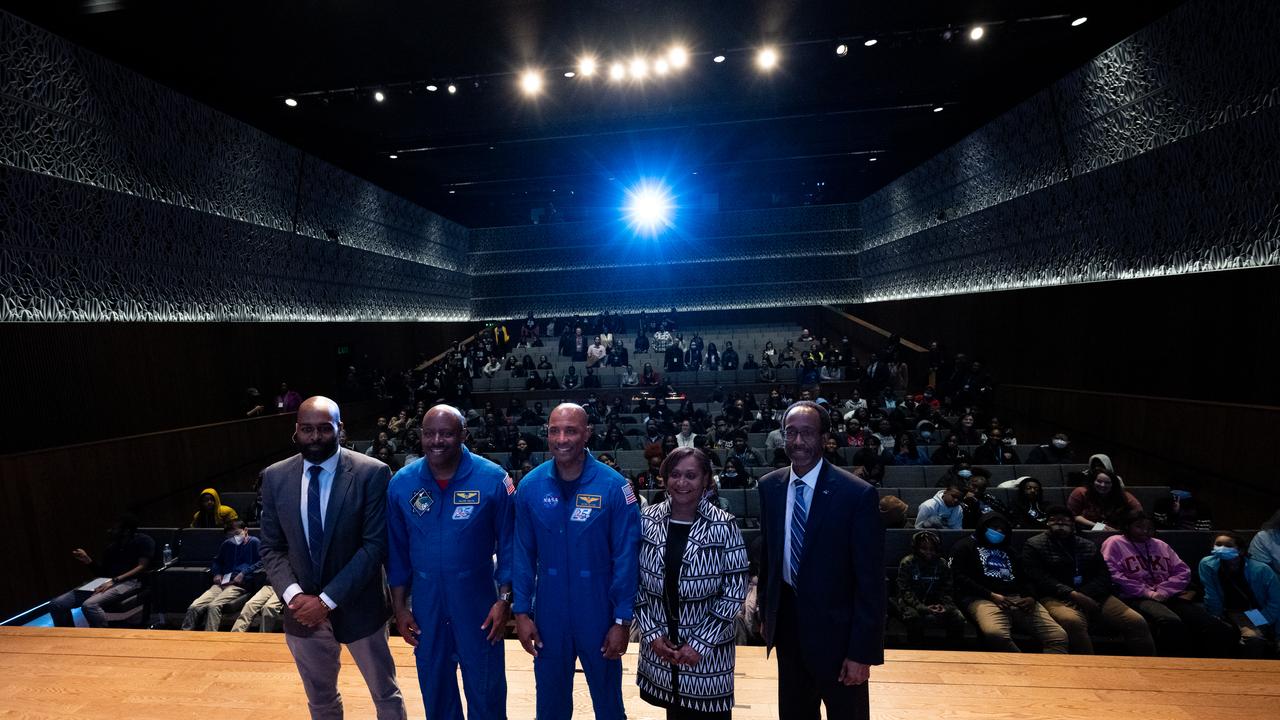
Christopher Williams, STEM Education Specialist at the Smithsonian National Museum of African American History and Culture, left, retired NASA astronaut Leland Melvin, second from left, NASA astronaut Victor Glover, center, Vanessa Wyche, director of NASA's Johnson Space Center, second from right, and Clayton Turner, director of NASA's Langley Research Center, right, pose for a picture following a panel discussion titled A Space for Us All at an event celebrating Black History Month at the Smithsonian National Museum of African American History and Culture, Friday, Feb. 10, 2023, in Washington. Photo Credit: (NASA/Joel Kowsky)
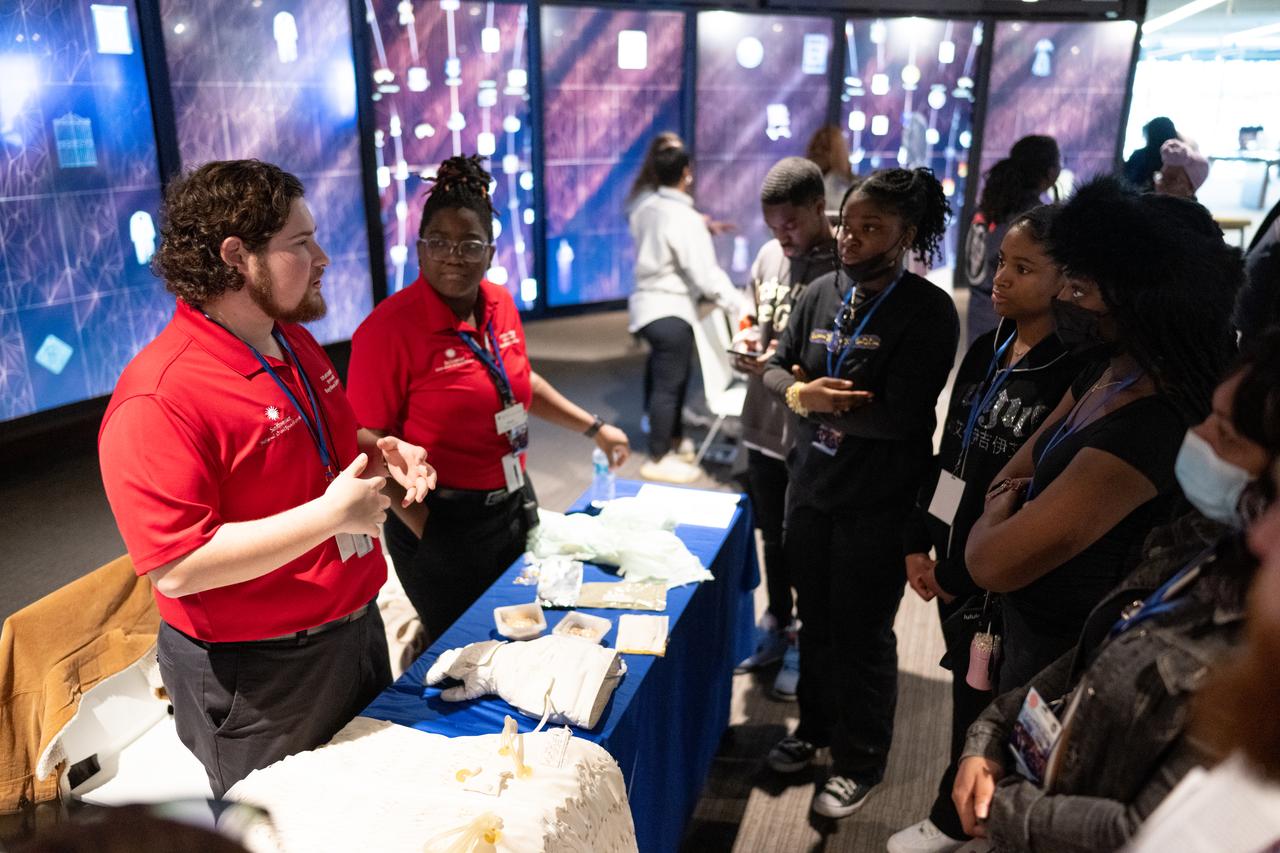
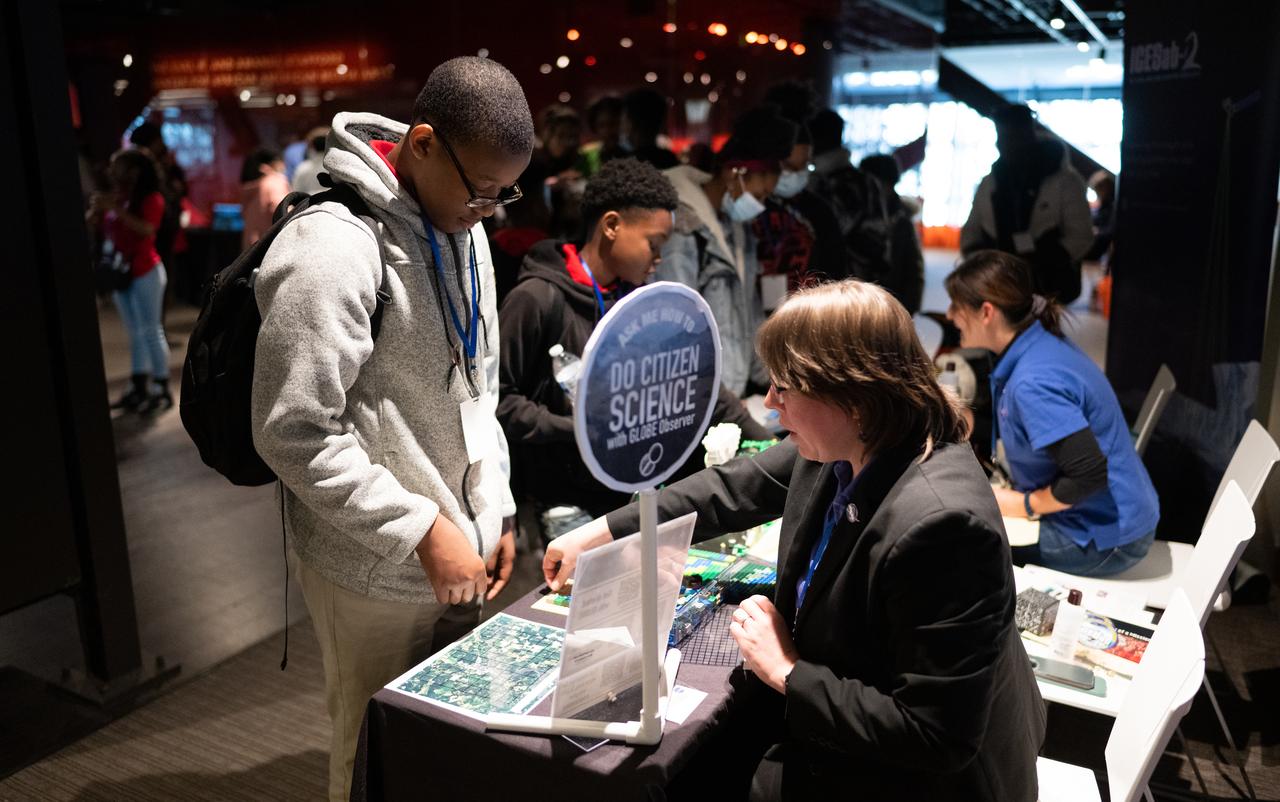
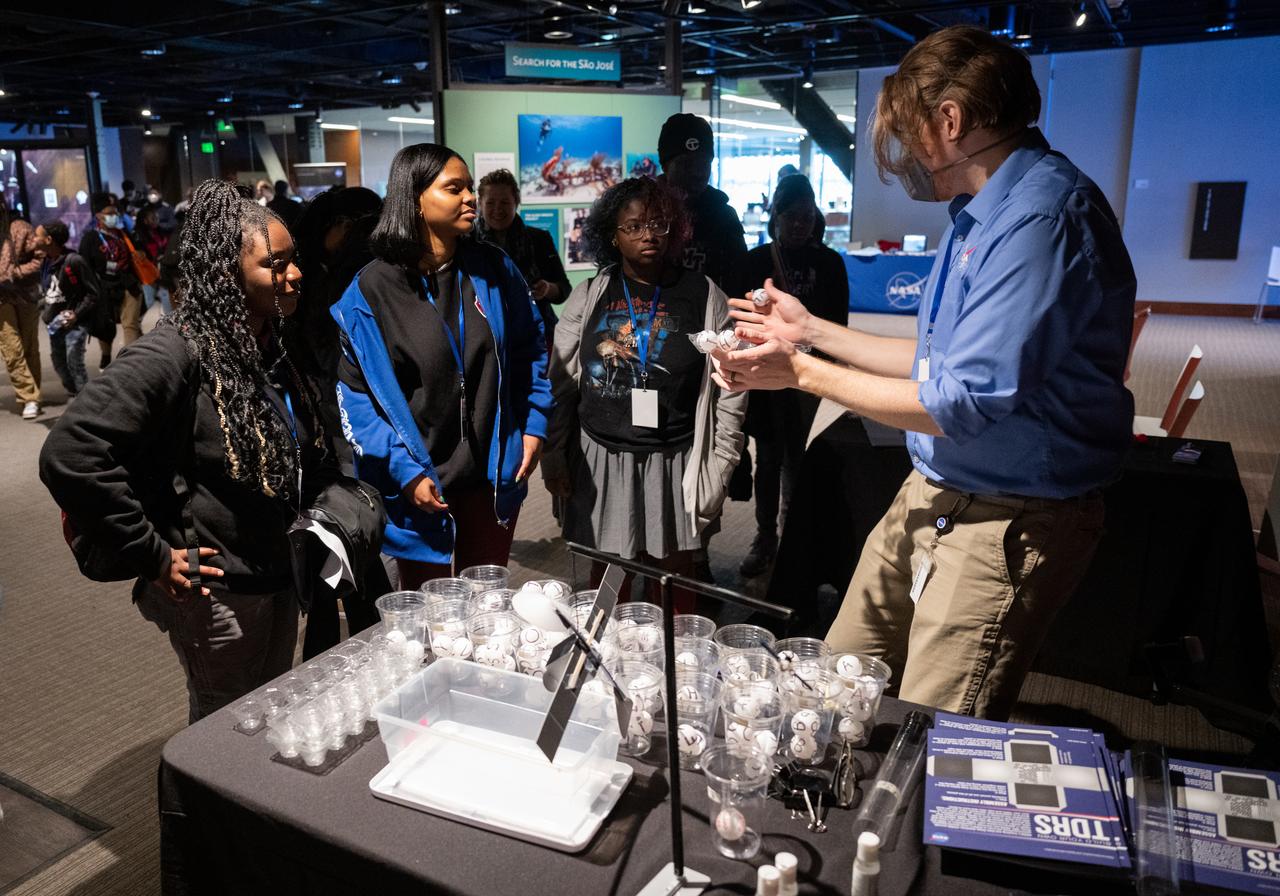
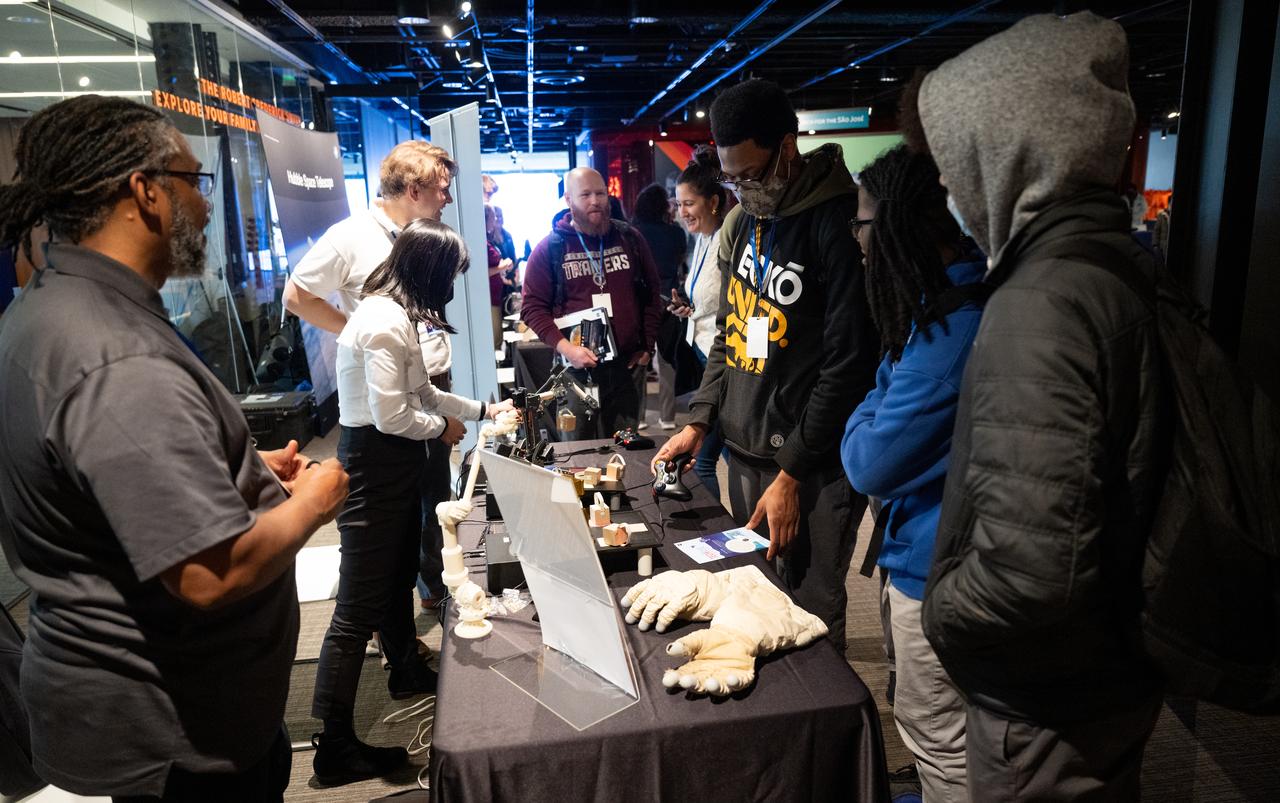
Students from local schools view STEM exhibits during an event celebrating Black History Month at the Smithsonian National Museum of African American History and Culture, Friday, Feb. 10, 2023, in Washington. Photo Credit: (NASA/Joel Kowsky)
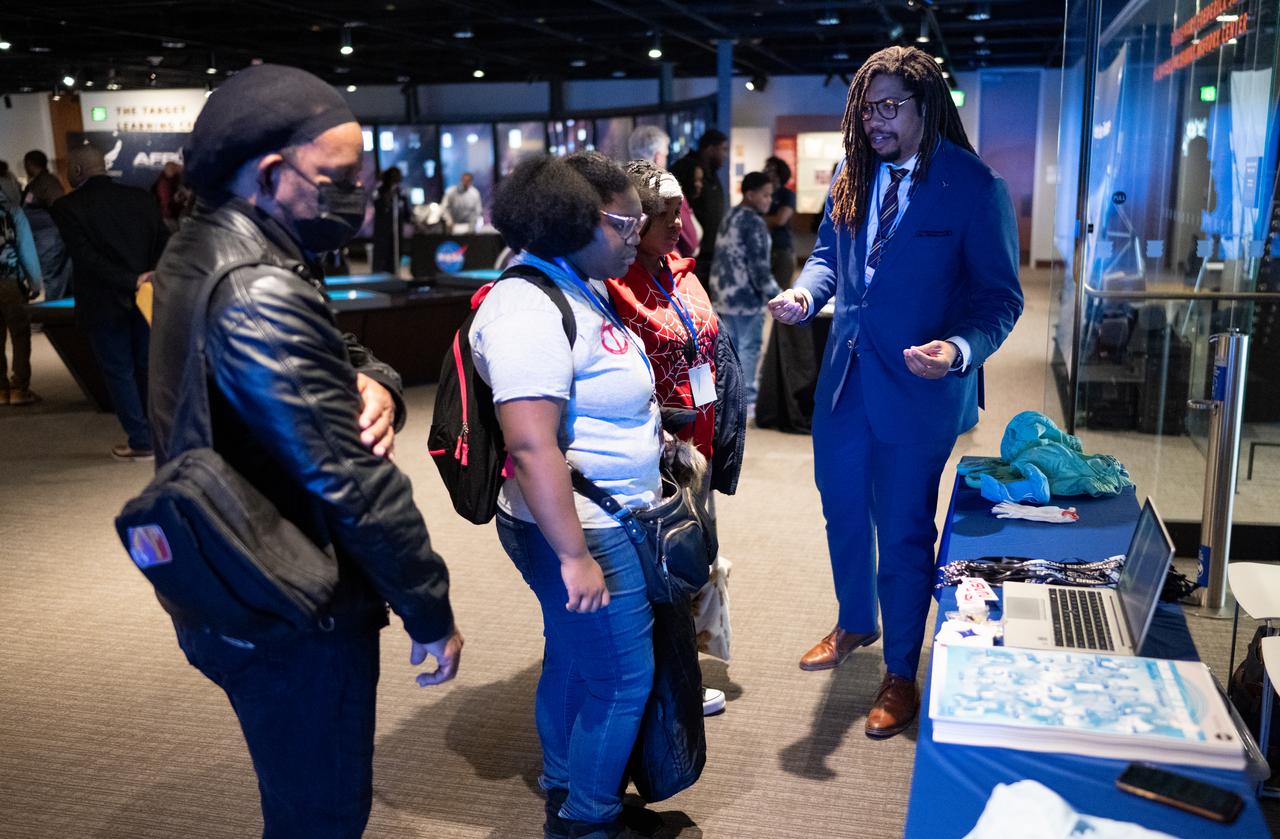
Students from local schools view STEM exhibits during an event celebrating Black History Month at the Smithsonian National Museum of African American History and Culture, Friday, Feb. 10, 2023, in Washington. Photo Credit: (NASA/Joel Kowsky)
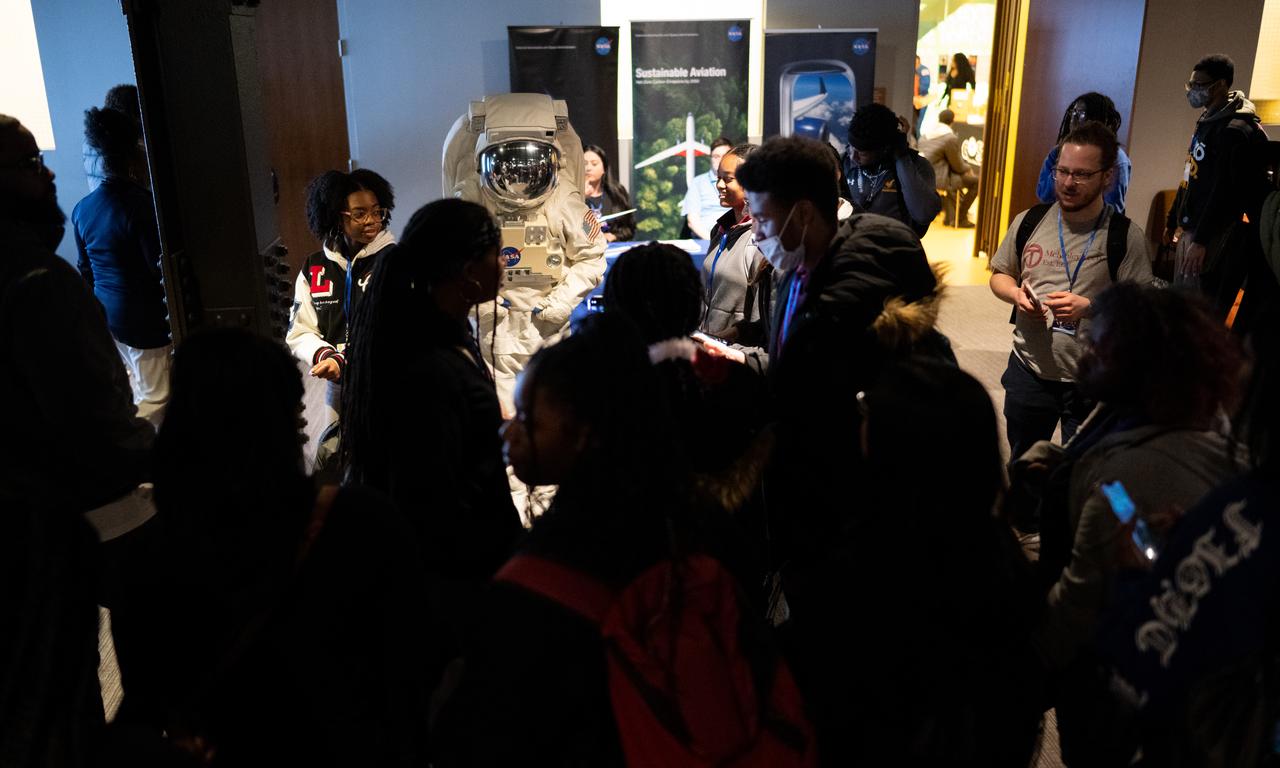
Students from local schools take pictures with an individual wearing a space suit as they view STEM exhibits during an event celebrating Black History Month at the Smithsonian National Museum of African American History and Culture, Friday, Feb. 10, 2023, in Washington. Photo Credit: (NASA/Joel Kowsky)

Students from local schools view STEM exhibits during an event celebrating Black History Month at the Smithsonian National Museum of African American History and Culture, Friday, Feb. 10, 2023, in Washington. Photo Credit: (NASA/Joel Kowsky)

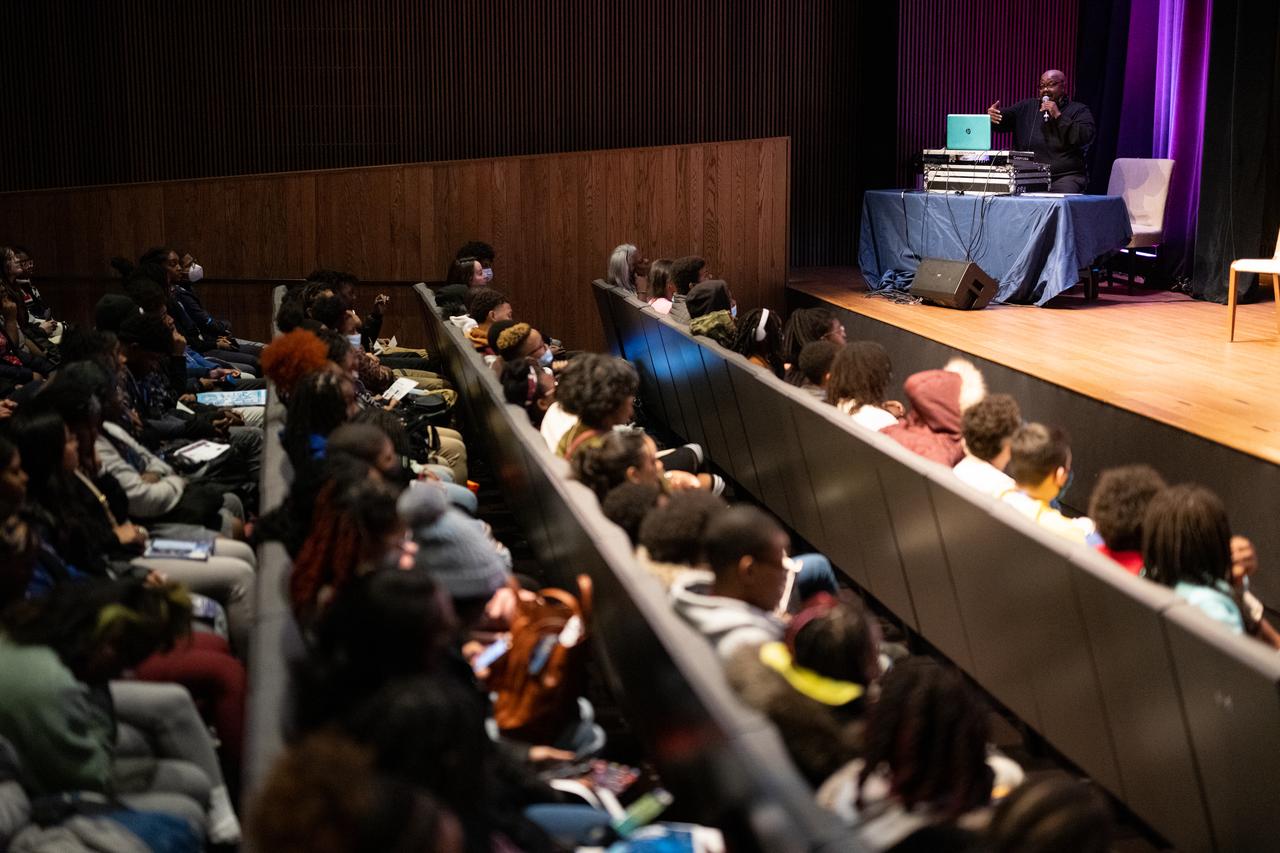
DJ Scientific, Mark Branch, speaks to students about the science behind the music during an event celebrating Black History Month at the Smithsonian National Museum of African American History and Culture, Friday, Feb. 10, 2023, in Washington. Photo Credit: (NASA/Joel Kowsky)
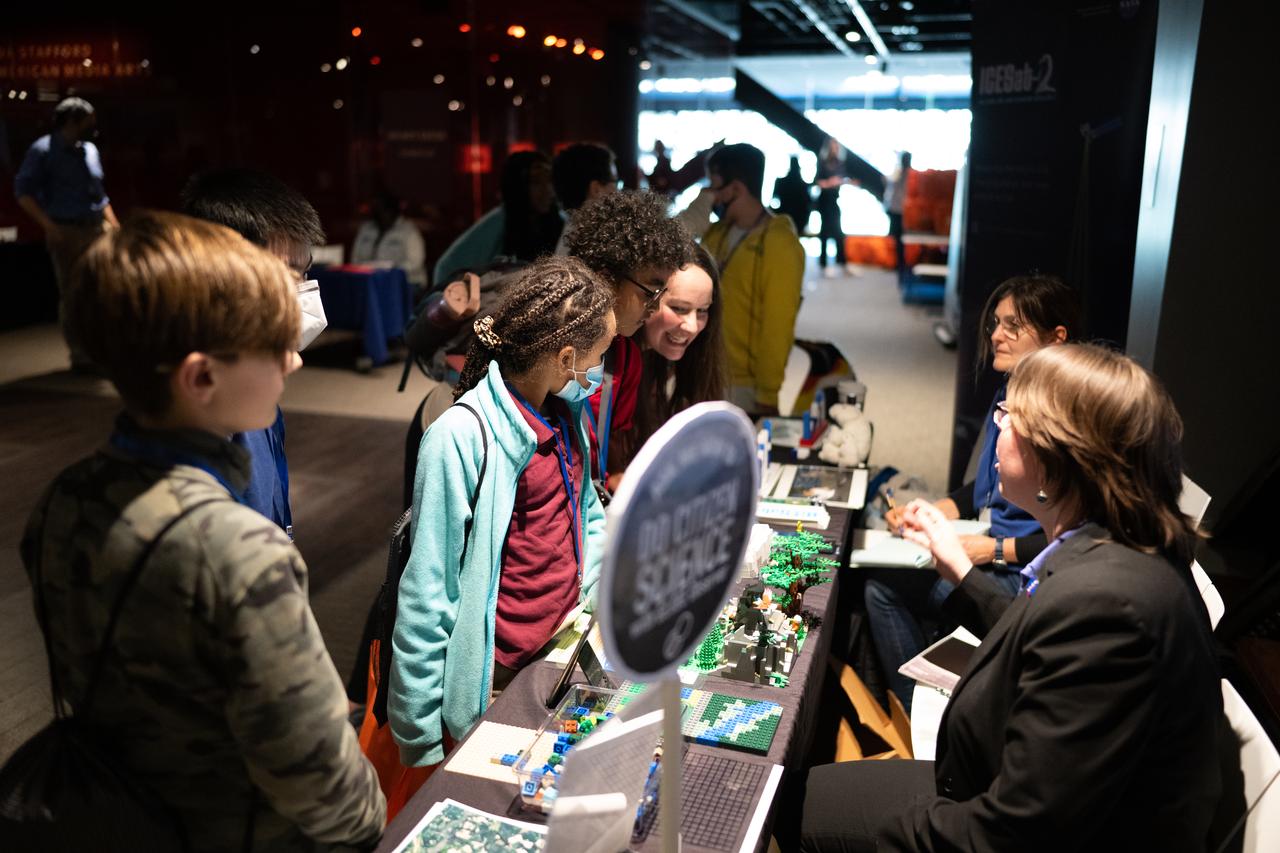
Students from local schools view STEM exhibits during an event celebrating Black History Month at the Smithsonian National Museum of African American History and Culture, Friday, Feb. 10, 2023, in Washington. Photo Credit: (NASA/Joel Kowsky)
Students from local schools view STEM exhibits during an event celebrating Black History Month at the Smithsonian National Museum of African American History and Culture, Friday, Feb. 10, 2023, in Washington. Photo Credit: (NASA/Joel Kowsky)
Students from local schools view STEM exhibits during an event celebrating Black History Month at the Smithsonian National Museum of African American History and Culture, Friday, Feb. 10, 2023, in Washington. Photo Credit: (NASA/Joel Kowsky)
DJ Scientific, Mark Branch, speaks to students about the science behind the music during an event celebrating Black History Month at the Smithsonian National Museum of African American History and Culture, Friday, Feb. 10, 2023, in Washington. Photo Credit: (NASA/Joel Kowsky)
Students from local schools view STEM exhibits during an event celebrating Black History Month at the Smithsonian National Museum of African American History and Culture, Friday, Feb. 10, 2023, in Washington. Photo Credit: (NASA/Joel Kowsky)
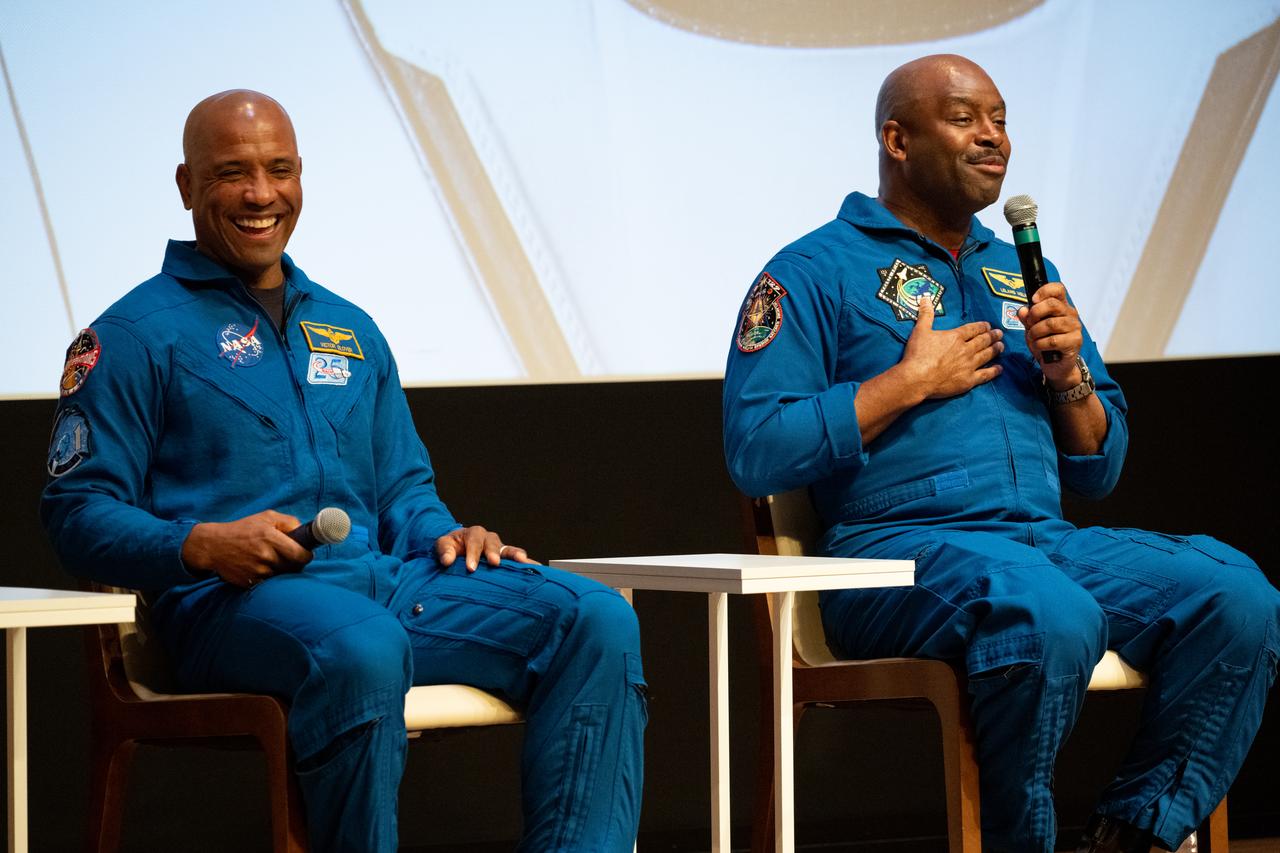
NASA astronaut Victor Glover, left, and retired NASA astronaut Leland Melvin, right, answer questions during a panel discussion titled A Space for Us All at an event celebrating Black History Month at the Smithsonian National Museum of African American History and Culture, Friday, Feb. 10, 2023, in Washington. Photo Credit: (NASA/Joel Kowsky)
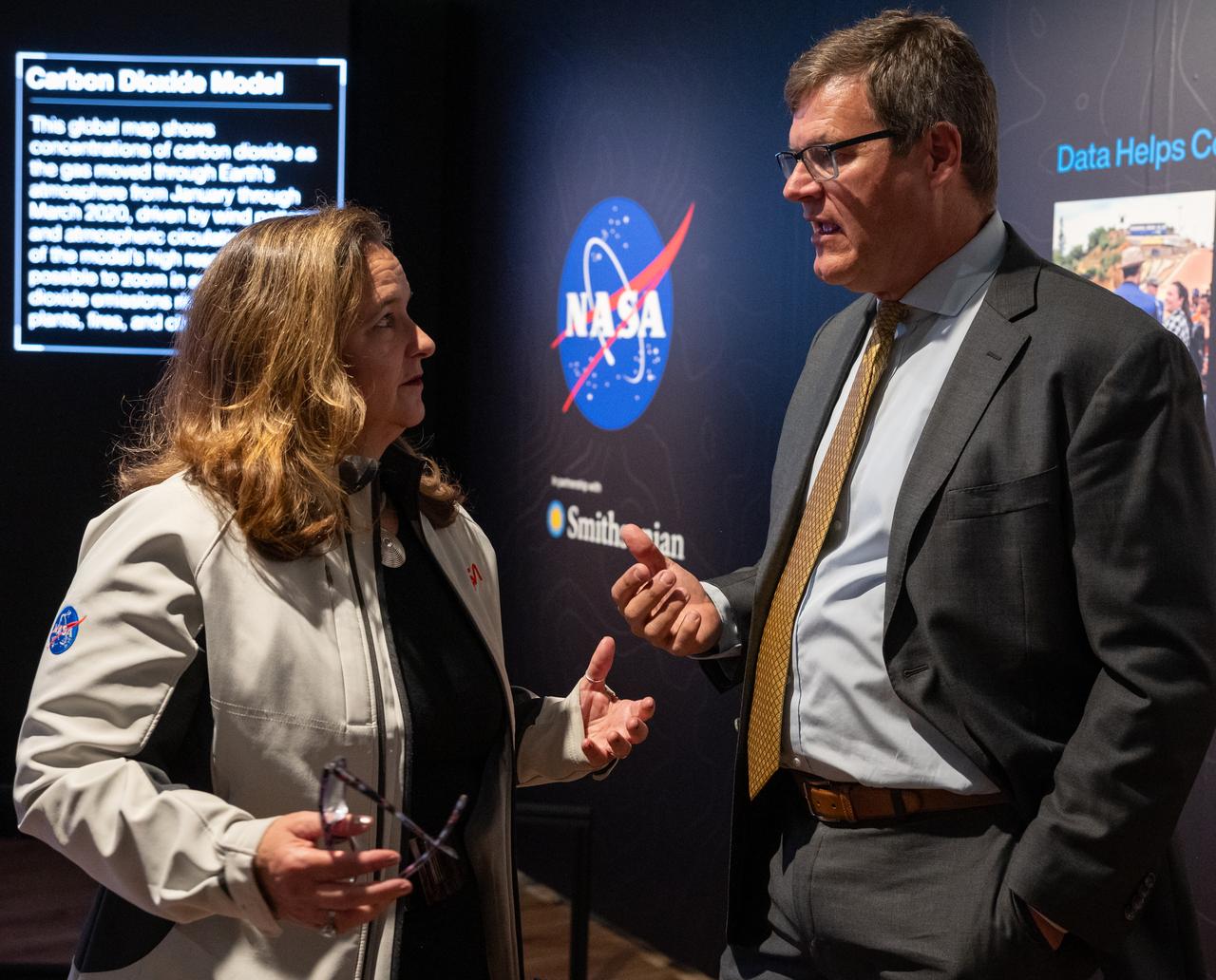
NASA Earth Sciences, Division Director, Karen St. Germain, left, and Smithsonian Museum of Natural History, Sant Director, Kirk Johnson, talk during a preview of the Earth Information Center at the Smithsonian National Museum of Natural History, in Washington, Monday, Oct. 7, 2024. The exhibit includes a video wall displaying Earth science data visualizations and videos, an interpretive panel showing Earth’s connected systems, information on our changing world, and an overview of how NASA and the Smithsonian study our home planet. Photo Credit: (NASA/Bill Ingalls)
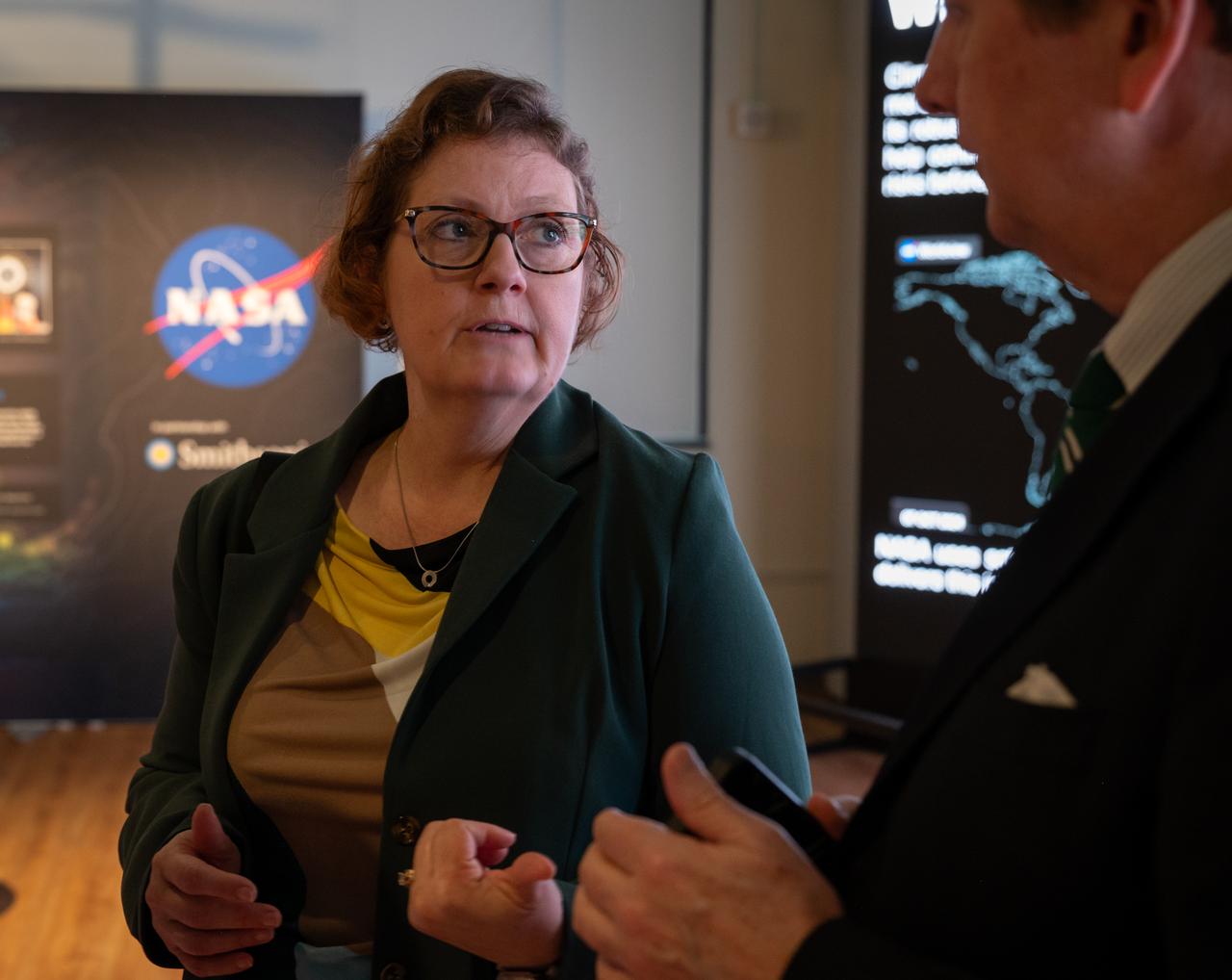
NASA Earth Sciences Division, Deputy Director, Julie Robinson, previews of the Earth Information Center at the Smithsonian National Museum of Natural History, in Washington, Monday, Oct. 7, 2024. The exhibit includes a video wall displaying Earth science data visualizations and videos, an interpretive panel showing Earth’s connected systems, information on our changing world, and an overview of how NASA and the Smithsonian study our home planet. Photo Credit: (NASA/Bill Ingalls)

Roger Launius, senior curator in space history at the National Air and Space Museum makes a point during an Apollo History and Legacy roundtable discussion, Thursday, July 16, 2009, at NASA Headquarters in Washington. Photo Credit: (NASA/Paul E. Alers)
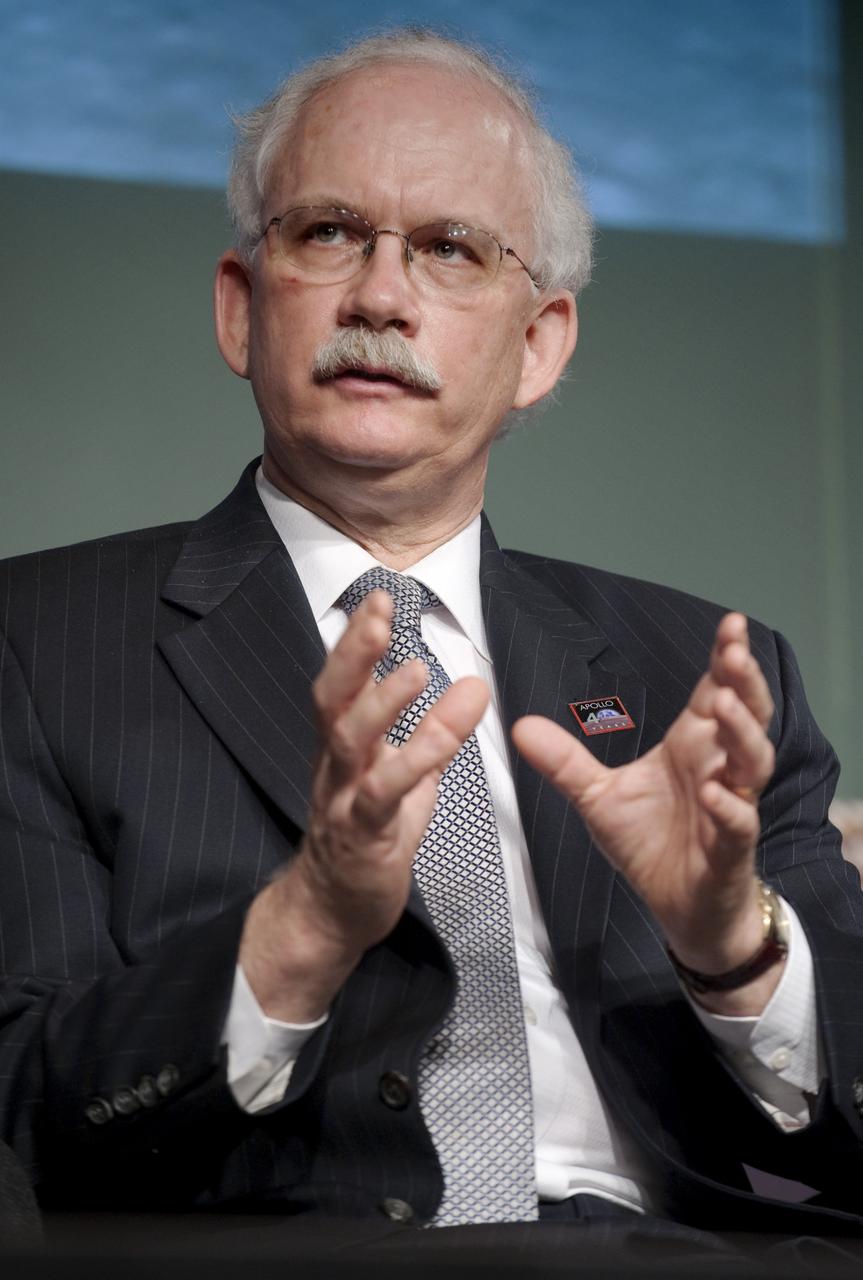
Michael Neufeld, chair of the division of space history at the National Air and Space Museum, speaks during an Apollo History and Legacy roundtable discussion, Thursday, July 16, 2009, at NASA Headquarters in Washington. Photo Credit: (NASA/Paul E. Alers)

John Logsdon, Charles A. Lindbergh chair in aerospace history at the Smithsonian, emphasizes a point during an Apollo History and Legacy roundtable discussion, Thursday, July 16, 2009, at NASA Headquarters in Washington. Photo Credit: (NASA/Paul E. Alers)
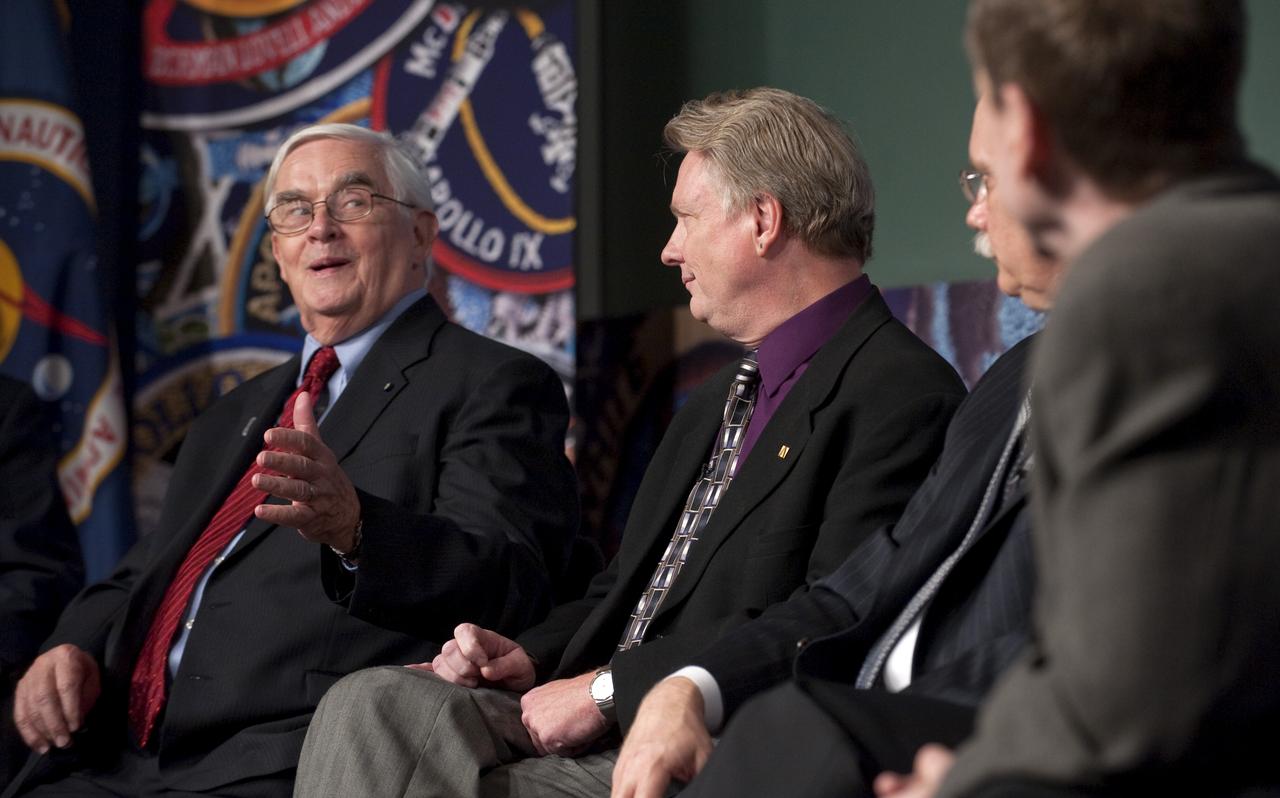
John Logsdon, Charles A. Lindbergh chair in aerospace history at the Smithsonianan, left, speaks as other panelists look on during an Apollo History and Legacy roundtable discussion, Thursday, July 16, 2009, at NASA Headquarters in Washington. Photo Credit: (NASA/Paul E. Alers)

The Smithsonian National Museum of Natural History in Washington is seen as the new Earth Information Center is previewed, Monday, Oct. 7, 2024. The exhibit includes a video wall displaying Earth science data visualizations and videos, an interpretive panel showing Earth’s connected systems, information on our changing world, and an overview of how NASA and the Smithsonian study our home planet. Photo Credit: (NASA/Bill Ingalls)
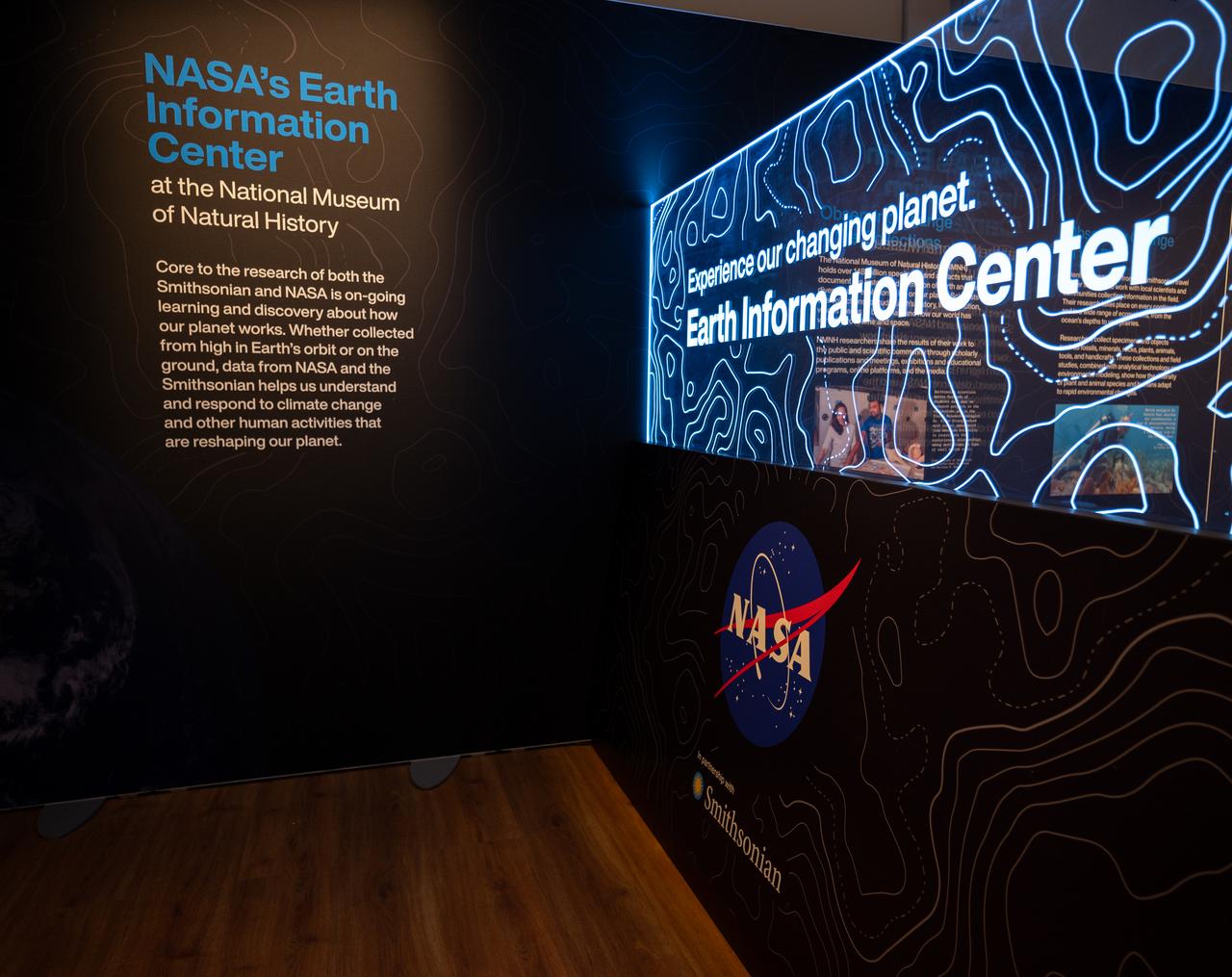
The Earth Information Center at the Smithsonian National Museum of Natural History, in Washington, is previewed, Monday, Oct. 7, 2024. The exhibit includes a video wall displaying Earth science data visualizations and videos, an interpretive panel showing Earth’s connected systems, information on our changing world, and an overview of how NASA and the Smithsonian study our home planet. Photo Credit: (NASA/Bill Ingalls)
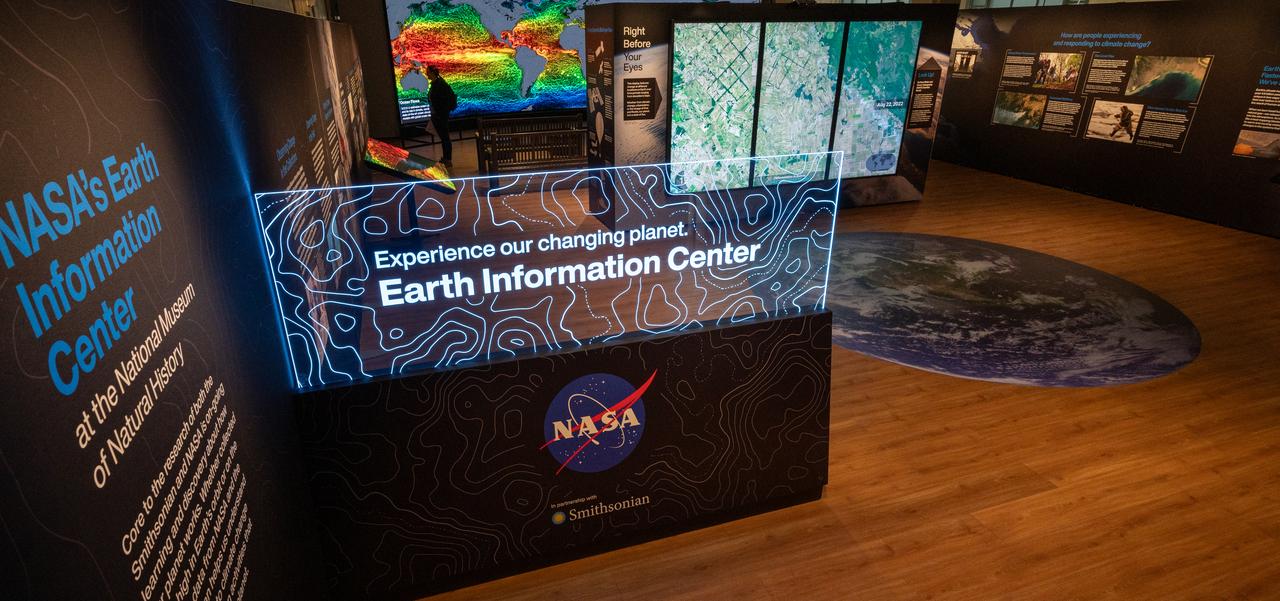
The Earth Information Center at the Smithsonian National Museum of Natural History, in Washington, is previewed, Monday, Oct. 7, 2024. The exhibit includes a video wall displaying Earth science data visualizations and videos, an interpretive panel showing Earth’s connected systems, information on our changing world, and an overview of how NASA and the Smithsonian study our home planet. Photo Credit: (NASA/Bill Ingalls)
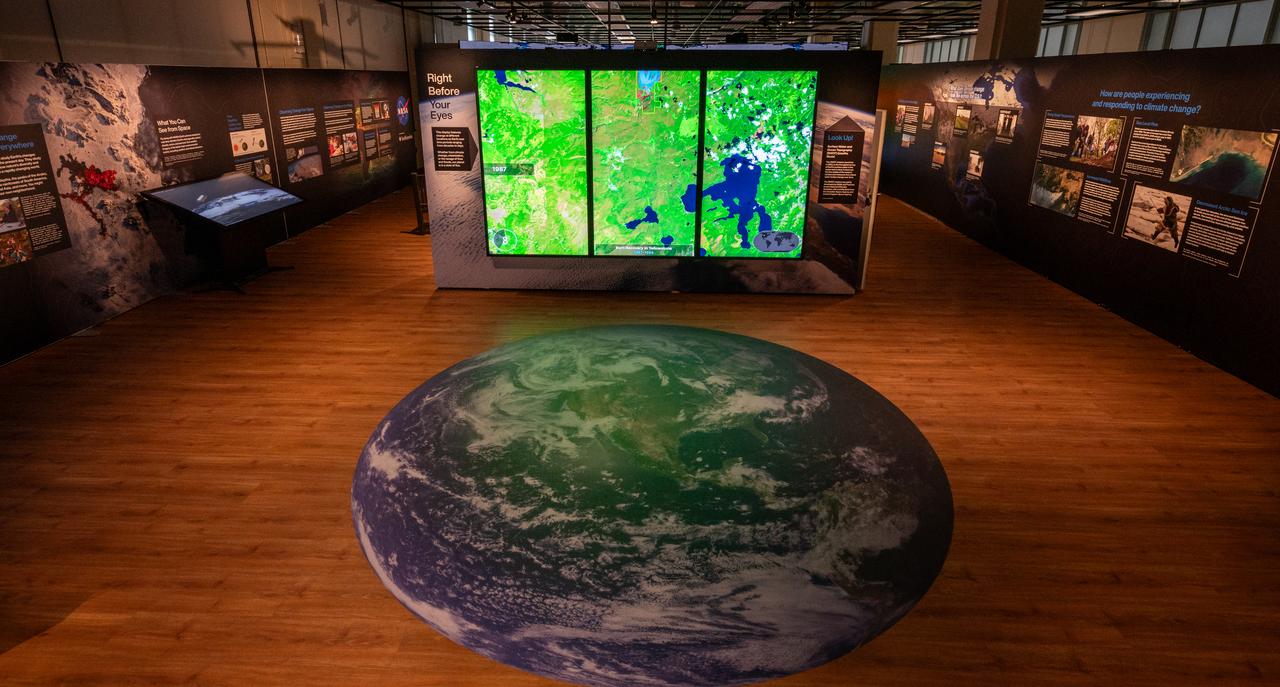
The Earth Information Center at the Smithsonian National Museum of Natural History, in Washington, is previewed, Monday, Oct. 7, 2024. The exhibit includes a video wall displaying Earth science data visualizations and videos, an interpretive panel showing Earth’s connected systems, information on our changing world, and an overview of how NASA and the Smithsonian study our home planet. Photo Credit: (NASA/Bill Ingalls)
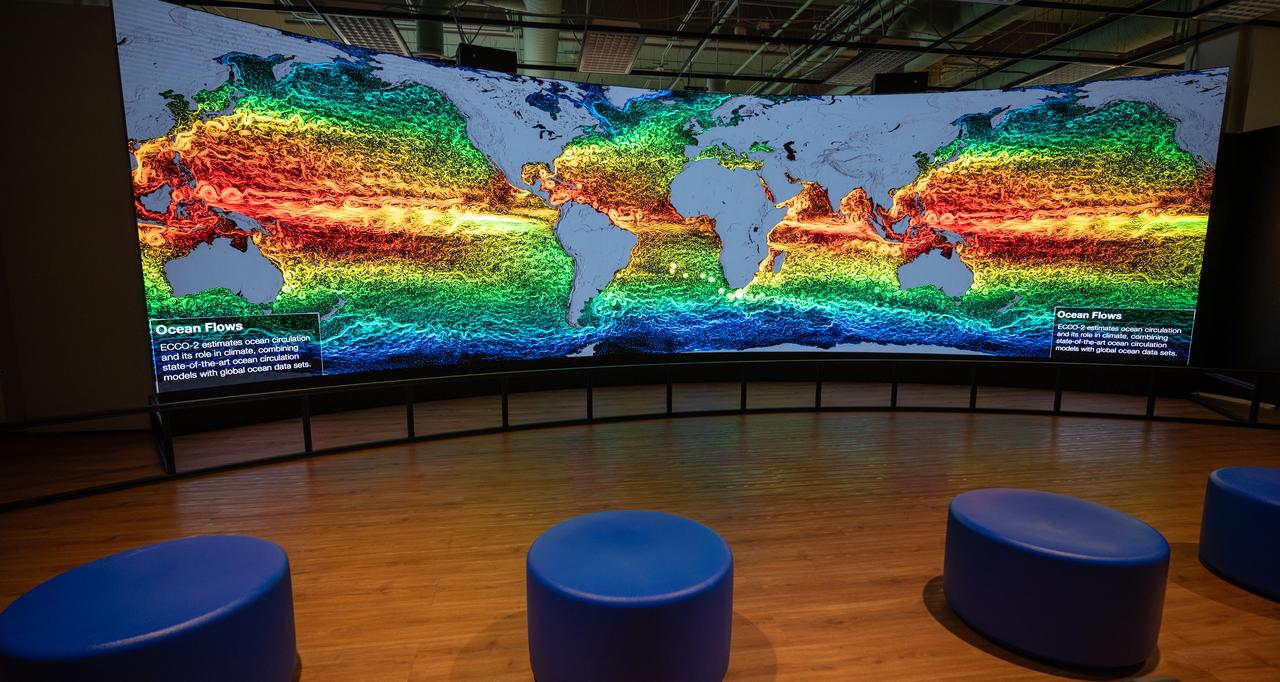
The Earth Information Center at the Smithsonian National Museum of Natural History, in Washington, is previewed, Monday, Oct. 7, 2024. The exhibit includes a video wall displaying Earth science data visualizations and videos, an interpretive panel showing Earth’s connected systems, information on our changing world, and an overview of how NASA and the Smithsonian study our home planet. Photo Credit: (NASA/Bill Ingalls)
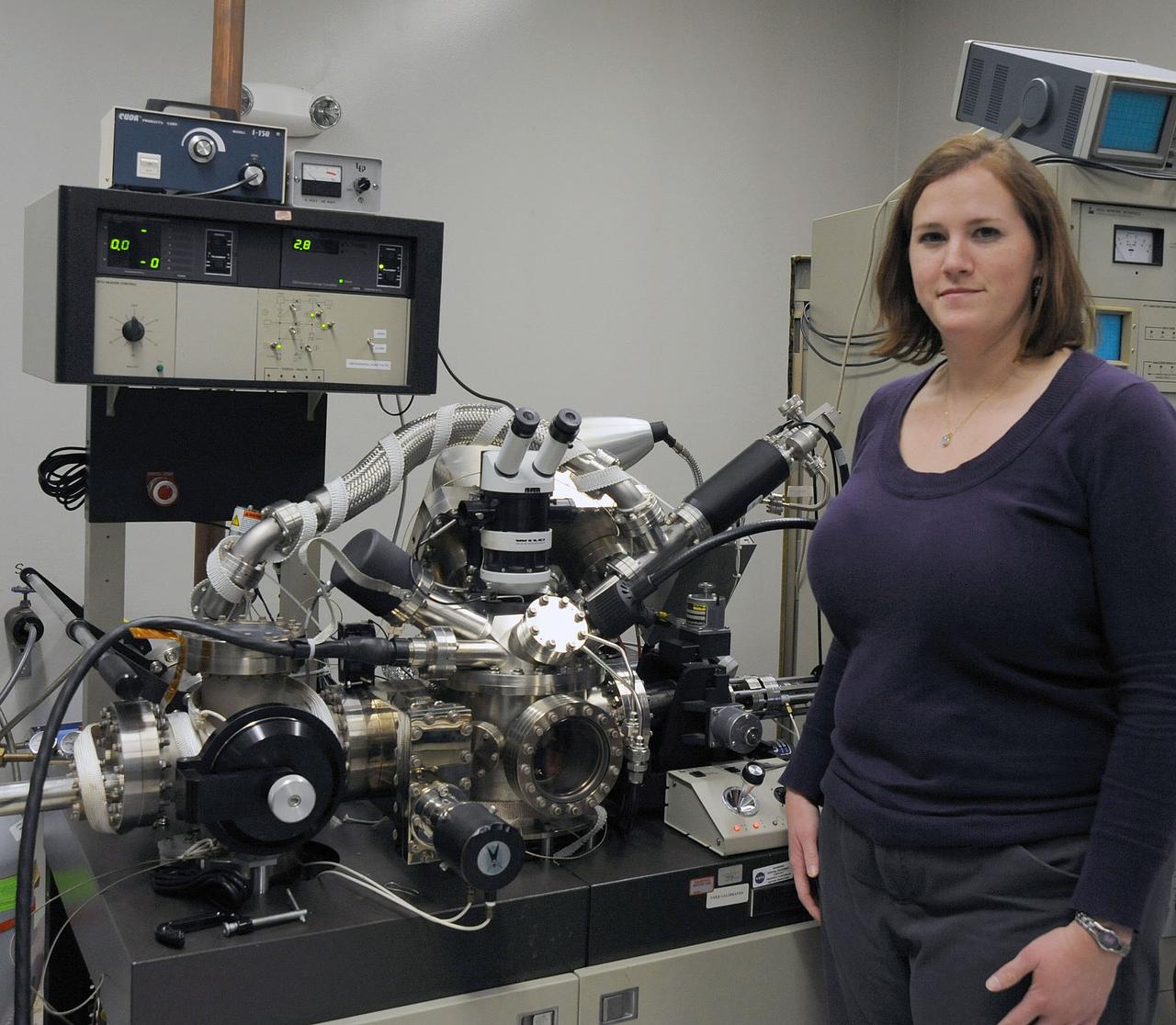
Marjorie Sovinski looking for the presence of chromium, which would help confirm that the exterior of the film had a chromium conversion coating. PHOTO CREDIT: NASA/Debbie Mccallum
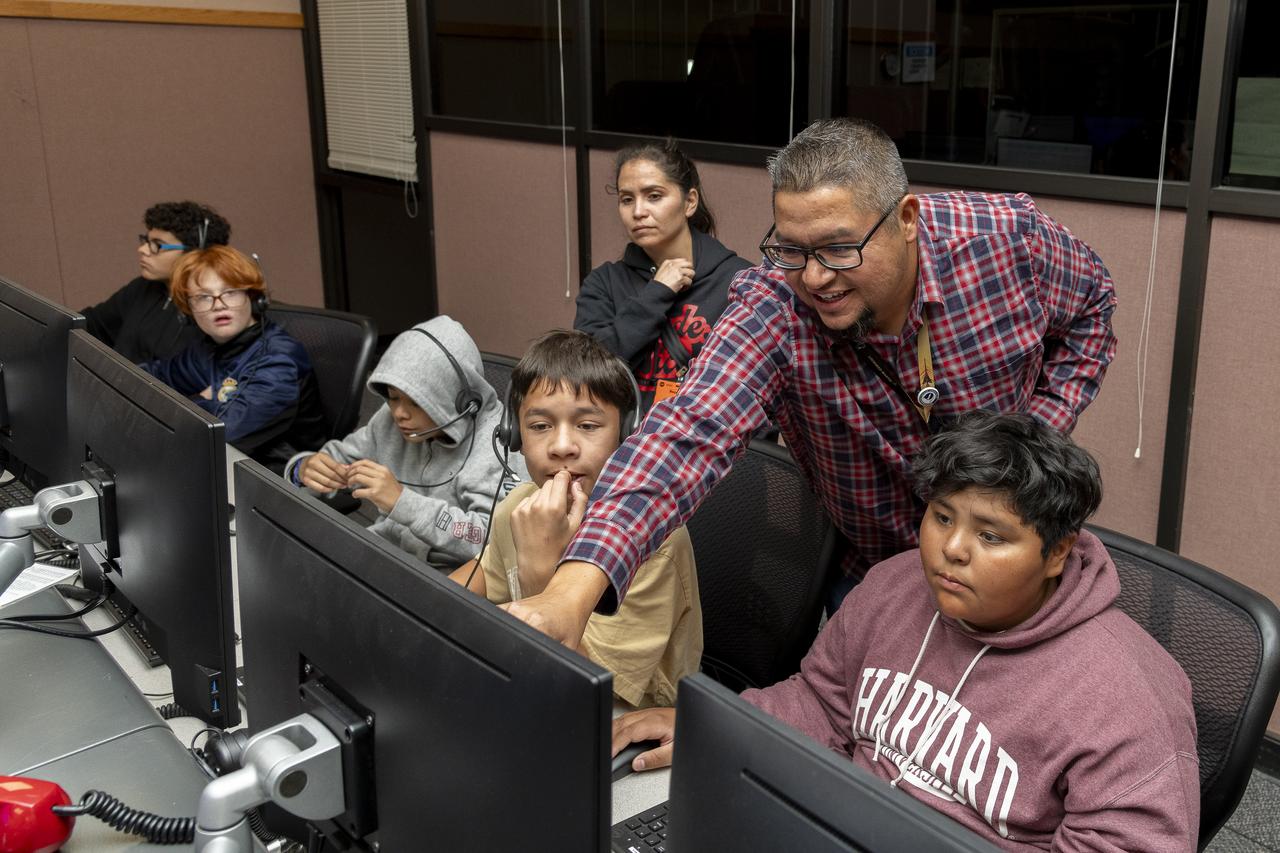
A group of middle school students and their teachers sit in the control room for a hands-on experience at NASA’s Armstrong Flight Research Center in Edwards, California during an event hosted by NASA’s California Office of STEM Engagement for National Aviation History Month.
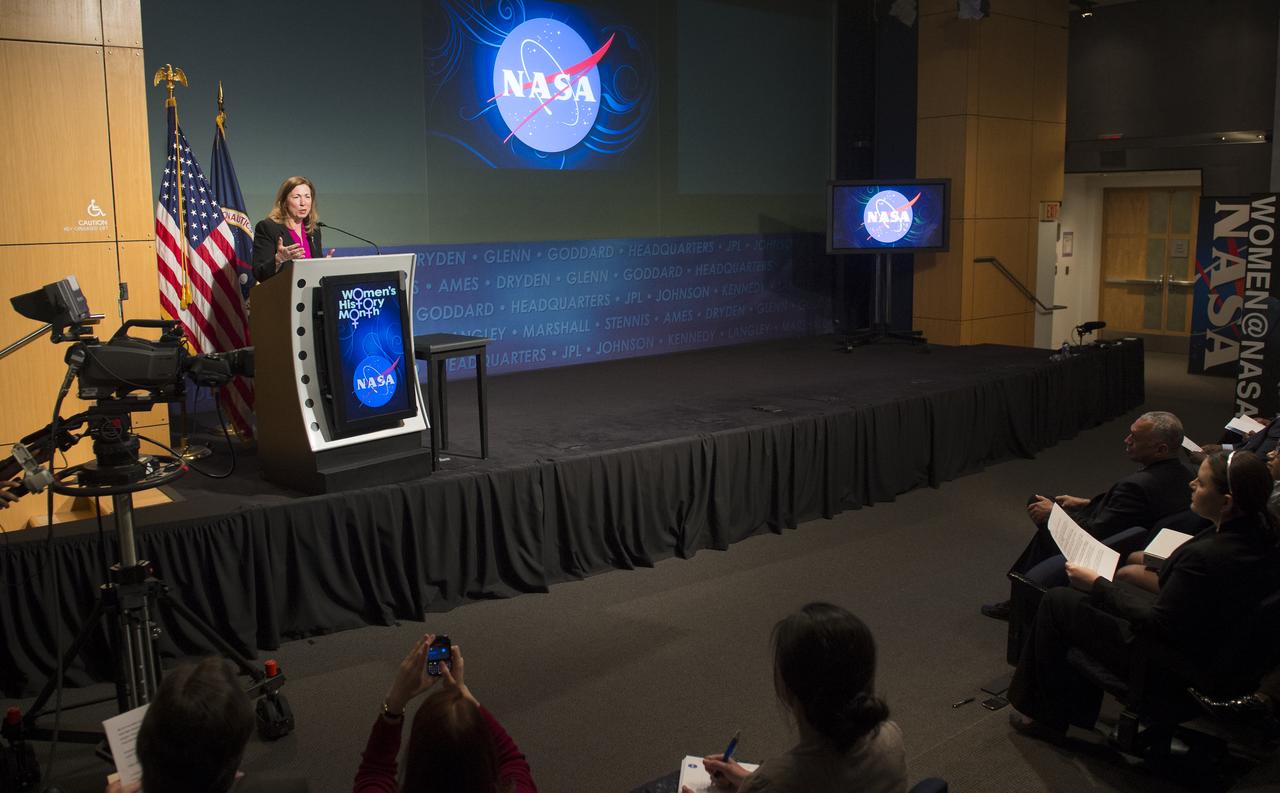
Lori Garver, NASA Deputy Administrator gave opening remarks at an event at NASA Headquarters celebrating National Women's History Month, Thursday, March 14, 2013 in Washington. This year's keynote speaker was Donna Brazile, adjunct professor at Georgetown University, syndicated newspaper columnist and vice chair of voter registration and participation at the Democratic National Committee (DNC). The theme of this year's program was "Women Inspiring Innovation Through Imagination." Photo Credit: (NASA/Carla Cioffi)
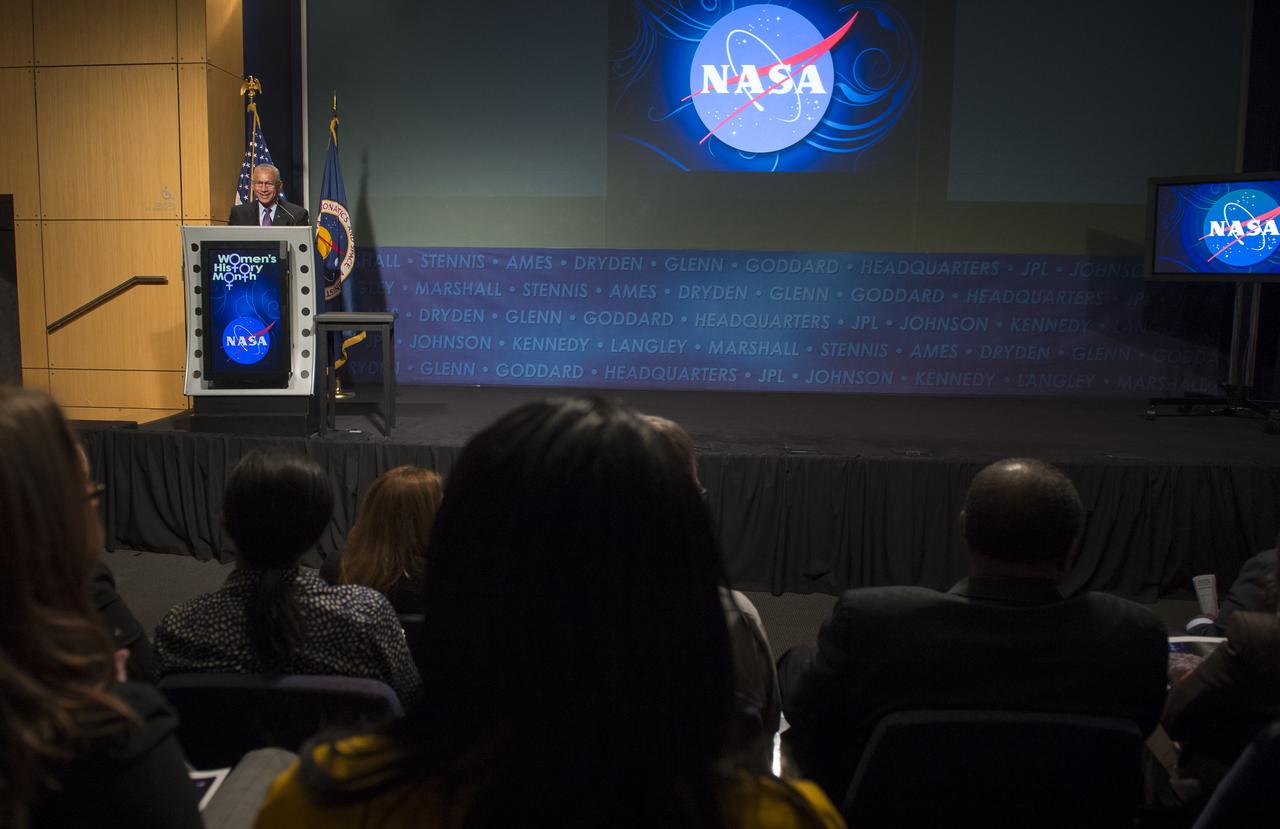
NASA Administrator Charles Bolden gave the introduction to the keynote speaker at an event celebrating National Women's History Month at NASA Headquarters, Thursday, March 14, 2013 in Washington. This year's keynote speaker was Donna Brazile, adjunct professor at Georgetown University, syndicated newspaper columnist and vice chair of voter registration and participation at the Democratic National Committee (DNC). The theme of this year's program was "Women Inspiring Innovation Through Imagination." Photo Credit: (NASA/Carla Cioffi)
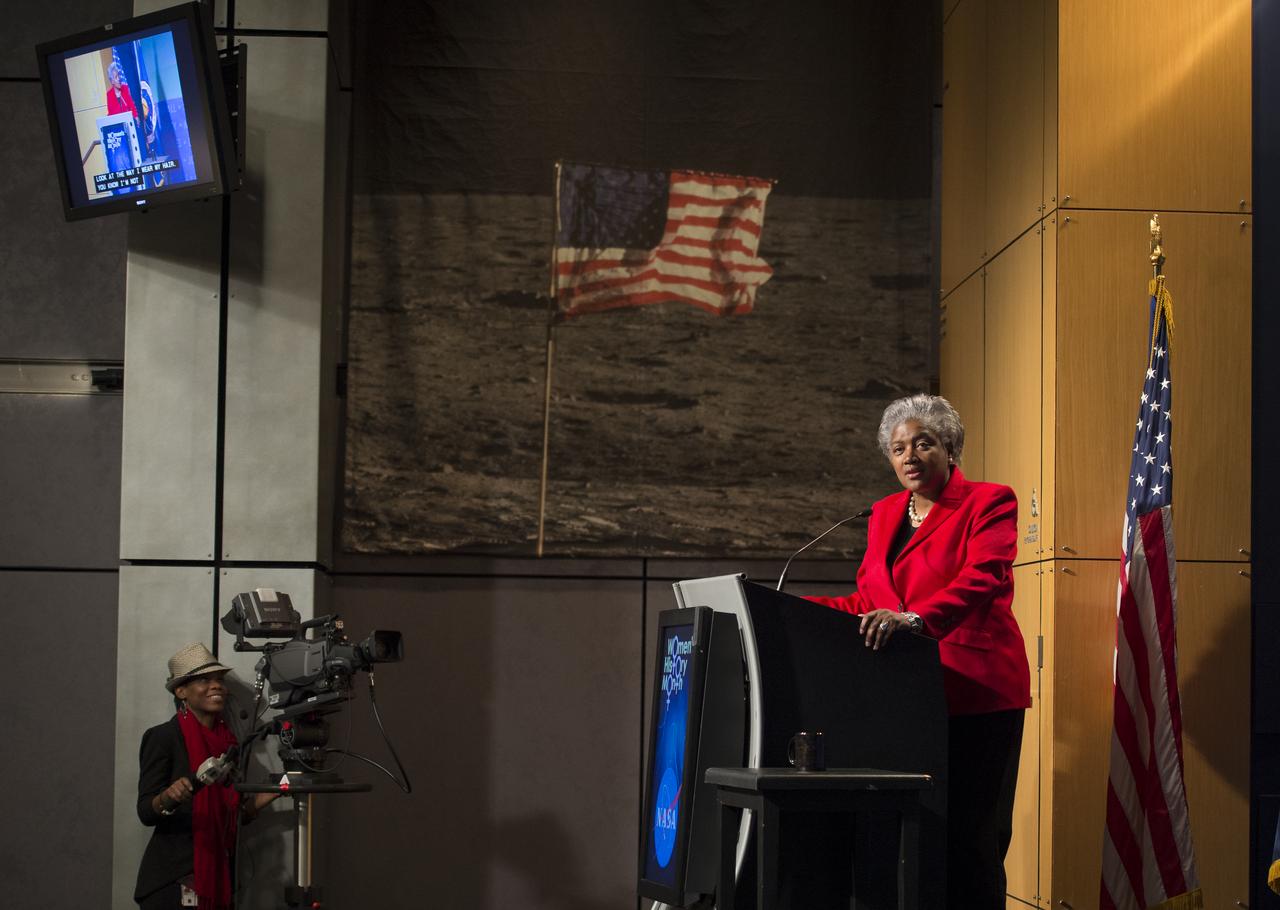
Donna Brazile, adjunct professor at Georgetown University, syndicated newspaper columnist and vice chair of voter registration and participation at the Democratic National Committee (DNC), gives the keynote speech at a program celebrating National Women's History Month at NASA Headquarters, Thursday, March 14, 2013 in Washington. The theme of this year's program was "Women Inspiring Innovation Through Imagination." The program was sponsored by the HQ Equal Opportunity and Diversity Management Division at NASA Headquarters and commemorates the 100th Anniversary of the Women's Suffrage March on Washington. Photo Credit: (NASA/Carla Cioffi)
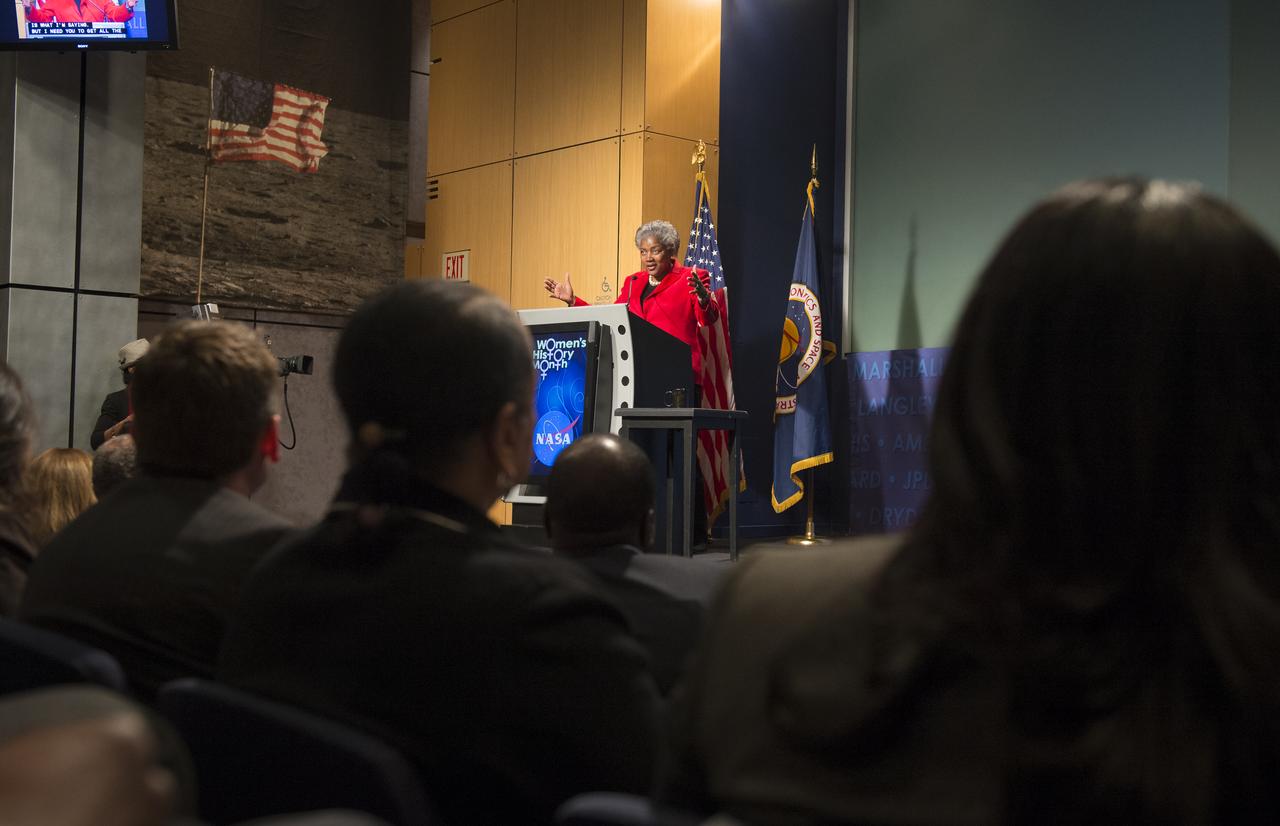
Donna Brazile, adjunct professor at Georgetown University, syndicated newspaper columnist and vice chair of voter registration and participation at the Democratic National Committee (DNC), gives the keynote speech at a program celebrating National Women's History Month at NASA Headquarters, Thursday, March 14, 2013 in Washington. The theme of this year's program was "Women Inspiring Innovation Through Imagination." The program was sponsored by the HQ Equal Opportunity and Diversity Management Division at NASA Headquarters and commemorates the 100th Anniversary of the Women's Suffrage March on Washington. Photo Credit: (NASA/Carla Cioffi)
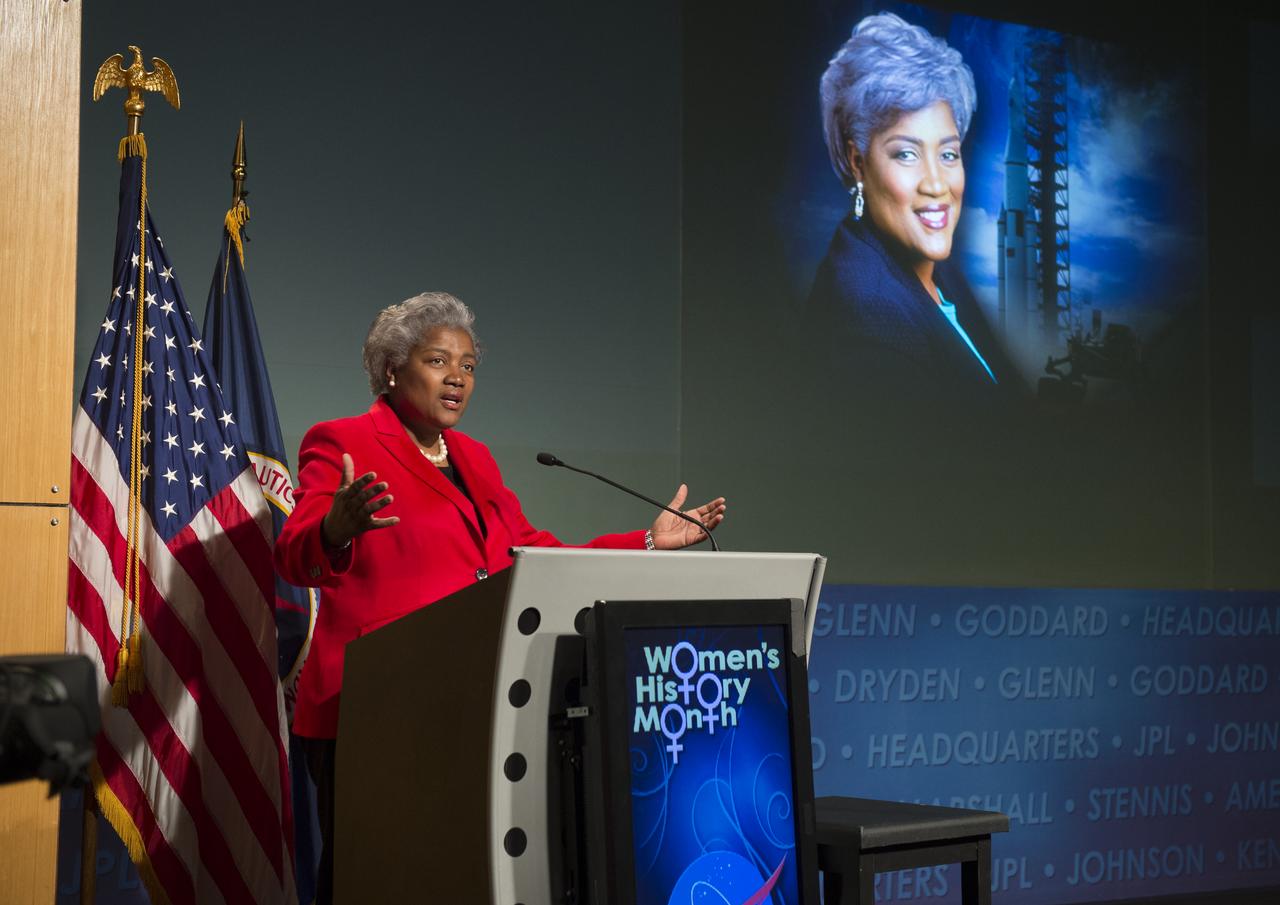
Donna Brazile, adjunct professor at Georgetown University, syndicated newspaper columnist and vice chair of voter registration and participation at the Democratic National Committee (DNC), gives the keynote speech at a program celebrating National Women's History Month at NASA Headquarters, Thursday, March 14, 2013 in Washington. The theme of this year's program was "Women Inspiring Innovation Through Imagination." The program was sponsored by the HQ Equal Opportunity and Diversity Management Division at NASA Headquarters and commemorates the 100th Anniversary of the Women's Suffrage March on Washington. Photo Credit: (NASA/Carla Cioffi)

Donna Brazile, adjunct professor at Georgetown University, syndicated newspaper columnist and vice chair of voter registration and participation at the Democratic National Committee (DNC), gives the keynote speech at a program celebrating National Women's History Month at NASA Headquarters, Thursday, March 14, 2013 in Washington. The theme of this year's program was "Women Inspiring Innovation Through Imagination." The program was sponsored by the HQ Equal Opportunity and Diversity Management Division at NASA Headquarters and commemorates the 100th Anniversary of the Women's Suffrage March on Washington. Photo Credit: (NASA/Carla Cioffi)
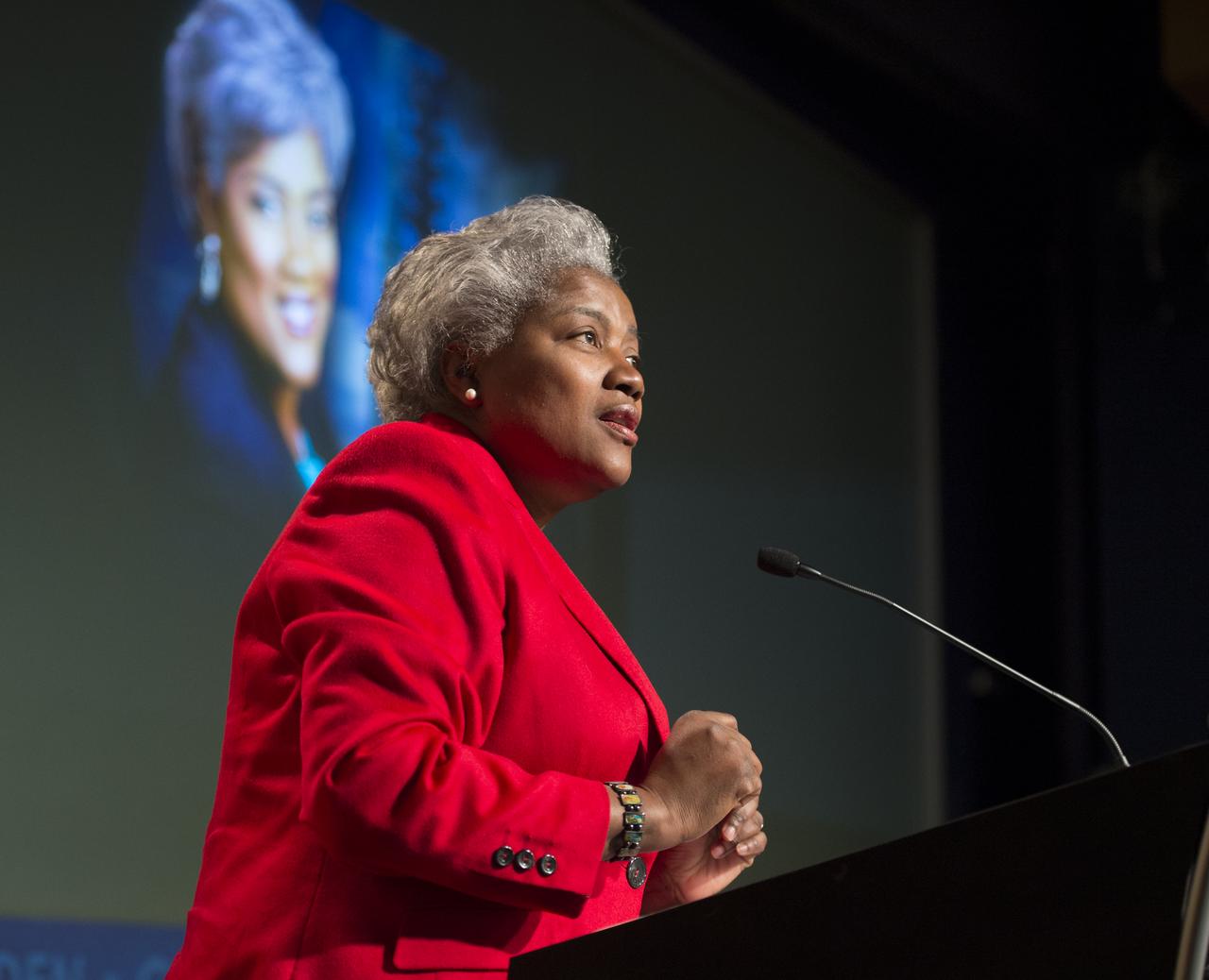
Donna Brazile, adjunct professor at Georgetown University, syndicated newspaper columnist and vice chair of voter registration and participation at the Democratic National Committee (DNC), gives the keynote speech at a program celebrating National Women's History Month at NASA Headquarters, Thursday, March 14, 2013 in Washington. The theme of this year's program was "Women Inspiring Innovation Through Imagination." The program was sponsored by the HQ Equal Opportunity and Diversity Management Division at NASA Headquarters and commemorates the 100th Anniversary of the Women's Suffrage March on Washington. Photo Credit: (NASA/Carla Cioffi)
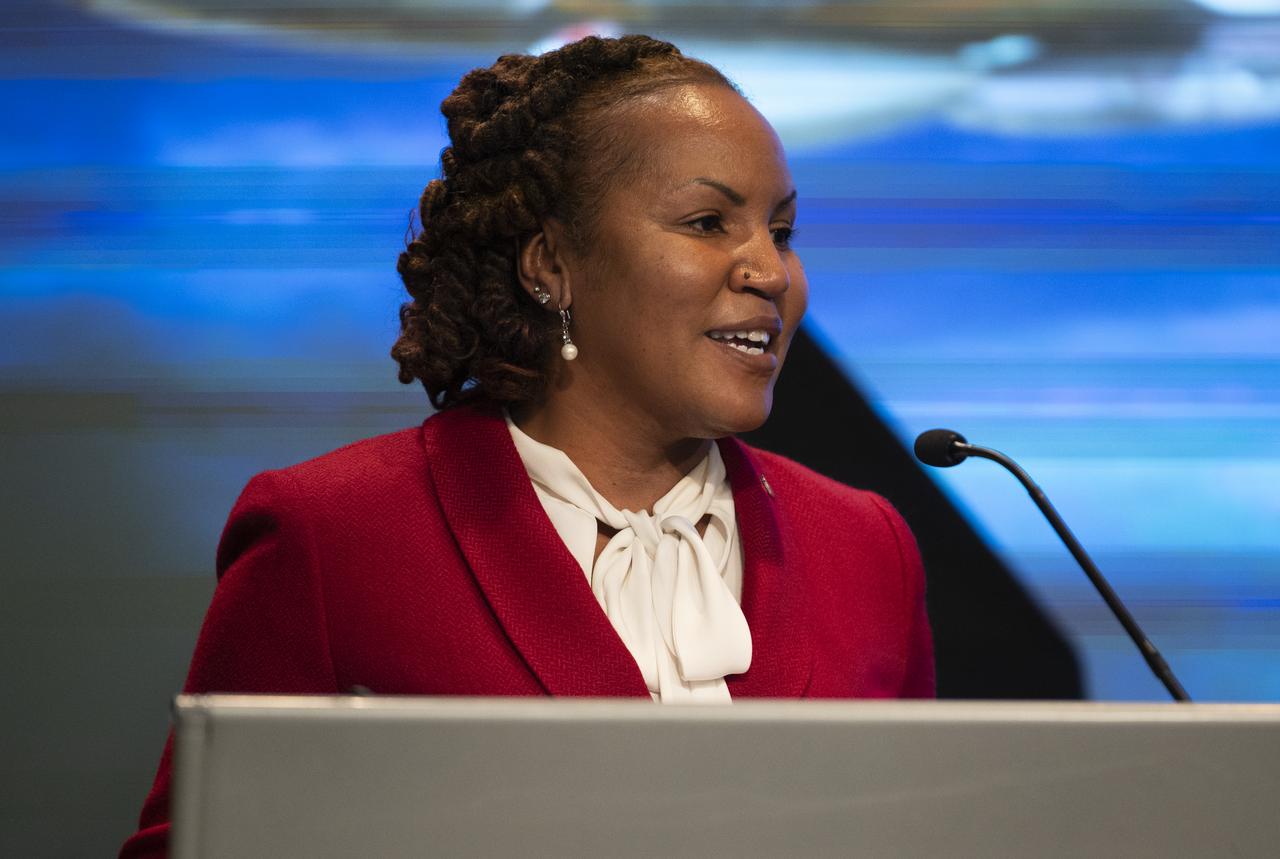
Monica Manning, Assistant Administrator for Procurement at NASA, introduces Retired U.S. Air Force Honorary Brigadier General Charles McGee and NASA astronaut Alvin Drew during a Black History Month program titled “Trailblazers, The Story of a Tuskegee Airman,” Wednesday, Feb. 5, 2020, at NASA Headquarters in Washington, DC. McGee, a pilot with the Tuskegee Airmen during World War II, was a career officer in the Air Force also serving during the Korean and Vietnam Wars. Over his 30 years of service he flew 409 combat missions. Of the 355 Tuskegee pilots who flew in combat, McGee is one of only nine surviving. Photo Credit: (NASA/Joel Kowsky)
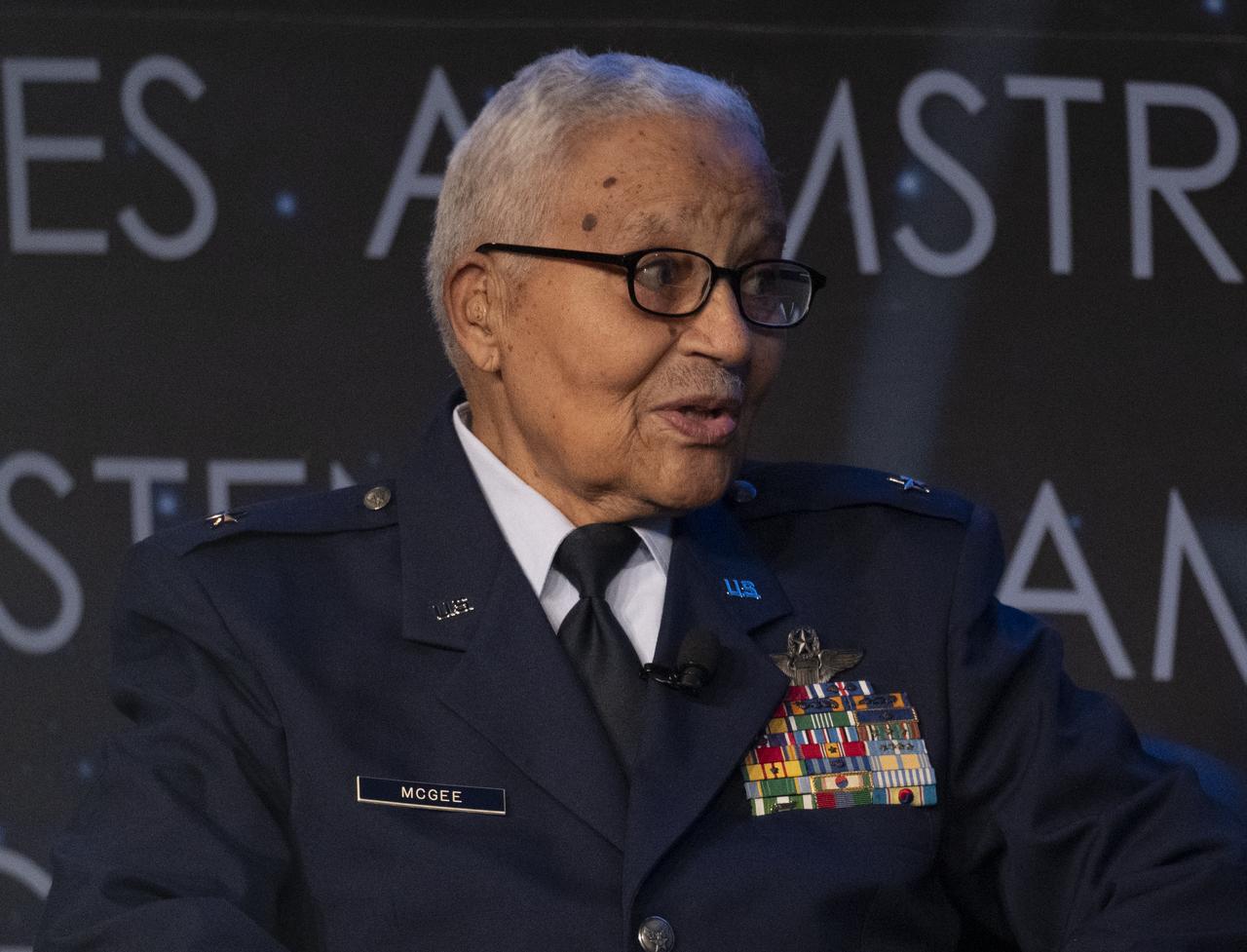
Retired U.S. Air Force Honorary Brigadier General Charles McGee is seen as he speaks with NASA astronaut Alvin Drew during a Black History Month program titled “Trailblazers, The Story of a Tuskegee Airman,” Wednesday, Feb. 5, 2020, at NASA Headquarters in Washington, DC. McGee, a pilot with the Tuskegee Airmen during World War II, was a career officer in the Air Force also serving during the Korean and Vietnam Wars. Over his 30 years of service he flew 409 combat missions. Of the 355 Tuskegee pilots who flew in combat, McGee is one of only nine surviving. Photo Credit: (NASA/Joel Kowsky)
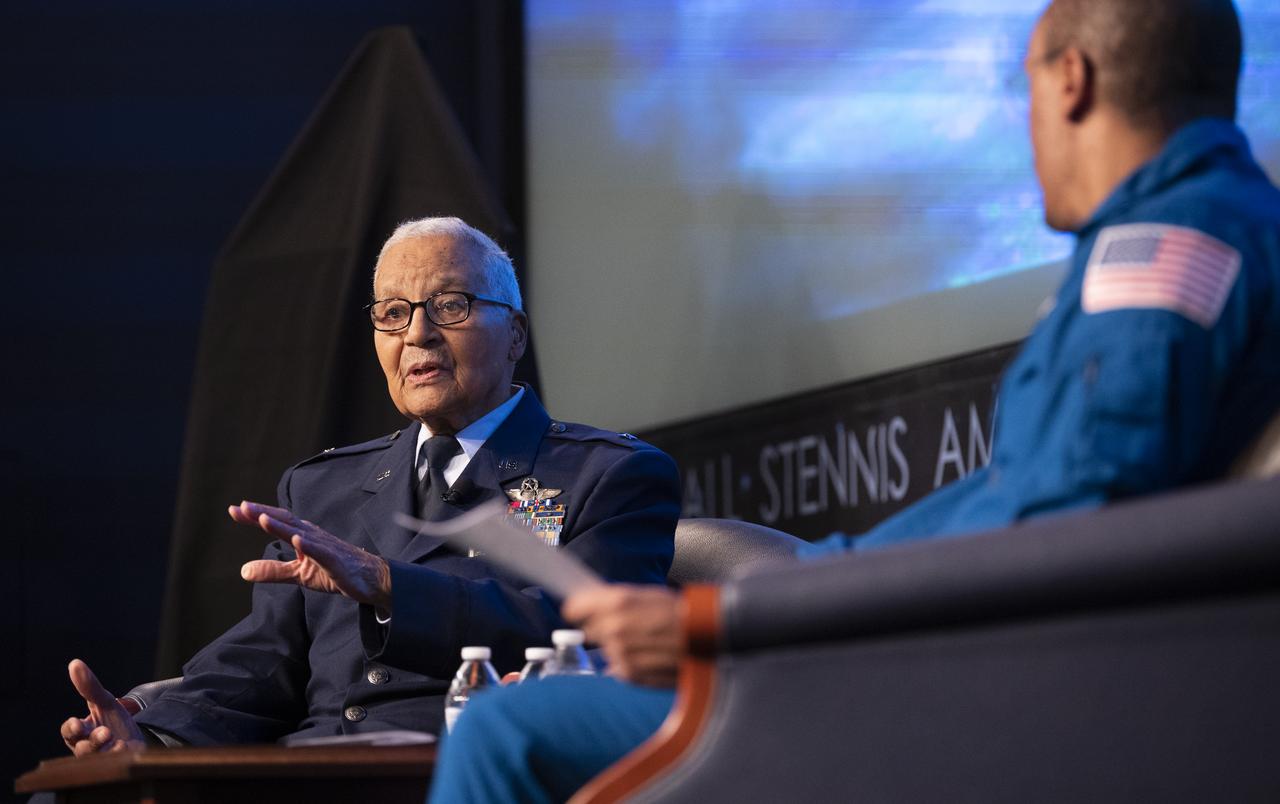
Retired U.S. Air Force Honorary Brigadier General Charles McGee speaks with NASA astronaut Alvin Drew during a Black History Month program titled “Trailblazers, The Story of a Tuskegee Airman,” Wednesday, Feb. 5, 2020, at NASA Headquarters in Washington, DC. McGee, a pilot with the Tuskegee Airmen during World War II, was a career officer in the Air Force also serving during the Korean and Vietnam Wars. Over his 30 years of service he flew 409 combat missions. Of the 355 Tuskegee pilots who flew in combat, McGee is one of only nine surviving. Photo Credit: (NASA/Joel Kowsky)
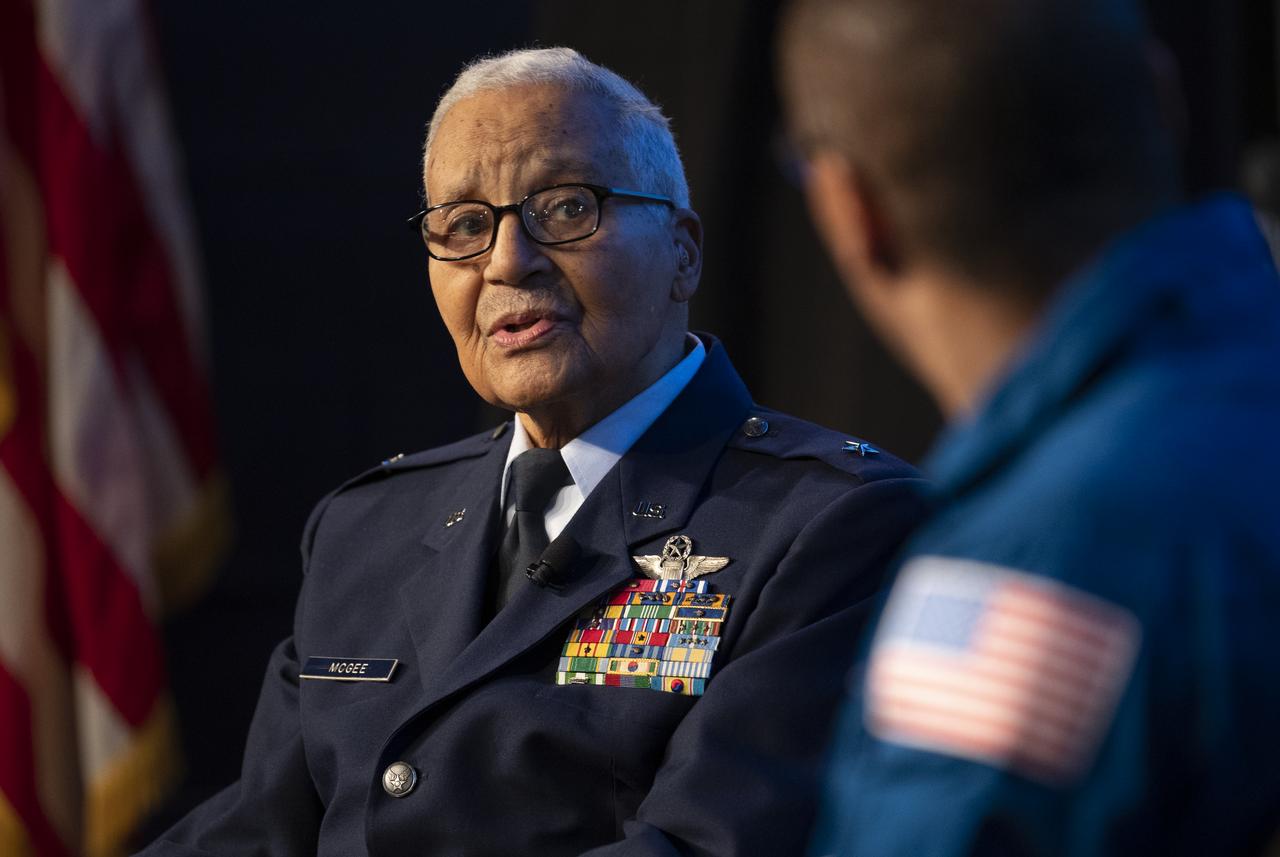
Retired U.S. Air Force Honorary Brigadier General Charles McGee speaks with NASA astronaut Alvin Drew during a Black History Month program titled “Trailblazers, The Story of a Tuskegee Airman,” Wednesday, Feb. 5, 2020, at NASA Headquarters in Washington, DC. McGee, a pilot with the Tuskegee Airmen during World War II, was a career officer in the Air Force also serving during the Korean and Vietnam Wars. Over his 30 years of service he flew 409 combat missions. Of the 355 Tuskegee pilots who flew in combat, McGee is one of only nine surviving. Photo Credit: (NASA/Joel Kowsky)
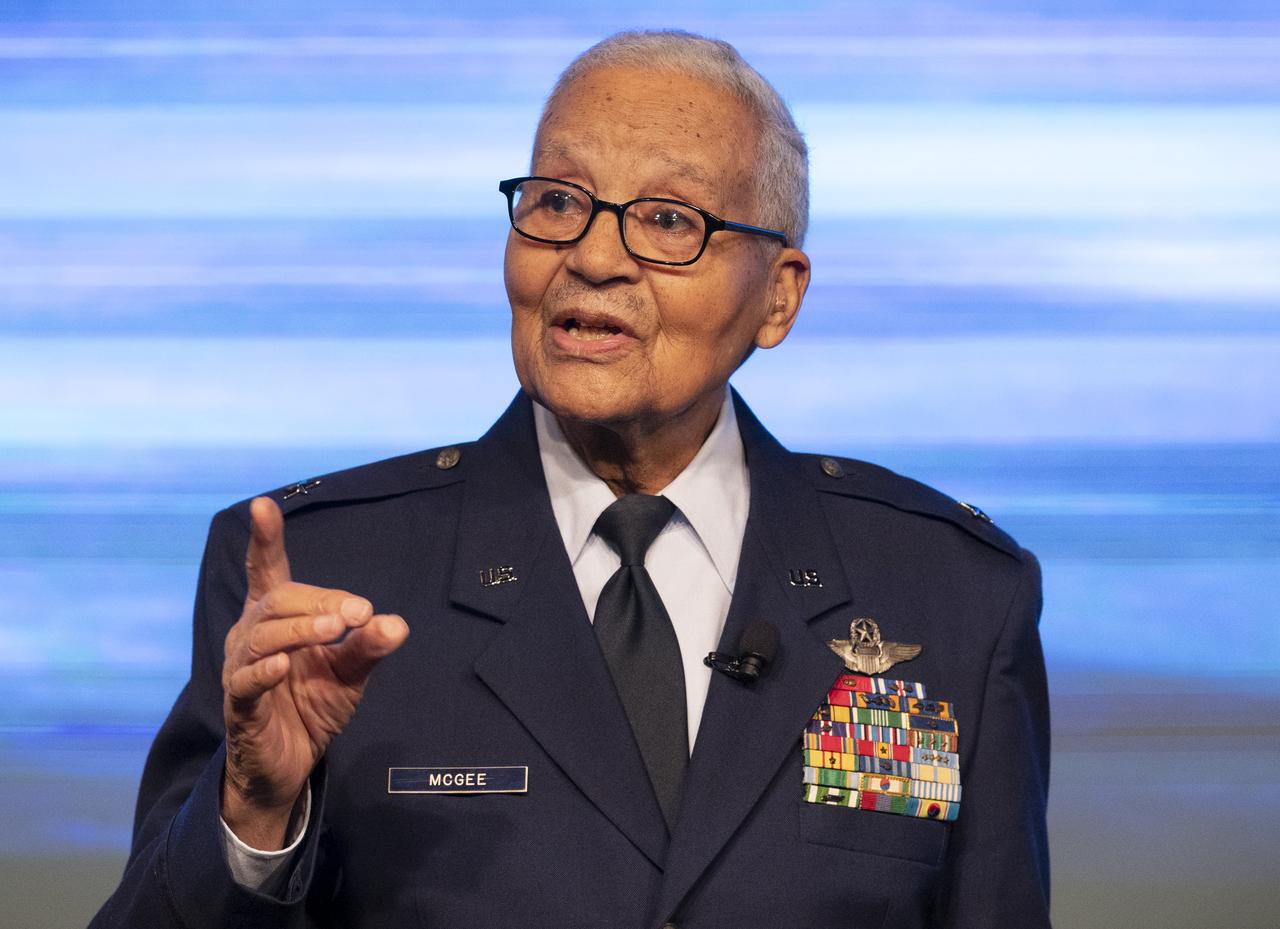
Retired U.S. Air Force Honorary Brigadier General Charles McGee is seen during a Black History Month program titled “Trailblazers, The Story of a Tuskegee Airman,” Wednesday, Feb. 5, 2020, at NASA Headquarters in Washington, DC. McGee, a pilot with the Tuskegee Airmen during World War II, was a career officer in the Air Force also serving during the Korean and Vietnam Wars. Over his 30 years of service he flew 409 combat missions. Of the 355 Tuskegee pilots who flew in combat, McGee is one of only nine surviving. Photo Credit: (NASA/Joel Kowsky)
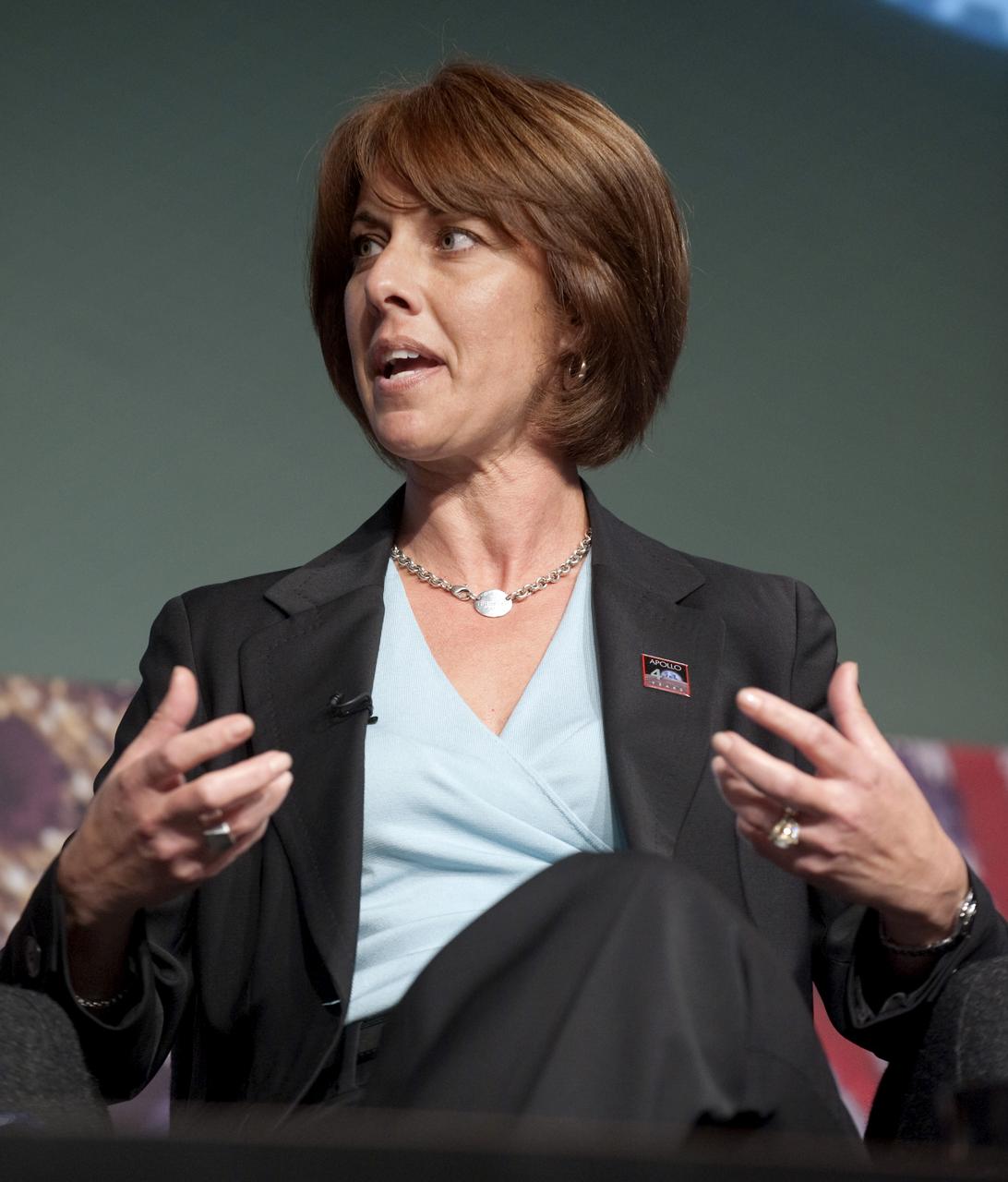
Cristina Guidi, deputy director, Constellation Systems Division, Exploration Systems Mission Directorate, NASA Headquarters, speaks during an Apollo History and Legacy roundtable discussion, Thursday, July 16, 2009, at NASA Headquarters in Washington. Photo Credit: (NASA/Paul E. Alers)
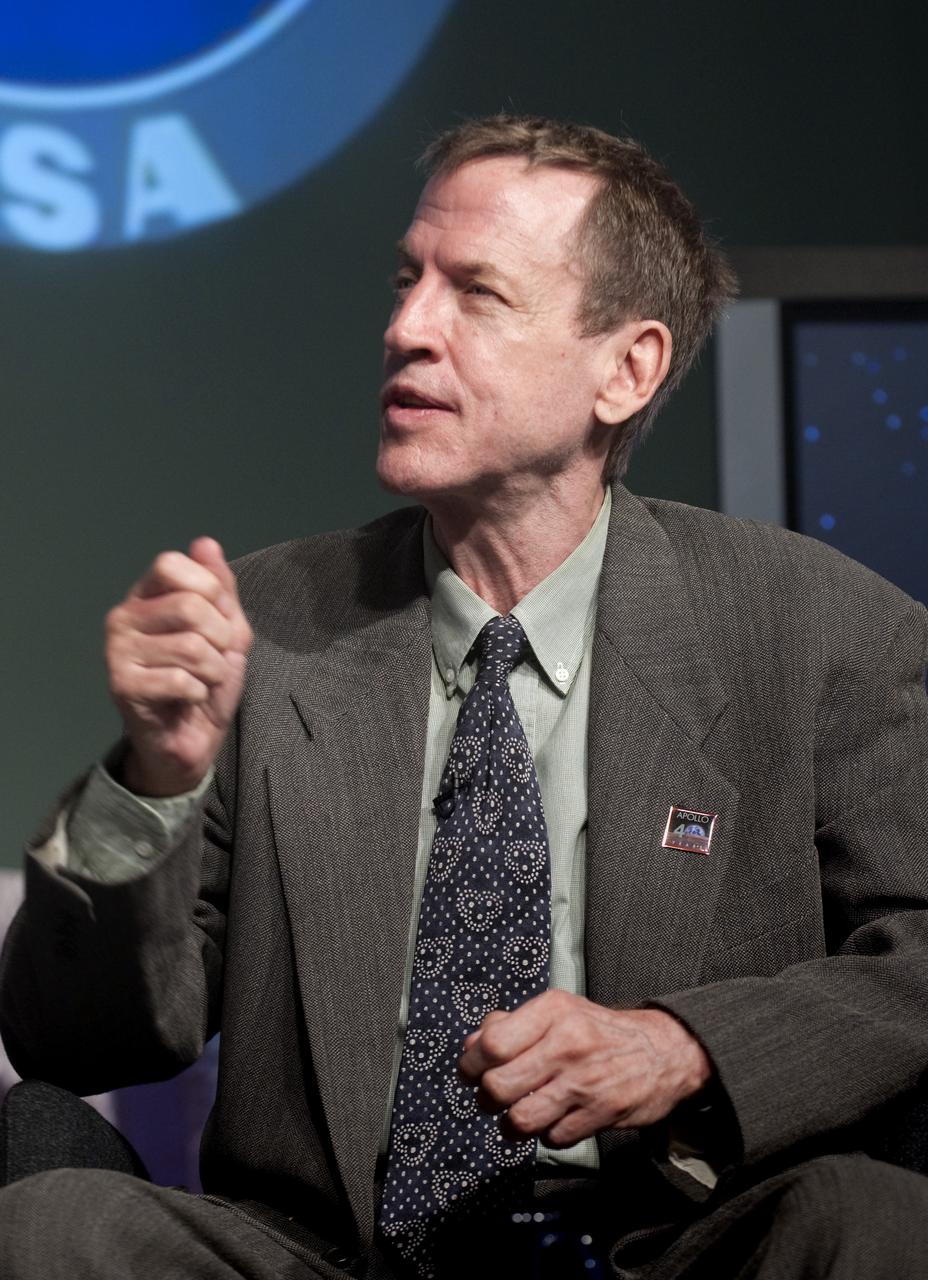
Craig Nelson, author of "Rocket Men: The Epic Story of the First Men on the Moon" speaks during an Apollo History and Legacy roundtable discussion, Thursday, July 16, 2009, at NASA Headquarters in Washington. Photo Credit: (NASA/Paul E. Alers)
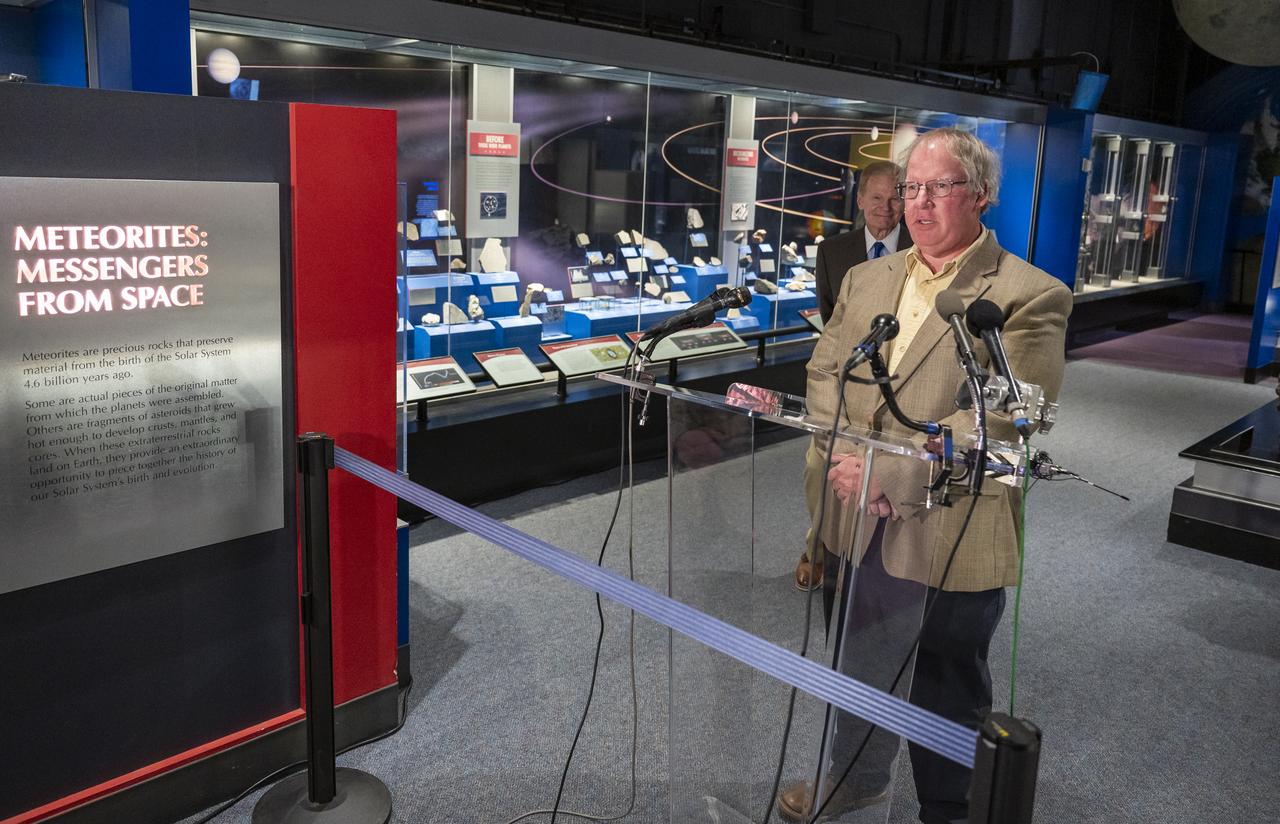
National Museum of Natural History curator of meteorites Tim McCoy delivers remarks during an event to unveil the first public display of a sample from asteroid Bennu, Friday, Nov. 3, 2023, at the Smithsonian’s National Museum of Natural History in Washington. The sample was collected from the carbon rich near Earth asteroid Bennu in October 2020 by NASA’s OSIRIS-REx spacecraft. Photo Credit: (NASA/Keegan Barber)

NASA digital content strategist Andres Almeida sings the National Anthem before a discussion between Retired U.S. Air Force Honorary Brigadier General Charles McGee and NASA astronaut Alvin Drew during a Black History Month program titled “Trailblazers, The Story of a Tuskegee Airman,” Wednesday, Feb. 5, 2020, at NASA Headquarters in Washington, DC. McGee, a pilot with the Tuskegee Airmen during World War II, was a career officer in the Air Force also serving during the Korean and Vietnam Wars. Over his 30 years of service he flew 409 combat missions. Of the 355 Tuskegee pilots who flew in combat, McGee is one of only nine surviving. Photo Credit: (NASA/Joel Kowsky)
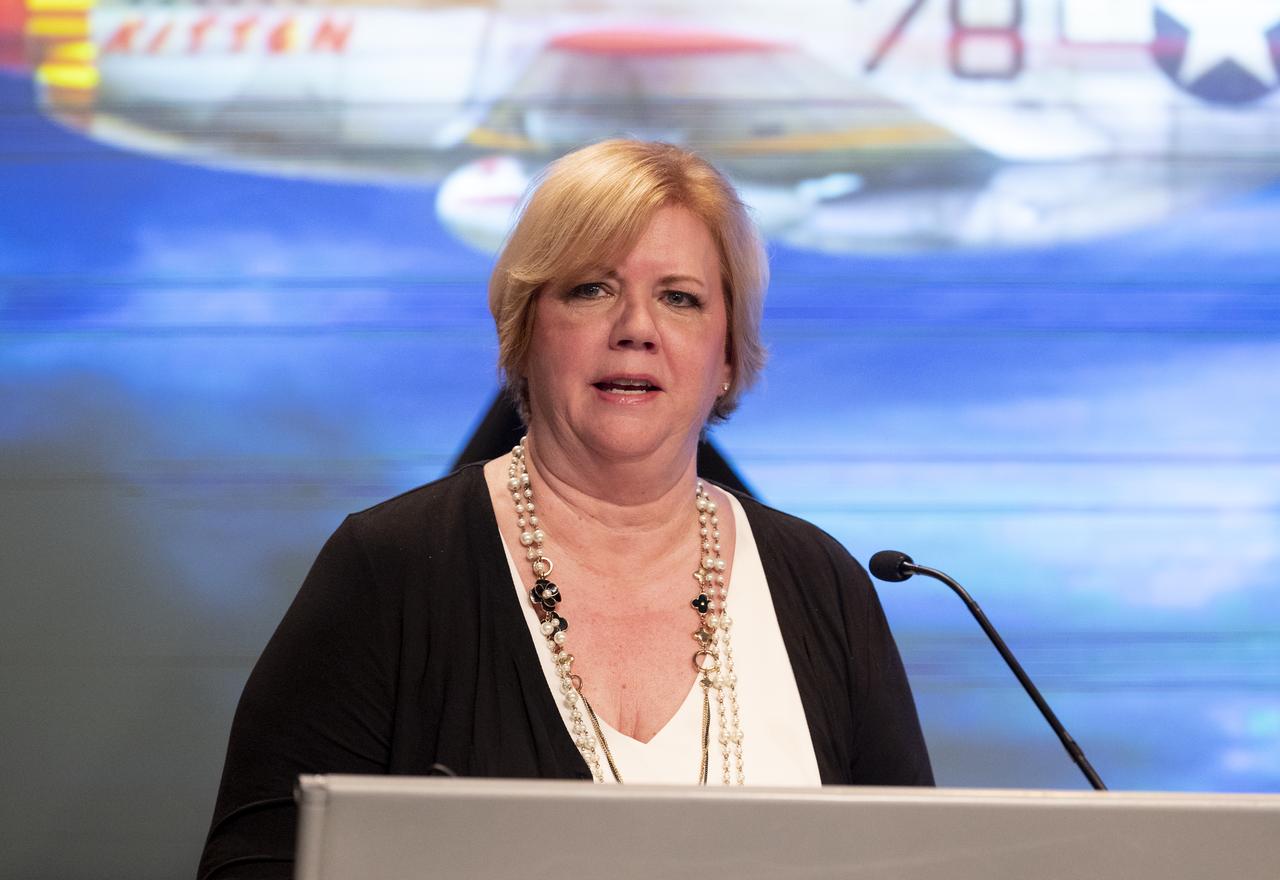
NASA Deputy Associate Administrator Melanie Saunders speaks before a discussion between retired U.S. Air Force Honorary Brigadier General Charles McGee and NASA astronaut Alvin Drew during a Black History Month program titled “Trailblazers, The Story of a Tuskegee Airman,” Wednesday, Feb. 5, 2020, at NASA Headquarters in Washington, DC. McGee, a pilot with the Tuskegee Airmen during World War II, was a career officer in the Air Force also serving during the Korean and Vietnam Wars. Over his 30 years of service he flew 409 combat missions. Of the 355 Tuskegee pilots who flew in combat, McGee is one of only nine surviving. Photo Credit: (NASA/Joel Kowsky)

Robert Pearce, Associate Administrator for NASA’s Aeronautics Research Mission Directorate, speaks before a discussion between retired U.S. Air Force Honorary Brigadier General Charles McGee speaks with NASA astronaut Alvin Drew during a Black History Month program titled “Trailblazers, The Story of a Tuskegee Airman,” Wednesday, Feb. 5, 2020, at NASA Headquarters in Washington, DC. McGee, a pilot with the Tuskegee Airmen during World War II, was a career officer in the Air Force also serving during the Korean and Vietnam Wars. Over his 30 years of service he flew 409 combat missions. Of the 355 Tuskegee pilots who flew in combat, McGee is one of only nine surviving. Photo Credit: (NASA/Joel Kowsky)
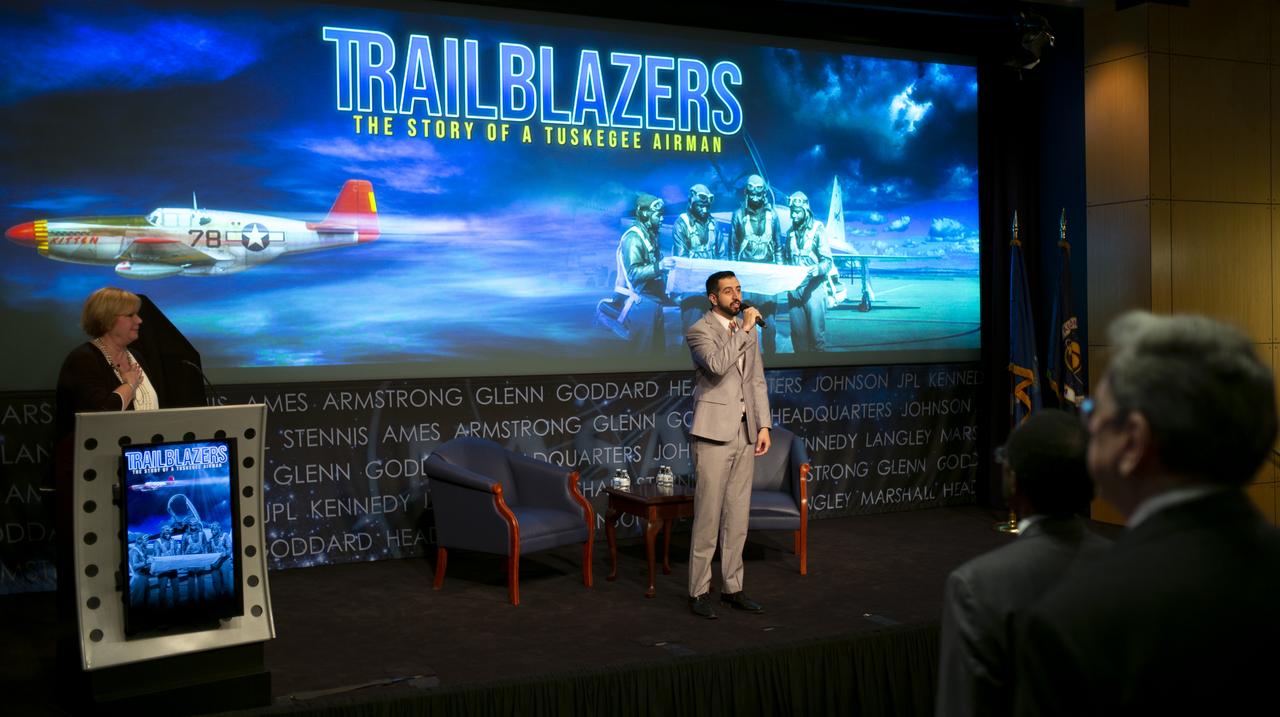
NASA digital content strategist Andres Almeida sings the National Anthem before a discussion between Retired U.S. Air Force Honorary Brigadier General Charles McGee and NASA astronaut Alvin Drew during a Black History Month program titled “Trailblazers, The Story of a Tuskegee Airman,” Wednesday, Feb. 5, 2020, at NASA Headquarters in Washington, DC. McGee, a pilot with the Tuskegee Airmen during World War II, was a career officer in the Air Force also serving during the Korean and Vietnam Wars. Over his 30 years of service he flew 409 combat missions. Of the 355 Tuskegee pilots who flew in combat, McGee is one of only nine surviving. Photo Credit: (NASA/Joel Kowsky)

Clayton Turner, Director of NASA’s Langley Research Center, delivers closing remarks following a discussion between Retired U.S. Air Force Honorary Brigadier General Charles McGee and NASA astronaut Alvin Drew during a Black History Month program titled “Trailblazers, The Story of a Tuskegee Airman,” Wednesday, Feb. 5, 2020, at NASA Headquarters in Washington, DC. McGee, a pilot with the Tuskegee Airmen during World War II, was a career officer in the Air Force also serving during the Korean and Vietnam Wars. Over his 30 years of service he flew 409 combat missions. Of the 355 Tuskegee pilots who flew in combat, McGee is one of only nine surviving. Photo Credit: (NASA/Joel Kowsky)

NASA Viking Project found a place in history when it became the first U.S. mission to land a spacecraft successfully on the surface of Mars.
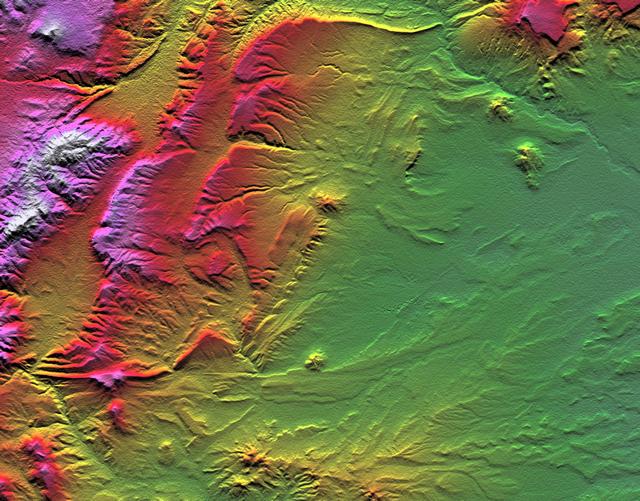
Topographic data provided by NASA Shuttle Radar Topography Mission can provide many clues to geologic history and processes.
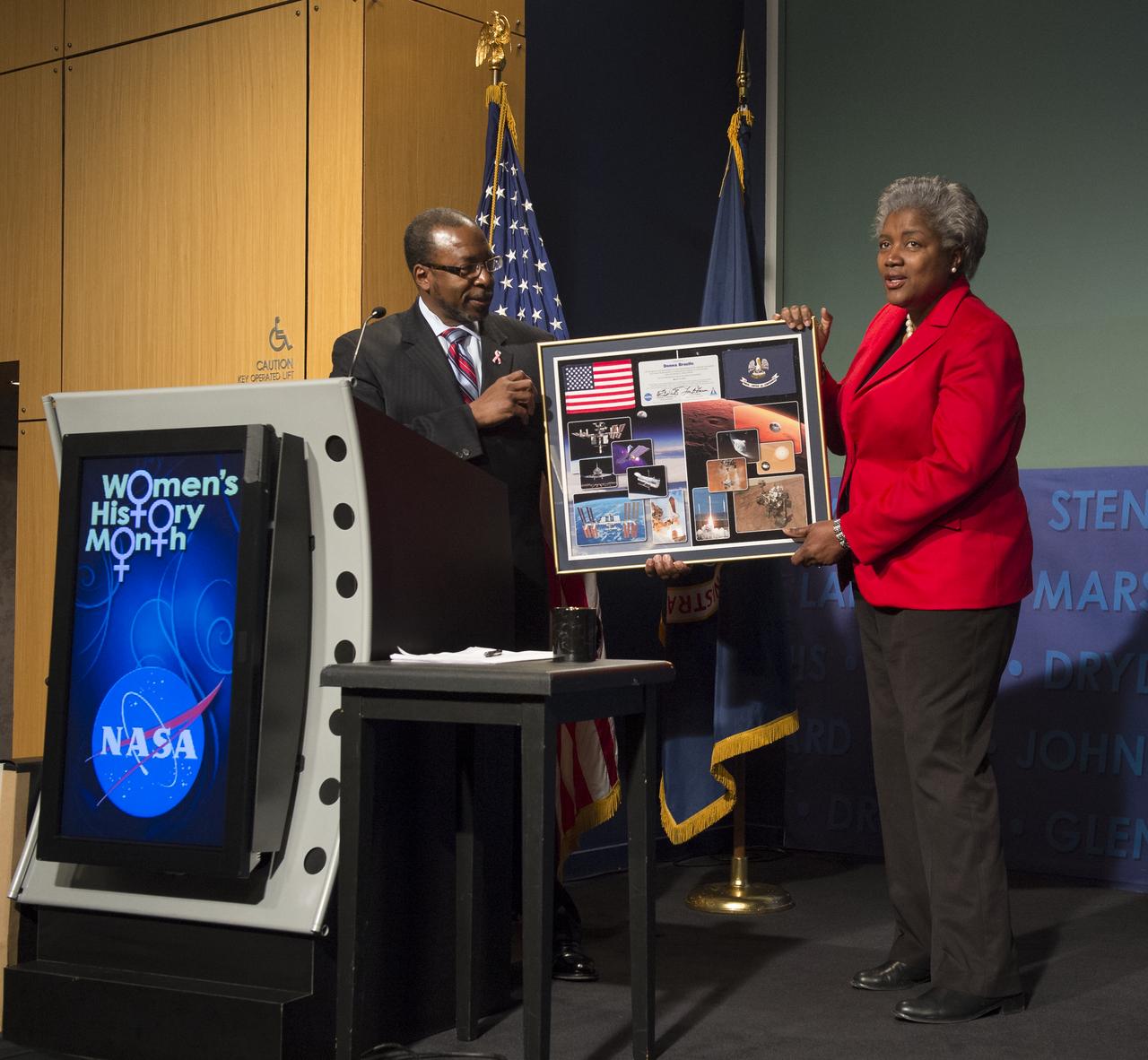
Dr. Woodrow Whitlow, Jr. (left), Associate Administrator for Mission Support Directorate at NASA Headquarters presents Donna Brazile, keynote speaker at a program celebrating National Women's History Month, with a framed NASA montage, Thursday, March 14, 2013 in Washington. The theme of theprogram was "Women Inspiring Innovation Through Imagination," and was sponsored by the HQ Equal Opportunity and Diversity Management Division at NASA Headquarters. The event also commemorates the 100th Anniversary of the Women's Suffrage March on Washington. Photo Credit: (NASA/Carla Cioffi)
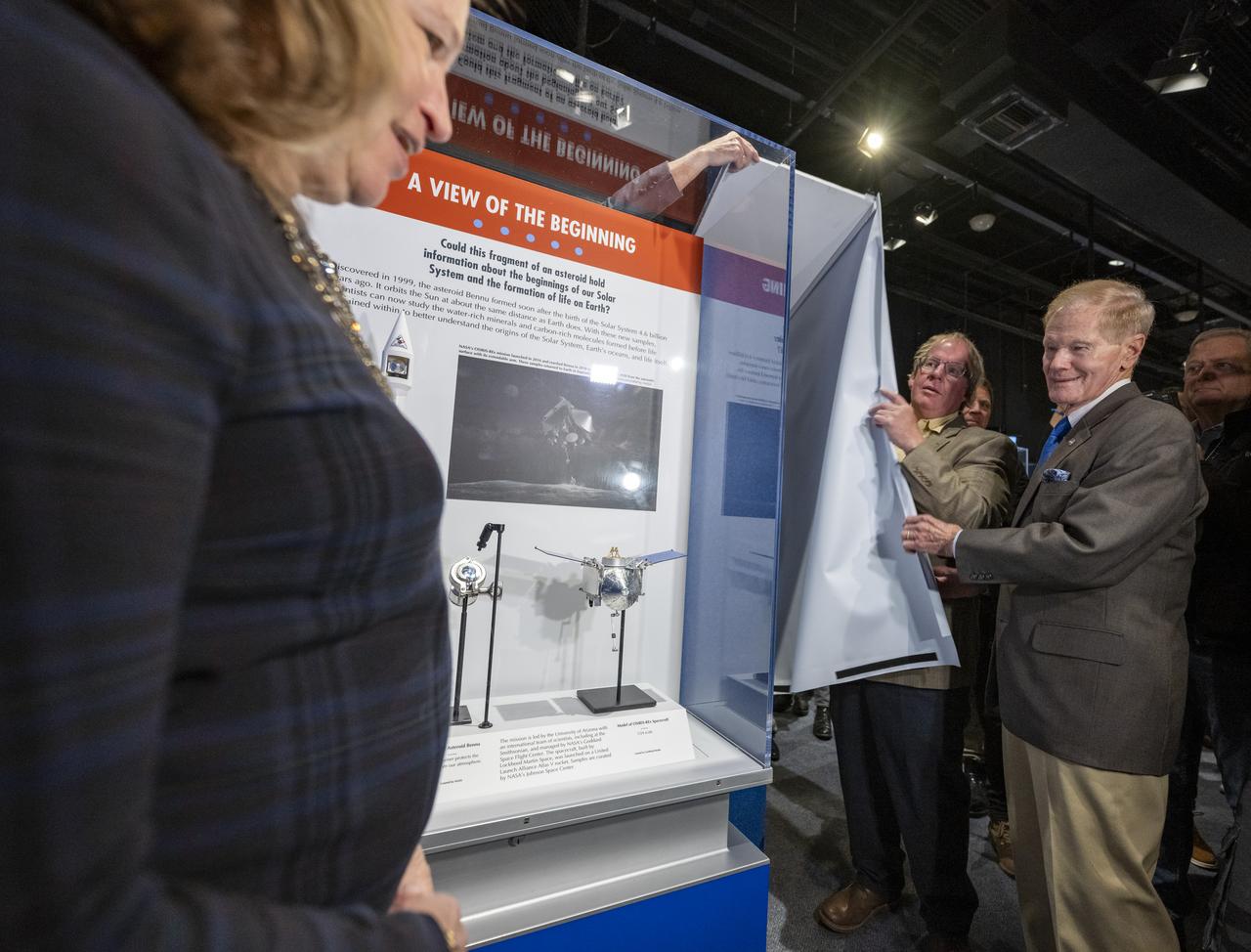
From left to right, Smithsonian Under Secretary for Science and Research Ellen Stofan, National Museum of Natural History curator of meteorites Tim McCoy, and NASA Administrator Bill Nelson unveil the first public display of a sample from asteroid Bennu, Friday, Nov. 3, 2023, at the Smithsonian’s National Museum of Natural History in Washington. The sample was collected from the carbon rich near Earth asteroid Bennu in October 2020 by NASA’s OSIRIS-REx spacecraft. Photo Credit: (NASA/Keegan Barber)
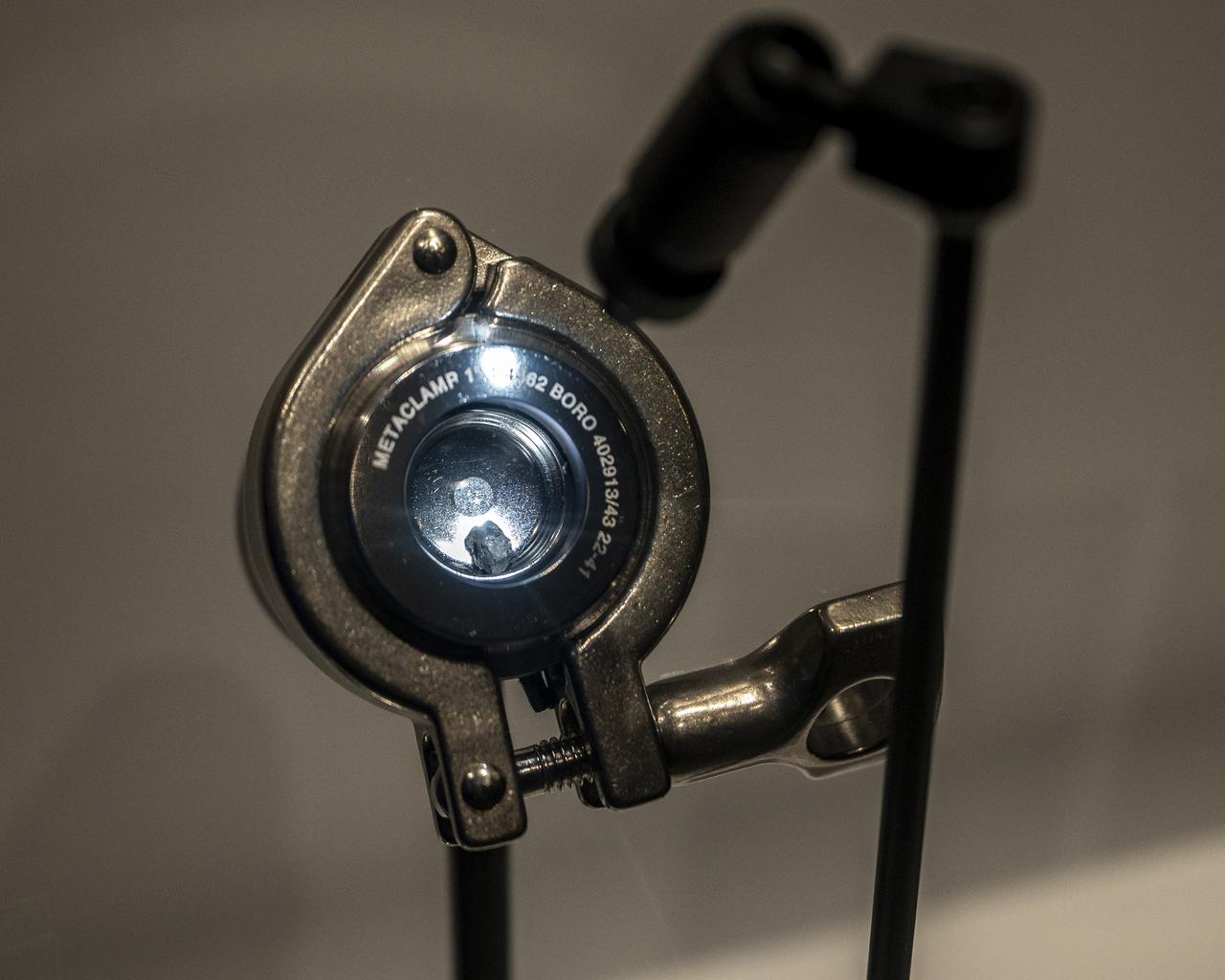
The first public display of a sample from asteroid Bennu is seen, Friday, Nov. 3, 2023, at the Smithsonian’s National Museum of Natural History in Washington. The sample was collected from the carbon rich near Earth asteroid Bennu in October 2020 by NASA’s OSIRIS-REx spacecraft. Photo Credit: (NASA/Keegan Barber)
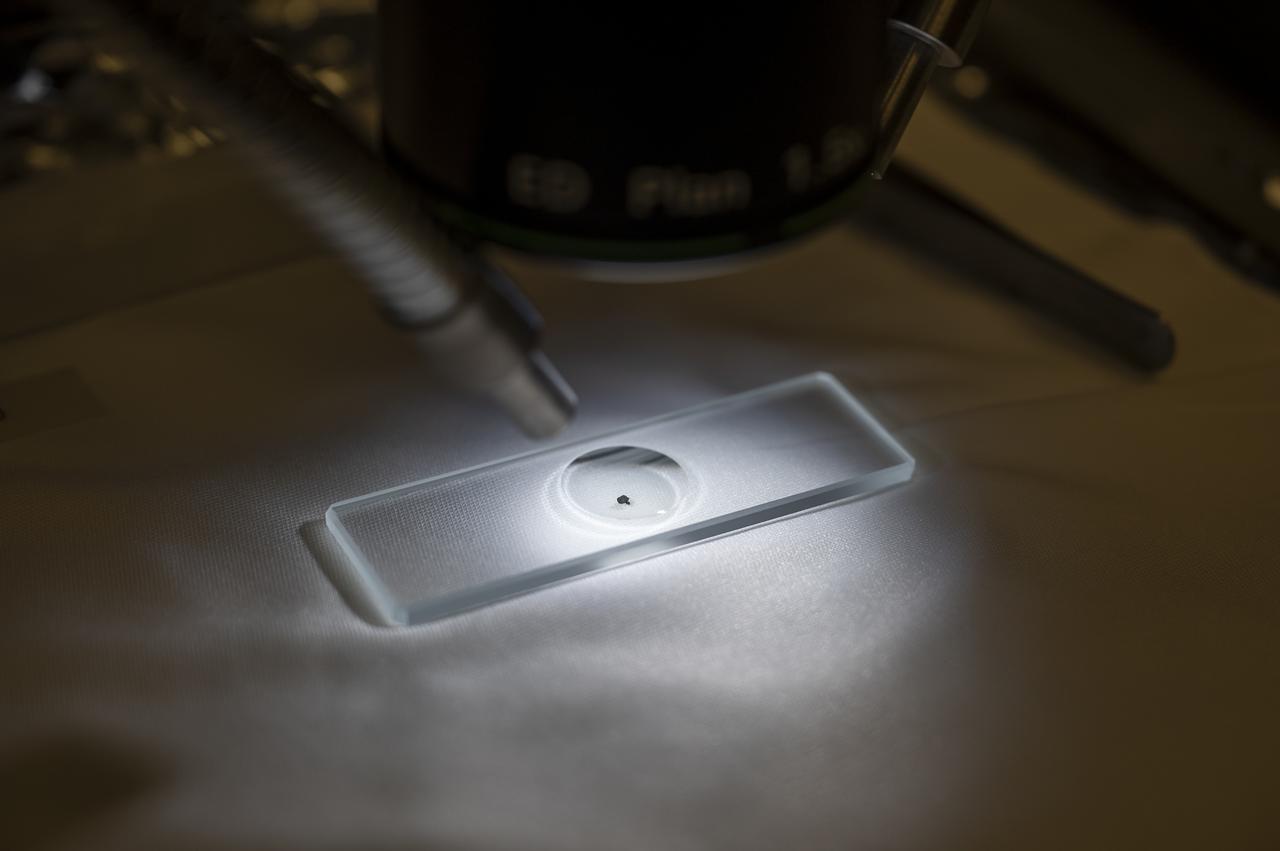
A sample from asteroid Bennu is seen prepared on a microscope slide, Friday, Nov. 3, 2023, at the Smithsonian’s National Museum of Natural History in Washington. The sample was collected from the carbon rich near Earth asteroid Bennu in October 2020 by NASA’s OSIRIS-REx spacecraft. Photo Credit: (NASA/Keegan Barber)
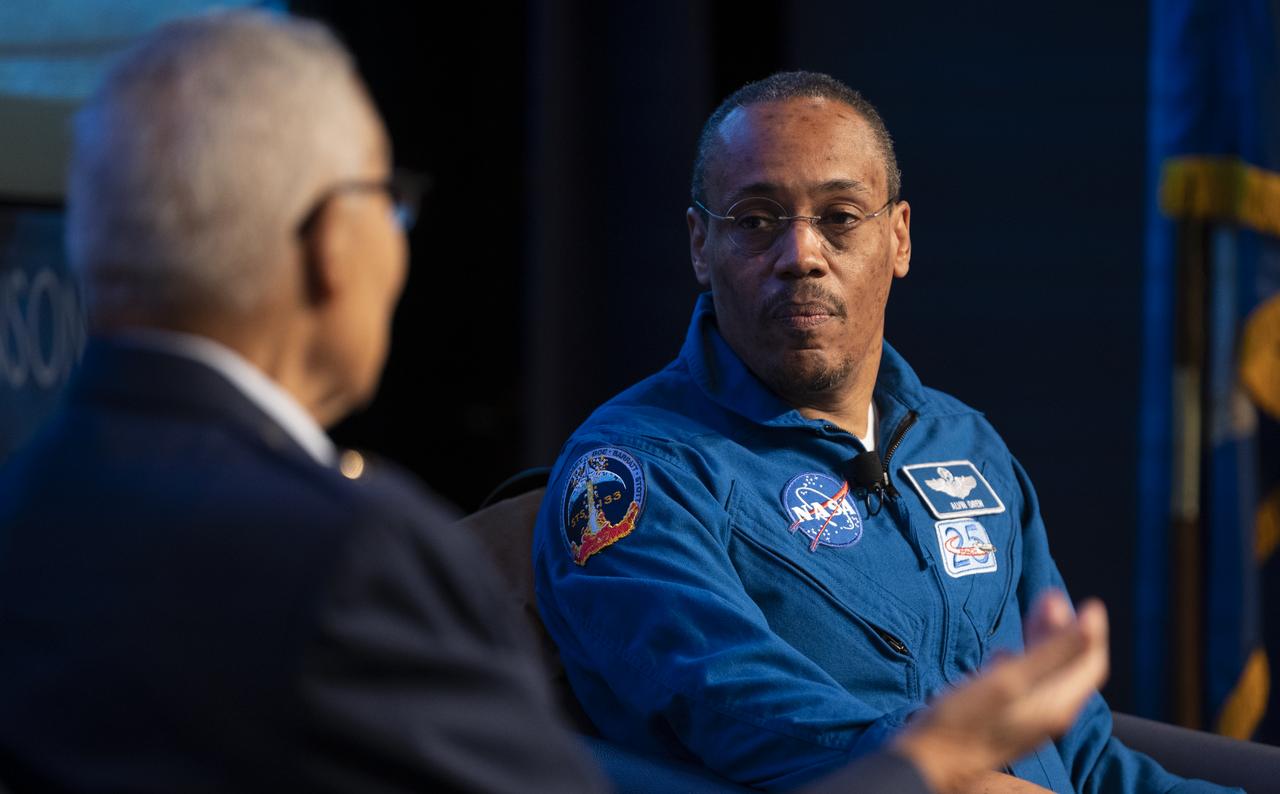
NASA astronaut Alvin Drew speaks with retired U.S. Air Force Honorary Brigadier General Charles McGee during a Black History Month program titled “Trailblazers, The Story of a Tuskegee Airman,” Wednesday, Feb. 5, 2020, at NASA Headquarters in Washington, DC. McGee, a pilot with the Tuskegee Airmen during World War II, was a career officer in the Air Force also serving during the Korean and Vietnam Wars. Over his 30 years of service he flew 409 combat missions. Of the 355 Tuskegee pilots who flew in combat, McGee is one of only nine surviving. Photo Credit: (NASA/Joel Kowsky)
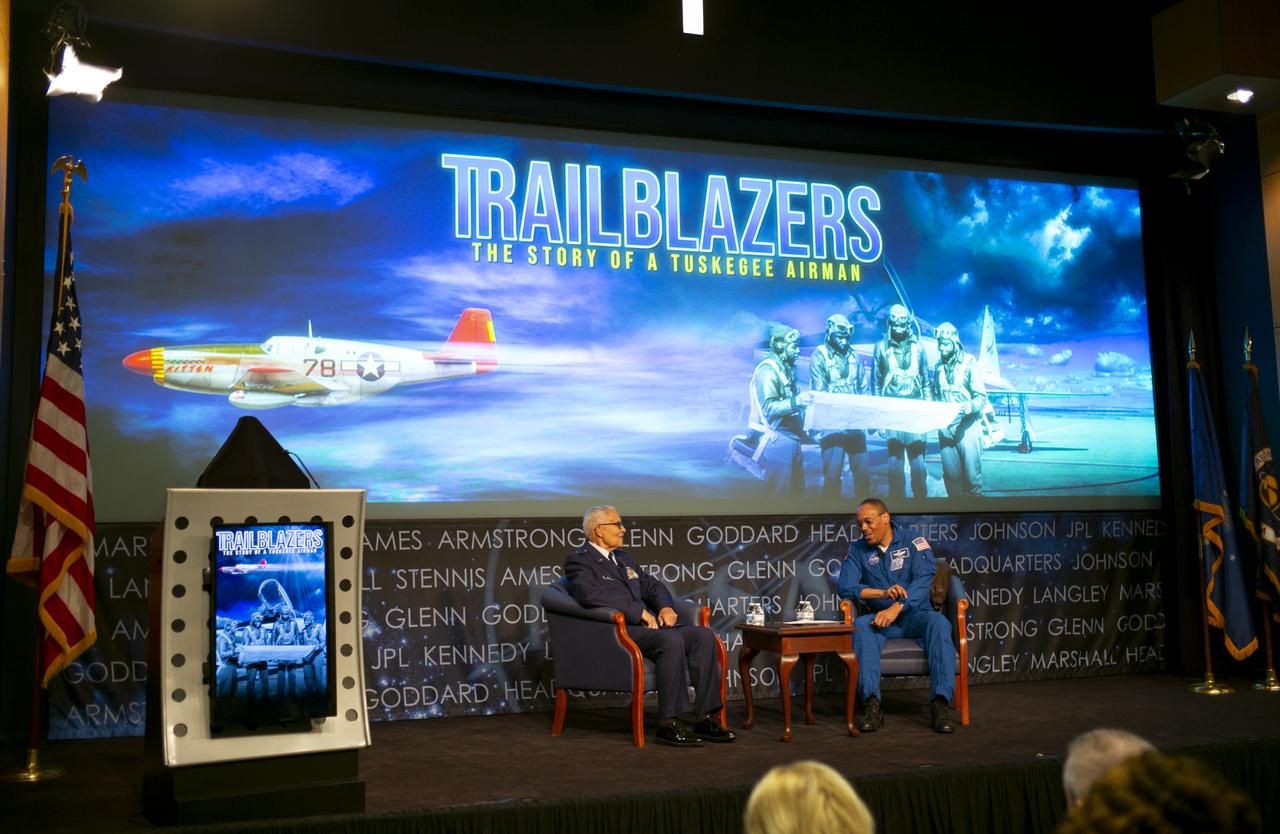
Retired U.S. Air Force Honorary Brigadier General Charles McGee, left, speaks with NASA astronaut Alvin Drew during a Black History Month program titled “Trailblazers, The Story of a Tuskegee Airman,” Wednesday, Feb. 5, 2020, at NASA Headquarters in Washington, DC. McGee, a pilot with the Tuskegee Airmen during World War II, was a career officer in the Air Force also serving during the Korean and Vietnam Wars. Over his 30 years of service he flew 409 combat missions. Of the 355 Tuskegee pilots who flew in combat, McGee is one of only nine surviving. Photo Credit: (NASA/Joel Kowsky)
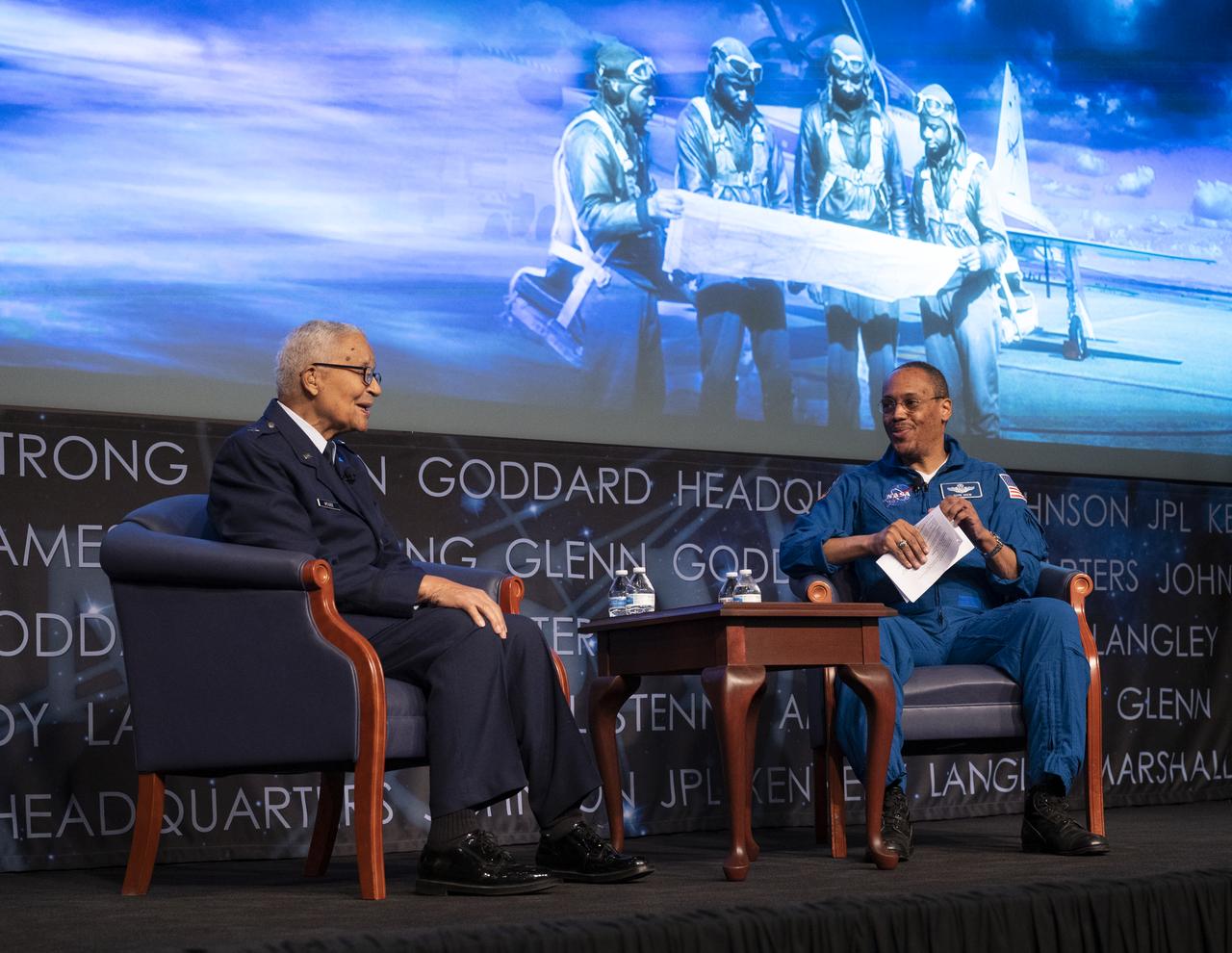
Retired U.S. Air Force Honorary Brigadier General Charles McGee, left, speaks with NASA astronaut Alvin Drew during a Black History Month program titled “Trailblazers, The Story of a Tuskegee Airman,” Wednesday, Feb. 5, 2020, at NASA Headquarters in Washington, DC. McGee, a pilot with the Tuskegee Airmen during World War II, was a career officer in the Air Force also serving during the Korean and Vietnam Wars. Over his 30 years of service he flew 409 combat missions. Of the 355 Tuskegee pilots who flew in combat, McGee is one of only nine surviving. Photo Credit: (NASA/Joel Kowsky)