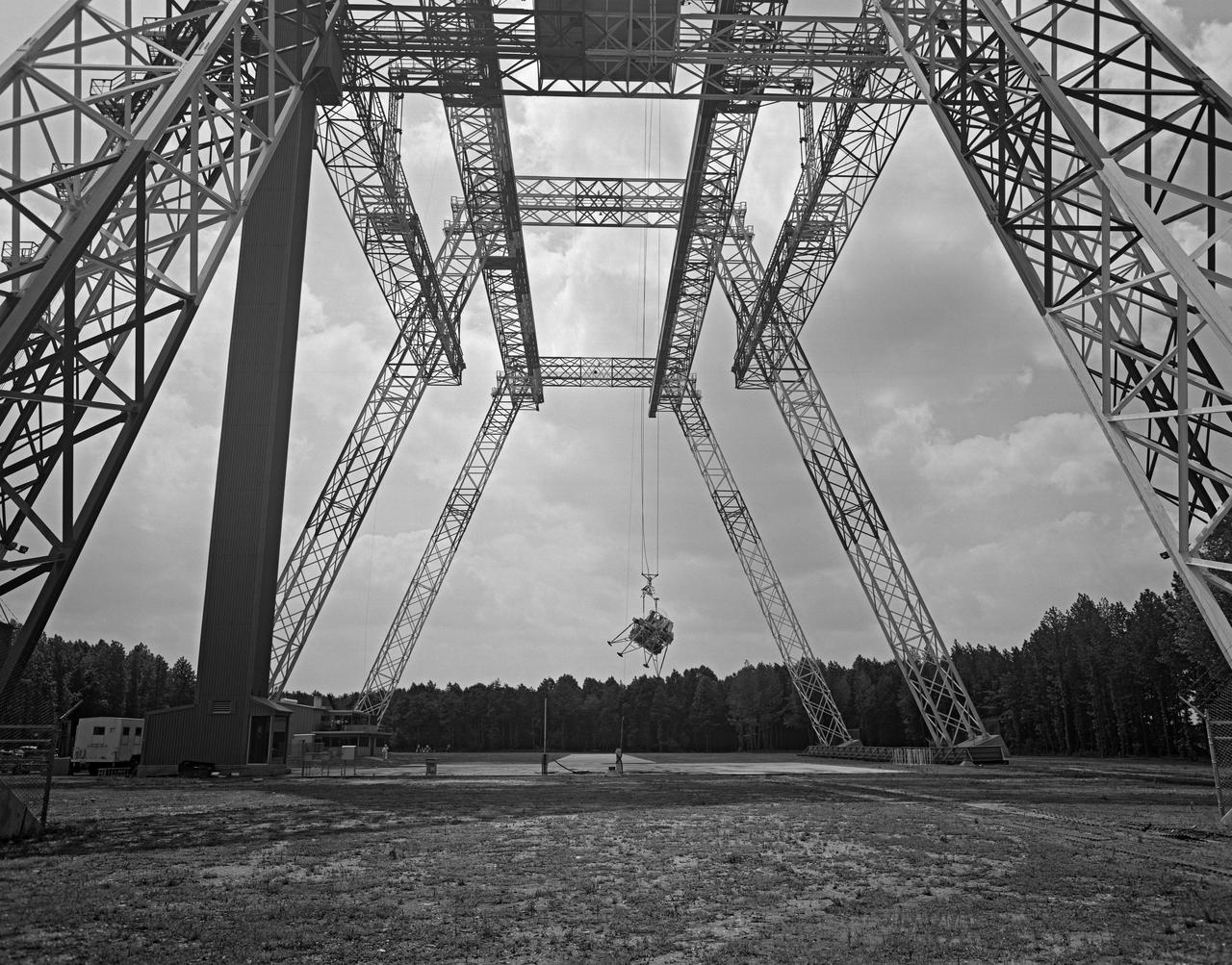
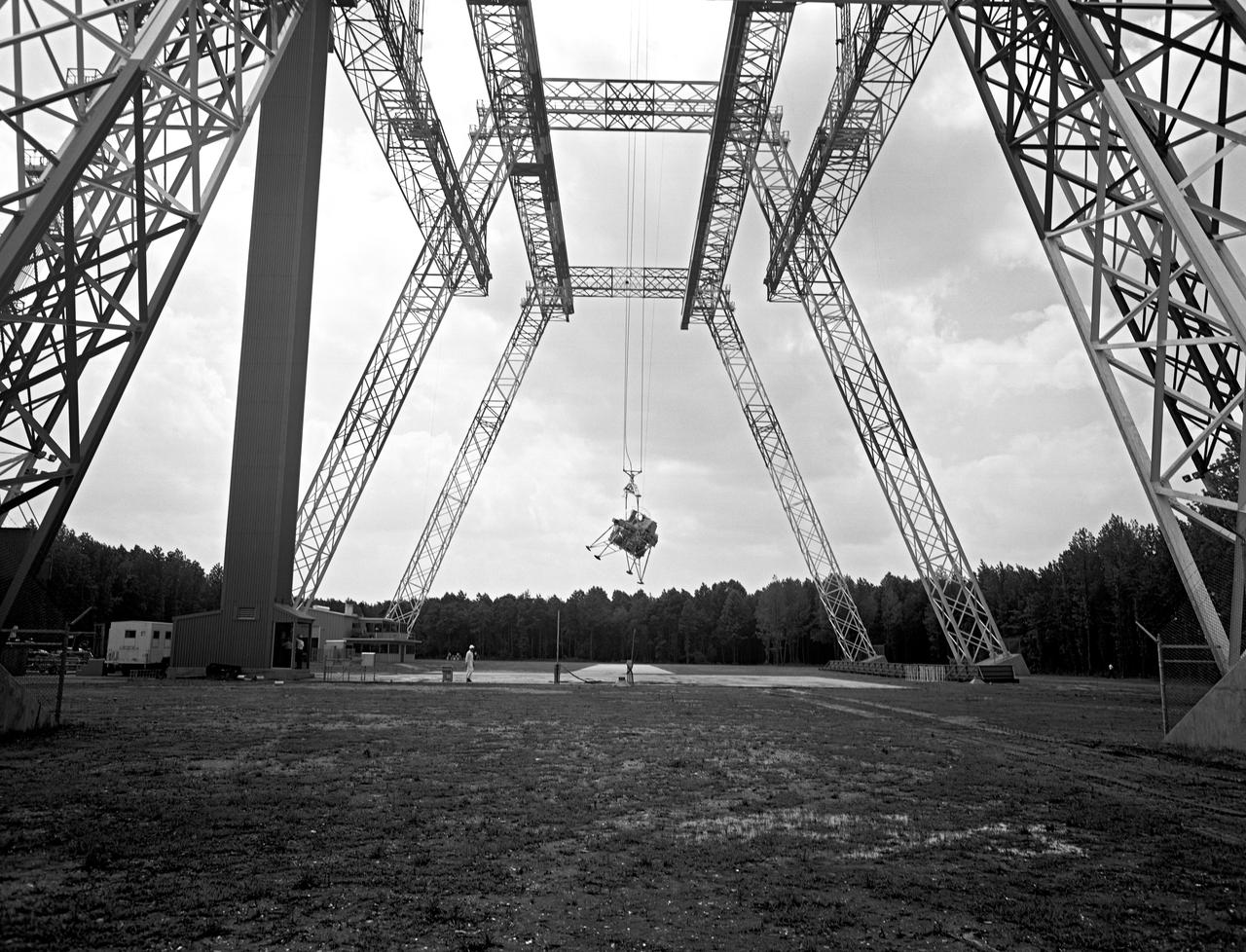
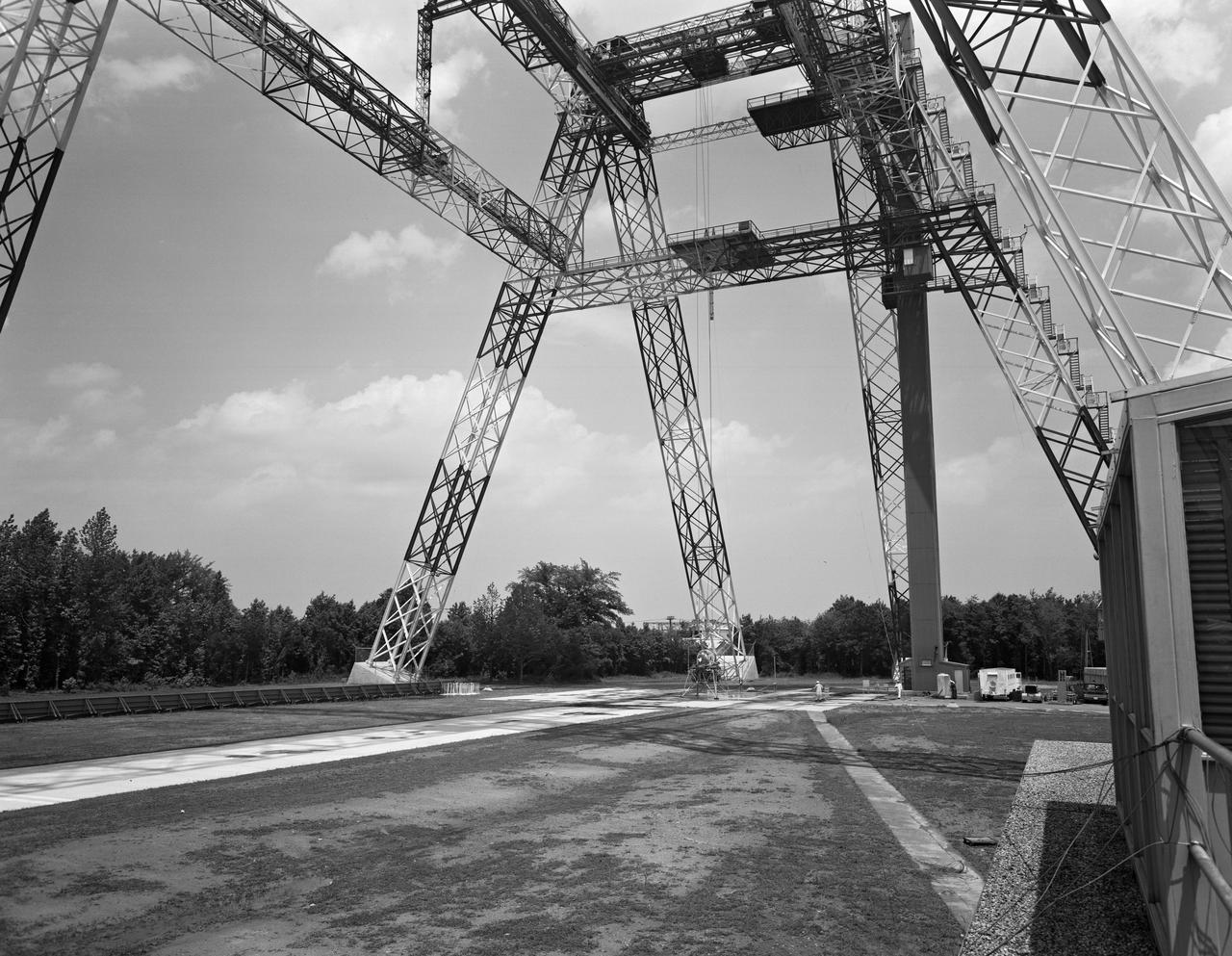
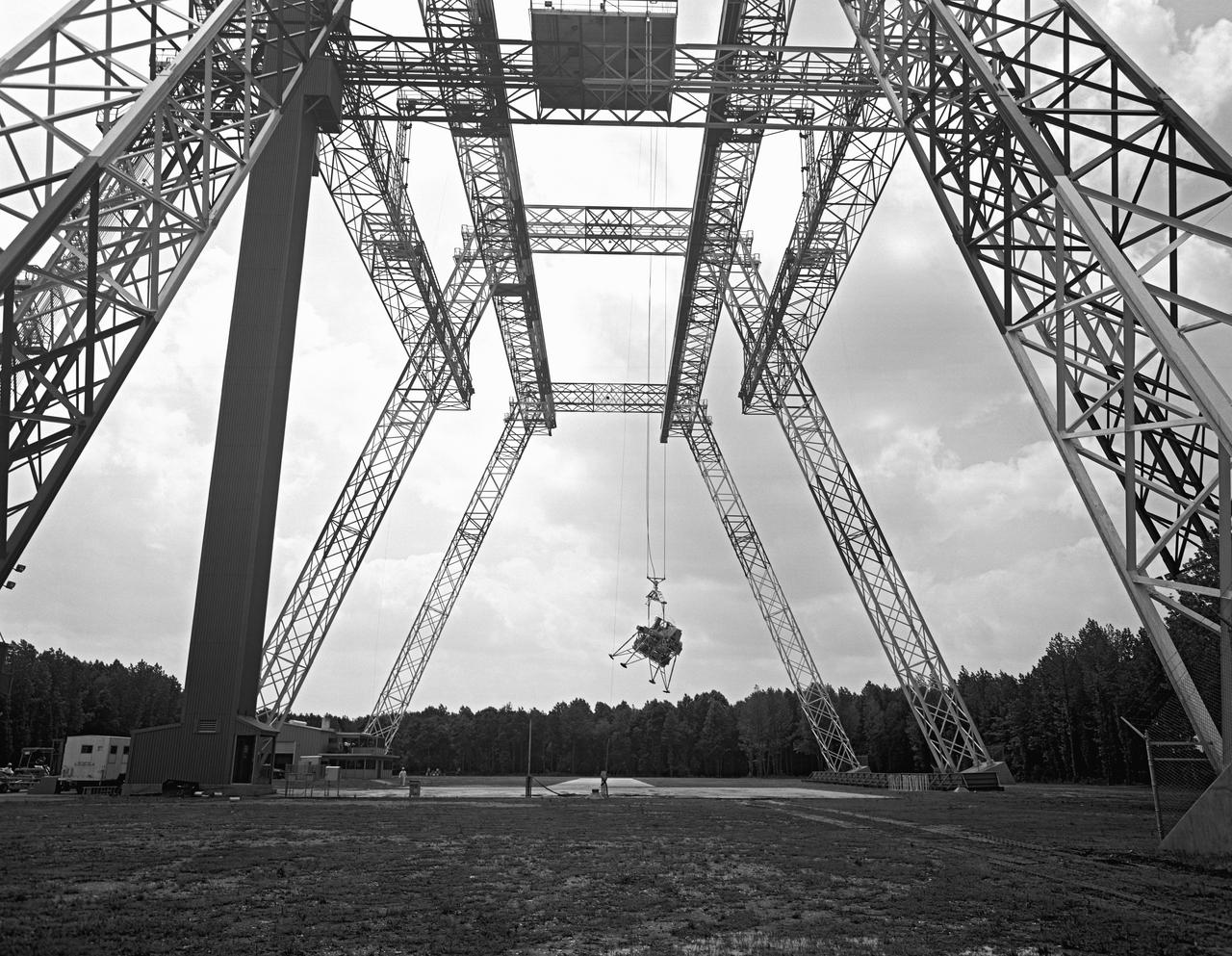
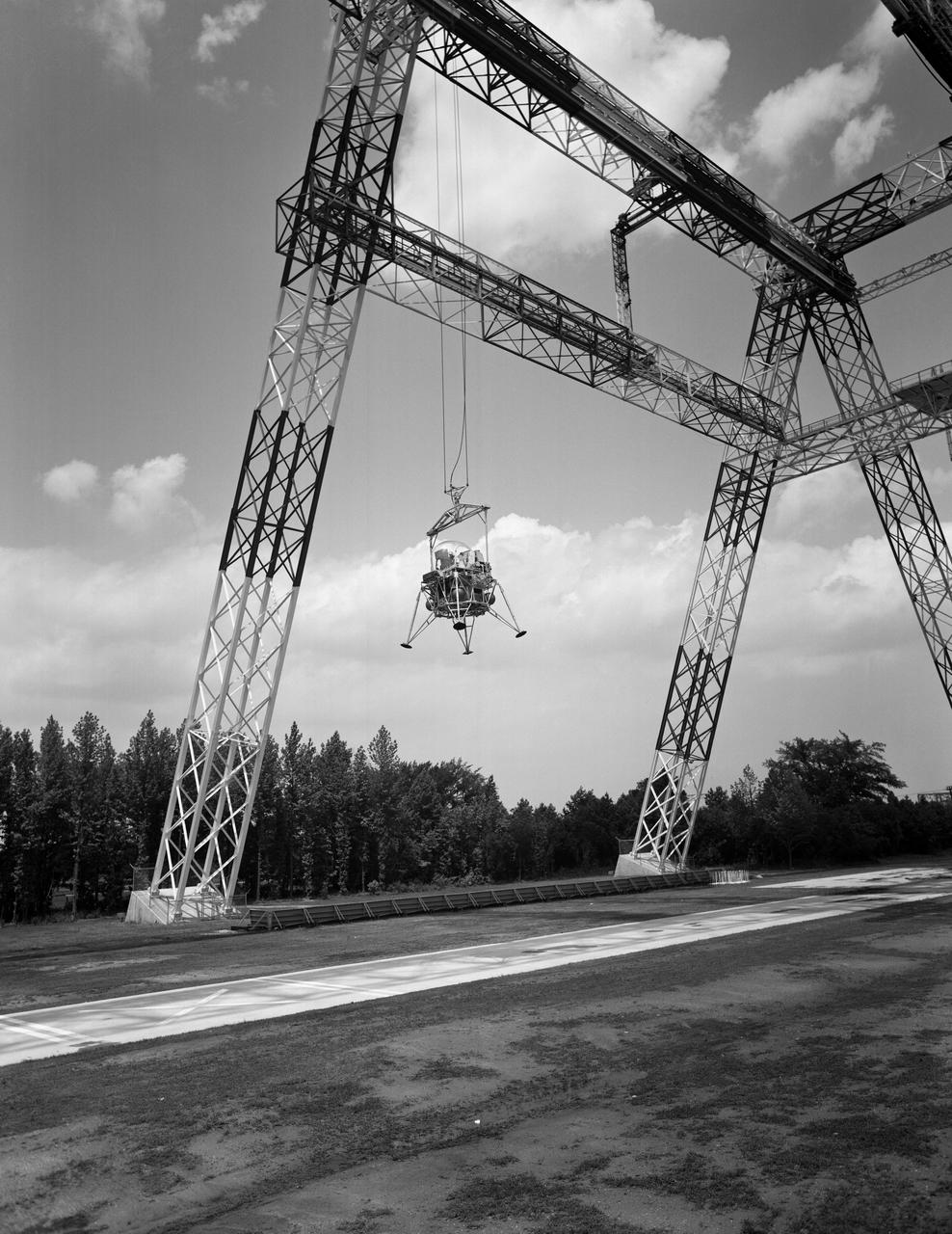
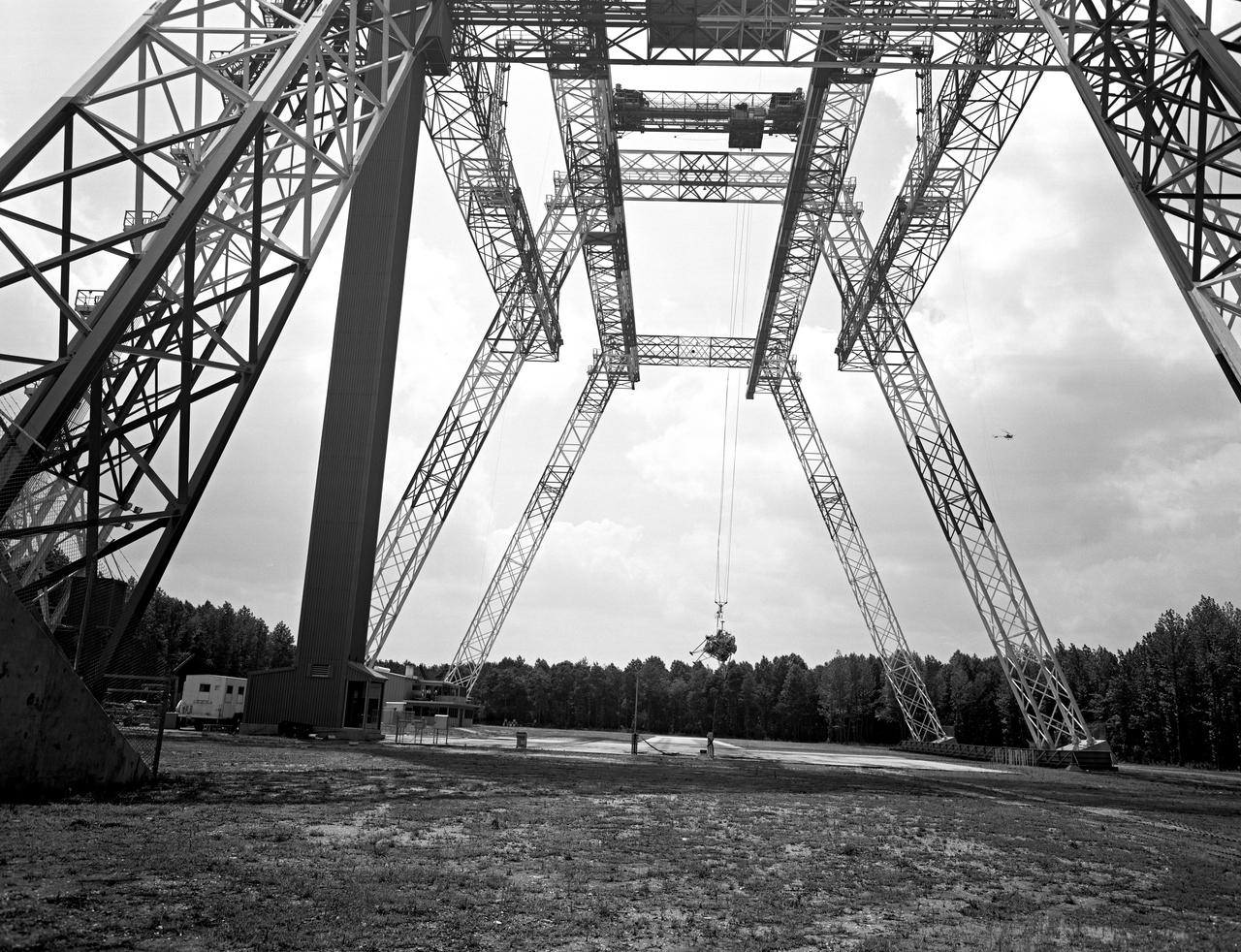
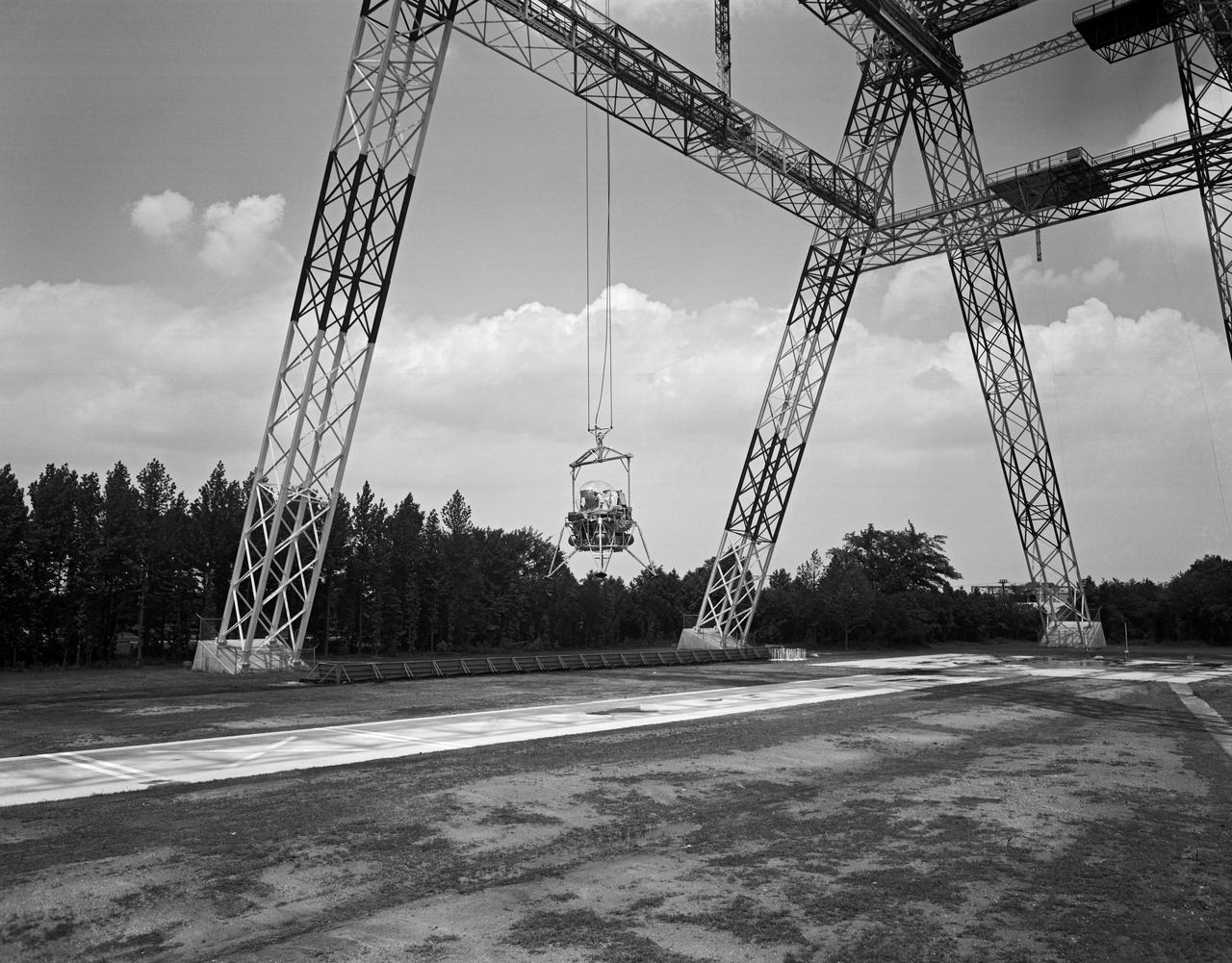
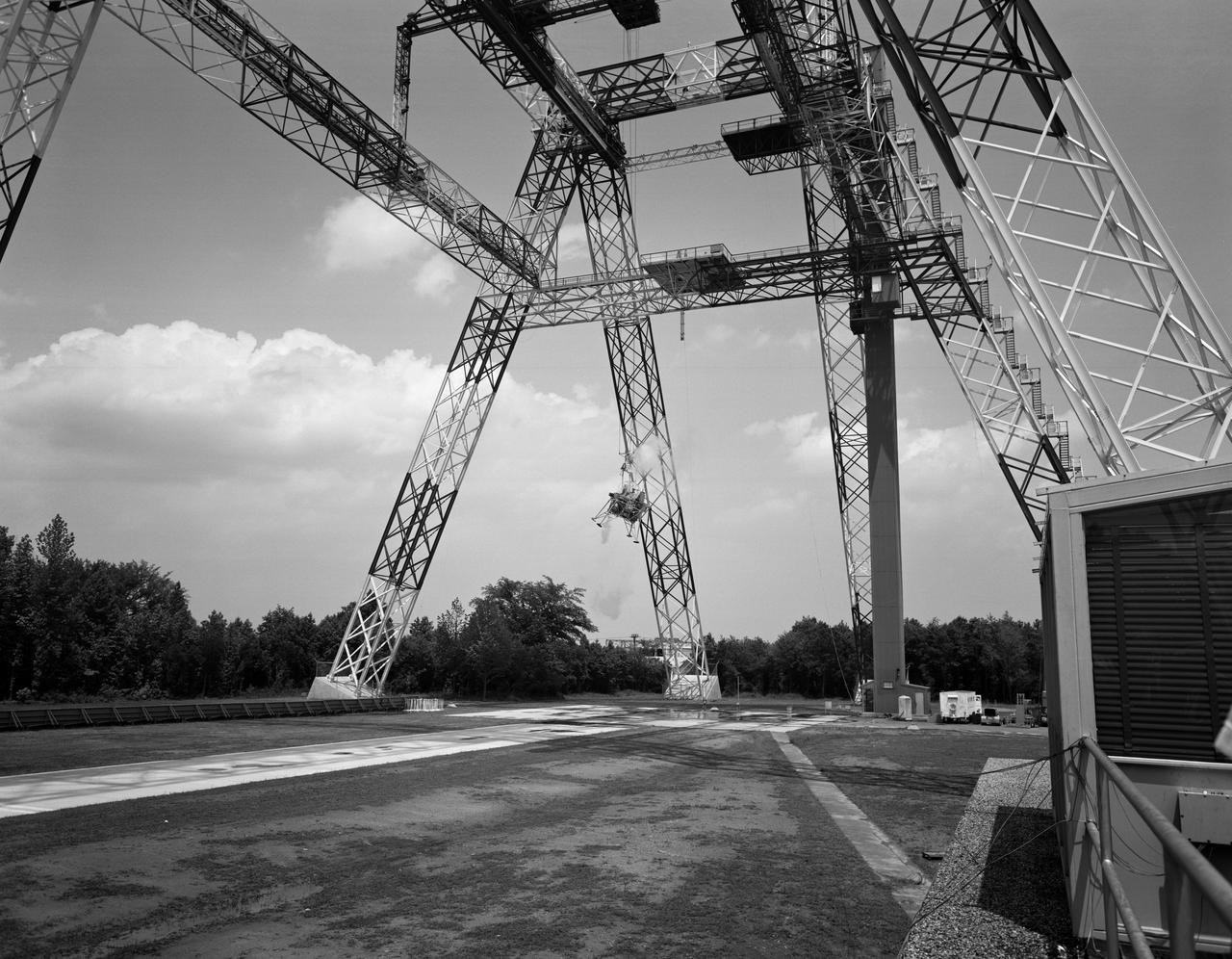
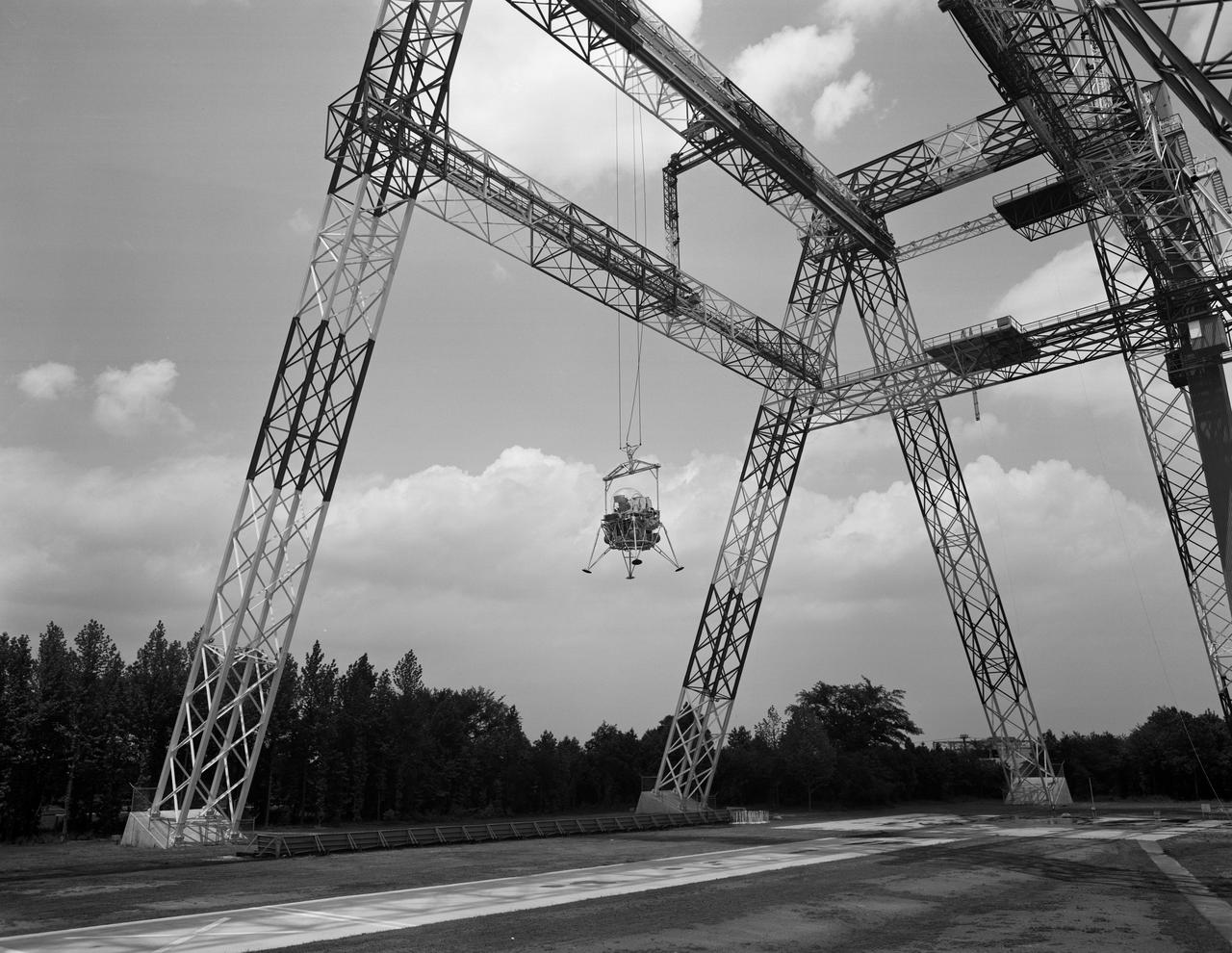
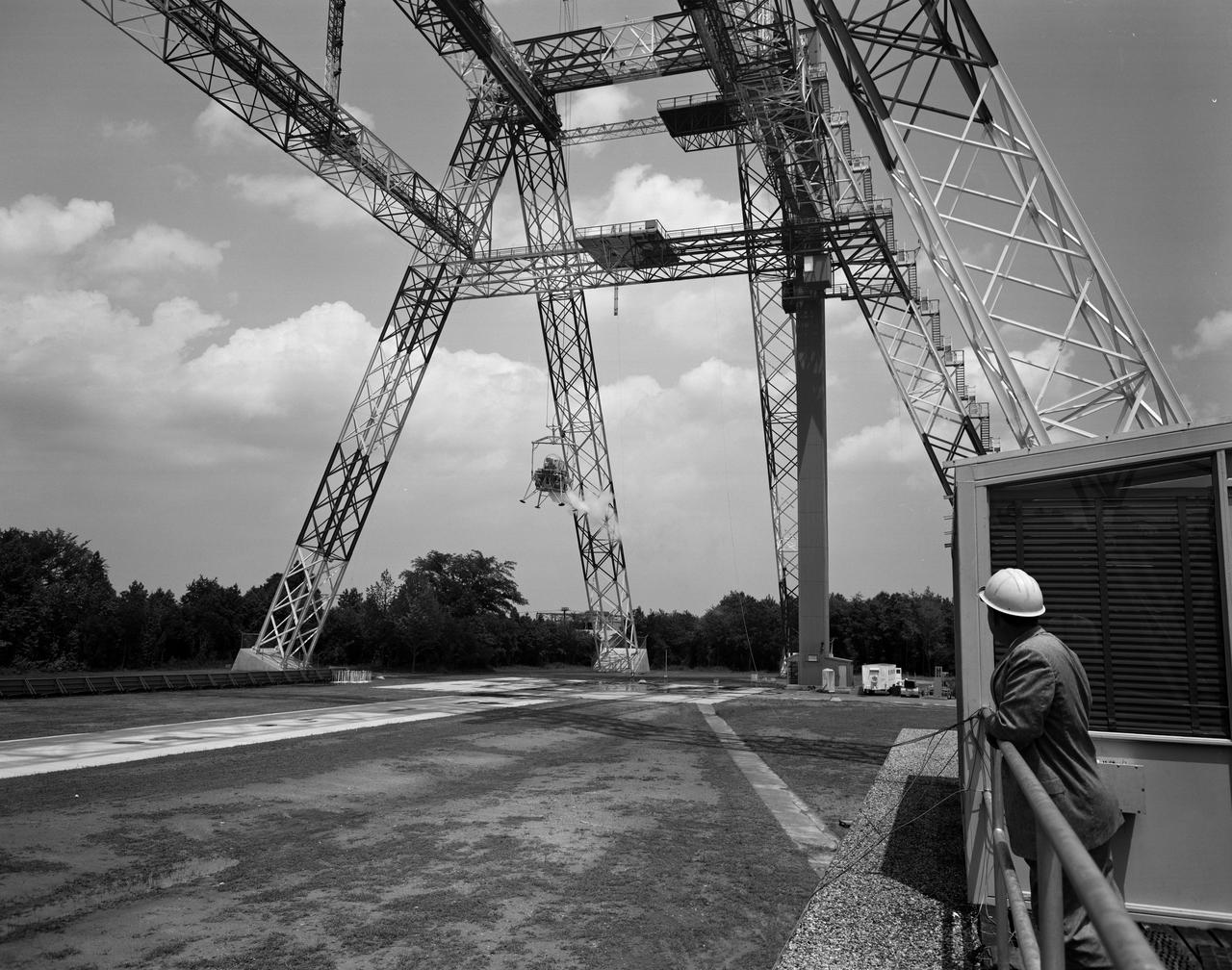
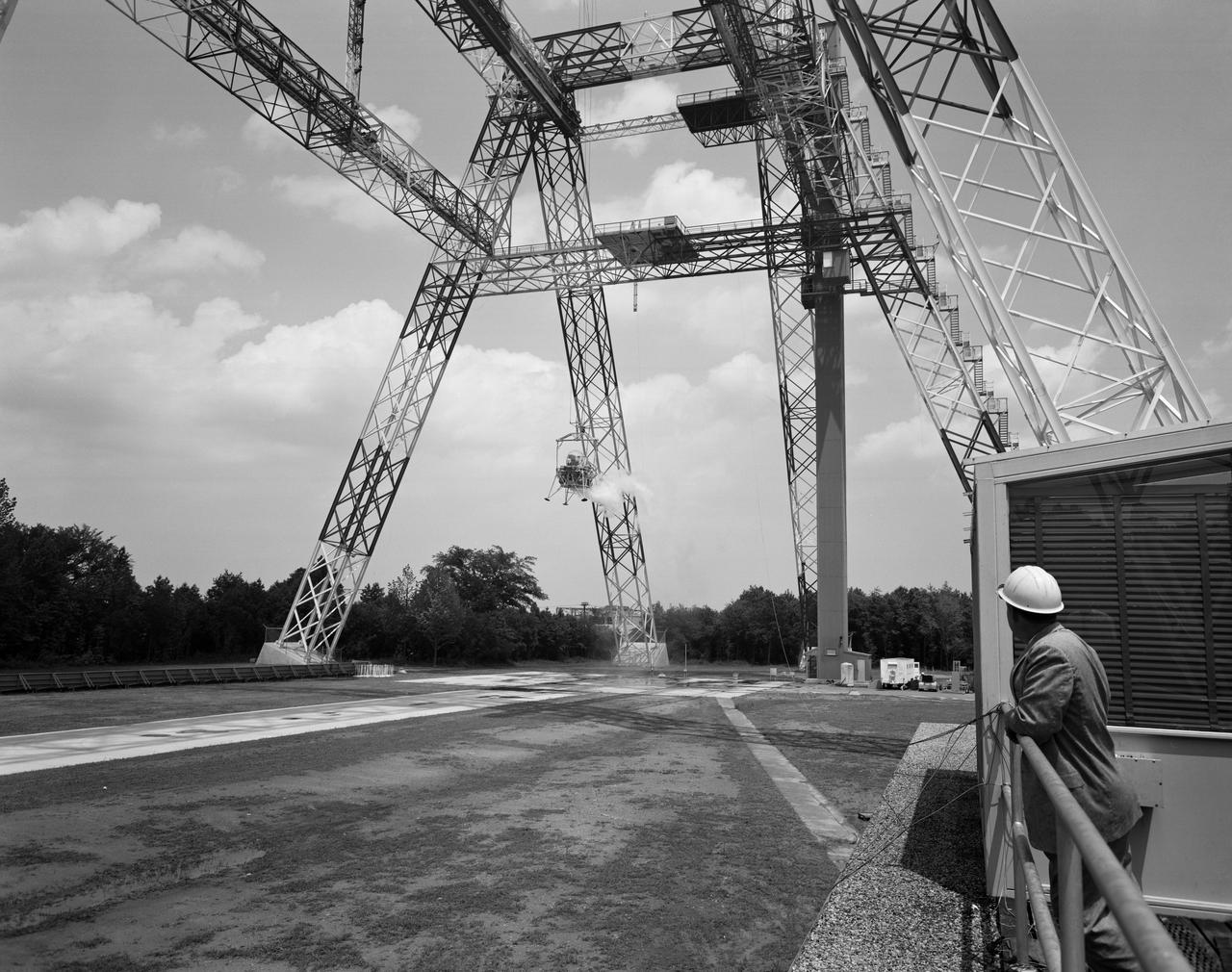
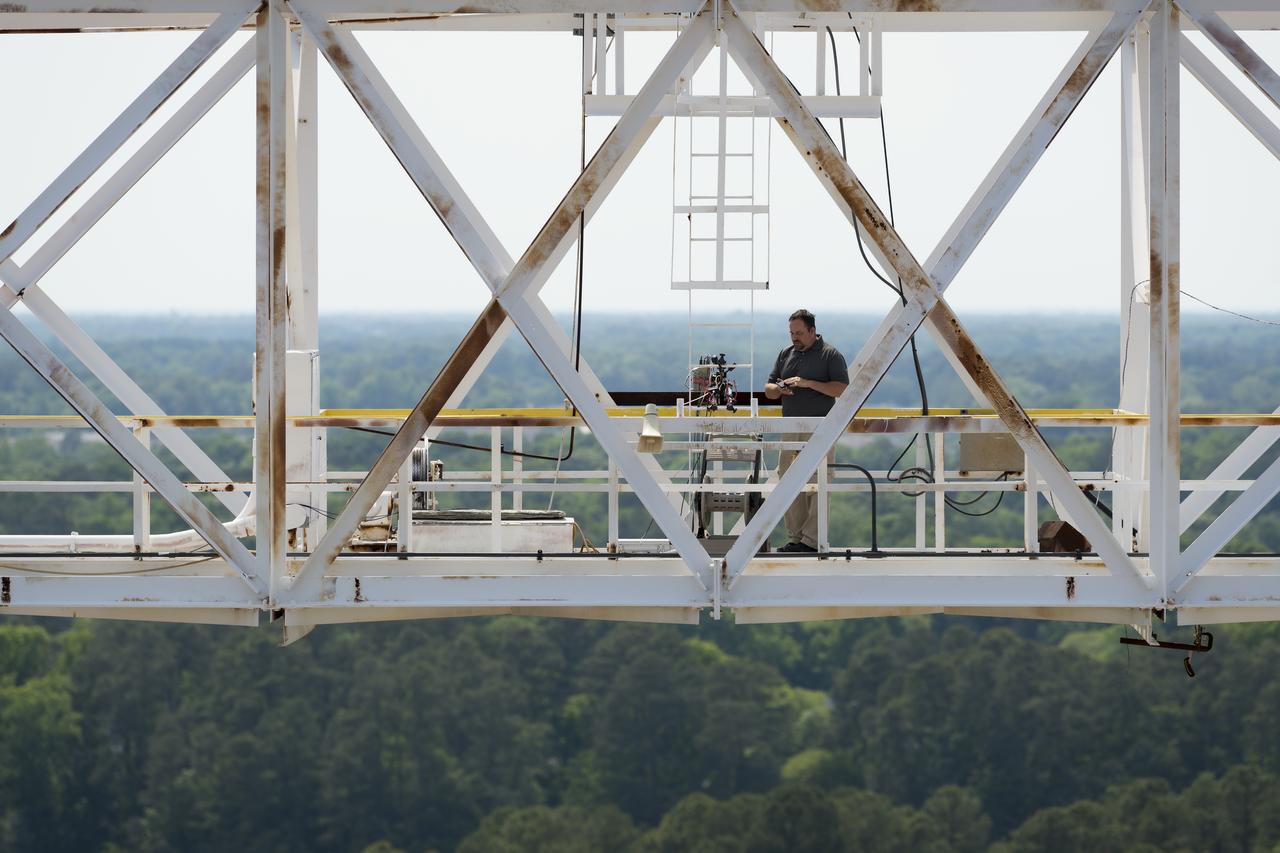
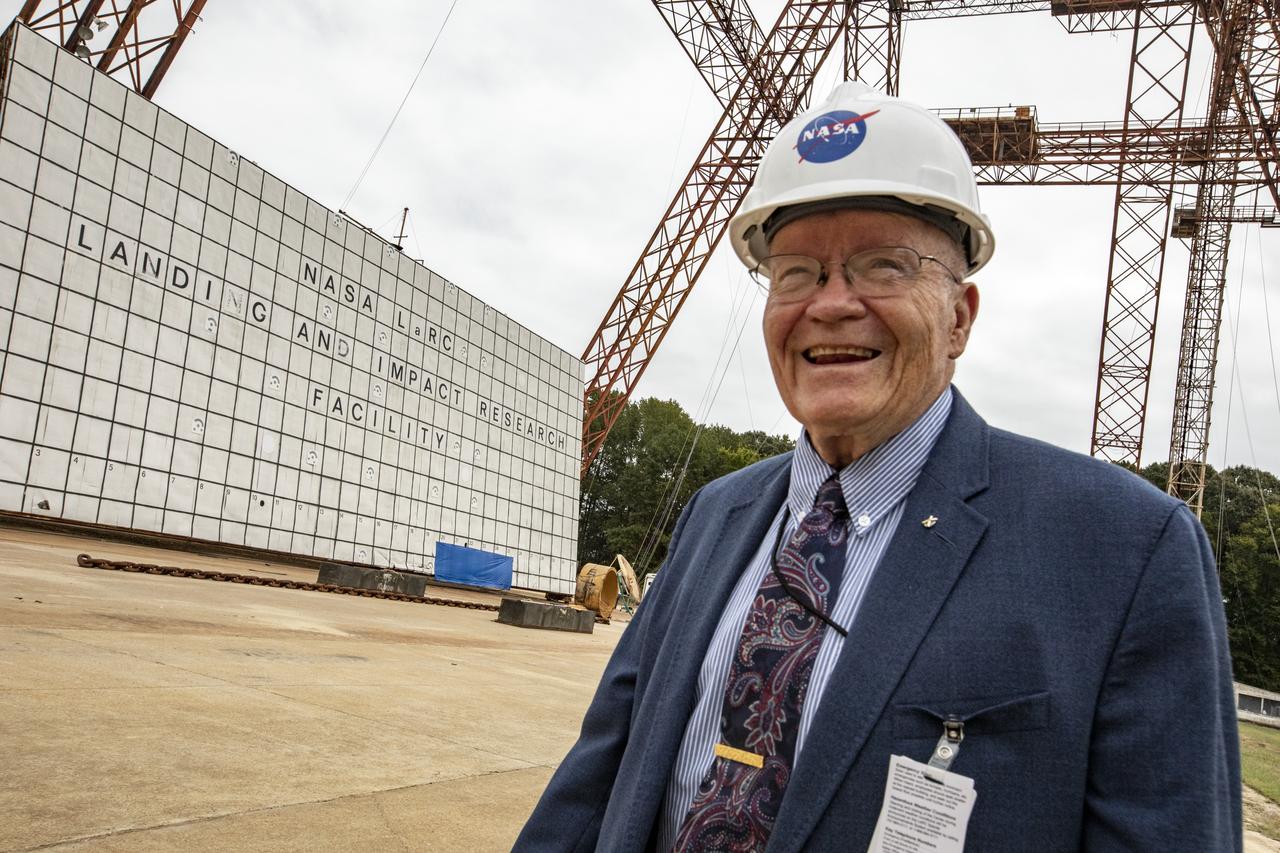
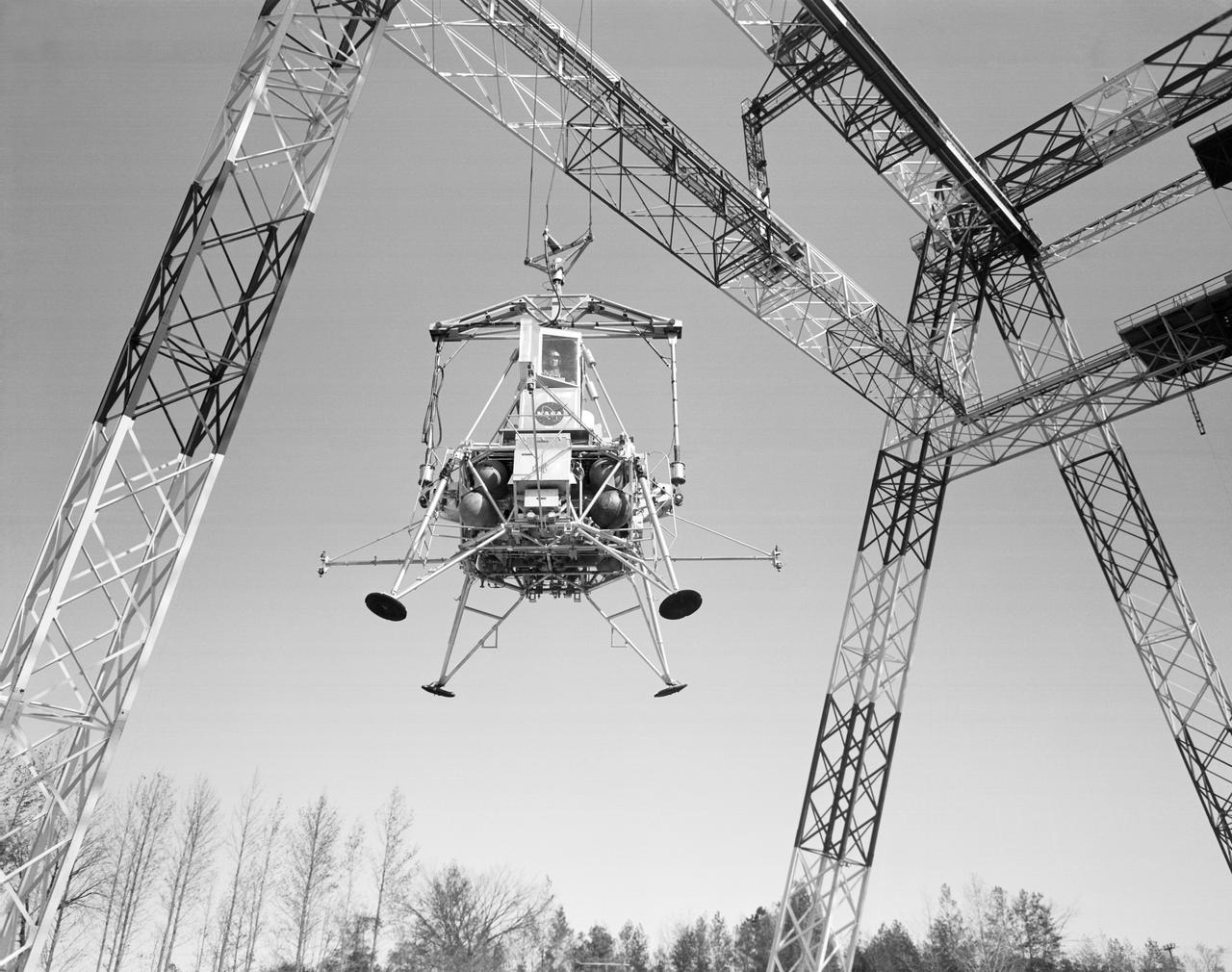
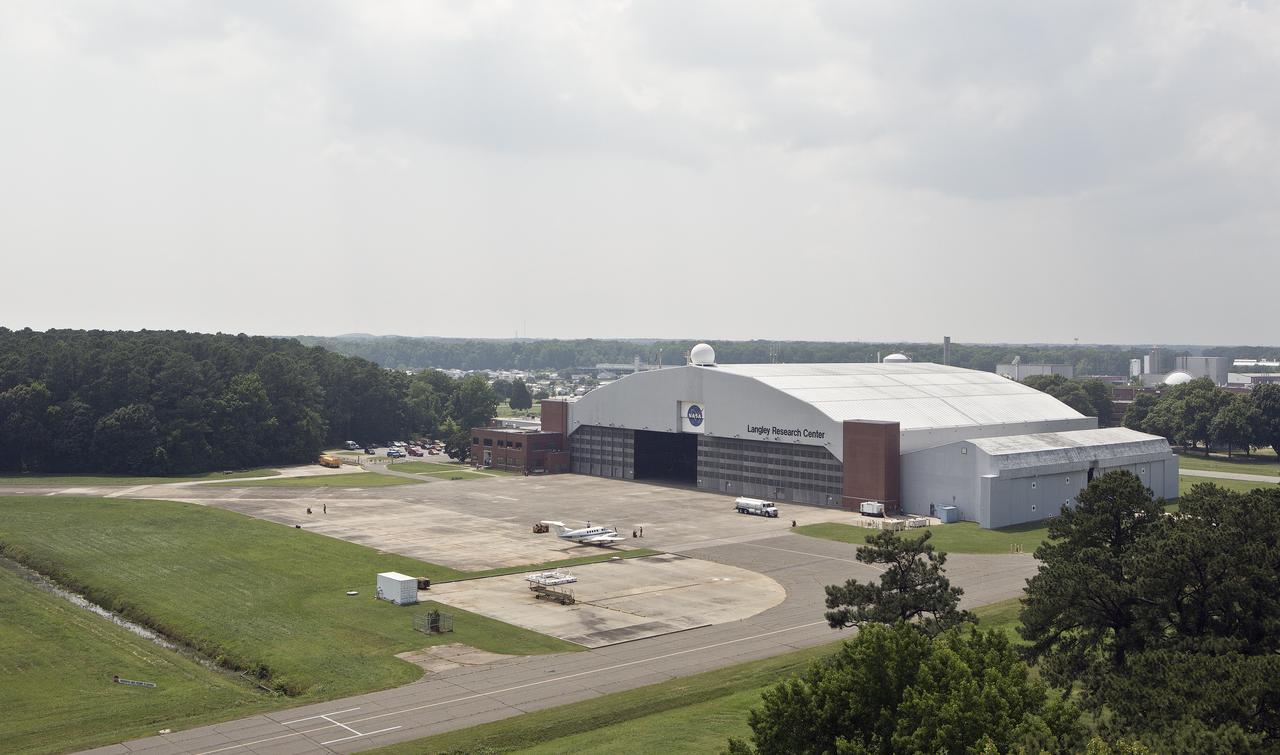
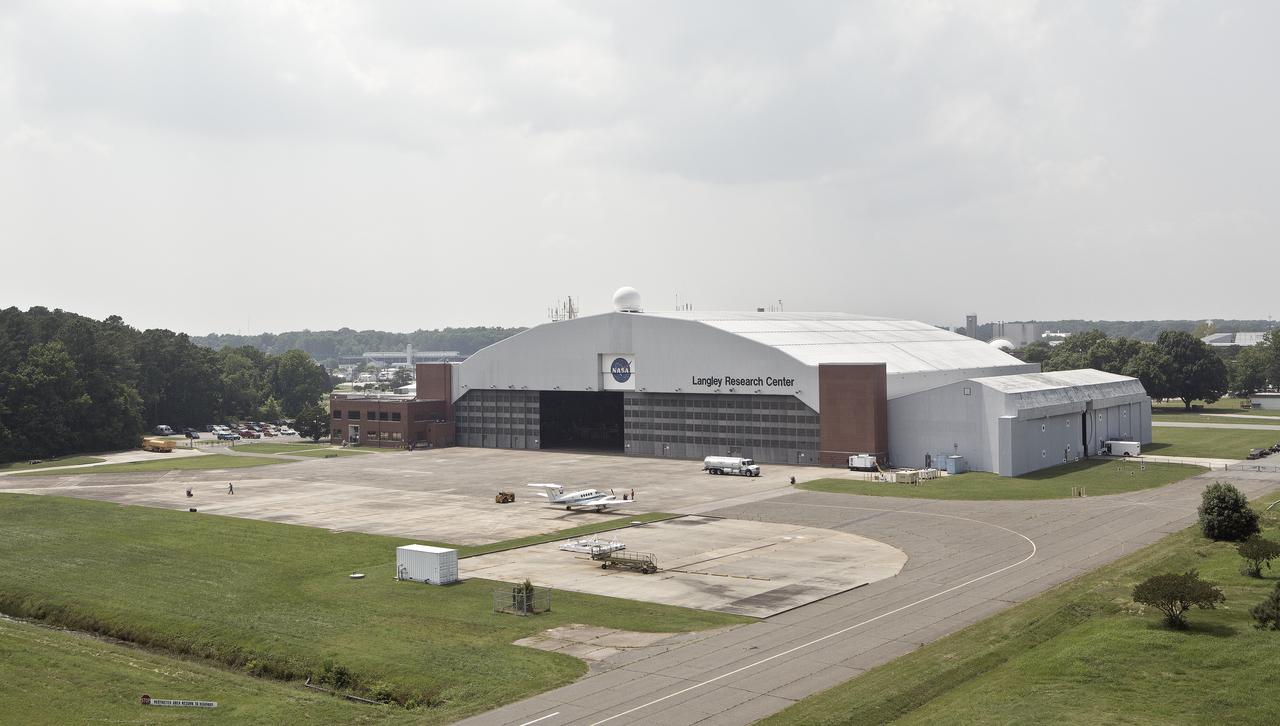
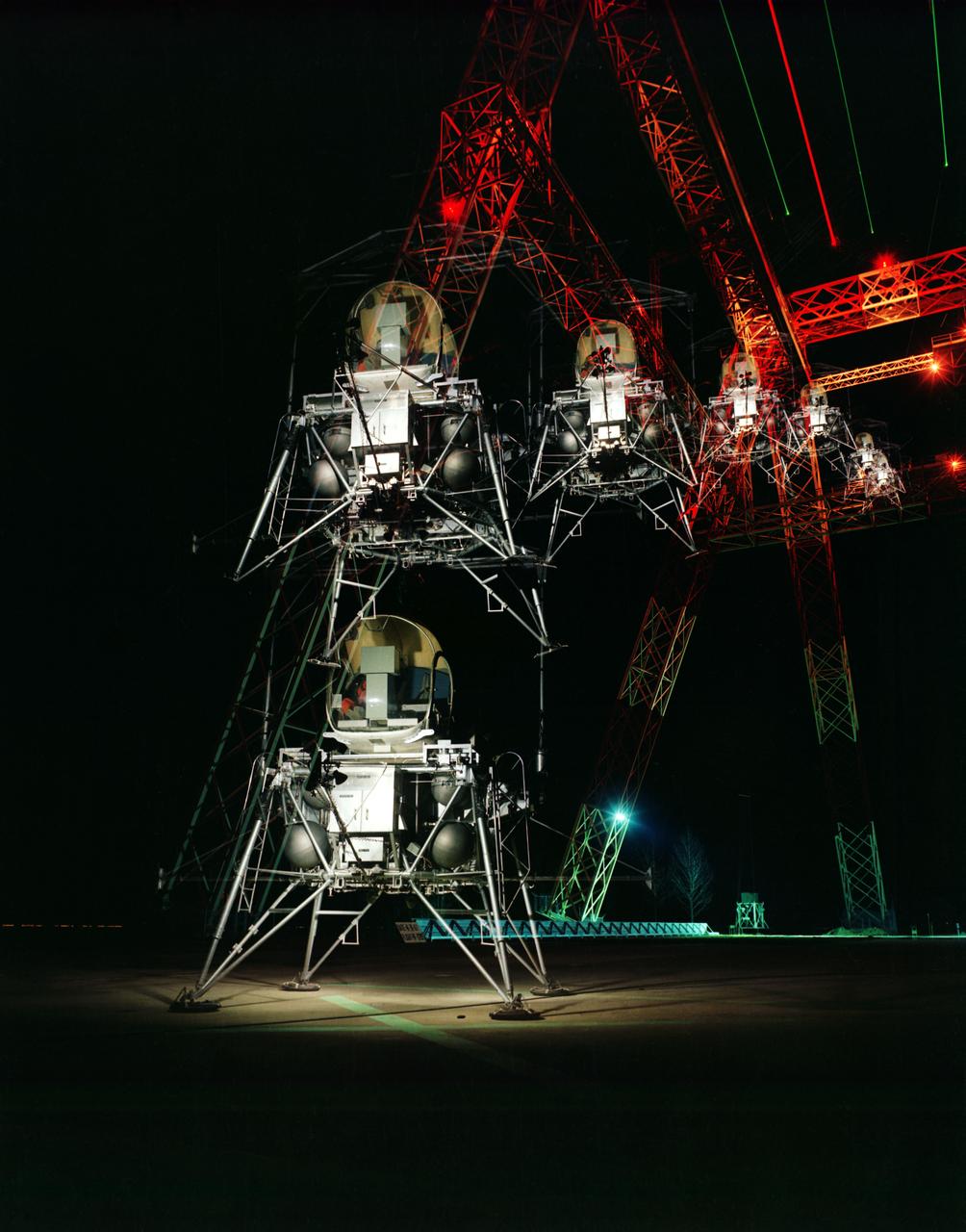
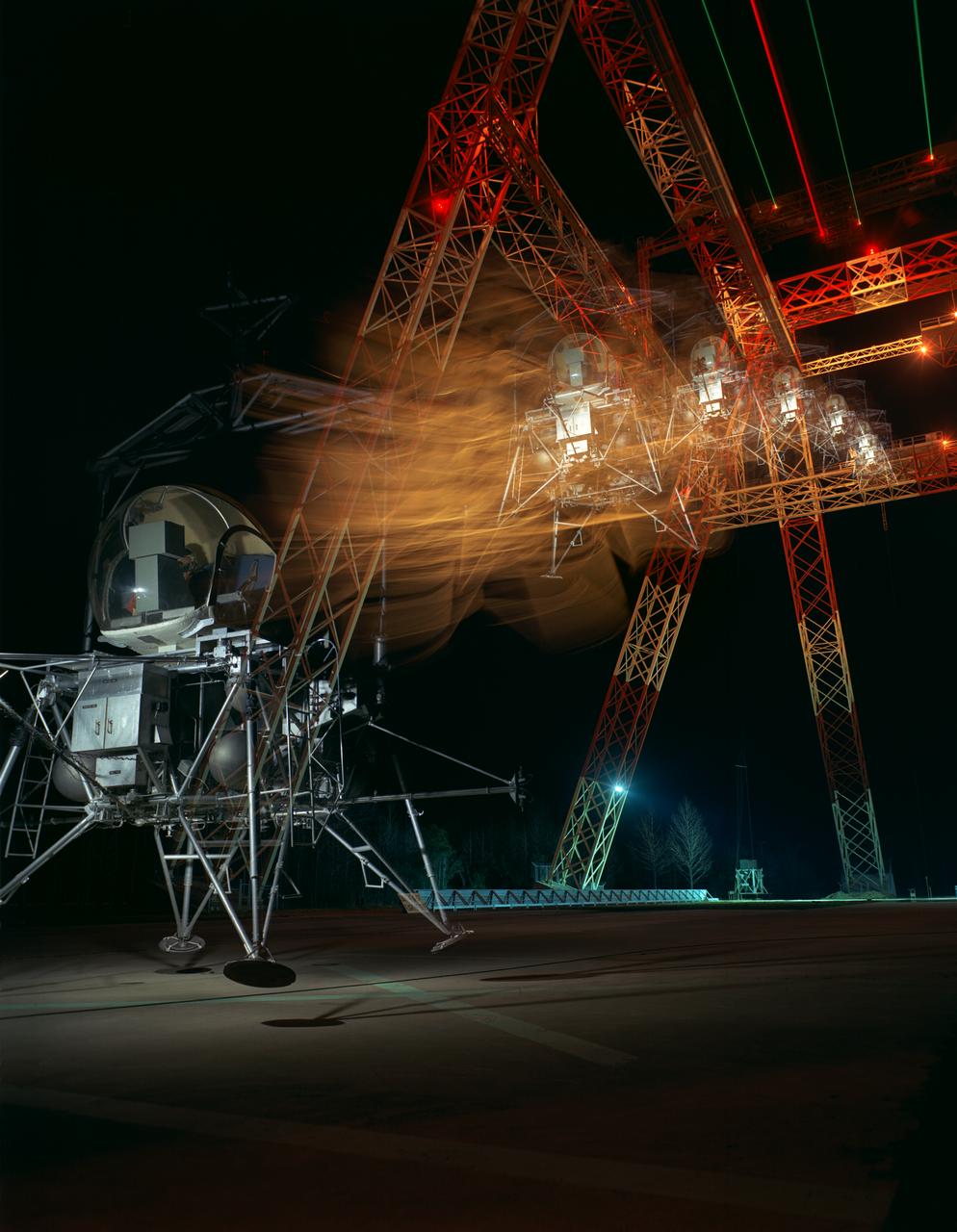
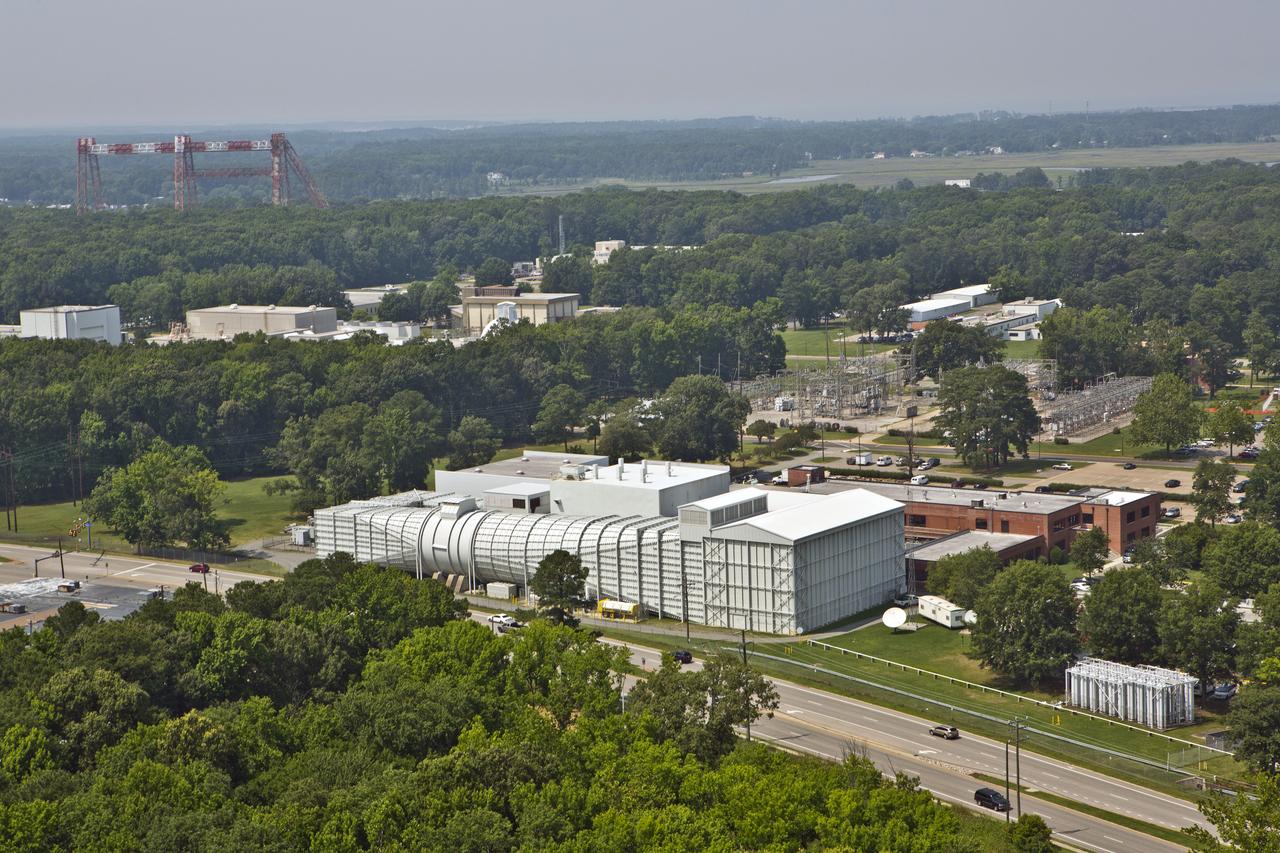
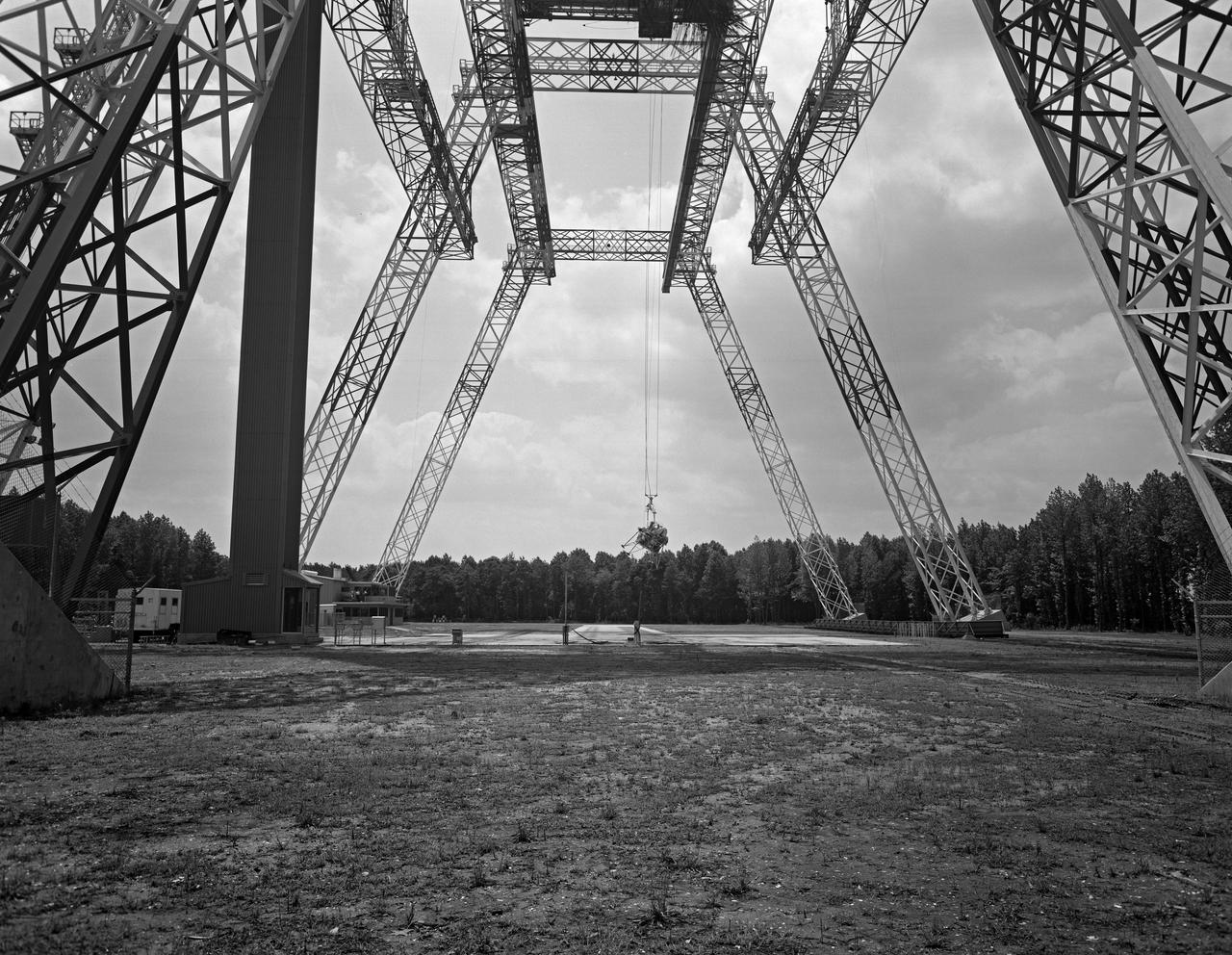
Langley’s historic Impact Dynamics Facility for full-scale aircraft crash testing stands on the western corner of the NASA Langley campus. In its original configuration, the “gantry” was used to train the Mercury 7
NASA Langley Research Center Impact Dynamics Facility
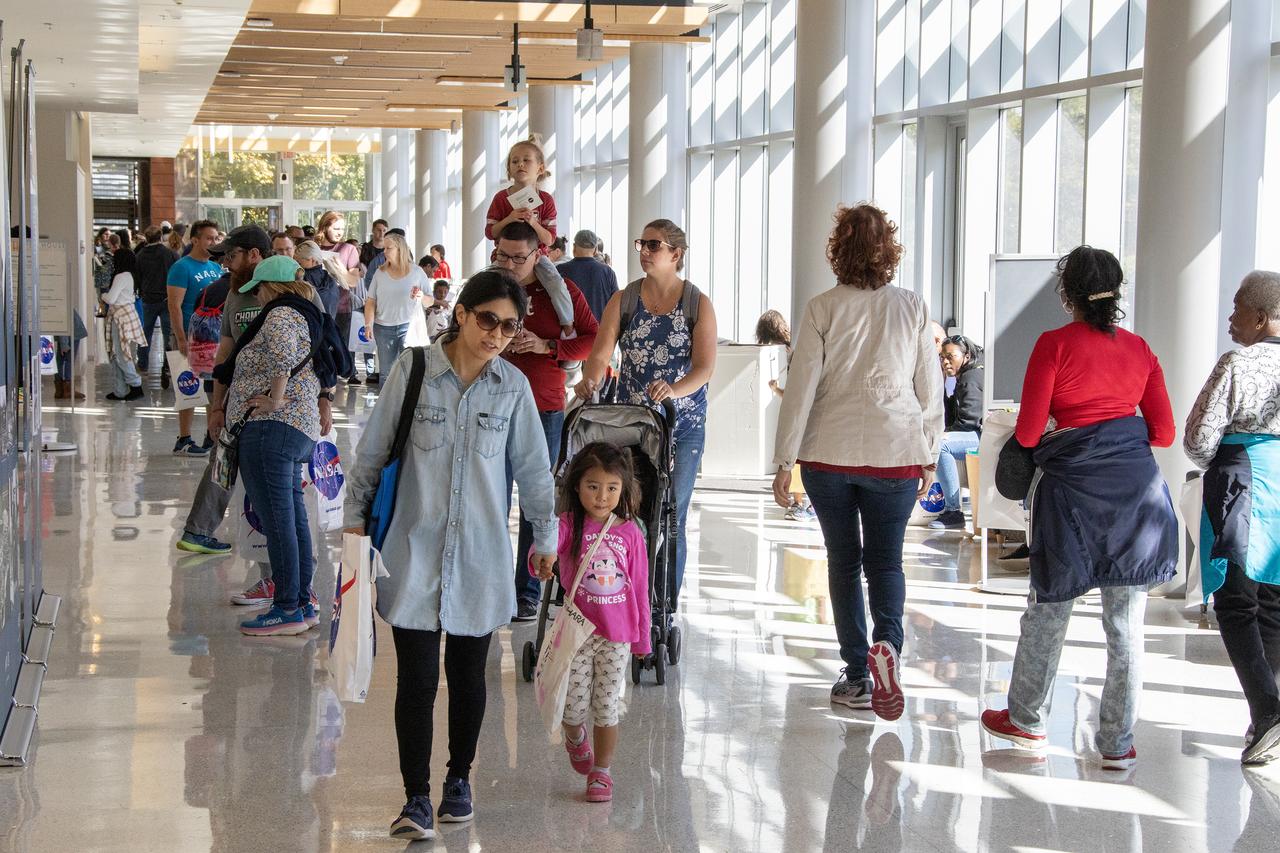
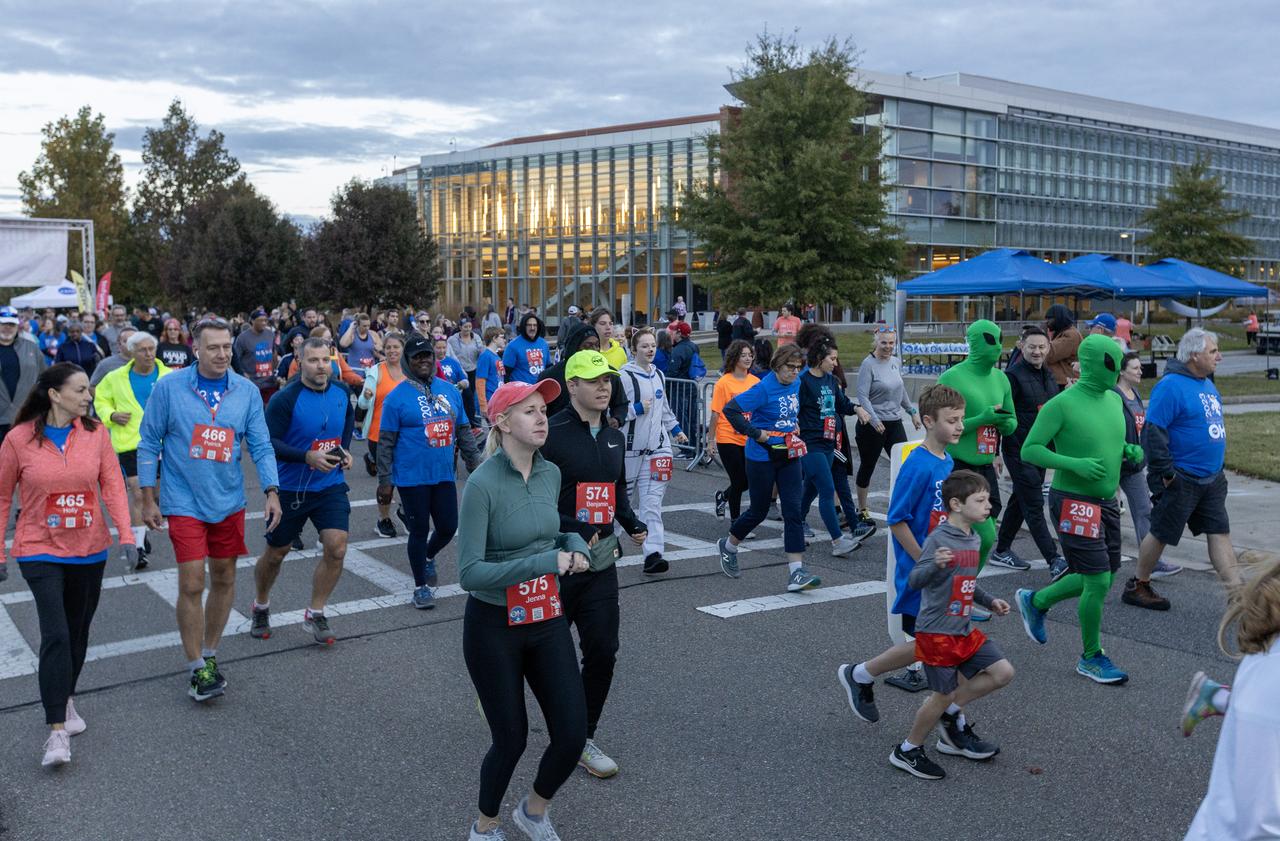
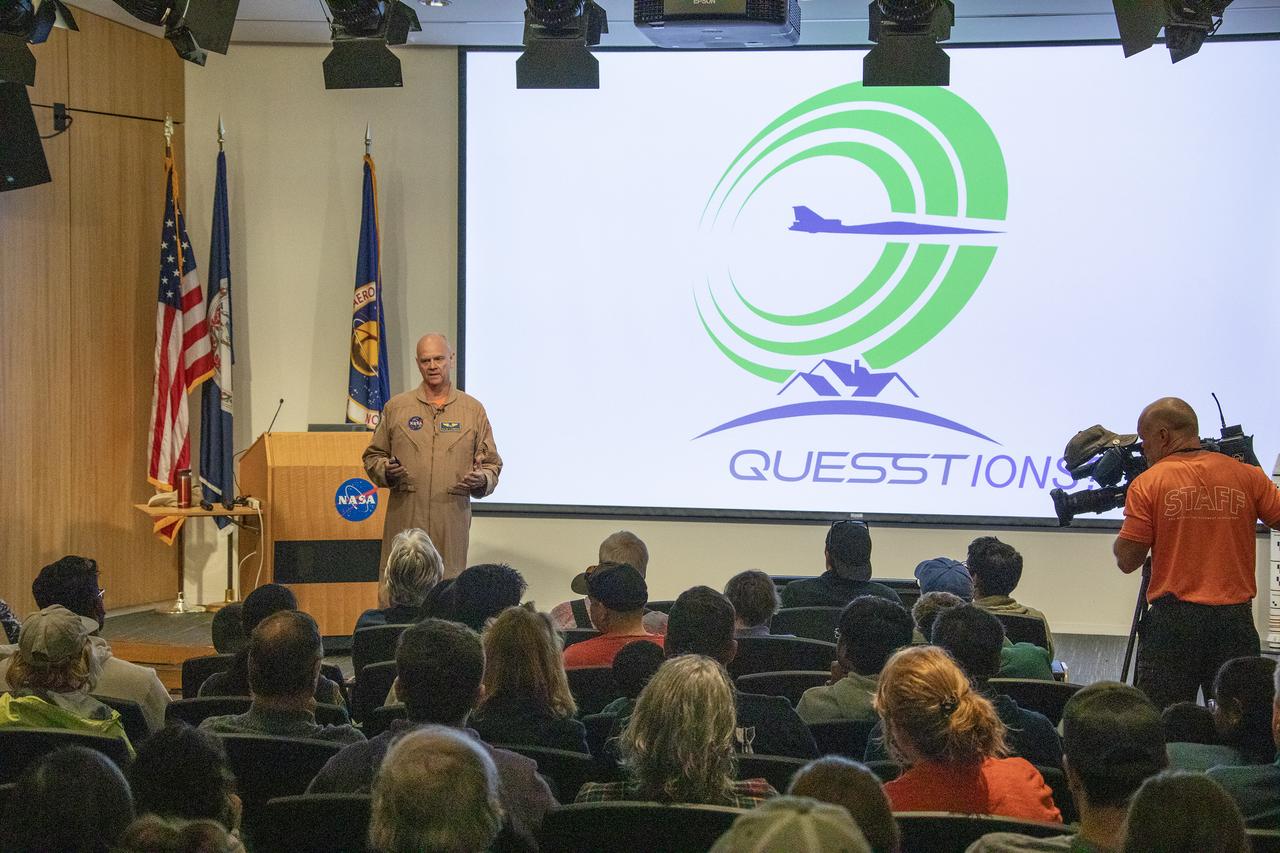
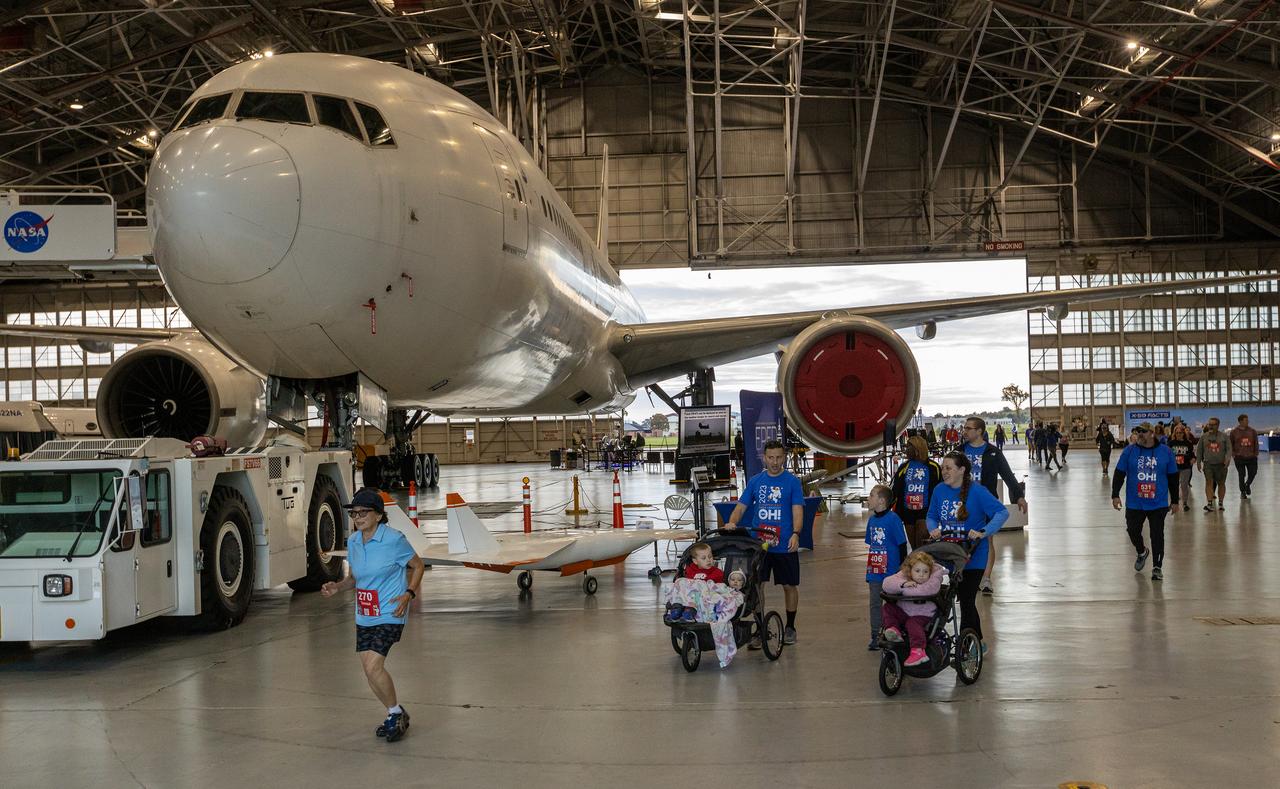
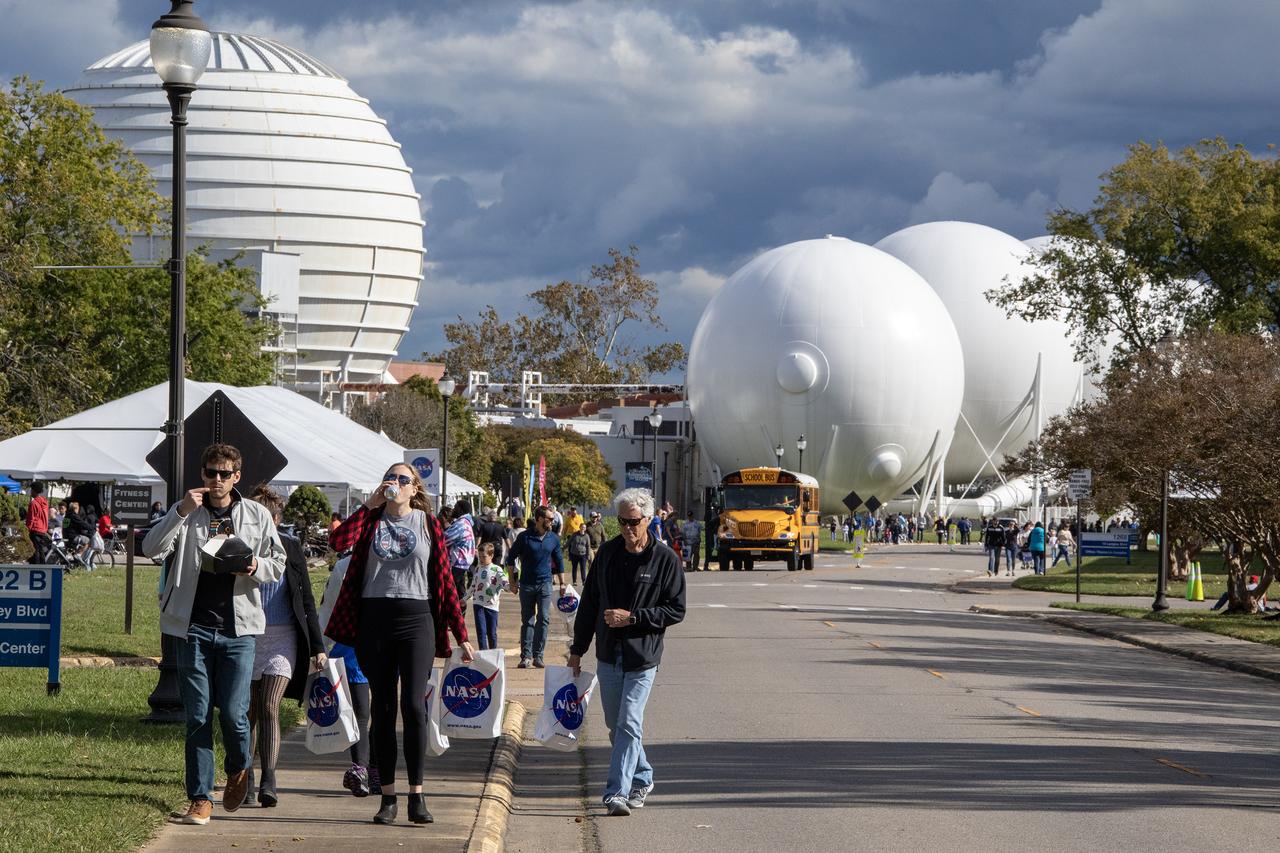
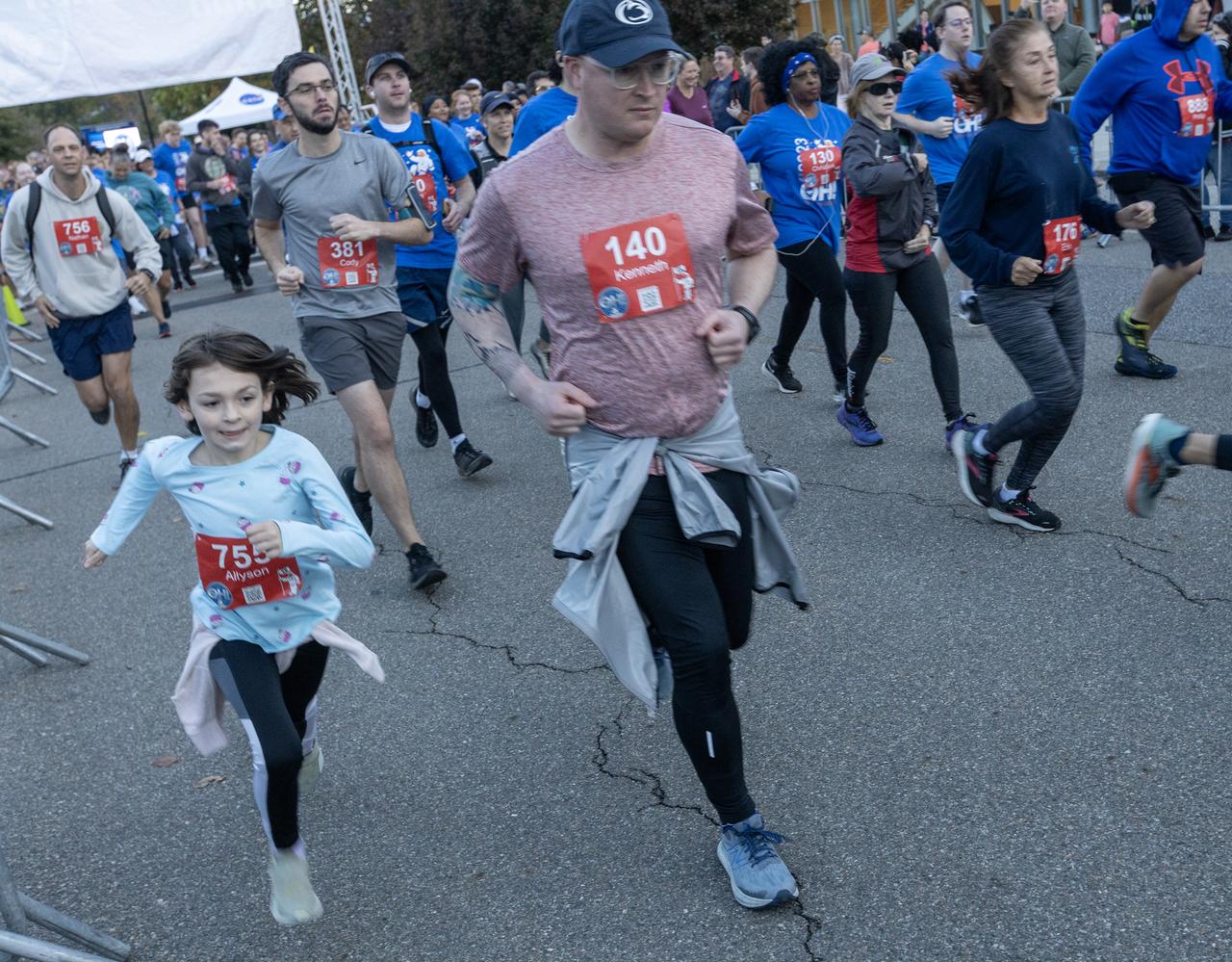
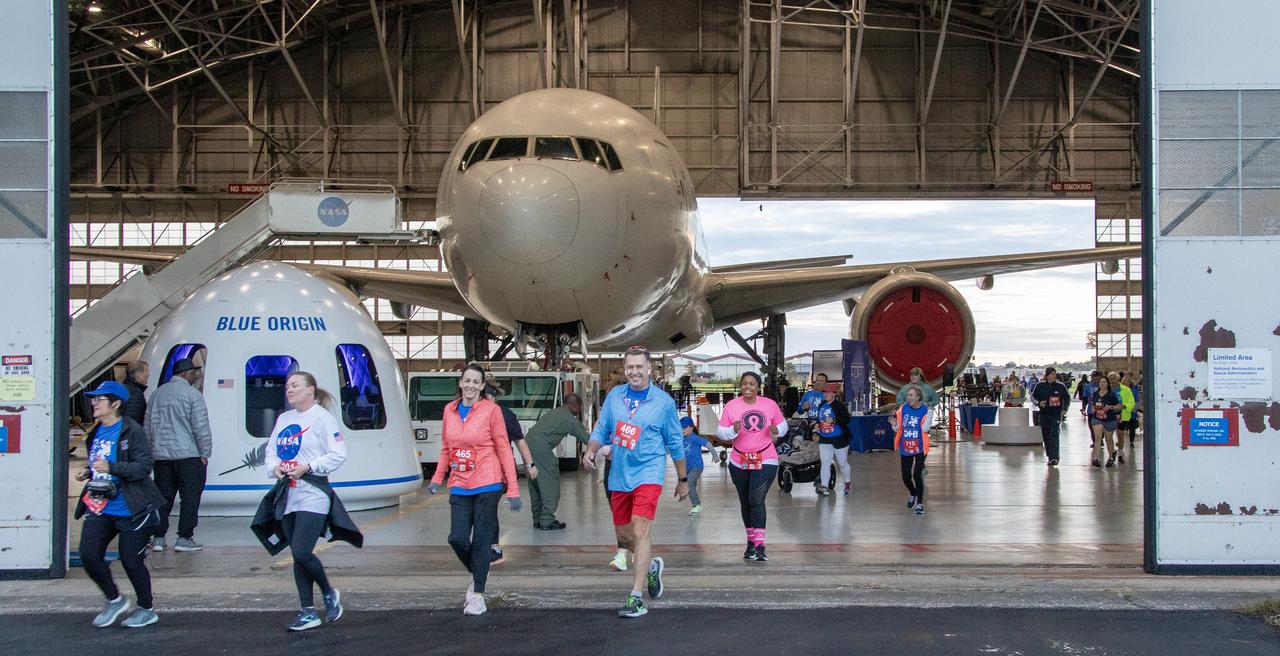
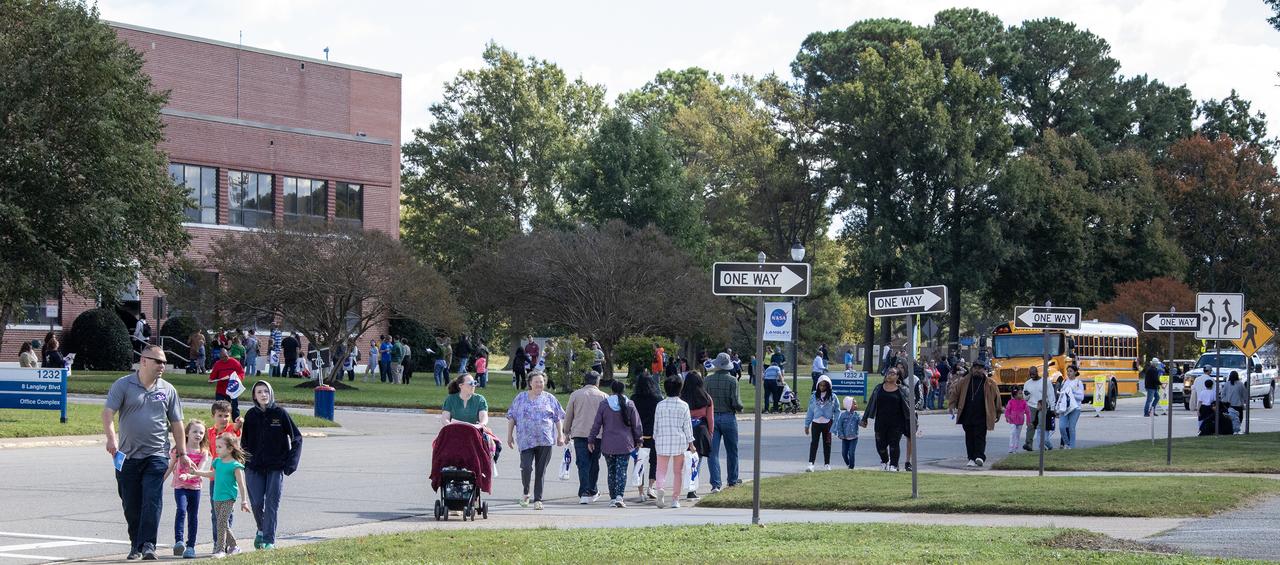
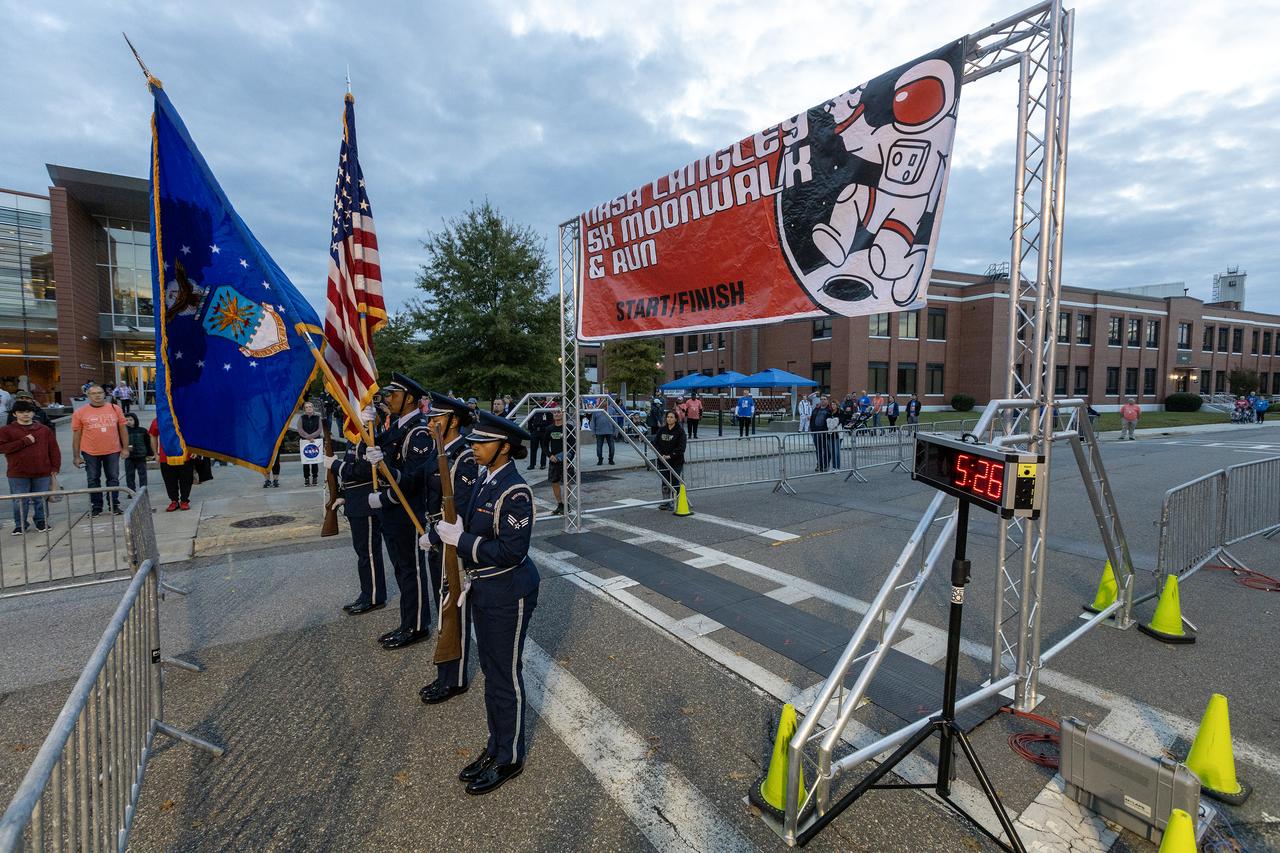
More than 37,000 people registered to attend the NASA Langley open house. Starting with the Annual 5K Moon Walk Run and the talented Nils Larson, X59 pilot and Astronaut Victor Glover reunited at Langley’s hangar and hosted by Center Director Clayton Turner.
2023 NASA Langley Open House
Artemis II astronaut Victor J. Glover participates in NASA Langley’s Open House on Saturday, Oct. 21.  More than 37,000 people registered to attend the NASA Langley open house. Starting with the Annual 5K Moon Walk Run and the talented Nils Larson, X59 pilot and Astronaut Victor Glover reunited at Langley’s hangar and hosted by Center Director Clayton Turner.
2023 NASA Langley Open House
More than 37,000 people registered to attend the NASA Langley open house. Starting with the Annual 5K Moon Walk Run and the talented Nils Larson, X59 pilot and Astronaut Victor Glover reunited at Langley’s hangar and hosted by Center Director Clayton Turner.
2023 NASA Langley Open House
Speaker David Nils Larson on the X59.  More than 37,000 people registered to attend the NASA Langley open house. Starting with the Annual 5K Moon Walk Run and the talented Nils Larson, X59 pilot and Astronaut Victor Glover reunited at Langley’s hangar and hosted by Center Director Clayton Turner.
2023 NASA Langley Open House
More than 37,000 people registered to attend the NASA Langley open house. Starting with the Annual 5K Moon Walk Run and the talented Nils Larson, X59 pilot and Astronaut Victor Glover reunited at Langley’s hangar and hosted by Center Director Clayton Turner.
2023 NASA Langley Open House
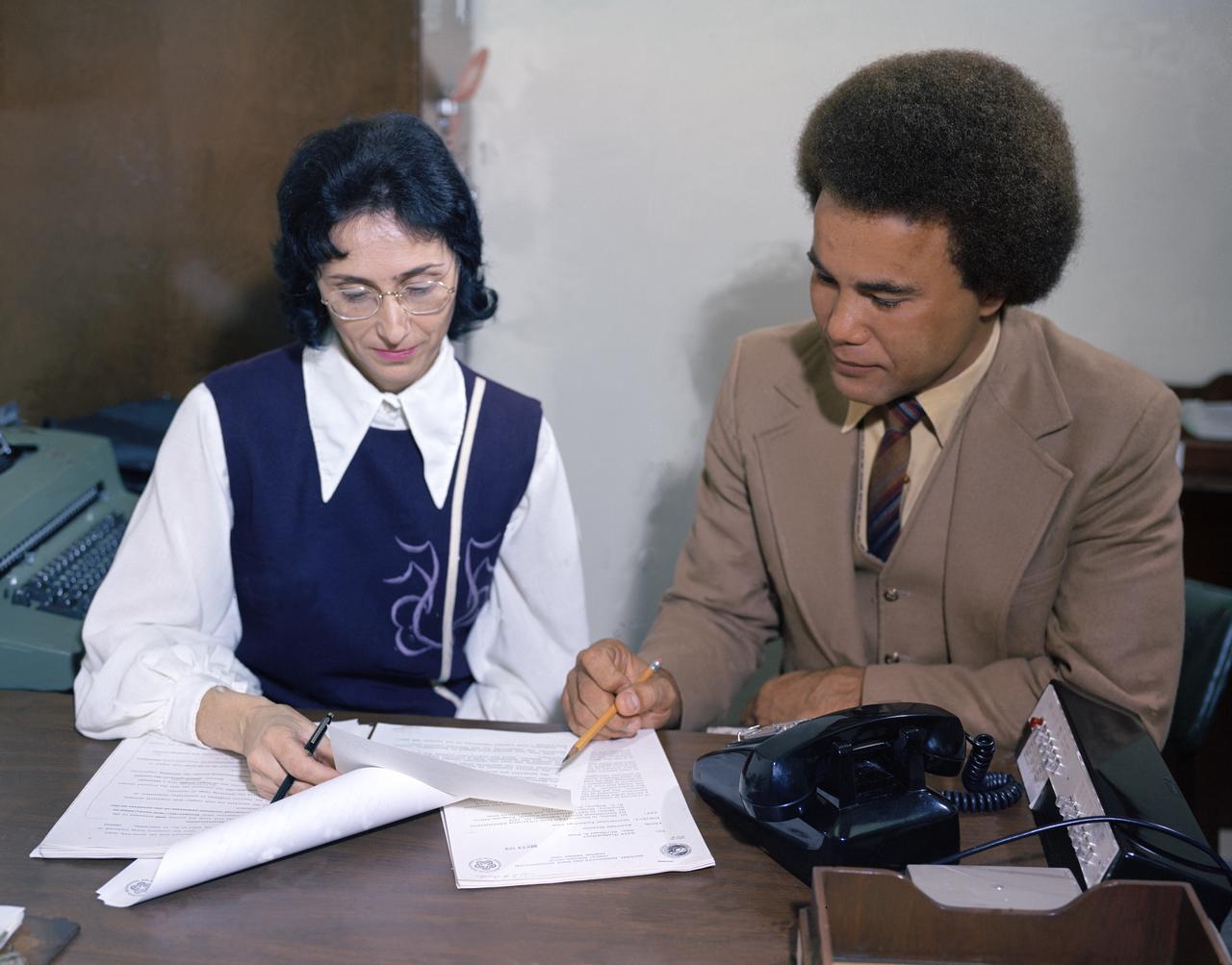
Minority Professionals at NASA Langley Research Center Samuel J. Scott  on the right.
Minority Professionals at NASA Langley, Samuel J. Scott
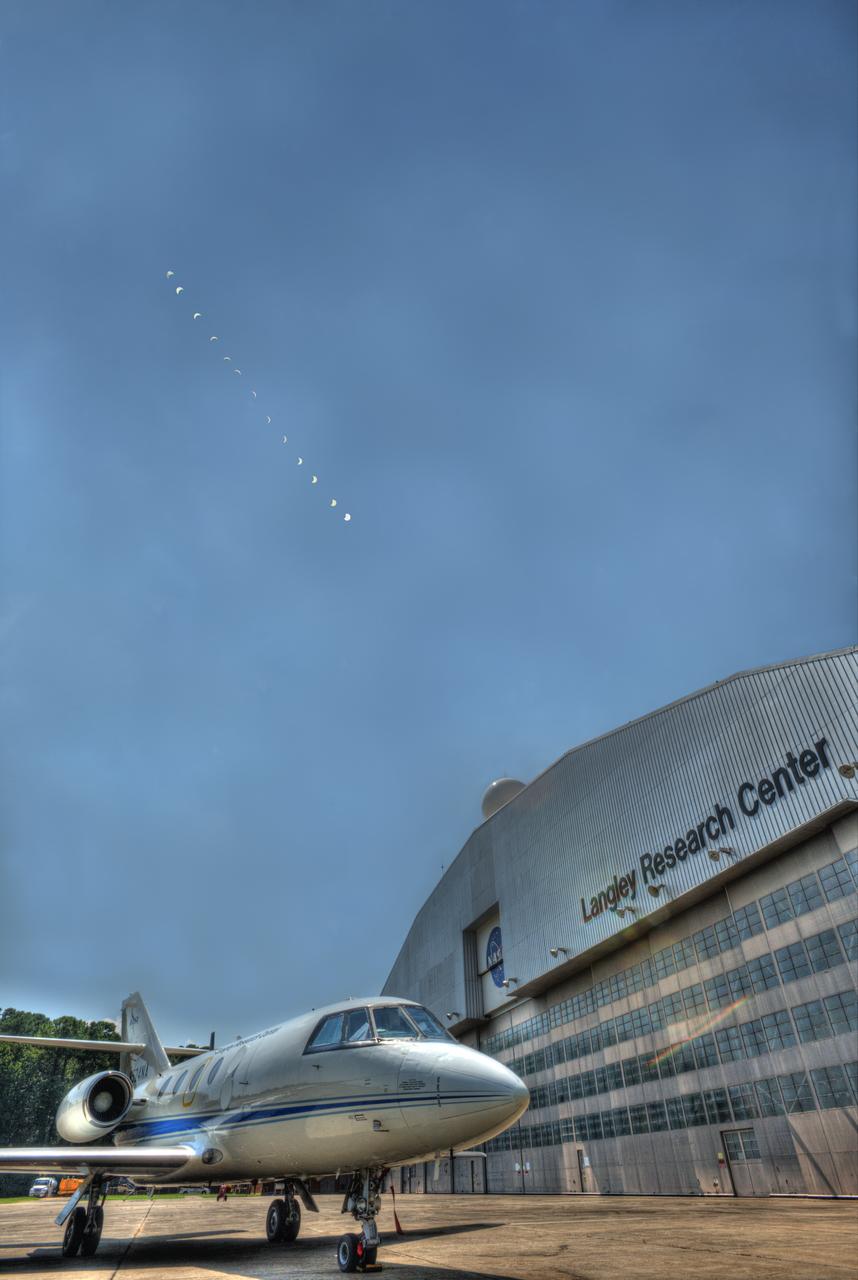
HDR Time lapse composite of the Solar Eclipse with the Falcon UH-25 in front of the NASA Langley hangar.
Solar Eclipse at NASA Langley 2017
Artemis II astronaut Victor J. Glover participates in NASA Langley’s Open House on Saturday, Oct. 21. More than 37,000 people registered to attend the NASA Langley open house. Starting with the Annual 5K Moon Walk Run and the talented Nils Larson, X59 pilot and Astronaut Victor Glover reunited at Langley’s hangar and hosted by Center Director Clayton Turner.
2023 NASA Langley Open House
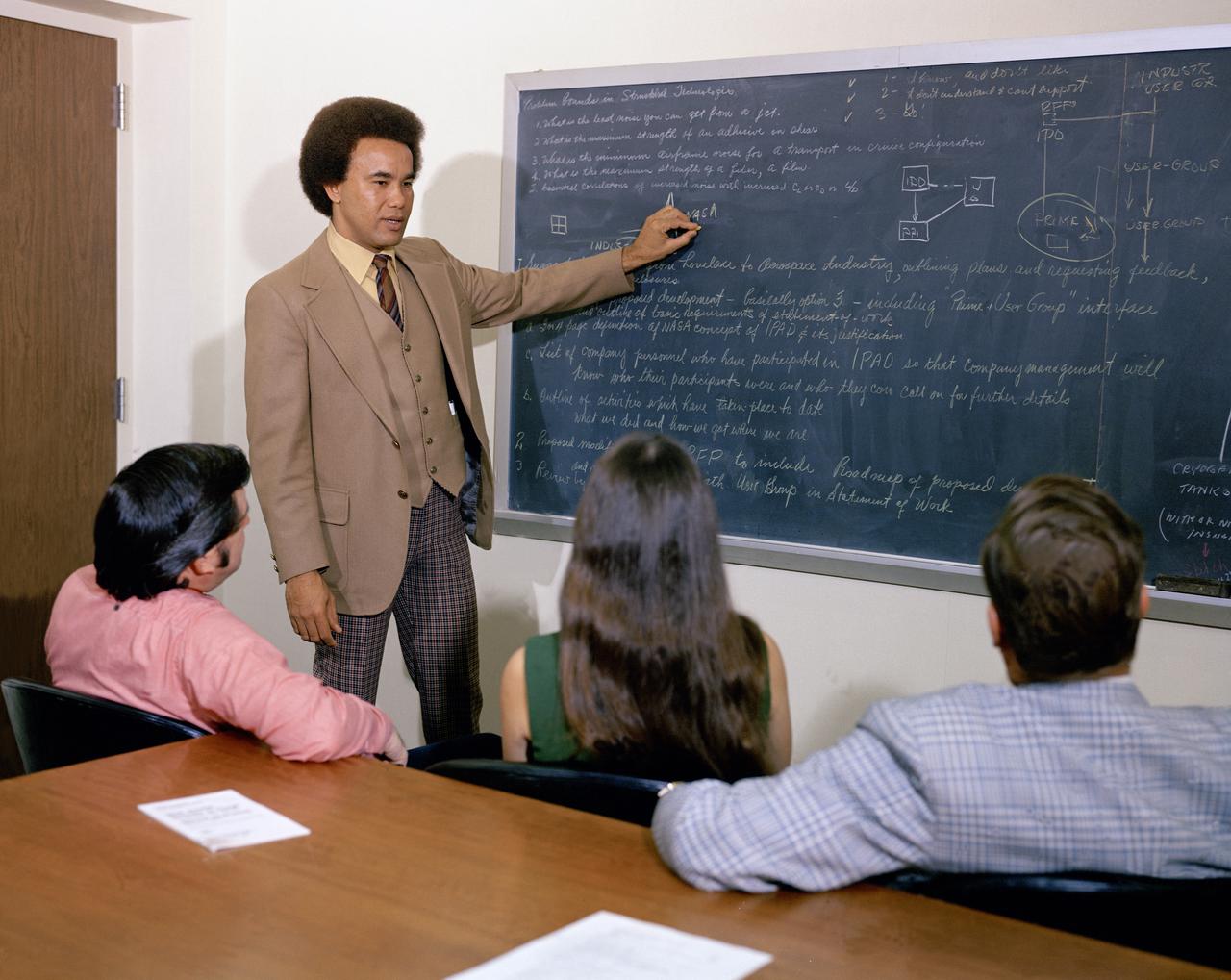
Minority Professionals at NASA Langley Research Center. Samuel J. Scott working in the Office of Director for Structures, Staff Assistant is at the board.
Minority Professionals at NASA Langley Research Center
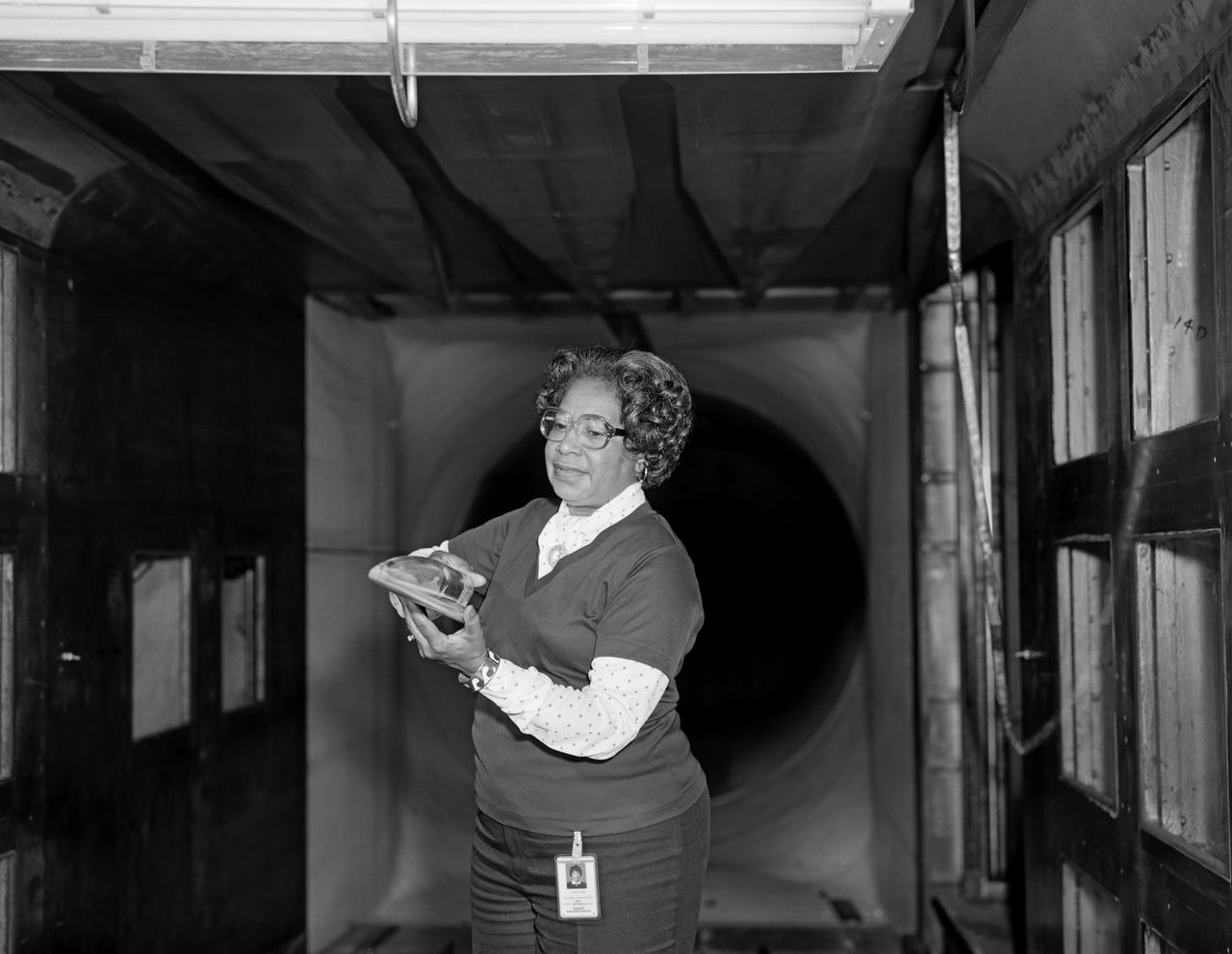
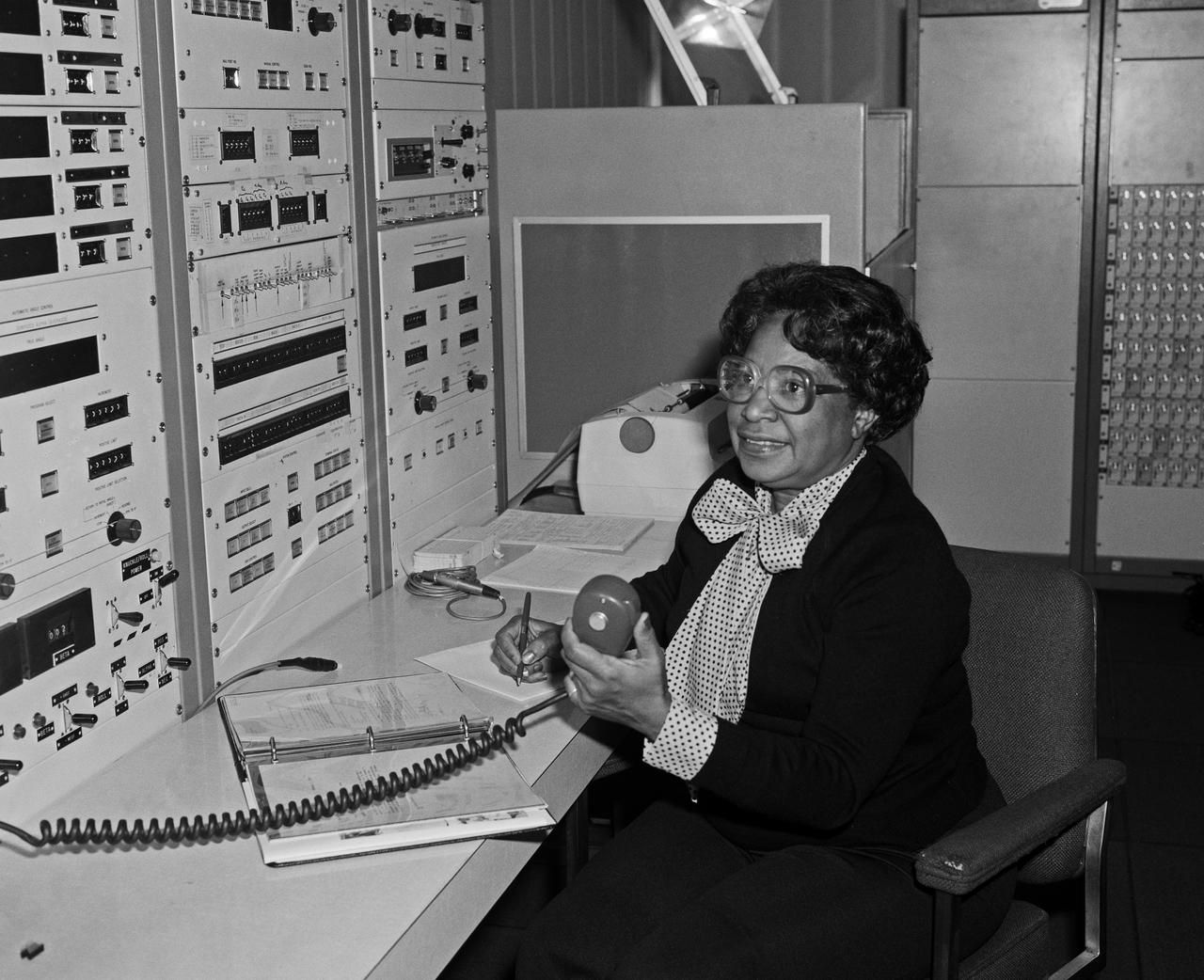
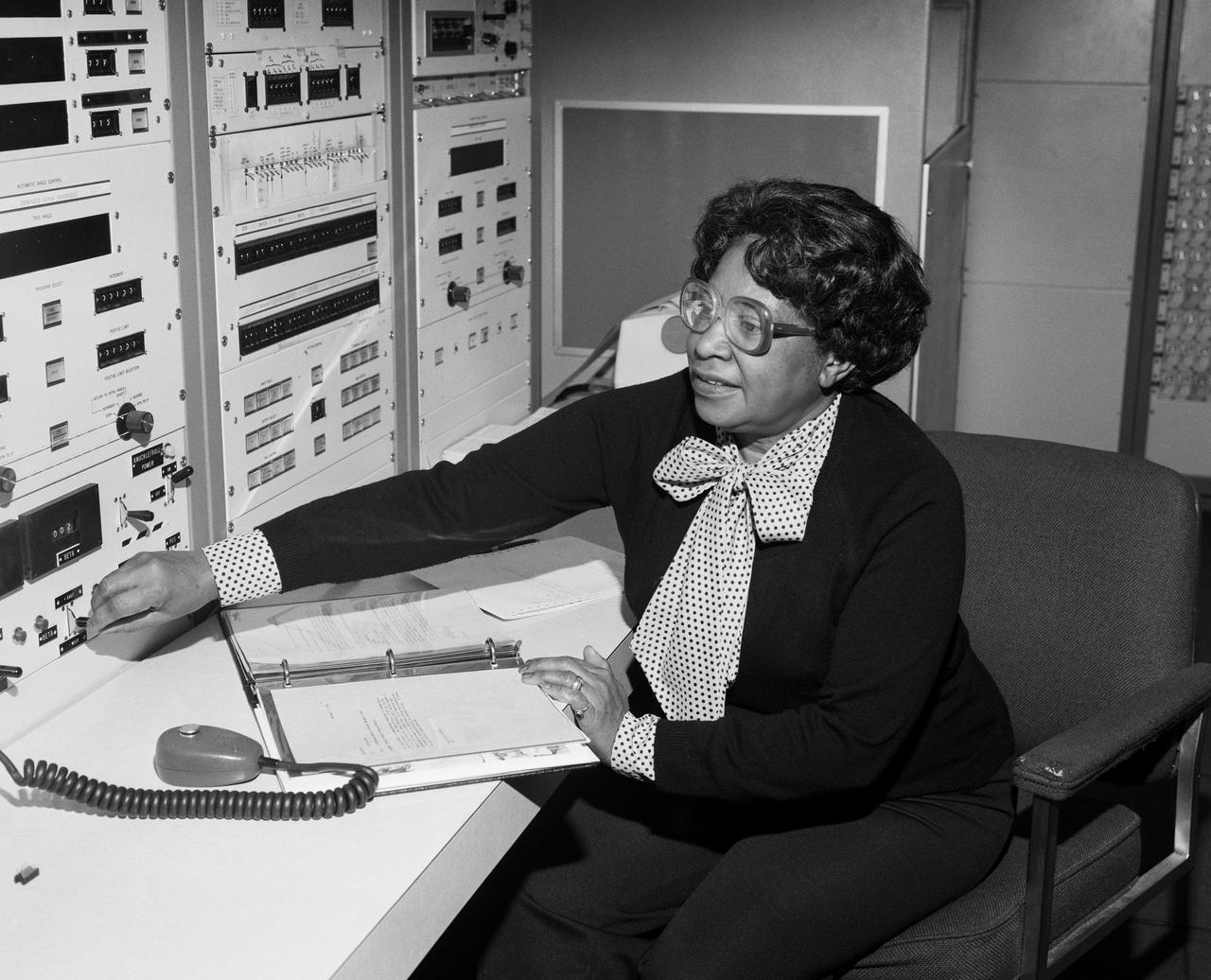
Mary Jackson With Model at NASA Langley. In 1958 Mary Jackson became NASA's first black female engineer. At this time Mrs. Jackson was working in the Theoretical Aerodynamic Branch.  The tunnel was located on the East side at Langley Air Force Base.
Mary Jackson With Model at NASA Langley
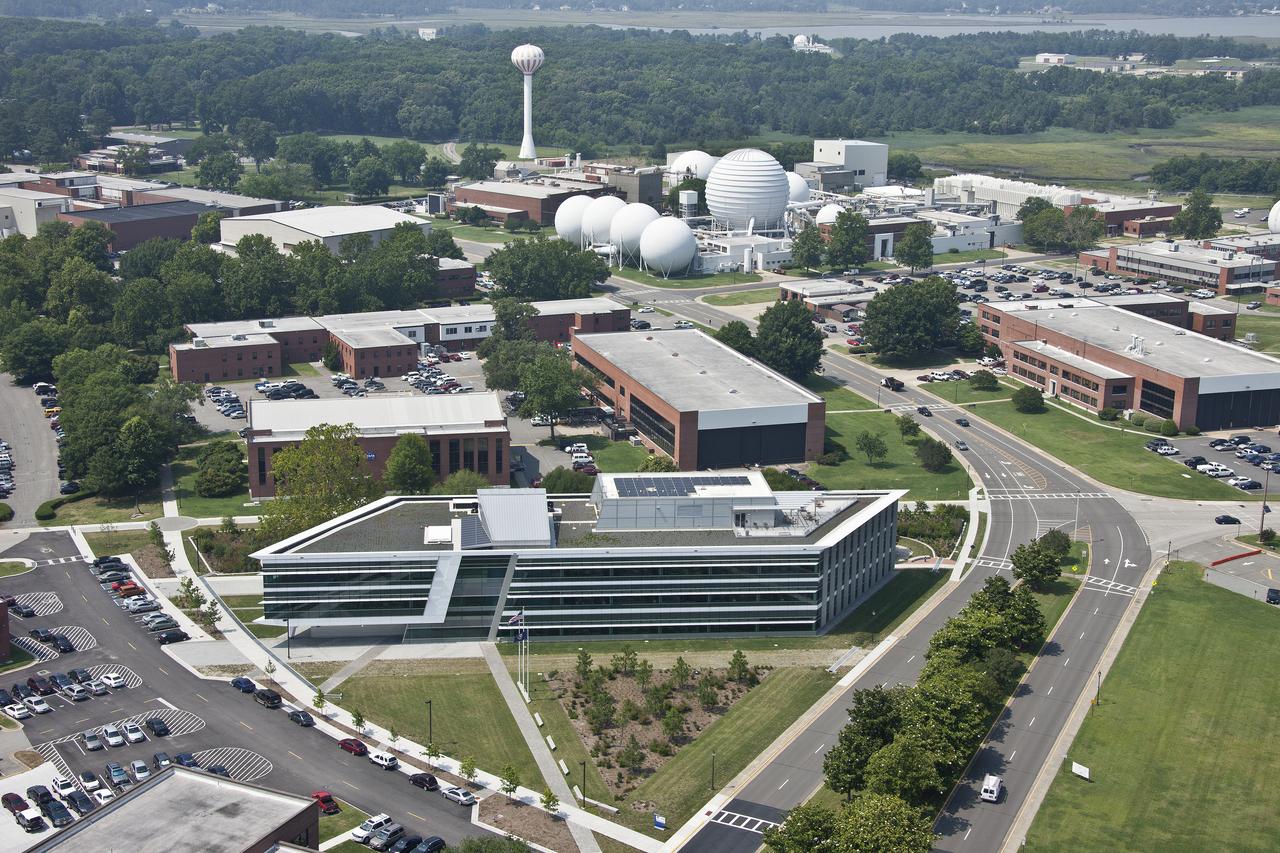
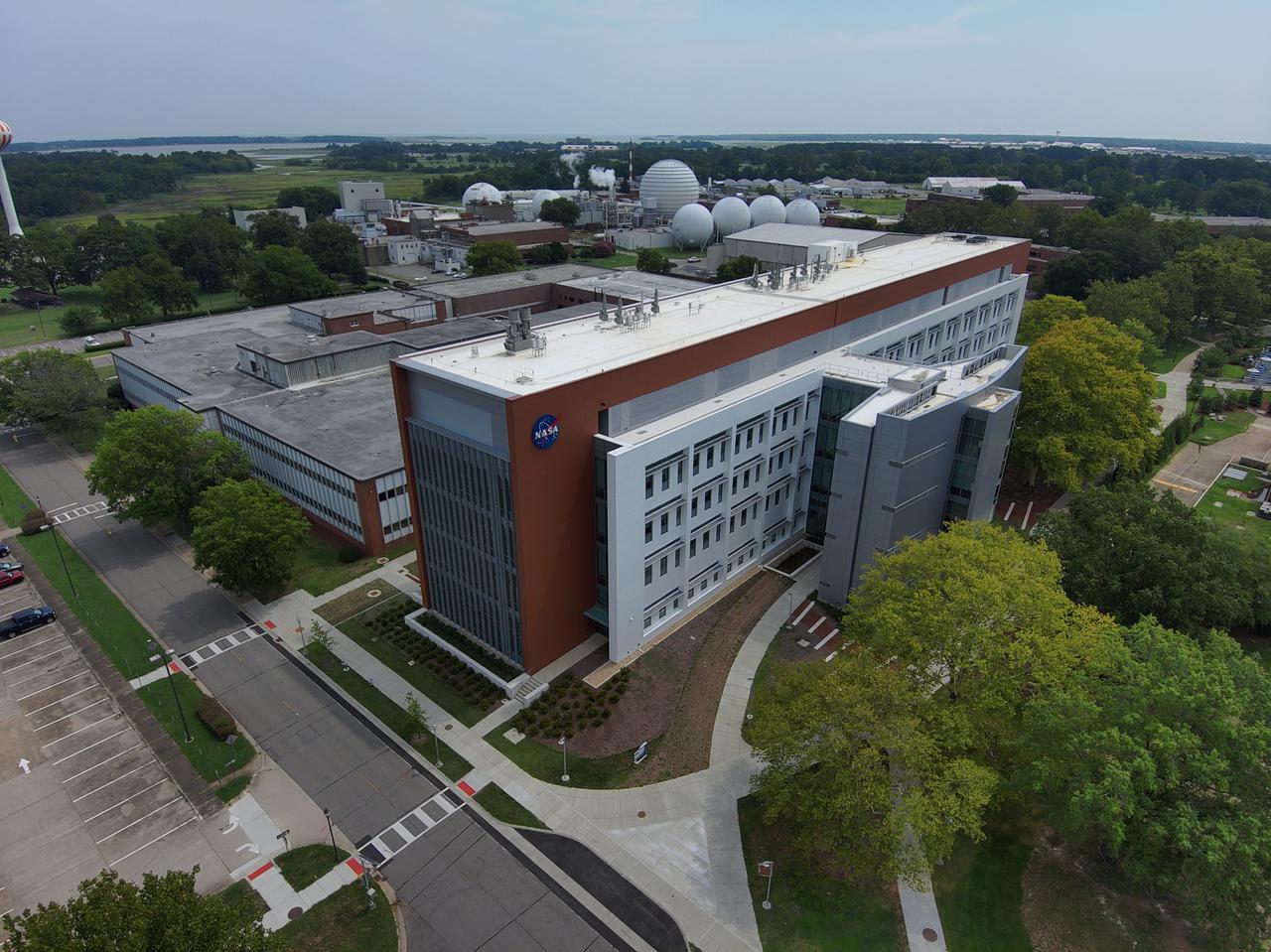
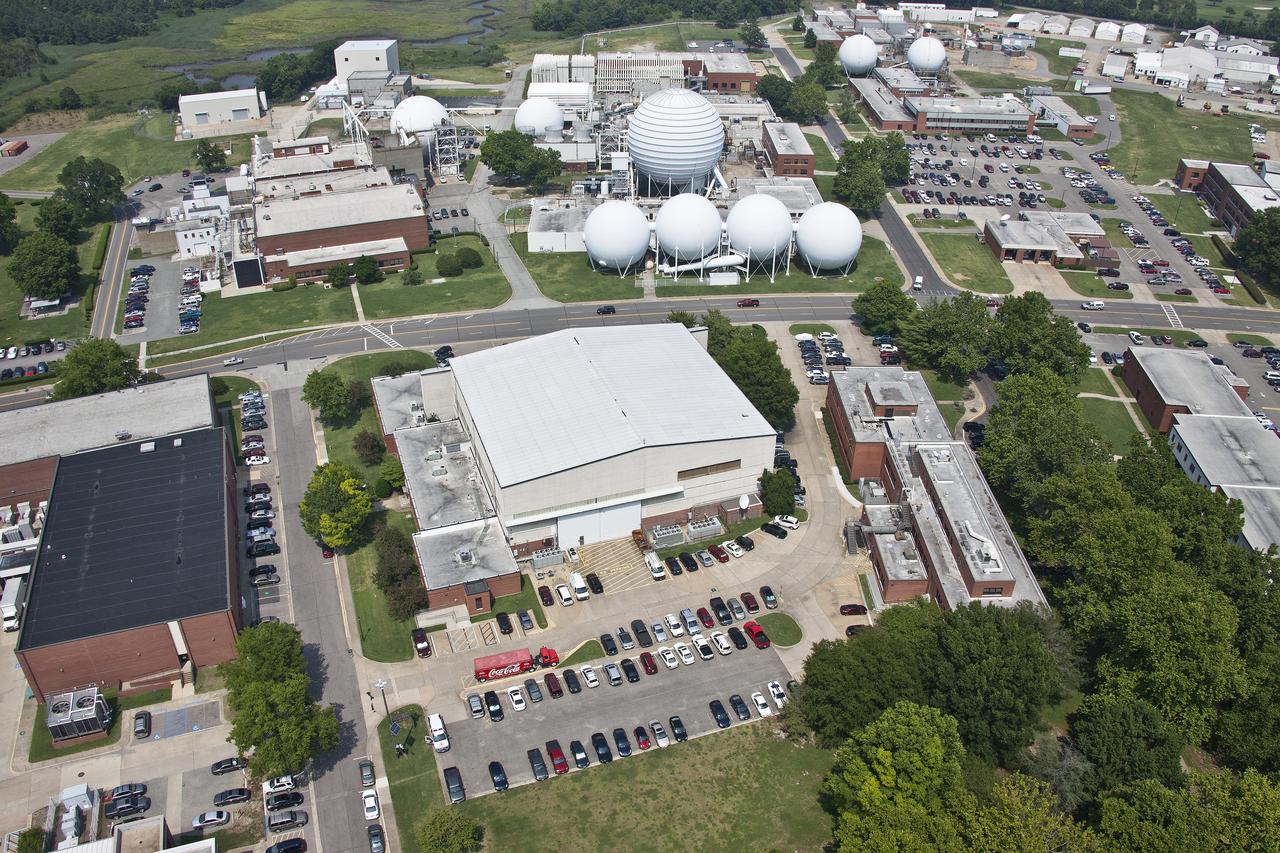
Aerial of NASA Langley Research Center with headquarter building in the fore ground
Aerial of NASA Langley Research Center
More than 37,000 people registered to attend the NASA Langley open house. Starting with the Annual 5K Moon Walk Run and the talented Nils Larson, X59 pilot and Astronaut Victor Glover reunited at Langley’s hangar and hosted by Center Director Clayton Turner.
2023 NASA Langley Open House
More than 37,000 people registered to attend the NASA Langley open house. Starting with the Annual 5K Moon Walk Run and the talented Nils Larson, X59 pilot and Astronaut Victor Glover reunited at Langley’s hangar and hosted by Center Director Clayton Turner.
2023 NASA Langley Open House
More than 37,000 people registered to attend the NASA Langley open house. Starting with the Annual 5K Moon Walk Run and the talented Nils Larson, X59 pilot and Astronaut Victor Glover reunited at Langley’s hangar and hosted by Center Director Clayton Turner.
2023 NASA Langley Open House
More than 37,000 people registered to attend the NASA Langley open house. Starting with the Annual 5K Moon Walk Run and the talented Nils Larson, X59 pilot and Astronaut Victor Glover reunited at Langley’s hangar and hosted by Center Director Clayton Turner.
2023 NASA Langley Open House
More than 37,000 people registered to attend the NASA Langley open house. Starting with the Annual 5K Moon Walk Run and the talented Nils Larson, X59 pilot and Astronaut Victor Glover reunited at Langley’s hangar and hosted by Center Director Clayton Turner.
2023 NASA Langley Open House
More than 37,000 people registered to attend the NASA Langley open house. Starting with the Annual 5K Moon Walk Run and the talented Nils Larson, X59 pilot and Astronaut Victor Glover reunited at Langley’s hangar and hosted by Center Director Clayton Turner.
2023 NASA Langley Open House
Minority Professionals at NASA Langley Research Center Samuel J. Scott at his desk working in the Office of Director for Structures, Staff Assistant.
Minority Professionals at NASA Langley, Samuel Scott
Mary Jackson at Work NASA Langley. In 1958 Mary Jackson became NASA's first black female engineer.
Mary Jackson at Work NASA Langley
Artemis II astronaut Victor J. Glover participates in NASA Langley’s Open House on Saturday, Oct. 21.  More than 37,000 people registered to attend the NASA Langley open house. Starting with the Annual 5K Moon Walk Run and the talented Nils Larson, X59 pilot and Astronaut Victor Glover reunited at Langley’s hangar and hosted by Center Director Clayton Turner.
2023 NASA Langley Open House
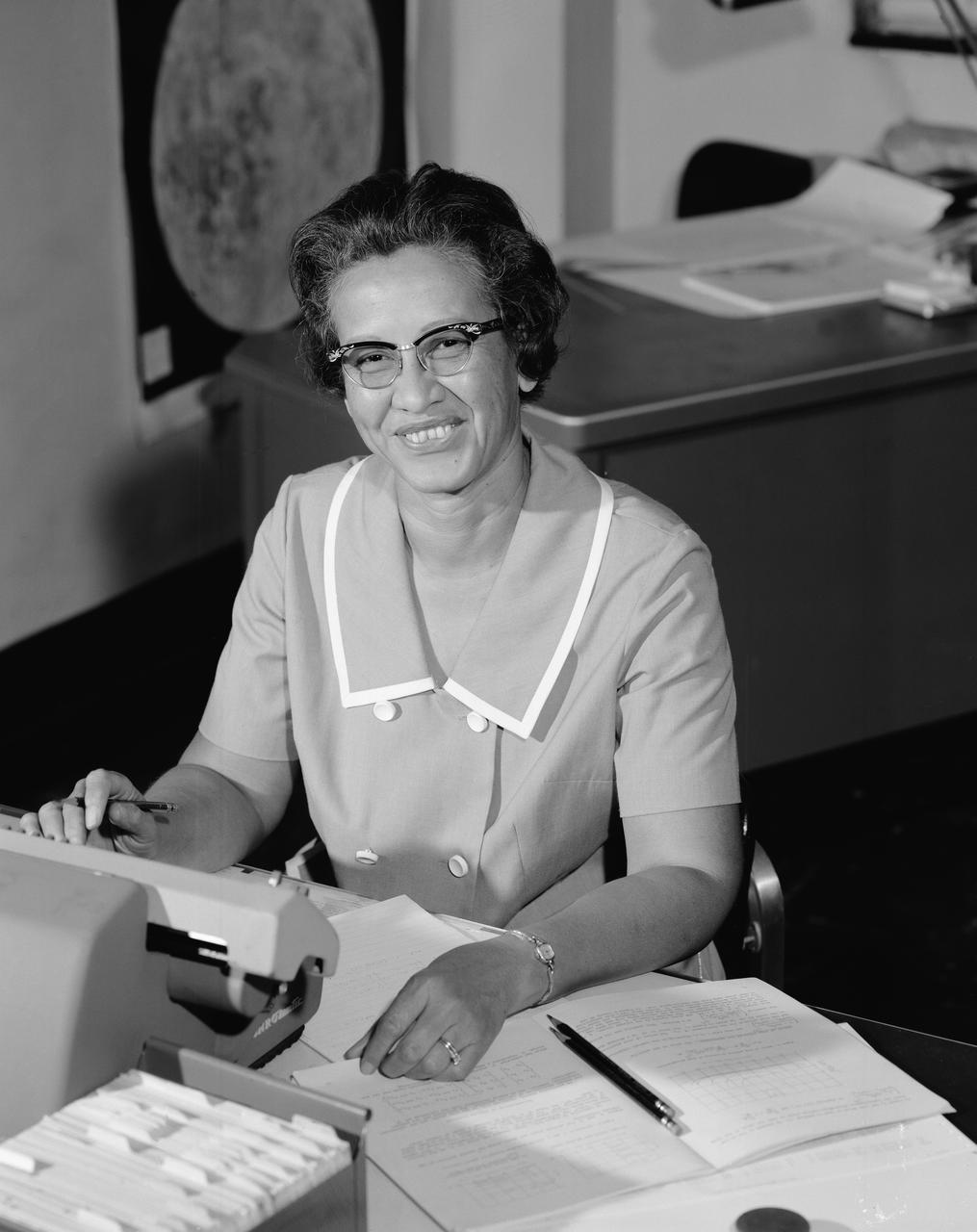
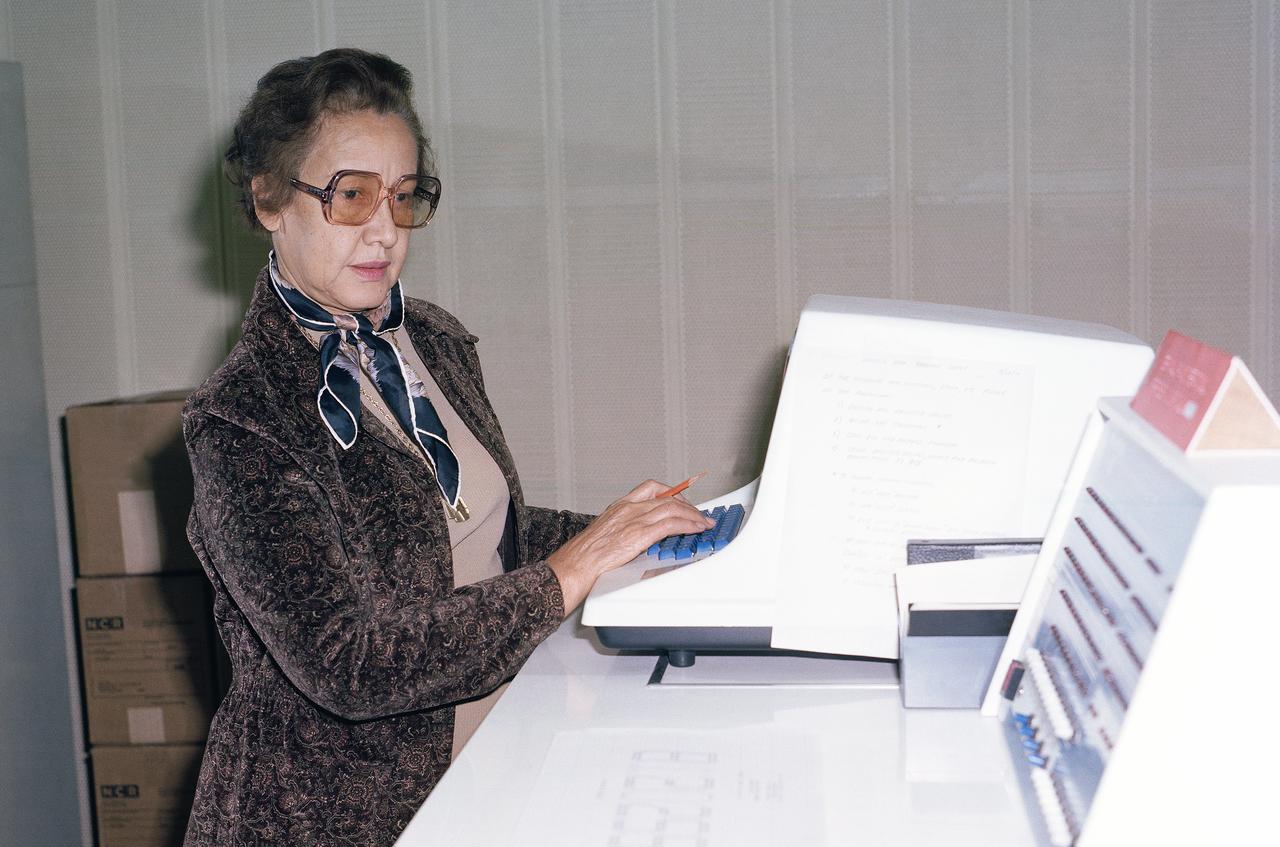
Katherine Johnson At Her Desk at NASA Langley Research Center
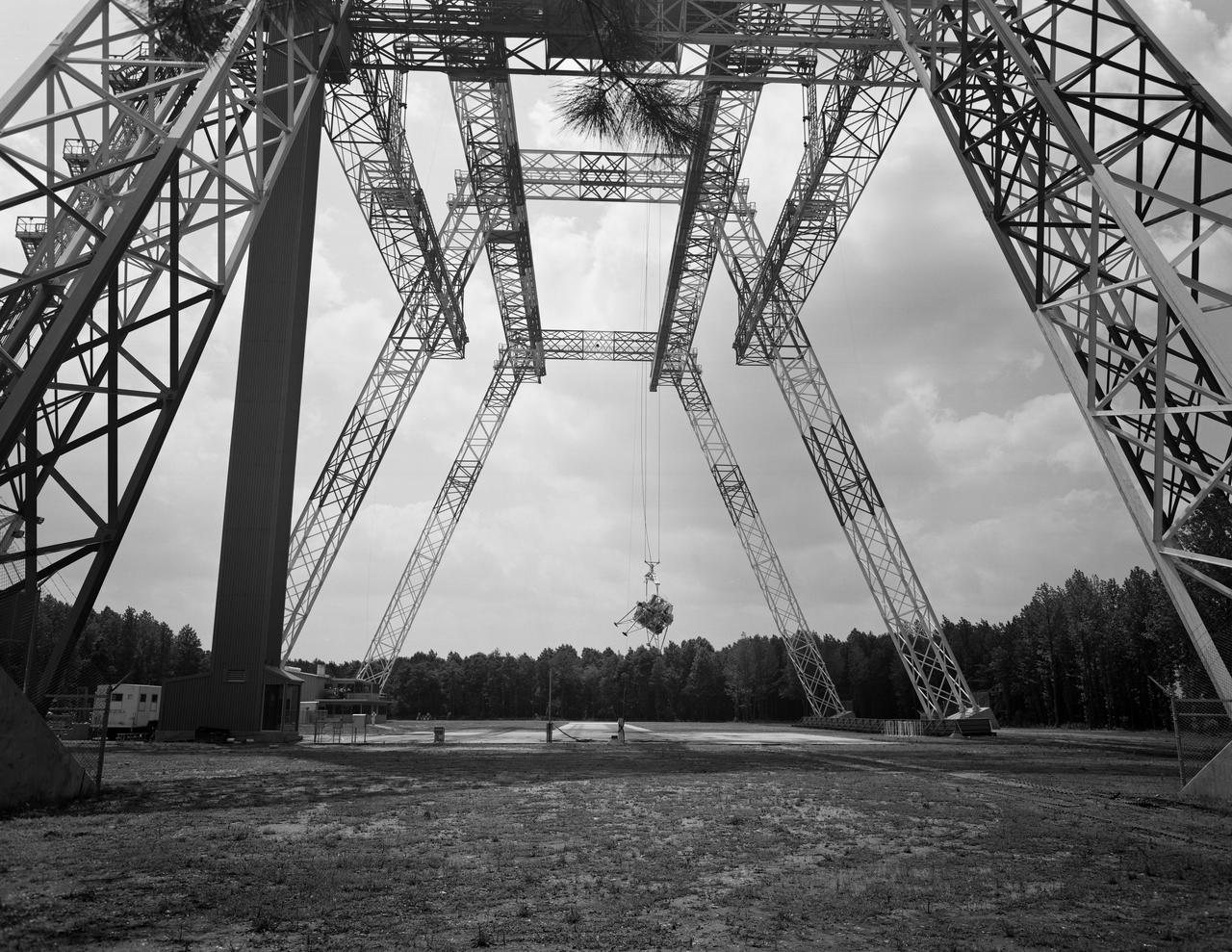
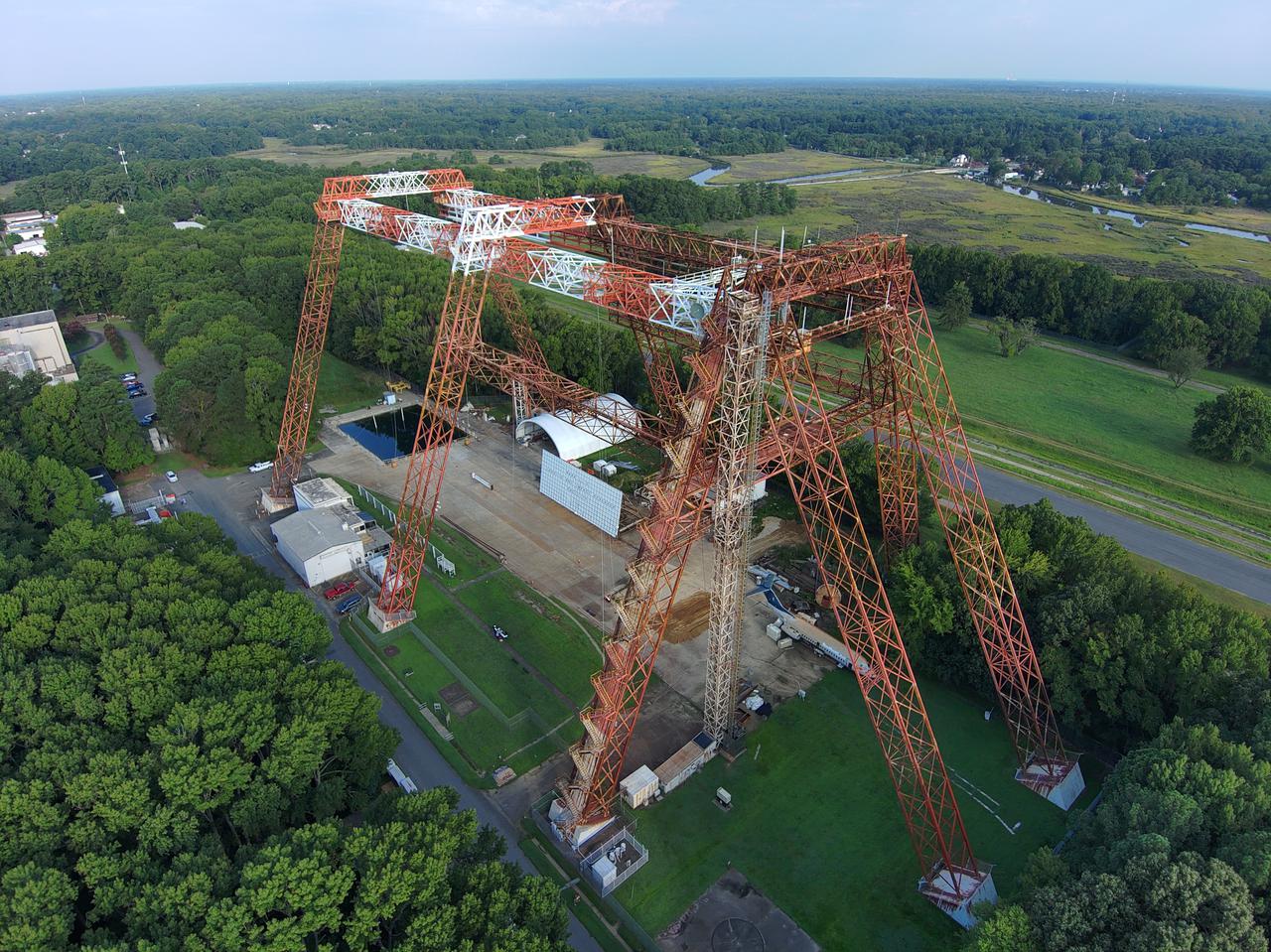
Lunar Landing Testing at NASA Langley. Lunar Landing Testing at NASA Langley. A simulated environment that contributed in a significant way to the success of  Apollo project was the Lunar Landing Research Facility, an imposing 250 foot high, 400 foot long gantry structure that became operational in 1965.  Published in the book "Space Flight Revolution"  NASA SP-4308 pg. 376
Lunar Landing Testing at NASA Langley
Lunar Landing Testing at NASA Langley. Lunar Landing Testing at NASA Langley. A simulated environment that contributed in a significant way to the success of  Apollo project was the Lunar Landing Research Facility, an imposing 250 foot high, 400 foot long gantry structure that became operational in 1965.  Published in the book "Space Flight Revolution"  NASA SP-4308 pg. 376
Lunar Landing Testing at NASA Langley
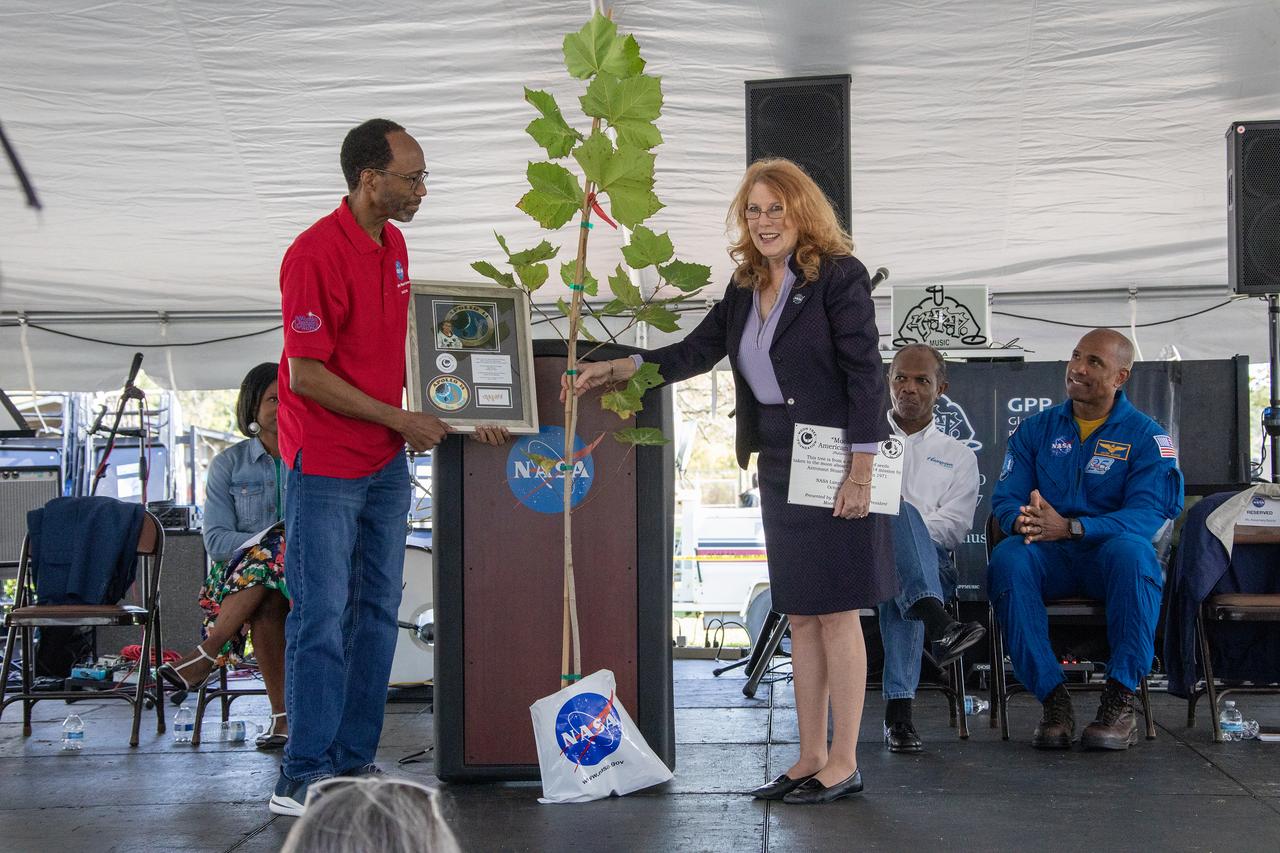
"Moon Tree" American Sycamore tree presented to Langley Center Director Clayton Moore by Rosemary Roosa, President of Moon Tree Foundation.  More than 37,000 people registered to attend the NASA Langley open house. Starting with the Annual 5K Moon Walk Run and the talented Nils Larson, X59 pilot and Astronaut Victor Glover reunited at Langley’s hangar and hosted by Center Director Clayton Turner.
2023 NASA Langley Open House
More than 37,000 people registered to attend the NASA Langley open house. Starting with the Annual 5K Moon Walk Run and the talented Nils Larson, X59 pilot and Astronaut Victor Glover reunited at Langley’s hangar and hosted by Center Director Clayton Turner.
2023 NASA Langley Open House
More than 37,000 people registered to attend the NASA Langley open house. Starting with the Annual 5K Moon Walk Run and the talented Nils Larson, X59 pilot and Astronaut Victor Glover reunited at Langley’s hangar and hosted by Center Director Clayton Turner.
2023 NASA Langley Open House
Lunar Landing Testing at NASA Langley. Lunar Landing Testing at NASA Langley. A simulated environment that contributed in a significant way to the success of  Apollo project was the Lunar Landing Research Facility, an imposing 250 foot high, 400 foot long gantry structure that became operational in 1965.  Published in the book "Space Flight Revolution"  NASA SP-4308 pg. 376
Lunar Landing Testing at NASA Langley
Lunar Landing Testing at NASA Langley. Lunar Landing Testing at NASA Langley. A simulated environment that contributed in a significant way to the success of  Apollo project was the Lunar Landing Research Facility, an imposing 250 foot high, 400 foot long gantry structure that became operational in 1965.  Published in the book "Space Flight Revolution"  NASA SP-4308 pg. 376
Lunar Landing Testing at NASA Langley
Lunar Landing Testing at NASA Langley. Lunar Landing Testing at NASA Langley. A simulated environment that contributed in a significant way to the success of  Apollo project was the Lunar Landing Research Facility, an imposing 250 foot high, 400 foot long gantry structure that became operational in 1965.  Published in the book "Space Flight Revolution"  NASA SP-4308 pg. 376
Lunar Landing Testing at NASA Langley
Lunar Landing Testing at NASA Langley. Lunar Landing Testing at NASA Langley. A simulated environment that contributed in a significant way to the success of  Apollo project was the Lunar Landing Research Facility, an imposing 250 foot high, 400 foot long gantry structure that became operational in 1965.  Published in the book "Space Flight Revolution"  NASA SP-4308 pg. 376
Lunar Landing Testing at NASA Langley
 Lunar Landing Testing at NASA Langley. Lunar Landing Testing at NASA Langley. A simulated environment that contributed in a significant way to the success of Apollo project was the Lunar Landing Research Facility, an imposing 250 foot high, 400 foot long gantry structure that became operational in 1965.  Published in the book "Space Flight Revolution"  NASA SP-4308 pg. 376
Lunar Landing Testing at NASA Langley
Lunar Landing Testing at NASA Langley. Lunar Landing Testing at NASA Langley. A simulated environment that contributed in a significant way to the success of  Apollo project was the Lunar Landing Research Facility, an imposing 250 foot high, 400 foot long gantry structure that became operational in 1965.  Published in the book "Space Flight Revolution"  NASA SP-4308 pg. 376
Lunar Landing Testing at NASA Langley
Lunar Landing Testing at NASA Langley. Lunar Landing Testing at NASA Langley. A simulated environment that contributed in a significant way to the success of  Apollo project was the Lunar Landing Research Facility, an imposing 250 foot high, 400 foot long gantry structure that became operational in 1965.  Published in the book "Space Flight Revolution"  NASA SP-4308 pg. 376
Lunar Landing Testing at NASA Langley
Lunar Landing Testing at NASA Langley. Lunar Landing Testing at NASA Langley. A simulated environment that contributed in a significant way to the success of  Apollo project was the Lunar Landing Research Facility, an imposing 250 foot high, 400 foot long gantry structure that became operational in 1965.  Published in the book "Space Flight Revolution"  NASA SP-4308 pg. 376
Lunar Landing Testing at NASA Langley
Lunar Landing Testing at NASA Langley. Lunar Landing Testing at NASA Langley. A simulated environment that contributed in a significant way to the success of  Apollo project was the Lunar Landing Research Facility, an imposing 250 foot high, 400 foot long gantry structure that became operational in 1965.  Published in the book "Space Flight Revolution"  NASA SP-4308 pg. 376
Lunar Landing Testing at NASA Langley
Lunar Landing Testing at NASA Langley. Lunar Landing Testing at NASA Langley. A simulated environment that contributed in a significant way to the success of  Apollo project was the Lunar Landing Research Facility, an imposing 250 foot high, 400 foot long gantry structure that became operational in 1965.  Published in the book "Space Flight Revolution"  NASA SP-4308 pg. 376
Lunar Landing Testing at NASA Langley
Lunar Landing Testing at NASA Langley. Lunar Landing Testing at NASA Langley. A simulated environment that contributed in a significant way to the success of  Apollo project was the Lunar Landing Research Facility, an imposing 250 foot high, 400 foot long gantry structure that became operational in 1965.  Published in the book "Space Flight Revolution"  NASA SP-4308 pg. 376
Lunar Landing Testing at NASA Langley
Lunar Landing Testing at NASA Langley. Lunar Landing Testing at NASA Langley. A simulated environment that contributed in a significant way to the success of  Apollo project was the Lunar Landing Research Facility, an imposing 250 foot high, 400 foot long gantry structure that became operational in 1965.  Published in the book "Space Flight Revolution"  NASA SP-4308 pg. 376
Lunar Landing Testing at NASA Langley
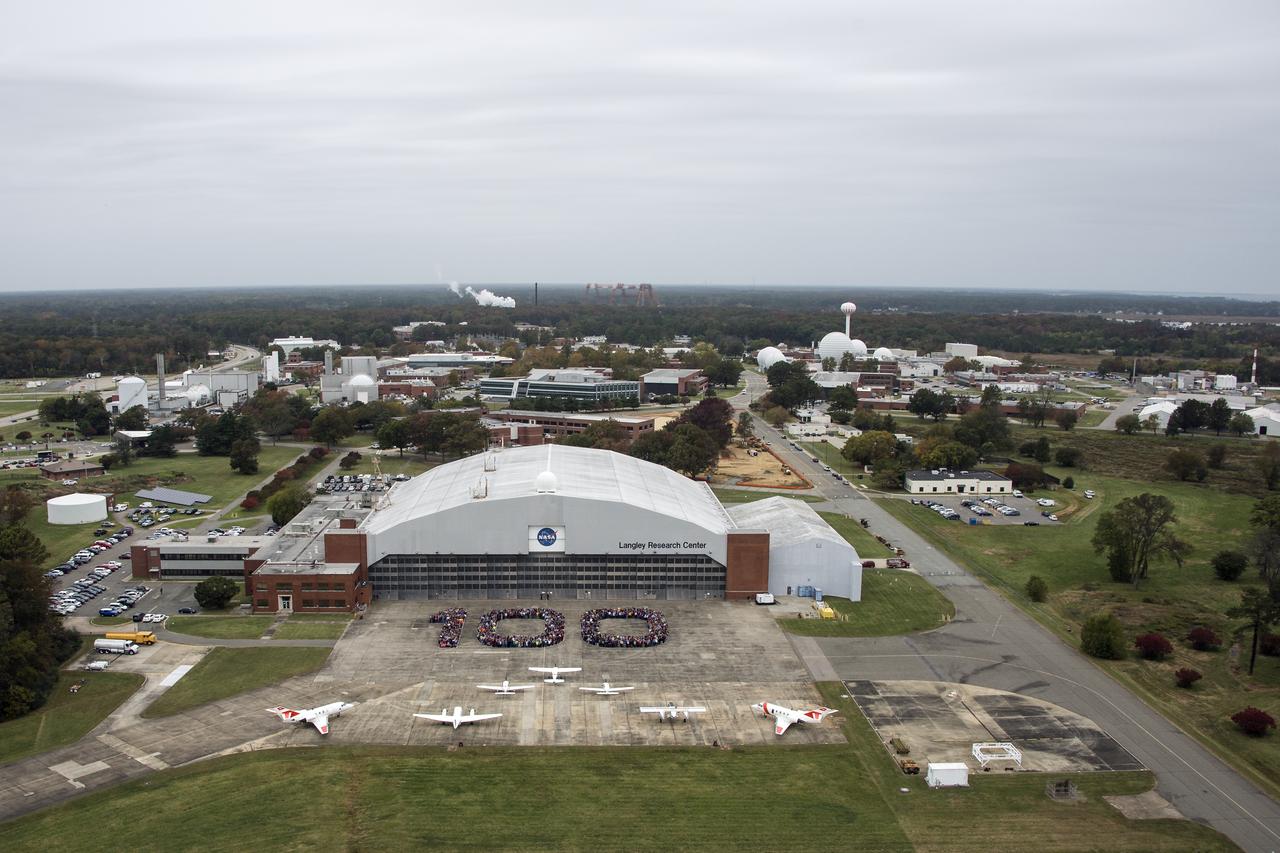
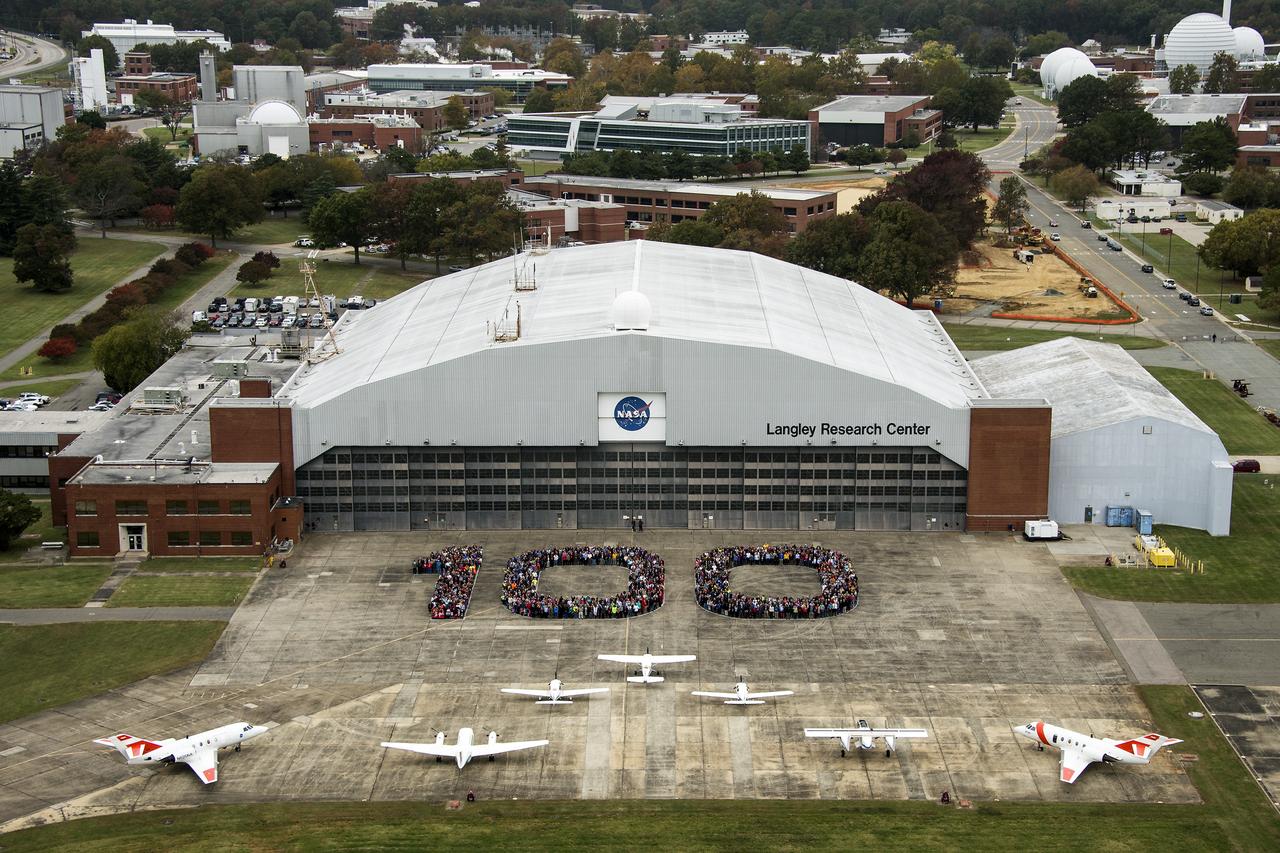
Aerial photos of NASA Langley employees gathered on the back ramp in the shape of 100.
NASA Langley's 100th Anniversary Aerial Photo
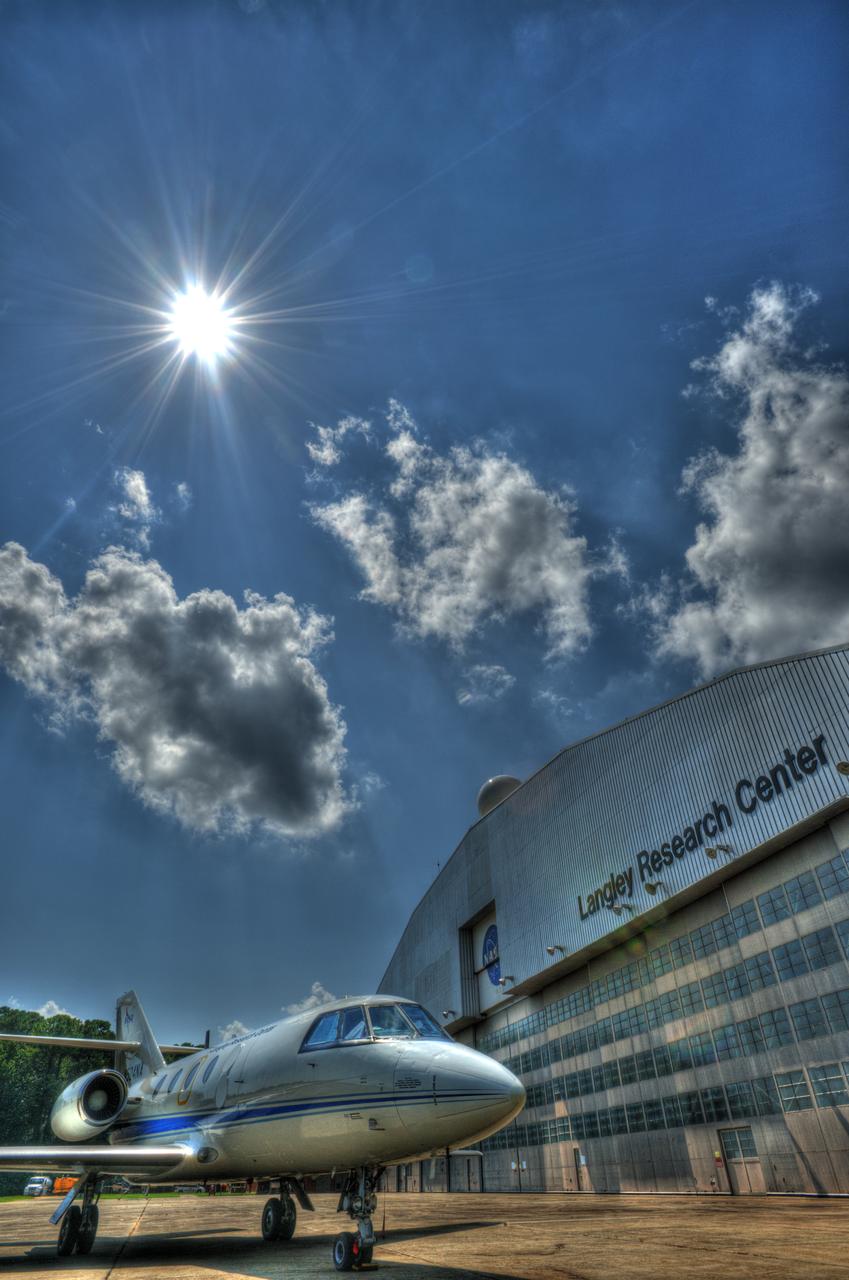
HDR image of the Falcon UH-25 in front of the NASA Langley hangar during the Solar Eclipse.
Falcon UH-25 during the 2017 Solar Eclipse at NASA Langley
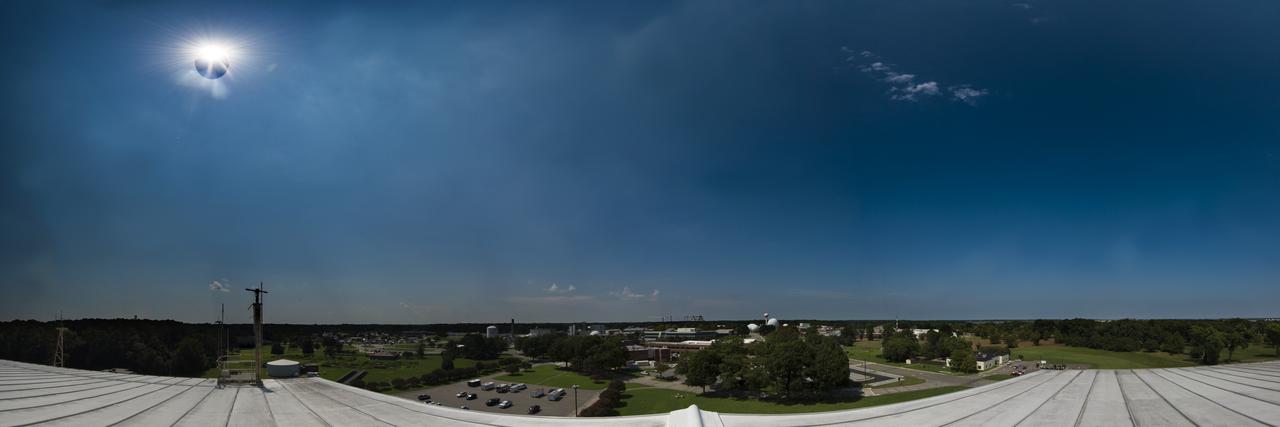
This panoramic view of the partial solar eclipse was taken from the roof of the aircraft hangar at NASA Langley Research Center in Hampton, Virginia. The eclipse in Hampton was about 85 percent of totality.
2017 Eclipse Over NASA Langley
Lunar Landing Testing at NASA Langley. Lunar Landing Testing at NASA Langley. A simulated environment that contributed in a significant way to the success of  Apollo project was the Lunar Landing Research Facility, an imposing 250 foot high, 400 foot long gantry structure that became operational in 1965.  Published in the book "Space Flight Revolution"  NASA SP-4308 pg. 376
Lunar Landing Testing at NASA Langley
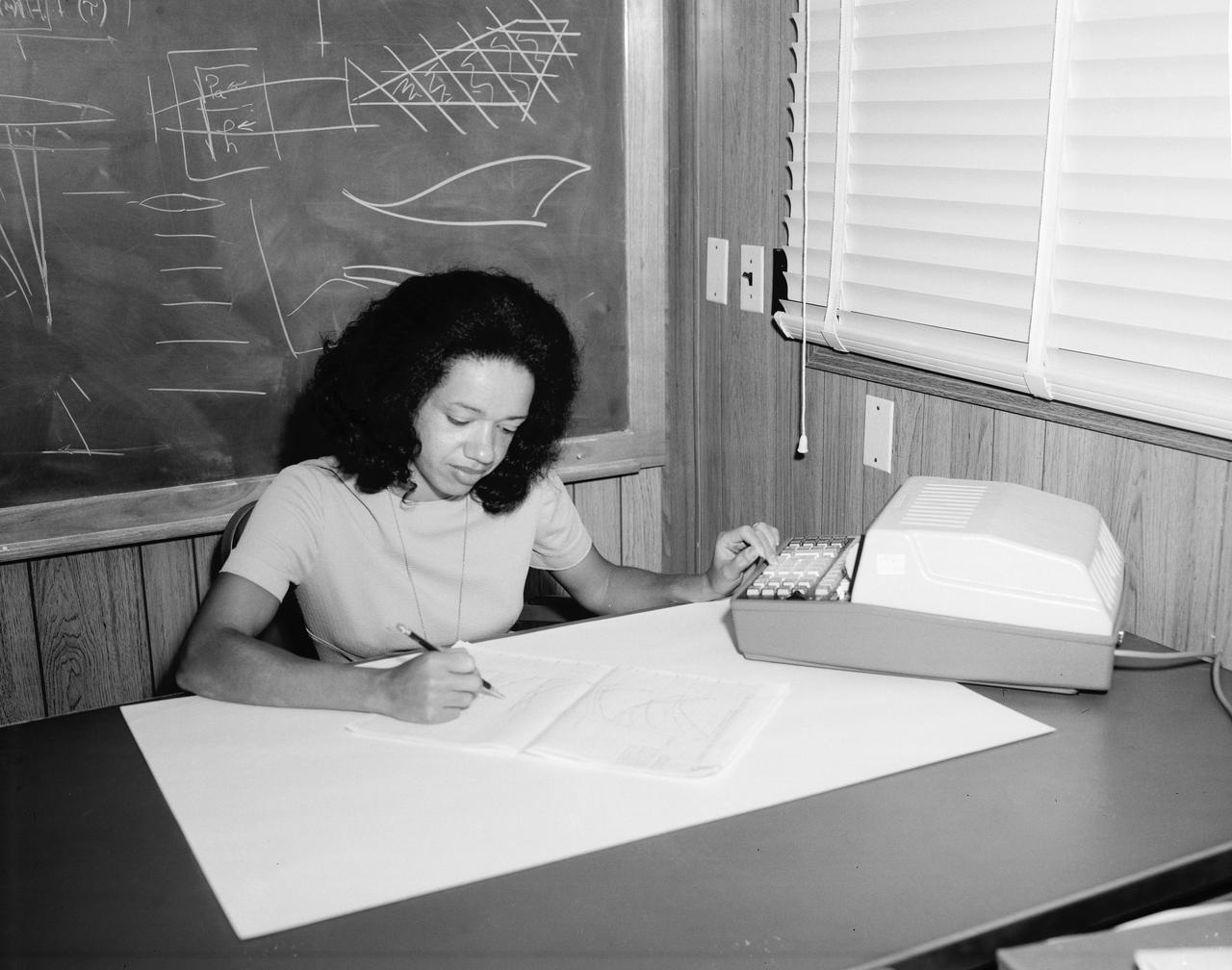
Minority Professionals at NASA Langley Research Center Christine Darden
Minority Professionals at NASA Langley Research Center
Minority Professionals at NASA Langley Research Center Christine Darden environmental portrait.
Minority Professionals at NASA Langley Research Center
Images from Orion Structural Test Article (STA) vertical water impact testing (WIT) Swing Test 4, Photographer Harlen Capen at the top of the Impact Dynamics Facility or Gantry as it is know at NASA Langley Research Center.
NASA Langley Photographer Halen Capen at the top of the Impact Dynamics Facility NASA Langley.
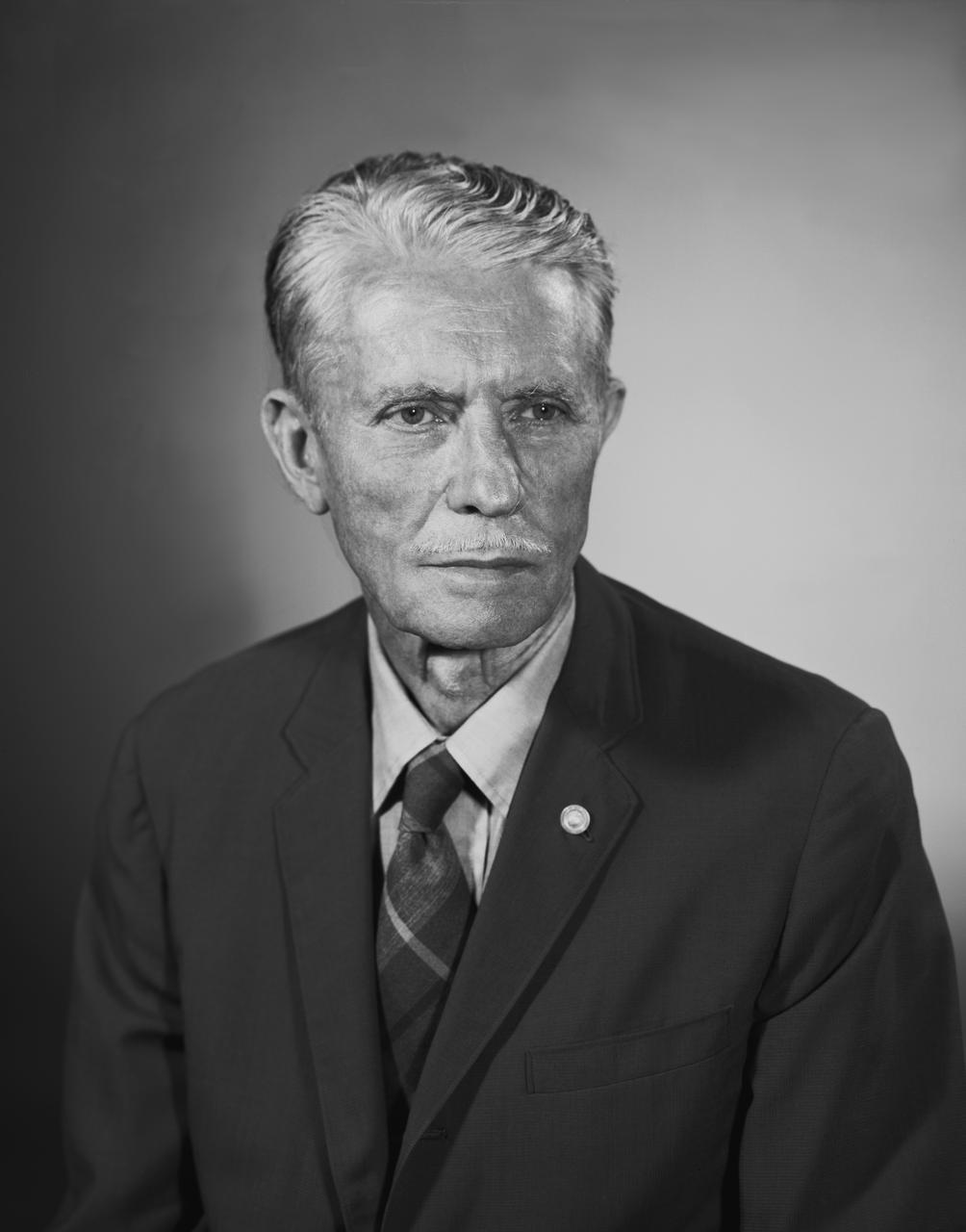
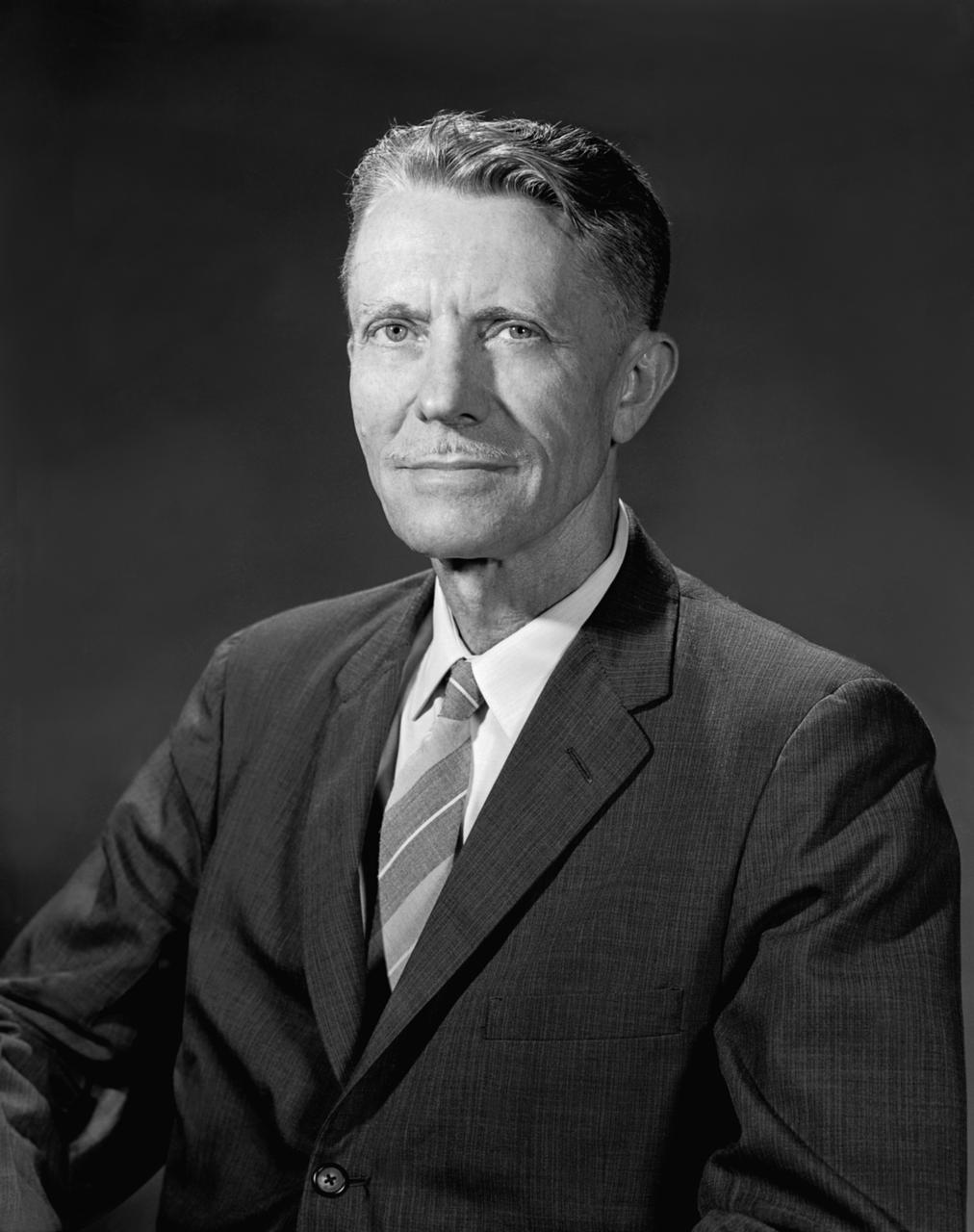
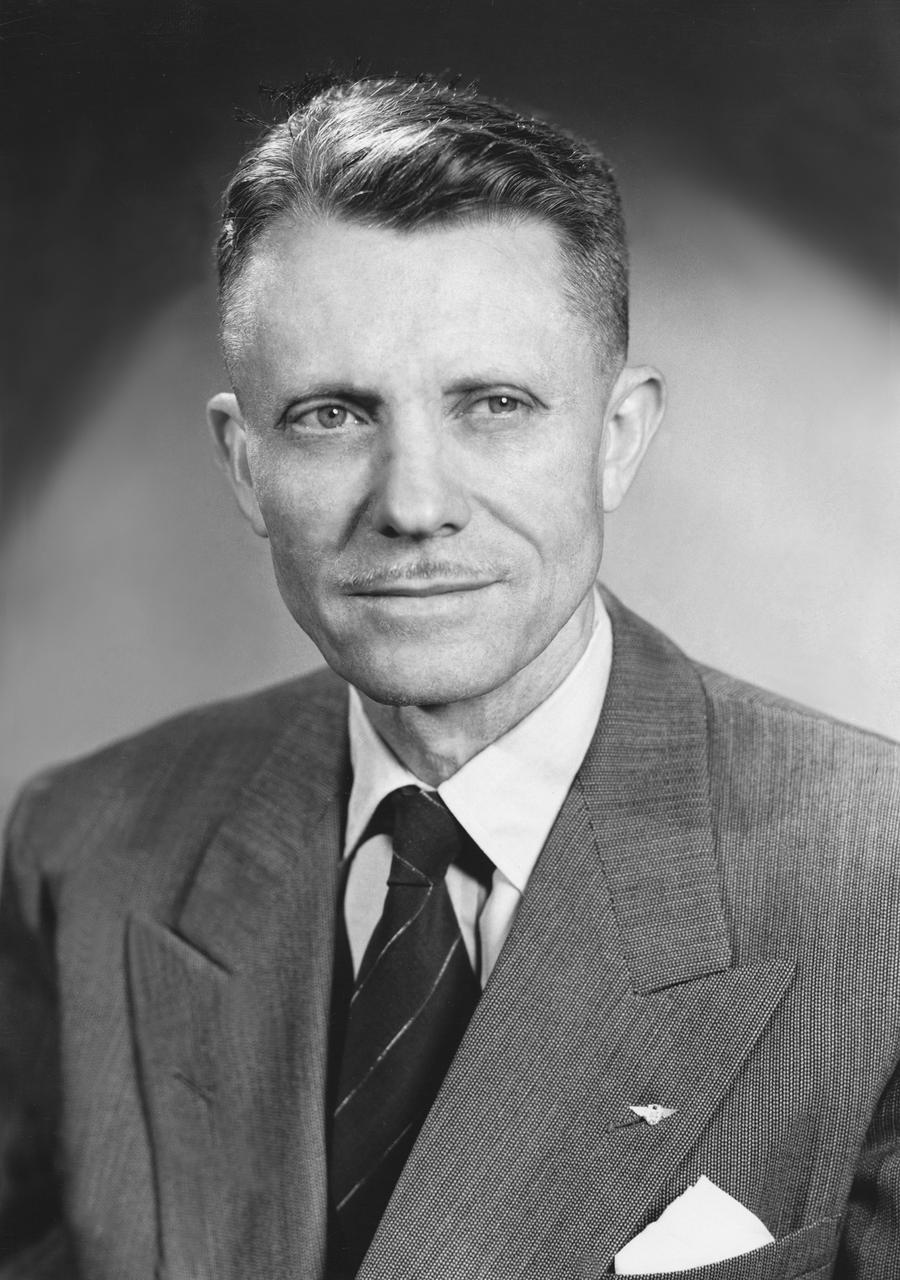
Portrait of Floyd L. Thompson NASA Langley Center Director
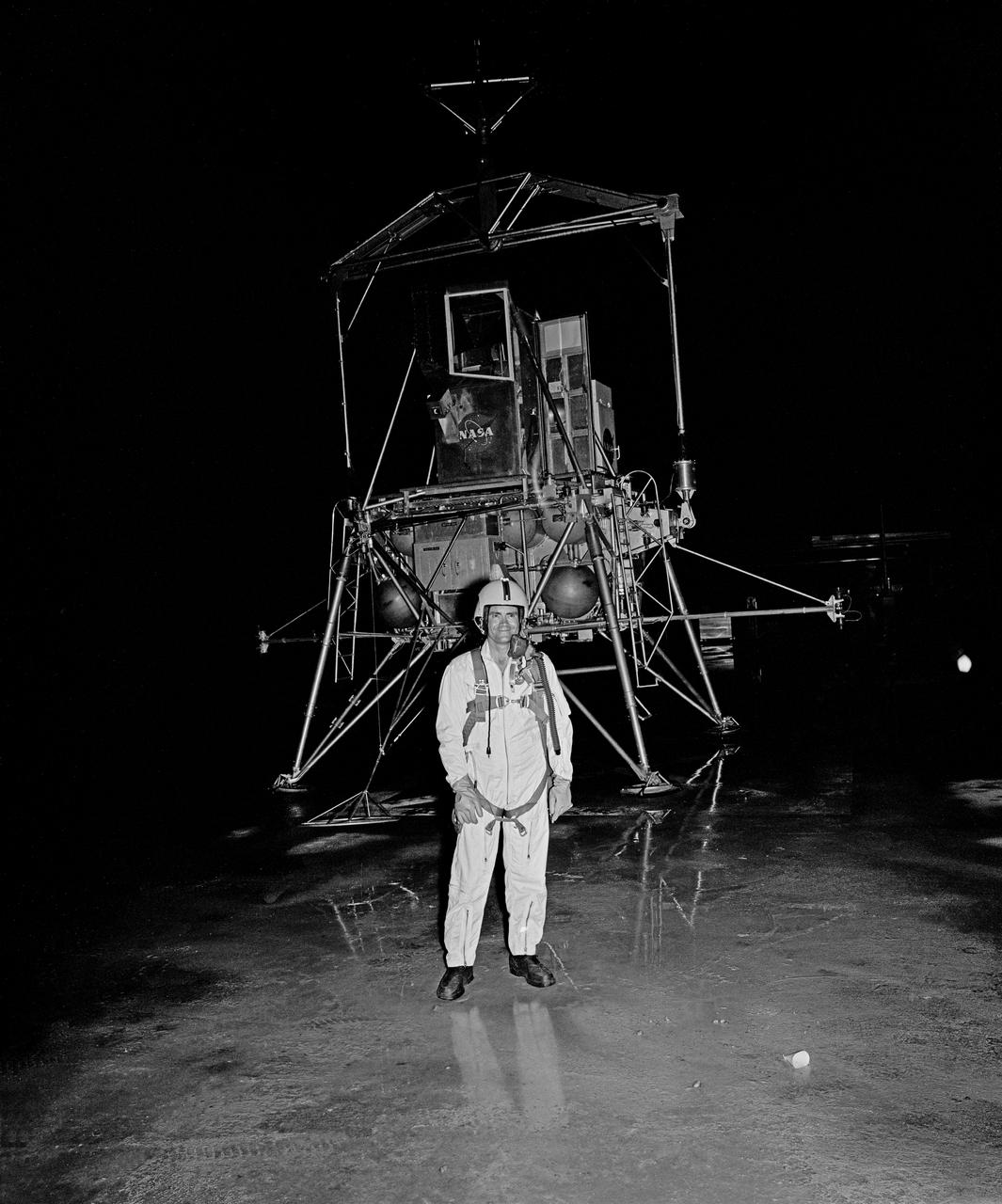
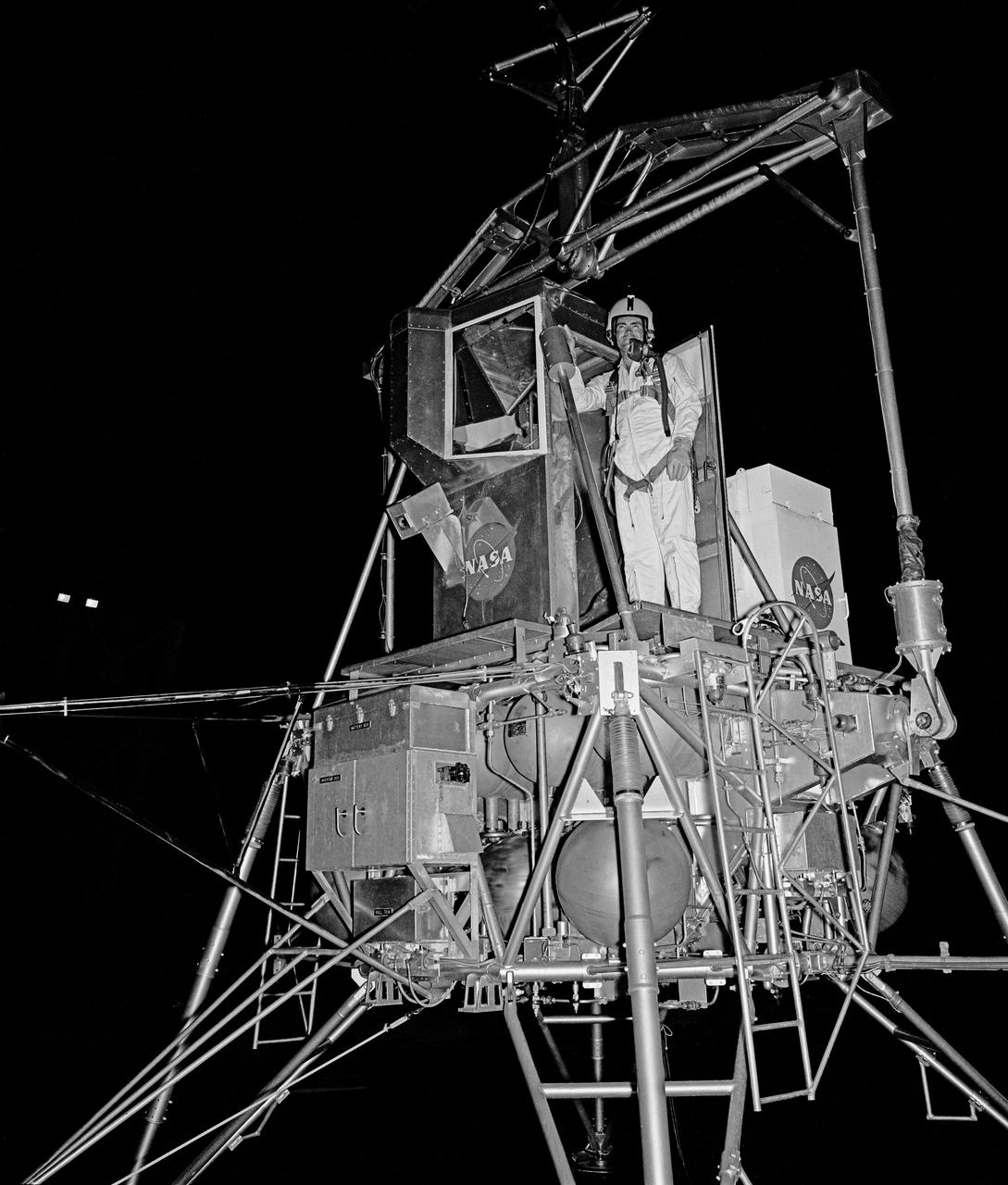
Astronaut Fred Wallace Haise, Jr. at NASA Langley Lunar Research Facility, Gantry test at night. Haise was the lunar module pilot on Apollo 13 (April 11-17, 1970) and has logged 142 hours and 54 minutes in space.
Astronaut Fred Wallace Haise, Jr. at NASA Langley Lunar Research Facility
Apollo Astronaut Fred Haise visiting NASA Langley historic gantry where Fred once trained to fly the lunar lander.
LRC-2019-H1_P_FredHaise-100105
Portrait of Floyd L. Thompson NASA Langley Center Director 1960-1968. Died in 1976
Portrait of Floyd L. Thompson NASA Langley Center Director
Astronaut Fred Wallace Haise, Jr. at NASA Langley Lunar Research Facility, Gantry test at night. Haise was the lunar module pilot on Apollo 13 (April 11-17, 1970) and has logged 142 hours and 54 minutes in space.
Astronaut Fred Wallace Haise, Jr. at NASA Langley Lunar Research
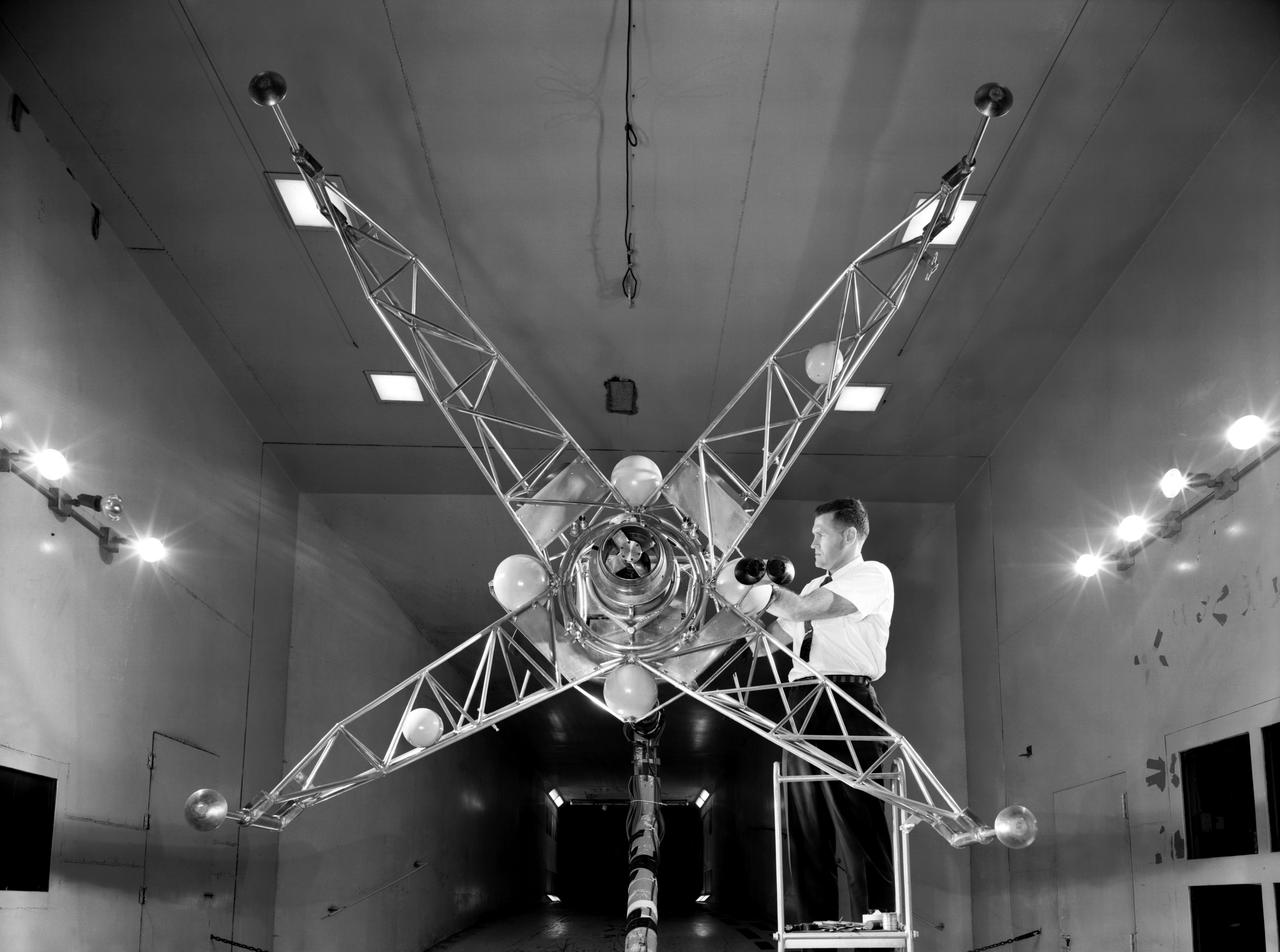
NASA employees Broderic J. Gonzalez, left, and David W. Shank, right, install pieces of a 7-foot wing model in preparation for testing in the 14-by-22-Foot Subsonic Wind Tunnel at NASA's Langley Research Center in Hampton, Virginia, in May 2025. The lessons learned from this testing will be shared with the public to support advanced air mobility aircraft development.
NASA Tests Advanced Air Mobility Aircraft Wing in Langley Wind Tunnel
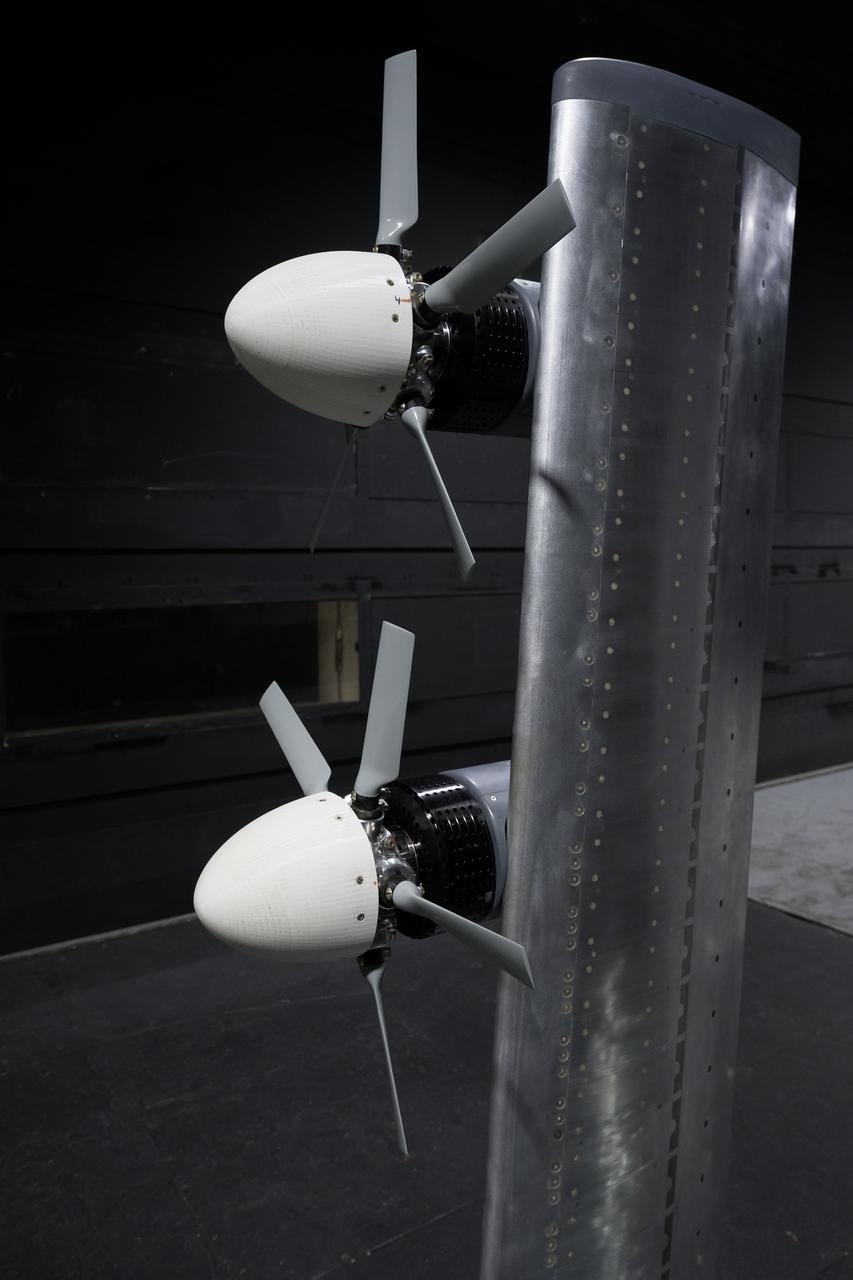
In May and June, NASA researchers tested a 7-foot wing model in the 14-by-22-Foot Subsonic Wind Tunnel at NASA’s Langley Research Center in Hampton, Virginia. The team collected data on critical propeller-wing interactions over the course of several weeks
NASA Tests Advanced Air Mobility Aircraft Wing in Langley Wind Tunnel
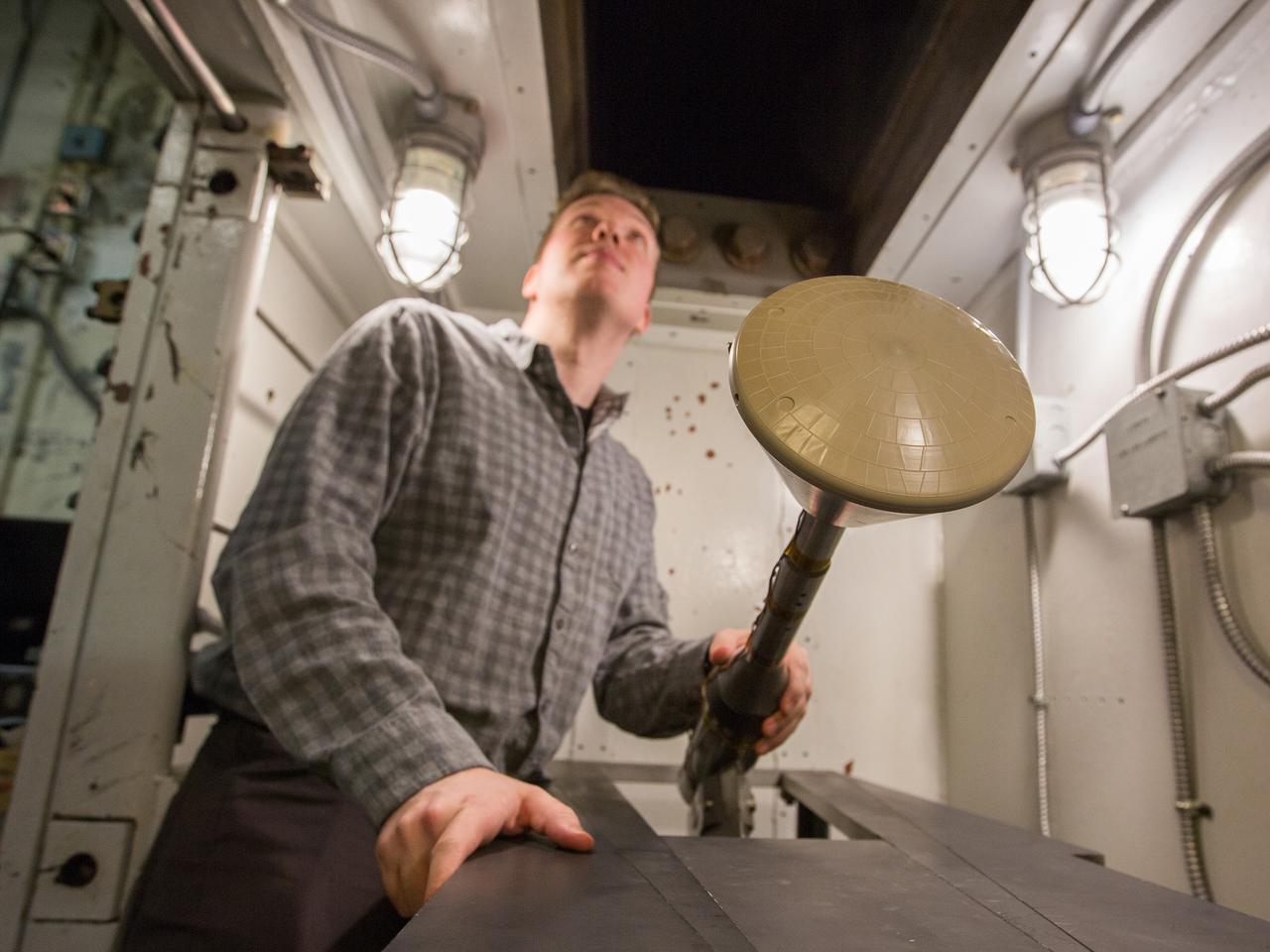
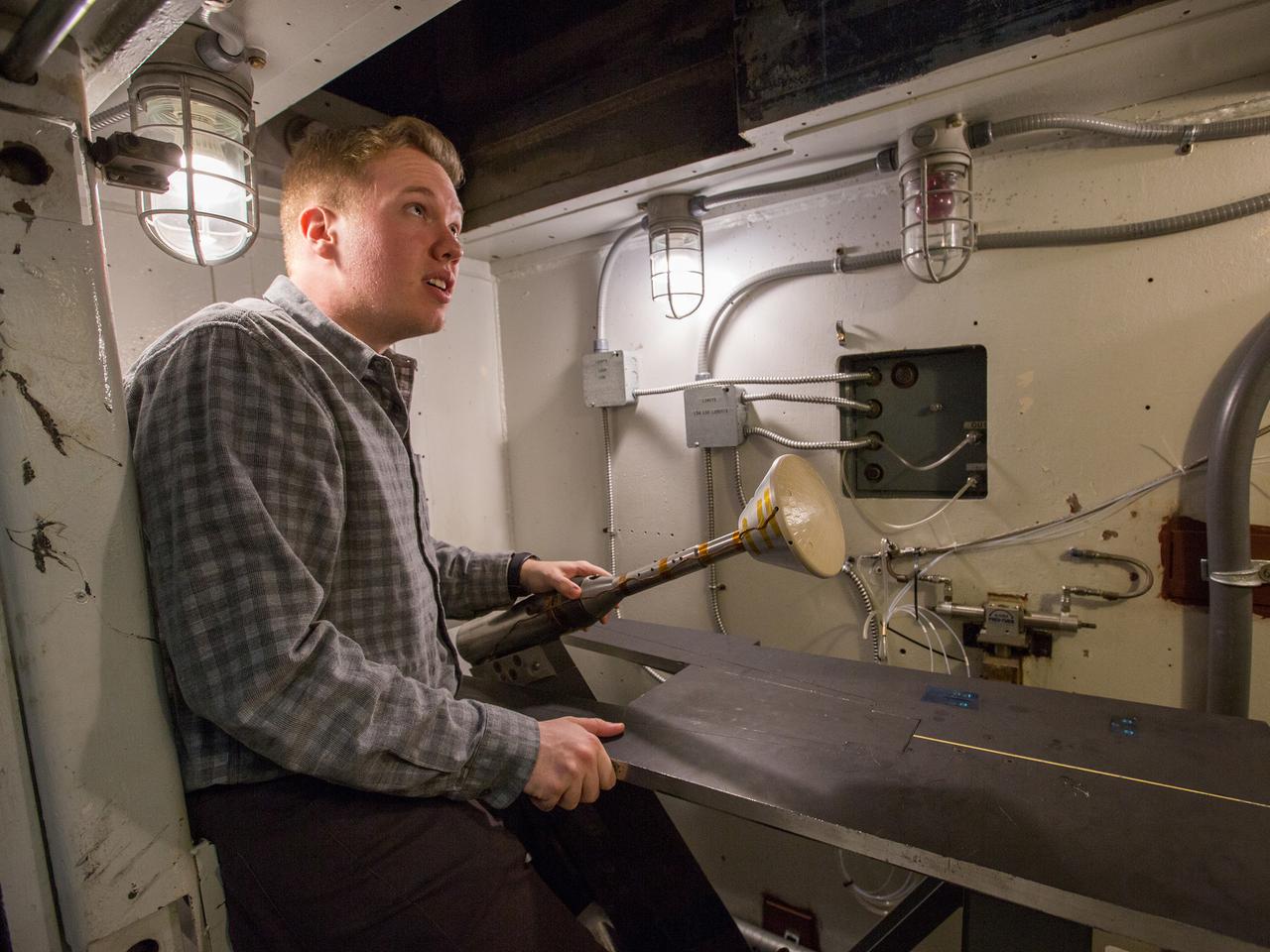
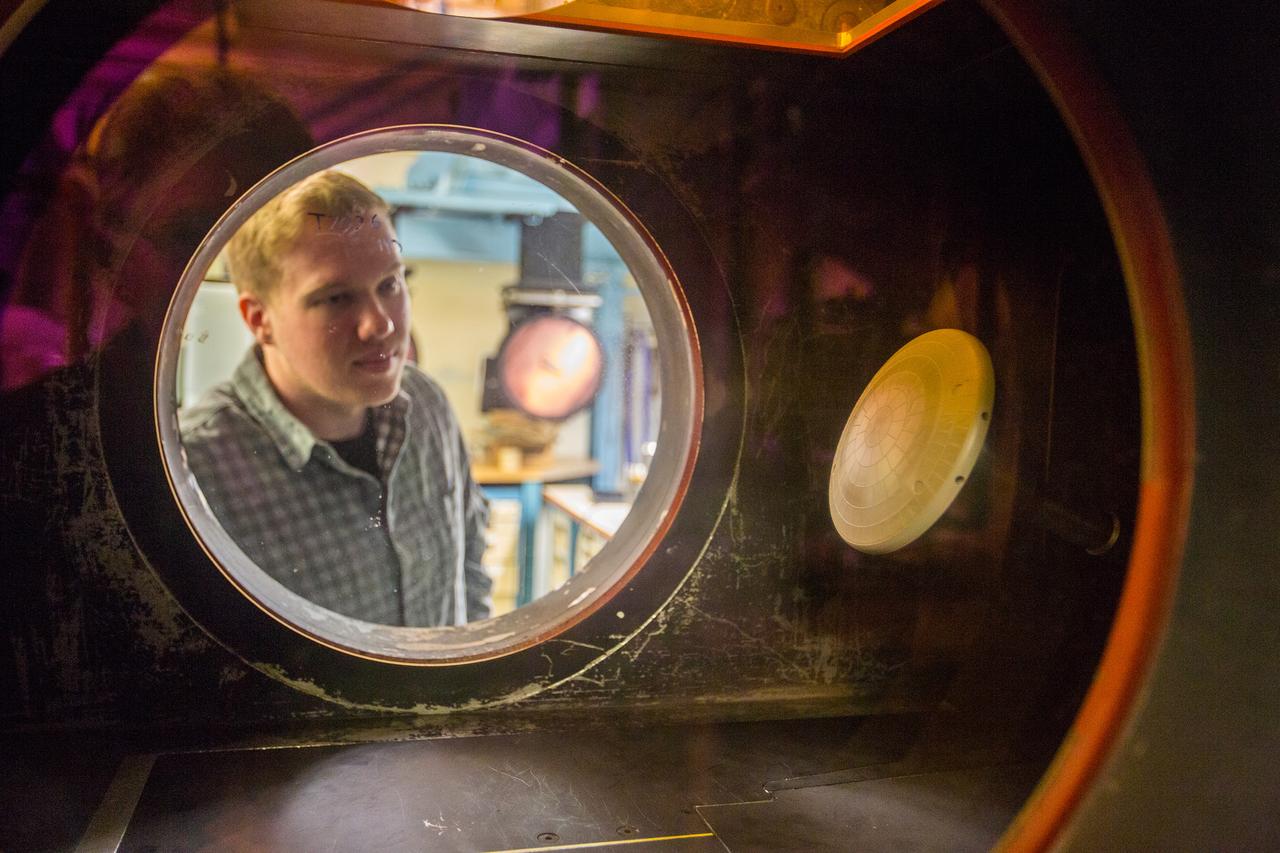
The Orion aerosciences team has performed more than 30 tests across the United States in support of the program, investigating the heating of the spacecraft during re-entry into Earth’s atmosphere. Testing recently concluded at NASA’s Langley Research Center in Hampton, Virginia with a 6-inch Orion heat shield model in the 20-inch Mach 6 wind tunnel, shown here on Feb. 4, 2019. The team includes engineers at Langley, NASA’s Johnson Space Center in Houston, Texas, and NASA’s Ames Research Center in Silicon Valley.
Small Model, Big Science: Testing a 6-inch Orion Heat Shield Mod
The Orion aerosciences team has performed more than 30 tests across the United States in support of the program, investigating the heating of the spacecraft during re-entry into Earth’s atmosphere. Testing recently concluded at NASA’s Langley Research Center in Hampton, Virginia with a 6-inch Orion heat shield model in the 20-inch Mach 6 wind tunnel, shown here on Feb. 4, 2019. The team includes engineers at Langley, NASA’s Johnson Space Center in Houston, Texas, and NASA’s Ames Research Center in Silicon Valley.
Small Model, Big Science: Testing a 6-inch Orion Heat Shield Mod
The Orion aerosciences team has performed more than 30 tests across the United States in support of the program, investigating the heating of the spacecraft during re-entry into Earth’s atmosphere. Testing recently concluded at NASA’s Langley Research Center in Hampton, Virginia with a 6-inch Orion heat shield model in the 20-inch Mach 6 wind tunnel, shown here on Feb. 4, 2019. The team includes engineers at Langley, NASA’s Johnson Space Center in Houston, Texas, and NASA’s Ames Research Center in Silicon Valley.
Small Model, Big Science: Testing a 6-inch Orion Heat Shield Mod
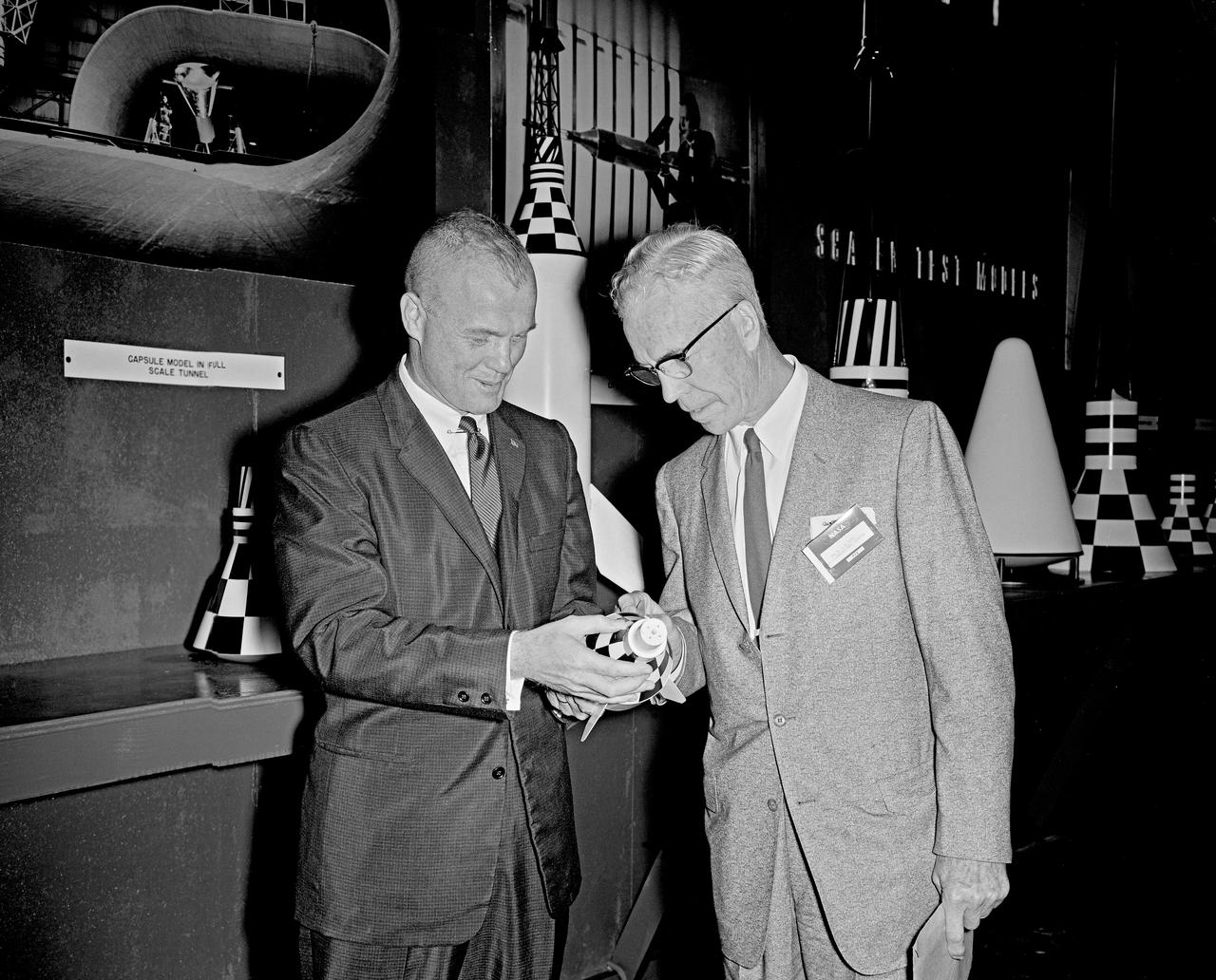
John Glenn talking with NASA Langley's  Center Directory J.E.Reid with capsule model during inspection.
1959 Inspection
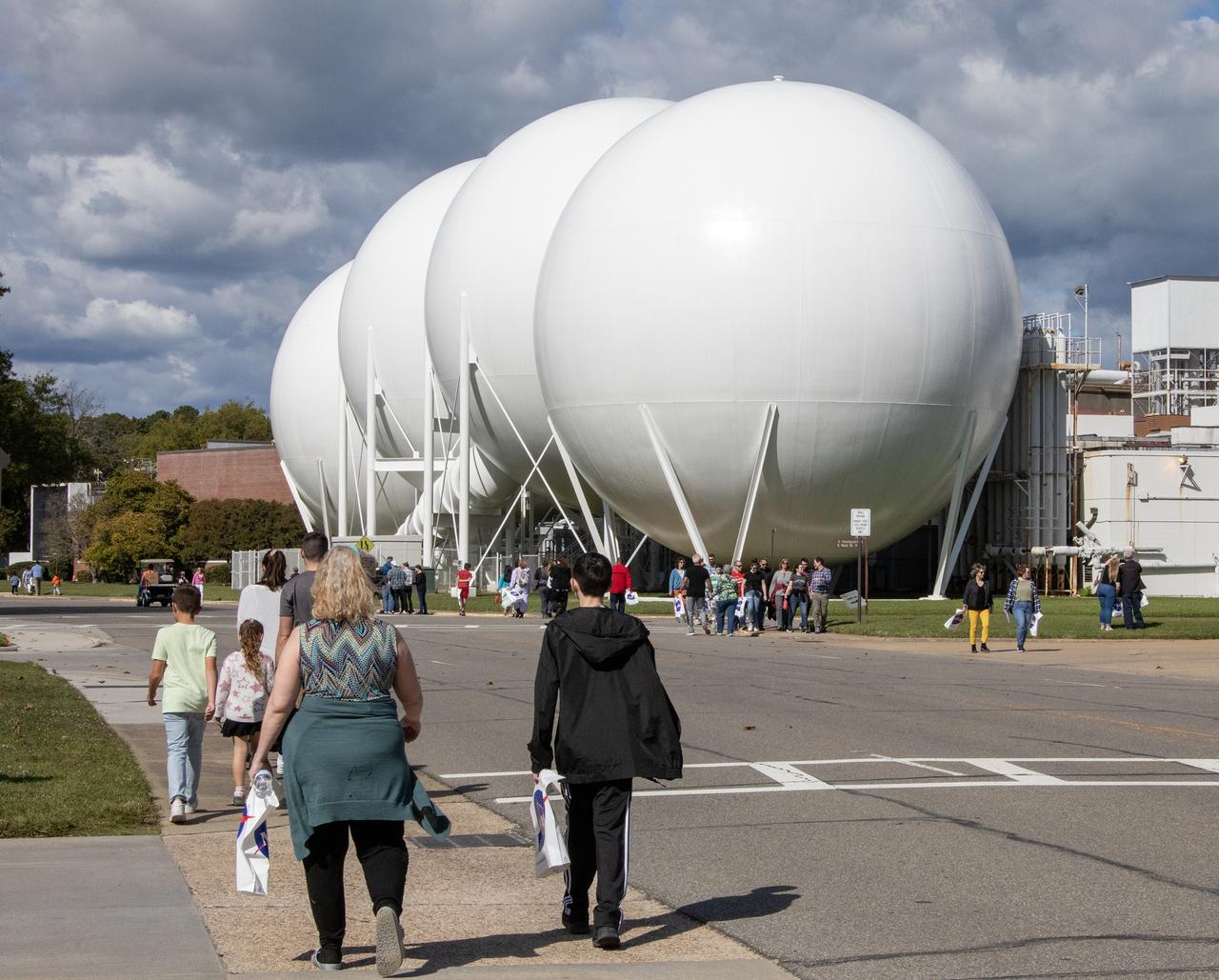
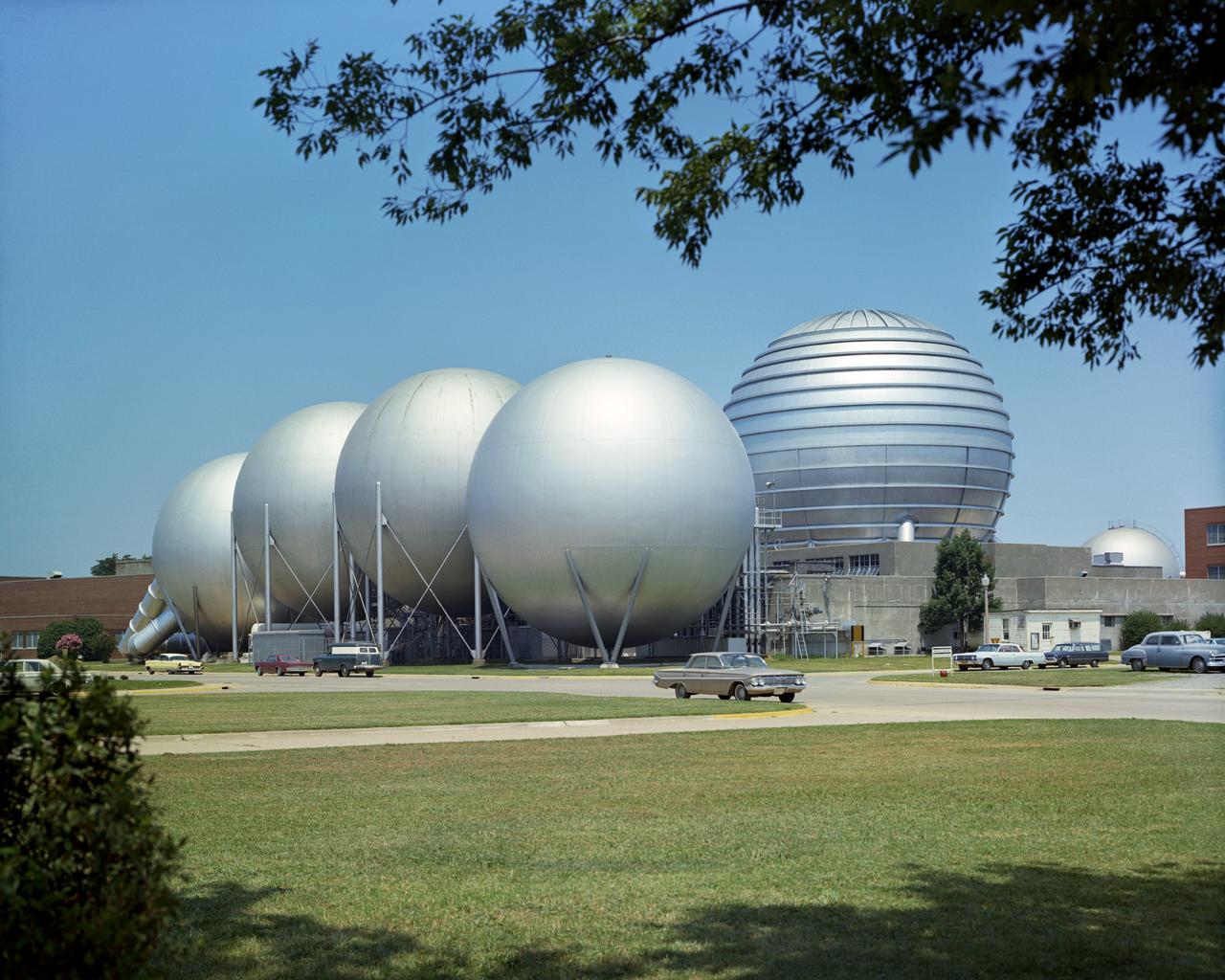
L65-5505 In the Gas Dynamics Laboratory, completed in 1951, researchers explored basic aerodynamic, heating and fluid-mechanical problems in the speed range from Mach 1.5 to Mach 8.0. Photograph published in Engineer in Charge: A History of the Langley Aeronautical Laboratory, 1917-1958 by James R. Hansen. Page 348.
Gas Dynamics Laboratory or Spheres NASA Langley
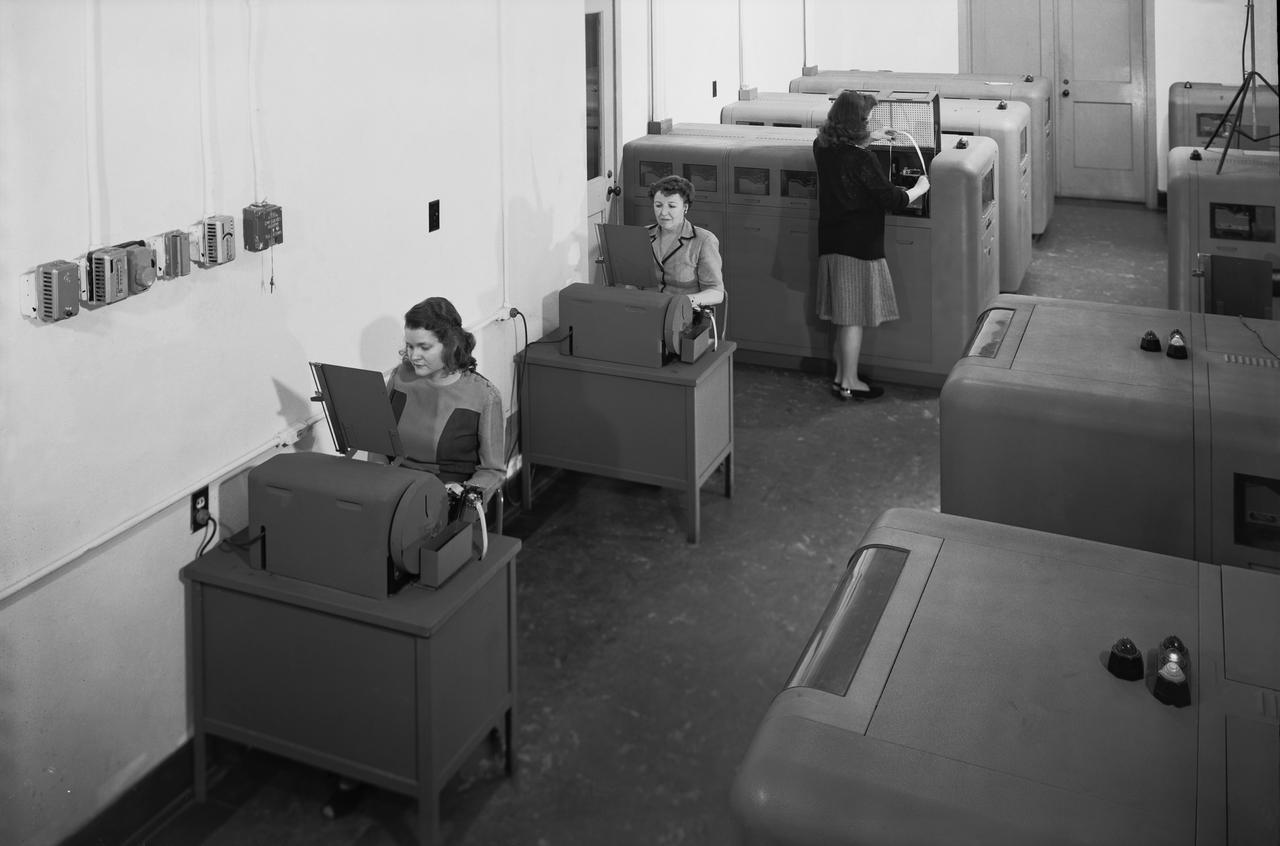
Langley's human computers at work in 1947. The female presence at Langley, who performed mathematical computations for male staff. -- Photograph published in Winds of Change, 75th Anniversary NASA publication (page 48), by James Schultz.
Bell Computer Apparatus
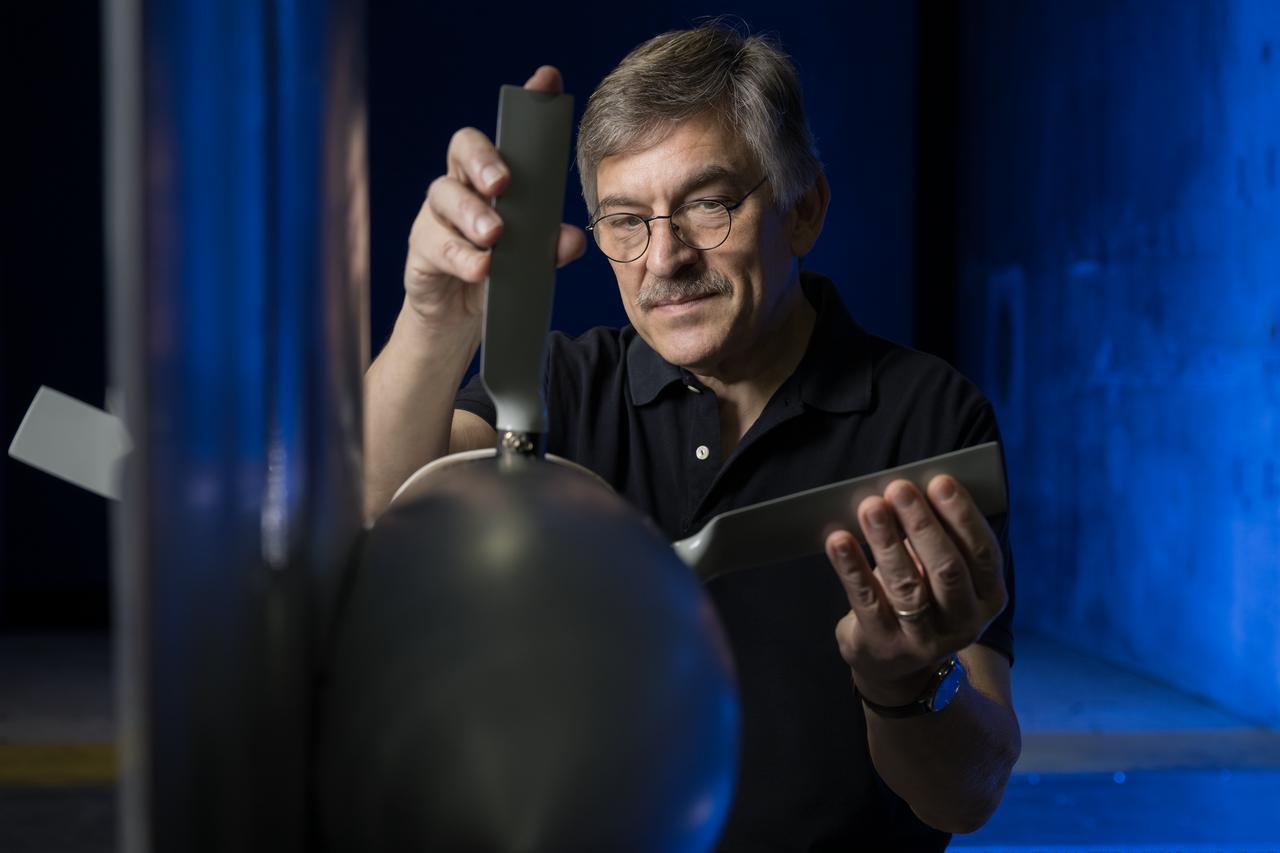
NASA researcher Norman W. Schaeffler adjusts a propellor, which is part of a 7-foot wing model that was recently tested at NASA’s Langley Research Center in Hampton, Virginia. In May and June, NASA researchers tested the wing in the 14-by-22-Foot Subsonic Wind Tunnel to collect data on critical propeller-wing interactions. The lessons learned from this testing will be shared with the public to support advanced air mobility aircraft development.
NASA Tests Advanced Air Mobility Aircraft Wing in Langley Wind Tunnel
Mary Jackson at Work. In 1958 Mary Jackson became NASA’s first black female engineer.
Mary Jackson at Work NASA Langley
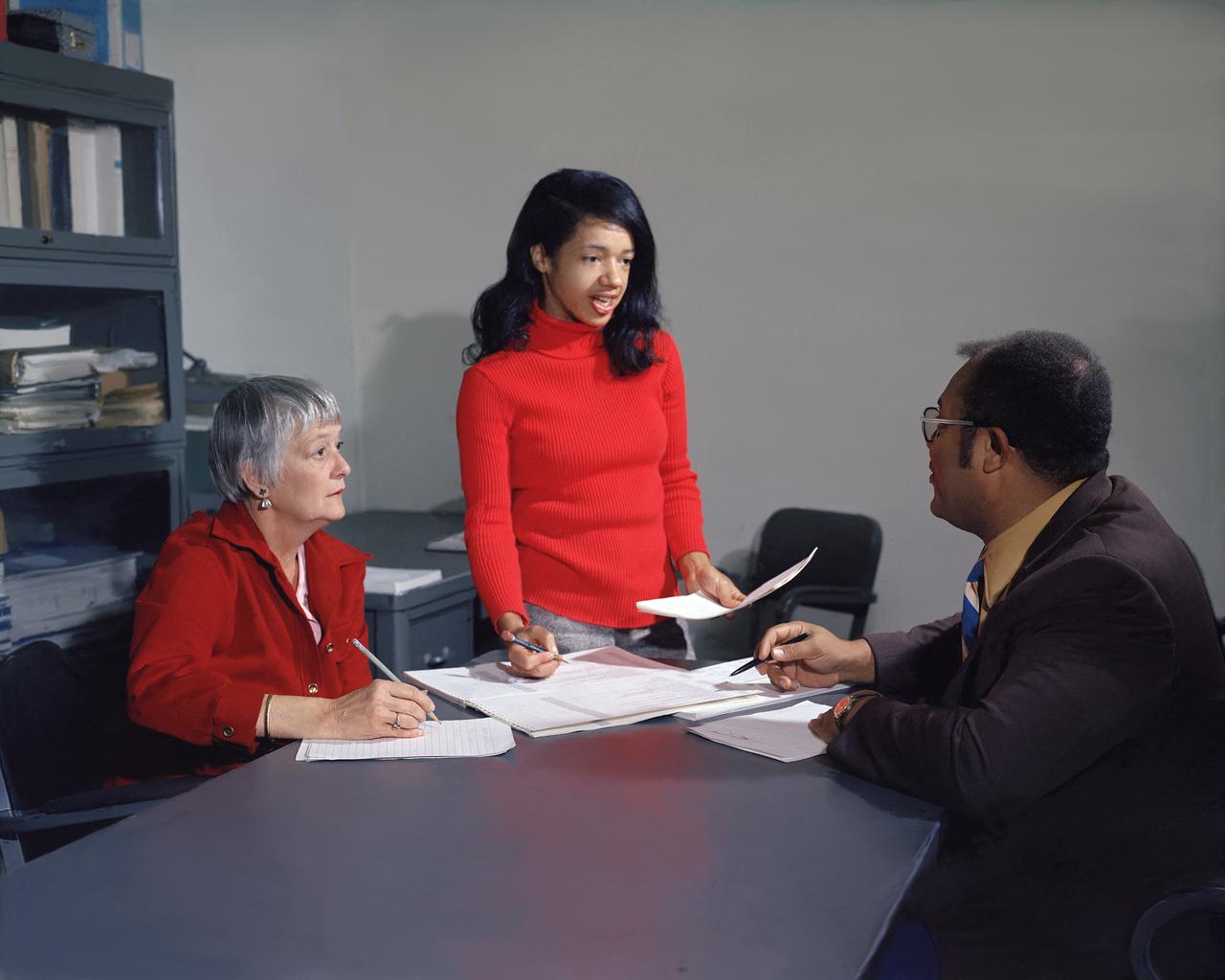
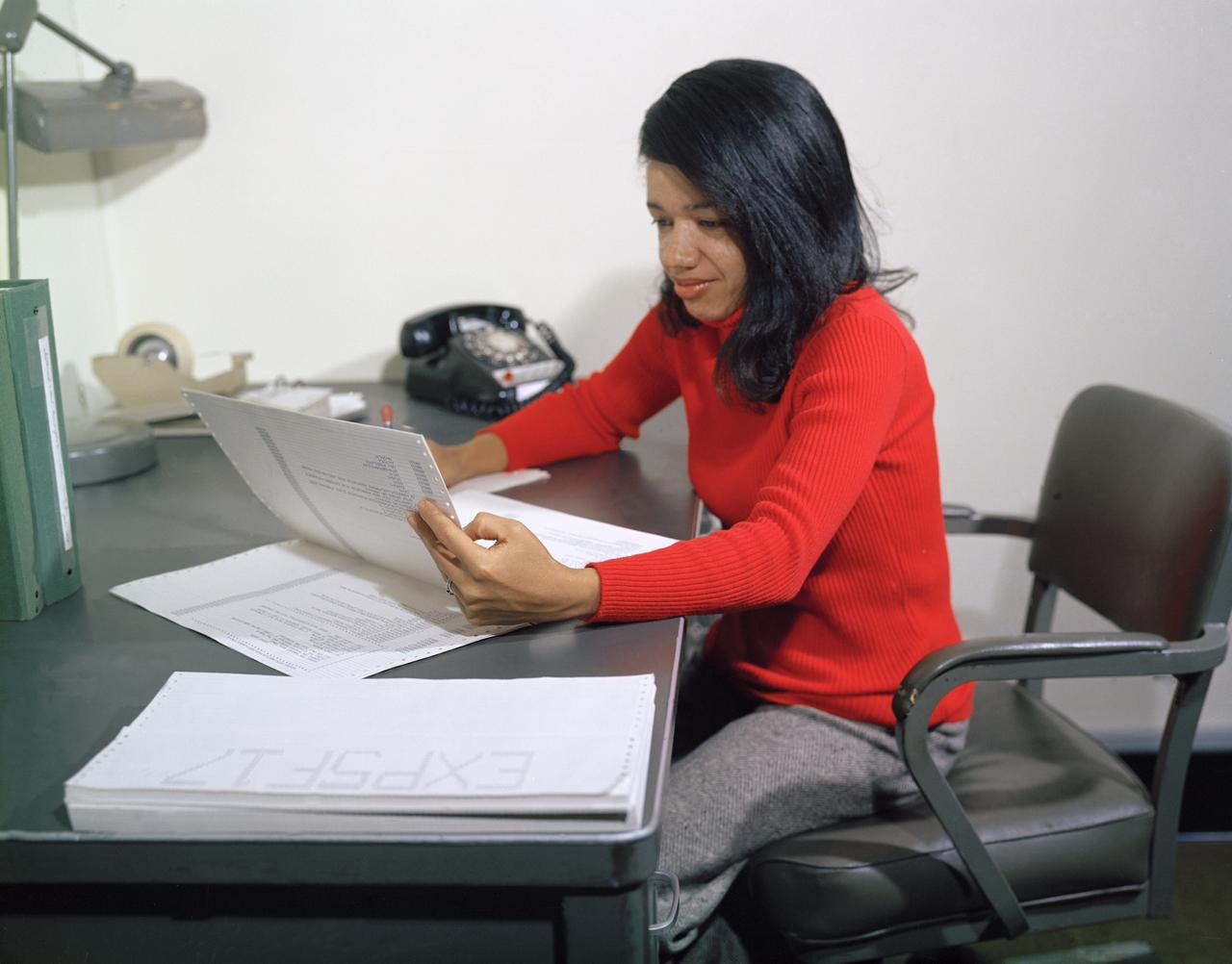
Christine Darden at desk in 1973 NASA Langley Research Center.
EEO training. Christine Darden at desk,
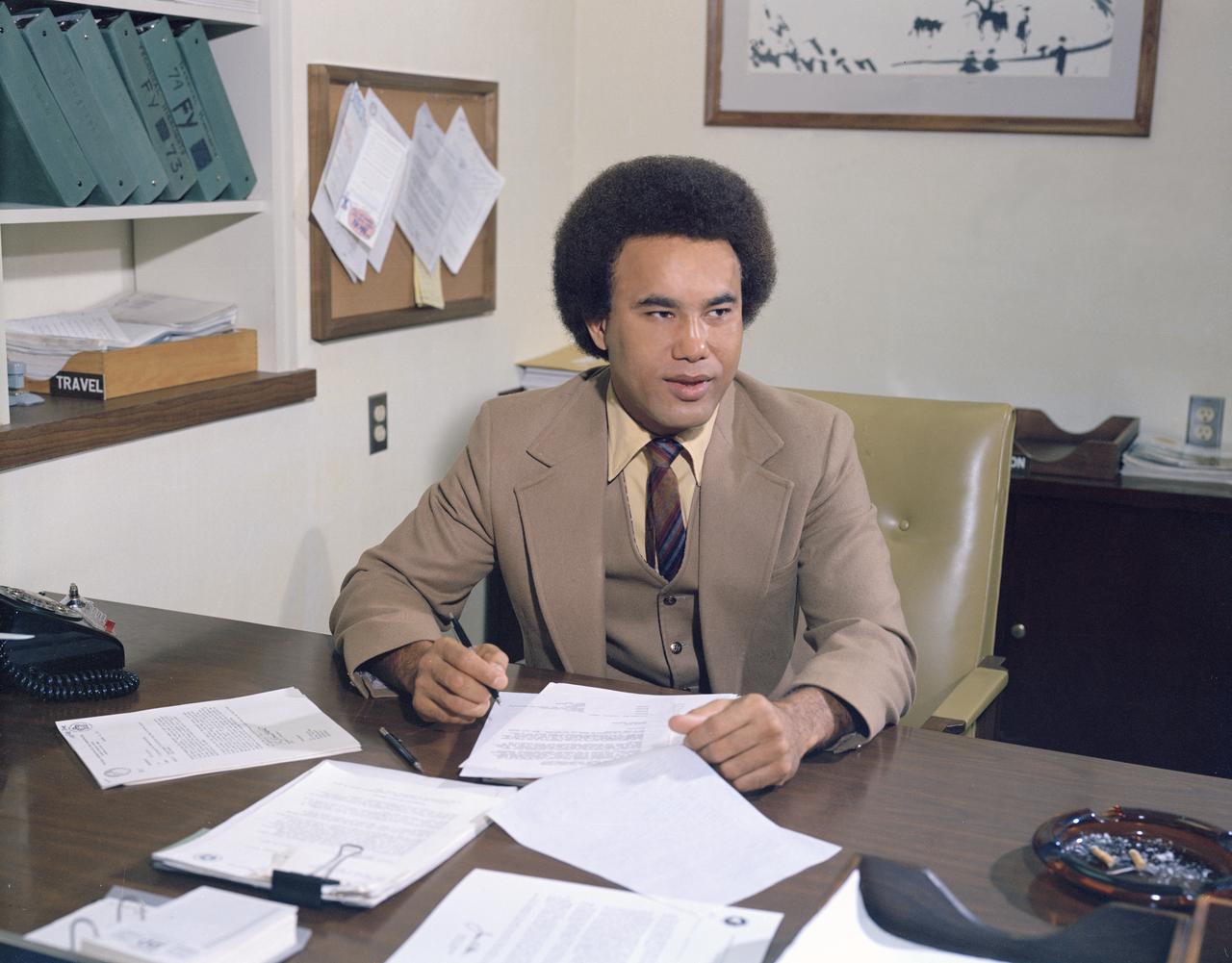
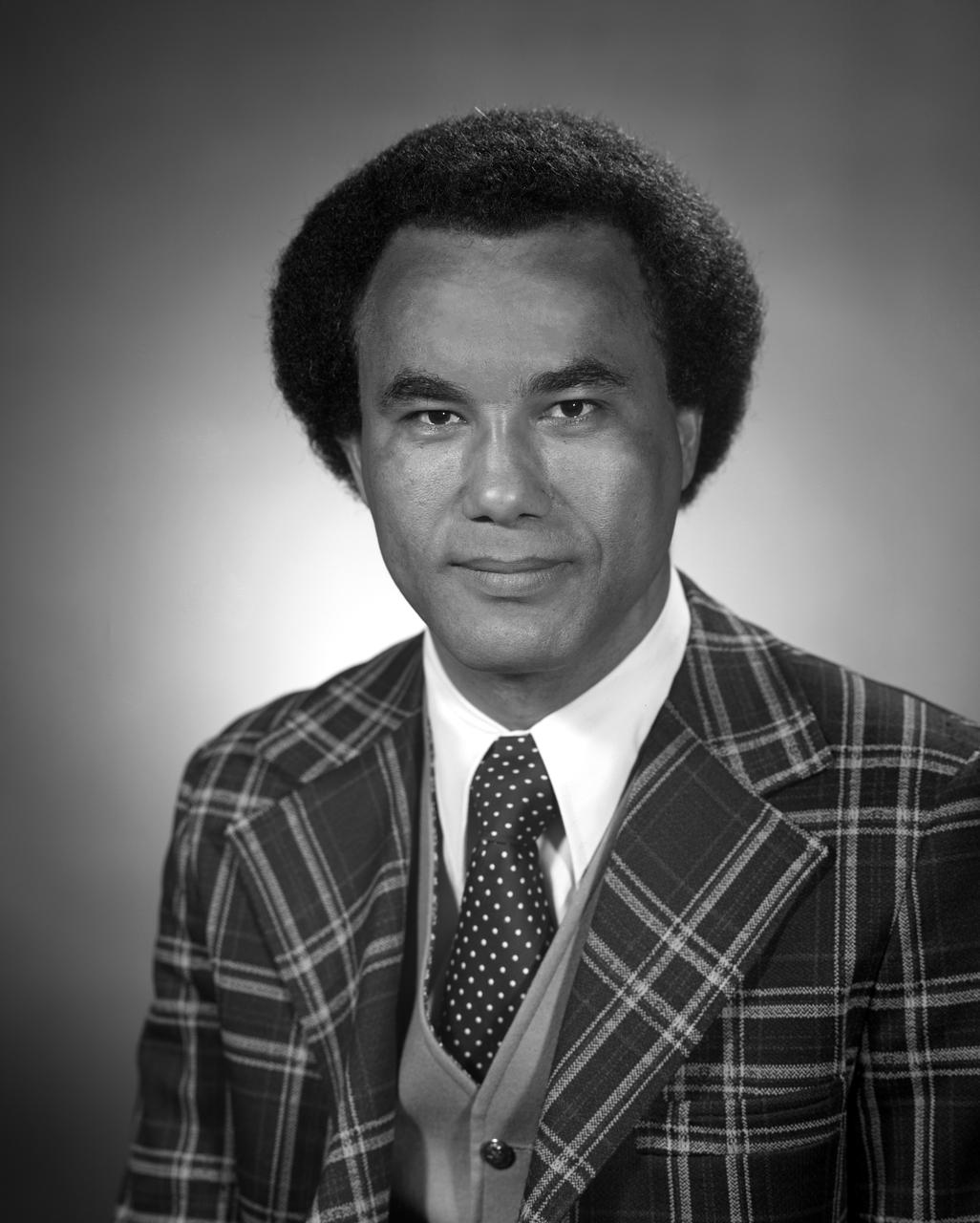
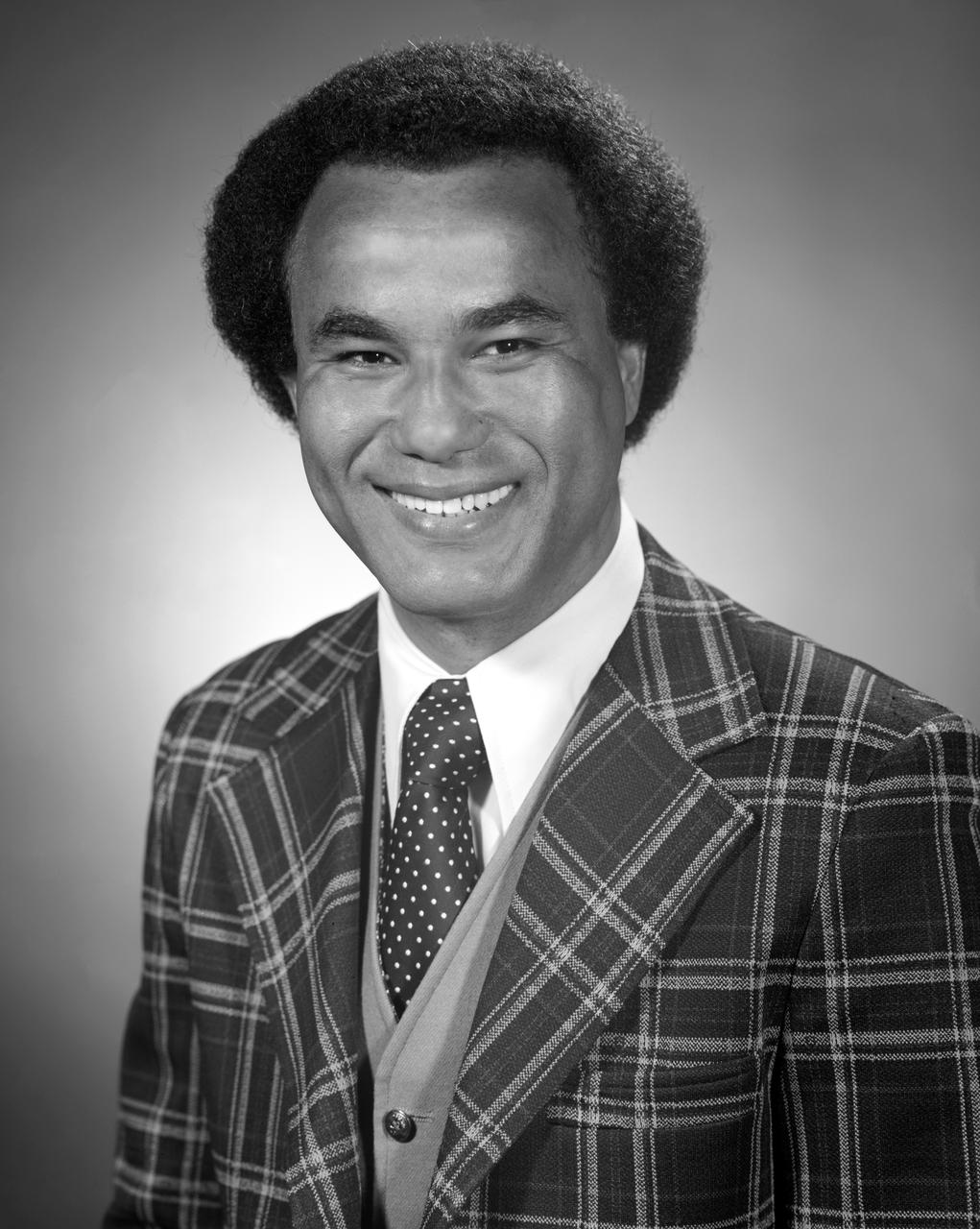
Portrait of Samuel J. Scott working in the Office of Directors for Structures NASA Langley. Photograph taken May 1977.
Portrait of Samuel J. Scott
Portrait of Samuel J. Scott working in the Office of Directors for Structures NASA Langley. Photograph taken May 1977.
Portrait of Samuel J. Scott
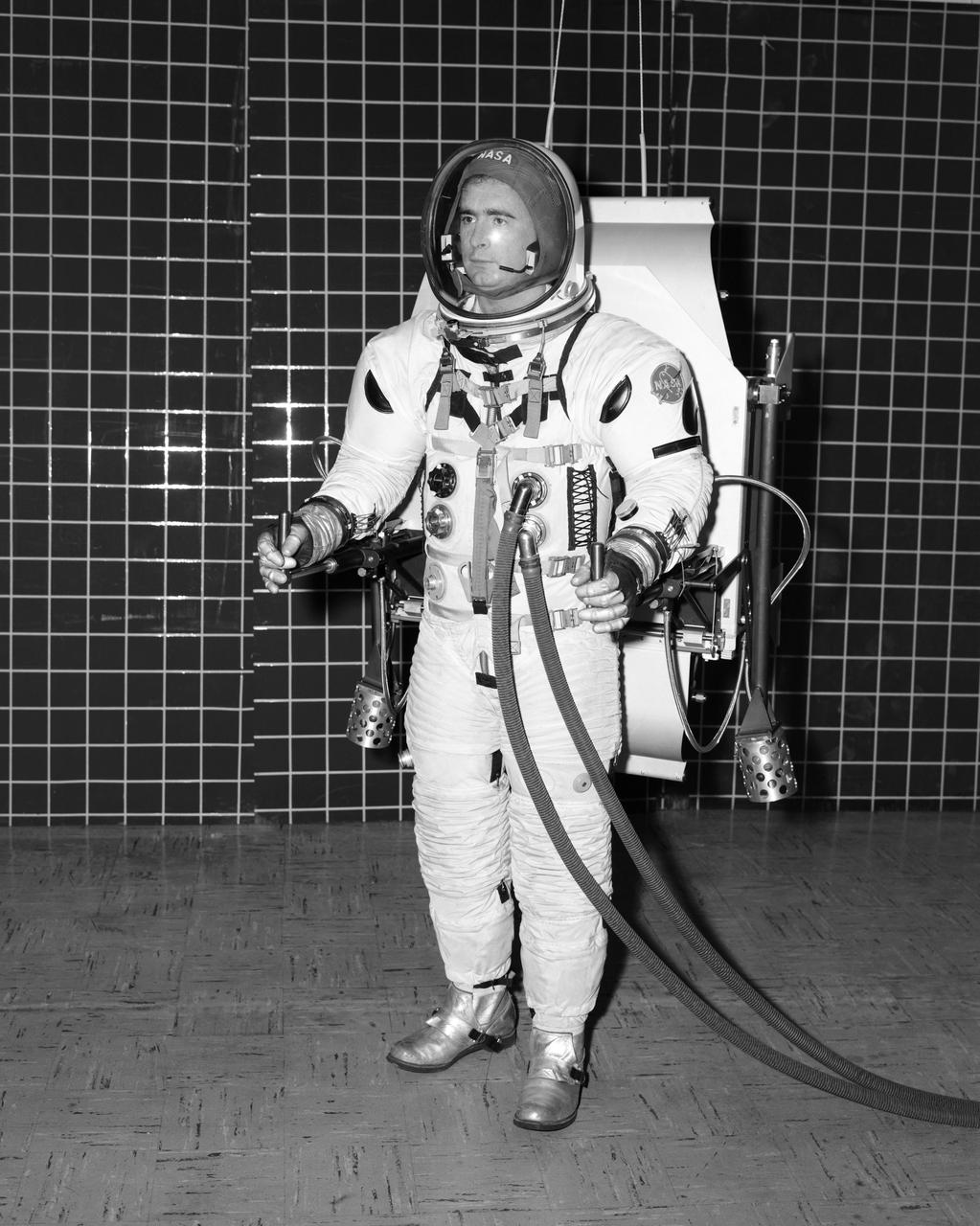
 Space Suit: NASA Langley researcher (Kenneth R. Yenni) tries out a proposal for an Apollo space suit.
Space Suit Project Apollo
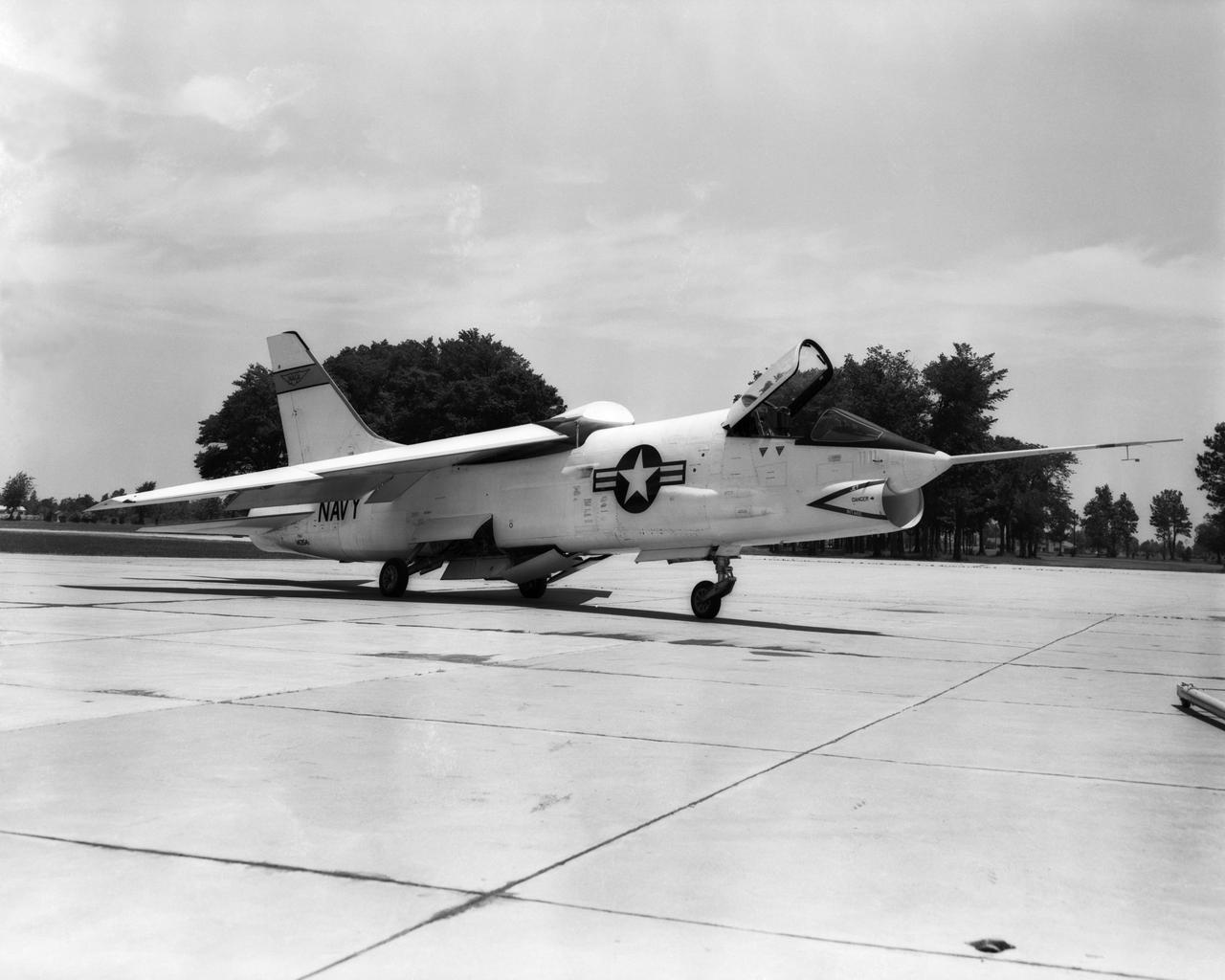
Views of F-8U Crusader Aircraft at NASA Langley
Views of F8U Airplane
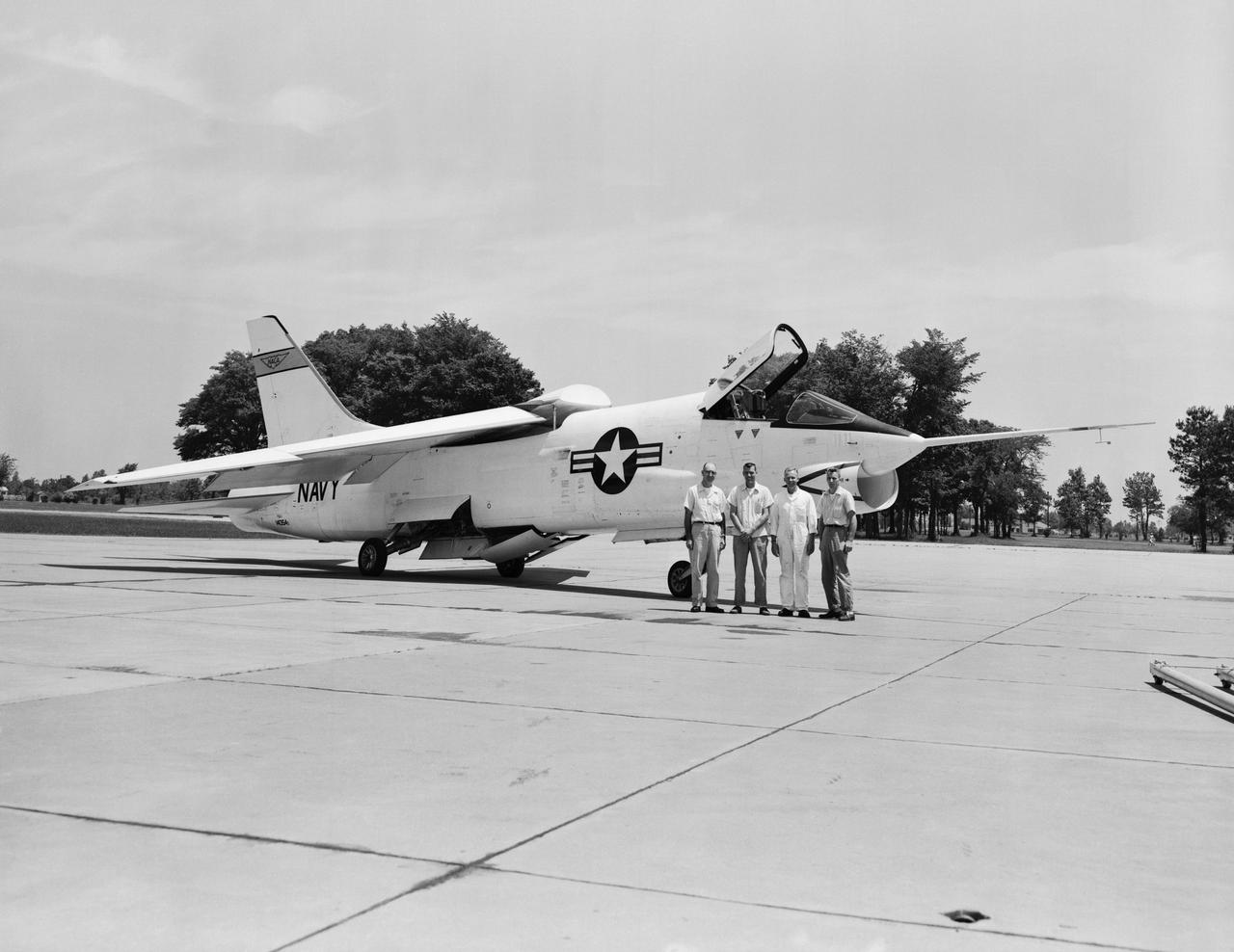
Views of F-8U Crusader Aircraft at NASA Langley
Views of F8U Airplane
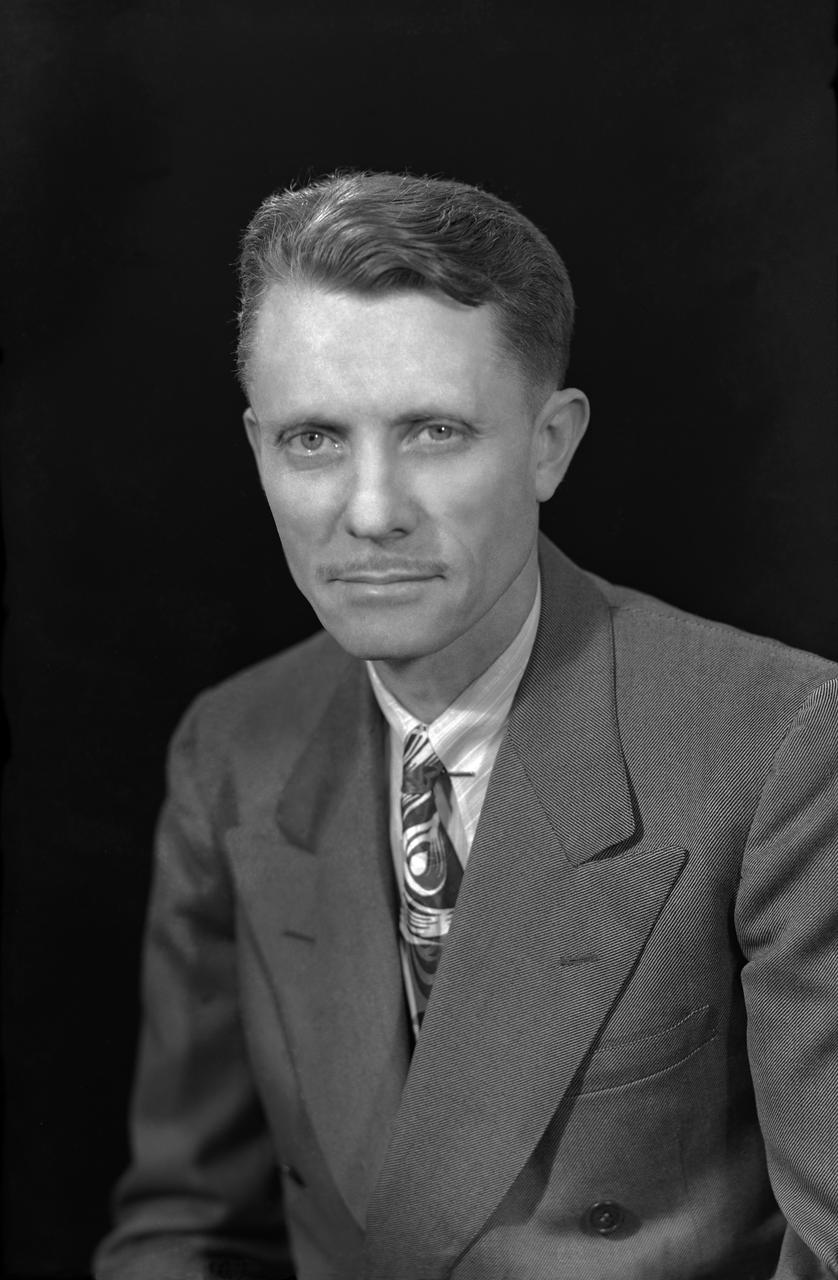
Portrait of Floyd L. Thompson NASA Langley Center Director from 1960 to 1968. Died in 1976
Portrait of Floyd L. Thompson
Langley’s newly built Measurement Systems Laboratory will serve as the primary research and development location for six branches within the Research and Engineering Directorates. The ribbon cutting will take place in April 2022.
NASA Langley Research Center Measurement Systems Laboratory
Aerial photos of NASA Langley employees gathered on the back ramp in the shape of 100.
100th Anniversary Aerial
Aerial photos of NASA Langley employees gathered on the back ramp in the shape of 100.
100th Anniversary Aerial
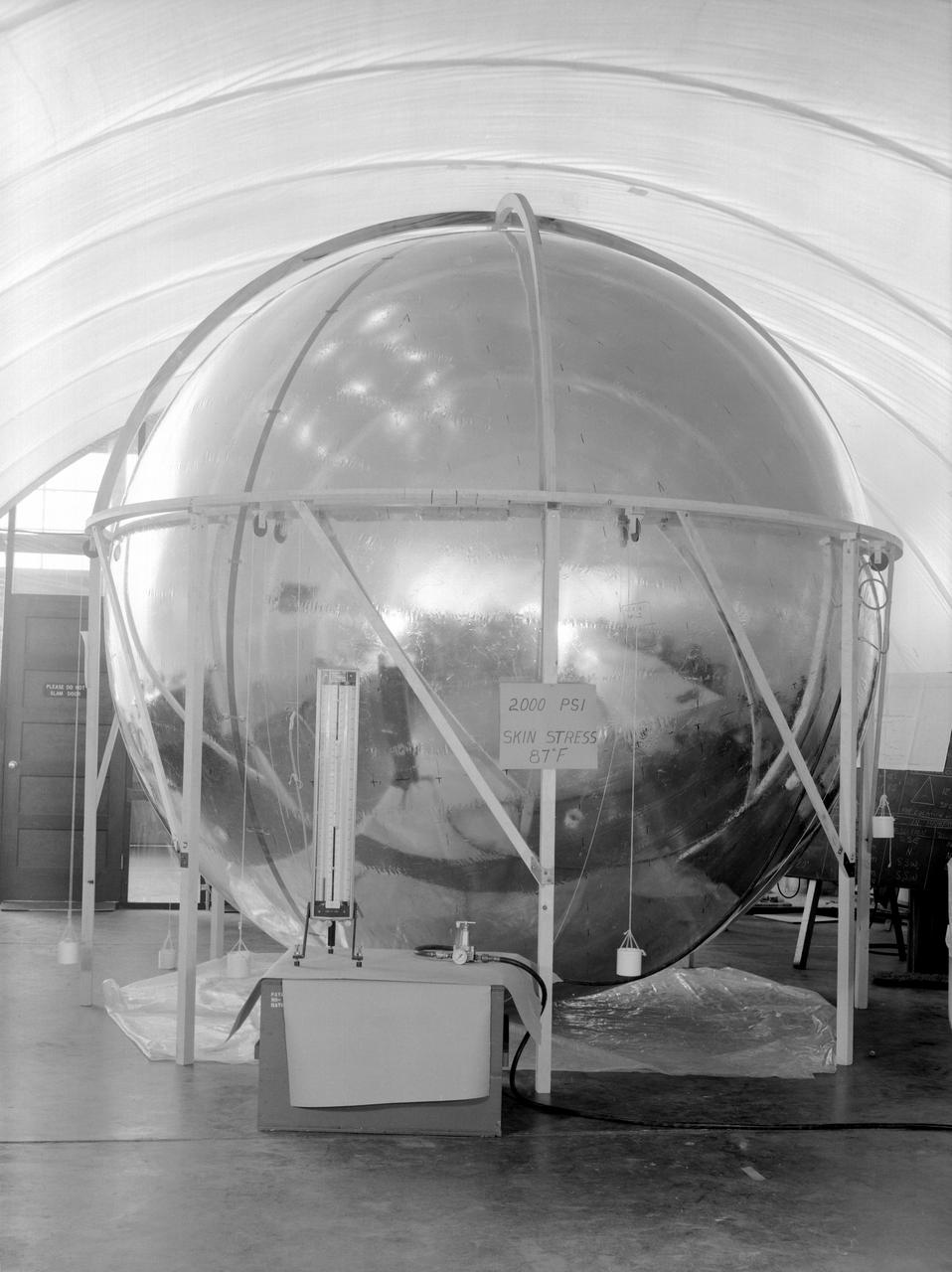
Photographed in 1960. -- Skin Stress Test of the 12-foot satellite built as a prototype of the full-scale Echo satellite. The 12-foot diameter of the sphere was chosen because that was the ceiling height in the Langley model shop. The proposal to build the 12-foot satellite was made in November 1957. -- Published in James R. Hansen, Spaceflight Revolution: NASA Langley Research Center From Sputnik to Apollo, NASA SP-4308, pp. 170-171.
Echo: skin stress test
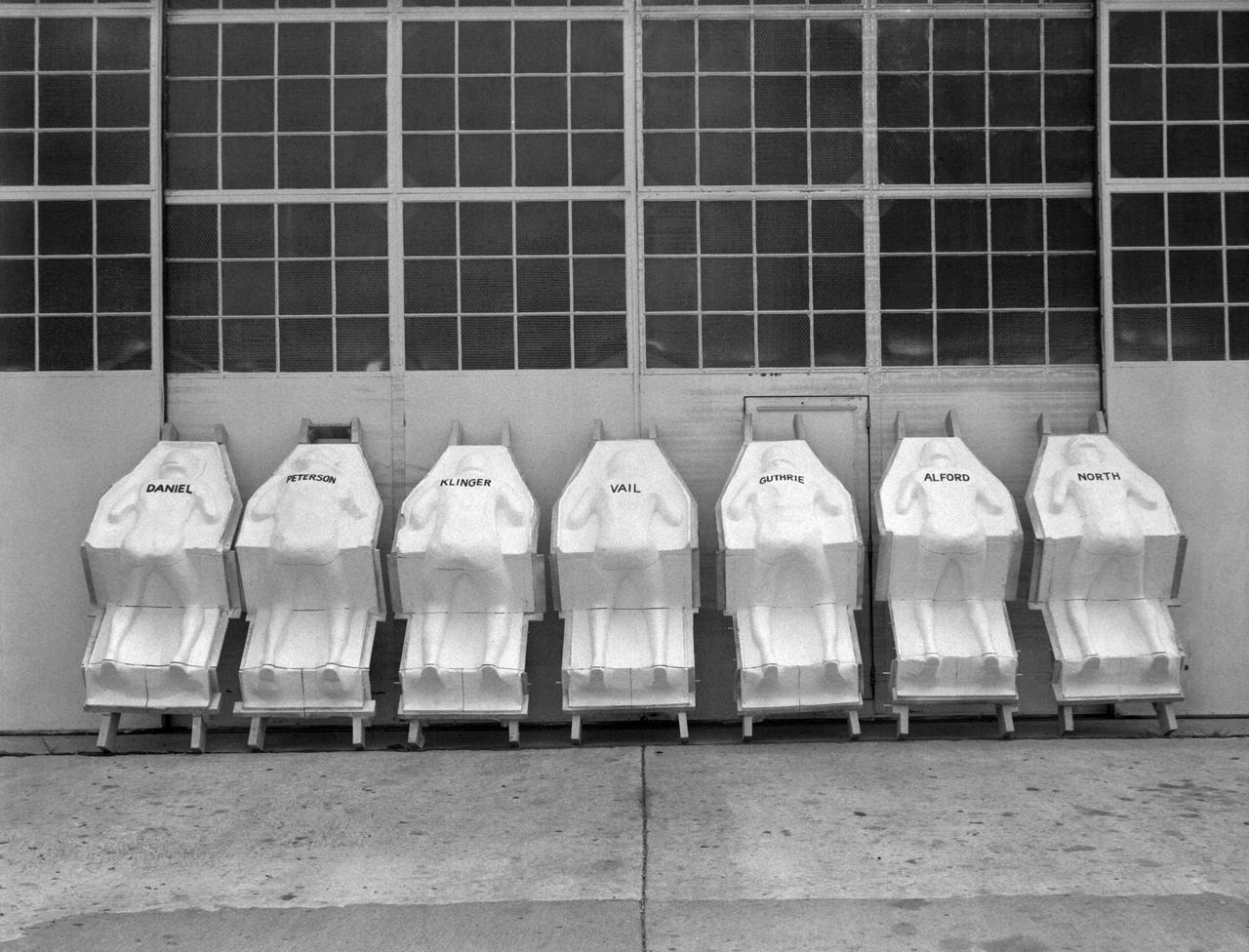
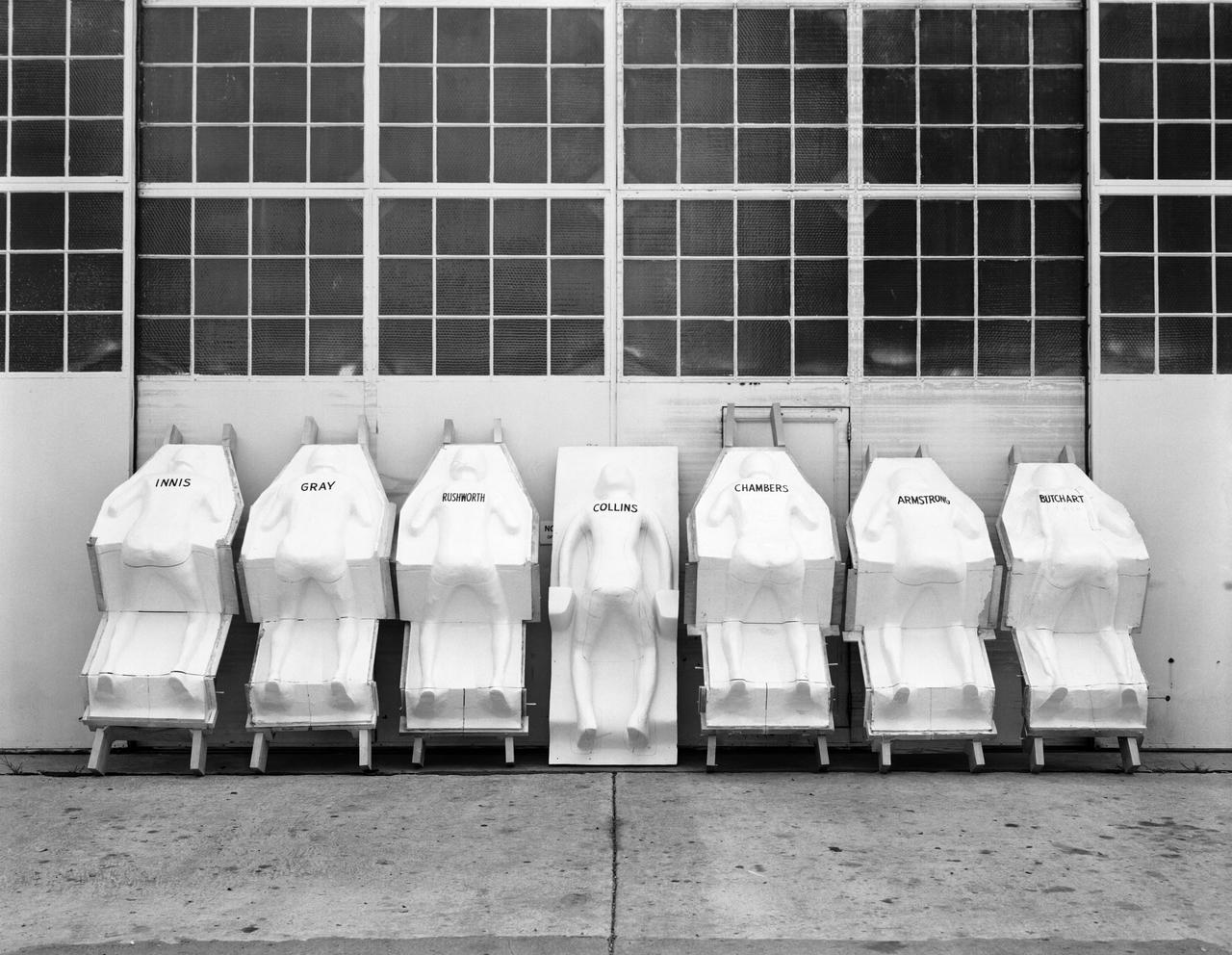
Molds for couches for test pilots, line the NASA Langley Research Centers model shop wall. The names of the test subjects (Langley employees) are written on the back.  The couches are similar to those made for each astronaut and fitted into the Mercury capsules for manned spaceflight.
Molds for Couches for Test Pilots
Molds for couches for test pilots, line the NASA Langley Research Centers model shop wall. The names of the test subjects (Langley employees) are written on the back.  The couches are similar to those made for each astronaut and fitted into the Mercury capsules for manned spaceflight.
Molds for Couches for Test Pilots
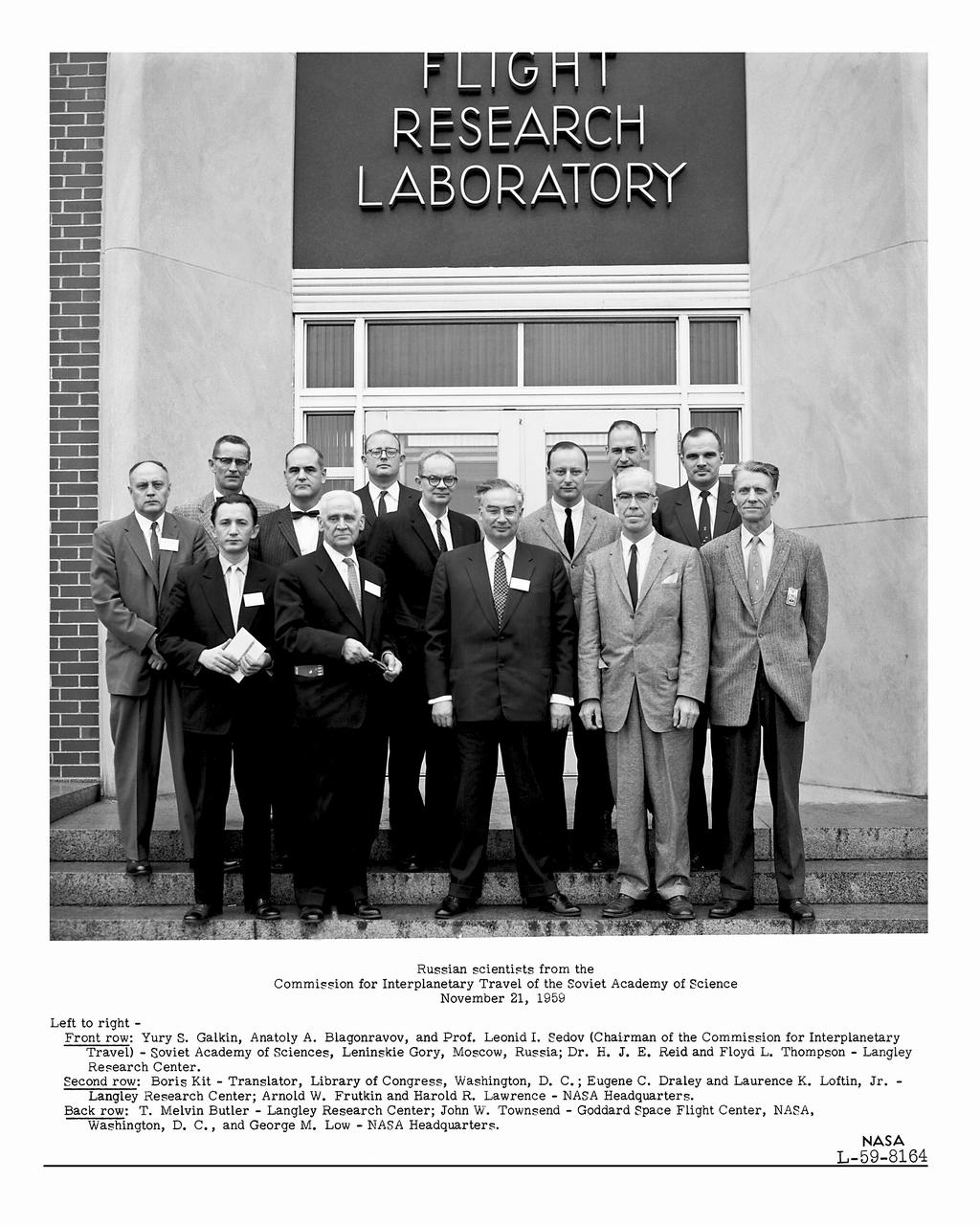
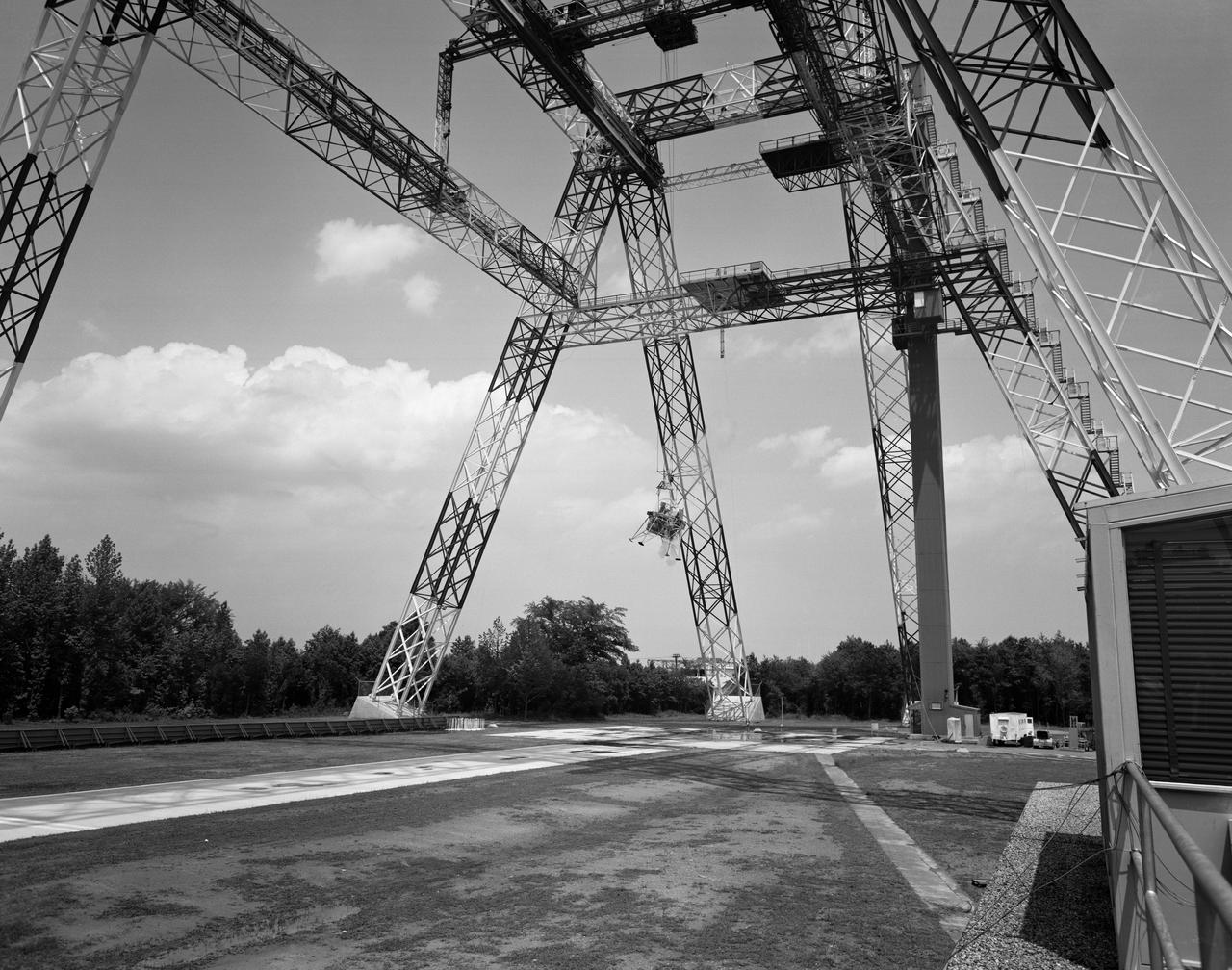
Russian Scientists from the Commission of Interplanetary Travel of the Soviet Academy of Science November 21,1959  Left to right: Front row: Yury S. Galkin, Anatoly A. Blagonravov, and Prof. Leonid I. Sedov (Chair of the Commission for Interplanetary Travel)-Soviet Academy of Science, Leninski Gory, Moscow, Russia  Dr. H.J. E. Reid and Floyd L. Thompson Langley Research Center. Second row: Boris Kit Translator, Library of Congress, Washington, D.C.  Eugene C. Draley and Laurence K. Loftin, Jr. -Langley Research Center  Arnold W. Frutkin and Harold R. Lawrence NASA Headquarters.  Back row: T.Melvin Butler-Langley Research Center  John W. Townsend Goddard Space Flight Center, NASA, Washington D.C., and George M. Low NASA Headquarters.
Russian Scientists Visitors
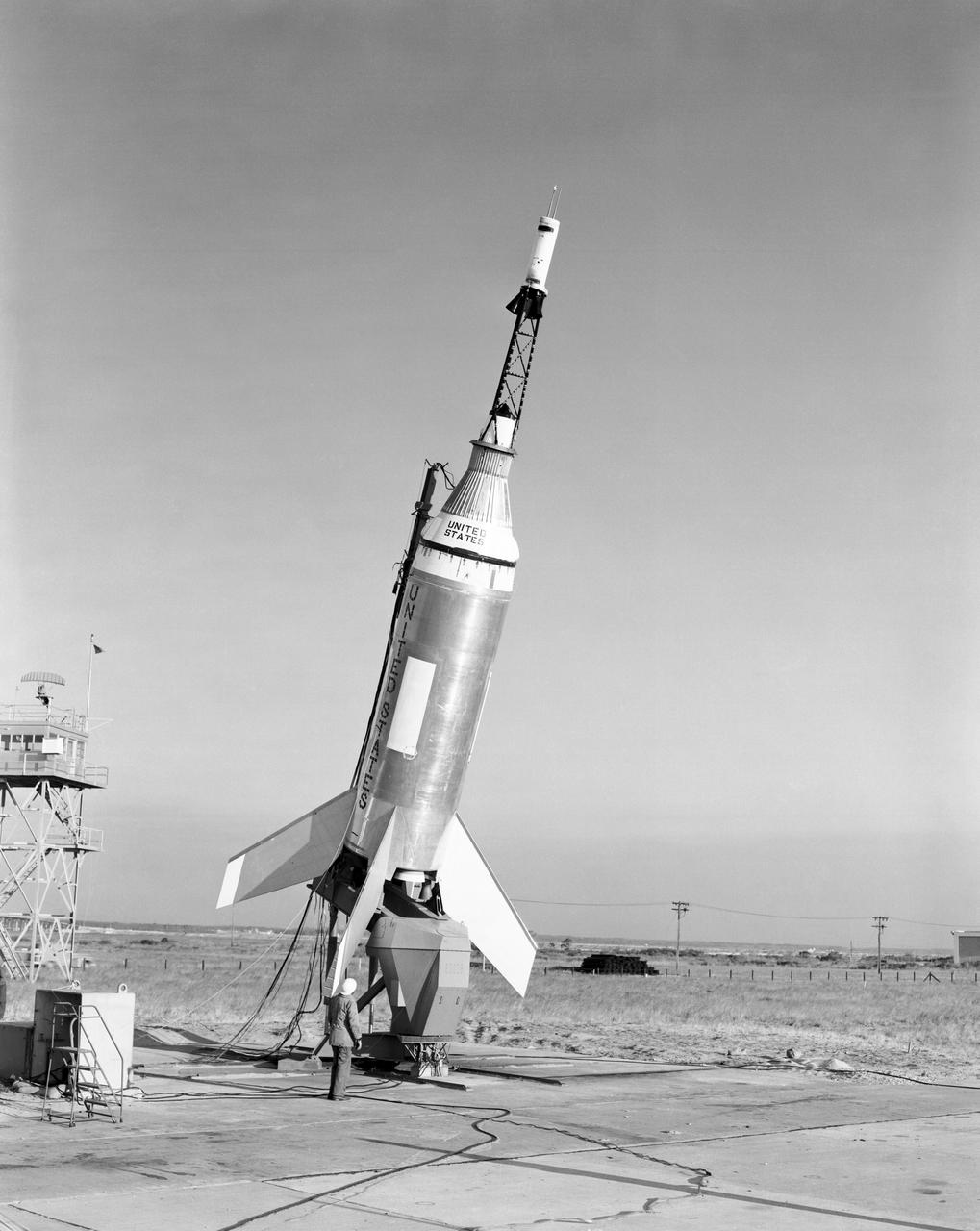
The Little Joe launch vehicle being readied for a test launch from Wallops in January 1960... Page 77. Photograph published in Winds of Change, 75th Anniversary NASA publication, by James Schultz. **note - see L59-5137 page 77 also. Photograph published in Engineer in Charge: A History of the Langley Aeronautical Laboratory, 1917-1958 by James R. Hansen. Page 389.  ...was conceived by Langley engineers Max Faget and Paul Purser even before STG (Space Task Group) was organized.
Little Joe on Launch Pad
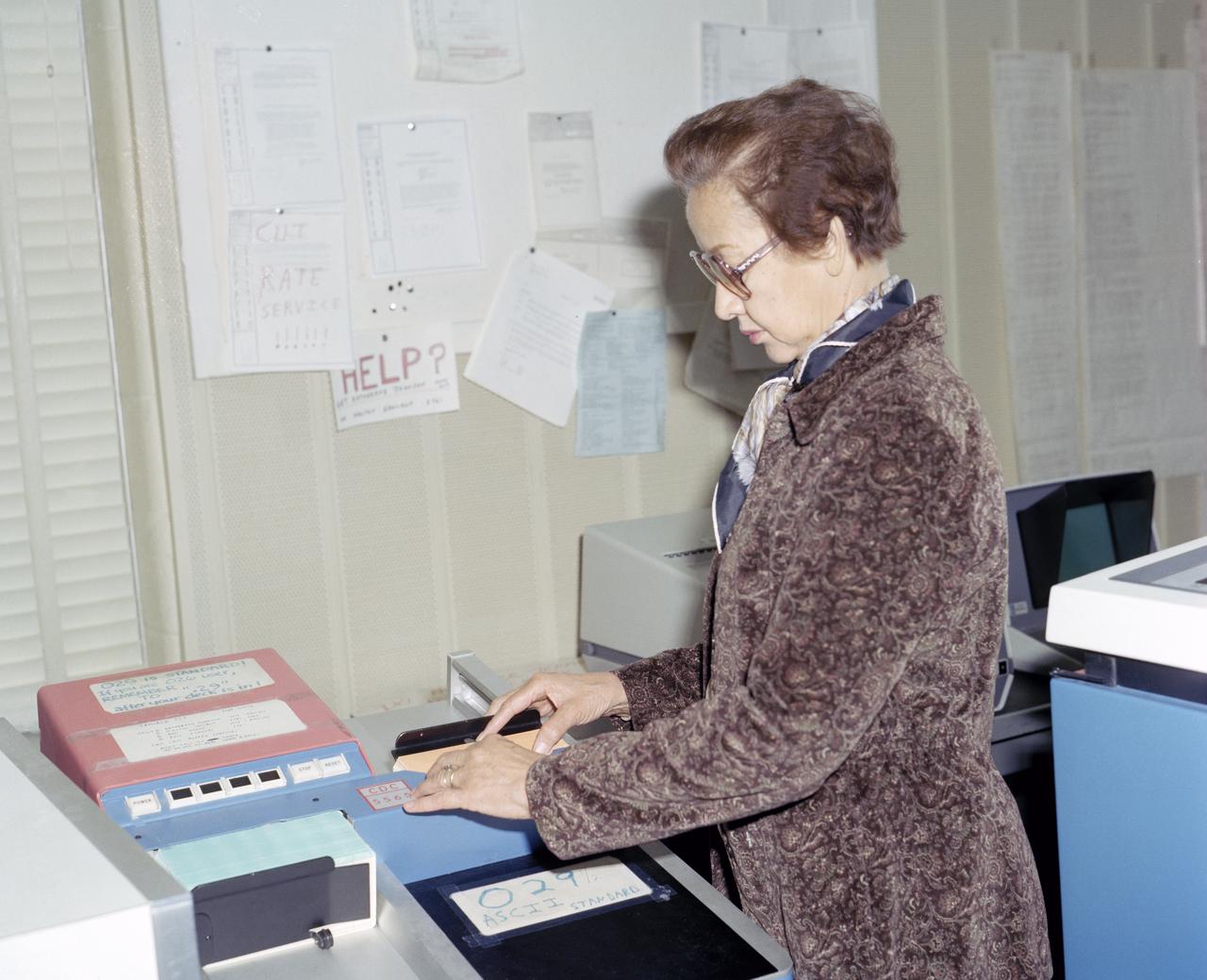
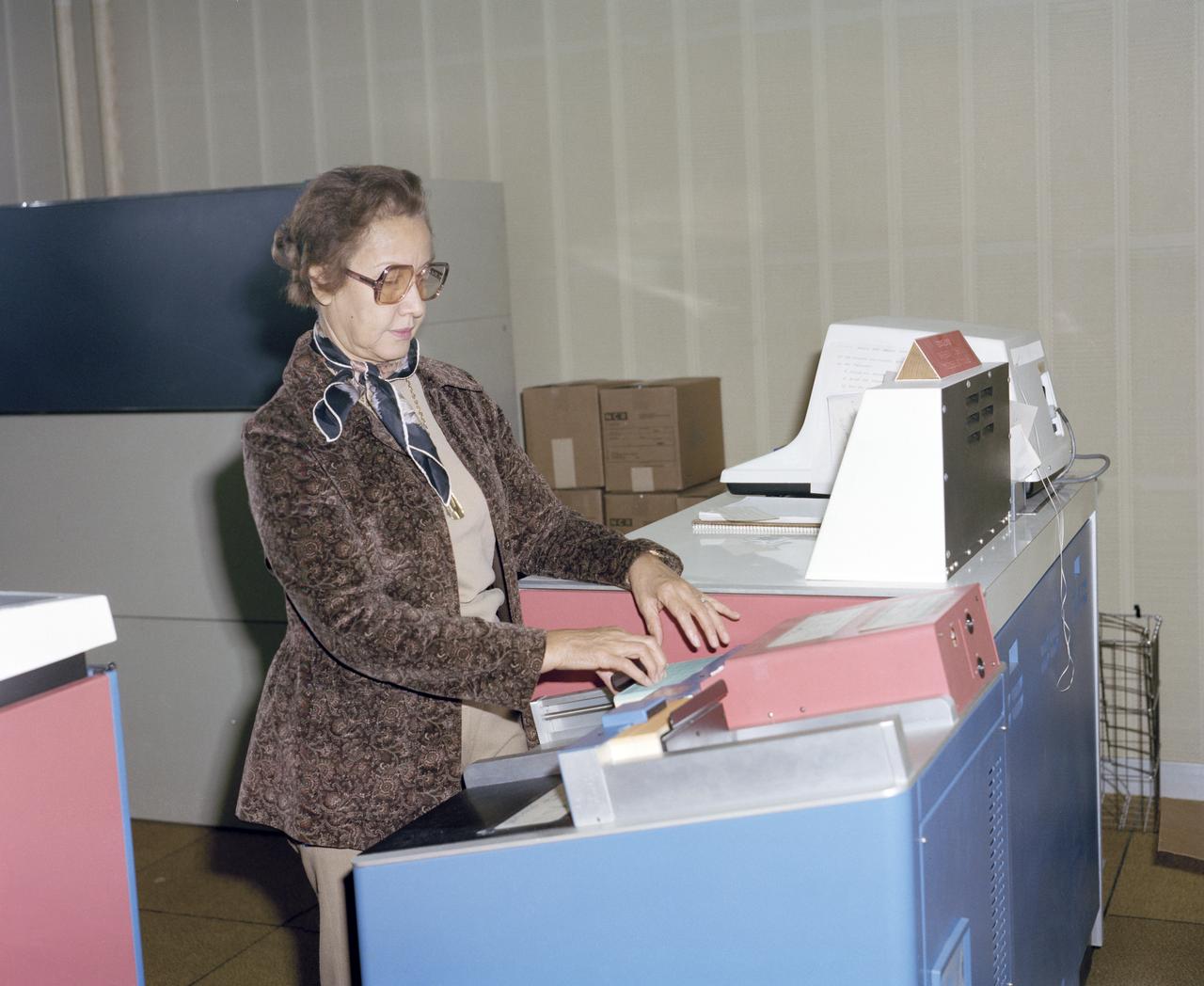
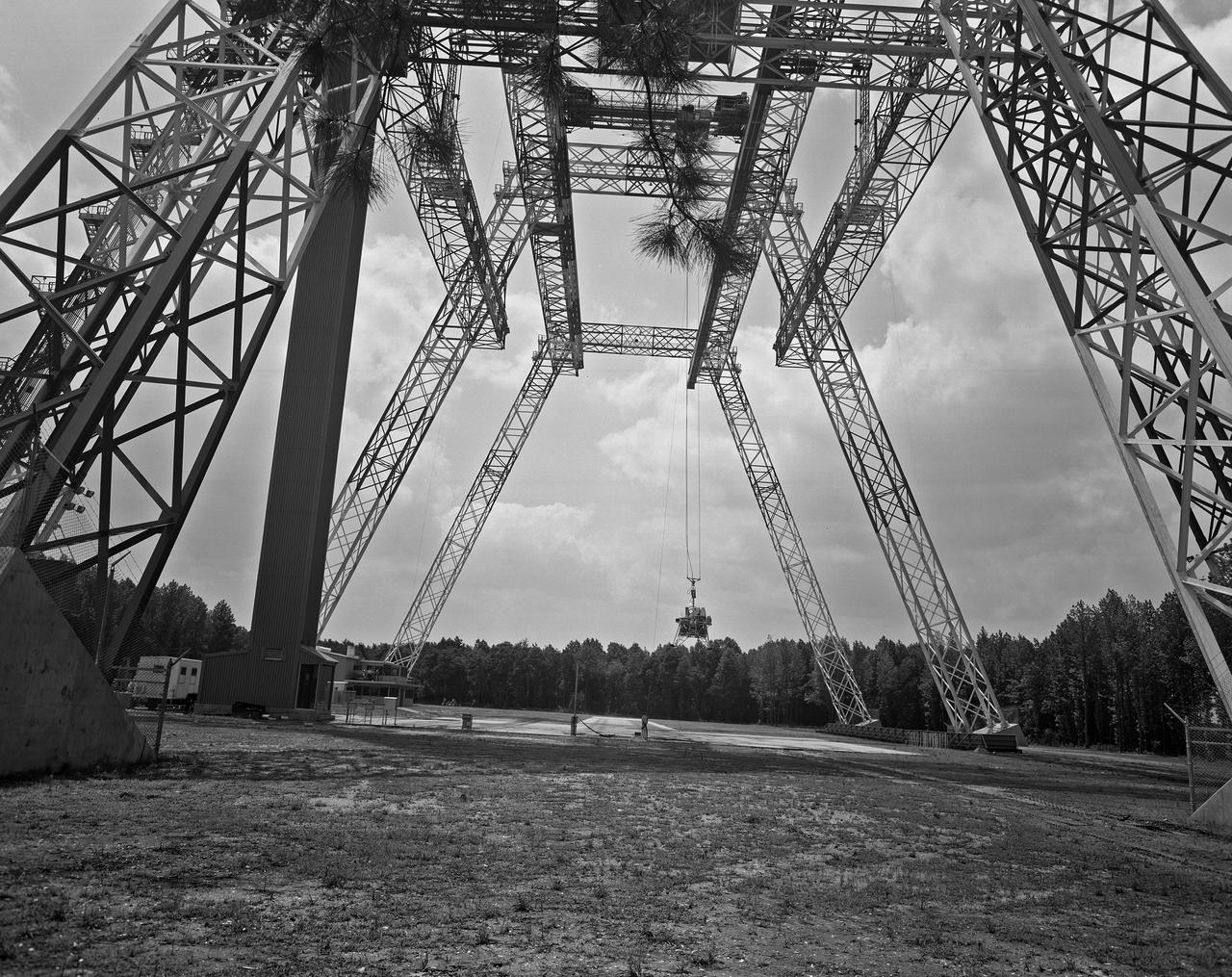
Mrs. Katherine G. Johnson at Work
Mrs. Katherine G. Johnson at Work NASA Langley
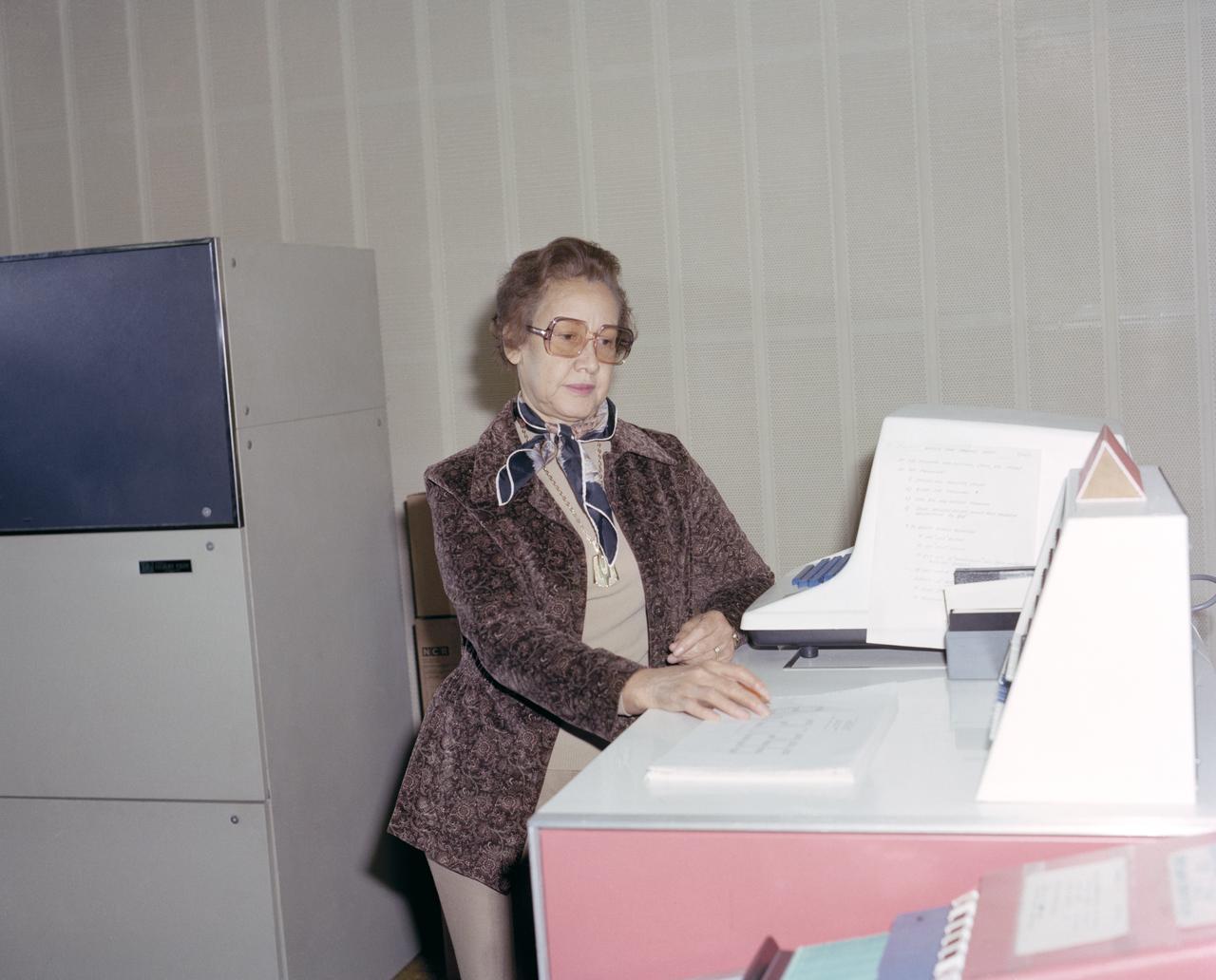
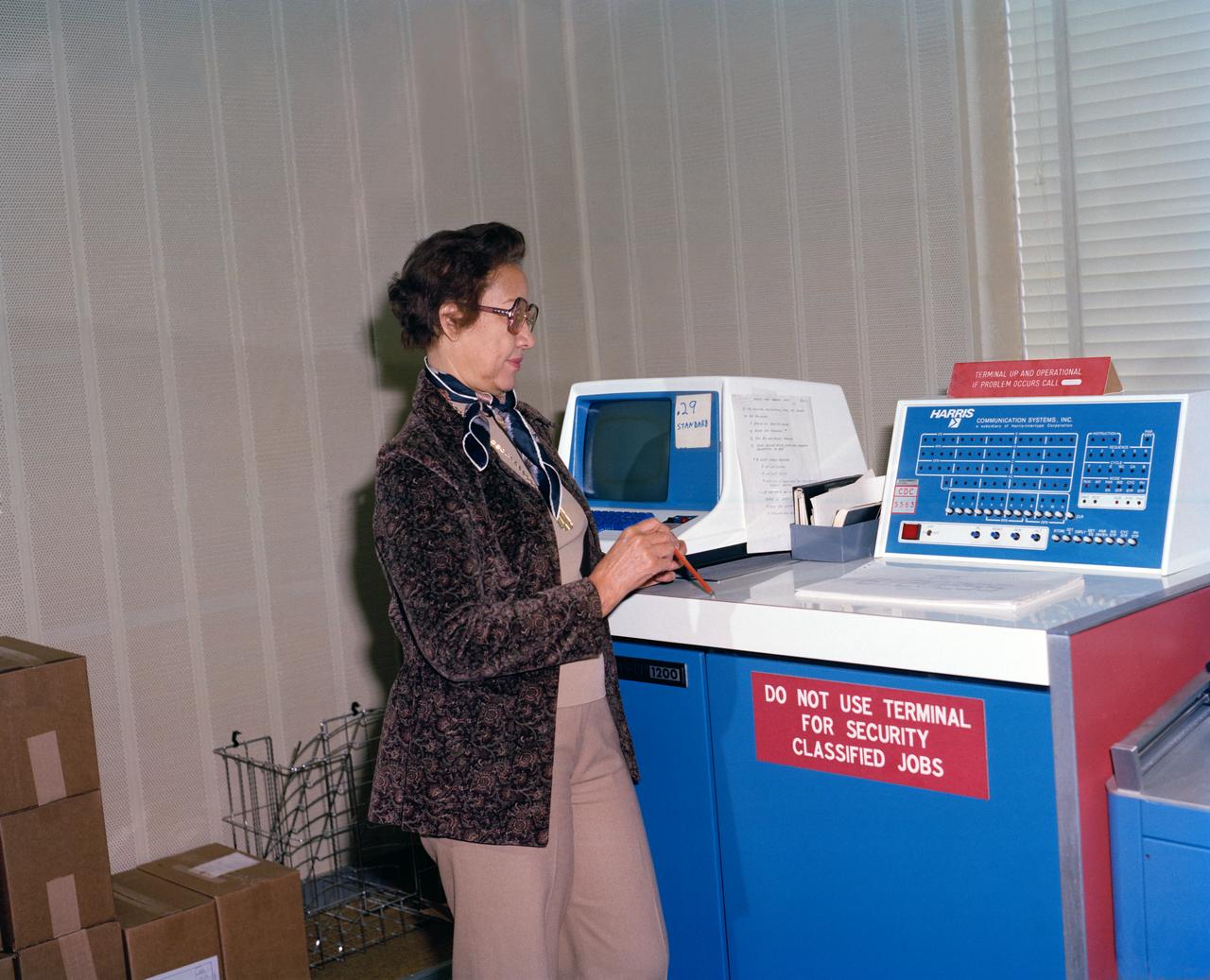
Mrs. Katherine G. Johnson at Work
Mrs. Katherine G. Johnson at Work NASA Langley
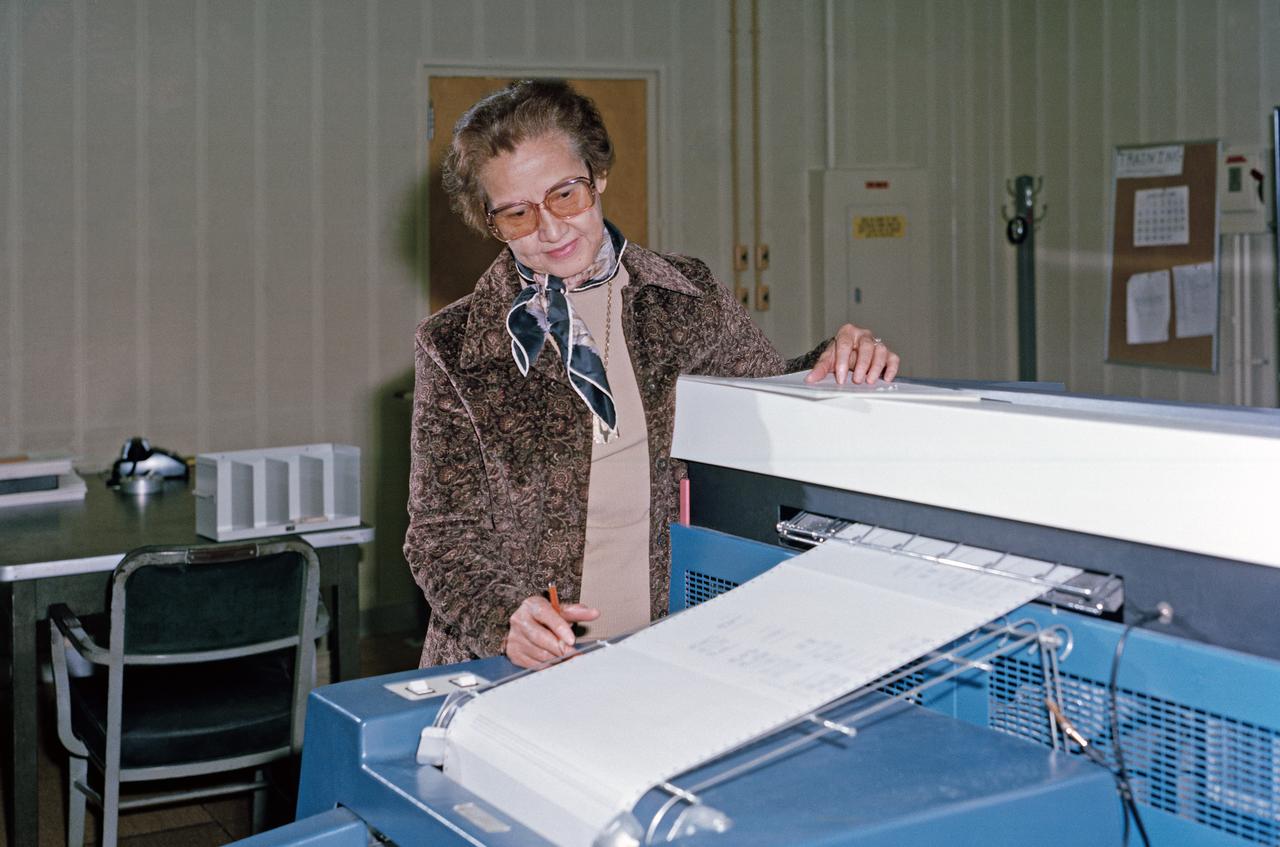
Mrs. Katherine G. Johnson at Work
Mrs. Katherine G. Johnson at Work NASA Langley
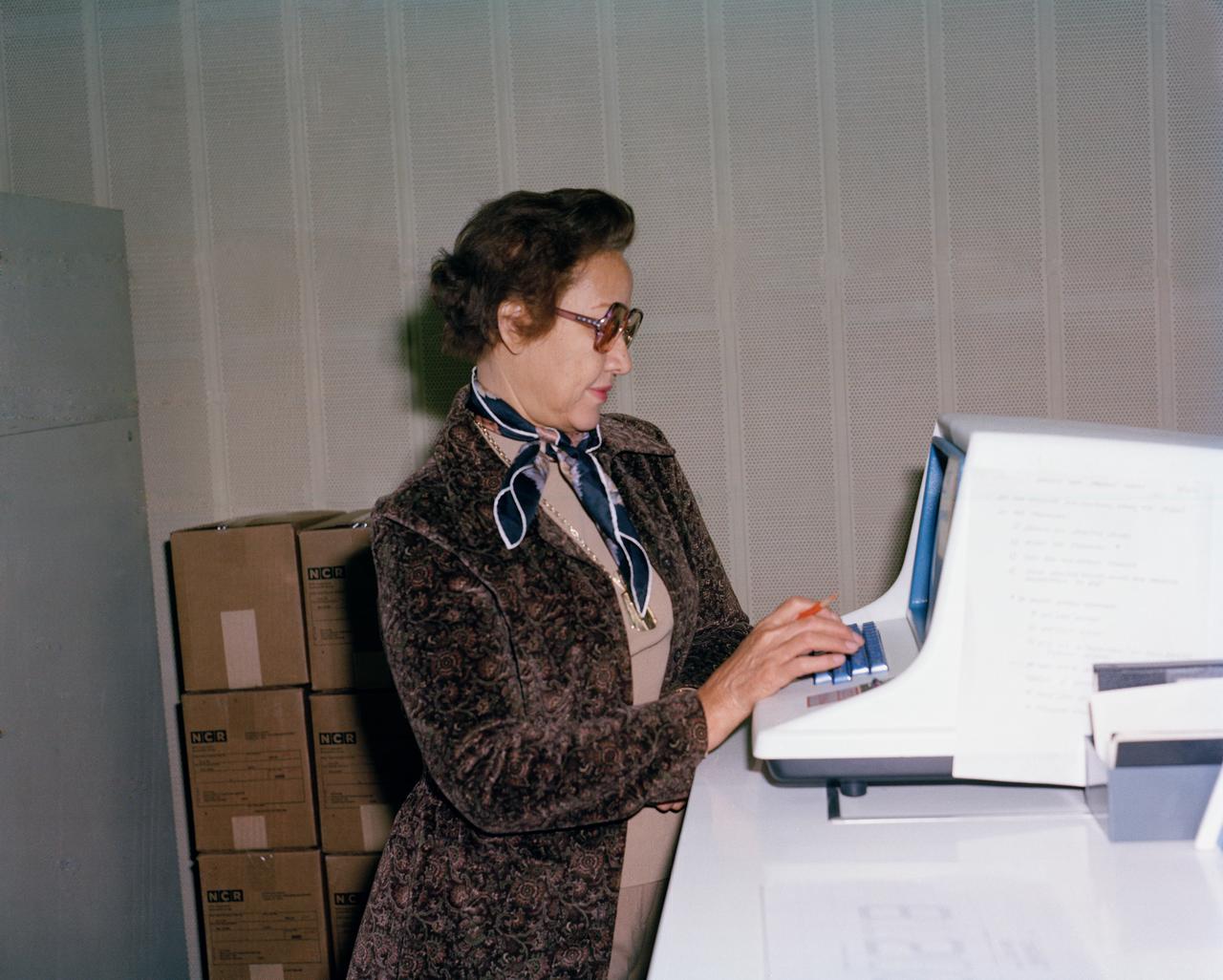
Mrs. Katherine G. Johnson at Work
Mrs. Katherine G. Johnson at Work NASA Langley
Mrs. Katherine G. Johnson at Work
Mrs. Katherine G. Johnson at Work NASA Langley
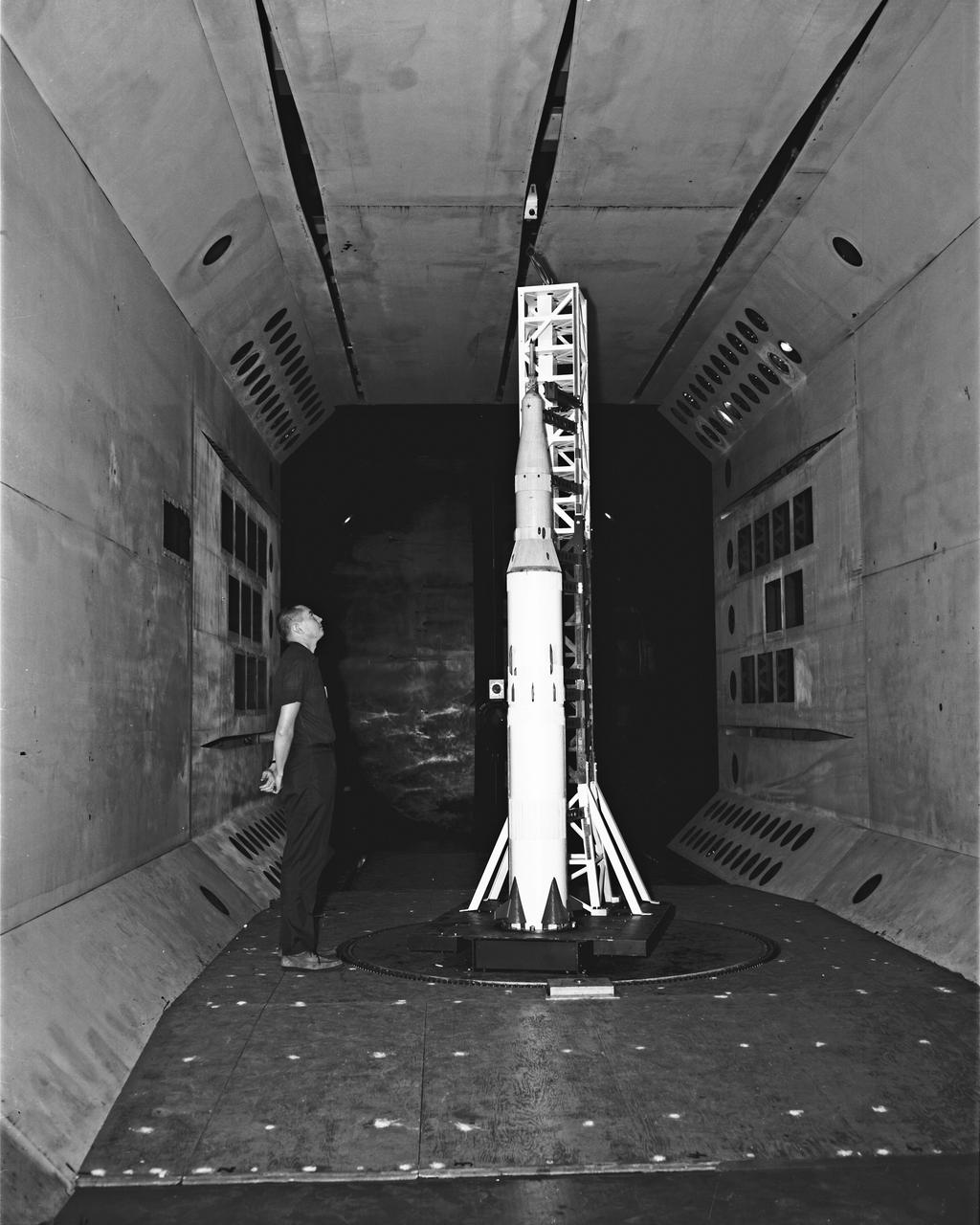
Saturn Model in 19 Foot Tunnel
Saturn Model in 19 Foot Tunnel at NASA Langley
Mrs. Katherine G. Johnson at Work
Mrs. Katherine G. Johnson at Work NASA Langley
Mrs. Katherine G. Johnson at Work
Mrs. Katherine G. Johnson at Work NASA Langley
Lunar Landing Research Model. -- Published in James R. Hansen, Spaceflight Revolution: NASA Langley Research Center From Sputnik to Apollo, (Washington: NASA, 1995), p. 356.
Apollo Project - Lunar Landing Research model
Practicing with a full-scale model of the Gemini Capsule in Langley's Rendezvous Docking Simulator. -- Caption and photograph published in Winds of Change, 75th Anniversary NASA publication, (page 89), by James Schultz.
Gemini Capsule and Rendezvous Docking Simulator
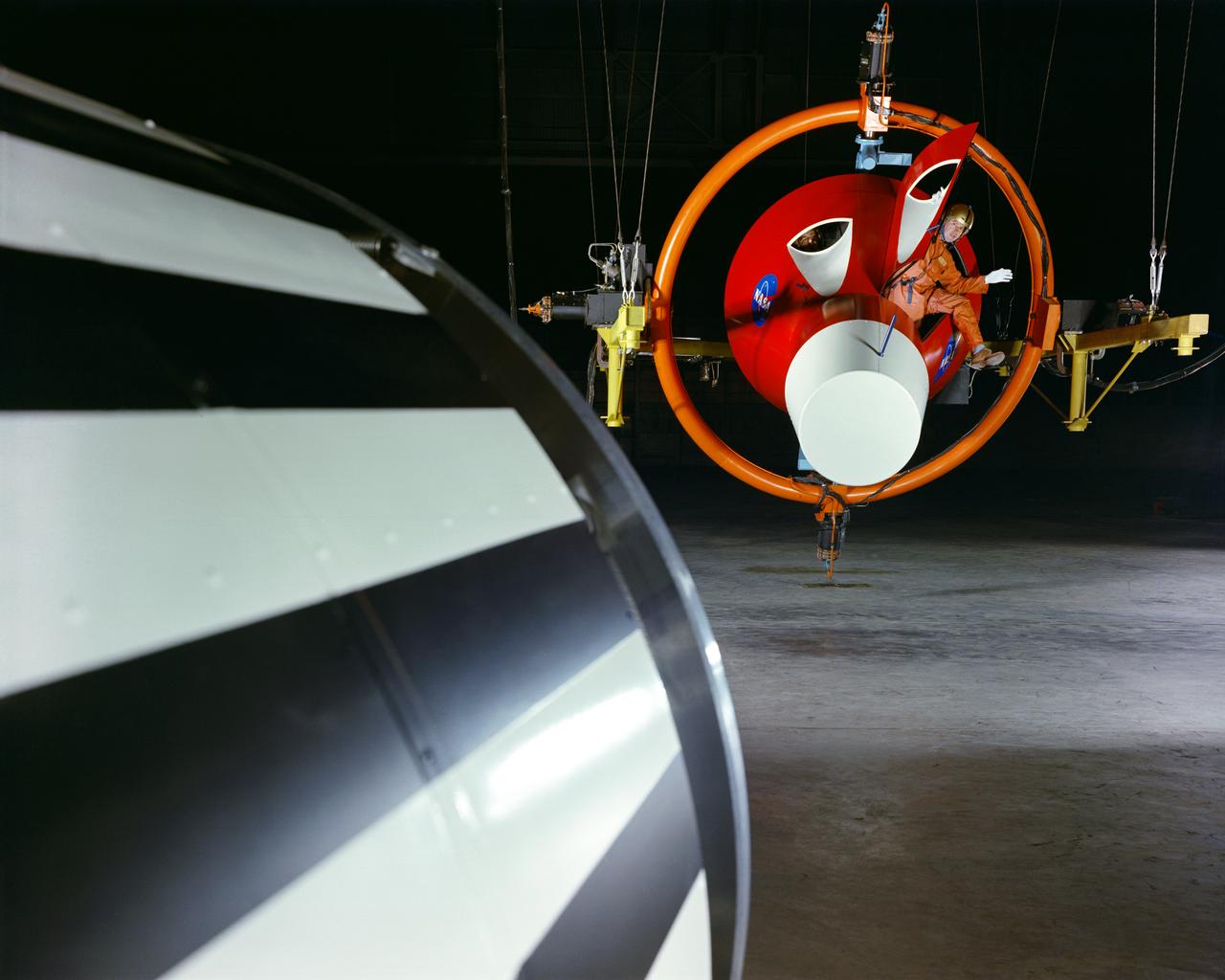
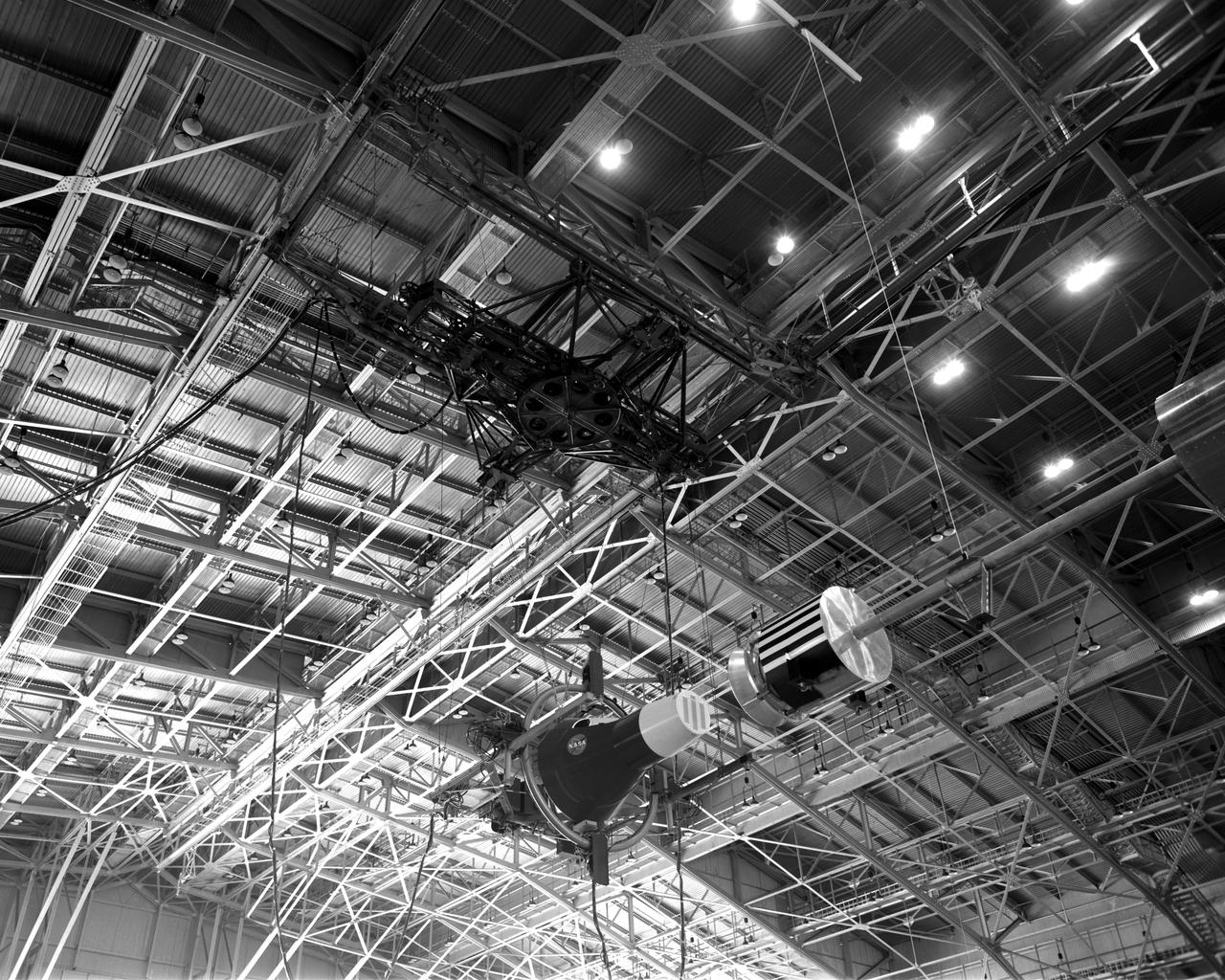
Rendezvous Docking Simulator Suspended From the Roof of the West Area Hangar Image 1963-L-05016 on page 372 of  Spaceflight Revolution  NASA Langley Research Center From Sputnik to Apollo
Rendezvous Docking Simulator Suspended From the Roof of the West Area Hangar
During a nighttime training session, a multiple exposure captures the movement of the Lunar Excursion Module Simulator (LEMS). The LEMS was a manned vehicle used to familiarize the Apollo astronauts with the handling characteristics of lunar-landing type vehicle.  The Apollo Program is best known for the astronaut Neal Armstrong s first step on the Moon July 20, 1969. In its earliest test period, the LEMS featured a helicopter crew cabin atop the lunar landing module. Later, the helicopter crew cabin was replaced with a stand-up rectangular cabin which was more efficient for controlling maneuvers and for better viewing by the pilot.  The vehicle was designed at Langley Research Center in Hampton, VA.  This multiple exposure shows a simulated Moon landing of the (LEMS) trainer at Langley s Lunar Landing Research Facility.  -- Photograph published in Winds of Change, 75th Anniversary NASA publication (page 70), by James Shultz. Also published in  " A Century at Langley" by Joseph Chambers, pg. 93.
Lunar Lander night sequence (Langley)
During a nighttime training session, a multiple exposure captures the movement of the Lunar Excursion Module Simulator (LEMS). The LEMS was a manned vehicle used to familiarize the Apollo astronauts with the handling characteristics of lunar-landing type vehicle.  The Apollo Program is best known for the astronaut Neal Armstrong s first step on the Moon July 20, 1969. In its earliest test period, the LEMS featured a helicopter crew cabin atop the lunar landing module. Later, the helicopter crew cabin was replaced with a stand-up rectangular cabin which was more efficient for controlling maneuvers and for better viewing by the pilot.  The vehicle was designed at Langley Research Center in Hampton, VA.  This multiple exposure shows a simulated Moon landing of the (LEMS) trainer at Langley s Lunar Landing Research Facility.  -- Photograph published in Winds of Change, 75th Anniversary NASA publication (page 70), by James Shultz. Also published in  " A Century at Langley" by Joseph Chambers, pg. 93.
Lunar Lander night sequence (Langley)
Archival pictures of the Integrated Structural Assembly of Advanced Composites (ISAAC) In Clean Room in Building 1232A.  Integrated Structural Assembly of Advanced Composites (ISAAC) is a state of the art composite manufacturing robot. ISAAC was purchased from Electroimpact and installed in 2015. NASA Langley was the first NASA Center to receive this technology and the third manufacturing facility in the world to receive an ISAAC. The robot has 8 degrees of freedom and an accuracy rate of +/- .05". ISAAC also has several detachable end effectors, making it a versatile machine. Similar robots have become very popular in the automotive and commercial flight industries. At NASA Langley Research Center, ISAAC supports research on the design and manufacturing of composite parts.
LRC-2021-B701_P-01576.TIF
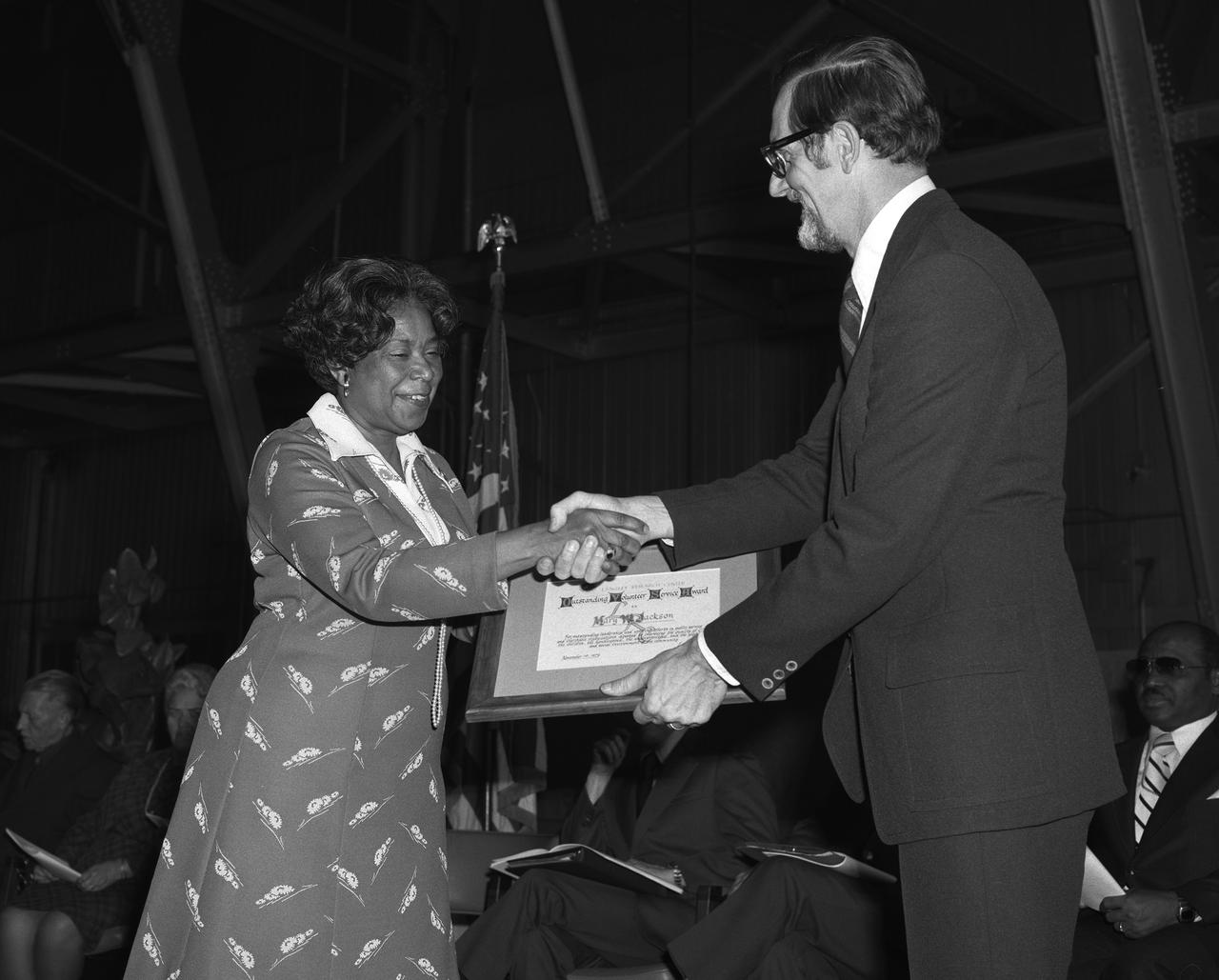
Langley Center Director Donald P. Hearth (right) presenting Mary Jackson with Outstanding Volunteer Service Award.  Mary Jackson was NASA's first African-American female engineer,and subsequent career supporting the hiring and promotion of other deserving female and minority employees.
LRC-1975-OCIO_P_F050-08431.tif
Aerial of NASA Langley Research Center
Aerials of NASA Langley Research Center
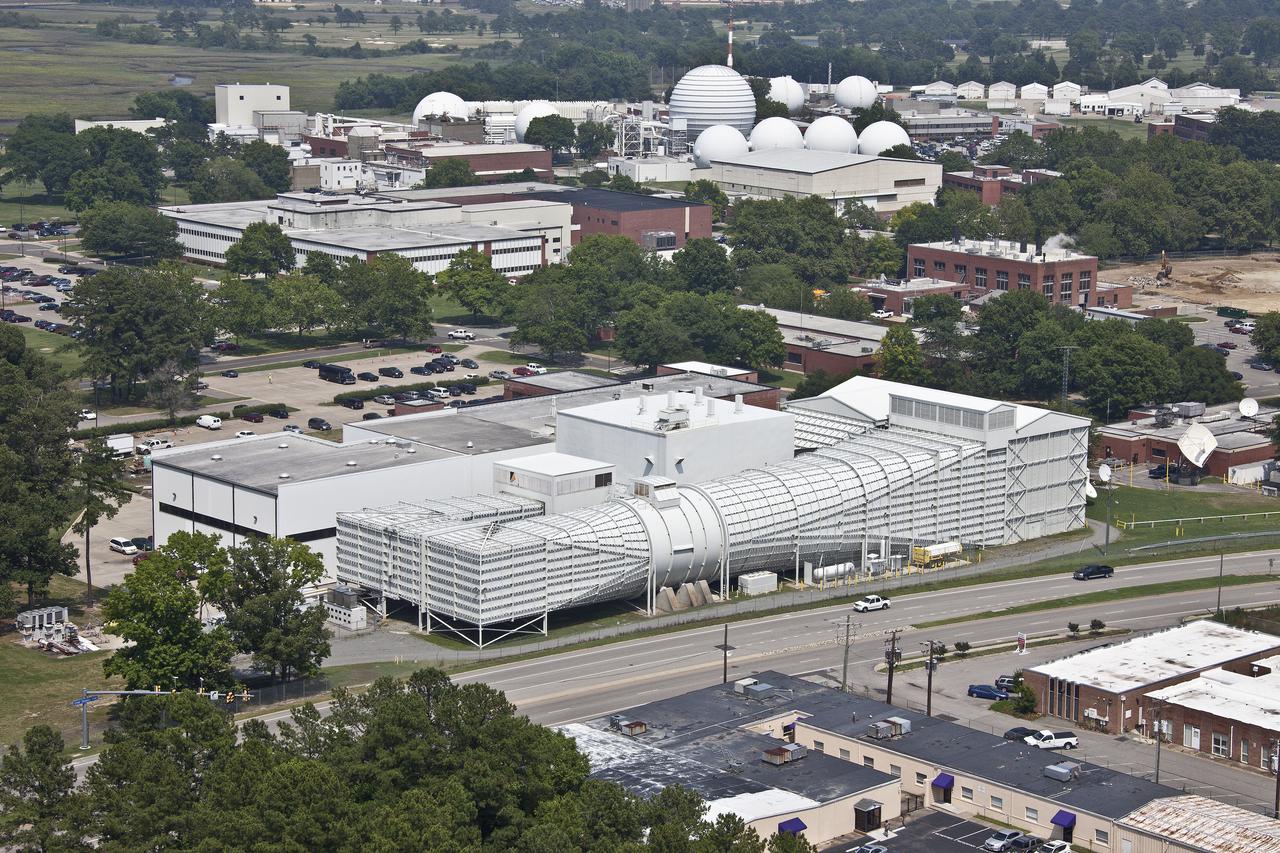
Aerial of NASA Langley Wind Tunnel
Aerials of NASA Langley Research Center
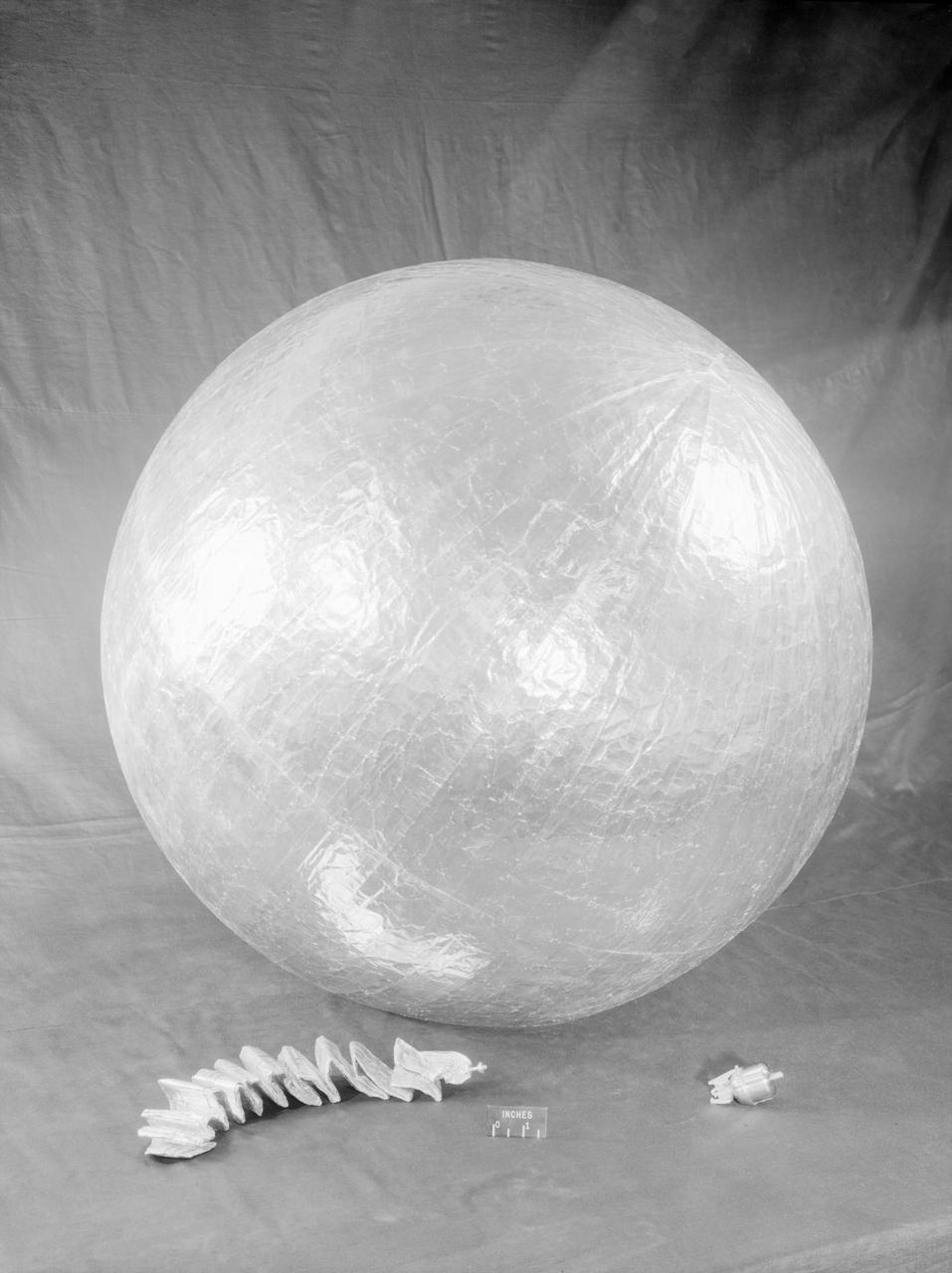
 James Hansen describes the work on Project Echo s air density experiment known as the  Sub-Satellite.  Before launch engineers subjected the sub-satellite to many tests. Here, the sub-satellite is shown prior to tests  to determine the capacity of the 30-inch  Sub-Satellite  to withstand the high temperature of direct sunlight in space, Langley researchers subjected it to 450  F heat test. Results indicated that the aluminum-covered Mylar plastic would effectively reflect the dangerous heat.  -- Published in James R. Hansen, Spaceflight Revolution: NASA Langley Research Center From Sputnik to Apollo, NASA SP-4308, p. 168.
Echo 30" Sub Satellite
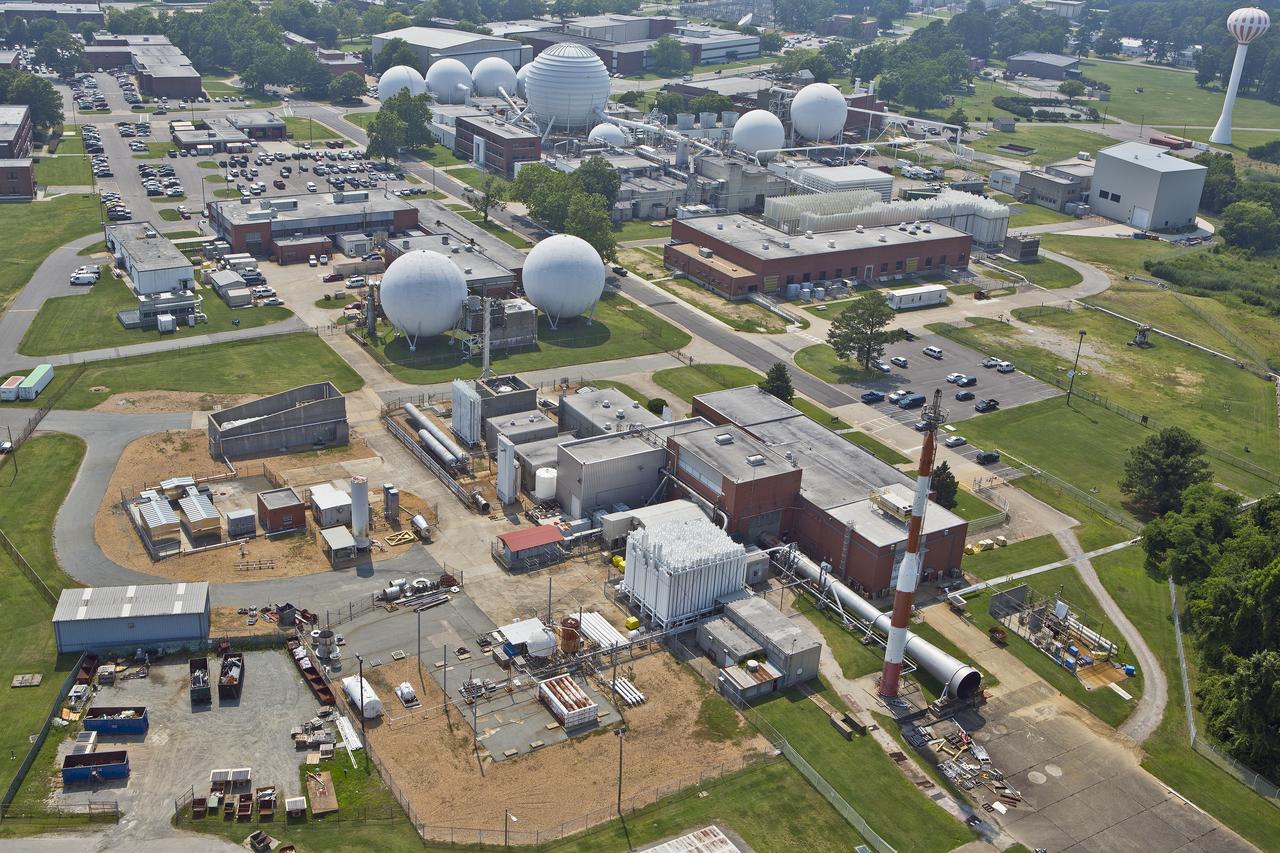
Aerials of NASA Langley Research Center west area
Aerials of NASA Langley Research Center
Aerial of NASA Langley Reaseach Center west side
Aerials of NASA Langley Research Center