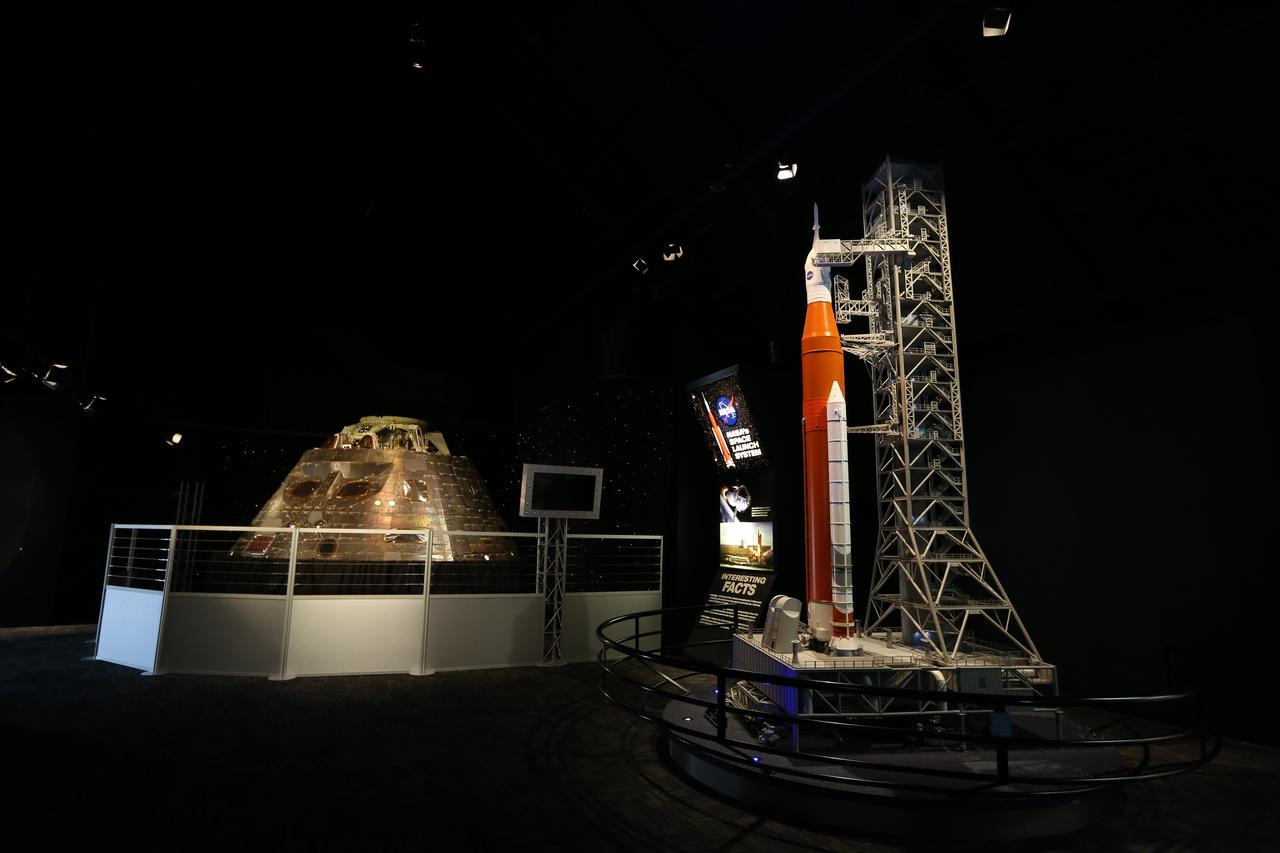
The Orion crew module from Exploration Flight Test 1 (EFT-1) is on display at nearby NASA Kennedy Space Center Visitor Complex in Florida. The crew module is part of the NASA Now exhibit in the IMAX Theater. Also in view is a scale model of NASA's Space Launch System rocket and Orion spacecraft on the mobile launcher. The Orion EFT-1 spacecraft launched atop a United Launch Alliance Delta IV rocket Dec. 5, 2014, from Space Launch Complex 37 at Cape Canaveral Air Force Station. The spacecraft built for humans traveled 3,604 miles above Earth and splashed down about 4.5 hours later in the Pacific Ocean.
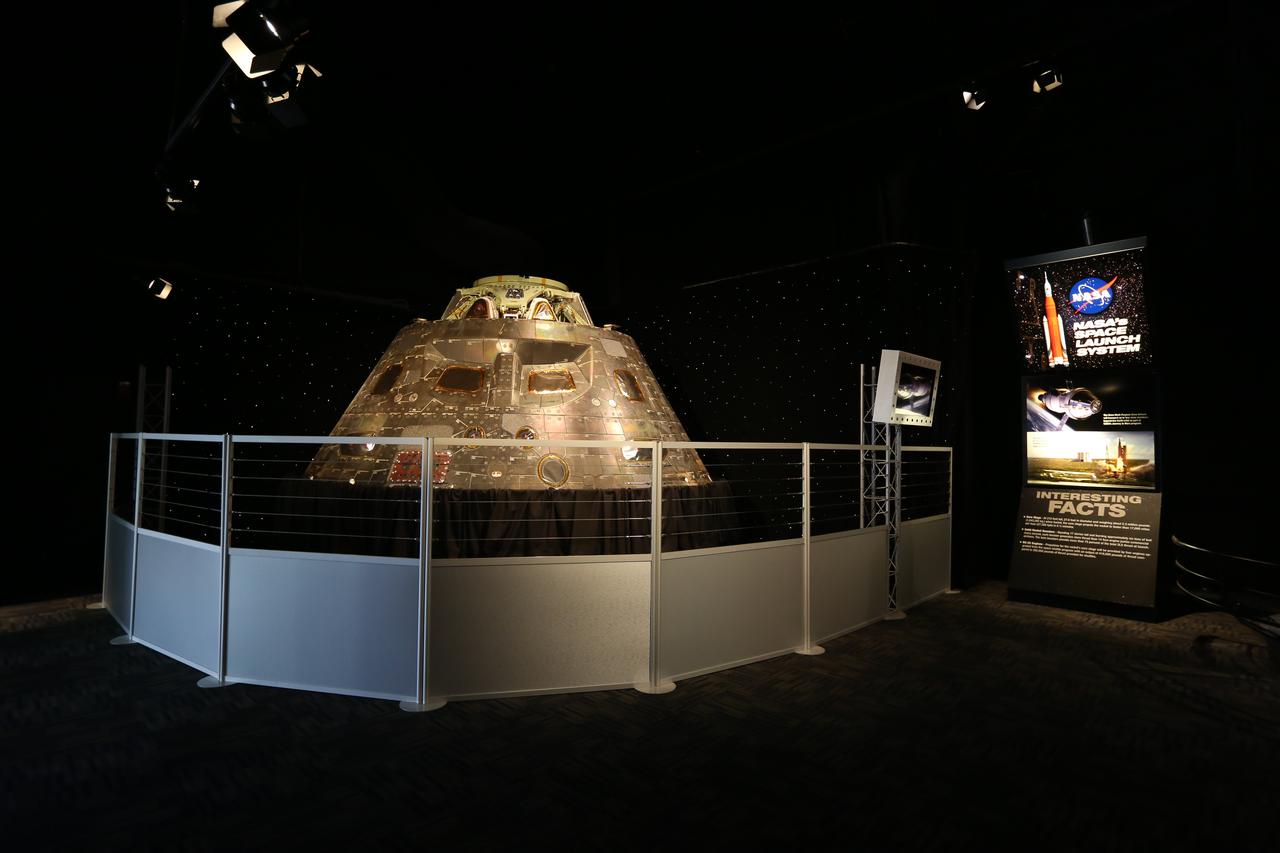
The Orion crew module from Exploration Flight Test 1 (EFT-1) is on display at nearby NASA Kennedy Space Center Visitor Complex in Florida. The crew module is part of the NASA Now exhibit in the IMAX Theater. The Orion EFT-1 spacecraft launched atop a United Launch Alliance Delta IV rocket Dec. 5, 2014, from Space Launch Complex 37 at Cape Canaveral Air Force Station. The spacecraft built for humans traveled 3,604 miles above Earth and splashed down about 4.5 hours later in the Pacific Ocean.
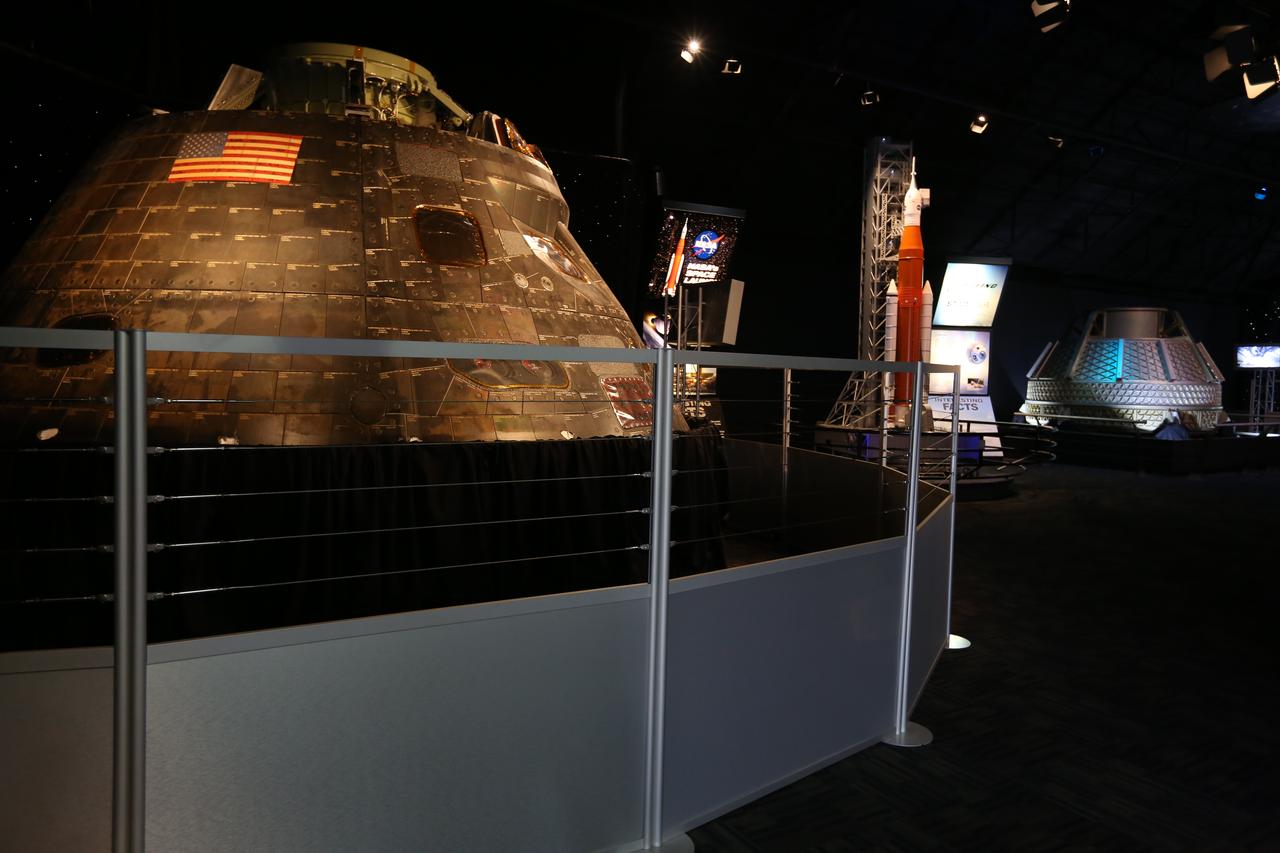
The Orion crew module from Exploration Flight Test 1 (EFT-1) is on display at nearby NASA Kennedy Space Center Visitor Complex in Florida. The crew module is part of the NASA Now exhibit in the IMAX Theater. The Orion EFT-1 spacecraft launched atop a United Launch Alliance Delta IV rocket Dec. 5, 2014, from Space Launch Complex 37 at Cape Canaveral Air Force Station. The spacecraft built for humans traveled 3,604 miles above Earth and splashed down about 4.5 hours later in the Pacific Ocean.
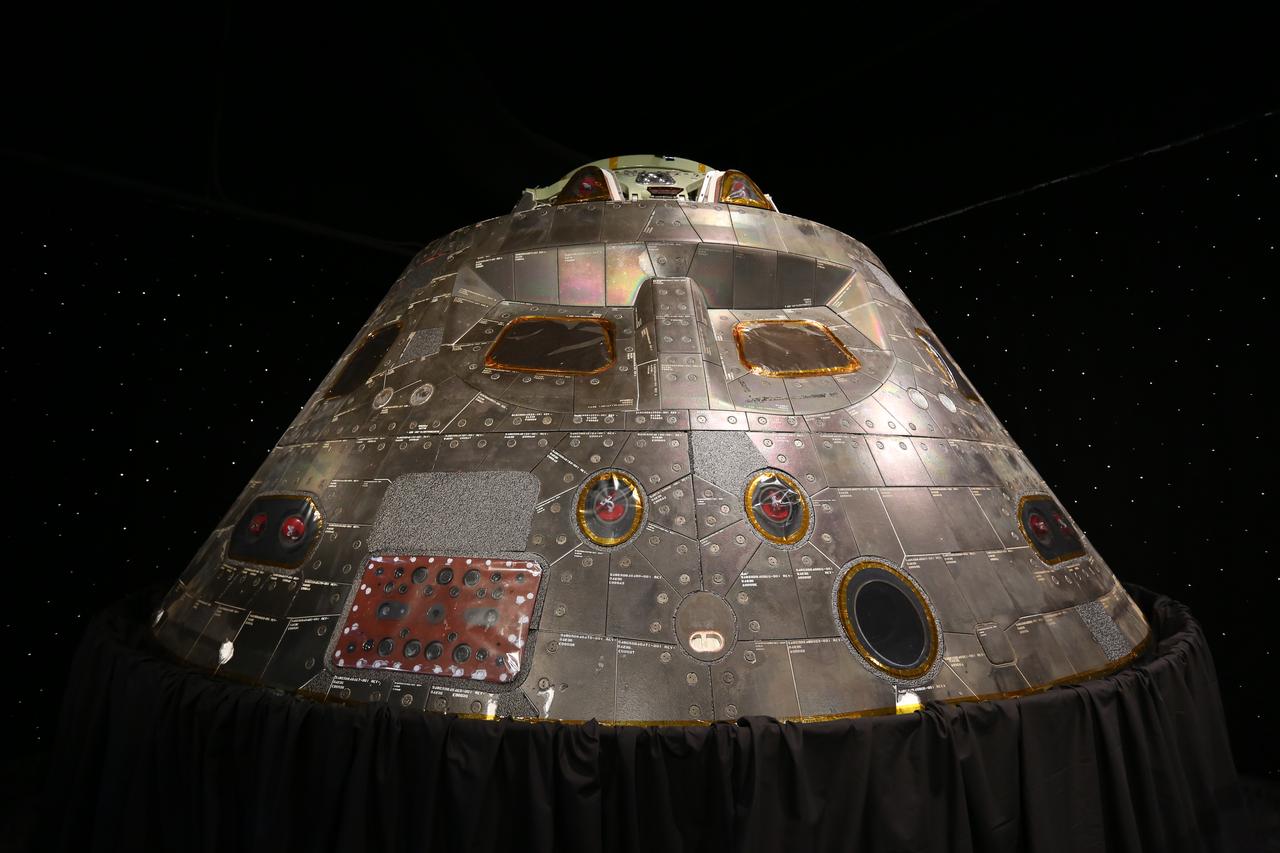
A close-up view of the Orion crew module from Exploration Flight Test 1 (EFT-1) on display at nearby NASA Kennedy Space Center Visitor Complex in Florida. The crew module is part of the NASA Now exhibit in the IMAX Theater. The Orion EFT-1 spacecraft launched atop a United Launch Alliance Delta IV rocket Dec. 5, 2014, from Space Launch Complex 37 at Cape Canaveral Air Force Station. The spacecraft built for humans traveled 3,604 miles above Earth and splashed down about 4.5 hours later in the Pacific Ocean.
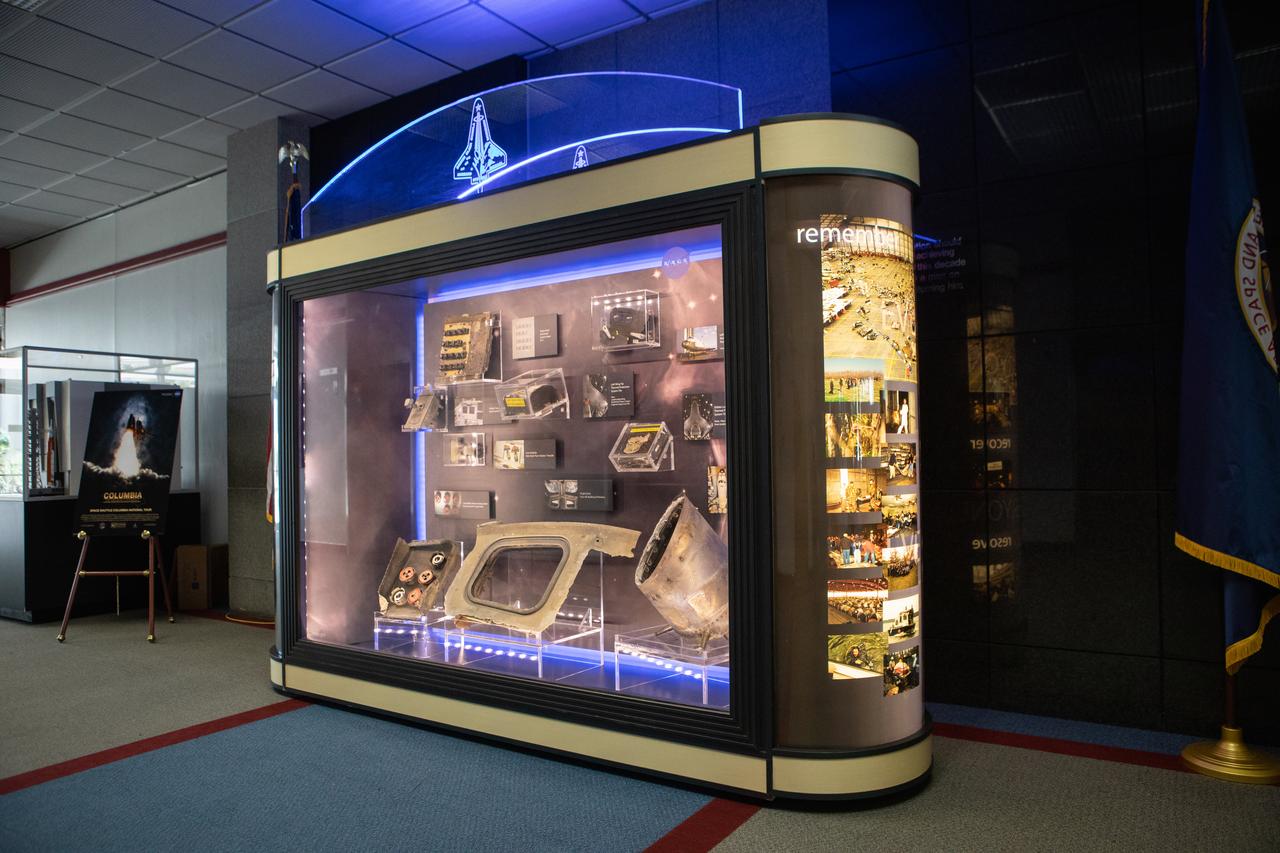
A display of artifacts featuring nine items recovered from the STS-107 tragedy that occurred Feb. 1, 2003, is shown in the old Headquarters Building at Kennedy Space Center. The powerful exhibit can now be viewed in the lobby of the Florida spaceport’s new Central Campus Building until June 10. The exhibit is part of the space shuttle Columbia national tour, which will make its way to all 10 NASA centers throughout the country.
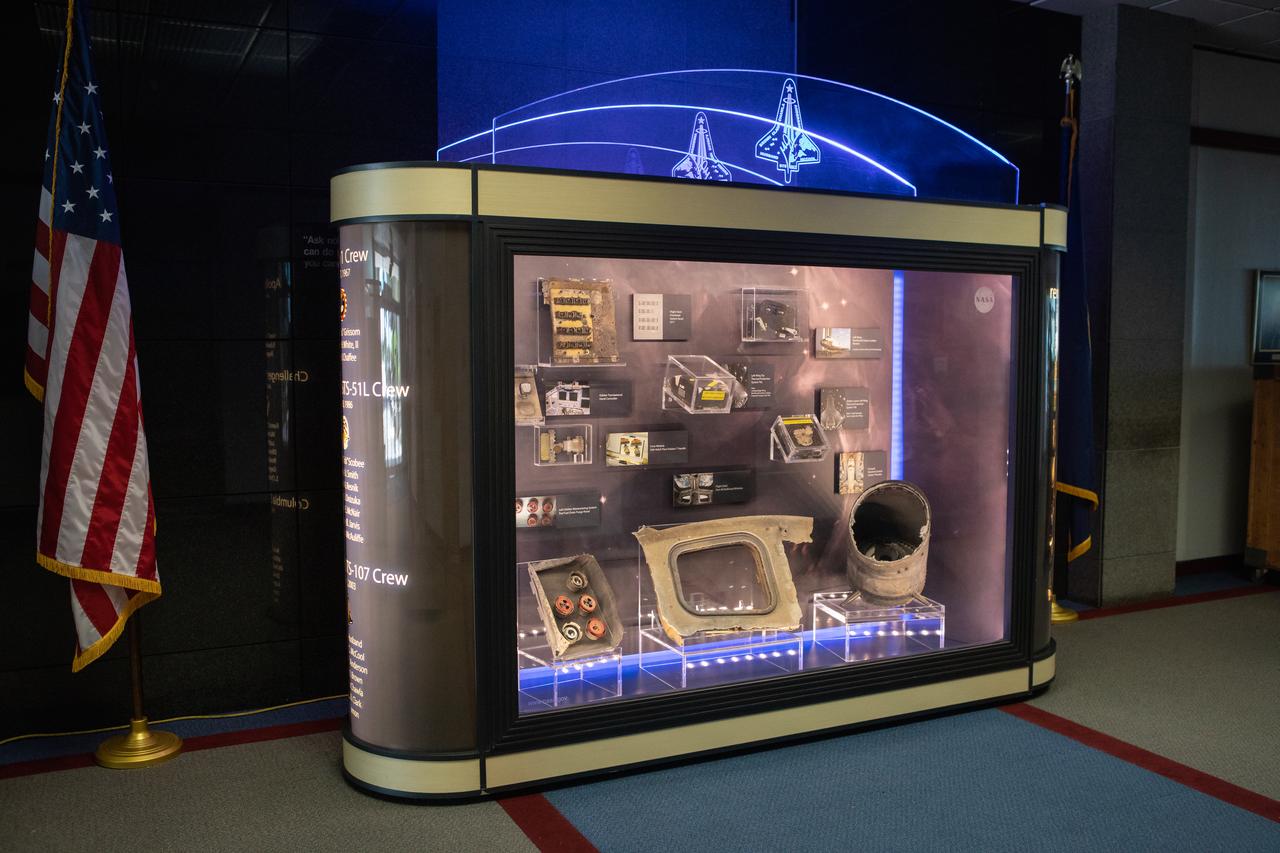
A display of artifacts featuring nine items recovered from the STS-107 tragedy that occurred Feb. 1, 2003, is shown in the old Headquarters Building at Kennedy Space Center. The powerful exhibit can now be viewed in the lobby of the Florida spaceport’s new Central Campus Building until June 10. The exhibit is part of the space shuttle Columbia national tour, which will make its way to all 10 NASA centers throughout the country.
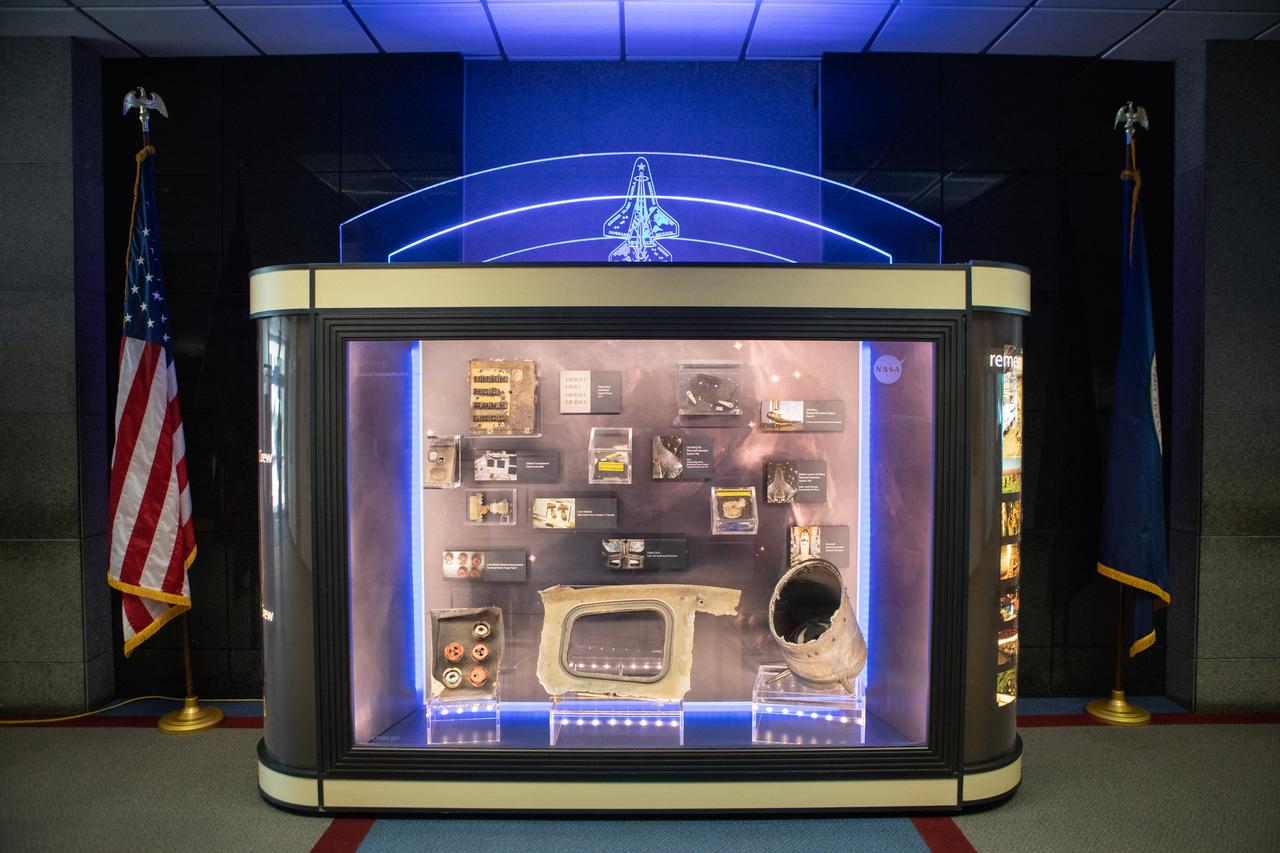
A display of artifacts featuring nine items recovered from the STS-107 tragedy that occurred Feb. 1, 2003, is shown in the old Headquarters Building at Kennedy Space Center. The powerful exhibit can now be viewed in the lobby of the Florida spaceport’s new Central Campus Building until June 10. The exhibit is part of the space shuttle Columbia national tour, which will make its way to all 10 NASA centers throughout the country.
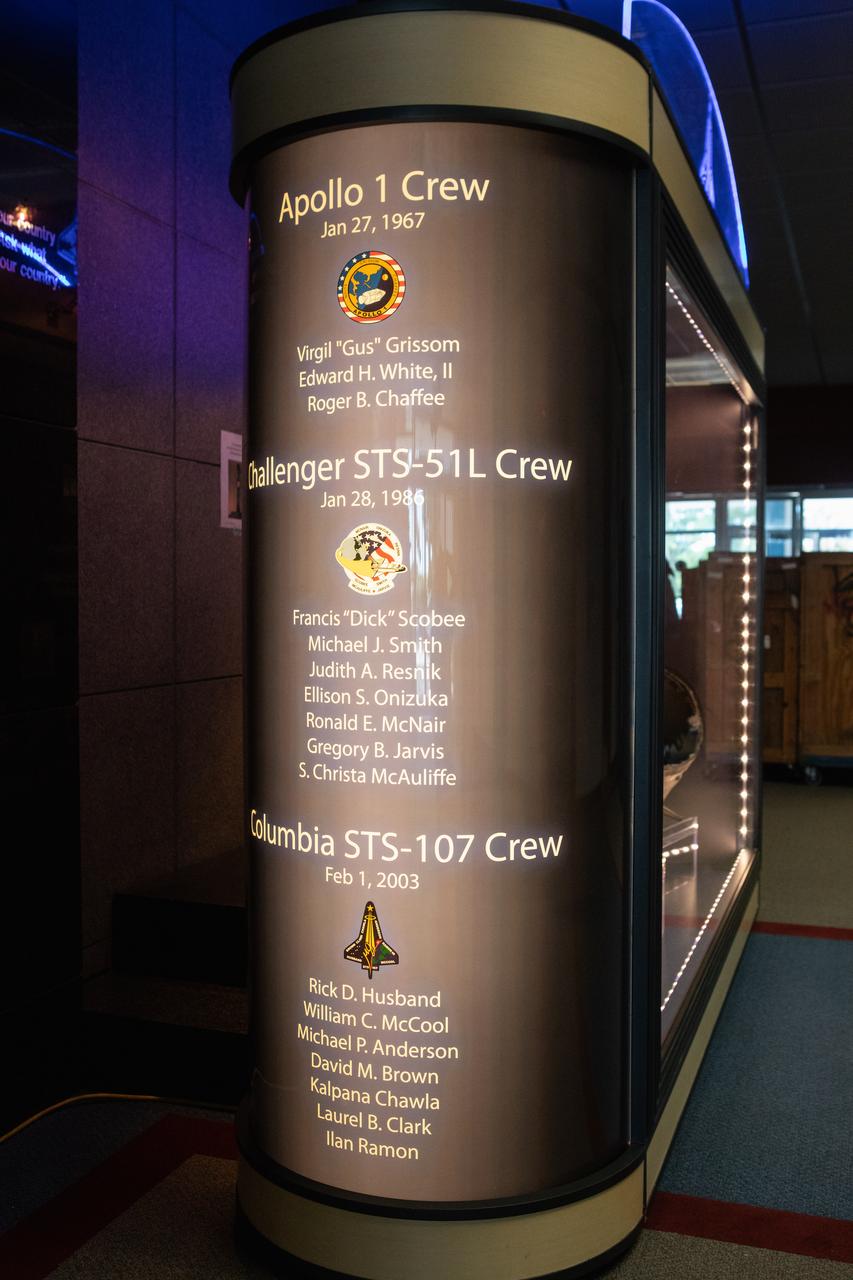
A display of artifacts featuring nine items recovered from the STS-107 tragedy that occurred Feb. 1, 2003, is shown in the old Headquarters Building at Kennedy Space Center. The powerful exhibit can now be viewed in the lobby of the Florida spaceport’s new Central Campus Building until June 10. The exhibit is part of the space shuttle Columbia national tour, which will make its way to all 10 NASA centers throughout the country.
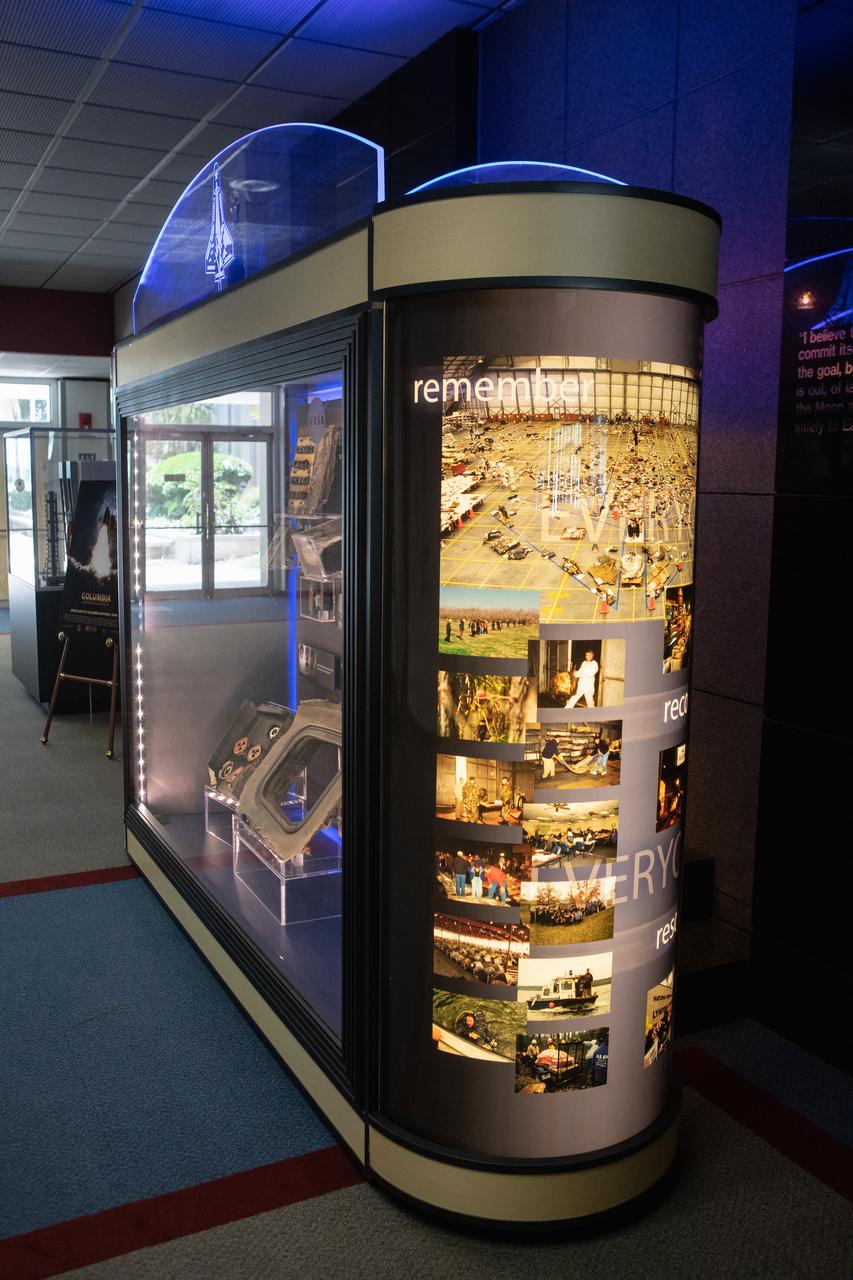
A display of artifacts featuring nine items recovered from the STS-107 tragedy that occurred Feb. 1, 2003, is shown in the old Headquarters Building at Kennedy Space Center. The powerful exhibit can now be viewed in the lobby of the Florida spaceport’s new Central Campus Building until June 10. The exhibit is part of the space shuttle Columbia national tour, which will make its way to all 10 NASA centers throughout the country.
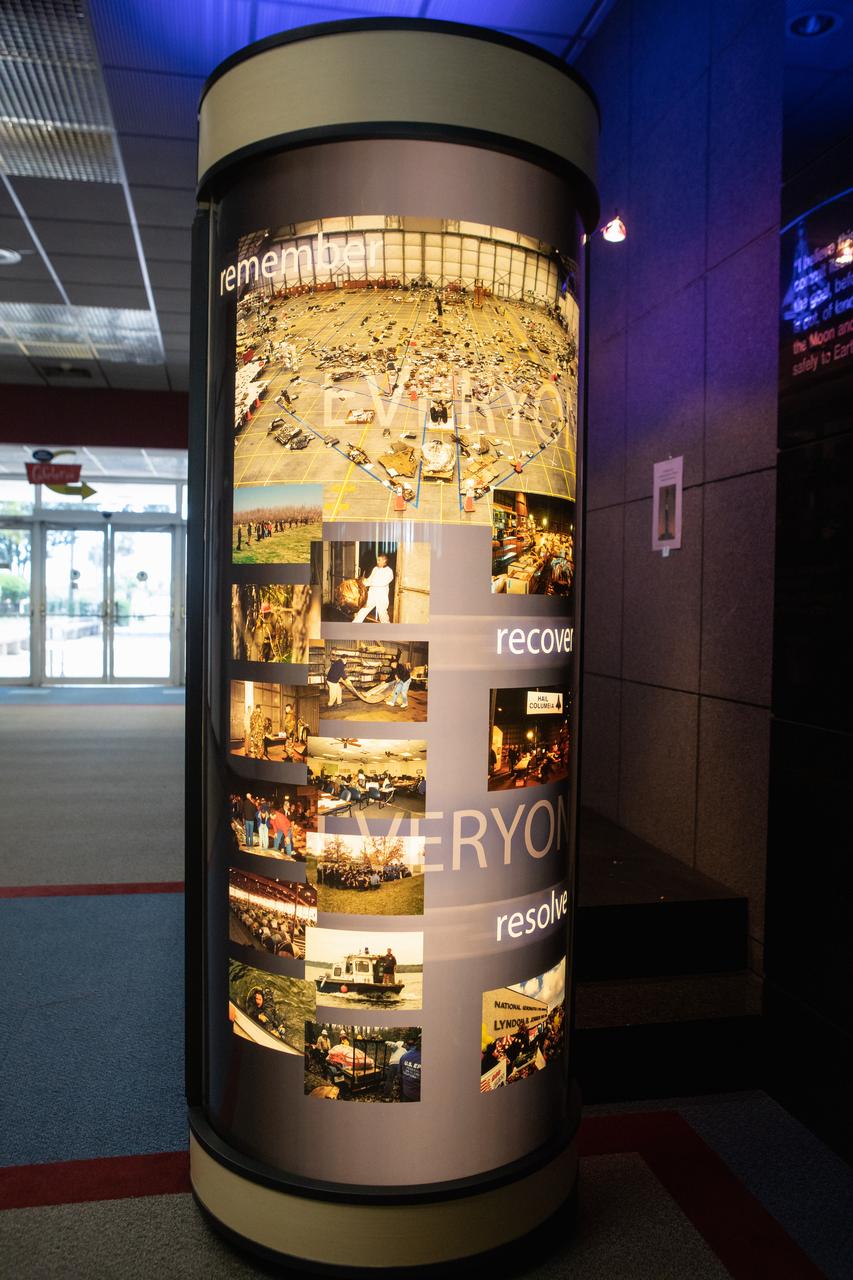
A display of artifacts featuring nine items recovered from the STS-107 tragedy that occurred Feb. 1, 2003, is shown in the old Headquarters Building at Kennedy Space Center. The powerful exhibit can now be viewed in the lobby of the Florida spaceport’s new Central Campus Building until June 10. The exhibit is part of the space shuttle Columbia national tour, which will make its way to all 10 NASA centers throughout the country.
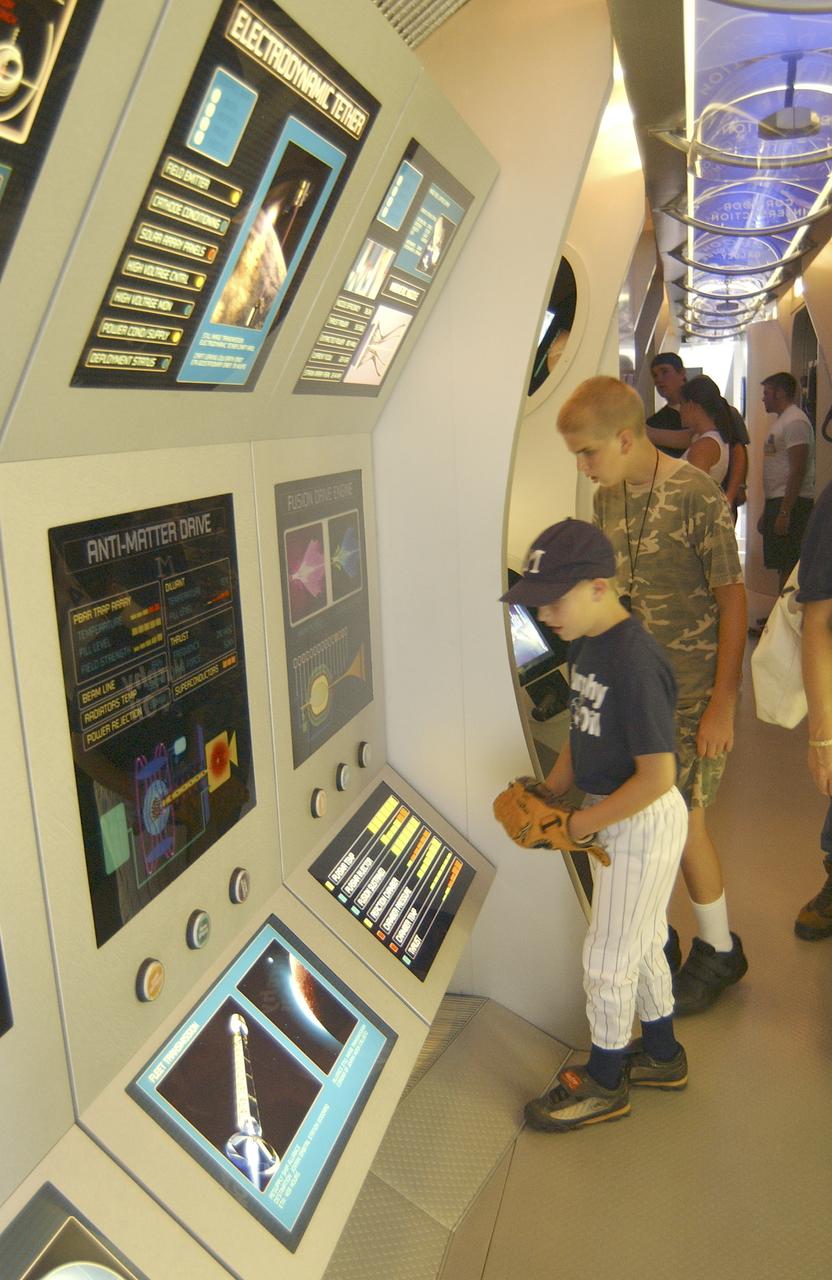
This photograph shows onlookers viewing displays within the Starship 2040 exhibit on display at Joe Davis Stadium in Huntsville, Alabama. Developed by the Space Transportation Directorate at Marshall Space Flight Center (MSFC), the Starship 2040 exhibit is housed in a 48-ft (14.6-m) tractor and trailer rig, permitting it to travel around the Nation, demonstrating NASA's vision of what commercial spaceflight might be like 40 years from now. All the irnovations suggested aboard the exhibit (automated vehicle health monitoring systems, high-energy propulsion drive, navigational aids, and emergency and safety systems) are based on concepts and technologies now being studied at NASA Centers and partner institutions around the Nation. NASA is the Nation's premier agency for development of the space transportation system, including future-generation reusable launch vehicles. Such systems, the keys to a "real" Starship 2040, require revolutionary advances in critical aerospace technologies, from thermal, magnetic, chemical, and propellantless propulsion systems to new energy sources such as space solar power or antimatter propulsion. These and other advances are now being studied, developed, and tested at NASA field centers and partner institutions all over the Nation.
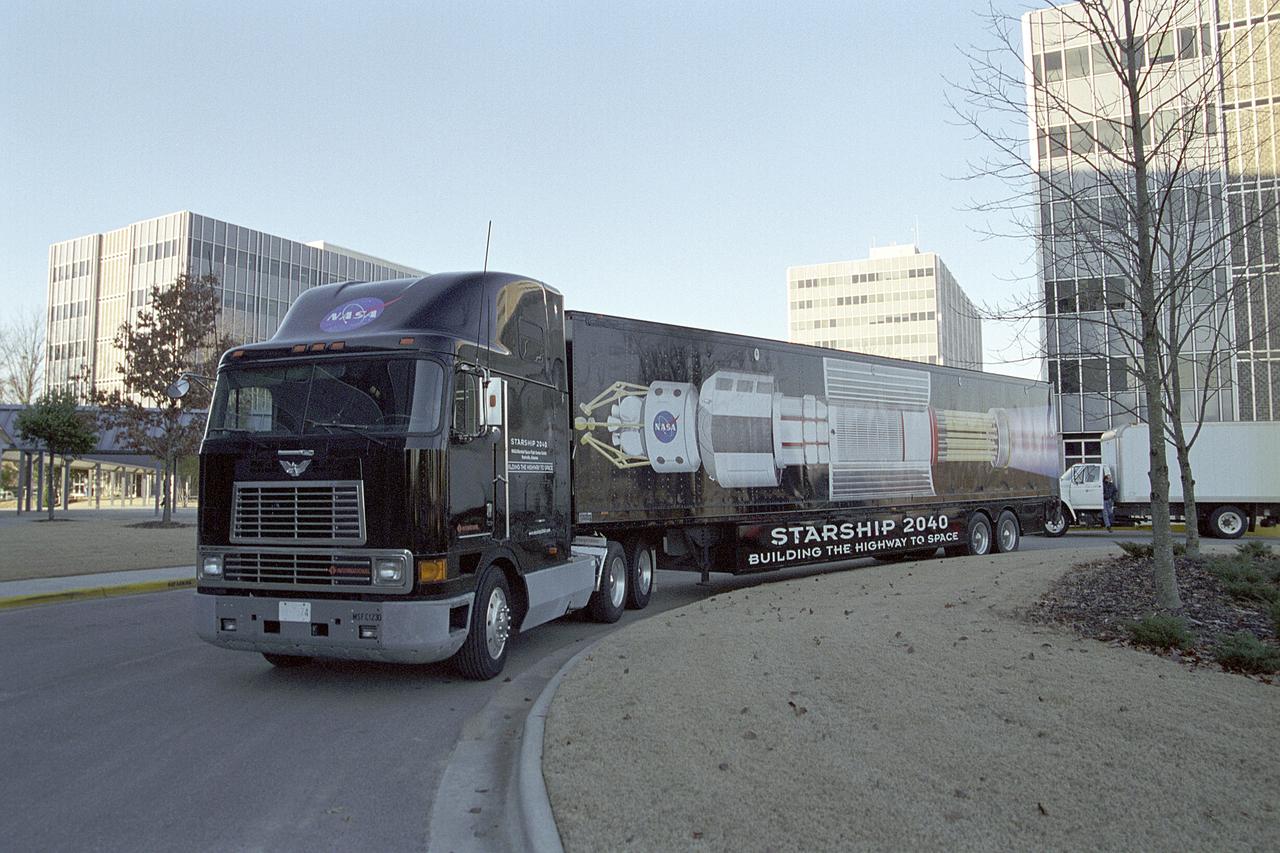
This photograph shows the Starship 2040 leaving the Marshall Space Flight Center (MSFC) for the exhibit site. Developed by the Space Transportation Directorate at MSFC, the Starship 2040 exhibit is housed in a 48-ft (14.6-m) tractor and trailer rig, permitting it to travel around the Nation, demonstrating NASA's vision of what commercial spaceflight might be like 40 years from now. All the irnovations suggested aboard the exhibit, automated vehicle health monitoring systems, high-energy propulsion drive, navigational aids and emergency and safety systems, are based on concepts and technologies now being studied at NASA Centers and partner institutions around the Nation. NASA is the nation's premier agency for development of the space transportation system, including future-generation reusable launch vehicles. Such systems, the keys to a "real" Starship 2040, require revolutionary advances in critical aerospace technologies, from thermal, magnetic, chemical, and propellantless propulsion systems to new energy sources such as space solar power or antimatter propulsion. These and other advances are now being studied, developed, and tested at NASA field centers and partner institutions all over the Nation.
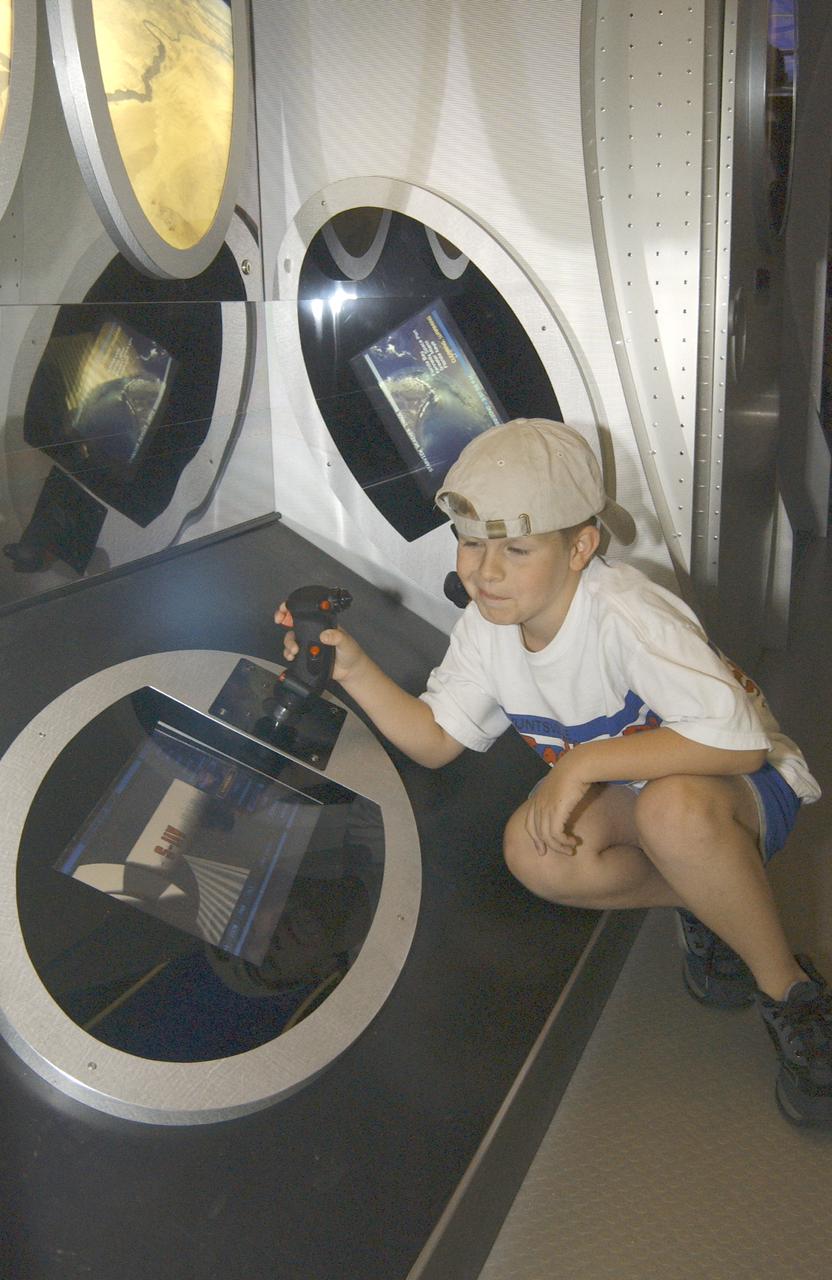
This photograph shows Justin Varnadore, son of a Marshall TV employee, at the controls of one of the many displays within the Starship 2040 exhibit on display at Joe Davis Stadium in Huntsville, Alabama. Developed by the Space Transportation Directorate at Marshall Space Flight Center (MSFC), the Starship 2040 exhibit is housed in a 48-ft (14.6-m) tractor and trailer rig, permitting it to travel around the Nation, demonstrating NASA's vision of what commercial spaceflight might be like 40 years from now. All the irnovations suggested aboard the exhibit (automated vehicle health monitoring systems, high-energy propulsion drive, navigational aids, and emergency and safety systems) are based on concepts and technologies now being studied at NASA Centers and partner institutions around the Nation. NASA is the Nation's premier agency for development of the space transportation system, including future-generation reusable launch vehicles. Such systems, the keys to a "real" Starship 2040, require revolutionary advances in critical aerospace technologies, from thermal, magnetic, chemical, and propellantless propulsion systems to new energy sources such as space solar power or antimatter propulsion. These and other advances are now being studied, developed, and tested at NASA field centers and partner institutions all over the Nation.
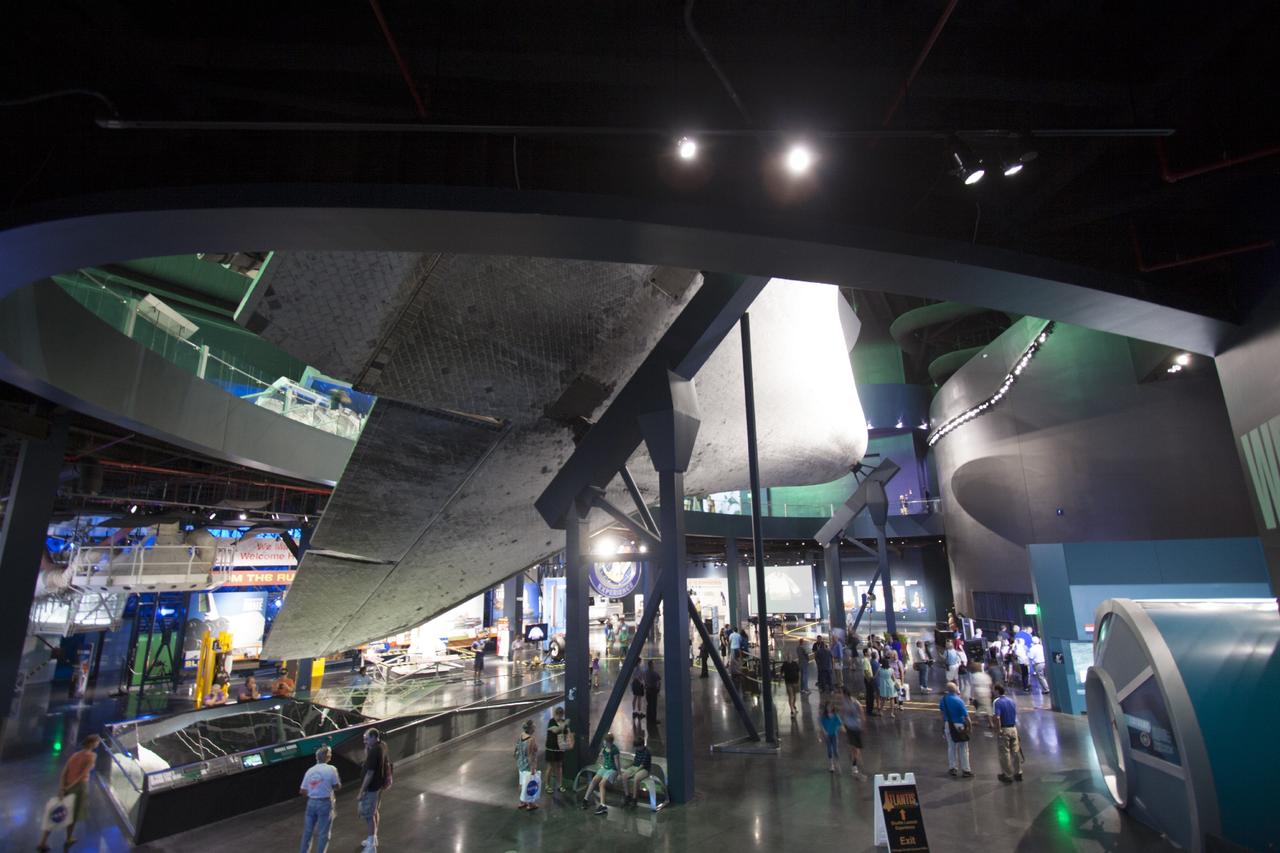
CAPE CANAVERAL, Fla. -- At the Kennedy Space Center Visitor Complex in Florida, the Space Shuttle Atlantis and other exhibits are now on display inside the 90,000-square-foot facility. The time capsule, containing artifacts and other memorabilia associated with the history of the program is designated to be opened on the 50th anniversary of the shuttle's final landing, STS-135. The new $100 million "Space Shuttle Atlantis" facility includes interactive exhibits that tell the story of the 30-year Space Shuttle Program and highlight the future of space exploration. Photo credit: NASA/Jim Grossmann
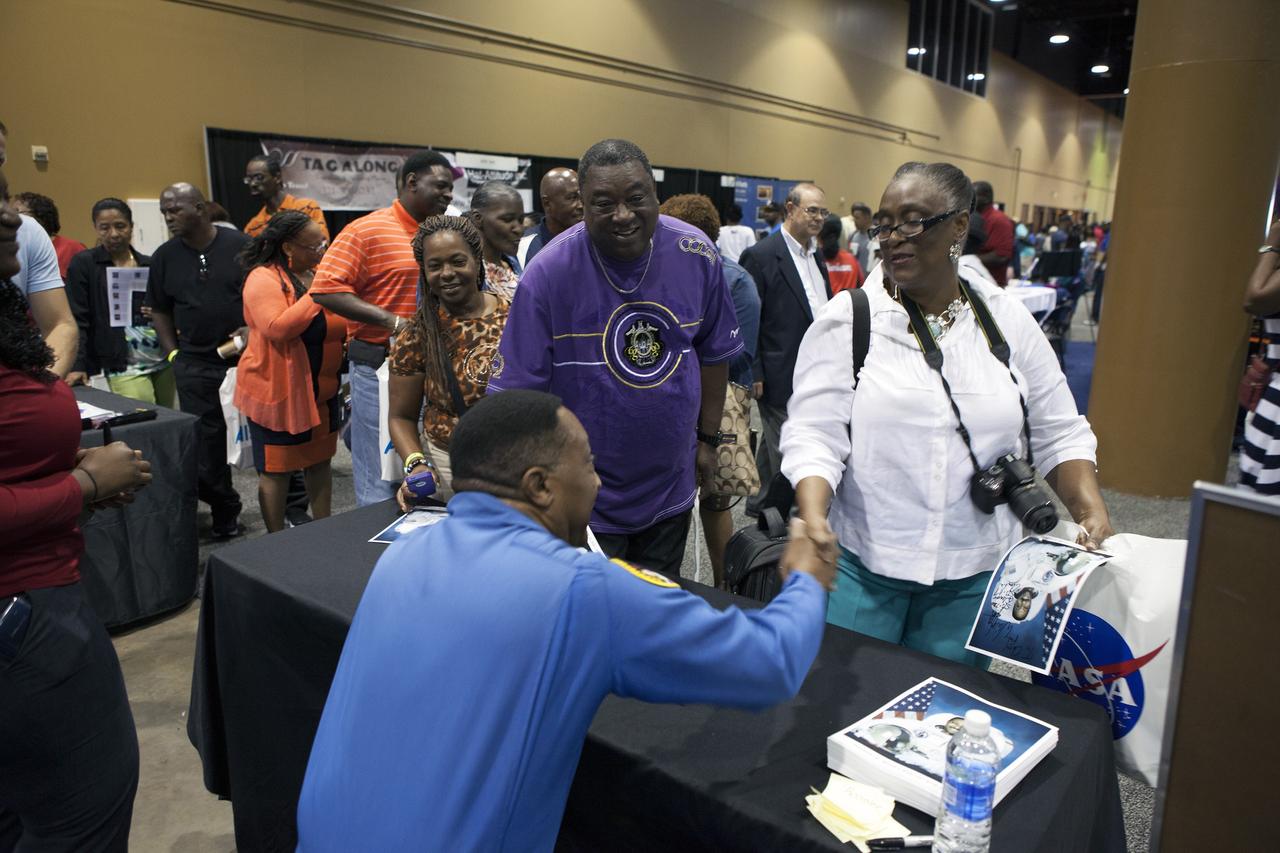
KISSIMMEE, Fla. – Former NASA astronaut Winston Scott signed autographs and posed for pictures with guests at the agency exhibit during the Tom Joyner Family Reunion. Now a senior vice president at the Florida Institute of Technology, he said that he likes to emphasize to young people how important a good education is in preparation for the future. The Tom Joyner Family Reunion is designed to present uplifting programs, entertainment and information about growing, diverse communities. An annual event of the nationally-syndicated Tom Joyner Morning Show, the many exhibits included NASA's participation focusing on encouraging young people to consider studies and careers in STEM -- science, technology, engineering and math. NASA's Education Division promoted the benefits of math and scientific learning along with career opportunities offered by the space agency. The activities took place at the Gaylord Palms Resort in Kissimmee, Florida, during the Labor Day weekend. Photo credit: NASA/Daniel Casper
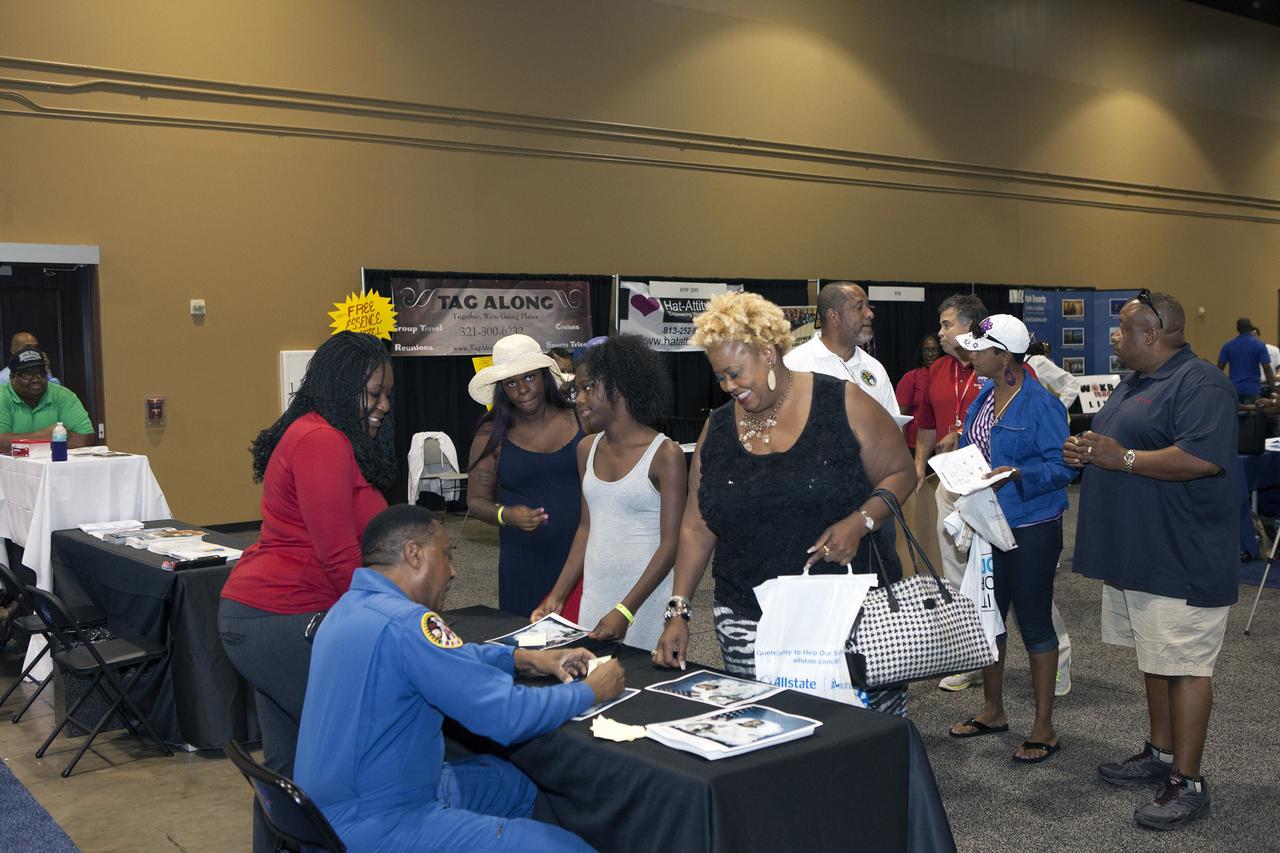
KISSIMMEE, Fla. – Former NASA astronaut Winston Scott signed autographs and posed for pictures with guests at the agency exhibit during the Tom Joyner Family Reunion. Now a senior vice president at the Florida Institute of Technology, he said that he likes to emphasize to young people how important a good education is in preparation for the future. The Tom Joyner Family Reunion is designed to present uplifting programs, entertainment and information about growing, diverse communities. An annual event of the nationally-syndicated Tom Joyner Morning Show, the many exhibits included NASA's participation focusing on encouraging young people to consider studies and careers in STEM -- science, technology, engineering and math. NASA's Education Division promoted the benefits of math and scientific learning along with career opportunities offered by the space agency. The activities took place at the Gaylord Palms Resort in Kissimmee, Florida, during the Labor Day weekend. Photo credit: NASA/Daniel Casper
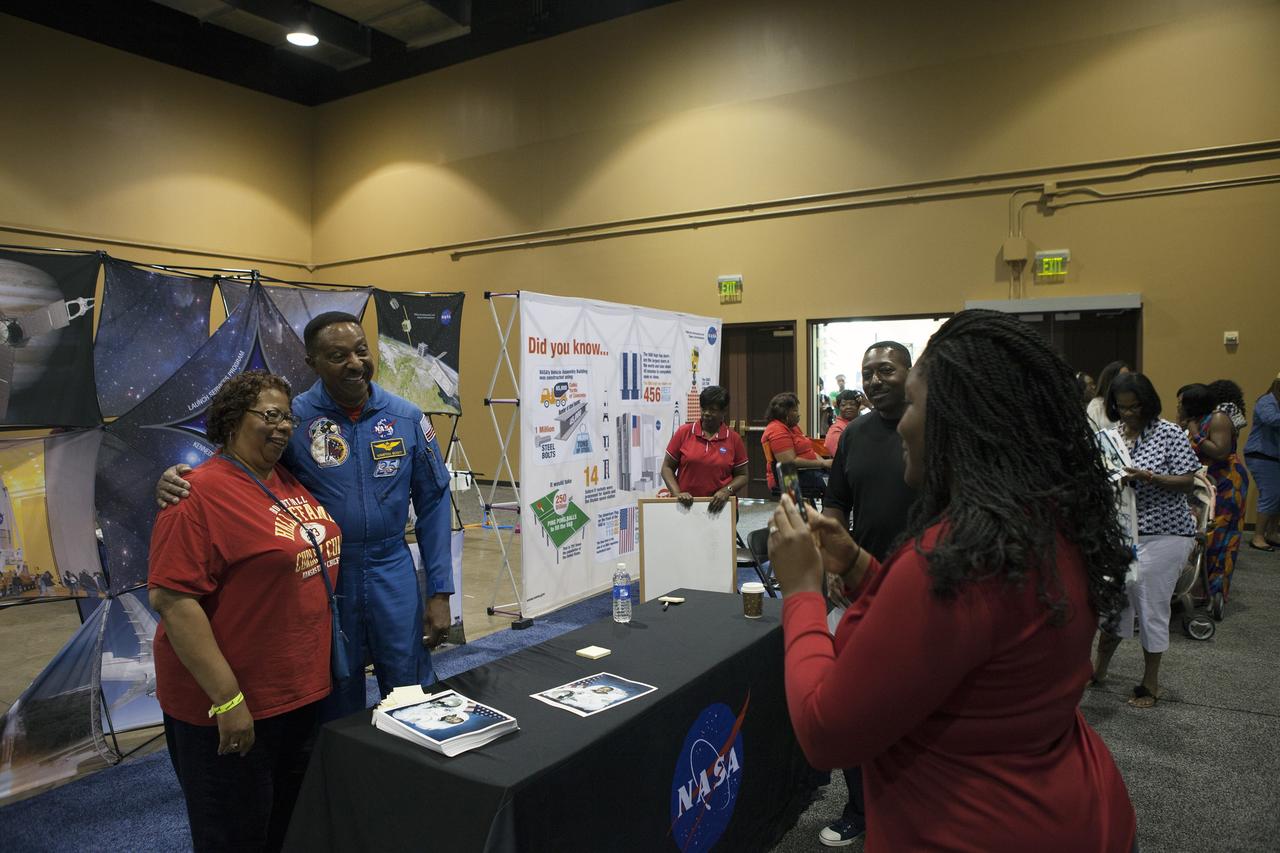
KISSIMMEE, Fla. – Former NASA astronaut Winston Scott signed autographs and posed for pictures with guests at the agency exhibit during the Tom Joyner Family Reunion. Now a senior vice president at the Florida Institute of Technology, he said that he likes to emphasize to young people how important a good education is in preparation for the future. The Tom Joyner Family Reunion is designed to present uplifting programs, entertainment and information about growing, diverse communities. An annual event of the nationally-syndicated Tom Joyner Morning Show, the many exhibits included NASA's participation focusing on encouraging young people to consider studies and careers in STEM -- science, technology, engineering and math. NASA's Education Division promoted the benefits of math and scientific learning along with career opportunities offered by the space agency. The activities took place at the Gaylord Palms Resort in Kissimmee, Florida, during the Labor Day weekend. Photo credit: NASA/Daniel Casper
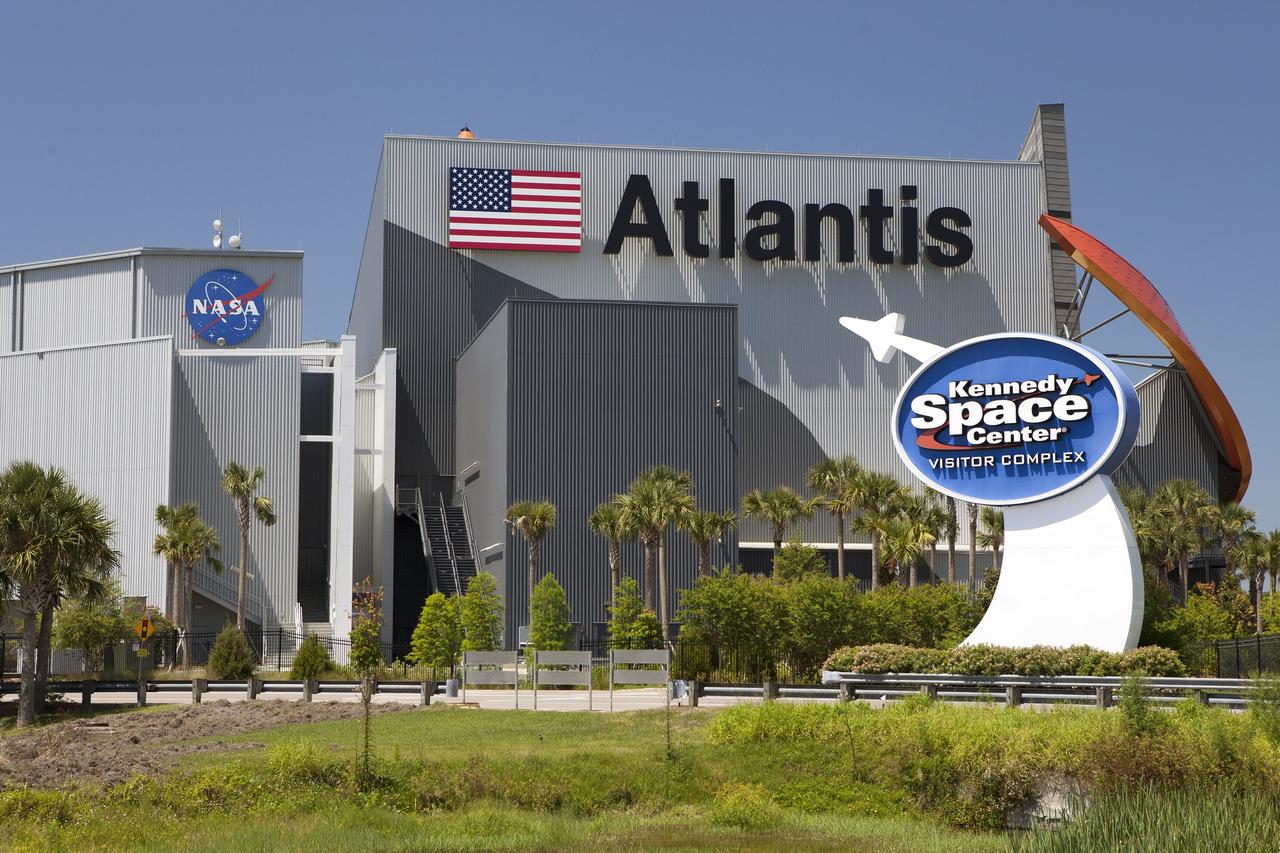
CAPE CANAVERAL, Fla. – The 90,000-square-foot "Space Shuttle Atlantis" facility, home to the now-retired space shuttle Atlantis, is a crowd pleaser at the Kennedy Space Center Visitor Complex in Florida. The $100 million exhibit opened June 29, 2013. Guests may walk beneath a full-scale, 184-foot-tall static display of a space shuttle external fuel tank and twin solid rocket boosters as they enter the building. Inside, the exhibit features interactive displays that tell the story of the 30-year Space Shuttle Program and highlight the future of space exploration. To learn more about the Kennedy Space Center Visitor Complex, visit http://www.kennedyspacecenter.com. To learn more about space shuttle Atlantis, visit http://www.nasa.gov/centers/kennedy/shuttleoperations/orbiters/atlantis-info.html. Photo credit: NASA/Daniel Casper
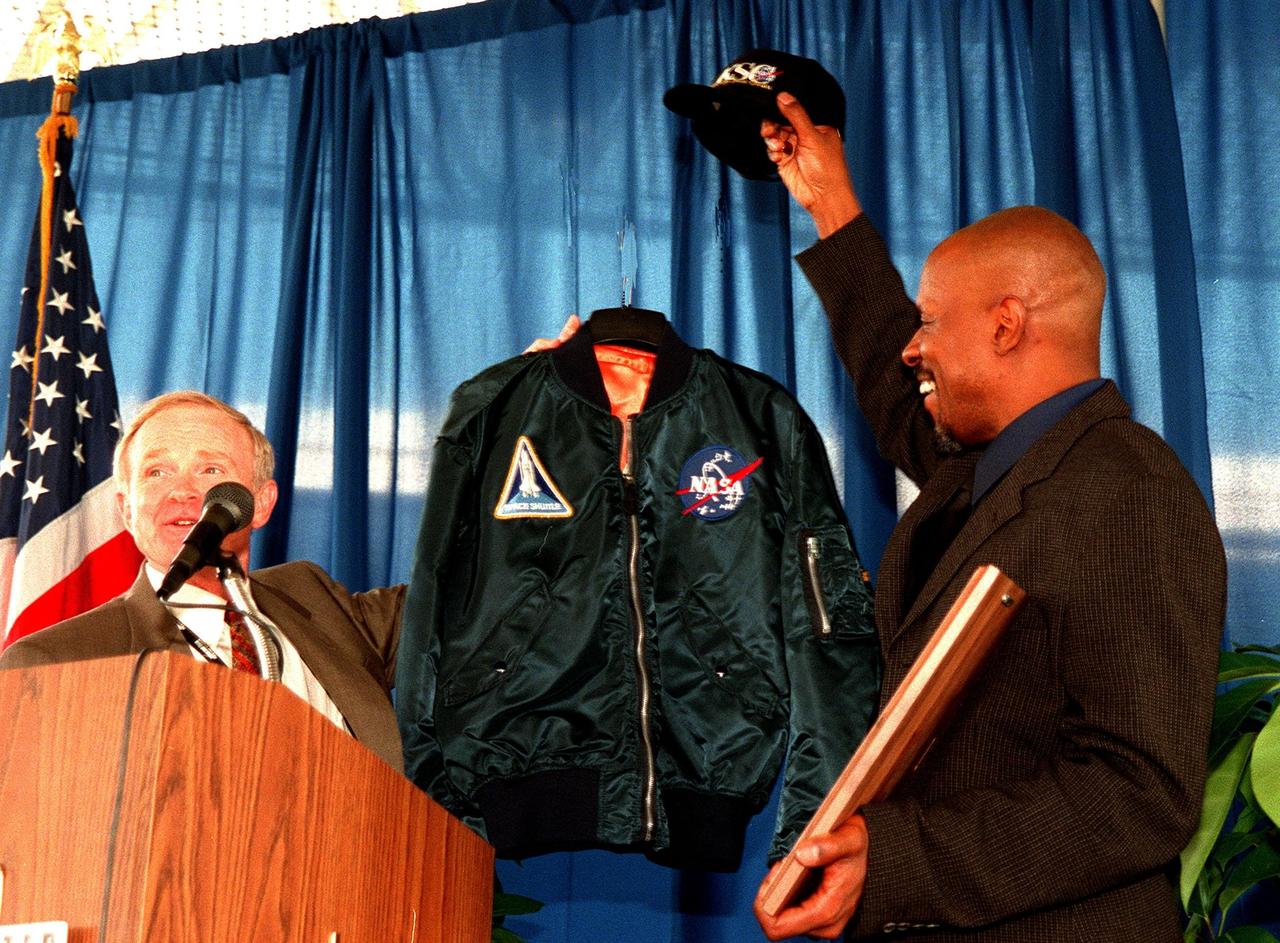
KENNEDY SPACE CENTER, FLA. -- At the grand opening of the newly expanded KSC Visitor Complex, Center Director Roy Bridges presents Deep Space Nine star Avery Brooks with a plaque, NASA jacket and hat. Brooks narrates the new film Quest for Life at the Visitor Center. Brooks was recognized for his contribution to advancing the public's understanding of NASA and the search for life elsewhere in the universe. The Complex now includes an International Space Station-themed ticket plaza, featuring a structure of overhanging solar panels and astronauts performing assembly tasks, a new foyer, films, and exhibits. The KSC Visitor Complex was inaugurated three decades ago and is now one of the top five tourist attractions in Florida. It is located on S.R. 407, east of I-95, within the Merritt Island National Wildlife Refuge
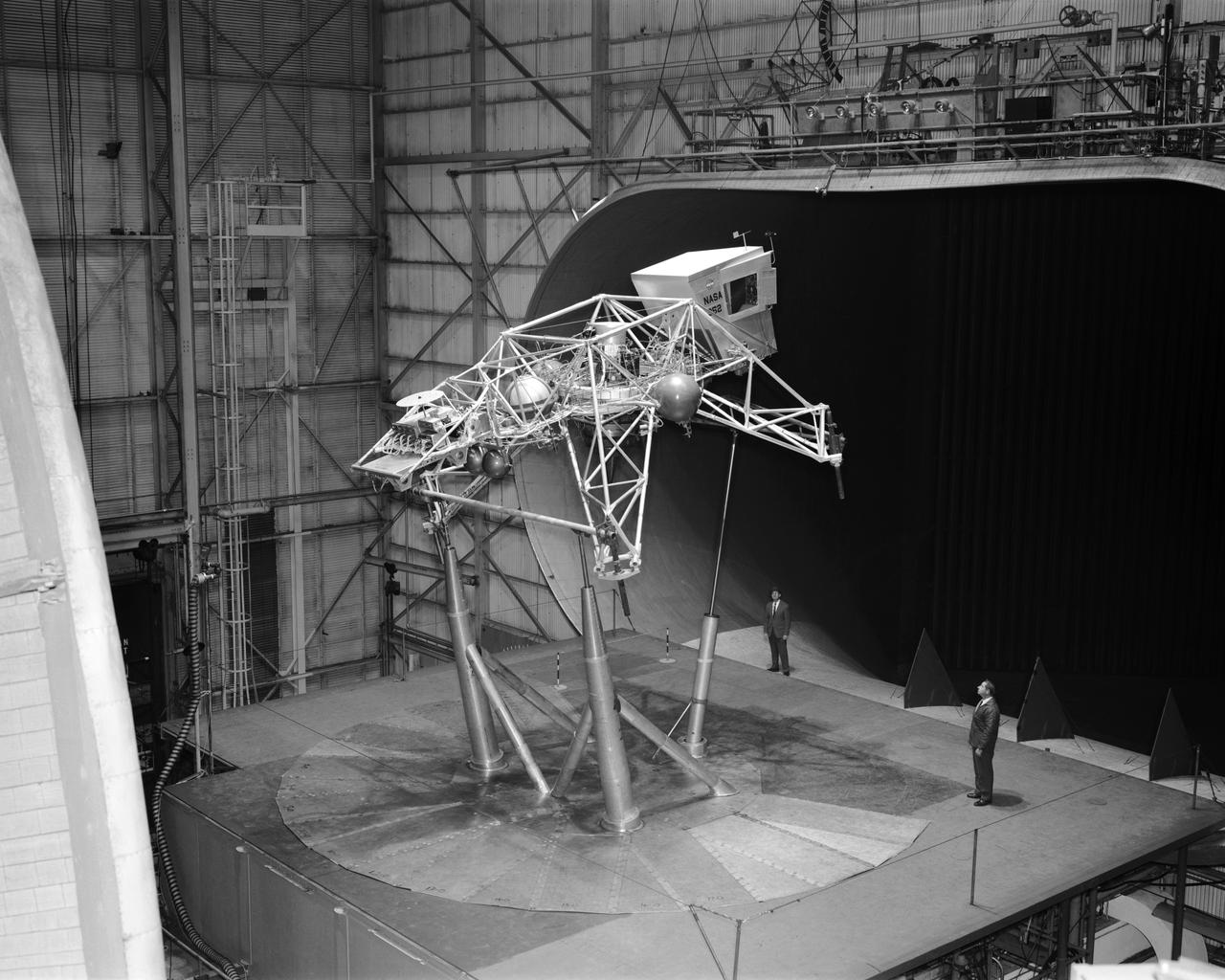
Concept model of the Lunar Excursion Module tested in the Full-Scale wind tunnel. -- Published in James R. Hansen, Spaceflight Revolution: NASA Langley Research Center From Sputnik to Apollo, (Washington: NASA, 1995), p. 356.-L69-670 Bell Lunar Landing Training Vehicle (LLTV): Following the crash of a sister Lunar Landing Training Vehicle at Ellington Field in Houston, Texas, the LLTV NASA 952 was sent from Houston to Langley for tests in the 30 x 60 Full Scale Tunnel. The LLTV was returned to Houston for further training use a short time later. NASA 952 is now on exhibit at the Johnson Space Center in Houston, Texas.
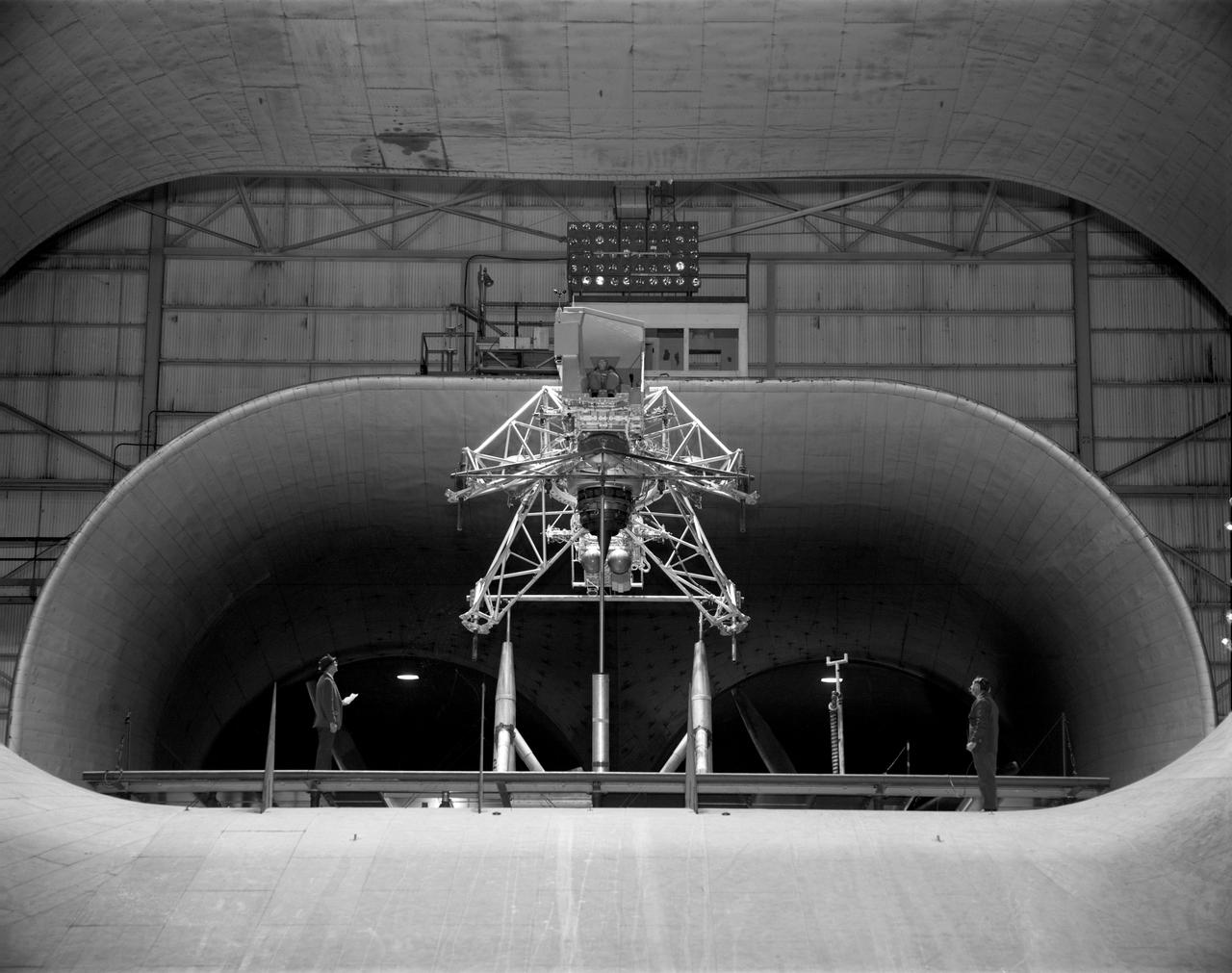
Concept model of the Lunar Excursion Module tested in the Full-Scale wind tunnel. -- Published in James R. Hansen, Spaceflight Revolution: NASA Langley Research Center From Sputnik to Apollo, (Washington: NASA, 1995), p. 356.-L69-670 Bell Lunar Landing Training Vehicle (LLTV): Following the crash of a sister Lunar Landing Training Vehicle at Ellington Field in Houston, Texas, the LLTV NASA 952 was sent from Houston to Langley for tests in the 30 x 60 Full Scale Tunnel. The LLTV was returned to Houston for further training use a short time later. NASA 952 is now on exhibit at the Johnson Space Center in Houston, Texas.
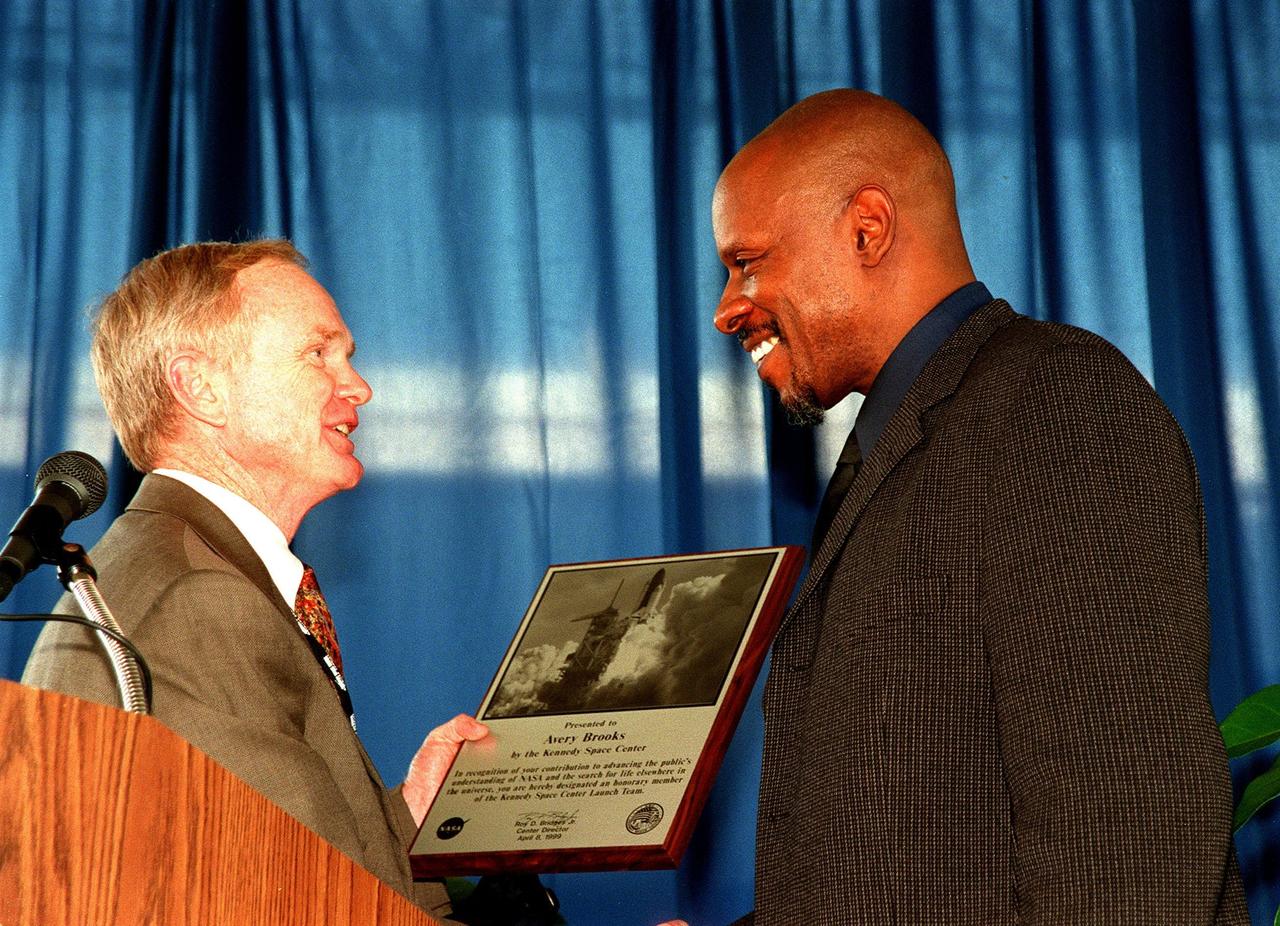
KENNEDY SPACE CENTER, FLA. -- At the grand opening of the newly expanded KSC Visitor Complex, Center Director Roy Bridges presents Deep Space Nine star Avery Brooks with a plaque, recognizing his contribution to advancing the public's understanding of NASA and the search for life elsewhere in the universe. Brooks narrates the new film Quest for Life at the Visitor Center. The $ 13 million addition to the Visitor Complex now includes an International Space Station-themed ticket plaza, featuring a structure of overhanging solar panels and astronauts performing assembly tasks, a new information center, films, and exhibits. The KSC Visitor Complex was inaugurated three decades ago and is now one of the top five tourist attractions in Florida. It is located on S.R. 407, east of I-95, within the Merritt Island National Wildlife Refuge
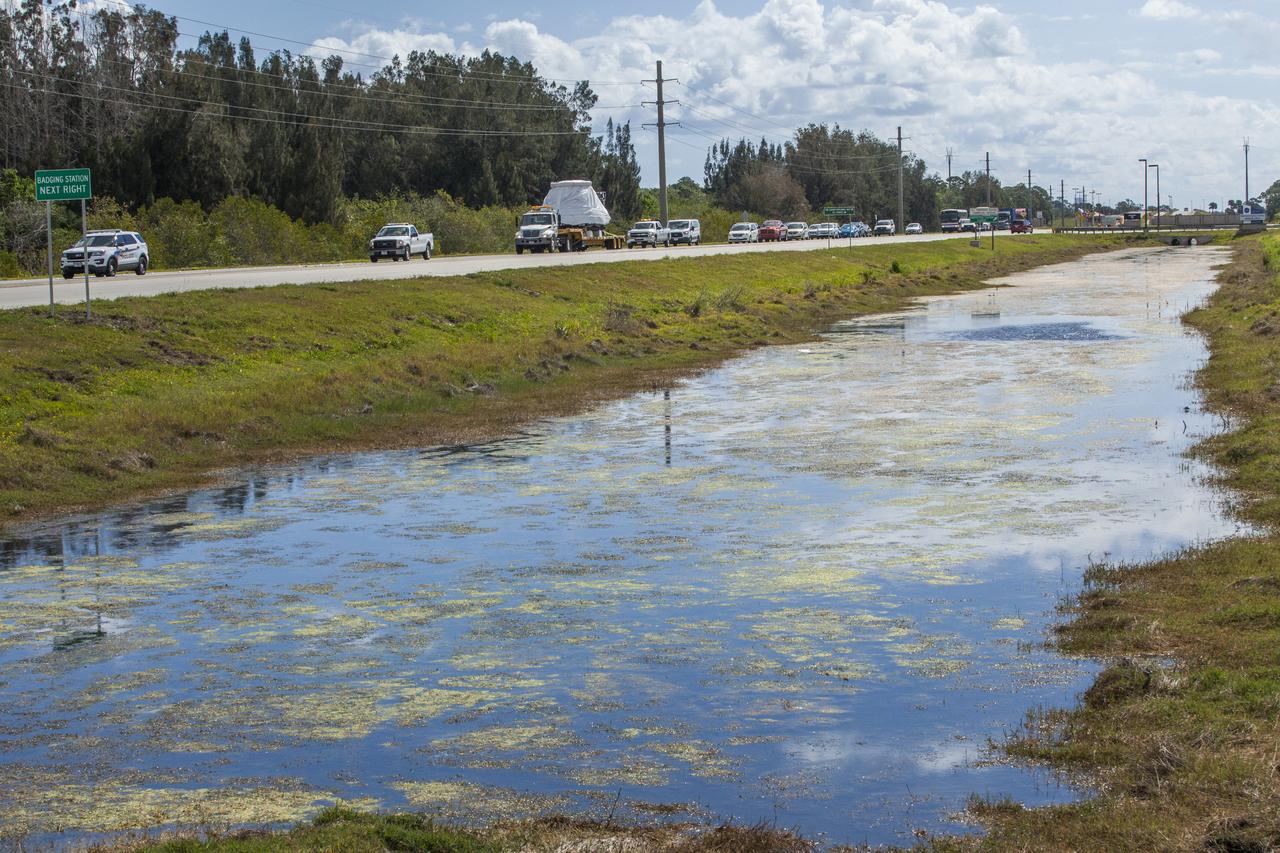
The Orion crew module from Exploration Flight Test 1 is transported west along the NASA Causeway toward NASA's Kennedy Space Center Visitor Complex in Florida. The crew module will be delivered to the IMAX Theater where it will be prepared for display in the NASA Now exhibit. The Orion spacecraft launched atop a United Launch Alliance Delta IV rocket Dec. 5, 2014, from Space Launch Complex 37 at Cape Canaveral Air Force Station. The spacecraft built for humans traveled 3,604 miles above Earth and splashed down about 4.5 hours later in the Pacific Ocean.
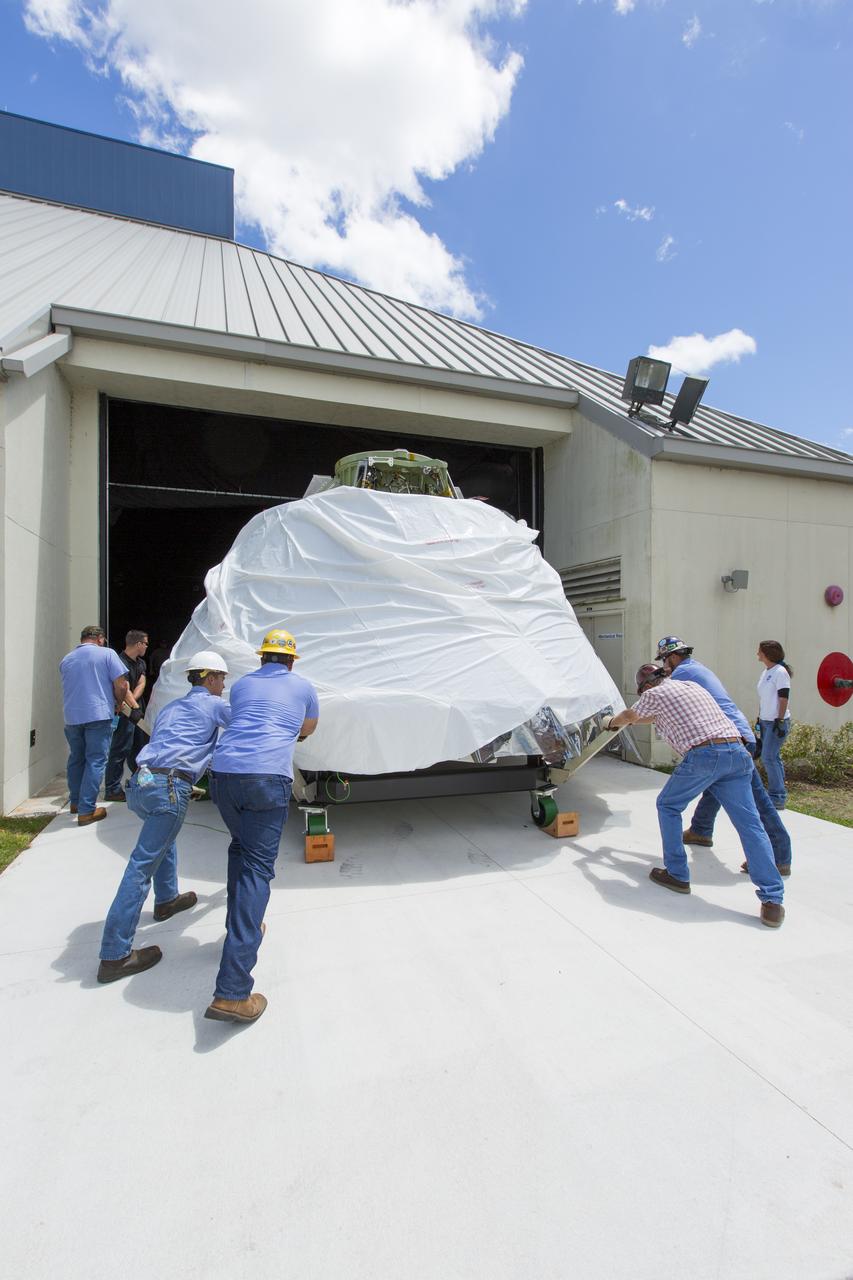
At NASA's Kennedy Space Center Visitor Complex in Florida, the Orion crew module from Exploration Flight Test 1, secured on its custom-made ground support equipment, is moved inside the IMAX Theater. The crew module will be prepared for display in the NASA Now exhibit in the IMAX Theater. The Orion spacecraft launched atop a United Launch Alliance Delta IV rocket Dec. 5, 2014, from Space Launch Complex 37 at Cape Canaveral Air Force Station. The spacecraft built for humans traveled 3,604 miles above Earth and splashed down about 4.5 hours later in the Pacific Ocean.
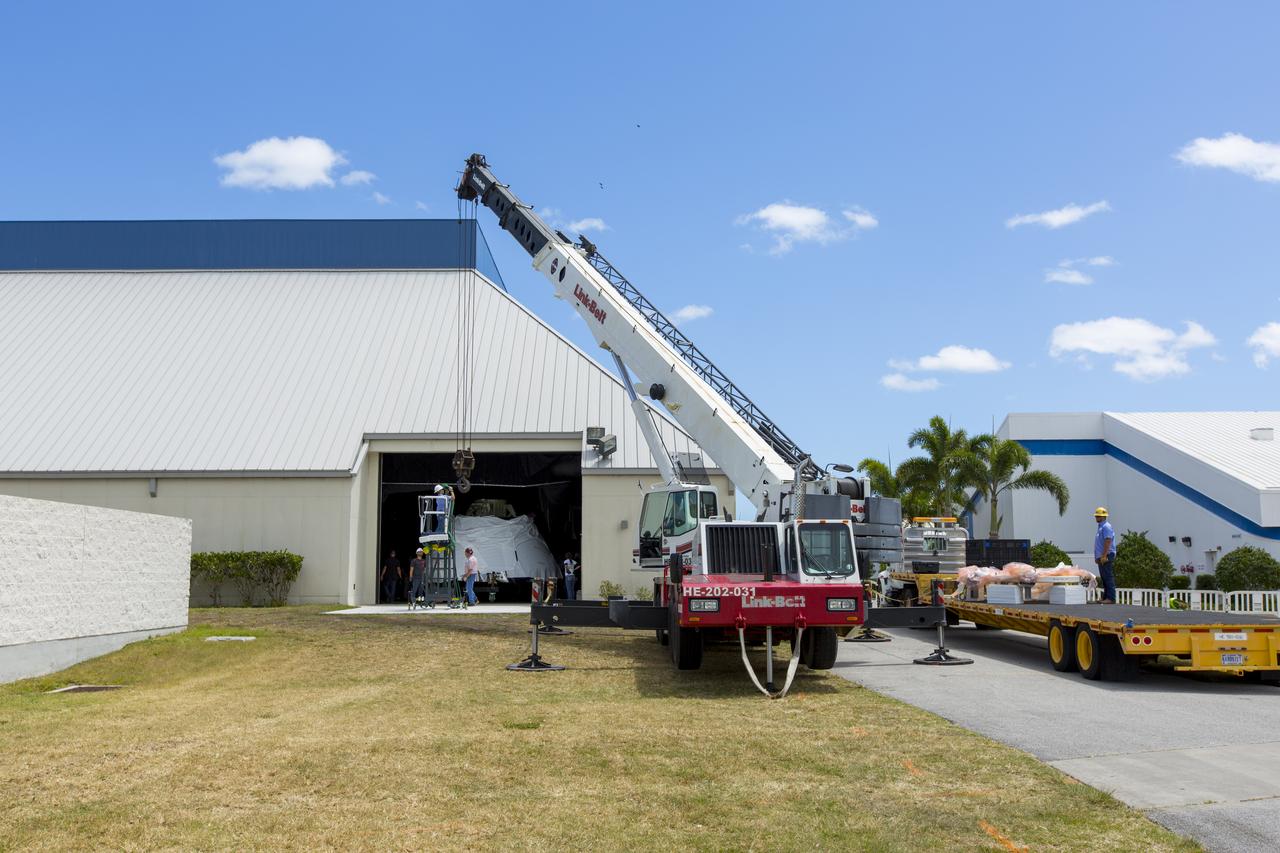
At NASA's Kennedy Space Center Visitor Complex in Florida, the Orion crew module from Exploration Flight Test 1, secured on its custom-made ground support equipment, is moved inside the IMAX Theater. The crew module will be prepared for display in the NASA Now exhibit in the IMAX Theater. The Orion spacecraft launched atop a United Launch Alliance Delta IV rocket Dec. 5, 2014, from Space Launch Complex 37 at Cape Canaveral Air Force Station. The spacecraft built for humans traveled 3,604 miles above Earth and splashed down about 4.5 hours later in the Pacific Ocean.
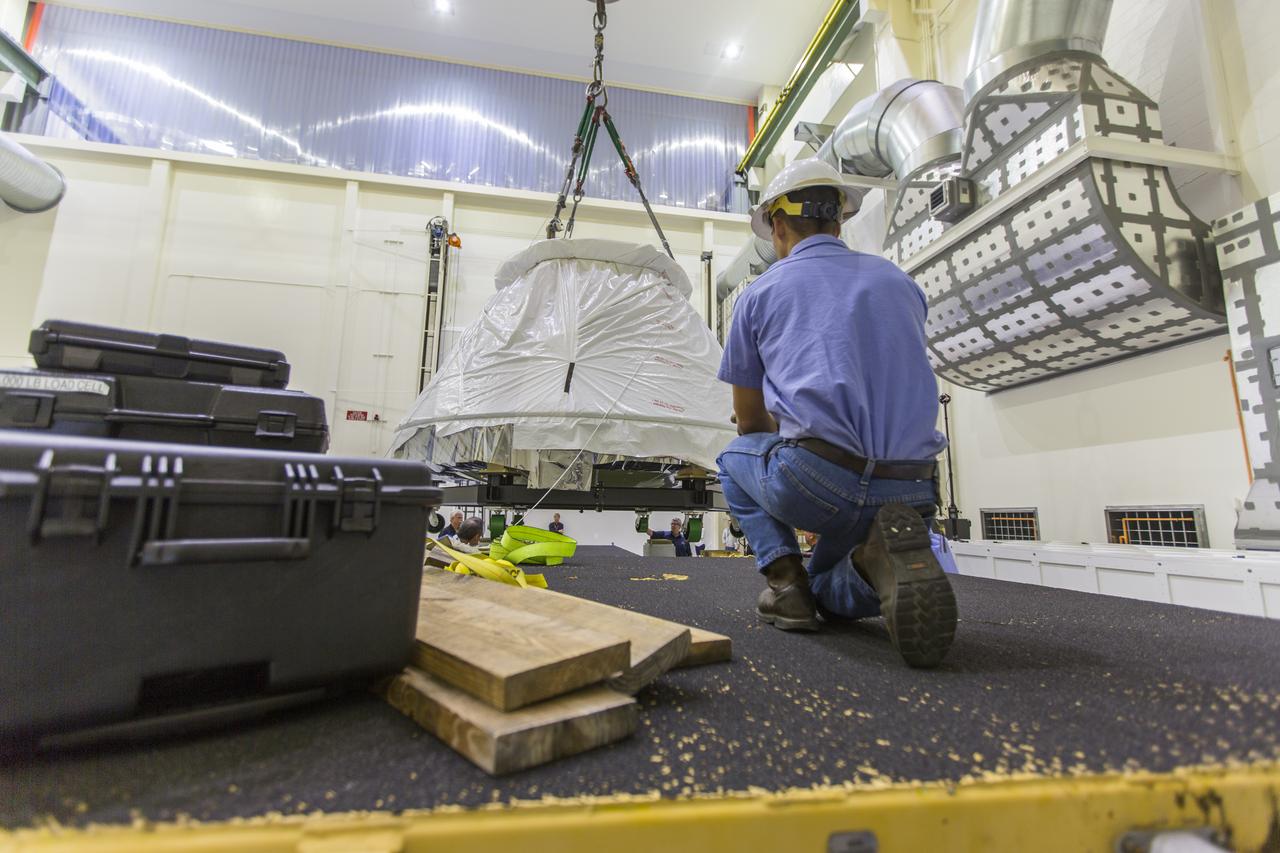
Inside the Neil Armstrong Operations and Checkout Building at NASA's Kennedy Space Center in Florida, Lockheed Martin workers prepare the Orion crew module from Exploration Flight Test 1 for its move to the nearby Kennedy Space Center Visitor Complex. The crew module will be delivered to the IMAX Theater where it will be prepared for display in the NASA Now exhibit. The Orion spacecraft launched atop a United Launch Alliance Delta IV rocket Dec. 5, 2014, from Space Launch Complex 37 at Cape Canaveral Air Force Station. The spacecraft built for humans traveled 3,604 miles above Earth and splashed down about 4.5 hours later in the Pacific Ocean.
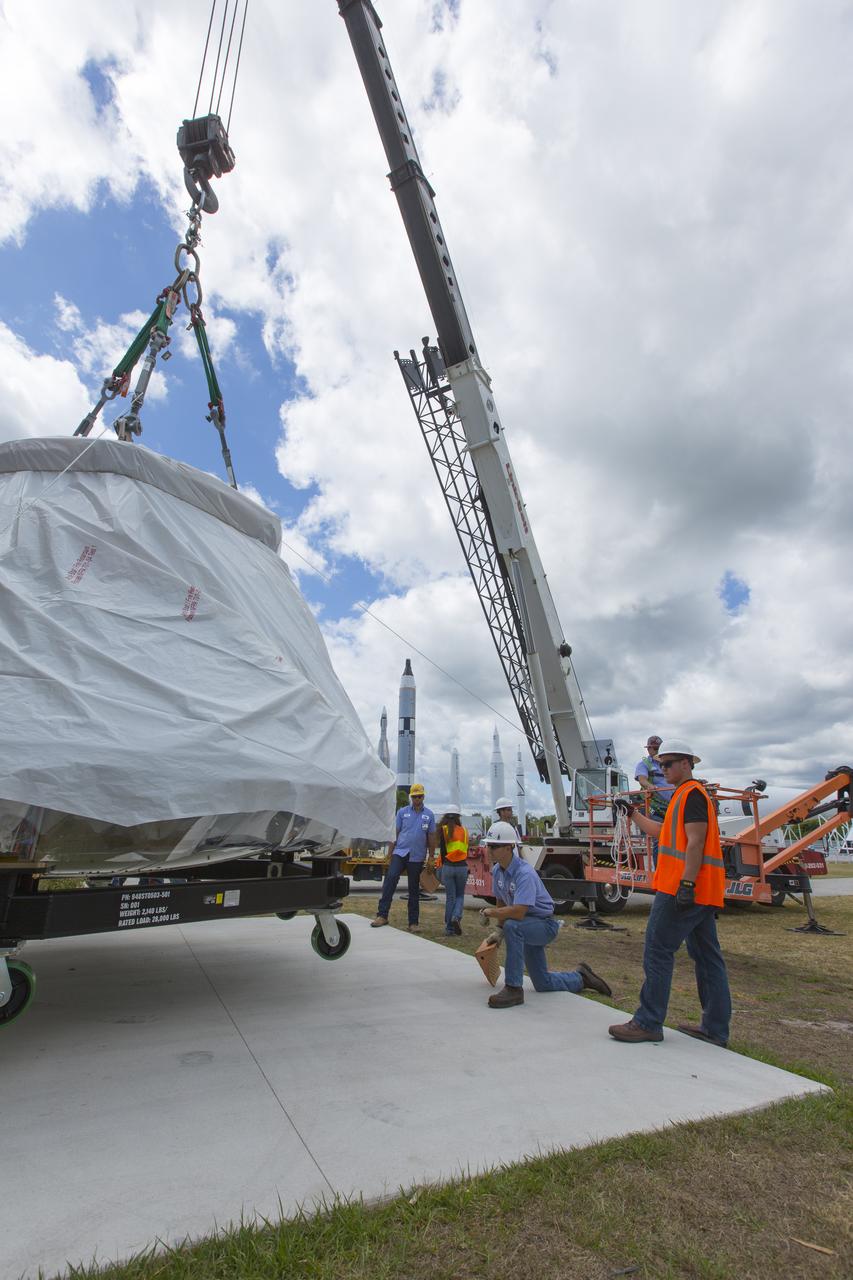
At NASA's Kennedy Space Center Visitor Complex in Florida, a crane lowers the Orion crew module from Exploration Flight Test 1 to the ground, secured on its custom-made ground support equipment. The crew module will be delivered to the IMAX Theater where it will be prepared for display in the NASA Now exhibit. The Orion spacecraft launched atop a United Launch Alliance Delta IV rocket Dec. 5, 2014, from Space Launch Complex 37 at Cape Canaveral Air Force Station. The spacecraft built for humans traveled 3,604 miles above Earth and splashed down about 4.5 hours later in the Pacific Ocean.

Angie Jackman, a NASA project manager in microgravity research, demonstrates the enhanced resilience of undercooled metal alloys as compared to conventional alloys. Experiments aboard the Space Shuttle helped scientists refine their understanding of the physical properties of certain metal alloys when undercooled (i.e., kept liquid below their normal solidification temperature). This new knowledge then allowed scientists to modify a terrestrial production method so they can now make limited quantities marketed under the Liquid Metal trademark. The exhibit was a part of the NASA outreach activity at AirVenture 2000 sponsored by the Experimental Aircraft Association in Oshkosh, WI.
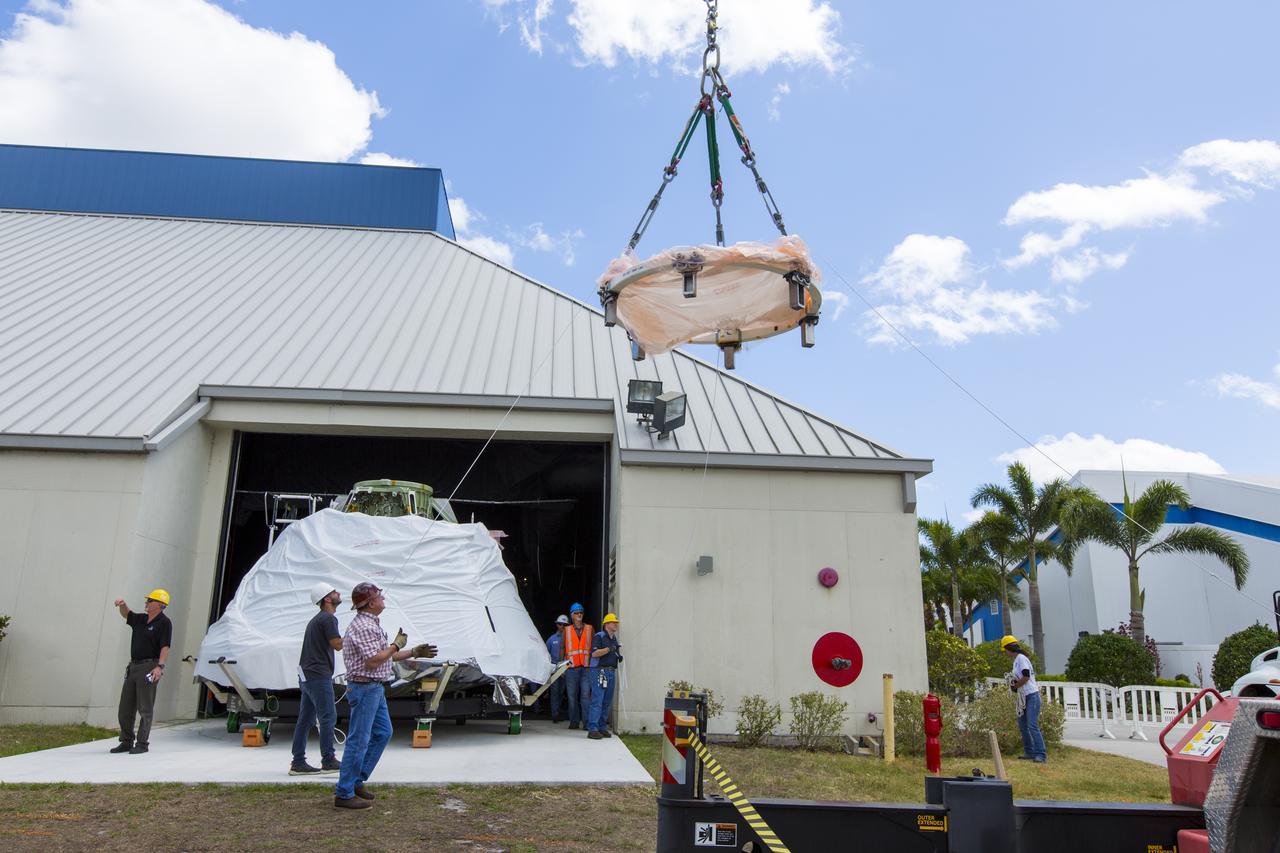
At the IMAX Theater at NASA's Kennedy Space Center Visitor Complex in Florida, the Orion crew module from Exploration Flight Test 1, secured on its custom-made ground support equipment, has been lowered to the ground. The crew module will be moved inside the theater where it will be prepared for display in the NASA Now exhibit. The Orion spacecraft launched atop a United Launch Alliance Delta IV rocket Dec. 5, 2014, from Space Launch Complex 37 at Cape Canaveral Air Force Station. The spacecraft built for humans traveled 3,604 miles above Earth and splashed down about 4.5 hours later in the Pacific Ocean.
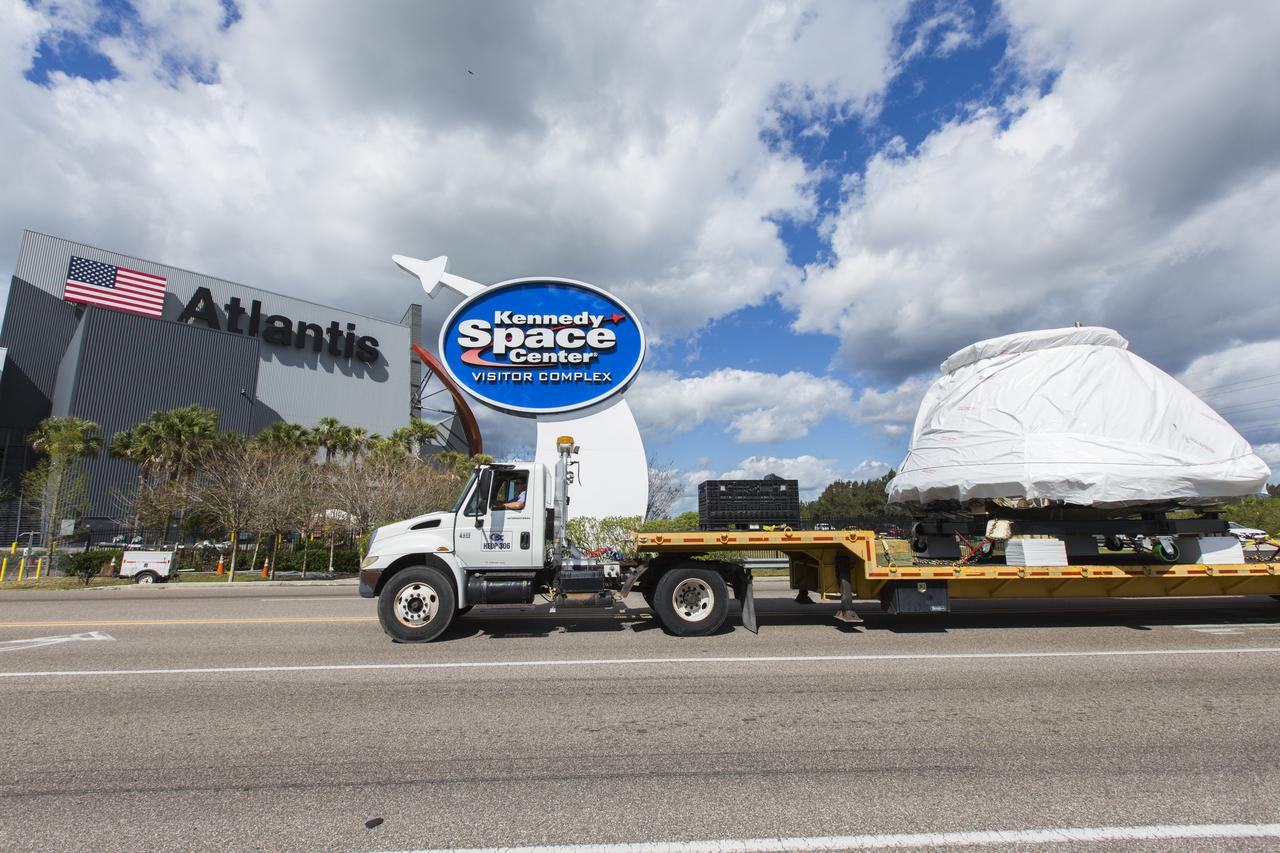
The Orion crew module from Exploration Flight Test 1 arrives at the entrance to NASA's Kennedy Space Center Visitor Complex in Florida. The crew module, secured on ground support equipment atop a flatbed truck, will be delivered to the IMAX Theater where it will be prepared for display in the NASA Now exhibit. The Orion spacecraft launched atop a United Launch Alliance Delta IV rocket Dec. 5, 2014, from Space Launch Complex 37 at Cape Canaveral Air Force Station. The spacecraft built for humans traveled 3,604 miles above Earth and splashed down about 4.5 hours later in the Pacific Ocean.
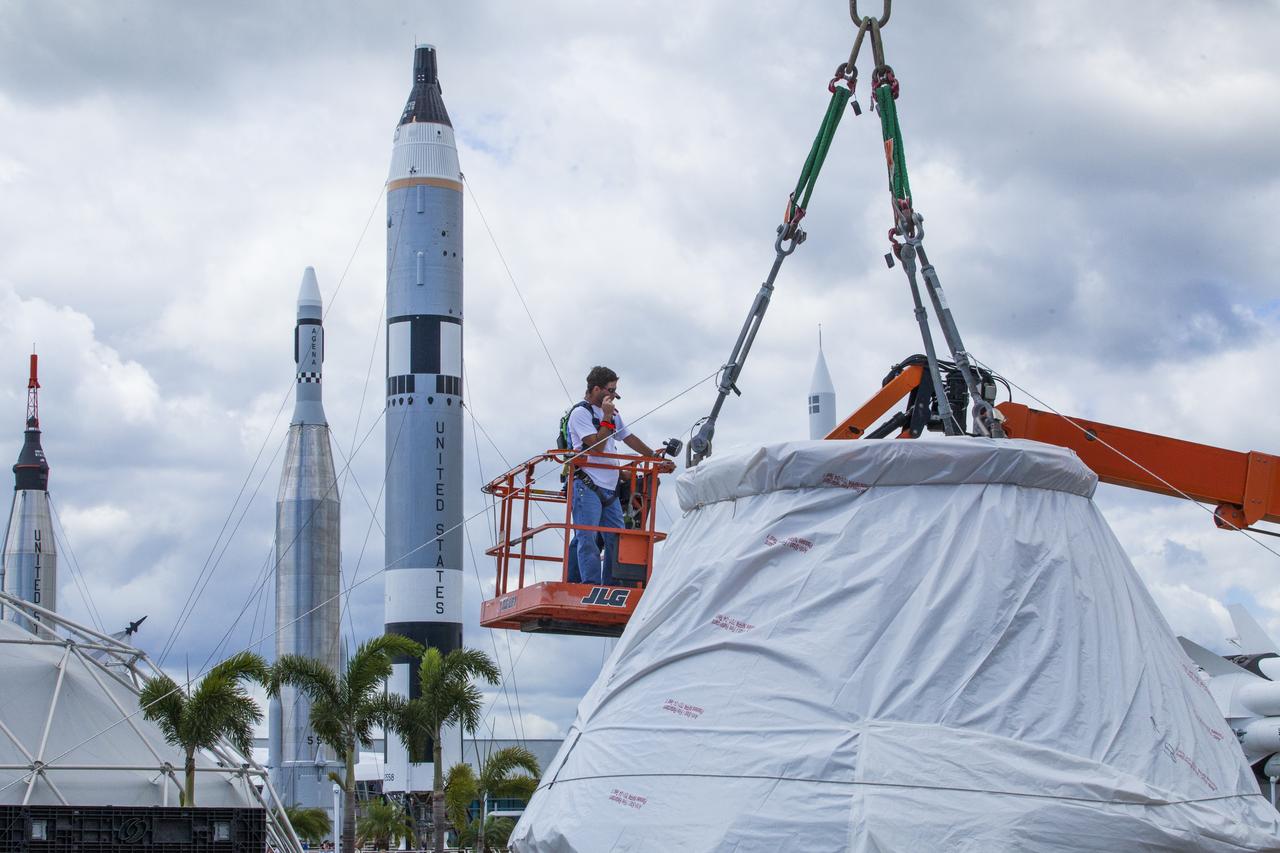
At NASA's Kennedy Space Center Visitor Complex in Florida, a crane is attached to the Orion crew module from Exploration Flight Test 1 secured on its custom-made ground support equipment. The crew module will be delivered to the IMAX Theater where it will be prepared for display in the NASA Now exhibit. The Orion spacecraft launched atop a United Launch Alliance Delta IV rocket Dec. 5, 2014, from Space Launch Complex 37 at Cape Canaveral Air Force Station. The spacecraft built for humans traveled 3,604 miles above Earth and splashed down about 4.5 hours later in the Pacific Ocean.
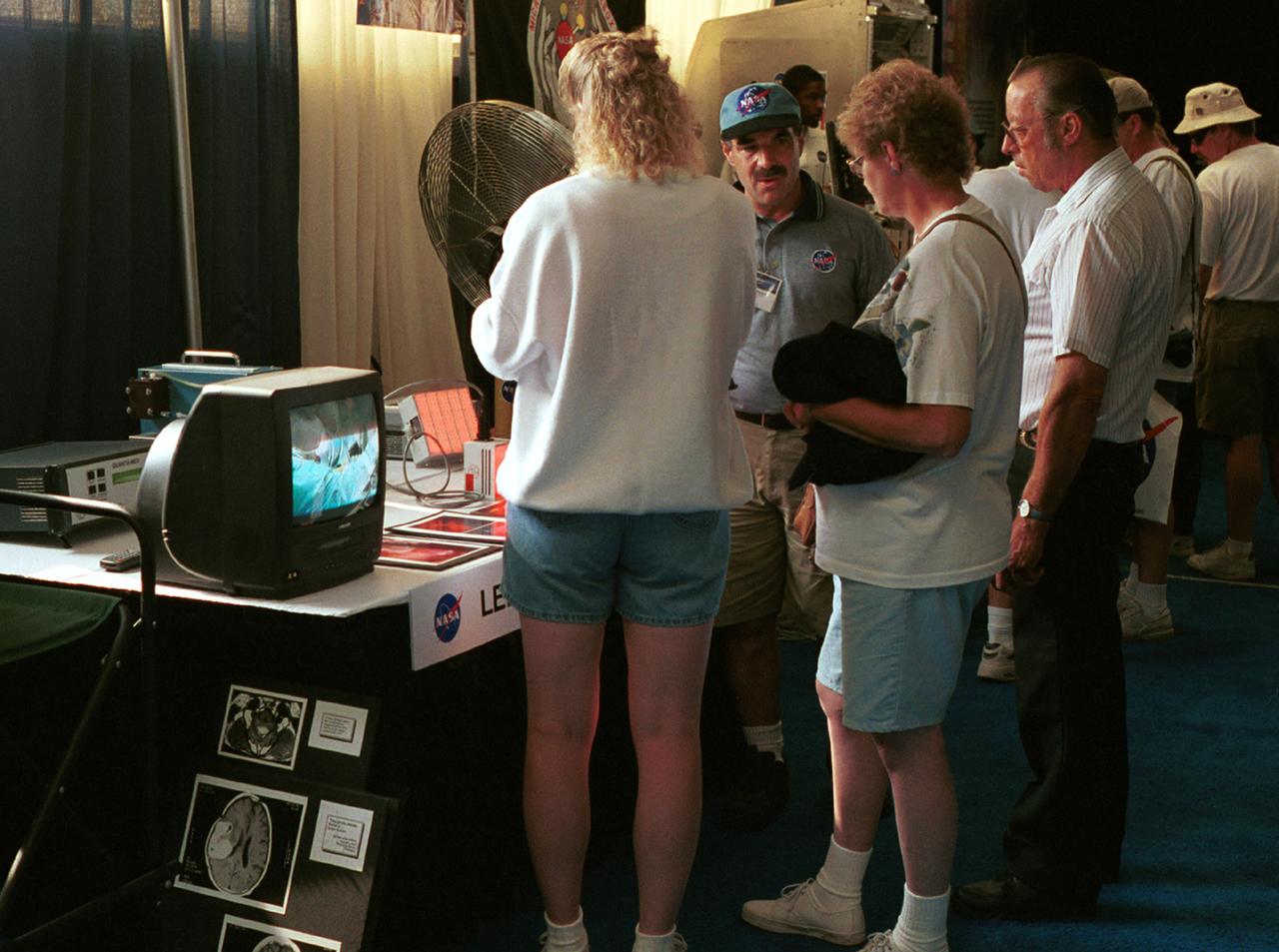
Dr. Harry Whelan, a pediatric Neurologist at the Medical Hospital of Wisconsin in Milwaukee and professor of Neurology at the Medical College of Wisconsin, explains the operation of light-emitting diodes (LEDs) developed for use in space plant growth experiments and now adapted for use in photodynamic therapy, a technique in which light from the LEDs activates light-sensitive, tumor-treating drugs. The technique has been used in at least two surgeries on brain tumors. The LED project was one of several NASA exhibits at AirVenture 2000 sponsored by the Experimental Aircraft Association in Oshkosh, WI.
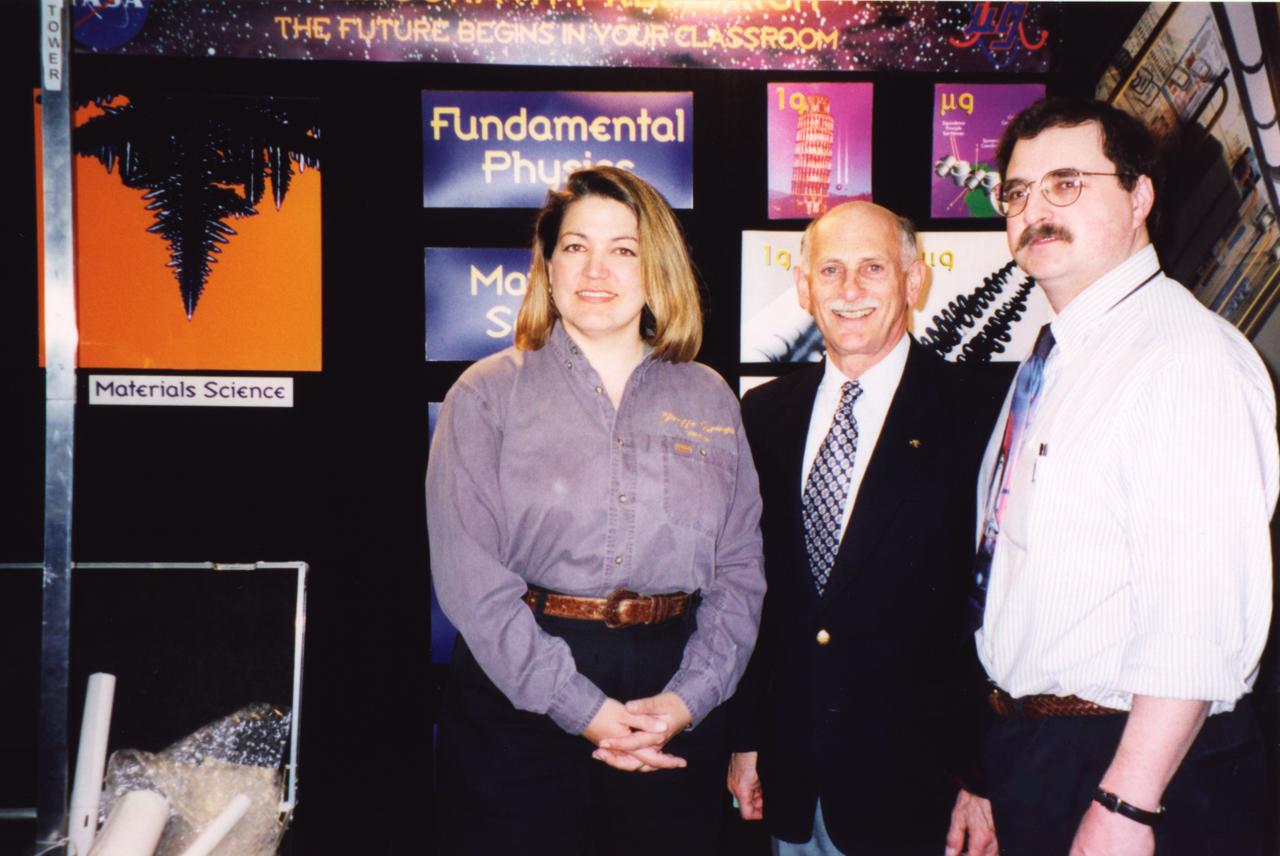
Representatives of NASA materials science experiments supported the NASA exhibit at the Rernselaer Polytechnic Institute's Space Week activities, April 5 through 11, 1999. From left to right are: Angie Jackman, project manager at NASA's Marshall Space Flight Center for dendritic growth experiments; Dr. Martin Glicksman of Rennselaer Polytechnic Instutute, Troy, NY, principal investigator on the Isothermal Dendritic Growth Experiment (IDGE) that flew three times on the Space Shuttle; and Dr. Matthew Koss of College of the Holy Cross in Worcester, MA, a co-investigator on the IDGE and now principal investigator on the Transient Dendritic Solidification Experiment being developed for the International Space Station (ISS). The image at far left is a dendrite grown in Glicksman's IDGE tests aboard the Shuttle. Glicksman is also principal investigator for the Evolution of Local Microstructures: Spatial Instabilities of Coarsening Clusters.
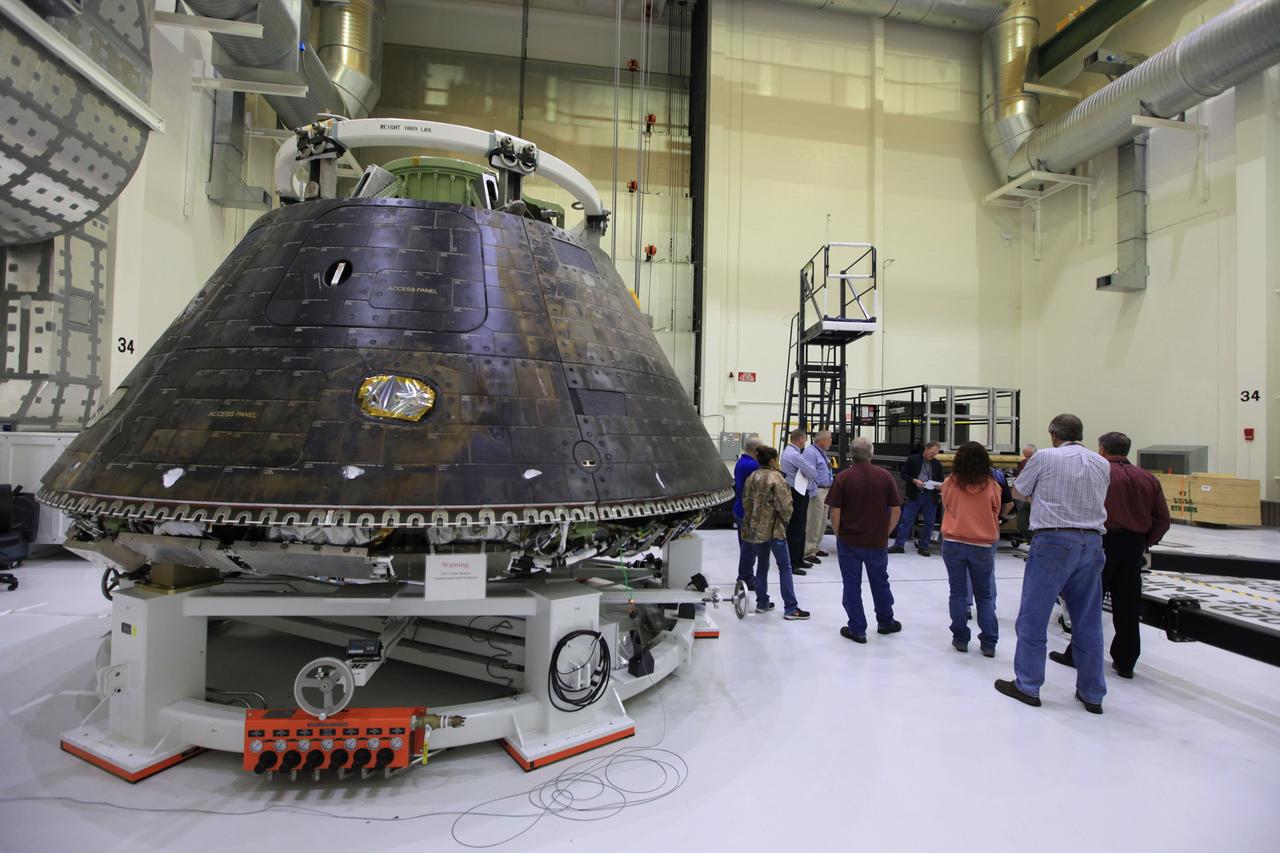
Inside the Neil Armstrong Operations and Checkout Building high bay at NASA's Kennedy Space Center in Florida, Lockheed Martin and ASRC engineers and technicians review procedures before preparing the Orion crew module from Exploration Flight Test 1 for its move to the nearby Kennedy Space Center Visitor Complex. The crew module will be delivered to the IMAX Theater where it will be prepared for display in the NASA Now exhibit. The Orion spacecraft launched atop a United Launch Alliance Delta IV rocket Dec. 5, 2014, from Space Launch Complex 37 at Cape Canaveral Air Force Station. The spacecraft built for humans traveled 3,604 miles above Earth and splashed down about 4.5 hours later in the Pacific Ocean.
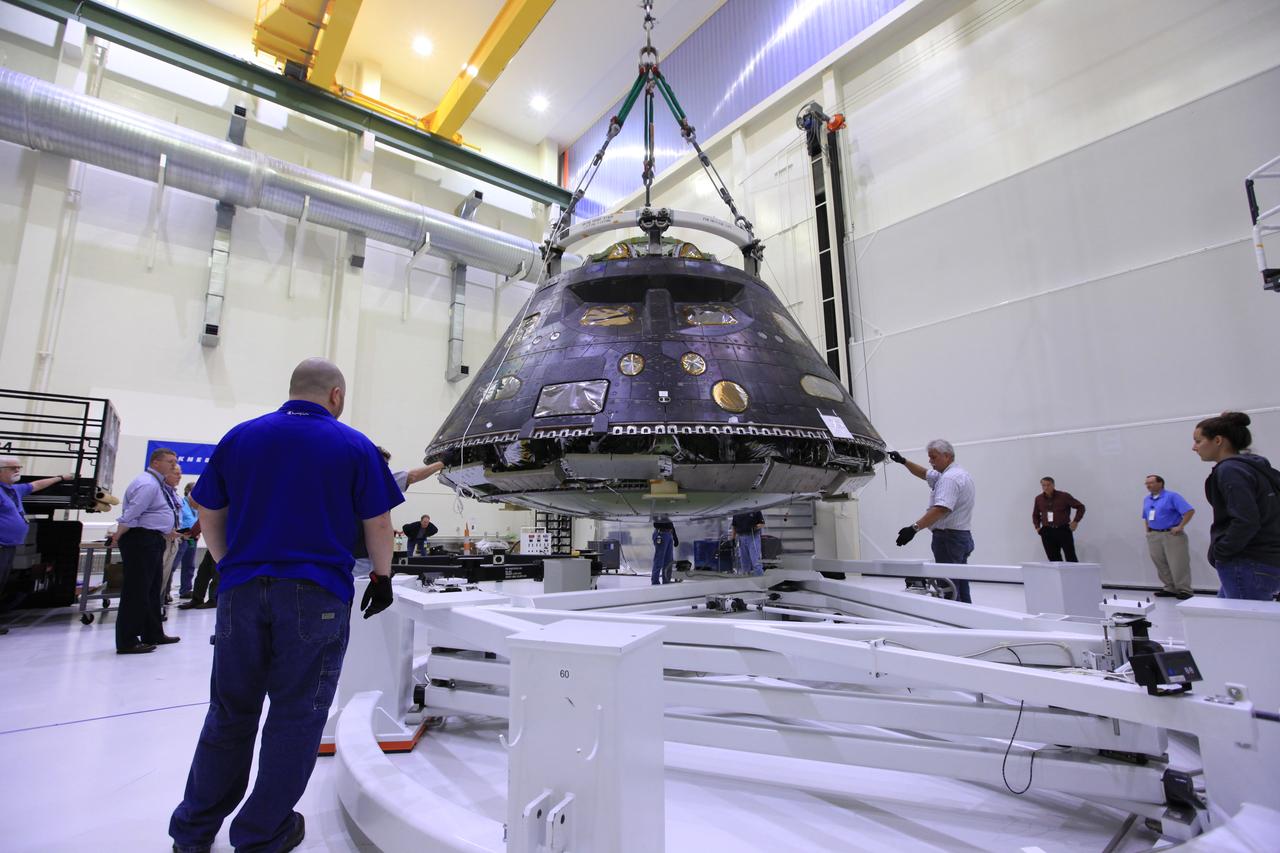
Inside the Neil Armstrong Operations and Checkout Building high bay at NASA's Kennedy Space Center in Florida, Lockheed Martin and ASRC workers monitor the progress as a crane moves the Orion crew module from Exploration Flight Test 1 over to a custom-built transport stand. The crew module is being prepared for its move to the nearby Kennedy Space Center Visitor Complex. It will be on display in the NASA Now exhibit in the IMAX Theater. The Orion spacecraft launched atop a United Launch Alliance Delta IV rocket Dec. 5, 2014, from Space Launch Complex 37 at Cape Canaveral Air Force Station. The spacecraft built for humans traveled 3,604 miles above Earth and splashed down about 4.5 hours later in the Pacific Ocean.
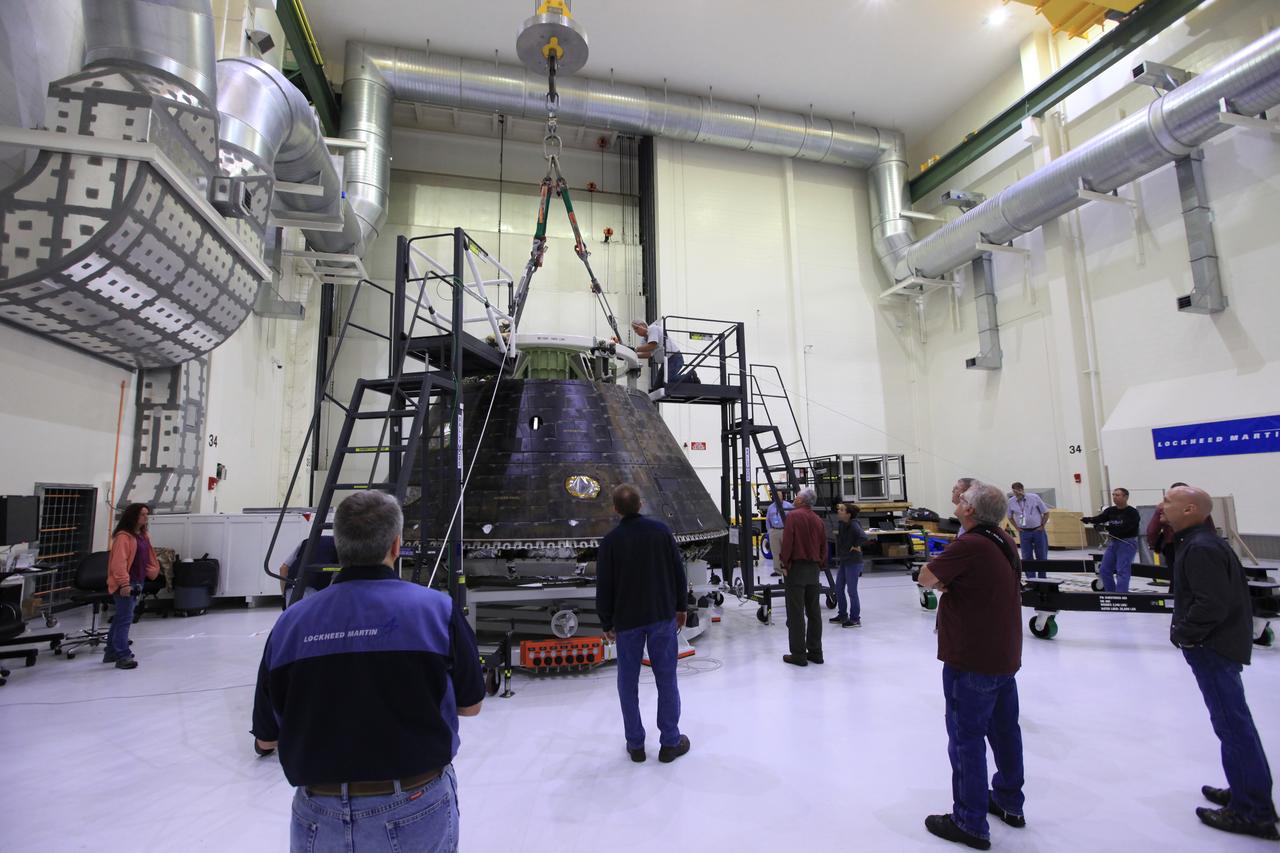
Inside the Neil Armstrong Operations and Checkout Building high bay at NASA's Kennedy Space Center in Florida, Lockheed Martin and ASRC workers monitor the progress as a crane is attached to the top of the Orion crew module from Exploration Flight Test 1. The crew module will be moved to the nearby Kennedy Space Center Visitor Complex and delivered to the IMAX Theater where it will be prepared for display in the NASA Now exhibit. The Orion spacecraft launched atop a United Launch Alliance Delta IV rocket Dec. 5, 2014, from Space Launch Complex 37 at Cape Canaveral Air Force Station. The spacecraft built for humans traveled 3,604 miles above Earth and splashed down about 4.5 hours later in the Pacific Ocean.
Inside the Neil Armstrong Operations and Checkout Building high bay at NASA's Kennedy Space Center in Florida, the Orion crew module from Exploration Flight Test 1 is lowered onto a custom-built transport stand. The crew module is being prepared for its move to the nearby Kennedy Space Center Visitor Complex and delivery to the IMAX Theater where it will be on display in the NASA Now exhibit. The Orion spacecraft launched atop a United Launch Alliance Delta IV rocket Dec. 5, 2014, from Space Launch Complex 37 at Cape Canaveral Air Force Station. The spacecraft built for humans traveled 3,604 miles above Earth and splashed down about 4.5 hours later in the Pacific Ocean.
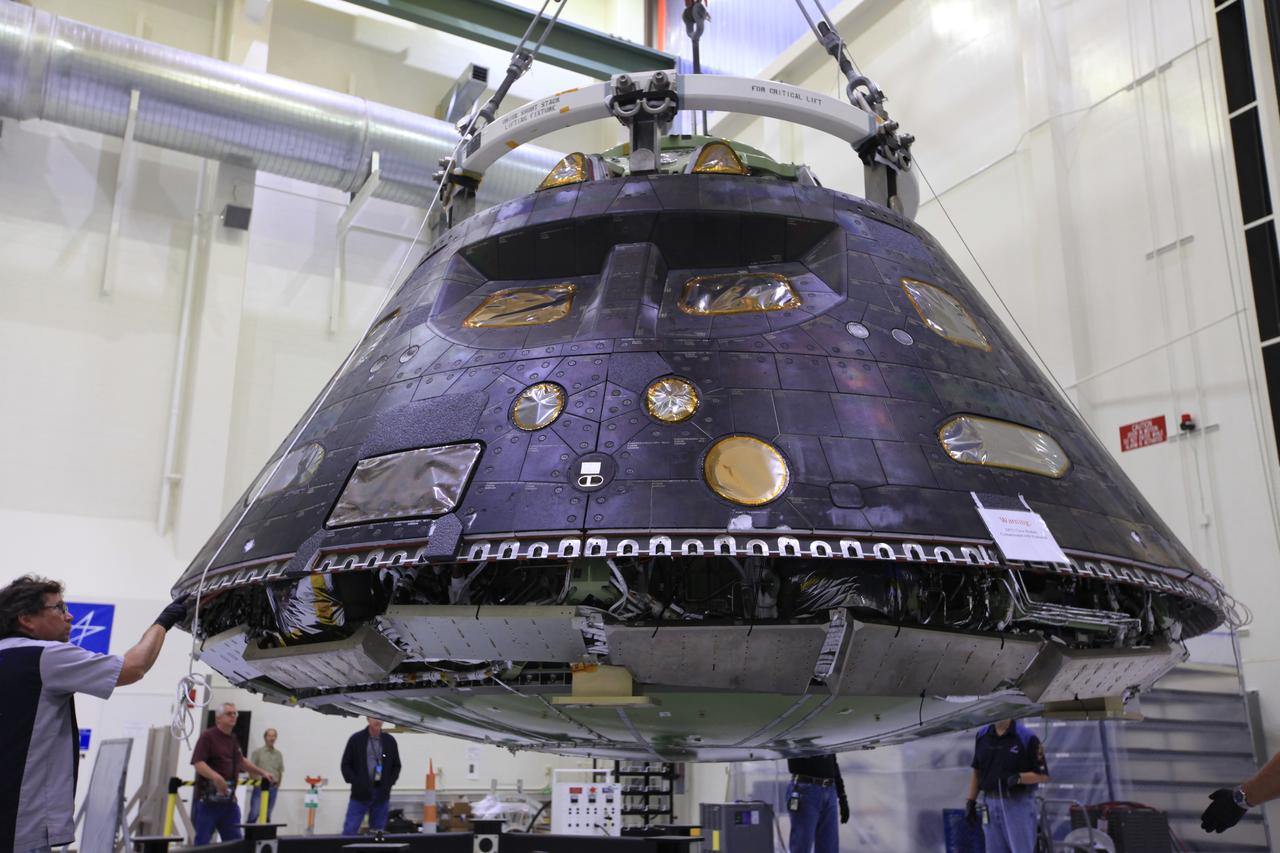
A close-up view of the Orion crew module from Exploration Flight Test 1 in the Neil Armstrong Operations and Checkout Building high bay at NASA's Kennedy Space Center in Florida. A crane has lifted the crew module up from a birdcage test stand and is moving it to a custom-built transport stand for the move to nearby Kennedy Space Center Visitor Complex. Orion will be delivered to IMAX Theater for display in the NASA Now exhibit. The Orion spacecraft launched atop a United Launch Alliance Delta IV rocket Dec. 5, 2014, from Space Launch Complex 37 at Cape Canaveral Air Force Station. The spacecraft built for humans traveled 3,604 miles above Earth and splashed down about 4.5 hours later in the Pacific Ocean.
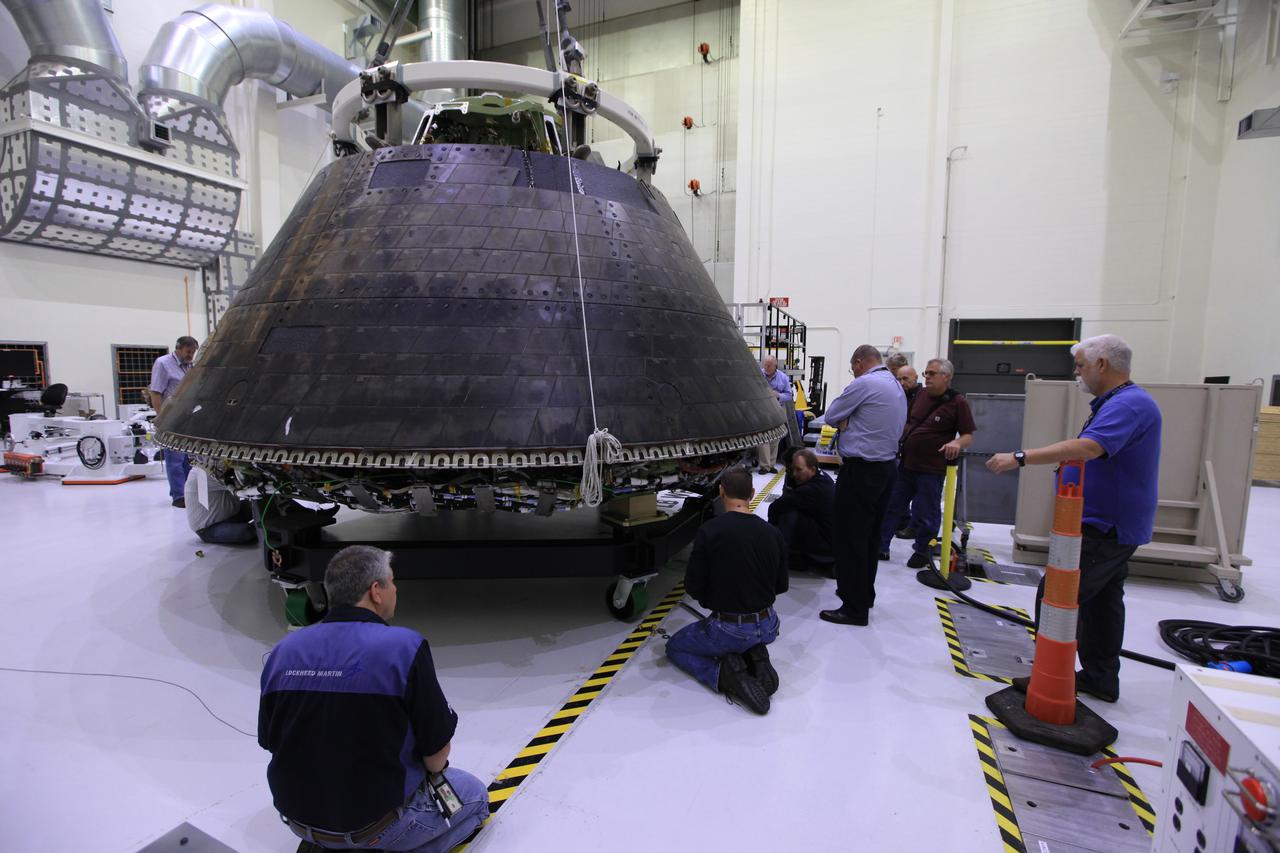
Inside the Neil Armstrong Operations and Checkout Building high bay at NASA's Kennedy Space Center in Florida, Lockheed Martin and ASRC workers assist as a crane lowers the Orion crew module from Exploration Flight Test 1 onto a custom-built transport stand. The crew module is being prepared for its move to the nearby Kennedy Space Center Visitor Complex and delivery to the IMAX Theater where it will be on display in the NASA Now exhibit. The Orion spacecraft launched atop a United Launch Alliance Delta IV rocket Dec. 5, 2014, from Space Launch Complex 37 at Cape Canaveral Air Force Station. The spacecraft built for humans traveled 3,604 miles above Earth and splashed down about 4.5 hours later in the Pacific Ocean.
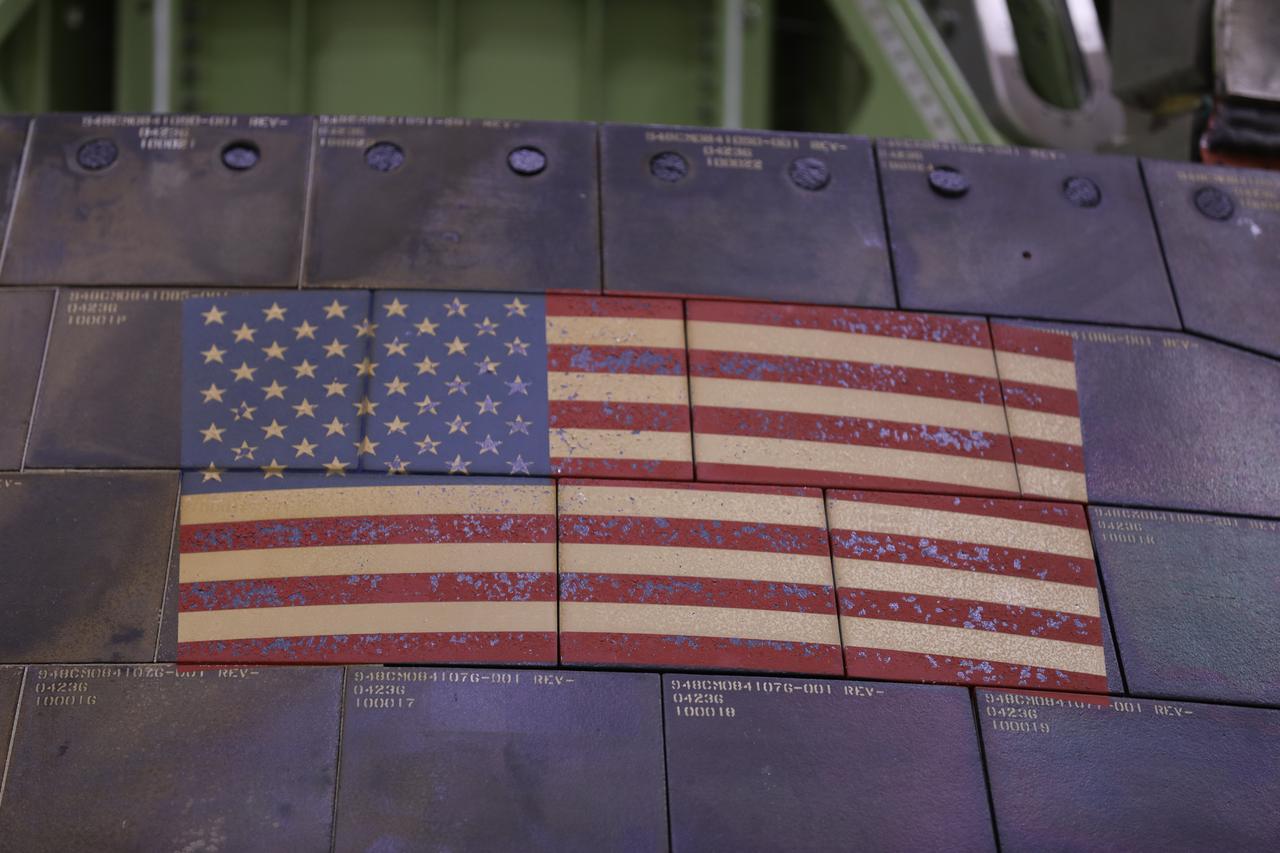
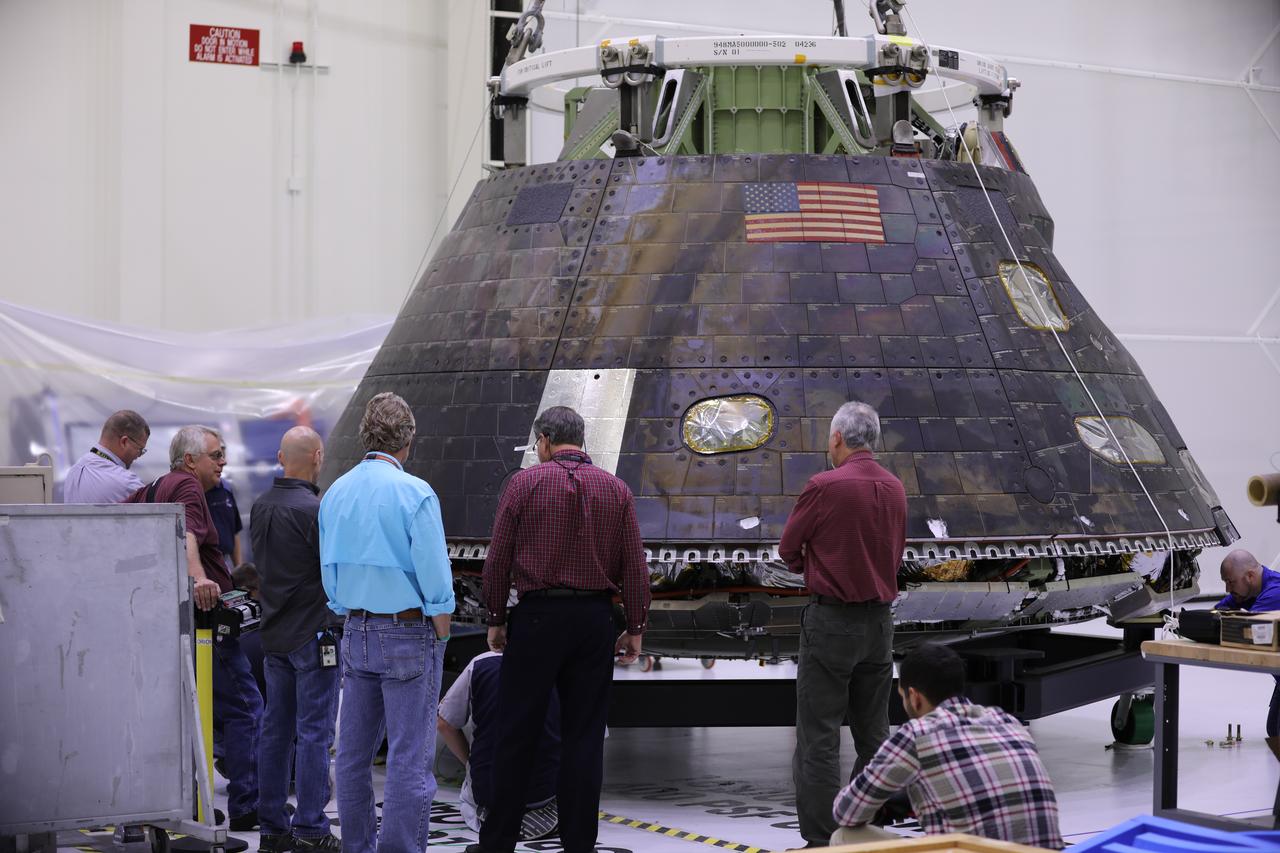
Inside the Neil Armstrong Operations and Checkout Building high bay at NASA's Kennedy Space Center in Florida, the American flag is in view on the Orion crew module from Exploration Flight Test 1. Lockheed Martin and ASRC workers are preparing the crew module for its move to the nearby Kennedy Space Center Visitor Complex. The crew module will be delivered to the IMAX Theater where it will be on display in the NASA Now exhibit. The Orion spacecraft launched atop a United Launch Alliance Delta IV rocket Dec. 5, 2014, from Space Launch Complex 37 at Cape Canaveral Air Force Station. The spacecraft built for humans traveled 3,604 miles above Earth and splashed down about 4.5 hours later in the Pacific Ocean.
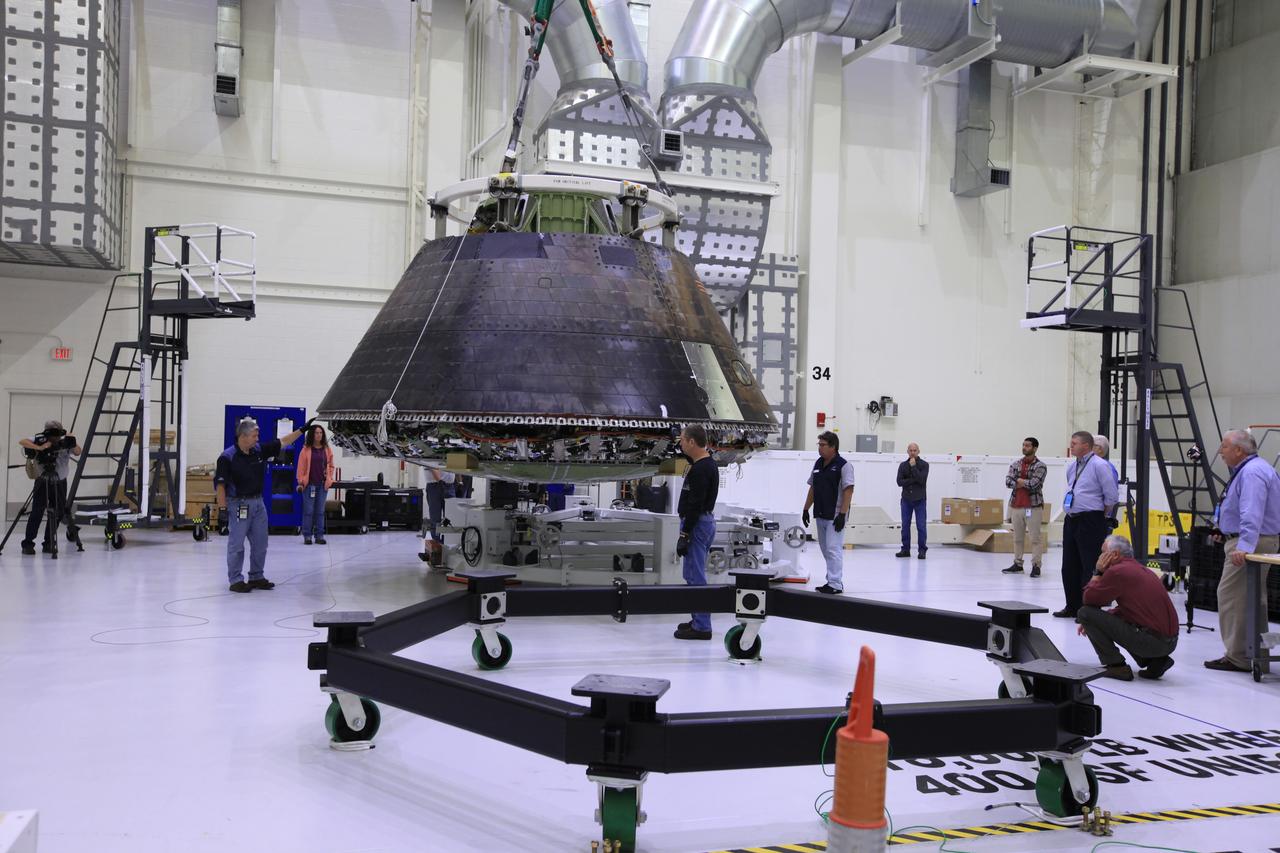
Inside the Neil Armstrong Operations and Checkout Building high bay at NASA's Kennedy Space Center in Florida, Lockheed Martin and ASRC workers monitor the progress as a crane moves the Orion crew module from Exploration Flight Test 1 over to a custom-built transport stand. The crew module is being prepared for its move to the nearby Kennedy Space Center Visitor Complex. It will be on display in the NASA Now exhibit in the IMAX Theater. The Orion spacecraft launched atop a United Launch Alliance Delta IV rocket Dec. 5, 2014, from Space Launch Complex 37 at Cape Canaveral Air Force Station. The spacecraft built for humans traveled 3,604 miles above Earth and splashed down about 4.5 hours later in the Pacific Ocean.
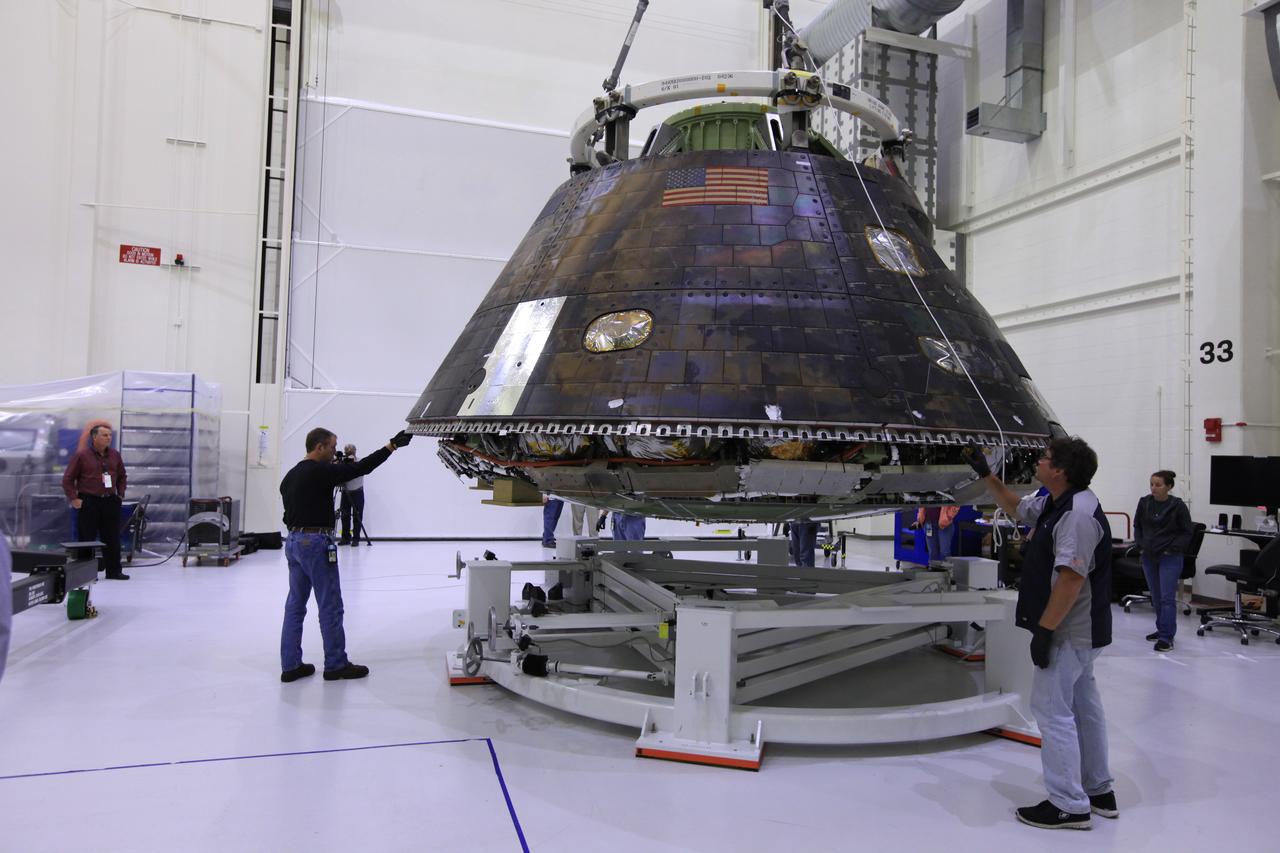
Inside the Neil Armstrong Operations and Checkout Building high bay at NASA's Kennedy Space Center in Florida, Lockheed Martin and ASRC workers monitor the progress as a crane lifts the Orion crew module from Exploration Flight Test 1 up from the birdcage stand. The crew module is being prepared for its move to the nearby Kennedy Space Center Visitor Complex. It will be on display in the NASA Now exhibit in the IMAX Theater. The Orion spacecraft launched atop a United Launch Alliance Delta IV rocket Dec. 5, 2014, from Space Launch Complex 37 at Cape Canaveral Air Force Station. The spacecraft built for humans traveled 3,604 miles above Earth and splashed down about 4.5 hours later in the Pacific Ocean.
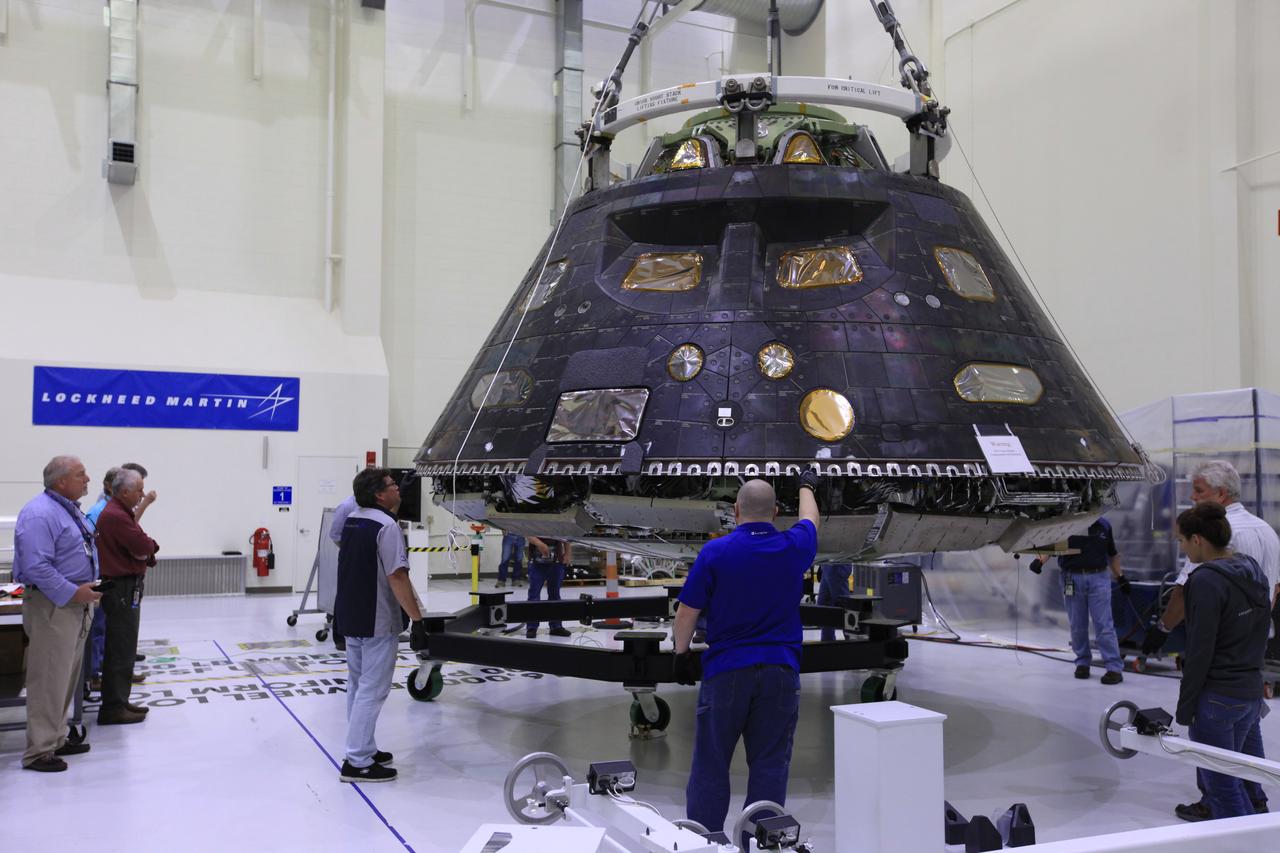
Inside the Neil Armstrong Operations and Checkout Building high bay at NASA's Kennedy Space Center in Florida, Lockheed Martin and ASRC workers monitor the progress as a crane lowers the Orion crew module from Exploration Flight Test 1 onto a custom-built transport stand. The crew module is being prepared for its move to the nearby Kennedy Space Center Visitor Complex and delivery to the IMAX Theater where it will be on display in the NASA Now exhibit. The Orion spacecraft launched atop a United Launch Alliance Delta IV rocket Dec. 5, 2014, from Space Launch Complex 37 at Cape Canaveral Air Force Station. The spacecraft built for humans traveled 3,604 miles above Earth and splashed down about 4.5 hours later in the Pacific Ocean.
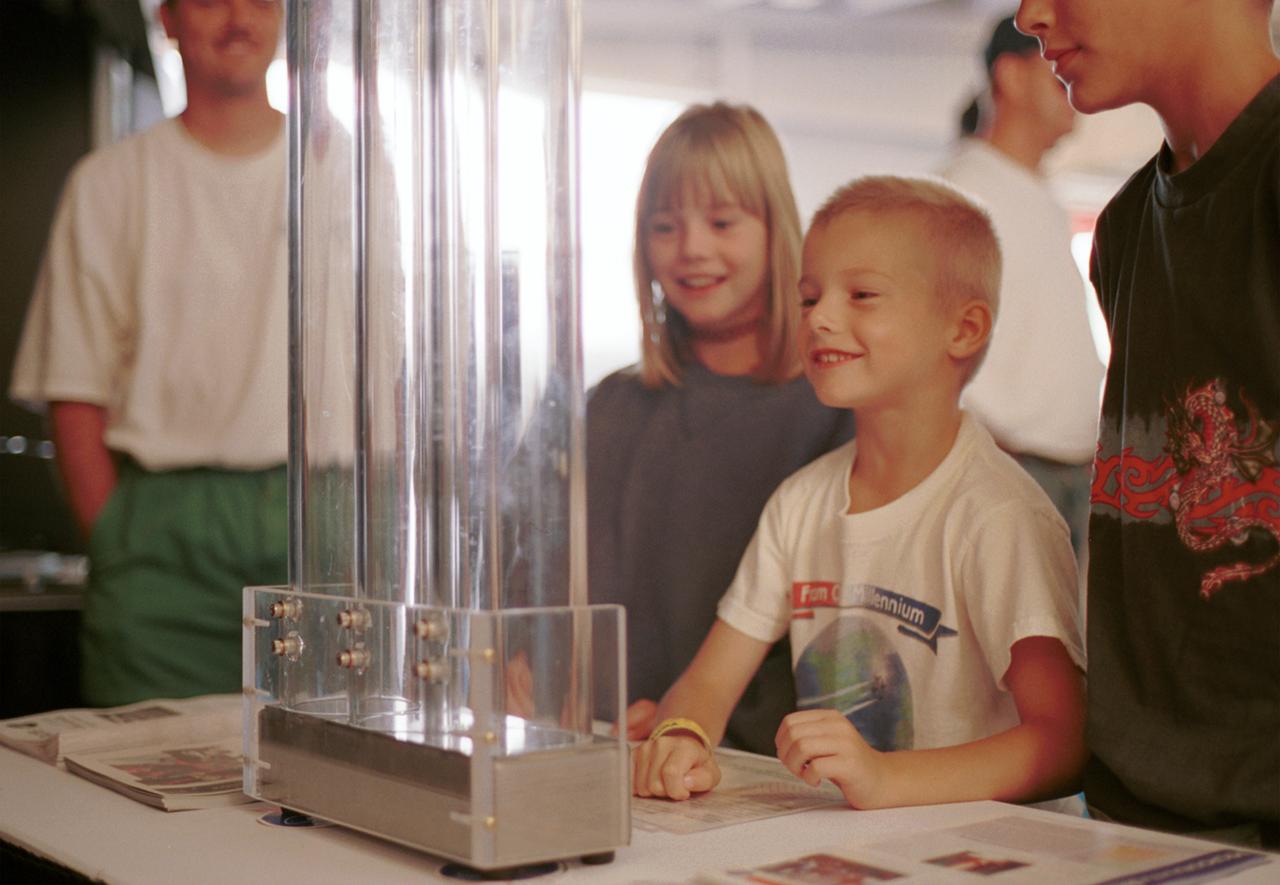
An entranced youngster watches a demonstration of the enhanced resilience of undercooled metal alloys as compared to conventional alloys. Steel bearings are dropped onto plates made of steel, titanium alloy, and zirconium liquid metal alloy, so-called because its molecular structure is amorphous and not crystalline. The bearing on the liquid metal plate bounces for a minute or more longer than on the other plates. Experiments aboard the Space Shuttle helped scientists refine their understanding of the physical properties of certain metal alloys when undercooled (i.e., kept liquid below their normal solidification temperature). This new knowledge then allowed scientists to modify a terrestrial production method so they can now make limited quantities marketed under the Liquid Metal trademark. The exhibit was a part of the NASA outreach activity at AirVenture 2000 sponsored by the Experimental Aircraft Association in Oshkosh, WI.
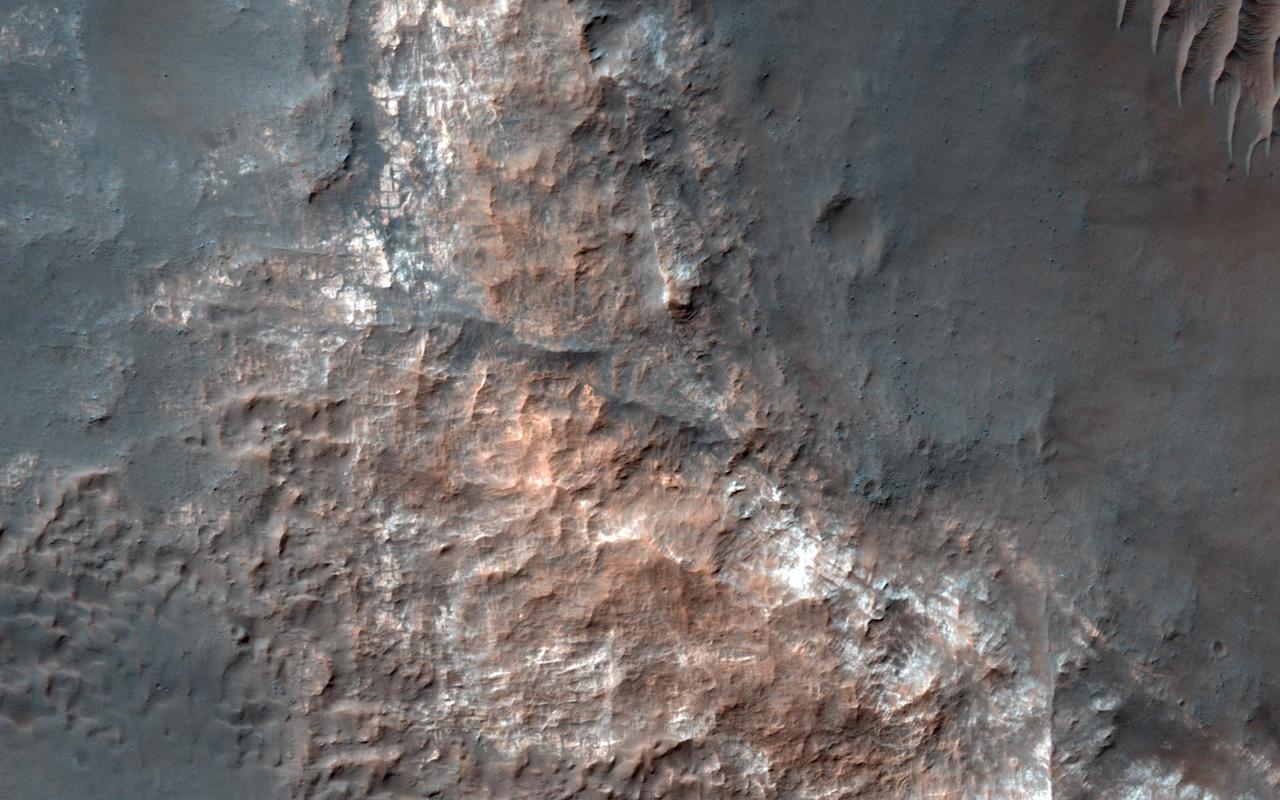
This image from NASA's Mars Reconnaissance Orbiter shows Gorgonum Basin, one of several large basins within the Terra Sirenum region of Mars. Each basin has light-toned mounds, many of which contain clays. Scientists think that Terra Sirenum once had a large lake during an epoch called the Late Noachian/Early Hesperian, and each basin filled with sediments. The water within the lake may have altered these sediments to form the clays we now observe from orbit. Ma'adim Vallis, which drains into Gusev Crater where the Spirit rover landed, drained the water from this ancient lake. Why the basin floors exhibit mounds similar to chaos regions on Mars is unknown, but could be the result of collapse and subsequent erosion within the basins. https://photojournal.jpl.nasa.gov/catalog/PIA21767
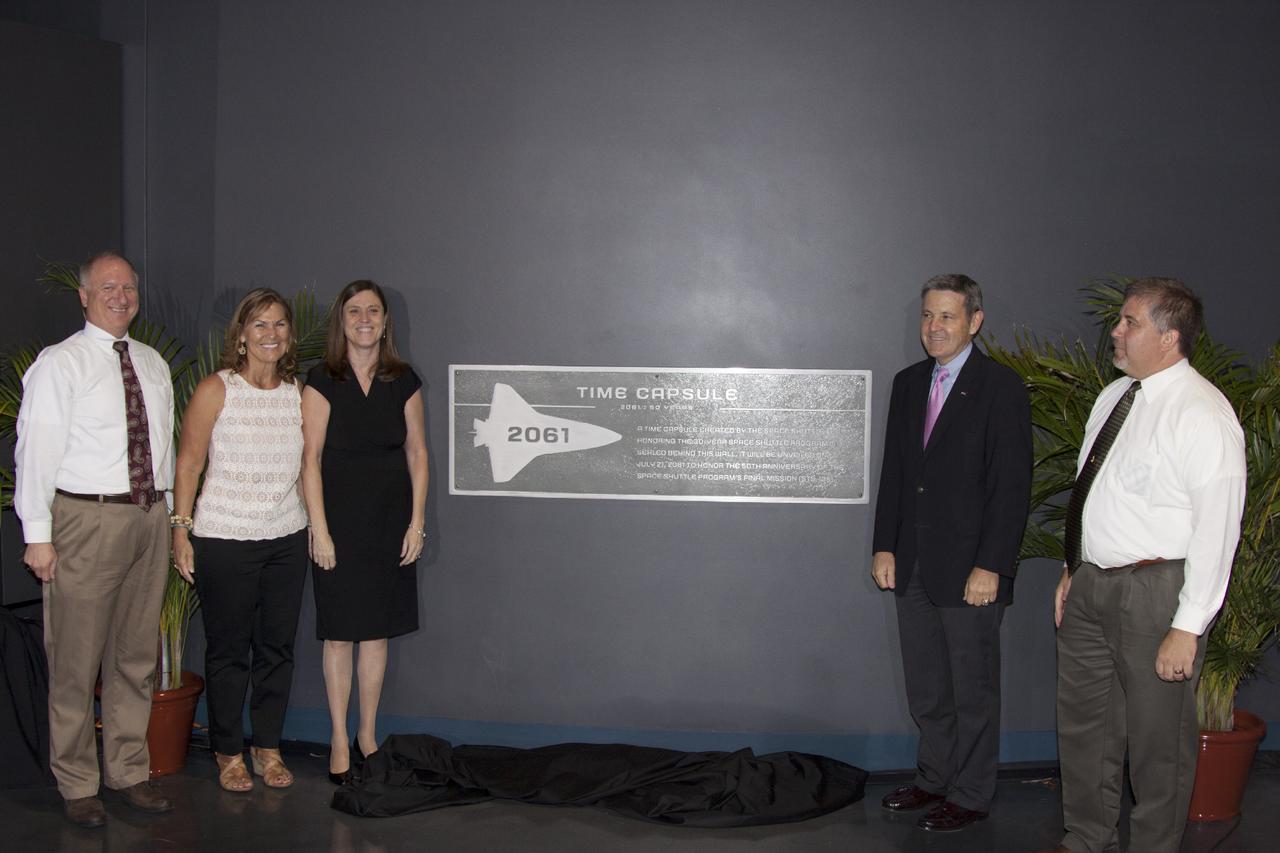
CAPE CANAVERAL, Fla. -- At the Kennedy Space Center Visitor Complex in Florida, officials pose at the site where a Shuttle Program time capsule has been secured vault within the walls of the Space Shuttle Atlantis home at the Kennedy Space Center Visitor Complex. From the left are: Pete Nickolenko, deputy director of NASA Ground Processing at Kennedy, Patty Stratton of Abacus Technology, currently program manager for the Information Management Communications Support Contract. During the Shuttle Program she was deputy director of Ground Operations for NASA's Space Program Operations Contractor, United Space Alliance, Rita Wilcoxon, NASA's now retired director of Shuttle Processing, Bob Cabana, director of the Kennedy Space Center and George Jacobs, deputy director of Center Operations, who was manager of the agency's Shuttle Transition and Retirement Project Office. The time capsule, containing artifacts and other memorabilia associated with the history of the program is designated to be opened on the 50th anniversary of the shuttle's final landing, STS-135. The new $100 million "Space Shuttle Atlantis" facility includes interactive exhibits that tell the story of the 30-year Space Shuttle Program and highlight the future of space exploration. Photo credit: NASA/Jim Grossmann
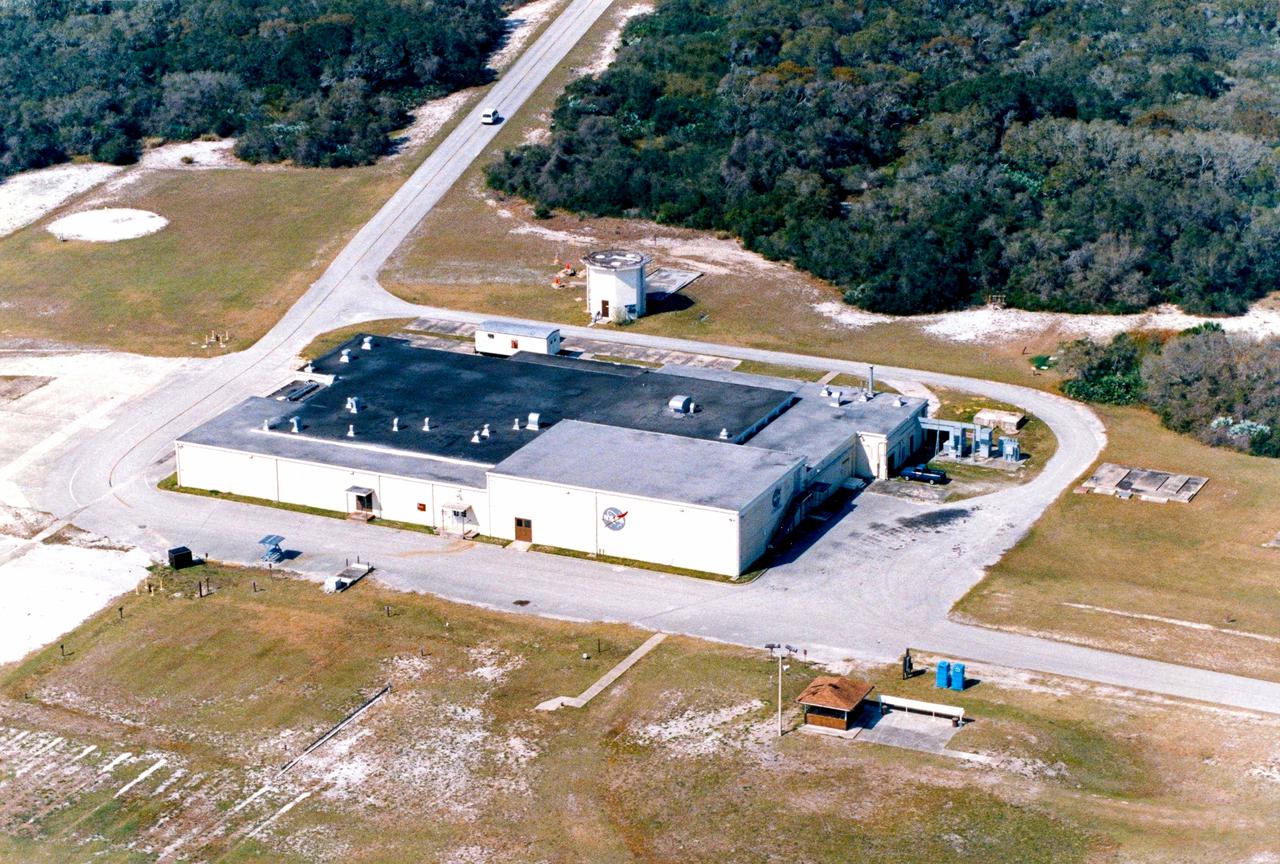
CAPE CANAVERAL, Fla. - With its operational days behind, on June 1, 1967, the Mission Control Center became a stop on the public tour of NASA facilities offered through the Kennedy Space Center Visitor’s Center, now called the Visitor Complex. Tours of the facility continued until the mid-90s. The Mercury Mission Control Center in Florida played a key role in the United States' early spaceflight program. Located at Cape Canaveral Air Force Station, the original part of the building was constructed between 1956 and 1958, with additions in 1959 and 1963. The facility officially was transferred to NASA on Dec. 26, 1963, and served as mission control during all the Project Mercury missions, as well as the first three flights of the Gemini Program, when it was renamed Mission Control Center. In 1999, much of the equipment and furnishings from the Flight Control Area were moved to the Kennedy Space Center Visitor Complex where they became part of the exhibit there. The building was demolished in spring 2010. Photo credit: NASA
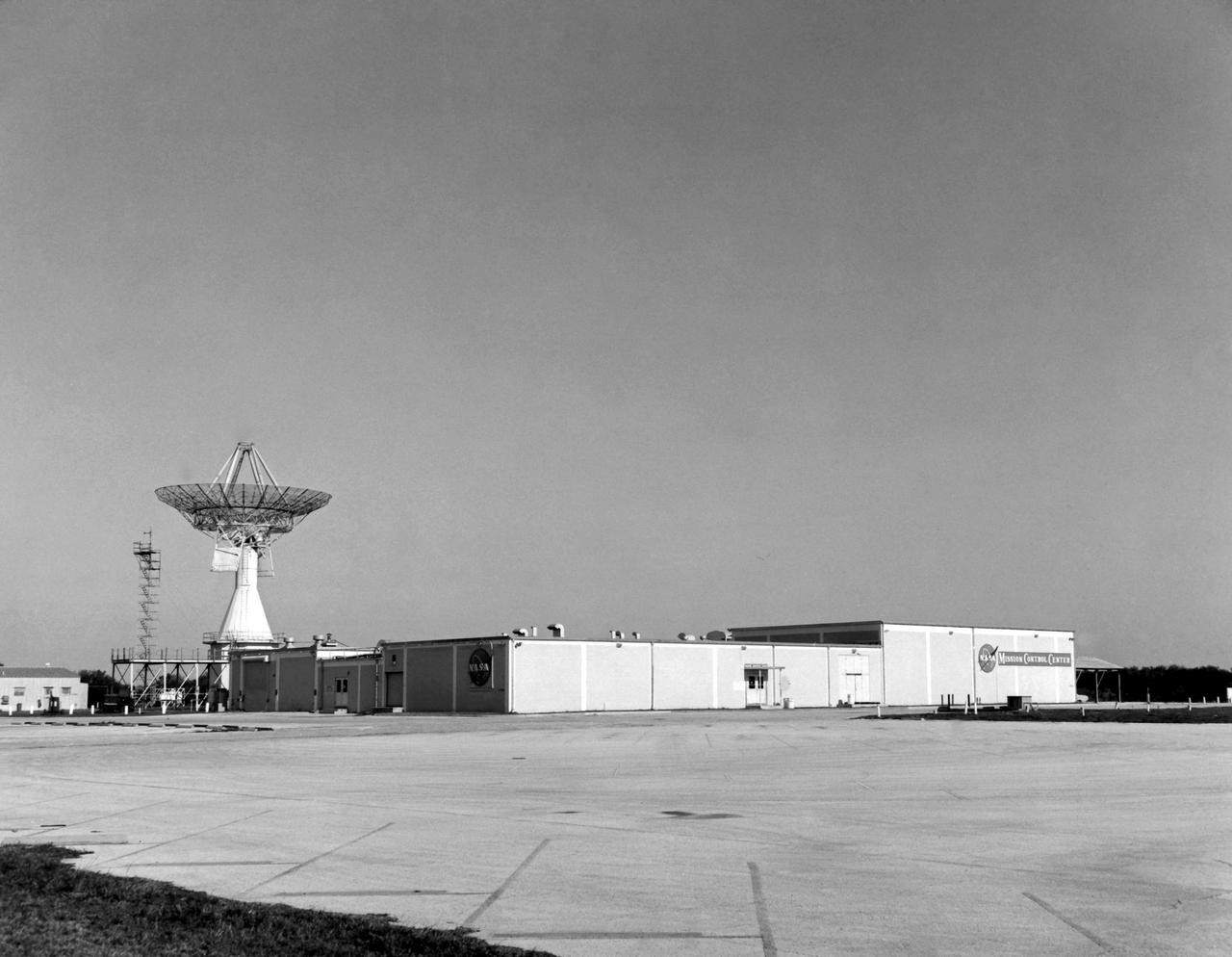
CAPE CANAVERAL, Fla. - With its operational days behind, on June 1, 1967, the Mission Control Center became a stop on the public tour of NASA facilities offered through the Kennedy Space Center Visitor’s Center, now called the Visitor Complex. Tours of the facility continued until the mid-90s. The Mercury Mission Control Center in Florida played a key role in the United States' early spaceflight program. Located at Cape Canaveral Air Force Station, the original part of the building was constructed between 1956 and 1958, with additions in 1959 and 1963. The facility officially was transferred to NASA on Dec. 26, 1963, and served as mission control during all the Project Mercury missions, as well as the first three flights of the Gemini Program, when it was renamed Mission Control Center. In 1999, much of the equipment and furnishings from the Flight Control Area were moved to the Kennedy Space Center Visitor Complex where they became part of the exhibit there. The building was demolished in spring 2010. Photo credit: NASA
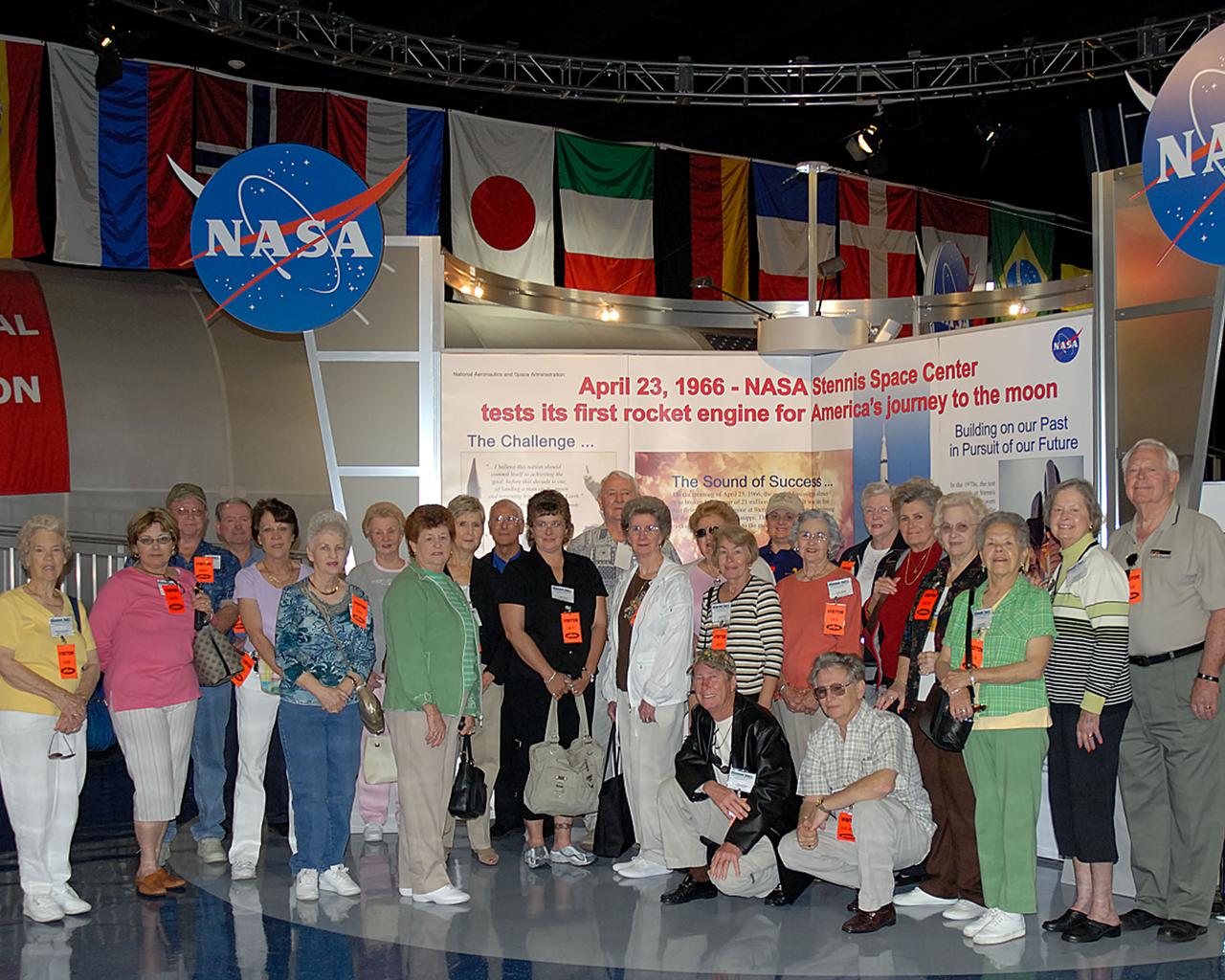
On April 24, a group traveling with Diamond Tours visited StenniSphere, the visitor center at NASA John C. Stennis Space Center in South Mississippi. The trip marked Diamond Tours' return to StenniSphere since Hurricane Katrina struck the Gulf Coast on Aug. 29, 2005. About 25 business professionals from Georgia enjoyed the day's tour of America's largest rocket engine test complex, along with the many displays and exhibits at the museum. Before Hurricane Katrina, the nationwide company brought more than 1,000 visitors to StenniSphere each month. That contributed to more than 100,000 visitors from around the world touring the space center each year. In past years StenniSphere's visitor relations specialists booked Diamond Tours two or three times a week, averaging 40 to 50 people per visit. SSC was established in the 1960s to test the huge engines for the Saturn V moon rockets. Now 40 years later, the center tests every main engine for the space shuttle. SSC will soon begin testing the rocket engines that will power spacecraft carrying Americans back to the moon and on to Mars. For more information or to book a tour, visit http://www.nasa.gov/centers/stennis/home/index.html and click on the StenniSphere logo; or call 800-237-1821 or 228-688-2370.

Date: 19 Nov 2013 Comet ISON shows off its tail in this three-minute exposure taken on 19 Nov. 2013 at 6:10 a.m. EST, using a 14-inch telescope located at the Marshall Space Flight Center. The comet is just nine days away from its close encounter with the sun; hopefully it will survive to put on a nice show during the first week of December. The star images are trailed because the telescope is tracking on the comet, which is now exhibiting obvious motion with respect to the background stars over a period of minutes. At the time of this image, Comet ISON was some 44 million miles from the sun -- and 80 million miles from Earth -- moving at a speed of 136,700 miles per hour. Credit: NASA/MSFC/Aaron Kingery -------- More details on Comet ISON: Comet ISON began its trip from the Oort cloud region of our solar system and is now travelling toward the sun. The comet will reach its closest approach to the sun on Thanksgiving Day -- 28 Nov 2013 -- skimming just 730,000 miles above the sun's surface. If it comes around the sun without breaking up, the comet will be visible in the Northern Hemisphere with the naked eye, and from what we see now, ISON is predicted to be a particularly bright and beautiful comet. Catalogued as C/2012 S1, Comet ISON was first spotted 585 million miles away in September 2012. This is ISON's very first trip around the sun, which means it is still made of pristine matter from the earliest days of the solar system’s formation, its top layers never having been lost by a trip near the sun. Comet ISON is, like all comets, a dirty snowball made up of dust and frozen gases like water, ammonia, methane and carbon dioxide -- some of the fundamental building blocks that scientists believe led to the formation of the planets 4.5 billion years ago. NASA has been using a vast fleet of spacecraft, instruments, and space- and Earth-based telescope, in order to learn more about this time capsule from when the solar system first formed. The journey along the way for such a sun-grazing comet can be dangerous. A giant ejection of solar material from the sun could rip its tail off. Before it reaches Mars -- at some 230 million miles away from the sun -- the radiation of the sun begins to boil its water, the first step toward breaking apart. And, if it survives all this, the intense radiation and pressure as it flies near the surface of the sun could destroy it altogether. This collection of images show ISON throughout that journey, as scientists watched to see whether the comet would break up or remain intact. The comet reaches its closest approach to the sun on Thanksgiving Day -- Nov. 28, 2013 -- skimming just 730,000 miles above the sun’s surface. If it comes around the sun without breaking up, the comet will be visible in the Northern Hemisphere with the naked eye, and from what we see now, ISON is predicted to be a particularly bright and beautiful comet. ISON stands for International Scientific Optical Network, a group of observatories in ten countries who have organized to detect, monitor, and track objects in space. ISON is managed by the Keldysh Institute of Applied Mathematics, part of the Russian Academy of Sciences. <b><a href="http://www.nasa.gov/audience/formedia/features/MP_Photo_Guidelines.html" rel="nofollow">NASA image use policy.</a></b> <b><a href="http://www.nasa.gov/centers/goddard/home/index.html" rel="nofollow">NASA Goddard Space Flight Center</a></b> enables NASA’s mission through four scientific endeavors: Earth Science, Heliophysics, Solar System Exploration, and Astrophysics. Goddard plays a leading role in NASA’s accomplishments by contributing compelling scientific knowledge to advance the Agency’s mission. <b>Follow us on <a href="http://twitter.com/NASA_GoddardPix" rel="nofollow">Twitter</a></b> <b>Like us on <a href="http://www.facebook.com/pages/Greenbelt-MD/NASA-Goddard/39501</b>