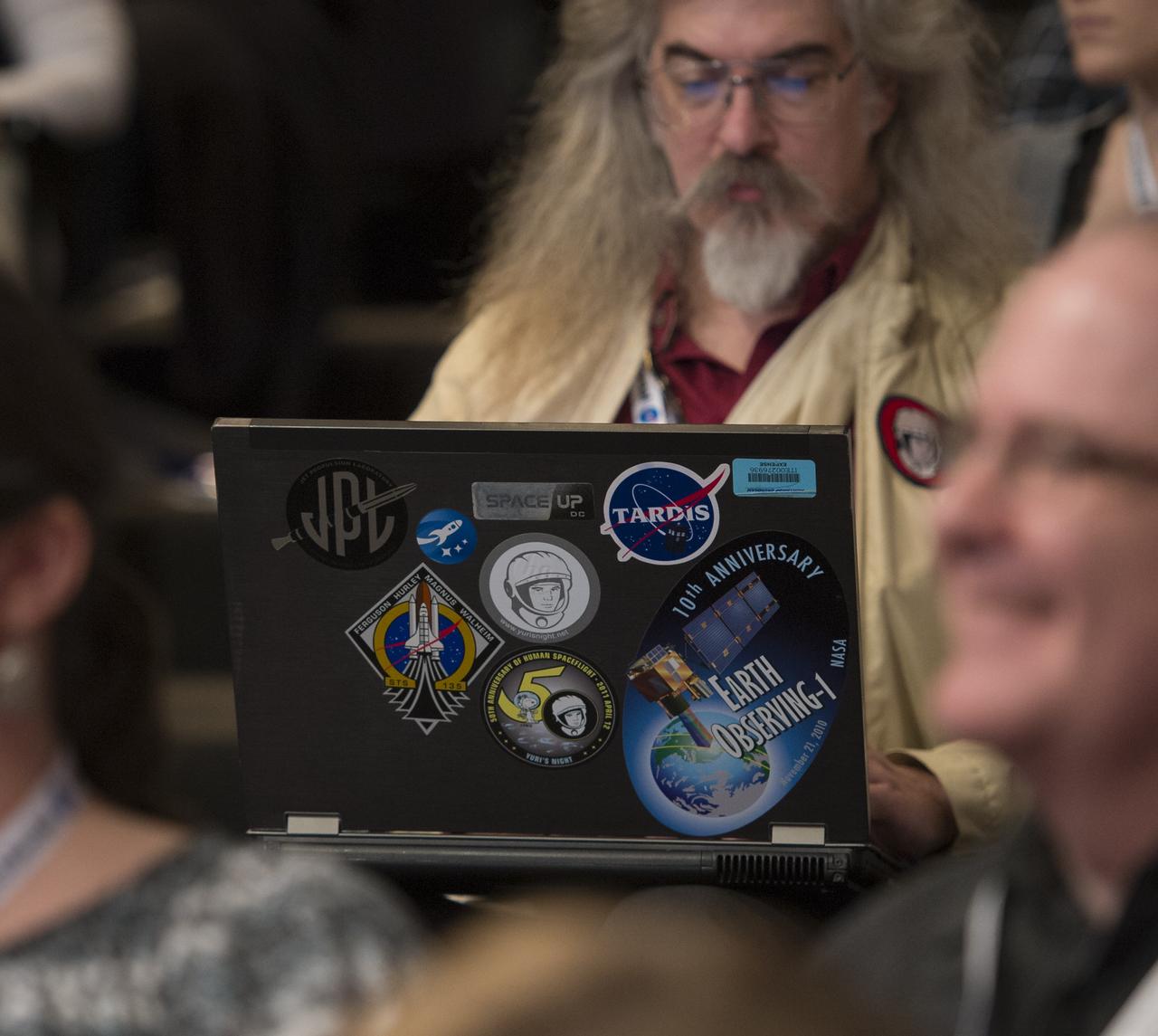
A participant at a NASA Social in Washington engages in social media as he listens to astronaut Joe Acaba answer questions, Tuesday, Dec. 4, 2012 at NASA Headquarters. NASA astronaut Joe Acaba launched to the International Space Station on a Russian Soyuz spacecraft May 15, 2012, spending 123 days aboard as a flight engineer of the Expedition 31 and 32 crews. He recently returned to Earth on Sept. 17 after four months in low earth orbit. Photo Credit: (NASA/Carla Cioffi)
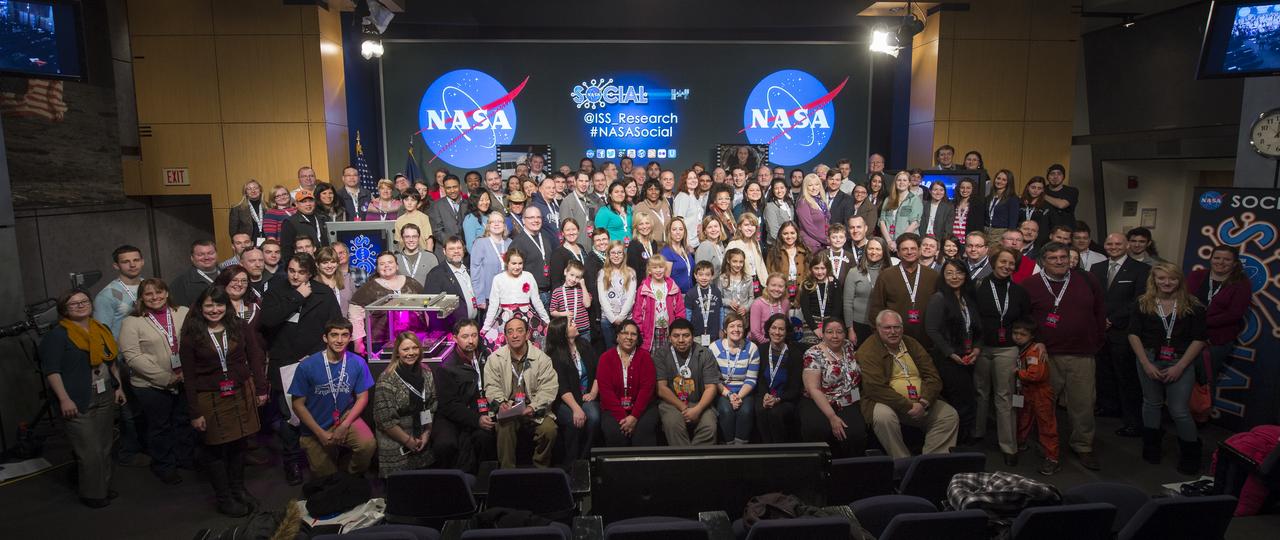
NASA Social attendees pose for a group photograph following a NASA Social exploring science on the ISS at NASA Headquarters, Wednesday, Feb. 20, 2013 in Washington. Photo Credit: (NASA/Carla Cioffi)
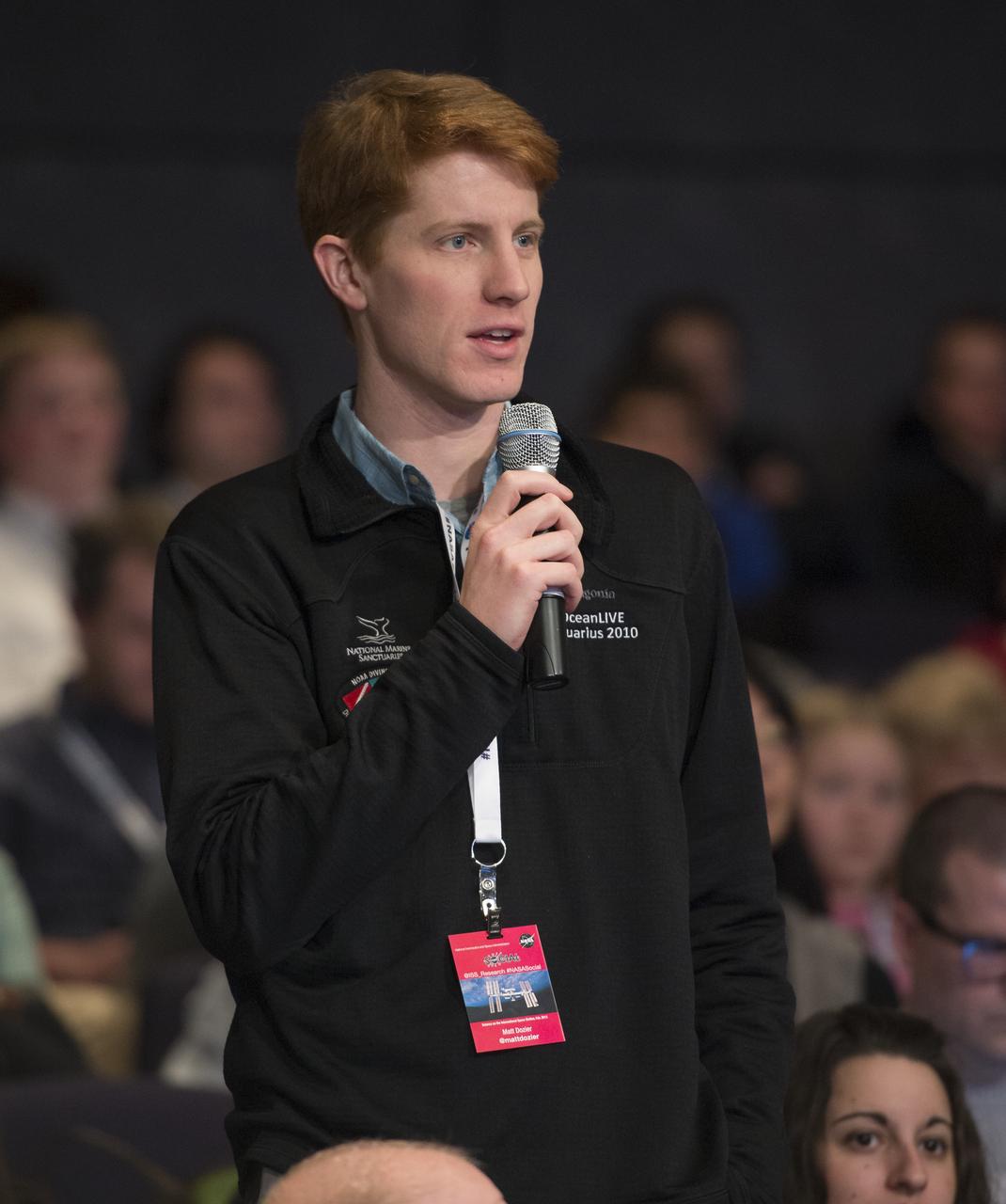
A NASA Social participant asks a question at a NASA Social exploring science on the ISS at NASA Headquarters, Wednesday, Feb. 20, 2013 in Washington. Photo Credit: (NASA/Carla Cioffi)
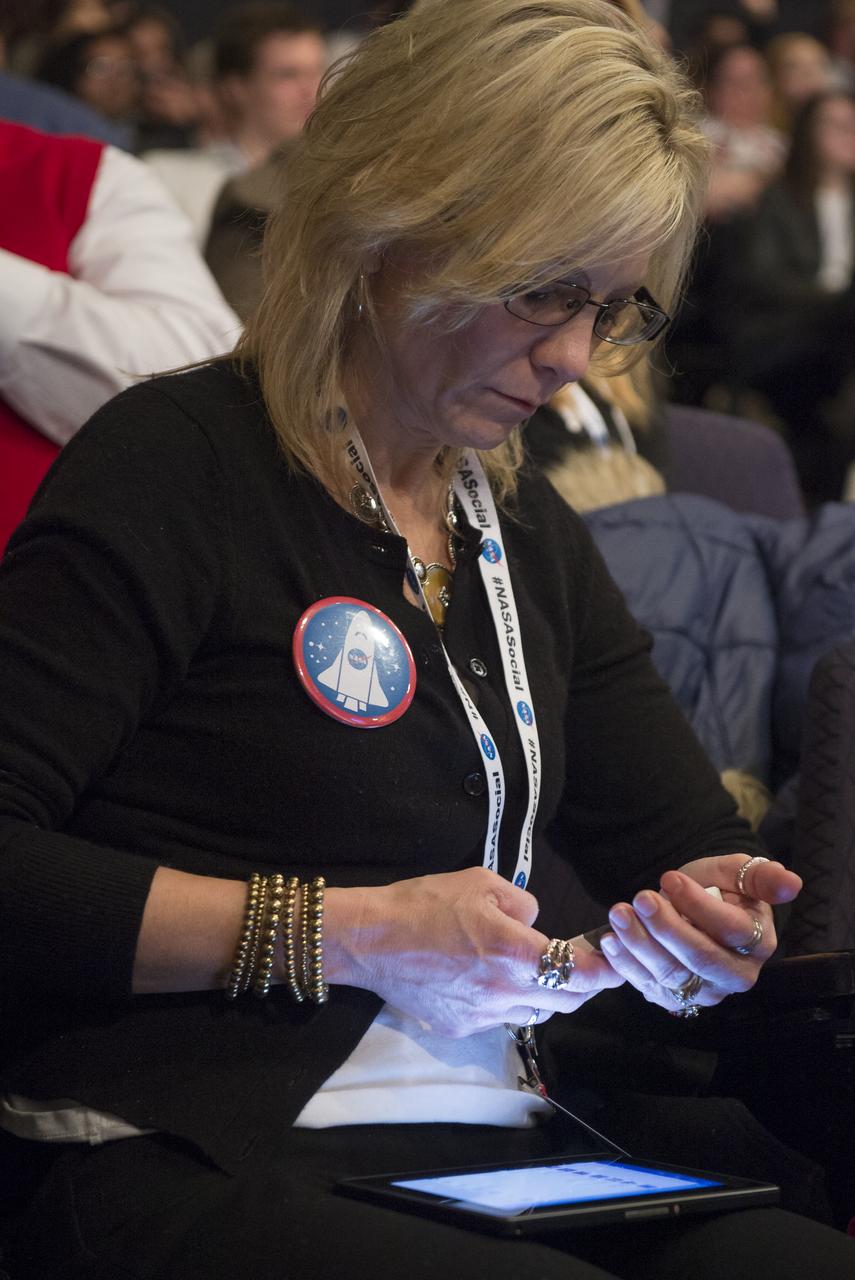
An attendee at a NASA Social tweets on her cell phone at a NASA Social exploring science on the ISS at NASA Headquarters, Wednesday, Feb. 20, 2013 in Washington. Photo Credit: (NASA/Carla Cioffi)
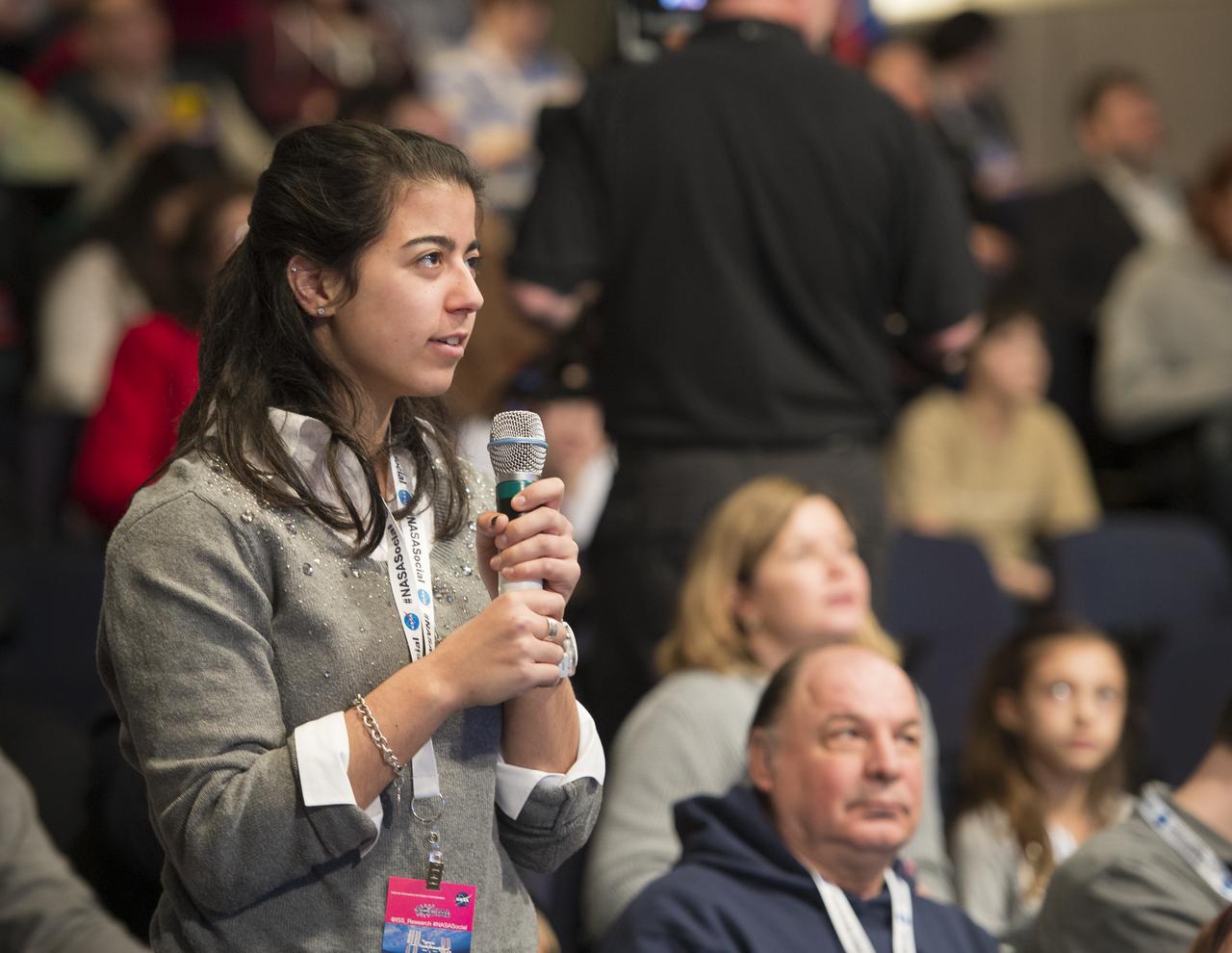
A NASA Social participant asks a question to the astronauts onboard the International Space Station in a live downlink from the ISS at a NASA Social exploring science on the ISS at NASA Headquarters, Wednesday, Feb. 20, 2013 in Washington. Photo Credit: (NASA/Carla Cioffi)
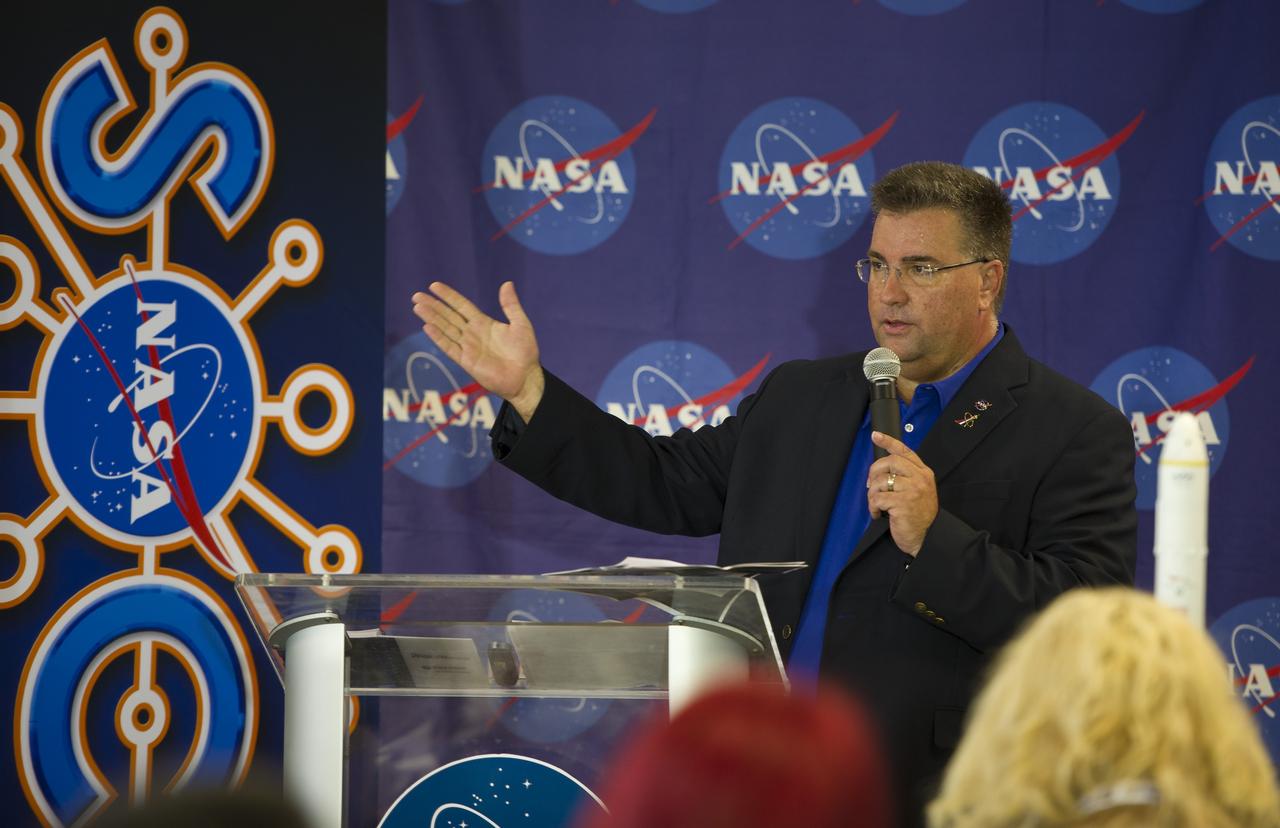
Ed Mango, of the NASA Commercial Crew Office, speaks during a NASA Social, Friday, May 18, 2012, at Kennedy Space Center in Cape Canaveral, Fla. About 50 NASA Social followers attended an event as part of activities surrounding the launch of Space Exploration Technologies, or SpaceX, demonstration mission of the company's Falcon 9 rocket to the International Space Station. Photo Credit: (NASA/Paul E. Alers)
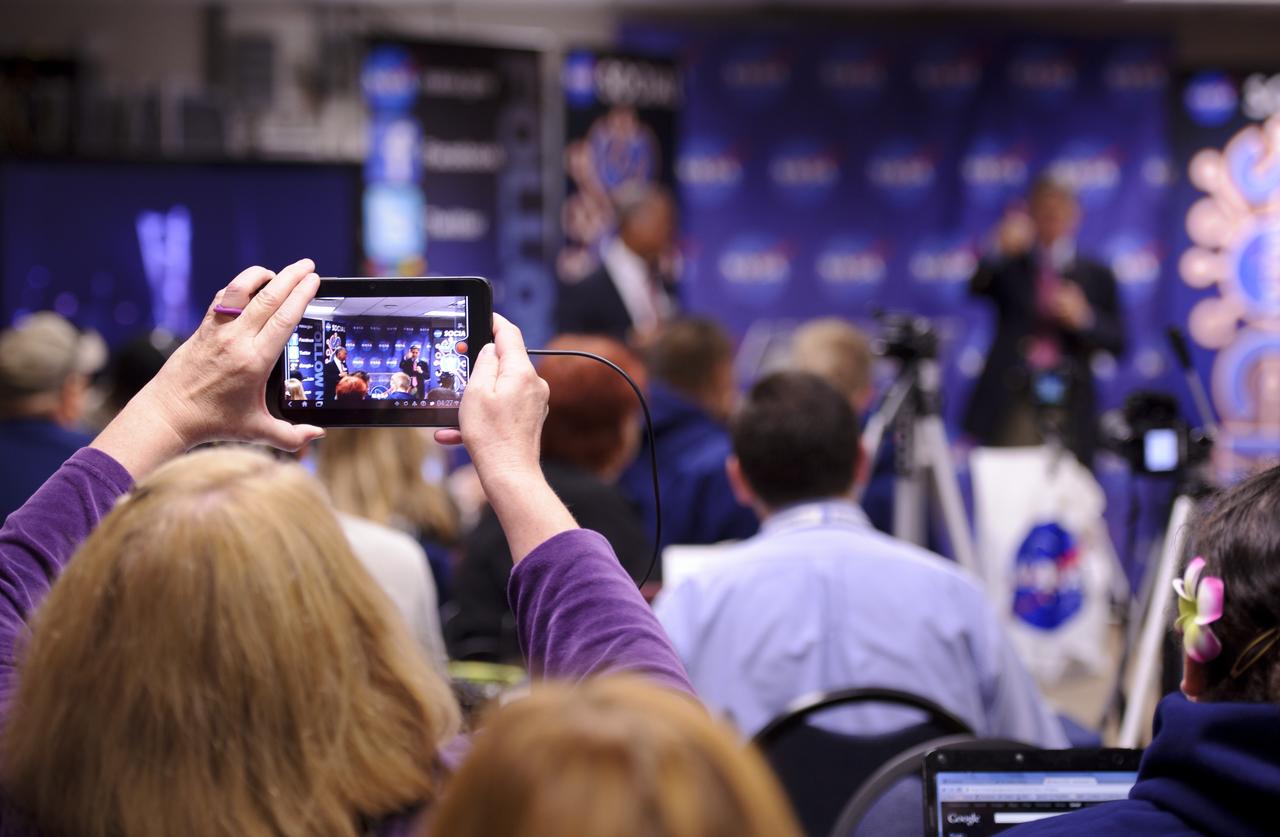
A NASA Social follower holds up a mobile device as NASA Administrator Charles Bolden, left, and Kennedy Space Center director Robert Cabana appear at the NASA Social event, Friday morning, May 19, 2012, at Kennedy Space Center in Cape Canaveral, Fla. About 50 NASA Social followers attended an event as part of activities surrounding the launch of Space Exploration Technologies, or SpaceX, demonstration mission of the company's Falcon 9 rocket to the International Space Station. Photo Credit: (NASA/Paul E. Alers)

A NASA Social participant tweets during as astronaut Joe Acaba answers questions from the audience at NASA Headquaters, Tuesday, Dec. 4, 2012 in Washington. NASA astronaut Acaba launched to the ISS on a Russian Soyuz spacecraft May 15, 2012, spending 123 days aboard as a flight engineer of the Expedition 31 and 32 crews. He recently returned to Earth on Sept. 17 after four months in low earth orbit. Photo Credit: (NASA/Carla Cioffi)

A participant at a NASA Social in Washington listens to astronaut Joe Acaba answer questions about his time living aboard the International Space Station, Tuesday, Dec. 4, 2012 at NASA Headquarters. NASA astronaut Acaba launched to the ISS on a Russian Soyuz spacecraft May 15, 2012, spending 123 days aboard as a flight engineer of the Expedition 31 and 32 crews. He recently returned to Earth on Sept. 17 after four months in low earth orbit. Photo Credit: (NASA/Carla Cioffi)
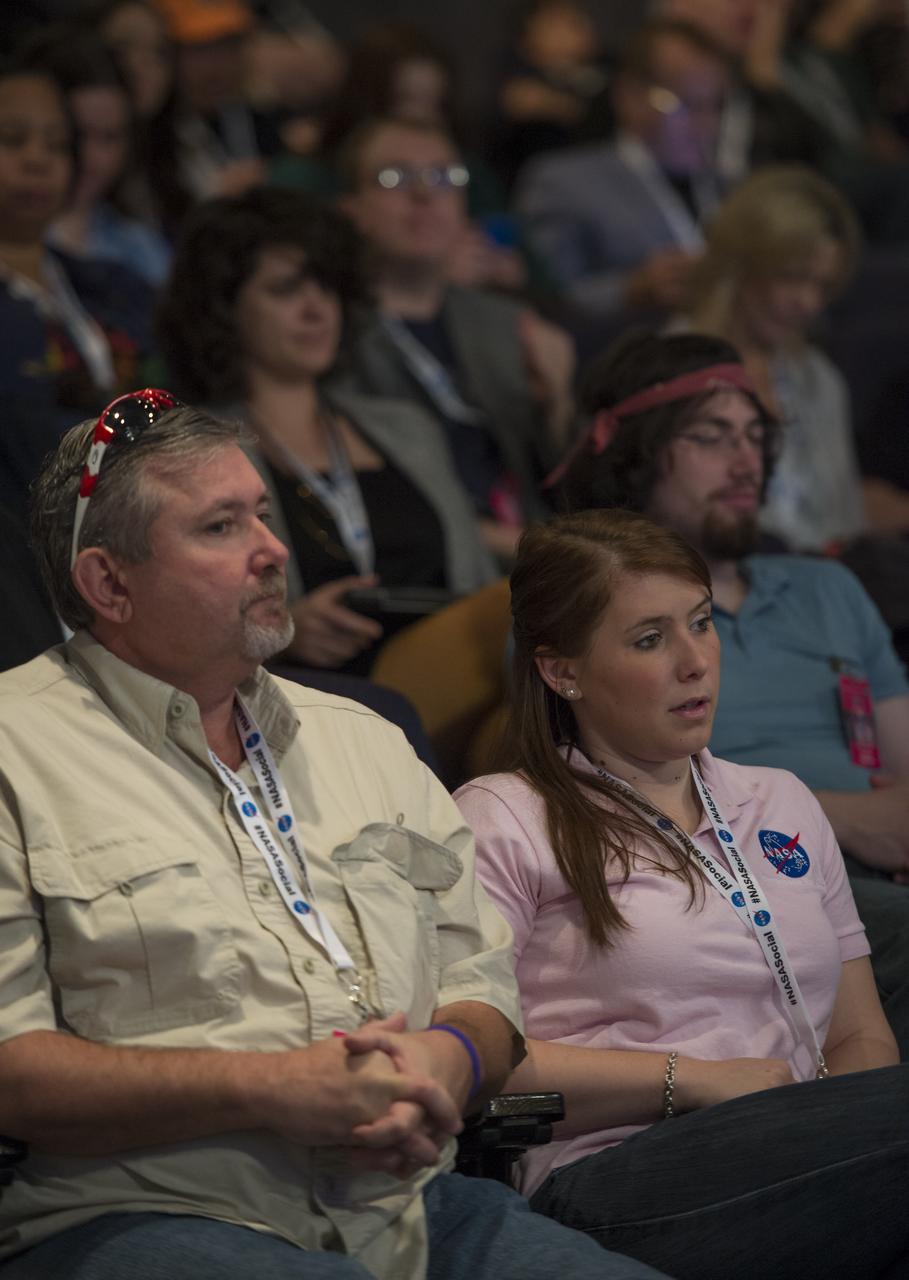
NASA Social participants listen as astronaut Joe Acaba answers questions about his time living aboard the International Space Station at NASA Headquarters, Tuesday, Dec. 4, 2012 in Washington. Acaba launched to the International Space Station on a Russian Soyuz spacecraft May 15, 2012, spending 123 days aboard as a flight engineer of the Expedition 31 and 32 crews. He recently returned to Earth on Sept. 17 after four months in low earth orbit. Photo Credit: (NASA/Carla Cioffi)
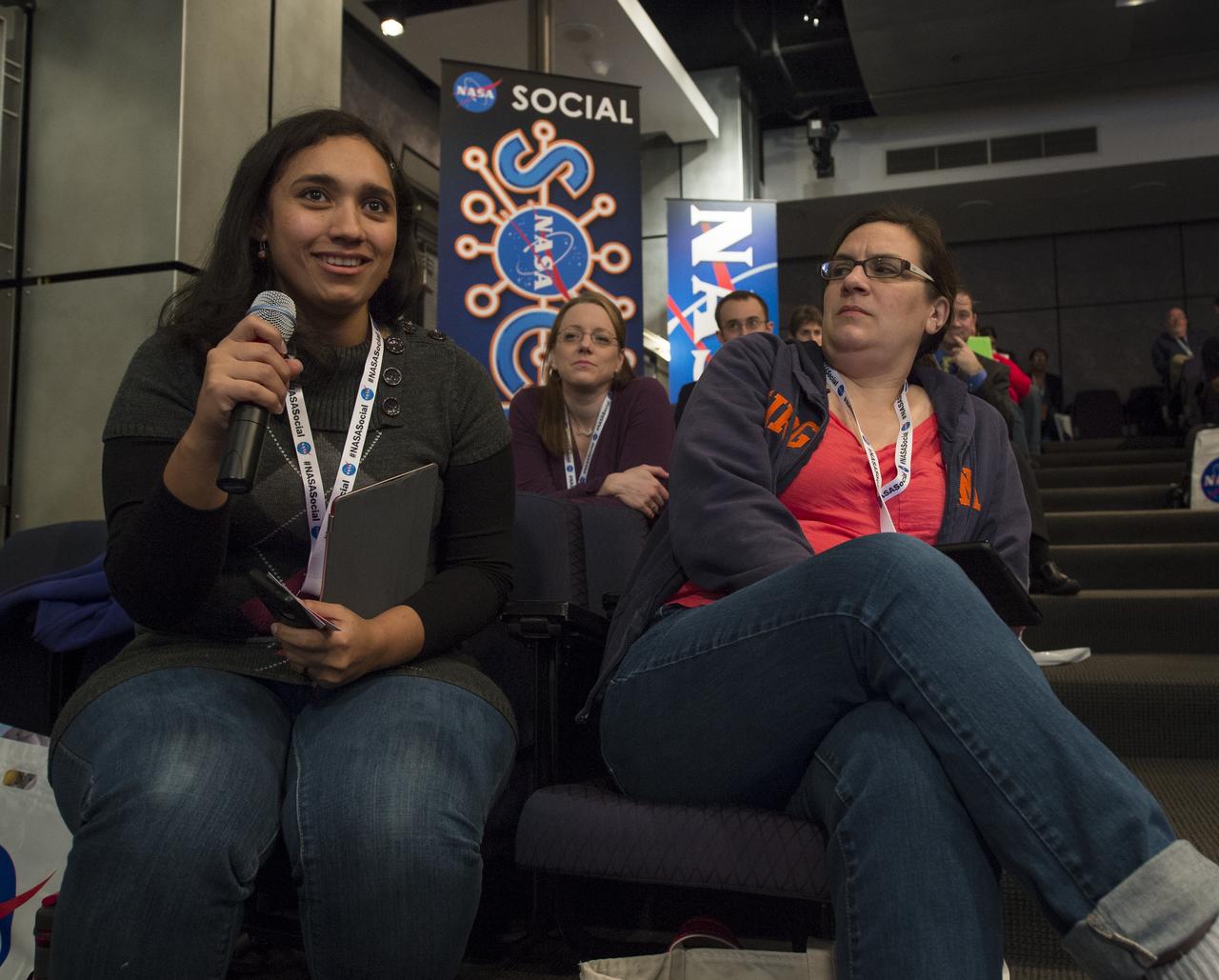
A participant at a NASA Social in Washington asks astronaut Joe Acaba a question, Tuesday, Dec. 4, 2012, at NASA Headquarters. Acaba launched to the International Space Station on a Russian Soyuz spacecraft May 15, 2012, spending 123 days aboard as a flight engineer of the Expedition 31 and 32 crews. He recently returned to Earth on Sept. 17 after four months in low earth orbit. Photo Credit: (NASA/Carla Cioffi)
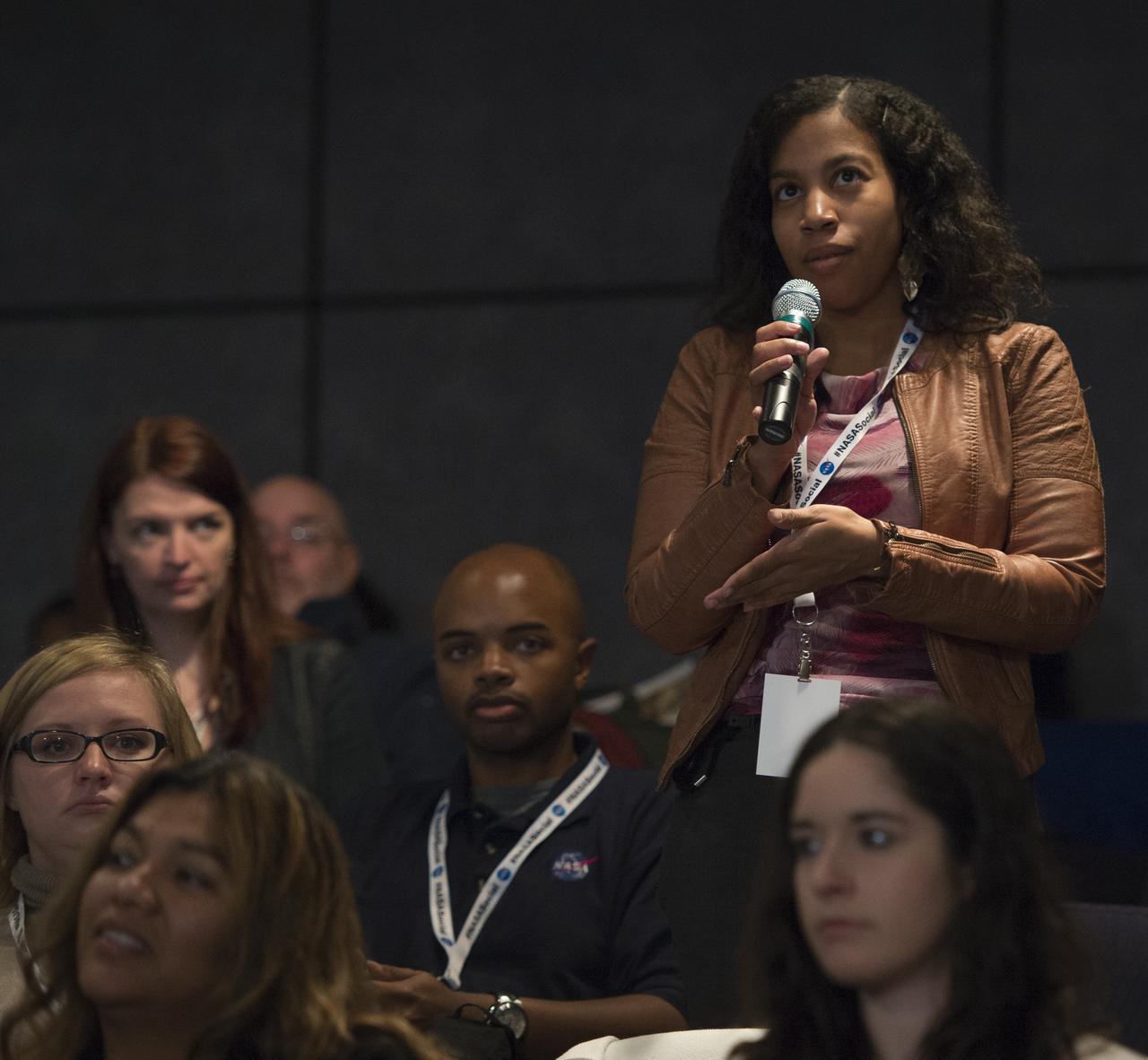
A participant at a NASA Social in Washington asks astronaut Joe Acaba a question, Tuesday, Dec. 4, 2012, at NASA Headquarters. Acaba launched to the International Space Station on a Russian Soyuz spacecraft May 15, 2012, spending 123 days aboard as a flight engineer of the Expedition 31 and 32 crews. He recently returned to Earth on Sept. 17 after four months in low earth orbit. Photo Credit: (NASA/Carla Cioffi)
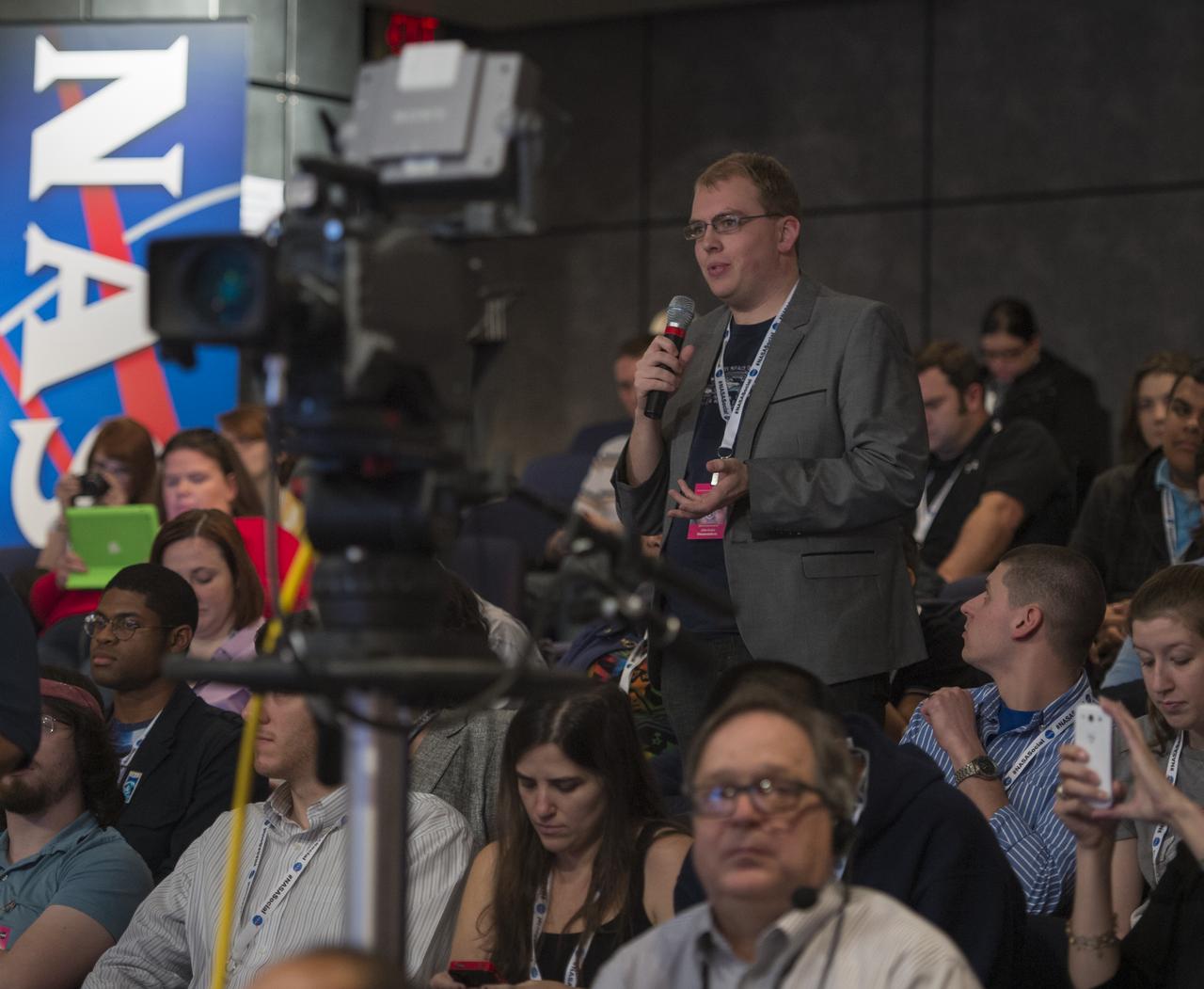
A participant at a NASA Social in Washington asks astronaut Joe Acaba a question, Tuesday, Dec. 4, 2012, at NASA Headquarters. Acaba launched to the International Space Station on a Russian Soyuz spacecraft May 15, 2012, spending 123 days aboard as a flight engineer of the Expedition 31 and 32 crews. He recently returned to Earth on Sept. 17 after four months in low earth orbit. Photo Credit: (NASA/Carla Cioffi)
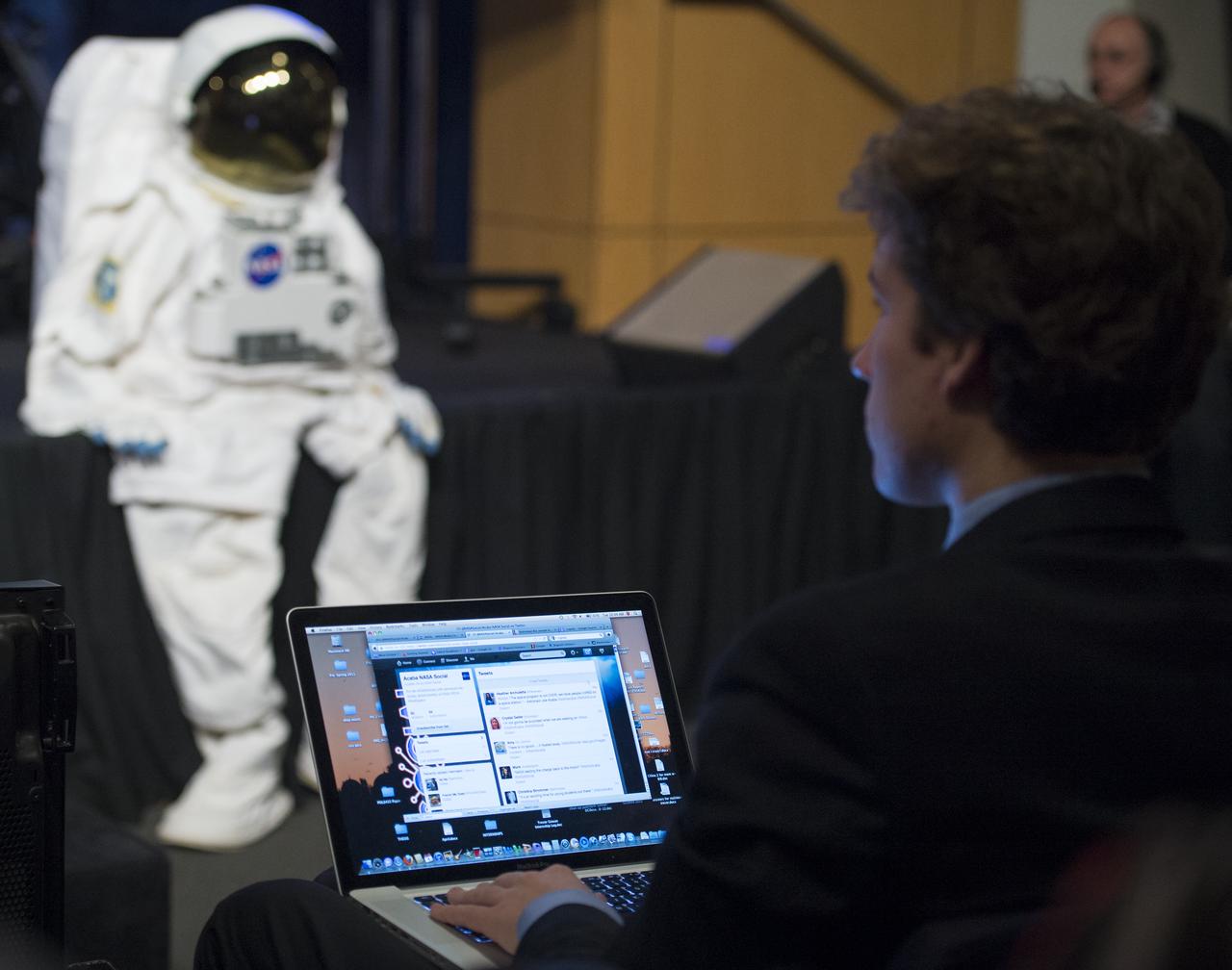
A participant at a NASA Social in Washington tweets as he listens to astronaut Joe Acaba answer questions about his time living aboard the International Space Station, Tuesday, Dec. 4, 2012 at NASA Headquarters. NASA astronaut Joe Acaba launched to the ISS on a Russian Soyuz spacecraft May 15, 2012, spending 123 days aboard as a flight engineer of the Expedition 31 and 32 crews. He recently returned to Earth on Sept. 17 after four months in low earth orbit. Photo Credit: (NASA/Carla Cioffi)
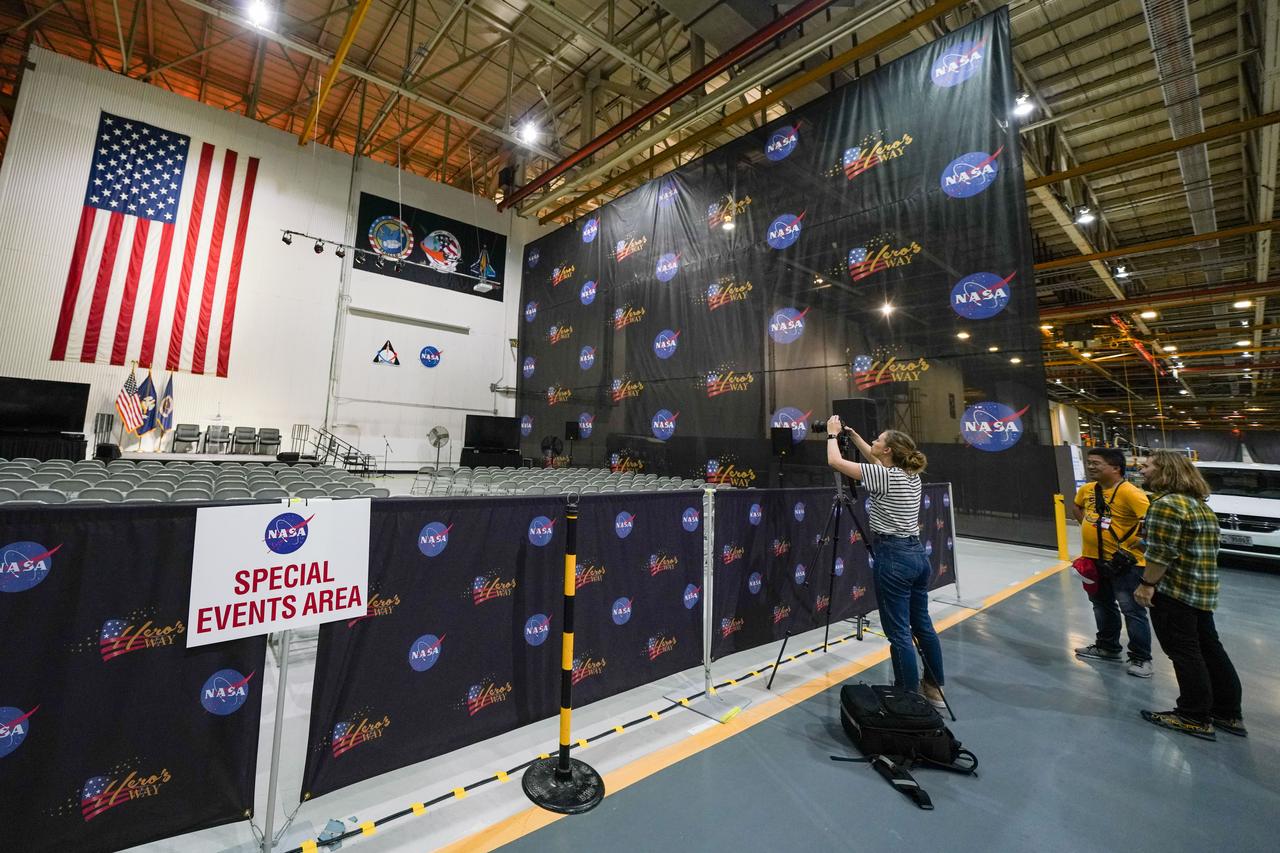
NASA's Photo Social at Michoud Assembly Facility
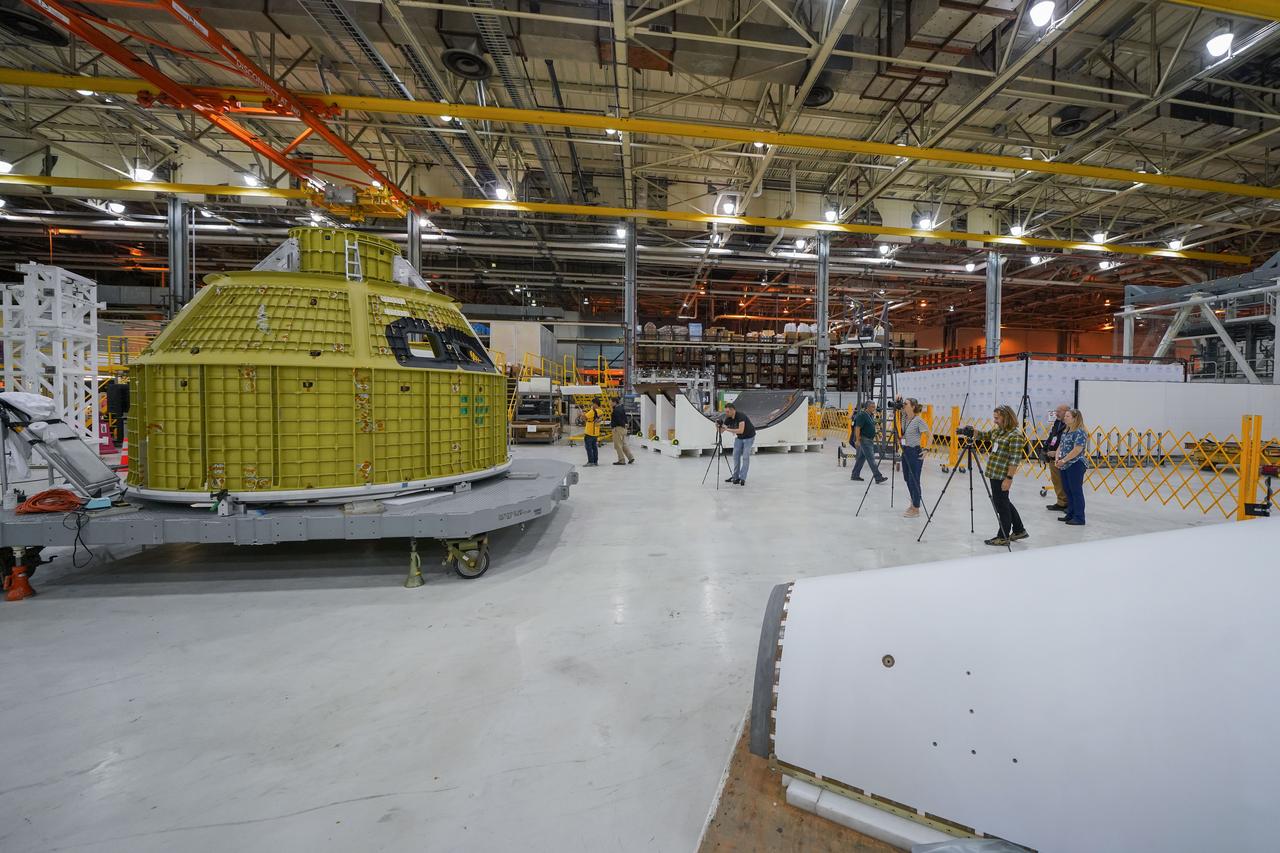
NASA's Photo Social at Michoud Assembly Facility
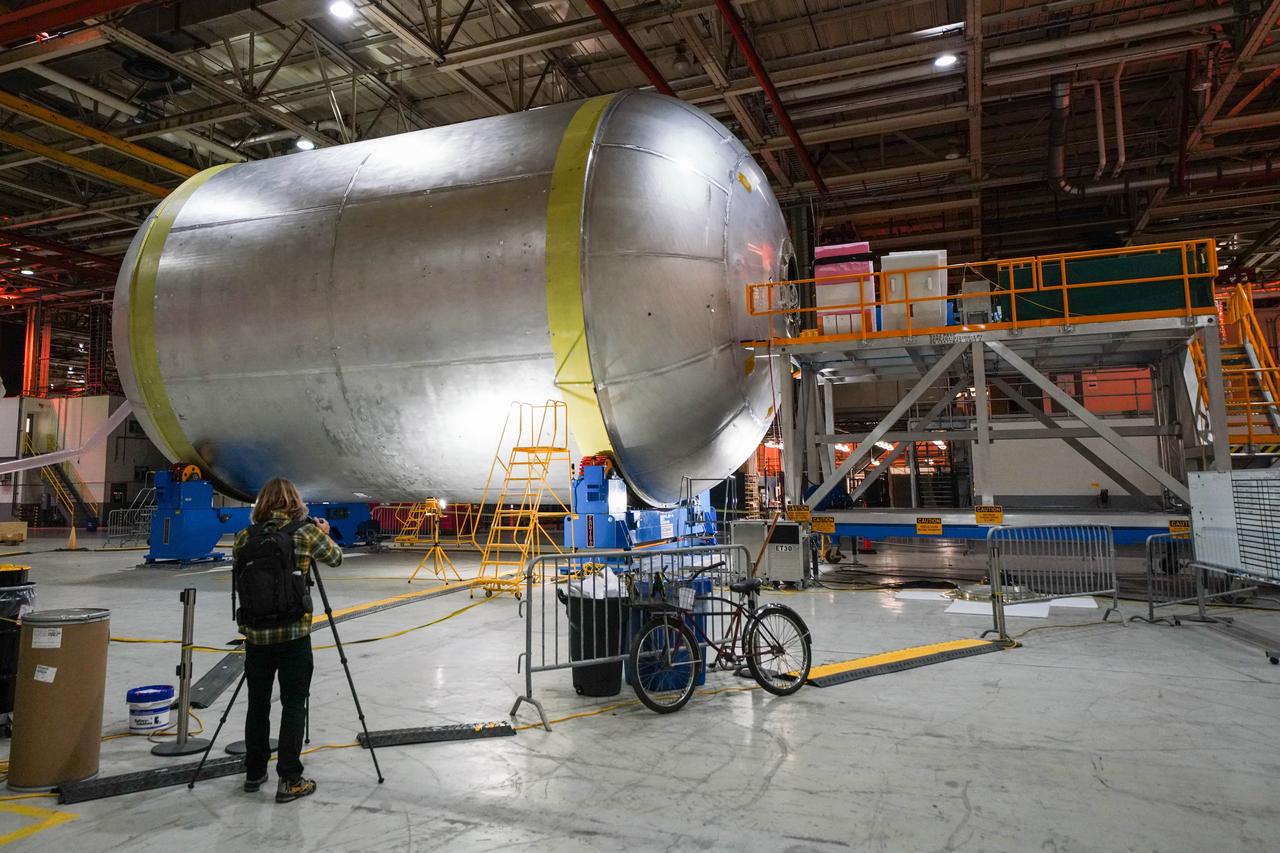
NASA's Photo Social at Michoud Assembly Facility
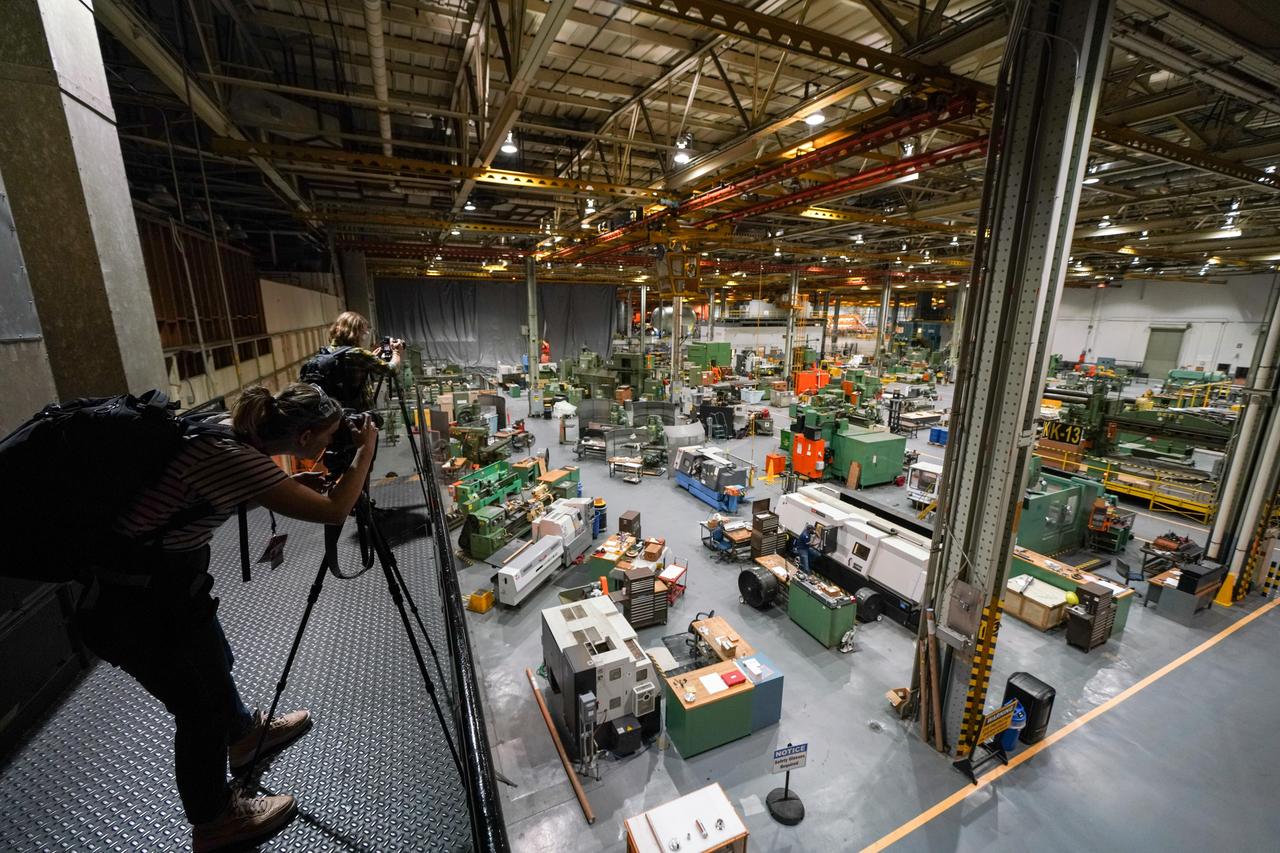
NASA's Photo Social at Michoud Assembly Facility
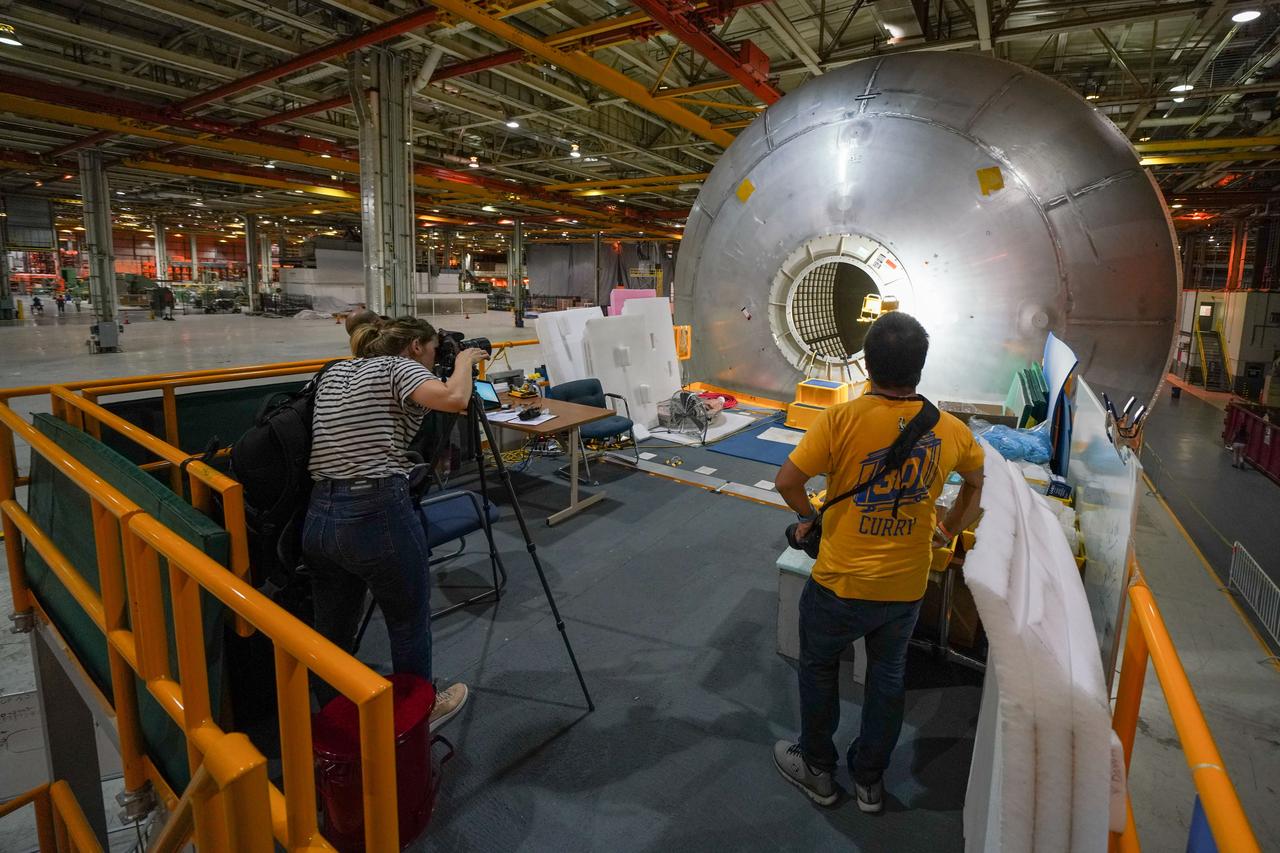
NASA's Photo Social at Michoud Assembly Facility

NASA's Photo Social at Michoud Assembly Facility
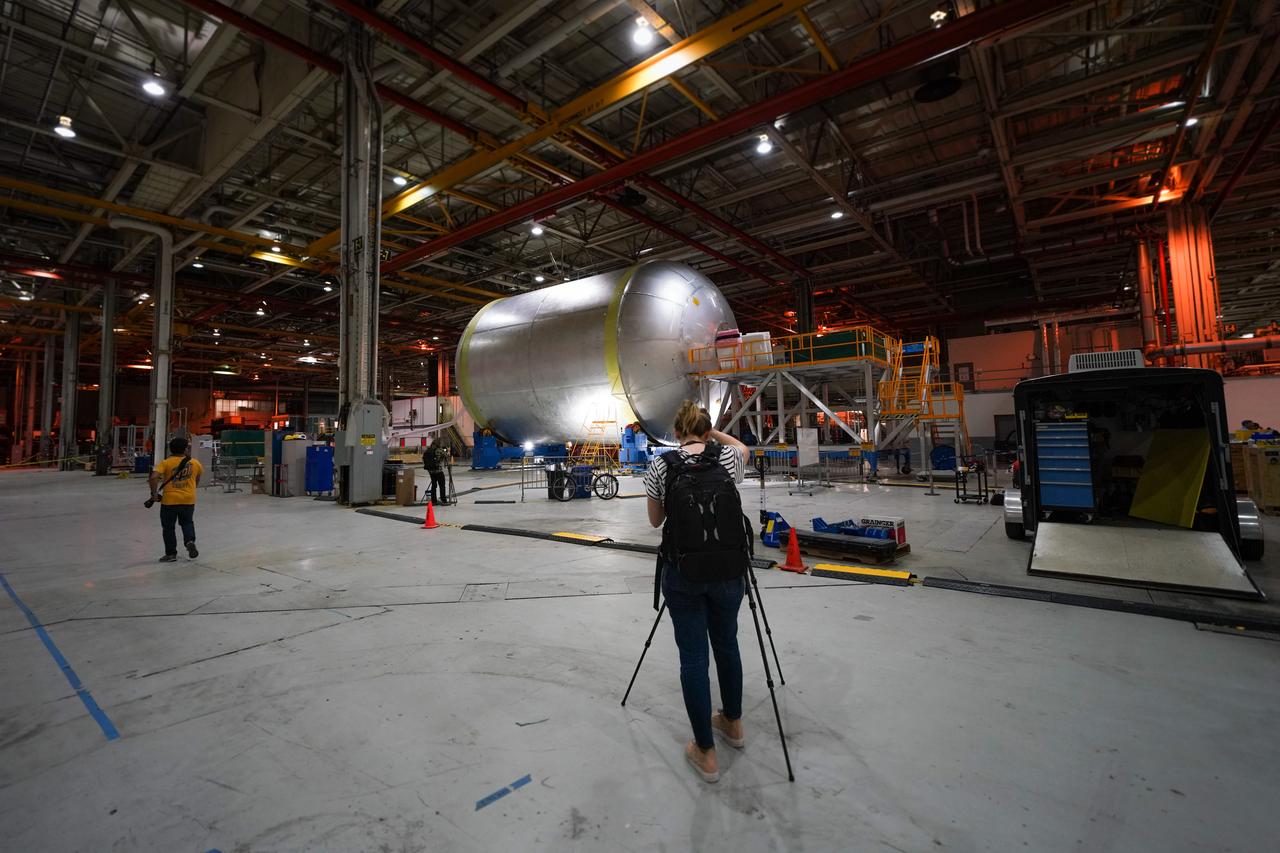
NASA's Photo Social at Michoud Assembly Facility
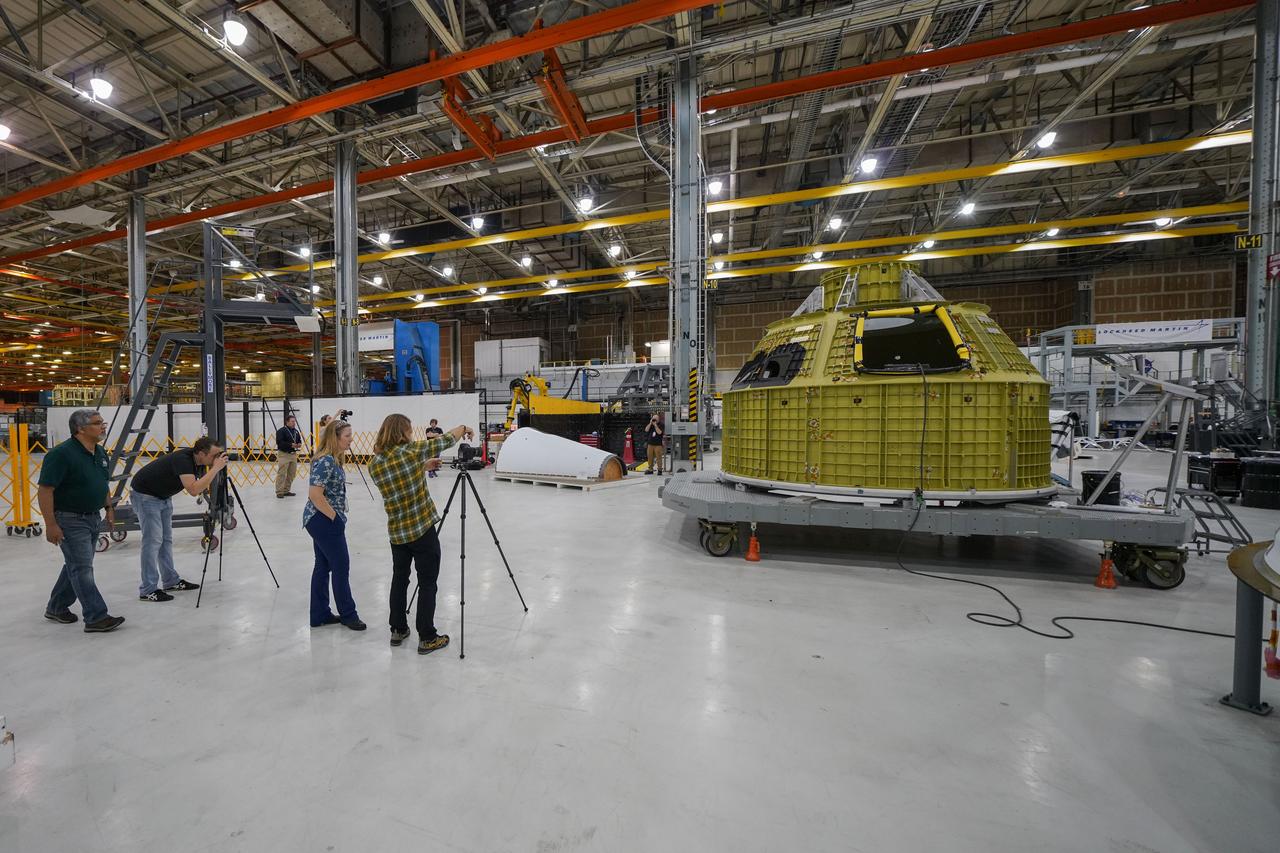
NASA's Photo Social at Michoud Assembly Facility
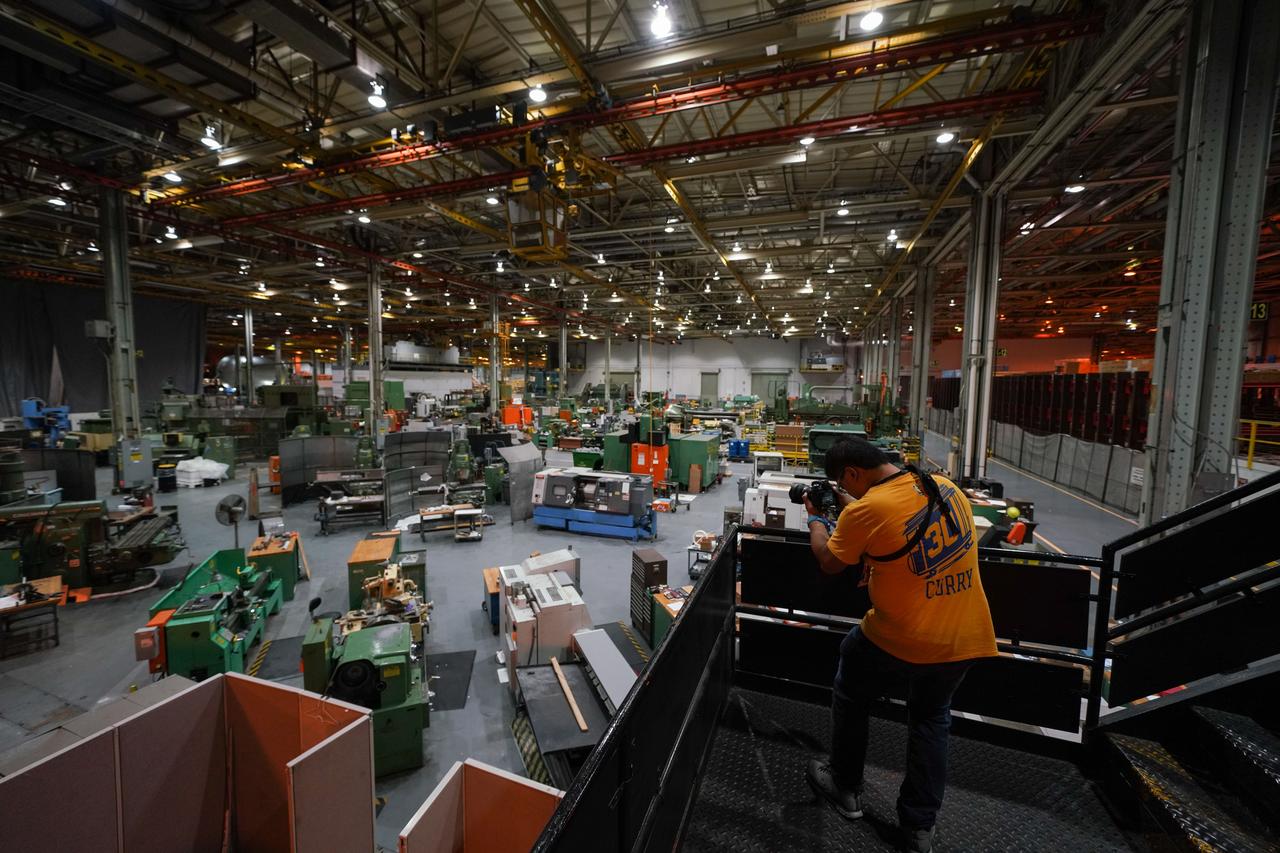
NASA's Photo Social at Michoud Assembly Facility
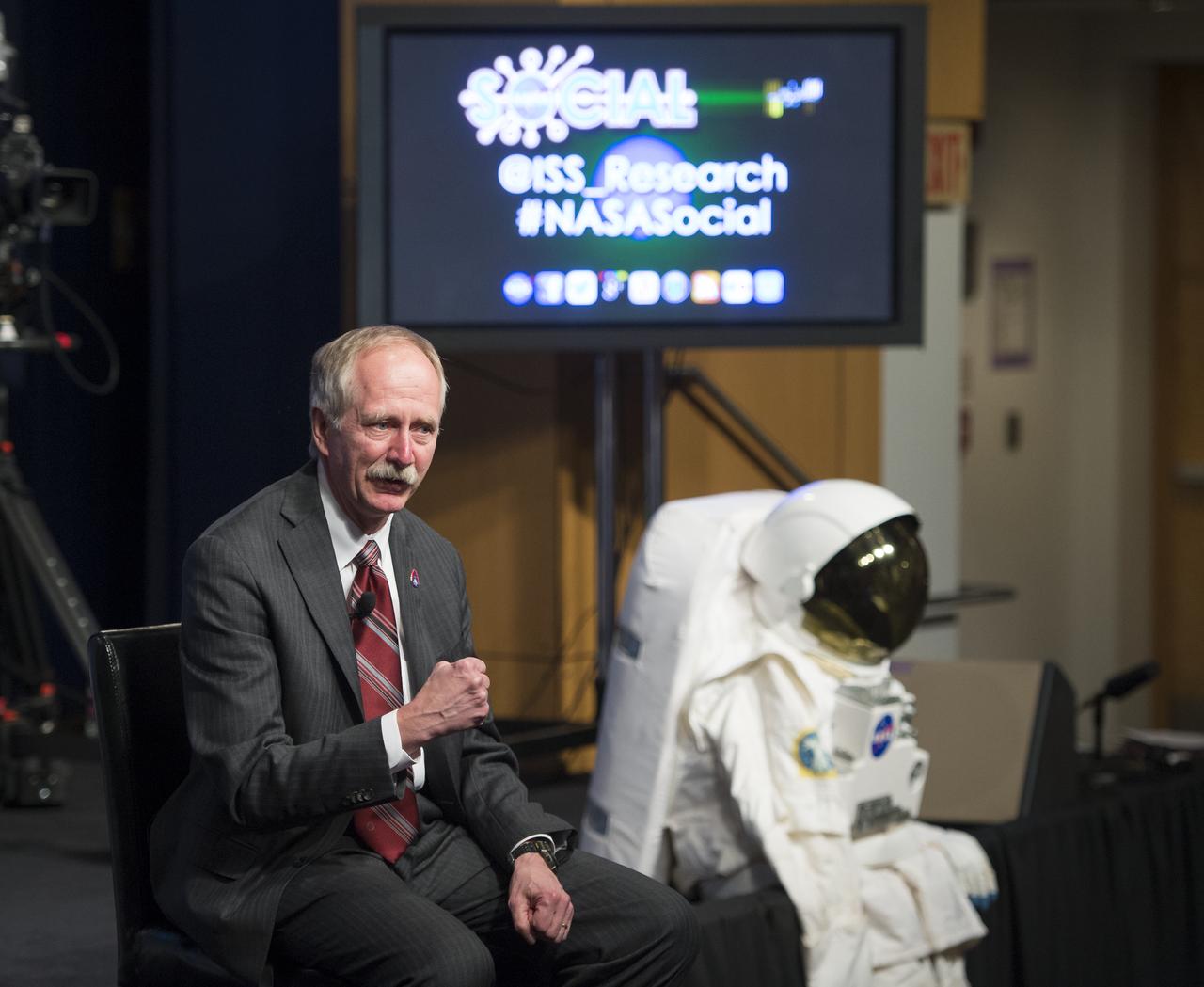
William Gerstenmaier, Associate Administrator Human Exploration and Operations, speaks at a NASA Social on Science on the International Space Station at NASA Headquarters, Wednesday, Feb. 20, 2013 in Washington. Photo Credit: (NASA/Carla Cioffi)
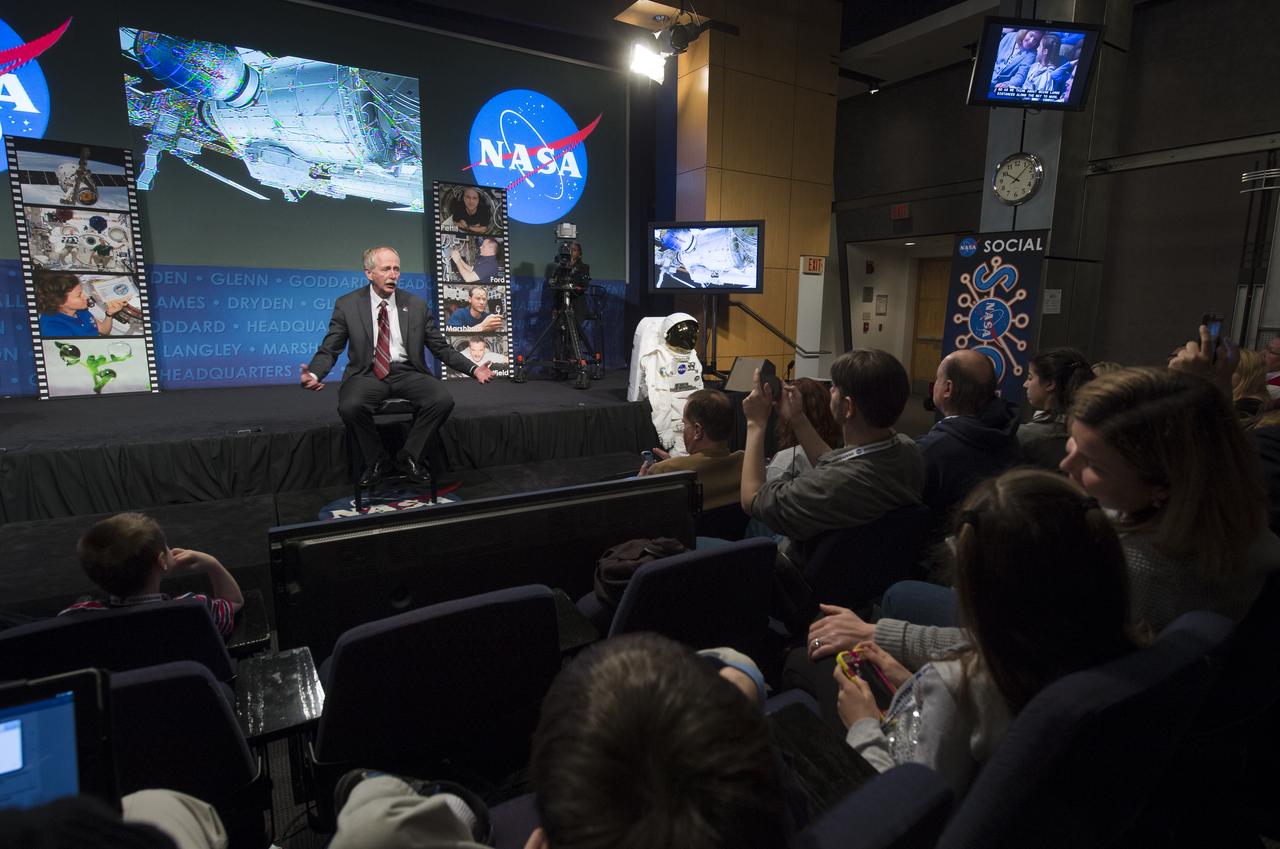
William Gerstenmaier, Associate Administrator Human Exploration and Operations, speaks at a NASA Social on Science on the International Space Station at NASA Headquarters, Wednesday, Feb. 20, 2013 in Washington. Photo Credit: (NASA/Carla Cioffi)
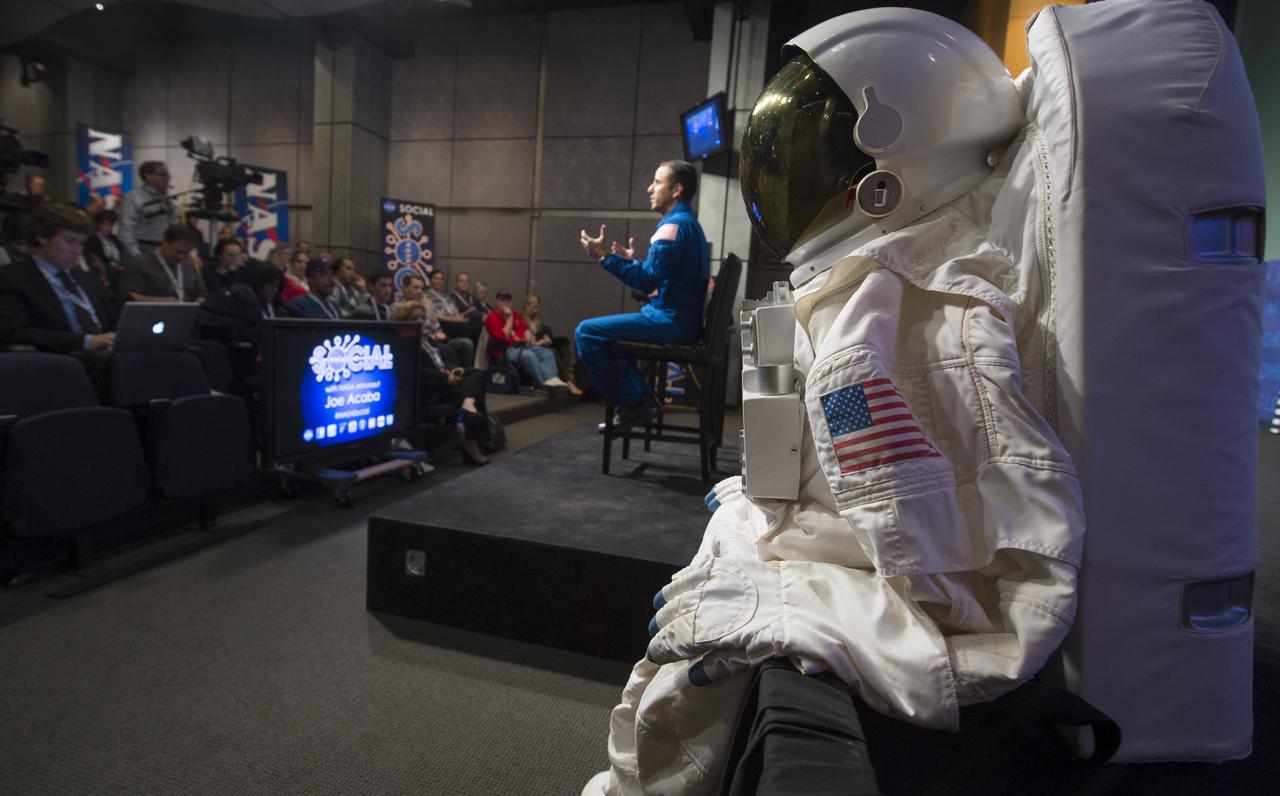
NASA astronaut Joe Acaba speaks at a behind-the-scenes NASA Social at NASA Headquarters on Tuesday, Dec. 4, 2012 in Washington. Acaba launched to the International Space Station on a Russian Soyuz spacecraft May 15, 2012, spending 123 days aboard as a flight engineer of the Expedition 31 and 32 crews. He recently returned to Earth on Sept. 17 after four months in low earth orbit. Photo Credit: (NASA/Carla Cioffi)
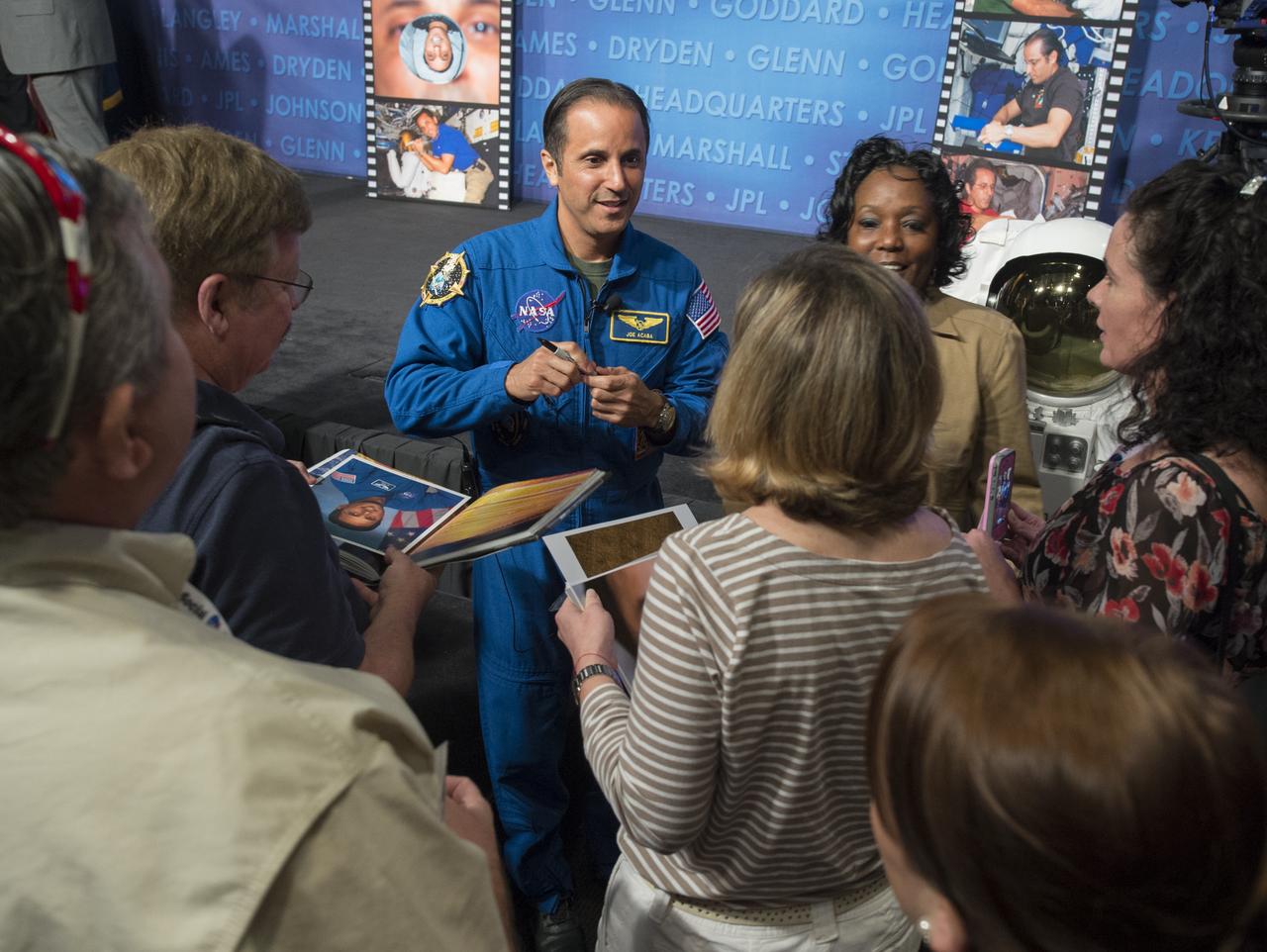
NASA astronaut Joe Acaba, center, greets participants at a behind-the-scenes NASA Social in Washington, Tuesday, Dec. 4, 2012 at NASA Headquarters. Acaba launched to the International Space Station on a Russian Soyuz spacecraft May 15, 2012, spending 123 days aboard as a flight engineer of the Expedition 31 and 32 crews. He recently returned to Earth on Sept. 17 after four months in low earth orbit. Photo Credit: (NASA/Carla Cioffi)
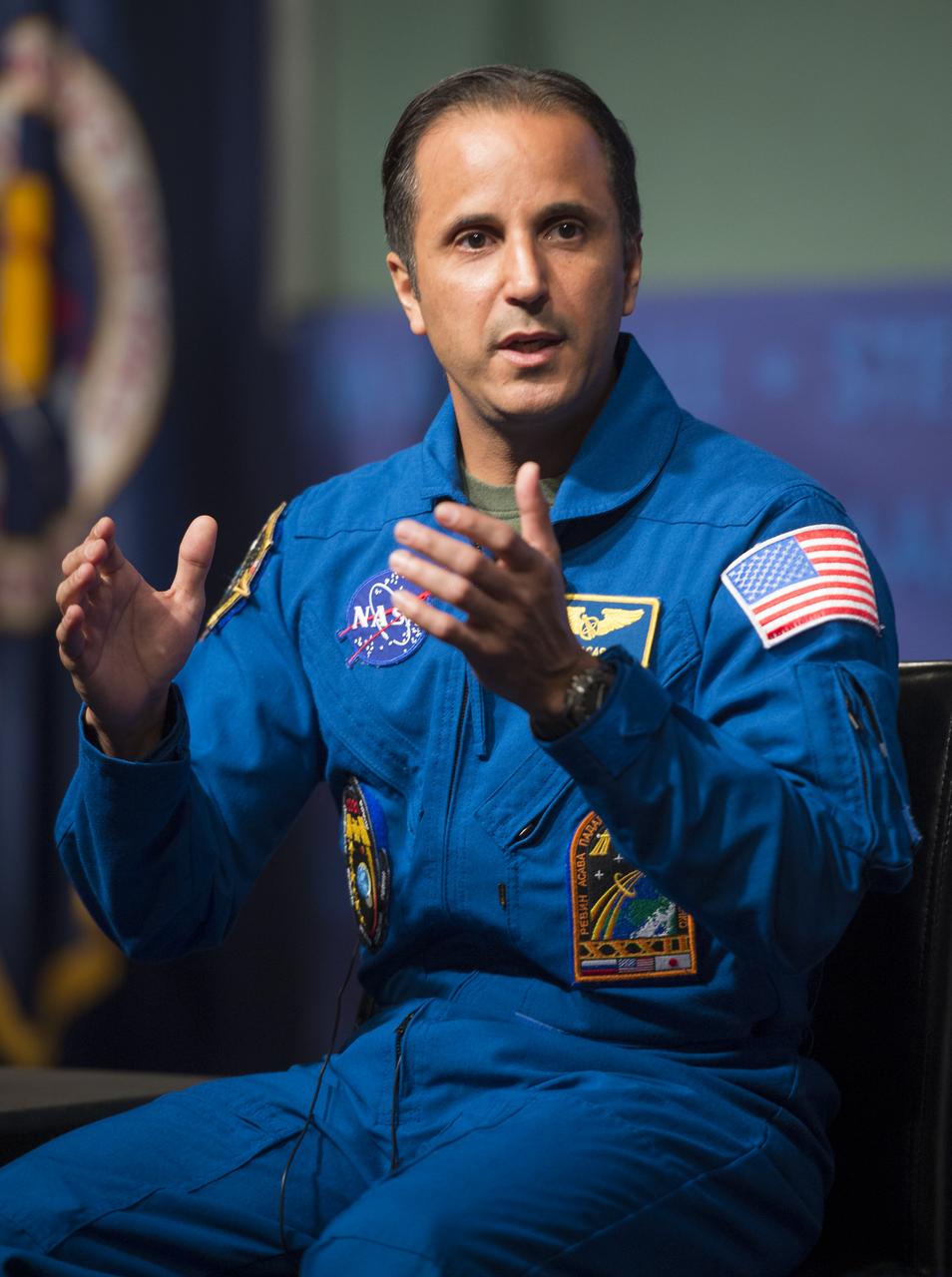
NASA astronaut Joe Acaba speaks at a behind-the-scenes NASA Social at NASA Headquarters on Tuesday, Dec. 4, 2012 in Washington. Acaba launched to the International Space Station on a Russian Soyuz spacecraft May 15, 2012, spending 123 days aboard as a flight engineer of the Expedition 31 and 32 crews. He recently returned to Earth on Sept. 17 after four months in low earth orbit. Photo Credit: (NASA/Carla Cioffi)
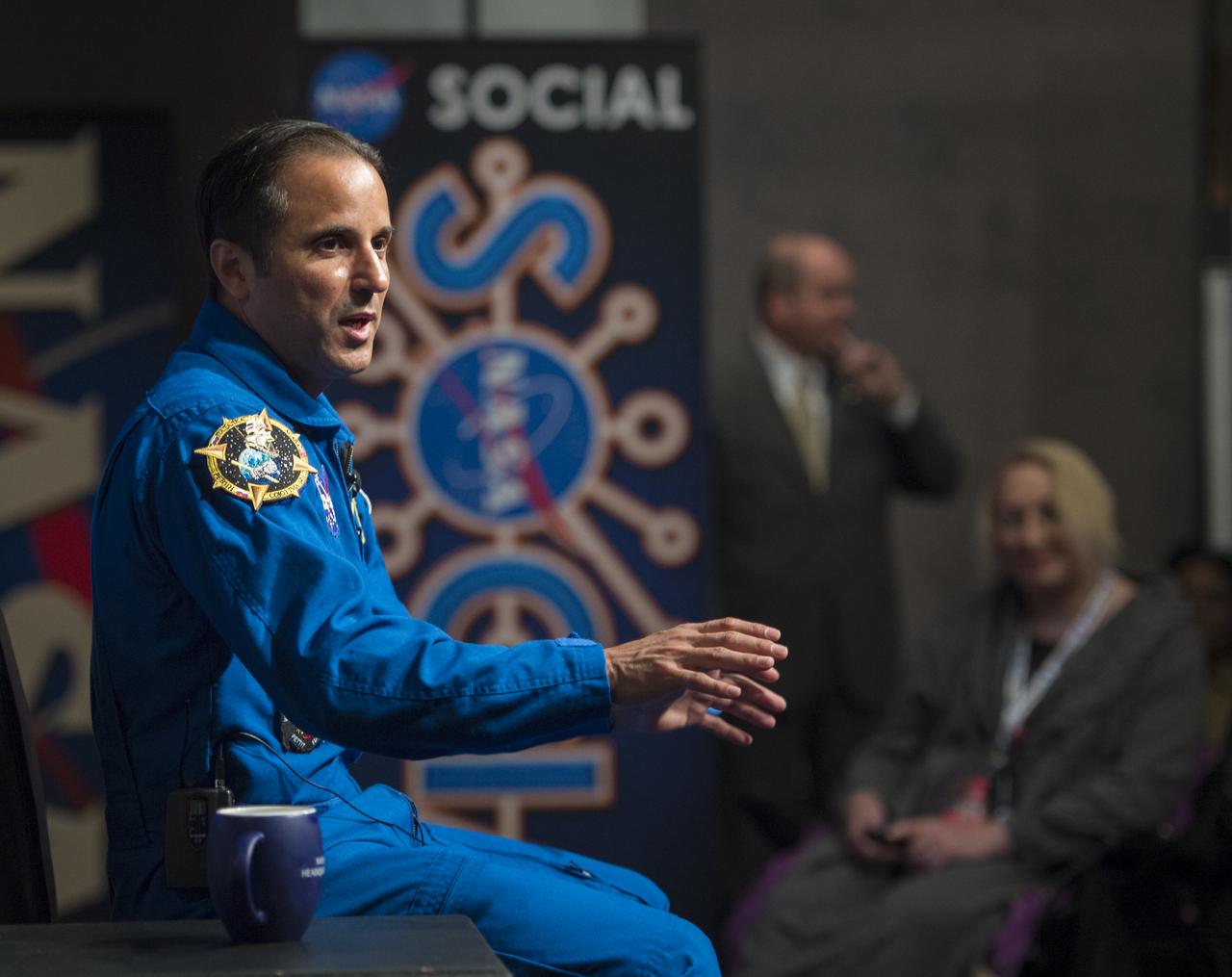
NASA astronaut Joe Acaba answers questions at a behind-the-scenes NASA Social at NASA Headquarters on Tuesday, Dec. 4, 2012 in Washington. Acaba launched to the International Space Station on a Russian Soyuz spacecraft May 15, 2012, spending 123 days aboard as a flight engineer of the Expedition 31 and 32 crews. He recently returned to Earth on Sept. 17 after four months in low earth orbit. Photo Credit: (NASA/Carla Cioffi)
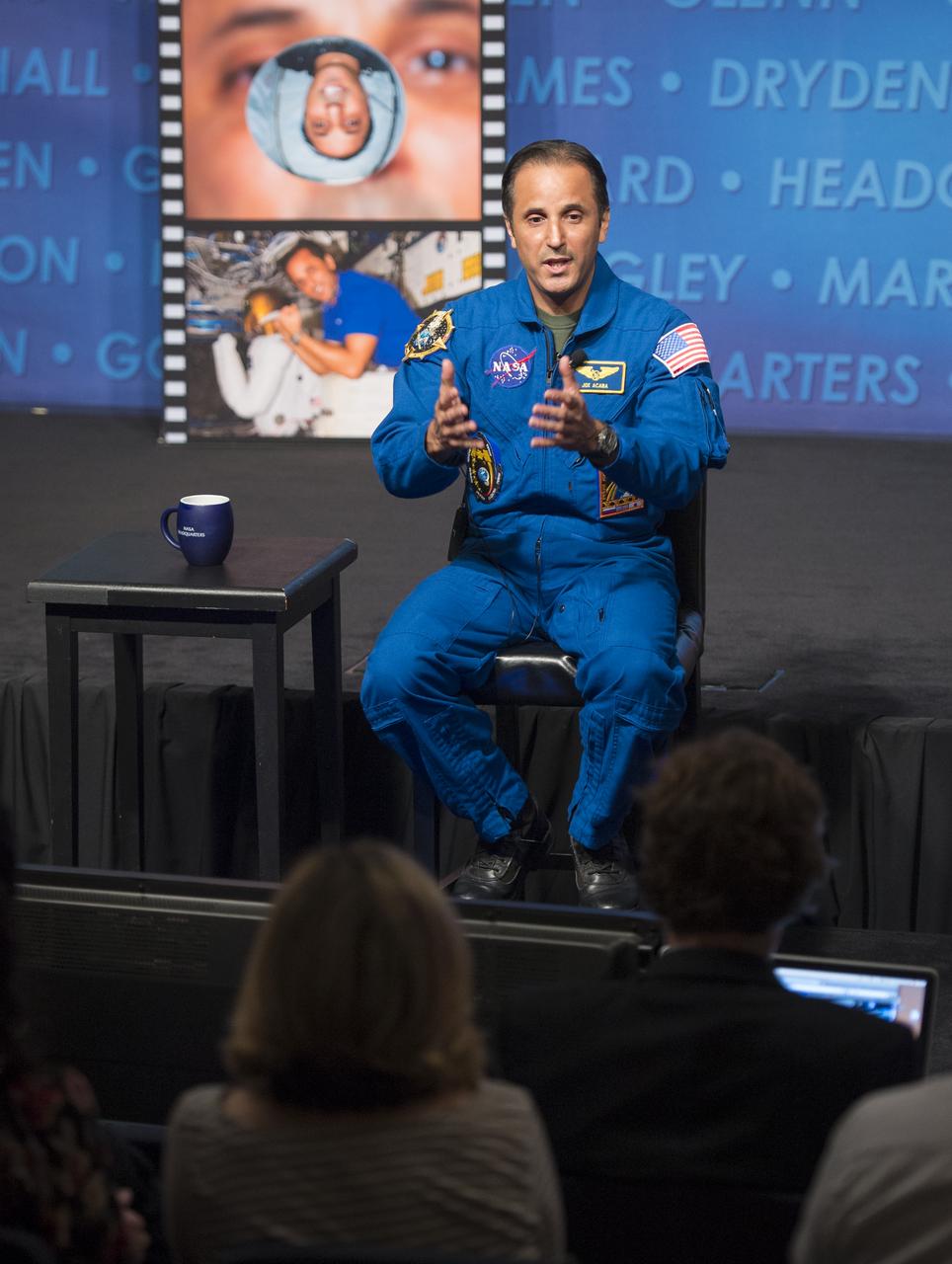
NASA astronaut Joe Acaba answers questions at a NASA Social at NASA Headquarters on Tuesday, Dec. 4, 2012 in Washington. Acaba launched to the International Space Station on a Russian Soyuz spacecraft May 15, 2012, spending 123 days aboard as a flight engineer of the Expedition 31 and 32 crews. He recently returned to Earth on Sept. 17 after four months in low earth orbit. Photo Credit: (NASA/Carla Cioffi)
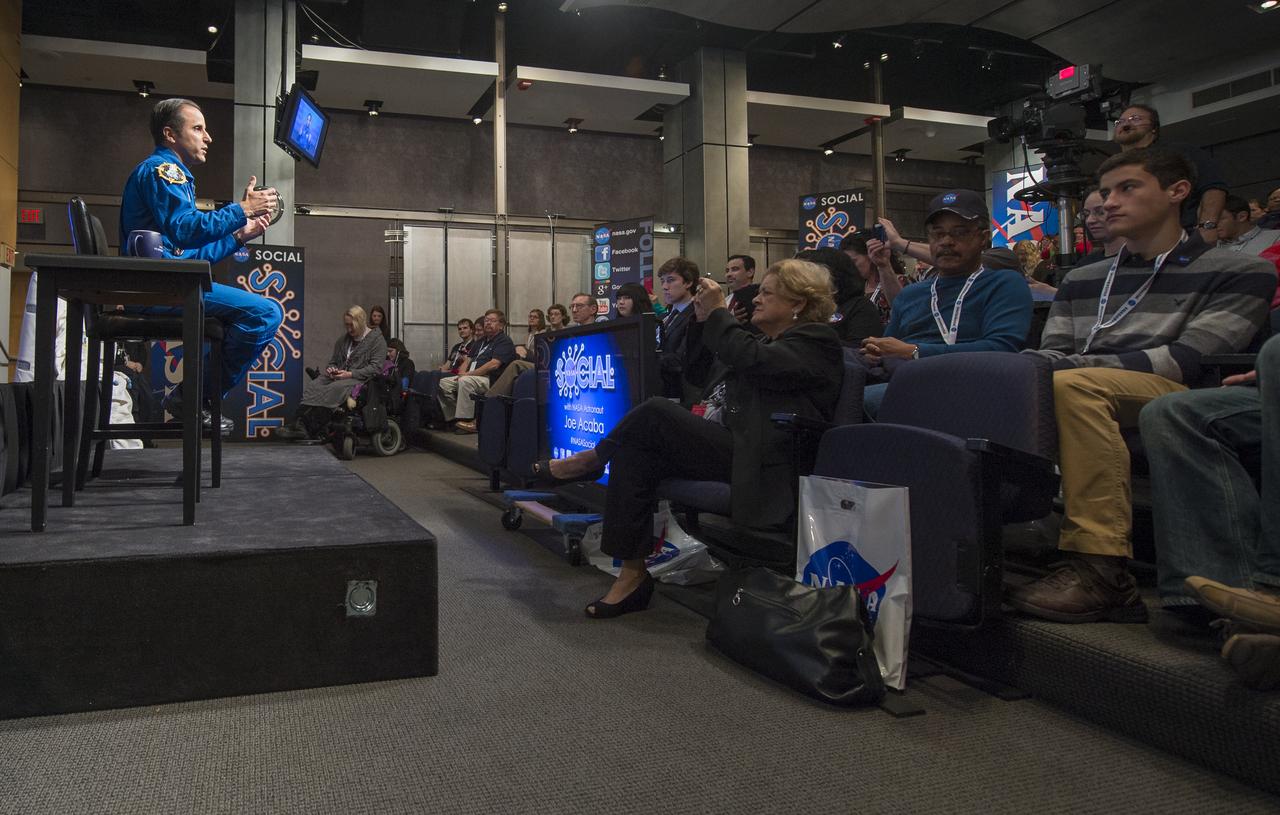
NASA astronaut Joe Acaba speaks at a behind-the-scenes NASA Social at NASA Headquarters on Tuesday, Dec. 4, 2012 in Washington. Acaba launched to the International Space Station on a Russian Soyuz spacecraft May 15, 2012, spending 123 days aboard as a flight engineer of the Expedition 31 and 32 crews. He recently returned to Earth on Sept. 17 after four months in low earth orbit. Photo Credit: (NASA/Carla Cioffi)
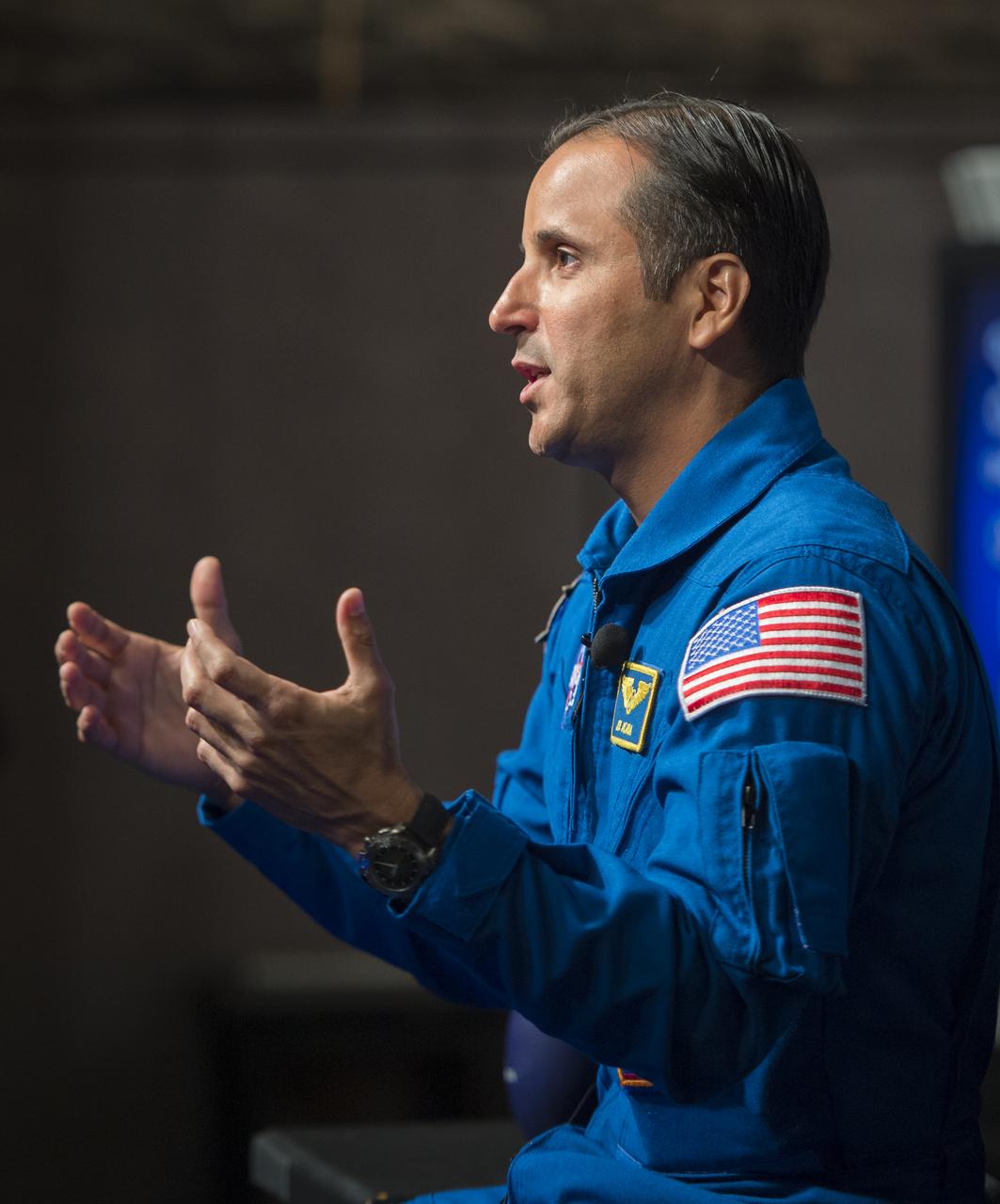
NASA astronaut Joe Acaba answers questions at a behind-the-scenes NASA Social at NASA Headquarters on Tuesday, Dec. 4, 2012 in Washington. Acaba launched to the International Space Station on a Russian Soyuz spacecraft May 15, 2012, spending 123 days aboard as a flight engineer of the Expedition 31 and 32 crews. He recently returned to Earth on Sept. 17 after four months in low earth orbit. Photo Credit: (NASA/Carla Cioffi)
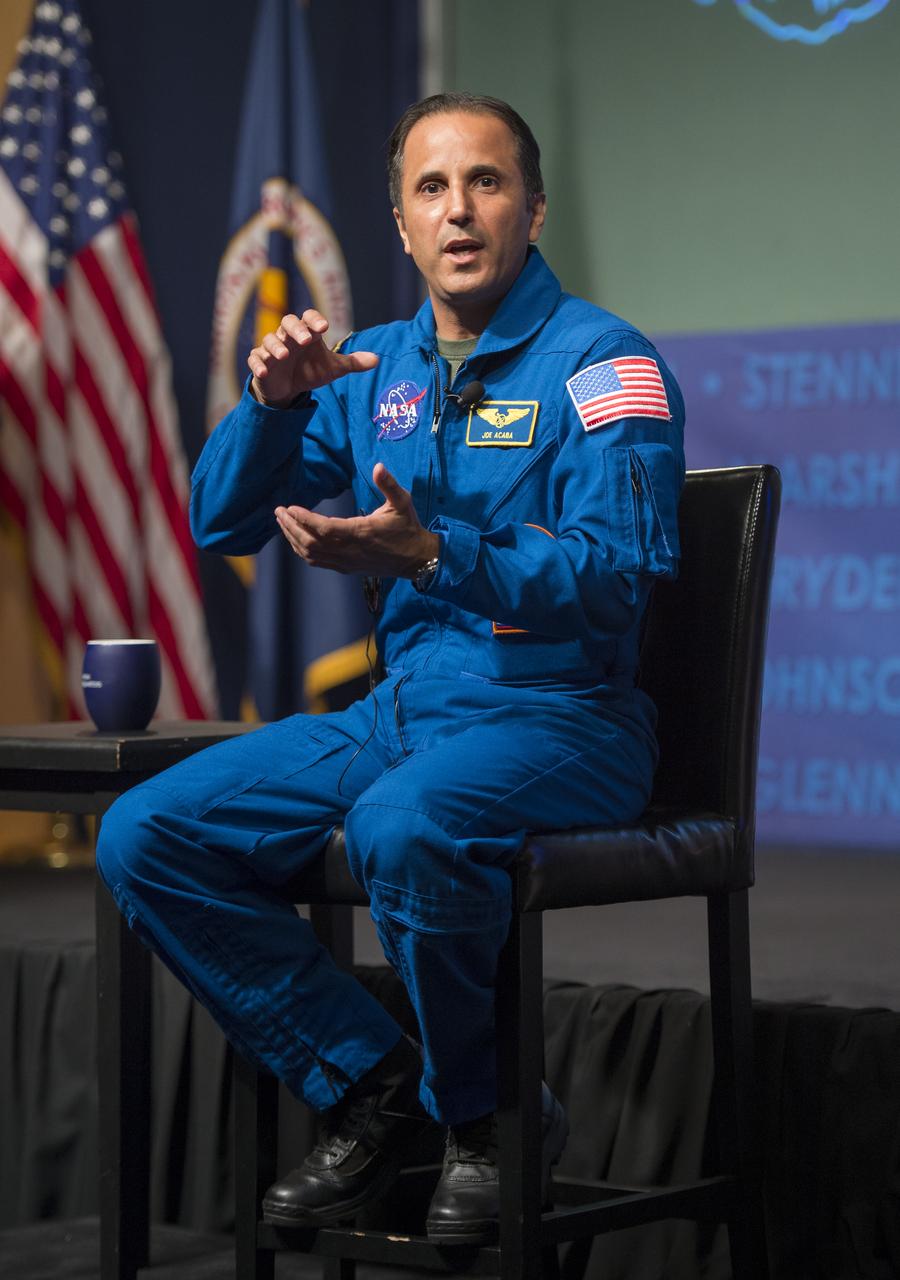
NASA astronaut Joe Acaba answers questions at a behind-the-scenes NASA Social at NASA Headquarters on Tuesday, Dec. 4, 2012 in Washington. Acaba launched to the International Space Station on a Russian Soyuz spacecraft May 15, 2012, spending 123 days aboard as a flight engineer of the Expedition 31 and 32 crews. He recently returned to Earth on Sept. 17 after four months in low earth orbit. Photo Credit: (NASA/Carla Cioffi)
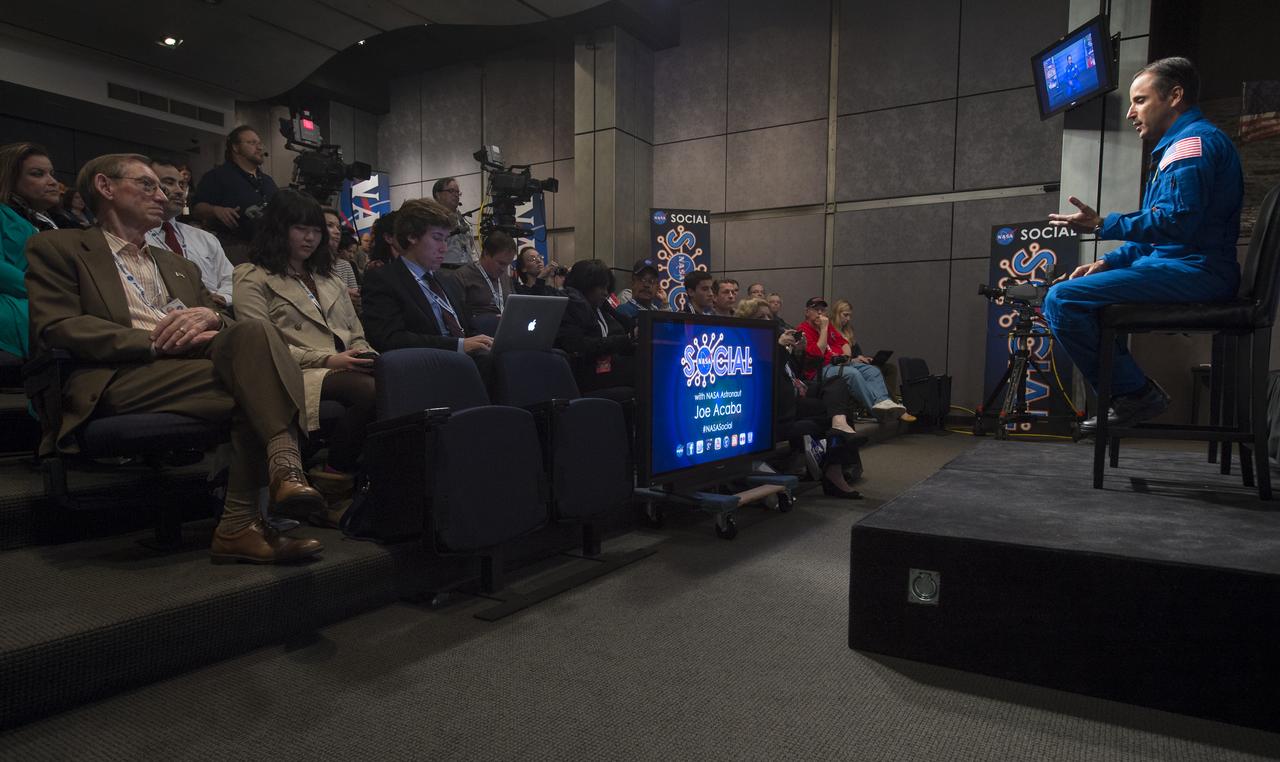
NASA astronaut Joe Acaba speaks at a behind-the-scenes NASA Social at NASA Headquarters on Tuesday, Dec. 4, 2012 in Washington. Acaba launched to the International Space Station on a Russian Soyuz spacecraft May 15, 2012, spending 123 days aboard as a flight engineer of the Expedition 31 and 32 crews. He recently returned to Earth on Sept. 17 after four months in low earth orbit. Photo Credit: (NASA/Carla Cioffi)
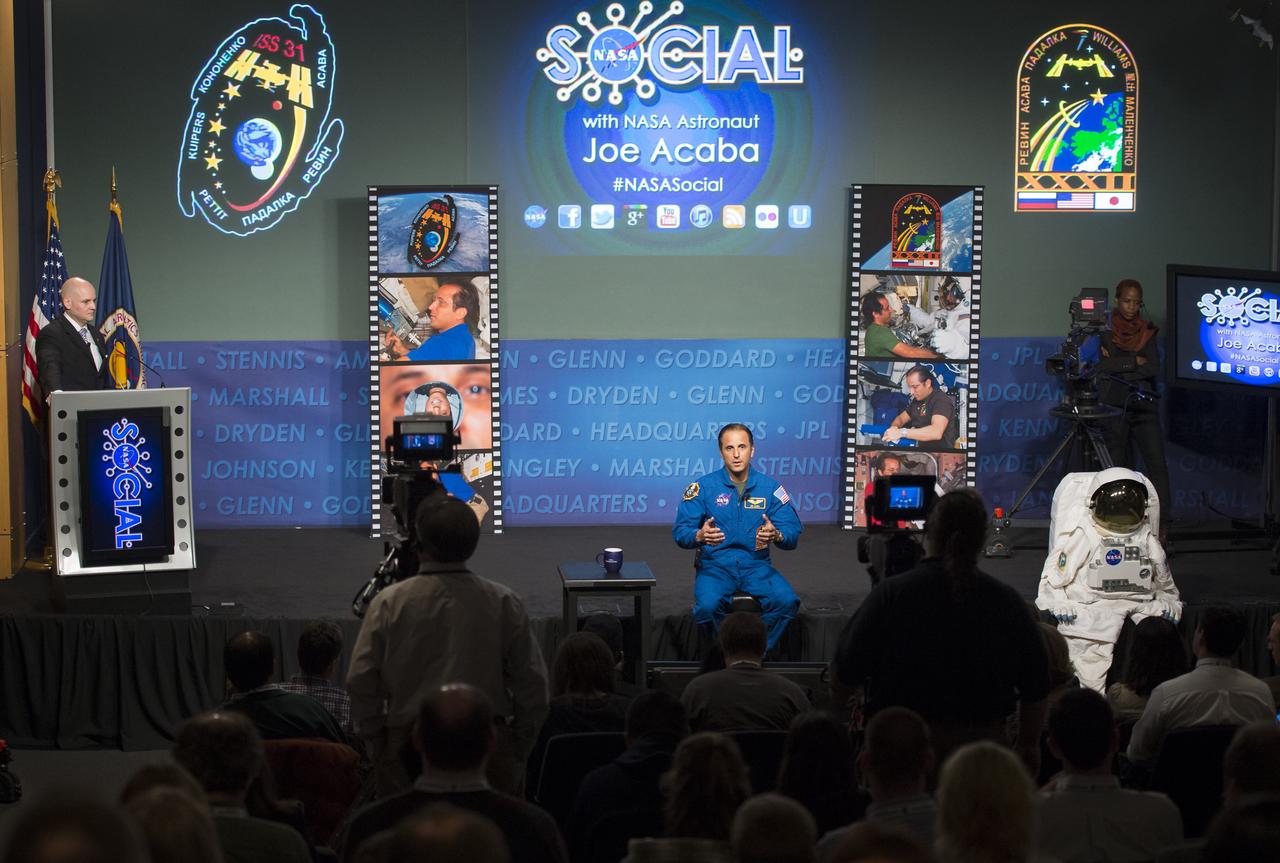
NASA astronaut Joe Acaba answers questions at a behind-the-scenes NASA Social at NASA Headquarters on Tuesday, Dec. 4, 2012 in Washington. Acaba launched to the International Space Station on a Russian Soyuz spacecraft May 15, 2012, spending 123 days aboard as a flight engineer of the Expedition 31 and 32 crews. He recently returned to Earth on Sept. 17 after four months in low earth orbit. Photo Credit: (NASA/Carla Cioffi)
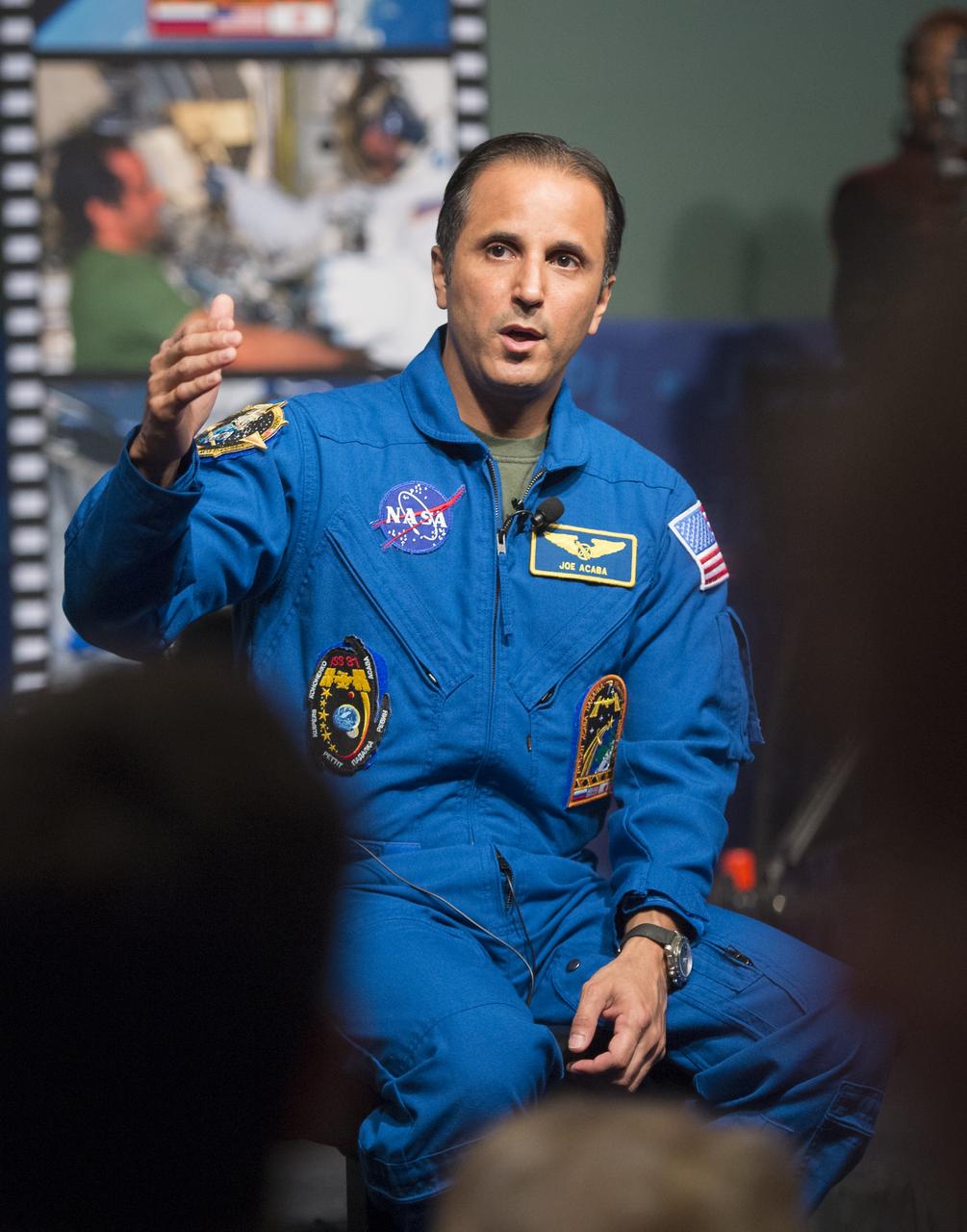
NASA astronaut Joe Acaba answers questions at a behind-the-scenes NASA Social at NASA Headquarters on Tuesday, Dec. 4, 2012 in Washington. Acaba launched to the International Space Station on a Russian Soyuz spacecraft May 15, 2012, spending 123 days aboard as a flight engineer of the Expedition 31 and 32 crews. He recently returned to Earth on Sept. 17 after four months in low earth orbit. Photo Credit: (NASA/Carla Cioffi)
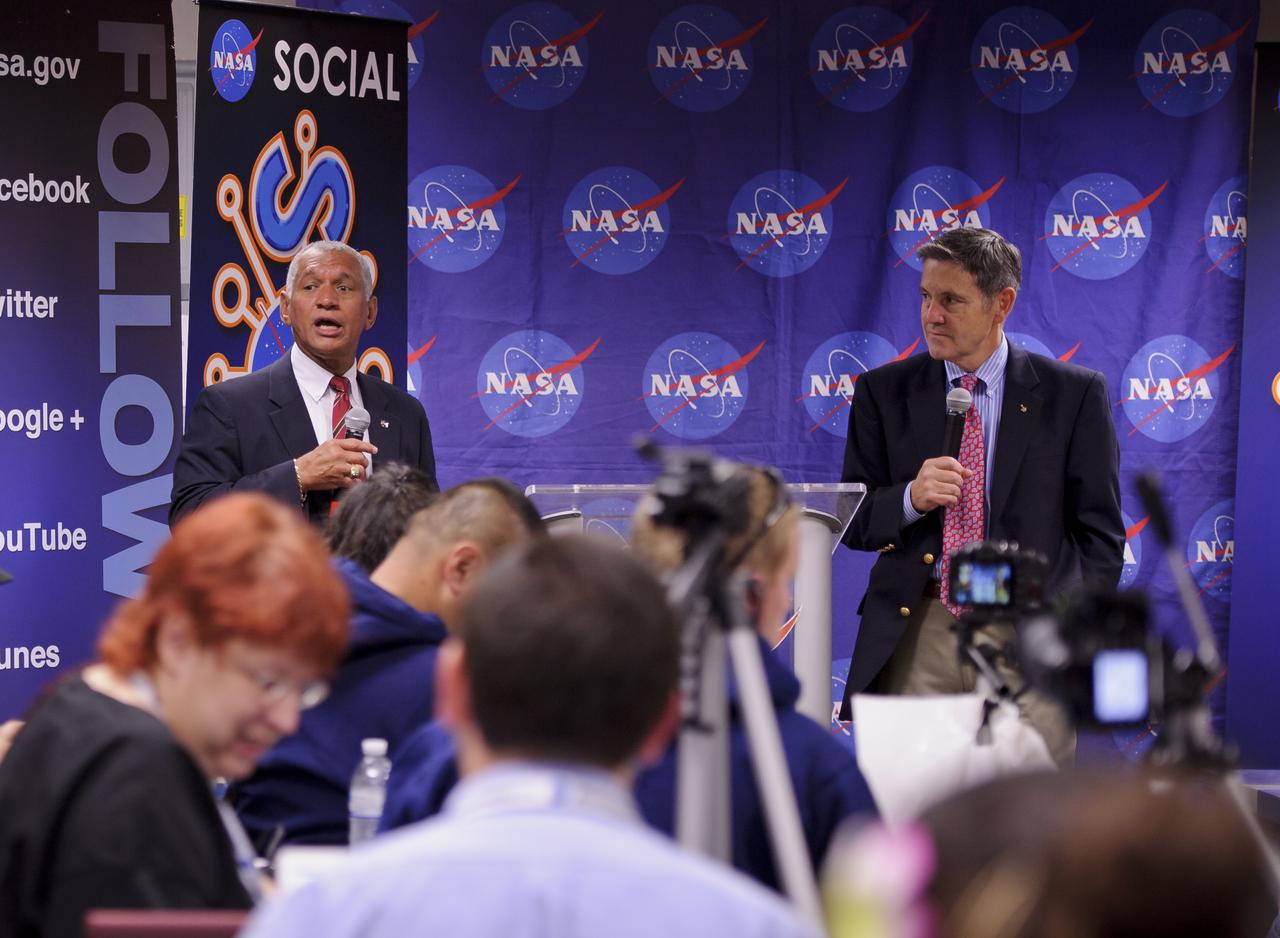
NASA Administrator Charles Bolden, left, and Kennedy Space Center director Robert Cabana appear at the NASA Social event, Friday morning, May 19, 2012, at Kennedy Space Center in Cape Canaveral, Fla. About 50 NASA Social followers attended an event as part of activities surrounding the launch of Space Exploration Technologies, or SpaceX, demonstration mission of the company's Falcon 9 rocket to the International Space Station. Photo Credit: (NASA/Paul E. Alers)
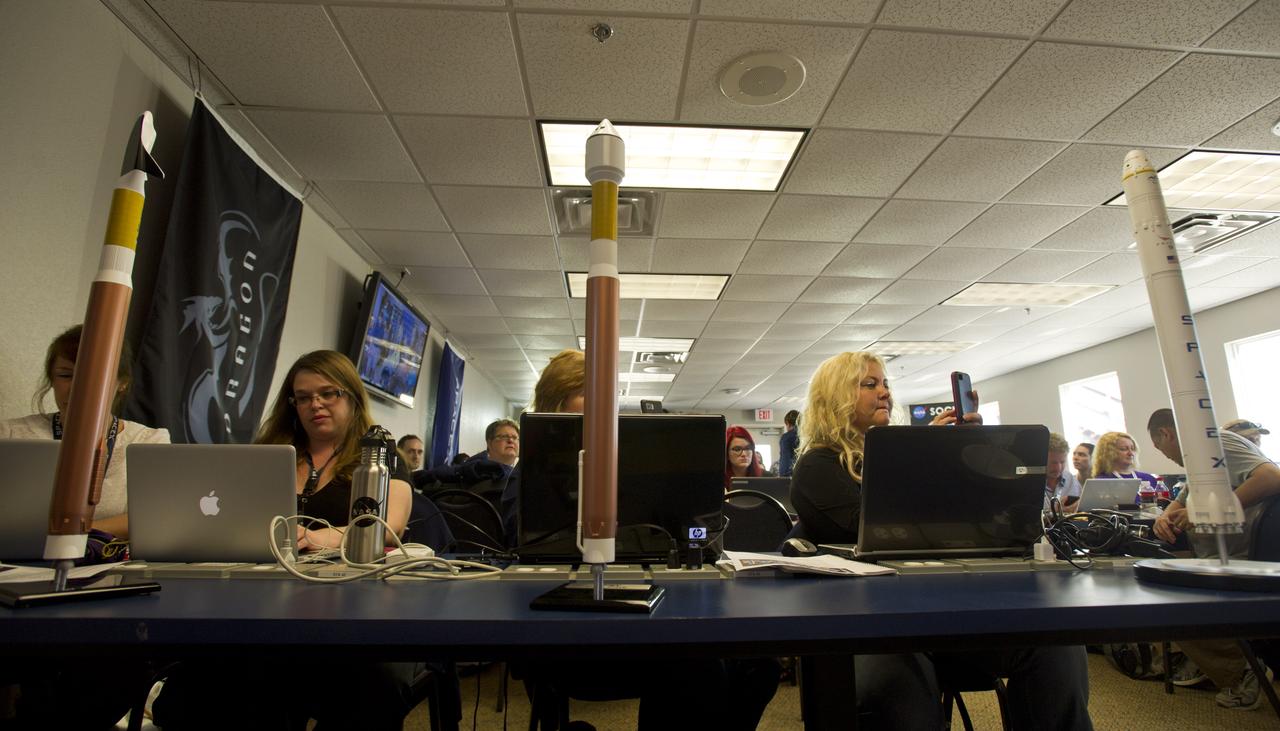
Models of various rockets line a table at a NASA Social, Friday, May 18, 2012, at Kennedy Space Center in Cape Canaveral, Fla. About 50 NASA Social followers attended an event as part of activities surrounding the launch of Space Exploration Technologies, or SpaceX, demonstration mission of the company's Falcon 9 rocket to the International Space Station. Photo Credit: (NASA/Paul E. Alers)
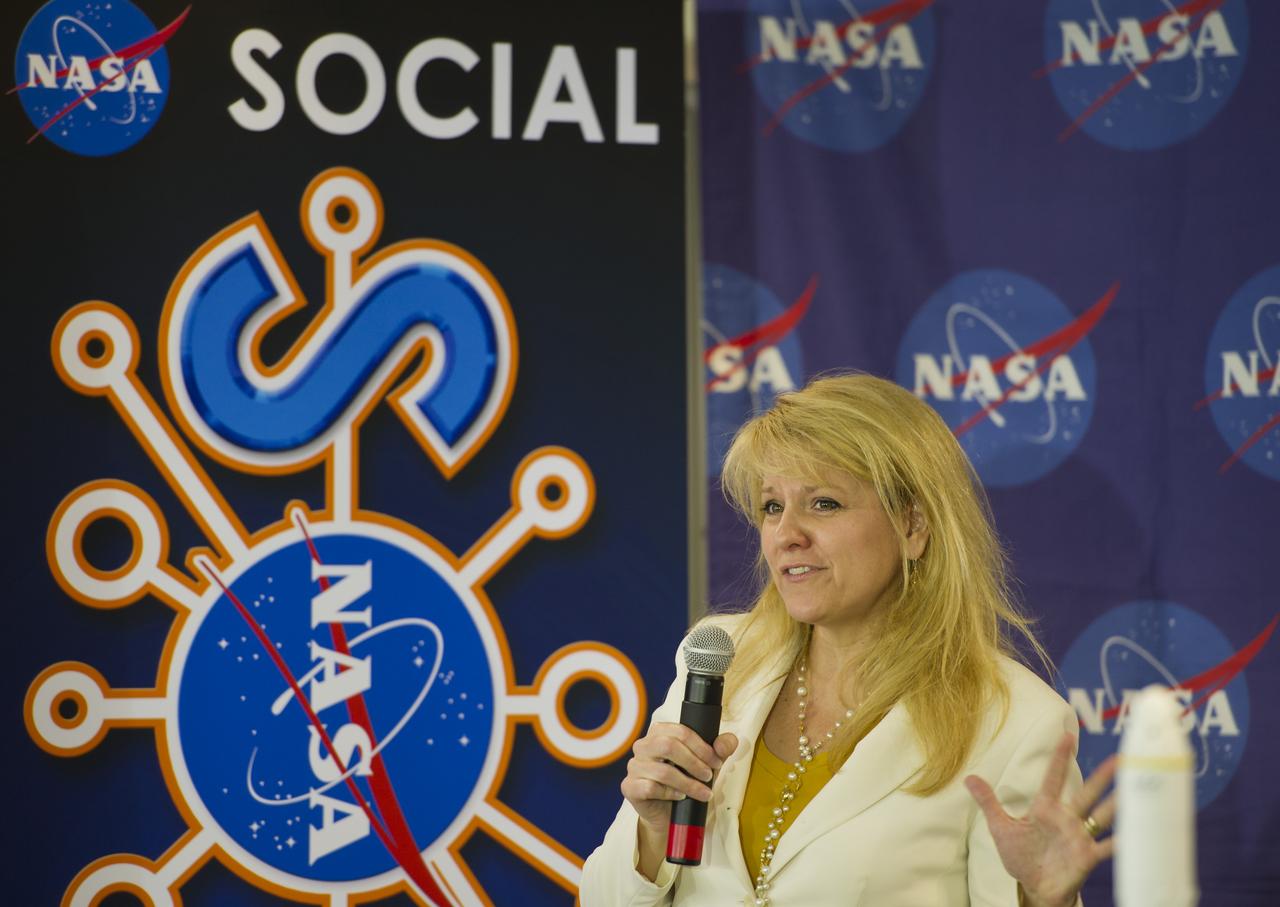
Gwynne Shotwell, President of SpaceX, speaks during a NASA Social, Friday, May 18, 2012, at Kennedy Space Center in Cape Canaveral, Fla. About 50 NASA Social followers attended an event as part of activities surrounding the launch of Space Exploration Technologies, or SpaceX, demonstration mission of the company's Falcon 9 rocket to the International Space Station. Photo Credit: (NASA/Paul E. Alers)
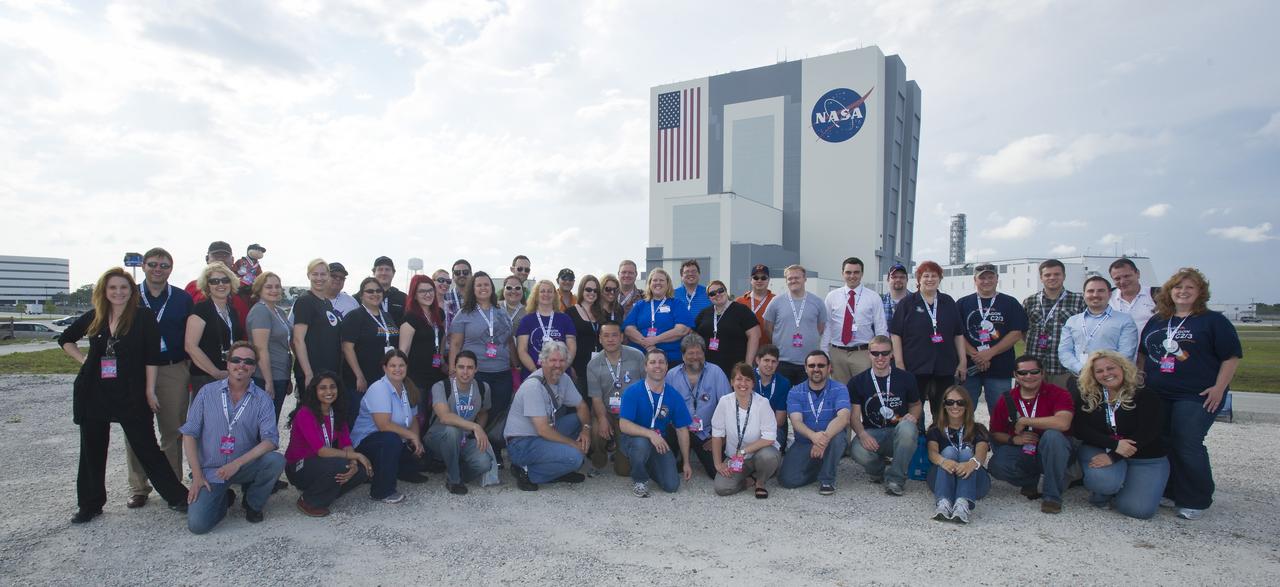
Participants with the NASA Social stand together, Friday, May 18, 2012, in front of the Vehicle Assembly Building (VAB) at Kennedy Space Center in Cape Canaveral, Fla. About 50 NASA Social followers attended an event as part of activities surrounding the launch of Space Exploration Technologies, or SpaceX, demonstration mission of the company's Falcon 9 rocket to the International Space Station. Photo Credit: (NASA/Paul E. Alers)

A participant at a NASA Social on the Lunar Atmosphere and Dust Environment Explorer (LADEE) mission asks a question, Thursday, Sept. 5, 2013 on Wallops Island, VA. Fifty of NASA's social media followers are attending a two-day event in support of the LADEE launch. Data from LADEE will provide unprecedented information about the environment around the moon and give scientists a better understanding of other planetary bodies in our solar system and beyond. LADEE is scheduled to launch at 11:27 p.m. Friday, Sept. 6, from NASA's Wallops Flight Facility. Photo Credit: (NASA/Carla Cioffi)

Jason Townsend, NASA's Deputy Social Media Manager, kicks off the Lunar Atmosphere and Dust Environment Explorer (LADEE) NASA Social at Wallops Flight Facility, Thursday, Sept. 5, 2013 on Wallops Island, VA. Fifty of NASA's social media followers are attending a two-day event in support of the LADEE launch. Data from LADEE will provide unprecedented information about the environment around the moon and give scientists a better understanding of other planetary bodies in our solar system and beyond. LADEE is scheduled to launch at 11:27 p.m. Friday, Sept. 6, from NASA's Wallops Flight Facility. Photo Credit: (NASA/Carla Cioffi)
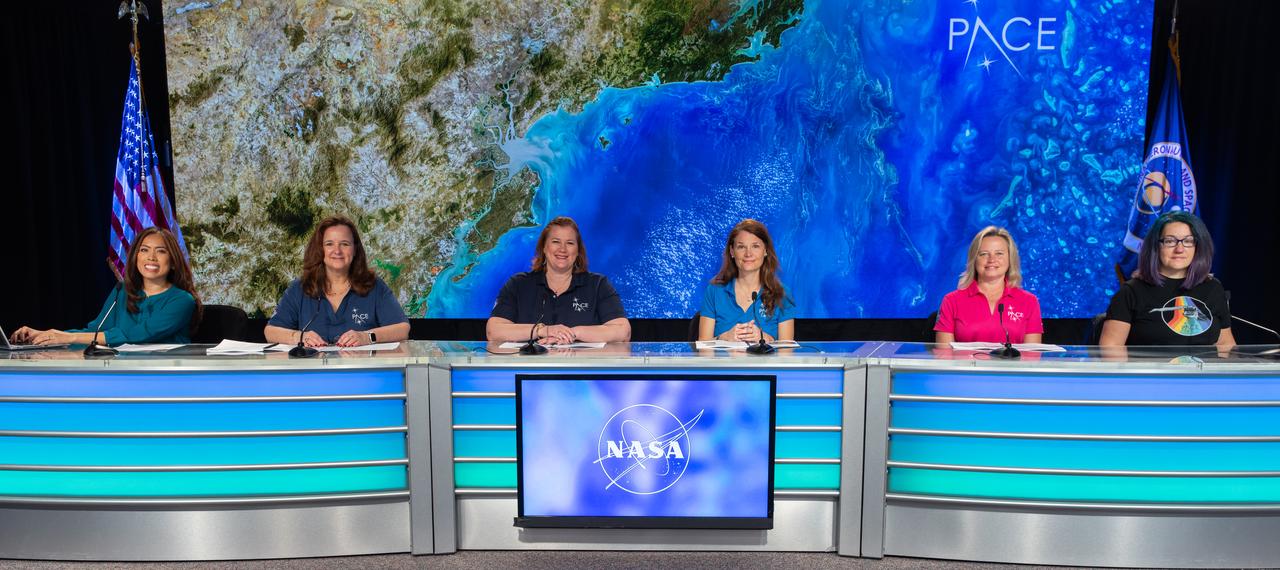
A PACE (Plankton, Aerosol, Cloud, ocean Ecosystem) mission and social media panel discussion takes place at NASA’s Kennedy Space Center in Florida on Sunday, Feb. 4, 2024. Participants, from left to right are: Megan Cruz, NASA Communications; Karen St. Germain, Earth Science division director, NASA Headquarters; Marjorie Haskell, PACE program executive, NASA Headquarters; Laura Lorenzoni, PACE program scientist, NASA Headquarters; Juli Lander, PACE deputy project manager, NASA’s Goddard Space Flight Center; and Ivona Cetinic, PACE Ocean scientist, NASA’s Goddard Space Flight Center. PACE is NASA’s newest earth-observing satellite that will help increase our understanding of Earth’s oceans, atmosphere, and climate by delivering hyperspectral observations of microscopic marine organisms called phytoplankton, as well new data on clouds and aerosols. Liftoff aboard a SpaceX Falcon 9 rocket from Space Launch Complex 40 at Cape Canaveral Space Force Station in Florida is set for no earlier than 1:33 a.m. EST on Tuesday, Feb 6, 2024.
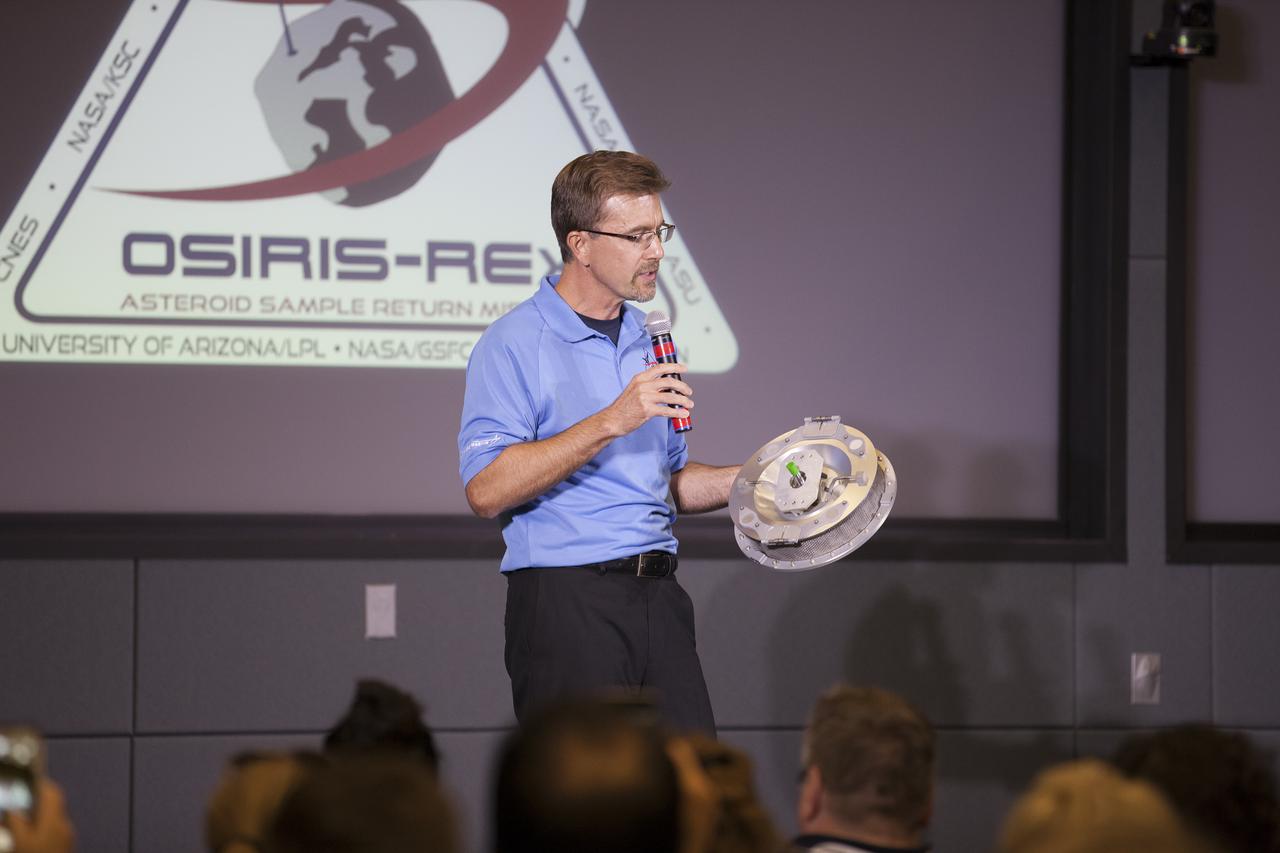
Tim Linn, chief system engineer with Lockheed Martin, discusses the unique design of the OSIRIS-REx spacecraft during a NASA Social with social media followers in the Operations Support Building II at NASA’s Kennedy Space Center in Florida. The presentation took place before launch of the agency’s Origins, Spectral Interpretation, Resource Identification, Security-Regolith Explorer, or OSIRIS-REx spacecraft.
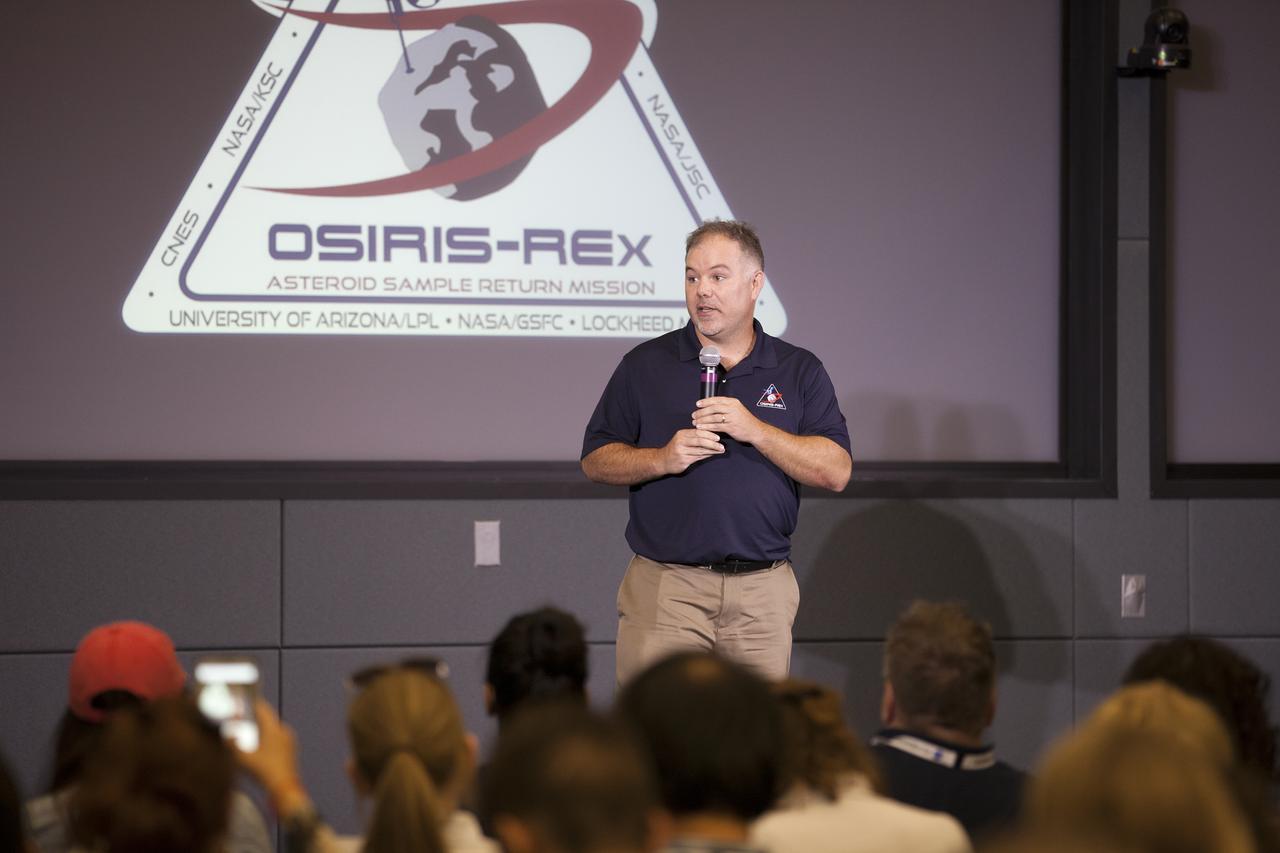
Daniel Glavin, OSIRIS-REx co-investigator at NASA’s Goddard Space Flight Center in Greenbelt, Maryland, talks to social media followers during a NASA Social in the Operations Support Building II at the agency’s Kennedy Space Center in Florida. The presentation took place before launch of the agency’s Origins, Spectral Interpretation, Resource Identification, Security-Regolith Explorer, or OSIRIS-REx spacecraft.
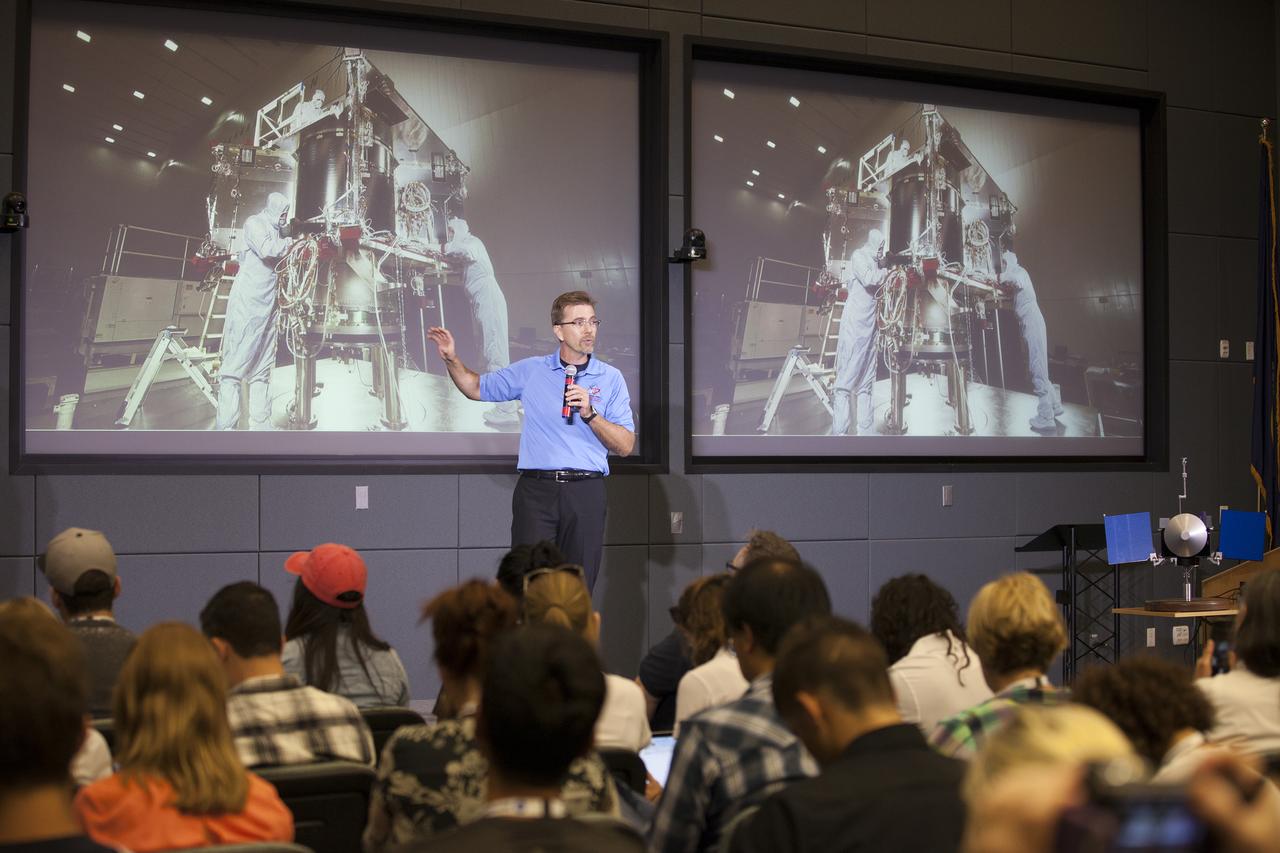
Tim Linn, chief system engineer with Lockheed Martin, discusses the unique design of the OSIRIS-REx spacecraft during a NASA Social with social media followers in the Operations Support Building II at NASA’s Kennedy Space Center in Florida. The presentation took place before launch of the agency’s Origins, Spectral Interpretation, Resource Identification, Security-Regolith Explorer, or OSIRIS-REx spacecraft.
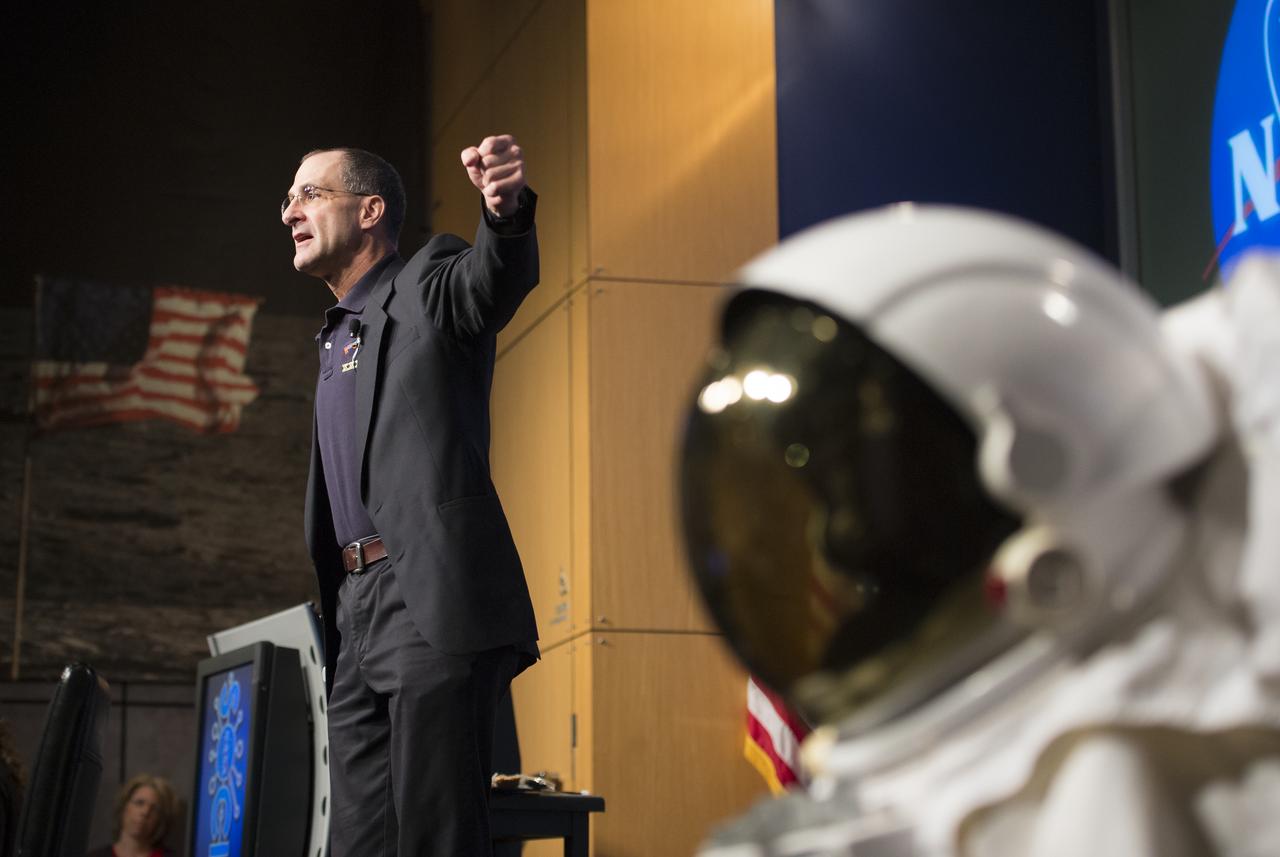
NASA Astronaut Don Pettit, speaks about his experience onboard the International Space Station at a NASA Social exploring science on the ISS at NASA Headquarters, Wednesday, Feb. 20, 2013 in Washington. Photo Credit: (NASA/Carla Cioffi)
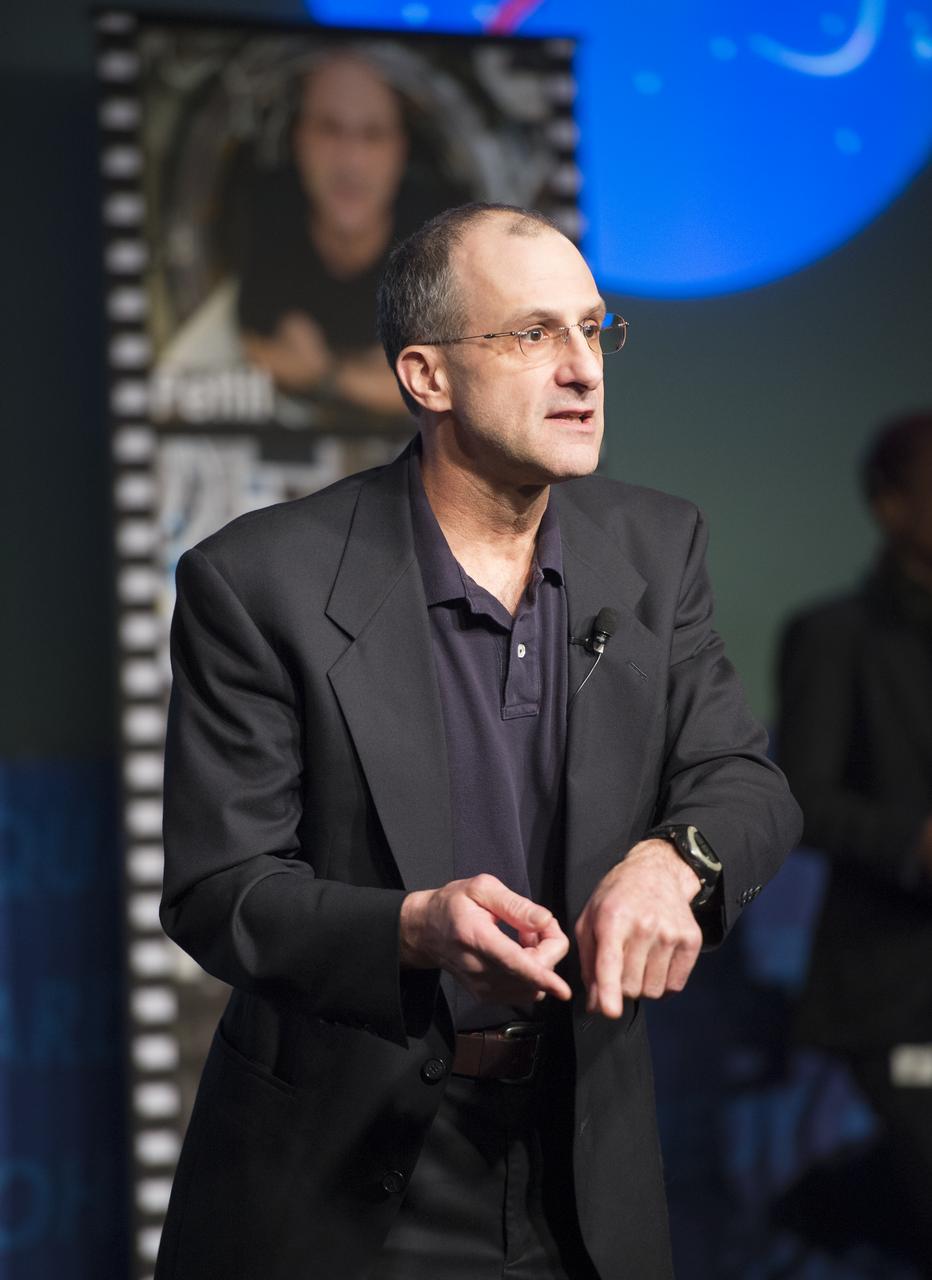
NASA Astronaut Don Pettit, speaks about his experience onboard the International Space Station at a NASA Social exploring science on the ISS at NASA Headquarters, Wednesday, Feb. 20, 2013 in Washington. Photo Credit: (NASA/Carla Cioffi)
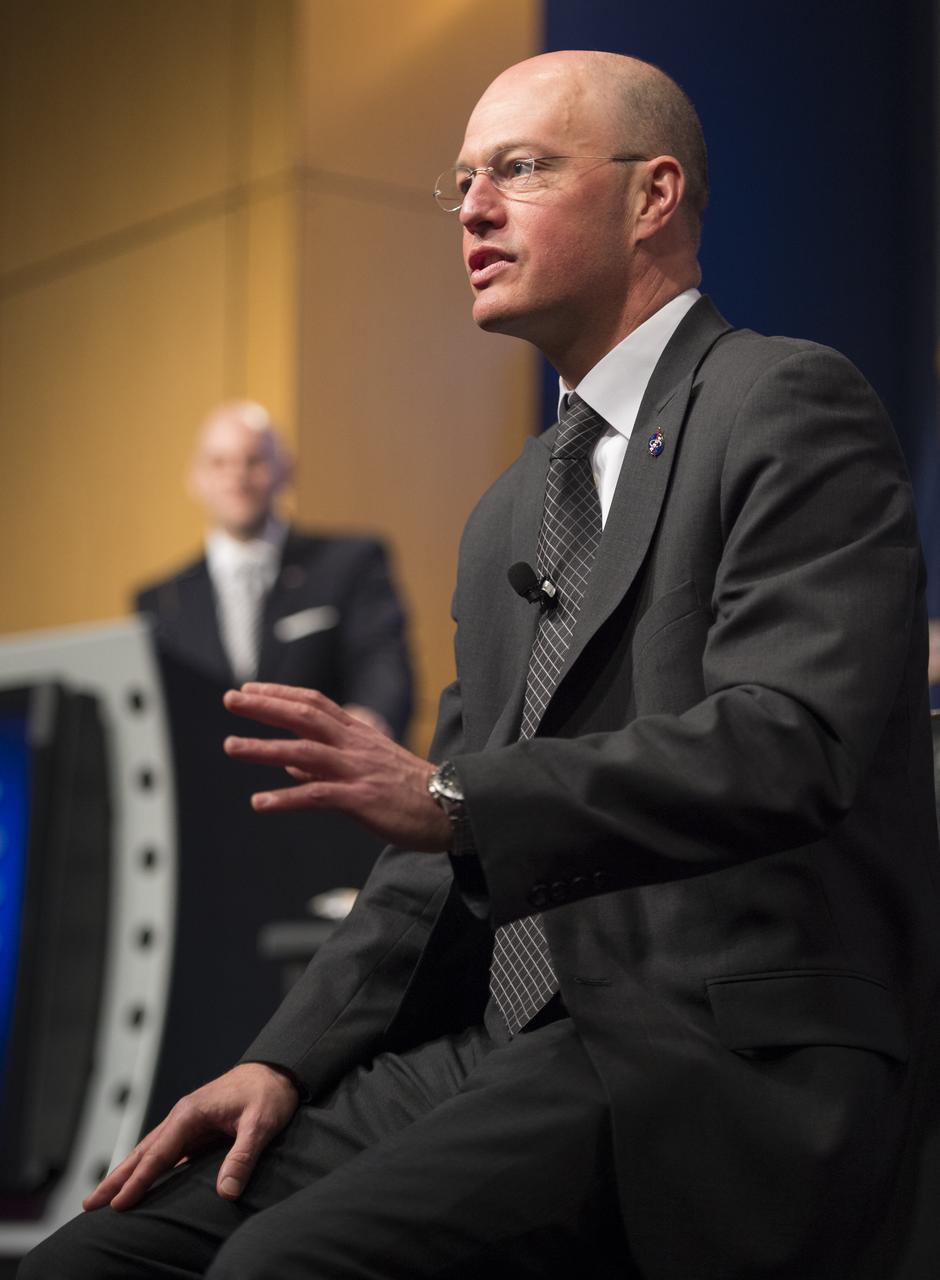
Marshall Porterfield, Life and Physical Sciences Division Director at NASA Headquarters, talks about the human body in microgravity and other life sciences at a NASA Social exploring science on the ISS at NASA Headquarters, Wednesday, Feb. 20, 2013 in Washington. Photo Credit: (NASA/Carla Cioffi)
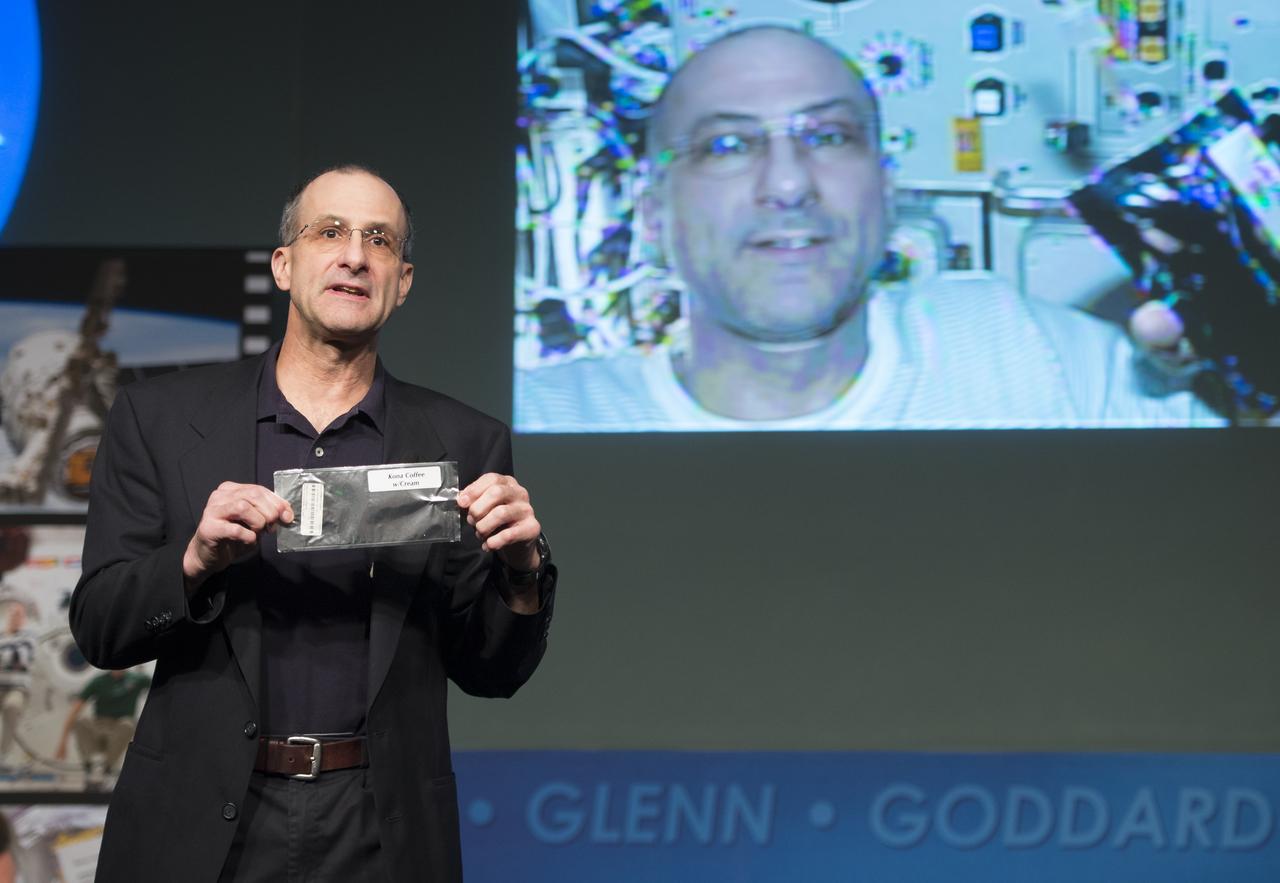
NASA Astronaut Don Pettit, speaks about his experience onboard the International Space Station at a NASA Social exploring science on the ISS at NASA Headquarters, Wednesday, Feb. 20, 2013 in Washington. Photo Credit: (NASA/Carla Cioffi)
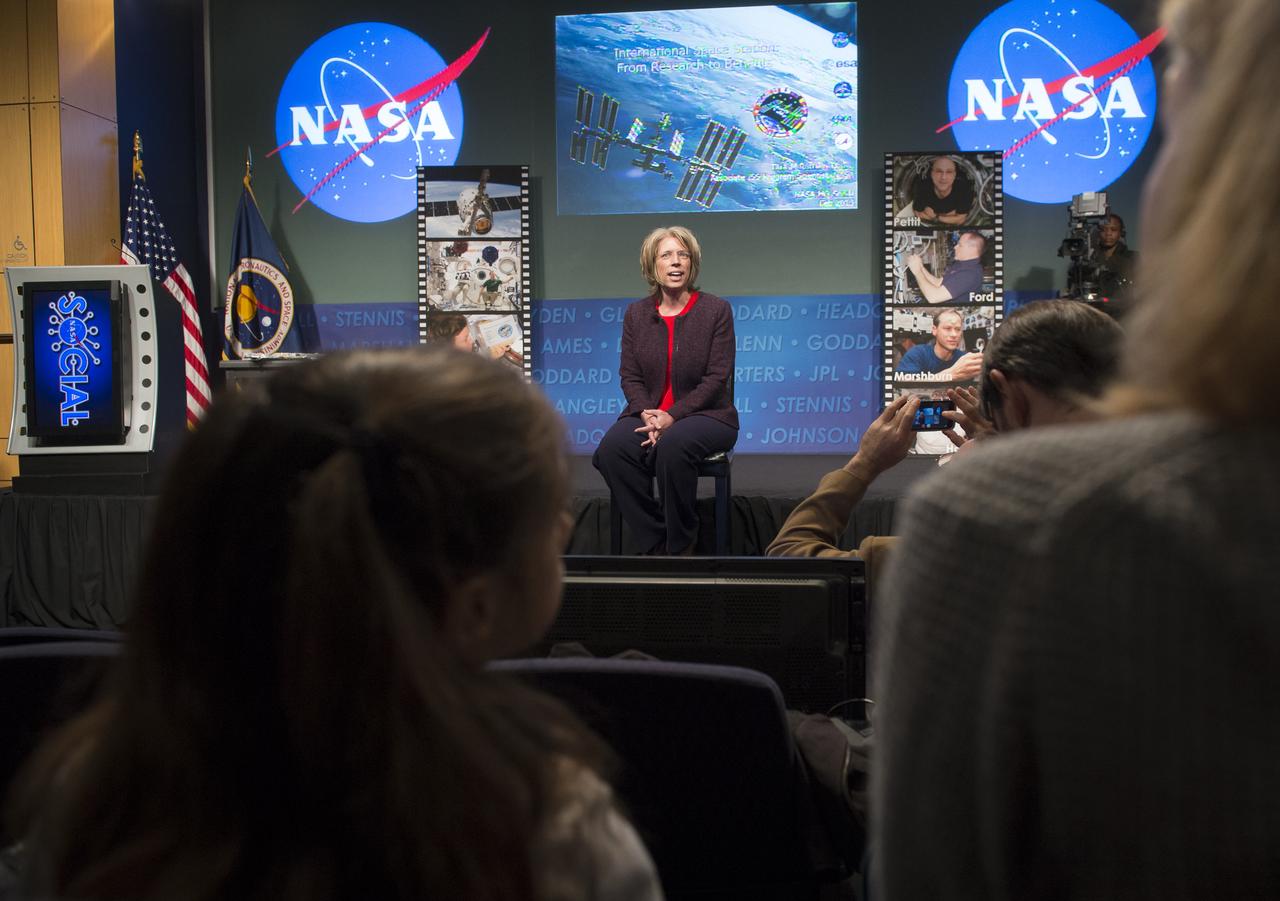
Tara Ruttley, International Space Station Program Scientist, talks about the benefits of conducting science experiments on ISS at a NASA Social exploring science on the ISS at NASA Headquarters, Wednesday, Feb. 20, 2013 in Washington. Photo Credit: (NASA/Carla Cioffi)
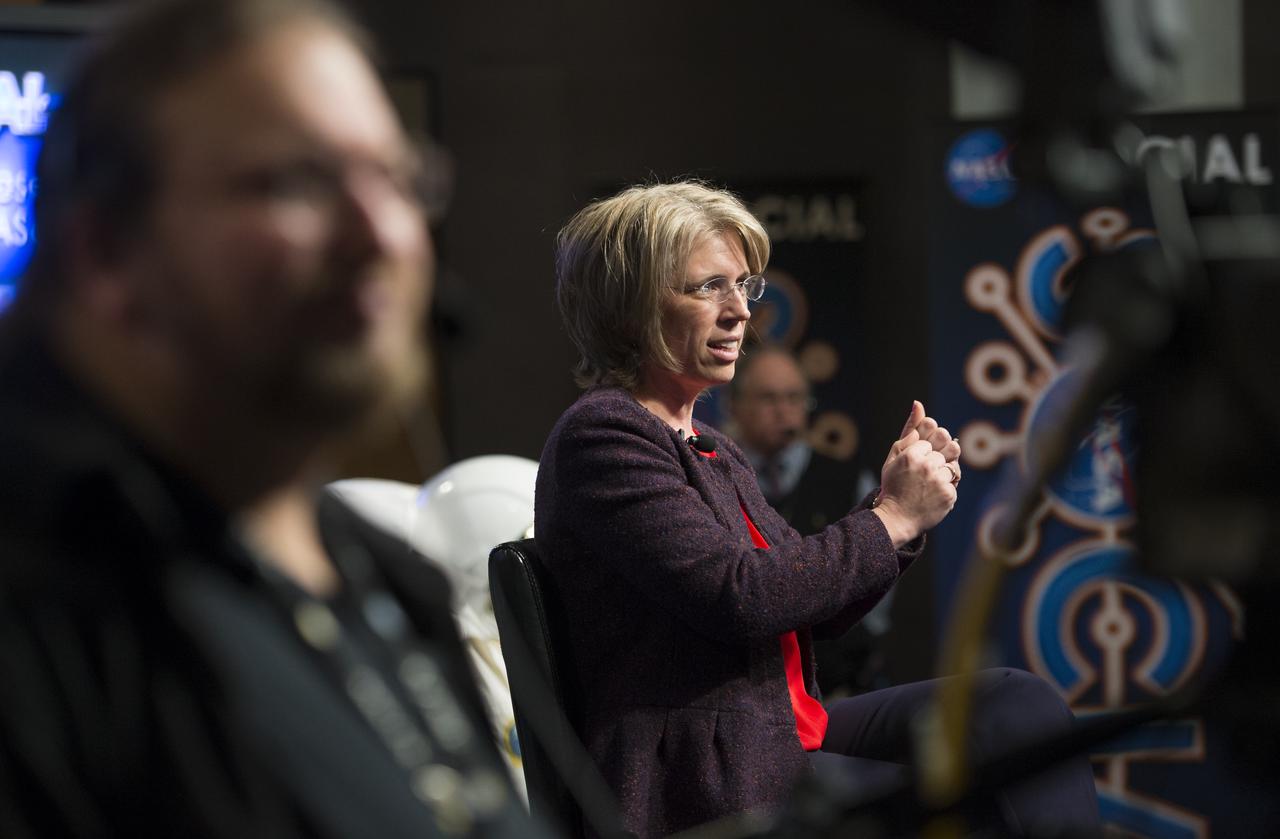
Tara Ruttley, International Space Station Program Scientist, talks about the benefits of conducting science experiments on ISS at a NASA Social exploring science on the ISS at NASA Headquarters, Wednesday, Feb. 20, 2013 in Washington. Photo Credit: (NASA/Carla Cioffi)
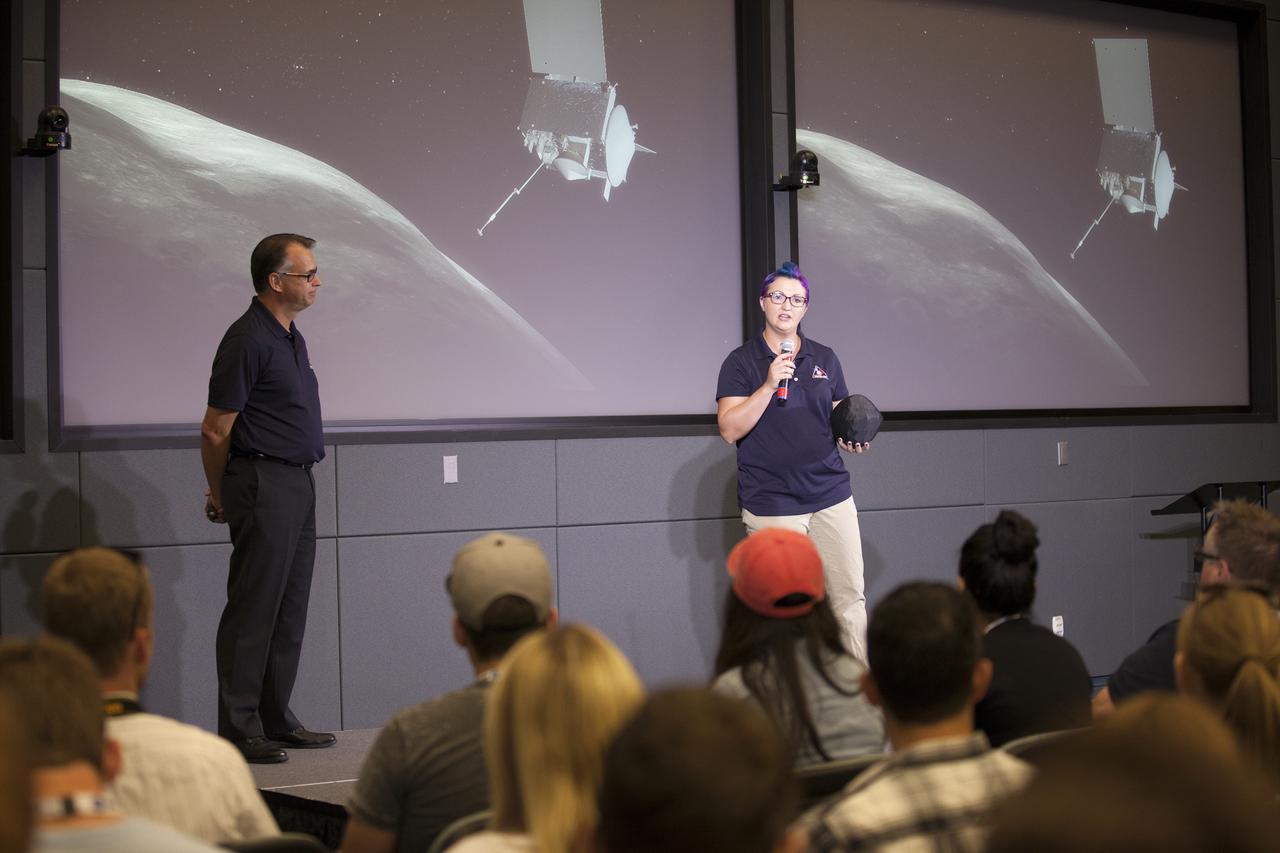
Social media followers were briefed by NASA scientists on asteroids, how they relate to the origins of our solar system and the search for life beyond Earth, during a NASA Social presentation in the Operations Support Building II at the agency’s Kennedy Space Center in Florida. The presentation took place before launch of the agency’s Origins, Spectral Interpretation, Resource Identification, Security-Regolith Explorer, or OSIRIS-REx spacecraft. From the left, are Dante Lauretta, OSIRIS-REx principal investigator from the University of Arizona at Tucson, and Christina Richey, OSIRIS-REx deputy program scientists at NASA Headquarters in Washington.
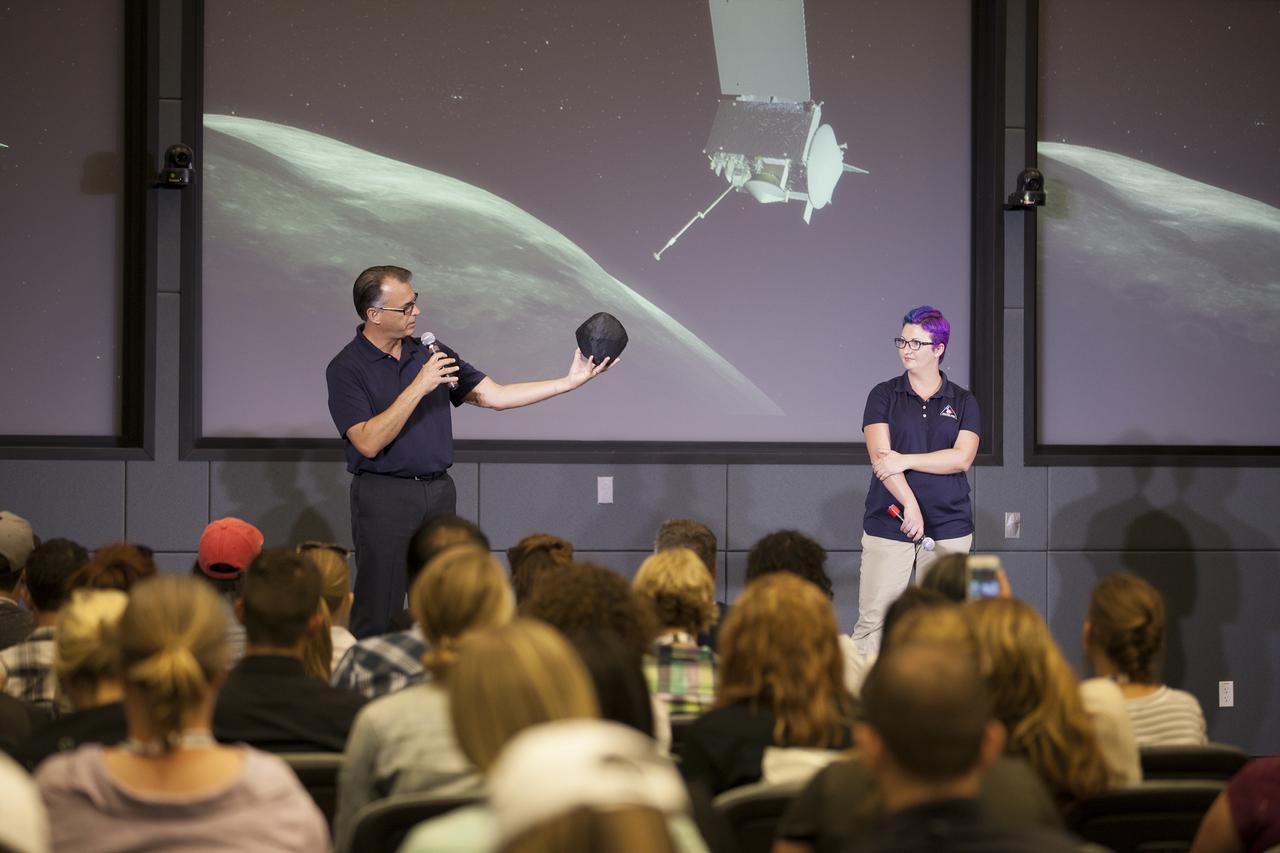
Social media followers were briefed by NASA scientists on asteroids, how they relate to the origins of our solar system and the search for life beyond Earth, during a NASA Social presentation in the Operations Support Building II at the agency’s Kennedy Space Center in Florida. The presentation took place before launch of the agency’s Origins, Spectral Interpretation, Resource Identification, Security-Regolith Explorer, or OSIRIS-REx spacecraft. From the left, are Dante Lauretta, OSIRIS-REx principal investigator from the University of Arizona at Tucson, and Christina Richey, OSIRIS-REx deputy program scientists at NASA Headquarters in Washington.

NASA Lunar Atmosphere and Dust Environment Explorer (LADEE) Program Scientist Sarah Noble talks during a NASA Social about the LADEE mission at NASA Wallops Flight Facility, Thursday, Sept. 5, 2013 on Wallops Island, VA. Fifty of NASA's social media followers are attending a two-day event in support of the LADEE launch. Data from LADEE will provide unprecedented information about the environment around the moon and give scientists a better understanding of other planetary bodies in our solar system and beyond. LADEE is scheduled to launch at 11:27 p.m. Friday, Sept. 6, from NASA's Wallops Flight Facility. Photo Credit: (NASA/Carla Cioffi)
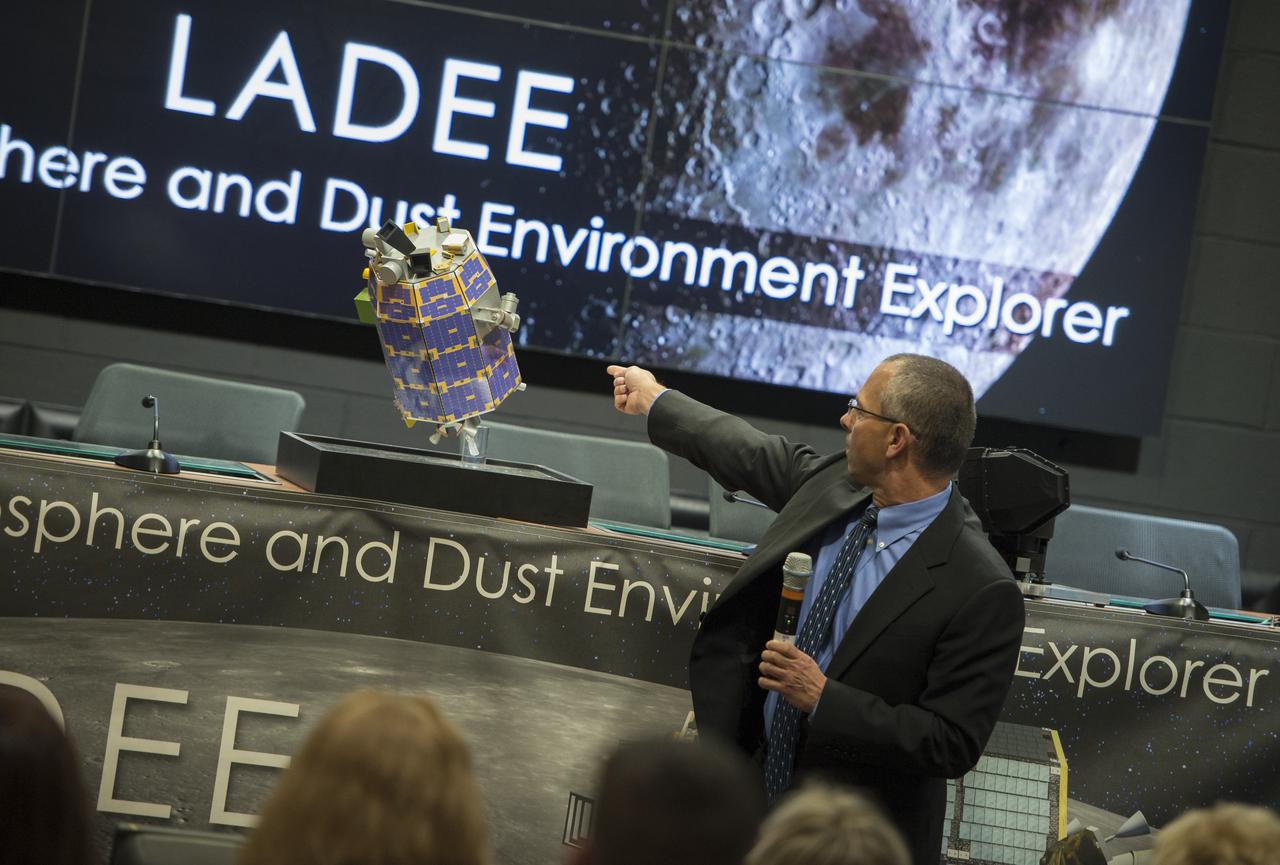
Bob Barber, Lunar Atmosphere and Dust Environment Explorer (LADEE) Spacecraft Systems Engineer at NASA Ames Research Center, points to a model of the LADEE spacecraft a NASA Social, Thursday, Sept. 5, 2013 at NASA Wallops Flight Facility in Virginia. Fifty of NASA's social media followers are attending a two-day event in support of the LADEE launch. Data from LADEE will provide unprecedented information about the environment around the moon and give scientists a better understanding of other planetary bodies in our solar system and beyond. LADEE is scheduled to launch at 11:27 p.m. Friday, Sept. 6, from NASA's Wallops Flight Facility. Photo Credit: (NASA/Carla Cioffi)

NASA Associate Administrator for the Science Mission Directorate John Grunsfeld talks during a NASA Social about the Lunar Atmosphere and Dust Environment Explorer (LADEE) mission at the NASA Wallops Flight Facility, Thursday, Sept. 5, 2013 on Wallops Island, VA. Fifty of NASA's social media followers are attending a two-day event in support of the LADEE launch. Data from LADEE will provide unprecedented information about the environment around the moon and give scientists a better understanding of other planetary bodies in our solar system and beyond. LADEE is scheduled to launch at 11:27 p.m. Friday, Sept. 6, from NASA's Wallops Flight Facility. Photo Credit: (NASA/Carla Cioffi)

A participant at a NASA Social on the Lunar Atmosphere and Dust Environment Explorer (LADEE) mission asks NASA Associate Administrator for the Science Mission Directorate John Grunsfeld a question, Thursday, Sept. 5, 2013 on Wallops Island, VA. Fifty of NASA's social media followers are attending a two-day event in support of the LADEE launch. Data from LADEE will provide unprecedented information about the environment around the moon and give scientists a better understanding of other planetary bodies in our solar system and beyond. LADEE is scheduled to launch at 11:27 p.m. Friday, Sept. 6, from NASA's Wallops Flight Facility. Photo Credit: (NASA/Carla Cioffi)
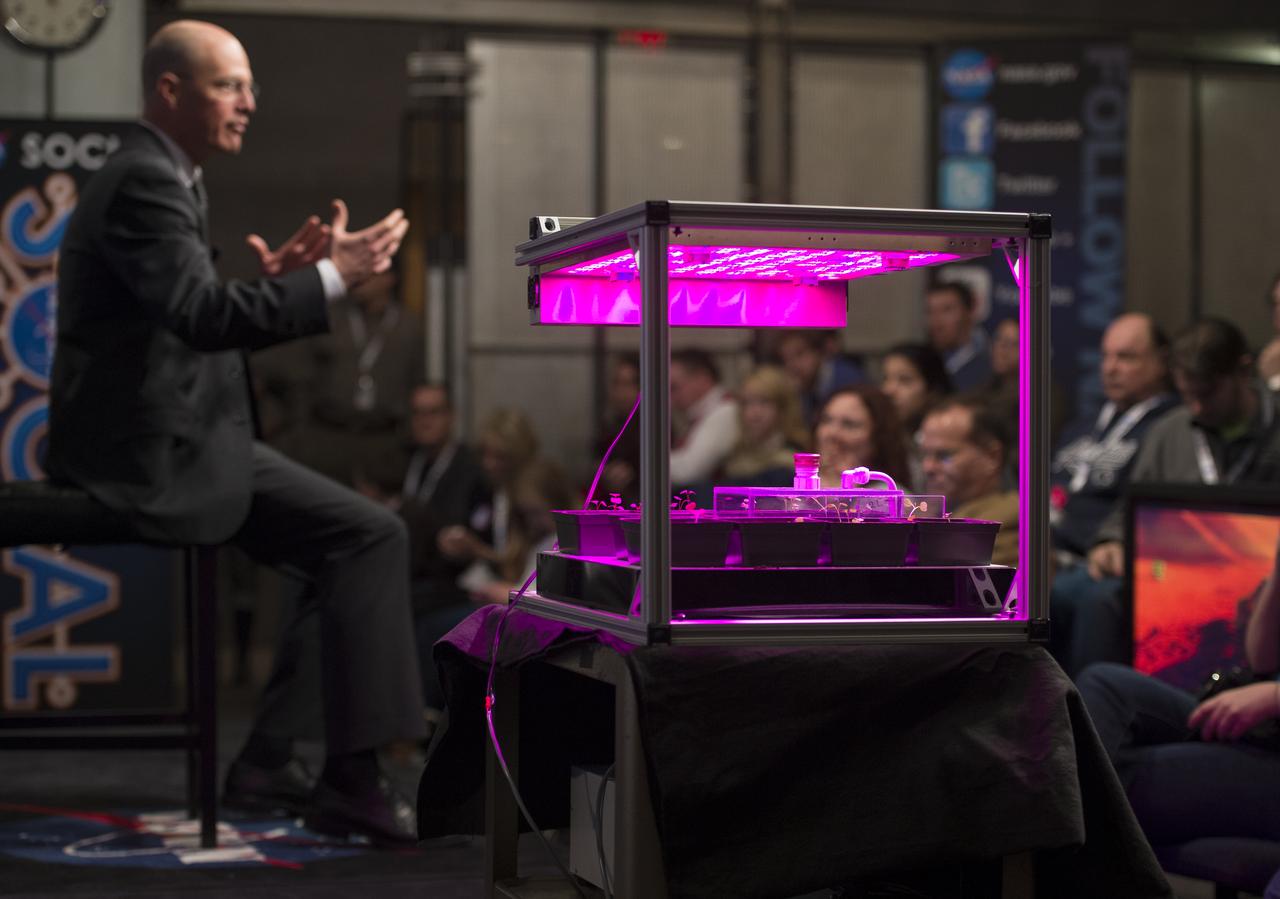
Marshall Porterfield, Life and Physical Sciences Division Director at NASA Headquarters, talks about the human body in microgravity and other life sciences at a NASA Social exploring science on the ISS at NASA Headquarters, Wednesday, Feb. 20, 2013 in Washington. In the foreground is pictured Veggie, a container used for growing plants on the ISS. Photo Credit: (NASA/Carla Cioffi)
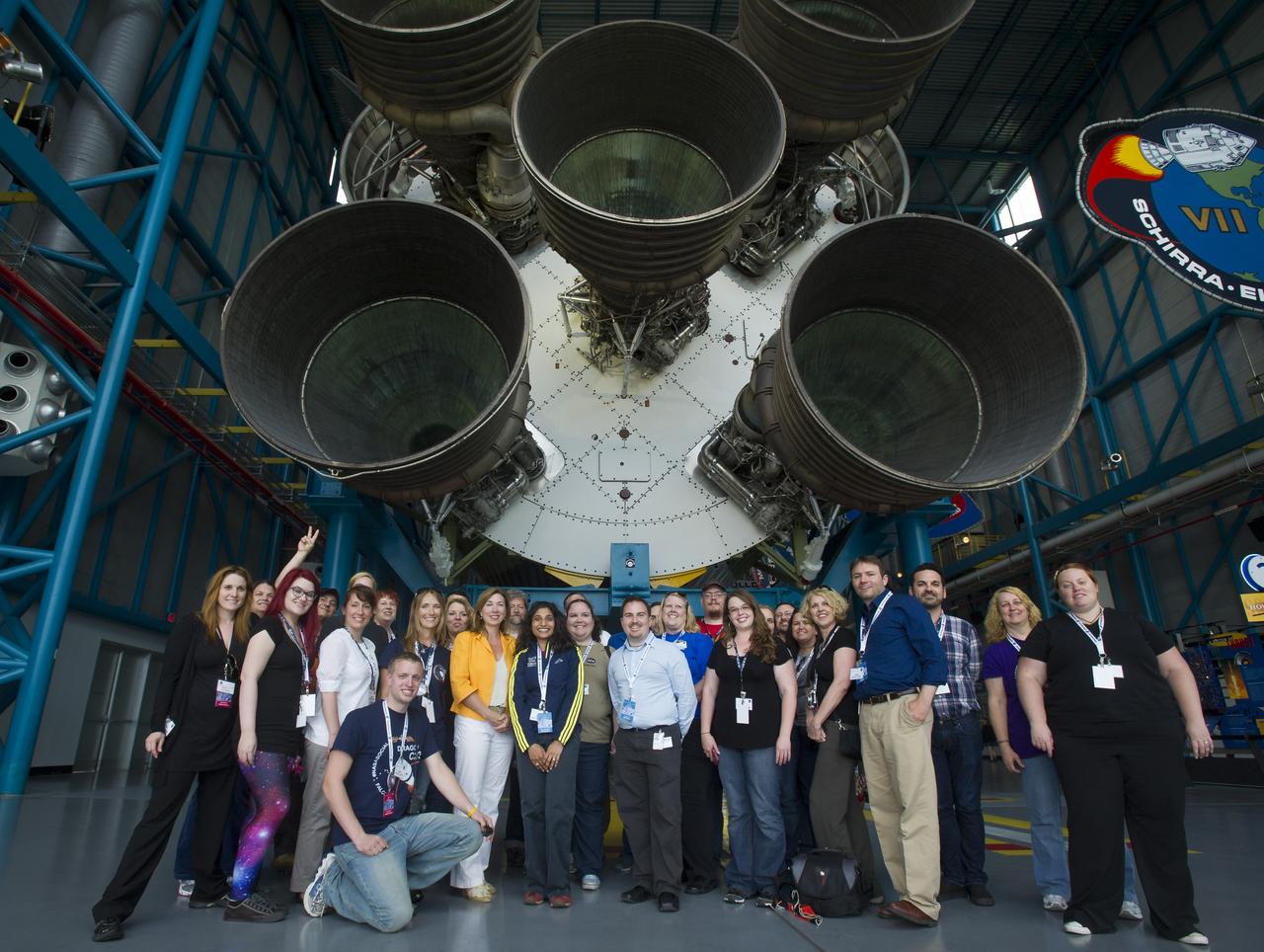
NASA Deputy Administrator Lori Garver, in yellow jacket, stands with participants from the NASA Social underneath the engines of the Saturn V rocket at the Apollo Saturn V visitor center, Thursday, May 18, 2012, at Kennedy Space Center in Cape Canaveral, Fla. About 50 NASA Social followers attended an event as part of activities surrounding the launch of Space Exploration Technologies, or SpaceX, demonstration mission of the company's Falcon 9 rocket to the International Space Station. Photo Credit: (NASA/Paul E. Alers)
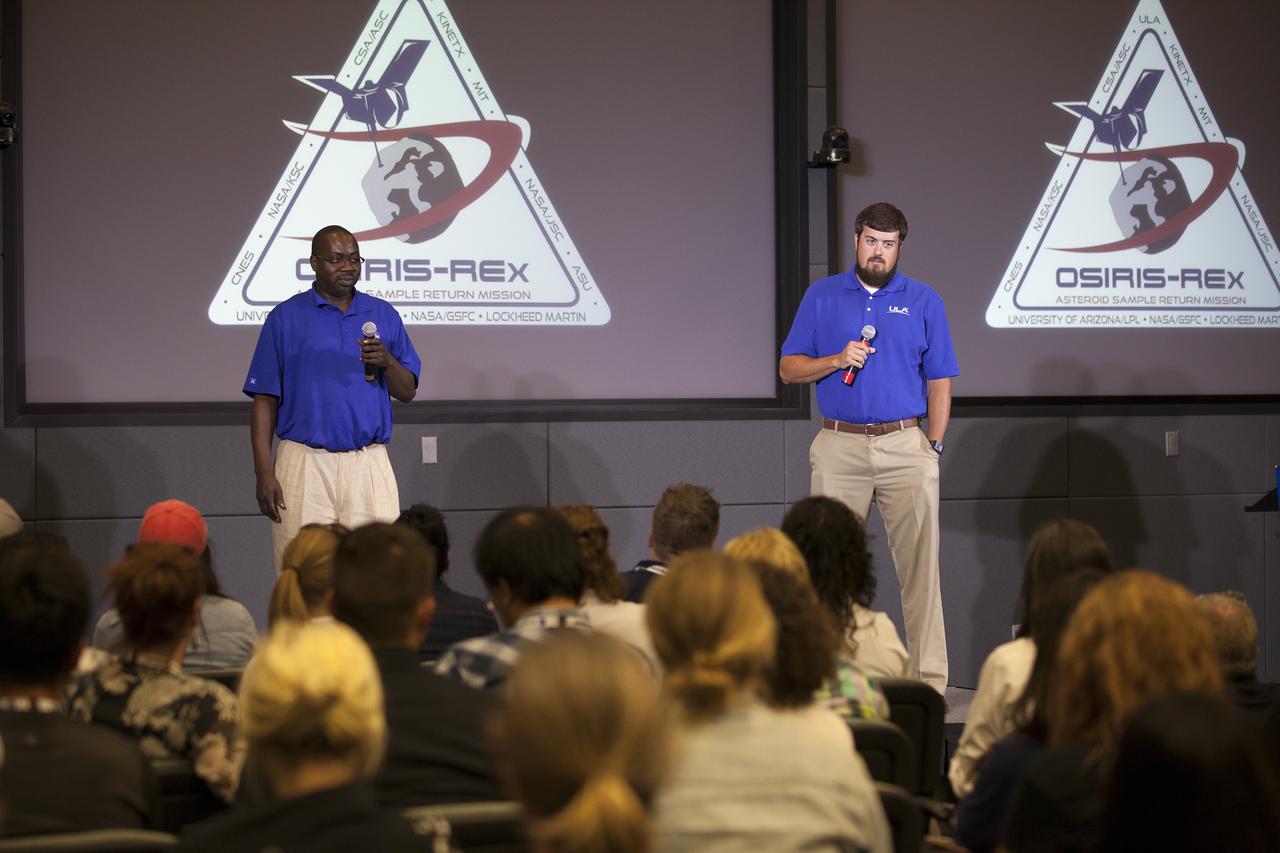
Social media followers were briefed by NASA scientists on asteroids, how they relate to the origins of our solar system and the search for life beyond Earth, during a NASA Social presentation in the Operations Support Building II at the agency’s Kennedy Space Center in Florida. The presentation took place before launch of the agency’s Origins, Spectral Interpretation, Resource Identification, Security-Regolith Explorer, or OSIRIS-REx spacecraft. From the left, are Jarmaine Ollivierre, OSIRIS-REx lead flight designs with NASA’s Launch Services Program; and Gordon McLemore, with United Launch Alliance (ULA). OSIRIS-REx will launch aboard a ULA Atlas V rocket from Space Launch Complex 41 at NASA’s Kennedy Space Center.

NASA Associate Administrator for the Science Mission Directorate John Grunsfeld is seen in a video monitor during a NASA Social about the Lunar Atmosphere and Dust Environment Explorer (LADEE) mission at the NASA Wallops Flight Facility, Thursday, Sept. 5, 2013 on Wallops Island, VA. Fifty of NASA's social media followers are attending a two-day event in support of the LADEE launch. Data from LADEE will provide unprecedented information about the environment around the moon and give scientists a better understanding of other planetary bodies in our solar system and beyond. LADEE is scheduled to launch at 11:27 p.m. Friday, Sept. 6, from NASA's Wallops Flight Facility. Photo Credit: (NASA/Carla Cioffi)
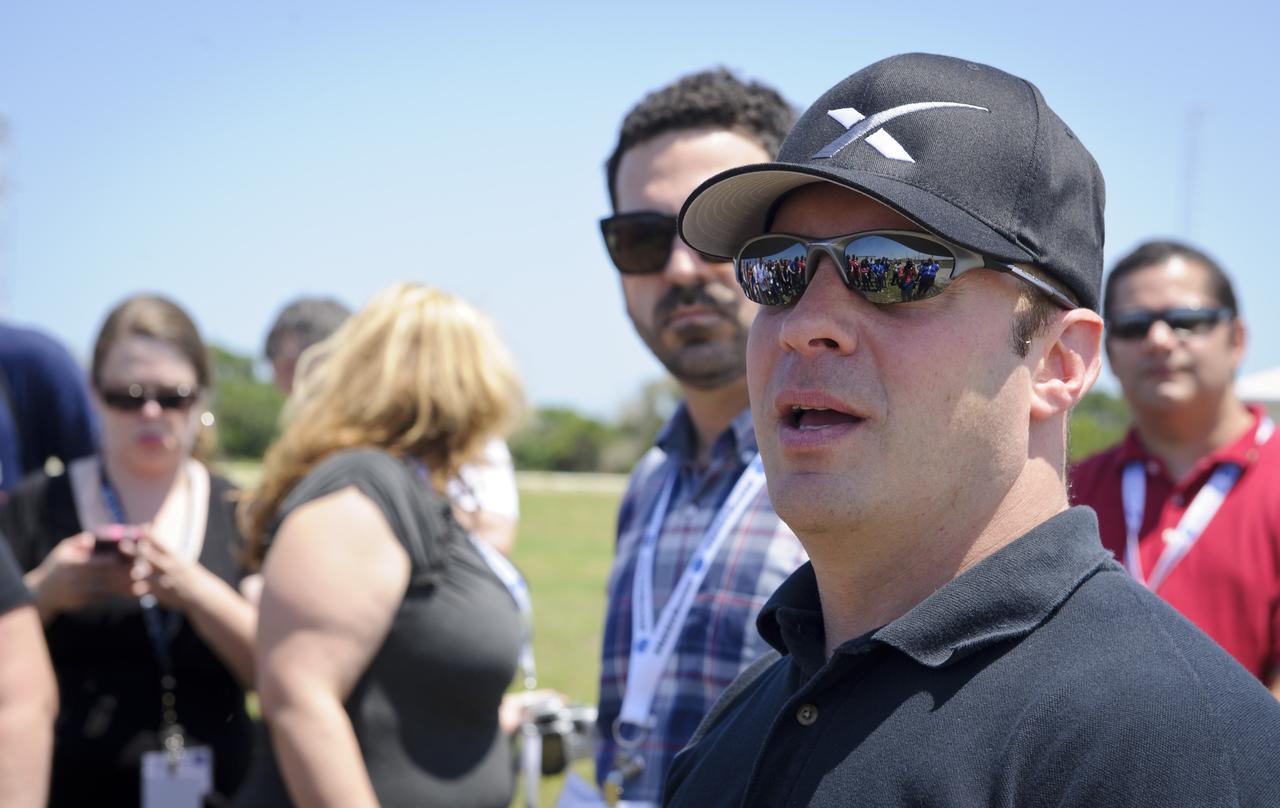
NASA Social participants are reflected in the sunglasses of former NASA astronaut Garrett Reisman, now a senior engineer working on astronaut safety and mission assurance for Space Exploration Technologies, or SpaceX, as he speaks with them, Friday, May 18, 2012, at the launch complex where the company's Falcon 9 rocket is set to launch early Friday morning at Cape Canaveral Air Force Station in Cape Canaveral, Fla. Photo Credit: (NASA/Paul E. Alers)
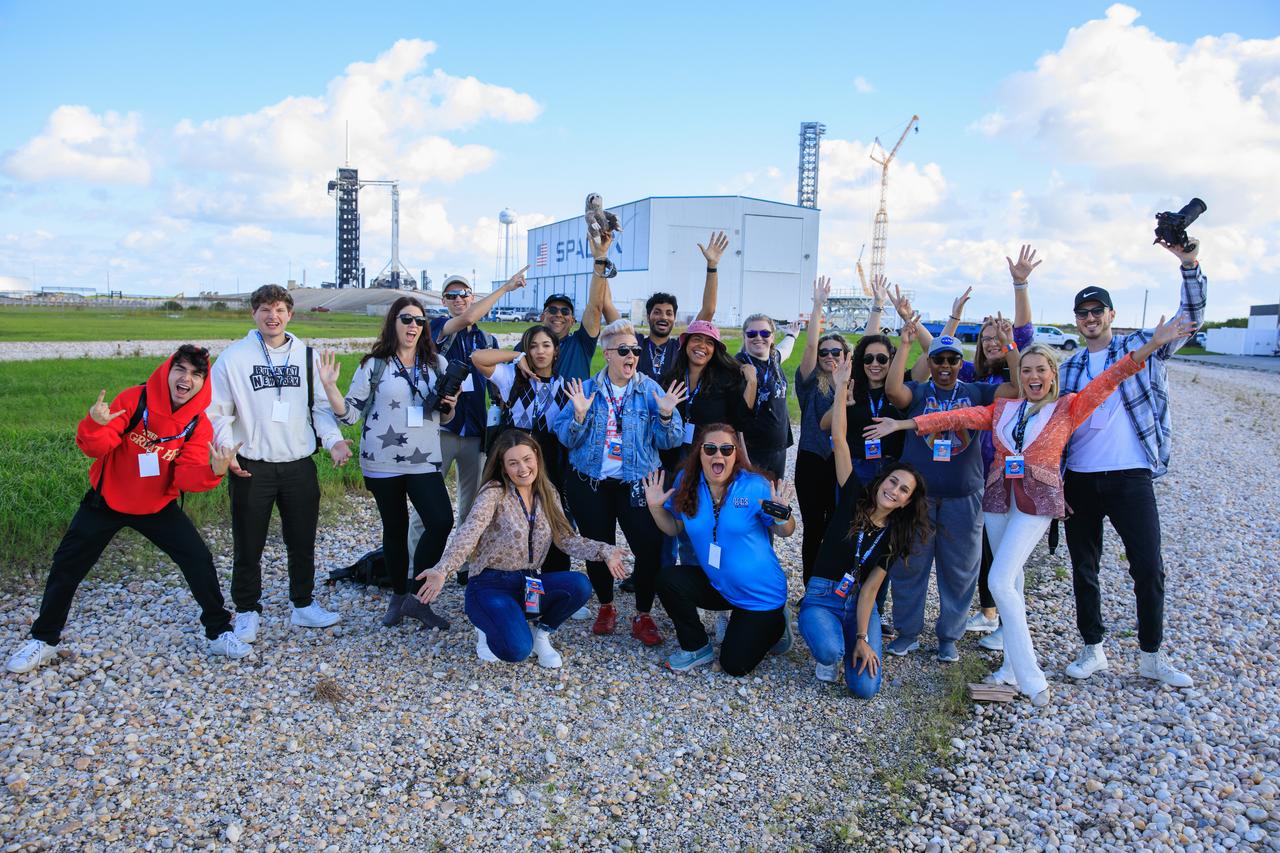
NASA Social participants for the agency’s SpaceX Crew-5 launch are photographed at Kennedy Space Center’s Launch Complex 39A in Florida on Oct. 4, 2022. SpaceX’s Dragon Endurance spacecraft will carry NASA astronauts Nicole Mann, commander; Josh Cassada, pilot; and Mission Specialists Koichi Wakata, of JAXA (Japan Aerospace Exploration Agency), and Roscosmos cosmonaut Anna Kikina to the International Space Station for a science expedition mission as part of NASA’s Commercial Crew Program. The SpaceX Falcon 9 rocket lifted off from Launch Complex 39A at noon EDT on Oct. 5, 2022.
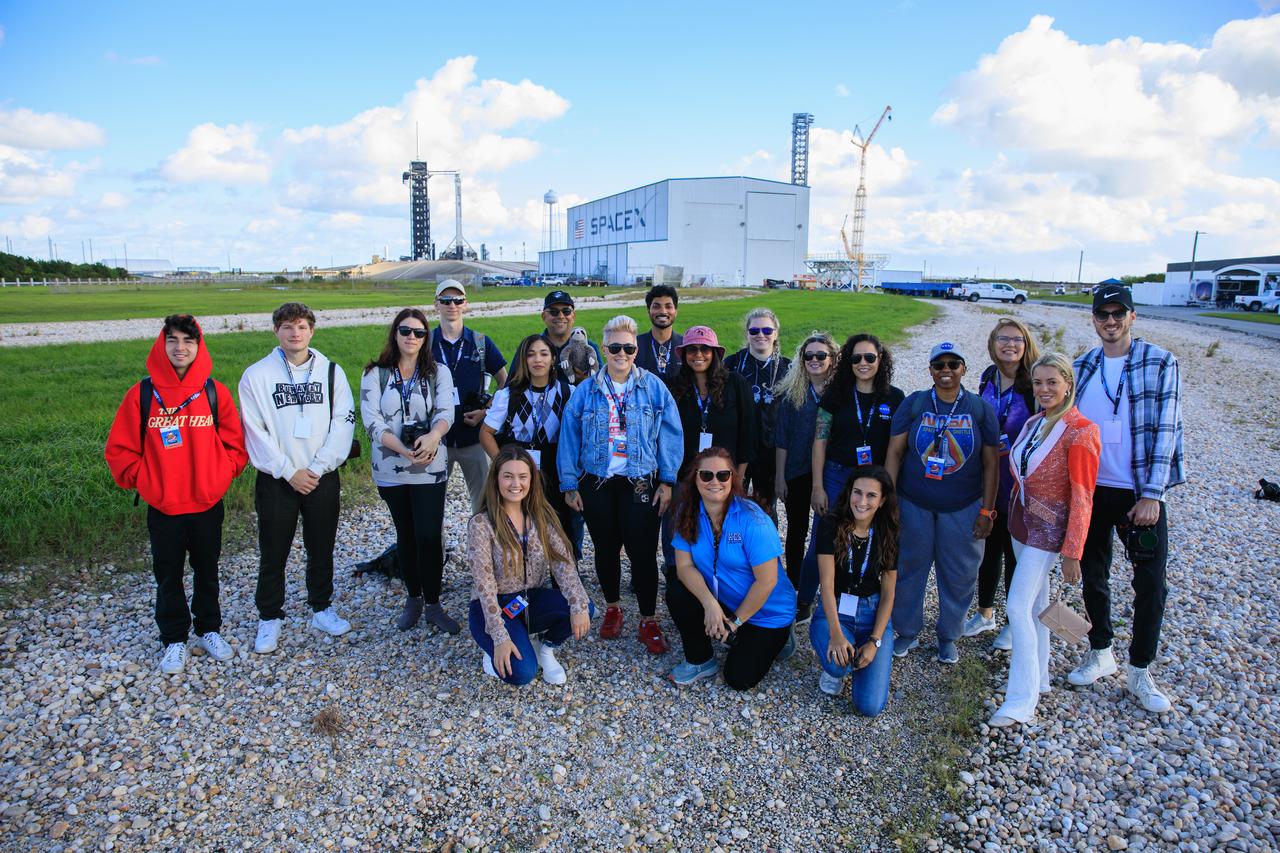
NASA Social participants for the agency’s SpaceX Crew-5 launch are photographed at Kennedy Space Center’s Launch Complex 39A in Florida on Oct. 4, 2022. SpaceX’s Dragon Endurance spacecraft will carry NASA astronauts Nicole Mann, commander; Josh Cassada, pilot; and Mission Specialists Koichi Wakata, of JAXA (Japan Aerospace Exploration Agency), and Roscosmos cosmonaut Anna Kikina to the International Space Station for a science expedition mission as part of NASA’s Commercial Crew Program. The SpaceX Falcon 9 rocket lifted off from Launch Complex 39A at noon EDT on Oct. 5, 2022.

NASA Social attendees are seen during a science panel discussion with Cassini project scientist at JPL, Linda Spilker, Cassini interdisciplinary Titan scientist at Cornell University, Jonathan Lunine, Cassini Composite Infrared Spectrometer(CIRS) Instrument deputy principle investigator Connor Nixon, and Cassini assistant project science systems engineer Morgan Cable, Thursday, Sept. 14, 2017 at NASA's Jet Propulsion Laboratory in Pasadena, California. Since its arrival in 2004, the Cassini-Huygens mission has been a discovery machine, revolutionizing our knowledge of the Saturn system and captivating us with data and images never before obtained with such detail and clarity. On Sept. 15, 2017, operators will deliberately plunge the spacecraft into Saturn, as Cassini gathered science until the end. The “plunge” ensures Saturn’s moons will remain pristine for future exploration. During Cassini’s final days, mission team members from all around the world gathered at NASA’s Jet Propulsion Laboratory, Pasadena, California, to celebrate the achievements of this historic mission. Photo Credit: (NASA/Joel Kowsky)
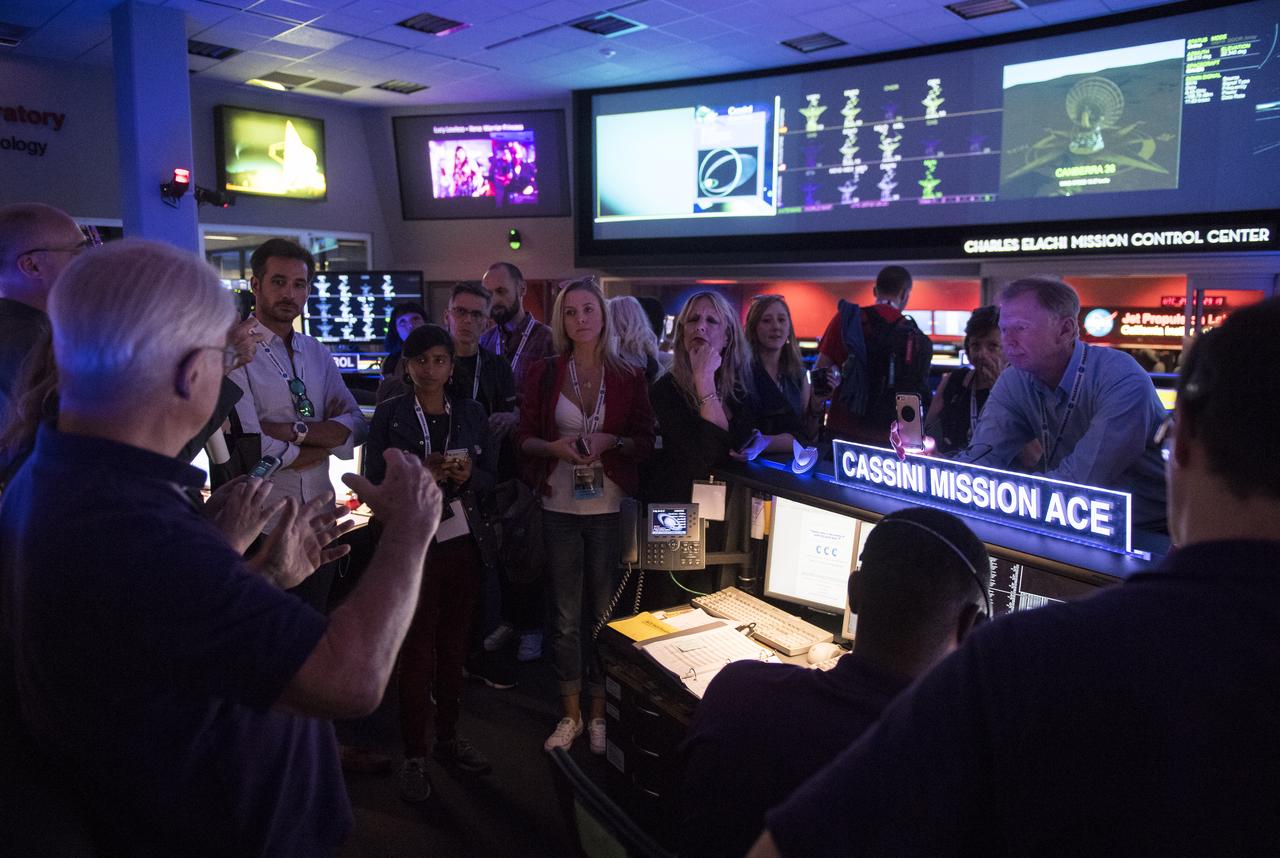
Cassini NASA Social attendees speak with members of the Cassini mission team in the Charles Elachi Mission Control Center in the Space Flight Operation Center, Thursday, Sept. 14, 2017 at NASA's Jet Propulsion Laboratory in Pasadena, California. Since its arrival in 2004, the Cassini-Huygens mission has been a discovery machine, revolutionizing our knowledge of the Saturn system and captivating us with data and images never before obtained with such detail and clarity. On Sept. 15, 2017, operators will deliberately plunge the spacecraft into Saturn, as Cassini gathered science until the end. The “plunge” ensures Saturn’s moons will remain pristine for future exploration. During Cassini’s final days, mission team members from all around the world gathered at NASA’s Jet Propulsion Laboratory, Pasadena, California, to celebrate the achievements of this historic mission. Photo Credit: (NASA/Joel Kowsky)
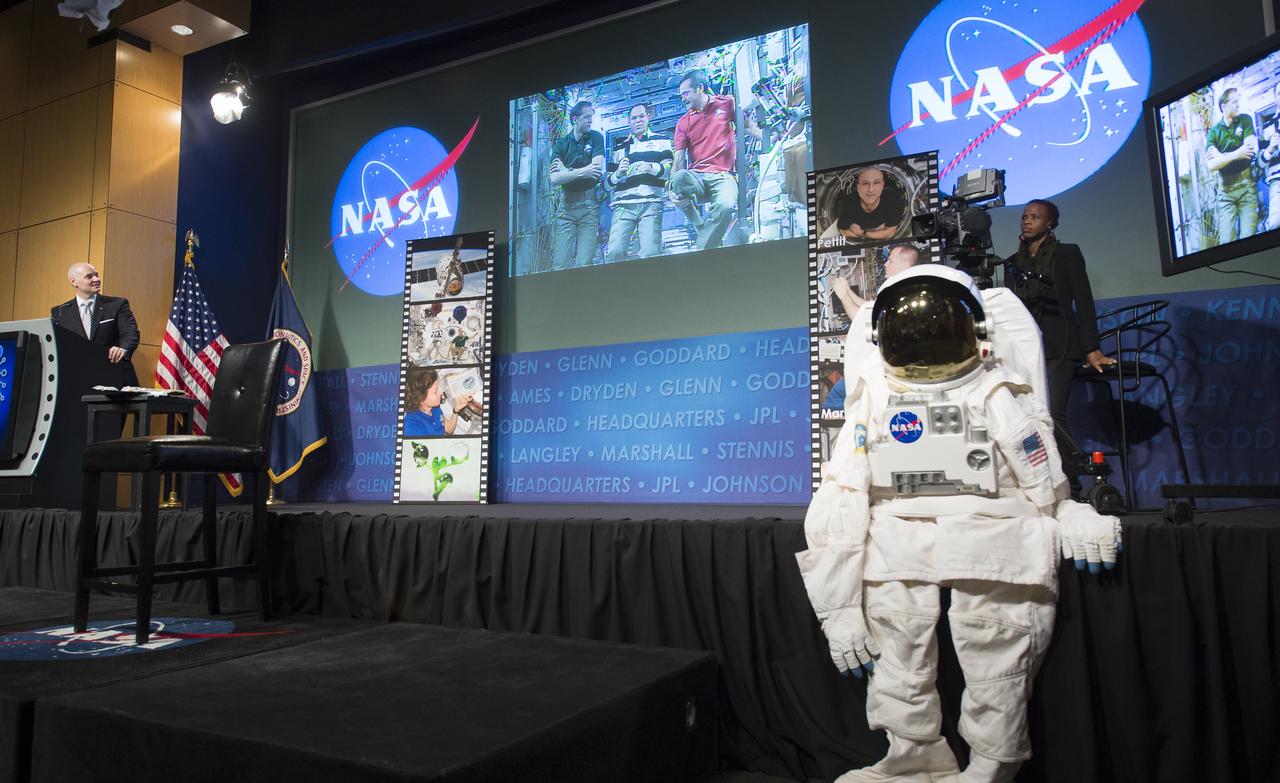
Expedition 33/34 astronauts onboard the International Space Station answer questions in a live downlink at a NASA Social exploring science on the ISS at NASA Headquarters, Wednesday, Feb. 20, 2013 in Washington. Seen from left to right are NASA astronauts Tom Marshburn, Kevin Ford and Canadian Space Agency (CSA) astronaut Chris Hadfield. Photo Credit: (NASA/Carla Cioffi)
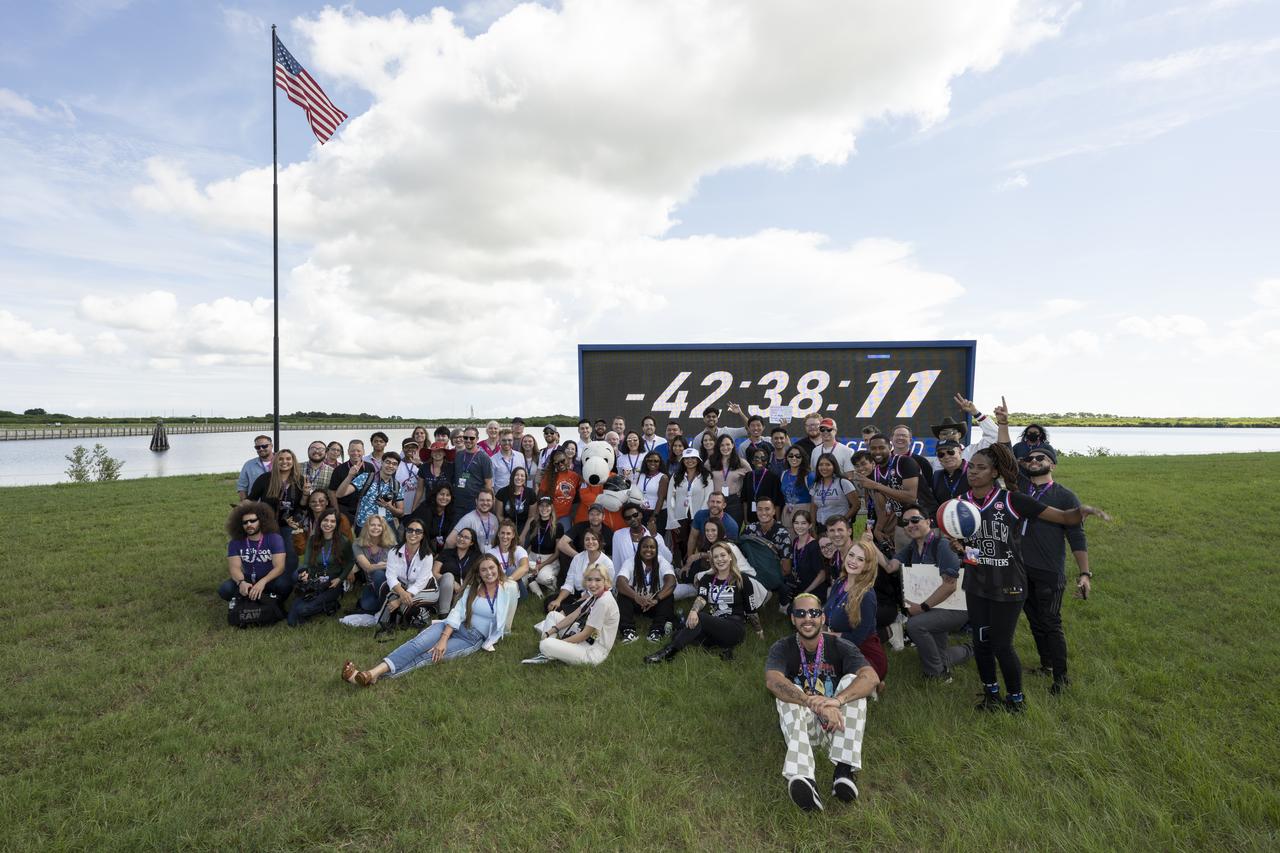
NASA Social attendees pose for a picture with Snoopy at the Press Site countdown clock, Saturday, Aug. 27, 2022, at NASA’s Kennedy Space Center in Florida. NASA’s Artemis I flight test is the first integrated flight test of the agency’s deep space exploration systems: the Orion spacecraft, Space Launch System (SLS) rocket, and ground systems. Launch of the uncrewed flight test is targeted for no earlier than Aug. 29 at 8:33 a.m. ET. Photo Credit: (NASA/Keegan Barber)
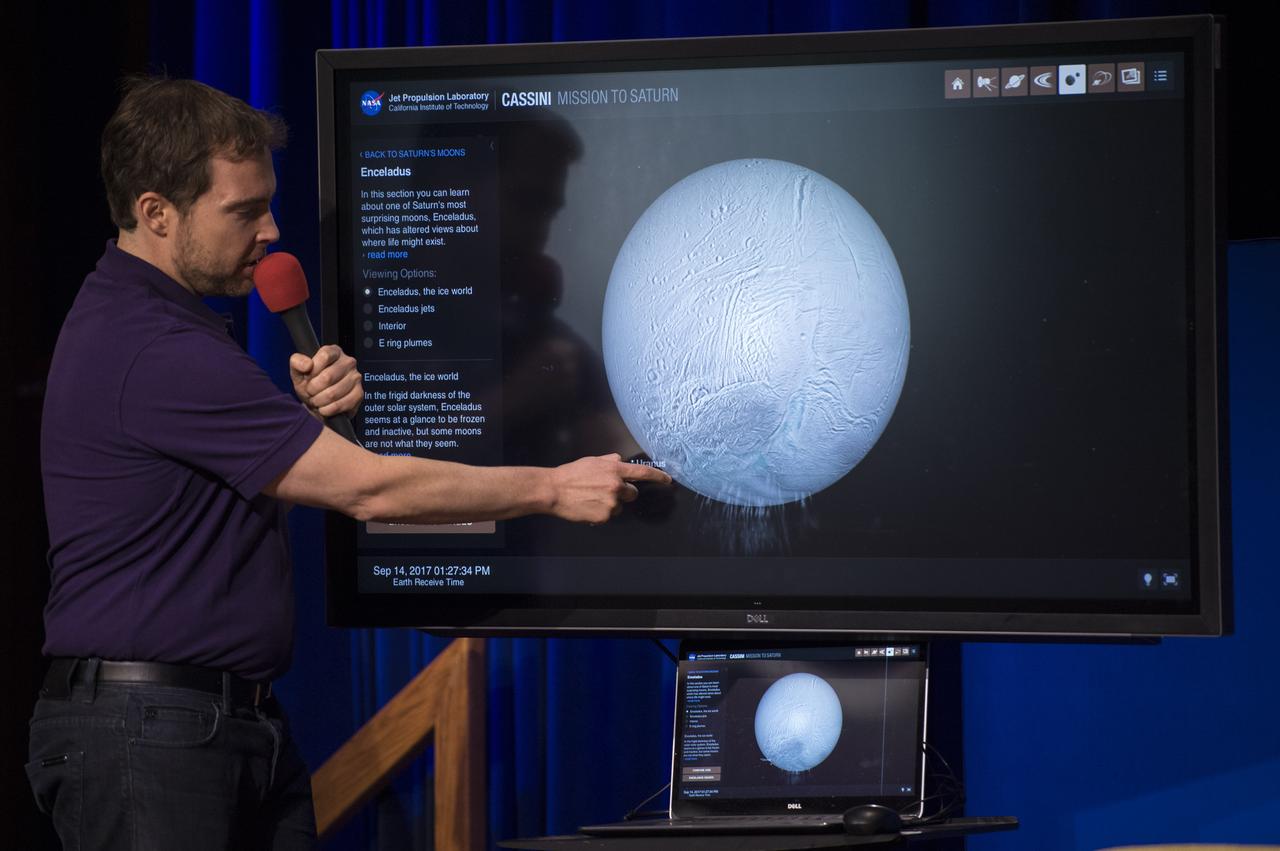
Nechnical producer for NASA's Eyes at JPL, Jason Craig discusses the Cassini mission as seen through the NASA Eyes program during a NASA Social, Thursday, Sept. 14, 2017 at NASA's Jet Propulsion Laboratory in Pasadena, California. Since its arrival in 2004, the Cassini-Huygens mission has been a discovery machine, revolutionizing our knowledge of the Saturn system and captivating us with data and images never before obtained with such detail and clarity. On Sept. 15, 2017, operators will deliberately plunge the spacecraft into Saturn, as Cassini gathered science until the end. The “plunge” ensures Saturn’s moons will remain pristine for future exploration. During Cassini’s final days, mission team members from all around the world gathered at NASA’s Jet Propulsion Laboratory, Pasadena, California, to celebrate the achievements of this historic mission. Photo Credit: (NASA/Joel Kowsky)
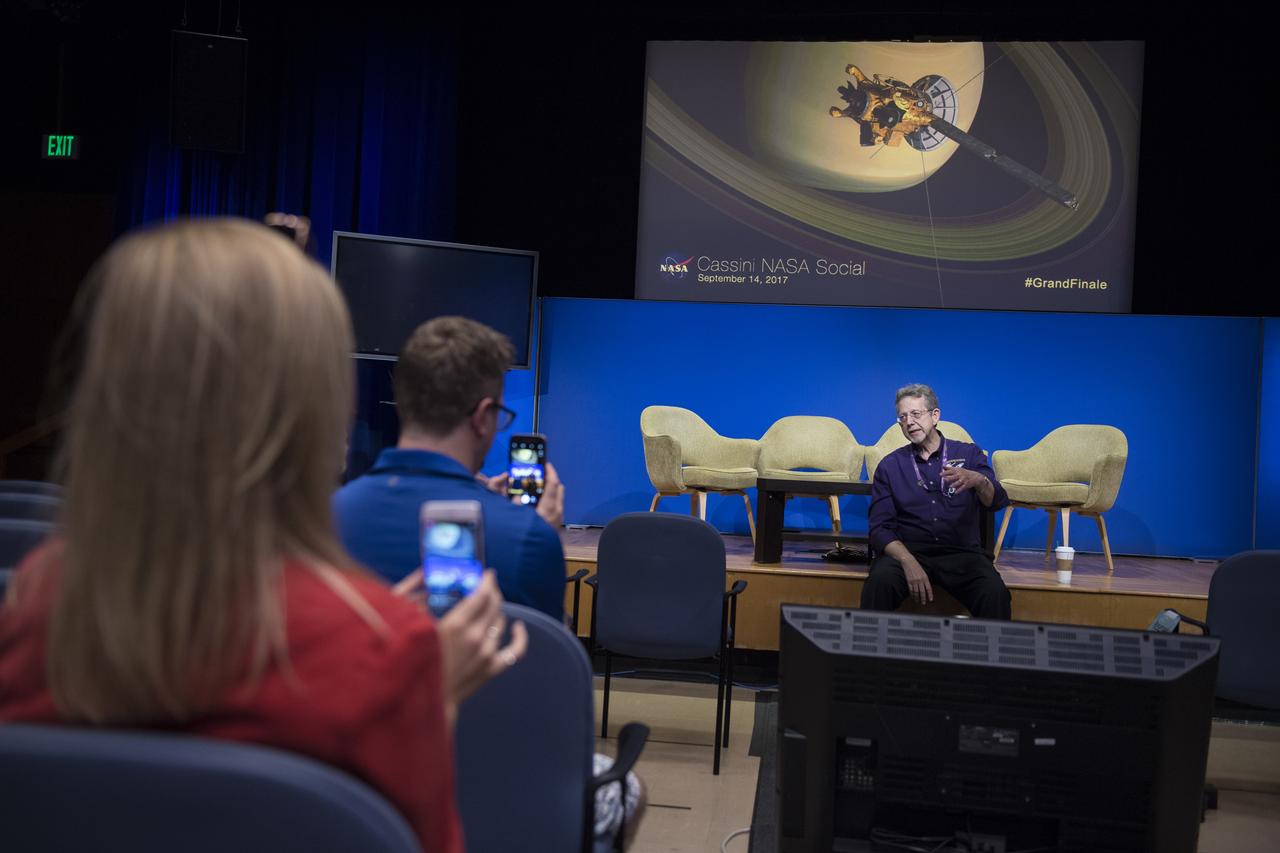
NASA Social attendees film director of NASA's Planetary Science Division, Jim Green as he discusses the Cassini mission, Thursday, Sept. 14, 2017 at NASA's Jet Propulsion Laboratory in Pasadena, California. Since its arrival in 2004, the Cassini-Huygens mission has been a discovery machine, revolutionizing our knowledge of the Saturn system and captivating us with data and images never before obtained with such detail and clarity. On Sept. 15, 2017, operators will deliberately plunge the spacecraft into Saturn, as Cassini gathered science until the end. The “plunge” ensures Saturn’s moons will remain pristine for future exploration. During Cassini’s final days, mission team members from all around the world gathered at NASA’s Jet Propulsion Laboratory, Pasadena, California, to celebrate the achievements of this historic mission. Photo Credit: (NASA/Joel Kowsky)
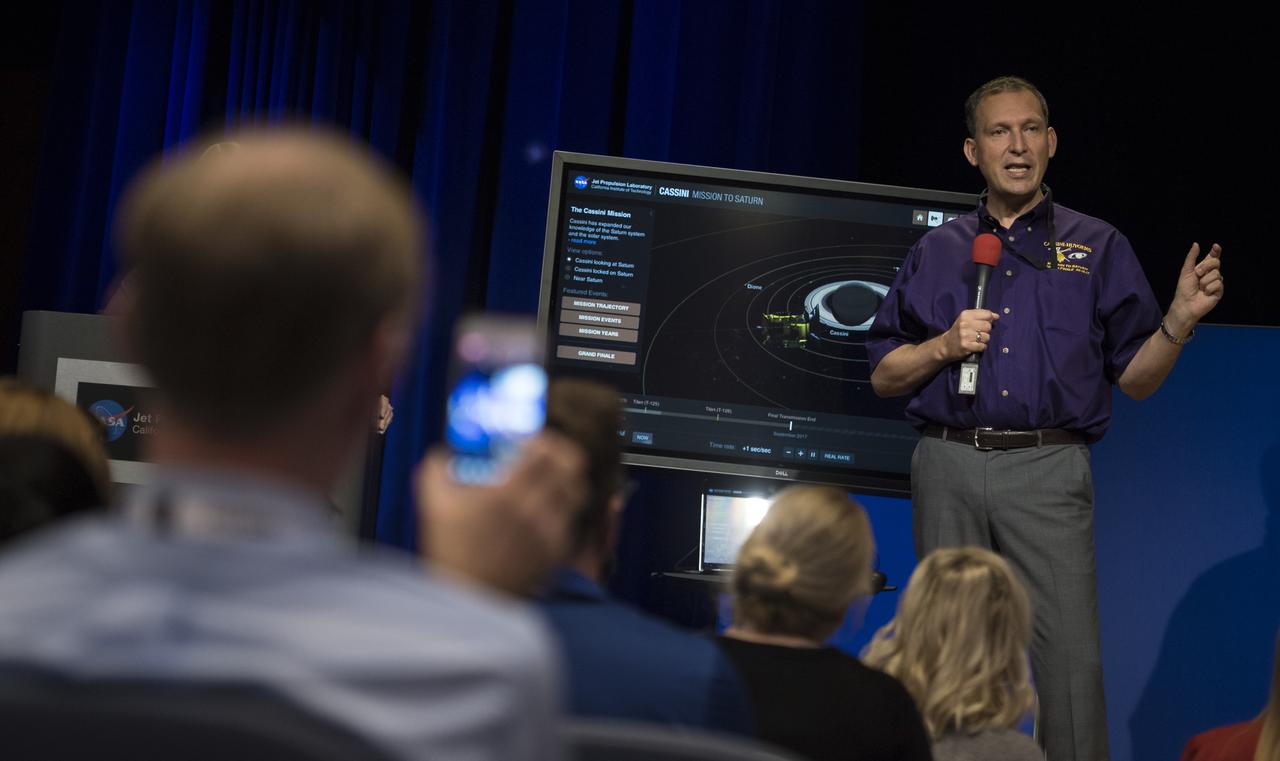
Associate administrator for NASA's Science Mission Directorate Thomas Zurbuchen, speaks to NASA Social attendees about the Cassini mission, Thursday, Sept. 14, 2017 at NASA's Jet Propulsion Laboratory in Pasadena, California. Since its arrival in 2004, the Cassini-Huygens mission has been a discovery machine, revolutionizing our knowledge of the Saturn system and captivating us with data and images never before obtained with such detail and clarity. On Sept. 15, 2017, operators will deliberately plunge the spacecraft into Saturn, as Cassini gathered science until the end. The “plunge” ensures Saturn’s moons will remain pristine for future exploration. During Cassini’s final days, mission team members from all around the world gathered at NASA’s Jet Propulsion Laboratory, Pasadena, California, to celebrate the achievements of this historic mission. Photo Credit: (NASA/Joel Kowsky)
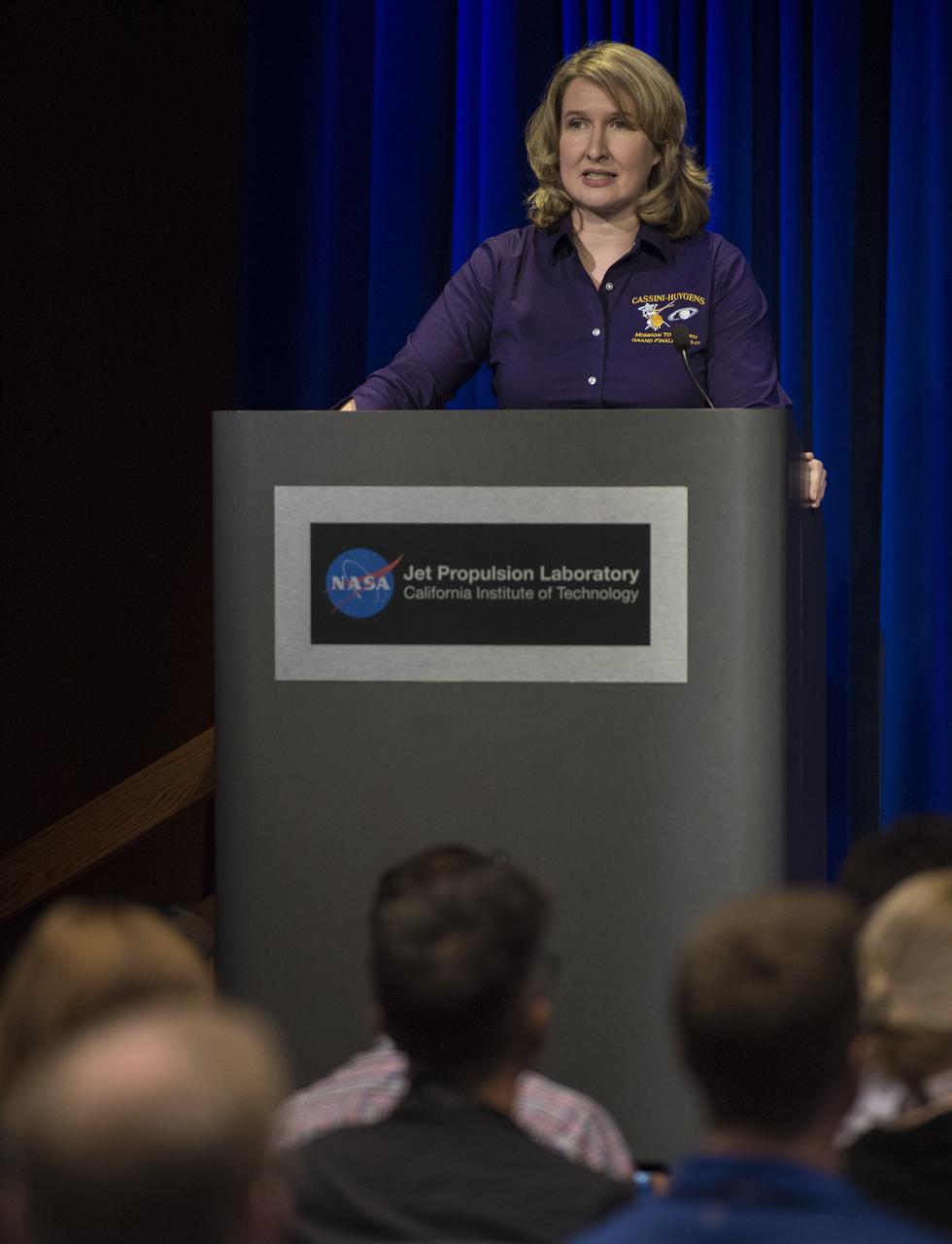
NASA JPL digital and social media lead Stephanie Smith, introduces technical producer for NASA's Eyes at JPL, Jason Craig, Thursday, Sept. 14, 2017 at NASA's Jet Propulsion Laboratory in Pasadena, California. Since its arrival in 2004, the Cassini-Huygens mission has been a discovery machine, revolutionizing our knowledge of the Saturn system and captivating us with data and images never before obtained with such detail and clarity. On Sept. 15, 2017, operators will deliberately plunge the spacecraft into Saturn, as Cassini gathered science until the end. The “plunge” ensures Saturn’s moons will remain pristine for future exploration. During Cassini’s final days, mission team members from all around the world gathered at NASA’s Jet Propulsion Laboratory, Pasadena, California, to celebrate the achievements of this historic mission. Photo Credit: (NASA/Joel Kowsky)
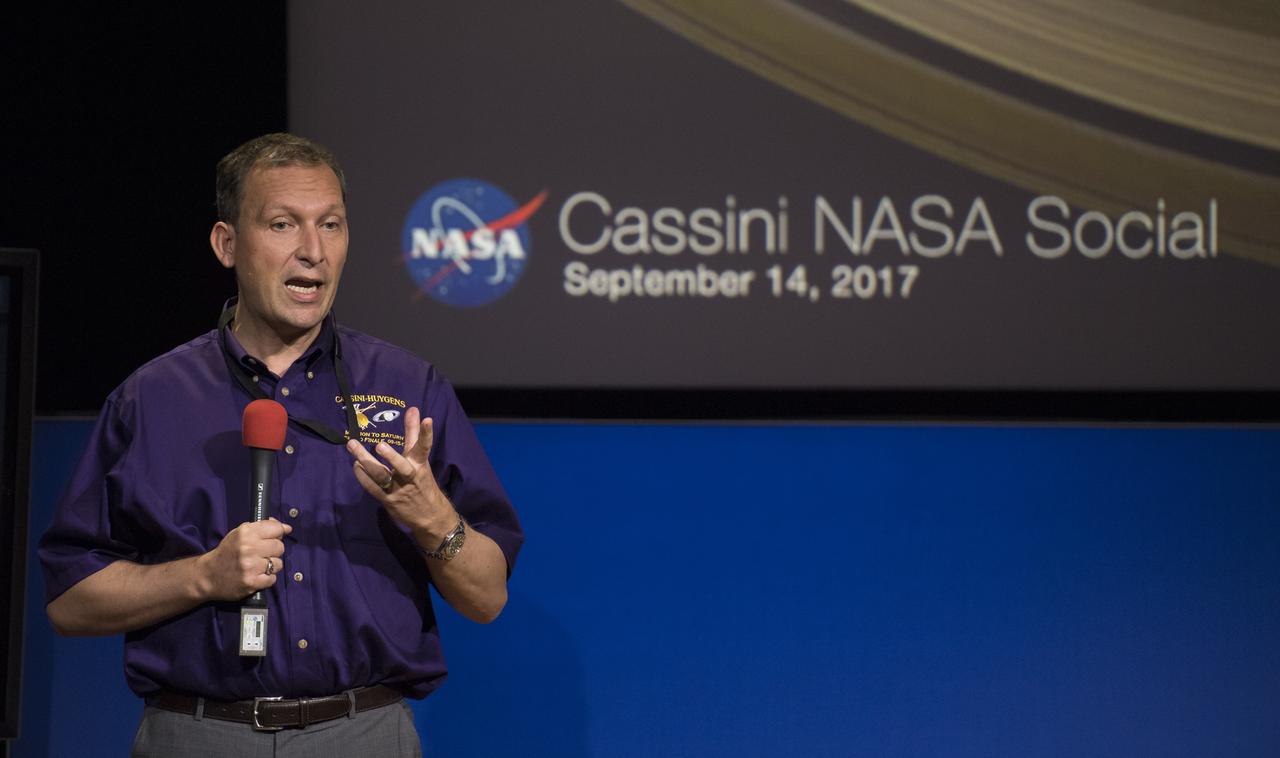
Associate administrator for NASA's Science Mission Directorate Thomas Zurbuchen, speaks to NASA Social attendees about the Cassini mission, Thursday, Sept. 14, 2017 at NASA's Jet Propulsion Laboratory in Pasadena, California. Since its arrival in 2004, the Cassini-Huygens mission has been a discovery machine, revolutionizing our knowledge of the Saturn system and captivating us with data and images never before obtained with such detail and clarity. On Sept. 15, 2017, operators will deliberately plunge the spacecraft into Saturn, as Cassini gathered science until the end. The “plunge” ensures Saturn’s moons will remain pristine for future exploration. During Cassini’s final days, mission team members from all around the world gathered at NASA’s Jet Propulsion Laboratory, Pasadena, California, to celebrate the achievements of this historic mission. Photo Credit: (NASA/Joel Kowsky)
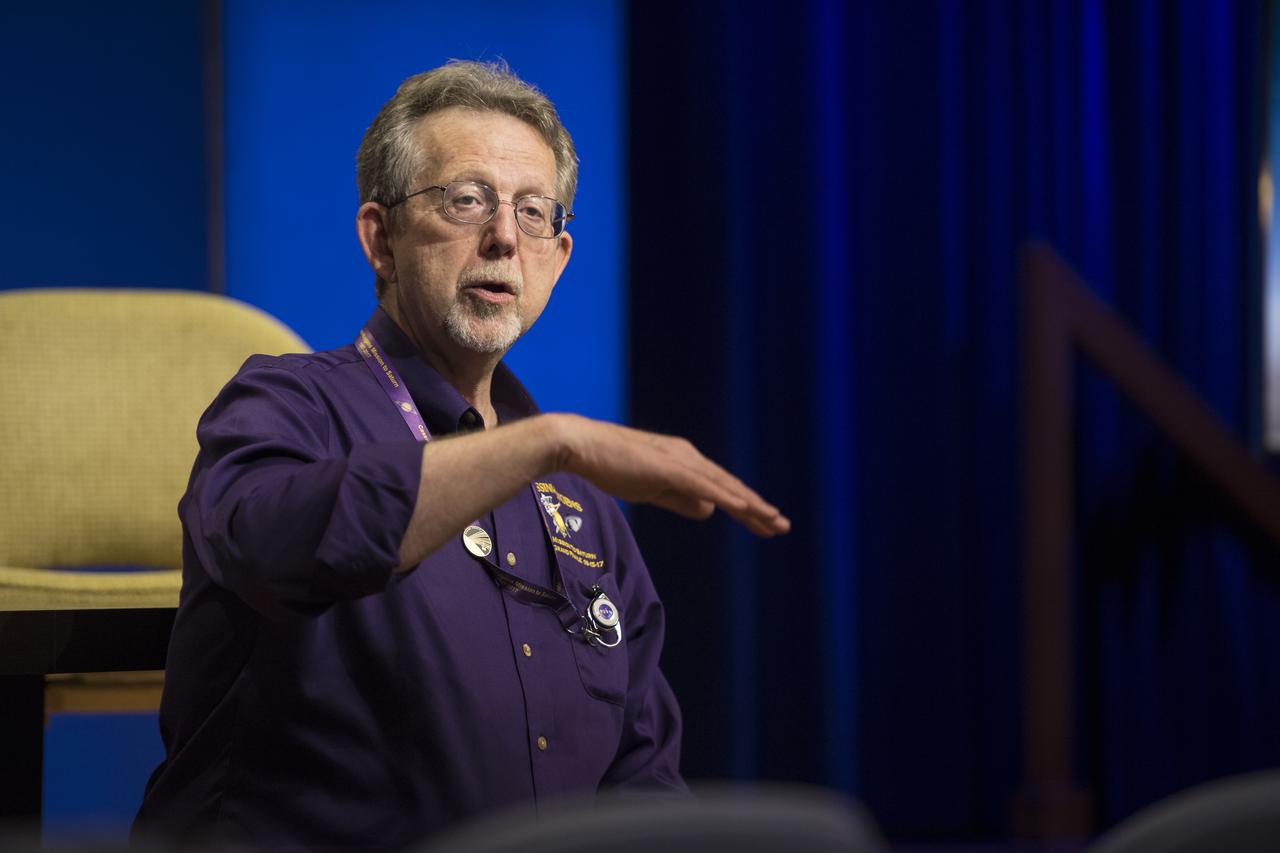
Director of NASA's Planetary Science Division, Jim Green, speaks to NASA Social attendees, Thursday, Sept. 14, 2017 at NASA's Jet Propulsion Laboratory in Pasadena, California. Since its arrival in 2004, the Cassini-Huygens mission has been a discovery machine, revolutionizing our knowledge of the Saturn system and captivating us with data and images never before obtained with such detail and clarity. On Sept. 15, 2017, operators will deliberately plunge the spacecraft into Saturn, as Cassini gathered science until the end. The “plunge” ensures Saturn’s moons will remain pristine for future exploration. During Cassini’s final days, mission team members from all around the world gathered at NASA’s Jet Propulsion Laboratory, Pasadena, California, to celebrate the achievements of this historic mission. Photo Credit: (NASA/Joel Kowsky)
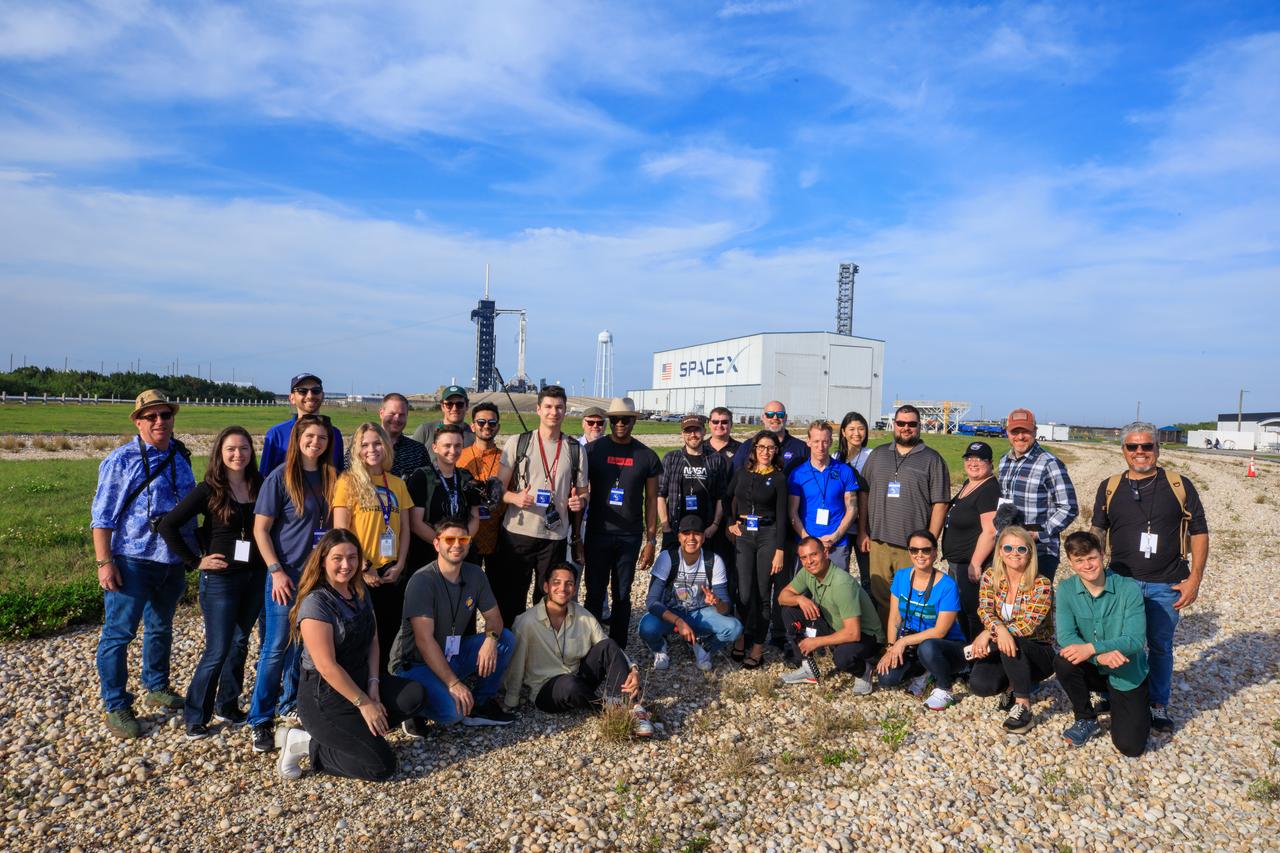
Digital content creators pause for a group photo on the crawlerway leading to Launch Complex 39A at NASA’s Kennedy Space Center in Florida during a NASA Social event on Feb. 24, 2023 for the SpaceX Crew-6 launch. The SpaceX Falcon 9 rocket, carrying the Dragon spacecraft Endeavour for NASA’s Crew-6 mission to the International Space Station lifted off at 12:34 a.m. EST on March 2, 2023, carrying NASA astronauts Stephen Bowen, spacecraft commander, and Warren Hoburg, pilot, along with mission specialists Sultan Alneyadi, UAE (United Arab Emirates) astronaut, and Andrey Fedyaev, Roscosmos cosmonaut. Crew-6 was the sixth crew rotation mission with SpaceX to the station, and the seventh flight of Dragon with people as part of the agency’s Commercial Crew Program.
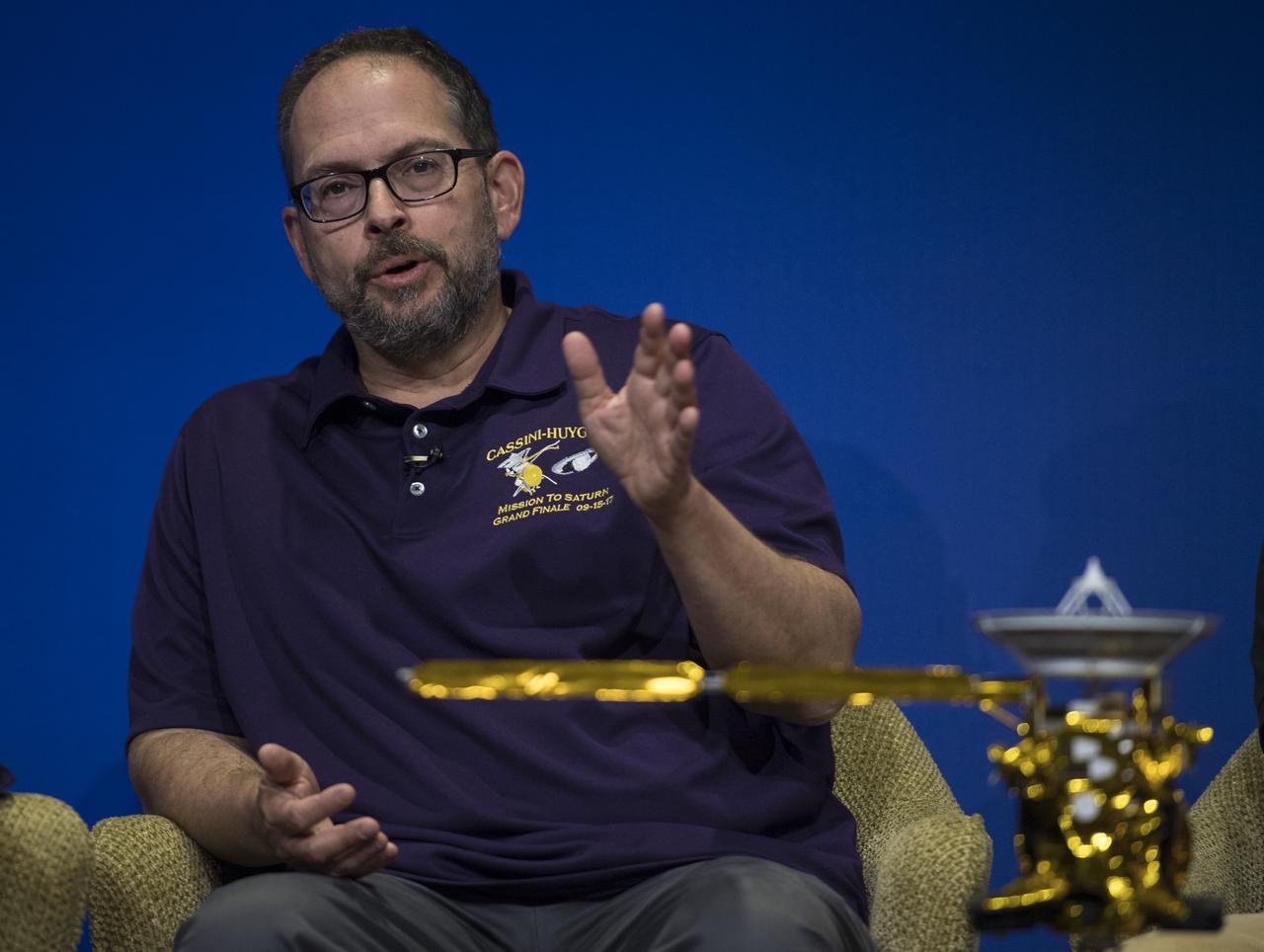
Cassini interdisciplinary Titan scientist at Cornell University, Jonathan Lunine, speaks to NASA Social attendees about the Cassini mission, Thursday, Sept. 14, 2017 at NASA's Jet Propulsion Laboratory in Pasadena, California. Since its arrival in 2004, the Cassini-Huygens mission has been a discovery machine, revolutionizing our knowledge of the Saturn system and captivating us with data and images never before obtained with such detail and clarity. On Sept. 15, 2017, operators will deliberately plunge the spacecraft into Saturn, as Cassini gathered science until the end. The “plunge” ensures Saturn’s moons will remain pristine for future exploration. During Cassini’s final days, mission team members from all around the world gathered at NASA’s Jet Propulsion Laboratory, Pasadena, California, to celebrate the achievements of this historic mission. Photo Credit: (NASA/Joel Kowsky)
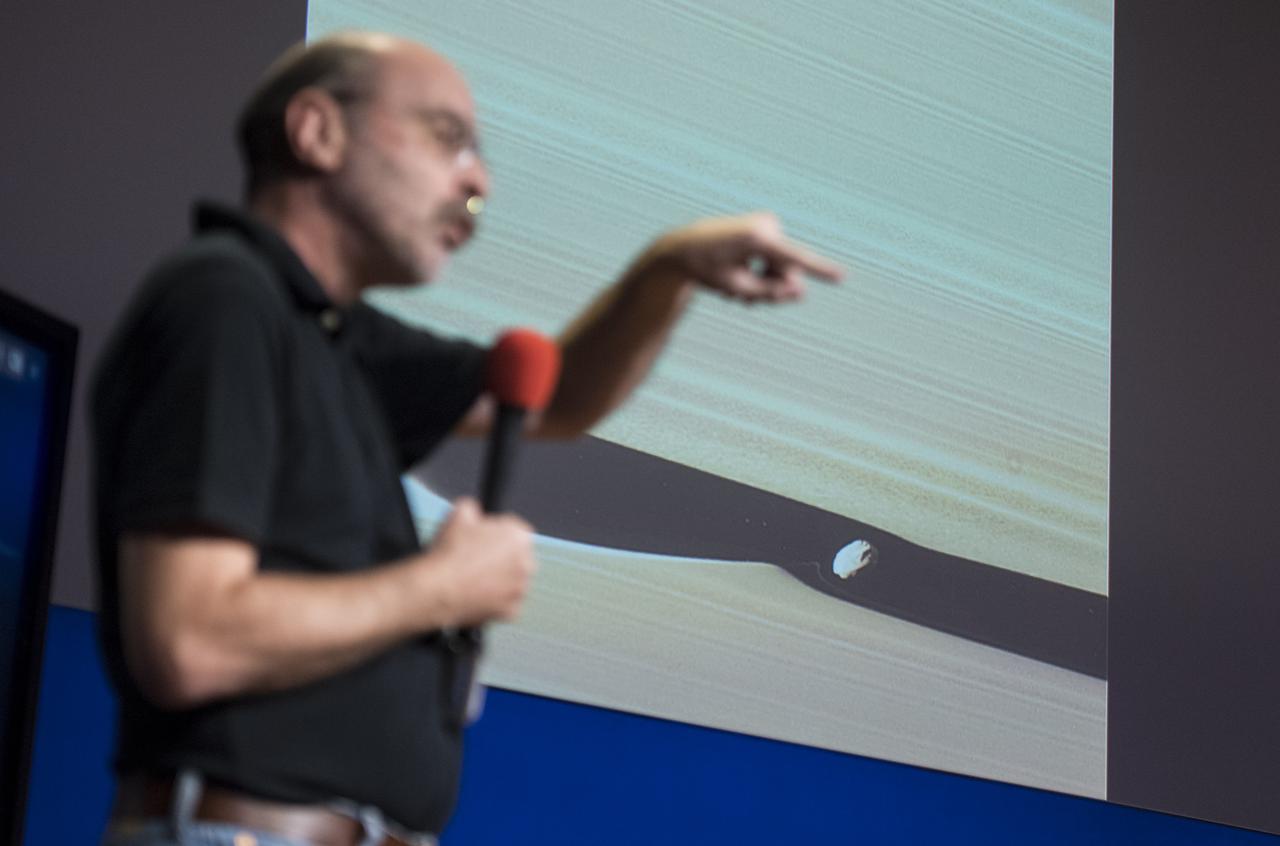
Cassini imaging science subsystem (ISS) team associate Mike Evans discusses an image of Saturn's moon Daphnis with Cassini NASA Social attendees, Thursday, Sept. 14, 2017 at NASA's Jet Propulsion Laboratory in Pasadena, California. Since its arrival in 2004, the Cassini-Huygens mission has been a discovery machine, revolutionizing our knowledge of the Saturn system and captivating us with data and images never before obtained with such detail and clarity. On Sept. 15, 2017, operators will deliberately plunge the spacecraft into Saturn, as Cassini gathered science until the end. The “plunge” ensures Saturn’s moons will remain pristine for future exploration. During Cassini’s final days, mission team members from all around the world gathered at NASA’s Jet Propulsion Laboratory, Pasadena, California, to celebrate the achievements of this historic mission. Photo Credit: (NASA/Joel Kowsky)
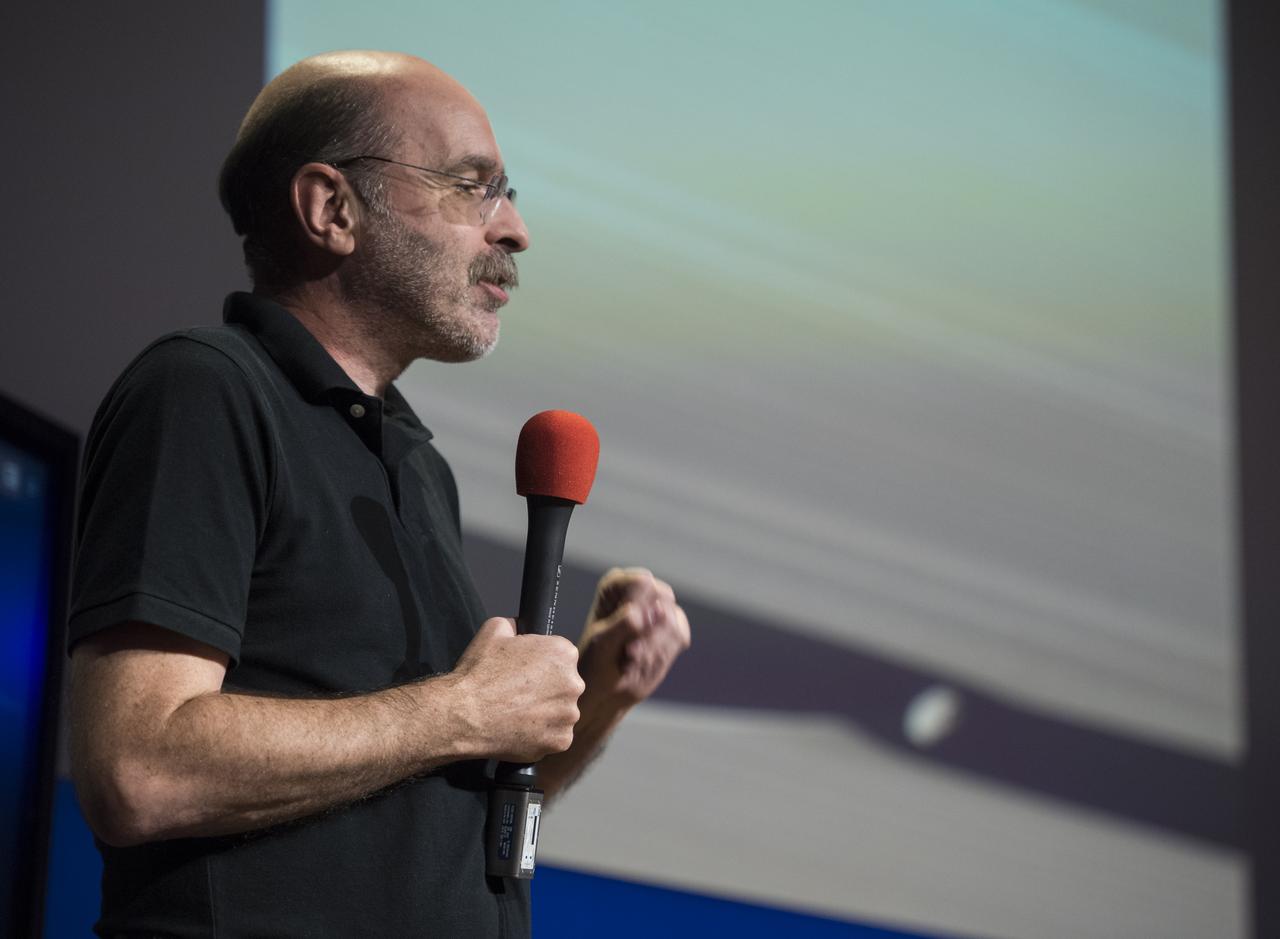
Cassini imaging science subsystem (ISS) team associate Mike Evans speaks with Cassini NASA Social attendees, Thursday, Sept. 14, 2017 at NASA's Jet Propulsion Laboratory in Pasadena, California. Since its arrival in 2004, the Cassini-Huygens mission has been a discovery machine, revolutionizing our knowledge of the Saturn system and captivating us with data and images never before obtained with such detail and clarity. On Sept. 15, 2017, operators will deliberately plunge the spacecraft into Saturn, as Cassini gathered science until the end. The “plunge” ensures Saturn’s moons will remain pristine for future exploration. During Cassini’s final days, mission team members from all around the world gathered at NASA’s Jet Propulsion Laboratory, Pasadena, California, to celebrate the achievements of this historic mission. Photo Credit: (NASA/Joel Kowsky)
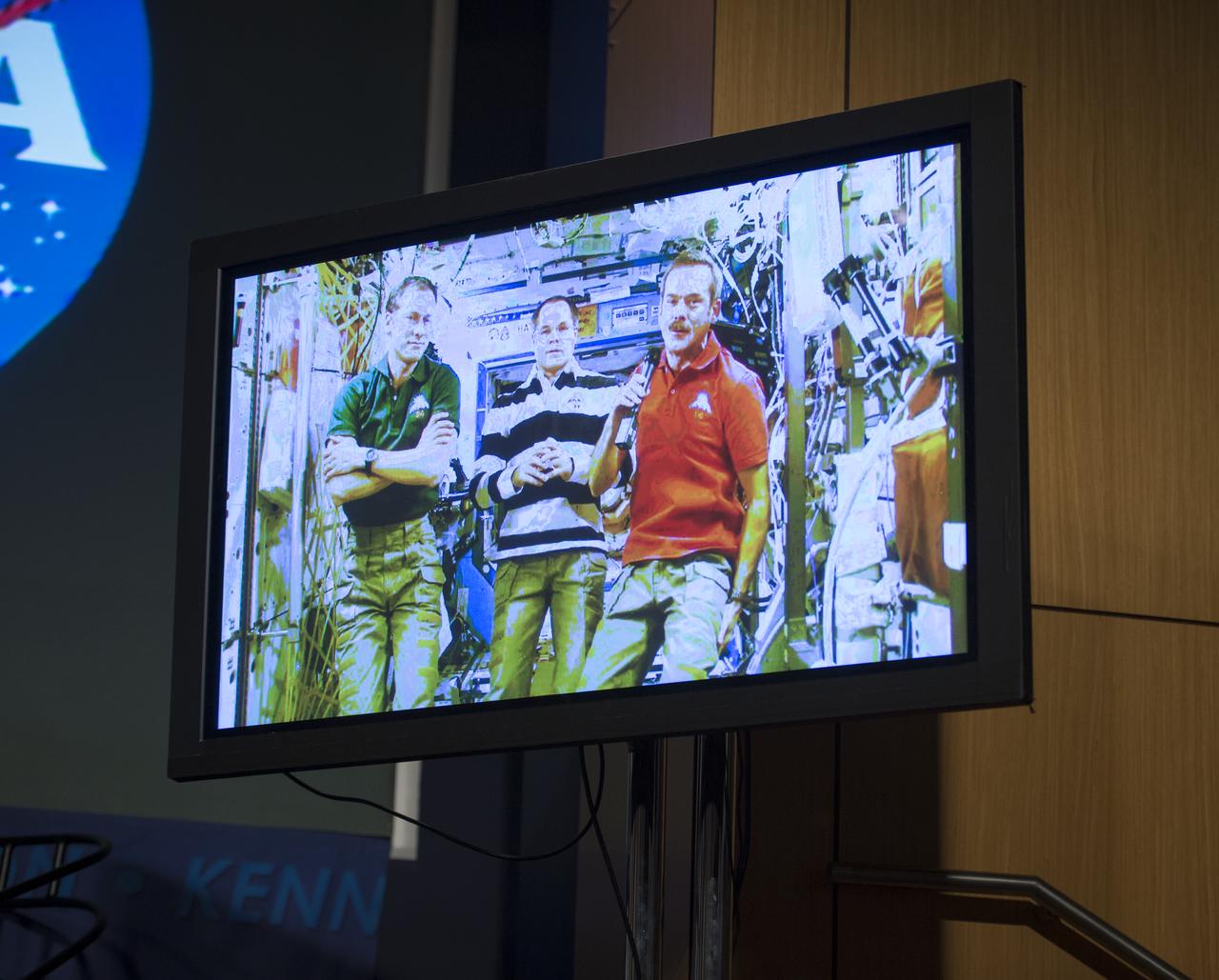
Expedition 33/34 astronauts onboard the International Space Station answer questions in a live downlink at a NASA Social exploring science on the ISS at NASA Headquarters, Wednesday, Feb. 20, 2013 in Washington. Seen from left to right are NASA astronauts Tom Marshburn, Kevin Ford and Canadian Space Agency (CSA) astronaut Chris Hadfield. Photo Credit: (NASA/Carla Cioffi)
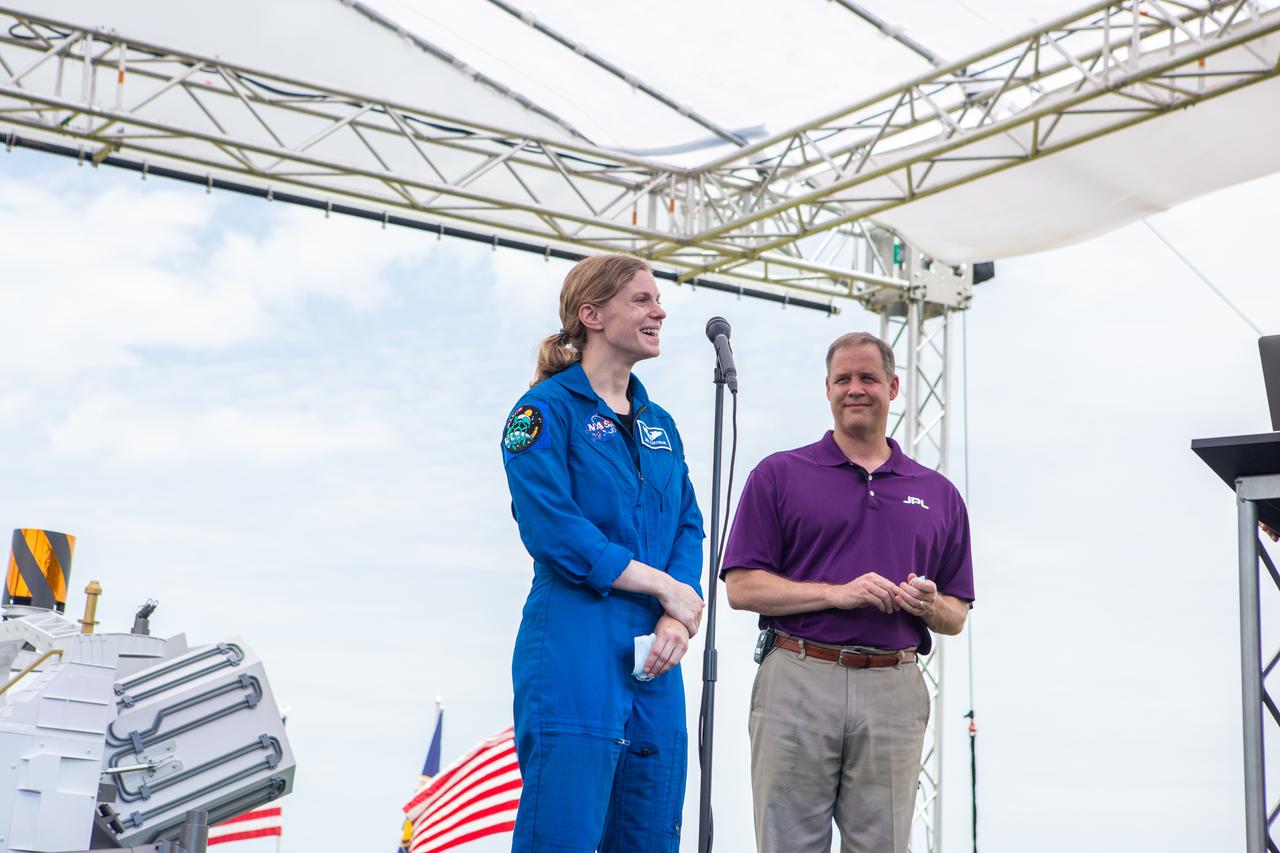
NASA astronaut Zena Cardman answers a question during a Mars 2020 NASA Social at Kennedy Space Center’s News Center in Florida on July 29, 2020. At right is NASA Administrator Jim Bridenstine. The Mars Perseverance rover and Ingenuity helicopter are scheduled to launch July 30, on a United Launch Alliance Atlas V 541 rocket from Space Launch Complex 41 at nearby Cape Canaveral Air Force Station. The rover is part of NASA’s Mars Exploration Program, a long-term effort of robotic exploration of the Red Planet. The rover will search for habitable conditions in the ancient past and signs of past microbial life on Mars. The Launch Services Program at Kennedy is responsible for launch management.
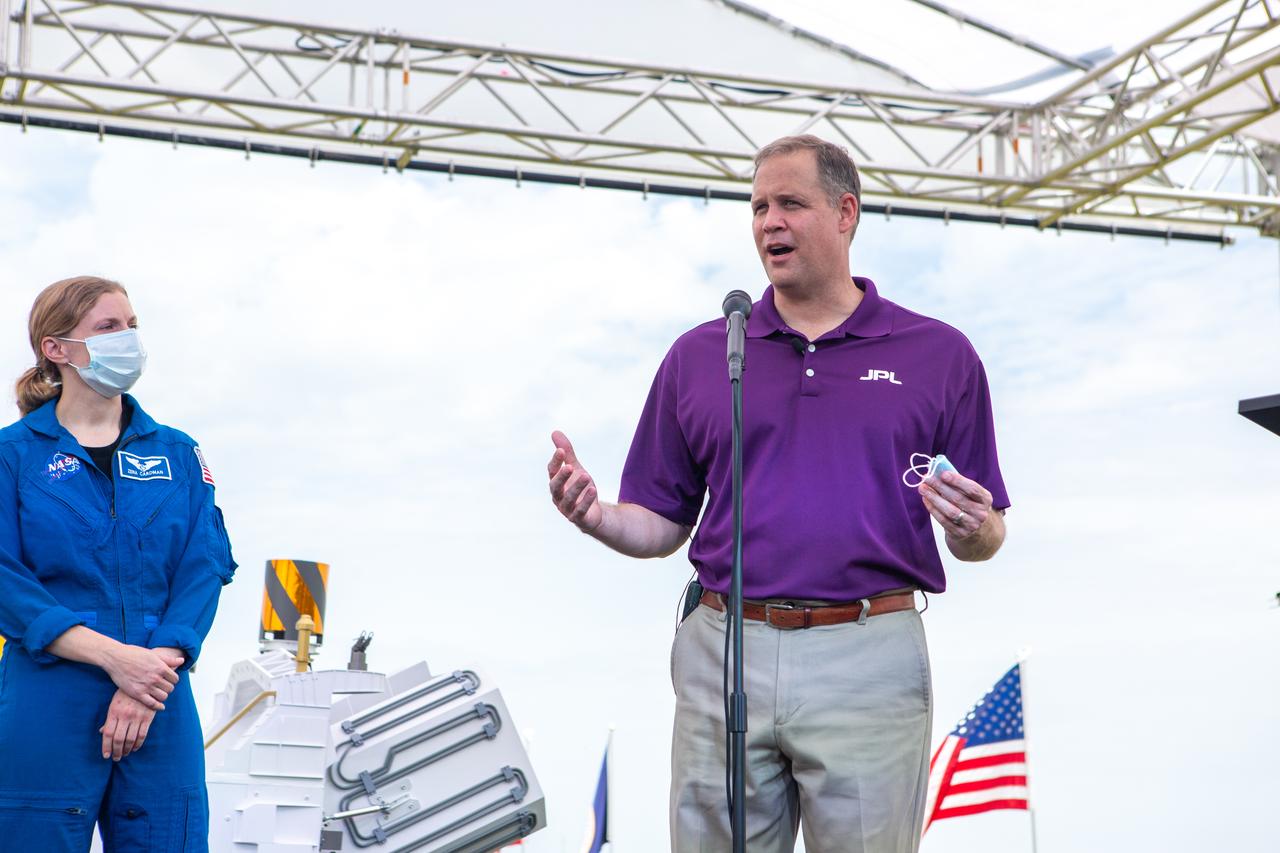
NASA Administrator Jim Bridenstine answers a question during a Mars 2020 NASA Social at Kennedy Space Center’s News Center in Florida on July 29, 2020. At left is NASA astronaut Zena Cardman. The Mars Perseverance rover and Ingenuity helicopter are scheduled to launch July 30, on a United Launch Alliance Atlas V 541 rocket from Space Launch Complex 41 at nearby Cape Canaveral Air Force Station. The rover is part of NASA’s Mars Exploration Program, a long-term effort of robotic exploration of the Red Planet. The rover will search for habitable conditions in the ancient past and signs of past microbial life on Mars. The Launch Services Program at Kennedy is responsible for launch management.
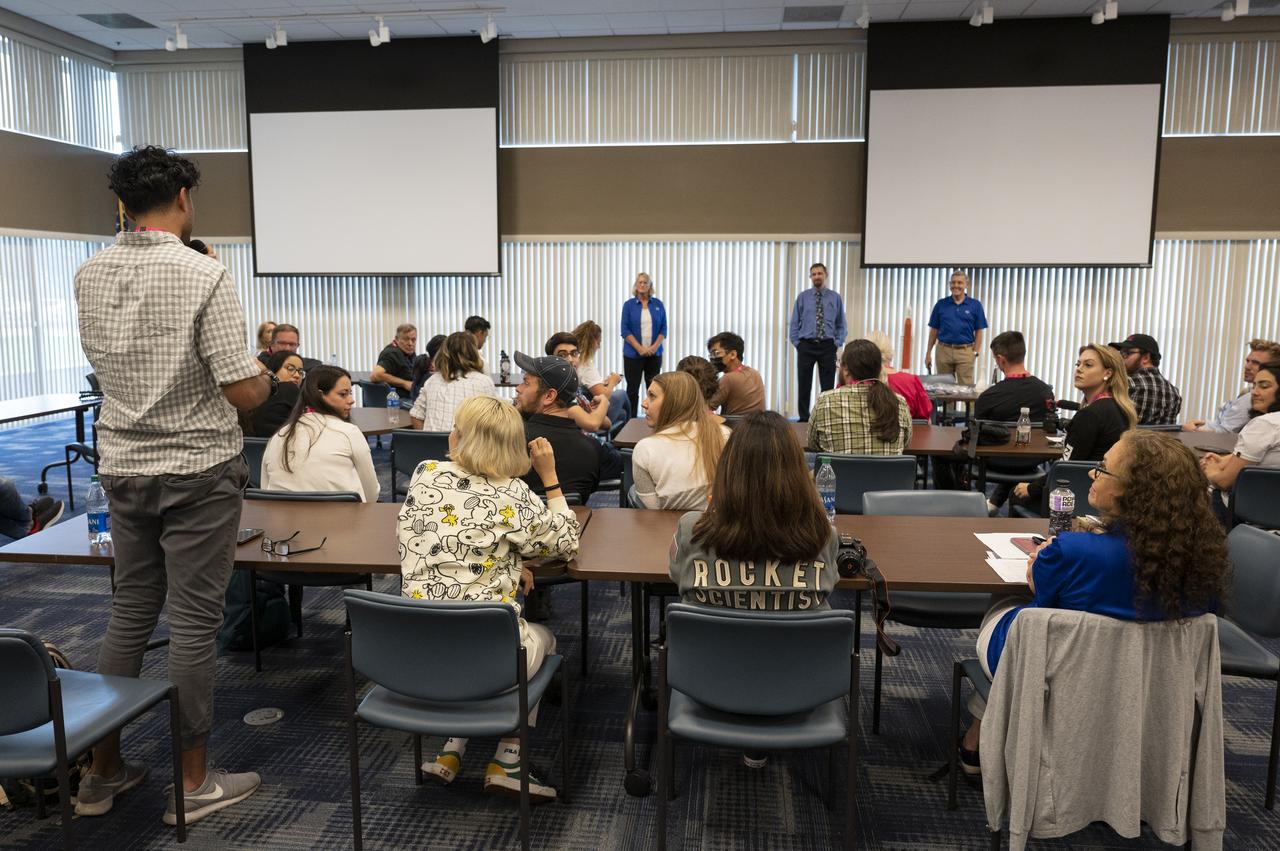
NASA leadership answers questions during a panel discussion with NASA Social attendees, Saturday, Aug. 27, 2022, at the Space Station Processing Facility at NASA’s Kennedy Space Center in Florida. NASA’s Artemis I flight test is the first integrated flight test of the agency’s deep space exploration systems: the Orion spacecraft, Space Launch System (SLS) rocket, and ground systems. Launch of the uncrewed flight test is targeted for no earlier than Aug. 29 at 8:33 a.m. ET. Photo Credit: (NASA/Keegan Barber)
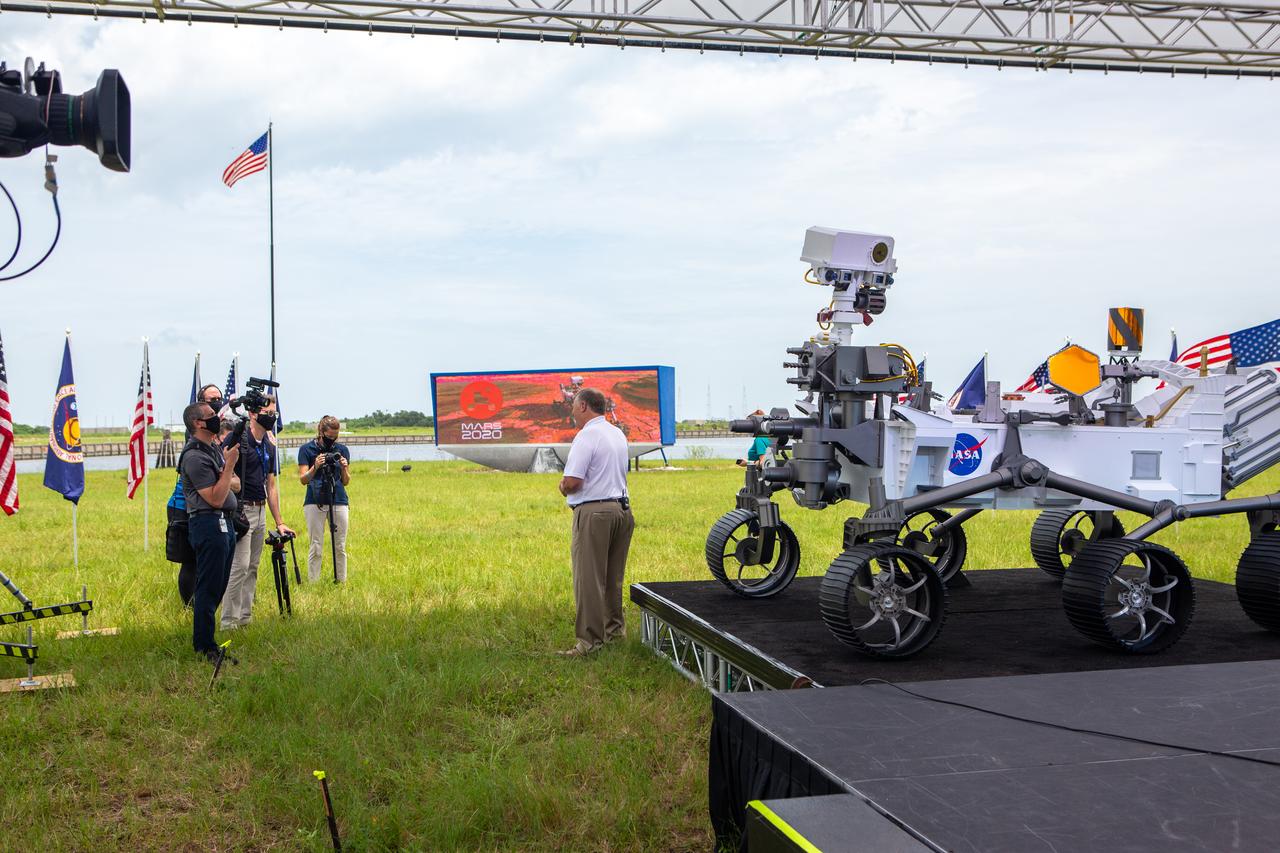
NASA Deputy Administrator Jim Morhard answers questions during a Mars 2020 NASA Social at Kennedy Space Center’s News Center in Florida on July 29, 2020. The Mars Perseverance rover and Ingenuity helicopter are scheduled to launch July 30, on a United Launch Alliance Atlas V 541 rocket from Space Launch Complex 41 at nearby Cape Canaveral Air Force Station. The rover is part of NASA’s Mars Exploration Program, a long-term effort of robotic exploration of the Red Planet. The rover will search for habitable conditions in the ancient past and signs of past microbial life on Mars. The Launch Services Program at Kennedy is responsible for launch management.
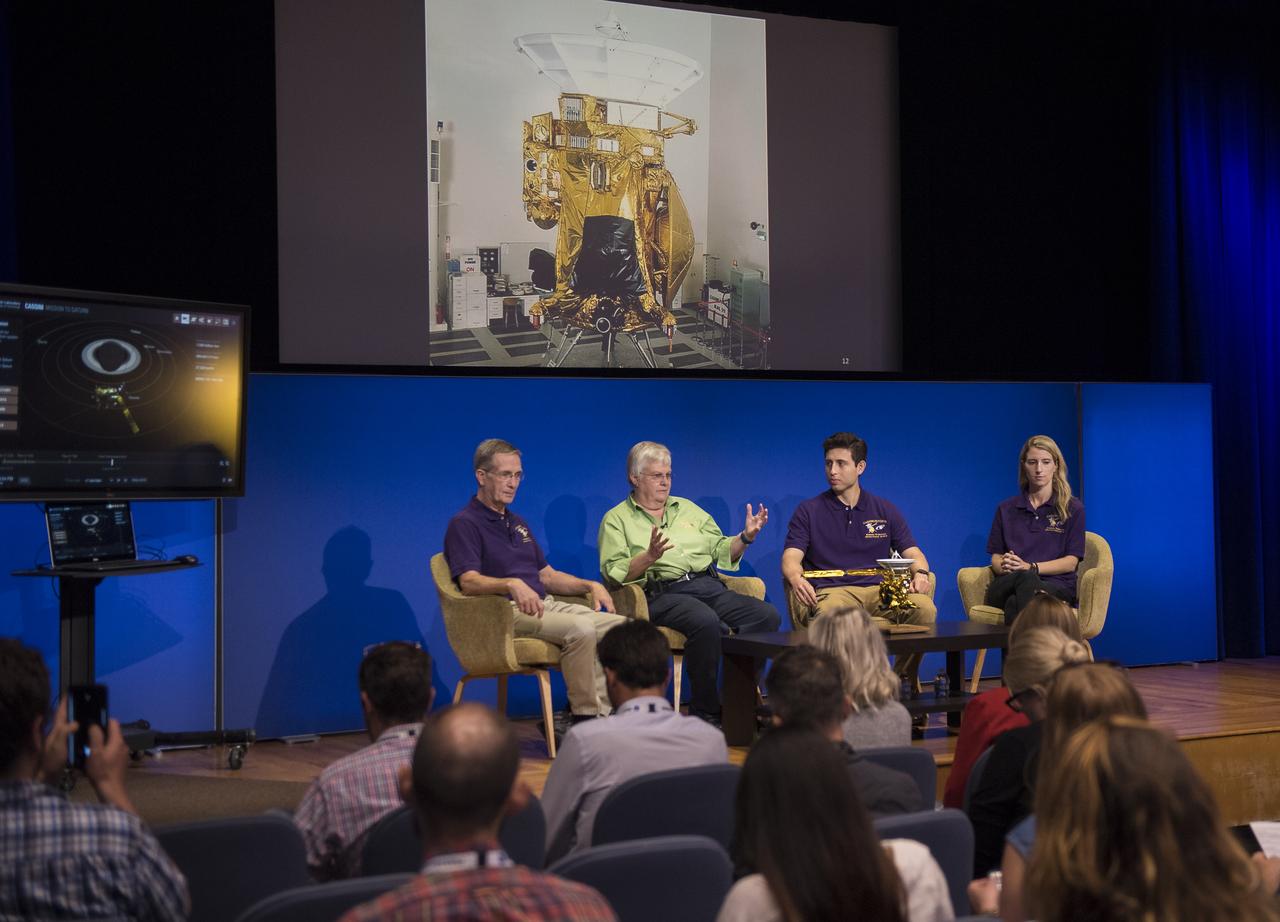
Spacecraft operations team manager for the Cassini mission at Saturn, Julie Webster, second from right, talks about her experiences with Cassini during the Cassini NASA Social, Thursday, Sept. 14, 2017 at NASA's Jet Propulsion Laboratory in Pasadena, California. Also participating in the engineering panel was Cassini program manager at JPL, Earl Maize, right, guidance and control engineer for the Cassini mission at Saturn, Luis Andrade, second from left, and mission planner for the Cassini mission at Saturn, Molly Bittner, left. Since its arrival in 2004, the Cassini-Huygens mission has been a discovery machine, revolutionizing our knowledge of the Saturn system and captivating us with data and images never before obtained with such detail and clarity. On Sept. 15, 2017, operators will deliberately plunge the spacecraft into Saturn, as Cassini gathered science until the end. The “plunge” ensures Saturn’s moons will remain pristine for future exploration. During Cassini’s final days, mission team members from all around the world gathered at NASA’s Jet Propulsion Laboratory, Pasadena, California, to celebrate the achievements of this historic mission. Photo Credit: (NASA/Joel Kowsky)
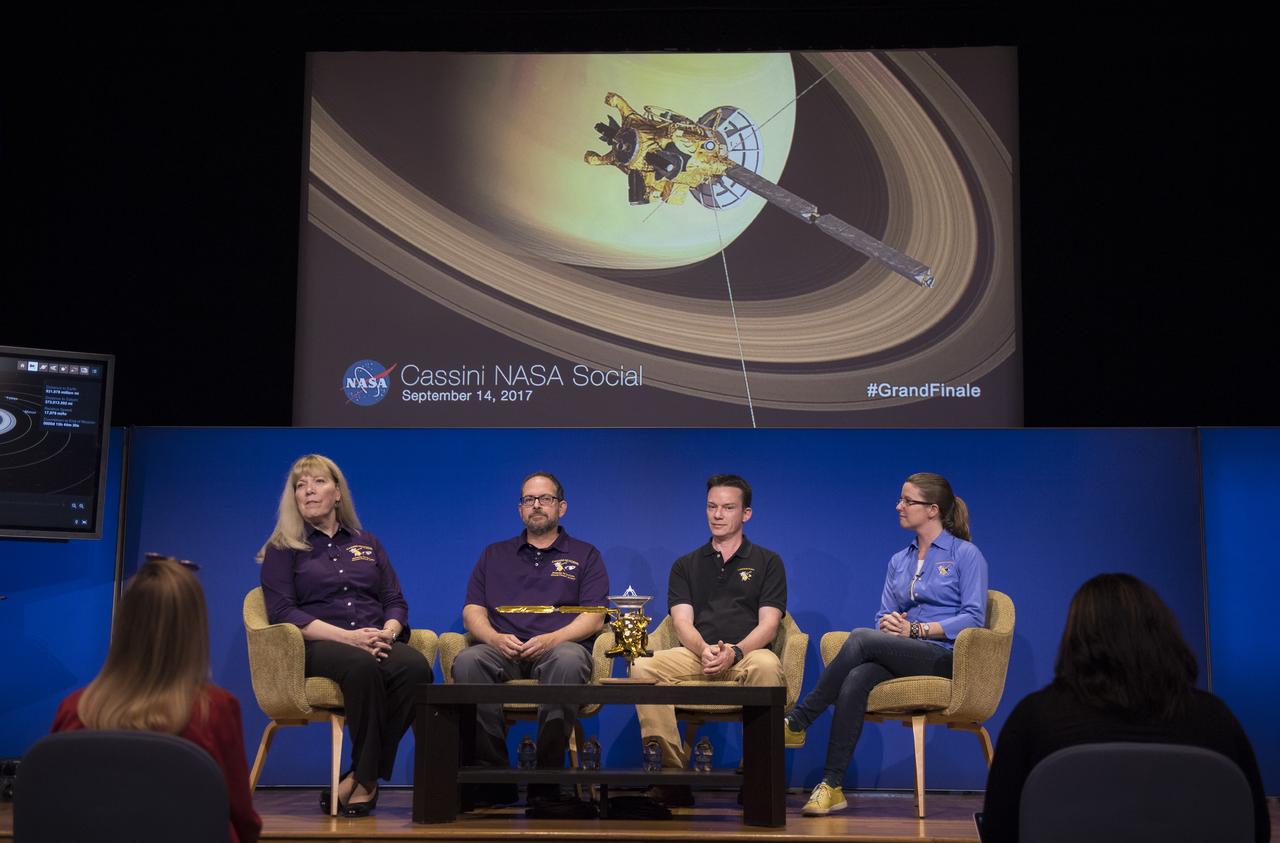
Cassini project scientist at JPL, Linda Spilker, left, Cassini interdisciplinary Titan scientist at Cornell University, Jonathan Lunine, second from left, Cassini Composite Infrared Spectrometer(CIRS) Instrument deputy principle investigator Connor Nixon, second from right, and Cassini assistant project science systems engineer Morgan Cable, right, participate in a Cassini science panel discussion during the Cassini NASA Social, Thursday, Sept. 14, 2017 at NASA's Jet Propulsion Laboratory in Pasadena, California. Since its arrival in 2004, the Cassini-Huygens mission has been a discovery machine, revolutionizing our knowledge of the Saturn system and captivating us with data and images never before obtained with such detail and clarity. On Sept. 15, 2017, operators will deliberately plunge the spacecraft into Saturn, as Cassini gathered science until the end. The “plunge” ensures Saturn’s moons will remain pristine for future exploration. During Cassini’s final days, mission team members from all around the world gathered at NASA’s Jet Propulsion Laboratory, Pasadena, California, to celebrate the achievements of this historic mission. Photo Credit: (NASA/Joel Kowsky)
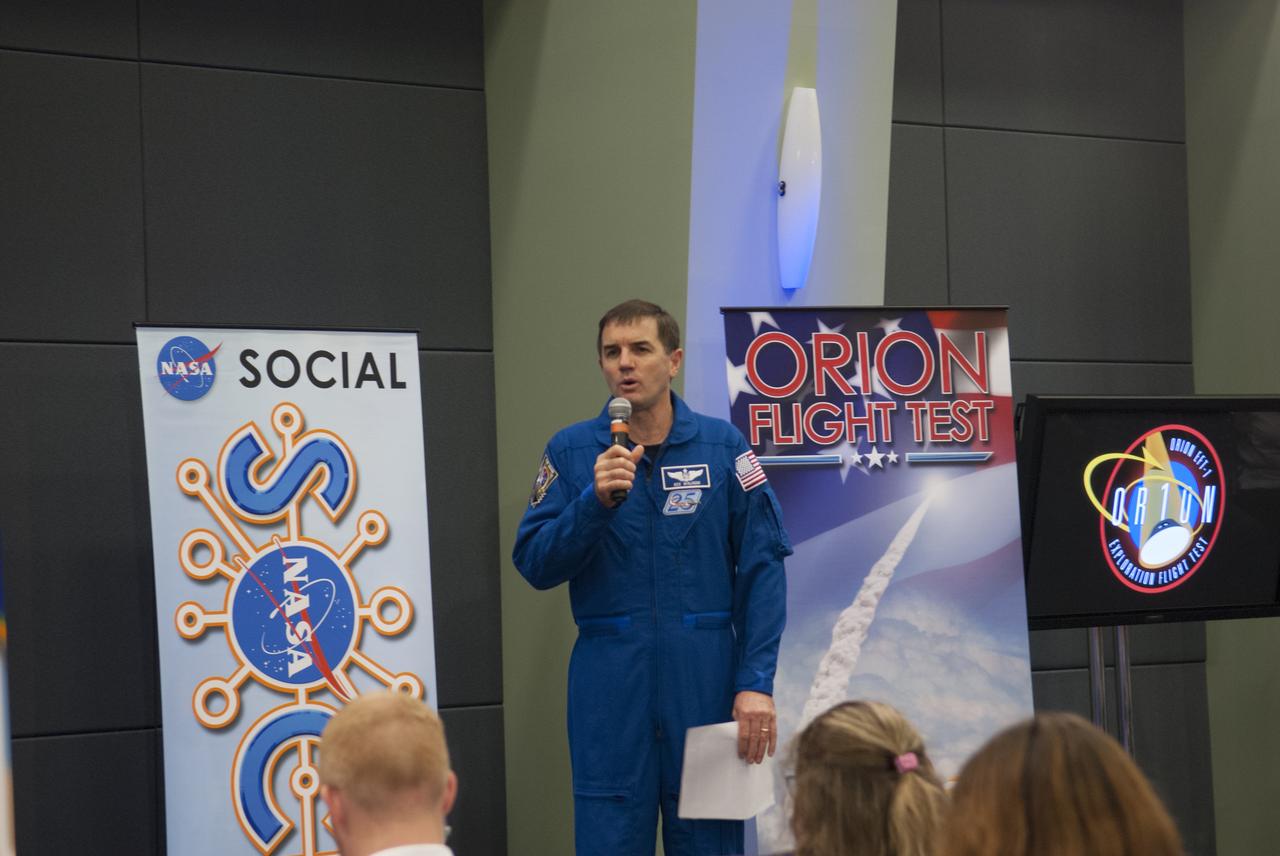
At NASA's Kennedy Space Center in Florida, NASA leaders spoke to social media participants as the Orion spacecraft and its Delta IV Heavy rocket were being prepared for launch. Speakers included NASA astronaut Rex Walheim.
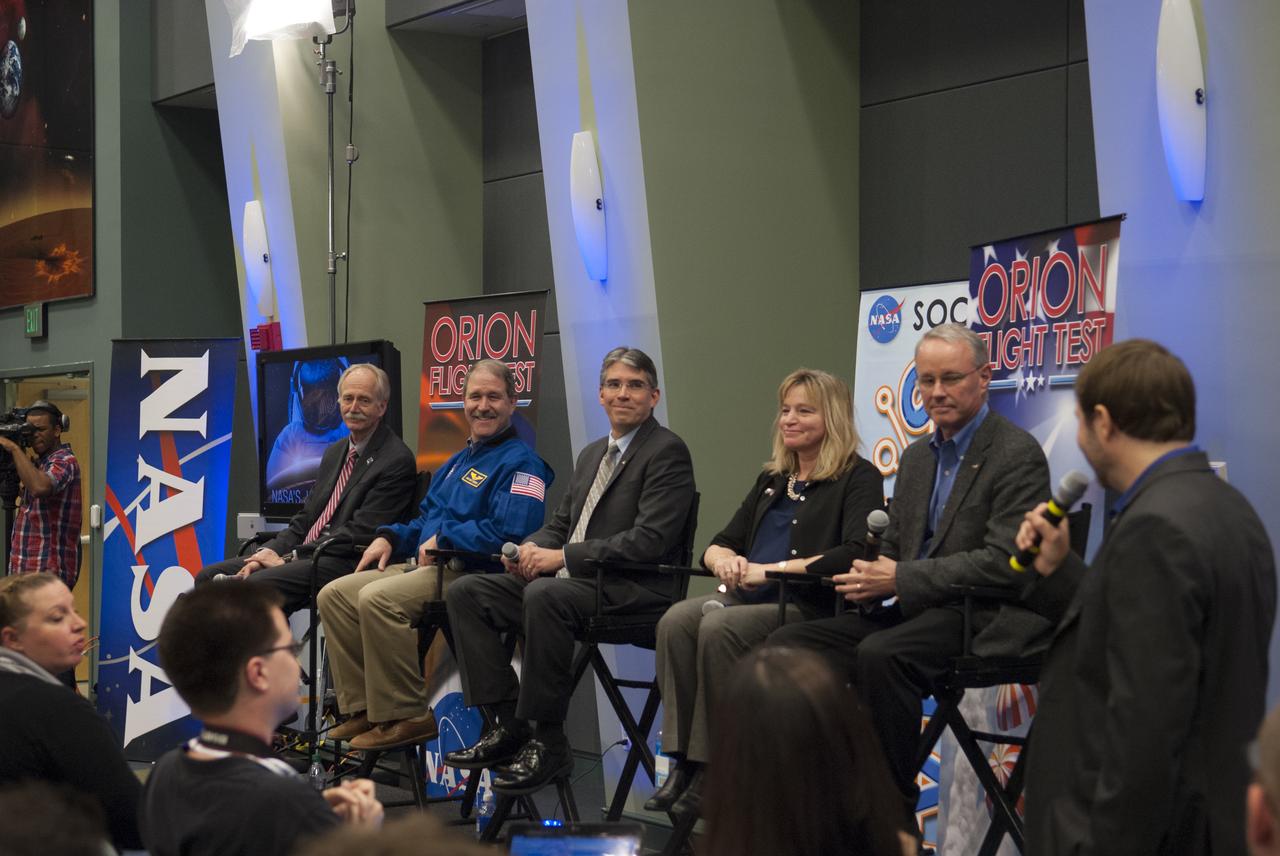
At NASA's Kennedy Space Center in Florida, NASA leaders spoke to social media participants as the Orion spacecraft and its Delta IV Heavy rocket were being prepared for launch. Speakers included, from the left, NASA Associate Administrator Human Exploration and Operations Bill Gerstenmaier, Associate Administrator for the agency's Science Mission Directorate John Grunsfeld, Associate Administrator for the Space Technology Directorate Michael Gazaria, NASA Chief Scientist Ellen Stofan, and Chief Technologist David Miller. Moderator for the panel session was John Yembrick, with the microphone on the far right, who is NASA's social media lead at the agency's Headquarters in Washington.
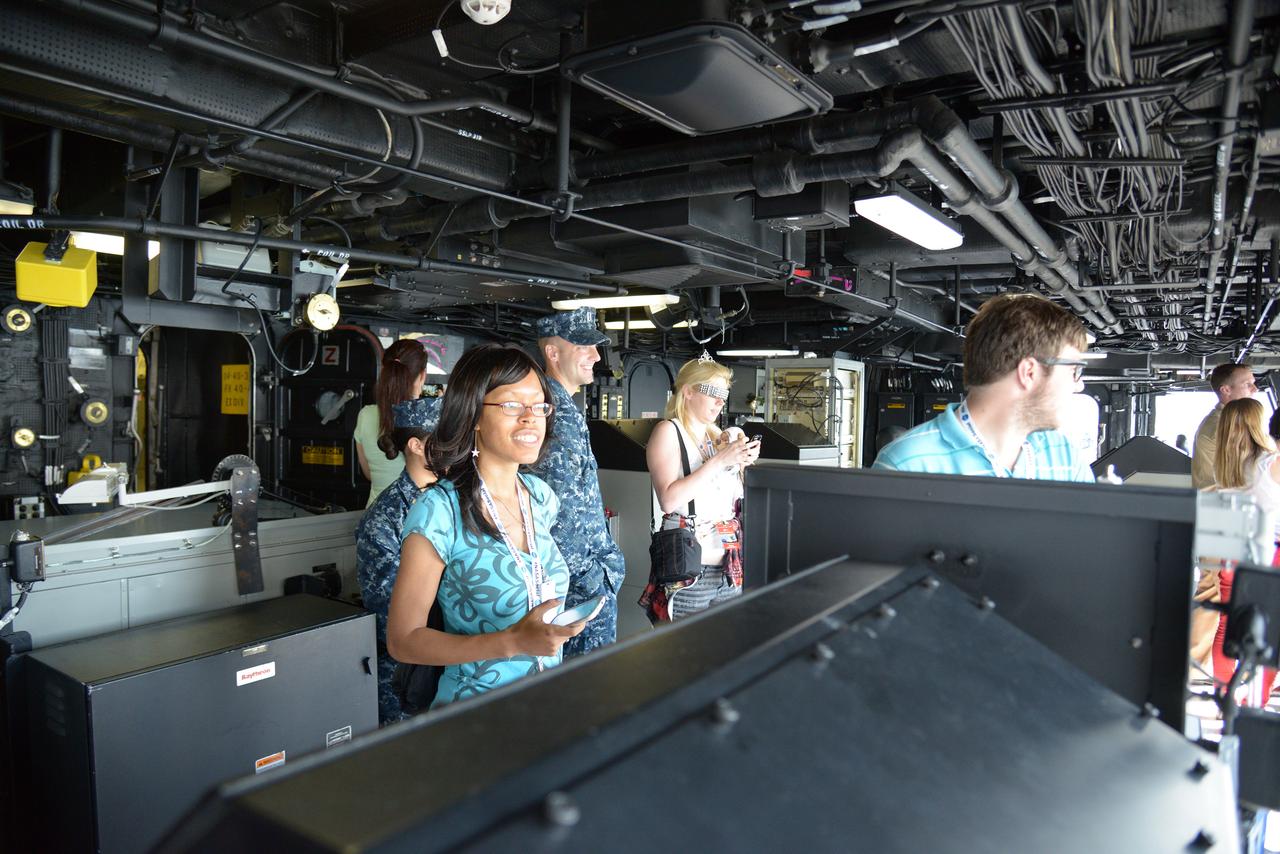
Media and NASA Social participants view Orion recovery operations and tour the USS Arlington at the Norfolk Naval base in Virginia on Aug. 15, 2013. Part of Batch image transfer from Flickr.
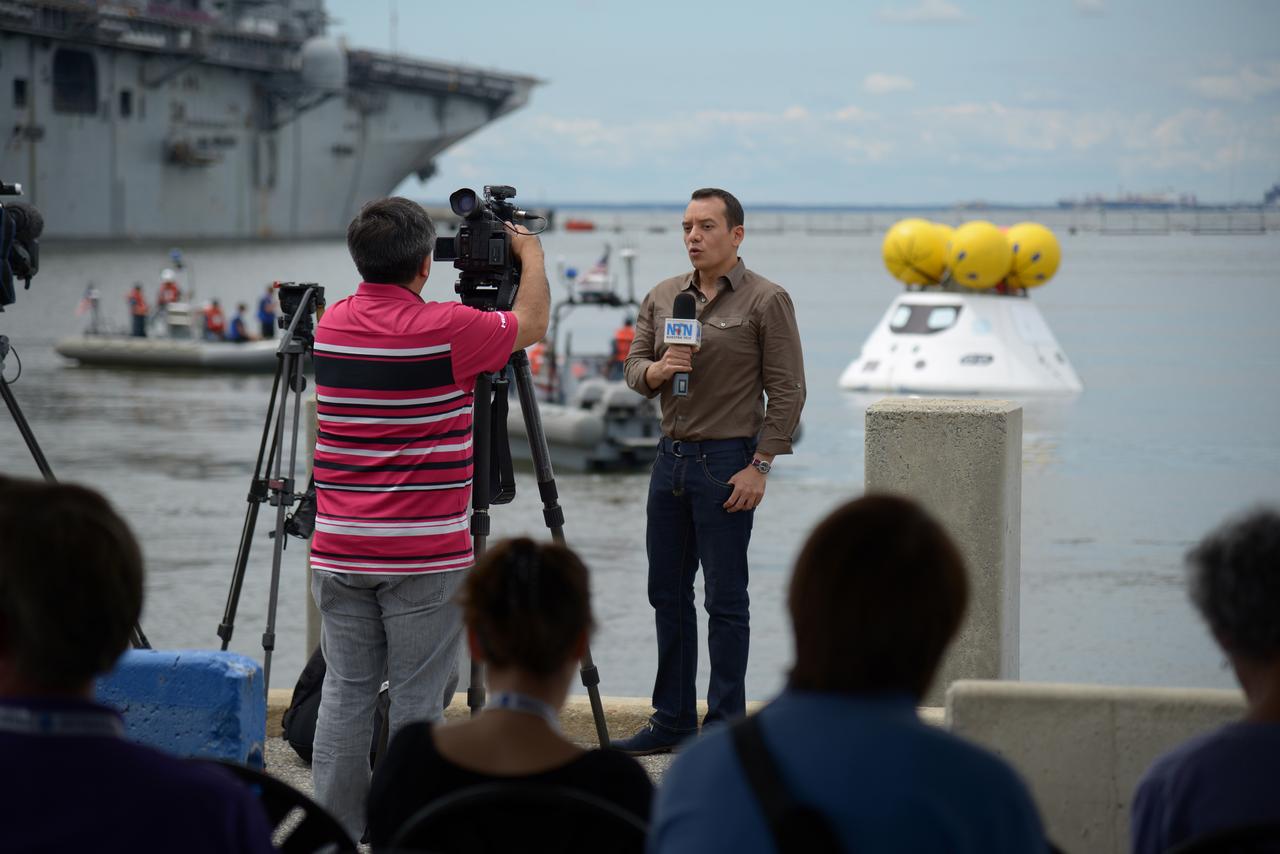
Media and NASA Social participants view Orion recovery operations and tour the USS Arlington at the Norfolk Naval base in Virginia on Aug. 15, 2013. Part of Batch image transfer from Flickr.
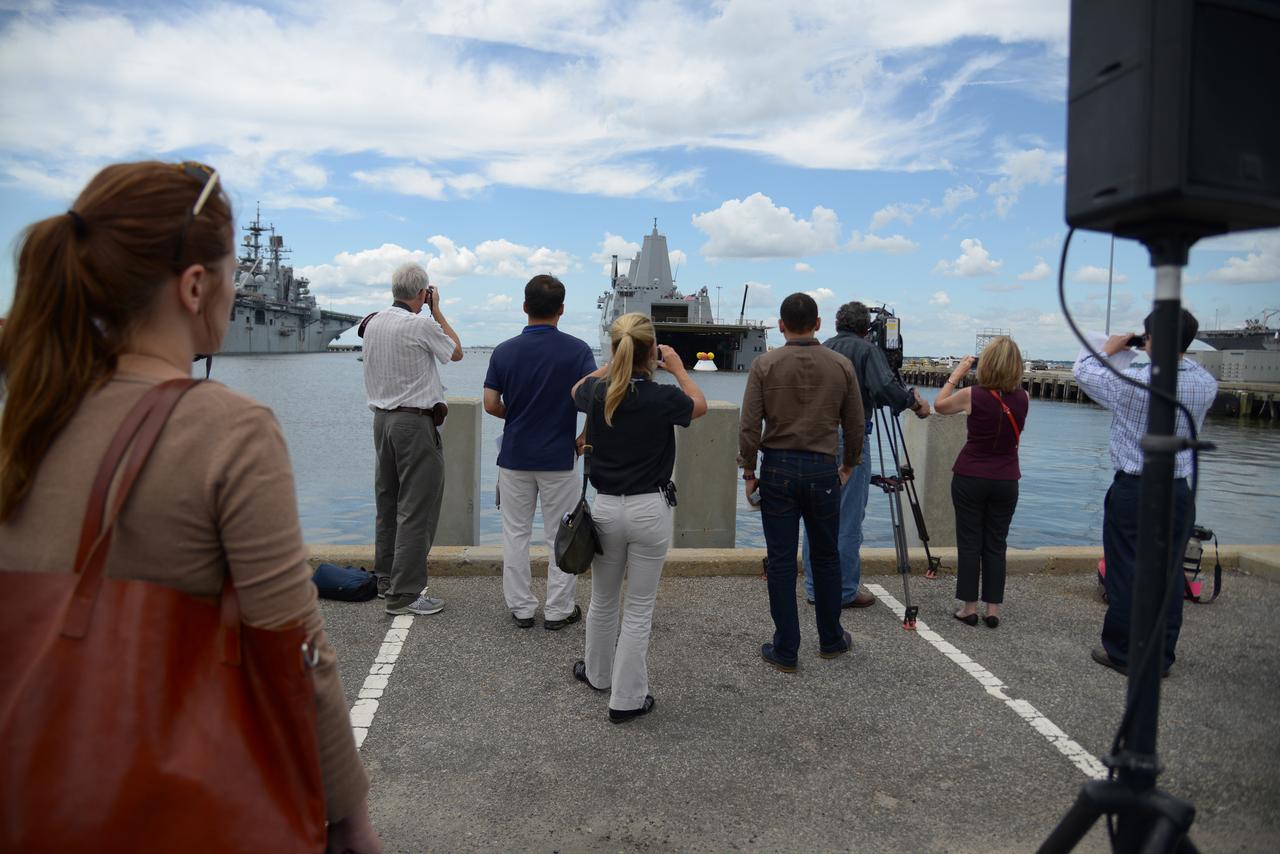
Media and NASA Social participants view Orion recovery operations and tour the USS Arlington at the Norfolk Naval base in Virginia on Aug. 15, 2013. Part of Batch image transfer from Flickr.
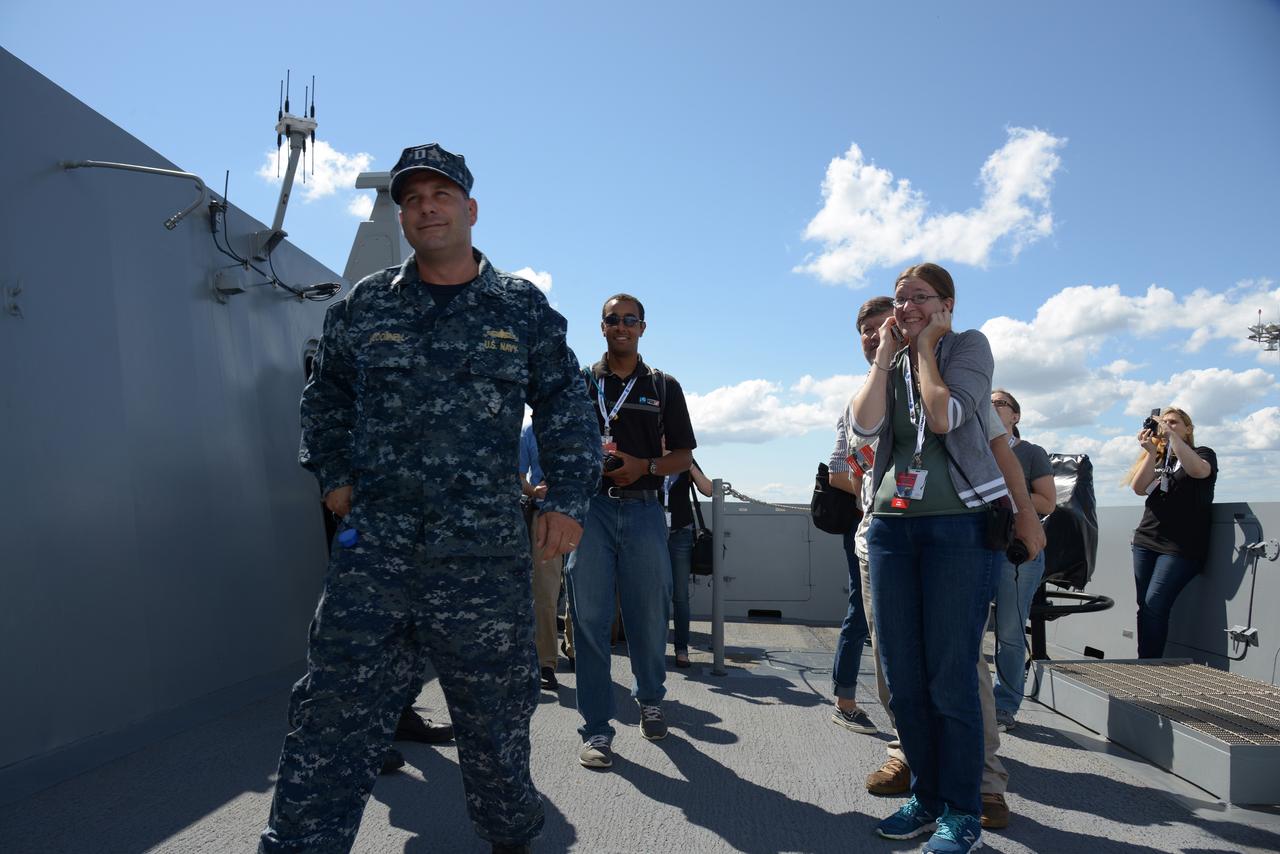
Media and NASA Social participants view Orion recovery operations and tour the USS Arlington at the Norfolk Naval base in Virginia on Aug. 15, 2013. Part of Batch image transfer from Flickr.
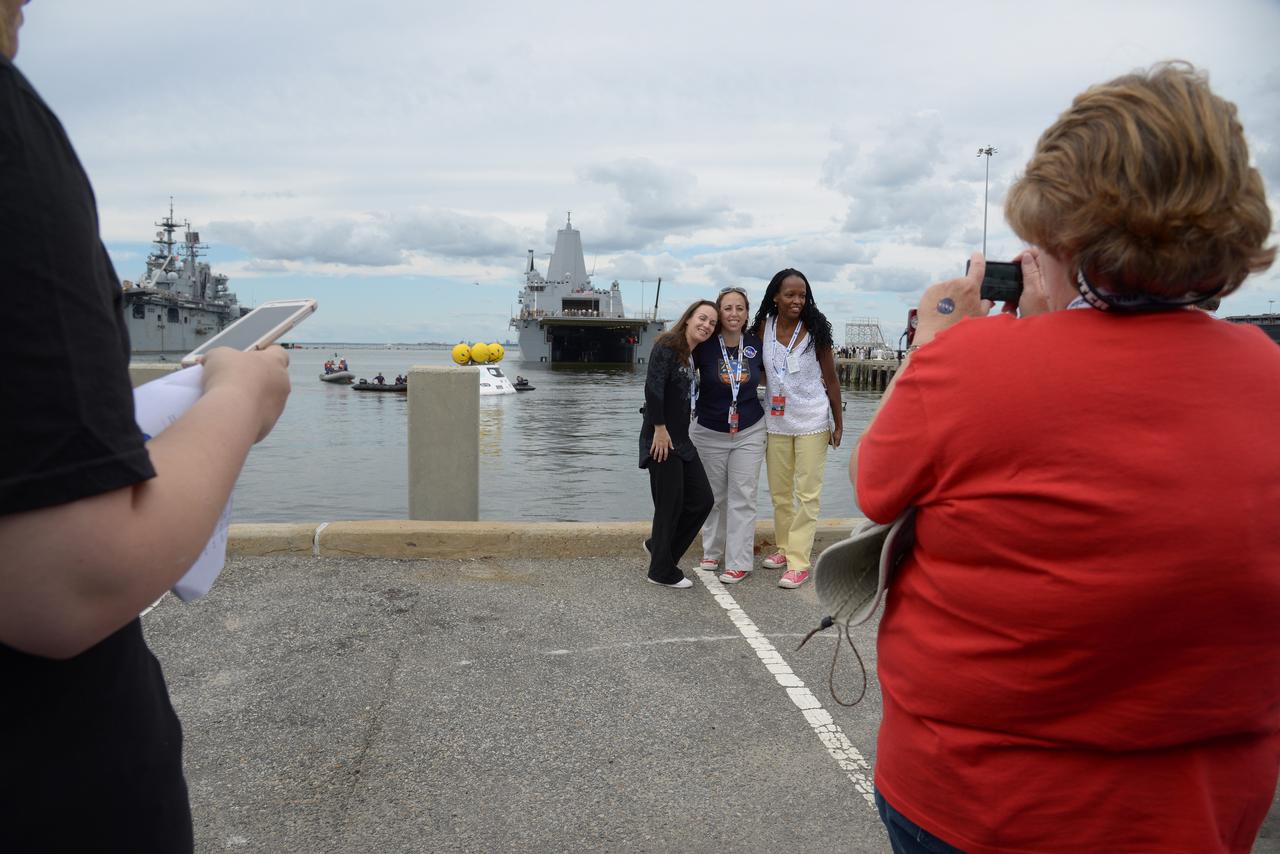
Media and NASA Social participants view Orion recovery operations and tour the USS Arlington at the Norfolk Naval base in Virginia on Aug. 15, 2013. Part of Batch image transfer from Flickr.

Media and NASA Social participants view Orion recovery operations and tour the USS Arlington at the Norfolk Naval base in Virginia on Aug. 15, 2013. Part of Batch image transfer from Flickr.
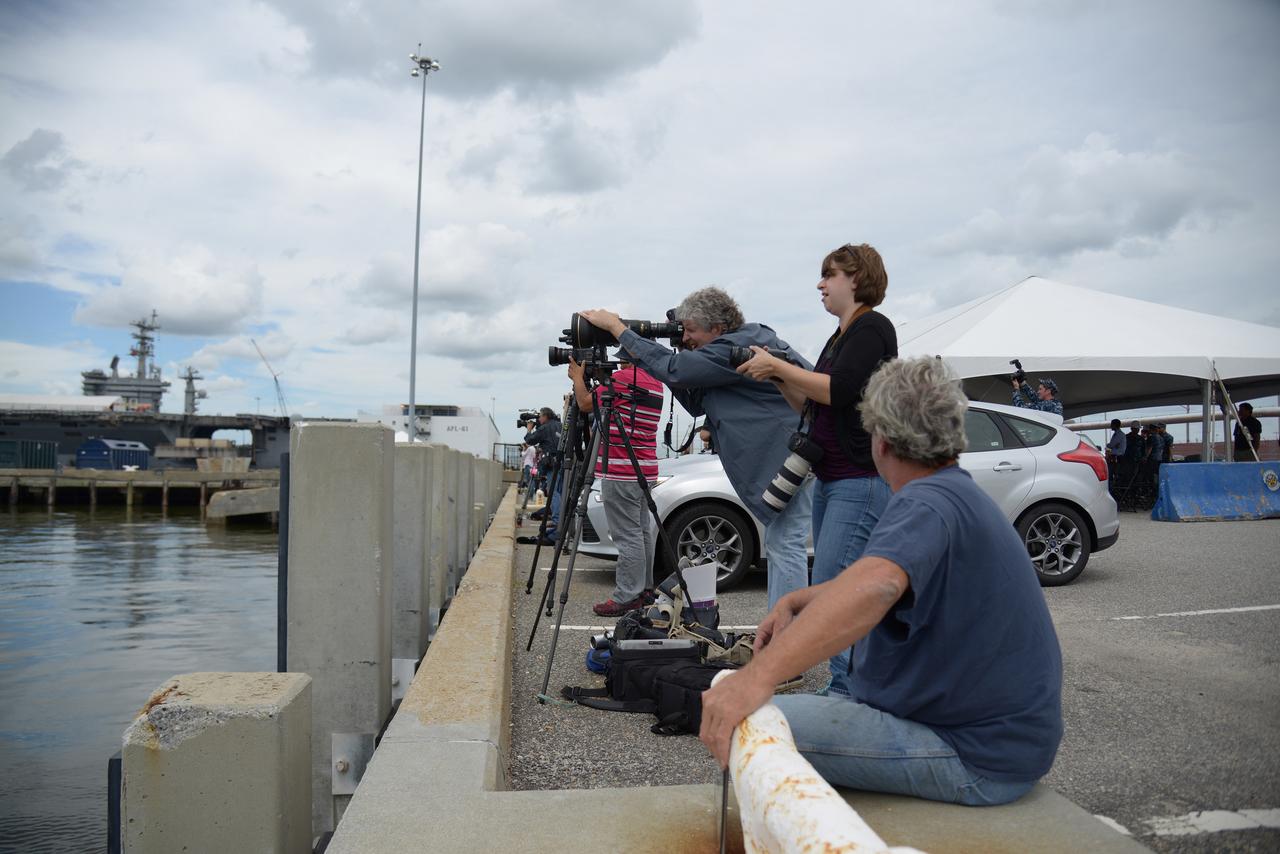
Media and NASA Social participants view Orion recovery operations and tour the USS Arlington at the Norfolk Naval base in Virginia on Aug. 15, 2013. Part of Batch image transfer from Flickr.

Media and NASA Social participants view Orion recovery operations and tour the USS Arlington at the Norfolk Naval base in Virginia on Aug. 15, 2013. Part of Batch image transfer from Flickr.
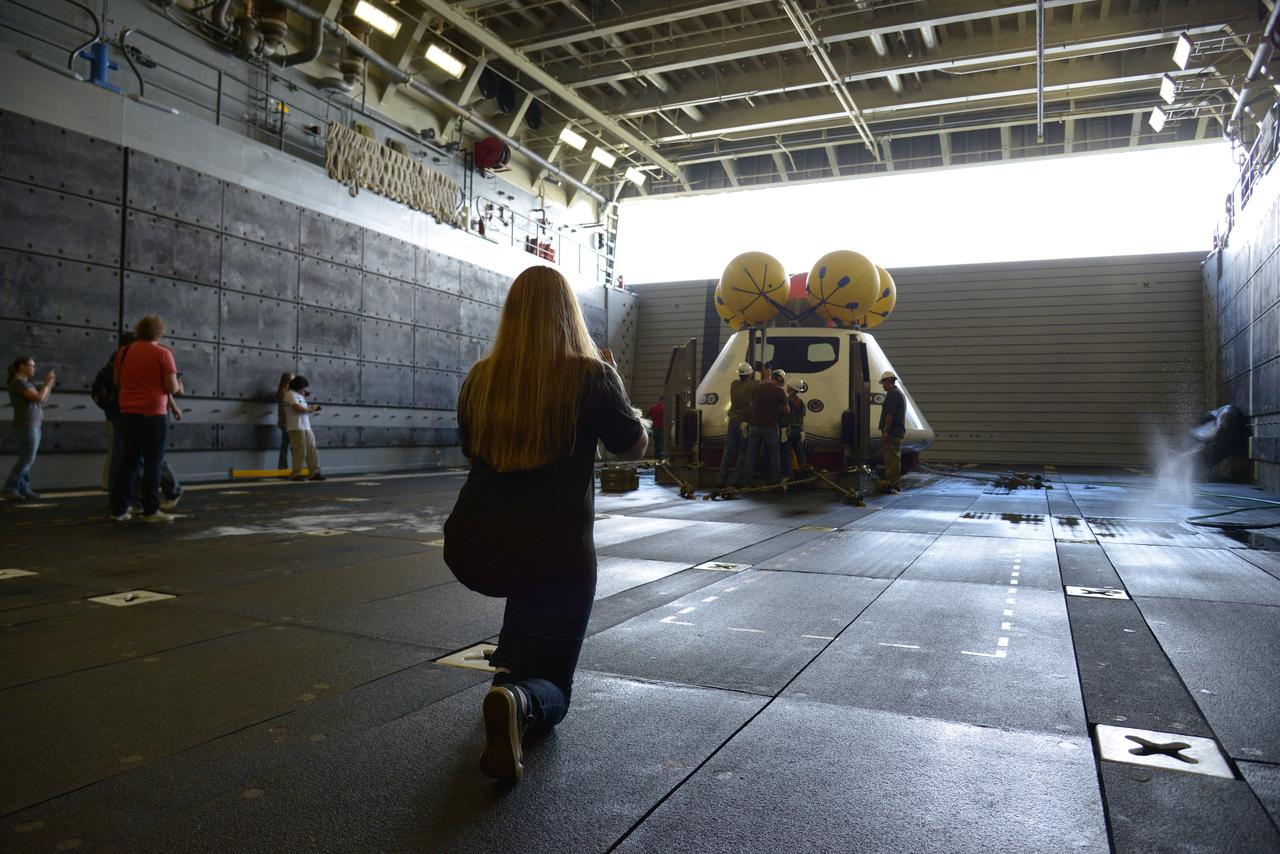
Media and NASA Social participants view Orion recovery operations and tour the USS Arlington at the Norfolk Naval base in Virginia on Aug. 15, 2013. Part of Batch image transfer from Flickr.
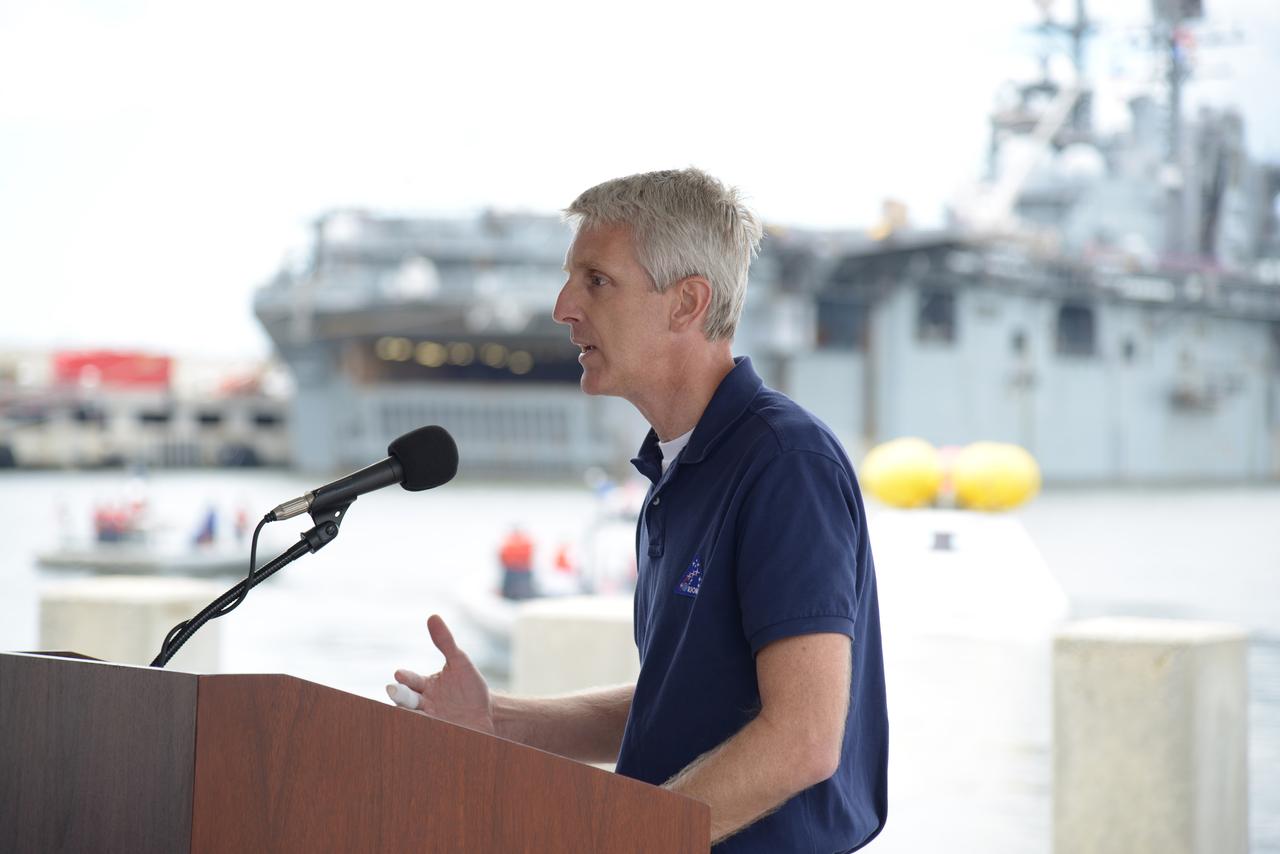
Media and NASA Social participants view Orion recovery operations and tour the USS Arlington at the Norfolk Naval base in Virginia on Aug. 15, 2013. Part of Batch image transfer from Flickr.
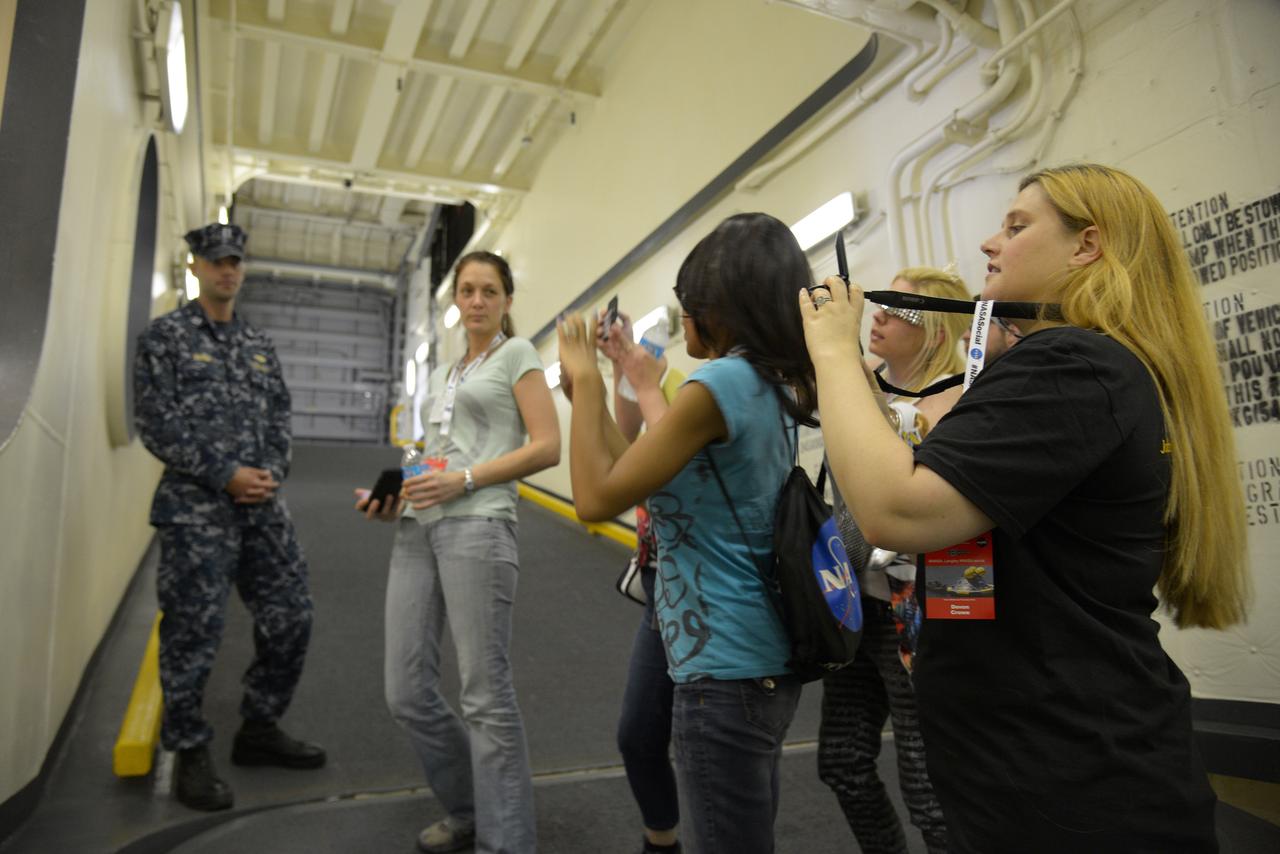
Media and NASA Social participants view Orion recovery operations and tour the USS Arlington at the Norfolk Naval base in Virginia on Aug. 15, 2013. Part of Batch image transfer from Flickr.
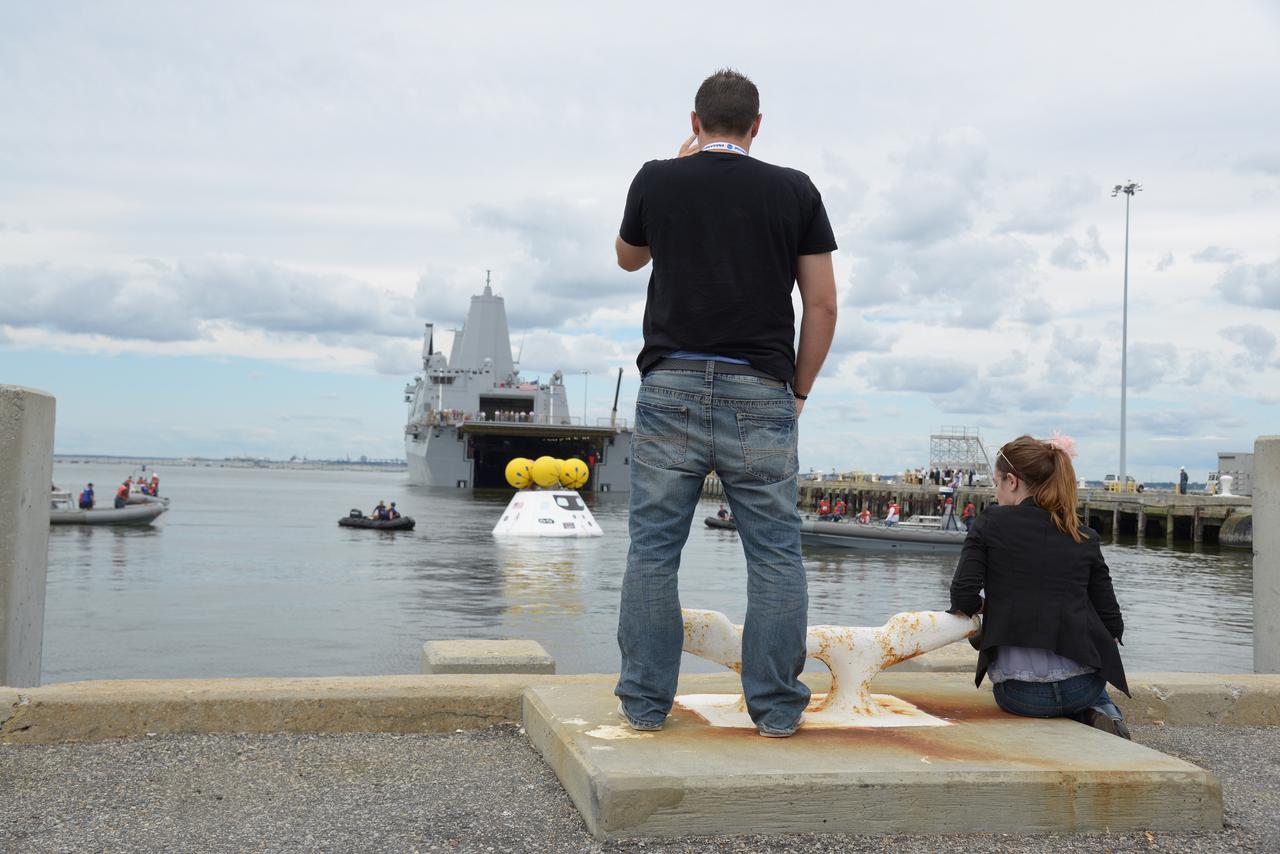
Media and NASA Social participants view Orion recovery operations and tour the USS Arlington at the Norfolk Naval base in Virginia on Aug. 15, 2013. Part of Batch image transfer from Flickr.