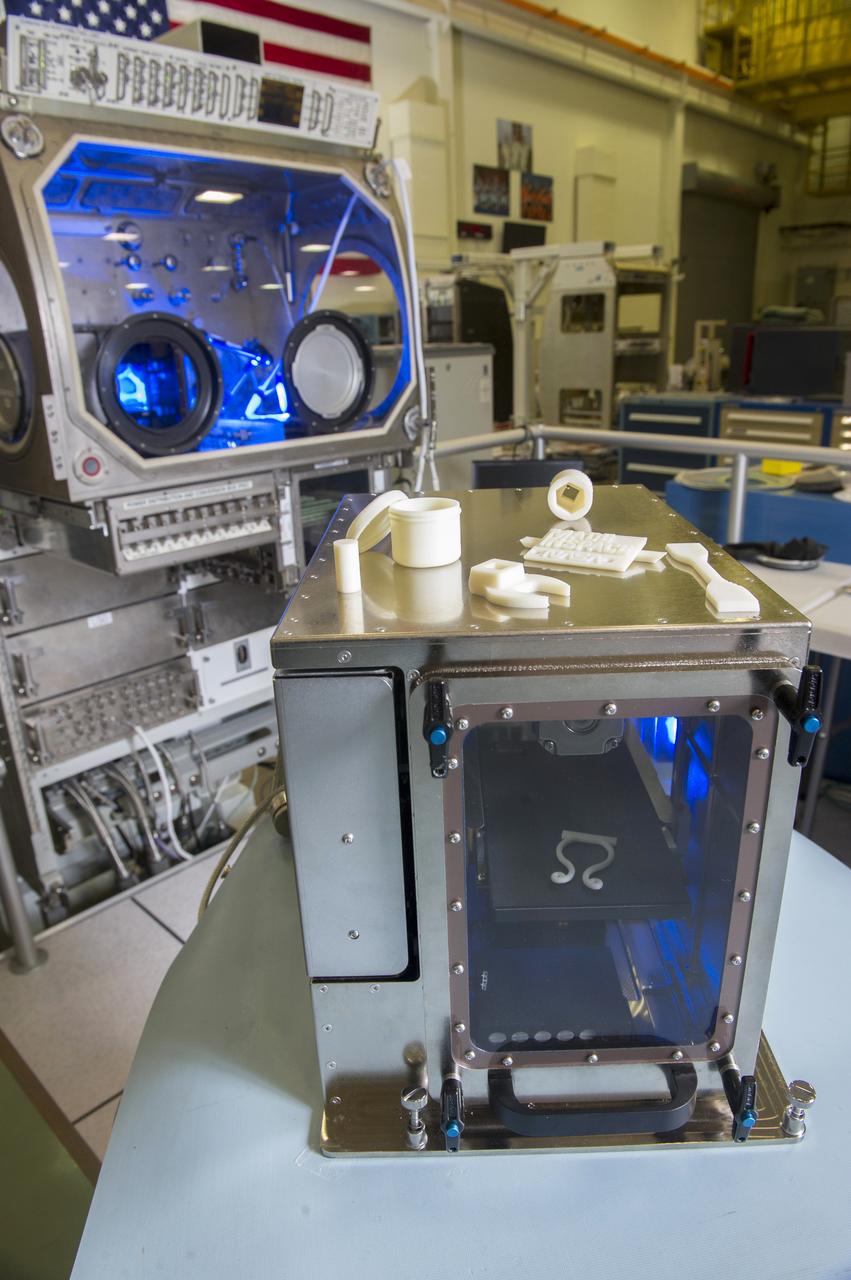
“MADE IS SPACE” 3D PRINTER IN FOREGROUND WITH MICROGRAVITY GLOVEBOX IN BACKGROUND, COVER PHOTO FOR NASA TECH BRIEFS MAGAZINE, JUNE 2014 ISSUE
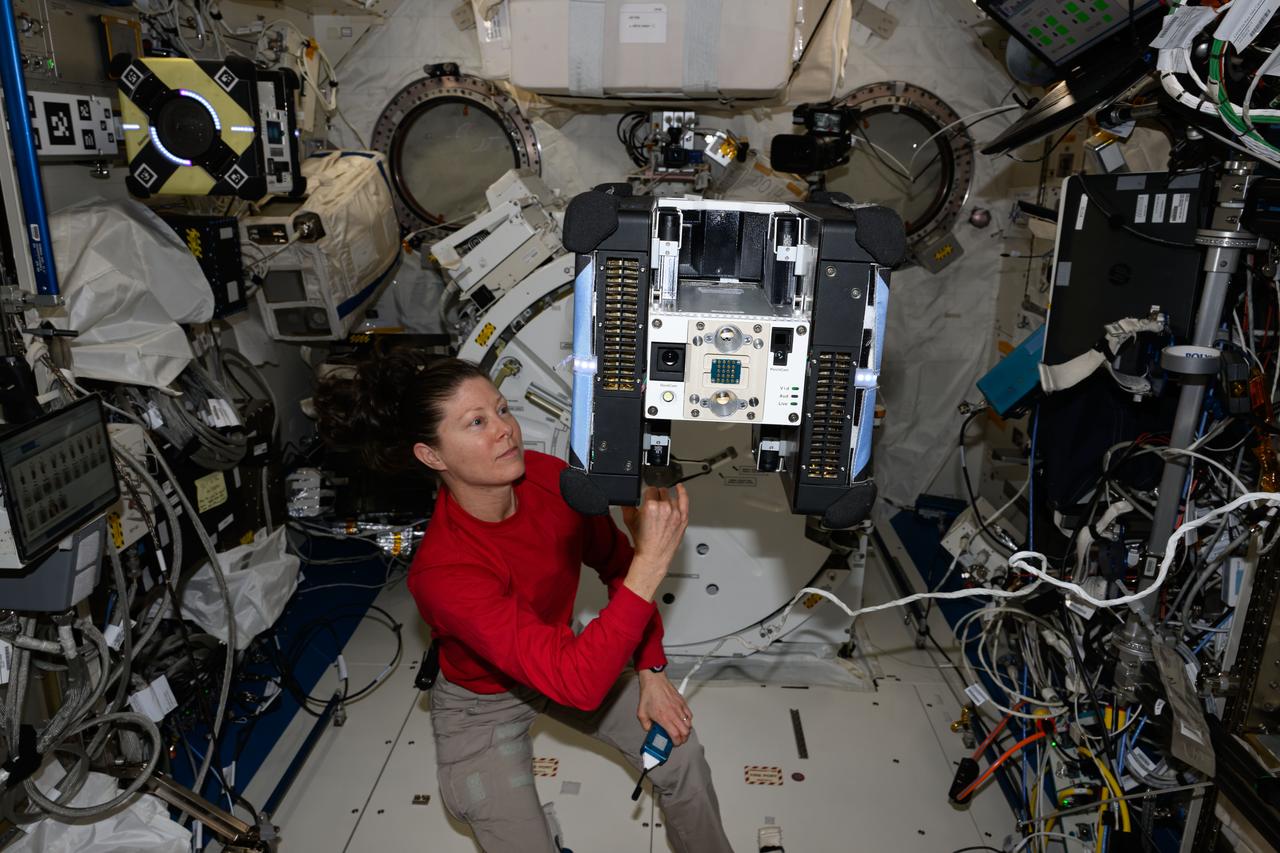
iss071e046270 (May 1, 2024) -- NASA astronaut and Expedition 71 Flight Engineer Tracy C. Dyson performs a Zero Robotics tech demonstration with Astrobee. Zero Robotics allows students on Earth to write software to control one of three free-flying Astrobee robots aboard the International Space Station. As part of an ongoing educational activity, students can then observe the performance of the robot without directly interacting with it.

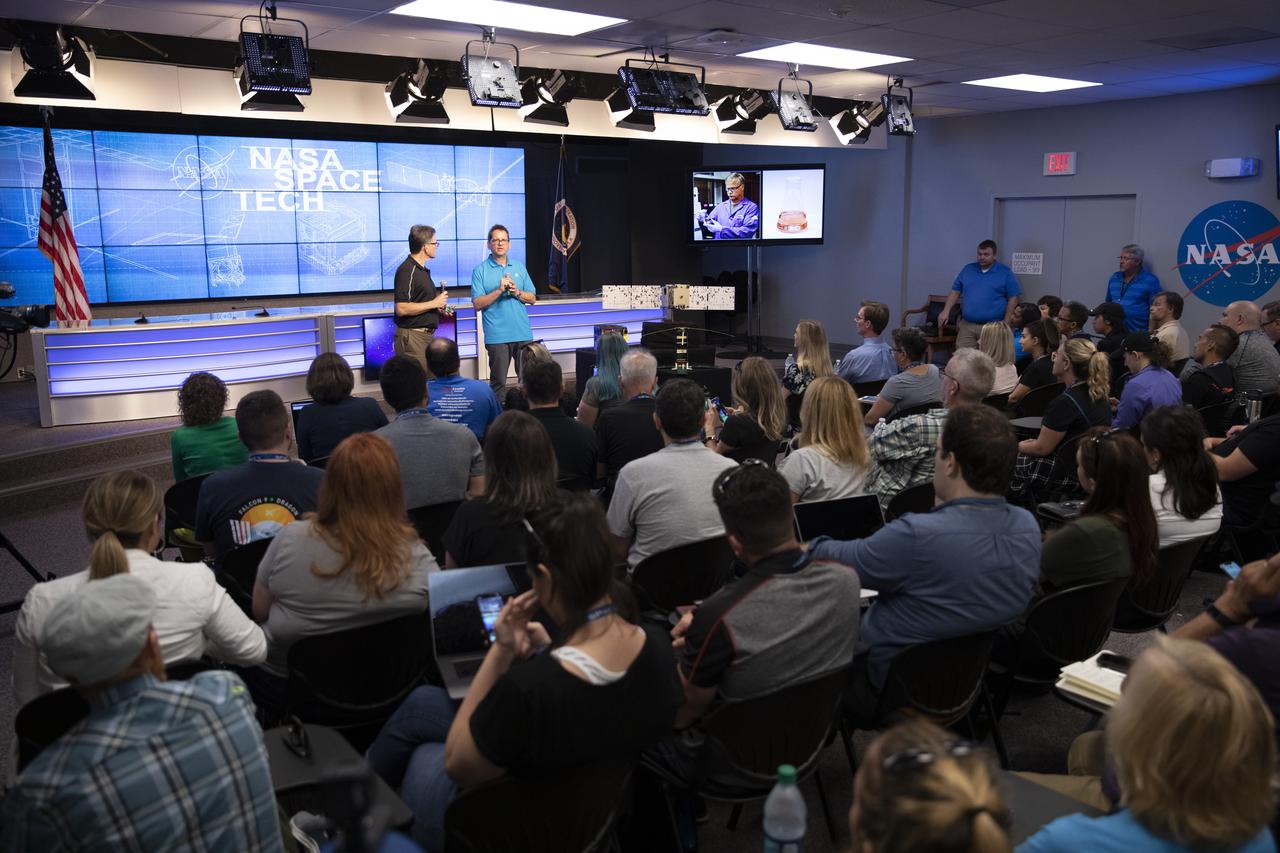
Laura Aguiar hosts NASA’s prelaunch technology show for Space Test Program-2 (STP-2) at Kennedy Space Center on June 23, 2019. STP-2 is managed by the U.S. Air Force Space and Missile Systems Center.
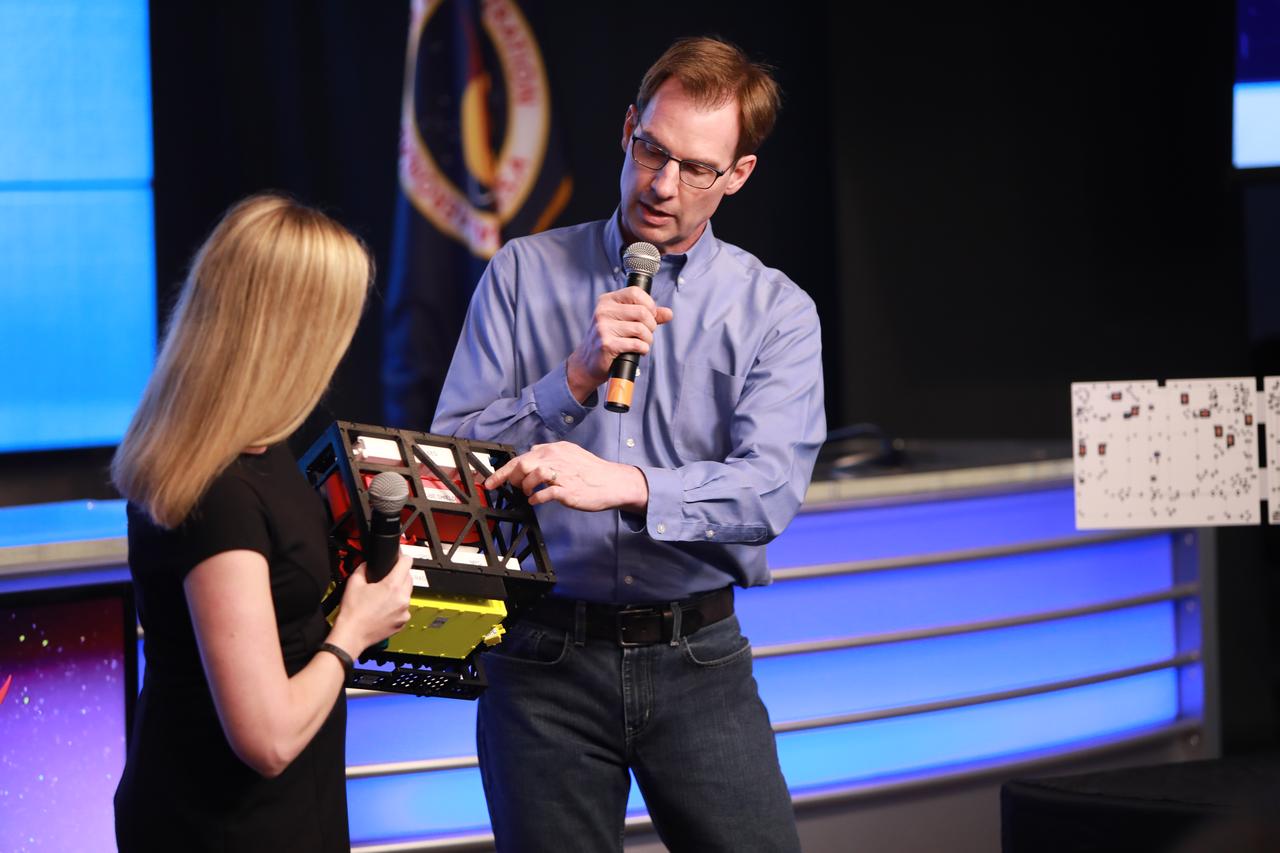
Chris McLean, (right) principal investigator for NASA’s Green Propellant Infusion Mission at Ball Aerospace, and Joe Cassady, (left), executive director of space at Aeroject Rocketdyne, explain the payload during a NASA prelaunch technology TV broadcast for the Space Test Program-2 (STP-2) mission at NASA’s Kennedy Space Center in Florida on June 23, 2019. The payload will help demonstrate this low toxicity, increased performance propellant and related systems so it can become a viable solution for future satellites. It is one of four NASA payloads scheduled to launch on a SpaceX Falcon Heavy rocket from Launch Complex 39A beginning at 11:30 p.m. EDT on June 24, 2019. STP-2 is managed by the U.S. Air Force Space and Missile Systems Center.
Todd Ely (right), principal investigator for NASA’s Deep Space Atomic Clock, and Deputy Principal Investigator Jill Seubert (left), both from NASA’s Jet Propulsion Laboratory in Pasadena, California, explain the payload during a NASA prelaunch technology TV broadcast for the Space Test Program-2 (STP-2) mission at the agency’s Kennedy Space Center in Florida on June 23, 2019. The new space clock could improve how we navigate on the Moon, to Mars and beyond. The space clock is one of four NASA payloads scheduled to launch on a SpaceX Falcon Heavy rocket from Launch Complex 39A beginning at 11:30 p.m. EDT on June 24, 2019. STP-2 is managed by the U.S. Air Force Space and Missile Systems Center.
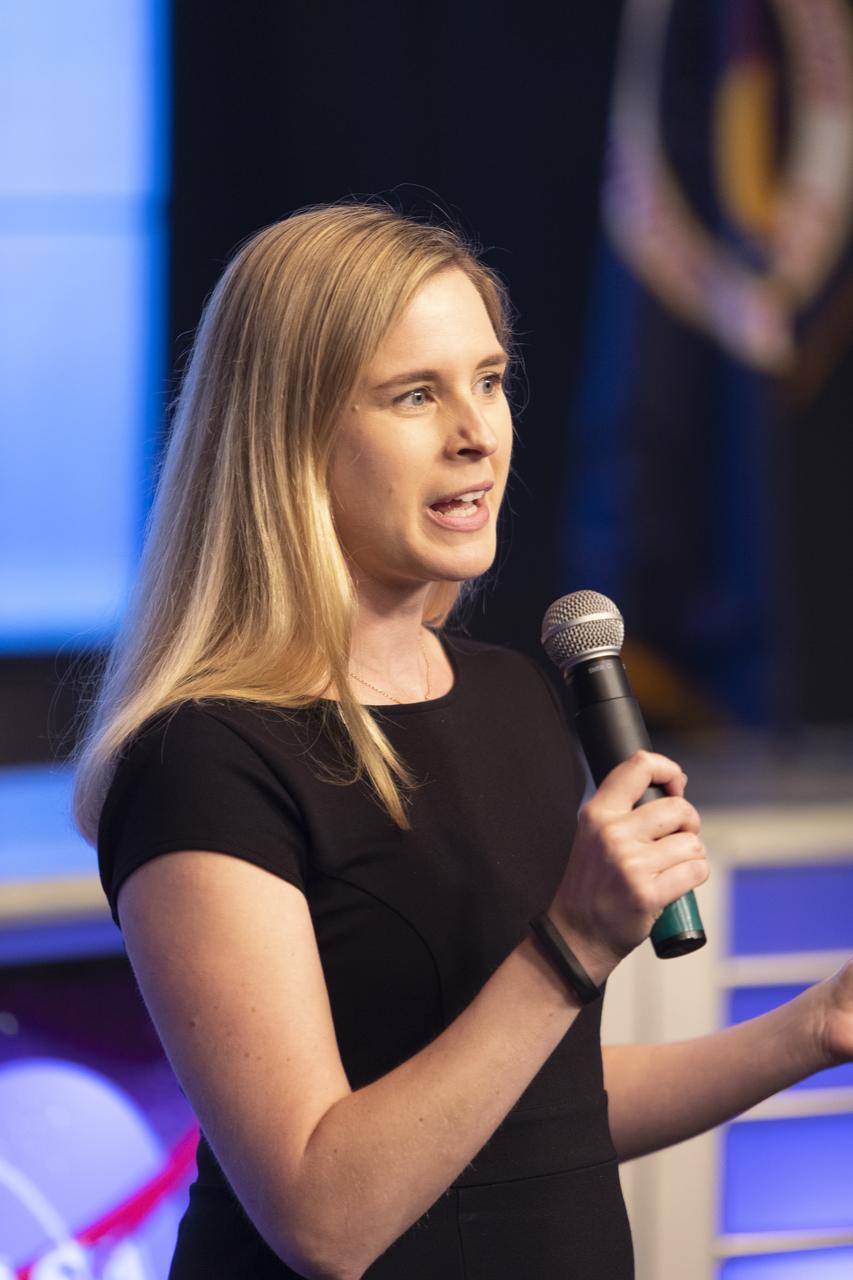
Jill Seubert, deputy principal investigator, from NASA’s Jet Propulsion Laboratory in Pasadena, California, explains the payload during a NASA prelaunch technology TV broadcast for the Space Test Program-2 (STP-2) mission at the agency’s Kennedy Space Center in Florida on June 23, 2019. The new space clock could improve how we navigate on the Moon, to Mars and beyond. The space clock is one of four NASA payloads scheduled to launch on a SpaceX Falcon Heavy rocket from Launch Complex 39A beginning at 11:30 p.m. EDT on June 24, 2019. STP-2 is managed by the U.S. Air Force Space and Missile Systems Center.
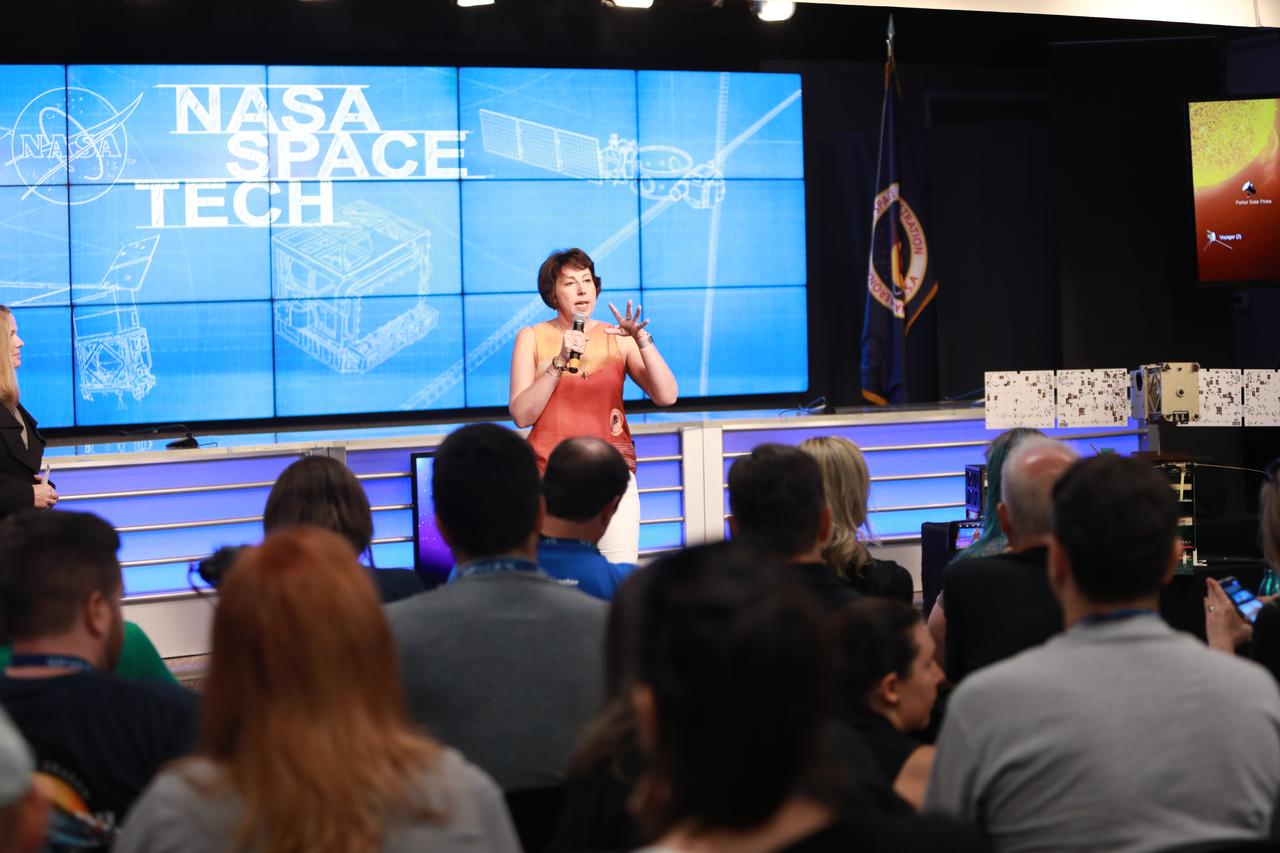
Nicky Fox, director of NASA’s Heliophysics Division, discusses the Space Environment Testbeds payload during a NASA prelaunch technology TV broadcast for the Space Test Program-2 (STP-2) at NASA’s Kennedy Space Center in Florida on June 23, 2019. The payload’s four experiments will reveal the ways local space weather affects spacecraft hardware. It is one of four NASA payloads scheduled to launch on a SpaceX Falcon Heavy rocket from Launch Complex 39A beginning at 11:30 p.m. EDT on June 24, 2019. STP-2 is managed by the U.S. Air Force Space and Missile Systems Center.

Laura Aguiar hosts NASA’s prelaunch technology show for Space Test Program-2 (STP-2) at Kennedy Space Center on June 23, 2019. STP-2 is managed by the U.S. Air Force Space and Missile Systems Center.
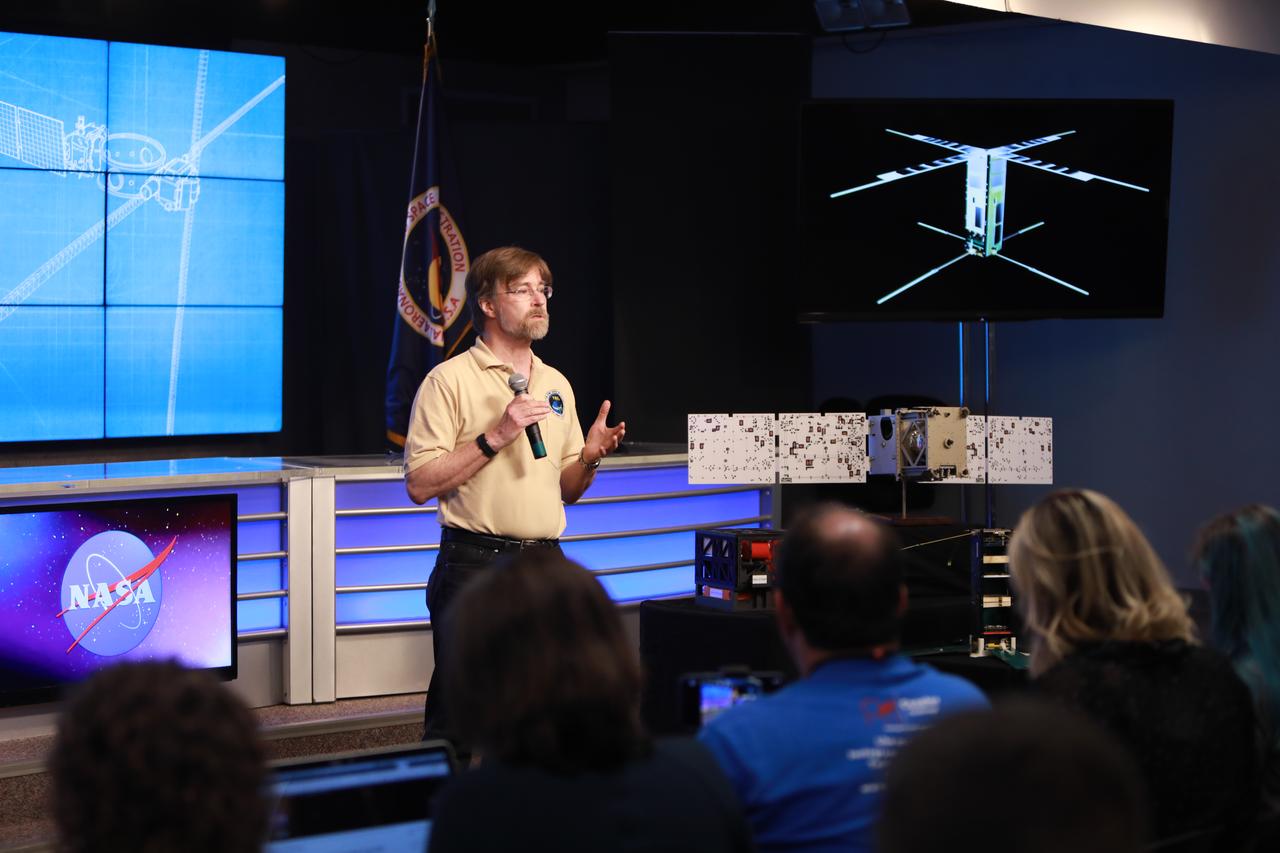
Rick Doe, payload program manager at SRI International, discusses the Enhanced Tandem Beacon Experiment during a NASA prelaunch technology TV show for the Space Test Program-2 (STP-2) mission at NASA’s Kennedy Space Center in Florida on June 23, 2019. The experiment’s two CubeSats will work with six other satellites to study irregularities in Earth’s upper atmosphere that interfere with GPS and communications signals. It is one of NASA payloads scheduled to launch on a SpaceX Falcon Heavy rocket from Launch Complex 39A beginning at 11:30 p.m. EDT on June 24, 2019. STP-2 is managed by the U.S. Air Force Space and Missile Systems Center.
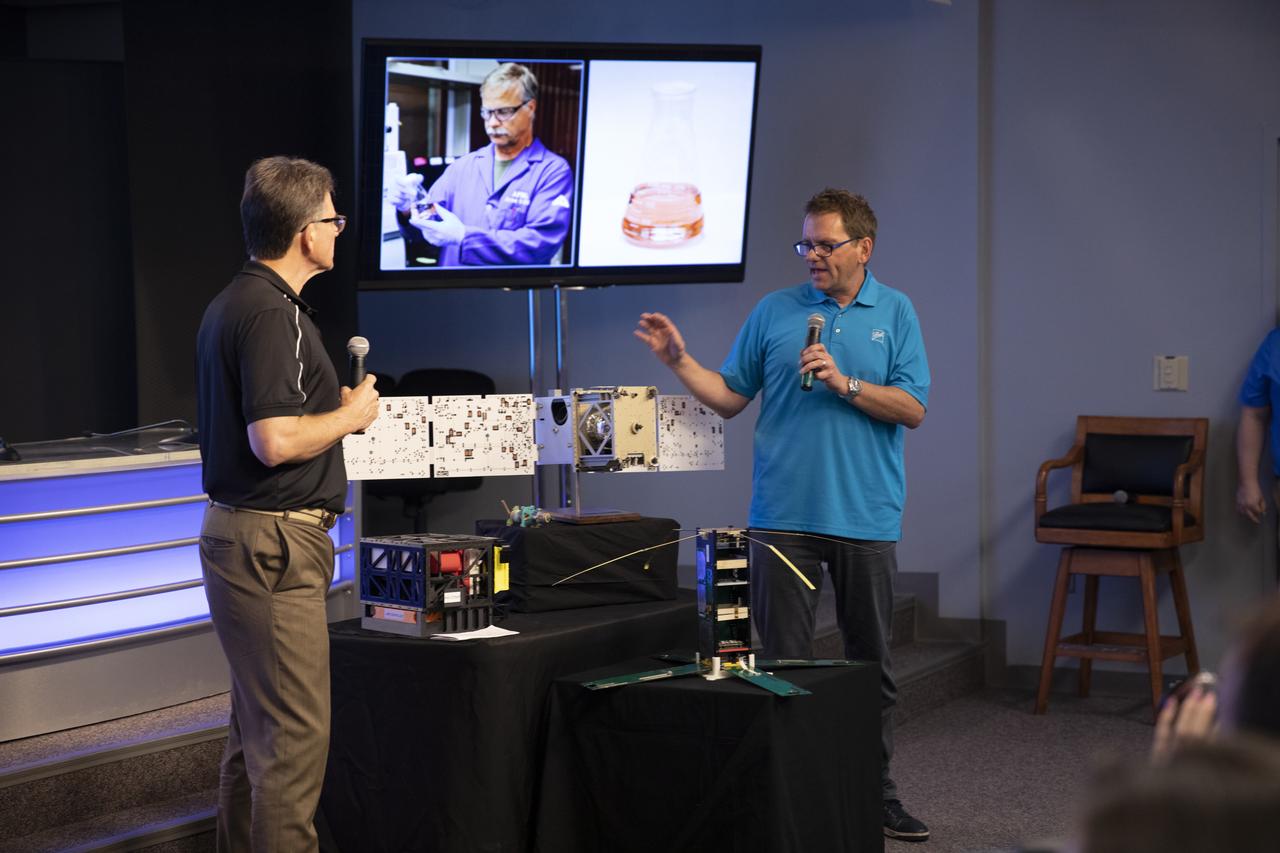
Chris McLean, (right) principal investigator for NASA’s Green Propellant Infusion Mission at Ball Aerospace, and Joe Cassady, (left), executive director of space at Aeroject Rocketdyne, explain the payload during a NASA prelaunch technology TV broadcast for the Space Test Program-2 (STP-2) mission at NASA’s Kennedy Space Center in Florida on June 23, 2019. The payload will help demonstrate this low toxicity, increased performance propellant and related systems so it can become a viable solution for future satellites. It is one of four NASA payloads scheduled to launch on a SpaceX Falcon Heavy rocket from Launch Complex 39A beginning at 11:30 p.m. EDT on June 24, 2019. STP-2 is managed by the U.S. Air Force Space and Missile Systems Center.

Jill Seubert, deputy principal investigator, from NASA’s Jet Propulsion Laboratory in Pasadena, California, explains the payload during a NASA prelaunch technology TV broadcast for the Space Test Program-2 (STP-2) mission at the agency’s Kennedy Space Center in Florida on June 23, 2019. The new space clock could improve how we navigate on the Moon, to Mars and beyond. The space clock is one of four NASA payloads scheduled to launch on a SpaceX Falcon Heavy rocket from Launch Complex 39A beginning at 11:30 p.m. EDT on June 24, 2019. STP-2 is managed by the U.S. Air Force Space and Missile Systems Center.
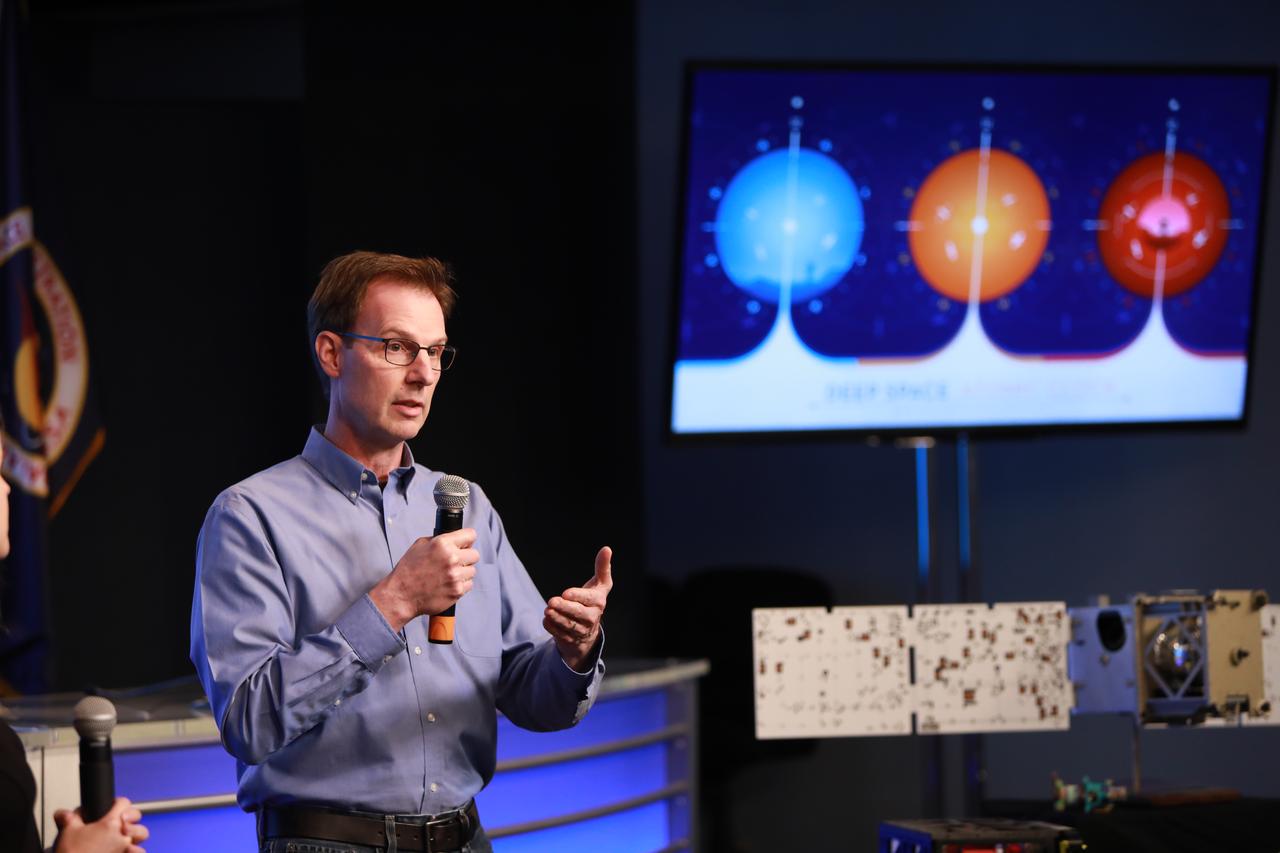
Todd Ely, principal investigator for NASA’s Deep Space Atomic Clock, from NASA’s Jet Propulsion Laboratory in Pasadena, California, explains the payload during a NASA prelaunch technology TV broadcast for the Space Test Program-2 (STP-2) mission at the agency’s Kennedy Space Center in Florida on June 23, 2019. The new space clock could improve how we navigate on the Moon, to Mars and beyond. The space clock is one of four NASA payloads scheduled to launch on a SpaceX Falcon Heavy rocket from Launch Complex 39A beginning at 11:30 p.m. EDT on June 24, 2019. STP-2 is managed by the U.S. Air Force Space and Missile Systems Center.
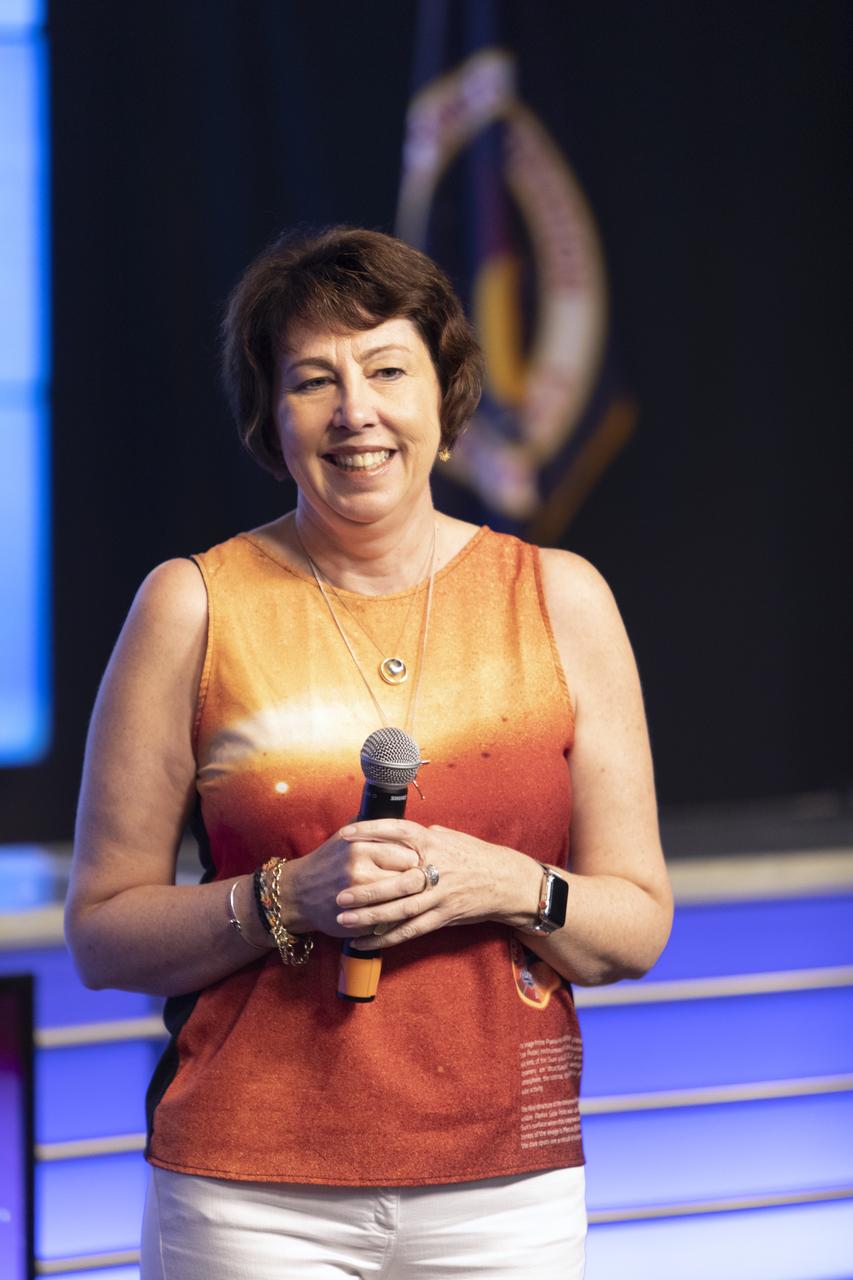
Nicky Fox, director of NASA’s Heliophysics Division, discusses the Space Environment Testbeds payload during a NASA prelaunch technology TV broadcast for the Space Test Program-2 (STP-2) at NASA’s Kennedy Space Center in Florida on June 23, 2019. The payload’s four experiments will reveal the ways local space weather affects spacecraft hardware. It is one of four NASA payloads scheduled to launch on a SpaceX Falcon Heavy rocket from Launch Complex 39A beginning at 11:30 p.m. EDT on June 24, 2019. STP-2 is managed by the U.S. Air Force Space and Missile Systems Center.

Tawnya Laughinghouse, NASA’s Technology Demonstration Missions program manager, talks about the NASA payloads hitching a ride on the Space Test Program-2 (STP-2) mission during a prelaunch technology TV broadcast at Kennedy Space Center in Florida on June 23, 2019. STP-2 is managed by the U.S. Air Force Space and Missile Systems Center.

Joe Cassady, executive director of space at Aeroject Rocketdyne, explains NASA’s Green Propellant Infusion Mission during a NASA prelaunch technology TV broadcast for the Space Test Program-2 (STP-2) mission at NASA’s Kennedy Space Center in Florida on June 23, 2019. The payload will help demonstrate this low toxicity, increased performance propellant and related systems so it can become a viable solution for future satellites. It is one of four NASA payloads scheduled to launch on a SpaceX Falcon Heavy rocket from Launch Complex 39A beginning at 11:30 p.m. EDT on June 24, 2019. STP-2 is managed by the U.S. Air Force Space and Missile Systems Center.
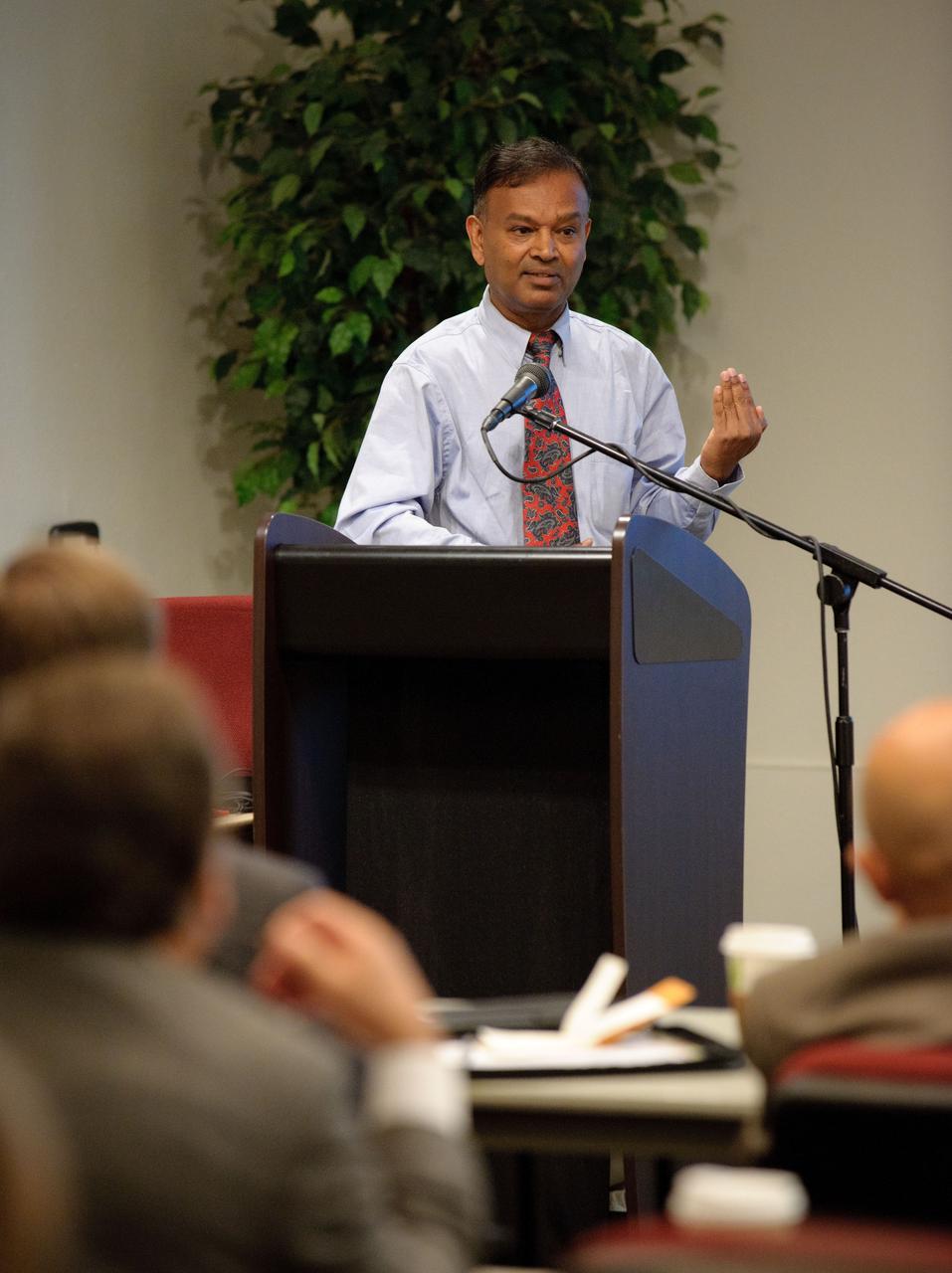
Tech Expo Day at NASA Ames Research Center. Nanosensors with Dr Meyya Meyyappan, Chief Scientist of Nanotechnology
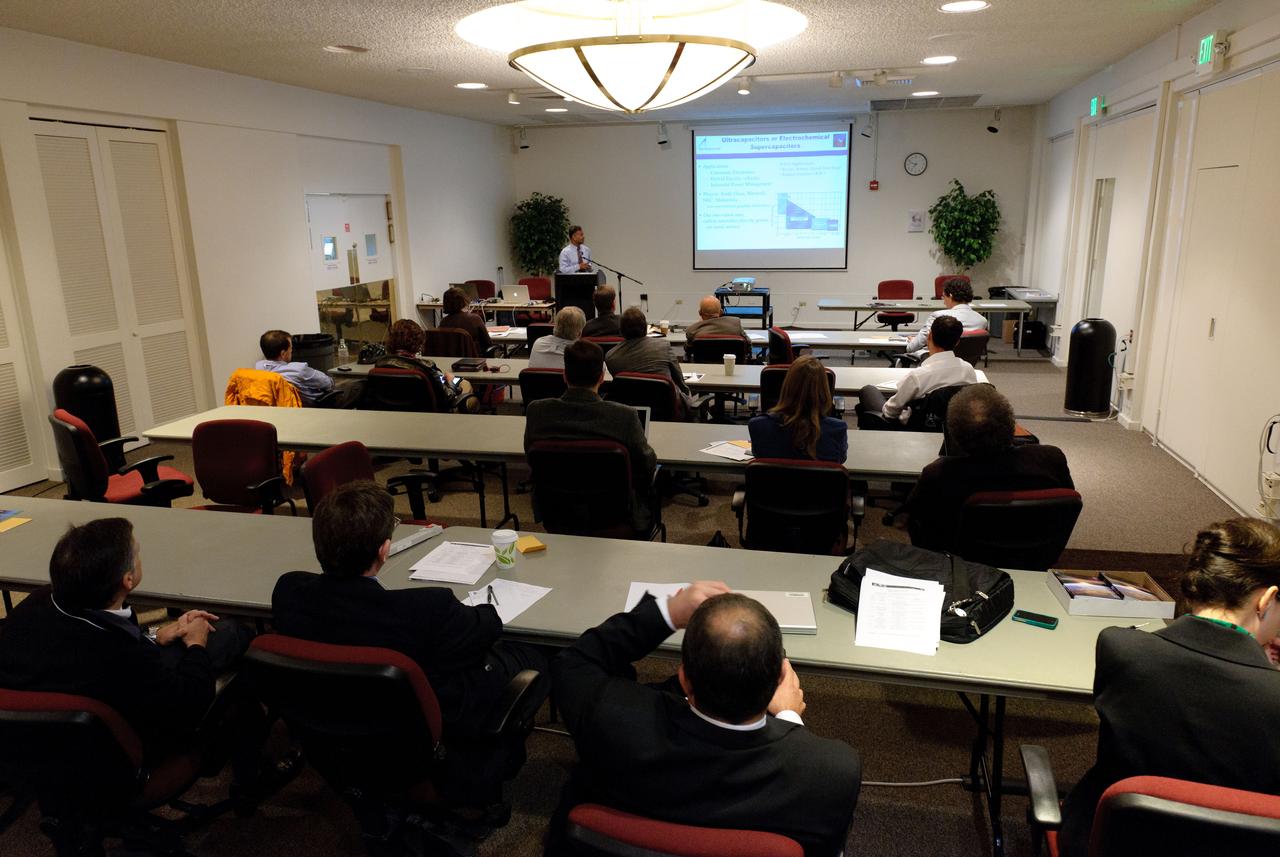
Tech Expo Day at NASA Ames Research Center. Nanosensors with Dr Meyya Meyyappan, Chief Scientist of Nanotechnology
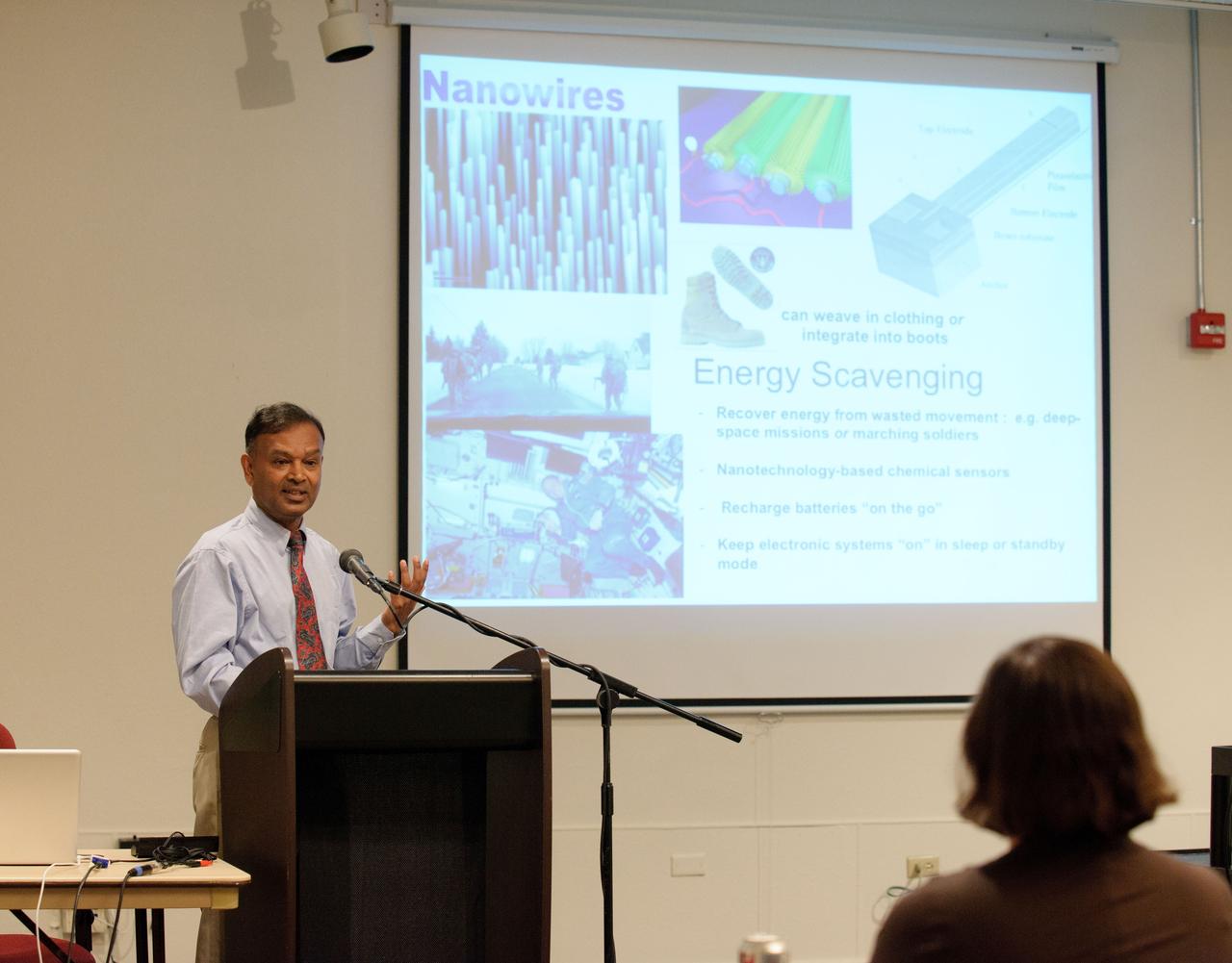
Tech Expo Day at NASA Ames Research Center. Nanosensors with Dr Meyya Meyyappan, Chief Scientist of Nanotechnology
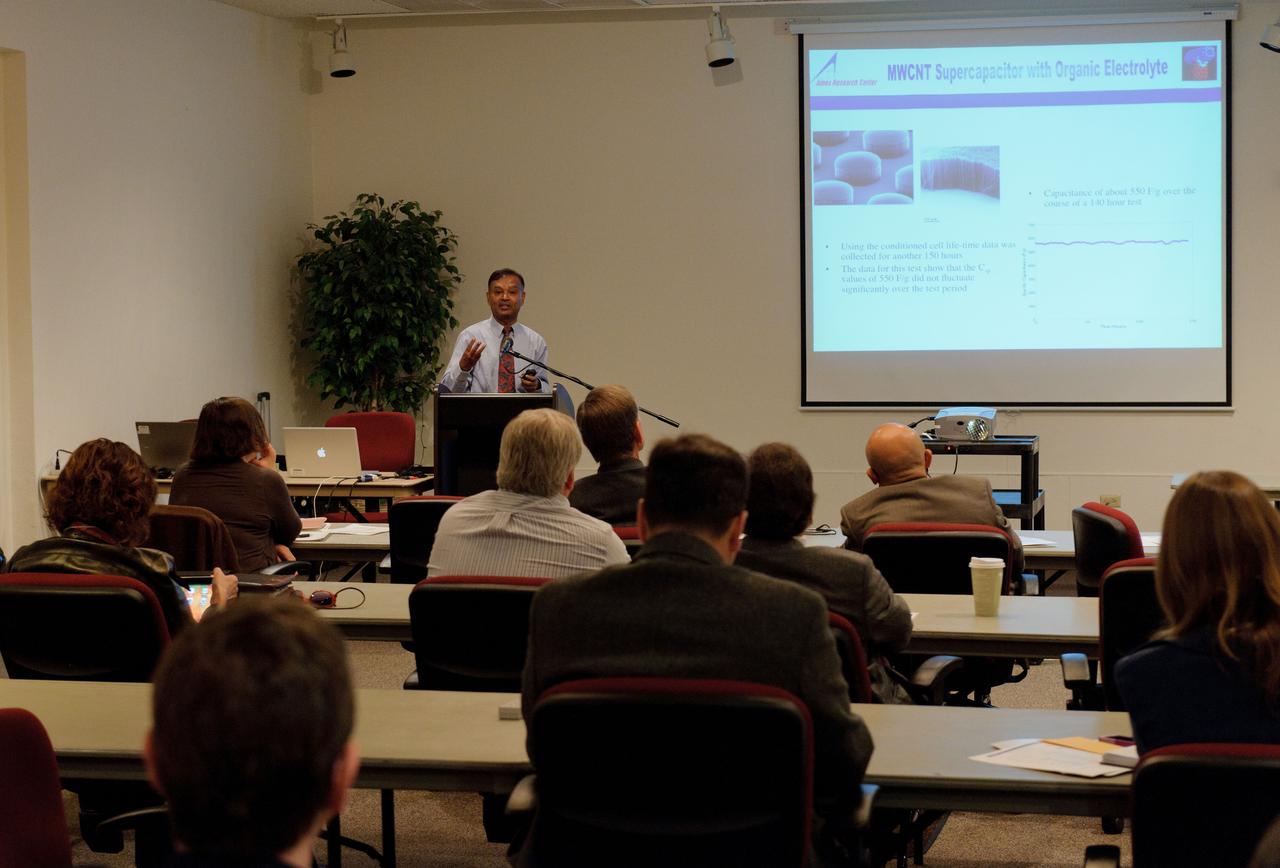
Tech Expo Day at NASA Ames Research Center. Nanosensors with Dr Meyya Meyyappan, Chief Scientist of Nanotechnology
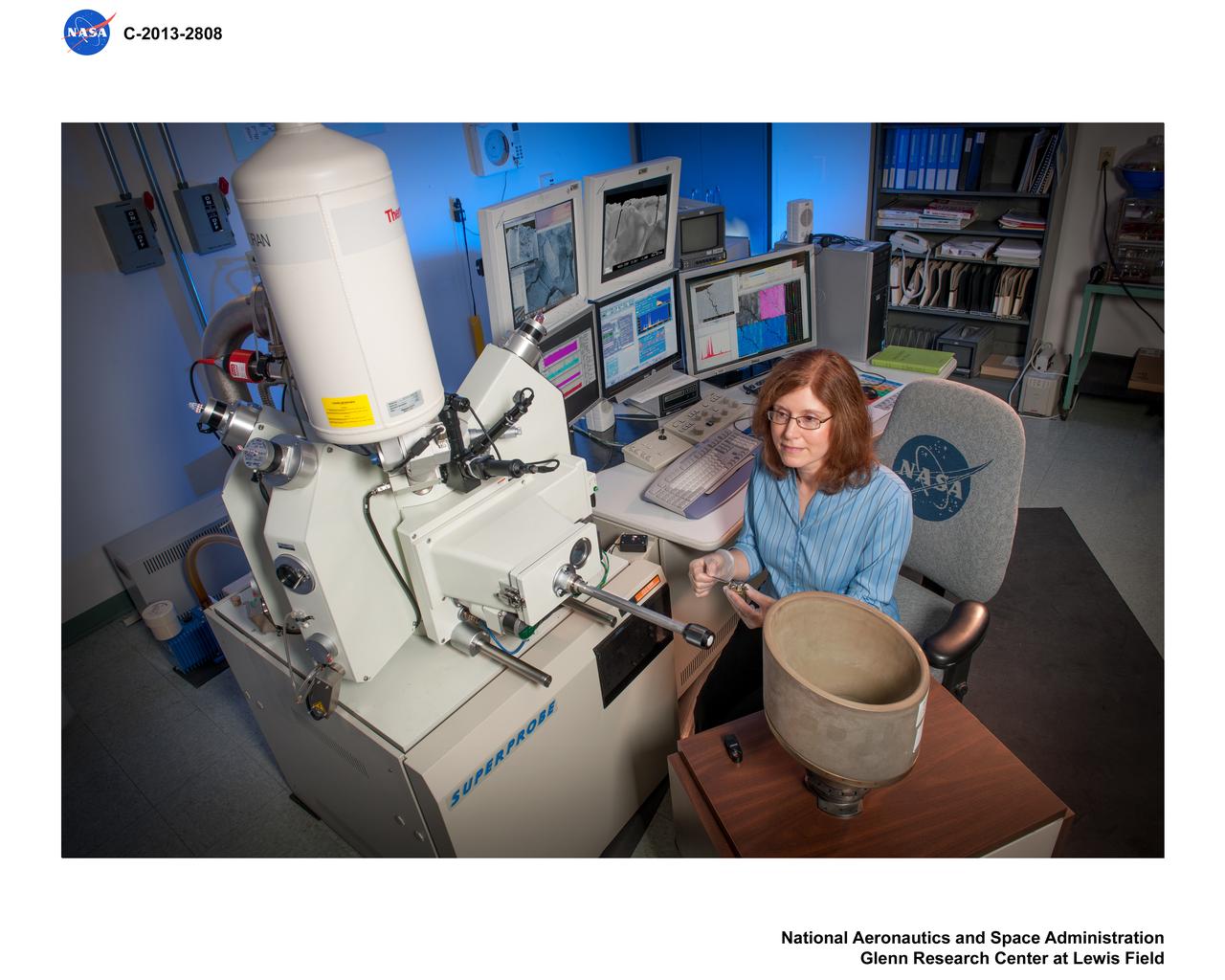
NASA Engineering and Safety Center's, NESC, Mission Tech Update Photos 2013, Electron Optics Laboratory
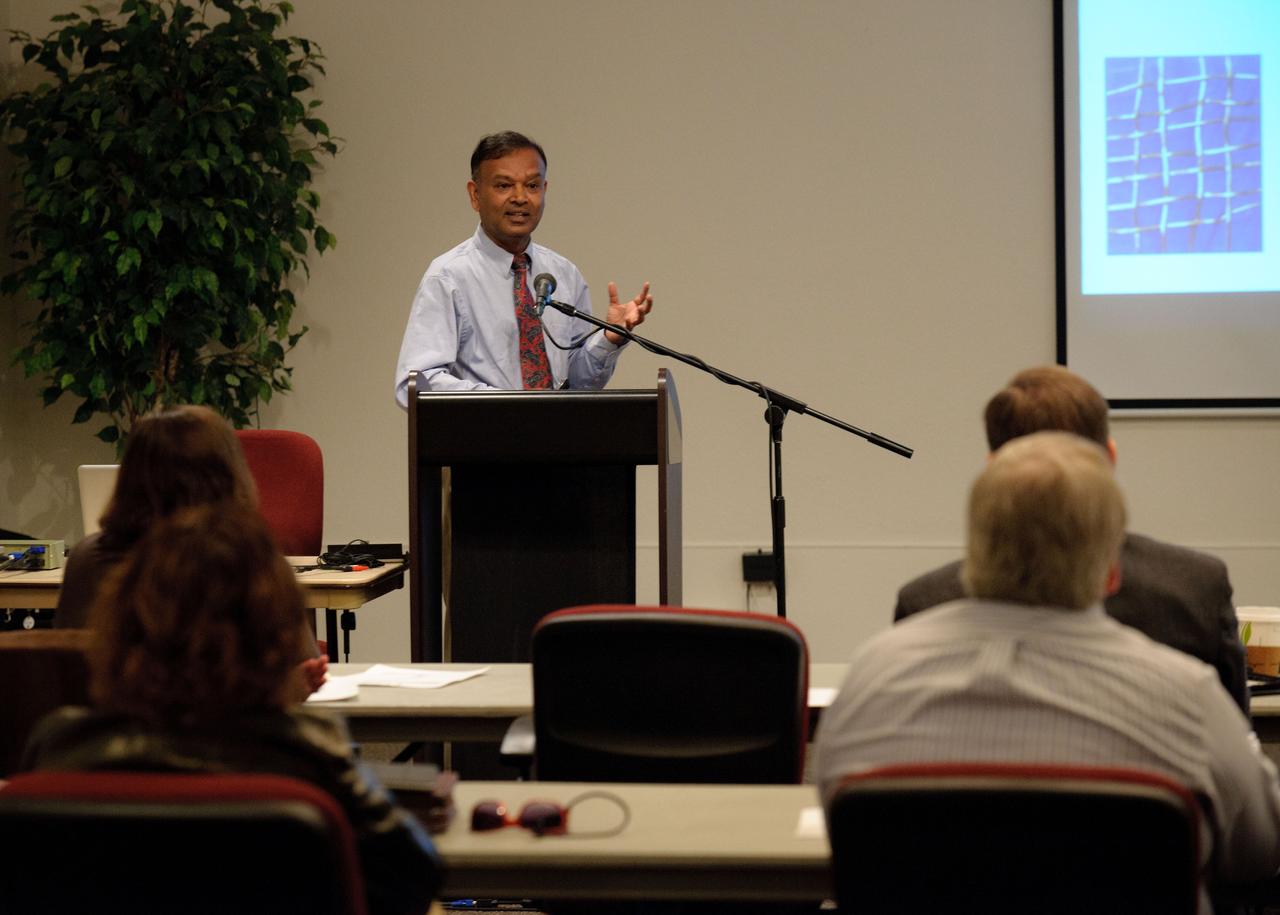
Tech Expo Day at NASA Ames Research Center. Nanosensors with Dr Meyya Meyyappan, Chief Scientist of Nanotechnology
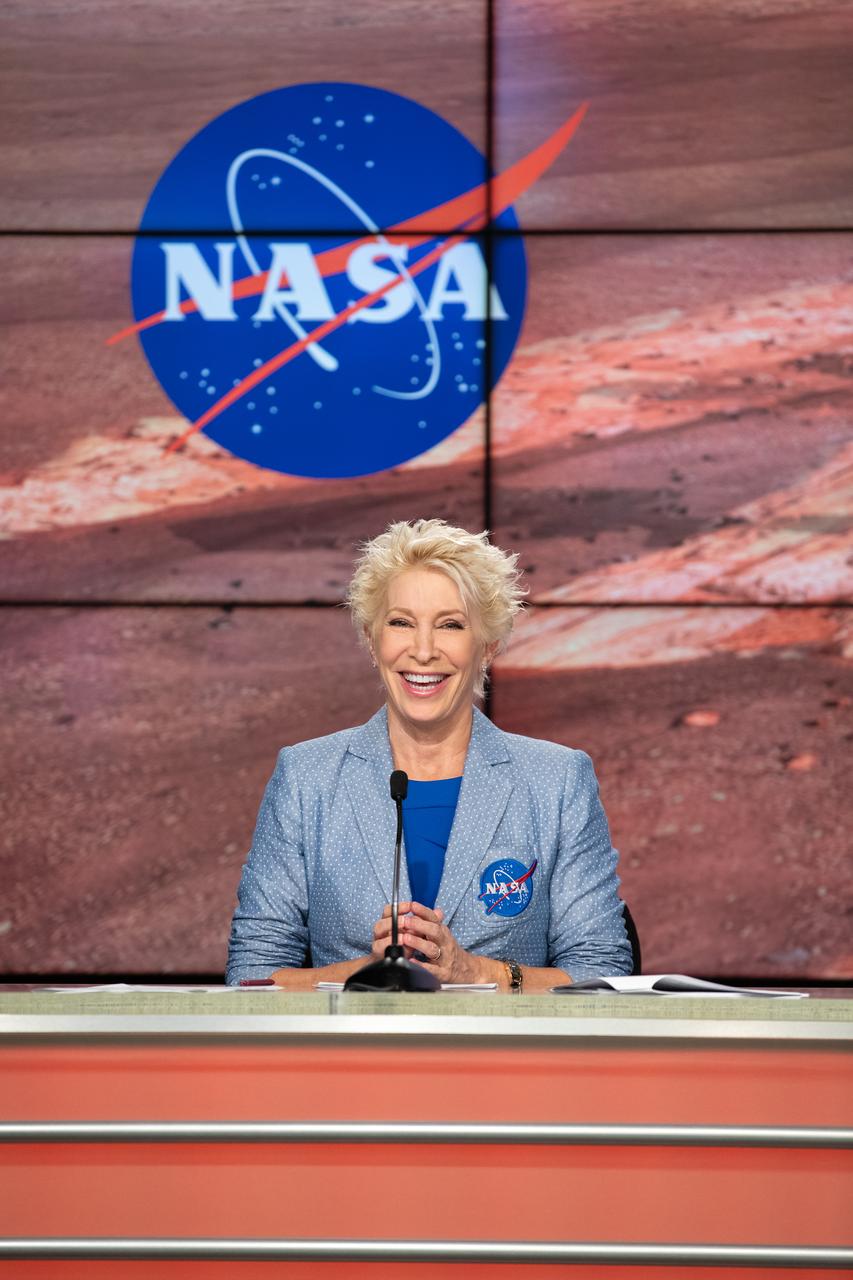
Tammy Long, NASA Communicaions, moderates a Mars 2020 Mission Tech and Humans to Mars Briefing at NASA’s Kennedy Space Center in Florida on July 28, 2020. The Mars Perseverance rover is scheduled to launch July 30, on a United Launch Alliance Atlas V 541 rocket from Space Launch Complex 41 at nearby Cape Canaveral Air Force Station. The rover is part of NASA’s Mars Exploration Program, a long-term effort of robotic exploration of the Red Planet. The rover will search for habitable conditions in the ancient past and signs of past microbial life on Mars. The Launch Services Program at Kennedy is responsible for launch management.
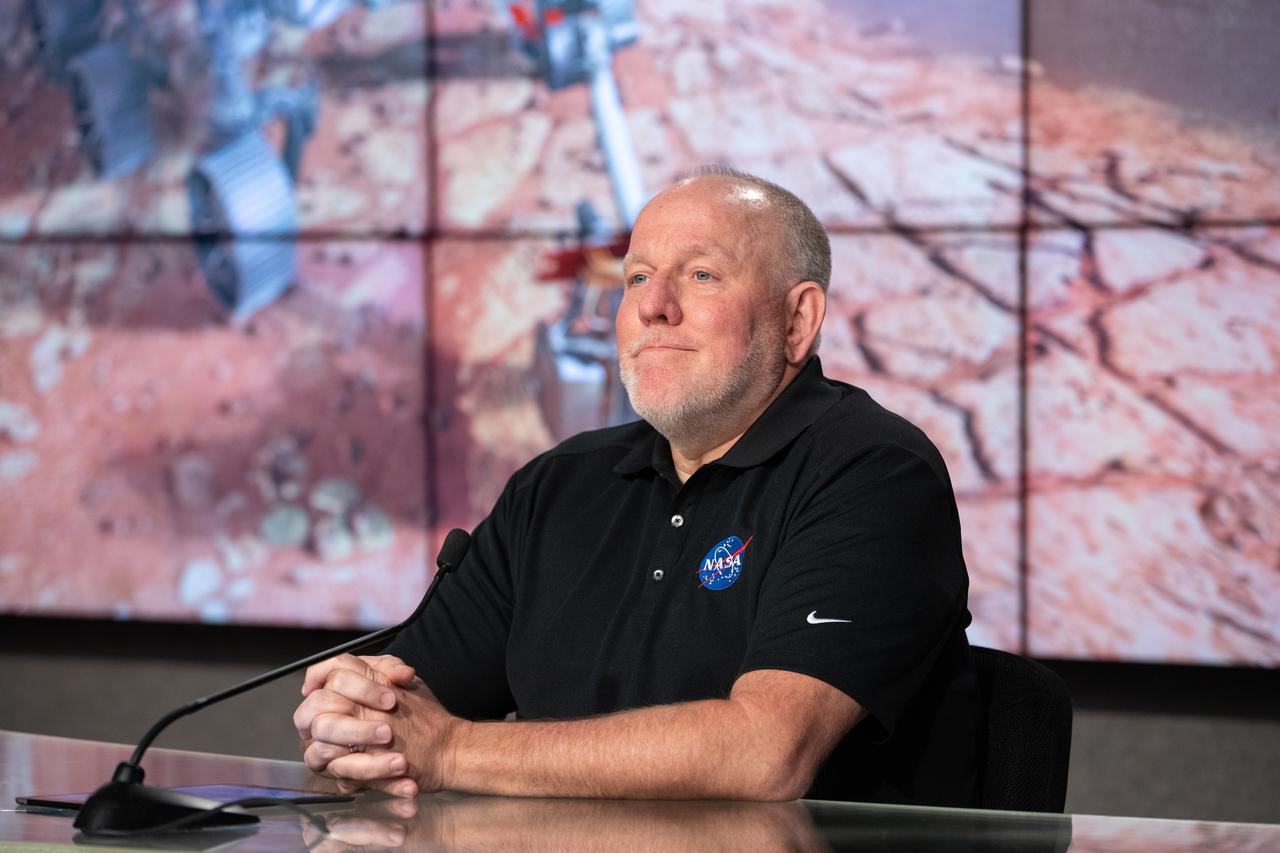
Jeff Sheehy, Space Technology Mission Directorate, NASA Headquarters, participates in a Mars 2020 Mission Tech and Humans to Mars Briefing at NASA’s Kennedy Space Center in Florida on July 28, 2020. The Mars Perseverance rover is scheduled to launch July 30, on a United Launch Alliance Atlas V 541 rocket from Space Launch Complex 41 at nearby Cape Canaveral Air Force Station. The rover is part of NASA’s Mars Exploration Program, a long-term effort of robotic exploration of the Red Planet. The rover will search for habitable conditions in the ancient past and signs of past microbial life on Mars. The Launch Services Program at Kennedy is responsible for launch management.
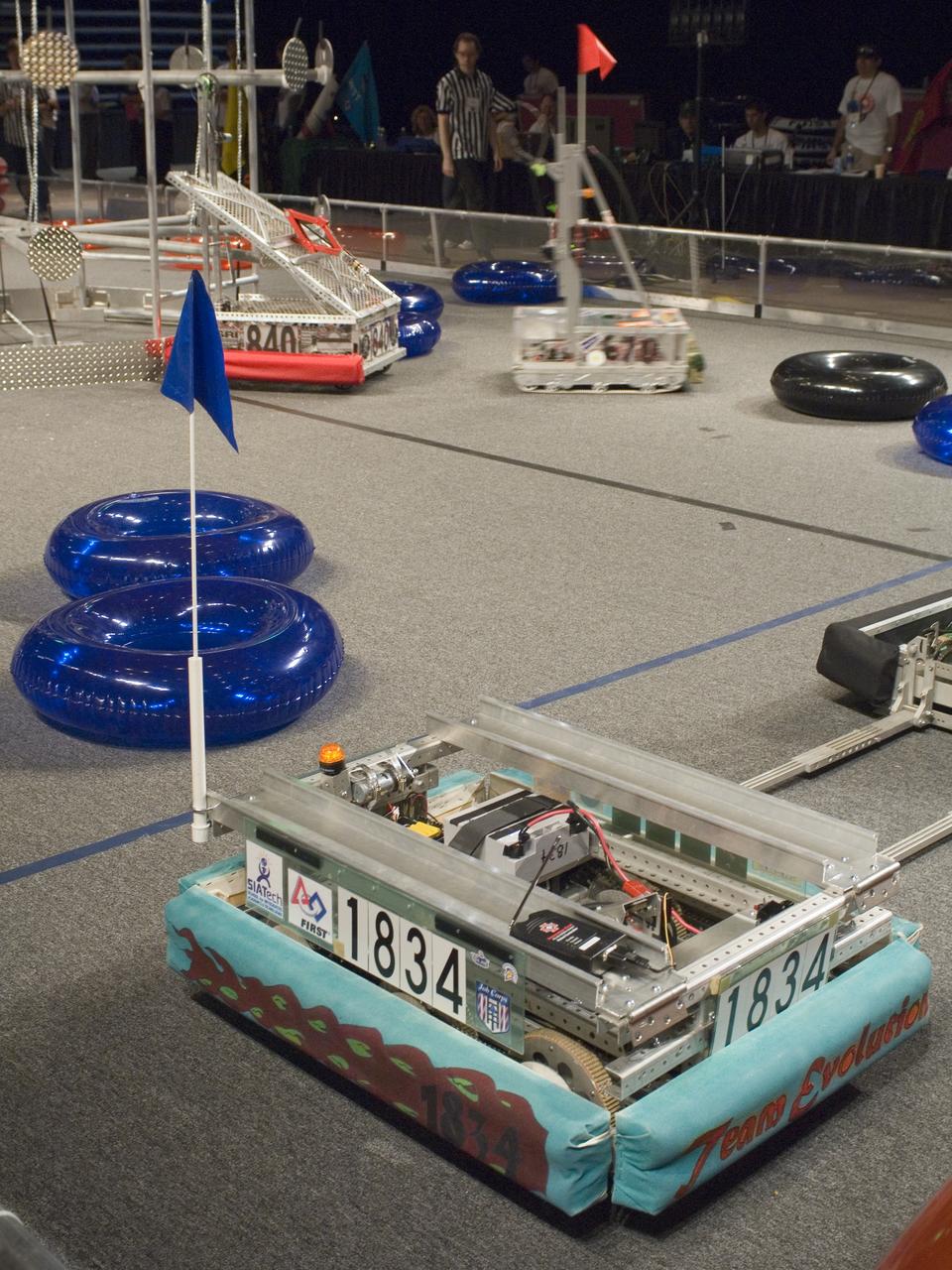
Silicon Valley FIRST Regional Robotics competition: Evolution Team 1834 - NASA/Google/NASA Robotics Education FIRST Spnsorship program/San Jose Job Corps/MetroED & SIA Tech, San Jose, California (CA)
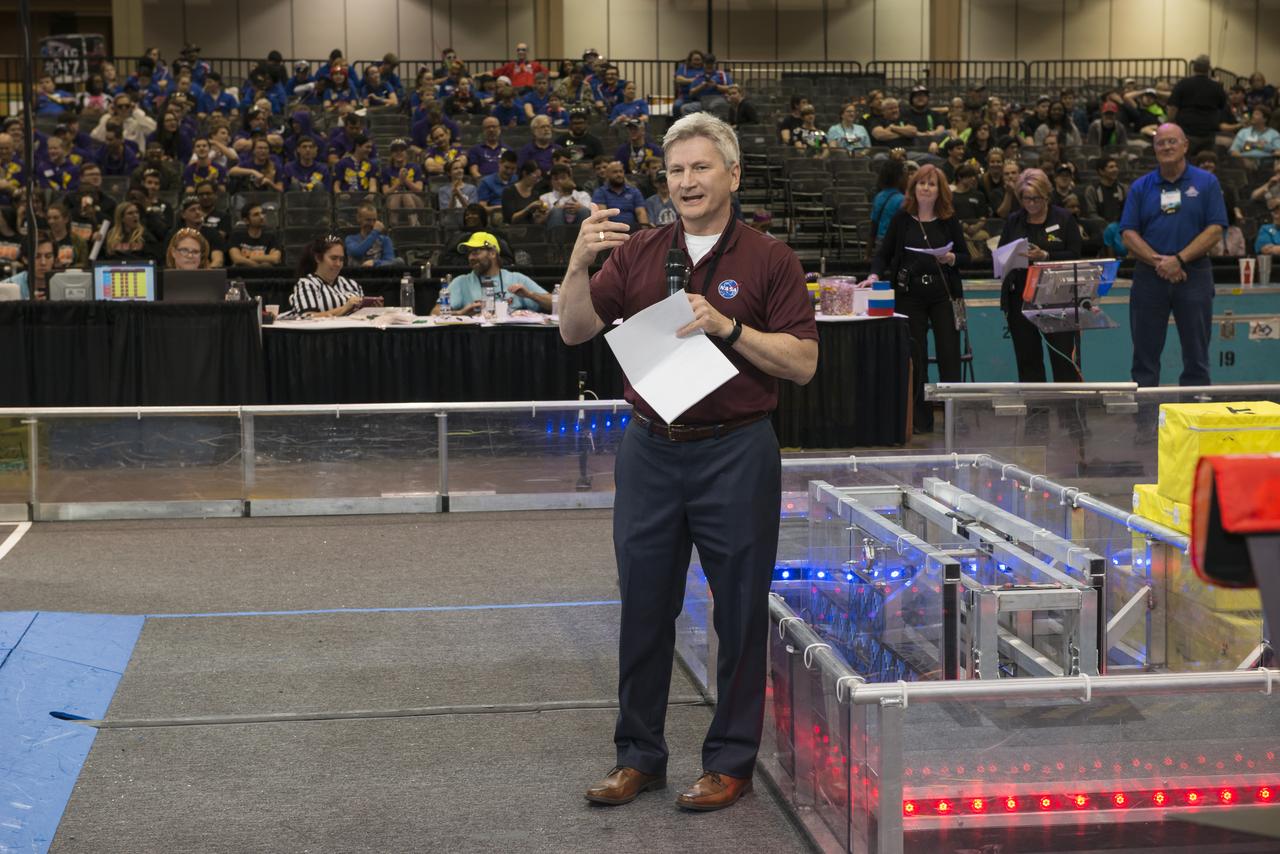
Johnny Stephenson, director of NASA Marshall Space Flight Center's Office of Strategic Analysis & Communications, addresses the crowd during the March 16 award ceremony following the first day of competition at the FIRST Robotics Rocket City Regional at the Von Braun Center in Huntsville. Ed Sparks, of the Morgan County Mech Tech team, received the award for Volunteer of the Year at the March 16 award ceremony. Mech Tech, comprised of students from five high schools in Morgan County, Alabama, also won the Industrial Design Award. The team was one of three regional finalists that will advance to the FIRST national championships April 18-21 in Houston. The other two regional finalists were Burning Magnetos of Fort Dorchester High School in North Charleston, South Carolina, and OGRE of Opelika High School in Opelika, Alabama. Mech Tech and Golden Hurricane from Columbia High School in Huntsville, were "house" teams sponsored by Marshall.

NMTSat is a student-built satellite built by undergraduate and graduates students primarily from New Mexico Tech. NMTSat is designed to operate five sensors in four experiments in space for 3 months of data collection. The experiments will provide data on earth’s magnetic field, high altitude plasma density, atmospheric weather measurements, and an optical beacon experiment. Approximately 50 students have contributed to NMTSat and its design not including the students and groups who have developed the science instruments. NMTSat CubeSat is providing the opportunity for these science experiments to be conducted on orbit and demonstrates the collaborative nature of the Educational Launch of Nano Satellite (ELaNa) Program at NASA. The instruments have been contributed by New Mexico Tech, Turabo University in Puerto Rico, Los Alamos National Laboratory, and Atmospheric and Space Technology Research Associates (ASTRA) in Boulder, CO. Dr. Anders M. Jorgensen, Associate Professor at New Mexico Tech is the PI and Dr. Hien Vo from Vietnamese-German University in Ho Chi Minh University in Vietnam is a Co-Investigator. NMTSat is funded by the New Mexico NASA EPSCoR program as well as New Mexico Tech.

NMTSat is a student-built satellite built by undergraduate and graduates students primarily from New Mexico Tech. NMTSat is designed to operate five sensors in four experiments in space for 3 months of data collection. The experiments will provide data on earth’s magnetic field, high altitude plasma density, atmospheric weather measurements, and an optical beacon experiment. Approximately 50 students have contributed to NMTSat and its design not including the students and groups who have developed the science instruments. NMTSat CubeSat is providing the opportunity for these science experiments to be conducted on orbit and demonstrates the collaborative nature of the Educational Launch of Nano Satellite (ELaNa) Program at NASA. The instruments have been contributed by New Mexico Tech, Turabo University in Puerto Rico, Los Alamos National Laboratory, and Atmospheric and Space Technology Research Associates (ASTRA) in Boulder, CO. Dr. Anders M. Jorgensen, Associate Professor at New Mexico Tech is the PI and Dr. Hien Vo from Vietnamese-German University in Ho Chi Minh University in Vietnam is a Co-Investigator. NMTSat is funded by the New Mexico NASA EPSCoR program as well as New Mexico Tech.

NMTSat is a student-built satellite built by undergraduate and graduates students primarily from New Mexico Tech. NMTSat is designed to operate five sensors in four experiments in space for 3 months of data collection. The experiments will provide data on earth’s magnetic field, high altitude plasma density, atmospheric weather measurements, and an optical beacon experiment. Approximately 50 students have contributed to NMTSat and its design not including the students and groups who have developed the science instruments. NMTSat CubeSat is providing the opportunity for these science experiments to be conducted on orbit and demonstrates the collaborative nature of the Educational Launch of Nano Satellite (ELaNa) Program at NASA. The instruments have been contributed by New Mexico Tech, Turabo University in Puerto Rico, Los Alamos National Laboratory, and Atmospheric and Space Technology Research Associates (ASTRA) in Boulder, CO. Dr. Anders M. Jorgensen, Associate Professor at New Mexico Tech is the PI and Dr. Hien Vo from Vietnamese-German University in Ho Chi Minh University in Vietnam is a Co-Investigator. NMTSat is funded by the New Mexico NASA EPSCoR program as well as New Mexico Tech.
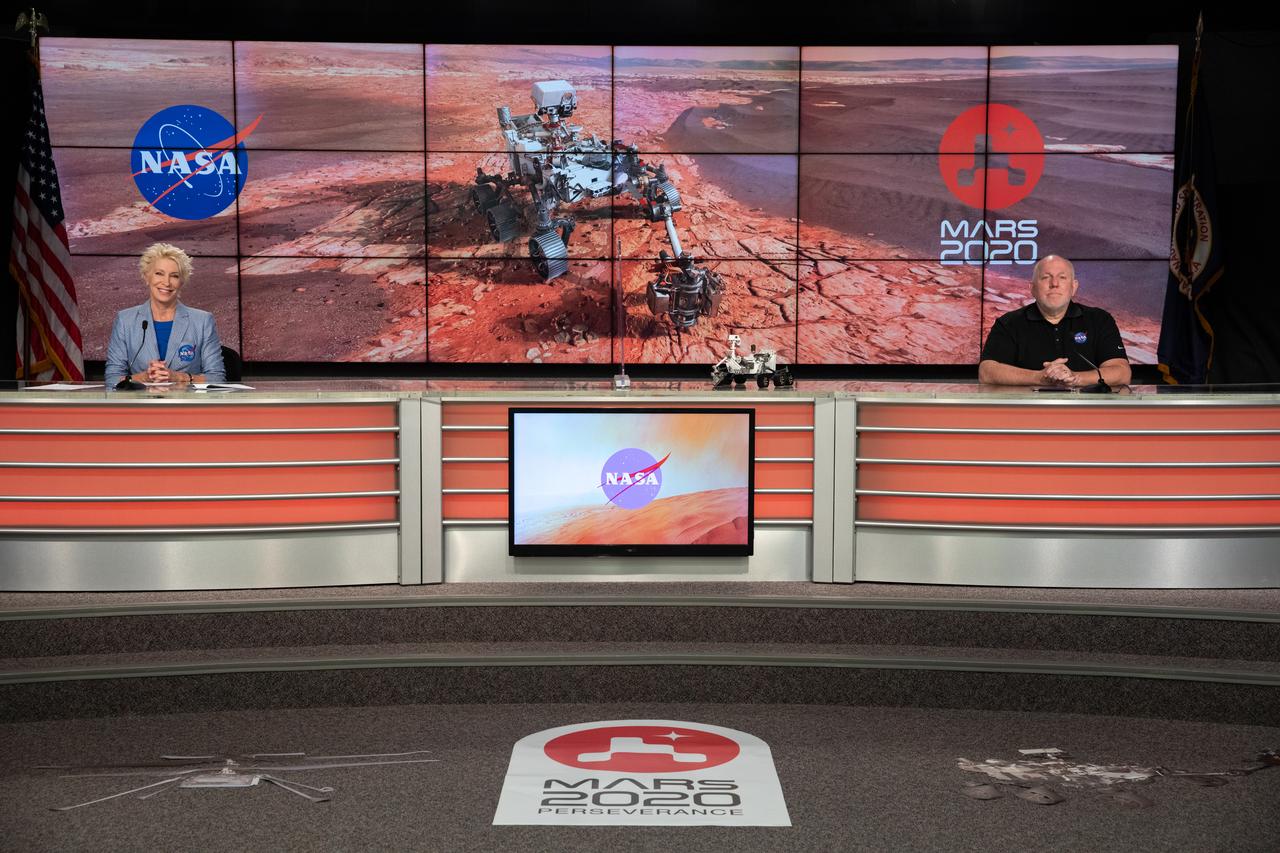
A Mars 2020 Mission Tech and Humans to Mars Briefing is held at NASA’s Kennedy Space Center in Florida on July 28, 2020. Participating in the briefing from left, are Tammy Long, moderator, NASA Communications, and Jeff Sheehy, Space Technology Mission Directorate, NASA Headquarters. The Mars Perseverance rover is scheduled to launch July 30, on a United Launch Alliance Atlas V 541 rocket from Space Launch Complex 41 at nearby Cape Canaveral Air Force Station. The rover is part of NASA’s Mars Exploration Program, a long-term effort of robotic exploration of the Red Planet. The rover will search for habitable conditions in the ancient past and signs of past microbial life on Mars. The Launch Services Program at Kennedy is responsible for launch management.
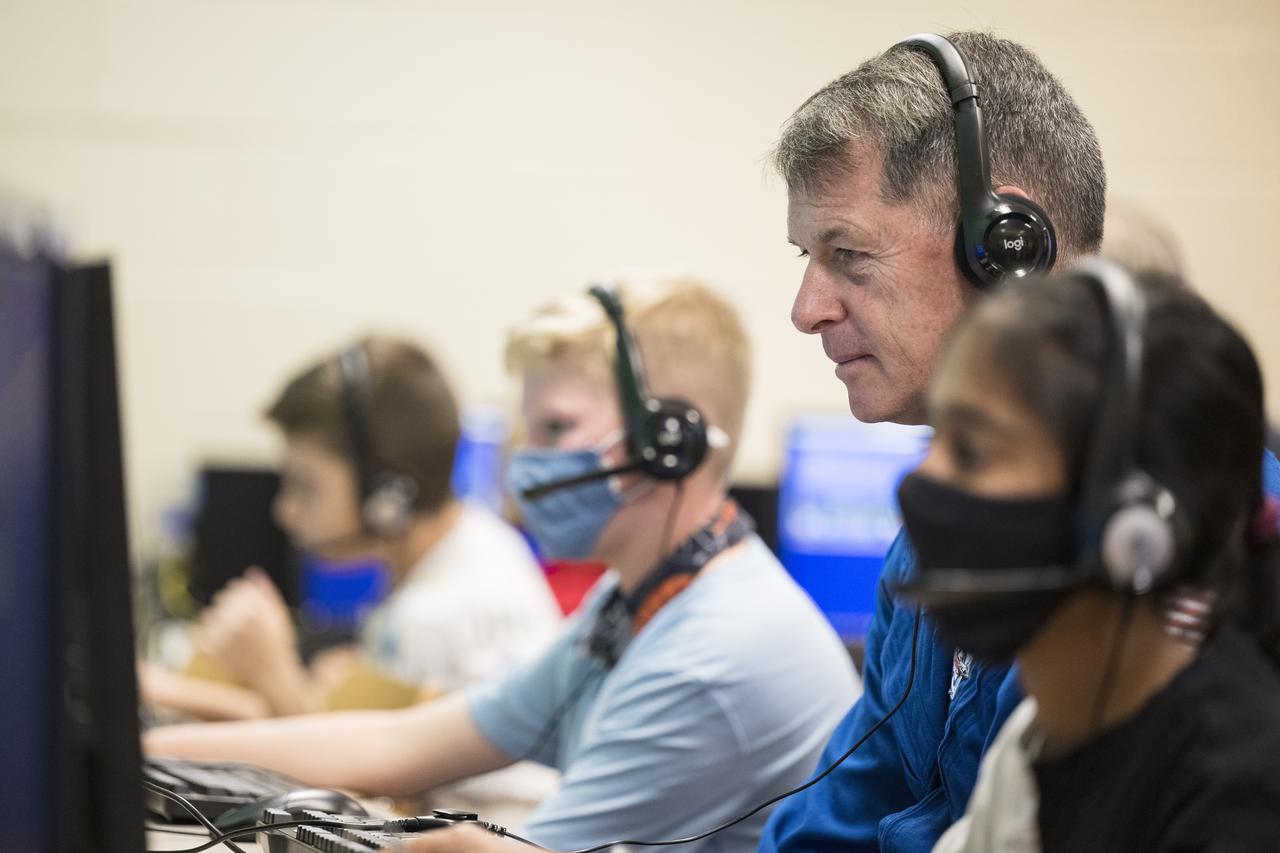
NASA’s SpaceX Crew-2 NASA astronaut Shane Kimbrough surveys what students in the tech crew in the Space Shuttle Simulator room are doing during a visit to Arlington Science Focus Elementary School, Friday, June 10, 2022, in Arlington, Virginia. Photo Credit: (NASA/Aubrey Gemignani)
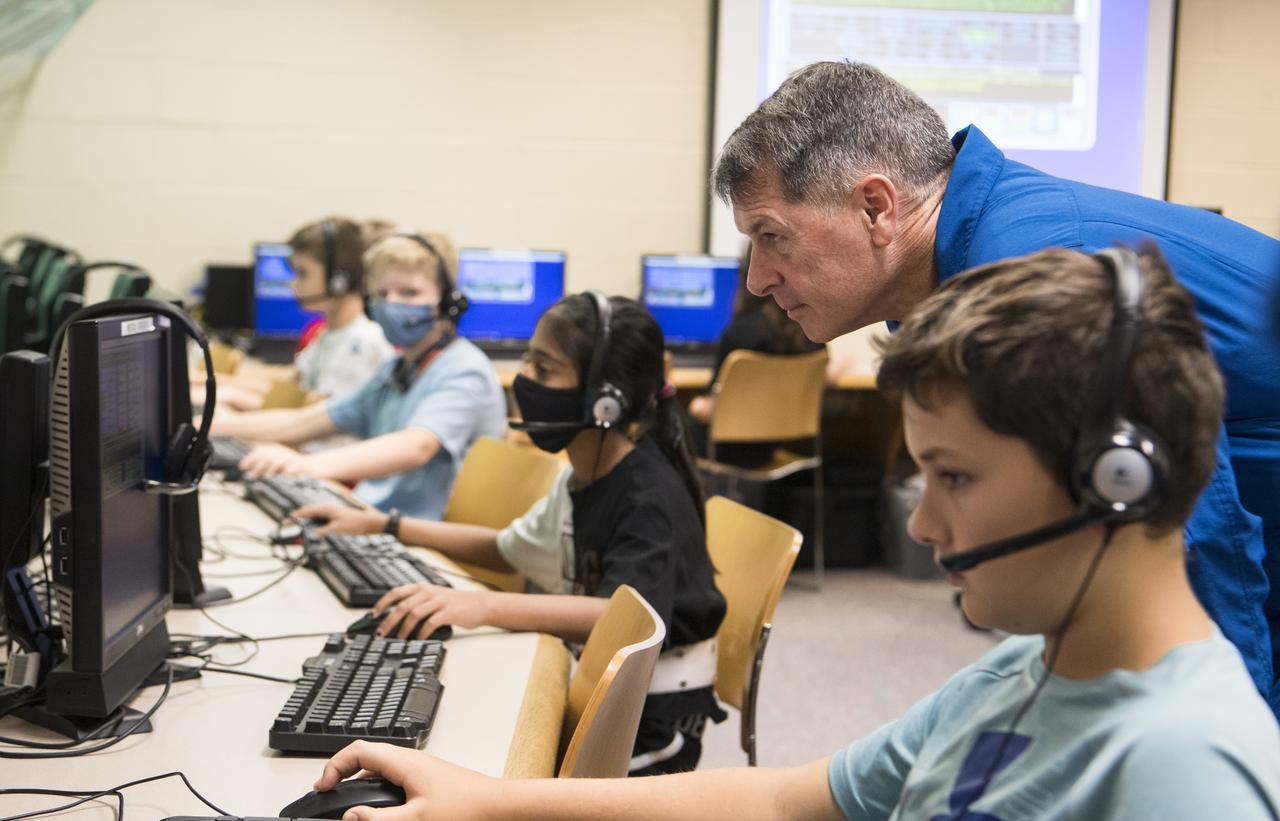
NASA’s SpaceX Crew-2 NASA astronaut Shane Kimbrough surveys what students in the tech crew in the Space Shuttle Simulator room are doing during a visit to Arlington Science Focus Elementary School, Friday, June 10, 2022, in Arlington, Virginia. Photo Credit: (NASA/Aubrey Gemignani)
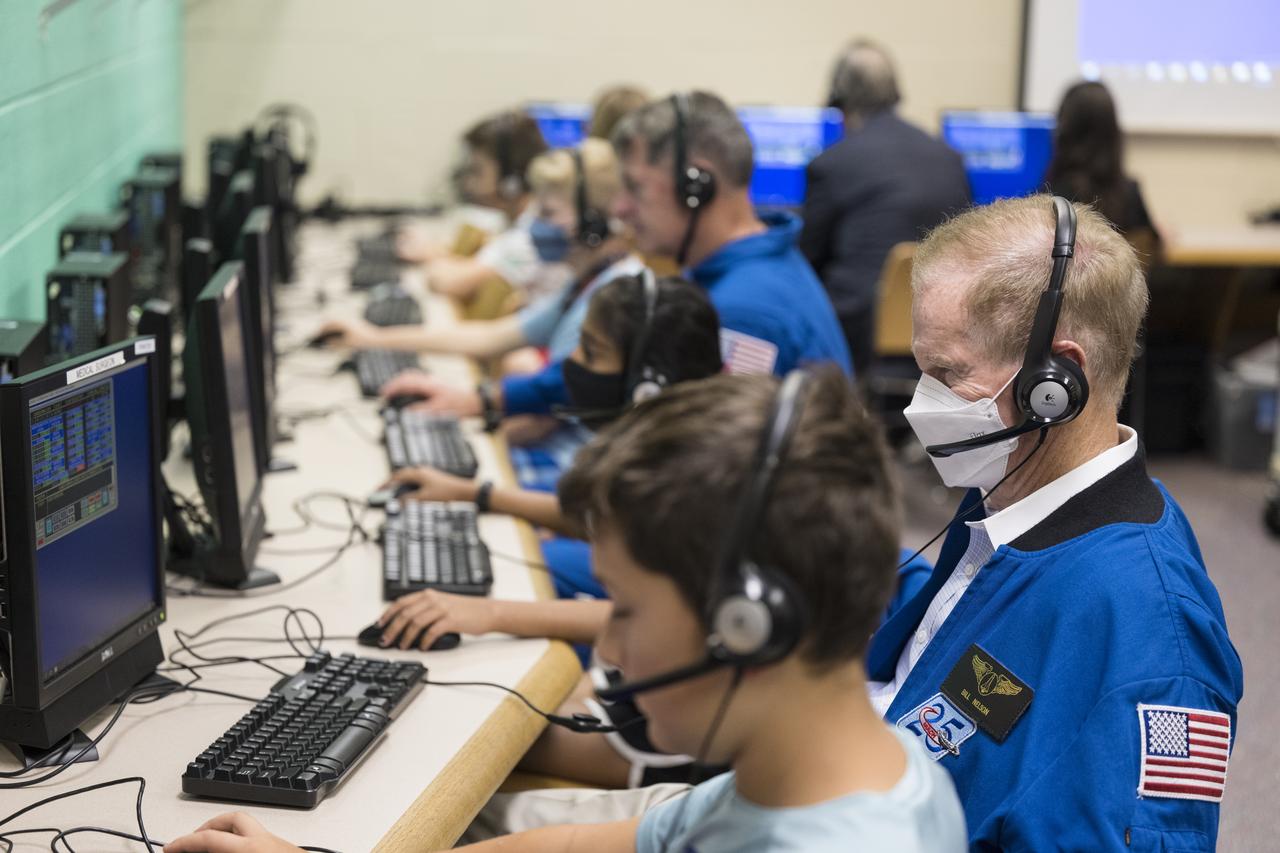
NASA Administrator Bill Nelson surveys what students in the tech crew in the Space Shuttle Simulator room are doing during a visit to Arlington Science Focus Elementary School, Friday, June 10, 2022, in Arlington, Virginia. Photo Credit: (NASA/Aubrey Gemignani)
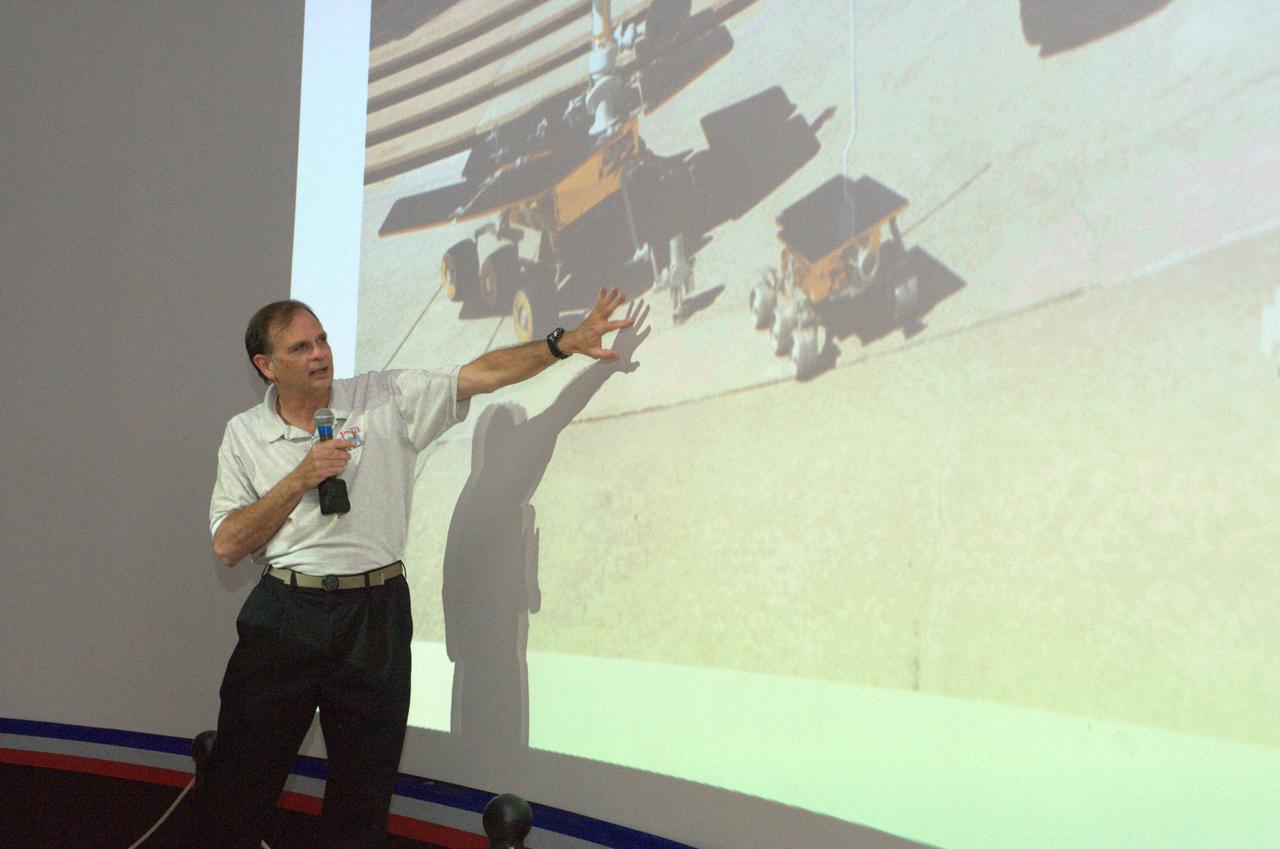
Tech Talk on Extreme Rovers: Unveiling the latest findings of Robotic Exploration of Extreme Environments shown in the Immersve Theater NASA Ames Exploration Center Bldg 943A Michael Sims, NASA Ames gives a presentation on 'Operating Rovers on Mars'
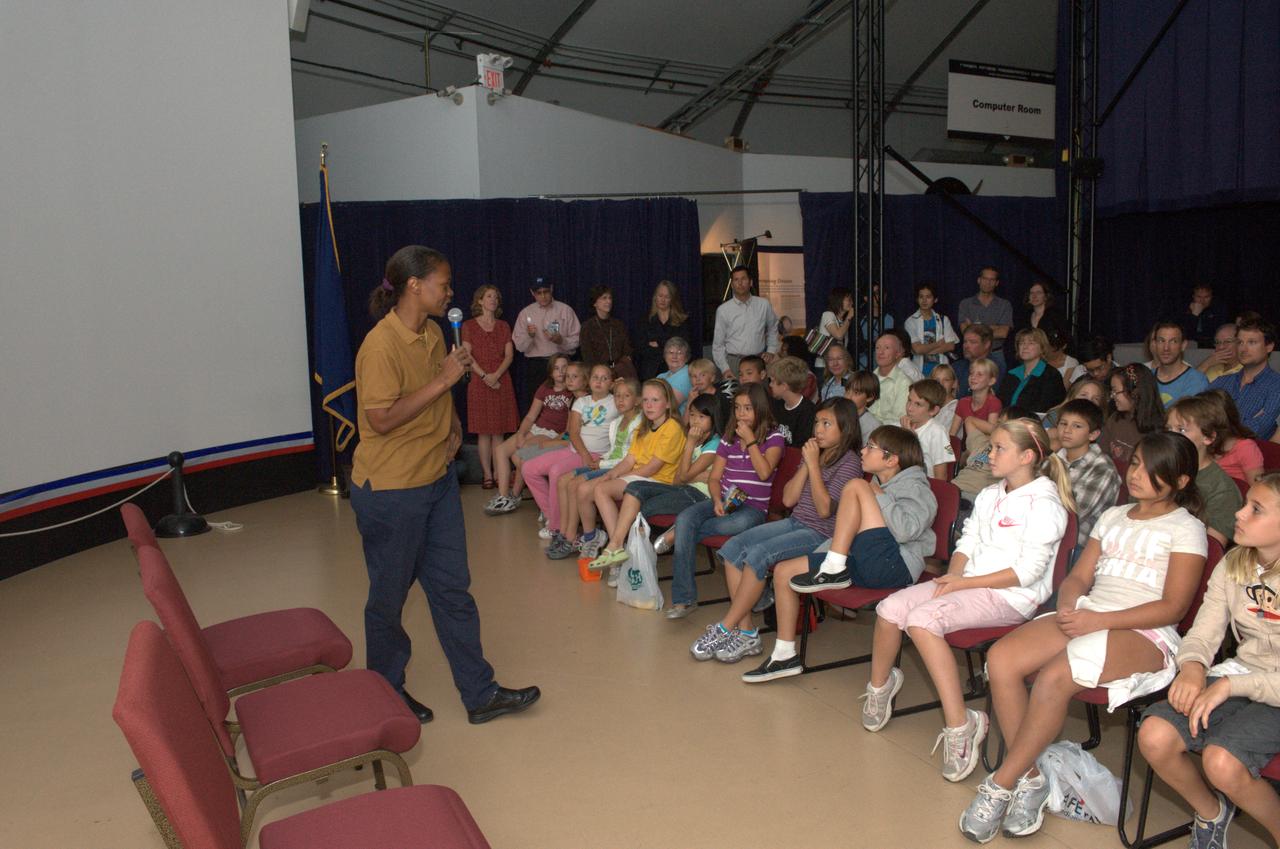
Tech Talk on Extreme Rovers: Unveiling the latest findings of Robotic Exploration of Extreme Environments shown in the Immersve Theater NASA Ames Exploration Center Blsg 943A. Introduction by NASA Astronaut Yvonne Cagle on assignment at Ames Research Center.

Sharad Bhaskaran, mission director for Pittsburgh-based Astrobotic, delivers the monthly Tech Talk on Sept. 12 in Building 4221 at NASA’s Marshall Space Flight Center. Bhaskaran presented Astrobotic’s Peregrine lunar lander which will deliver payloads to the surface of the Moon for government and commercial customers, including NASA.
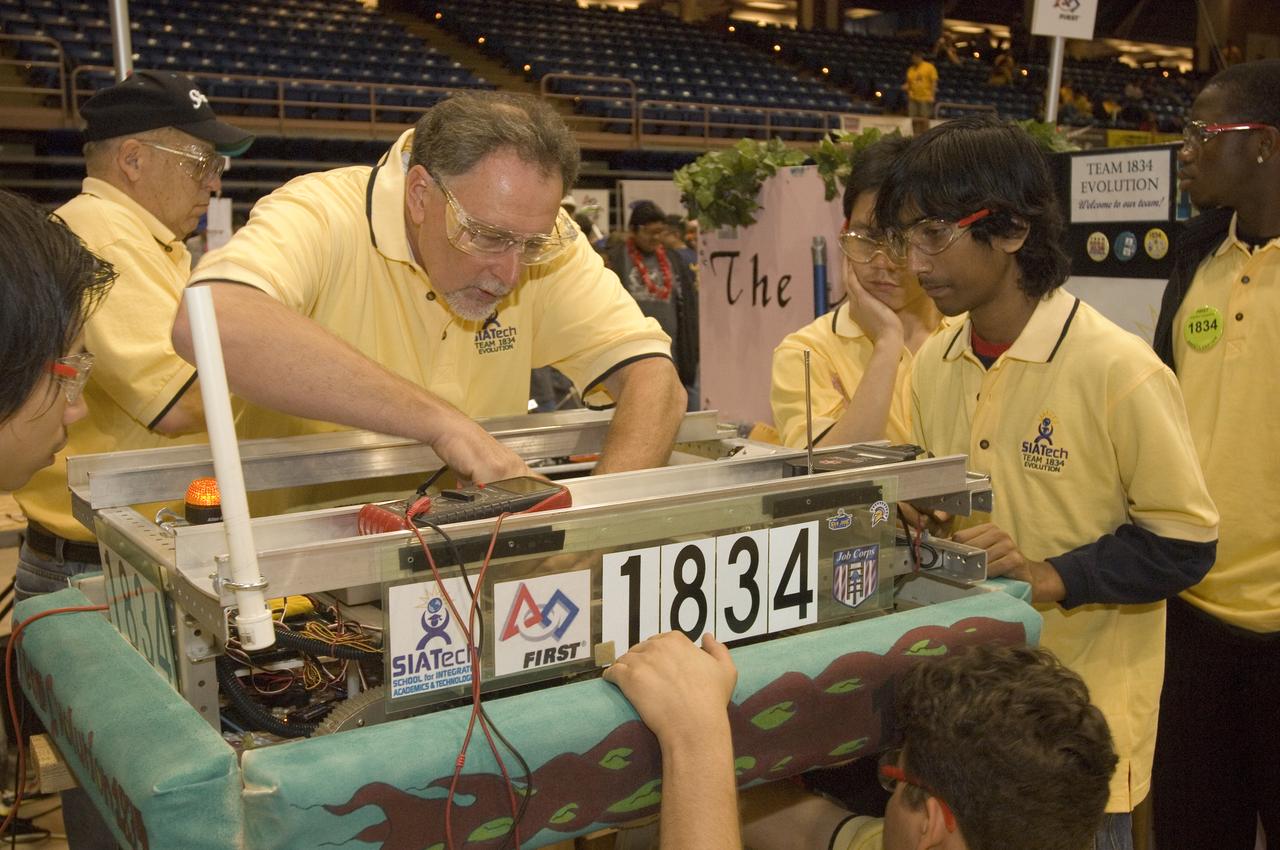
Silicon Valley FIRST Regional Robotics competition: Evolution Team 1834 - NASA/Google/NASA Robotics Education FIRST Spnsorship program/San Jose Job Corps/MetroED & SIA Tech, San Jose, California (CA)s Cheezy Poofs team-1834
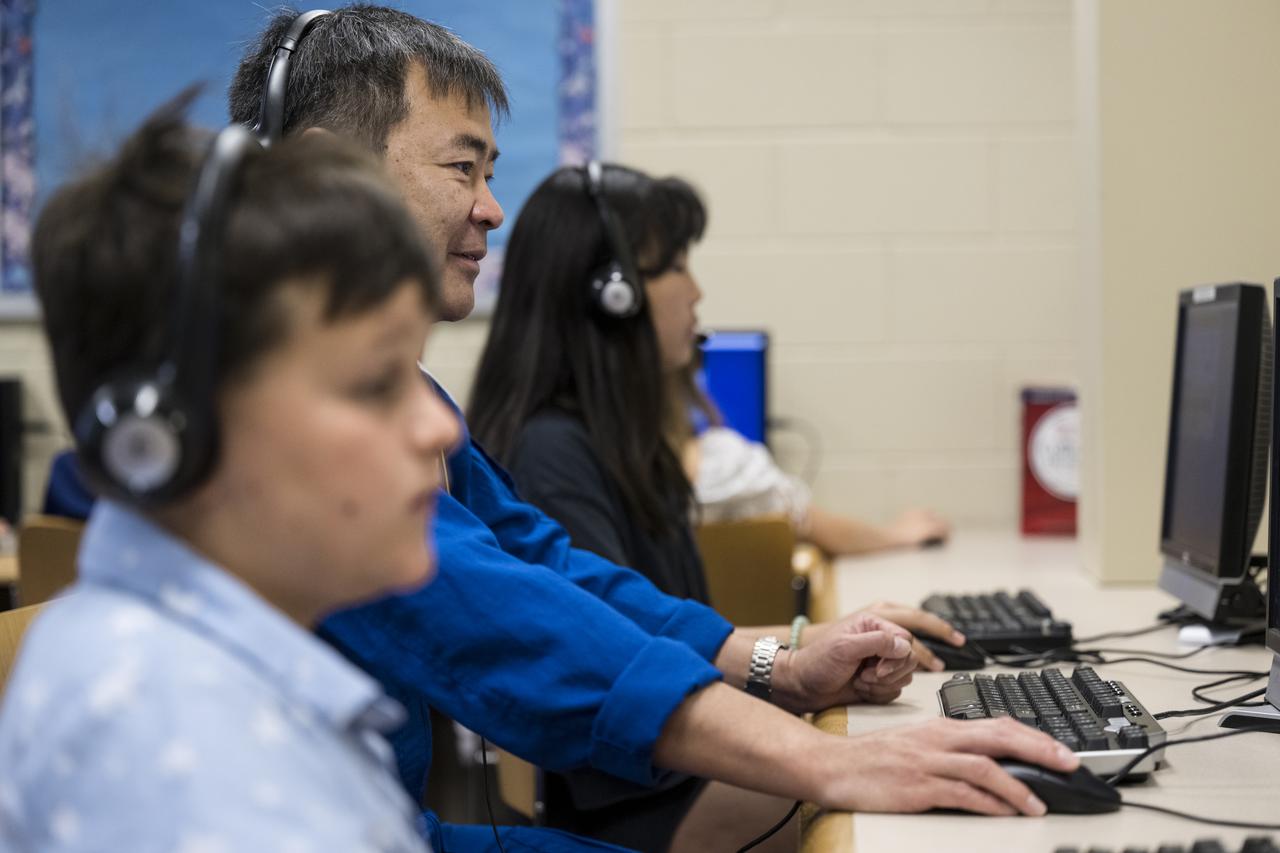
NASA’s SpaceX Crew-2 Japan Aerospace Exploration Agency (JAXA) astronaut Akihiko Hoshide surveys what students in the tech crew in the Space Shuttle Simulator room are doing during a visit to Arlington Science Focus Elementary School, Friday, June 10, 2022, in Arlington, Virginia. Photo Credit: (NASA/Aubrey Gemignani)
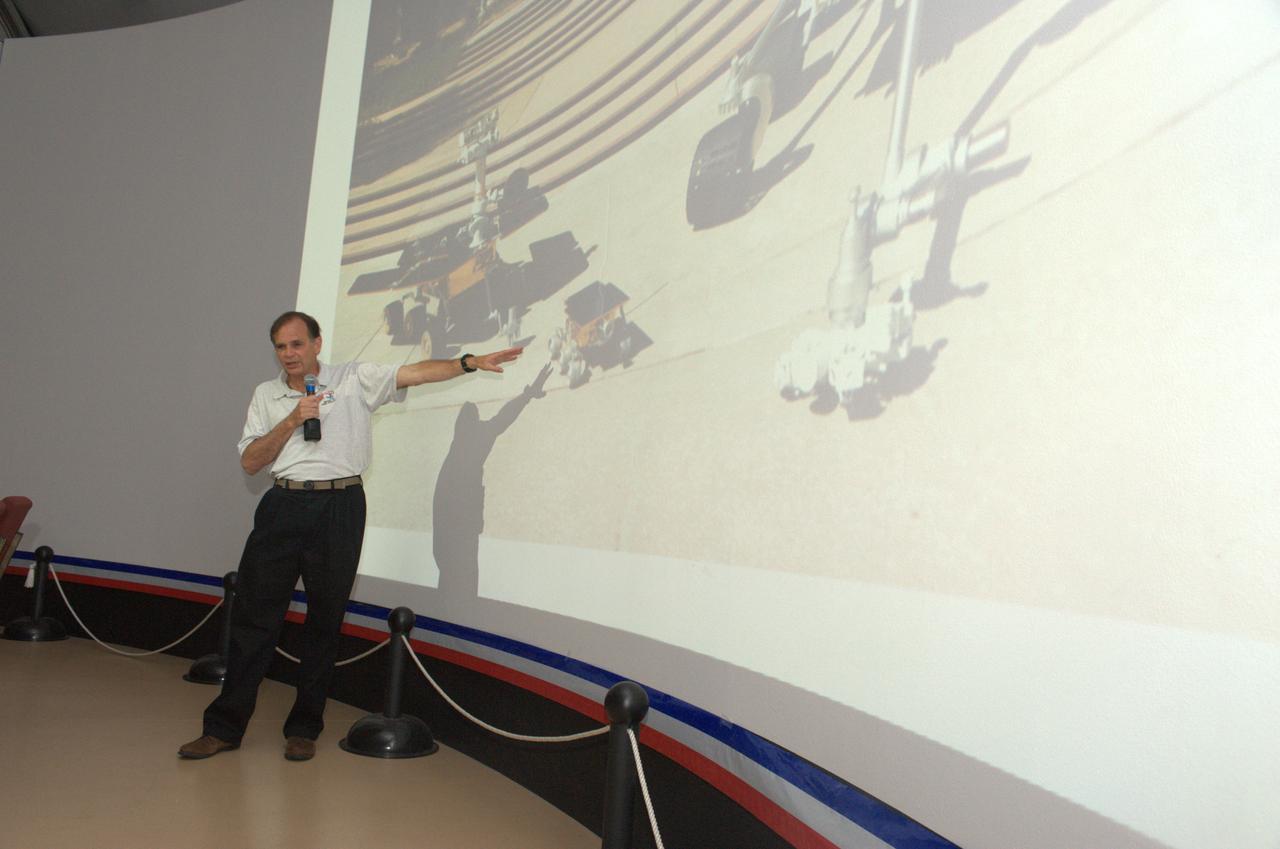
Tech Talk on Extreme Rovers: Unveiling the latest findings of Robotic Exploration of Extreme Environments shown in the Immersve Theater NASA Ames Exploration Center Bldg 943A Michael Sims, NASA Ames gives a presentation on 'Operating Rovers on Mars'
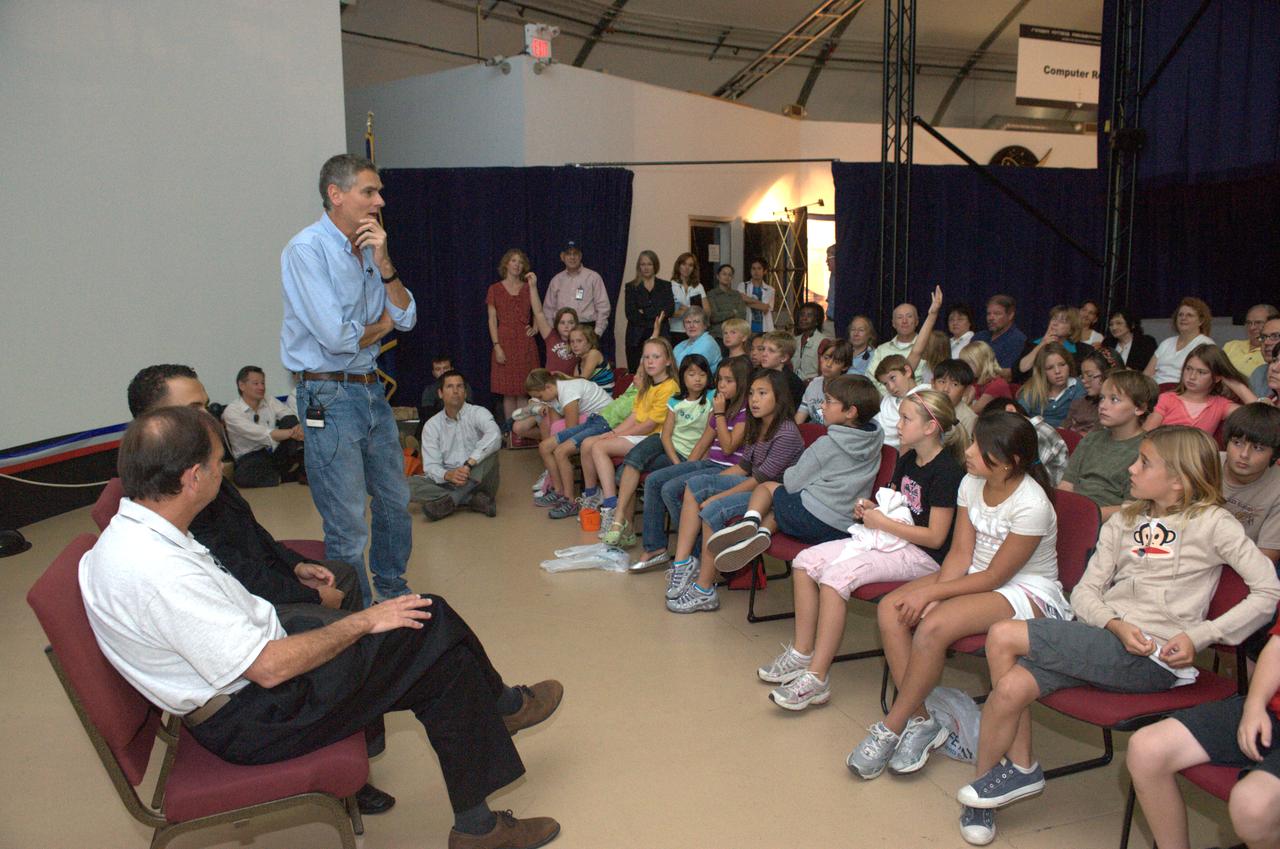
Tech Talk on Extreme Rovers: Unveiling the latest findings of Robotic Exploration of Extreme Environments shown in the Immersve Theater NASA Ames Exploration Center Bldg 943A Dr Chris McKay of Ames offers open discussion about rovers in the exporation of Earth, the Moon and Mars.
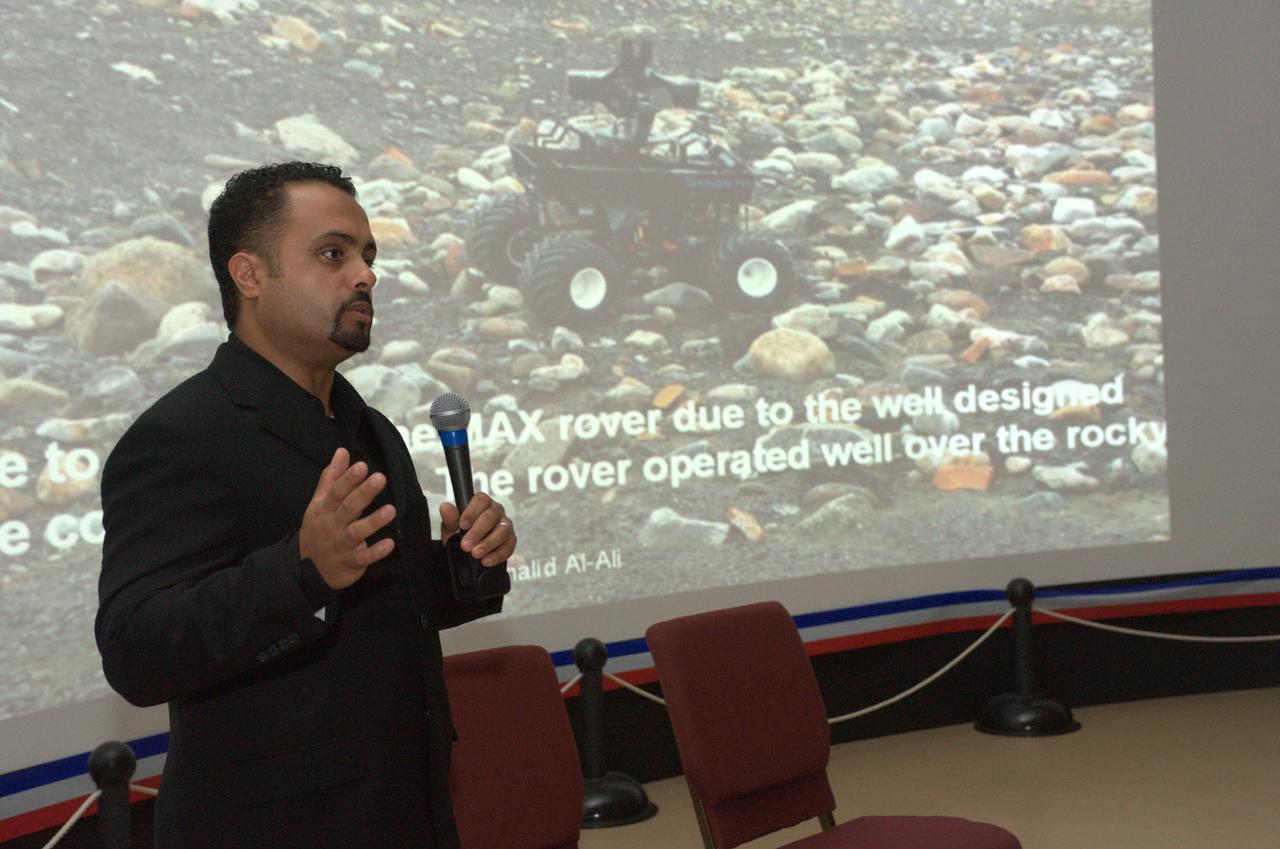
Tech Talk on Extreme Rovers: Unveiling the latest findings of Robotic Exploration of Extreme Environments shown in the Immersve Theater NASA Ames Exploration Center Bldg 943A KbalidAl-Ali CMU - West gives presentation on 'Practical Rover Technology'
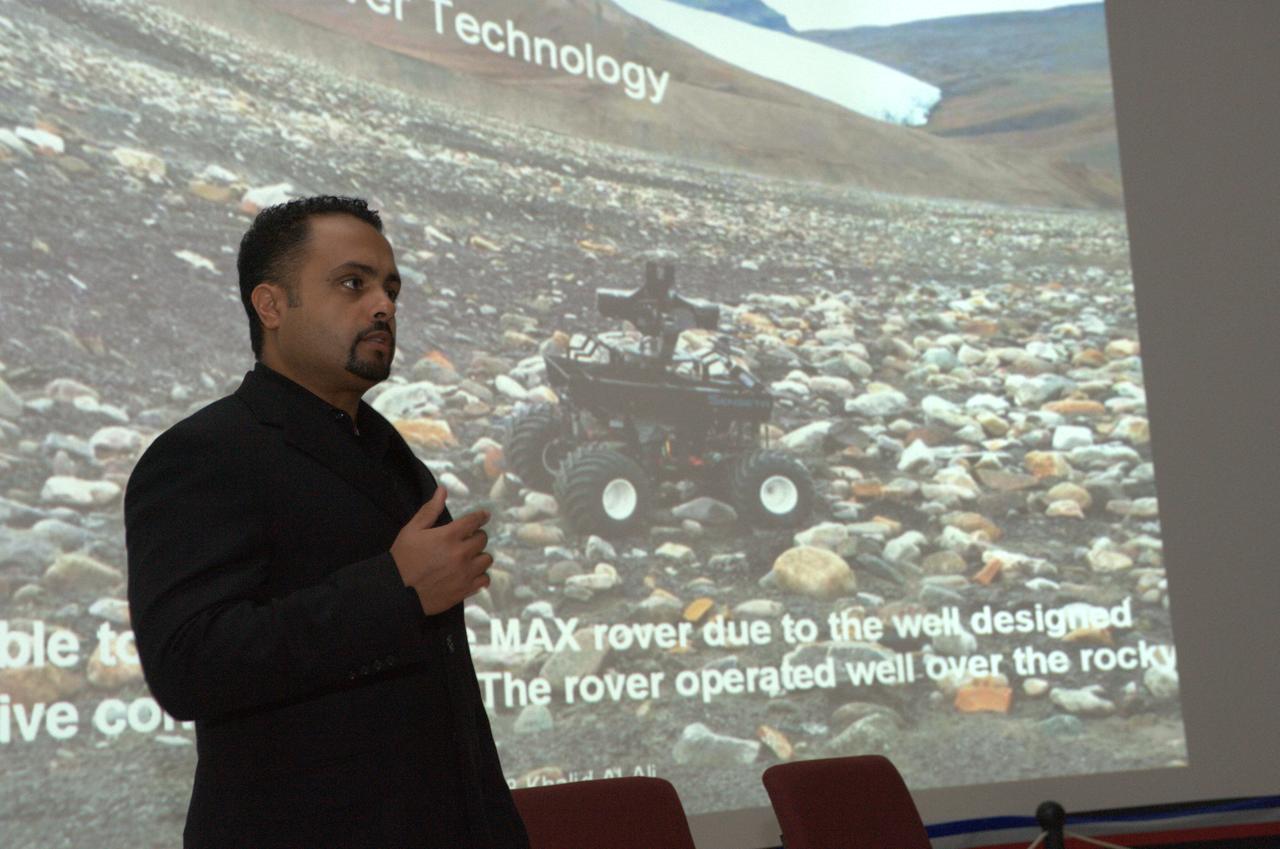
Tech Talk on Extreme Rovers: Unveiling the latest findings of Robotic Exploration of Extreme Environments shown in the Immersve Theater NASA Ames Exploration Center Bldg 943A KbalidAl-Ali CMU - West gives presentation on 'Practical Rover Technology'
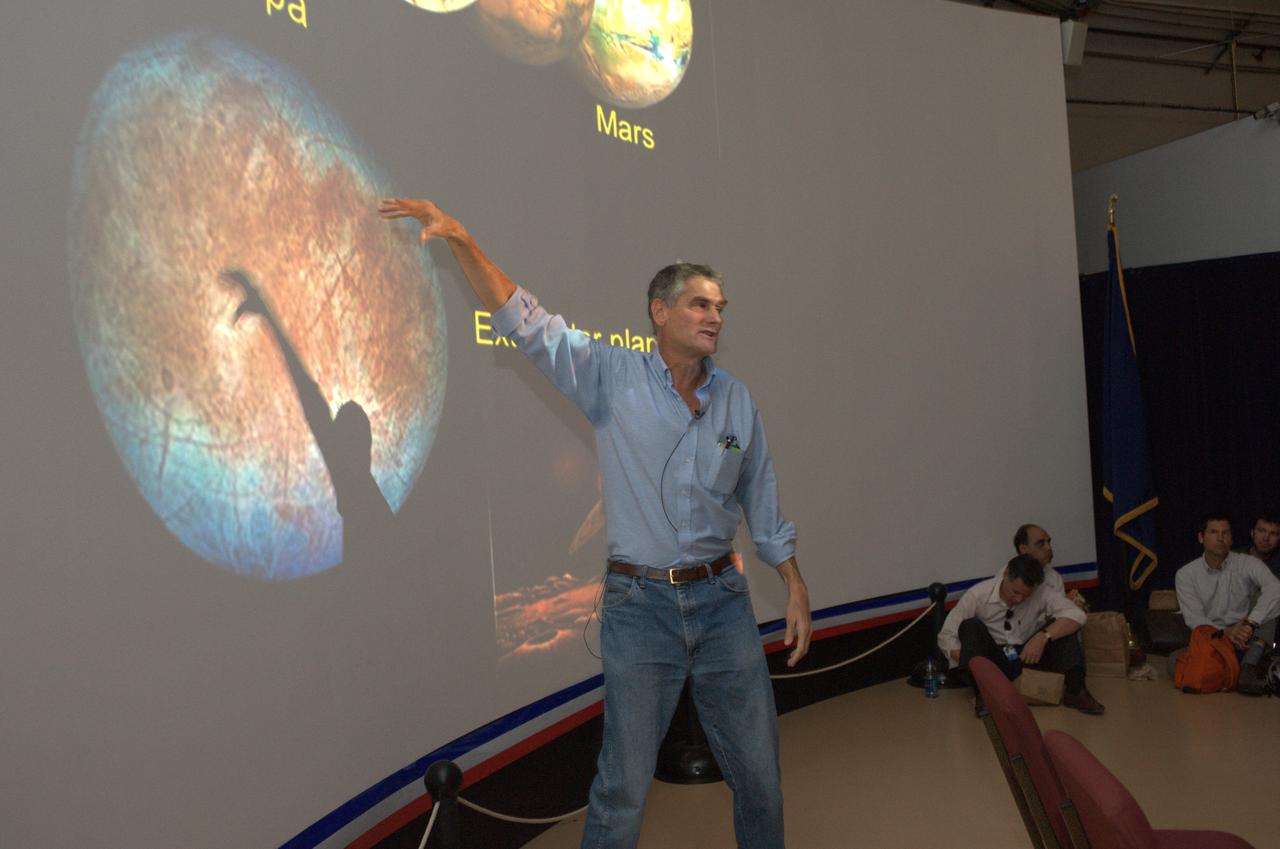
Tech Talk on Extreme Rovers: Unveiling the latest findings of Robotic Exploration of Extreme Environments shown in the Immersve Theater NASA Ames Exploration Center Bldg 943A Dr Chris McKay of Ames offers open discussion about rovers in the exporation of Earth, the Moon and Mars.
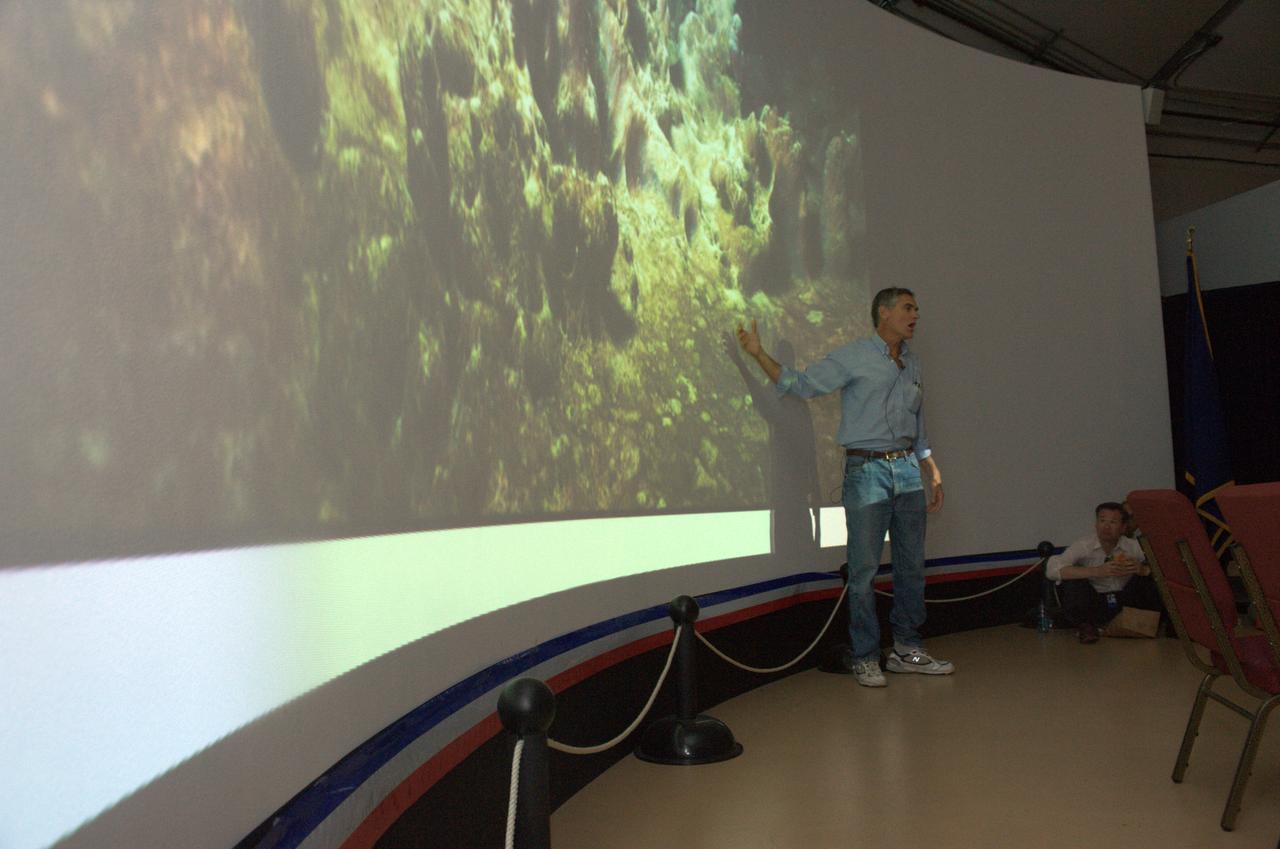
Tech Talk on Extreme Rovers: Unveiling the latest findings of Robotic Exploration of Extreme Environments shown in the Immersve Theater NASA Ames Exploration Center Bldg 943A Dr Chris McKay of Ames offers open discussion about rovers in the exporation of Earth, the Moon and Mars.
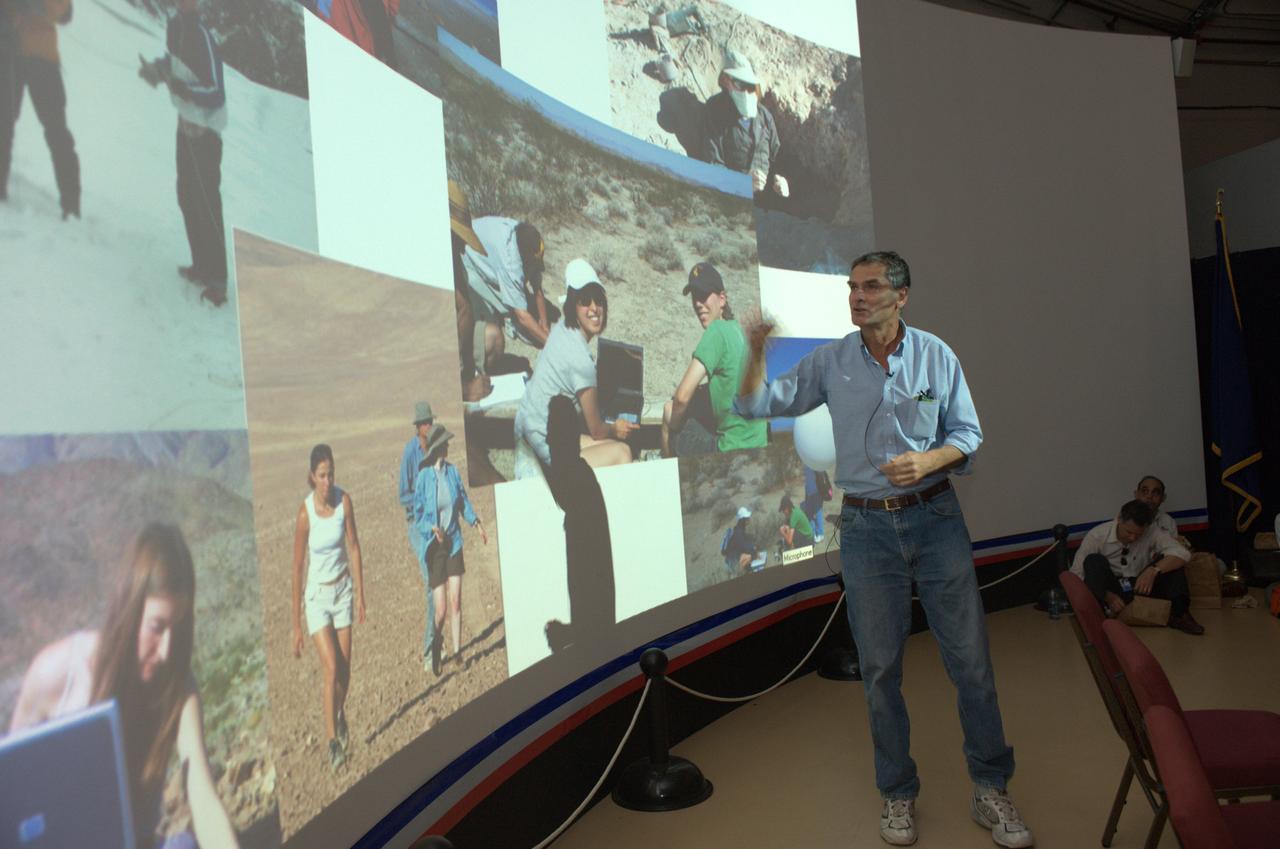
Tech Talk on Extreme Rovers: Unveiling the latest findings of Robotic Exploration of Extreme Environments shown in the Immersve Theater NASA Ames Exploration Center Bldg 943A Dr Chris McKay of Ames offers open discussion about rovers in the exporation of Earth, the Moon and Mars.
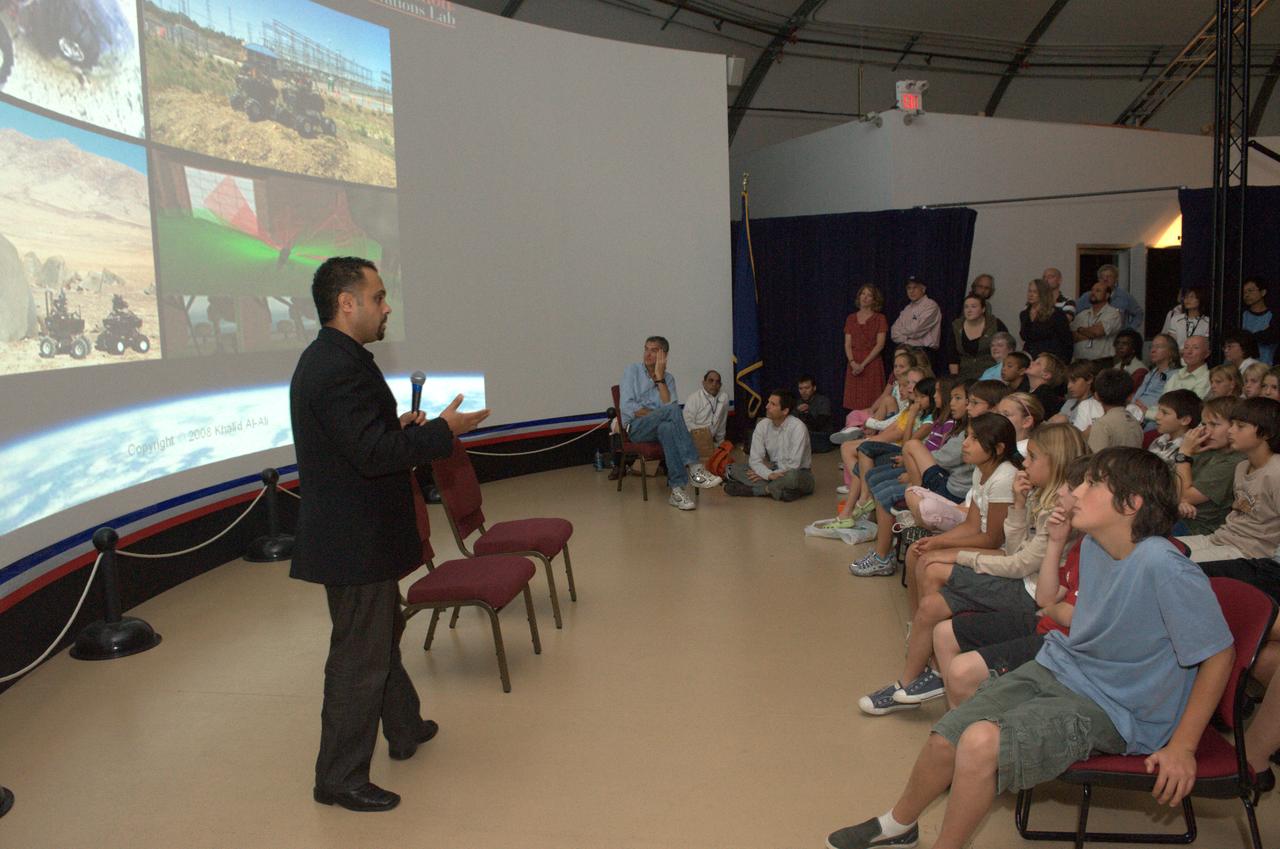
Tech Talk on Extreme Rovers: Unveiling the latest findings of Robotic Exploration of Extreme Environments shown in the Immersve Theater NASA Ames Exploration Center Bldg 943A KbalidAl-Ali CMU - West gives presentation on 'Practical Rover Technology'

iss074e0361940 (March 5, 2026) --- Campinas, Brazil, with a metropolitan population of nearly 3.5 million, is a high‑tech and industrial powerhouse with a tropical savanna climate located just northwest of São Paulo. The International Space Station was orbiting 265 miles above the Atlantic Ocean at the time of this photograph. Credit: NASA/Jessica Meir
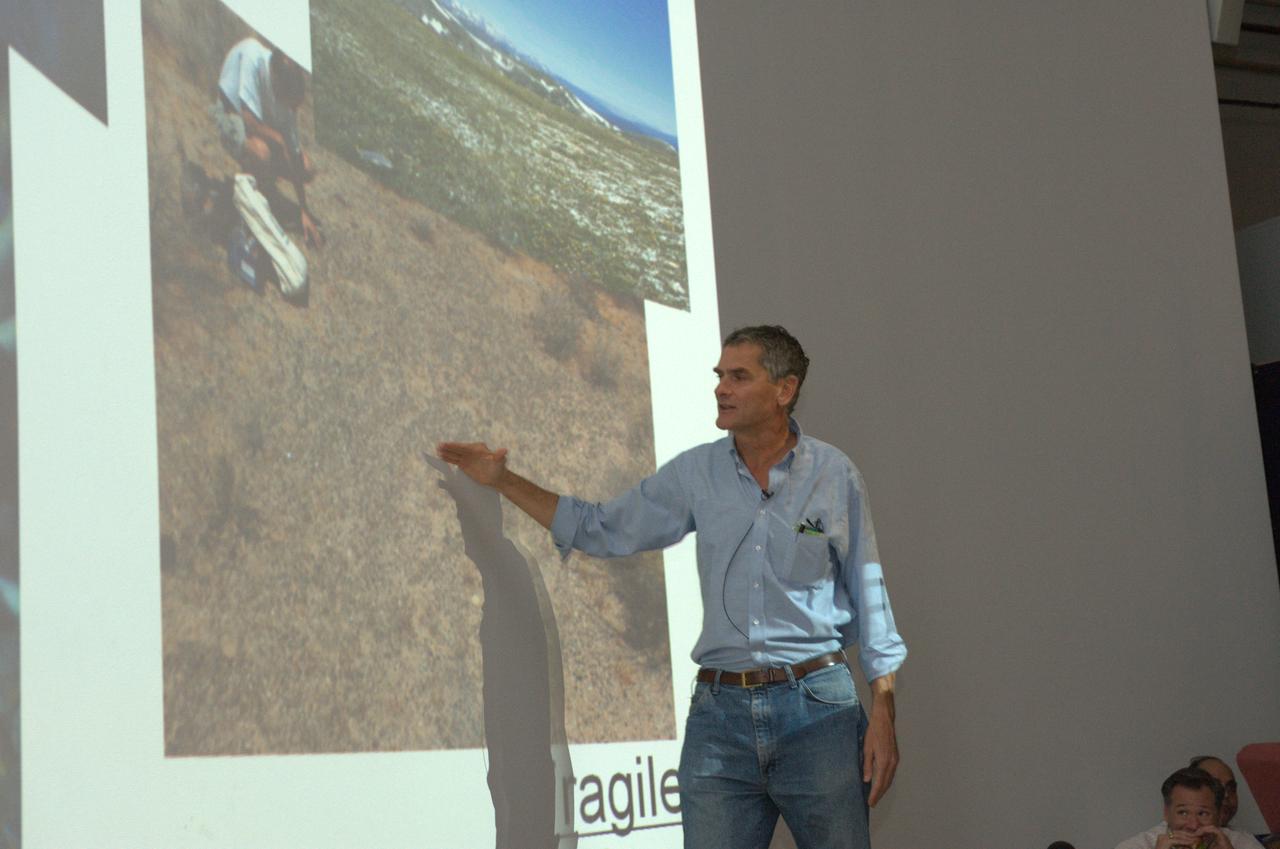
Tech Talk on Extreme Rovers: Unveiling the latest findings of Robotic Exploration of Extreme Environments shown in the Immersve Theater NASA Ames Exploration Center Bldg 943A Dr Chris McKay of Ames offers open discussion about rovers in the exporation of Earth, the Moon and Mars.
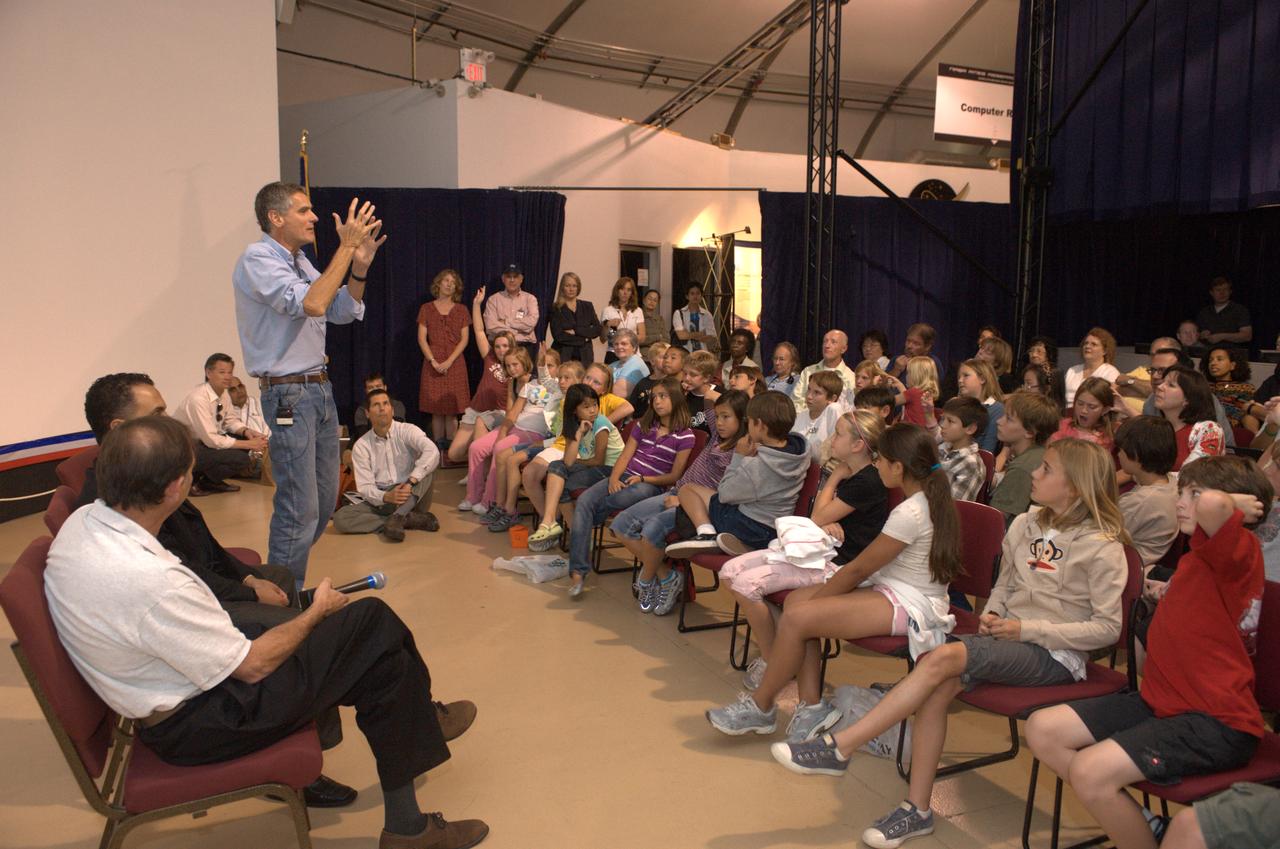
Tech Talk on Extreme Rovers: Unveiling the latest findings of Robotic Exploration of Extreme Environments shown in the Immersve Theater NASA Ames Exploration Center Bldg 943A Dr Chris McKay of Ames offers open discussion about rovers in the exporation of Earth, the Moon and Mars.
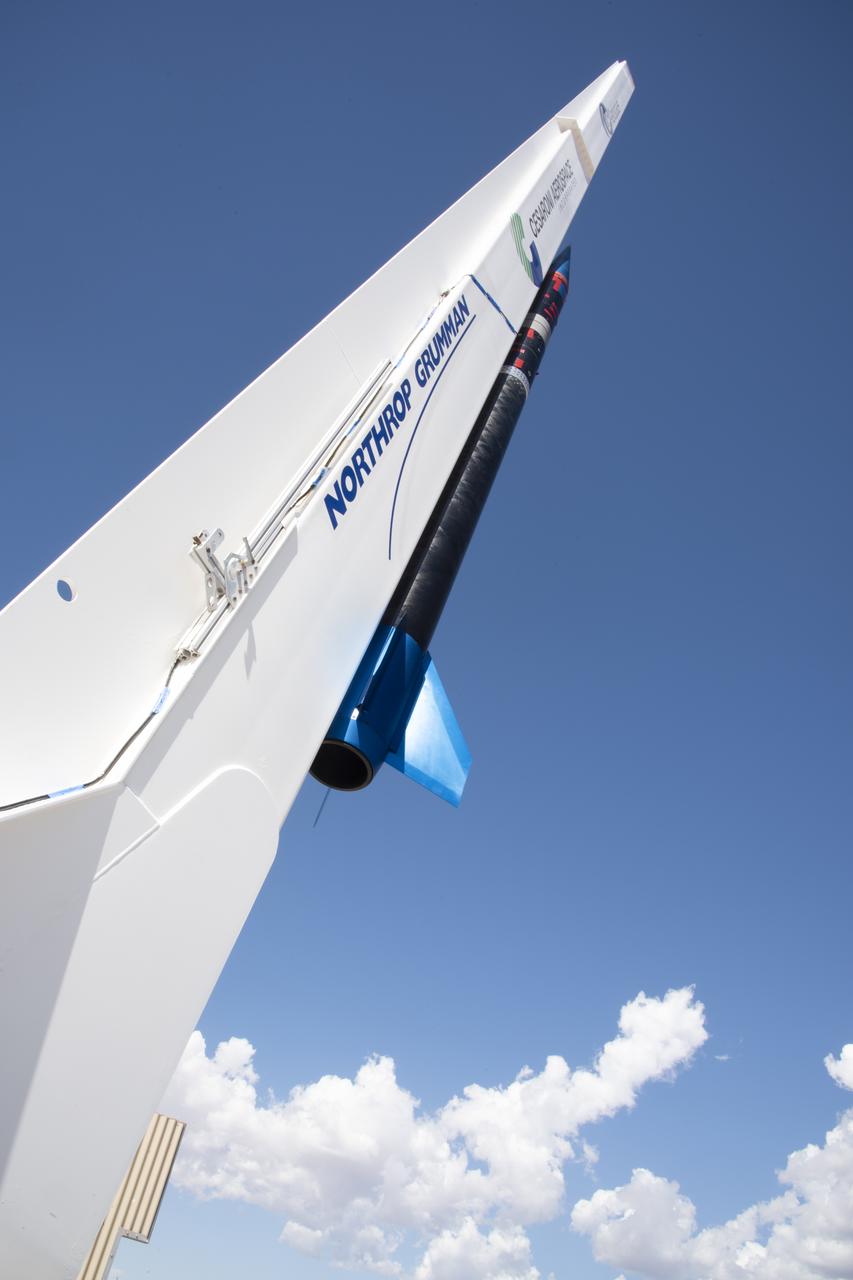
NASA's Flight Opportunities funds flight of space technology on UP Aerospace's rocket poised to launch at Spaceport America in New Mexico.
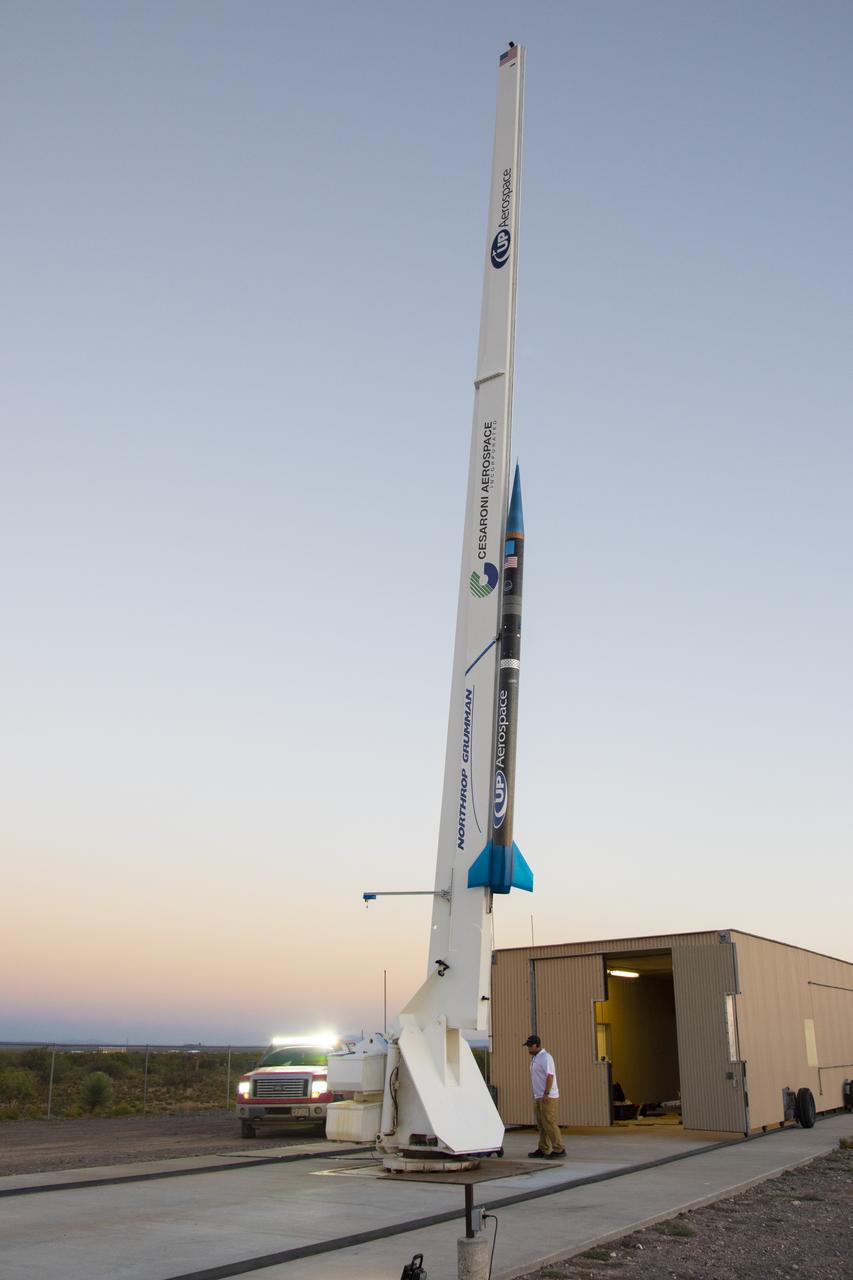
NASA's Flight Opportunities funds flight of space technology on UP Aerospace's rocket poised to launch at Spaceport America in New Mexico.
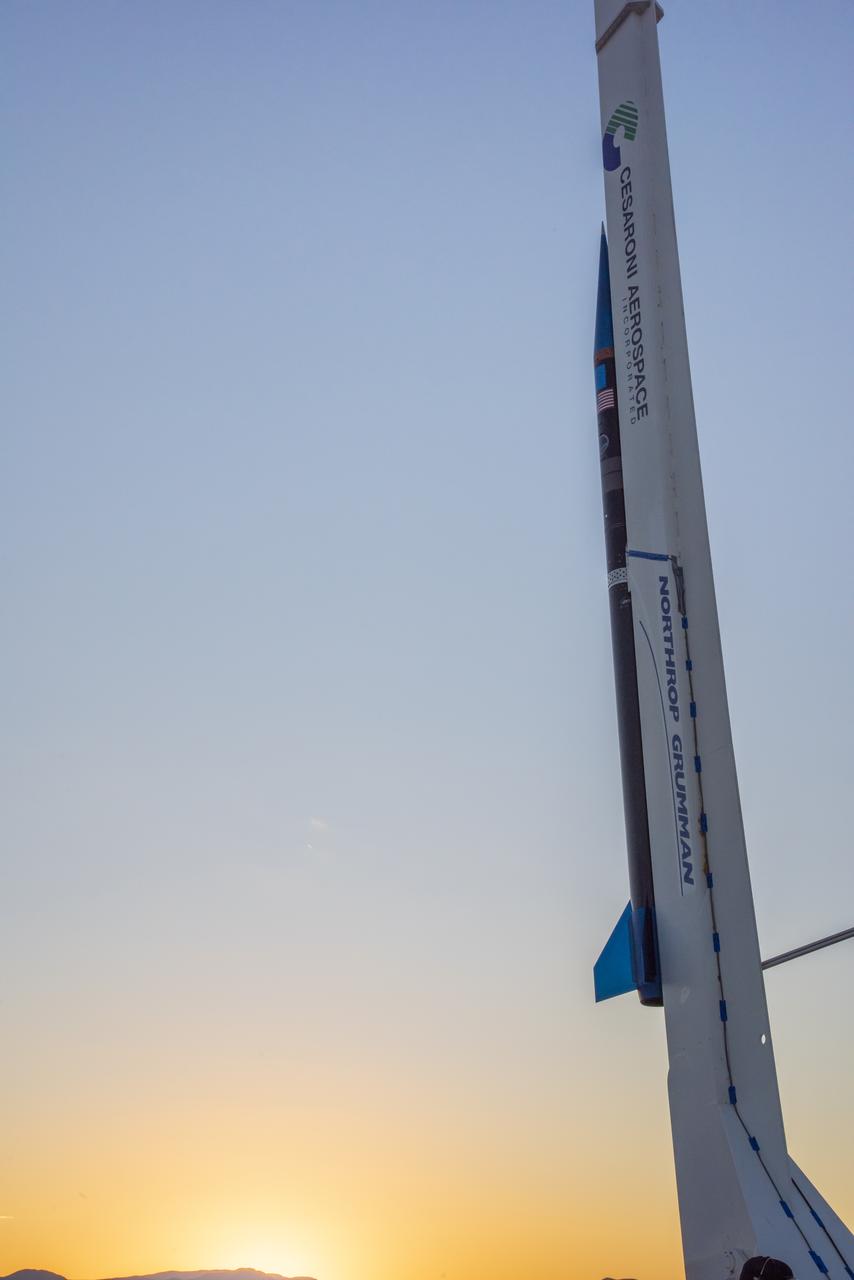
NASA’s Flight Opportunities funds flight of space technology on UP Aerospace’s rocket poised to launch at Spaceport America in New Mexico.
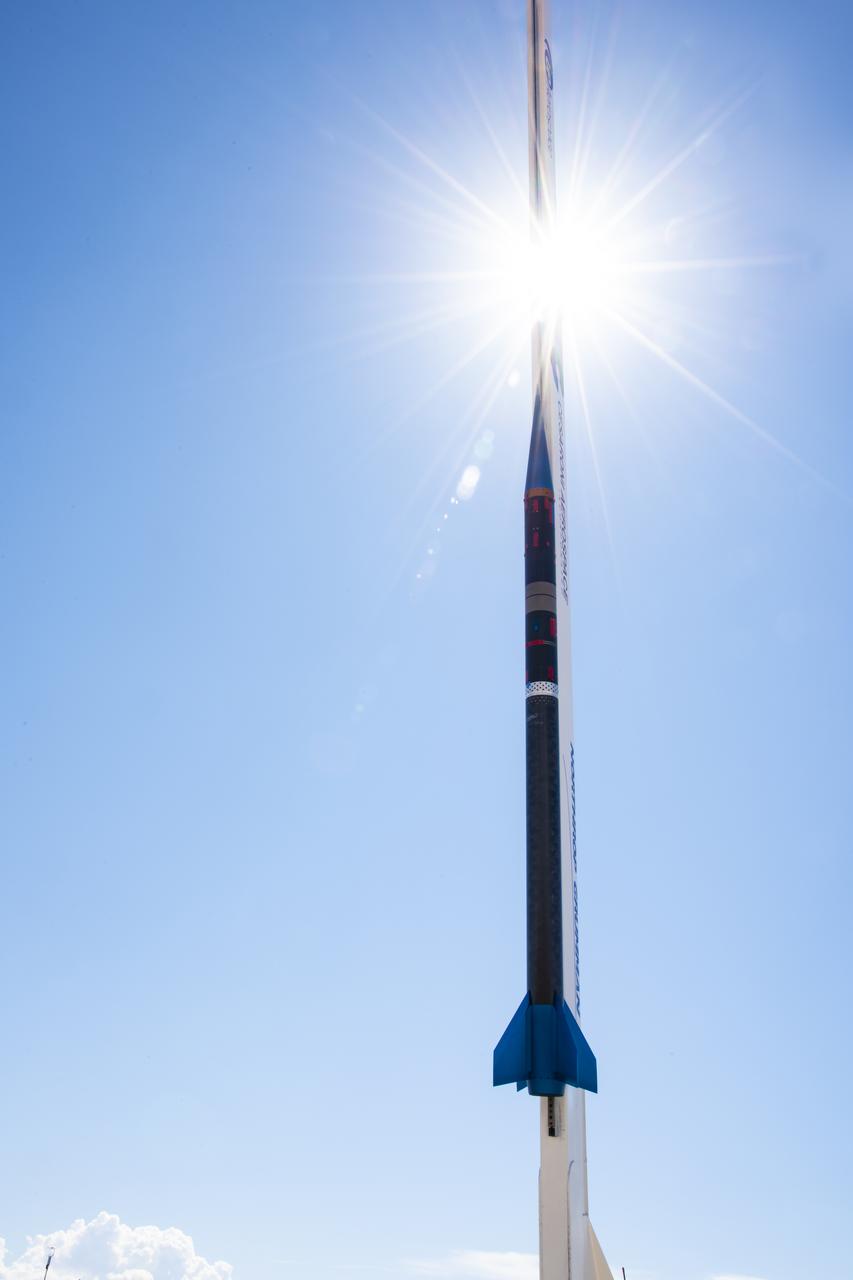
NASA's Flight Opportunities funds flight of space technology on UP Aerospace's rocket poised to launch at Spaceport America in New Mexico.
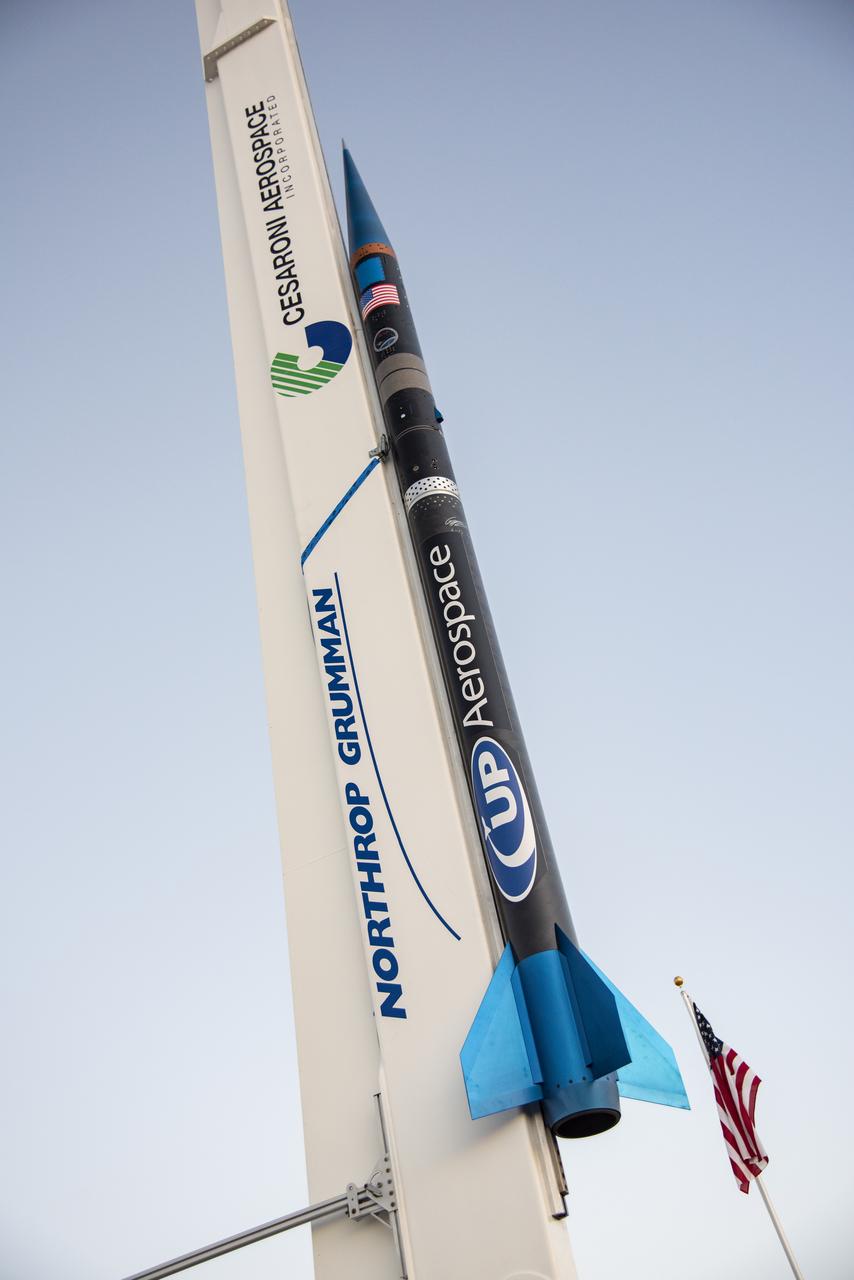
NASA’s Flight Opportunities funds flight of space technology on UP Aerospace’s rocket poised to launch at Spaceport America in New Mexico.
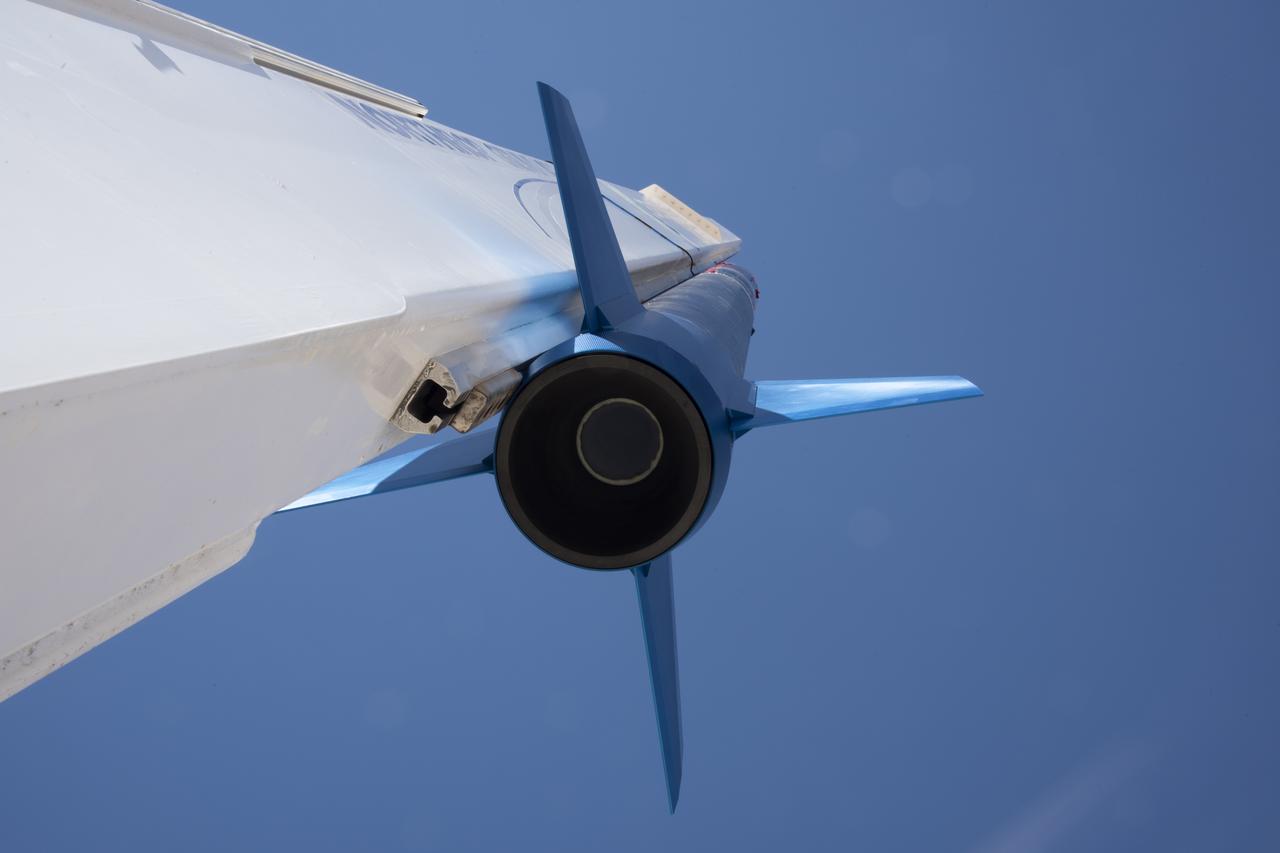
NASA's Flight Opportunities funds flight of space technology on UP Aerospace's rocket poised to launch at Spaceport America in New Mexico.
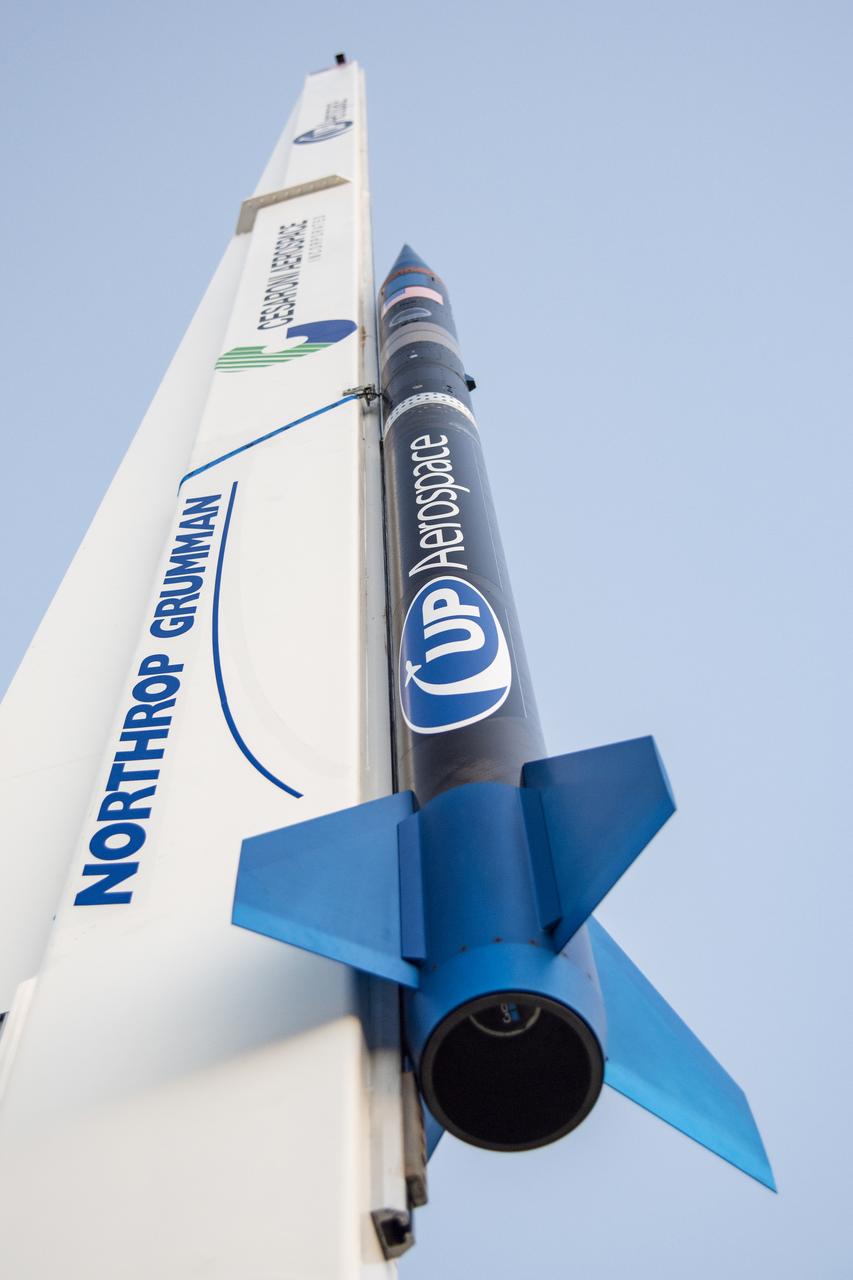
NASA’s Flight Opportunities funds flight of space technology on UP Aerospace’s rocket poised to launch at Spaceport America in New Mexico.
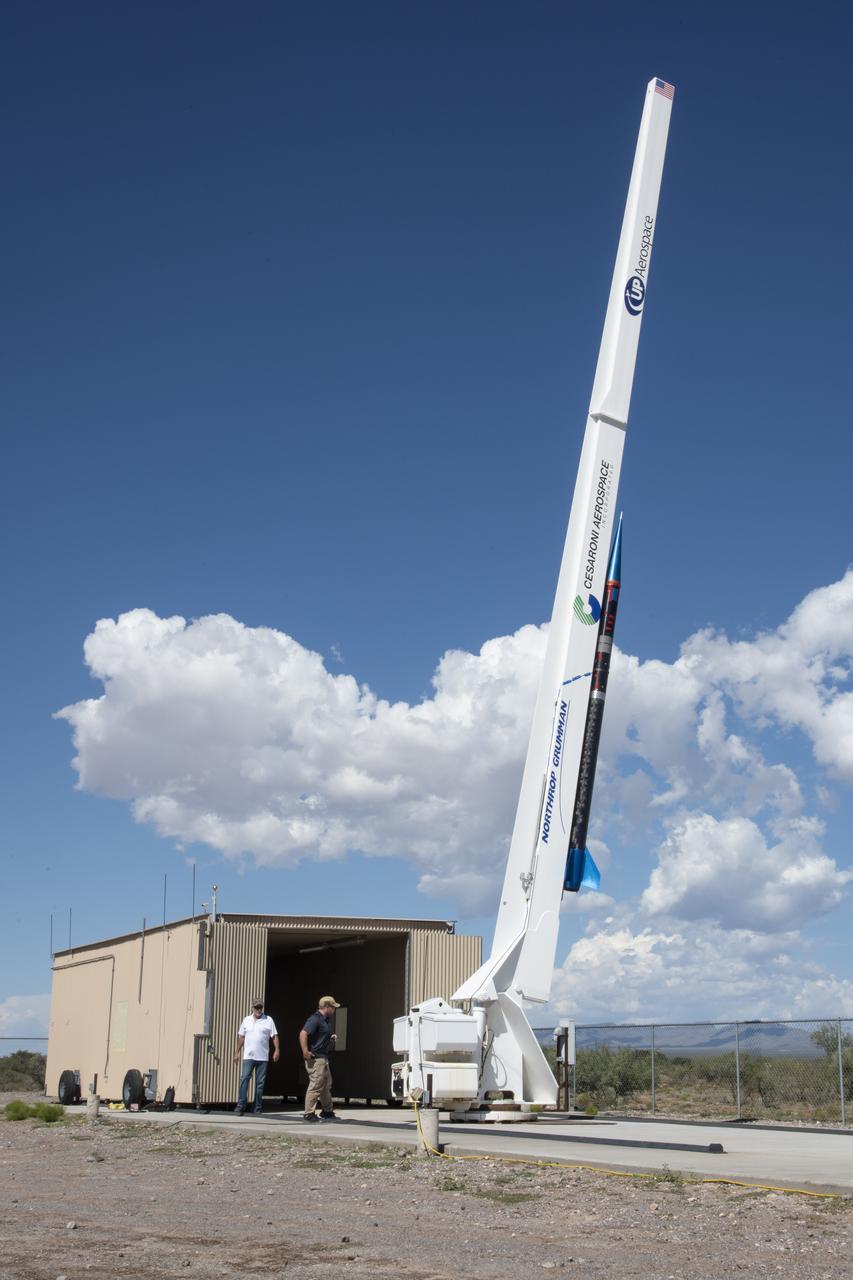
NASA's Flight Opportunities funds flight of space technology on UP Aerospace's rocket poised to launch at Spaceport America in New Mexico.
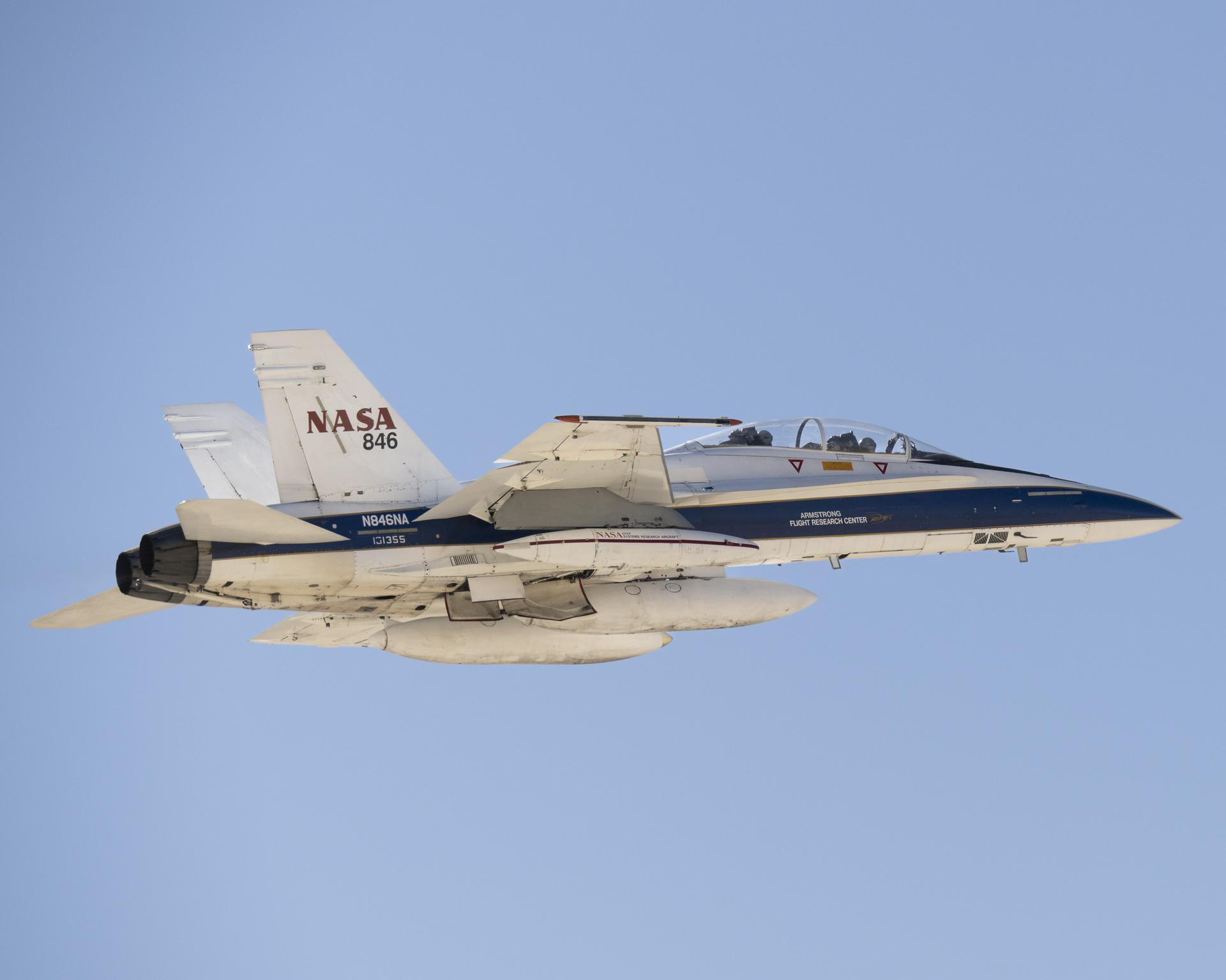
A NASA F/A-18 research aircraft flies near NASA’s Armstrong Flight Research Center in Edwards, California, on Feb. 24, 2025, testing a commercial precision landing technology for future space missions. The Psionic Space Navigation Doppler Lidar (PSNDL) system is installed in a pod located under the right wing of the aircraft.
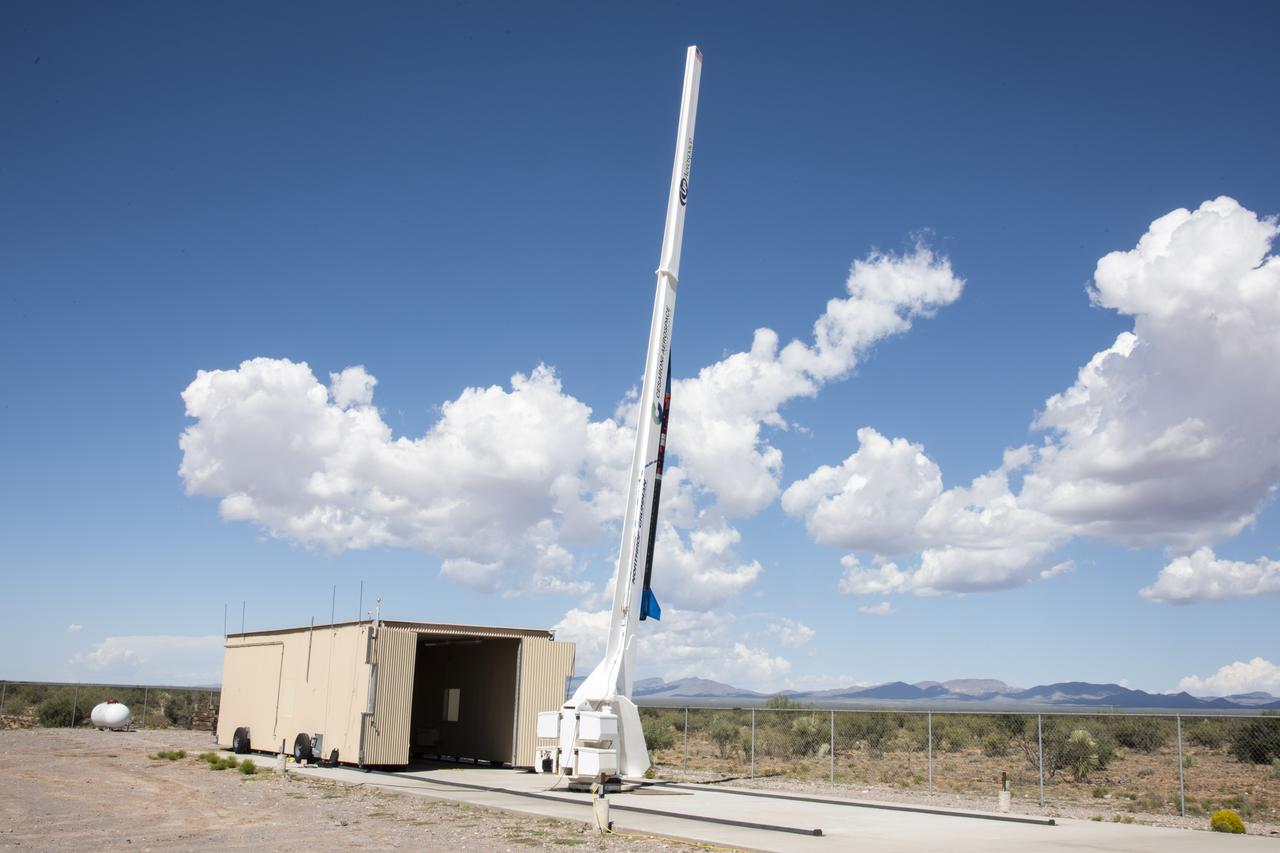
NASA’s Flight Opportunities funds flight of space technology on UP Aerospace’s rocket poised to launch at Spaceport America in New Mexico.
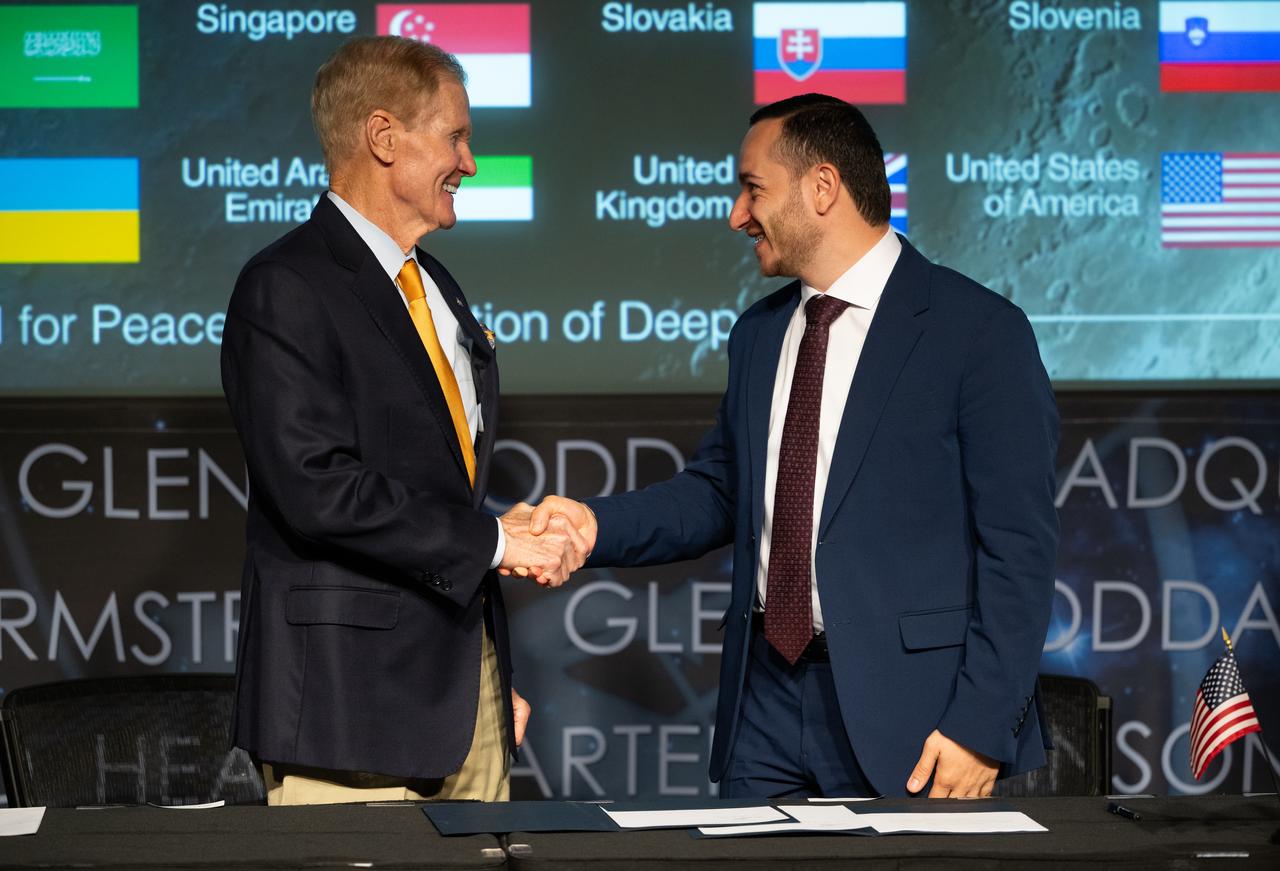
NASA Administrator Bill Nelson, left, and Mkhitar Hayrapetyan, Minister of High-Tech Industry of the Republic of Armenia, shake hands after the signing of the Artemis Accords, Wednesday, June 12, 2024, at the Mary W. Jackson NASA Headquarters building in Washington. The Republic of Armenia is the 43rd country to sign the Artemis Accords, which establish a practical set of principles to guide space exploration cooperation among nations participating in NASA’s Artemis program. Photo Credit: (NASA/Joel Kowsky)
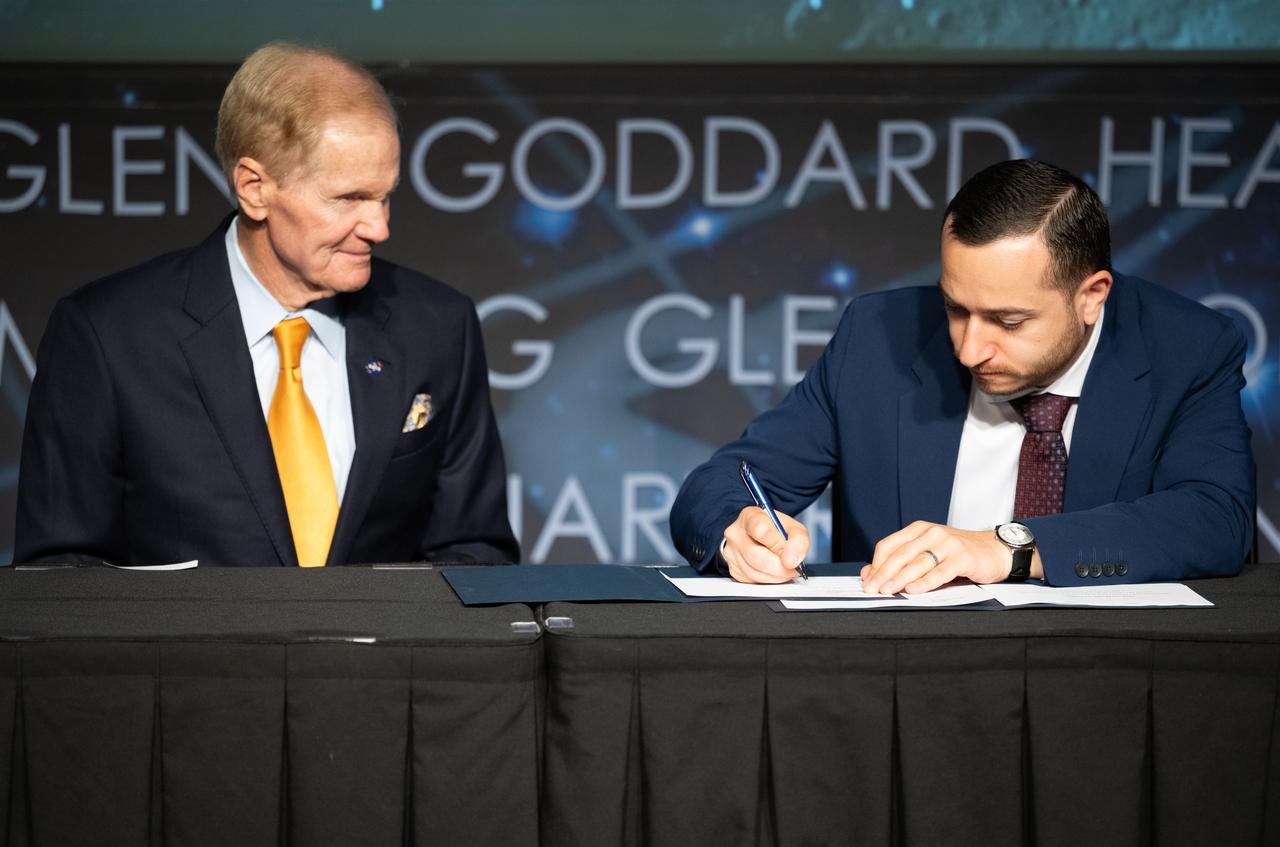
NASA Administrator Bill Nelson looks on as Mkhitar Hayrapetyan, Minister of High-Tech Industry of the Republic of Armenia, signs the Artemis Accords, Wednesday, June 12, 2024, at the Mary W. Jackson NASA Headquarters building in Washington. The Republic of Armenia is the 43rd country to sign the Artemis Accords, which establish a practical set of principles to guide space exploration cooperation among nations participating in NASA’s Artemis program. Photo Credit: (NASA/Joel Kowsky)
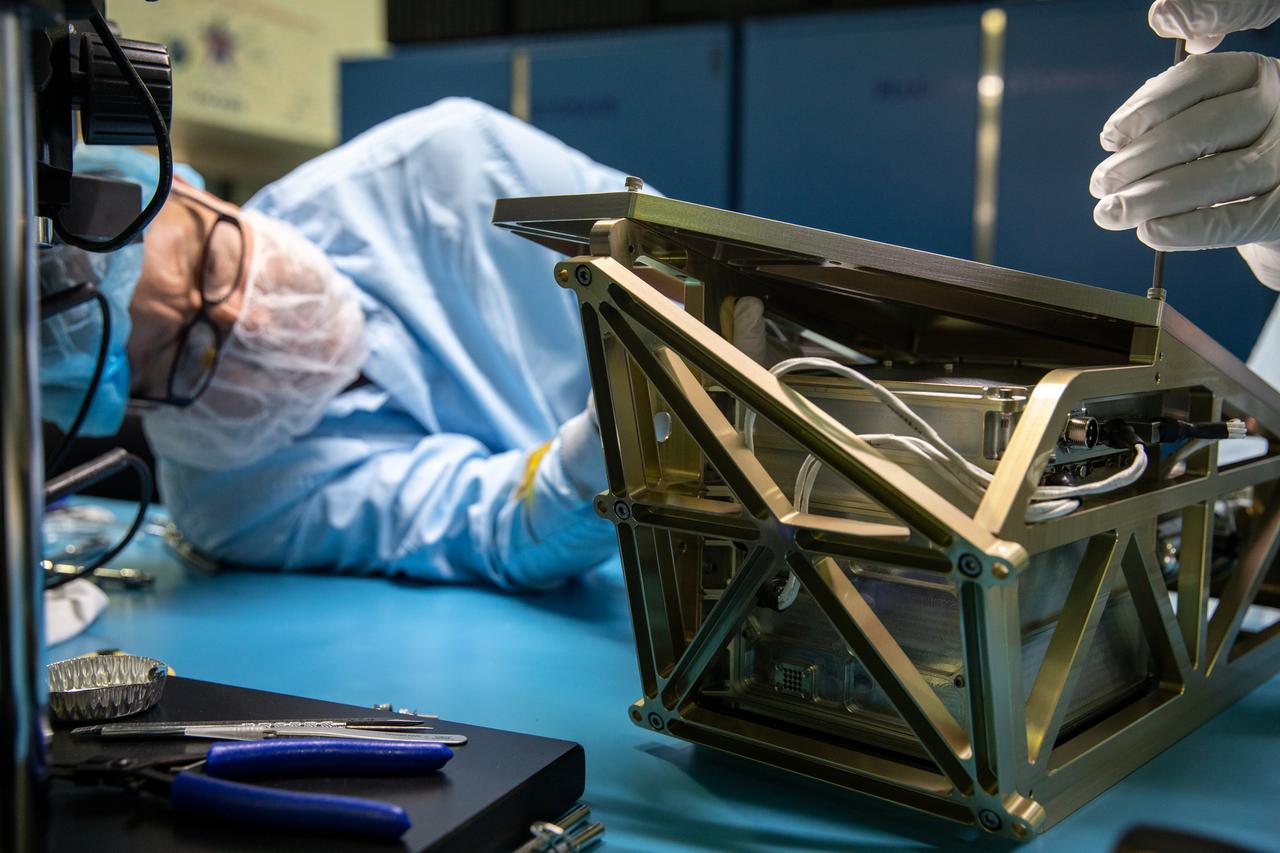
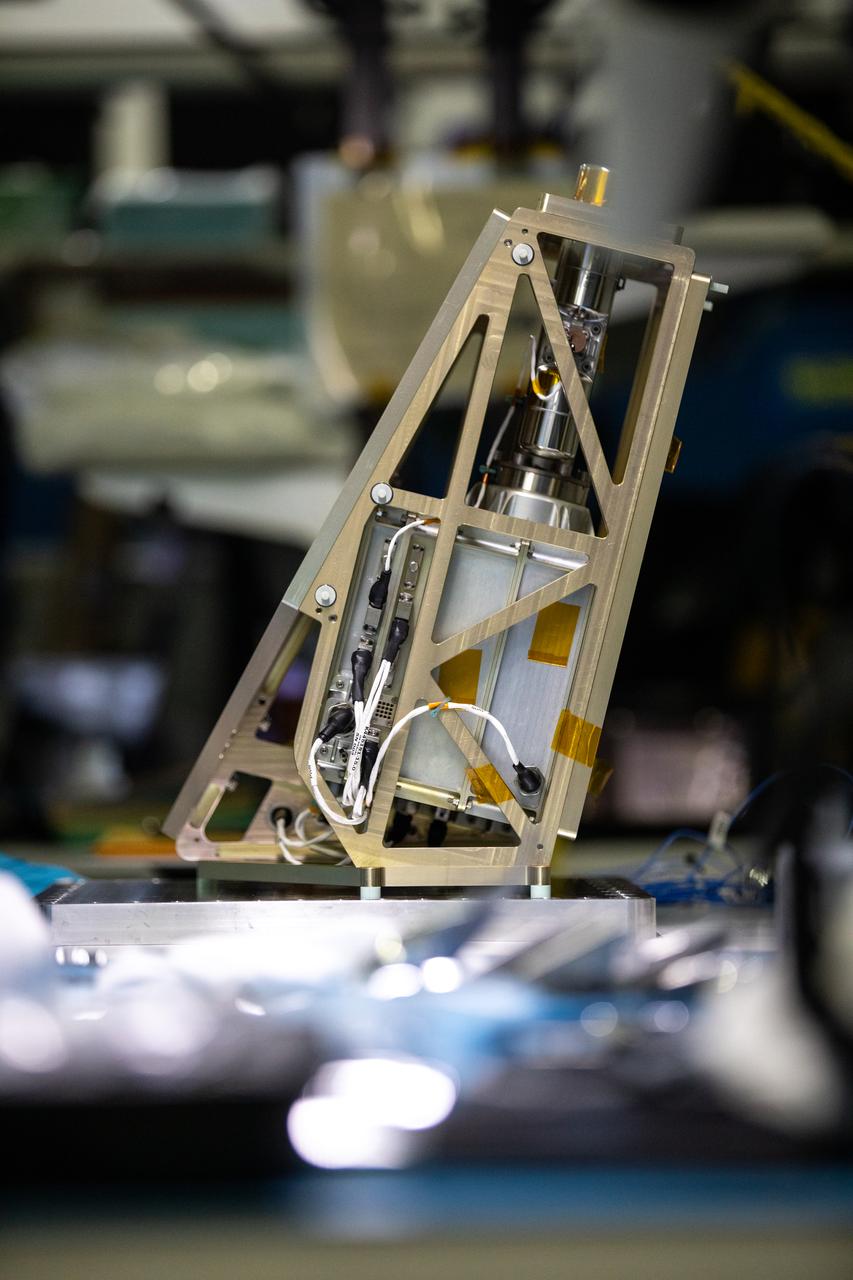
Inside the Space Station Processing Facility at NASA’s Kennedy Space Center in Florida, an engineer installs the Mass Spectrometer observing lunar operations (MSolo) onto its radiator bracket on June 14, 2022. Having successfully completed its thermal vacuum testing, the unit will undergo vibration testing later this month. This spectrometer is part of the PRIME-1 (Polar Resources Ice Mining Experiment-1) payload suite, slated to launch to the Moon in 2023 with Intuitive Machines. MSolo is a commercial off-the-shelf mass spectrometer modified to work in space and it will help analyze the chemical makeup of landing sites on the Moon, as well as study water on the lunar surface. MSolo is manifested to fly on four of the agency’s Commercial Lunar Payload Delivery Service missions where under Artemis, commercial deliveries beginning in 2023 will perform science experiments, test technologies, and demonstrate capabilities to help NASA explore the Moon and prepare for human missions.
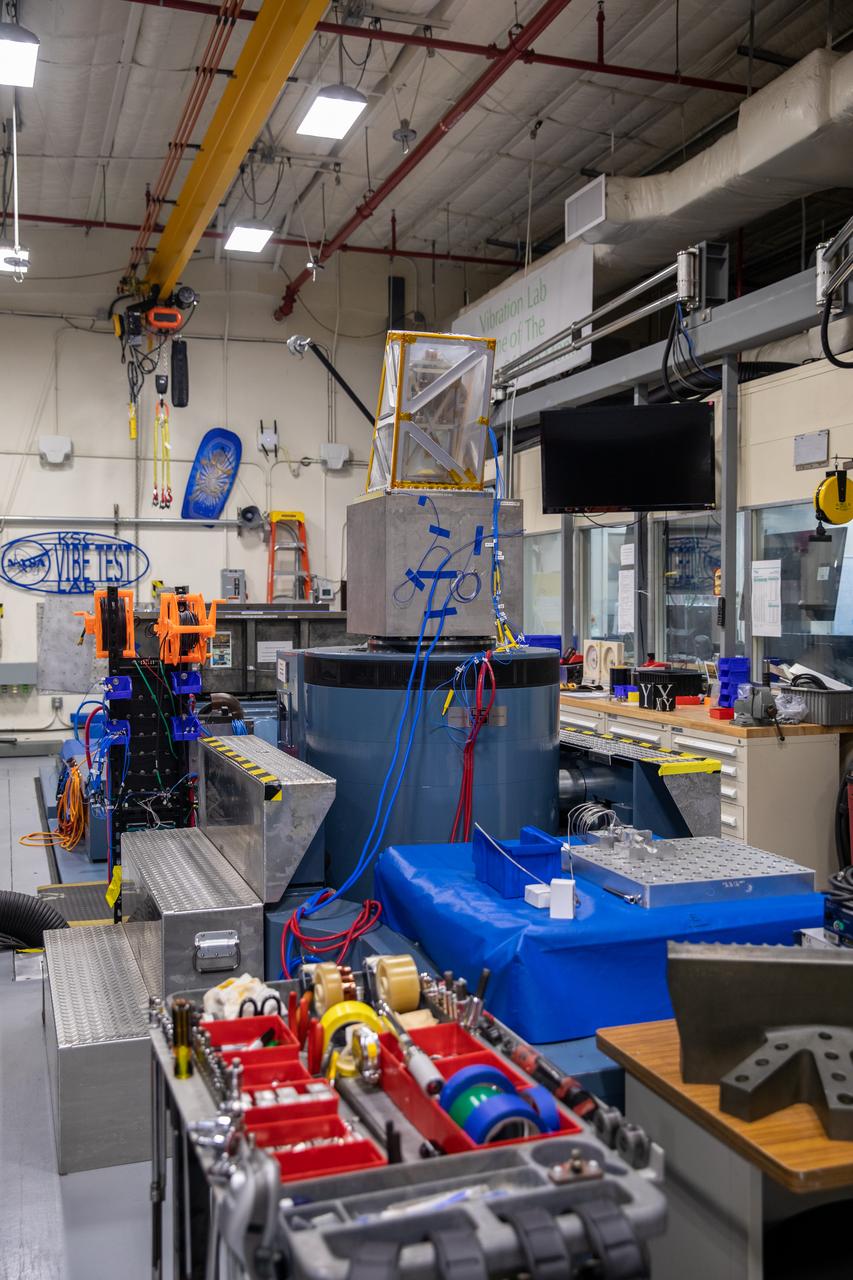
The Mass Spectrometer observing lunar operations (MSolo) instrument undergoes vibration testing inside the Cryogenics Laboratory at NASA’s Kennedy Space Center in Florida on Aug. 3, 2022. MSolo is a commercial off-the-shelf mass spectrometer modified to work in space and will help analyze the chemical makeup of landing sites on the Moon, as well as study water on the lunar surface. Researchers and engineers are preparing MSolo instruments to launch on four robotic missions as part of NASA’s Commercial Lunar Payload Services (CLPS) – commercial deliveries that will perform science experiments, test technologies, and demonstrate capabilities to help NASA explore the Moon and prepare for crewed missions to the lunar surface. This particular MSolo instrument is slated to fly on the agency’s Polar Resources Ice Mining Experiment-1 (PRIME-1) mission – the first in-situ resource utilization demonstration on the Moon – as part of the agency’s CLPS initiative.

Engineers at NASA’s Kennedy Space Center in Florida remove the vibration fixture on the Mass Spectrometer observing lunar operations (MSolo) instrument on Aug. 4, 2022. The activity followed a vibration test in preparation for the Polar Resources Ice Mining Experiment-1 (PRIME-1) mission, which will be the first in-situ resource utilization demonstration on the Moon. MSolo is a commercial off-the-shelf mass spectrometer modified to work in space and will help analyze the chemical makeup of landing sites on the Moon, as well as study water on the lunar surface. Researchers and engineers are preparing MSolo instruments to launch on four robotic missions as part of NASA’s Commercial Lunar Payload Services – commercial deliveries beginning in 2023 that will perform science experiments, test technologies, and demonstrate capabilities to help NASA explore the Moon and prepare for crewed missions to the lunar surface.
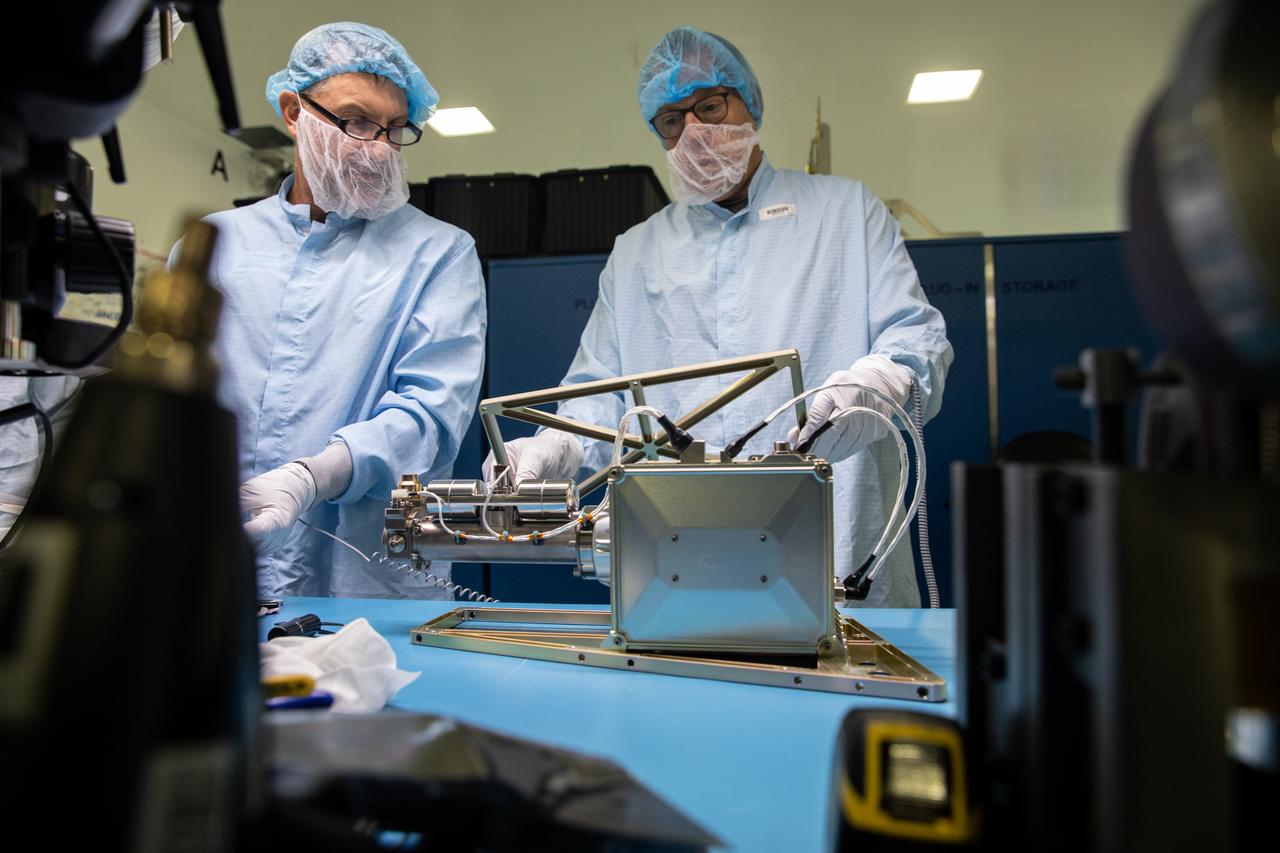
Inside the Space Station Processing Facility at NASA’s Kennedy Space Center in Florida, an engineer installs the Mass Spectrometer observing lunar operations (MSolo) onto its radiator bracket on June 14, 2022. Having successfully completed its thermal vacuum testing, the unit will undergo vibration testing later this month. This spectrometer is part of the PRIME-1 (Polar Resources Ice Mining Experiment-1) payload suite, slated to launch to the Moon in 2023 with Intuitive Machines. MSolo is a commercial off-the-shelf mass spectrometer modified to work in space and it will help analyze the chemical makeup of landing sites on the Moon, as well as study water on the lunar surface. MSolo is manifested to fly on four of the agency’s Commercial Lunar Payload Delivery Service missions where under Artemis, commercial deliveries beginning in 2023 will perform science experiments, test technologies, and demonstrate capabilities to help NASA explore the Moon and prepare for human missions.
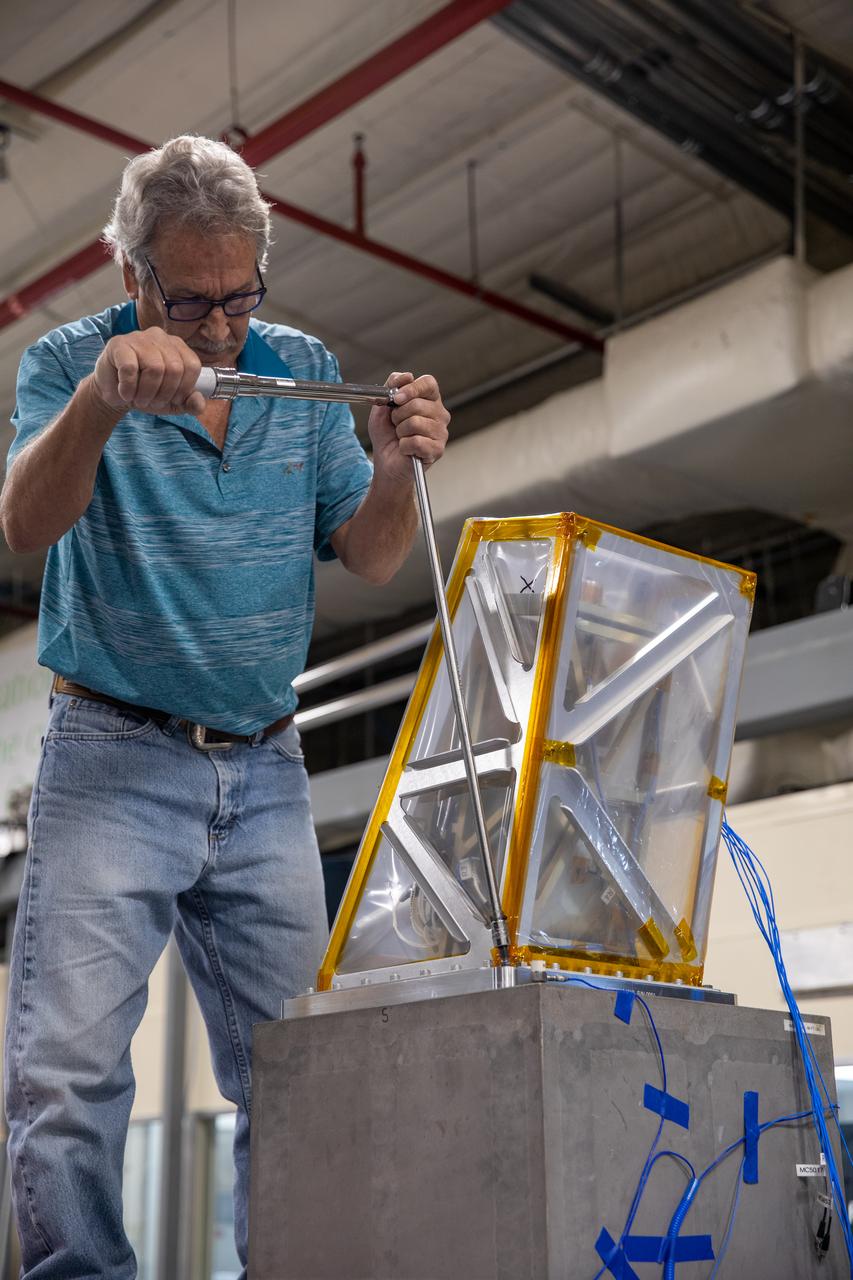
A Kennedy Space Center engineer prepares the Mass Spectrometer observing lunar operations (MSolo) instrument for vibration testing inside the Florida spaceport’s Cryogenics Laboratory on Aug. 3, 2022. MSolo is a commercial off-the-shelf mass spectrometer modified to work in space and will help analyze the chemical makeup of landing sites on the Moon, as well as study water on the lunar surface. Researchers and engineers are preparing MSolo instruments to launch on four robotic missions as part of NASA’s Commercial Lunar Payload Services (CLPS) – commercial deliveries that will perform science experiments, test technologies, and demonstrate capabilities to help NASA explore the Moon and prepare for crewed missions to the lunar surface. This particular MSolo instrument is slated to fly on the agency’s Polar Resources Ice Mining Experiment-1 (PRIME-1) mission – the first in-situ resource utilization demonstration on the Moon – as part of the agency’s CLPS initiative.
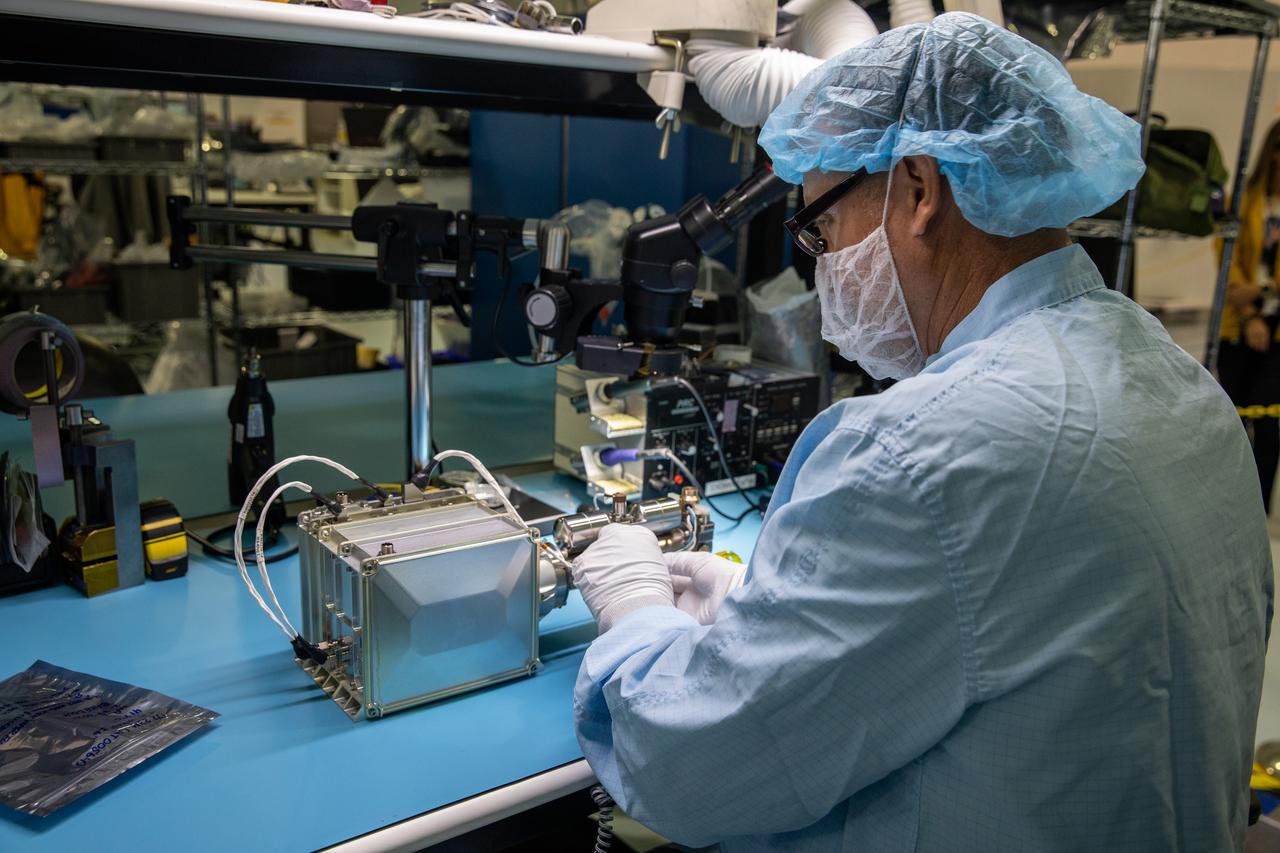
Inside the Space Station Processing Facility at NASA’s Kennedy Space Center in Florida, an engineer installs the Mass Spectrometer observing lunar operations (MSolo) onto its radiator bracket on June 14, 2022. Having successfully completed its thermal vacuum testing, the unit will undergo vibration testing later this month. This spectrometer is part of the PRIME-1 (Polar Resources Ice Mining Experiment-1) payload suite, slated to launch to the Moon in 2023 with Intuitive Machines. MSolo is a commercial off-the-shelf mass spectrometer modified to work in space and it will help analyze the chemical makeup of landing sites on the Moon, as well as study water on the lunar surface. MSolo is manifested to fly on four of the agency’s Commercial Lunar Payload Delivery Service missions where under Artemis, commercial deliveries beginning in 2023 will perform science experiments, test technologies, and demonstrate capabilities to help NASA explore the Moon and prepare for human missions.
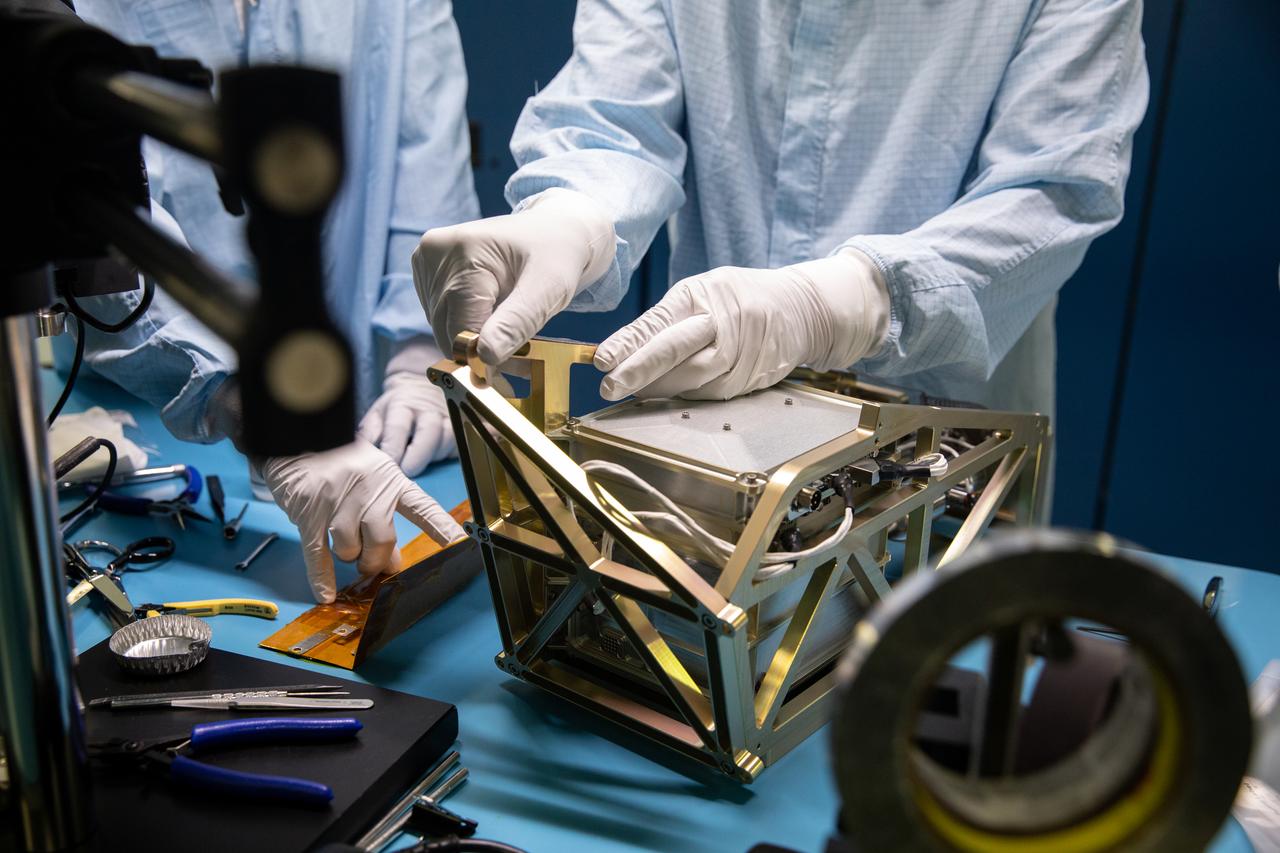
Inside the Space Station Processing Facility at NASA’s Kennedy Space Center in Florida, an engineer installs the Mass Spectrometer observing lunar operations (MSolo) onto its radiator bracket on June 14, 2022. Having successfully completed its thermal vacuum testing, the unit will undergo vibration testing later this month. This spectrometer is part of the PRIME-1 (Polar Resources Ice Mining Experiment-1) payload suite, slated to launch to the Moon in 2023 with Intuitive Machines. MSolo is a commercial off-the-shelf mass spectrometer modified to work in space and it will help analyze the chemical makeup of landing sites on the Moon, as well as study water on the lunar surface. MSolo is manifested to fly on four of the agency’s Commercial Lunar Payload Delivery Service missions where under Artemis, commercial deliveries beginning in 2023 will perform science experiments, test technologies, and demonstrate capabilities to help NASA explore the Moon and prepare for human missions.
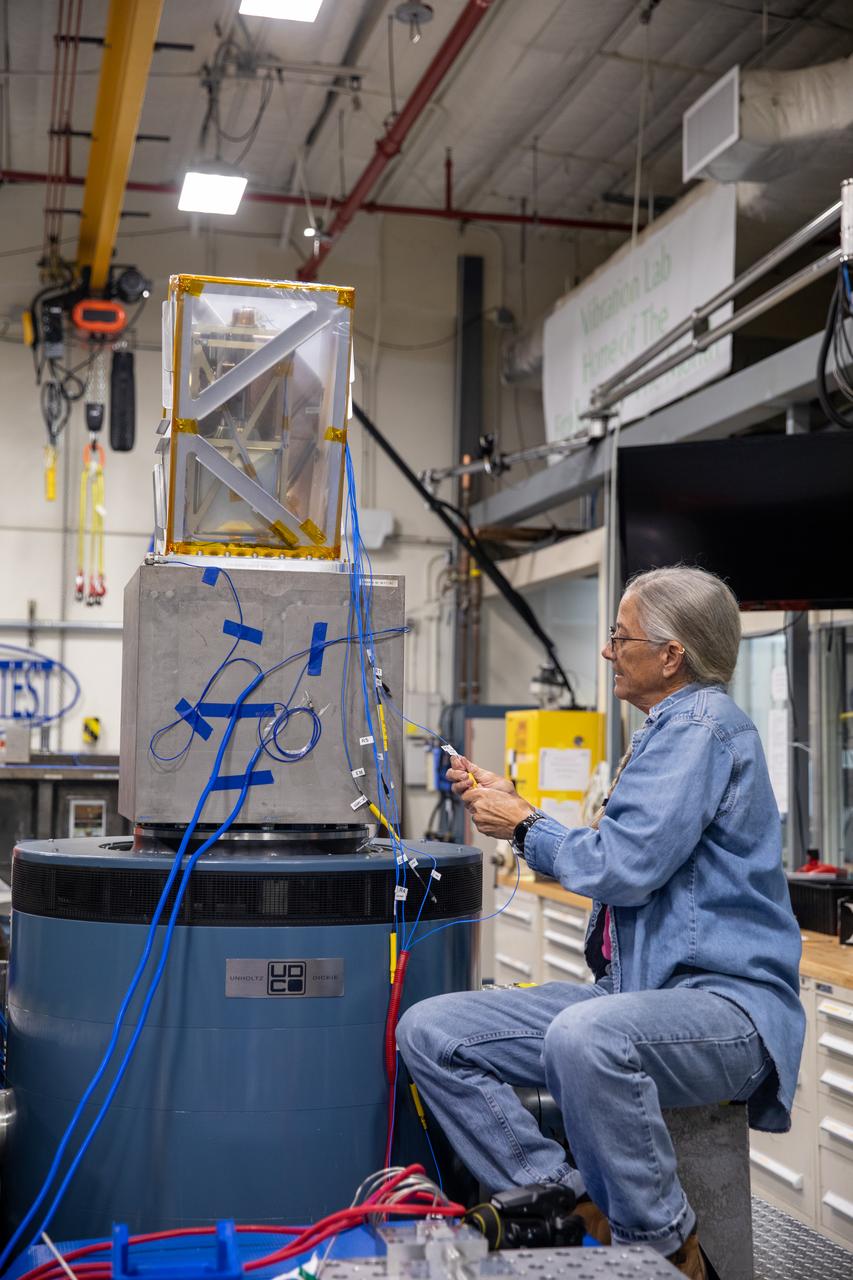
A Kennedy Space Center engineer prepares the Mass Spectrometer observing lunar operations (MSolo) instrument for vibration testing inside the Florida spaceport’s Cryogenics Laboratory on Aug. 3, 2022. MSolo is a commercial off-the-shelf mass spectrometer modified to work in space and will help analyze the chemical makeup of landing sites on the Moon, as well as study water on the lunar surface. Researchers and engineers are preparing MSolo instruments to launch on four robotic missions as part of NASA’s Commercial Lunar Payload Services (CLPS) – commercial deliveries that will perform science experiments, test technologies, and demonstrate capabilities to help NASA explore the Moon and prepare for crewed missions to the lunar surface. This particular MSolo instrument is slated to fly on the agency’s Polar Resources Ice Mining Experiment-1 (PRIME-1) mission – the first in-situ resource utilization demonstration on the Moon – as part of the agency’s CLPS initiative.
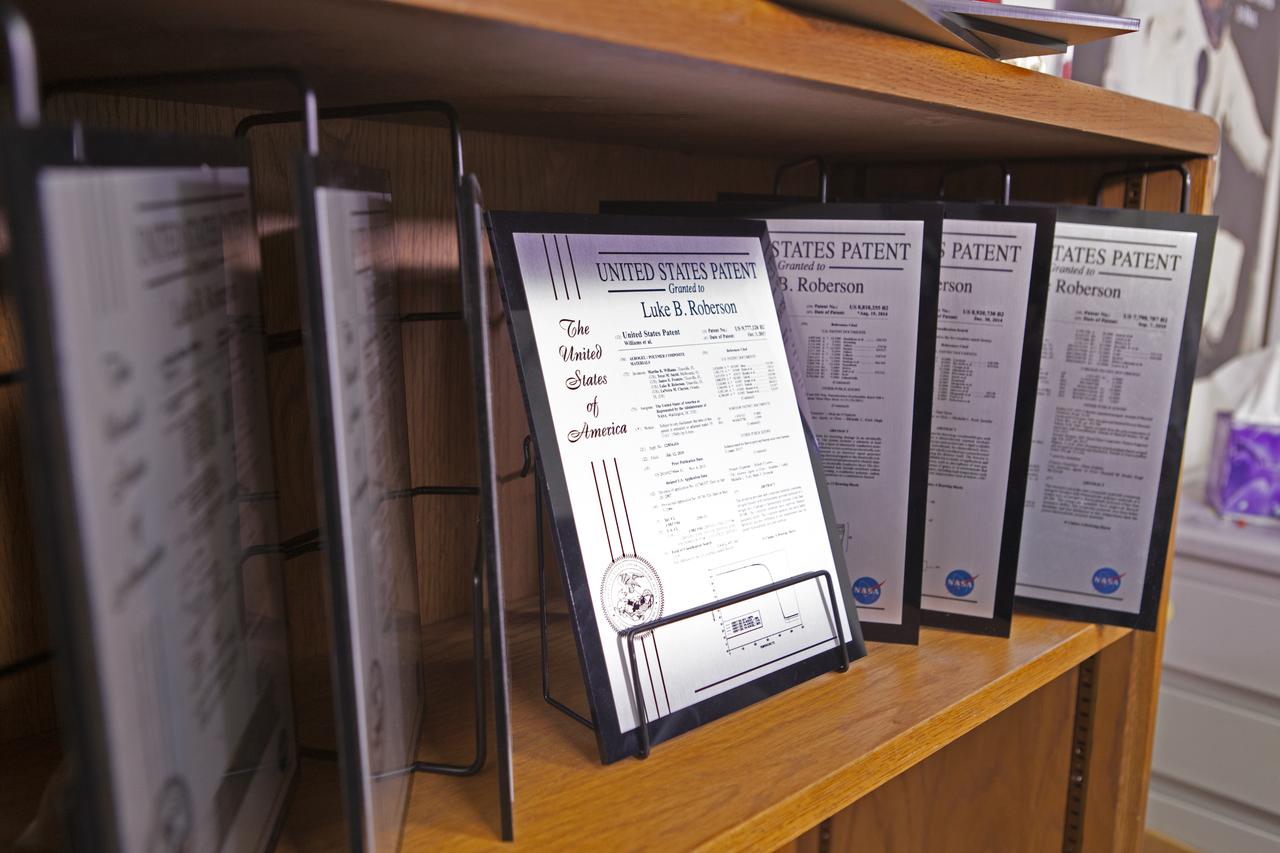
Kennedy Space Center’s Luke Roberson, a principal investigator with the flight technology branch, has received several patents from the United States Patent and Trademark Office. Certificates recognizing those patents are on display in his office at the Florida spaceport’s Space Station Processing Facility.
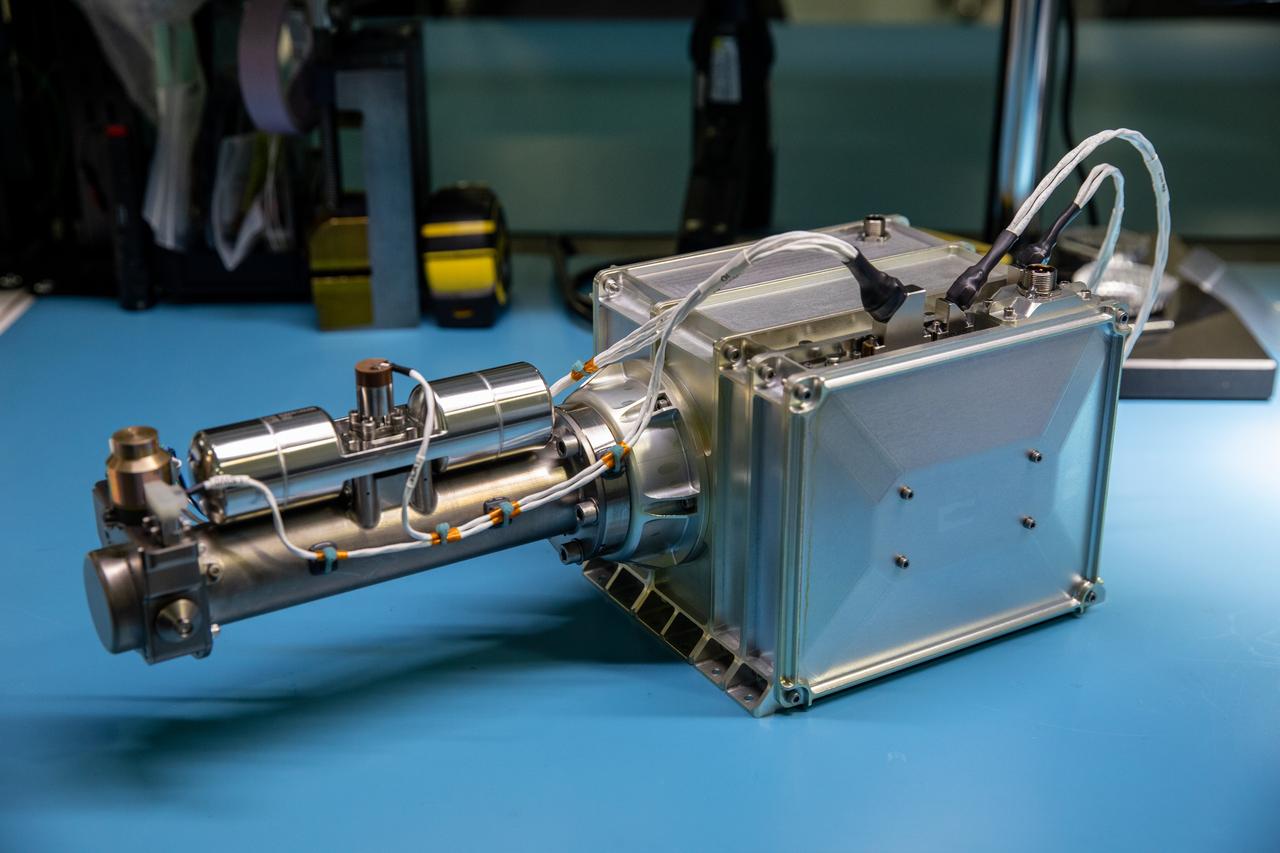
Inside the Space Station Processing Facility at NASA’s Kennedy Space Center in Florida, the Mass Spectrometer observing lunar operations (MSolo) is being installed on a radiator bracket on June 14, 2022. Having successfully completed its thermal vacuum testing, the unit will undergo vibration testing later this month. This spectrometer is part of the PRIME-1 (Polar Resources Ice Mining Experiment-1) payload suite, slated to launch to the Moon in 2023 with Intuitive Machines. MSolo is a commercial off-the-shelf mass spectrometer modified to work in space and it will help analyze the chemical makeup of landing sites on the Moon, as well as study water on the lunar surface. MSolo is manifested to fly on four of the agency’s Commercial Lunar Payload Delivery Service missions where under Artemis, commercial deliveries beginning in 2023 will perform science experiments, test technologies, and demonstrate capabilities to help NASA explore the Moon and prepare for human missions.
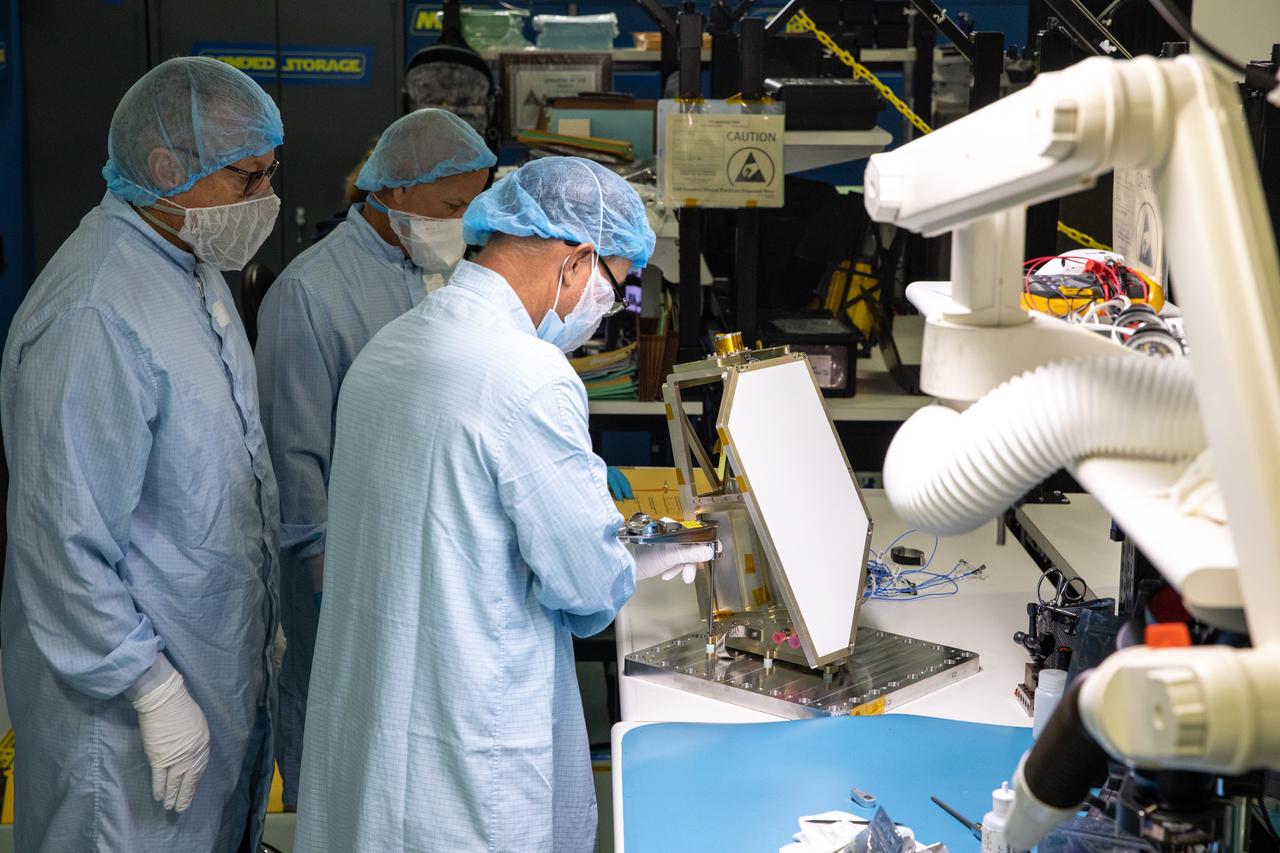
Engineers at NASA’s Kennedy Space Center in Florida remove the vibration fixture on the Mass Spectrometer observing lunar operations (MSolo) instrument on Aug. 4, 2022. The activity followed a vibration test in preparation for the Polar Resources Ice Mining Experiment-1 (PRIME-1) mission, which will be the first in-situ resource utilization demonstration on the Moon. MSolo is a commercial off-the-shelf mass spectrometer modified to work in space and will help analyze the chemical makeup of landing sites on the Moon, as well as study water on the lunar surface. Researchers and engineers are preparing MSolo instruments to launch on four robotic missions as part of NASA’s Commercial Lunar Payload Services – commercial deliveries beginning in 2023 that will perform science experiments, test technologies, and demonstrate capabilities to help NASA explore the Moon and prepare for crewed missions to the lunar surface.
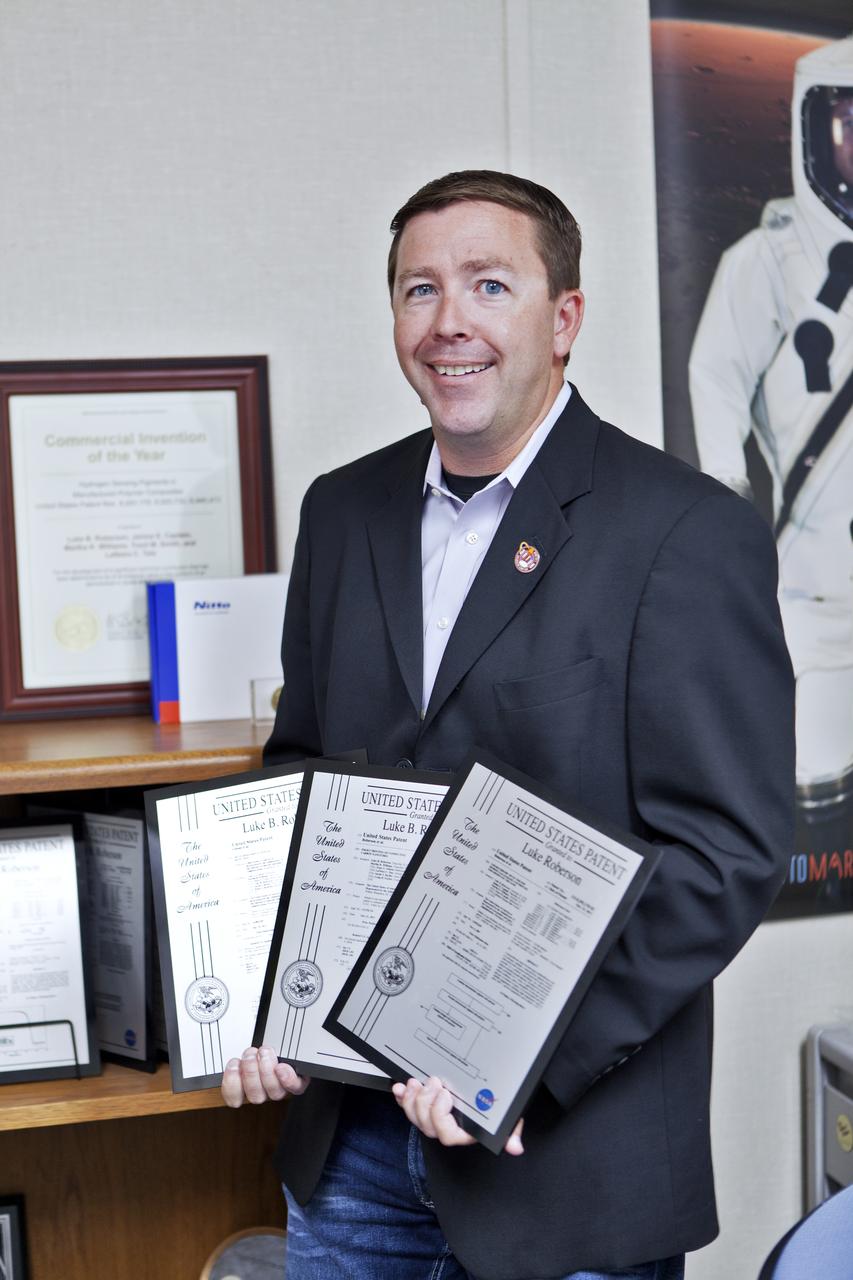
Luke Roberson, a principal investigator with the flight technology branch at NASA’s Kennedy Space Center in Florida, discusses patents and new technology reports for a video that targets internal audiences at NASA. Roberson’s contributions are reflected in multiple U.S. patents.
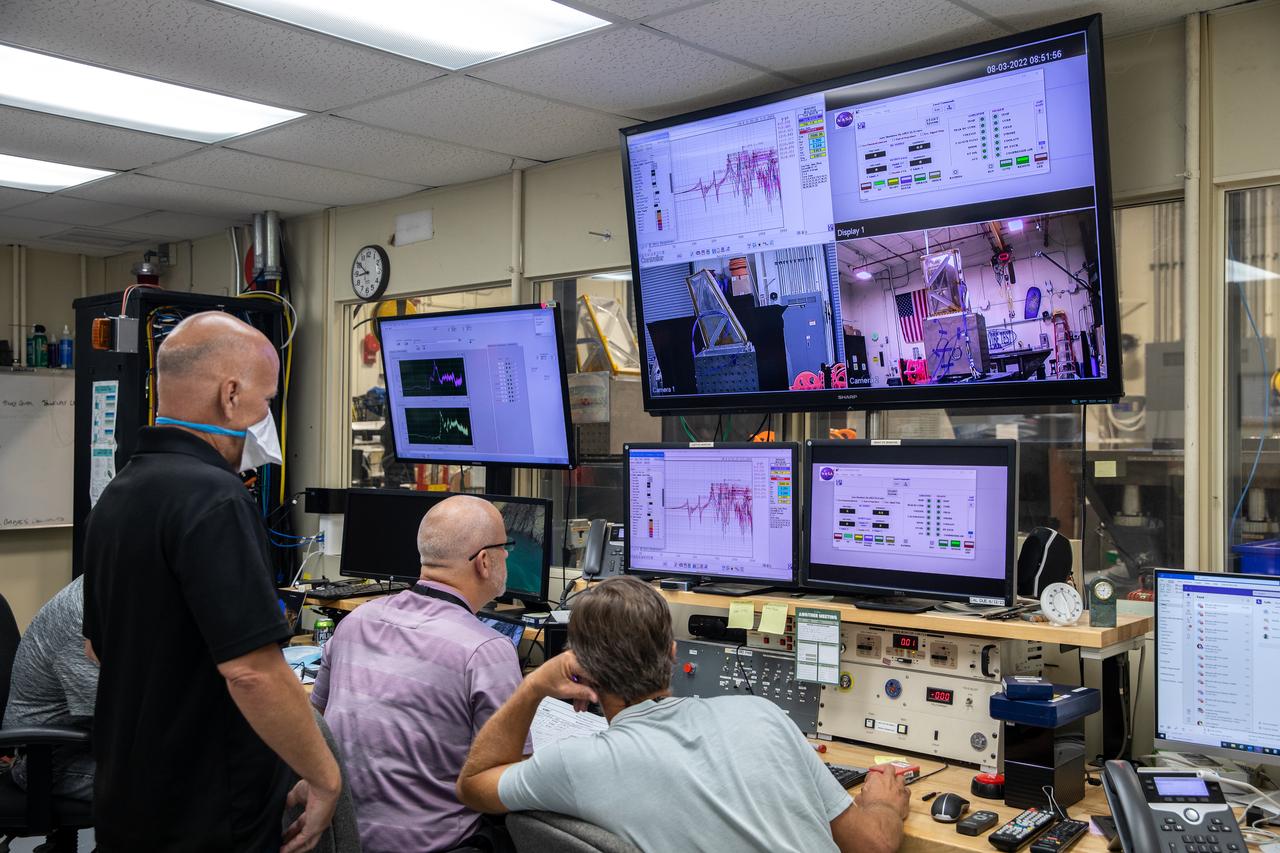
Engineers at NASA’s Kennedy Space Center monitor the Mass Spectrometer observing lunar operations (MSolo) instrument as it undergoes vibration testing inside the Florida spaceport’s Cryogenics Laboratory on Aug. 3, 2022. MSolo is a commercial off-the-shelf mass spectrometer modified to work in space and will help analyze the chemical makeup of landing sites on the Moon, as well as study water on the lunar surface. Researchers and engineers are preparing MSolo instruments to launch on four robotic missions as part of NASA’s Commercial Lunar Payload Services (CLPS) – commercial deliveries that will perform science experiments, test technologies, and demonstrate capabilities to help NASA explore the Moon and prepare for crewed missions to the lunar surface. This particular MSolo instrument is slated to fly on the agency’s Polar Resources Ice Mining Experiment-1 (PRIME-1) mission – the first in-situ resource utilization demonstration on the Moon – as part of the agency’s CLPS initiative.
Engineers at NASA’s Kennedy Space Center in Florida remove the vibration fixture on the Mass Spectrometer observing lunar operations (MSolo) instrument on Aug. 4, 2022. The activity followed a vibration test in preparation for the Polar Resources Ice Mining Experiment-1 (PRIME-1) mission, which will be the first in-situ resource utilization demonstration on the Moon. MSolo is a commercial off-the-shelf mass spectrometer modified to work in space and will help analyze the chemical makeup of landing sites on the Moon, as well as study water on the lunar surface. Researchers and engineers are preparing MSolo instruments to launch on four robotic missions as part of NASA’s Commercial Lunar Payload Services – commercial deliveries beginning in 2023 that will perform science experiments, test technologies, and demonstrate capabilities to help NASA explore the Moon and prepare for crewed missions to the lunar surface.
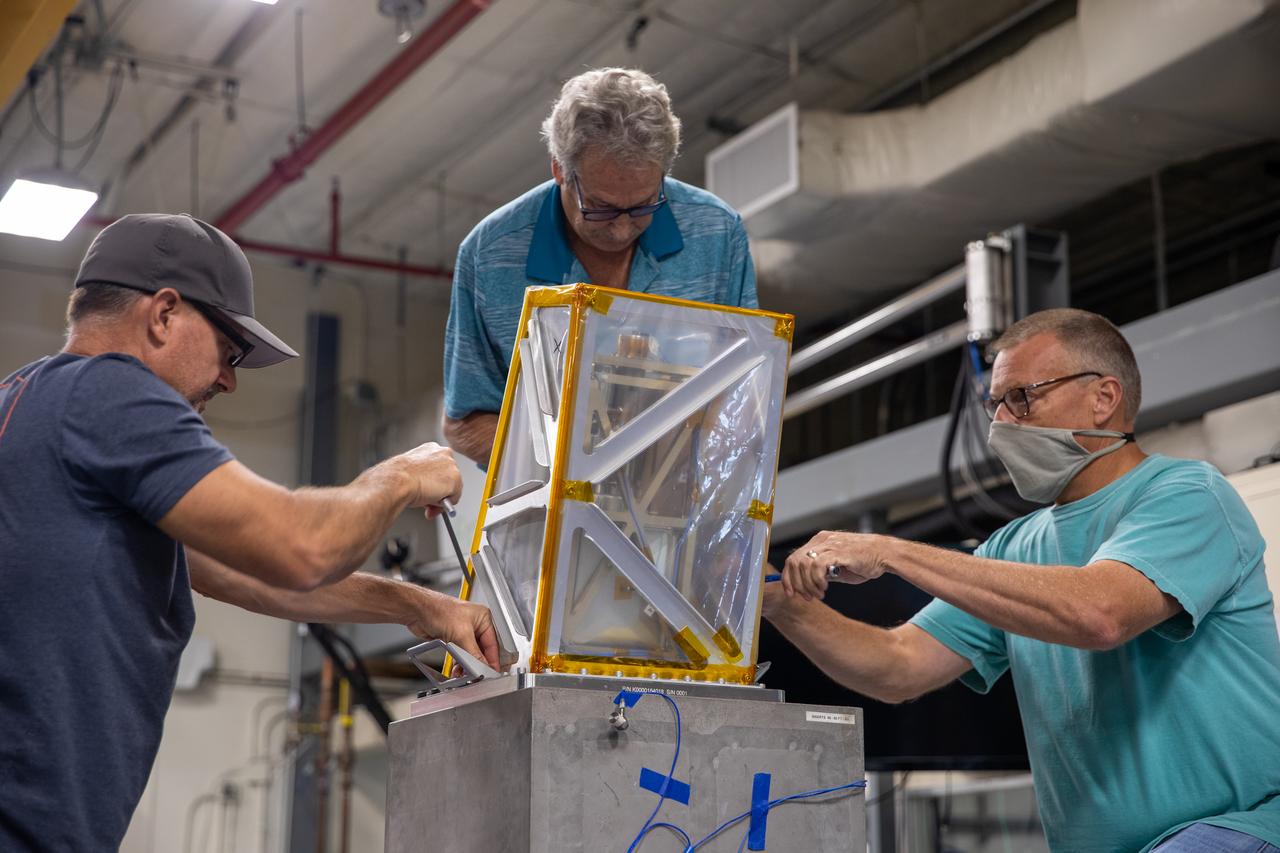
Engineers at NASA’s Kennedy Space Center prepare the Mass Spectrometer observing lunar operations (MSolo) instrument for vibration testing inside the Florida spaceport’s Cryogenics Laboratory on Aug. 3, 2022. MSolo is a commercial off-the-shelf mass spectrometer modified to work in space and will help analyze the chemical makeup of landing sites on the Moon, as well as study water on the lunar surface. Researchers and engineers are preparing MSolo instruments to launch on four robotic missions as part of NASA’s Commercial Lunar Payload Services (CLPS) – commercial deliveries that will perform science experiments, test technologies, and demonstrate capabilities to help NASA explore the Moon and prepare for crewed missions to the lunar surface. This particular MSolo instrument is slated to fly on the agency’s Polar Resources Ice Mining Experiment-1 (PRIME-1) mission – the first in-situ resource utilization demonstration on the Moon – as part of the agency’s CLPS initiative.

Engineers at NASA’s Kennedy Space Center in Florida remove the vibration fixture on the Mass Spectrometer observing lunar operations (MSolo) instrument on Aug. 4, 2022. The activity followed a vibration test in preparation for the Polar Resources Ice Mining Experiment-1 (PRIME-1) mission, which will be the first in-situ resource utilization demonstration on the Moon. MSolo is a commercial off-the-shelf mass spectrometer modified to work in space and will help analyze the chemical makeup of landing sites on the Moon, as well as study water on the lunar surface. Researchers and engineers are preparing MSolo instruments to launch on four robotic missions as part of NASA’s Commercial Lunar Payload Services – commercial deliveries beginning in 2023 that will perform science experiments, test technologies, and demonstrate capabilities to help NASA explore the Moon and prepare for crewed missions to the lunar surface.
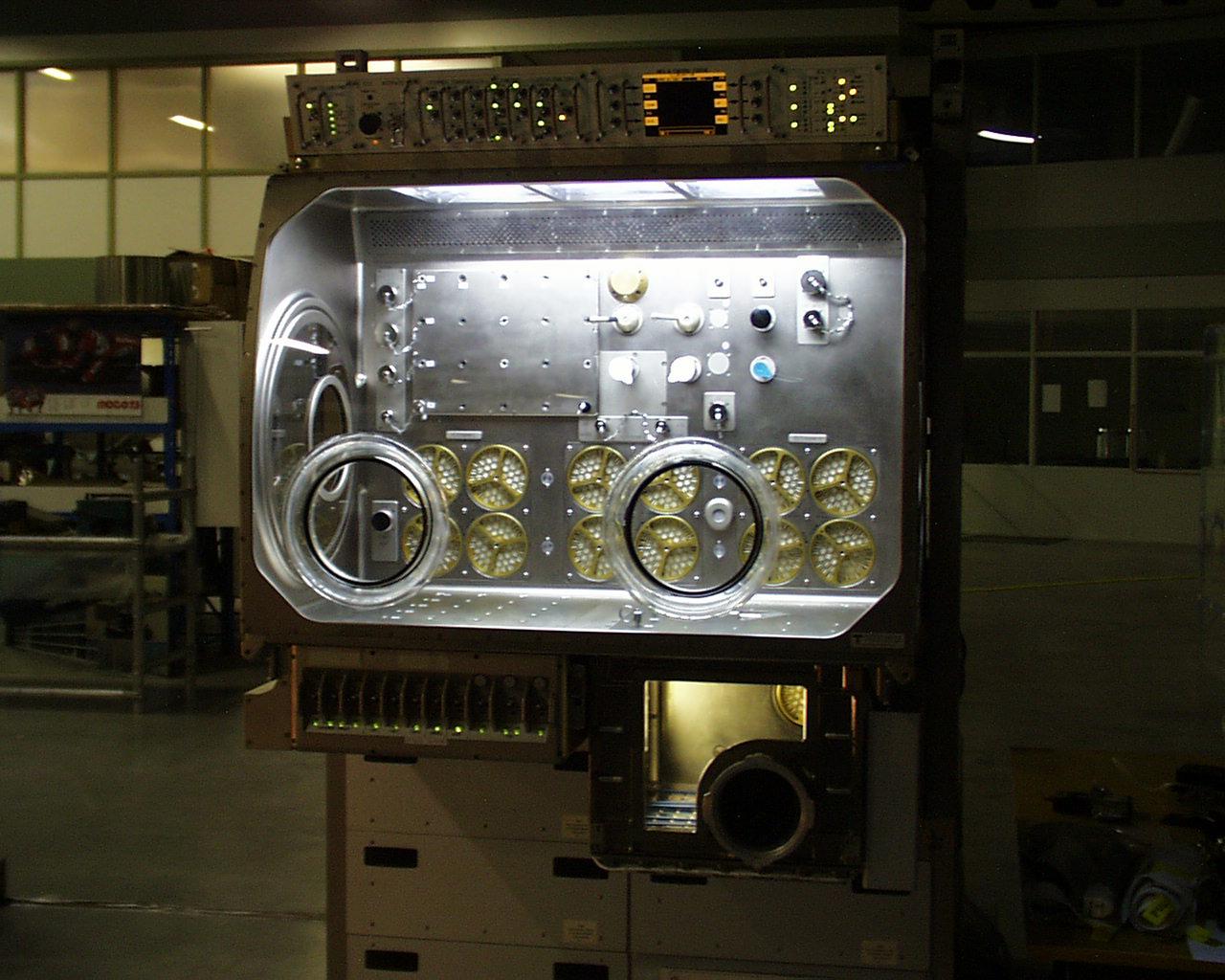
Interior lights give the Microgravity Science Glovebox (MSG) the appearance of a high-tech juke box. The European Space Agency (ESA) and NASA are developing the MSG for use aboard the International Space Station (ISS). Scientists will use the MSG to carry out multidisciplinary studies in combustion science, fluid physics and materials science. The MSG is managed by NASA's Marshall Space Flight Center (MSFC). Photo Credit: NASA/MSFC
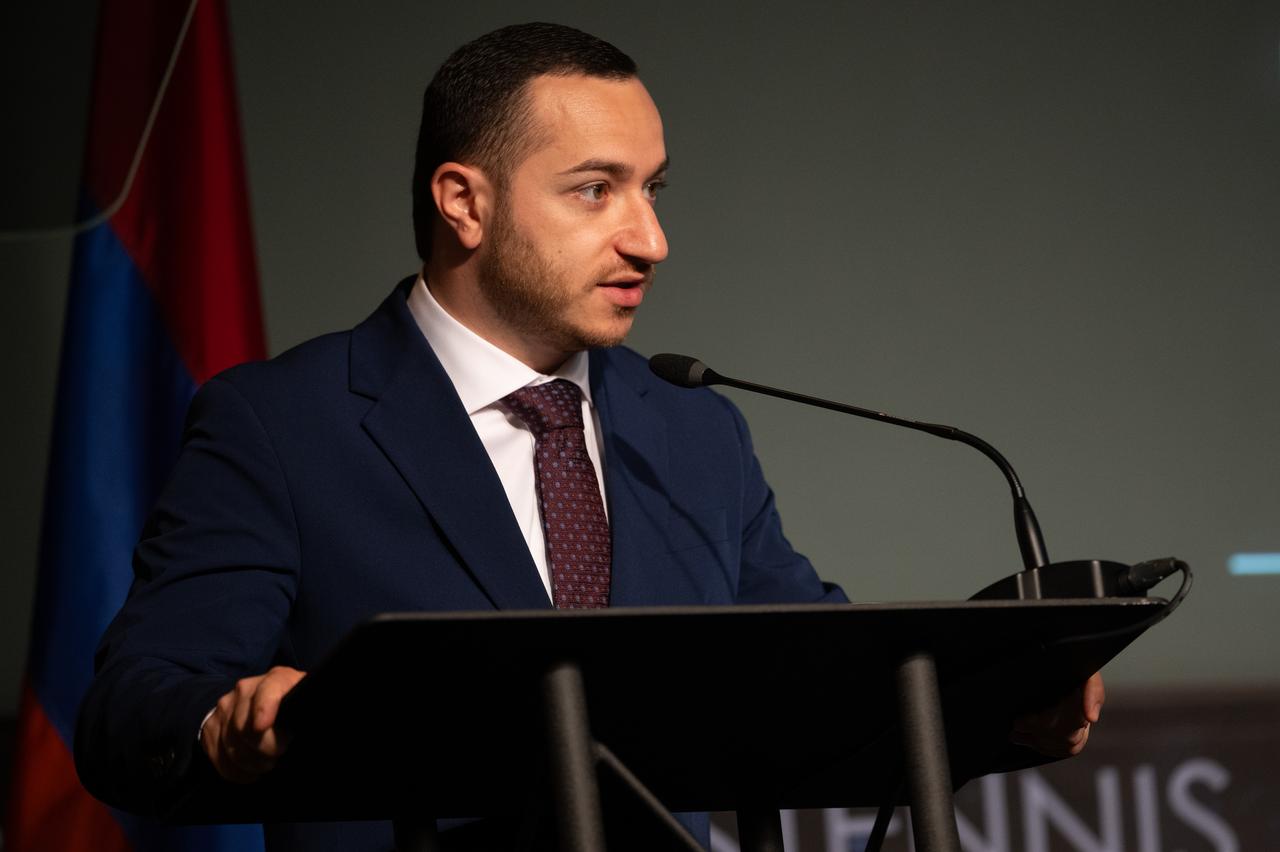
Mkhitar Hayrapetyan, Minister of High-Tech Industry of the Republic of Armenia delivers remarks during an Artemis Accords signing ceremony, Wednesday, June 12, 2024, at the Mary W. Jackson NASA Headquarters building in Washington. The Republic of Armenia is the 43rd country to sign the Artemis Accords, which establish a practical set of principles to guide space exploration cooperation among nations participating in NASA’s Artemis program. Photo Credit: (NASA/Joel Kowsky)
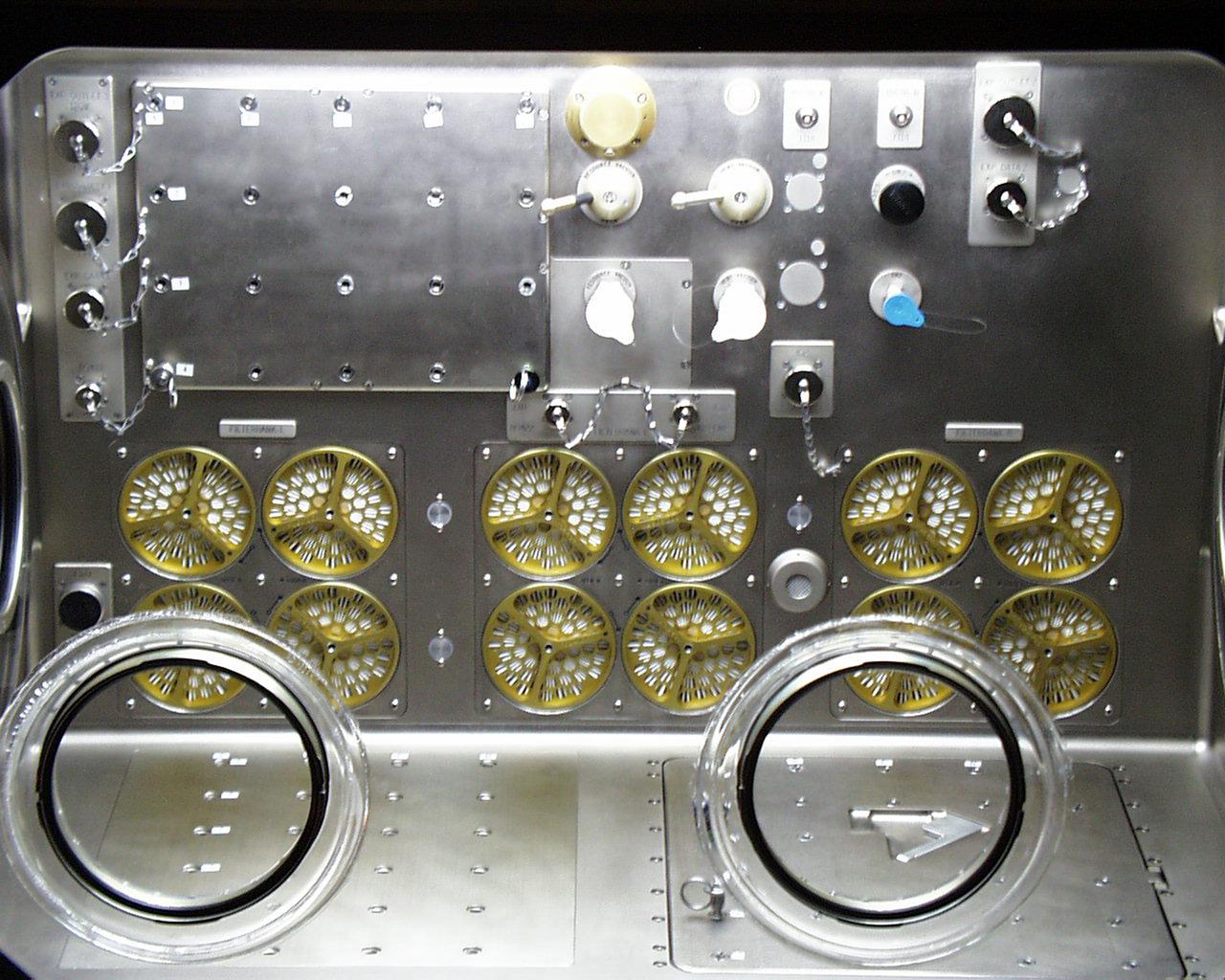
Interior lights give the Microgravity Science Glovebox (MSG) the appearance of a high-tech juke box. The European Space Agency (ESA) and NASA are developing the MSG for use aboard the International Space Station (ISS). Scientists will use the MSG to carry out multidisciplinary studies in combustion science, fluid physics and materials science. The MSG is managed by NASA's Marshall Space Flight Center (MSFC). Photo Credit: NASA/MSFC
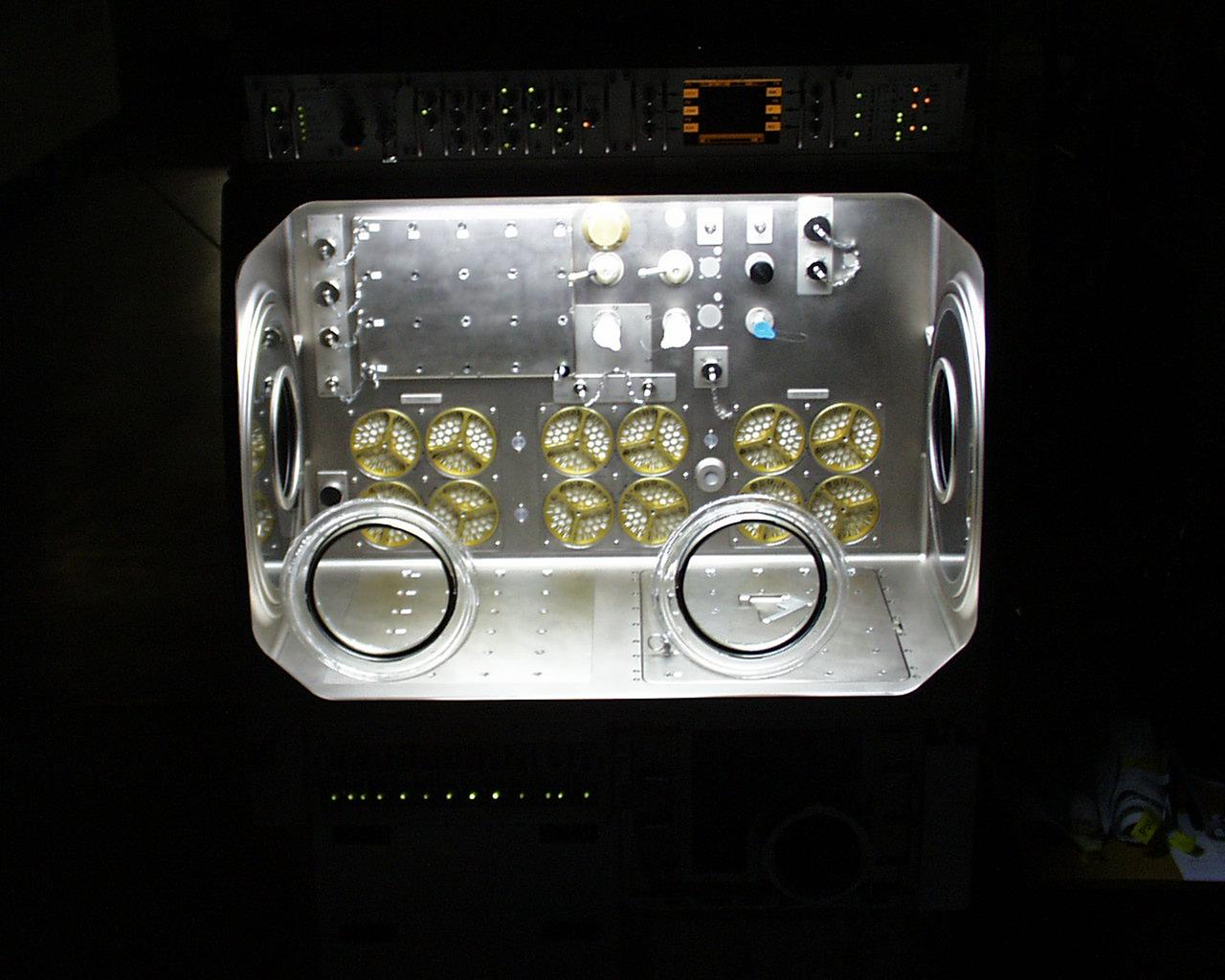
Interior lights give the Microgravity Science Glovebox (MSG) the appearance of a high-tech juke box. The European Space Agency (ESA) and NASA are developing the MSG for use aboard the International Space Station (ISS). Scientists will use the MSG to carry out multidisciplinary studies in combustion science, fluid physics and materials science. The MSG is managed by NASA's Marshall Space Flight Center (MSFC). Photo Credit: NASA/MSFC
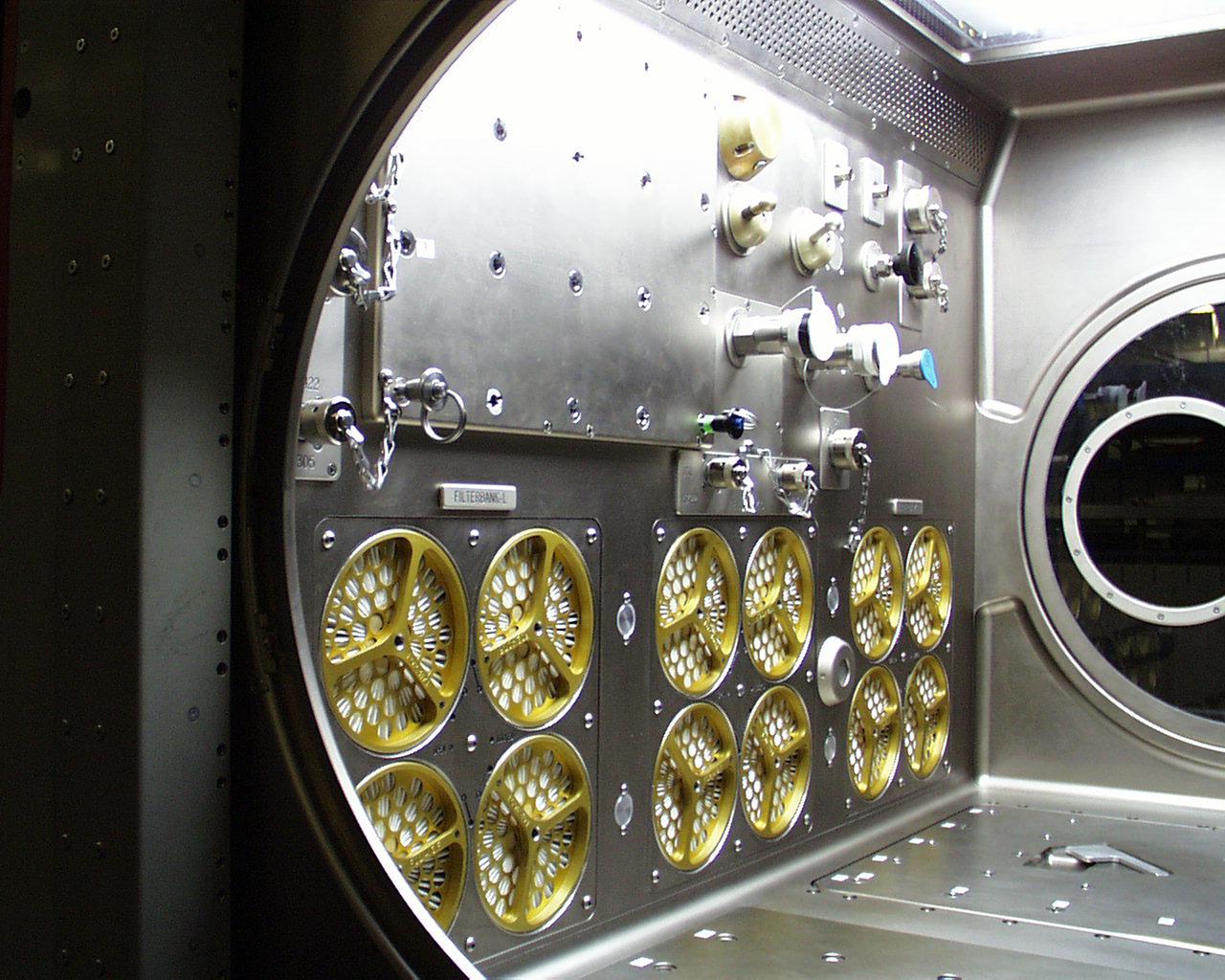
Interior lights give the Microgravity Science Glovebox (MSG) the appearance of a high-tech juke box. The European Space Agency (ESA) and NASA are developing the MSG for use aboard the International Space Station (ISS). Scientists will use the MSG to carry out multidisciplinary studies in combustion science, fluid physics and materials science. The MSG is managed by NASA's Marshall Space Flight Center (MSFC). Photo Credit: NASA/MSFC
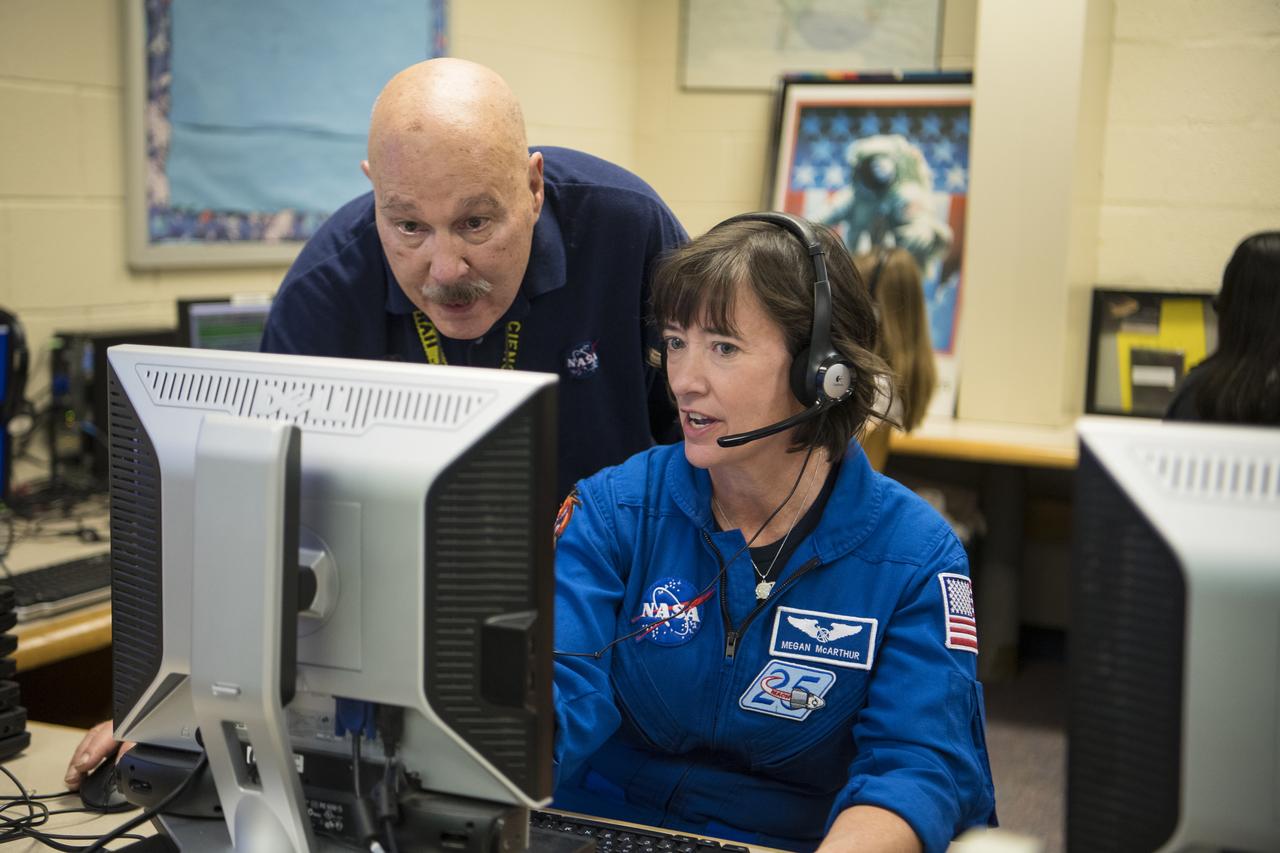
Arlington Science Focus Elementary School teacher Charles Harvey looks over the shoulder of NASA’s SpaceX Crew-2 NASA astronaut Megan McArthur, while she surveys what students in the tech crew in the Space Shuttle Simulator room are doing during a visit to Arlington Science Focus Elementary School, Friday, June 10, 2022, in Arlington, Virginia. Photo Credit: (NASA/Aubrey Gemignani)
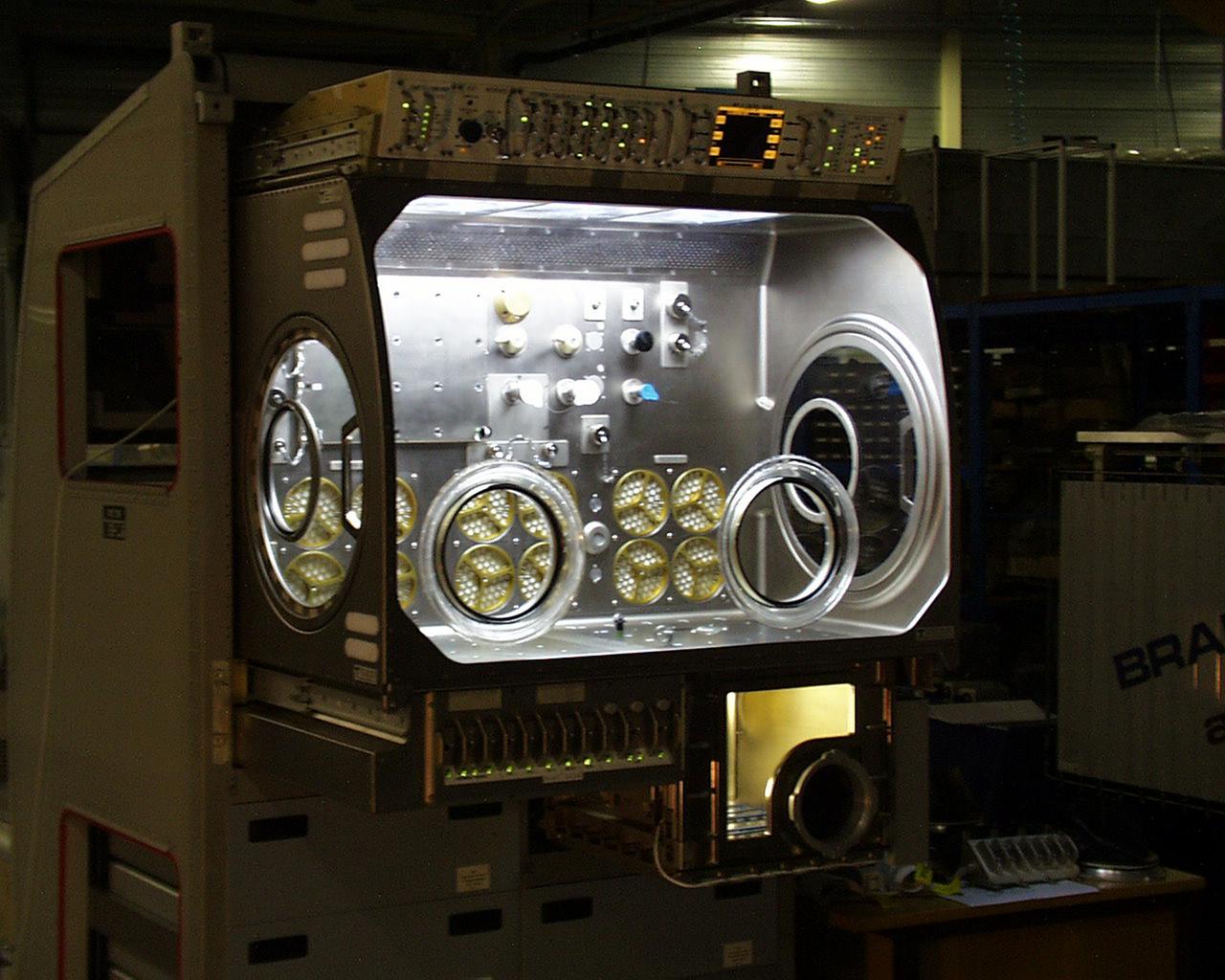
Interior lights give the Microgravity Science Glovebox (MSG) the appearance of a high-tech juke box. The European Space Agency (ESA) and NASA are developing the MSG for use aboard the International Space Station (ISS). Scientists will use the MSG to carry out multidisciplinary studies in combustion science, fluid physics and materials science. The MSG is managed by NASA's Marshall Space Flight Center (MSFC). Photo Credit: NASA/MSFC
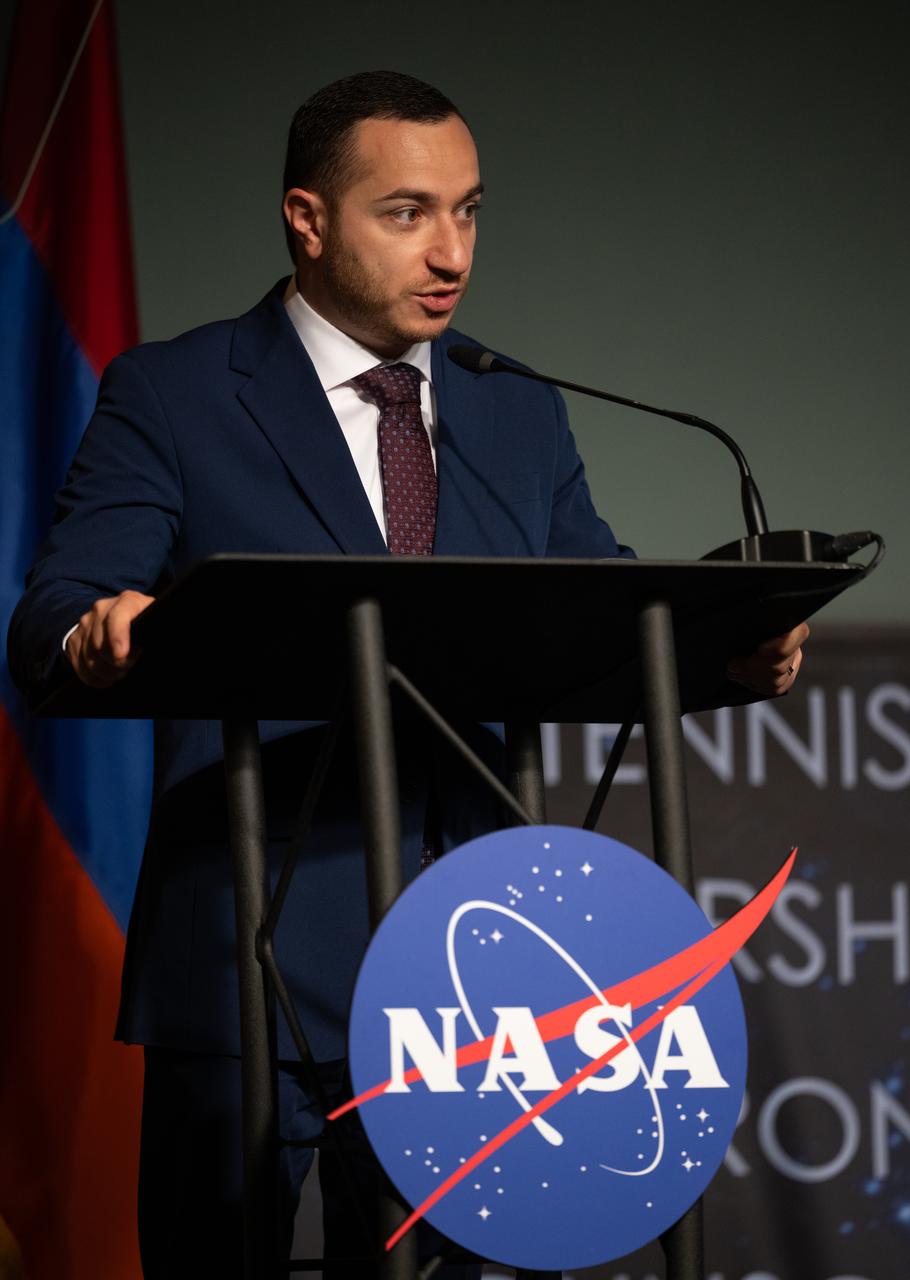
Mkhitar Hayrapetyan, Minister of High-Tech Industry of the Republic of Armenia delivers remarks during an Artemis Accords signing ceremony, Wednesday, June 12, 2024, at the Mary W. Jackson NASA Headquarters building in Washington. The Republic of Armenia is the 43rd country to sign the Artemis Accords, which establish a practical set of principles to guide space exploration cooperation among nations participating in NASA’s Artemis program. Photo Credit: (NASA/Joel Kowsky)
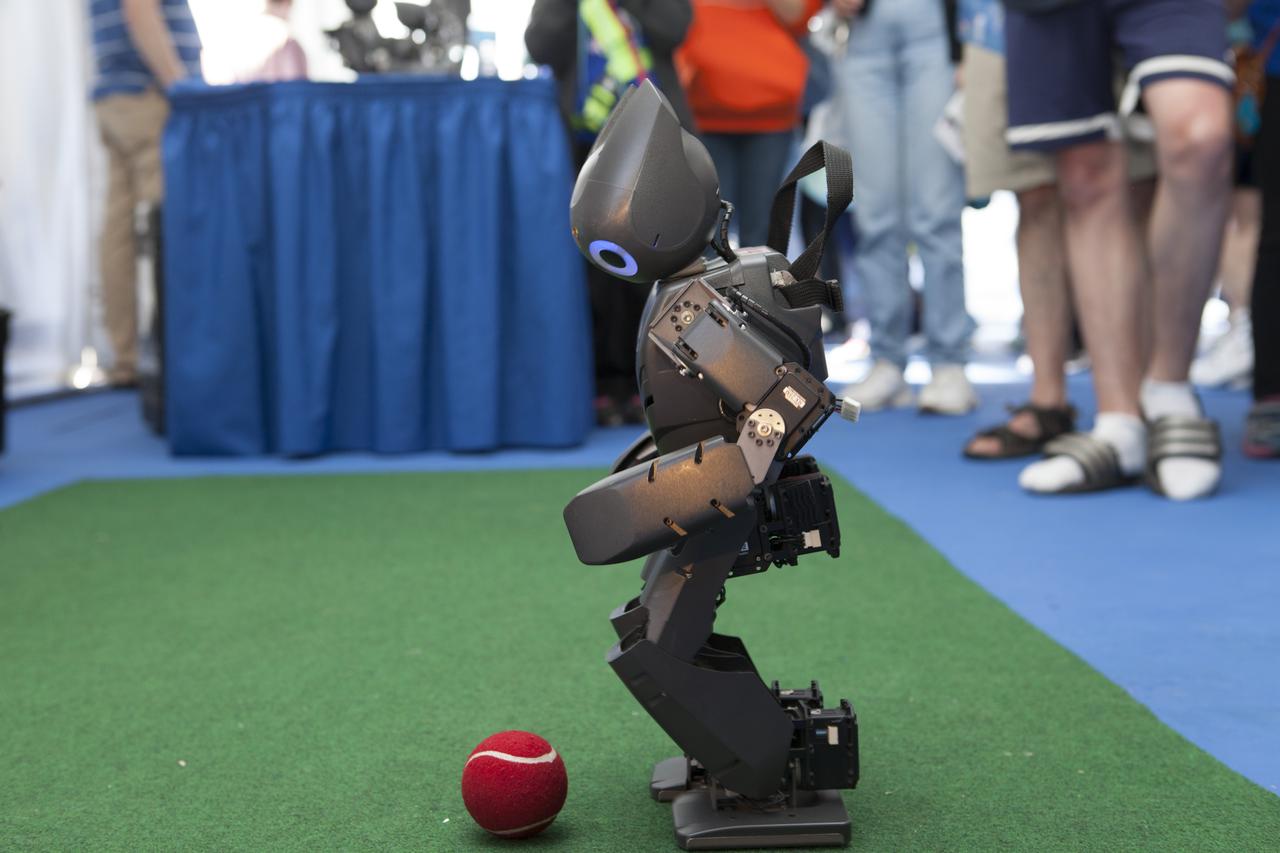
CAPE CANAVERAL, Fla. – A miniature humanoid robot known as DARwin-OP, from Virginia Tech Robotics, plays soccer with a red tennis ball for a crowd of students at the Robot Rocket Rally. The three-day event at Florida's Kennedy Space Center Visitor Complex is highlighted by exhibits, games and demonstrations of a variety of robots, with exhibitors ranging from school robotics clubs to veteran NASA scientists and engineers. Photo credit: NASA/Kim Shiflett
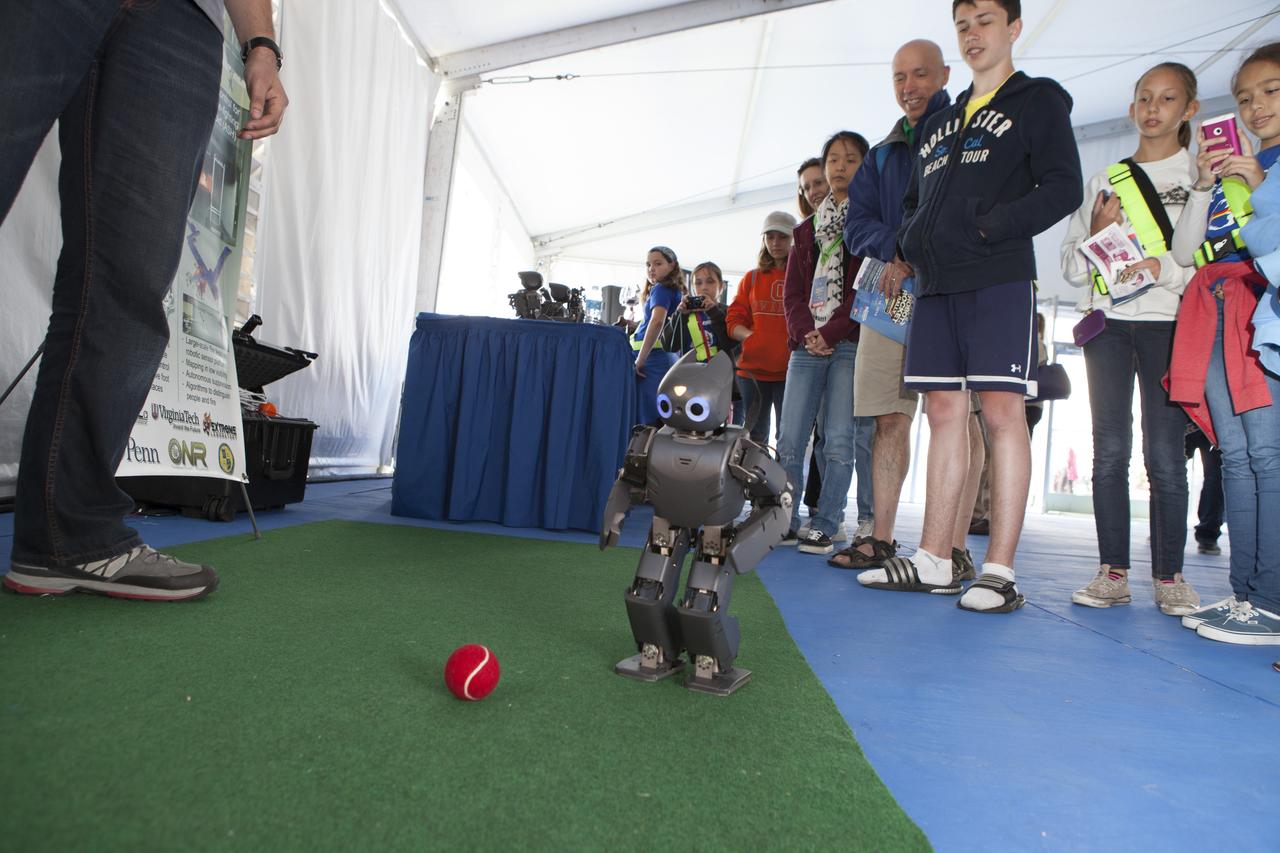
CAPE CANAVERAL, Fla. – Students gather to watch as a DARwin-OP miniature humanoid robot from Virginia Tech Robotics demonstrates its soccer abilities at the Robot Rocket Rally. The three-day event at Florida's Kennedy Space Center Visitor Complex is highlighted by exhibits, games and demonstrations of a variety of robots, with exhibitors ranging from school robotics clubs to veteran NASA scientists and engineers. Photo credit: NASA/Kim Shiflett
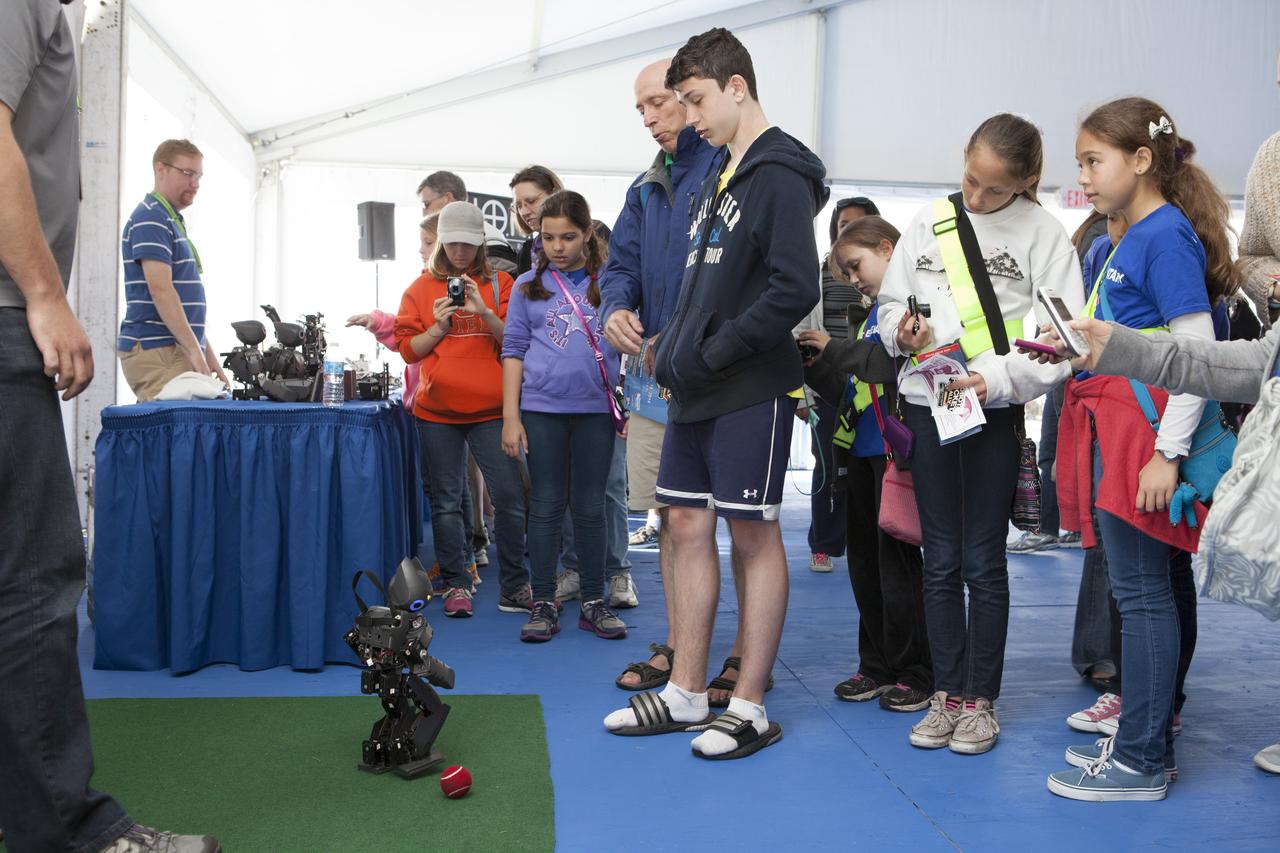
CAPE CANAVERAL, Fla. – Students gather to watch as a DARwin-OP miniature humanoid robot from Virginia Tech Robotics demonstrates its soccer abilities at the Robot Rocket Rally. The three-day event at Florida's Kennedy Space Center Visitor Complex is highlighted by exhibits, games and demonstrations of a variety of robots, with exhibitors ranging from school robotics clubs to veteran NASA scientists and engineers. Photo credit: NASA/Kim Shiflett
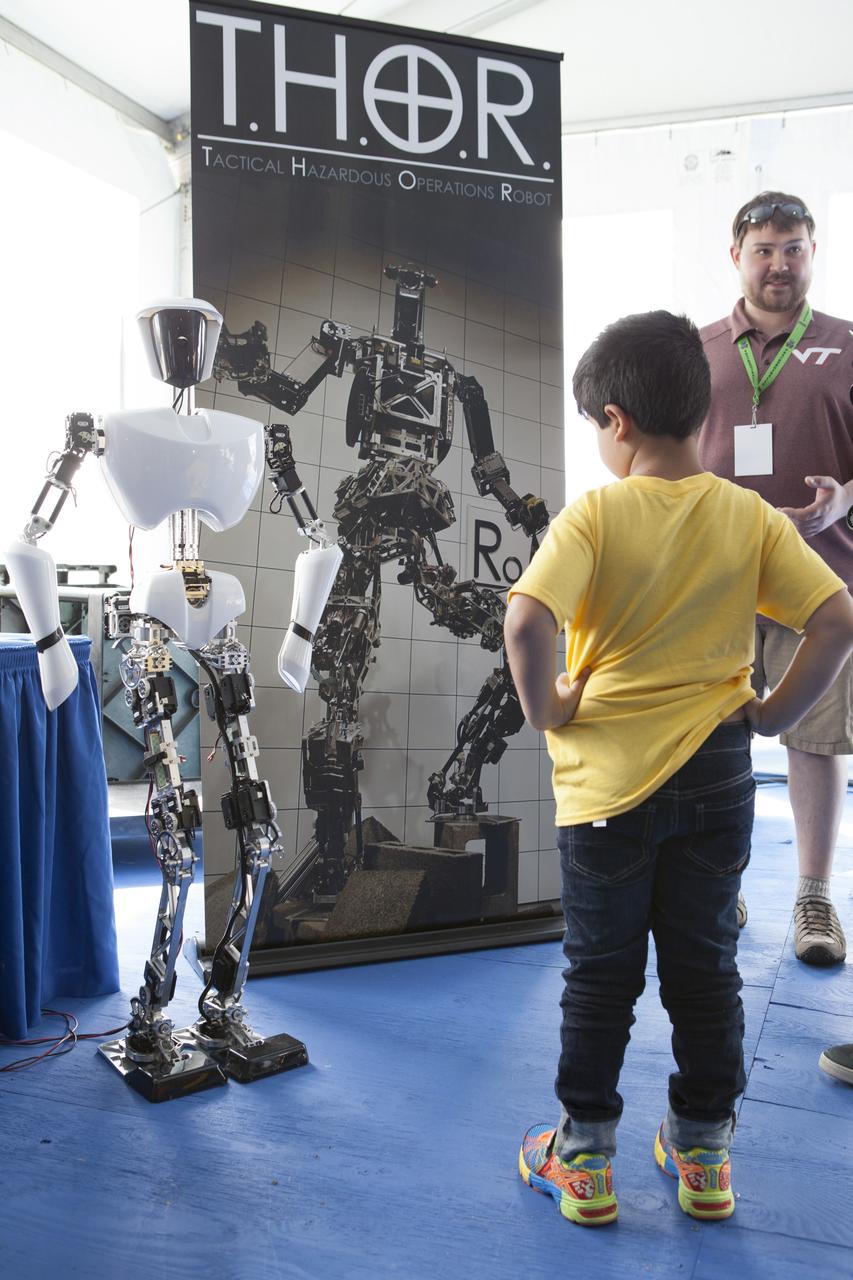
CAPE CANAVERAL, Fla. – A child gets an up-close look at Charli, an autonomous walking robot developed by Virginia Tech Robotics, during the Robot Rocket Rally. The three-day event at Florida's Kennedy Space Center Visitor Complex is highlighted by exhibits, games and demonstrations of a variety of robots, with exhibitors ranging from school robotics clubs to veteran NASA scientists and engineers. Photo credit: NASA/Kim Shiflett
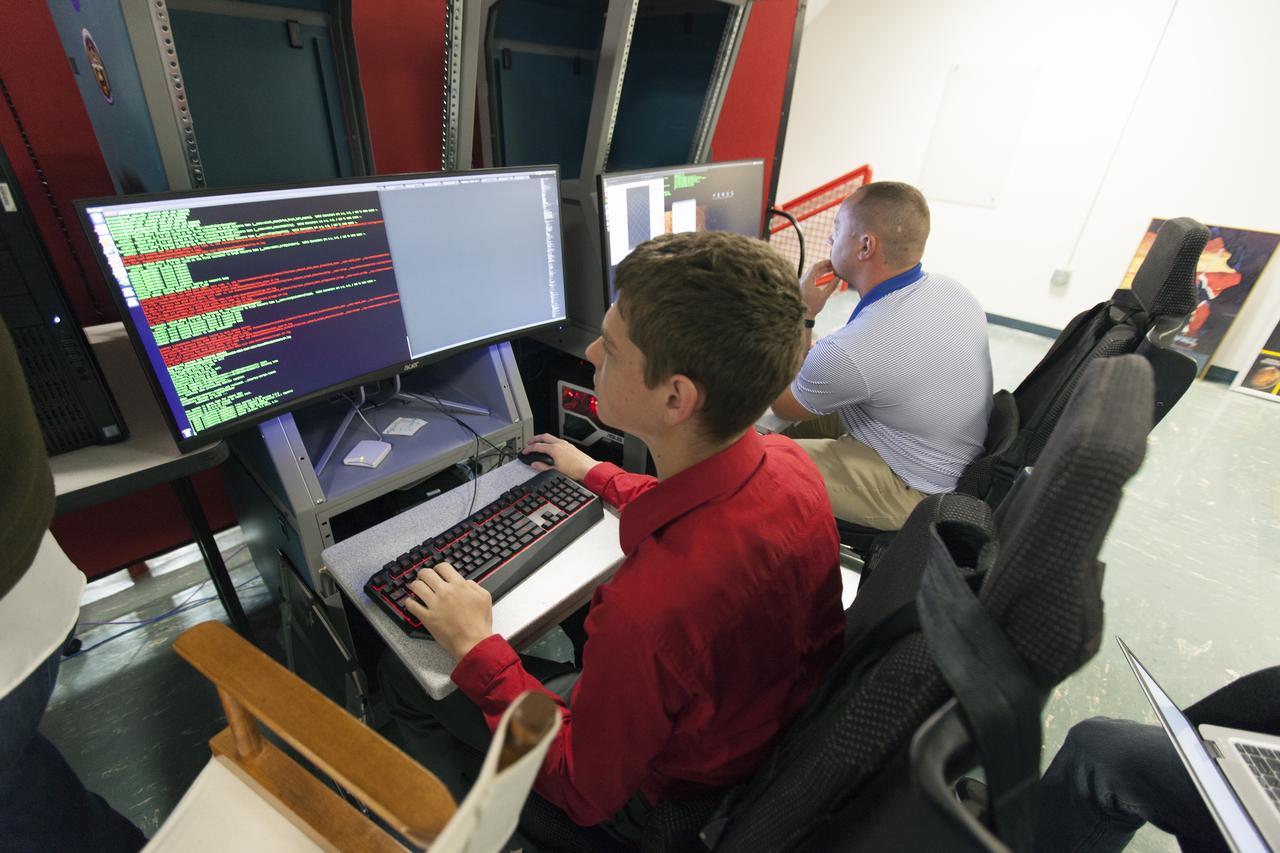
In the Swamp Works laboratory at NASA's Kennedy Space Center in Florida, student interns such as Thomas Muller, left, and Austin Langdon are joining agency scientists, contributing in the area of Exploration Research and Technology. Muller is pursuing a degree in computer engineering and control systems and Florida Tech. Langdon is an electrical engineering major at the University of Kentucky. The agency attracts its future workforce through the NASA Internship, Fellowships and Scholarships, or NIFS, Program.

Silicon Valley FIRST Regional Robotics competition: Evolution Team 1834 - NASA/Google/NASA Robotics Education FIRST Spnsorship program/San Jose Job Corps/MetroED & SIA Tech , San Jose, California (CA) trouble shooting with the help of Royal Robotrons Team 1070 - California State University, Northridge/Dreamworks Animation skg Louisville Hight school, Woodlands Hills, California (CA)
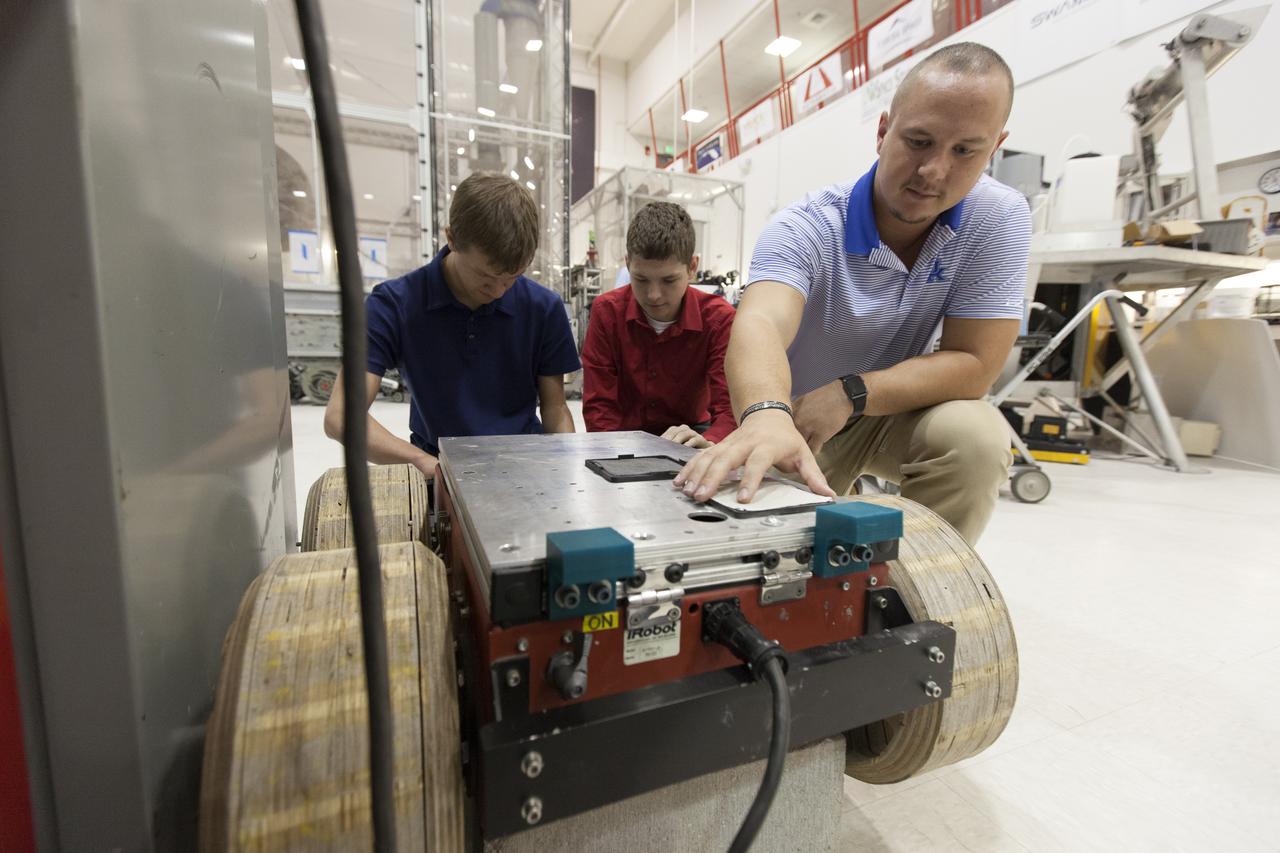
In the Swamp Works laboratory at NASA's Kennedy Space Center in Florida, student interns, from the left, Jeremiah House, Thomas Muller and Austin Langdon are joining agency scientists, contributing in the area of Exploration Research and Technology. House is studying computer/electrical engineering at John Brown University in Siloam Springs, Arkansas. Muller is pursuing a degree in computer engineering and control systems and Florida Tech. Langdon is an electrical engineering major at the University of Kentucky. The agency attracts its future workforce through the NASA Internship, Fellowships and Scholarships, or NIFS, Program.
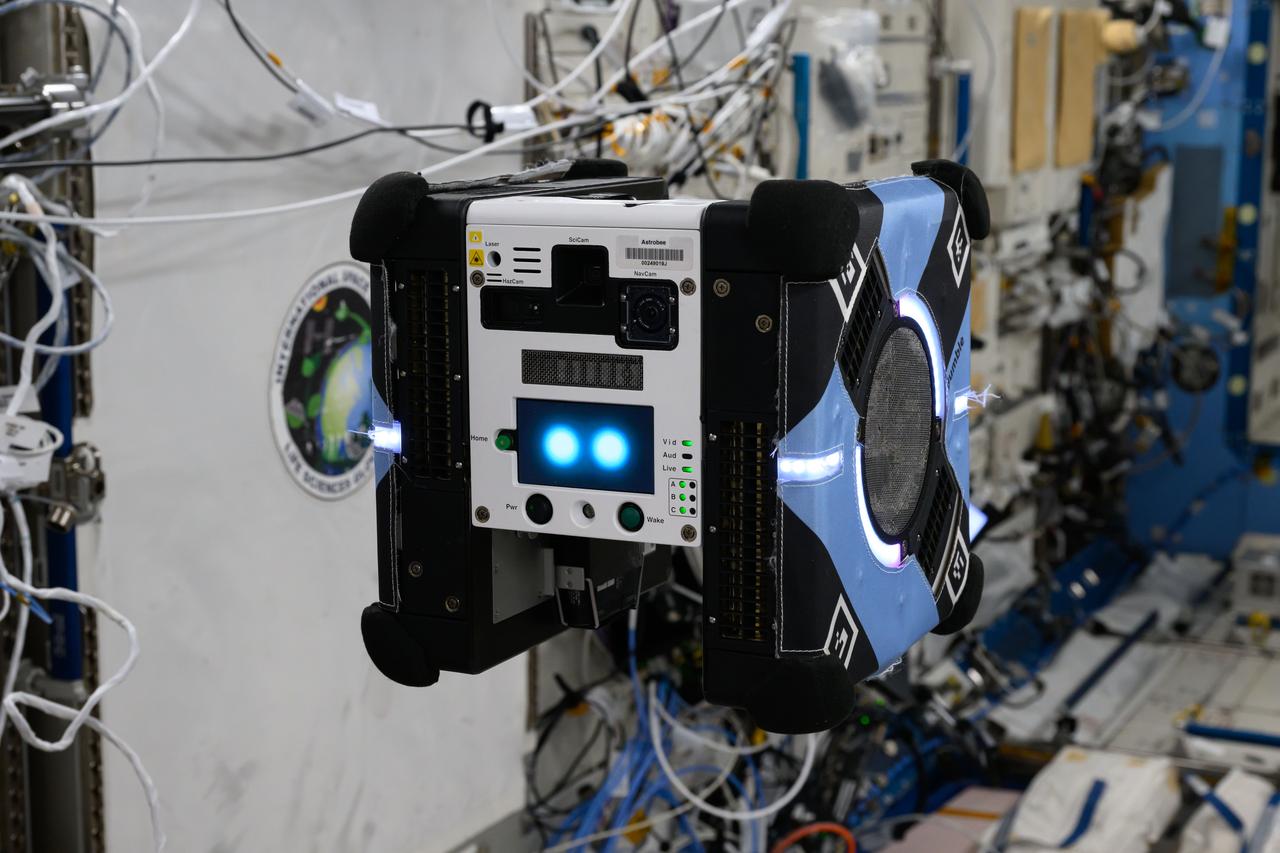
iss071e046284 (May 1, 2024) -- One of the International Space Station's free-flying robots, Astrobee, was pictured by NASA astronaut and Expedition 71 Flight Engineer Tracy C. Dyson during a Zero Robotics tech demonstration. Zero Robotics allows students on Earth to write software to control the robots and observe their performance inside the orbiting laboratory.
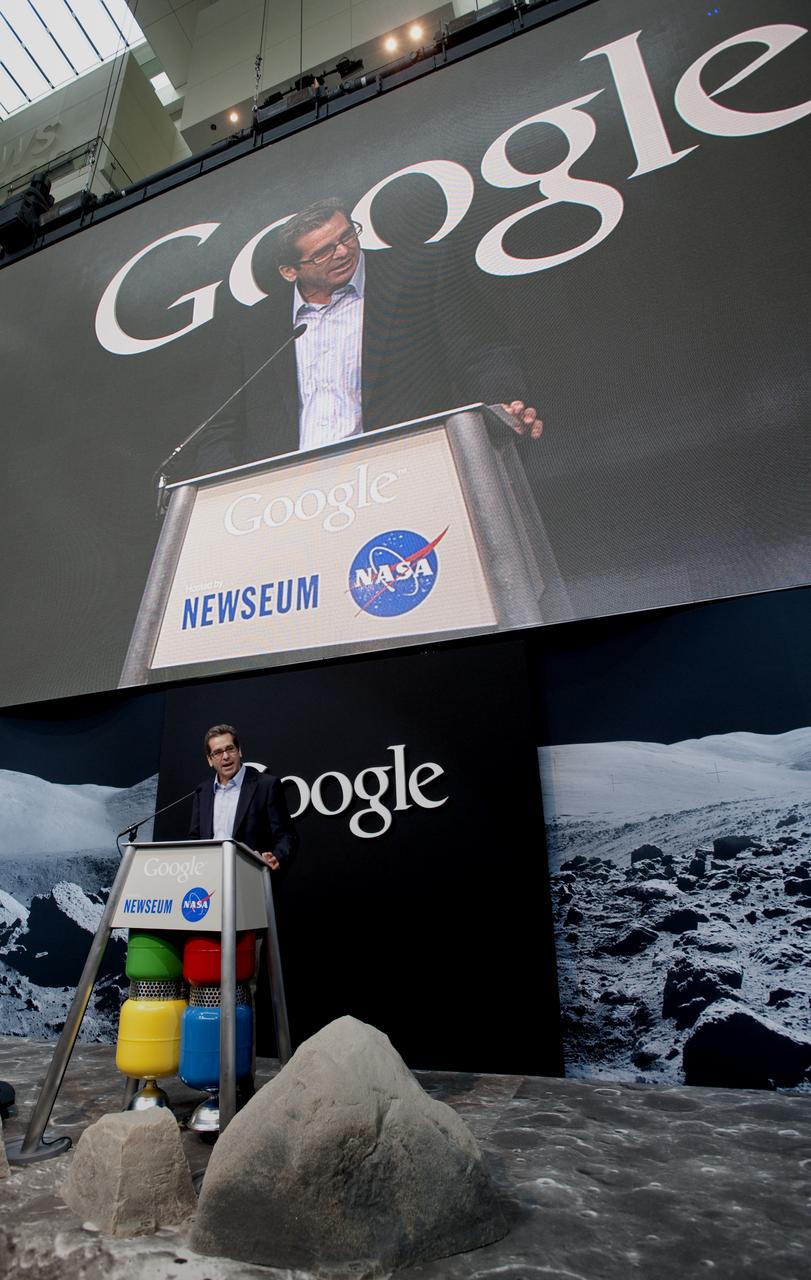
Miles O'Brien, former chief science and tech correspondent for CNN, speaks during a press conference, Monday, July 20, 2009, announcing the launch of Moon in Google Earth, an immersive 3D atlas of the Moon, accessible within Google Earth 5.0, Monday, July 20, 2009, at the Newseum in Washington. Photo Credit: (NASA/Bill Ingalls)
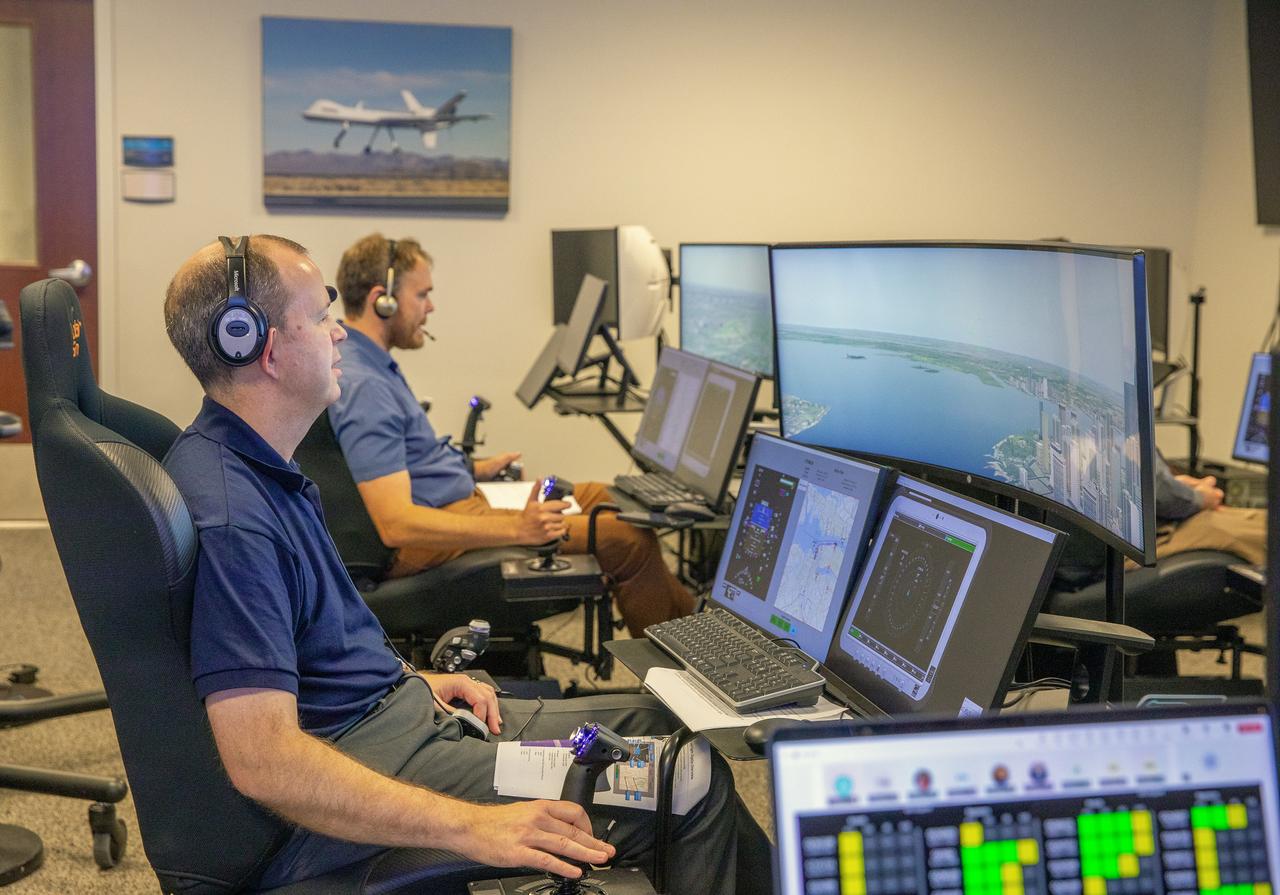
Focus on active photos –Class B Simulation Evaluation in the ATOL Lab at Langley (Also at FAA Tech Center) where team is working with one another in the lab, reviewing data on the monitors. Working the software, adjusting the software systems. Going over the shoulder to show the displays and screens as the software is running. Andy Burroughs (left) and Paul Friz in the roles of air taxi pilots running through air taxi integration simulations focusing on urban air space at NASA’s Langley Research in Hampton, Virginia on Sept. 25, 2024.
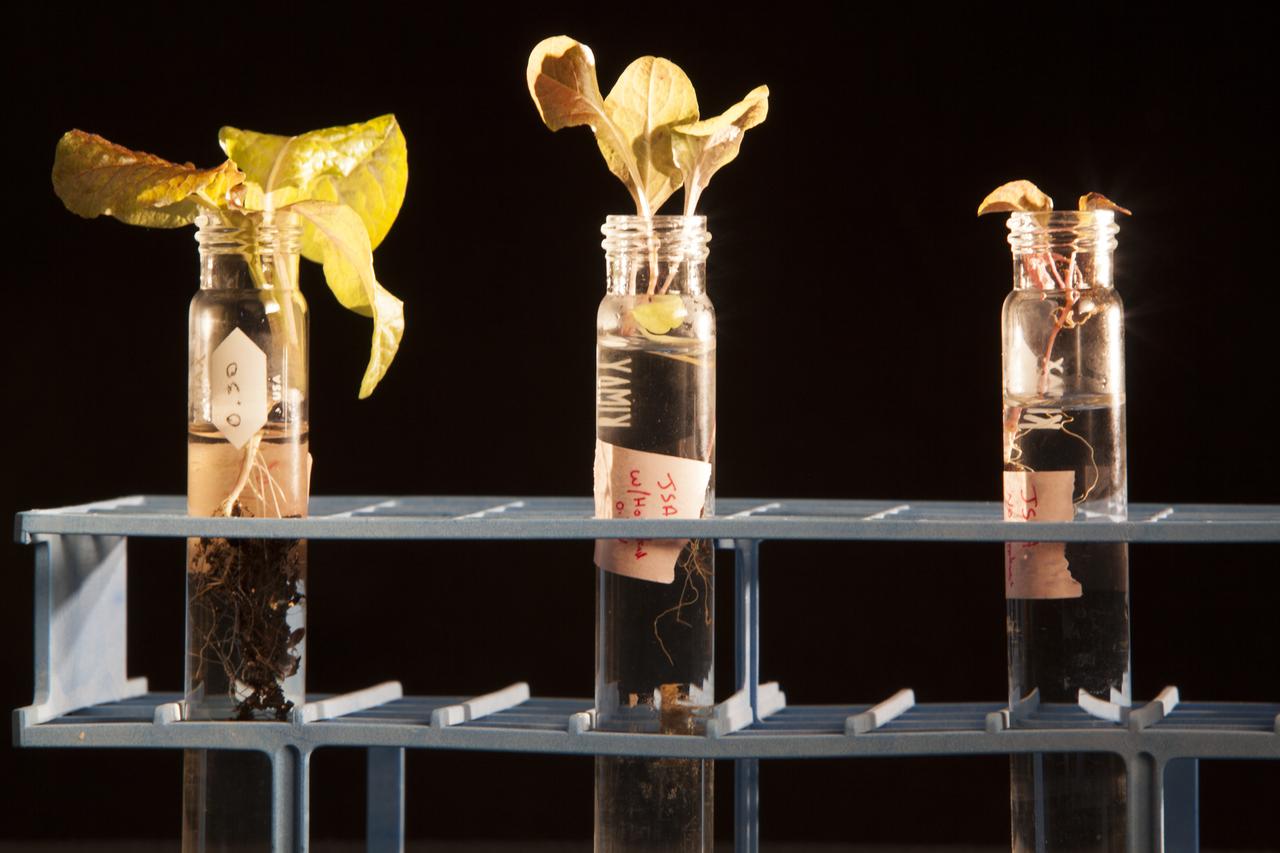
NASA’s Kennedy Space Center is partnering with the Florida Tech Buzz Aldrin Space Institute in Melbourne, Florida, to collaborate on research studying the performance of crop species grown in a simulated “Martian garden” — a proving ground for a potential future farm on the Red Planet. Plants were grown in a preliminary experiment comparing (left to right) potting soil, regolith simulant with added nutrients, and simulant without nutrients.
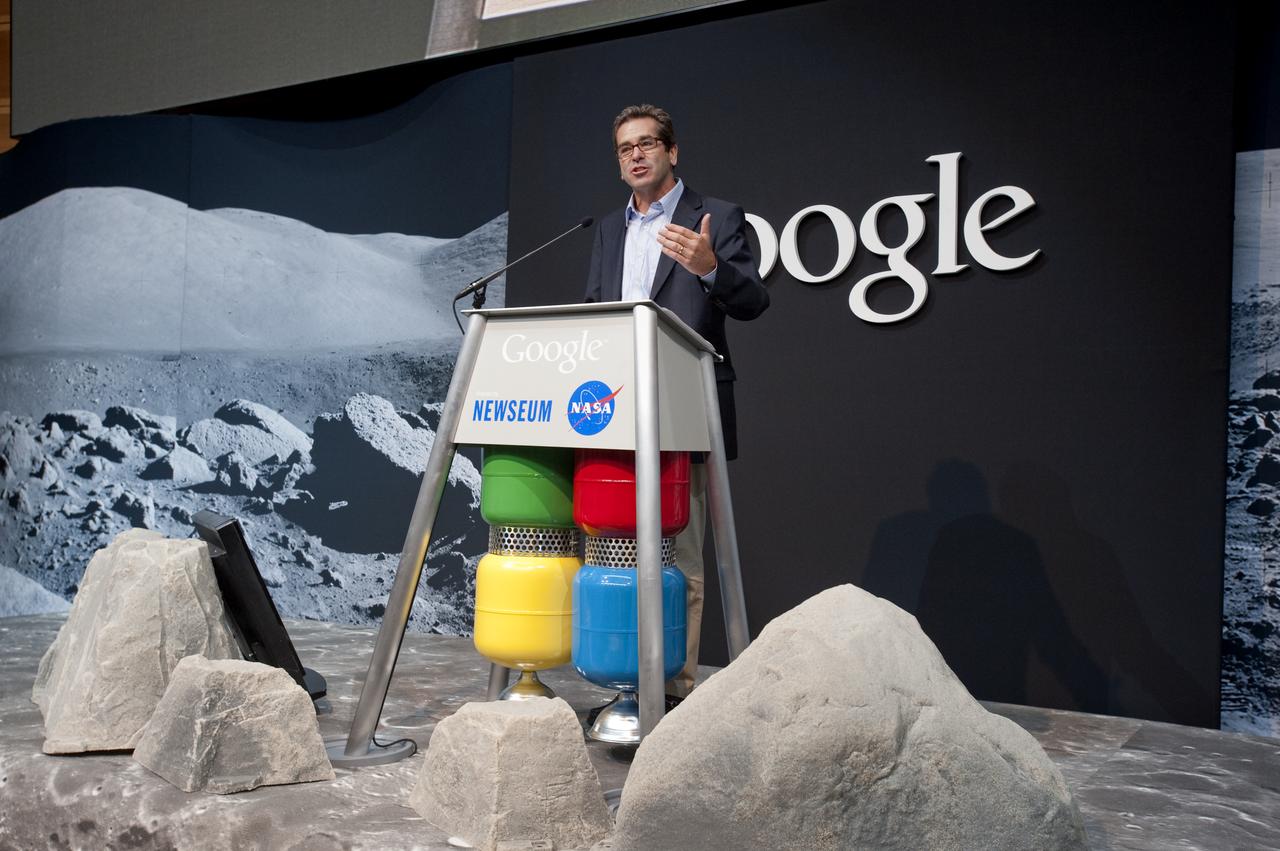
Miles O'Brien, former chief science and tech correspondent for CNN, speaks during a press conference, Monday, July 20, 2009, announcing the launch of Moon in Google Earth, an immersive 3D atlas of the Moon, accessible within Google Earth 5.0, Monday, July 20, 2009, at the Newseum in Washington. Photo Credit: (NASA/Bill Ingalls)
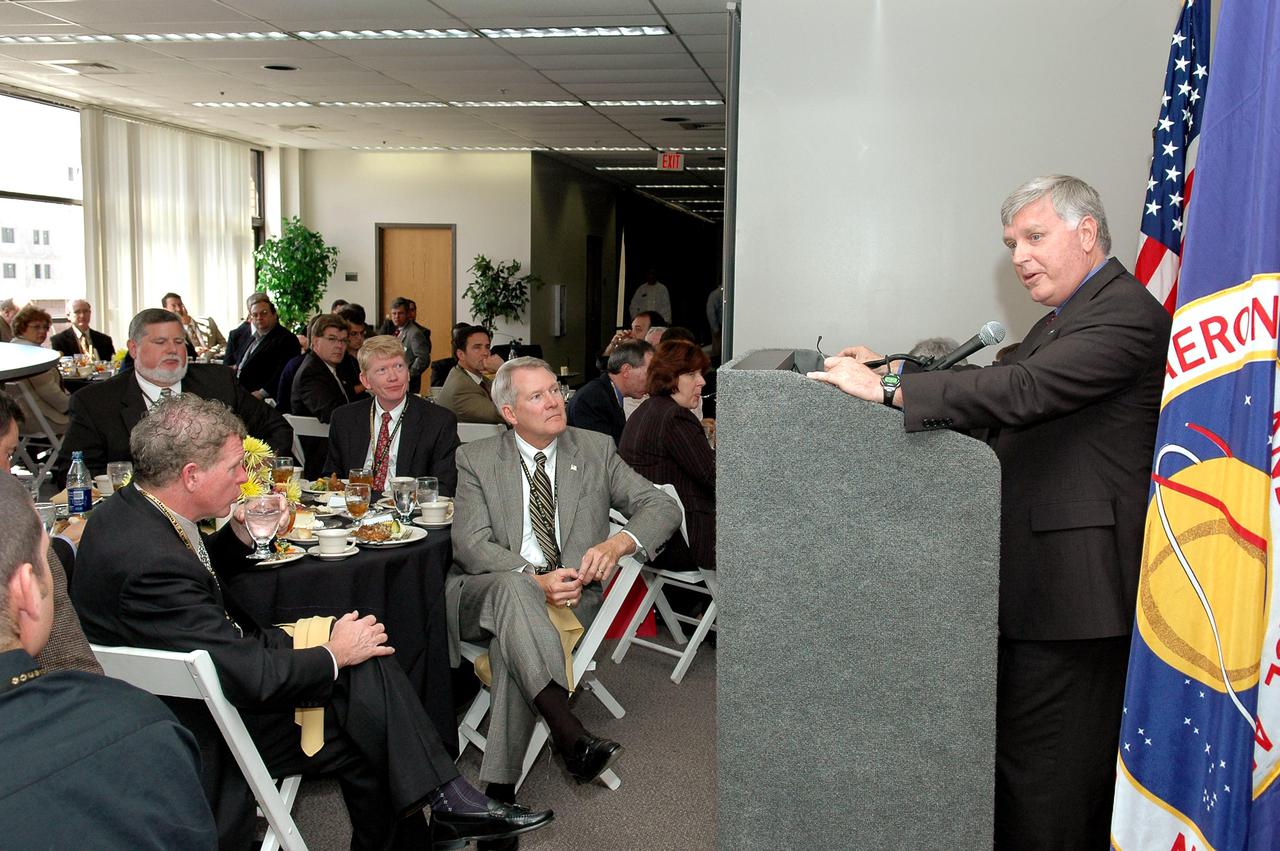
KENNEDY SPACE CENTER, FLA. - Center Director Jim Kennedy speaks to attendees at a VIP luncheon during the 2005 FIRST Robotics Regional Competition held at the University of Central Florida March 10-12. NASA and the University of Central Florida are co-hosts of the regional event and are joined by sponsors such as Motorola iDEN, the Florida High Tech Corridor Council, Walt Disney World Company and aerospace companies Lockheed Martin and United Space Alliance, just to name a few.
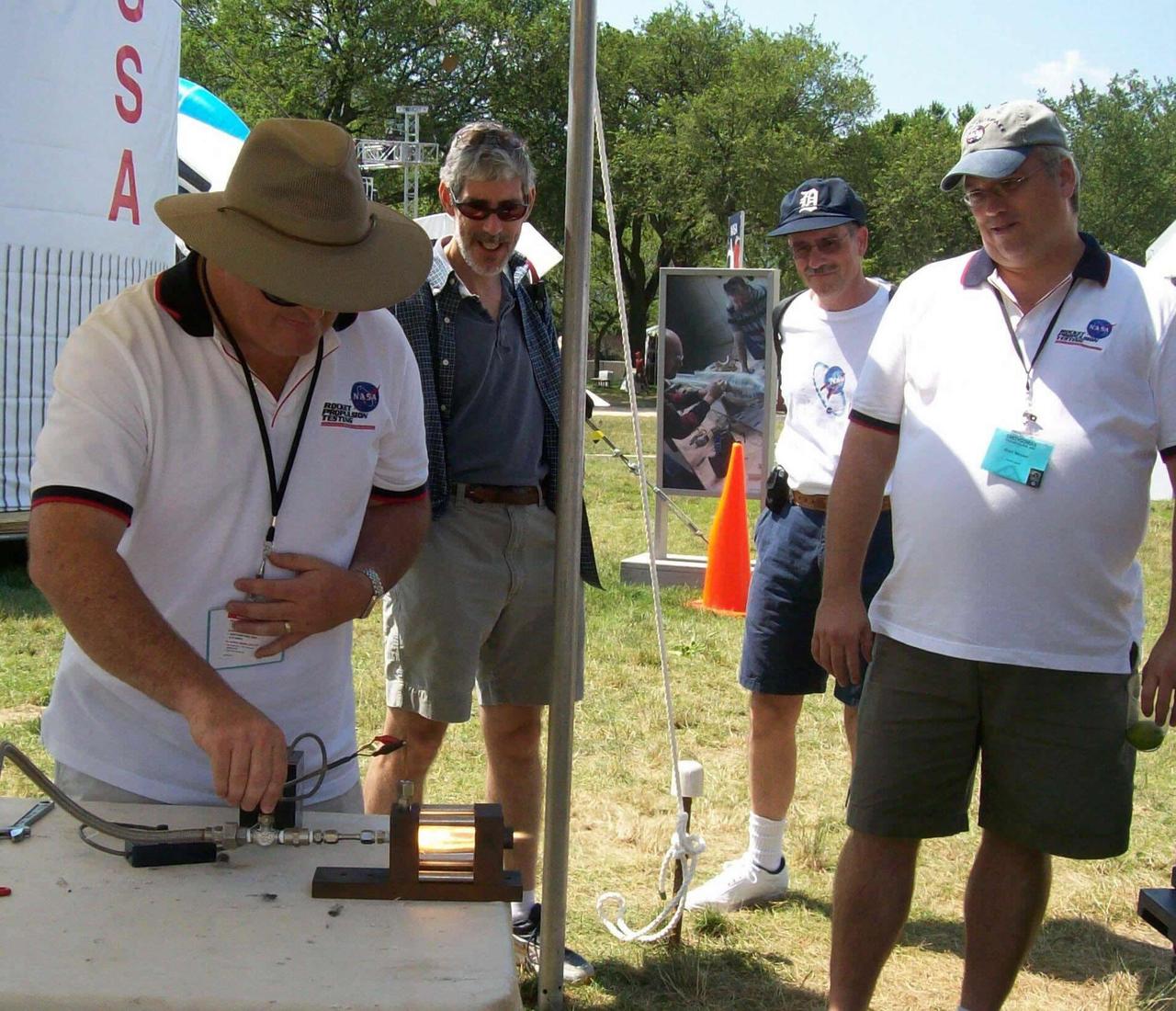
Bryon Maynard (left), an aerospace technologist for Propulsion Systems & Tech in Stennis' Engineering and Science Directorate, uses a 'pocket rocket' to demonstrate the concept of rocket propulsion as part of NASA's exhibit at the Smithsonian Folklife Festival in Washington, D.C. Maynard is joined by Bradley Messer (right), chief of the Systems Engineering & Integration Division in Stennis' Engineering and Science Directorate, and a pair of exhibit visitors.
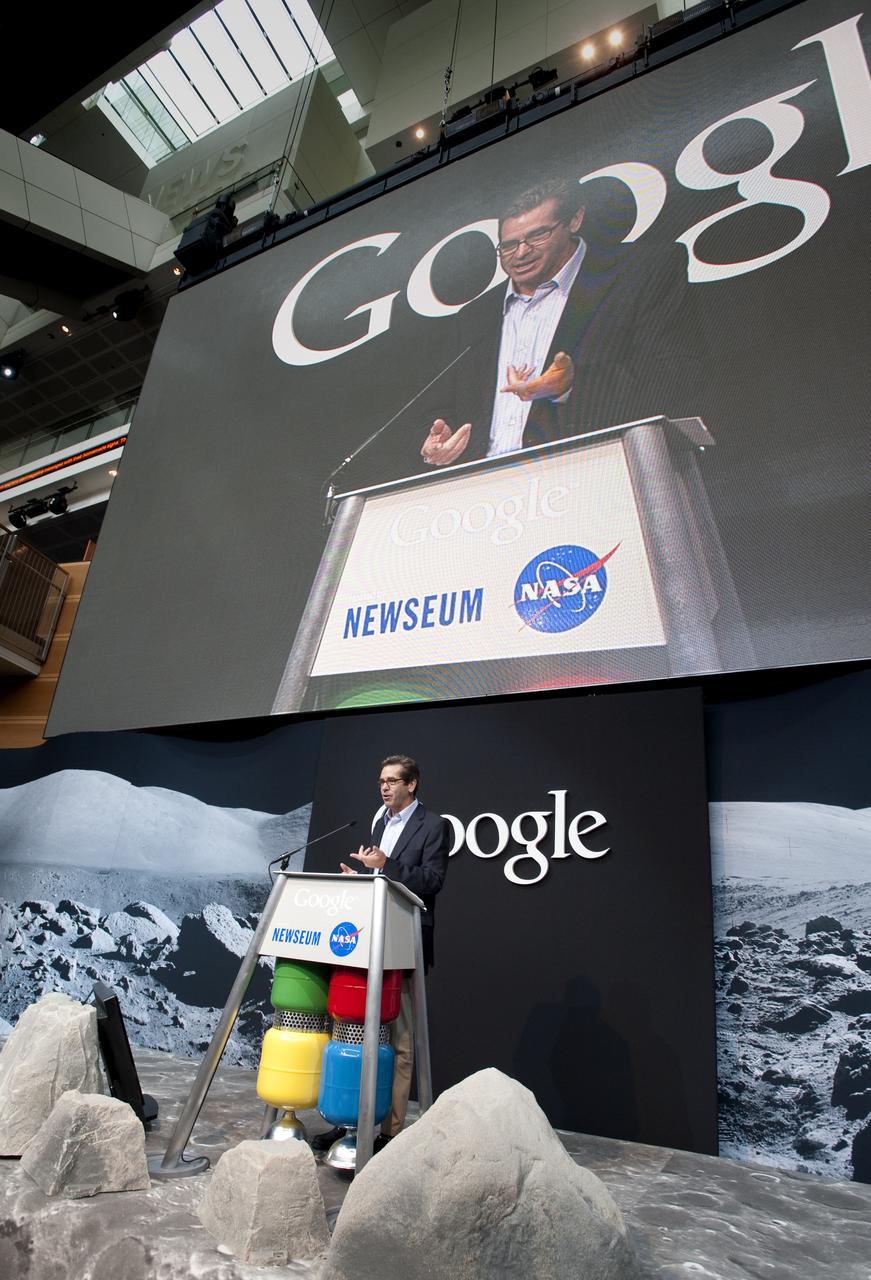
Miles O'Brien, former chief science and tech correspondent for CNN, speaks during a press conference, Monday, July 20, 2009, announcing the launch of Moon in Google Earth, an immersive 3D atlas of the Moon, accessible within Google Earth 5.0, Monday, July 20, 2009, at the Newseum in Washington. Photo Credit: (NASA/Bill Ingalls)
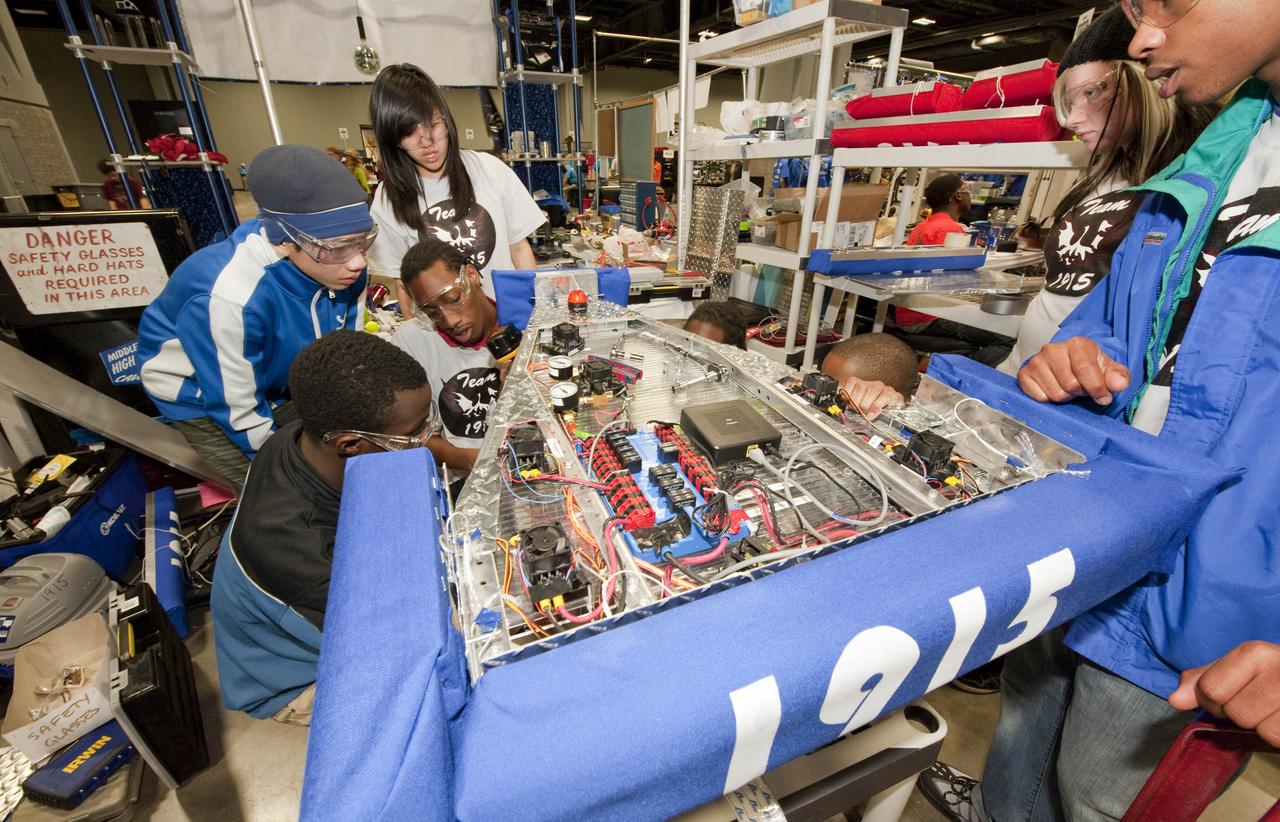
Students from McKinley Tech High School in Washington, D.C., work on their robot in the "Pit Area" as they prepare to compete in the First Robotics Competition, Friday, March 5, 2010, in Washington. The student competition is called "For Inspiration and Recognition of Science and Technology," or FIRST. The program was founded in 1989 by inventor Dean Kamen to inspire an appreciation of science and technology in young people, their schools and communities. Photo Credit: (NASA/Paul E. Alers)