
NASA Deputy Administrator Lori Garver answers questions during a NASA Update on, Tuesday, Feb. 15, 2011, at NASA Headquarters in Washington. Garver and NASA Administrator Charles Bolden took the time discuss the agency’s fiscal year 2012 budget request and to take questions from employees. Photo Credit: (NASA/Bill Ingalls)
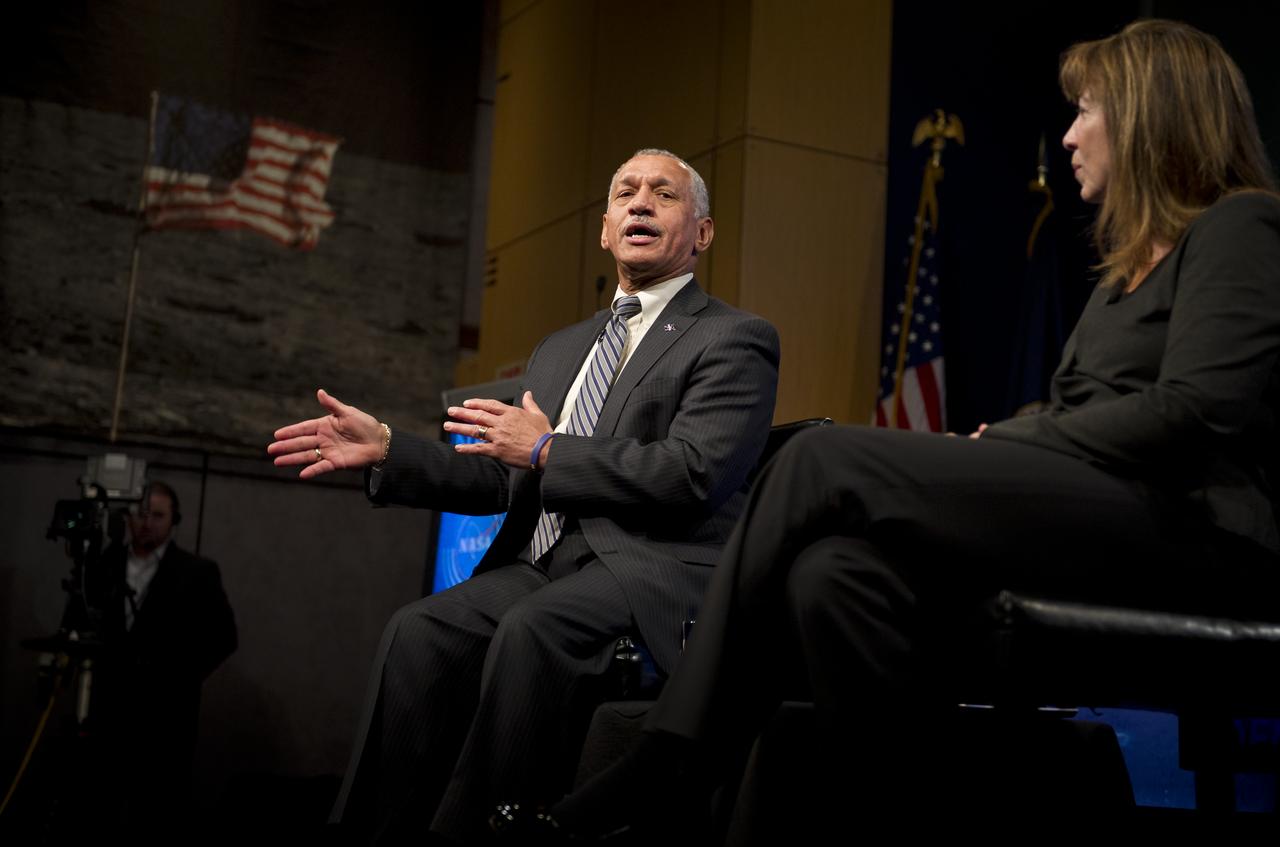
NASA Administrator Charles F. Bolden Jr., answers questions during a NASA Update on, Tuesday, Feb. 15, 2011, at NASA Headquarters in Washington. Bolden, NASA's 12th Administrator and NASA Deputy Administrator Lori Garver took the time discuss the agency’s fiscal year 2012 budget request and to take questions from employees. Photo Credit: (NASA/Bill Ingalls)
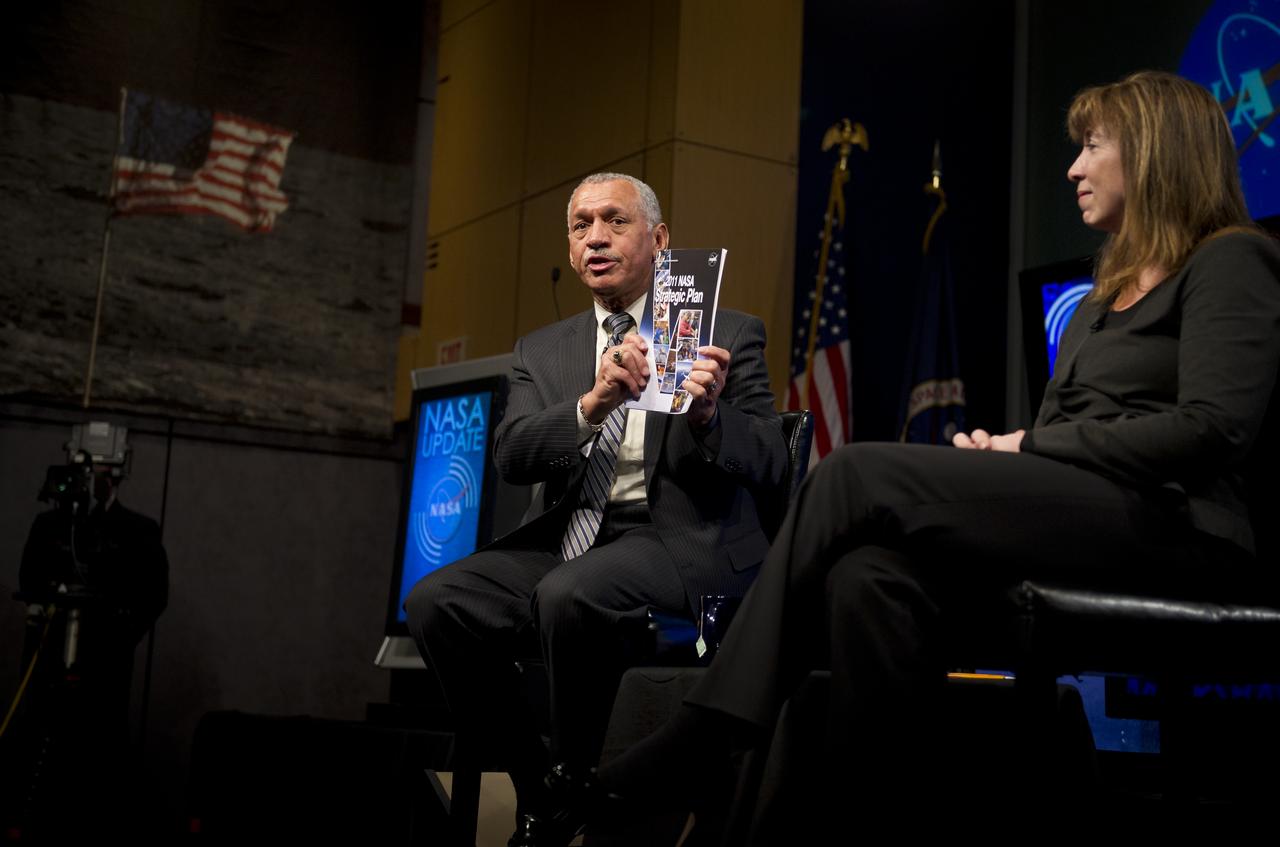
NASA Administrator Charles F. Bolden Jr., answers questions during a NASA Update on, Tuesday, Feb. 15, 2011, at NASA Headquarters in Washington. Bolden, NASA's 12th Administrator and NASA Deputy Administrator Lori Garver took the time discuss the agency’s fiscal year 2012 budget request and to take questions from employees. Photo Credit: (NASA/Bill Ingalls)
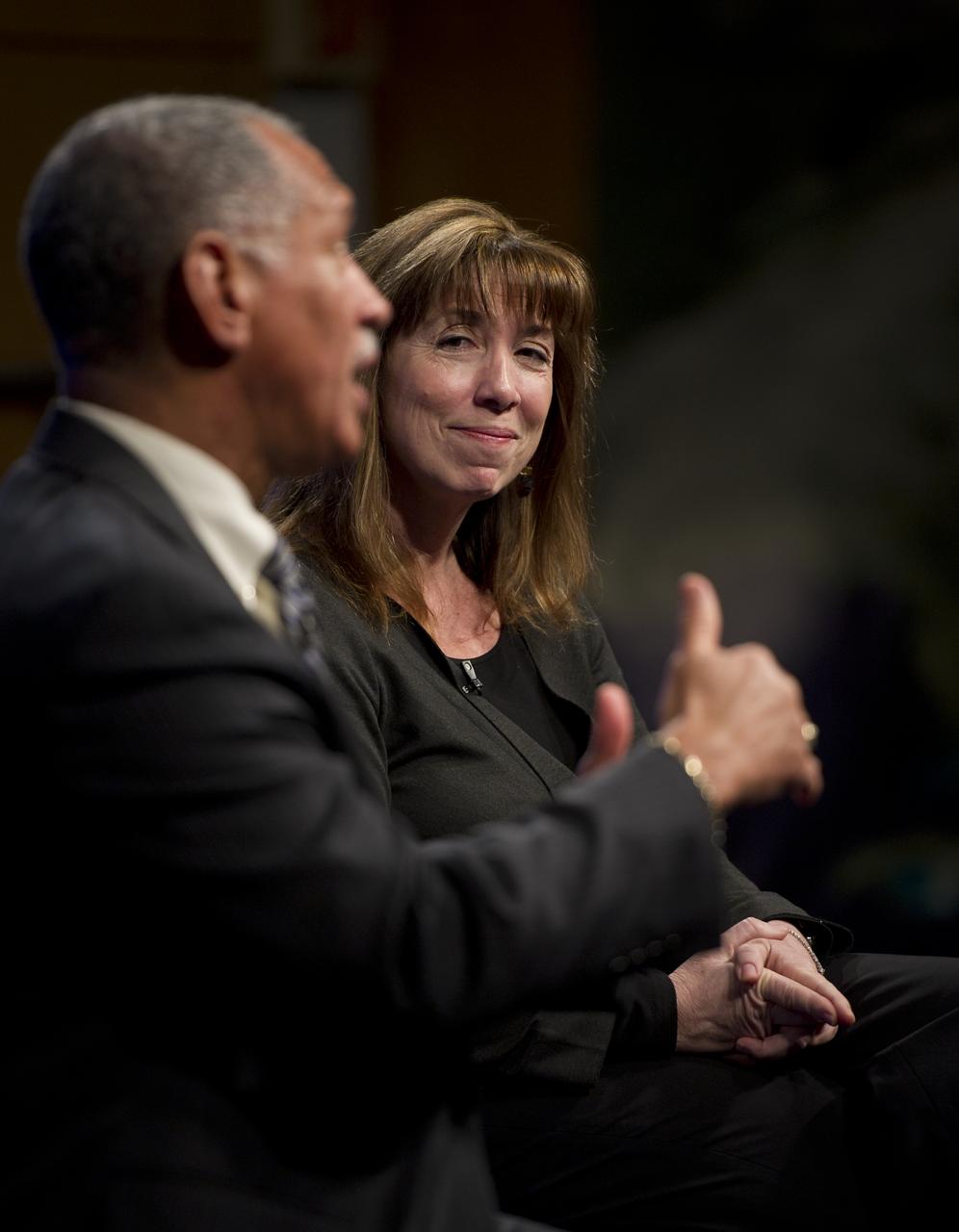
NASA Deputy Administrator Lori Garver listens as NASA Administrator Charles Bolden answers a question during a NASA Update on Tuesday, Feb. 15, 2011, at NASA Headquarters in Washington. Bolden and Garver took the time discuss the agency’s fiscal year 2012 budget request and to take questions from employees. Photo Credit: (NASA/Bill Ingalls)
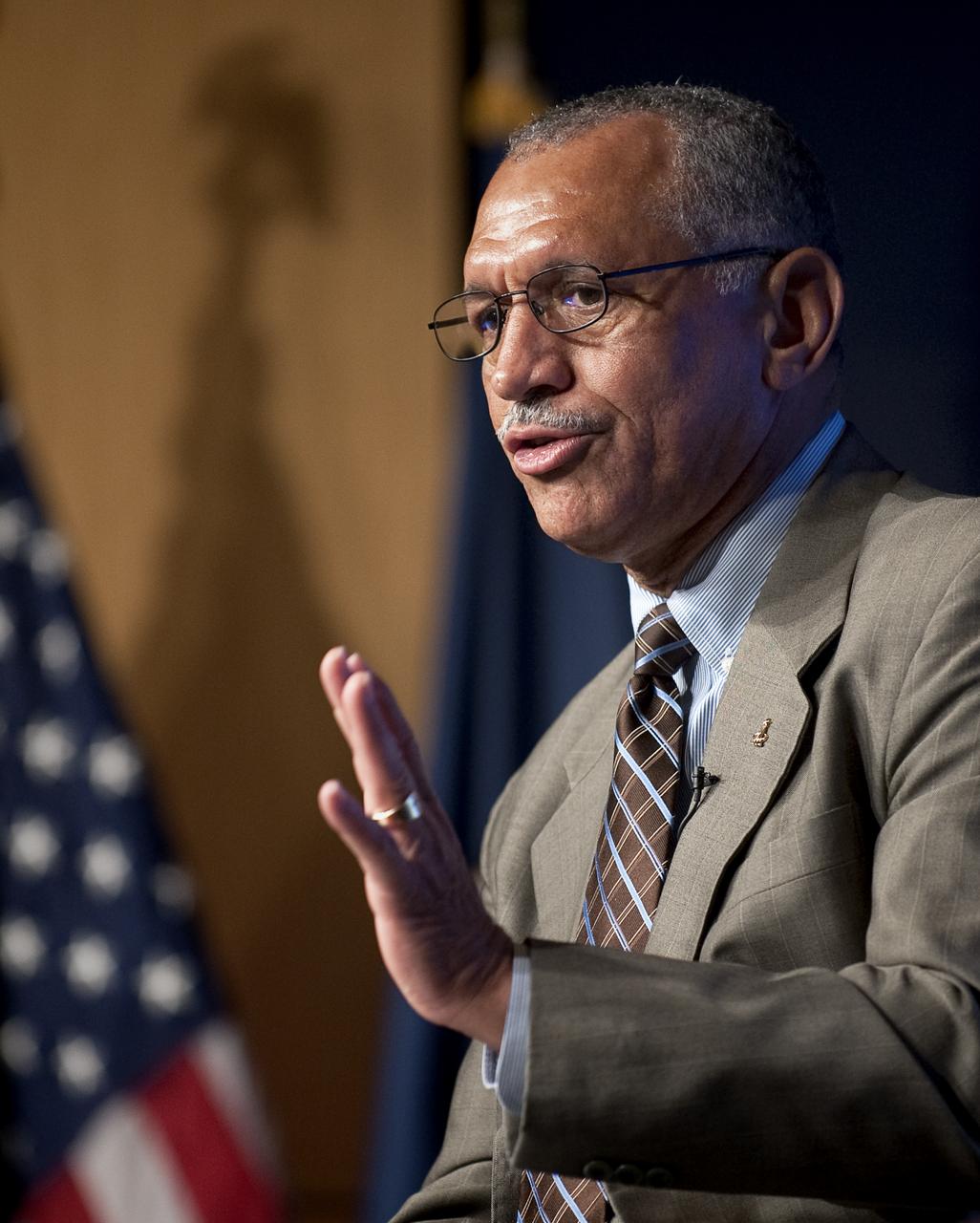
NASA Administrator Charles F. Bolden Jr. speaks during his first NASA Update,Tuesday, July 21, 2009, at NASA Headquarters in Washington. Bolden, NASA's 12th Administrator, was joined by Deputy Administrator Lori Garver where they took the time to introduce themselves and outline their vision for the agency going forward. No questions were taken during the session. Photo Credit: (NASA/Bill Ingalls)
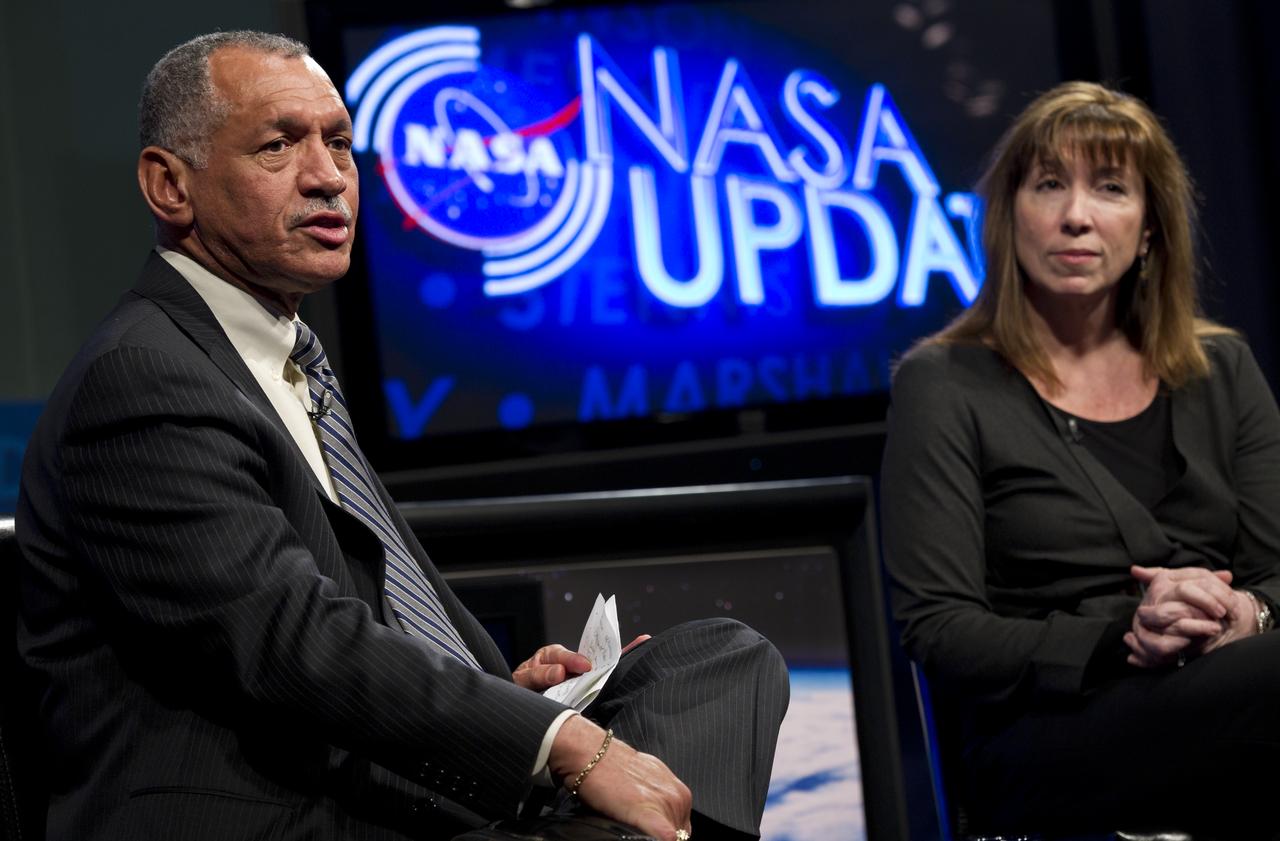
NASA Administrator Charles F. Bolden Jr., and Deputy Administrator Lori Garver deliver a NASA Update on, Tuesday, Feb. 15, 2011, at NASA Headquarters in Washington. Bolden, NASA's 12th Administrator and Garver took the time discuss the agency’s fiscal year 2012 budget request and to take questions from employees. Photo Credit: (NASA/Bill Ingalls)
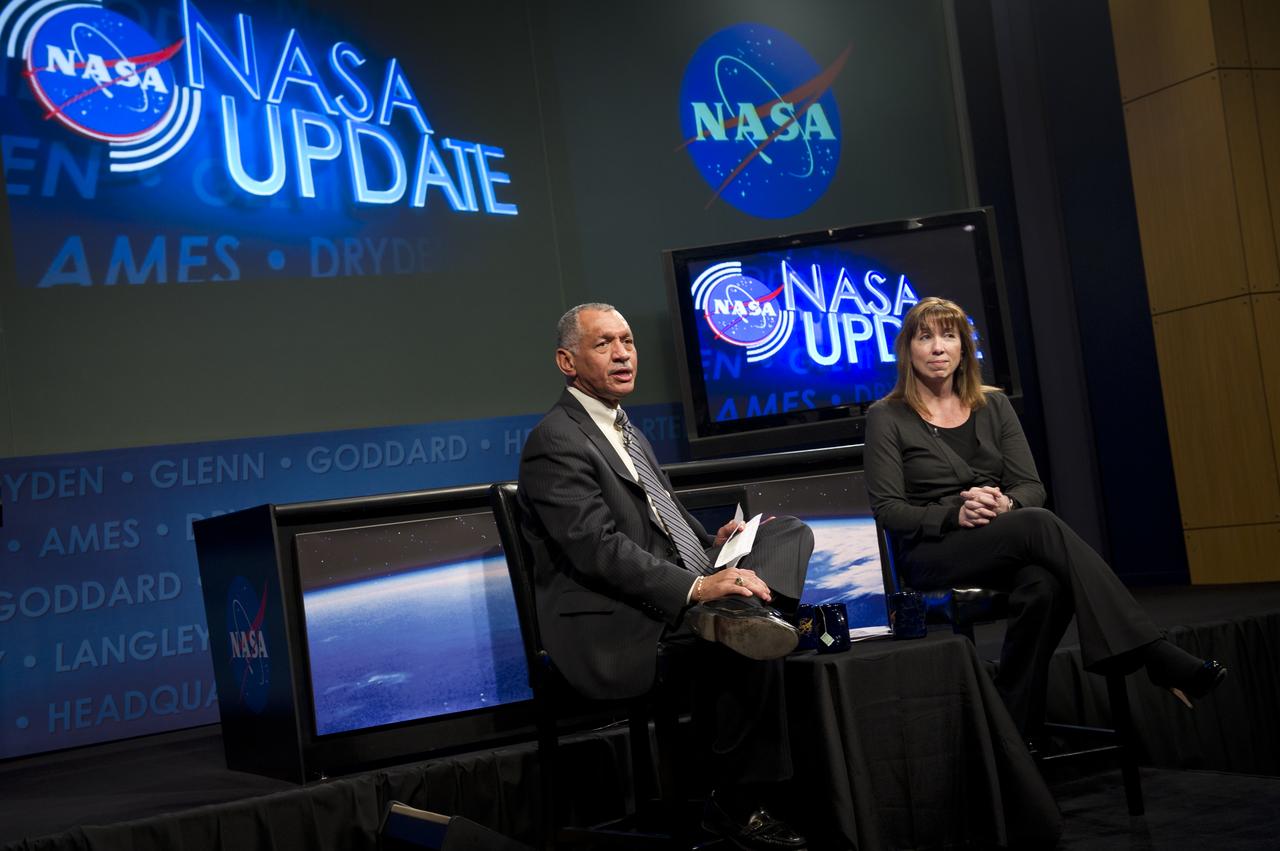
NASA Administrator Charles F. Bolden Jr., and Deputy Administrator Lori Garver deliver a NASA Update on, Tuesday, Feb. 15, 2011, at NASA Headquarters in Washington. Bolden, NASA's 12th Administrator and Garver took the time discuss the agency’s fiscal year 2012 budget request and to take questions from employees. Photo Credit: (NASA/Bill Ingalls)
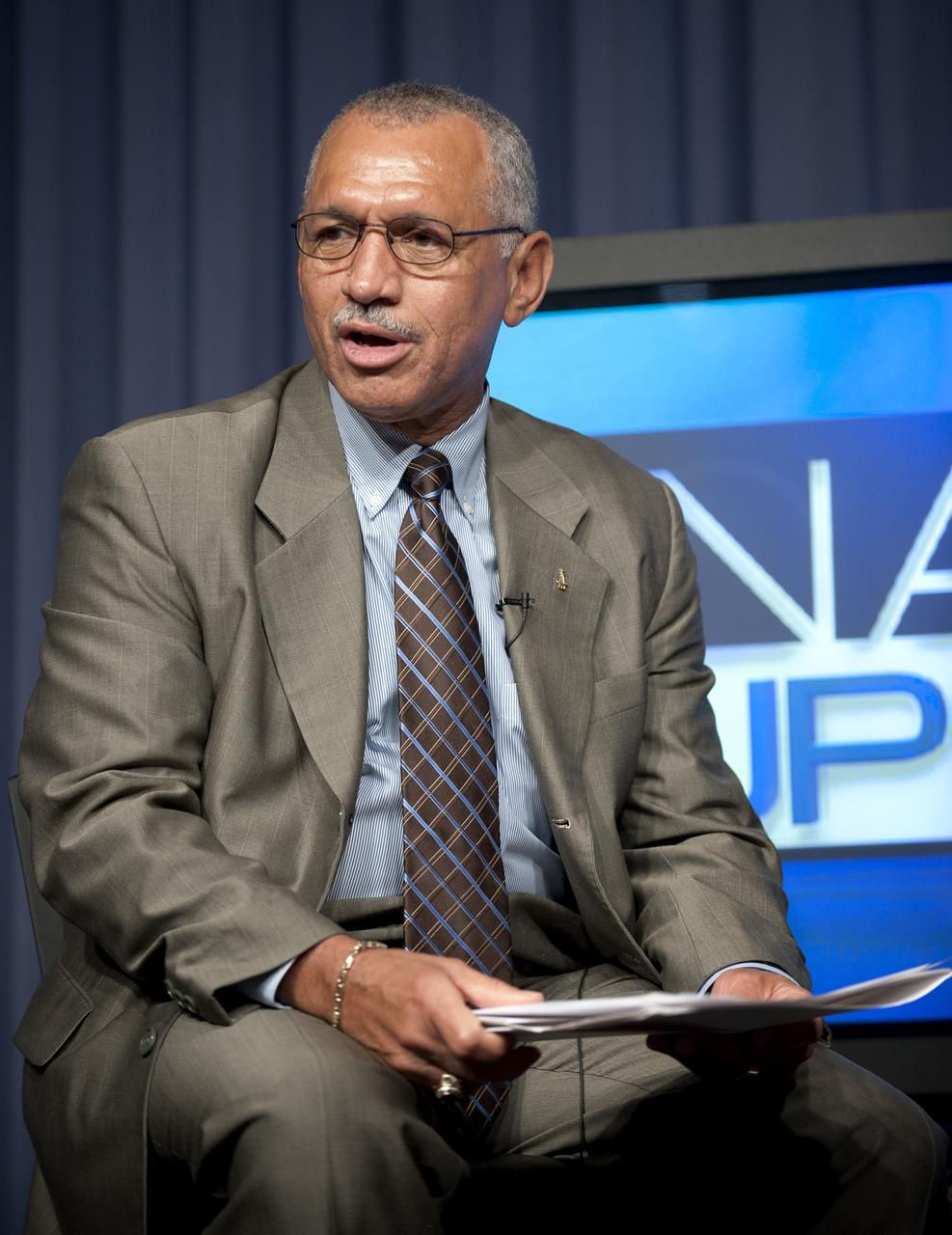
NASA Administrator Charles F. Bolden Jr. speaks during his first NASA Update,Tuesday, July 21, 2009, at NASA Headquarters in Washington. Bolden, NASA's 12th Administrator, was joined by Deputy Administrator Lori Garver where they took the time to introduce themselves and outline their vision for the agency going forward. No questions were taken during the session. Photo Credit: (NASA/Bill Ingalls)
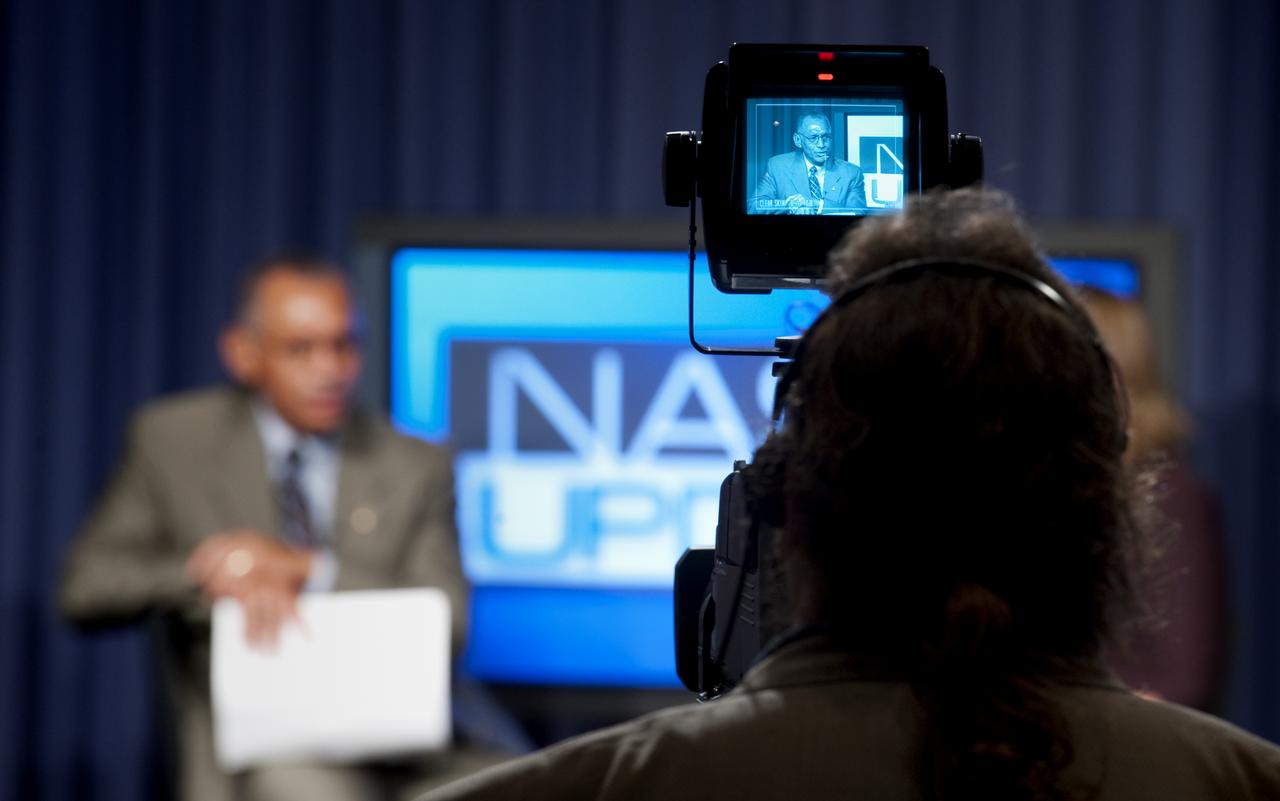
NASA Administrator Charles F. Bolden Jr. is seen on a television camera monitor while speaking at his first NASA Update,Tuesday, July 21, 2009, at NASA Headquarters in Washington. Bolden, NASA's 12th Administrator, was joined by Deputy Administrator Lori Garver where they took the time to introduce themselves and outline their vision for the agency going forward. No questions were taken during the session. Photo Credit: (NASA/Bill Ingalls)
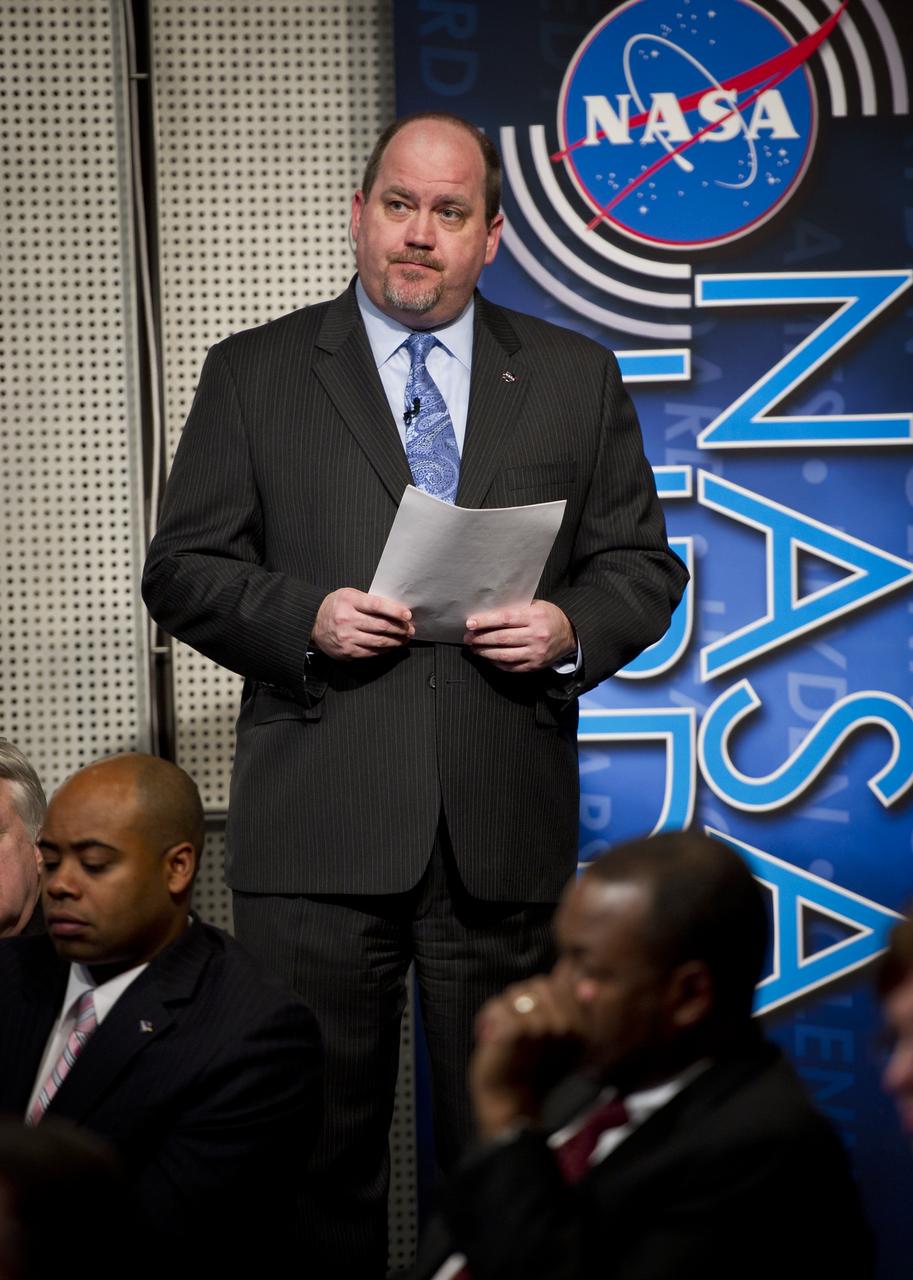
NASA Deputy Associate Administrator for the Office of Communications Bob Jacobs moderates the NASA Update program, Tuesday, Feb. 15, 2011 at NASA Headquarters in Washington. NASA's 12th Administrator Charles Bolden and Deputy Administrator Lori Garver took the time discuss the agency’s fiscal year 2012 budget request and to take questions from employees. Photo Credit: (NASA/Bill Ingalls)

NASA Deputy Administrator Lori Garver makes a point as she speaks during a NASA Update with Administrator Charles F. Bolden Jr.,Tuesday, July 21, 2009, at NASA Headquarters in Washington. Bolden, NASA's 12th Administrator and Garver took the time to introduce themselves and outline their vision for the agency going forward. No questions were taken during the session. Photo Credit: (NASA/Bill Ingalls)
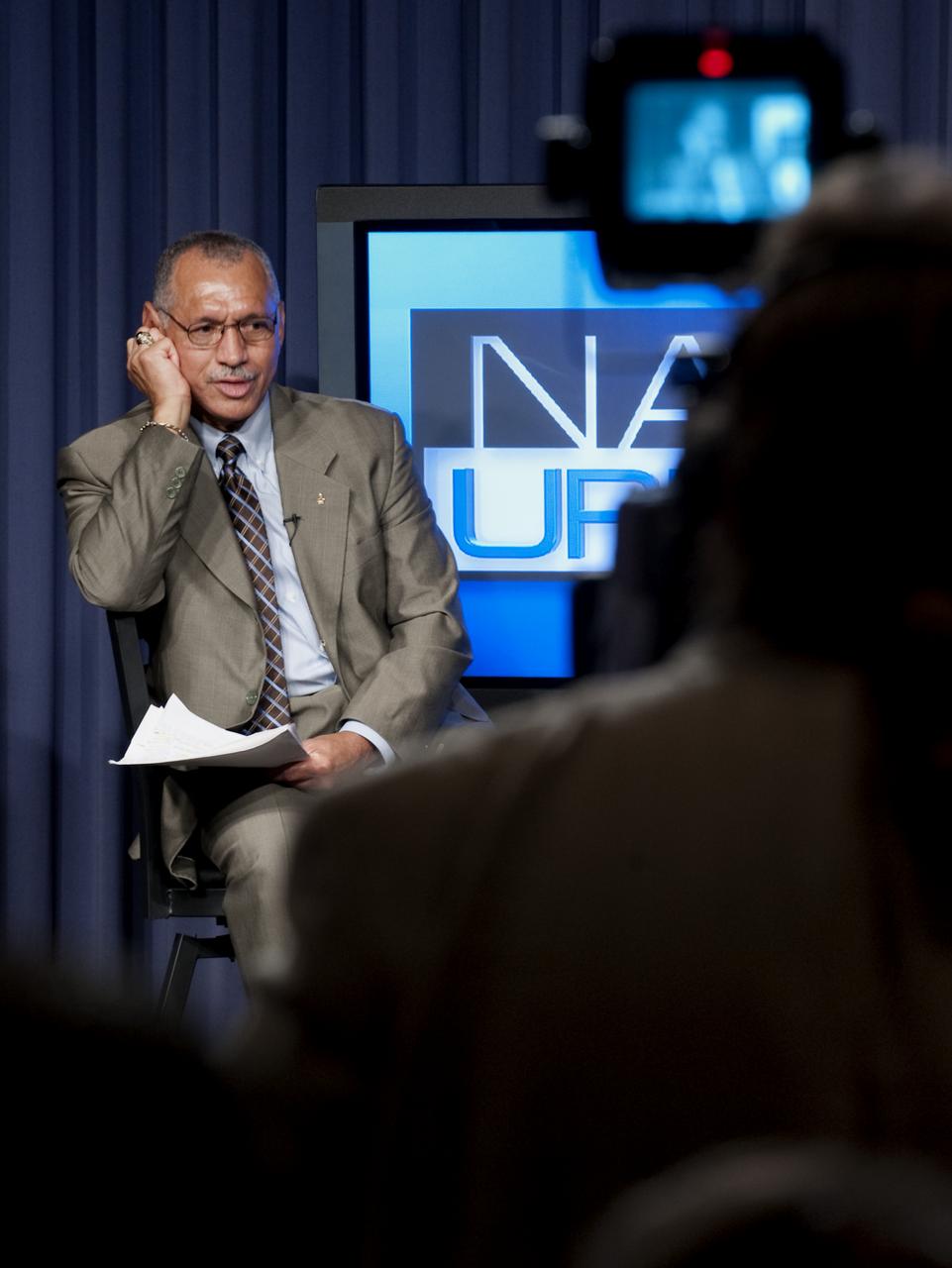
NASA Administrator Charles F. Bolden Jr. speaks during his first NASA Update,Tuesday, July 21, 2009, at NASA Headquarters in Washington. Bolden, NASA's 12th Administrator, was joined by Deputy Administrator Lori Garver where they took the time to introduce themselves and outline their vision for the agency going forward. No questions were taken during the session. Photo Credit: (NASA/Bill Ingalls)

NASA Administrator Charles F. Bolden Jr. is seen through a television camera monitor during his first NASA Update,Tuesday, July 21, 2009, at NASA Headquarters in Washington. Bolden, NASA's 12th Administrator, was joined by Deputy Administrator Lori Garver where they took the time to introduce themselves and outline their vision for the agency going forward. No questions were taken during the session. Photo Credit: (NASA/Bill Ingalls)
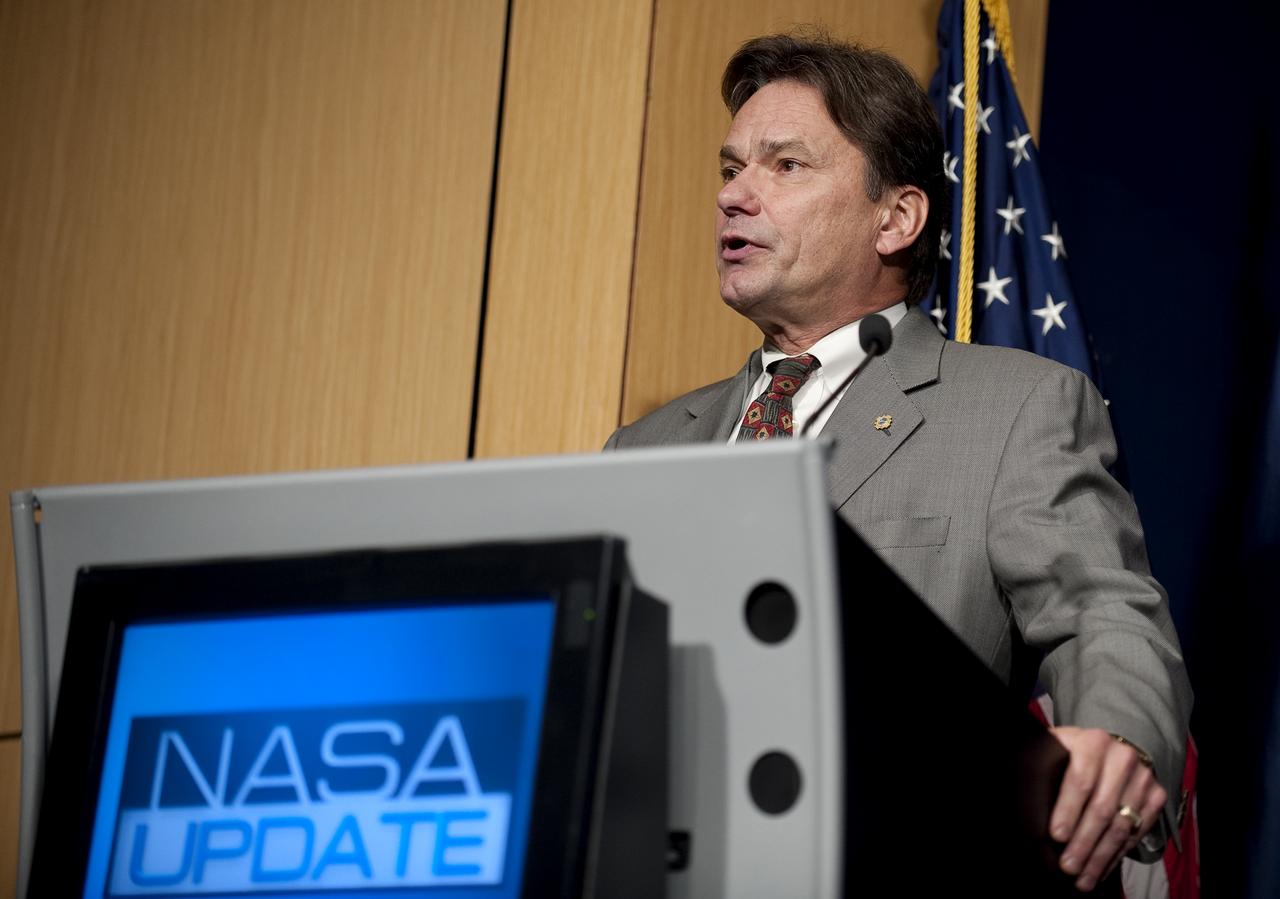
Alan Ladwig, Senior Advisor to the NASA Administrator, introduces Administrator Charles F. Bolden Jr. and Deputy Administrator Lori Garver at a NASA Update,Tuesday, July 21, 2009, at NASA Headquarters in Washington. Bolden, the agency's 12th Administrator and Garver took the time to introduce themselves and outline their vision for the agency going forward. No questions were taken during the session. Photo Credit: (NASA/Bill Ingalls)
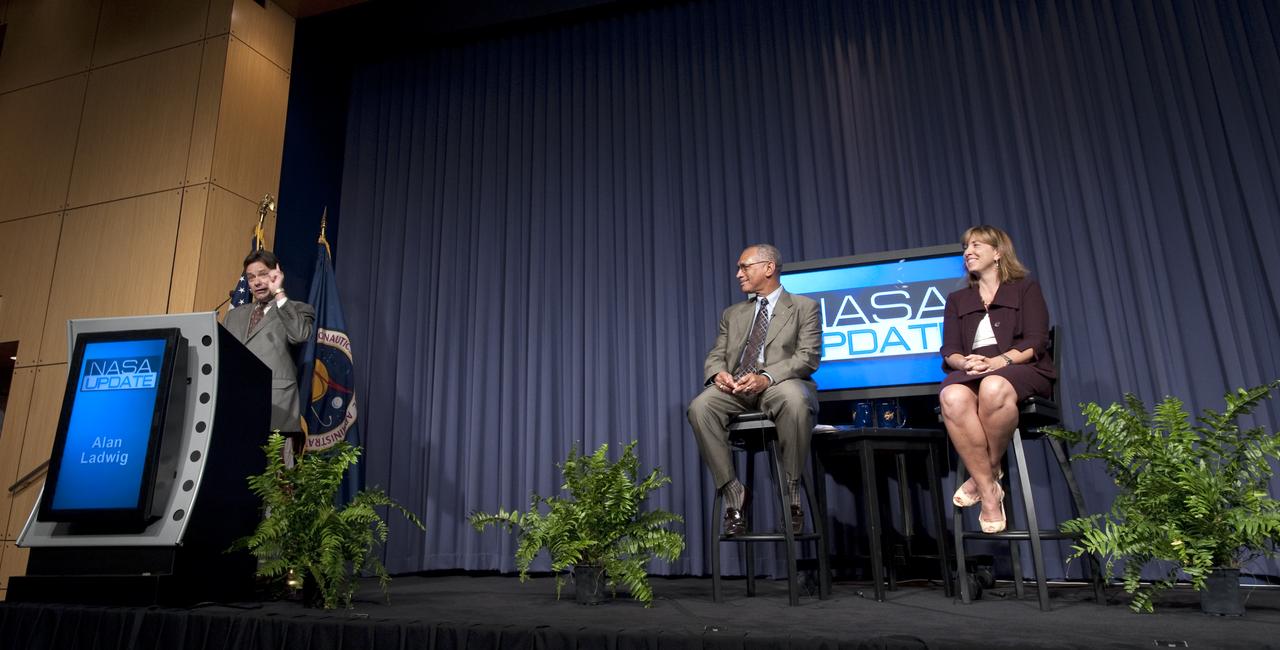
Alan Ladwig, senior advisor to the NASA Administator, far left, makes a point as he introduces NASA Administrator Charles F. Bolden Jr. and Deputy Administrator Lori Garver at a NASA Update,Tuesday, July 21, 2009, at NASA Headquarters in Washington. Bolden, NASA's 12th Administrator and Garver took the time to introduce themselves and outline their vision for the agency going forward. No questions were taken during the session. Photo Credit: (NASA/Bill Ingalls)
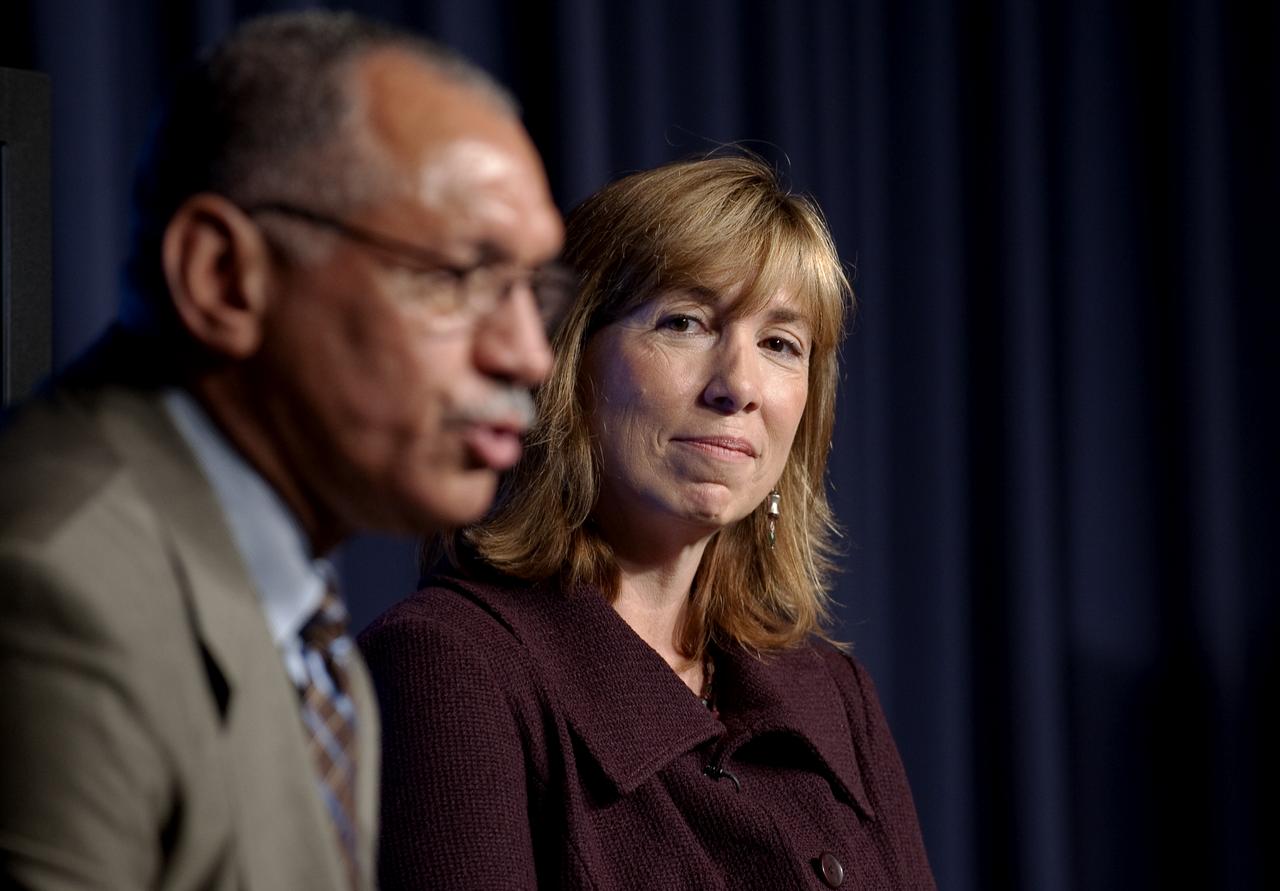
NASA Deputy Administrator Lori Garver, right, looks on as NASA Administrator Charles F. Bolden Jr. speaks during his first NASA Update,Tuesday, July 21, 2009, at NASA Headquarters in Washington. Bolden, NASA's 12th Administrator and Garver took the time to introduce themselves and outline their vision for the agency going forward. No questions were taken during the session. Photo Credit: (NASA/Bill Ingalls)
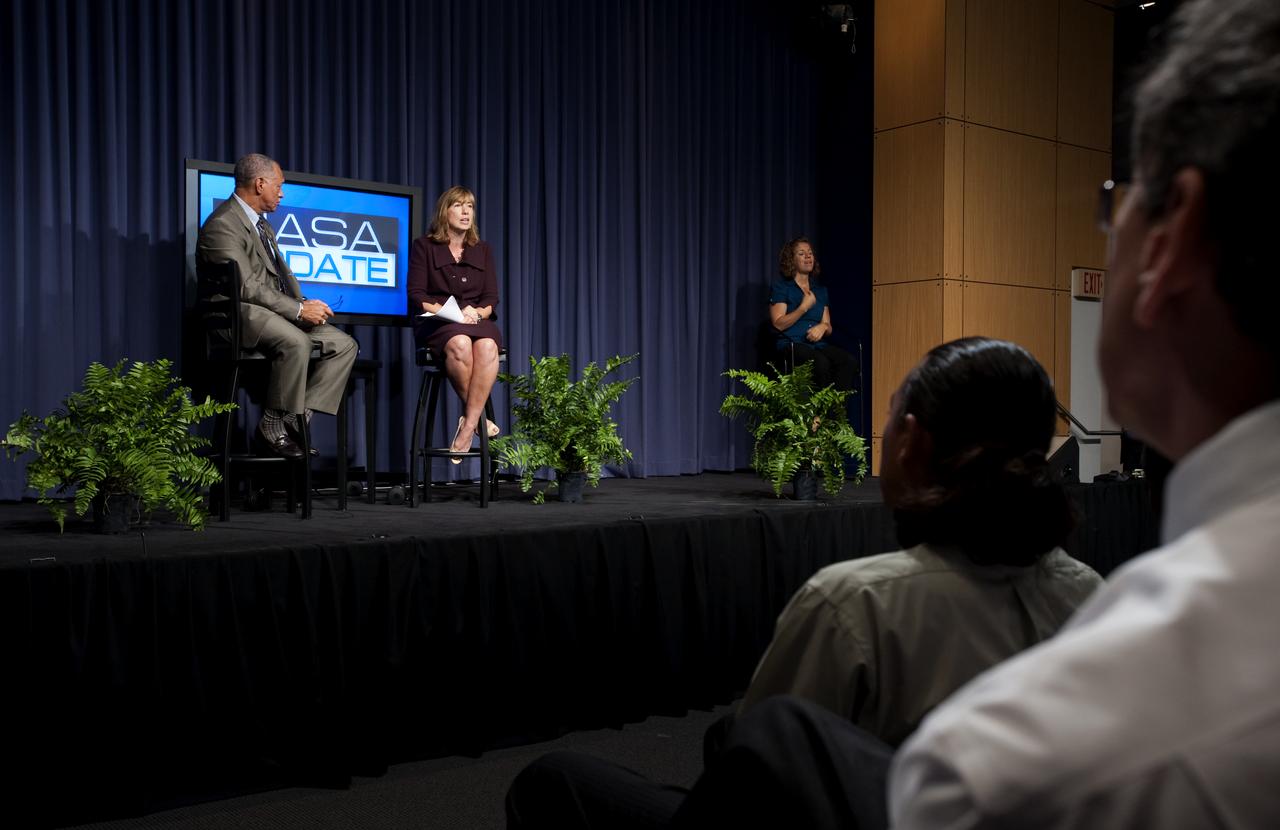
NASA Deputy Administrator Lori Garver, second right on stage, speaks as NASA Administrator Charles F. Bolden Jr. looks on during a NASA Update,Tuesday, July 21, 2009, at NASA Headquarters in Washington. Bolden, NASA's 12th Administrator and Garver took the time to introduce themselves and outline their vision for the agency going forward. No questions were taken during the session. Photo Credit: (NASA/Bill Ingalls)
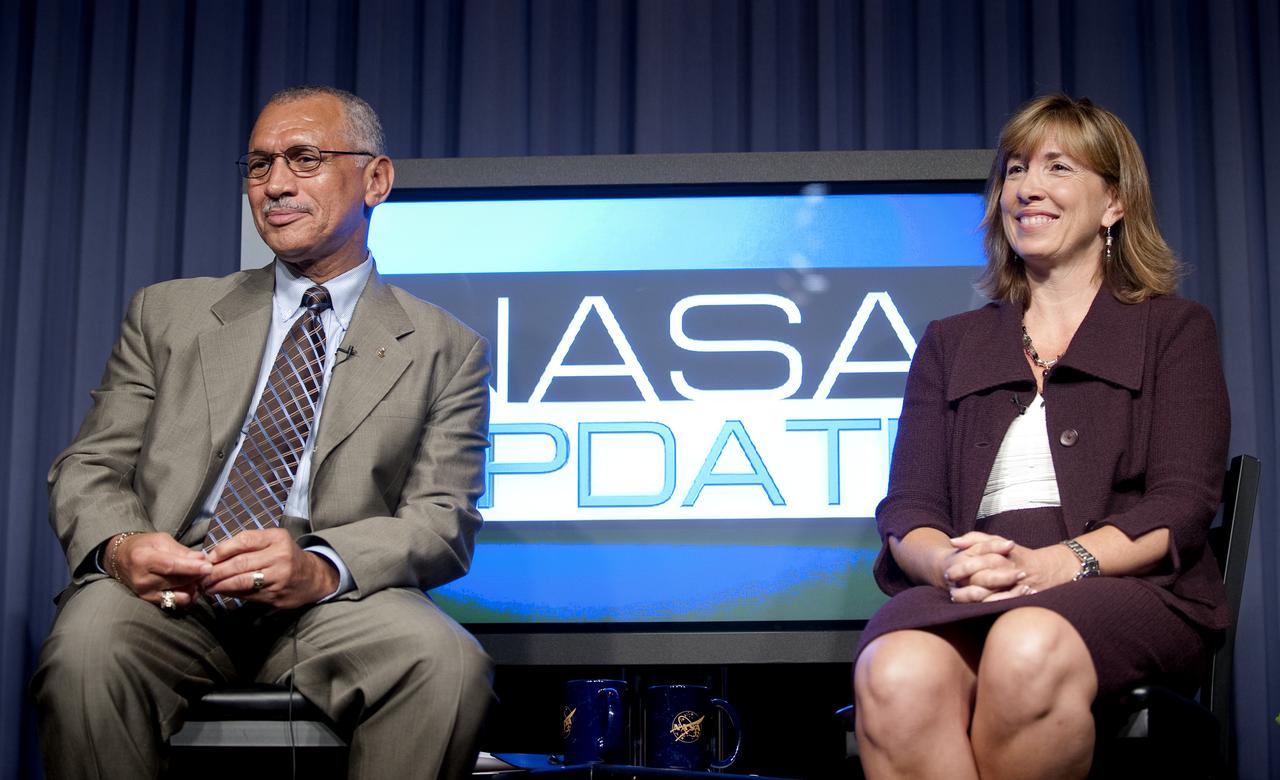
NASA Administrator Charles F. Bolden Jr. left, and Deputy Administrator Lori Garver are seen during their first NASA Update,Tuesday, July 21, 2009, at NASA Headquarters in Washington. Bolden, NASA's 12th Administrator and Garver took the time to introduce themselves and outline their vision for the agency going forward. No questions were taken during the session. Photo Credit: (NASA/Bill Ingalls)
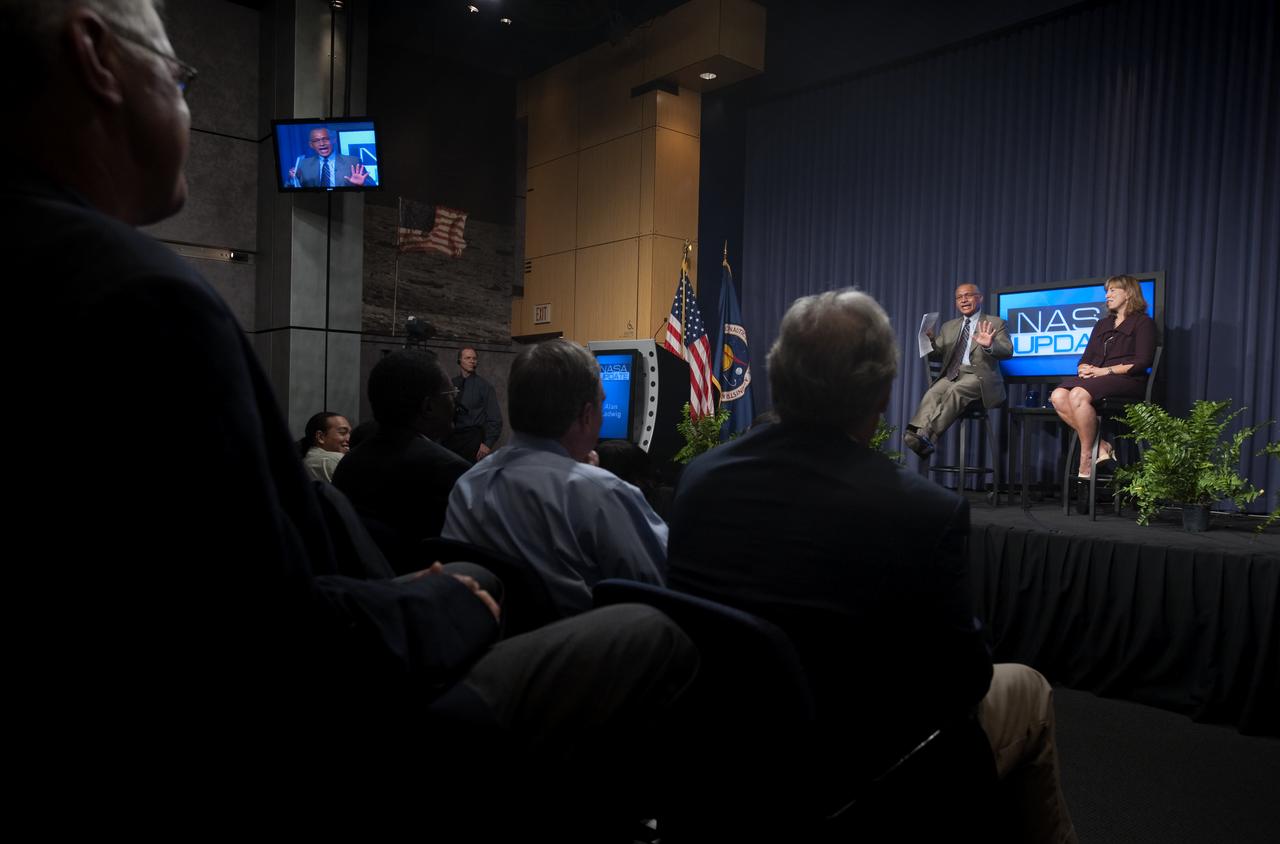
NASA Administrator Charles F. Bolden Jr., left on stage, speaks during his first NASA Update as Deputy Administrator Lori Garver looks on at right,Tuesday, July 21, 2009, at NASA Headquarters in Washington. Bolden, NASA's 12th Administrator and Garver took the time to introduce themselves and outline their vision for the agency going forward. No questions were taken during the session. Photo Credit: (NASA/Bill Ingalls)
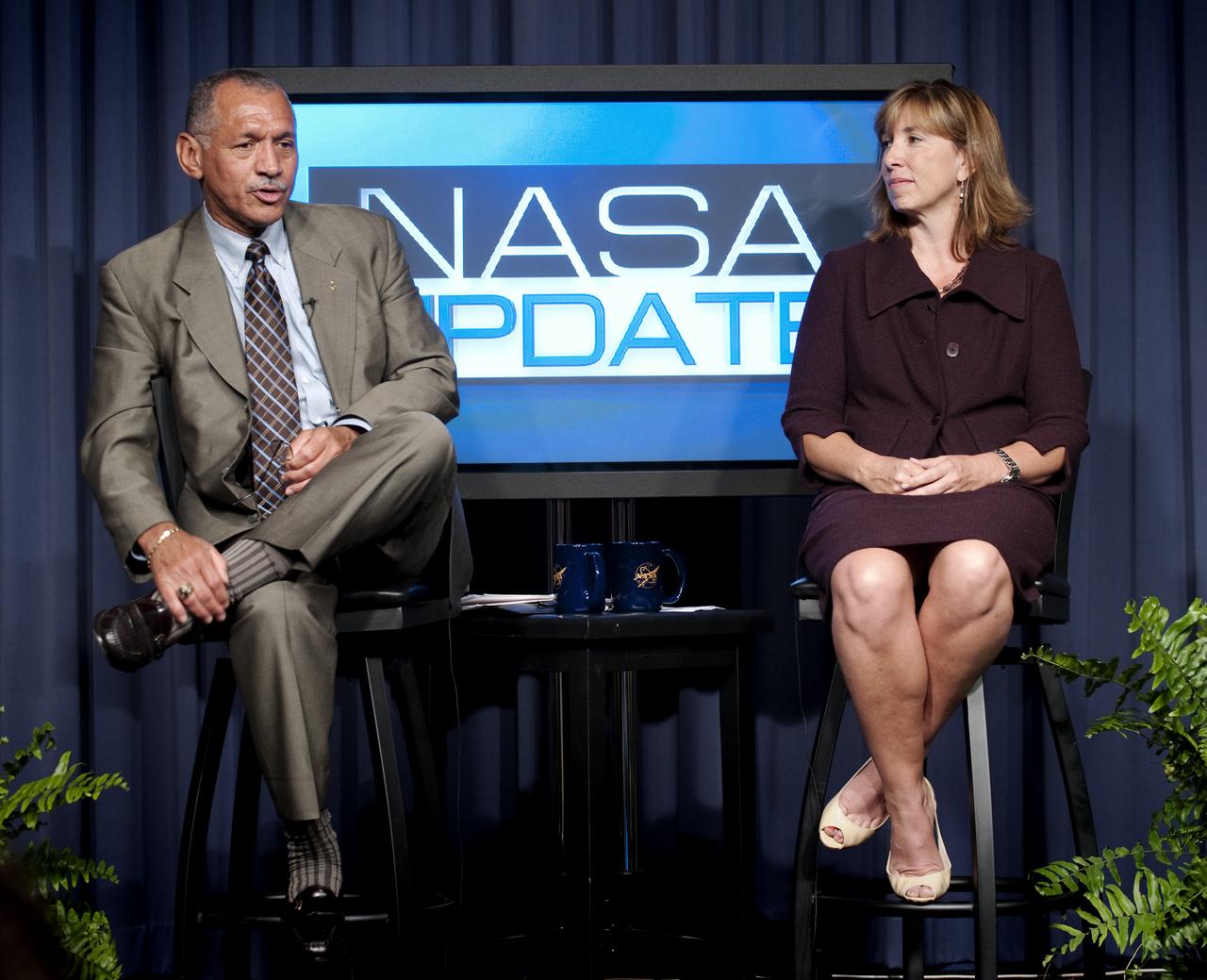
NASA Administrator Charles F. Bolden Jr. left, speaks during his first NASA Update as Deputy Administrator Lori Garver looks on,Tuesday, July 21, 2009, at NASA Headquarters in Washington. Bolden, NASA's 12th Administrator and Garver took the time to introduce themselves and outline their vision for the agency going forward. No questions were taken during the session. Photo Credit: (NASA/Bill Ingalls)
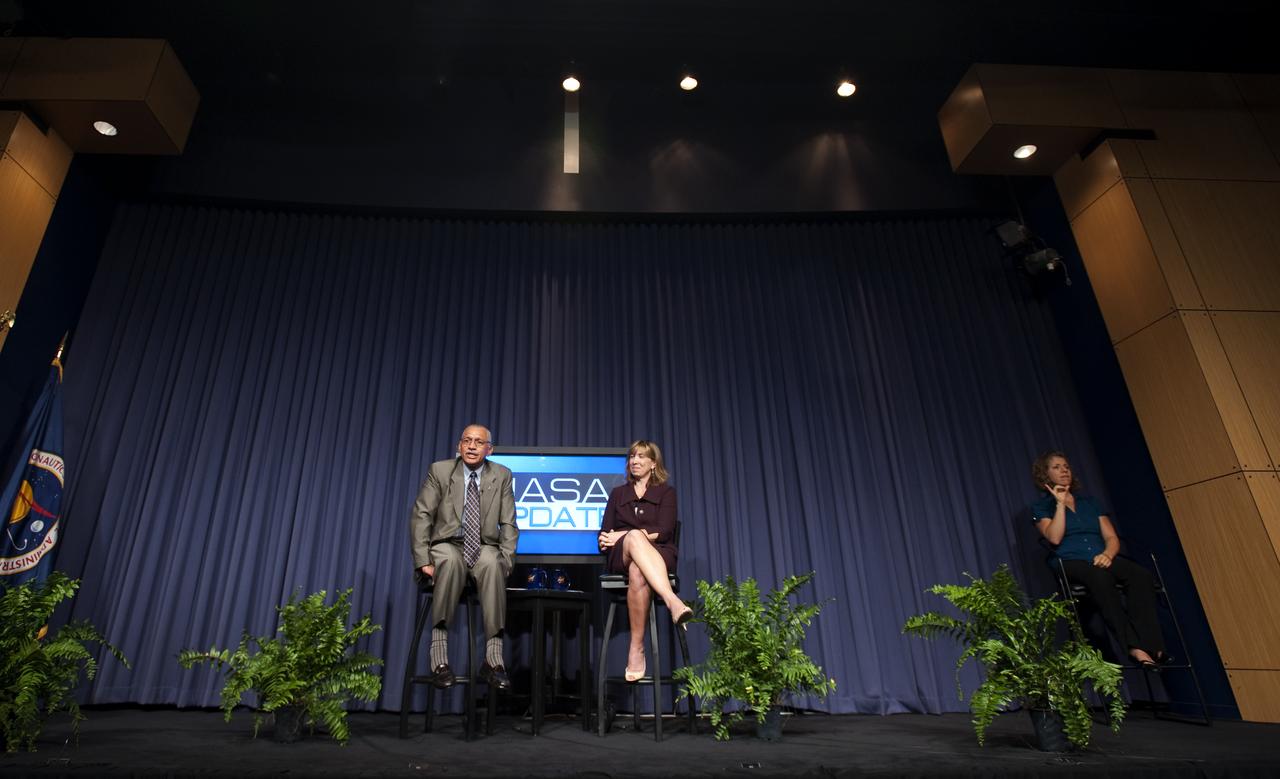
NASA Administrator Charles F. Bolden Jr., left on stage, speaks during his first NASA Update as Deputy Administrator Lori Garver looks on,Tuesday, July 21, 2009, at NASA Headquarters in Washington. Bolden, NASA's 12th Administrator and Garver took the time to introduce themselves and outline their vision for the agency going forward. No questions were taken during the session. Photo Credit: (NASA/Bill Ingalls)
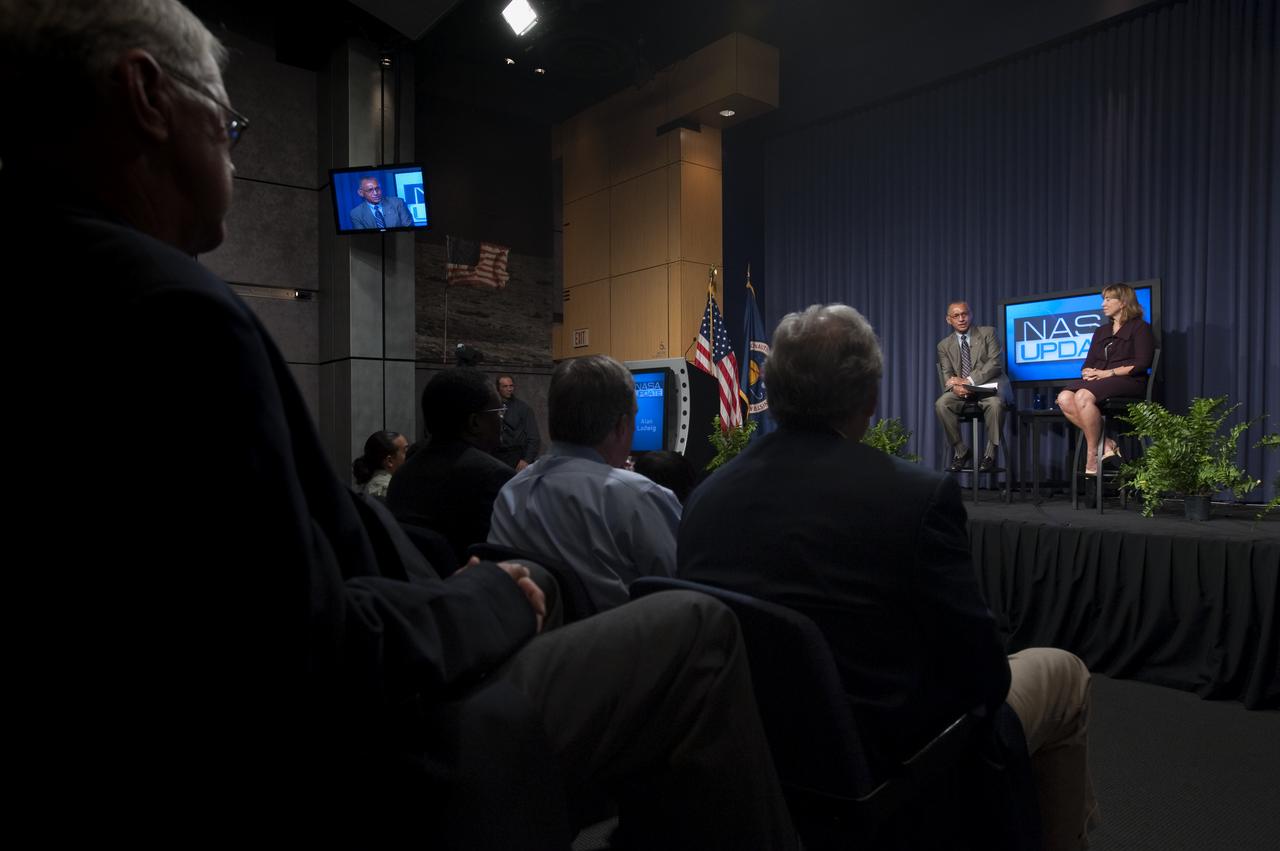
NASA Administrator Charles F. Bolden Jr. left on stage, speaks during his first NASA Update as Deputy Administrator Lori Garver looks on at right,Tuesday, July 21, 2009, at NASA Headquarters in Washington. Bolden, NASA's 12th Administrator and Garver took the time to introduce themselves and outline their vision for the agency going forward. No questions were taken during the session. Photo Credit: (NASA/Bill Ingalls)
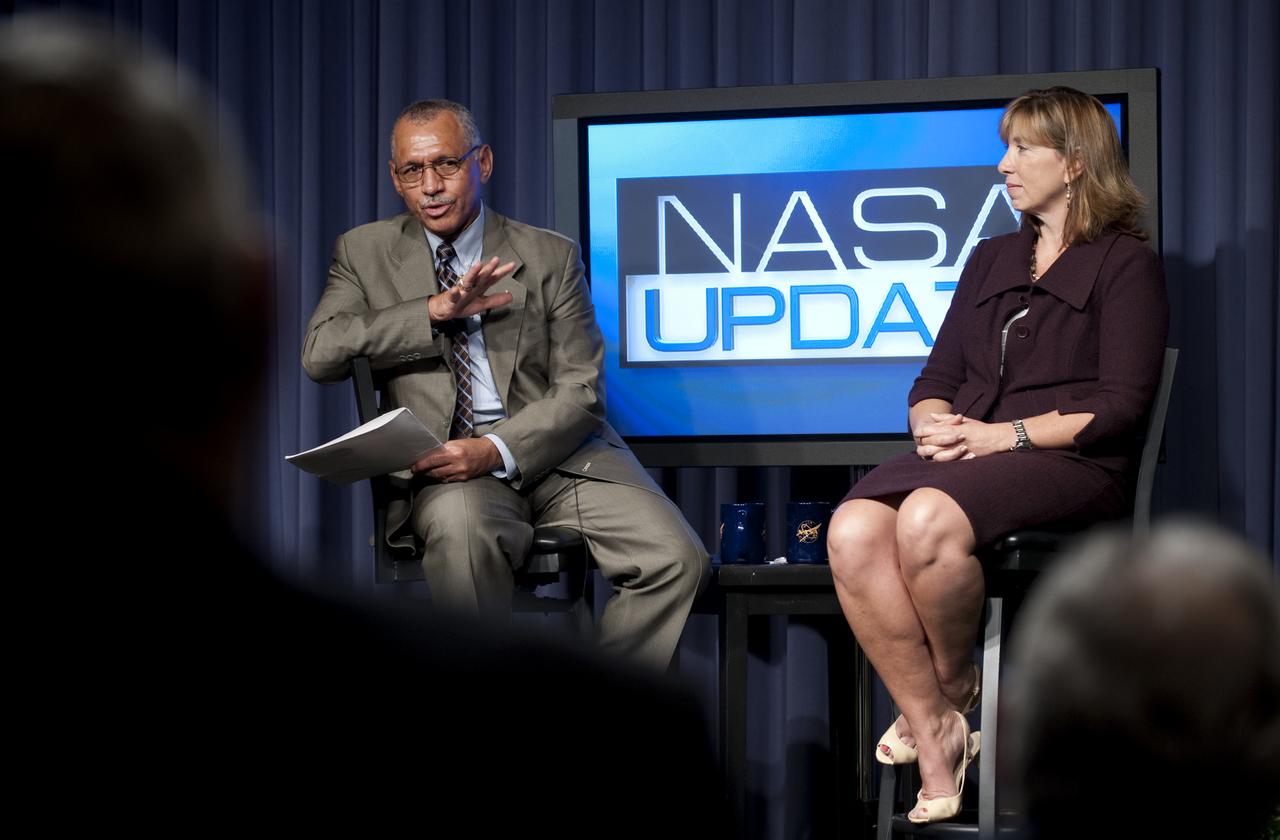
NASA Administrator Charles F. Bolden Jr. left, speaks during his first NASA Update as Deputy Administrator Lori Garver looks on,Tuesday, July 21, 2009, at NASA Headquarters in Washington. Bolden, NASA's 12th Administrator and Garver took the time to introduce themselves and outline their vision for the agency going forward. No questions were taken during the session. Photo Credit: (NASA/Bill Ingalls)
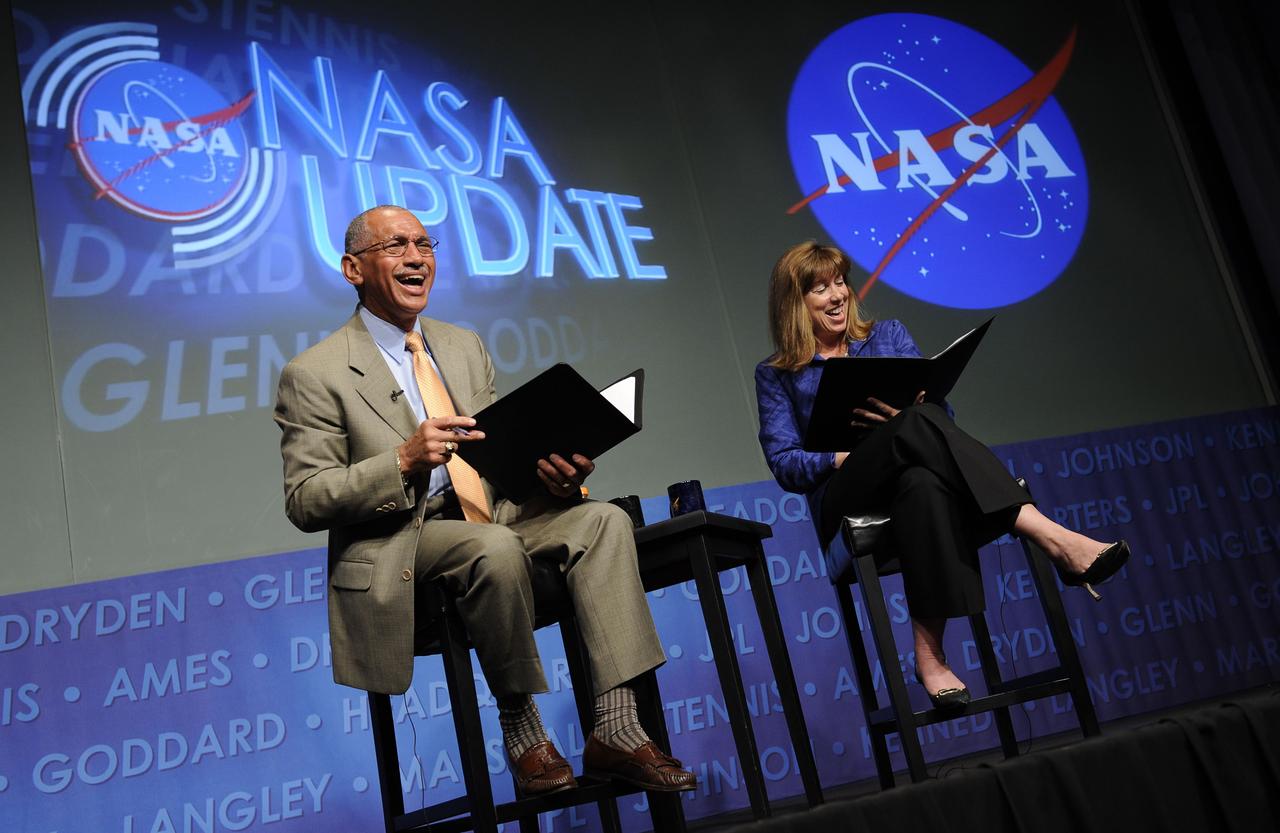
"NASA Update" program with NASA Administrator Charles Bolden, NASA Deputy Administrator Lori Garver and NASA Acting Asistant Administrator for Public Affairs Bob Jacobs as moderator, NASA Headquarters, Thursday, April 8, 2010 in Washington. Photo Credit: (NASA/Bill Ingalls)

NASA Administrator Michael Griffin talks with employees during a NASA Update program at NASA Headquarters, Tuesday, June 28, 2005, in Washington. Photo Credit: (NASA/Bill Ingalls)
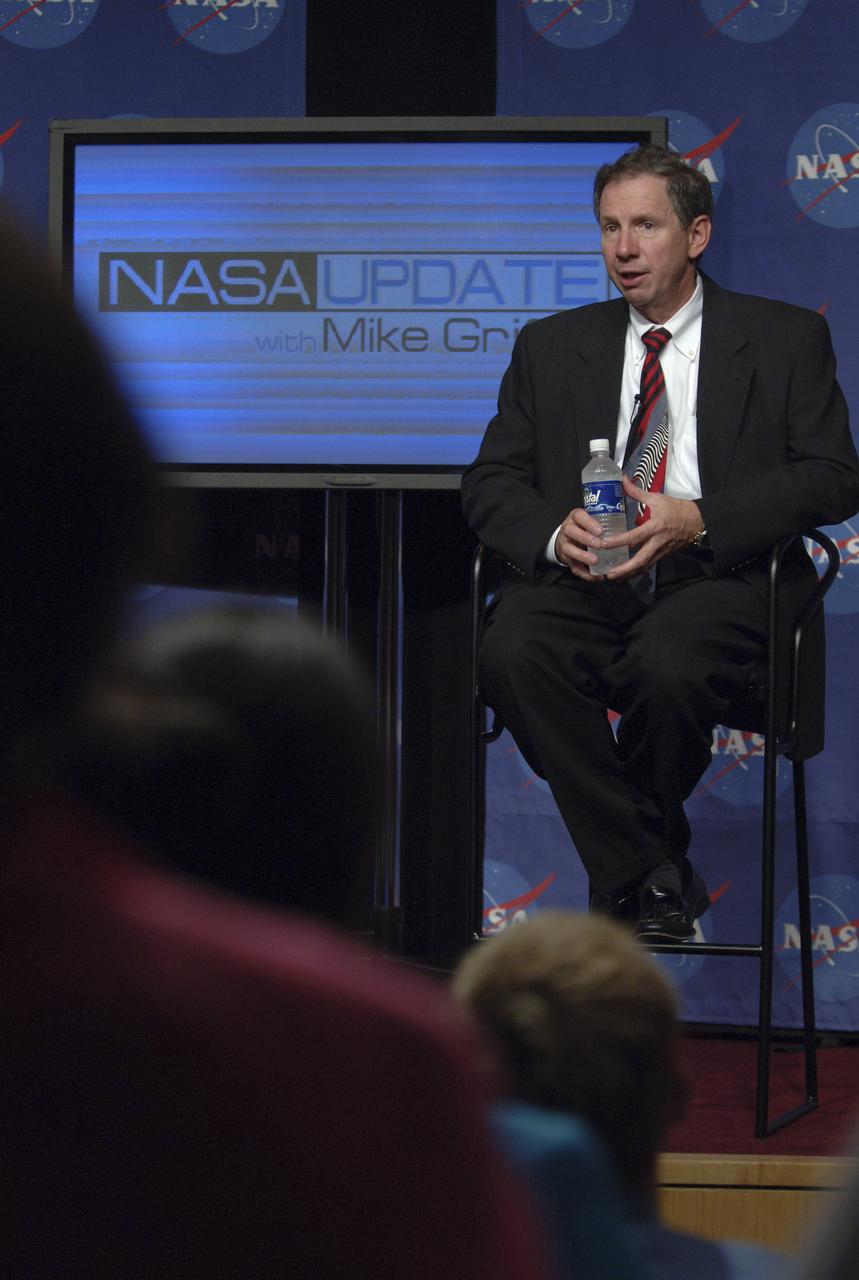
NASA Administrator Michael Griffin talks with employees during a NASA Update program at NASA Headquarters, Tuesday, June 28, 2005, in Washington. Photo Credit: (NASA/Bill Ingalls)
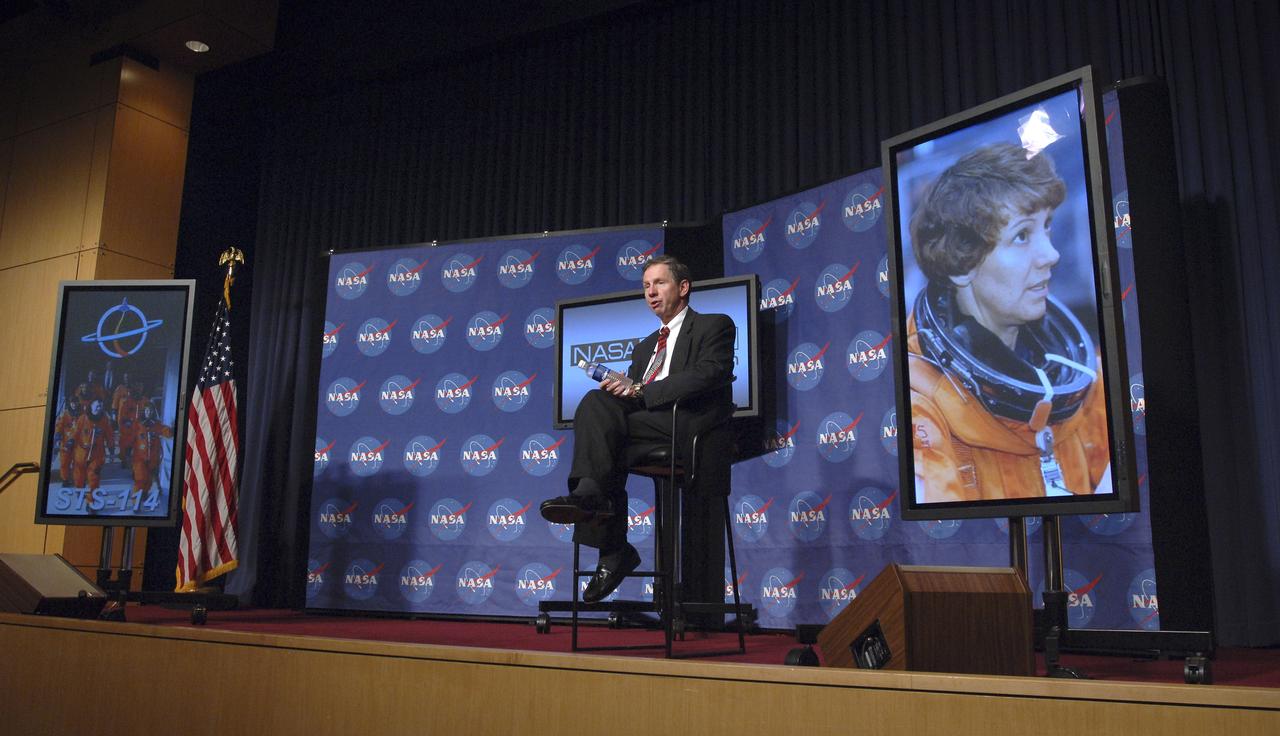
NASA Administrator Michael Griffin talks with employees during a NASA Update program at NASA Headquarters, Tuesday, June 28, 2005, in Washington. Photo Credit: (NASA/Bill Ingalls)
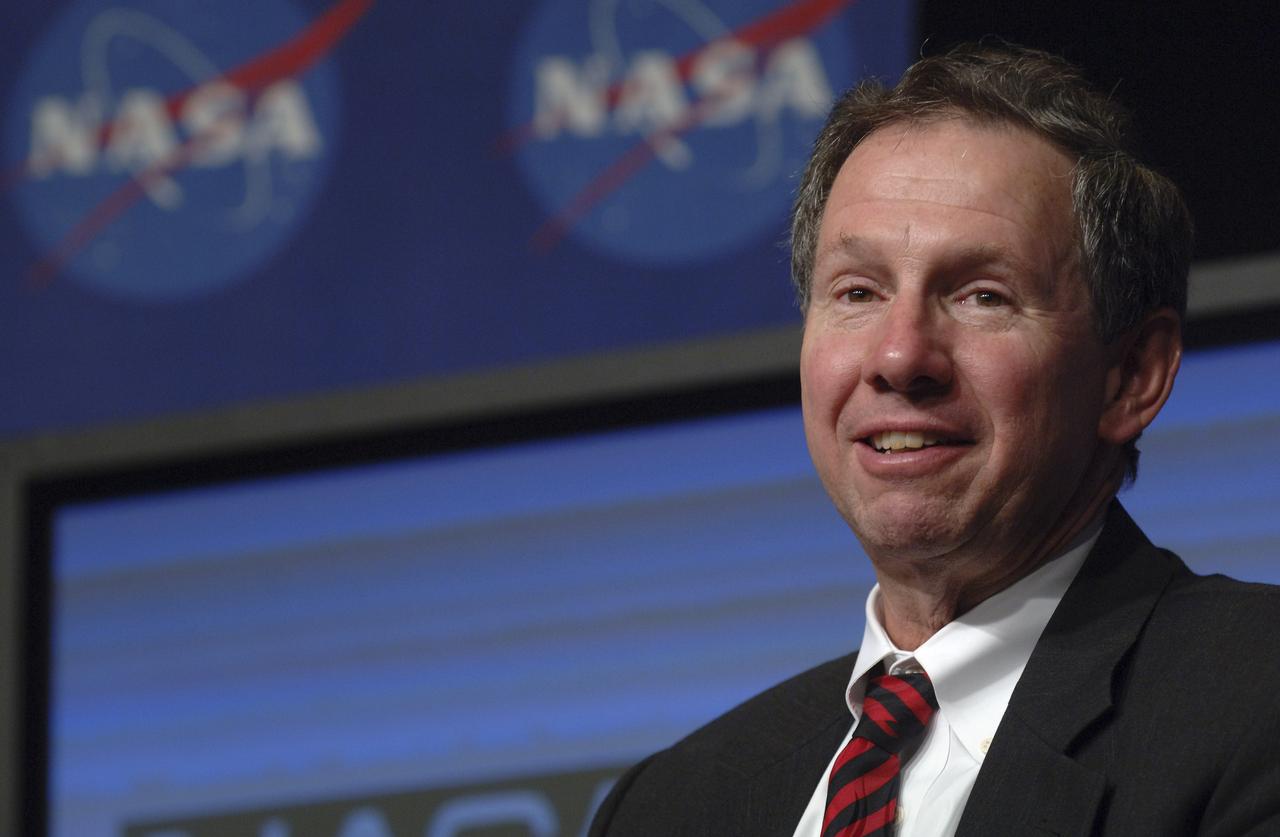
NASA Administrator Michael Griffin talks with employees during a NASA Update program at NASA Headquarters, Tuesday, June 28, 2005, in Washington. Photo Credit: (NASA/Bill Ingalls)

NASA Administrator Michael Griffin talks with employees during a NASA Update program at NASA Headquarters, Tuesday, June 28, 2005, in Washington. Photo Credit: (NASA/Bill Ingalls)
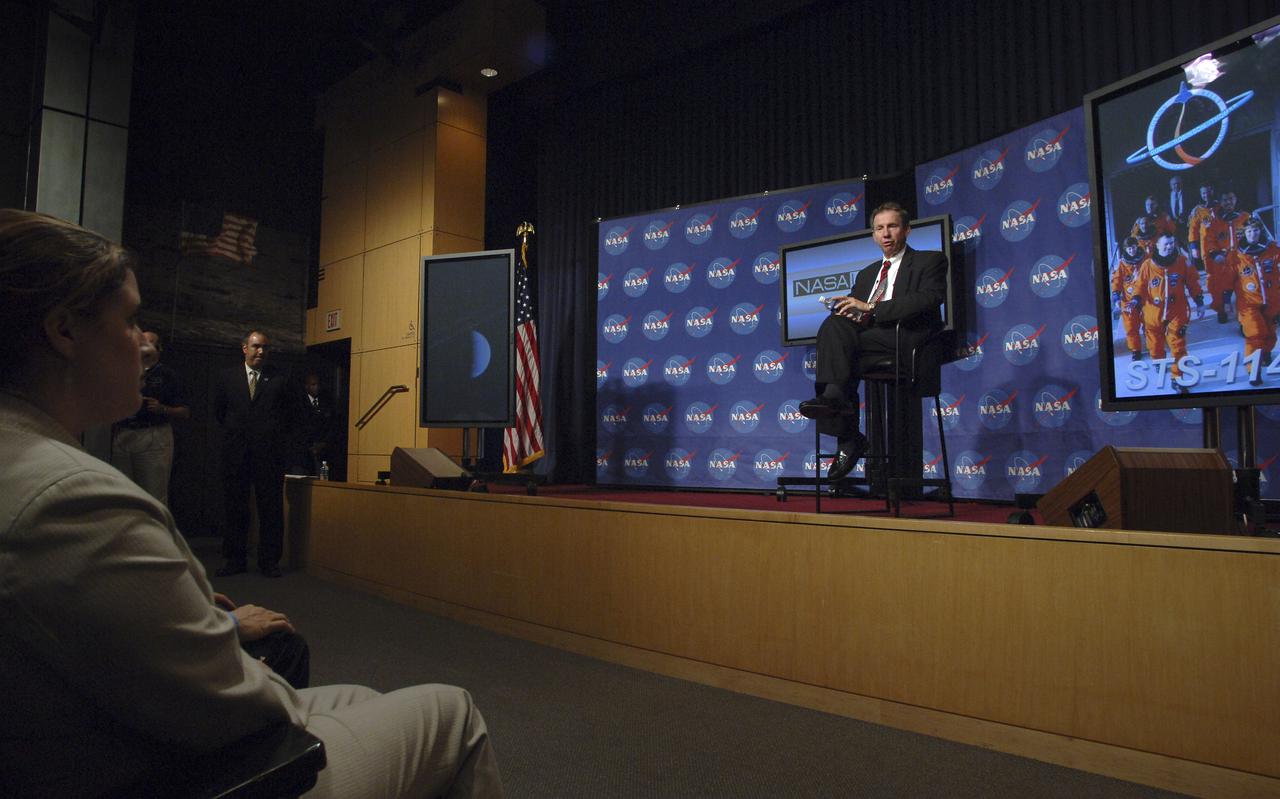
NASA Administrator Michael Griffin talks with employees during a NASA Update program at NASA Headquarters, Tuesday, June 28, 2005, in Washington. Photo Credit: (NASA/Bill Ingalls)
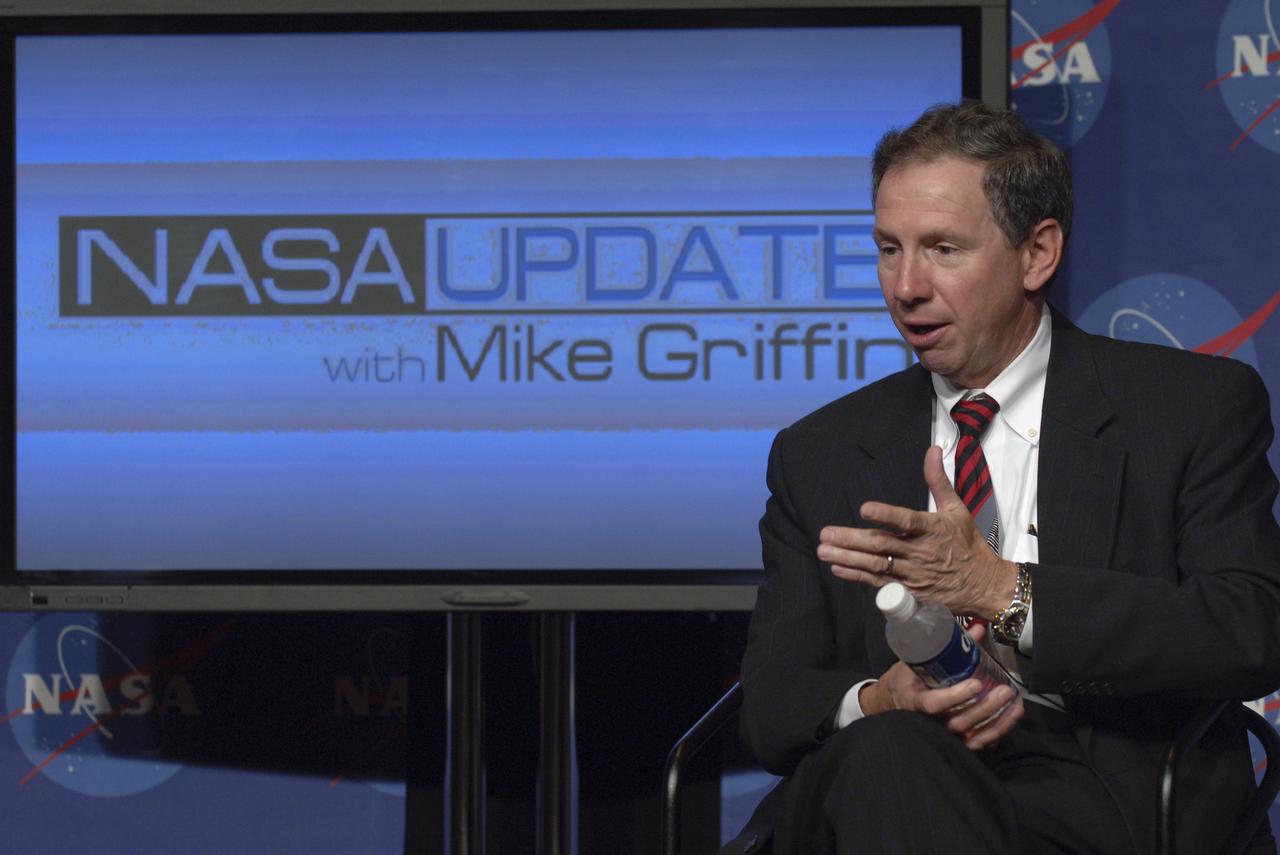
NASA Administrator Michael Griffin talks with employees during a NASA Update program at NASA Headquarters, Tuesday, June 28, 2005, in Washington. Photo Credit: (NASA/Bill Ingalls)

NASA Administrator Michael Griffin talks with employees during a NASA Update program at NASA Headquarters, Tuesday, June 28, 2005, in Washington. Photo Credit: (NASA/Bill Ingalls)
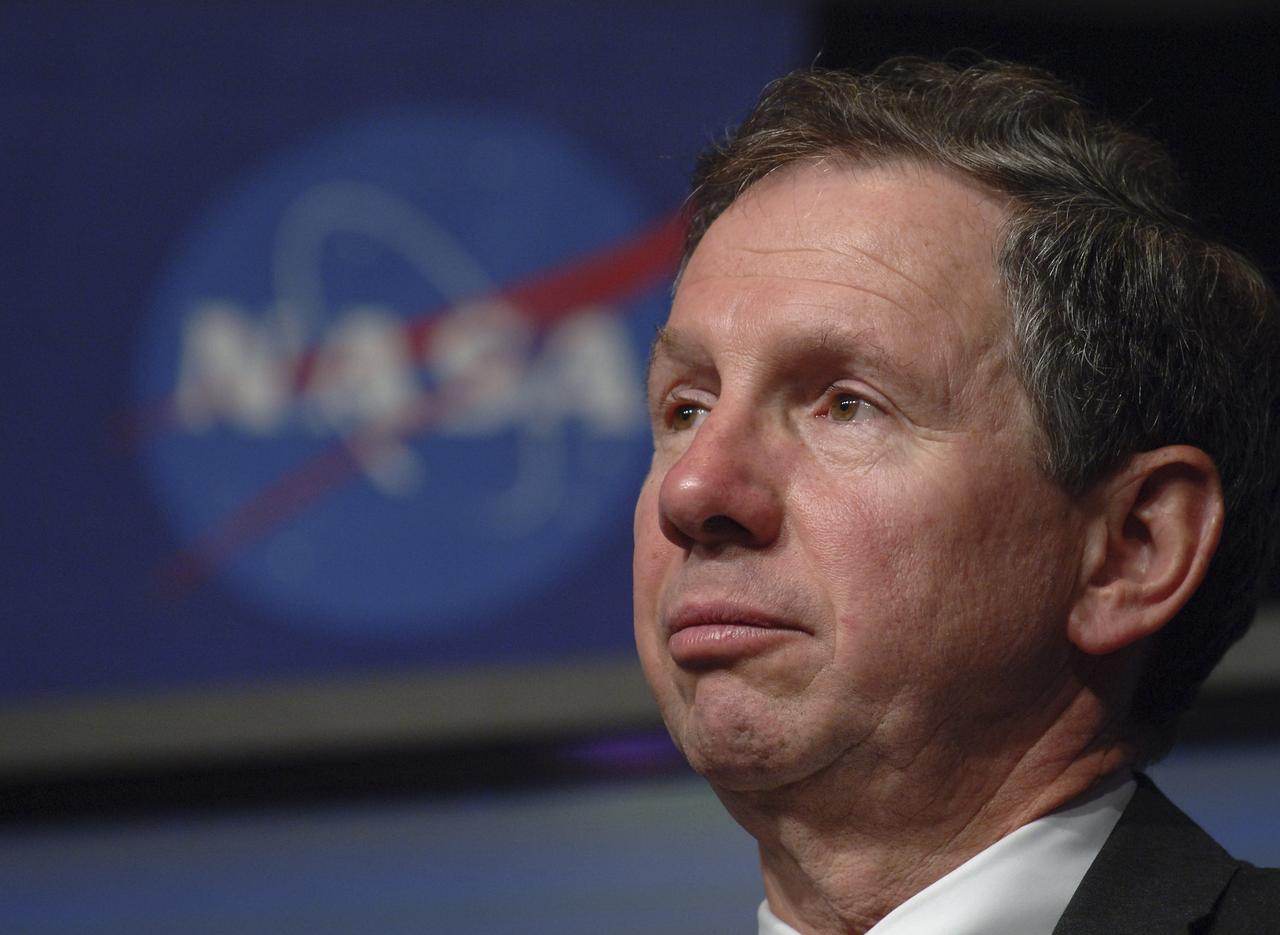
NASA Administrator Michael Griffin talks with employees during a NASA Update program at NASA Headquarters, Tuesday, June 28, 2005, in Washington. Photo Credit: (NASA/Bill Ingalls)

NASA Administrator Michael Griffin addresses NASA employees and members of the media about the responsibilities of the NASA centers associated with the Constellation Program for robotic and human Moon and Mars exploration during a NASA Update on Wednesday, June 5, 2006, at NASA Headquarters in Washington. Photo Credit: (NASA/Bill Ingalls)
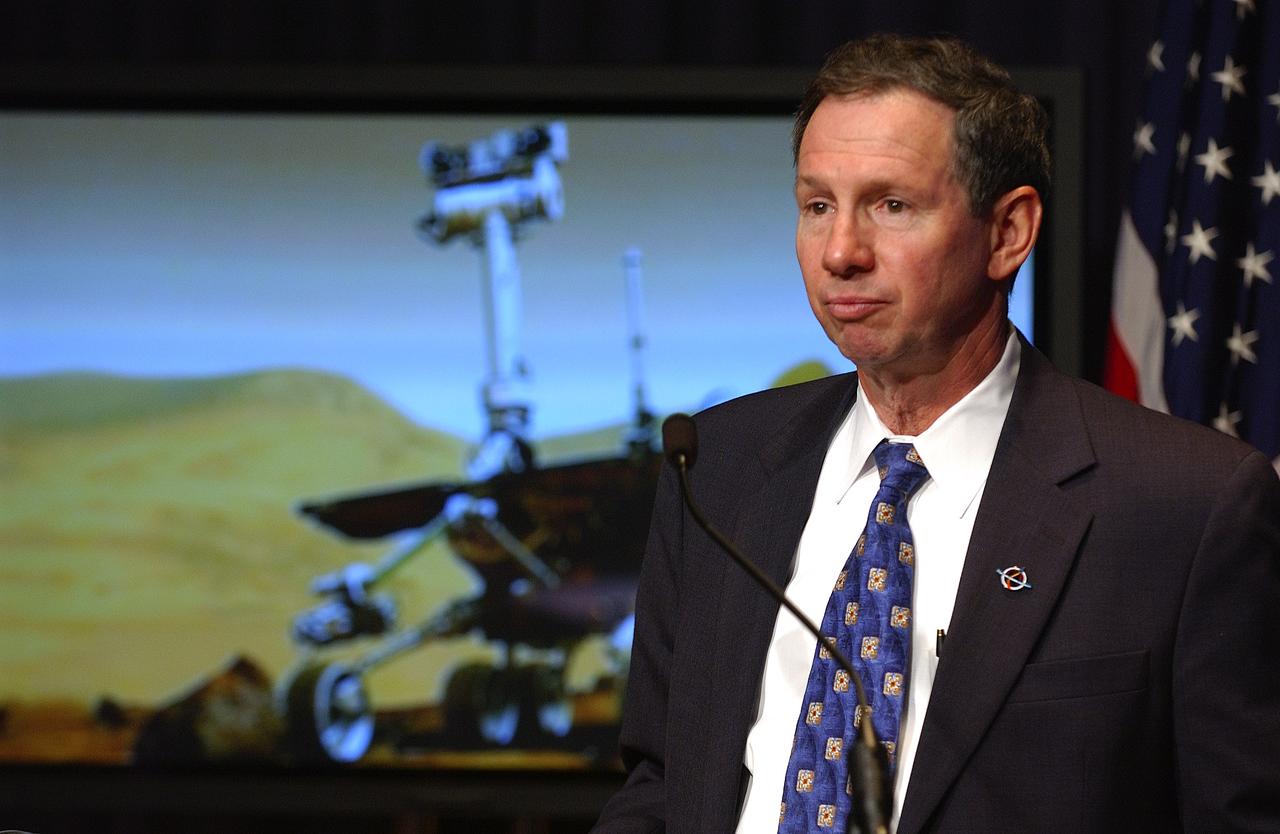
NASA Administrator Michael Griffin delivers remarks during a NASA Update program at NASA Headquarters, Thursday, April 14, 2005, in Washington after being sworn in earlier that morning as NASA's 11th Administrator. Photo Credit: (NASA/Renee Bouchard)
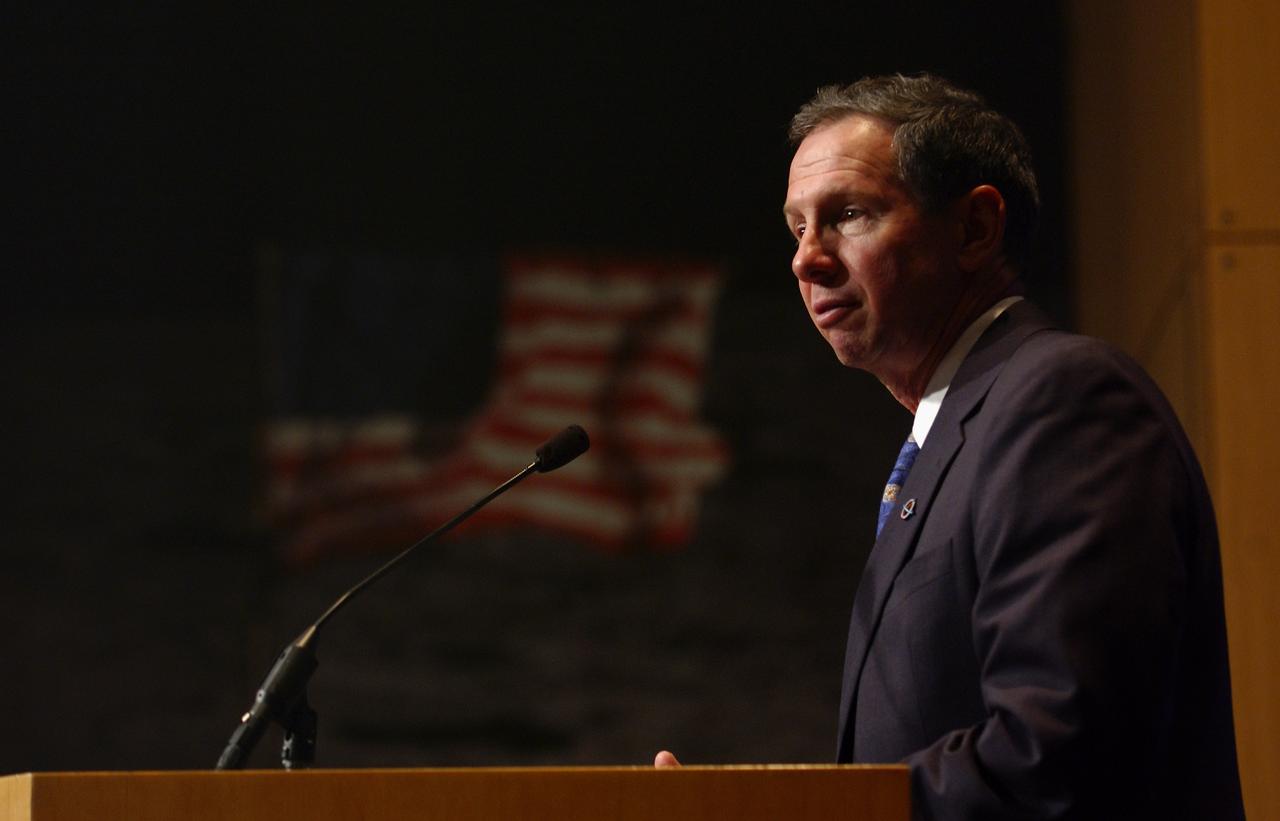
NASA Administrator Michael Griffin delivers remarks during a NASA Update program at NASA Headquarters, Thursday, April 14, 2005, in Washington after being sworn in earlier that morning as NASA's 11th Administrator. Photo Credit: (NASA/Renee Bouchard)
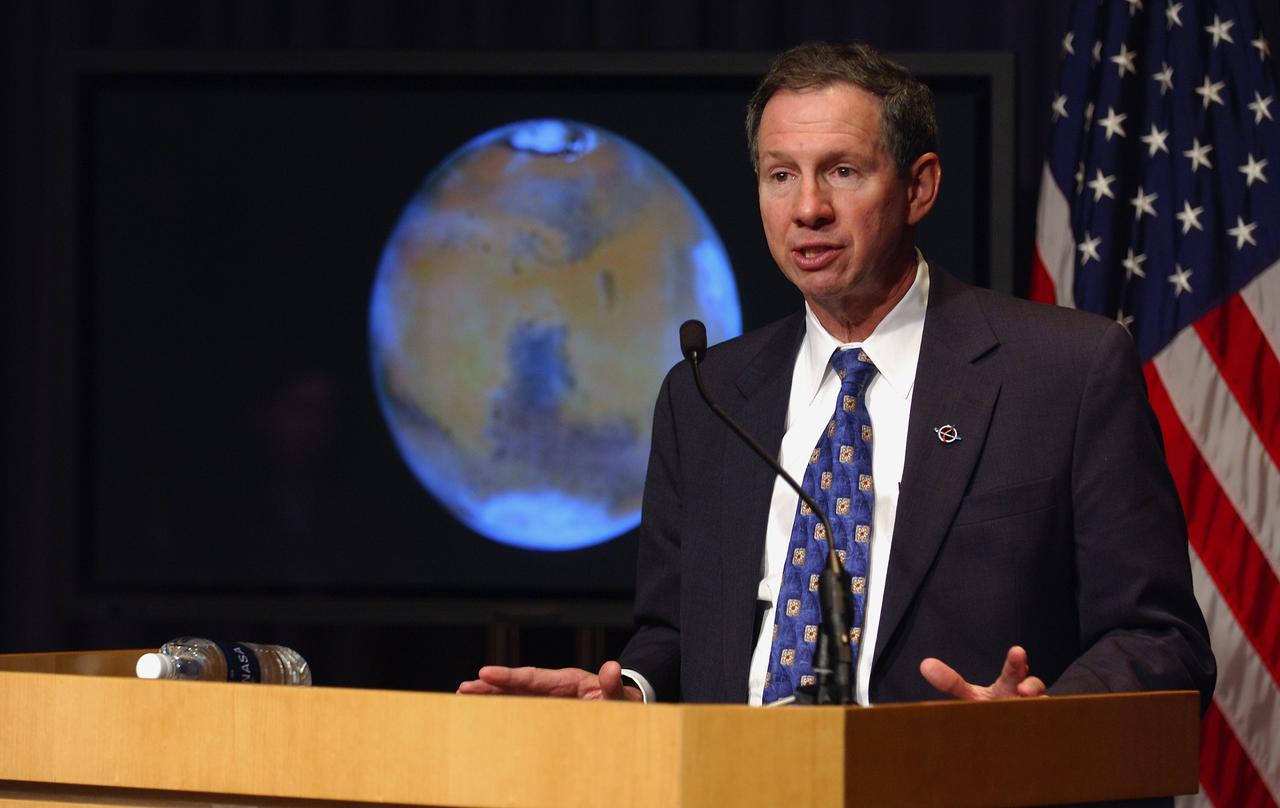
NASA Administrator Michael Griffin delivers remarks during a NASA Update program at NASA Headquarters, Thursday, April 14, 2005, in Washington after being sworn in earlier that morning as NASA's 11th Administrator. Photo Credit: (NASA/Renee Bouchard)
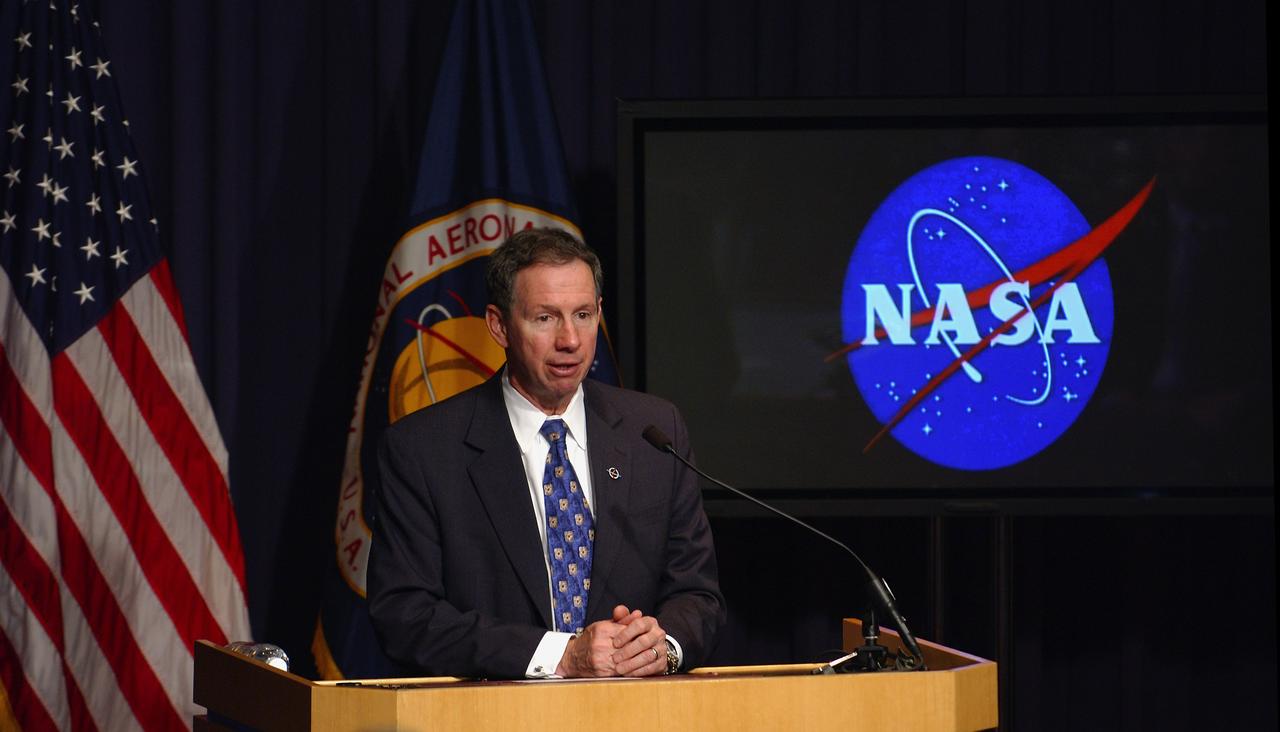
NASA Administrator Michael Griffin delivers remarks during a NASA Update program at NASA Headquarters, Thursday, April 14, 2005, in Washington after being sworn in earlier that morning as NASA's 11th Administrator. Photo Credit: (NASA/Renee Bouchard)
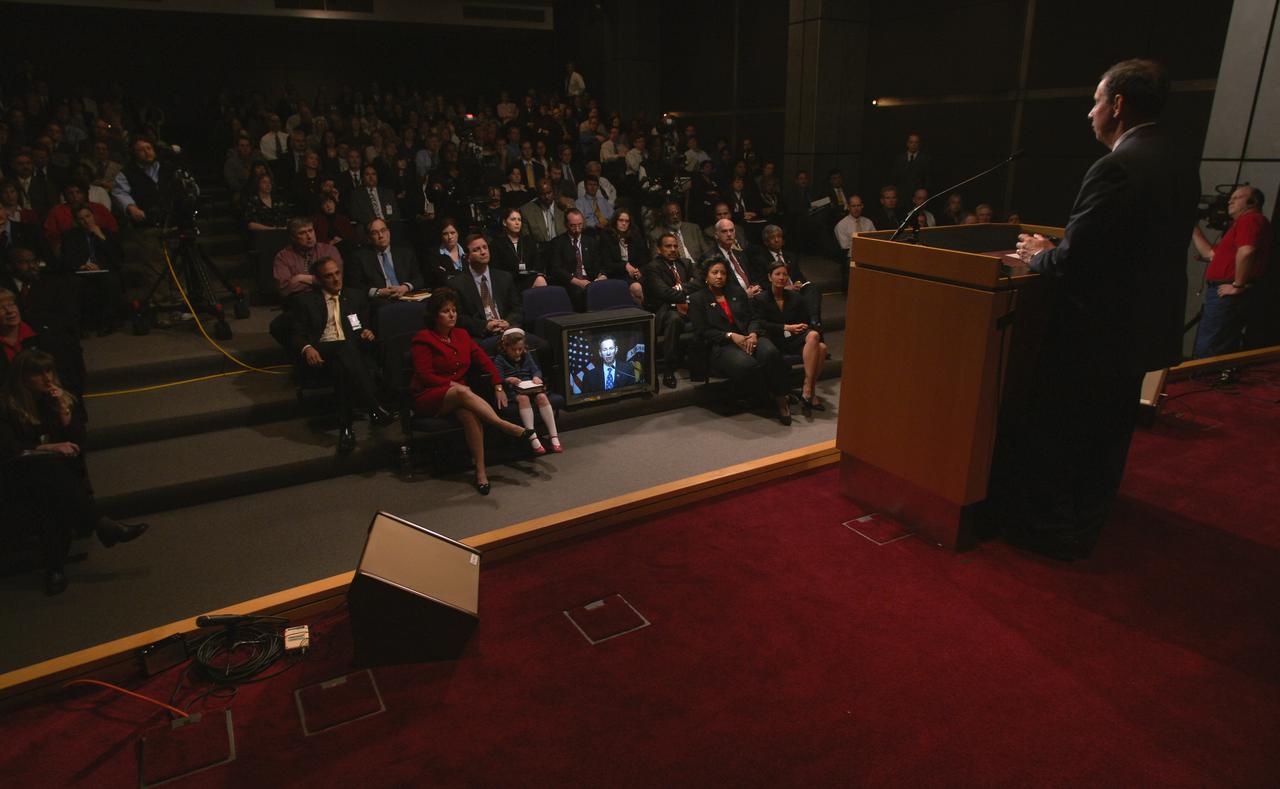
NASA Administrator Michael Griffin delivers remarks during a NASA Update program at NASA Headquarters, Thursday, April 14, 2005, in Washington after being sworn in earlier that morning as NASA's 11th Administrator. Photo Credit: (NASA/Renee Bouchard)
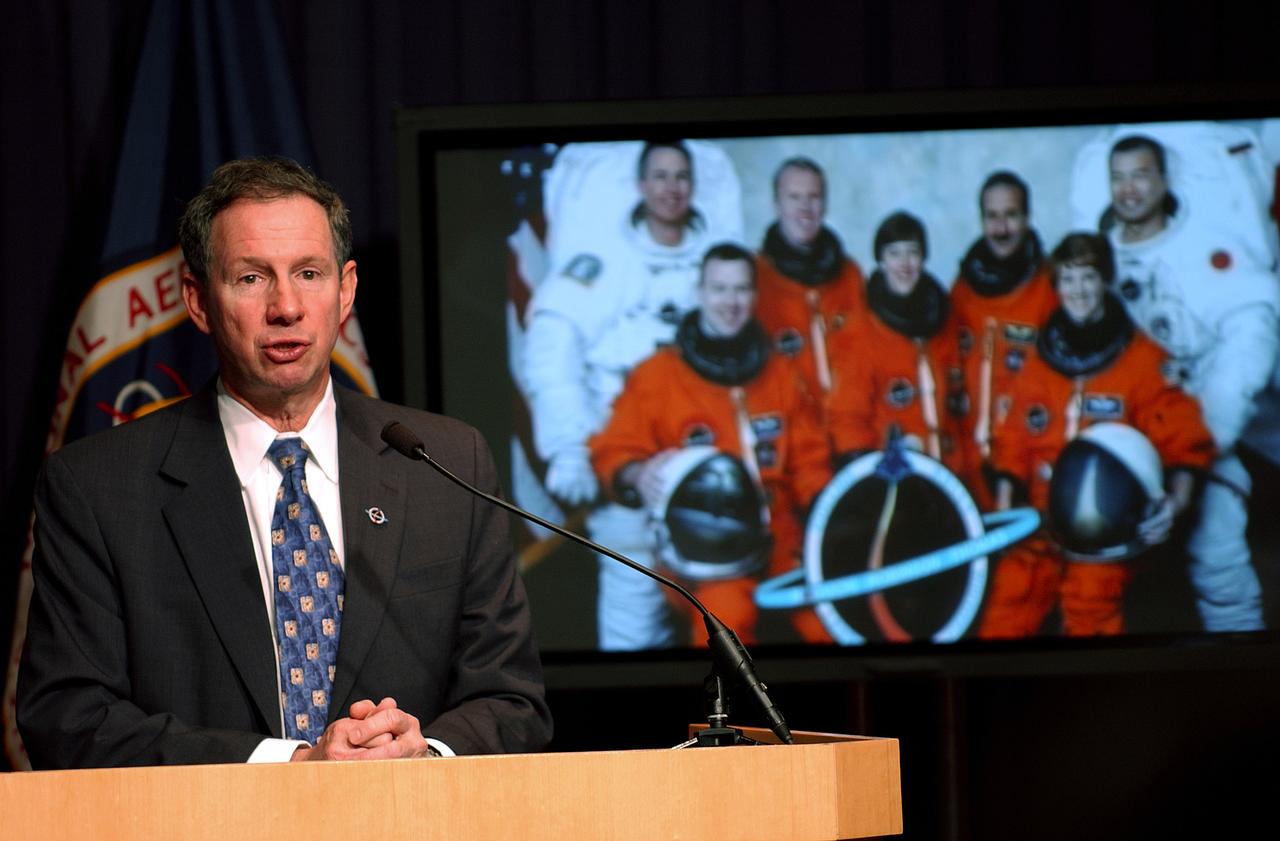
NASA Administrator Michael Griffin delivers remarks during a NASA Update program at NASA Headquarters, Thursday, April 14, 2005, in Washington after being sworn in earlier that morning as NASA's 11th Administrator. Photo Credit: (NASA/Heidi Fancher)

Jeff Hanley, Constellation Program Manager, right, listens to a question during a NASA Update outlining responsibilities of the NASA centers associated with the Constellation Program for robotic and human Moon and Mars exploration on Wednesday, June 5, 2006, at NASA Headquarters in Washington. Photo Credit: (NASA/Bill Ingalls)
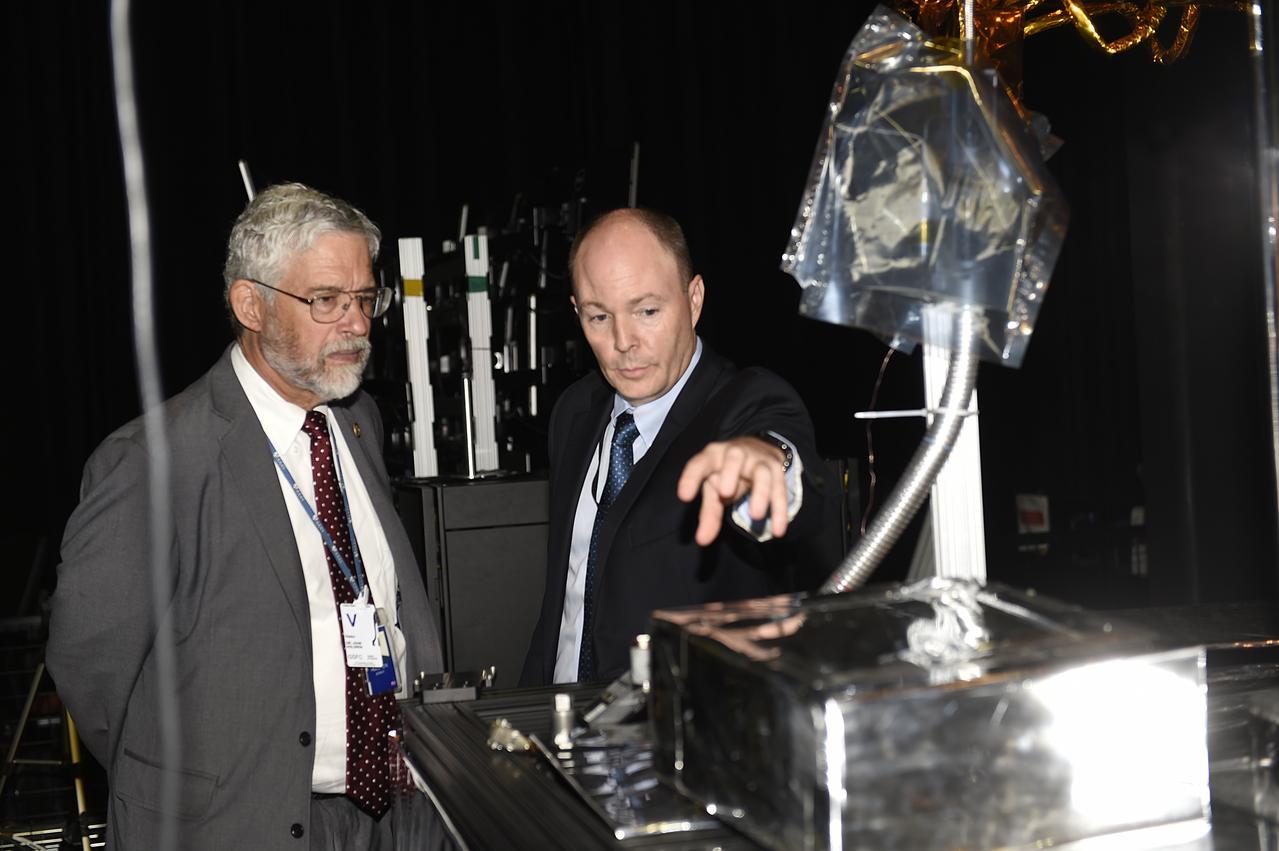
Benjamin Reed, deputy program manager of NASA’s Satellite Servicing Capabilities Office, shows Dr. Holdren the technologies that NASA is developing for the Restore-L satellite servicing mission. NASA will launch the Restore-L servicer in 2020 to refuel a live satellite and demonstrate that a suite of satellite-servicing technologies are operational. More info: Asteroid Redirect Mission Update – On Sept. 14, 2016, NASA provided an update on the Asteroid Redirect Mission (ARM) and how it contributes to the agency’s journey to Mars and protection of Earth. The presentation took place in the Robotic Operations Center at NASA’s Goddard Space Flight Center in Greenbelt, Maryland. Assistant to the President for Science and Technology Dr. John P. Holdren, NASA Administrator Charles Bolden and NASA’s ARM Program Director, Dr. Michele Gates discussed the latest update regarding the mission. They explained the mission’s scientific and technological benefits and how ARM will demonstrate technology for defending Earth from potentially hazardous asteroids. The briefing aired live on NASA TV and the agency’s website. For more information about ARM go to <a href="https://www.nasa.gov/arm" rel="nofollow">www.nasa.gov/arm</a>. Credit: NASA/Goddard/Debbie Mccallum <b><a href="http://www.nasa.gov/audience/formedia/features/MP_Photo_Guidelines.html" rel="nofollow">NASA image use policy.</a></b> <b><a href="http://www.nasa.gov/centers/goddard/home/index.html" rel="nofollow">NASA Goddard Space Flight Center</a></b> enables NASA’s mission through four scientific endeavors: Earth Science, Heliophysics, Solar System Exploration, and Astrophysics. Goddard plays a leading role in NASA’s accomplishments by contributing compelling scientific knowledge to advance the Agency’s mission. <b>Follow us on <a href="http://twitter.com/NASAGoddardPix" rel="nofollow">Twitter</a></b> <b>Like us on <a href="http://www.facebook.com/pages/Greenbelt-MD/NASA-Goddard/395013845897?ref=tsd" rel="nofollow">Facebook</a></b> <b>Find us on <a href="http://instagrid.me/nasagoddard/?vm=grid" rel="nofollow">Instagram</a></b>
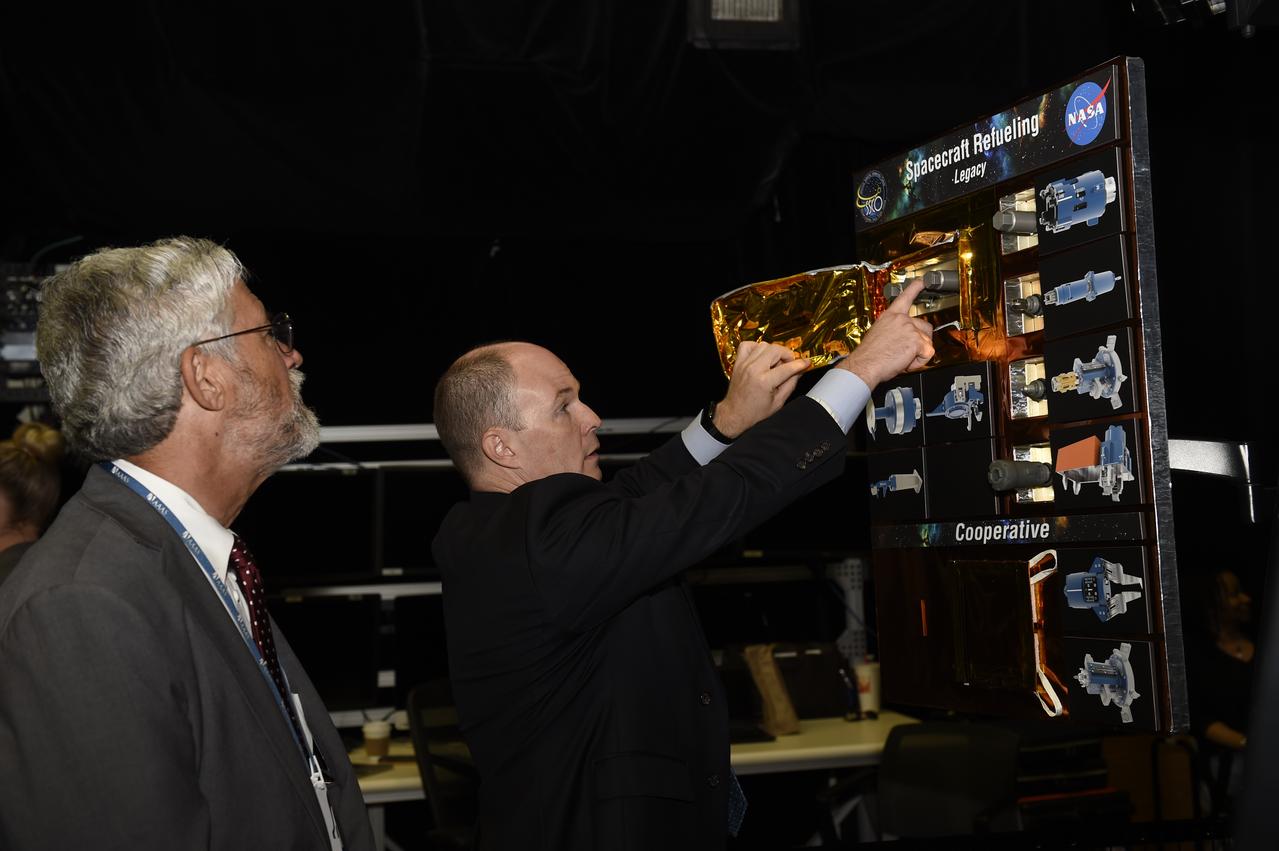
Benjamin Reed (right), deputy program manager of NASA’s Satellite Servicing Capabilities Office, shows Dr. Holdren the technologies that NASA is developing for the Restore-L satellite servicing mission. NASA will launch the Restore-L servicer in 2020 to refuel a live satellite and demonstrate that a suite of satellite-servicing technologies are operational. More info: Asteroid Redirect Mission Update – On Sept. 14, 2016, NASA provided an update on the Asteroid Redirect Mission (ARM) and how it contributes to the agency’s journey to Mars and protection of Earth. The presentation took place in the Robotic Operations Center at NASA’s Goddard Space Flight Center in Greenbelt, Maryland. Assistant to the President for Science and Technology Dr. John P. Holdren, NASA Administrator Charles Bolden and NASA’s ARM Program Director, Dr. Michele Gates discussed the latest update regarding the mission. They explained the mission’s scientific and technological benefits and how ARM will demonstrate technology for defending Earth from potentially hazardous asteroids. The briefing aired live on NASA TV and the agency’s website. For more information about ARM go to <a href="https://www.nasa.gov/arm" rel="nofollow">www.nasa.gov/arm</a>. Credit: NASA/Goddard/Debbie Mccallum <b><a href="http://www.nasa.gov/audience/formedia/features/MP_Photo_Guidelines.html" rel="nofollow">NASA image use policy.</a></b> <b><a href="http://www.nasa.gov/centers/goddard/home/index.html" rel="nofollow">NASA Goddard Space Flight Center</a></b> enables NASA’s mission through four scientific endeavors: Earth Science, Heliophysics, Solar System Exploration, and Astrophysics. Goddard plays a leading role in NASA’s accomplishments by contributing compelling scientific knowledge to advance the Agency’s mission. <b>Follow us on <a href="http://twitter.com/NASAGoddardPix" rel="nofollow">Twitter</a></b> <b>Like us on <a href="http://www.facebook.com/pages/Greenbelt-MD/NASA-Goddard/395013845897?ref=tsd" rel="nofollow">Facebook</a></b> <b>Find us on <a href="http://instagrid.me/nasagoddard/?vm=grid" rel="nofollow">Instagram</a></b>
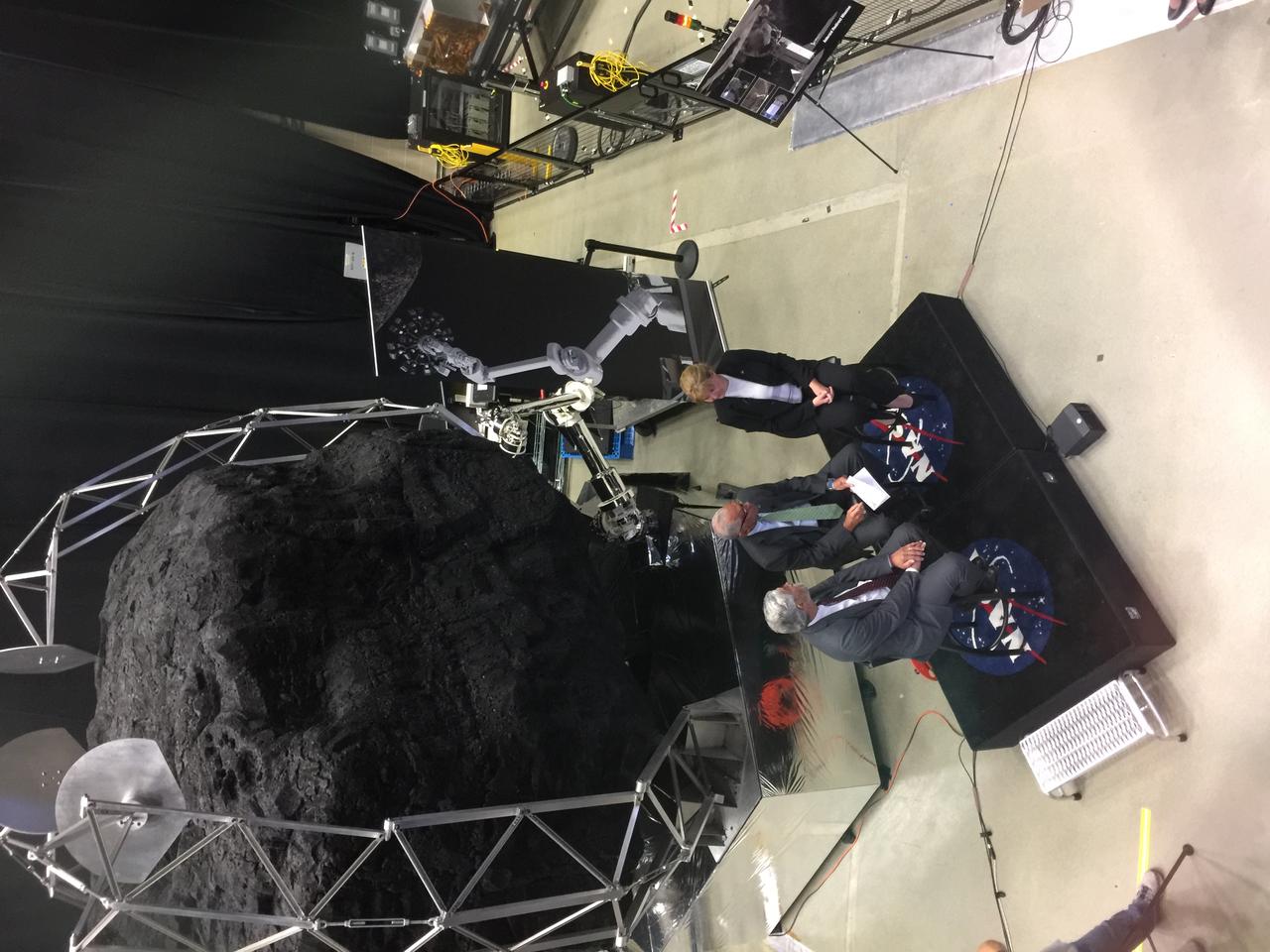
Dr. Holdren (left), Administrator Bolden (center) and Dr. Michele Gates (right) discuss the ARM mission during a live NASA TV briefing. Behind them is a mockup of robotic capture module for the Asteroid Redirect Mission. More info: Asteroid Redirect Mission Update – On Sept. 14, 2016, NASA provided an update on the Asteroid Redirect Mission (ARM) and how it contributes to the agency’s journey to Mars and protection of Earth. The presentation took place in the Robotic Operations Center at NASA’s Goddard Space Flight Center in Greenbelt, Maryland. Assistant to the President for Science and Technology Dr. John P. Holdren, NASA Administrator Charles Bolden and NASA’s ARM Program Director, Dr. Michele Gates discussed the latest update regarding the mission. They explained the mission’s scientific and technological benefits and how ARM will demonstrate technology for defending Earth from potentially hazardous asteroids. The briefing aired live on NASA TV and the agency’s website. For more information about ARM go to <a href="https://www.nasa.gov/arm" rel="nofollow">www.nasa.gov/arm</a>. Credit: NASA/Goddard/Peter Sooy <b><a href="http://www.nasa.gov/audience/formedia/features/MP_Photo_Guidelines.html" rel="nofollow">NASA image use policy.</a></b> <b><a href="http://www.nasa.gov/centers/goddard/home/index.html" rel="nofollow">NASA Goddard Space Flight Center</a></b> enables NASA’s mission through four scientific endeavors: Earth Science, Heliophysics, Solar System Exploration, and Astrophysics. Goddard plays a leading role in NASA’s accomplishments by contributing compelling scientific knowledge to advance the Agency’s mission. <b>Follow us on <a href="http://twitter.com/NASAGoddardPix" rel="nofollow">Twitter</a></b> <b>Like us on <a href="http://www.facebook.com/pages/Greenbelt-MD/NASA-Goddard/395013845897?ref=tsd" rel="nofollow">Facebook</a></b> <b>Find us on <a href="http://instagrid.me/nasagoddard/?vm=grid" rel="nofollow">Instagram</a></b>
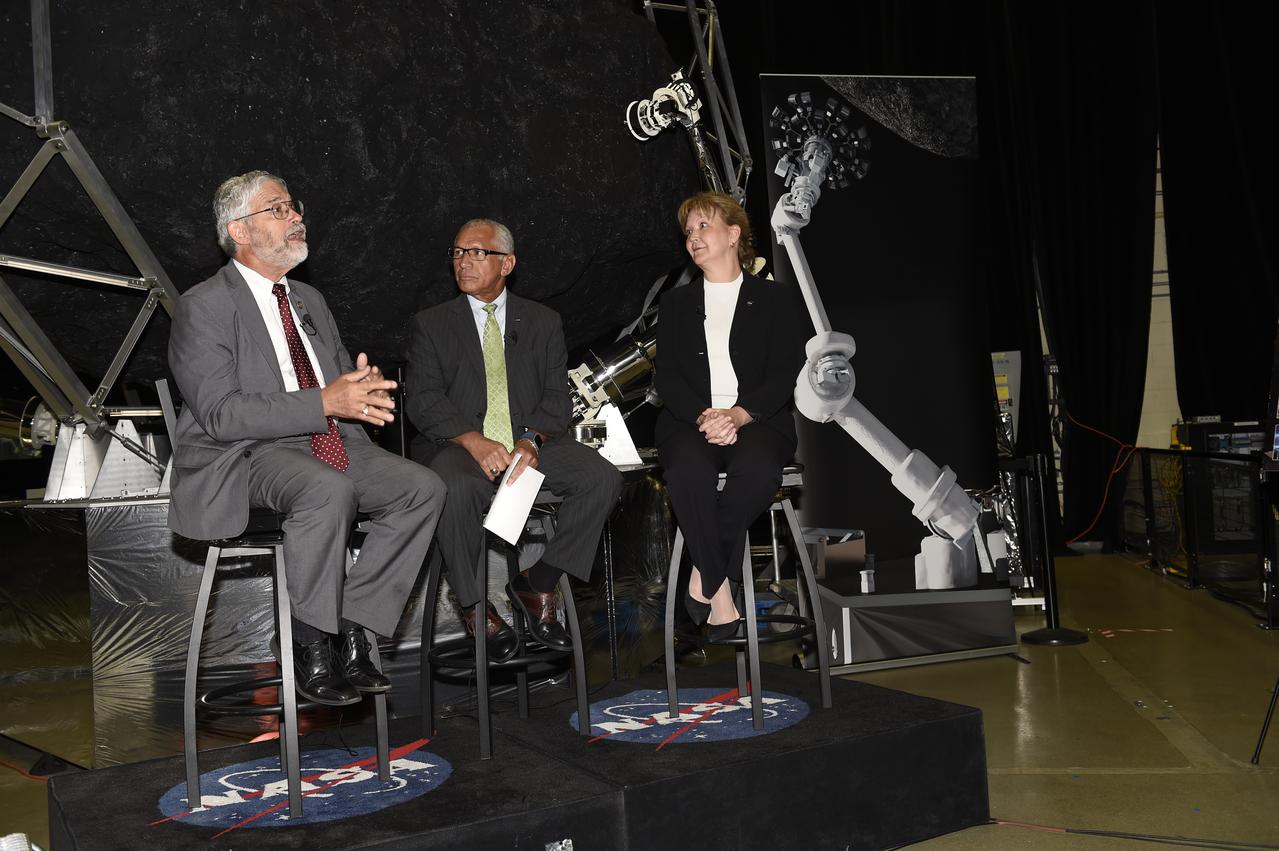
Dr. Holdren (left), Administrator Bolden (center) and Dr. Michele Gates (right) discuss the ARM mission during a live NASA TV briefing. Behind them is a mockup of robotic capture module for the Asteroid Redirect Mission. More info: Asteroid Redirect Mission Update – On Sept. 14, 2016, NASA provided an update on the Asteroid Redirect Mission (ARM) and how it contributes to the agency’s journey to Mars and protection of Earth. The presentation took place in the Robotic Operations Center at NASA’s Goddard Space Flight Center in Greenbelt, Maryland. Assistant to the President for Science and Technology Dr. John P. Holdren, NASA Administrator Charles Bolden and NASA’s ARM Program Director, Dr. Michele Gates discussed the latest update regarding the mission. They explained the mission’s scientific and technological benefits and how ARM will demonstrate technology for defending Earth from potentially hazardous asteroids. The briefing aired live on NASA TV and the agency’s website. For more information about ARM go to <a href="https://www.nasa.gov/arm" rel="nofollow">www.nasa.gov/arm</a>. Credit: NASA/Goddard/Debbie Mccallum <b><a href="http://www.nasa.gov/audience/formedia/features/MP_Photo_Guidelines.html" rel="nofollow">NASA image use policy.</a></b> <b><a href="http://www.nasa.gov/centers/goddard/home/index.html" rel="nofollow">NASA Goddard Space Flight Center</a></b> enables NASA’s mission through four scientific endeavors: Earth Science, Heliophysics, Solar System Exploration, and Astrophysics. Goddard plays a leading role in NASA’s accomplishments by contributing compelling scientific knowledge to advance the Agency’s mission. <b>Follow us on <a href="http://twitter.com/NASAGoddardPix" rel="nofollow">Twitter</a></b> <b>Like us on <a href="http://www.facebook.com/pages/Greenbelt-MD/NASA-Goddard/395013845897?ref=tsd" rel="nofollow">Facebook</a></b> <b>Find us on <a href="http://instagrid.me/nasagoddard/?vm=grid" rel="nofollow">Instagram</a></b>
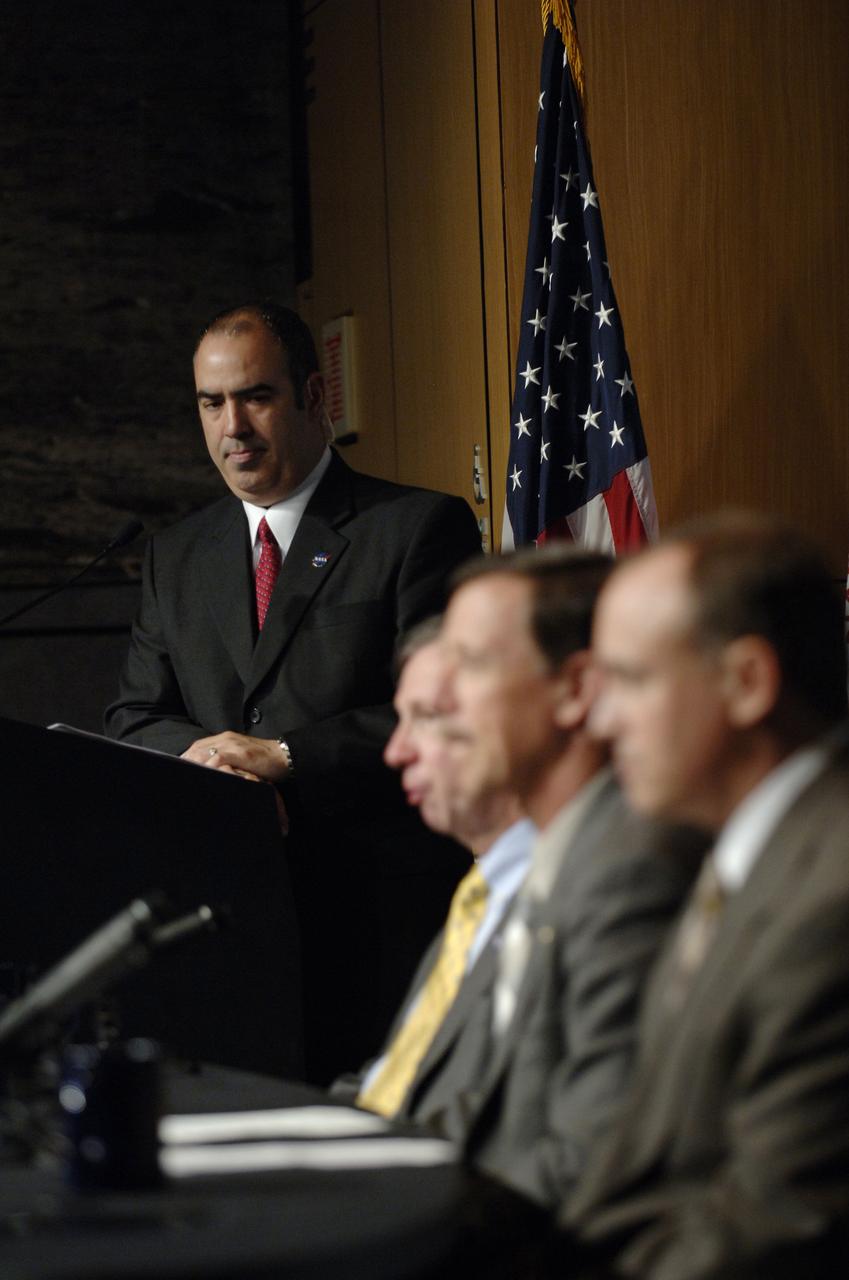
Dean Acosta, NASA Deputy Assistant Administrator and Press Secretary, left, moderates a NASA Update with NASA Administrator Michael Griffin, Scott J. Horowitz, NASA Associate Administrator for Exploration Systems and Jeff Hanley, Constellation Program Manager, right, on Wednesday, June 5, 2006, at NASA Headquarters in Washington. Photo Credit: (NASA/Bill Ingalls)
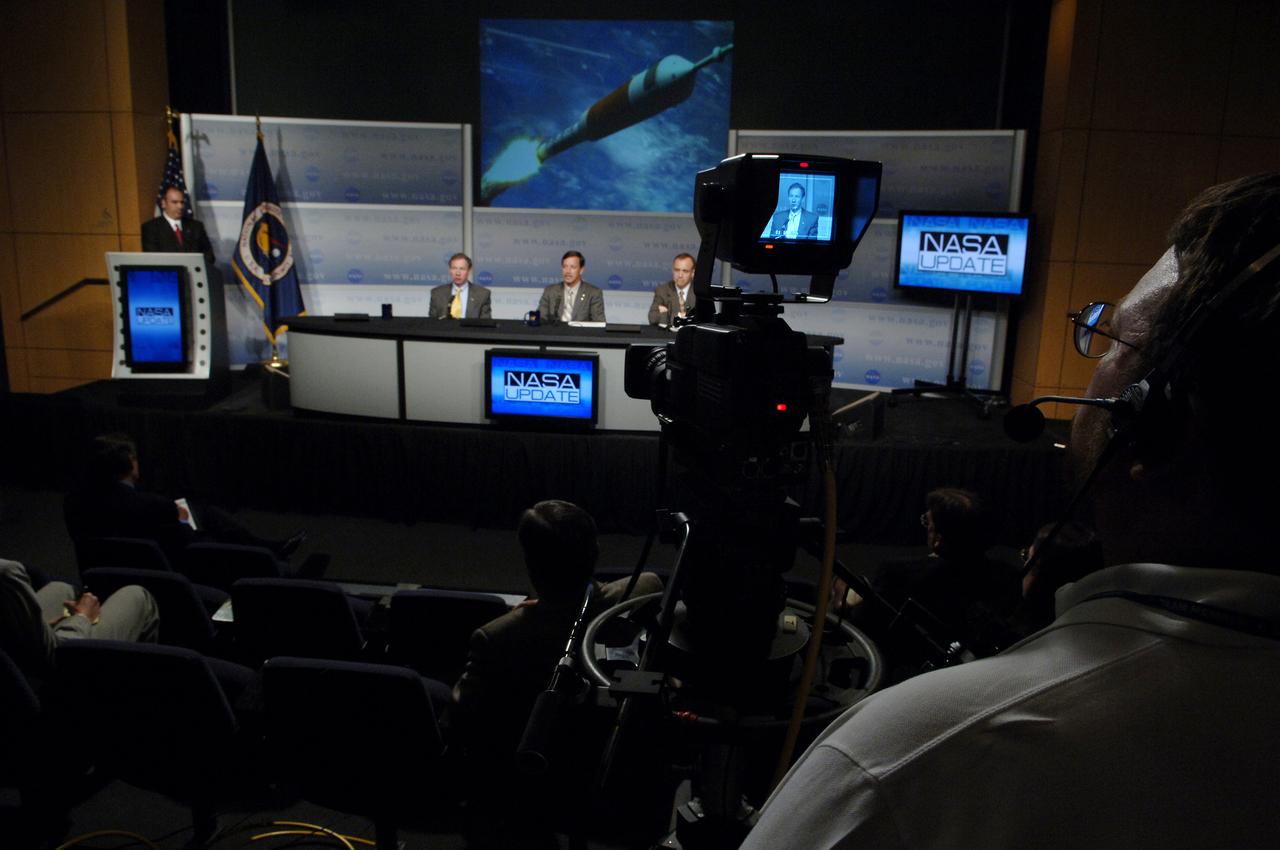
NASA Administrator Michael Griffin is seen through a television camera at a NASA Update announcing to NASA employees and members of the media the responsibilities of the NASA centers associated with the Constellation Program for robotic and human Moon and Mars exploration on Wednesday, June 5, 2006, at NASA Headquarters in Washington. Griffin was joined by Scott J. Horowitz, NASA Associate Administrator for Exploration Systems and Jeff Hanley, Constellation Program Manager, right. Dean Acosta, NASA Deputy Assistant Administrator and Press Secretary, far left, moderates the program. Photo Credit: (NASA/Bill Ingalls)
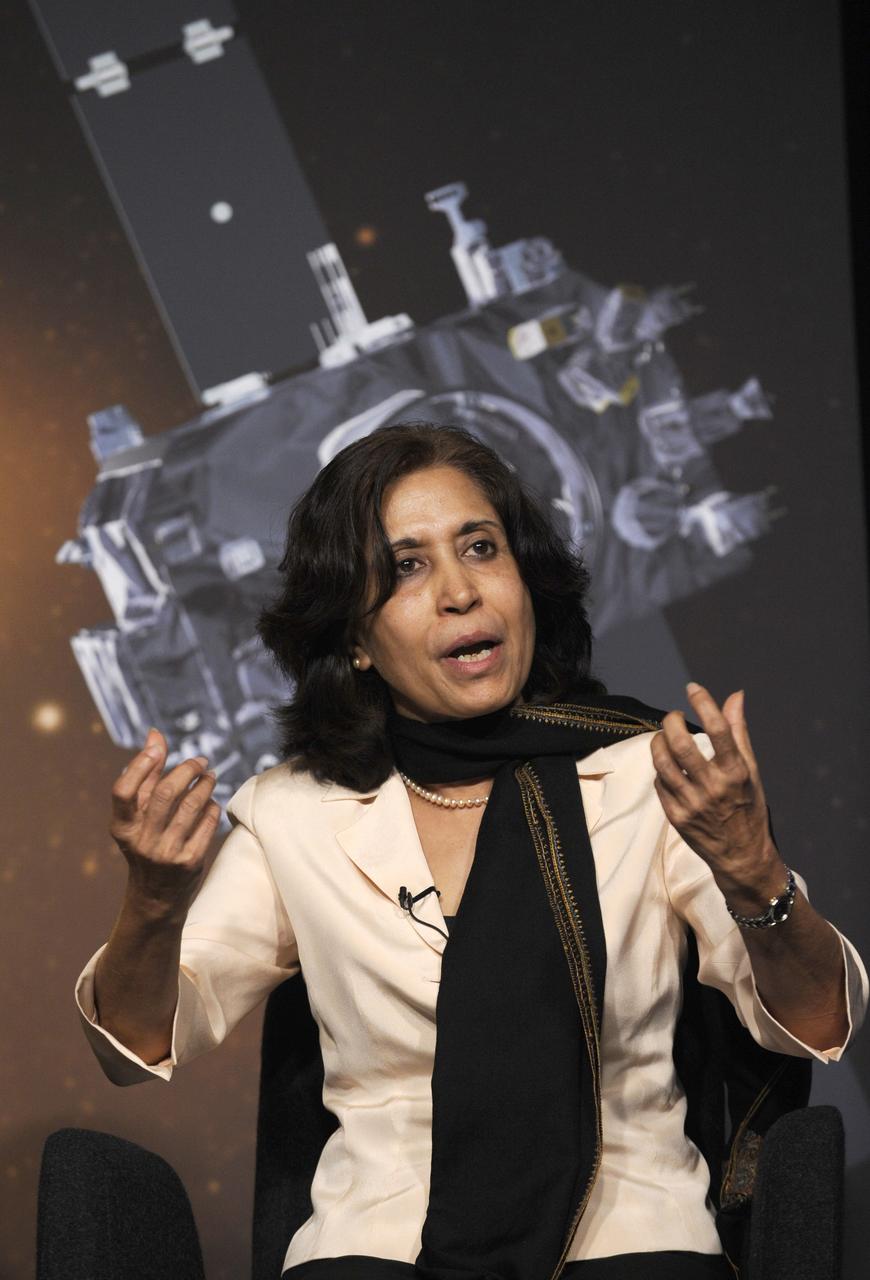
Madhulika Guhathakurta, STEREO program scientist, makes a comment during a Science Update on the STEREO mission at NASA Headquarters in Washington, Tuesday, April 14, 2009. Photo Credit: (NASA/Paul E. Alers)
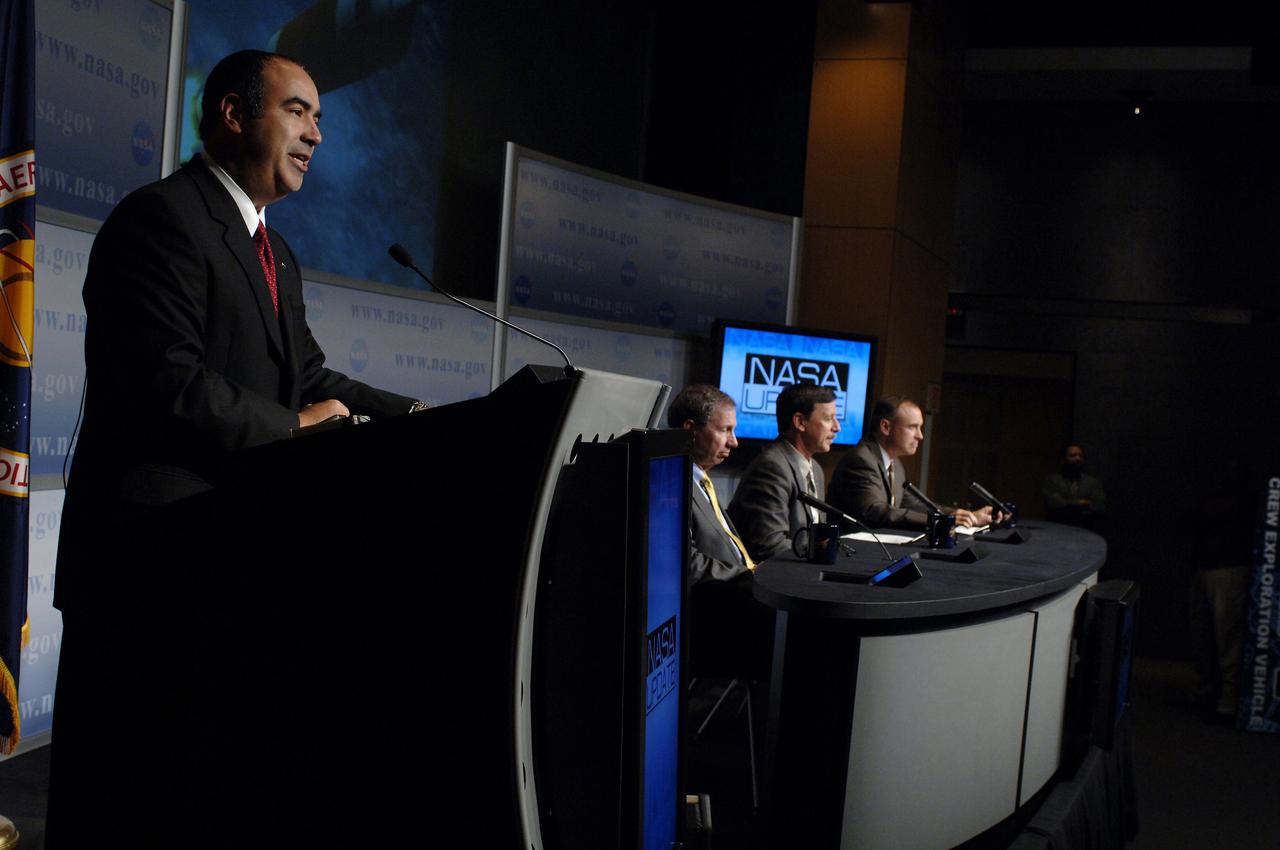
Dean Acosta, NASA Deputy Assistant Administrator and Press Secretary, left, moderates a NASA Update with NASA Administrator Michael Griffin, second from left, Scott J. Horowitz, NASA Associate Administrator for Exploration Systems and Jeff Hanley, Constellation Program Manager, right, on Wednesday, June 5, 2006, at NASA Headquarters in Washington. Photo Credit: (NASA/Bill Ingalls)
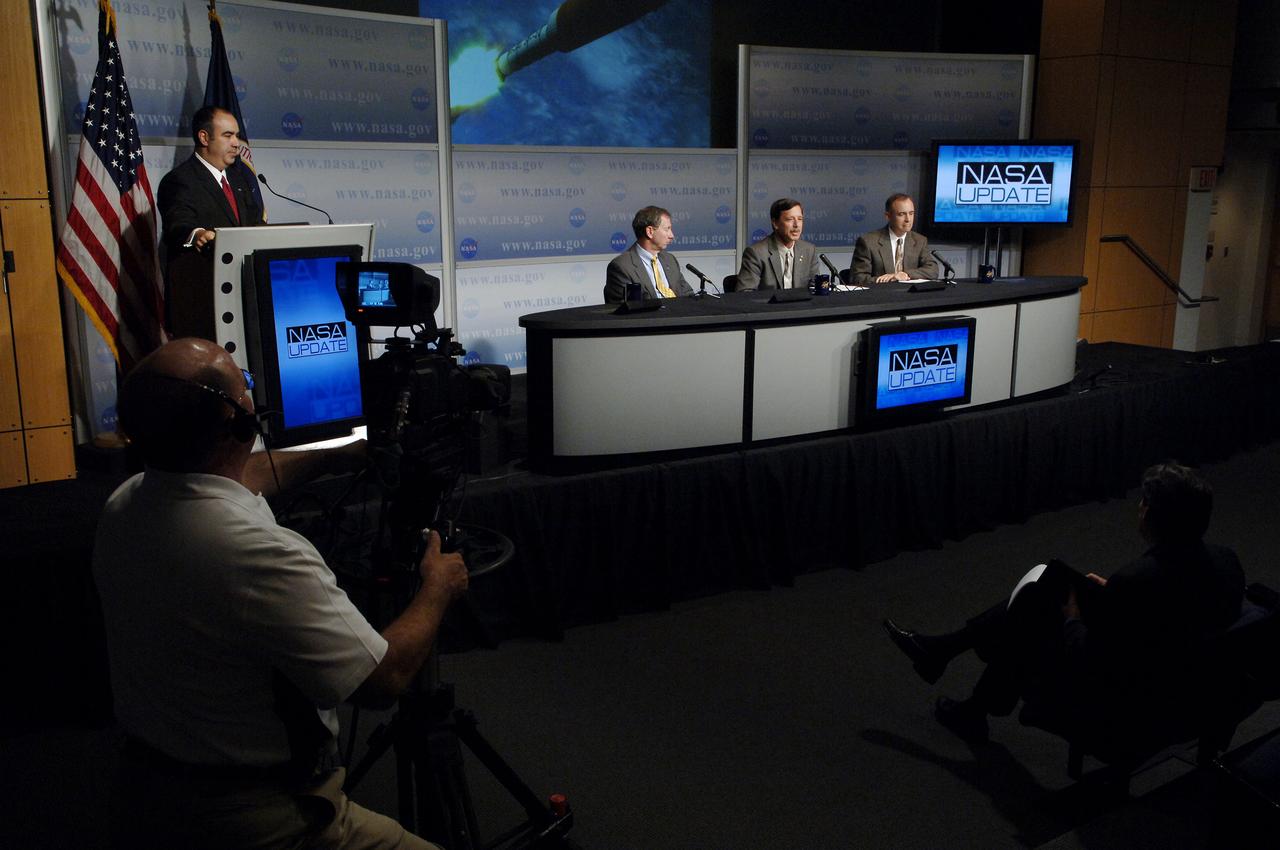
Dean Acosta, NASA Deputy Assistant Administrator and Press Secretary, left, moderates a NASA Update with NASA Administrator Michael Griffin, second from left, Scott J. Horowitz, NASA Associate Administrator for Exploration Systems and Jeff Hanley, Constellation Program Manager, right, on Wednesday, June 5, 2006, at NASA Headquarters in Washington. Photo Credit: (NASA/Bill Ingalls)
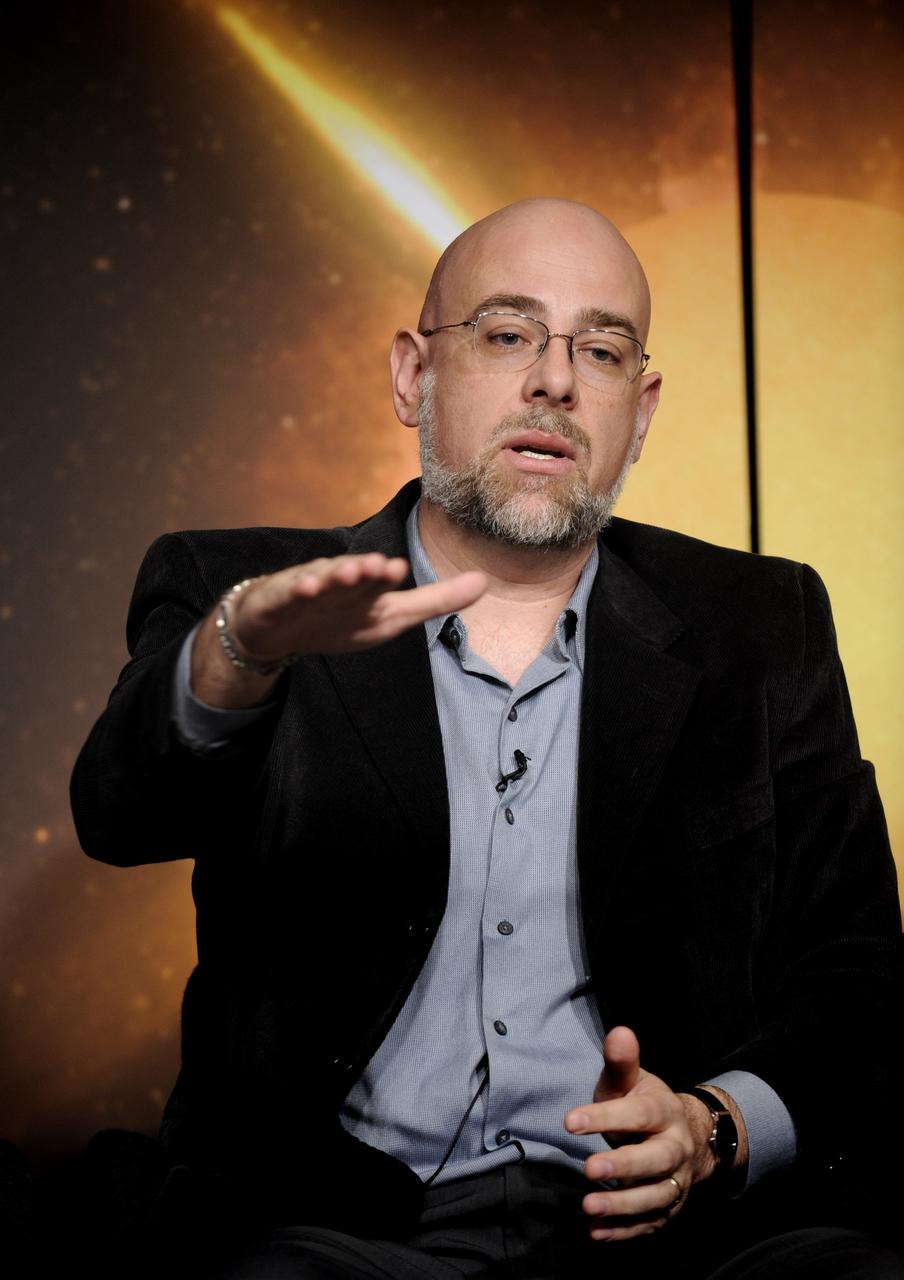
Angelo Vourlidas, project scientist, Sun Earth Connection Coronal and Heliospheric Investigation, at the Naval Research Laboratory makes a comment during a Science Update on the STEREO mission at NASA Headquarters in Washington, Tuesday, April 14, 2009. Photo Credit: (NASA/Paul E. Alers)
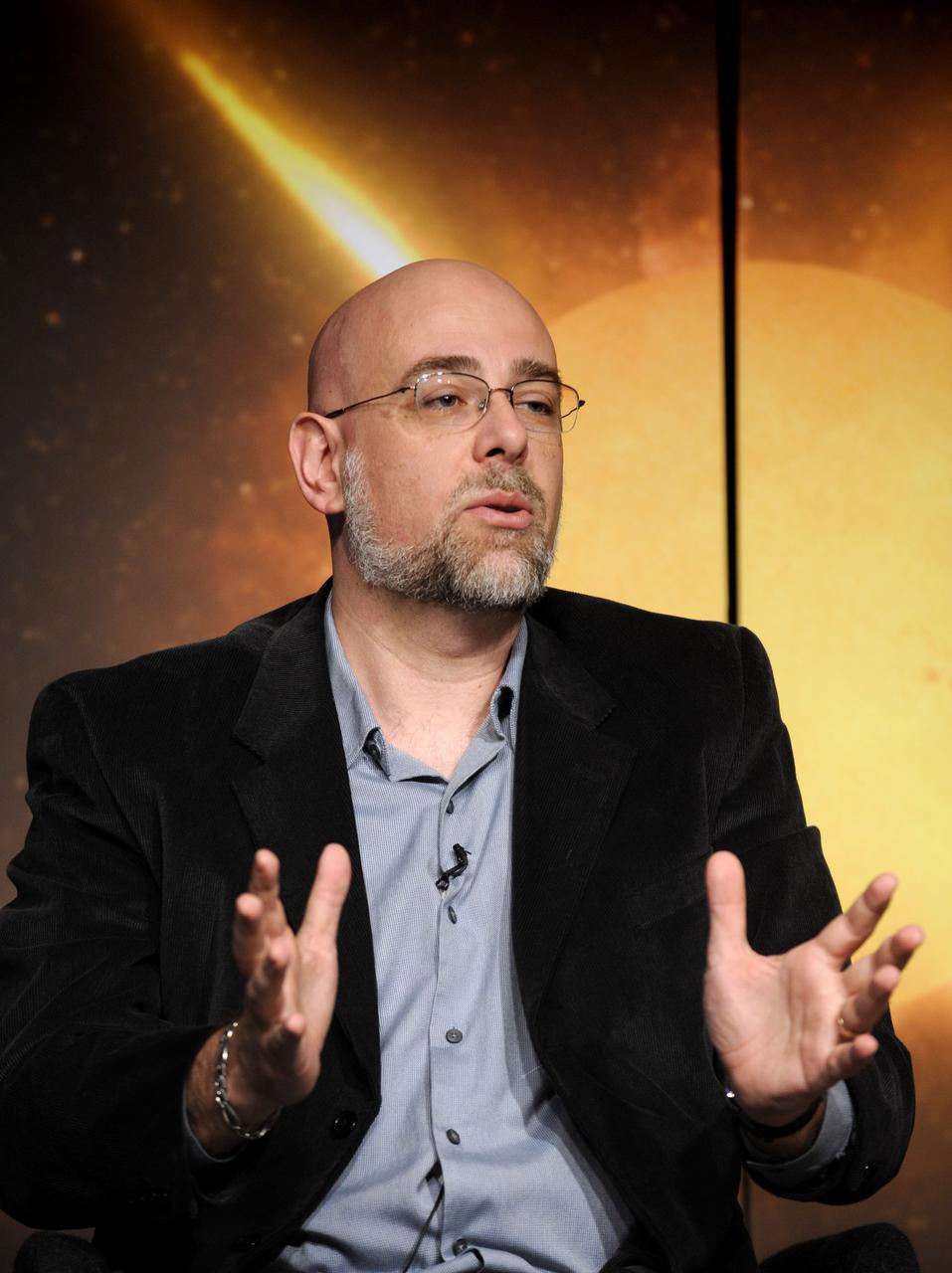
Angelo Vourlidas, project scientist, Sun Earth Connection Coronal and Heliospheric Investigation, at the Naval Research Laboratory, makes a comment during a Science Update on the STEREO mission at NASA Headquarters in Washington, Tuesday, April 14, 2009. Photo Credit: (NASA/Paul E. Alers)
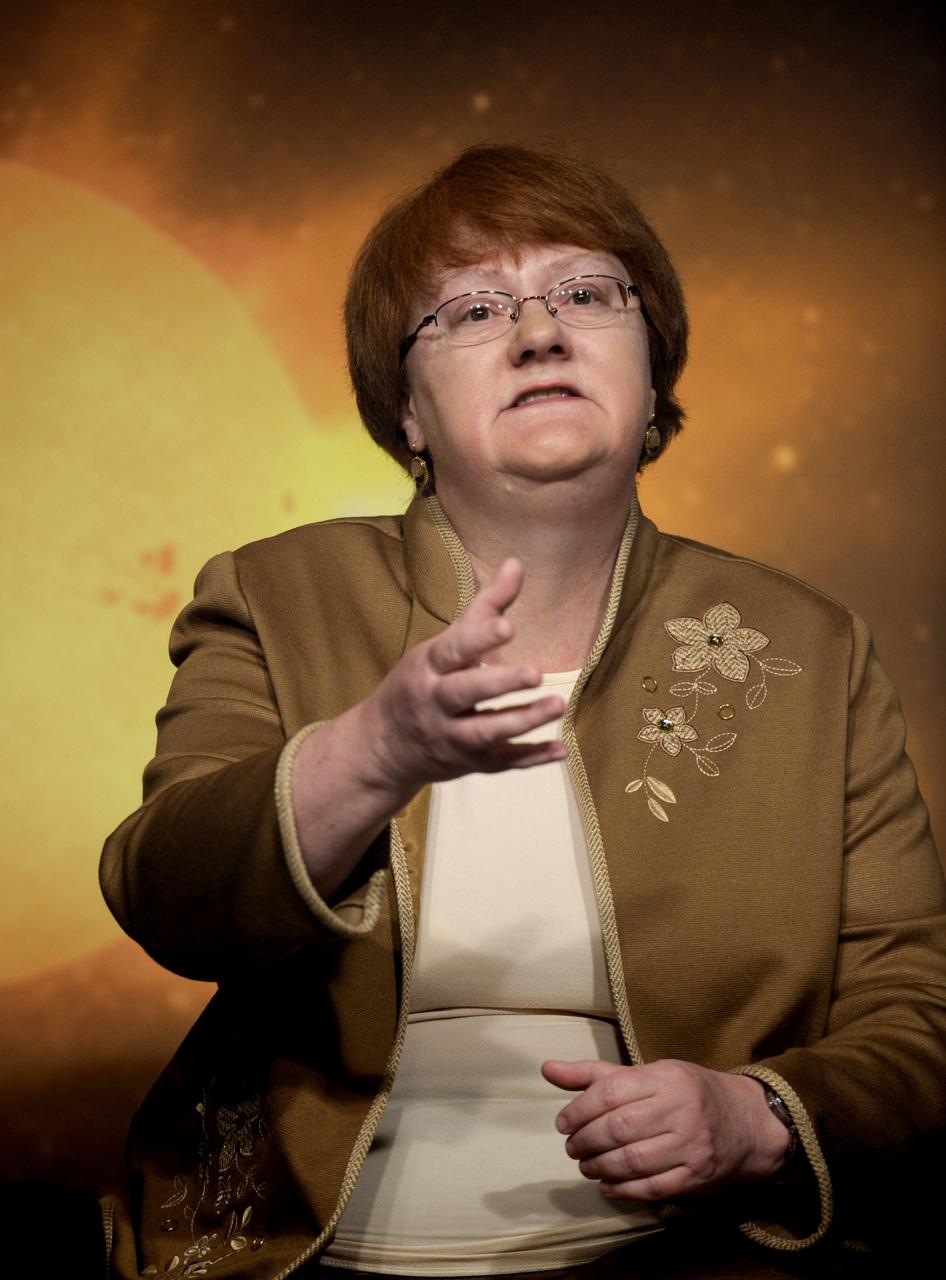
Toni Galvin, principal investigator, Plasma and Superthermal Ion Composition instrument at the University of New Hampshire makes a comment during a Science Update on the STEREO mission at NASA Headquarters in Washington, Tuesday, April 14, 2009. Photo Credit: (NASA/Paul E. Alers)
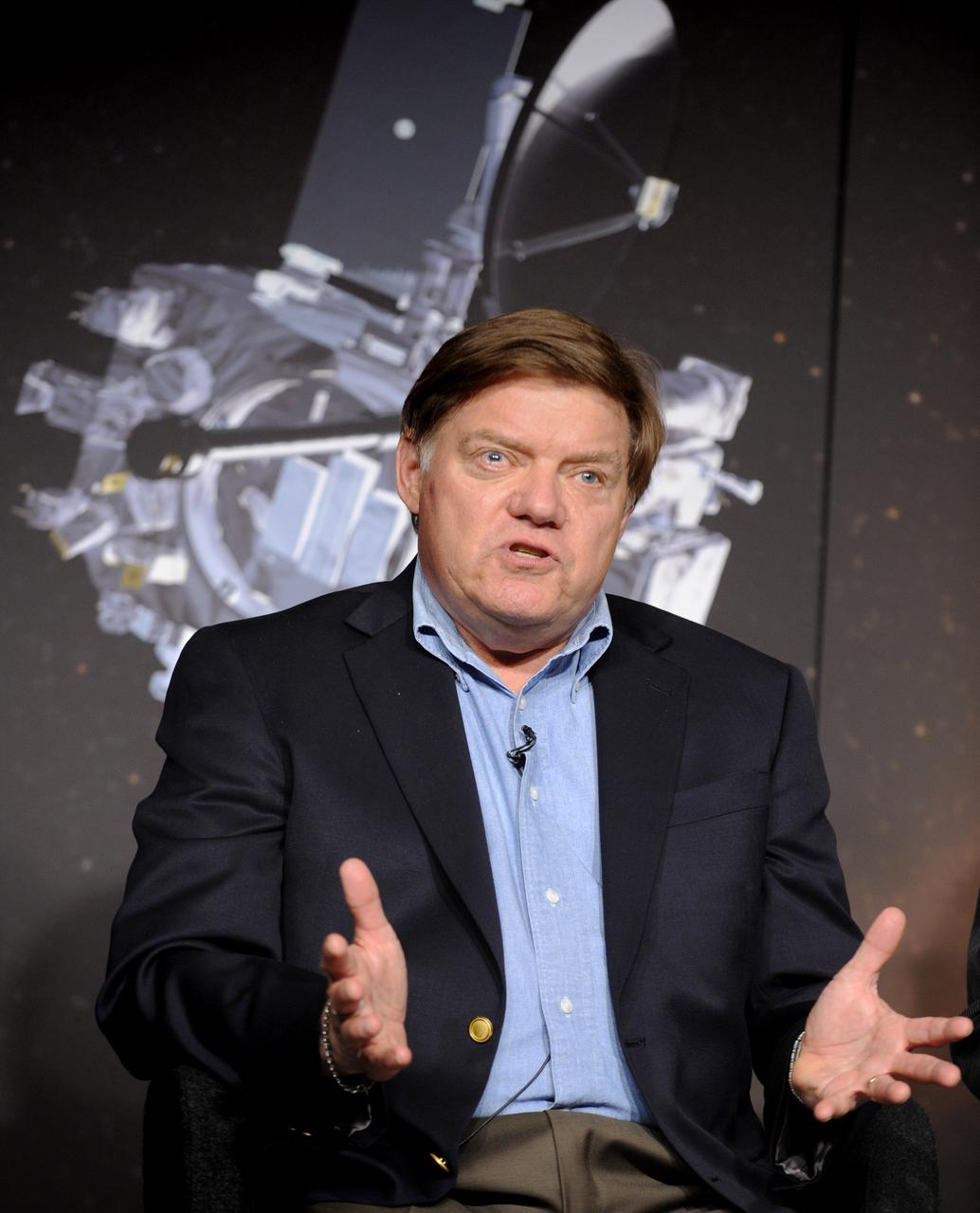
Michael Kaiser, project scientist, Solar Terrestrial Relations Observatory (STEREO) at Goddard Space Flight Center, makes a comment during a Science Update on the STEREO mission at NASA Headquarters in Washington, Tuesday, April 14, 2009. Photo Credit: (NASA/Paul E. Alers)

NASA Administrator Jared Isaacman, left background, and NASA Associate Administrator Amit Kshatriya, are seen during an event where NASA is outlining how the agency is executing President Donald J. Trump’s National Space Policy and accelerating preparations for America’s return to the surface of the Moon by 2028, Tuesday, March 24, 2026, at the Mary W. Jackson NASA Headquarters building in Washington. During the event NASA leadership provided updates on mission priorities, including sending the first astronauts to the lunar surface in more than 50 years, establishing the initial elements of a permanent lunar base, getting America underway in space on nuclear propulsion, and other objectives. Photo Credit: (NASA/Bill Ingalls)
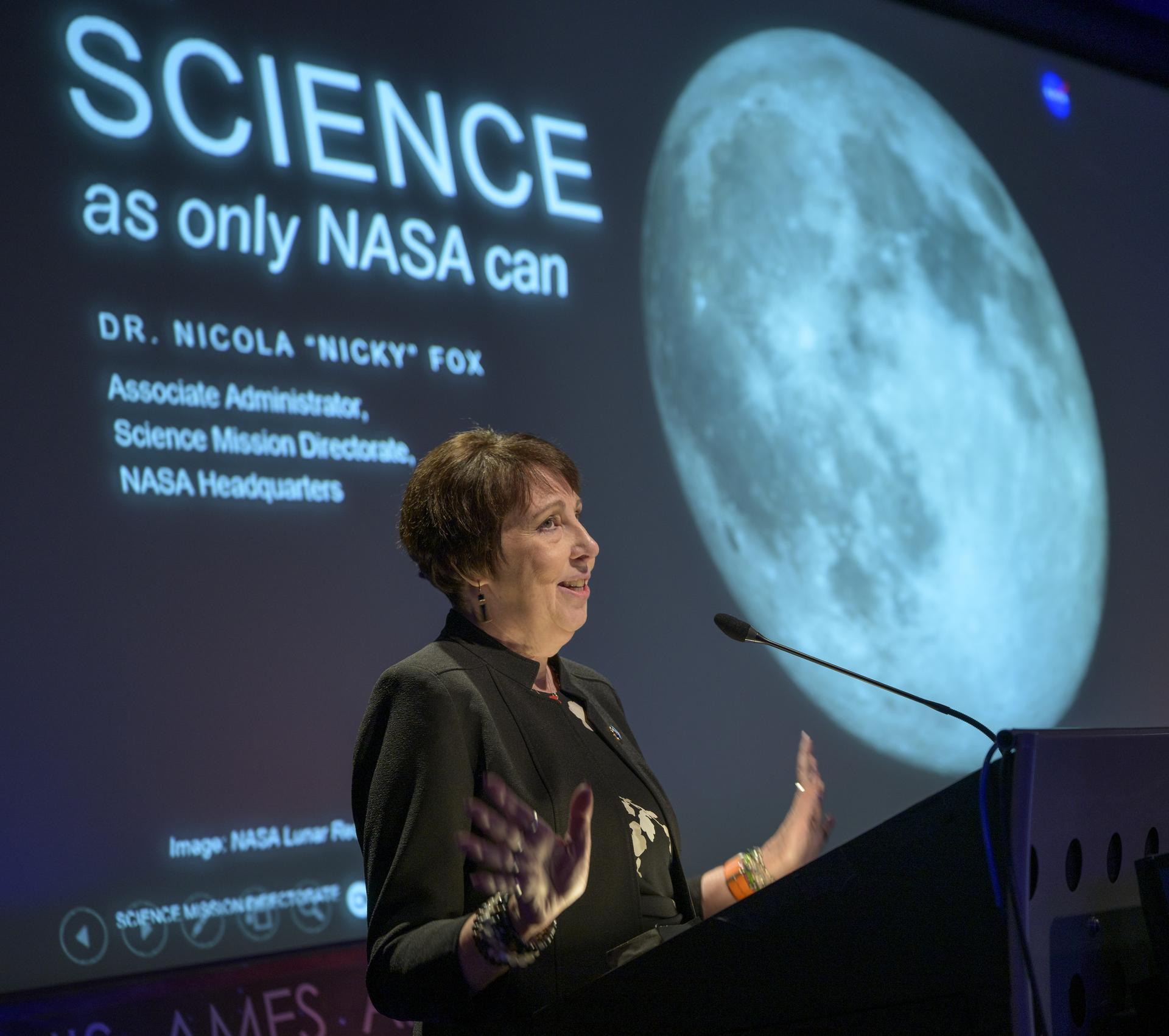
Associate Administrator for NASA's Science Mission Directorate Nicola Fox speaks during an event where NASA is outlining how the agency is executing President Donald J. Trump’s National Space Policy and accelerating preparations for America’s return to the surface of the Moon by 2028, Tuesday, March 24, 2026, at the Mary W. Jackson NASA Headquarters building in Washington. During the event NASA leadership provided updates on mission priorities, including sending the first astronauts to the lunar surface in more than 50 years, establishing the initial elements of a permanent lunar base, getting America underway in space on nuclear propulsion, and other objectives. Photo Credit: (NASA/Bill Ingalls)

NASA Moon Base Program Executive Carlos Garcia-Galan speaks during an event where NASA is outlining how the agency is executing President Donald J. Trump’s National Space Policy and accelerating preparations for America’s return to the surface of the Moon by 2028, Tuesday, March 24, 2026, at the Mary W. Jackson NASA Headquarters building in Washington. During the event NASA leadership provided updates on mission priorities, including sending the first astronauts to the lunar surface in more than 50 years, establishing the initial elements of a permanent lunar base, getting America underway in space on nuclear propulsion, and other objectives. Photo Credit: (NASA/Bill Ingalls)

NASA International Space Station Program Manager Dana Weigel speaks during an event where NASA is outlining how the agency is executing President Donald J. Trump’s National Space Policy and accelerating preparations for America’s return to the surface of the Moon by 2028, Tuesday, March 24, 2026, at the Mary W. Jackson NASA Headquarters building in Washington. During the event NASA leadership provided updates on mission priorities, including sending the first astronauts to the lunar surface in more than 50 years, establishing the initial elements of a permanent lunar base, getting America underway in space on nuclear propulsion, and other objectives. Photo Credit: (NASA/Bill Ingalls)

NASA Associate Administrator Amit Kshatriya is seen during an event where NASA is outlining how the agency is executing President Donald J. Trump’s National Space Policy and accelerating preparations for America’s return to the surface of the Moon by 2028, Tuesday, March 24, 2026, at the Mary W. Jackson NASA Headquarters building in Washington. During the event NASA leadership provided updates on mission priorities, including sending the first astronauts to the lunar surface in more than 50 years, establishing the initial elements of a permanent lunar base, getting America underway in space on nuclear propulsion, and other objectives. Photo Credit: (NASA/Bill Ingalls)

NASA Moon Base Program Executive Carlos Garcia-Galan speaks during an event where NASA is outlining how the agency is executing President Donald J. Trump’s National Space Policy and accelerating preparations for America’s return to the surface of the Moon by 2028, Tuesday, March 24, 2026, at the Mary W. Jackson NASA Headquarters building in Washington. During the event NASA leadership provided updates on mission priorities, including sending the first astronauts to the lunar surface in more than 50 years, establishing the initial elements of a permanent lunar base, getting America underway in space on nuclear propulsion, and other objectives. Photo Credit: (NASA/Bill Ingalls)
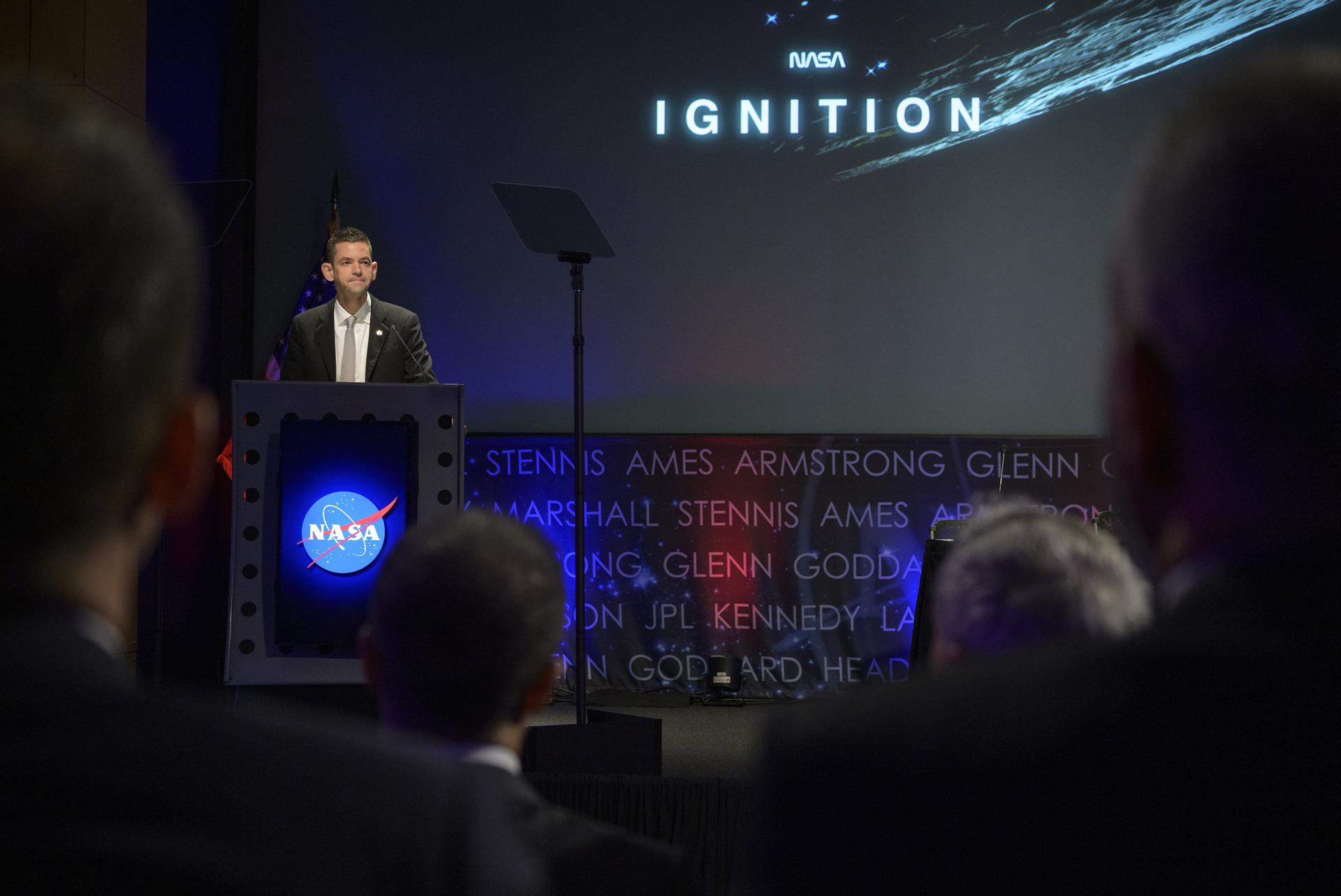
NASA Administrator Jared Isaacman speaks during an event where NASA is outlining how the agency is executing President Donald J. Trump’s National Space Policy and accelerating preparations for America’s return to the surface of the Moon by 2028, Tuesday, March 24, 2026, at the Mary W. Jackson NASA Headquarters building in Washington. During the event NASA leadership provided updates on mission priorities, including sending the first astronauts to the lunar surface in more than 50 years, establishing the initial elements of a permanent lunar base, getting America underway in space on nuclear propulsion, and other objectives. Photo Credit: (NASA/Bill Ingalls)

NASA Moon Base Program Executive Carlos Garcia-Galan speaks during an event where NASA is outlining how the agency is executing President Donald J. Trump’s National Space Policy and accelerating preparations for America’s return to the surface of the Moon by 2028, Tuesday, March 24, 2026, at the Mary W. Jackson NASA Headquarters building in Washington. During the event NASA leadership provided updates on mission priorities, including sending the first astronauts to the lunar surface in more than 50 years, establishing the initial elements of a permanent lunar base, getting America underway in space on nuclear propulsion, and other objectives. Photo Credit: (NASA/Bill Ingalls)
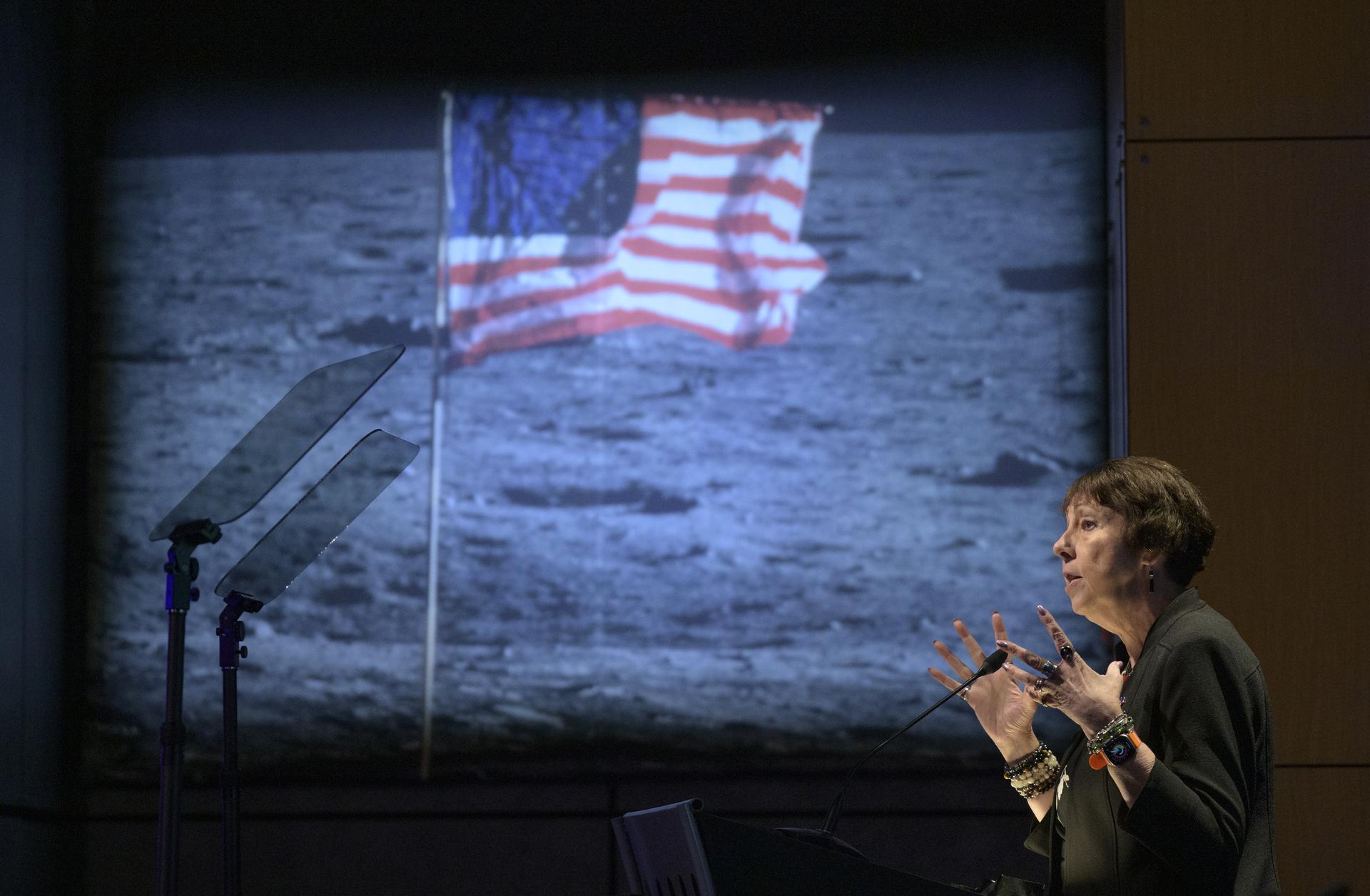
Associate Administrator for NASA's Science Mission Directorate Nicola Fox speaks during an event where NASA is outlining how the agency is executing President Donald J. Trump’s National Space Policy and accelerating preparations for America’s return to the surface of the Moon by 2028, Tuesday, March 24, 2026, at the Mary W. Jackson NASA Headquarters building in Washington. During the event NASA leadership provided updates on mission priorities, including sending the first astronauts to the lunar surface in more than 50 years, establishing the initial elements of a permanent lunar base, getting America underway in space on nuclear propulsion, and other objectives. Photo Credit: (NASA/Bill Ingalls)

A Moon rock is seen in the NASA Headquarters lobby ahead of an event where NASA outlined how the agency is executing President Donald J. Trump’s National Space Policy and accelerating preparations for America’s return to the surface of the Moon by 2028, Tuesday, March 24, 2026, at the Mary W. Jackson NASA Headquarters building in Washington. During the event NASA leadership provided updates on mission priorities, including sending the first astronauts to the lunar surface in more than 50 years, establishing the initial elements of a permanent lunar base, getting America underway in space on nuclear propulsion, and other objectives. Photo Credit: (NASA/Bill Ingalls)

Associate Administrator for NASA's Science Mission Directorate Nicola Fox speaks during an event where NASA is outlining how the agency is executing President Donald J. Trump’s National Space Policy and accelerating preparations for America’s return to the surface of the Moon by 2028, Tuesday, March 24, 2026, at the Mary W. Jackson NASA Headquarters building in Washington. During the event NASA leadership provided updates on mission priorities, including sending the first astronauts to the lunar surface in more than 50 years, establishing the initial elements of a permanent lunar base, getting America underway in space on nuclear propulsion, and other objectives. Photo Credit: (NASA/Bill Ingalls)

NASA International Space Station Program Manager Dana Weigel speaks during an event where NASA is outlining how the agency is executing President Donald J. Trump’s National Space Policy and accelerating preparations for America’s return to the surface of the Moon by 2028, Tuesday, March 24, 2026, at the Mary W. Jackson NASA Headquarters building in Washington. During the event NASA leadership provided updates on mission priorities, including sending the first astronauts to the lunar surface in more than 50 years, establishing the initial elements of a permanent lunar base, getting America underway in space on nuclear propulsion, and other objectives. Photo Credit: (NASA/Bill Ingalls)
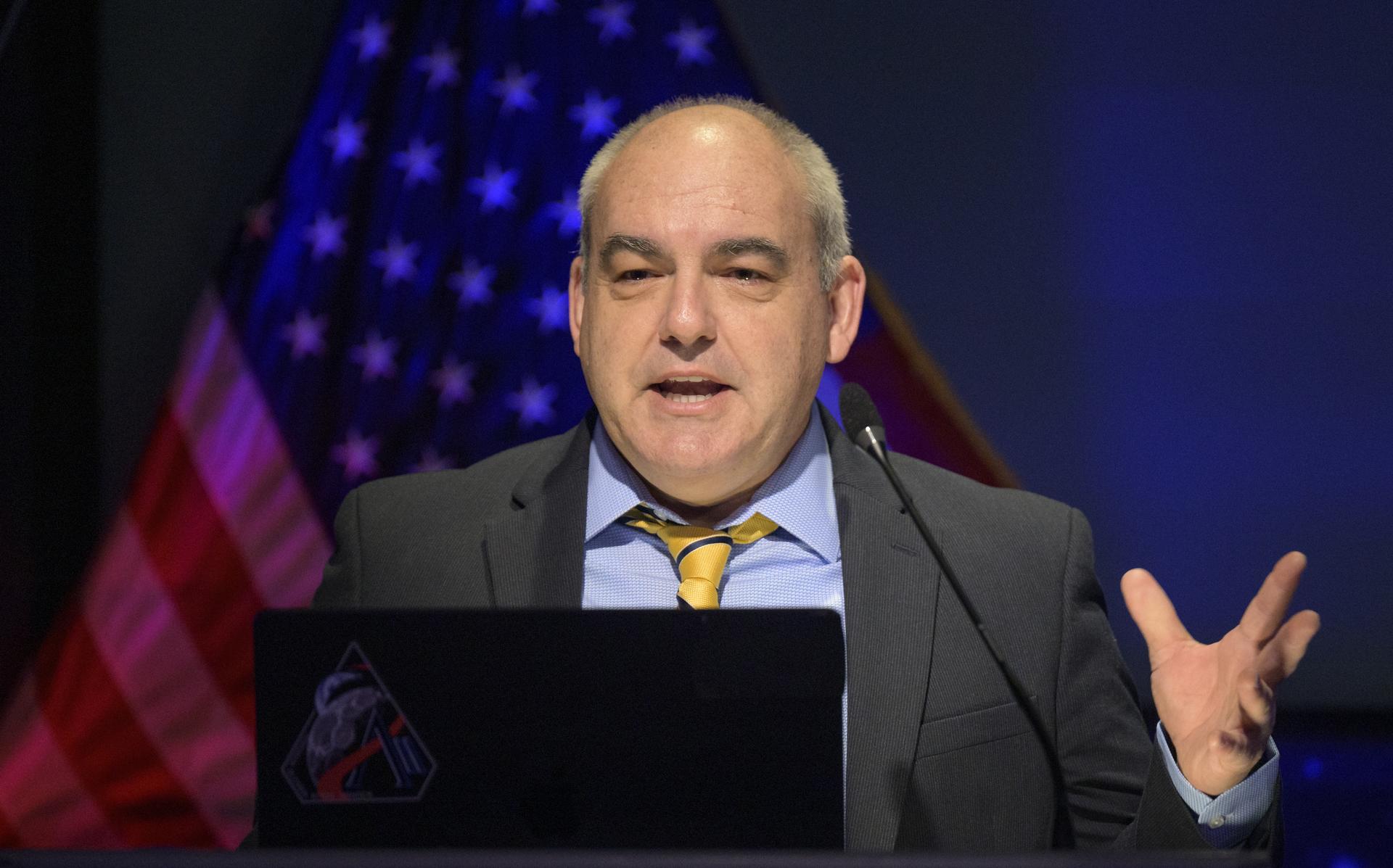
NASA Moon Base Program Executive Carlos Garcia-Galan speaks during an event where NASA is outlining how the agency is executing President Donald J. Trump’s National Space Policy and accelerating preparations for America’s return to the surface of the Moon by 2028, Tuesday, March 24, 2026, at the Mary W. Jackson NASA Headquarters building in Washington. During the event NASA leadership provided updates on mission priorities, including sending the first astronauts to the lunar surface in more than 50 years, establishing the initial elements of a permanent lunar base, getting America underway in space on nuclear propulsion, and other objectives. Photo Credit: (NASA/Bill Ingalls)

NASA Space Reactor Office Program Executive Steve Sinacore speaks during an event where NASA is outlining how the agency is executing President Donald J. Trump’s National Space Policy and accelerating preparations for America’s return to the surface of the Moon by 2028, Tuesday, March 24, 2026, at the Mary W. Jackson NASA Headquarters building in Washington. During the event NASA leadership provided updates on mission priorities, including sending the first astronauts to the lunar surface in more than 50 years, establishing the initial elements of a permanent lunar base, getting America underway in space on nuclear propulsion, and other objectives. Photo Credit: (NASA/Bill Ingalls)

Acting Associate Administrator for NASA's Exploration Systems Development Mission Directorate, Lori Glaze, speaks during an event where NASA is outlining how the agency is executing President Donald J. Trump’s National Space Policy and accelerating preparations for America’s return to the surface of the Moon by 2028, Tuesday, March 24, 2026, at the Mary W. Jackson NASA Headquarters building in Washington. During the event NASA leadership provided updates on mission priorities, including sending the first astronauts to the lunar surface in more than 50 years, establishing the initial elements of a permanent lunar base, getting America underway in space on nuclear propulsion, and other objectives. Photo Credit: (NASA/Bill Ingalls)
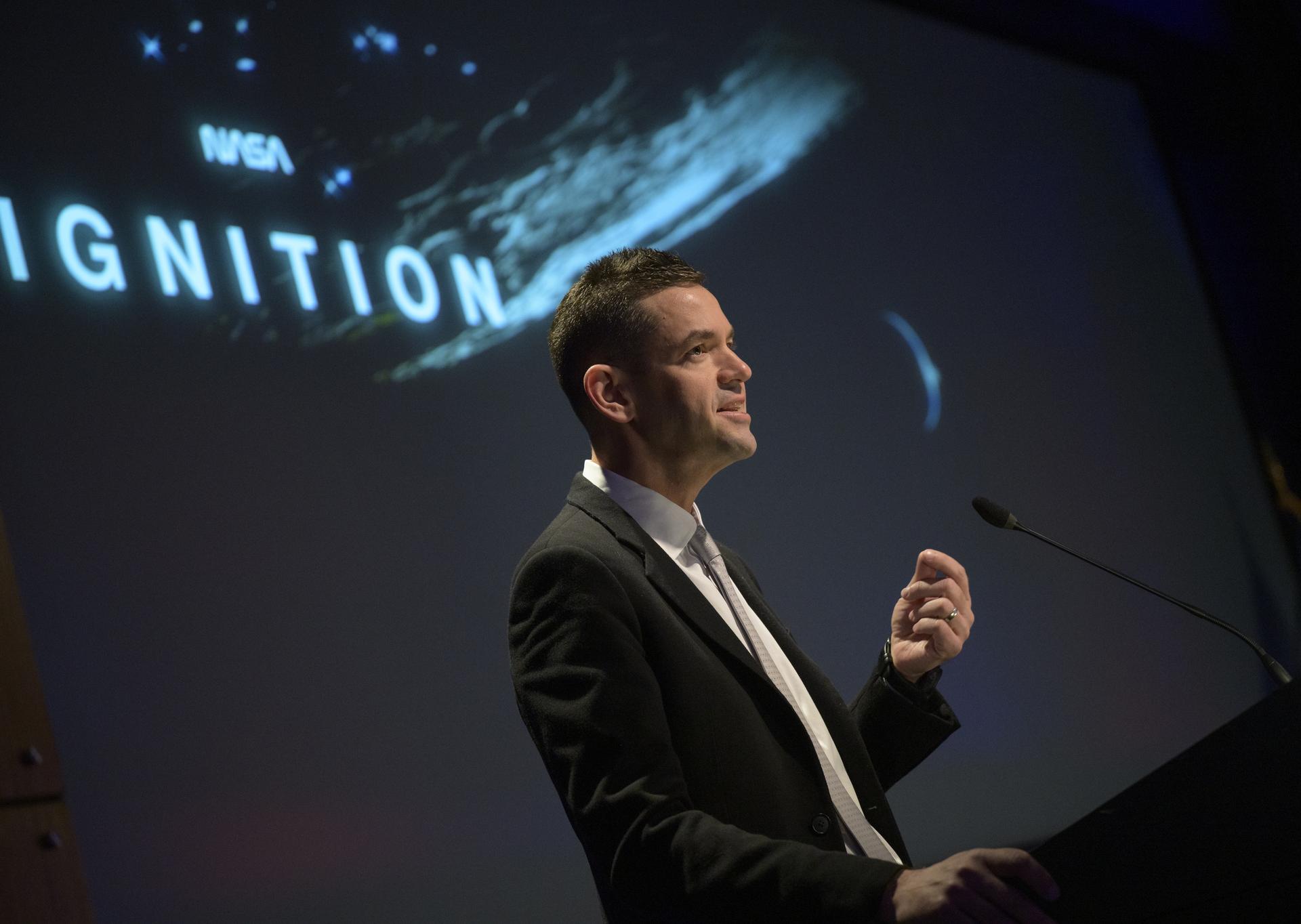
NASA Administrator Jared Isaacman speaks during an event where NASA is outlining how the agency is executing President Donald J. Trump’s National Space Policy and accelerating preparations for America’s return to the surface of the Moon by 2028, Tuesday, March 24, 2026, at the Mary W. Jackson NASA Headquarters building in Washington. During the event NASA leadership provided updates on mission priorities, including sending the first astronauts to the lunar surface in more than 50 years, establishing the initial elements of a permanent lunar base, getting America underway in space on nuclear propulsion, and other objectives. Photo Credit: (NASA/Bill Ingalls)
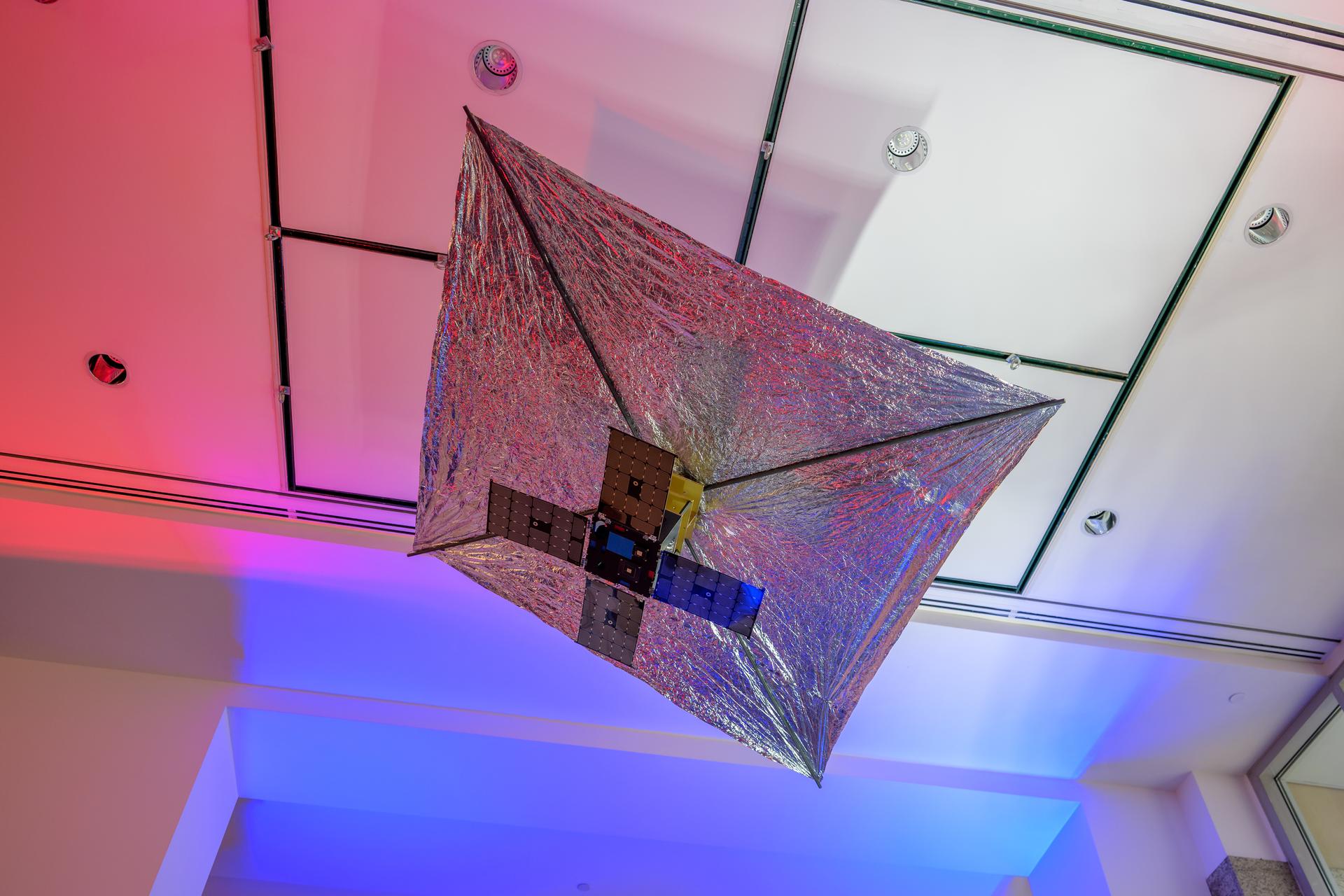
A model of the Advanced Composite Solar Sail System (ACS3) is seen in the NASA Headquarters lobby during a 2-day event where NASA outlined how the agency is executing President Donald J. Trump’s National Space Policy and accelerating preparations for America’s return to the surface of the Moon by 2028, Wednesday, March 25, 2026, at the Mary W. Jackson NASA Headquarters building in Washington. During the event NASA leadership provided updates on mission priorities, including sending the first astronauts to the lunar surface in more than 50 years, establishing the initial elements of a permanent lunar base, getting America underway in space on nuclear propulsion, and other objectives. Photo Credit: (NASA/Bill Ingalls)

NASA Space Reactor Office Program Executive Steve Sinacore speaks during an event where NASA is outlining how the agency is executing President Donald J. Trump’s National Space Policy and accelerating preparations for America’s return to the surface of the Moon by 2028, Tuesday, March 24, 2026, at the Mary W. Jackson NASA Headquarters building in Washington. During the event NASA leadership provided updates on mission priorities, including sending the first astronauts to the lunar surface in more than 50 years, establishing the initial elements of a permanent lunar base, getting America underway in space on nuclear propulsion, and other objectives. Photo Credit: (NASA/Bill Ingalls)
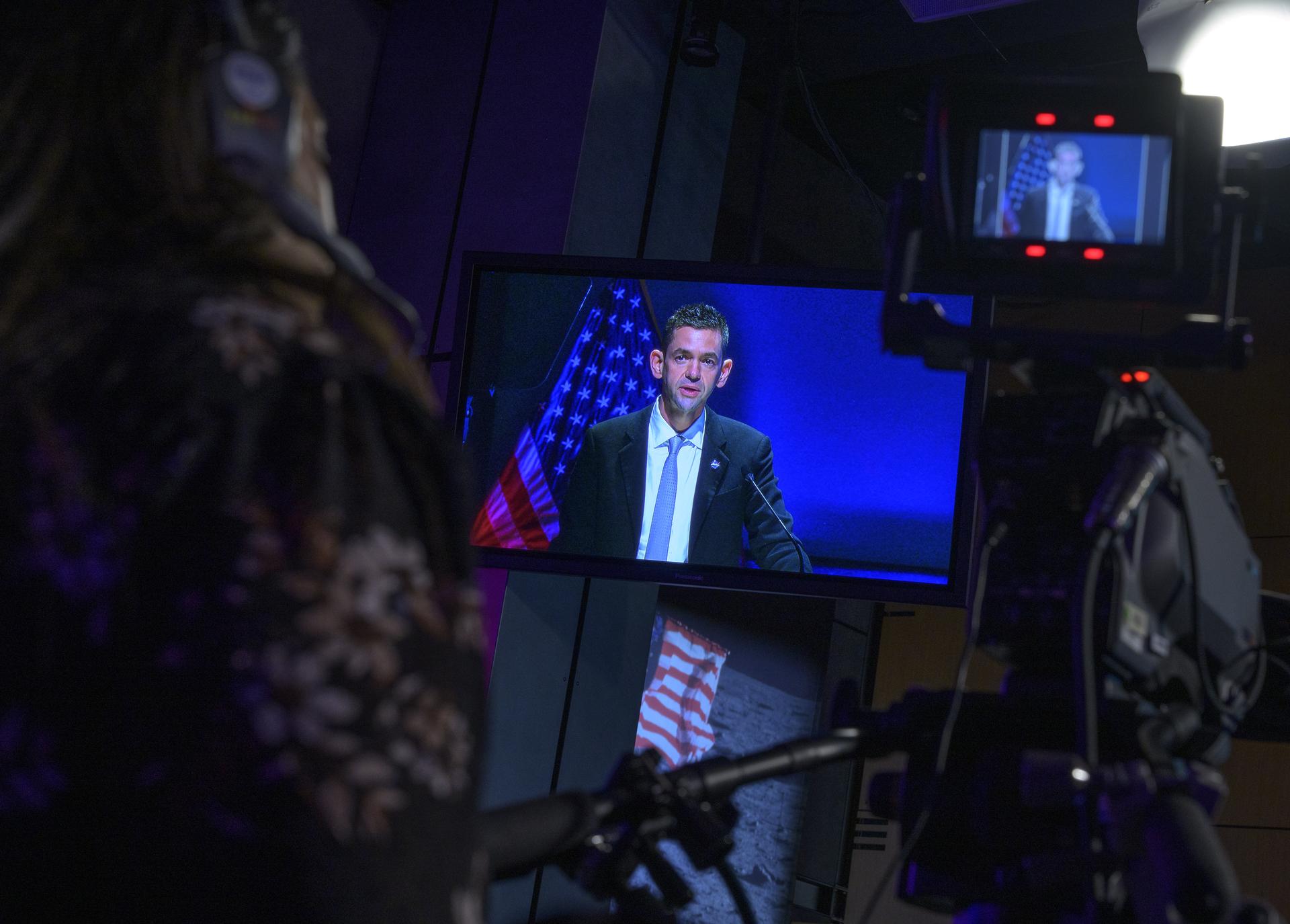
NASA Administrator Jared Isaacman speaks at the conclusion of an event where NASA outlined how the agency is executing President Donald J. Trump’s National Space Policy and accelerating preparations for America’s return to the surface of the Moon by 2028, Tuesday, March 24, 2026, at the Mary W. Jackson NASA Headquarters building in Washington. During the event NASA leadership provided updates on mission priorities, including sending the first astronauts to the lunar surface in more than 50 years, establishing the initial elements of a permanent lunar base, getting America underway in space on nuclear propulsion, and other objectives. Photo Credit: (NASA/Bill Ingalls)
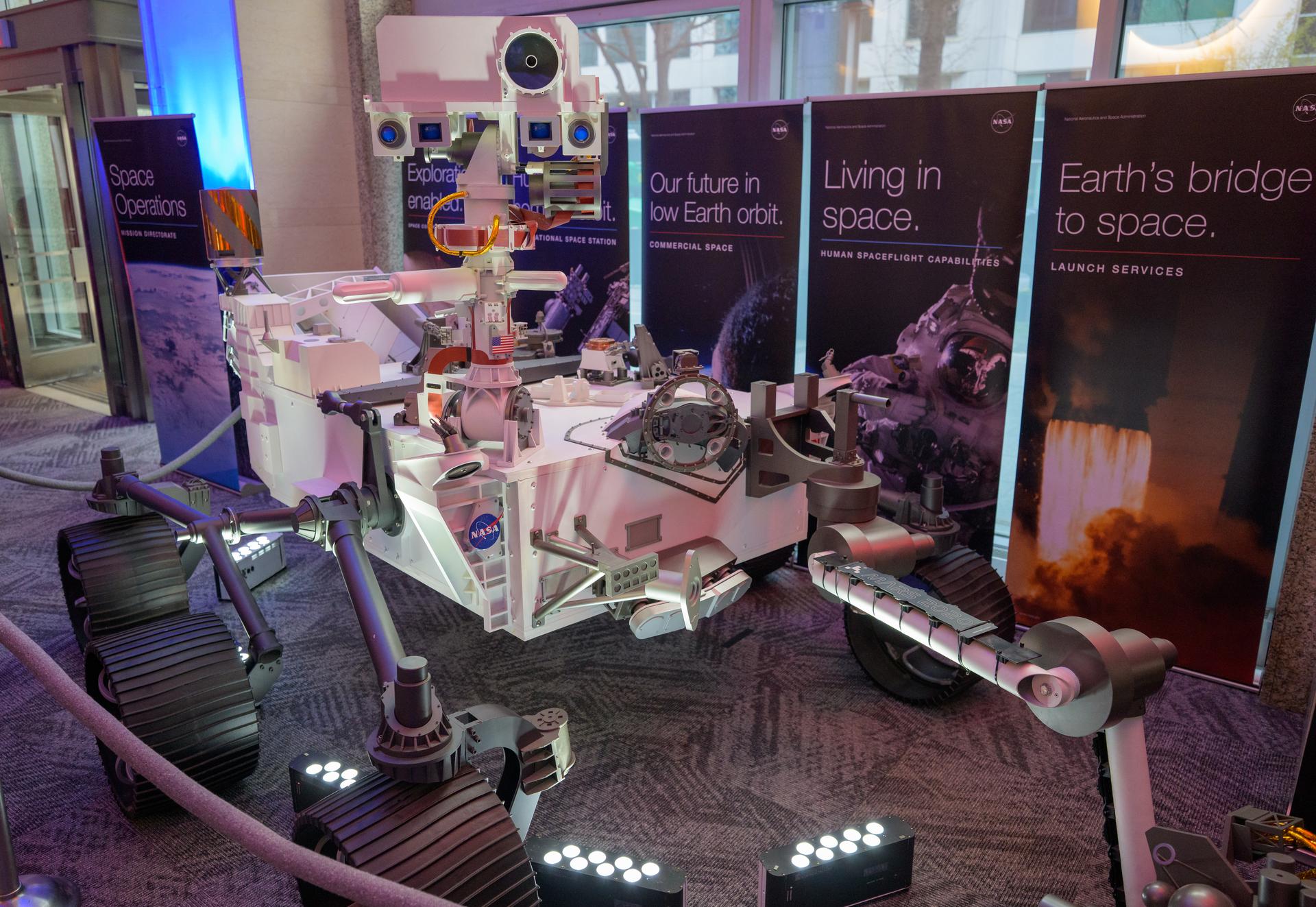
A model of the Mars 2020 Perseverance Rover is seen in the NASA Headquarters lobby during a 2-day event where NASA outlined how the agency is executing President Donald J. Trump’s National Space Policy and accelerating preparations for America’s return to the surface of the Moon by 2028, Wednesday, March 25, 2026, at the Mary W. Jackson NASA Headquarters building in Washington. During the event NASA leadership provided updates on mission priorities, including sending the first astronauts to the lunar surface in more than 50 years, establishing the initial elements of a permanent lunar base, getting America underway in space on nuclear propulsion, and other objectives. Photo Credit: (NASA/Bill Ingalls)
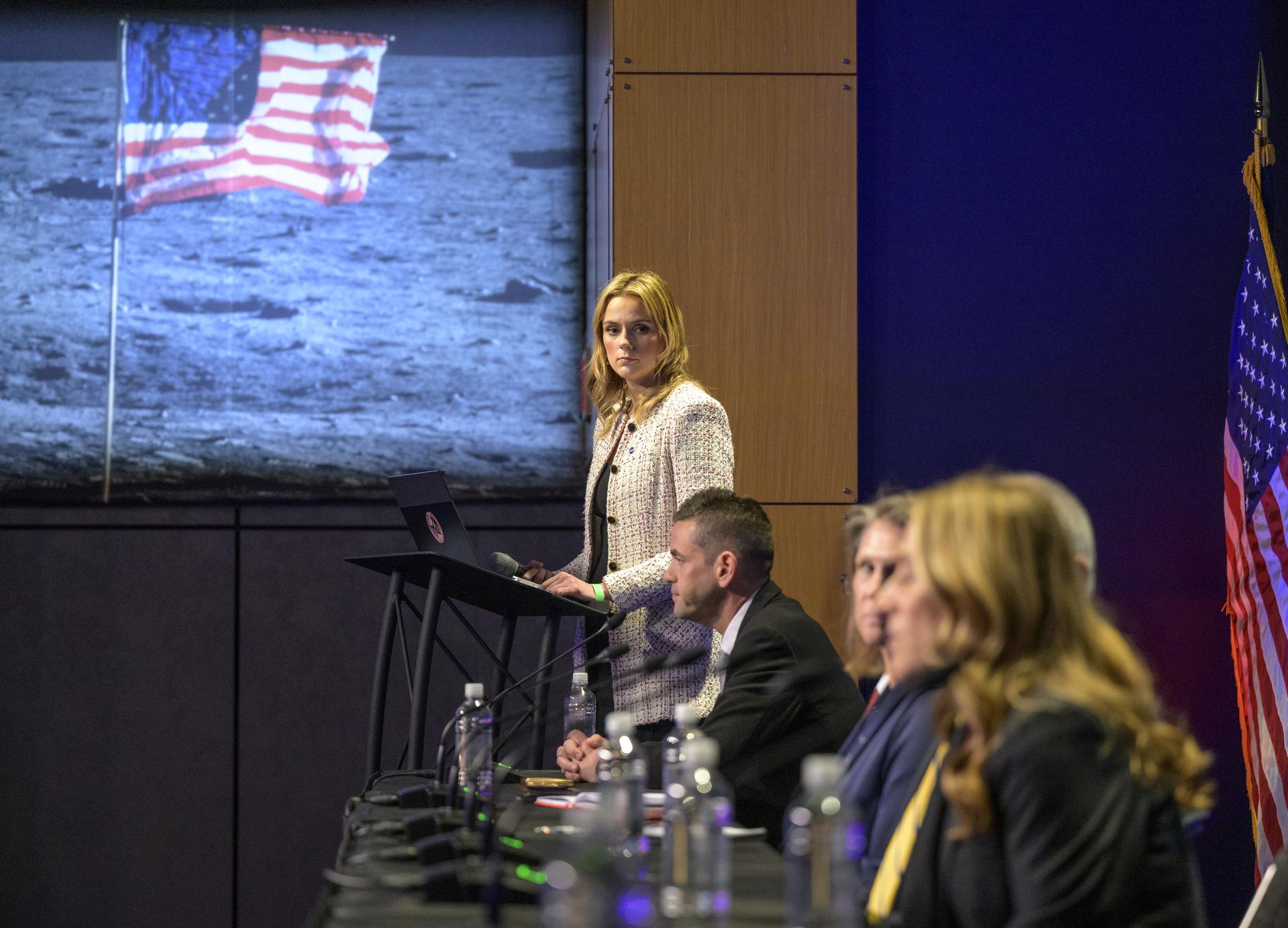
NASA Press Secretary Bethany Stevens moderates a press conference following an event where NASA outlined how the agency is executing President Donald J. Trump’s National Space Policy and accelerating preparations for America’s return to the surface of the Moon by 2028, Tuesday, March 24, 2026, at the Mary W. Jackson NASA Headquarters building in Washington. During the event NASA leadership provided updates on mission priorities, including sending the first astronauts to the lunar surface in more than 50 years, establishing the initial elements of a permanent lunar base, getting America underway in space on nuclear propulsion, and other objectives. Photo Credit: (NASA/Bill Ingalls)

Acting Associate Administrator for NASA's Exploration Systems Development Mission Directorate, Lori Glaze, speaks during an event where NASA is outlining how the agency is executing President Donald J. Trump’s National Space Policy and accelerating preparations for America’s return to the surface of the Moon by 2028, Tuesday, March 24, 2026, at the Mary W. Jackson NASA Headquarters building in Washington. During the event NASA leadership provided updates on mission priorities, including sending the first astronauts to the lunar surface in more than 50 years, establishing the initial elements of a permanent lunar base, getting America underway in space on nuclear propulsion, and other objectives. Photo Credit: (NASA/Bill Ingalls)
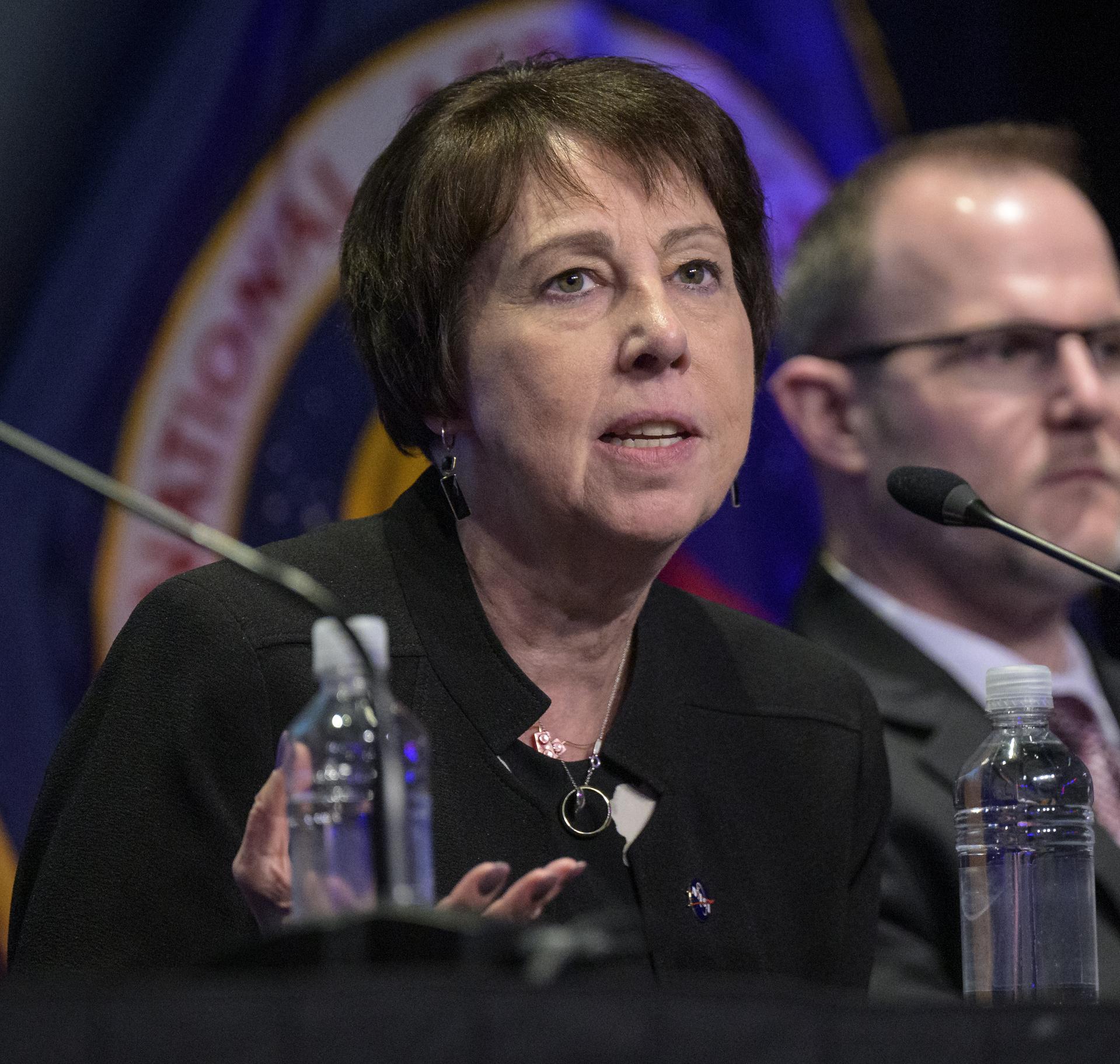
Associate Administrator for NASA's Science Mission Directorate Nicola Fox speaks during a press conference following an event where NASA outlined how the agency is executing President Donald J. Trump’s National Space Policy and accelerating preparations for America’s return to the surface of the Moon by 2028, Tuesday, March 24, 2026, at the Mary W. Jackson NASA Headquarters building in Washington. During the event NASA leadership provided updates on mission priorities, including sending the first astronauts to the lunar surface in more than 50 years, establishing the initial elements of a permanent lunar base, getting America underway in space on nuclear propulsion, and other objectives. Photo Credit: (NASA/Bill Ingalls)
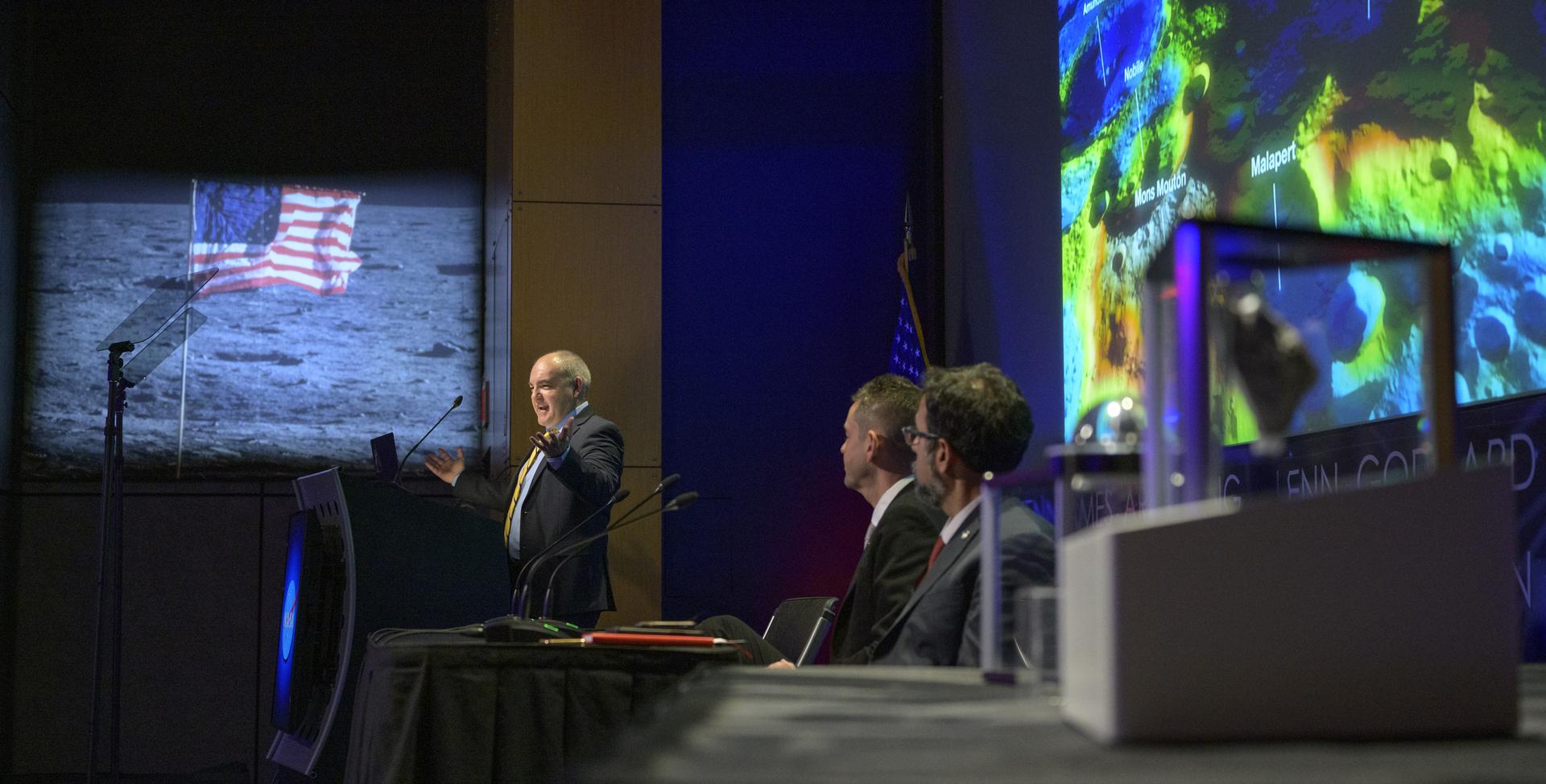
NASA Moon Base Program Executive Carlos Garcia-Galan speaks during an event where NASA is outlining how the agency is executing President Donald J. Trump’s National Space Policy and accelerating preparations for America’s return to the surface of the Moon by 2028, Tuesday, March 24, 2026, at the Mary W. Jackson NASA Headquarters building in Washington. During the event NASA leadership provided updates on mission priorities, including sending the first astronauts to the lunar surface in more than 50 years, establishing the initial elements of a permanent lunar base, getting America underway in space on nuclear propulsion, and other objectives. Photo Credit: (NASA/Bill Ingalls)

NASA International Space Station Program Manager Dana Weigel speaks during an event where NASA is outlining how the agency is executing President Donald J. Trump’s National Space Policy and accelerating preparations for America’s return to the surface of the Moon by 2028, Tuesday, March 24, 2026, at the Mary W. Jackson NASA Headquarters building in Washington. During the event NASA leadership provided updates on mission priorities, including sending the first astronauts to the lunar surface in more than 50 years, establishing the initial elements of a permanent lunar base, getting America underway in space on nuclear propulsion, and other objectives. Photo Credit: (NASA/Bill Ingalls)
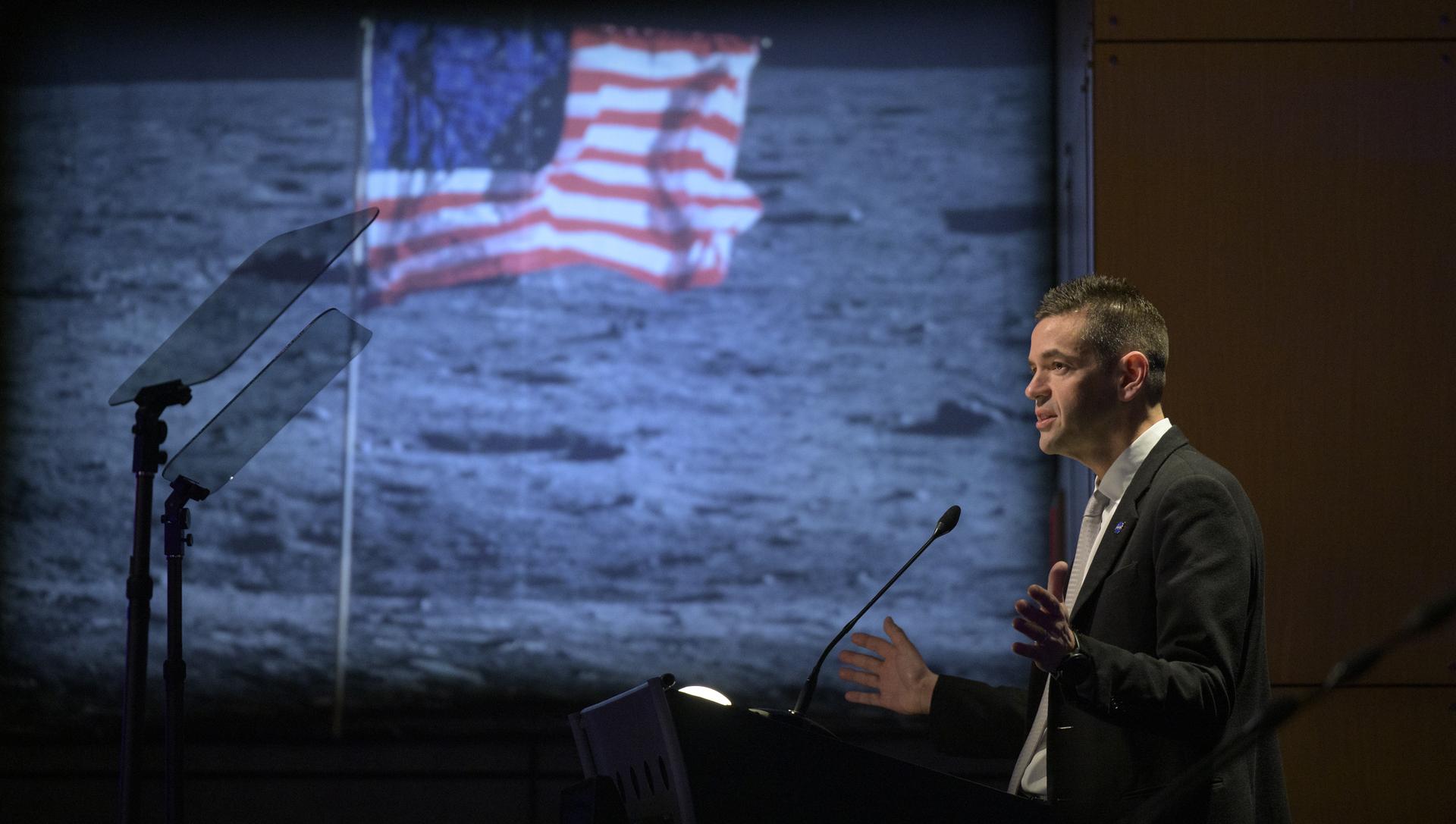
NASA Administrator Jared Isaacman speaks during an event where NASA is outlining how the agency is executing President Donald J. Trump’s National Space Policy and accelerating preparations for America’s return to the surface of the Moon by 2028, Tuesday, March 24, 2026, at the Mary W. Jackson NASA Headquarters building in Washington. During the event NASA leadership provided updates on mission priorities, including sending the first astronauts to the lunar surface in more than 50 years, establishing the initial elements of a permanent lunar base, getting America underway in space on nuclear propulsion, and other objectives. Photo Credit: (NASA/Bill Ingalls)

Associate Administrator for NASA's Science Mission Directorate Nicola Fox speaks during an event where NASA is outlining how the agency is executing President Donald J. Trump’s National Space Policy and accelerating preparations for America’s return to the surface of the Moon by 2028, Tuesday, March 24, 2026, at the Mary W. Jackson NASA Headquarters building in Washington. During the event NASA leadership provided updates on mission priorities, including sending the first astronauts to the lunar surface in more than 50 years, establishing the initial elements of a permanent lunar base, getting America underway in space on nuclear propulsion, and other objectives. Photo Credit: (NASA/Bill Ingalls)

Acting Associate Administrator for NASA's Exploration Systems Development Mission Directorate, Lori Glaze, speaks during an event where NASA is outlining how the agency is executing President Donald J. Trump’s National Space Policy and accelerating preparations for America’s return to the surface of the Moon by 2028, Tuesday, March 24, 2026, at the Mary W. Jackson NASA Headquarters building in Washington. During the event NASA leadership provided updates on mission priorities, including sending the first astronauts to the lunar surface in more than 50 years, establishing the initial elements of a permanent lunar base, getting America underway in space on nuclear propulsion, and other objectives. Photo Credit: (NASA/Bill Ingalls)

NASA Administrator Jared Isaacman speaks during a press conference following an event where NASA outlined how the agency is executing President Donald J. Trump’s National Space Policy and accelerating preparations for America’s return to the surface of the Moon by 2028, Tuesday, March 24, 2026, at the Mary W. Jackson NASA Headquarters building in Washington. During the event NASA leadership provided updates on mission priorities, including sending the first astronauts to the lunar surface in more than 50 years, establishing the initial elements of a permanent lunar base, getting America underway in space on nuclear propulsion, and other objectives. Photo Credit: (NASA/Bill Ingalls)
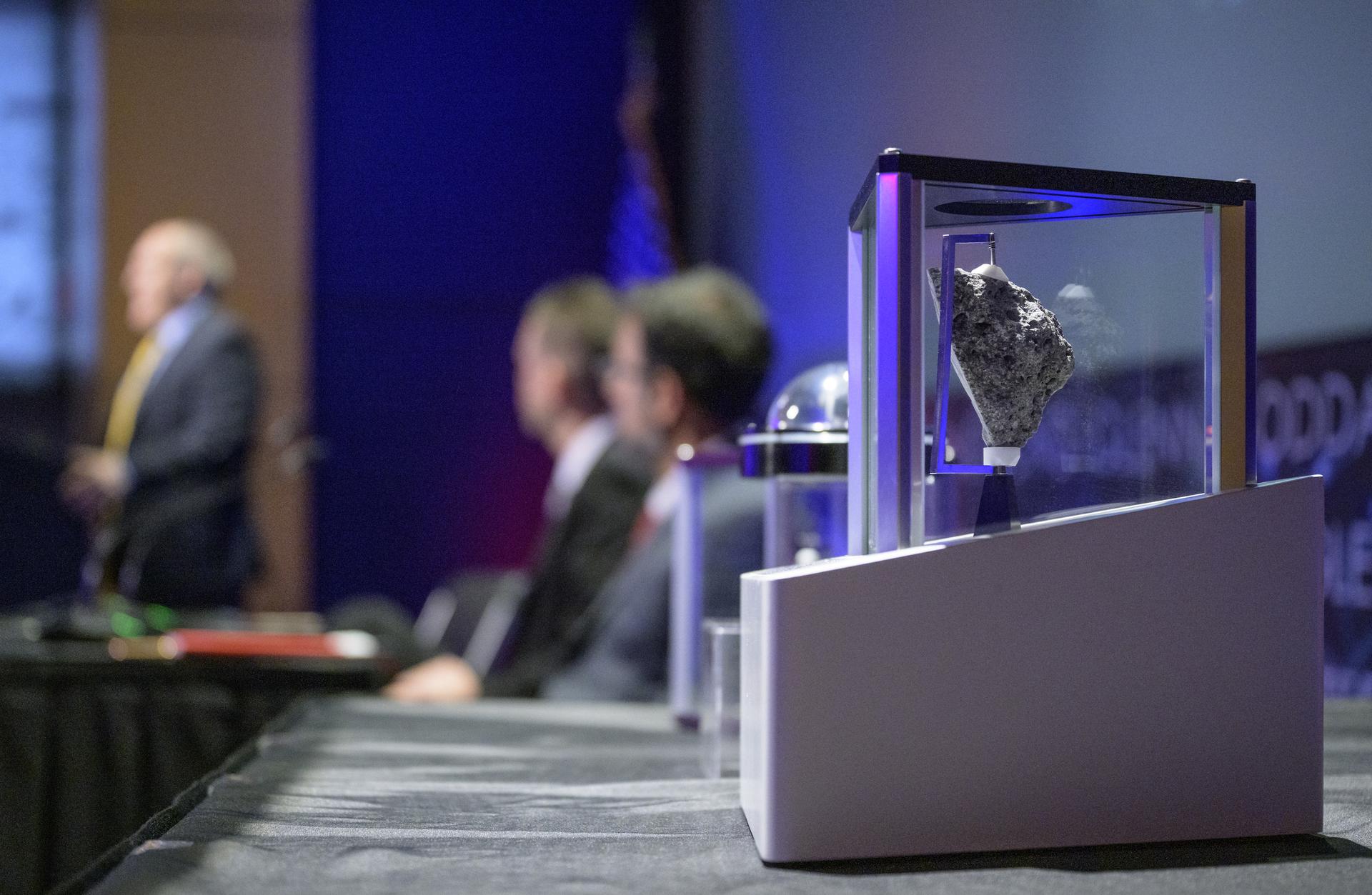
Moon rocks are seen as NASA Moon Base Program Executive Carlos Garcia-Galan speaks during an event where NASA is outlining how the agency is executing President Donald J. Trump’s National Space Policy and accelerating preparations for America’s return to the surface of the Moon by 2028, Tuesday, March 24, 2026, at the Mary W. Jackson NASA Headquarters building in Washington. During the event NASA leadership provided updates on mission priorities, including sending the first astronauts to the lunar surface in more than 50 years, establishing the initial elements of a permanent lunar base, getting America underway in space on nuclear propulsion, and other objectives. Photo Credit: (NASA/Bill Ingalls)
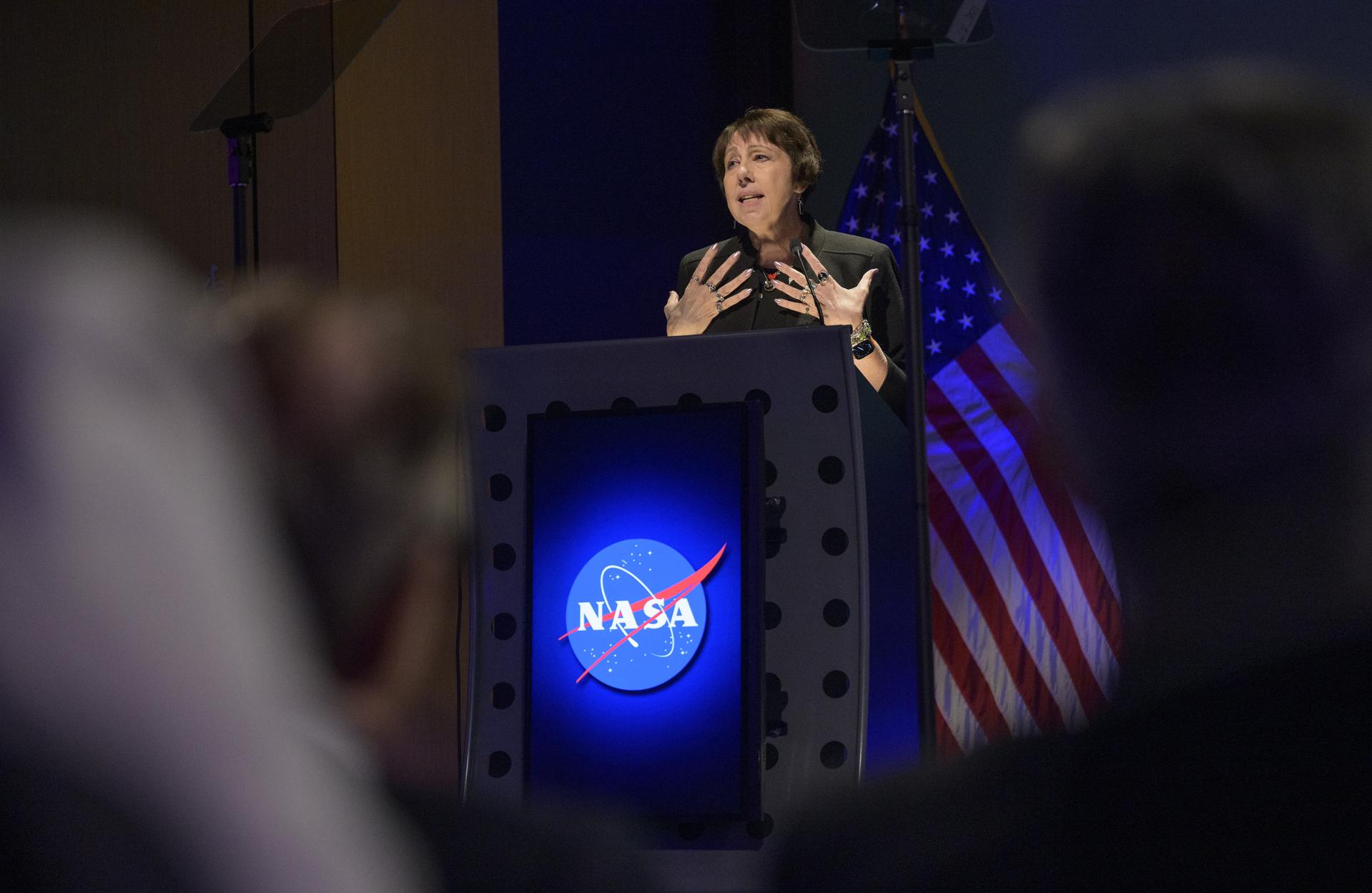
Associate Administrator for NASA's Science Mission Directorate Nicola Fox speaks during an event where NASA is outlining how the agency is executing President Donald J. Trump’s National Space Policy and accelerating preparations for America’s return to the surface of the Moon by 2028, Tuesday, March 24, 2026, at the Mary W. Jackson NASA Headquarters building in Washington. During the event NASA leadership provided updates on mission priorities, including sending the first astronauts to the lunar surface in more than 50 years, establishing the initial elements of a permanent lunar base, getting America underway in space on nuclear propulsion, and other objectives. Photo Credit: (NASA/Bill Ingalls)
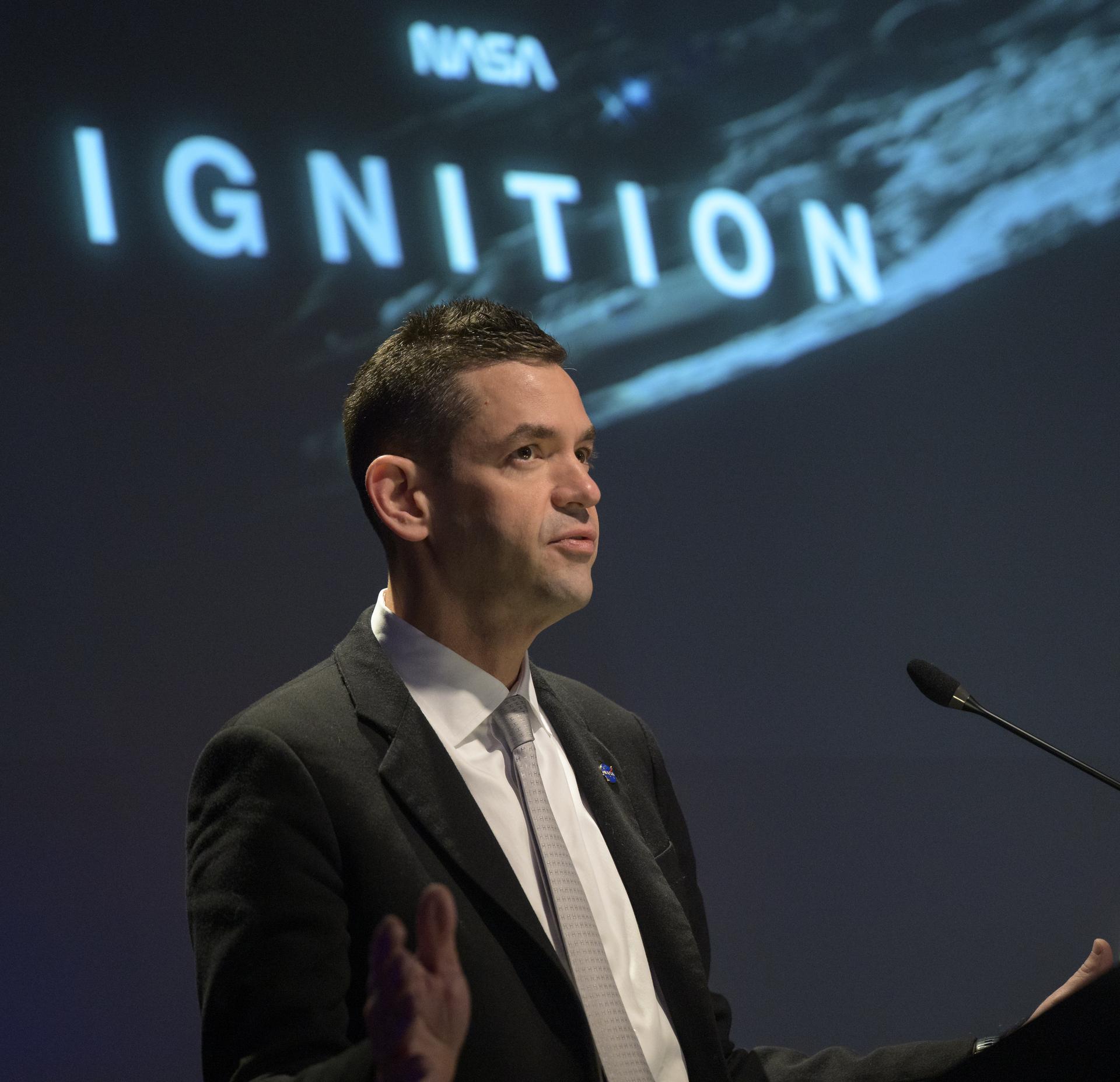
NASA Administrator Jared Isaacman speaks during an event where NASA is outlining how the agency is executing President Donald J. Trump’s National Space Policy and accelerating preparations for America’s return to the surface of the Moon by 2028, Tuesday, March 24, 2026, at the Mary W. Jackson NASA Headquarters building in Washington. During the event NASA leadership provided updates on mission priorities, including sending the first astronauts to the lunar surface in more than 50 years, establishing the initial elements of a permanent lunar base, getting America underway in space on nuclear propulsion, and other objectives. Photo Credit: (NASA/Bill Ingalls)
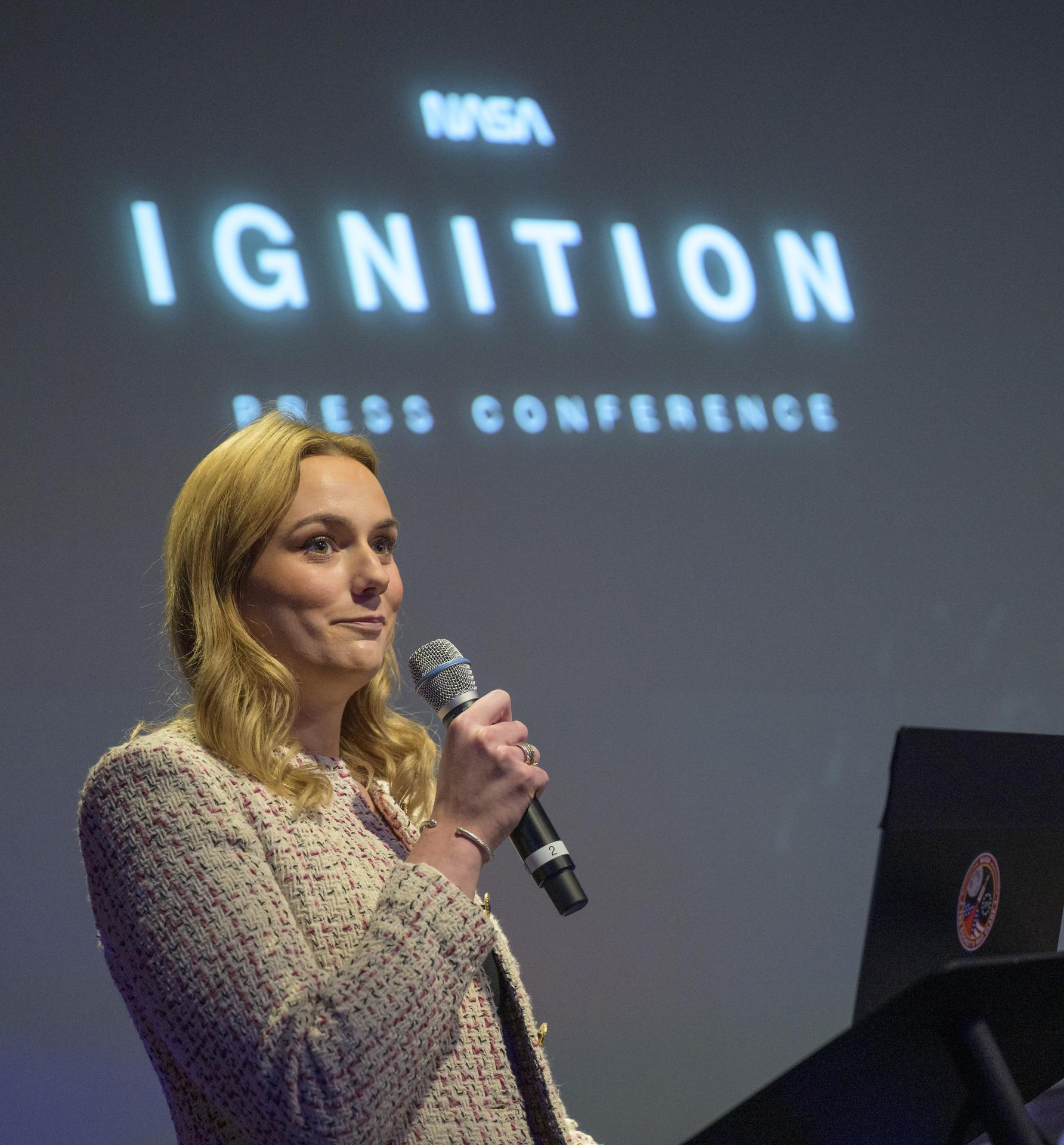
NASA Press Secretary Bethany Stevens moderates a press conference following an event where NASA outlined how the agency is executing President Donald J. Trump’s National Space Policy and accelerating preparations for America’s return to the surface of the Moon by 2028, Tuesday, March 24, 2026, at the Mary W. Jackson NASA Headquarters building in Washington. During the event NASA leadership provided updates on mission priorities, including sending the first astronauts to the lunar surface in more than 50 years, establishing the initial elements of a permanent lunar base, getting America underway in space on nuclear propulsion, and other objectives. Photo Credit: (NASA/Bill Ingalls)

A chart is seen on a monitor as NASA Moon Base Program Executive Carlos Garcia-Galan speaks during an event where NASA is outlining how the agency is executing President Donald J. Trump’s National Space Policy and accelerating preparations for America’s return to the surface of the Moon by 2028, Tuesday, March 24, 2026, at the Mary W. Jackson NASA Headquarters building in Washington. During the event NASA leadership provided updates on mission priorities, including sending the first astronauts to the lunar surface in more than 50 years, establishing the initial elements of a permanent lunar base, getting America underway in space on nuclear propulsion, and other objectives. Photo Credit: (NASA/Bill Ingalls)

A model of the Dragonfly rotorcraft is seen in the NASA Headquarters lobby ahead of an event where NASA outlined how the agency is executing President Donald J. Trump’s National Space Policy and accelerating preparations for America’s return to the surface of the Moon by 2028, Tuesday, March 24, 2026, at the Mary W. Jackson NASA Headquarters building in Washington. During the event NASA leadership provided updates on mission priorities, including sending the first astronauts to the lunar surface in more than 50 years, establishing the initial elements of a permanent lunar base, getting America underway in space on nuclear propulsion, and other objectives. Photo Credit: (NASA/Bill Ingalls)

NASA International Space Station Program Manager Dana Weigel speaks during an event where NASA is outlining how the agency is executing President Donald J. Trump’s National Space Policy and accelerating preparations for America’s return to the surface of the Moon by 2028, Tuesday, March 24, 2026, at the Mary W. Jackson NASA Headquarters building in Washington. During the event NASA leadership provided updates on mission priorities, including sending the first astronauts to the lunar surface in more than 50 years, establishing the initial elements of a permanent lunar base, getting America underway in space on nuclear propulsion, and other objectives. Photo Credit: (NASA/Bill Ingalls)

A Moon rock is seen in the NASA Headquarters lobby ahead of an event where NASA outlined how the agency is executing President Donald J. Trump’s National Space Policy and accelerating preparations for America’s return to the surface of the Moon by 2028, Tuesday, March 24, 2026, at the Mary W. Jackson NASA Headquarters building in Washington. During the event NASA leadership provided updates on mission priorities, including sending the first astronauts to the lunar surface in more than 50 years, establishing the initial elements of a permanent lunar base, getting America underway in space on nuclear propulsion, and other objectives. Photo Credit: (NASA/Bill Ingalls)
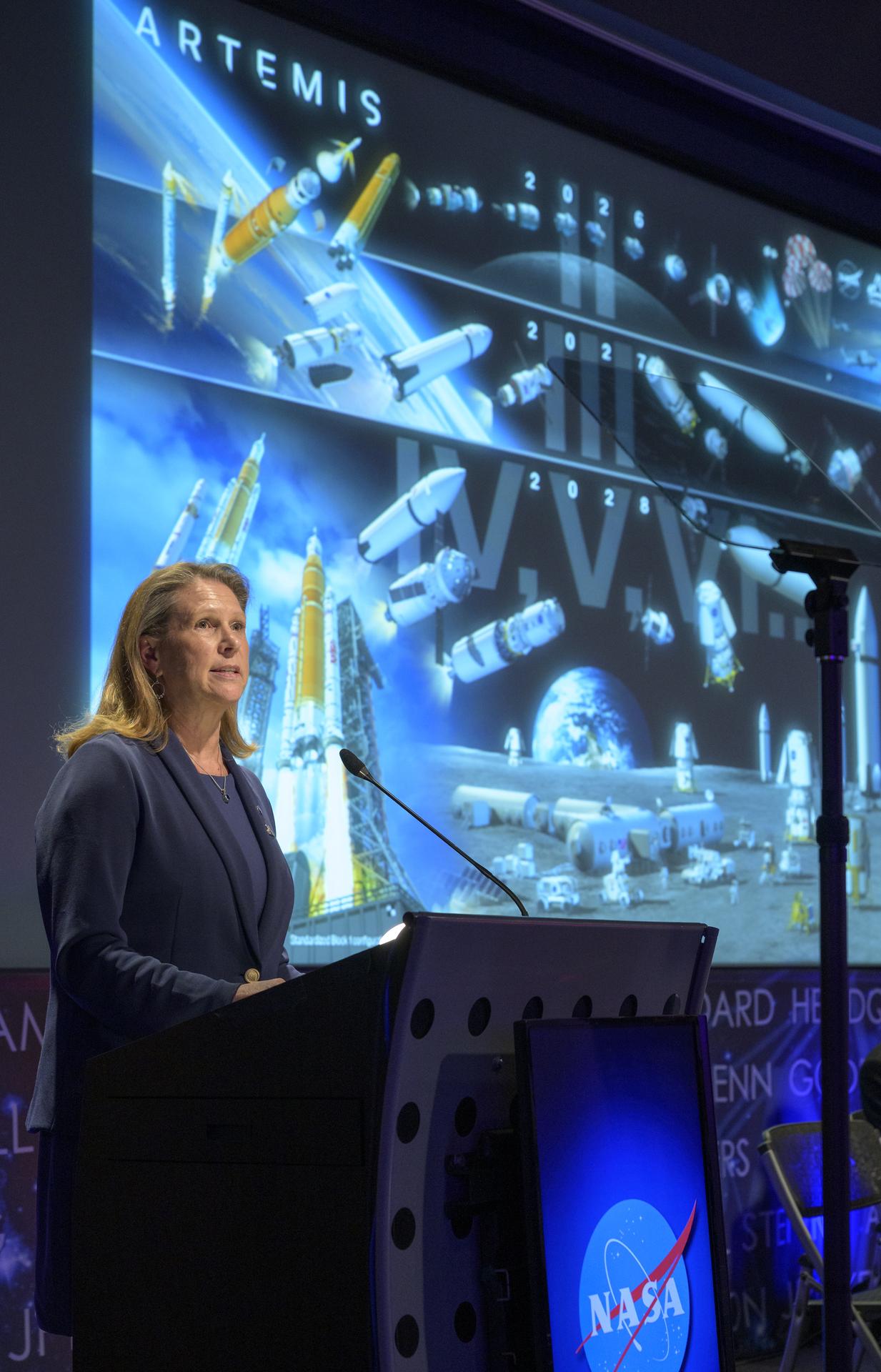
Acting Associate Administrator for NASA's Exploration Systems Development Mission Directorate, Lori Glaze, speaks during an event where NASA is outlining how the agency is executing President Donald J. Trump’s National Space Policy and accelerating preparations for America’s return to the surface of the Moon by 2028, Tuesday, March 24, 2026, at the Mary W. Jackson NASA Headquarters building in Washington. During the event NASA leadership provided updates on mission priorities, including sending the first astronauts to the lunar surface in more than 50 years, establishing the initial elements of a permanent lunar base, getting America underway in space on nuclear propulsion, and other objectives. Photo Credit: (NASA/Bill Ingalls)
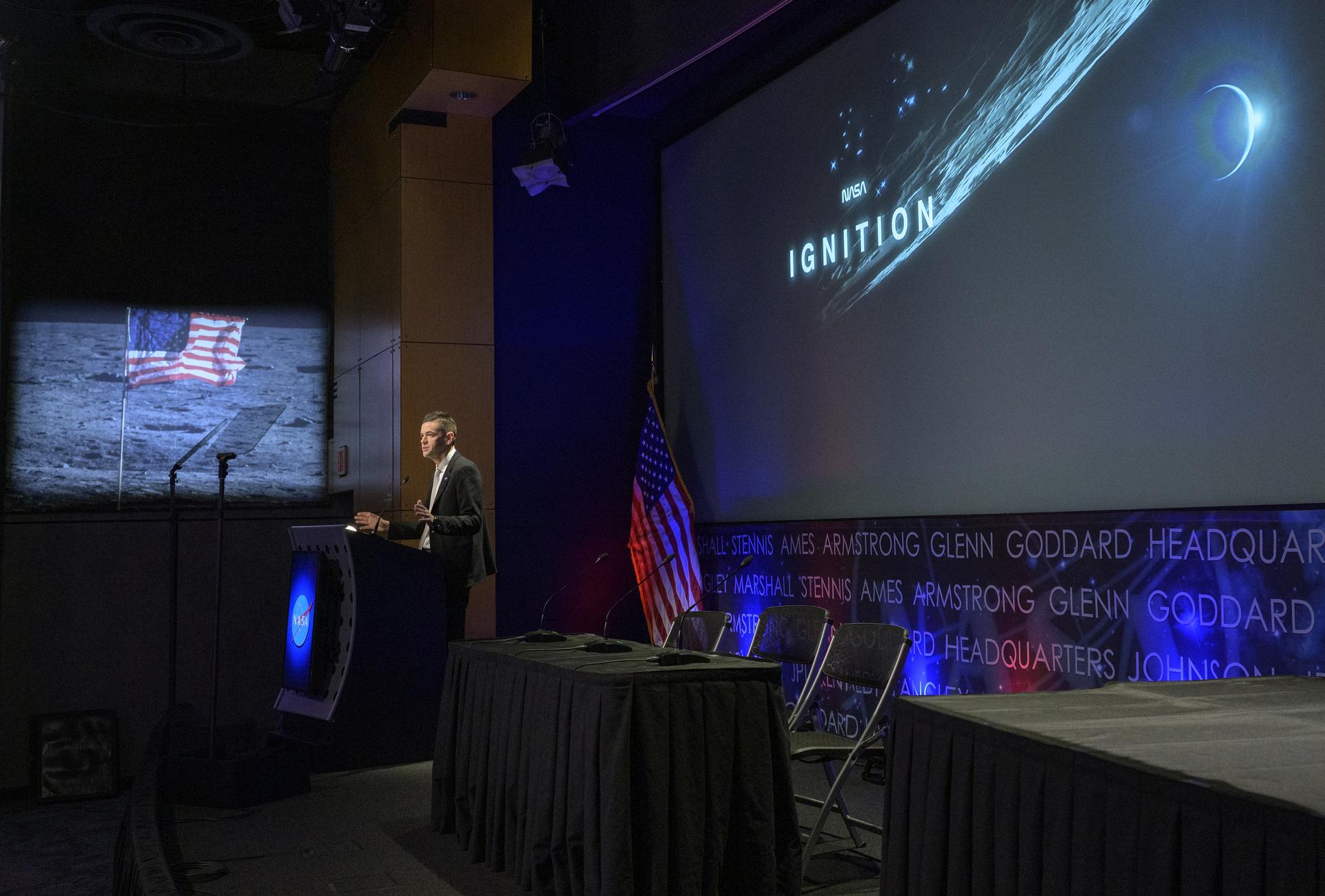
NASA Administrator Jared Isaacman speaks during an event where NASA is outlining how the agency is executing President Donald J. Trump’s National Space Policy and accelerating preparations for America’s return to the surface of the Moon by 2028, Tuesday, March 24, 2026, at the Mary W. Jackson NASA Headquarters building in Washington. During the event NASA leadership provided updates on mission priorities, including sending the first astronauts to the lunar surface in more than 50 years, establishing the initial elements of a permanent lunar base, getting America underway in space on nuclear propulsion, and other objectives. Photo Credit: (NASA/Bill Ingalls)

NASA Administrator Jared Isaacman speaks during an event where NASA is outlining how the agency is executing President Donald J. Trump’s National Space Policy and accelerating preparations for America’s return to the surface of the Moon by 2028, Tuesday, March 24, 2026, at the Mary W. Jackson NASA Headquarters building in Washington. During the event NASA leadership provided updates on mission priorities, including sending the first astronauts to the lunar surface in more than 50 years, establishing the initial elements of a permanent lunar base, getting America underway in space on nuclear propulsion, and other objectives. Photo Credit: (NASA/Bill Ingalls)

NASA Administrator Jared Isaacman speaks during an event where NASA is outlining how the agency is executing President Donald J. Trump’s National Space Policy and accelerating preparations for America’s return to the surface of the Moon by 2028, Tuesday, March 24, 2026, at the Mary W. Jackson NASA Headquarters building in Washington. During the event NASA leadership provided updates on mission priorities, including sending the first astronauts to the lunar surface in more than 50 years, establishing the initial elements of a permanent lunar base, getting America underway in space on nuclear propulsion, and other objectives. Photo Credit: (NASA/Bill Ingalls)
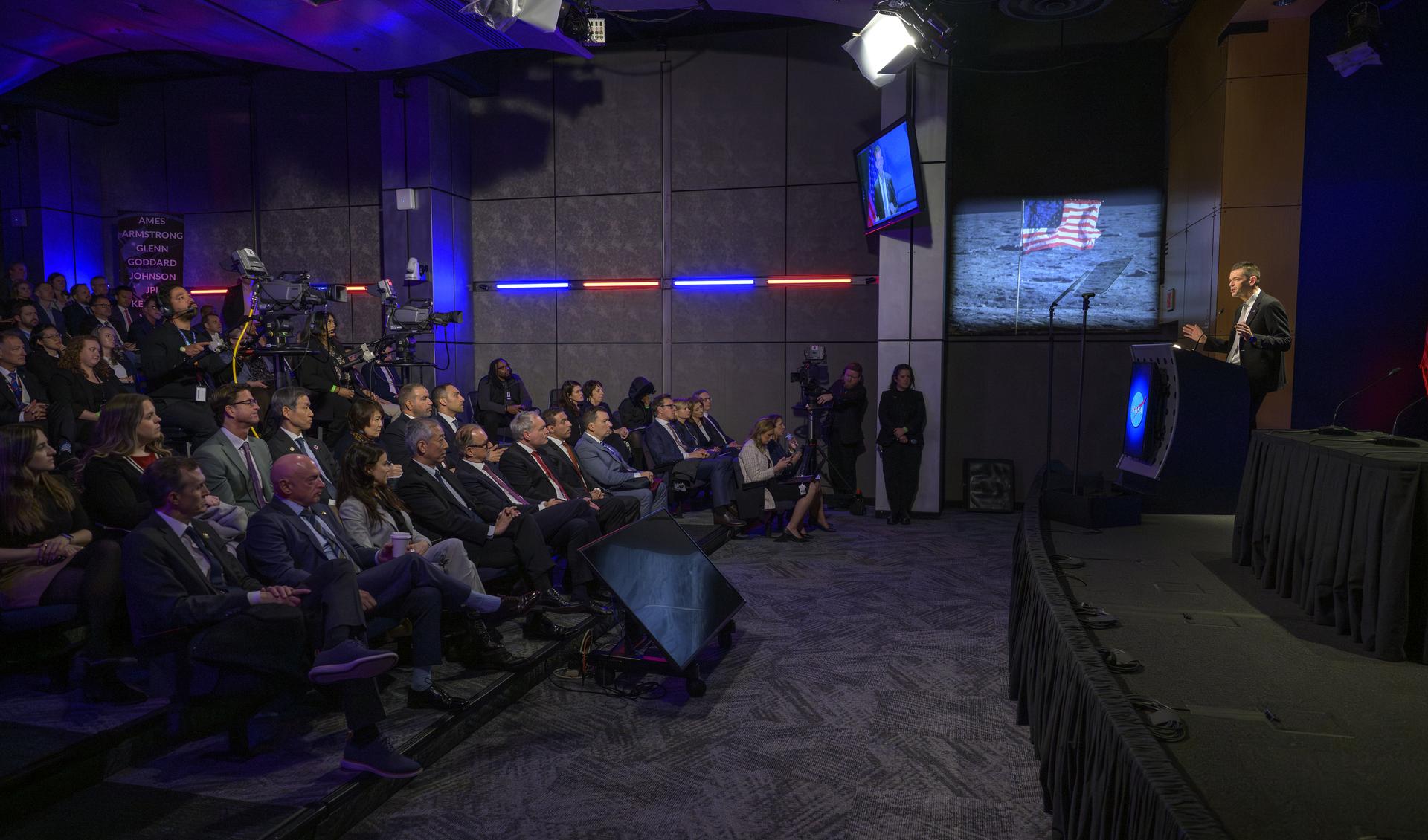
NASA Administrator Jared Isaacman speaks during an event where NASA is outlining how the agency is executing President Donald J. Trump’s National Space Policy and accelerating preparations for America’s return to the surface of the Moon by 2028, Tuesday, March 24, 2026, at the Mary W. Jackson NASA Headquarters building in Washington. During the event NASA leadership provided updates on mission priorities, including sending the first astronauts to the lunar surface in more than 50 years, establishing the initial elements of a permanent lunar base, getting America underway in space on nuclear propulsion, and other objectives. Photo Credit: (NASA/Bill Ingalls)

NASA Space Reactor Office Program Executive Steve Sinacore speaks during a press conference following an event where NASA outlined how the agency is executing President Donald J. Trump’s National Space Policy and accelerating preparations for America’s return to the surface of the Moon by 2028, Tuesday, March 24, 2026, at the Mary W. Jackson NASA Headquarters building in Washington. During the event NASA leadership provided updates on mission priorities, including sending the first astronauts to the lunar surface in more than 50 years, establishing the initial elements of a permanent lunar base, getting America underway in space on nuclear propulsion, and other objectives. Photo Credit: (NASA/Bill Ingalls)
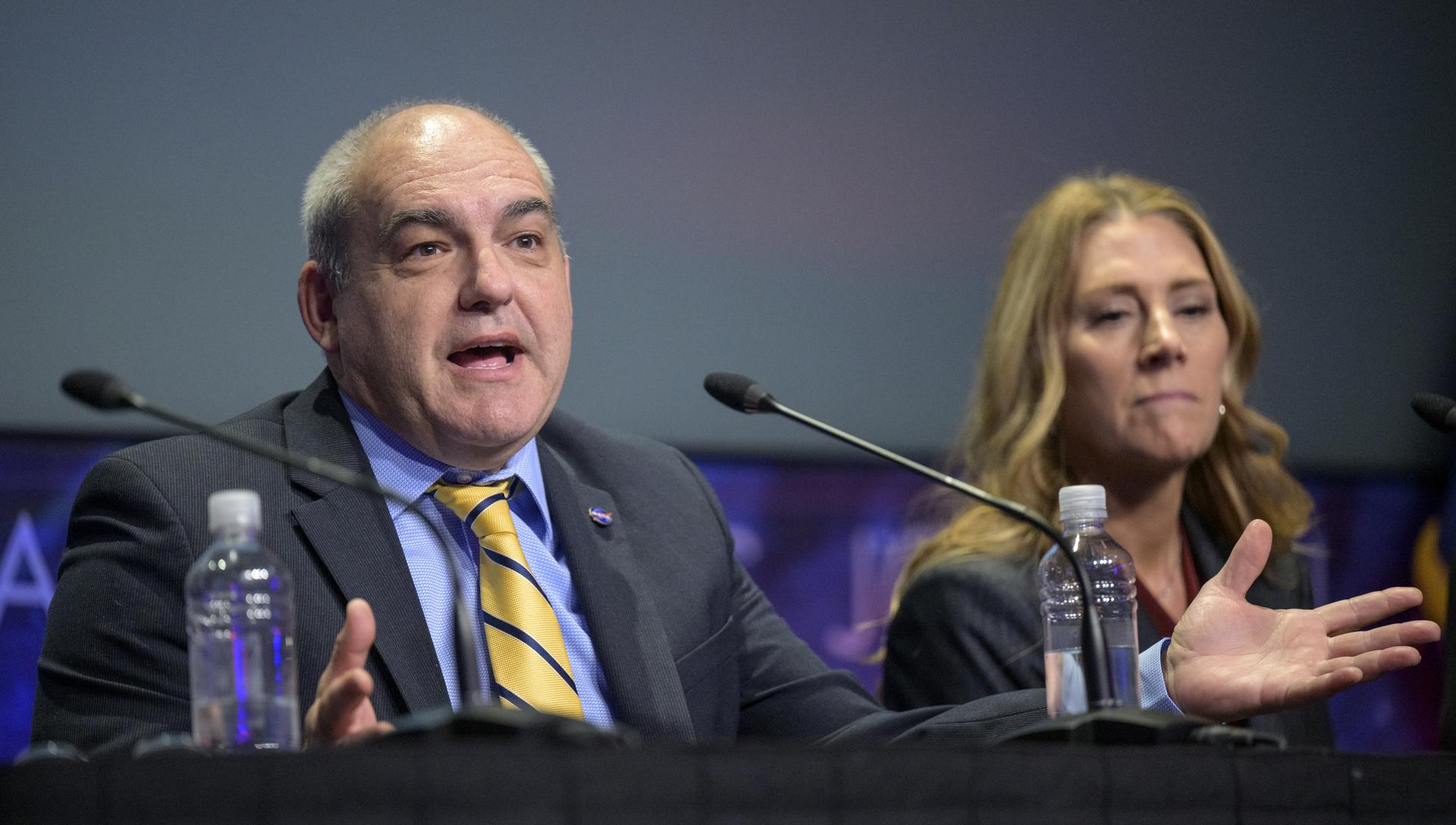
NASA Moon Base Program Executive Carlos Garcia-Galan speaks during a press conference following an event where NASA outlined how the agency is executing President Donald J. Trump’s National Space Policy and accelerating preparations for America’s return to the surface of the Moon by 2028, Tuesday, March 24, 2026, at the Mary W. Jackson NASA Headquarters building in Washington. During the event NASA leadership provided updates on mission priorities, including sending the first astronauts to the lunar surface in more than 50 years, establishing the initial elements of a permanent lunar base, getting America underway in space on nuclear propulsion, and other objectives. Photo Credit: (NASA/Bill Ingalls)

NASA Administrator Jared Isaacman speaks during an event where NASA is outlining how the agency is executing President Donald J. Trump’s National Space Policy and accelerating preparations for America’s return to the surface of the Moon by 2028, Tuesday, March 24, 2026, at the Mary W. Jackson NASA Headquarters building in Washington. During the event NASA leadership provided updates on mission priorities, including sending the first astronauts to the lunar surface in more than 50 years, establishing the initial elements of a permanent lunar base, getting America underway in space on nuclear propulsion, and other objectives. Photo Credit: (NASA/Bill Ingalls)

NASA International Space Station Program Manager Dana Weigel speaks during a press conference following an event where NASA outlined how the agency is executing President Donald J. Trump’s National Space Policy and accelerating preparations for America’s return to the surface of the Moon by 2028, Tuesday, March 24, 2026, at the Mary W. Jackson NASA Headquarters building in Washington. During the event NASA leadership provided updates on mission priorities, including sending the first astronauts to the lunar surface in more than 50 years, establishing the initial elements of a permanent lunar base, getting America underway in space on nuclear propulsion, and other objectives. Photo Credit: (NASA/Bill Ingalls)