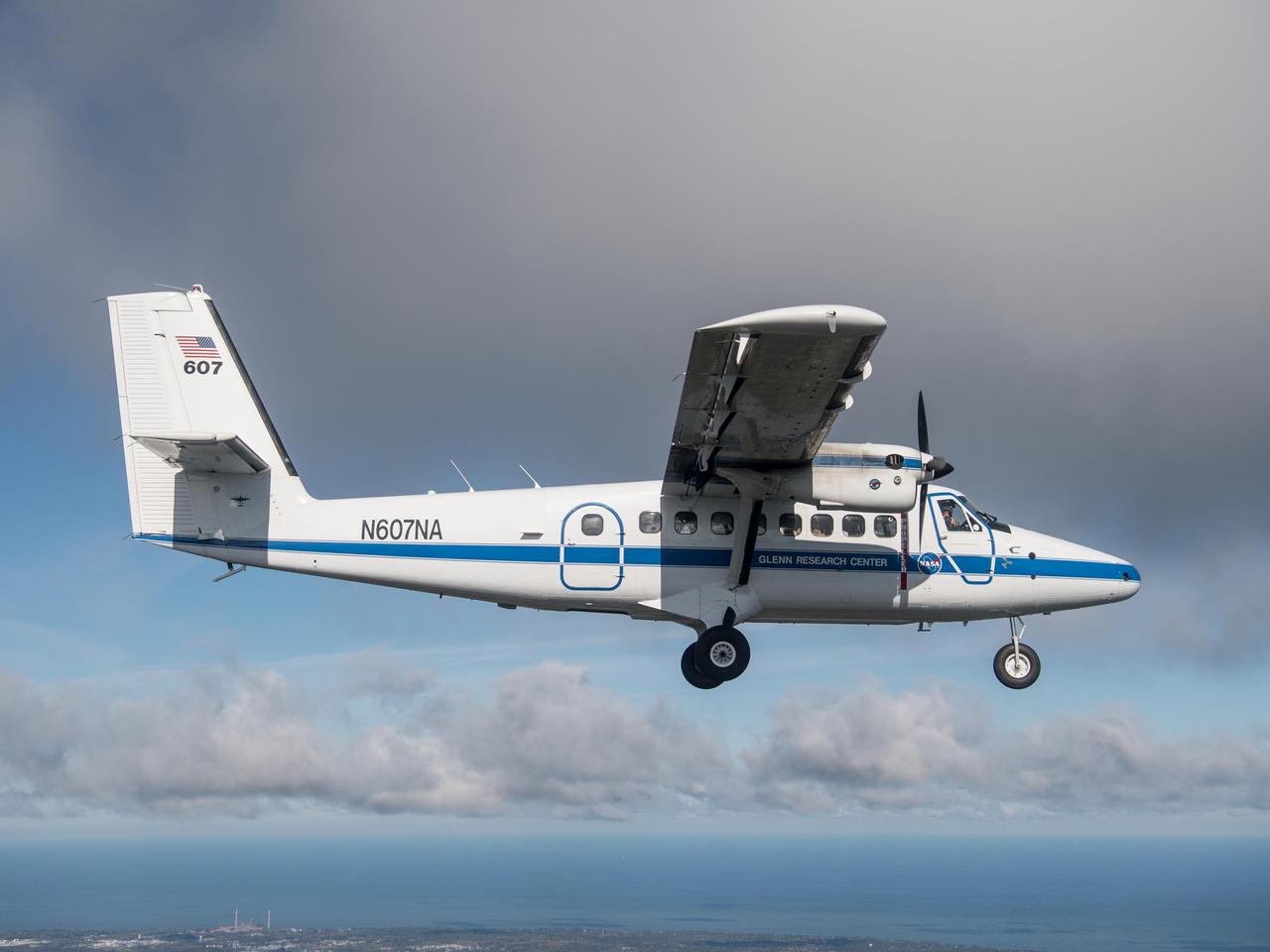
NASA Twin Otter aircraft in flight over northern Ohio. The aircraft has been utilized for numerous research projects conducted at NASA Glenn Research Center in Cleveland, Ohio.
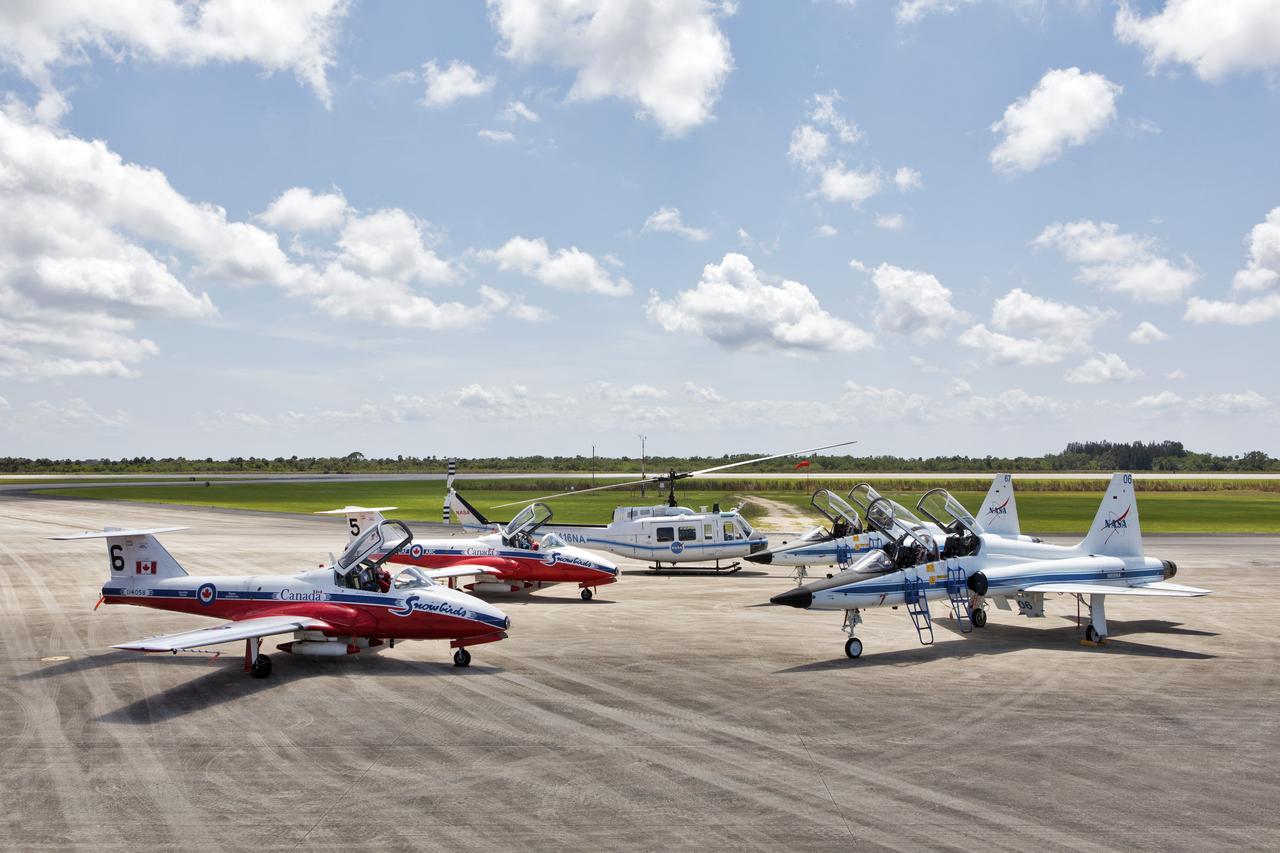
Several types of aircraft are on the tarmac at the Shuttle Landing Facility (SLF) at NASA's Kennedy Space in Florida. From left, are two Canadian Forces Snowbird CF-18 jets, a NASA Huey helicopter, and two NASA T-38 trainer aircraft. The Canadian Forces Snowbirds performed aerial maneuvers over Kennedy and Cape Canaveral Air Force Station during a practice flight on May 9, 2018, between their scheduled air shows.
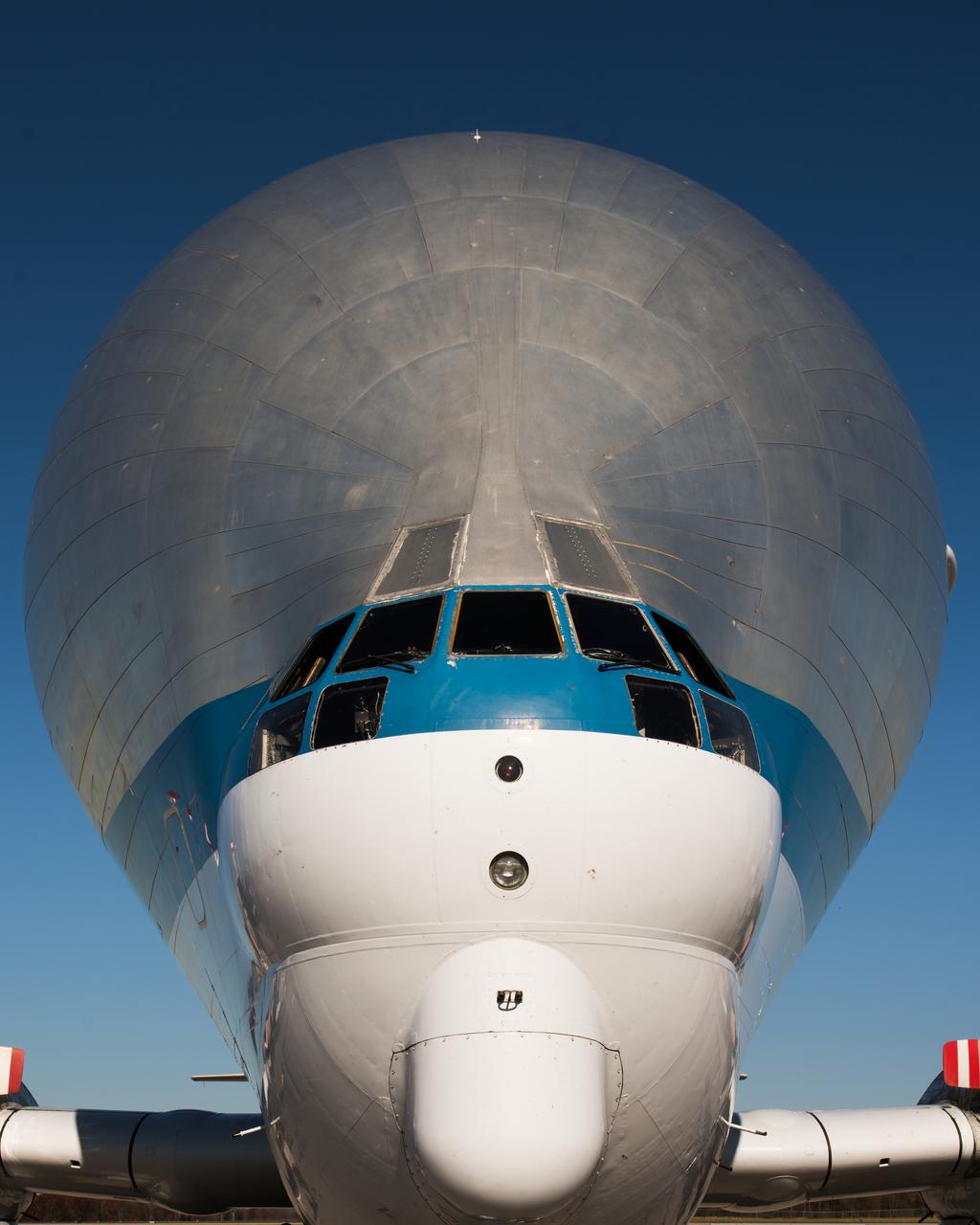
Front view of NASA’s Super Guppy aircraft after it touched down at Mansfield’s Lahm Airport in November, 2015. The crew delivered the crew module adaptor for Orion’s testing at NASA's Plum Brook Station next year.

A Pilatus PC-12 aircraft, tail number 606, is being towed and pushed by a crew at NASA’s Armstrong Flight Research Center in Edwards, California, on Feb. 11, 2026. This aircraft is now housed at NASA Armstrong to continue supporting research at NASA’s Glenn Research Center, among other agency efforts.
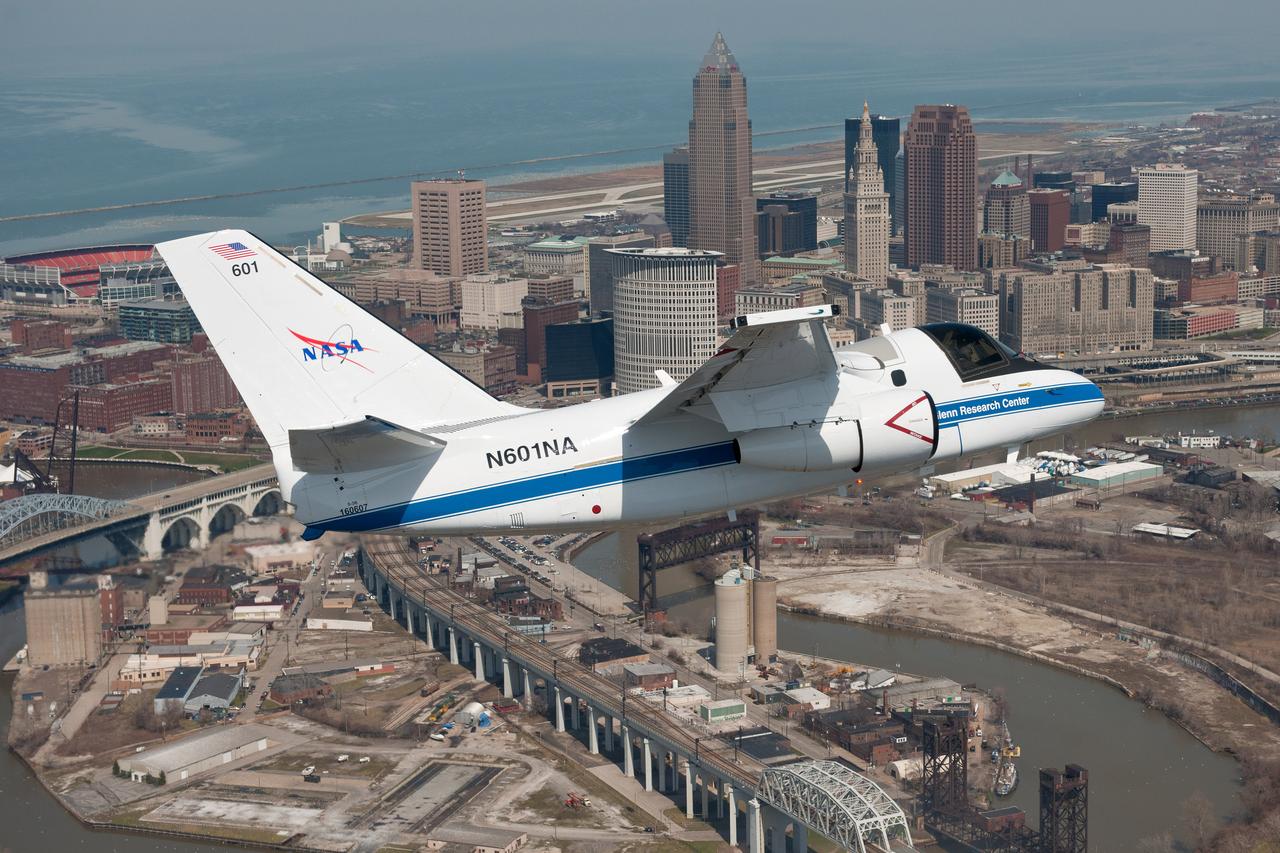
This photo shows NASA Glenn’s S-3 Viking Aircraft flying over downtown Cleveland, Ohio. The S-3 continues to conduct important research including regular flights over Lake Erie and other waterways to image algal blooms that have plagued the area’s waters.
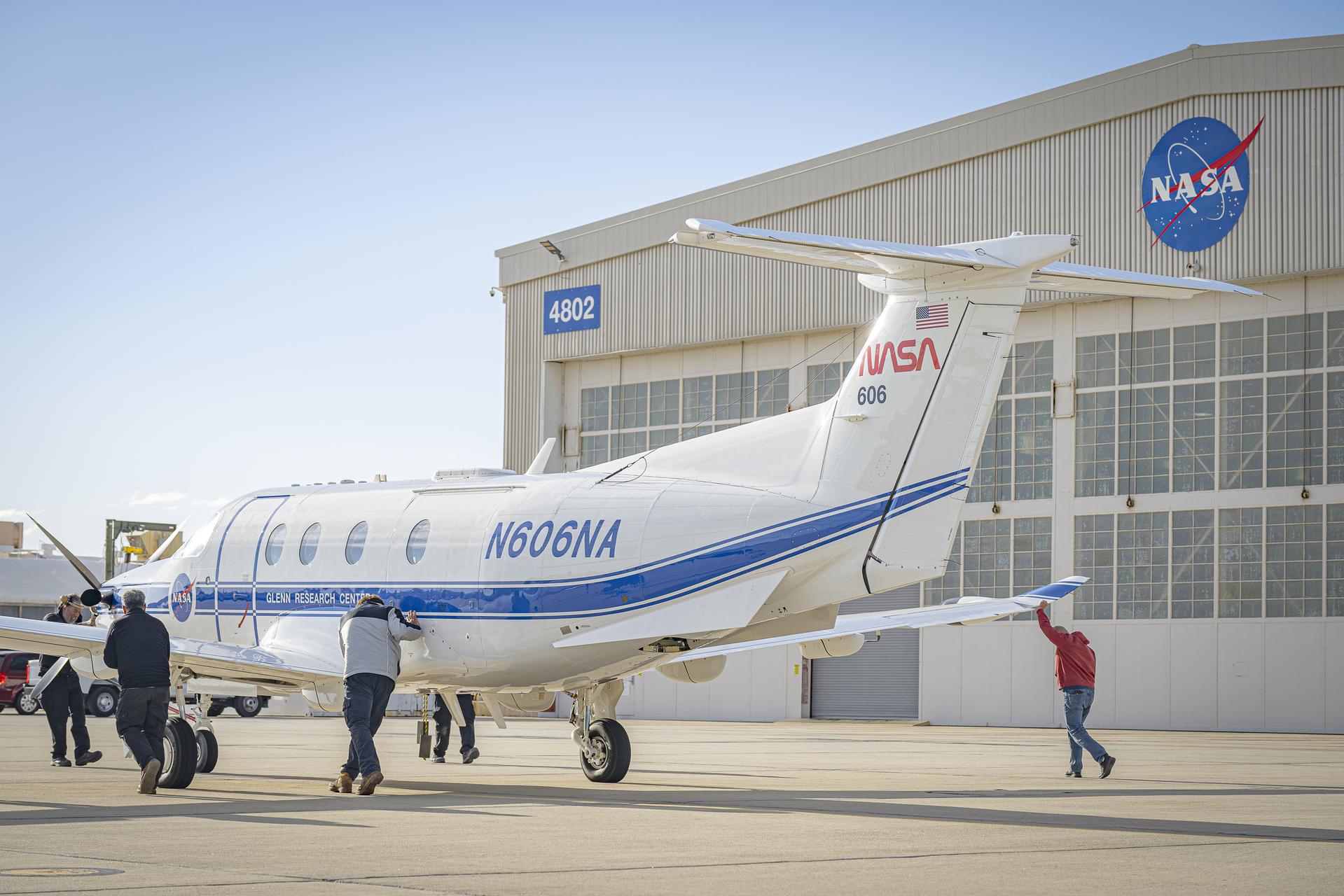
A Pilatus PC-12 aircraft, tail number 606, is being towed and pushed by a crew at NASA’s Armstrong Flight Research Center in Edwards, California, on Feb. 11, 2026. This aircraft is now housed at NASA Armstrong to continue supporting research at NASA’s Glenn Research Center in Cleveland, among other agency efforts.
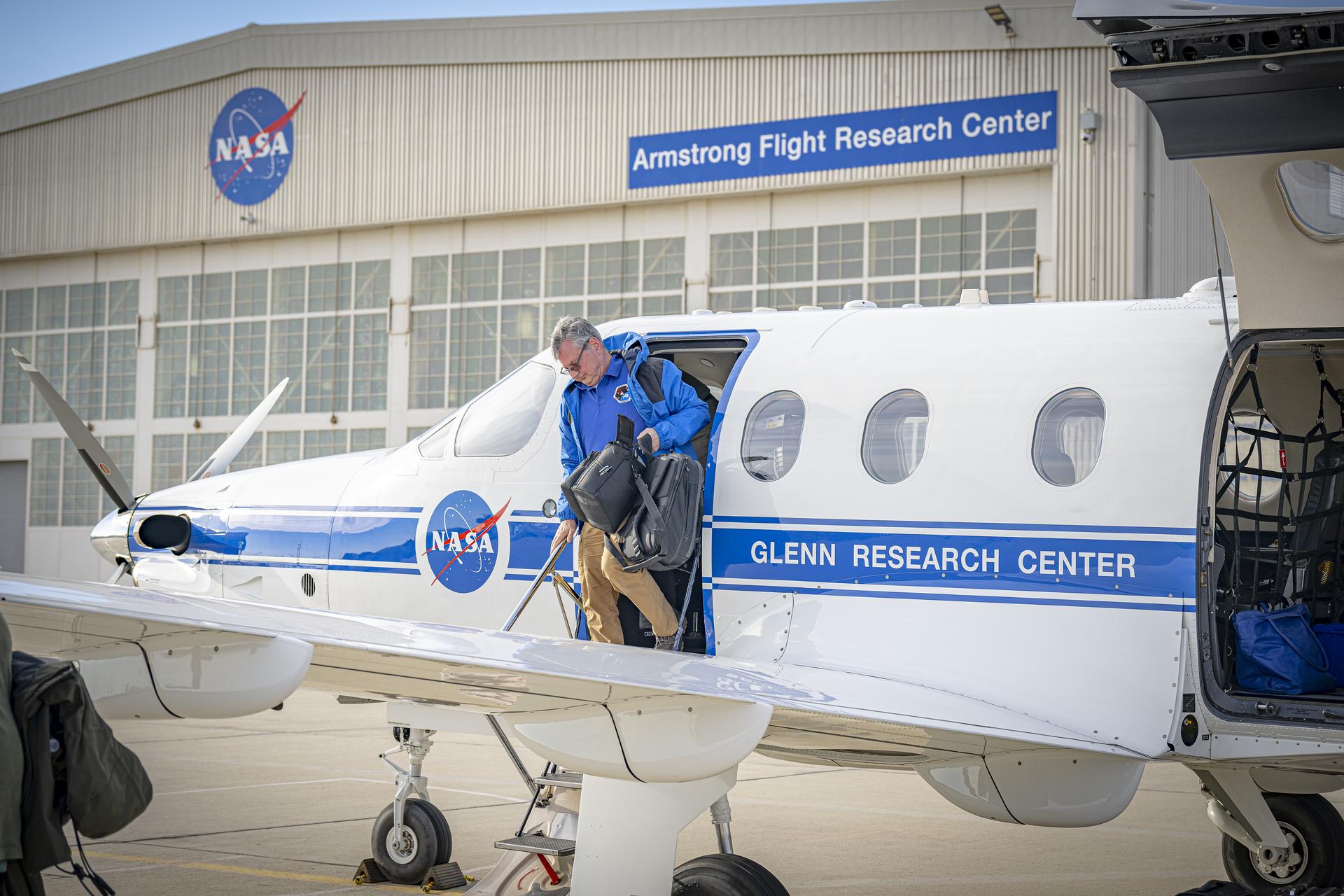
Kurt Blankenship, a NASA pilot from NASA’s Glenn Research Center in Cleveland, walks out of a NASA Pilatus PC-12 aircraft, tail number 606. This aircraft arrived at NASA’s Armstrong Flight Research Center in Edwards, California, on Feb. 11, 2026. The PC-12 is now housed at NASA Armstrong to continue supporting research at NASA’s Glenn, among other agency efforts.
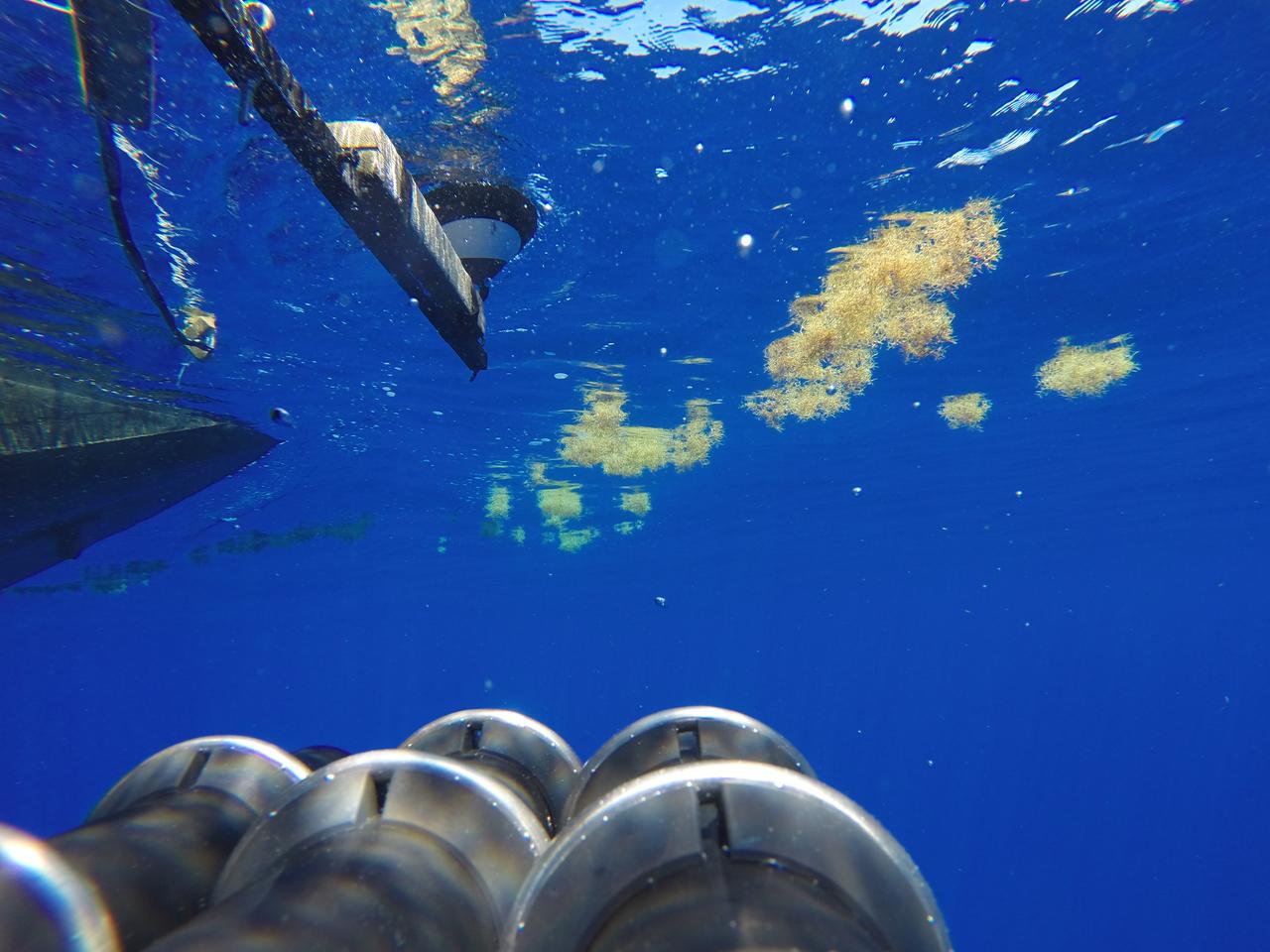
Seaweed and Light A type of seaweed called Sargassum, common in the Sargasso Sea, floats by an instrument deployed here on July 26, 2014, as part of NASA's SABOR experiment. Scientists from the City College of New York use the data to study the way light becomes polarized in various conditions both above and below the surface of the ocean. NASA's Ship-Aircraft Bio-Optical Research (SABOR) experiment is a coordinated ship and aircraft observation campaign off the Atlantic coast of the United States, an effort to advance space-based capabilities for monitoring microscopic plants that form the base of the marine food chain. Read more: <a href="http://1.usa.gov/WWRVzj" rel="nofollow">1.usa.gov/WWRVzj</a> Credit: NASA/SABOR/Wayne Slade, Sequoia Scientific .<b><a href="http://www.nasa.gov/audience/formedia/features/MP_Photo_Guidelines.html" rel="nofollow">NASA image use policy.</a></b> <b><a href="http://www.nasa.gov/centers/goddard/home/index.html" rel="nofollow">NASA Goddard Space Flight Center</a></b> enables NASA’s mission through four scientific endeavors: Earth Science, Heliophysics, Solar System Exploration, and Astrophysics. Goddard plays a leading role in NASA’s accomplishments by contributing compelling scientific knowledge to advance the Agency’s mission. <b>Follow us on <a href="http://twitter.com/NASAGoddardPix" rel="nofollow">Twitter</a></b> <b>Like us on <a href="http://www.facebook.com/pages/Greenbelt-MD/NASA-Goddard/395013845897?ref=tsd" rel="nofollow">Facebook</a></b> <b>Find us on <a href="http://instagram.com/nasagoddard?vm=grid" rel="nofollow">Instagram</a></b>

Sunset Over the Gulf of Maine On July 20, 2013, scientists at sea with NASA's SABOR experiment witnessed a spectacular sunset over the Gulf of Maine. NASA's Ship-Aircraft Bio-Optical Research (SABOR) experiment is a coordinated ship and aircraft observation campaign off the Atlantic coast of the United States, an effort to advance space-based capabilities for monitoring microscopic plants that form the base of the marine food chain. Read more: <a href="http://1.usa.gov/WWRVzj" rel="nofollow">1.usa.gov/WWRVzj</a> Credit: NASA/SABOR/Wayne Slade, Sequoia Scientific .<b><a href="http://www.nasa.gov/audience/formedia/features/MP_Photo_Guidelines.html" rel="nofollow">NASA image use policy.</a></b> <b><a href="http://www.nasa.gov/centers/goddard/home/index.html" rel="nofollow">NASA Goddard Space Flight Center</a></b> enables NASA’s mission through four scientific endeavors: Earth Science, Heliophysics, Solar System Exploration, and Astrophysics. Goddard plays a leading role in NASA’s accomplishments by contributing compelling scientific knowledge to advance the Agency’s mission. <b>Follow us on <a href="http://twitter.com/NASAGoddardPix" rel="nofollow">Twitter</a></b> <b>Like us on <a href="http://www.facebook.com/pages/Greenbelt-MD/NASA-Goddard/395013845897?ref=tsd" rel="nofollow">Facebook</a></b> <b>Find us on <a href="http://instagram.com/nasagoddard?vm=grid" rel="nofollow">Instagram</a></b>
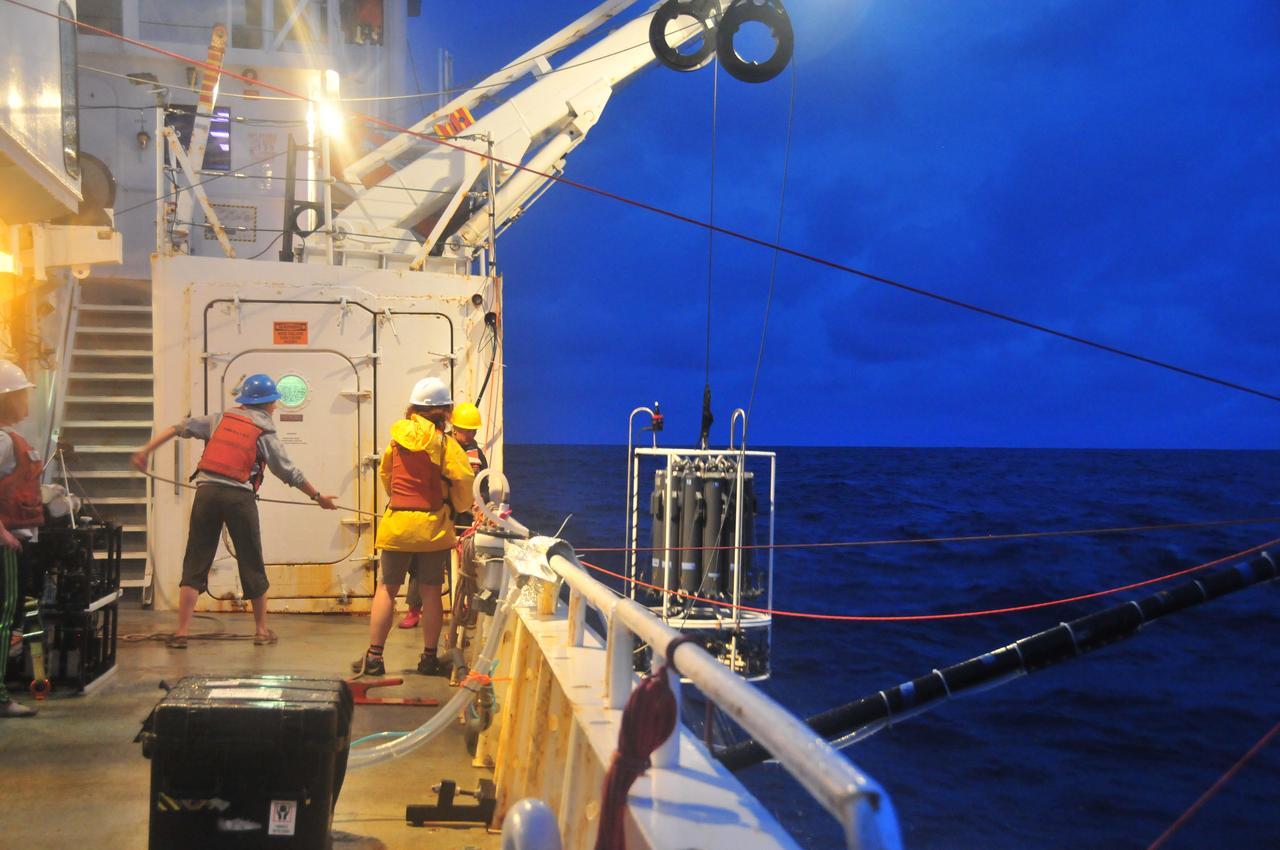
Instruments Overboard On July 26, 2014, scientists worked past dusk to prepare and deploy the optical instruments and ocean water sensors during NASA's SABOR experiment. NASA's Ship-Aircraft Bio-Optical Research (SABOR) experiment is a coordinated ship and aircraft observation campaign off the Atlantic coast of the United States, an effort to advance space-based capabilities for monitoring microscopic plants that form the base of the marine food chain. Read more: <a href="http://1.usa.gov/WWRVzj" rel="nofollow">1.usa.gov/WWRVzj</a> Credit: NASA/SABOR/Wayne Slade, Sequoia Scientific . <b><a href="http://www.nasa.gov/audience/formedia/features/MP_Photo_Guidelines.html" rel="nofollow">NASA image use policy.</a></b> <b><a href="http://www.nasa.gov/centers/goddard/home/index.html" rel="nofollow">NASA Goddard Space Flight Center</a></b> enables NASA’s mission through four scientific endeavors: Earth Science, Heliophysics, Solar System Exploration, and Astrophysics. Goddard plays a leading role in NASA’s accomplishments by contributing compelling scientific knowledge to advance the Agency’s mission. <b>Follow us on <a href="http://twitter.com/NASAGoddardPix" rel="nofollow">Twitter</a></b> <b>Like us on <a href="http://www.facebook.com/pages/Greenbelt-MD/NASA-Goddard/395013845897?ref=tsd" rel="nofollow">Facebook</a></b> <b>Find us on <a href="http://instagram.com/nasagoddard?vm=grid" rel="nofollow">Instagram</a></b>
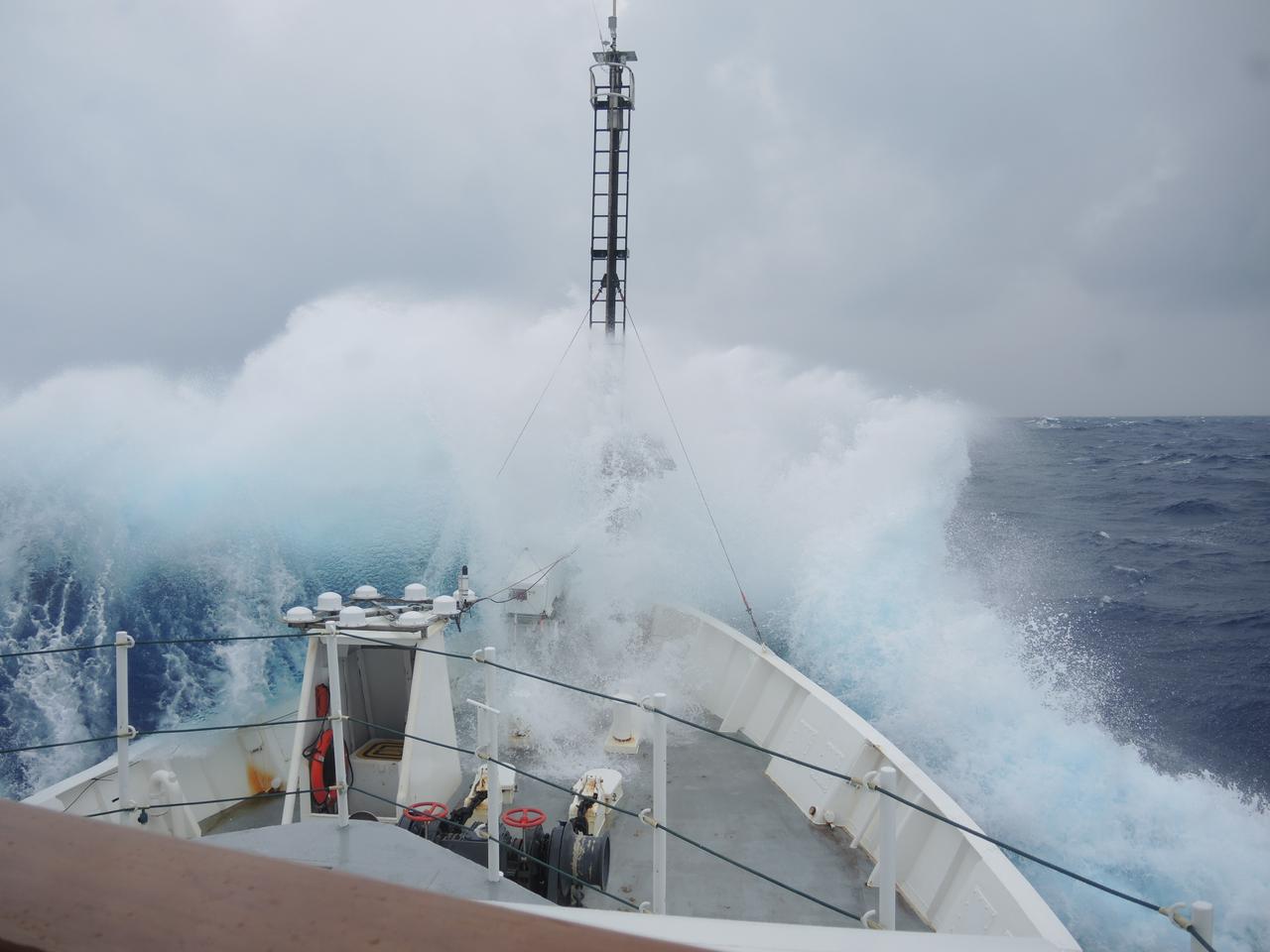
Storm in the Sargasso Sea Scientist aboard the R/V Endeavor in the Sargasso Sea put their research on hold on July 28, 2014, as a storm system brought high waves crashing onto the deck. NASA's Ship-Aircraft Bio-Optical Research (SABOR) experiment is a coordinated ship and aircraft observation campaign off the Atlantic coast of the United States, an effort to advance space-based capabilities for monitoring microscopic plants that form the base of the marine food chain. Read more: <a href="http://1.usa.gov/WWRVzj" rel="nofollow">1.usa.gov/WWRVzj</a> Credit: NASA/SABOR/Chris Armanetti, University of Rhode Island .<b><a href="http://www.nasa.gov/audience/formedia/features/MP_Photo_Guidelines.html" rel="nofollow">NASA image use policy.</a></b> <b><a href="http://www.nasa.gov/centers/goddard/home/index.html" rel="nofollow">NASA Goddard Space Flight Center</a></b> enables NASA’s mission through four scientific endeavors: Earth Science, Heliophysics, Solar System Exploration, and Astrophysics. Goddard plays a leading role in NASA’s accomplishments by contributing compelling scientific knowledge to advance the Agency’s mission. <b>Follow us on <a href="http://twitter.com/NASAGoddardPix" rel="nofollow">Twitter</a></b> <b>Like us on <a href="http://www.facebook.com/pages/Greenbelt-MD/NASA-Goddard/395013845897?ref=tsd" rel="nofollow">Facebook</a></b> <b>Find us on <a href="http://instagram.com/nasagoddard?vm=grid" rel="nofollow">Instagram</a></b>
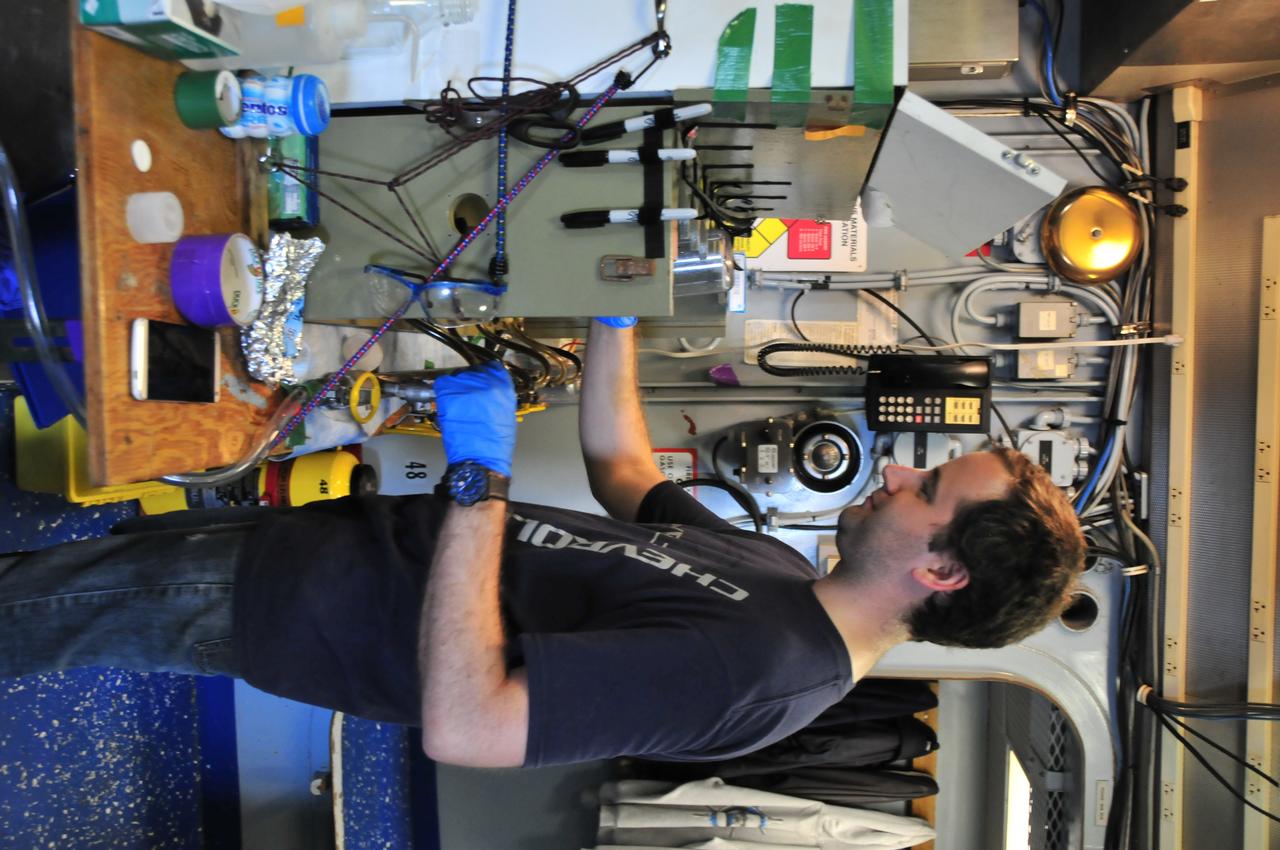
What's in the Water? Robert Foster, of the City College of New York, filters seawater on July 23, 2414, for chlorophyll analysis in a lab on the R/V Endeavor. NASA's Ship-Aircraft Bio-Optical Research (SABOR) experiment is a coordinated ship and aircraft observation campaign off the Atlantic coast of the United States, an effort to advance space-based capabilities for monitoring microscopic plants that form the base of the marine food chain. Read more: <a href="http://1.usa.gov/WWRVzj" rel="nofollow">1.usa.gov/WWRVzj</a> Credit: NASA/SABOR/Wayne Slade, Sequoia Scientific..<b><a href="http://www.nasa.gov/audience/formedia/features/MP_Photo_Guidelines.html" rel="nofollow">NASA image use policy.</a></b> <b><a href="http://www.nasa.gov/centers/goddard/home/index.html" rel="nofollow">NASA Goddard Space Flight Center</a></b> enables NASA’s mission through four scientific endeavors: Earth Science, Heliophysics, Solar System Exploration, and Astrophysics. Goddard plays a leading role in NASA’s accomplishments by contributing compelling scientific knowledge to advance the Agency’s mission. <b>Follow us on <a href="http://twitter.com/NASAGoddardPix" rel="nofollow">Twitter</a></b> <b>Like us on <a href="http://www.facebook.com/pages/Greenbelt-MD/NASA-Goddard/395013845897?ref=tsd" rel="nofollow">Facebook</a></b> <b>Find us on <a href="http://instagram.com/nasagoddard?vm=grid" rel="nofollow">Instagram</a></b>
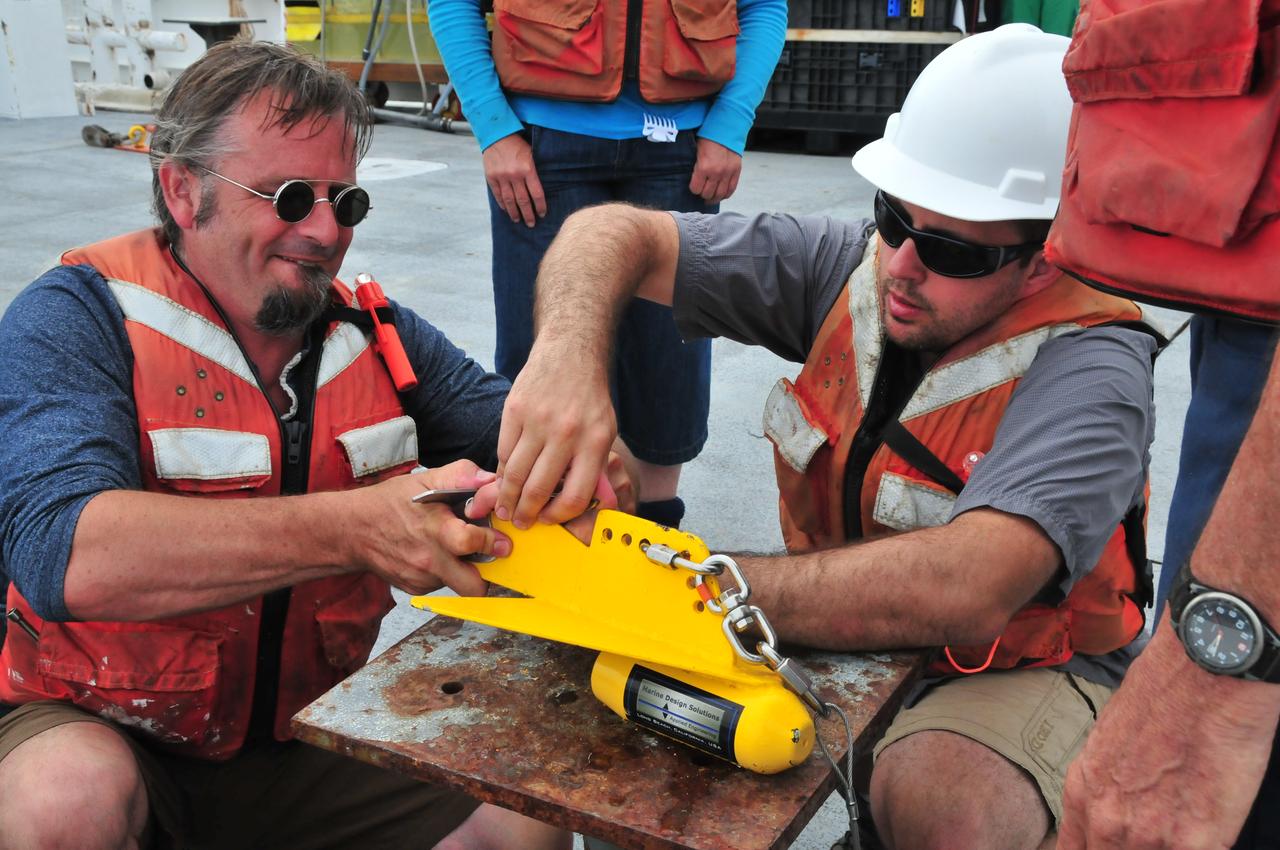
Fixing the "Fish" On July 19, 2014, Wayne Slade of Sequoia Scientific, and Allen Milligan of Oregon State University, made adjustments to the "fish" that researchers used to hold seawater collected from a depth of about 3 meters (10 feet) while the ship was underway. NASA's Ship-Aircraft Bio-Optical Research (SABOR) experiment is a coordinated ship and aircraft observation campaign off the Atlantic coast of the United States, an effort to advance space-based capabilities for monitoring microscopic plants that form the base of the marine food chain. Read more: <a href="http://1.usa.gov/WWRVzj" rel="nofollow">1.usa.gov/WWRVzj</a> Credit: NASA/SABOR/Wayne Slade, Sequoia Scientific .<b><a href="http://www.nasa.gov/audience/formedia/features/MP_Photo_Guidelines.html" rel="nofollow">NASA image use policy.</a></b> <b><a href="http://www.nasa.gov/centers/goddard/home/index.html" rel="nofollow">NASA Goddard Space Flight Center</a></b> enables NASA’s mission through four scientific endeavors: Earth Science, Heliophysics, Solar System Exploration, and Astrophysics. Goddard plays a leading role in NASA’s accomplishments by contributing compelling scientific knowledge to advance the Agency’s mission. <b>Follow us on <a href="http://twitter.com/NASAGoddardPix" rel="nofollow">Twitter</a></b> <b>Like us on <a href="http://www.facebook.com/pages/Greenbelt-MD/NASA-Goddard/395013845897?ref=tsd" rel="nofollow">Facebook</a></b> <b>Find us on <a href="http://instagram.com/nasagoddard?vm=grid" rel="nofollow">Instagram</a></b>
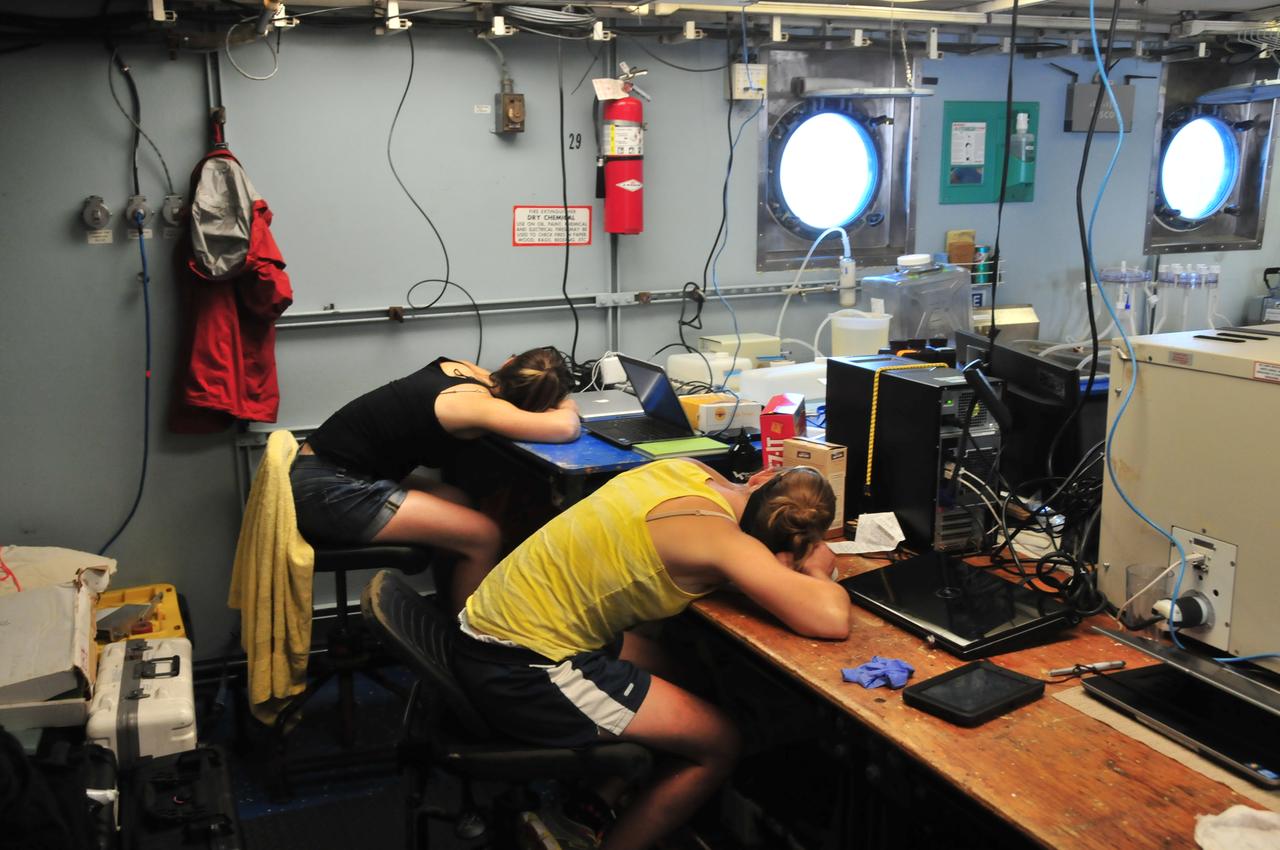
Catnap at Sea Ali Chase of the University of Maine, and Courtney Kearney of the Naval Research Laboratory, caught a quick nap on July 24, 2014, while between successive stops at sea to make measurements from the R/V Endeavor. NASA's Ship-Aircraft Bio-Optical Research (SABOR) experiment is a coordinated ship and aircraft observation campaign off the Atlantic coast of the United States, an effort to advance space-based capabilities for monitoring microscopic plants that form the base of the marine food chain. Read more: <a href="http://1.usa.gov/WWRVzj" rel="nofollow">1.usa.gov/WWRVzj</a> Credit: NASA/SABOR/Wayne Slade, Sequoia Scientific..<b><a href="http://www.nasa.gov/audience/formedia/features/MP_Photo_Guidelines.html" rel="nofollow">NASA image use policy.</a></b> <b><a href="http://www.nasa.gov/centers/goddard/home/index.html" rel="nofollow">NASA Goddard Space Flight Center</a></b> enables NASA’s mission through four scientific endeavors: Earth Science, Heliophysics, Solar System Exploration, and Astrophysics. Goddard plays a leading role in NASA’s accomplishments by contributing compelling scientific knowledge to advance the Agency’s mission. <b>Follow us on <a href="http://twitter.com/NASAGoddardPix" rel="nofollow">Twitter</a></b> <b>Like us on <a href="http://www.facebook.com/pages/Greenbelt-MD/NASA-Goddard/395013845897?ref=tsd" rel="nofollow">Facebook</a></b> <b>Find us on <a href="http://instagram.com/nasagoddard?vm=grid" rel="nofollow">Instagram</a></b>
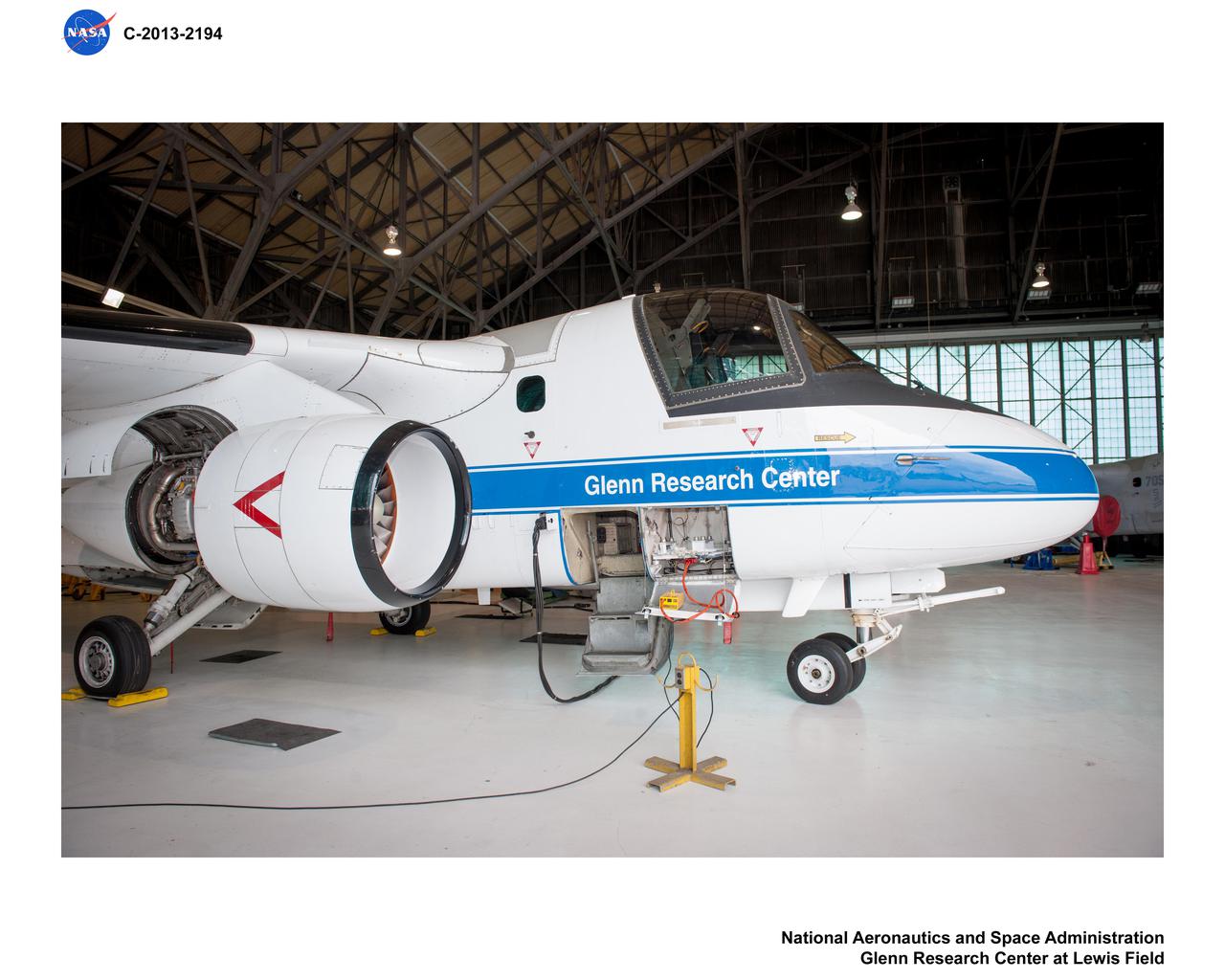
NASA, Lockheed Martin S-3B Viking Aircraft #N601NA, Unmanned Aircraft Communications Project
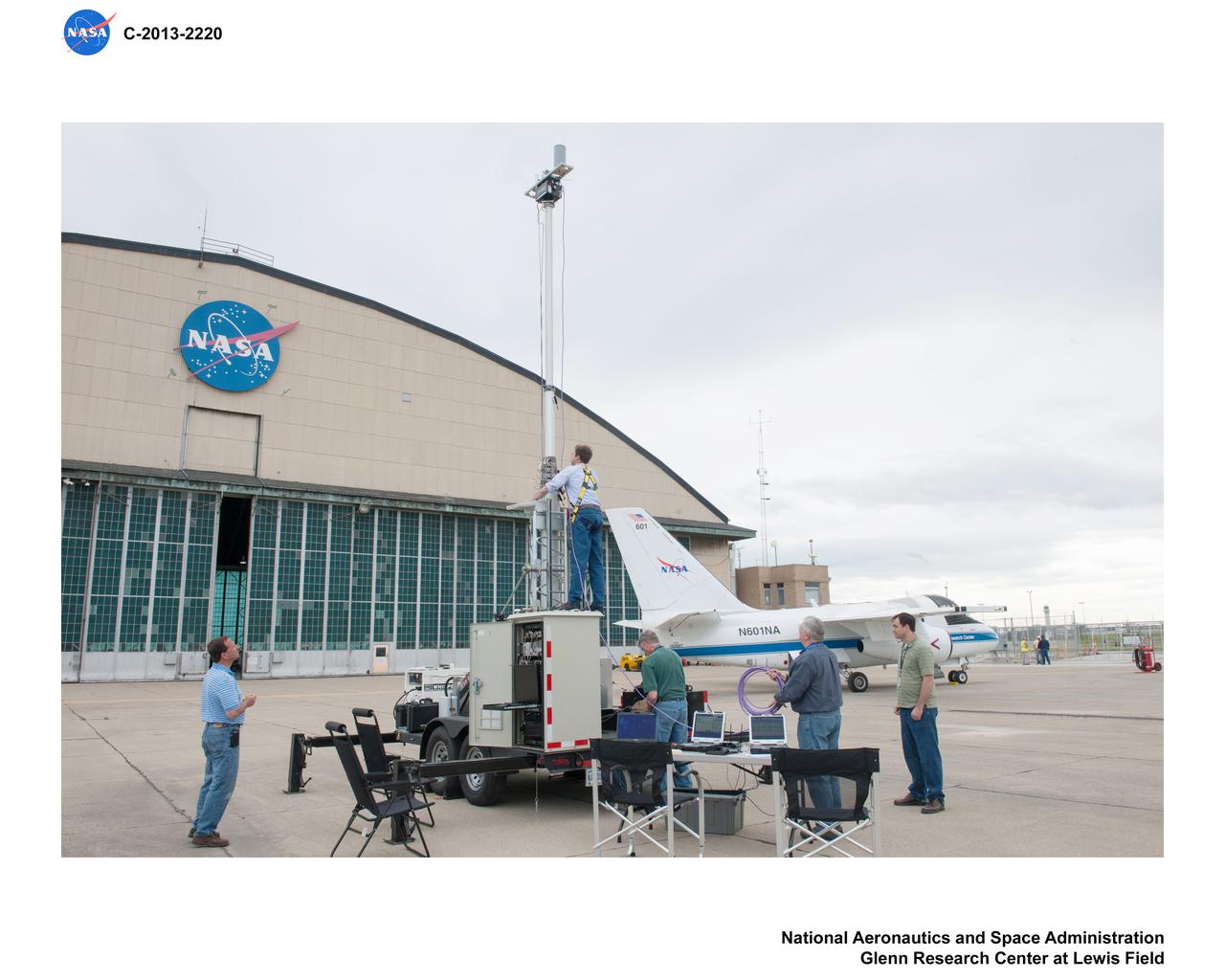
NASA, Lockheed Martin S-3B Viking Aircraft #N601NA, Unmanned Aircraft Communications Project
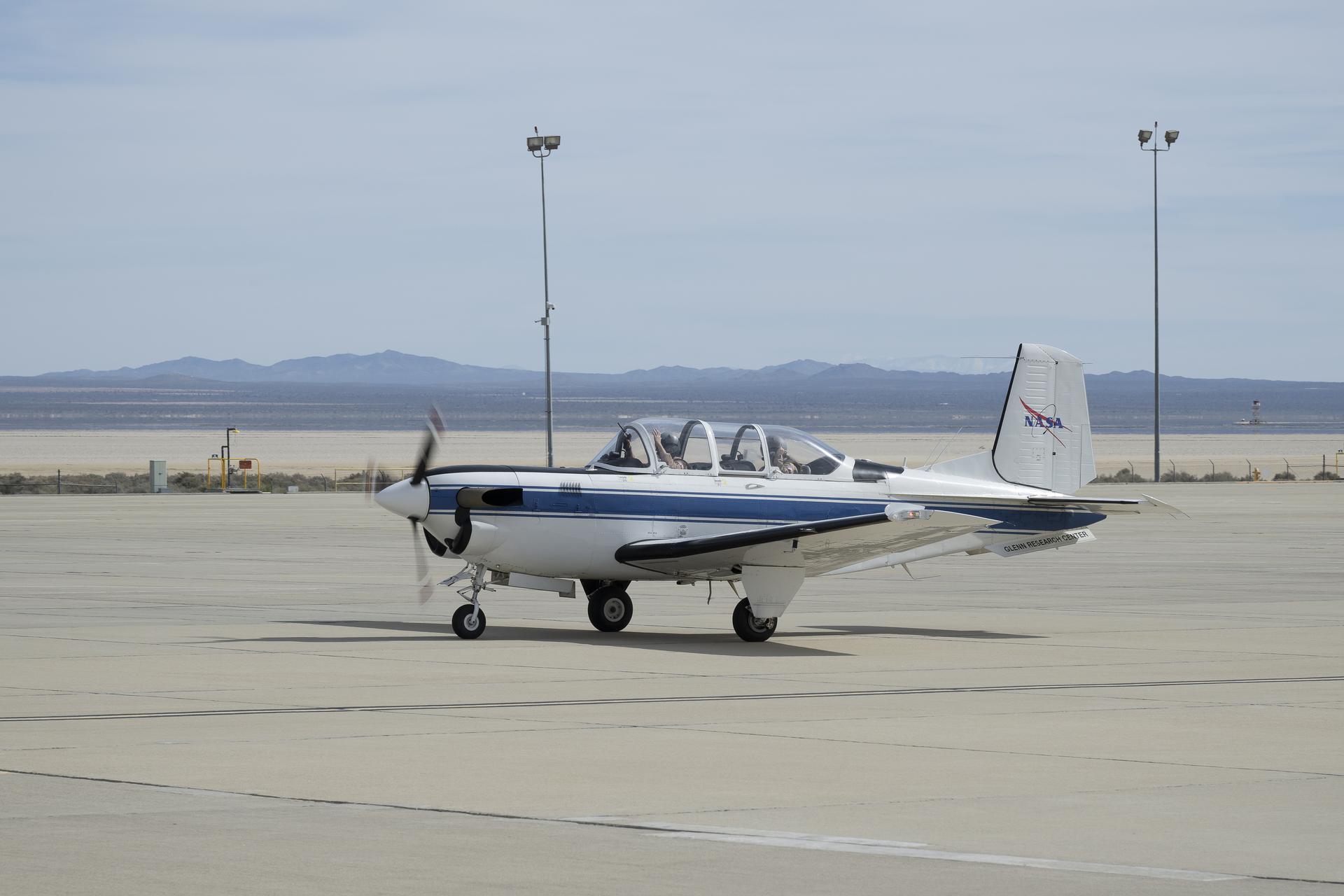
A NASA T-34 aircraft, tail number 602, arrived at NASA’s Armstrong Flight Research Center in Edwards, California, on Feb. 14, 2026. This aircraft was flown from NASA’s Glenn Research Center in Cleveland, to NASA Armstrong, to be evaluated for use as a flight research and pilot training platform for the center.
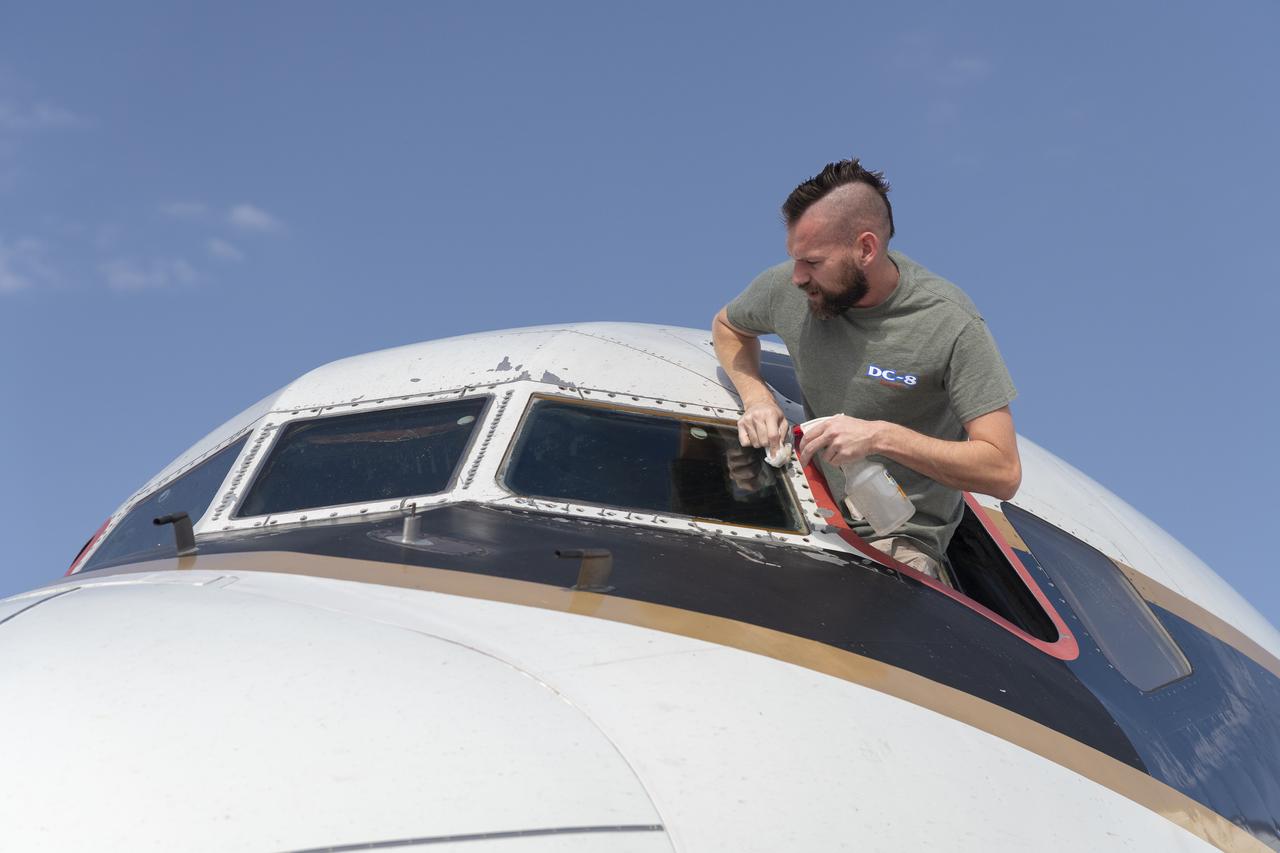
Avionics lead Kelly Jellison wipes the windshield of the DC-8 aircraft prior to its final flight before it is retired from NASA’s Armstrong Flight Research Center Building 703 in Palmdale, California, to Idaho State University in Pocatello, Idaho. The DC-8 will provide real-world experience to train future aircraft technicians at the college’s Aircraft Maintenance Technology Program.
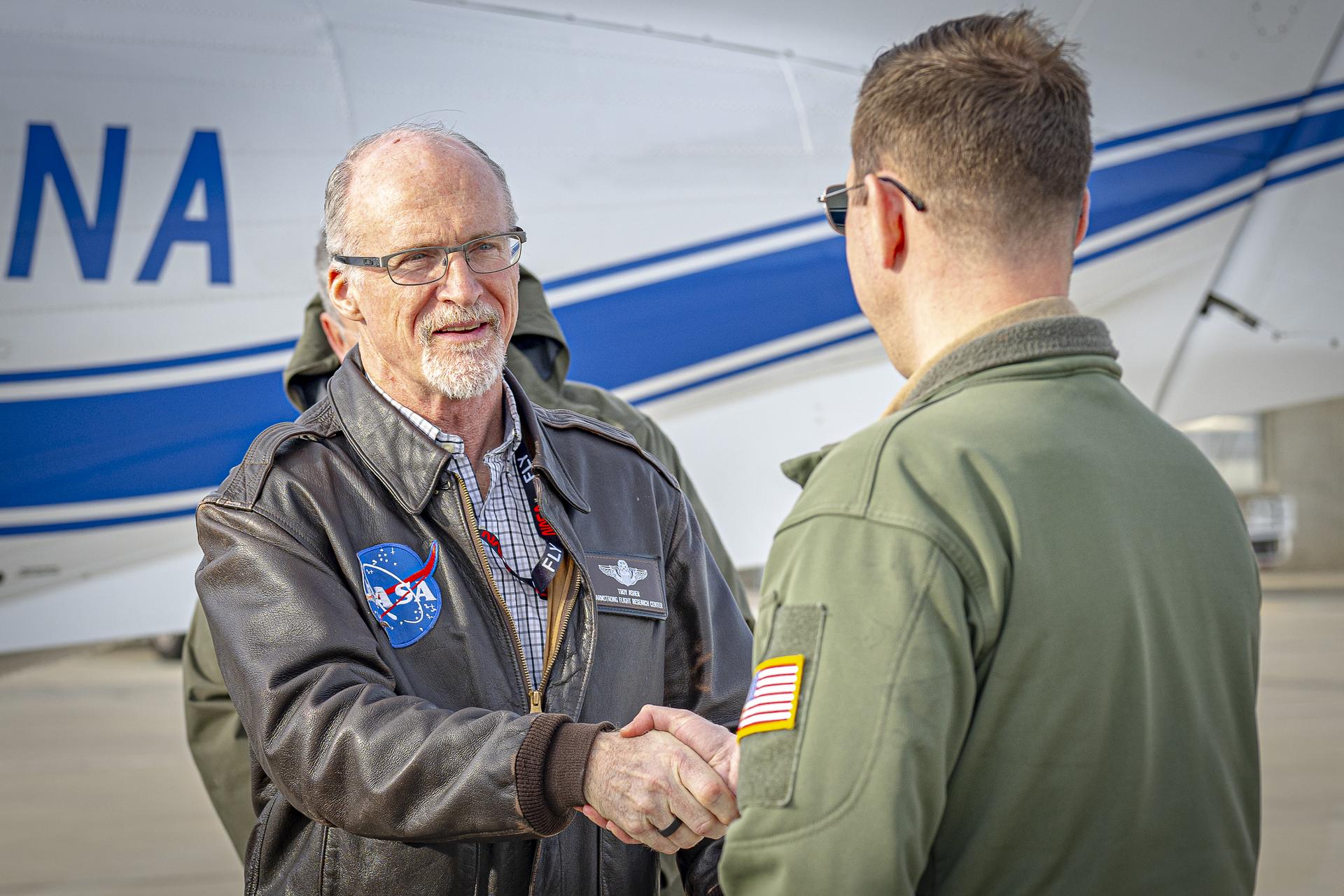
Troy Asher, director for flight operations at NASA’s Armstrong Flight Research Center in Edwards, California, shakes hands with Jeremy Johnson, a pilot with NASA’s Glenn Research Center in Cleveland. The two stand in front of a NASA Pilatus PC-12 aircraft, tail number 606, which arrived at the center Feb. 11, 2026. This aircraft is now housed at NASA Armstrong to continue supporting research at NASA Glenn, among other agency efforts.
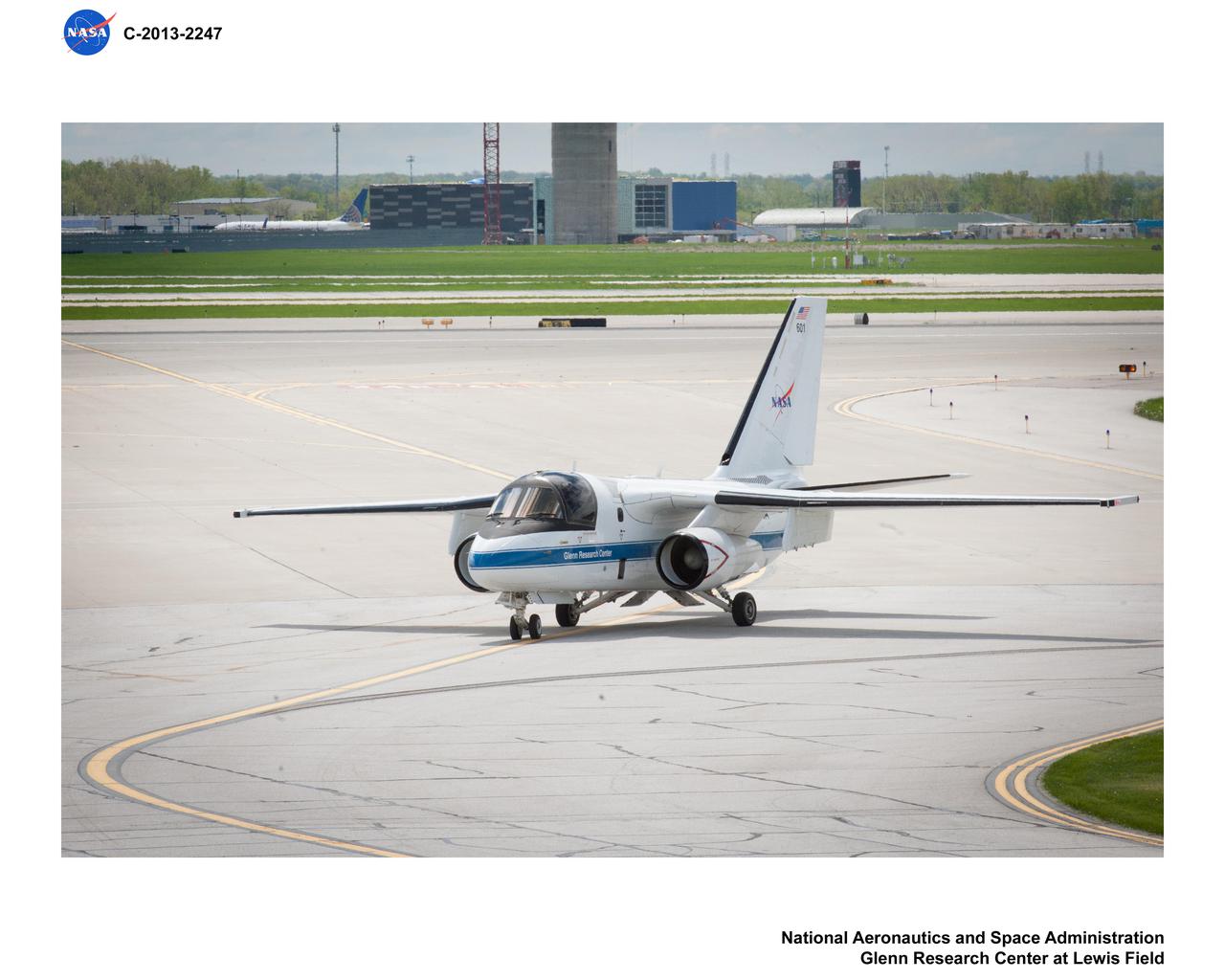
NASA, Lockheed Martin S-3B Viking Aircraft #N601NA, prepares for departure from Cleveland Hopkins Airport in support of the Unmanned Aircraft Communications Project
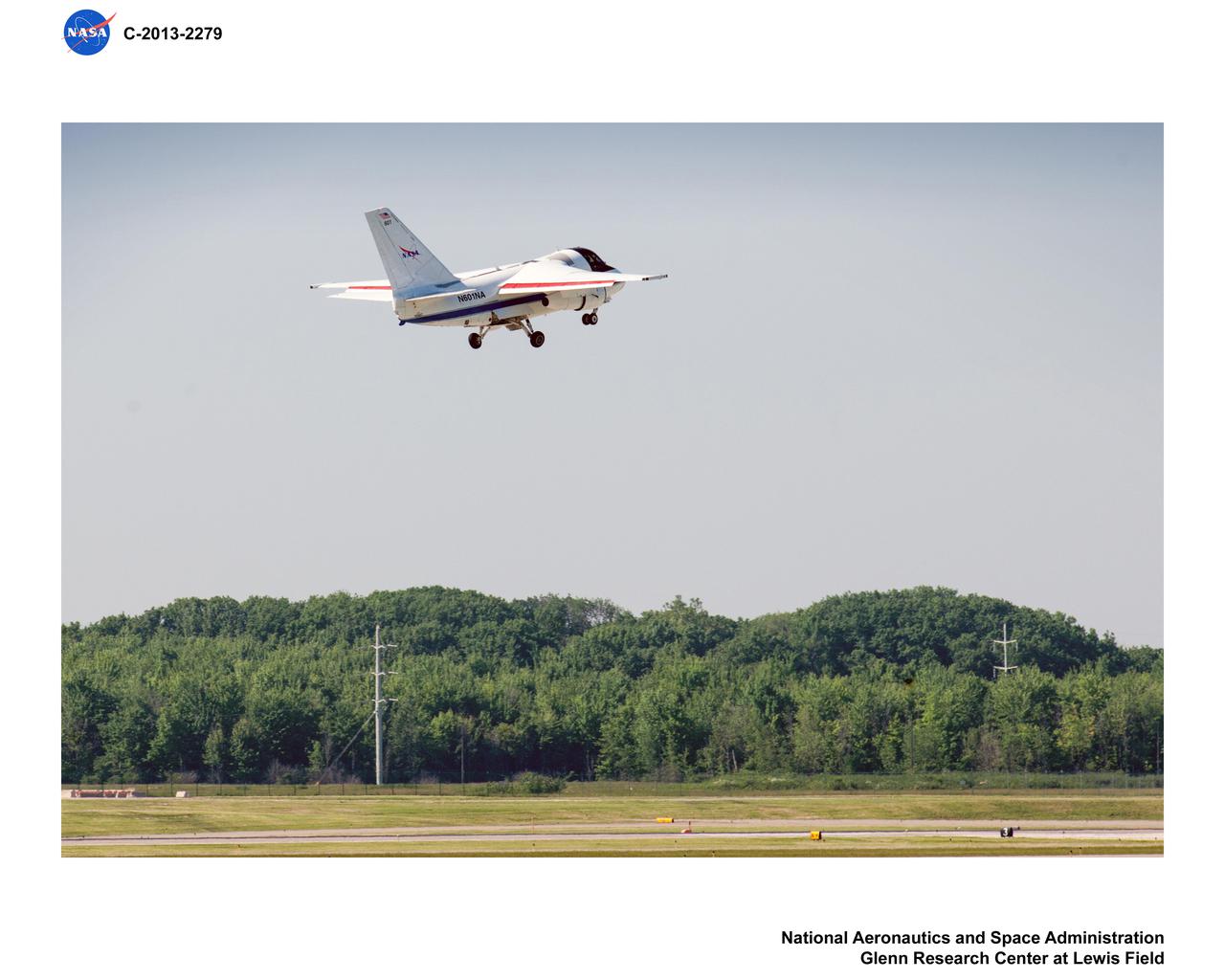
NASA, Lockheed Martin S-3B Viking Aircraft #N601NA, takes off from Cleveland Hopkins Airport, in support of the Unmanned Aircraft Communications Project
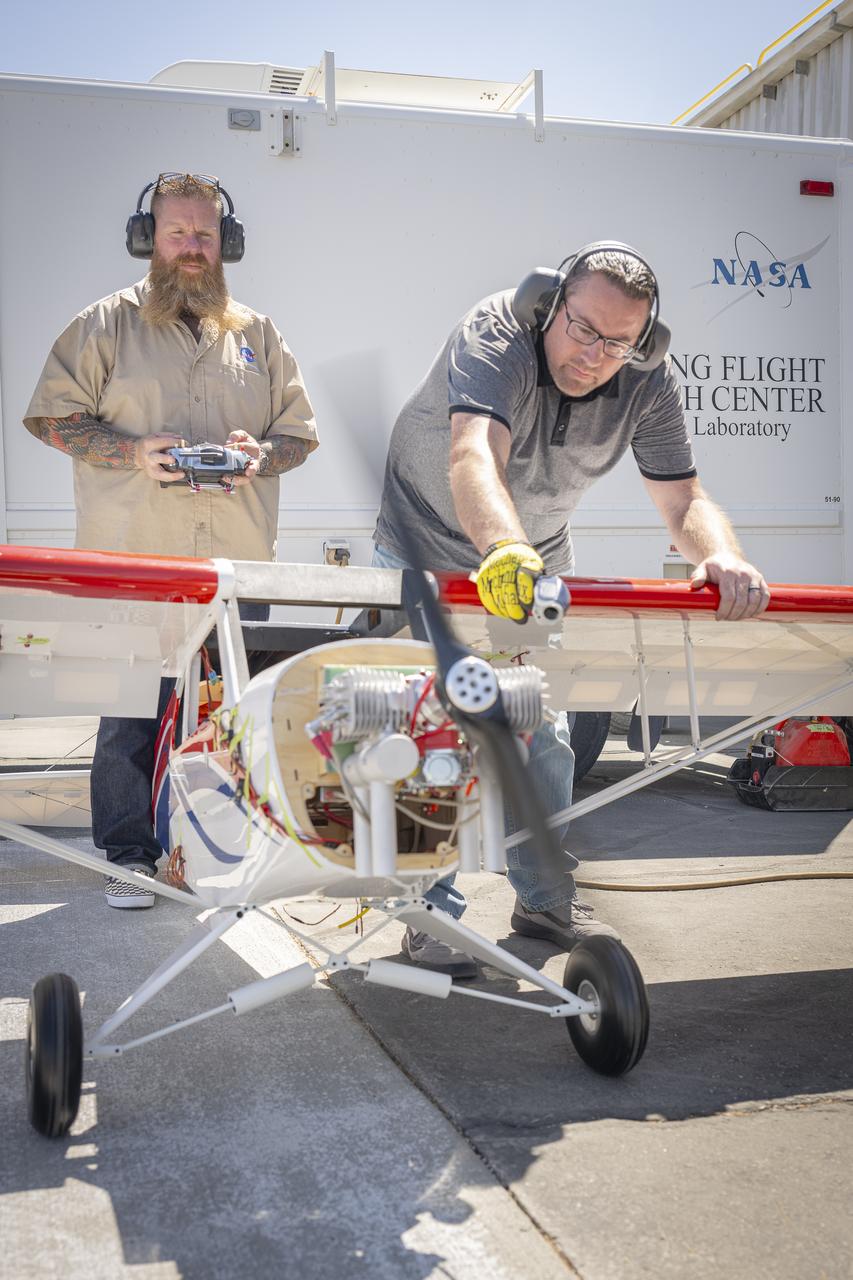
Justin Hall, left, controls a subscale aircraft as Justin Link holds the aircraft in place during preliminary engine tests on Friday, Sept. 12, 2025, at NASA’s Armstong Flight Research Center in Edwards, California. Hall is chief pilot at the center’s Dale Reed Subscale Flight Research Laboratory and Link is a pilot for small uncrewed aircraft systems.
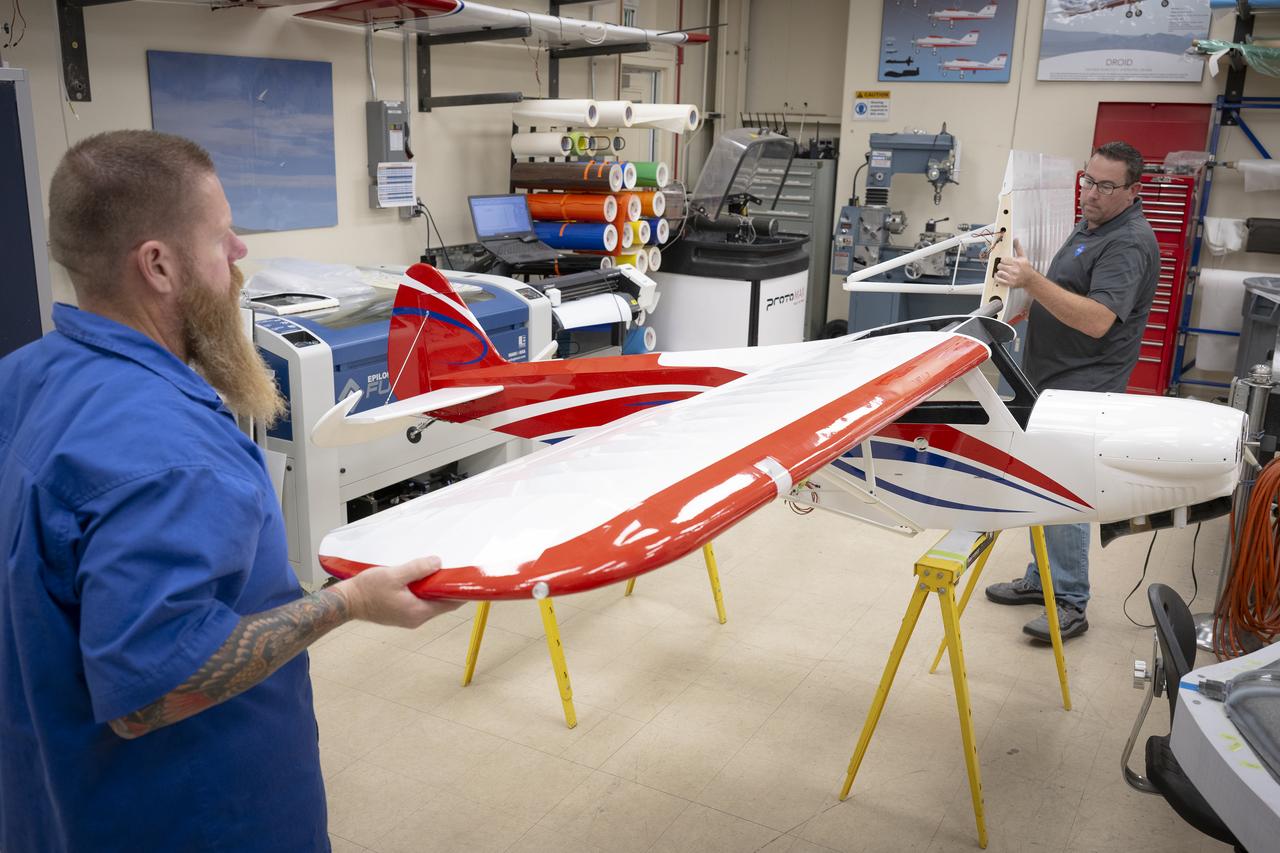
Justin Hall, left, and Justin Link attach the wings onto a subscale aircraft on Wednesday, Sept. 3, 2025, at NASA’s Armstong Flight Research Center in Edwards, California. Hall is chief pilot at the center’s Dale Reed Subscale Flight Research Laboratory and Link is a pilot for small uncrewed aircraft systems.
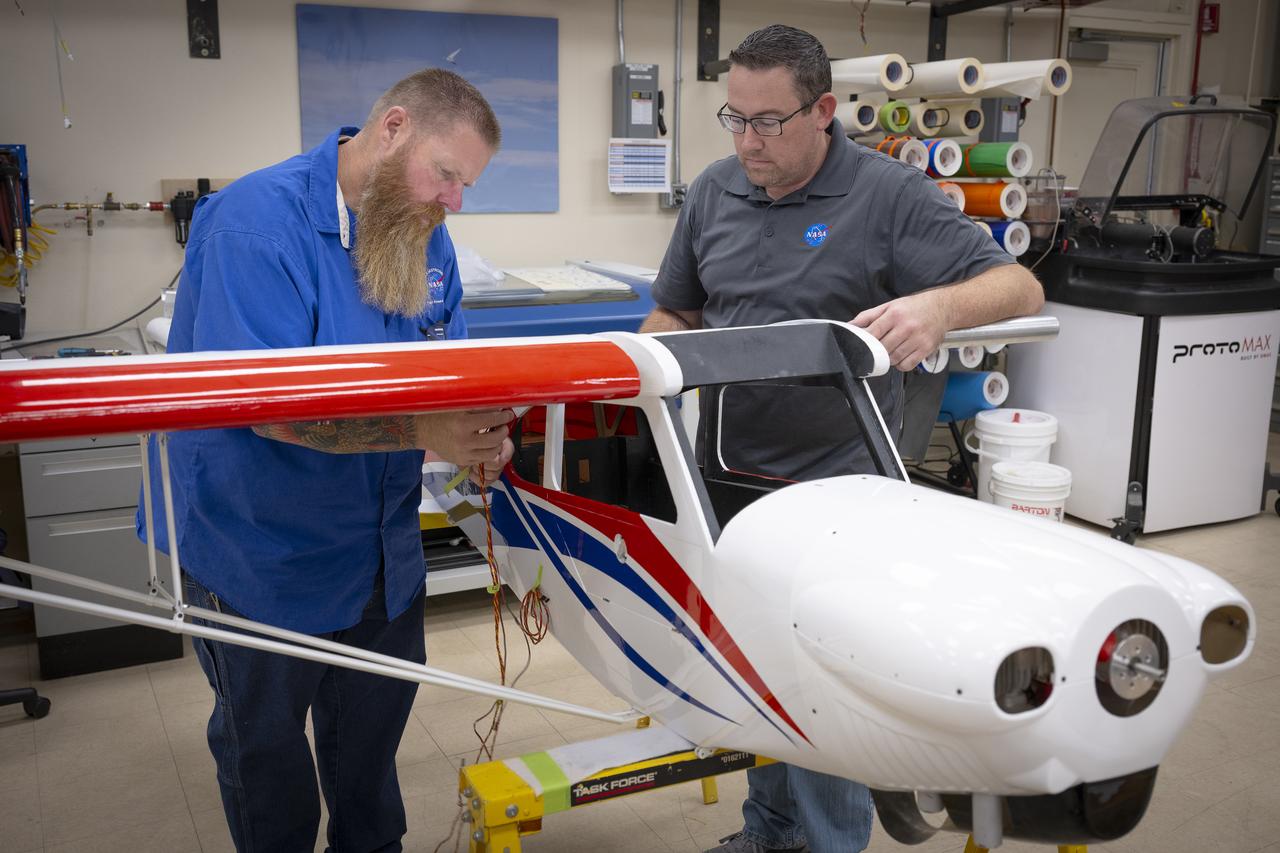
Justin Hall, left, and Justin Link secure a wing onto a subscale aircraft on Wednesday, Sept. 3, 2025, at NASA’s Armstong Flight Research Center in Edwards, California. Hall is chief pilot at the center’s Dale Reed Subscale Flight Research Laboratory and Link is a pilot for small uncrewed aircraft systems.
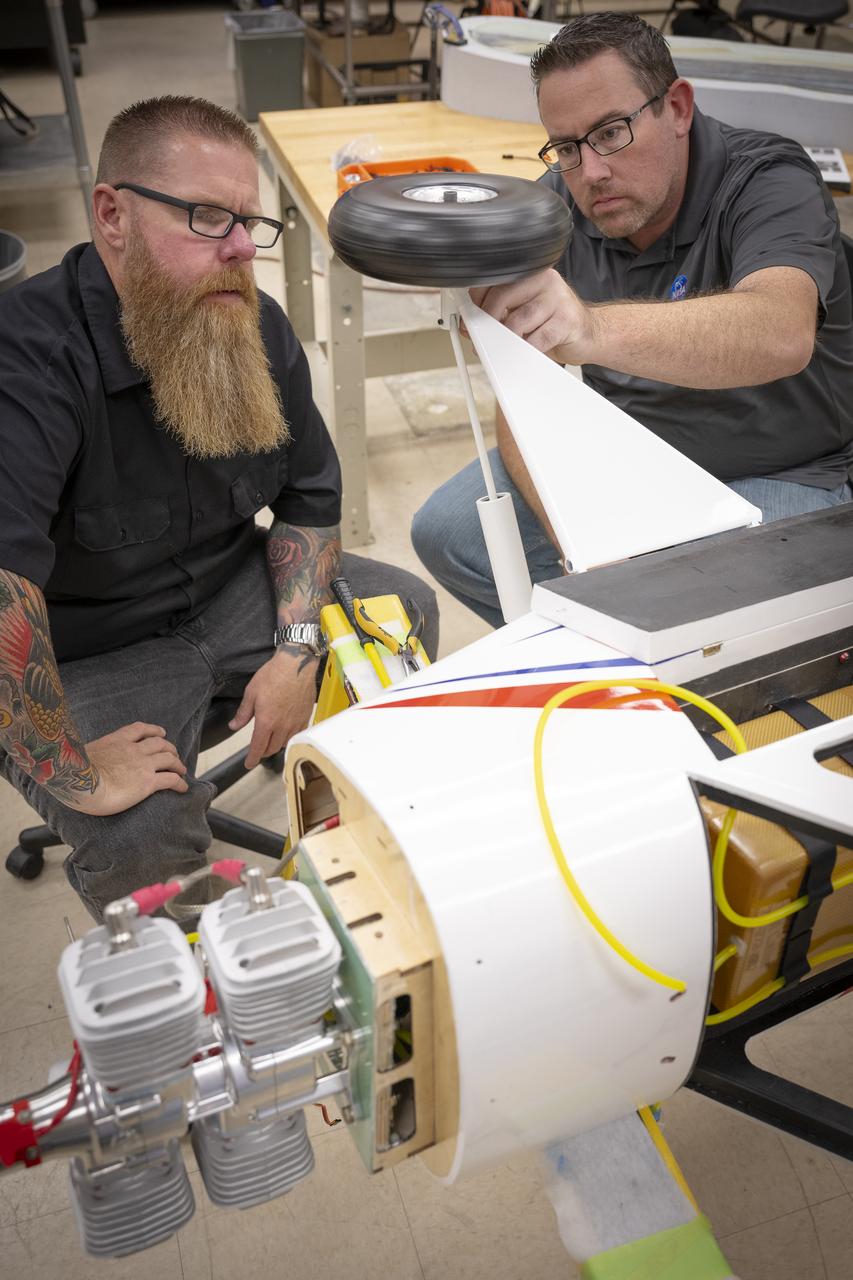
Justin Hall, left, and Justin Link attach a section of landing gear onto a subscale aircraft on Friday, Sept. 12, 2025, at NASA’s Armstong Flight Research Center in Edwards, California. Hall is chief pilot at the center’s Dale Reed Subscale Flight Research Laboratory and Link is a pilot for small uncrewed aircraft systems.
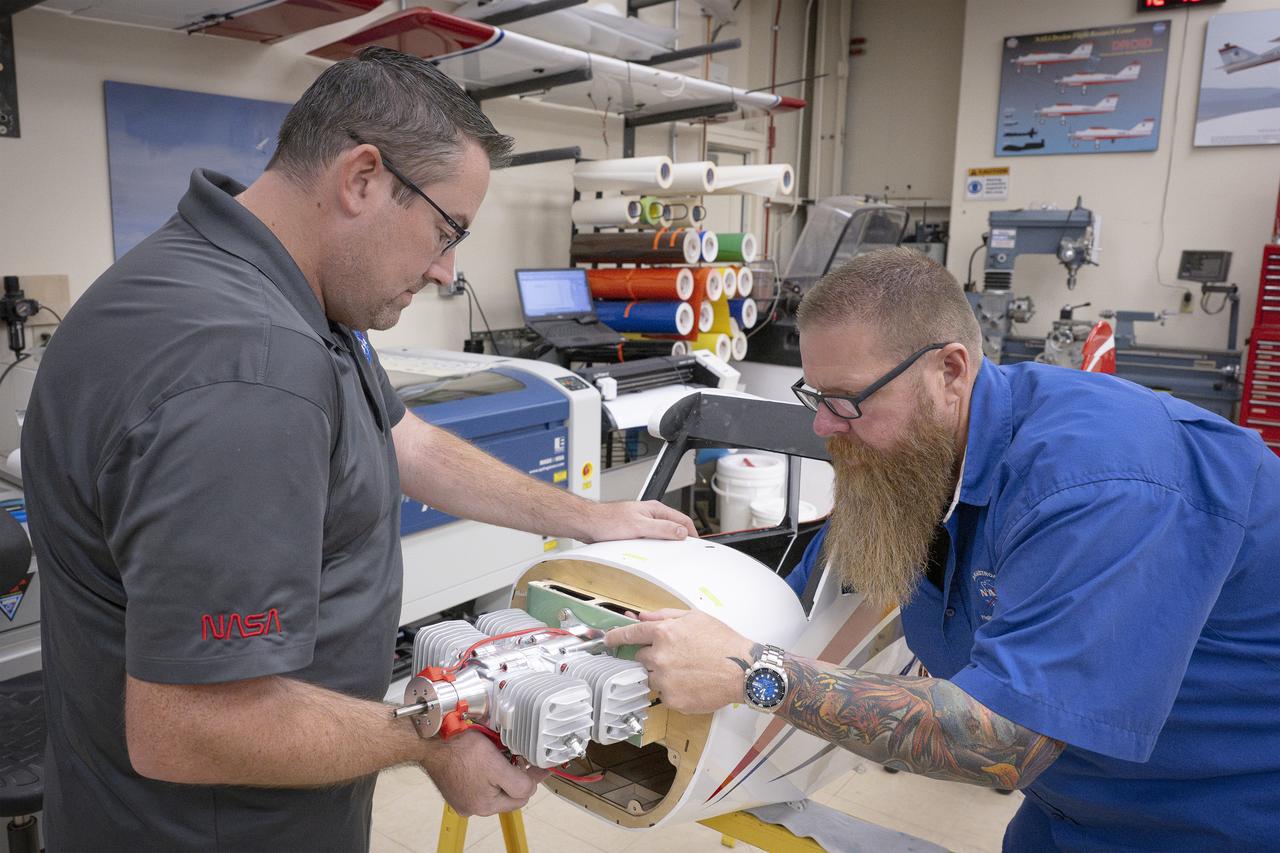
Justin Link, left, and Justin Hall attach an engine onto a subscale aircraft on Wednesday, Sept. 3, 2025, at NASA’s Armstong Flight Research Center in Edwards, California. Link is a pilot for small uncrewed aircraft systems at the center’s Dale Reed Subscale Flight Research Laboratory and Hall is the lab’s chief pilot.

NASA, Lockheed Martin S-3B Viking Aircraft #N601NA
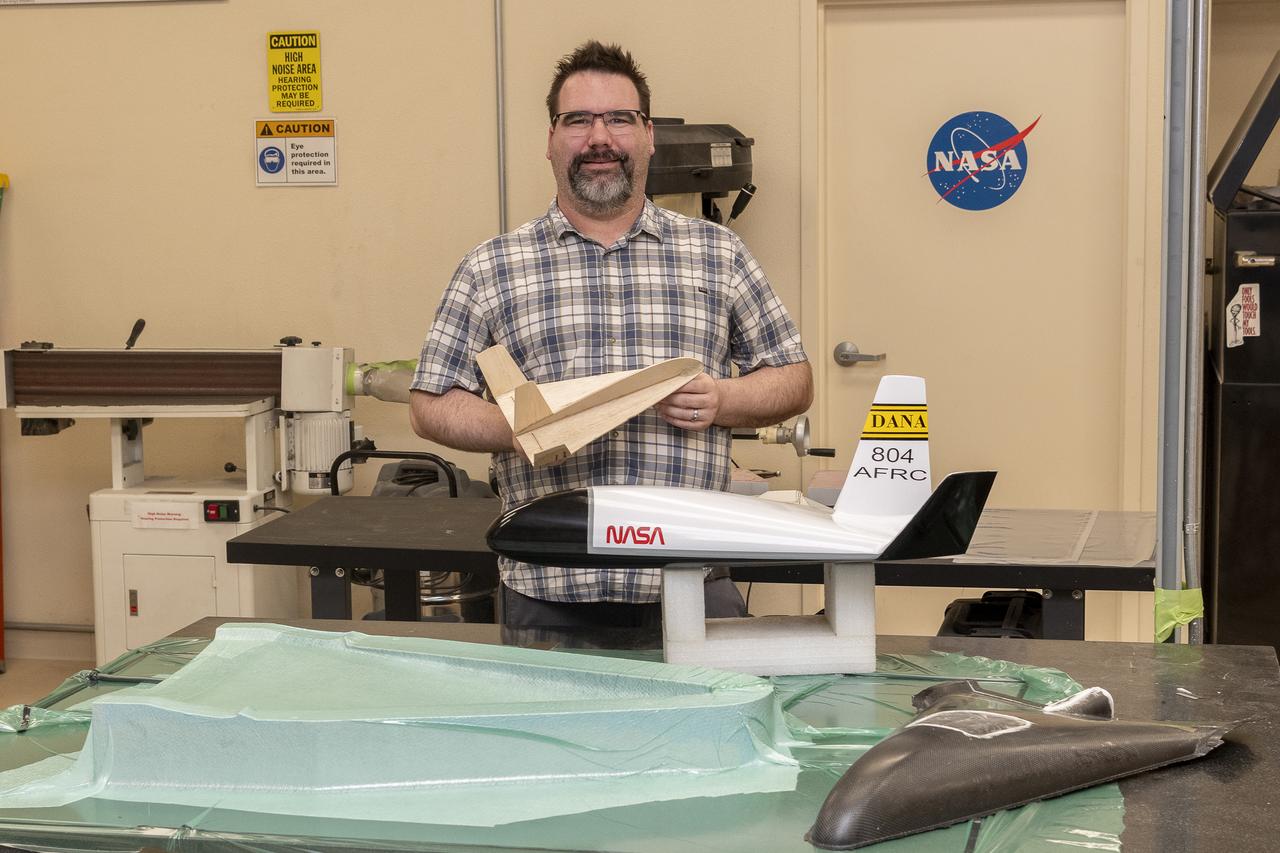
John Bodylski holds a balsa wood model of his proposed aircraft that could be an atmospheric probe. Directly in front of him is a fully assembled version of the aircraft and a large section of a second prototype at NASA’s Armstrong Flight Research Center in Edwards, California.
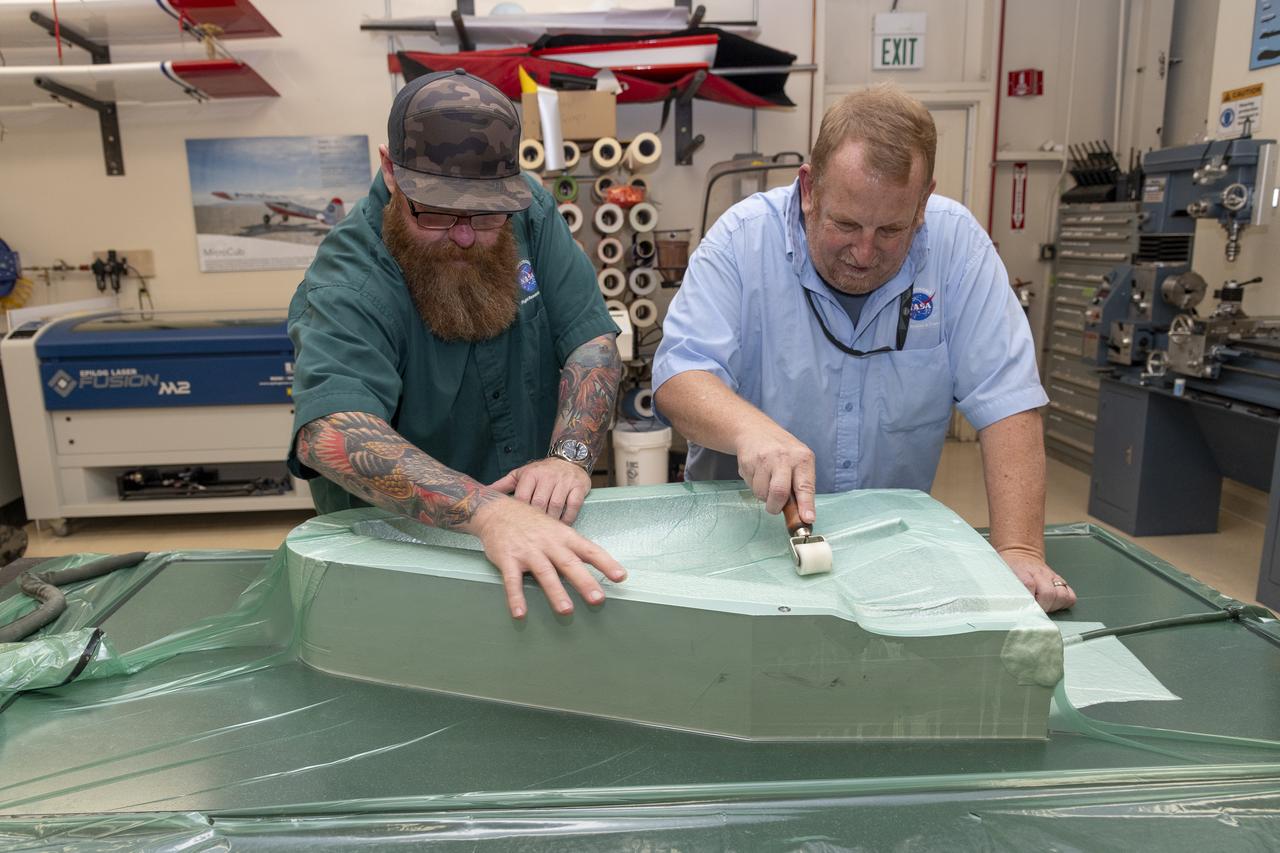
Justin Hall, left, and Robert “Red” Jensen work to eliminate the air around an aircraft mold where it will cure for eight hours. The subscale aircraft development at NASA’s Armstrong Flight Research Center in Edwards, California, may result in an atmospheric probe.
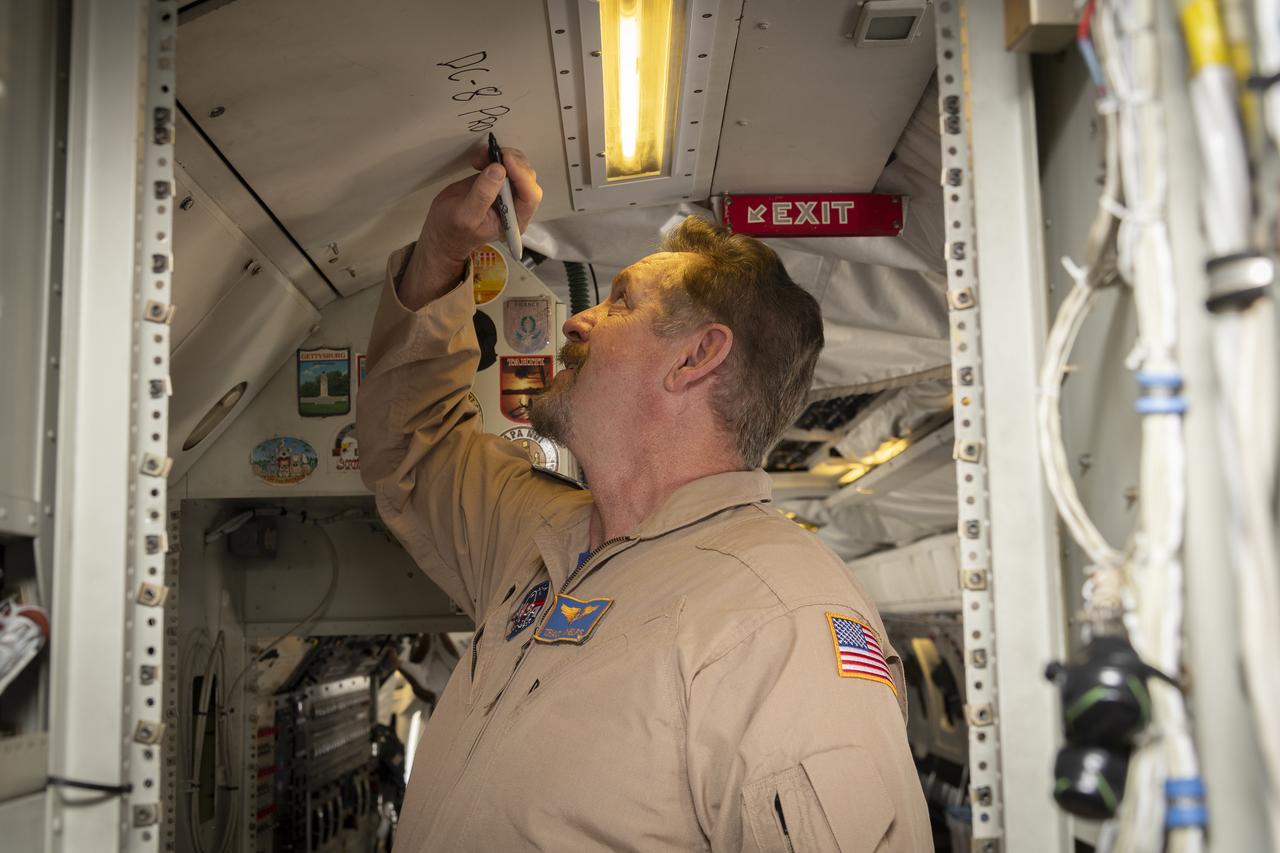
Aerospace engineer and research pilot Tracy Phelps signs the ceiling inside the DC-8 aircraft. Phelps piloted the aircraft’s final flight before it is retired from NASA’s Armstrong Flight Research Center Building 703 in Palmdale, California, to Idaho State University in Pocatello, Idaho. The DC-8 will provide real-world experience to train future aircraft technicians at the college’s Aircraft Maintenance Technology Program.
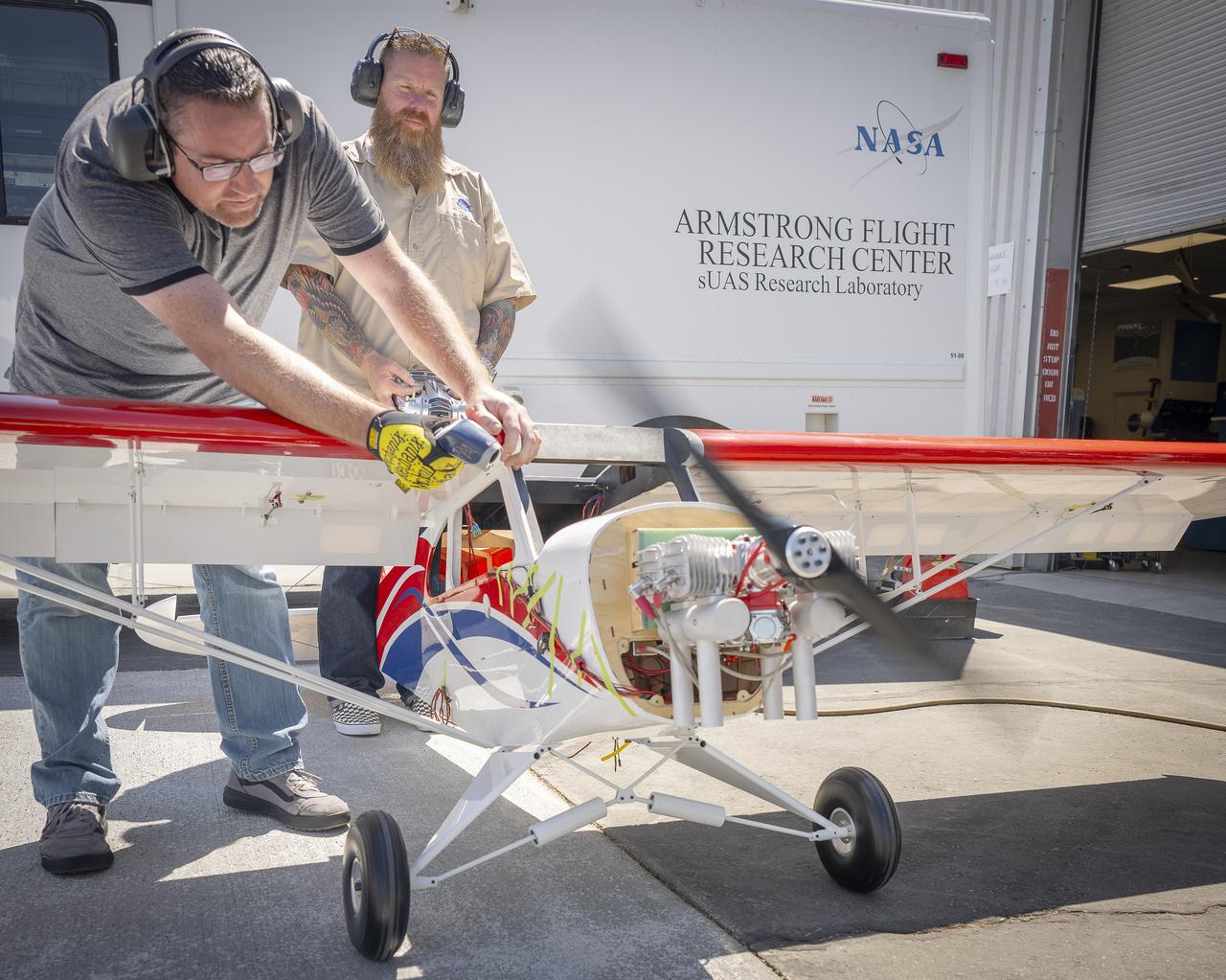
Justin Link, left, holds the subscale aircraft in place, while Justin Hall manages engine speed during preliminary engine tests on Friday, Sept. 12, 2025, at NASA’s Armstong Flight Research Center in Edwards, California. Link is a pilot for small uncrewed aircraft systems at the center’s Dale Reed Subscale Flight Research Laboratory and Hall is the chief pilot.
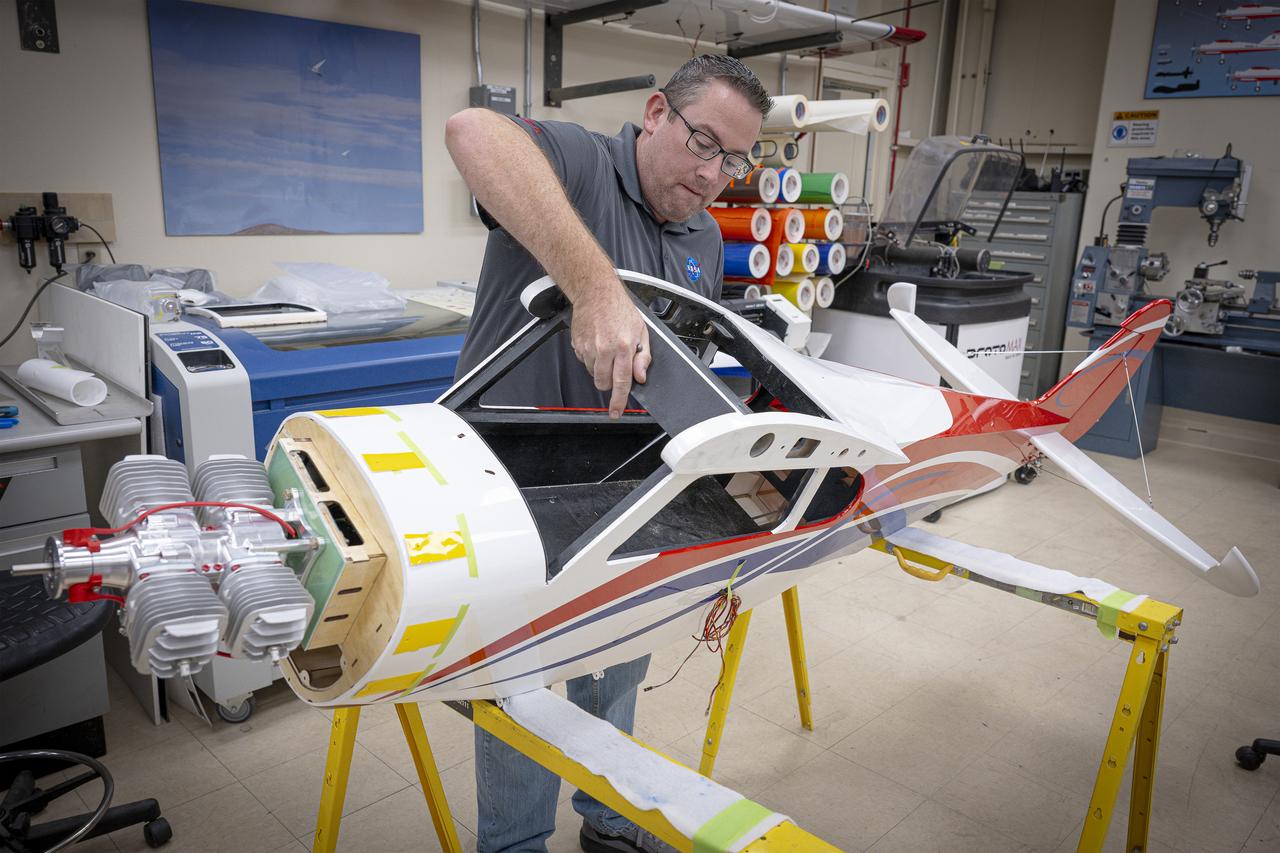
Justin Link turns a subscale aircraft on its side to continue work to mark where the engine cowl will go and where to line it up for attachment on Wednesday, Sept. 3, 2025, at NASA’s Armstong Flight Research Center in Edwards, California. Link is a pilot for small uncrewed aircraft systems at the center’s Dale Reed Subscale Flight Research Laboratory.
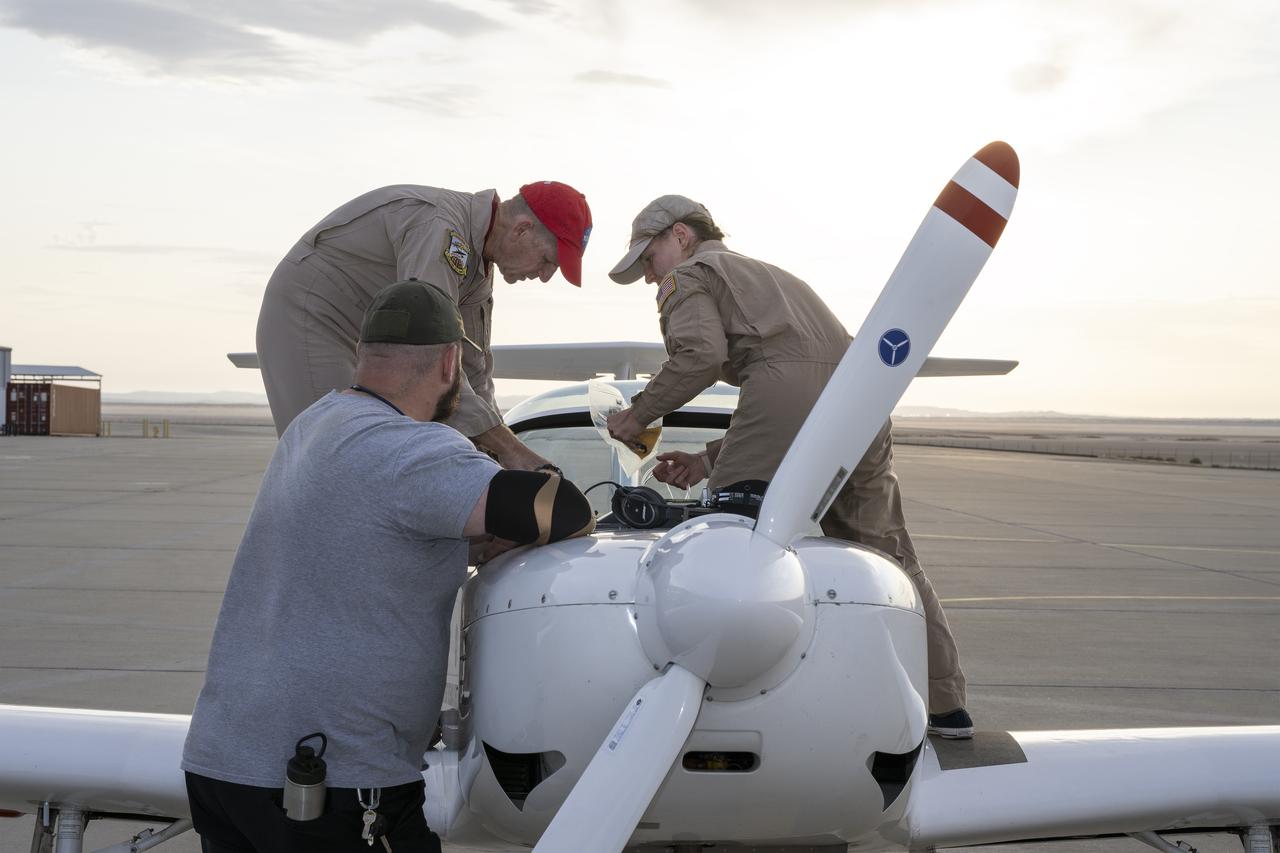
A NASA TG-14 glider aircraft is prepared for flight at NASA’s Armstrong Flight Research Center in Edwards, California, in support of the agency’s Quesst mission. The aircraft is equipped with onboard microphones to capture sonic boom noise generated during rehearsal flights, helping researchers measure the acoustic signature of supersonic aircraft closer to the ground.
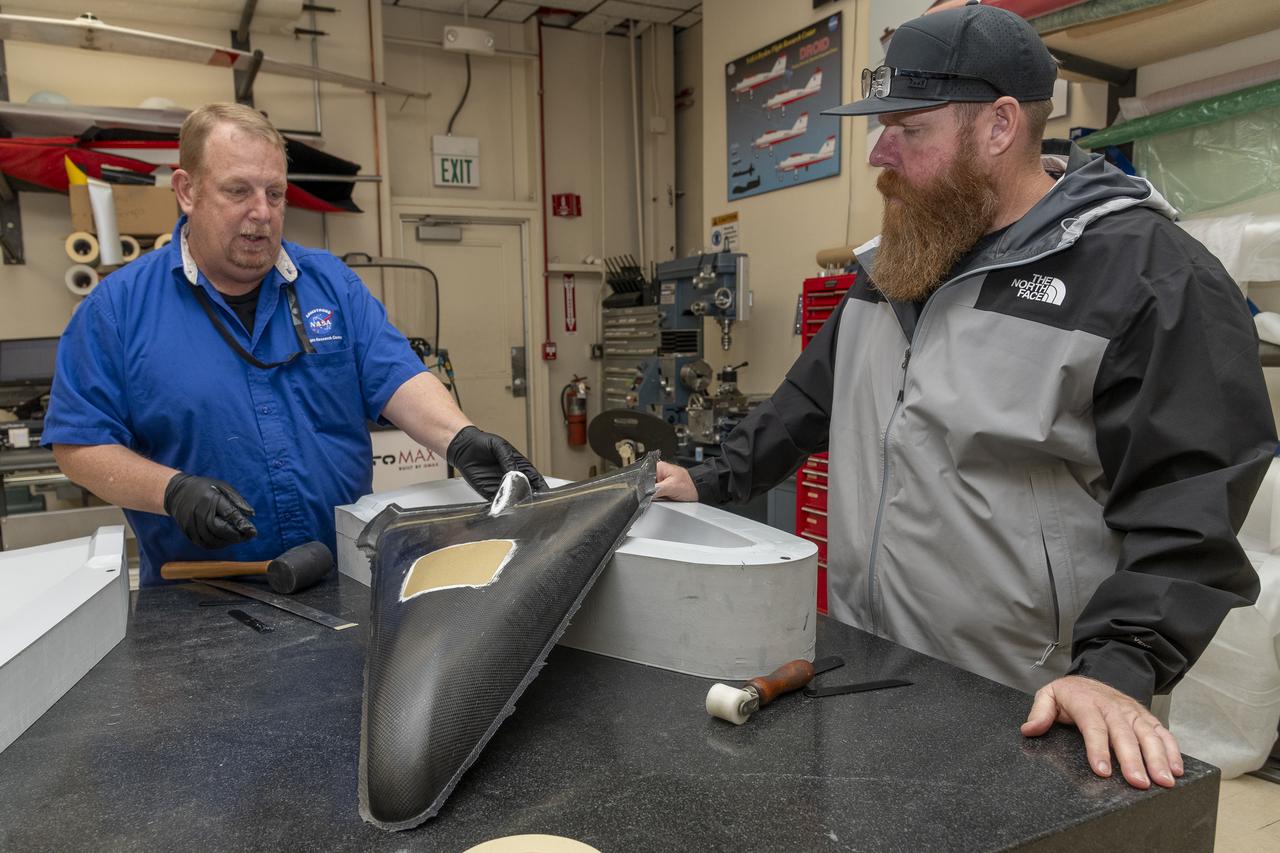
Robert “Red” Jensen removes a major component from an aircraft mold for assembly of a prototype of an atmospheric probe as Justin Hall watches at NASA’s Armstrong Flight Research Center in Edwards, California.

From left, NASA avionics technician Jesse Orellana; quality assurance employee Jose Prieto; mechanic Francisco Rodriguez; and mechanic Vincent Moreno work on an ER-2 aircraft Monday, Jan. 26, 2026, at NASA’s Armstrong Flight Research Center in Edwards, California.
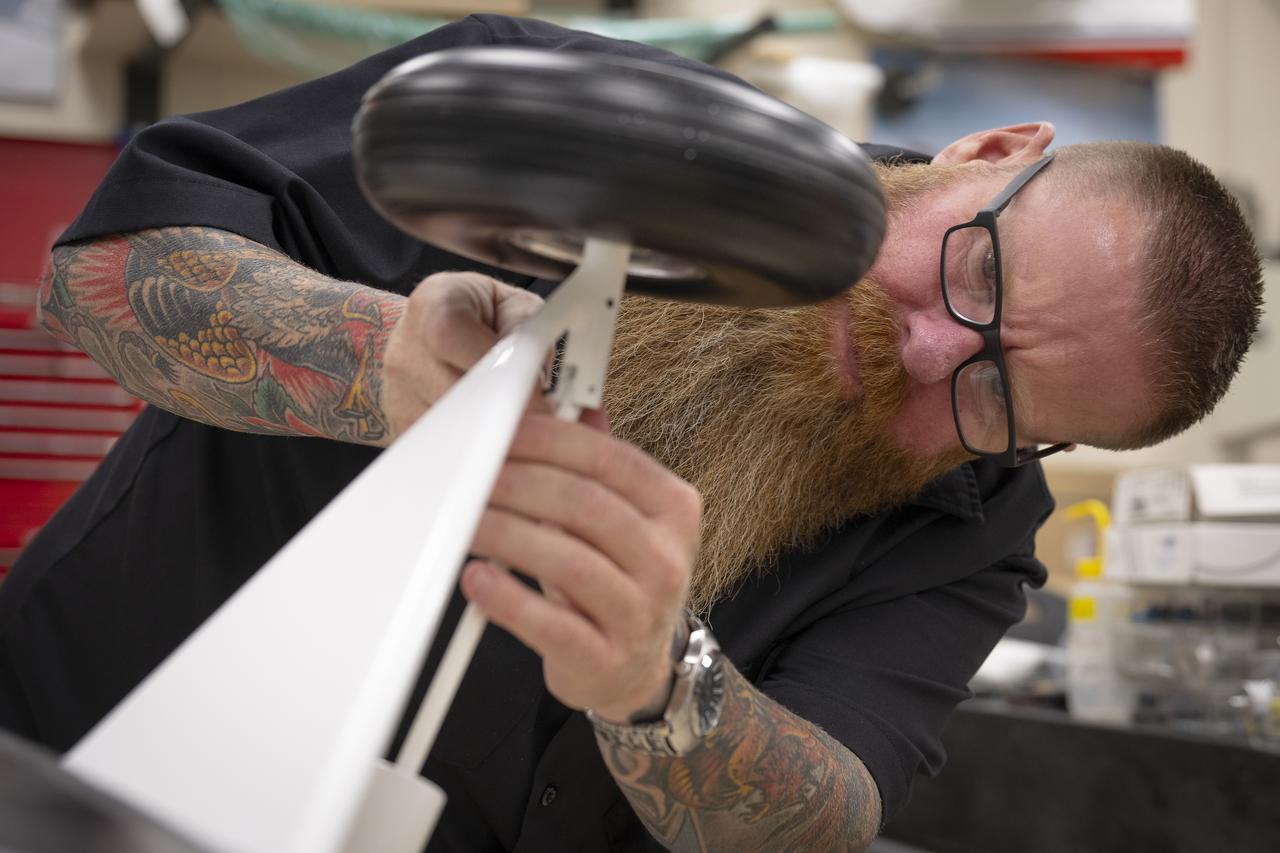
Justin Hall attaches part of the landing gear of a subscale aircraft on Friday, Sept. 12, 2025, at NASA’s Armstong Flight Research Center in Edwards, California. Hall is the chief pilot at the center’s Dale Reed Subscale Flight Research Laboratory.
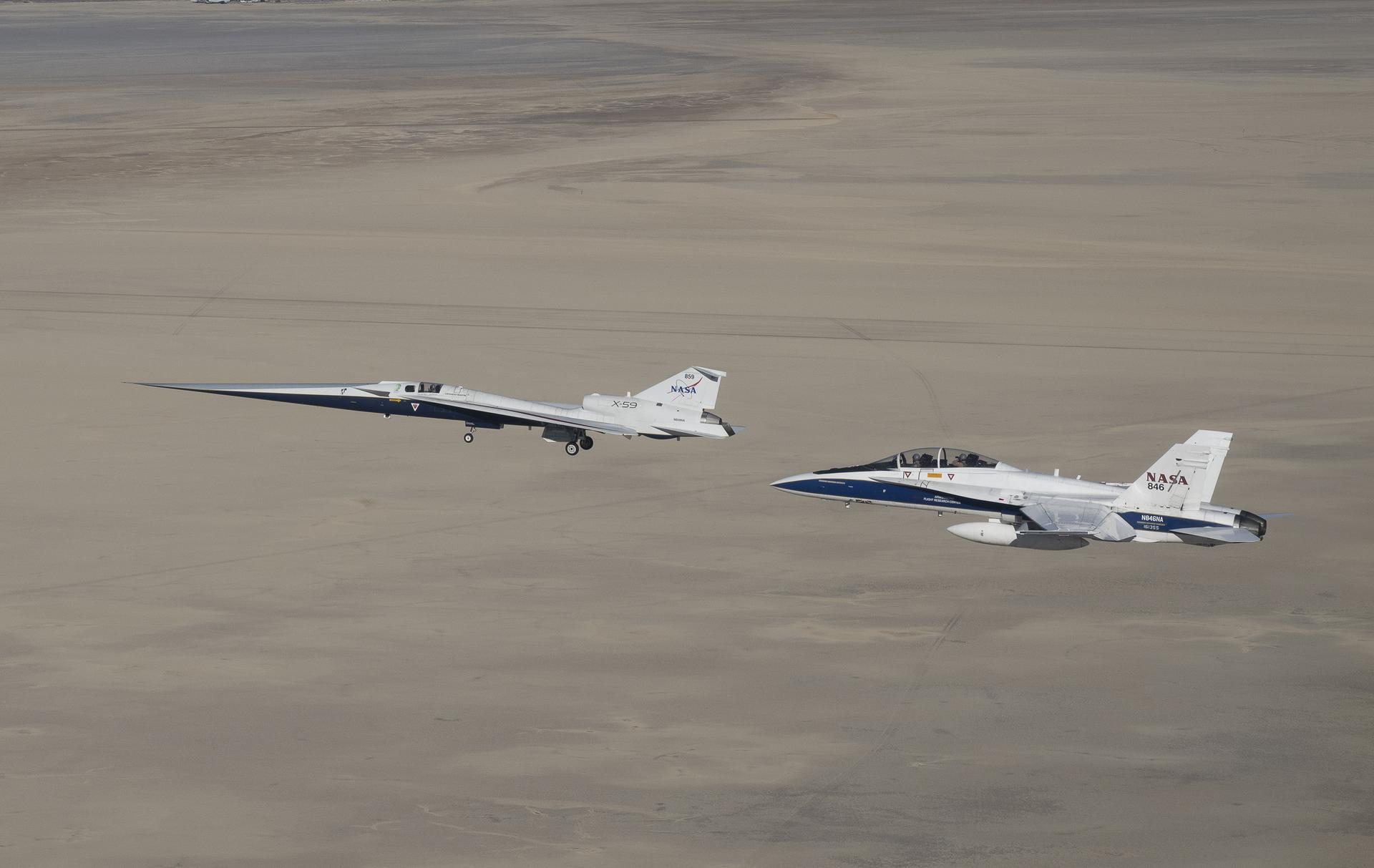
NASA’s X-59 quiet supersonic research aircraft flies above Palmdale and Edwards, California, during its first flight Tuesday, Oct. 28, 2025, accompanied by a NASA F/A-18 research aircraft. A NASA F-15 research aircraft (not pictured) captured the image as the X-59 traveled to NASA’s Armstrong Flight Research Center in Edwards, California, where it will begin flight testing for NASA’s Quesst mission, which aims to demonstrate quiet supersonic flight over land.
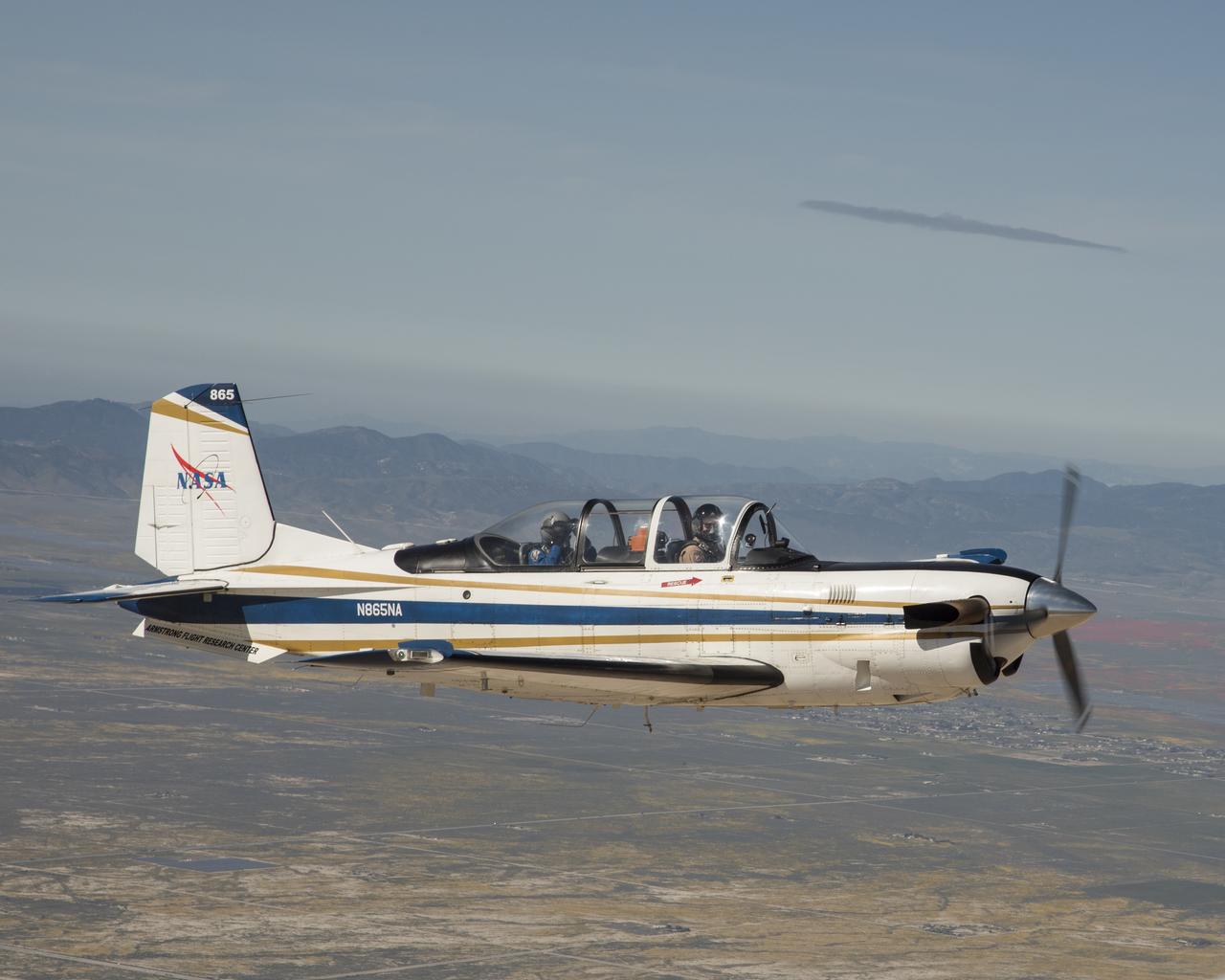
NASA’s T-34 aircraft flown from the agency’s Armstrong Flight Research Center heading toward Southern California’s Antelope Valley Poppy Reserve. The aircraft was flown from the agency’s Armstrong Flight Research Center.
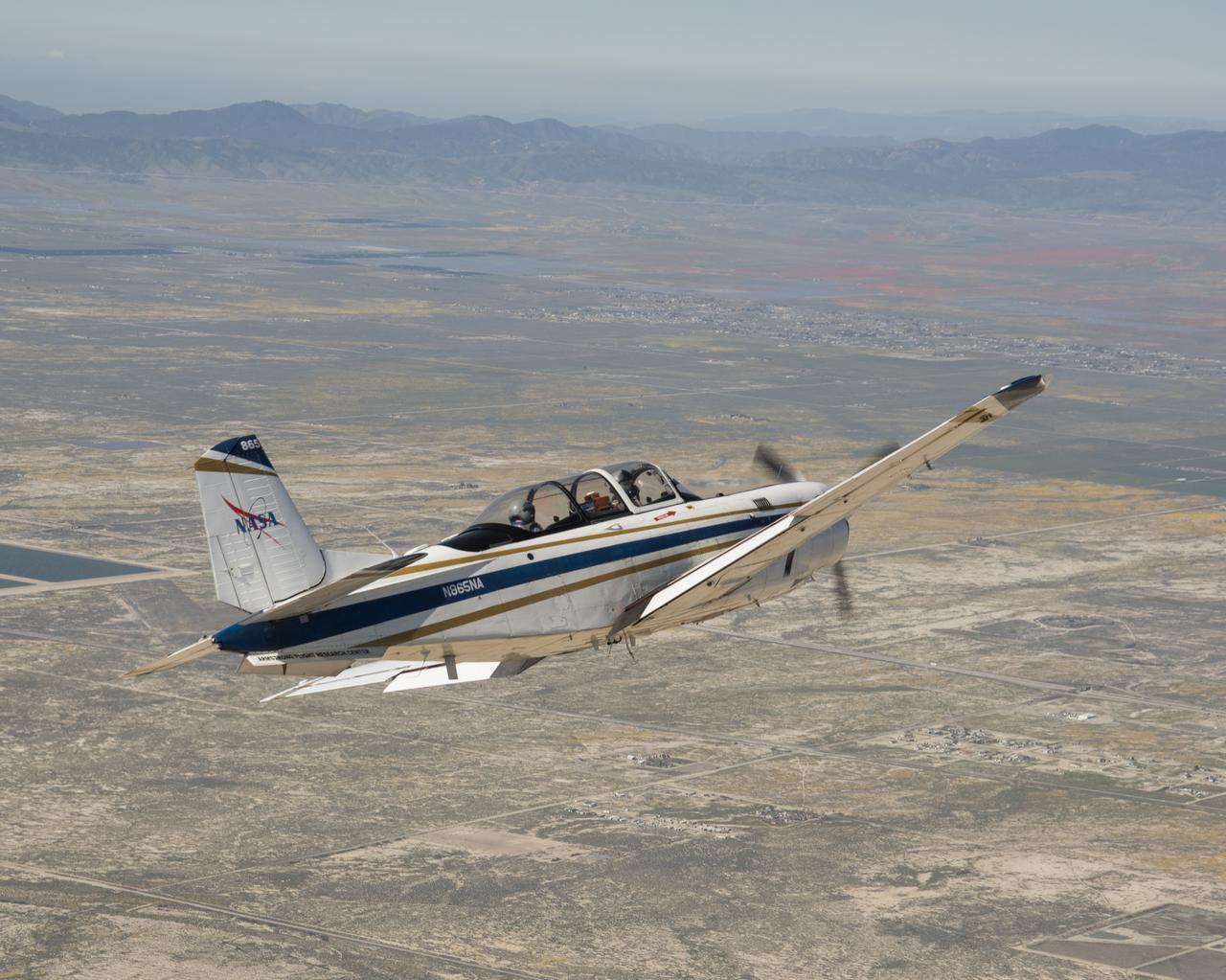
NASA's T-34 aircraft flown from the agency's Armstrong Flight Research Center aims the plane toward Southern California's Antelope Valley Poppy Reserve. The aircraft was flown from the agency's Armstrong Flight Research Center.

NASA’s X-59 in Flight with F/A-18 Research Aircraft Monitoring

NASA’s X-59 in Flight with F/A-18 Research Aircraft Monitoring
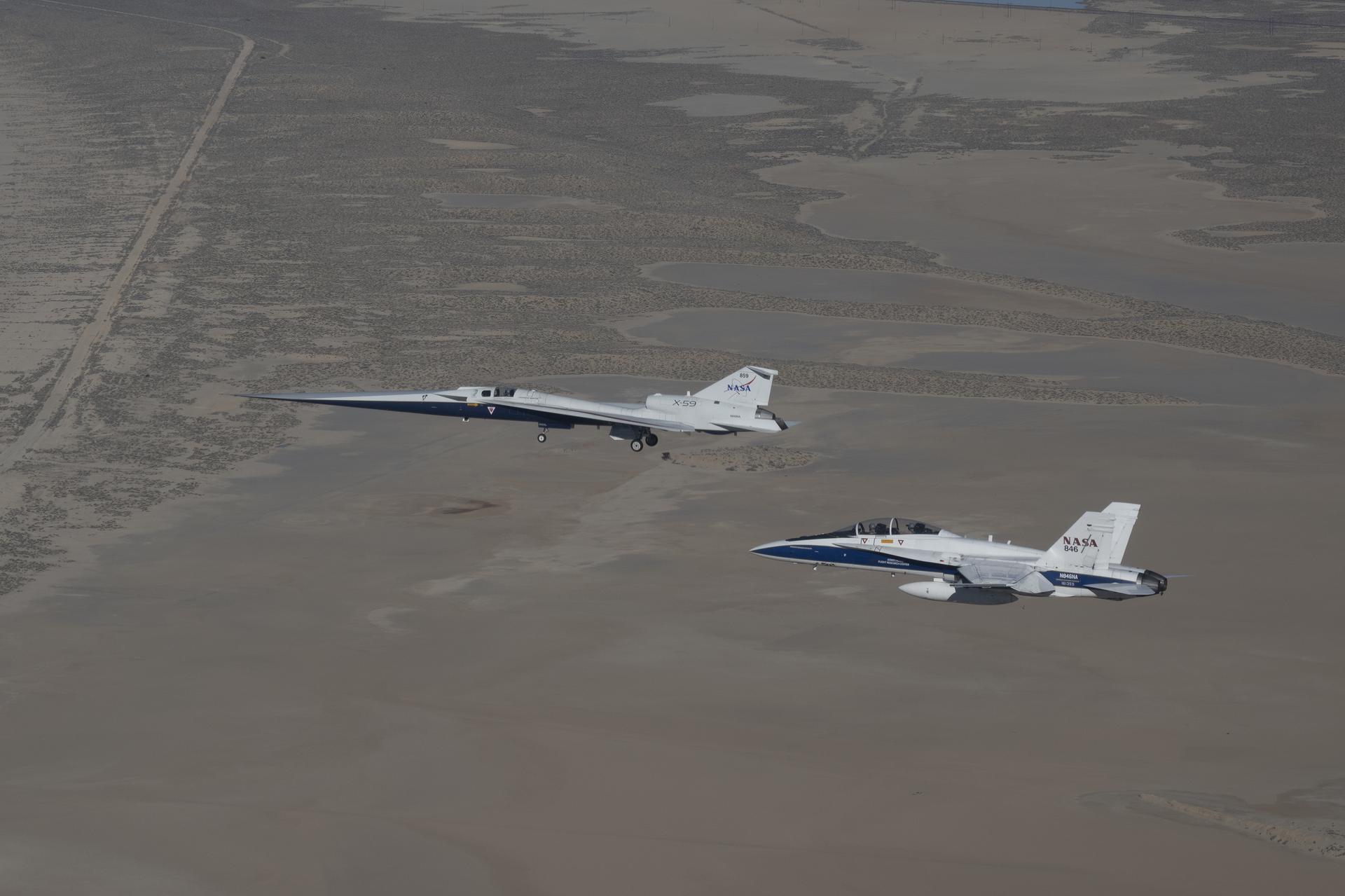
NASA’s X-59 in Flight with F/A-18 Research Aircraft Monitoring

NASA’s X-59 in Flight with F/A-18 Research Aircraft Monitoring

NASA’s X-59 in Flight with F/A-18 Research Aircraft Monitoring
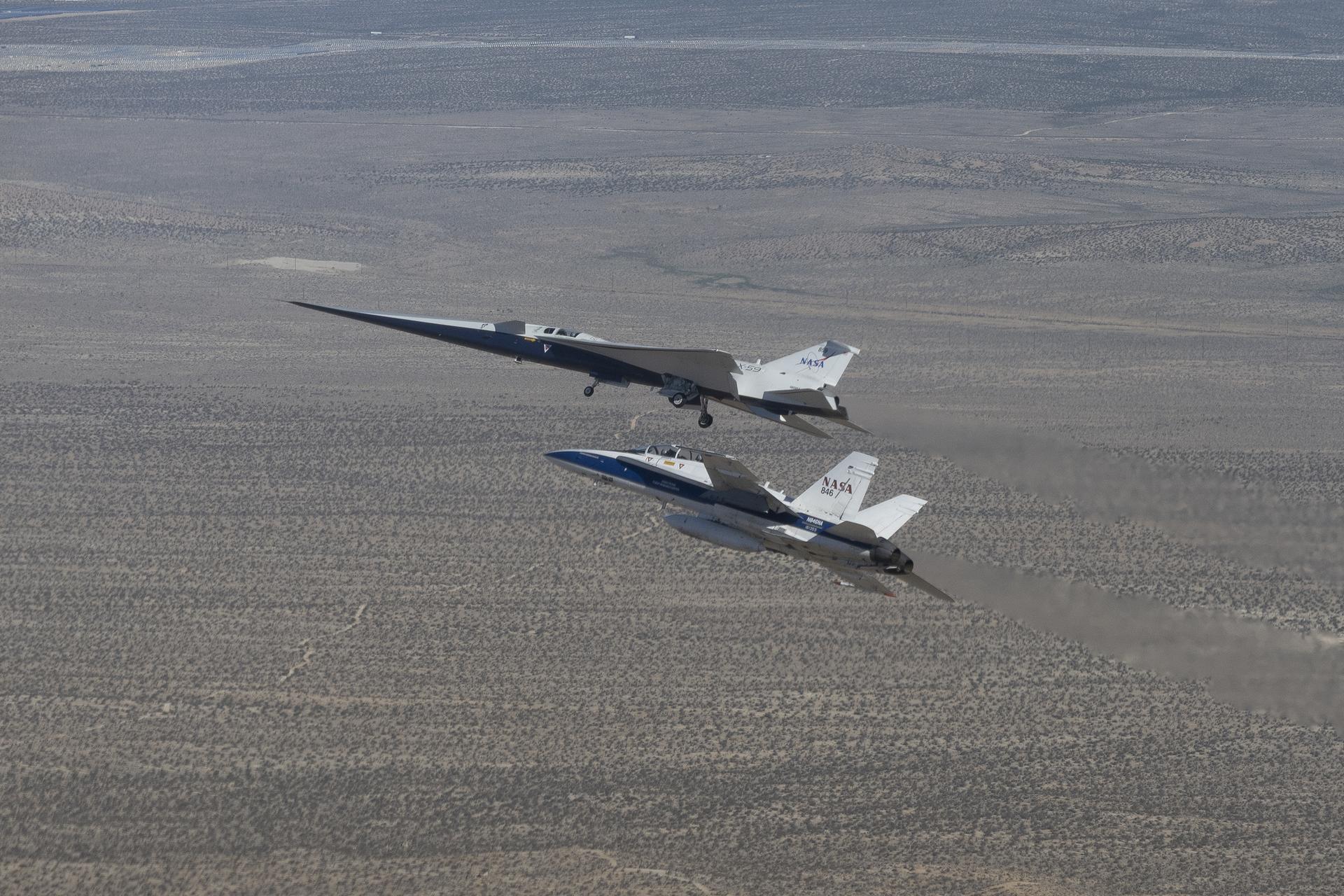
NASA’s X-59 in Flight with F/A-18 Research Aircraft Monitoring

NASA’s X-59 in Flight with F/A-18 Research Aircraft Monitoring

NASA’s X-59 in Flight with F/A-18 Research Aircraft Monitoring
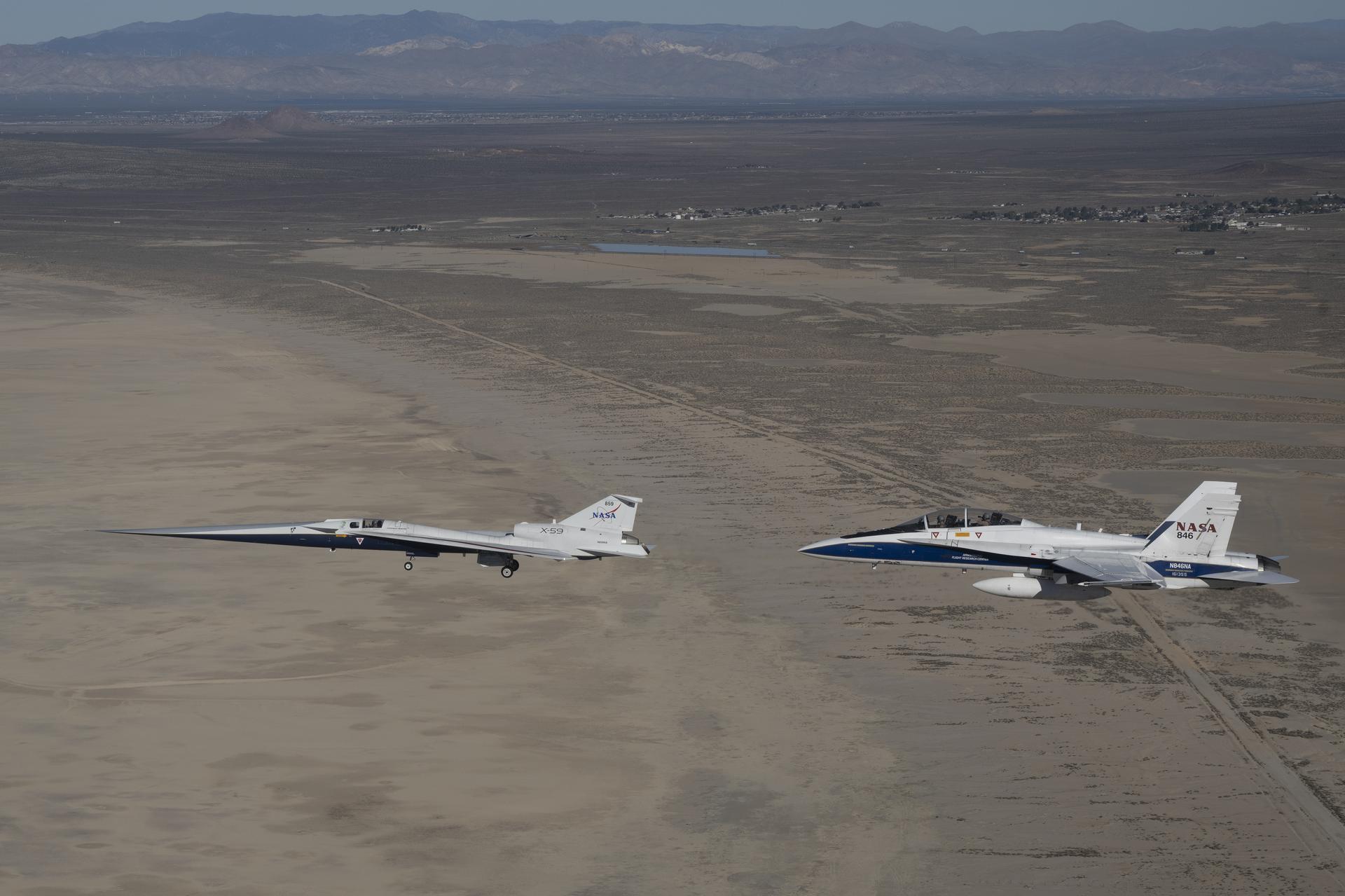
NASA’s X-59 in Flight with F/A-18 Research Aircraft Monitoring

NASA’s X-59 in Flight with F/A-18 Research Aircraft Monitoring
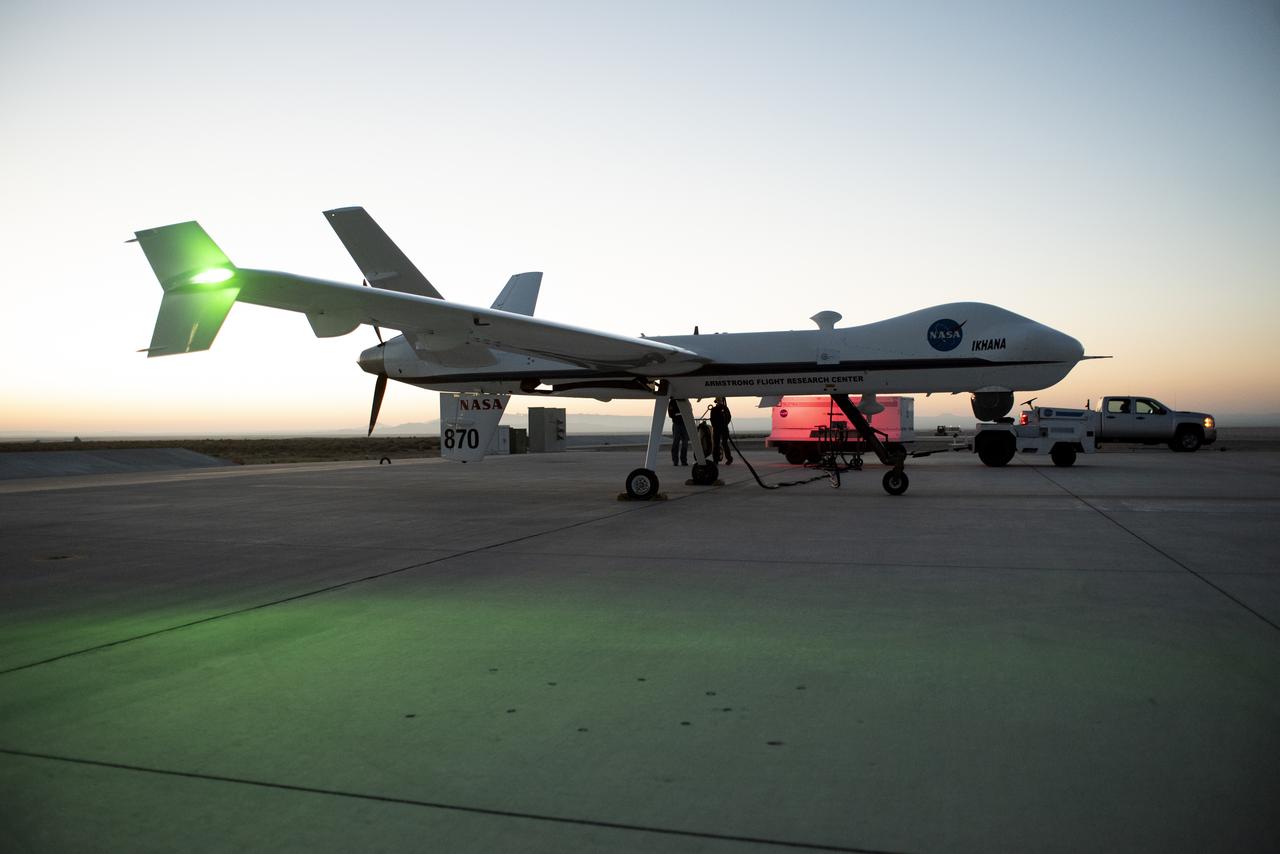
Aircraft maintenance crews at NASA‘s Armstrong Flight Research Center prepare the remotely-piloted Ikhana aircraft for a test flight of Ikhana. The test flight was performed to validate key technologies and operations necessary for FAA’s approval to fly the aircraft in the National Airspace System June 12, 2018, without a safety chase aircraft.
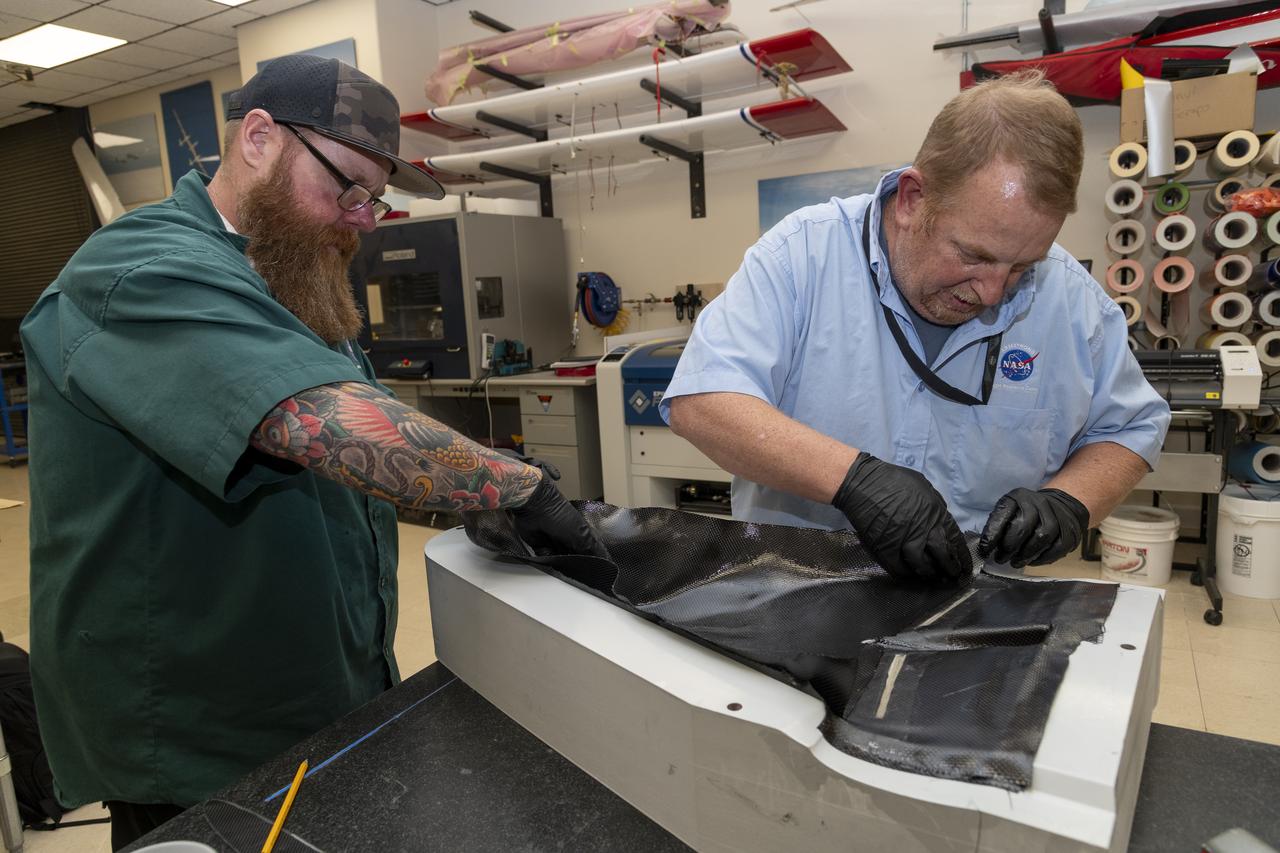
Justin Hall, left, and Robert “Red” Jensen, at NASA’s Armstrong Flight Research Center in Edwards, California, add layers of carbon fiber and foam in a mold. Another few layers will be added and then it will be cured about eight hours under vacuum. The parts were later removed from molds, refined, and joined for an aircraft that is designed to be an atmospheric probe.
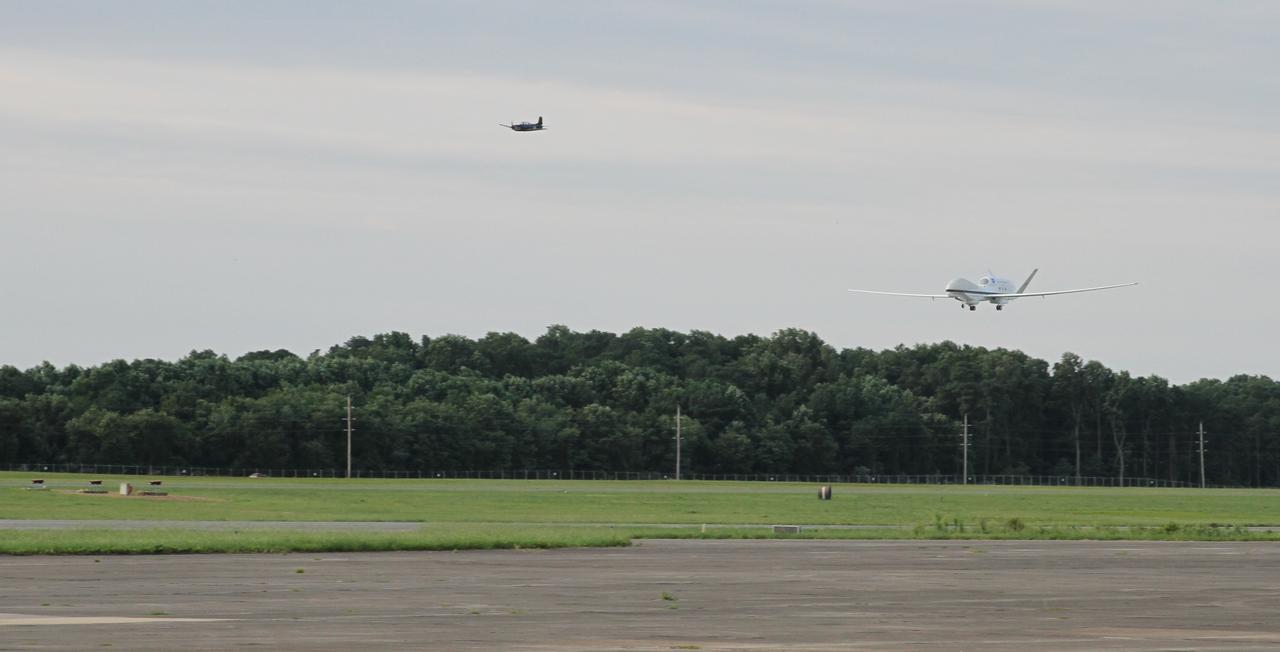
The first of two NASA Global Hawk unmanned aerial vehicles supporting the Hurricane and Severe Storm Sentinel (HS3) mission landed at 7:39 a.m. today, Aug. 14, 2013, at NASA's Wallops Flight Facility, Wallops Island, Va. During August and September, NASA will fly the two Global Hawks over the Atlantic Ocean to study tropical storms and the processes that underlie hurricane formation and intensification. The aircraft are equipped with instruments to survey the overall environment of the storms and peer into the inner core of hurricanes to study their structure and processes. For more information, visit: <a href="http://www.nasa.gov/HS3. " rel="nofollow">www.nasa.gov/HS3. </a> Photo Credit: NASA Wallops Keith Koehler NASA Wallops Flight Facility <b><a href="http://www.nasa.gov/audience/formedia/features/MP_Photo_Guidelines.html" rel="nofollow">NASA image use policy.</a></b> <b><a href="http://www.nasa.gov/centers/goddard/home/index.html" rel="nofollow">NASA Goddard Space Flight Center</a></b> enables NASA’s mission through four scientific endeavors: Earth Science, Heliophysics, Solar System Exploration, and Astrophysics. Goddard plays a leading role in NASA’s accomplishments by contributing compelling scientific knowledge to advance the Agency’s mission. <b>Follow us on <a href="http://twitter.com/NASA_GoddardPix" rel="nofollow">Twitter</a></b> <b>Like us on <a href="http://www.facebook.com/pages/Greenbelt-MD/NASA-Goddard/395013845897?ref=tsd" rel="nofollow">Facebook</a></b> <b>Find us on <a href="http://instagram.com/nasagoddard?vm=grid" rel="nofollow">Instagram</a></b>
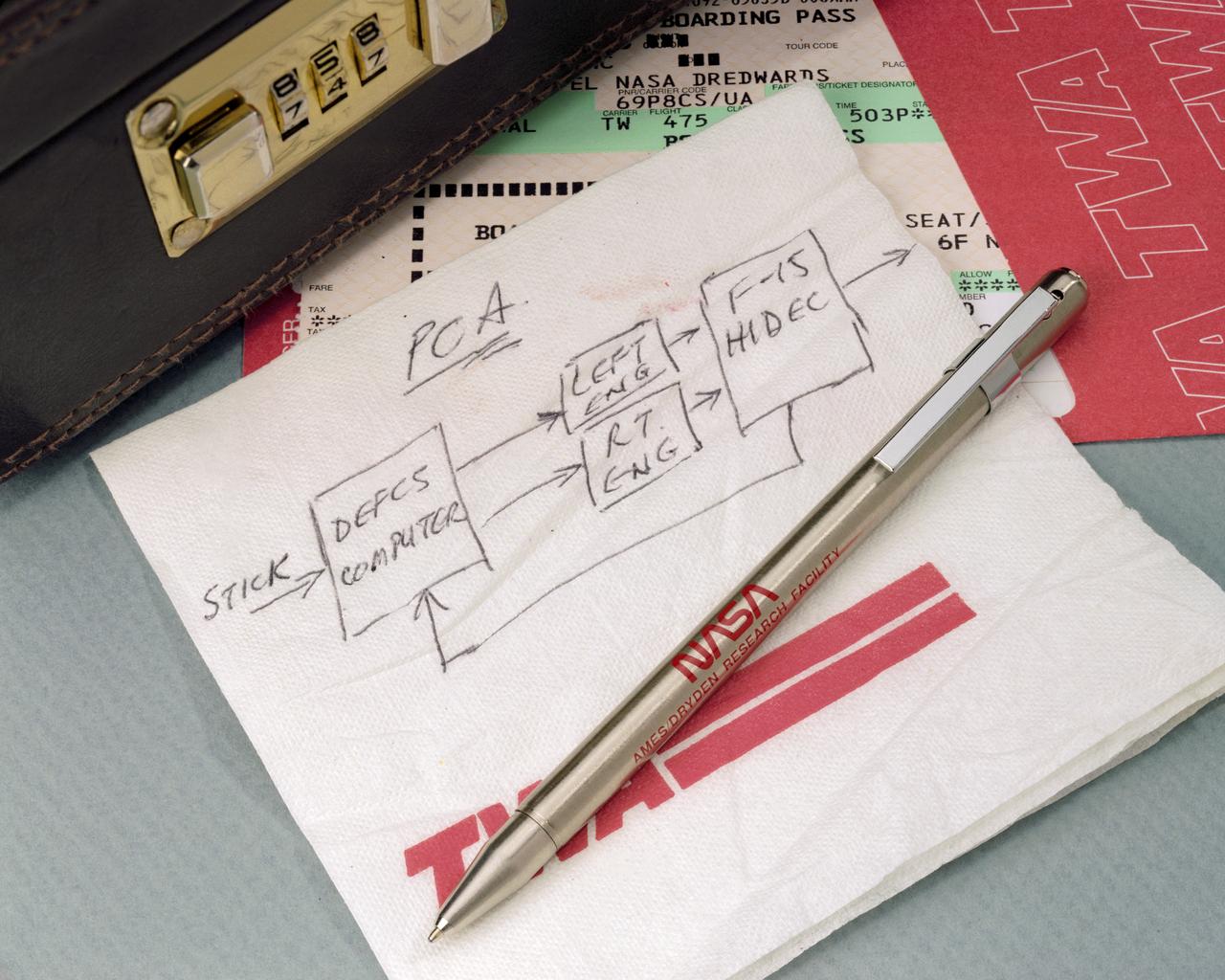
A simple sketch on a TWA napkin by NASA Dryden engineer Frank W. "Bill" Burcham led to development and validation of the Propulsion-Controlled Aircraft concept.
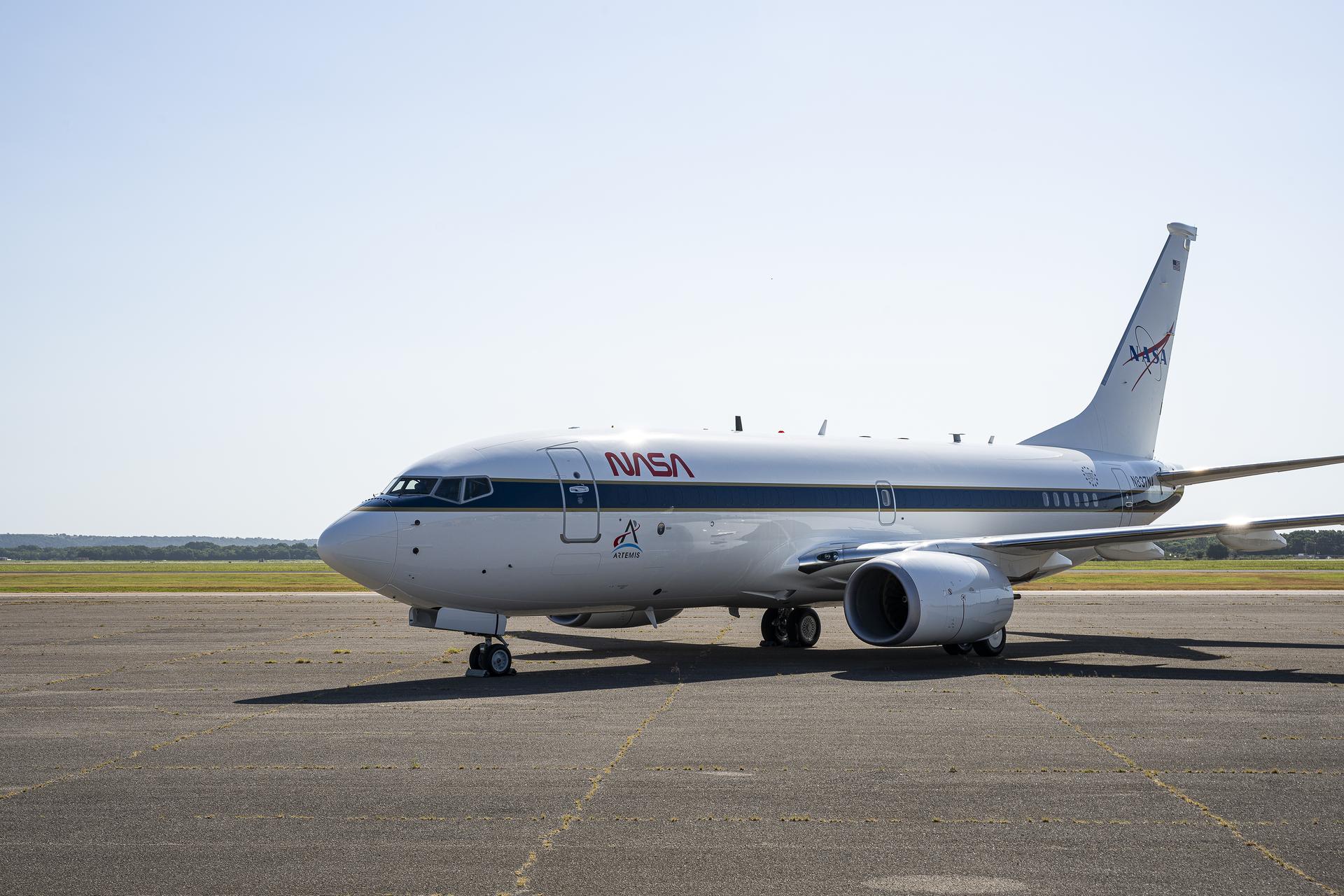
A newly painted NASA 737 aircraft sits on a ramp in Oklahoma on Thursday, Aug. 13, 2026. After modifications, this aircraft will perform lunar-gravity parabolic flights to validate astronaut lunar suits and associated crew systems required to support Artemis mission objectives. Flight testing will happen at NASA’s Johnson Space Center in Houston for reduced-gravity operations, with oversight by NASA’s Armstrong Flight Research Center in Edwards, California. In addition, the aircraft will serve as a key asset for systems‑integration research for flight testing autonomy, sensors, and other digital systems.
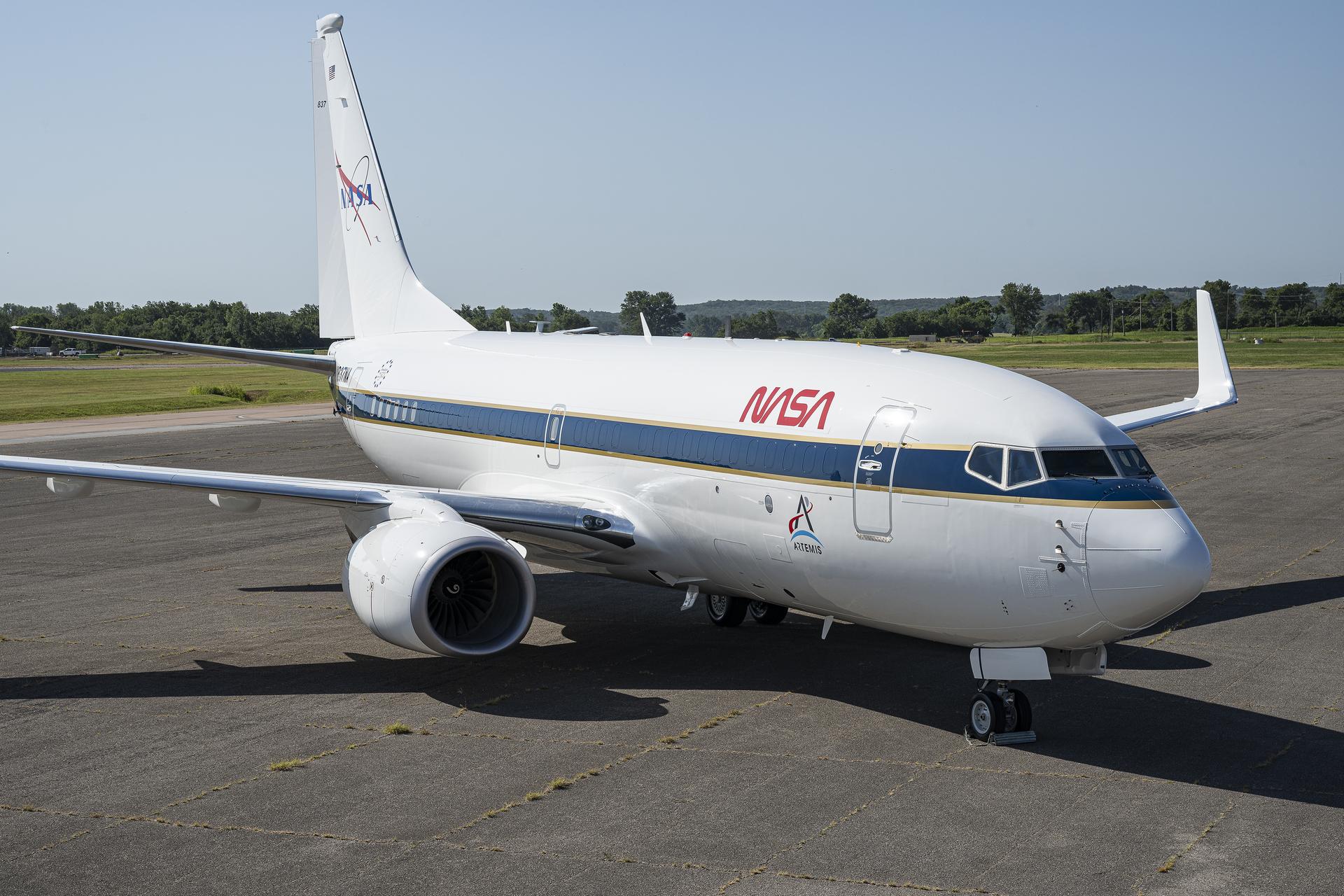
A newly painted NASA 737 aircraft sits on a ramp in Oklahoma on Thursday, Aug. 13, 2026. After modifications, this aircraft will perform lunar-gravity parabolic flights to validate astronaut lunar suits and associated crew systems required to support Artemis mission objectives. Flight testing will happen at NASA’s Johnson Space Center in Houston for reduced-gravity operations, with oversight by NASA’s Armstrong Flight Research Center in Edwards, California. In addition, the aircraft will serve as a key asset for systems‑integration research for flight testing autonomy, sensors, and other digital systems.
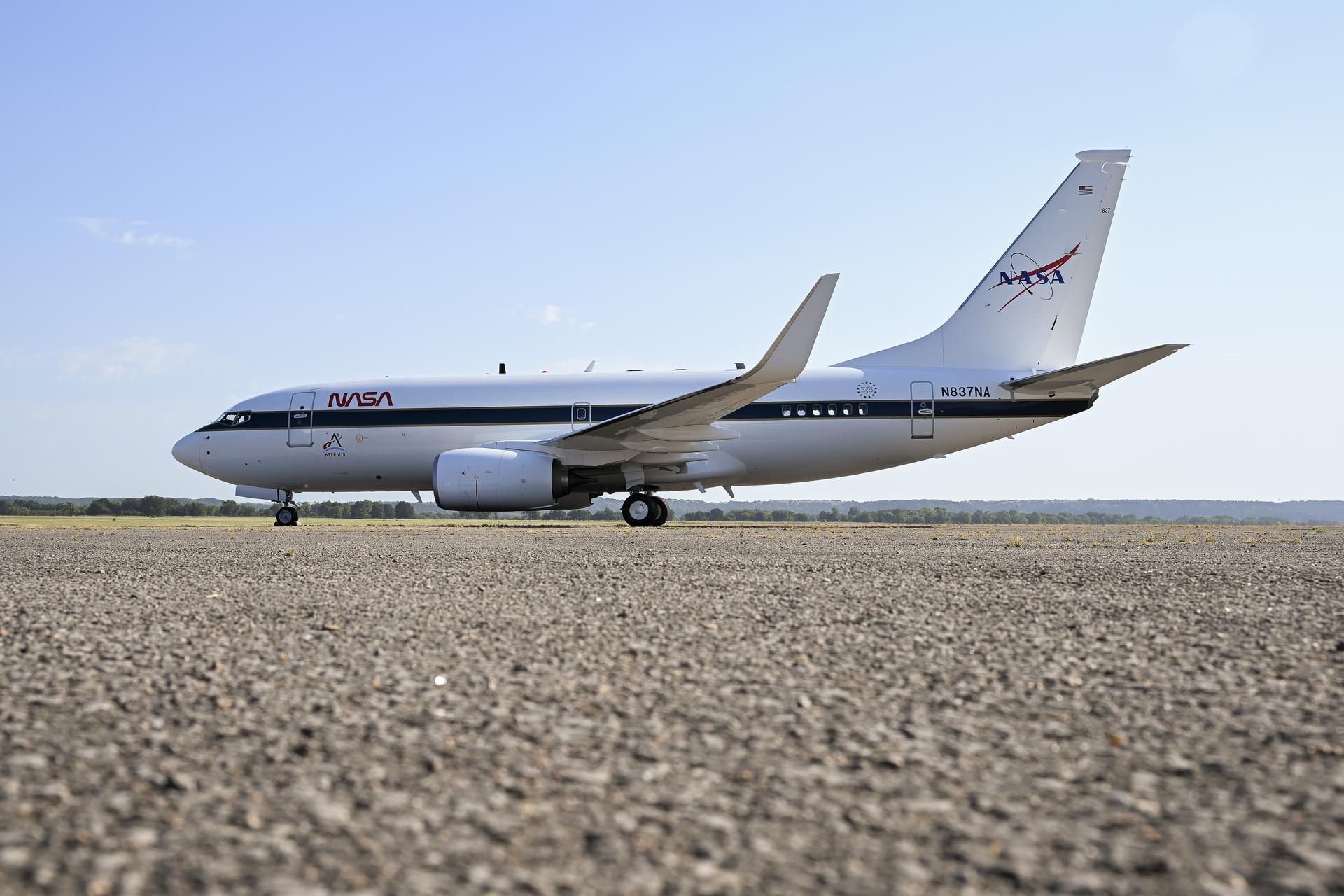
A newly painted NASA 737 aircraft sits on a ramp in Oklahoma on Thursday, Aug. 13, 2026. After modifications, this aircraft will perform lunar-gravity parabolic flights to validate astronaut lunar suits and associated crew systems required to support Artemis mission objectives. Flight testing will happen at NASA’s Johnson Space Center in Houston for reduced-gravity operations, with oversight by NASA’s Armstrong Flight Research Center in Edwards, California. In addition, the aircraft will serve as a key asset for systems‑integration research for flight testing autonomy, sensors, and other digital systems.
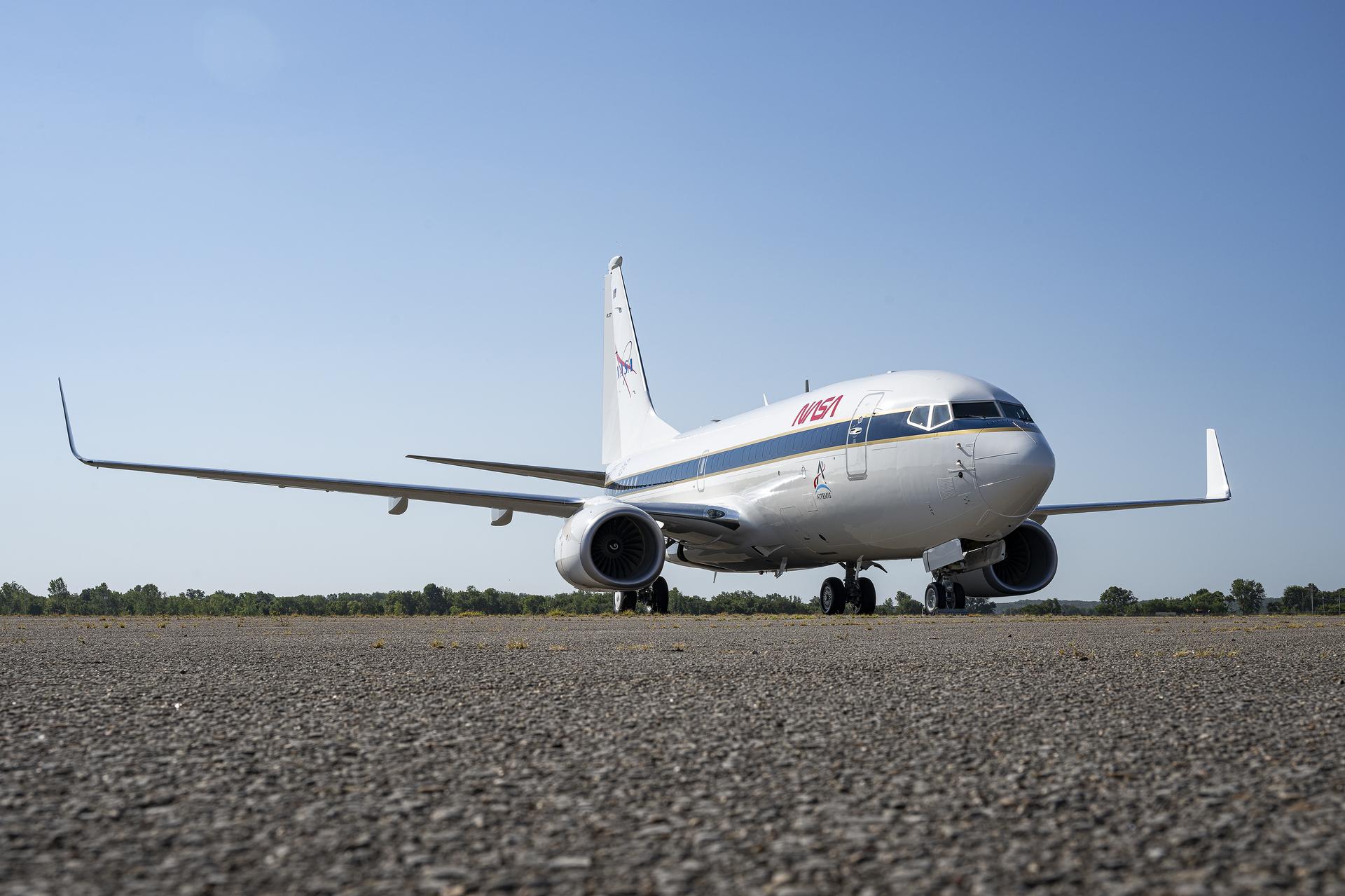
A newly painted NASA 737 aircraft sits on a ramp in Oklahoma on Thursday, Aug. 13, 2026. After modifications, this aircraft will perform lunar-gravity parabolic flights to validate astronaut lunar suits and associated crew systems required to support Artemis mission objectives. Flight testing will happen at NASA’s Johnson Space Center in Houston for reduced-gravity operations, with oversight by NASA’s Armstrong Flight Research Center in Edwards, California. In addition, the aircraft will serve as a key asset for systems‑integration research for flight testing autonomy, sensors, and other digital systems.
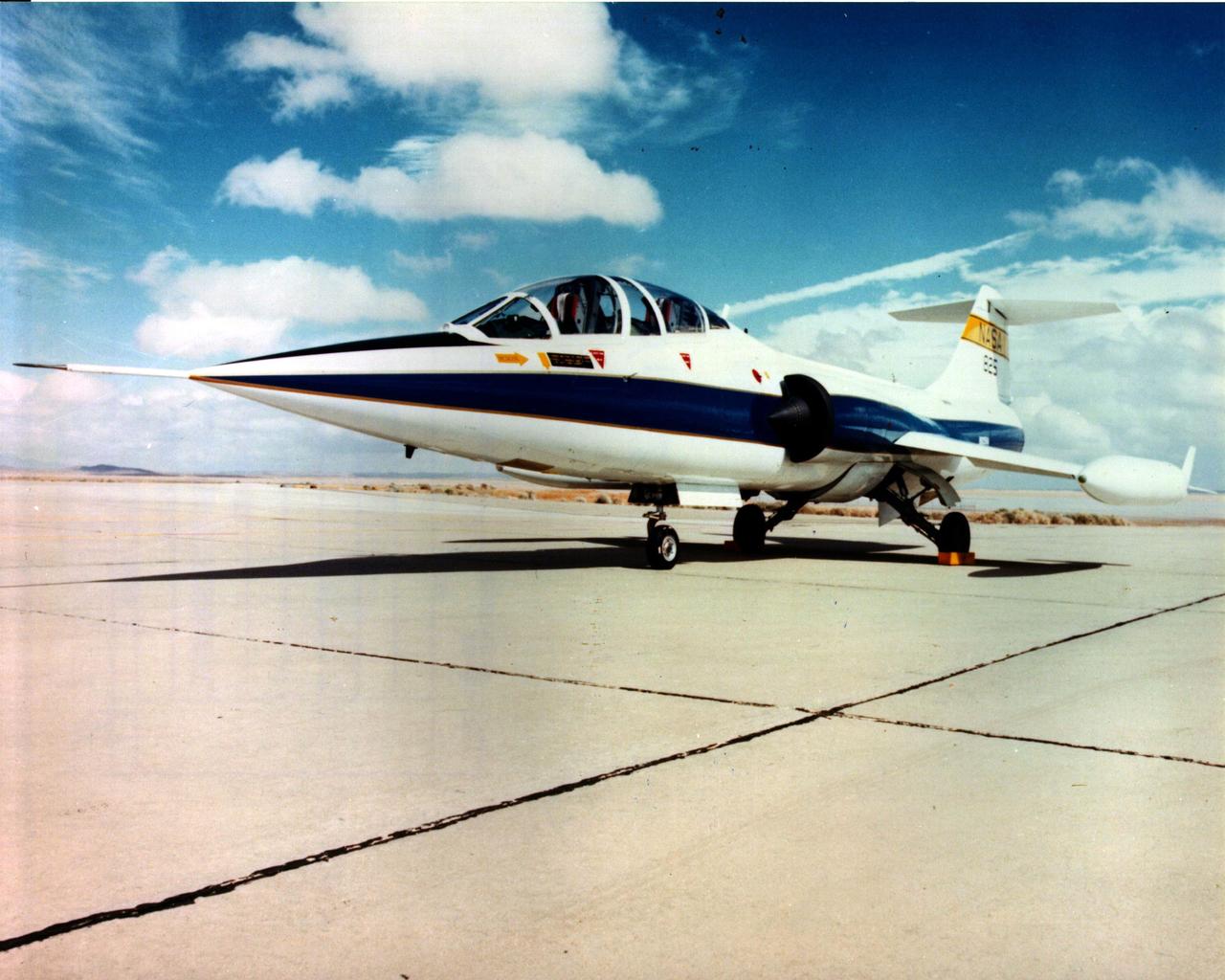
NASA F-104 Aircraft
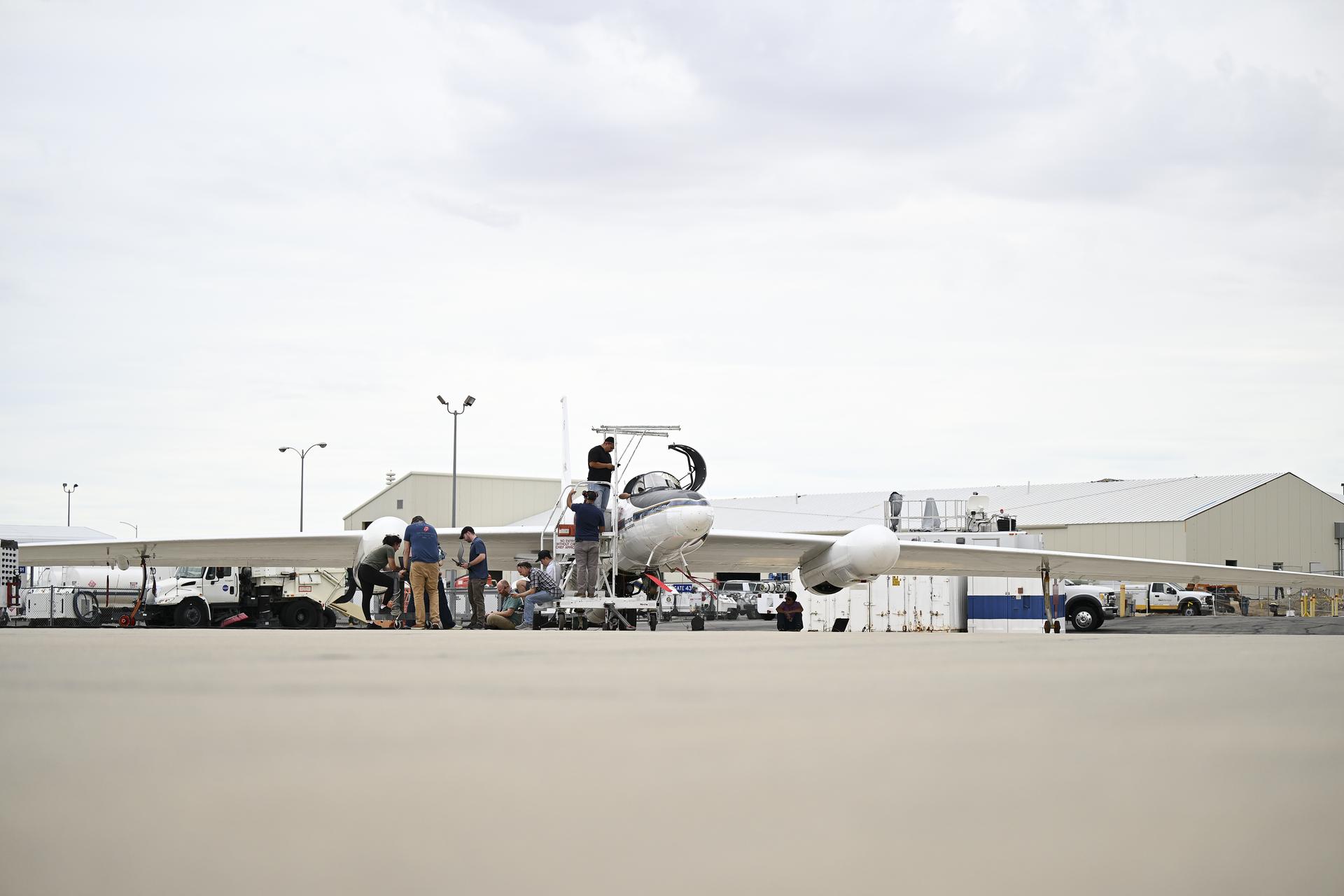
Ground crew team members, from left, Sophie Abou-Rizk, Michael Greenberg, Grant Finneman, Matthew Walker McLinden, Ted Hildum, Terry Hu, Jose Prieto, and Jesse Orellana prepare an ER‑2 aircraft for the INjected Smoke and PYRocumulonimbus Experiment (INSPYRE) on Monday, July 13, 2026. The aircraft is based at NASA’s Armstrong Flight Research Center in Edwards, California. This Earth science campaign studies wildfire‑generated thunderstorms and researchers are seeking to better understand how these storms form, how high the storms send smoke, where this smoke travels, and the effects after the smoke reaches upper layers of the atmosphere.
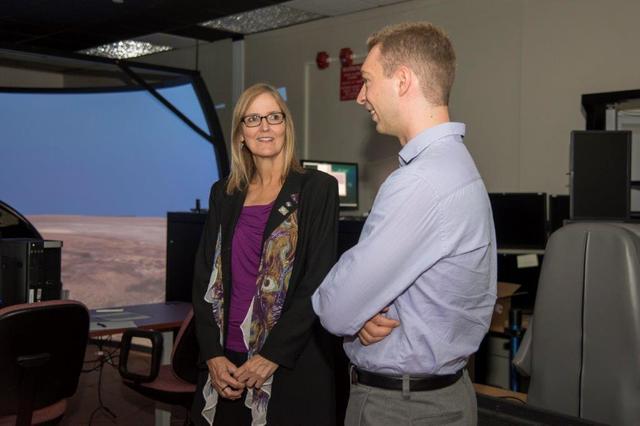
Jesse Brady, an early career NASA employee at NASA’s Armstrong Flight Research Center at Edwards, California, discusses a NASA aircraft simulation project with NASA Acting Deputy Chief Technologist Vicki Crisp. The simulation accesses aircraft controllability with limited pilot visibility, using only front view cameras and side windows.
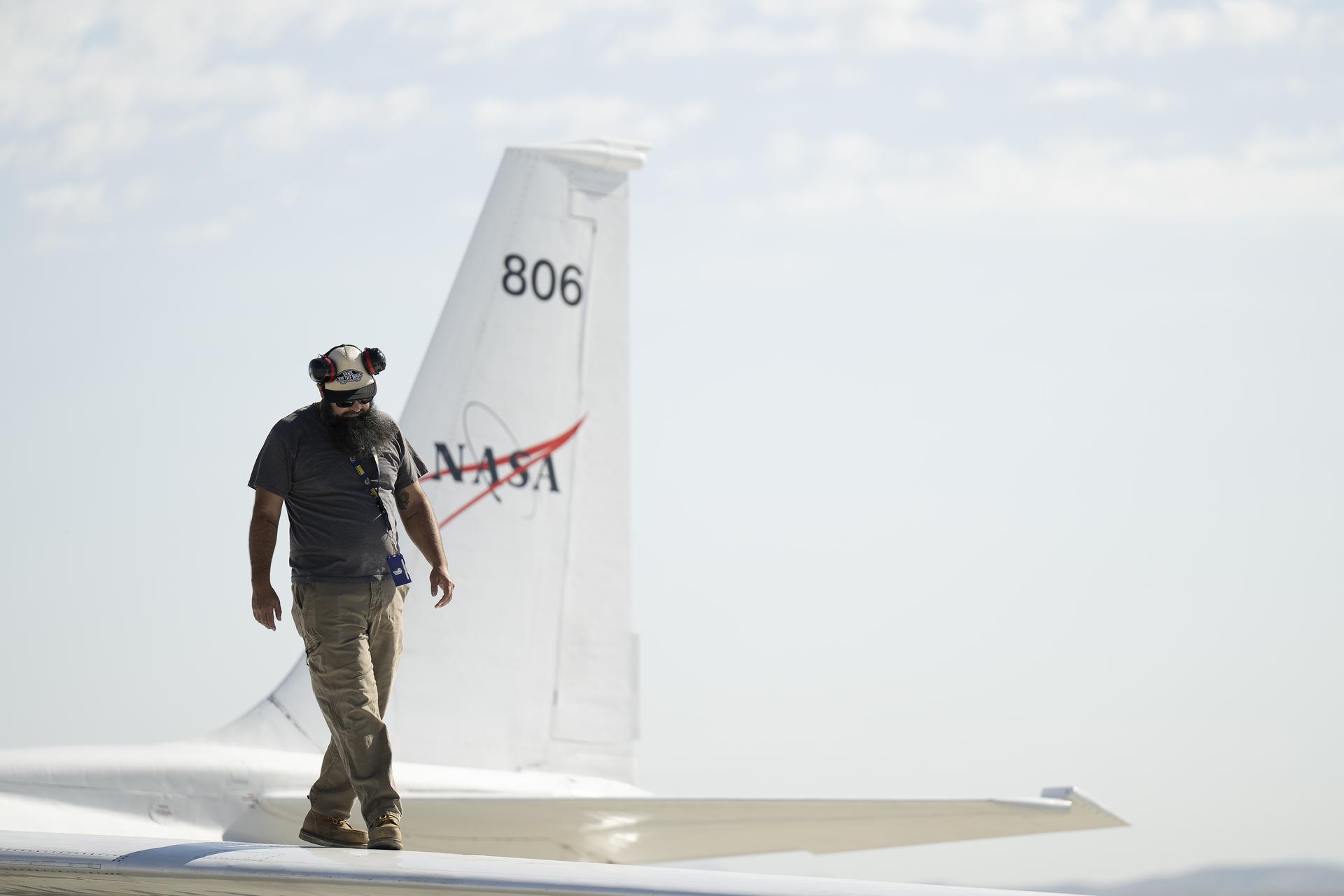
NASA quality assurance technician Jose Preito prepares an ER‑2 aircraft for the INjected Smoke and PYRocumulonimbus Experiment (INSPYRE) based at NASA’s Armstrong Flight Research Center in Edwards, California, on Wednesday, July 15, 2026. This Earth science campaign studies wildfire‑generated thunderstorms, and researchers are seeking to better understand how these storms form, how high the storms send smoke, where this smoke travels, and the effects after the smoke reaches upper layers of the atmosphere.
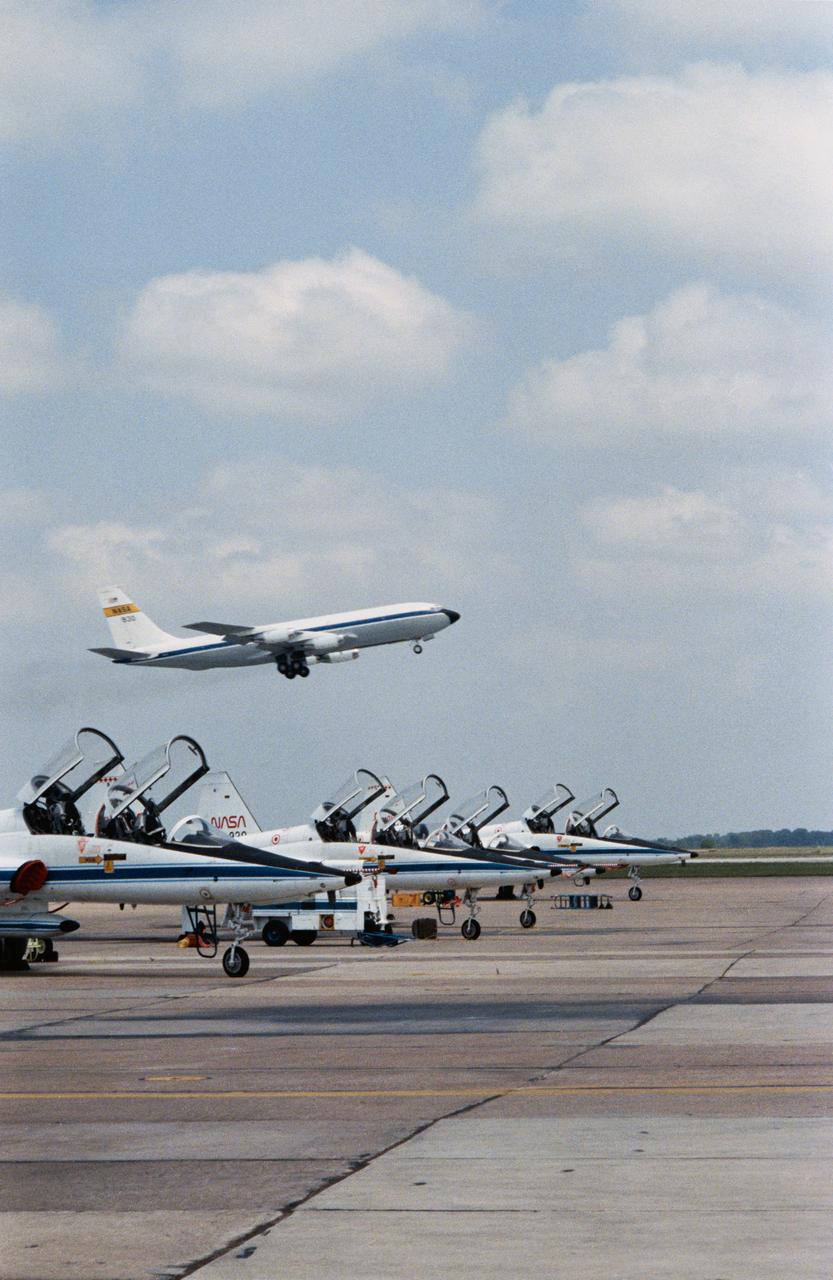
JSC/NASA aircraft operations at Ellington Field. T-38 aircraft are lined up on the parking apron. The KC-135 (NASA 930) Weightless environment trainer is taking off in the middle ground.
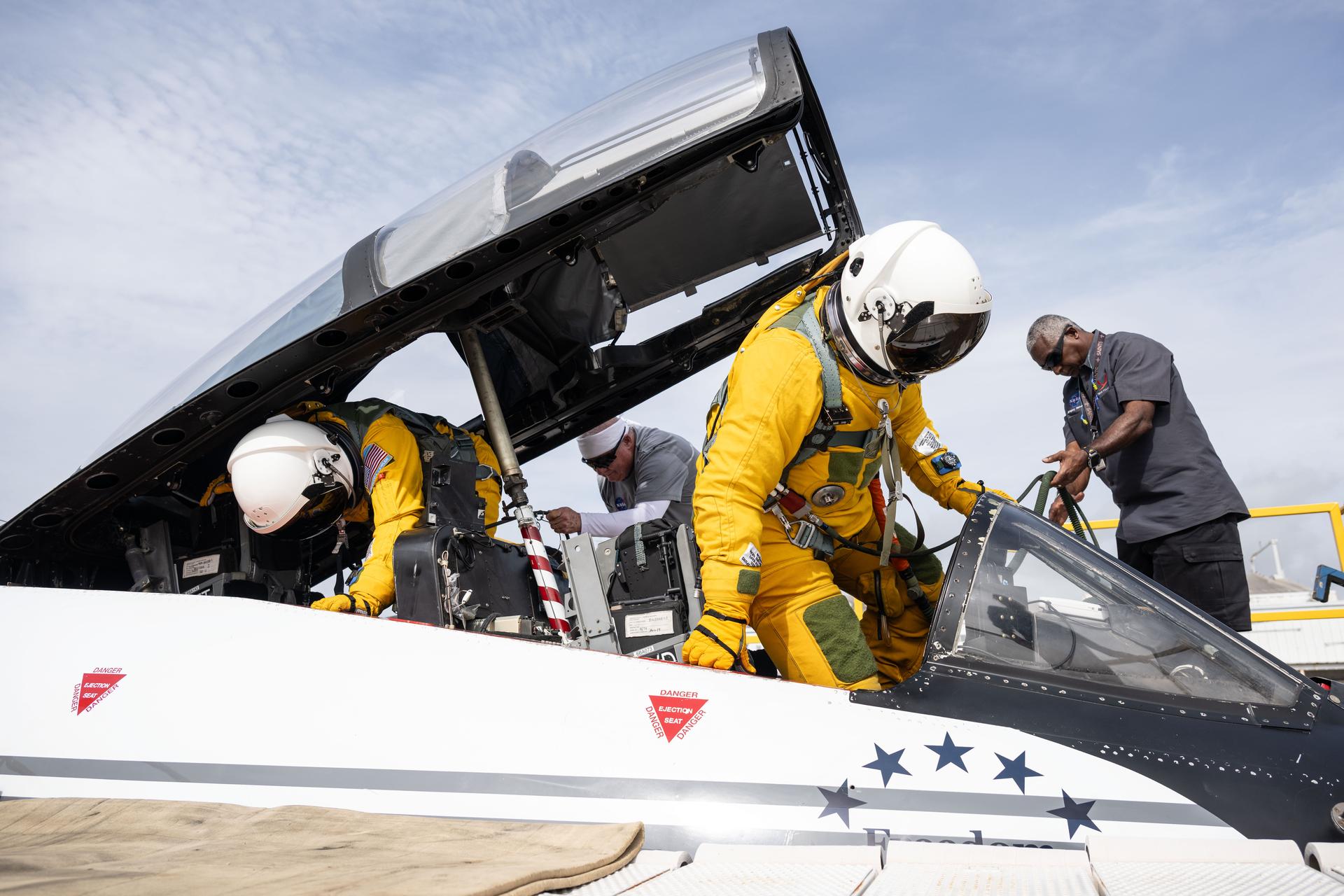
jsc2026e402155 (July 16, 2026) --- NASA astronaut candidate Rebecca Lawler prepares for a training flight aboard NASA’s WB-57 aircraft. These high-altitude flights train the crew to work in a tight environment and operate aircraft systems while in a pressure suit, preparing them for future missions to the International Space Station, Moon, or beyond. Photo: NASA/Josh Valcarcel
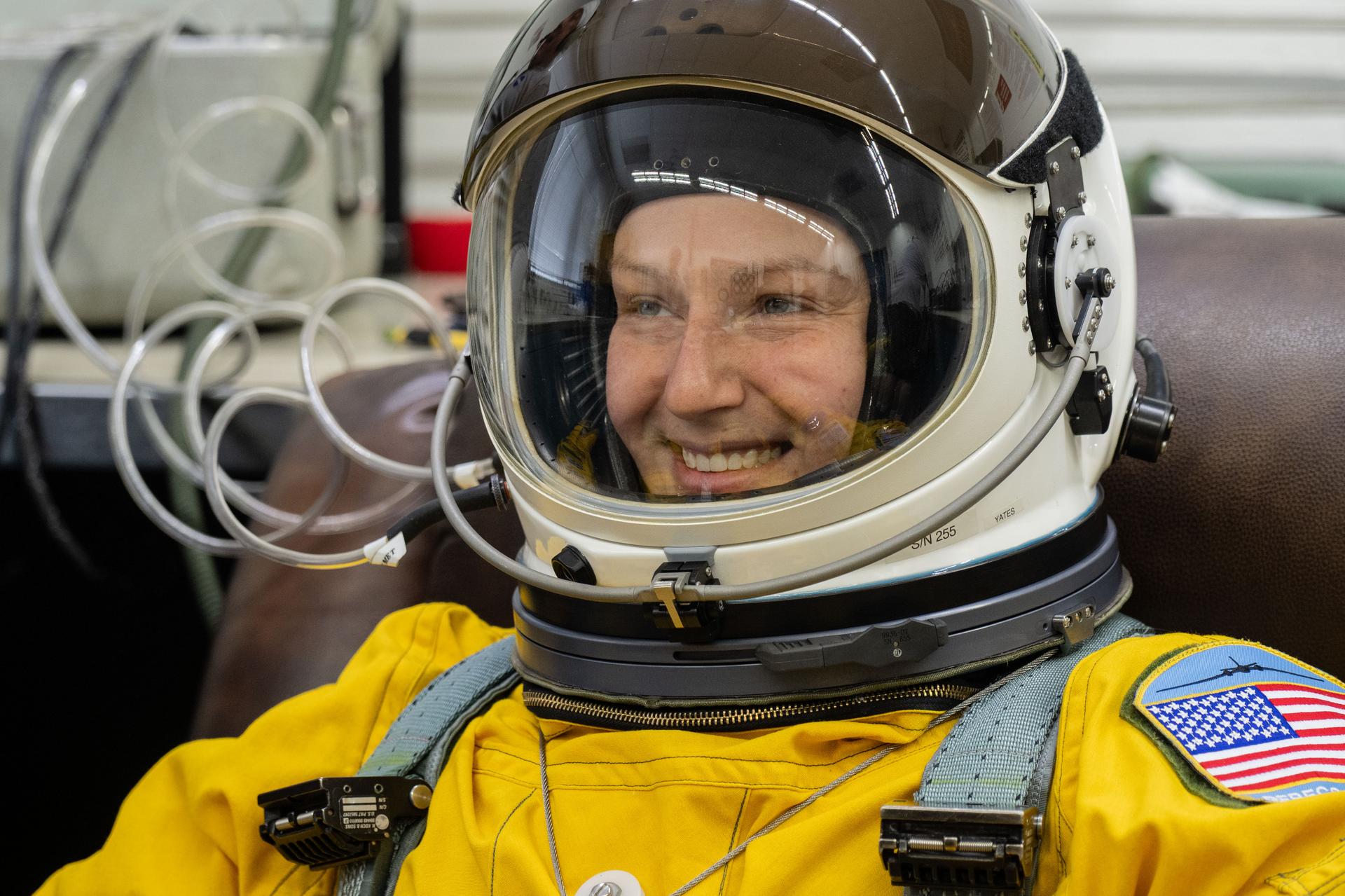
jsc2026e402144 (July 16, 2026) --- NASA astronaut candidate Rebecca Lawler prepares for a training flight aboard NASA’s WB-57 aircraft. These high-altitude flights train the crew to work in a tight environment and operate aircraft systems while in a pressure suit, preparing them for future missions to the International Space Station, Moon, or beyond. Photo: NASA/Josh Valcarcel
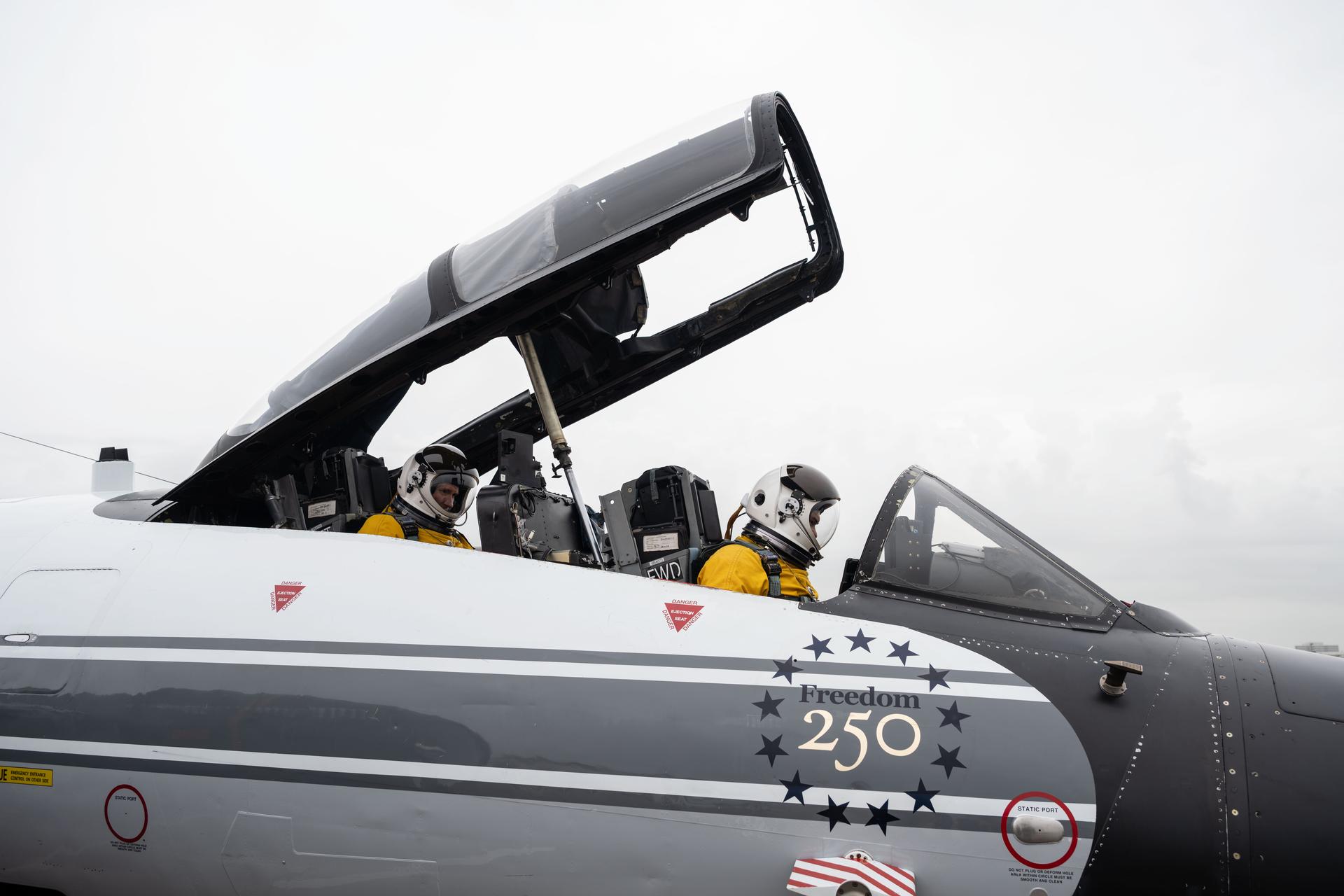
jsc2026e401991 (July 15, 2026) --- NASA astronaut candidate Adam Fuhrmann prepares for a training flight aboard NASA’s WB-57 aircraft. These high-altitude flights train the crew to work in a tight environment and operate aircraft systems while in a pressure suit, preparing them for future missions to the International Space Station, Moon, or beyond. Photo: NASA/Josh Valcarcel
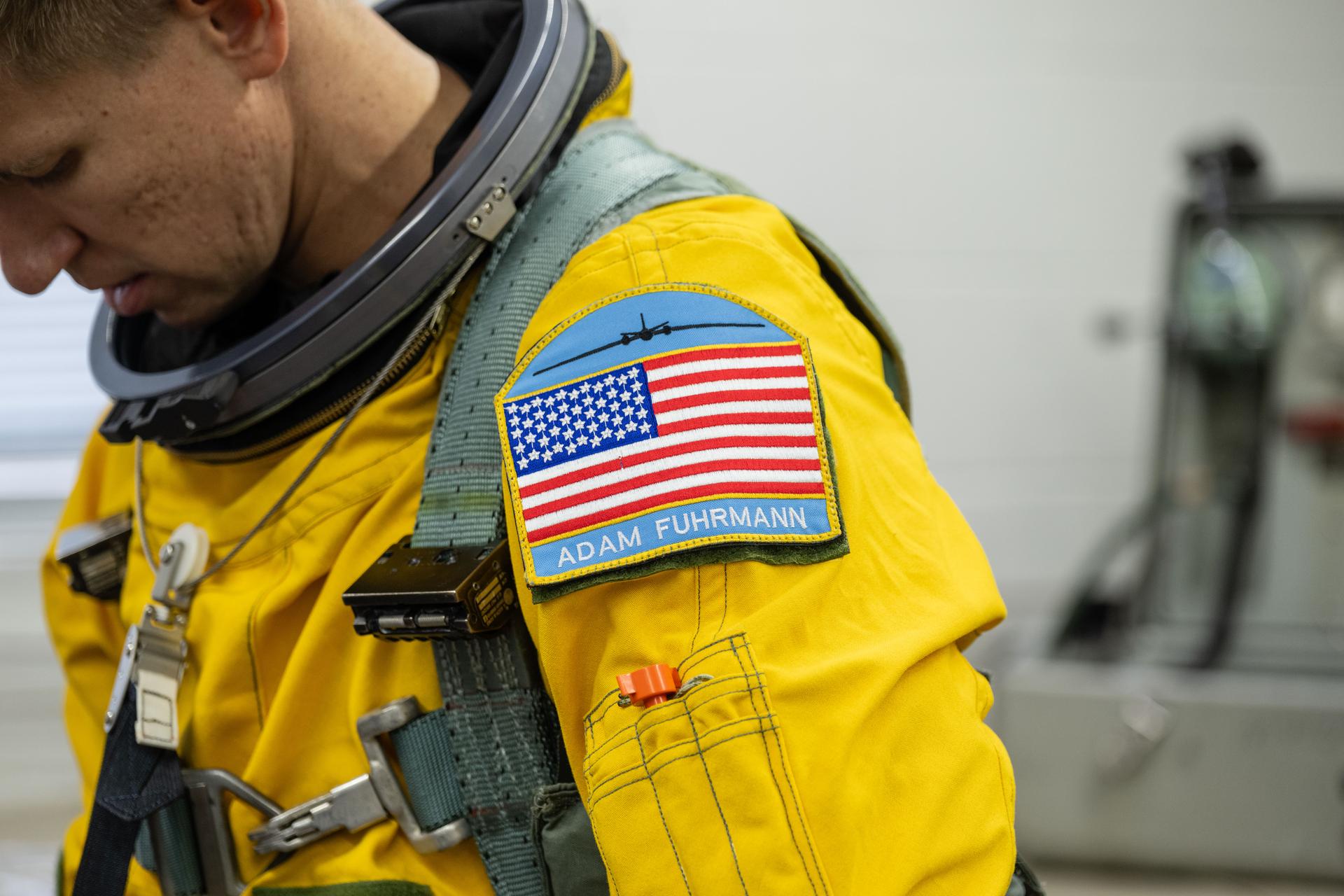
jsc2026e402008 (July 15, 2026) --- NASA astronaut candidate Adam Fuhrmann prepares for a training flight aboard NASA’s WB-57 aircraft. These high-altitude flights train the crew to work in a tight environment and operate aircraft systems while in a pressure suit, preparing them for future missions to the International Space Station, Moon, or beyond. Photo: NASA/Josh Valcarcel
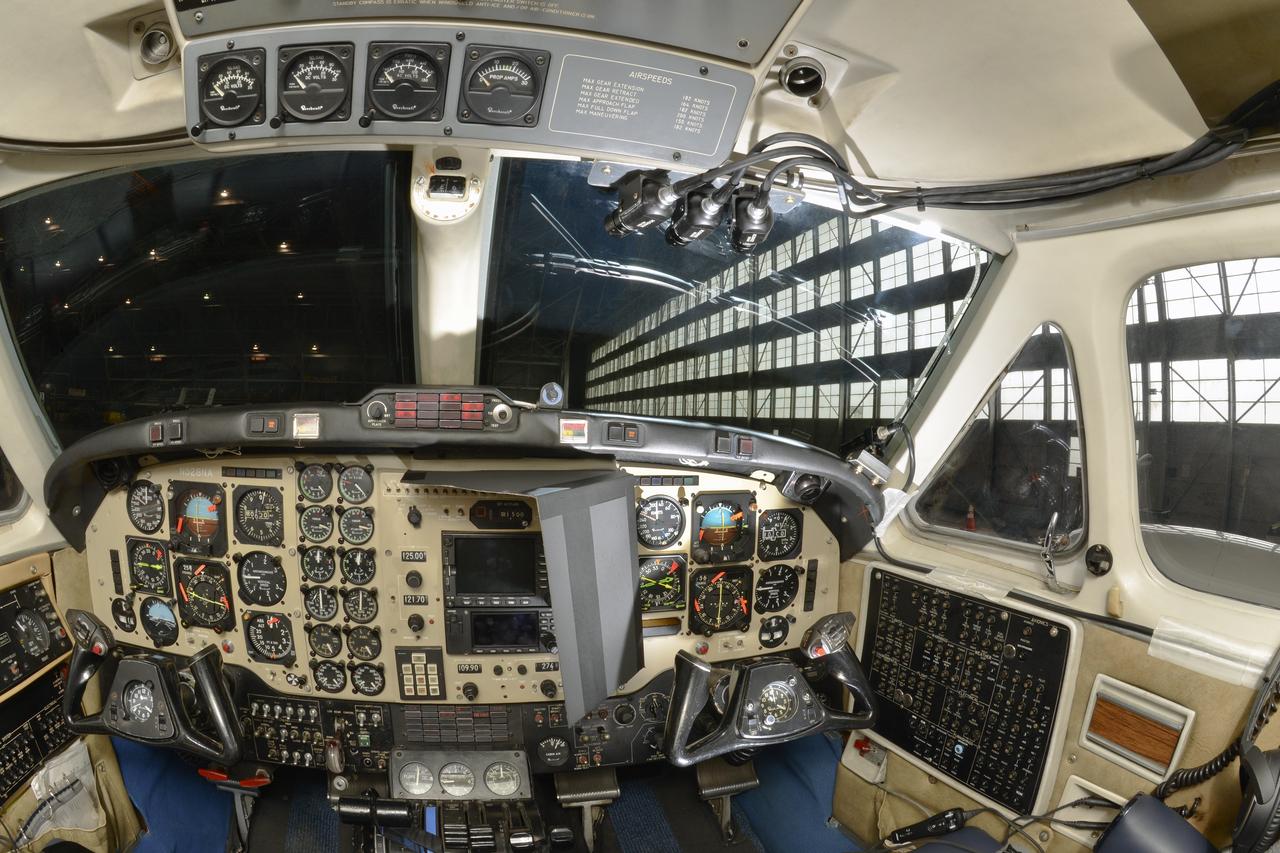
External Vision System on NASA UC-12B Aircraft
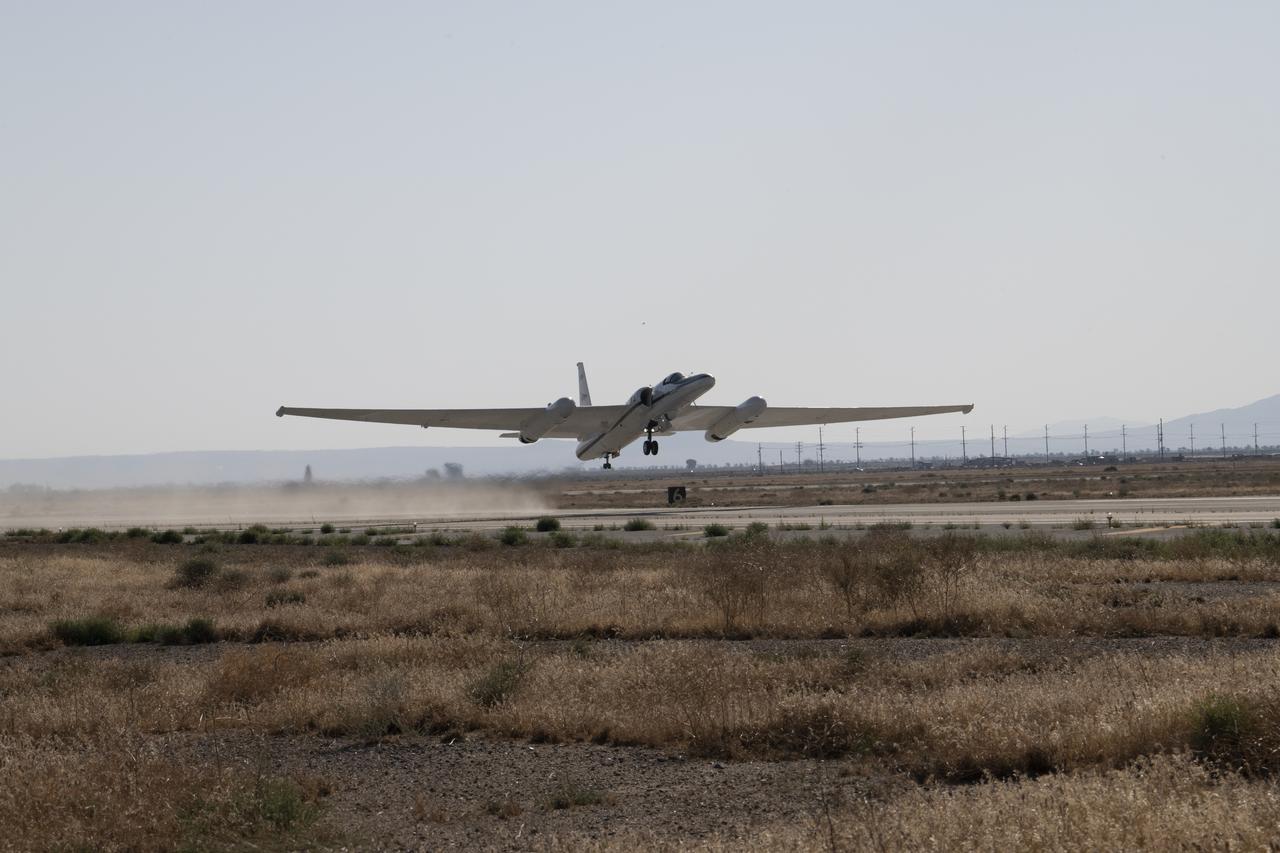
NASA Armstrong’s ER-2 aircraft deploys for its ALOFT mission. The ER-2 will fly at high altitudes above the Floridian coastline to collect data about the energetic characteristics and behavior of lightning and thunderclouds. A NASA pilot will operate the aircraft while scientists from the University of Bergen, Norway will interpret the data from the ground.
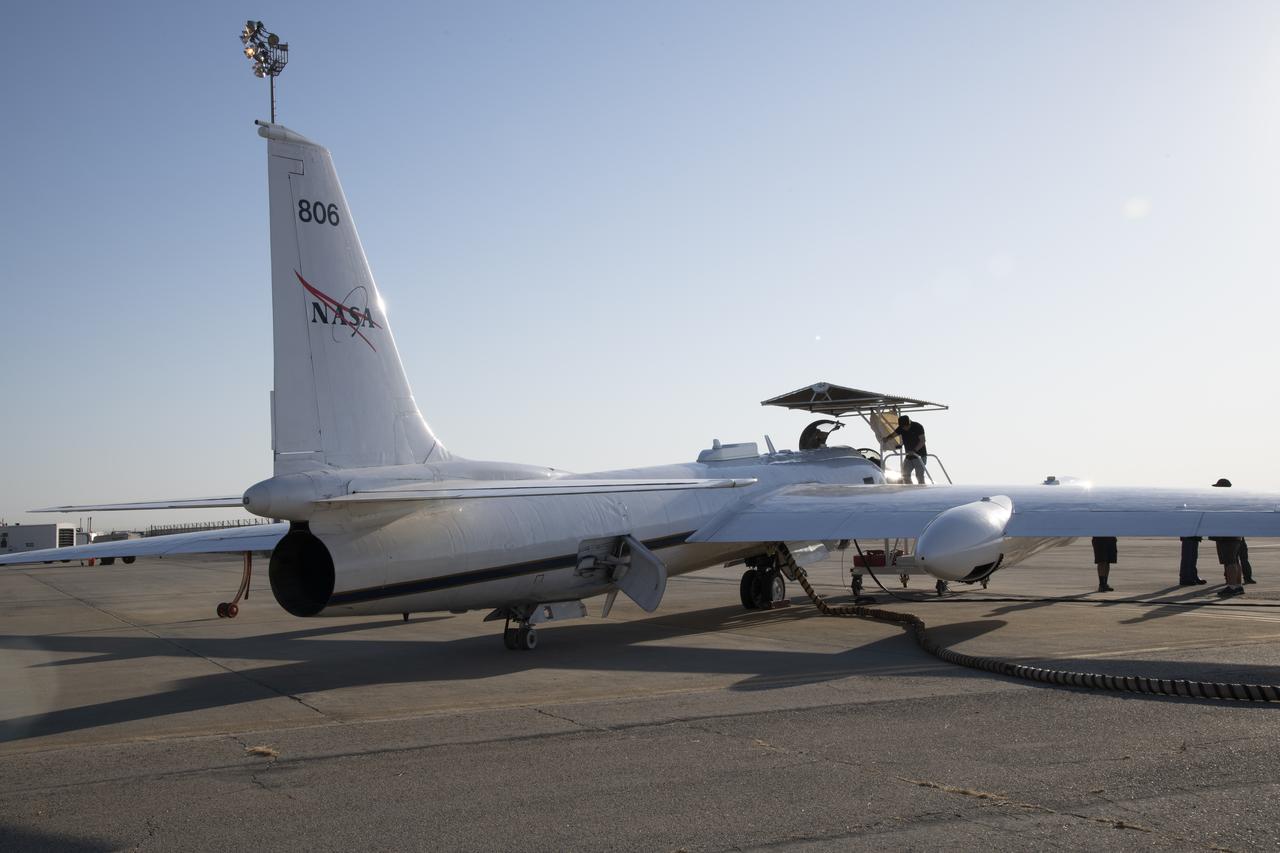
NASA Armstrong’s ER-2 aircraft deploys for its ALOFT mission. The ER-2 will fly at high altitudes above the Floridian coastline to collect data about the energetic characteristics and behavior of lightning and thunderclouds. A NASA pilot will operate the aircraft while scientists from the University of Bergen, Norway will interpret the data from the ground.
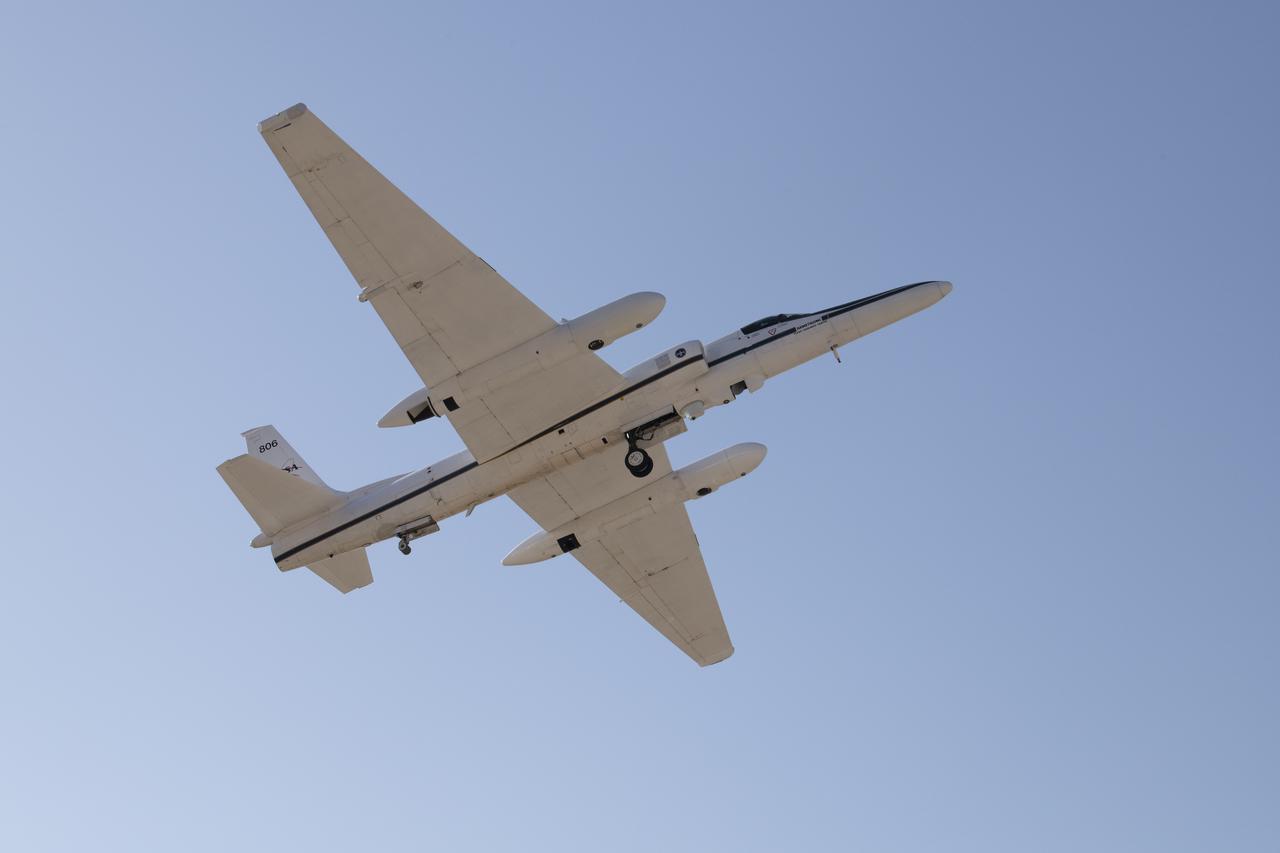
NASA Armstrong’s ER-2 aircraft deploys for its ALOFT mission. The ER-2 will fly at high altitudes above the Floridian coastline to collect data about the energetic characteristics and behavior of lightning and thunderclouds. A NASA pilot will operate the aircraft while scientists from the University of Bergen, Norway will interpret the data from the ground.
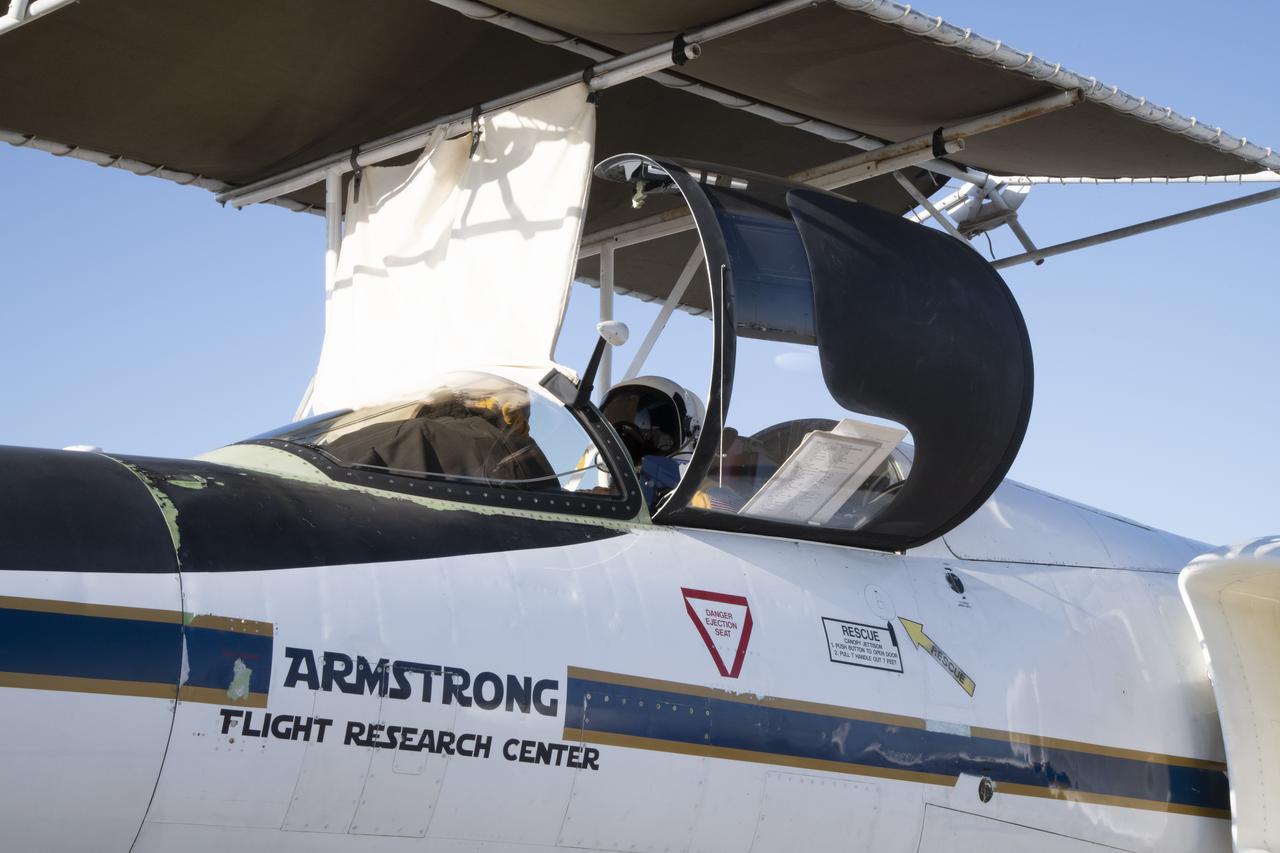
NASA Armstrong’s ER-2 aircraft deploys for its ALOFT mission. The ER-2 will fly at high altitudes above the Floridian coastline to collect data about the energetic characteristics and behavior of lightning and thunderclouds. A NASA pilot will operate the aircraft while scientists from the University of Bergen, Norway will interpret the data from the ground.
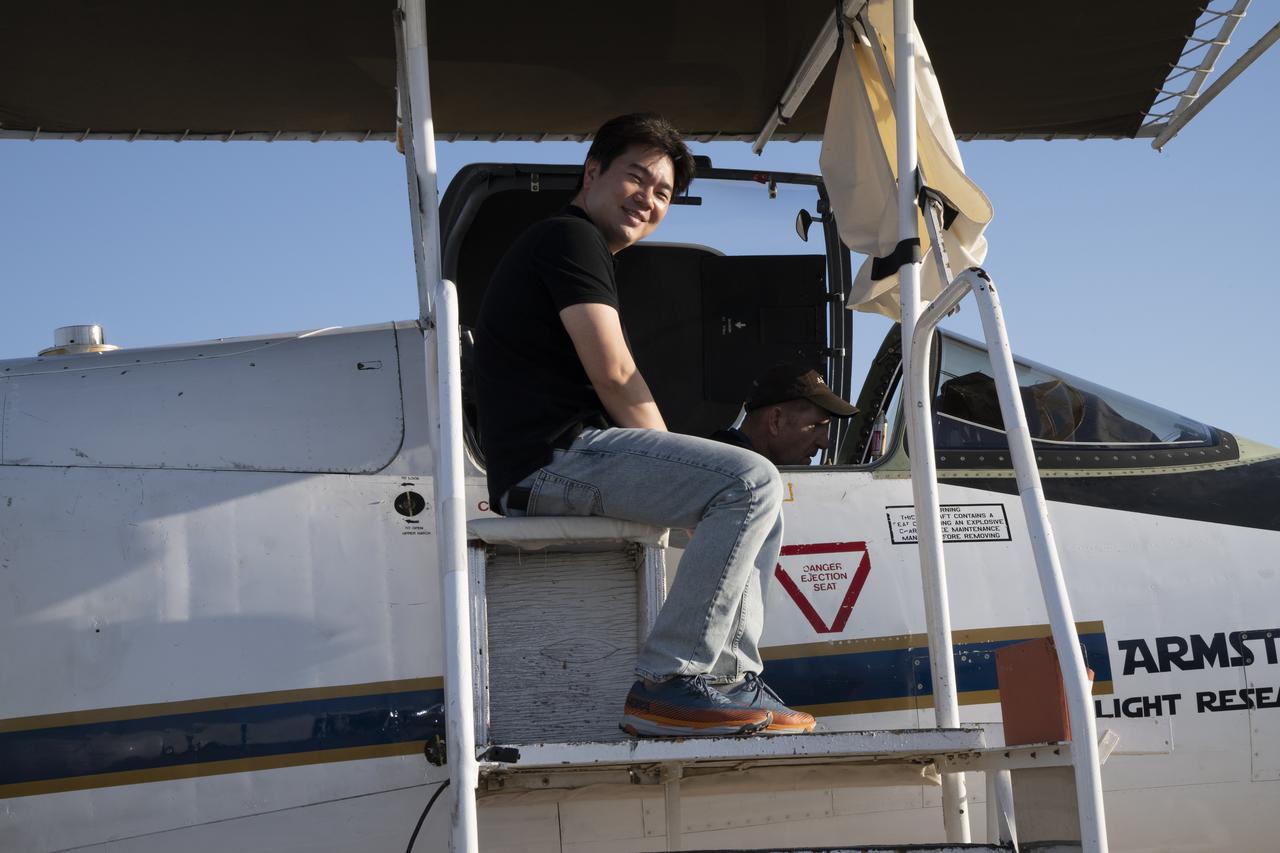
NASA Armstrong’s ER-2 aircraft deploys for its ALOFT mission. The ER-2 will fly at high altitudes above the Floridian coastline to collect data about the energetic characteristics and behavior of lightning and thunderclouds. A NASA pilot will operate the aircraft while scientists from the University of Bergen, Norway will interpret the data from the ground.
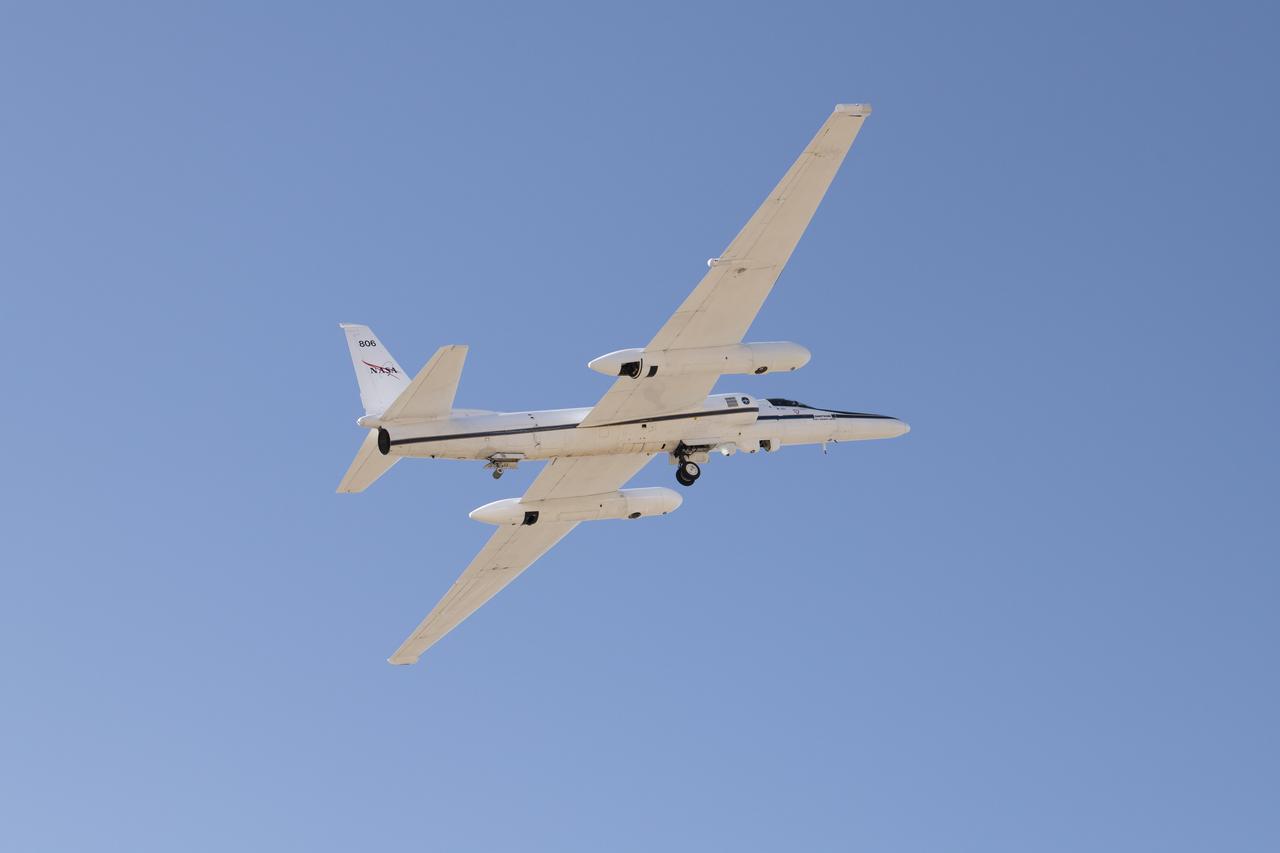
NASA Armstrong’s ER-2 aircraft deploys for its ALOFT mission. The ER-2 will fly at high altitudes above the Floridian coastline to collect data about the energetic characteristics and behavior of lightning and thunderclouds. A NASA pilot will operate the aircraft while scientists from the University of Bergen, Norway will interpret the data from the ground.
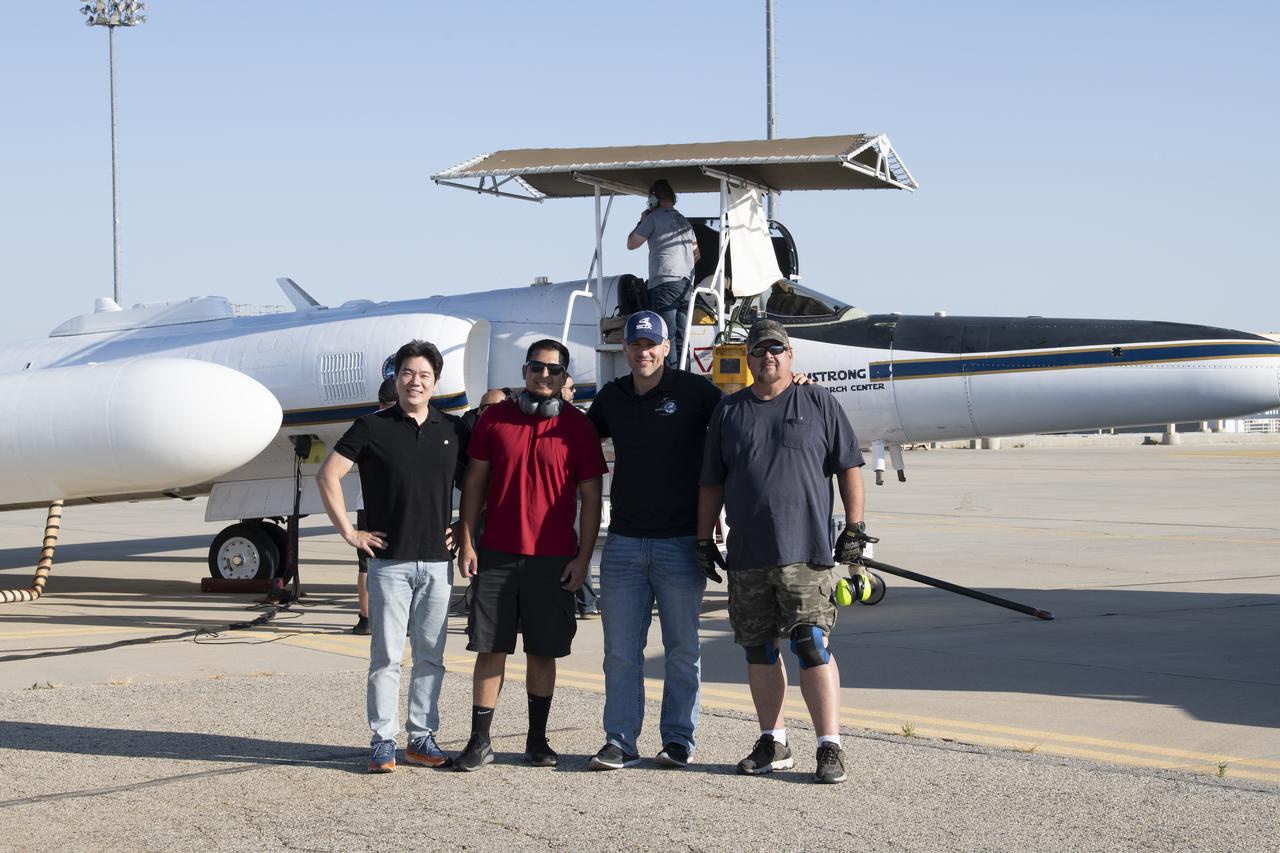
NASA Armstrong’s ER-2 aircraft deploys for its ALOFT mission. The ER-2 will fly at high altitudes above the Floridian coastline to collect data about the energetic characteristics and behavior of lightning and thunderclouds. A NASA pilot will operate the aircraft while scientists from the University of Bergen, Norway will interpret the data from the ground.
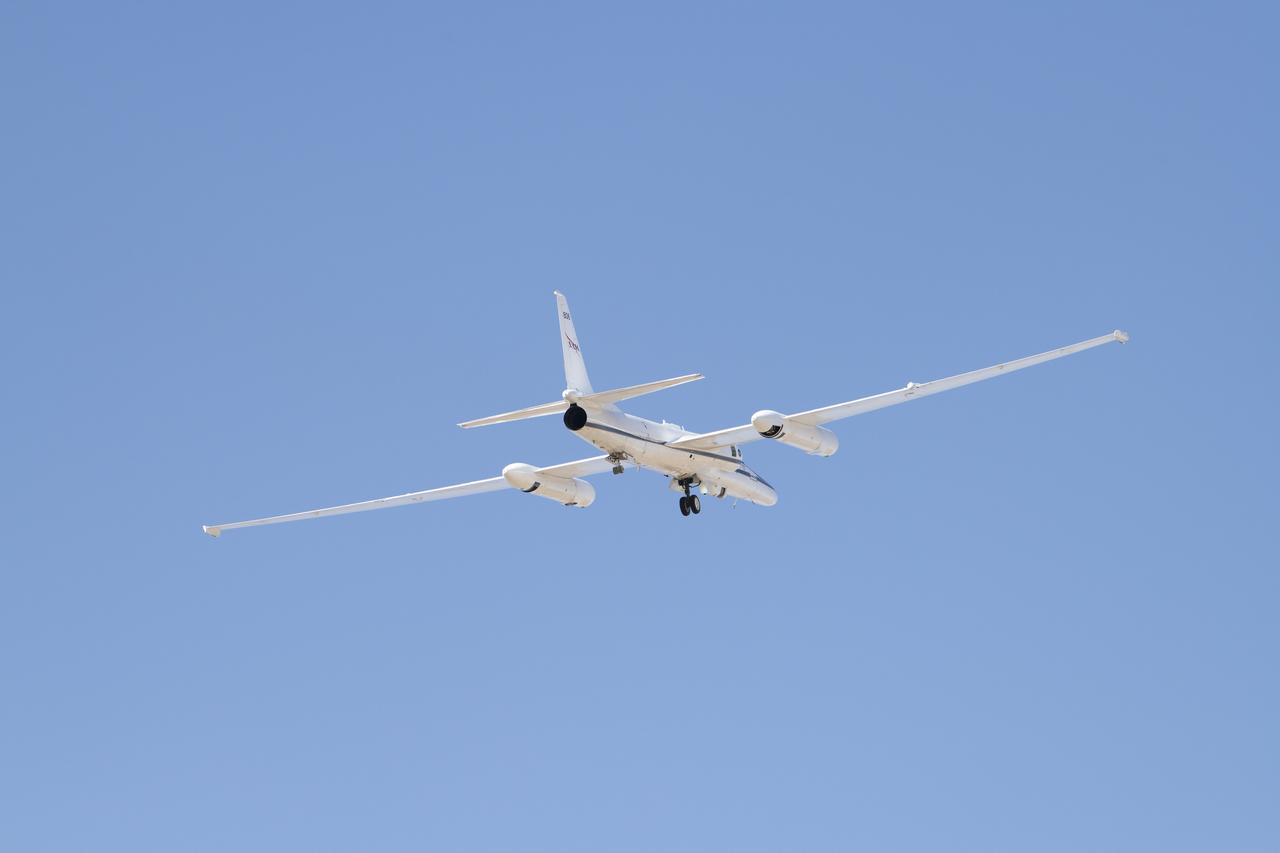
NASA Armstrong’s ER-2 aircraft deploys for its ALOFT mission. The ER-2 will fly at high altitudes above the Floridian coastline to collect data about the energetic characteristics and behavior of lightning and thunderclouds. A NASA pilot will operate the aircraft while scientists from the University of Bergen, Norway will interpret the data from the ground.
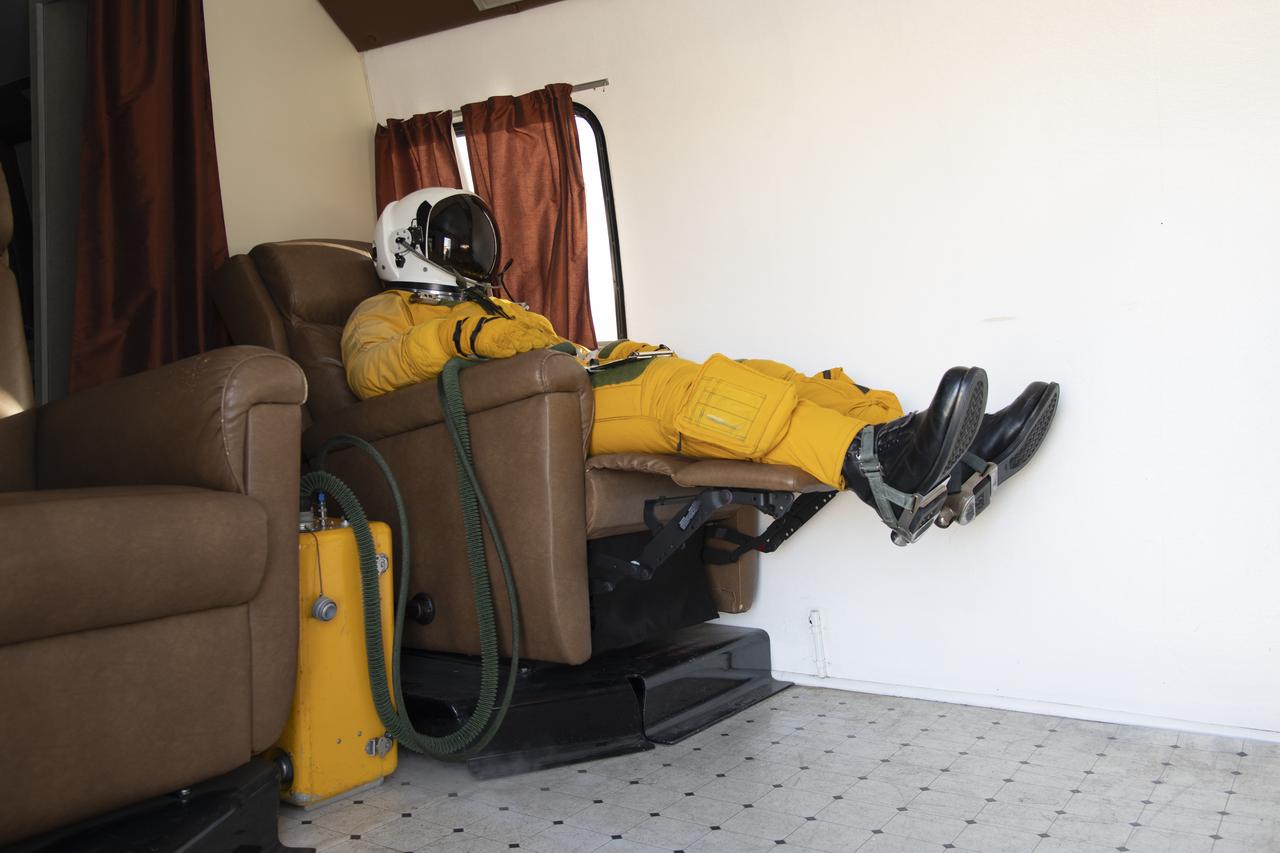
NASA Armstrong’s ER-2 aircraft deploys for its ALOFT mission. The ER-2 will fly at high altitudes above the Floridian coastline to collect data about the energetic characteristics and behavior of lightning and thunderclouds. A NASA pilot will operate the aircraft while scientists from the University of Bergen, Norway will interpret the data from the ground.
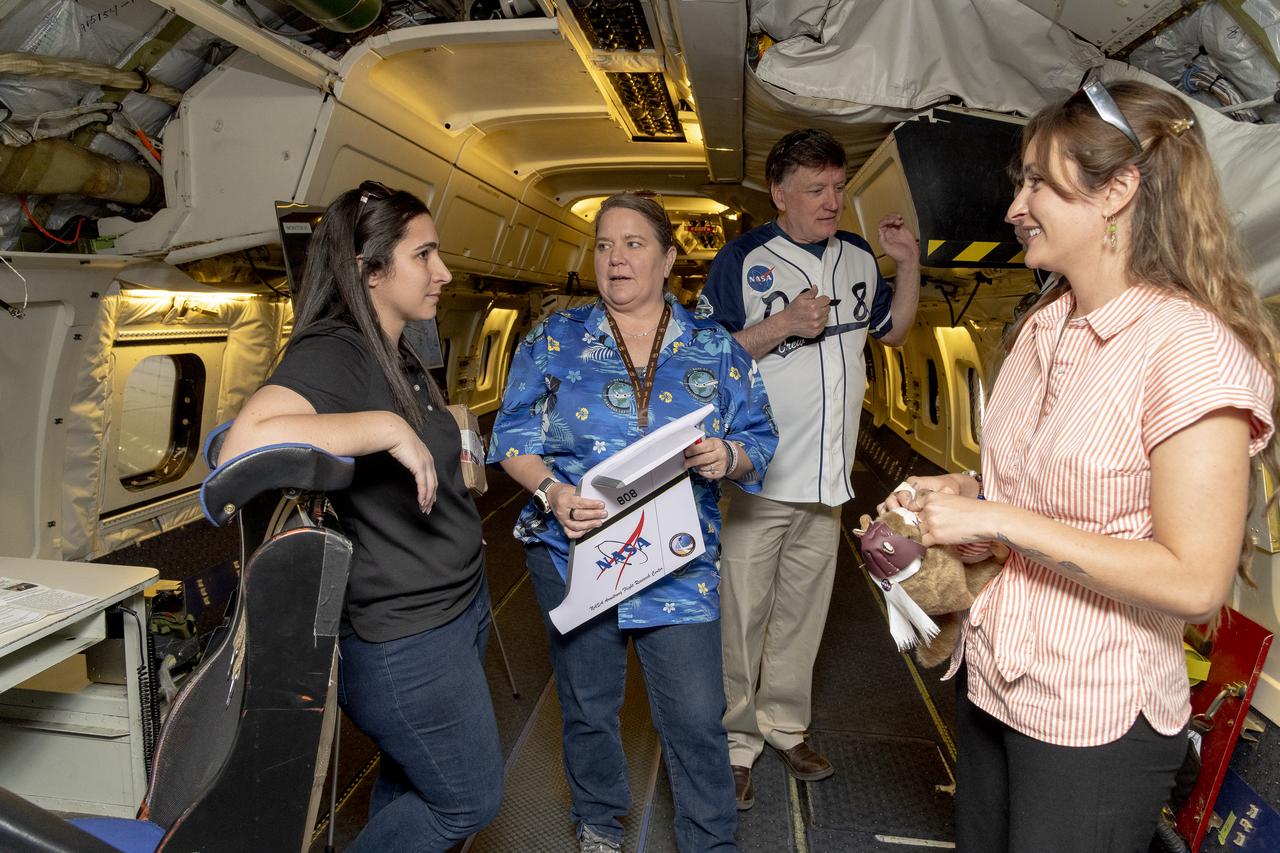
Members of the DC-8 program team tour an empty aircraft and recall past missions. Usually the DC-8 has between 15 and 30 instrument racks installed for a given science mission. The aircraft was spacious by comparison on May 2, 2024, when NASA personnel, friends, and family gathered at NASA’s Armstrong Flight Research Center Building 703 in Palmdale, California to celebrate the DC-8 staff, aircraft, and science campaigns. Conversing here are DC-8 aircraft deputy manager Kirsten Boogaard, left, with NASA Armstrong pilot Carrie Worth, Mike Zimmerman, and NASA Armstrong public affairs specialist for airborne science, Erica Heim.
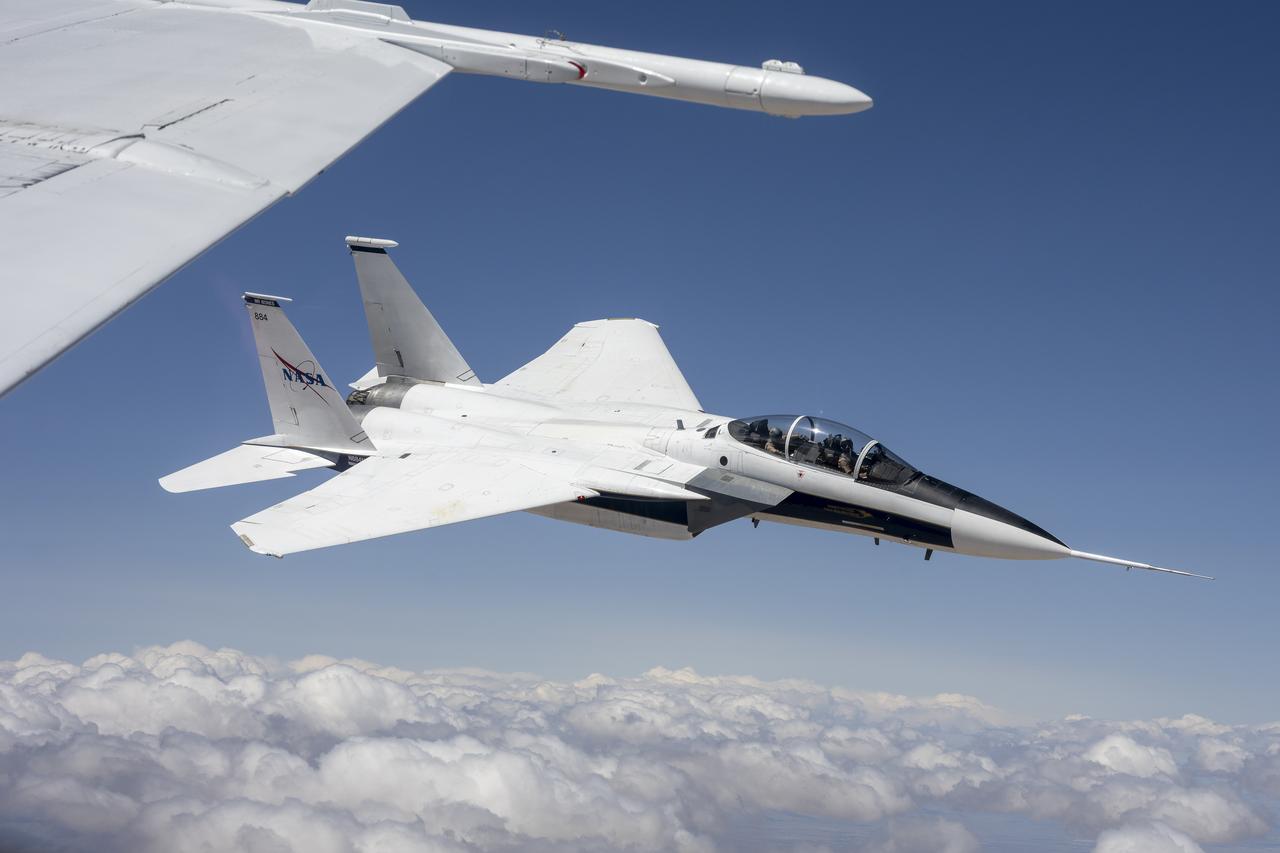
NASA's F-15D research aircraft conducts a calibration flight of a shock-sensing probe near NASA’s Armstrong Flight Research Center in Edwards, California. The shock-sensing probe is designed to measure the signature and strength of shock waves in flight. The probe was validated during dual F-15 flights and will be flown behind NASA’s X-59 to measure small pressure changes caused by shock waves in support of the agency's Quesst mission.
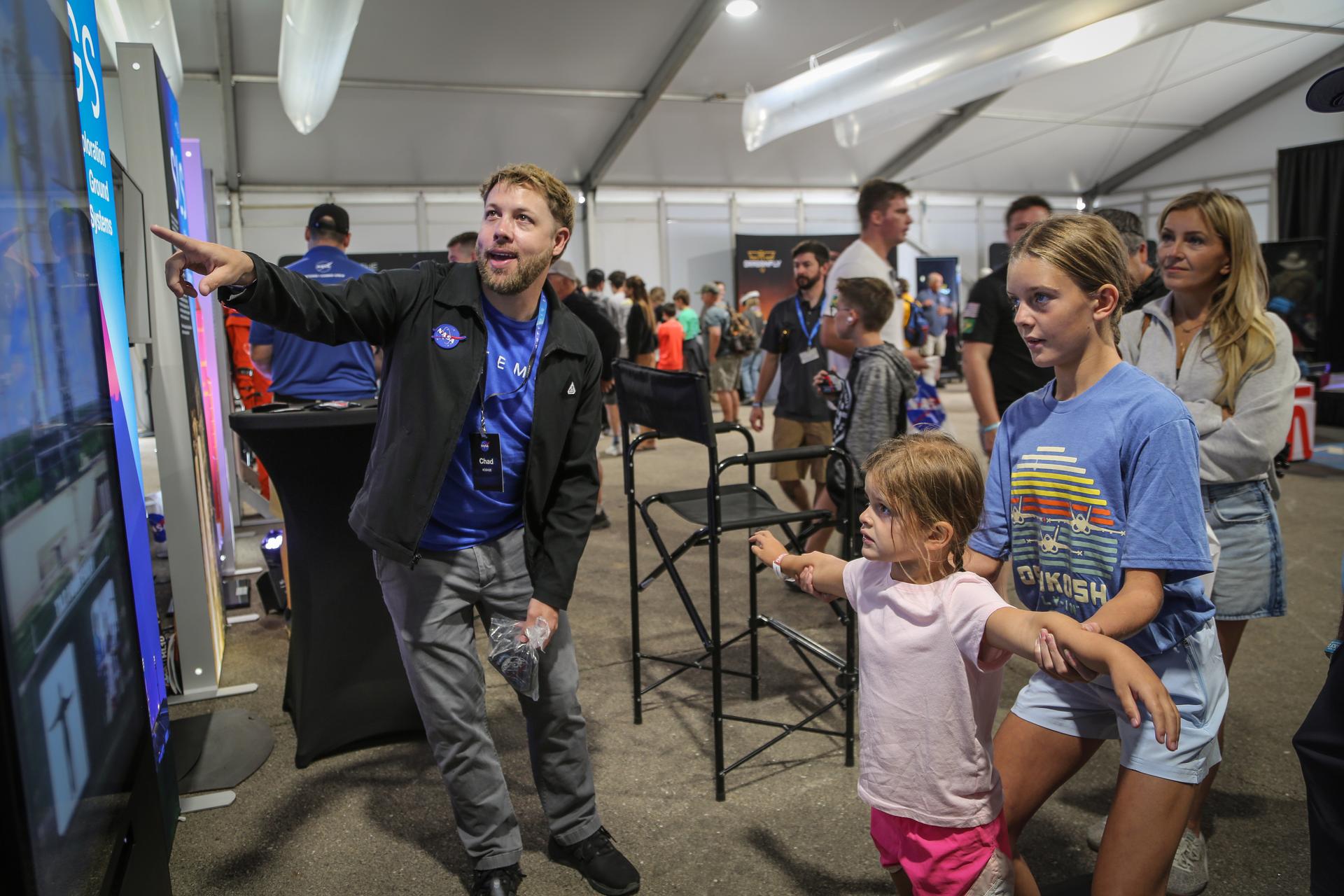
NASA Program Specialist Chad Siwik interacts with visitors at the Artemis exhibit in the NASA pavilion at the 2026 Experimental Aircraft Association (EAA) AirVenture air show in Oshkosh, Wisconsin, on Monday, July 20, 2026.

Aircraft maintenance crews at NASA‘s Armstrong Flight Research Center prepare the remotely-piloted Ikhana aircraft for a test flight. The test flight was performed to validate key technologies and operations necessary for FAA’s approval to fly the aircraft in the National Airspace System June 12, 2018, without a safety chase aircraft.
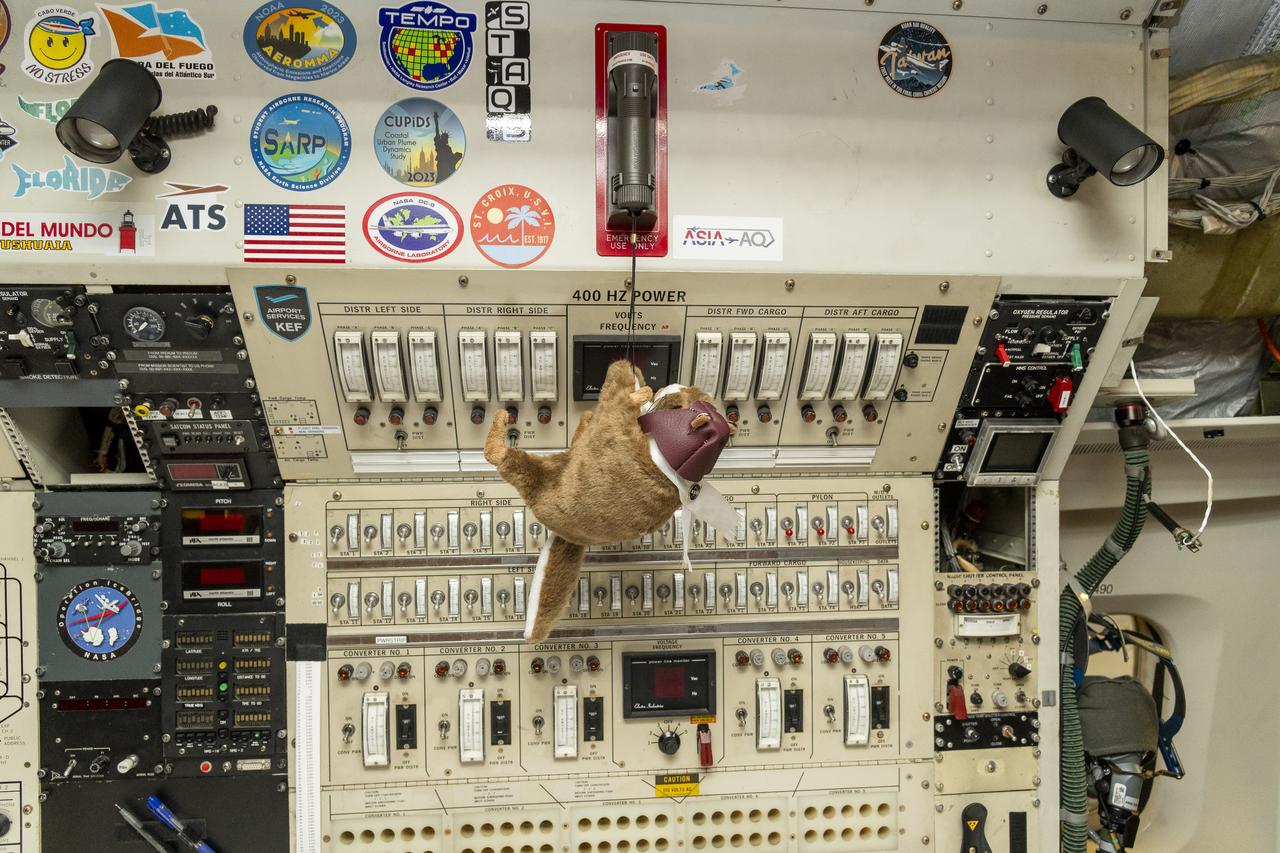
Orville, NASA’s high-flying squirrel, finds mischief onboard the DC-8 aircraft at NASA’s Armstrong Flight Research Center Building 703 in Palmdale, California. On May 2, 2024, NASA personnel, friends, and family celebrated the DC-8 staff, aircraft, and science campaigns.
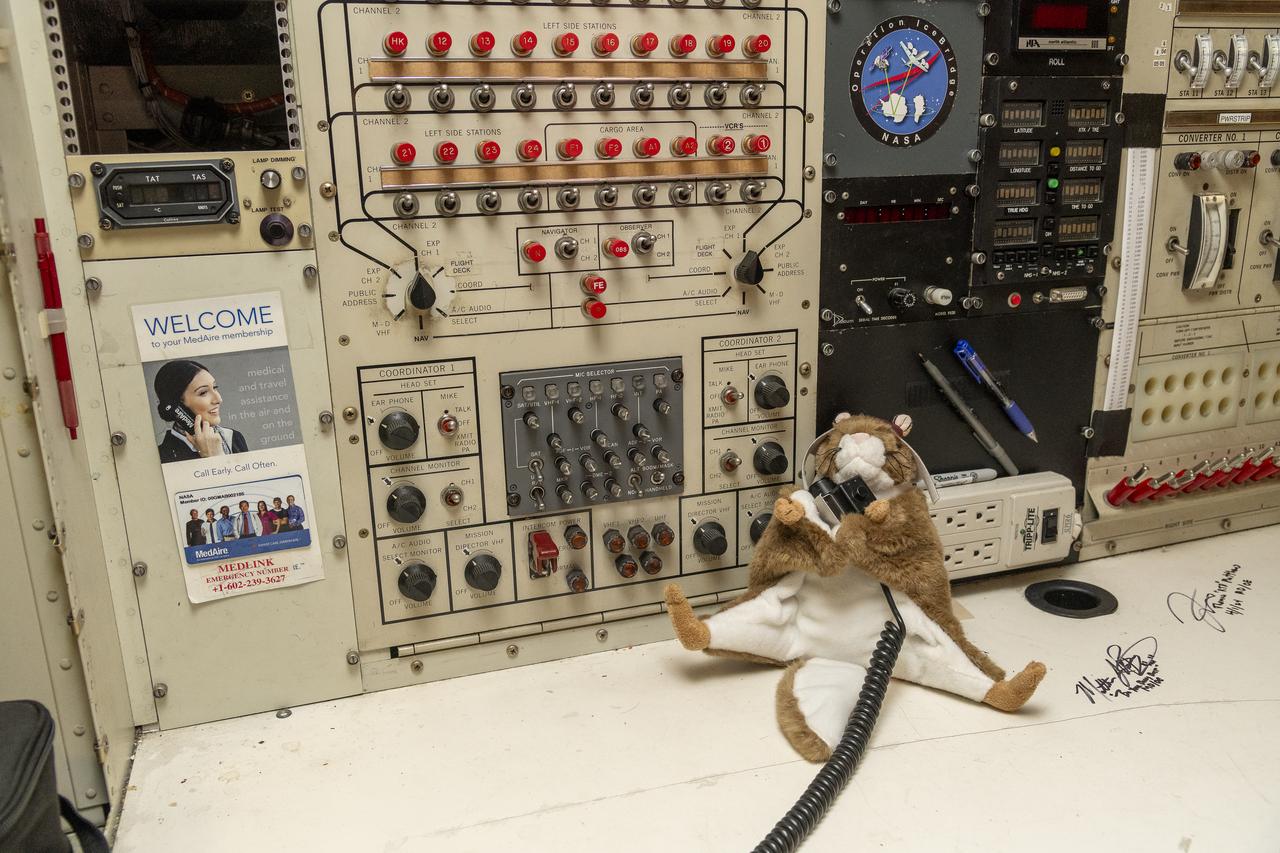
Orville, NASA’s high-flying squirrel, uses the microphone at the mission director station onboard the DC-8 aircraft at NASA’s Armstrong Flight Research Center Building 703 in Palmdale, California. On May 2, 2024, NASA personnel, friends, and family celebrated the DC-8 staff, aircraft, and science campaigns.
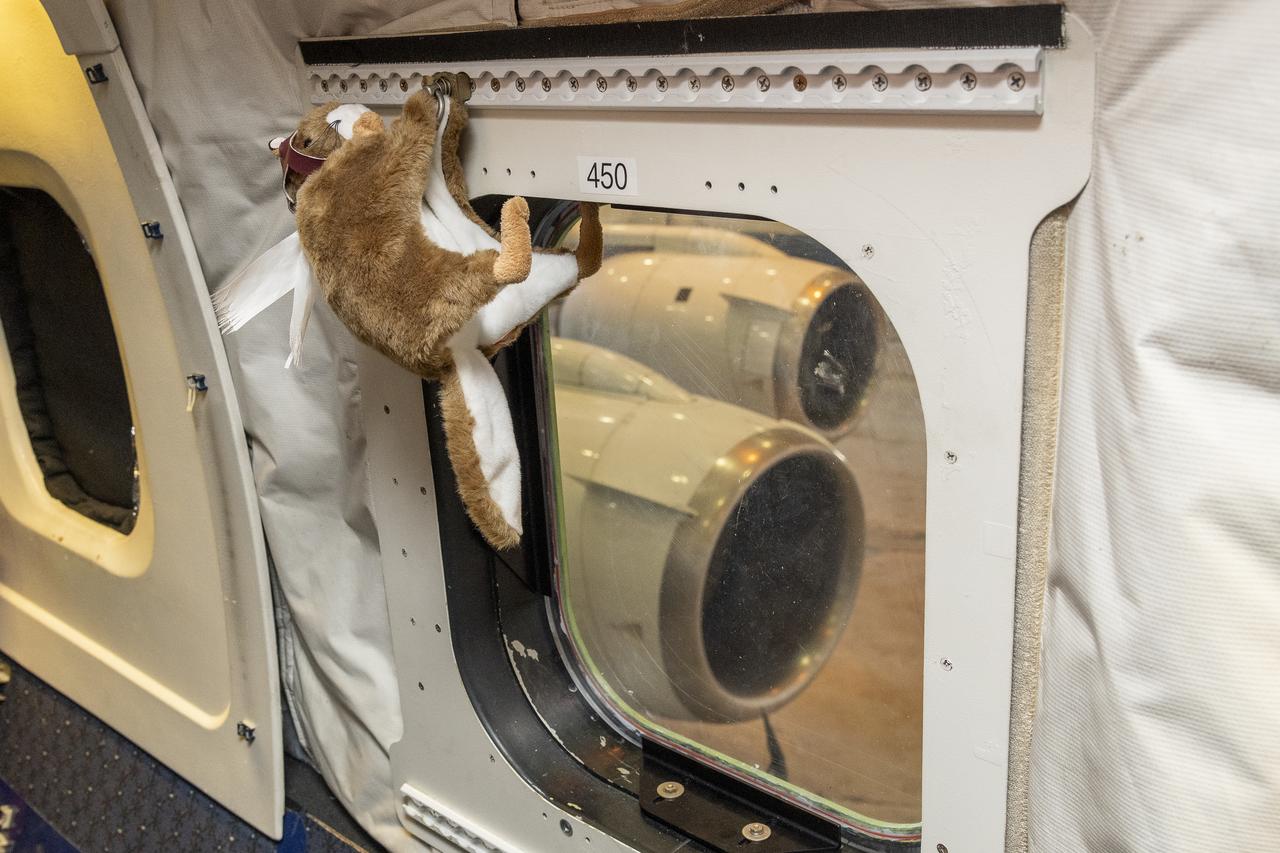
Orville, NASA’s high-flying squirrel, hangs onto the DC-8 aircraft at NASA’s Armstrong Flight Research Center Building 703 in Palmdale, California. On May 2, 2024, NASA personnel, friends, and family celebrated the DC-8 staff, aircraft, and science campaigns.
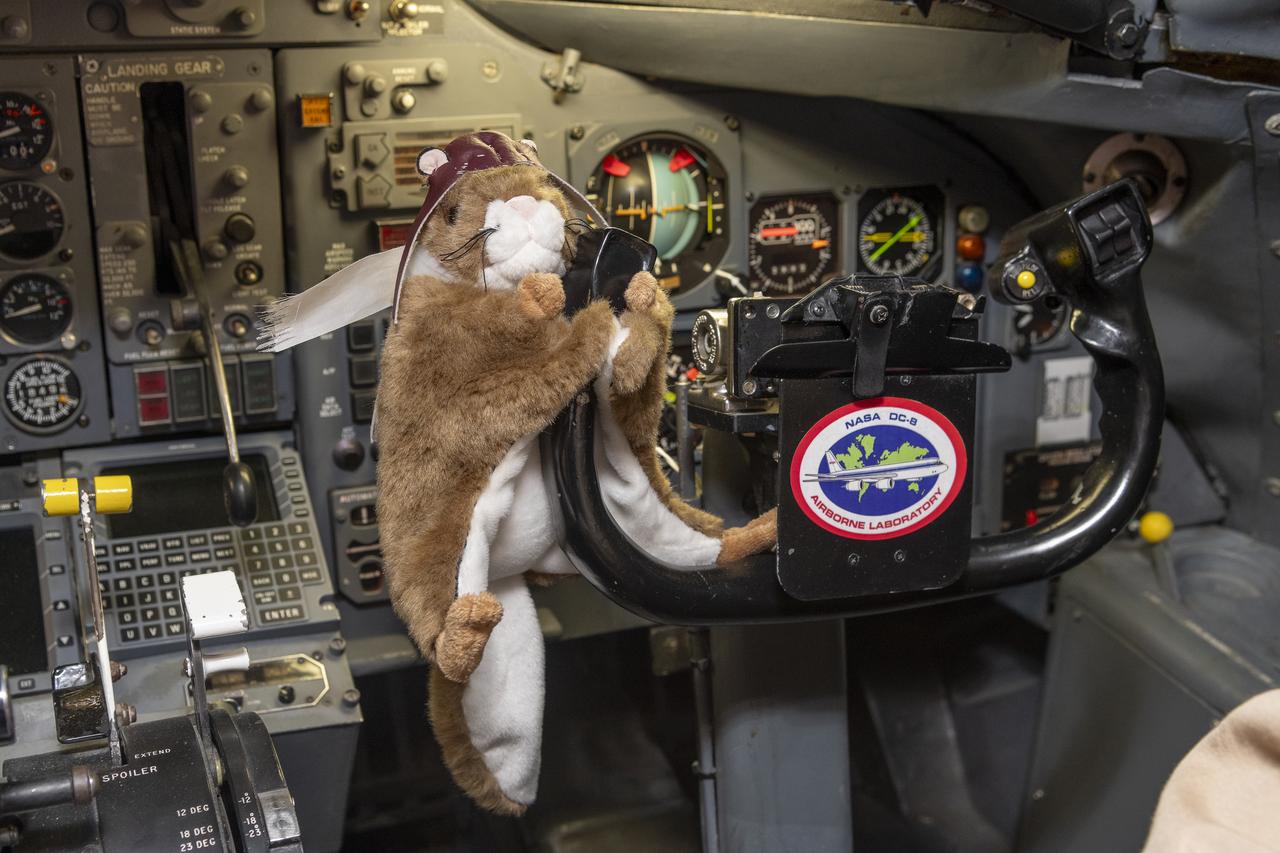
Orville, NASA’s high-flying squirrel, tries his paw at piloting the DC-8 aircraft at NASA’s Armstrong Flight Research Center Building 703 in Palmdale, California. On May 2, 2024, NASA personnel, friends, and family celebrated the DC-8 staff, aircraft, and science campaigns.
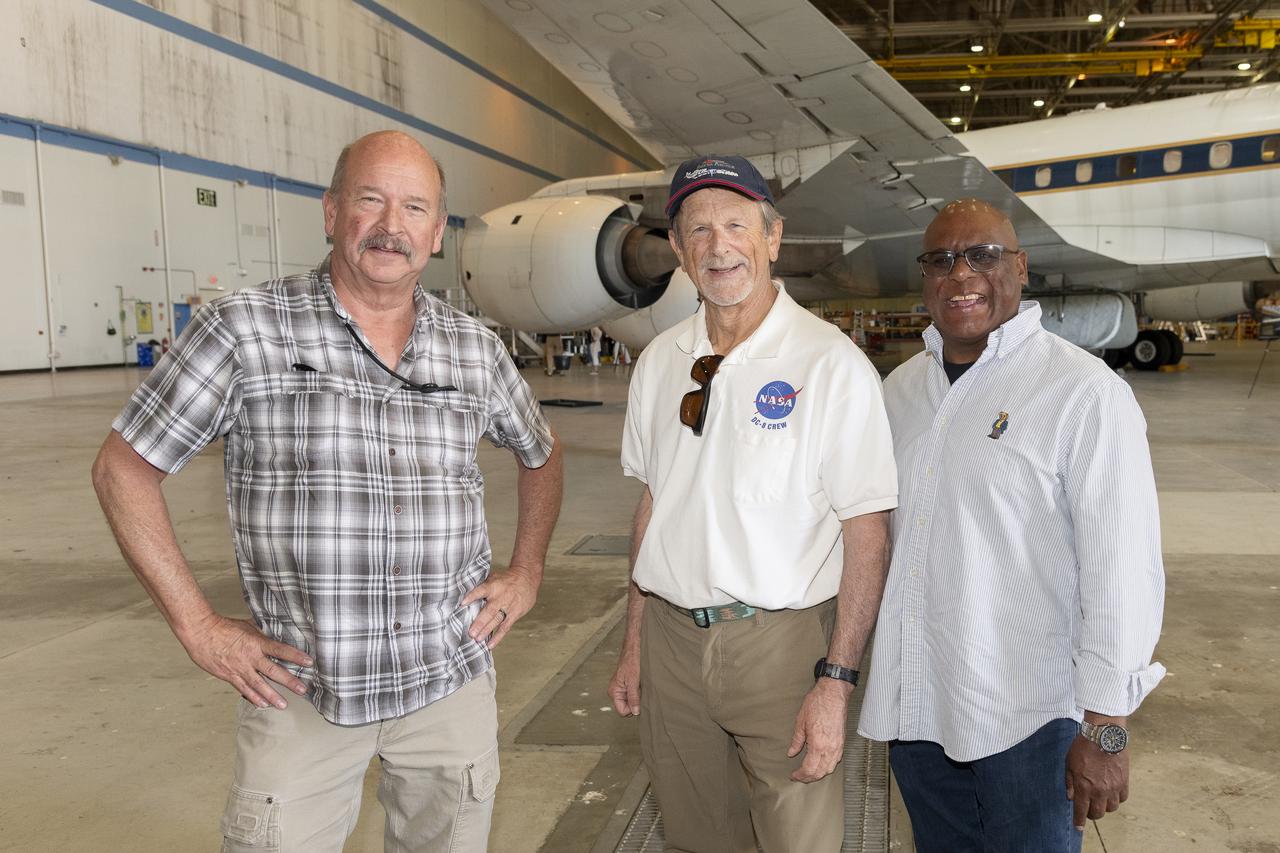
Rocky Radcliff, Kevin Hall, and Herman “Chico” Rijfkogel stand in front of NASA’s DC-8 aircraft at the agency’s Armstrong Flight Research Center Building 703 in Palmdale, California. On May 2, 2024, NASA personnel, friends, and family celebrated the DC-8 staff, aircraft, and science campaigns.

People tour the inside of the DC-8 aircraft at NASA’s Armstrong Flight Research Center Building 703 in Palmdale, California. On May 2, 2024, NASA personnel, friends, and family celebrated the DC-8 staff, aircraft, and science campaigns.

NASA’s Ikhana aircraft, based at the agency’s Armstrong Flight Research Center in Edwards, California, takes off for the agency’s first large-scale, remotely-piloted aircraft flight in the national airspace without a safety chase aircraft.
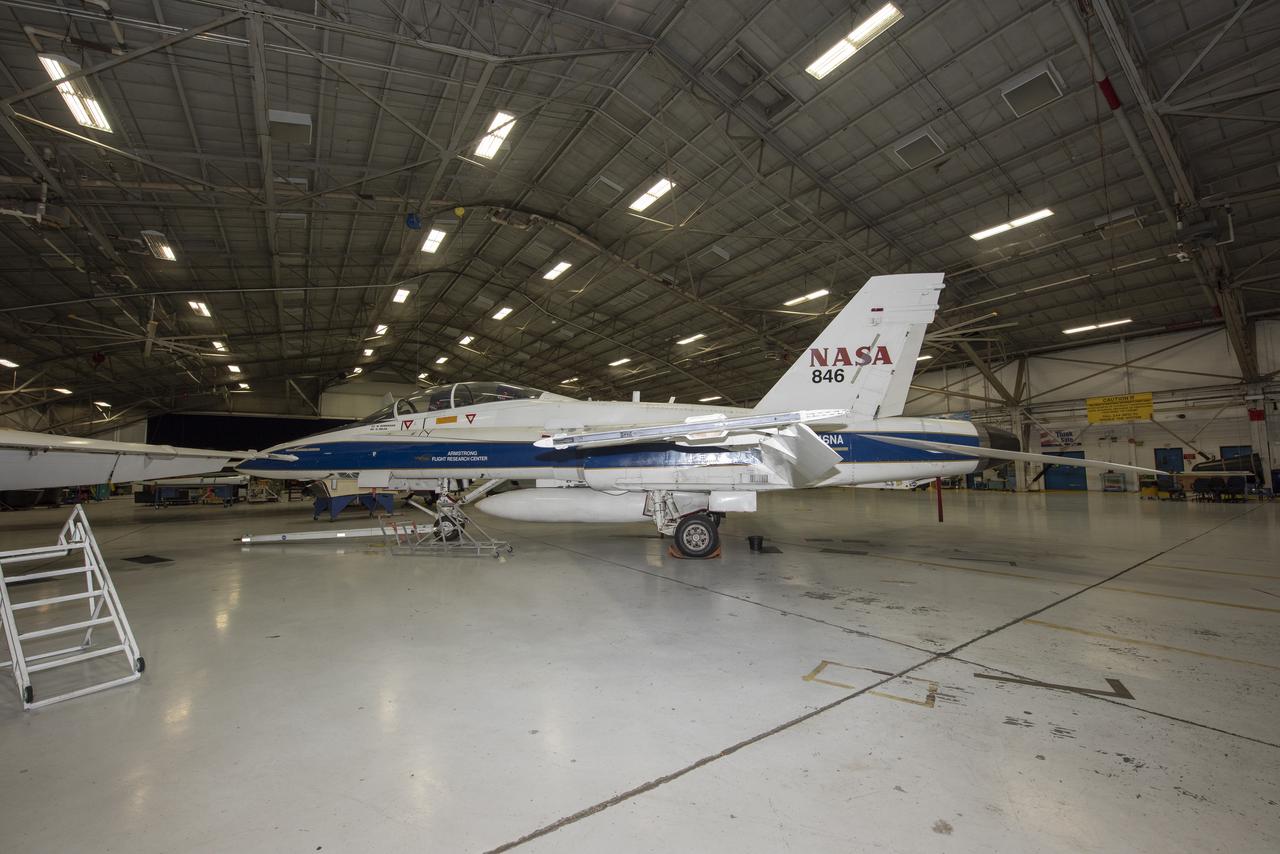
NASA deployed two F/A-18 research aircraft from NASA’s Armstrong Flight Research Center in California to fly the Quiet Supersonic Flights 2018 campaign, or QSF18. Having more than one aircraft allows pilots to conduct quick turnarounds with different aircrews between flights, fitting in as many targeted research flights as necessary.
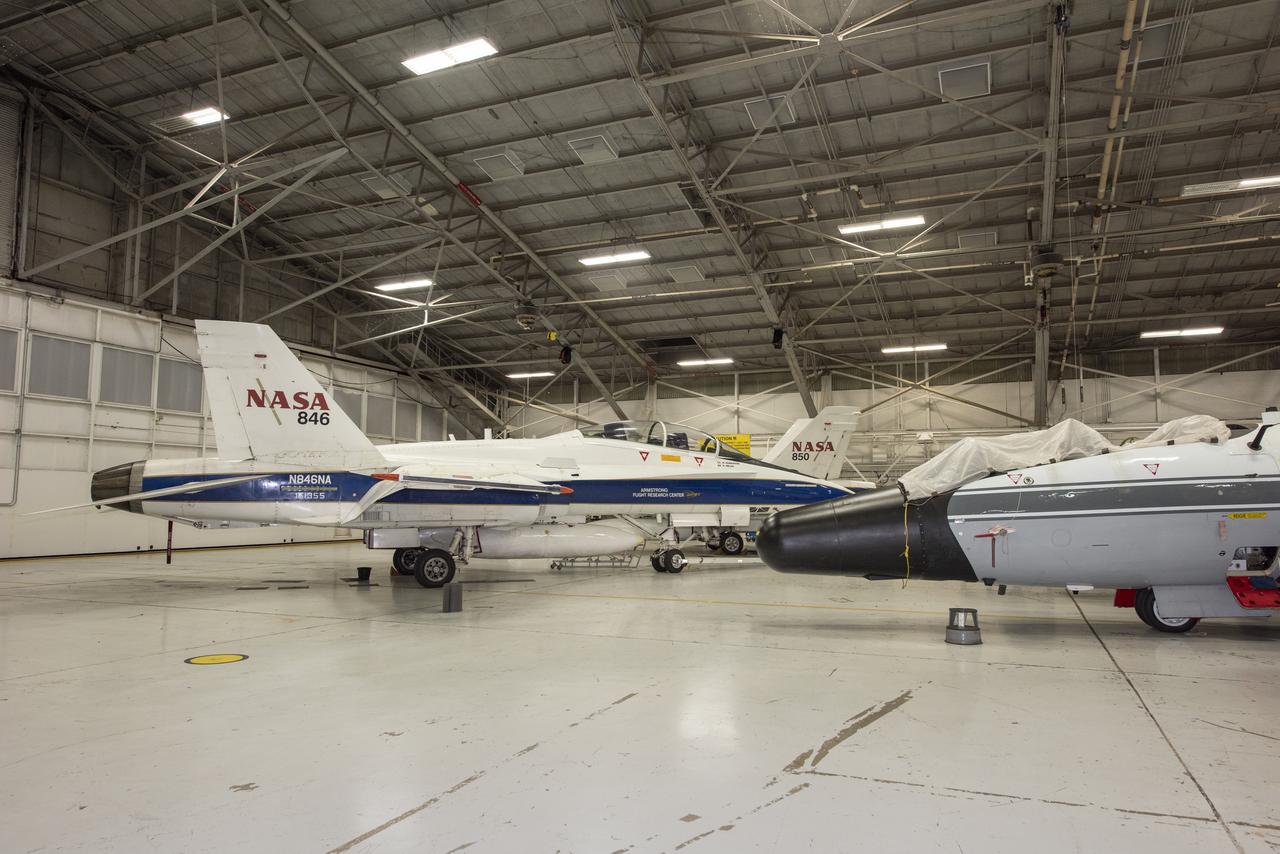
NASA deployed two F/A-18 research aircraft from NASA’s Armstrong Flight Research Center in California to fly the Quiet Supersonic Flights 2018 campaign, or QSF18. Having more than one aircraft allows pilots to conduct quick turnarounds with different aircrews between flights, fitting in as many targeted research flights as necessary.

NASA deployed two F/A-18 research aircraft from NASA’s Armstrong Flight Research Center in California to fly the Quiet Supersonic Flights 2018 campaign, or QSF18. Having more than one aircraft allows pilots to conduct quick turnarounds with different aircrews between flights, fitting in as many targeted research flights as necessary.
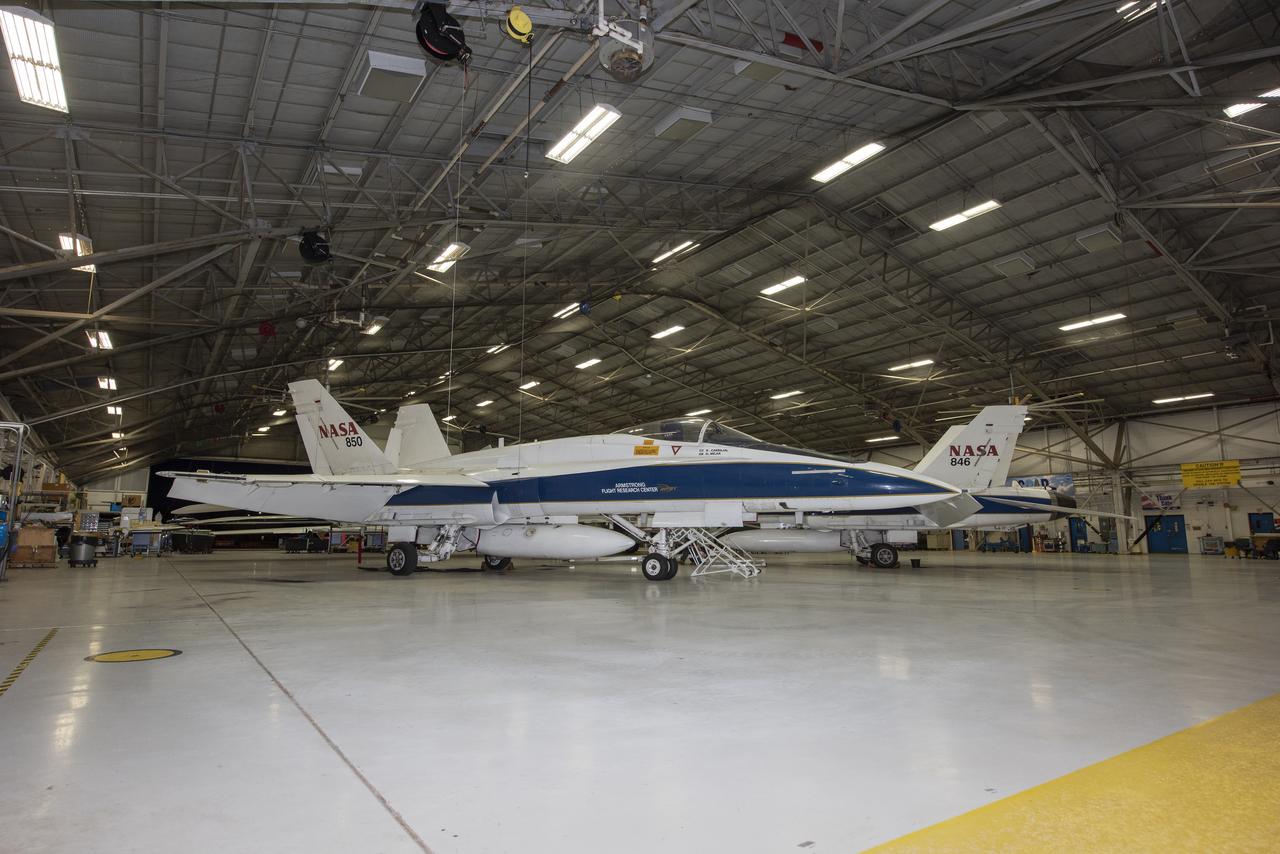
NASA deployed two F/A-18 research aircraft from NASA’s Armstrong Flight Research Center in California to fly the Quiet Supersonic Flights 2018 campaign, or QSF18. Having more than one aircraft allows pilots to conduct quick turnarounds with different aircrews between flights, fitting in as many targeted research flights as necessary.
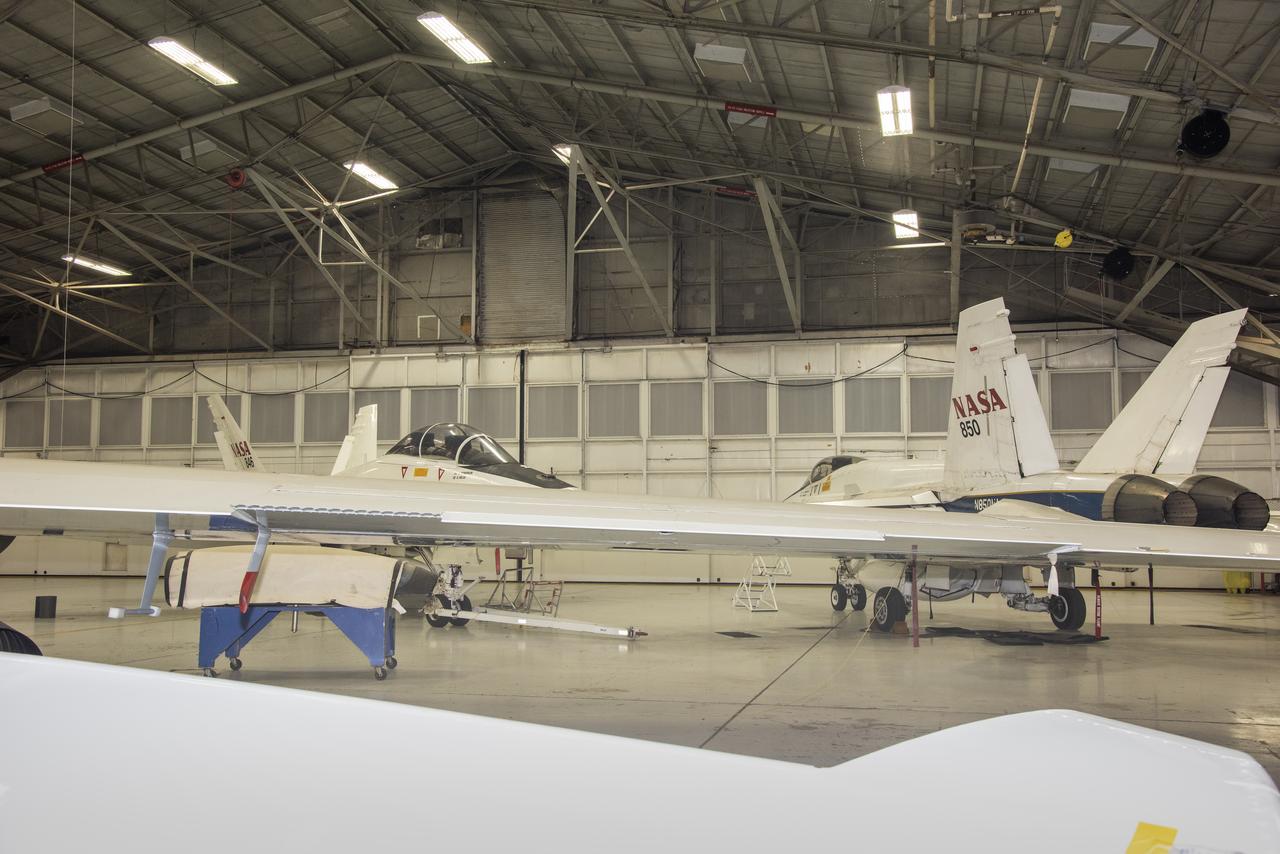
NASA deployed two F/A-18 research aircraft from NASA’s Armstrong Flight Research Center in California to fly the Quiet Supersonic Flights 2018 campaign, or QSF18. Having more than one aircraft allows pilots to conduct quick turnarounds with different aircrews between flights, fitting in as many targeted research flights as necessary.
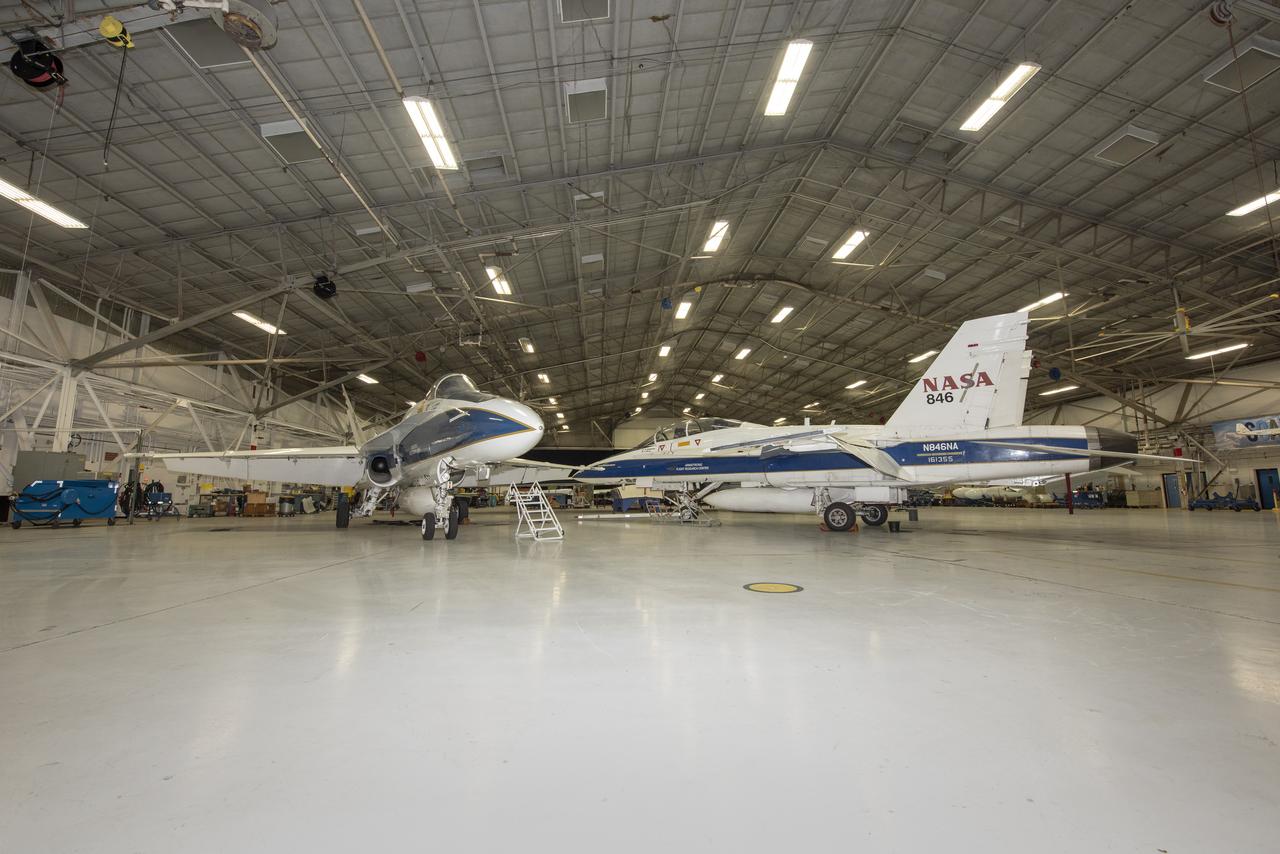
NASA deployed two F/A-18 research aircraft from NASA’s Armstrong Flight Research Center in California to fly the Quiet Supersonic Flights 2018 campaign, or QSF18. Having more than one aircraft allows pilots to conduct quick turnarounds with different aircrews between flights, fitting in as many targeted research flights as necessary.
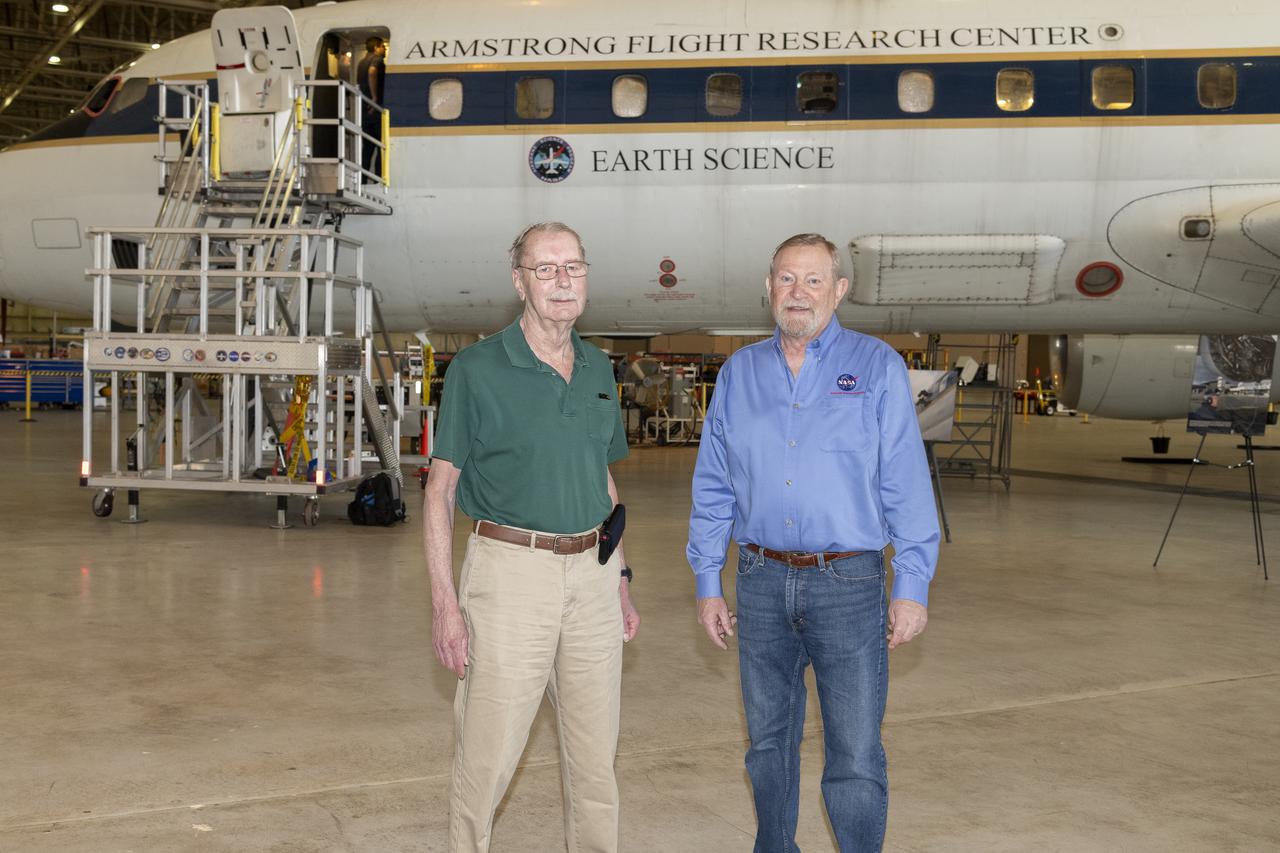
Retired NASA mission manager Chris Jennison and Randy Albertson, right, who retired in 2019 as NASA’s Airborne Science Program deputy director, stand in front of the DC-8 aircraft at NASA’s Armstrong Flight Research Center Building 703 in Palmdale, California. On May 2, 2024, NASA personnel, friends, and family celebrated the DC-8 staff, aircraft, and science campaigns.
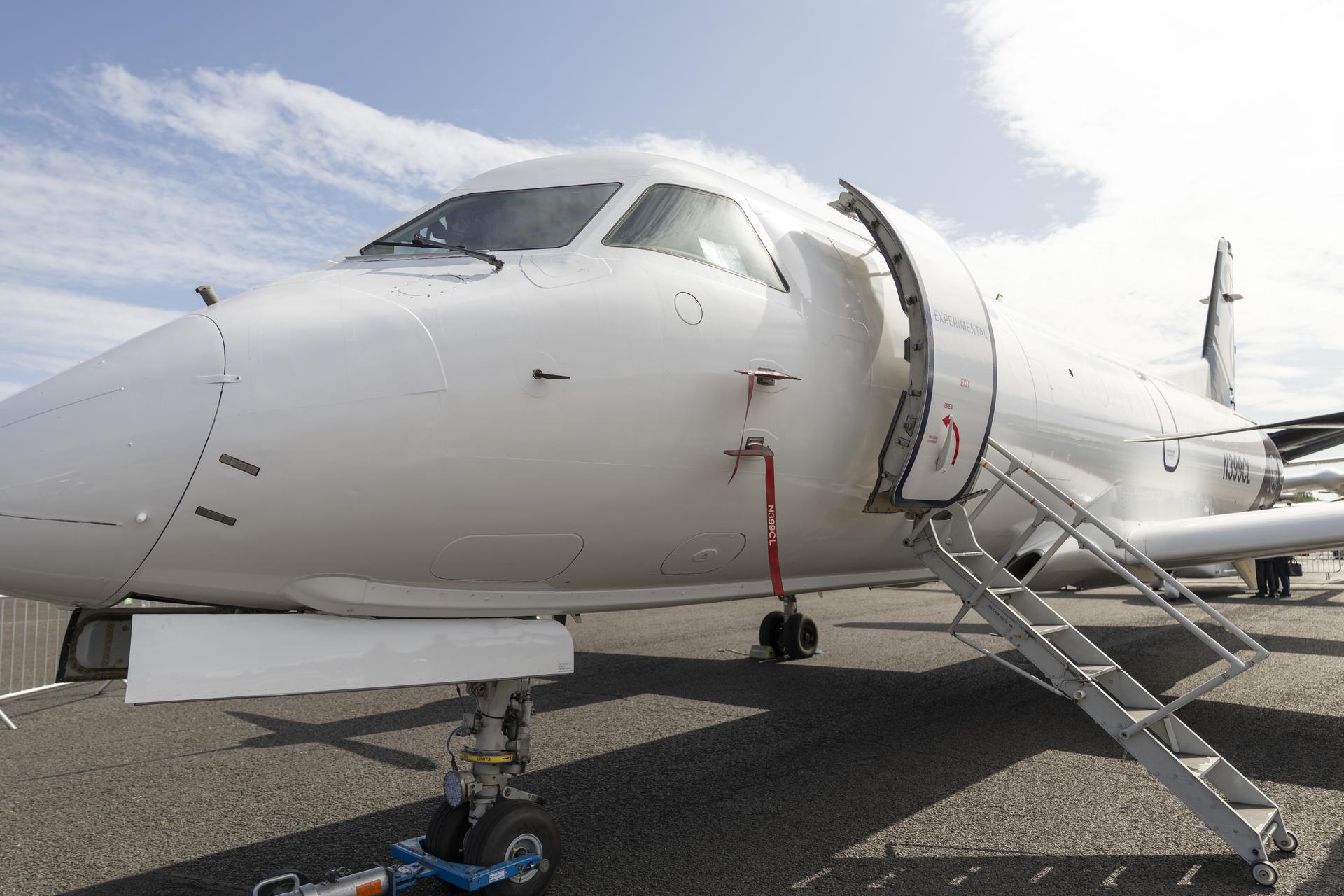
Jared Isaacman tours NASA’s Electrified Powertrain Flight Demonstration aircraft at the Farnborough International Airshow in Farnborough, UK.
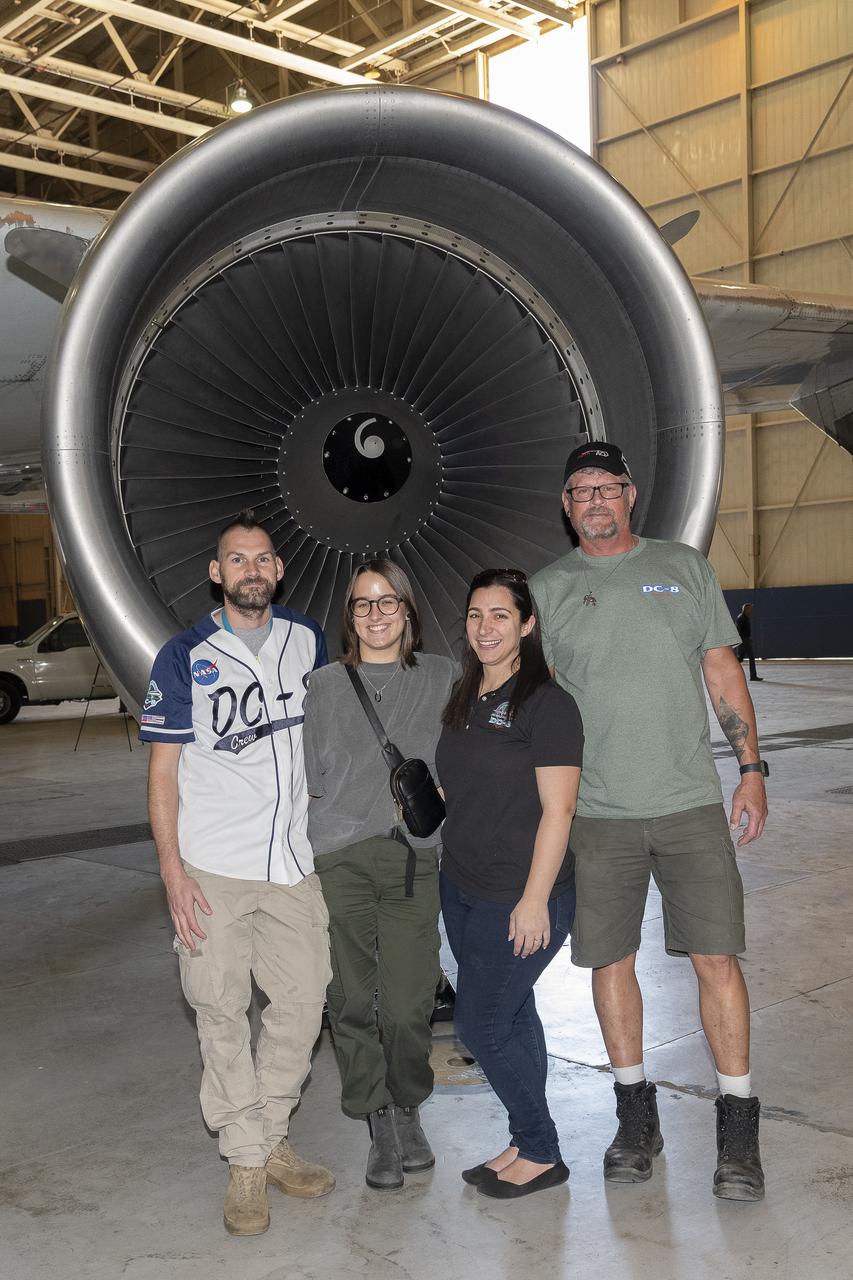
Members of past science missions pose together in front of the DC-8 aircraft’s left engine turbine at NASA’s Armstrong Flight Research Center Building 703 in Palmdale, California. From left are avionics lead Kelly Jellison, chemical scientist Katherine Ball, DC-8 Deputy Program Manager Kirsten Boogaard, and DC-8 safety engineer Garry Moors. On May 2, 2024, NASA personnel, friends, and family celebrated the DC-8 staff, aircraft, and science campaigns.
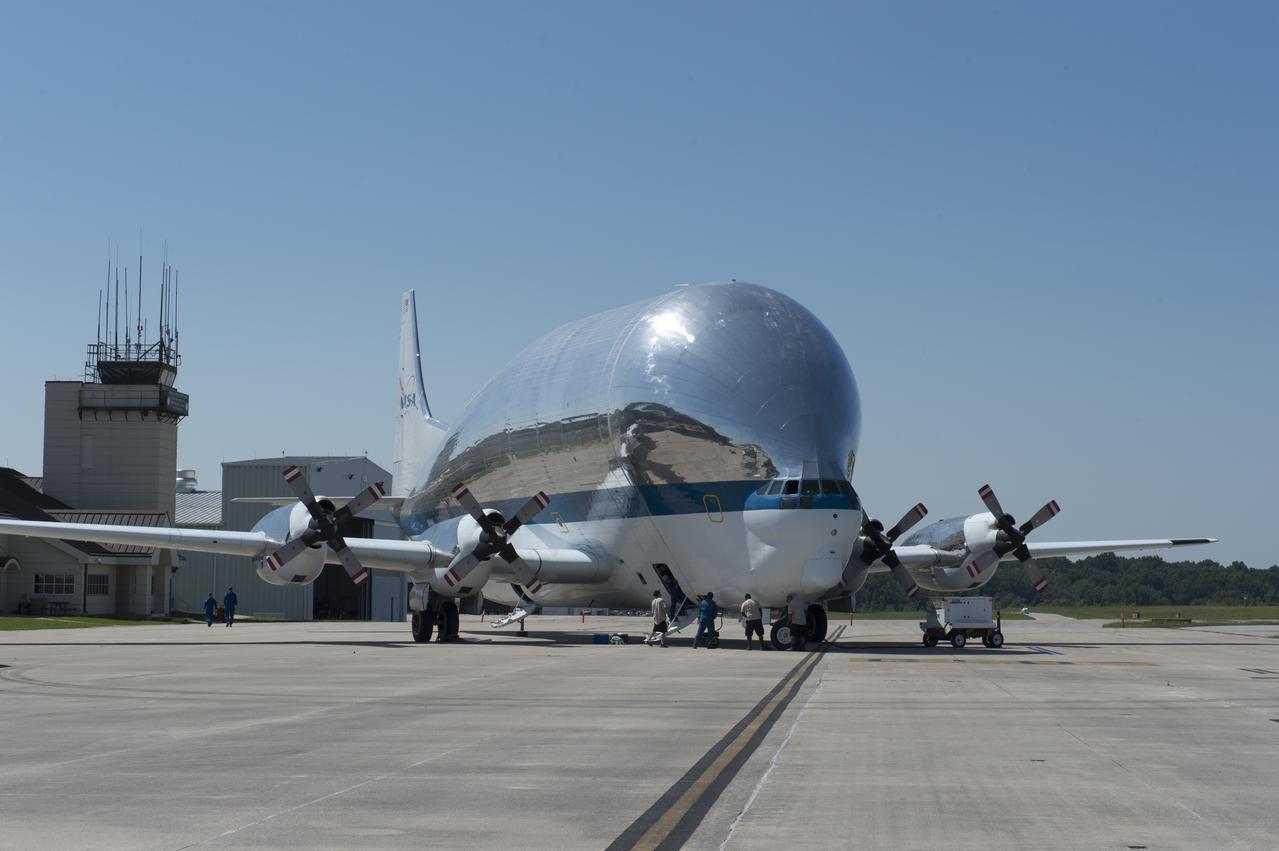
NASA's Super Guppie aircraft on to tarmac of Redstone Arsenal airfield prior to liftoff with the Orion stage adapter which will be transported to Denver, Colorado for further testing.
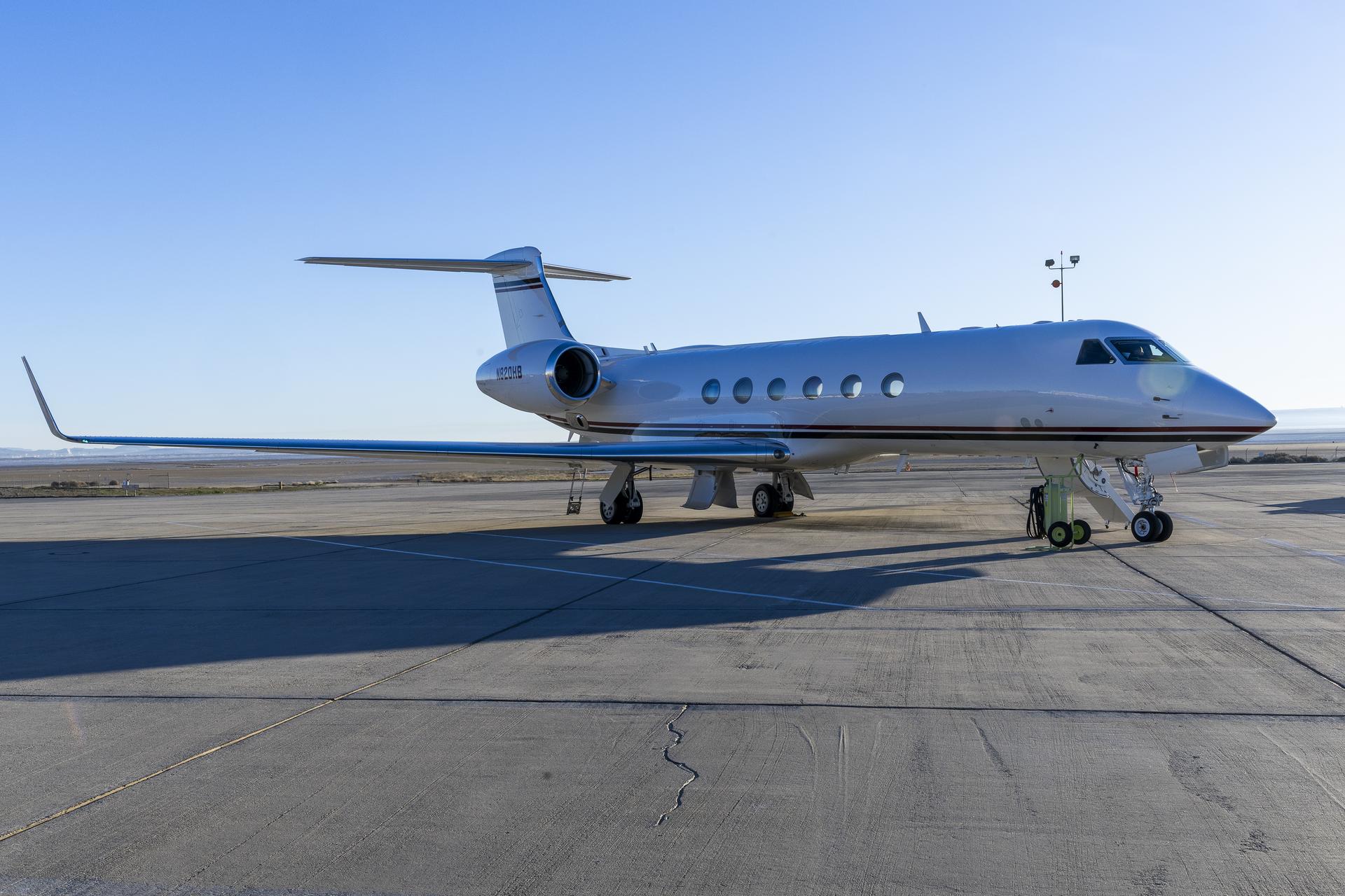
A Gulfstream GV aircraft sits on the ramp at NASA’s Armstrong Flight Research Center in Edwards, California, on Tuesday, Jan. 13, 2026. This aircraft is being modified to support the Airborne Science Program.
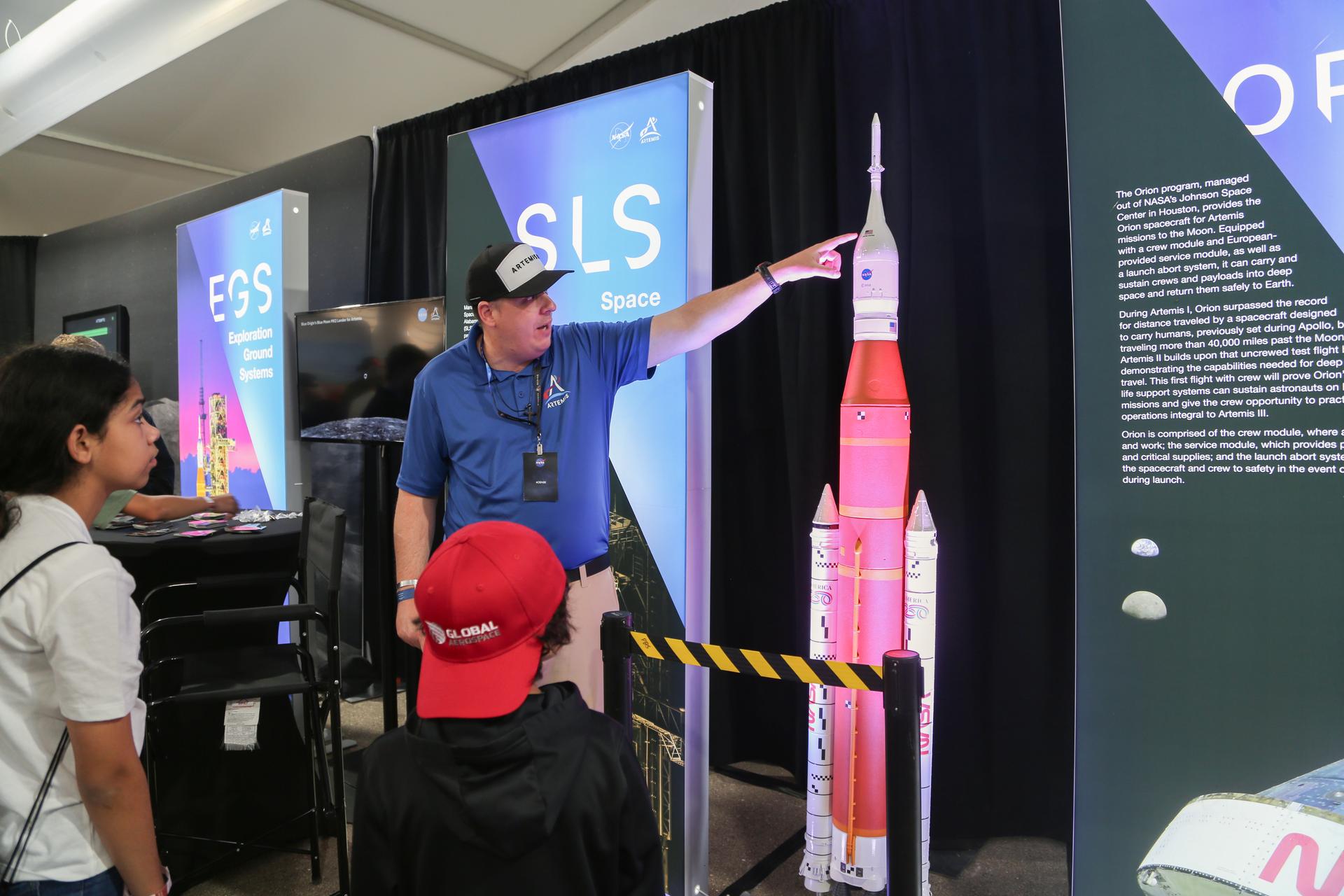
NASA Communications Strategist Will Bryan shows visitors an Orion spacecraft model at the Artemis display in the NASA pavilion at the 2026 Experimental Aircraft Association (EAA) AirVenture air show in Oshkosh, Wisconsin, Monday, July 20, 2026.
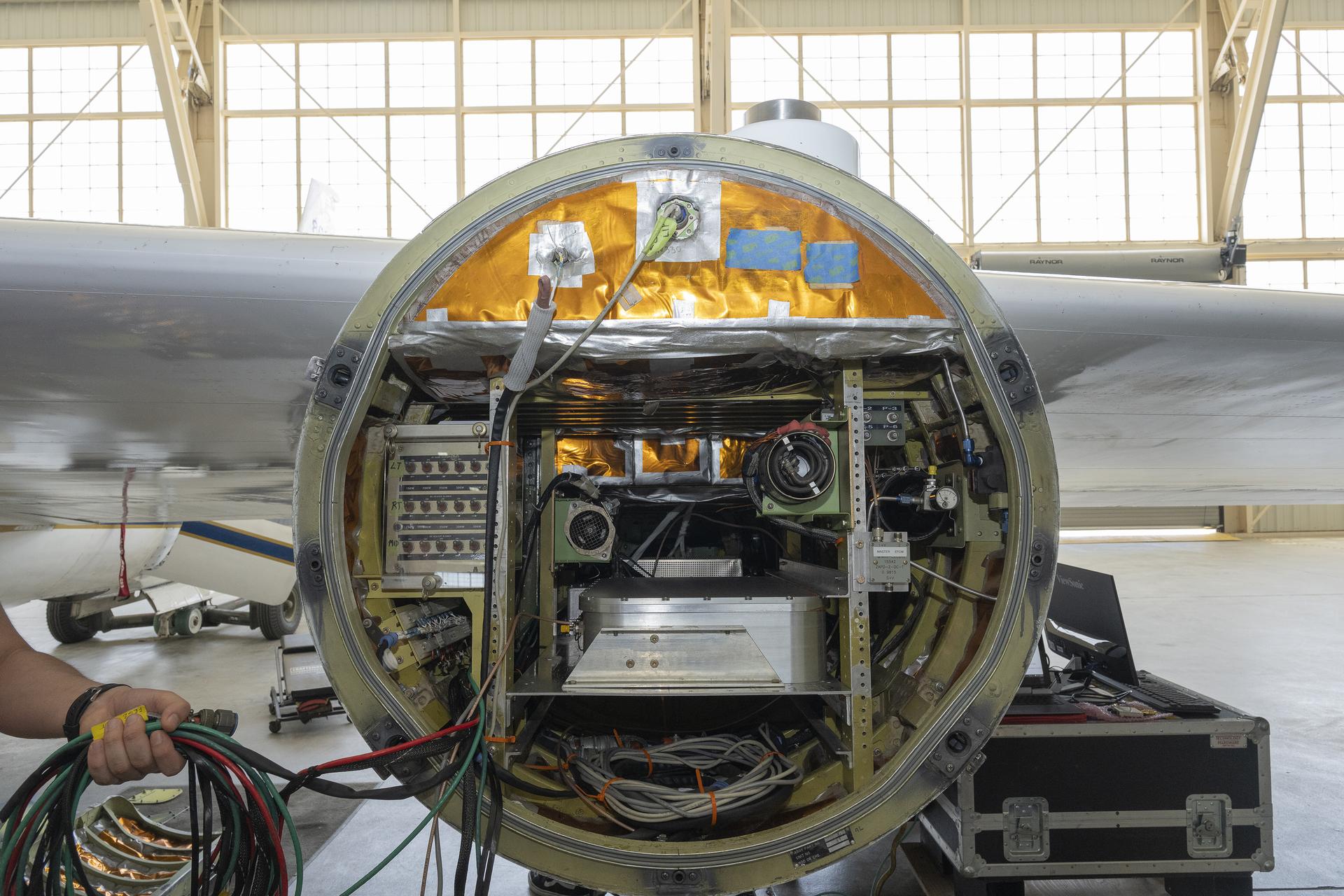
An ER‑2 aircraft based at NASA’s Armstrong Flight Research Center in Edwards, California, carries a pod full of instruments for the INjected Smoke and PYRocumulonimbus Experiment (INSPYRE) on Thursday, July 9, 2026. This Earth science campaign studies wildfire‑generated thunderstorms. Researchers are seeking to better understand how these storms form, how high the storms send smoke, where this smoke travels, and the effect after the smoke reaches upper layers of the atmosphere.