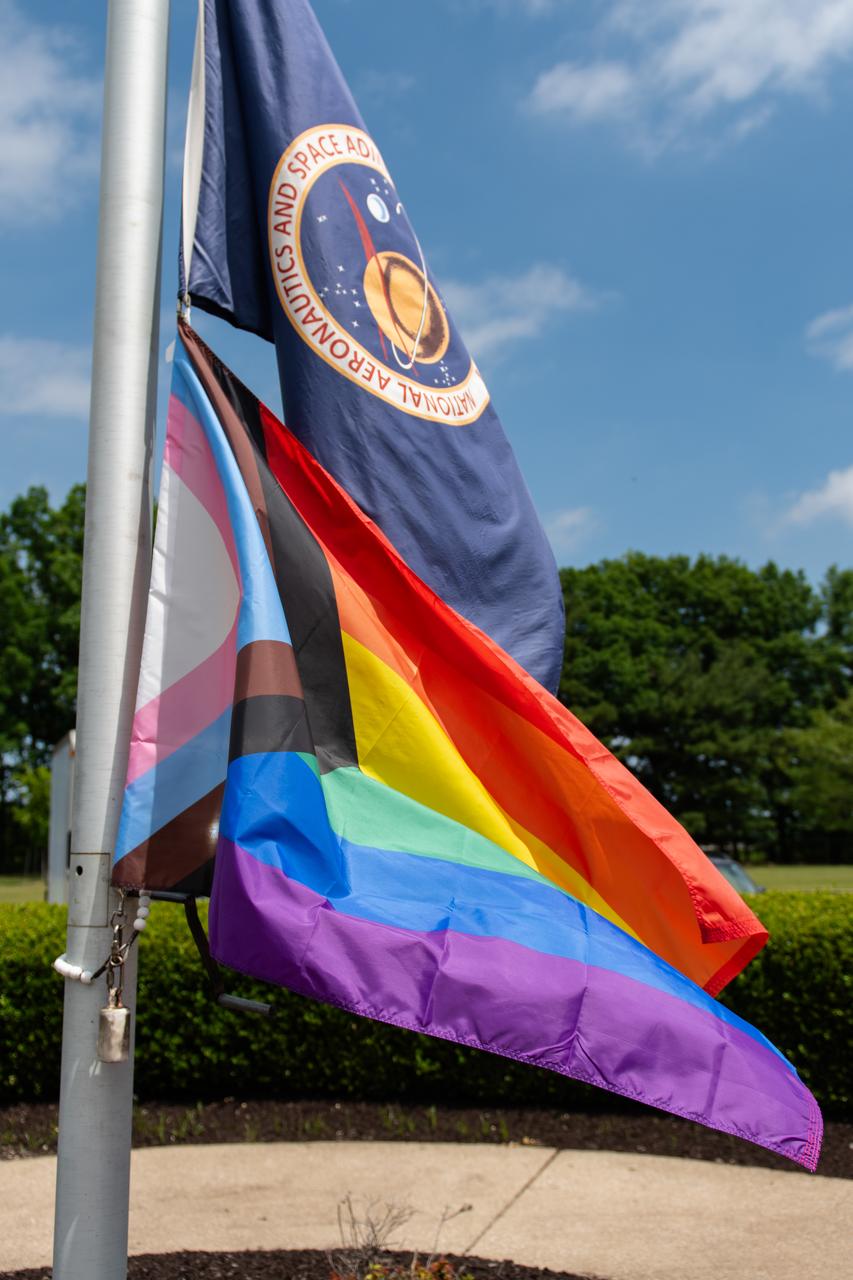
NASA Glenn’s Rainbow Alliance Advisory Group hosted an in-person and livestreamed Pride flag raising ceremony at the building 3 flagpole on June 3, 2024. The event included remarks from Deputy Director Dawn Schaible and NASA Safety Center Director Harmony Myers. Flag raising events such as this are times for LGBTQ+ employees and their allies to come together to celebrate the progress made in the quest for safety, tolerance, acceptance, rights, happiness, and freedom for the LGBTQ+ community on- and off-site of the center. Photo Credit: (NASA/Sara Lowthian-Hanna)
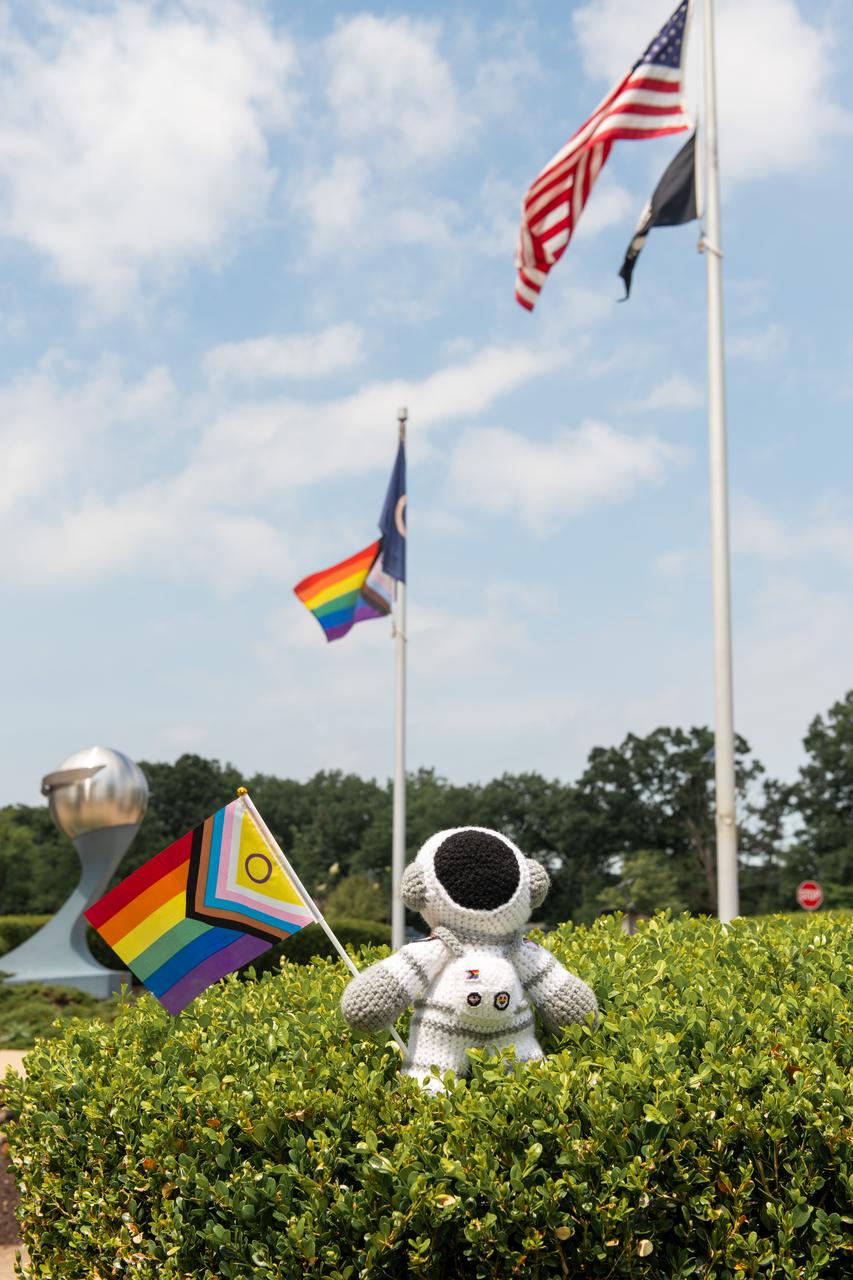
NASA Glenn’s Rainbow Alliance Advisory Group hosted an in-person and livestreamed Pride flag raising ceremony at the building 3 flagpole on June 3, 2024. The event included remarks from Deputy Director Dawn Schaible and NASA Safety Center Director Harmony Myers. Flag raising events such as this are times for LGBTQ+ employees and their allies to come together to celebrate the progress made in the quest for safety, tolerance, acceptance, rights, happiness, and freedom for the LGBTQ+ community on- and off-site of the center. Photo Credit: (NASA/Sara Lowthian-Hanna)
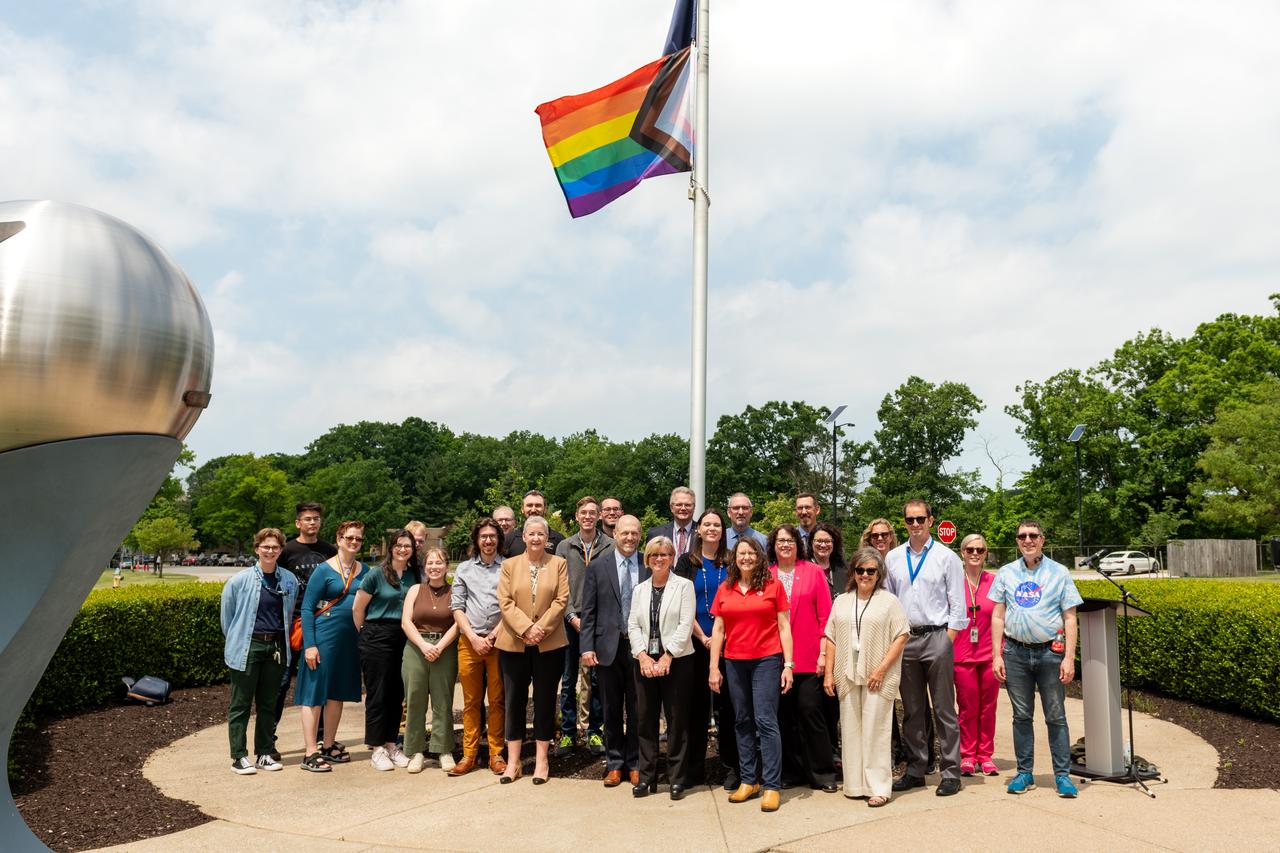
NASA Glenn’s Rainbow Alliance Advisory Group hosted an in-person and livestreamed Pride flag raising ceremony at the building 3 flagpole on June 3, 2024. The event included remarks from Deputy Director Dawn Schaible and NASA Safety Center Director Harmony Myers. Flag raising events such as this are times for LGBTQ+ employees and their allies to come together to celebrate the progress made in the quest for safety, tolerance, acceptance, rights, happiness, and freedom for the LGBTQ+ community on- and off-site of the center.
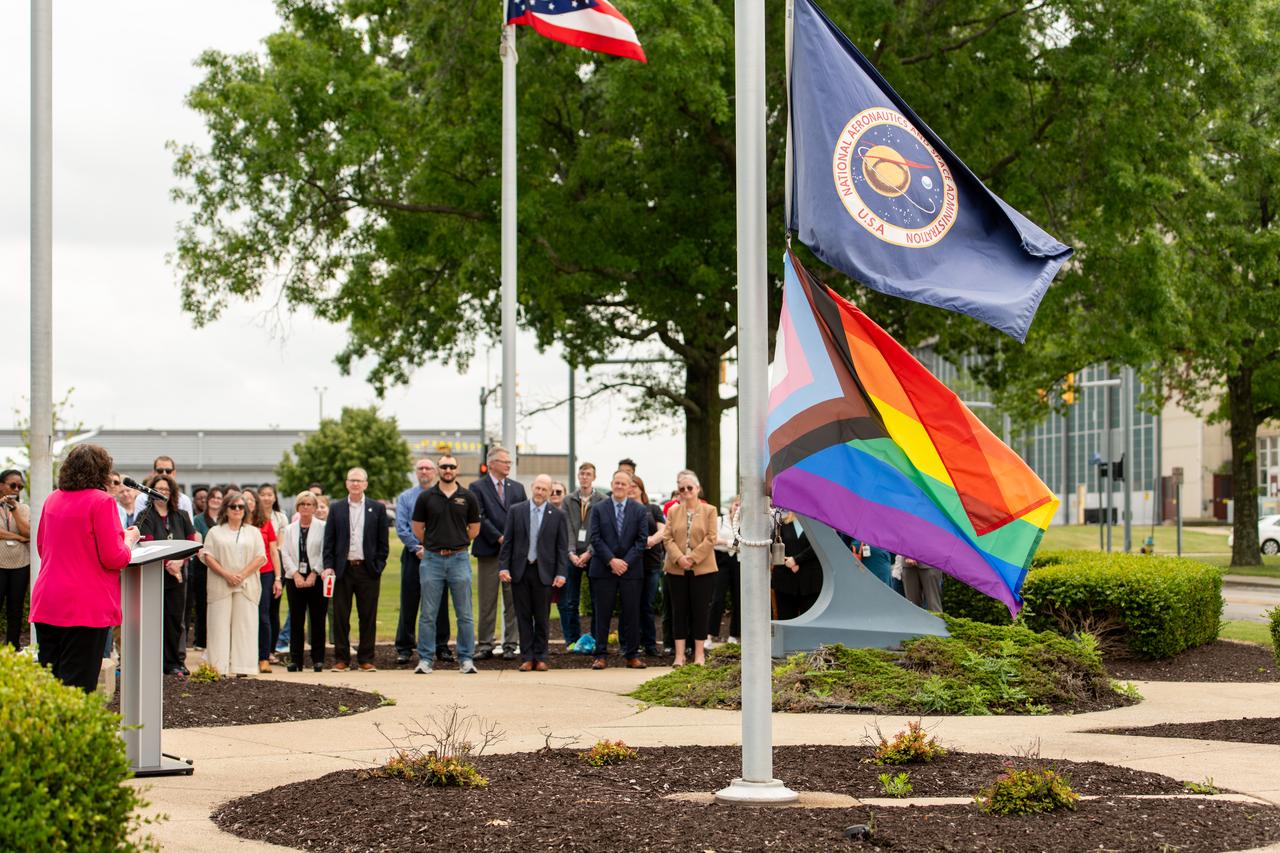
NASA Glenn’s Rainbow Alliance Advisory Group hosted an in-person and livestreamed Pride flag raising ceremony at the building 3 flagpole on June 3, 2024. The event included remarks from Deputy Director Dawn Schaible and NASA Safety Center Director Harmony Myers. Flag raising events such as this are times for LGBTQ+ employees and their allies to come together to celebrate the progress made in the quest for safety, tolerance, acceptance, rights, happiness, and freedom for the LGBTQ+ community on- and off-site of the center.
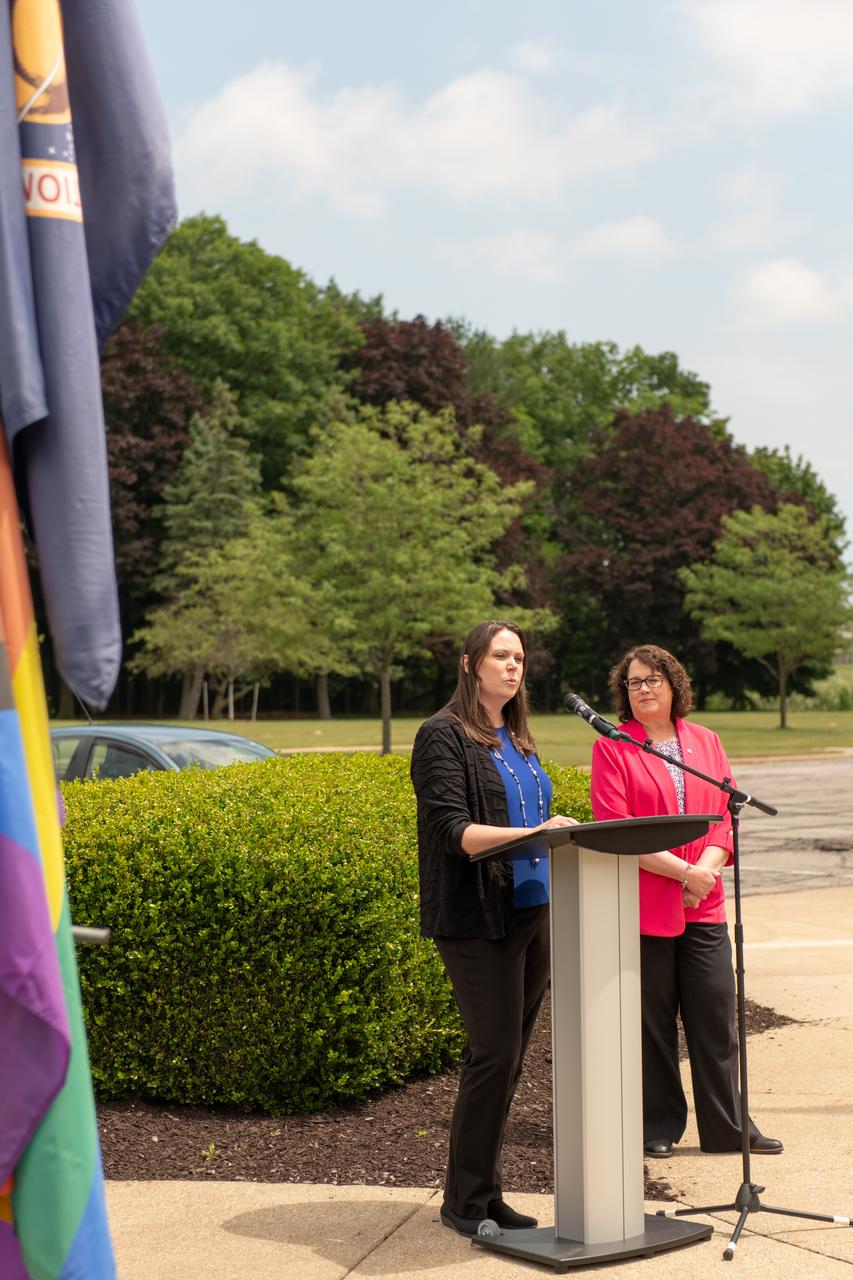
NASA Glenn’s Rainbow Alliance Advisory Group hosted an in-person and livestreamed Pride flag raising ceremony at the building 3 flagpole on June 3, 2024. The event included remarks from Deputy Director Dawn Schaible and NASA Safety Center Director Harmony Myers. Flag raising events such as this are times for LGBTQ+ employees and their allies to come together to celebrate the progress made in the quest for safety, tolerance, acceptance, rights, happiness, and freedom for the LGBTQ+ community on- and off-site of the center.

NASA Glenn’s Rainbow Alliance Advisory Group hosted an in-person and livestreamed Pride flag raising ceremony at the building 3 flagpole on June 3, 2024. The event included remarks from Deputy Director Dawn Schaible and NASA Safety Center Director Harmony Myers. Flag raising events such as this are times for LGBTQ+ employees and their allies to come together to celebrate the progress made in the quest for safety, tolerance, acceptance, rights, happiness, and freedom for the LGBTQ+ community on- and off-site of the center.
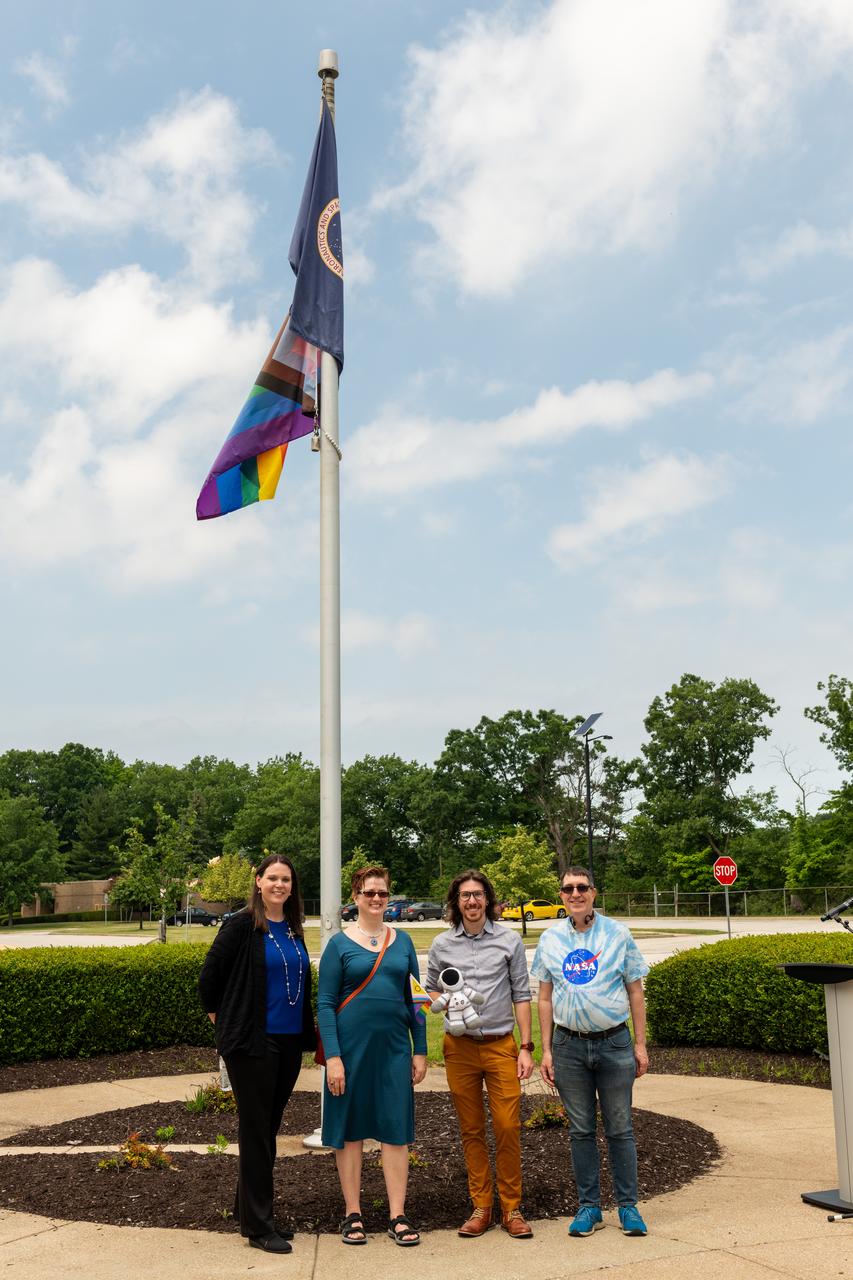
NASA Glenn’s Rainbow Alliance Advisory Group hosted an in-person and livestreamed Pride flag raising ceremony at the building 3 flagpole on June 3, 2024. The event included remarks from Deputy Director Dawn Schaible and NASA Safety Center Director Harmony Myers. Flag raising events such as this are times for LGBTQ+ employees and their allies to come together to celebrate the progress made in the quest for safety, tolerance, acceptance, rights, happiness, and freedom for the LGBTQ+ community on- and off-site of the center. Pictured here is NASA Safety Center Director Harmony Myers, Rainbow Alliance Advisory Group Co-Chairs Matthew Huffman and Jessica Reinert and John Wolter.
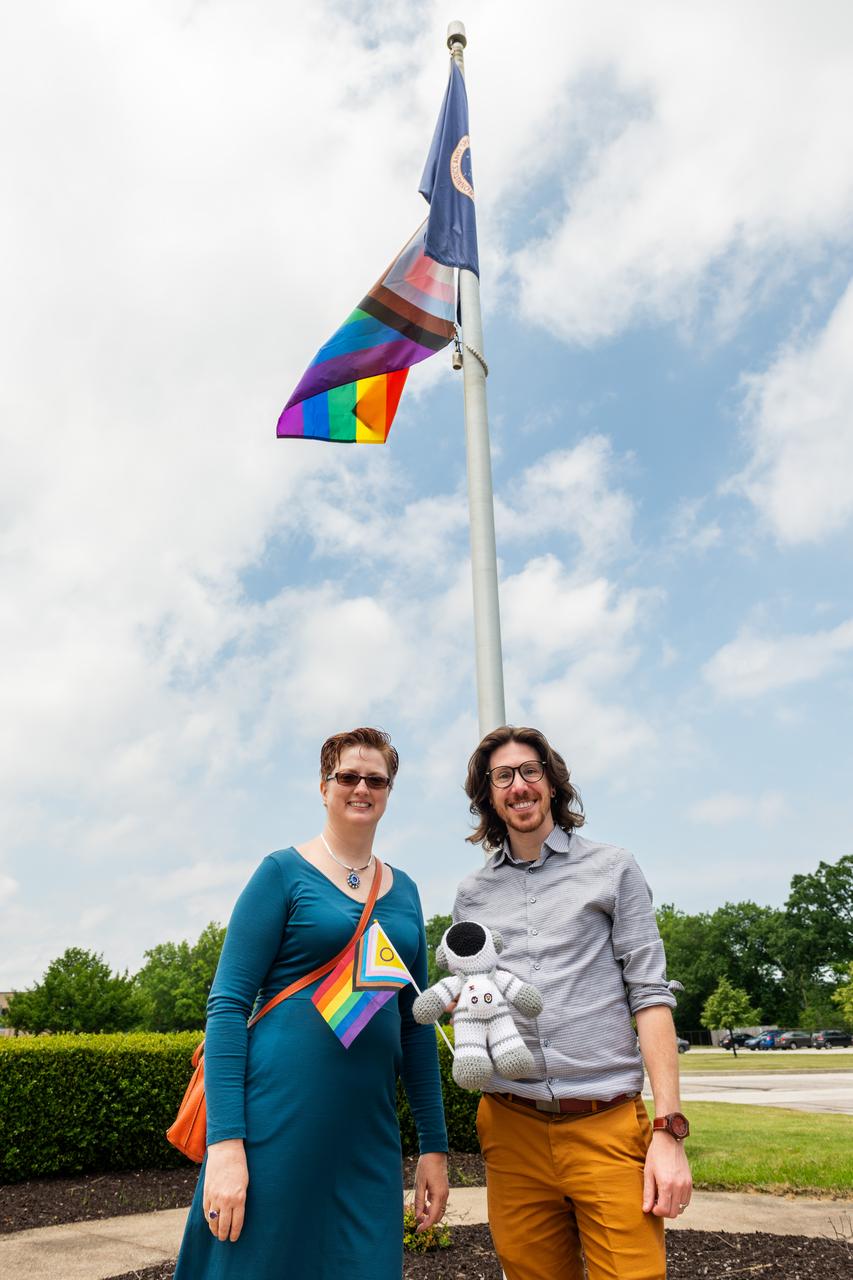
NASA Glenn’s Rainbow Alliance Advisory Group hosted an in-person and livestreamed Pride flag raising ceremony at the building 3 flagpole on June 3, 2024. The event included remarks from Deputy Director Dawn Schaible and NASA Safety Center Director Harmony Myers. Flag raising events such as this are times for LGBTQ+ employees and their allies to come together to celebrate the progress made in the quest for safety, tolerance, acceptance, rights, happiness, and freedom for the LGBTQ+ community on- and off-site of the center. Pictured here are Co-Chairs of the Rainbow Alliance Advisory Group Jessica Reinert and Matthew Huffman.
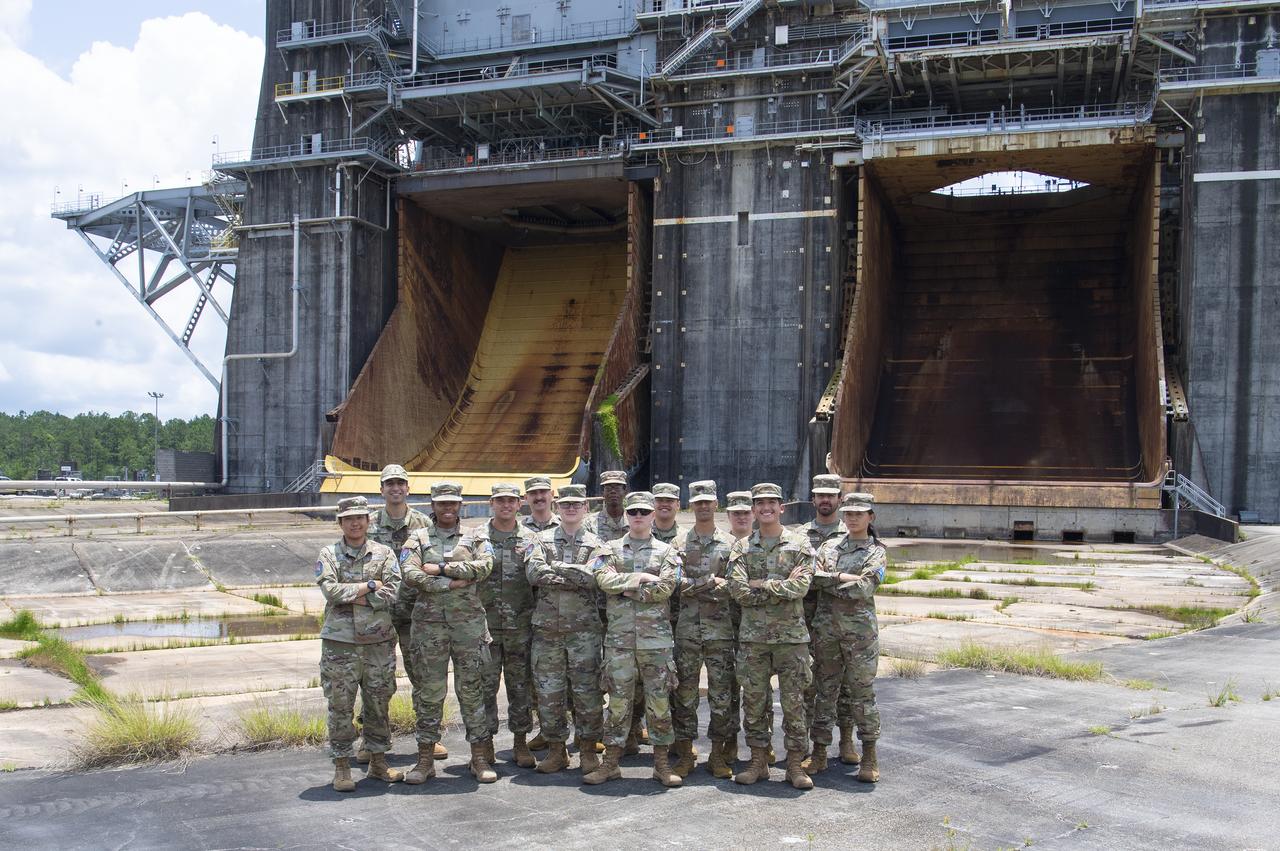
United States Space Force training students and professors stand at the Thad Cochran Test Stand on June 4 during a tour of NASA’s Stennis Space Center. NASA Stennis is preparing the test stand to test the exploration upper stage, which will fly on future SLS (Space Launch System) missions as NASA continues its mission of exploring the secrets of the universe for the benefit of all. The upper stage is being built at NASA’s Michoud Assembly Facility in New Orleans as a more powerful second stage to send the Orion spacecraft to deep space. It is expected to fly on the Artemis IV mission. Before that, it will be installed on the Thad Cochran Test Stand (B-2) at NASA Stennis to undergo a series of Green Run tests of its integrated systems to demonstrate it is ready to fly. The Space Force, established in 2019, organizes, trains, and equips personnel to protect U.S. and allied interests in space and to provide space capabilities to the joint forces.
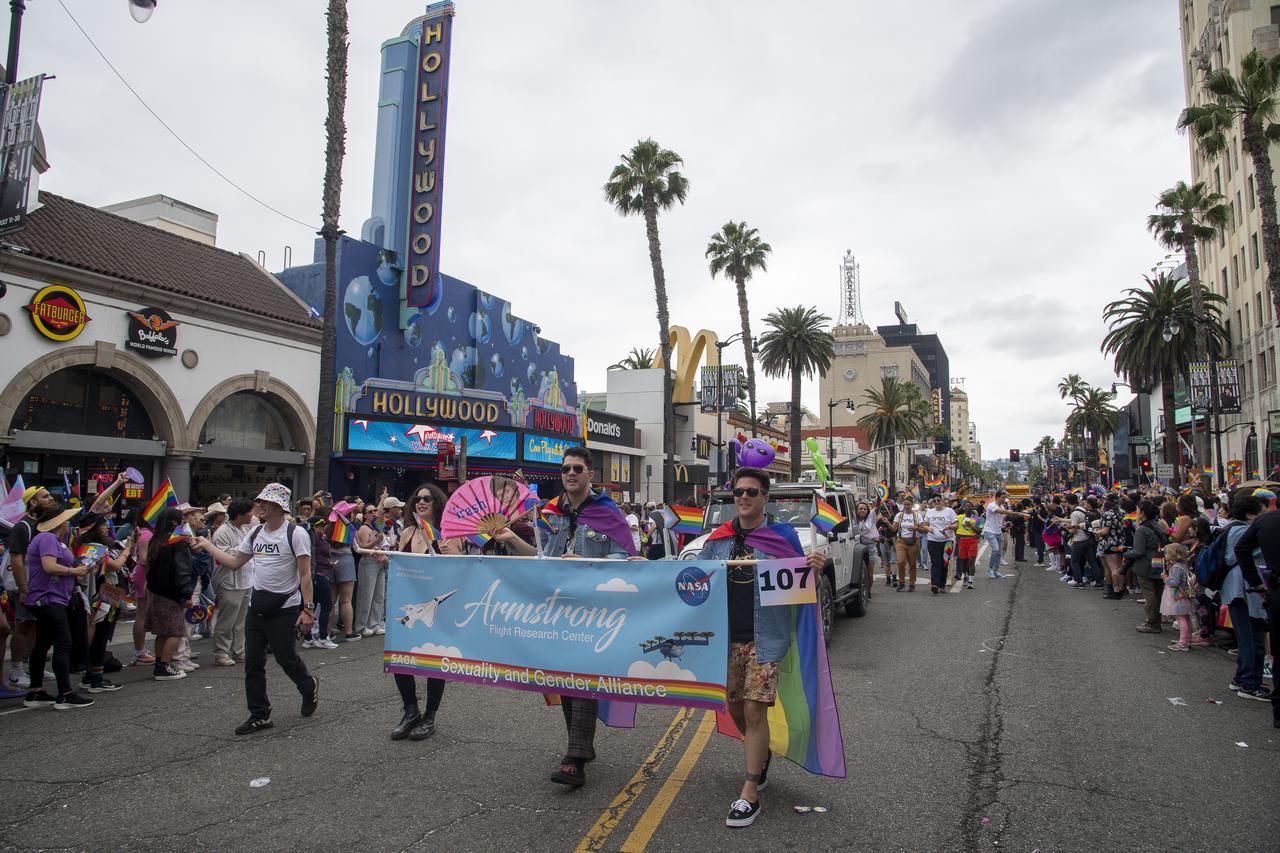
NASA’s Armstrong Flight Research Center in Edwards, California, and NASA’s Jet Propulsion Laboratory in Pasadena, California marched in the LA Pride Parade in June 2023. This was NASA Armstrong’s first time participating in the parade, and many NASA employees attended to celebrate the LGBTQIA+ community and allyship. NASA’s team included engineers, scientists, technicians, and mission support folks who enrich the organization by showing up as themselves. On Earth and at NASA, there is space for everyone.
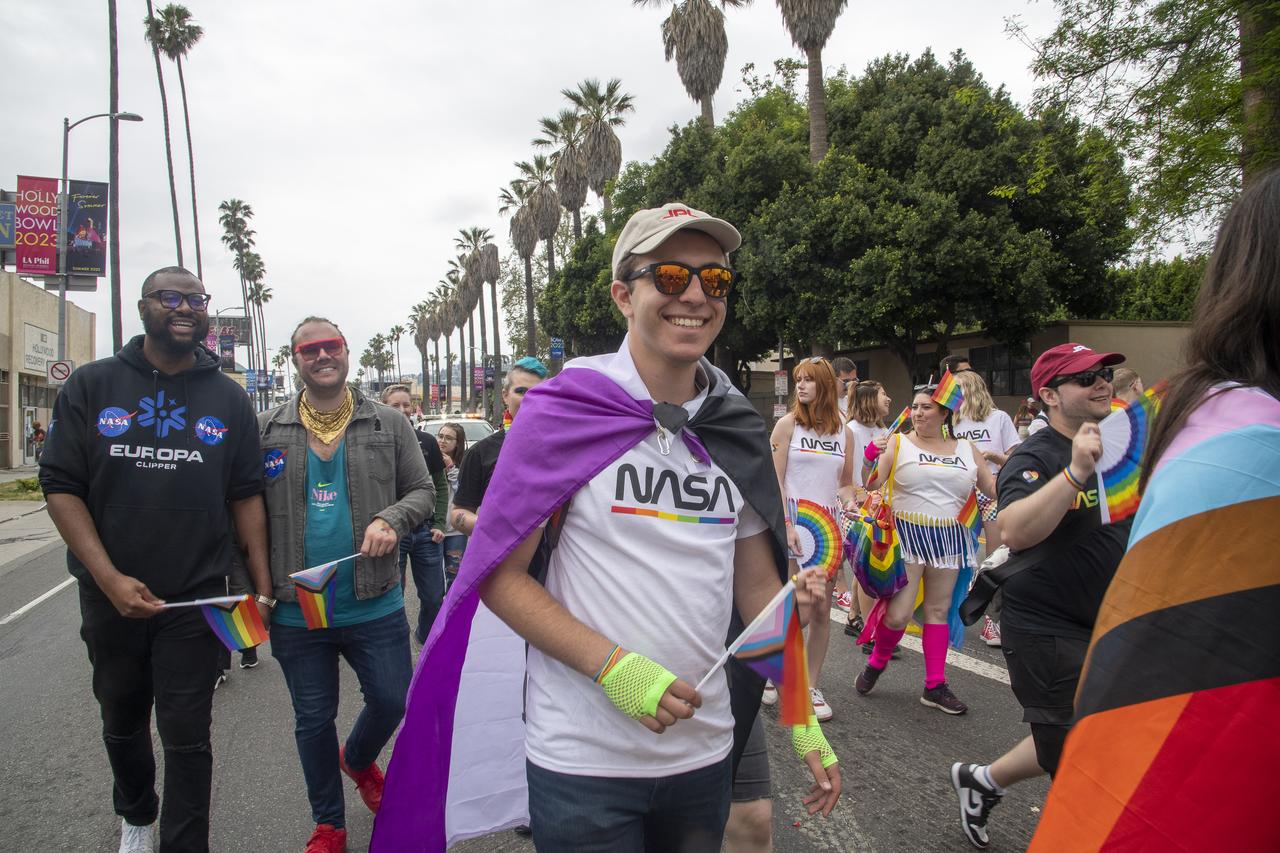
NASA’s Armstrong Flight Research Center in Edwards, California, and NASA’s Jet Propulsion Laboratory in Pasadena, California marched in the LA Pride Parade in June 2023. This was NASA Armstrong’s first time participating in the parade, and many NASA employees attended to celebrate the LGBTQIA+ community and allyship. NASA’s team included engineers, scientists, technicians, and mission support folks who enrich the organization by showing up as themselves. On Earth and at NASA, there is space for everyone.
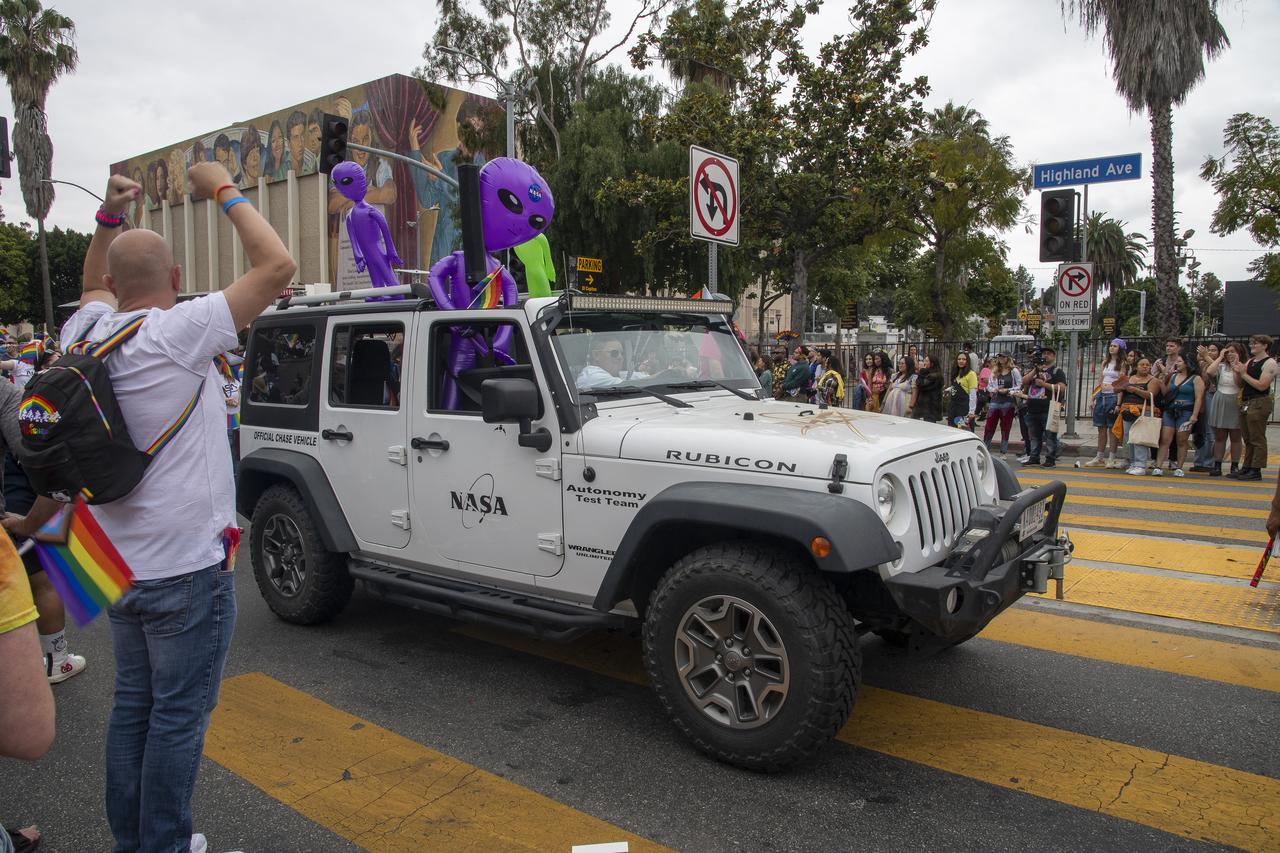
NASA’s Armstrong Flight Research Center in Edwards, California, and NASA’s Jet Propulsion Laboratory in Pasadena, California marched in the LA Pride Parade in June 2023. This was NASA Armstrong’s first time participating in the parade, and many NASA employees attended to celebrate the LGBTQIA+ community and allyship. NASA’s team included engineers, scientists, technicians, and mission support folks who enrich the organization by showing up as themselves. On Earth and at NASA, there is space for everyone.

NASA’s Armstrong Flight Research Center in Edwards, California, and NASA’s Jet Propulsion Laboratory in Pasadena, California marched in the LA Pride Parade in June 2023. This was NASA Armstrong’s first time participating in the parade, and many NASA employees attended to celebrate the LGBTQIA+ community and allyship. NASA’s team included engineers, scientists, technicians, and mission support folks who enrich the organization by showing up as themselves. On Earth and at NASA, there is space for everyone.
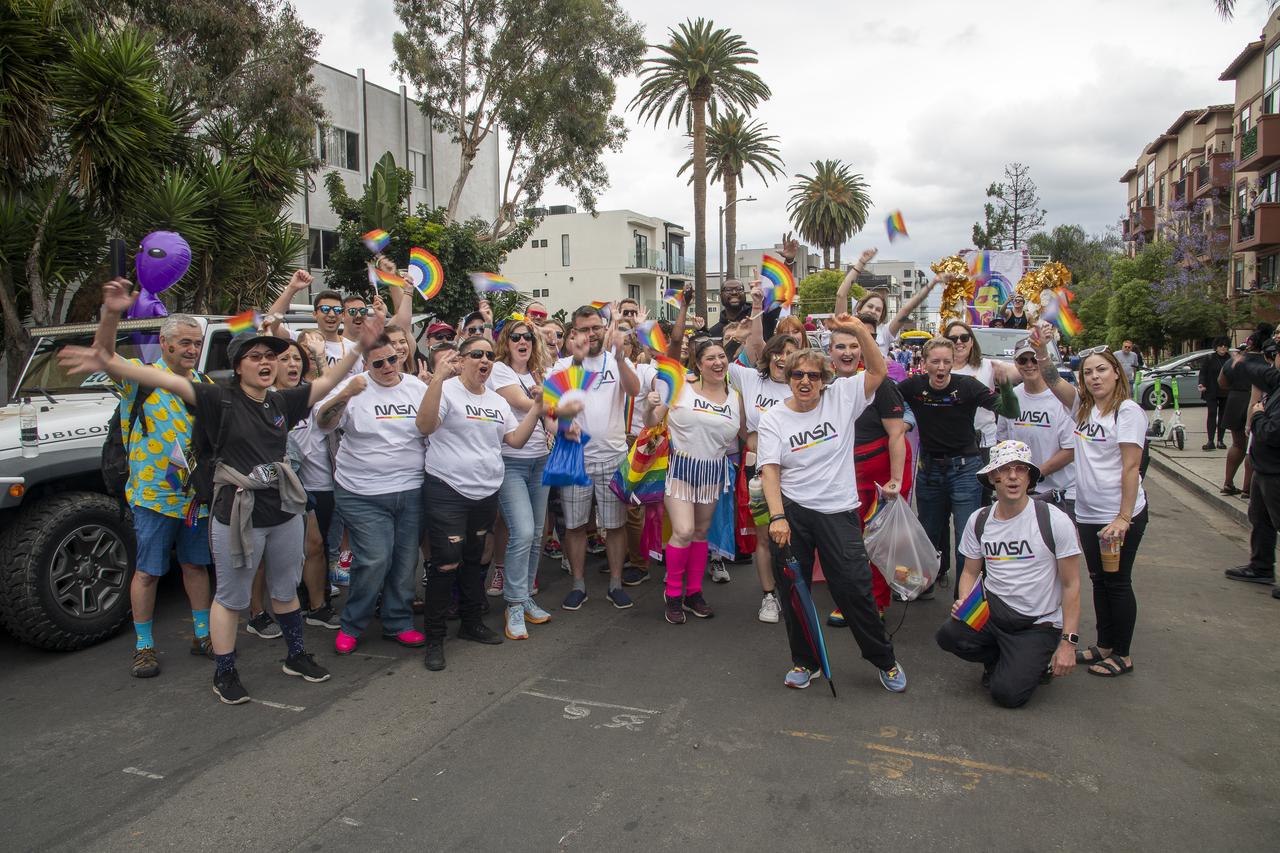
NASA’s Armstrong Flight Research Center in Edwards, California, and NASA’s Jet Propulsion Laboratory in Pasadena, California marched in the LA Pride Parade in June 2023. This was NASA Armstrong’s first time participating in the parade, and many NASA employees attended to celebrate the LGBTQIA+ community and allyship. NASA’s team included engineers, scientists, technicians, and mission support folks who enrich the organization by showing up as themselves. On Earth and at NASA, there is space for everyone.
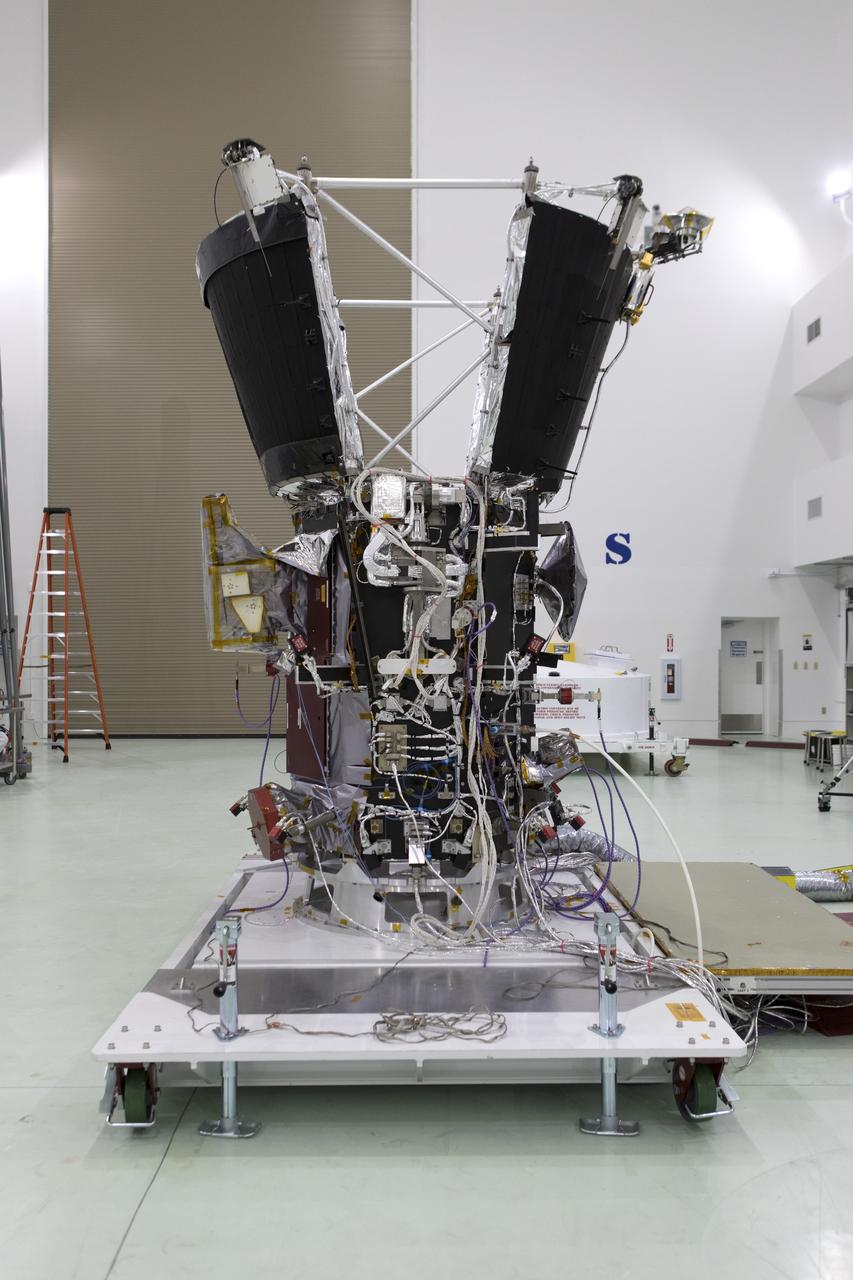
Antenna's on NASA's Parker Solar Probe are deployed for testing at the Astrotech processing facility in Titusville, Florida, near NASA's Kennedy Space Center on Thursday, April 19, 2018. The Parker Solar Probe will launch on a United Launch Alliance Delta IV Heavy rocket from Space Launch Complex 37 at Cape Canaveral Air Force Station in Florida no earlier than Aug. 4, 2018. The mission will perform the closest-ever observations of a star when it travels through the Sun's atmosphere, called the corona. The probe will rely on measurements and imaging to revolutionize our understanding of the corona and the Sun-Earth connection.

Antenna's on NASA's Parker Solar Probe are deployed for testing at the Astrotech processing facility in Titusville, Florida, near NASA's Kennedy Space Center on Thursday, April 19, 2018. The Parker Solar Probe will launch on a United Launch Alliance Delta IV Heavy rocket from Space Launch Complex 37 at Cape Canaveral Air Force Station in Florida no earlier than Aug. 4, 2018. The mission will perform the closest-ever observations of a star when it travels through the Sun's atmosphere, called the corona. The probe will rely on measurements and imaging to revolutionize our understanding of the corona and the Sun-Earth connection.
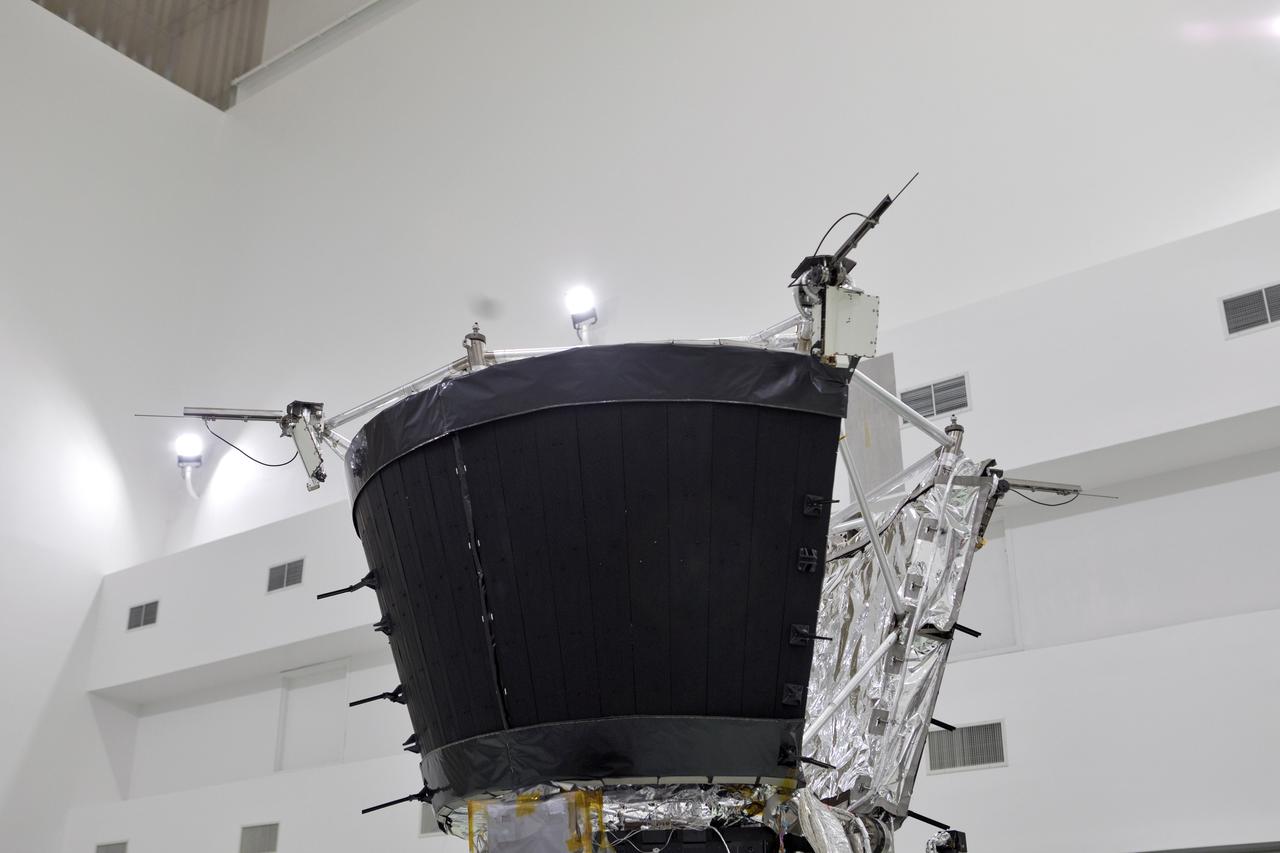
Antenna's on NASA's Parker Solar Probe are deployed for testing at the Astrotech processing facility in Titusville, Florida, near NASA's Kennedy Space Center on Thursday, April 19, 2018. The Parker Solar Probe will launch on a United Launch Alliance Delta IV Heavy rocket from Space Launch Complex 37 at Cape Canaveral Air Force Station in Florida no earlier than Aug. 4, 2018. The mission will perform the closest-ever observations of a star when it travels through the Sun's atmosphere, called the corona. The probe will rely on measurements and imaging to revolutionize our understanding of the corona and the Sun-Earth connection.
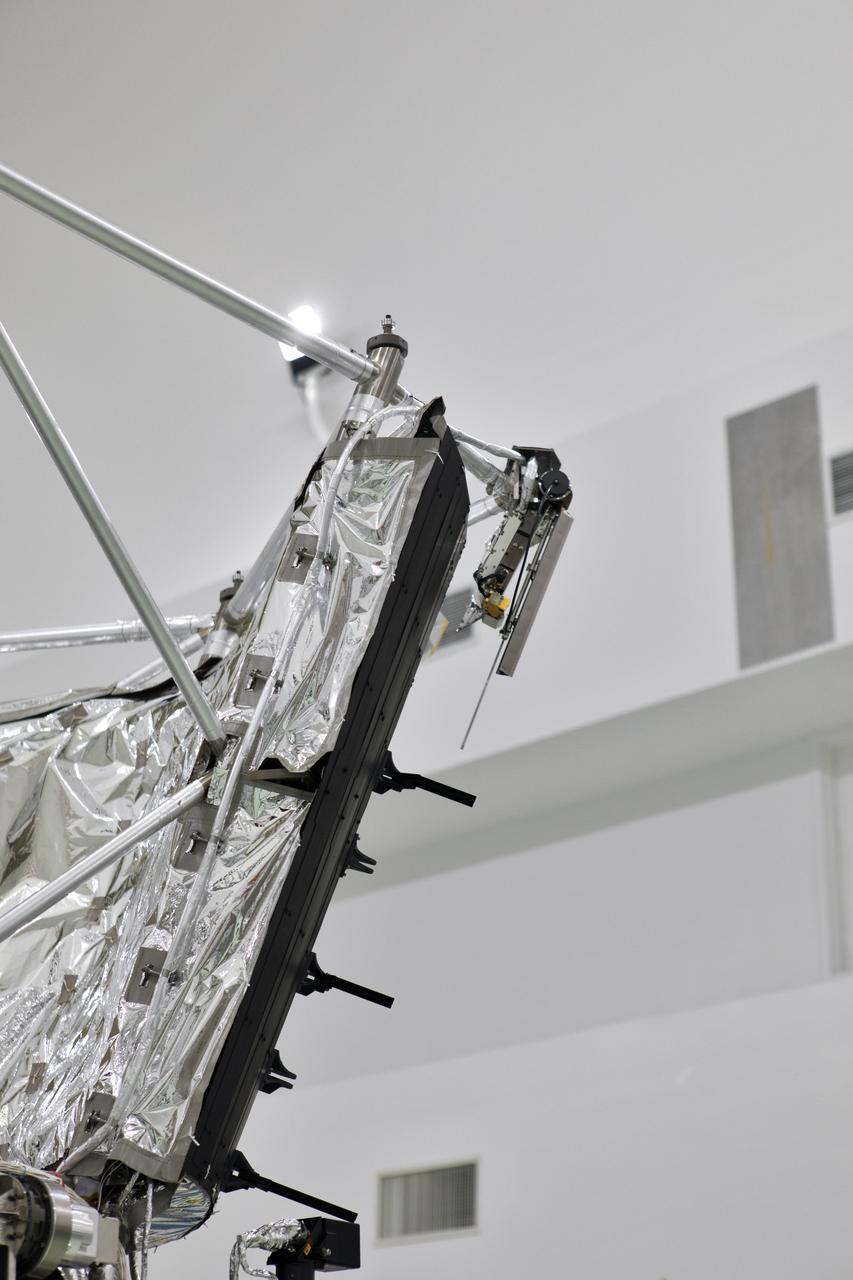
Antenna's on NASA's Parker Solar Probe are deployed for testing at the Astrotech processing facility in Titusville, Florida, near NASA's Kennedy Space Center on Thursday, April 19, 2018. The Parker Solar Probe will launch on a United Launch Alliance Delta IV Heavy rocket from Space Launch Complex 37 at Cape Canaveral Air Force Station in Florida no earlier than Aug. 4, 2018. The mission will perform the closest-ever observations of a star when it travels through the Sun's atmosphere, called the corona. The probe will rely on measurements and imaging to revolutionize our understanding of the corona and the Sun-Earth connection.

Antenna's on NASA's Parker Solar Probe are deployed for testing at the Astrotech processing facility in Titusville, Florida, near NASA's Kennedy Space Center on Thursday, April 19, 2018. The Parker Solar Probe will launch on a United Launch Alliance Delta IV Heavy rocket from Space Launch Complex 37 at Cape Canaveral Air Force Station in Florida no earlier than Aug. 4, 2018. The mission will perform the closest-ever observations of a star when it travels through the Sun's atmosphere, called the corona. The probe will rely on measurements and imaging to revolutionize our understanding of the corona and the Sun-Earth connection.

An ammonia oxidation plant at the Plum Brook Ordnance Works near Sandusky, Ohio, which later became the National Aeronautics and Space Administration’s (NASA) Plum Brook Station. During World War II the ordnance works produced trinitroluene (TNT), dinitrotoluene (DNT), and pentolite which were crated and shipped to an arsenal in Ravenna, Ohio. There, the explosives were packed into shells and sent to Allied forces overseas. Plum Brook was the third largest producer of TNT during World War II. Toluene, sulfuric acid, and nitric acid were used to manufacture the TNT. Nitric Acid is made by oxidizing ammonia, adding water, and concentrating it. The facility in this photograph was used for this oxidation. The structure included air compressors, filters, aftercoolers, power recovery systems, air receivers, heaters, ammonia gasifiers, gas mixers, cooler condensers, absorption columns, and bleaching columns. The Plum Brook Ordnance Works was shut down immediately after the war and remained vacant for the next ten years. NASA’s predecessor, the National Advisory Committee for Aeronautics (NACA), acquired the 500 acres of the site in 1955 to build a nuclear test reactor. By 1963, the agency had acquired the entire 9000 acres from the Army. Almost all of the military facilities were removed in the early 1960s. Plum Brook Station contained over 30 test facilities at its peak in the late 1960s. Today there are four major facilities in operation.