
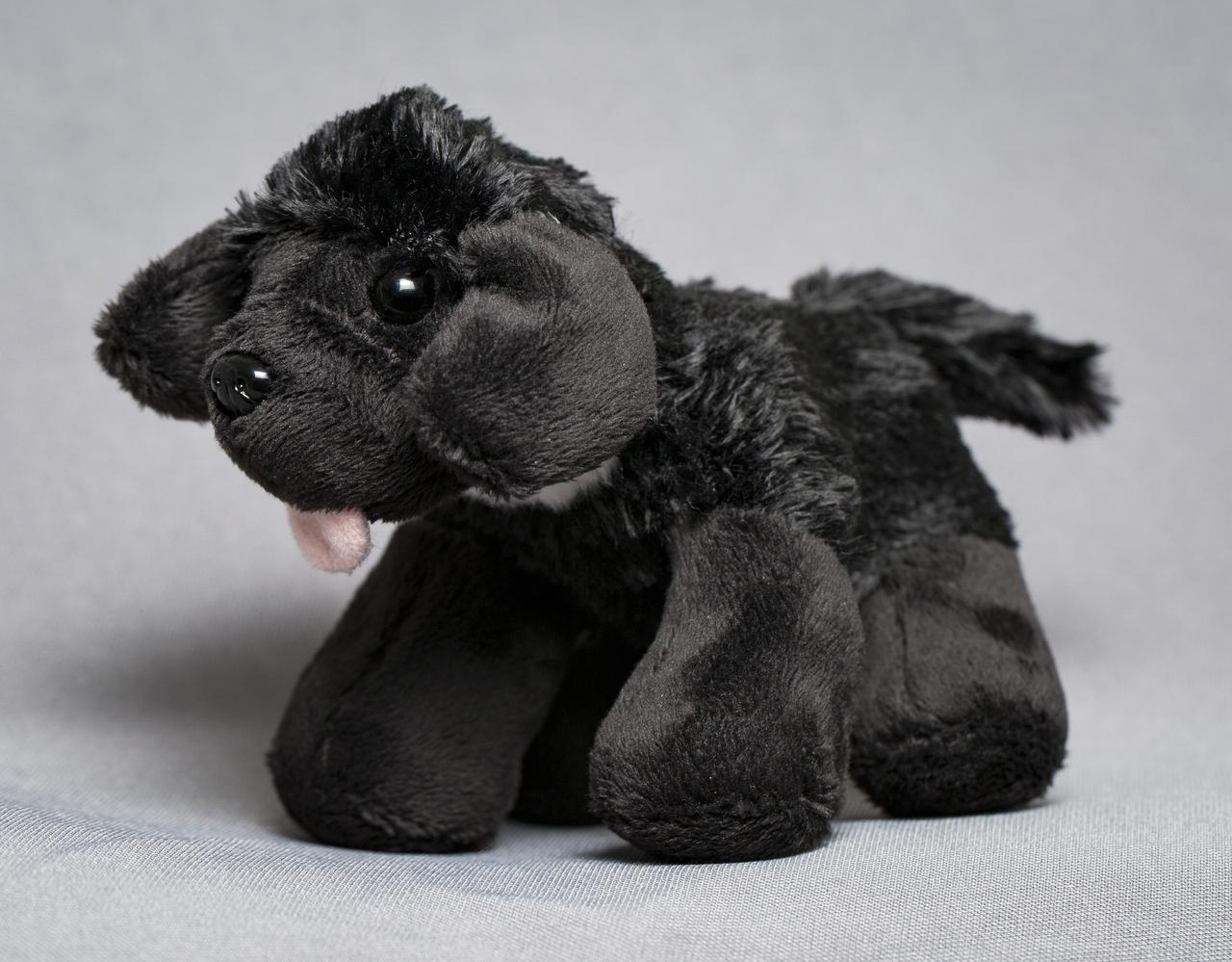
A toy dog named Seaman Jr., representing the Newfoundland that accompanied Lewis and Clark on their historic expedition in the 1800's, is seen here, Thursday, May 3, 2018 at NASA Headquarters in Washington. Seaman Jr. is headed to the International Space Station this summer to help celebrate NASA’s 60th Anniversary and the National Trail System’s 50th anniversary. Photo Credit: (NASA/Aubrey Gemignani)

A toy dog named Seaman Jr., representing the Newfoundland that accompanied Lewis and Clark on their historic expedition in the 1800's, is seen here, Thursday, May 3, 2018 at NASA Headquarters in Washington. Seaman Jr. is headed to the International Space Station this summer to help celebrate NASA’s 60th Anniversary and the National Trail System’s 50th anniversary. Photo Credit: (NASA/Aubrey Gemignani)

A toy dog named Seaman Jr., representing the Newfoundland that accompanied Lewis and Clark on their historic expedition in the 1800's, is seen here, Thursday, May 3, 2018 at NASA Headquarters in Washington. Seaman Jr. is headed to the International Space Station this summer to help celebrate NASA’s 60th Anniversary and the National Trail System’s 50th anniversary. Photo Credit: (NASA/Aubrey Gemignani)
A toy dog named Seaman Jr., representing the Newfoundland that accompanied Lewis and Clark on their historic expedition in the 1800's, is seen here, Thursday, May 3, 2018 at NASA Headquarters in Washington. Seaman Jr. is headed to the International Space Station this summer to help celebrate NASA’s 60th Anniversary and the National Trail System’s 50th anniversary. Photo Credit: (NASA/Aubrey Gemignani)

Stennis Space Center Director Patrick Scheuermann (right) and Naval Meteorology and Oceanography Command Chief of Staff James Pettigrew drop the first shovelfuls of dirt on a time capsule to be opened on the rocket engine test facility's 100th anniversary in 2061. The time capsule was placed in front of the Roy S. Estess Building on Oct. 25 as Stennis concluded celebrations of its 50th anniversary. NASA publicly announced plans to build the rocket engine test site Oct. 25, 1961.
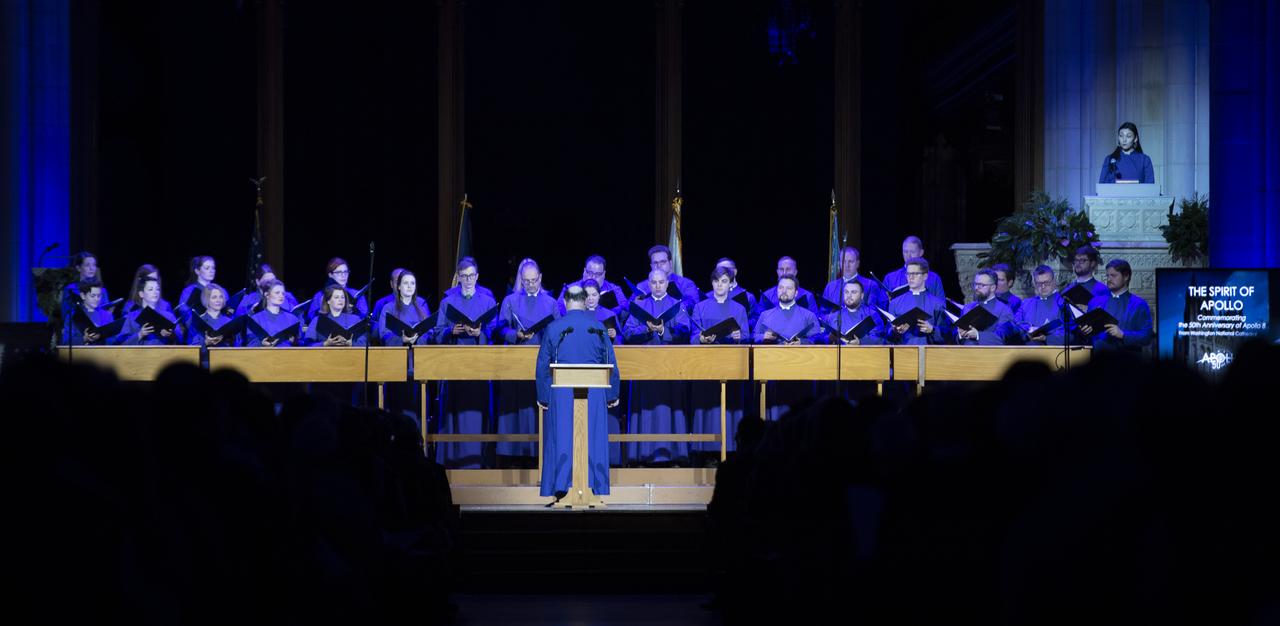
The Washington National Cathedral Choir performs a choral performance of Apollo 8's Christmas Eve broadcast during the Smithsonian National Air and Space Museum's Spirit of Apollo event commemorating the 50th anniversary of Apollo 8, Tuesday, Dec. 11, 2018 at the Washington National Cathedral in Washington, DC. Apollo 8 was humanity's first journey to another world, taking astronauts Frank Borman, Jim Lovell, and William Anders to the Moon and back in December of 1968. Photo Credit: (NASA/Joel Kowsky)
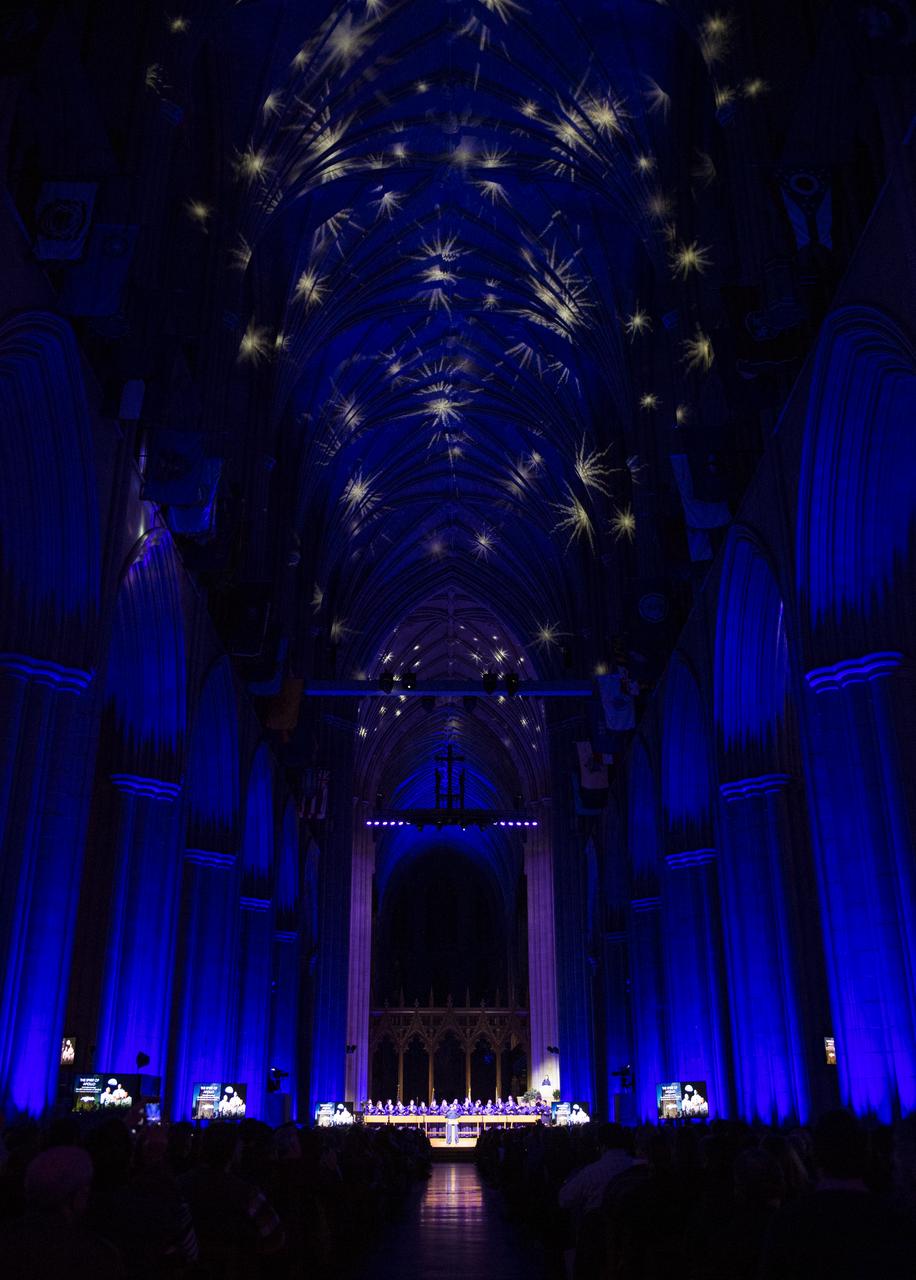
The Washington National Cathedral Choir performs a choral performance of Apollo 8's Christmas Eve broadcast during the Smithsonian National Air and Space Museum's Spirit of Apollo event commemorating the 50th anniversary of Apollo 8, Tuesday, Dec. 11, 2018 at the Washington National Cathedral in Washington, DC. Apollo 8 was humanity's first journey to another world, taking astronauts Frank Borman, Jim Lovell, and William Anders to the Moon and back in December of 1968. Photo Credit: (NASA/Joel Kowsky)
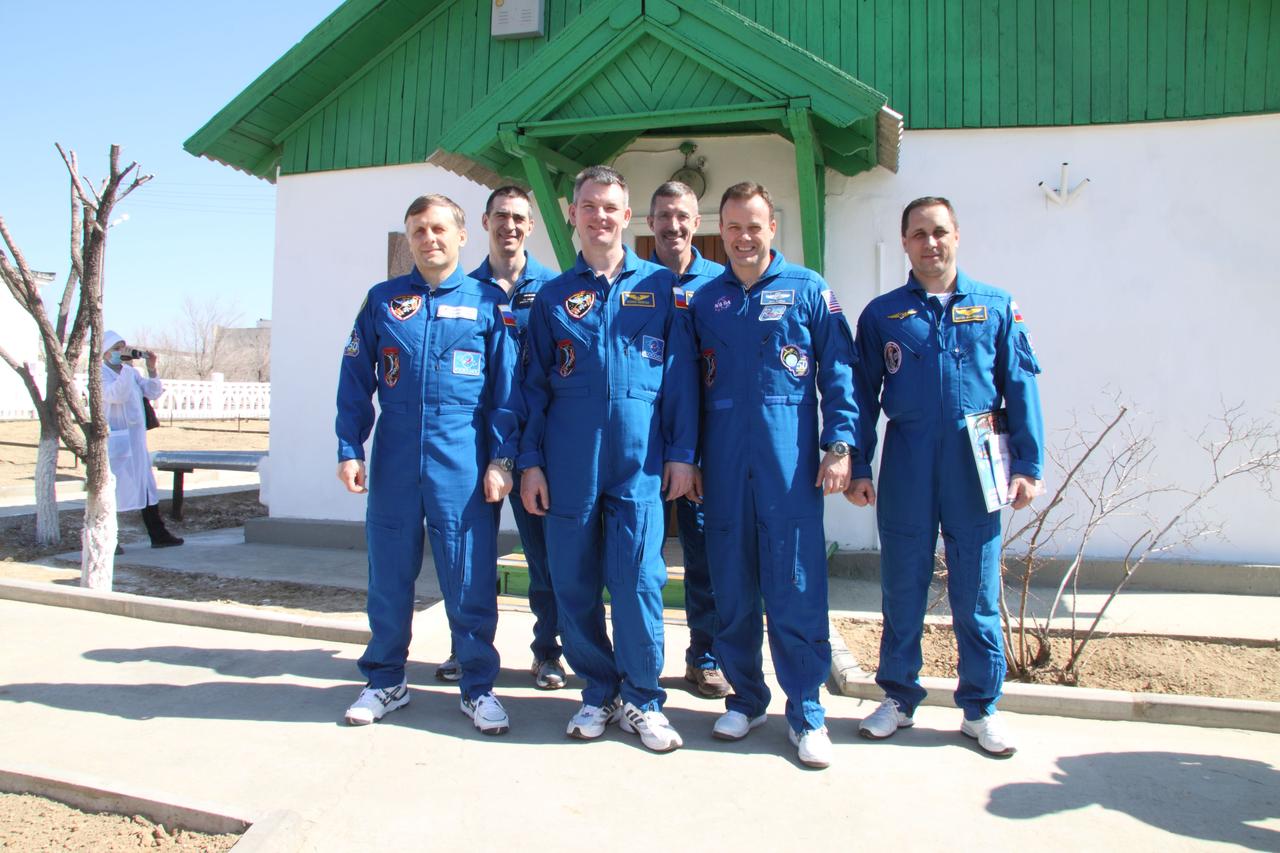
JSC2011-E-030087 (31 March 2011) --- The Expedition 27 prime and backup crew members pose for pictures March 31, 2011 at the Baikonur Cosmodrome in Kazakhstan in front of the cottage near the launch pad in which Yuri Gagarin slept the night before he launched April 12, 1961 to become the first human to fly in space. NASA astronaut Ron Garan, flight engineer; Russian cosmonaut Alexander Samokutyaev, Soyuz commander, and Russian cosmonaut Andrey Borisenko, flight engineer, will launch April 5 (Kazakhstan time) in their Soyuz TMA-21 spacecraft to the International Space Station. Their Soyuz has been dubbed ?Gagarin? in honor of the 50th anniversary of Gagarin?s launch. From left to right are Borisenko, backup crew member Anatoly Ivanishin, Samokutyaev, backup crew member Dan Burbank, Garan and backup crew member Anton Shkaplerov. Photo credit: NASA/Victor Zelentsov
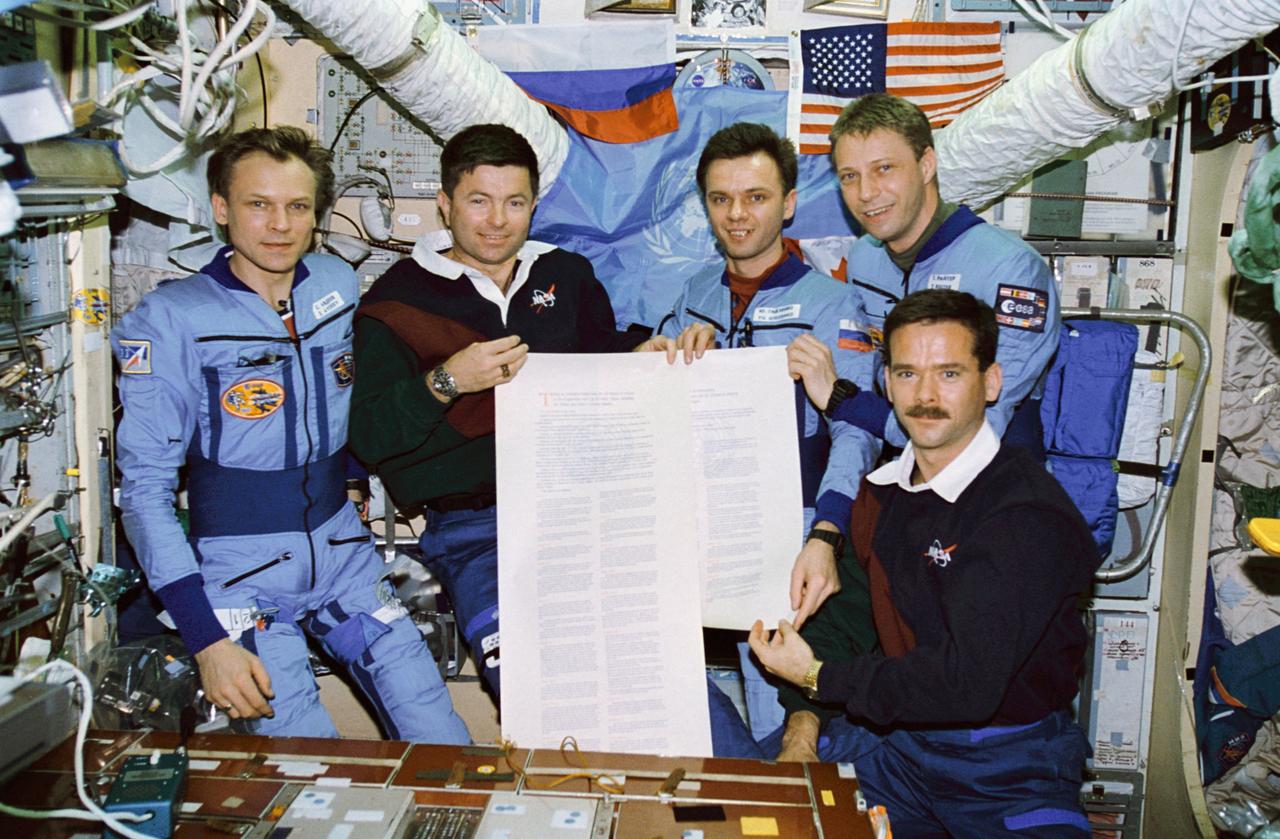
STS074-324-002 (12-20 Nov 1995) --- Several crew members with a scroll they signed commemorating the 50th anniversary of the United Nations (U.N.). In the frame (left to right) are Sergei V. Avdeyev, Kenneth D. Cameron, Yuriy P. Gidzenko, Thomas Reiter and Chris A. Hadfield (front). With five NASA astronauts aboard the Space Shuttle Atlantis, the flight began with a November 12, 1995 launch from Kennedy Space Center (KSC) and ended with landing there on November 20, 1995. The STS-74 crew members were astronauts Cameron, mission commander; James D. Halsell Jr., pilot; William S. McArthur Jr., Jerry L. Ross and Canadian astronaut Hadfield, all mission specialists. On November 15, 1995, the Space Shuttle Atlantis docked with Russia?s Mir Space Station, on which the STS-74 astronauts joined the Mir-20 crew. The Mir-20 crew is composed of cosmonauts Gidzenko, commander; and Avdeyev, engineer; along with the European Space Agency?s (ESA) Reiter, cosmonaut researcher. Joint activities on the Mir Space Station and the Space Shuttle Atlantis ended November 18, 1995, when the two spacecraft separated.
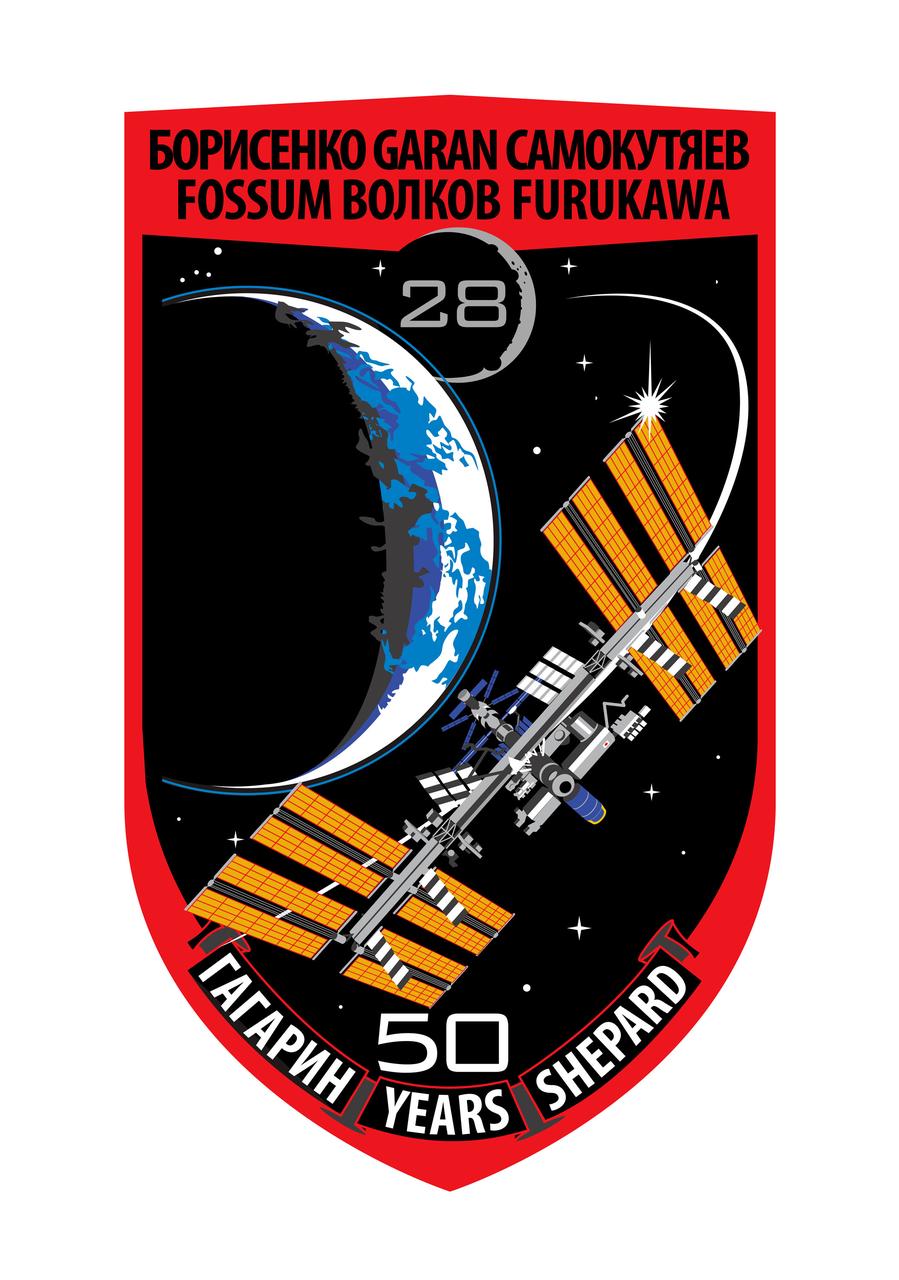
ISS028-S-001 (September 2010) --- In the foreground of the Expedition 28 patch, the International Space Station is prominently displayed to acknowledge the efforts of the entire International Space Station (ISS) team - both the crews who have assembled and operated it, and the team of scientists, engineers, and support personnel on Earth who have provided a foundation for each successful mission. Their efforts and accomplishments have demonstrated the Space Station?s capabilities as a technology test bed and a science laboratory, as well as a path to the human exploration of our solar system and beyond. This Expedition 28 patch represents the teamwork among the international partners ? USA, Russia, Japan, Canada, and the ESA - and the ongoing commitment from each partner to build, improve, and utilize the ISS. Prominently displayed in the background is our home planet, Earth - the focus of much of our exploration and research on our outpost in space. Also prominently displayed in the background is the Moon. The Moon is included in the design to stress the importance of our planet?s closest neighbor to the future of our world. Expedition 28 is scheduled to occur during the timeframe of the 50th anniversary of both the first human in space, Russian cosmonaut Yuri Gagarin and the first American in space, astronaut, Alan Shepard. To acknowledge the significant milestone of 50 years of human spaceflight, the names ????????? and ?Shepard? as well as ?50 Years? are included in the patch design. The NASA insignia design for shuttle and space station flights is reserved for use by the astronauts and for other official use as the NASA Administrator may authorize. Public availability has been approved only in the forms of illustrations by the various news media. When and if there is any change in this policy, which is not anticipated, the change will be publicly announced. Photo credit: NASA and its international partners.