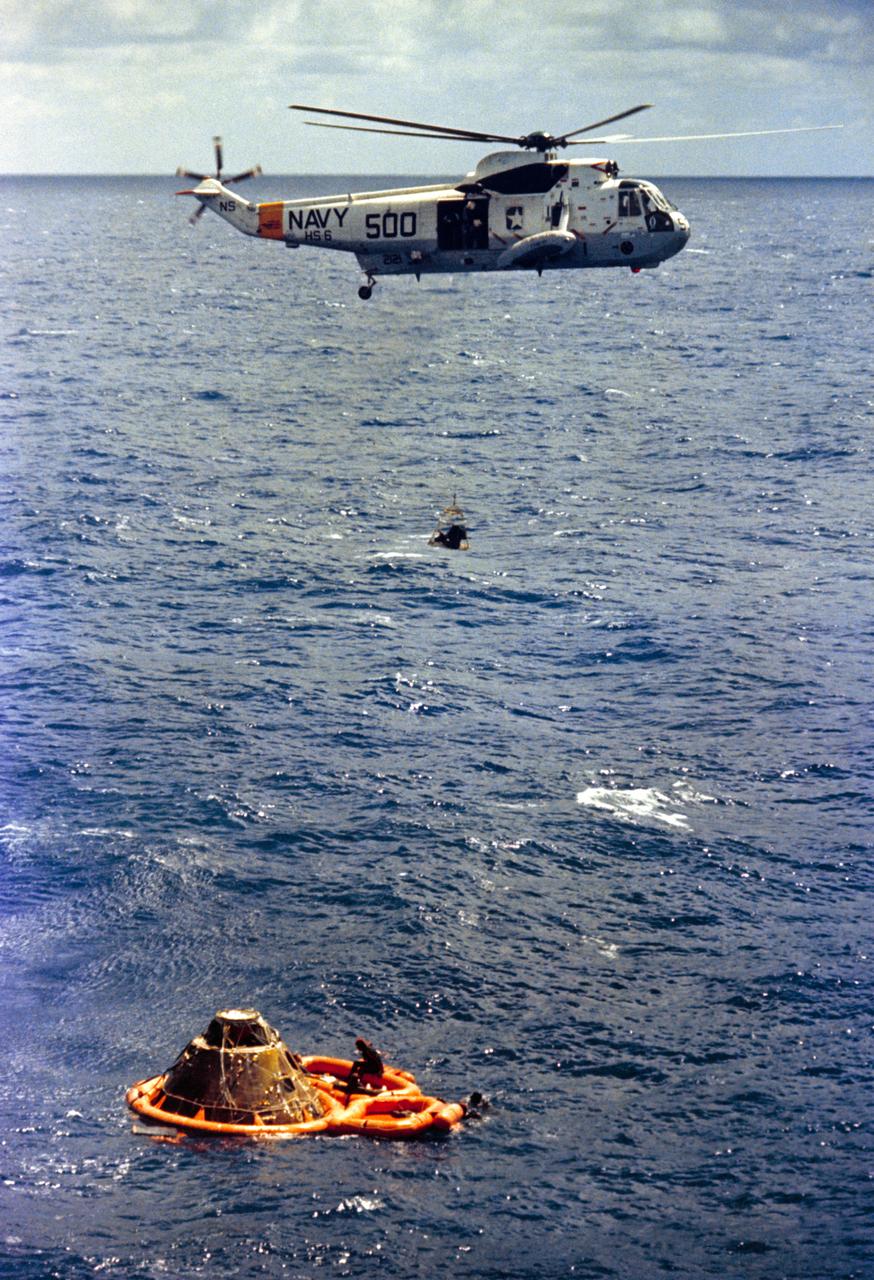
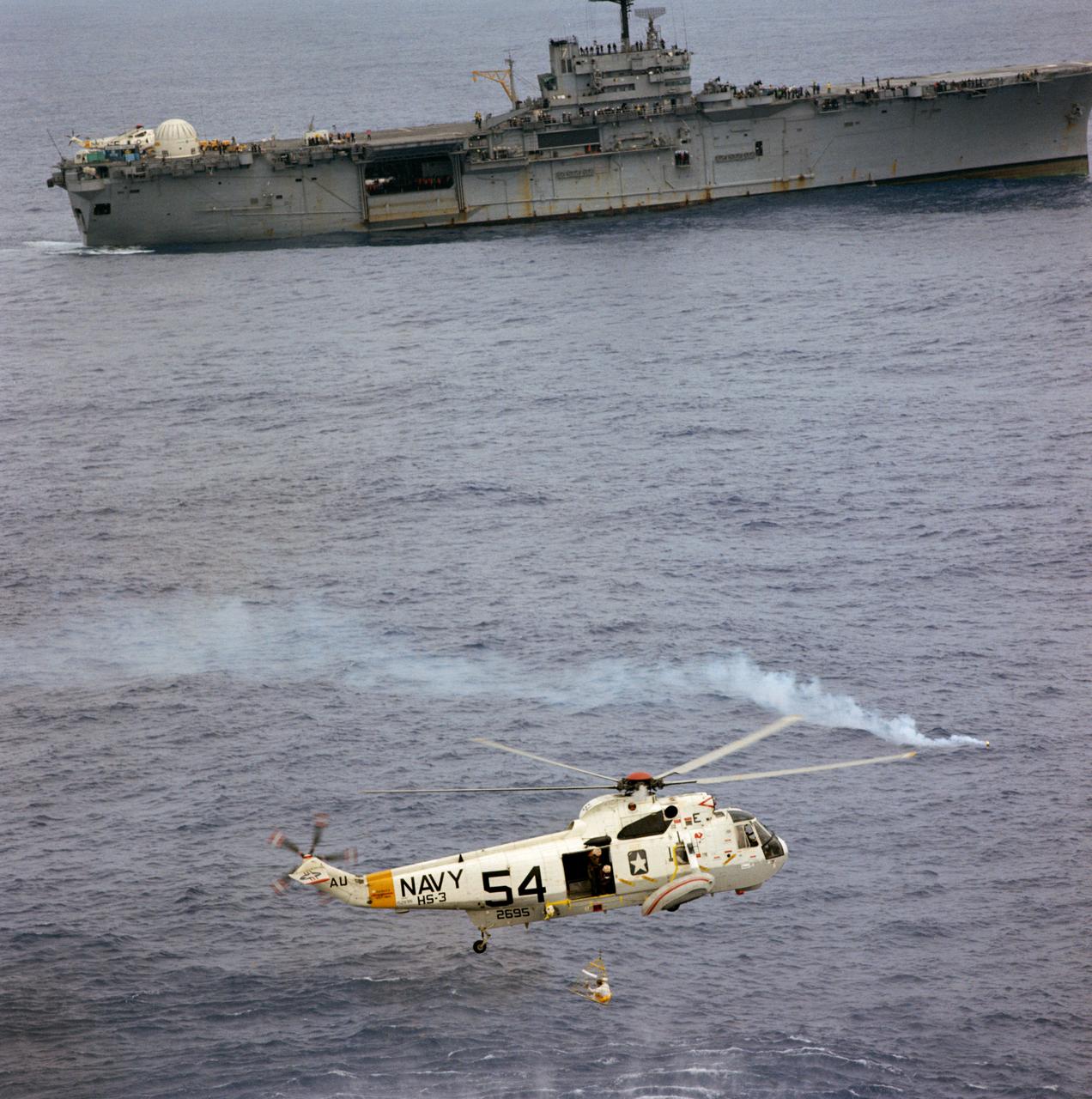
Aerial view of an Apollo 9 crewman in a new rescue net (a Billy Pugh net) being hoisted aboard a Navy helicopter after splashdown in the Atlantic recovery area and a successful ten-day, earth-orbital space mission. Navy divers have already attached a flotation collar to the command module and are assisting with recovery operations.
Apollo 9 crewman in rescue net being hoisted up to helicopter
This Hubble image shows NGC 4789A, a dwarf irregular galaxy in the constellation of Coma Berenices. It certainly lives up to its name — the stars that call this galaxy home are smeared out across the sky in an apparently disorderly and irregular jumble, giving NGC 4789A a far more subtle and abstract appearance than its glitzy spiral and elliptical cousins.  These stars may look as if they have been randomly sprinkled on the sky, but they are all held together by gravity. The colors in this image have been deliberately exaggerated to emphasize the mix of blue and red stars. The blue stars are bright, hot and massive stars that have formed relatively recently, whereas the red stars are much older. The presence of both tells us that stars have been forming in this galaxy throughout its history.  At a distance of just over 14 million light-years away NGC 4789A is relatively close to us, allowing us to see many of the individual stars within its bounds. This image also reveals numerous other galaxies, far more distant, that appear as fuzzy shapes spread across the image.  Image Credit: ESA/Hubble &amp; NASA, Acknowledgements: Judy Schmidt (Geckzilla)  <b><a href="http://www.nasa.gov/audience/formedia/features/MP_Photo_Guidelines.html" rel="nofollow">NASA image use policy.</a></b>  <b><a href="http://www.nasa.gov/centers/goddard/home/index.html" rel="nofollow">NASA Goddard Space Flight Center</a></b> enables NASA’s mission through four scientific endeavors: Earth Science, Heliophysics, Solar System Exploration, and Astrophysics. Goddard plays a leading role in NASA’s accomplishments by contributing compelling scientific knowledge to advance the Agency’s mission.  <b>Follow us on <a href="http://twitter.com/NASAGoddardPix" rel="nofollow">Twitter</a></b>  <b>Like us on <a href="http://www.facebook.com/pages/Greenbelt-MD/NASA-Goddard/395013845897?ref=tsd" rel="nofollow">Facebook</a></b>  <b>Find us on <a href="http://instagrid.me/nasagoddard/?vm=grid" rel="nofollow">Instagram</a></b>
Hubble Nets a Subtle Swarm
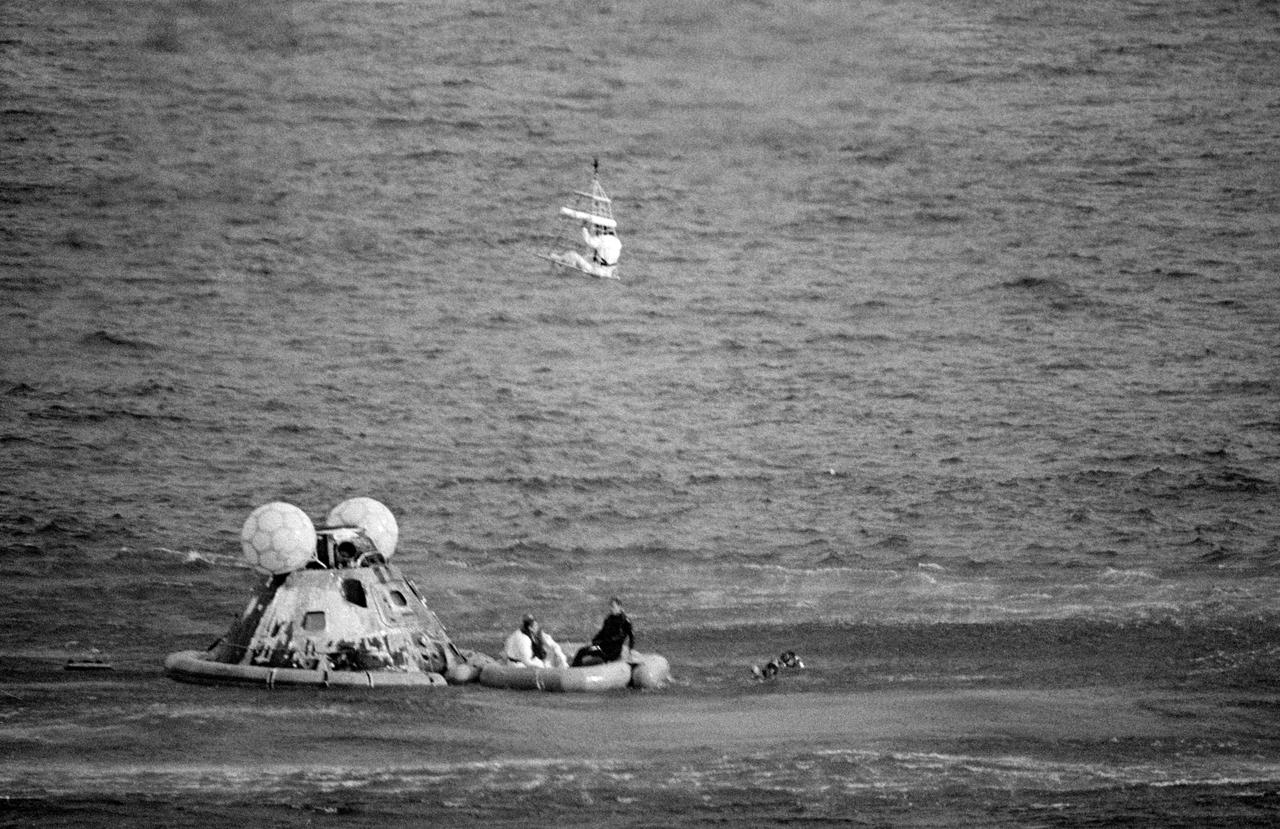
S71-19476 (9 Feb. 1971) --- Astronaut Stuart A. Roosa, command module pilot, is hoisted inside a Billy Pugh net to a U.S. Navy helicopter assisting in Apollo 14 recovery operations in the South Pacific Ocean. Visible in a life raft beside the Command Module (CM) are astronauts Alan B. Shepard Jr., commander, back to camera; and Edgar D. Mitchell (partially obscured by the spacecraft), lunar module pilot. Three U.S. Navy underwater demolition team swimmers who assisted in the recovery operations are pictured in and around the life raft. Apollo 14 splashdown occurred at 3:04:39 p.m. (CST), Feb. 9, 1971, approximately 765 nautical miles south of American Samoa in the South Pacific Ocean.
Astronaut Stuart Roosa hoisted inside recovery net to Navy helicopter
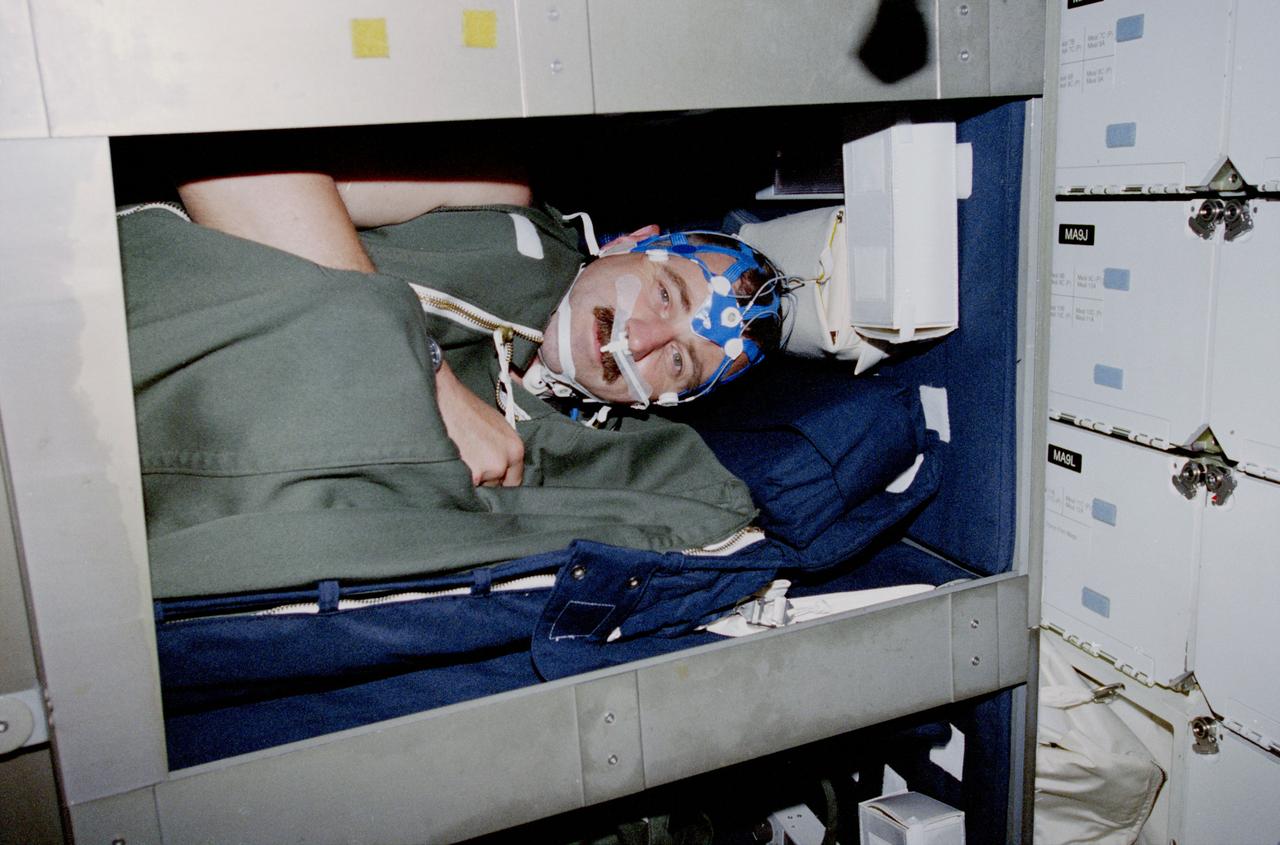
STS090-377-011 (17 APRIL-3 MAY 1998) --- Astronaut Dafydd R. (Dave) Williams, mission specialist representing the Canadian Space Agency (CSA), accomplishes more than one purpose when he sleeps in this bunk aboard the Earth-orbiting Space Shuttle Columbia.  Conducting a Neurolab sleep experiment, Williams wears equipment which includes a sleep net (mesh cap that monitors and records brain waves); a Respiratory Inductance Plethysmograph (RIP) suit for monitoring respiration; and an activity monitor -- a device (out of view) worn on the wrist to detect and record body movement.  Data on brain waves, eye movements, respiration, heart rate, and oxygen concentration are routed to a portable data recorder.  The entire system has capabilities similar to a fully equipped sleep laboratory on Earth.  The sleeping bag is conventional Shuttle ware and not part of the experiment.
SLEEP - Williams wearing sleep net
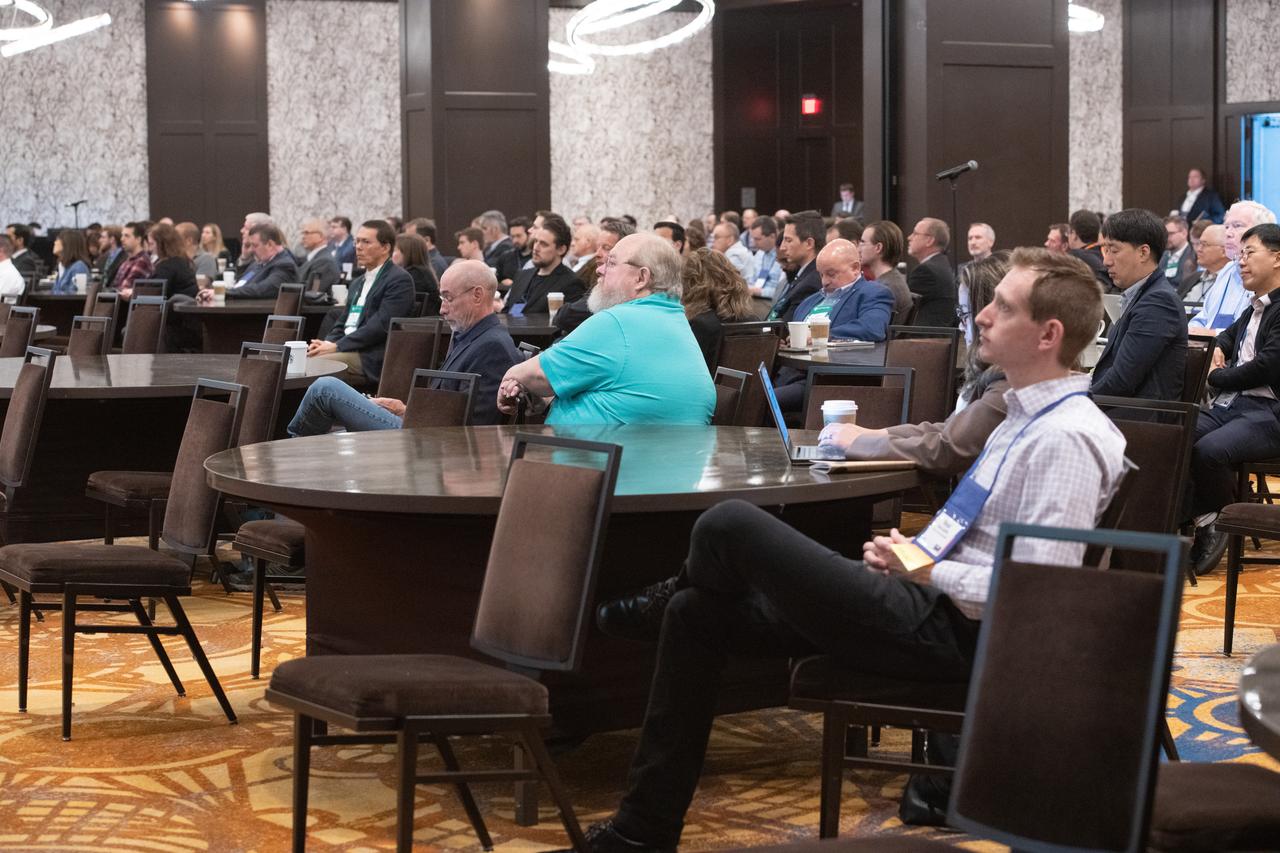
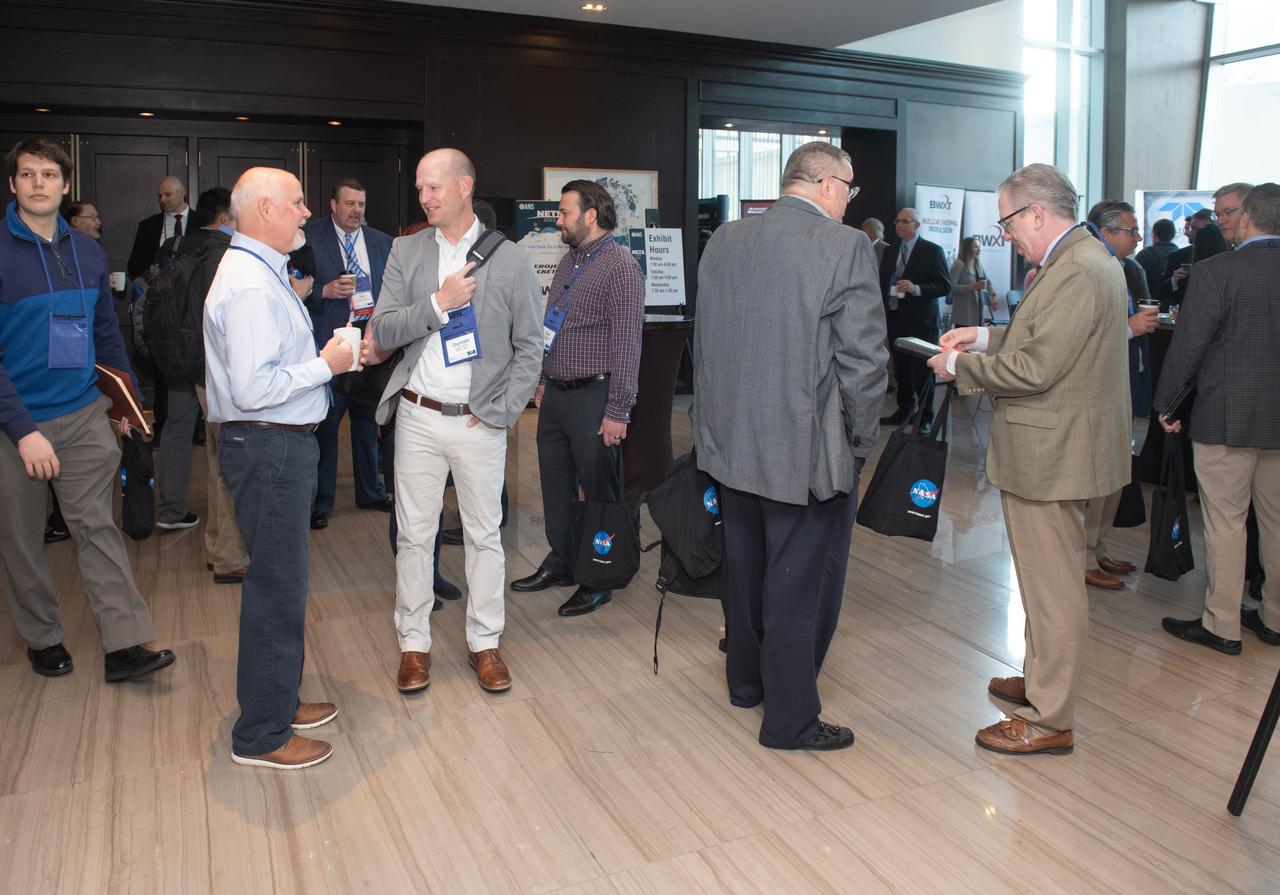
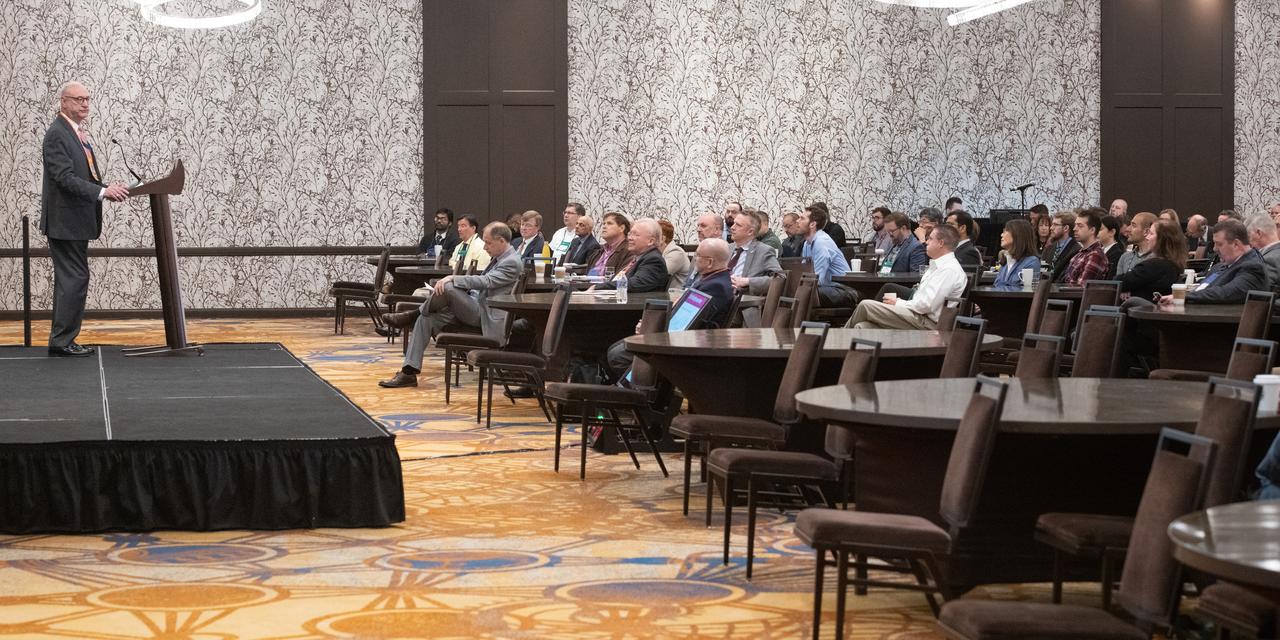
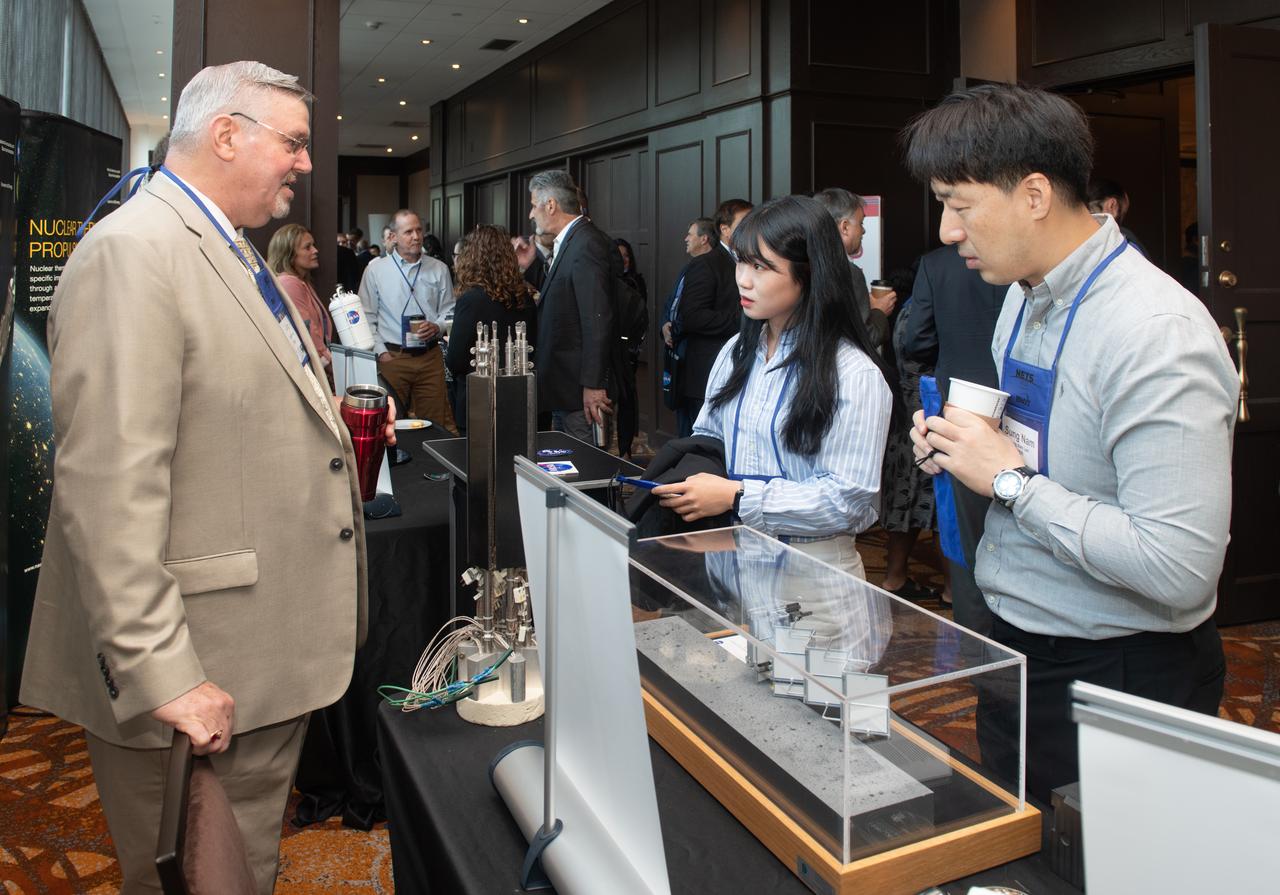
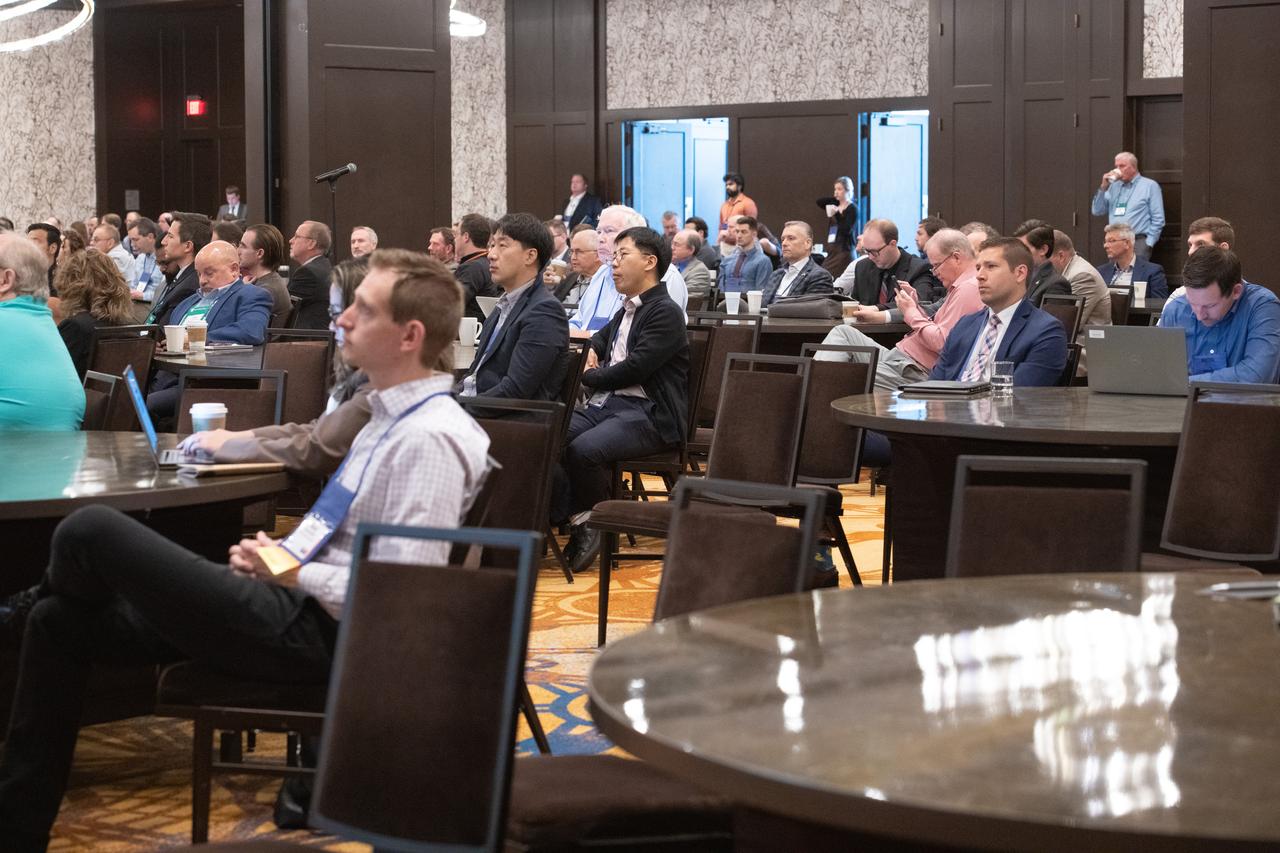
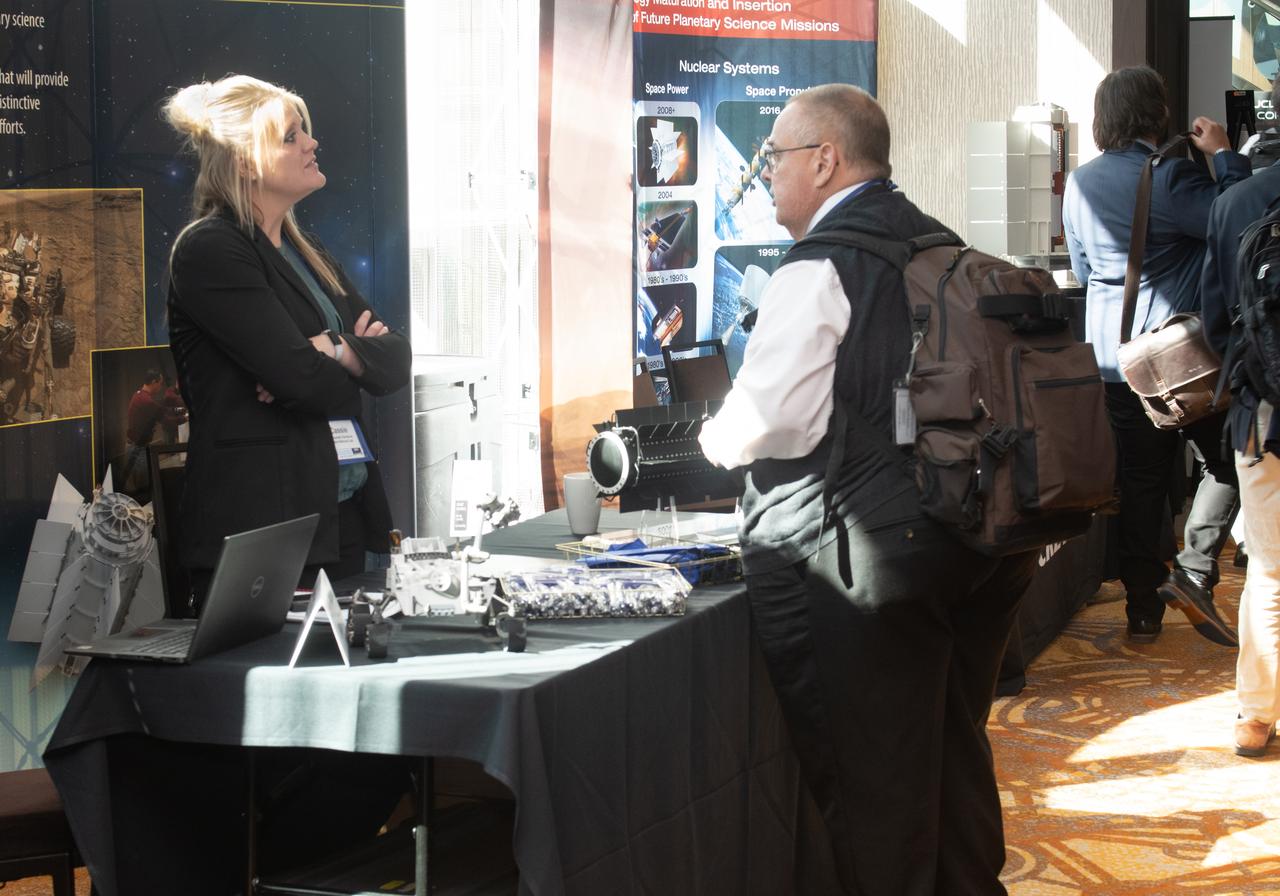
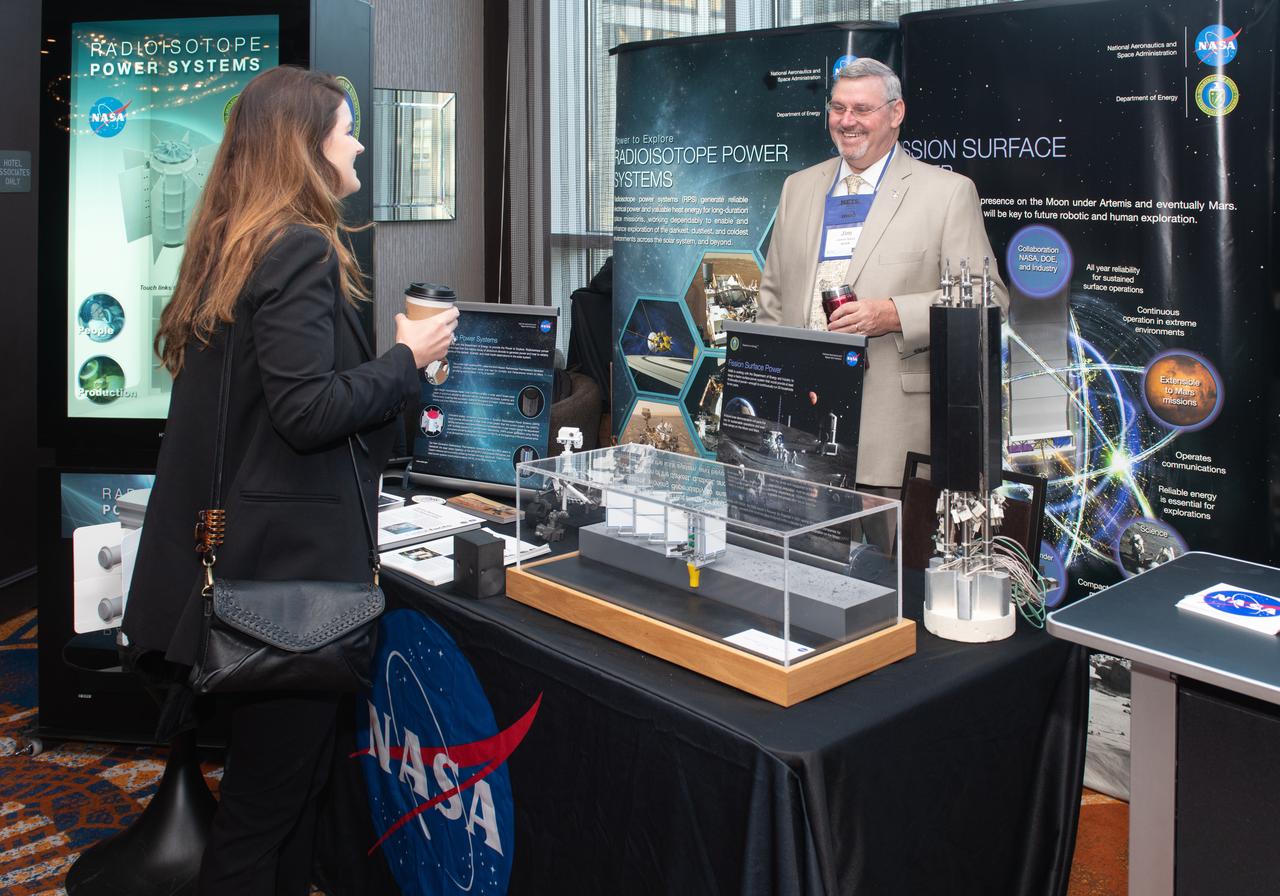
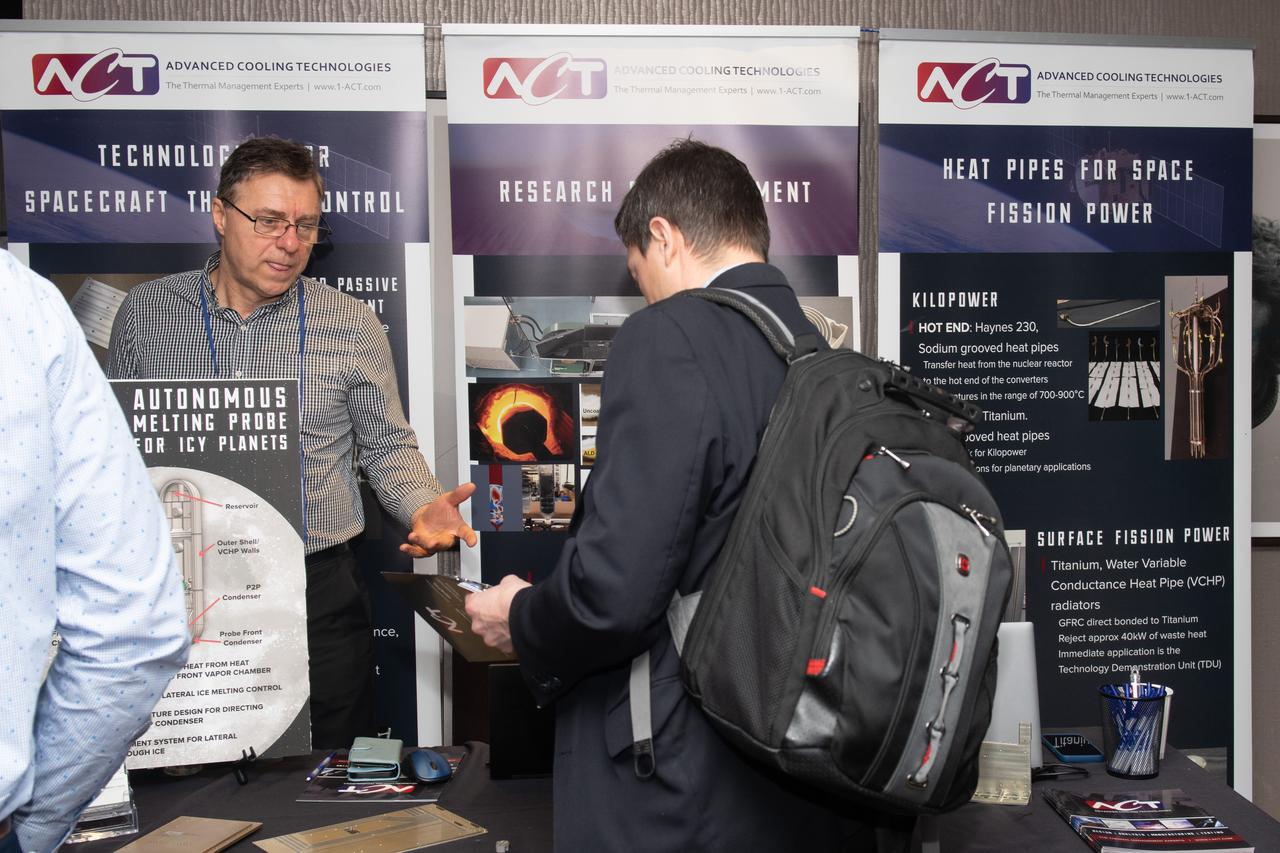
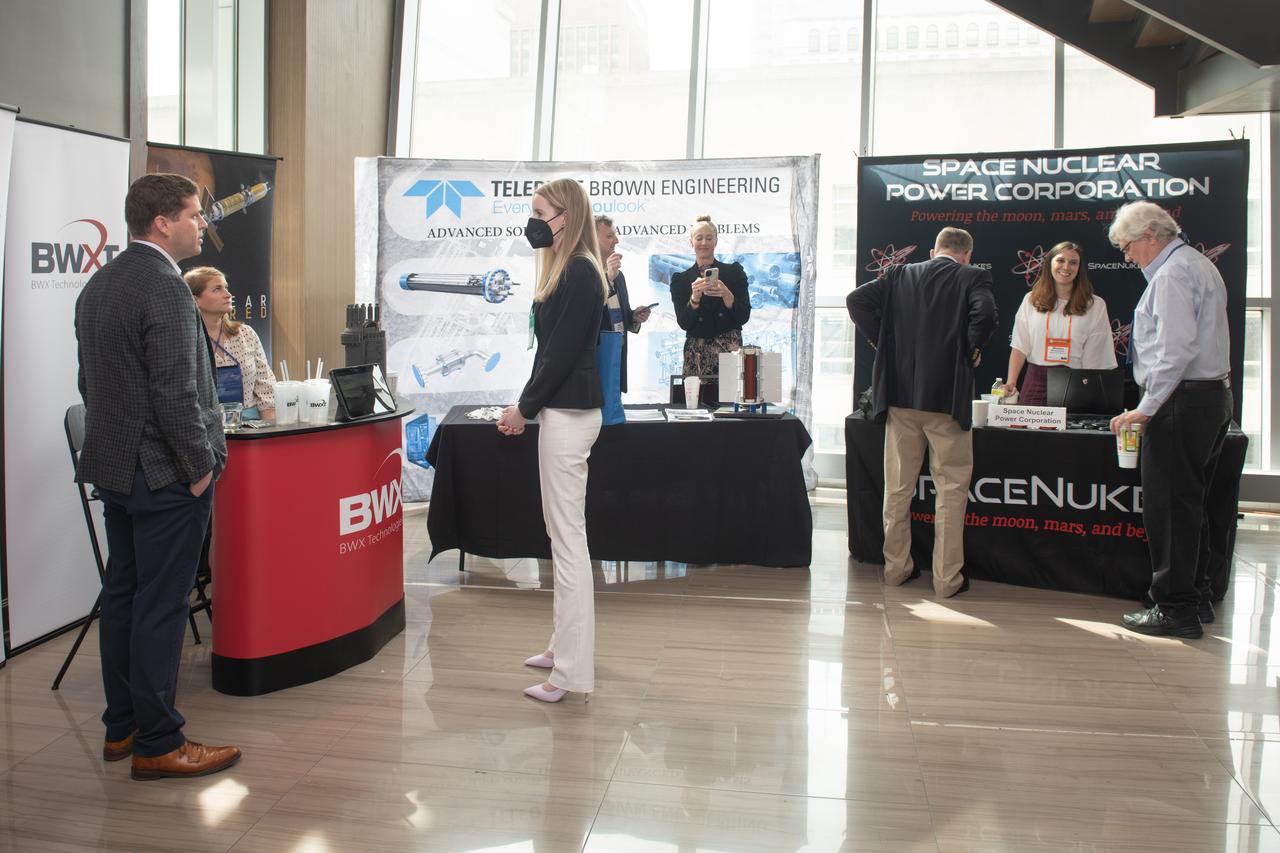
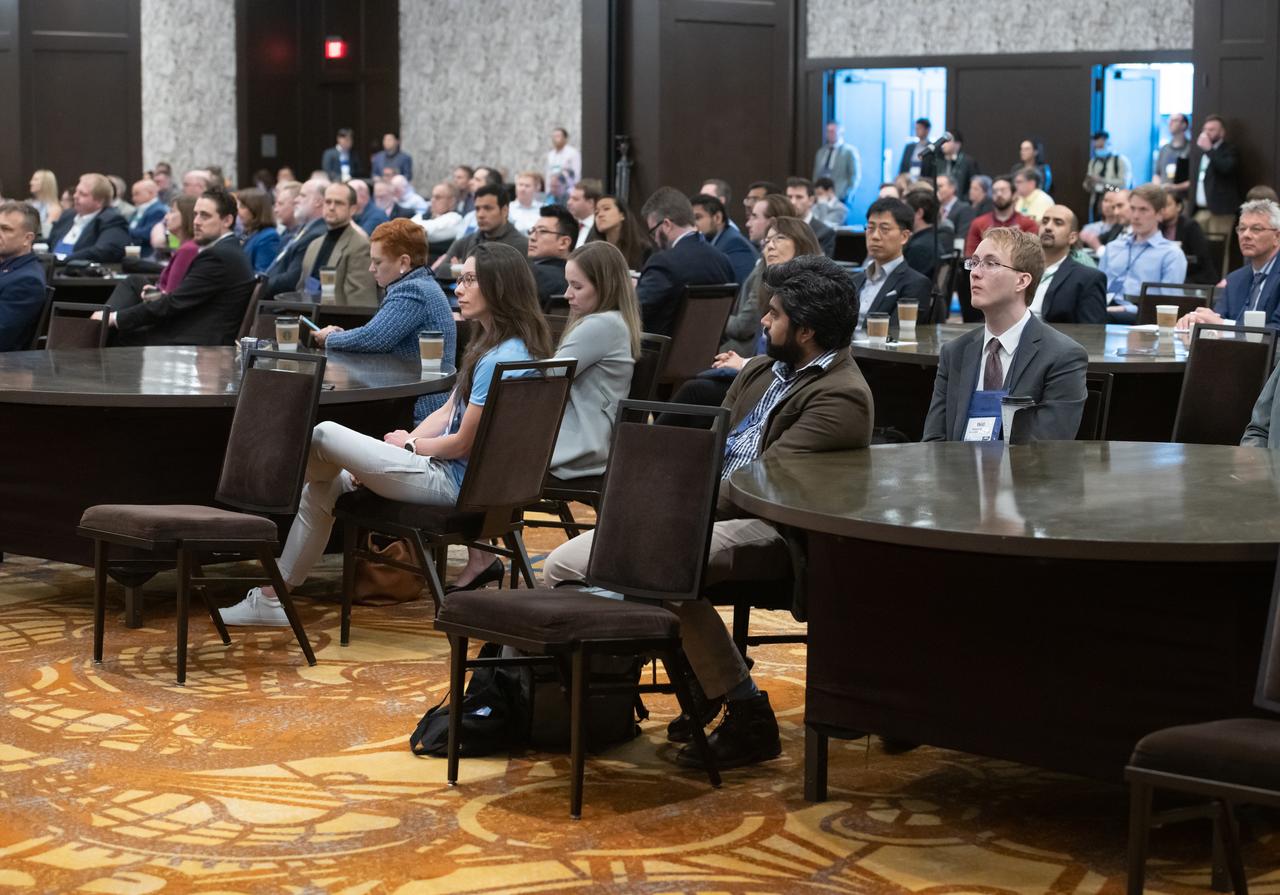
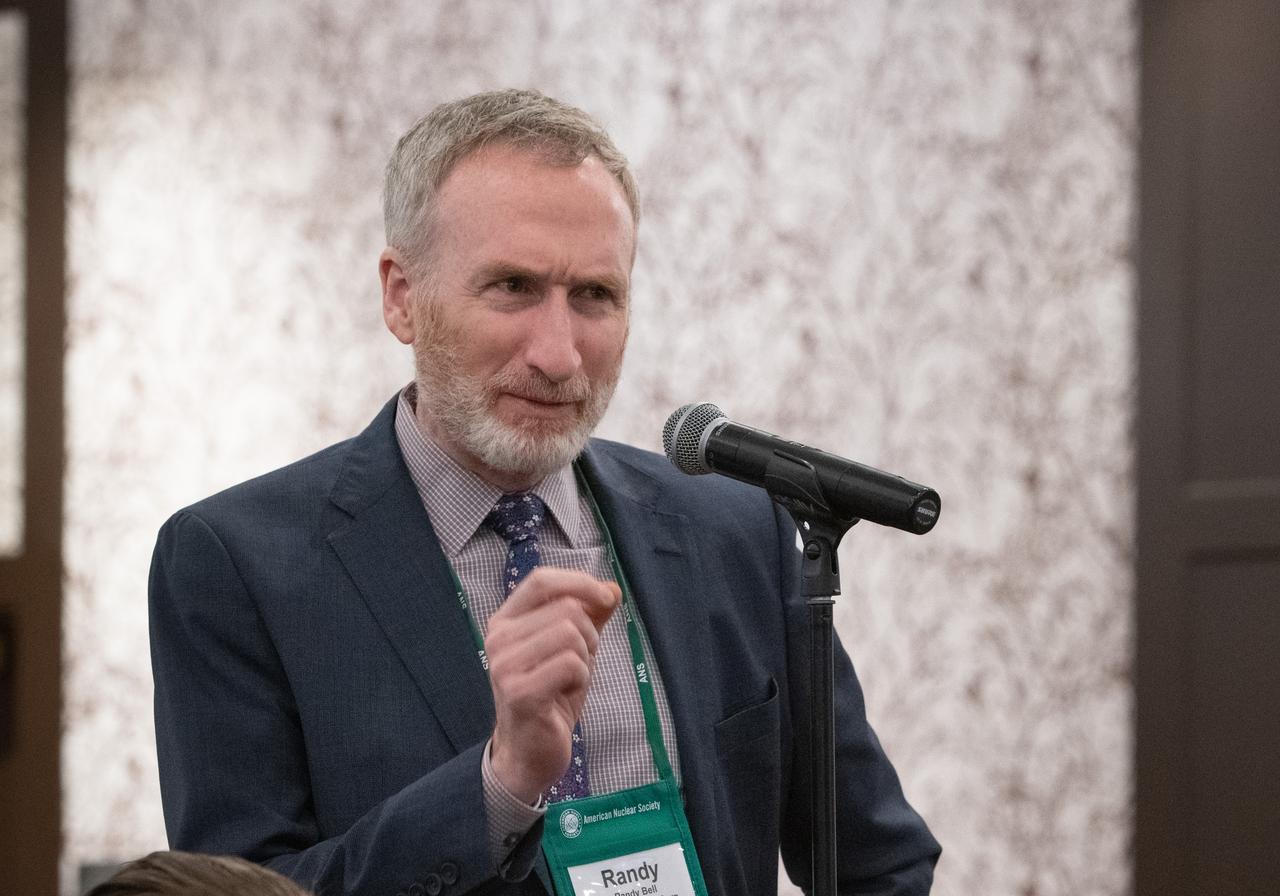
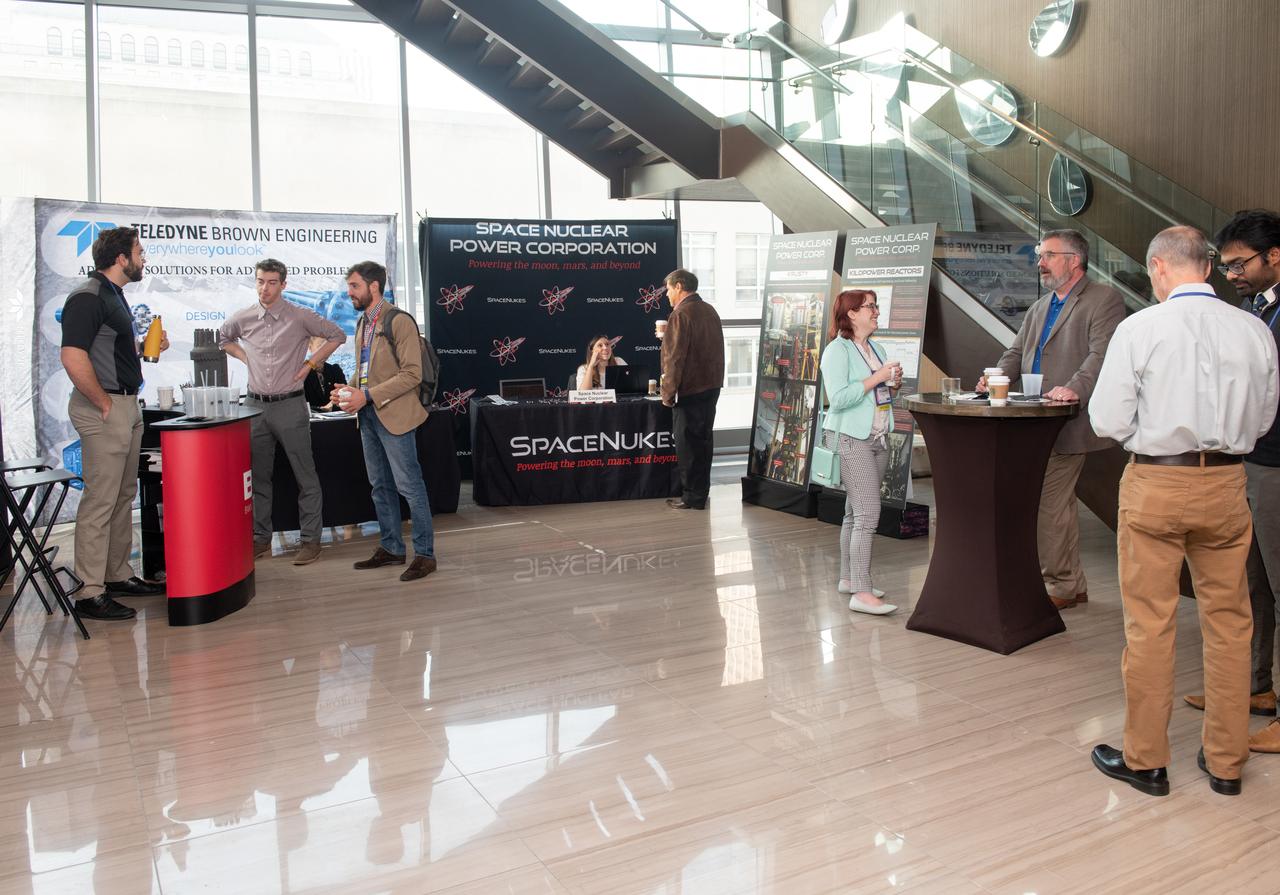
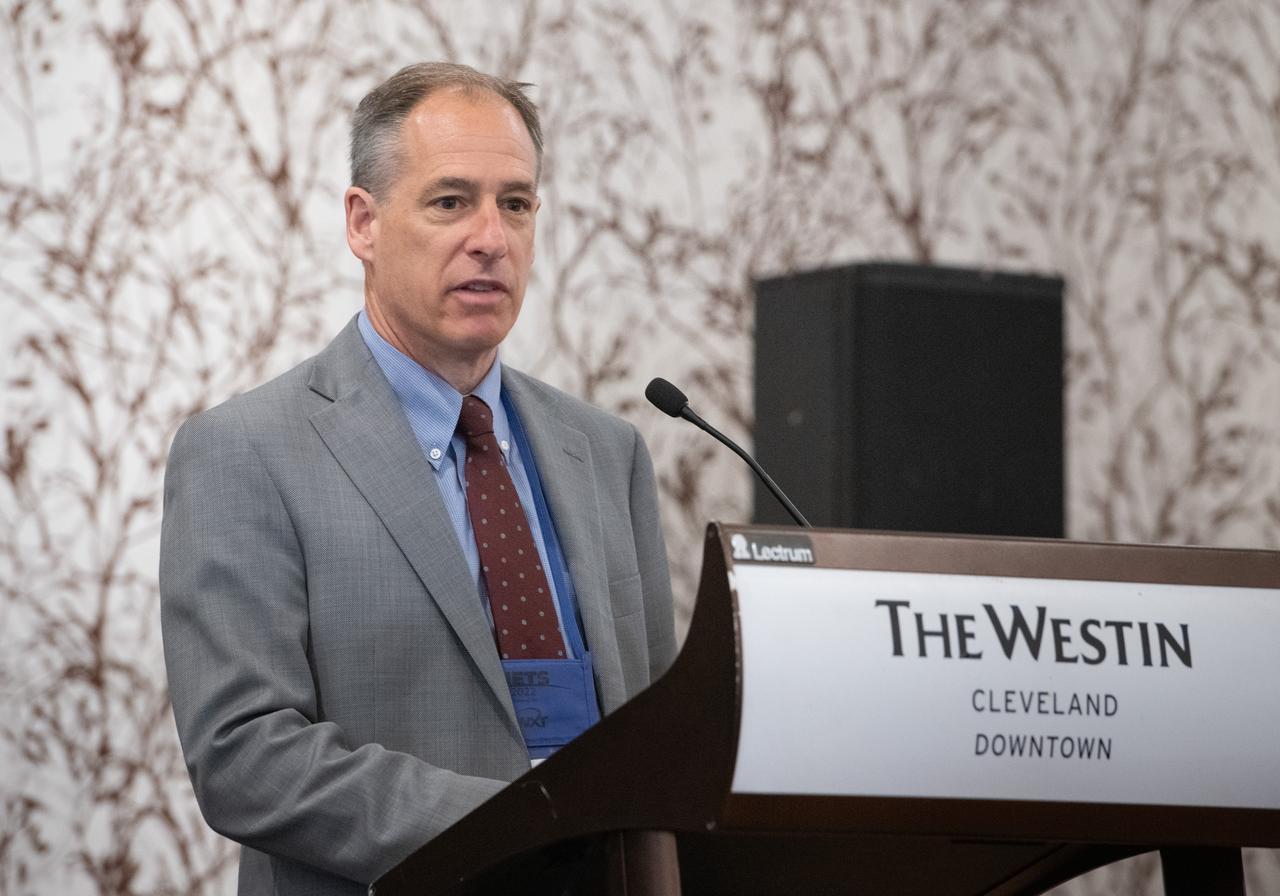
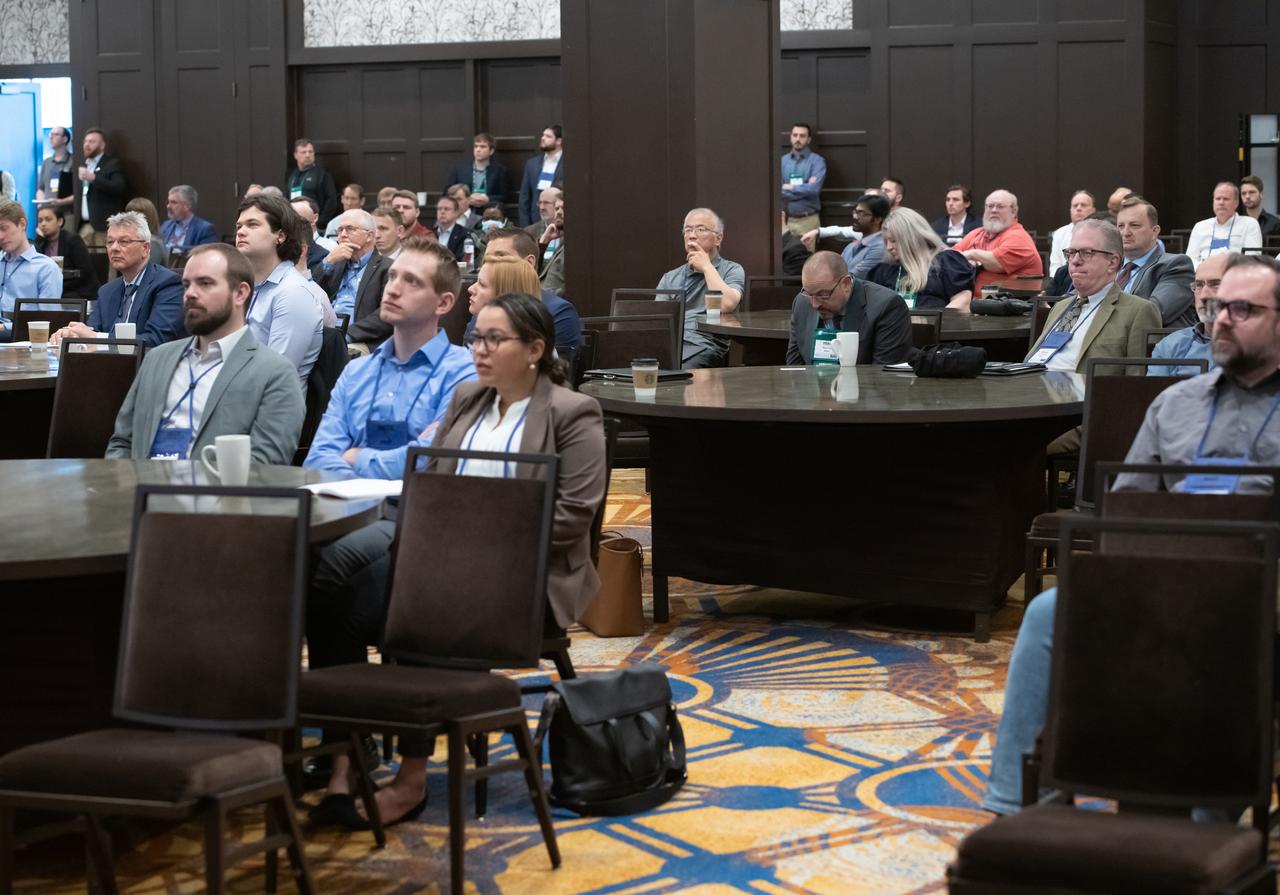
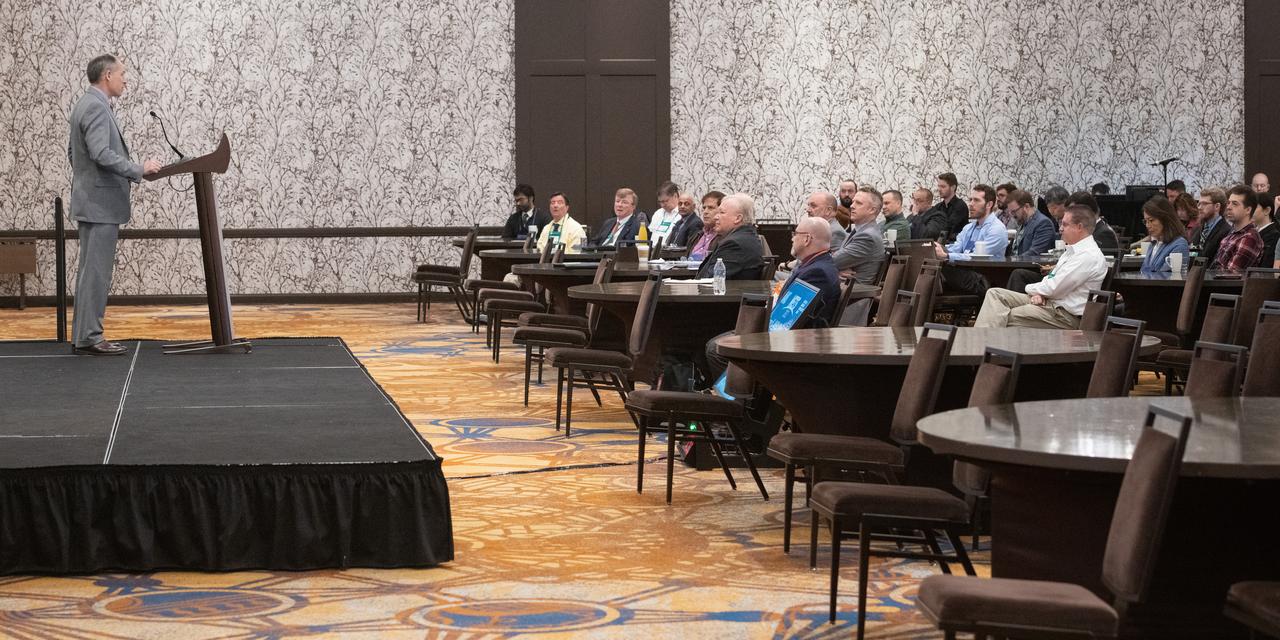
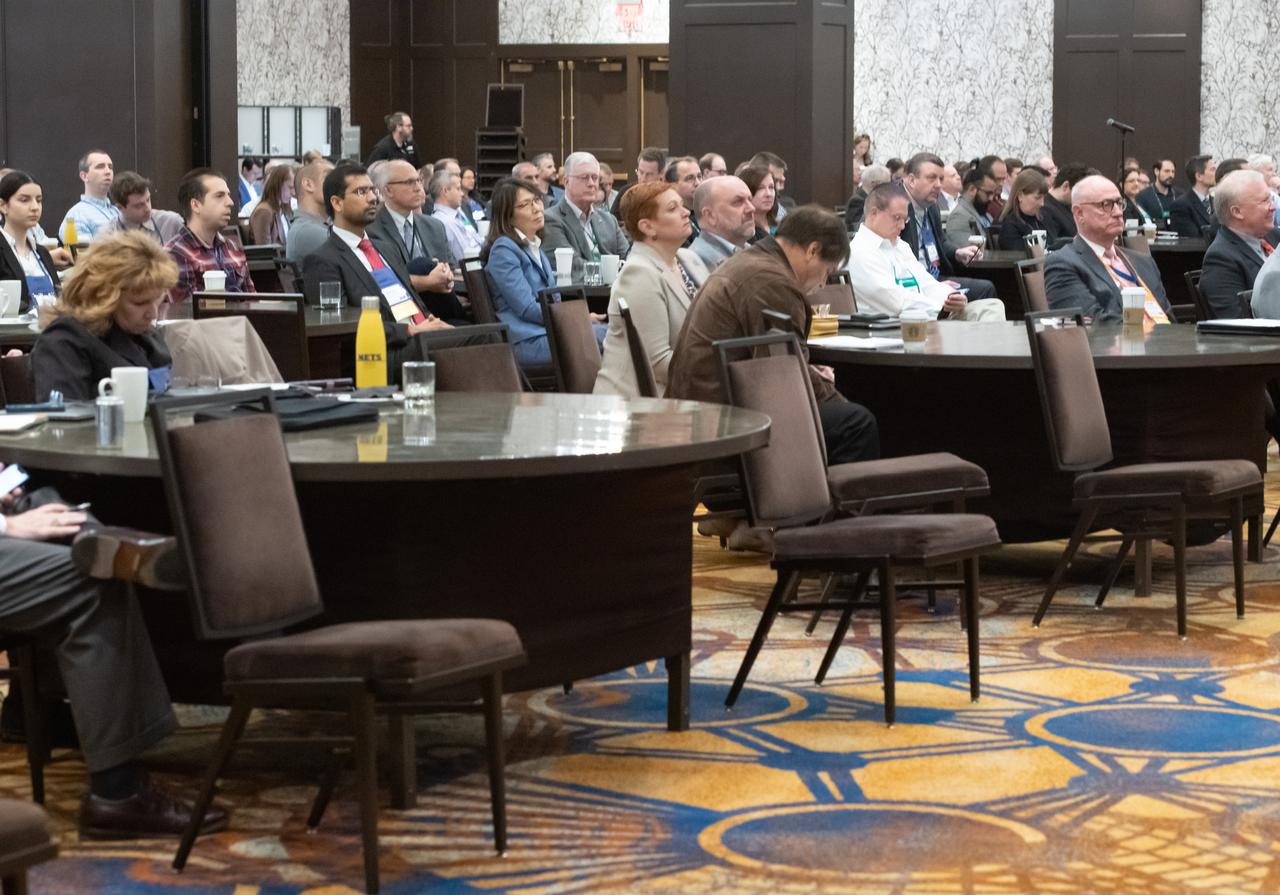
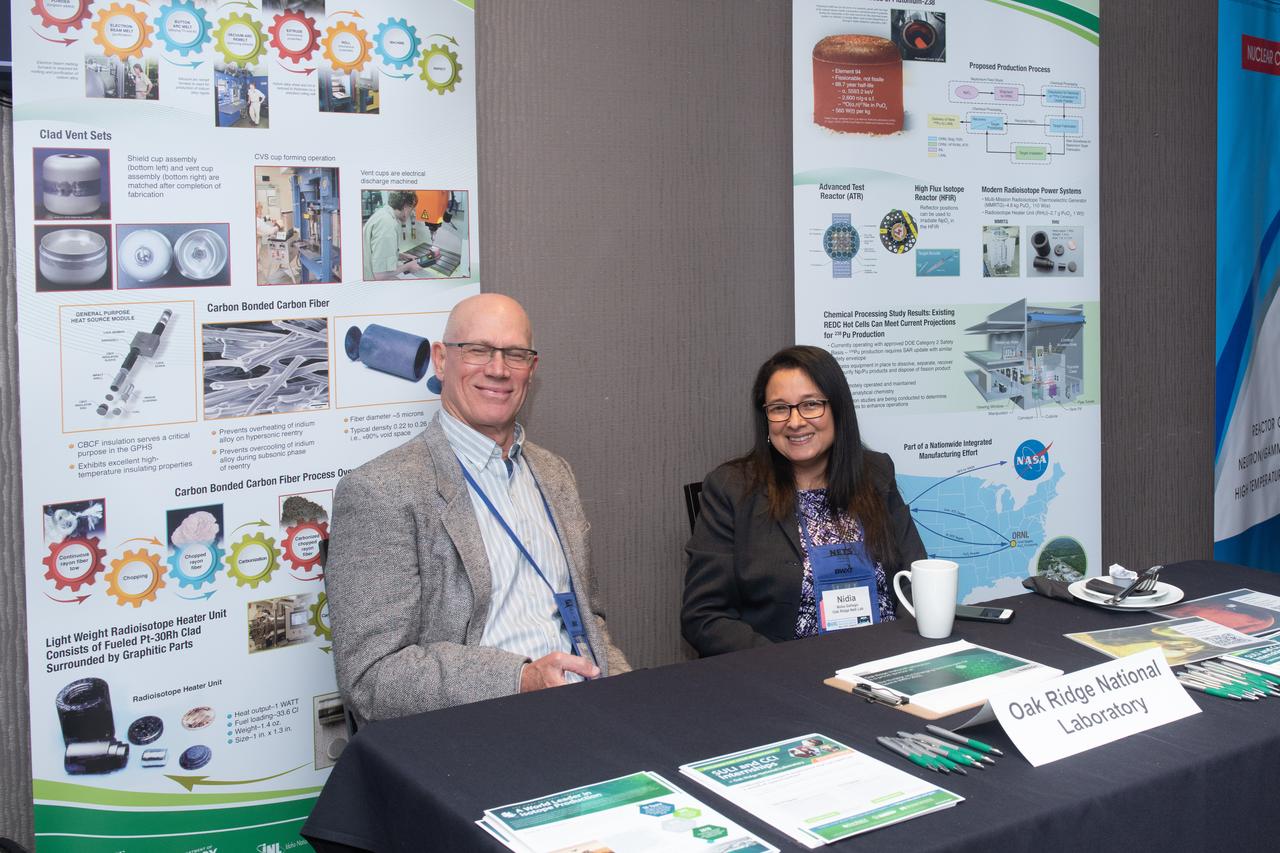
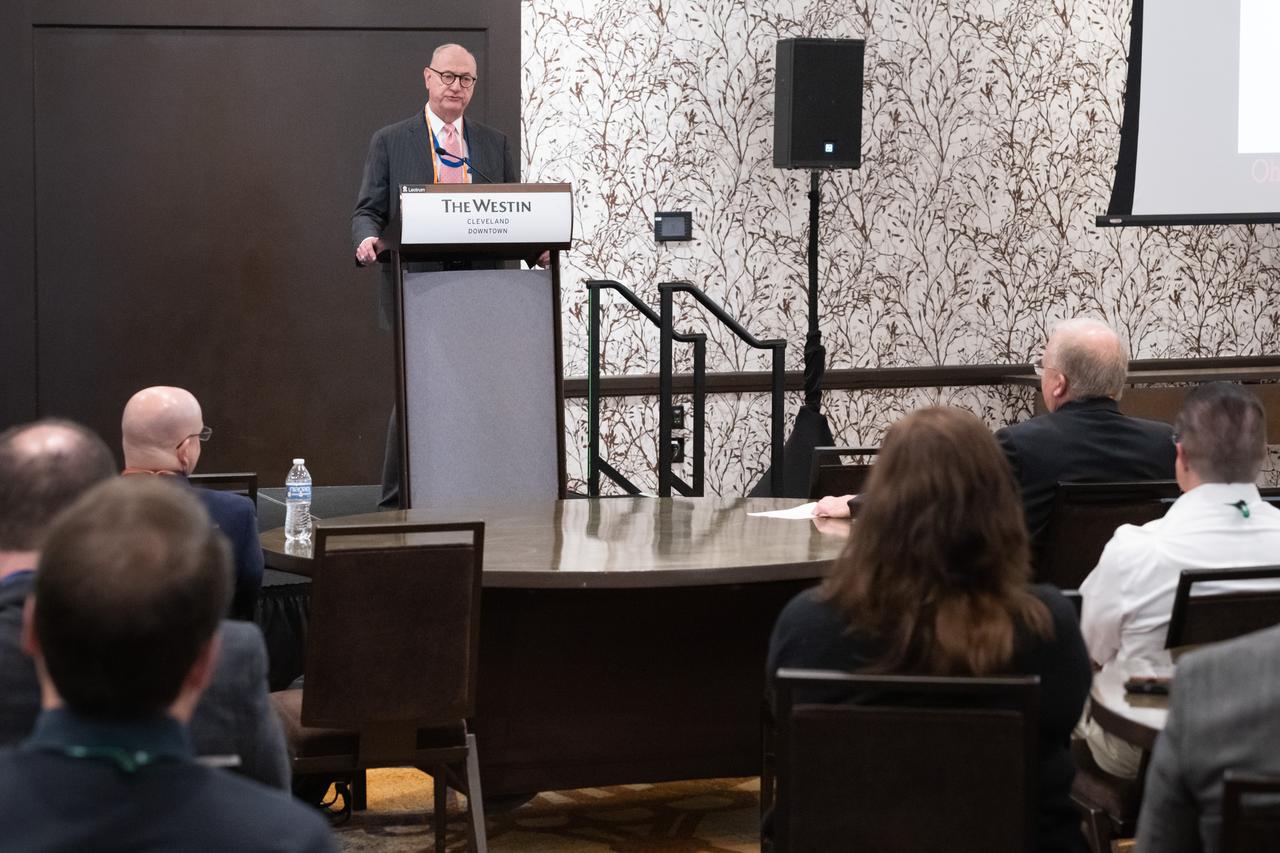
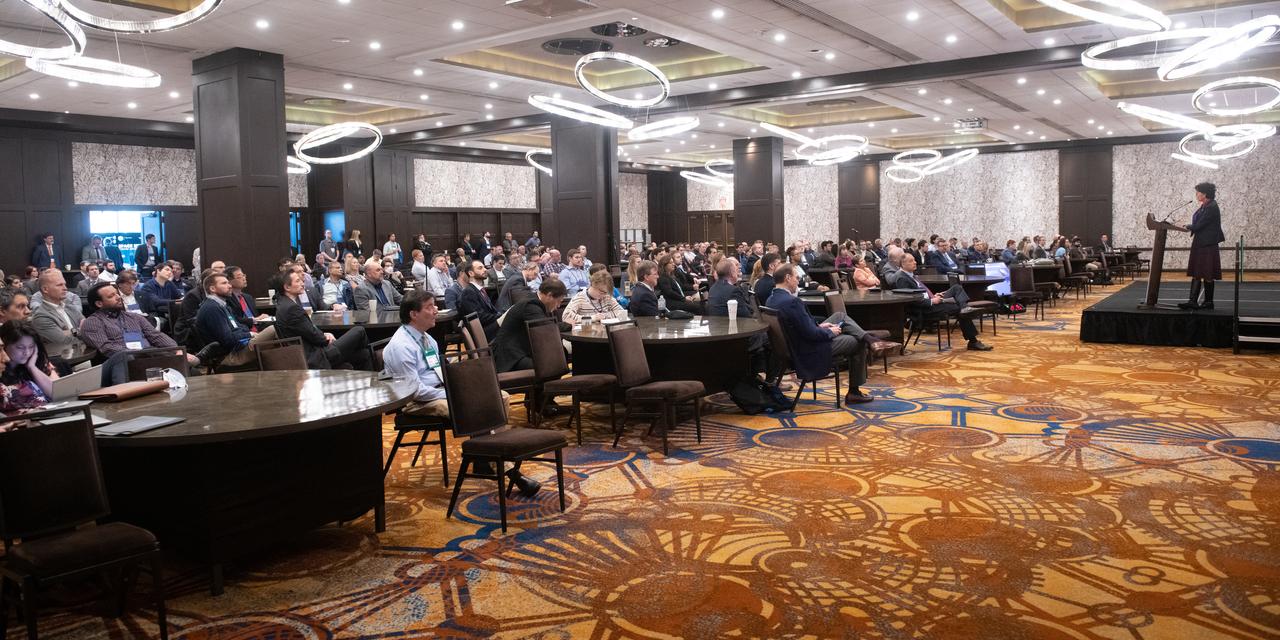
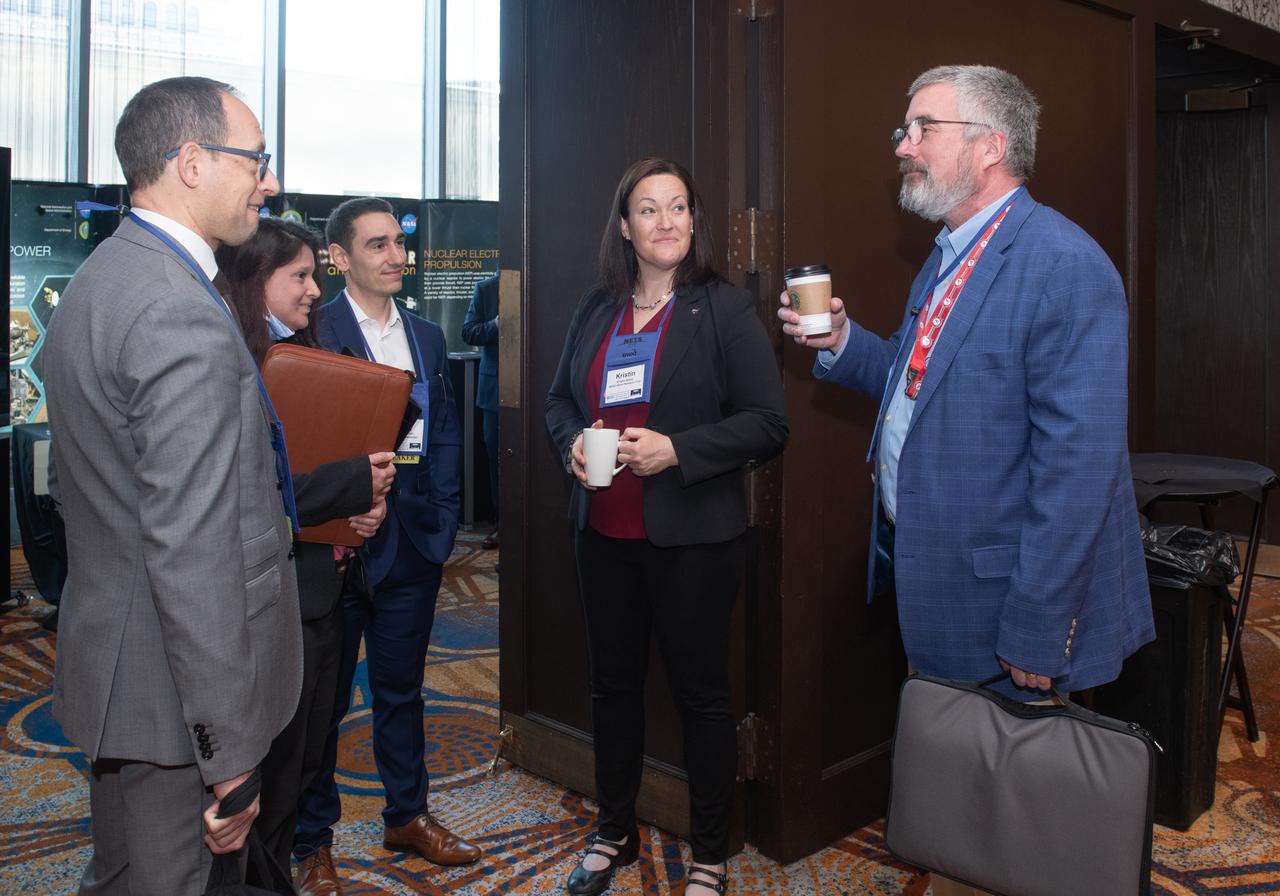
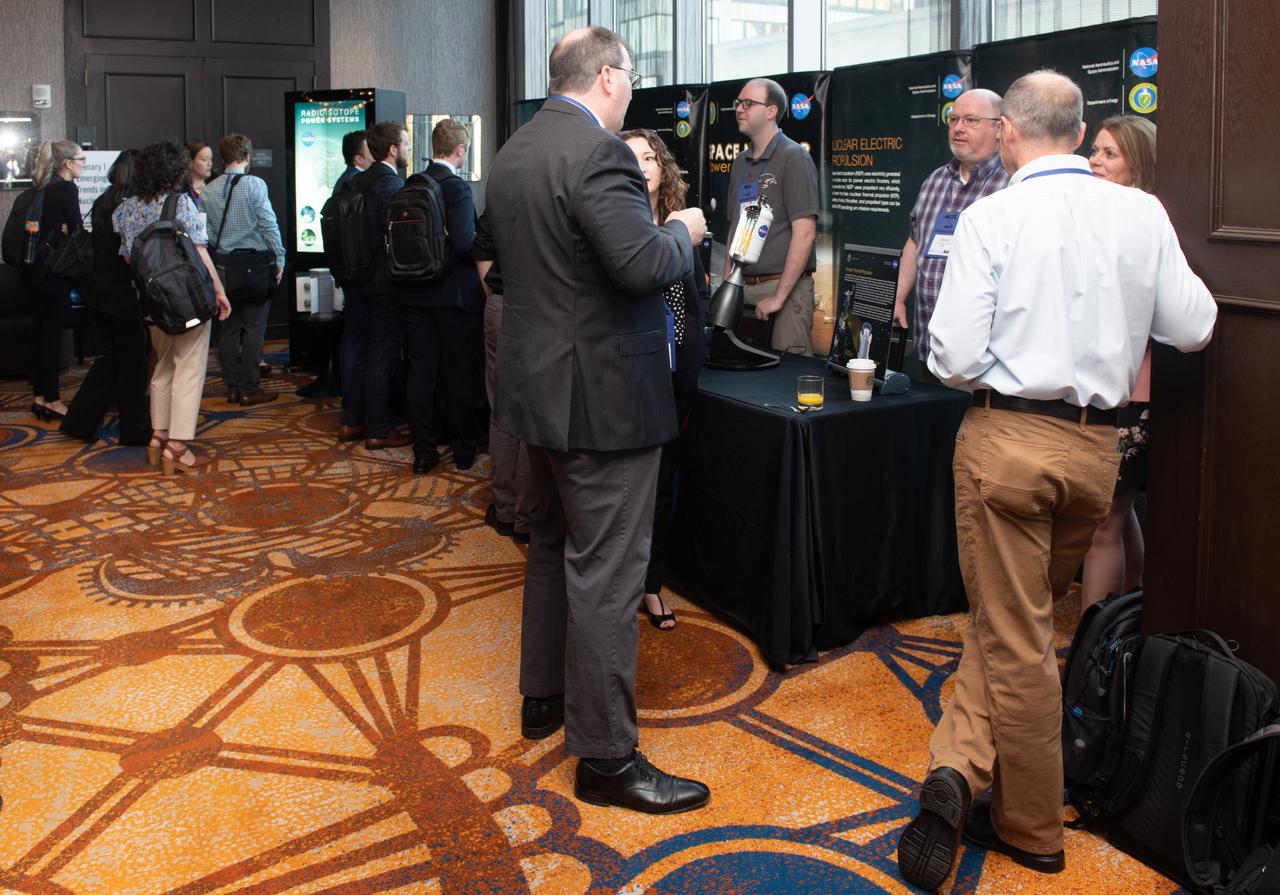
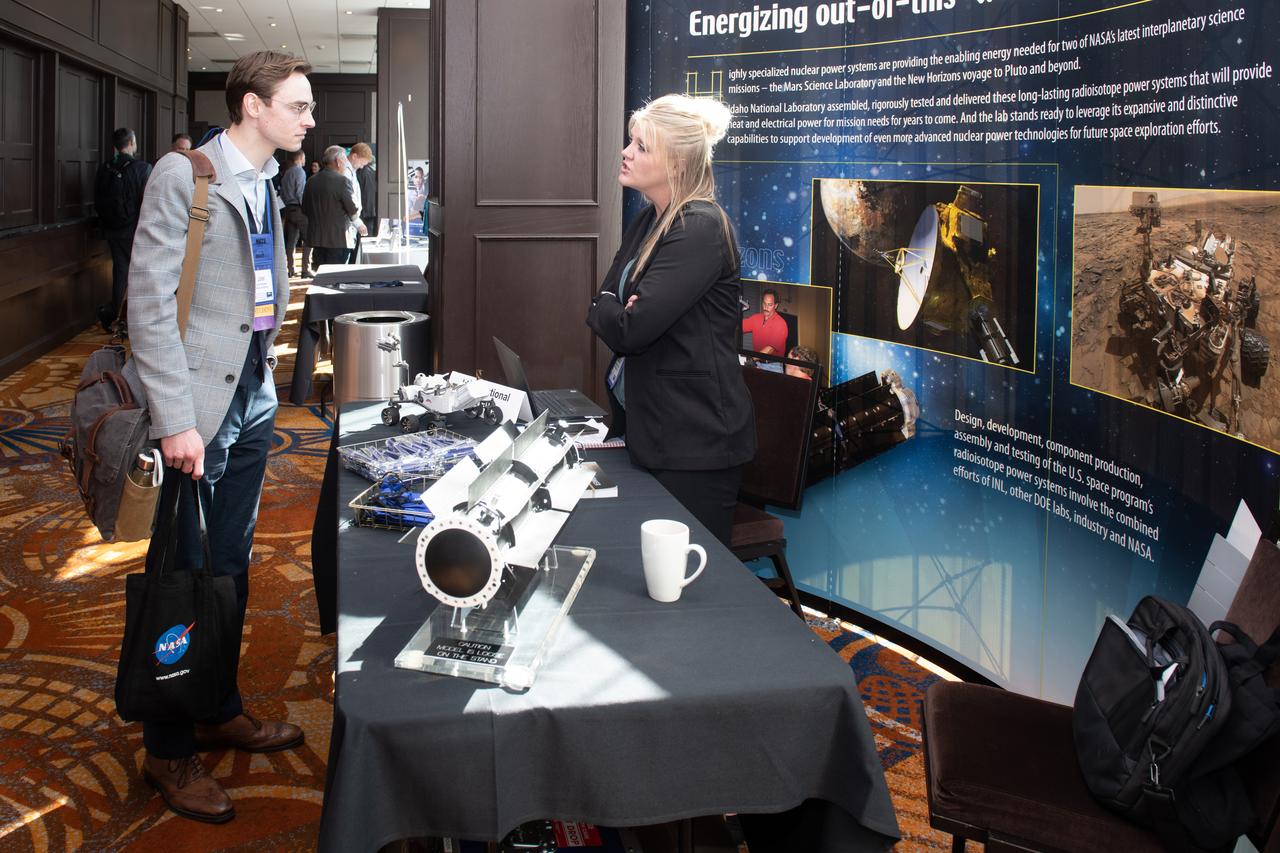
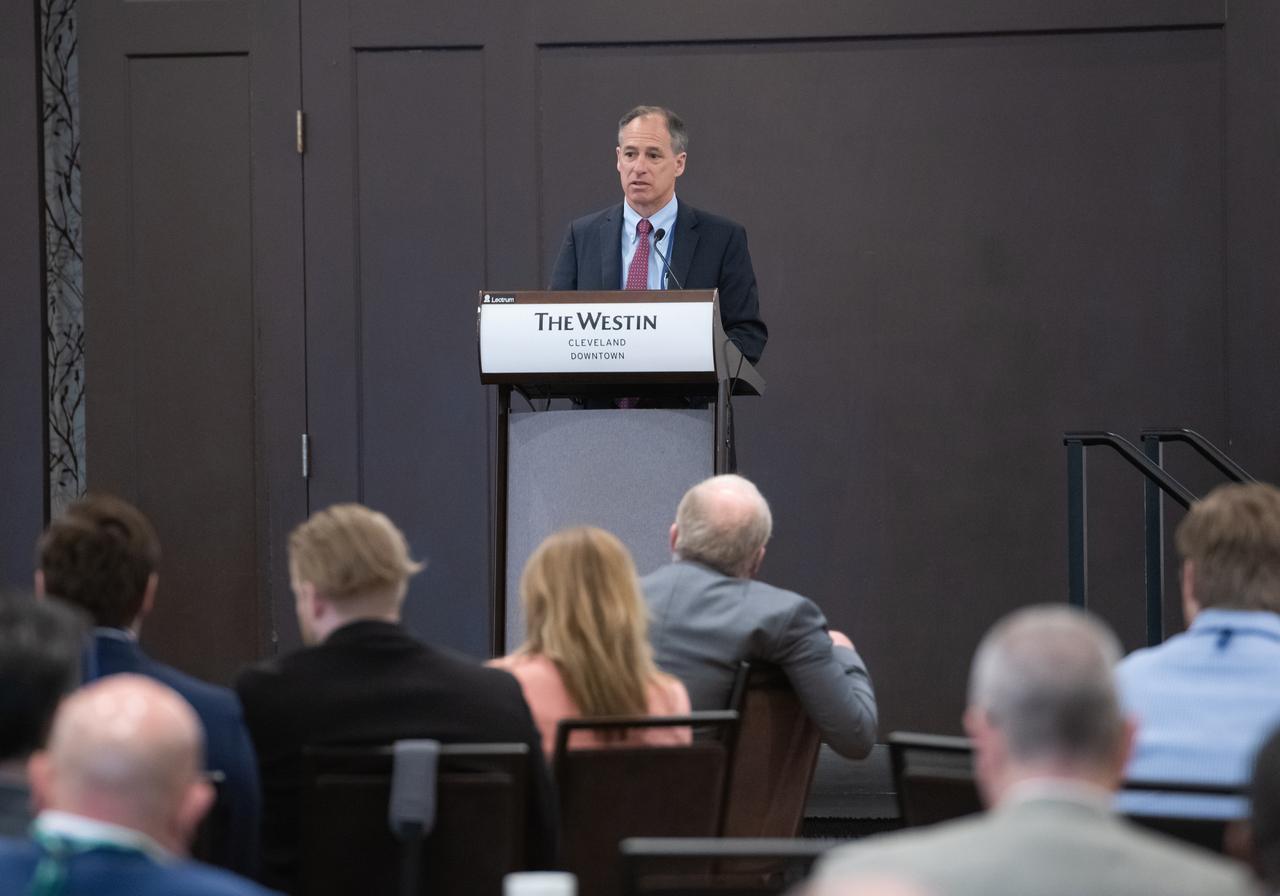
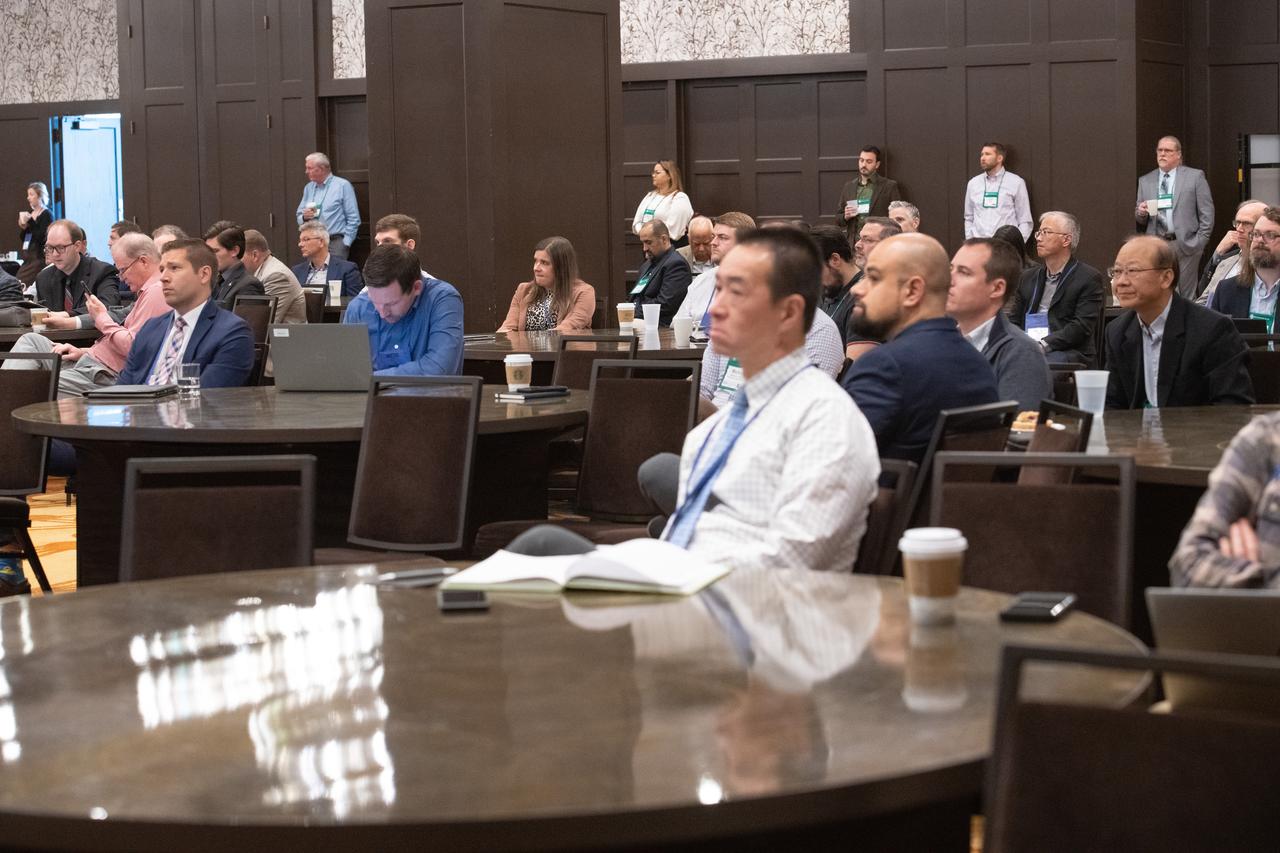
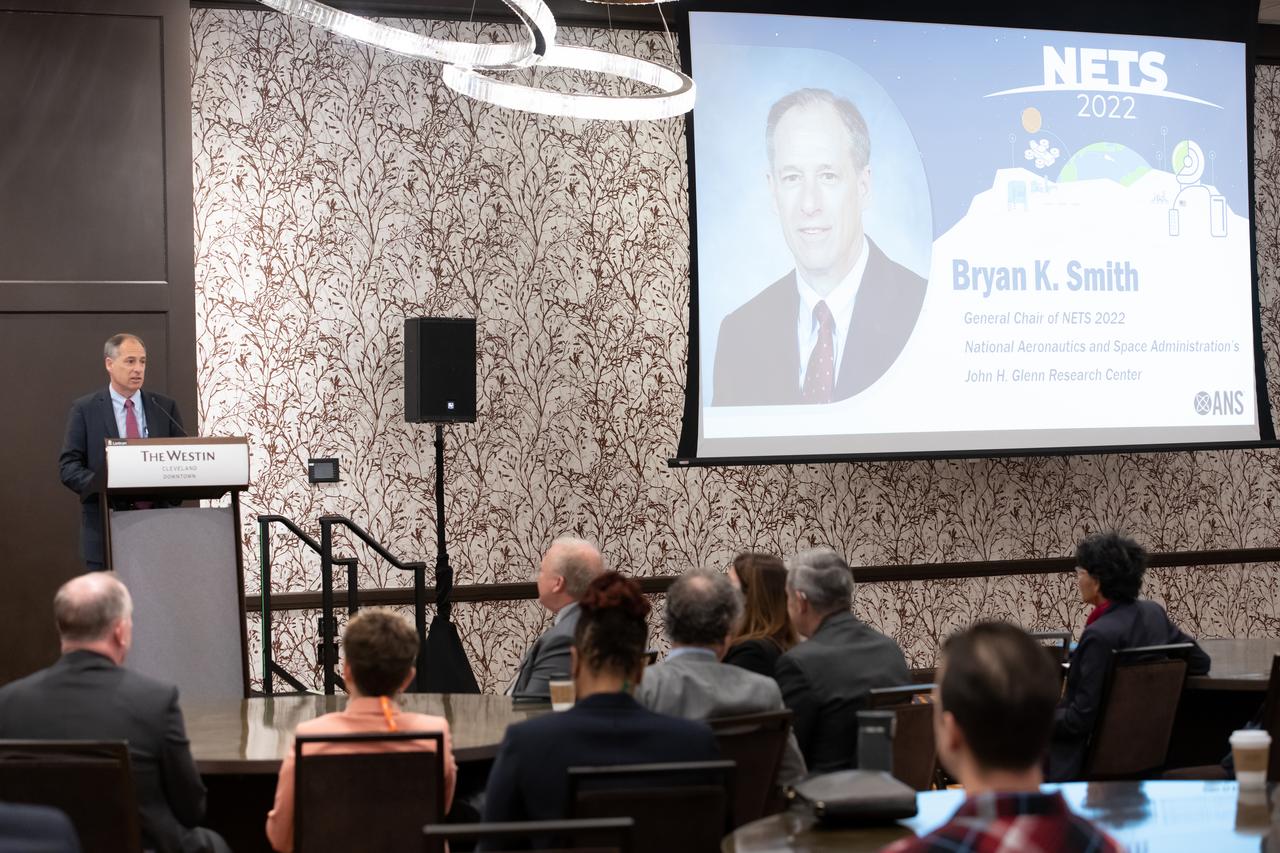
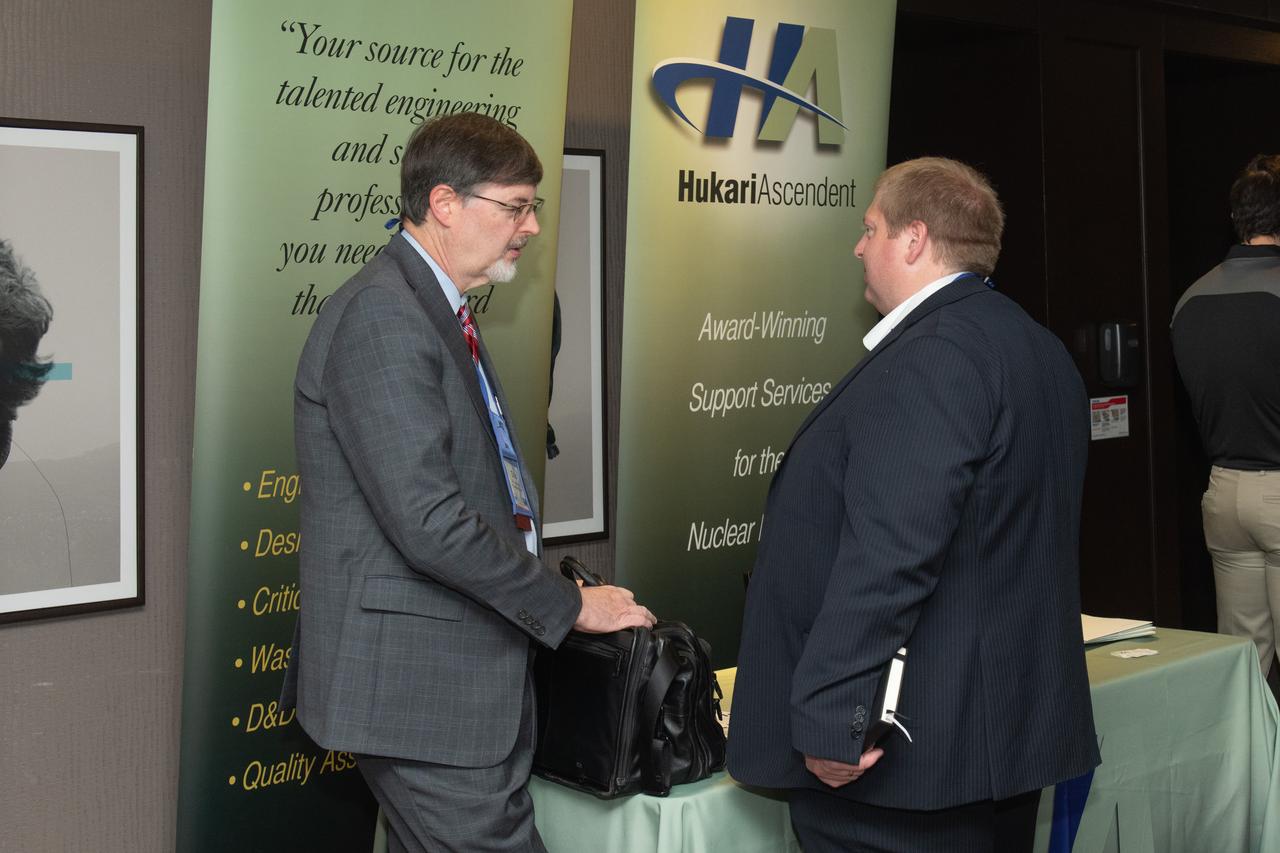
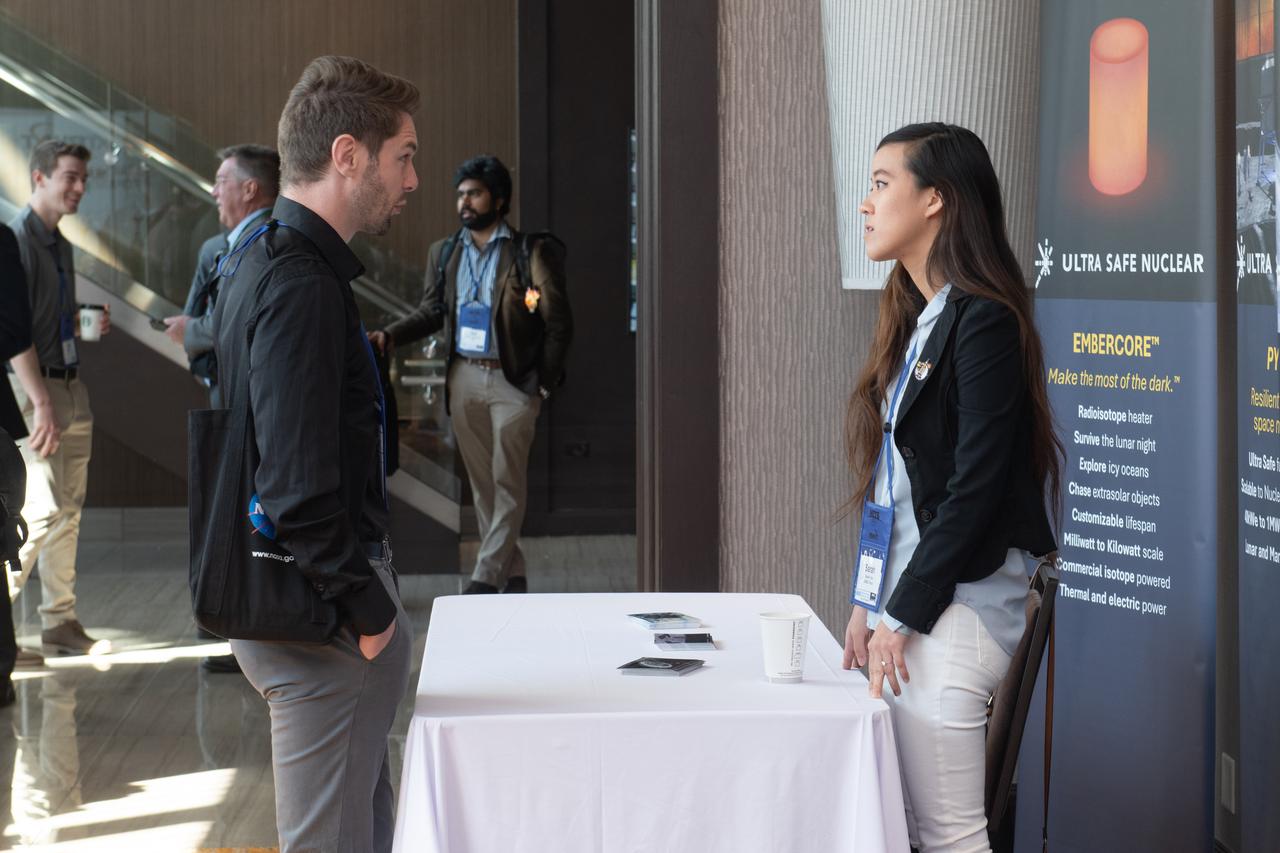
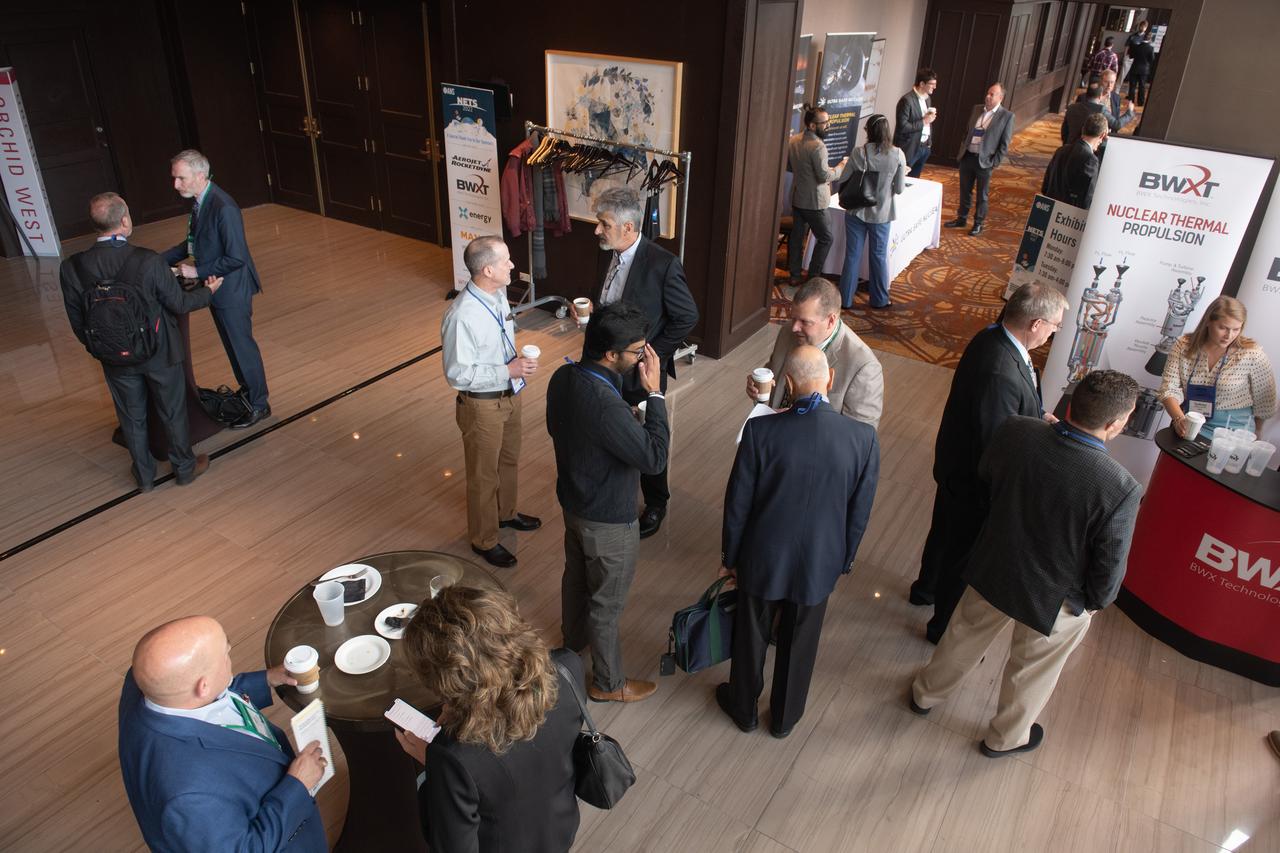
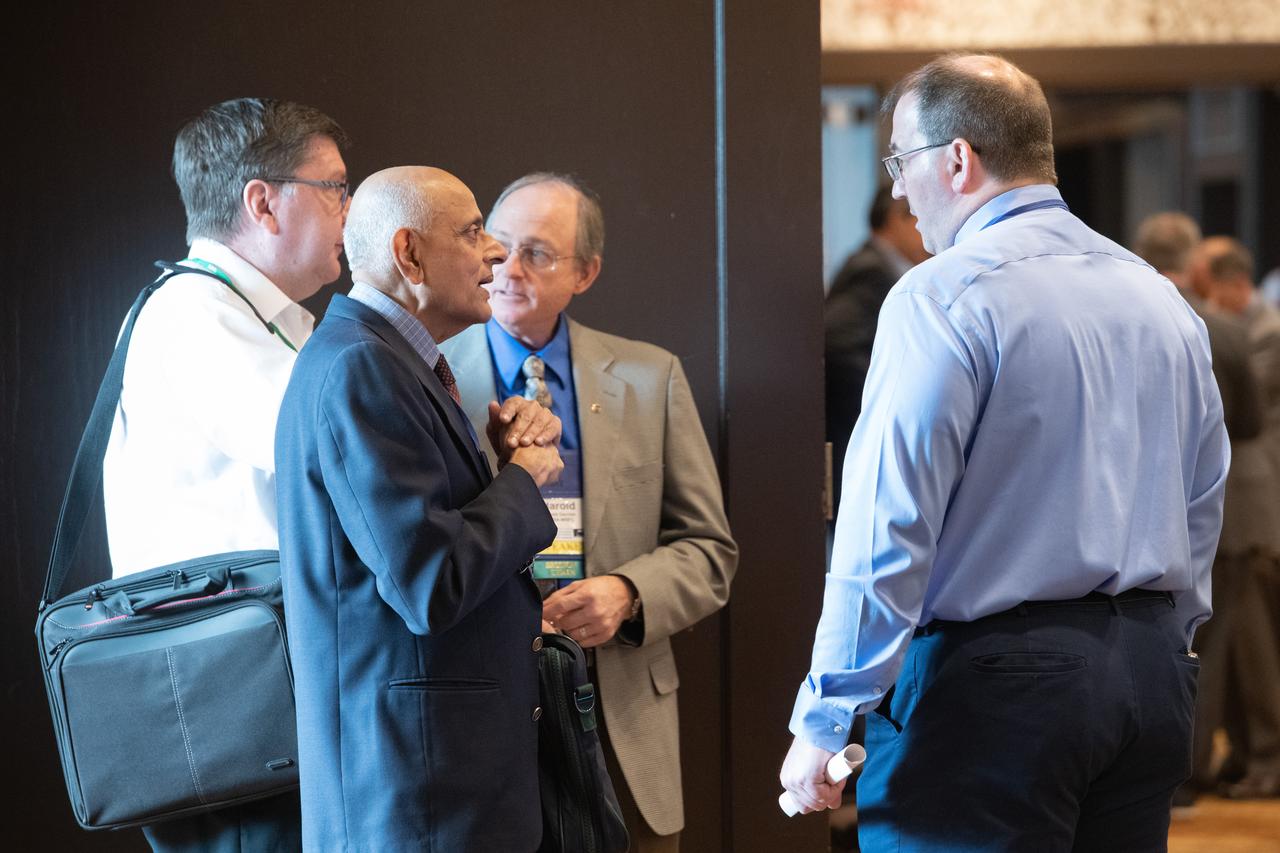
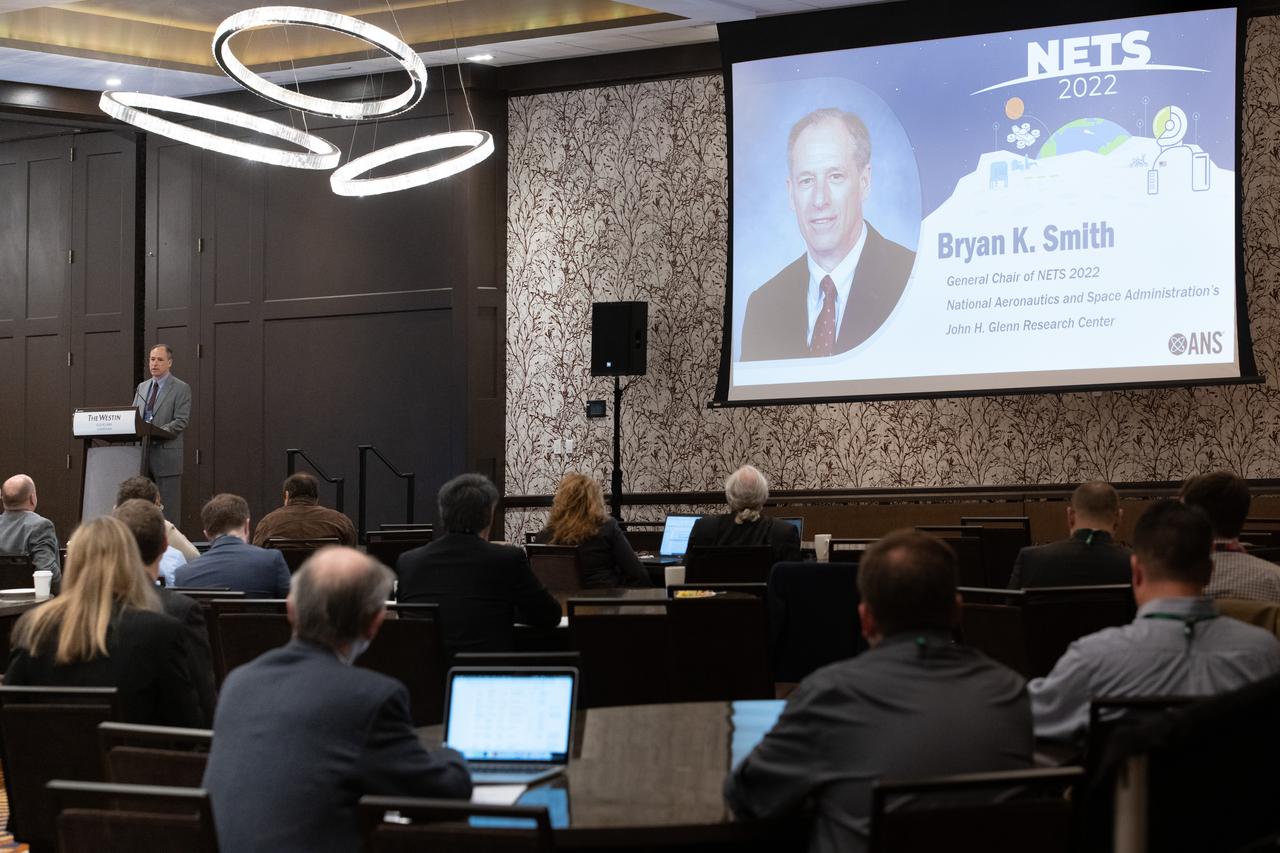
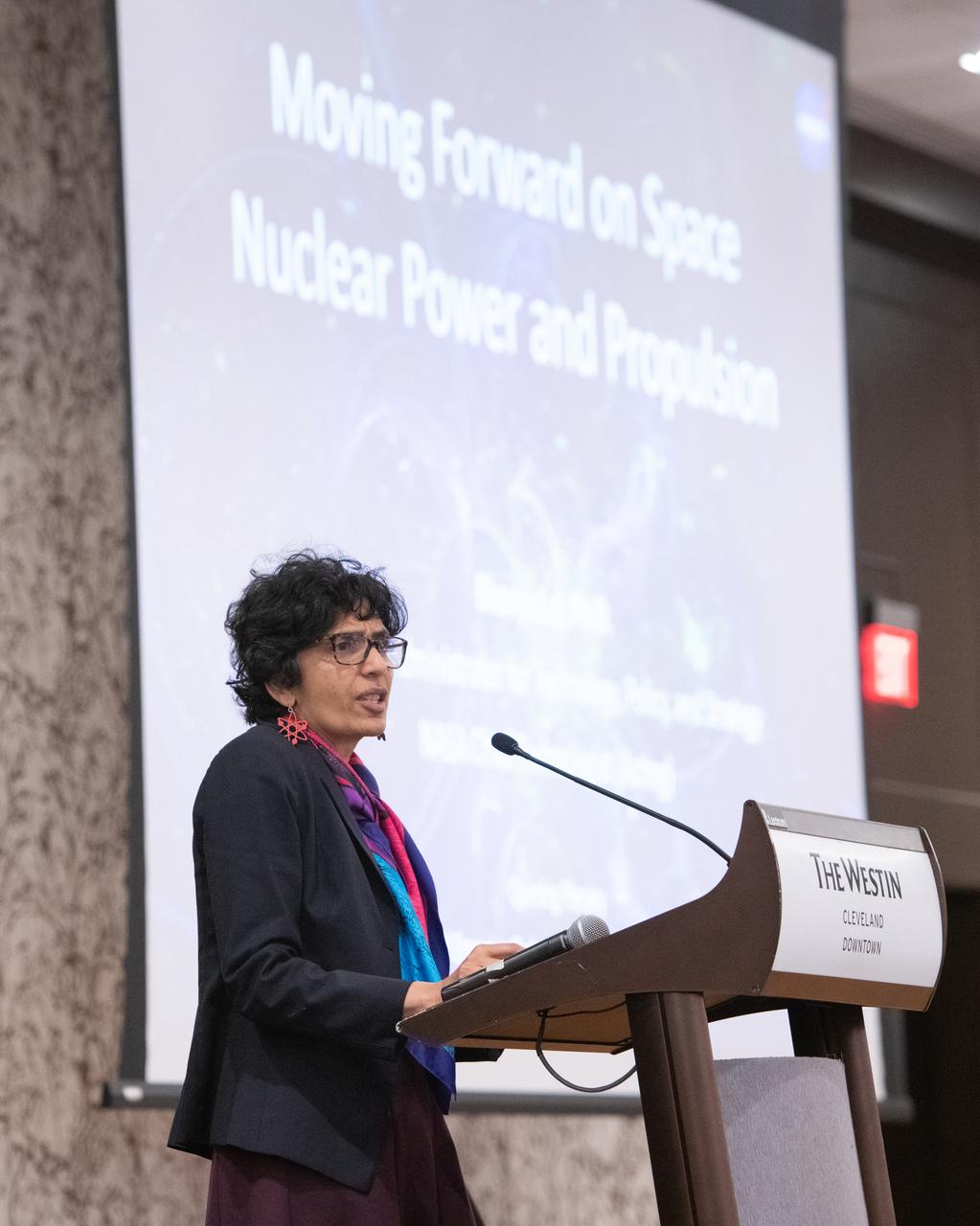
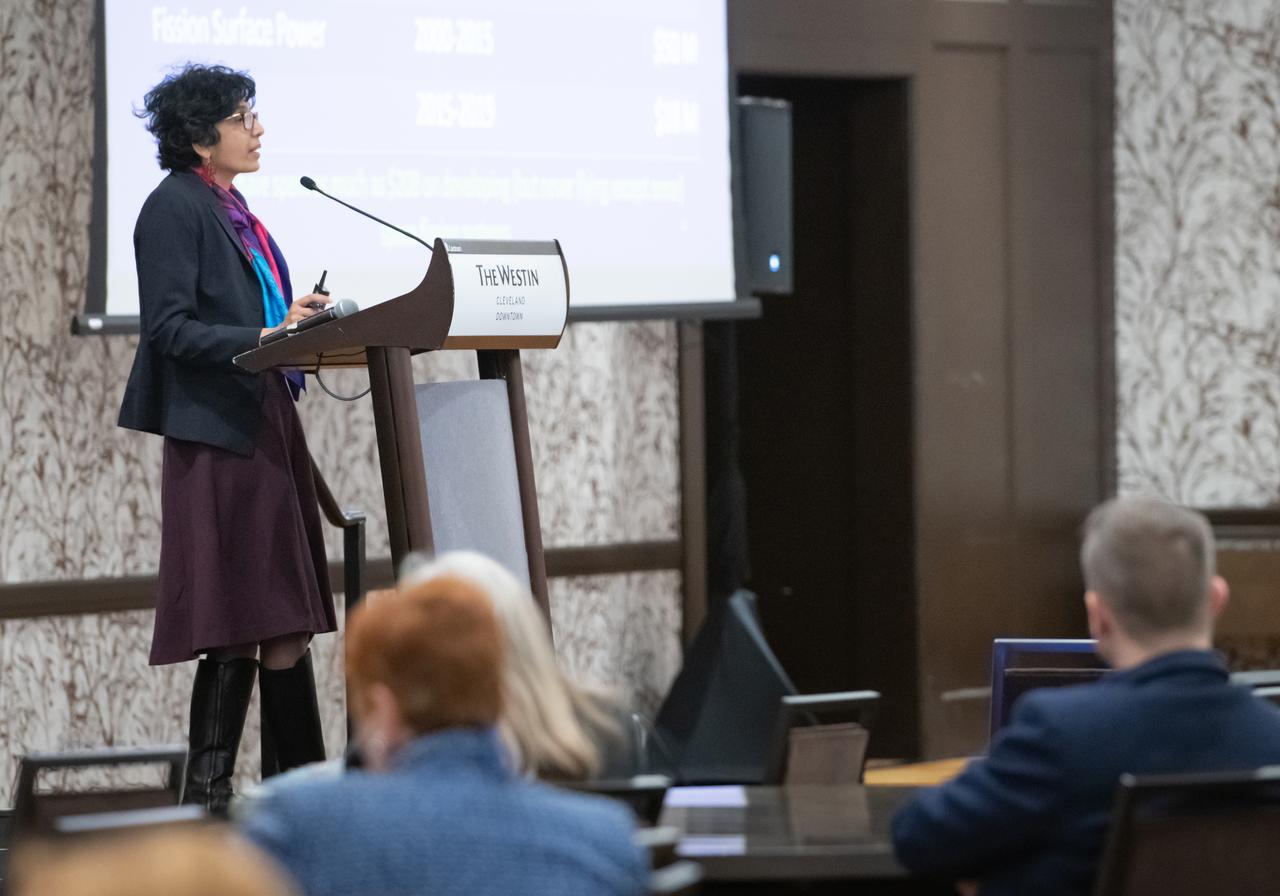
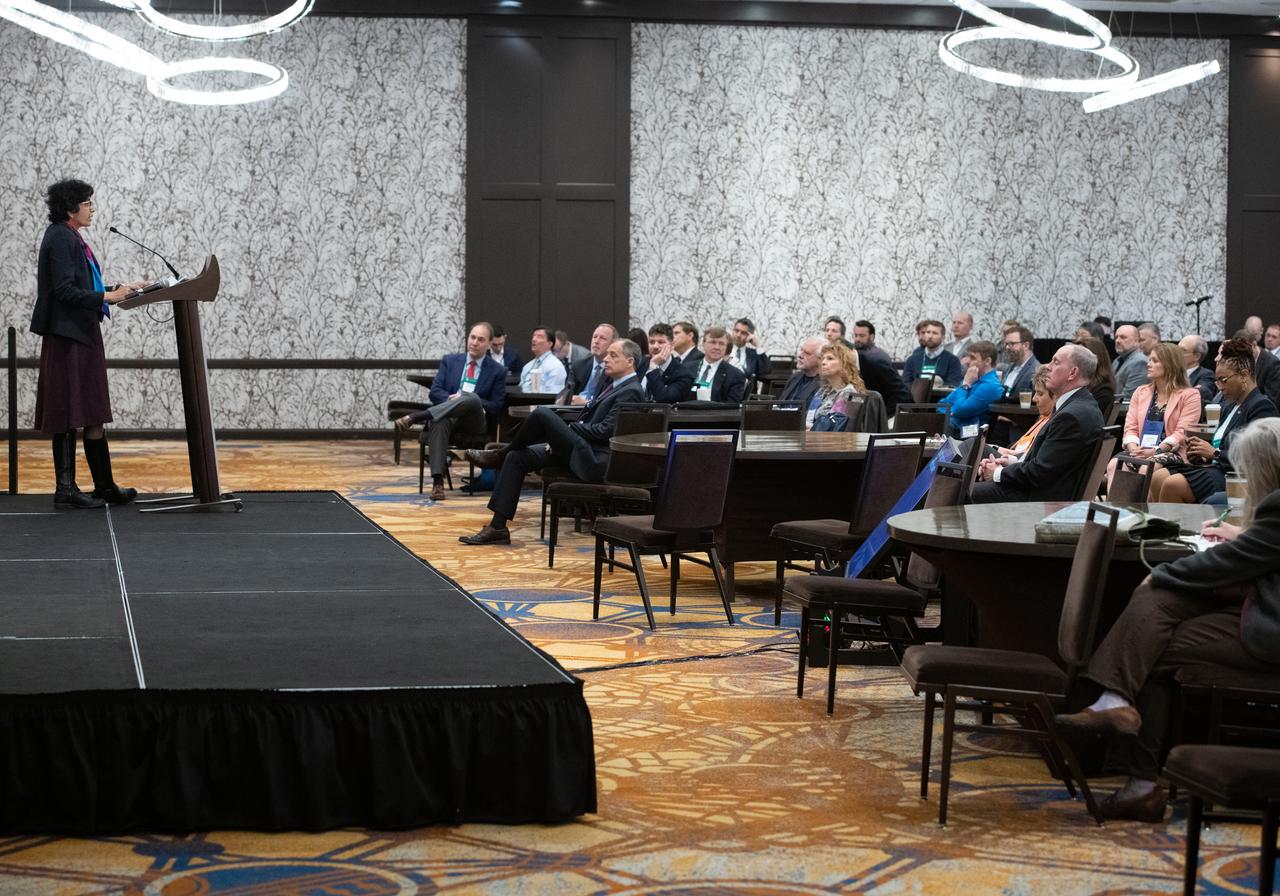
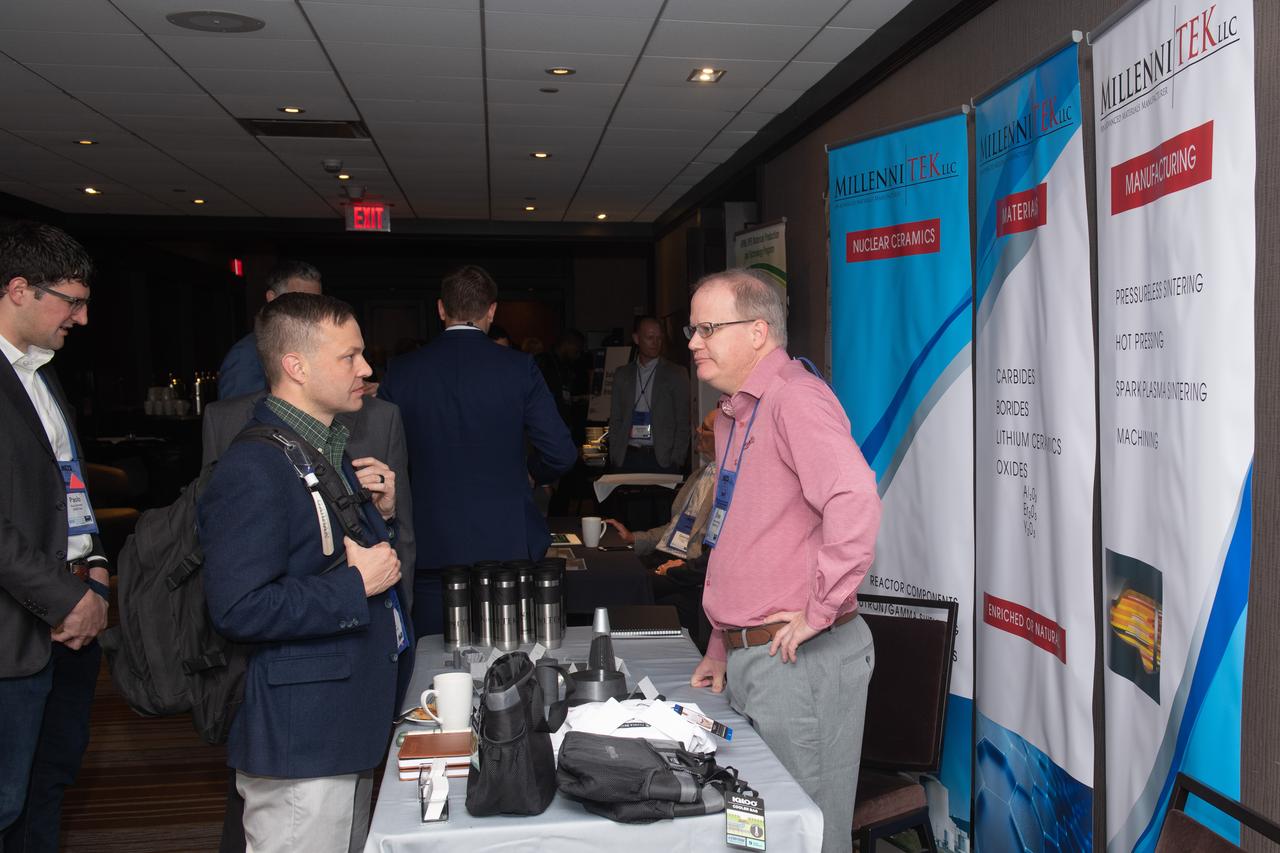
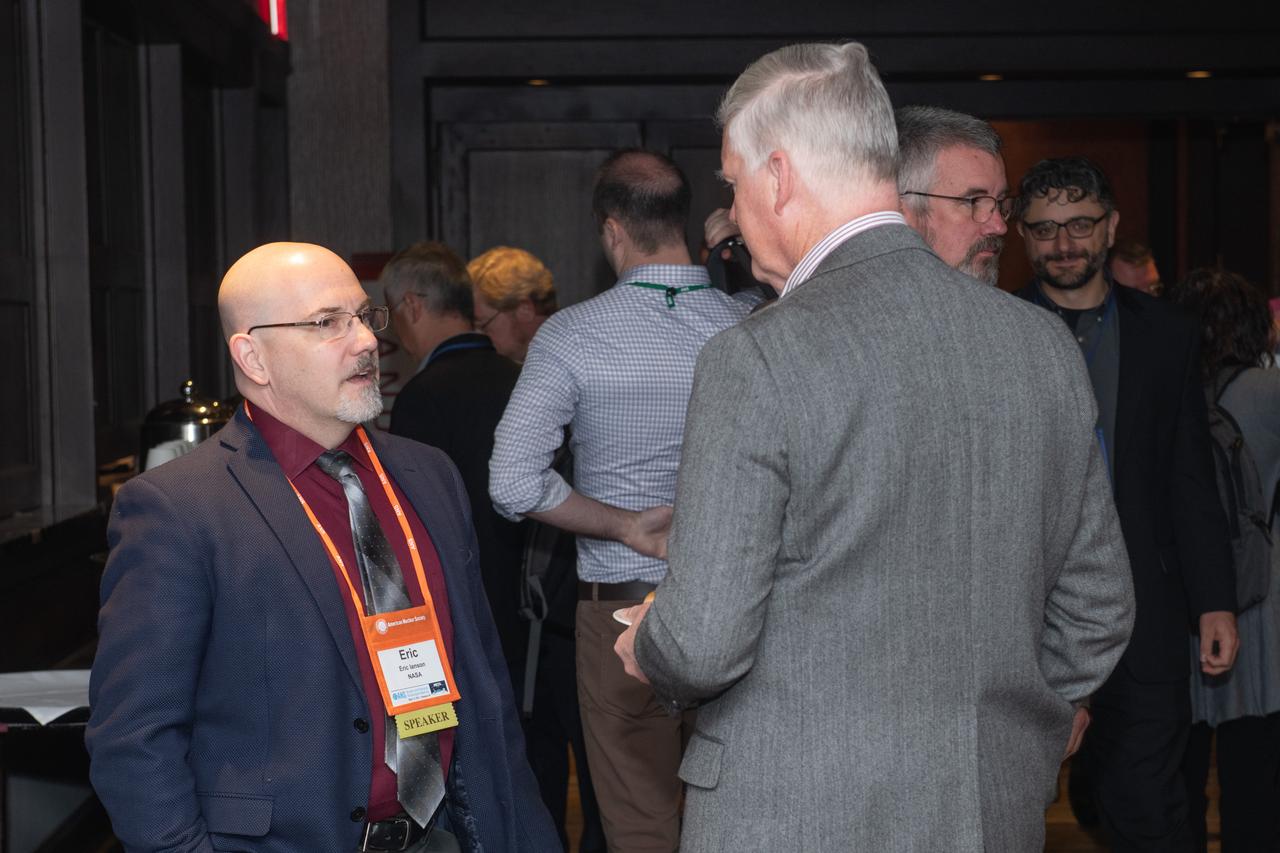
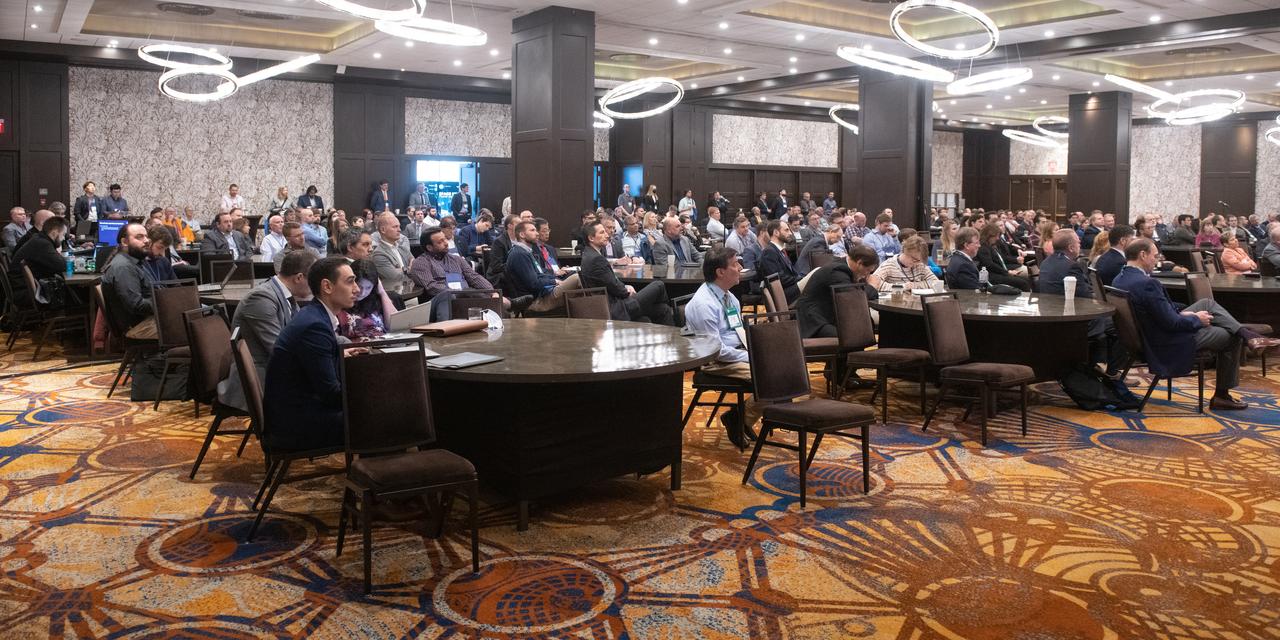
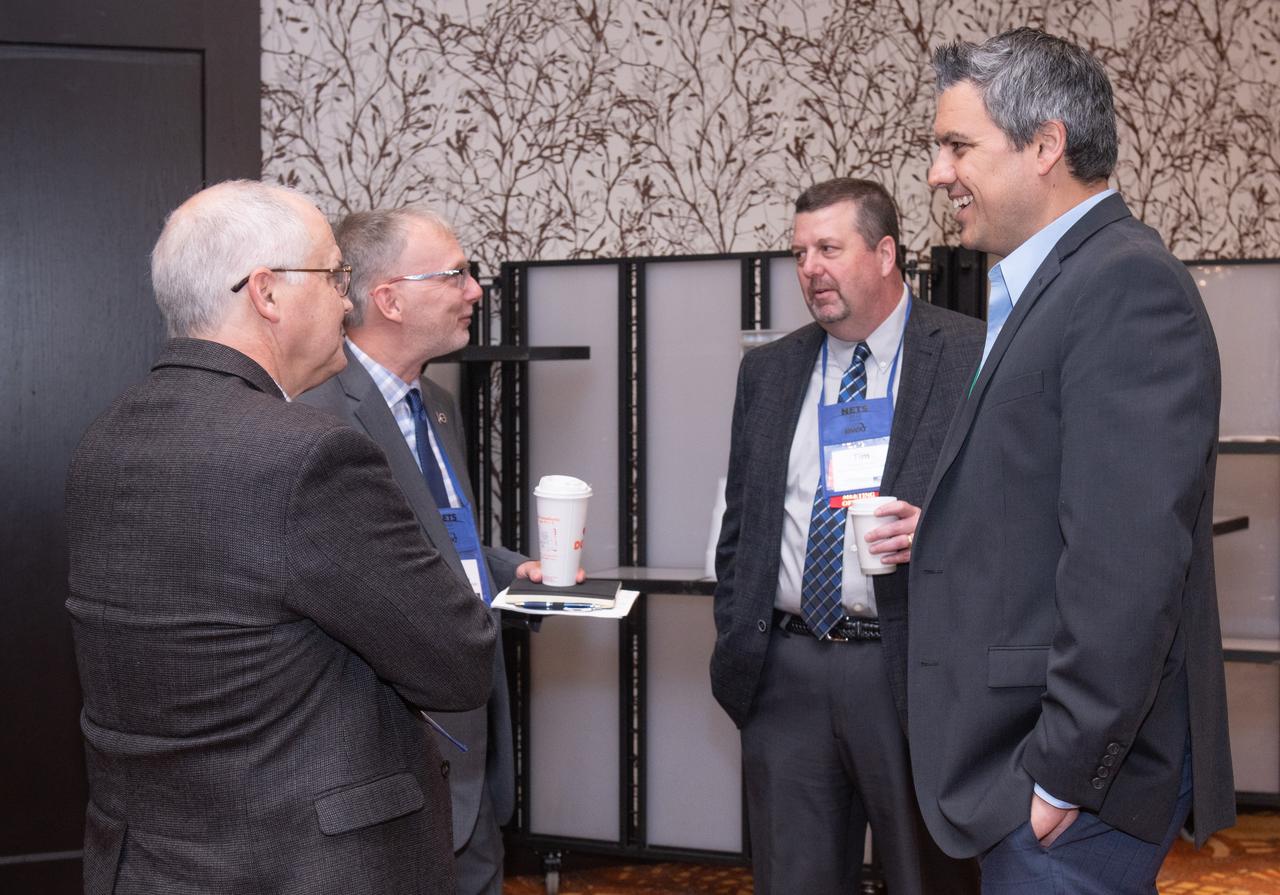
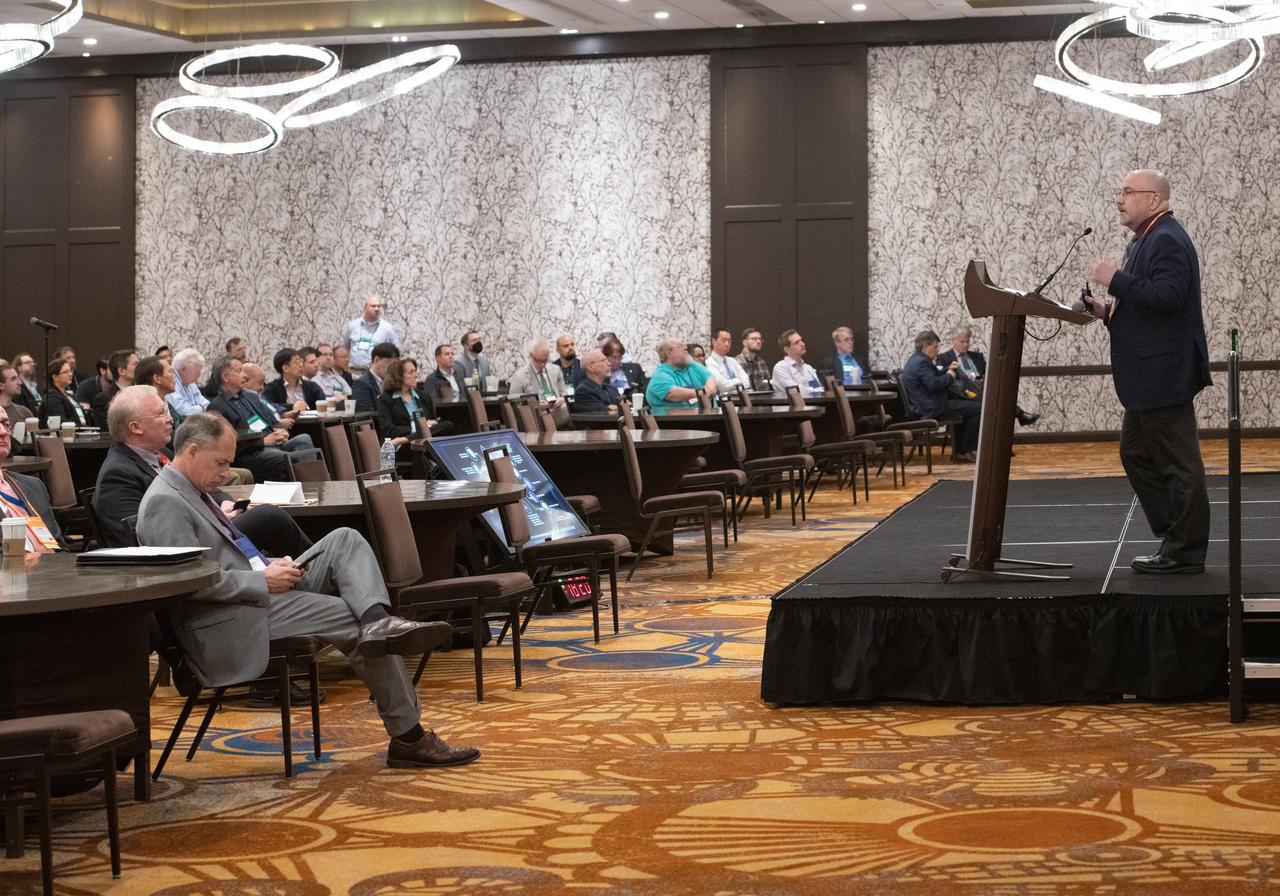
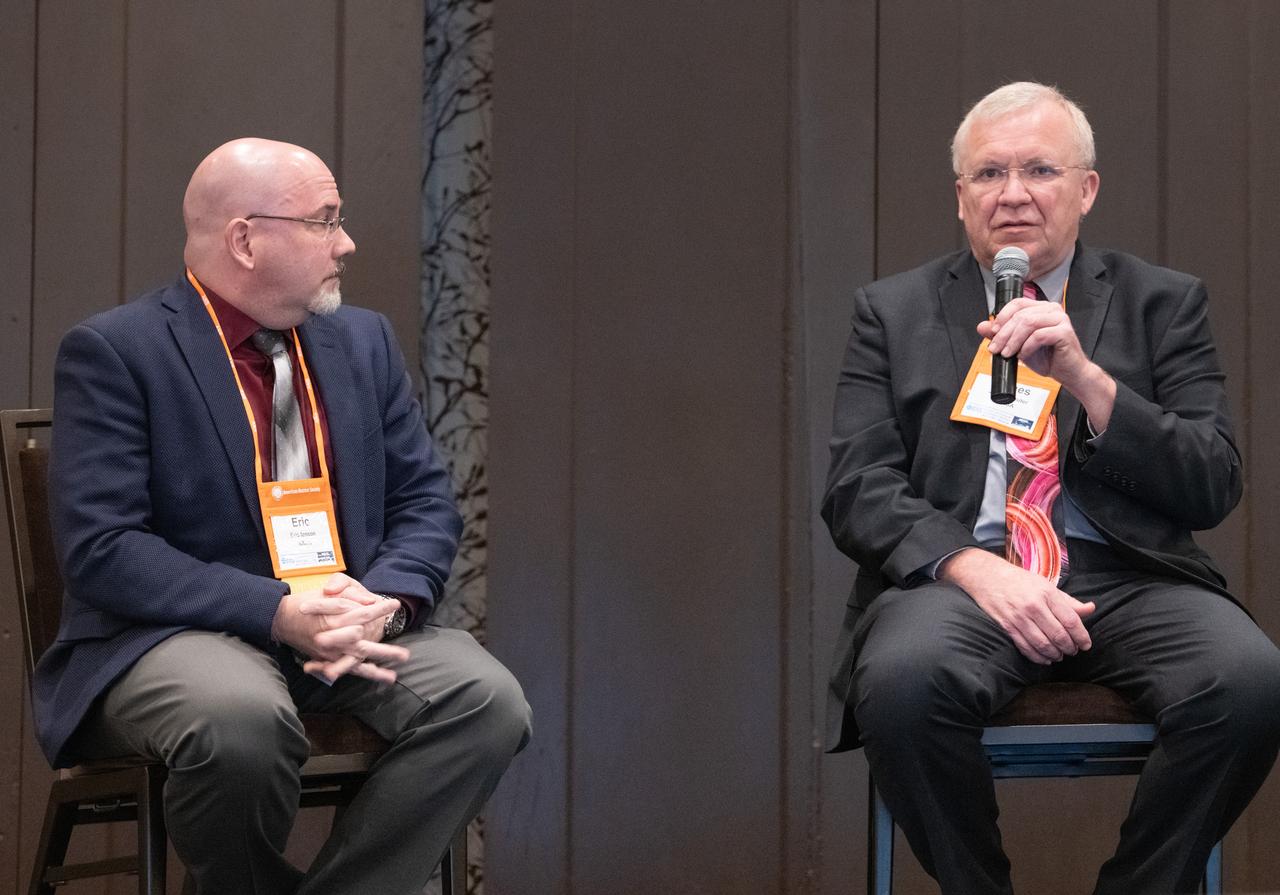
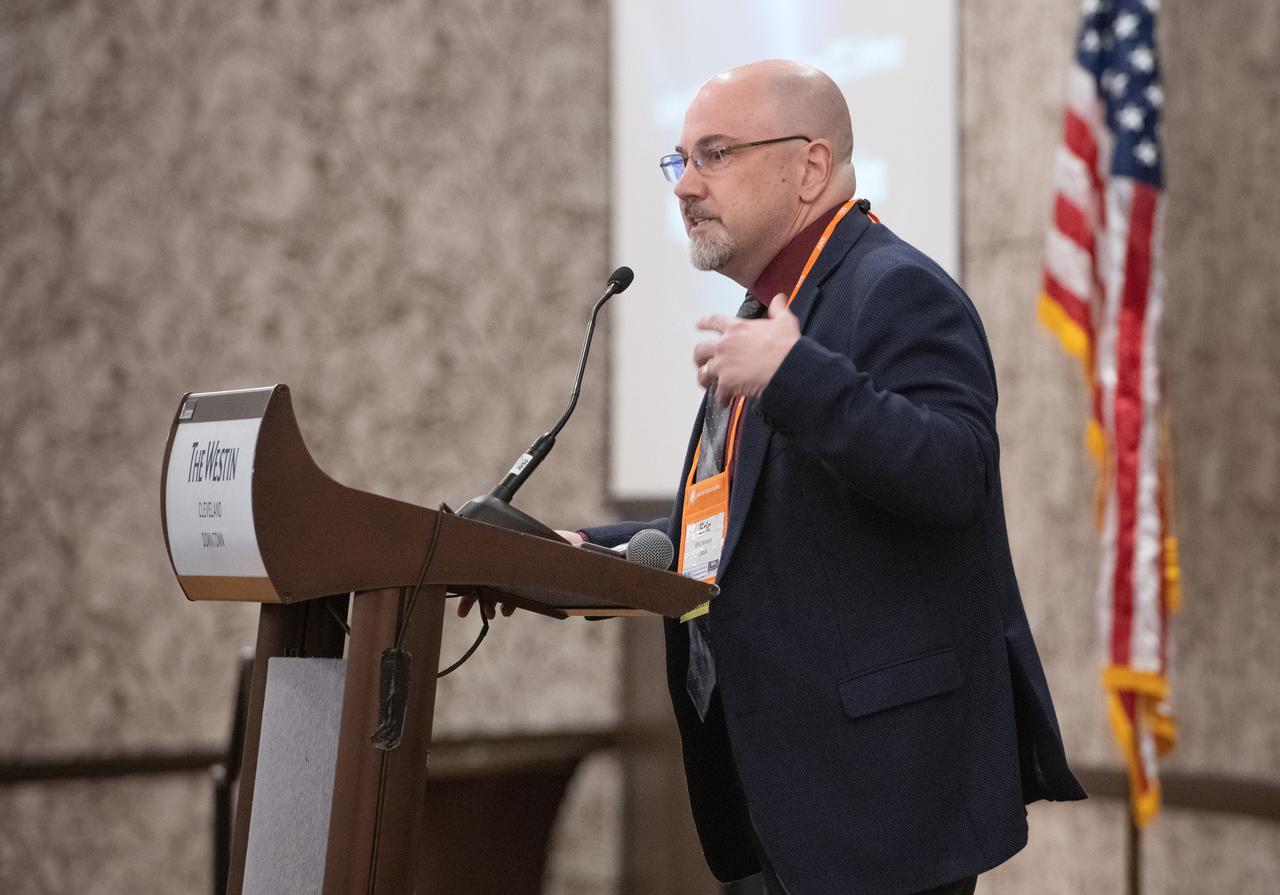
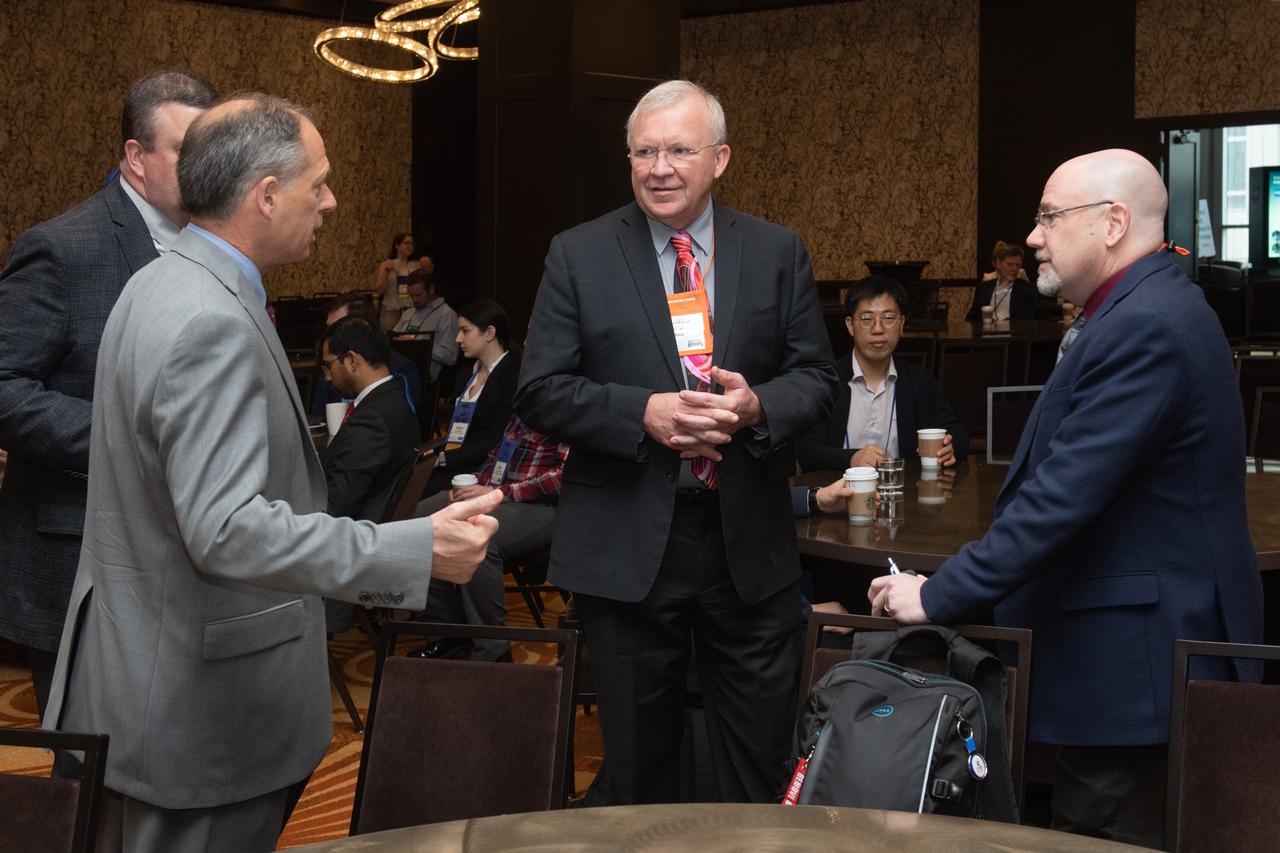
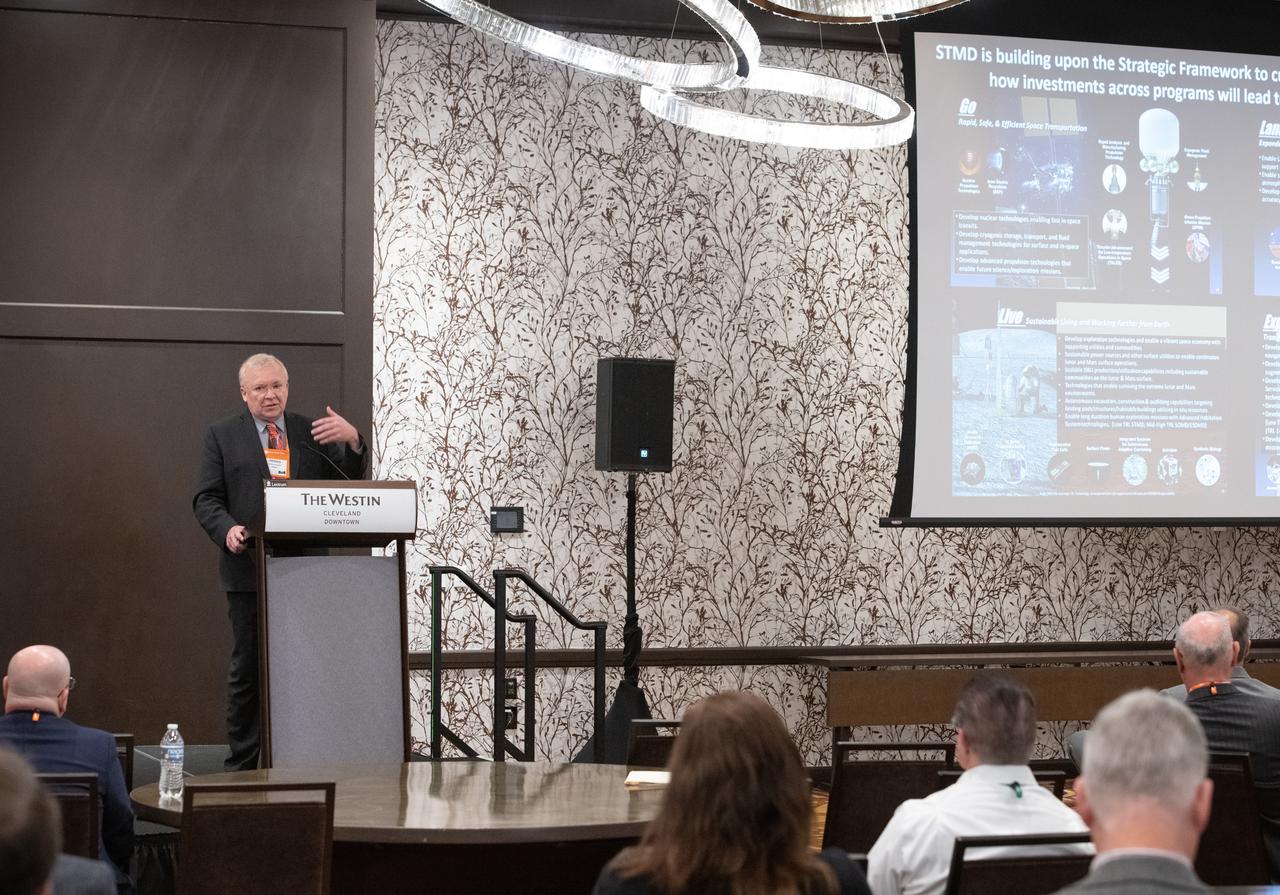
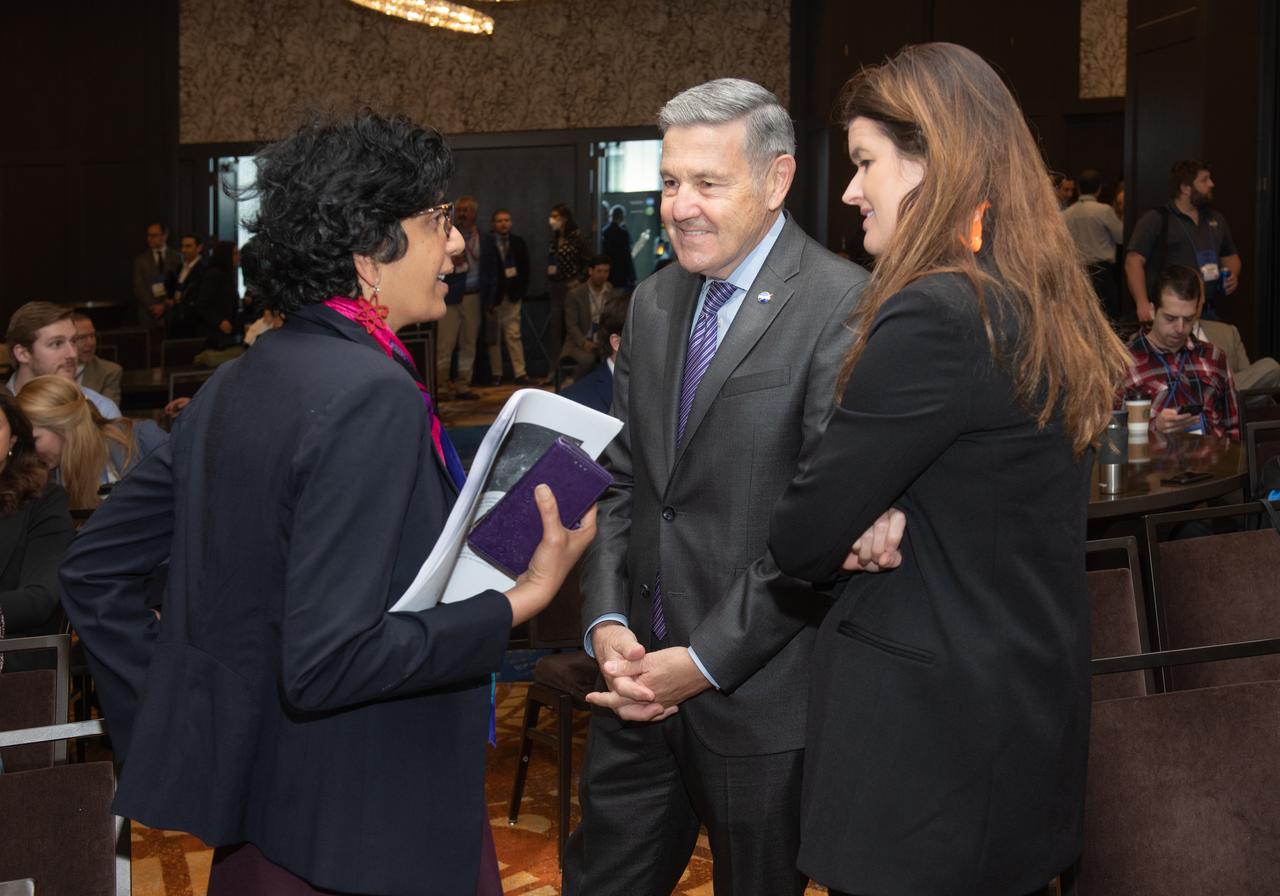
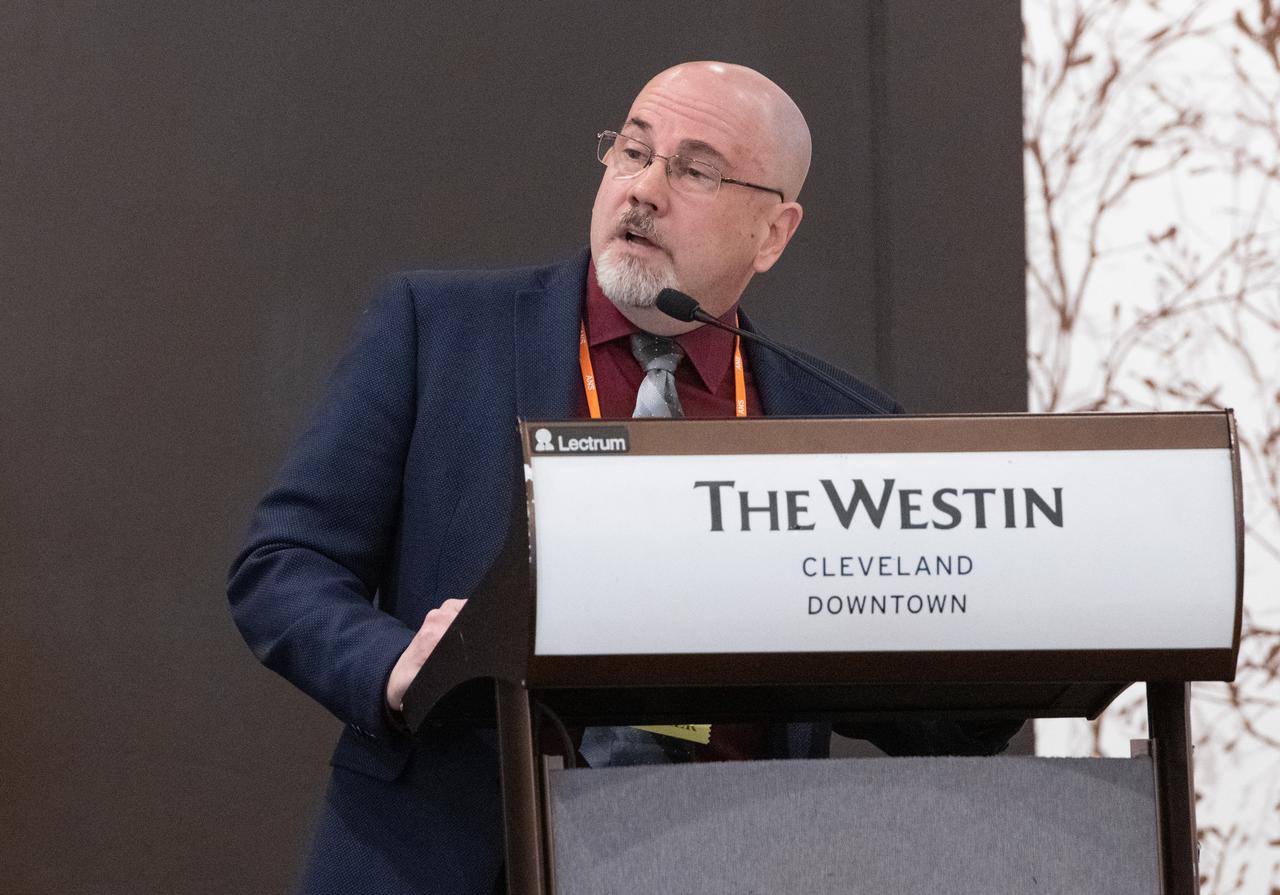
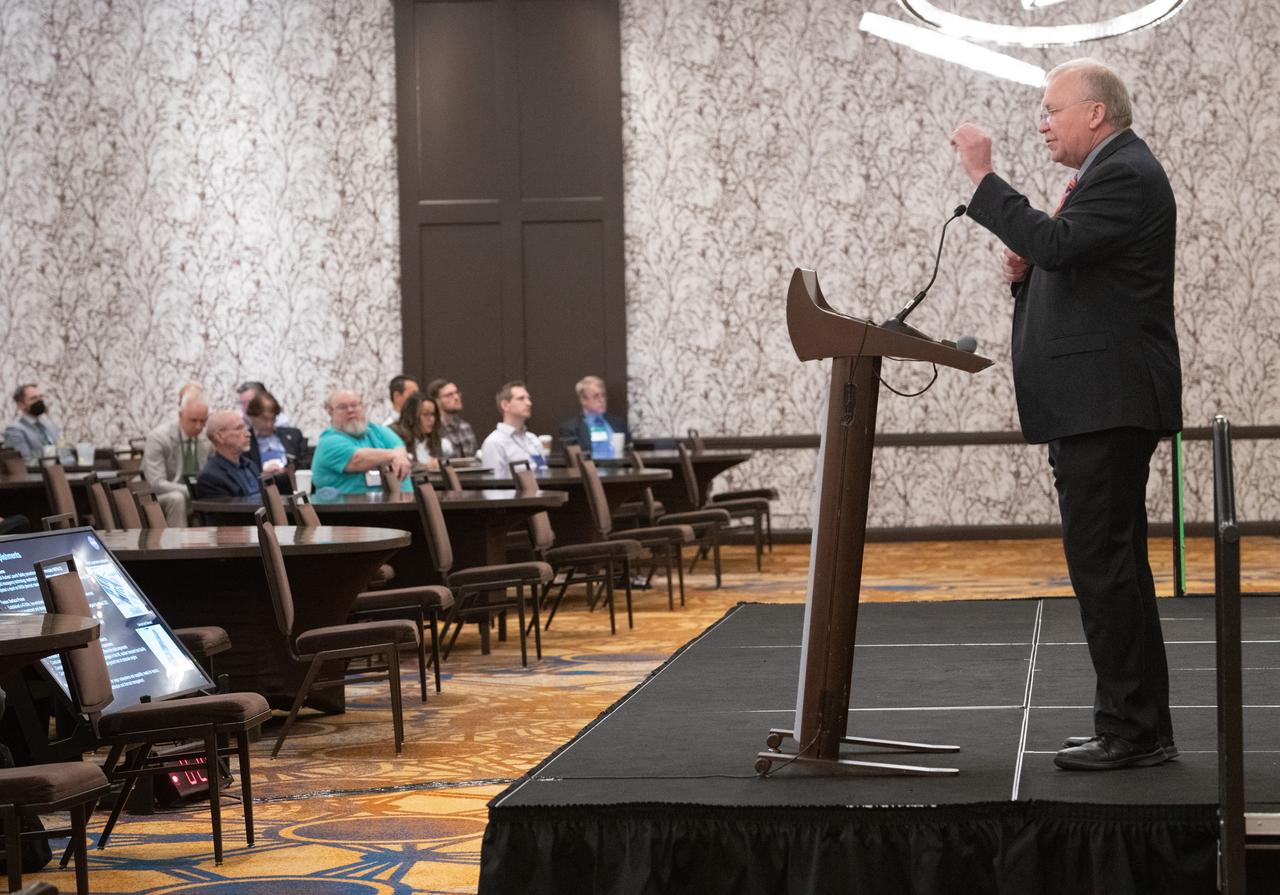
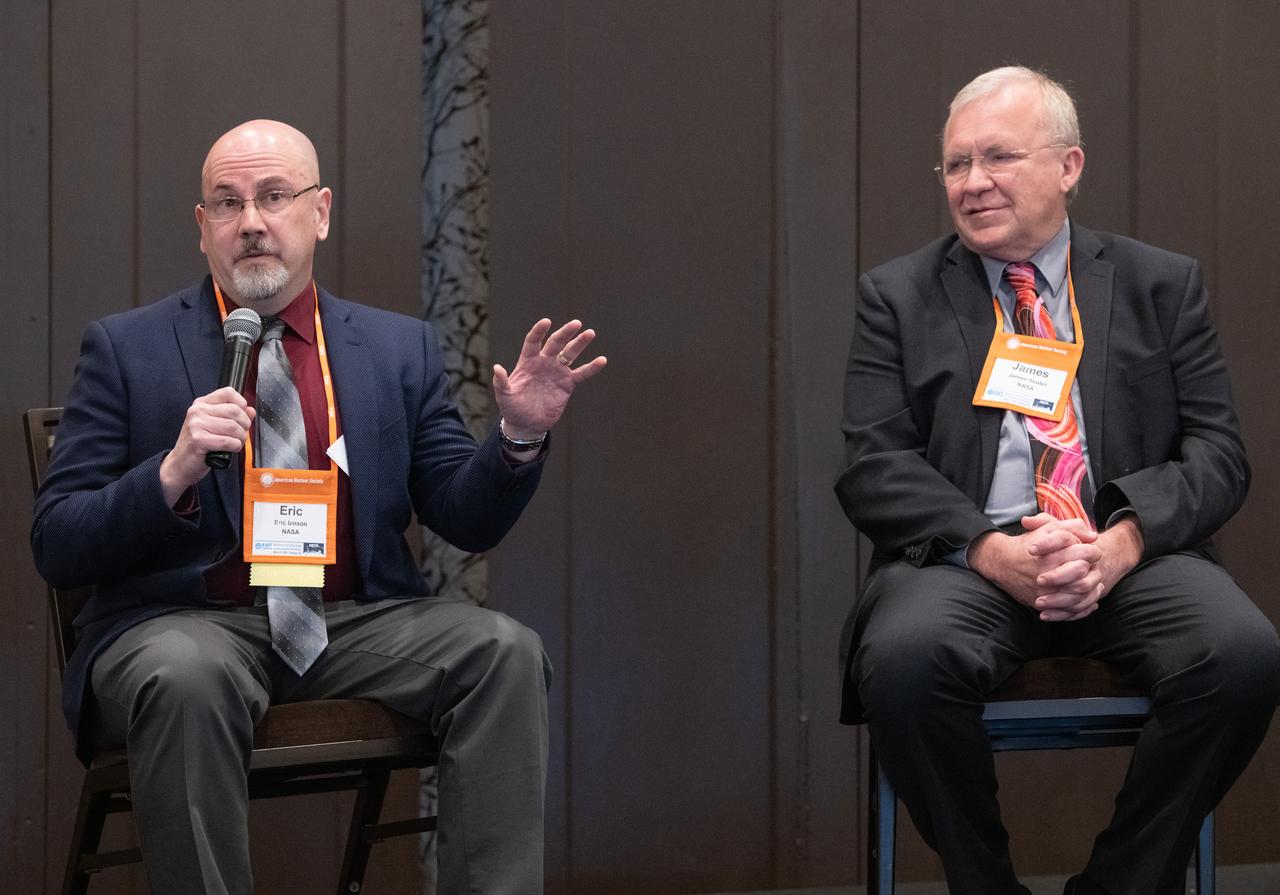
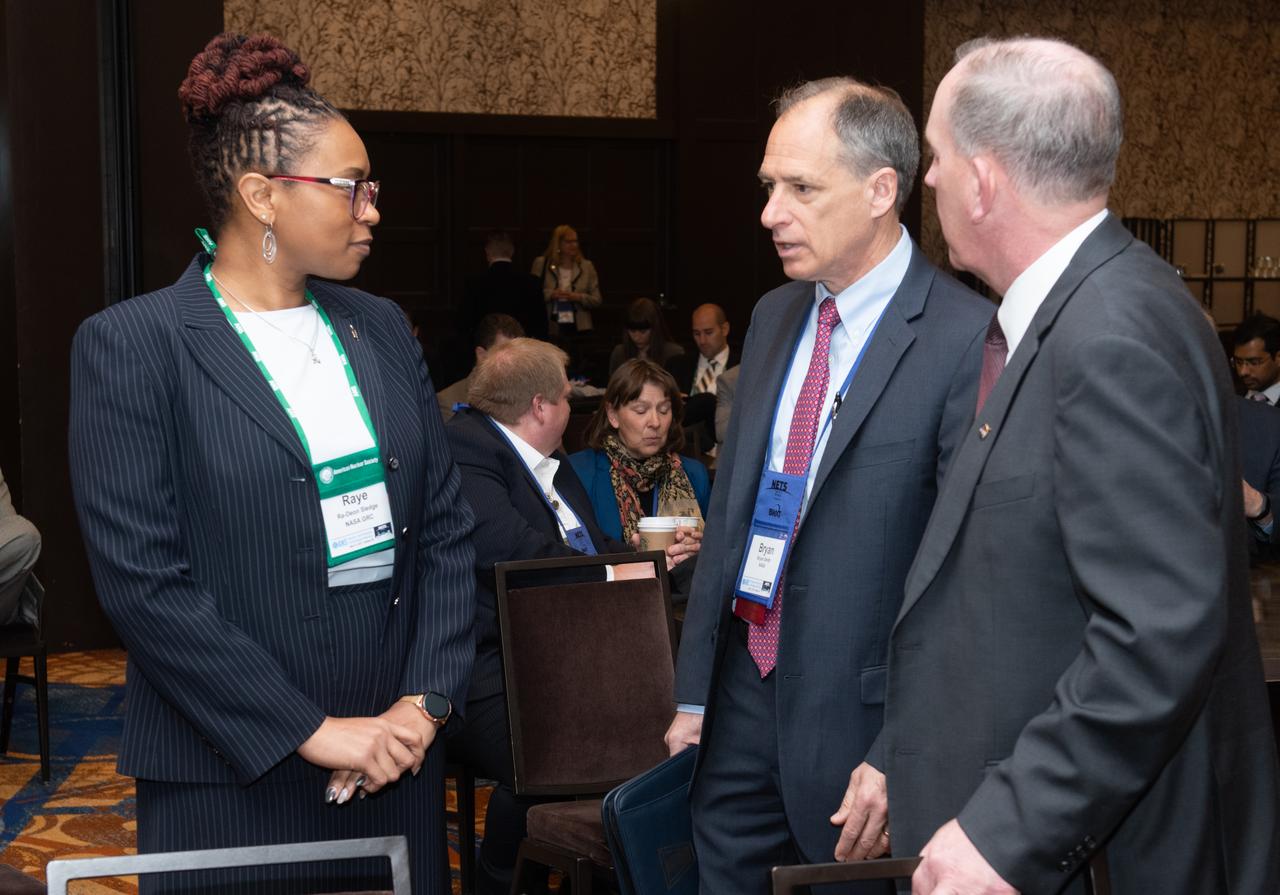
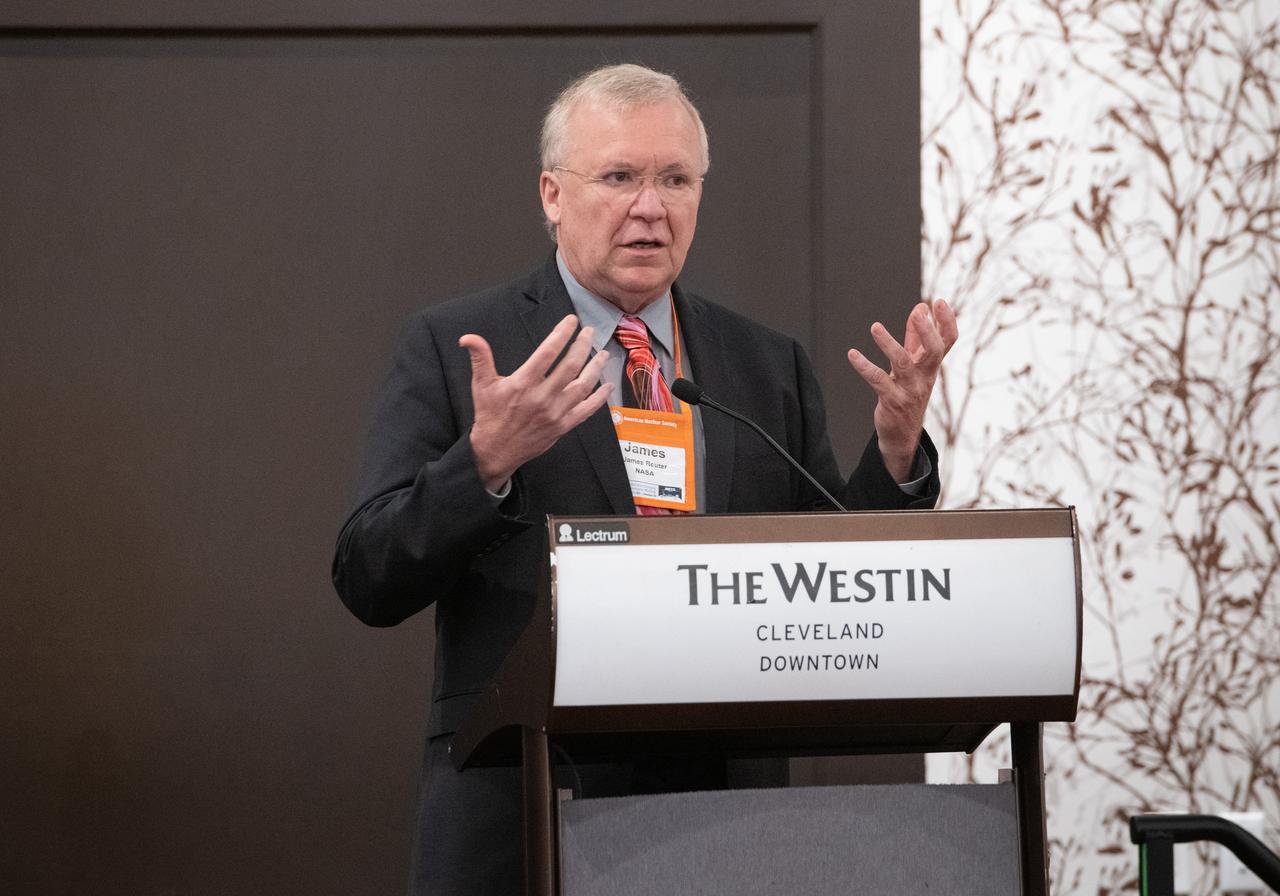
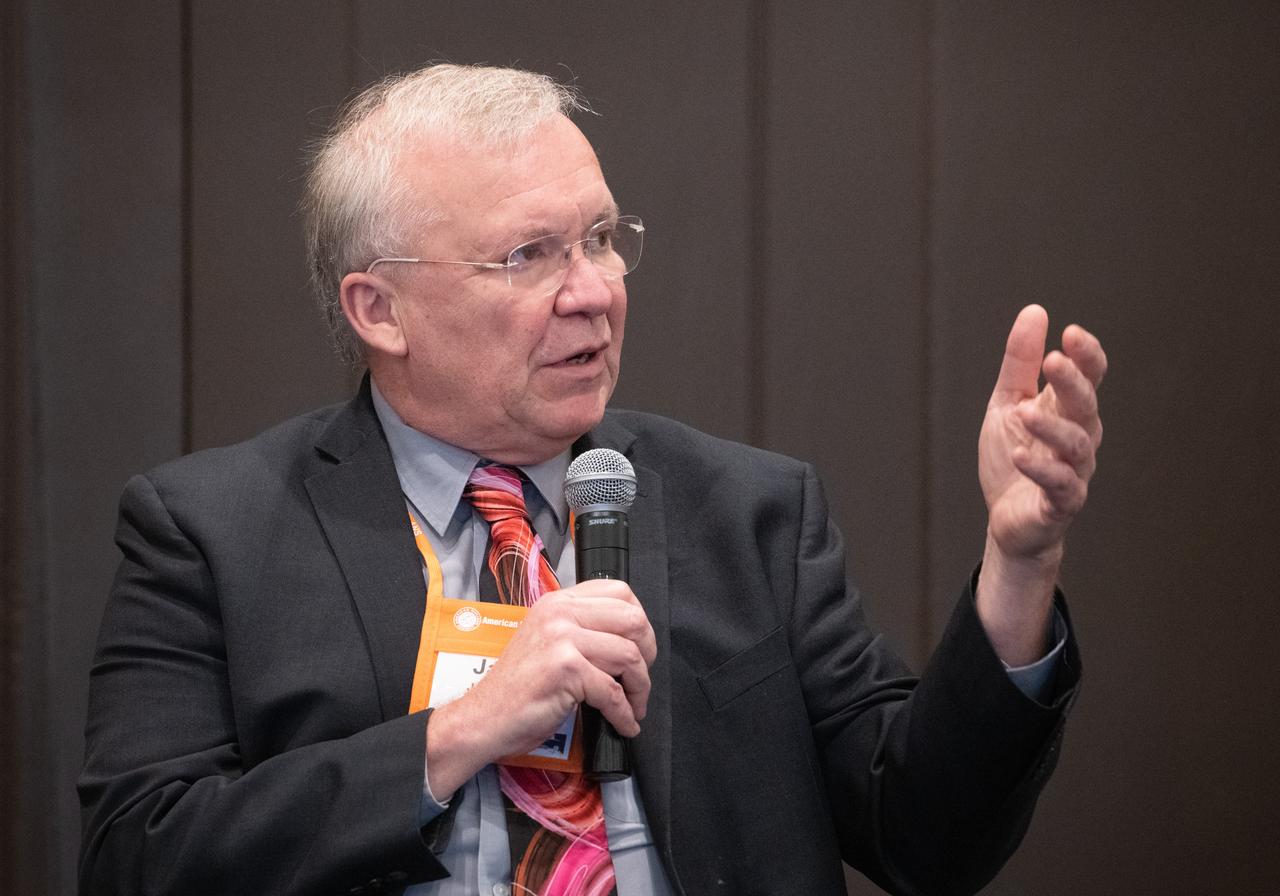
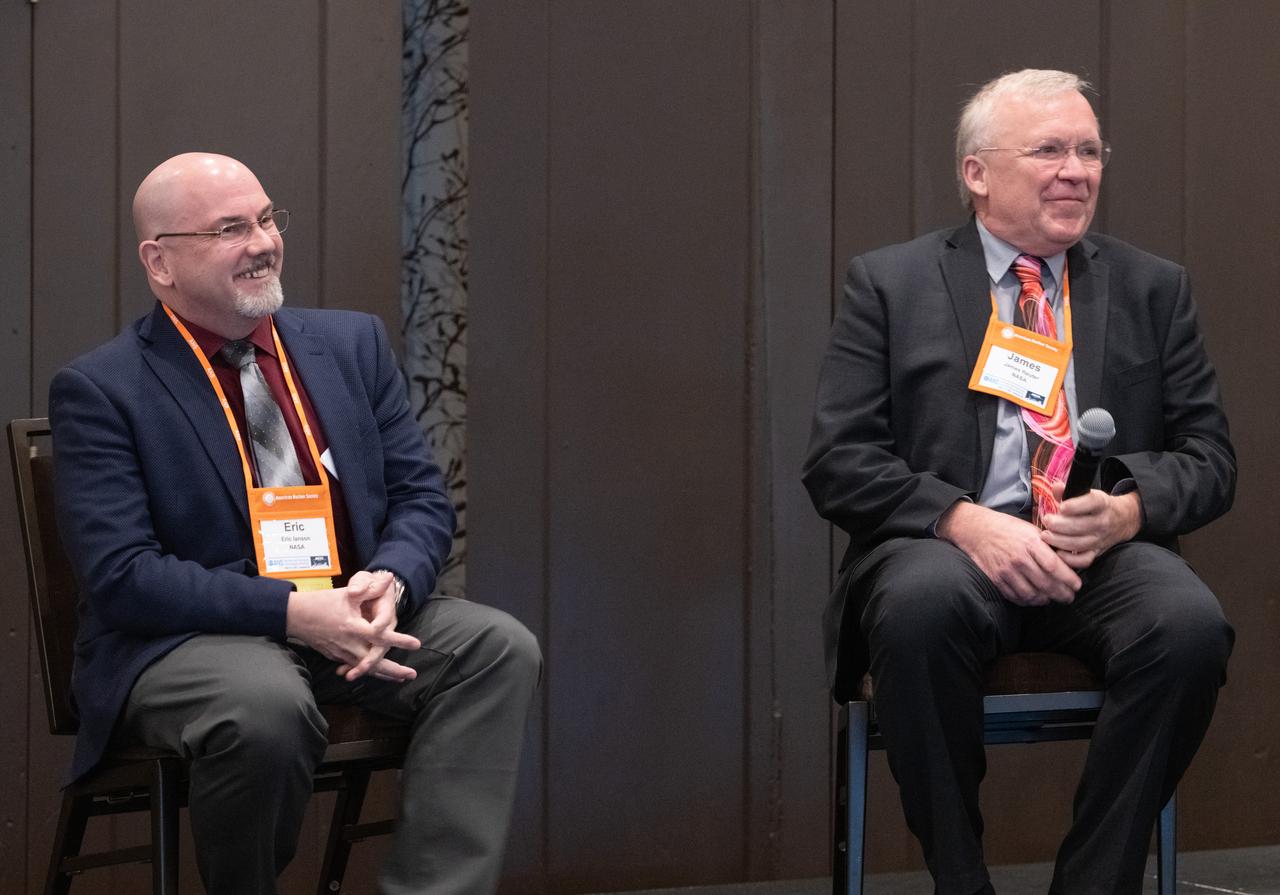
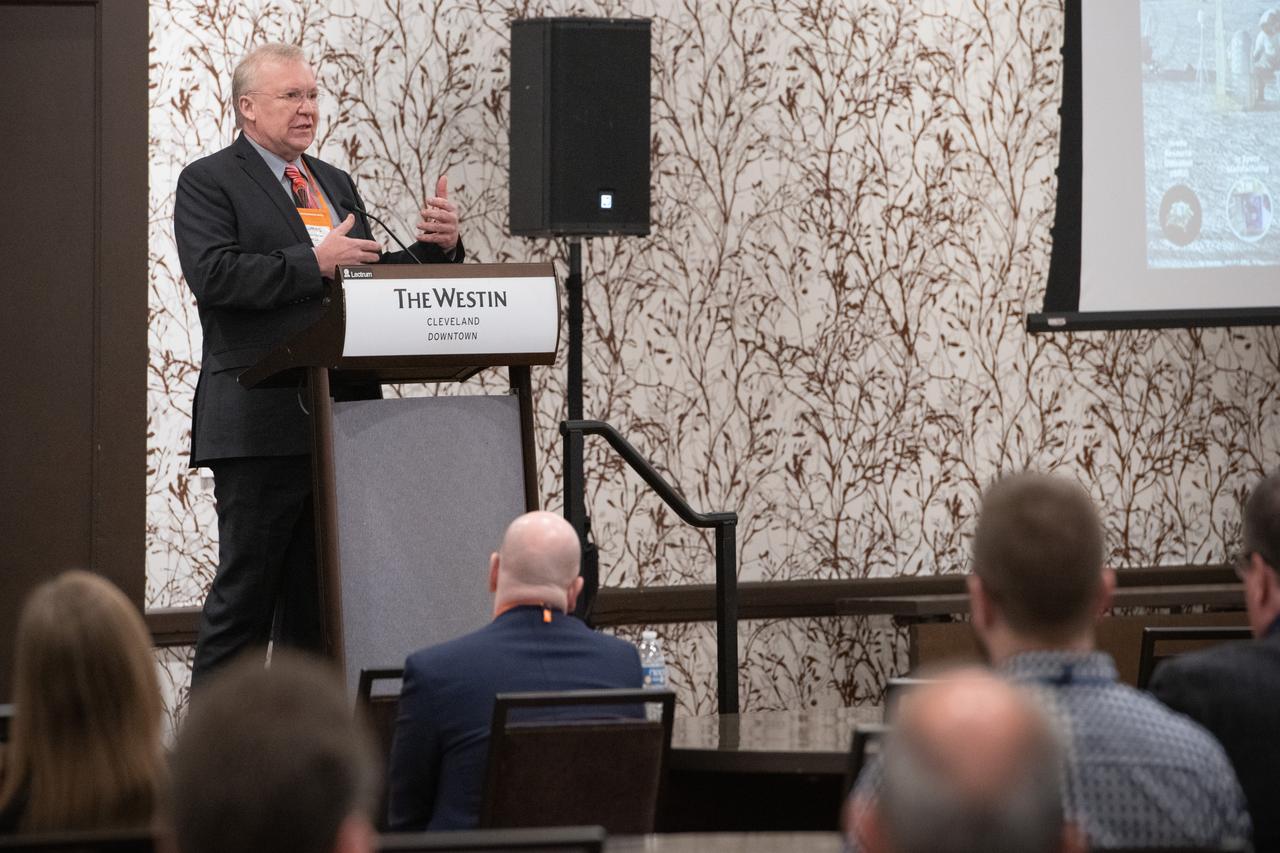
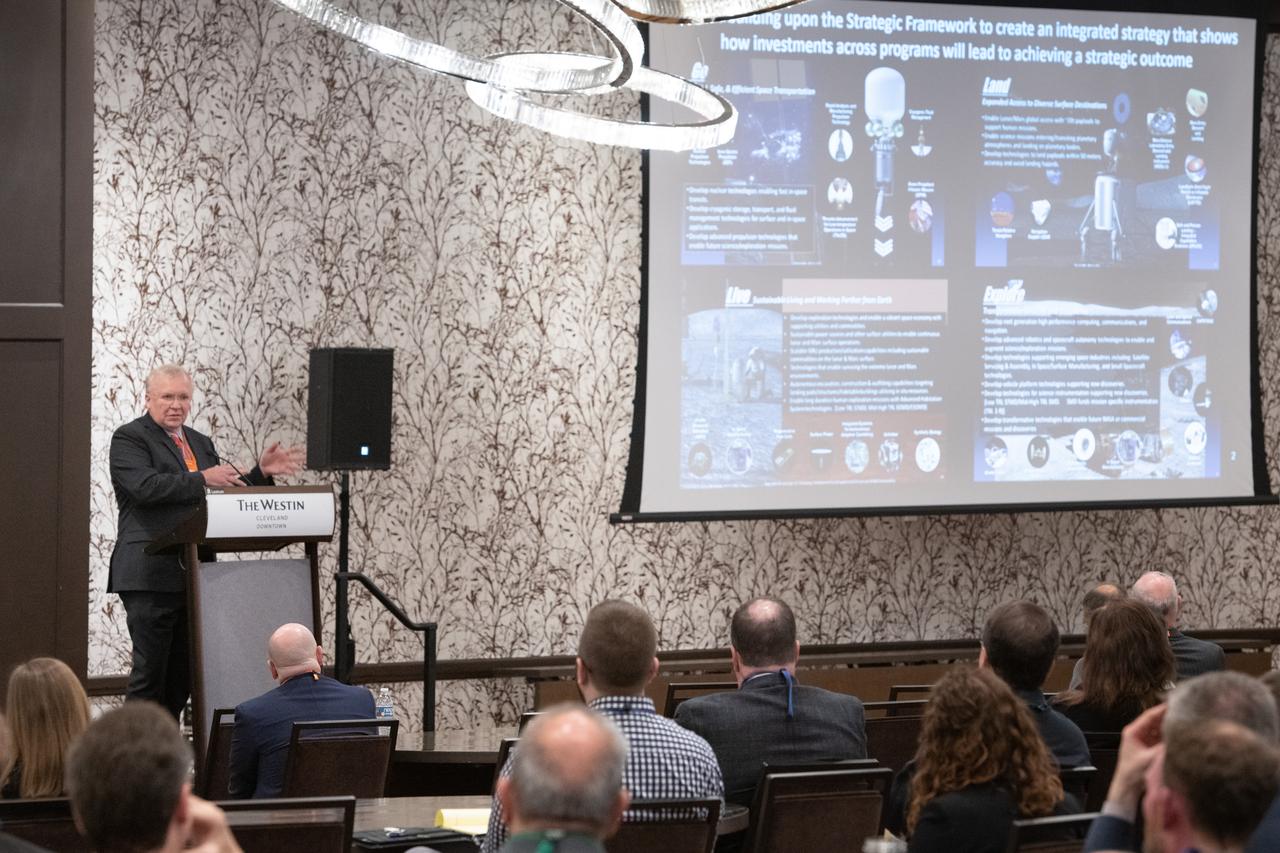
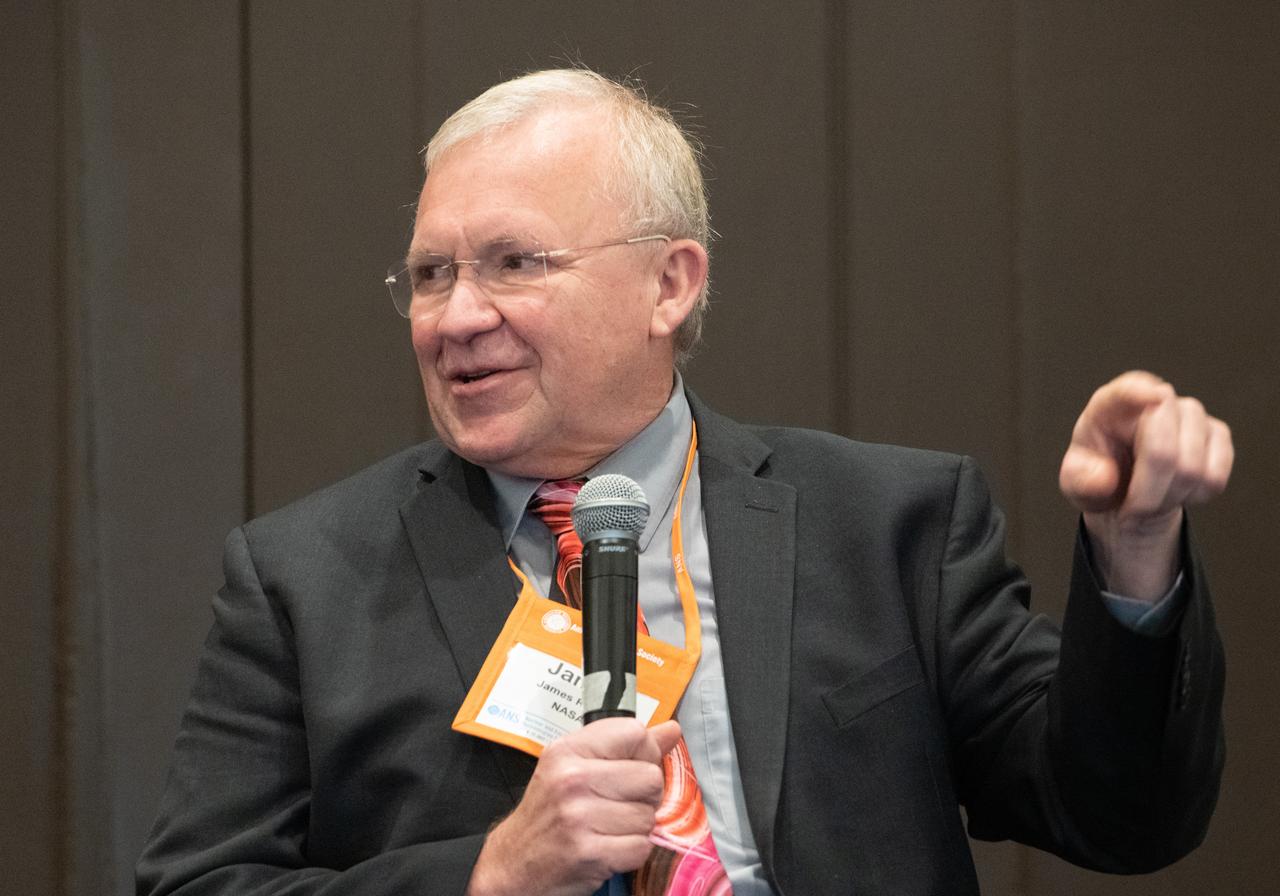
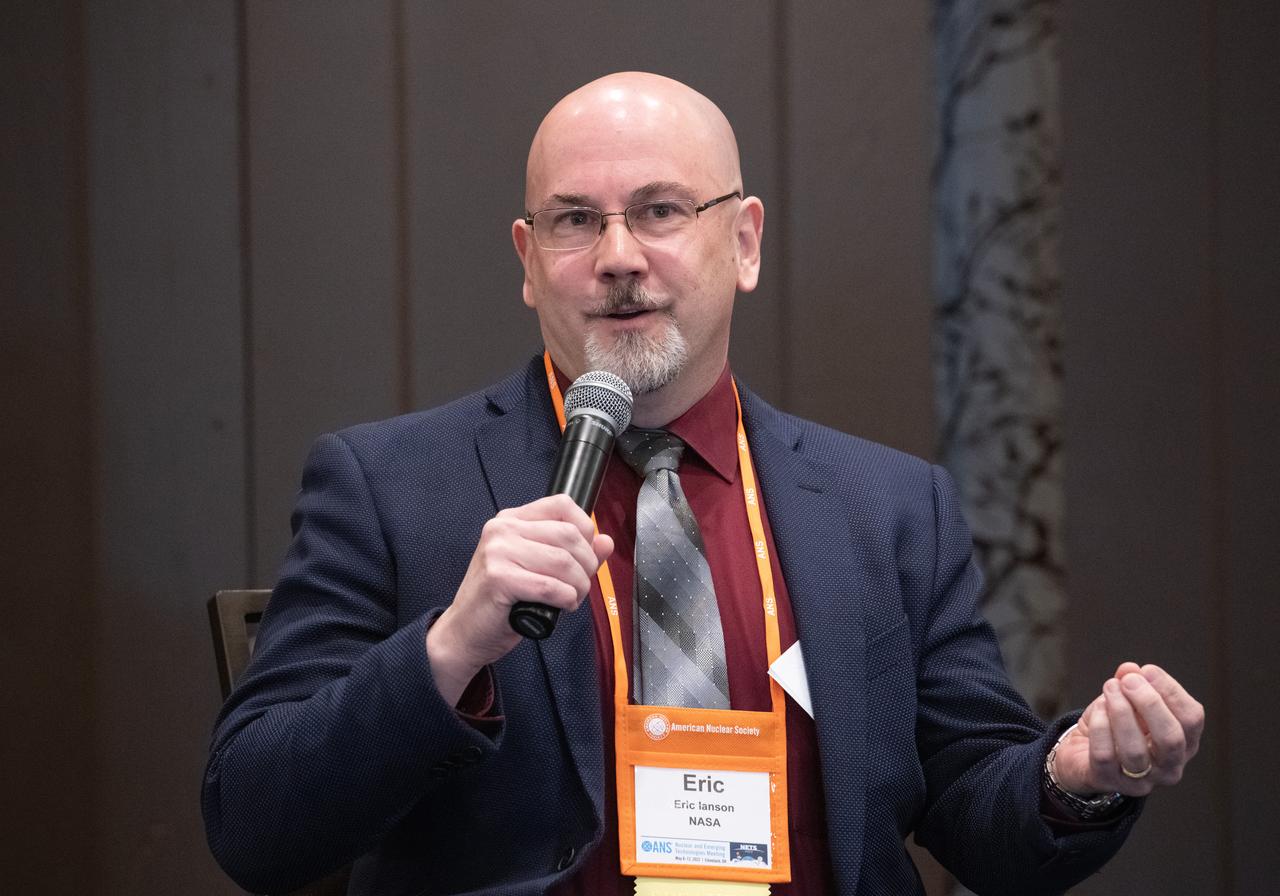
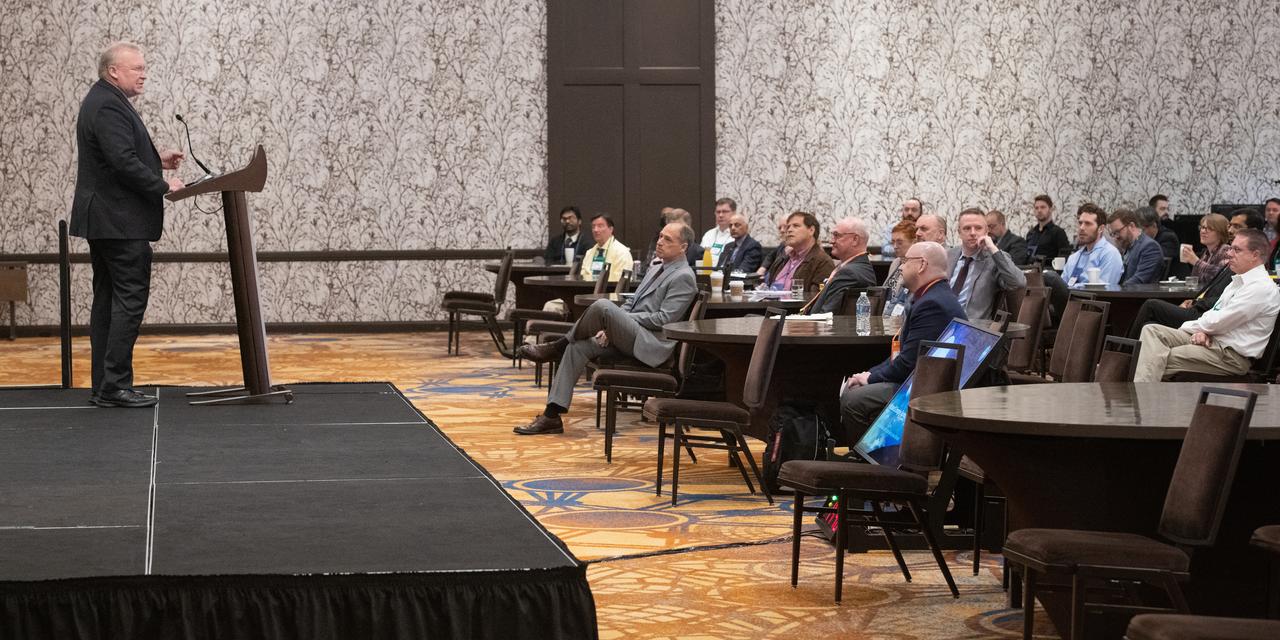
Nuclear Emerging Technologies for Space, NETS 2022 Conference
GRC-2022-C-00504
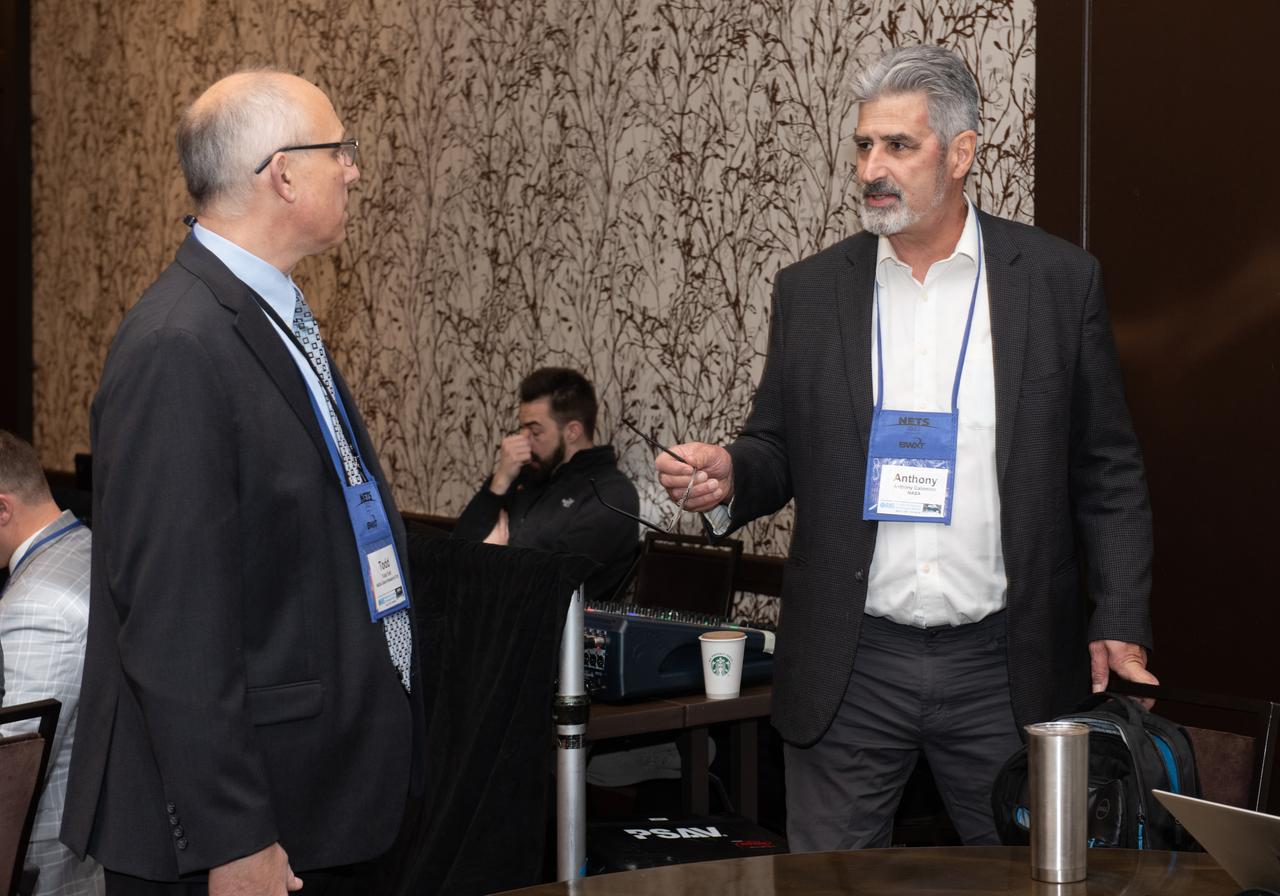
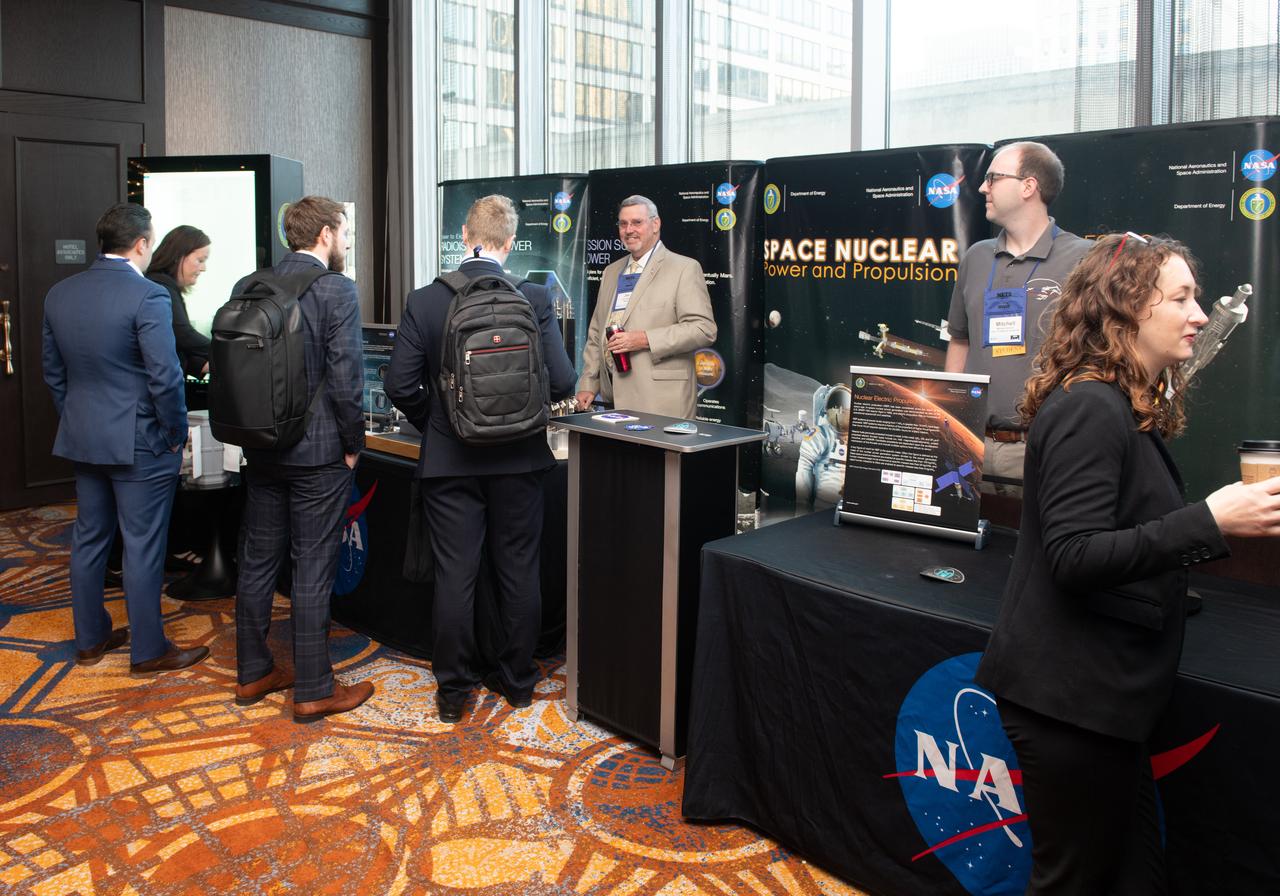
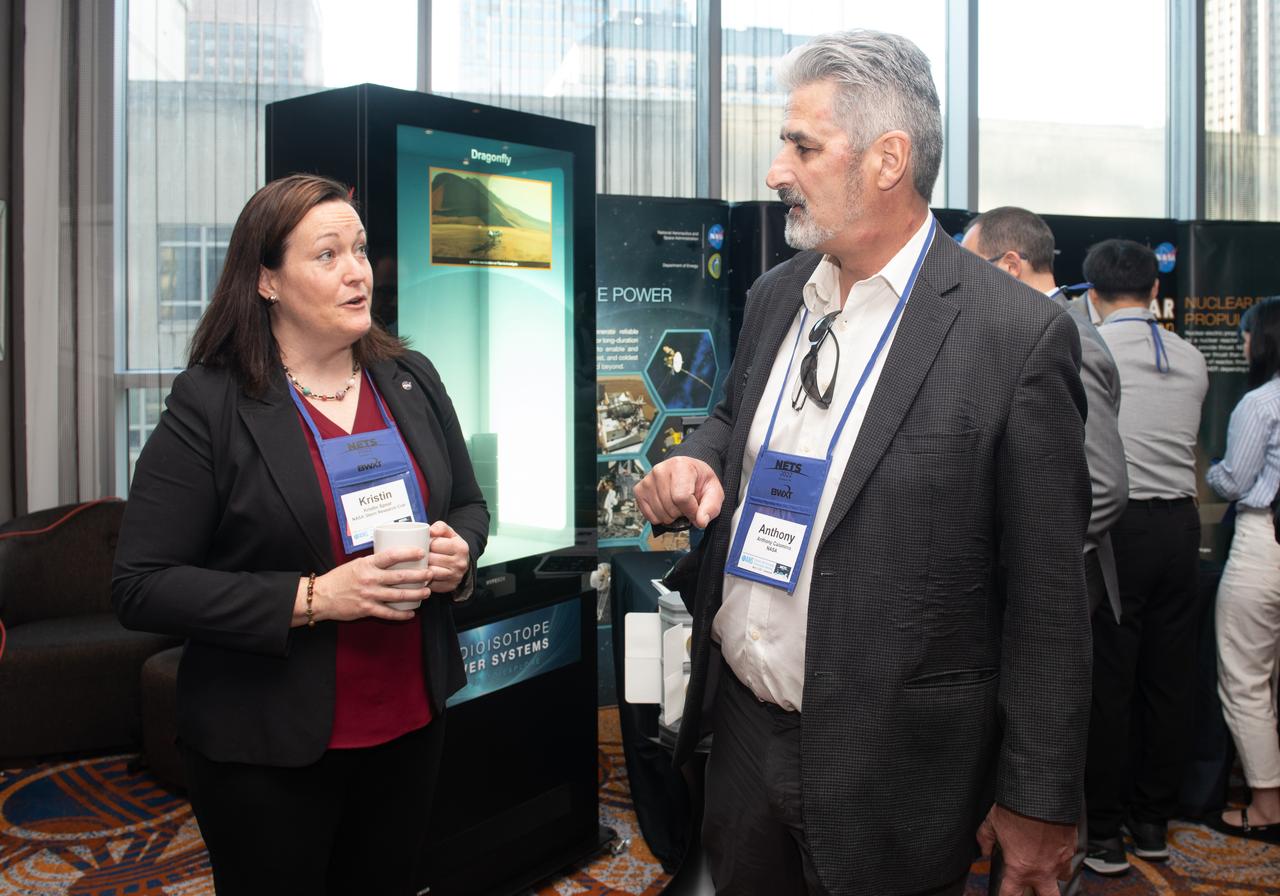
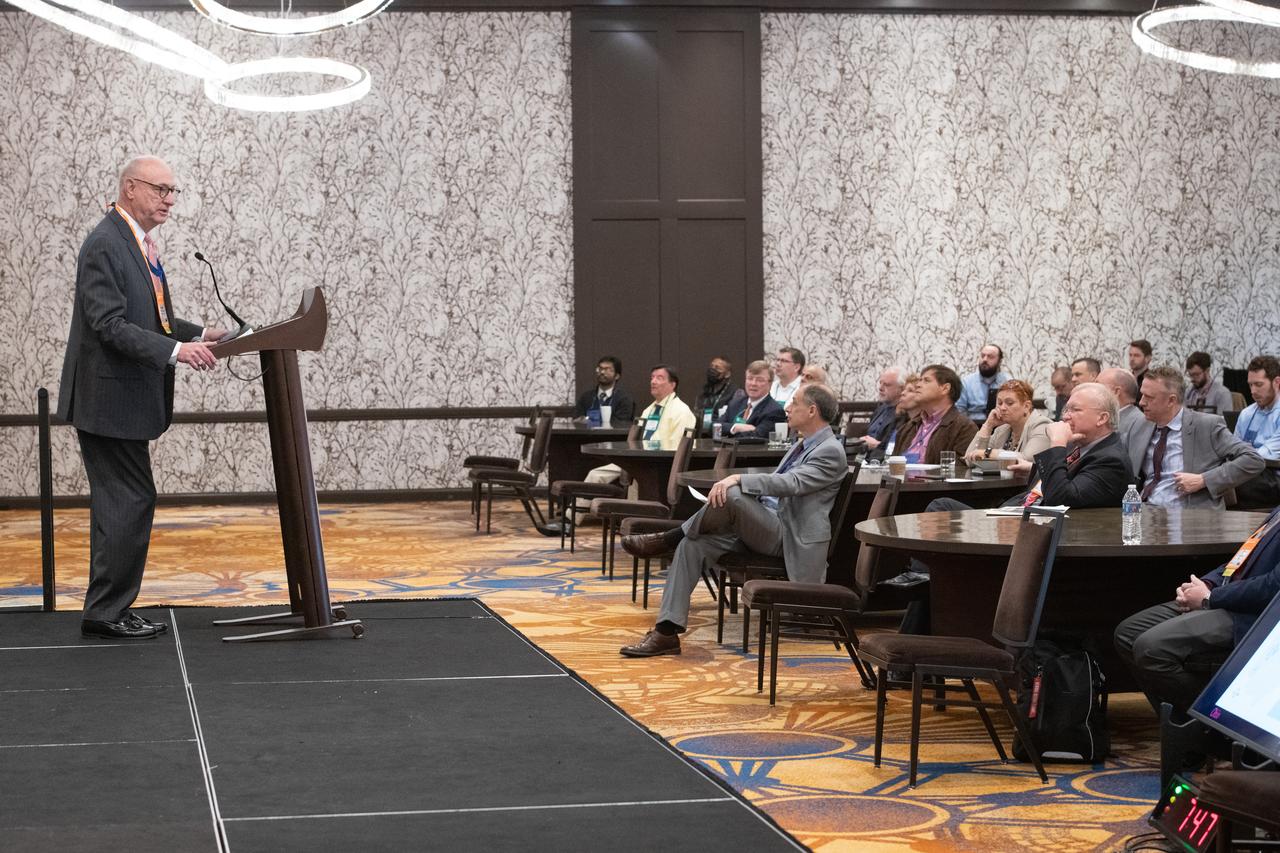
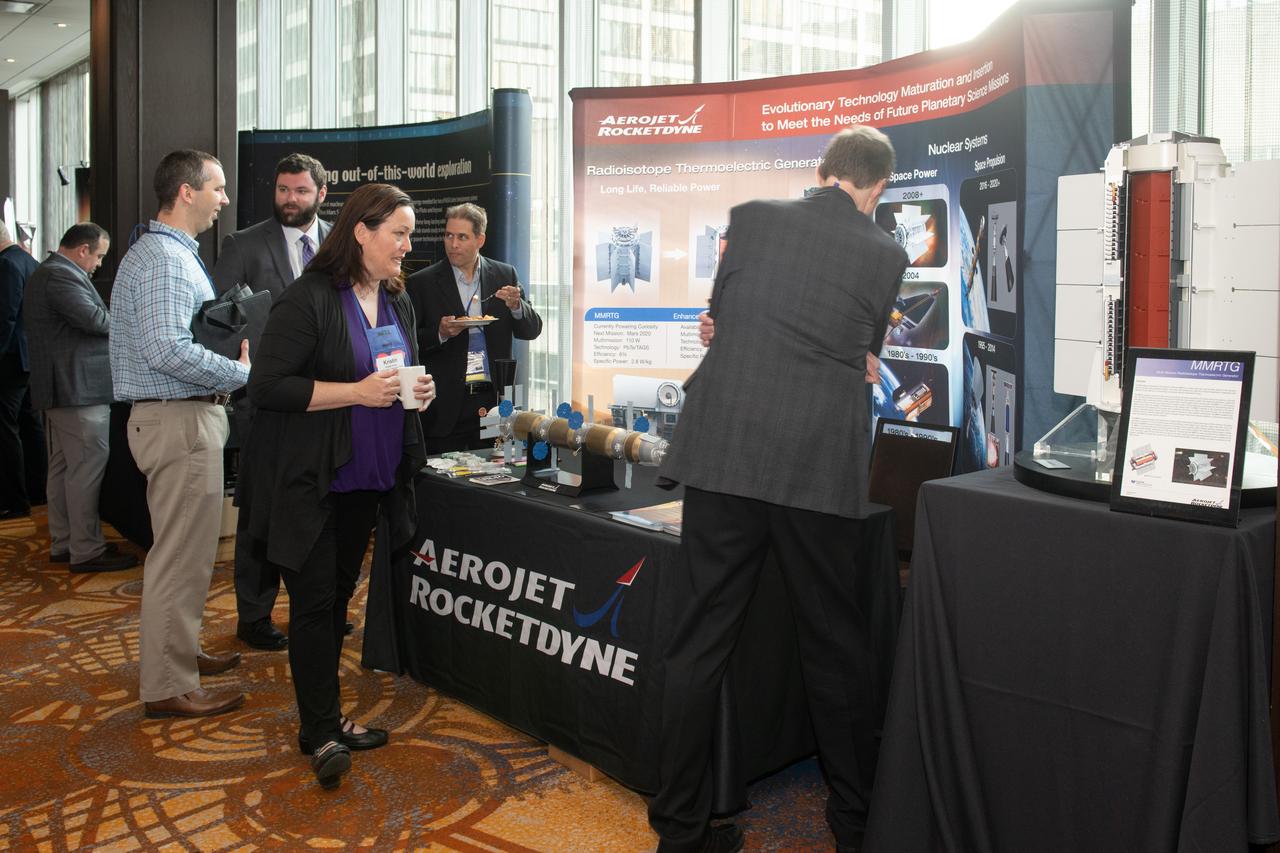
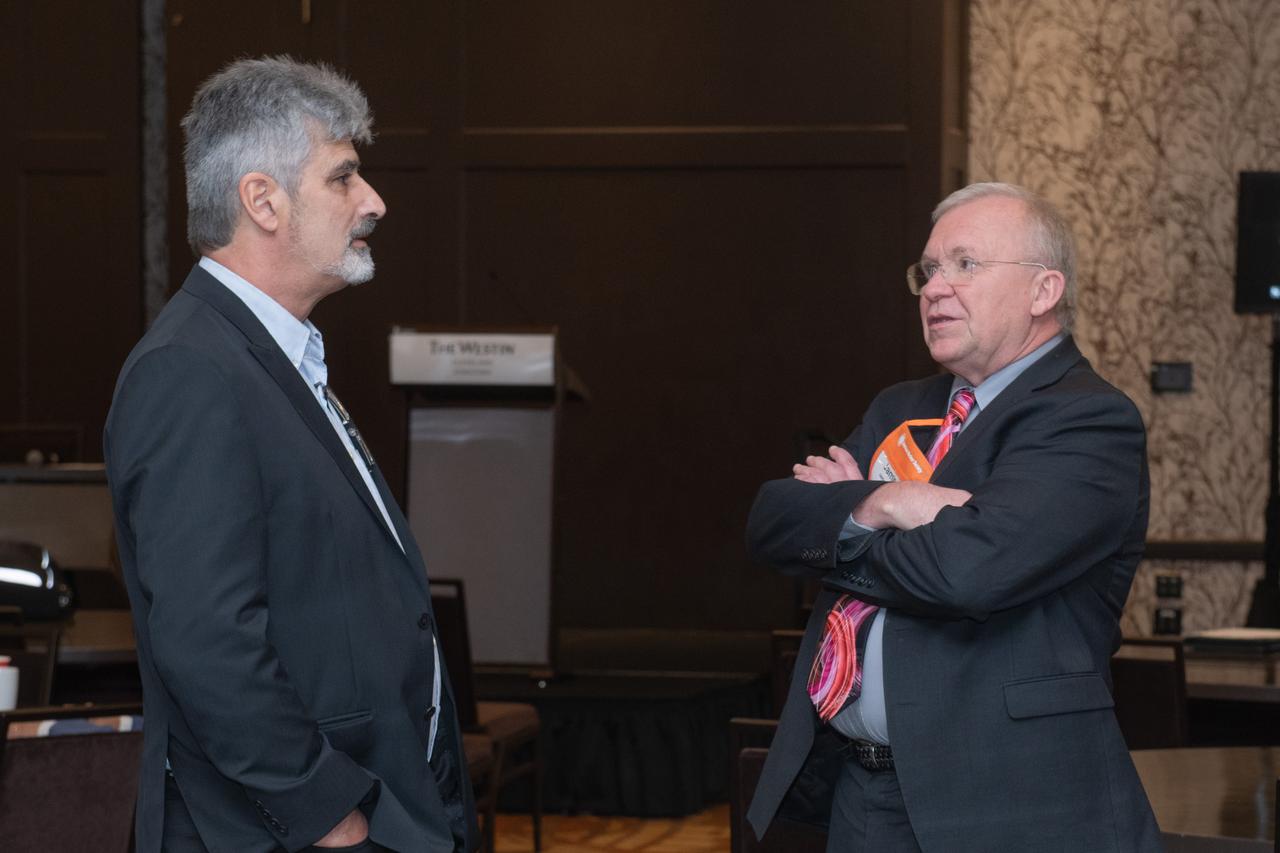
Nuclear Emerging Technologies for Space, NETS 2022 Conference
GRC-2022-C-00510
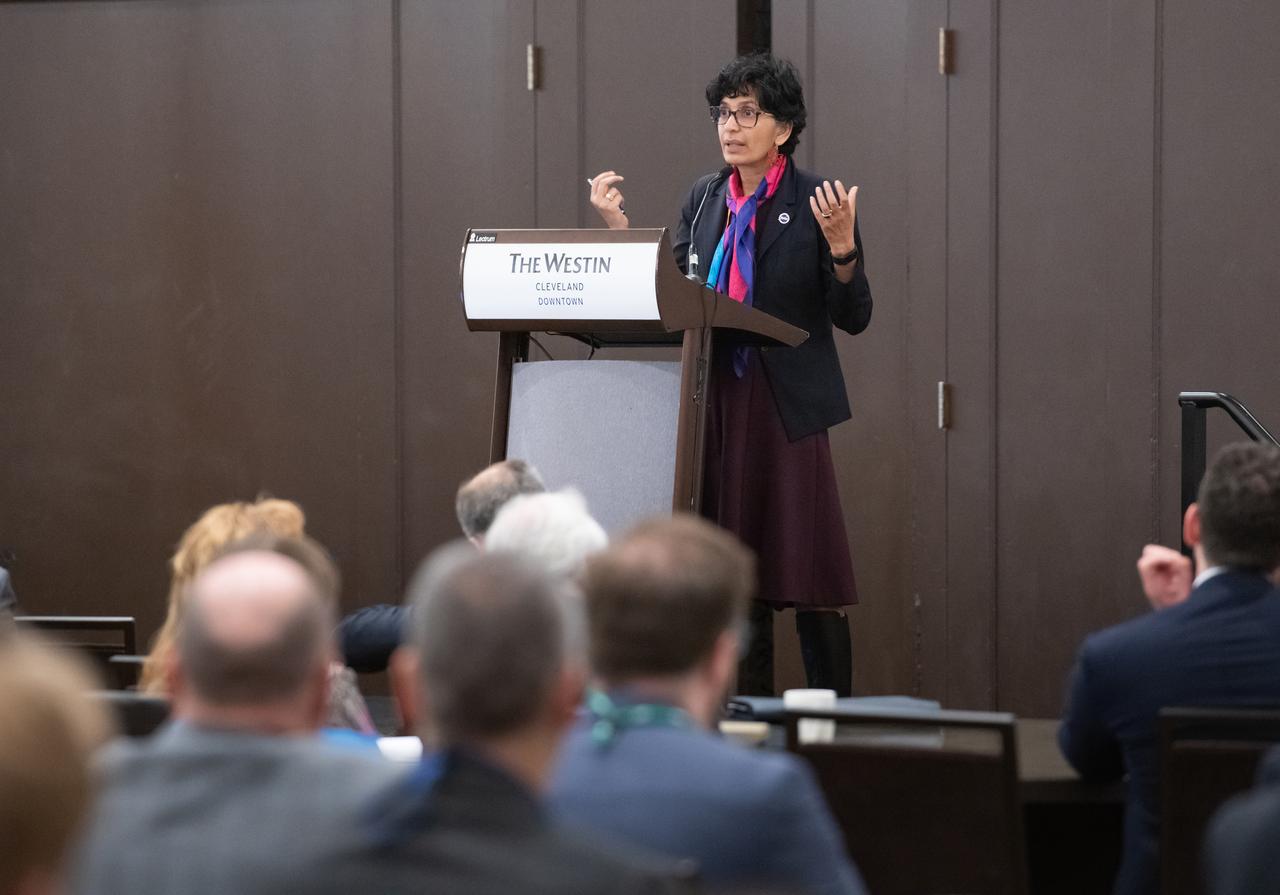
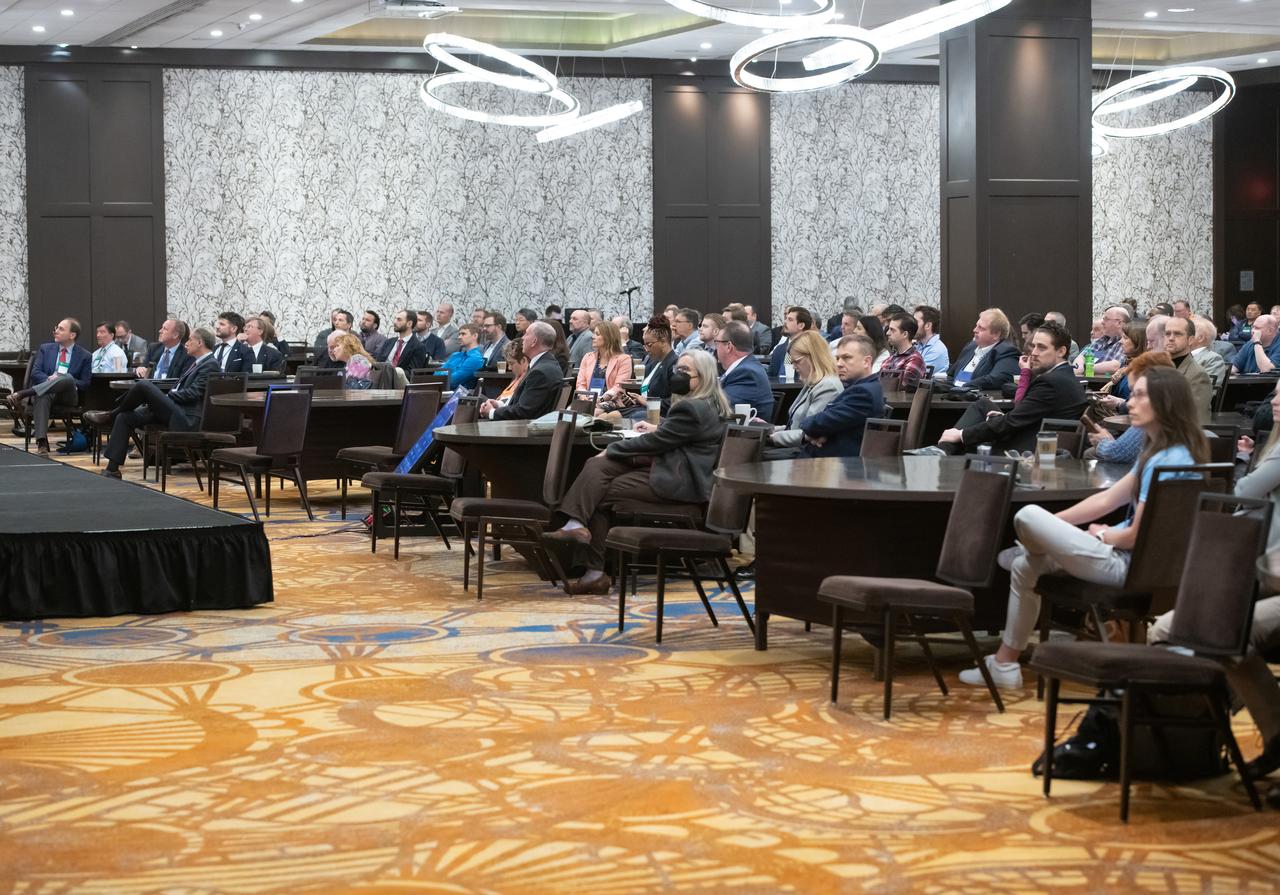
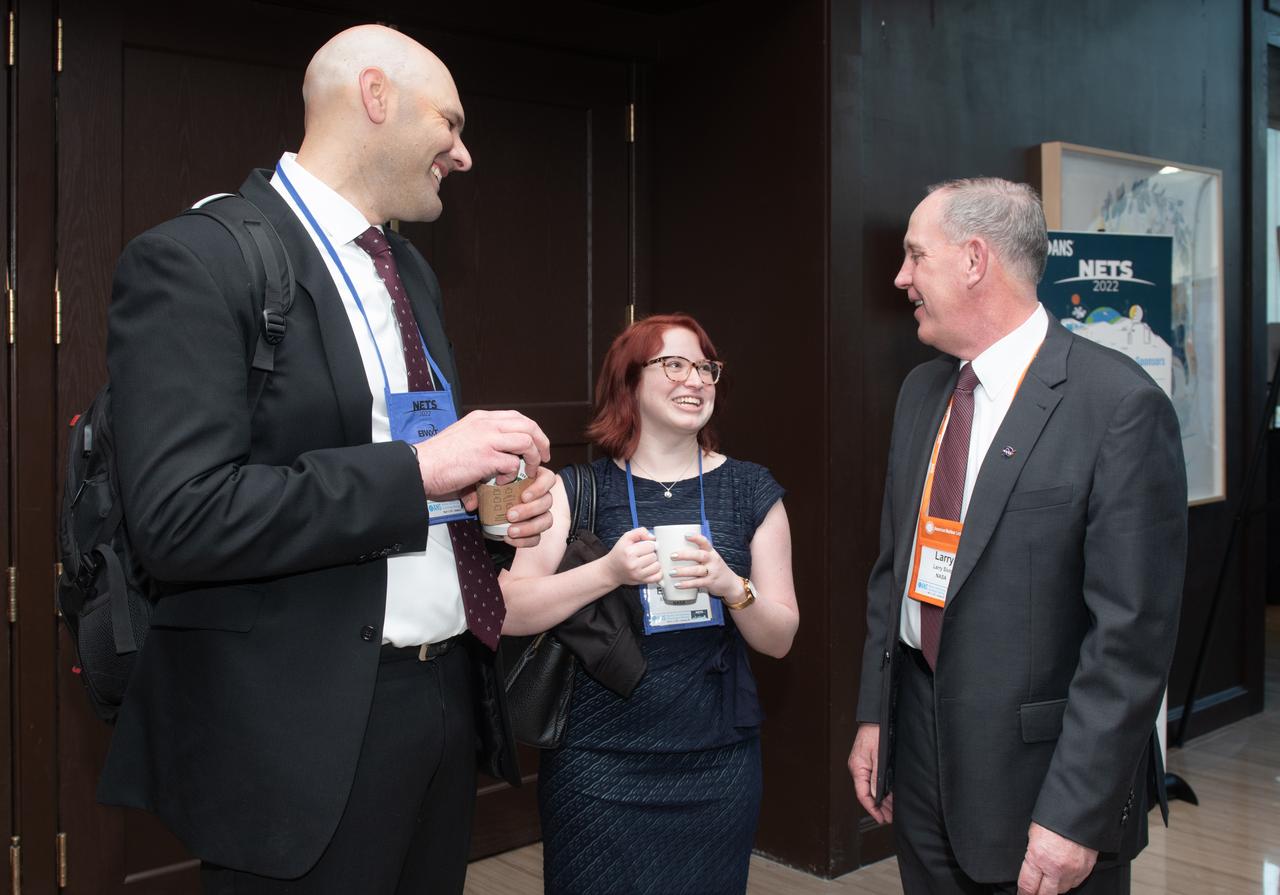
Nuclear Emerging Technologies for Space, NETS 2022 Conference
GRC-2022-C-00497
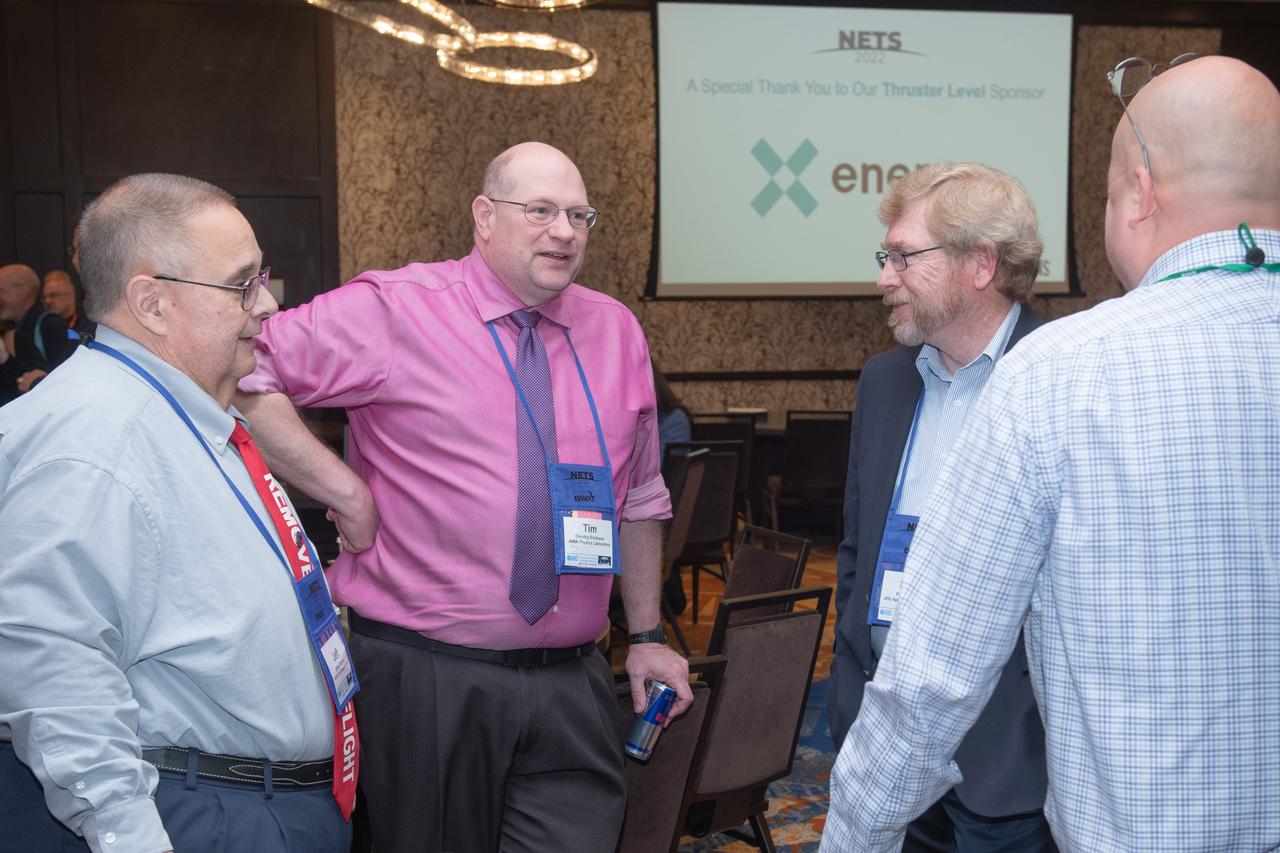
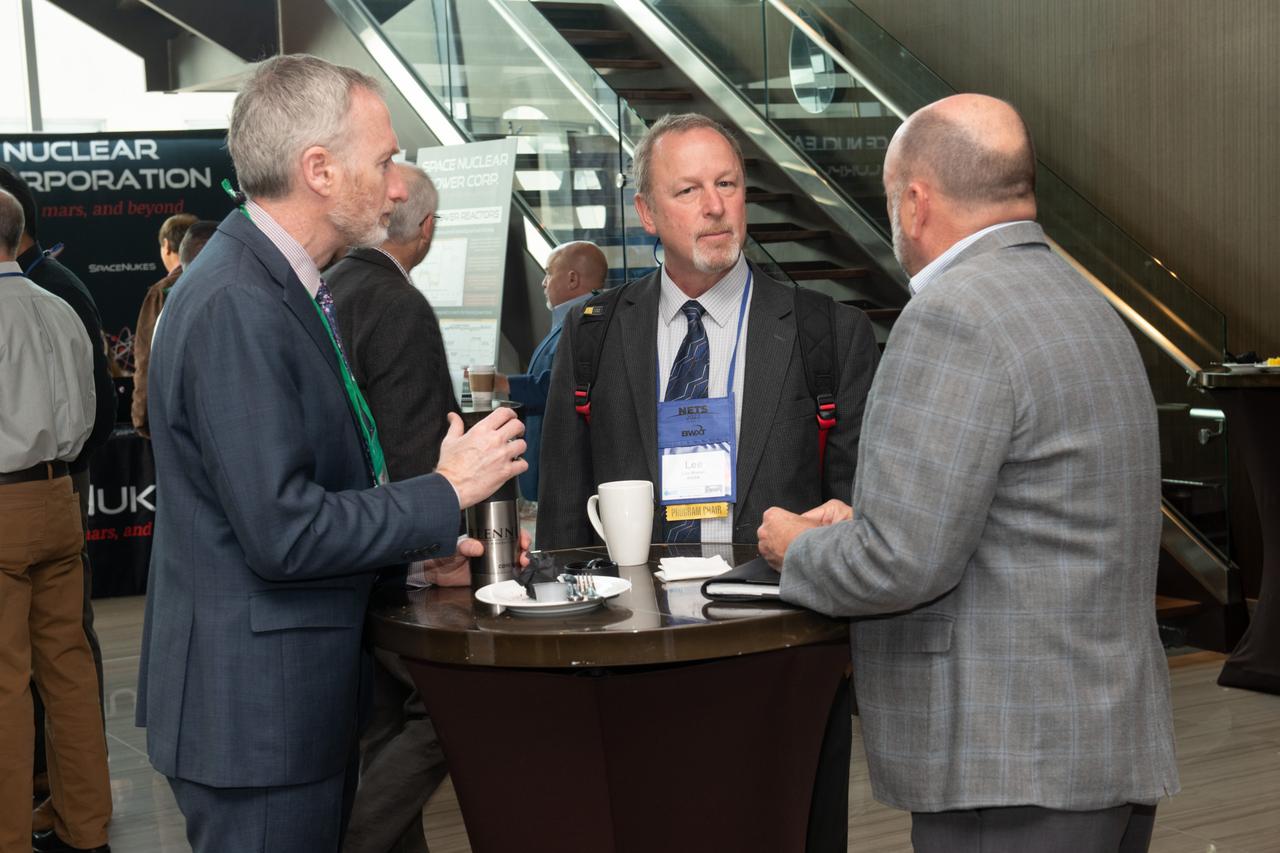
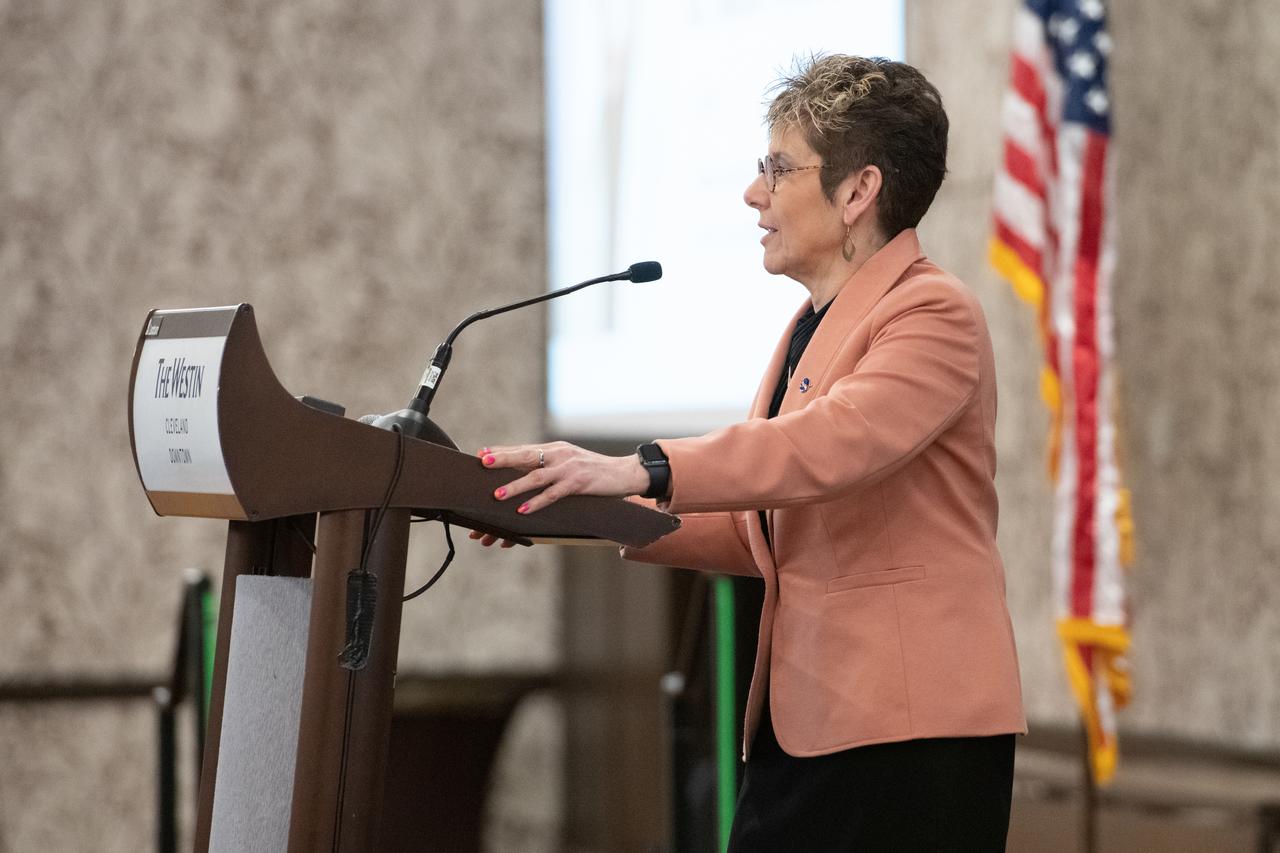
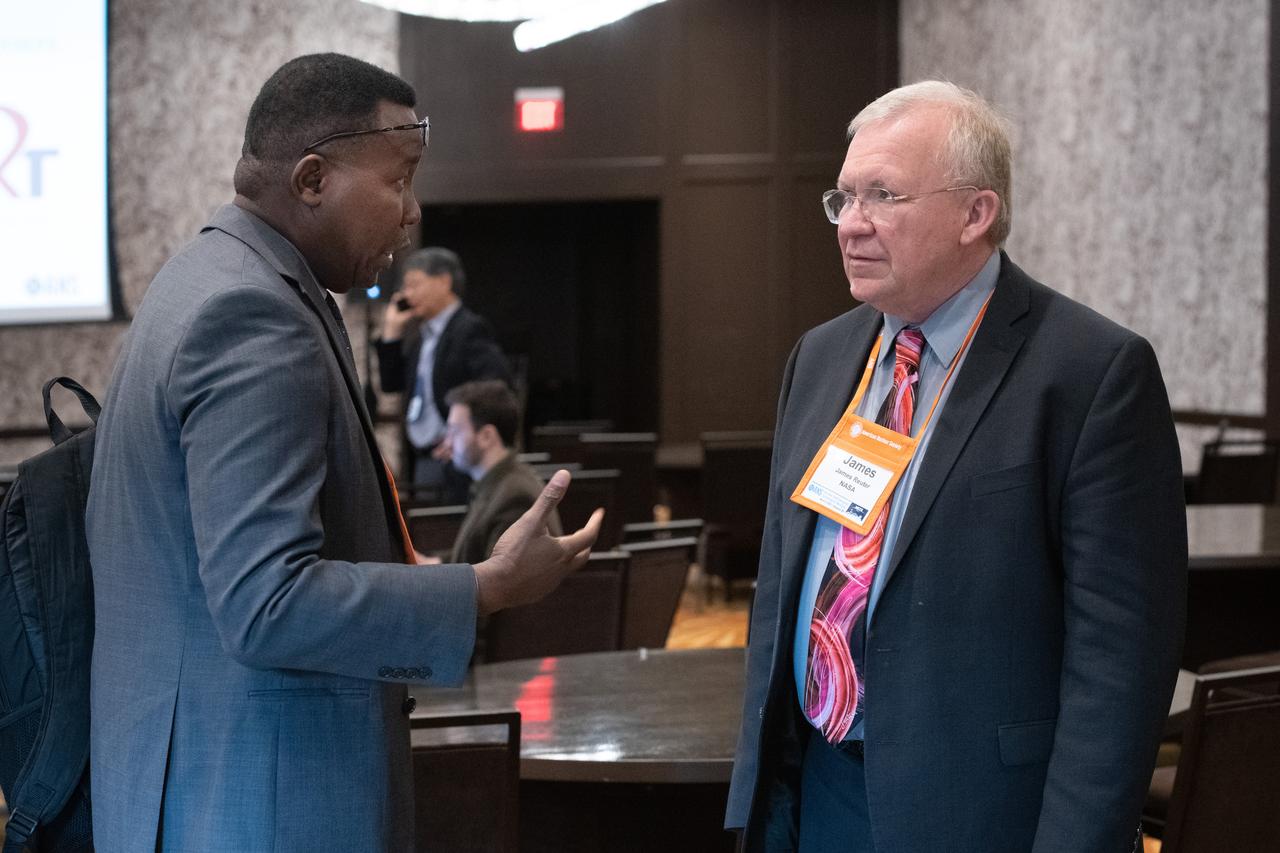
Nuclear Emerging Technologies for Space, NETS 2022 Conference
GRC-2022-C-00499
Nuclear Emerging Technologies for Space, NETS 2022 Conference
GRC-2022-C-00454
Nuclear Emerging Technologies for Space, NETS 2022 Conference
GRC-2022-C-00535
Nuclear Emerging Technologies for Space, NETS 2022 Conference
GRC-2022-C-00488
Nuclear Emerging Technologies for Space, NETS 2022 Conference
GRC-2022-C-00541
Nuclear Emerging Technologies for Space, NETS 2022 Conference
GRC-2022-C-00468
Nuclear Emerging Technologies for Space, NETS 2022 Conference
GRC-2022-C-00471
Nuclear Emerging Technologies for Space, NETS 2022 Conference
GRC-2022-C-00514
Nuclear Emerging Technologies for Space, NETS 2022 Conference
GRC-2022-C-00469
Nuclear Emerging Technologies for Space, NETS 2022 Conference
GRC-2022-C-00482
Nuclear Emerging Technologies for Space, NETS 2022 Conference
GRC-2022-C-00509
Nuclear Emerging Technologies for Space, NETS 2022 Conference
GRC-2022-C-00459
Nuclear Emerging Technologies for Space, NETS 2022 Conference
GRC-2022-C-00543
Nuclear Emerging Technologies for Space, NETS 2022 Conference
GRC-2022-C-00506
Nuclear Emerging Technologies for Space, NETS 2022 Conference
GRC-2022-C-00484
Nuclear Emerging Technologies for Space, NETS 2022 Conference
GRC-2022-C-00490
Nuclear Emerging Technologies for Space, NETS 2022 Conference
GRC-2022-C-00453
Nuclear Emerging Technologies for Space, NETS 2022 Conference
GRC-2022-C-00494
Nuclear Emerging Technologies for Space, NETS 2022 Conference
GRC-2022-C-00461
Nuclear Emerging Technologies for Space, NETS 2022 Conference
GRC-2022-C-00512
Nuclear Emerging Technologies for Space, NETS 2022 Conference
GRC-2022-C-00457
Nuclear Emerging Technologies for Space, NETS 2022 Conference
GRC-2022-C-00477
Nuclear Emerging Technologies for Space, NETS 2022 Conference
GRC-2022-C-00486
Nuclear Emerging Technologies for Space, NETS 2022 Conference
GRC-2022-C-00491
Nuclear Emerging Technologies for Space, NETS 2022 Conference
GRC-2022-C-00458
Nuclear Emerging Technologies for Space, NETS 2022 Conference
GRC-2022-C-00530
Nuclear Emerging Technologies for Space, NETS 2022 Conference
GRC-2022-C-00501
Nuclear Emerging Technologies for Space, NETS 2022 Conference
GRC-2022-C-00493
Nuclear Emerging Technologies for Space, NETS 2022 Conference
GRC-2022-C-00513
Nuclear Emerging Technologies for Space, NETS 2022 Conference
GRC-2022-C-00526
Nuclear Emerging Technologies for Space, NETS 2022 Conference
GRC-2022-C-00466
Nuclear Emerging Technologies for Space, NETS 2022 Conference
GRC-2022-C-00481
Nuclear Emerging Technologies for Space, NETS 2022 Conference
GRC-2022-C-00500
Nuclear Emerging Technologies for Space, NETS 2022 Conference
GRC-2022-C-00483
Nuclear Emerging Technologies for Space, NETS 2022 Conference
GRC-2022-C-00542
Nuclear Emerging Technologies for Space, NETS 2022 Conference
GRC-2022-C-00498
Nuclear Emerging Technologies for Space, NETS 2022 Conference
GRC-2022-C-00456
Nuclear Emerging Technologies for Space, NETS 2022 Conference
GRC-2022-C-00480
Nuclear Emerging Technologies for Space, NETS 2022 Conference
GRC-2022-C-00478
Nuclear Emerging Technologies for Space, NETS 2022 Conference
GRC-2022-C-00496
Nuclear Emerging Technologies for Space, NETS 2022 Conference
GRC-2022-C-00473
Nuclear Emerging Technologies for Space, NETS 2022 Conference
GRC-2022-C-00539
Nuclear Emerging Technologies for Space, NETS 2022 Conference
GRC-2022-C-00515
Nuclear Emerging Technologies for Space, NETS 2022 Conference
GRC-2022-C-00505
Nuclear Emerging Technologies for Space, NETS 2022 Conference
GRC-2022-C-00540
Nuclear Emerging Technologies for Space, NETS 2022 Conference
GRC-2022-C-00517
Nuclear Emerging Technologies for Space, NETS 2022 Conference
GRC-2022-C-00495
Nuclear Emerging Technologies for Space, NETS 2022 Conference
GRC-2022-C-00516
Nuclear Emerging Technologies for Space, NETS 2022 Conference
GRC-2022-C-00503
Nuclear Emerging Technologies for Space, NETS 2022 Conference
GRC-2022-C-00460
Nuclear Emerging Technologies for Space, NETS 2022 Conference
GRC-2022-C-00479
Nuclear Emerging Technologies for Space, NETS 2022 Conference
GRC-2022-C-00492
Nuclear Emerging Technologies for Space, NETS 2022 Conference
GRC-2022-C-00485
Nuclear Emerging Technologies for Space, NETS 2022 Conference
GRC-2022-C-00467
Nuclear Emerging Technologies for Space, NETS 2022 Conference
GRC-2022-C-00502
Nuclear Emerging Technologies for Space, NETS 2022 Conference
GRC-2022-C-00465
Nuclear Emerging Technologies for Space, NETS 2022 Conference
GRC-2022-C-00511
Nuclear Emerging Technologies for Space, NETS 2022 Conference
GRC-2022-C-00537
Nuclear Emerging Technologies for Space, NETS 2022 Conference
GRC-2022-C-00487
Nuclear Emerging Technologies for Space, NETS 2022 Conference
GRC-2022-C-00508
Nuclear Emerging Technologies for Space, NETS 2022 Conference
GRC-2022-C-00489
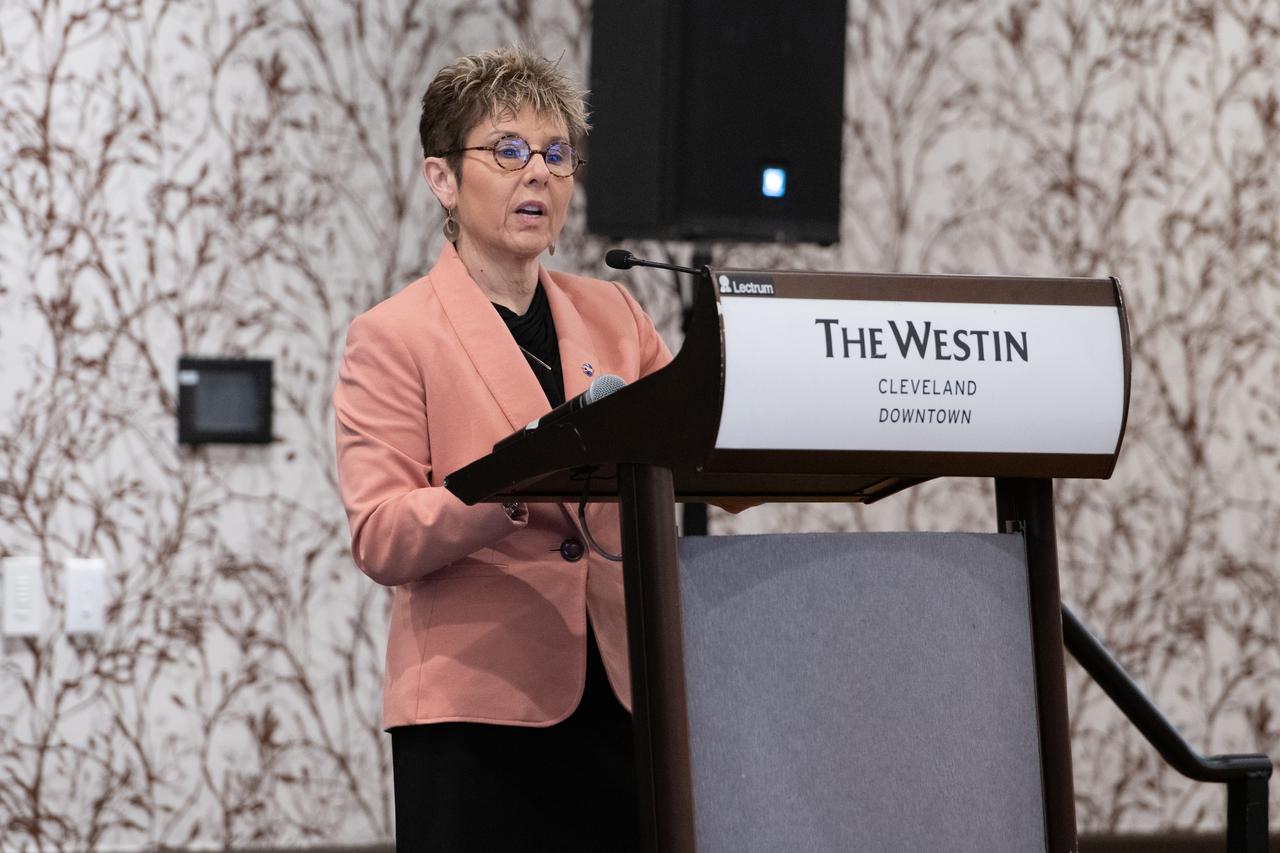
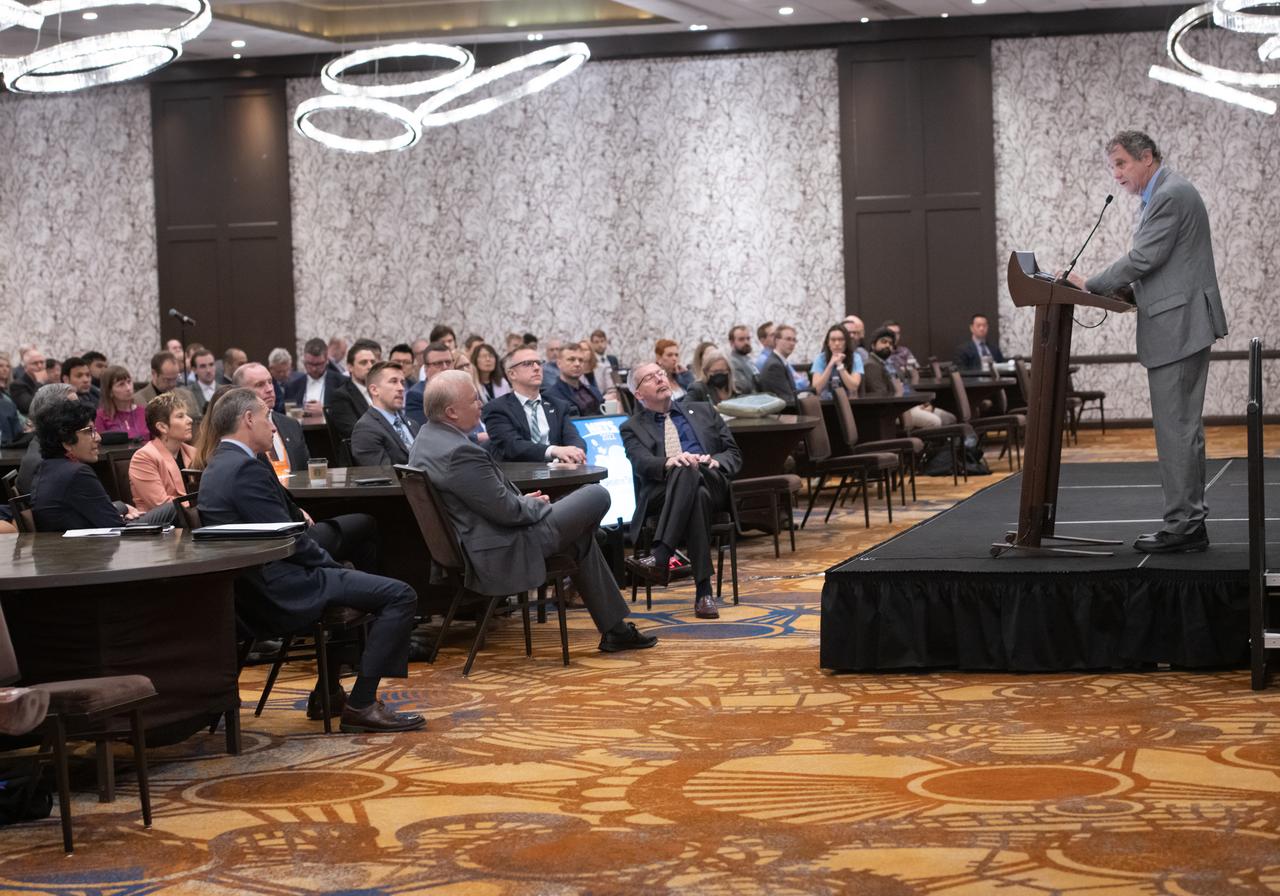
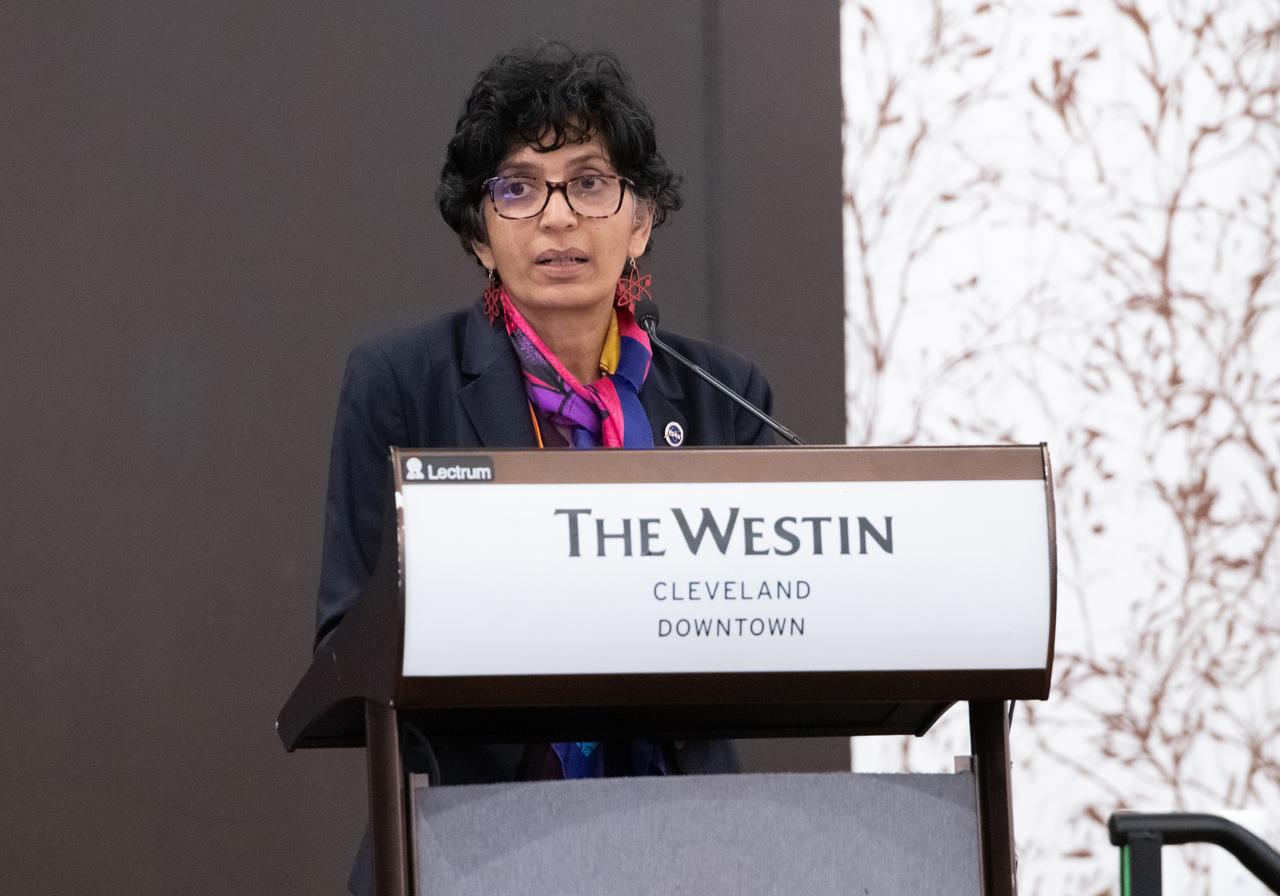
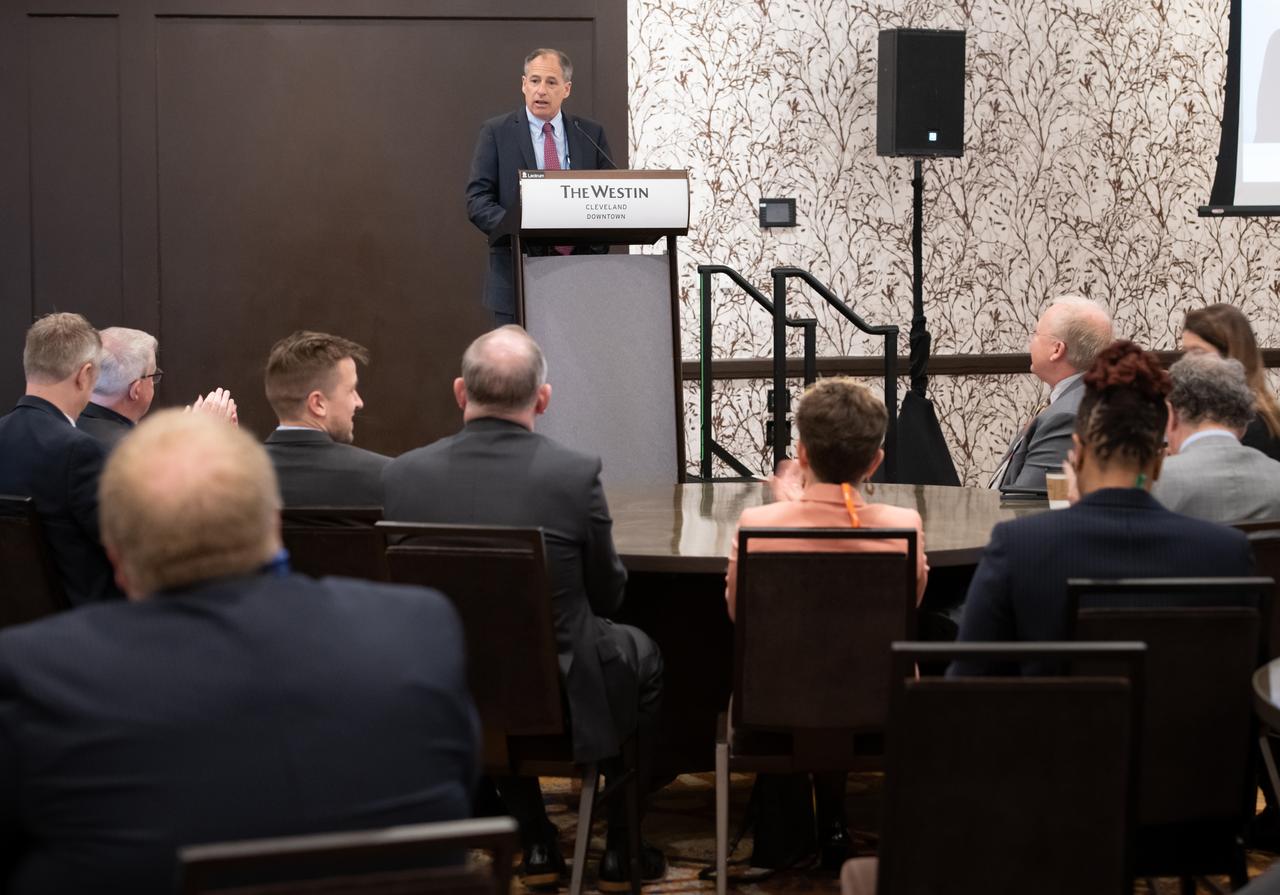
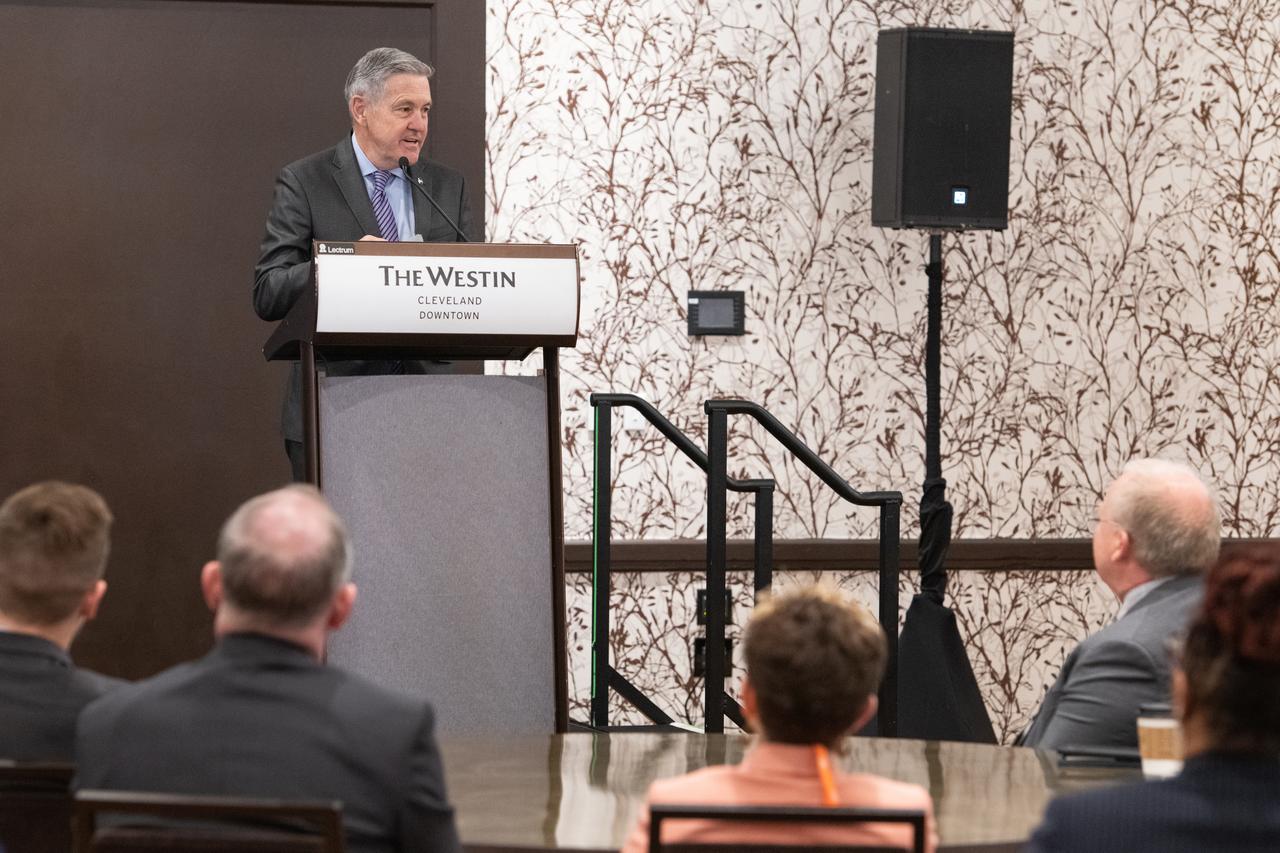
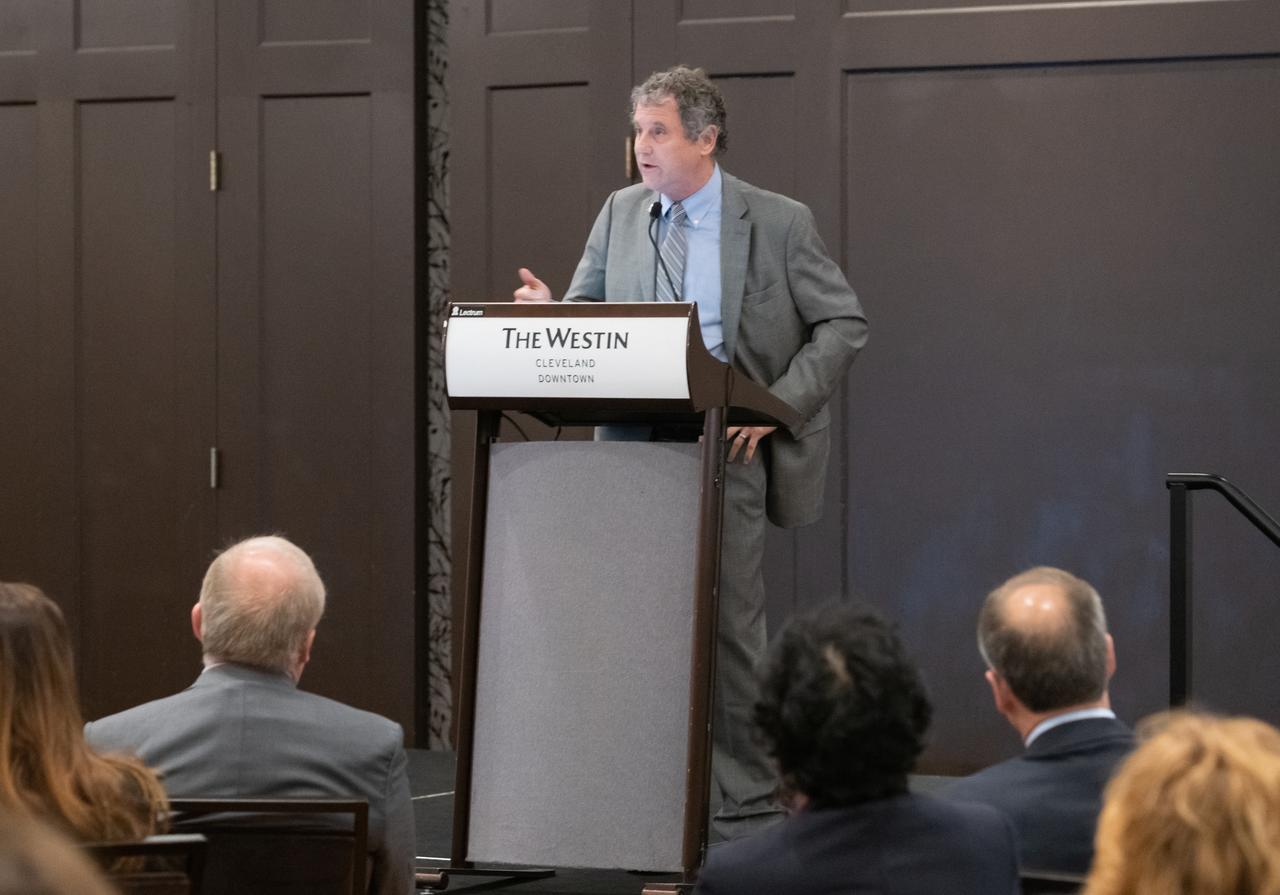
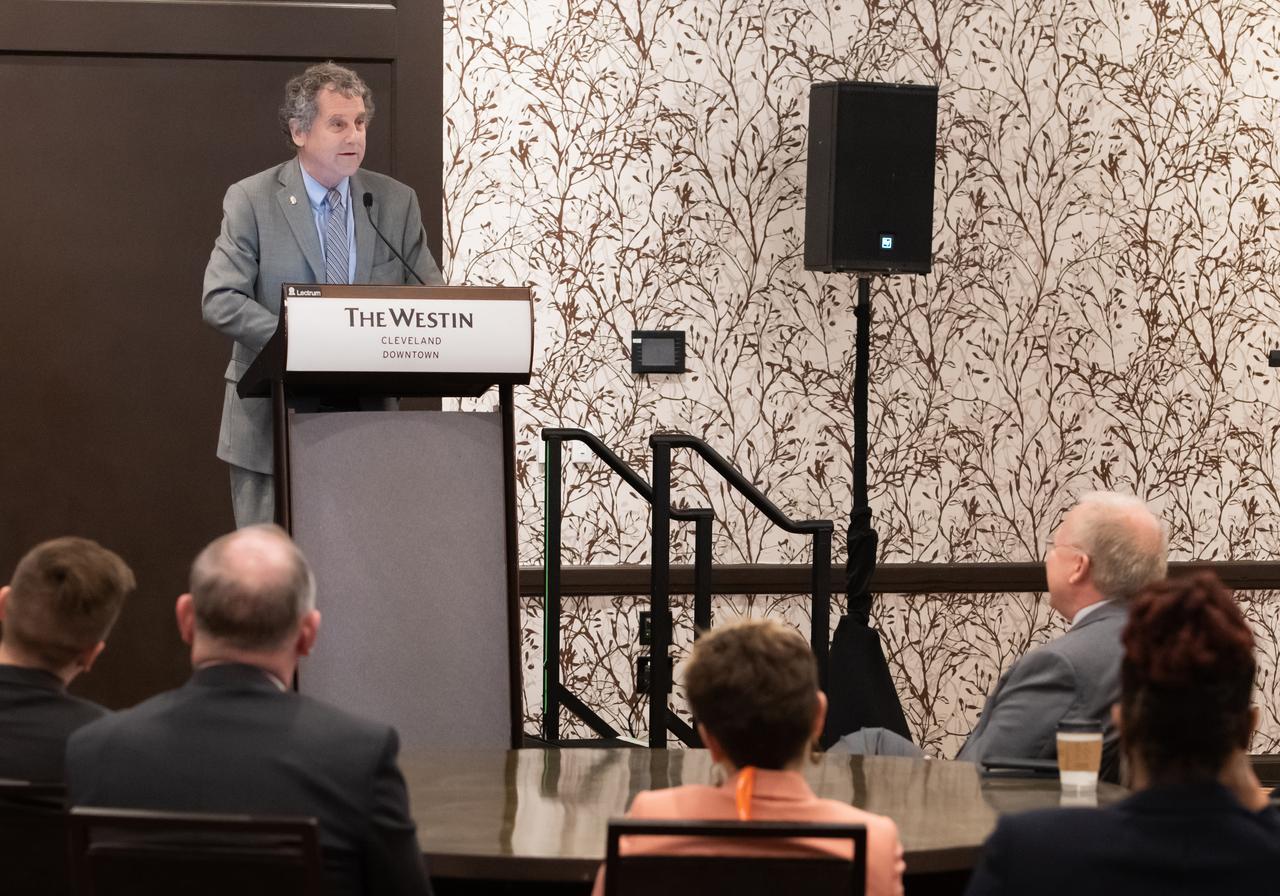
United States Senator, Sherrod Brown. addresses the Nuclear Emerging Technologies for Space, NETS 2022 Conference, Cleveland, Ohio
GRC-2022-C-00474
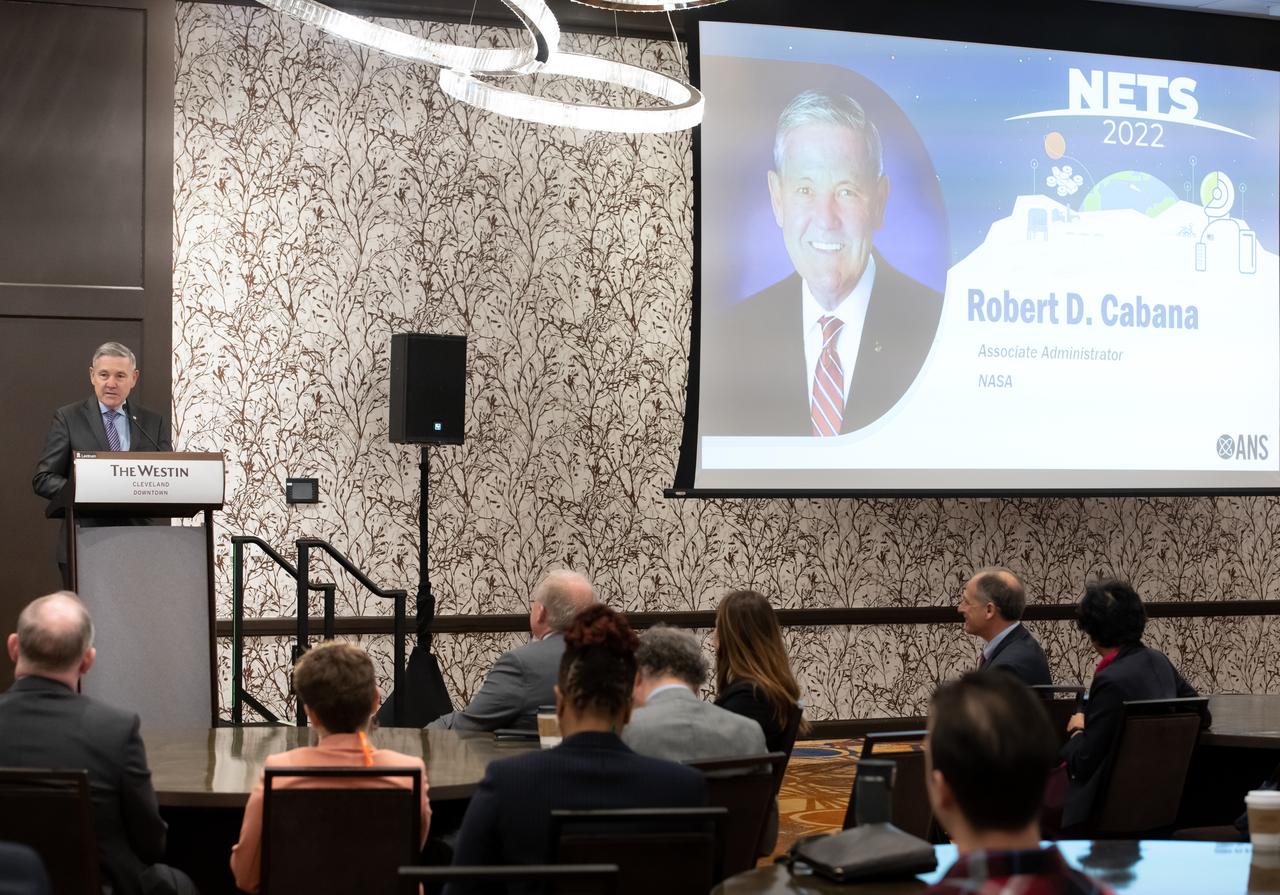
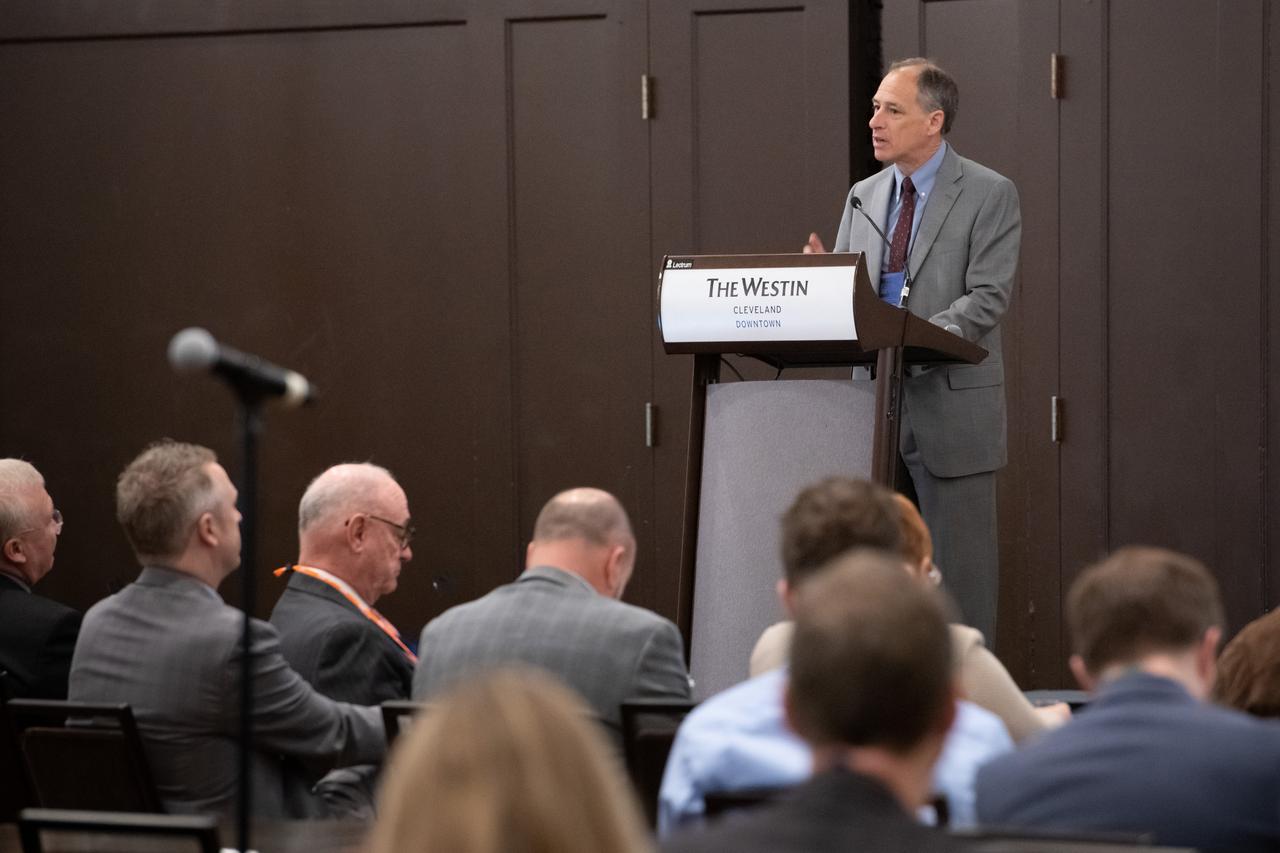
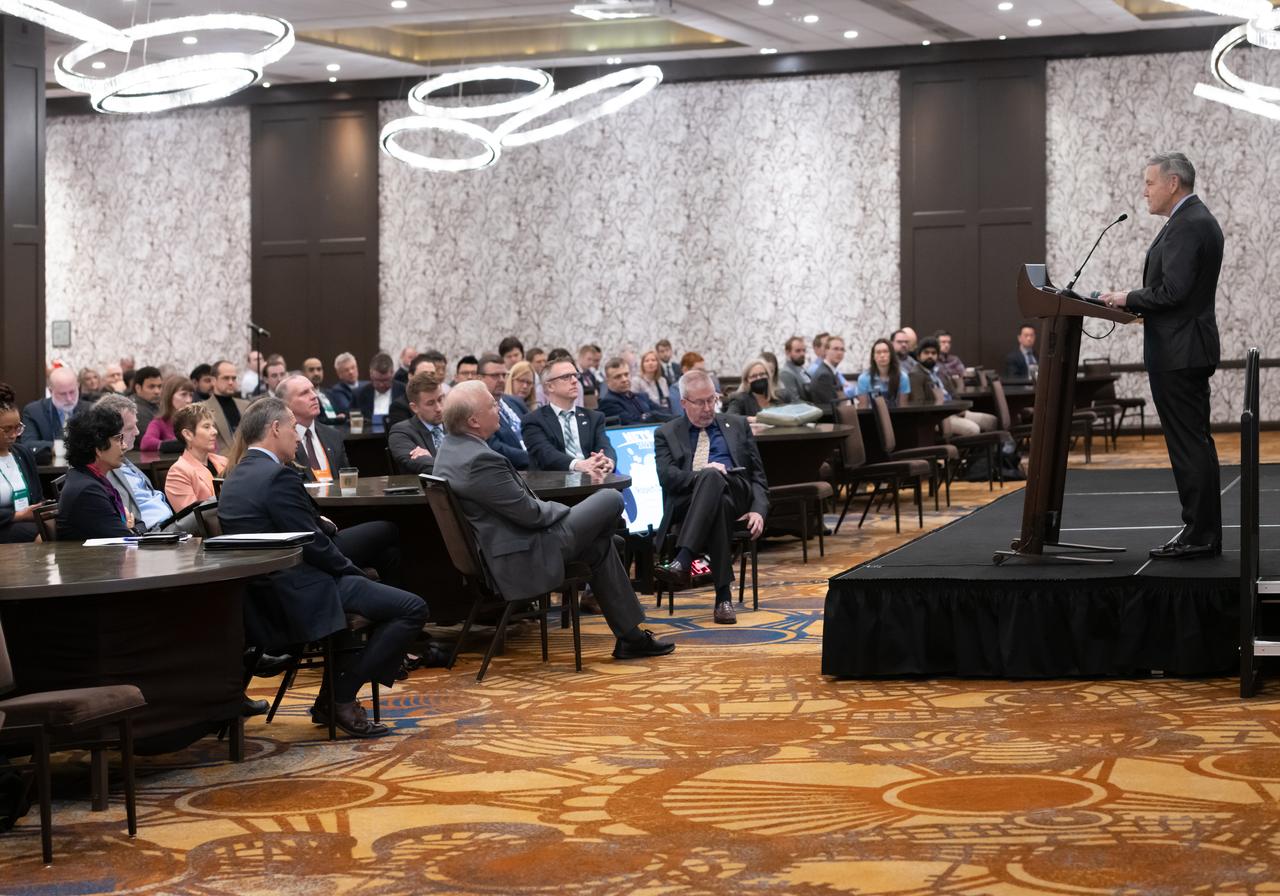
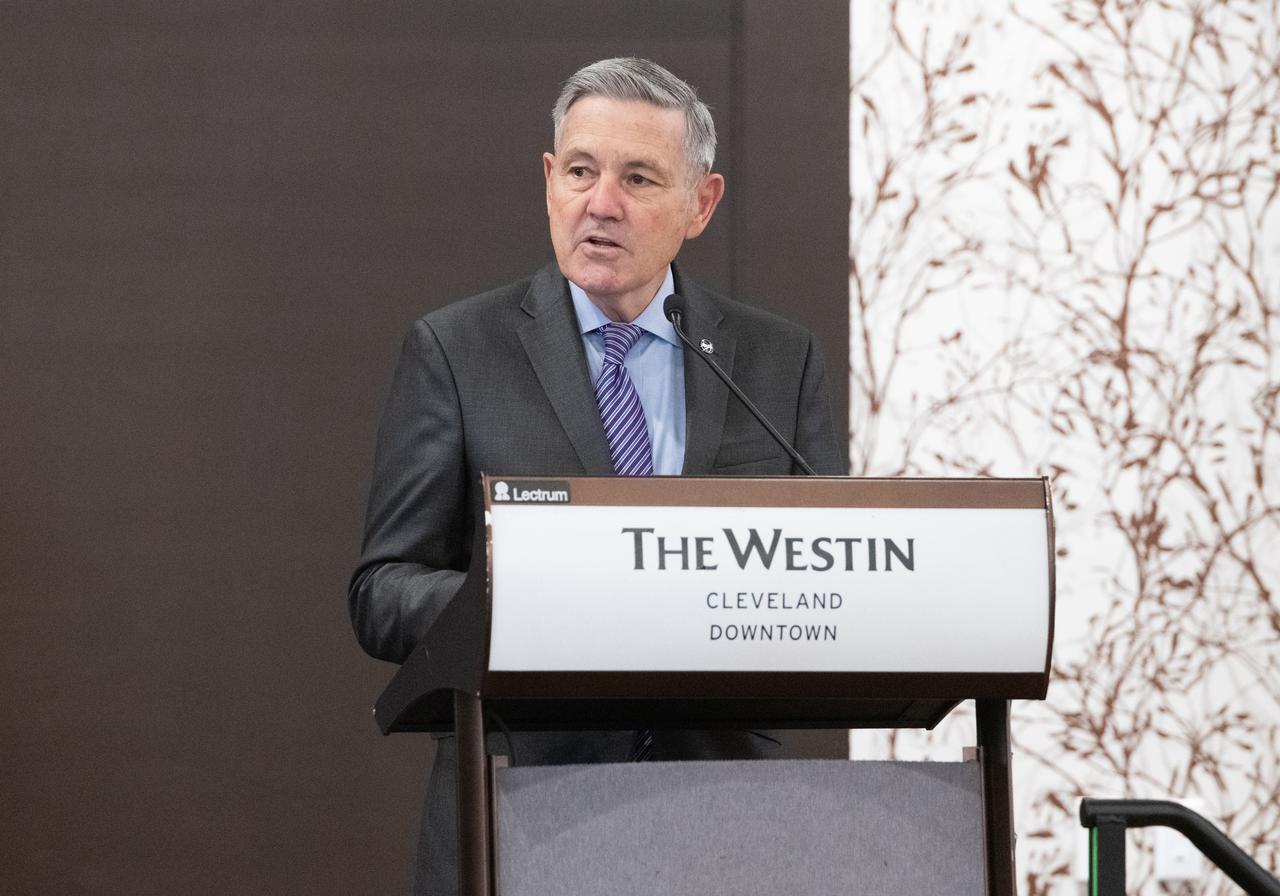
Associate Administrator, Robert Cabana. addresses the Nuclear Emerging Technologies for Space, NETS 2022 Conference, Cleveland, Ohio
GRC-2022-C-00470
Associate Administrator, Robert Cabana. addresses the Nuclear Emerging Technologies for Space, NETS 2022 Conference, Cleveland, Ohio
GRC-2022-C-00472
United States Senator, Sherrod Brown. addresses the Nuclear Emerging Technologies for Space, NETS 2022 Conference, Cleveland, Ohio
GRC-2022-C-00476
United States Senator, Sherrod Brown. addresses the Nuclear Emerging Technologies for Space, NETS 2022 Conference, Cleveland, Ohio
GRC-2022-C-00475
Nuclear Emerging Technologies for Space, NETS 2022 Conference
GRC-2022-C-00529
Nuclear Emerging Technologies for Space, NETS 2022 Conference
GRC-2022-C-00523
Nuclear Emerging Technologies for Space, NETS 2022 Conference
GRC-2022-C-00462
Nuclear Emerging Technologies for Space, NETS 2022 Conference
GRC-2022-C-00522
Nuclear Emerging Technologies for Space, NETS 2022 Conference
GRC-2022-C-00533
Nuclear Emerging Technologies for Space, NETS 2022 Conference
GRC-2022-C-00536
Nuclear Emerging Technologies for Space, NETS 2022 Conference
GRC-2022-C-00463
Nuclear Emerging Technologies for Space, NETS 2022 Conference
GRC-2022-C-00521
Nuclear Emerging Technologies for Space, NETS 2022 Conference
GRC-2022-C-00464
Nuclear Emerging Technologies for Space, NETS 2022 Conference
GRC-2022-C-00519
Nuclear Emerging Technologies for Space, NETS 2022 Conference
GRC-2022-C-00534
Nuclear Emerging Technologies for Space, NETS 2022 Conference
GRC-2022-C-00520
Nuclear Emerging Technologies for Space, NETS 2022 Conference
GRC-2022-C-00532
Nuclear Emerging Technologies for Space, NETS 2022 Conference
GRC-2022-C-00527
Nuclear Emerging Technologies for Space, NETS 2022 Conference
GRC-2022-C-00455
Nuclear Emerging Technologies for Space, NETS 2022 Conference
GRC-2022-C-00525
Nuclear Emerging Technologies for Space, NETS 2022 Conference
GRC-2022-C-00531
Nuclear Emerging Technologies for Space, NETS 2022 Conference
GRC-2022-C-00538
Nuclear Emerging Technologies for Space, NETS 2022 Conference
GRC-2022-C-00507
Nuclear Emerging Technologies for Space, NETS 2022 Conference
GRC-2022-C-00524
Nuclear Emerging Technologies for Space, NETS 2022 Conference
GRC-2022-C-00528
Nuclear Emerging Technologies for Space, NETS 2022 Conference
GRC-2022-C-00518
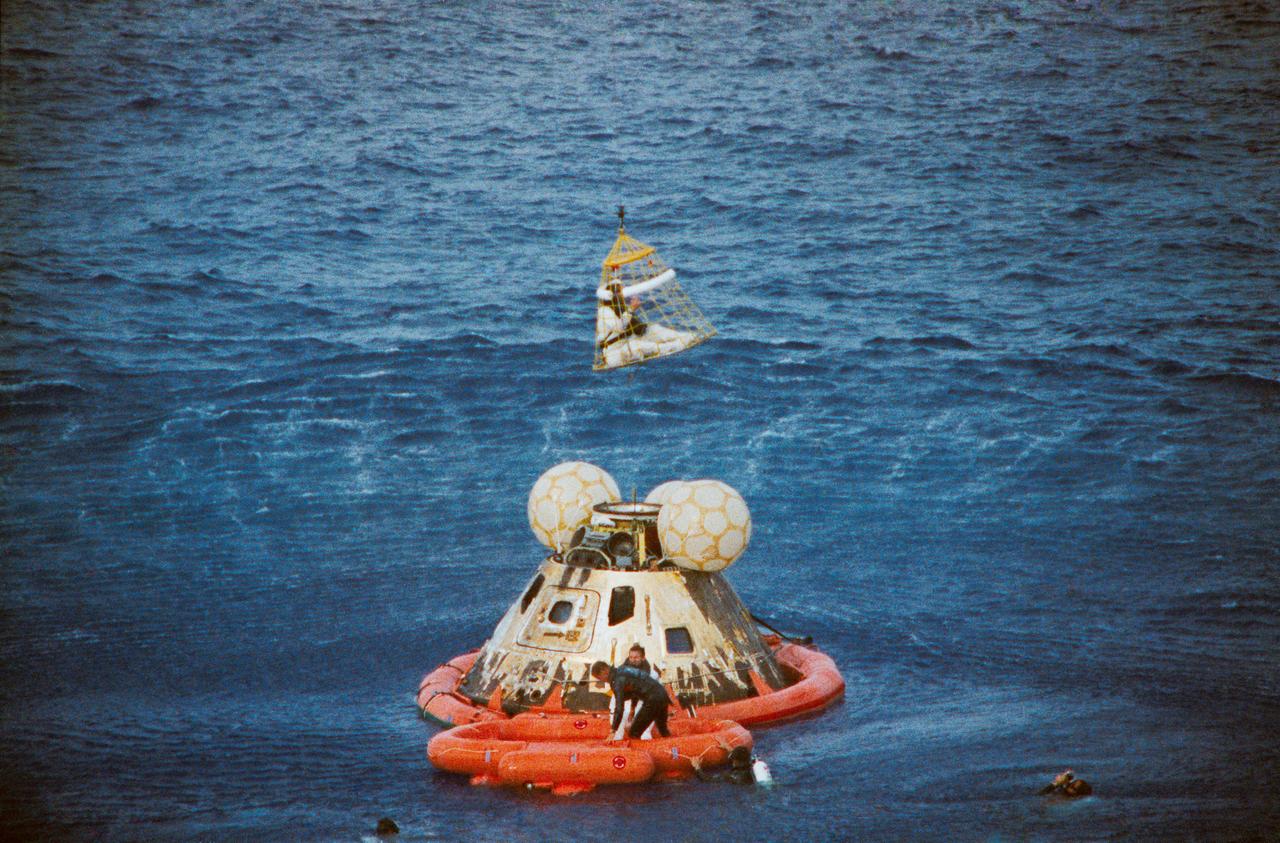
S70-35625 (17 April 1970) --- Astronaut Fred W. Haise Jr., lunar module pilot, is hoisted in a "Billy Pugh" net into a Navy helicopter, while United States Navy underwater demolition team swimmers assist in the recovery operations of the Apollo 13 crewmembers.  Astronauts John L. Swigert Jr., command module pilot, and James A. Lovell Jr., commander, are waiting to get hoisted into the helicopter.  The helicopter is taking the astronauts to the prime recovery ship, the USS Iwo Jima. Apollo 13 splashed down at 12:07:44 p.m. (CST), April 17, 1970.
Apollo 13 crew recovery after splashdown
S70-35651 (17 April 1970) --- Astronaut John L. Swigert Jr., command module pilot, is lifted aboard a helicopter in a "Billy Pugh" net while astronaut James A. Lovell Jr., commander, awaits his turn. Astronaut Fred W. Haise Jr., lunar module pilot, is already aboard the helicopter. In the life raft with Lovell, and in the water are several U.S. Navy underwater demolition team swimmers, who assisted in the recovery operations. The crew was taken to the USS Iwo Jima, prime recovery ship, several minutes after the Apollo 13 spacecraft splashed down at 12:07:44 p.m. (CST), April 17, 1970.
Apollo 13 crew recovery after splashdown
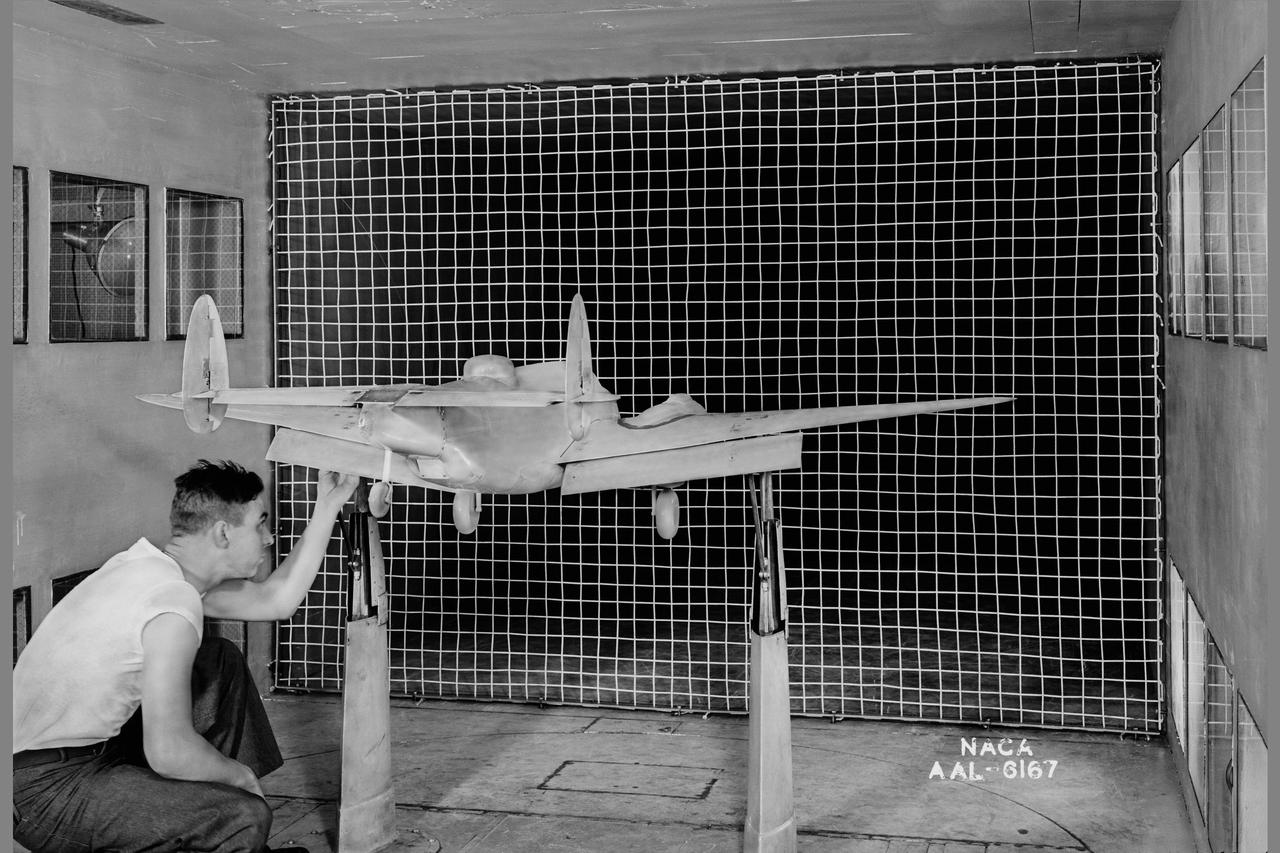
PV-1 model; rear view with 2 1/2' x 2 1/2' trubulene net mount in the 7x10ft w.t. at Ames Research Center
ARC-1944-AAL-6167
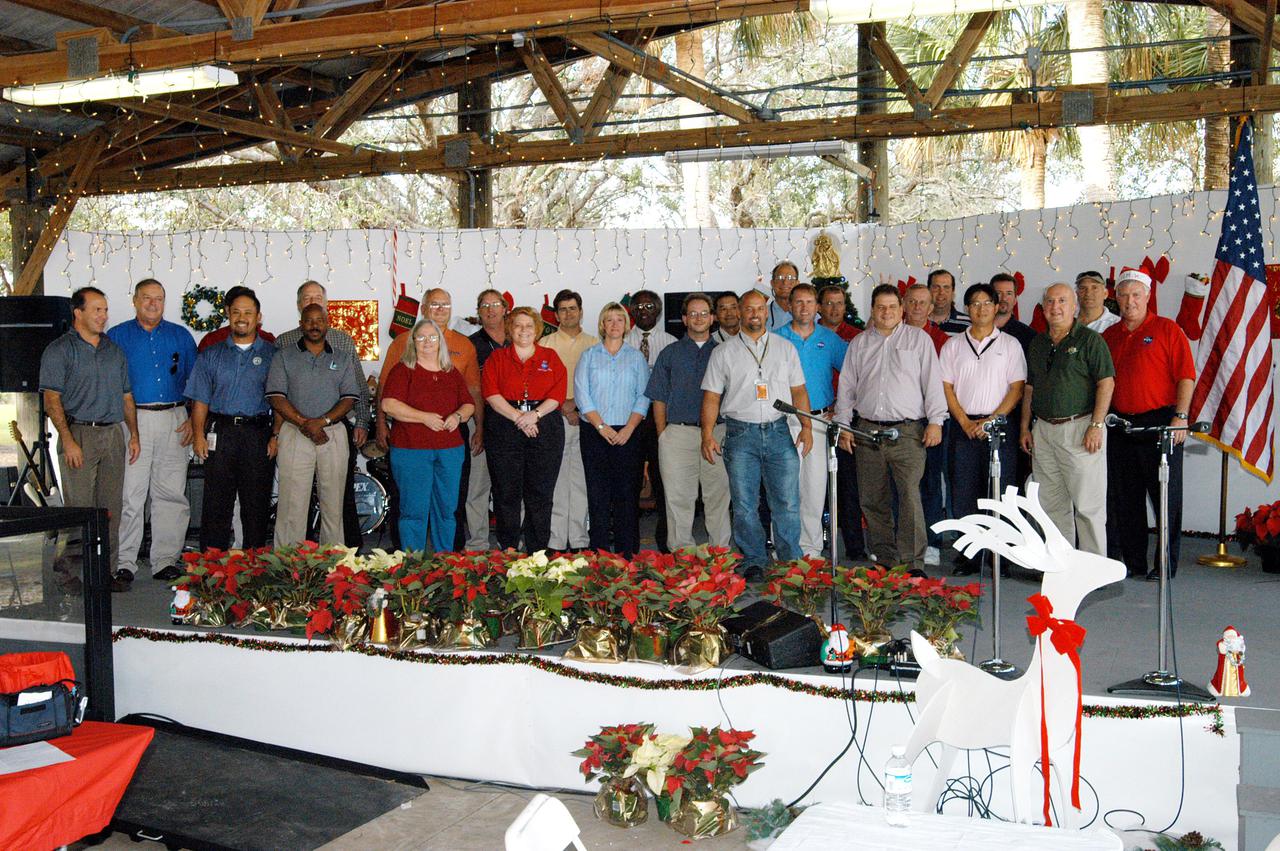
KENNEDY SPACE CENTER, FLA. -  Employees who worked on the Kennedy Space Center Combined Federal Campaign are recognized during the Center’s Holiday Celebration.  The 2004 campaign netted $389,000 to donate to the United Way of Brevard.
KSC-04pd-2501
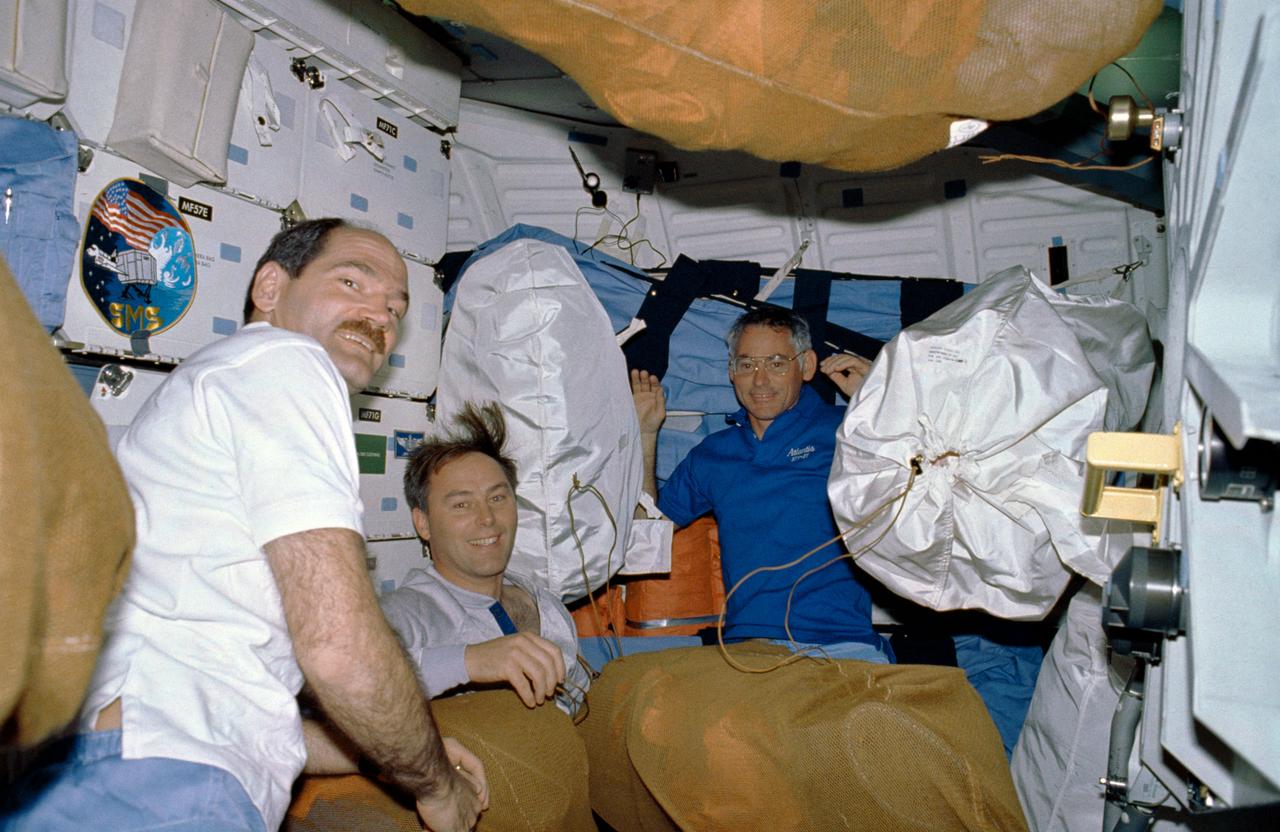
STS027-10-003 (2-6 Dec. 1988) --- From the left, astronauts Guy S. Gardner, STS-27 pilot, along with Jerry L. Ross and Richard M. (Mike) Mullane, both mission specialists, take a break from moving gear and equipment on the middeck of the Earth-orbiting space shuttle Atlantis. Photo credit: NASA
STS-27 crewmembers surrounded by net stowage bags on middeck