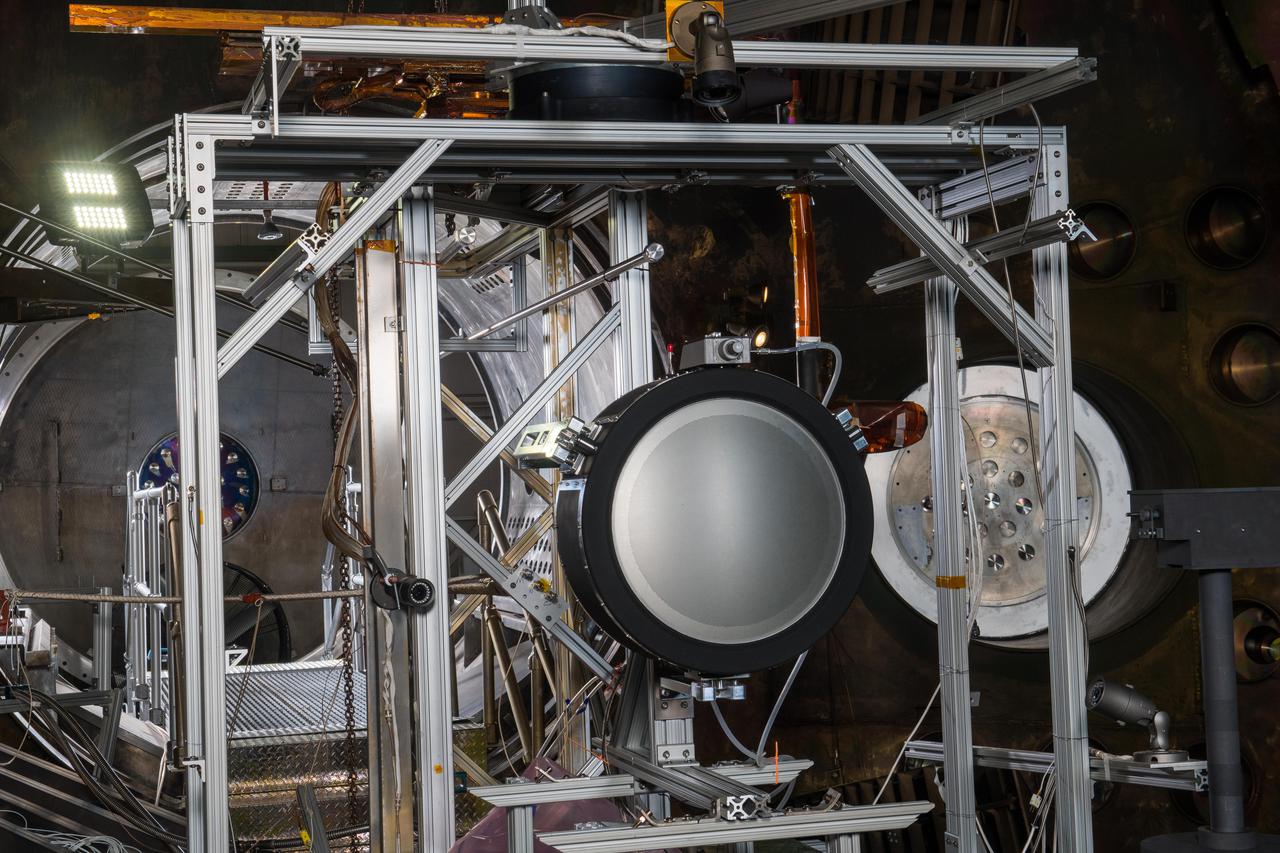
Next-C Thruster
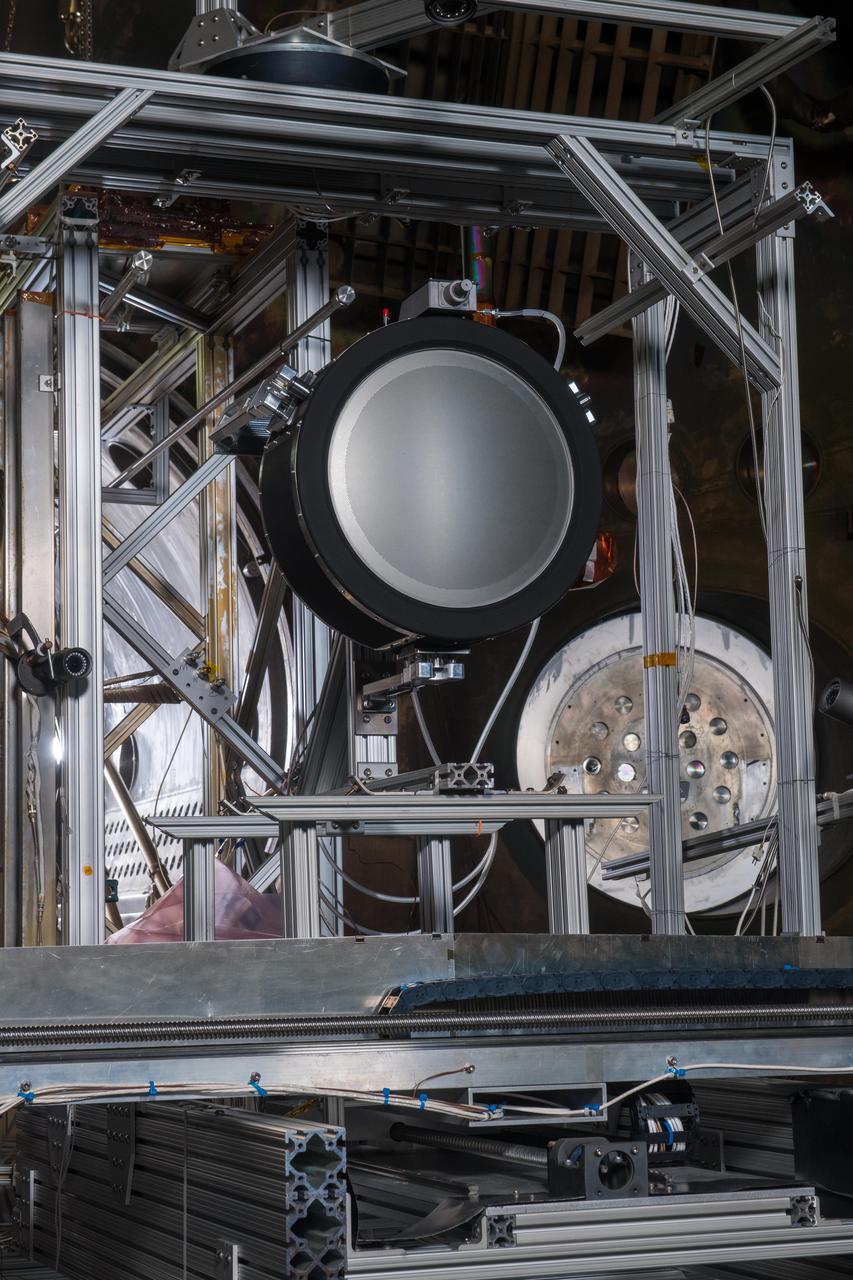
Next-C Thruster
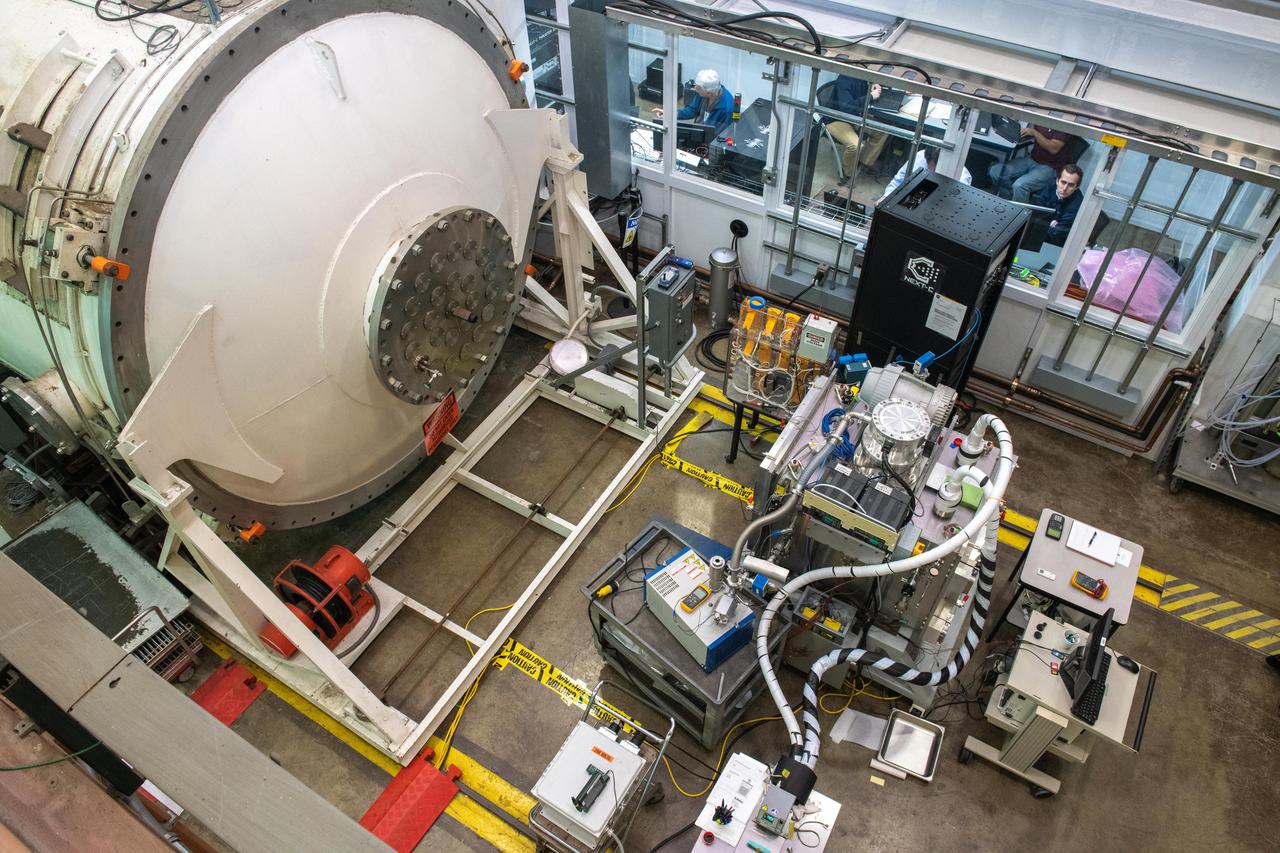
NEXT-C flight PPU
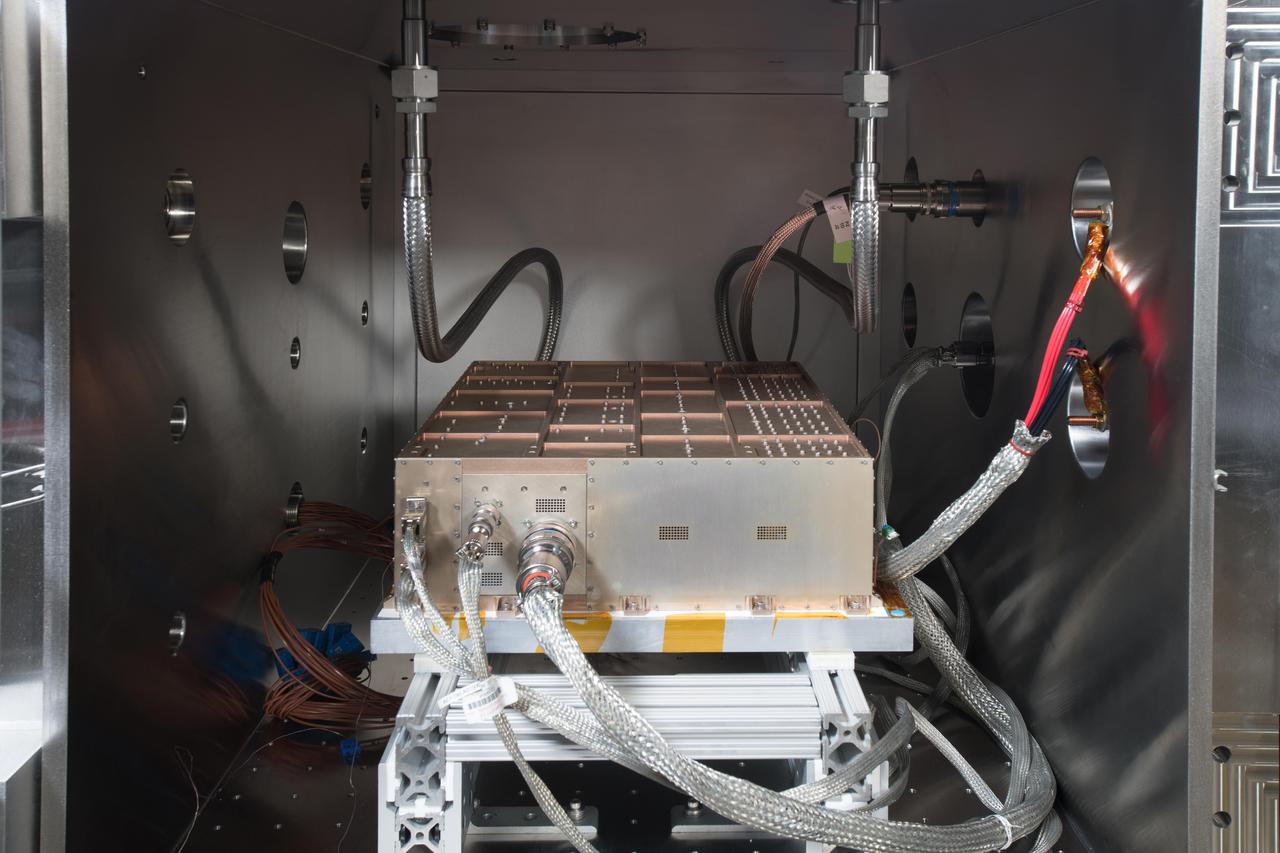
NEXT-C flight PPU
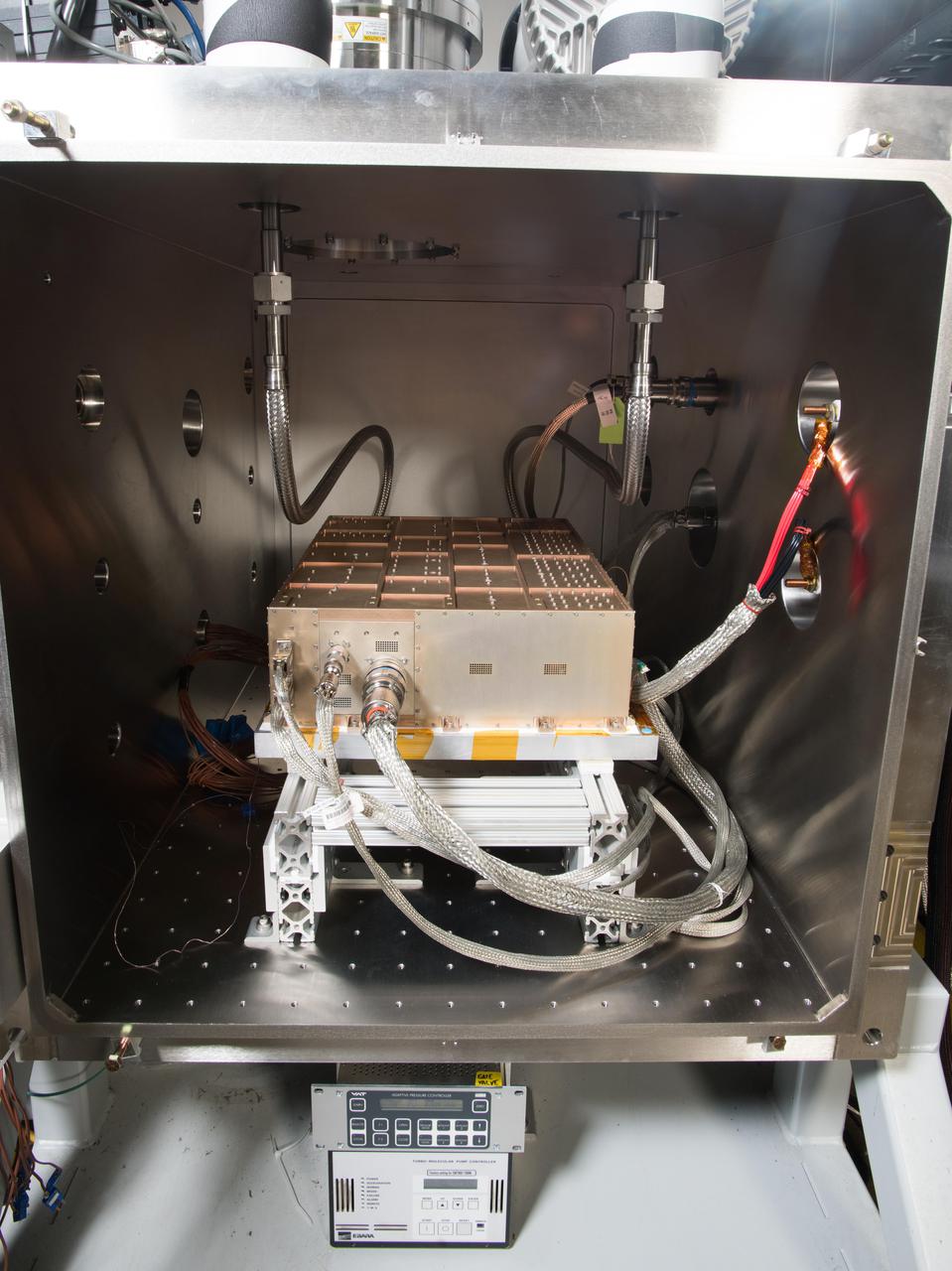
NEXT-C flight PPU
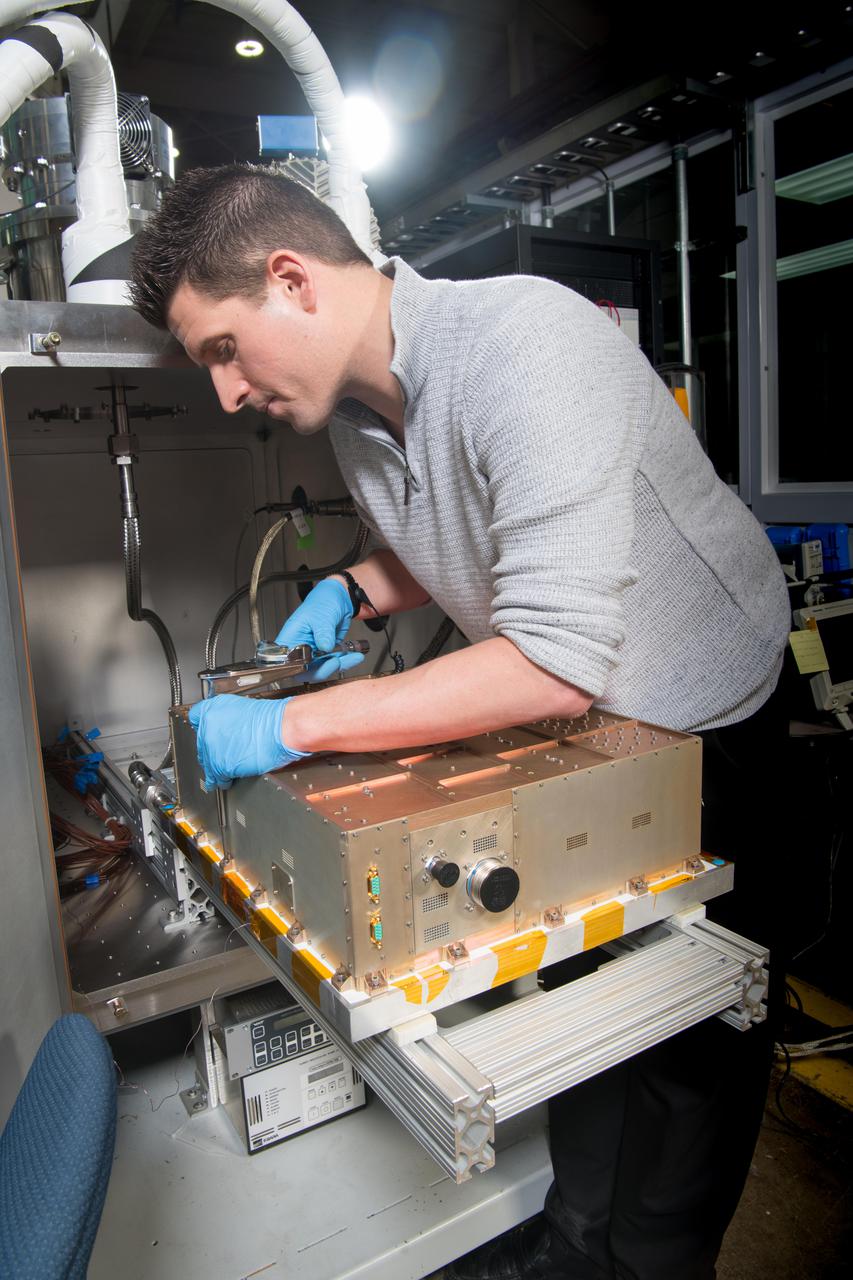
NEXT-C flight PPU
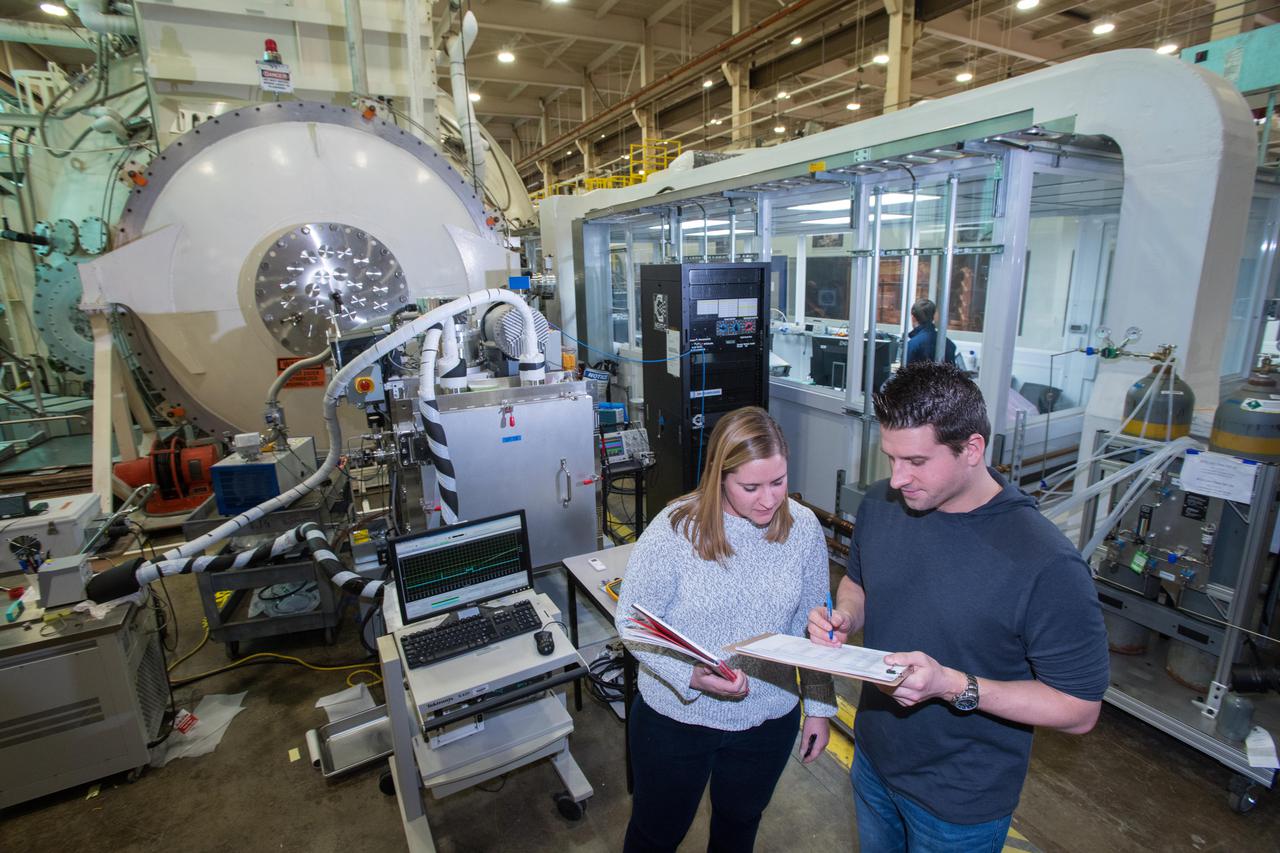
NEXT-C flight PPU
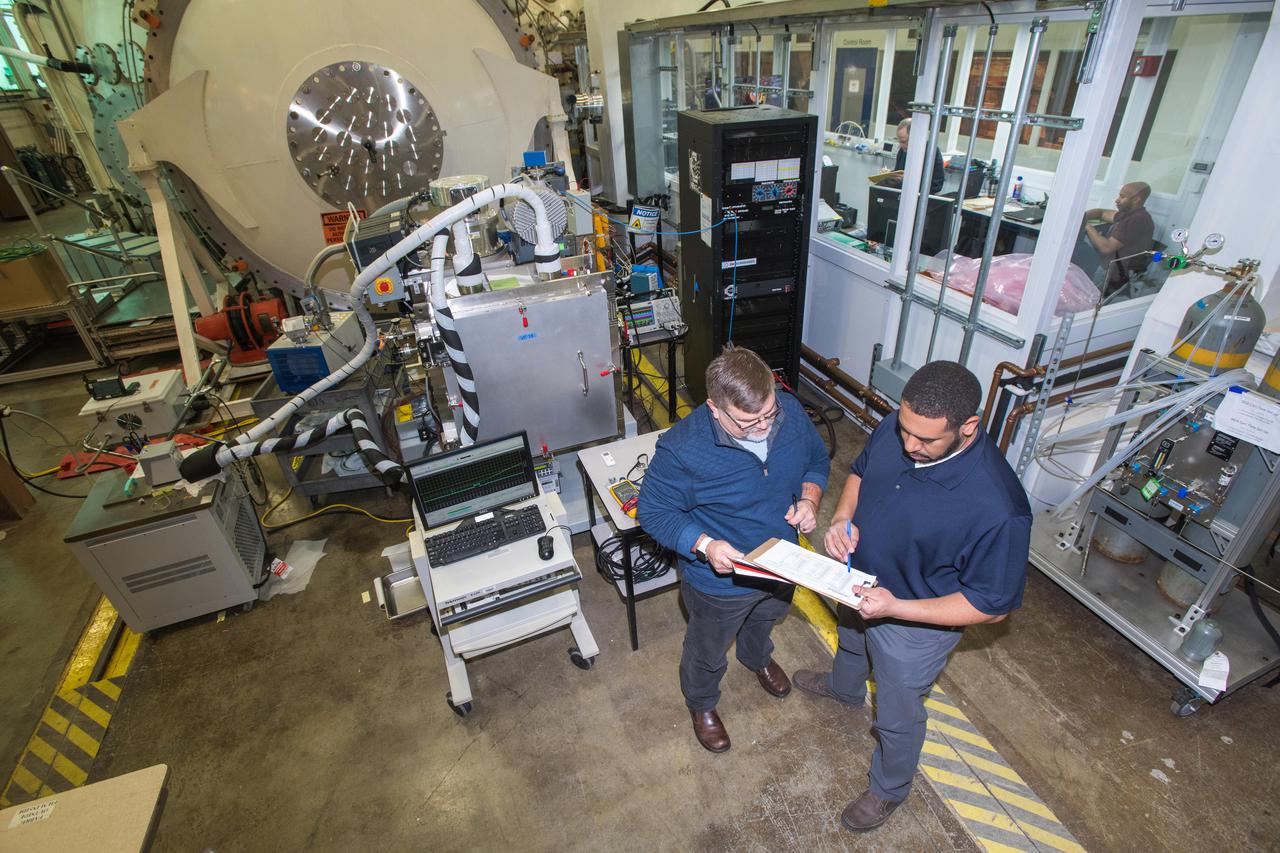
NEXT-C flight PPU
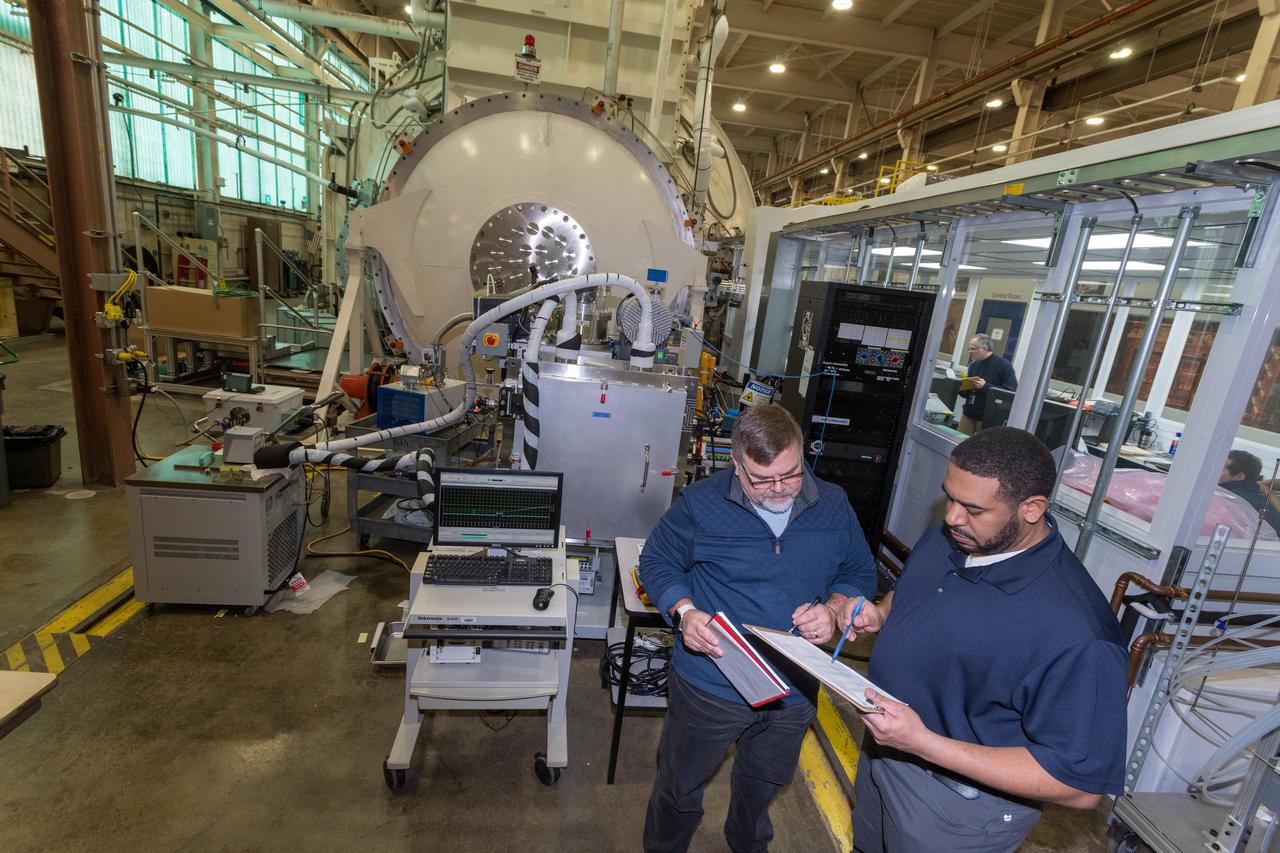
NEXT-C flight PPU
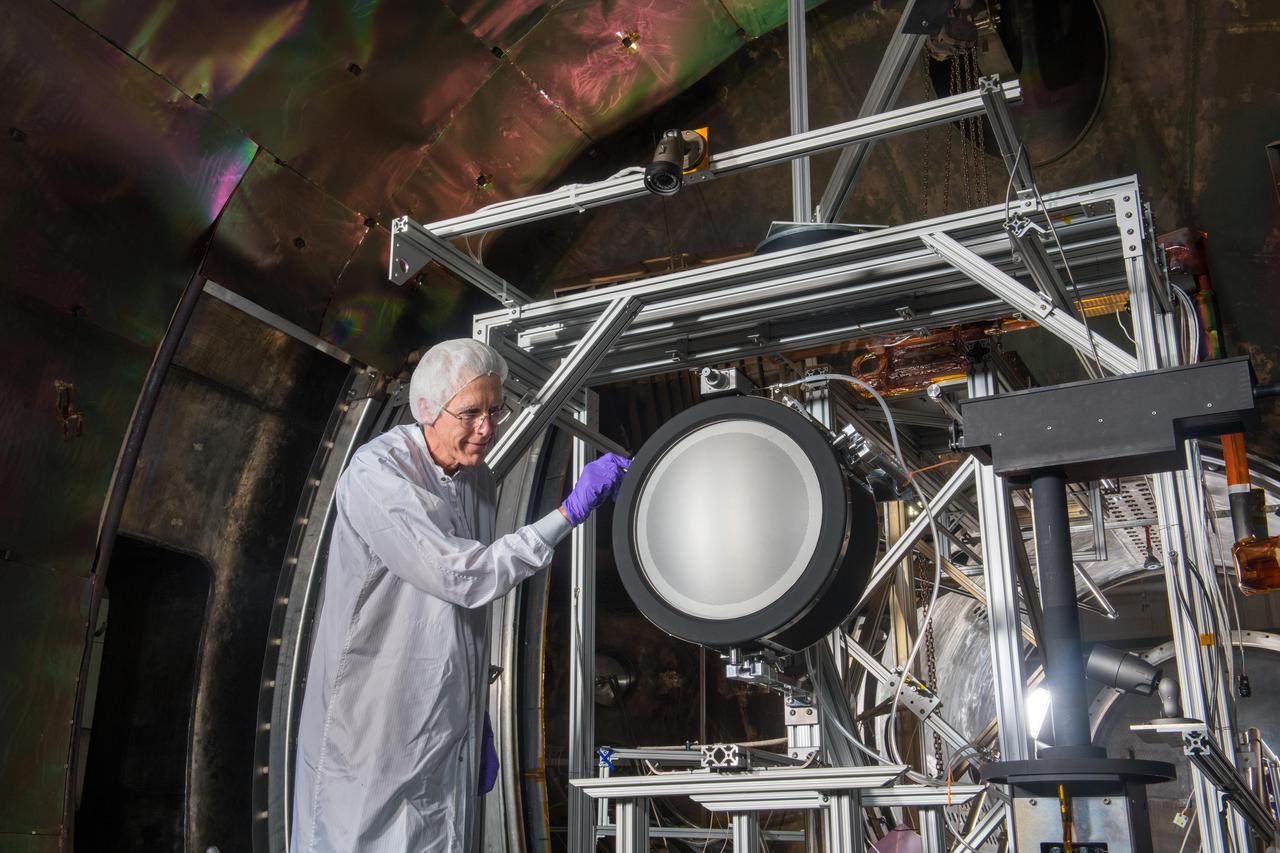
Next-C Thruster
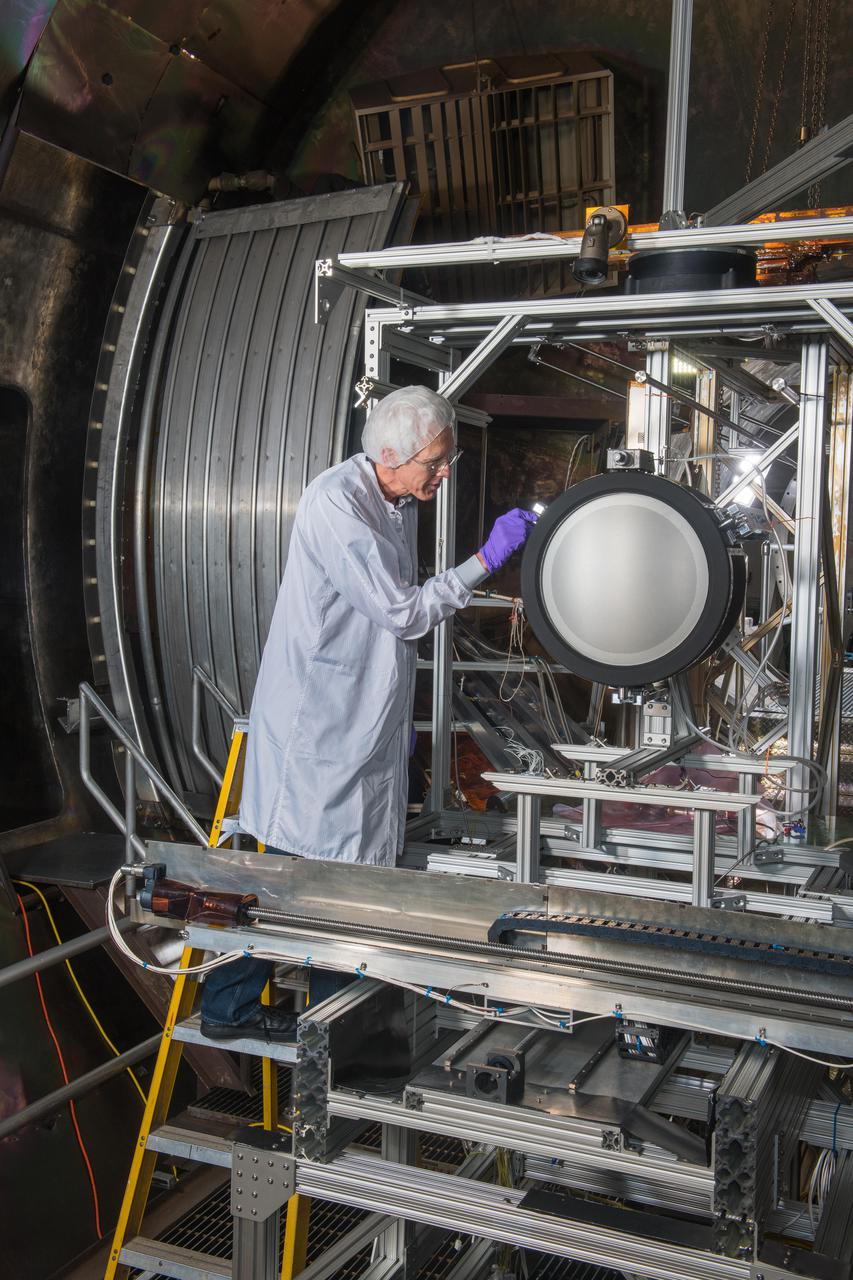
Next-C Thruster
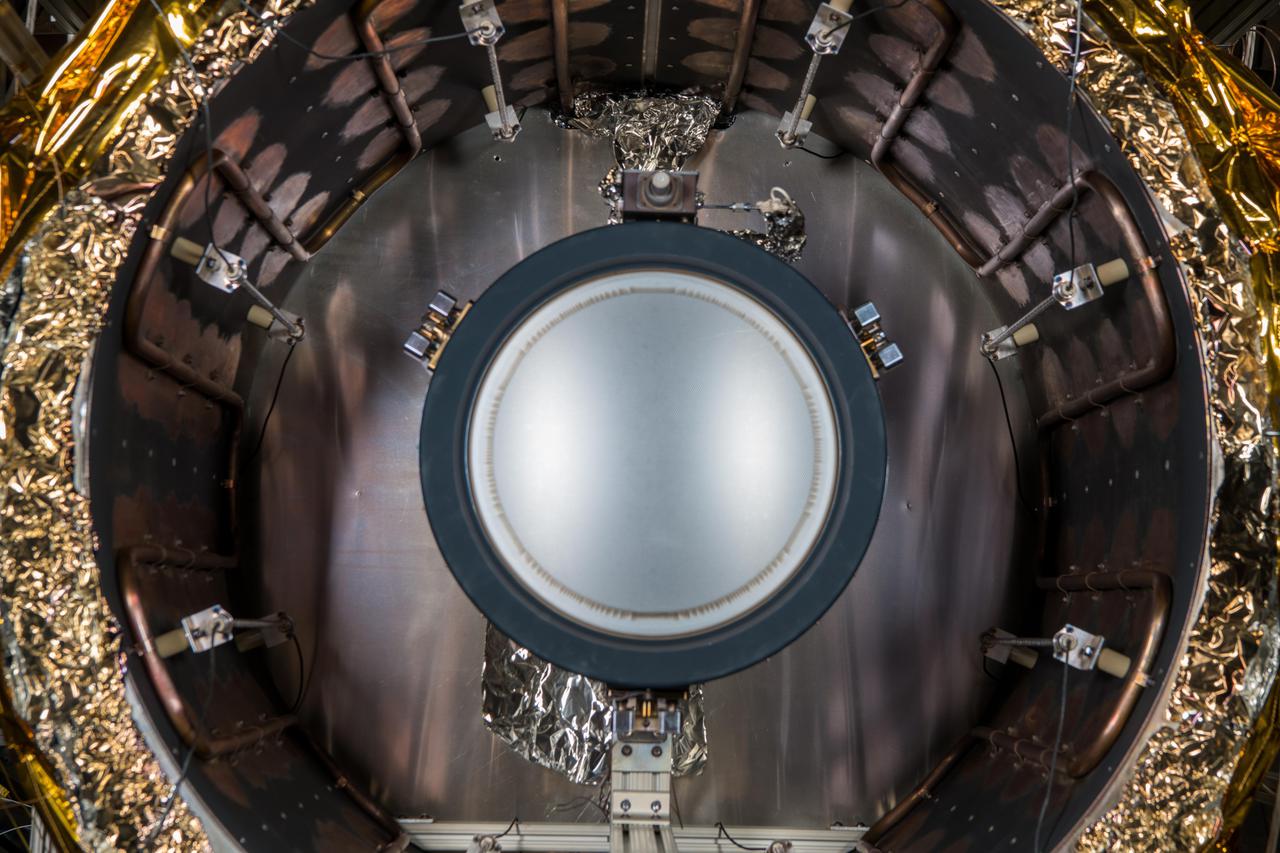
NASA Evolutionary Xenon Thruster - Commercial, NEXT-C
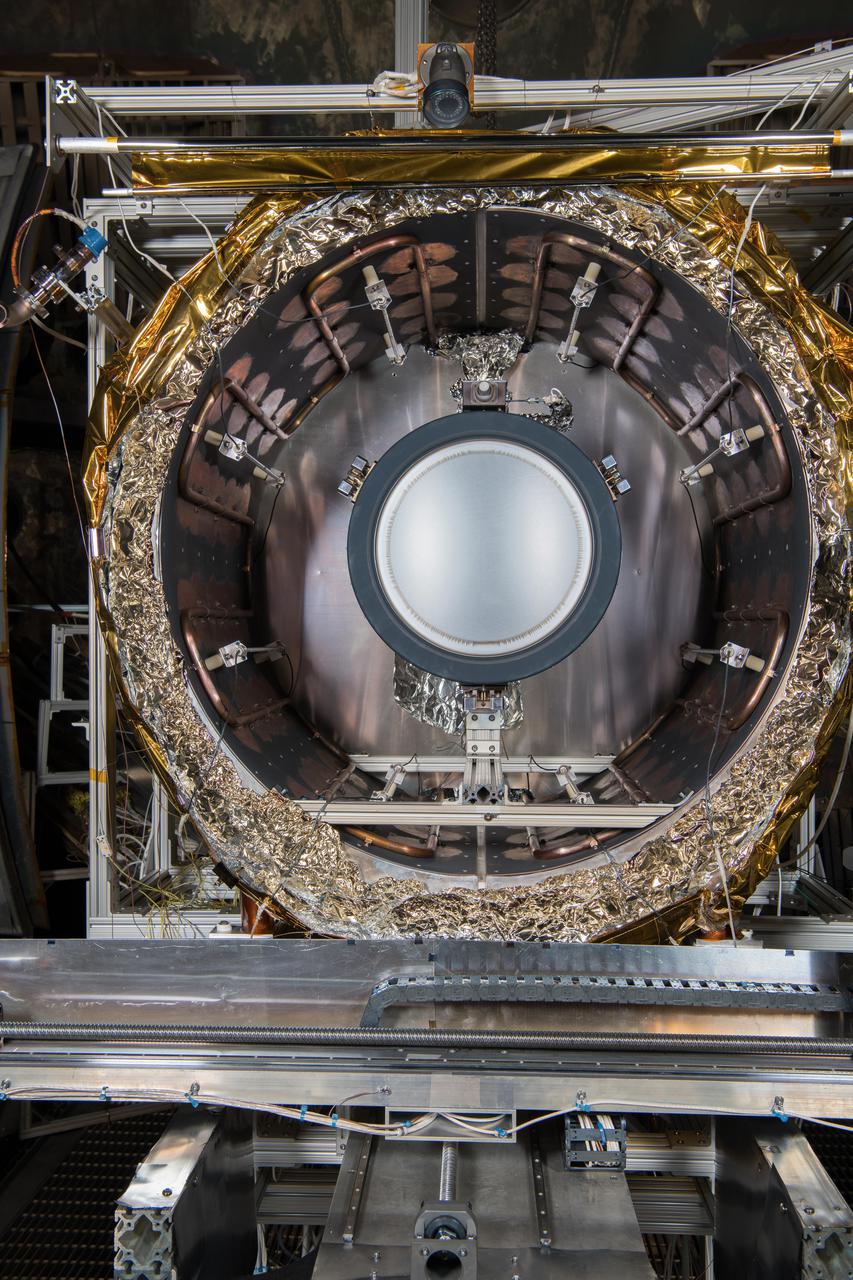
NASA Evolutionary Xenon Thruster - Commercial, NEXT-C
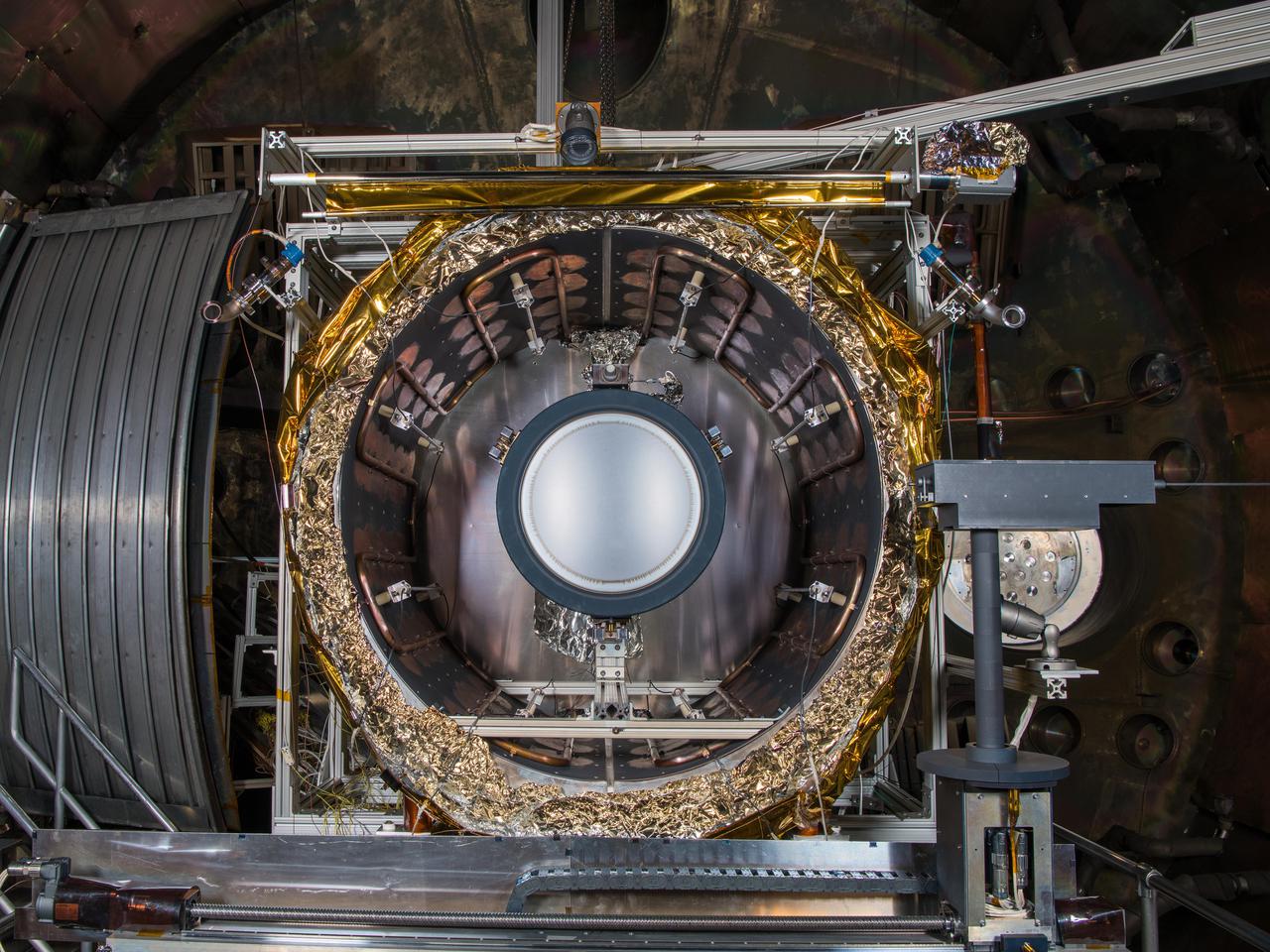
NASA Evolutionary Xenon Thruster - Commercial, NEXT-C
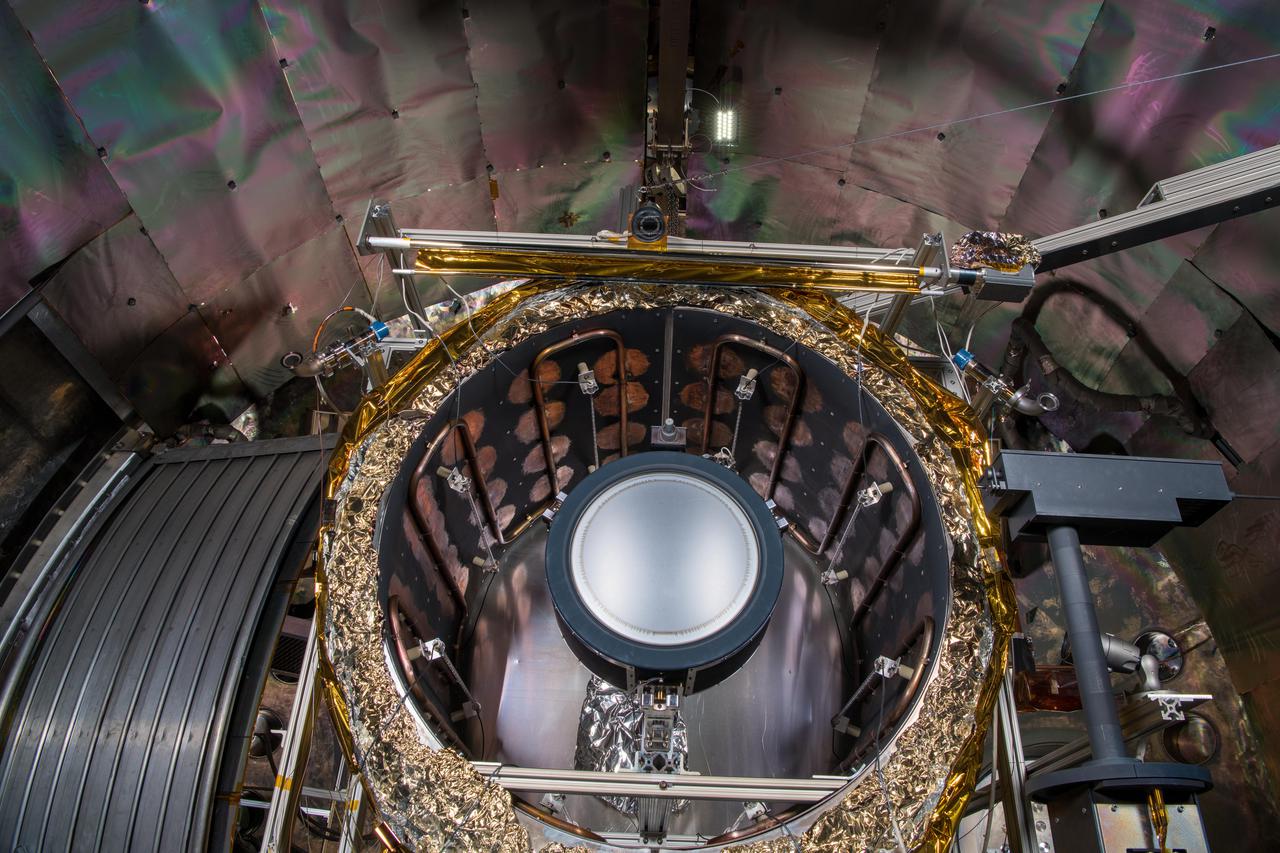
NASA Evolutionary Xenon Thruster - Commercial, NEXT-C
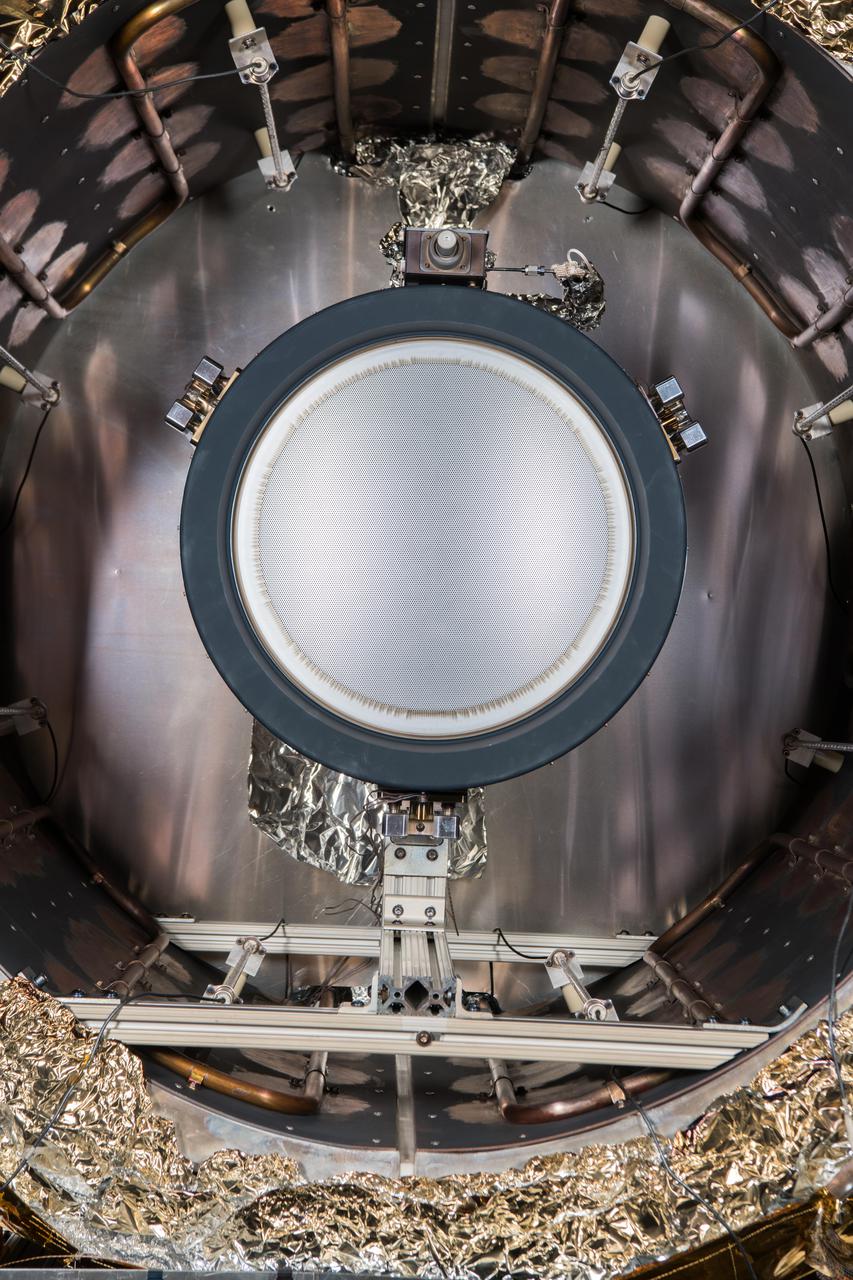
NASA Evolutionary Xenon Thruster - Commercial, NEXT-C r
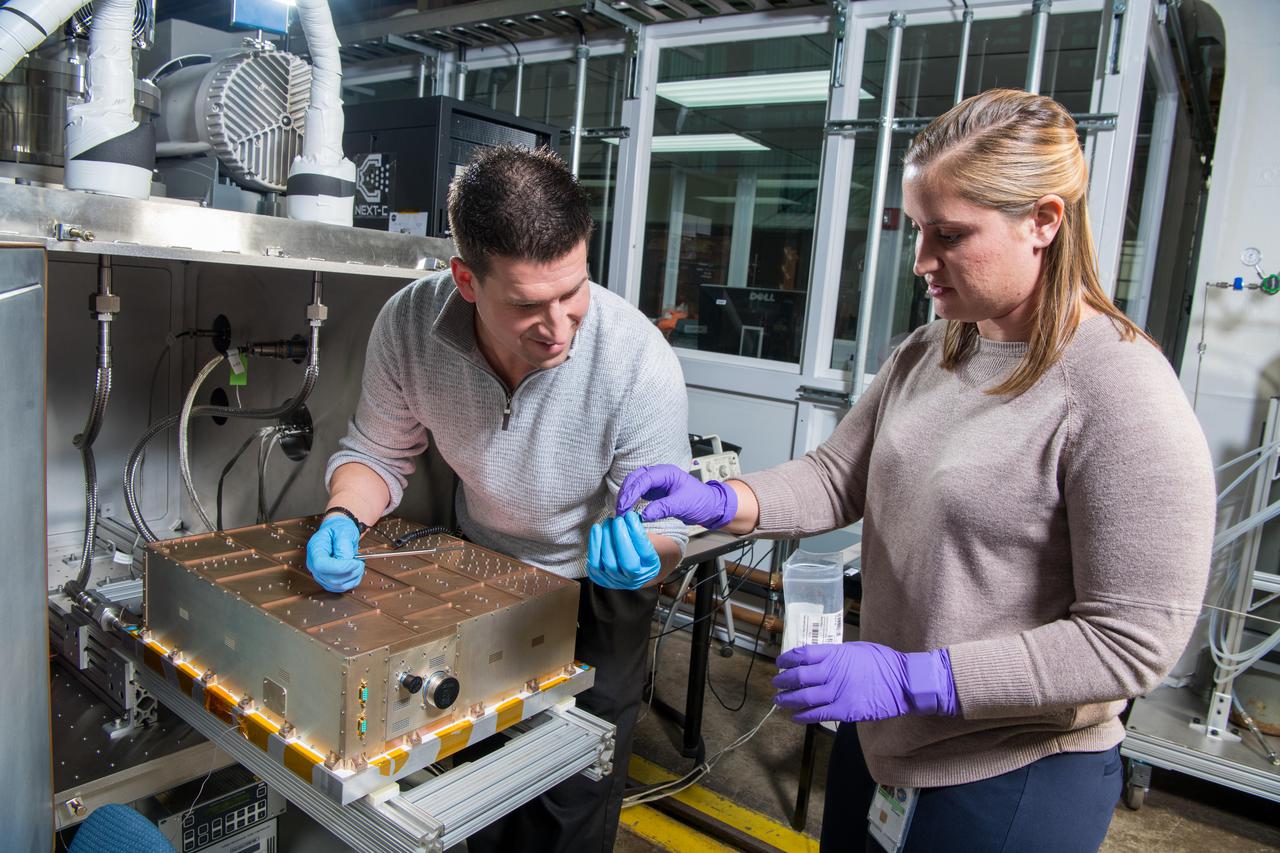
NEXT-C flight PPU
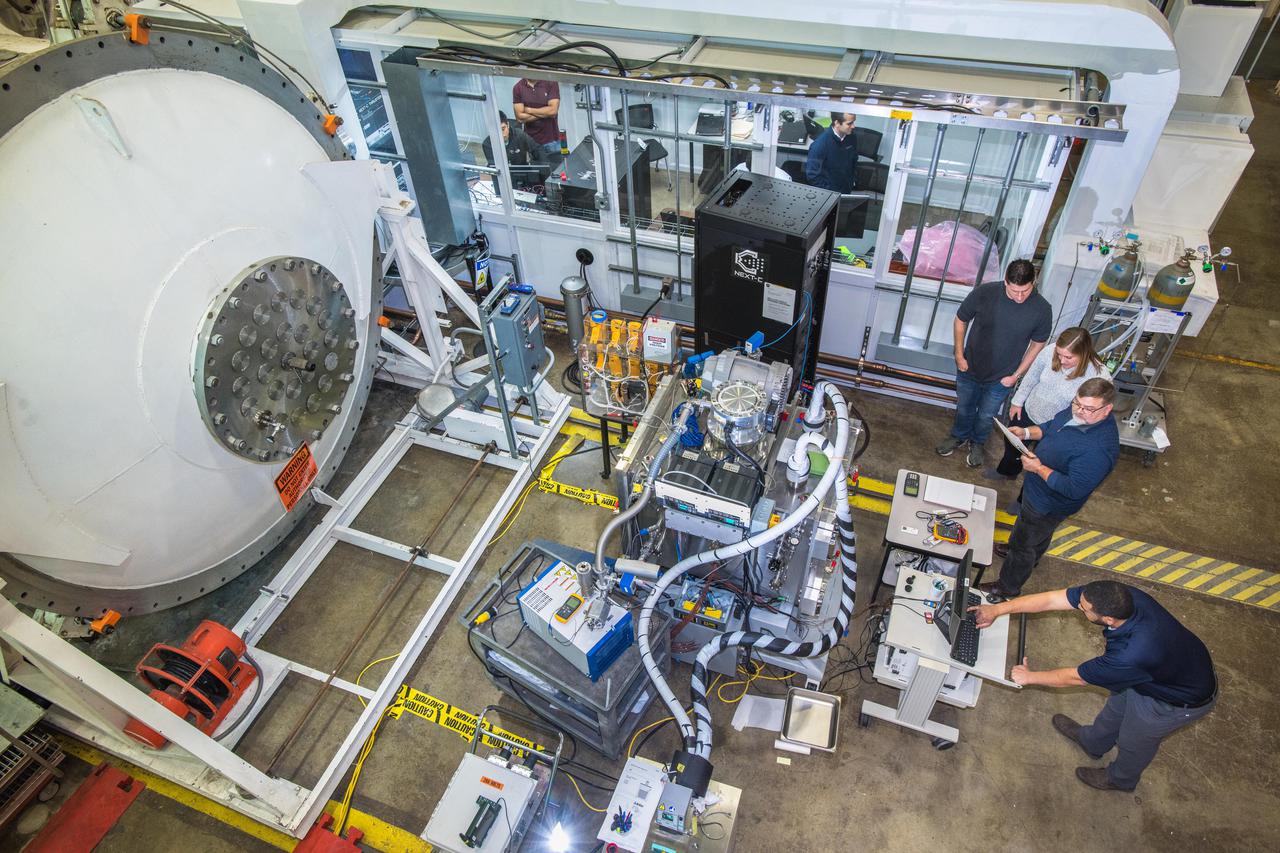
NEXT-C flight PPU
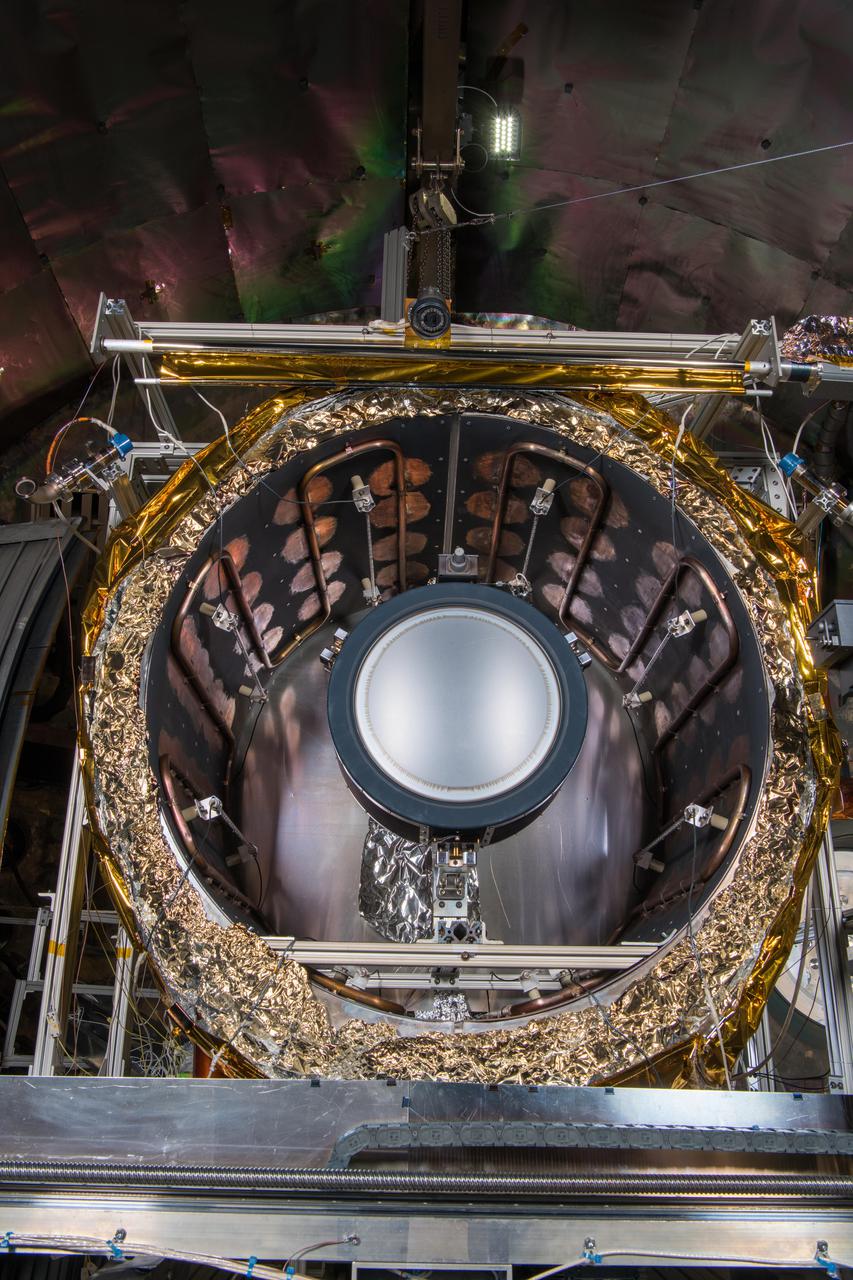
NASA Evolutionary Xenon Thruster - Commercial, NEXT-C
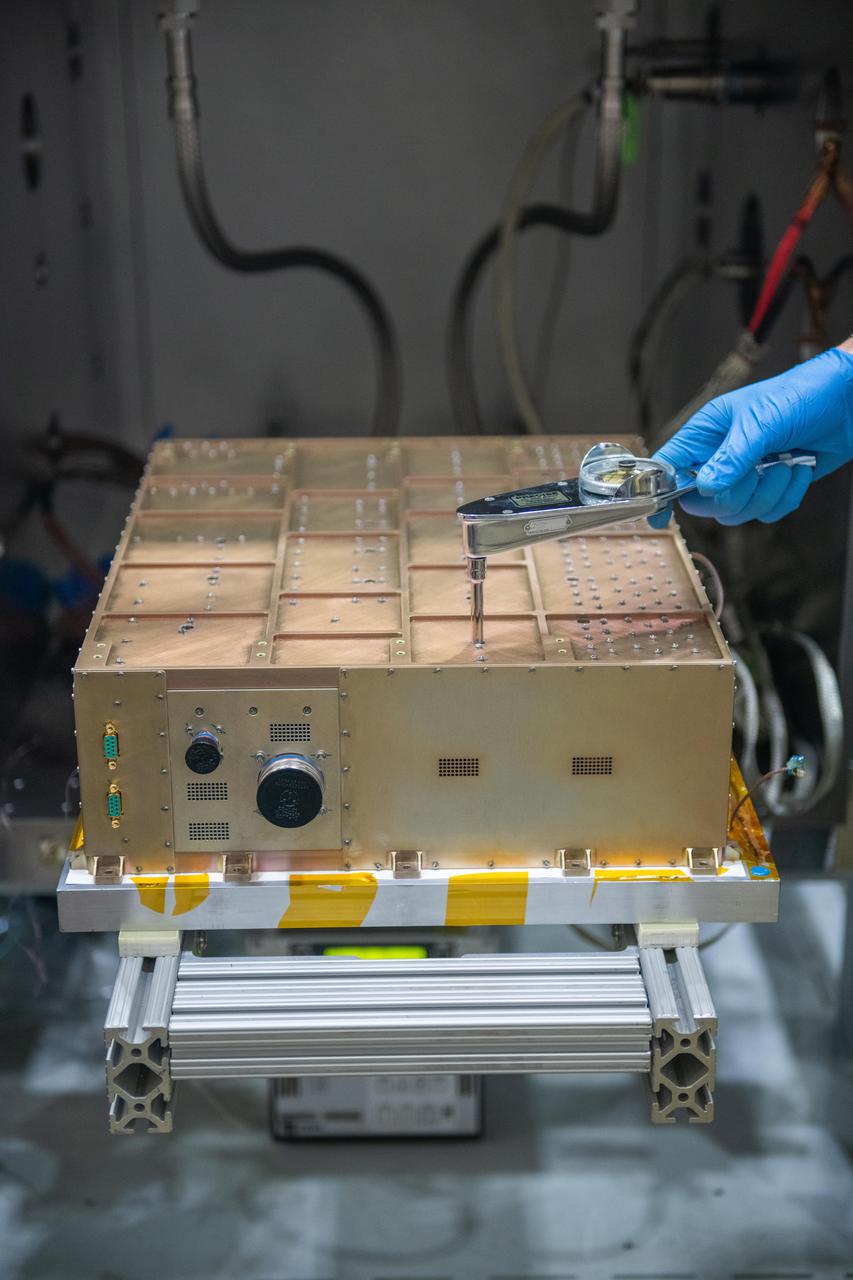
NASA Evolutionary Xenon Thruster - Commercial, NEXT-C Flight Power Processing Unit, PPU
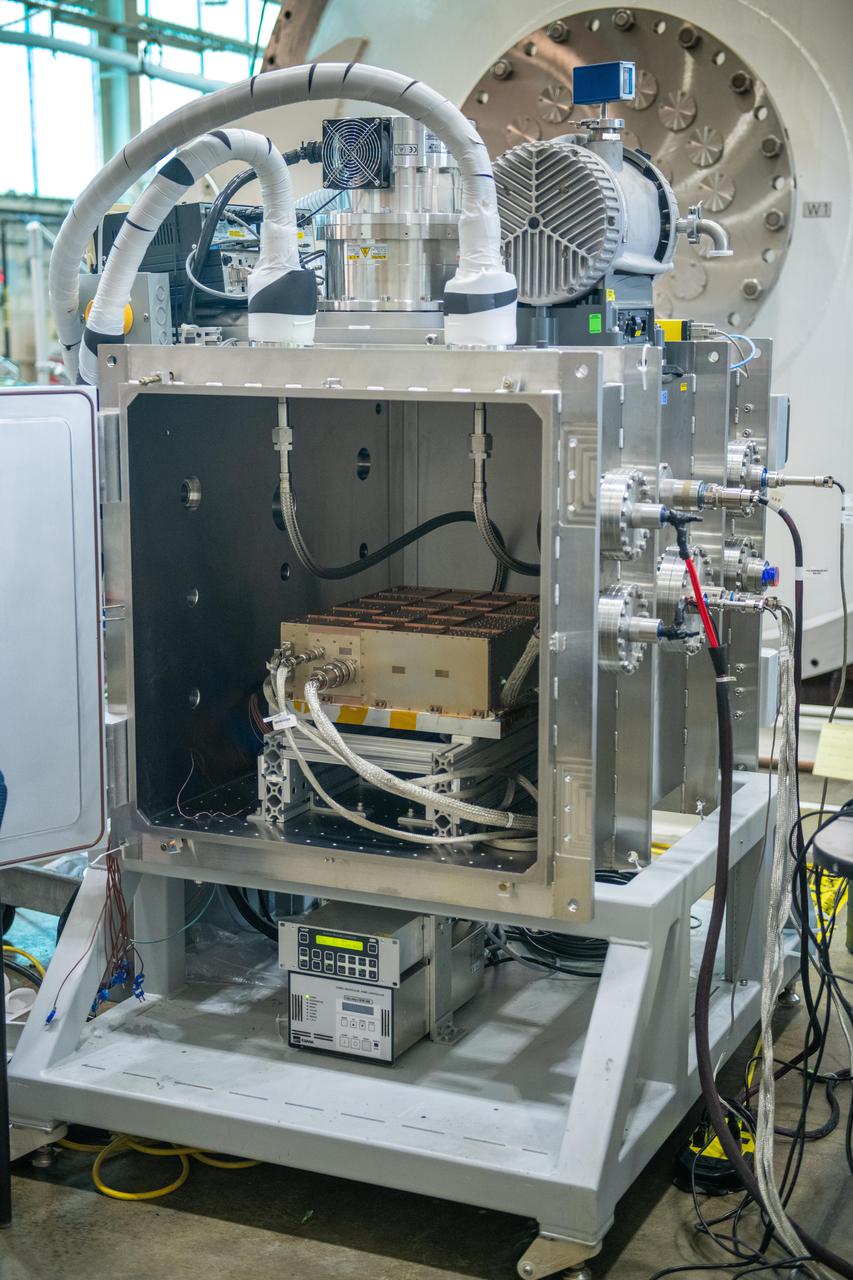
NASA Evolutionary Xenon Thruster - Commercial, NEXT-C Flight Power Processing Unit, PPU
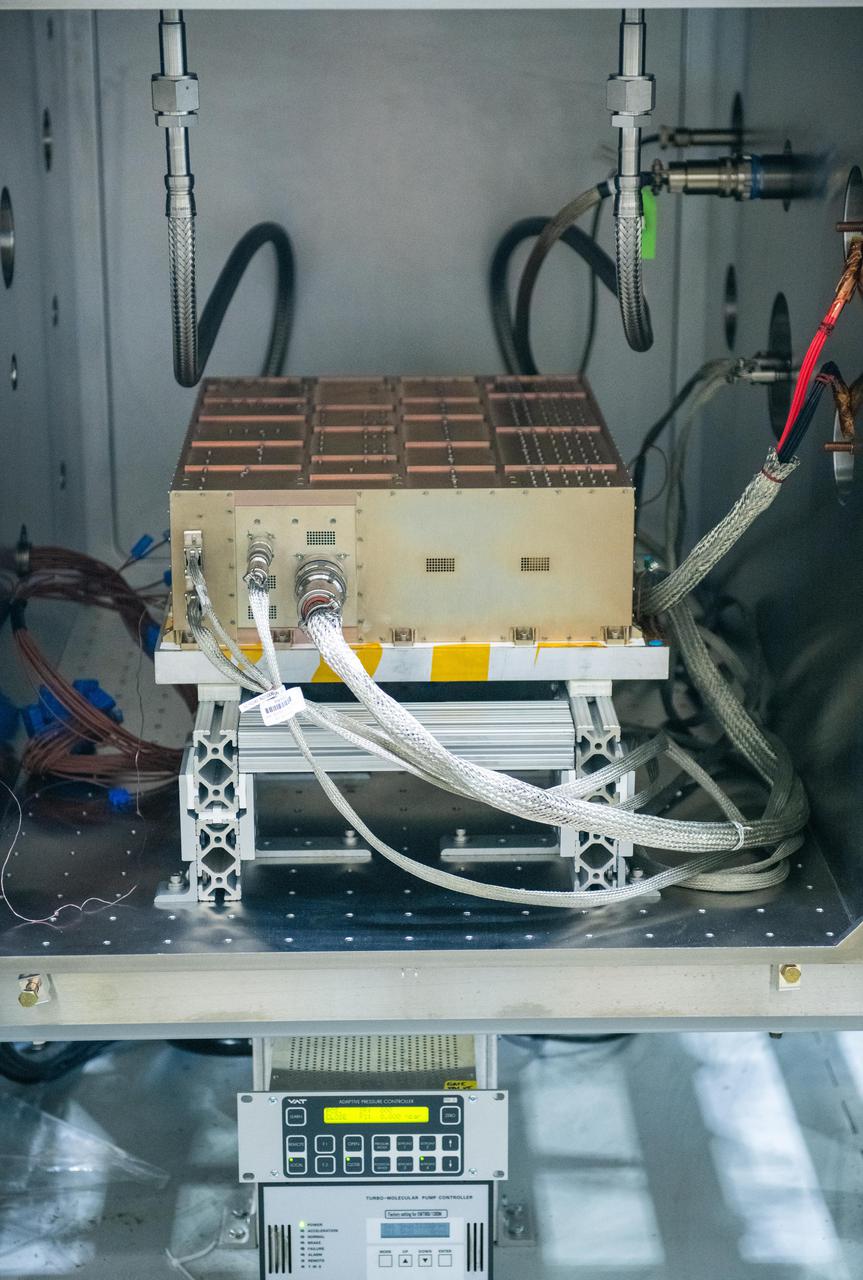
NASA Evolutionary Xenon Thruster - Commercial, NEXT-C Flight Power Processing Unit, PPU
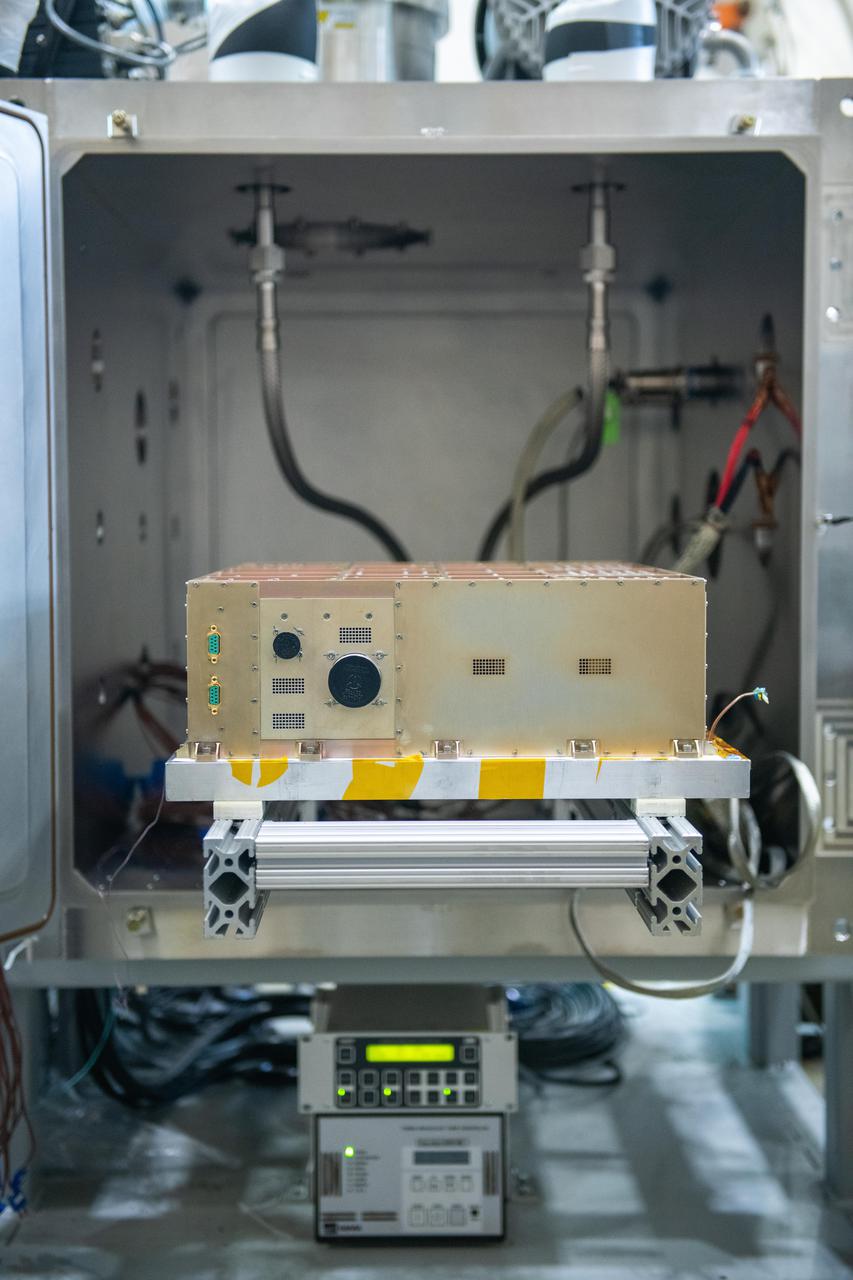
NASA Evolutionary Xenon Thruster - Commercial, NEXT-C Flight Power Processing Unit, PPU
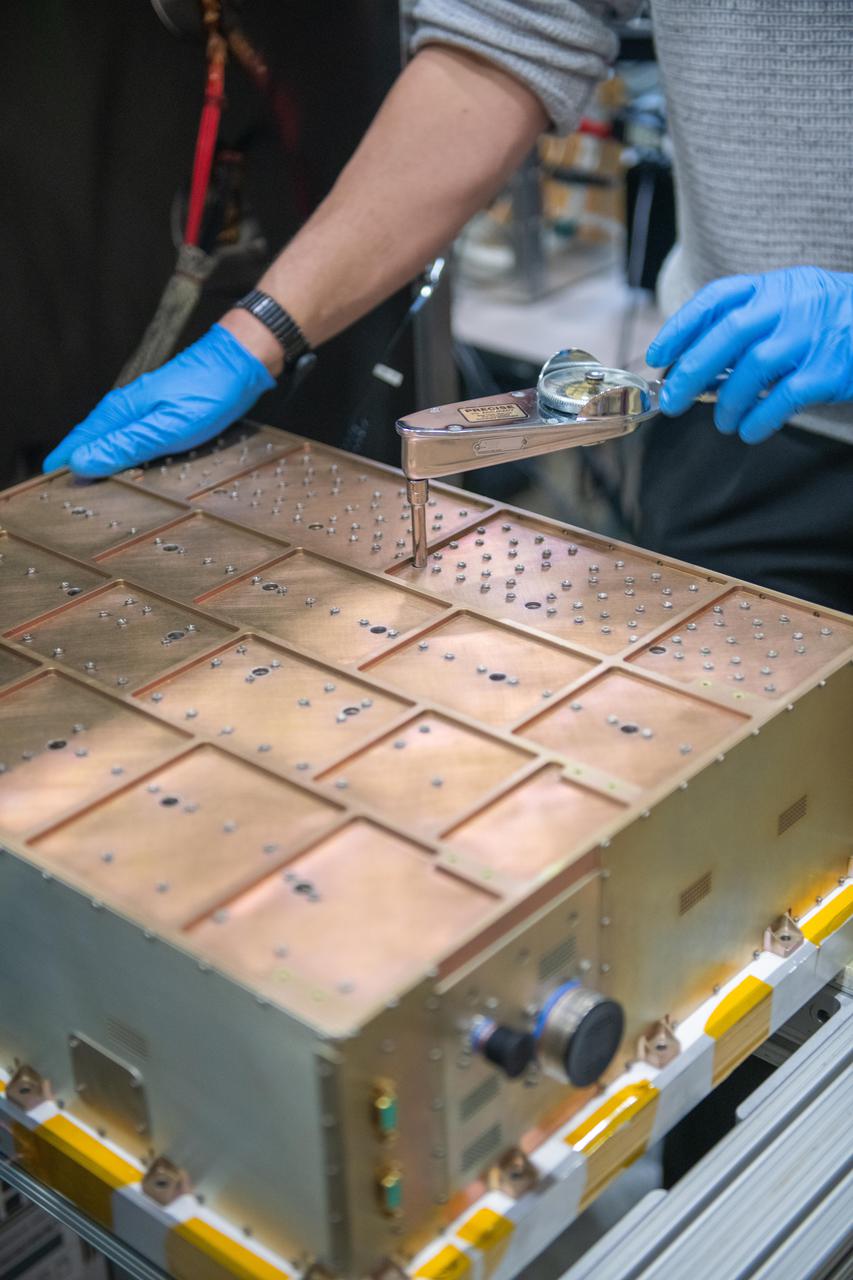
NASA Evolutionary Xenon Thruster - Commercial, NEXT-C Flight Power Processing Unit, PPU

NASA Evolutionary Xenon Thruster - Commercial, NEXT-C Flight Power Processing Unit, PPU
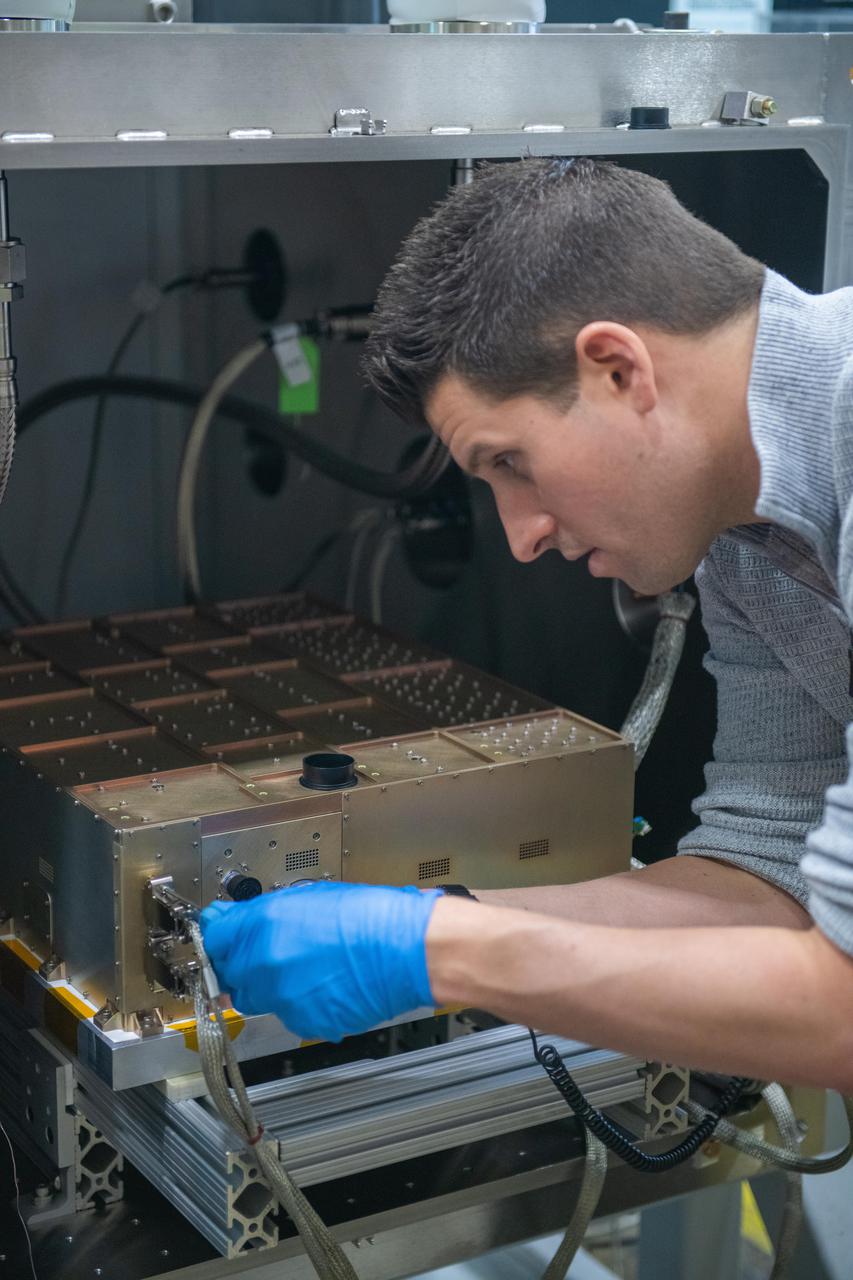
NASA Evolutionary Xenon Thruster - Commercial, NEXT-C Flight Power Processing Unit, PPU
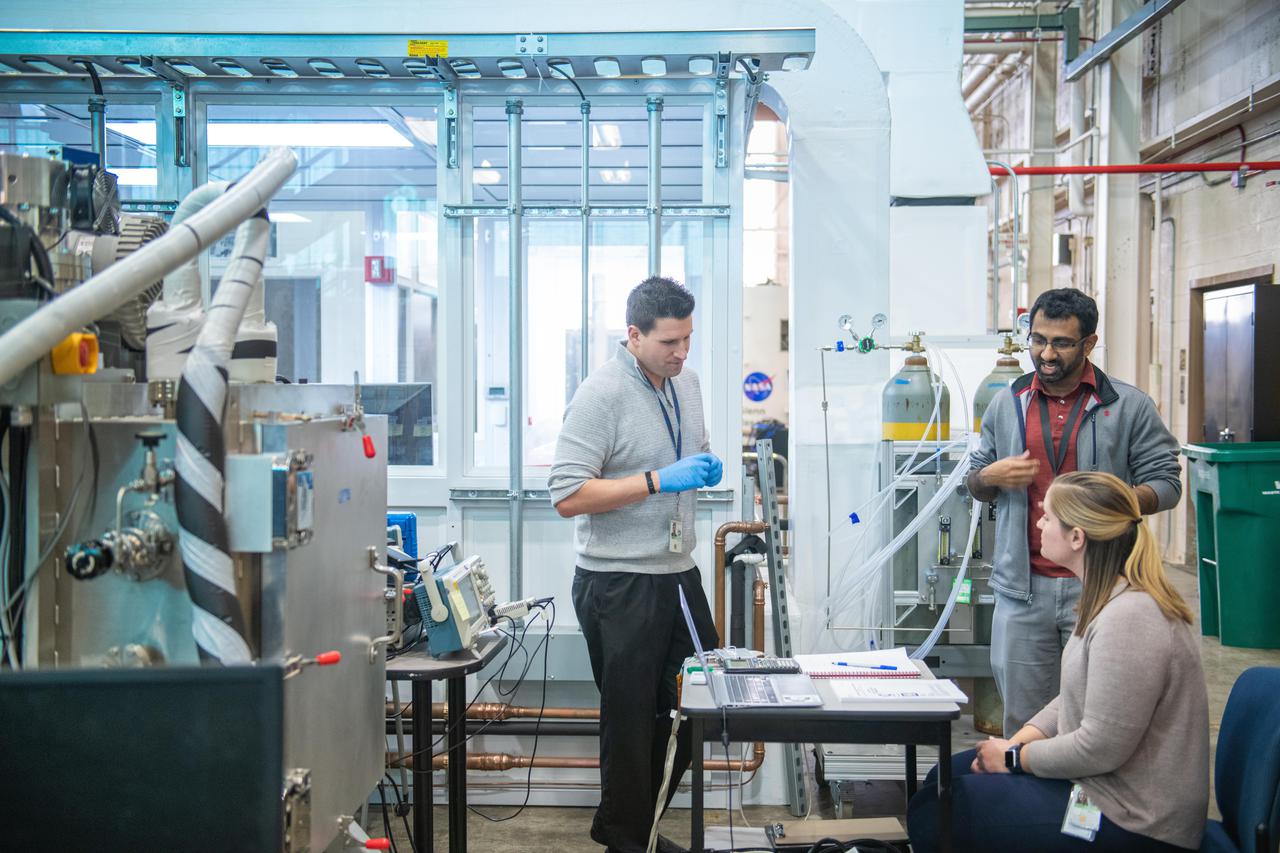
NASA Evolutionary Xenon Thruster - Commercial, NEXT-C Flight Power Processing Unit, PPU
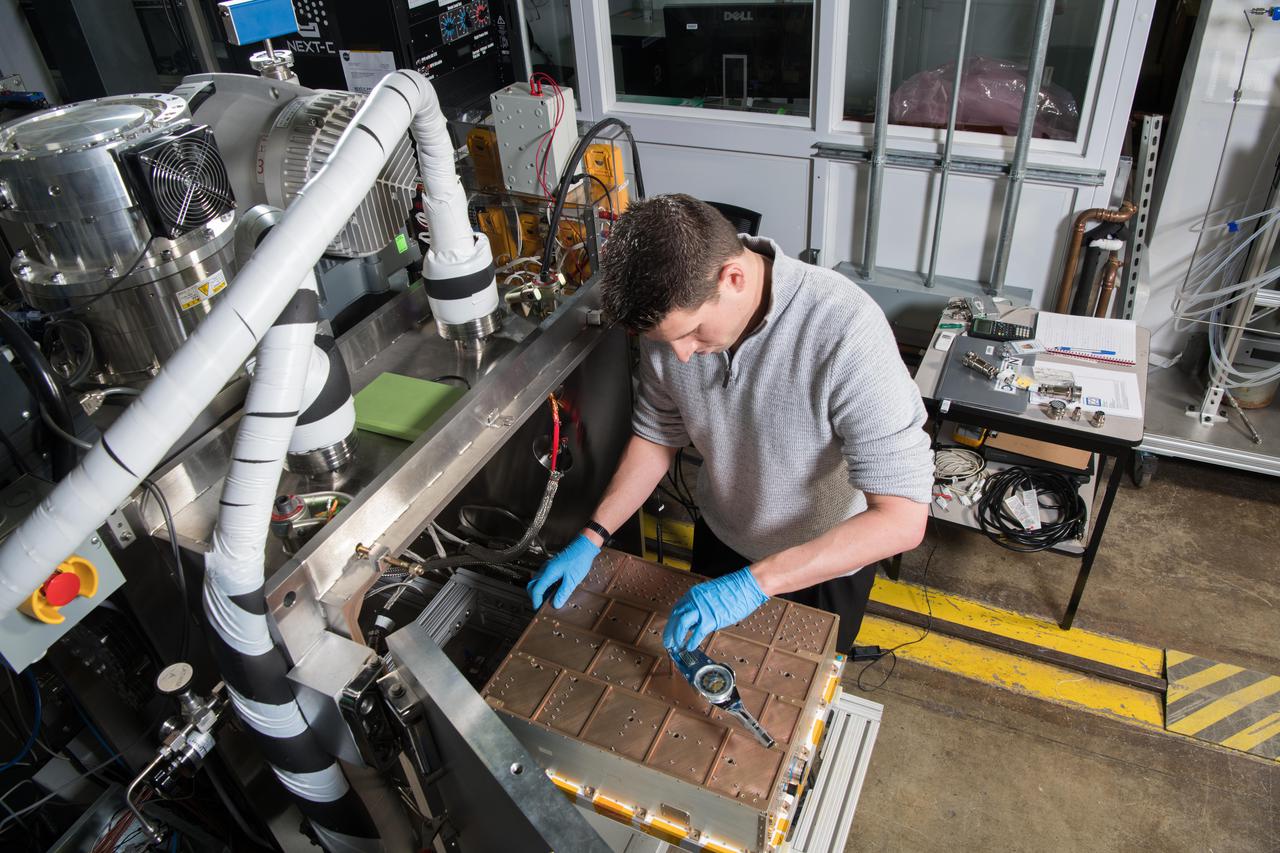
NASA Evolutionary Xenon Thruster - Commercial, NEXT-C Flight Power Processing Unit, PPU
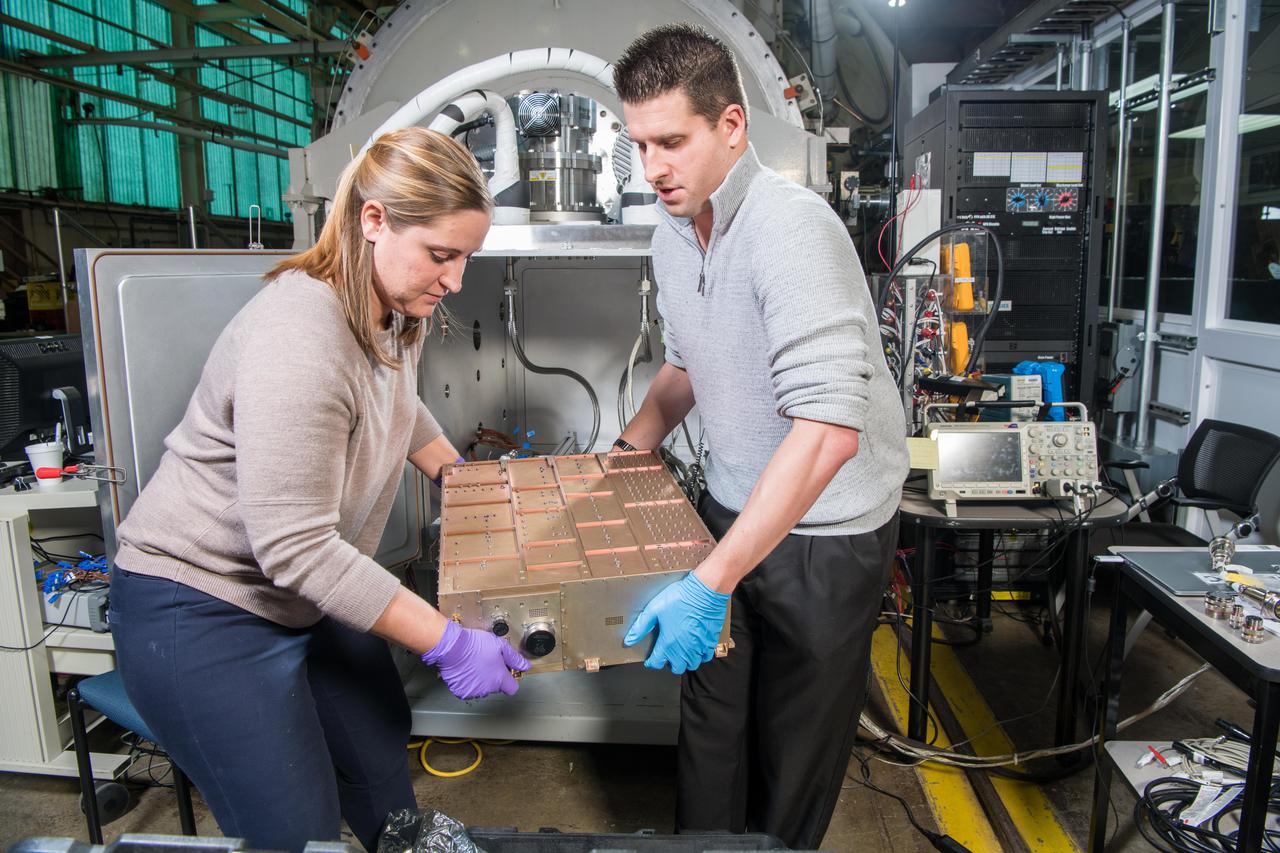
NASA Evolutionary Xenon Thruster - Commercial, NEXT-C Flight Power Processing Unit, PPU

NASA Evolutionary Xenon Thruster - Commercial, NEXT-C Flight Power Processing Unit, PPU
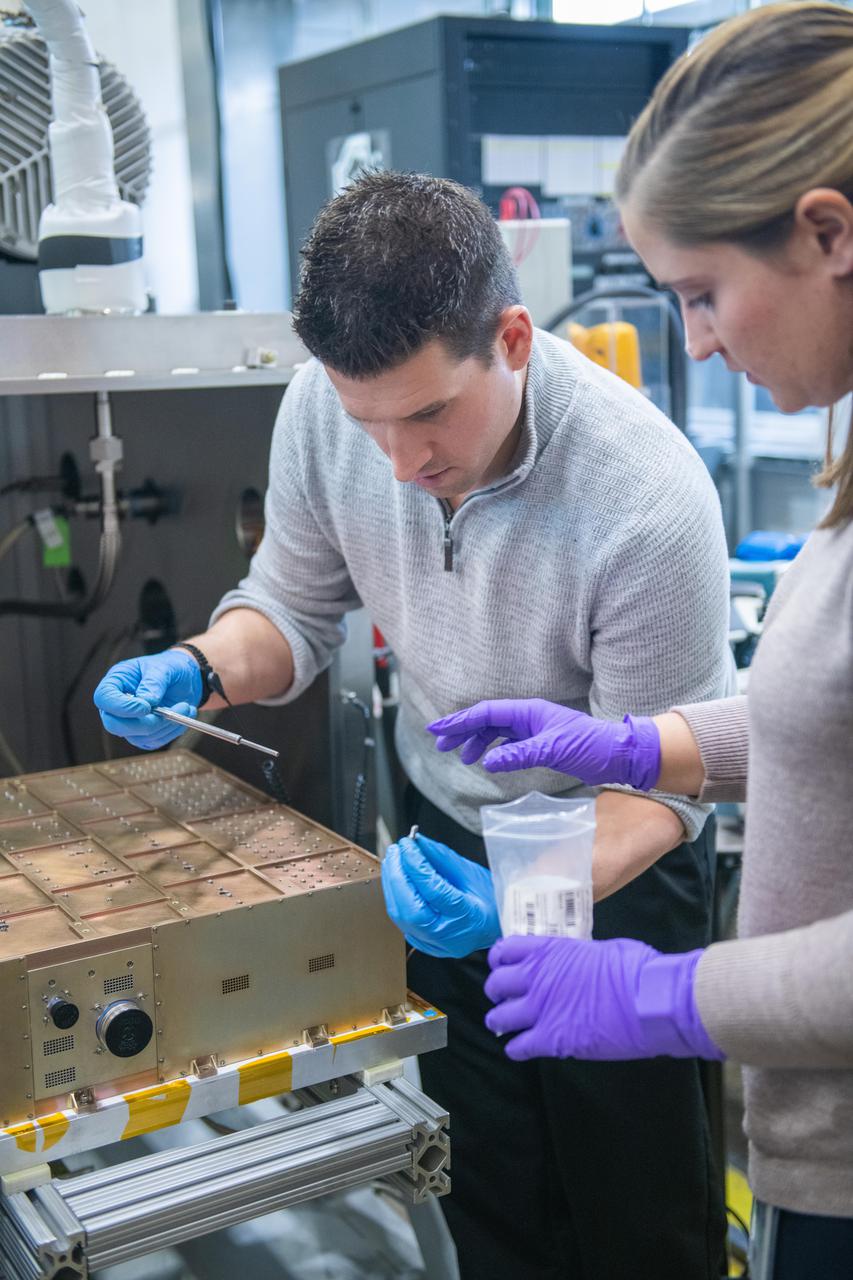
NASA Evolutionary Xenon Thruster - Commercial, NEXT-C Flight Power Processing Unit, PPU
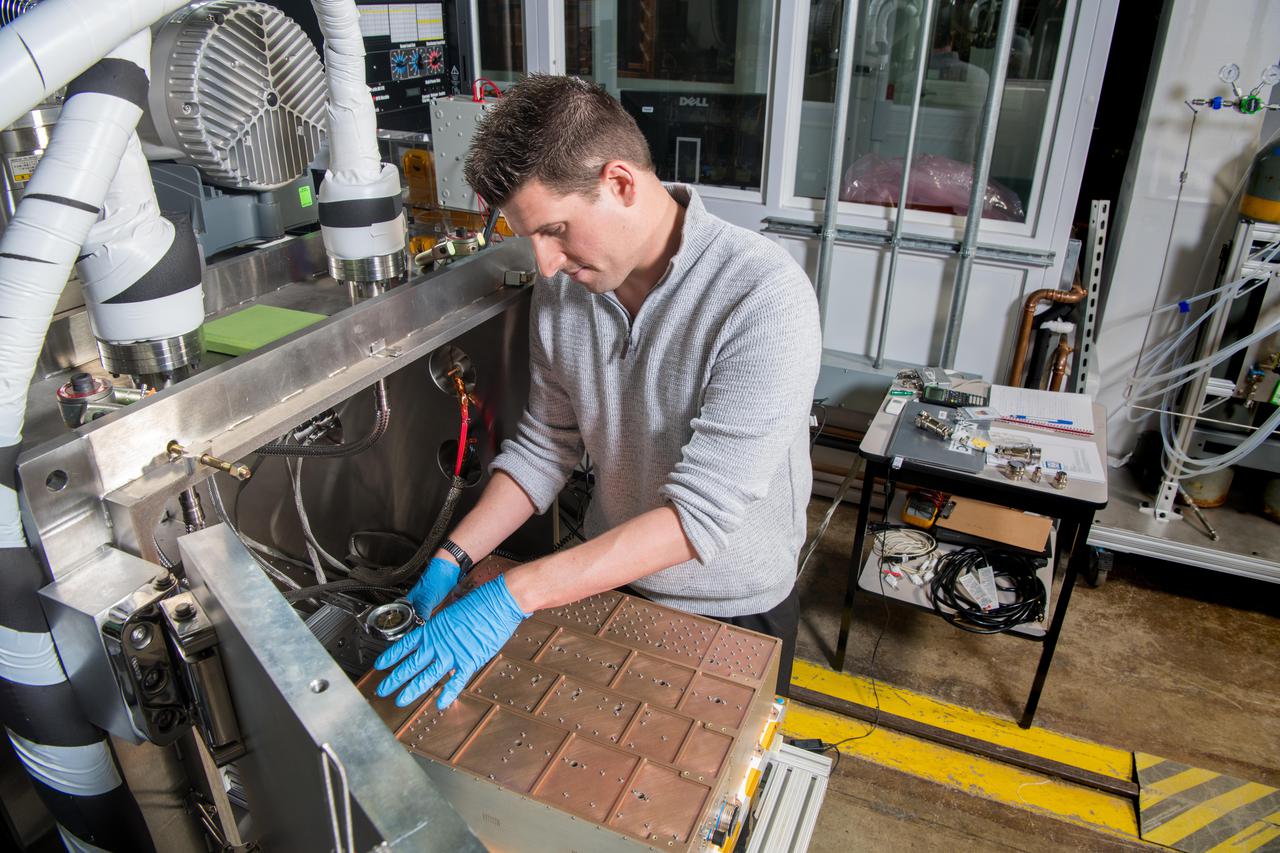
NASA Evolutionary Xenon Thruster - Commercial, NEXT-C Flight Power Processing Unit, PPU
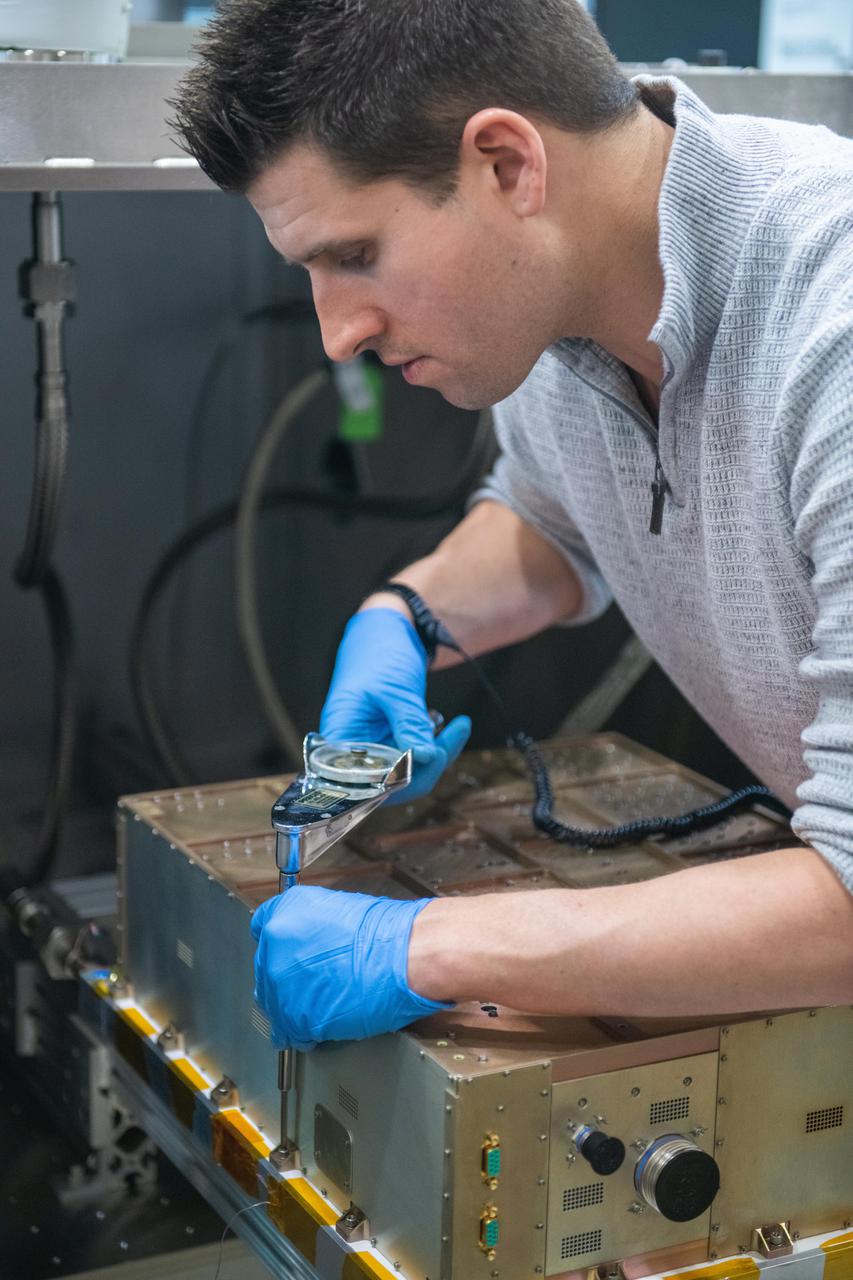
NASA Evolutionary Xenon Thruster - Commercial, NEXT-C Flight Power Processing Unit, PPU

NASA Evolutionary Xenon Thruster - Commercial, NEXT-C Flight Power Processing Unit, PPU
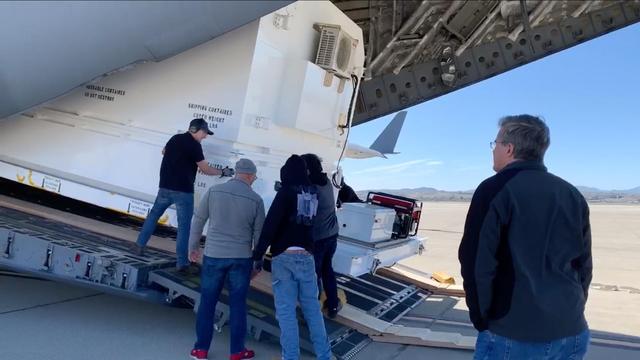
On Feb. 11, 2020, Mars 2020 Assembly, Test and Launch Operations Manager David Gruel watched as members of his team loaded NASA's next Mars rover onto an Air Force C-17 at March Air Reserve Base in Riverside, California. The rover was flown to Cape Canaveral, Florida, in preparation for its July launch. https://photojournal.jpl.nasa.gov/catalog/PIA23591
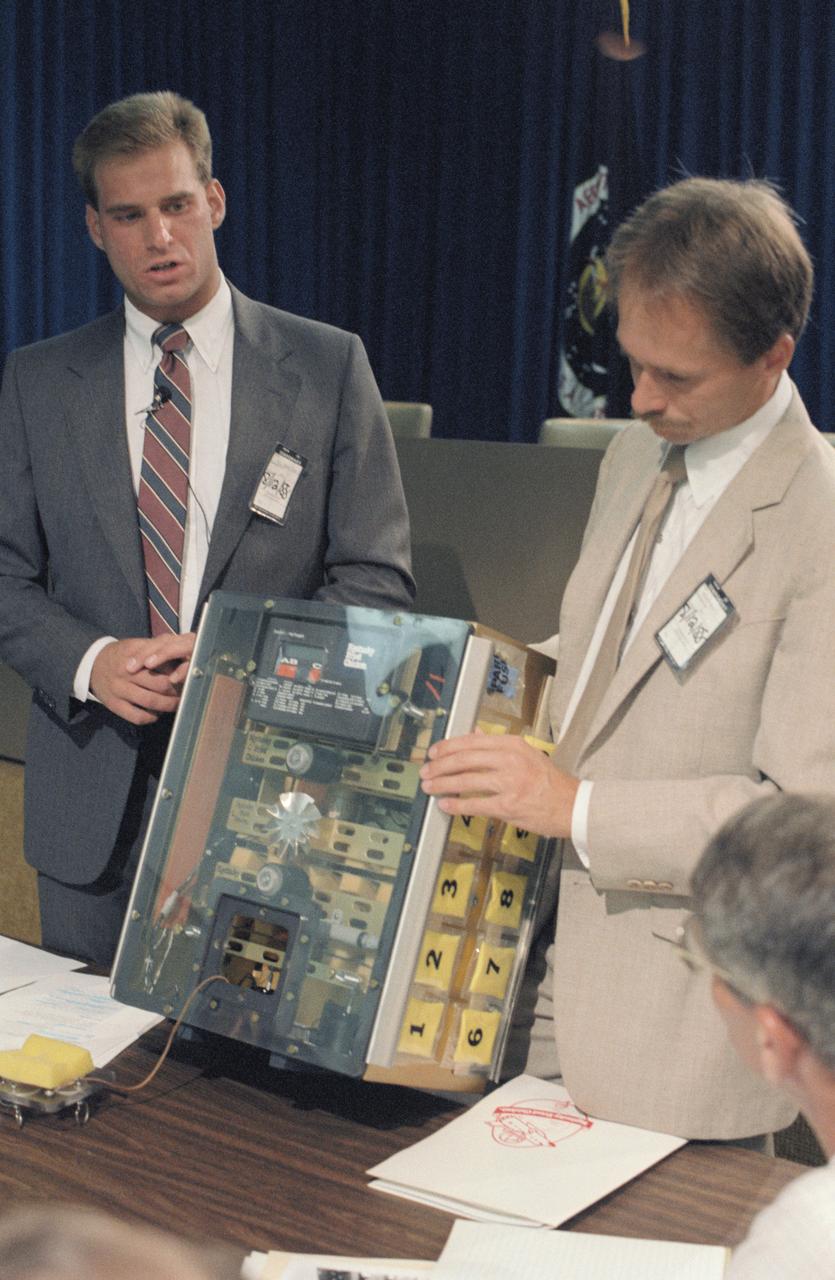
S88-44514 (13 Aug 1988) --- Student experimenter John C. Vellinger, left, explains components of an incubator used in his experiment to be carried onboard the Discovery for NASA's STS-29 mission next year. Mark S. Deusser, representing the sponsoring organization, holds up the incubator for inspection by members of the STS-29 crew who will monitor in-space operation of the experiment, titled "Chicken Embryo Development in Space." Astronaut Robert C. Springer is partially visible in lower right foreground. The student's sponsor is Kentucky Fried Chicken.
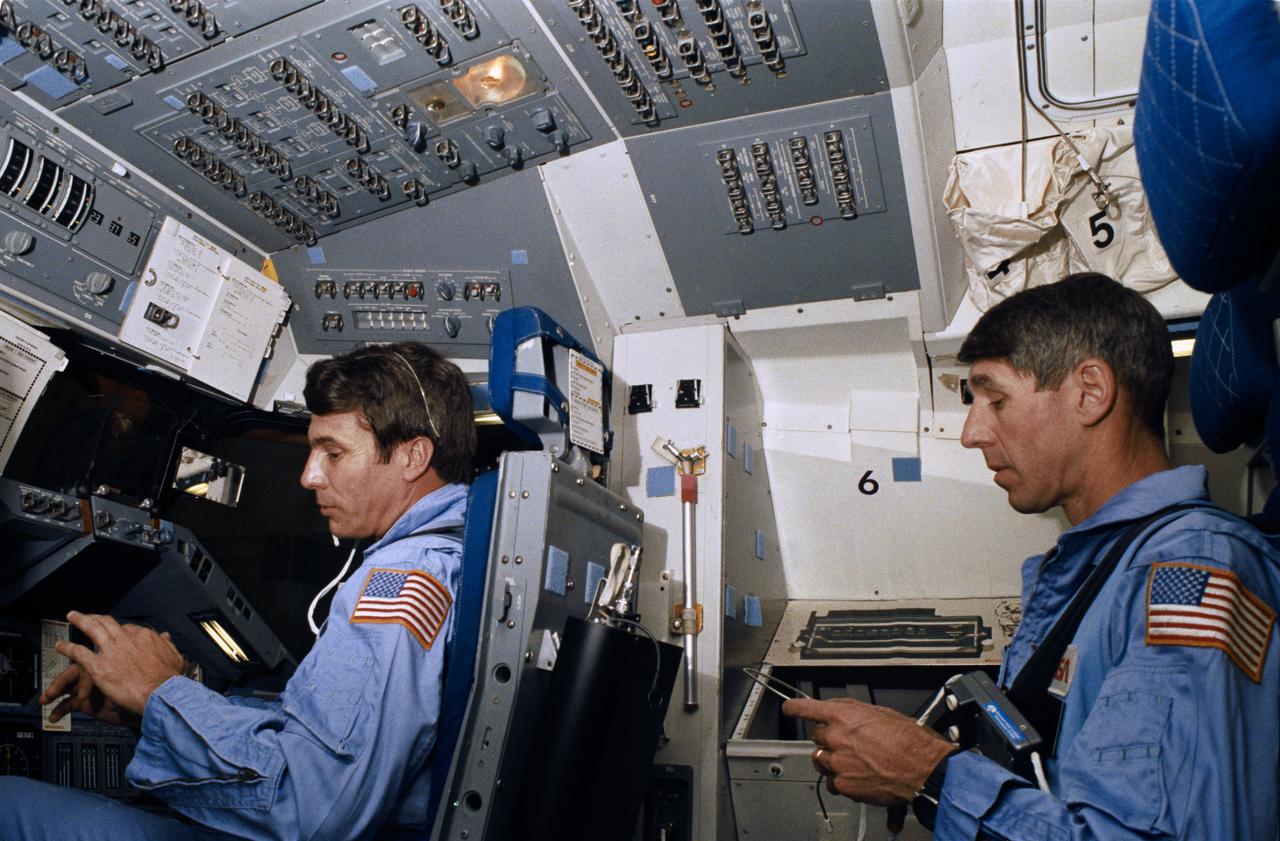
S86-29122 (March 1986) --- Astronauts John E. Blaha, left, and Robert C. Springer participate in a rehearsal for their assigned flight in the crew compartment trainer at the Johnson Space Center (JSC). Blaha is pilot and Springer, one of three mission specialists for the mission. The two will mark their first spaceflights on the next mission.
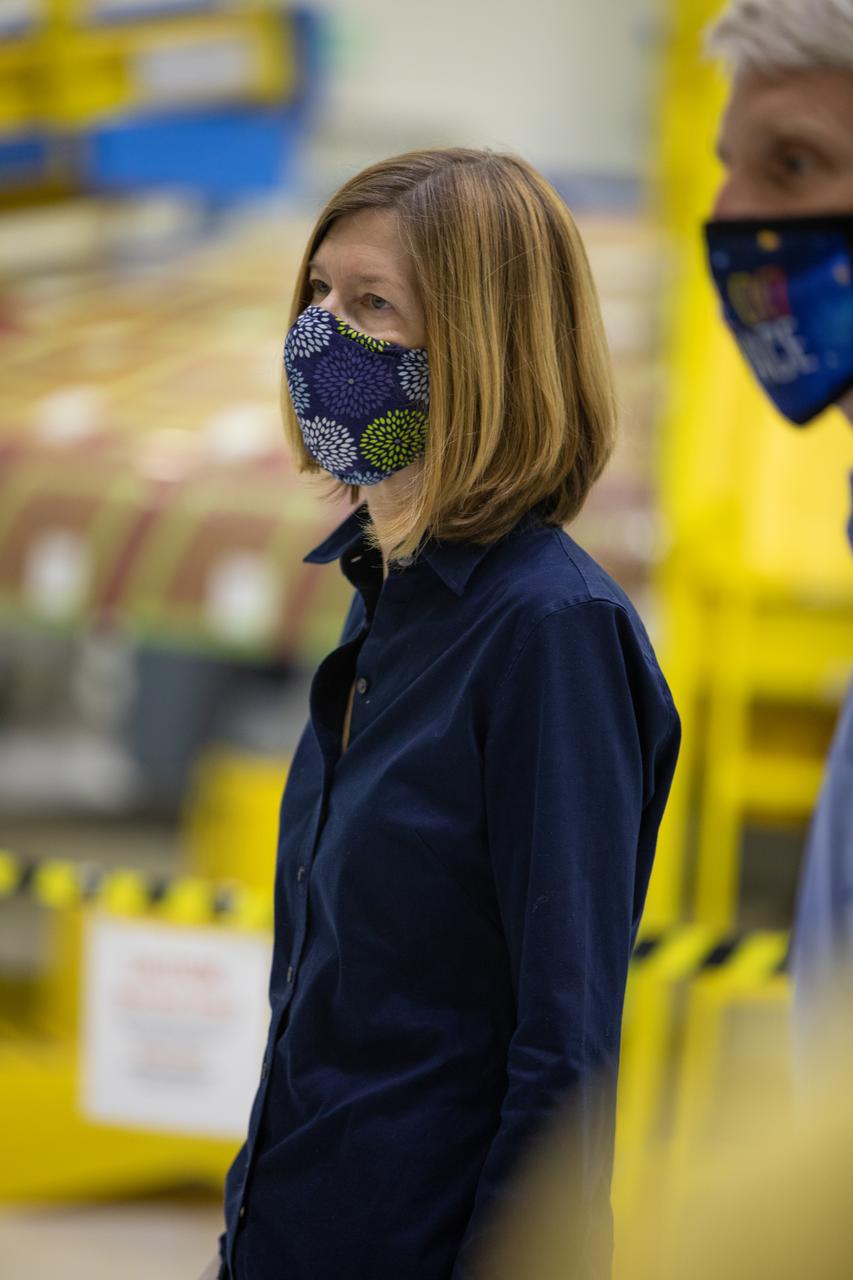
Kathy Lueders, associate administrator of NASA’s Human Exploration and Operations Mission Directorate, visits the Neil Armstrong Operations and Checkout (O&C) Building high bay at the agency’s Kennedy Space Center in Florida on Nov. 5, 2020. While at the O&C, Lueders and senior managers of Orion and Lockheed Martin had the opportunity to view the Artemis I and II spacecraft. In the background is the heat shield for Artemis II. The first in a series of increasingly complex missions, Artemis I will test the Space Launch System rocket and Orion spacecraft as an integrated system prior to crewed flights to the Moon. Under the Artemis program, NASA is planning to land the first woman and the next man on the lunar surface by 2024.

In clean room C of Astrotech's Payload Processing Facility, a worker wears a "bunny suit," or clean-room attire, next to the Dawn spacecraft, which will be unbagged and undergo further processing. Dawn's mission is to explore two of the asteroid belt's most intriguing and dissimilar occupants: asteroid Vesta and the dwarf planet Ceres. The Dawn mission is managed by JPL, a division of the California Institute of Technology in Pasadena, for NASA's Science Mission Directorate in Washington, D.C.

S89-25082 (January 1989) --- Space shuttle Discovery will be manned by these five astronauts when it makes it second flight within a five-month period next month. The STS-29 crew members are (front row), Michael L. Coats (right), commander; and John E. Blaha, pilot; (left to right back row) James P. Bagian, Robert C. Springer and James F. Buchli, mission specialists. Photo credit: NASA
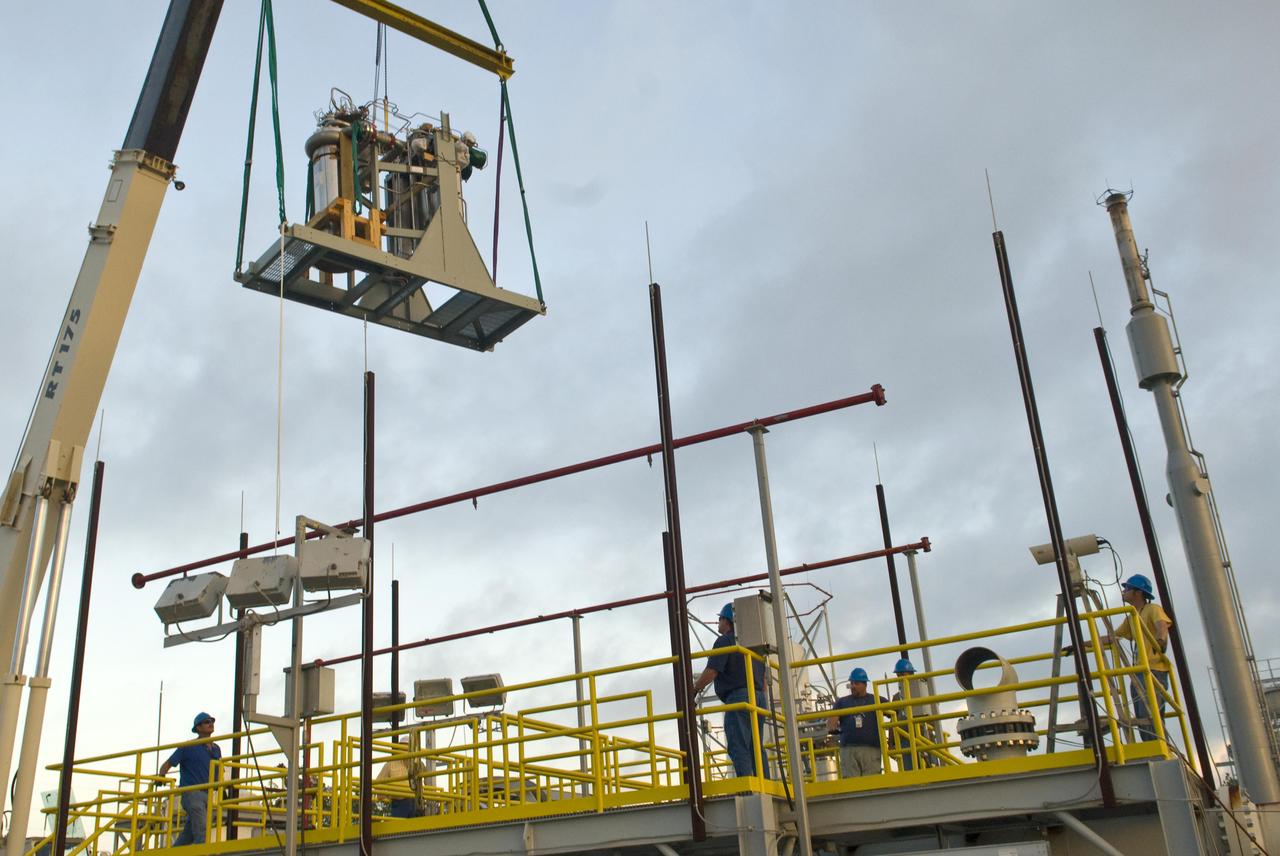
The first of nine chemical steam generator (CSG) units that will be used on the A-3 Test Stand is hoisted into place at the E-2 Test Stand at John C. Stennis Space Center on Oct. 24, 2010. The unit was installed at the E-2 stand for verification and validation testing before it is moved to the A-3 stand. Steam generated by the nine CSG units that will be installed on the A-3 stand will create a vacuum that allows Stennis operators to test next-generation rocket engines at simulated altitudes up to 100,000 feet.
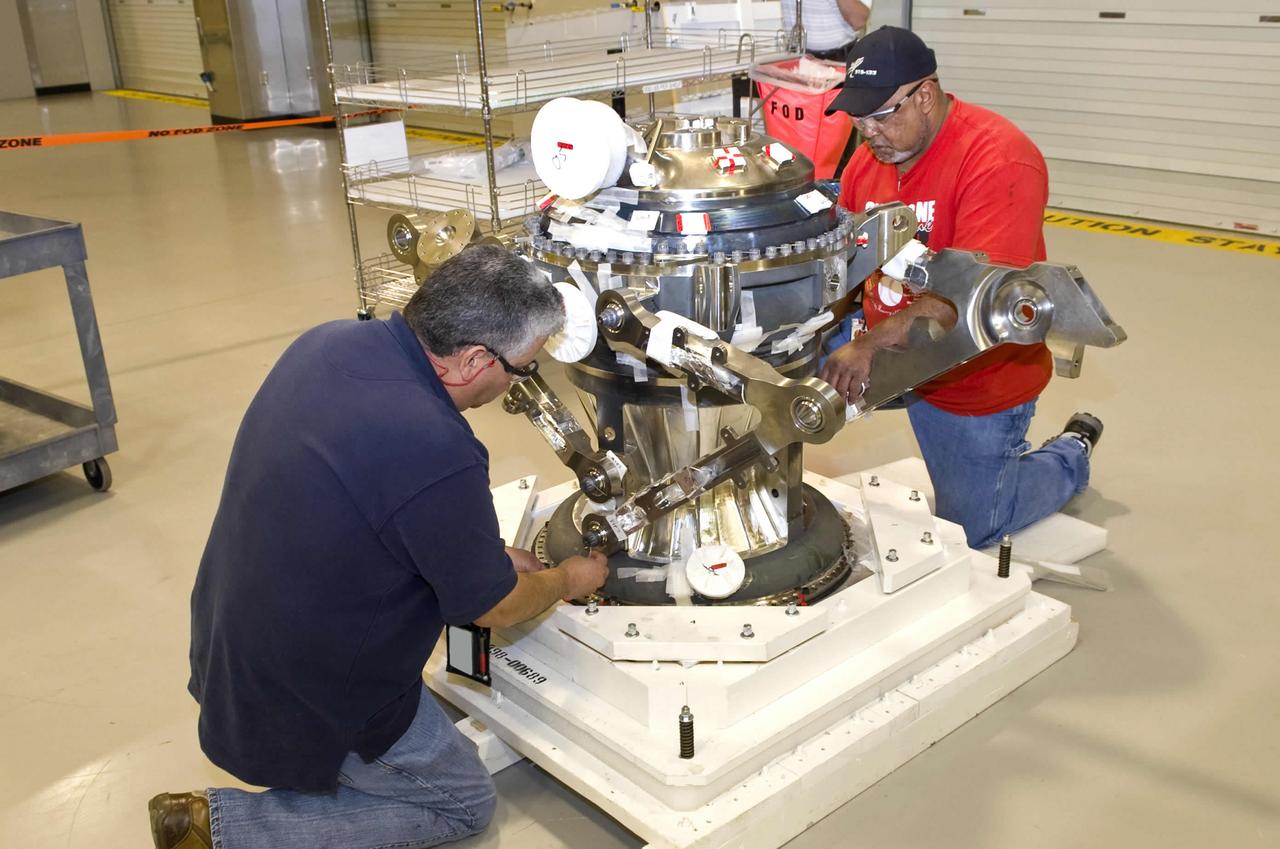
Pratt & Whitney Rocketdyne employees Carlos Alfaro (l) and Oliver Swanier work on the main combustion element of the J-2X rocket engine at their John C. Stennis Space Center facility. Assembly of the J-2X rocket engine to be tested at the site is under way, with completion and delivery to the A-2 Test Stand set for June. The J-2X is being developed as a next-generation engine that can carry humans into deep space. Stennis Space Center is preparing a trio of stands to test the new engine.
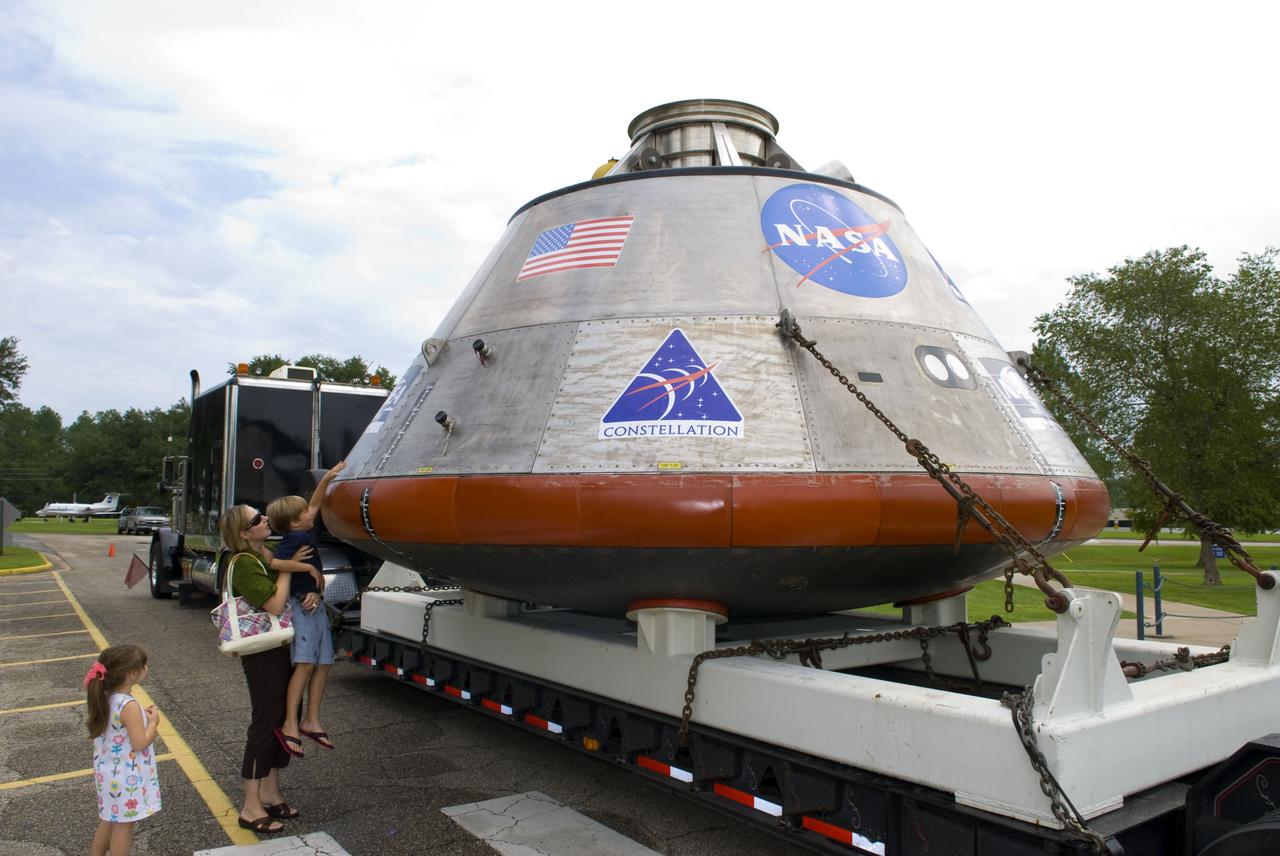
Visitors view a full-scale mockup of NASA's Orion crew exploration vehicle during its one-day display Wednesday at StenniSphere, the visitor center at John C. Stennis Space Center. The mockup is used in tests to study the environment for astronauts and recovery crews after an Orion ocean splashdown. It was en route to Johnson Space Center in Houston for the next phase of testing.
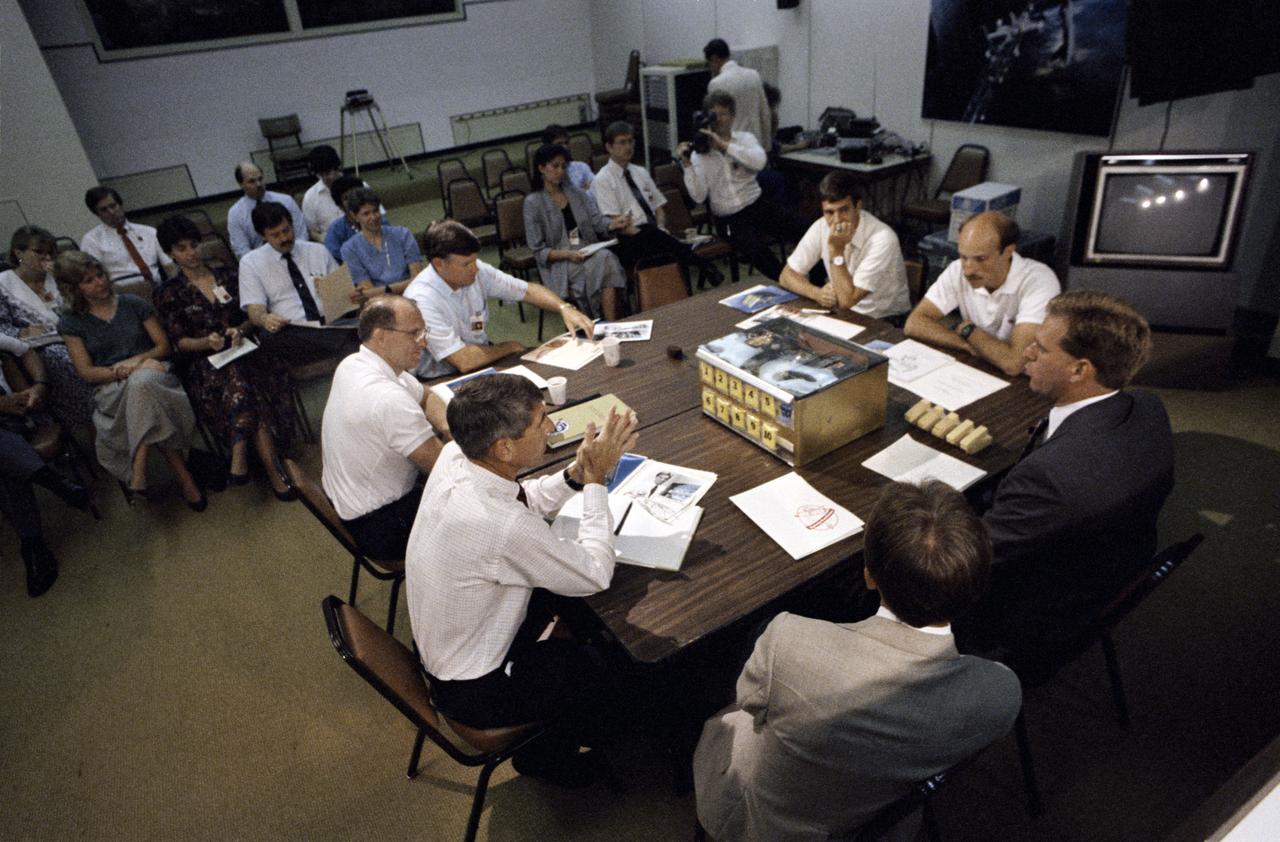
S88-44517 (13 Aug 1988) --- Student experimenter John C. Vellinger, right, explains operation of an incubator used in his experiment to be carried onboard the Discovery for NASA's STS-29 mission next year. His primary audience is made up of STS-29's five-man crew, who will monitor in-space operation of the experiment, titled "Chicken Embryo Development in Space." Kentucky Fried Chicken.
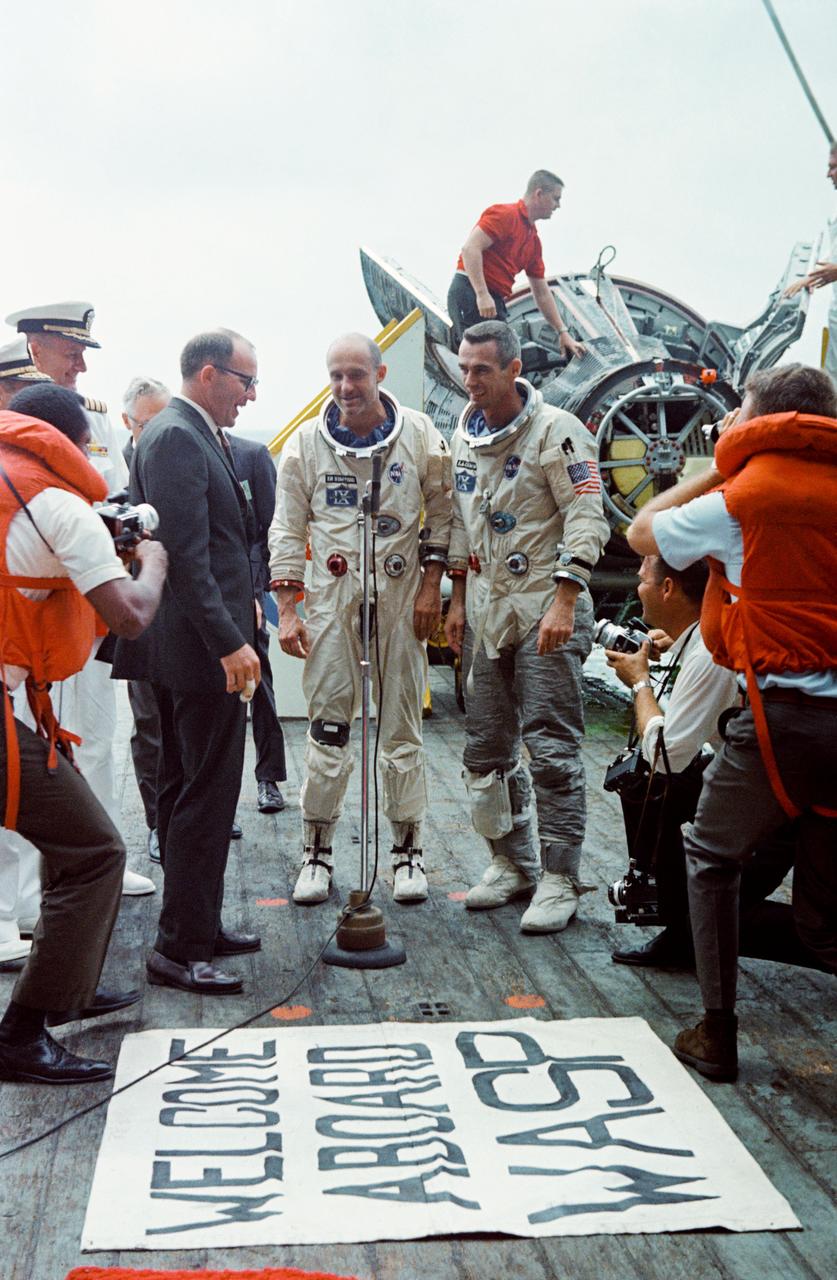
S66-34109 (6 June 1966) --- Astronauts Thomas Stafford and Eugene Cernan (right) receive a warm welcome as they arrive aboard the prime recovery ship, the aircraft carrier USS Wasp. John C. Stonesifer, with the Manned Spacecraft Center's Landing and Recovery Division, stands next to microphone at left. The Gemini-9 spacecraft can be seen in the right background of the view. Photo credit: NASA
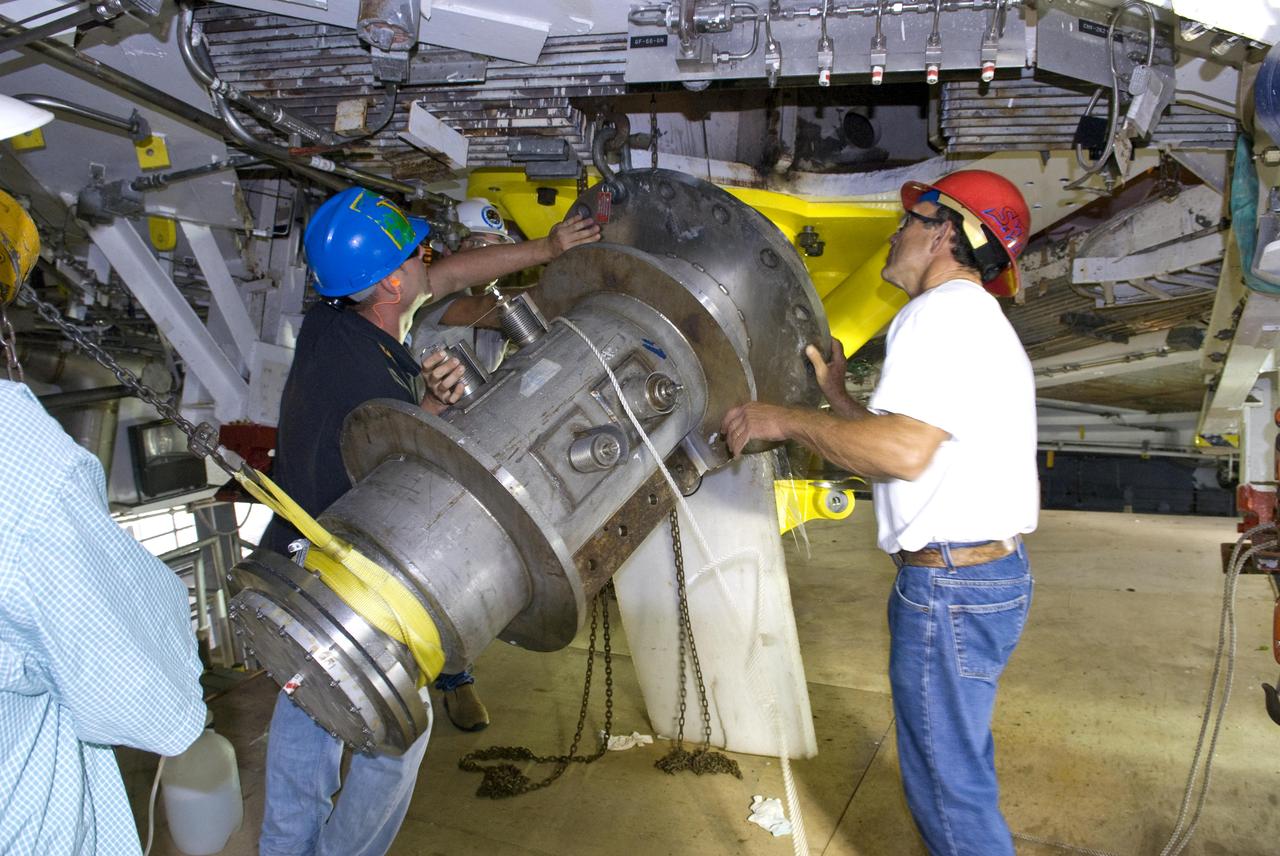
John C. Stennis Space Center employees remove space shuttle main engine run ducts from the A-2 Test Stand engine deck Oct. 25, 2010. Testing of space shuttle main engines concluded in July 2009. Stennis is preparing the A-2 Test Stand for testing the next-generation J-2X rocket engine being developed. Testing of the new engine is scheduled to begin in 2011.
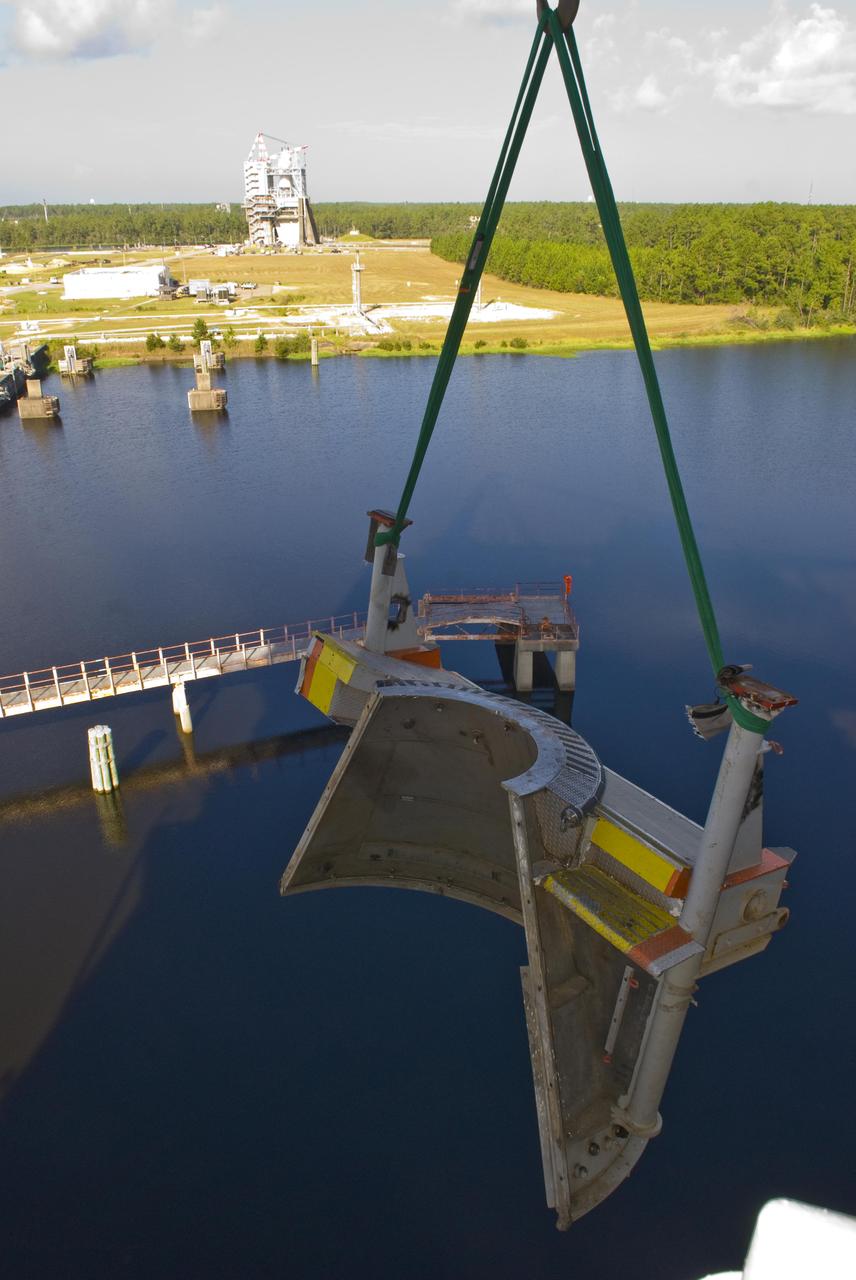
John C. Stennis Space Center employees remove one-half of the A-2 Test Stand clamshell used for testing space shuttle main engines. Space shuttle main engine testing concluded July 2009; the A-2 stand now is being prepared for testing the next-generation J-2X rocket engine in development. Testing of the J-2X engine is scheduled to begin in 2011.
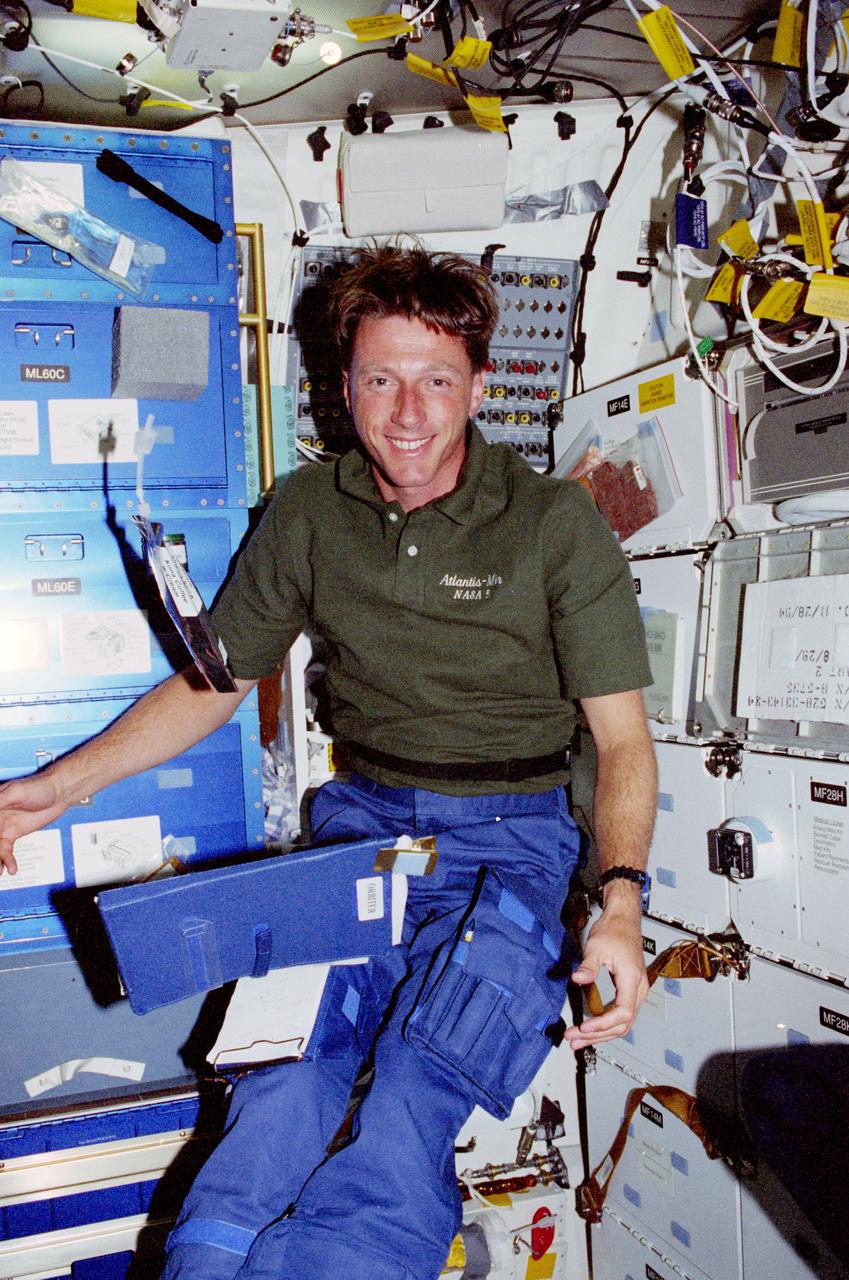
STS084-356-017 (15-24 May 1997) --- Prior to the Space Shuttle Atlantis' docking with Russia's Mir Space Station, astronaut C. Michael Foale was photographed on the middeck going over checklists. Before the mission was complete, Foale had traded in his current attire for that of his scheduled environs for the next several months onboard Mir.
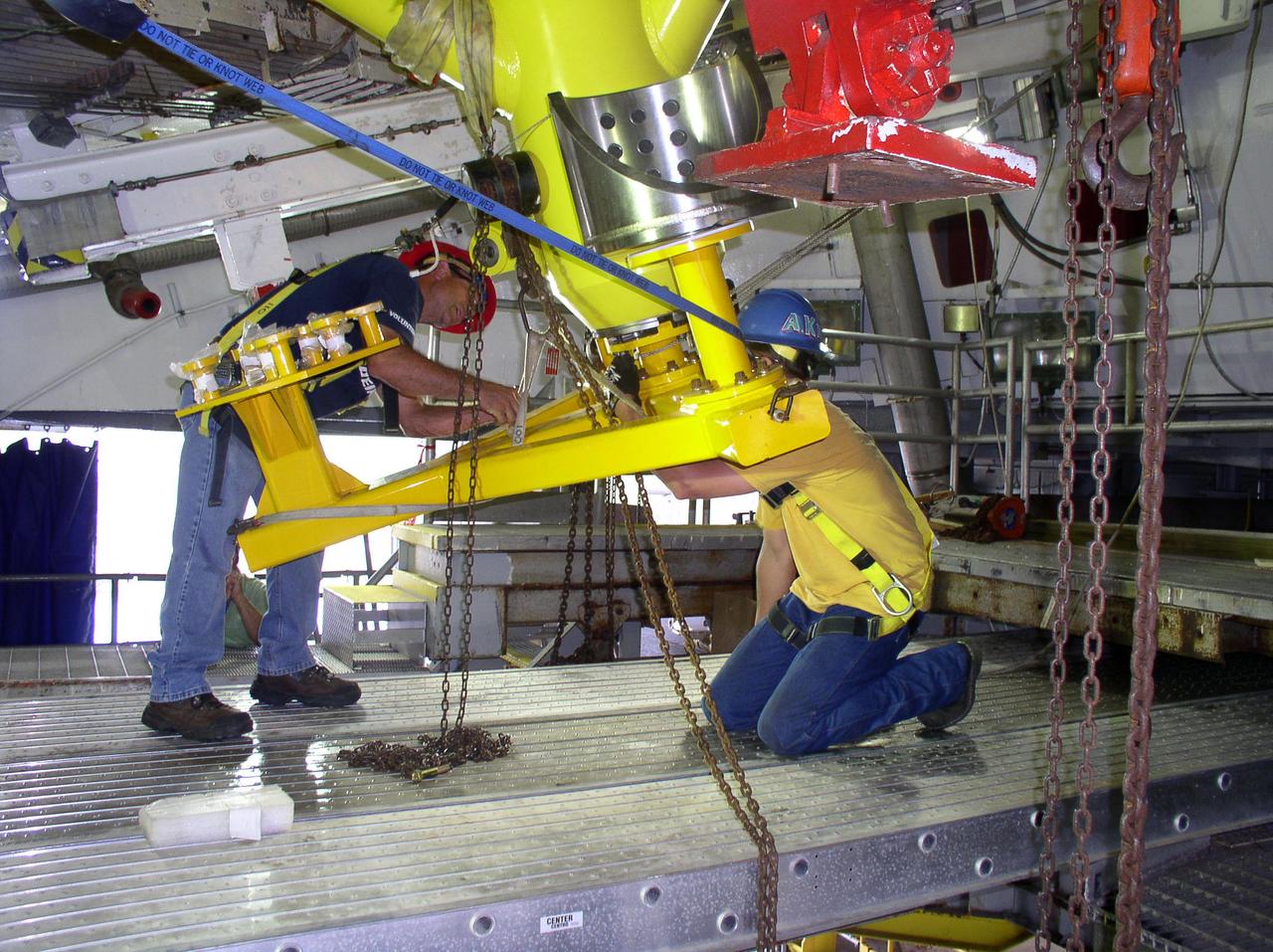
John C. Stennis Space Center employees install a new master interface tool on the A-2 Test Stand on Oct. 27, 2010. Until July 2009, the stand had been used for testing space shuttle main engines. With that test series complete, employees are preparing the stand for testing the next-generation J-2X rocket engine being developed. Testing of the new engine is scheduled to begin in 2011.
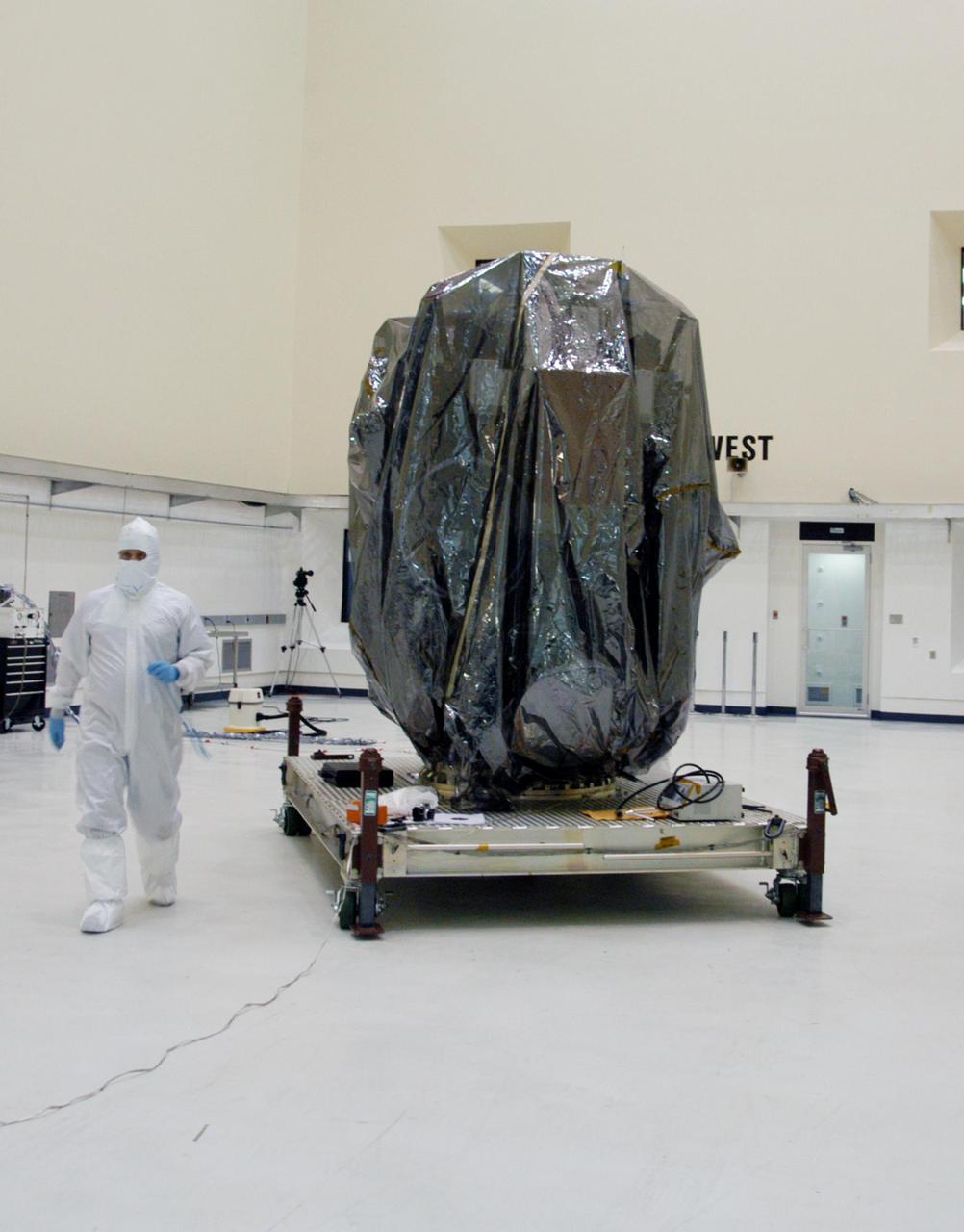
KENNEDY SPACE CENTER, FLA. -- In clean room C of Astrotech's Payload Processing Facility, a worker wears a "bunny suit," or clean-room attire, next to the Dawn spacecraft, which will be unbagged and undergo further processing. Dawn's mission is to explore two of the asteroid belt's most intriguing and dissimilar occupants: asteroid Vesta and the dwarf planet Ceres. The Dawn mission is managed by JPL, a division of the California Institute of Technology in Pasadena, for NASA's Science Mission Directorate in Washington, D.C. Photo credit: NASA/George Shelton
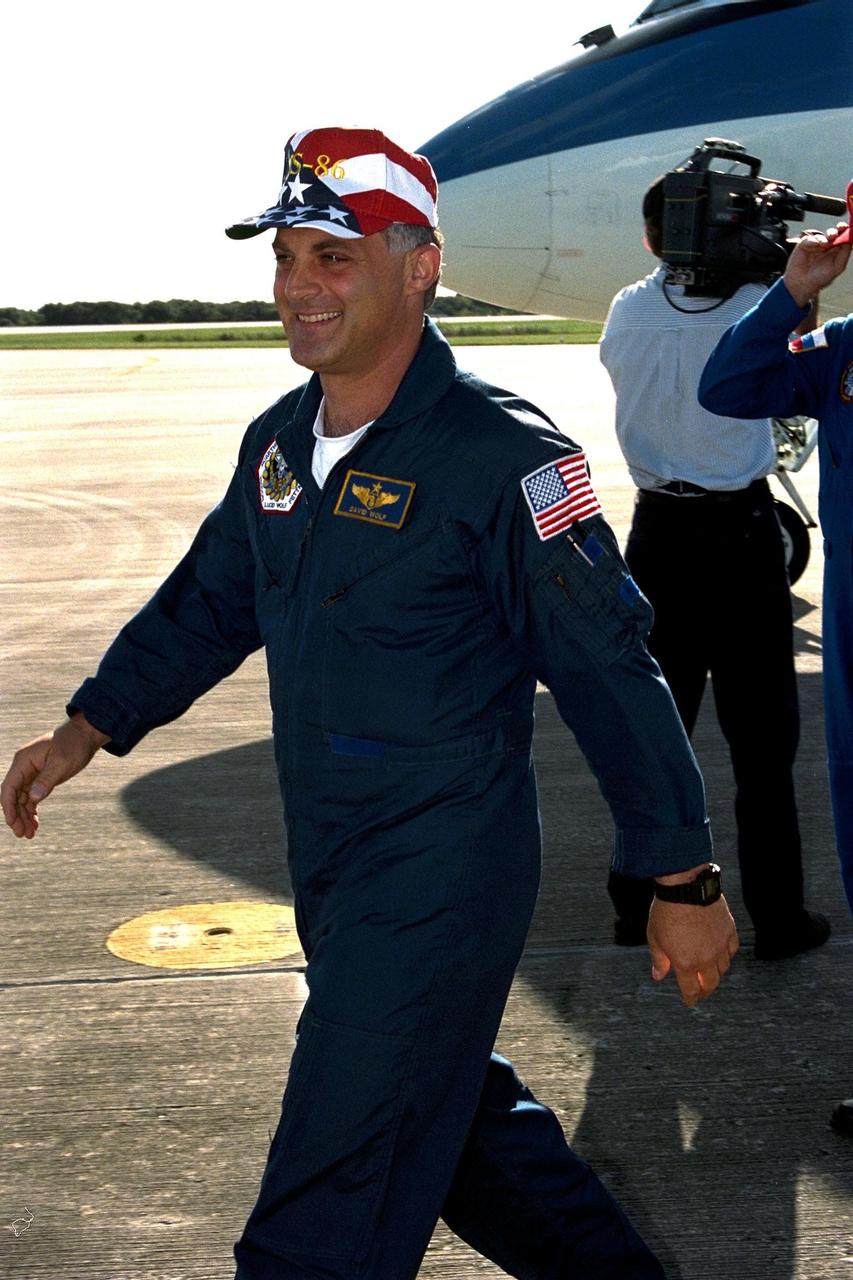
STS-86 Mission Specialist David A. Wolf, the next U.S. astronaut slated to live and work on the Russian Space Station Mir, is all smiles after his arrival at KSC’s Shuttle Landing Facility on Monday. Wolf is making his second spaceflight on STS-86, scheduled to be the seventh docking of the Shuttle with the Mir. After the docking, Wolf will transfer to the Mir for an approximate four-month stay. He replaces U.S. astronaut C. Michael Foale, who arrived at Mir in May and will return to Earth with the remainder of the STS-86 crew
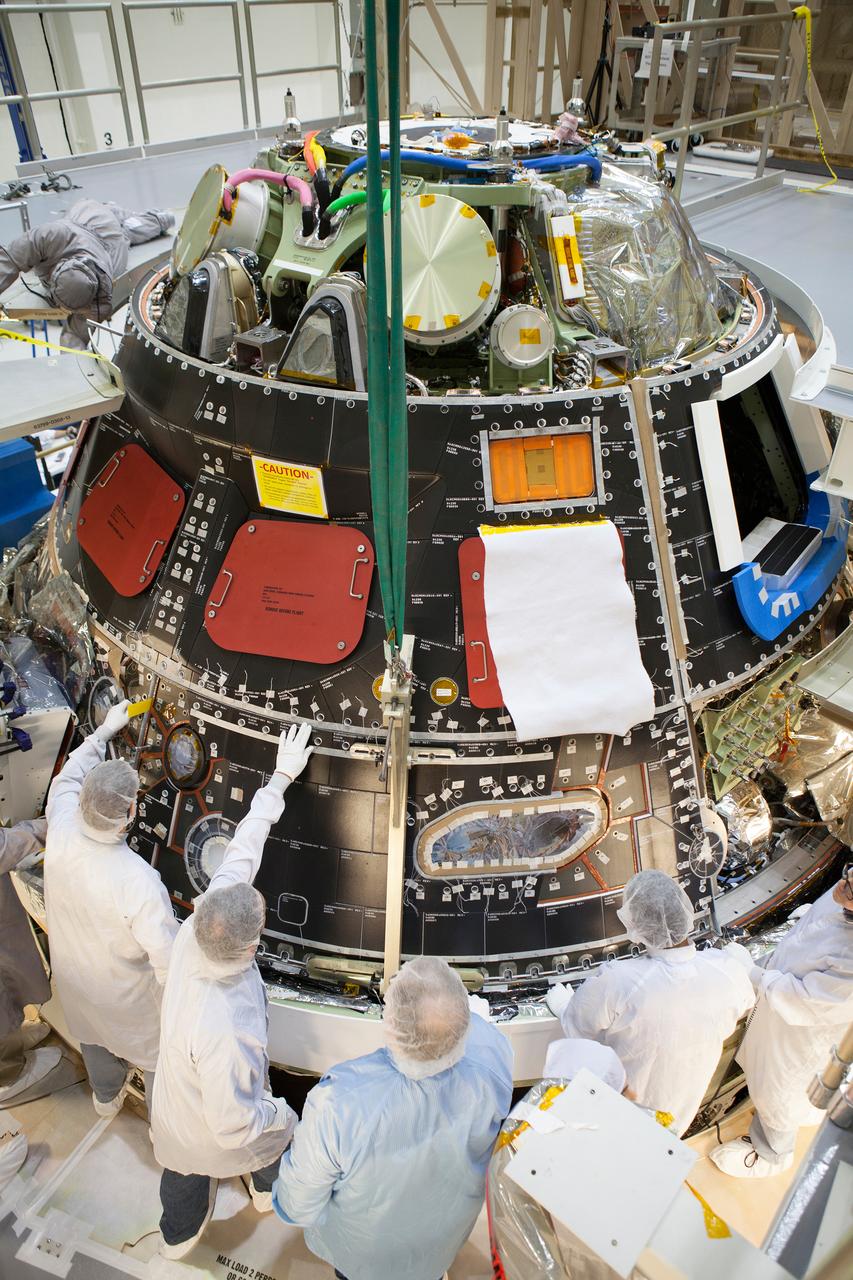
Inside the Operations and Checkout (O&C) Building high bay at NASA's Kennedy Space Center in Florida, technicians dressed in clean-room suits have installed a back shell tile panel onto the Orion Exploration Flight Test-1 (EFT-1) crew module and check the fit next to the middle back shell tile panel on Aug. 7, 2014. Part of Batch image transfer from Flickr.
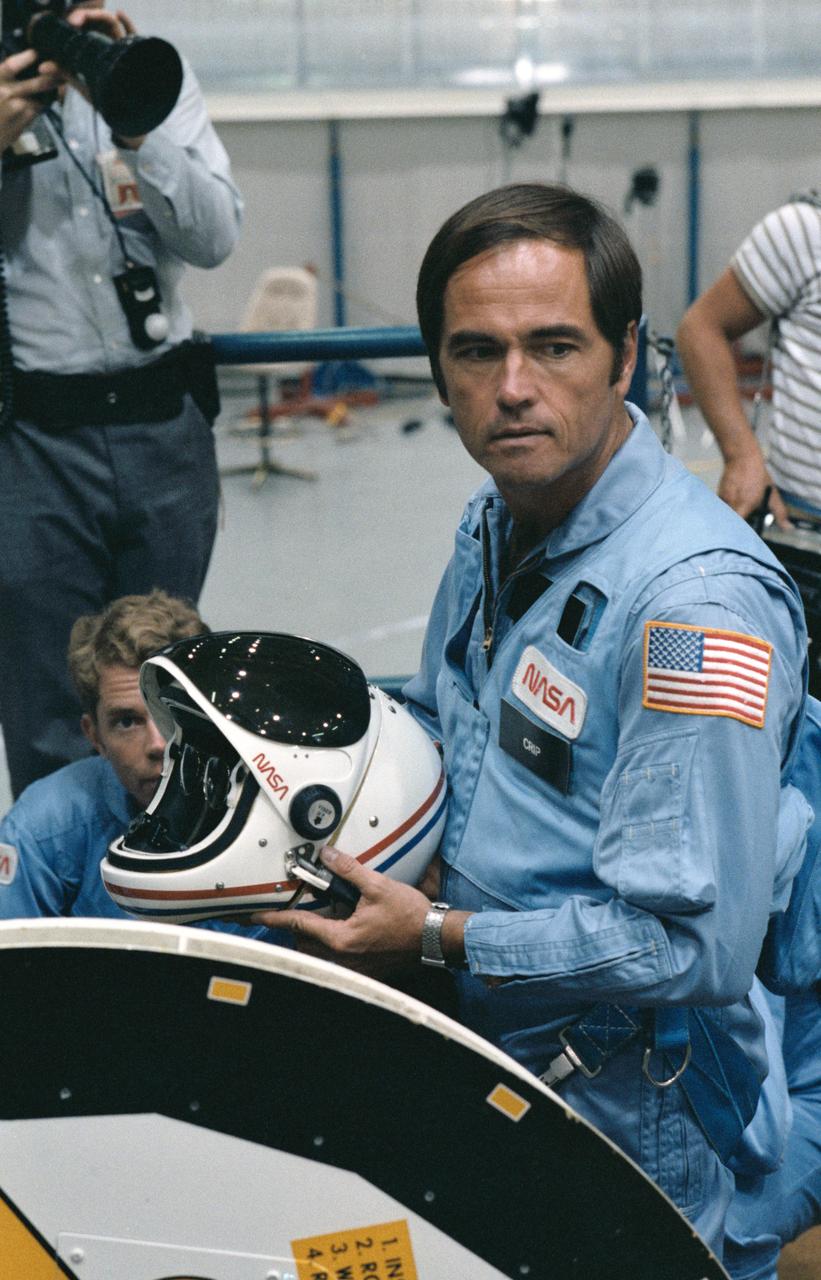
41D-3186 (4 Sept 1984) --- Astronaut Robert L. Crippen, 41-G crew commander, prepares to join his six fellow crewmembers for some training in the mockup and integration laboratory at the Johnson Space Center. Astronaut David C. Leestma, 41-G mission specialist, left, will participate in a scheduled extravehicular activity (EVA) on the Challenger's next mission. Today's training is for launch phase procedures.
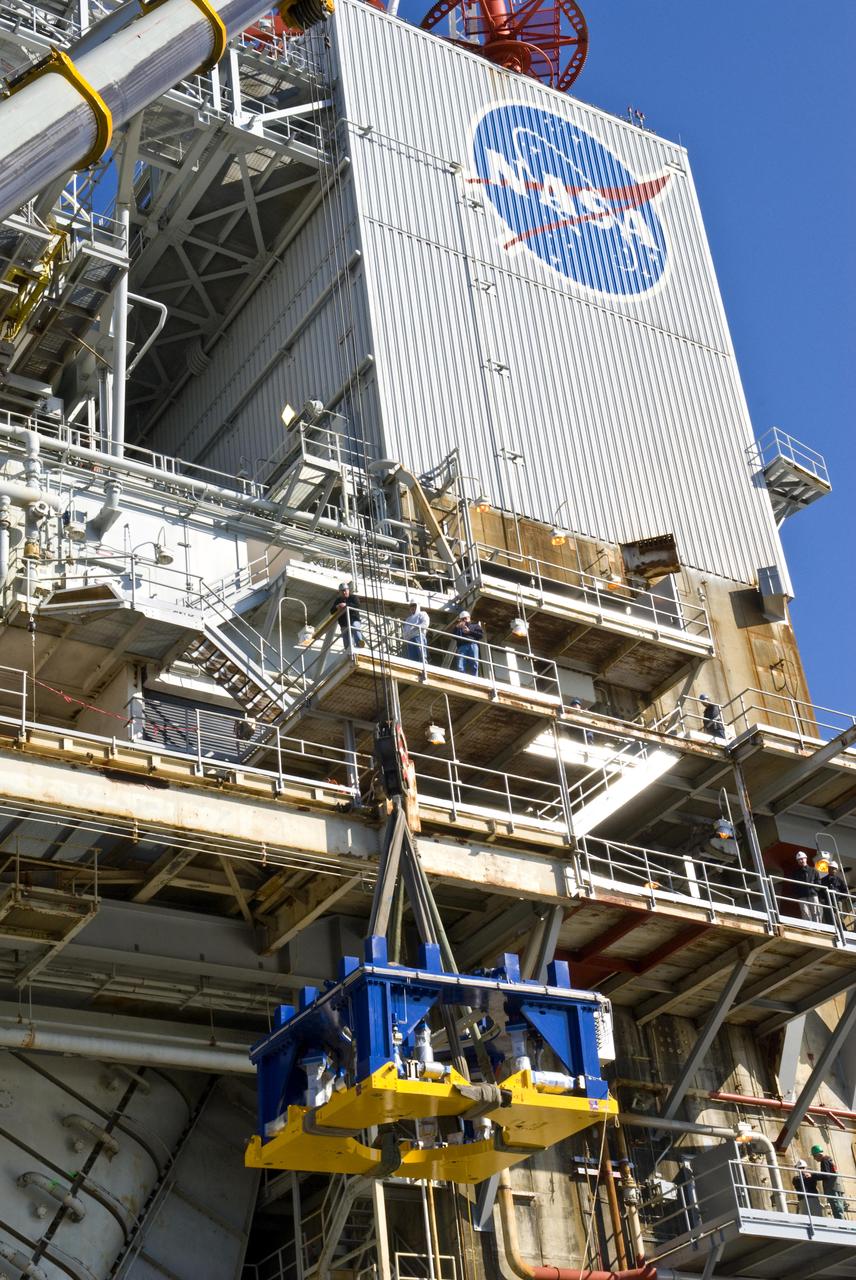
A new thrust measurement system is lifted onto the A-1 Test Stand deck at NASA's John C. Stennis Space Center in preparation for its installation. The new system is a state-of-the-art upgrade for the testing structure, which is being prepared for testing of next-generation rocket engines. The system was fabricated by Thrust Measurement Systems in Illinois at a cost of about $3.5 million.
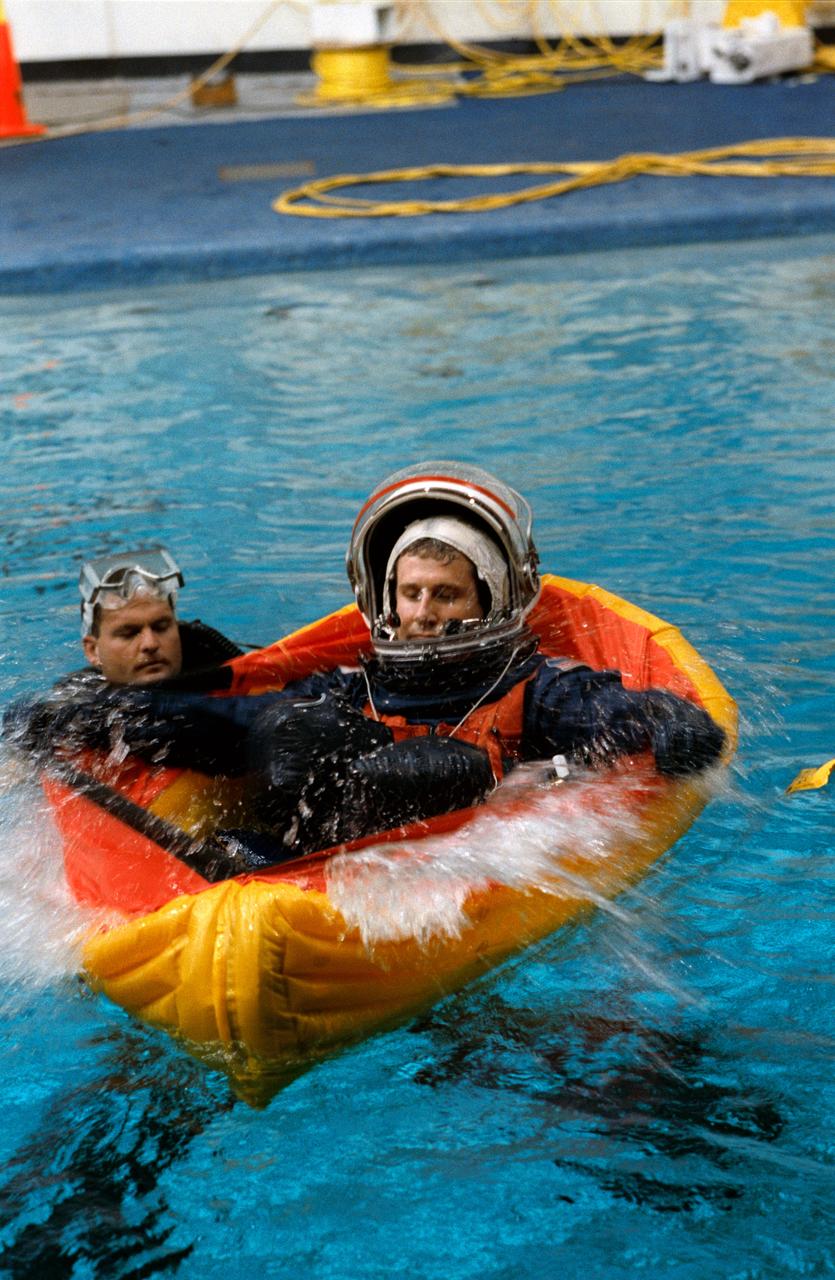
S93-43856 (7 Ssept 1993) --- Navigating a one person life raft, Jay C. Buckey, M.D., participates in emergency bailout training in the Johnson Space Center's (JSC) Weightless Environment Training Facility (WET-F). Dr. Buckey has been assigned as an alternate payload specialist for the Spacelab Life Sciences (SLS-2) mission scheduled for next month. Nearby is a SCUBA-equipped diver who assisted in the training exercises.
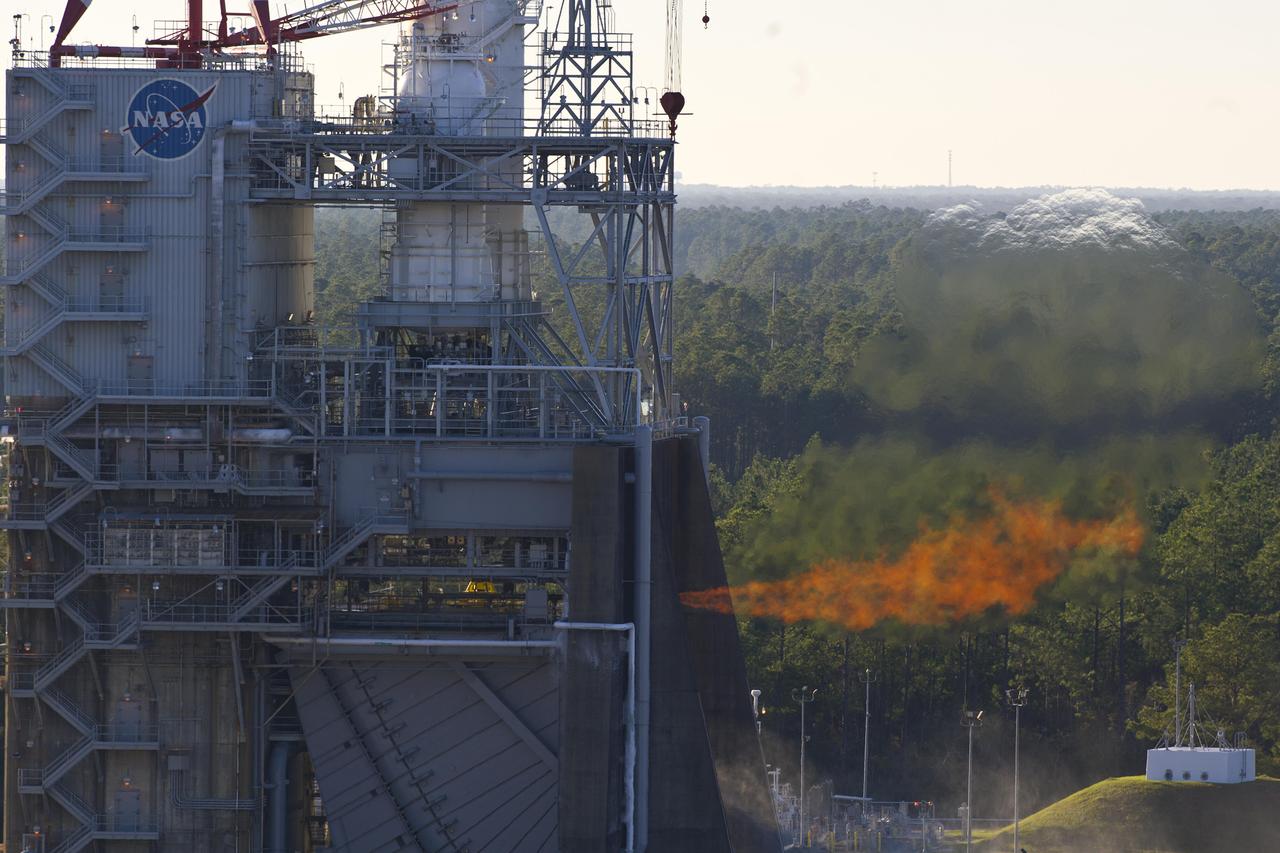
The J-2X powerpack assembly was fired up one last time on Dec. 13 at NASA's John C. Stennis Space Center in Mississippi, finishing a year of testing on an important component of America's next heavy-lift rocket. The powerpack assembly burned millions of pounds of propellants during a series of 13 tests during 2012 totaling more than an hour and a half.
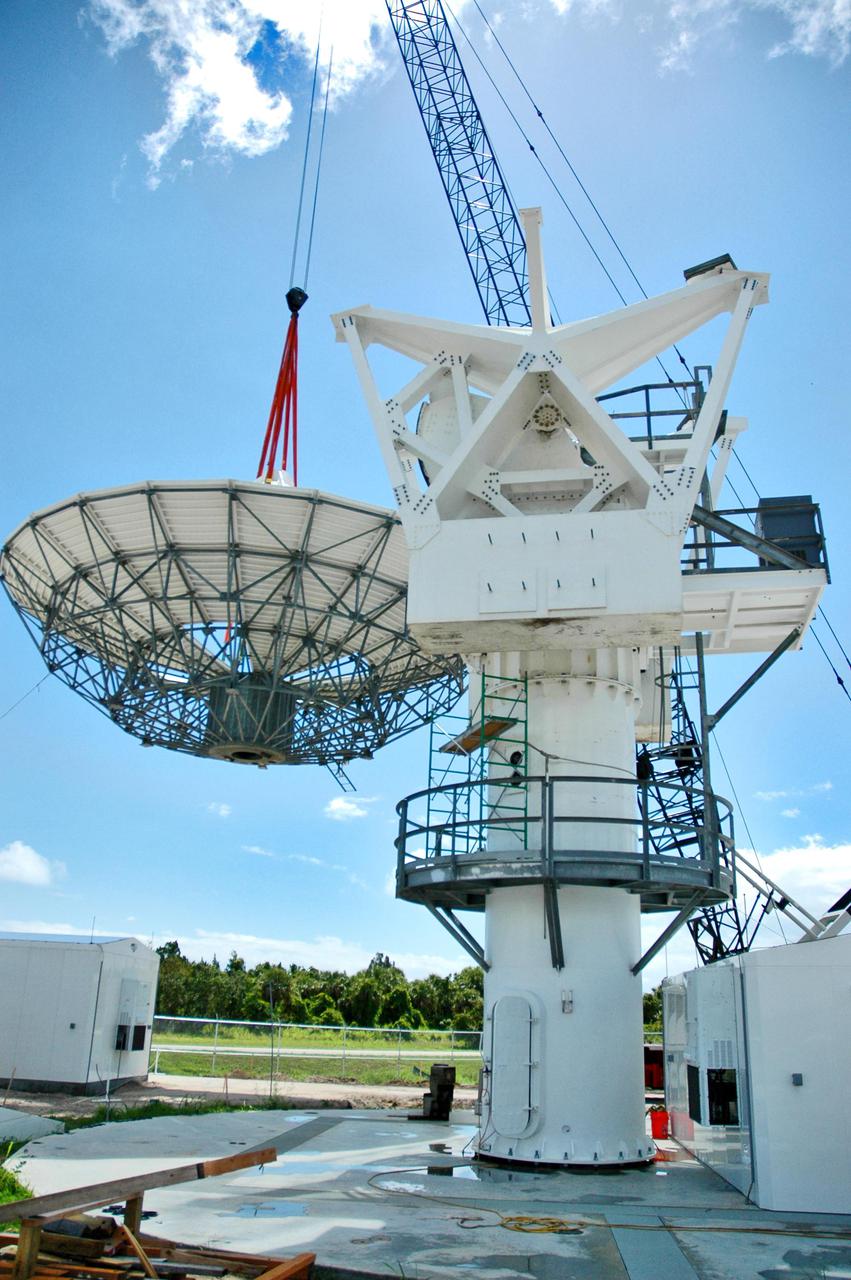
KENNEDY SPACE CENTER, FLA. - At a radar site on North Merritt Island, Fla., the 50-foot C-band radar antenna dish is lifted next to the support structure, where it will be installed on top. It will be placed onto the top of a support structure.The radar will be used for Shuttle missions to track the launches and observe possible debris coming from the Shuttle. It will be used for the first time on STS-114. The launch window for the first Return to Flight mission is July 13 to July 31.
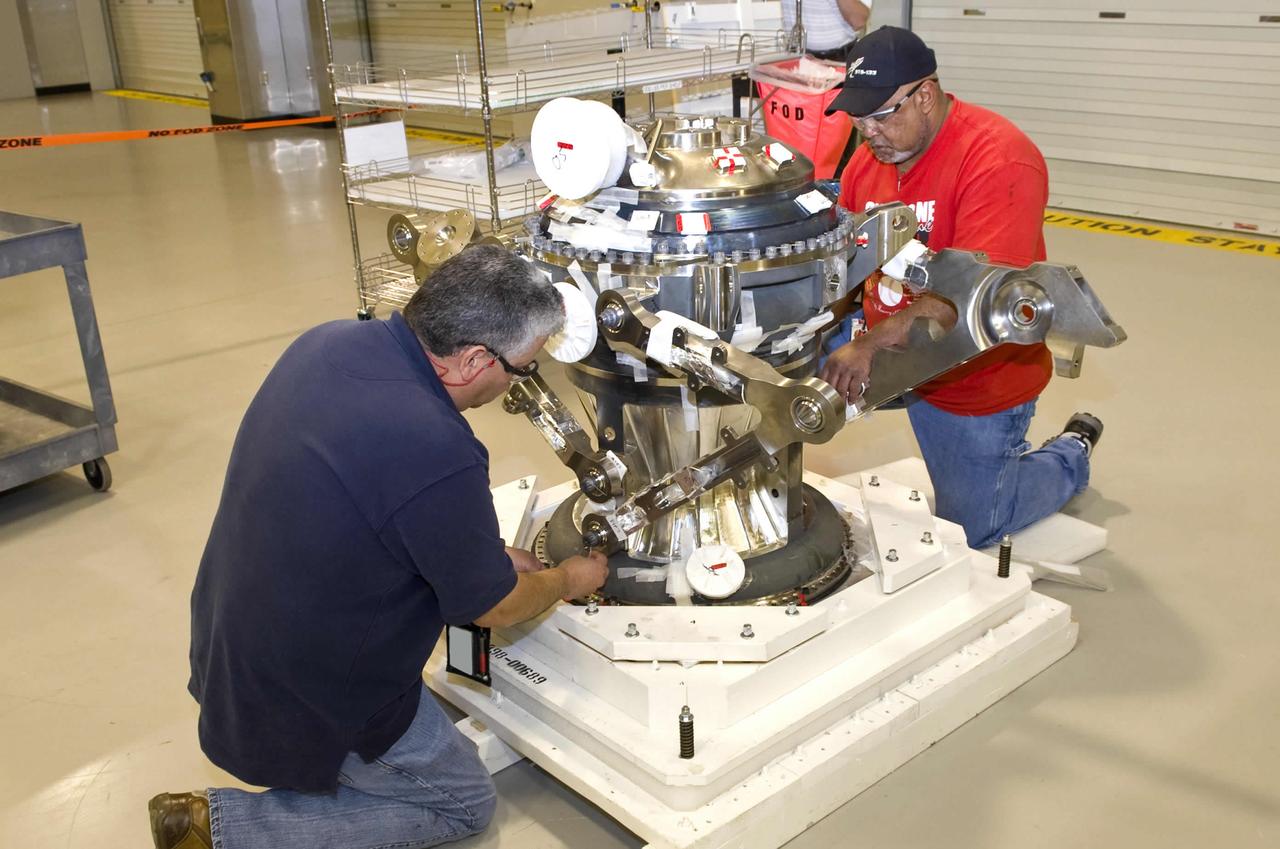
Pratt & Whitney Rocketdyne employees Carlos Alfaro (l) and Oliver Swanier work on the main combustion element of the J-2X rocket engine at their John C. Stennis Space Center facility. Assembly of the J-2X rocket engine to be tested at the site is under way, with completion and delivery to the A-2 Test Stand set for June. The J-2X is being developed as a next-generation engine that can carry humans into deep space. Stennis Space Center is preparing a trio of stands to test the new engine.
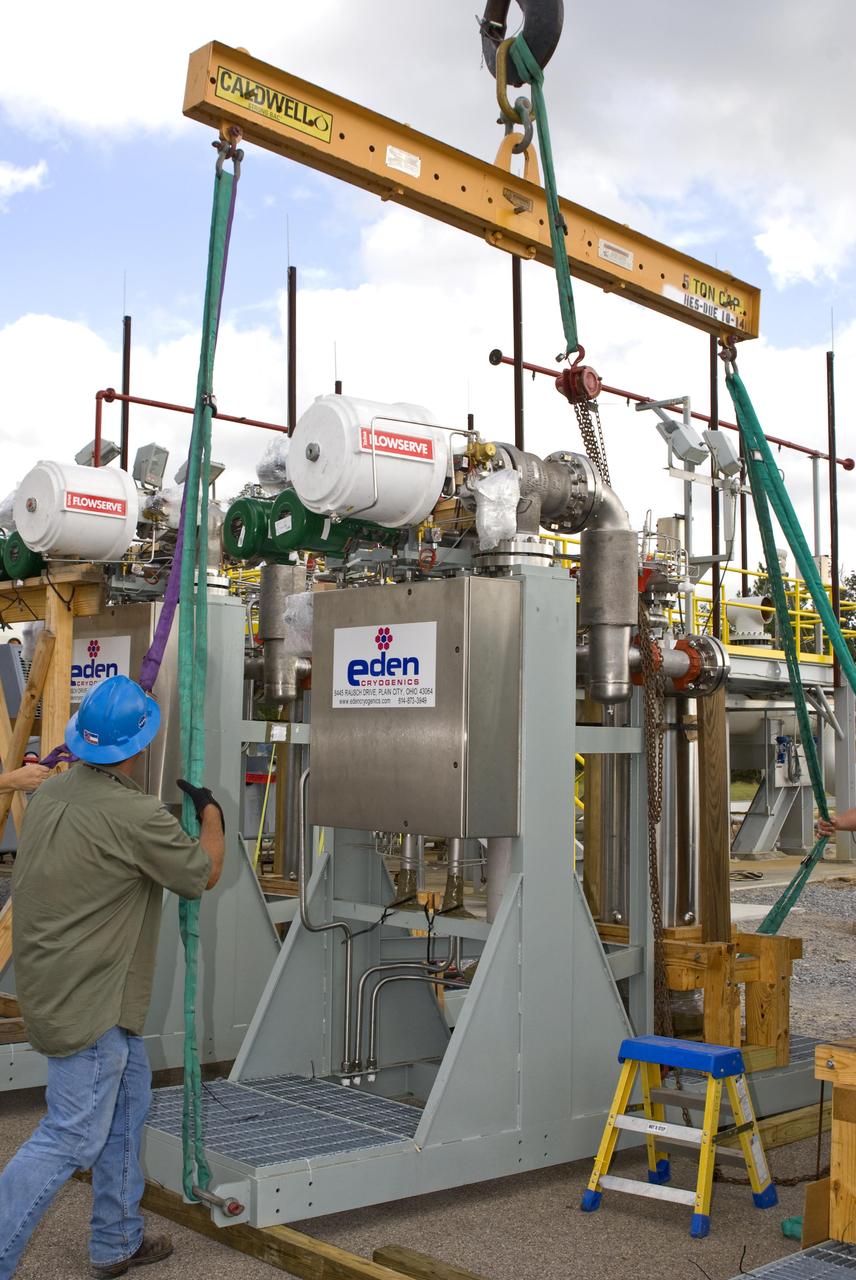
The first of nine chemical steam generator (CSG) units that will be used on the A-3 Test Stand is prepared for installation Oct. 24, 2010, at John C. Stennis Space Center. The unit was installed at the E-2 Test Stand for verification and validation testing before it is moved to the A-3 stand. Steam generated by the nine CSG units that will be installed on the A-3 stand will create a vacuum that allows Stennis operators to test next-generation rocket engines at simulated altitudes up to 100,000 feet.
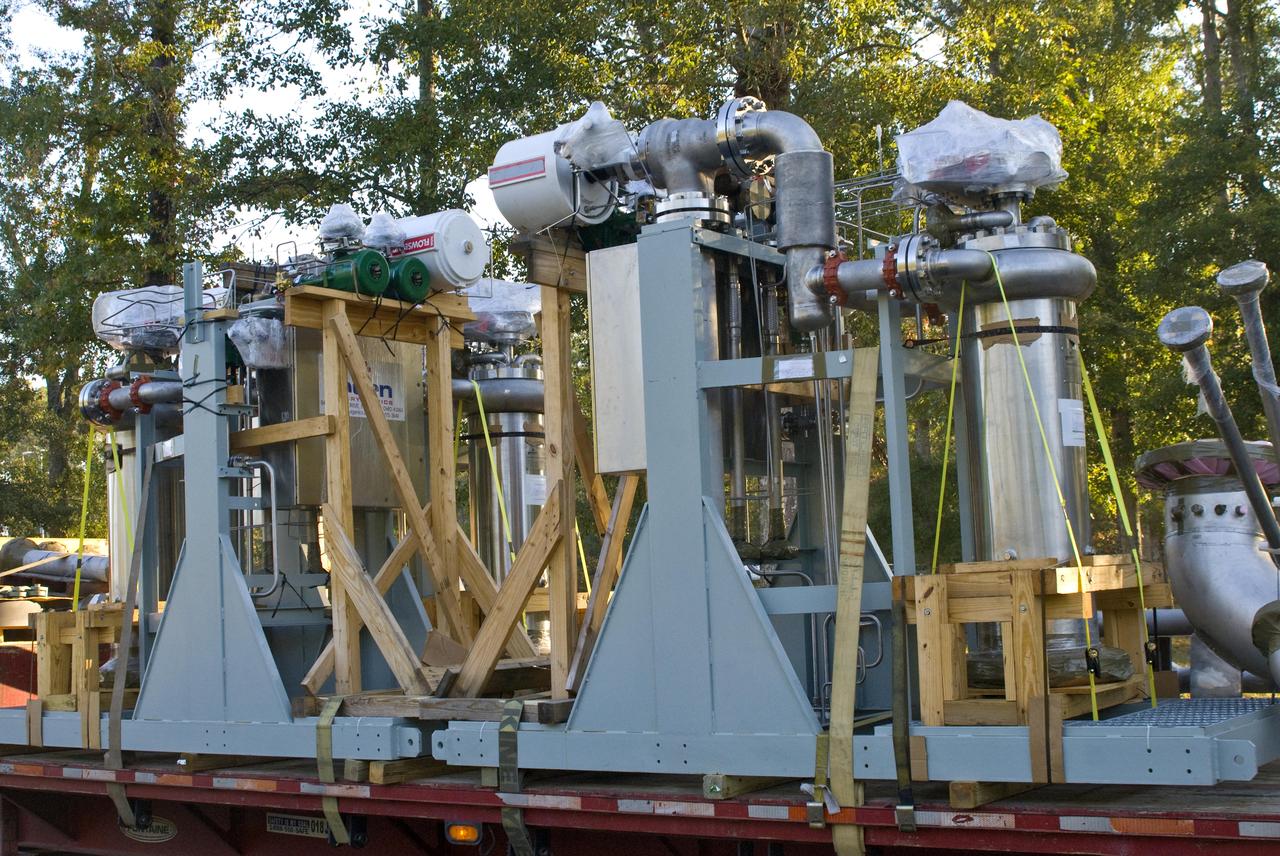
The first of nine chemical steam generator (CSG) units that will be used on the A-3 Test Stand arrived at John. C. Stennis Space Center on Oct. 22, 2010. The unit was installed at the E-2 Test Stand for verification and validation testing before it is moved to the A-3 stand. Steam generated by the nine CSG units that will be installed on the A-3 stand will create a vacuum that allows Stennis operators to test next-generation rocket engines at simulated altitudes up to 100,000 feet.
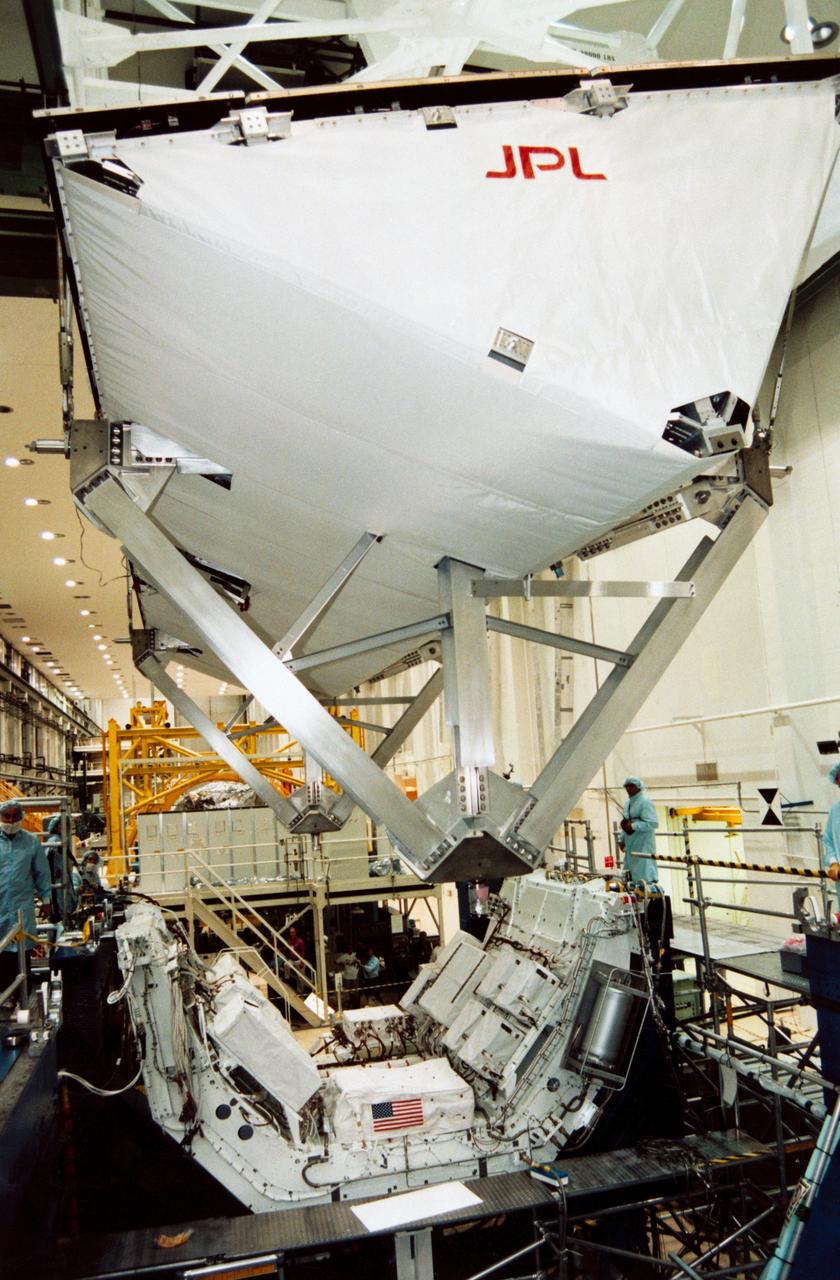
S94-30393 (23 Nov 1993) --- In the south level IV stand of the Operations and Checkout Building low bay, the Space Radar Laboratory -1 (SRL-1) antenna is being placed atop a pallet which holds the antenna electronics. SRL-1 is scheduled to fly on Space Shuttle mission STS-59 next year. It is comprised of two different imaging radars, the Spaceborne Imaging Radar-C (SIR-C) and the X-band Synthetic Aperture Radar (X-SAR). These radars are the most advanced of their kind to fly in space to date, and will allow scientists to make highly detailed studies of the Earth's surface on a global scale. An Interface Verification Test of the antenna and a Mission Sequence Test will be performed on the fully assembled SRL-1 later this month.
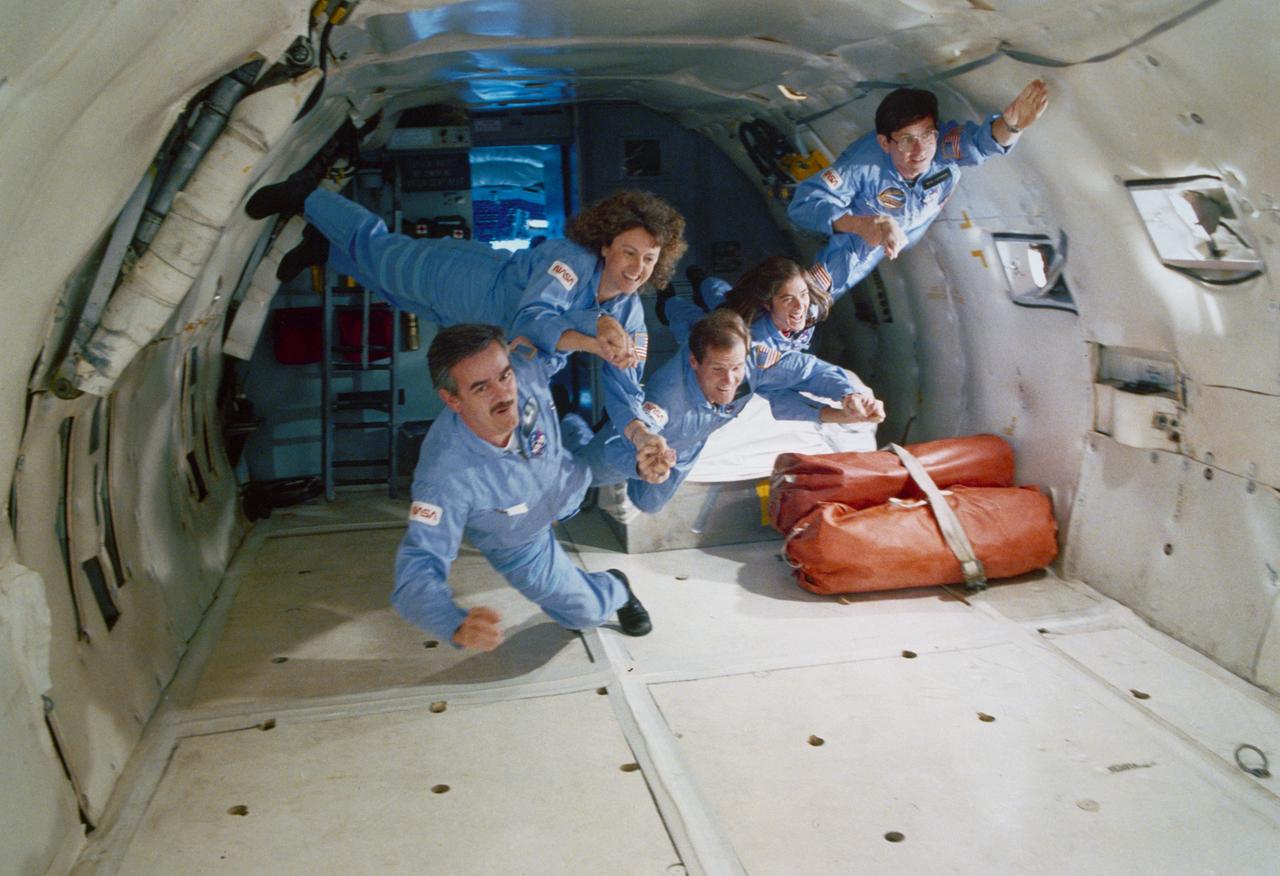
S85-44835 (20 Nov. 1985) --- This flying human chain represents prime and backup payload specialists for two upcoming STS missions. The group, representing trainees for STS-61C later this year and STS-51L early next year, shared some 40 parabolas in NASA?s KSC-135, ?Zero-G? aircraft on Nov. 20. Left to right are Gerard Magilton, RCA backup payload specialist for STS-61C; Sharon Christa McAuliffe, payload specialist/teacher citizen observer for STS-51L; U.S. Rep. Bill Nelson (D., Florida), scheduled for 61-C; Barbara R. Morgan, backup to McAuliffe; and Robert J. Cenker, RCA payload specialist for 61-C. The photo was taken by Keith Meyers, New York Times. Photo credit: NASA
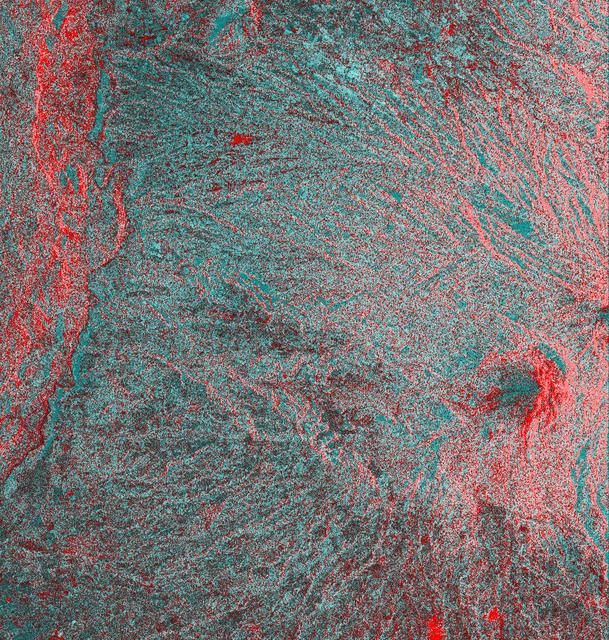
This is an image of the Colima volcano in Jalisco, Mexico, a vigorously active volcano that erupted as recently as July 1994. The eruption partially destroyed a lava dome at the summit and deposited a new layer of ash on the volcano's southern slopes. Surrounding communities face a continuing threat of ash falls and volcanic mudflows from the volcano, which has been designated one of 15 high-risk volcanoes for scientific study during the next decade. This image was acquired by the Spaceborne Imaging Radar-C and X-band Synthetic Aperture Radar (SIR-C/X-SAR) aboard the space shuttle Endeavour on its 24th orbit on October 1, 1994. The image is centered at 19.4 degrees north latitude, 103.7 degrees west longitude. The area shown is approximately 35.7 kilometers by 37.5 kilometers (22 miles by 23 miles). This single-frequency, multi-polarized SIR-C image shows: red as L-band horizontally transmitted and received; green as L-band horizontally transmitted and vertically received; and blue as the ratio of the two channels. The summit area appears orange and the recent deposits fill the valleys along the south and southwest slopes. Observations from space are helping scientists understand the behavior of dangerous volcanoes and will be used to mitigate the effects of future eruptions on surrounding populations. http://photojournal.jpl.nasa.gov/catalog/PIA01739
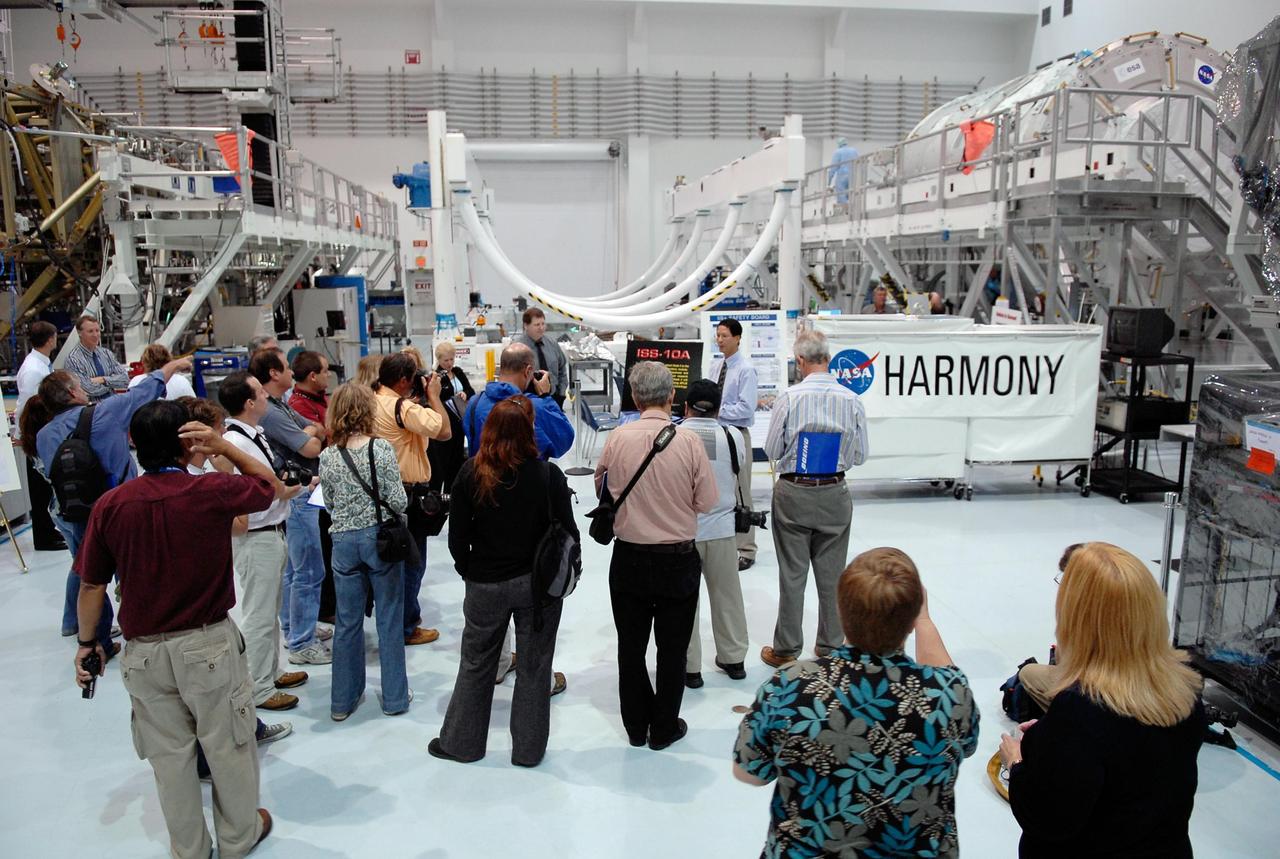
KENNEDY SPACE CENTER, FLA. -- A media event at NASA's Kennedy Space Center highlighted the next piece to be added to the International Space Station, the Italian-built Node-2 module, known as Harmony. In the background next to the poster is Glenn C. Chin, mission manager for International Space Station and Spacecraft Processing, who talks to reporters about processing of the Harmony module. Harmony will launch aboard space shuttle Discovery on mission STS-120, targeted for launch Oct. 23. The module is scheduled to be transferred at the end of the month to Launch Pad 39A, in preparation for its journey to the station. Harmony is approximately 21 feet long and 14 feet in diameter. It will act as an internal connecting port and passageway to additional international science labs and cargo spacecraft. The pressurized module will increase the living and working space inside the station and serve as a work platform outside for the station's robotic arm. Photo credit: NASA/Kim Shiflett
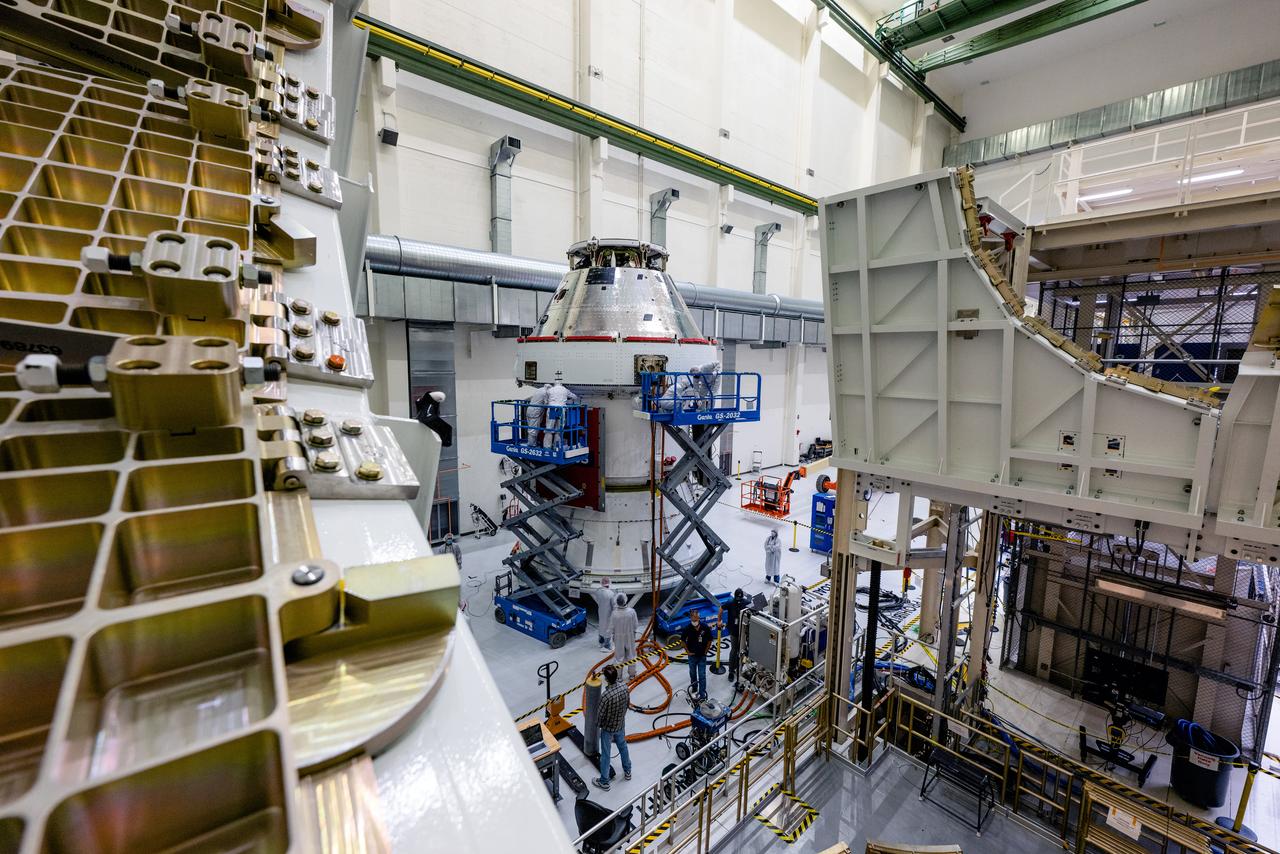
In the Operations and Checkout Building (O&C) at Kennedy Space Center, three spacecraft adapter jettison (SAJ) fairings are prepared for installation and will be moved into place by technicians with Lockheed Martin, lead contractor for Orion on Oct. 12, 2020. They will be secured around the spacecraft, encapsulating the European Service Module to protect it from the harsh environment as the spacecraft is propelled out of Earth’s atmosphere atop the Space Launch System (SLS) rocket during NASA’s Artemis I mission. The next time the solar array wings will be visible will be when Orion is in space. Artemis I will test the Orion spacecraft and SLS as an integrated system ahead of crewed flights to the Moon.
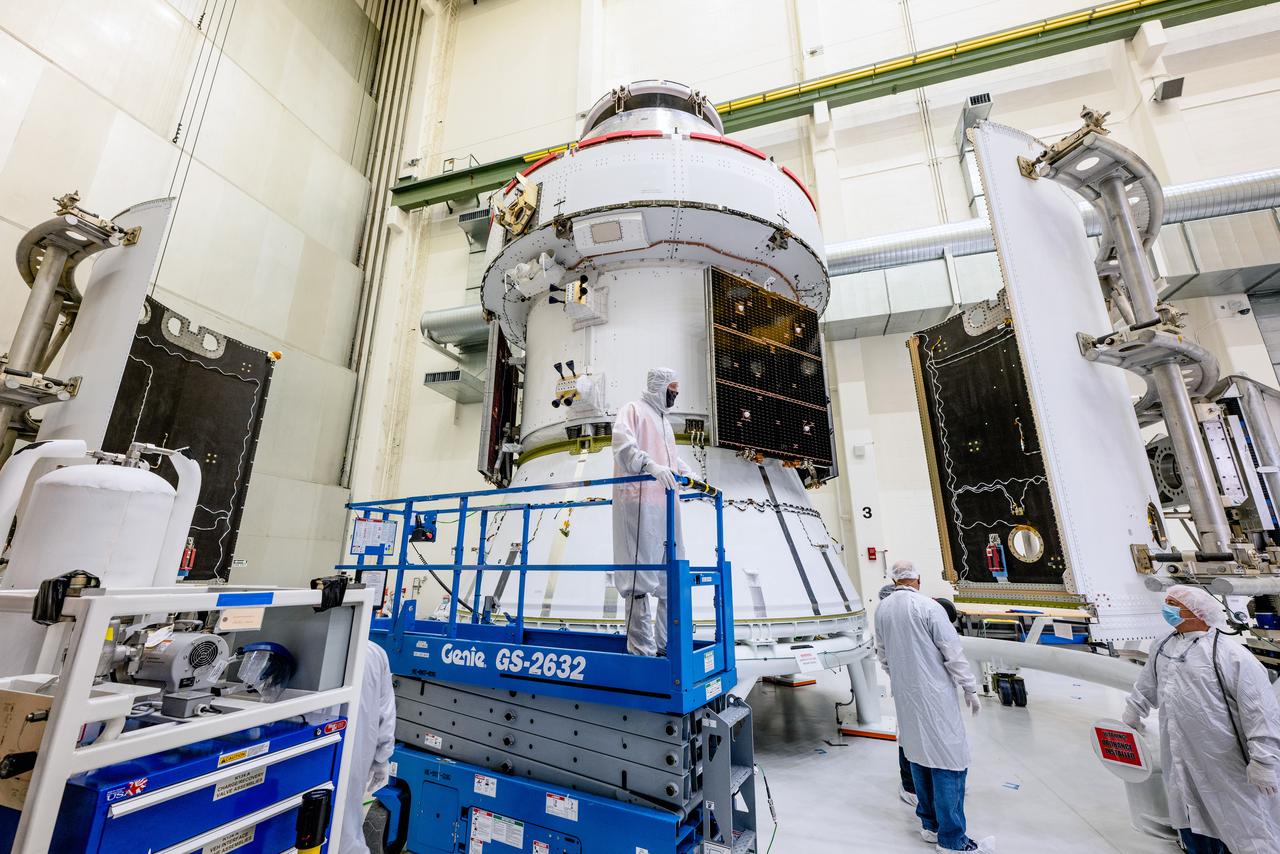
In the Operations and Checkout Building (O&C) at Kennedy Space Center, three spacecraft adapter jettison (SAJ) fairings are prepared for installation and will be moved into place by technicians with Lockheed Martin, lead contractor for Orion on Oct. 12, 2020. They will be secured around the spacecraft, encapsulating the European Service Module to protect it from the harsh environment as the spacecraft is propelled out of Earth’s atmosphere atop the Space Launch System (SLS) rocket during NASA’s Artemis I mission. The next time the solar array wings will be visible will be when Orion is in space. Artemis I will test the Orion spacecraft and SLS as an integrated system ahead of crewed flights to the Moon.
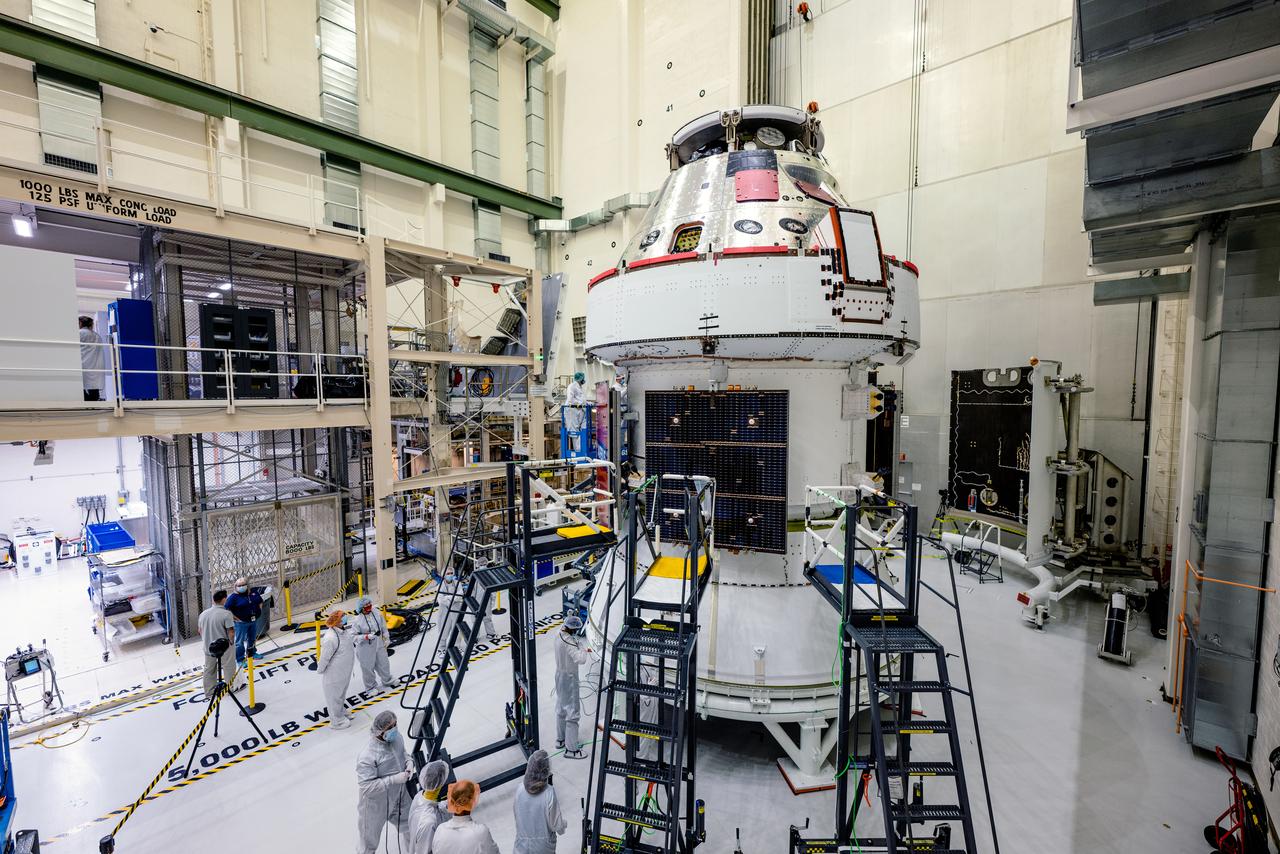
In the Operations and Checkout Building (O&C) at Kennedy Space Center, three spacecraft adapter jettison (SAJ) fairings are prepared for installation and will be moved into place by technicians with Lockheed Martin, lead contractor for Orion on Oct. 12, 2020. They will be secured around the spacecraft, encapsulating the European Service Module to protect it from the harsh environment as the spacecraft is propelled out of Earth’s atmosphere atop the Space Launch System (SLS) rocket during NASA’s Artemis I mission. The next time the solar array wings will be visible will be when Orion is in space. Artemis I will test the Orion spacecraft and SLS as an integrated system ahead of crewed flights to the Moon.
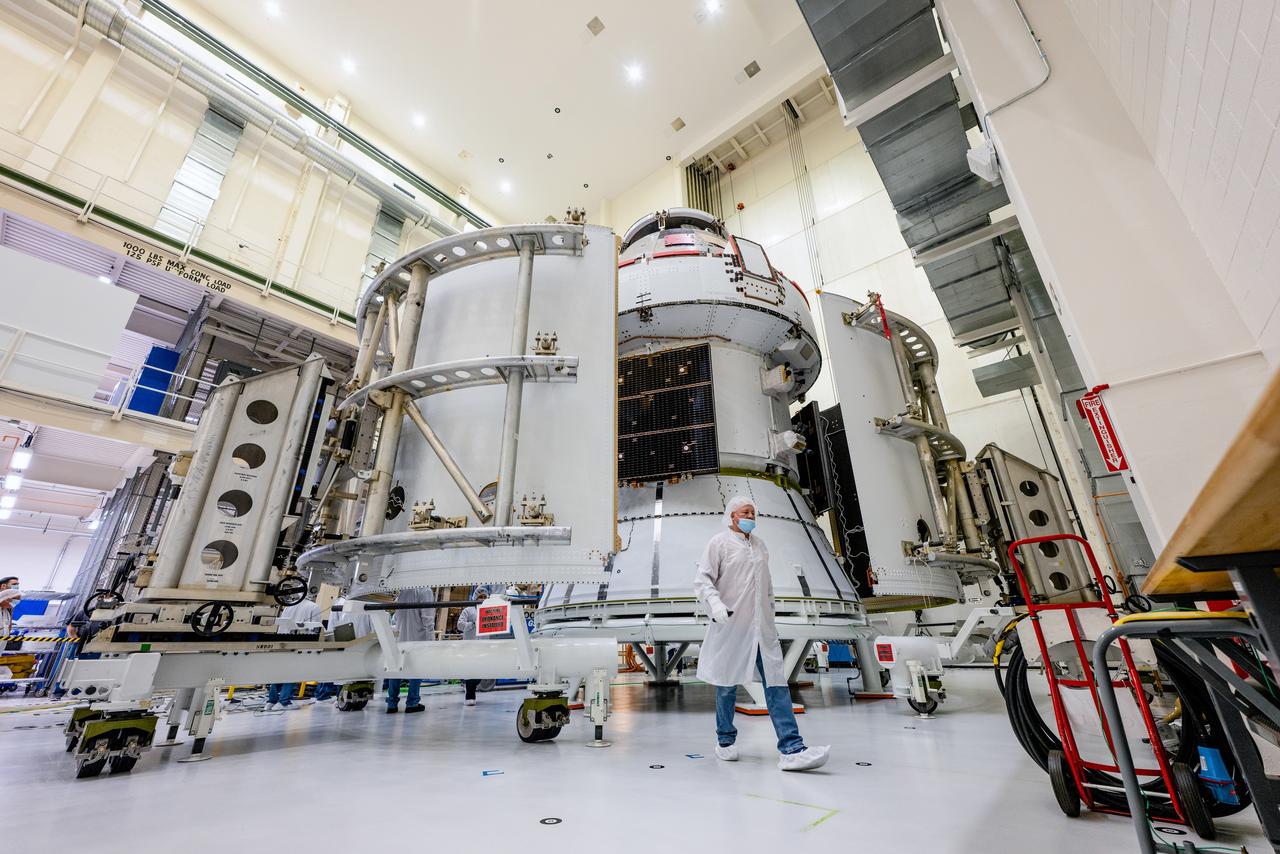
In the Operations and Checkout Building (O&C) at Kennedy Space Center, three spacecraft adapter jettison (SAJ) fairings are prepared for installation and will be moved into place by technicians with Lockheed Martin, lead contractor for Orion on Oct. 12, 2020. They will be secured around the spacecraft, encapsulating the European Service Module to protect it from the harsh environment as the spacecraft is propelled out of Earth’s atmosphere atop the Space Launch System (SLS) rocket during NASA’s Artemis I mission. The next time the solar array wings will be visible will be when Orion is in space. Artemis I will test the Orion spacecraft and SLS as an integrated system ahead of crewed flights to the Moon.
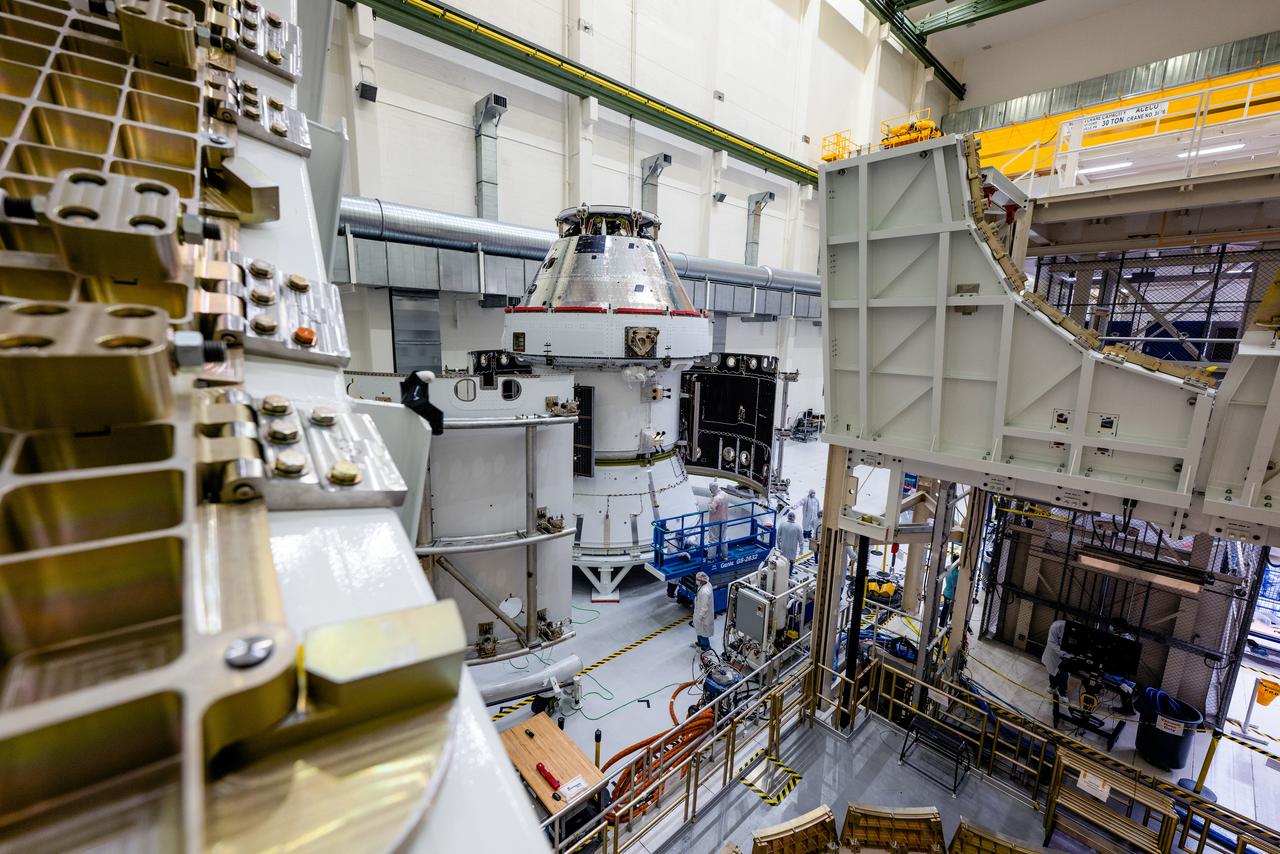
In the Operations and Checkout Building (O&C) at Kennedy Space Center, three spacecraft adapter jettison (SAJ) fairings are prepared for installation and will be moved into place by technicians with Lockheed Martin, lead contractor for Orion on Oct. 12, 2020. They will be secured around the spacecraft, encapsulating the European Service Module to protect it from the harsh environment as the spacecraft is propelled out of Earth’s atmosphere atop the Space Launch System (SLS) rocket during NASA’s Artemis I mission. The next time the solar array wings will be visible will be when Orion is in space. Artemis I will test the Orion spacecraft and SLS as an integrated system ahead of crewed flights to the Moon.
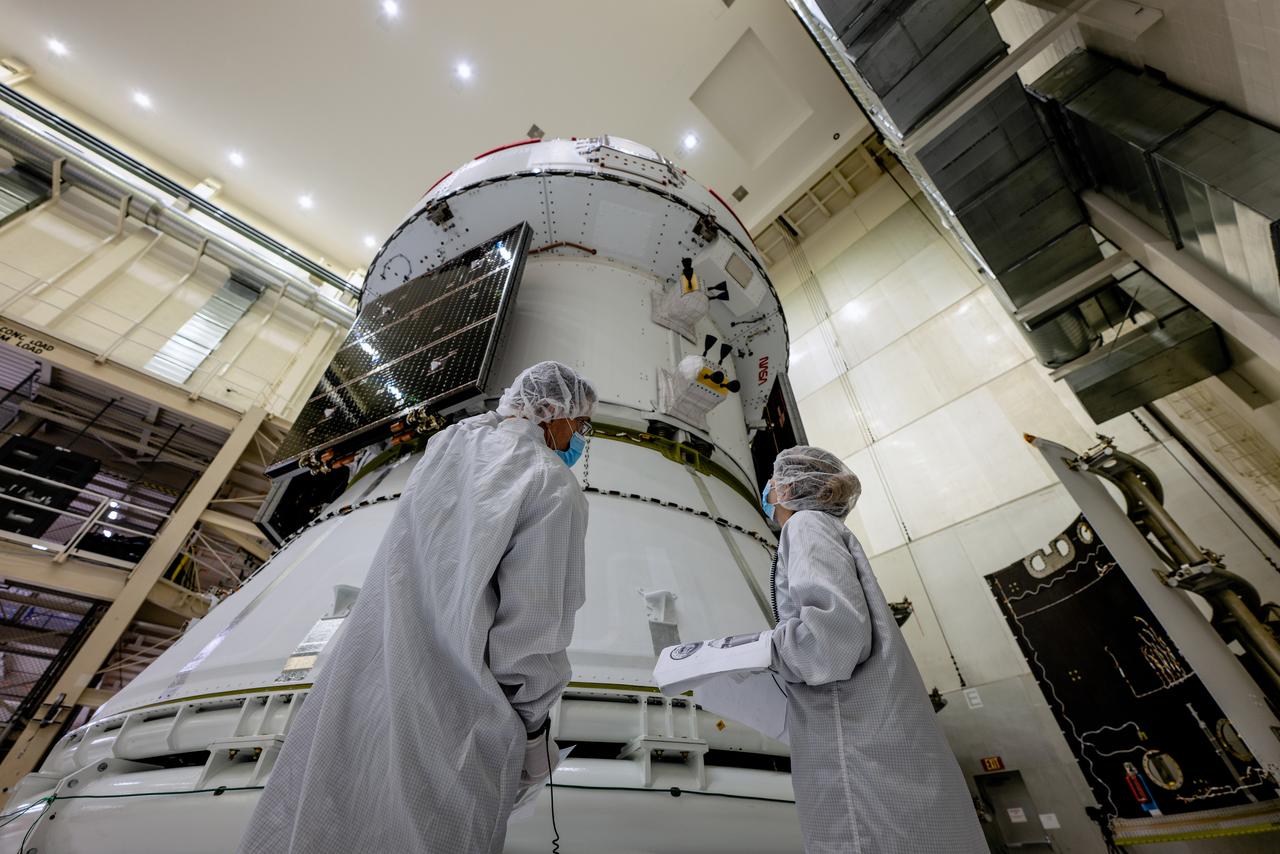
In the Operations and Checkout Building (O&C) at Kennedy Space Center, three spacecraft adapter jettison (SAJ) fairings are prepared for installation and will be moved into place by technicians with Lockheed Martin, lead contractor for Orion on Oct. 12, 2020. They will be secured around the spacecraft, encapsulating the European Service Module to protect it from the harsh environment as the spacecraft is propelled out of Earth’s atmosphere atop the Space Launch System (SLS) rocket during NASA’s Artemis I mission. The next time the solar array wings will be visible will be when Orion is in space. Artemis I will test the Orion spacecraft and SLS as an integrated system ahead of crewed flights to the Moon.
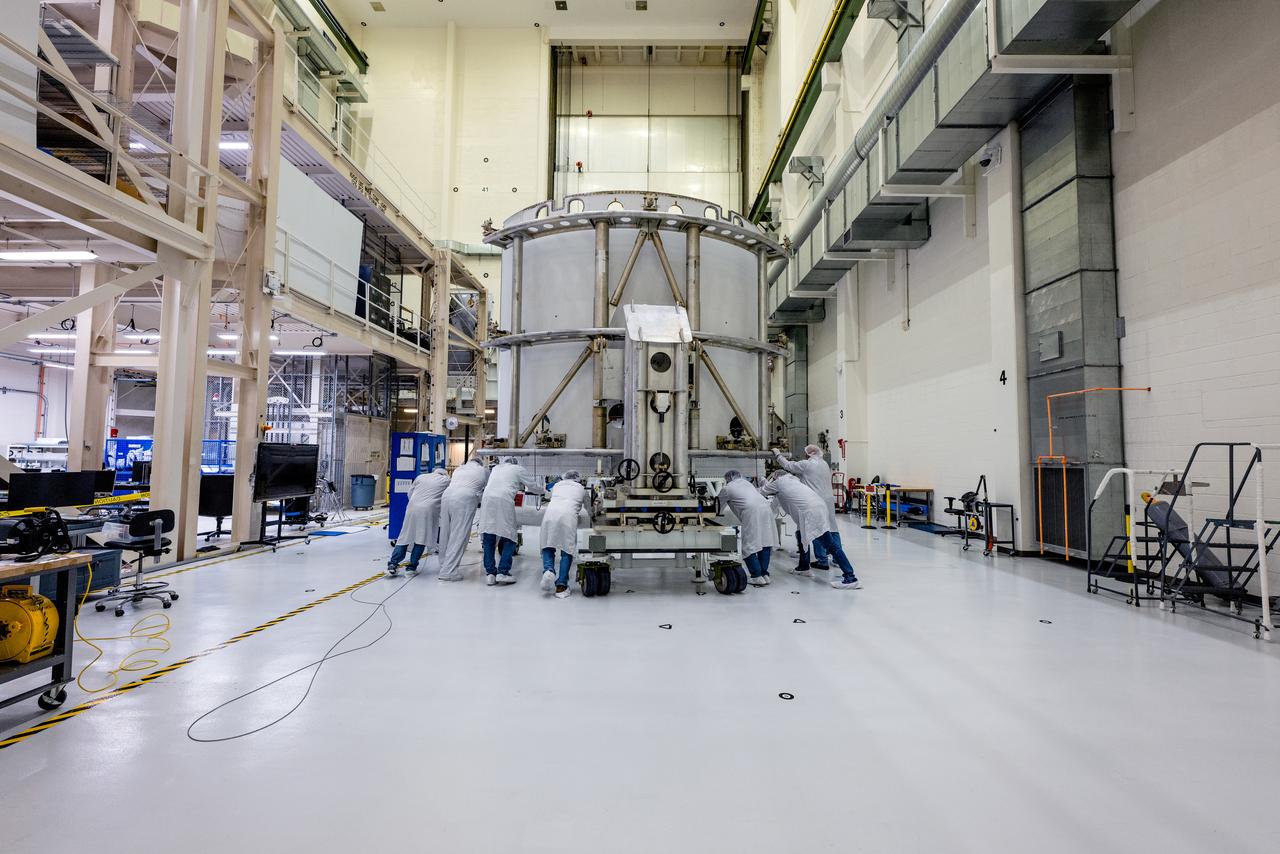
In the Operations and Checkout Building (O&C) at Kennedy Space Center, three spacecraft adapter jettison (SAJ) fairings are prepared for installation and will be moved into place by technicians with Lockheed Martin, lead contractor for Orion on Oct. 12, 2020. They will be secured around the spacecraft, encapsulating the European Service Module to protect it from the harsh environment as the spacecraft is propelled out of Earth’s atmosphere atop the Space Launch System (SLS) rocket during NASA’s Artemis I mission. The next time the solar array wings will be visible will be when Orion is in space. Artemis I will test the Orion spacecraft and SLS as an integrated system ahead of crewed flights to the Moon.
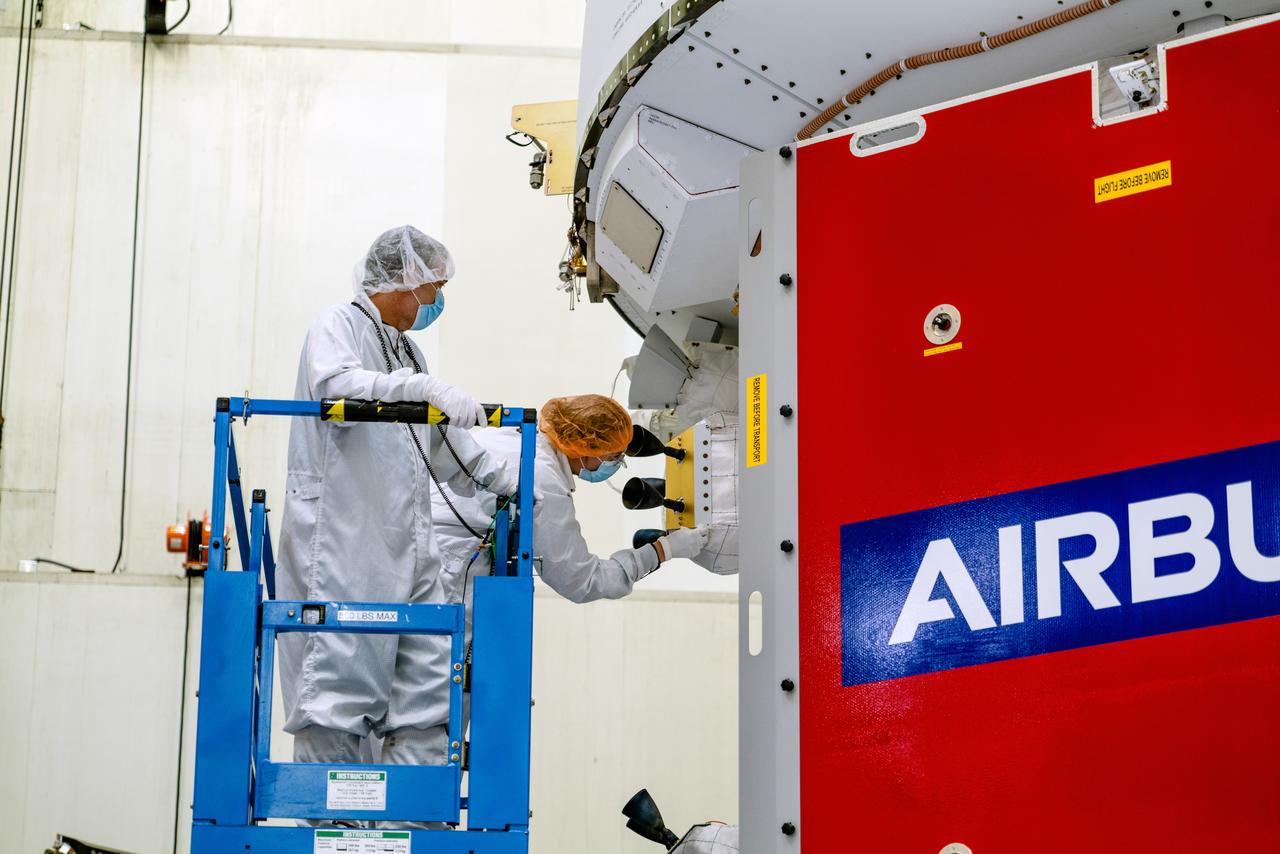
In the Operations and Checkout Building (O&C) at Kennedy Space Center, three spacecraft adapter jettison (SAJ) fairings are prepared for installation and will be moved into place by technicians with Lockheed Martin, lead contractor for Orion on Oct. 12, 2020. They will be secured around the spacecraft, encapsulating the European Service Module to protect it from the harsh environment as the spacecraft is propelled out of Earth’s atmosphere atop the Space Launch System (SLS) rocket during NASA’s Artemis I mission. The next time the solar array wings will be visible will be when Orion is in space. Artemis I will test the Orion spacecraft and SLS as an integrated system ahead of crewed flights to the Moon.
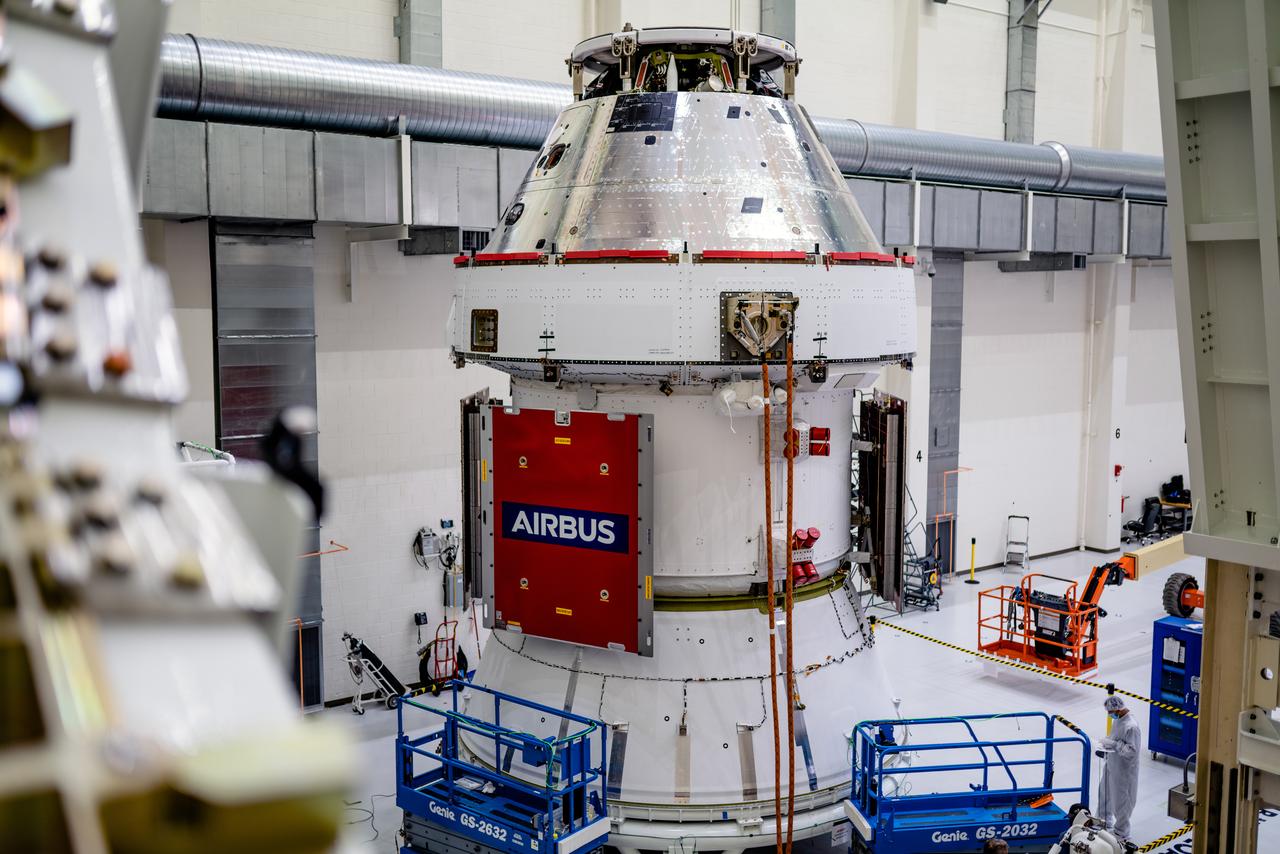
In the Operations and Checkout Building (O&C) at Kennedy Space Center, three spacecraft adapter jettison (SAJ) fairings are prepared for installation and will be moved into place by technicians with Lockheed Martin, lead contractor for Orion on Oct. 12, 2020. They will be secured around the spacecraft, encapsulating the European Service Module to protect it from the harsh environment as the spacecraft is propelled out of Earth’s atmosphere atop the Space Launch System (SLS) rocket during NASA’s Artemis I mission. The next time the solar array wings will be visible will be when Orion is in space. Artemis I will test the Orion spacecraft and SLS as an integrated system ahead of crewed flights to the Moon.
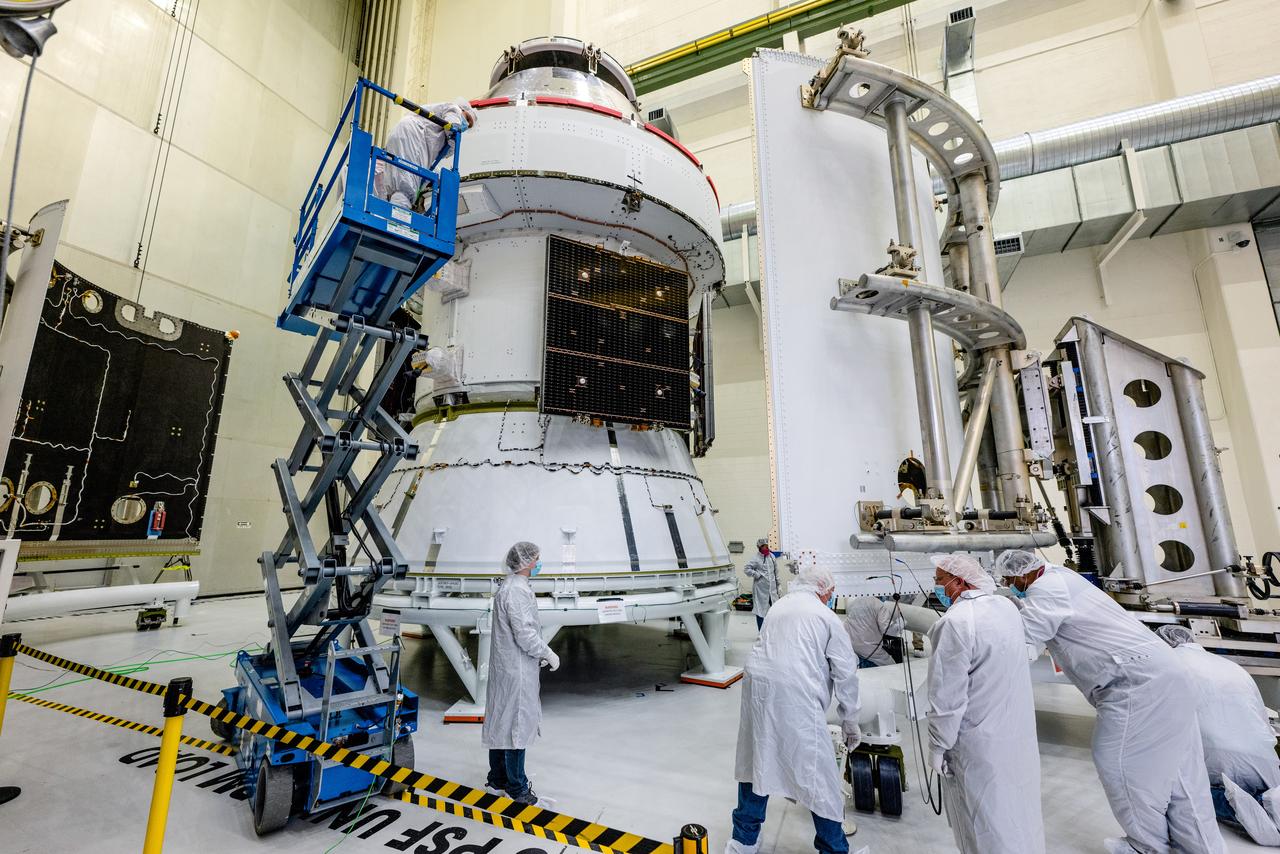
In the Operations and Checkout Building (O&C) at Kennedy Space Center, three spacecraft adapter jettison (SAJ) fairings are prepared for installation and will be moved into place by technicians with Lockheed Martin, lead contractor for Orion on Oct. 12, 2020. They will be secured around the spacecraft, encapsulating the European Service Module to protect it from the harsh environment as the spacecraft is propelled out of Earth’s atmosphere atop the Space Launch System (SLS) rocket during NASA’s Artemis I mission. The next time the solar array wings will be visible will be when Orion is in space. Artemis I will test the Orion spacecraft and SLS as an integrated system ahead of crewed flights to the Moon.
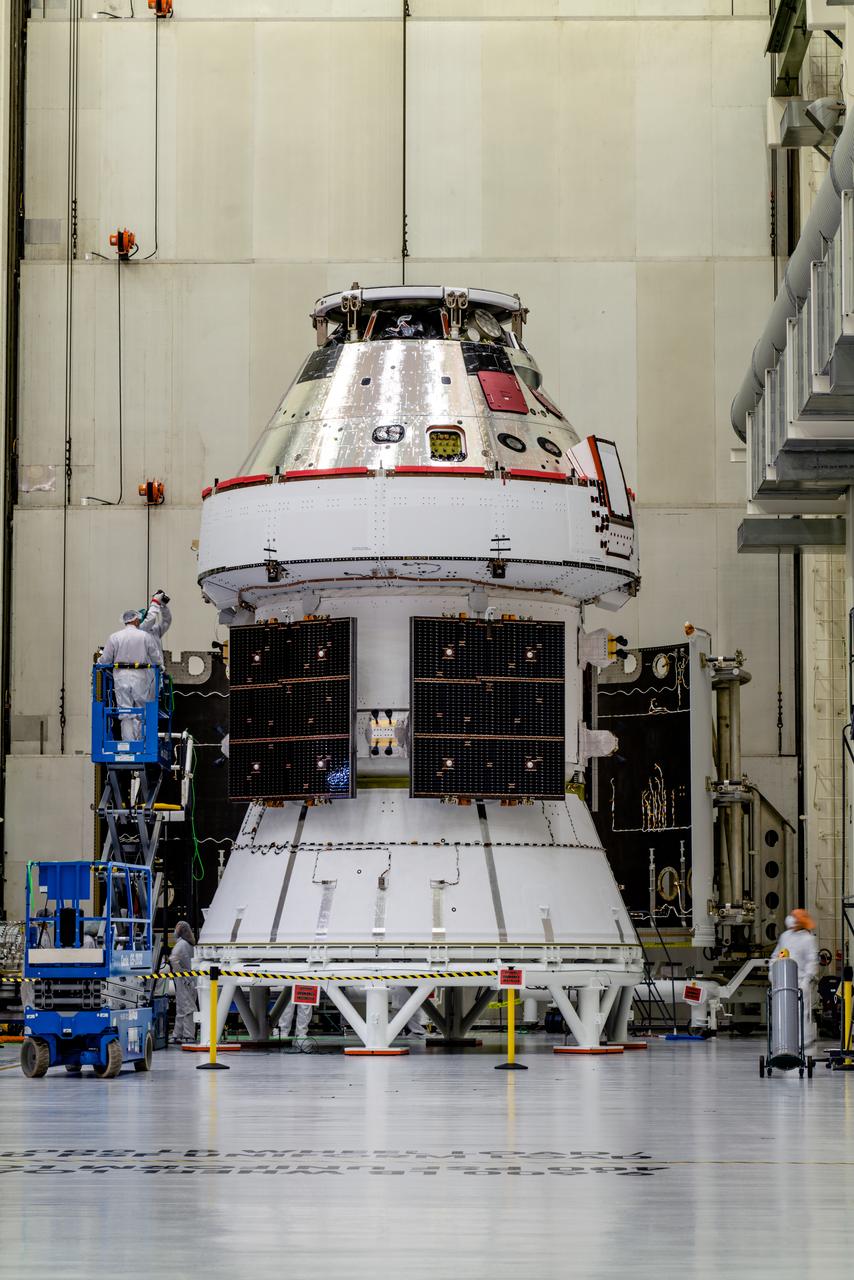
In the Operations and Checkout Building (O&C) at Kennedy Space Center, three spacecraft adapter jettison (SAJ) fairings are prepared for installation and will be moved into place by technicians with Lockheed Martin, lead contractor for Orion on Oct. 12, 2020. They will be secured around the spacecraft, encapsulating the European Service Module to protect it from the harsh environment as the spacecraft is propelled out of Earth’s atmosphere atop the Space Launch System (SLS) rocket during NASA’s Artemis I mission. The next time the solar array wings will be visible will be when Orion is in space. Artemis I will test the Orion spacecraft and SLS as an integrated system ahead of crewed flights to the Moon.
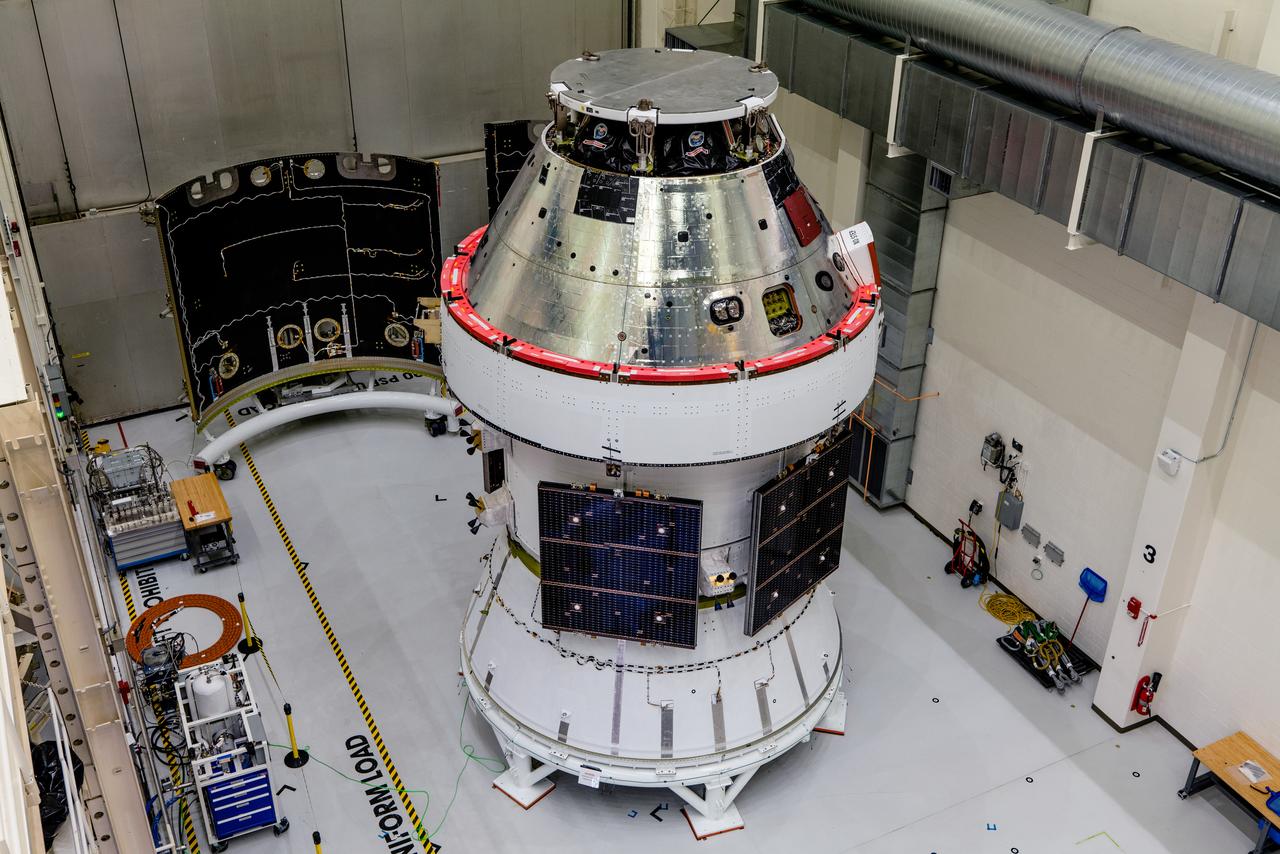
In the Operations and Checkout Building (O&C) at Kennedy Space Center, three spacecraft adapter jettison (SAJ) fairings are prepared for installation and will be moved into place by technicians with Lockheed Martin, lead contractor for Orion on Oct. 12, 2020. They will be secured around the spacecraft, encapsulating the European Service Module to protect it from the harsh environment as the spacecraft is propelled out of Earth’s atmosphere atop the Space Launch System (SLS) rocket during NASA’s Artemis I mission. The next time the solar array wings will be visible will be when Orion is in space. Artemis I will test the Orion spacecraft and SLS as an integrated system ahead of crewed flights to the Moon.
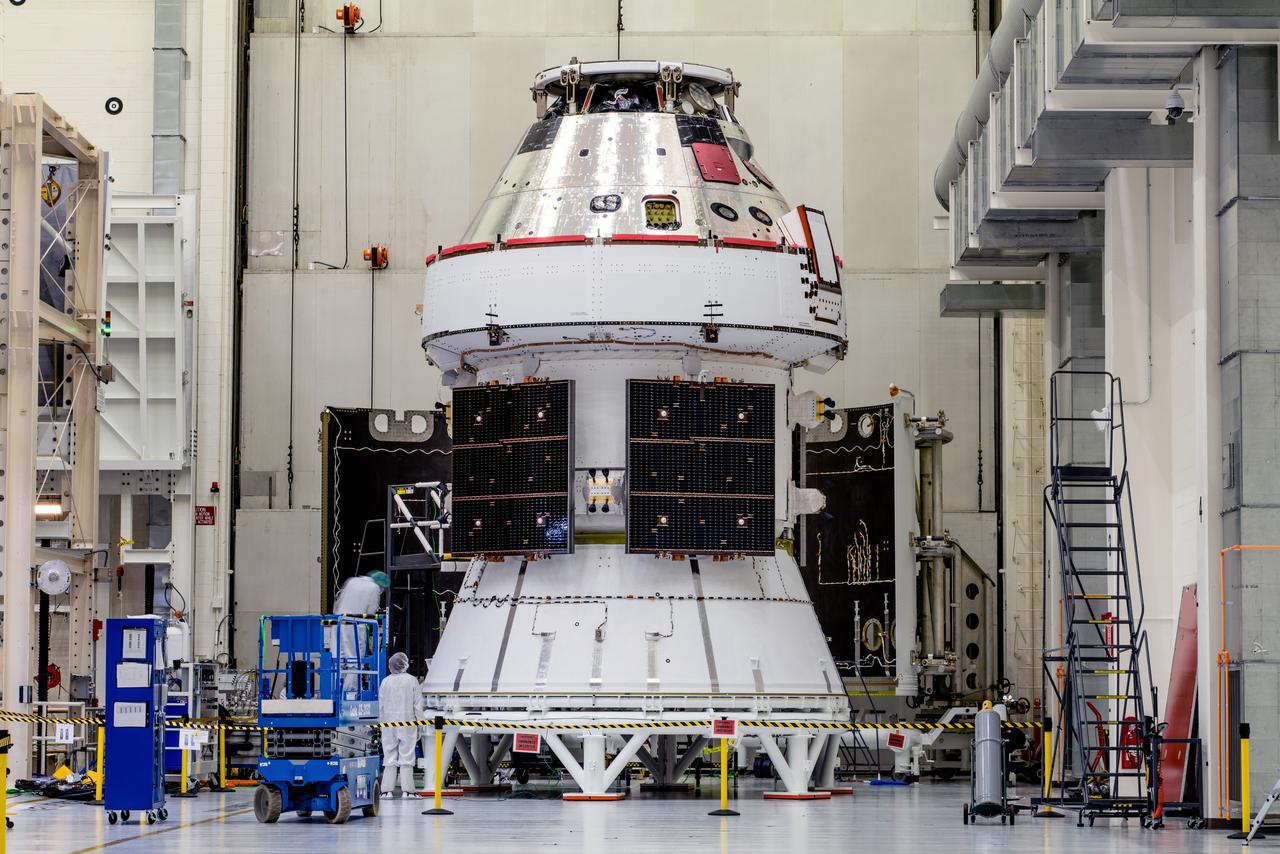
In the Operations and Checkout Building (O&C) at Kennedy Space Center, three spacecraft adapter jettison (SAJ) fairings are prepared for installation and will be moved into place by technicians with Lockheed Martin, lead contractor for Orion on Oct. 12, 2020. They will be secured around the spacecraft, encapsulating the European Service Module to protect it from the harsh environment as the spacecraft is propelled out of Earth’s atmosphere atop the Space Launch System (SLS) rocket during NASA’s Artemis I mission. The next time the solar array wings will be visible will be when Orion is in space. Artemis I will test the Orion spacecraft and SLS as an integrated system ahead of crewed flights to the Moon.
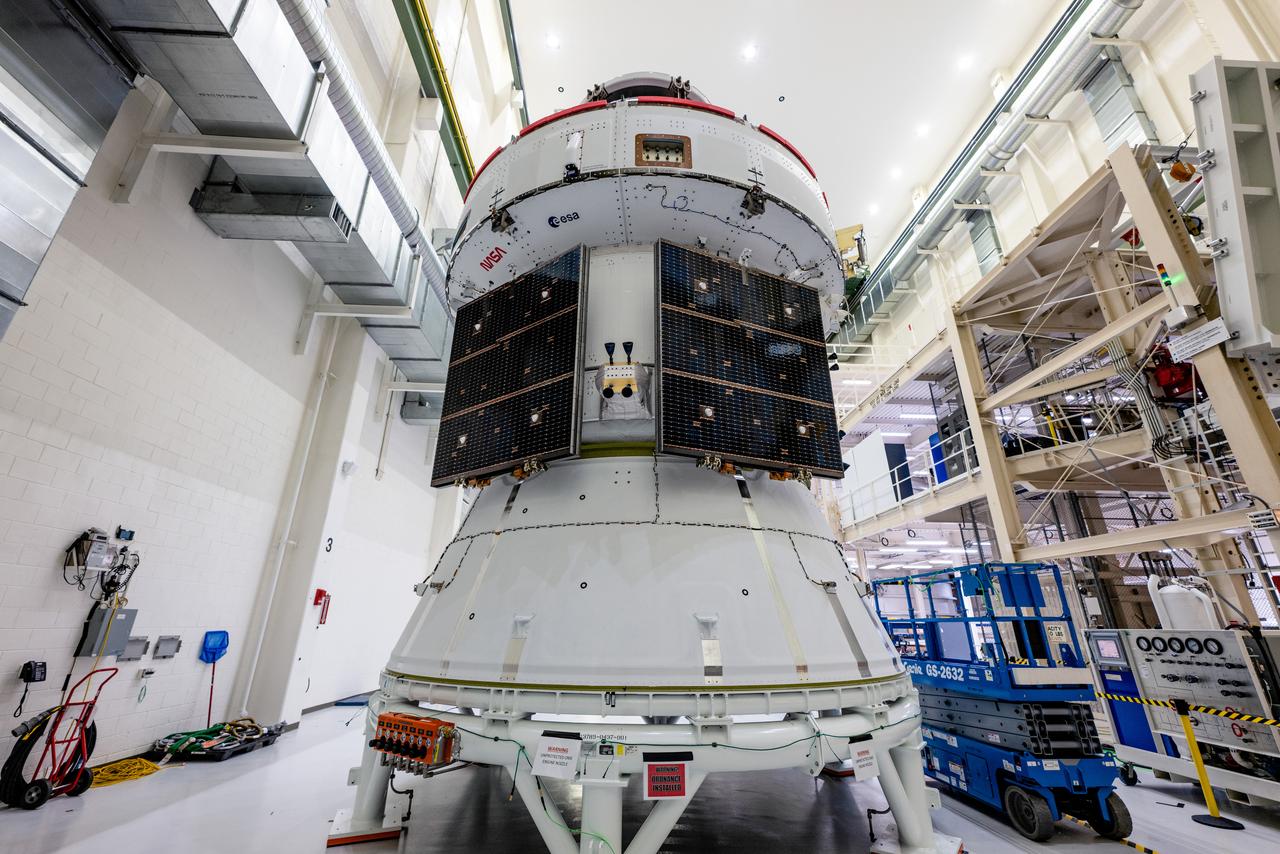
In the Operations and Checkout Building (O&C) at Kennedy Space Center, three spacecraft adapter jettison (SAJ) fairings are prepared for installation and will be moved into place by technicians with Lockheed Martin, lead contractor for Orion on Oct. 12, 2020. They will be secured around the spacecraft, encapsulating the European Service Module to protect it from the harsh environment as the spacecraft is propelled out of Earth’s atmosphere atop the Space Launch System (SLS) rocket during NASA’s Artemis I mission. The next time the solar array wings will be visible will be when Orion is in space. Artemis I will test the Orion spacecraft and SLS as an integrated system ahead of crewed flights to the Moon.
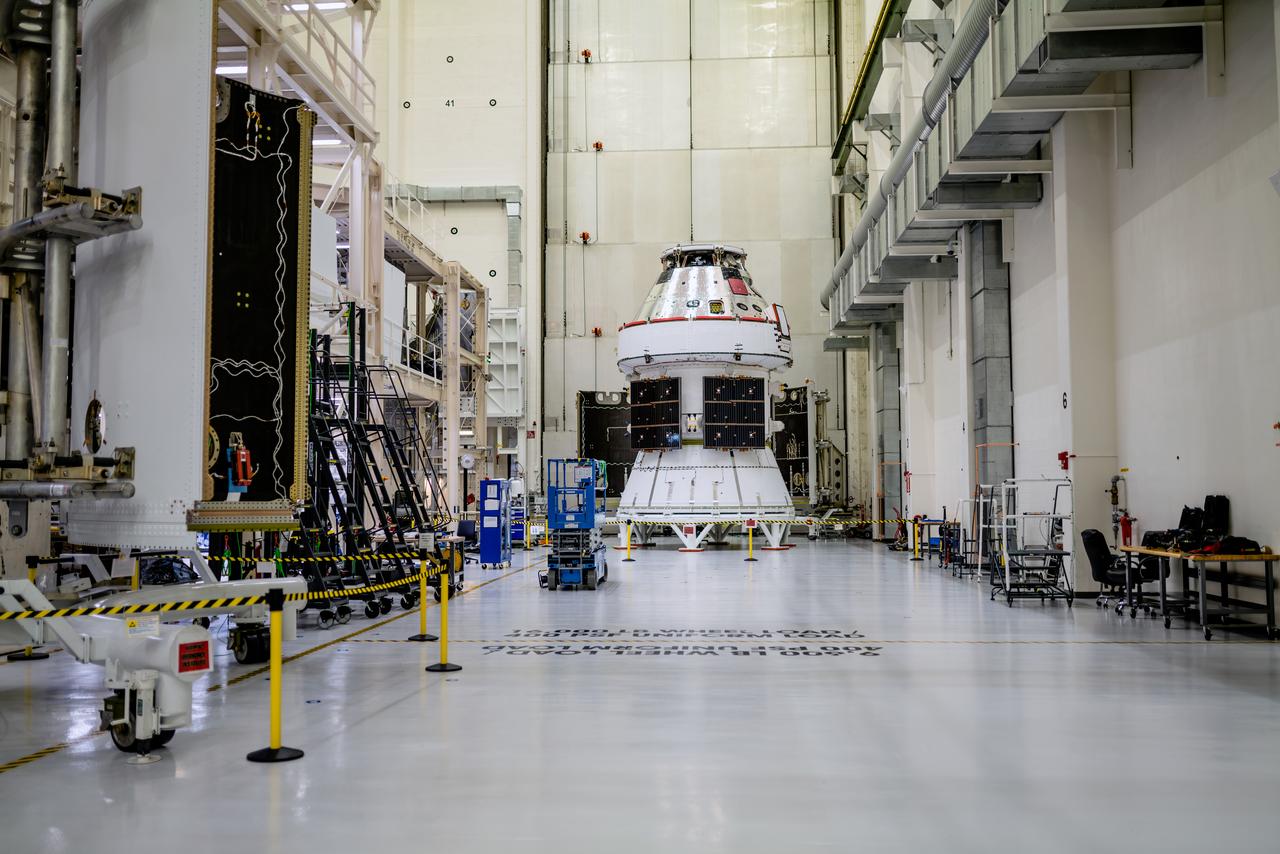
In the Operations and Checkout Building (O&C) at Kennedy Space Center, three spacecraft adapter jettison (SAJ) fairings are prepared for installation and will be moved into place by technicians with Lockheed Martin, lead contractor for Orion on Oct. 12, 2020. They will be secured around the spacecraft, encapsulating the European Service Module to protect it from the harsh environment as the spacecraft is propelled out of Earth’s atmosphere atop the Space Launch System (SLS) rocket during NASA’s Artemis I mission. The next time the solar array wings will be visible will be when Orion is in space. Artemis I will test the Orion spacecraft and SLS as an integrated system ahead of crewed flights to the Moon.
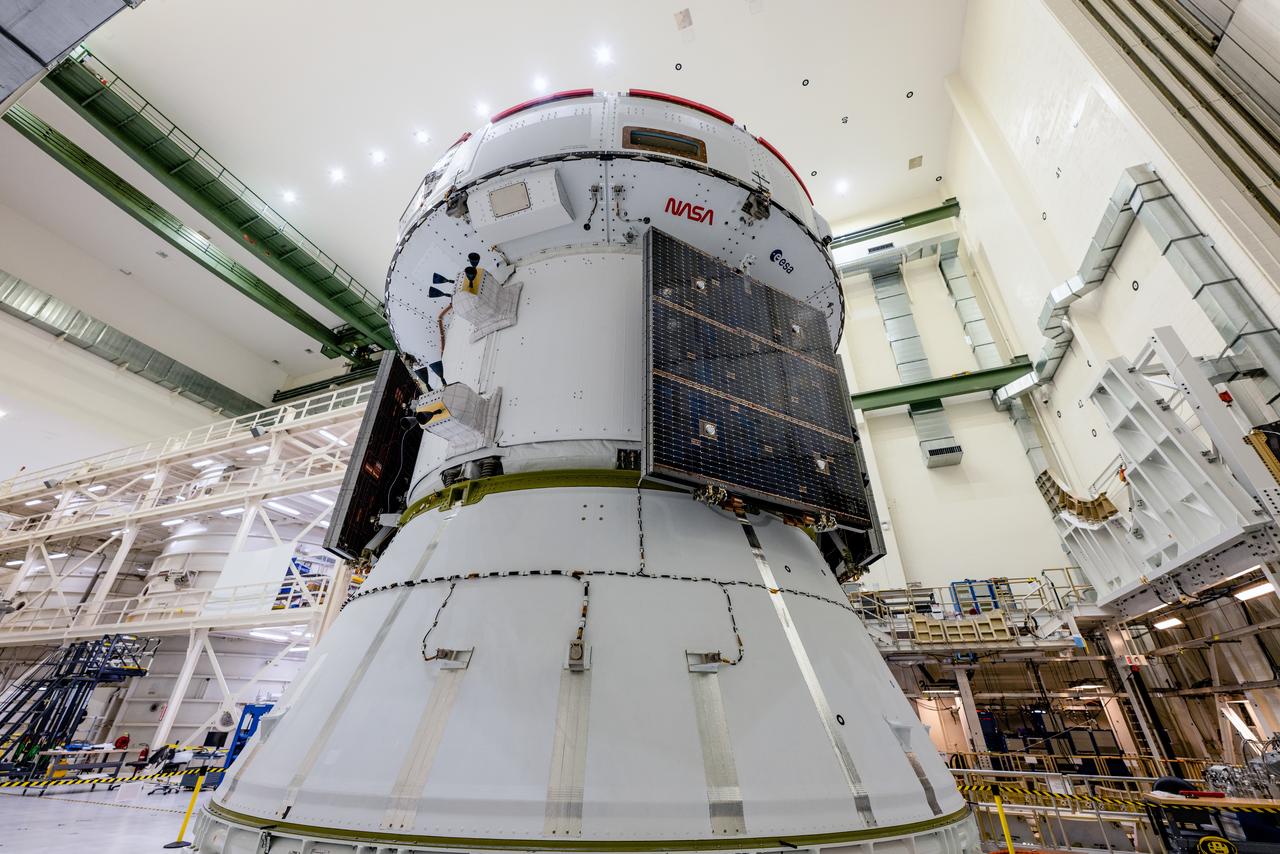
In the Operations and Checkout Building (O&C) at Kennedy Space Center, three spacecraft adapter jettison (SAJ) fairings are prepared for installation and will be moved into place by technicians with Lockheed Martin, lead contractor for Orion on Oct. 12, 2020. They will be secured around the spacecraft, encapsulating the European Service Module to protect it from the harsh environment as the spacecraft is propelled out of Earth’s atmosphere atop the Space Launch System (SLS) rocket during NASA’s Artemis I mission. The next time the solar array wings will be visible will be when Orion is in space. Artemis I will test the Orion spacecraft and SLS as an integrated system ahead of crewed flights to the Moon.
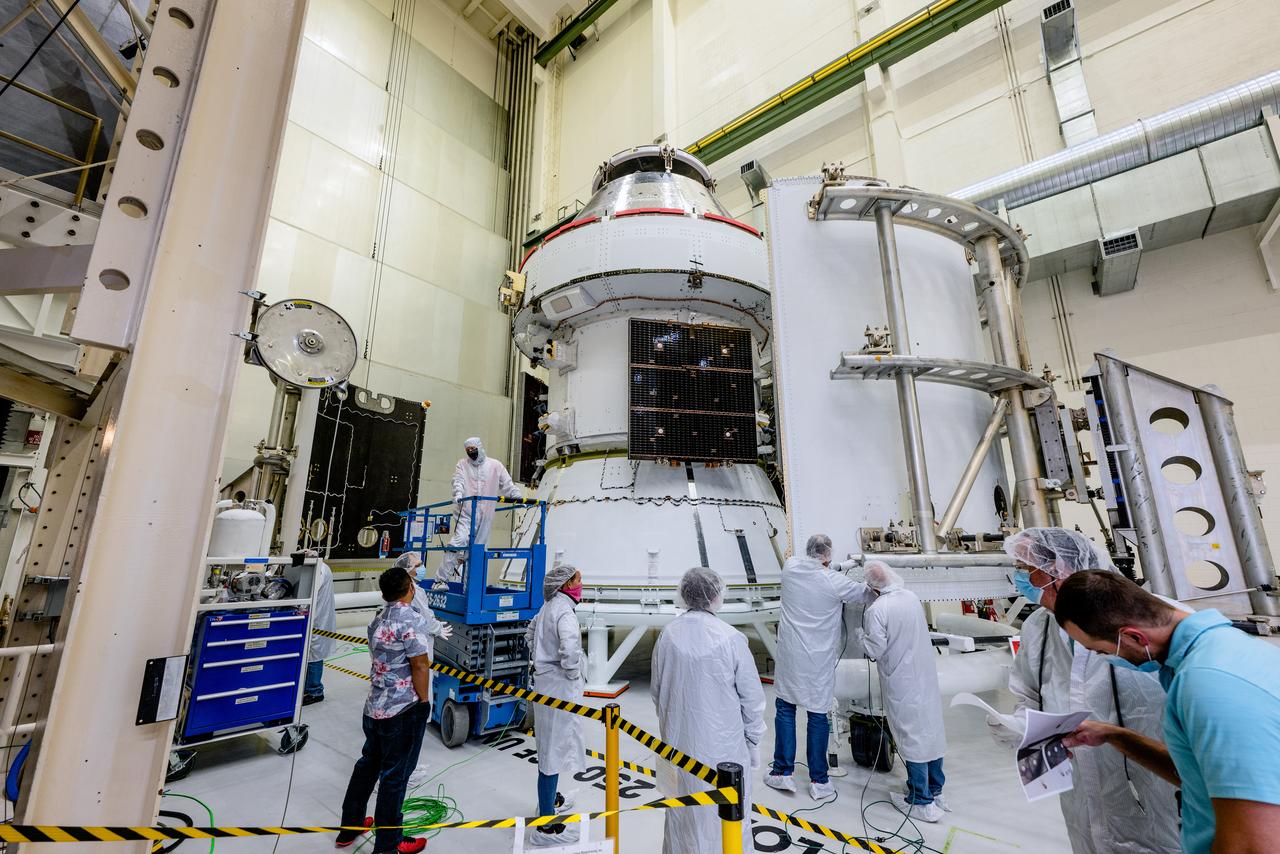
In the Operations and Checkout Building (O&C) at Kennedy Space Center, three spacecraft adapter jettison (SAJ) fairings are prepared for installation and will be moved into place by technicians with Lockheed Martin, lead contractor for Orion on Oct. 12, 2020. They will be secured around the spacecraft, encapsulating the European Service Module to protect it from the harsh environment as the spacecraft is propelled out of Earth’s atmosphere atop the Space Launch System (SLS) rocket during NASA’s Artemis I mission. The next time the solar array wings will be visible will be when Orion is in space. Artemis I will test the Orion spacecraft and SLS as an integrated system ahead of crewed flights to the Moon.
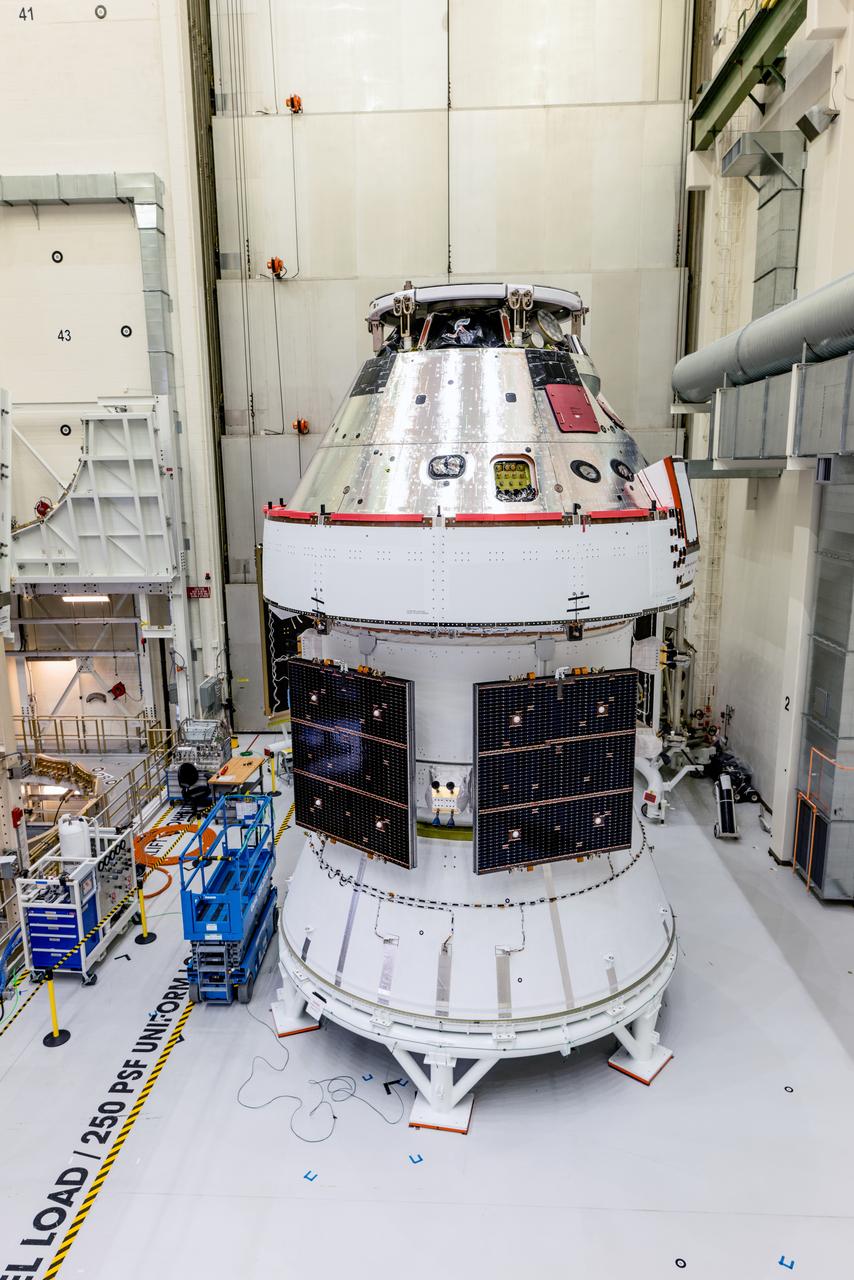
In the Operations and Checkout Building (O&C) at Kennedy Space Center, three spacecraft adapter jettison (SAJ) fairings are prepared for installation and will be moved into place by technicians with Lockheed Martin, lead contractor for Orion on Oct. 12, 2020. They will be secured around the spacecraft, encapsulating the European Service Module to protect it from the harsh environment as the spacecraft is propelled out of Earth’s atmosphere atop the Space Launch System (SLS) rocket during NASA’s Artemis I mission. The next time the solar array wings will be visible will be when Orion is in space. Artemis I will test the Orion spacecraft and SLS as an integrated system ahead of crewed flights to the Moon.
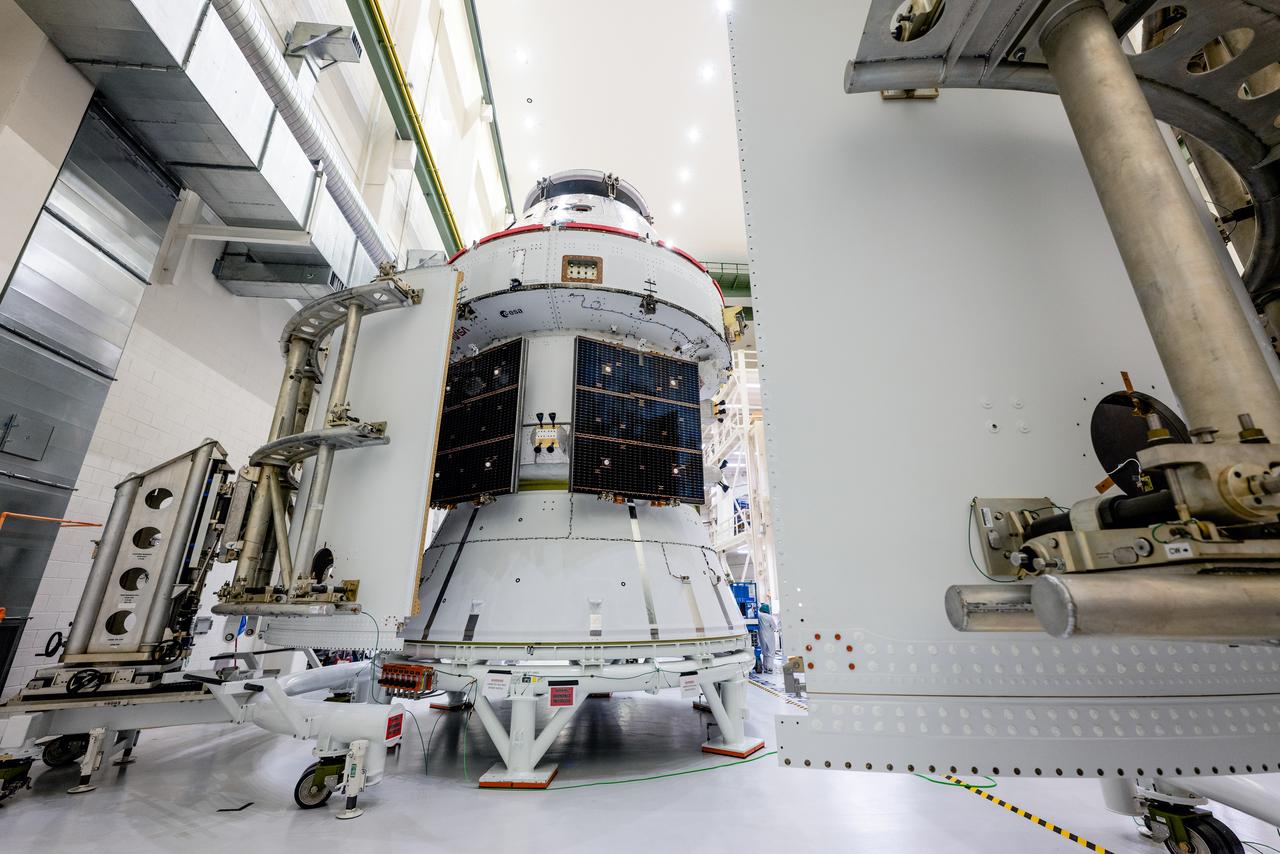
In the Operations and Checkout Building (O&C) at Kennedy Space Center, three spacecraft adapter jettison (SAJ) fairings are prepared for installation and will be moved into place by technicians with Lockheed Martin, lead contractor for Orion on Oct. 12, 2020. They will be secured around the spacecraft, encapsulating the European Service Module to protect it from the harsh environment as the spacecraft is propelled out of Earth’s atmosphere atop the Space Launch System (SLS) rocket during NASA’s Artemis I mission. The next time the solar array wings will be visible will be when Orion is in space. Artemis I will test the Orion spacecraft and SLS as an integrated system ahead of crewed flights to the Moon.
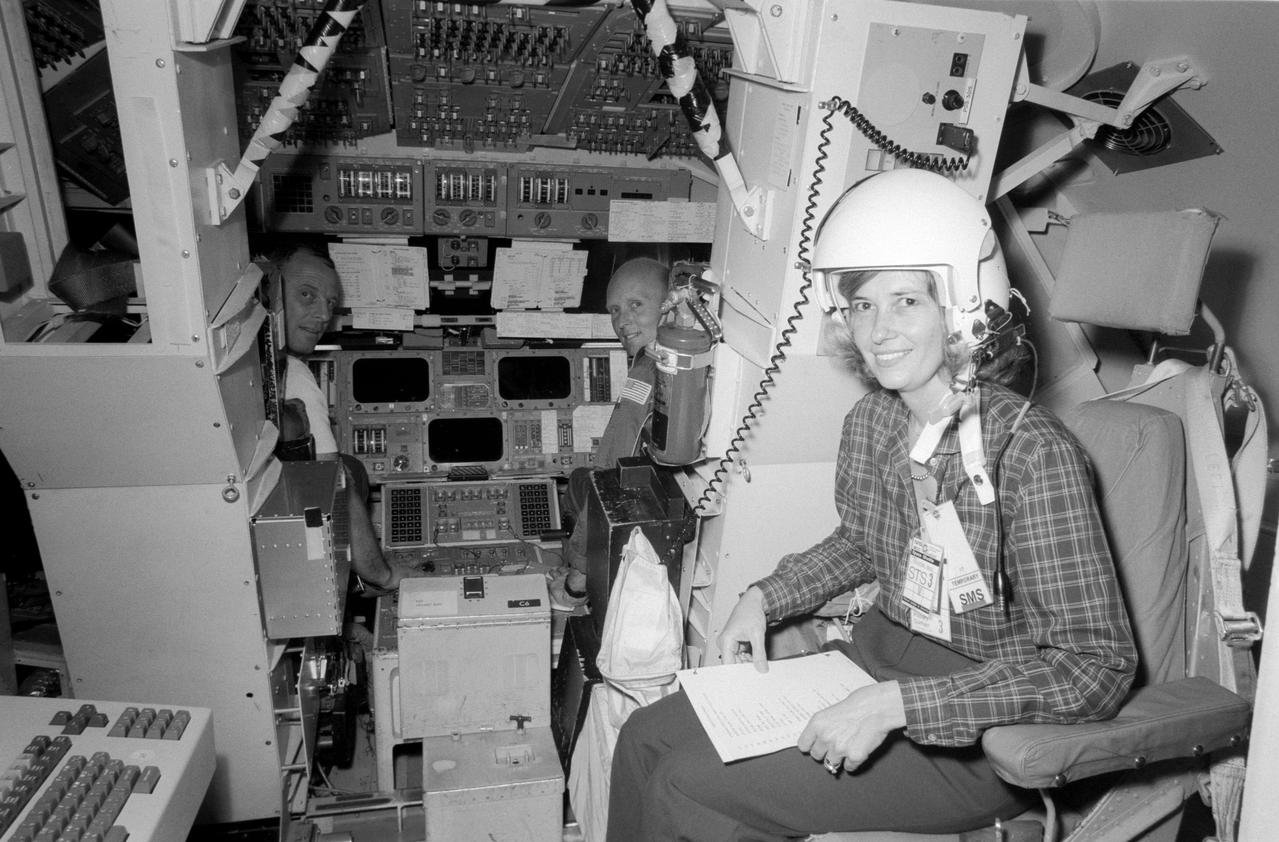
S82-28535 (16 March 1982) --- One of the more pleasant surprises of what are usually routine training sessions today was Mrs. Marie Fullerton, seated in the foreground in a special chair. Astronauts Jack R. Lousma, left background, and C. Gordon Fullerton, center, take a brief break in their simulation session to look back toward their visitor, wife of the pilot for NASA?s next flight. They are in the shuttle mission simulator (SMS) in the LBJ Space Center?s mission simulation and training facility. The crew is in training for its scheduled March 22 launch aboard the space shuttle Columbia for a week?s stay in Earth orbit. Photo credit: NASA
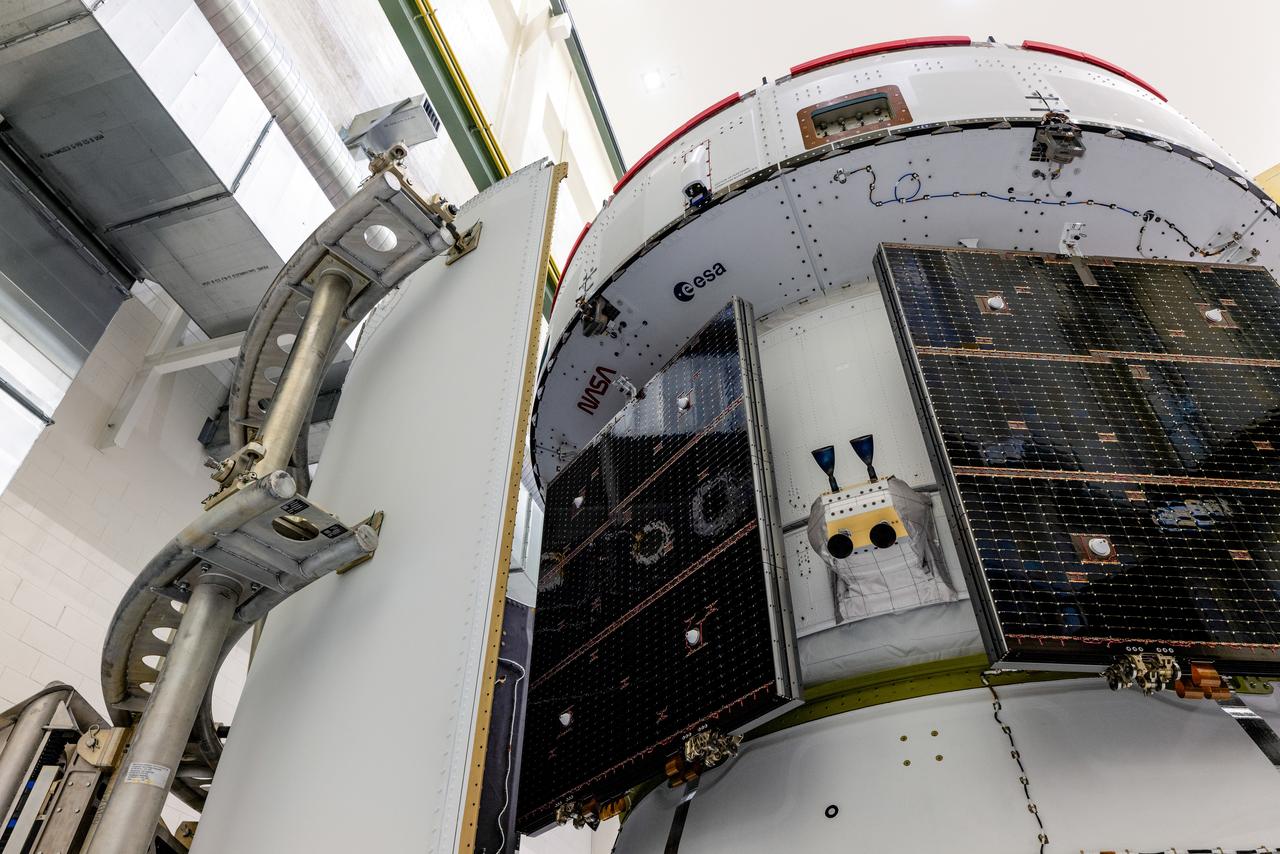
In the Operations and Checkout Building (O&C) at Kennedy Space Center, three spacecraft adapter jettison (SAJ) fairings are prepared for installation and will be moved into place by technicians with Lockheed Martin, lead contractor for Orion on Oct. 12, 2020. They will be secured around the spacecraft, encapsulating the European Service Module to protect it from the harsh environment as the spacecraft is propelled out of Earth’s atmosphere atop the Space Launch System (SLS) rocket during NASA’s Artemis I mission. The next time the solar array wings will be visible will be when Orion is in space. Artemis I will test the Orion spacecraft and SLS as an integrated system ahead of crewed flights to the Moon.
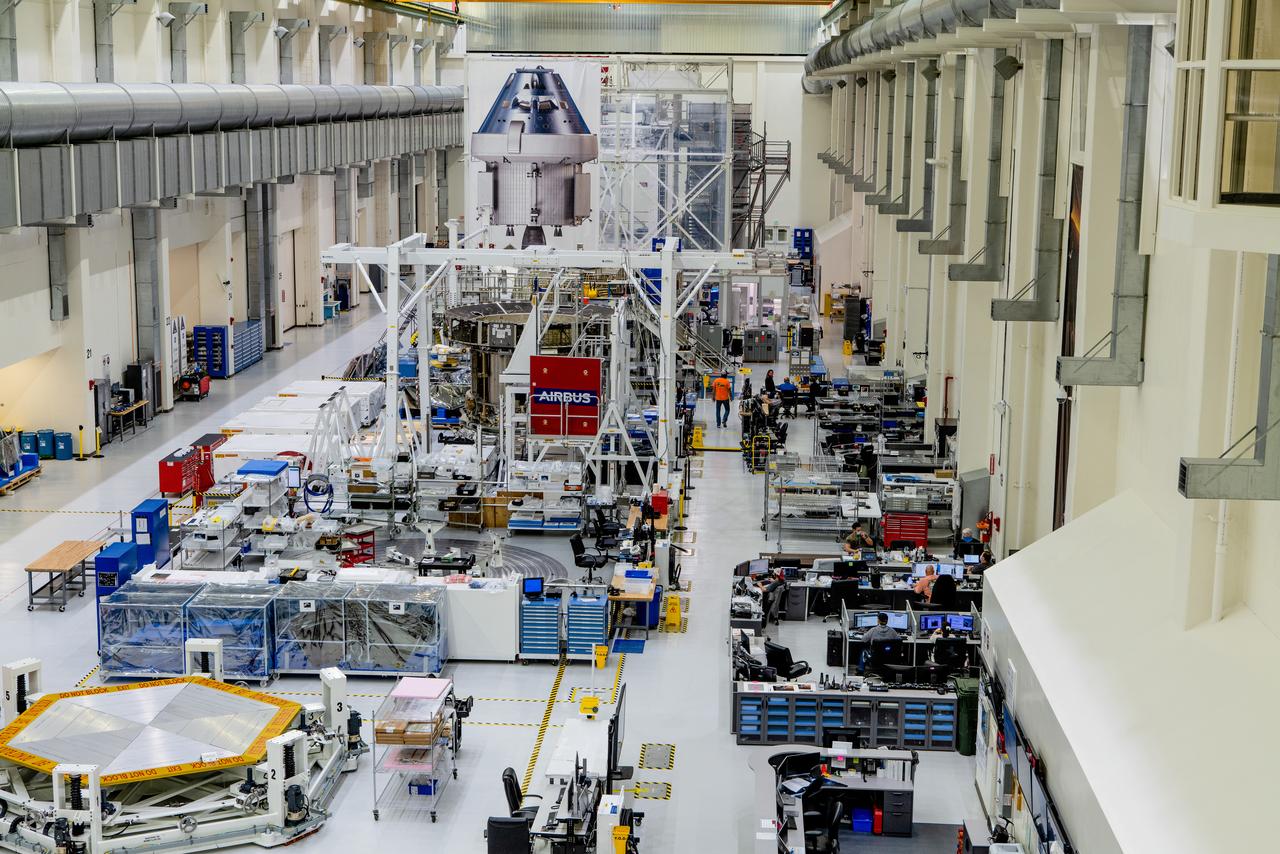
In the Operations and Checkout Building (O&C) at Kennedy Space Center, three spacecraft adapter jettison (SAJ) fairings are prepared for installation and will be moved into place by technicians with Lockheed Martin, lead contractor for Orion on Oct. 12, 2020. They will be secured around the spacecraft, encapsulating the European Service Module to protect it from the harsh environment as the spacecraft is propelled out of Earth’s atmosphere atop the Space Launch System (SLS) rocket during NASA’s Artemis I mission. The next time the solar array wings will be visible will be when Orion is in space. Artemis I will test the Orion spacecraft and SLS as an integrated system ahead of crewed flights to the Moon.
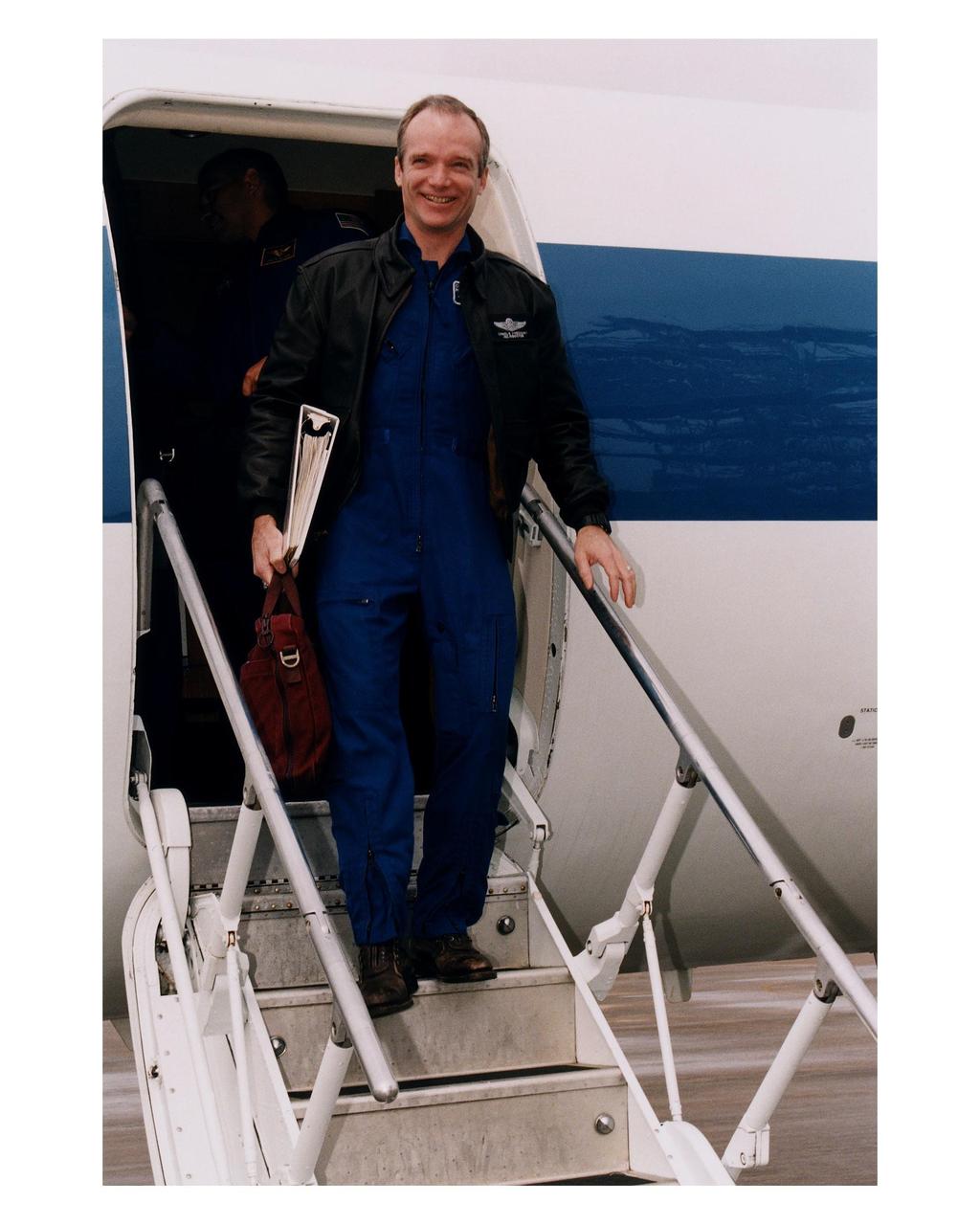
STS-84 Commander Charles J. Precourt arrives at KSC’s Shuttle Landing Facility for the Terminal Countdown Demonstration Test (TCDT), a dress rehearsal for launch. Precourt will lead the six other crew members when they travel to Mir next month aboard the Space Shuttle Atlantis. STS-84 Mission Specialist C. Michael Foale will be dropped off on Mir to become a member of the Mir 23 crew, replacing U.S. astronaut Jerry M. Linenger, who will return to Earth on Atlantis after about four months on the orbiting station. STS-84 will be the sixth Shuttle-Mir docking. Liftoff is targeted for May 15
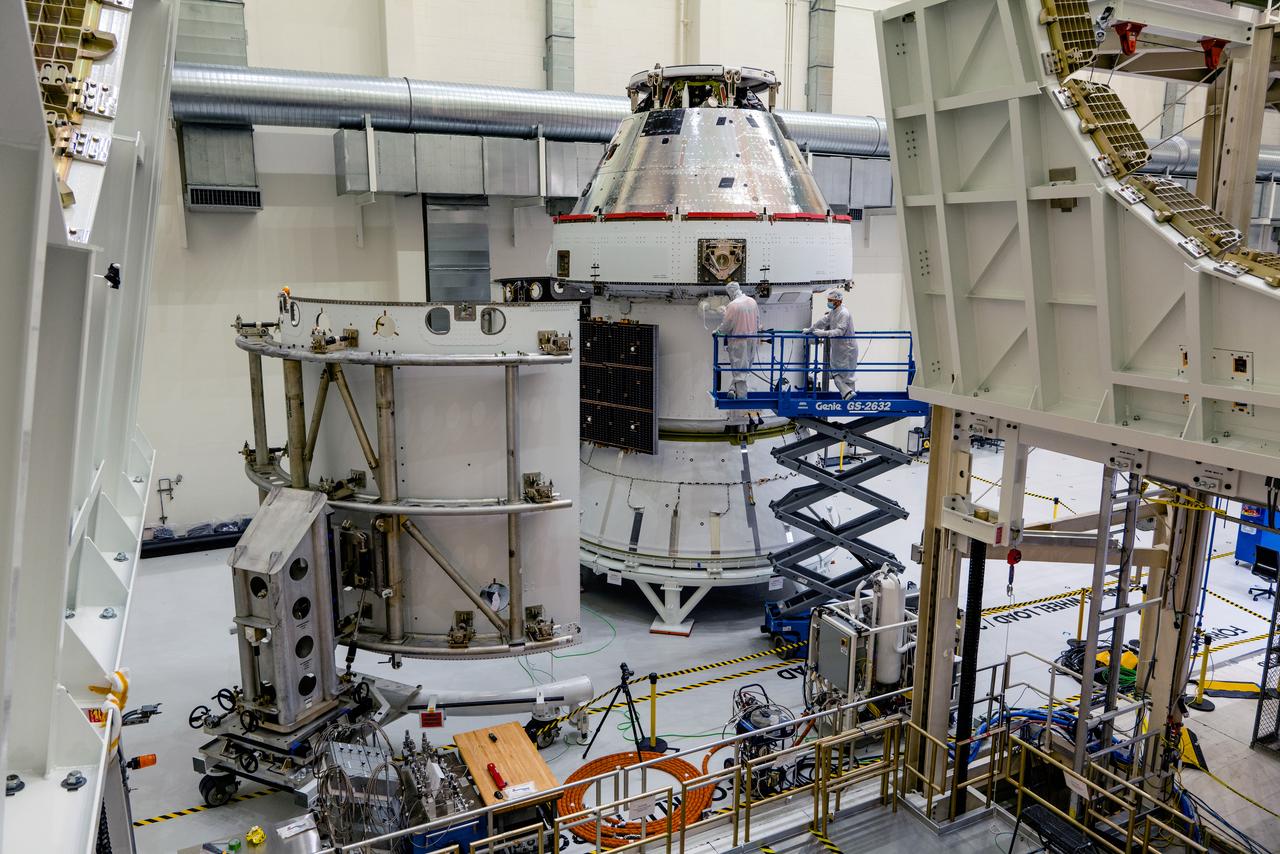
In the Operations and Checkout Building (O&C) at Kennedy Space Center, three spacecraft adapter jettison (SAJ) fairings are prepared for installation and will be moved into place by technicians with Lockheed Martin, lead contractor for Orion on Oct. 12, 2020. They will be secured around the spacecraft, encapsulating the European Service Module to protect it from the harsh environment as the spacecraft is propelled out of Earth’s atmosphere atop the Space Launch System (SLS) rocket during NASA’s Artemis I mission. The next time the solar array wings will be visible will be when Orion is in space. Artemis I will test the Orion spacecraft and SLS as an integrated system ahead of crewed flights to the Moon.
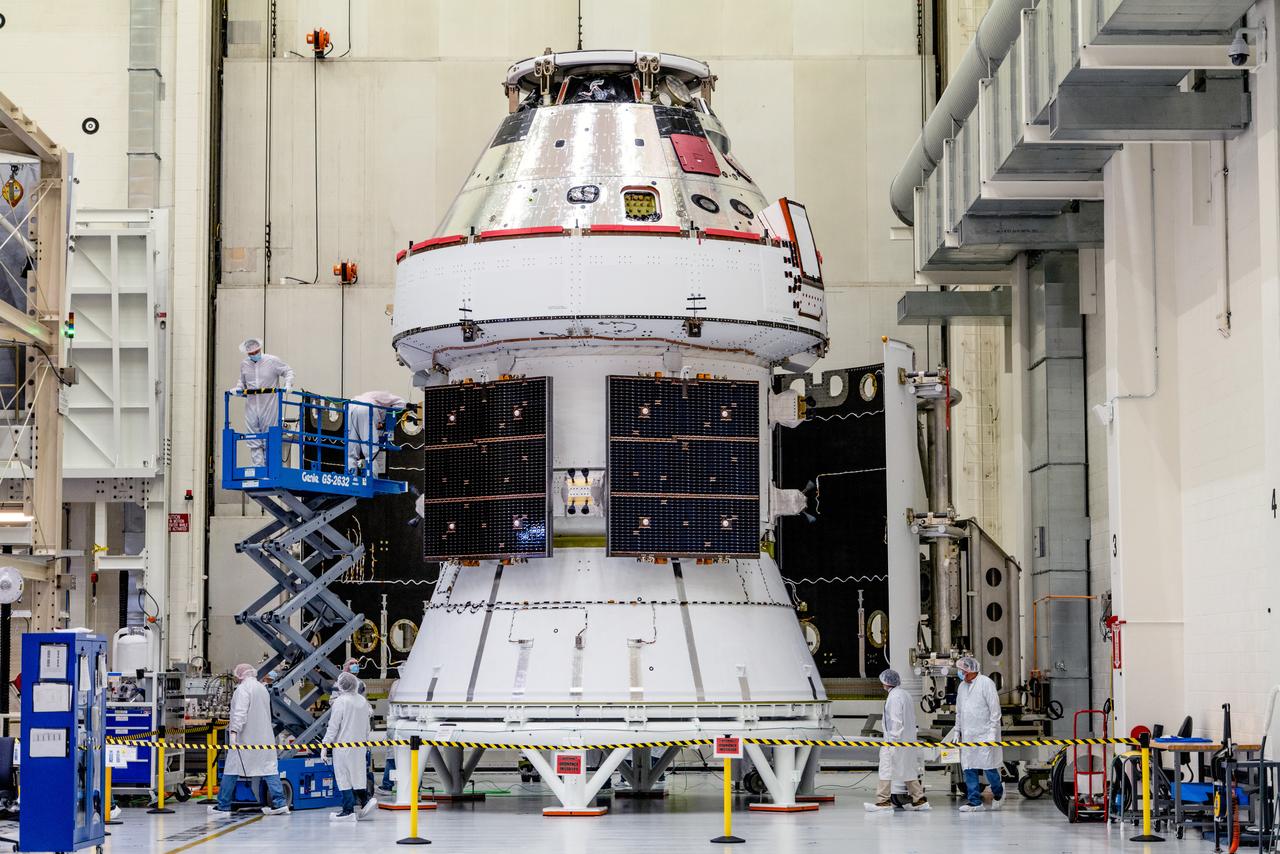
In the Operations and Checkout Building (O&C) at Kennedy Space Center, three spacecraft adapter jettison (SAJ) fairings are prepared for installation and will be moved into place by technicians with Lockheed Martin, lead contractor for Orion on Oct. 12, 2020. They will be secured around the spacecraft, encapsulating the European Service Module to protect it from the harsh environment as the spacecraft is propelled out of Earth’s atmosphere atop the Space Launch System (SLS) rocket during NASA’s Artemis I mission. The next time the solar array wings will be visible will be when Orion is in space. Artemis I will test the Orion spacecraft and SLS as an integrated system ahead of crewed flights to the Moon.
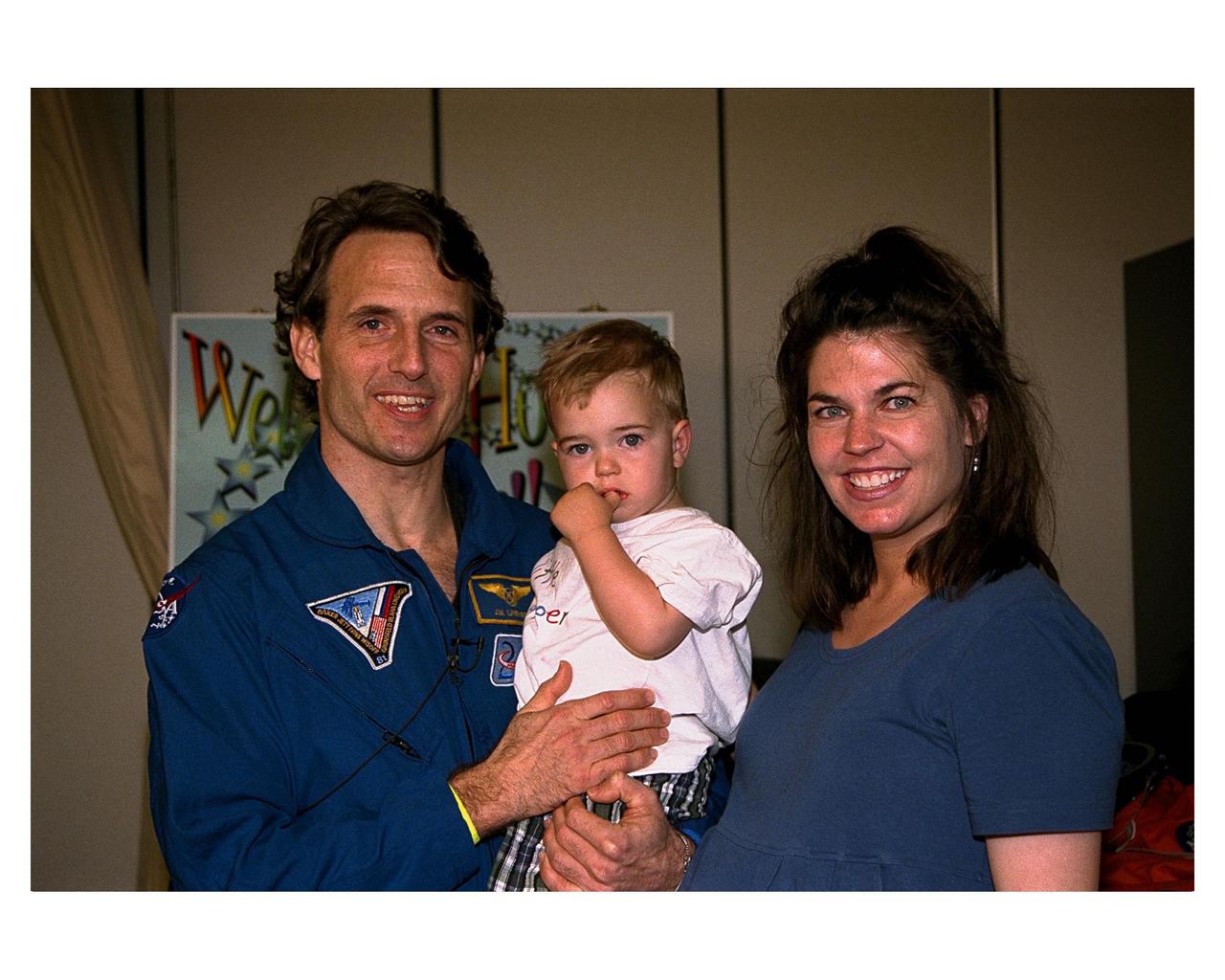
Astronaut and recent Mir 23 crew member Jerry M. Linenger poses for a photograph with his wife, Kathryn, and their 18-month-old son, John, during a family reunion in the Operations and Checkout Building. Kathryn Linenger is expecting their second child next month. Linenger just returned to Earth after a four-month stay on the Russian Space Station Mir. He flew back on Atlantis with six other members of the STS-84 crew, who conducted the sixth Space Shuttle docking with the Mir. STS-84 Mission Specialist C. Michael Foale replaced Linenger on the Mir
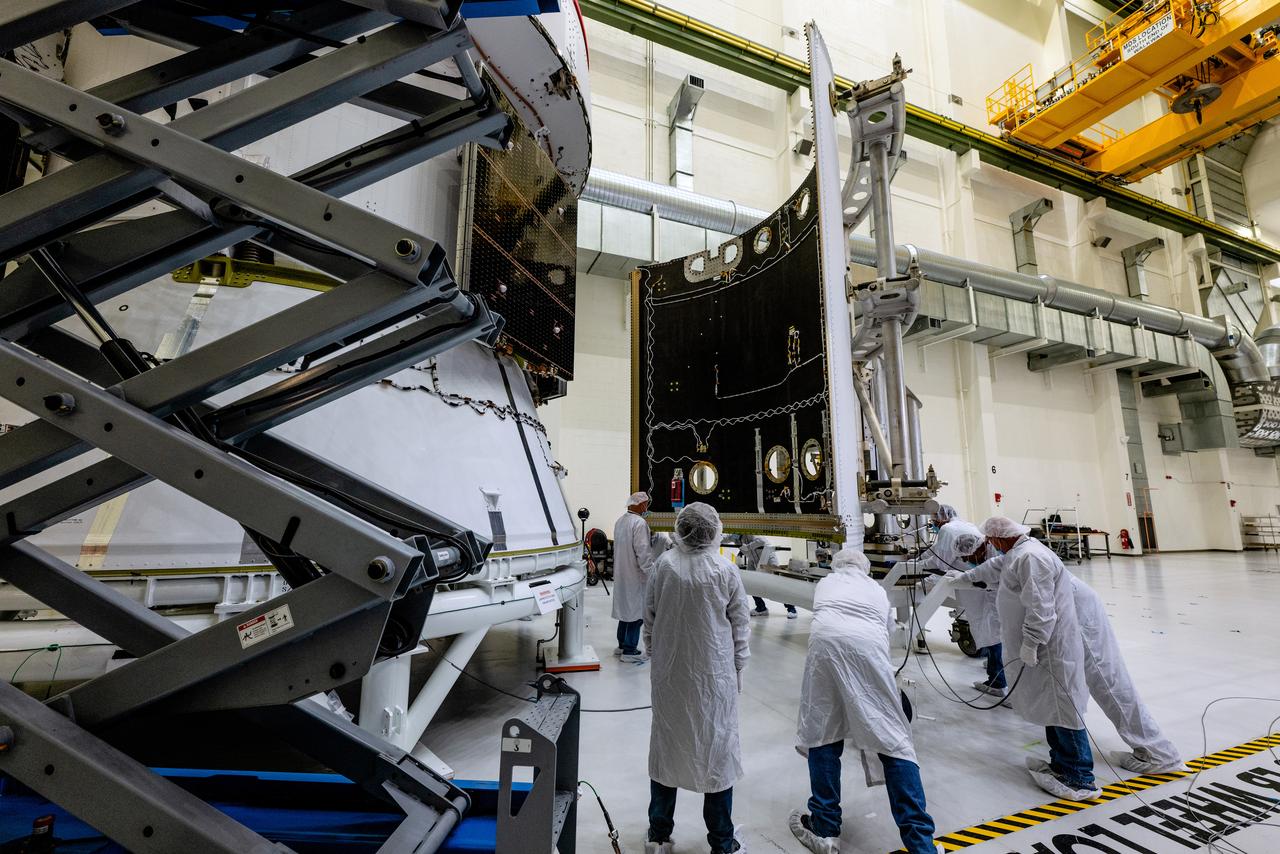
In the Operations and Checkout Building (O&C) at Kennedy Space Center, three spacecraft adapter jettison (SAJ) fairings are prepared for installation and will be moved into place by technicians with Lockheed Martin, lead contractor for Orion on Oct. 12, 2020. They will be secured around the spacecraft, encapsulating the European Service Module to protect it from the harsh environment as the spacecraft is propelled out of Earth’s atmosphere atop the Space Launch System (SLS) rocket during NASA’s Artemis I mission. The next time the solar array wings will be visible will be when Orion is in space. Artemis I will test the Orion spacecraft and SLS as an integrated system ahead of crewed flights to the Moon.
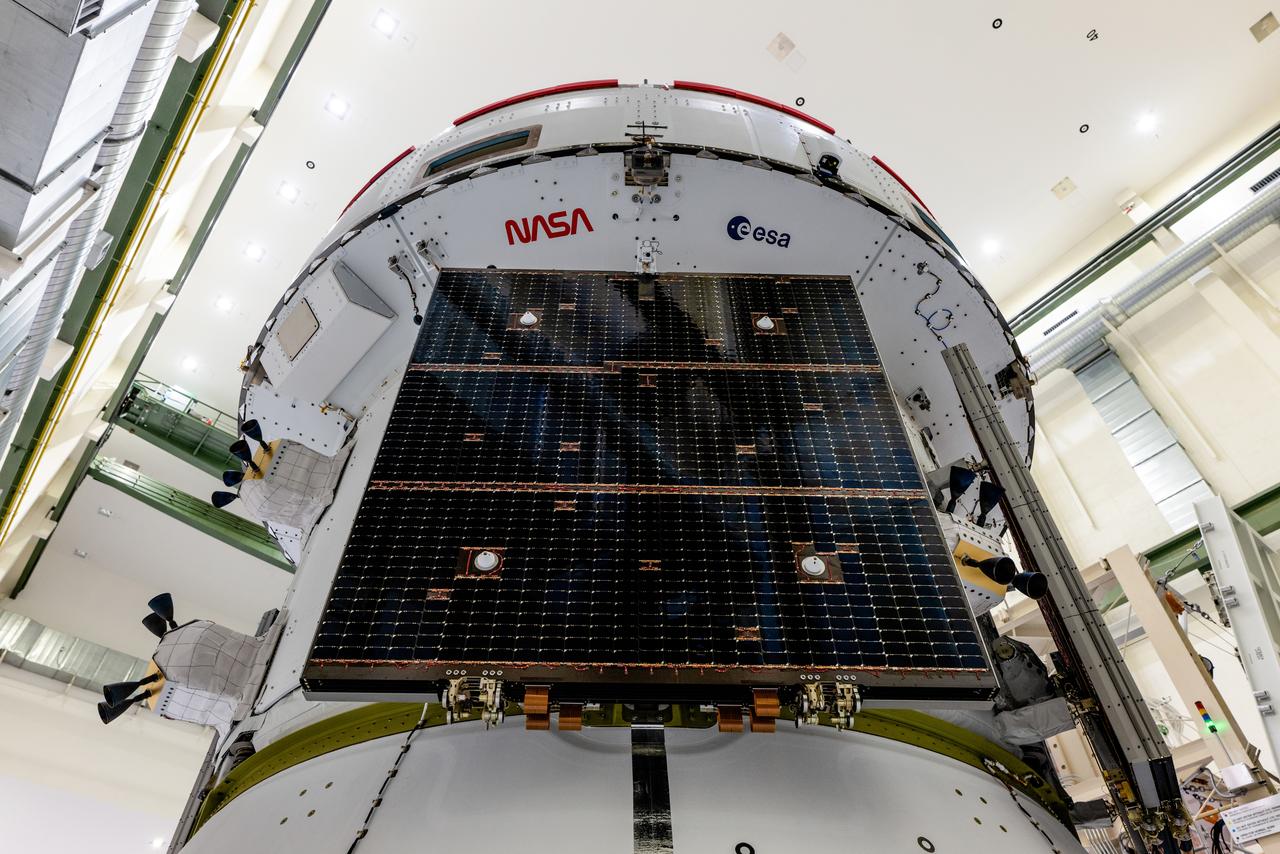
In the Operations and Checkout Building (O&C) at Kennedy Space Center, three spacecraft adapter jettison (SAJ) fairings are prepared for installation and will be moved into place by technicians with Lockheed Martin, lead contractor for Orion on Oct. 12, 2020. They will be secured around the spacecraft, encapsulating the European Service Module to protect it from the harsh environment as the spacecraft is propelled out of Earth’s atmosphere atop the Space Launch System (SLS) rocket during NASA’s Artemis I mission. The next time the solar array wings will be visible will be when Orion is in space. Artemis I will test the Orion spacecraft and SLS as an integrated system ahead of crewed flights to the Moon.
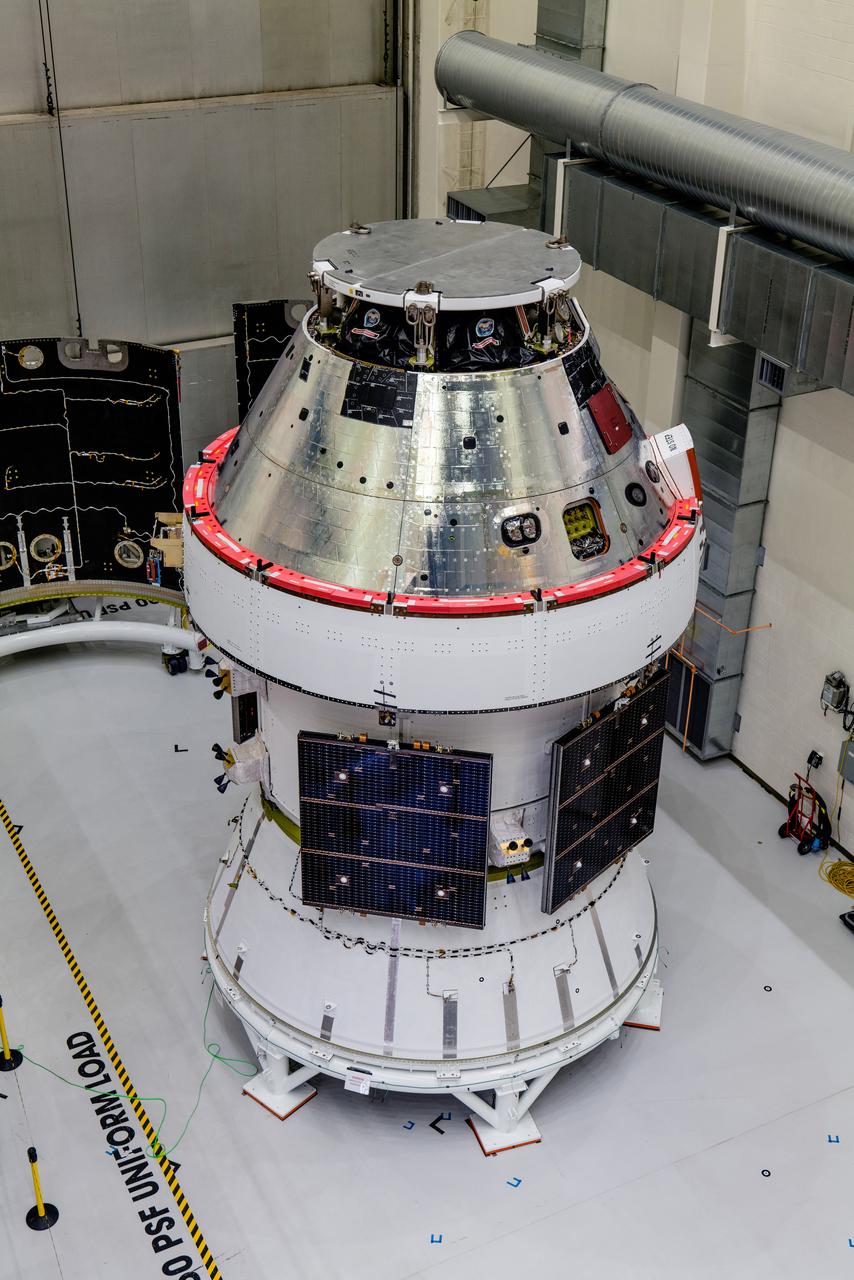
In the Operations and Checkout Building (O&C) at Kennedy Space Center, three spacecraft adapter jettison (SAJ) fairings are prepared for installation and will be moved into place by technicians with Lockheed Martin, lead contractor for Orion on Oct. 12, 2020. They will be secured around the spacecraft, encapsulating the European Service Module to protect it from the harsh environment as the spacecraft is propelled out of Earth’s atmosphere atop the Space Launch System (SLS) rocket during NASA’s Artemis I mission. The next time the solar array wings will be visible will be when Orion is in space. Artemis I will test the Orion spacecraft and SLS as an integrated system ahead of crewed flights to the Moon.
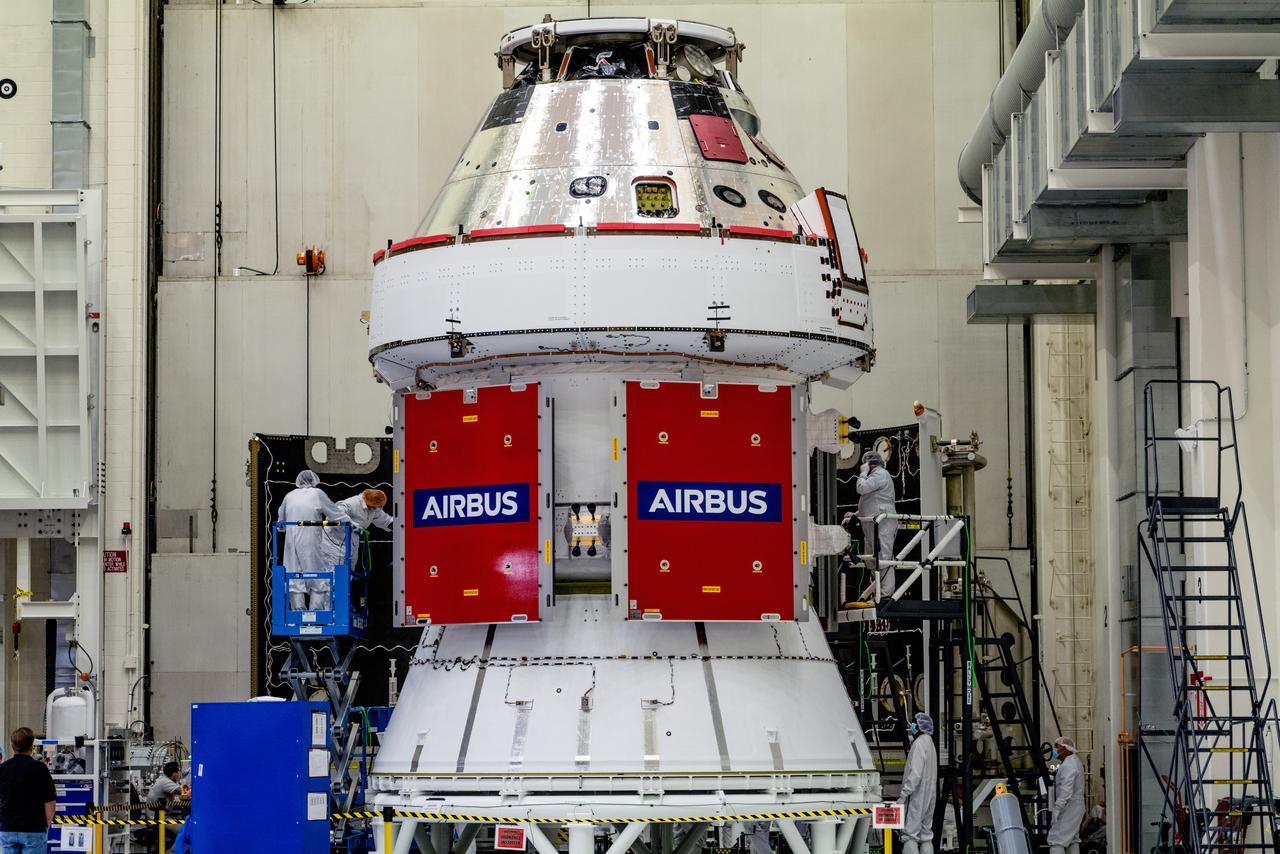
In the Operations and Checkout Building (O&C) at Kennedy Space Center, three spacecraft adapter jettison (SAJ) fairings are prepared for installation and will be moved into place by technicians with Lockheed Martin, lead contractor for Orion on Oct. 12, 2020. They will be secured around the spacecraft, encapsulating the European Service Module to protect it from the harsh environment as the spacecraft is propelled out of Earth’s atmosphere atop the Space Launch System (SLS) rocket during NASA’s Artemis I mission. The next time the solar array wings will be visible will be when Orion is in space. Artemis I will test the Orion spacecraft and SLS as an integrated system ahead of crewed flights to the Moon.
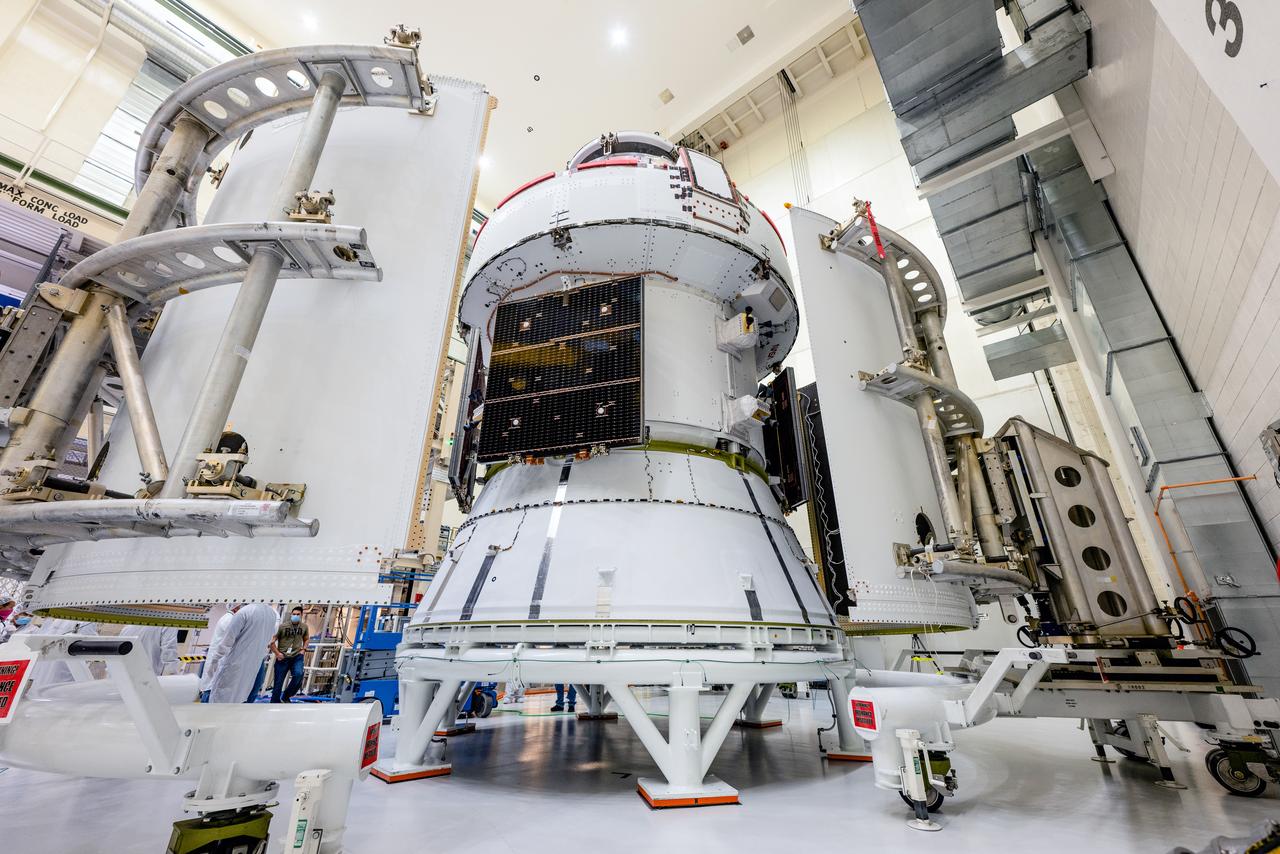
In the Operations and Checkout Building (O&C) at Kennedy Space Center, three spacecraft adapter jettison (SAJ) fairings are prepared for installation and will be moved into place by technicians with Lockheed Martin, lead contractor for Orion on Oct. 12, 2020. They will be secured around the spacecraft, encapsulating the European Service Module to protect it from the harsh environment as the spacecraft is propelled out of Earth’s atmosphere atop the Space Launch System (SLS) rocket during NASA’s Artemis I mission. The next time the solar array wings will be visible will be when Orion is in space. Artemis I will test the Orion spacecraft and SLS as an integrated system ahead of crewed flights to the Moon.
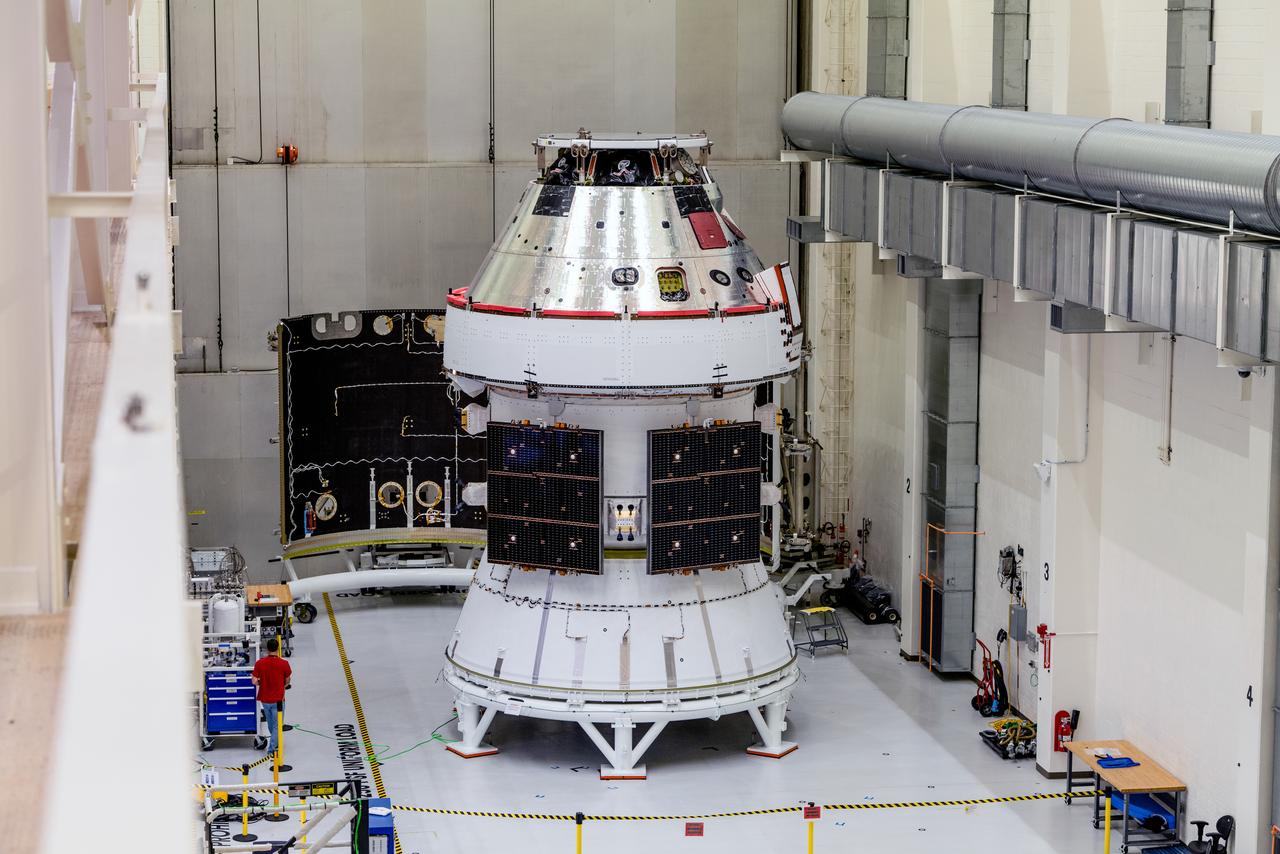
In the Operations and Checkout Building (O&C) at Kennedy Space Center, three spacecraft adapter jettison (SAJ) fairings are prepared for installation and will be moved into place by technicians with Lockheed Martin, lead contractor for Orion on Oct. 12, 2020. They will be secured around the spacecraft, encapsulating the European Service Module to protect it from the harsh environment as the spacecraft is propelled out of Earth’s atmosphere atop the Space Launch System (SLS) rocket during NASA’s Artemis I mission. The next time the solar array wings will be visible will be when Orion is in space. Artemis I will test the Orion spacecraft and SLS as an integrated system ahead of crewed flights to the Moon.
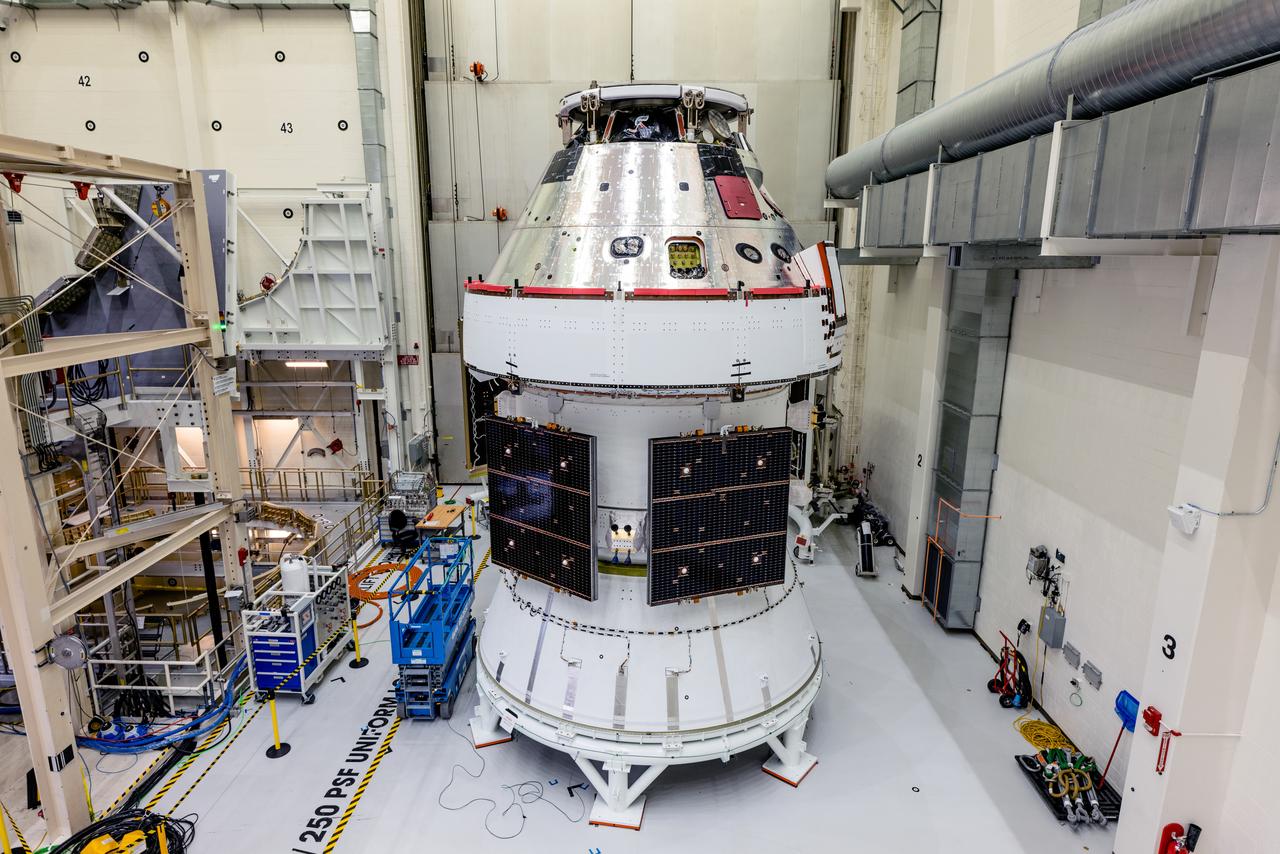
In the Operations and Checkout Building (O&C) at Kennedy Space Center, three spacecraft adapter jettison (SAJ) fairings are prepared for installation and will be moved into place by technicians with Lockheed Martin, lead contractor for Orion on Oct. 12, 2020. They will be secured around the spacecraft, encapsulating the European Service Module to protect it from the harsh environment as the spacecraft is propelled out of Earth’s atmosphere atop the Space Launch System (SLS) rocket during NASA’s Artemis I mission. The next time the solar array wings will be visible will be when Orion is in space. Artemis I will test the Orion spacecraft and SLS as an integrated system ahead of crewed flights to the Moon.
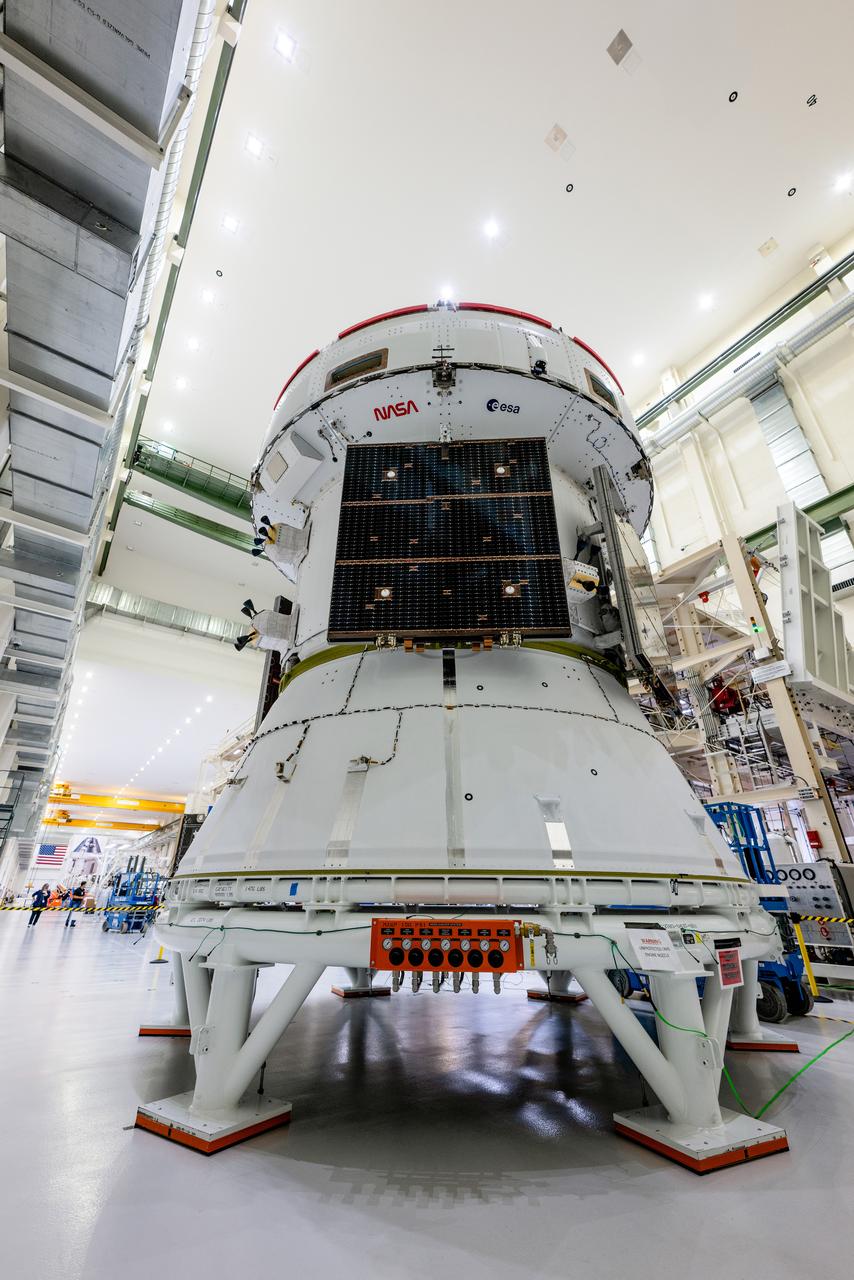
In the Operations and Checkout Building (O&C) at Kennedy Space Center, three spacecraft adapter jettison (SAJ) fairings are prepared for installation and will be moved into place by technicians with Lockheed Martin, lead contractor for Orion on Oct. 12, 2020. They will be secured around the spacecraft, encapsulating the European Service Module to protect it from the harsh environment as the spacecraft is propelled out of Earth’s atmosphere atop the Space Launch System (SLS) rocket during NASA’s Artemis I mission. The next time the solar array wings will be visible will be when Orion is in space. Artemis I will test the Orion spacecraft and SLS as an integrated system ahead of crewed flights to the Moon.
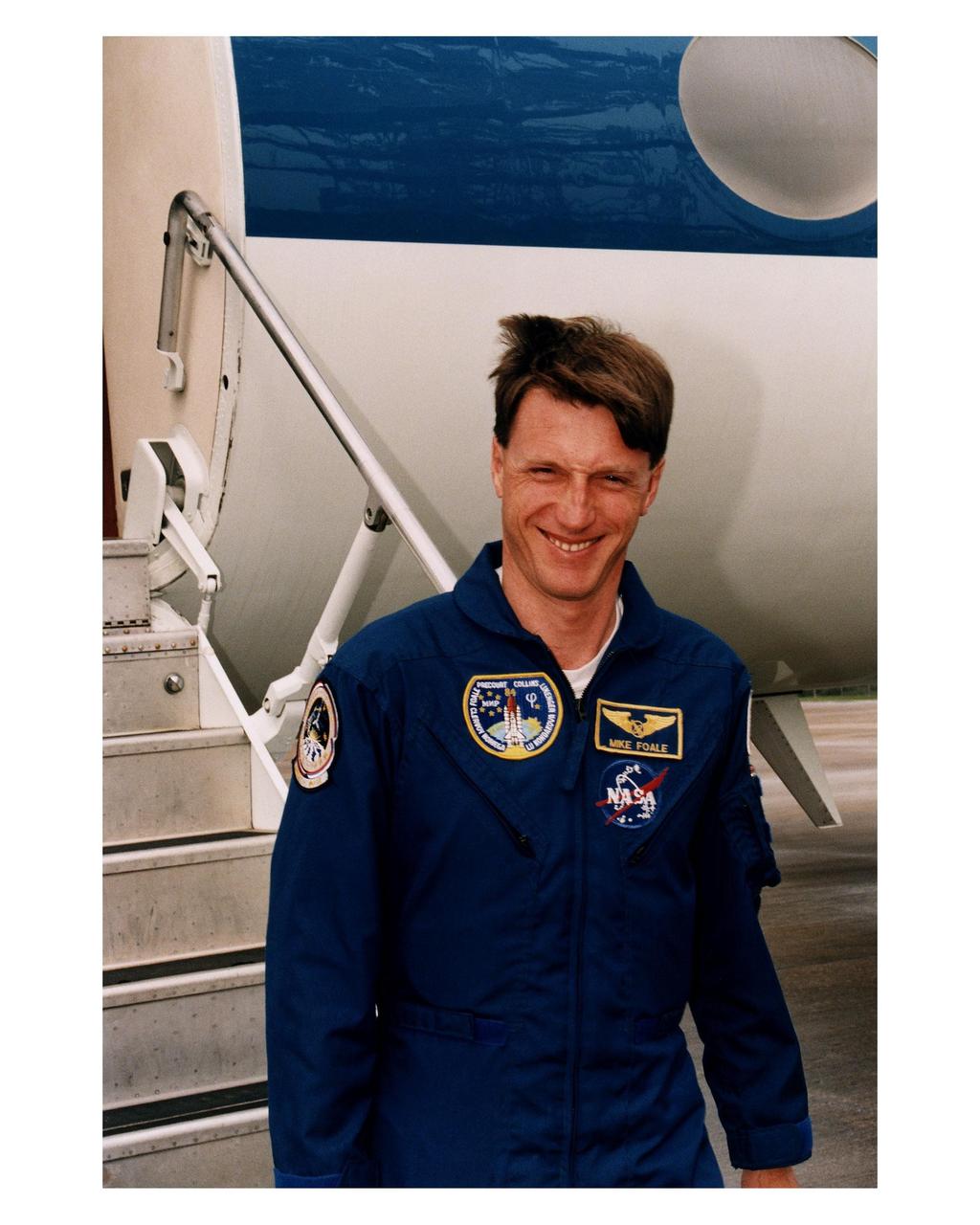
STS-84 Mission Specialist C. Michael Foale, who will become the fifth U.S. astronaut to live and work on the Russian Space Station Mir, arrives at KSC’s Shuttle Landing Facility for the STS-84 Terminal Countdown Demonstration Test (TCDT), a dress rehearsal for launch. Foale will be dropped off on Mir when the Space Shuttle Atlantis docks with Mir next month. He will become a member of the Mir 23 crew, replacing U.S. astronaut Jerry M. Linenger, who will return to Earth on Atlantis after about four months on the orbiting station. STS-84 will be the sixth Shuttle-Mir docking. Liftoff is targeted for May 15
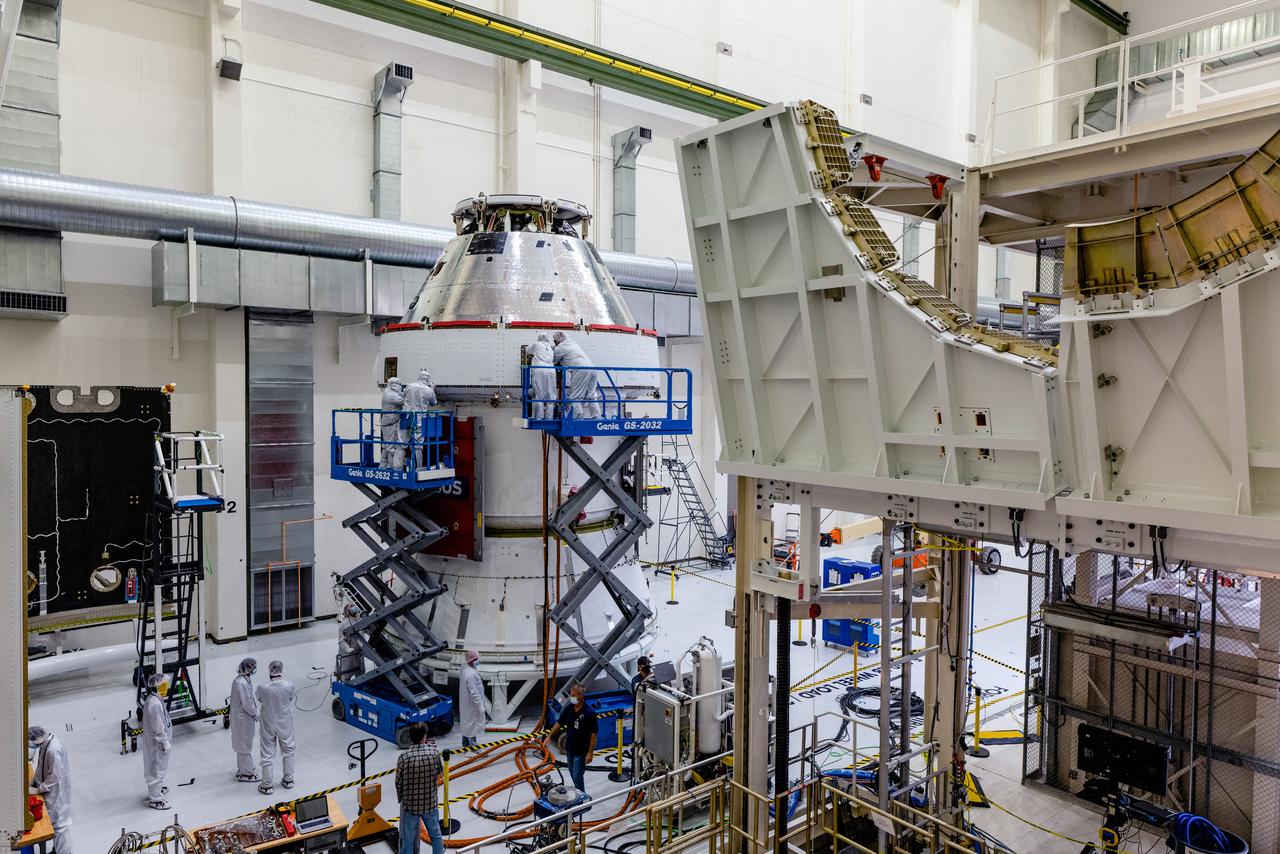
In the Operations and Checkout Building (O&C) at Kennedy Space Center, three spacecraft adapter jettison (SAJ) fairings are prepared for installation and will be moved into place by technicians with Lockheed Martin, lead contractor for Orion on Oct. 12, 2020. They will be secured around the spacecraft, encapsulating the European Service Module to protect it from the harsh environment as the spacecraft is propelled out of Earth’s atmosphere atop the Space Launch System (SLS) rocket during NASA’s Artemis I mission. The next time the solar array wings will be visible will be when Orion is in space. Artemis I will test the Orion spacecraft and SLS as an integrated system ahead of crewed flights to the Moon.