
Containers carrying set of seeds for a Materials International Space Station Experiment (MISSE) are shown Feb. 11, 2021, at NASA’s Kennedy Space Center in Florida. The containers will fly aboard Northrop Grumman’s Cygnus spacecraft as part of NG-15, a NASA commercial resupply mission to the orbiting laboratory targeted for Feb. 20, 2021. They will be placed in the MISSE testing facility, located near the space station’s solar arrays, where they will be exposed to the extreme environment of space for six months before returning to Earth for further study.
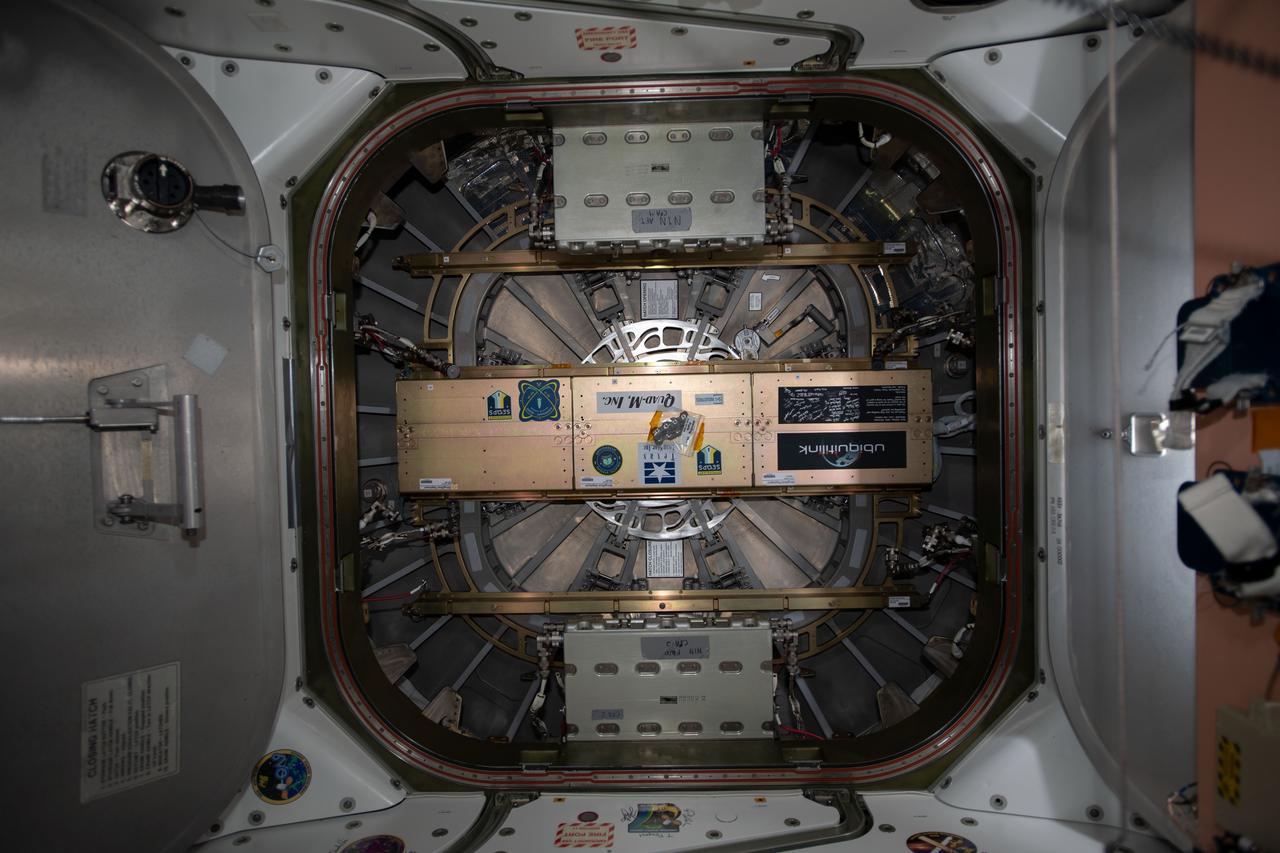
iss060e021430 (8/5/2019) --- Photo documentation of Slingshot mounted on the Passive Common Berthing Mechanism (PCBM) of the NG-11 Cygnus which is berthed to the International Space Station (ISS). SEOPS’ SlingShot is a small satellite deployment system that fits inside the Cygnus spacecraft’s Passive Common Berthing Mechanism (PCBM). SlingShot can accommodate up to 18 satellites that are deployed post Cygnus unberth.
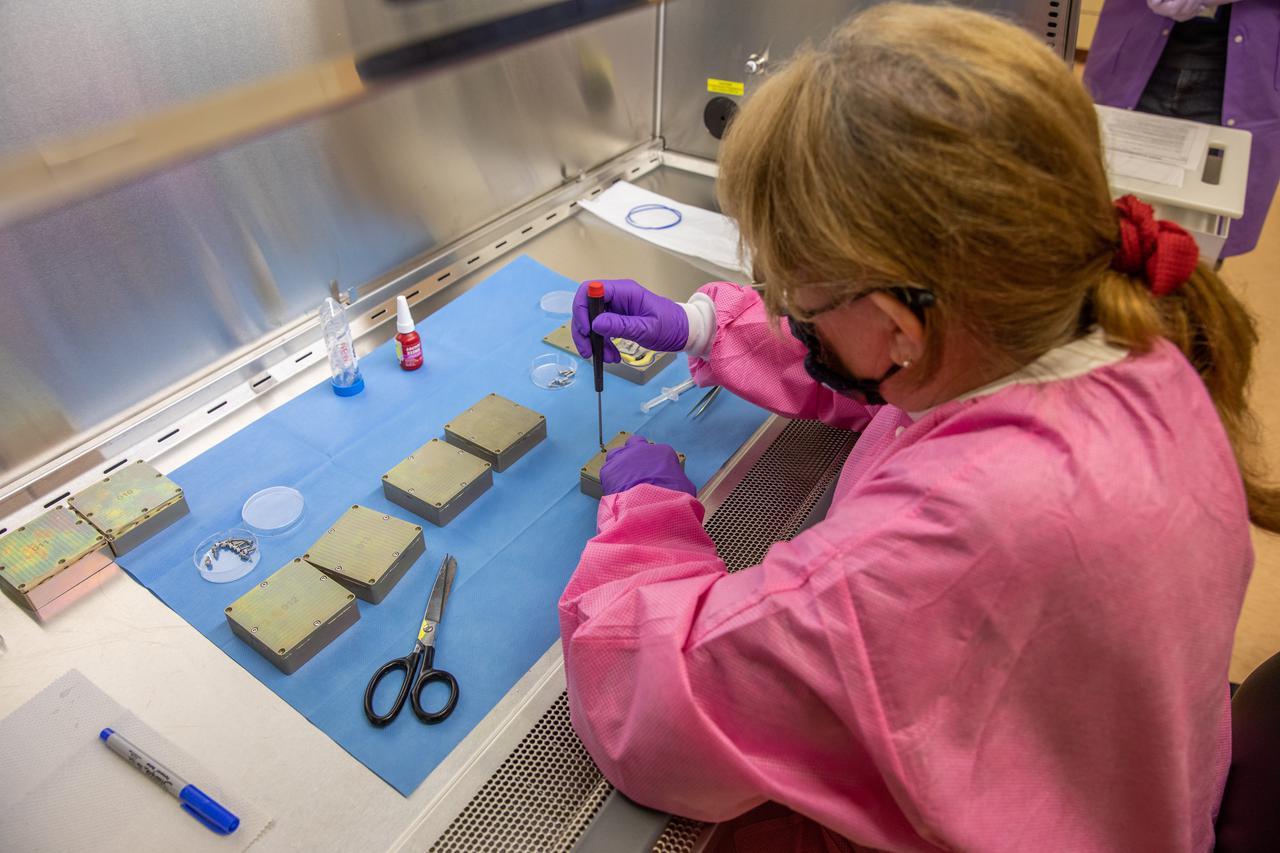
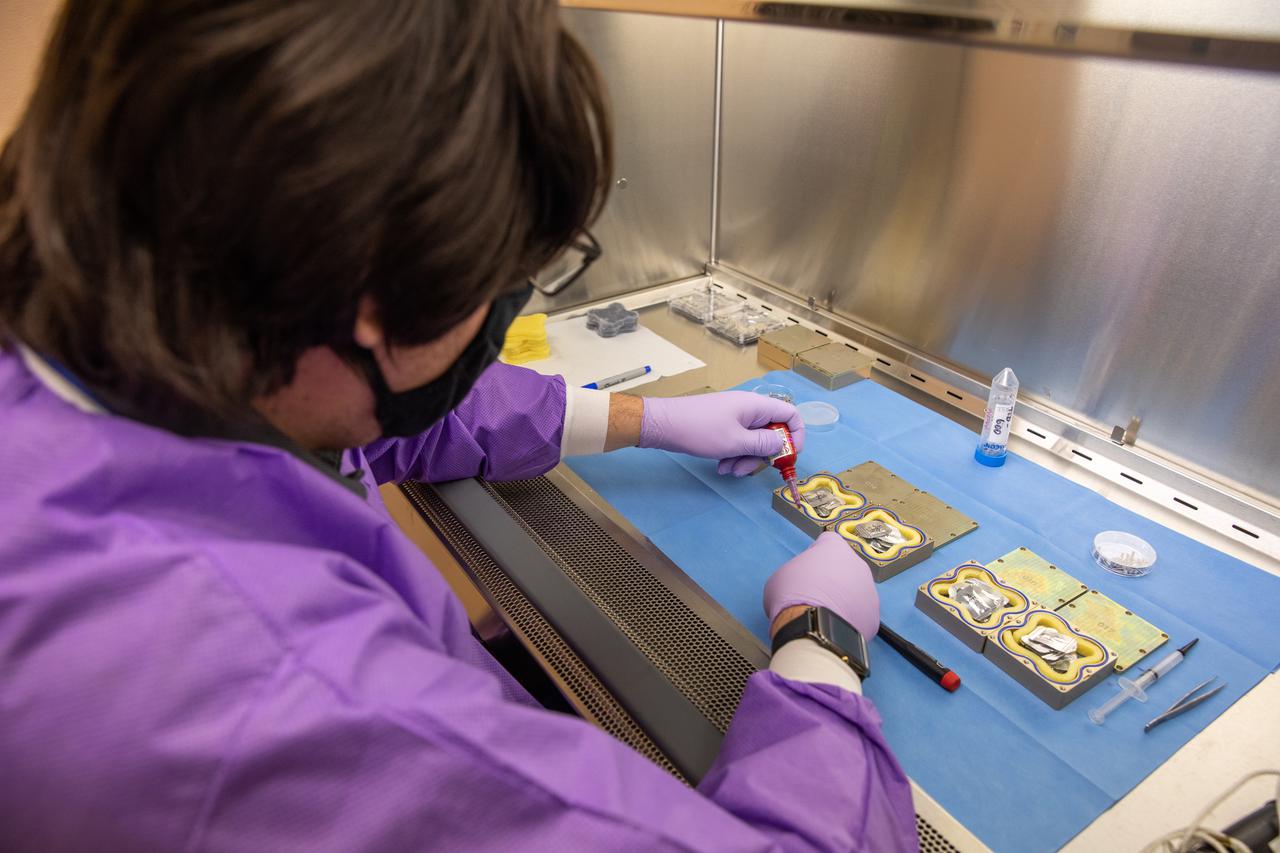
Christina Khodada, a research scientist working with the Exploration Research and Technology Programs, prepares containers Feb. 11, 2021, at NASA’s Kennedy Space Center in Florida for a Materials International Space Station Experiment (MISSE). The containers, carrying sets of seeds, will fly aboard Northrop Grumman’s Cygnus spacecraft as part of NG-15, a NASA commercial resupply mission to the orbiting laboratory targeted for Feb. 20, 2021. They will be placed in the MISSE testing facility, located near the space station’s solar arrays, where they will be exposed to the extreme environment of space for six months before returning to Earth for further study.
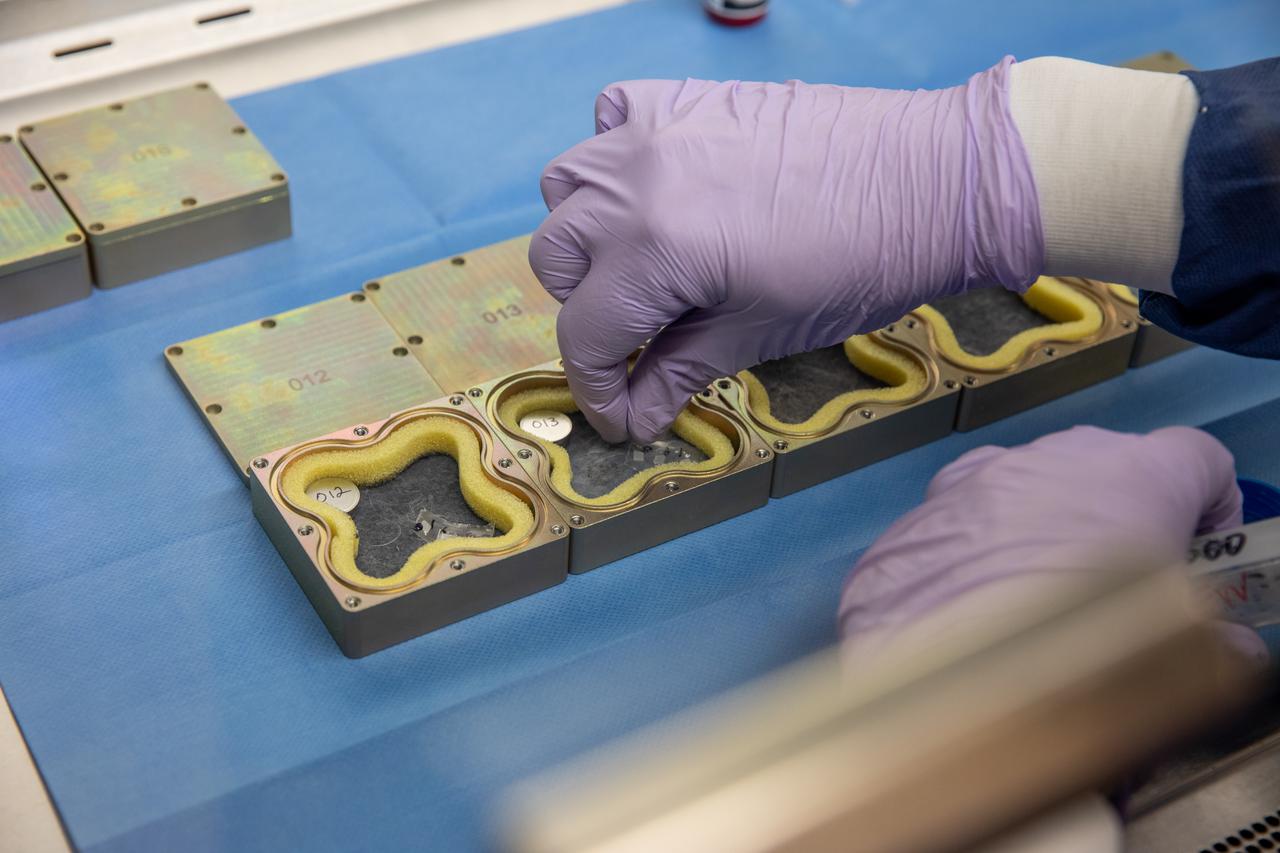
Jeffrey Richards, a project science coordinator working with the Exploration Research and Technology programs at NASA’s Kennedy Space Center in Florida, prepares containers Feb. 11, 2021, for a Materials International Space Station Experiment (MISSE). The containers, carrying sets of seeds, will fly aboard Northrop Grumman’s Cygnus spacecraft as part of NG-15, a NASA commercial resupply mission to the orbiting laboratory targeted for Feb. 20, 2021. They will be placed in the MISSE testing facility, located near the space station’s solar arrays, where they will be exposed to the extreme environment of space for six months before returning to Earth for further study.
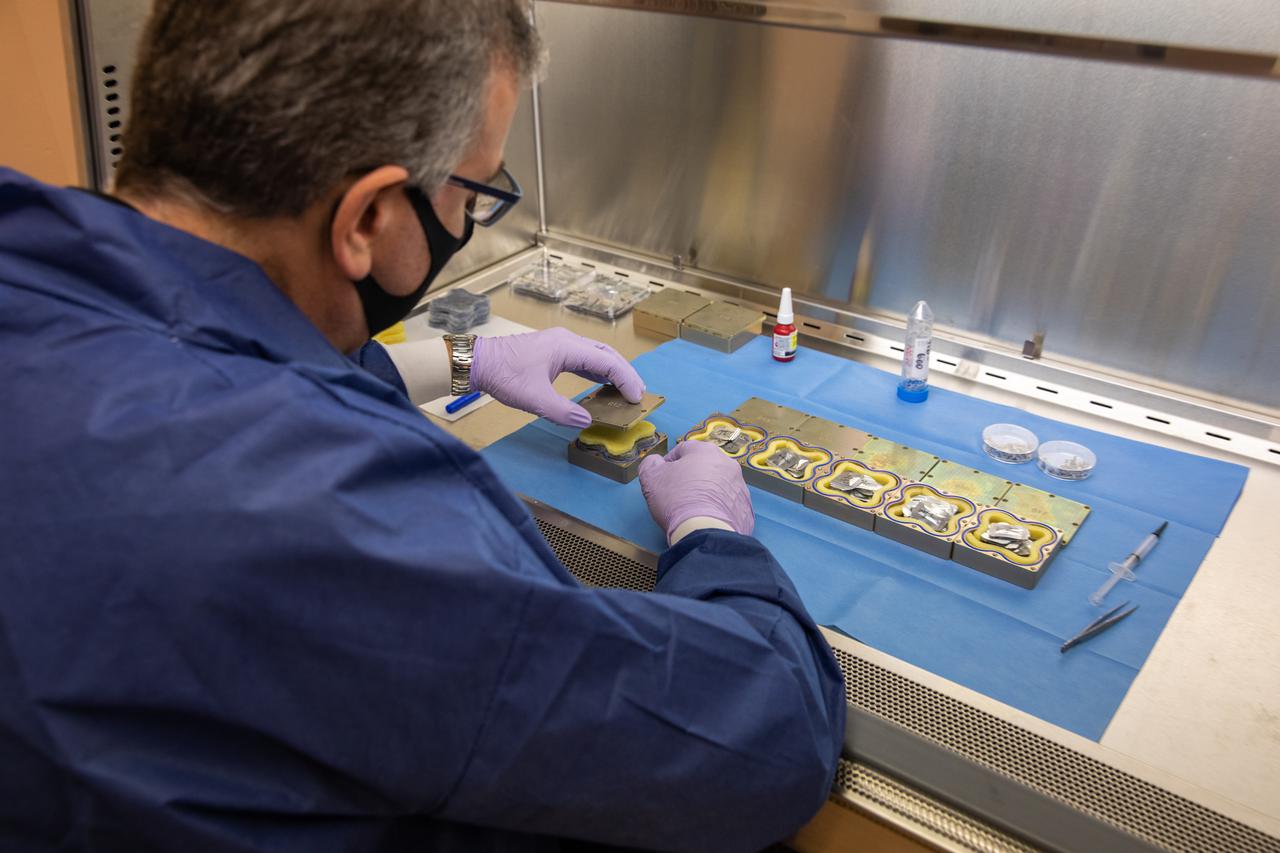
Jeffrey Richards, a project science coordinator working with the Exploration Research and Technology programs at NASA’s Kennedy Space Center in Florida, prepares containers Feb. 11, 2021, for a Materials International Space Station Experiment (MISSE). The containers, carrying sets of seeds, will fly aboard Northrop Grumman’s Cygnus spacecraft as part of NG-15, a NASA commercial resupply mission to the orbiting laboratory targeted for Feb. 20, 2021. They will be placed in the MISSE testing facility, located near the space station’s solar arrays, where they will be exposed to the extreme environment of for six months before returning to Earth for further study.
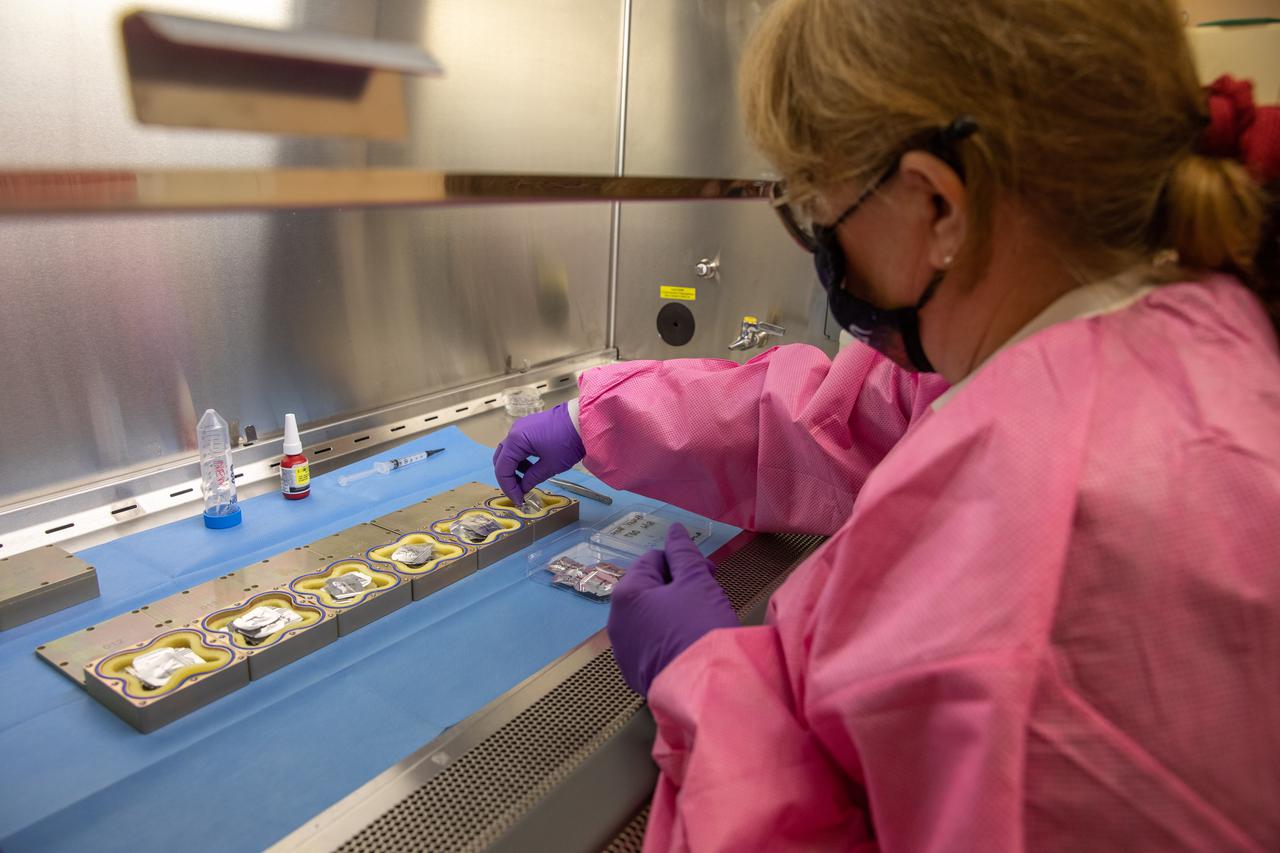
Christina Khodada, a research scientist working with the Exploration Research and Technology Programs, prepares containers Feb. 11, 2021, at NASA’s Kennedy Space Center in Florida for a Materials International Space Station Experiment (MISSE). The containers, carrying sets of seeds, will fly aboard Northrop Grumman’s Cygnus spacecraft as part of NG-15, a NASA commercial resupply mission to the orbiting laboratory targeted for Feb. 20, 2021. They will be placed in the MISSE testing facility, located near the space station’s solar arrays, where they will be exposed to the extreme environment of space for six months before returning to Earth for further study.
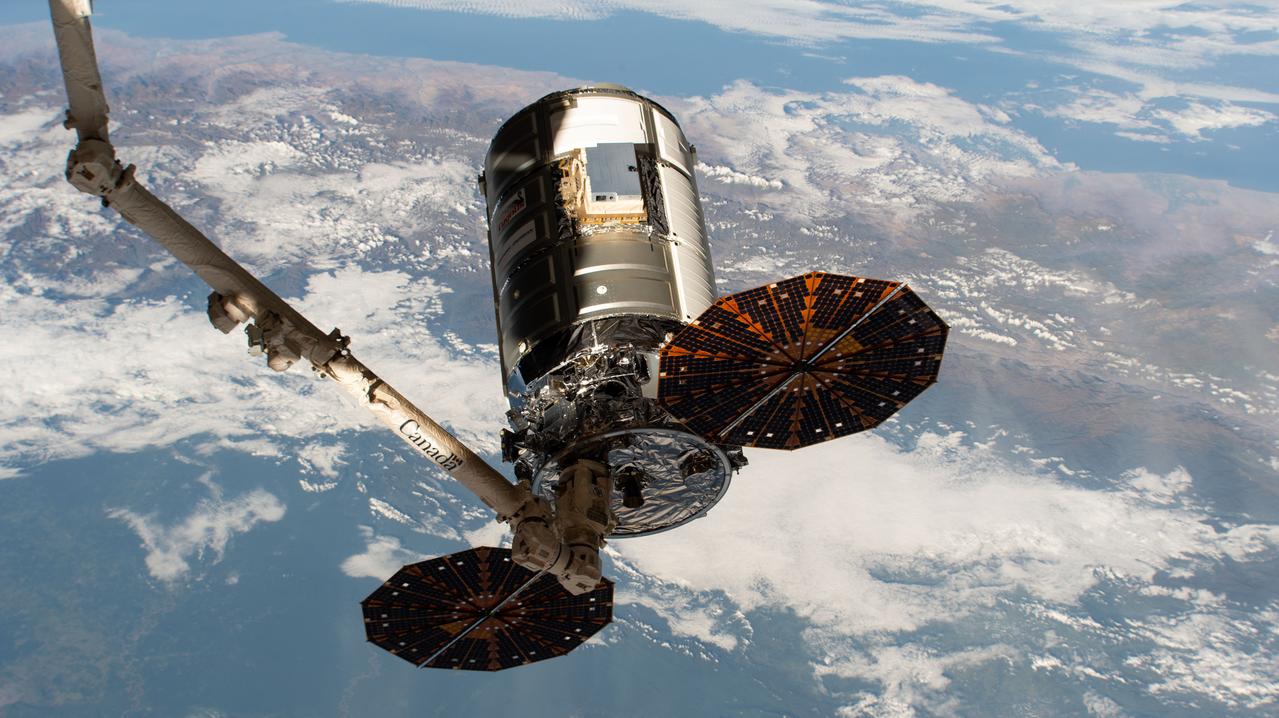
iss063e010583 (May 11, 2020) --- The Northrop Grumman (NG)-13 Cygnus vehicle (S.S. Robert Henry Lawrence Jr.) cargo craft is pictured in the grips of the Canadarm2 robotic arm shortly before its departure from the International Space Station (ISS) for a destructive re-entry over the South Pacific Ocean. Seen in the view is the High Definition Earth Viewing (HDEV) payload attached to the Cygnus. The HDEV experiment, deployed and activated in April 2014, placed four commercially available HD cameras on the exterior of the space station and used them to stream live video of Earth for viewing online. Almost 350 million viewers visited the site over HDEV’s life span.

Jeffrey Richards, a project science coordinator working with the Exploration Research and Technology programs at NASA’s Kennedy Space Center in Florida, prepares containers Feb. 11, 2021, for a Materials International Space Station Experiment (MISSE). The containers, carrying sets of seeds, will fly aboard Northrop Grumman’s Cygnus spacecraft as part of NG-15, a NASA commercial resupply mission to the orbiting laboratory targeted for Feb. 20, 2021. They will be placed in the MISSE testing facility, located near the space station’s solar arrays, where they will be exposed to the extreme environment of space for six months before returning to Earth for further study.

Jeffrey Richards, a project science coordinator working with the Exploration Research and Technology programs at NASA’s Kennedy Space Center in Florida, prepares containers Feb. 11, 2021, for a Materials International Space Station Experiment (MISSE). The containers, carrying sets of seeds, will fly aboard Northrop Grumman’s Cygnus spacecraft as part of NG-15, a NASA commercial resupply mission to the orbiting laboratory targeted for Feb. 20, 2021. They will be placed in the MISSE testing facility, located near the space station’s solar arrays, where they will be exposed to the extreme environment of space for six months before returning to Earth for further study.
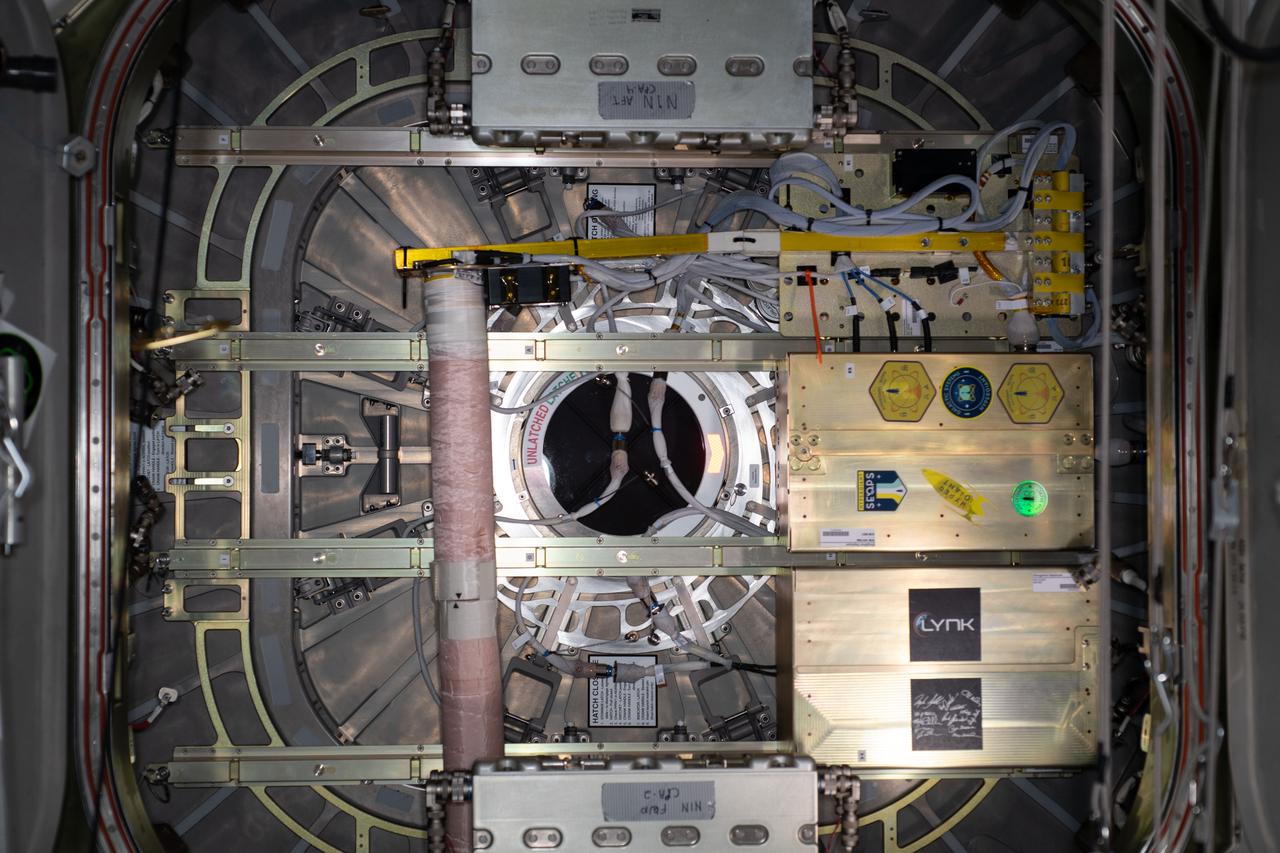
iss063e010534 (5/10/2020) --- A view from the Unity module aboard the International Space Station (ISS) of the Northrop Grumman NG-13 hatch. Attached to the hatch is the SlingShot small satellite deployer loaded with two CubeSats that will be deployed into Earth orbit after Cygnus departs the orbiting lab on May 11, 2020. The SEOPS-UbiquitiLink investigation furthers demonstrates the premise that small satellites/nano satellites can perform vital communications missions and provide valuable communications services. The SEOPS-WIDAR investigation demonstrates technologies that increase the utility of low-cost microsatellites, contributing to the increased commercialization of the International Space Station and low-Earth orbit.
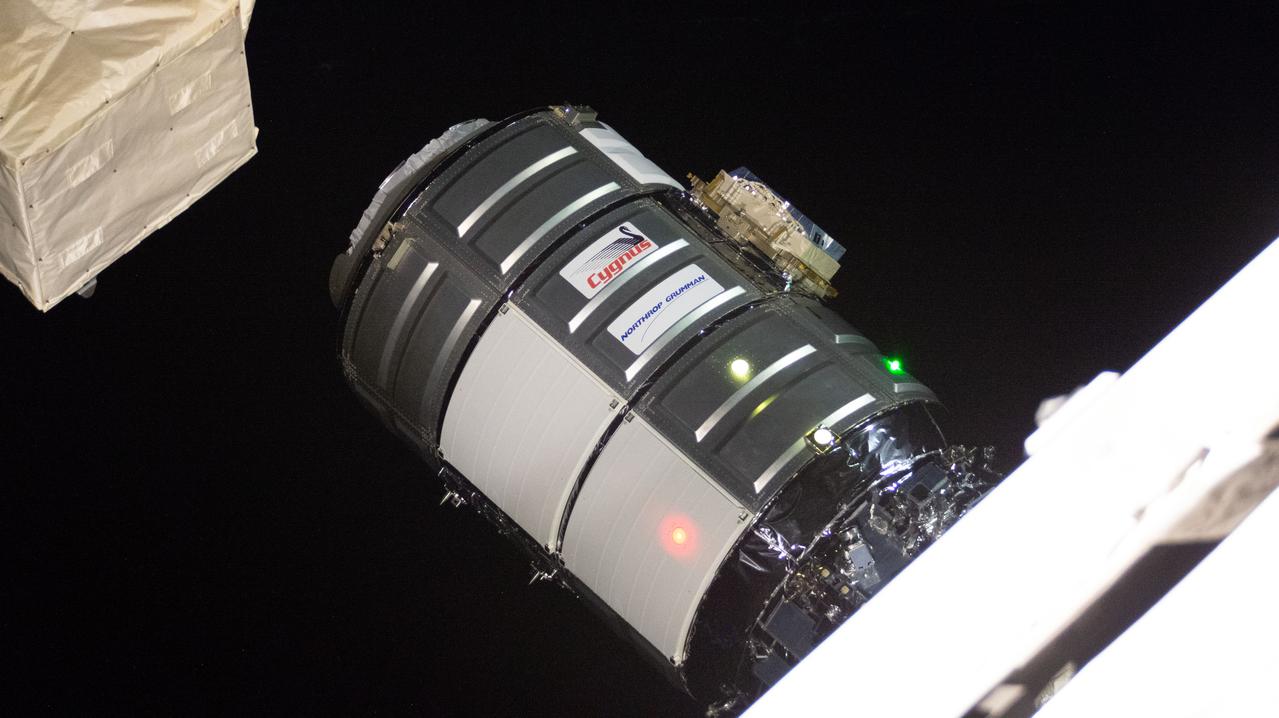
iss063e010584 (5/11/2020) --- The Northrop Grumman (NG)-13 Cygnus vehicle (S.S. Robert Henry Lawrence Jr.) cargo craft is pictured in the grips of the Canadarm2 robotic arm shortly before its departure from the International Space Station (ISS) for a destructive re-entry over the South Pacific Ocean. Seen in the view is the High Definition Earth Viewing (HDEV) payload attached to the Cygnus. The HDEV experiment, deployed and activated in April 2014, placed four commercially available HD cameras on the exterior of the space station and used them to stream live video of Earth for viewing online. Almost 350 million viewers visited the site over HDEV’s life span.
Cory Spern, a research scientist working with the Exploration Research and Technology programs at NASA’s Kennedy Space Center in Florida, prepares containers Feb. 11, 2021, for a Materials International Space Station Experiment (MISSE). The containers, carrying sets of seeds, will fly aboard Northrop Grumman’s Cygnus spacecraft as part of NG-15, a NASA commercial resupply mission to the orbiting laboratory targeted for Feb. 20, 2021. They will be placed in the MISSE testing facility, located near the space station’s solar arrays, where they will be exposed to the extreme environment of space for six months before returning to Earth for further study.

Jeffrey Richards, a project science coordinator working with the Exploration Research and Technology programs at NASA’s Kennedy Space Center in Florida, prepares containers Feb. 11, 2021, for a Materials International Space Station Experiment (MISSE). The containers, carrying sets of seeds, will fly aboard Northrop Grumman’s Cygnus spacecraft as part of NG-15, a NASA commercial resupply mission to the orbiting laboratory targeted for Feb. 20, 2021. They will be placed in the MISSE testing facility, located near the space station’s solar arrays, where they will be exposed to the extreme environment of space for six months before returning to Earth for further study.
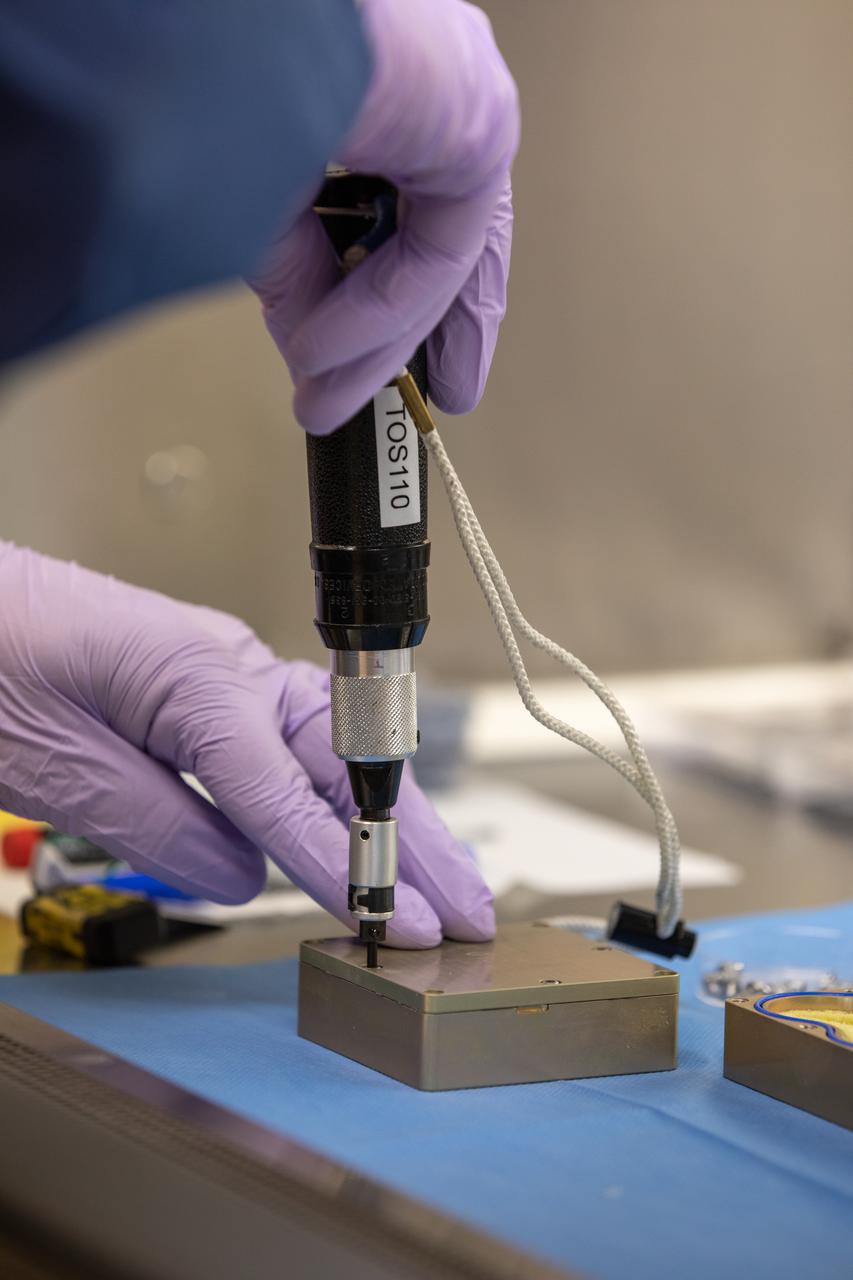
Jeffrey Richards, a project science coordinator working with the Exploration Research and Technology programs at NASA’s Kennedy Space Center in Florida, prepares containers Feb. 11, 2021, for a Materials International Space Station Experiment (MISSE). The containers, carrying sets of seeds, will fly aboard Northrop Grumman’s Cygnus spacecraft as part of NG-15, a NASA commercial resupply mission to the orbiting laboratory targeted for Feb. 20, 2021. They will be placed in the MISSE testing facility, located near the space station’s solar arrays, where they will be exposed to the extreme environment of for six months before returning to Earth for further study.
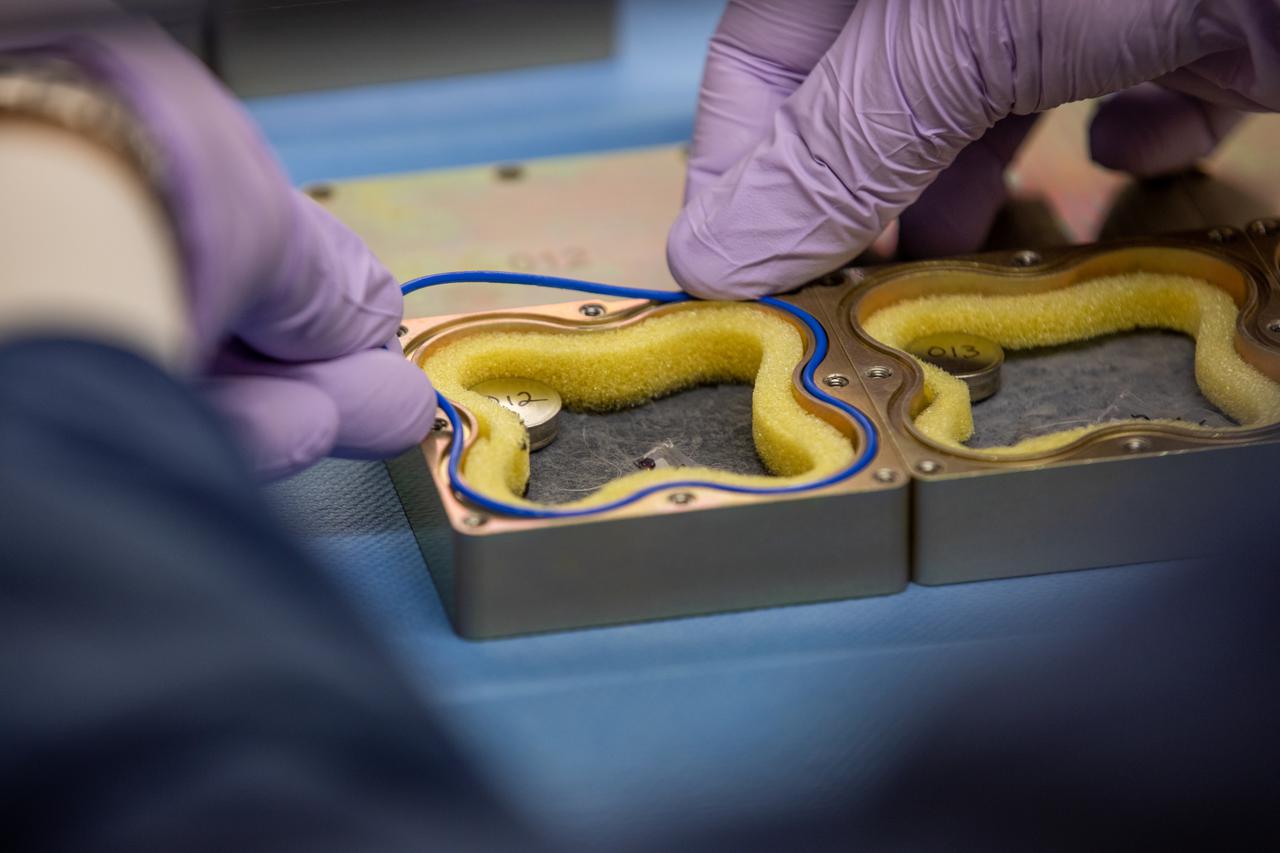
Jeffrey Richards, a project science coordinator working with the Exploration Research and Technology programs at NASA’s Kennedy Space Center in Florida, prepares containers Feb. 11, 2021, for a Materials International Space Station Experiment (MISSE). The containers, carrying sets of seeds, will fly aboard Northrop Grumman’s Cygnus spacecraft as part of NG-15, a NASA commercial resupply mission to the orbiting laboratory targeted for Feb. 20, 2021. They will be placed in the MISSE testing facility, located near the space station’s solar arrays, where they will be exposed to the extreme environment of space for six months before returning to Earth for further study.
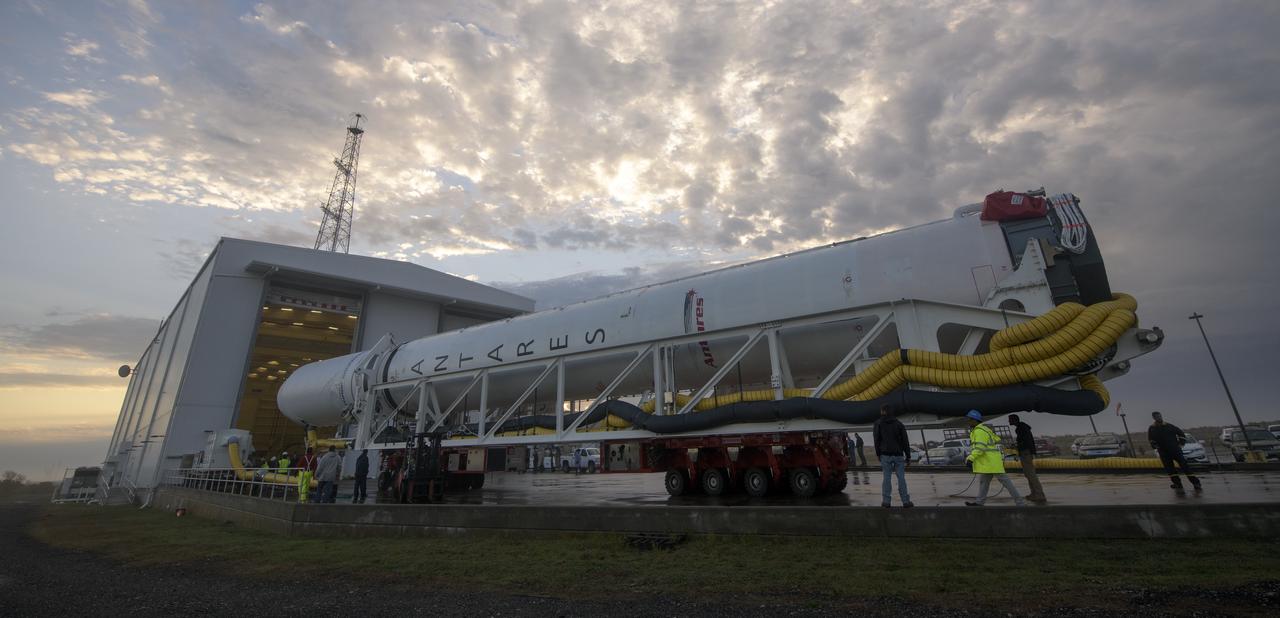
A Northrop Grumman Antares rocket is seen as it rolls out to Pad-0A, Monday, April 15, 2019 at NASA's Wallops Flight Facility in Virginia. Northrop Grumman’s 11th contracted cargo resupply mission with NASA to the International Space Station will deliver about 7,600 pounds of science and research, crew supplies and vehicle hardware to the orbital laboratory and its crew. Photo Credit: (NASA/Bill Ingalls)
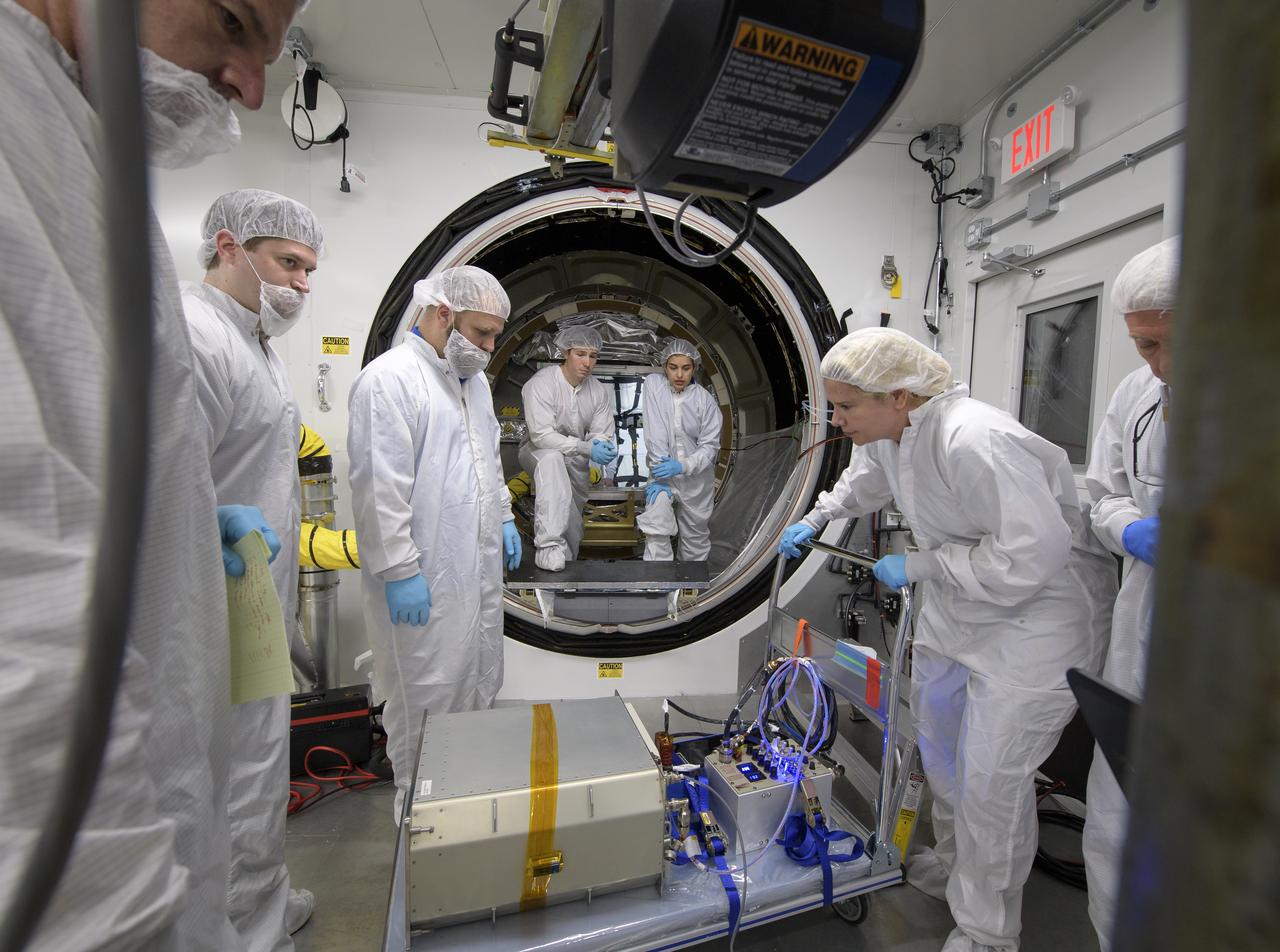
Mission engineers load the final cargo into the Cygnus resupply spacecraft onboard the Northrop Grumman Antares rocket, Tuesday, April 16, 2019 at launch Pad-0A of NASA's Wallops Flight Facility in Virginia. Northrop Grumman’s 11th contracted cargo resupply mission with NASA to the International Space Station will deliver about 7,600 pounds of science and research, crew supplies and vehicle hardware to the orbital laboratory and its crew. Photo Credit: (NASA/Bill Ingalls)

The Northrop Grumman Antares rocket, with Cygnus resupply spacecraft onboard, launches from Pad-0A, Wednesday, April 17, 2019 at NASA's Wallops Flight Facility in Virginia. Northrop Grumman's 11th contracted cargo resupply mission for NASA to the International Space Station will deliver about 7,600 pounds of science and research, crew supplies and vehicle hardware to the orbital laboratory and its crew. Photo Credit: (NASA/Bill Ingalls)
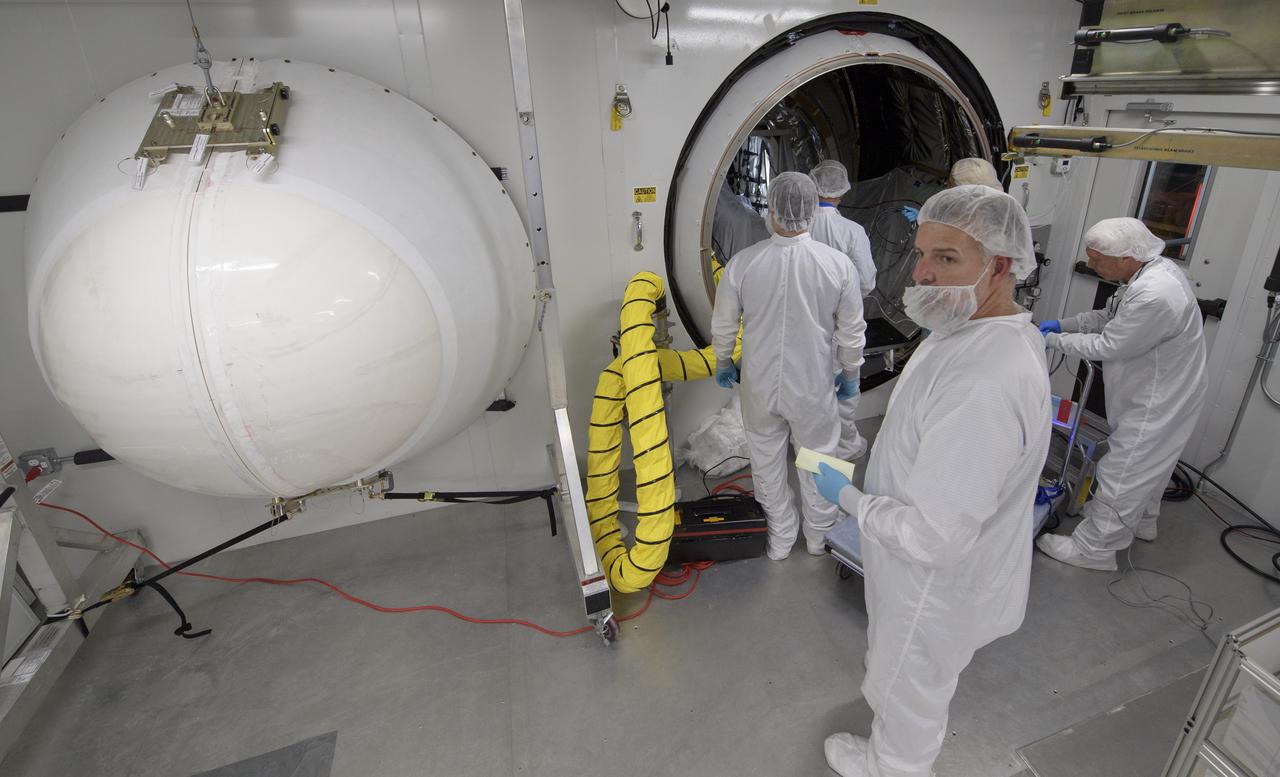
Mission engineers load the final cargo into the Cygnus resupply spacecraft onboard the Northrop Grumman Antares rocket, Tuesday, April 16, 2019 at launch Pad-0A of NASA's Wallops Flight Facility in Virginia. Northrop Grumman’s 11th contracted cargo resupply mission with NASA to the International Space Station will deliver about 7,600 pounds of science and research, crew supplies and vehicle hardware to the orbital laboratory and its crew. Photo Credit: (NASA/Bill Ingalls)
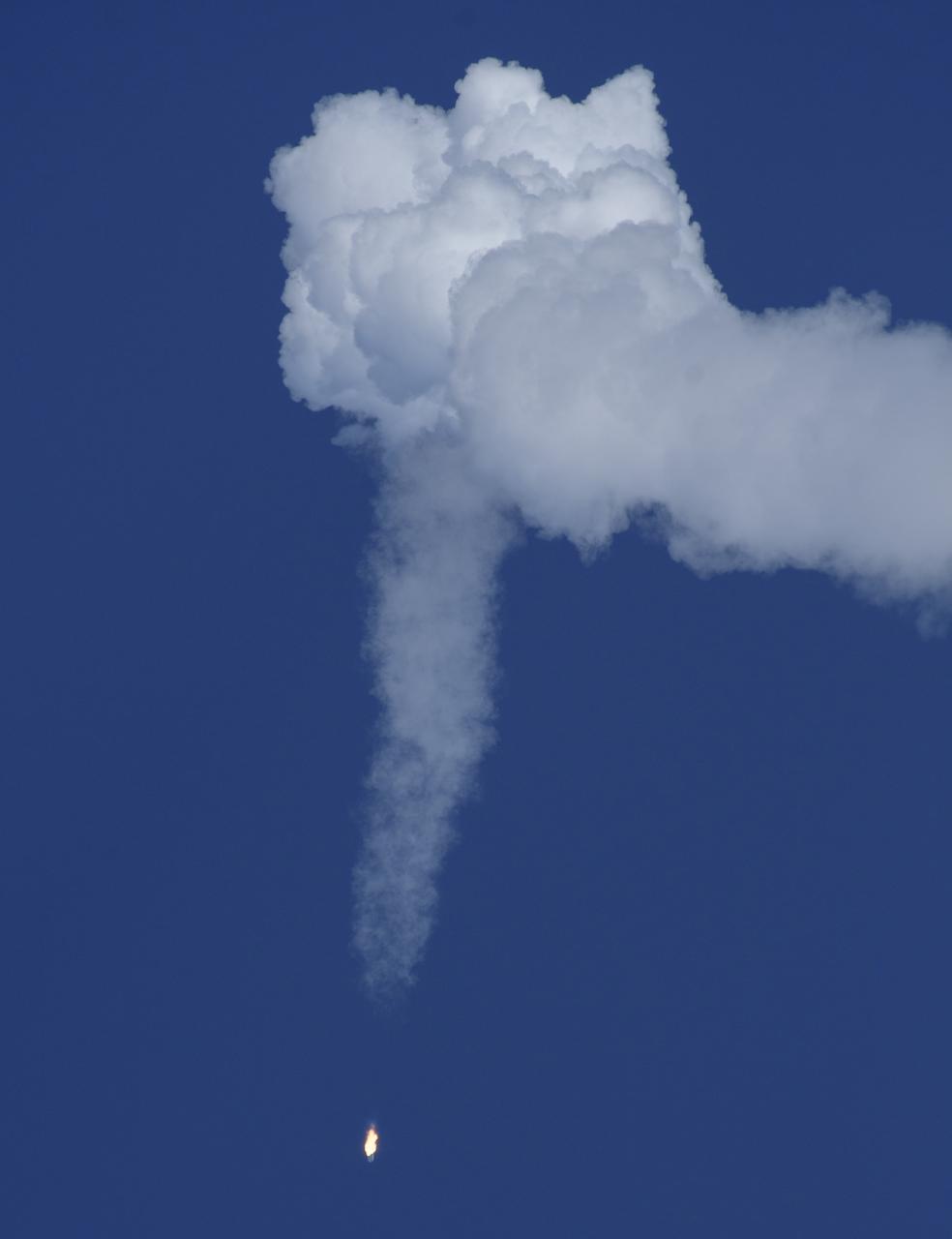
The Northrop Grumman Antares rocket, with Cygnus resupply spacecraft onboard, launches from Pad-0A, Wednesday, April 17, 2019 at NASA's Wallops Flight Facility in Virginia. Northrop Grumman's 11th contracted cargo resupply mission for NASA to the International Space Station will deliver about 7,600 pounds of science and research, crew supplies and vehicle hardware to the orbital laboratory and its crew. Photo Credit: (NASA/Bill Ingalls)
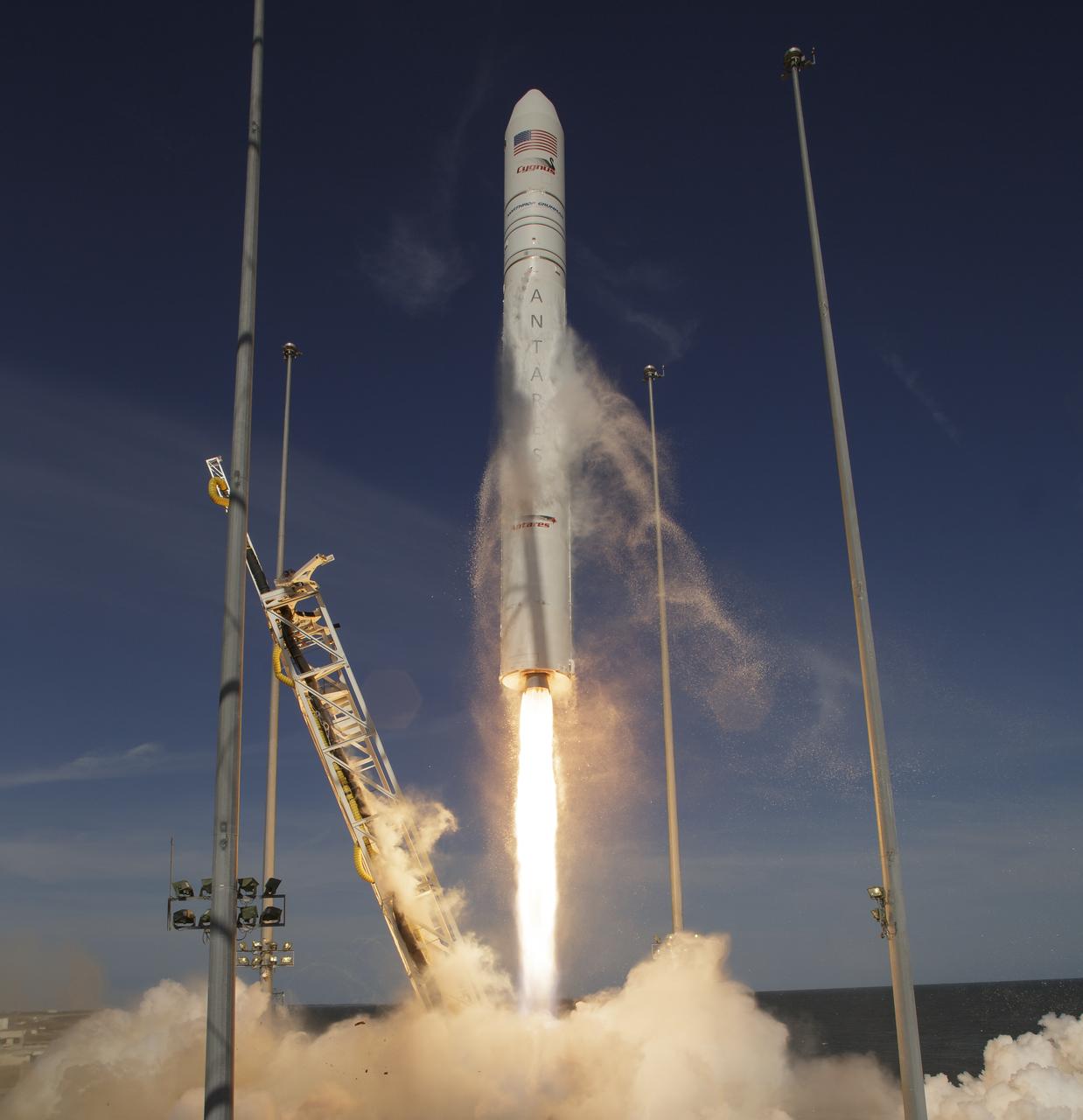
The Northrop Grumman Antares rocket, with Cygnus resupply spacecraft onboard, launches from Pad-0A, Wednesday, April 17, 2019 at NASA's Wallops Flight Facility in Virginia. Northrop Grumman's 11th contracted cargo resupply mission for NASA to the International Space Station will deliver about 7,600 pounds of science and research, crew supplies and vehicle hardware to the orbital laboratory and its crew. Photo Credit: (NASA/Bill Ingalls)
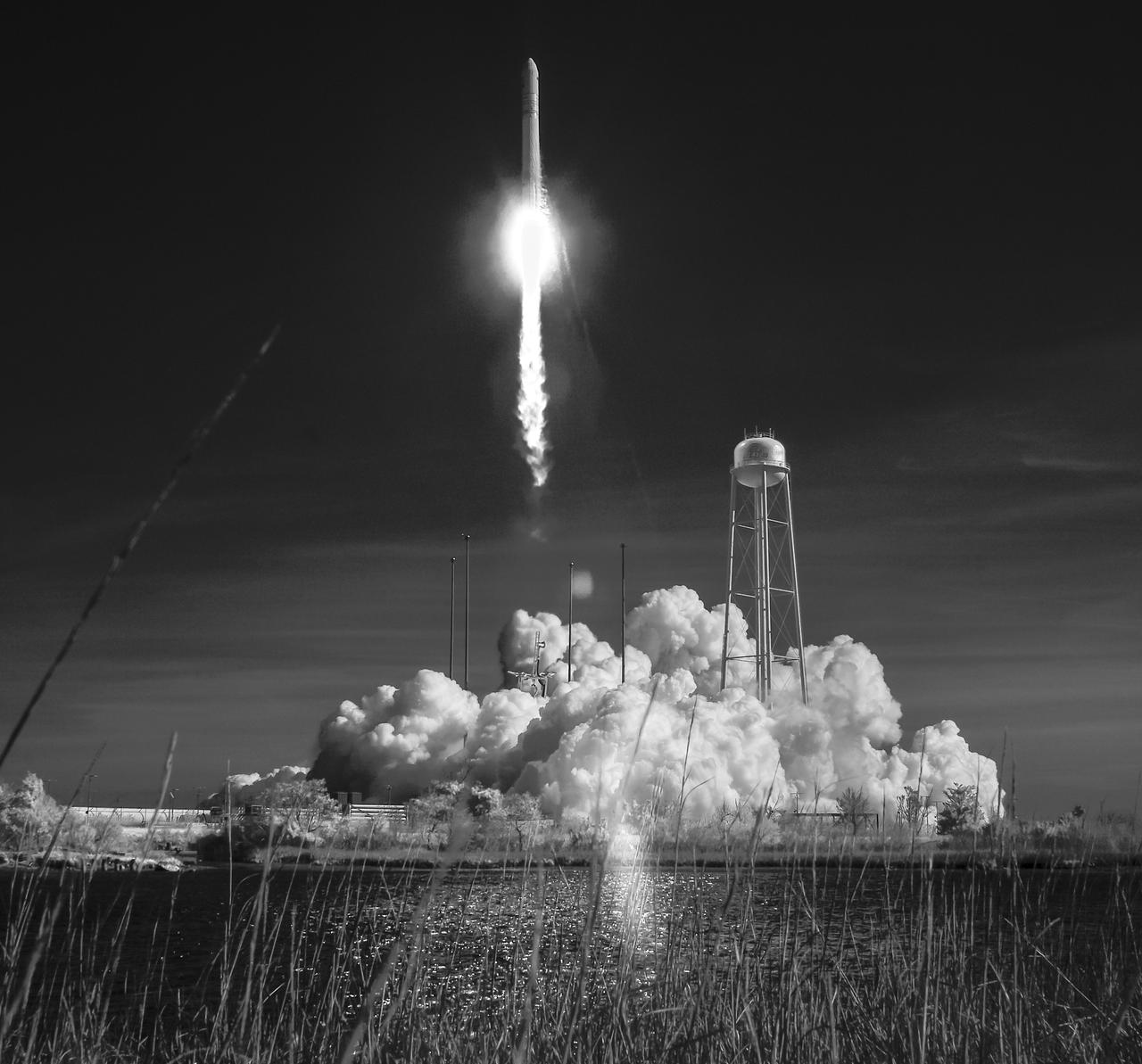
The Northrop Grumman Antares rocket, with Cygnus resupply spacecraft onboard, is seen in this black and white infrared photograph as it launches from Pad-0A, Wednesday, April 17, 2019 at NASA's Wallops Flight Facility in Virginia. Northrop Grumman's 11th contracted cargo resupply mission for NASA to the International Space Station will deliver about 7,600 pounds of science and research, crew supplies and vehicle hardware to the orbital laboratory and its crew. Photo Credit: (NASA/Bill Ingalls)
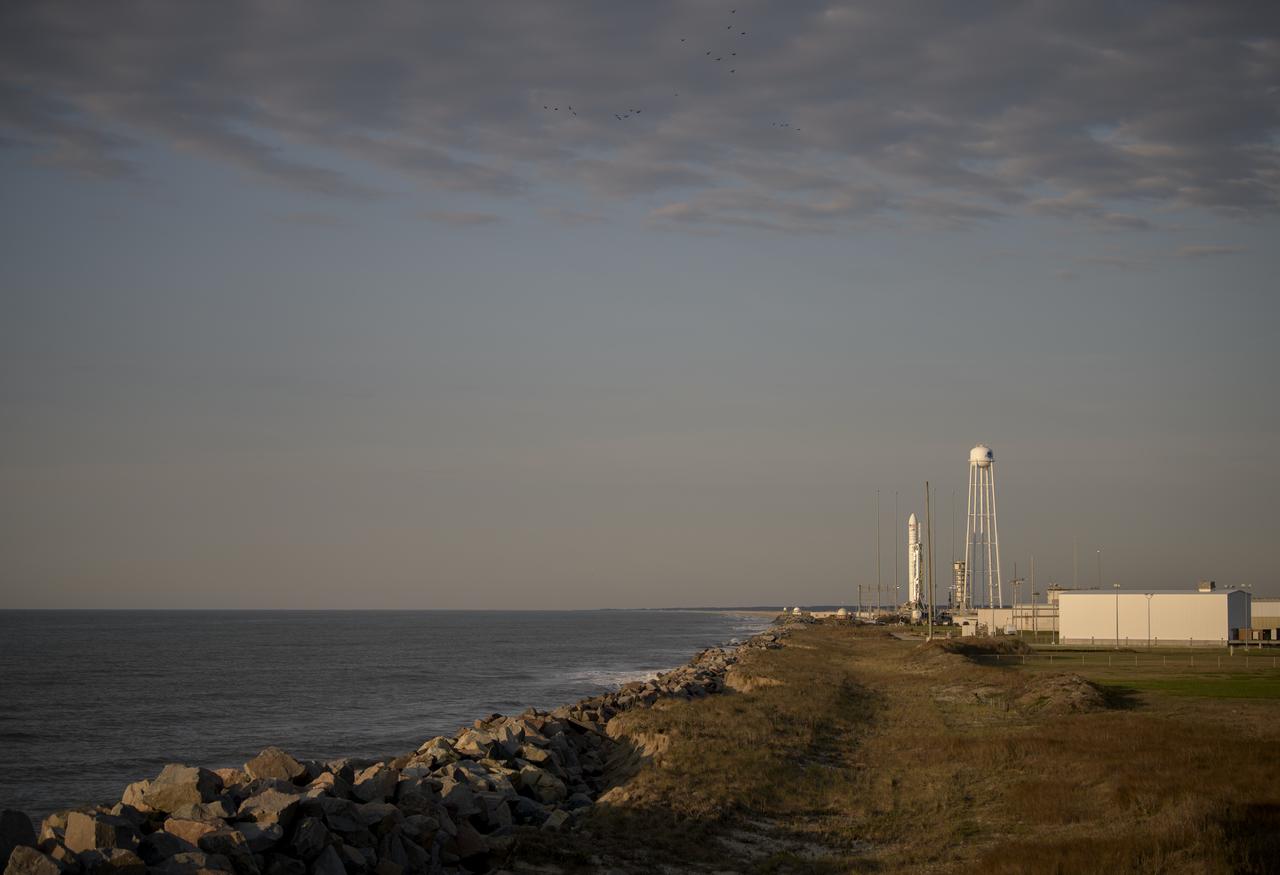
The Northrop Grumman Antares rocket, with Cygnus resupply spacecraft onboard, is seen just after sunrise on Pad-0A, Wednesday, April 17, 2019 at NASA's Wallops Flight Facility in Virginia. Northrop Grumman's 11th contracted cargo resupply mission for NASA to the International Space Station will deliver about 7,600 pounds of science and research, crew supplies and vehicle hardware to the orbital laboratory and its crew. Photo Credit: (NASA/Bill Ingalls)
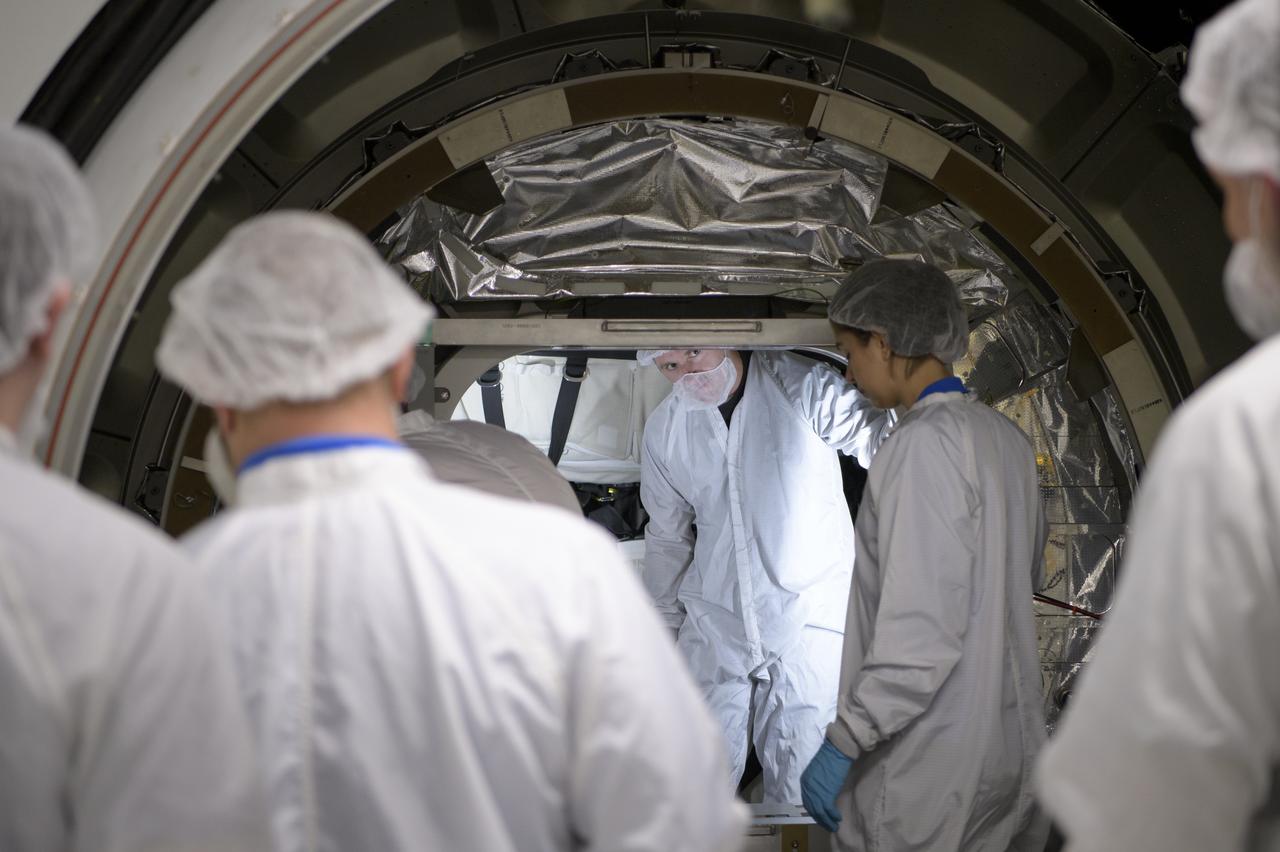
Mission engineers load the final cargo into the Cygnus resupply spacecraft onboard the Northrop Grumman Antares rocket, Tuesday, April 16, 2019 at launch Pad-0A of NASA's Wallops Flight Facility in Virginia. Northrop Grumman’s 11th contracted cargo resupply mission with NASA to the International Space Station will deliver about 7,600 pounds of science and research, crew supplies and vehicle hardware to the orbital laboratory and its crew. Photo Credit: (NASA/Bill Ingalls)
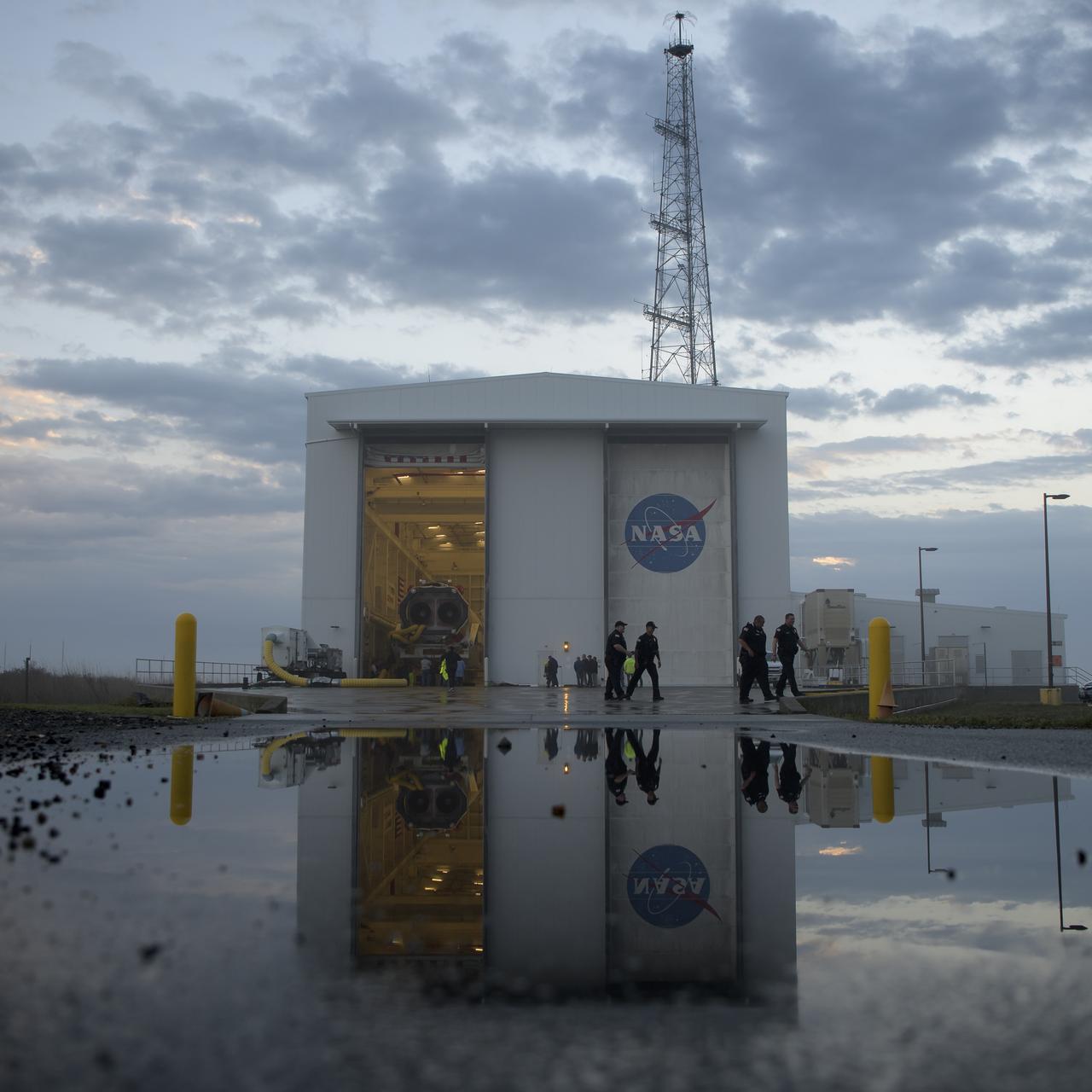
A Northrop Grumman Antares rocket is seen as it rolls out to Pad-0A, Monday, April 15, 2019 at NASA's Wallops Flight Facility in Virginia. Northrop Grumman’s 11th contracted cargo resupply mission with NASA to the International Space Station will deliver about 7,600 pounds of science and research, crew supplies and vehicle hardware to the orbital laboratory and its crew. Photo Credit: (NASA/Bill Ingalls)
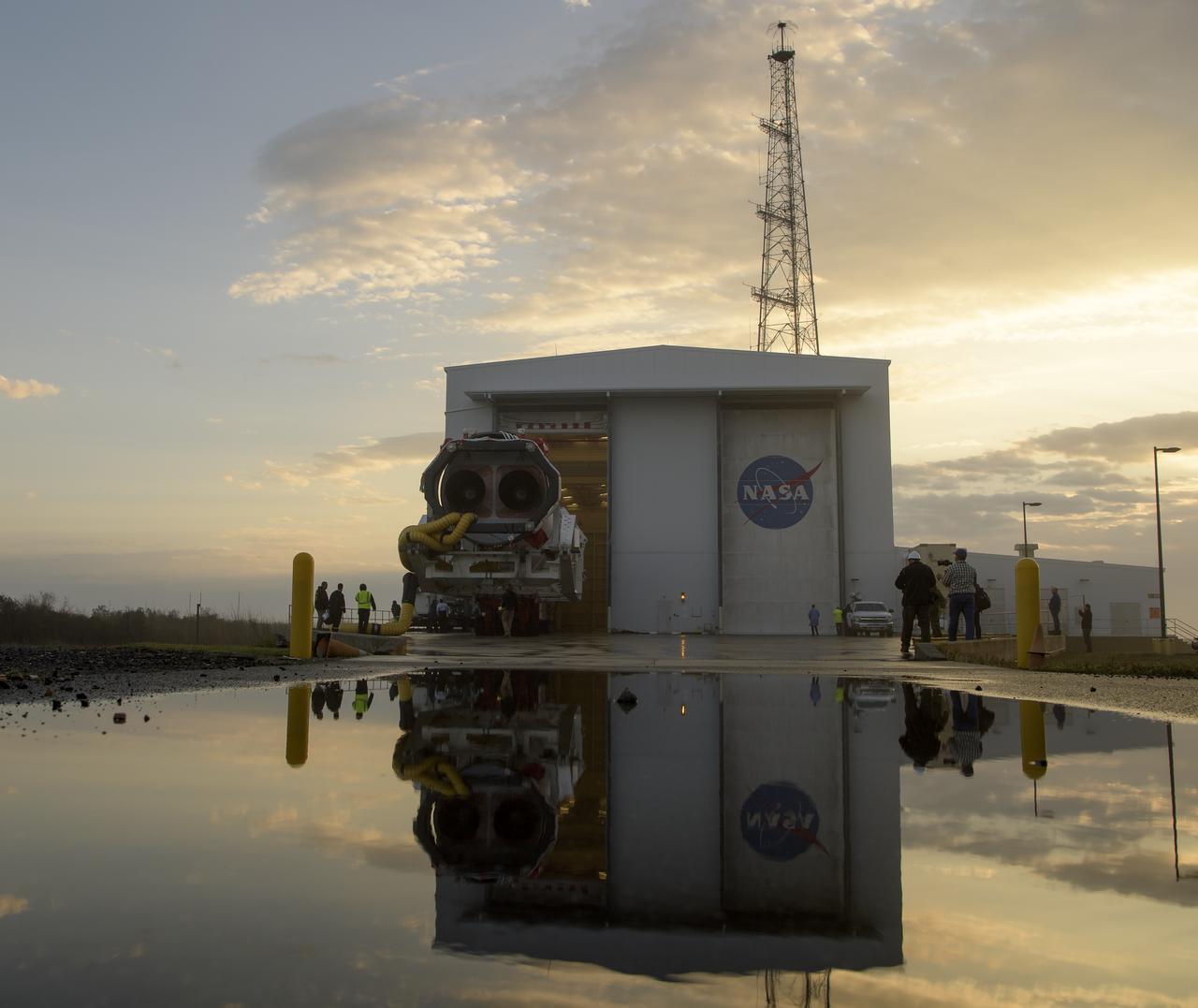
A Northrop Grumman Antares rocket is seen as it rolls out to Pad-0A, Monday, April 15, 2019 at NASA's Wallops Flight Facility in Virginia. Northrop Grumman’s 11th contracted cargo resupply mission with NASA to the International Space Station will deliver about 7,600 pounds of science and research, crew supplies and vehicle hardware to the orbital laboratory and its crew. Photo Credit: (NASA/Bill Ingalls)
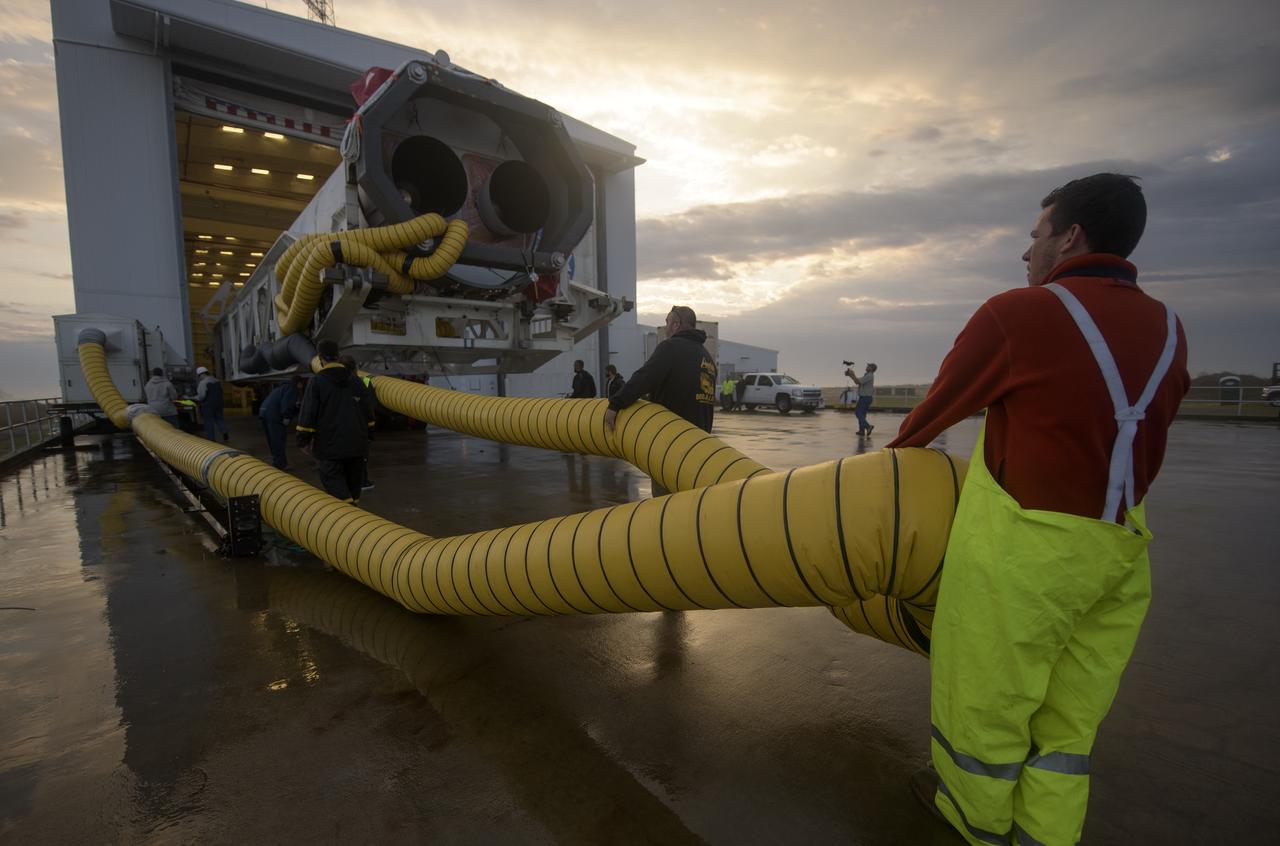
A Northrop Grumman Antares rocket is seen as it rolls out to Pad-0A, Monday, April 15, 2019 at NASA's Wallops Flight Facility in Virginia. Northrop Grumman’s 11th contracted cargo resupply mission with NASA to the International Space Station will deliver about 7,600 pounds of science and research, crew supplies and vehicle hardware to the orbital laboratory and its crew. Photo Credit: (NASA/Bill Ingalls)
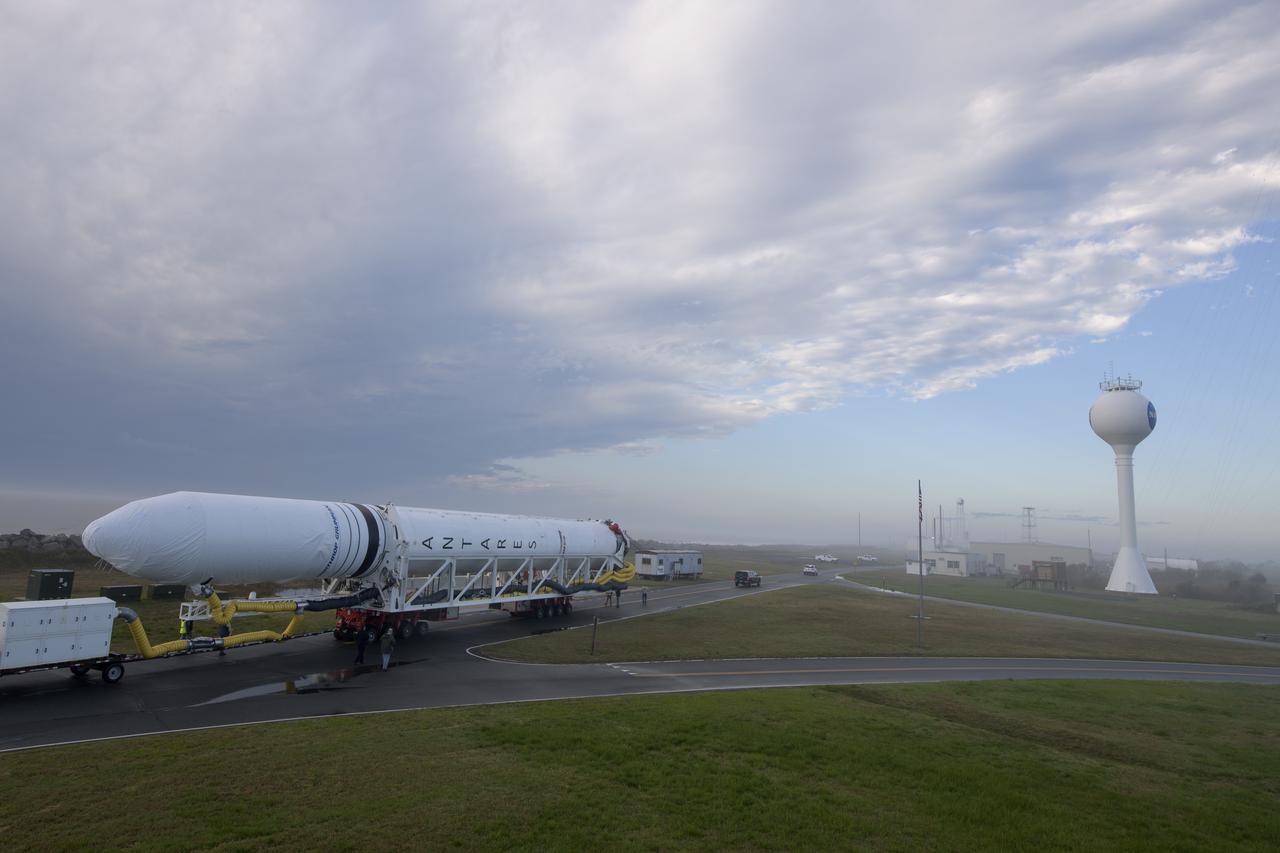
A Northrop Grumman Antares rocket is seen as it rolls out to Pad-0A, Monday, April 15, 2019 at NASA's Wallops Flight Facility in Virginia. Northrop Grumman’s 11th contracted cargo resupply mission with NASA to the International Space Station will deliver about 7,600 pounds of science and research, crew supplies and vehicle hardware to the orbital laboratory and its crew. Photo Credit: (NASA/Bill Ingalls)
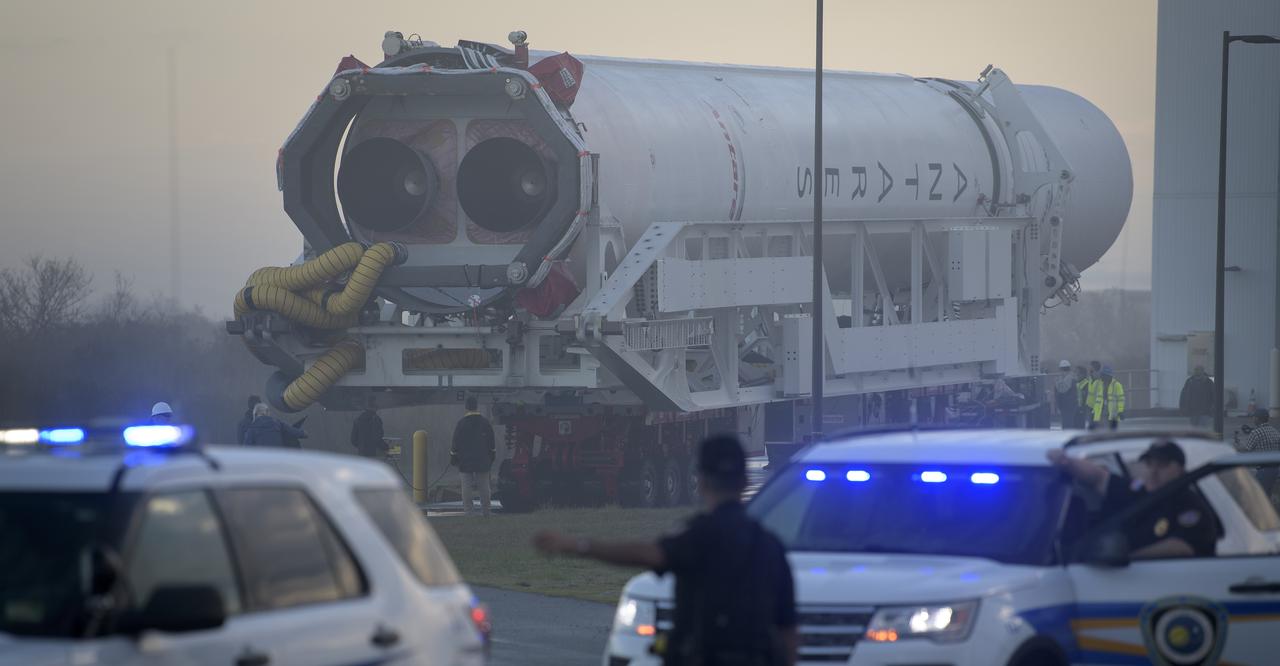
A Northrop Grumman Antares rocket is seen as it rolls out to Pad-0A, Monday, April 15, 2019 at NASA's Wallops Flight Facility in Virginia. Northrop Grumman’s 11th contracted cargo resupply mission with NASA to the International Space Station will deliver about 7,600 pounds of science and research, crew supplies and vehicle hardware to the orbital laboratory and its crew. Photo Credit: (NASA/Bill Ingalls)
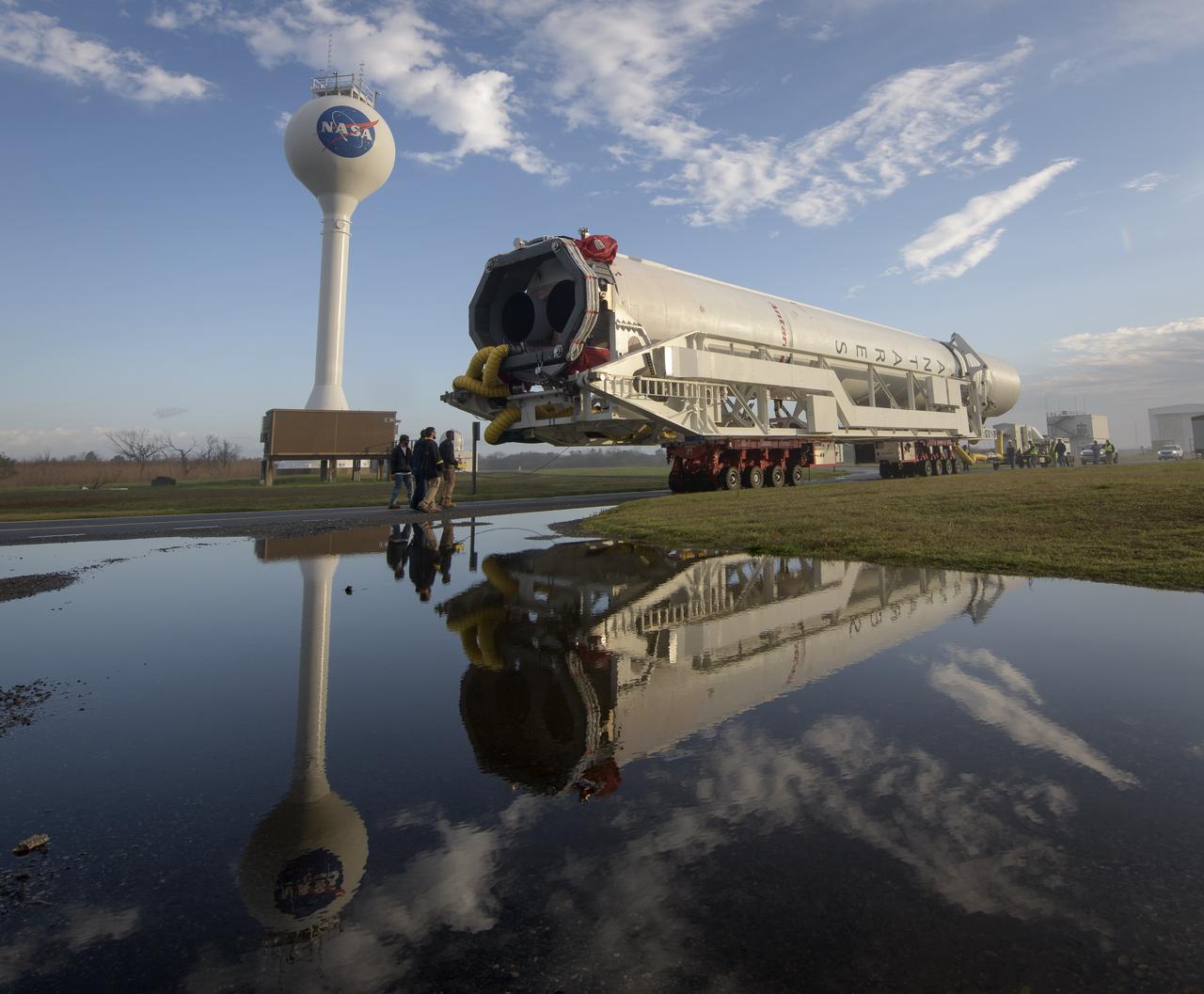
A Northrop Grumman Antares rocket is seen as it rolls out to Pad-0A, Monday, April 15, 2019 at NASA's Wallops Flight Facility in Virginia. Northrop Grumman’s 11th contracted cargo resupply mission with NASA to the International Space Station will deliver about 7,600 pounds of science and research, crew supplies and vehicle hardware to the orbital laboratory and its crew. Photo Credit: (NASA/Bill Ingalls)
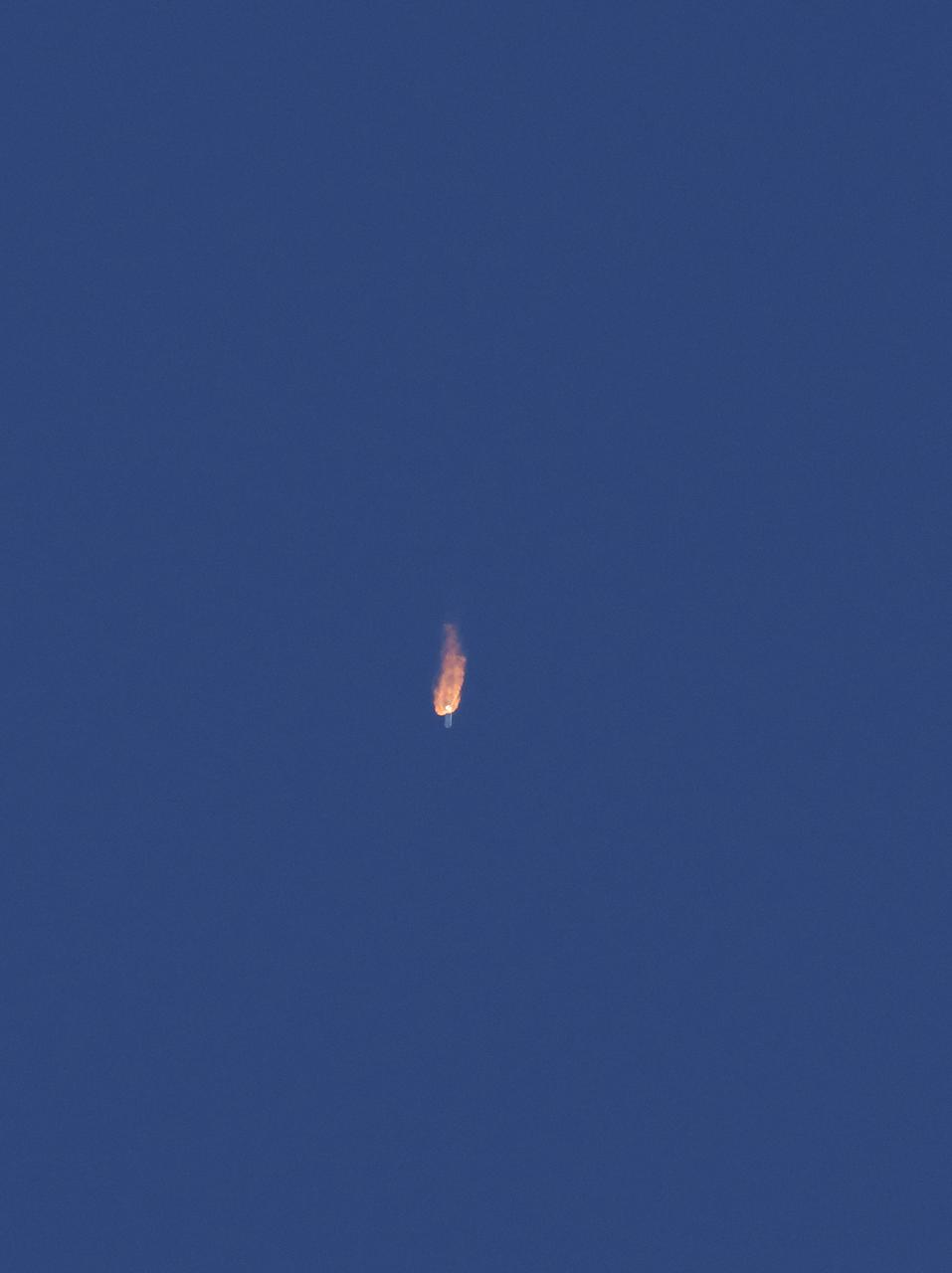
The Northrop Grumman Antares rocket, with Cygnus resupply spacecraft onboard, launches from Pad-0A, Wednesday, April 17, 2019 at NASA's Wallops Flight Facility in Virginia. Northrop Grumman's 11th contracted cargo resupply mission for NASA to the International Space Station will deliver about 7,600 pounds of science and research, crew supplies and vehicle hardware to the orbital laboratory and its crew. Photo Credit: (NASA/Bill Ingalls)
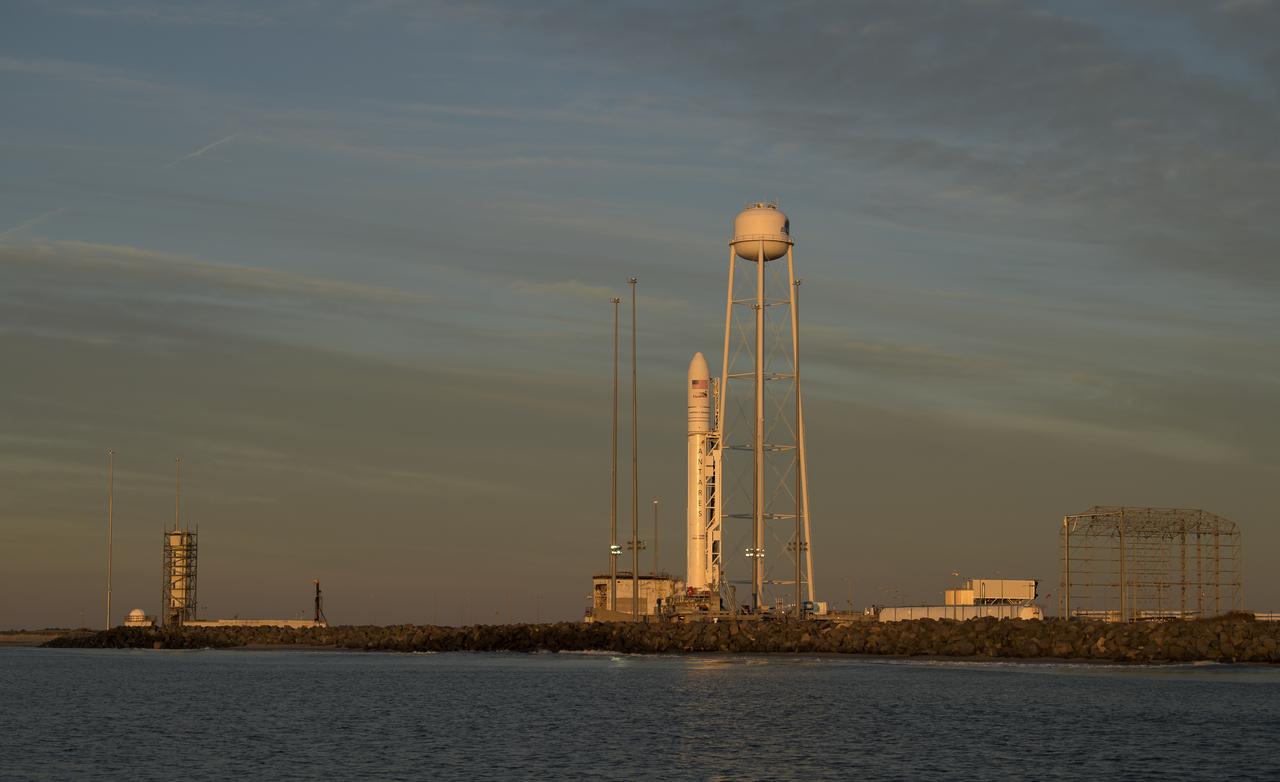
A Northrop Grumman Antares rocket carrying a Cygnus resupply spacecraft is seen during sunrise on Pad-0A, Tuesday, April 16, 2019 at NASA's Wallops Flight Facility in Virginia. Northrop Grumman’s 11th contracted cargo resupply mission with NASA to the International Space Station will deliver about 7,600 pounds of science and research, crew supplies and vehicle hardware to the orbital laboratory and its crew. Photo Credit: (NASA/Bill Ingalls)
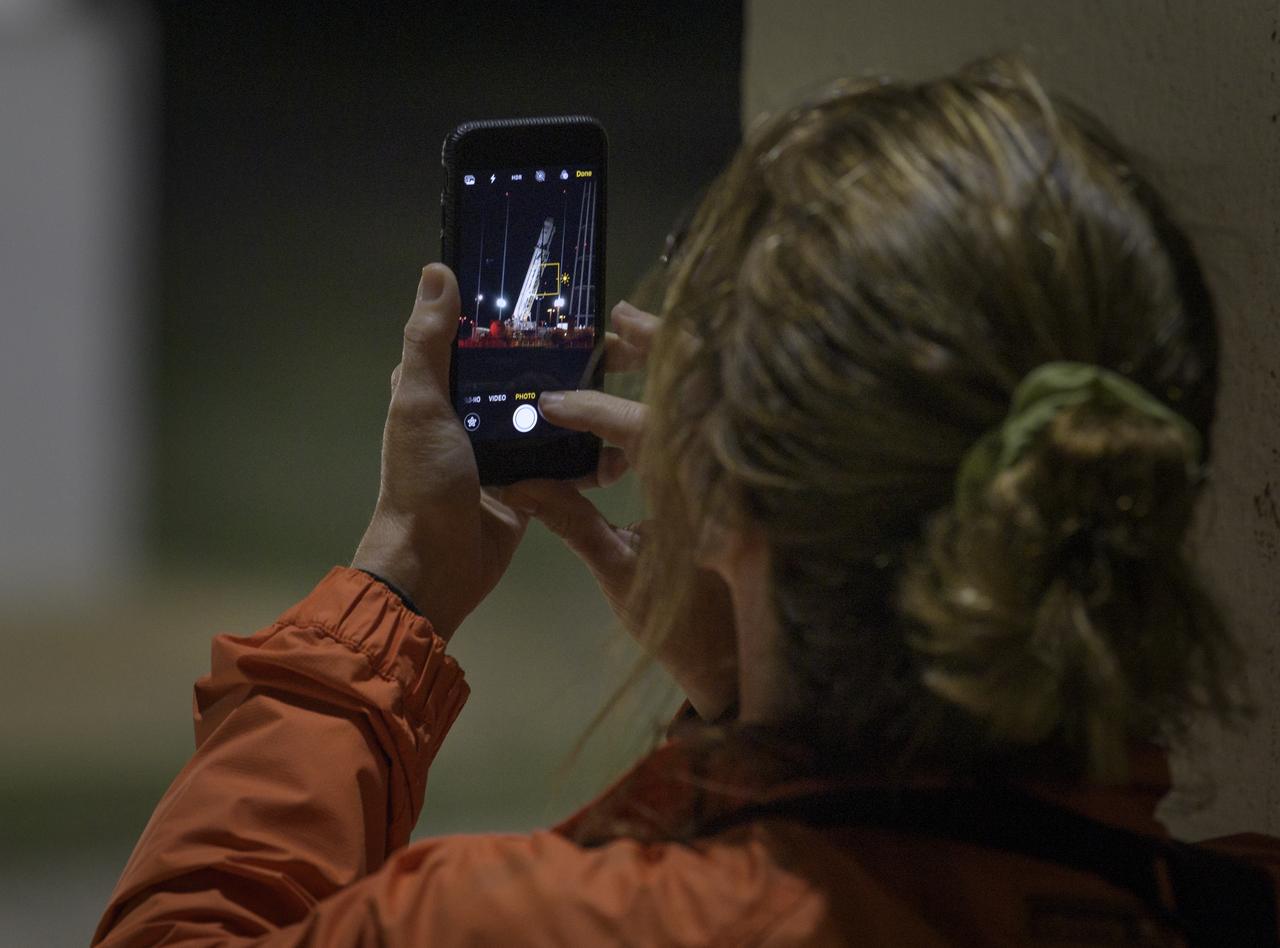
A Northrop Grumman Antares rocket carrying a Cygnus resupply spacecraft is raised into a vertical position on Pad-0A, Monday, April 15, 2019. Northrop Grumman’s 11th contracted cargo resupply mission with NASA to the International Space Station will deliver about 7,600 pounds of science and research, crew supplies and vehicle hardware to the orbital laboratory and its crew. Photo Credit: (NASA/Bill Ingalls)
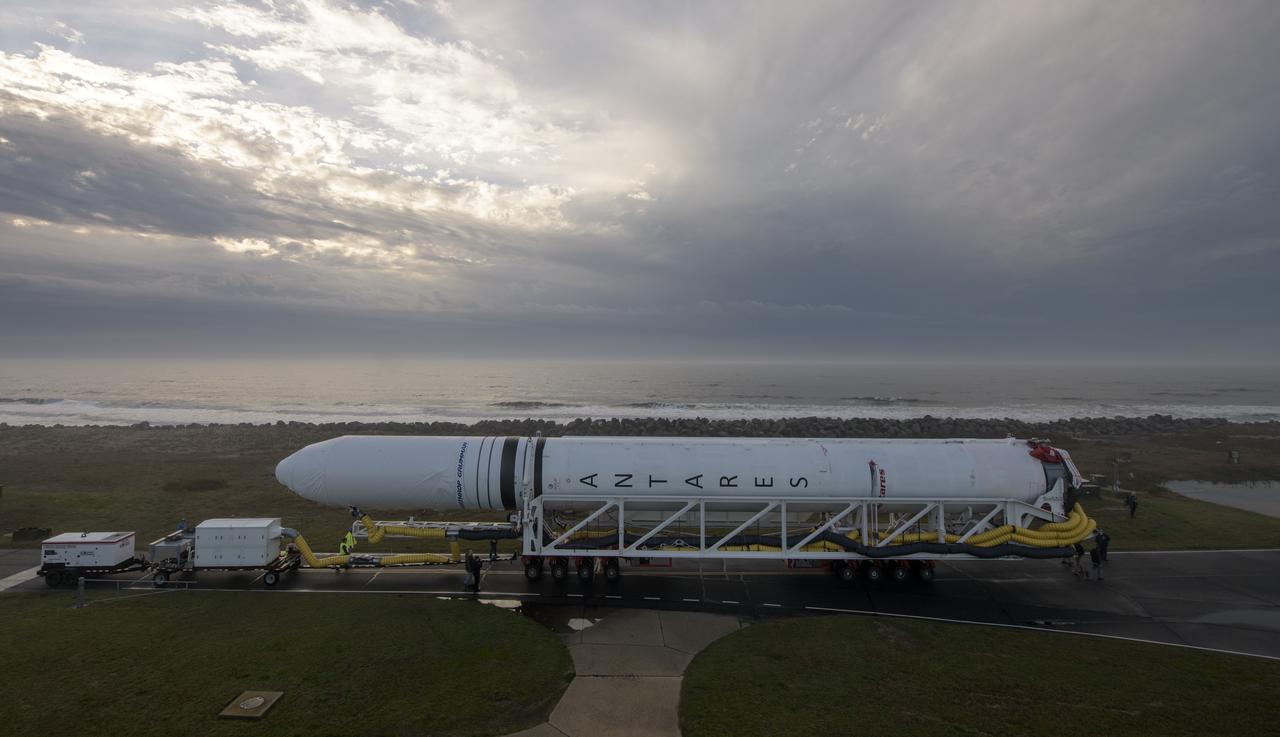
A Northrop Grumman Antares rocket is seen as it rolls out to Pad-0A, Monday, April 15, 2019 at NASA's Wallops Flight Facility in Virginia. Northrop Grumman’s 11th contracted cargo resupply mission with NASA to the International Space Station will deliver about 7,600 pounds of science and research, crew supplies and vehicle hardware to the orbital laboratory and its crew. Photo Credit: (NASA/Bill Ingalls)
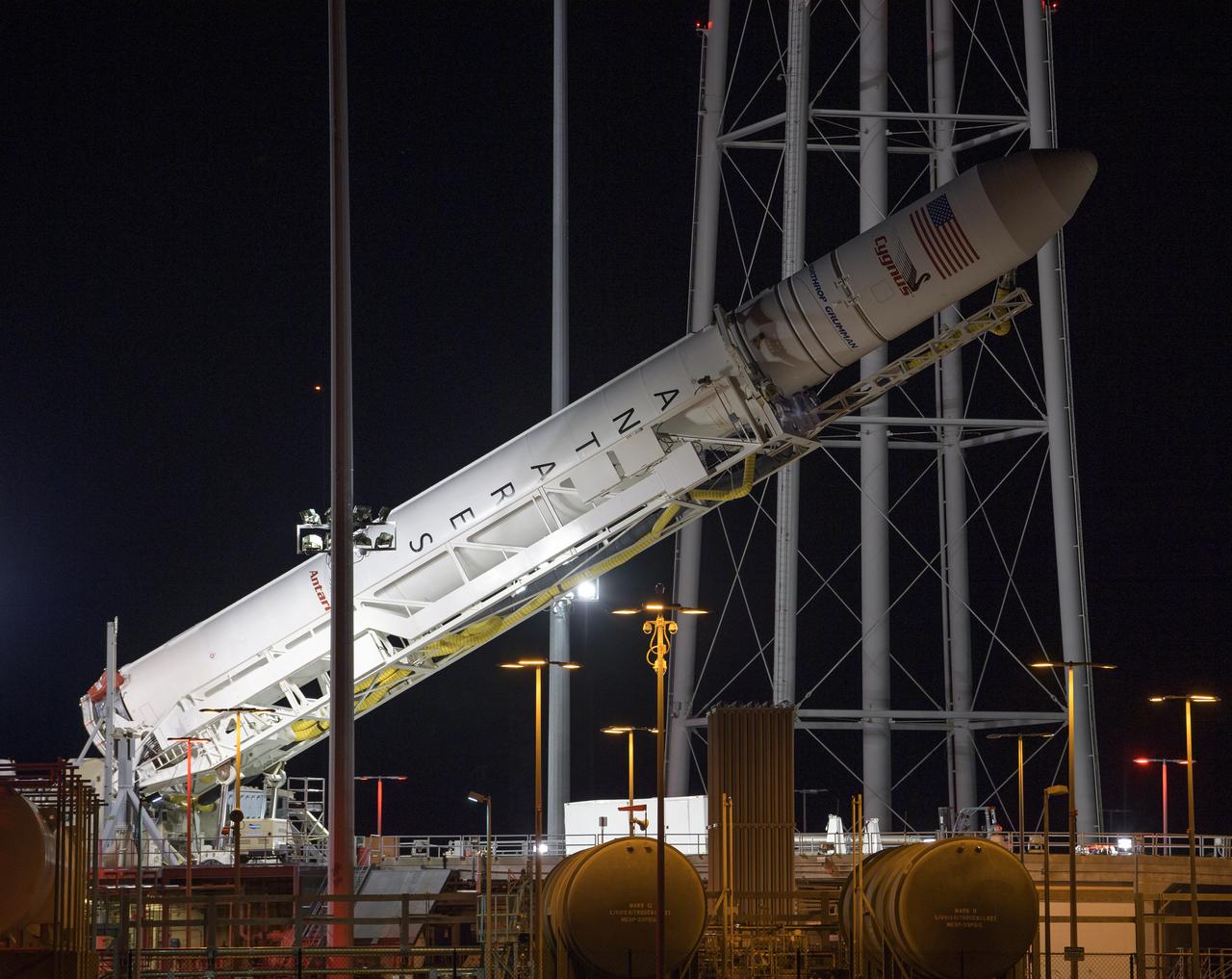
A Northrop Grumman Antares rocket carrying a Cygnus resupply spacecraft is raised into a vertical position on Pad-0A, Monday, April 15, 2019. Northrop Grumman’s 11th contracted cargo resupply mission with NASA to the International Space Station will deliver about 7,600 pounds of science and research, crew supplies and vehicle hardware to the orbital laboratory and its crew. Photo Credit: (NASA/Bill Ingalls)
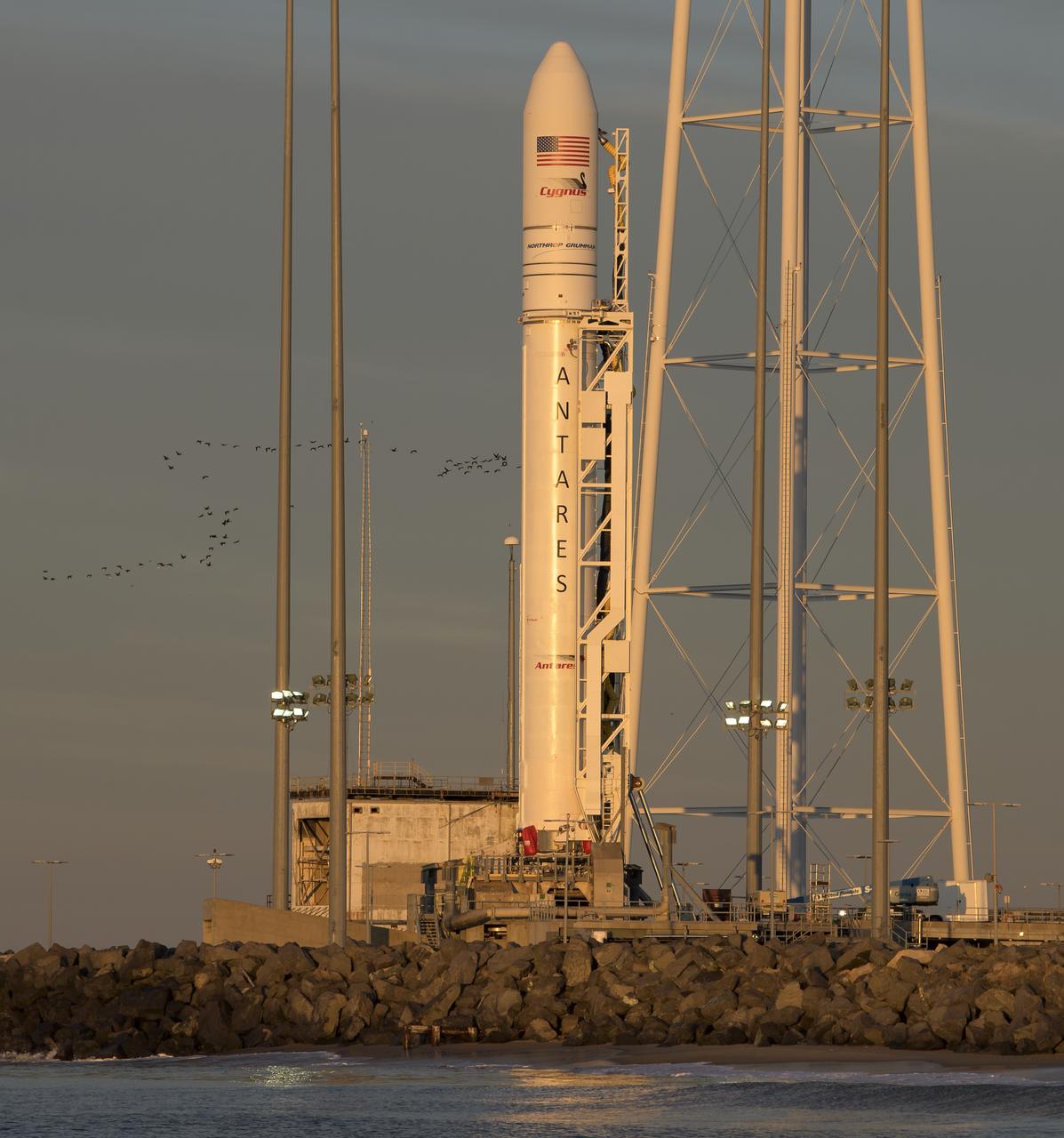
A Northrop Grumman Antares rocket carrying a Cygnus resupply spacecraft is seen during sunrise on Pad-0A, Tuesday, April 16, 2019 at NASA's Wallops Flight Facility in Virginia. Northrop Grumman’s 11th contracted cargo resupply mission with NASA to the International Space Station will deliver about 7,600 pounds of science and research, crew supplies and vehicle hardware to the orbital laboratory and its crew. Photo Credit: (NASA/Bill Ingalls)
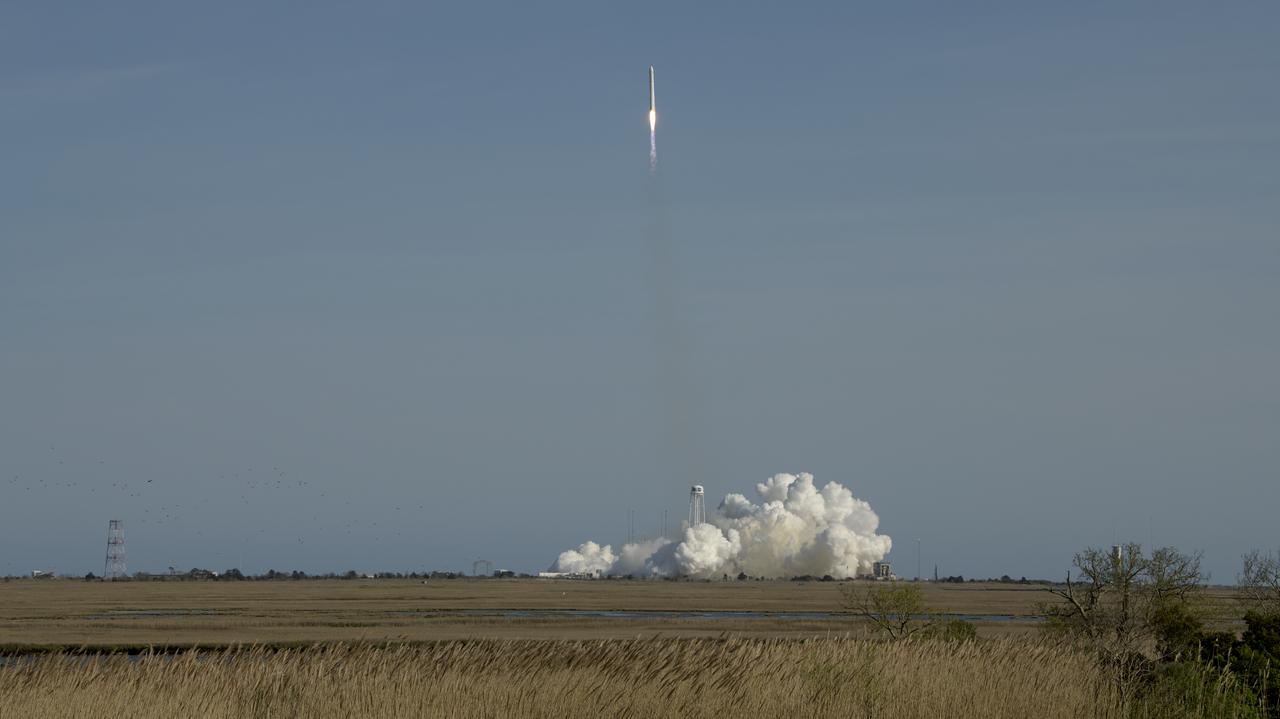
The Northrop Grumman Antares rocket, with Cygnus resupply spacecraft onboard, launches from Pad-0A, Wednesday, April 17, 2019 at NASA's Wallops Flight Facility in Virginia. Northrop Grumman's 11th contracted cargo resupply mission for NASA to the International Space Station will deliver about 7,600 pounds of science and research, crew supplies and vehicle hardware to the orbital laboratory and its crew. Photo Credit: (NASA/Bill Ingalls)
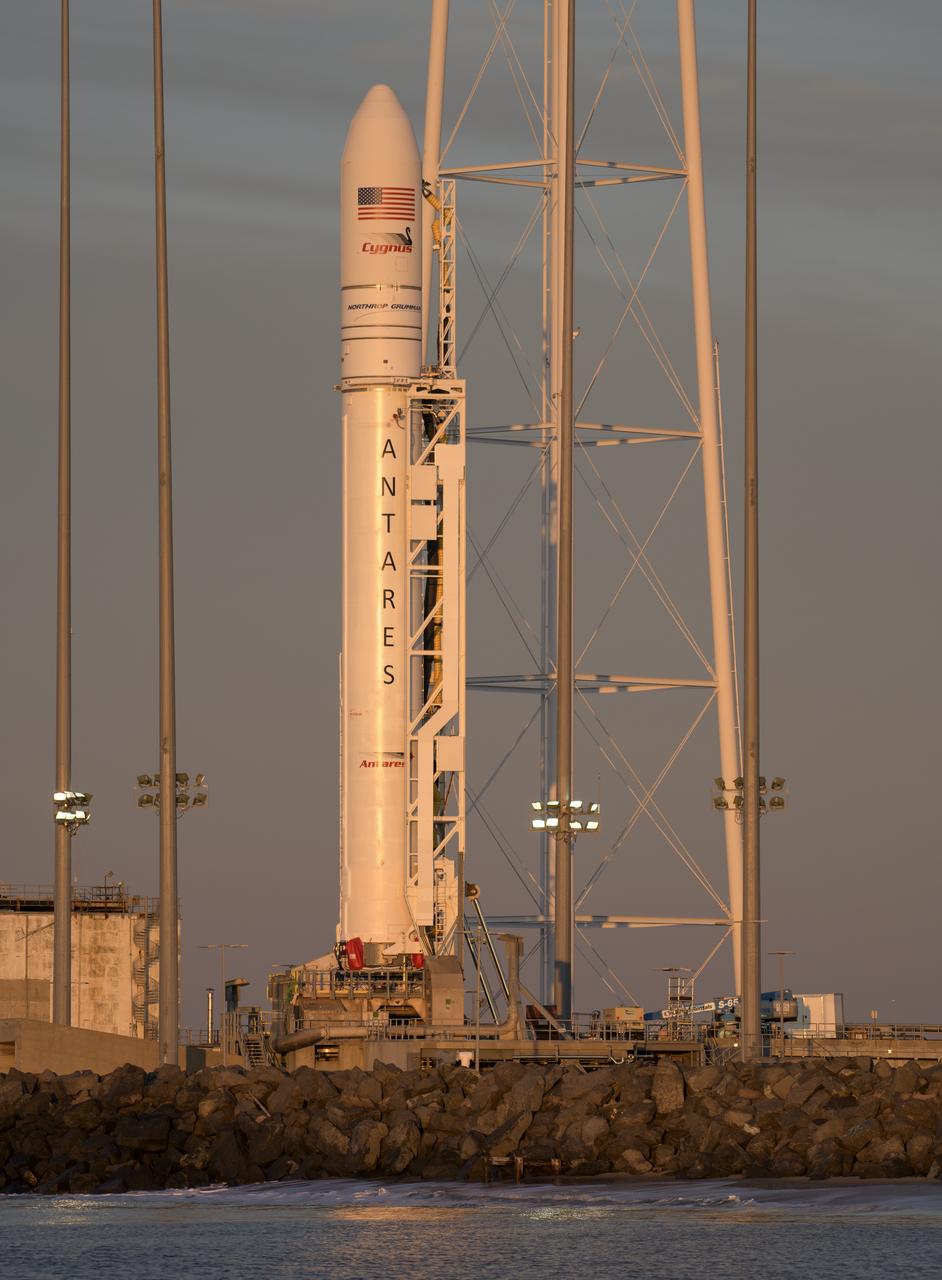
A Northrop Grumman Antares rocket carrying a Cygnus resupply spacecraft is seen during sunrise on Pad-0A, Tuesday, April 16, 2019 at NASA's Wallops Flight Facility in Virginia. Northrop Grumman’s 11th contracted cargo resupply mission with NASA to the International Space Station will deliver about 7,600 pounds of science and research, crew supplies and vehicle hardware to the orbital laboratory and its crew. Photo Credit: (NASA/Bill Ingalls)
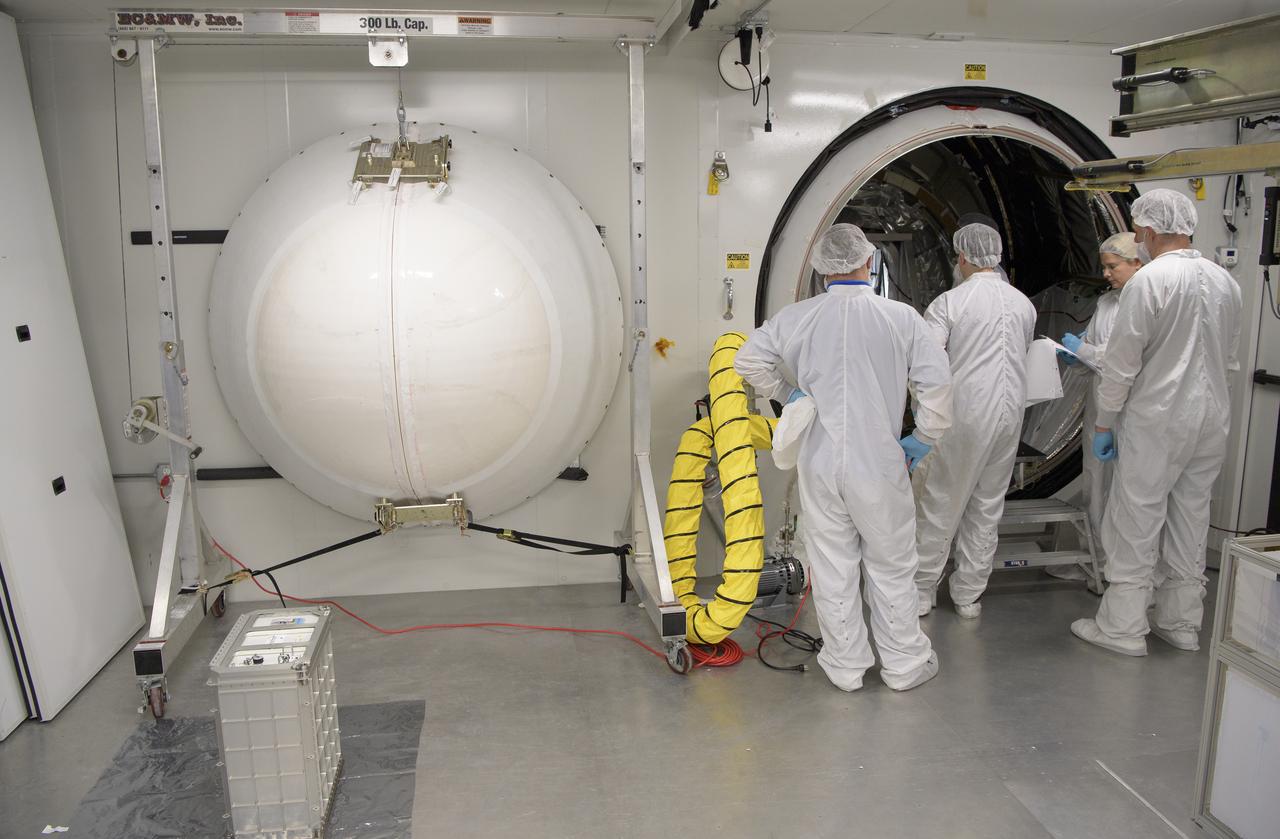
Mission engineers load the final cargo into the Cygnus resupply spacecraft onboard the Northrop Grumman Antares rocket, Tuesday, April 16, 2019 at launch Pad-0A of NASA's Wallops Flight Facility in Virginia. Northrop Grumman’s 11th contracted cargo resupply mission with NASA to the International Space Station will deliver about 7,600 pounds of science and research, crew supplies and vehicle hardware to the orbital laboratory and its crew. Photo Credit: (NASA/Bill Ingalls)
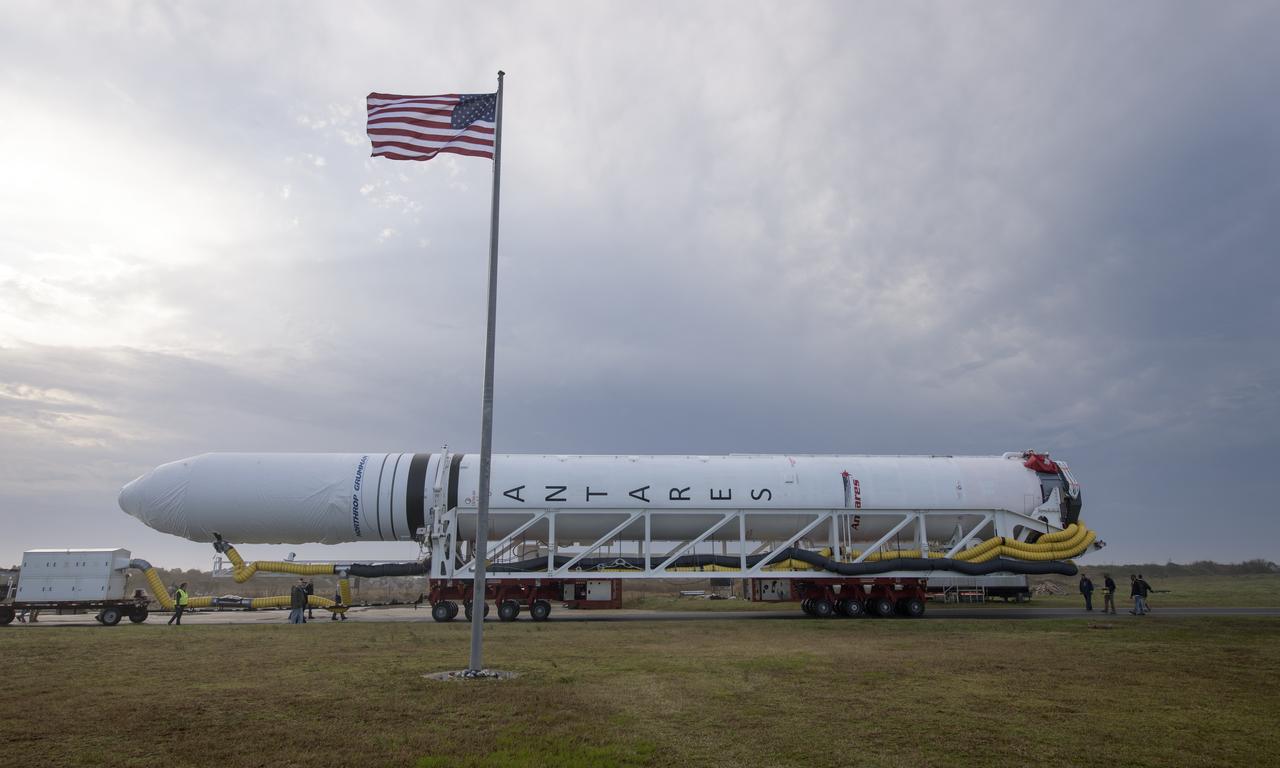
A Northrop Grumman Antares rocket is seen as it rolls out to Pad-0A, Monday, April 15, 2019 at NASA's Wallops Flight Facility in Virginia. Northrop Grumman’s 11th contracted cargo resupply mission with NASA to the International Space Station will deliver about 7,600 pounds of science and research, crew supplies and vehicle hardware to the orbital laboratory and its crew. Photo Credit: (NASA/Bill Ingalls)
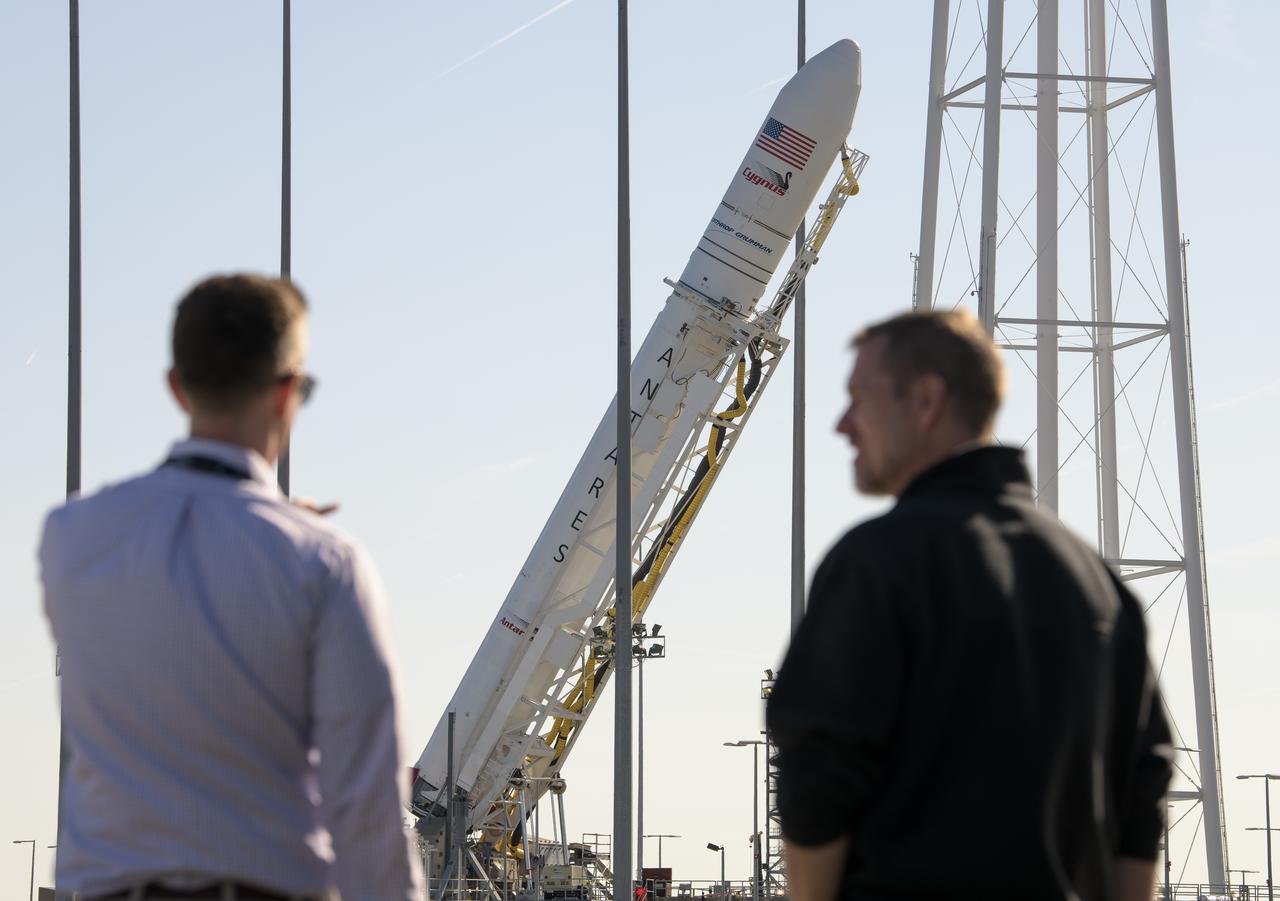
A Northrop Grumman Antares rocket carrying a Cygnus resupply spacecraft is lowered into a horizontal position for final cargo load on Pad-0A, Tuesday, April 16, 2019 at NASA's Wallops Flight Facility in Virginia. Northrop Grumman’s 11th contracted cargo resupply mission with NASA to the International Space Station will deliver about 7,600 pounds of science and research, crew supplies and vehicle hardware to the orbital laboratory and its crew. Photo Credit: (NASA/Bill Ingalls)
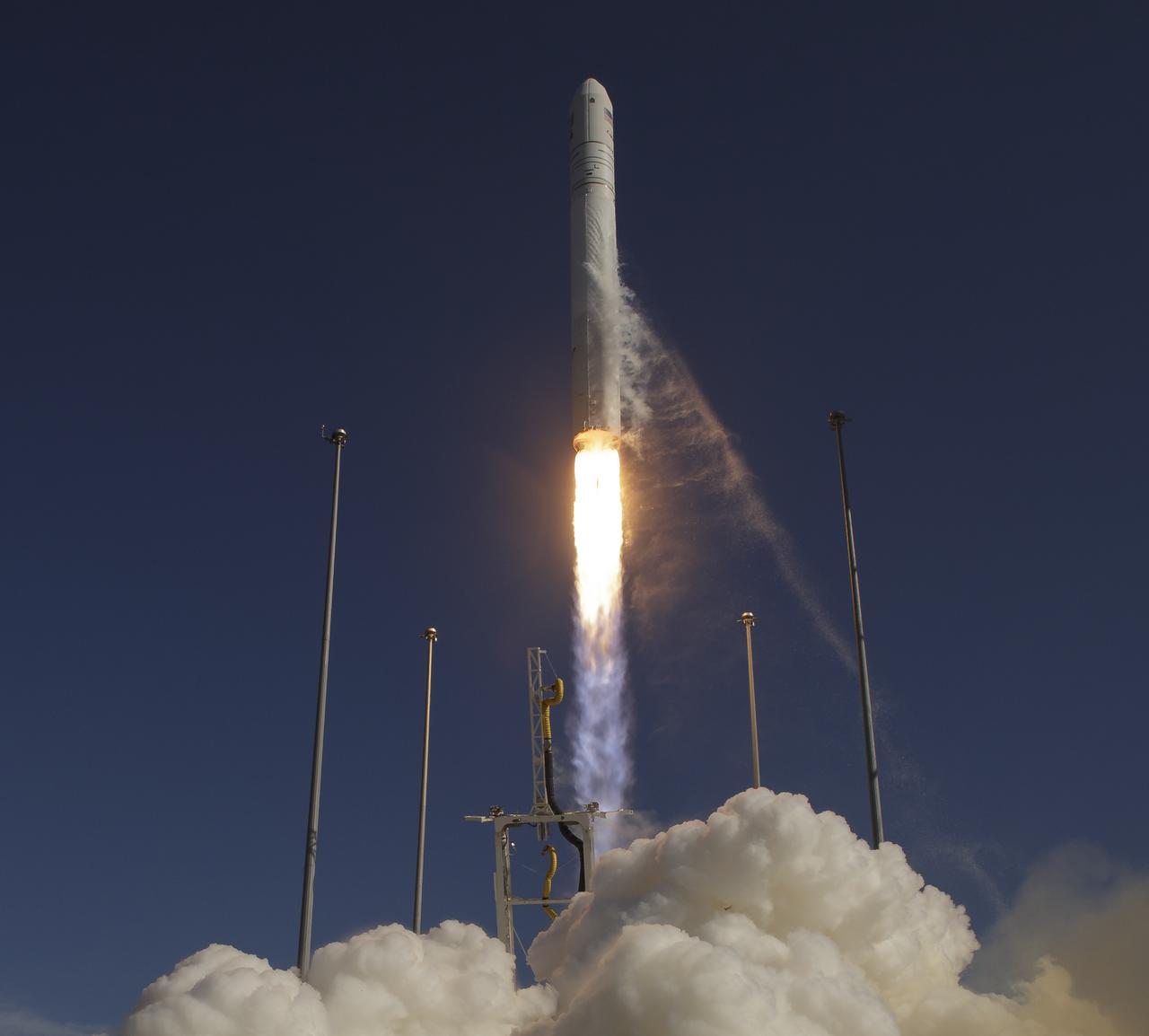
The Northrop Grumman Antares rocket, with Cygnus resupply spacecraft onboard, launches from Pad-0A, Wednesday, April 17, 2019 at NASA's Wallops Flight Facility in Virginia. Northrop Grumman's 11th contracted cargo resupply mission for NASA to the International Space Station will deliver about 7,600 pounds of science and research, crew supplies and vehicle hardware to the orbital laboratory and its crew. Photo Credit: (NASA/Bill Ingalls)
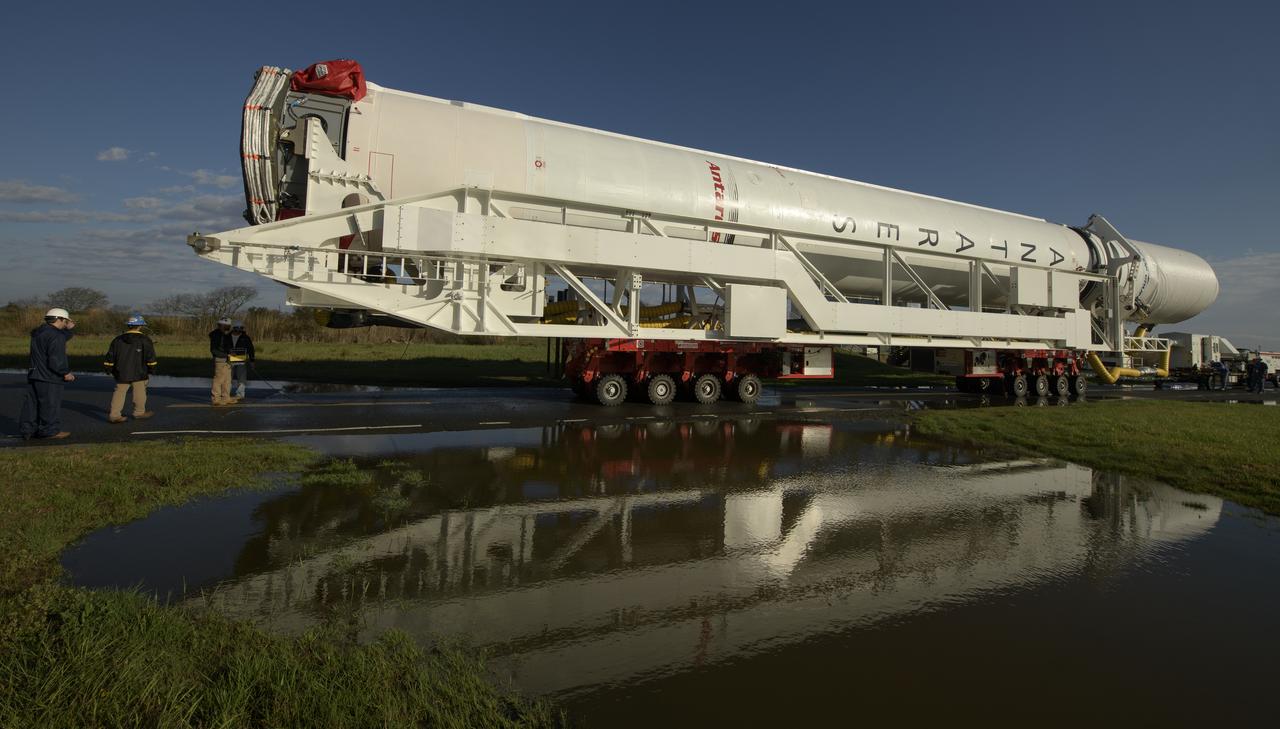
A Northrop Grumman Antares rocket is seen as it rolls out to Pad-0A, Monday, April 15, 2019 at NASA's Wallops Flight Facility in Virginia. Northrop Grumman’s 11th contracted cargo resupply mission with NASA to the International Space Station will deliver about 7,600 pounds of science and research, crew supplies and vehicle hardware to the orbital laboratory and its crew. Photo Credit: (NASA/Bill Ingalls)

The Northrop Grumman Antares rocket, with Cygnus resupply spacecraft onboard, launches from Pad-0A, Wednesday, April 17, 2019 at NASA's Wallops Flight Facility in Virginia. Northrop Grumman's 11th contracted cargo resupply mission for NASA to the International Space Station will deliver about 7,600 pounds of science and research, crew supplies and vehicle hardware to the orbital laboratory and its crew. Photo Credit: (NASA/Bill Ingalls)
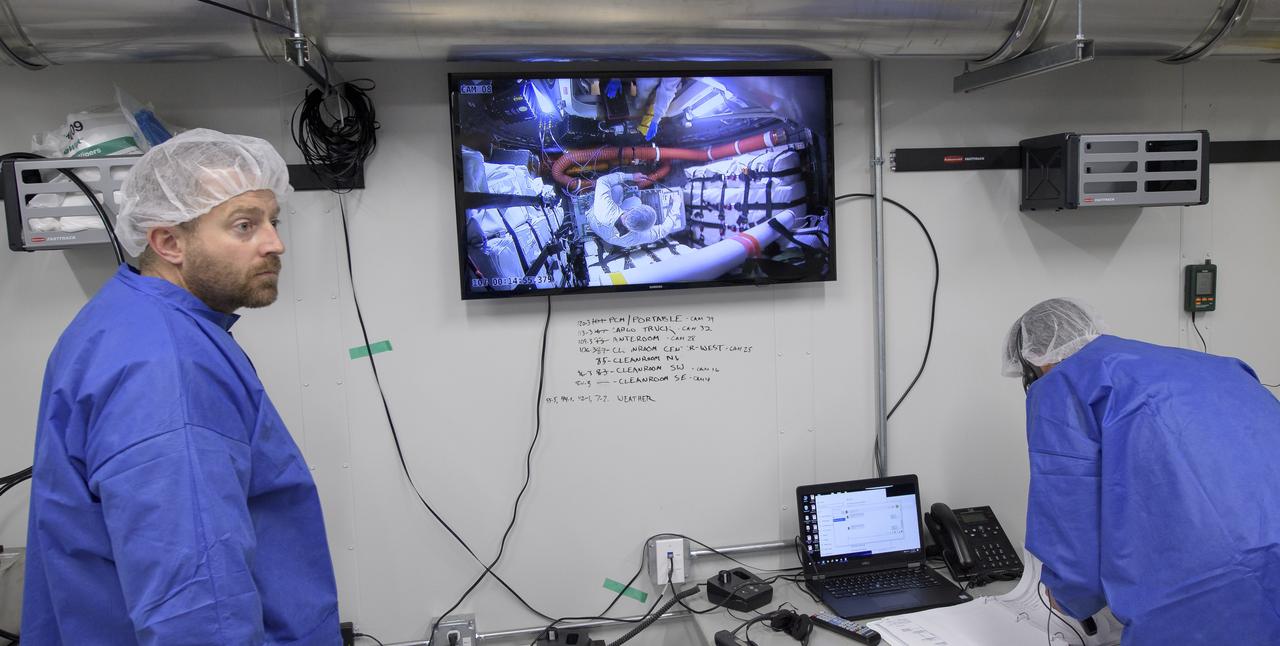
Mission engineers load the final cargo into the Cygnus resupply spacecraft onboard the Northrop Grumman Antares rocket, Tuesday, April 16, 2019 at launch Pad-0A of NASA's Wallops Flight Facility in Virginia. Northrop Grumman’s 11th contracted cargo resupply mission with NASA to the International Space Station will deliver about 7,600 pounds of science and research, crew supplies and vehicle hardware to the orbital laboratory and its crew. Photo Credit: (NASA/Bill Ingalls)
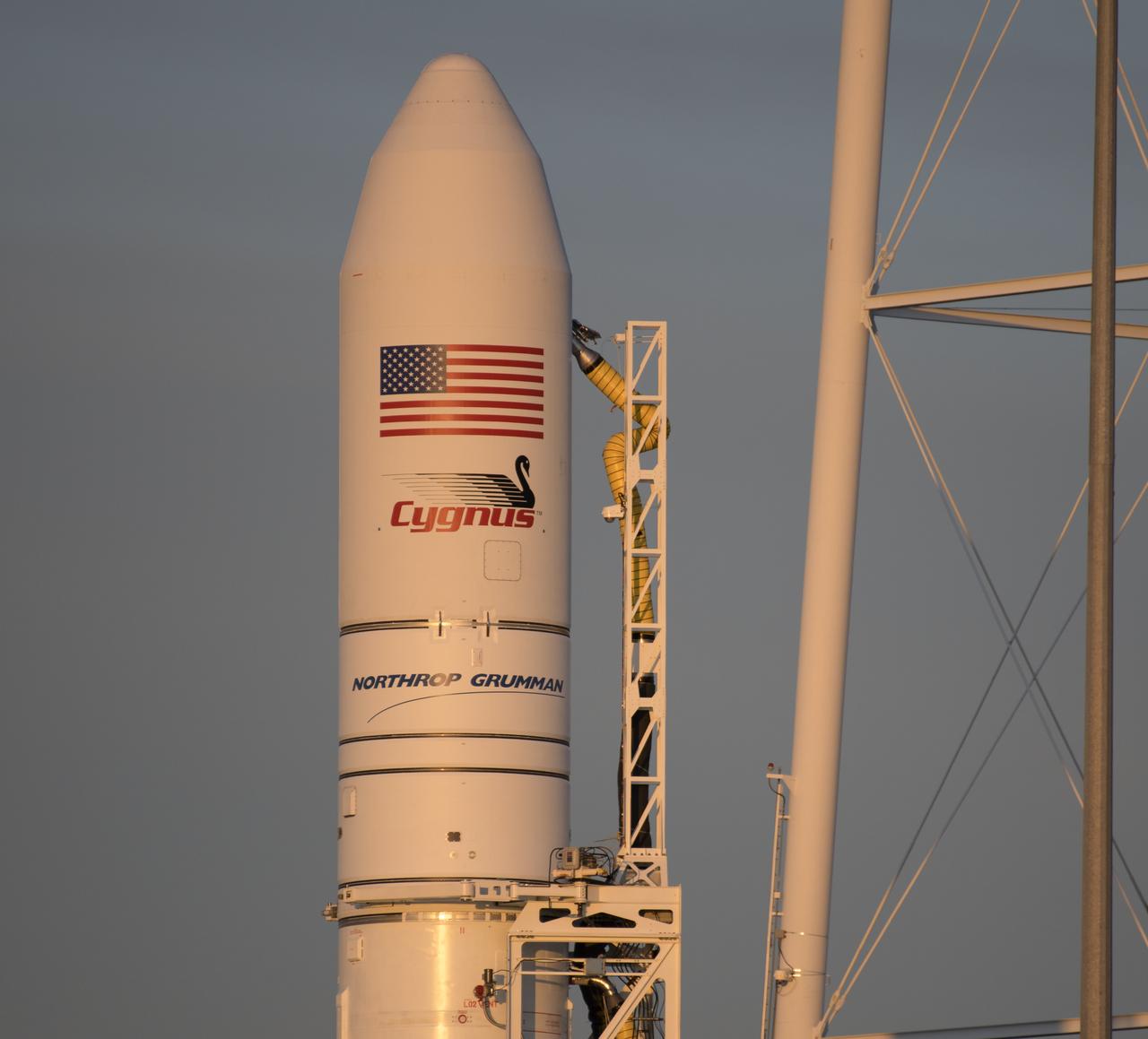
A Northrop Grumman Antares rocket carrying a Cygnus resupply spacecraft is seen during sunrise on Pad-0A, Tuesday, April 16, 2019 at NASA's Wallops Flight Facility in Virginia. Northrop Grumman’s 11th contracted cargo resupply mission with NASA to the International Space Station will deliver about 7,600 pounds of science and research, crew supplies and vehicle hardware to the orbital laboratory and its crew. Photo Credit: (NASA/Bill Ingalls)
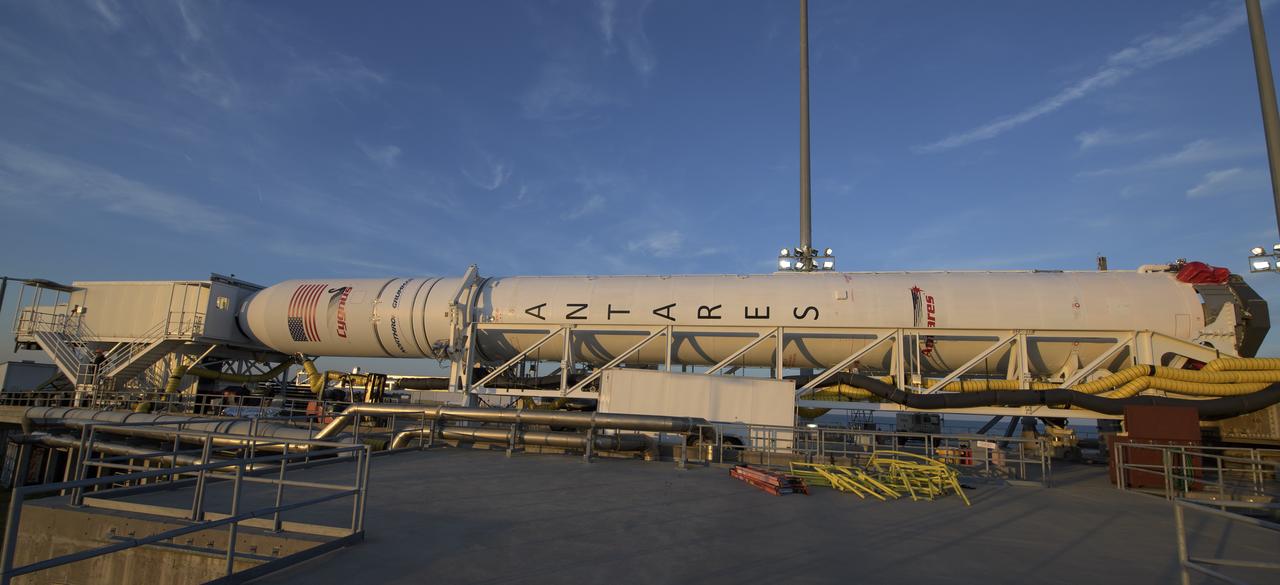
A Northrop Grumman Antares rocket carrying a Cygnus resupply spacecraft is horizontal for the final cargo load on Pad-0A, Tuesday, April 16, 2019 at NASA's Wallops Flight Facility in Virginia. Northrop Grumman’s 11th contracted cargo resupply mission with NASA to the International Space Station will deliver about 7,600 pounds of science and research, crew supplies and vehicle hardware to the orbital laboratory and its crew. Photo Credit: (NASA/Bill Ingalls)
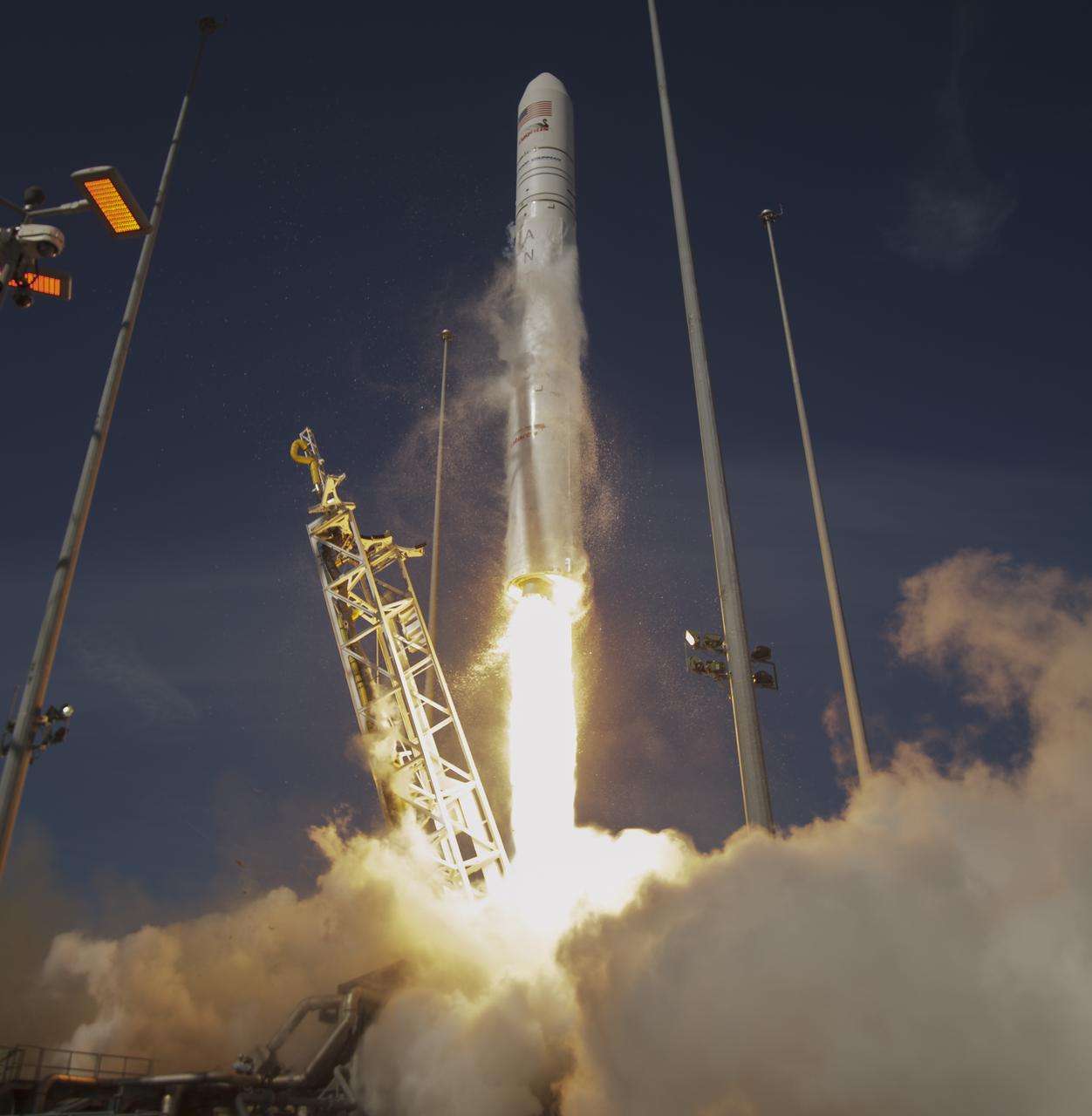
The Northrop Grumman Antares rocket, with Cygnus resupply spacecraft onboard, launches from Pad-0A, Wednesday, April 17, 2019 at NASA's Wallops Flight Facility in Virginia. Northrop Grumman's 11th contracted cargo resupply mission for NASA to the International Space Station will deliver about 7,600 pounds of science and research, crew supplies and vehicle hardware to the orbital laboratory and its crew. Photo Credit: (NASA/Bill Ingalls)
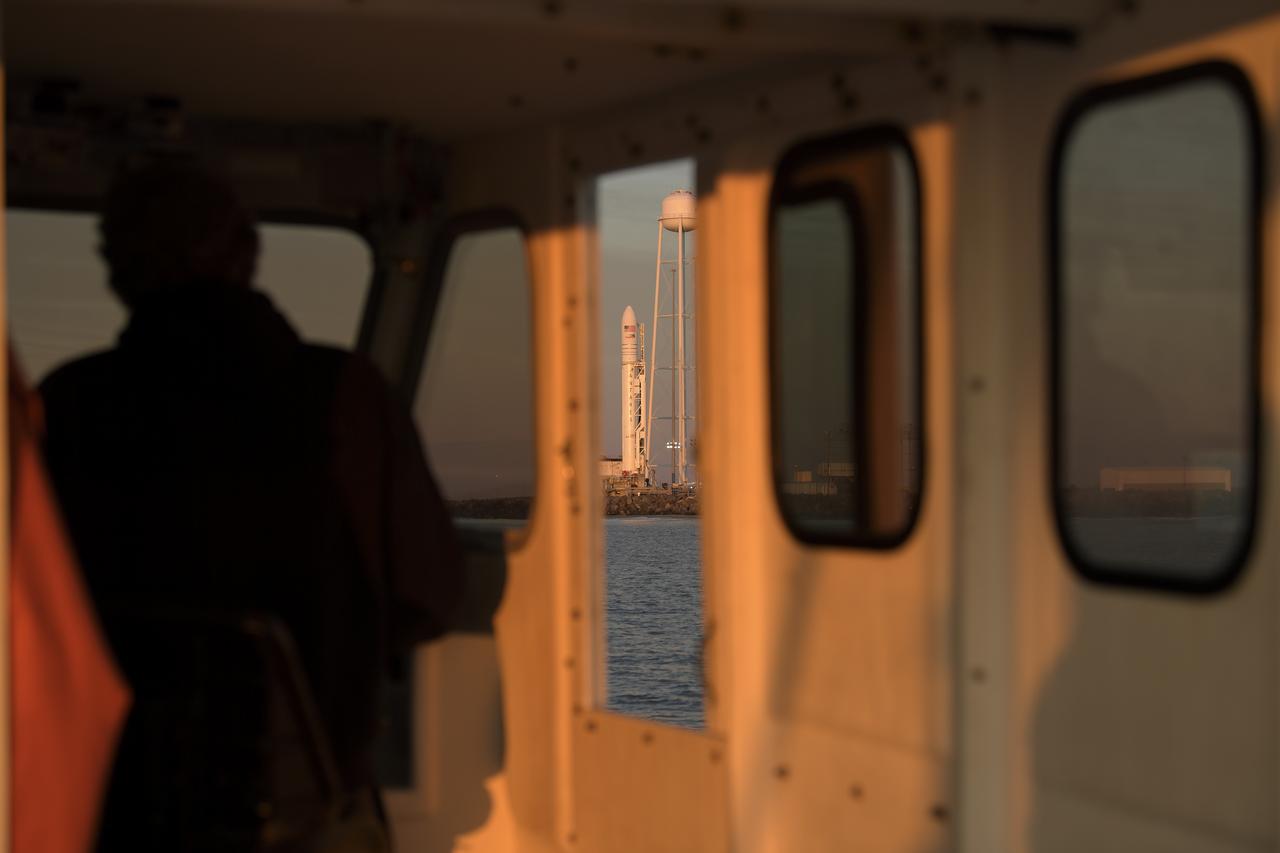
A Northrop Grumman Antares rocket carrying a Cygnus resupply spacecraft is seen during sunrise on Pad-0A, Tuesday, April 16, 2019 at NASA's Wallops Flight Facility in Virginia. Northrop Grumman’s 11th contracted cargo resupply mission with NASA to the International Space Station will deliver about 7,600 pounds of science and research, crew supplies and vehicle hardware to the orbital laboratory and its crew. Photo Credit: (NASA/Bill Ingalls)
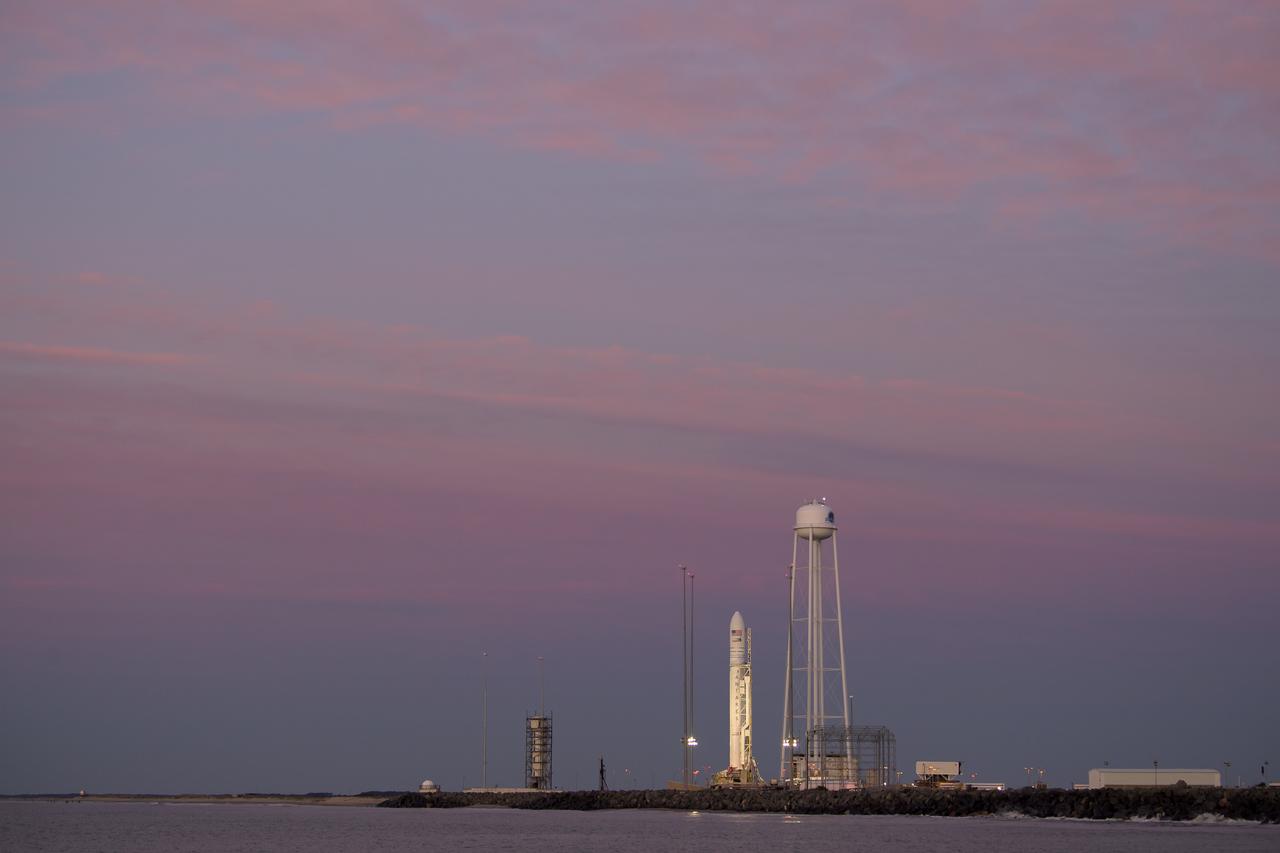
A Northrop Grumman Antares rocket carrying a Cygnus resupply spacecraft is seen during sunrise on Pad-0A, Tuesday, April 16, 2019 at NASA's Wallops Flight Facility in Virginia. Northrop Grumman’s 11th contracted cargo resupply mission with NASA to the International Space Station will deliver about 7,600 pounds of science and research, crew supplies and vehicle hardware to the orbital laboratory and its crew. Photo Credit: (NASA/Bill Ingalls)
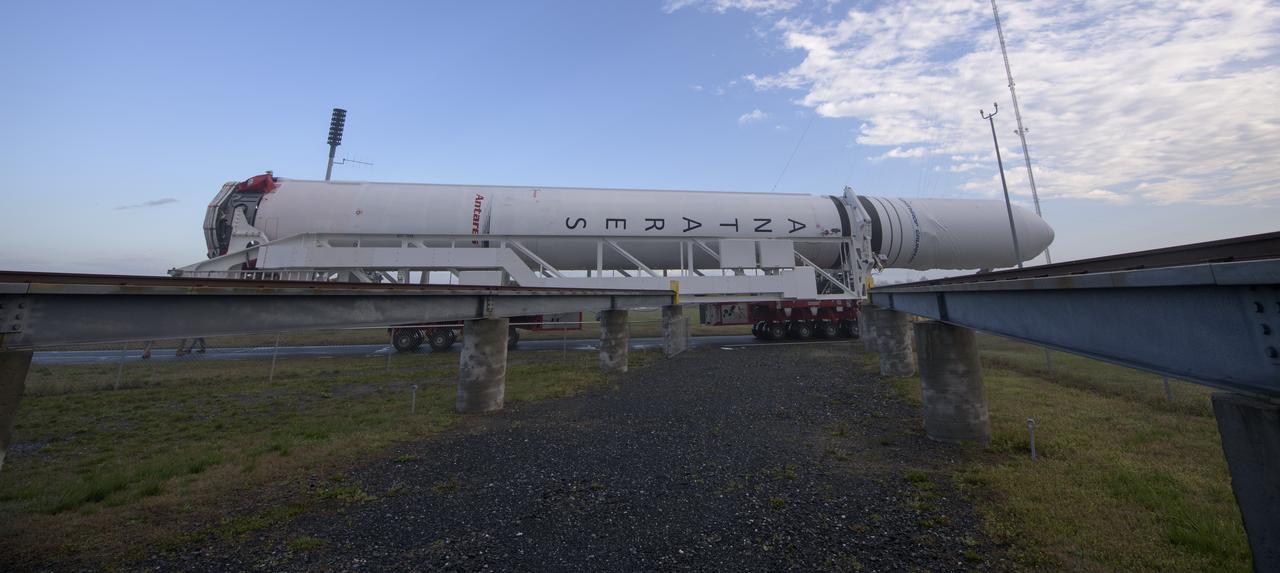
A Northrop Grumman Antares rocket is seen as it rolls out to Pad-0A, Monday, April 15, 2019 at NASA's Wallops Flight Facility in Virginia. Northrop Grumman’s 11th contracted cargo resupply mission with NASA to the International Space Station will deliver about 7,600 pounds of science and research, crew supplies and vehicle hardware to the orbital laboratory and its crew. Photo Credit: (NASA/Bill Ingalls)
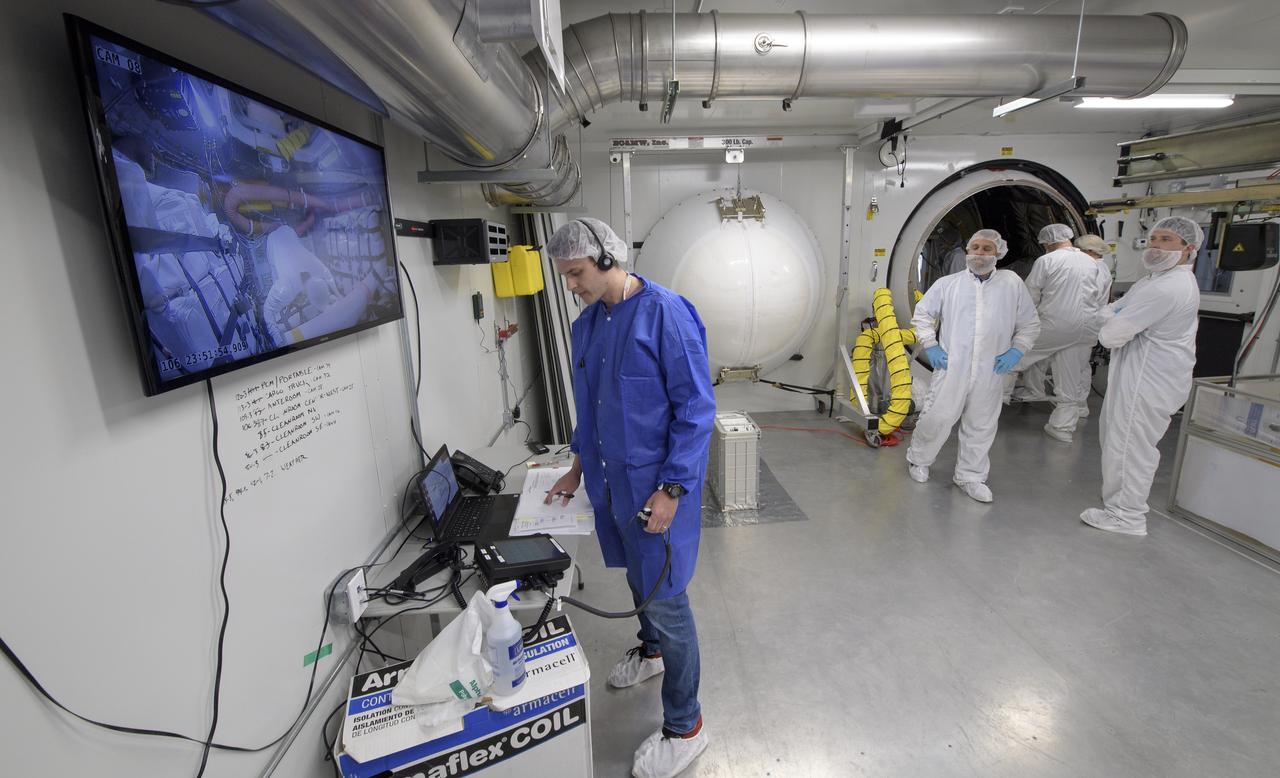
Mission engineers load the final cargo into the Cygnus resupply spacecraft onboard the Northrop Grumman Antares rocket, Tuesday, April 16, 2019 at launch Pad-0A of NASA's Wallops Flight Facility in Virginia. Northrop Grumman’s 11th contracted cargo resupply mission with NASA to the International Space Station will deliver about 7,600 pounds of science and research, crew supplies and vehicle hardware to the orbital laboratory and its crew. Photo Credit: (NASA/Bill Ingalls)

A Northrop Grumman Antares rocket is seen as it rolls out to Pad-0A, Monday, April 15, 2019 at NASA's Wallops Flight Facility in Virginia. Northrop Grumman’s 11th contracted cargo resupply mission with NASA to the International Space Station will deliver about 7,600 pounds of science and research, crew supplies and vehicle hardware to the orbital laboratory and its crew. Photo Credit: (NASA/Bill Ingalls)
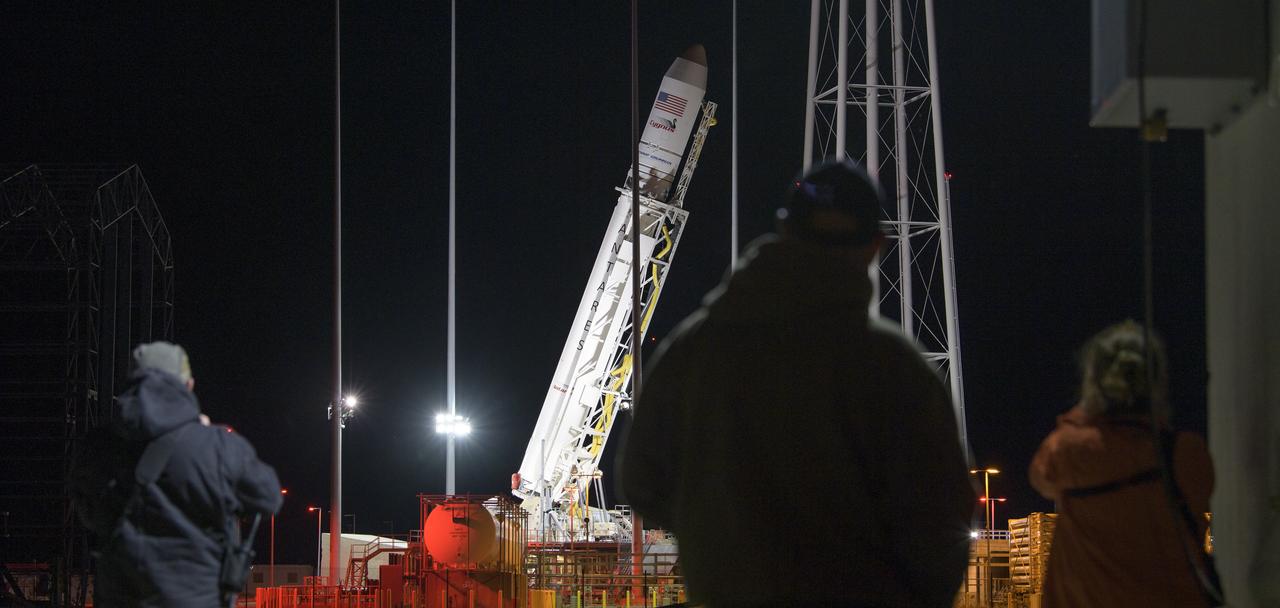
A Northrop Grumman Antares rocket carrying a Cygnus resupply spacecraft is raised into a vertical position on Pad-0A, Monday, April 15, 2019. Northrop Grumman’s 11th contracted cargo resupply mission with NASA to the International Space Station will deliver about 7,600 pounds of science and research, crew supplies and vehicle hardware to the orbital laboratory and its crew. Photo Credit: (NASA/Bill Ingalls)
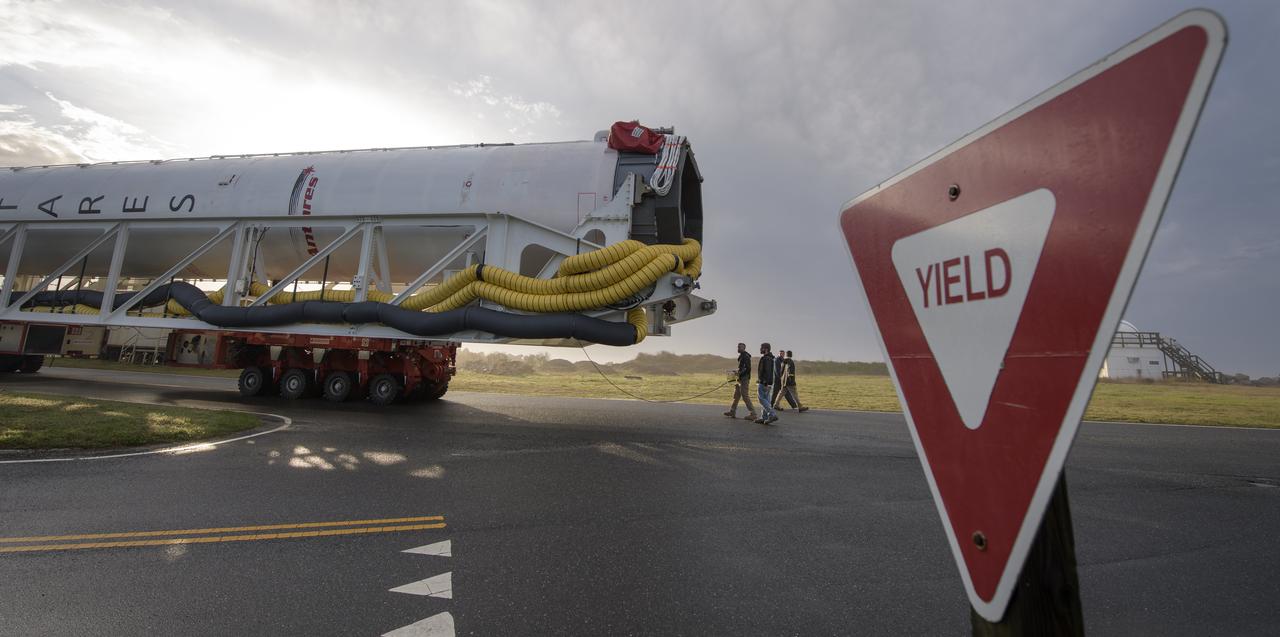
A Northrop Grumman Antares rocket is seen as it rolls out to Pad-0A, Monday, April 15, 2019 at NASA's Wallops Flight Facility in Virginia. Northrop Grumman’s 11th contracted cargo resupply mission with NASA to the International Space Station will deliver about 7,600 pounds of science and research, crew supplies and vehicle hardware to the orbital laboratory and its crew. Photo Credit: (NASA/Bill Ingalls)
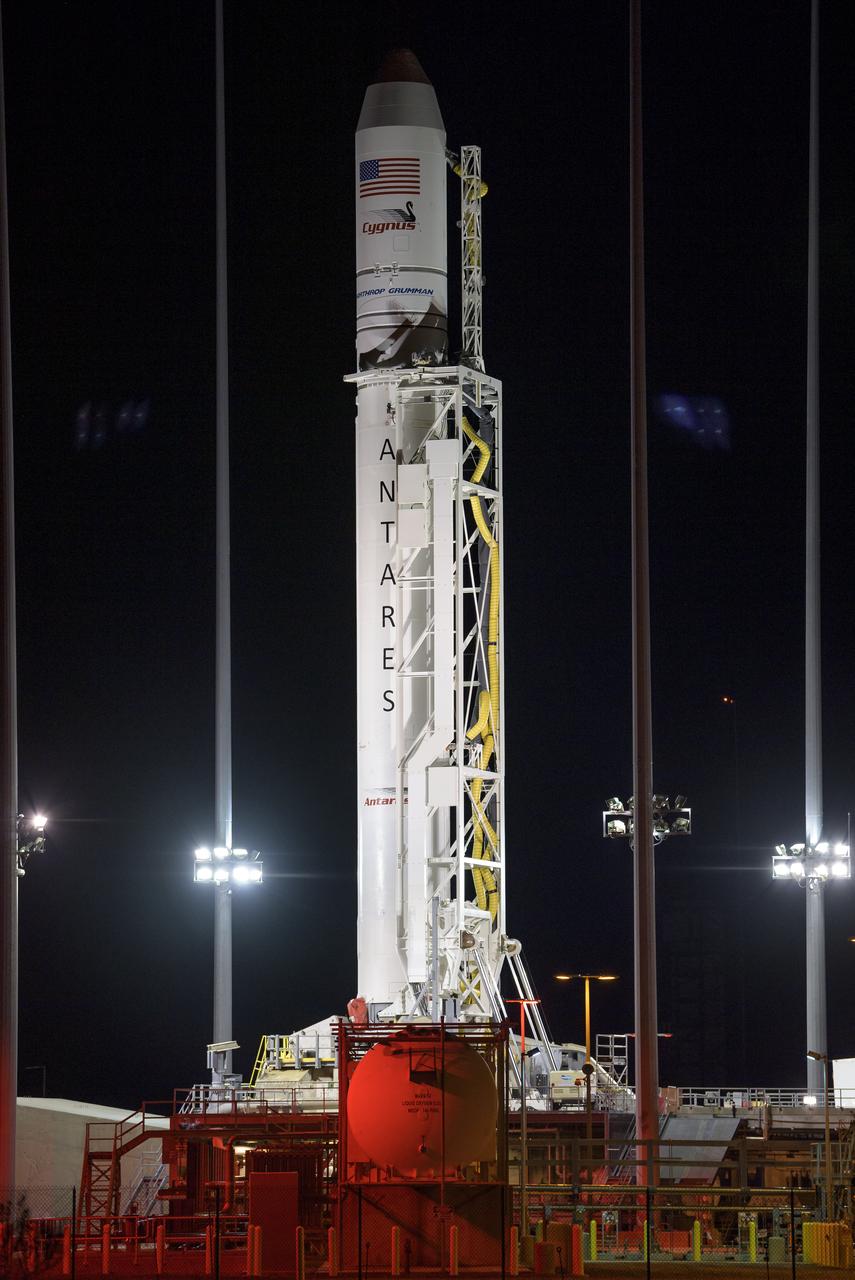
A Northrop Grumman Antares rocket carrying a Cygnus resupply spacecraft is raised into a vertical position on Pad-0A, Monday, April 15, 2019. Northrop Grumman’s 11th contracted cargo resupply mission with NASA to the International Space Station will deliver about 7,600 pounds of science and research, crew supplies and vehicle hardware to the orbital laboratory and its crew. Photo Credit: (NASA/Bill Ingalls)
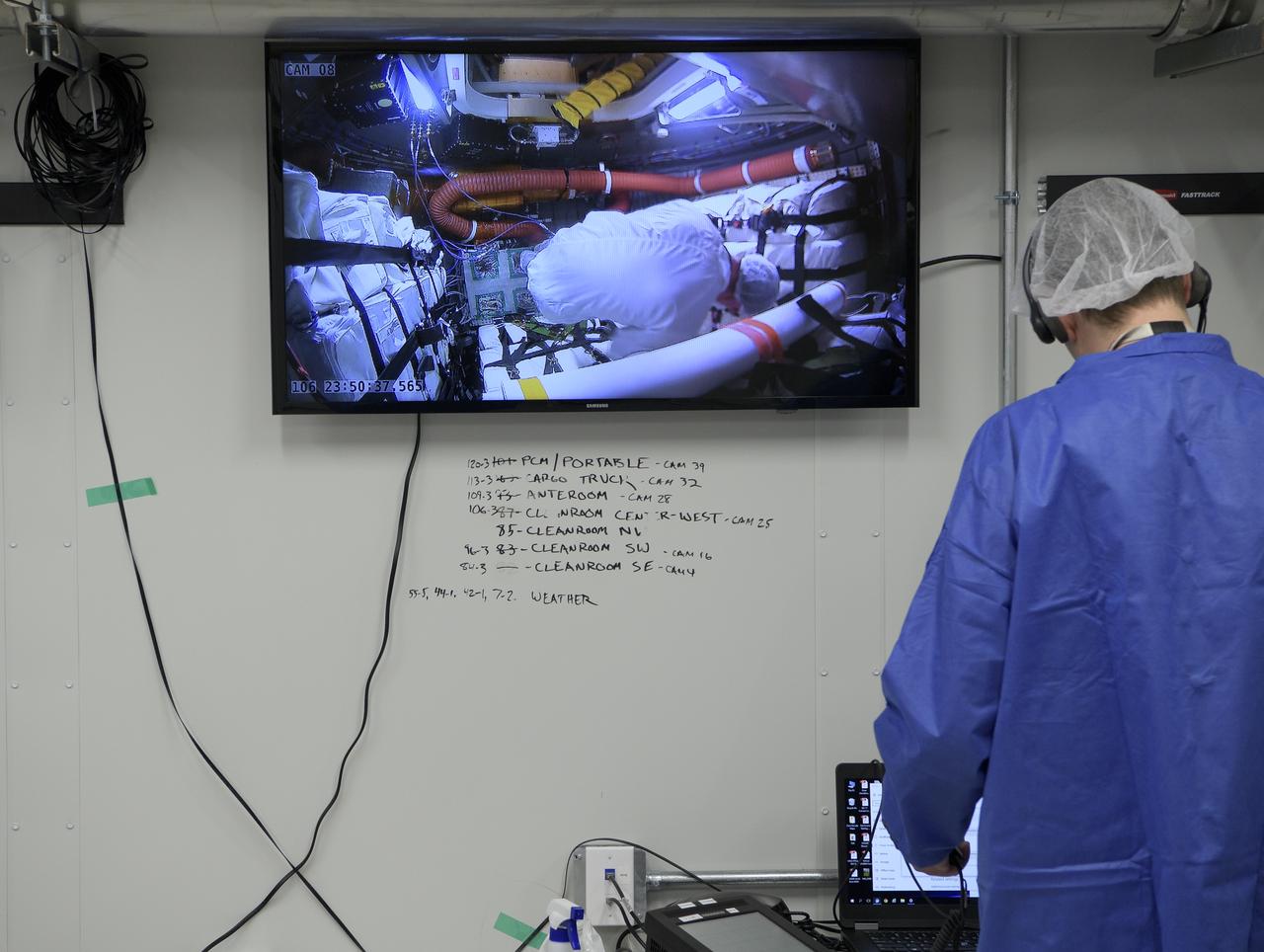
Mission engineers load the final cargo into the Cygnus resupply spacecraft onboard the Northrop Grumman Antares rocket, Tuesday, April 16, 2019 at launch Pad-0A of NASA's Wallops Flight Facility in Virginia. Northrop Grumman’s 11th contracted cargo resupply mission with NASA to the International Space Station will deliver about 7,600 pounds of science and research, crew supplies and vehicle hardware to the orbital laboratory and its crew. Photo Credit: (NASA/Bill Ingalls)
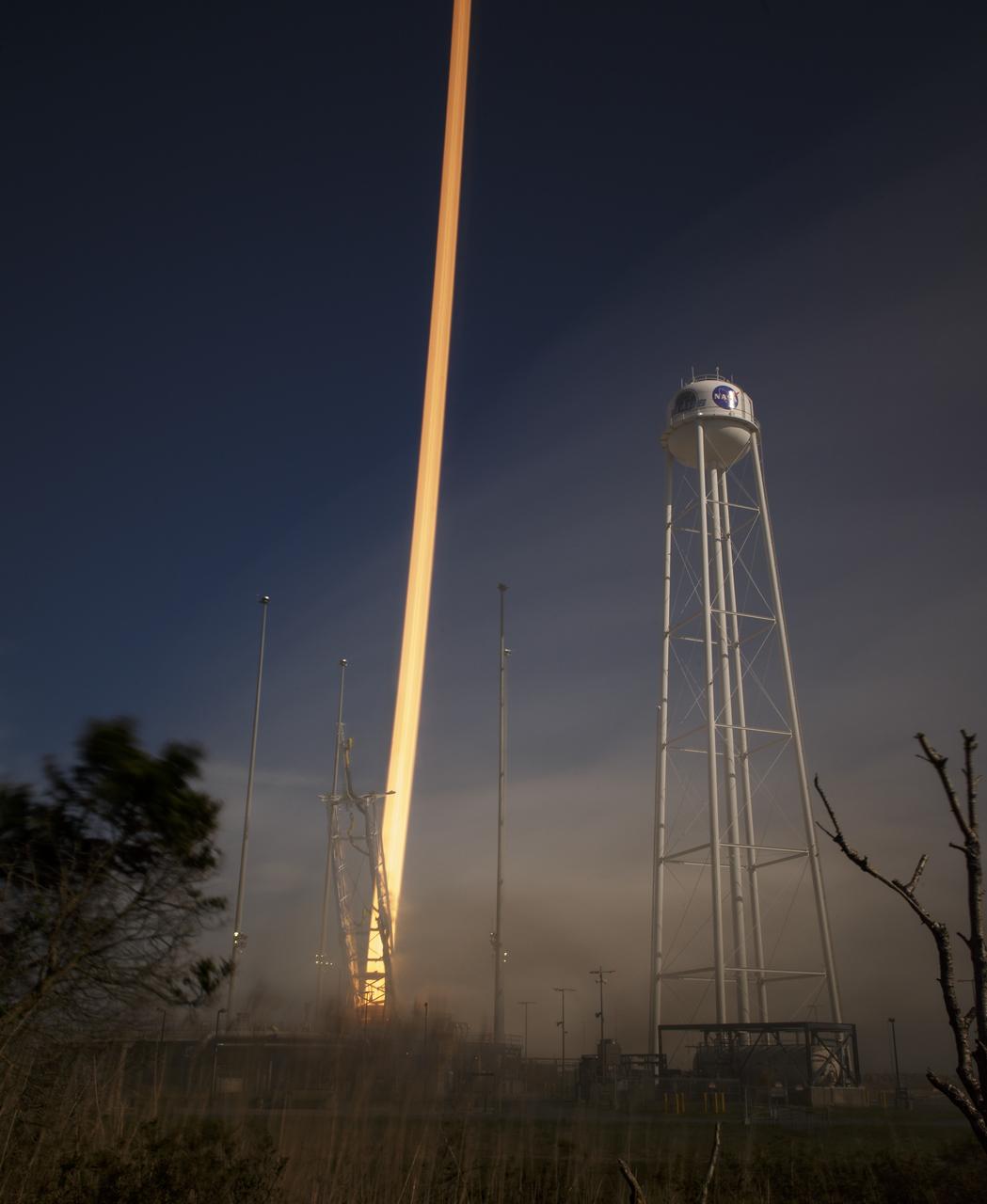
The Northrop Grumman Antares rocket, with Cygnus resupply spacecraft onboard, is seen in this long exposure photograph as it launches from Pad-0A, Wednesday, April 17, 2019 at NASA's Wallops Flight Facility in Virginia. Northrop Grumman's 11th contracted cargo resupply mission for NASA to the International Space Station will deliver about 7,600 pounds of science and research, crew supplies and vehicle hardware to the orbital laboratory and its crew. Photo Credit: (NASA/Bill Ingalls)
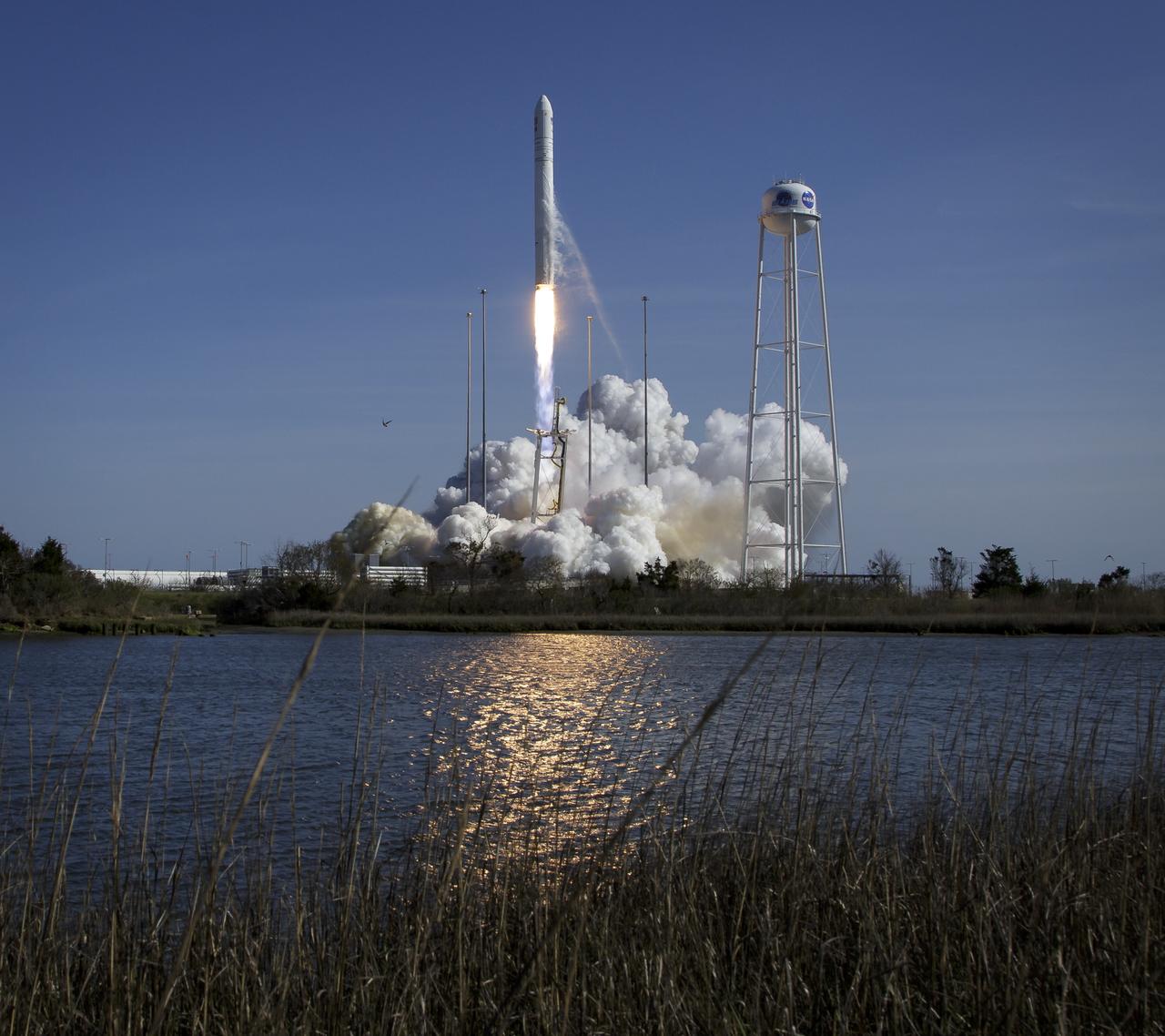
The Northrop Grumman Antares rocket, with Cygnus resupply spacecraft onboard, launches from Pad-0A, Wednesday, April 17, 2019 at NASA's Wallops Flight Facility in Virginia. Northrop Grumman's 11th contracted cargo resupply mission for NASA to the International Space Station will deliver about 7,600 pounds of science and research, crew supplies and vehicle hardware to the orbital laboratory and its crew. Photo Credit: (NASA/Bill Ingalls)
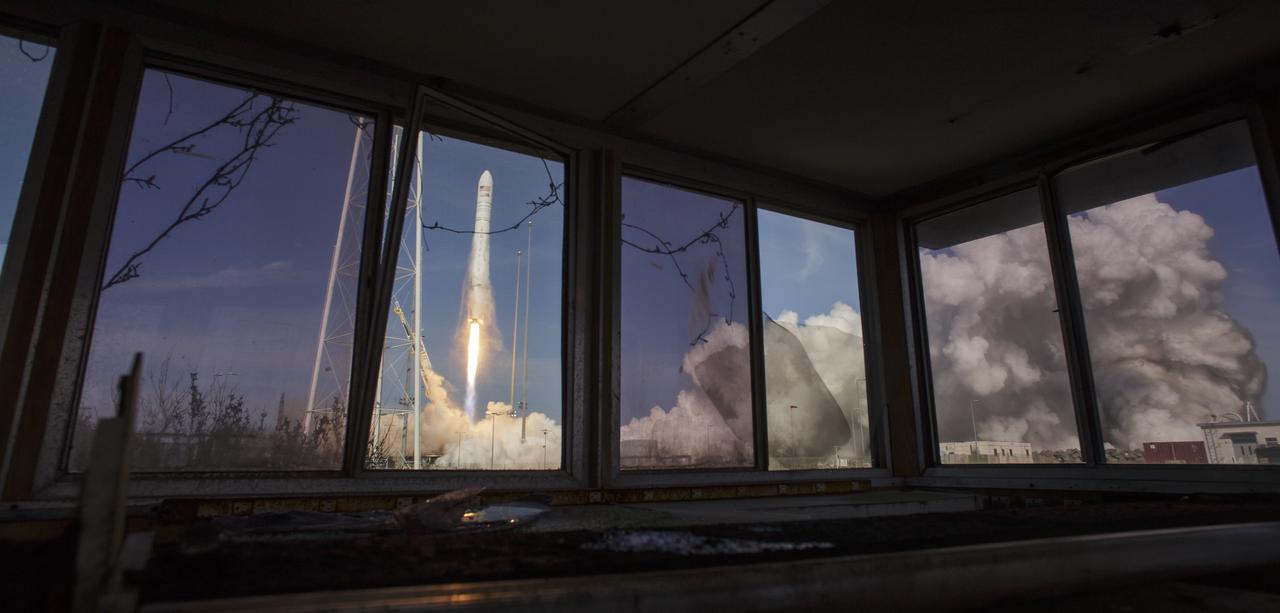
The Northrop Grumman Antares rocket, with Cygnus resupply spacecraft onboard, launches from Pad-0A, Wednesday, April 17, 2019 at NASA's Wallops Flight Facility in Virginia. Northrop Grumman's 11th contracted cargo resupply mission for NASA to the International Space Station will deliver about 7,600 pounds of science and research, crew supplies and vehicle hardware to the orbital laboratory and its crew. Photo Credit: (NASA/Bill Ingalls)
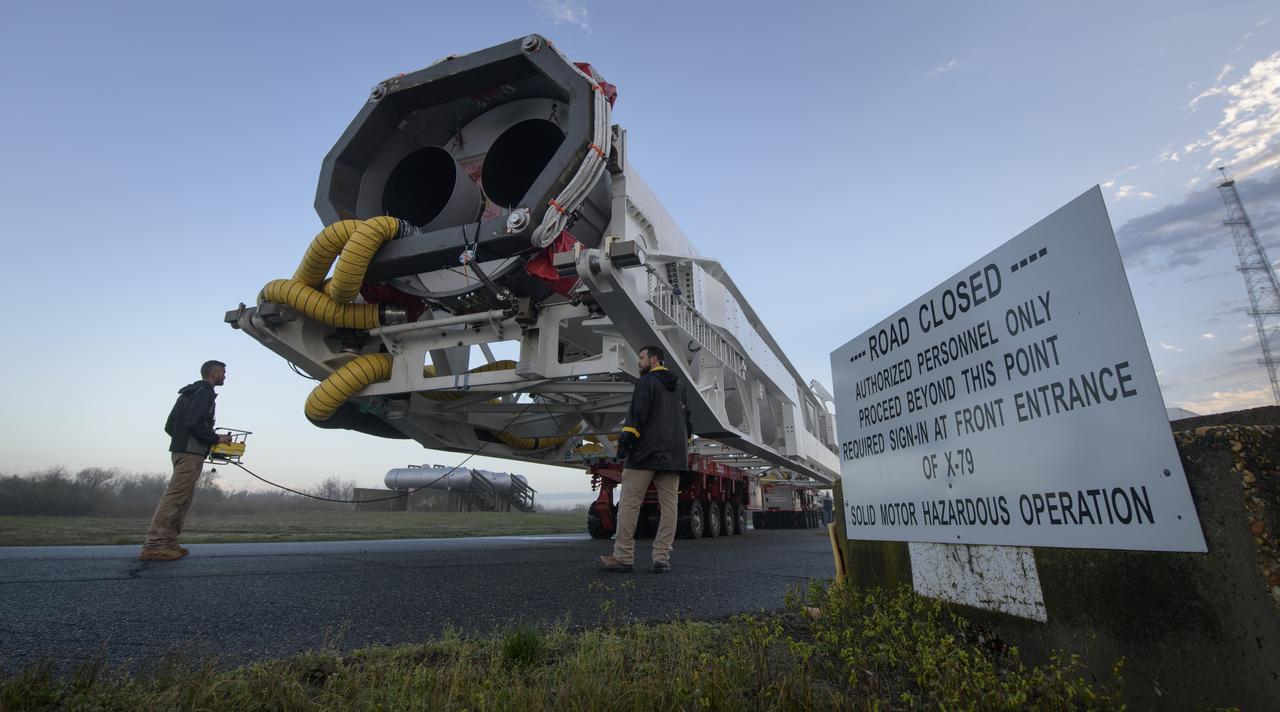
A Northrop Grumman Antares rocket is seen as it rolls out to Pad-0A, Monday, April 15, 2019 at NASA's Wallops Flight Facility in Virginia. Northrop Grumman’s 11th contracted cargo resupply mission with NASA to the International Space Station will deliver about 7,600 pounds of science and research, crew supplies and vehicle hardware to the orbital laboratory and its crew. Photo Credit: (NASA/Bill Ingalls)
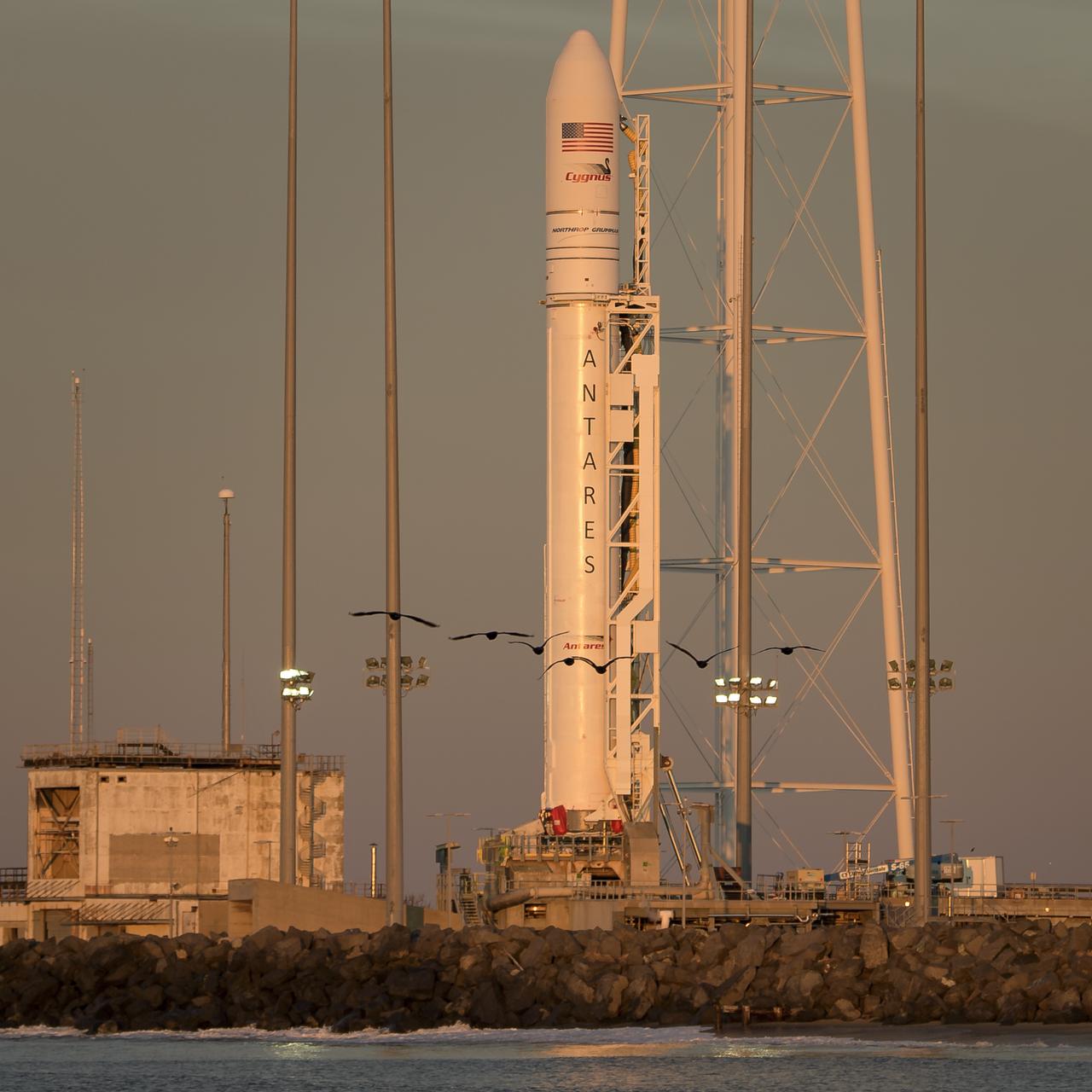
A Northrop Grumman Antares rocket carrying a Cygnus resupply spacecraft is seen during sunrise on Pad-0A, Tuesday, April 16, 2019 at NASA's Wallops Flight Facility in Virginia. Northrop Grumman’s 11th contracted cargo resupply mission with NASA to the International Space Station will deliver about 7,600 pounds of science and research, crew supplies and vehicle hardware to the orbital laboratory and its crew. Photo Credit: (NASA/Bill Ingalls)
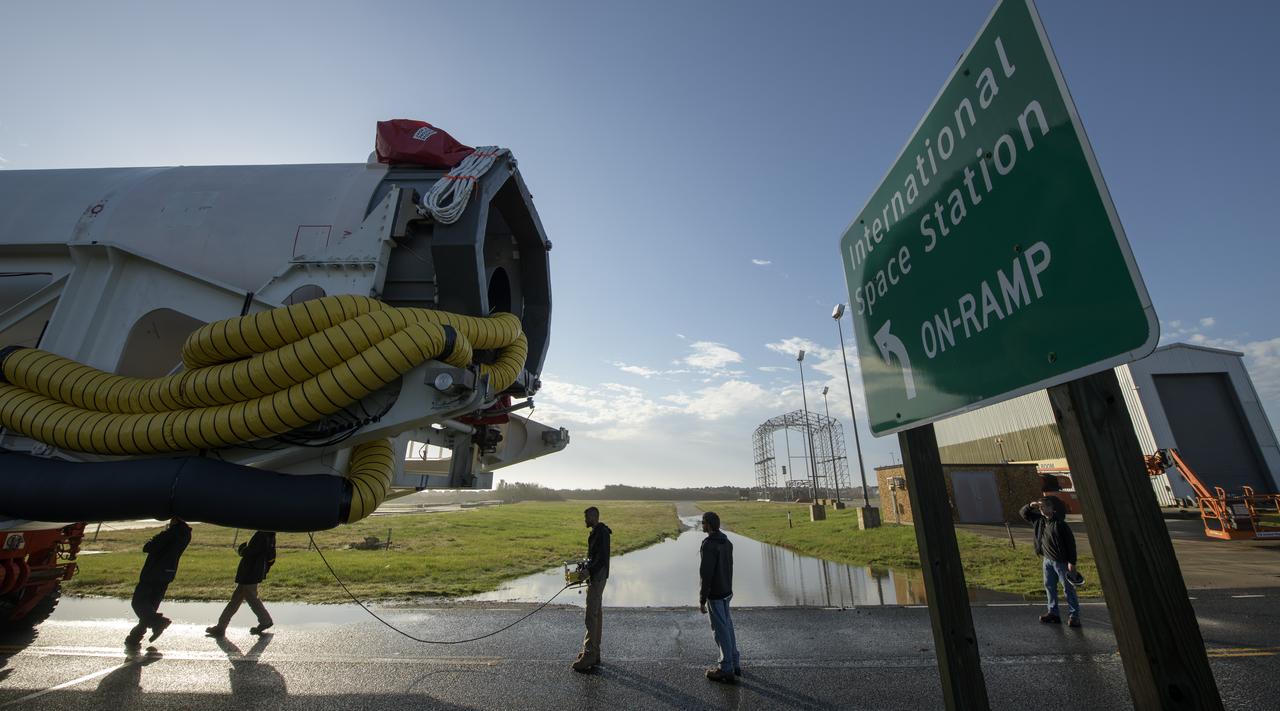
A Northrop Grumman Antares rocket is seen as it rolls out to Pad-0A, Monday, April 15, 2019 at NASA's Wallops Flight Facility in Virginia. Northrop Grumman’s 11th contracted cargo resupply mission with NASA to the International Space Station will deliver about 7,600 pounds of science and research, crew supplies and vehicle hardware to the orbital laboratory and its crew. Photo Credit: (NASA/Bill Ingalls)
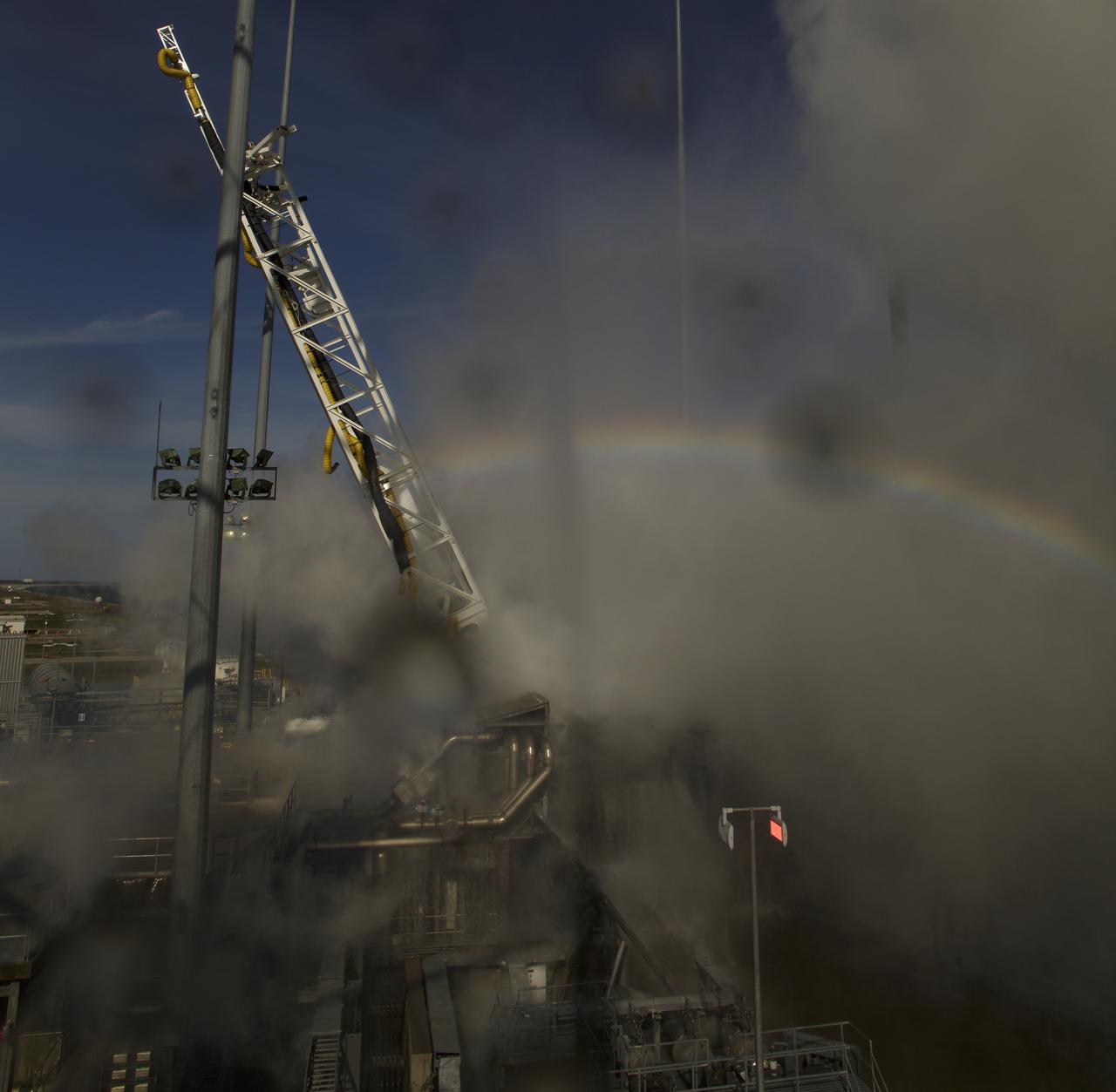
A rainbow is seen at launch Pad-0A after the Northrop Grumman Antares rocket launched, Wednesday, April 17, 2019 at NASA's Wallops Flight Facility in Virginia. Northrop Grumman's 11th contracted cargo resupply mission for NASA to the International Space Station will deliver about 7,600 pounds of science and research, crew supplies and vehicle hardware to the orbital laboratory and its crew. Photo Credit: (NASA/Bill Ingalls)
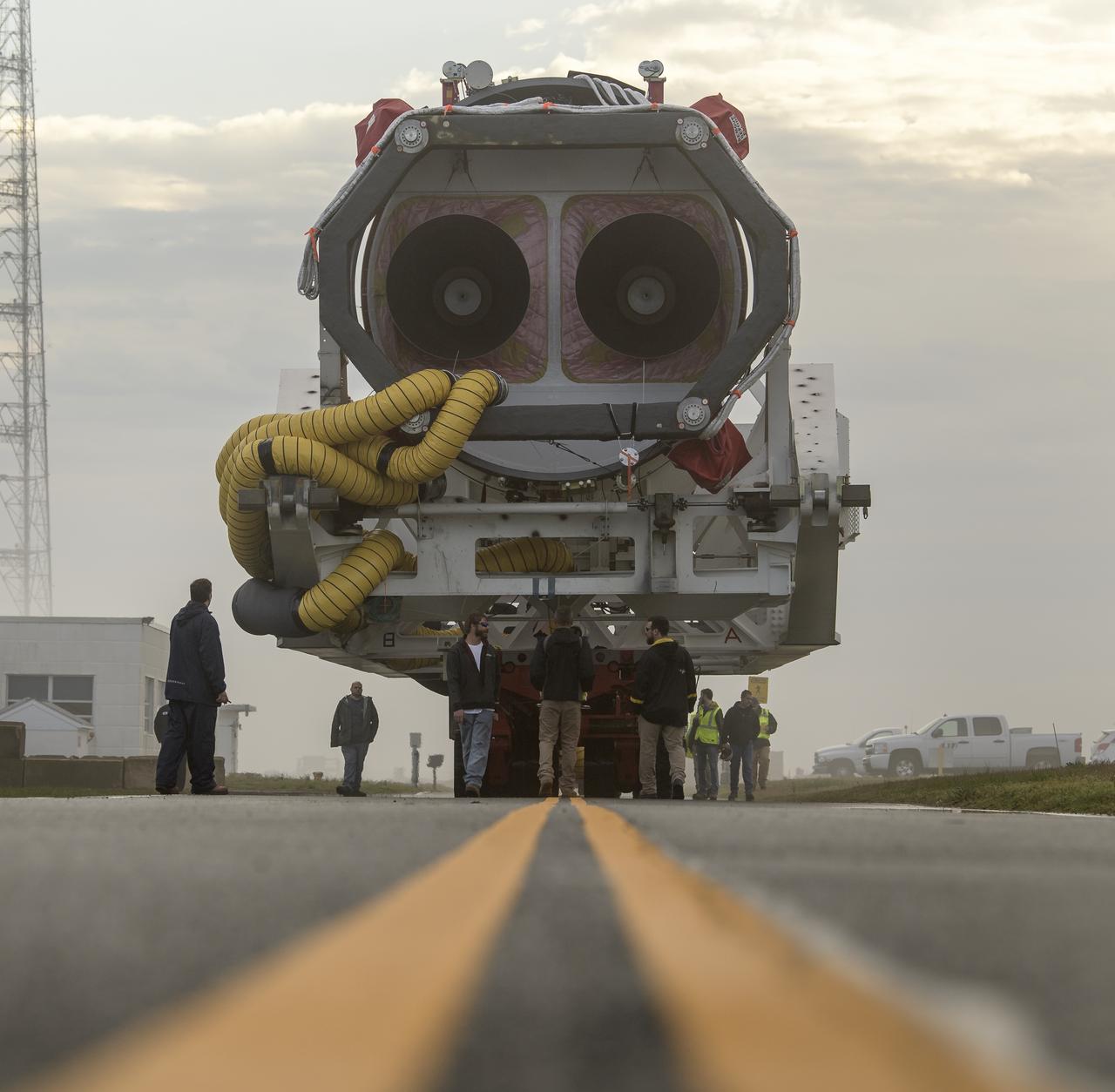
A Northrop Grumman Antares rocket is seen as it rolls out to Pad-0A, Monday, April 15, 2019 at NASA's Wallops Flight Facility in Virginia. Northrop Grumman’s 11th contracted cargo resupply mission with NASA to the International Space Station will deliver about 7,600 pounds of science and research, crew supplies and vehicle hardware to the orbital laboratory and its crew. Photo Credit: (NASA/Bill Ingalls)
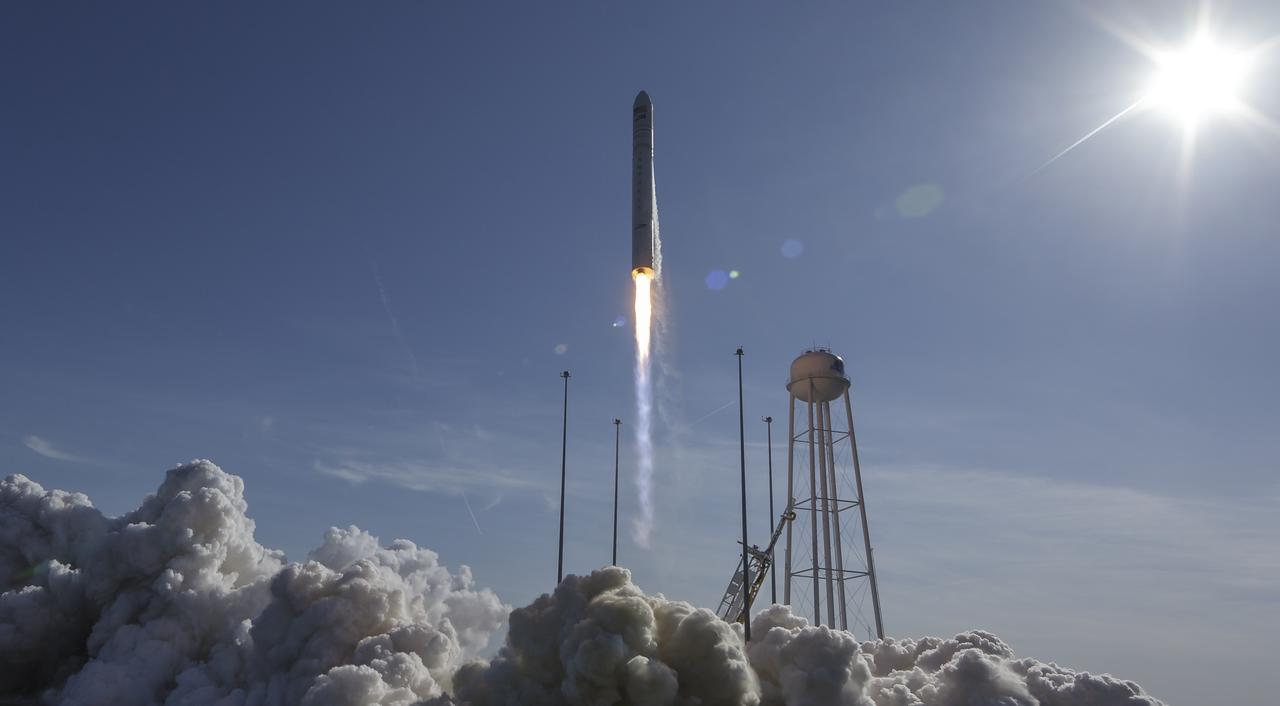
The Northrop Grumman Antares rocket, with Cygnus resupply spacecraft onboard, launches from Pad-0A, Wednesday, April 17, 2019 at NASA's Wallops Flight Facility in Virginia. Northrop Grumman's 11th contracted cargo resupply mission for NASA to the International Space Station will deliver about 7,600 pounds of science and research, crew supplies and vehicle hardware to the orbital laboratory and its crew. Photo Credit: (NASA/Bill Ingalls)
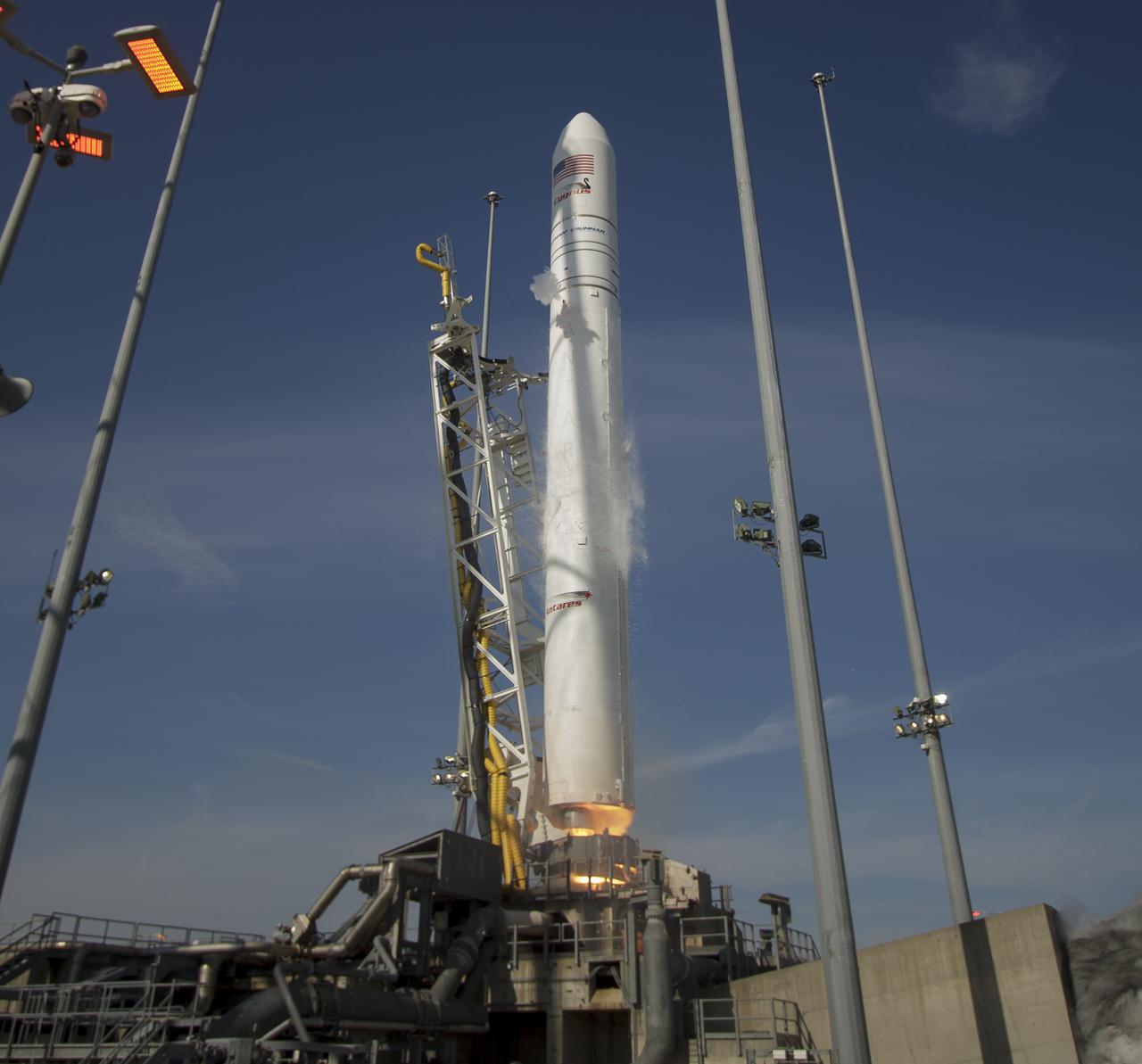
The Northrop Grumman Antares rocket, with Cygnus resupply spacecraft onboard, launches from Pad-0A, Wednesday, April 17, 2019 at NASA's Wallops Flight Facility in Virginia. Northrop Grumman's 11th contracted cargo resupply mission for NASA to the International Space Station will deliver about 7,600 pounds of science and research, crew supplies and vehicle hardware to the orbital laboratory and its crew. Photo Credit: (NASA/Bill Ingalls)
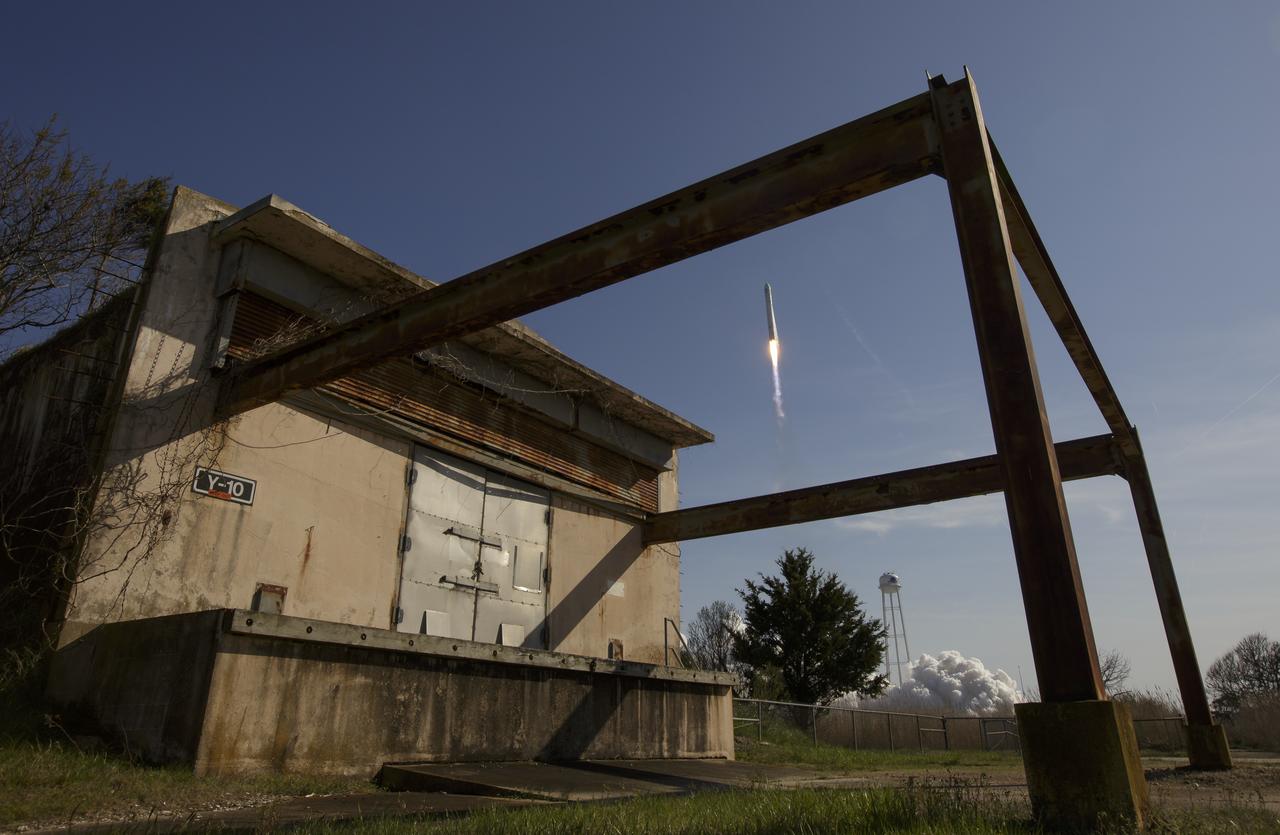
The Northrop Grumman Antares rocket, with Cygnus resupply spacecraft onboard, launches from Pad-0A, Wednesday, April 17, 2019 at NASA's Wallops Flight Facility in Virginia. Northrop Grumman's 11th contracted cargo resupply mission for NASA to the International Space Station will deliver about 7,600 pounds of science and research, crew supplies and vehicle hardware to the orbital laboratory and its crew. Photo Credit: (NASA/Bill Ingalls)
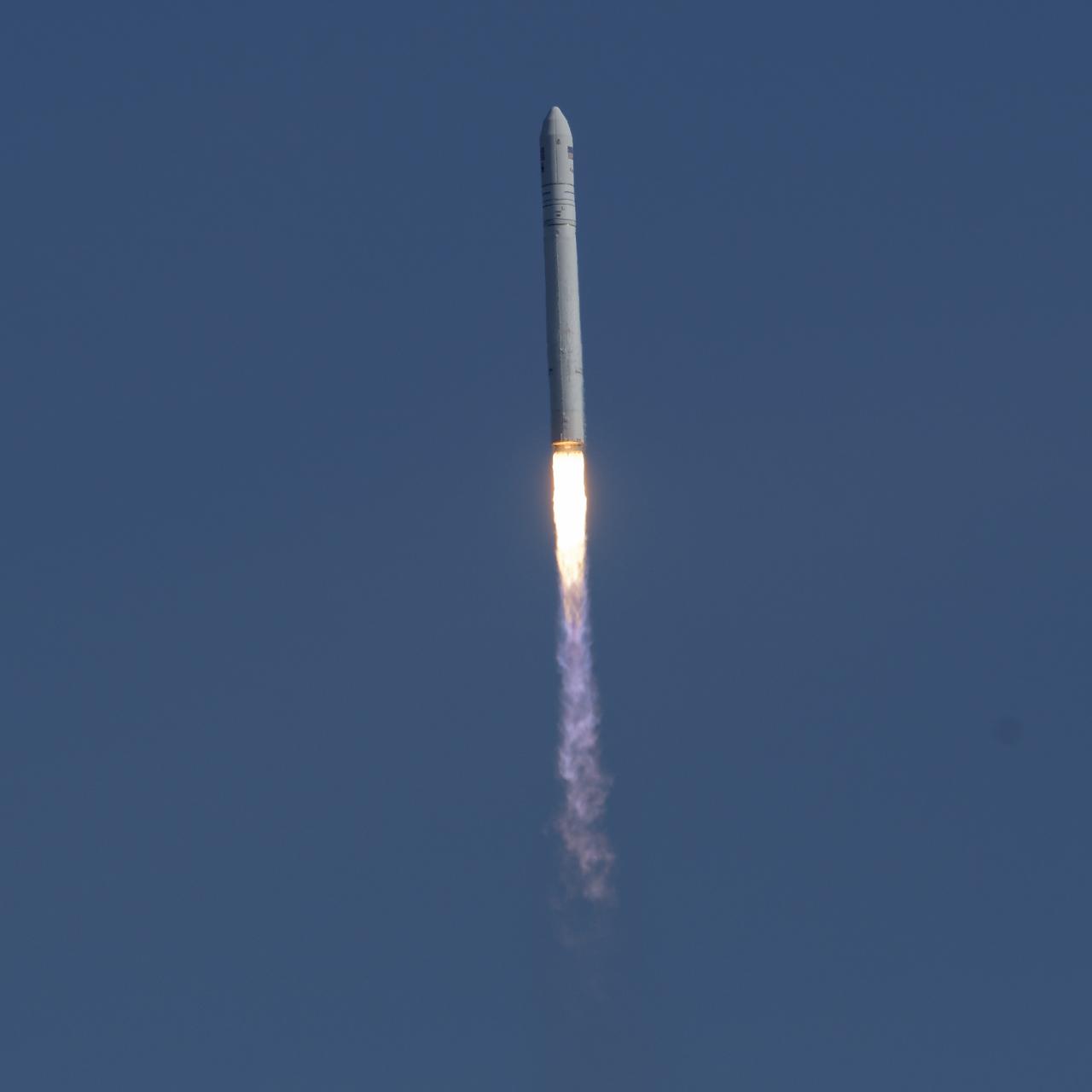
The Northrop Grumman Antares rocket, with Cygnus resupply spacecraft onboard, launches from Pad-0A, Wednesday, April 17, 2019 at NASA's Wallops Flight Facility in Virginia. Northrop Grumman's 11th contracted cargo resupply mission for NASA to the International Space Station will deliver about 7,600 pounds of science and research, crew supplies and vehicle hardware to the orbital laboratory and its crew. Photo Credit: (NASA/Bill Ingalls)
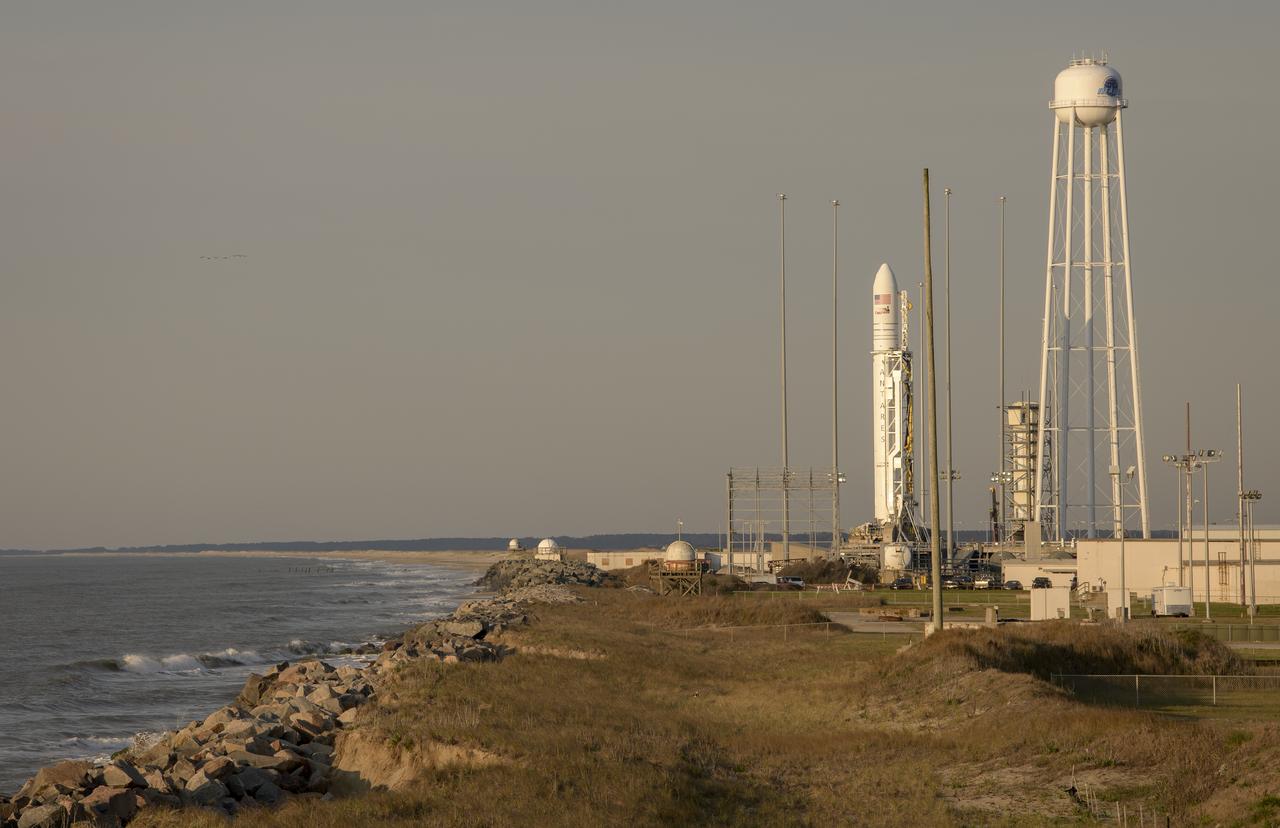
The Northrop Grumman Antares rocket, with Cygnus resupply spacecraft onboard, is seen just after sunrise on Pad-0A, Wednesday, April 17, 2019 at NASA's Wallops Flight Facility in Virginia. Northrop Grumman's 11th contracted cargo resupply mission for NASA to the International Space Station will deliver about 7,600 pounds of science and research, crew supplies and vehicle hardware to the orbital laboratory and its crew. Photo Credit: (NASA/Bill Ingalls)
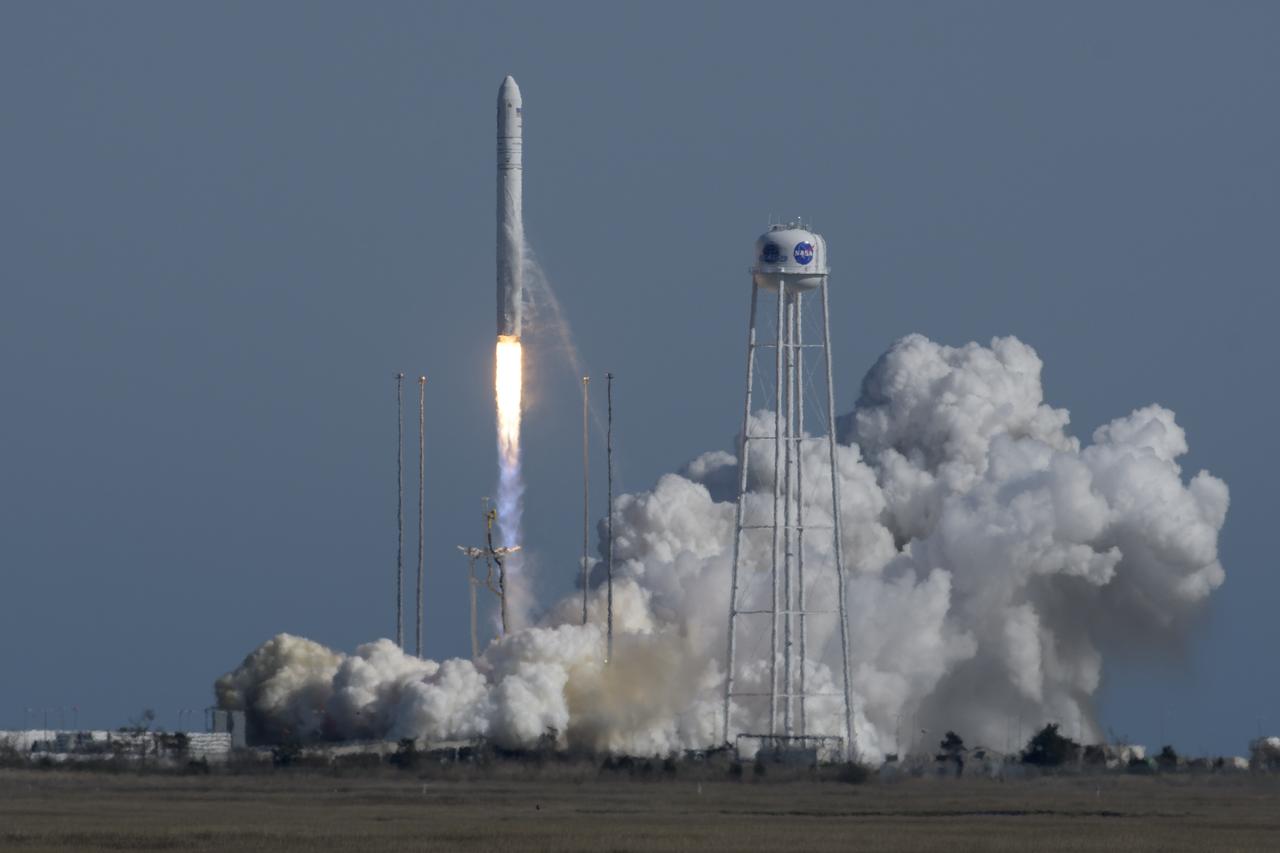
The Northrop Grumman Antares rocket, with Cygnus resupply spacecraft onboard, launches from Pad-0A, Wednesday, April 17, 2019 at NASA's Wallops Flight Facility in Virginia. Northrop Grumman's 11th contracted cargo resupply mission for NASA to the International Space Station will deliver about 7,600 pounds of science and research, crew supplies and vehicle hardware to the orbital laboratory and its crew. Photo Credit: (NASA/Bill Ingalls)
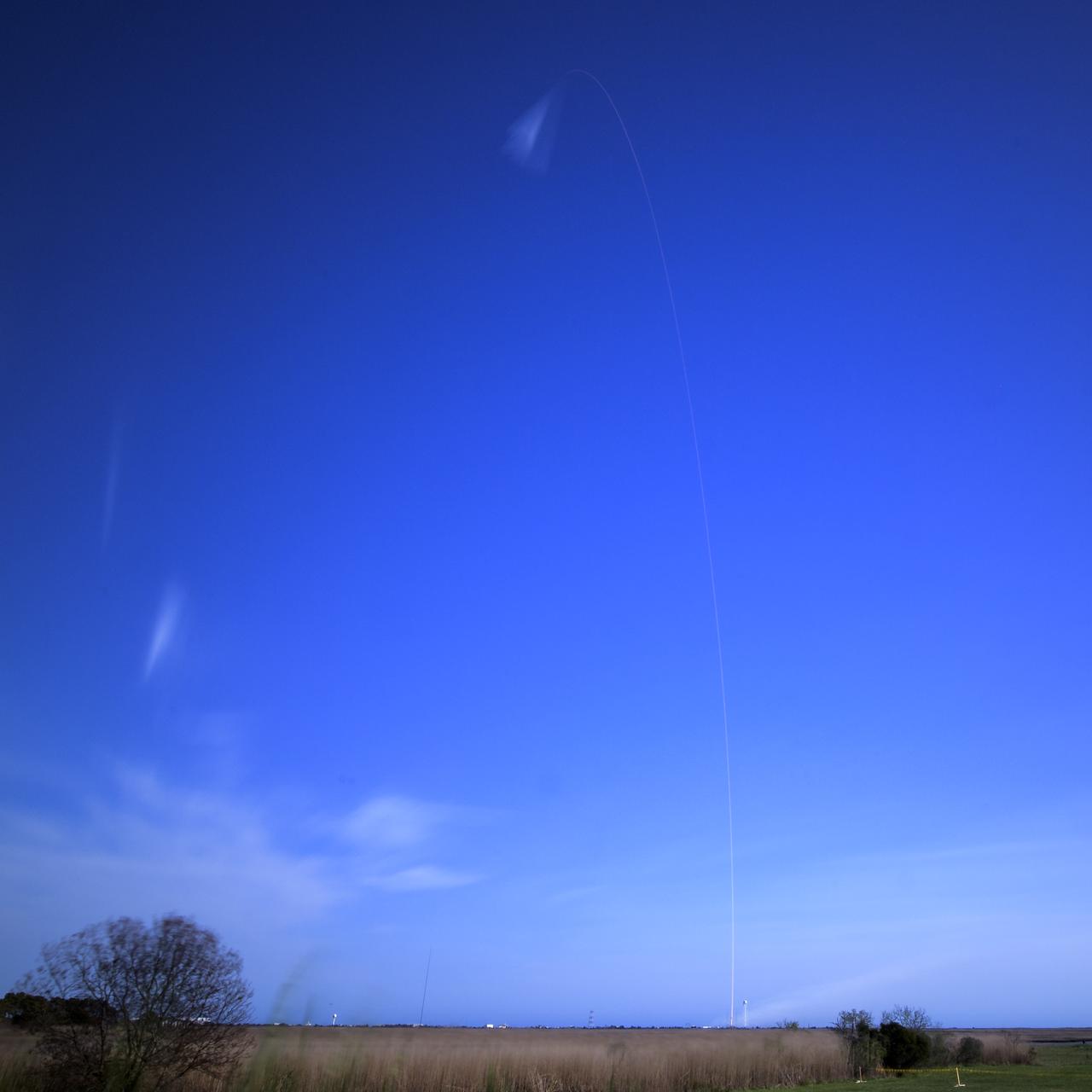
The Northrop Grumman Antares rocket, with Cygnus resupply spacecraft onboard, is seen in this long exposure photograph as it launches from Pad-0A, Wednesday, April 17, 2019 at NASA's Wallops Flight Facility in Virginia. Northrop Grumman's 11th contracted cargo resupply mission for NASA to the International Space Station will deliver about 7,600 pounds of science and research, crew supplies and vehicle hardware to the orbital laboratory and its crew. Photo Credit: (NASA/Bill Ingalls)
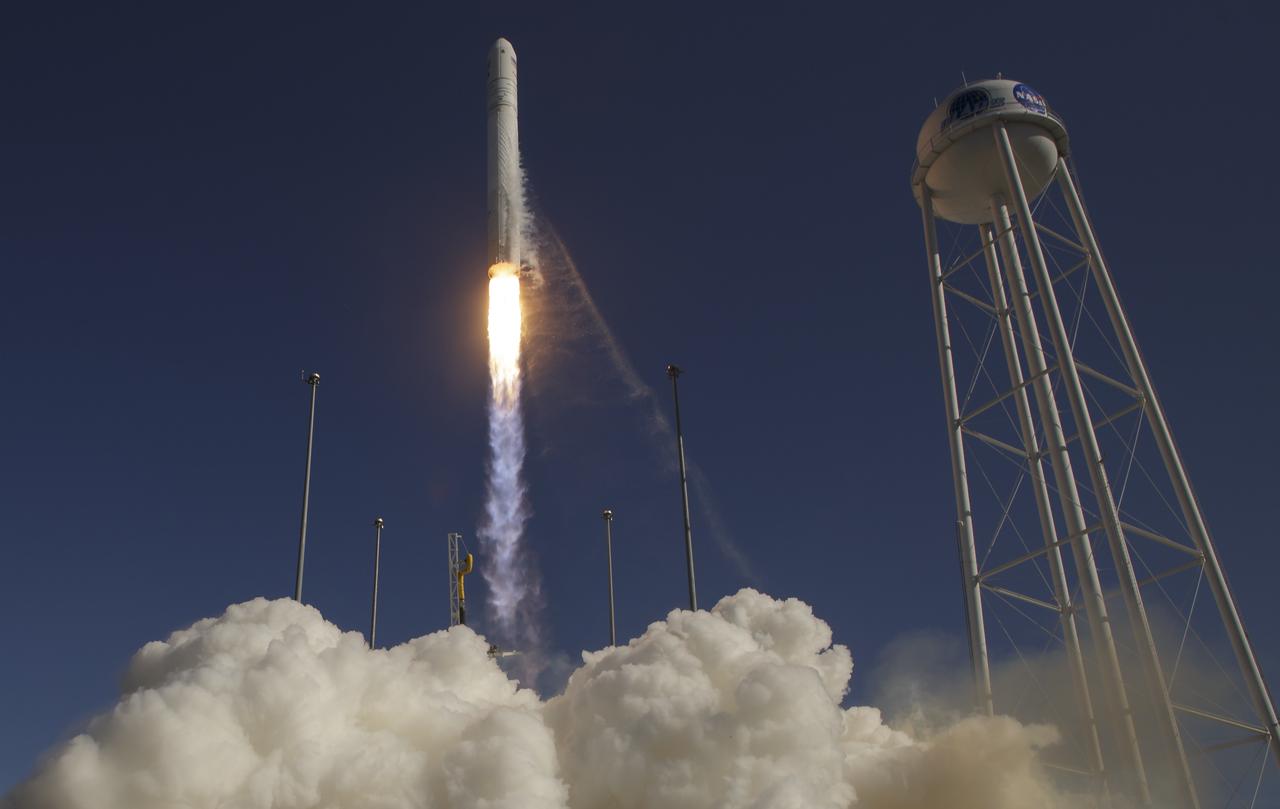
The Northrop Grumman Antares rocket, with Cygnus resupply spacecraft onboard, launches from Pad-0A, Wednesday, April 17, 2019 at NASA's Wallops Flight Facility in Virginia. Northrop Grumman's 11th contracted cargo resupply mission for NASA to the International Space Station will deliver about 7,600 pounds of science and research, crew supplies and vehicle hardware to the orbital laboratory and its crew. Photo Credit: (NASA/Bill Ingalls)
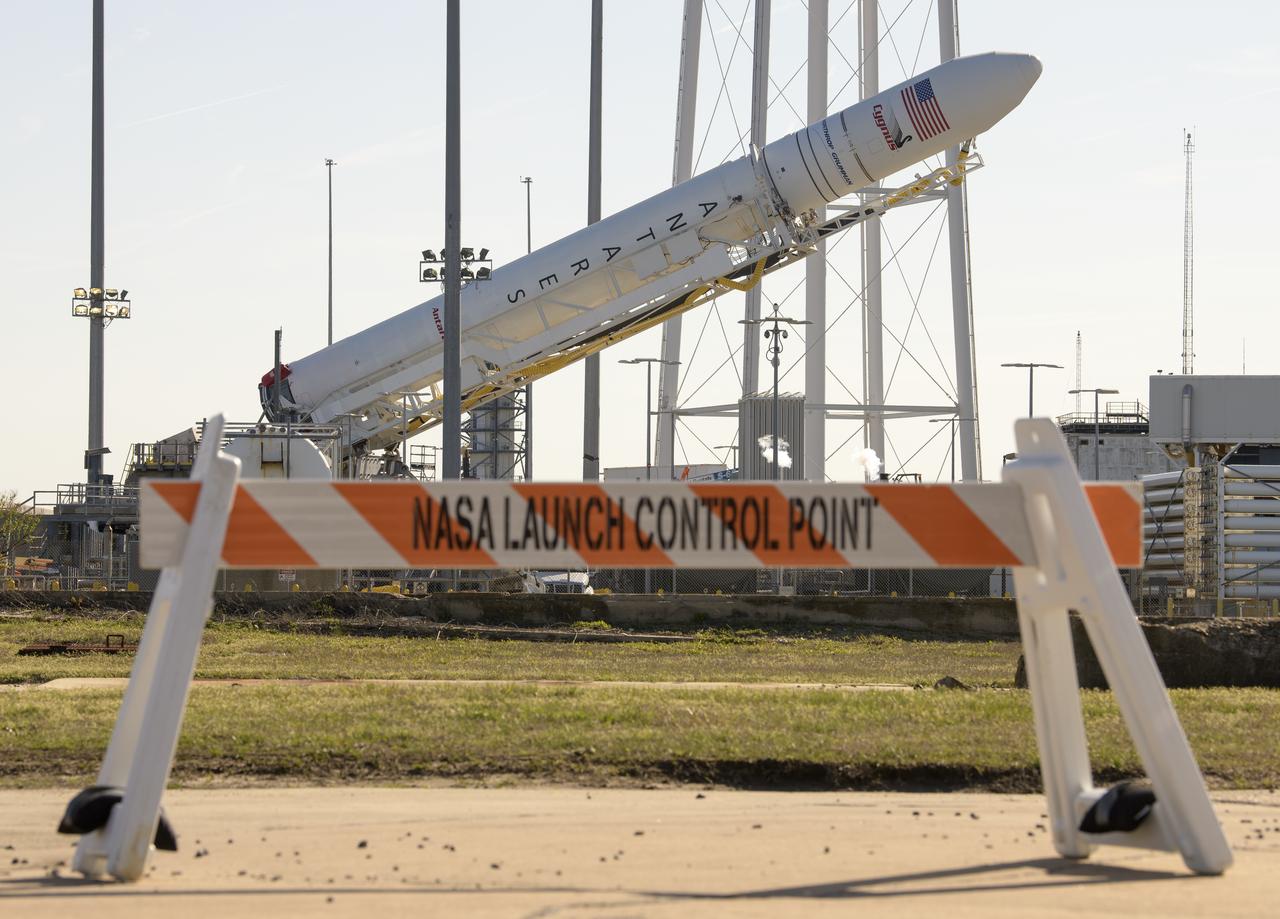
A Northrop Grumman Antares rocket carrying a Cygnus resupply spacecraft is lowered into a horizontal position for final cargo load on Pad-0A, Tuesday, April 16, 2019 at NASA's Wallops Flight Facility in Virginia. Northrop Grumman’s 11th contracted cargo resupply mission with NASA to the International Space Station will deliver about 7,600 pounds of science and research, crew supplies and vehicle hardware to the orbital laboratory and its crew. Photo Credit: (NASA/Bill Ingalls)
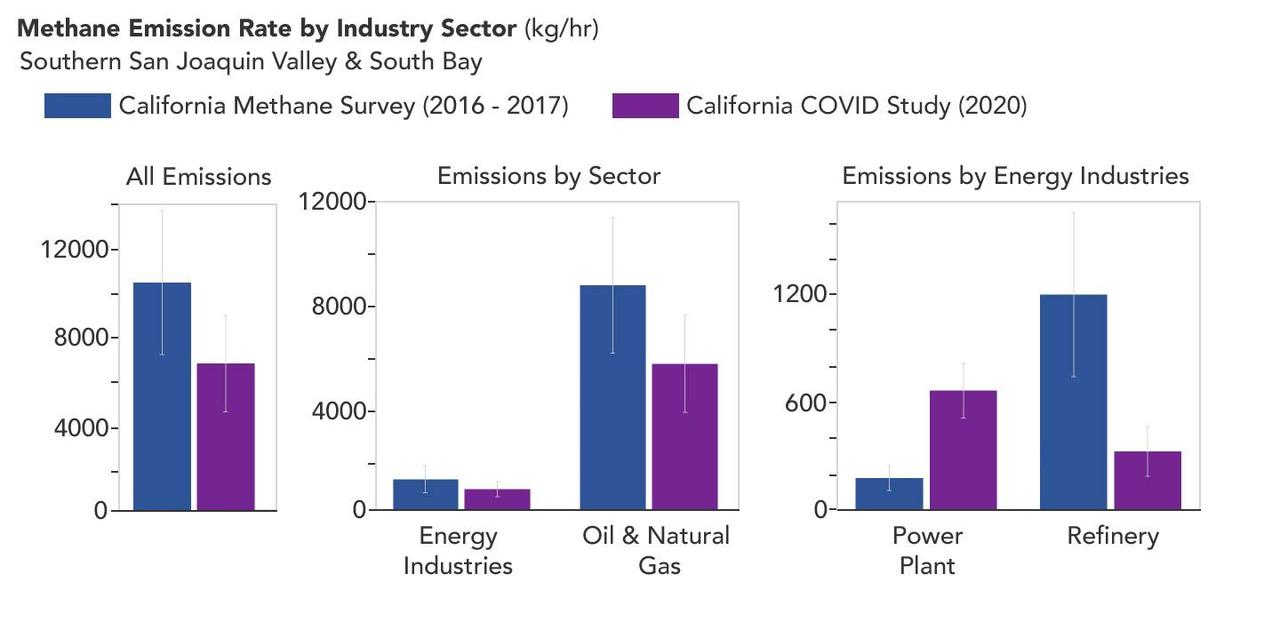
A March 2023 study by researchers at NASA's Jet Propulsion Laboratory in Southern California compared emissions from a belt of oil refineries across the South Bay area of Los Angeles during the first summer of the COVID-19 pandemic to those observed three years earlier. Using data from a NASA airborne instrument, researchers saw that most of the facilities they identified as methane sources in 2016-17 were no longer emitting the greenhouse gas in 2020, leading to a 73% reduction in measured emissions. The study uses measurements made by an imaging spectrometer called AVIRIS-NG (Airborne Visible/Infrared Imaging Spectrometer-Next Generation). Attached to the bottom of an aircraft, the instrument can detect greenhouse gas emissions from individual facilities or even pieces of equipment by looking at how the gases absorb sunlight. In 2016 and 2017, AVIRIS-NG was flown over 22,000 square miles (57,000 square kilometers) of the state as part of the California Methane Survey. From July to September 2020, researchers retraced some of those flight paths over refineries and power plants in Los Angeles County and over oil fields in central California's San Joaquin Valley. The flights were funded by NASA's Earth Science Division, the California Air Resources Board, and the California Energy Commission. The 2020 surveys over Los Angeles identified only 11 plumes from five refinery sources, with a total emissions rate of about 712 pounds (323 kilograms) methane per hour. The 2016 and 2017 flights had found 48 plumes from 33 sources, with a total emissions rate of roughly 2,639 pounds (1,197 kilograms) methane per hour. The drop correlates with an 18% decrease in monthly production in Southern California refineries between the two flight campaigns, the scientists noted, citing data from the California Energy Commission. The study also found that emissions from oil fields in and around the city of Bakersfield in central California fell 34.2%, correlating with a 24.2% drop in oil production. Reduced production during the pandemic due to lower demand for fuel and lower gas prices could have led to the drop in methane emissions, as oil fields and refineries emitted less methane as part of operations. However, researchers said, improved equipment maintenance and mitigation efforts at those facilities between 2016 and 2020 can't be ruled out as a factor. https://photojournal.jpl.nasa.gov/catalog/PIA25864
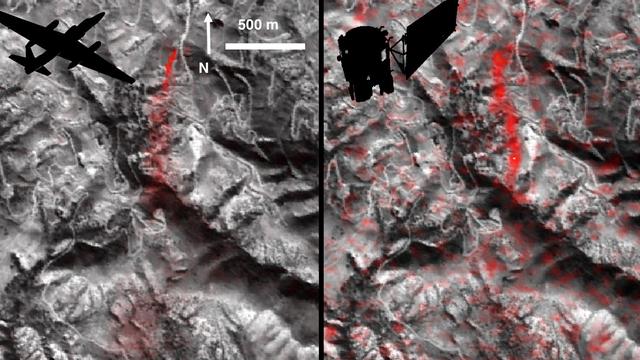
Atmospheric methane is a potent greenhouse gas, but the percentage of it produced through human activities is still poorly understood. Future instruments on orbiting satellites can help address this issue by surveying human-produced methane emissions. Recent data from the Aliso Canyon event, a large accidental methane release near Porter Ranch, California, demonstrates this capability. The Hyperion imaging spectrometer onboard NASA's EO-1 satellite successfully detected this release event on three different overpasses during the winter of 2015-2016. This is the first time the methane plume from a single facility has been observed from space. The orbital observations were consistent with airborne measurements. This image pair shows a comparison of detected methane plumes over Aliso Canyon, California, acquired 11 days apart in Jan. 2016 by: (left) NASA's AVIRIS instrument on a NASA ER-2 aircraft at 4.1 miles (6.6 kilometers) altitude and (right) by the Hyperion instrument on NASA's Earth Observing-1 satellite in low-Earth orbit. The additional red streaks visible in the EO-1 Hyperion image result from measurement noise -- Hyperion was not specifically designed for methane sensing and is not as sensitive as AVIRIS-NG. Additionally, the EO-1 satellite's current orbit provided poor illumination conditions. Future instruments with much greater sensitivity on orbiting satellites can survey the biggest sources of human-produced methane around the world. http://photojournal.jpl.nasa.gov/catalog/PIA20716