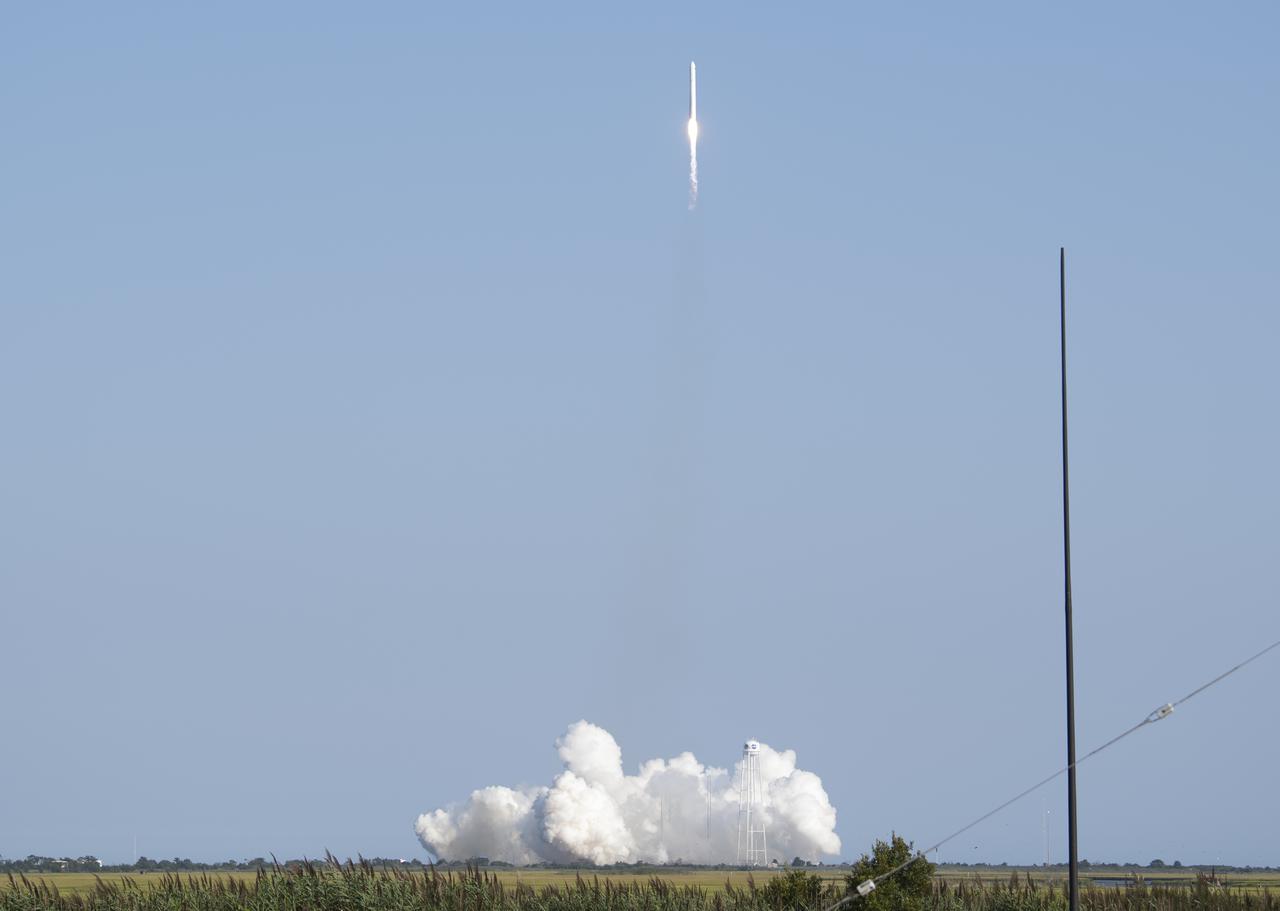
A Northrop Grumman Antares rocket carrying a Cygnus resupply spacecraft launches from Pad-0A of the Mid-Atlantic Regional Spaceport, Tuesday, Aug. 10, 2021, at NASA's Wallops Flight Facility in Virginia. Northrop Grumman’s 16th contracted cargo resupply mission with NASA will deliver nearly 8,200 pounds of science and research, crew supplies and vehicle hardware to the International Space Station and its crew. Photo Credit: (NASA/Joel Kowsky}
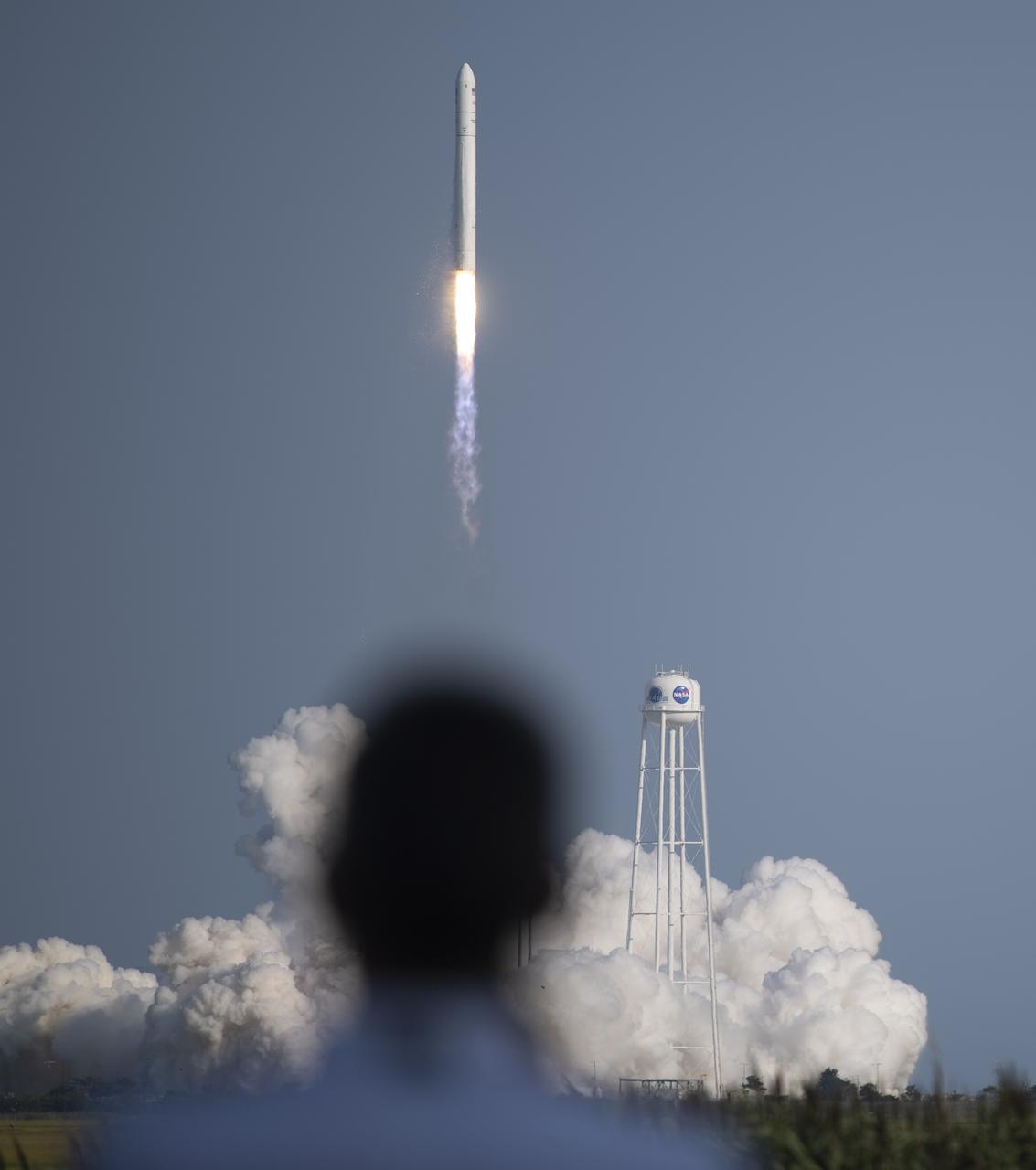
A Northrop Grumman Antares rocket carrying a Cygnus resupply spacecraft launches from Pad-0A of the Mid-Atlantic Regional Spaceport, Tuesday, Aug. 10, 2021, at NASA's Wallops Flight Facility in Virginia. Northrop Grumman’s 16th contracted cargo resupply mission with NASA will deliver nearly 8,200 pounds of science and research, crew supplies and vehicle hardware to the International Space Station and its crew. Photo Credit: (NASA/Joel Kowsky)
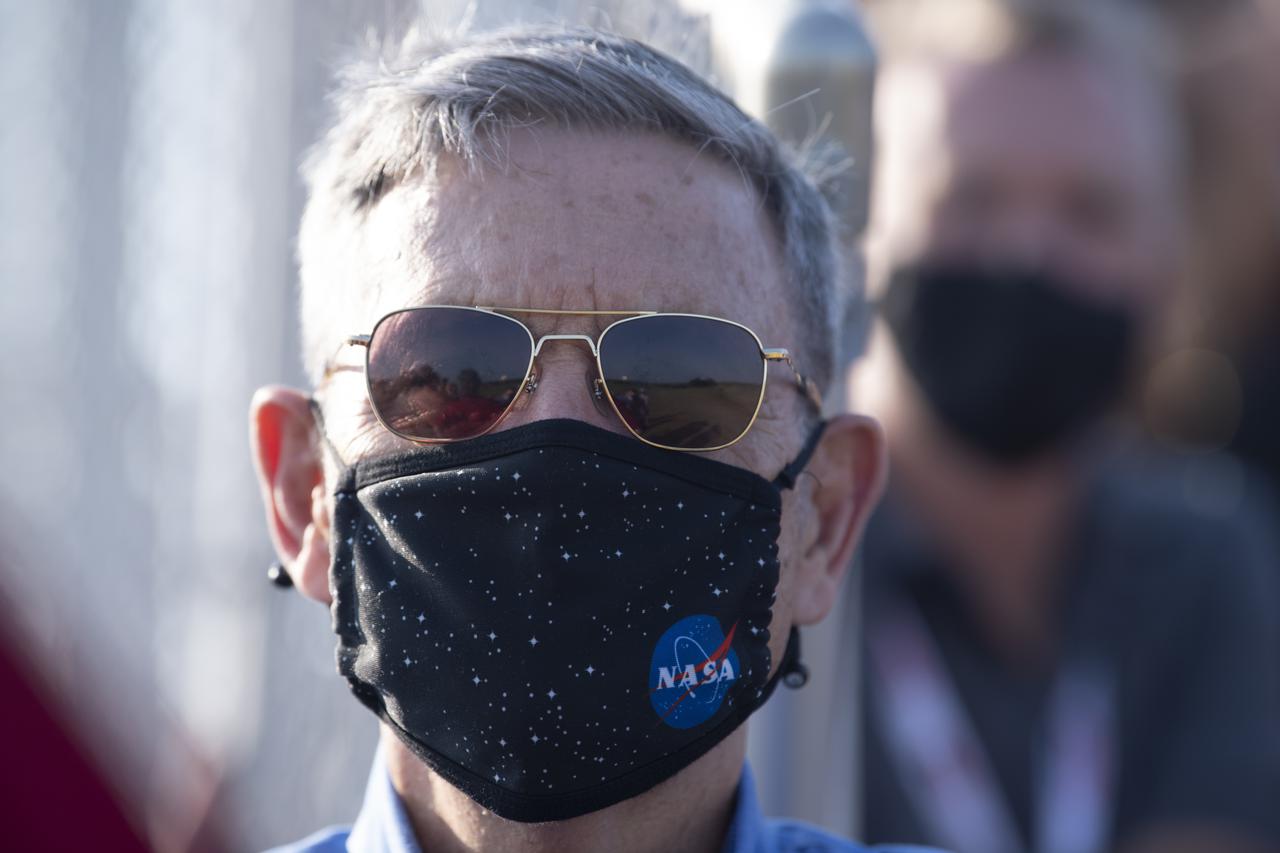
Bob Cabana, NASA associate administrator, watches the launch of a Northrop Grumman Antares rocket carrying a Cygnus resupply spacecraft launches from Pad-0A of the Mid-Atlantic Regional Spaceport, Tuesday, Aug. 10, 2021, at NASA's Wallops Flight Facility in Virginia. Northrop Grumman’s 16th contracted cargo resupply mission with NASA will deliver nearly 8,200 pounds of science and research, crew supplies and vehicle hardware to the International Space Station and its crew. Photo Credit: (NASA/Joel Kowsky}
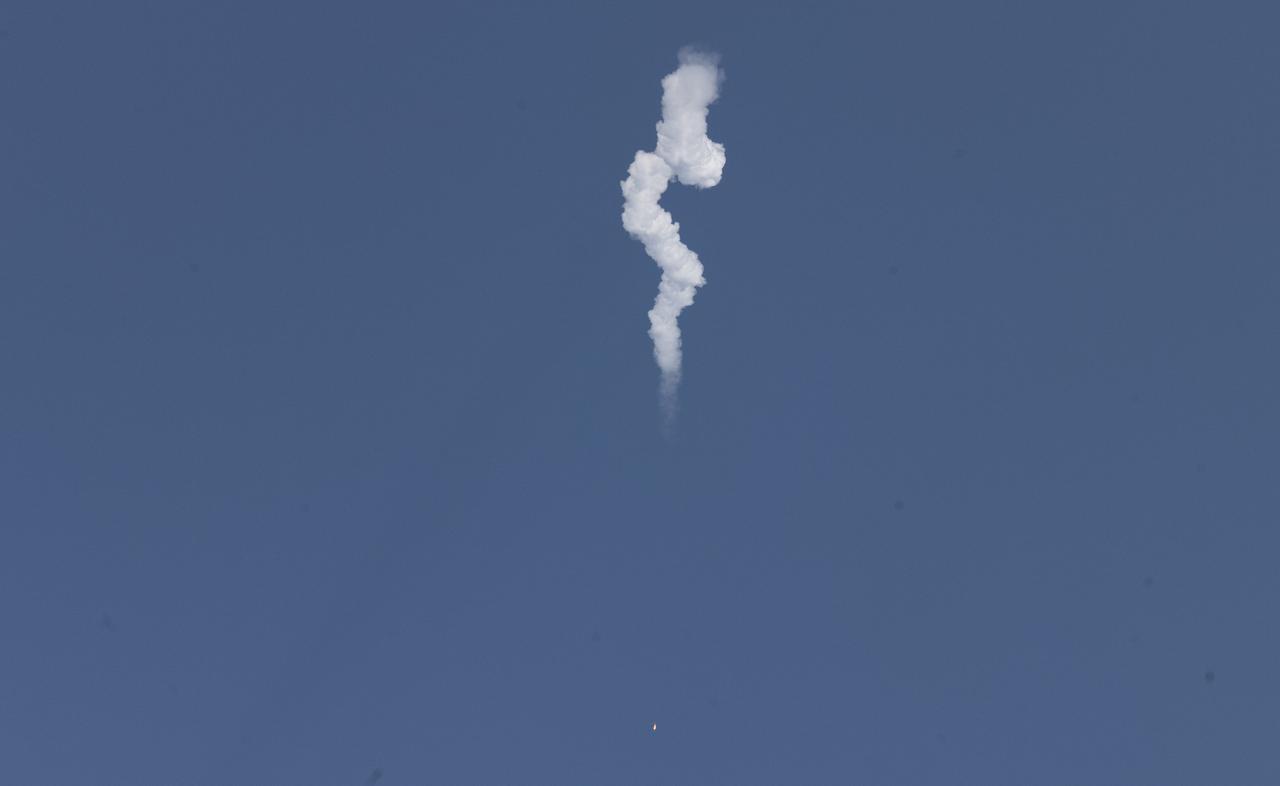
A Northrop Grumman Antares rocket carrying a Cygnus resupply spacecraft launches from Pad-0A of the Mid-Atlantic Regional Spaceport, Tuesday, Aug. 10, 2021, at NASA's Wallops Flight Facility in Virginia. Northrop Grumman’s 16th contracted cargo resupply mission with NASA will deliver nearly 8,200 pounds of science and research, crew supplies and vehicle hardware to the International Space Station and its crew. Photo Credit: (NASA/Joel Kowsky}
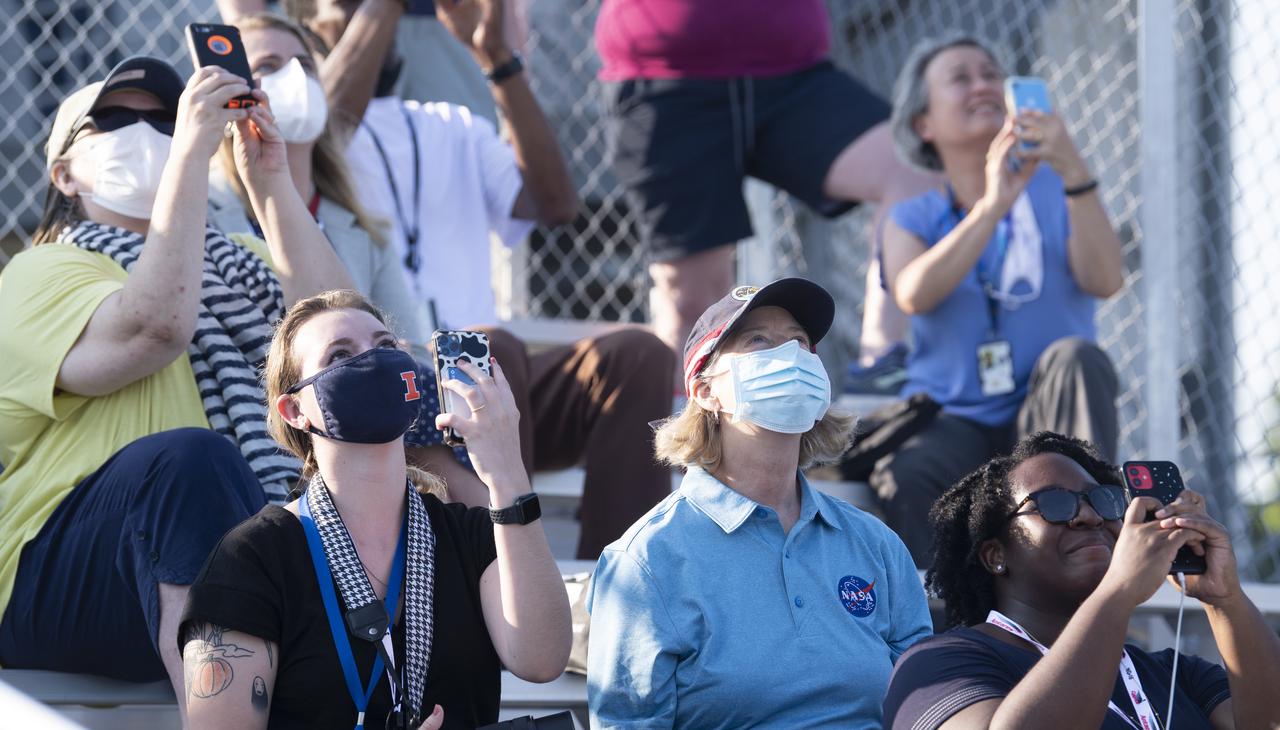
NASA Deputy Administrator Pam Melroy, center, watches as a Northrop Grumman Antares rocket carrying a Cygnus resupply spacecraft launches from Pad-0A of the Mid-Atlantic Regional Spaceport, Tuesday, Aug. 10, 2021, at NASA's Wallops Flight Facility in Virginia. Northrop Grumman’s 16th contracted cargo resupply mission with NASA will deliver nearly 8,200 pounds of science and research, crew supplies and vehicle hardware to the International Space Station and its crew. Photo Credit: (NASA/Joel Kowsky)
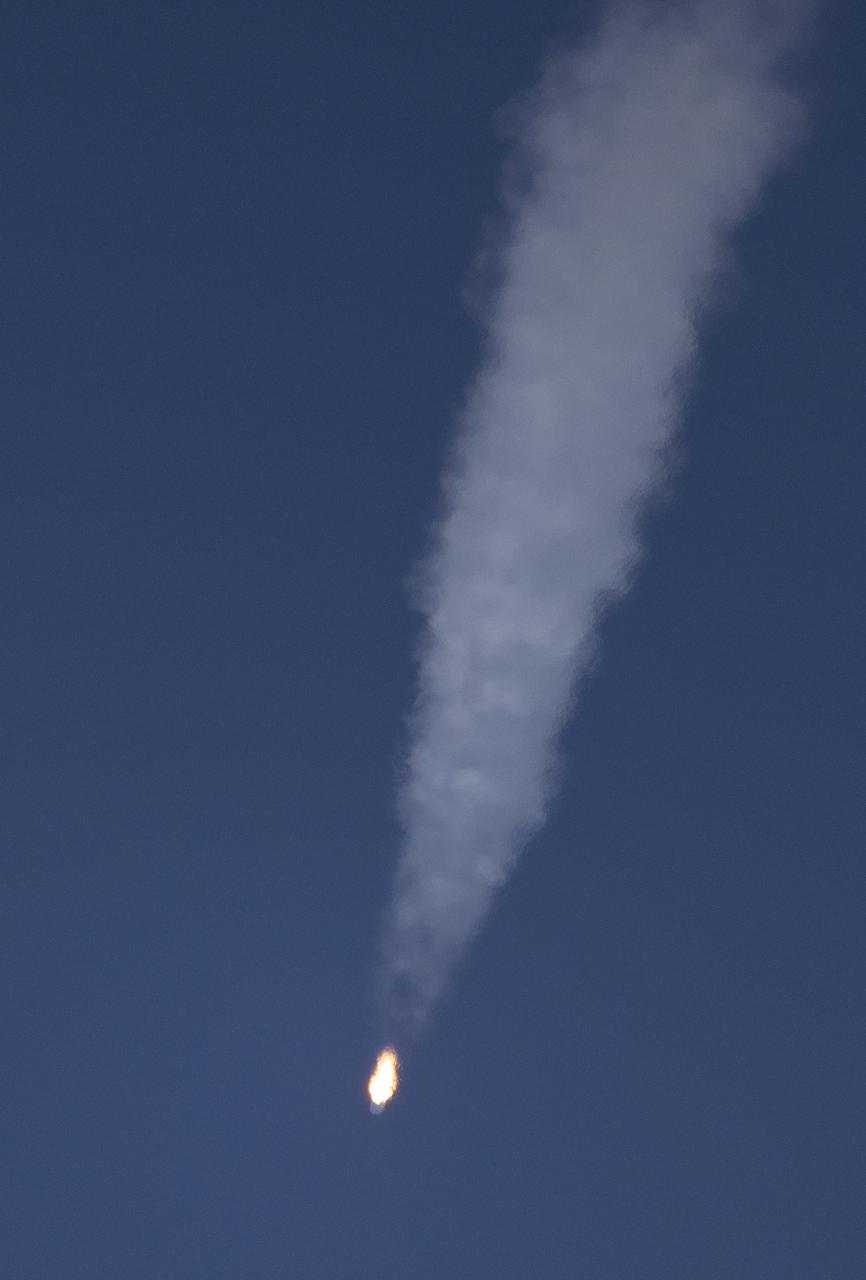
A Northrop Grumman Antares rocket carrying a Cygnus resupply spacecraft launches from Pad-0A of the Mid-Atlantic Regional Spaceport, Tuesday, Aug. 10, 2021, at NASA's Wallops Flight Facility in Virginia. Northrop Grumman’s 16th contracted cargo resupply mission with NASA will deliver nearly 8,200 pounds of science and research, crew supplies and vehicle hardware to the International Space Station and its crew. Photo Credit: (NASA/Joel Kowsky}
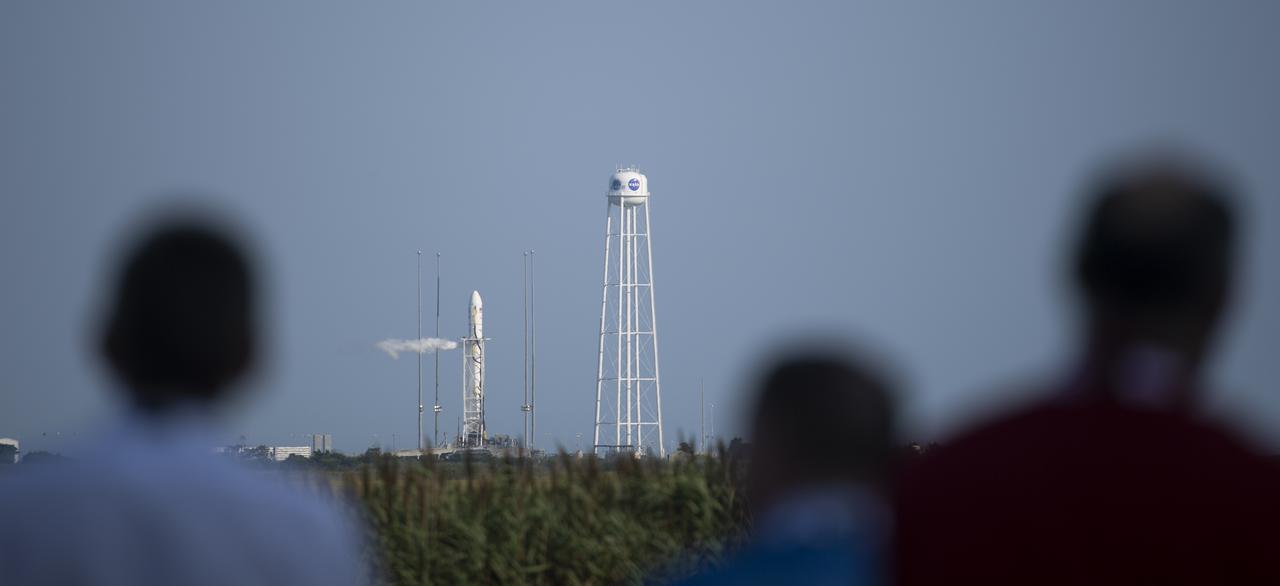
A Northrop Grumman Antares rocket carrying a Cygnus resupply spacecraft is seen on Pad-0A of the Mid-Atlantic Regional Spaceport prior to launch, Tuesday, Aug. 10, 2021, at NASA's Wallops Flight Facility in Virginia. Northrop Grumman’s 16th contracted cargo resupply mission with NASA launched at 6:01 p.m. EDT and will deliver nearly 8,200 pounds of science and research, crew supplies and vehicle hardware to the International Space Station and its crew. Photo Credit: (NASA/Joel Kowsky}
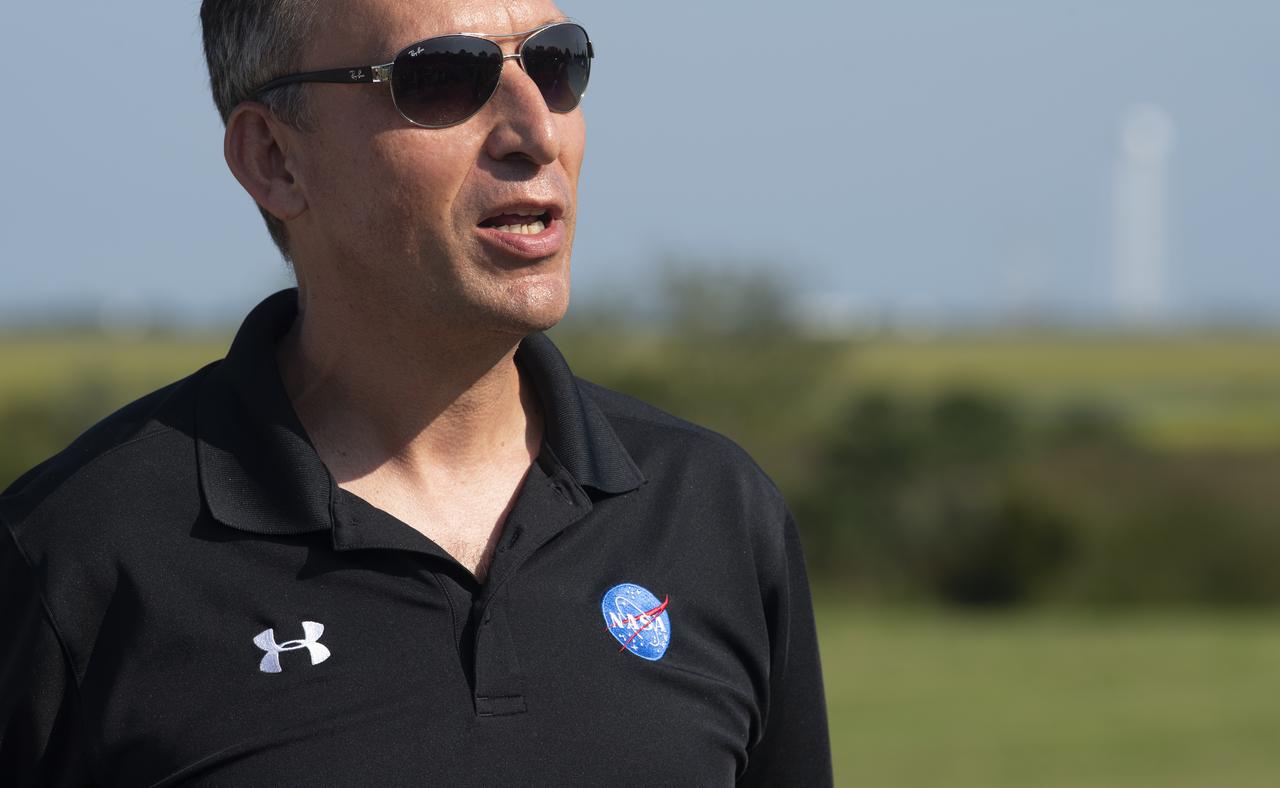
Thomas Zurbuchen, associate administrator for NASA’s Science Mission Directorate, speaks to members of the media prior to the launch of a Northrop Grumman Antares rocket carrying a Cygnus resupply spacecraft, Tuesday, Aug. 10, 2021, at NASA's Wallops Flight Facility in Virginia. Northrop Grumman’s 16th contracted cargo resupply mission for NASA launched at 6:01 p.m. EDT and will deliver nearly 8,200 pounds of science and research, crew supplies and vehicle hardware to the International Space Station and its crew. Photo Credit: (NASA/Joel Kowsky)
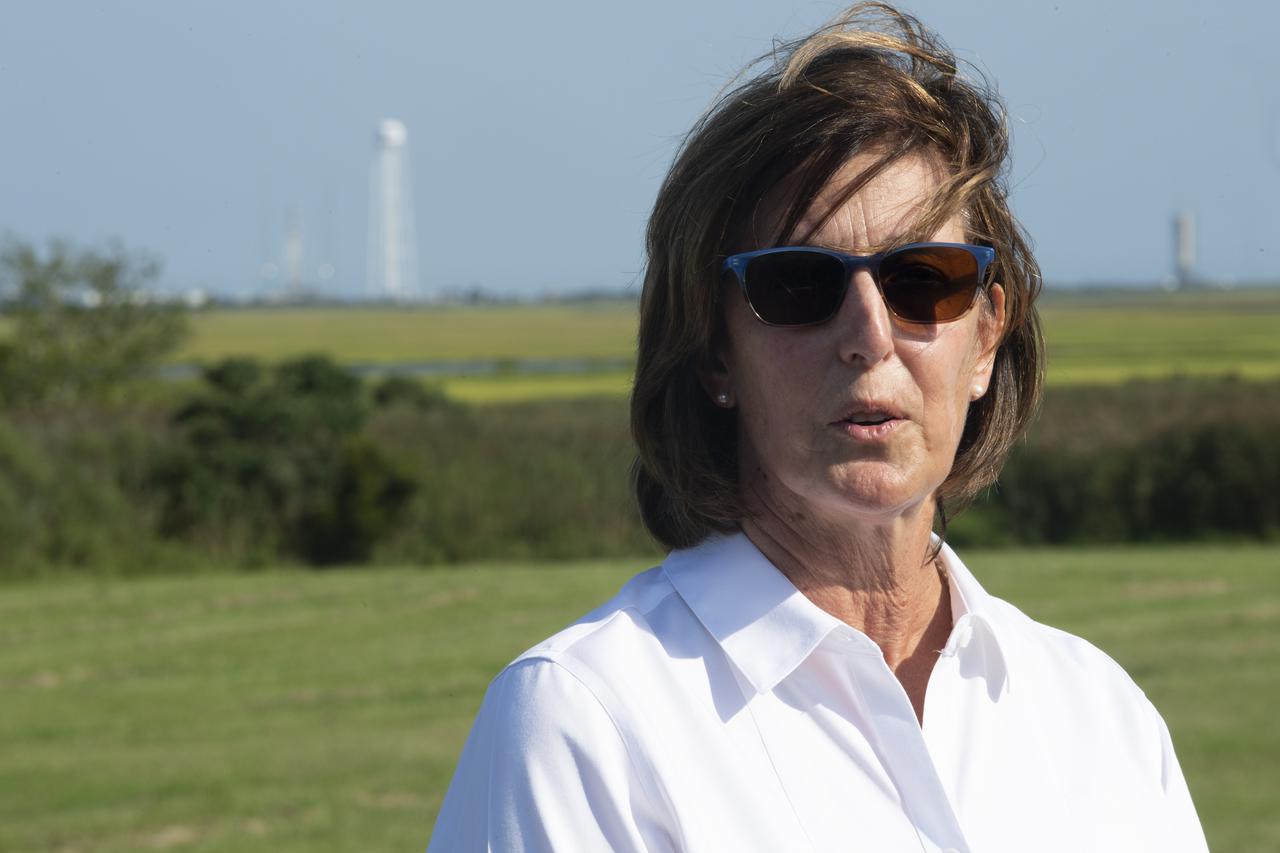
Robyn Gatens, director of NASA’s International Space Station Division, speaks to members of the media prior to the launch of a Northrop Grumman Antares rocket carrying a Cygnus resupply spacecraft, Tuesday, Aug. 10, 2021, at NASA's Wallops Flight Facility in Virginia. Northrop Grumman’s 16th contracted cargo resupply mission for NASA launched at 6:01 p.m. EDT and will deliver nearly 8,200 pounds of science and research, crew supplies and vehicle hardware to the International Space Station and its crew. Photo Credit: (NASA/Joel Kowsky)
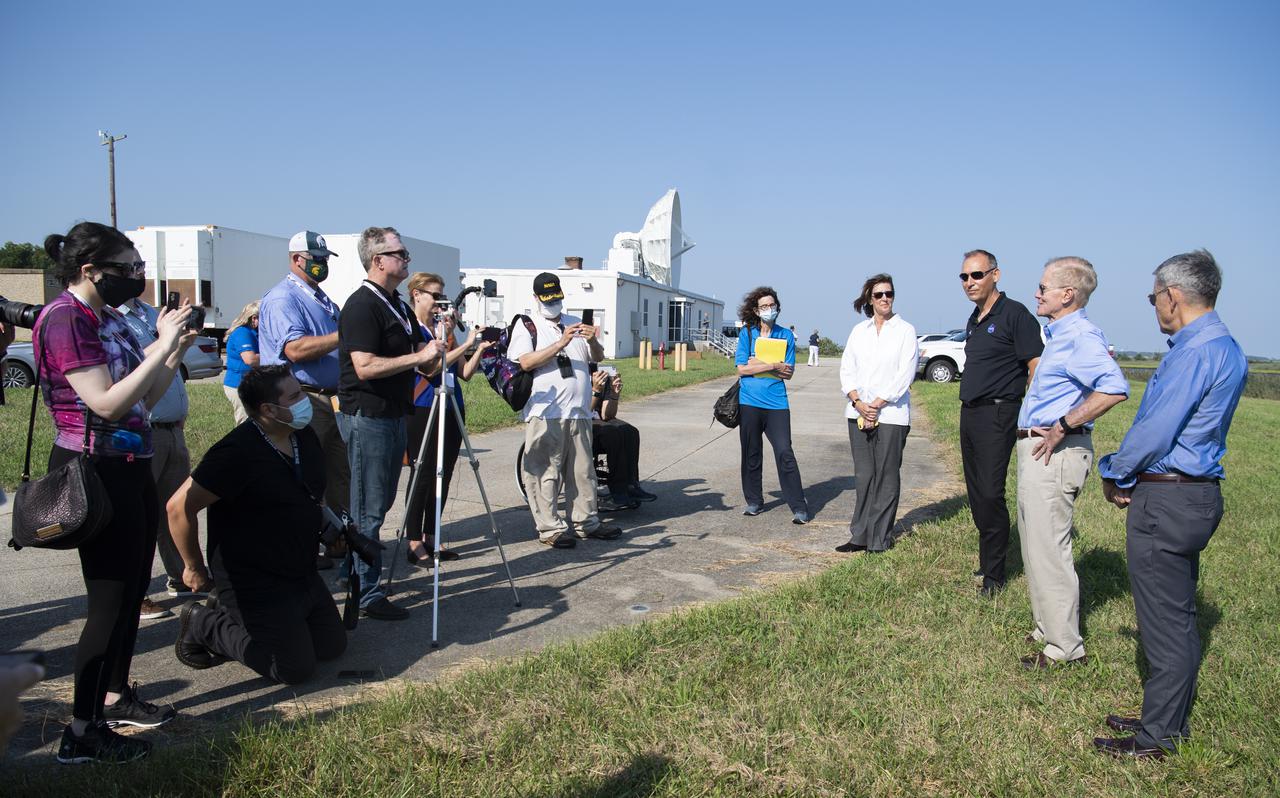
Robyn Gatens, director of NASA’s International Space Station Division, left, Thomas Zurbuchen, associate administrator for NASA’s Science Mission Directorate, second from left, NASA Administrator Bill Nelson, second from right, and Bob Cabana, NASA associate administrator, right, speak to members of the media prior to the launch of a Northrop Grumman Antares rocket carrying a Cygnus resupply spacecraft, Tuesday, Aug. 10, 2021, at NASA's Wallops Flight Facility in Virginia. Northrop Grumman’s 16th contracted cargo resupply mission for NASA launched at 6:01 p.m. EDT and will deliver nearly 8,200 pounds of science and research, crew supplies and vehicle hardware to the International Space Station and its crew. Photo Credit: (NASA/Joel Kowsky)
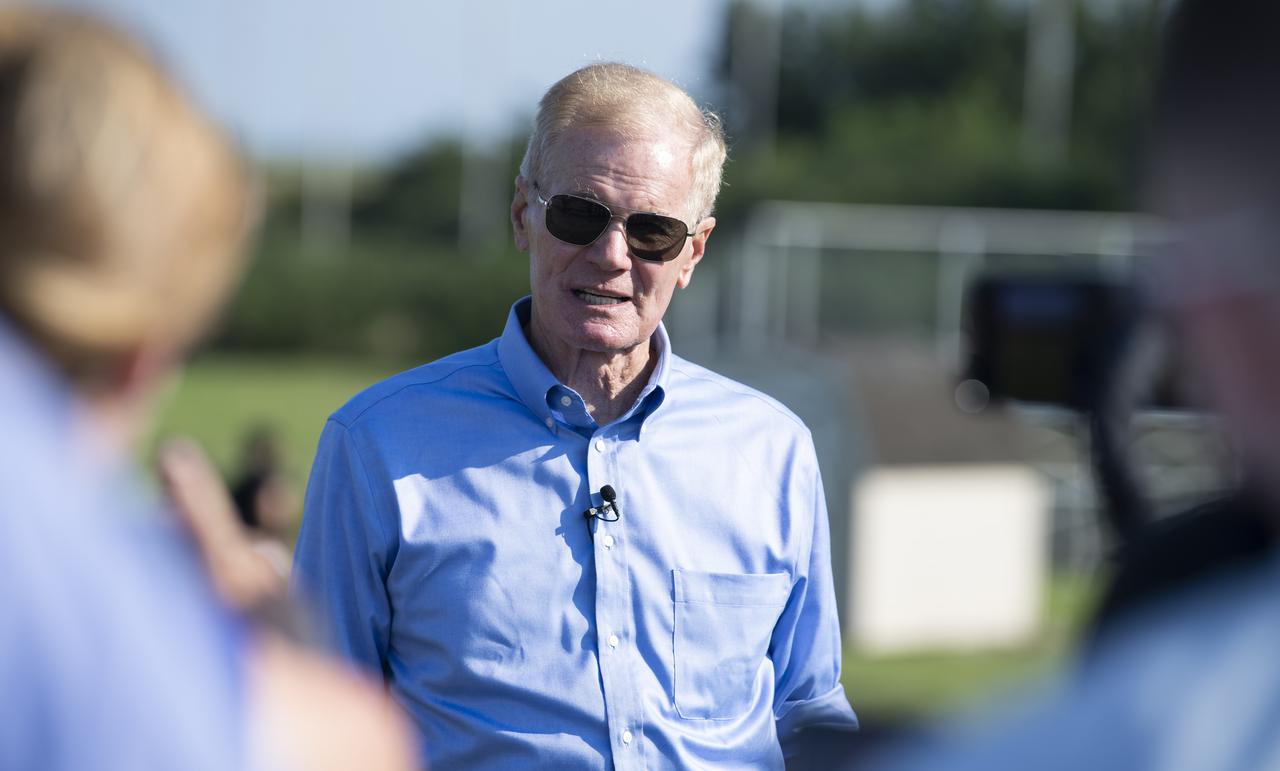
NASA Administrator Bill Nelson speaks to members of the media prior to the launch of a Northrop Grumman Antares rocket carrying a Cygnus resupply spacecraft, Tuesday, Aug. 10, 2021, at NASA's Wallops Flight Facility in Virginia. Northrop Grumman’s 16th contracted cargo resupply mission for NASA launched at 6:01 p.m. EDT and will deliver nearly 8,200 pounds of science and research, crew supplies and vehicle hardware to the International Space Station and its crew. Photo Credit: (NASA/Joel Kowsky}
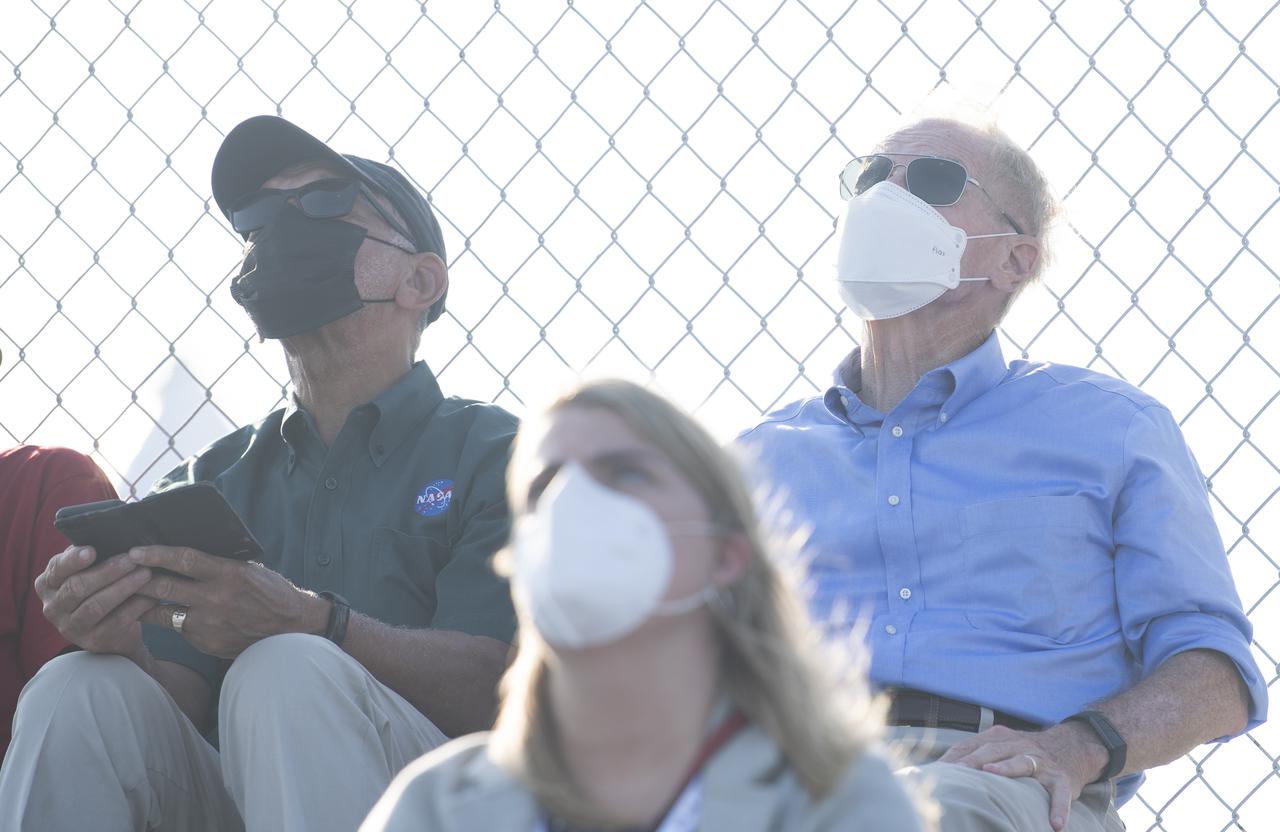
NASA Administrator Bill Nelson, right, and former NASA Administrator Charles Bolden, left, watch as a Northrop Grumman Antares rocket carrying a Cygnus resupply spacecraft launches from Pad-0A of the Mid-Atlantic Regional Spaceport, Tuesday, Aug. 10, 2021, at NASA's Wallops Flight Facility in Virginia. Northrop Grumman’s 16th contracted cargo resupply mission with NASA will deliver nearly 8,200 pounds of science and research, crew supplies and vehicle hardware to the International Space Station and its crew. Photo Credit: (NASA/Joel Kowsky}
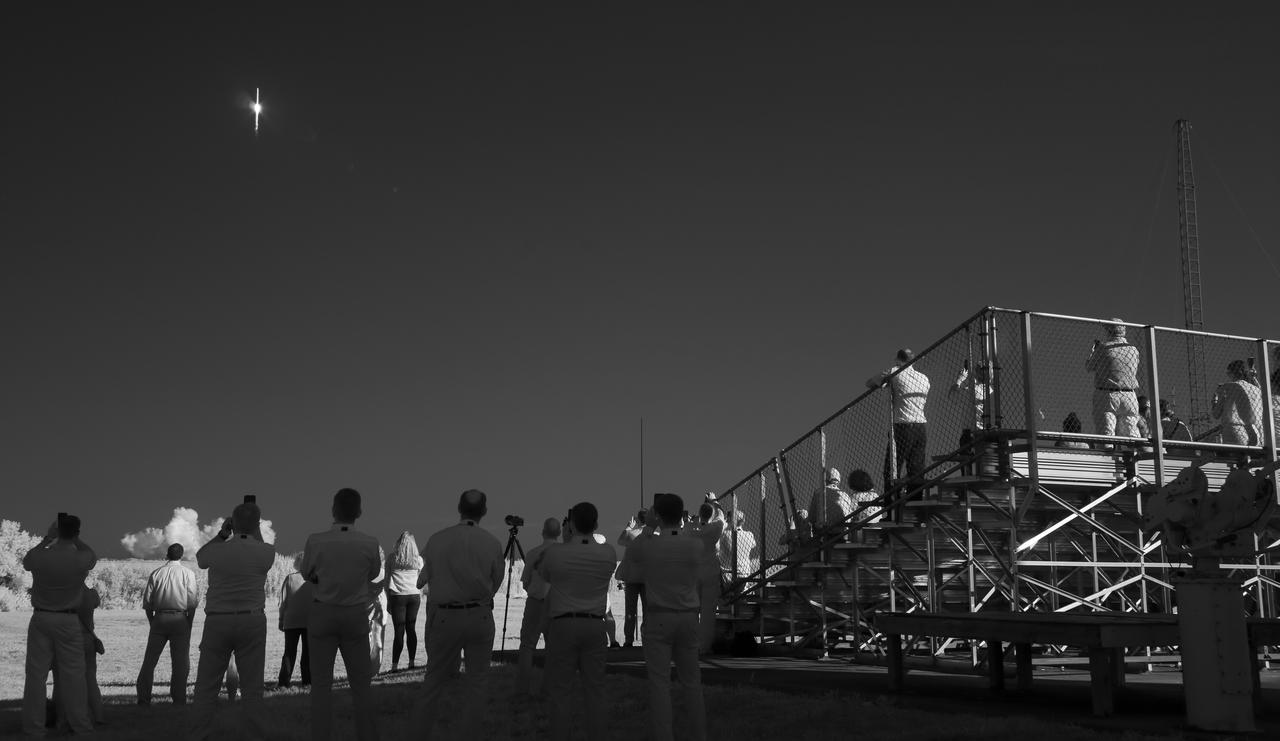
In this black and white infrared image, a Northrop Grumman Antares rocket carrying a Cygnus resupply spacecraft launches from Pad-0A of the Mid-Atlantic Regional Spaceport, Tuesday, Aug. 10, 2021, at NASA's Wallops Flight Facility in Virginia. Northrop Grumman’s 16th contracted cargo resupply mission with NASA will deliver nearly 8,200 pounds of science and research, crew supplies and vehicle hardware to the International Space Station and its crew. Photo Credit: (NASA/Joel Kowsky)
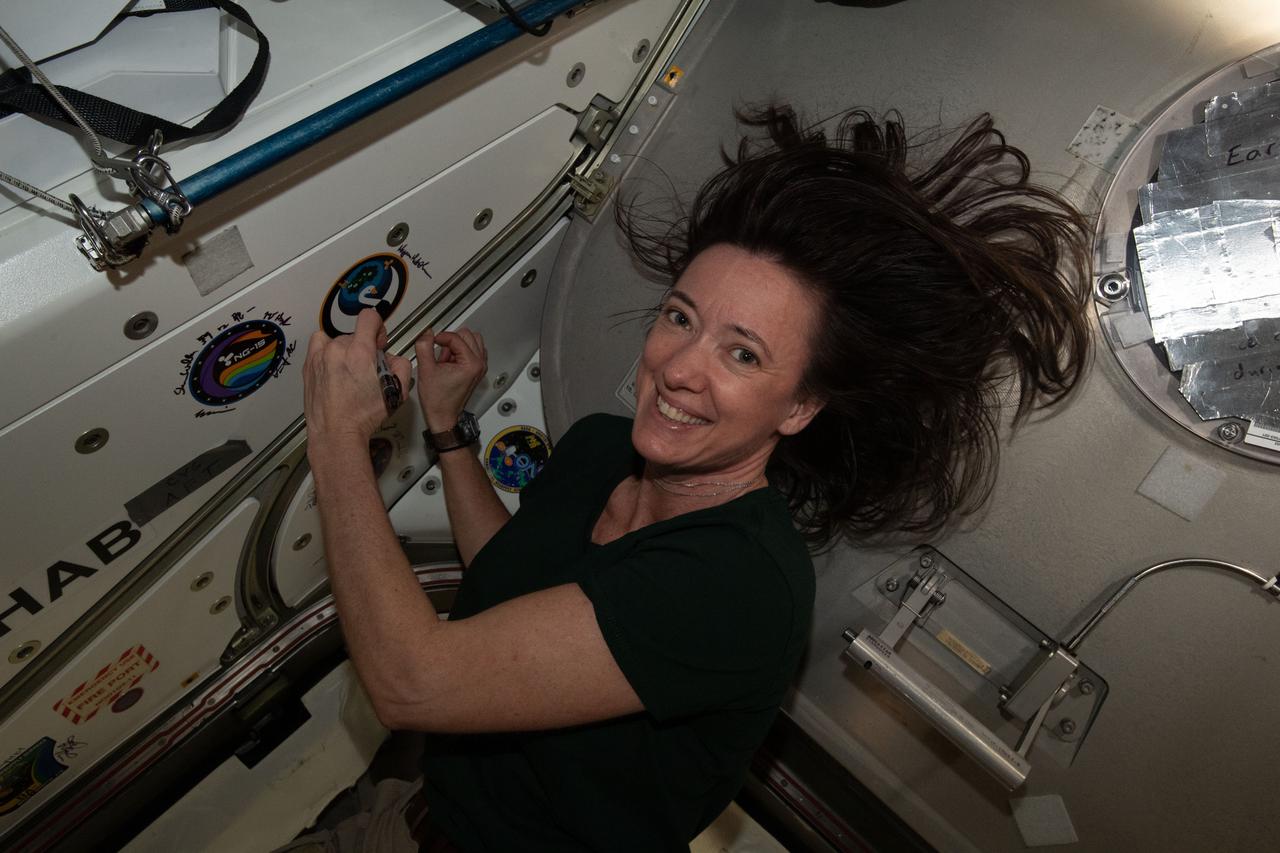
iss065e389491 (Sept. 17, 2021) --- NASA astronaut and Expedition 65 Flight Engineer Megan McArthur signs her name around the Northrop Grumman-16 (NG-16) mission insignia sticker affixed to the vestibule in between the Unity module and the Cygnus space freighter.
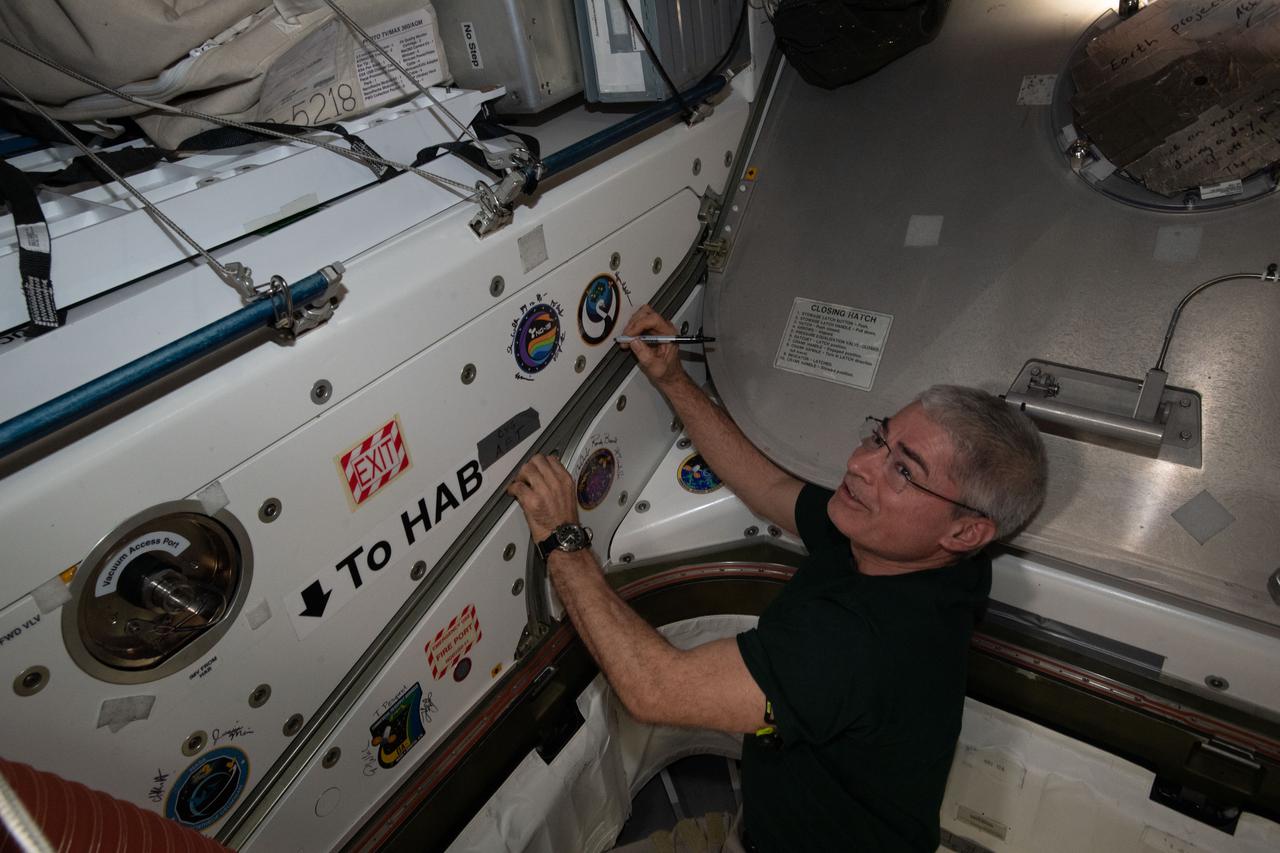
iss065e389501 (Sept. 17, 2021) --- NASA astronaut and Expedition 65 Flight Engineer Mark Vande Hei signs his name around the Northrop Grumman-16 (NG-16) mission insignia sticker affixed to the vestibule in between the Unity module and the Cygnus space freighter.
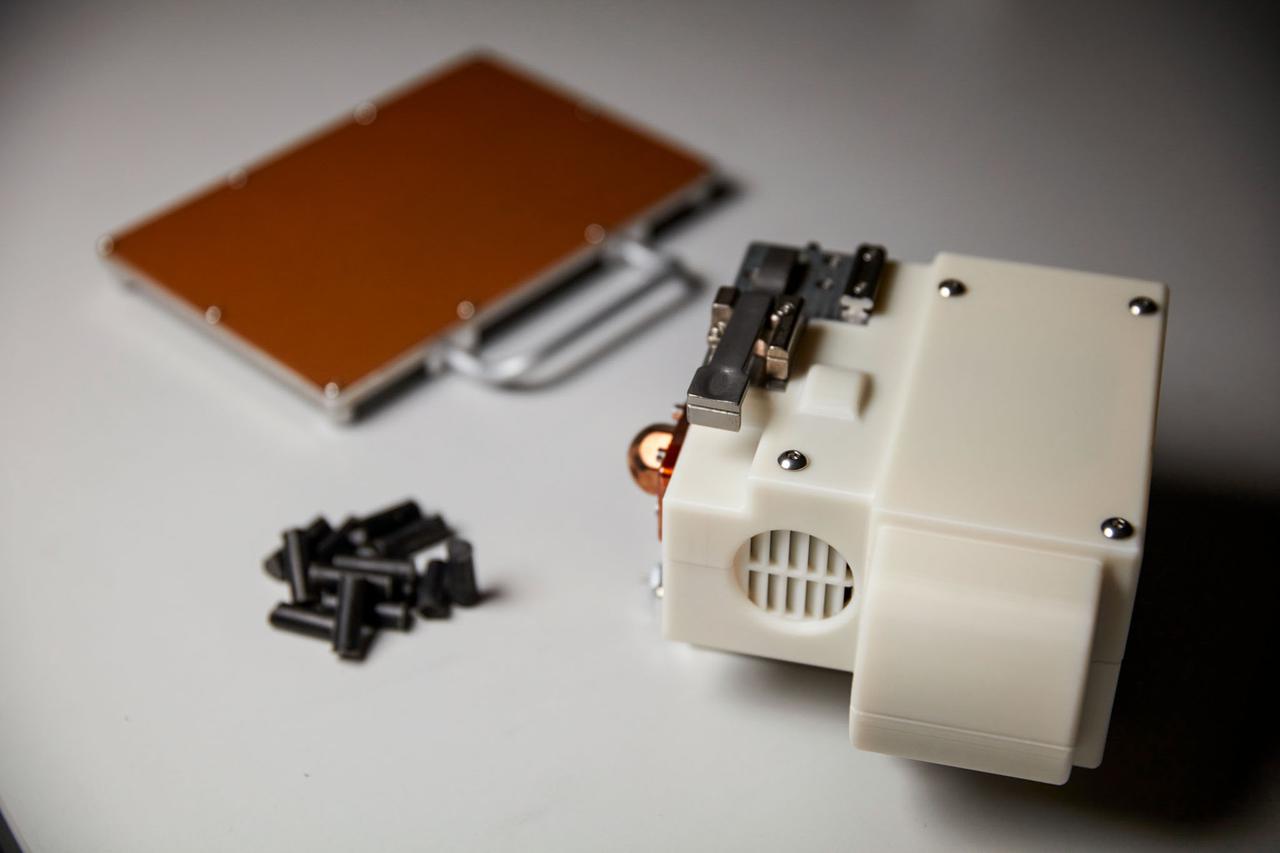
jsc2021e031161 (7/22/2021) --- A preflight view of the Redwire Regolith Print (RRP) facility suite launching aboard NG-16, including the RRP print heads, plates and lunar regolith simulant feedstock Photo courtesy of Redwire Space.
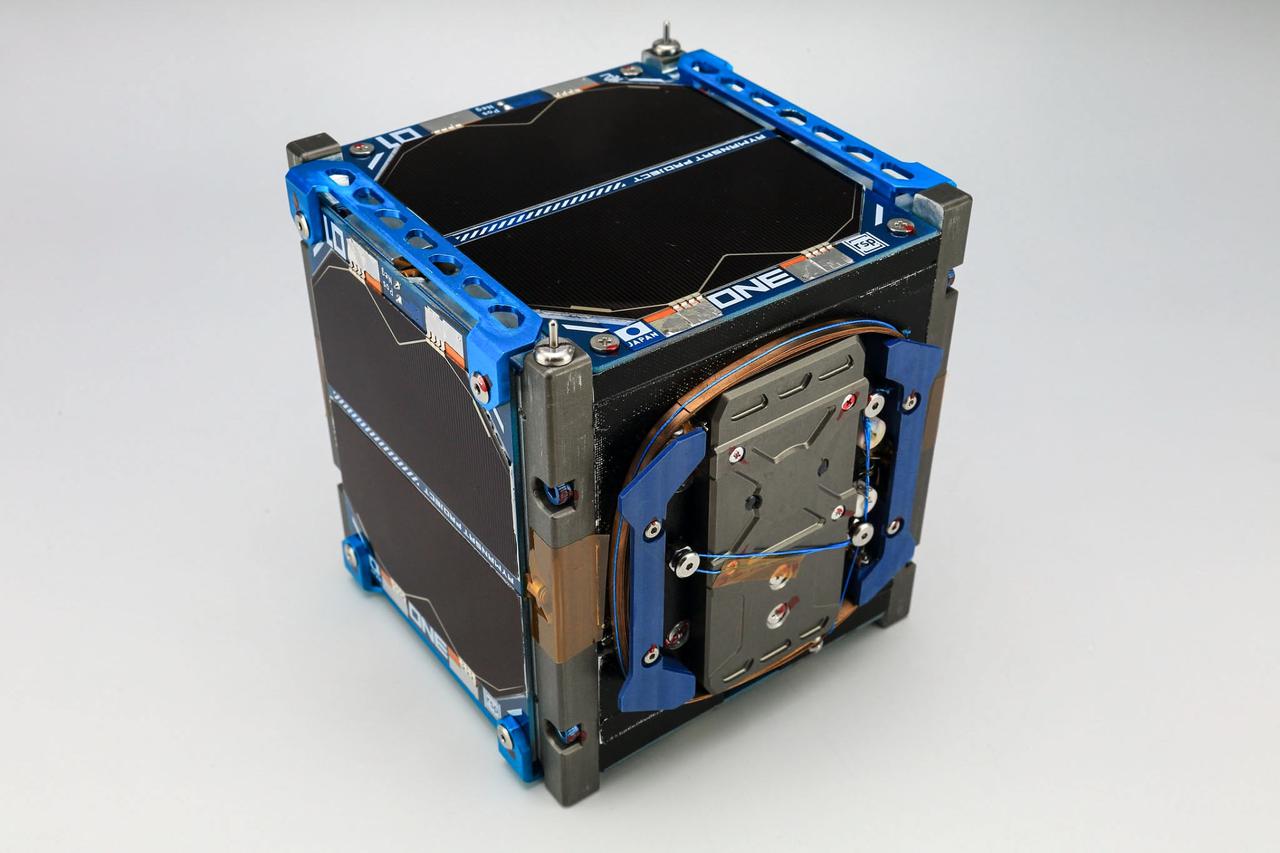
jsc2021e004417 (10/6/2020) --- A pre-flight view of the RSP-01 Flight Model. The RSP-01 satellite is a 1-Unit (1U) CubeSat that deploys during the JEM Small Satellite Orbital Deployer-16 (J-SSOD-16) micro-satellite deployment mission and is handled by the Japanese Experiment Module Remote Manipulator System (JEMRMS). RSP-01 is developed by Rymansat Spaces and launches to the International Space Station aboard the NG-15 Cygnus Cargo Vehicle. Image Credit: Rymansat Spaces.
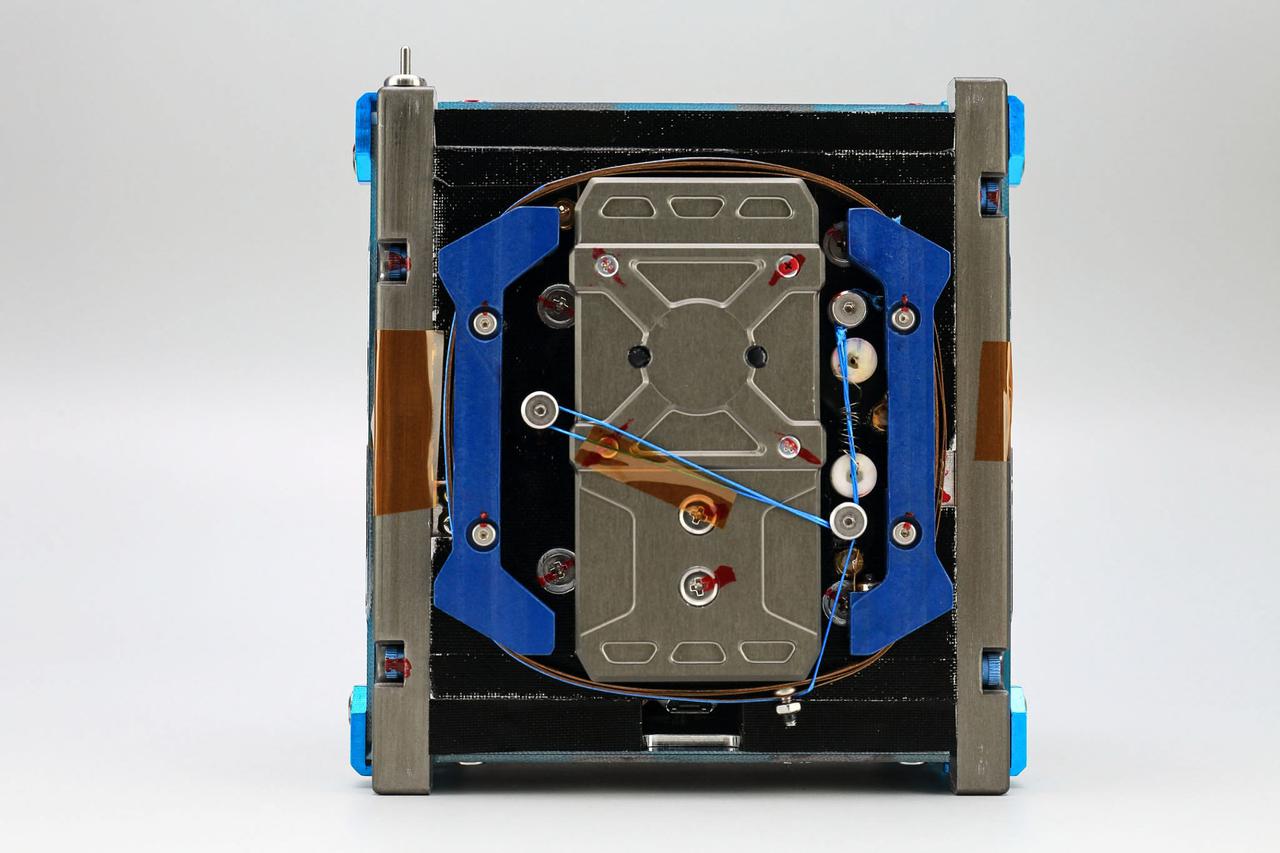
jsc2021e004418 (10/6/2020) --- A pre-flight view of the front side of the RSP-01 Flight Model. The RSP-01 satellite is a 1-Unit (1U) CubeSat that deploys during the JEM Small Satellite Orbital Deployer-16 (J-SSOD-16) micro-satellite deployment mission and is handled by the Japanese Experiment Module Remote Manipulator System (JEMRMS). RSP-01 is developed by Rymansat Spaces and launches to the International Space Station aboard the NG-15 Cygnus Cargo Vehicle. Image Credit: Rymansat Spaces.

jsc2021e004419 (10/27/2020) --- A pre-flight view of the RSP-01 Robot Arm Deployment. The RSP-01 satellite is a 1-Unit (1U) CubeSat that deploys during the JEM Small Satellite Orbital Deployer-16 (J-SSOD-16) micro-satellite deployment mission and is handled by the Japanese Experiment Module Remote Manipulator System (JEMRMS). RSP-01 is developed by Rymansat Spaces and launches to the International Space Station aboard the NG-15 Cygnus Cargo Vehicle. Image Credit: Rymansat Spaces.
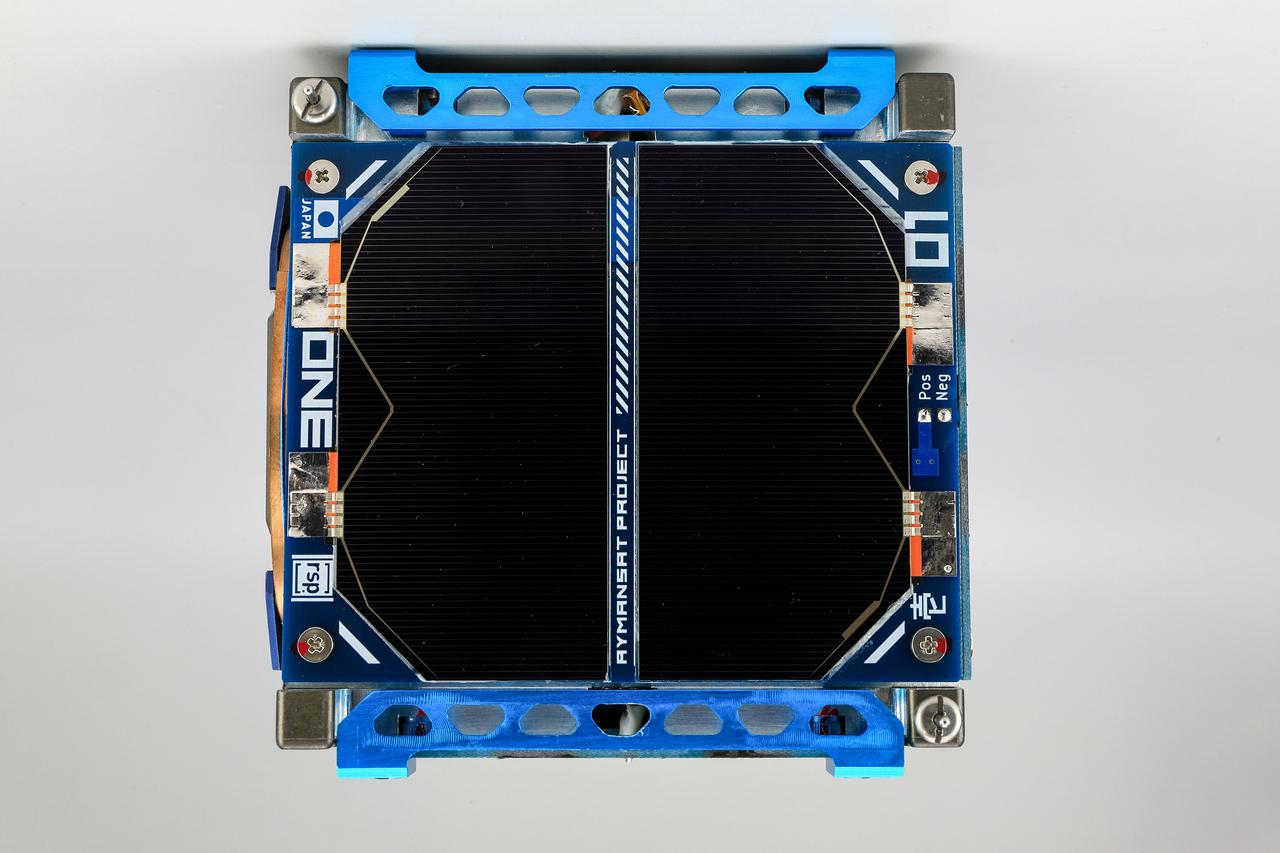
jsc2021e004420 (10/3/2020) --- A pre-flight view of the top of the RSP-01 Flight Model. The RSP-01 satellite is a 1-Unit (1U) CubeSat that deploys during the JEM Small Satellite Orbital Deployer-16 (J-SSOD-16) micro-satellite deployment mission and is handled by the Japanese Experiment Module Remote Manipulator System (JEMRMS). RSP-01 is developed by Rymansat Spaces and launches to the International Space Station aboard the NG-15 Cygnus Cargo Vehicle. Image Credit: Rymansat Spaces.
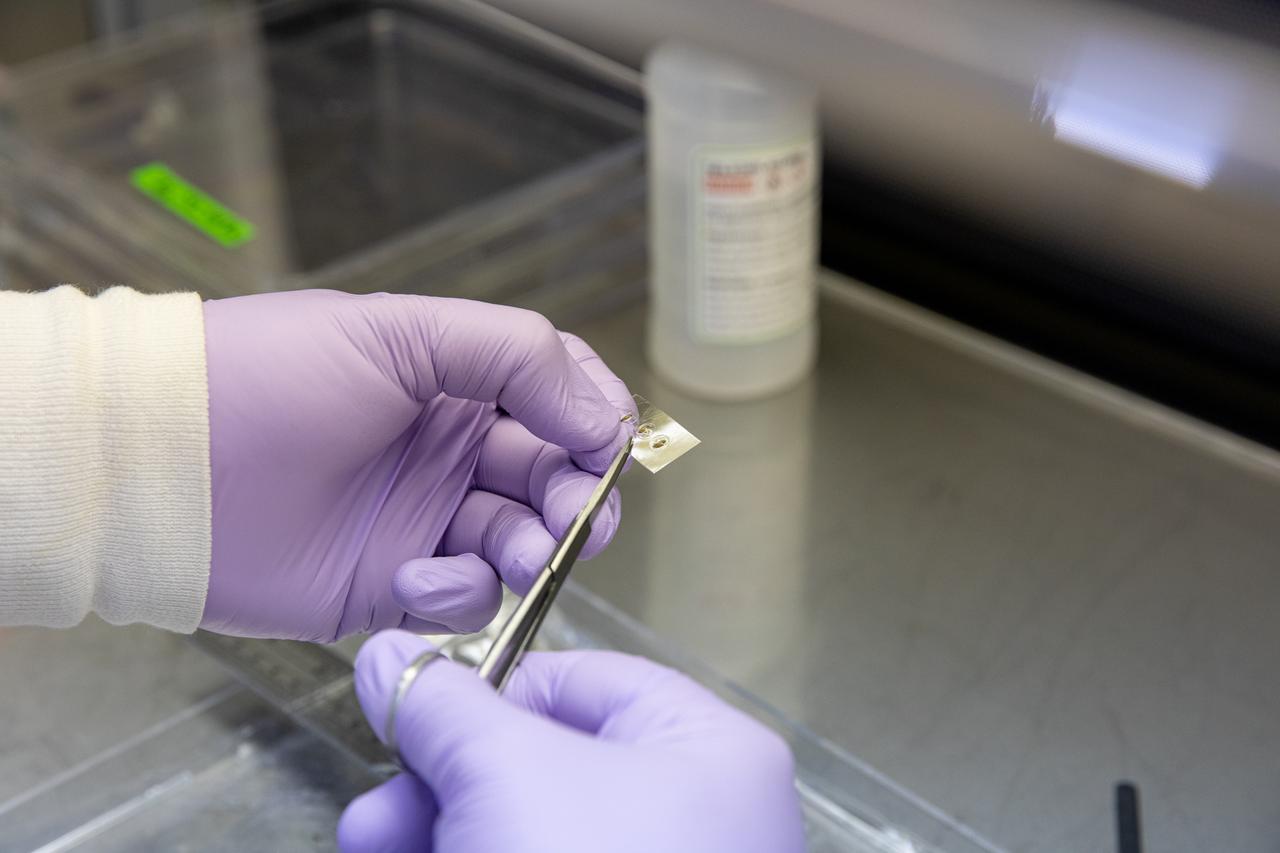
A research scientist at NASA’s Kennedy Space Center in Florida cuts strips of seed film – a new seed handling material containing red romaine lettuce seeds – inside the Space Station Processing Facility on Jan. 16, 2020. The seed film is being prepared for the VEG-03 J experiment that will fly to the International Space Station on Northrop Grumman’s 13th resupply services (NG-13) mission. This seed film experiment involves crew aboard the orbiting laboratory planting the seeds into plant pillows – a common method used to grow plants in space – themselves for the first time ever. The water-soluble, dissolving film addresses the challenge of handling seeds in a microgravity environment and also can be used to deliver fertilizers and other beneficial substances that help plants grow. NG-13 is scheduled to launch from the agency’s Wallops Flight Facility in Virginia on Feb. 9, 2020, at 5:39 p.m. EST.
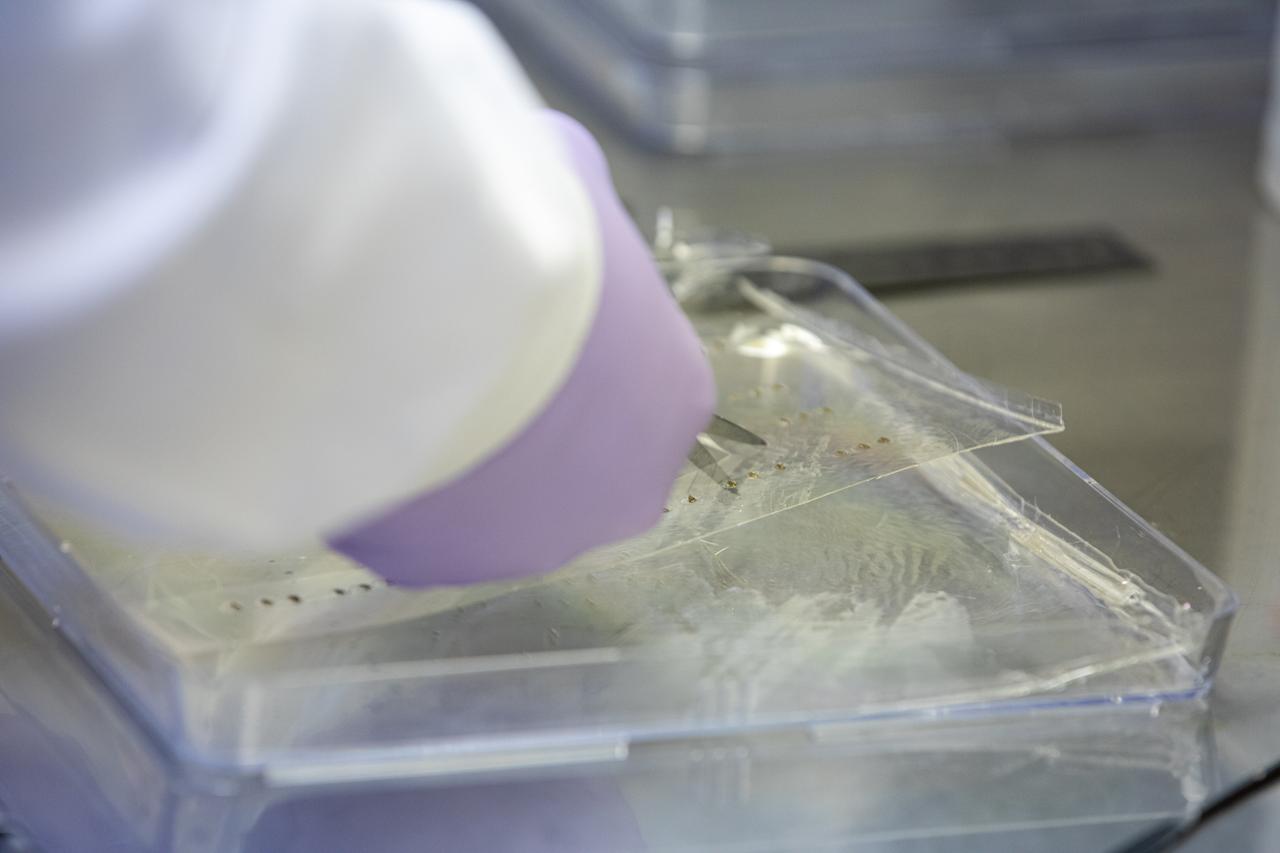
A research scientist at NASA’s Kennedy Space Center in Florida cuts strips of seed film – a new seed handling material containing red romaine lettuce seeds – inside the Space Station Processing Facility on Jan. 16, 2020. The seed film is being prepared for the VEG-03 J experiment that will fly to the International Space Station on Northrop Grumman’s 13th resupply services (NG-13) mission. This seed film experiment involves crew aboard the orbiting laboratory planting the seeds into plant pillows – a common method used to grow plants in space – themselves for the first time ever. The water-soluble, dissolving film addresses the challenge of handling seeds in a microgravity environment and also can be used to deliver fertilizers and other beneficial substances that help plants grow. NG-13 is scheduled to launch from the agency’s Wallops Flight Facility in Virginia on Feb. 9, 2020, at 5:39 p.m. EST.
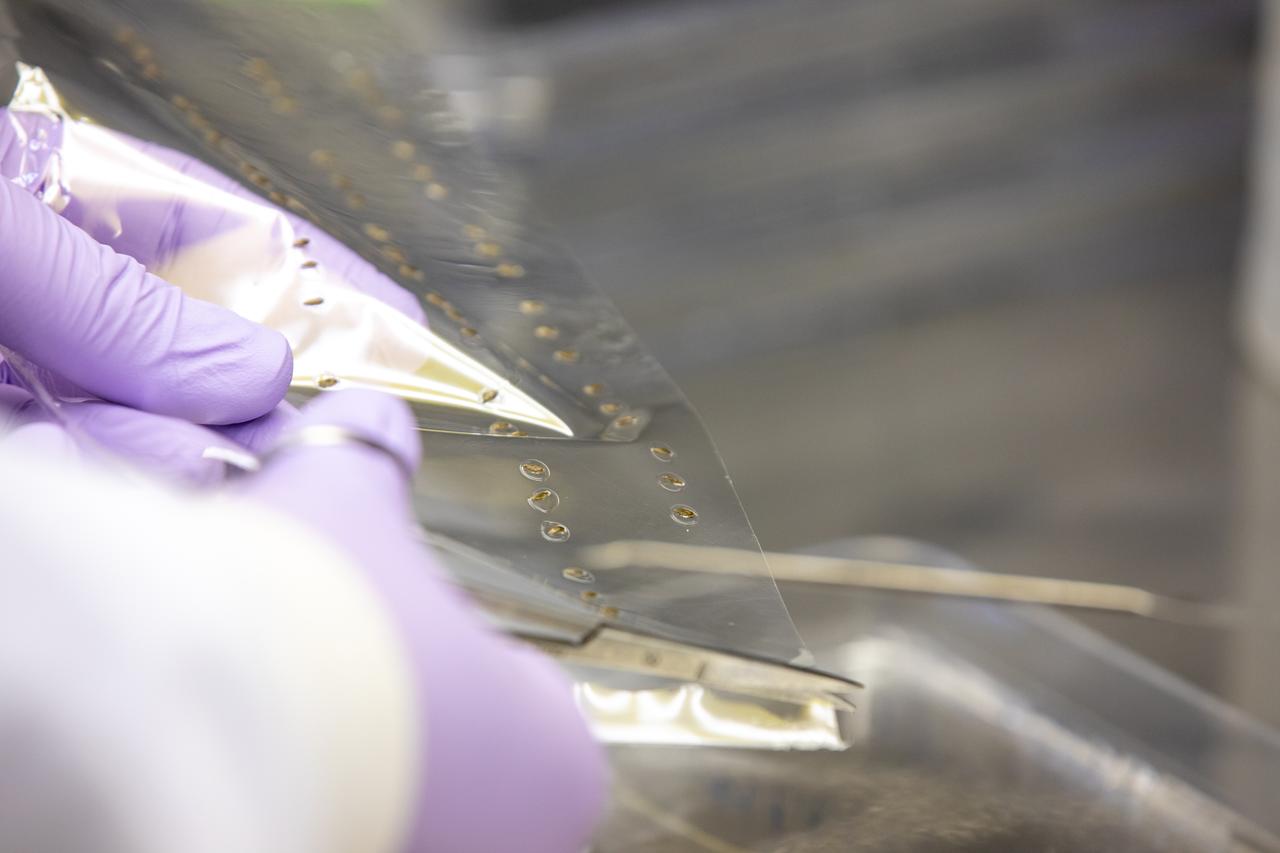
A research scientist at NASA’s Kennedy Space Center in Florida cuts strips of seed film – a new seed handling material containing red romaine lettuce seeds – inside the Space Station Processing Facility on Jan. 16, 2020. The seed film is being prepared for the VEG-03 J experiment that will fly to the International Space Station on Northrop Grumman’s 13th resupply services (NG-13) mission. This seed film experiment involves crew aboard the orbiting laboratory planting the seeds into plant pillows – a common method used to grow plants in space – themselves for the first time ever. The water-soluble, dissolving film addresses the challenge of handling seeds in a microgravity environment and also can be used to deliver fertilizers and other beneficial substances that help plants grow. NG-13 is scheduled to launch from the agency’s Wallops Flight Facility in Virginia on Feb. 9, 2020, at 5:39 p.m. EST.
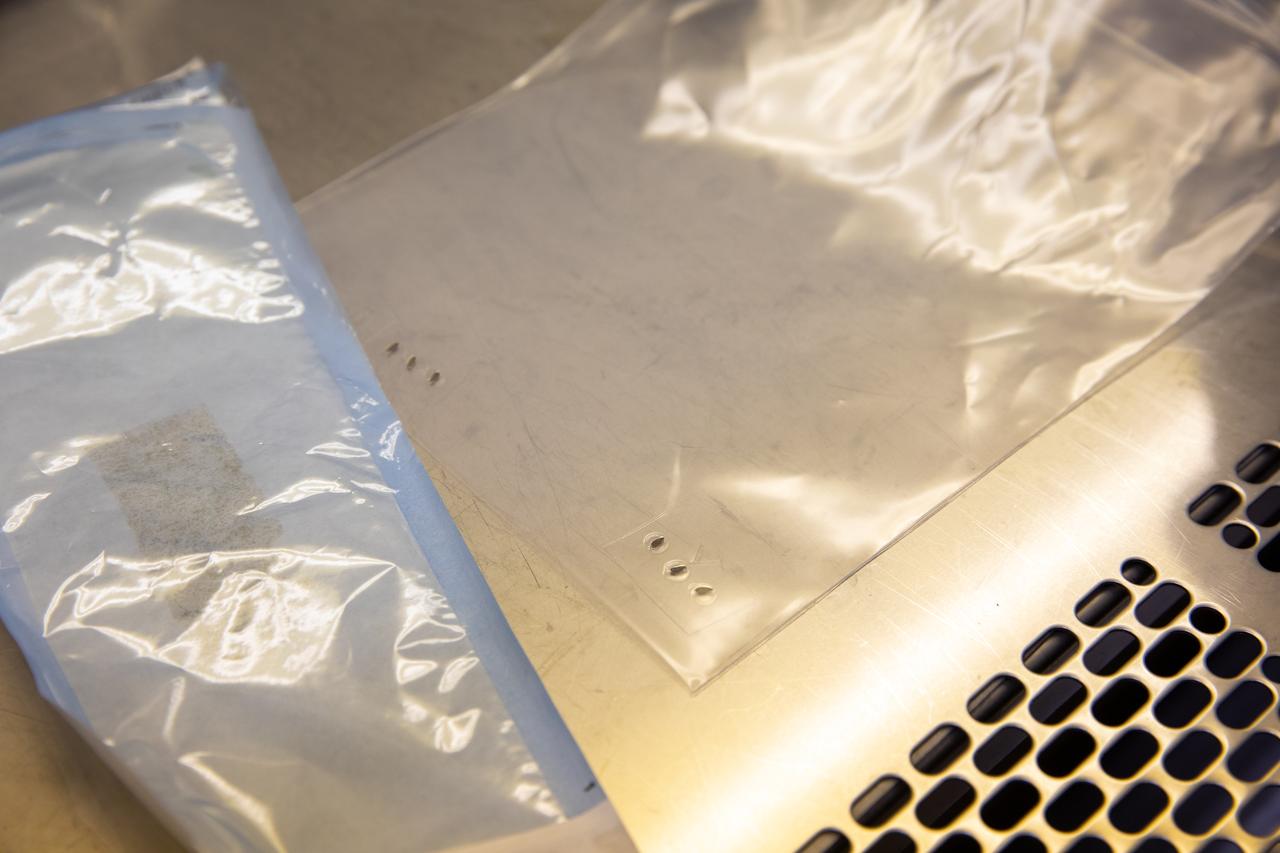
Strips of seed film – a new seed handling material containing red romaine lettuce seeds – are photographed inside the Space Station Processing Facility at NASA’s Kennedy Space Center in Florida on Jan. 16, 2020. The seed film is being prepared for the VEG-03 J experiment that will fly to the International Space Station on Northrop Grumman’s 13th resupply services (NG-13) mission. This seed film experiment involves crew aboard the orbiting laboratory planting the seeds into plant pillows – a common method used to grow plants in space – themselves for the first time ever. The water-soluble, dissolving film addresses the challenge of handling seeds in a microgravity environment and also can be used to deliver fertilizers and other beneficial substances that help plants grow. NG-13 is scheduled to launch from the agency’s Wallops Flight Facility in Virginia on Feb. 9, 2020, at 5:39 p.m. EST.
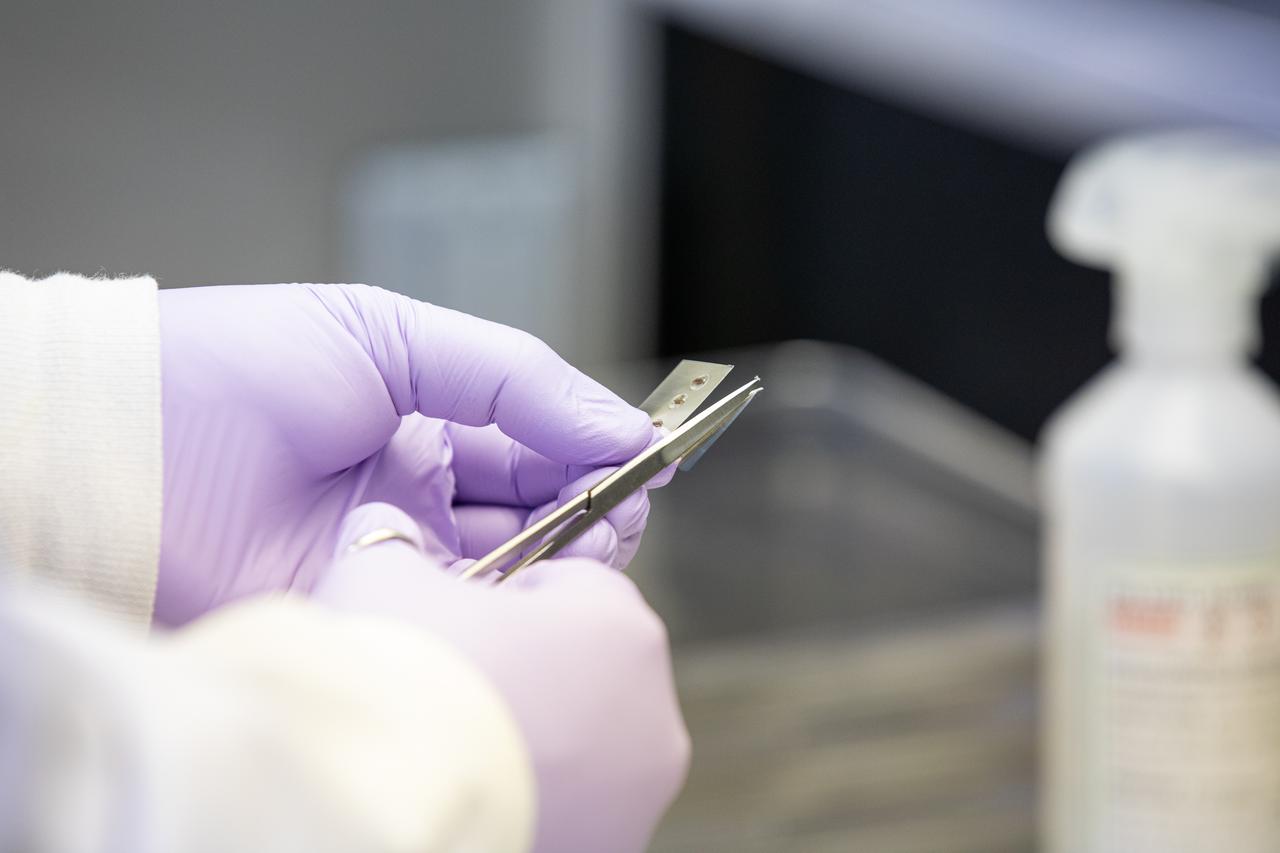
A research scientist at NASA’s Kennedy Space Center in Florida cuts strips of seed film – a new seed handling material containing red romaine lettuce seeds – inside the Space Station Processing Facility on Jan. 16, 2020. The seed film is being prepared for the VEG-03 J experiment that will fly to the International Space Station on Northrop Grumman’s 13th resupply services (NG-13) mission. This seed film experiment involves crew aboard the orbiting laboratory planting the seeds into plant pillows – a common method used to grow plants in space – themselves for the first time ever. The water-soluble, dissolving film addresses the challenge of handling seeds in a microgravity environment and also can be used to deliver fertilizers and other beneficial substances that help plants grow. NG-13 is scheduled to launch from the agency’s Wallops Flight Facility in Virginia on Feb. 9, 2020, at 5:39 p.m. EST.
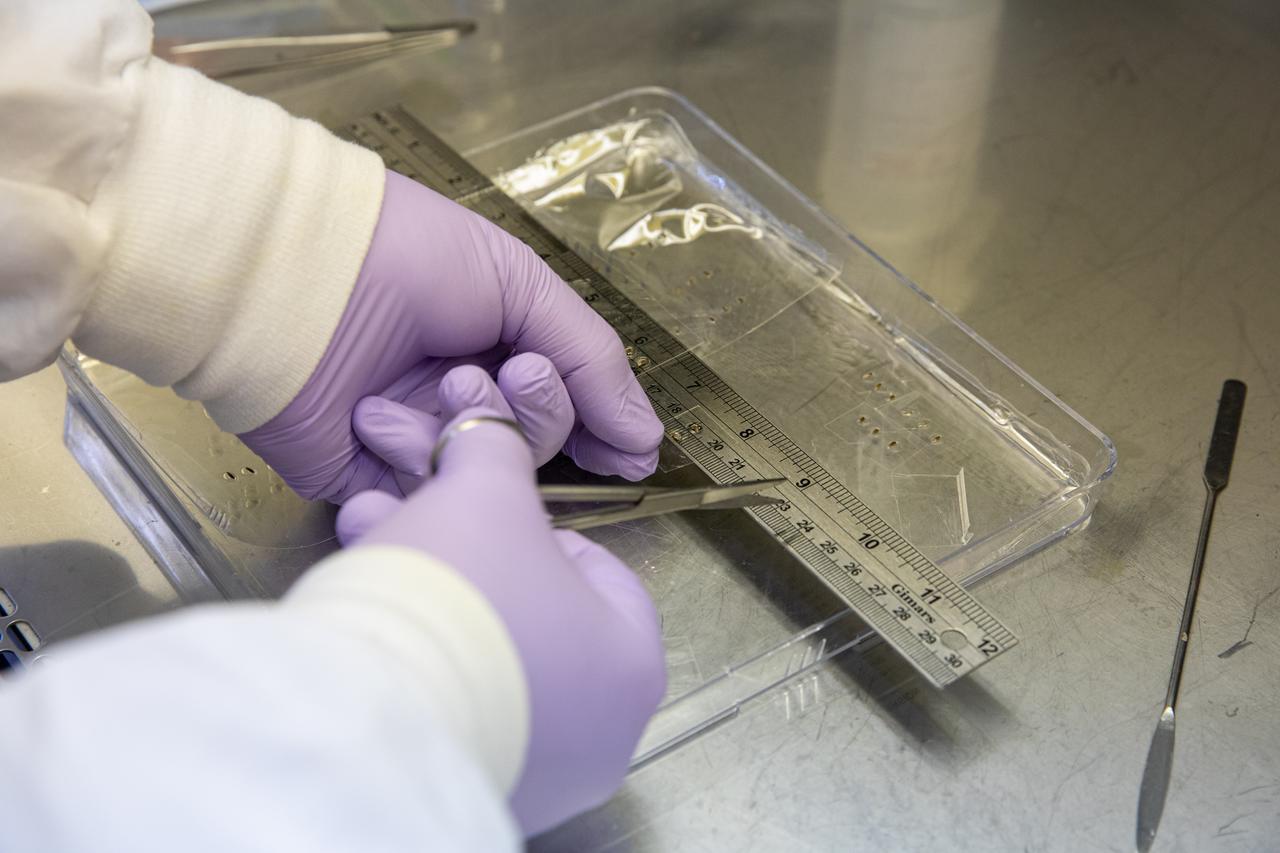
A research scientist at NASA’s Kennedy Space Center in Florida cuts strips of seed film – a new seed handling material containing red romaine lettuce seeds – inside the Space Station Processing Facility on Jan. 16, 2020. The seed film is being prepared for the VEG-03 J experiment that will fly to the International Space Station on Northrop Grumman’s 13th resupply services (NG-13) mission. This seed film experiment involves crew aboard the orbiting laboratory planting the seeds into plant pillows – a common method used to grow plants in space – themselves for the first time ever. The water-soluble, dissolving film addresses the challenge of handling seeds in a microgravity environment and also can be used to deliver fertilizers and other beneficial substances that help plants grow. NG-13 is scheduled to launch from the agency’s Wallops Flight Facility in Virginia on Feb. 9, 2020, at 5:39 p.m. EST.
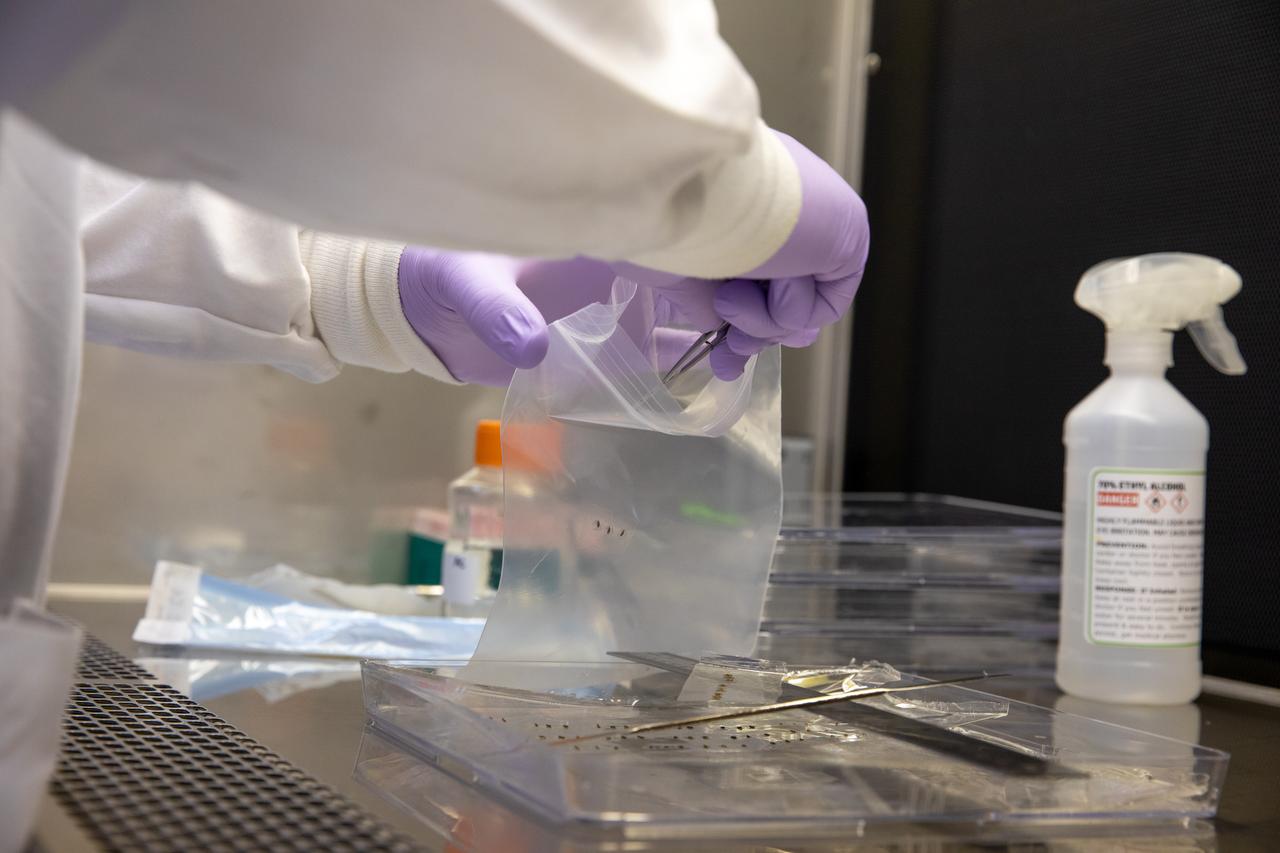
A research scientist at NASA’s Kennedy Space Center in Florida cuts and stores strips of seed film – a new seed handling material containing red romaine lettuce seeds – inside the Space Station Processing Facility on Jan. 16, 2020. The seed film is being prepared for the VEG-03 J experiment that will fly to the International Space Station on Northrop Grumman’s 13th resupply services (NG-13) mission. This seed film experiment involves crew aboard the orbiting laboratory planting the seeds into plant pillows – a common method used to grow plants in space – themselves for the first time ever. The water-soluble, dissolving film addresses the challenge of handling seeds in a microgravity environment and also can be used to deliver fertilizers and other beneficial substances that help plants grow. NG-13 is scheduled to launch from the agency’s Wallops Flight Facility in Virginia on Feb. 9, 2020, at 5:39 p.m. EST.
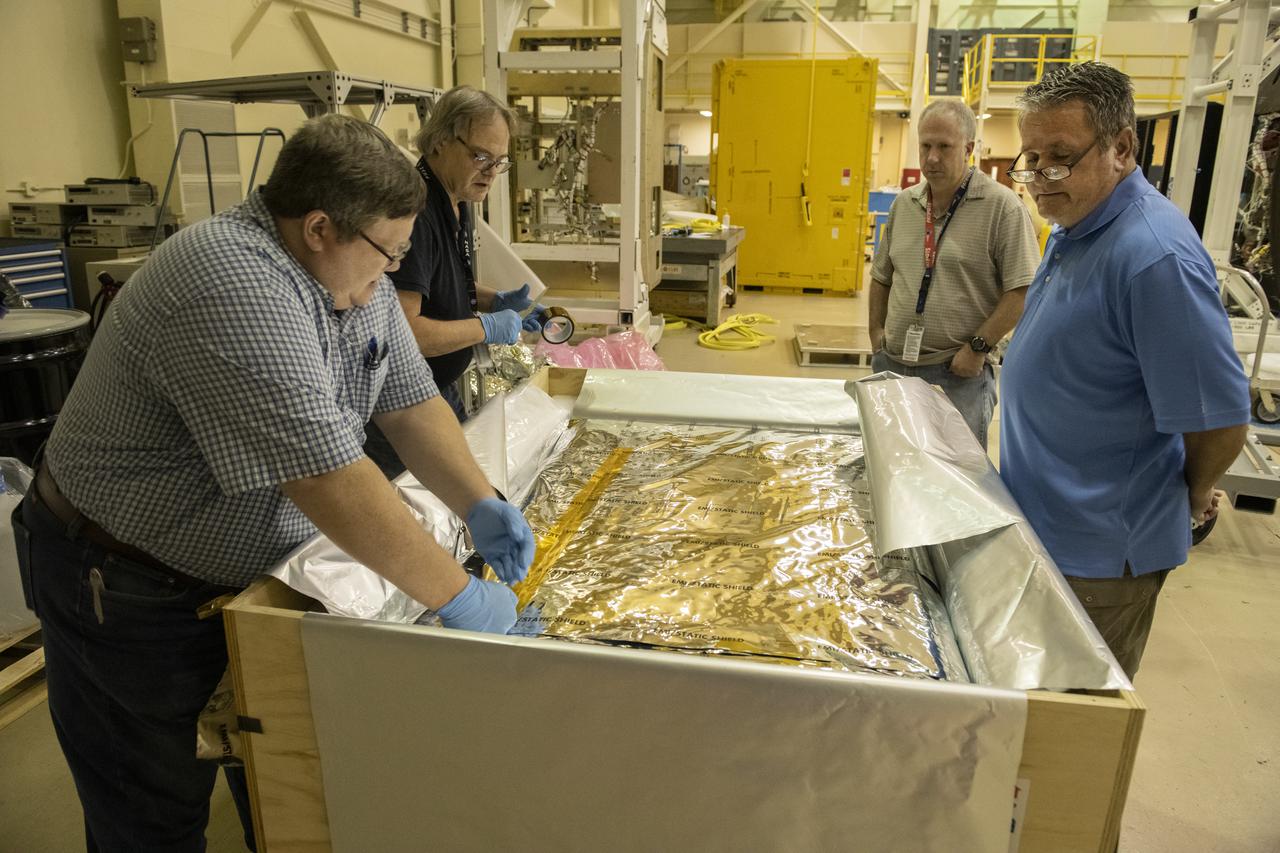
The 4-bed Carbon Dioxide Scrubber, new Environmental Control and Life Support Systems technology developed, built, tested, and integrated at NASA's Marshall Space Flight Center to be launched to the International Space Station, is readied for shipment to NASA's Wallops Flight Facility in Wallops Island, Virginia. The hardware will fly to space Aug. 1 via the Cygnus NG-16 commercial spacecraft, and will be tested aboard the space station for one year.
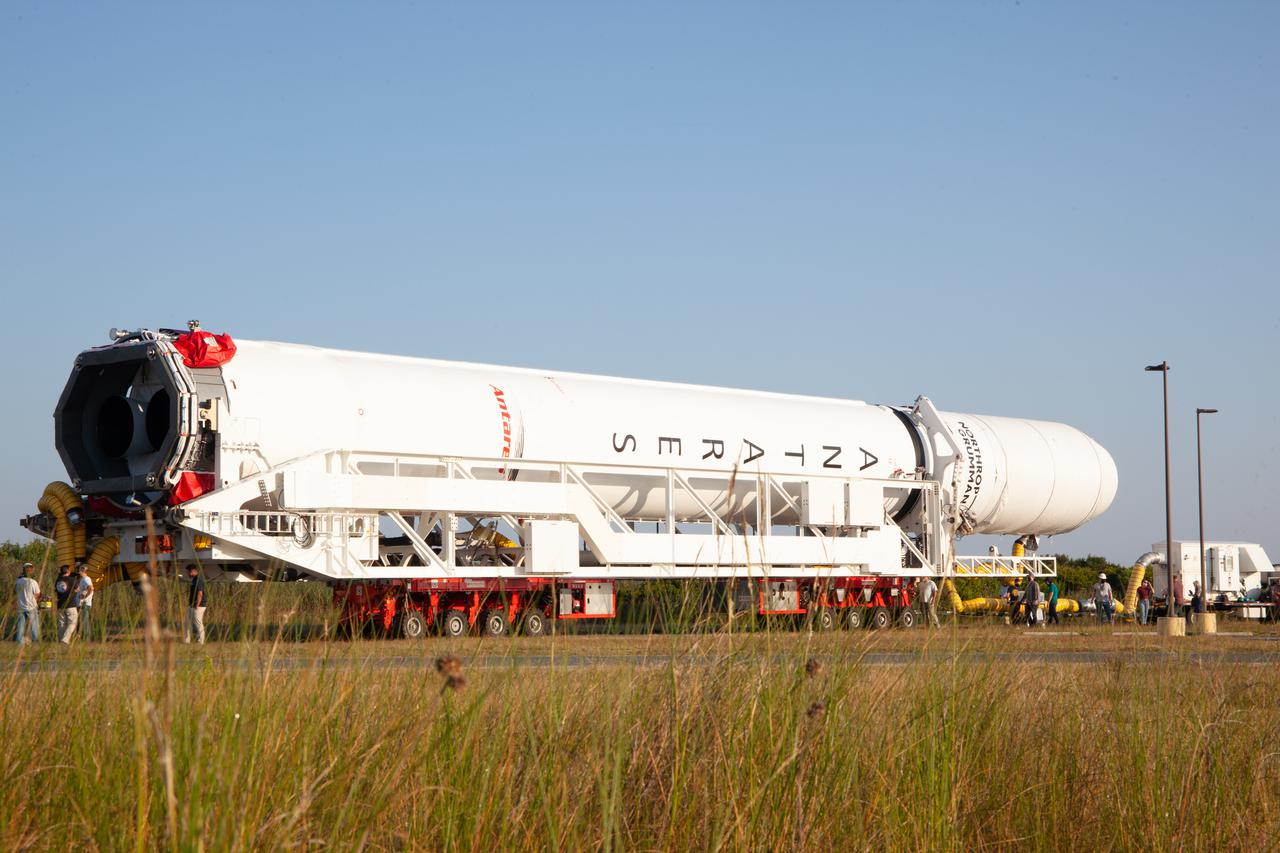
A Northrop Grumman Antares rocket carrying a Cygnus resupply spacecraft is seen as it is transported to the Mid-Atlantic Regional Spaceport’s Pad-0A, Friday, Aug. 10, 2021, at NASA's Wallops Flight Facility in Virginia. Northrop Grumman’s 16th contracted cargo resupply mission with NASA to the International Space Station will deliver about 8,200 pounds of science and research, crew supplies and vehicle hardware to the orbital laboratory and its crew. Northrop Grumman named the NG CRS-16 Cygnus spacecraft after NASA astronaut Ellison Onizuka, in honor of his prominence as the first Asian American astronaut. The launch is scheduled for 5:56 p.m. EDT, Aug. 10, 2021. Photo Credit: NASA/Brian Bonsteel
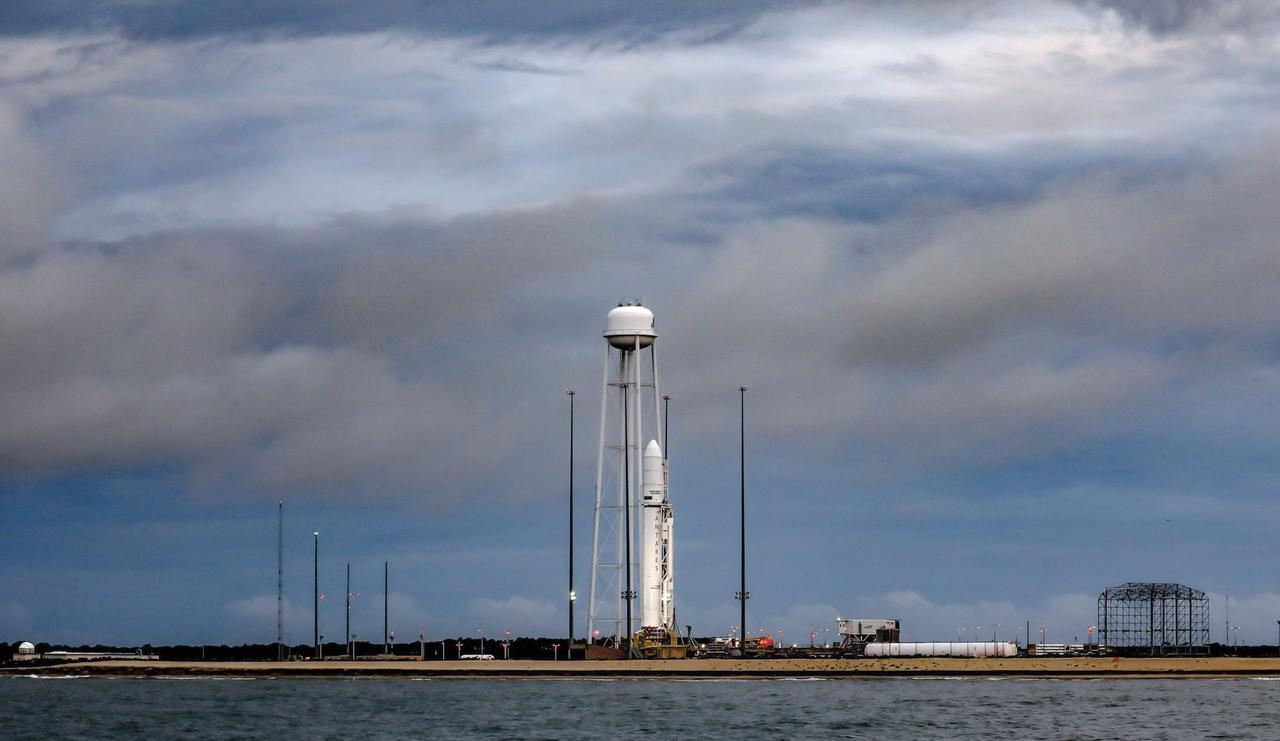
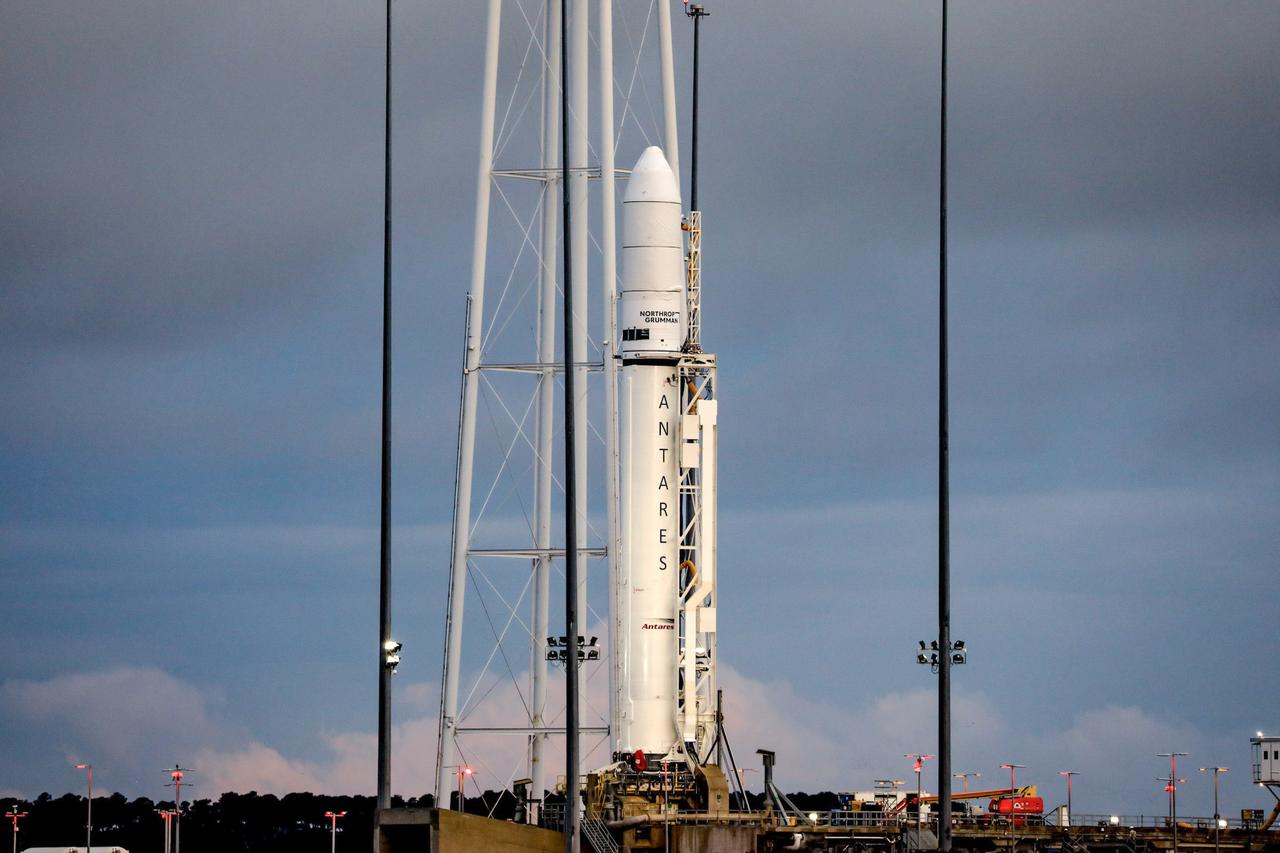
A Northrop Grumman Antares rocket carrying a Cygnus resupply spacecraft is seen at sunrise on the Mid-Atlantic Regional Spaceport’s Pad-0A, Aug. 7, 2021, at NASA's Wallops Flight Facility in Virginia. Northrop Grumman’s 16th contracted cargo resupply mission with NASA to the International Space Station will deliver nearly 8,200 pounds of science and research, crew supplies and vehicle hardware to the orbital laboratory and its crew. Northrop Grumman named the NG CRS-16 Cygnus spacecraft after NASA astronaut Ellison Onizuka, in honor of his prominence as the first Asian American astronaut. Onizuka was hired in 1978 in the first class of diverse astronauts, and his first spaceflight was aboard space shuttle Discovery in January 1985 for STS-51-C. He lost his life aboard the space shuttle Challenger in 1986. Launch is scheduled for 5:56 p.m. EDT, Tuesday, Aug. 10, 2021. Photo Credit: NASA/Terry Zaperach
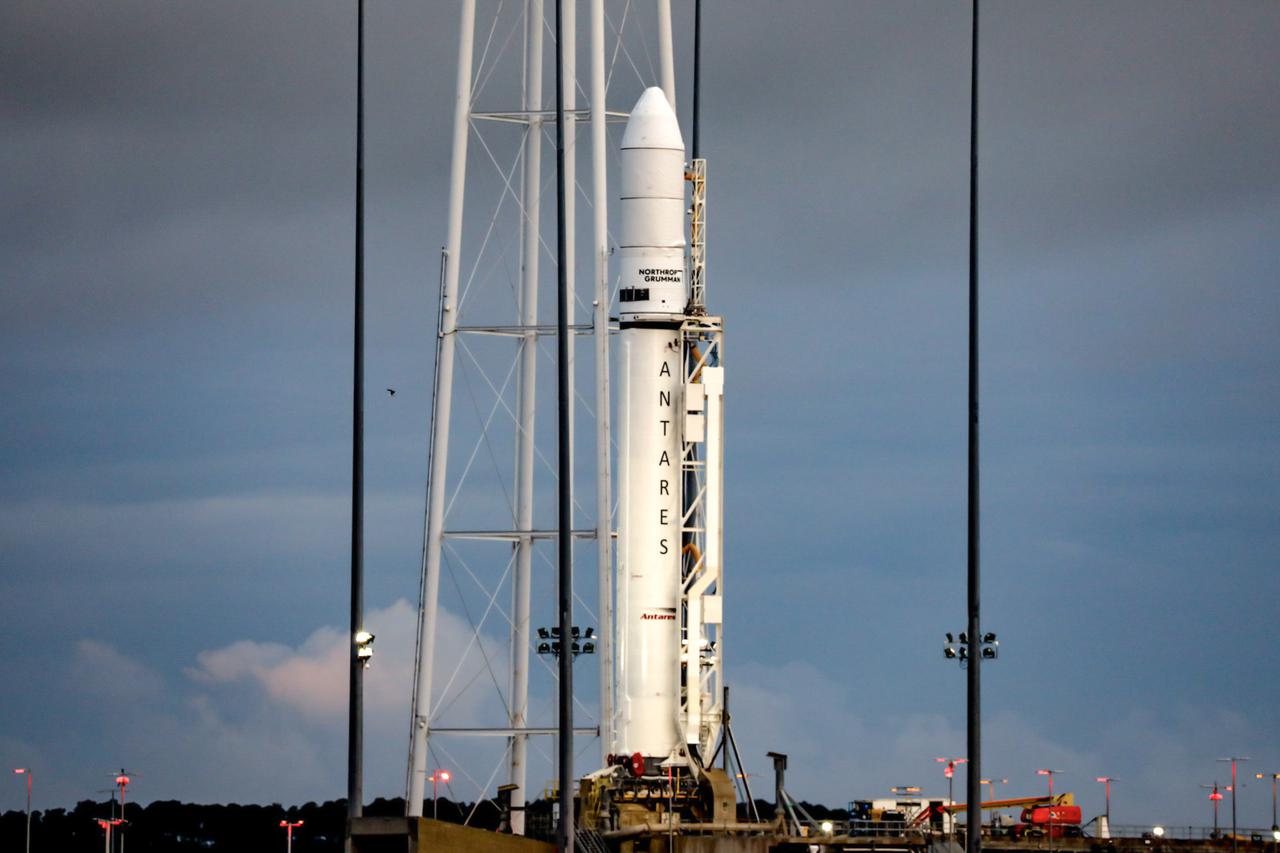
A Northrop Grumman Antares rocket carrying a Cygnus resupply spacecraft is seen at sunrise on the Mid-Atlantic Regional Spaceport’s Pad-0A, Aug. 7, 2021, at NASA's Wallops Flight Facility in Virginia. Northrop Grumman’s 16th contracted cargo resupply mission with NASA to the International Space Station will deliver nearly 8,200 pounds of science and research, crew supplies and vehicle hardware to the orbital laboratory and its crew. Northrop Grumman named the NG CRS-16 Cygnus spacecraft after NASA astronaut Ellison Onizuka, in honor of his prominence as the first Asian American astronaut. Onizuka was hired in 1978 in the first class of diverse astronauts, and his first spaceflight was aboard space shuttle Discovery in January 1985 for STS-51-C. He lost his life aboard the space shuttle Challenger in 1986. Launch is scheduled for 5:56 p.m. EDT, Tuesday, Aug. 10, 2021. Photo Credit: NASA/Terry Zaperach
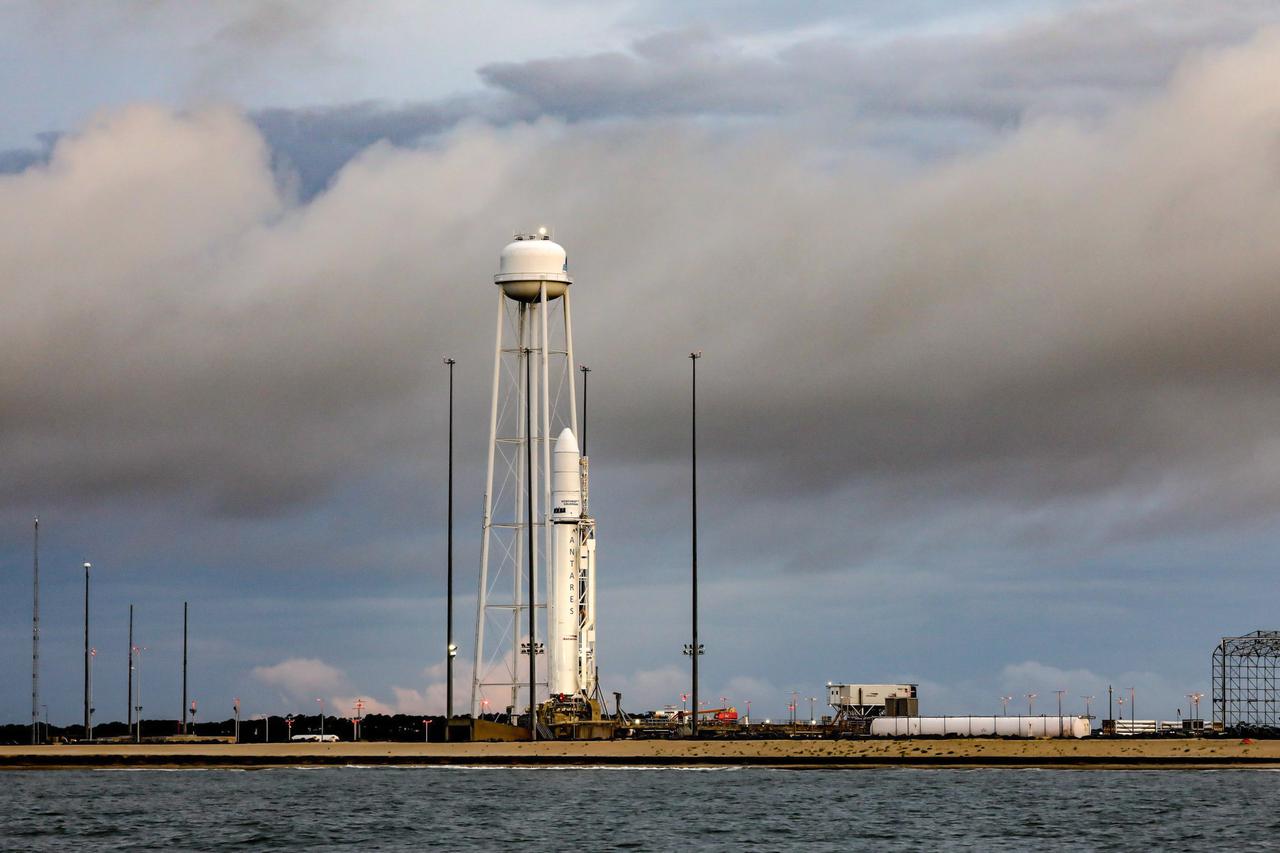
A Northrop Grumman Antares rocket carrying a Cygnus resupply spacecraft is seen at sunrise on the Mid-Atlantic Regional Spaceport’s Pad-0A, Aug. 7, 2021, at NASA's Wallops Flight Facility in Virginia. Northrop Grumman’s 16th contracted cargo resupply mission with NASA to the International Space Station will deliver nearly 8,200 pounds of science and research, crew supplies and vehicle hardware to the orbital laboratory and its crew. Northrop Grumman named the NG CRS-16 Cygnus spacecraft after NASA astronaut Ellison Onizuka, in honor of his prominence as the first Asian American astronaut. Onizuka was hired in 1978 in the first class of diverse astronauts, and his first spaceflight was aboard space shuttle Discovery in January 1985 for STS-51-C. He lost his life aboard the space shuttle Challenger in 1986. Launch is scheduled for 5:56 p.m. EDT, Tuesday, Aug. 10, 2021. Photo Credit: NASA/Terry Zaperach
A Northrop Grumman Antares rocket carrying a Cygnus resupply spacecraft is seen at sunrise on the Mid-Atlantic Regional Spaceport’s Pad-0A, Aug. 7, 2021, at NASA's Wallops Flight Facility in Virginia. Northrop Grumman’s 16th contracted cargo resupply mission with NASA to the International Space Station will deliver nearly 8,200 pounds of science and research, crew supplies and vehicle hardware to the orbital laboratory and its crew. Northrop Grumman named the NG CRS-16 Cygnus spacecraft after NASA astronaut Ellison Onizuka, in honor of his prominence as the first Asian American astronaut. Onizuka was hired in 1978 in the first class of diverse astronauts, and his first spaceflight was aboard space shuttle Discovery in January 1985 for STS-51-C. He lost his life aboard the space shuttle Challenger in 1986. Launch is scheduled for 5:56 p.m. EDT, Tuesday, Aug. 10, 2021. Photo Credit: NASA/Terry Zaperach
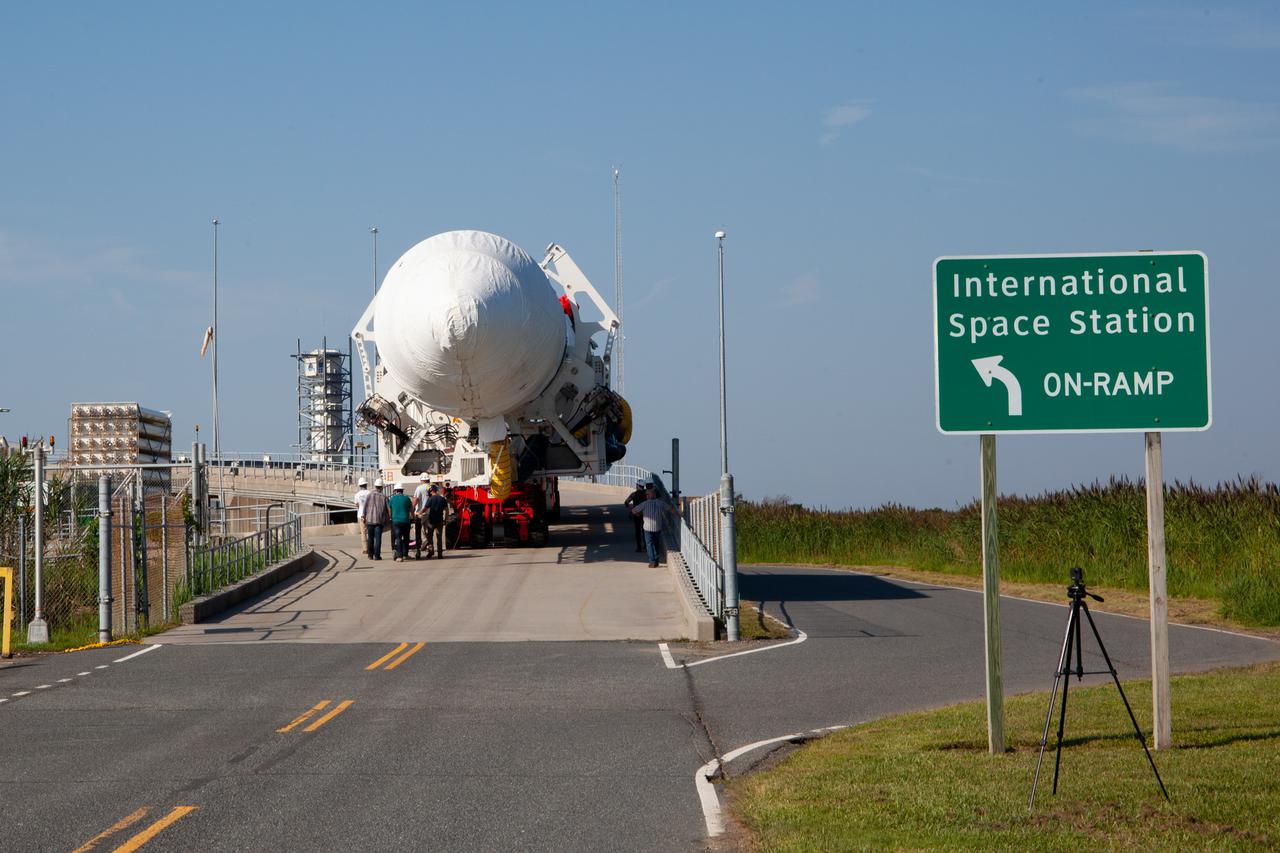
A Northrop Grumman Antares rocket carrying a Cygnus resupply spacecraft arrives at the Mid-Atlantic Regional Spaceport’s Pad-0A, Friday, Aug. 6,, 2021, at NASA's Wallops Flight Facility in Virginia. Northrop Grumman’s 16th contracted cargo resupply mission with NASA to the International Space Station will deliver about 8,200 pounds of science and research, crew supplies and vehicle hardware to the orbital laboratory and its crew. Northrop Grumman named the NG CRS-16 Cygnus spacecraft after NASA astronaut Ellison Onizuka, in honor of his prominence as the first Asian American astronaut. Onizuka was hired in 1978 in the first class of diverse astronauts, and his first spaceflight was aboard space shuttle Discovery in January 1985 for STS-51-C. He lost his life aboard the space shuttle Challenger in 1986. The launch is scheduled for 5:56 p.m. EDT, Aug. 10, 2021. Photo Credit: NASA/Brian Bonsteel
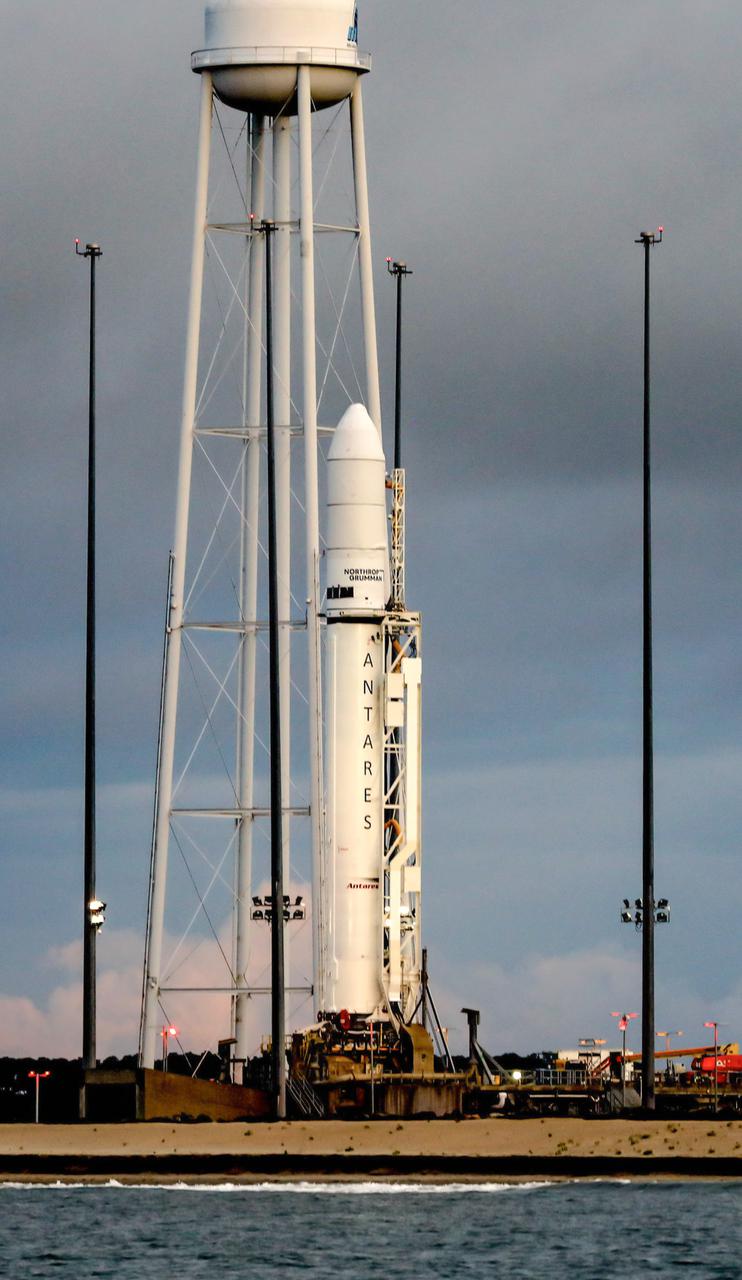
A Northrop Grumman Antares rocket carrying a Cygnus resupply spacecraft is seen at sunrise on the Mid-Atlantic Regional Spaceport’s Pad-0A, Aug. 7, 2021, at NASA's Wallops Flight Facility in Virginia. Northrop Grumman’s 16th contracted cargo resupply mission with NASA to the International Space Station will deliver nearly 8,200 pounds of science and research, crew supplies and vehicle hardware to the orbital laboratory and its crew. Northrop Grumman named the NG CRS-16 Cygnus spacecraft after NASA astronaut Ellison Onizuka, in honor of his prominence as the first Asian American astronaut. Onizuka was hired in 1978 in the first class of diverse astronauts, and his first spaceflight was aboard space shuttle Discovery in January 1985 for STS-51-C. He lost his life aboard the space shuttle Challenger in 1986. Launch is scheduled for 5:56 p.m. EDT, Tuesday, Aug. 10, 2021. Photo Credit: NASA/Terry Zaperach
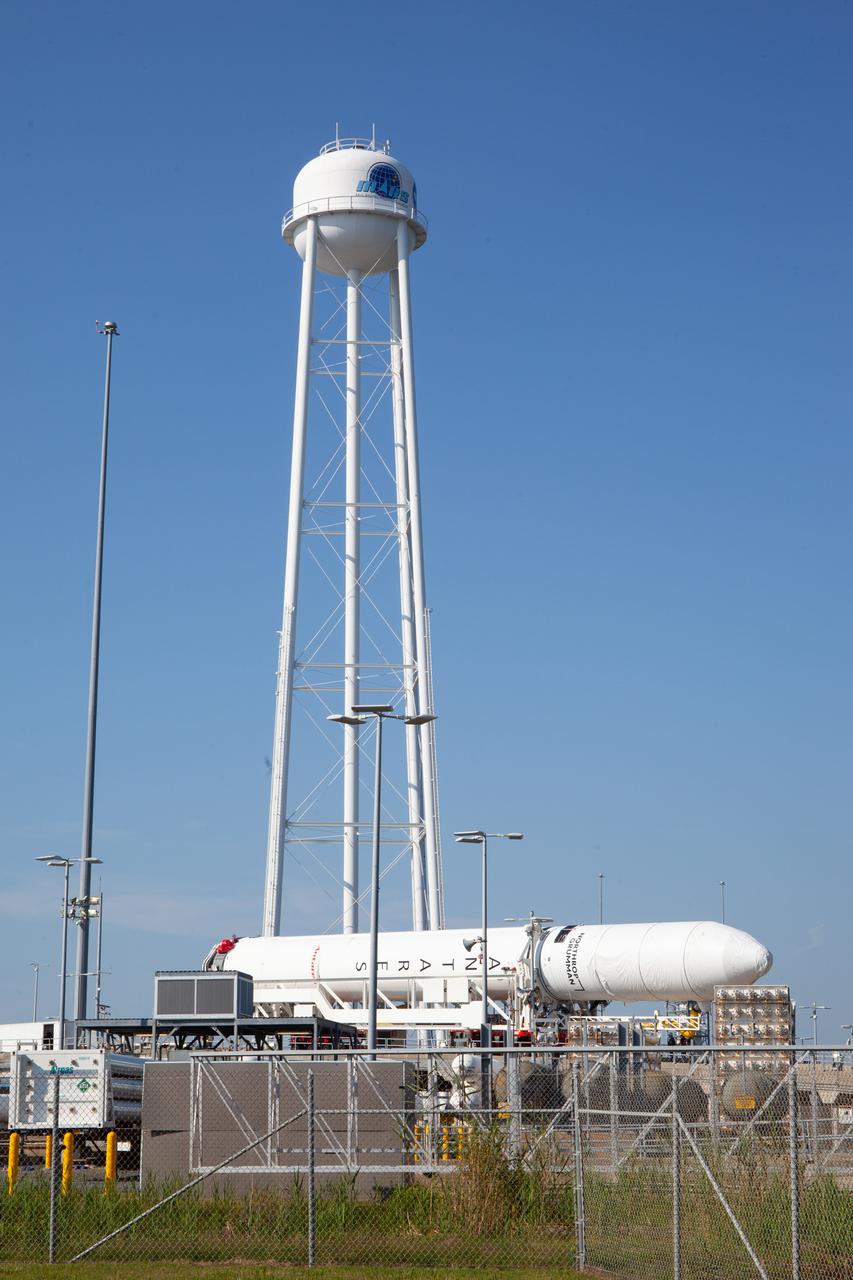
A Northrop Grumman Antares rocket carrying a Cygnus resupply spacecraft arrives at the Mid-Atlantic Regional Spaceport’s Pad-0A, Friday, Aug. 6,, 2021, at NASA's Wallops Flight Facility in Virginia. Northrop Grumman’s 16th contracted cargo resupply mission with NASA to the International Space Station will deliver about 8,200 pounds of science and research, crew supplies and vehicle hardware to the orbital laboratory and its crew. Northrop Grumman named the NG CRS-16 Cygnus spacecraft after NASA astronaut Ellison Onizuka, in honor of his prominence as the first Asian American astronaut. Onizuka was hired in 1978 in the first class of diverse astronauts, and his first spaceflight was aboard space shuttle Discovery in January 1985 for STS-51-C. He lost his life aboard the space shuttle Challenger in 1986. The launch is scheduled for 5:56 p.m. EDT, Aug. 10, 2021. Photo Credit: NASA/Brian Bonsteel
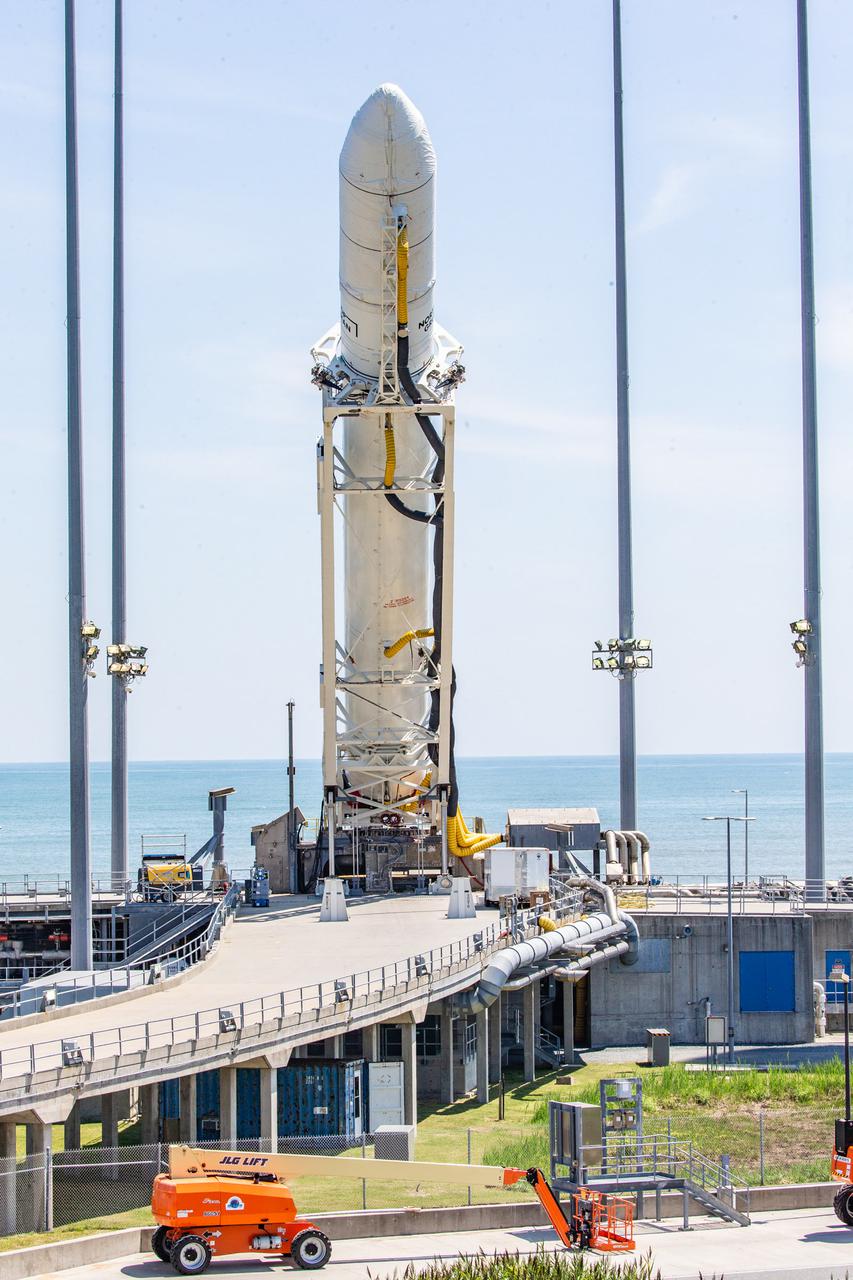
A Northrop Grumman Antares rocket carrying a Cygnus resupply spacecraft is raised into a vertical position on the Mid-Atlantic Regional Spaceport’s Pad-0A, Friday, Aug. 6, 2021, at NASA's Wallops Flight Facility in Virginia. Northrop Grumman’s 16th contracted cargo resupply mission with NASA to the International Space Station will deliver about 8,200 pounds of science and research, crew supplies and vehicle hardware to the orbital laboratory and its crew. Northrop Grumman named the NG CRS-16 Cygnus spacecraft after NASA astronaut Ellison Onizuka, in honor of his prominence as the first Asian American astronaut. Onizuka was hired in 1978 in the first class of diverse astronauts, and his first spaceflight was aboard space shuttle Discovery in January 1985 for STS-51-C. He lost his life aboard the space shuttle Challenger in 1986. The launch is scheduled for 5:56 p.m. EDT, Aug. 10, 2021. Photo Credit: NASA/Terry Zaperach
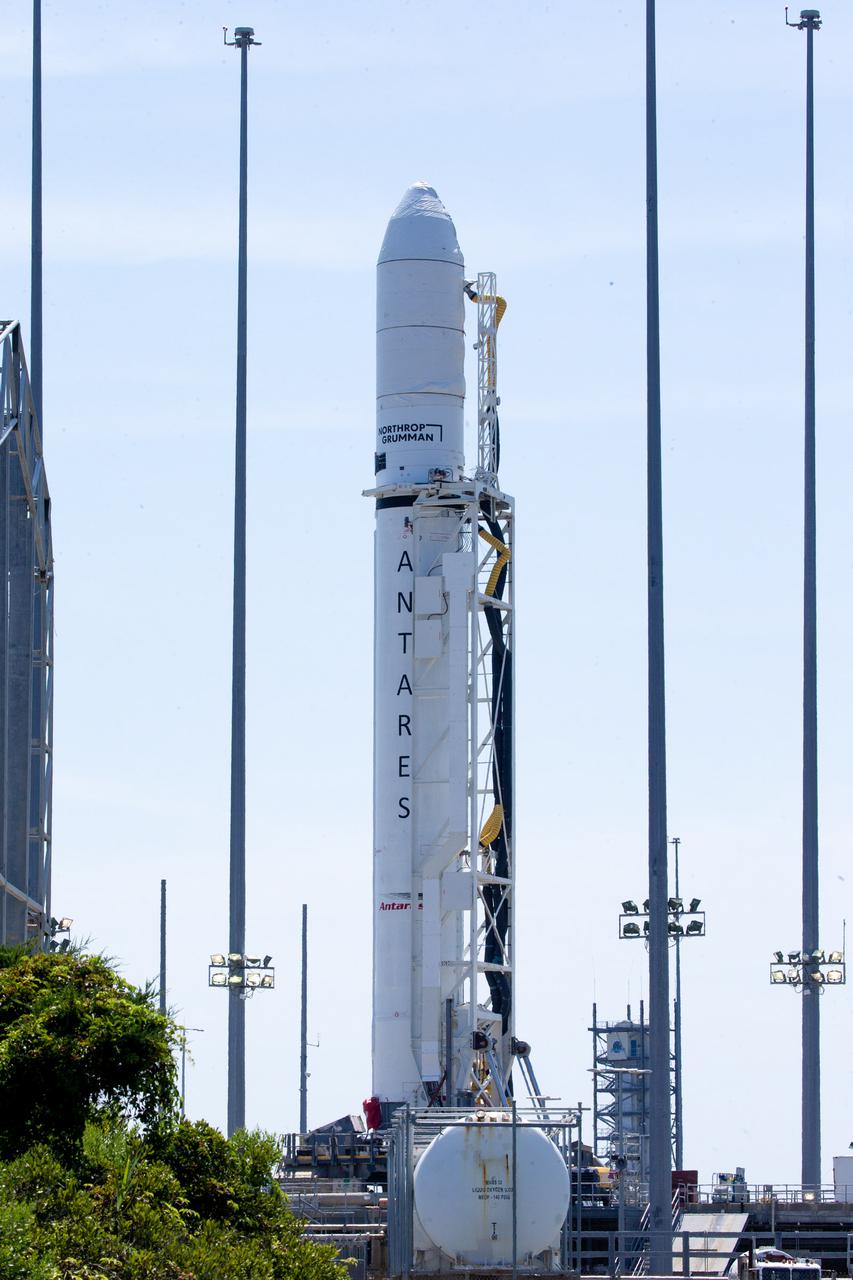
A Northrop Grumman Antares rocket carrying a Cygnus resupply spacecraft is raised into a vertical position on the Mid-Atlantic Regional Spaceport’s Pad-0A, Friday, Aug. 6, 2021, at NASA's Wallops Flight Facility in Virginia. Northrop Grumman’s 16th contracted cargo resupply mission with NASA to the International Space Station will deliver about 8,200 pounds of science and research, crew supplies and vehicle hardware to the orbital laboratory and its crew. Northrop Grumman named the NG CRS-16 Cygnus spacecraft after NASA astronaut Ellison Onizuka, in honor of his prominence as the first Asian American astronaut. Onizuka was hired in 1978 in the first class of diverse astronauts, and his first spaceflight was aboard space shuttle Discovery in January 1985 for STS-51-C. He lost his life aboard the space shuttle Challenger in 1986. The launch is scheduled for 5:56 p.m. EDT, Aug. 10, 2021. Photo Credit: NASA/Terry Zaperach
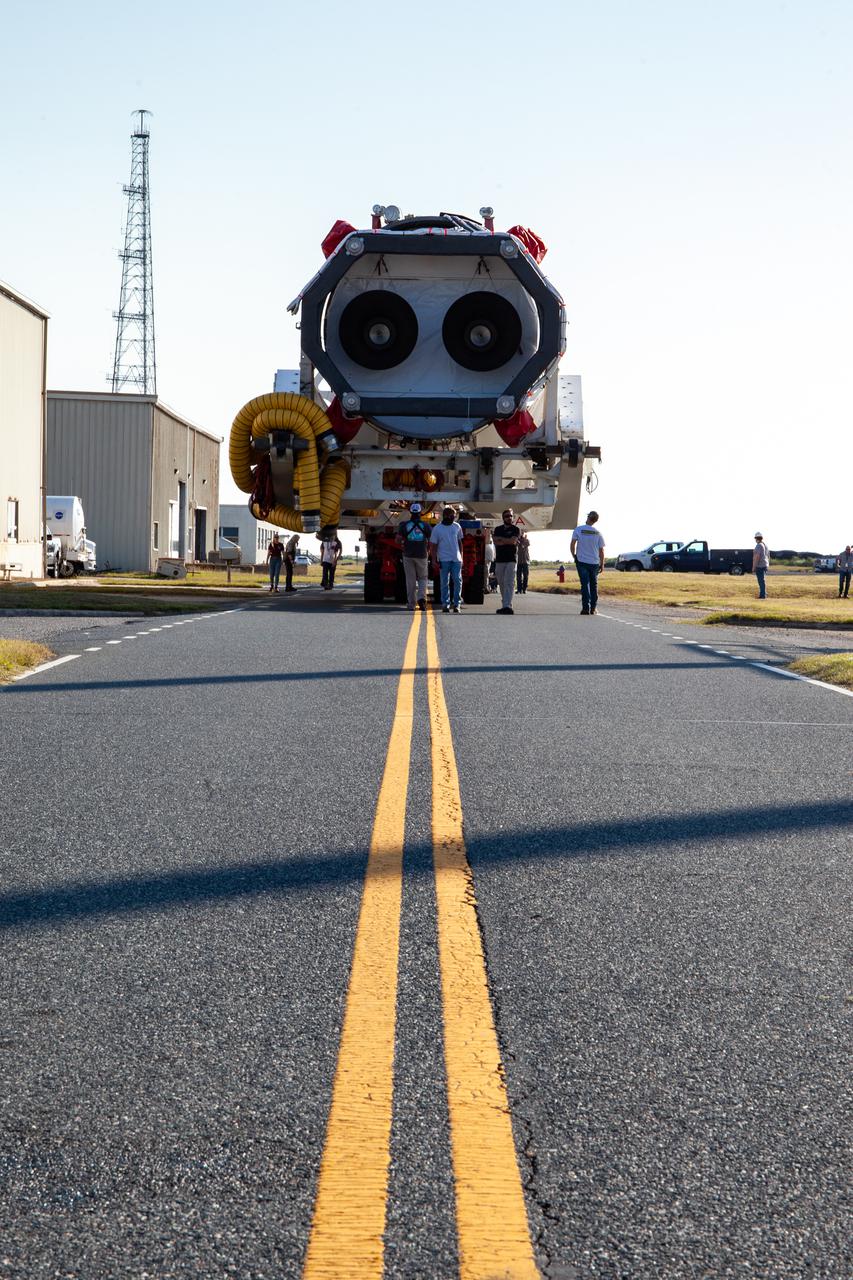
A Northrop Grumman Antares rocket carrying a Cygnus resupply spacecraft is seen as it is transported to the Mid-Atlantic Regional Spaceport’s Pad-0A, Friday, Aug. 10, 2021, at NASA's Wallops Flight Facility in Virginia. Northrop Grumman’s 16th contracted cargo resupply mission with NASA to the International Space Station will deliver about 8,200 pounds of science and research, crew supplies and vehicle hardware to the orbital laboratory and its crew. Northrop Grumman named the NG CRS-16 Cygnus spacecraft after NASA astronaut Ellison Onizuka, in honor of his prominence as the first Asian American astronaut. The launch is scheduled for 5:56 p.m. EDT, Aug. 10, 2021. Photo Credit: NASA/Brian Bonsteel
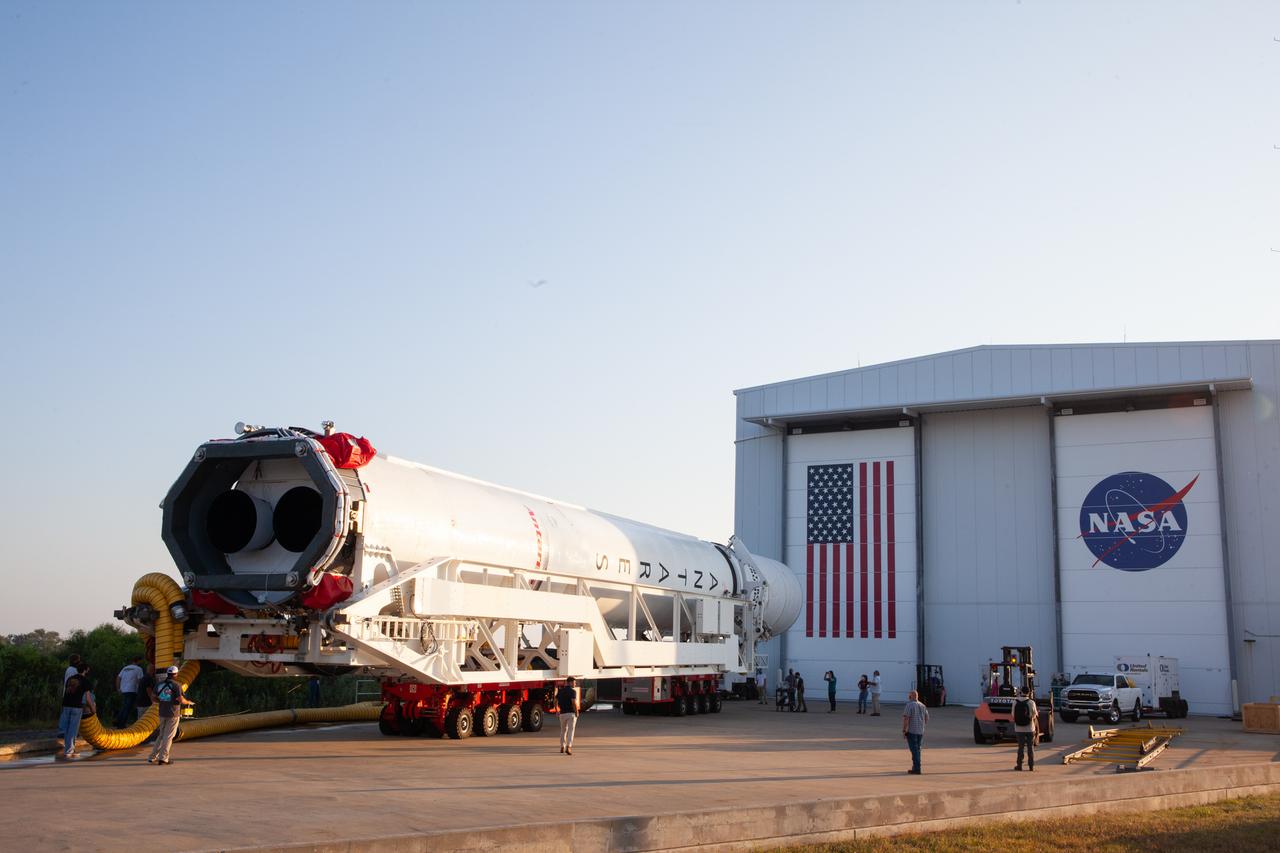
A Northrop Grumman Antares rocket carrying a Cygnus resupply spacecraft is seen as it is rolled out of the Horizontal Integration Facility on its way to the Mid-Atlantic Regional Spaceport’s Pad-0A, Friday, Aug. 6, 2021, at NASA's Wallops Flight Facility in Virginia. Northrop Grumman’s 14th contracted cargo resupply mission with NASA to the International Space Station will deliver about 8,200 pounds of science and research, crew supplies and vehicle hardware to the orbital laboratory and its crew. Northrop Grumman named the NG CRS-16 Cygnus spacecraft after NASA astronaut Ellison Onizuka, in honor of his prominence as the first Asian American astronaut. Onizuka was hired in 1978 in the first class of diverse astronauts, and his first spaceflight was aboard space shuttle Discovery in January 1985 for STS-51-C. He lost his life aboard the space shuttle Challenger in 1986. The launch is scheduled for 5:56 p.m. EDT, Aug. 10, 2021. Photo Credit: NASA/Brian Bonsteel
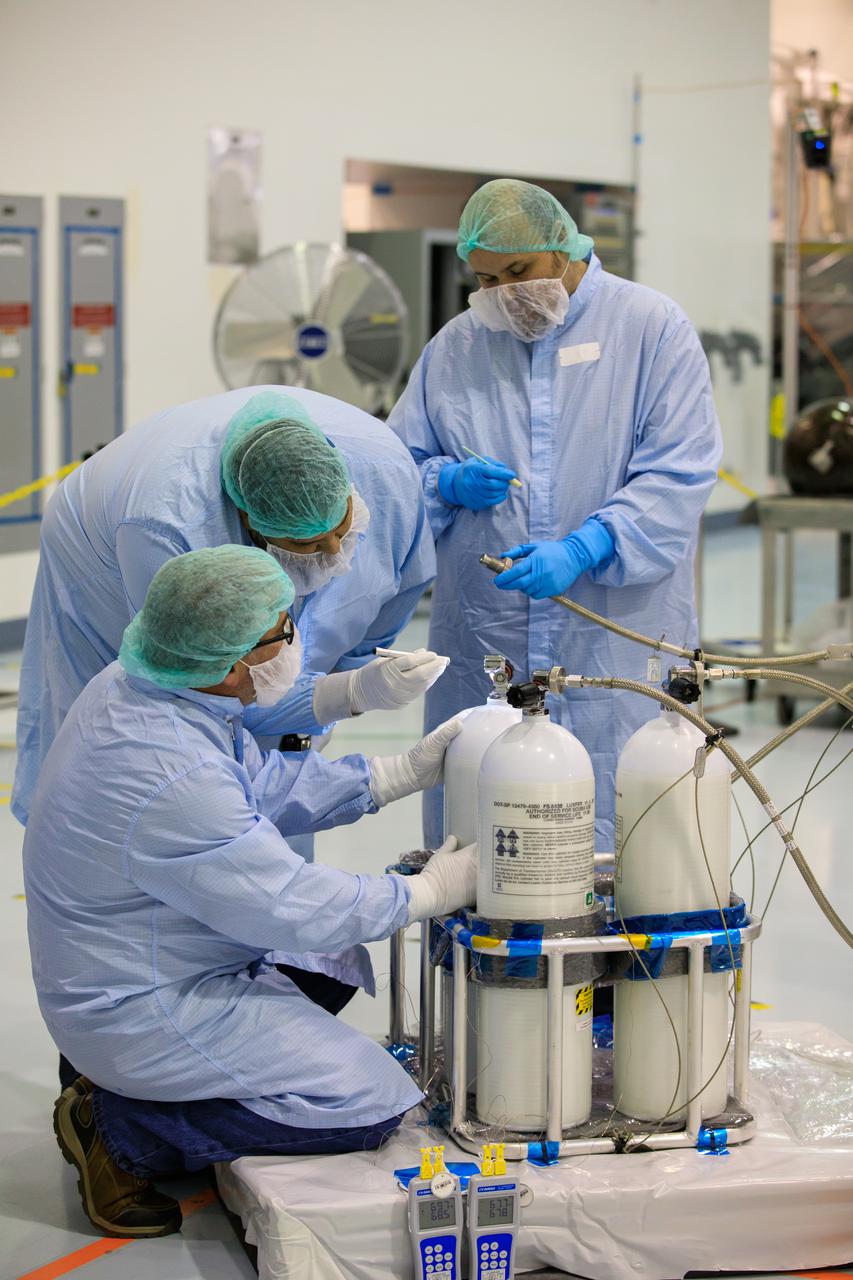
Inside the Space Station Processing Facility at NASA’s Kennedy Space Center in Florida on June 25, 2021, commercial off-the-shelf air tanks – normally used by divers – are filled with breathing air for use on the International Space Station. Using expendable air tanks for this purpose increases the efficiency of supplying air to the orbital laboratory. It also will supplement the reusable Nitrogen Oxygen Recharge System (NORS) tanks that NASA currently uses.
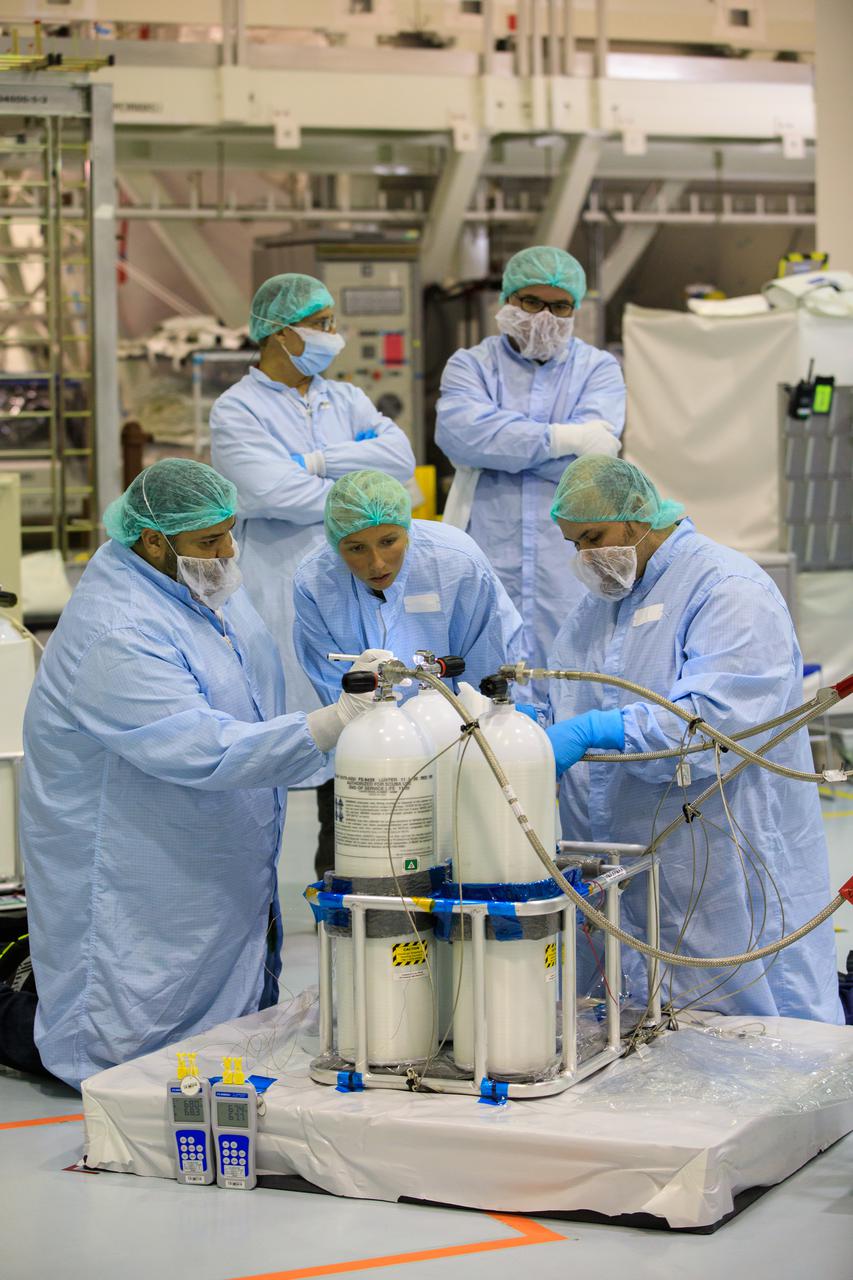
Inside the Space Station Processing Facility at NASA’s Kennedy Space Center in Florida on June 25, 2021, commercial off-the-shelf air tanks – normally used by divers – are filled with breathing air for use on the International Space Station. Using expendable air tanks for this purpose increases the efficiency of supplying air to the orbital laboratory. It also will supplement the reusable Nitrogen Oxygen Recharge System (NORS) tanks that NASA currently uses.
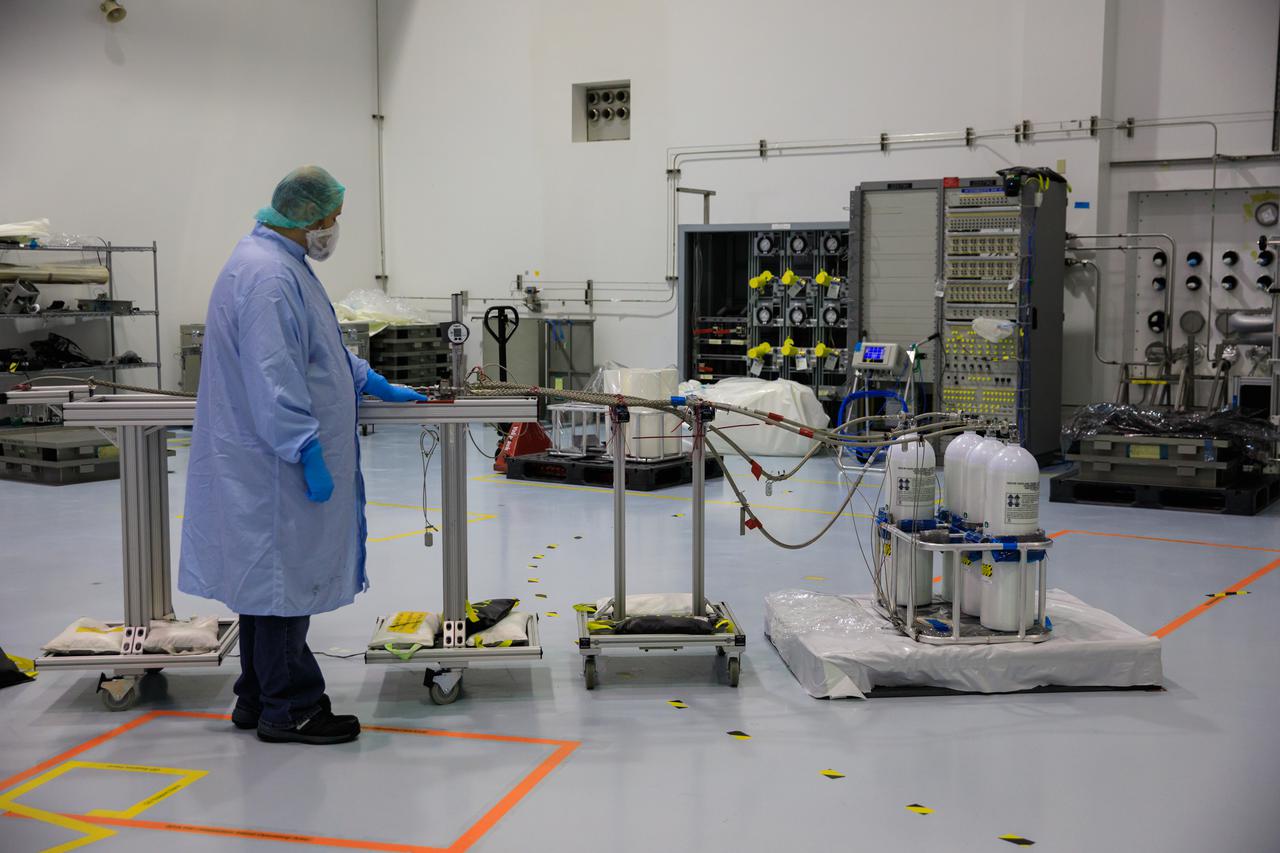
Inside the Space Station Processing Facility at NASA’s Kennedy Space Center in Florida on June 25, 2021, commercial off-the-shelf air tanks – normally used by divers – are filled with breathing air for use on the International Space Station. Using expendable air tanks for this purpose increases the efficiency of supplying air to the orbital laboratory. It also will supplement the reusable Nitrogen Oxygen Recharge System (NORS) tanks that NASA currently uses.