
On Tuesday, July 30, 2024, the Northrop Grumman Cygnus resupply spacecraft is seen being encapsulated inside the SpaceX Falcon 9 payload fairing as it prepares to launch from Space Launch Complex 40 at Cape Canaveral Space Force Station in Florida for the 21st Northrop Grumman commercial resupply services for NASA. The mission will carry 8,200 pounds of science investigations, supplies, and equipment to the International Space Station. Liftoff is scheduled for no earlier than 11:29 a.m. EDT Saturday, Aug. 3.
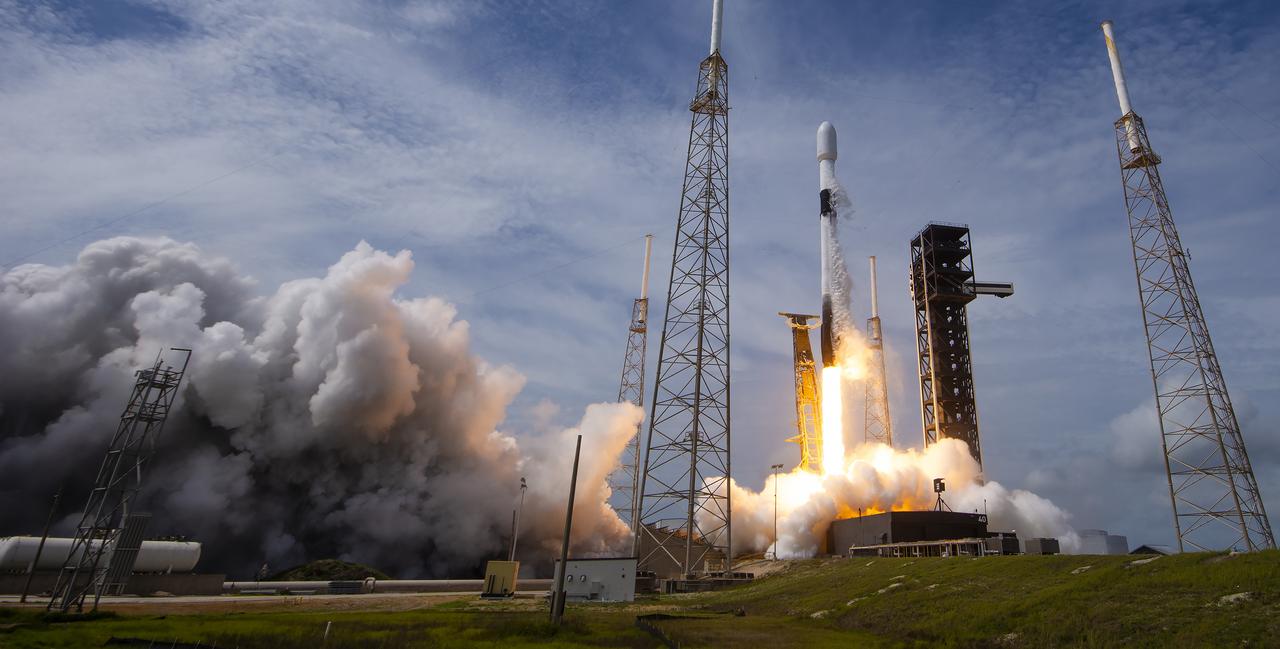
Northrop Grumman’s Cygnus spacecraft, atop a SpaceX Falcon 9 rocket, soars from Space Launch Complex 40 at Cape Canaveral Space Force Station in Florida on Sunday, Aug. 4, 2024, for the 21st Northrop Grumman commercial resupply mission for NASA. The spacecraft is expected to reach the space station Tuesday, Aug. 6, bringing 8,200 pounds of science investigations, supplies, and equipment for the international crew.

Northrop Grumman’s Cygnus spacecraft, atop a SpaceX Falcon 9 rocket, soars from Space Launch Complex 40 at Cape Canaveral Space Force Station in Florida on Sunday, Aug. 4, 2024, for the 21st Northrop Grumman commercial resupply mission for NASA. The spacecraft is expected to reach the space station Tuesday, Aug. 6, bringing 8,200 pounds of science investigations, supplies, and equipment for the international crew.
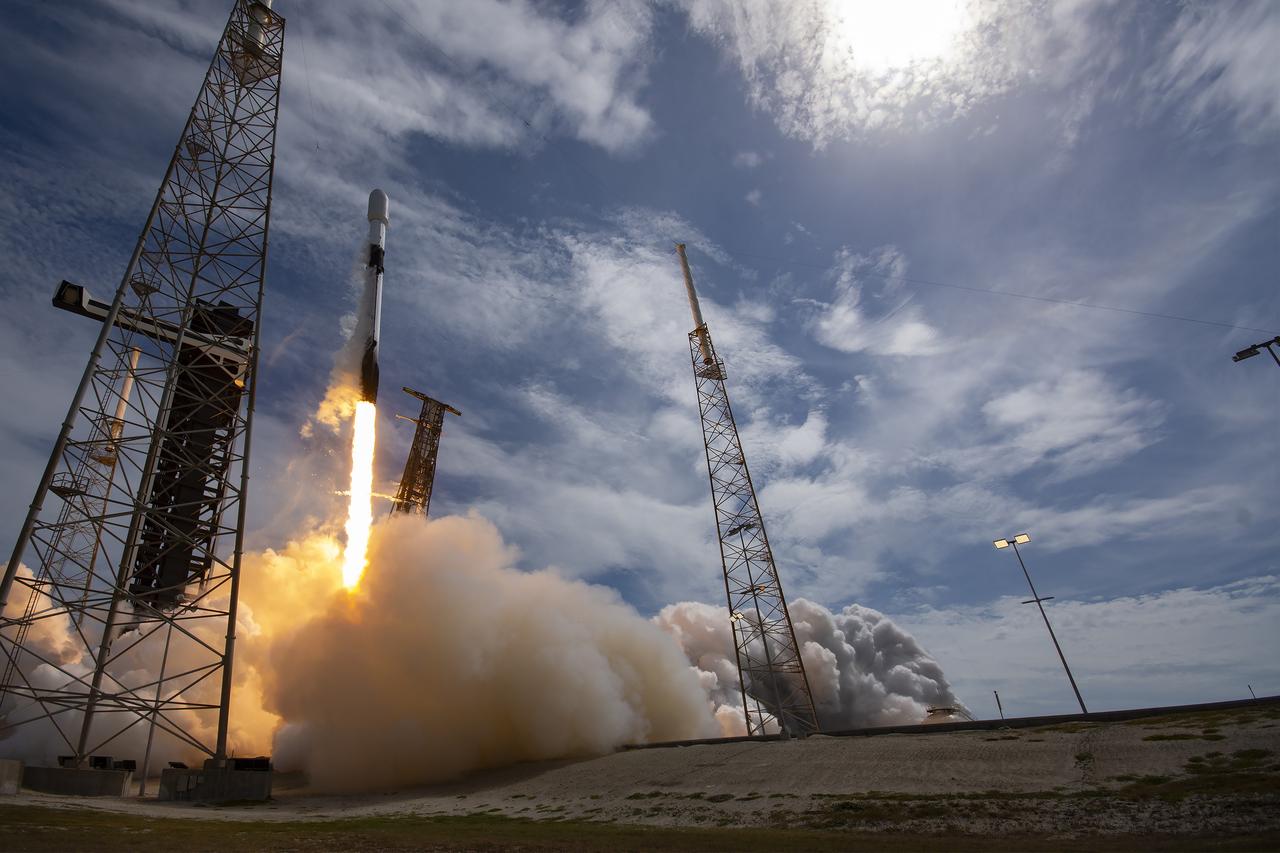
Northrop Grumman’s Cygnus spacecraft, atop a SpaceX 9 Falcon rocket, soars from Space Launch Complex 40 at Cape Canaveral Space Force Station in Florida on Sunday, Aug. 4, 2024, for the 21st Northrop Grumman commercial resupply mission for NASA. The spacecraft is expected to reach the space station Tuesday, Aug. 6, bringing 8,200 pounds of science investigations, supplies, and equipment for the international crew.
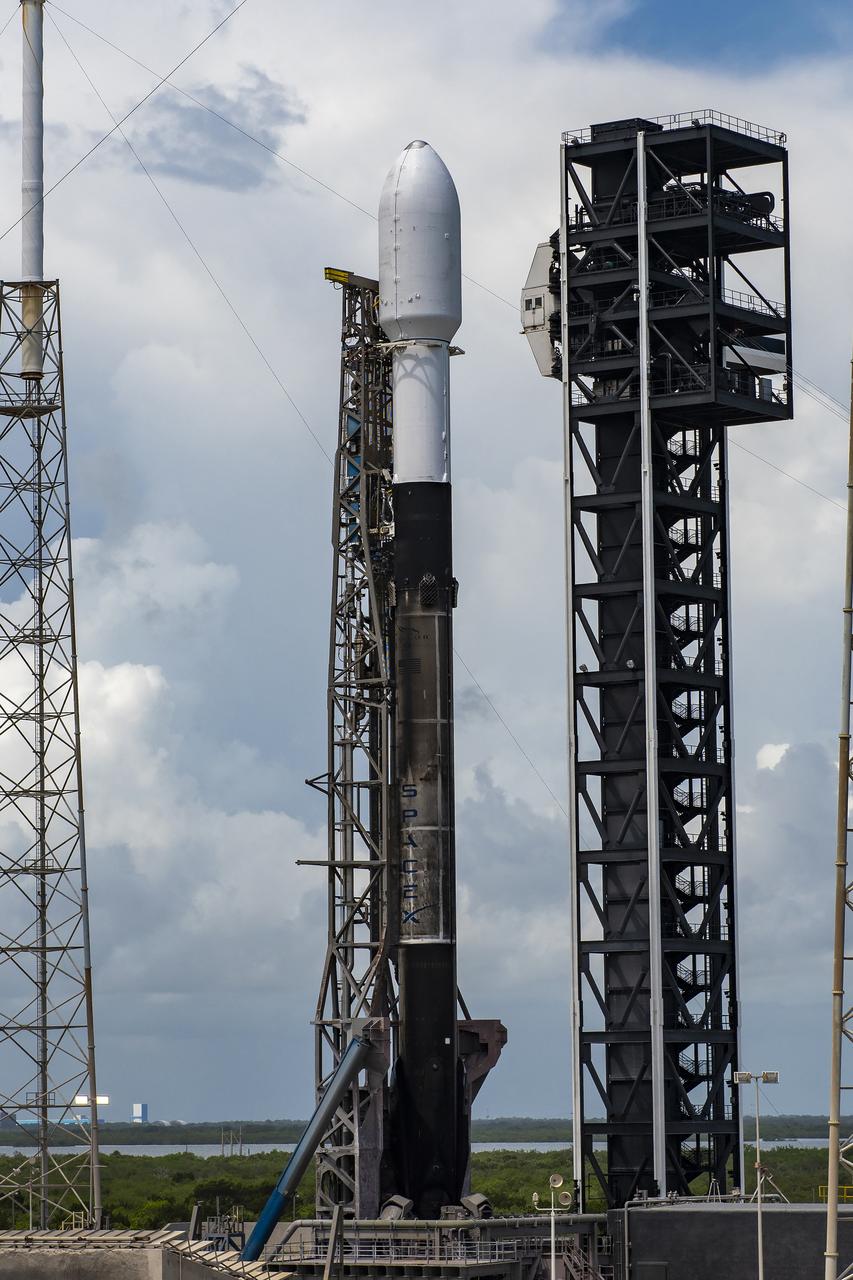
A Northrop Grumman Cygnus resupply spacecraft, atop a SpaceX Falcon 9 rocket, stands tall at Space Launch Complex 40 at Cape Canaveral Space Force Station in Florida on Sunday, Aug. 4, 2024, in preparation for a launch to the International Space Station. Cygnus will deliver 8,200 pounds of scientific investigations and cargo to the international crew.
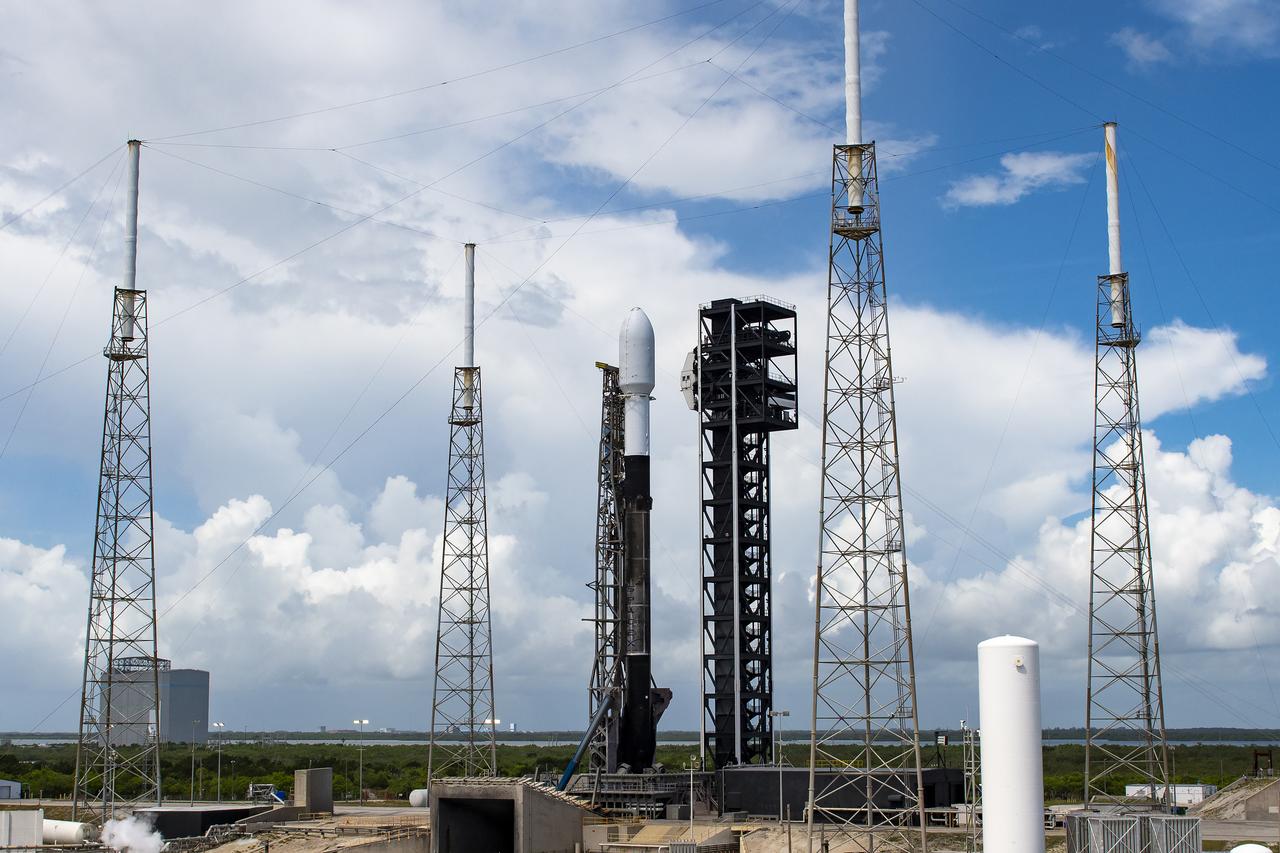
A Northrop Grumman Cygnus resupply spacecraft, atop a SpaceX Falcon 9 rocket, stands tall at Space Launch Complex 40 at Cape Canaveral Space Force Station in Florida on Sunday, Aug. 4, 2024, in preparation for a launch to the International Space Station. Cygnus will deliver 8,200 pounds of scientific investigations and cargo to the international crew.
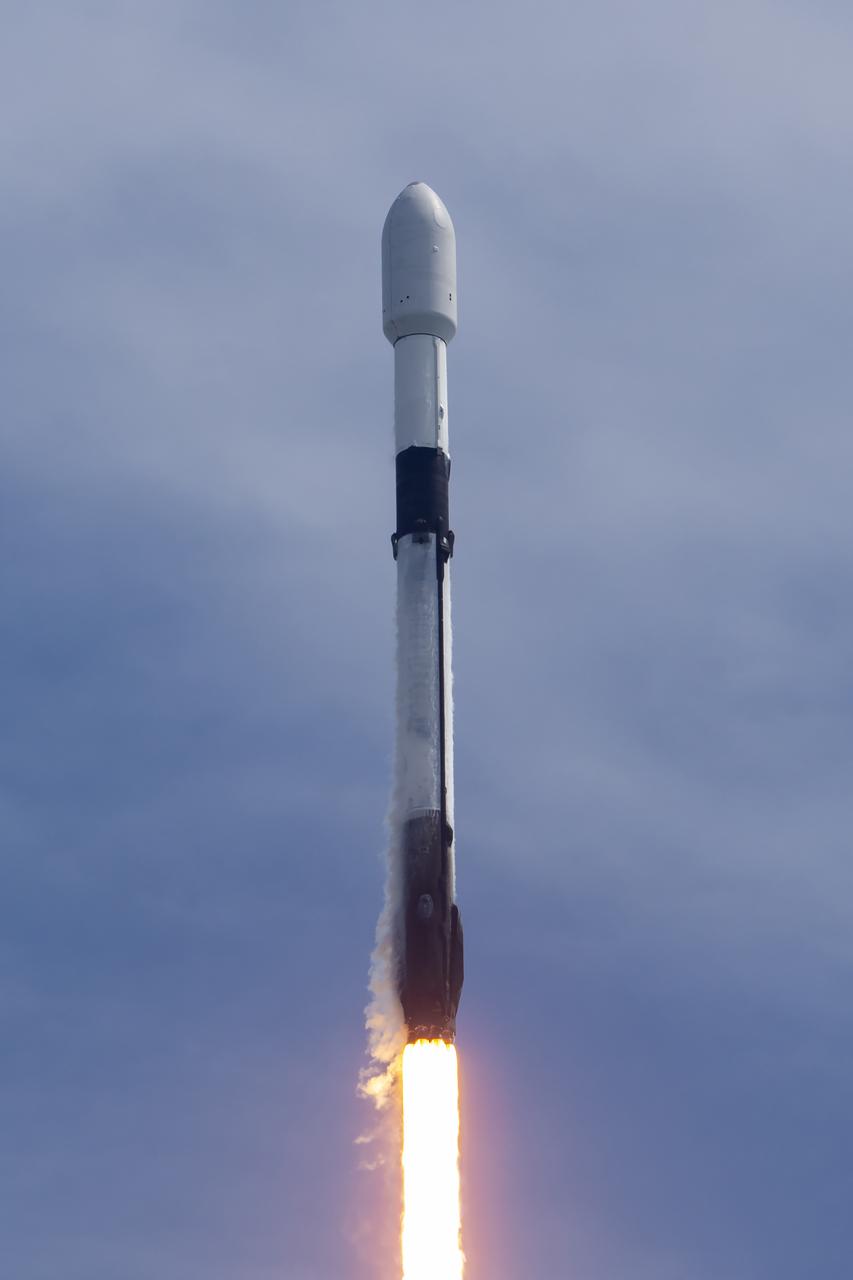
A successful liftoff from Space Launch Complex 40 at Cape Canaveral Space Force Station in Florida as Northrop Grumman’s Cygnus spacecraft, atop a SpaceX Falcon 9 rocket, heads to the International Space Station for the 21st Northrop Grumman resupply mission on Sunday, Aug. 4, 2024. The spacecraft is expected to reach the space station Tuesday, Aug. 6, bringing 8,200 pounds of science investigations, supplies, and equipment for the international crew.
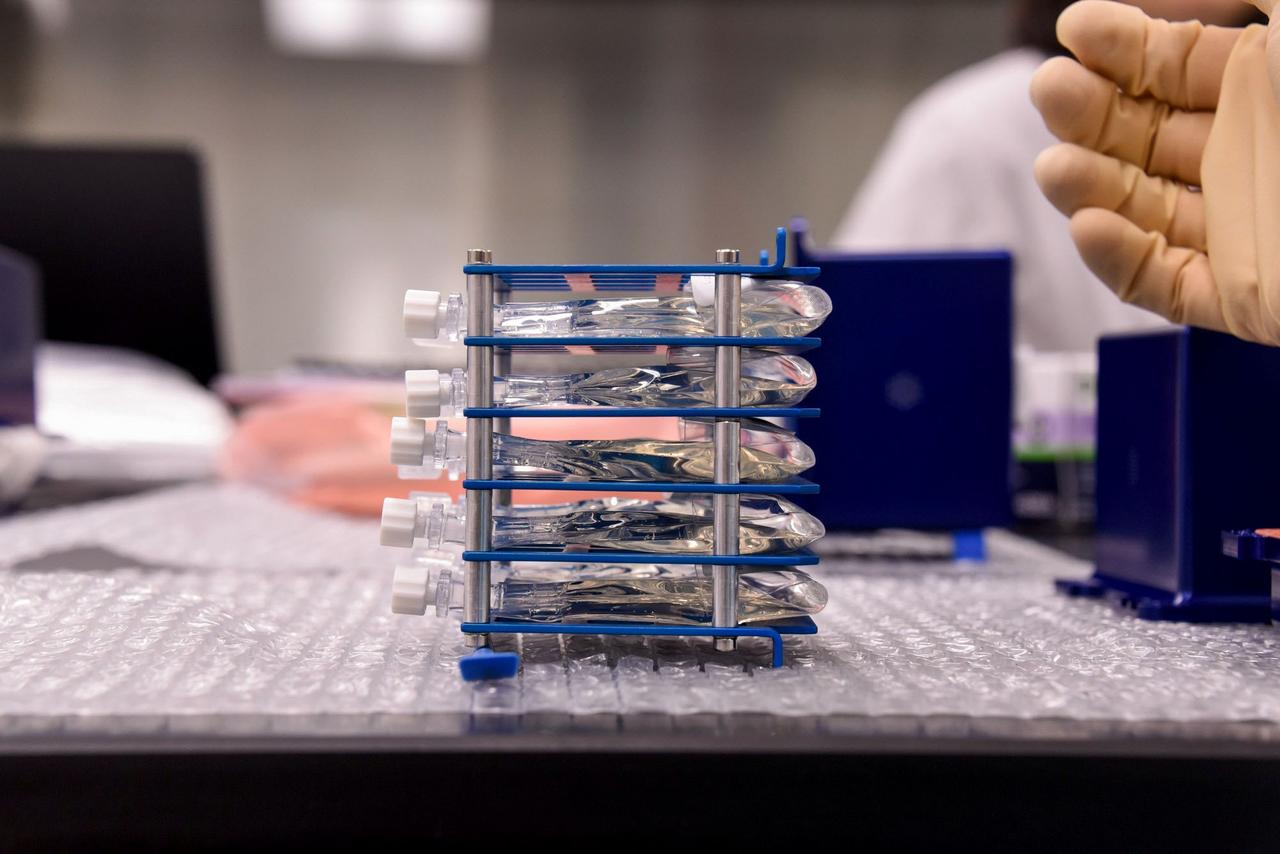
jsc2024e050833 (12/2/2019) --- Preflight image of the Rotifer-B2 experiment container. The Rotifer-B2 investigation aims to explore the effects that spaceflight has on deoxyribonucleic acid (DNA) repair mechanisms of the bdelloid rotifer Adineta vaga. This is achieved by pre-exposing rotifers to high levels of radiation on Earth and then culturing them in Kubik, an on-orbit incubator facility. After exposing rotifers to space conditions inside the International Space Station, the samples are frozen and returned to Earth for postflight analyses. Image courtesy of the University of Namur.

jsc2024e050834 (7/26/2024) --- Screaming Balloon hex nuts, pennies and balloons in their individual ziplock stowage bags prior to hardware handover. Developed through NASA’s Office of STEM Engagement Next Gen STEM Project, STEMonstrations are short educational videos demonstrating science, technology, engineering, and mathematics (STEM) topics in microgravity for grades K through 12. STEMonstrations: Screaming Balloon examines centripetal force, whirling a penny and a hexnut inside of inflated balloons and comparing the sounds they make.
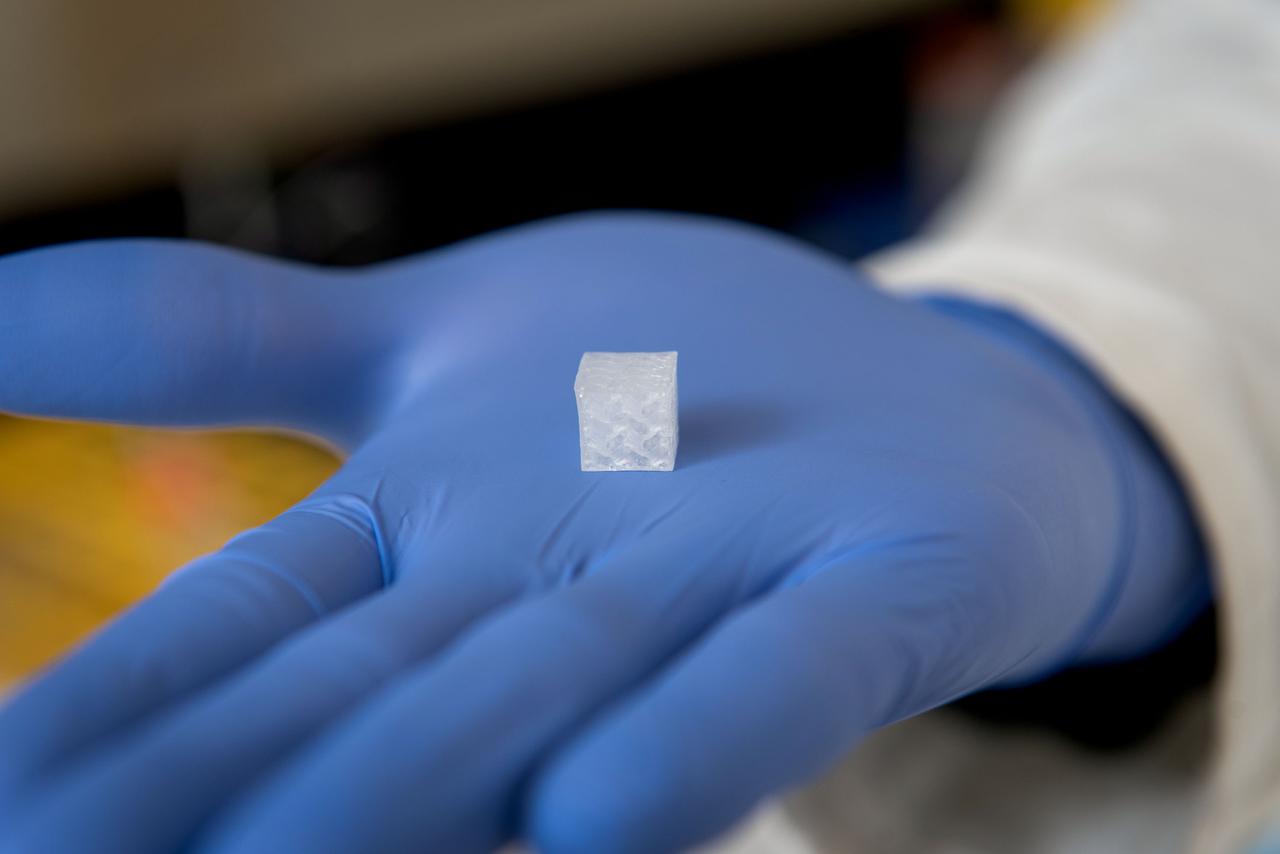
jsc2024e050836 (3/16/2022) --- Maturation of Vascularized Liver Tissue Construct in Zero Gravity (MVP Cell-07) examines the behavior in microgravity of bioprinted or engineered liver tissue constructs that contain blood vessels. The liver tissue constructs with a surface dimension of 1cm x 1cm x 1cm are bioprinted with a gyroid-shaped architecture with interconnected channels, allowing for uniform flow and surface shear stress that adequately covers the entire inner surfaces of cell-laden tissue constructs. The investigation sheds light on the formation of small blood vessels in engineered tissue. Image courtesy of Wake Forest Institute for Regenerative Medicine.
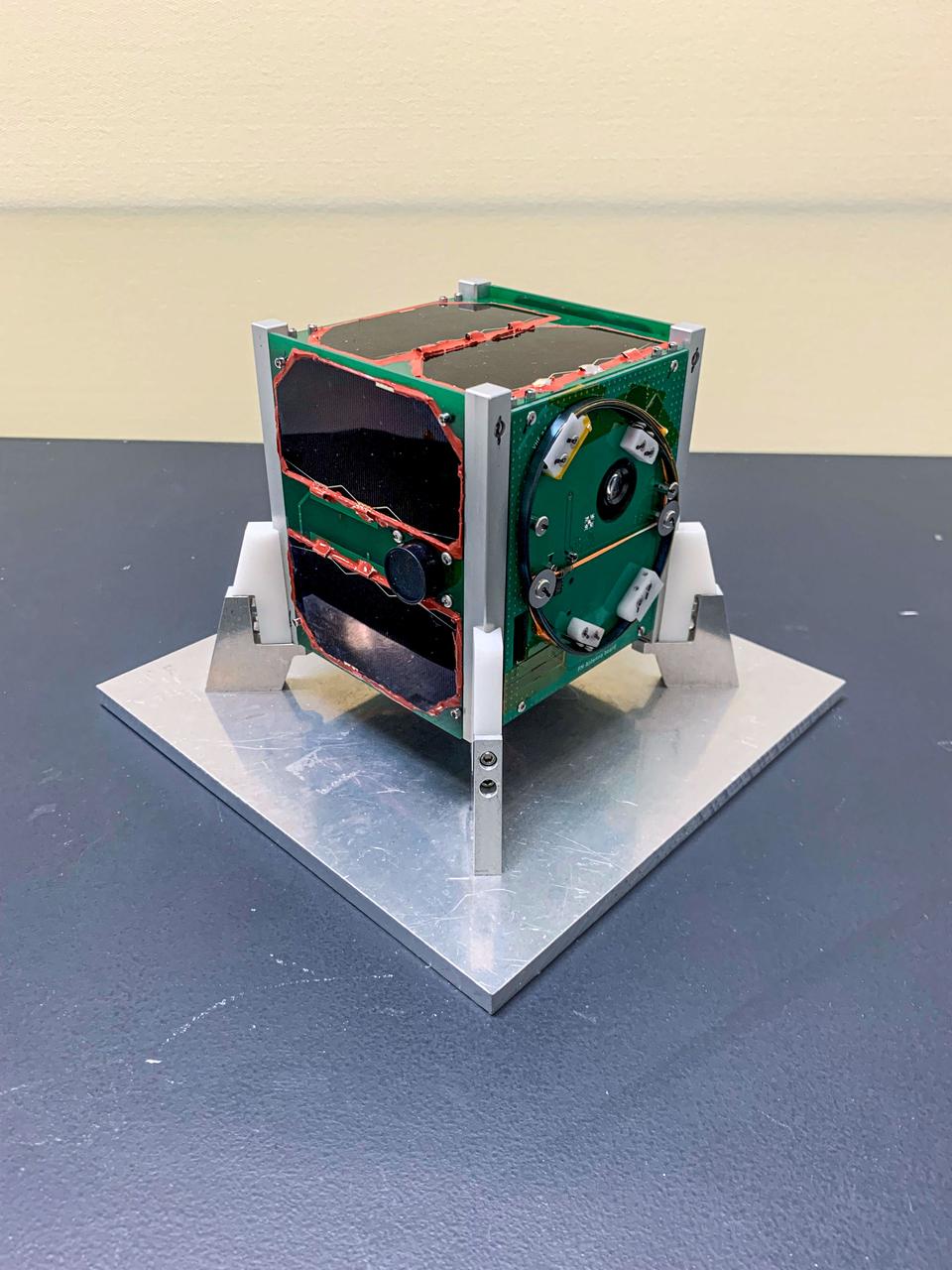
jsc2024e043925 (3/23/2024) ---The Japan Aerospace Exploration Agency (JAXA) SaganSat0 CubeSat is deployed on the J-SSOD-31 mission and launched on NG-21. Image courtesy of Saga Prefectural Space and Science Museum.
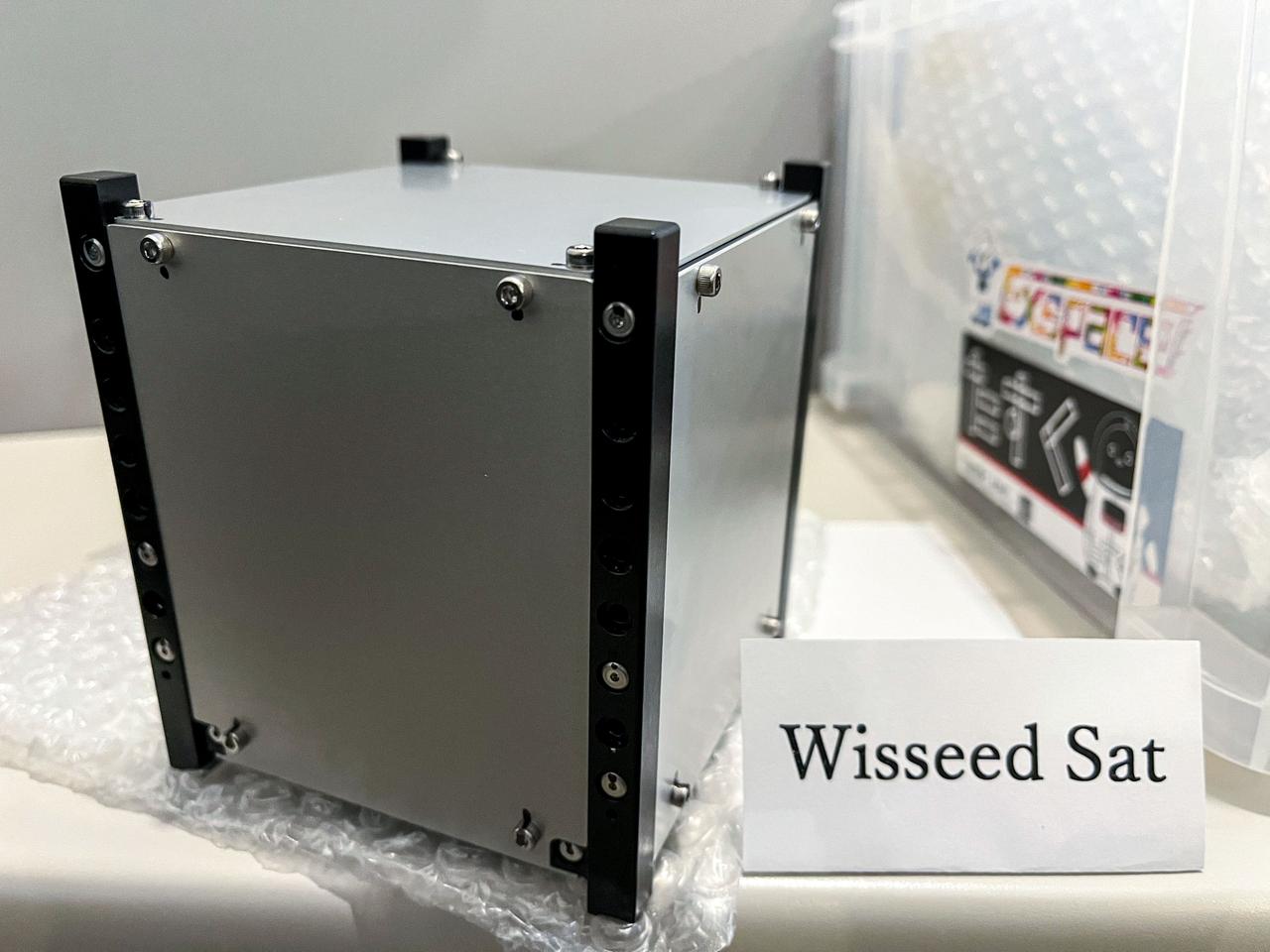
jsc2024e043927 (3/5/2024) --- The Japan Aerospace Exploration Agency (JAXA) Wisseed CubeSat is shown from the front. It is deployed on the J-SSOD-31 mission, and launched on NG-21. Image courtesy of Task Inc. and Exspace Inc.
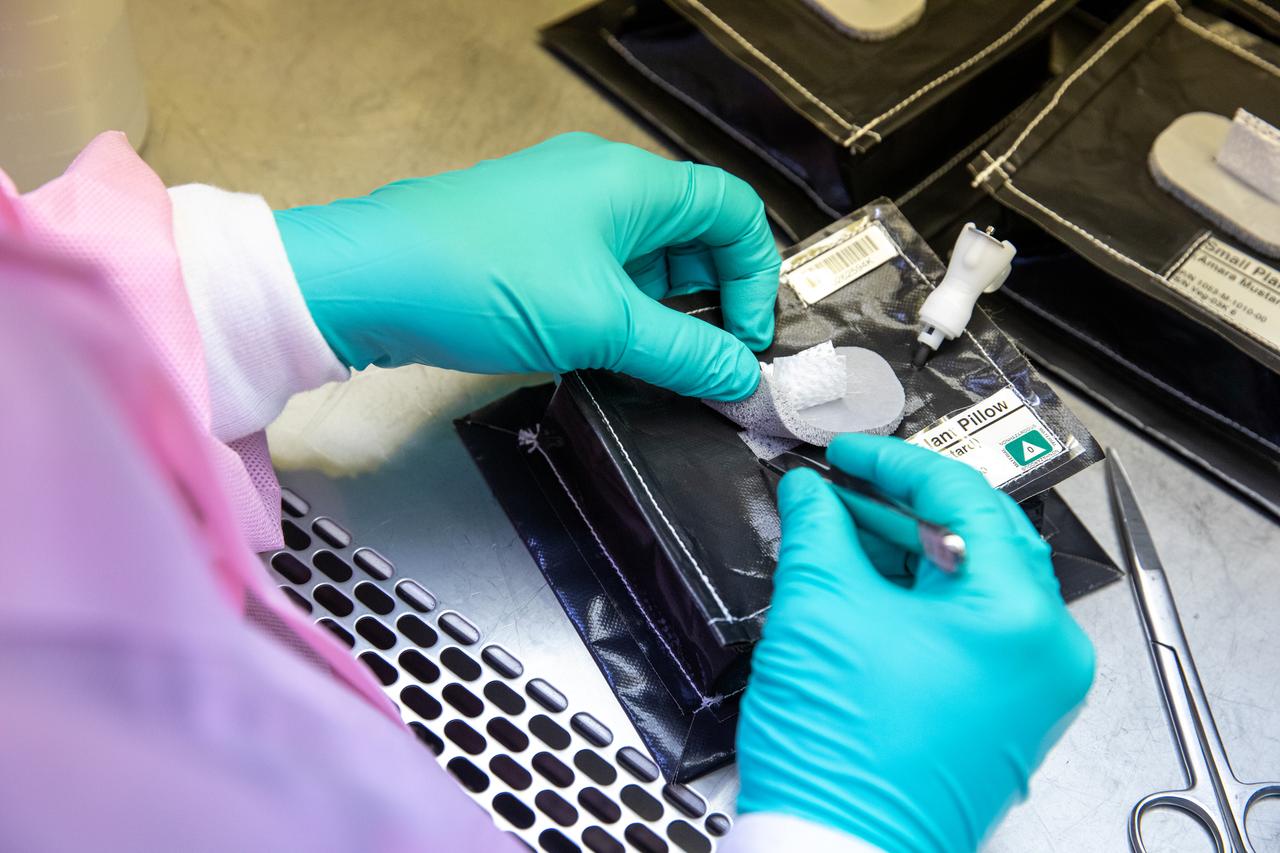
On Jan. 21, 2020, inside the Space Station Processing Facility at NASA’s Kennedy Space Center in Florida, intern Emily Kennebeck prepares plant pillows for their flight to the International Space Station. The pillows, which are a common method used to grow plants in space, are being sent to the orbiting laboratory on Northrop Grumman’s 13th resupply services (NG-13) mission for a series of VEG-03 experiments that will study the growth of three types of leafy greens in a microgravity environment. Once the pillows are assembled and packaged for flight, they will be transported to the agency’s Wallops Flight Facility in Virginia, where liftoff will occur. NG-13 is scheduled to launch on Feb. 9, 2020, at 5:39 p.m. EST.
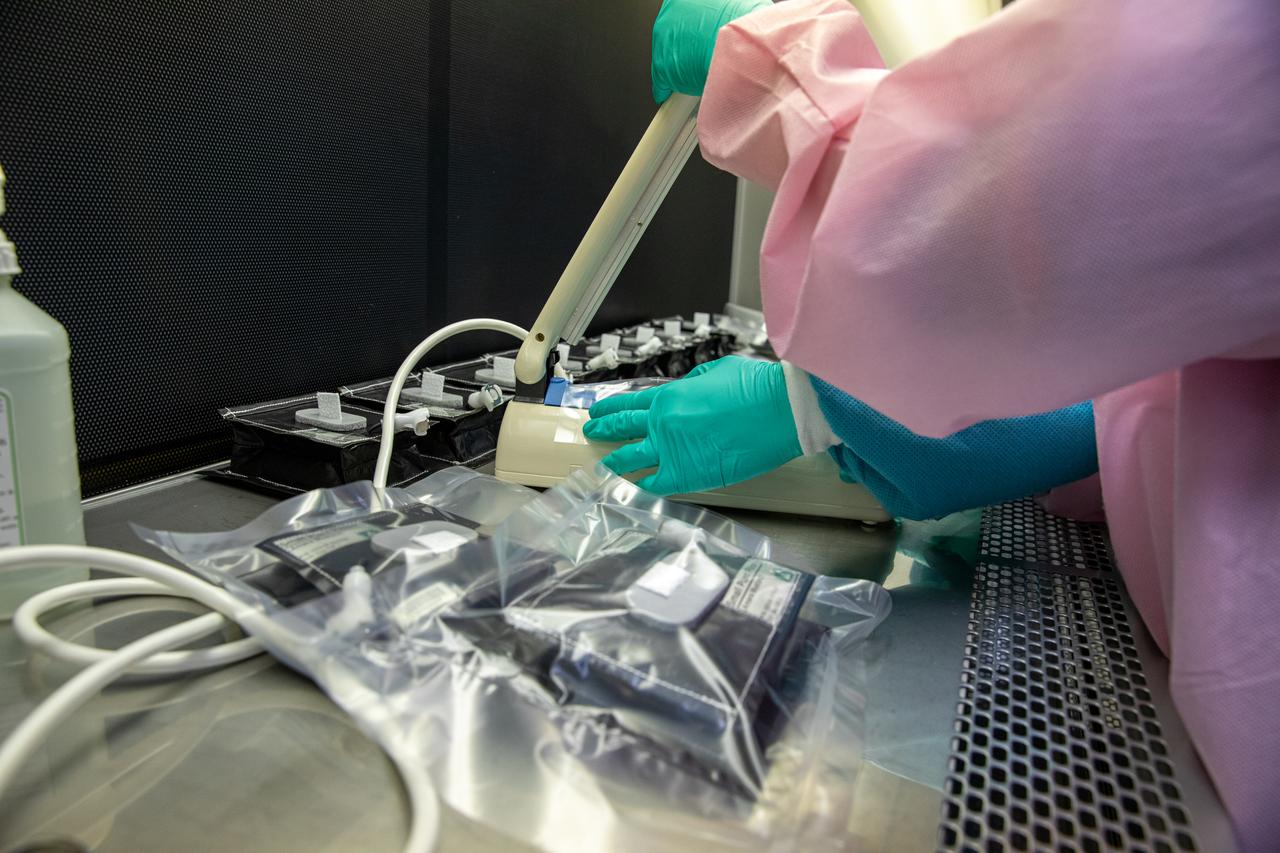
On Jan. 21, 2020, inside the Space Station Processing Facility at NASA’s Kennedy Space Center in Florida, intern Emily Kennebeck prepares plant pillows for their upcoming flight to the International Space Station. The pillows, which are a common method used to grow plants in space, are being sent to the orbiting laboratory on Northrop Grumman’s 13th resupply services (NG-13) mission for a series of VEG-03 experiments that will study the growth of three types of leafy greens in a microgravity environment. Once the pillows are assembled and packaged for flight, they will be transported to the agency’s Wallops Flight Facility in Virginia, where liftoff will occur. NG-13 is scheduled to launch on Feb. 9, 2020, at 5:39 p.m. EST.
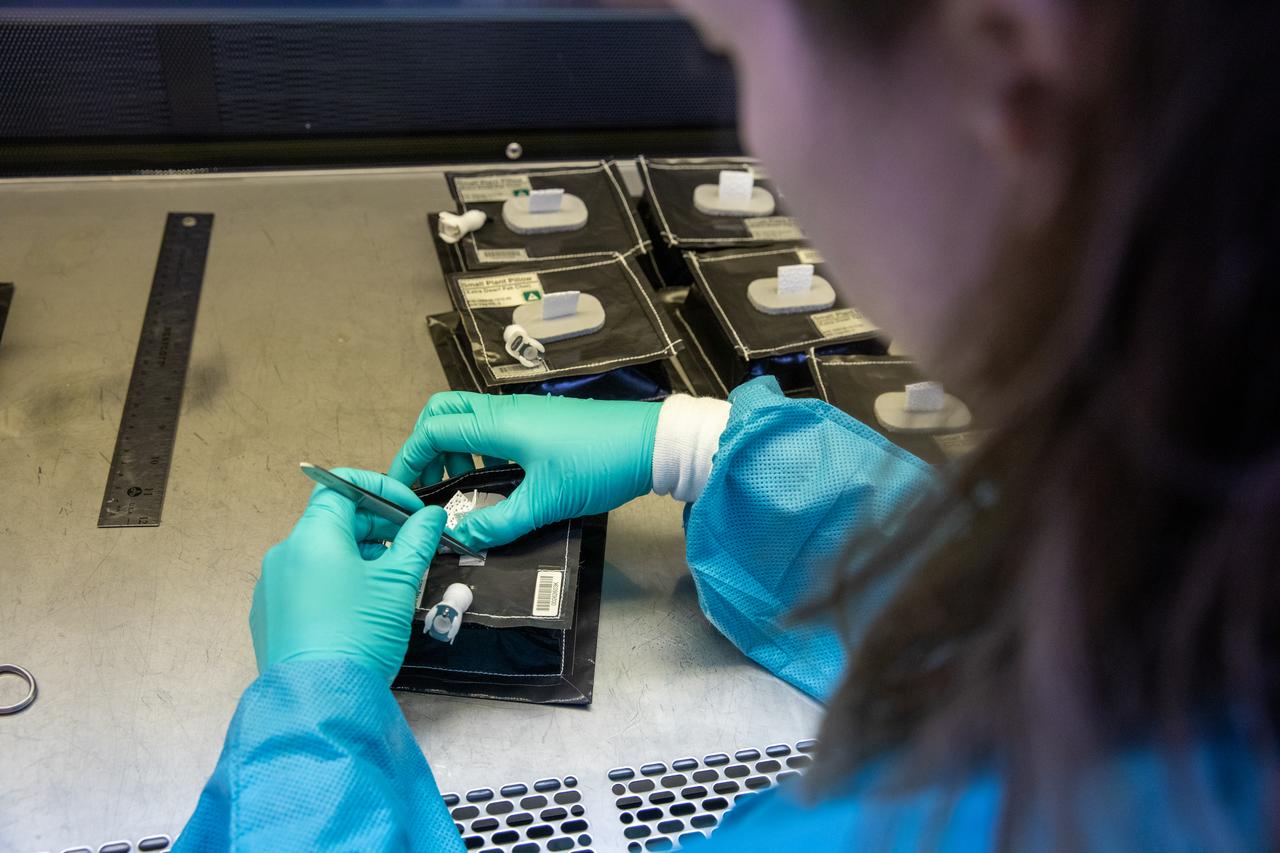
Inside the Space Station Processing Facility on Jan. 21, 2020, Jess Bunchek, a pseudonaut and associate scientist at NASA’s Kennedy Space Center in Florida, prepares plant pillows for their flight to the International Space Station. The pillows, which are a common method used to grow plants in space, are being sent to the orbiting laboratory on Northrop Grumman’s 13th resupply services (NG-13) mission for a series of VEG-03 experiments that will study the growth of three types of leafy greens in a microgravity environment. Once the pillows are assembled and packaged for flight, they will be transported to the agency’s Wallops Flight Facility in Virginia, where liftoff will occur. NG-13 is scheduled to launch on Feb. 9, 2020, at 5:39 p.m. EST.
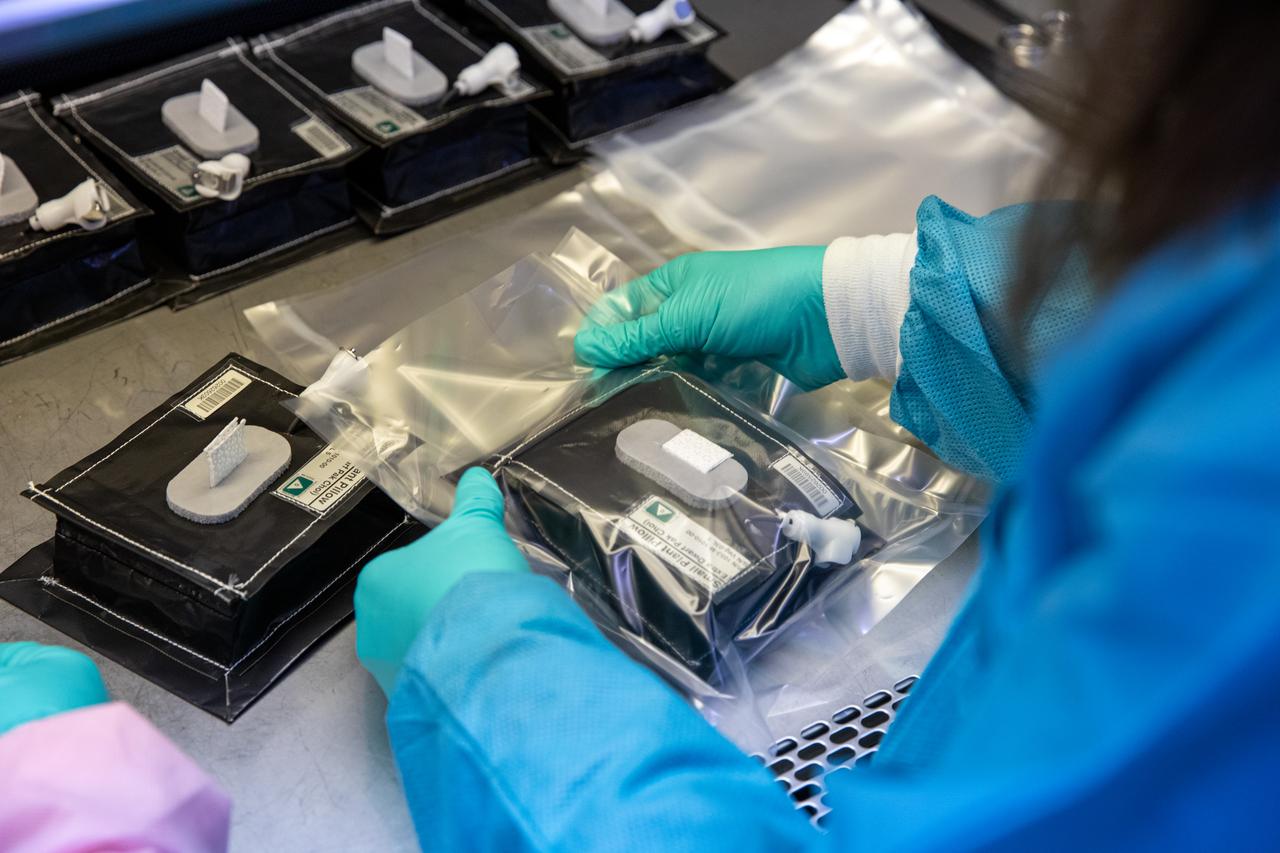
Inside the Space Station Processing Facility on Jan. 21, 2020, Jess Bunchek, a pseudonaut and associate scientist at NASA’s Kennedy Space Center in Florida, prepares plant pillows for their flight to the International Space Station. The pillows, which are a common method used to grow plants in space, are being sent to the orbiting laboratory on Northrop Grumman’s 13th resupply services (NG-13) mission for a series of VEG-03 experiments that will study the growth of three types of leafy greens in a microgravity environment. Once the pillows are assembled and packaged for flight, they will be transported to the agency’s Wallops Flight Facility in Virginia, where liftoff will occur. NG-13 is scheduled to launch on Feb. 9, 2020, at 5:39 p.m. EST.
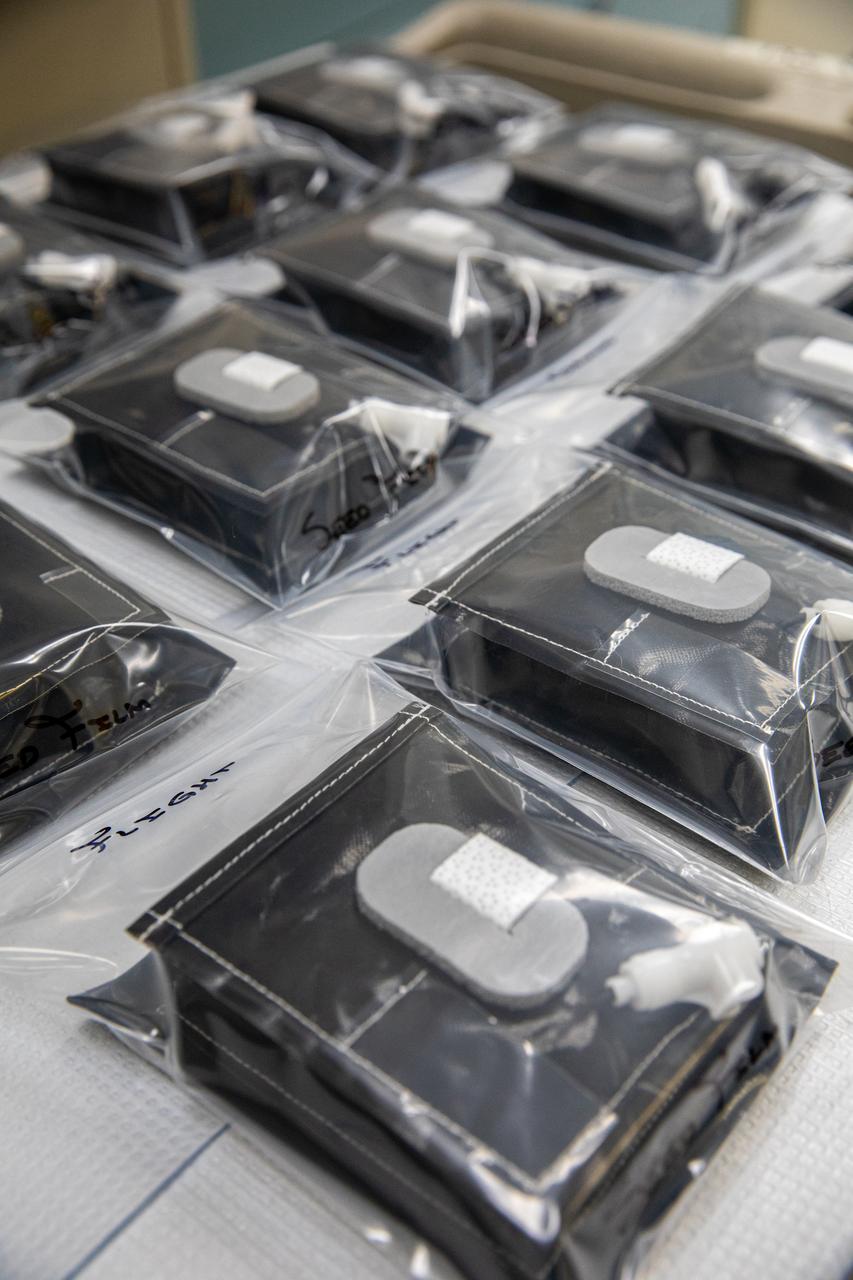
On Jan. 21, 2020, inside the Space Station Processing Facility at NASA’s Kennedy Space Center in Florida, plant pillows are packaged for their upcoming flight to the International Space Station on Northrop Grumman’s 13th resupply services (NG-13) mission. The pillows, which are a common method used to grow plants in space, are being sent to the orbiting laboratory for a series of VEG-03 experiments that will study the growth of three types of leafy greens in a microgravity environment. Once the pillows are assembled and packaged for flight, they will be transported to the agency’s Wallops Flight Facility in Virginia, where liftoff will occur. NG-13 is scheduled to launch on Feb. 9, 2020, at 5:39 p.m. EST.
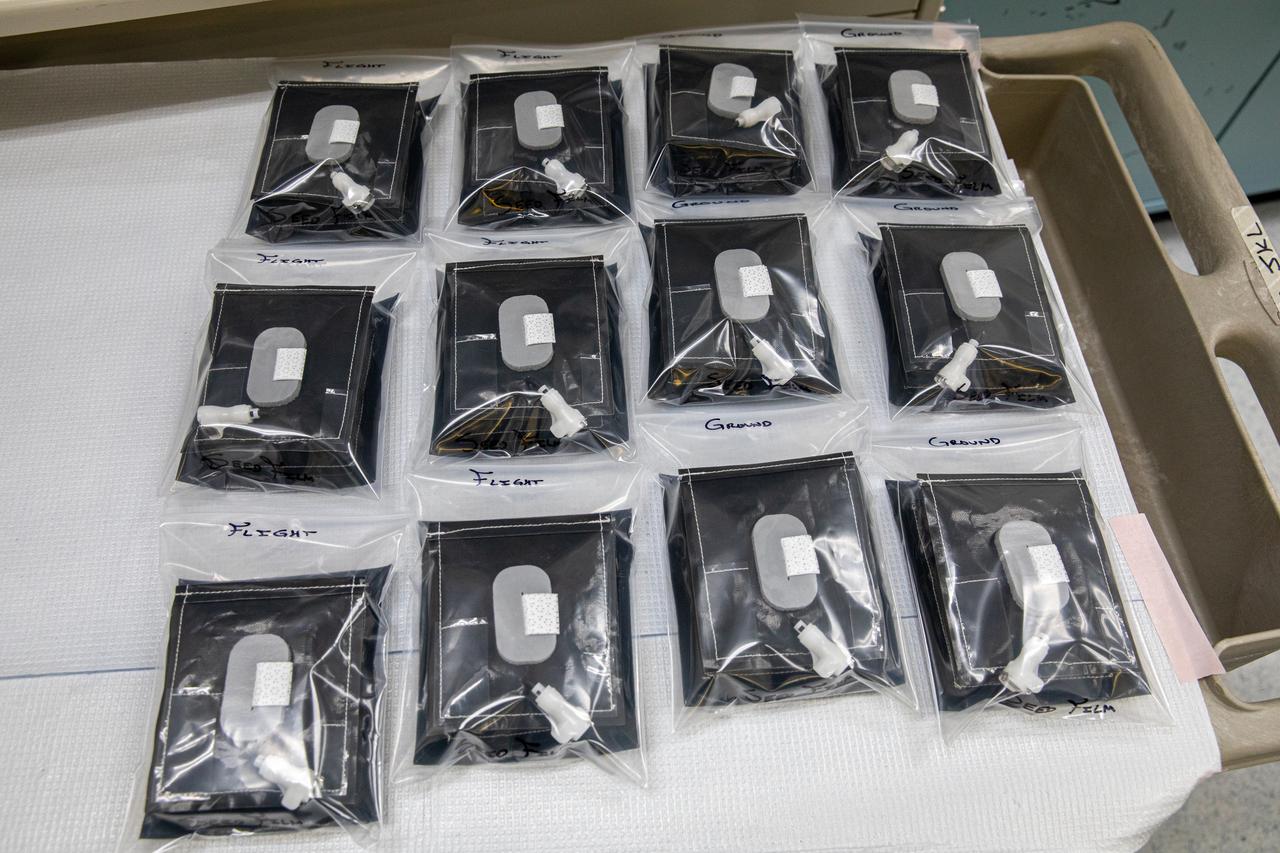
On Jan. 21, 2020, inside the Space Station Processing Facility at NASA’s Kennedy Space Center in Florida, plant pillows are packaged for their upcoming flight to the International Space Station on Northrop Grumman’s 13th resupply services (NG-13) mission. The pillows, which are a common method used to grow plants in space, are being sent to the orbiting laboratory for a series of VEG-03 experiments that will study the growth of three types of leafy greens in a microgravity environment. Once the pillows are assembled and packaged for flight, they will be transported to the agency’s Wallops Flight Facility in Virginia, where liftoff will occur. NG-13 is scheduled to launch on Feb. 9, 2020, at 5:39 p.m. EST.
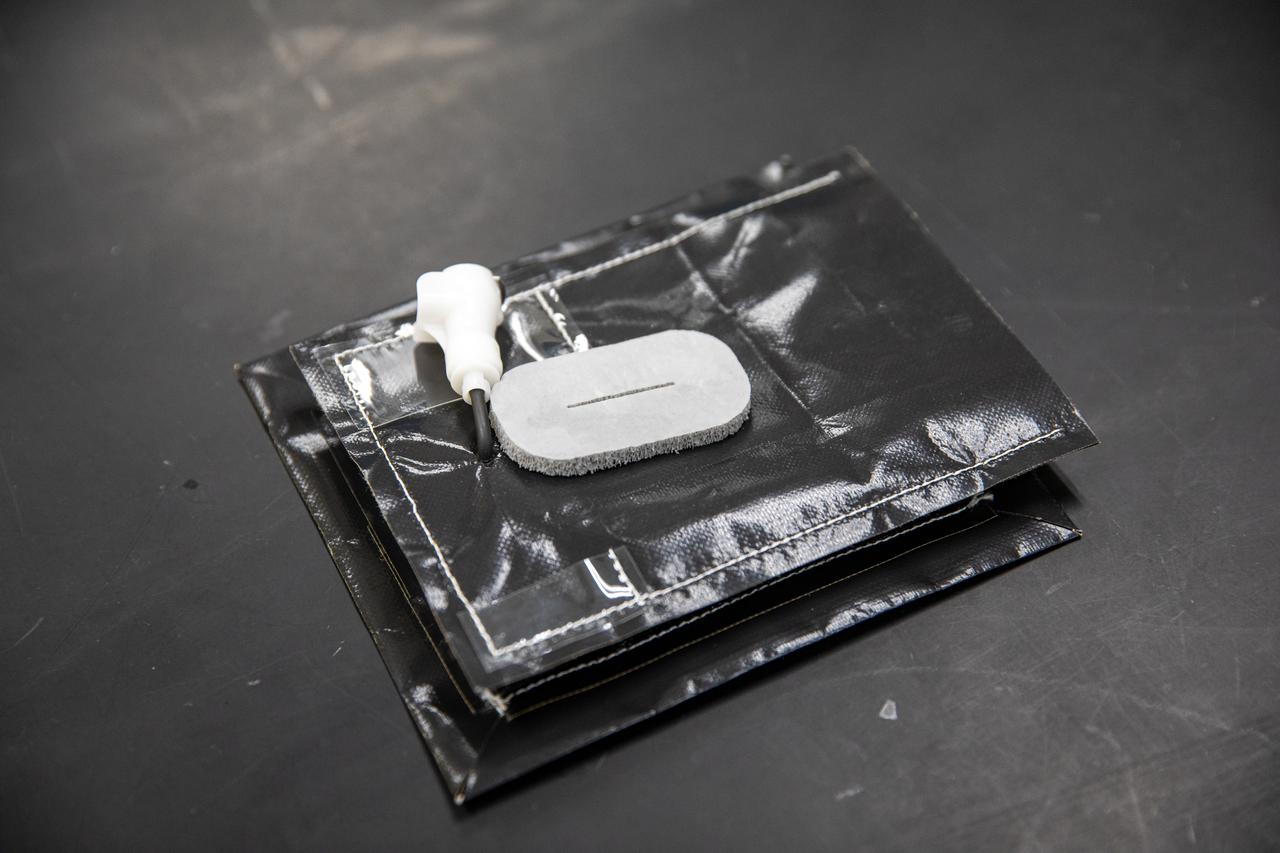
A plant pillow is photographed inside the Space Station Processing Facility at NASA’s Kennedy Space Center in Florida on Jan. 21, 2020, prior to being packaged for flight to the International Space Station. A number of plant pillows are being prepped to fly to the orbiting laboratory on Northrop Grumman’s 13th resupply services (NG-13) mission for a series of VEG-03 experiments that will study the growth of three types of leafy greens in a microgravity environment. Once the pillows are ready for flight, they will be transported to the agency’s Wallops Flight Facility in Virginia, where liftoff will occur. NG-13 is scheduled to launch on Feb. 9, 2020, at 5:39 p.m. EST.
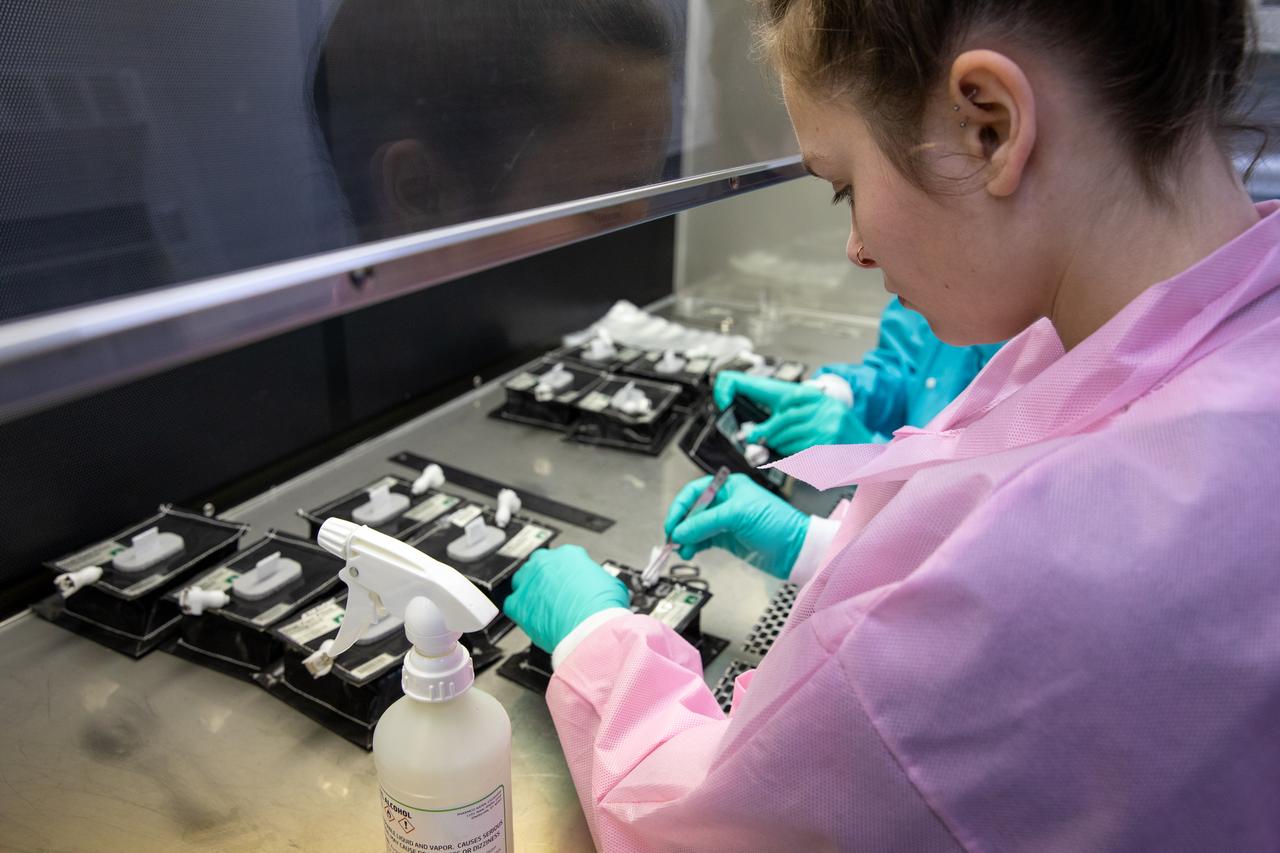
On Jan. 21, 2020, inside the Space Station Processing Facility at NASA’s Kennedy Space Center in Florida, intern Emily Kennebeck prepares plant pillows for their flight to the International Space Station. The pillows, which are a common method used to grow plants in space, are being sent to the orbiting laboratory on Northrop Grumman’s 13th resupply services (NG-13) mission for a series of VEG-03 experiments that will study the growth of three types of leafy greens in a microgravity environment. Once the pillows are assembled and packaged for flight, they will be transported to the agency’s Wallops Flight Facility in Virginia, where liftoff will occur. NG-13 is scheduled to launch on Feb. 9, 2020, at 5:39 p.m. EST.
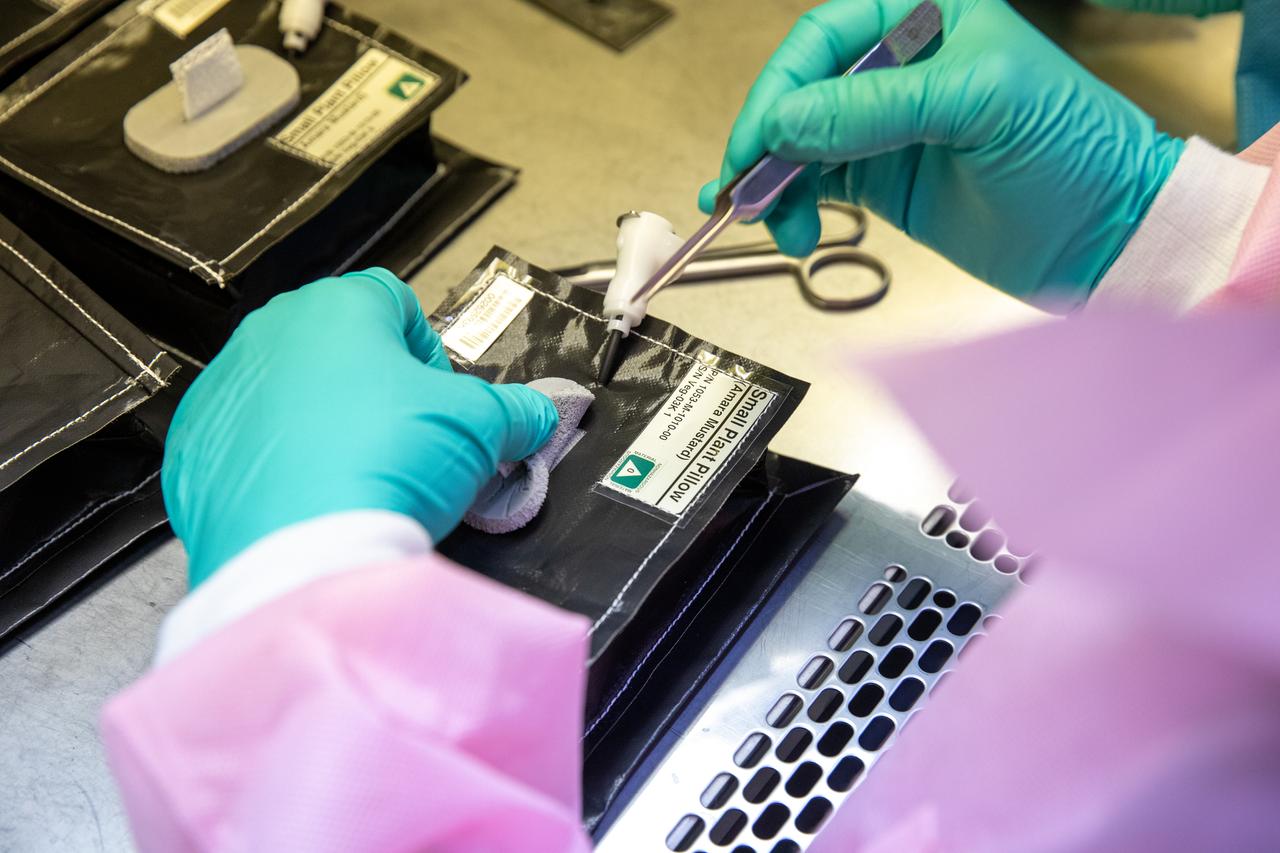
Inside the Space Station Processing Facility on Jan. 21, 2020, Emily Kennebeck, an intern at NASA’s Kennedy Space Center in Florida, prepares plant pillows for their flight to the International Space Station. The pillows, which are a common method used to grow plants in space, are being sent to the orbiting laboratory on Northrop Grumman’s 13th resupply services (NG-13) mission for a series of VEG-03 experiments that will study the growth of three types of leafy greens in a microgravity environment. Once the pillows are assembled and packaged for flight, they will be transported to the agency’s Wallops Flight Facility in Virginia, where liftoff will occur. NG-13 is scheduled to launch on Feb. 9, 2020, at 5:39 p.m. EST.
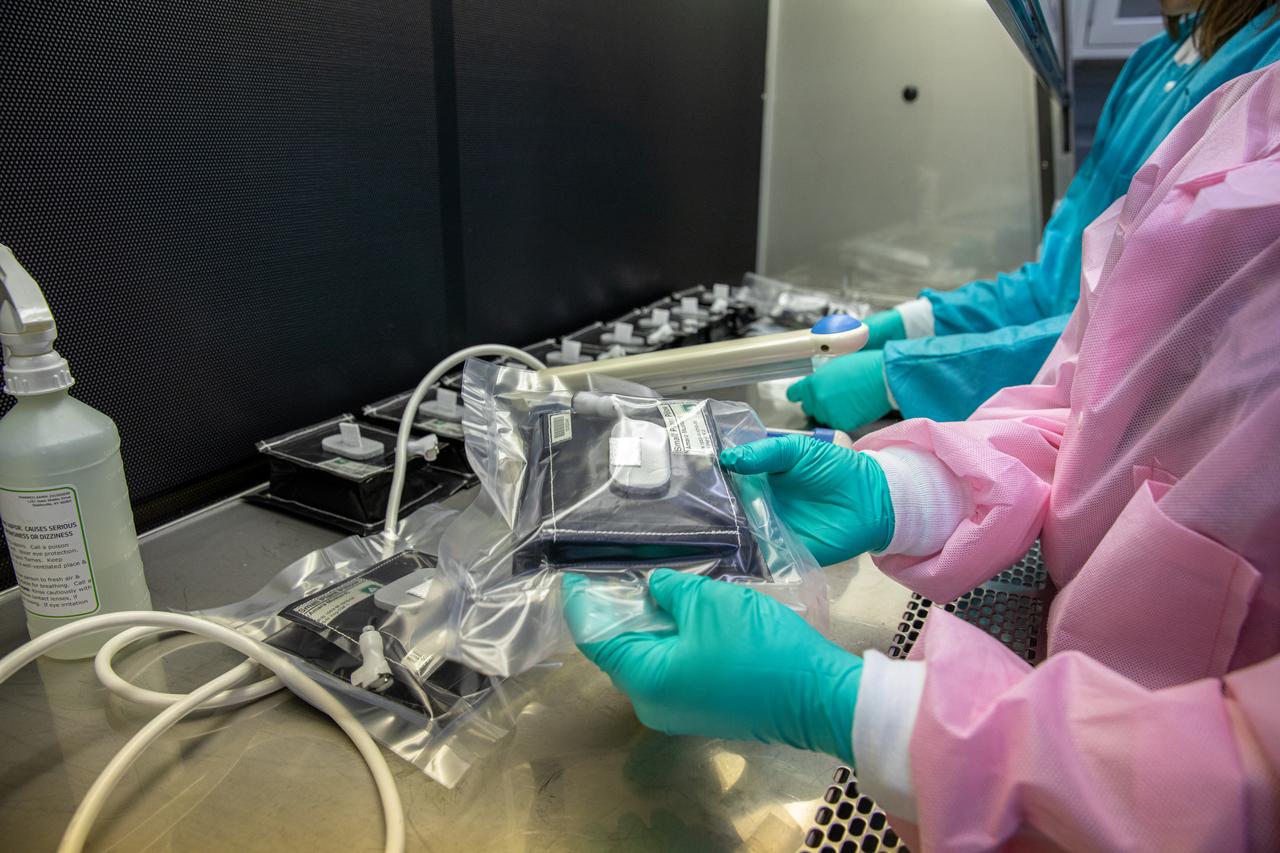
On Jan. 21, 2020, inside the Space Station Processing Facility at NASA’s Kennedy Space Center in Florida, intern Emily Kennebeck prepares plant pillows for their upcoming flight to the International Space Station. The pillows, which are a common method used to grow plants in space, are being sent to the orbiting laboratory on Northrop Grumman’s 13th resupply services (NG-13) mission for a series of VEG-03 experiments that will study the growth of three types of leafy greens in a microgravity environment. Once the pillows are assembled and packaged for flight, they will be transported to the agency’s Wallops Flight Facility in Virginia, where liftoff will occur. NG-13 is scheduled to launch on Feb. 9, 2020, at 5:39 p.m. EST.
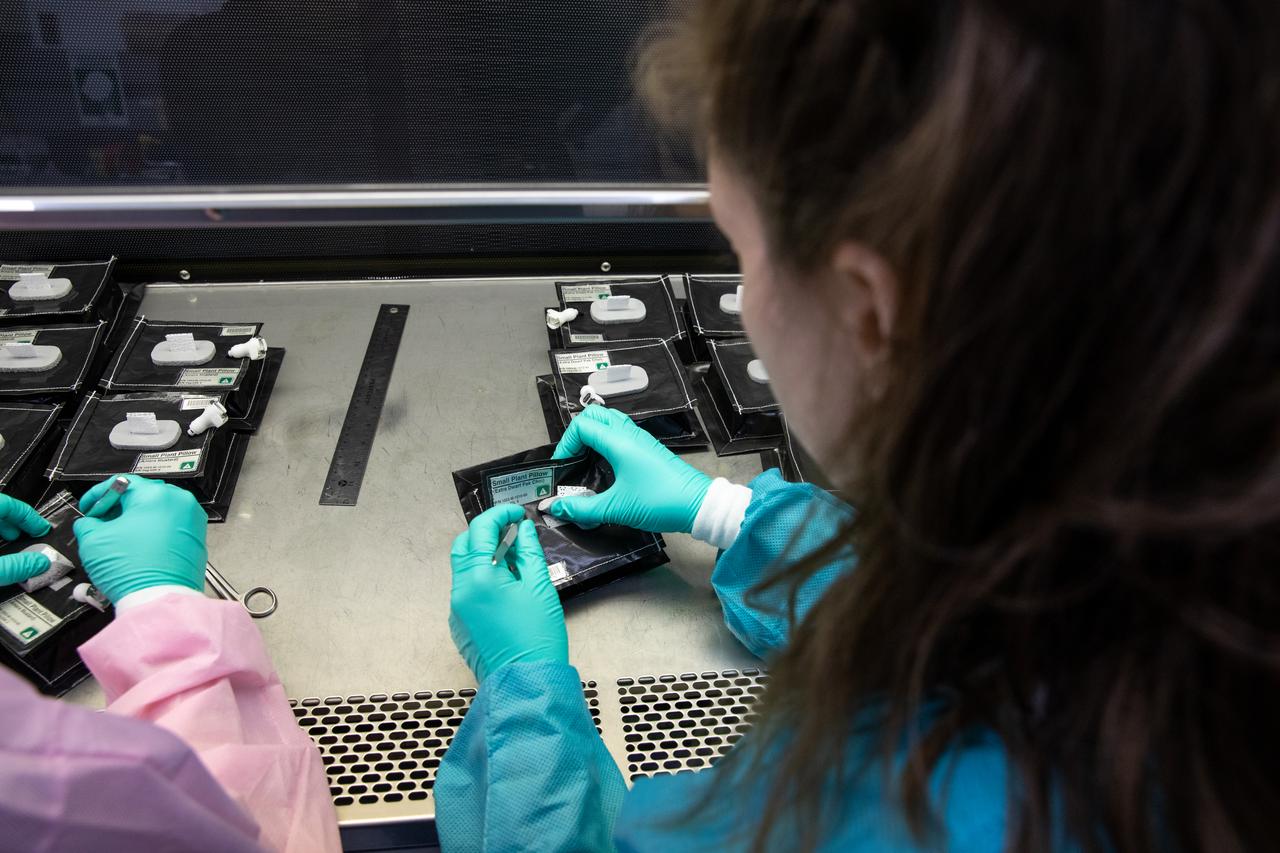
Inside the Space Station Processing Facility on Jan. 21, 2020, Jess Bunchek, a pseudonaut and associate scientist at NASA’s Kennedy Space Center in Florida, prepares plant pillows for their flight to the International Space Station. The pillows, which are a common method used to grow plants in space, are being sent to the orbiting laboratory on Northrop Grumman’s 13th resupply services (NG-13) mission for a series of VEG-03 experiments that will study the growth of three types of leafy greens in a microgravity environment. Once the pillows are assembled and packaged for flight, they will be transported to the agency’s Wallops Flight Facility in Virginia, where liftoff will occur. NG-13 is scheduled to launch on Feb. 9, 2020, at 5:39 p.m. EST.
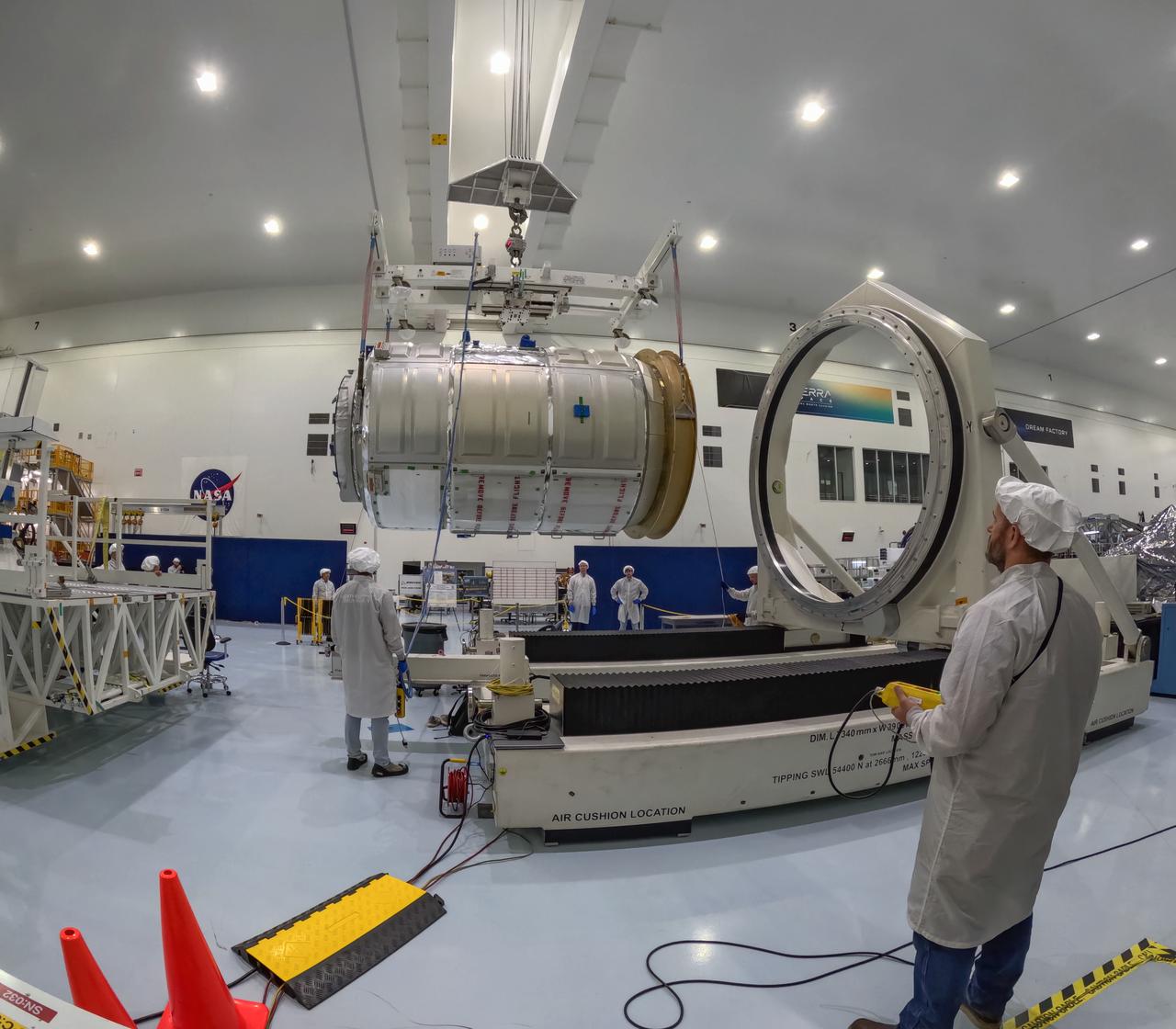
The Northrop Grumman Cygnus spacecraft’s pressurized cargo module for the company’s 21st commercial resupply mission is lifted and moved by a crane inside the Space Systems Processing Facility at NASA’s Kennedy Space Center in Florida on Saturday, June 1, 2024, as prelaunch processing operations continue. The Cygnus spacecraft will launch to the International Space Station aboard a SpaceX Falcon 9 rocket from Space Launch Complex 40 at Cape Canaveral Space Force Station.
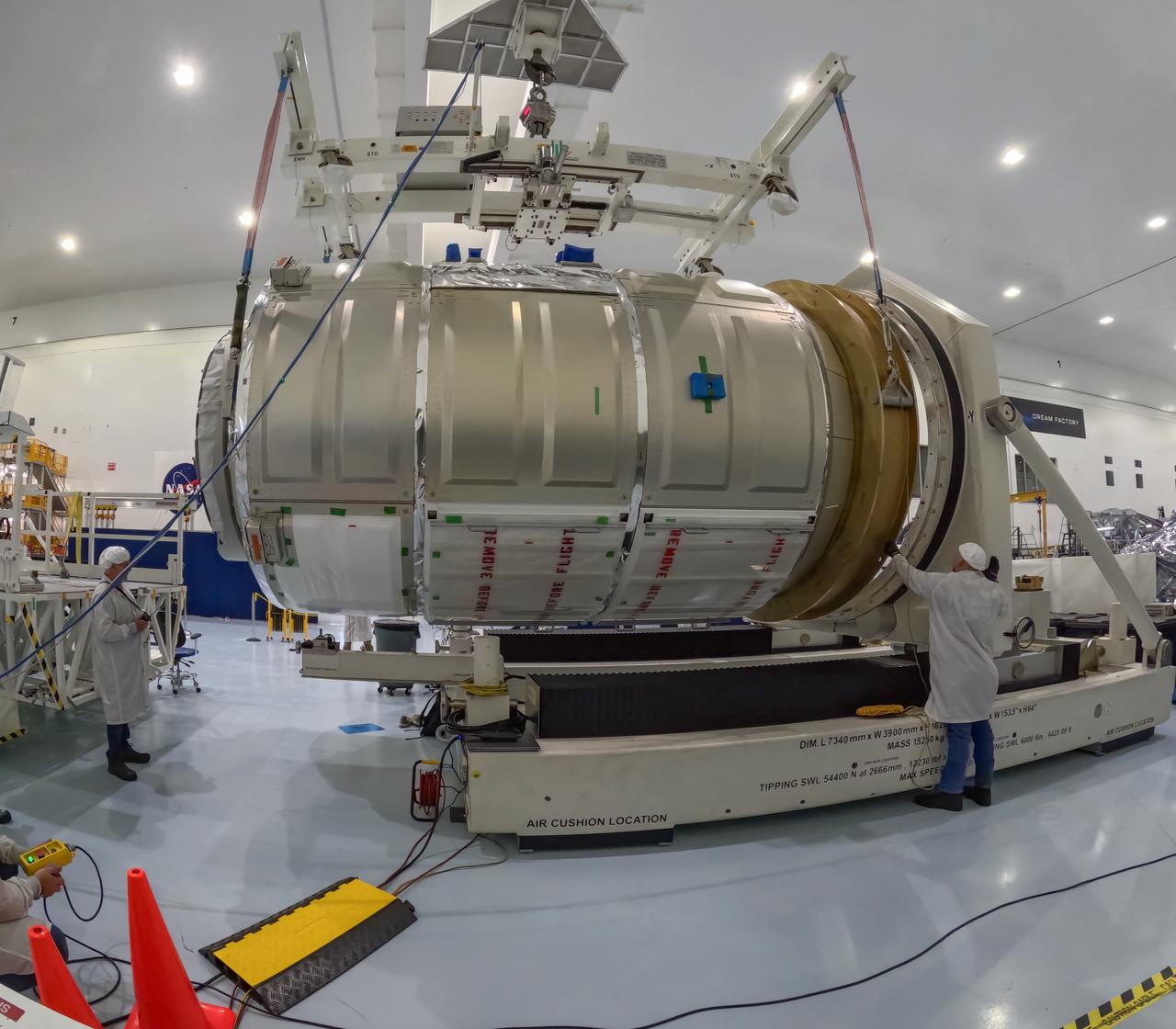
The Northrop Grumman Cygnus spacecraft’s pressurized cargo module for the company’s 21st commercial resupply mission is lifted and moved by a crane inside the Space Systems Processing Facility at NASA’s Kennedy Space Center in Florida on Saturday, June 1, 2024, as prelaunch processing operations continue. The Cygnus spacecraft will launch to the International Space Station aboard a SpaceX Falcon 9 rocket from Space Launch Complex 40 at Cape Canaveral Space Force Station.
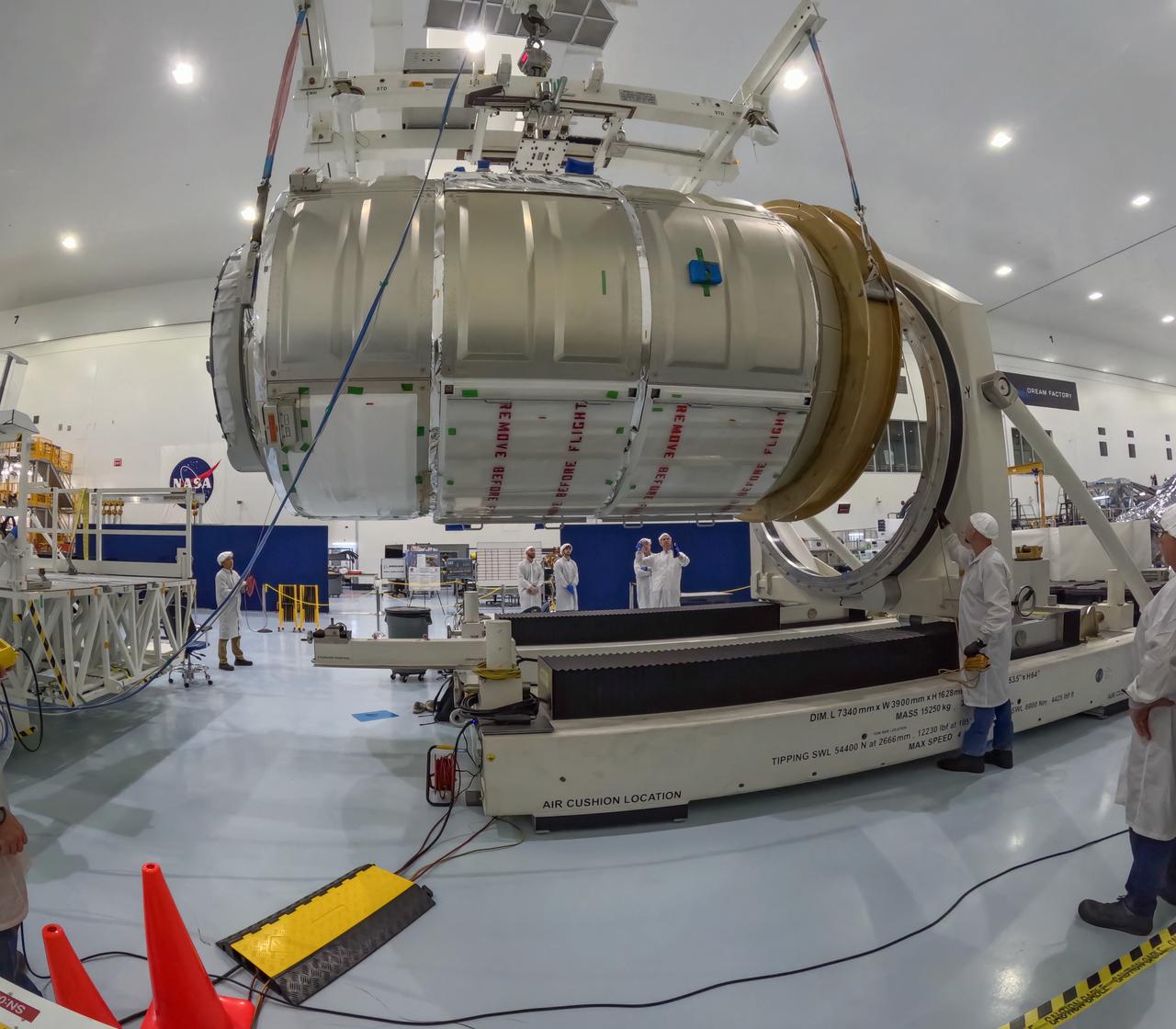
The Northrop Grumman Cygnus spacecraft’s pressurized cargo module for the company’s 21st commercial resupply mission is lifted and moved by a crane inside the Space Systems Processing Facility at NASA’s Kennedy Space Center in Florida on Saturday, June 1, 2024, as prelaunch processing operations continue. The Cygnus spacecraft will launch to the International Space Station aboard a SpaceX Falcon 9 rocket from Space Launch Complex 40 at Cape Canaveral Space Force Station.
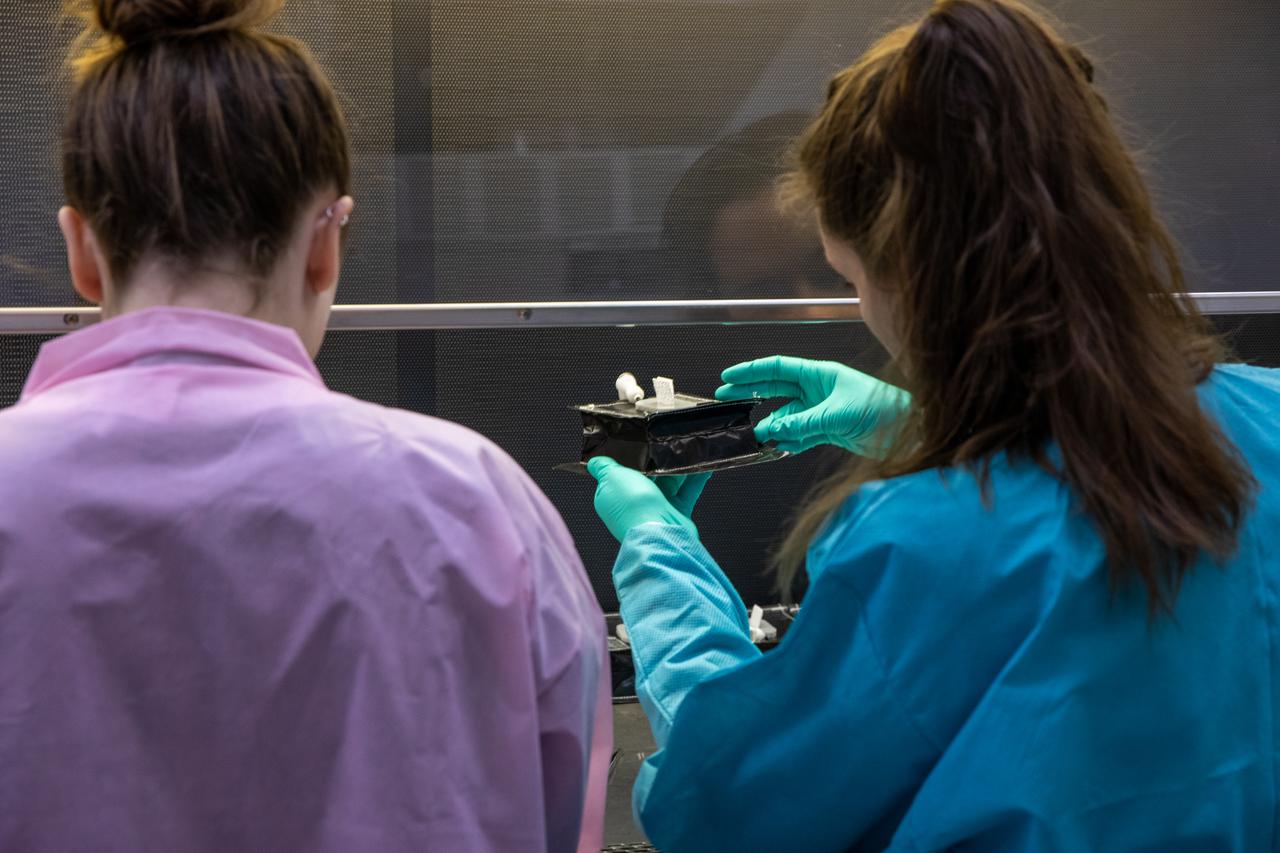
On Jan. 21, 2020, inside the Space Station Processing Facility at NASA’s Kennedy Space Center in Florida, intern Emily Kennebeck (left) and Jess Bunchek, a pseudonaut and associate scientist, prepare plant pillows for their flight to the International Space Station. The pillows, which are a common method used to grow plants in space, are being sent to the orbiting laboratory on Northrop Grumman’s 13th resupply services (NG-13) mission for a series of VEG-03 experiments that will study the growth of three types of leafy greens in a microgravity environment. Once the pillows are assembled and packaged for flight, they will be transported to the agency’s Wallops Flight Facility in Virginia, where liftoff will occur. NG-13 is scheduled to launch on Feb. 9, 2020, at 5:39 p.m. EST.
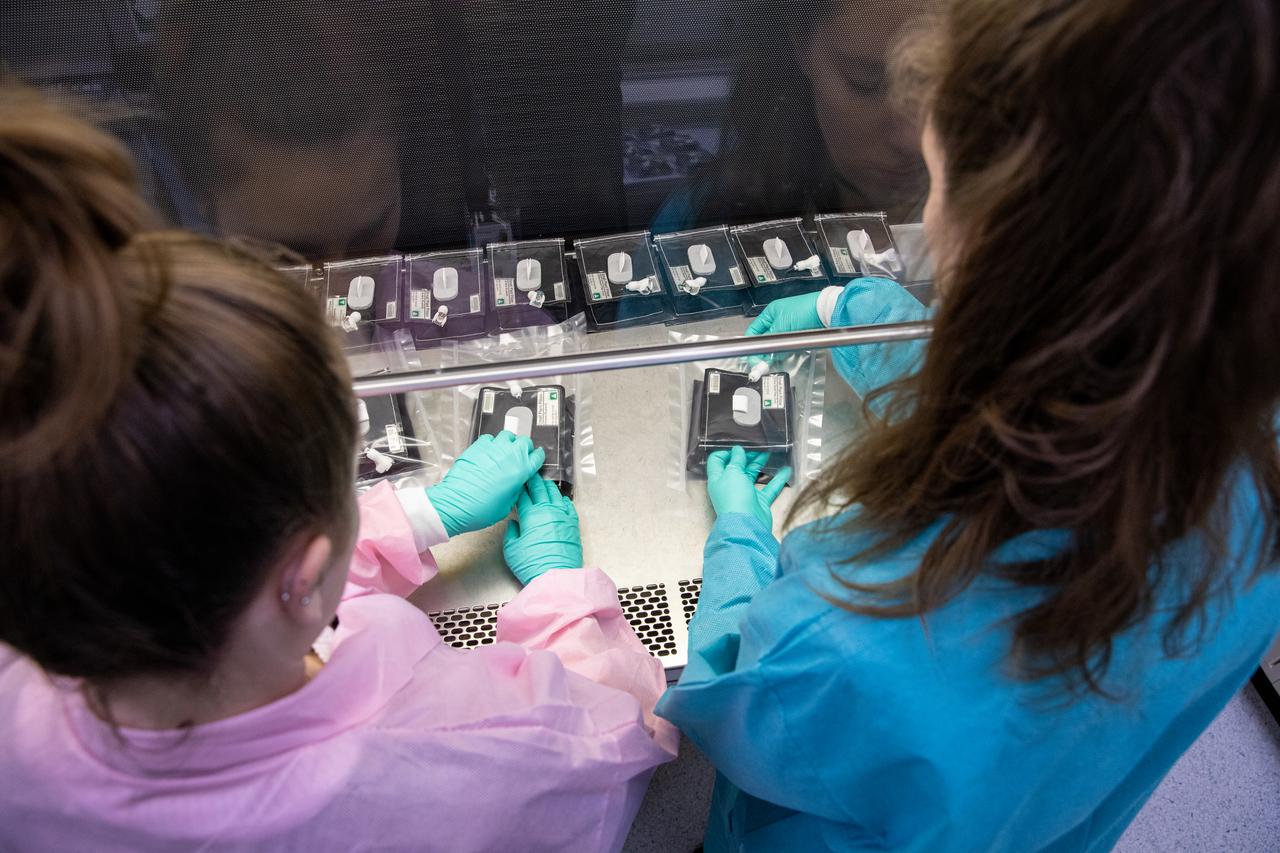
On Jan. 21, 2020, inside the Space Station Processing Facility at NASA’s Kennedy Space Center in Florida, intern Emily Kennebeck (left) and Jess Bunchek, a pseudonaut and associate scientist, prepare plant pillows for their upcoming flight to the International Space Station. The pillows, which are a common method used to grow plants in space, are being sent to the orbiting laboratory on Northrop Grumman’s 13th resupply services (NG-13) mission for a series of VEG-03 experiments that will study the growth of three types of leafy greens in a microgravity environment. Once the pillows are assembled and packaged for flight, they will be transported to the agency’s Wallops Flight Facility in Virginia, where liftoff will occur. NG-13 is scheduled to launch on Feb. 9, 2020, at 5:39 p.m. EST.
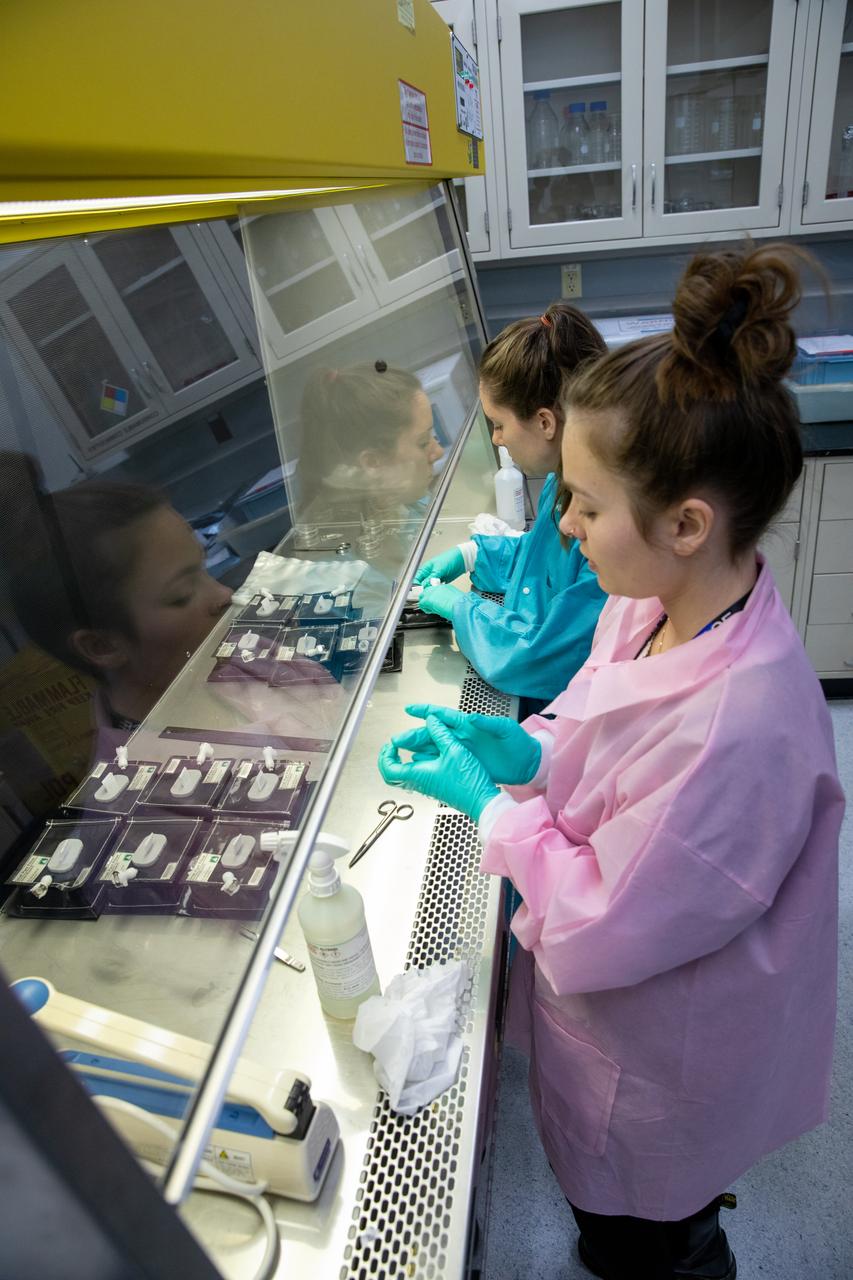
On Jan. 21, 2020, inside the Space Station Processing Facility at NASA’s Kennedy Space Center in Florida, intern Emily Kennebeck (left) and Jess Bunchek, a pseudonaut and associate scientist, prepare plant pillows for their flight to the International Space Station. The pillows, which are a common method used to grow plants in space, are being sent to the orbiting laboratory on Northrop Grumman’s 13th resupply services (NG-13) mission for a series of VEG-03 experiments that will study the growth of three types of leafy greens in a microgravity environment. Once the pillows are assembled and packaged for flight, they will be transported to the agency’s Wallops Flight Facility in Virginia, where liftoff will occur. NG-13 is scheduled to launch on Feb. 9, 2020, at 5:39 p.m. EST.
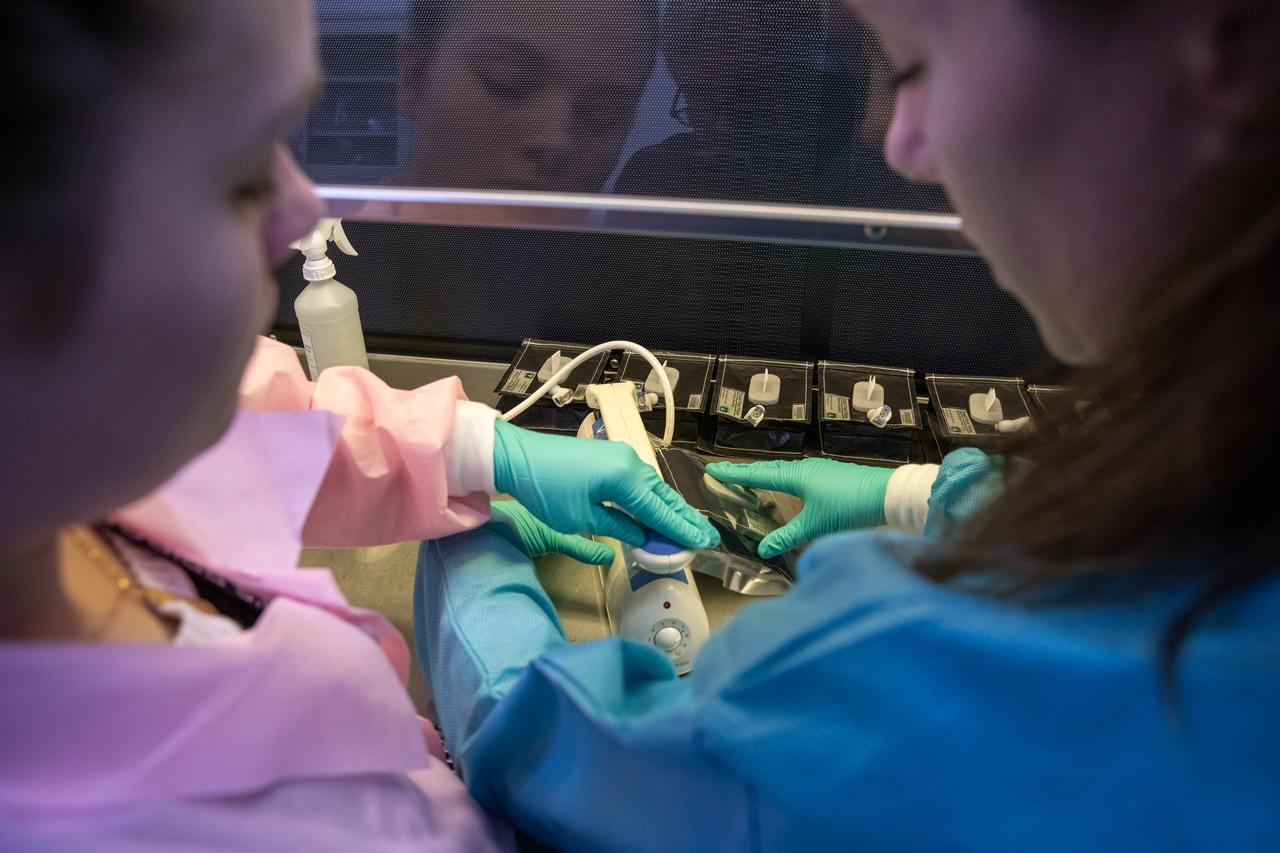
On Jan. 21, 2020, inside the Space Station Processing Facility at NASA’s Kennedy Space Center in Florida, intern Emily Kennebeck (left) and Jess Bunchek, a pseudonaut and associate scientist, prepare plant pillows for their upcoming flight to the International Space Station. The pillows, which are a common method used to grow plants in space, are being sent to the orbiting laboratory on Northrop Grumman’s 13th resupply services (NG-13) mission for a series of VEG-03 experiments that will study the growth of three types of leafy greens in a microgravity environment. Once the pillows are assembled and packaged for flight, they will be transported to the agency’s Wallops Flight Facility in Virginia, where liftoff will occur. NG-13 is scheduled to launch on Feb. 9, 2020, at 5:39 p.m.
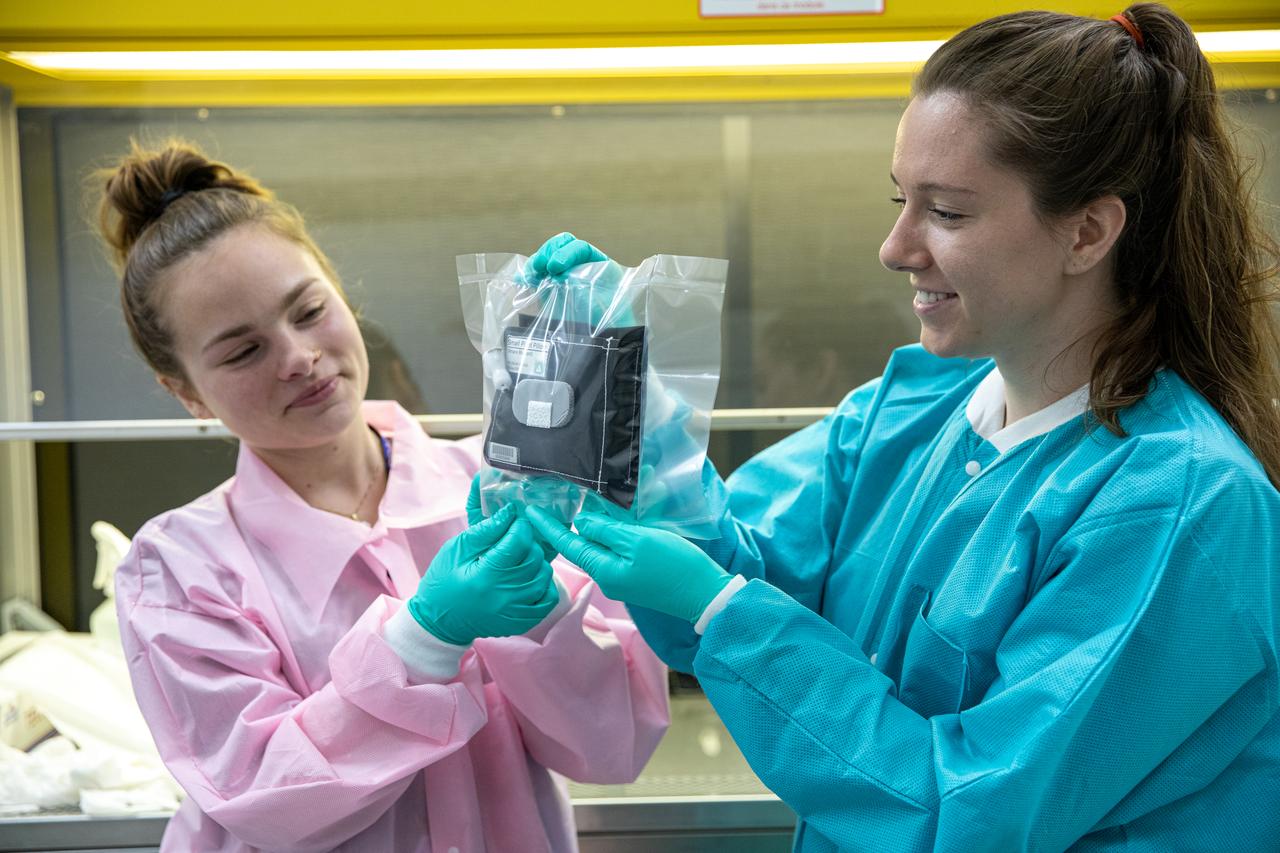
On Jan. 21, 2020, inside the Space Station Processing Facility at NASA’s Kennedy Space Center in Florida, intern Emily Kennebeck (left) and Jess Bunchek, a pseudonaut and associate scientist, prepare plant pillows for their upcoming flight to the International Space Station. The pillows, which are a common method used to grow plants in space, are being sent to the orbiting laboratory on Northrop Grumman’s 13th resupply services (NG-13) mission for a series of VEG-03 experiments that will study the growth of three types of leafy greens in a microgravity environment. Once the pillows are assembled and packaged for flight, they will be transported to the agency’s Wallops Flight Facility in Virginia, where liftoff will occur. NG-13 is scheduled to launch on Feb. 9, 2020, at 5:39 p.m. EST.
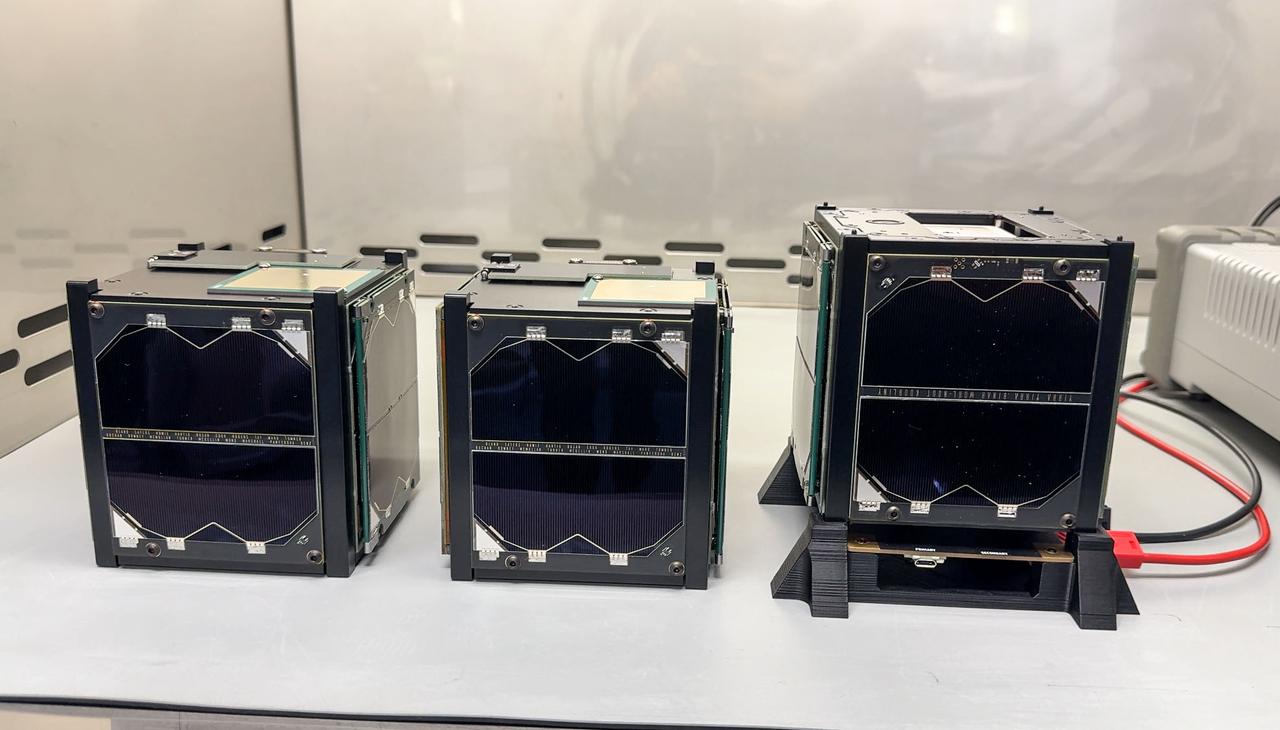
jsc2024e043918 (4/10/2024) --- Binar Space Program, Binar-2, Binar-3, Binar-4 (Binar-234) CubeSats at Curtin University are ready for launch handover to SpaceBD and the Japanese Aerospace Exploration Agency (JAXA). Binar-234 deploys on the J-SSOD 31 mission and launches on NG-21. Image courtesy of Binar Space Program.