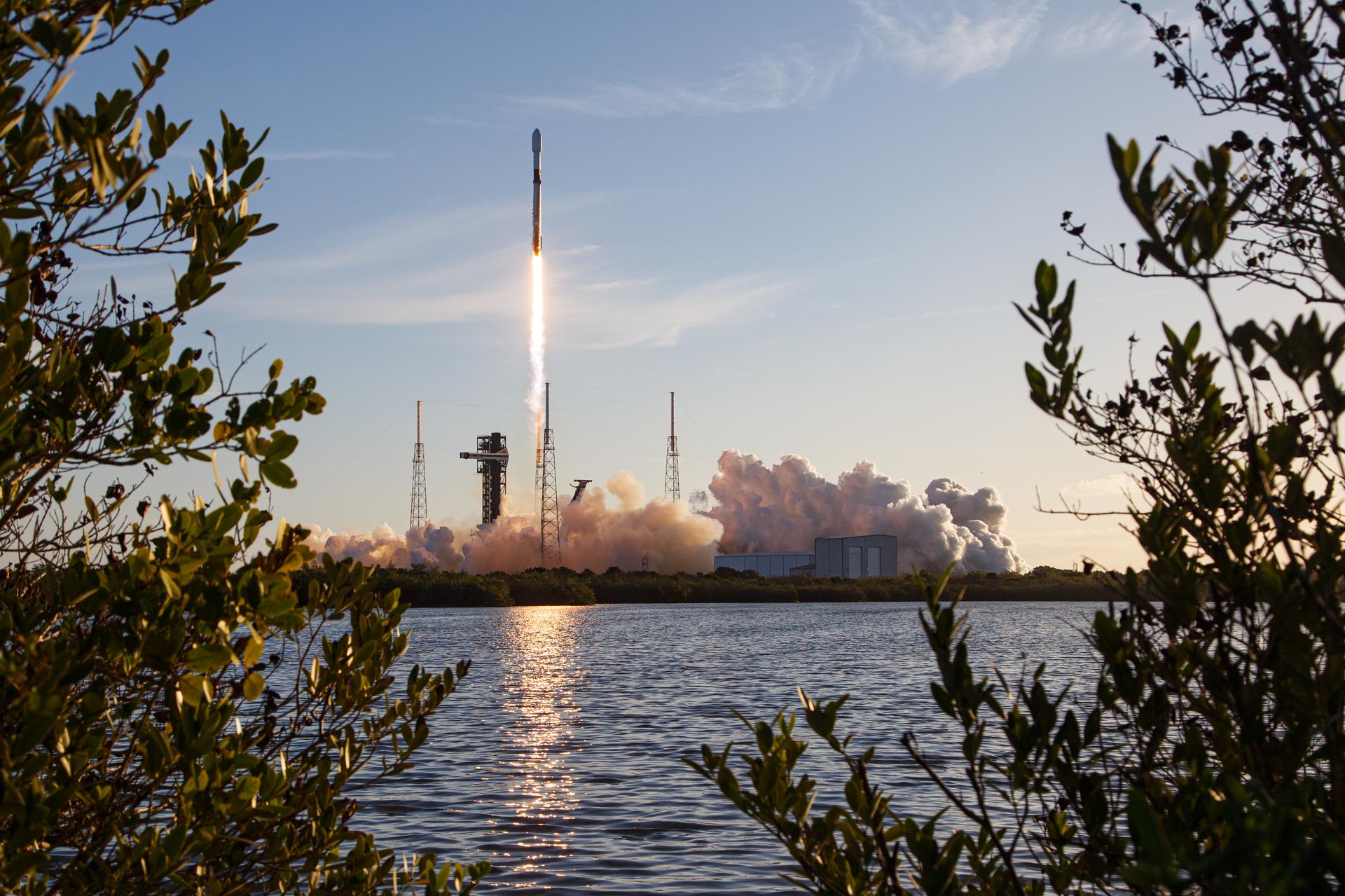
NASA’s Northrop Grumman Commercial Resupply Services 24 mission or Northrop Grumman CRS-24, launches Saturday, April 11, 2026, aboard the company’s Cygnus XL spacecraft atop a SpaceX Falcon 9 rocket from Space Launch Complex 40 at Cape Canaveral Space Force Station in Florida. The resupply mission will deliver approximately 11,000 pounds of science and supplies to the International Space Station.

Technicians conduct prelaunch operations on Northrop Grumman Cygnus XL spacecraft’s pressurized cargo module on Monday, Feb. 23, 2026, inside the Space Systems Processing Facility at NASA’s Kennedy Space Center in Florida. The Cygnus capsule will carry supplies, food, and scientific experiments for crew members at the International Space Station as part of the company’s 24th cargo resupply mission for NASA. The mission is targeting launch no earlier than Wednesday, April 8, from Space Launch Complex 40 at Cape Canaveral Space Force Station in Florida.

Technicians conduct prelaunch operations on Northrop Grumman Cygnus XL spacecraft’s pressurized cargo module on Monday, Feb. 23, 2026, inside the Space Systems Processing Facility at NASA’s Kennedy Space Center in Florida. The Cygnus capsule will carry supplies, food, and scientific experiments for crew members at the International Space Station as part of the company’s 24th cargo resupply mission for NASA. The mission is targeting launch no earlier than Wednesday, April 8, from Space Launch Complex 40 at Cape Canaveral Space Force Station in Florida.

Technicians conduct prelaunch operations on Northrop Grumman Cygnus XL spacecraft’s pressurized cargo module on Monday, Feb. 23, 2026, inside the Space Systems Processing Facility at NASA’s Kennedy Space Center in Florida. The Cygnus capsule will carry supplies, food, and scientific experiments for crew members at the International Space Station as part of the company’s 24th cargo resupply mission for NASA. The mission is targeting launch no earlier than Wednesday, April 8, from Space Launch Complex 40 at Cape Canaveral Space Force Station in Florida.

Technicians conduct prelaunch operations on Northrop Grumman Cygnus XL spacecraft’s pressurized cargo module on Monday, Feb. 23, 2026, inside the Space Systems Processing Facility at NASA’s Kennedy Space Center in Florida. The Cygnus capsule will carry supplies, food, and scientific experiments for crew members at the International Space Station as part of the company’s 24th cargo resupply mission for NASA. The mission is targeting launch no earlier than Wednesday, April 8, from Space Launch Complex 40 at Cape Canaveral Space Force Station in Florida.

Technicians conduct prelaunch operations on Northrop Grumman Cygnus XL spacecraft’s pressurized cargo module on Monday, Feb. 23, 2026, inside the Space Systems Processing Facility at NASA’s Kennedy Space Center in Florida. The Cygnus capsule will carry supplies, food, and scientific experiments for crew members at the International Space Station as part of the company’s 24th cargo resupply mission for NASA. The mission is targeting launch no earlier than Wednesday, April 8, from Space Launch Complex 40 at Cape Canaveral Space Force Station in Florida.

Technicians conduct prelaunch operations on Northrop Grumman Cygnus XL spacecraft’s pressurized cargo module on Monday, Feb. 23, 2026, inside the Space Systems Processing Facility at NASA’s Kennedy Space Center in Florida. The Cygnus capsule will carry supplies, food, and scientific experiments for crew members at the International Space Station as part of the company’s 24th cargo resupply mission for NASA. The mission is targeting launch no earlier than Wednesday, April 8, from Space Launch Complex 40 at Cape Canaveral Space Force Station in Florida.

Technicians conduct prelaunch operations on Northrop Grumman Cygnus XL spacecraft’s pressurized cargo module on Monday, Feb. 23, 2026, inside the Space Systems Processing Facility at NASA’s Kennedy Space Center in Florida. The Cygnus capsule will carry supplies, food, and scientific experiments for crew members at the International Space Station as part of the company’s 24th cargo resupply mission for NASA. The mission is targeting launch no earlier than Wednesday, April 8, from Space Launch Complex 40 at Cape Canaveral Space Force Station in Florida.
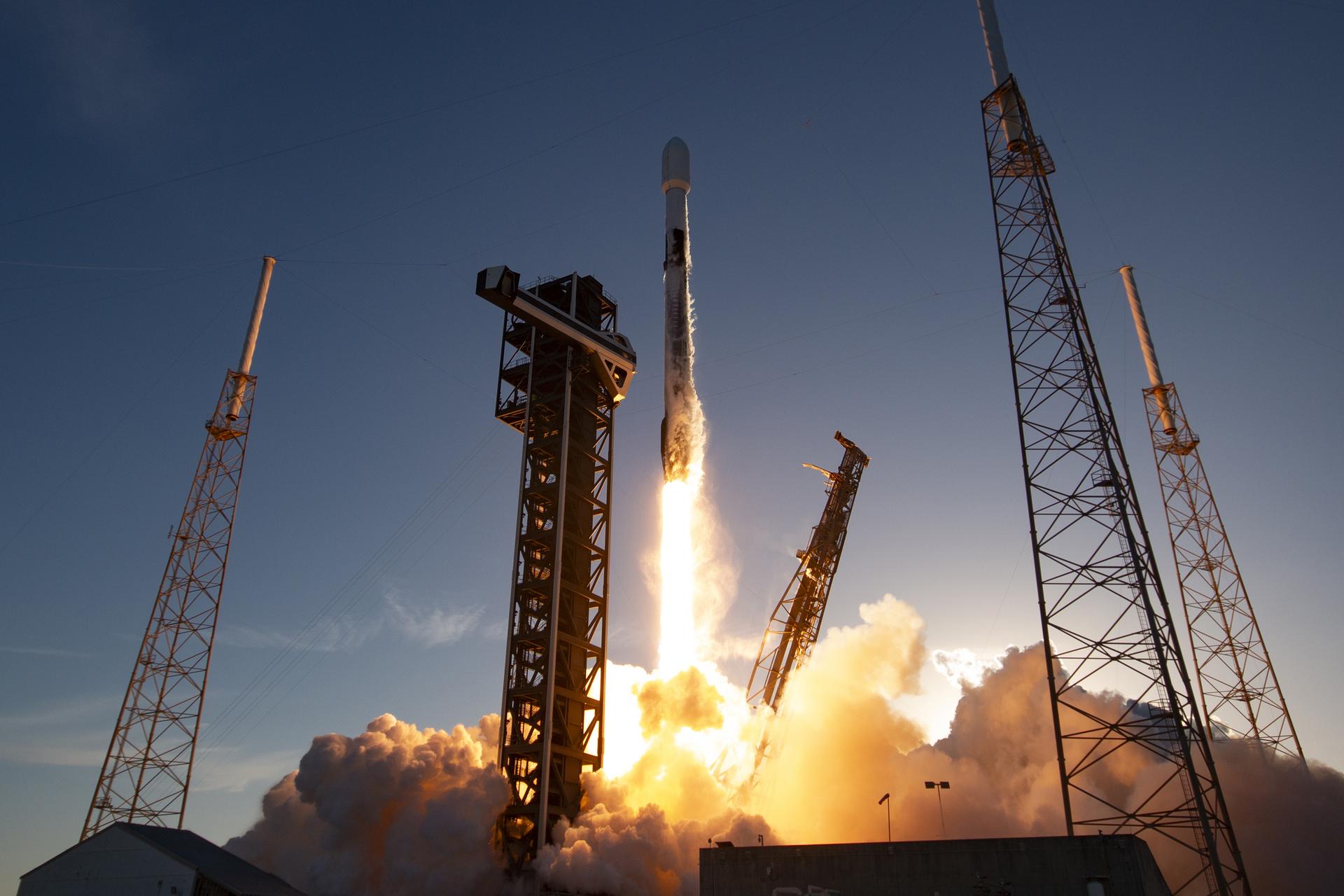
NASA’s Northrop Grumman Commercial Resupply Services 24 mission or Northrop Grumman CRS-24, launches Saturday, April 11, 2026, aboard the company’s Cygnus XL spacecraft atop a SpaceX Falcon 9 rocket from Space Launch Complex 40 at Cape Canaveral Space Force Station in Florida. The resupply mission will deliver approximately 11,000 pounds of science and supplies to the International Space Station.
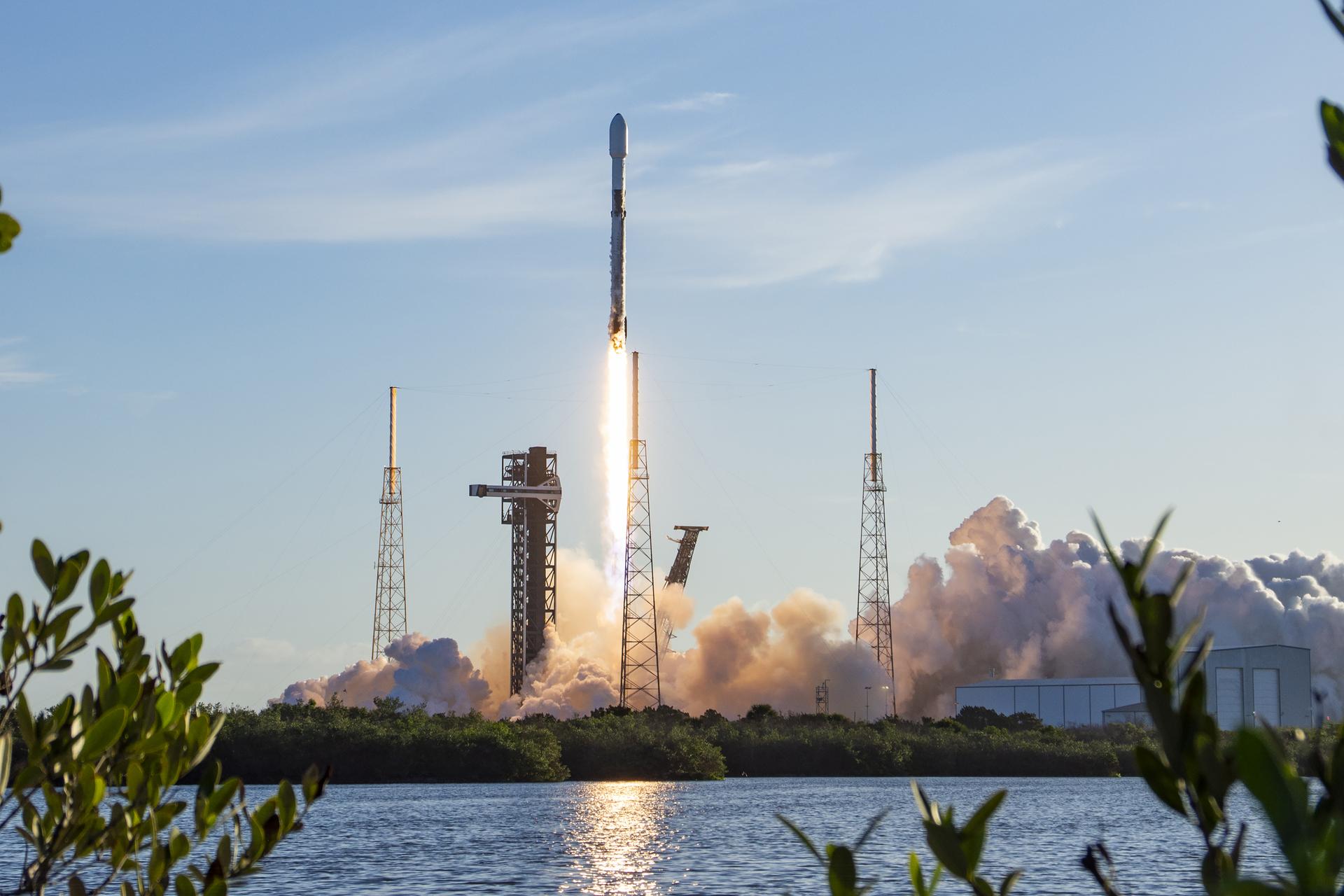
NASA’s Northrop Grumman Commercial Resupply Services 24 mission or Northrop Grumman CRS-24, launches Saturday, April 11, 2026, aboard the company’s Cygnus XL spacecraft atop a SpaceX Falcon 9 rocket from Space Launch Complex 40 at Cape Canaveral Space Force Station in Florida. The resupply mission will deliver approximately 11,000 pounds of science and supplies to the International Space Station.
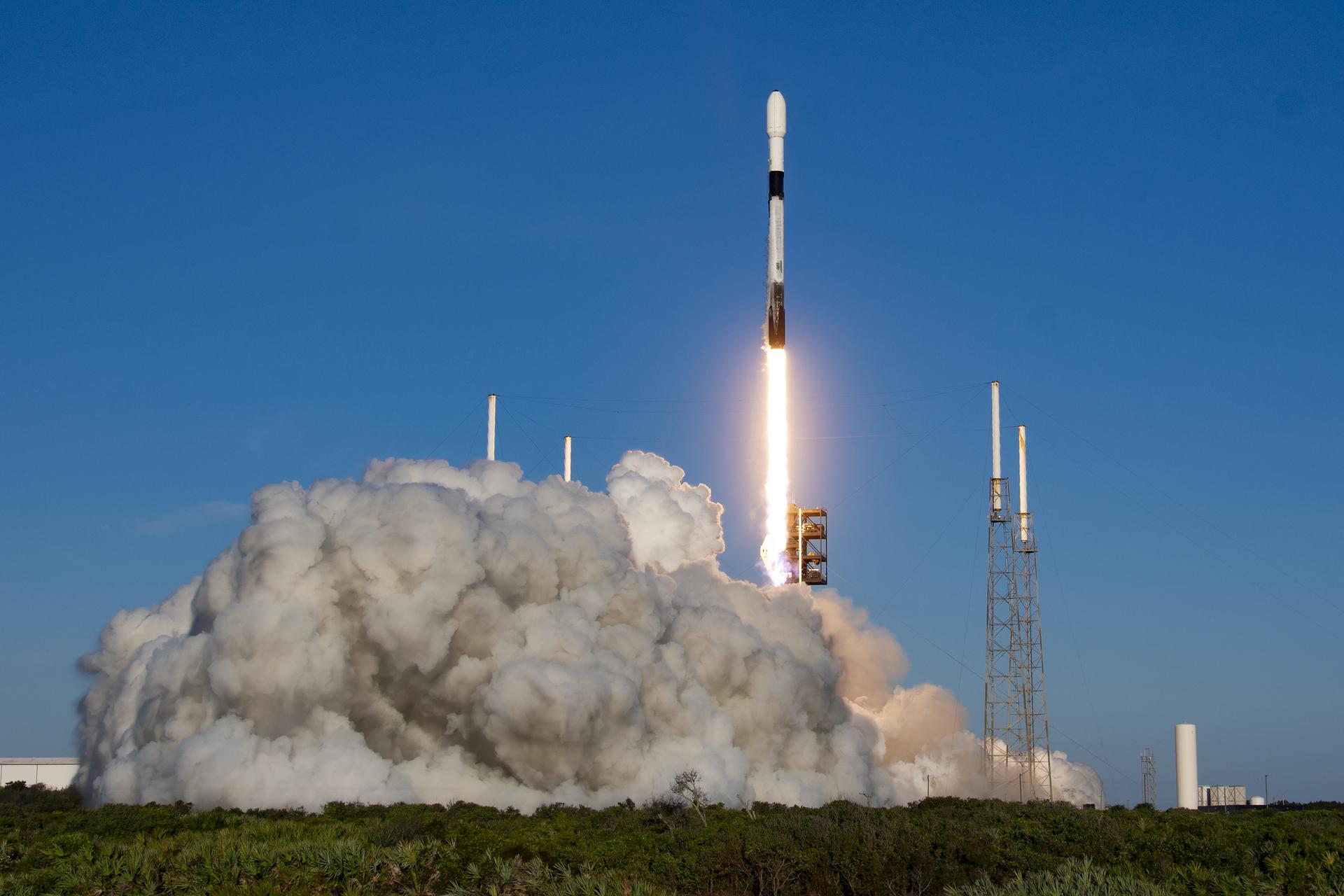
NASA’s Northrop Grumman Commercial Resupply Services 24 mission or Northrop Grumman CRS-24, launches Saturday, April 11, 2026, aboard the company’s Cygnus XL spacecraft atop a SpaceX Falcon 9 rocket from Space Launch Complex 40 at Cape Canaveral Space Force Station in Florida. The resupply mission will deliver approximately 11,000 pounds of science and supplies to the International Space Station.
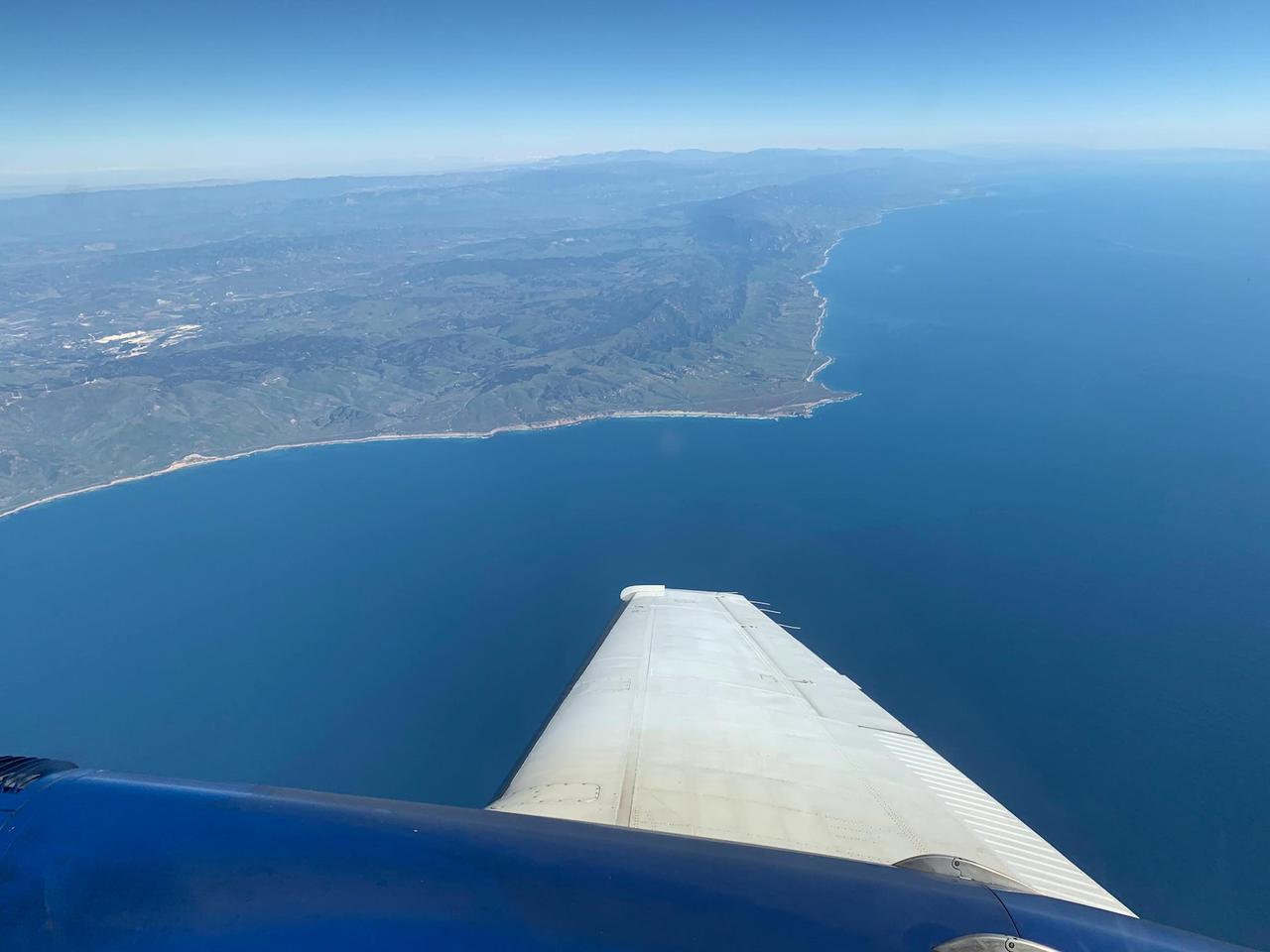
A research plane carrying the AVIRIS-NG (Airborne Visible/Infrared Imaging Spectrometer-Next Generation) instrument flies off the Central Coast of California near Point Conception and the Jack and Laura Dangermond Preserve on Feb. 24, 2022. The flight is part of the Surface Biology and Geology High-Frequency Time Series (SHIFT) campaign, which is jointly led by NASA's Jet Propulsion Laboratory, the University of California, Santa Barbara (UCSB), and The Nature Conservancy. Operating between late February and late May 2022, the aerial portion of SHIFT flies on an approximately weekly basis over a 640-square-mile (1,656-square-kilometer) study area in Santa Barbara County and the nearby ocean, collecting spectral data of plant communities it observes below. SHIFT combines the ability of airborne science instruments to gather data over widespread areas with the more concentrated observations scientists conduct in the field to study the functional characteristics, health, and resilience of plant communities. The sampling and analysis done by researchers on the ground and in the ocean is intended to validate data taken by AVIRIS-NG and help scientists design data collection and processing algorithms for NASA's proposed Surface Biology and Geology (SBG) mission, which would launch no earlier than 2028. The data is also intended to support the research and conservation objectives of The Nature Conservancy, which owns the Dangermond Preserve, and UCSB, which operates the Sedgwick Reserve, another nature preserve within the study area. More than 60 scientists from institutions around the U.S. have indicated they intend to use the SHIFT data in their research. AVIRIS-NG, which was designed at JPL, flies aboard Dynamic Aviation's King Air B-200. https://photojournal.jpl.nasa.gov/catalog/PIA25143
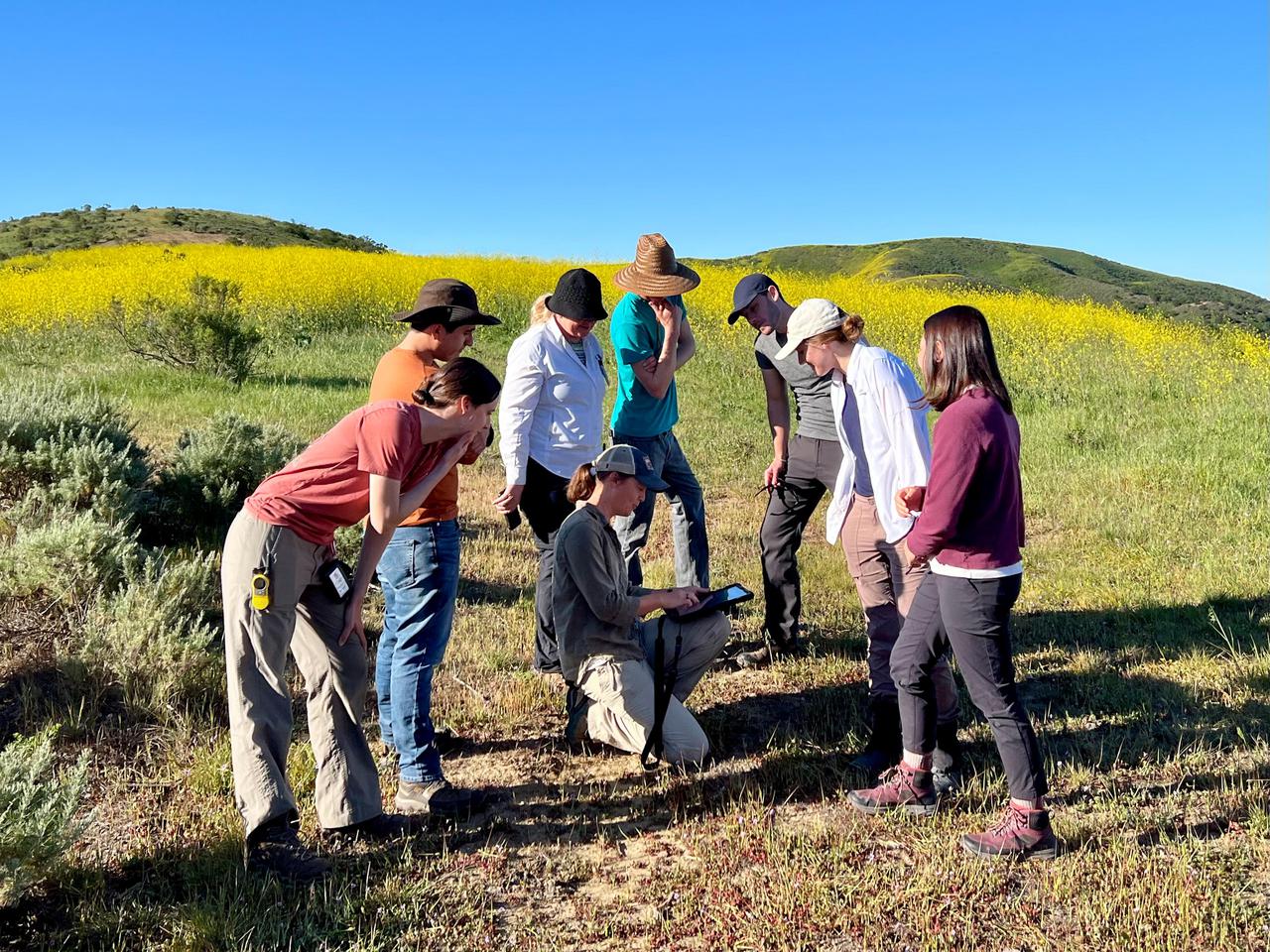
Dana Chadwick, a scientist in the water and ecosystems group at NASA's Jet Propulsion Laboratory, center, advises a field team of researchers from JPL; University of Wisconsin, Madison (UWM); University of California, Los Angeles (UCLA); University of Maryland, Baltimore County (UMBC); and University of California, Santa Barbara (UCSB) on vegetation-sampling locations at the Jack and Laura Dangermond Preserve in Santa Barbara County, California, on March 24, 2022. Chadwick and the team are working on the Surface Biology and Geology High-Frequency Time Series (SHIFT) campaign, which is jointly led by JPL, UCSB, and The Nature Conservancy. Chadwick is surrounded by, from left: Natalie Queally, a forest and wildlife ecology graduate student at UWM; Francisco Ochoa, a geography graduate student at UCLA; Petya Campbell, a research associate professor at UMBC and a research associate at NASA's Goddard Space Flight Center; Brendan Heberlein, a research intern at UWM; Renato Braghiere, a postdoctoral research scientist at JPL; Cassandra Nickles, a postdoctoral fellow at JPL; and Clare Saiki, a doctoral student at UCSB. Operating between late February and late May 2022, SHIFT combines the ability of airborne science instruments to gather data over widespread areas with the more concentrated observations scientists conduct in the field to study the functional characteristics, health, and resilience of plant communities. The sampling and analysis done by researchers on the ground and in the ocean is intended to validate data taken by AVIRIS-NG (Airborne Visible/Infrared Imaging Spectrometer-Next Generation). The instrument, designed at JPL, is collecting spectral data of vegetation it observes during weekly flights in an aircraft over a 640-square-mile (1,656-square-kilometer) study area in Santa Barbara County and coastal Pacific waters. The campaign is a pathfinder for NASA's proposed Surface Biology and Geology (SBG) mission. SHIFT will help scientists design data collection and processing algorithms for that mission, which would launch no earlier than 2028. The SHIFT data is also intended to support the research and conservation objectives of The Nature Conservancy, which owns the Dangermond Preserve, and UCSB, which operates the Sedgwick Reserve, another nature preserve within the study area. More than 60 scientists from institutions around the U.S. have indicated they intend to use the SHIFT data in their research. https://photojournal.jpl.nasa.gov/catalog/PIA25141