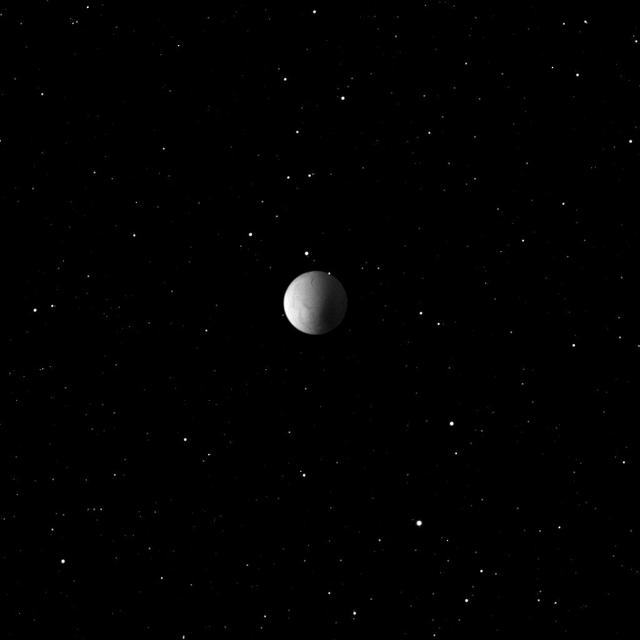
Starry Night
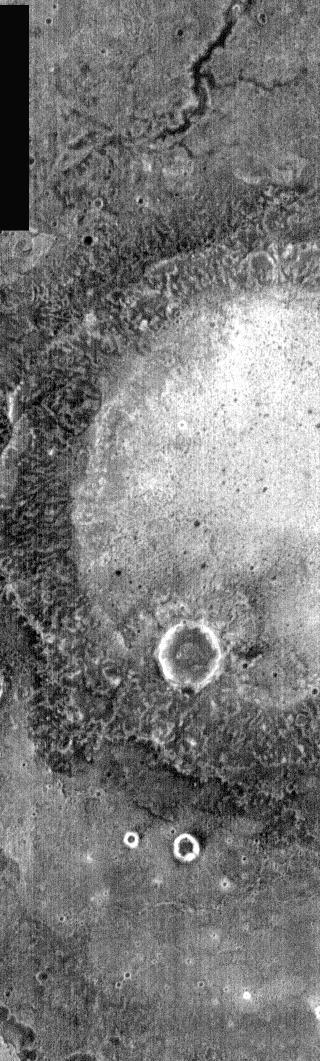
Crater At Night
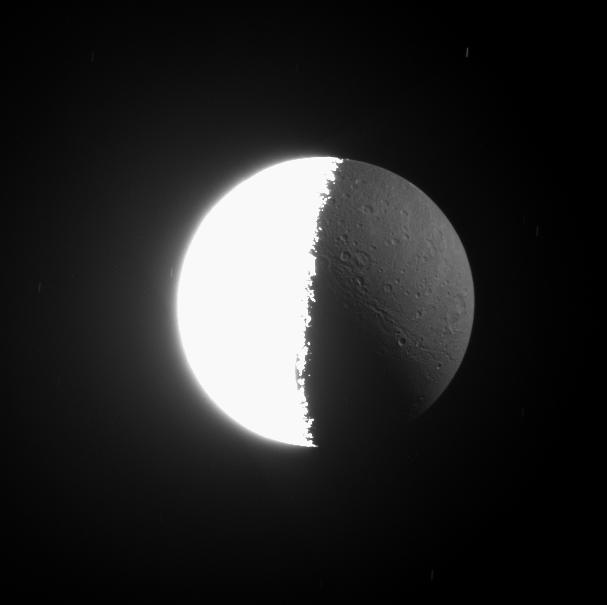
The Light of Night
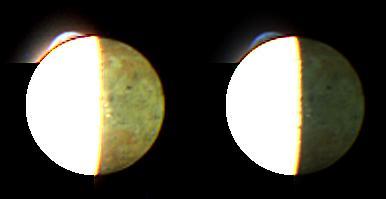
The Colors of the Night
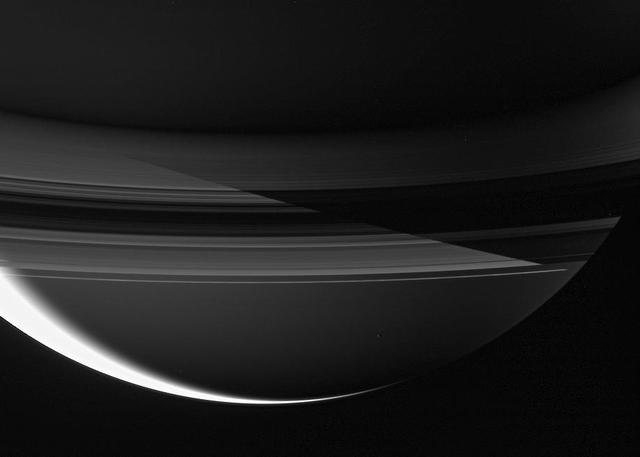
The Beauty of Night

Ius Chasma by Day and Night
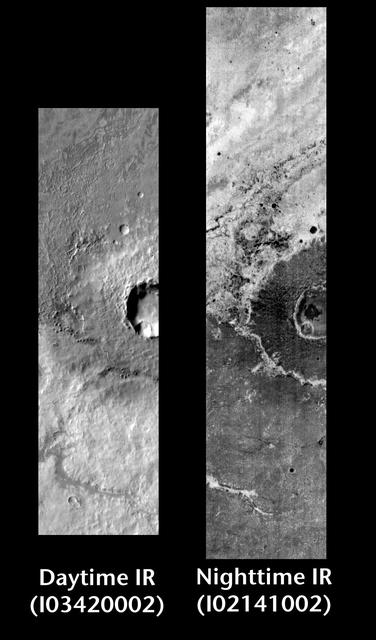
Meridiani Crater in Day and Night
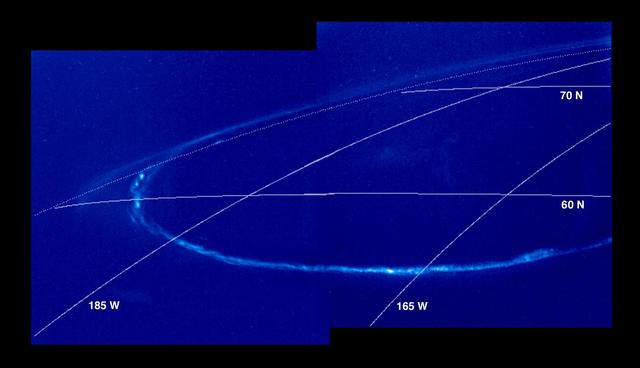
Night Side Jovian Aurora
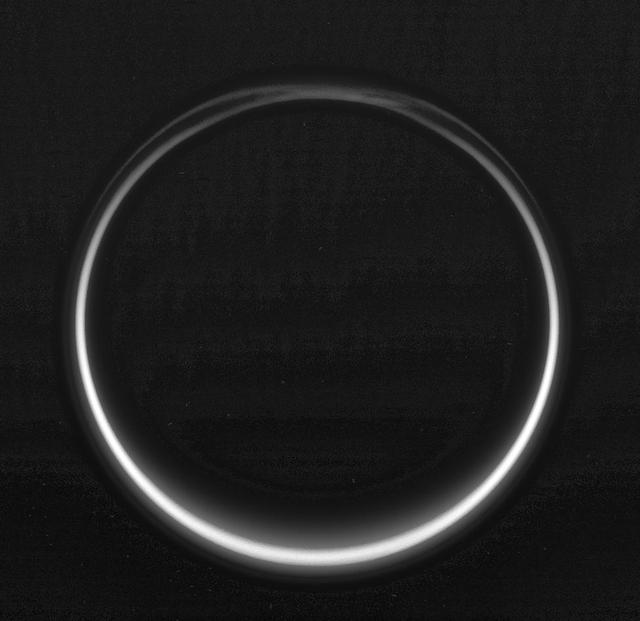
Titan Night Side
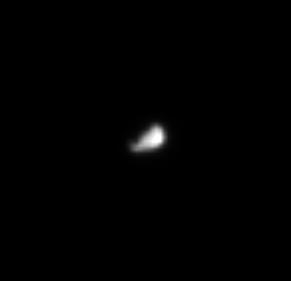
Day and Night on Hyperion
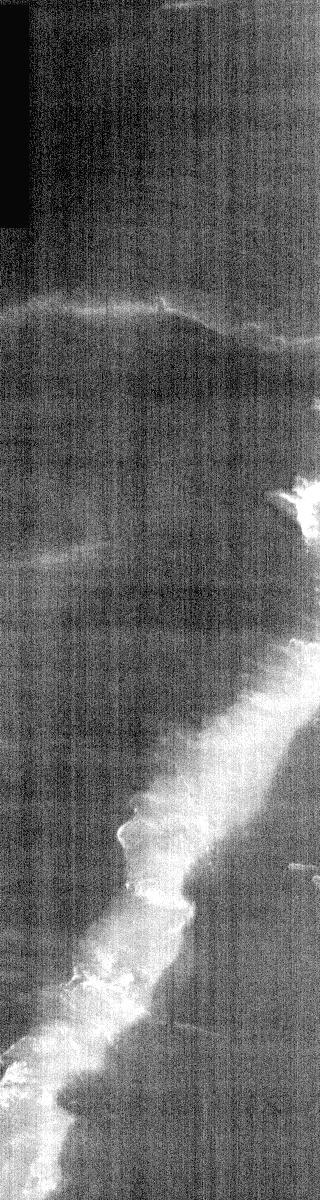
Olympus Mons at Night
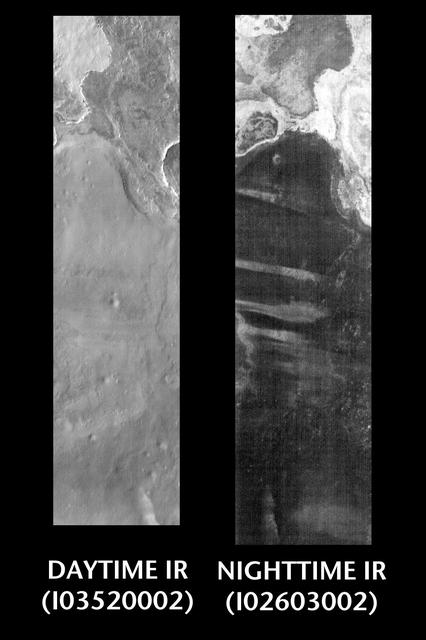
Day And Night In Terra Meridiani
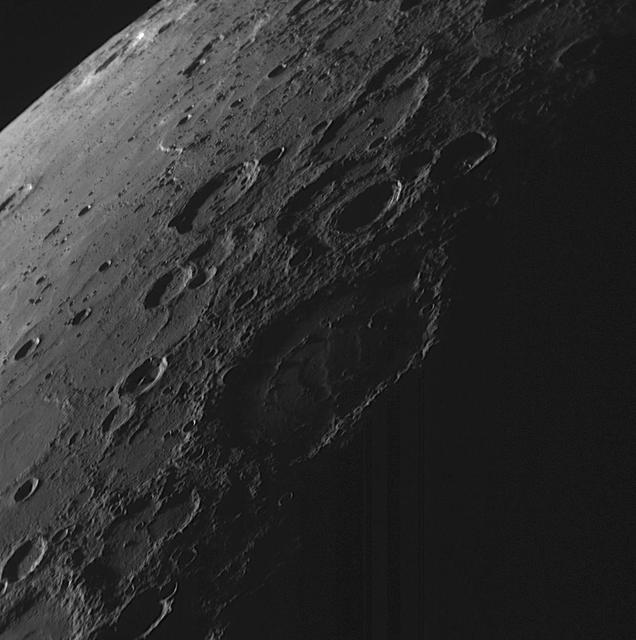
Night Falls on Mercury
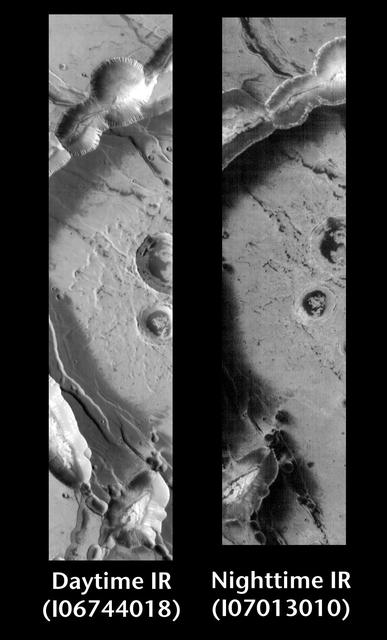
Noctus Labyrinthus by Day and Night
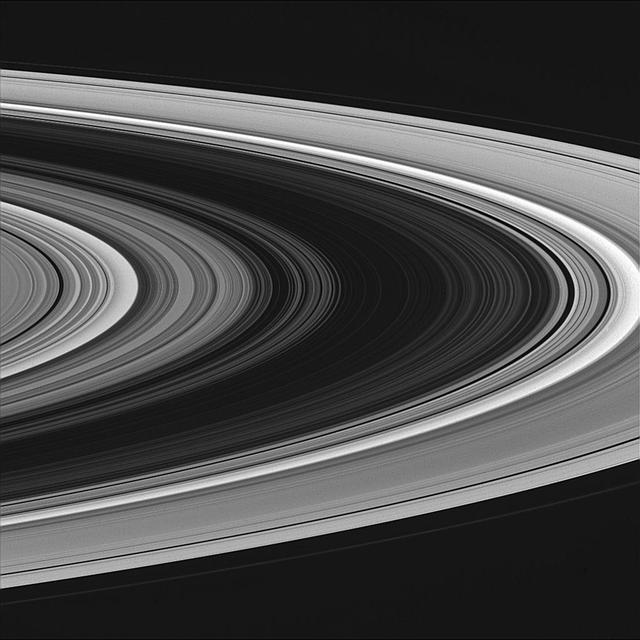
Night Side Ringplane
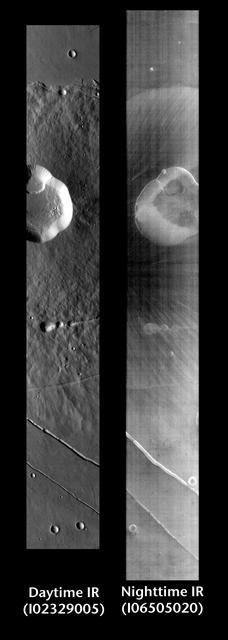
Albor Tholus by Day and Night
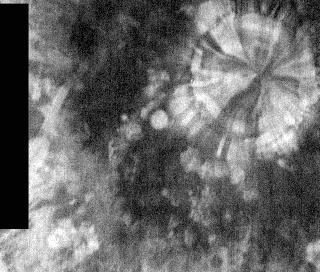
Pinwheel Crater at Night

Ius Chasma at Night
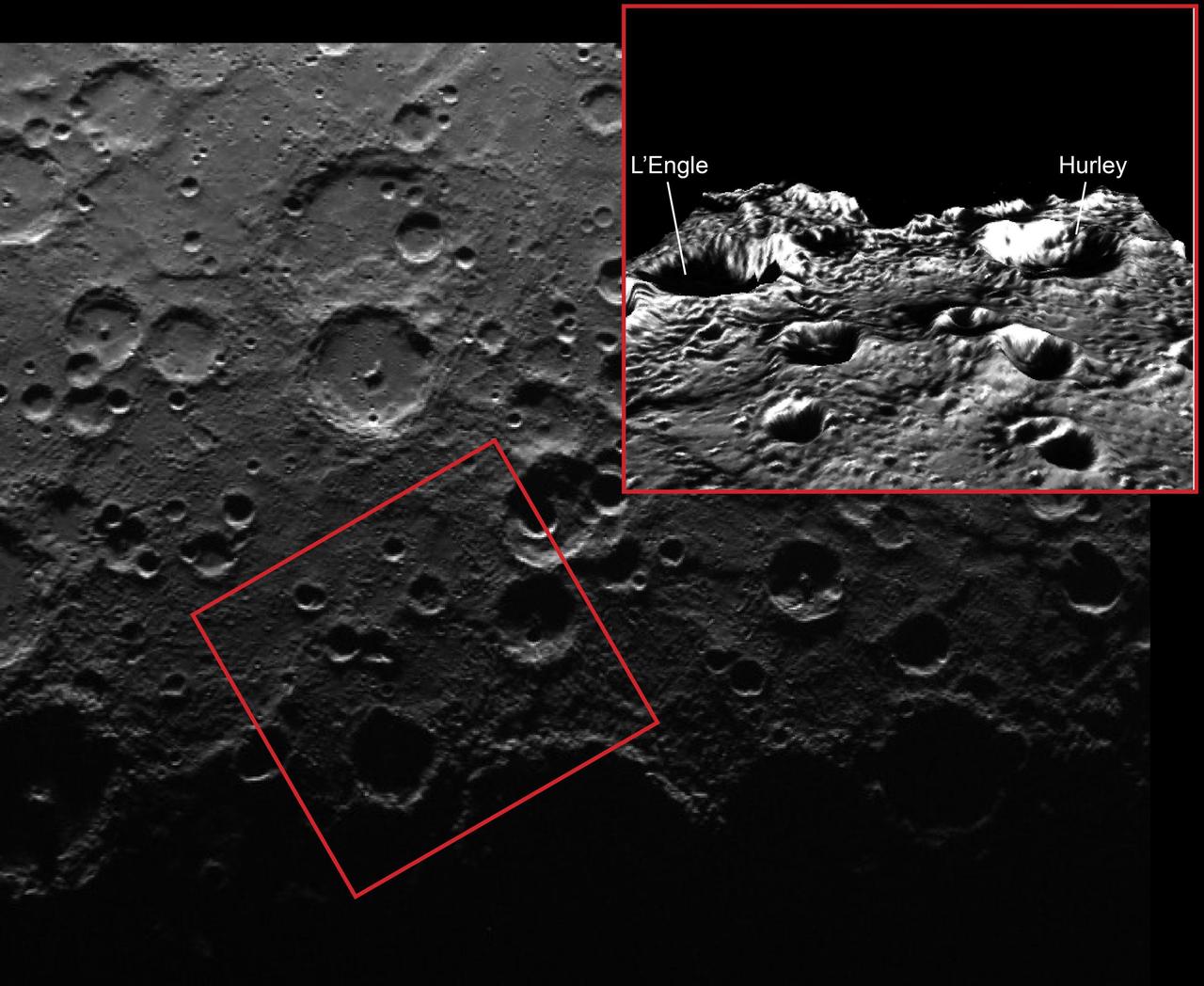
It was a Dark and Stormy Night
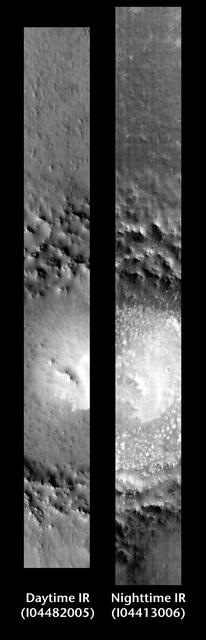
Lomonosov Crater, Day and Night
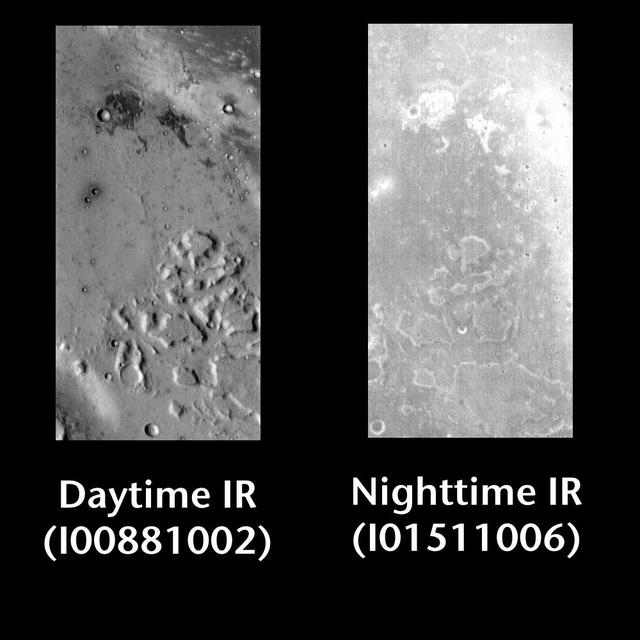
Gusev Crater by Day and Night
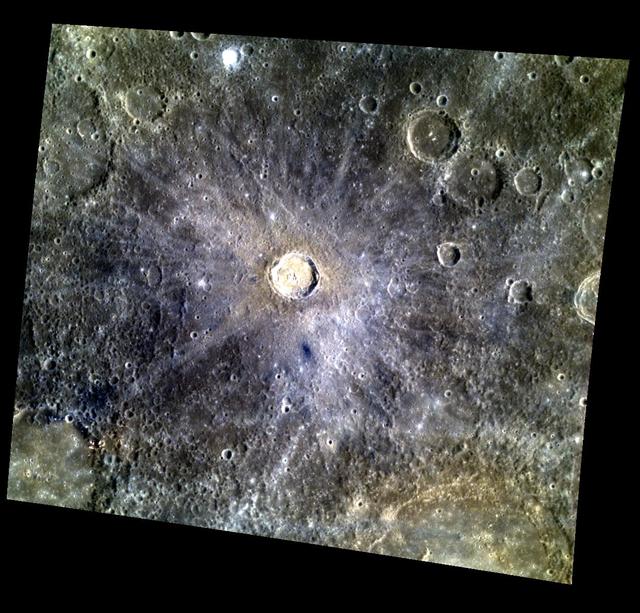
Tansen the Night Away
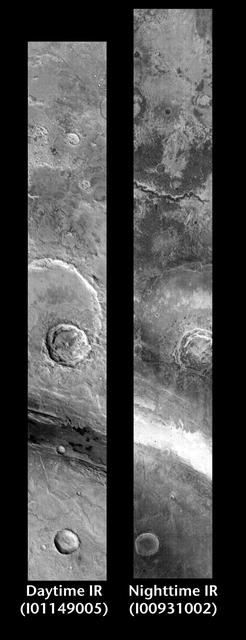
Ares Valles: Night and Day
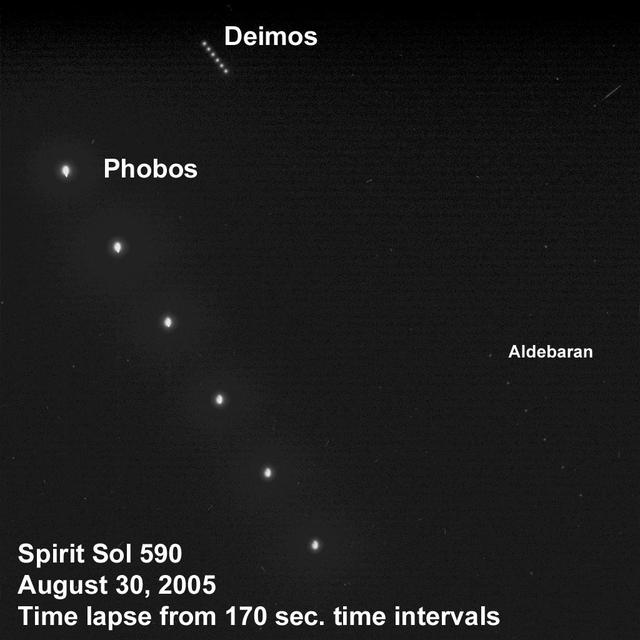
The Night Sky on Mars
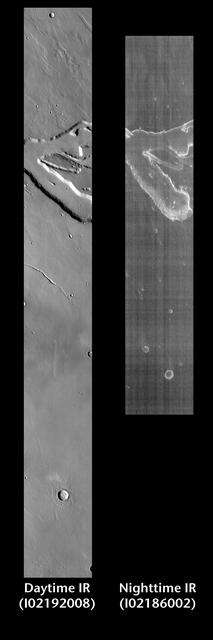
Channel by Day and Night
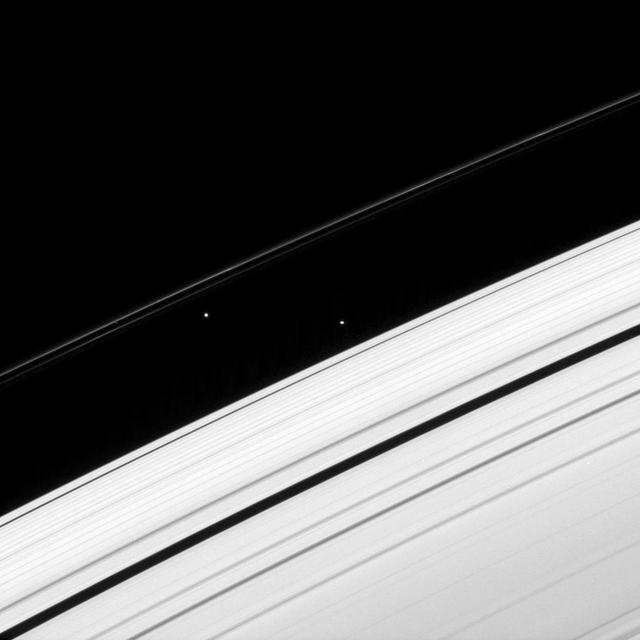
Moons that Pass in the Night
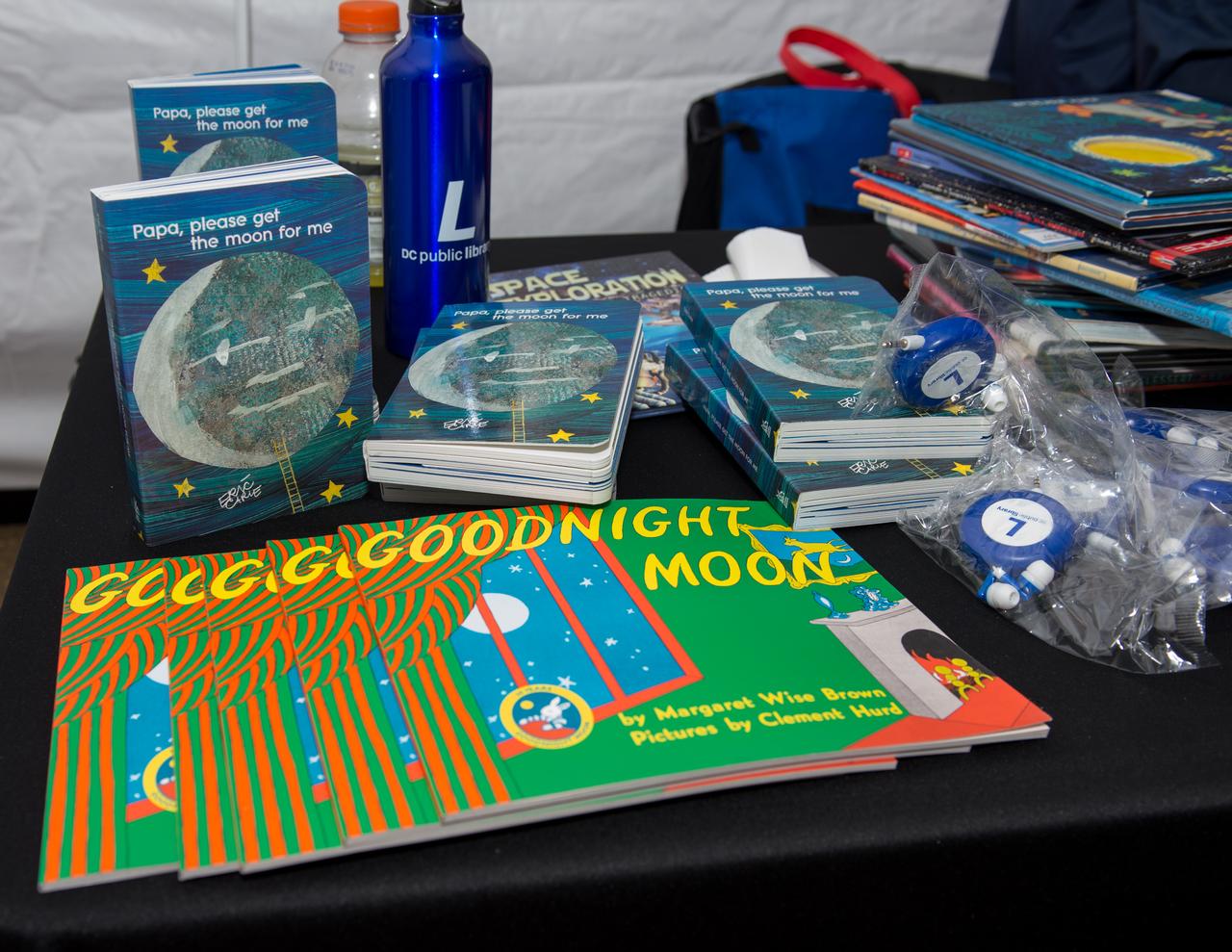
International Observe the Moon Night at the Goddard Visitor Center
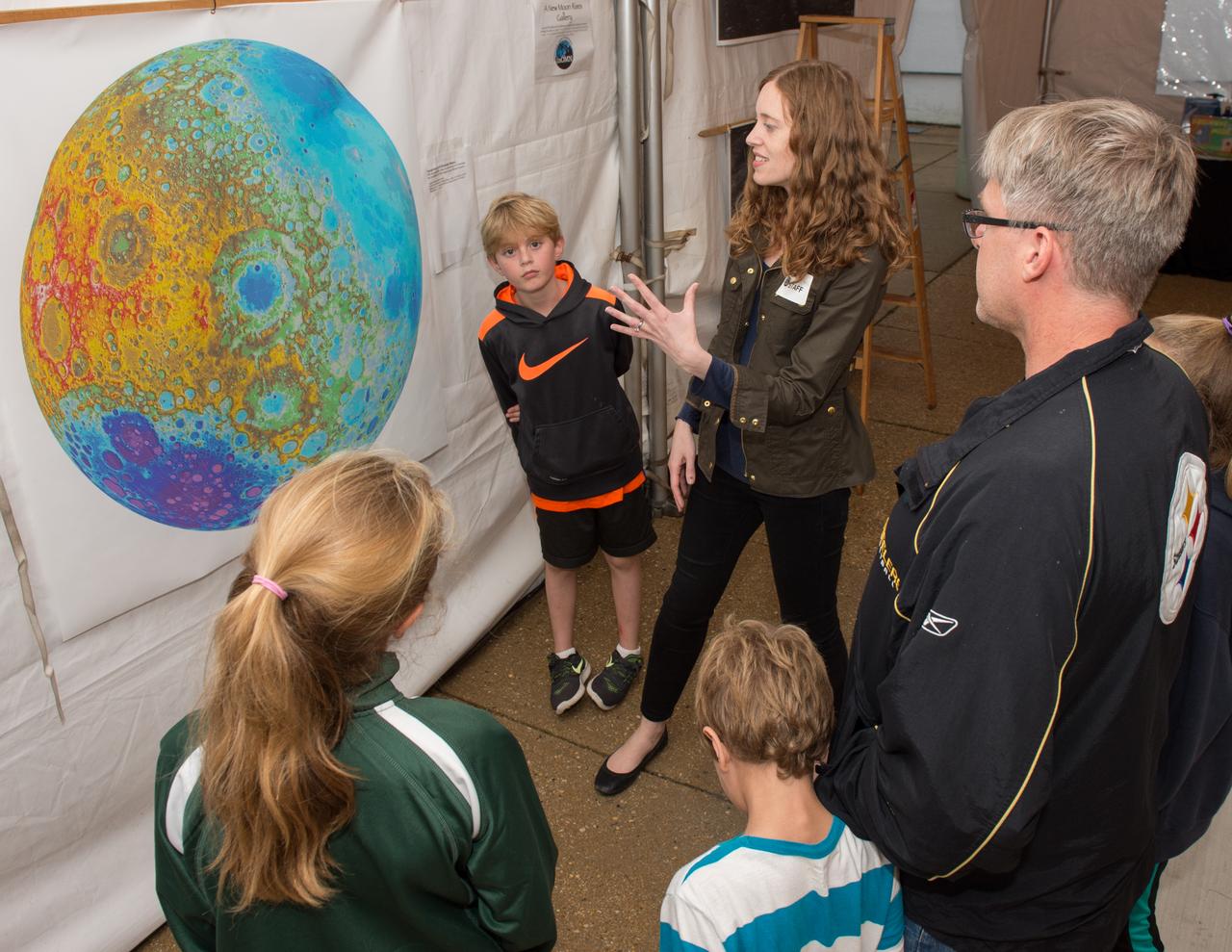
International Observe the Moon Night at the Goddard Visitor Center
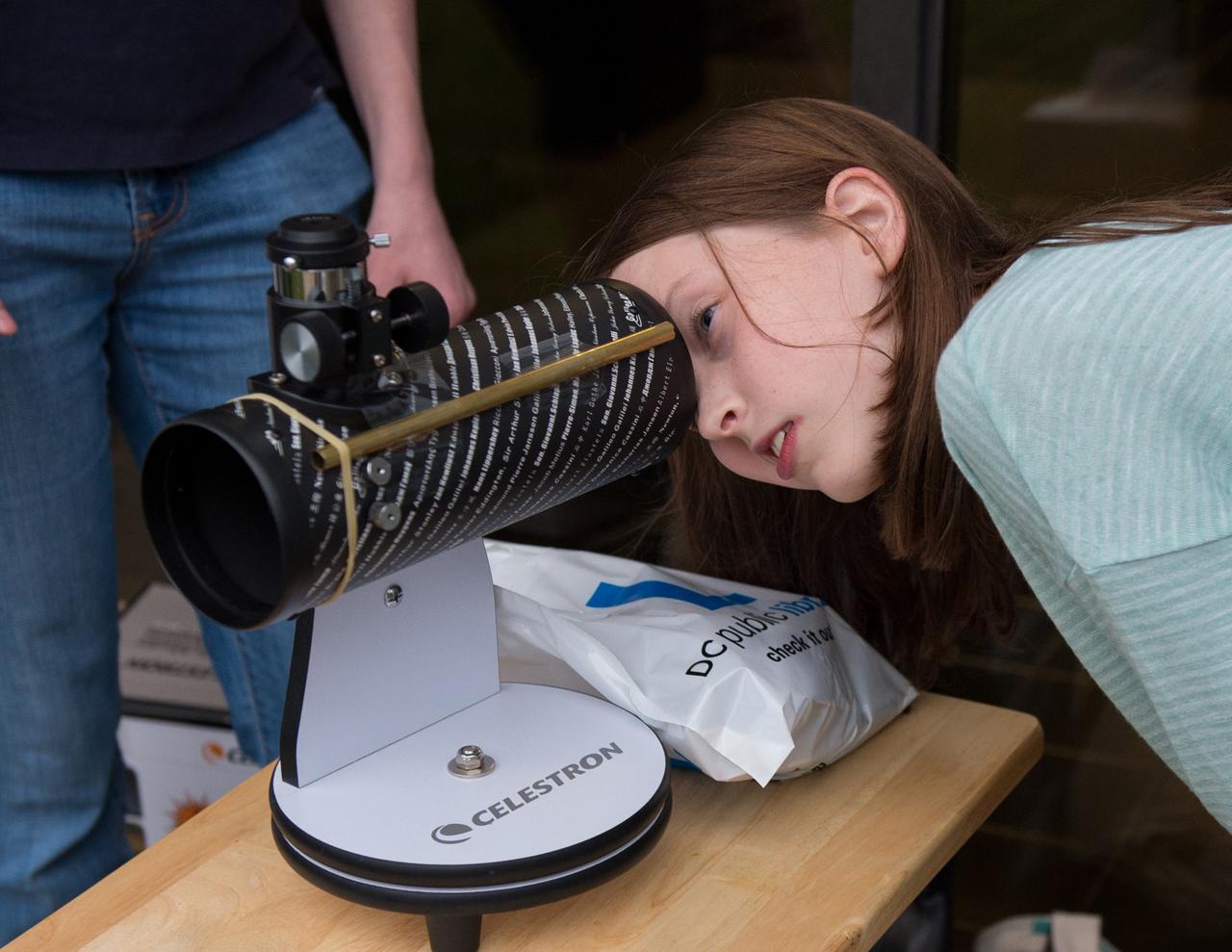
International Observe the Moon Night at the Goddard Visitor Center
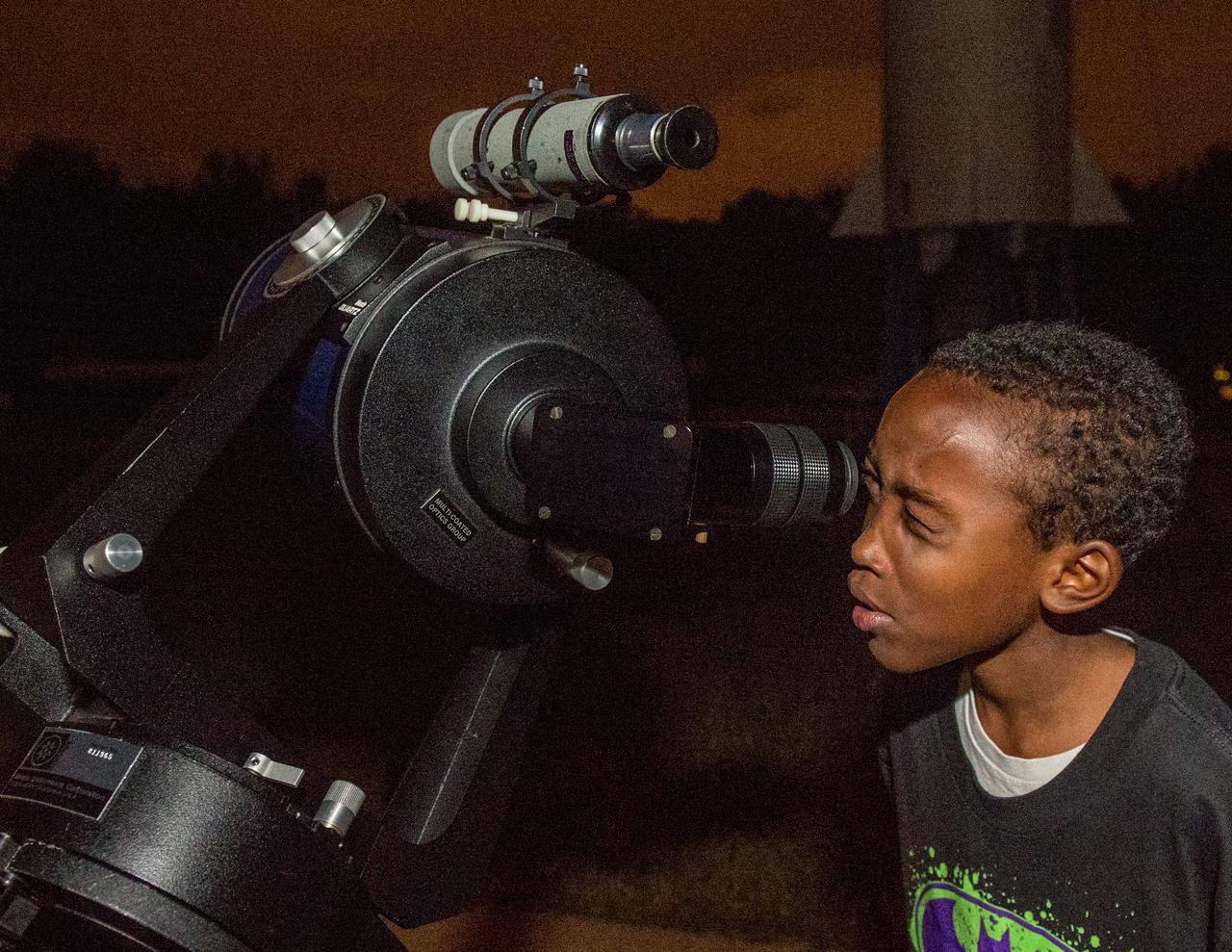
International Observe the Moon Night at the Goddard Visitor Center
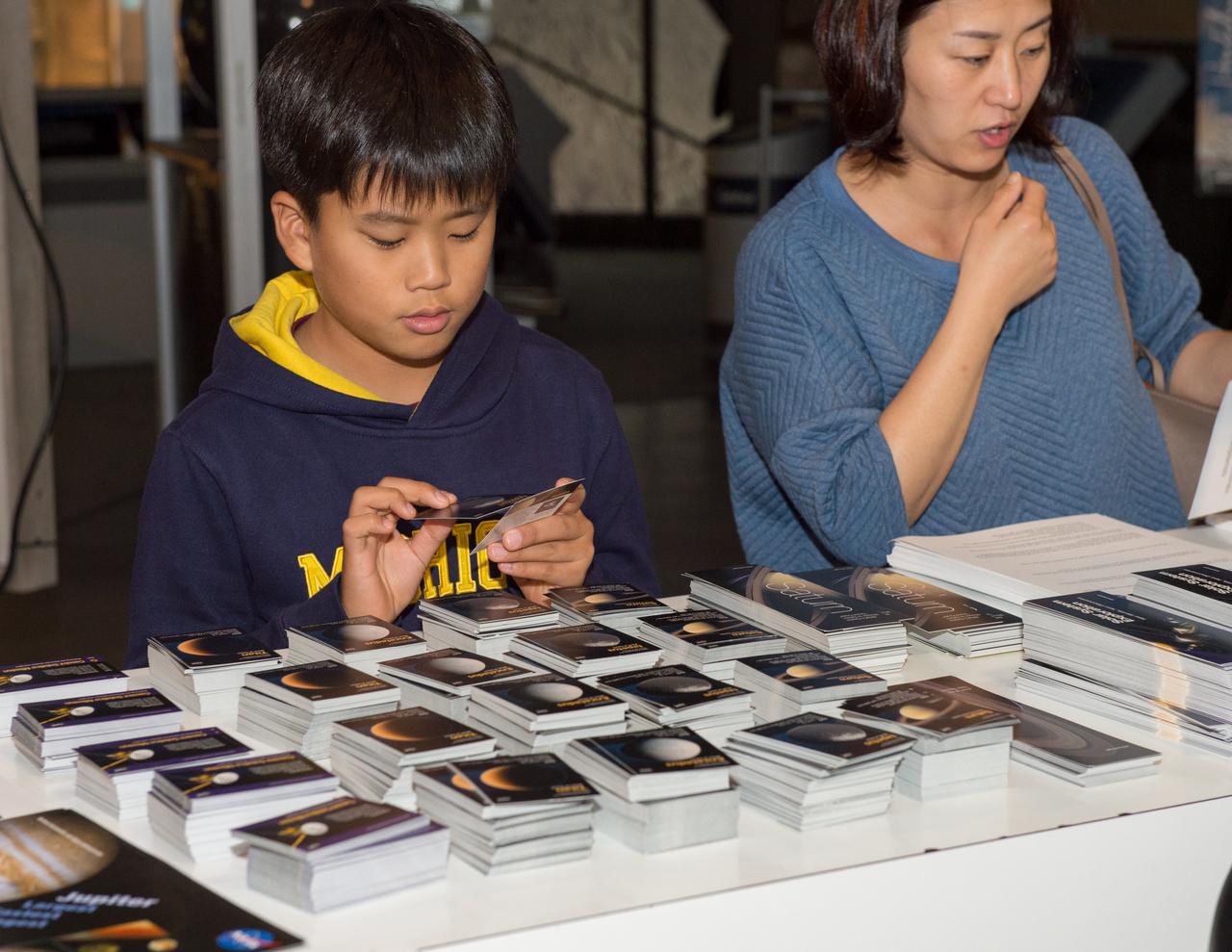
International Observe the Moon Night at the Goddard Visitor Center
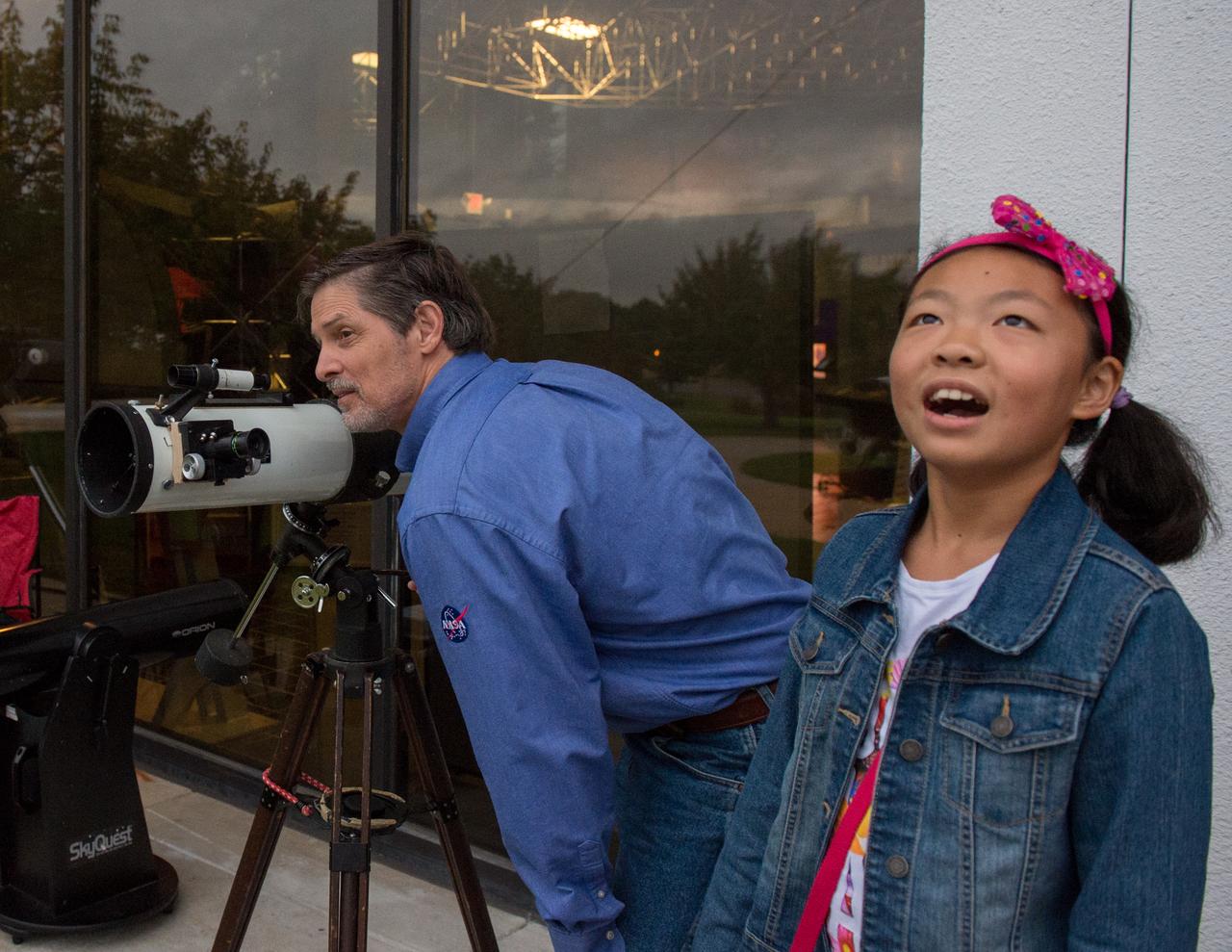
International Observe the Moon Night at the Goddard Visitor Center
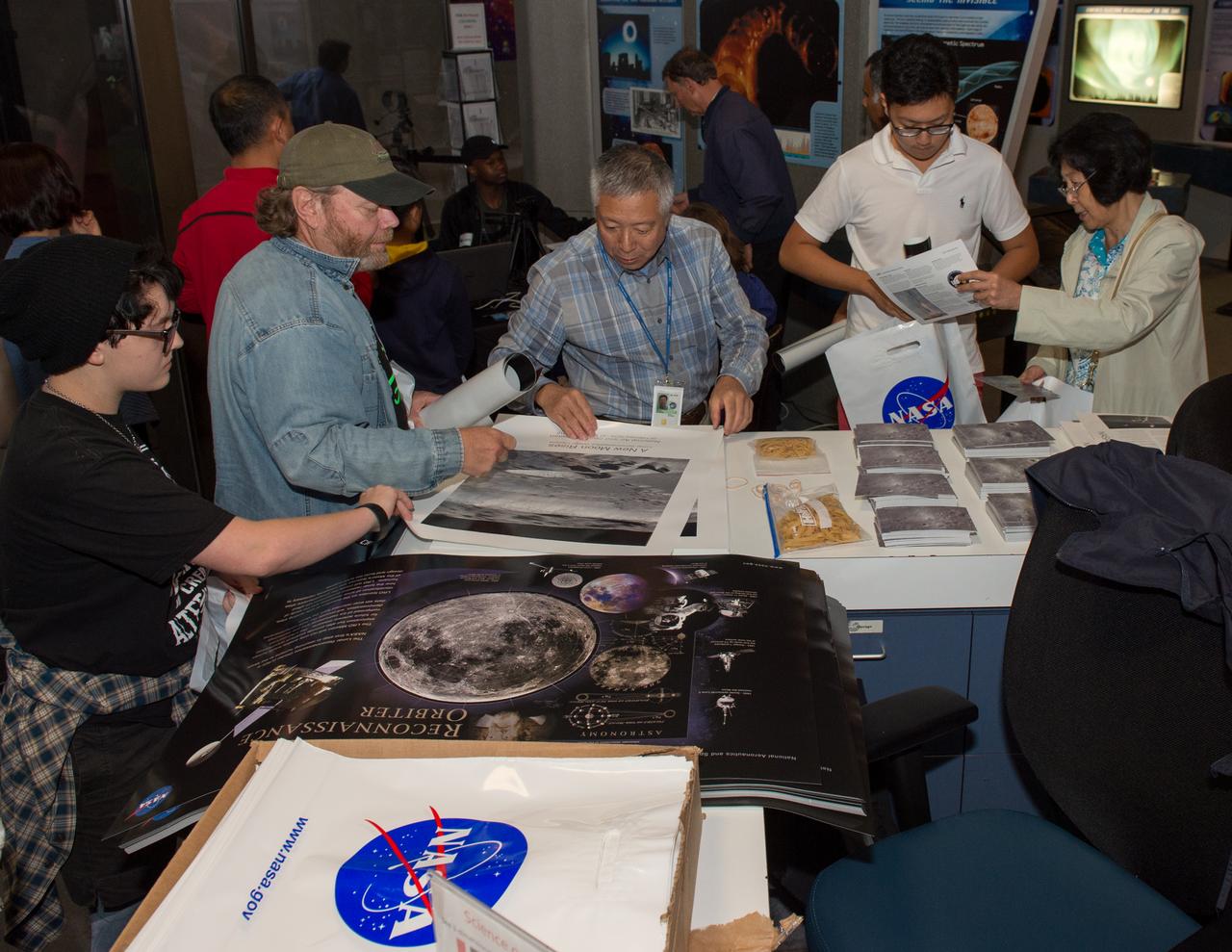
International Observe the Moon Night at the Goddard Visitor Center
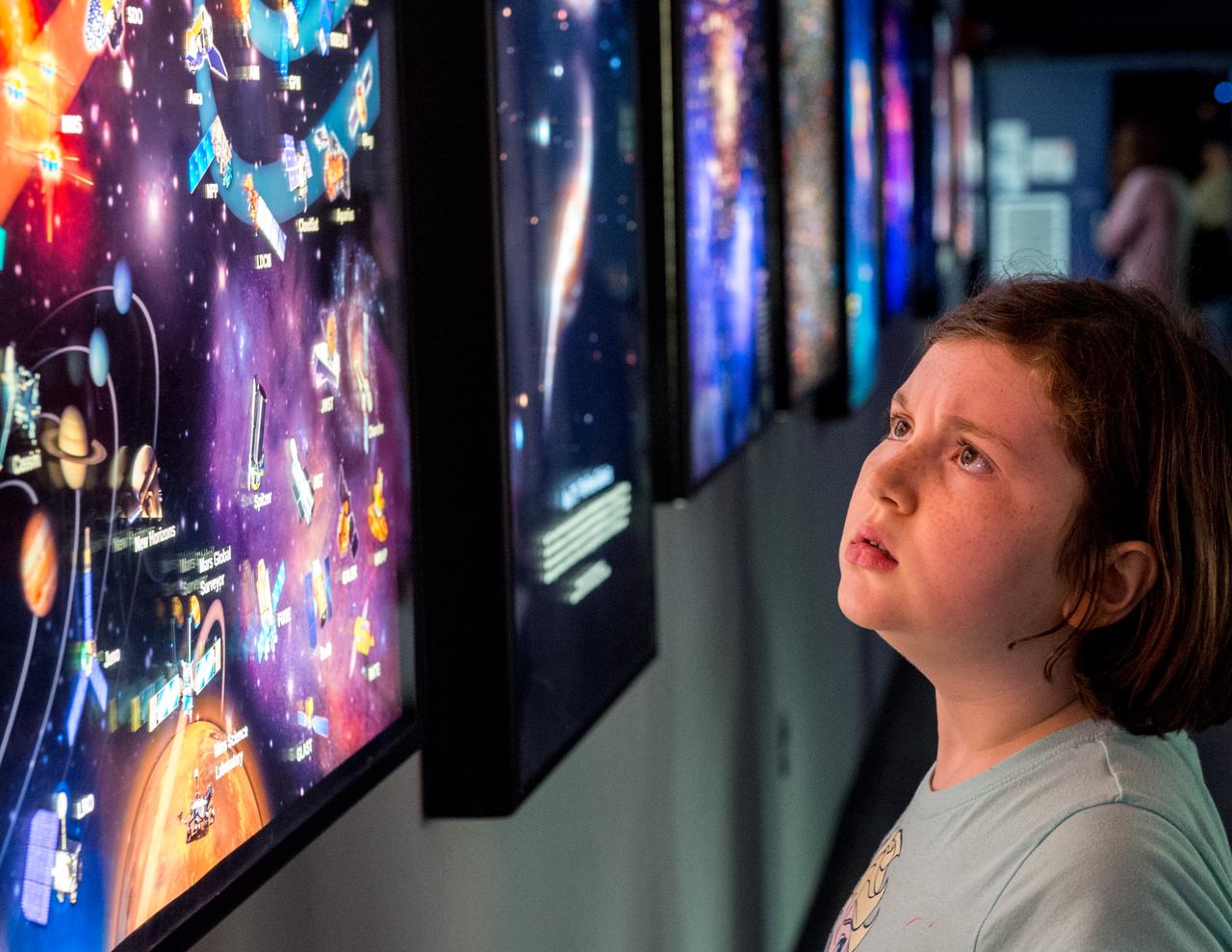
International Observe the Moon Night at the Goddard Visitor Center
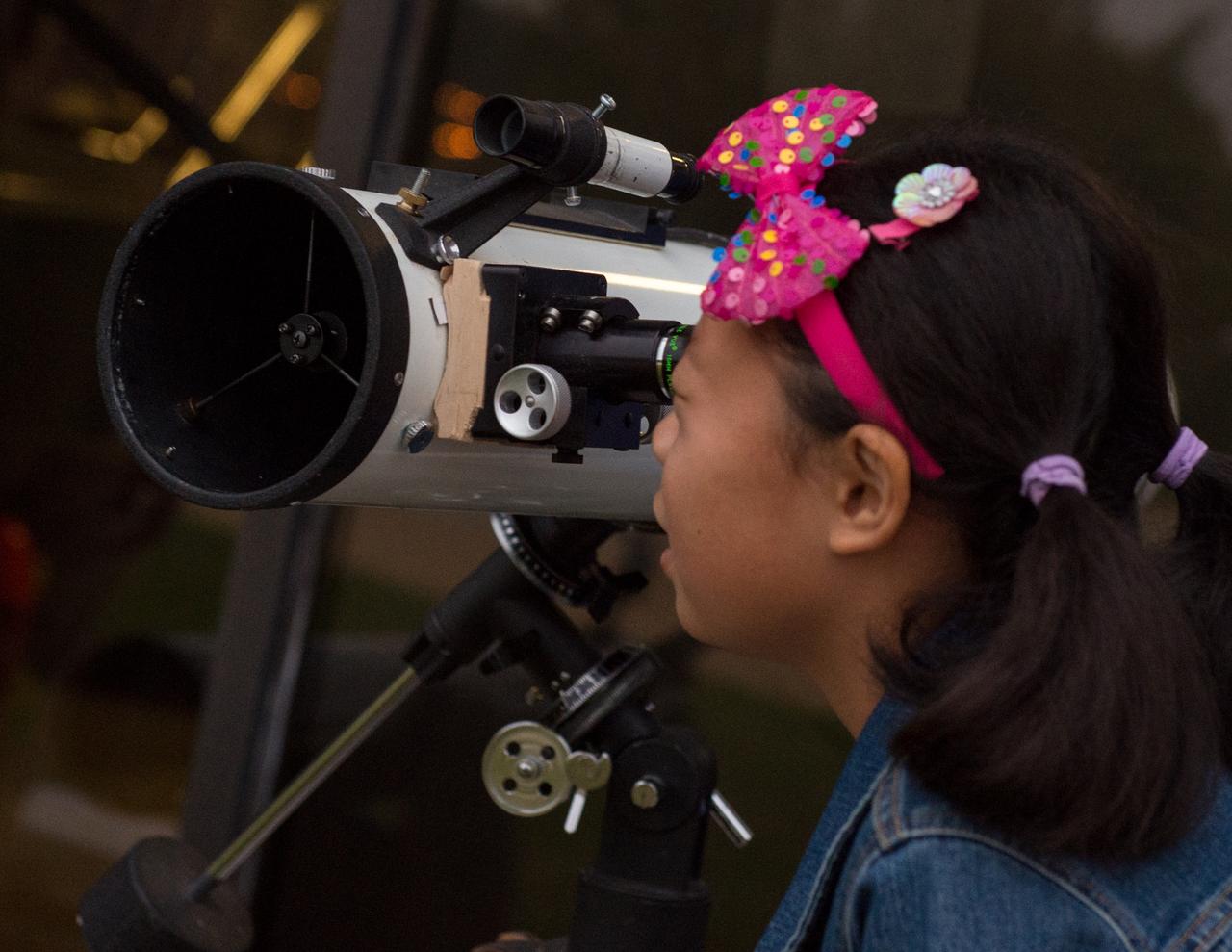
International Observe the Moon Night at the Goddard Visitor Center

International Observe the Moon Night at the Goddard Visitor Center
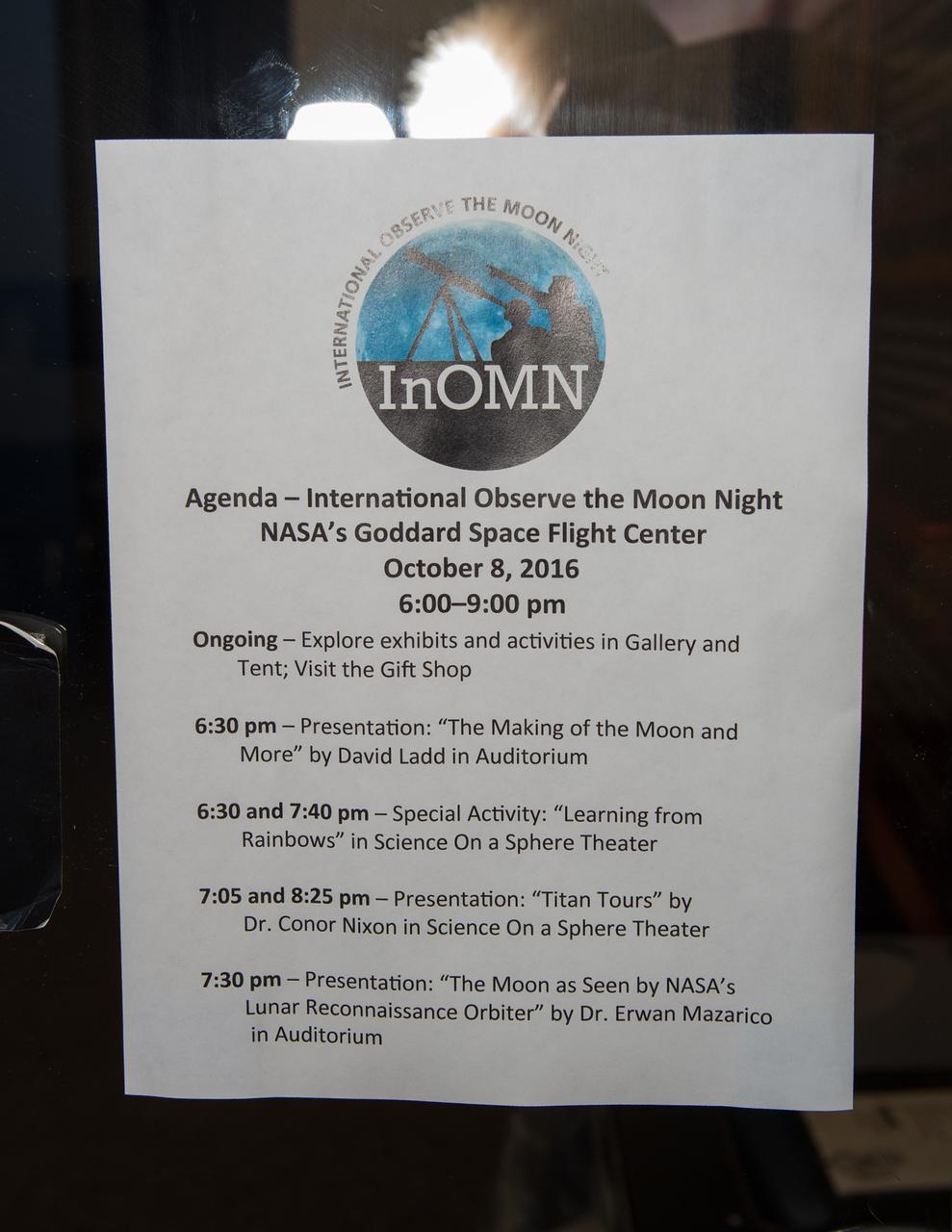
International Observe the Moon Night at the Goddard Visitor Center

Arsia Mons Lava Flows at Night
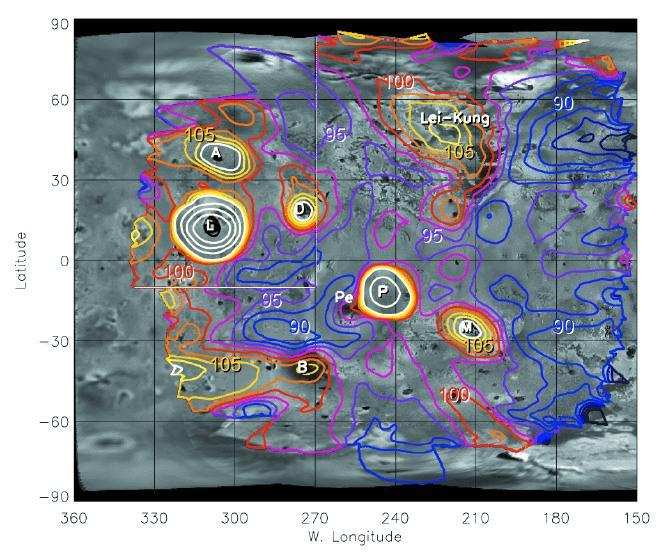
Temperature Map of Io Night Side
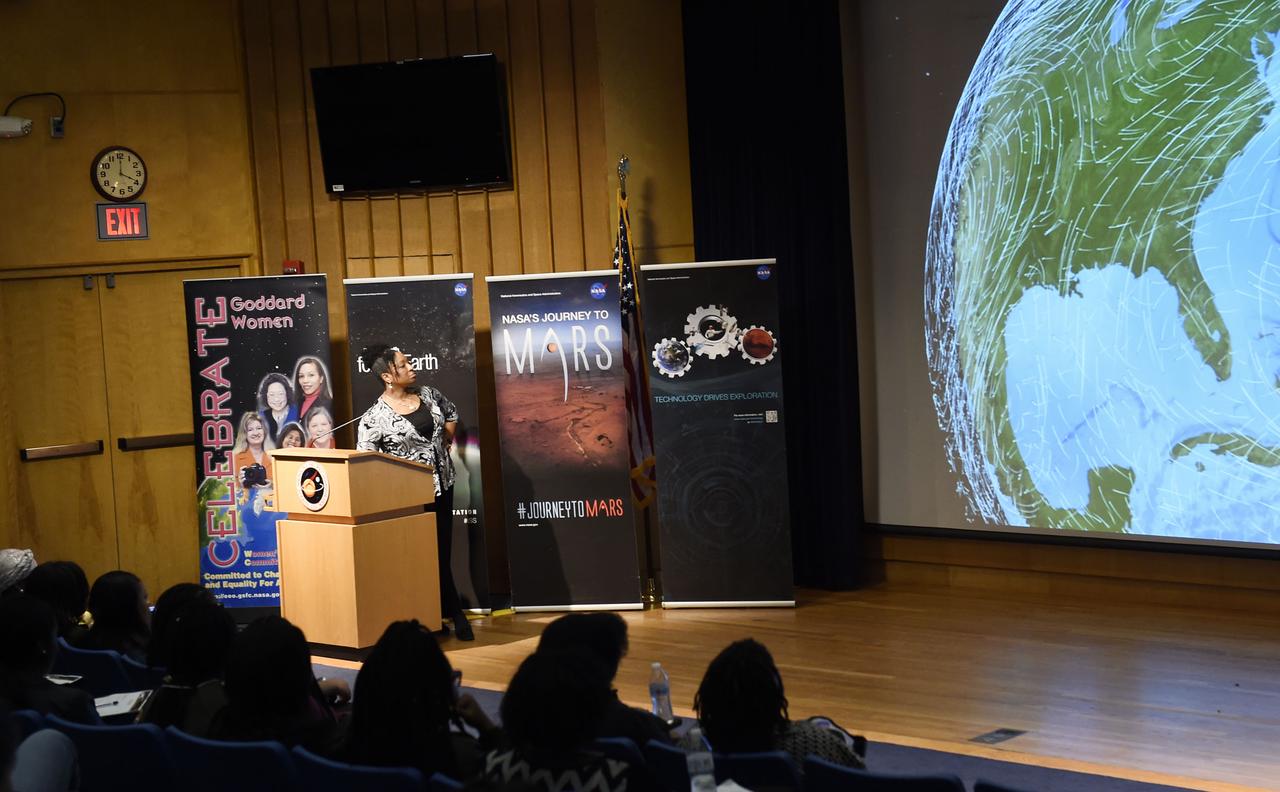
Girls Night In was held at Goddard on Nov 4-5, 2016. This is a pilot program which reinvigorates, inspires, and engages high school girls who may be struggling or not fully engaged in STEM (Science, Technology Engineering and Math) education. The program allowed NASA women to share and demonstrate the work they do, provide the girls an opportunity to completely immerse themselves in Goddard science, technology, engineering and math as well as provide them activities that will challenge and promote knowledge and discovery. Goddard invites other NASA centers tolearn from this pilot program and work towards a simultaneous multicenter event in the future. Participating schools were: DuVal, Crossland, Flowers, High Point, Northwestern and Oxon Hill
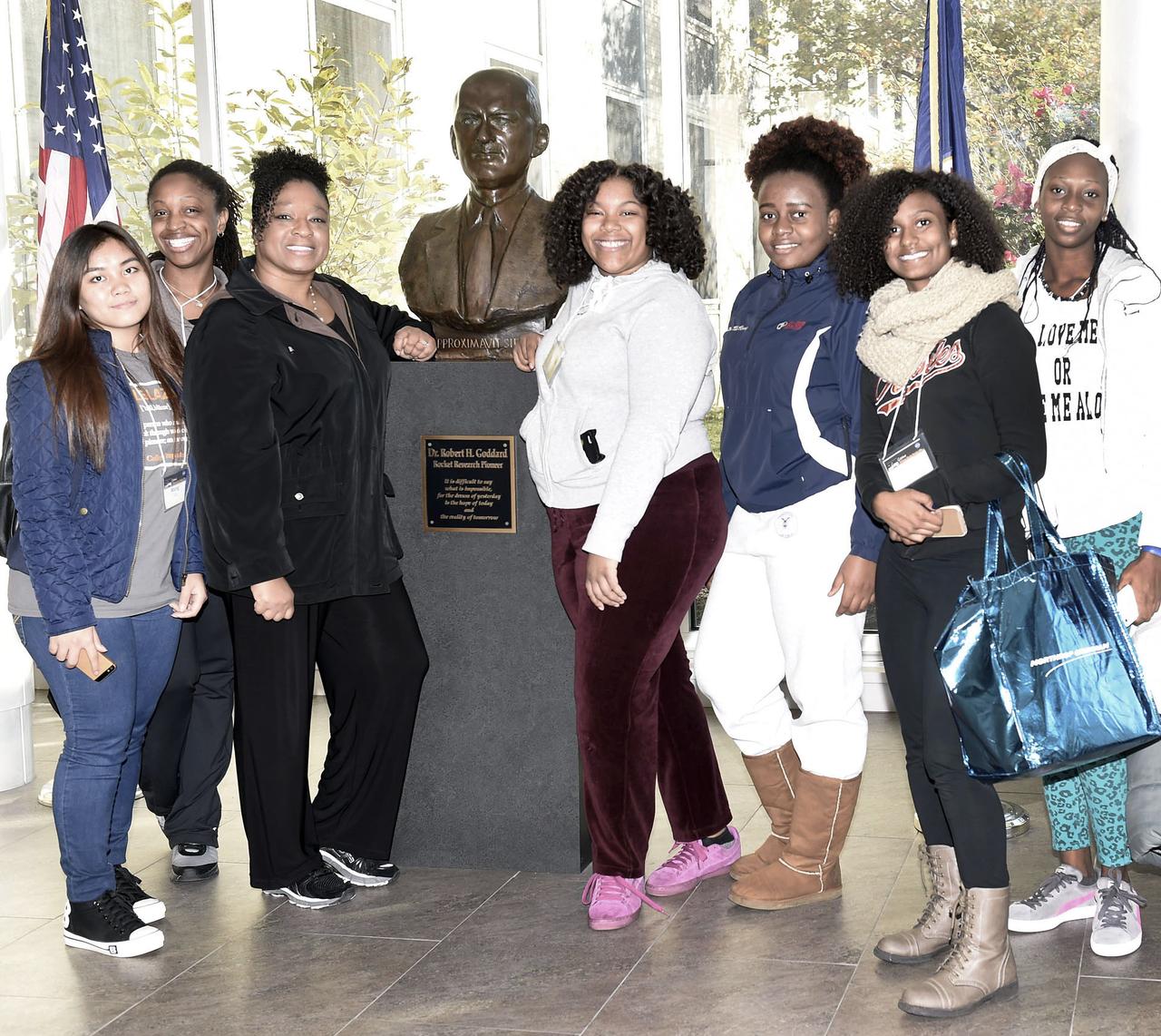
Girls Night In was held at Goddard on Nov 4-5, 2016. This is a pilot program which reinvigorates, inspires, and engages high school girls who may be struggling or not fully engaged in STEM (Science, Technology Engineering and Math) education. The program allowed NASA women to share and demonstrate the work they do, provide the girls an opportunity to completely immerse themselves in Goddard science, technology, engineering and math as well as provide them activities that will challenge and promote knowledge and discovery. Goddard invites other NASA centers tolearn from this pilot program and work towards a simultaneous multicenter event in the future. Participating schools were: DuVal, Crossland, Flowers, High Point, Northwestern and Oxon Hill
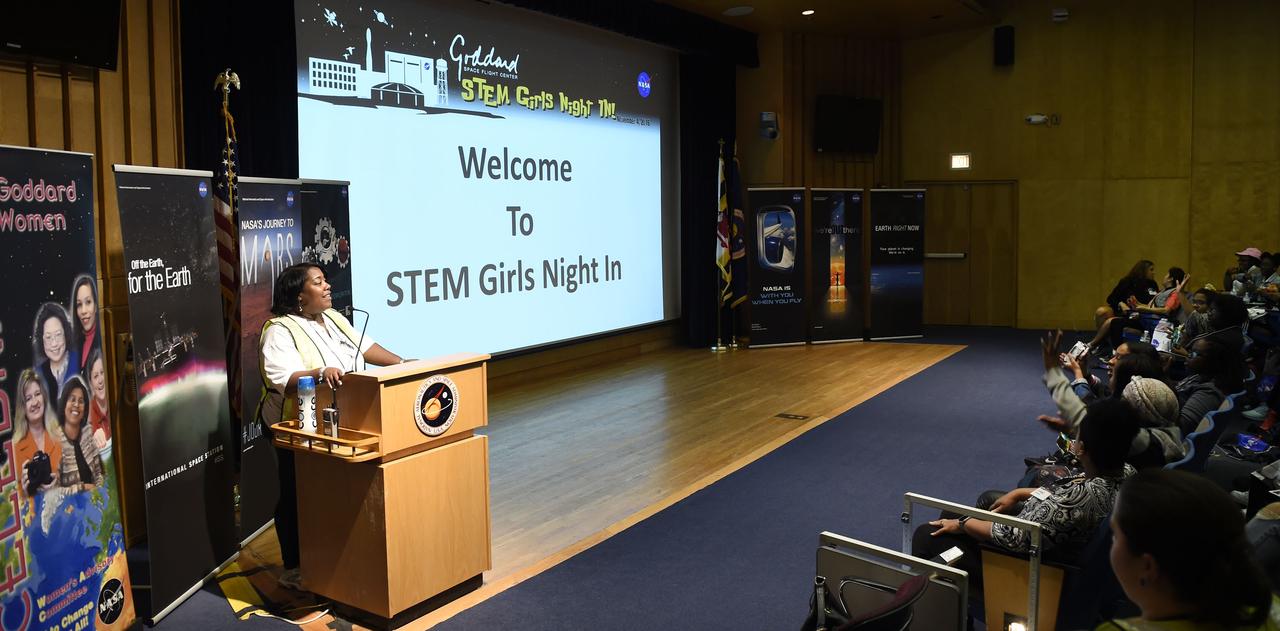
Girls Night In was held at Goddard on Nov 4-5, 2016. This is a pilot program which reinvigorates, inspires, and engages high school girls who may be struggling or not fully engaged in STEM (Science, Technology Engineering and Math) education. The program allowed NASA women to share and demonstrate the work they do, provide the girls an opportunity to completely immerse themselves in Goddard science, technology, engineering and math as well as provide them activities that will challenge and promote knowledge and discovery. Goddard invites other NASA centers tolearn from this pilot program and work towards a simultaneous multicenter event in the future. Participating schools were: DuVal, Crossland, Flowers, High Point, Northwestern and Oxon Hill
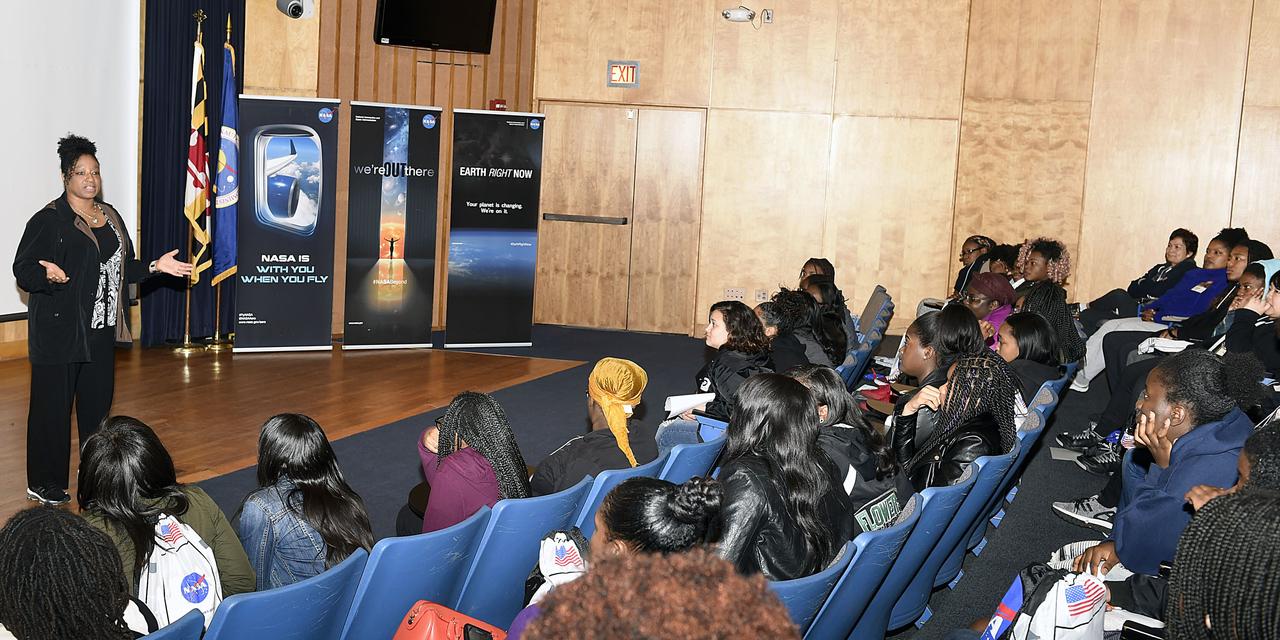
Girls Night In was held at Goddard on Nov 4-5, 2016. This is a pilot program which reinvigorates, inspires, and engages high school girls who may be struggling or not fully engaged in STEM (Science, Technology Engineering and Math) education. The program allowed NASA women to share and demonstrate the work they do, provide the girls an opportunity to completely immerse themselves in Goddard science, technology, engineering and math as well as provide them activities that will challenge and promote knowledge and discovery. Goddard invites other NASA centers tolearn from this pilot program and work towards a simultaneous multicenter event in the future. Participating schools were: DuVal, Crossland, Flowers, High Point, Northwestern and Oxon Hill
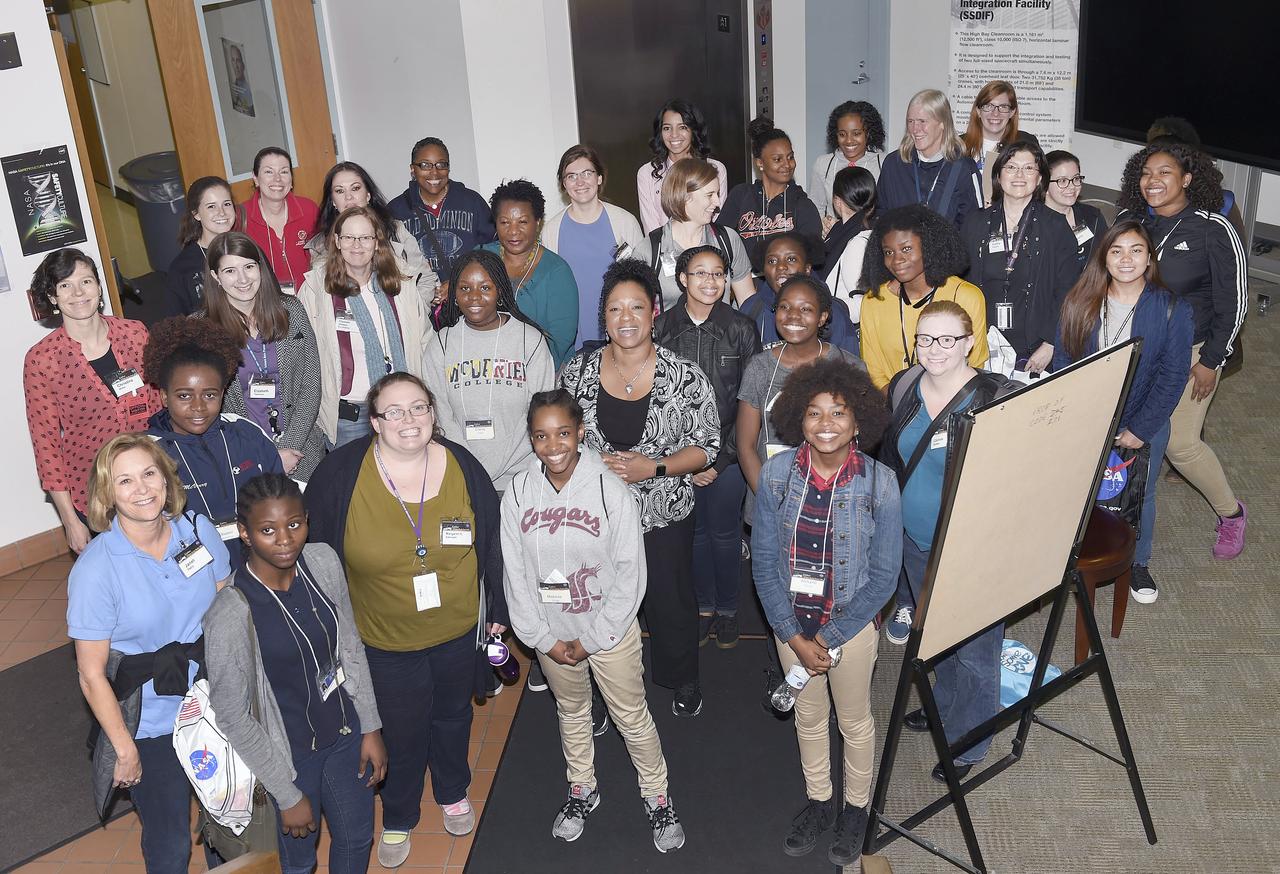
Girls Night In was held at Goddard on Nov 4-5, 2016. This is a pilot program which reinvigorates, inspires, and engages high school girls who may be struggling or not fully engaged in STEM (Science, Technology Engineering and Math) education. The program allowed NASA women to share and demonstrate the work they do, provide the girls an opportunity to completely immerse themselves in Goddard science, technology, engineering and math as well as provide them activities that will challenge and promote knowledge and discovery. Goddard invites other NASA centers tolearn from this pilot program and work towards a simultaneous multicenter event in the future. Participating schools were: DuVal, Crossland, Flowers, High Point, Northwestern and Oxon Hill
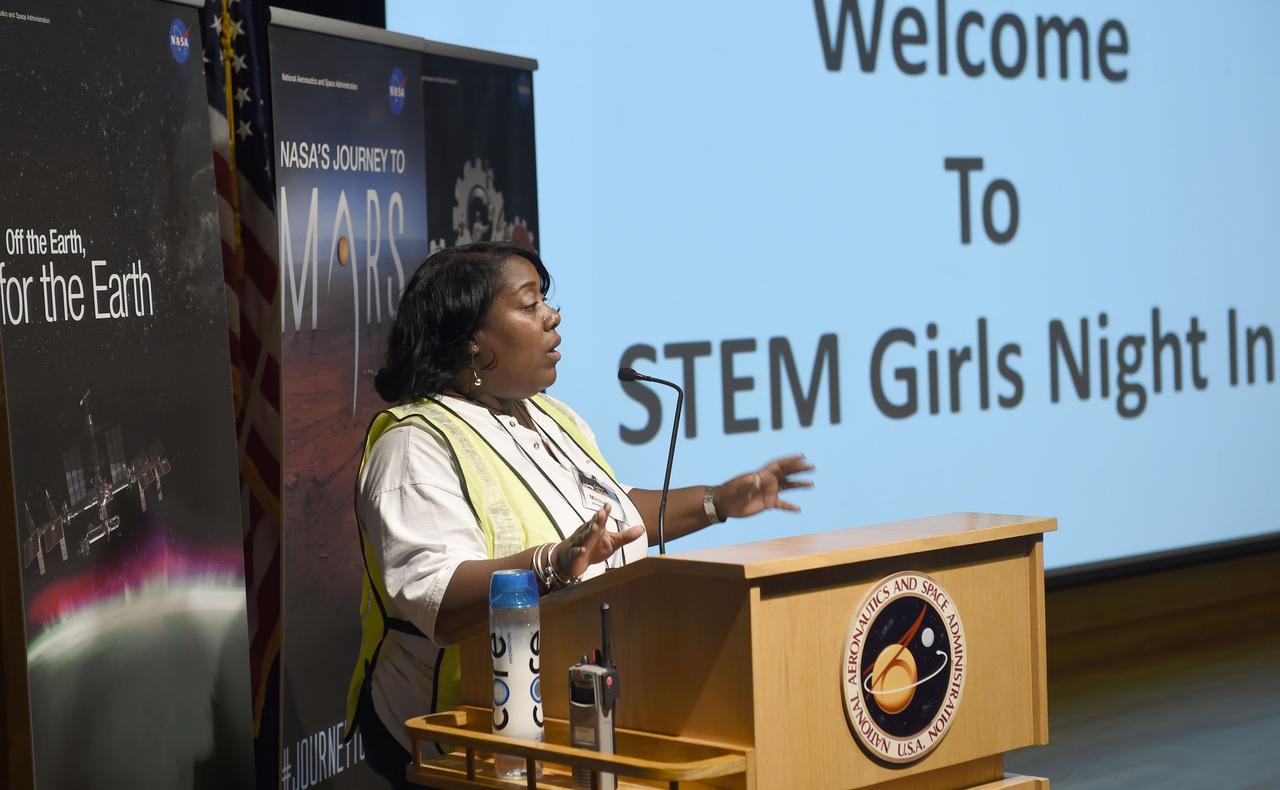
Girls Night In was held at Goddard on Nov 4-5, 2016. This is a pilot program which reinvigorates, inspires, and engages high school girls who may be struggling or not fully engaged in STEM (Science, Technology Engineering and Math) education. The program allowed NASA women to share and demonstrate the work they do, provide the girls an opportunity to completely immerse themselves in Goddard science, technology, engineering and math as well as provide them activities that will challenge and promote knowledge and discovery. Goddard invites other NASA centers tolearn from this pilot program and work towards a simultaneous multicenter event in the future. Participating schools were: DuVal, Crossland, Flowers, High Point, Northwestern and Oxon Hill
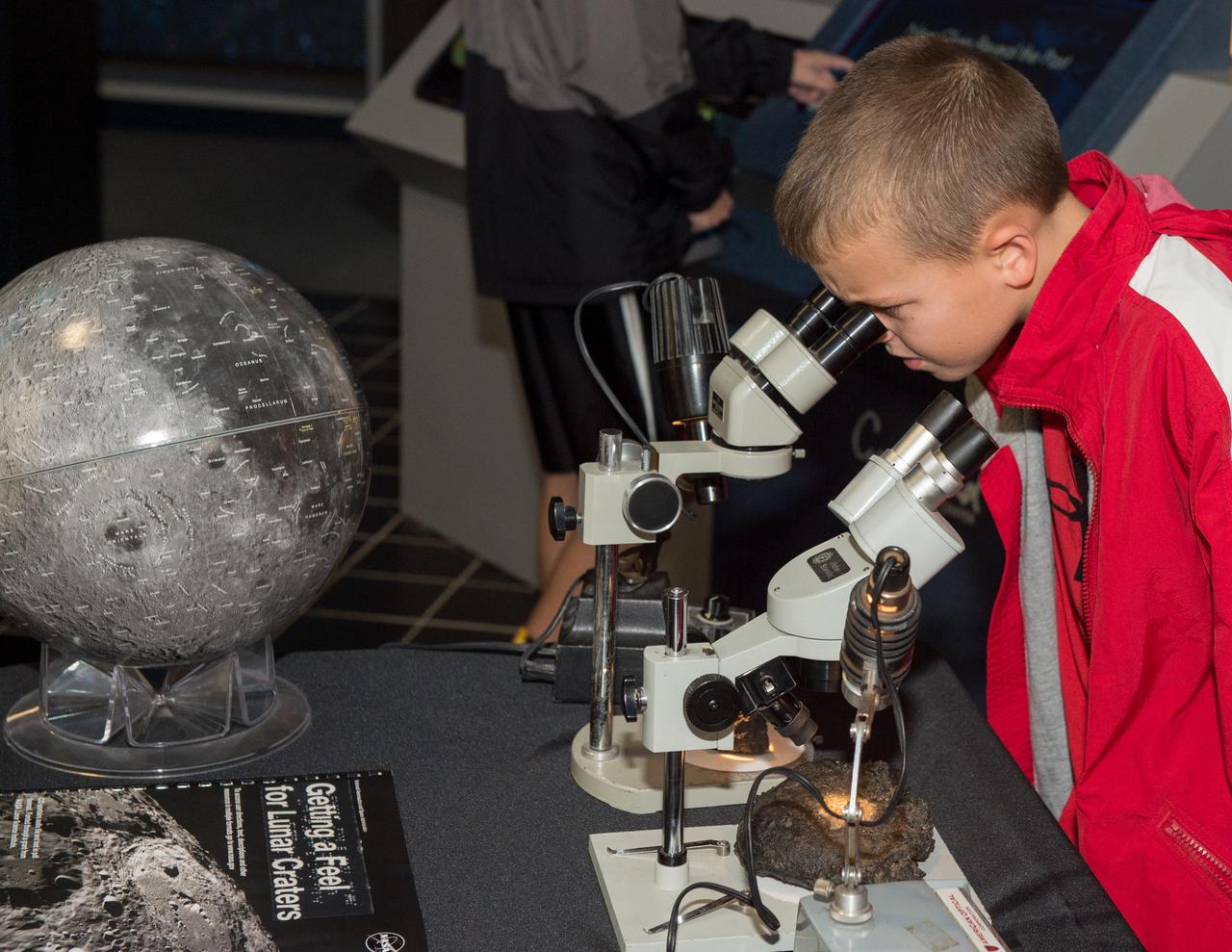
International Observe the Moon Night at the Goddard Visitor Center. Moon rocks and microscopes.
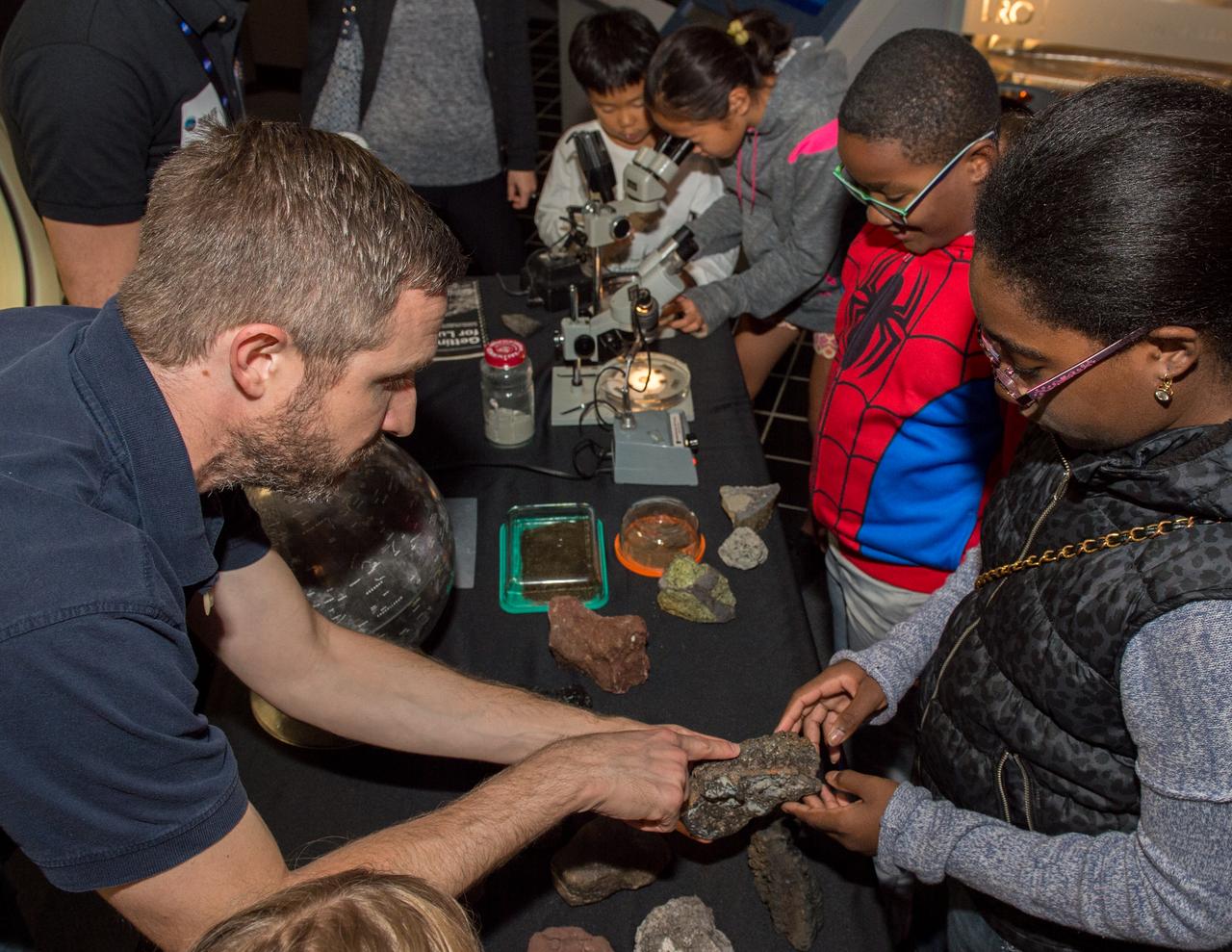
International Observe the Moon Night at the Goddard Visitor Center. Moon rocks and microscopes.
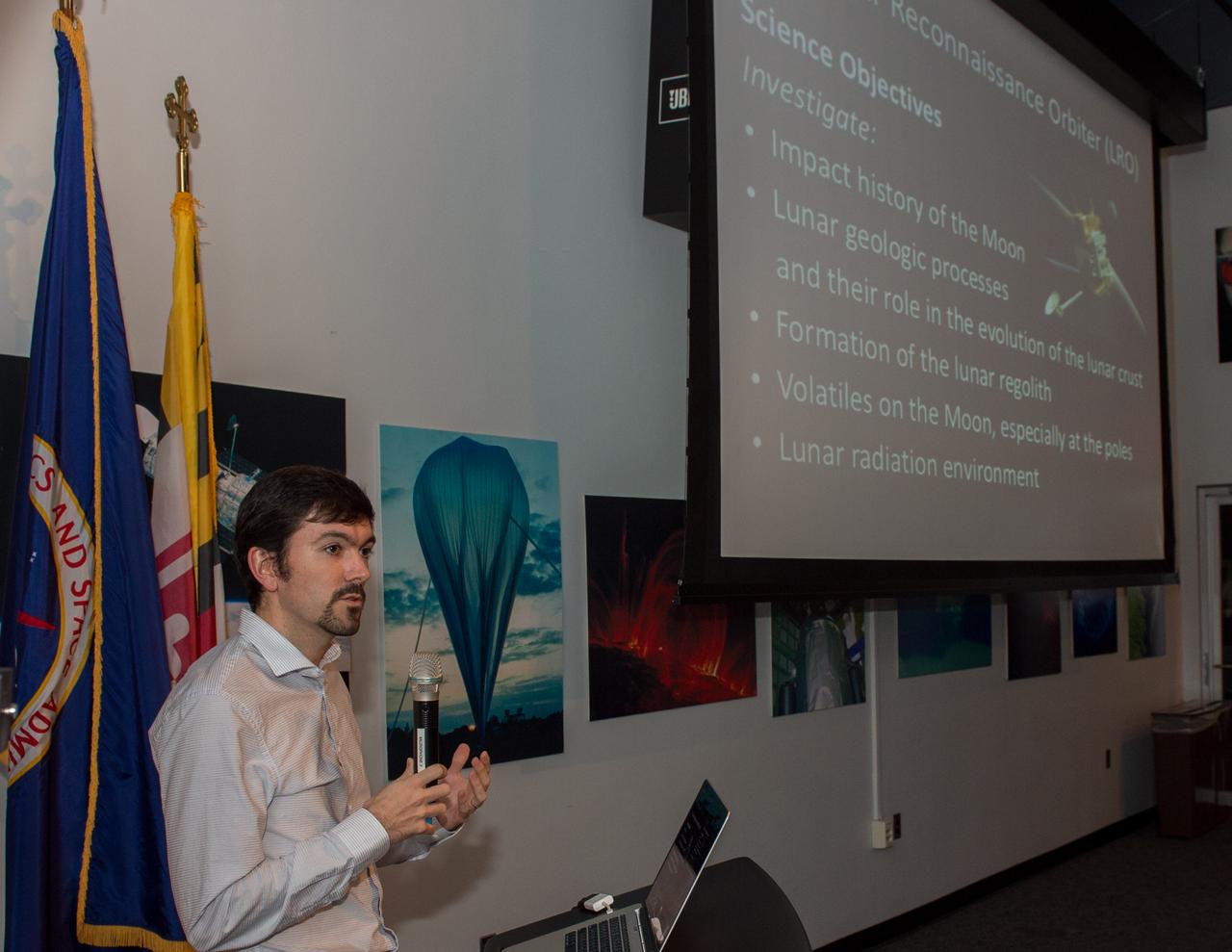
International Observe the Moon Night at the Goddard Visitor Center. The Moon as seen by Lunar Reconnaissance Orbiter presented by Dr. Erwan Mazarico.
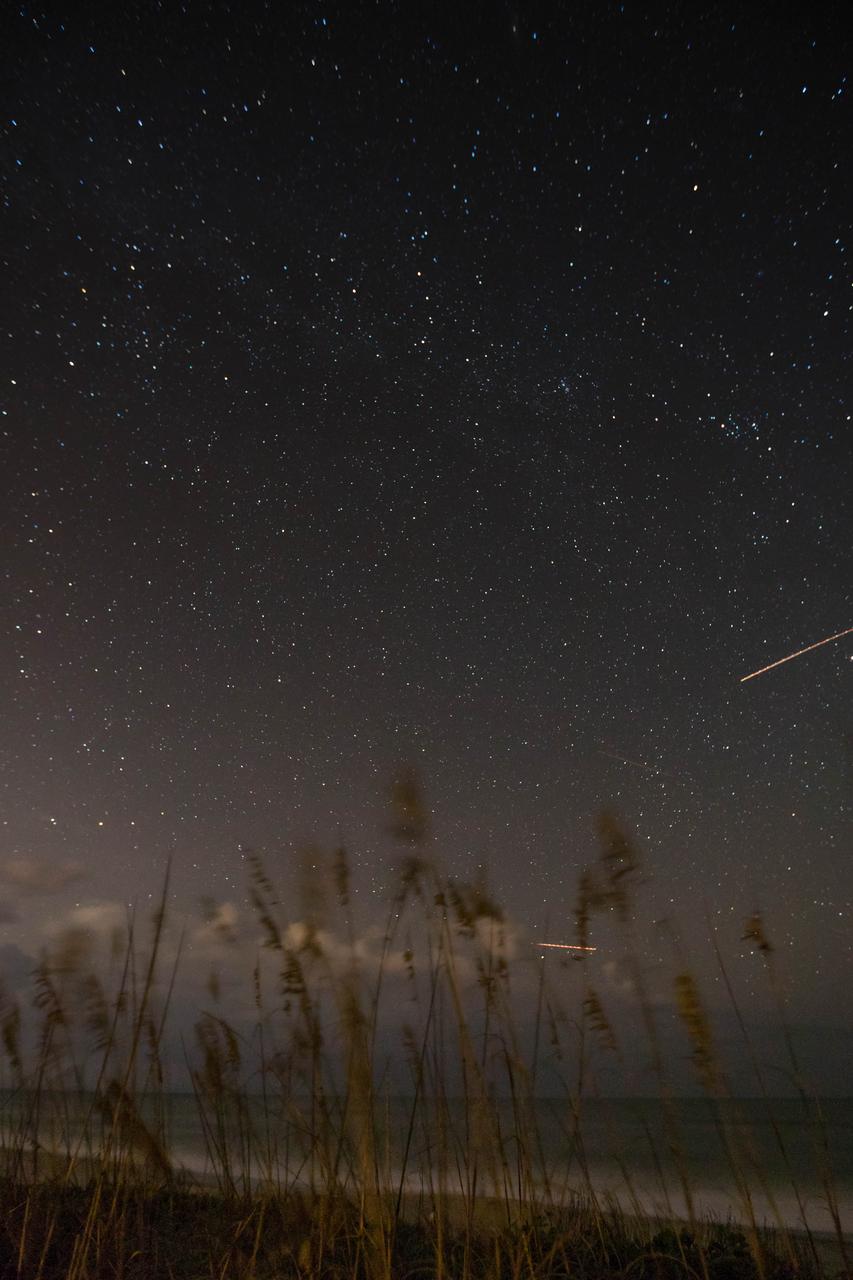
Sea oats are backdropped by the night sky and the Milky Way in this view from the Atlantic shoreline at NASA’s Kennedy Space Center in Florida on Oct. 31, 2019. Lights from aircraft create illuminated streaks above the horizon and at right.
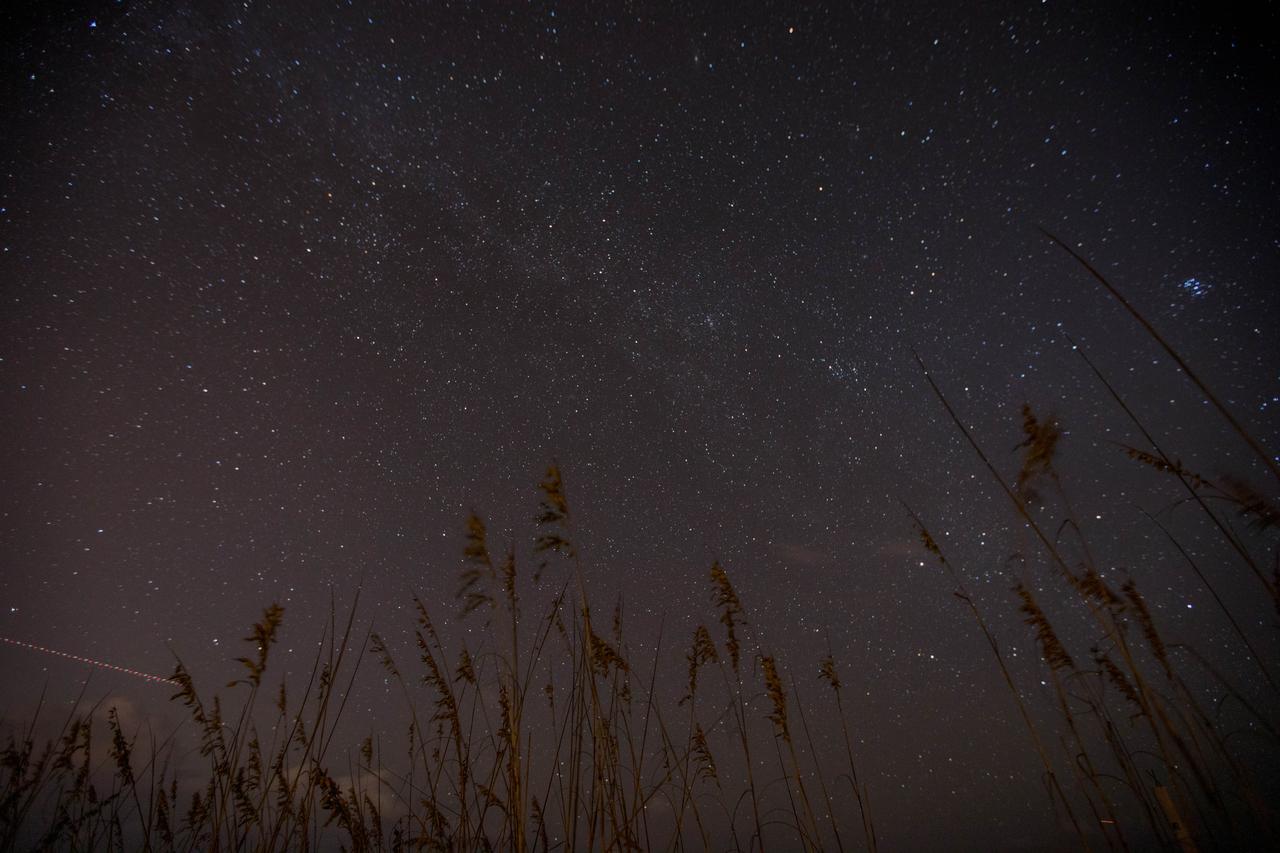
Sea oats frame the night sky, bisected by the Milky Way, in this view from the Atlantic shoreline at NASA’s Kennedy Space Center in Florida on Oct. 31, 2019. The lights of an aircraft create an illuminated streak in the lower left corner.
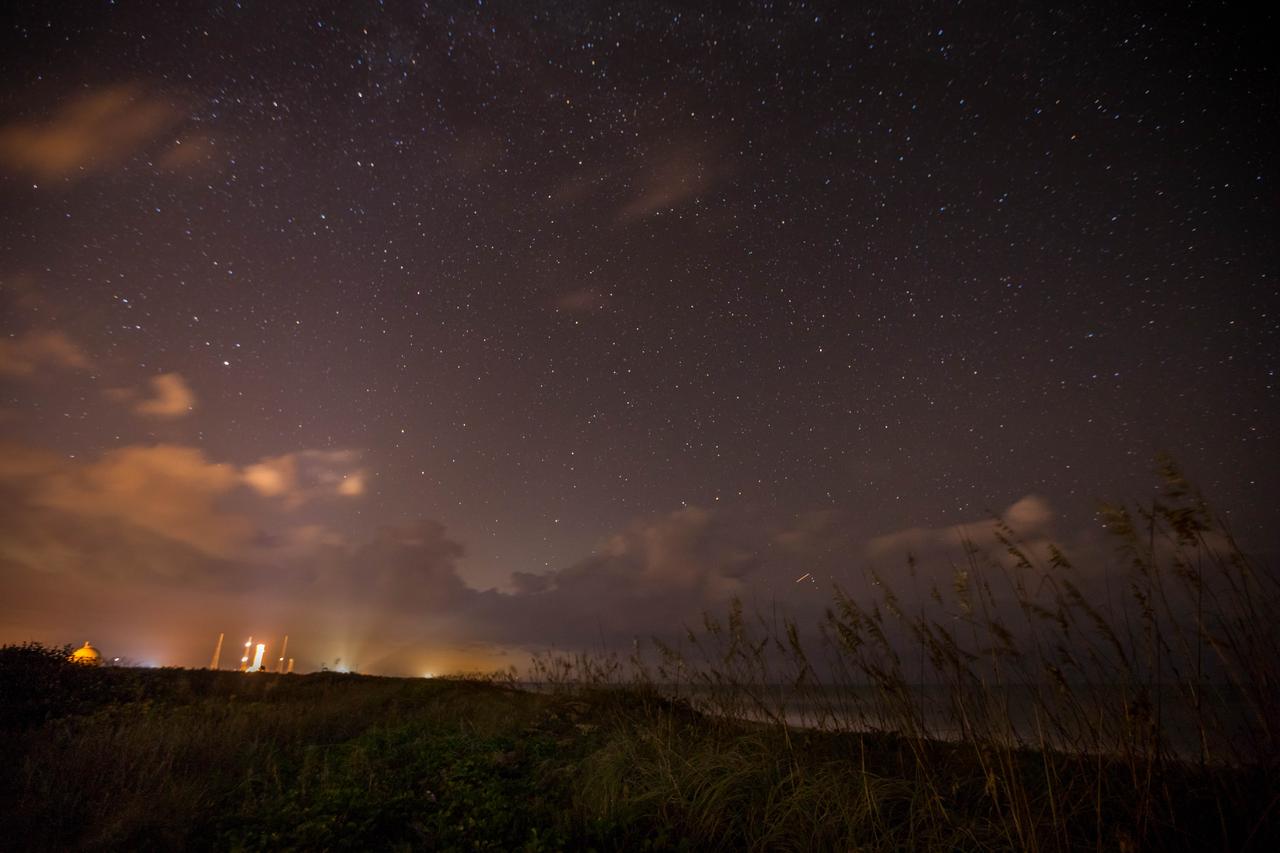
Lights from Launch Complexes 39A and B, left, glow against the night sky in this view from the Atlantic shoreline at NASA’s Kennedy Space Center in Florida on Oct. 31, 2019.
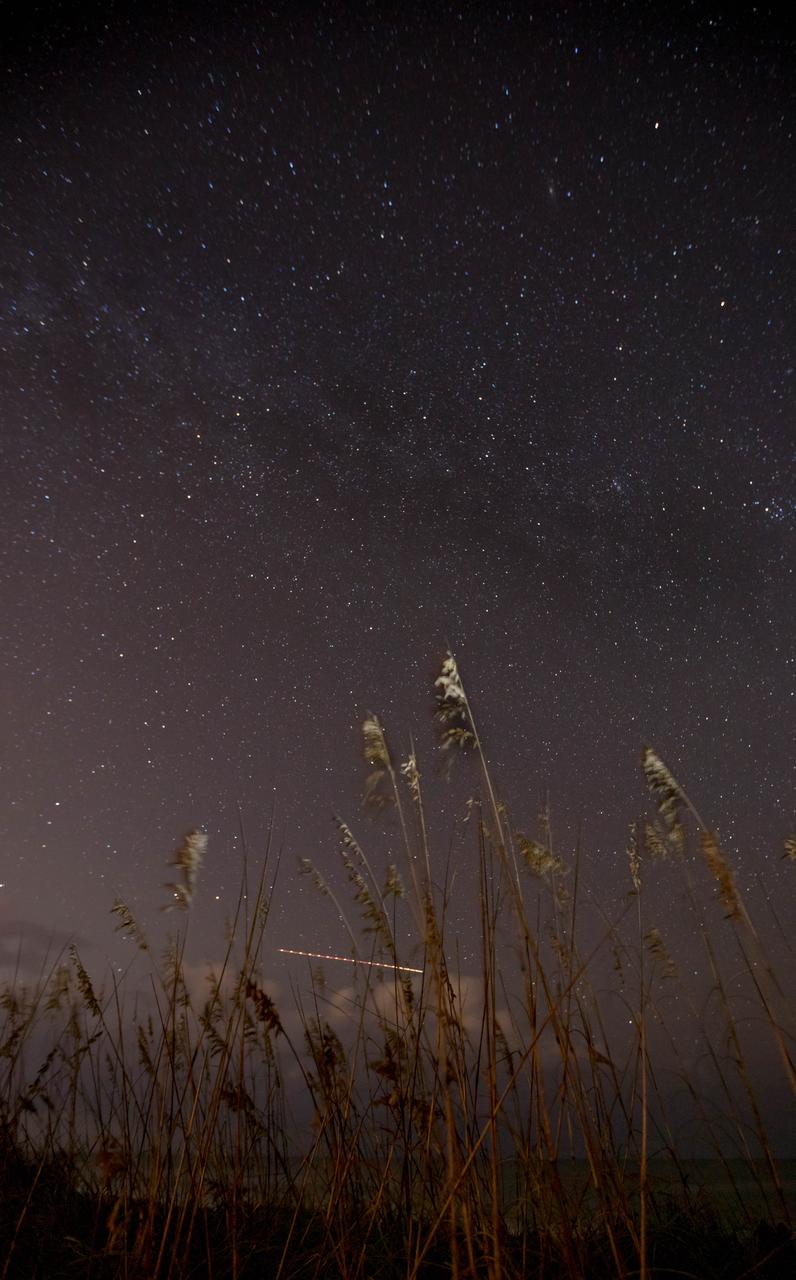
Sea oats are backdropped by the night sky and the Milky Way in this view from the Atlantic shoreline at NASA’s Kennedy Space Center in Florida on Oct. 31, 2019. The lights of an aircraft create an illuminated streak above the horizon.
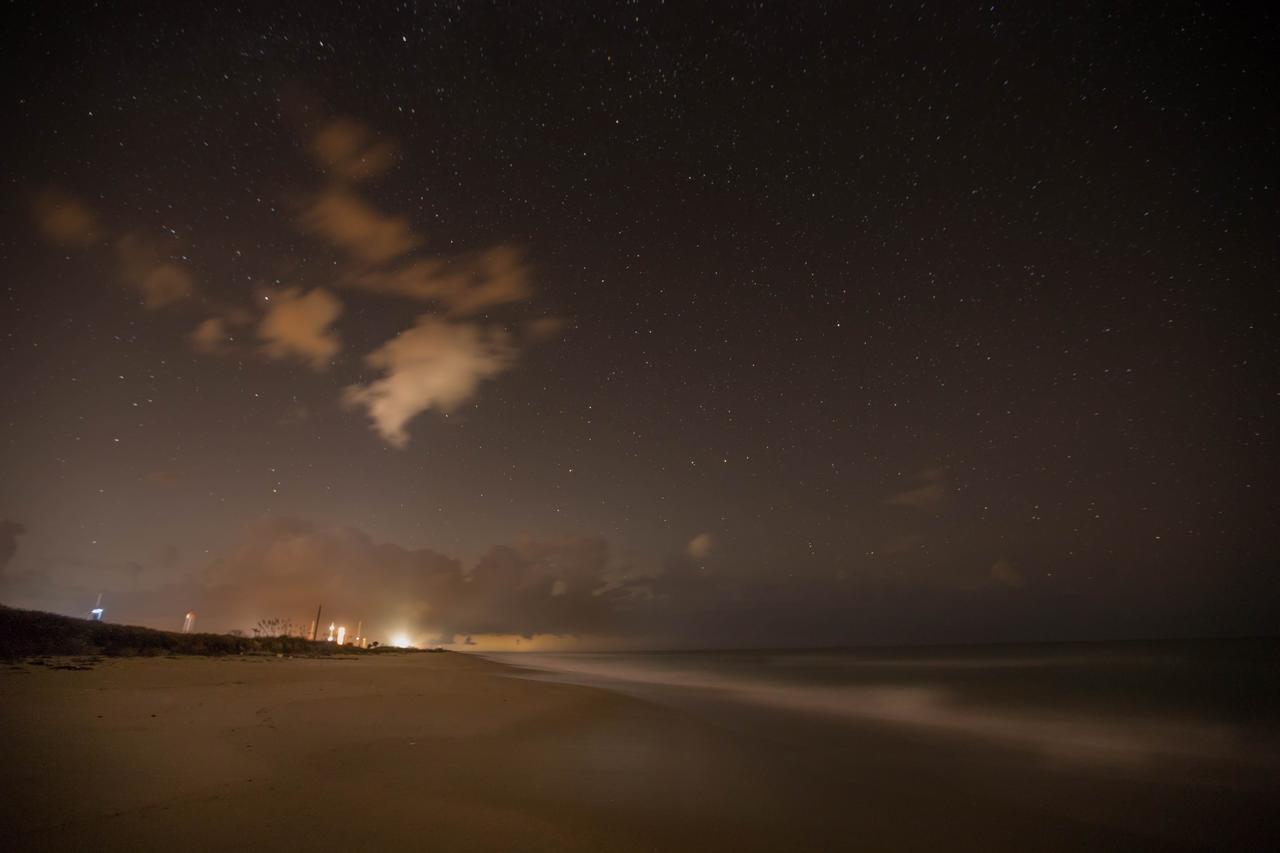
Lights from Launch Complexes 39A and B, left, glow against the night sky in this view from the Atlantic shoreline at NASA’s Kennedy Space Center in Florida on Oct. 31, 2019.
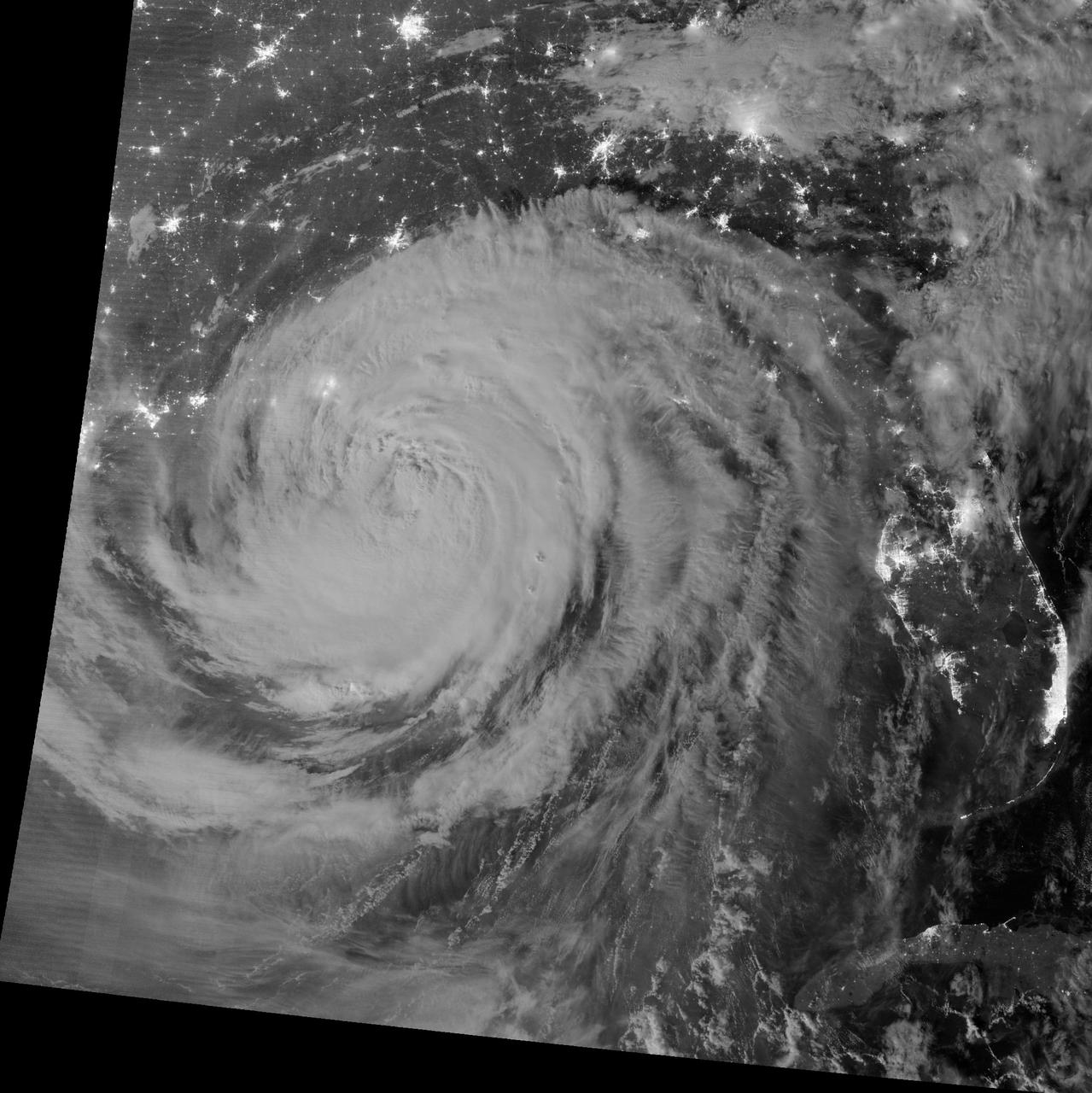
NASA image acquired August 29, 2012 1:57 a.m EDT Annotated view here: <a href="http://bit.ly/RsFT9Y" rel="nofollow">bit.ly/RsFT9Y</a> Hurricane Isaac lit up by moonlight as it spins over the city of New Orleans, La. at 1:57 am central daylight savings time the morning of August 29, 2012. The Suomi National Polar-orbiting Partnership (NPP) satellite captured these images with its Visible Infrared Imaging Radiometer Suite (VIIRS). The "day-night band" of VIIRS detects light in a range of wavelengths from green to near-infrared and uses light intensification to enable the detection of dim signals. Suomi NPP is the result of a partnership between NASA, the National Oceanic and Atmospheric Administration and the Department of Defense. Image Credit: NASA/NOAA, Earth Observatory NASA Earth Observatory image by Jesse Allen and Robert Simmon, using VIIRS Day Night Band data. Credit: <b><a href="http://www.earthobservatory.nasa.gov/" rel="nofollow"> NASA Earth Observatory</a></b> <b><a href="http://www.nasa.gov/audience/formedia/features/MP_Photo_Guidelines.html" rel="nofollow">NASA image use policy.</a></b> <b><a href="http://www.nasa.gov/centers/goddard/home/index.html" rel="nofollow">NASA Goddard Space Flight Center</a></b> enables NASA’s mission through four scientific endeavors: Earth Science, Heliophysics, Solar System Exploration, and Astrophysics. Goddard plays a leading role in NASA’s accomplishments by contributing compelling scientific knowledge to advance the Agency’s mission. <b>Follow us on <a href="http://twitter.com/NASA_GoddardPix" rel="nofollow">Twitter</a></b> <b>Like us on <a href="http://www.facebook.com/pages/Greenbelt-MD/NASA-Goddard/395013845897?ref=tsd" rel="nofollow">Facebook</a></b> <b>Find us on <a href="http://instagrid.me/nasagoddard/?vm=grid" rel="nofollow">Instagram</a></b>

The Polar Night Nitric Oxide or PolarNOx experiment from Virginia Tech is launched aboard a NASA Black Brant IX sounding rocket at 8:45 a.m. EST, Jan. 27, from the Poker Flat Research Range in Alaska. PolarNOx is measuring nitric oxide in the polar night sky. Nitric oxide in the polar night sky is created by auroras. Under appropriate conditions it can be transported to the stratosphere where it may destroy ozone resulting in possible changes in stratospheric temperature and wind and may even impact the circulation at Earth’s surface. Credit: NASA/Wallops/Jamie Adkins <b><a href="http://www.nasa.gov/audience/formedia/features/MP_Photo_Guidelines.html" rel="nofollow">NASA image use policy.</a></b> <b><a href="http://www.nasa.gov/centers/goddard/home/index.html" rel="nofollow">NASA Goddard Space Flight Center</a></b> enables NASA’s mission through four scientific endeavors: Earth Science, Heliophysics, Solar System Exploration, and Astrophysics. Goddard plays a leading role in NASA’s accomplishments by contributing compelling scientific knowledge to advance the Agency’s mission. <b>Follow us on <a href="http://twitter.com/NASAGoddardPix" rel="nofollow">Twitter</a></b> <b>Like us on <a href="http://www.facebook.com/pages/Greenbelt-MD/NASA-Goddard/395013845897?ref=tsd" rel="nofollow">Facebook</a></b> <b>Find us on <a href="http://instagrid.me/nasagoddard/?vm=grid" rel="nofollow">Instagram</a></b>
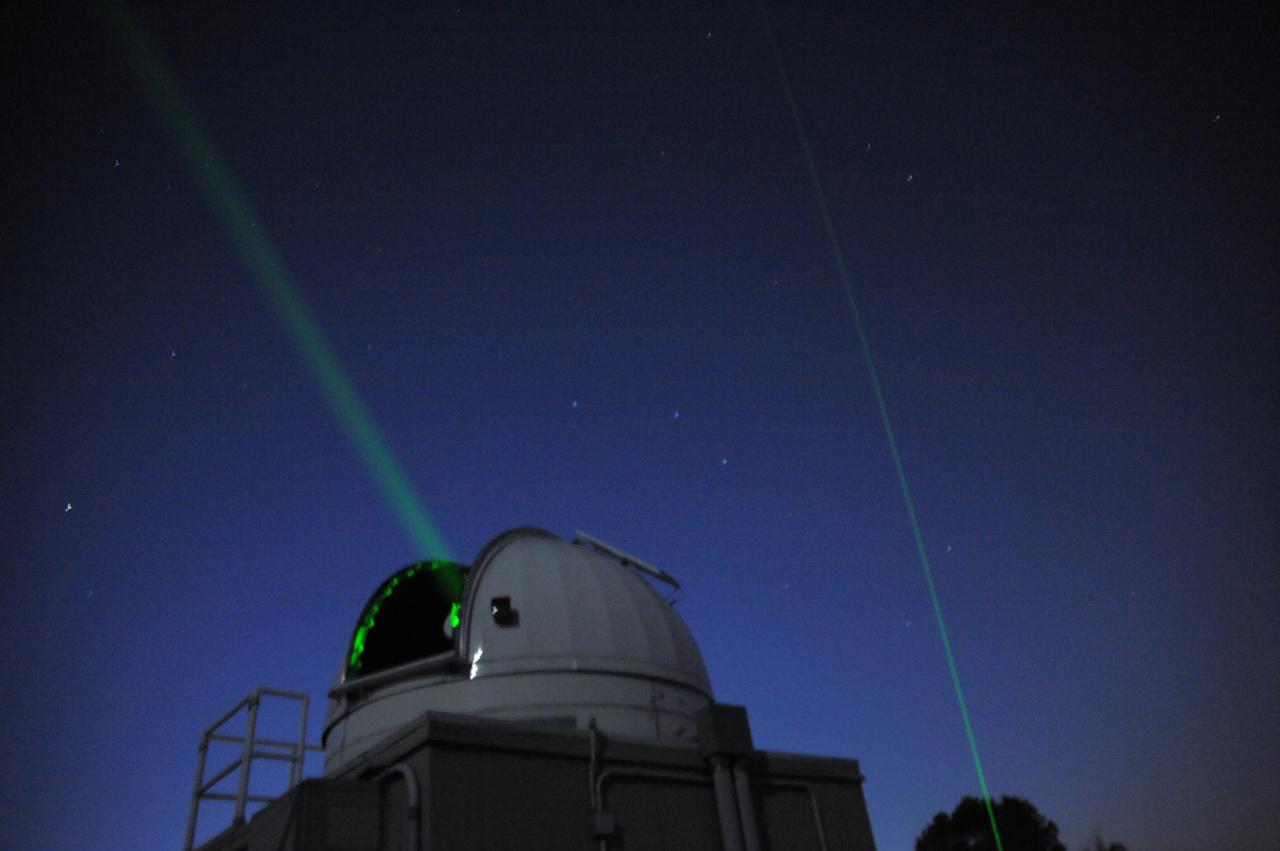
Double beams shoot into the night sky during the Internation Observe the Moon night event. Goddard's Laser Ranging Facility directs a laser toward the Lunar Reconassaince Orbiter on International Observe the Moon Night. (Sept 18, 2010) Background on laser ranging: <a href="http://www.nasa.gov/mission_pages/LRO/news/LRO_lr.html" rel="nofollow">www.nasa.gov/mission_pages/LRO/news/LRO_lr.html</a> Credit: NASA/GSFC/Debbie Mccallum On September 18, 2010 the world joined the NASA Goddard Space Flight Center's Visitor Center in Greenbelt, Md., as well as other NASA Centers to celebrate the first annual International Observe the Moon Night (InOMN). To read more go to: <a href="http://www.nasa.gov/centers/goddard/news/features/2010/moon-night.html" rel="nofollow">www.nasa.gov/centers/goddard/news/features/2010/moon-nigh...</a> <b><a href="http://www.nasa.gov/centers/goddard/home/index.html" rel="nofollow">NASA Goddard Space Flight Center</a></b> contributes to NASA’s mission through four scientific endeavors: Earth Science, Heliophysics, Solar System Exploration, and Astrophysics. Goddard plays a leading role in NASA’s endeavors by providing compelling scientific knowledge to advance the Agency’s mission. <b>Follow us on <a href="http://twitter.com/NASA_GoddardPix" rel="nofollow">Twitter</a></b> <b>Join us on <a href="http://www.facebook.com/pages/Greenbelt-MD/NASA-Goddard/395013845897?ref=tsd" rel="nofollow">Facebook</a></b>
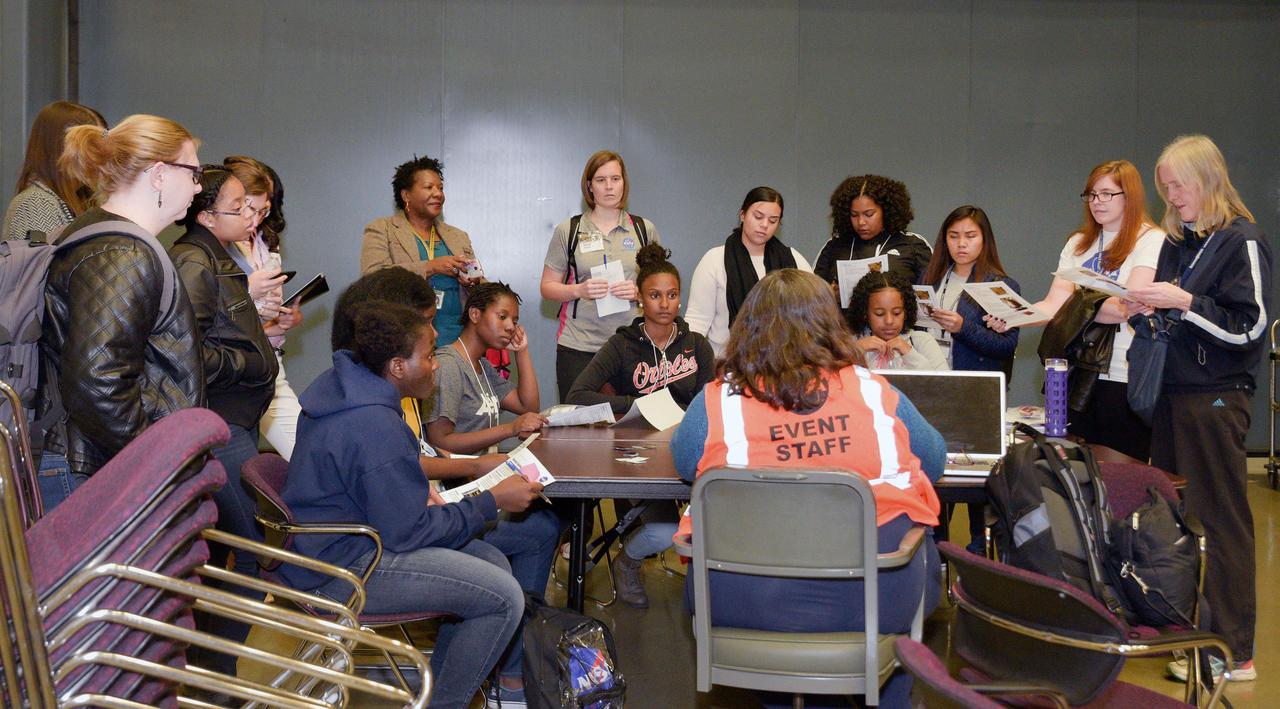
Girls Night In was held at Goddard on Nov 4-5, 2016. This is a pilot program which reinvigorates, Girls Night In was held at Goddard on Nov 4-5, inspires and engages high school girls who may be struggling or not fully engaged in STEM
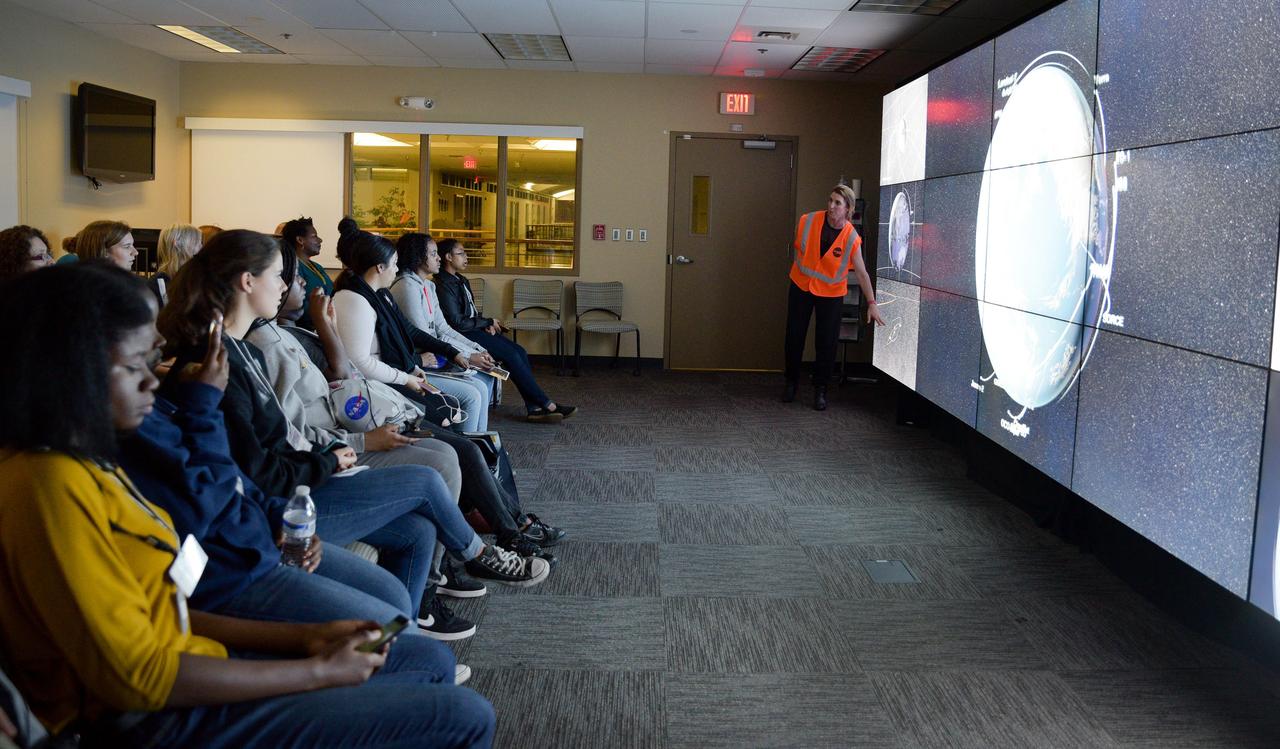
Girls Night In was held at Goddard on Nov 4-5, 2016. This is a pilot program which reinvigorates, Girls Night In was held at Goddard on Nov 4-5, inspires and engages high school girls who may be struggling or not fully engaged in STEM
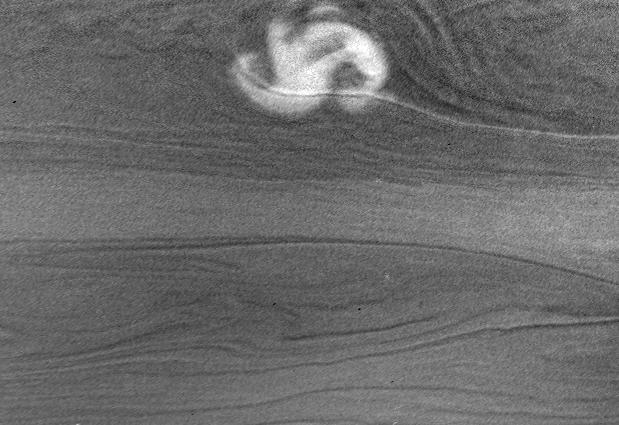
This image shows a rare and powerful storm on the night side of Saturn Reprojected View
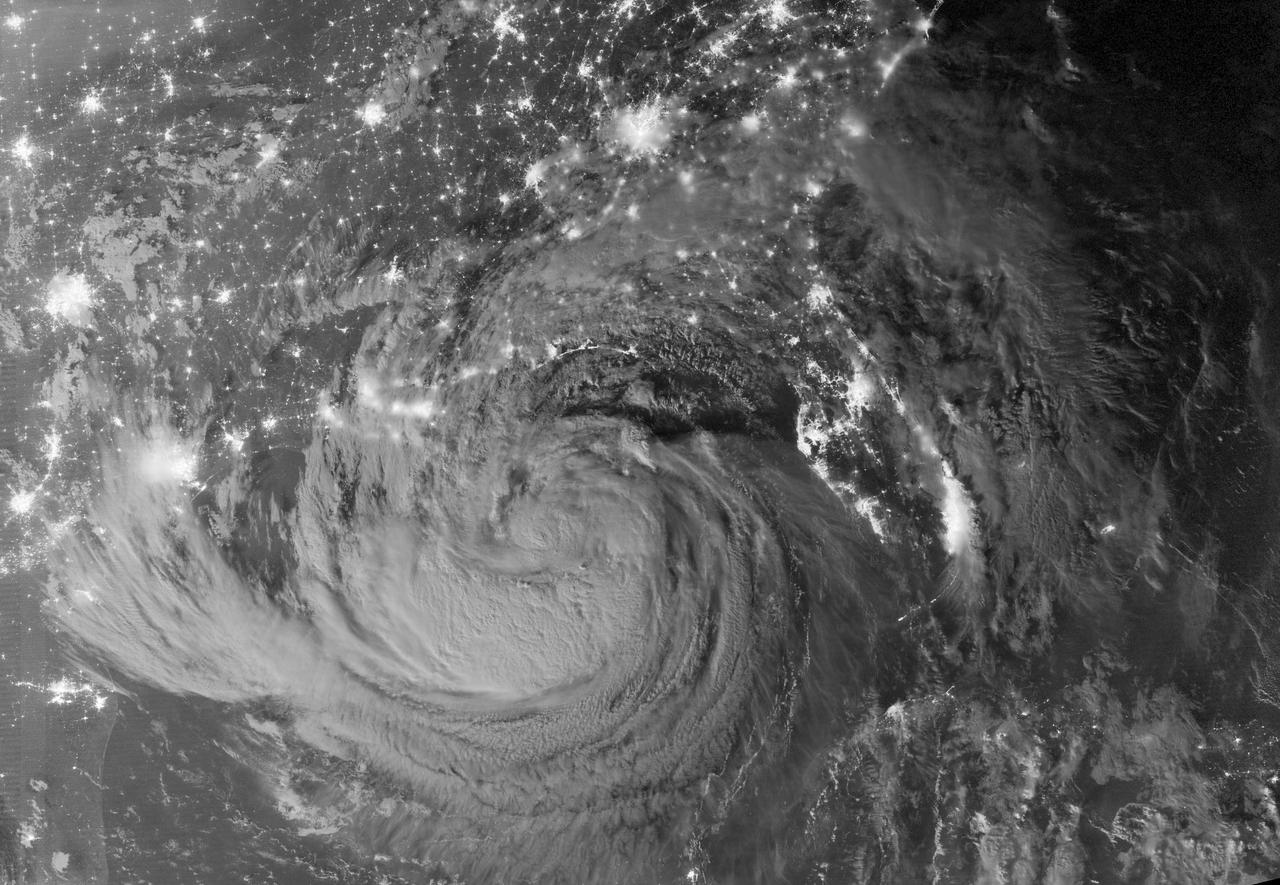
NASA image acquired August 28, 2012 Early on August 28, 2012, the Visible Infrared Imaging Radiometer Suite (VIIRS) on the Suomi-NPP satellite captured this nighttime view of Tropical Storm Isaac and the cities near the Gulf Coast of the United States. The image was acquired just after local midnight by the VIIRS “day-night band,” which detects light in a range of wavelengths from green to near-infrared and uses light intensification to enable the detection of dim signals. In this case, the clouds of Isaac were lit by moonlight. Credit: <b><a href="http://www.earthobservatory.nasa.gov/" rel="nofollow"> NASA Earth Observatory</a></b> NASA Earth Observatory image by Jesse Allen and Robert Simmon, using VIIRS Day Night Band data. <b><a href="http://www.nasa.gov/audience/formedia/features/MP_Photo_Guidelines.html" rel="nofollow">NASA image use policy.</a></b> <b><a href="http://www.nasa.gov/centers/goddard/home/index.html" rel="nofollow">NASA Goddard Space Flight Center</a></b> enables NASA’s mission through four scientific endeavors: Earth Science, Heliophysics, Solar System Exploration, and Astrophysics. Goddard plays a leading role in NASA’s accomplishments by contributing compelling scientific knowledge to advance the Agency’s mission. <b>Follow us on <a href="http://twitter.com/NASA_GoddardPix" rel="nofollow">Twitter</a></b> <b>Like us on <a href="http://www.facebook.com/pages/Greenbelt-MD/NASA-Goddard/395013845897?ref=tsd" rel="nofollow">Facebook</a></b> <b>Find us on <a href="http://instagrid.me/nasagoddard/?vm=grid" rel="nofollow">Instagram</a></b>
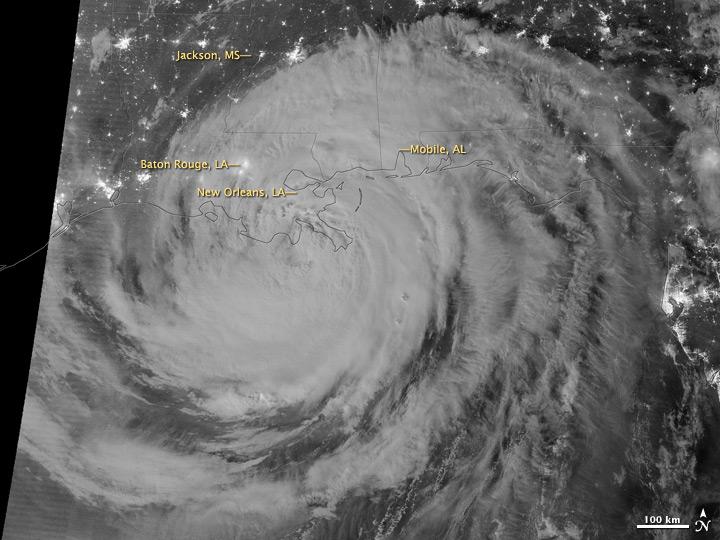
NASA image acquired August 29, 2012 1:57 a.m EDT Hurricane Isaac lit up by moonlight as it spins over the city of New Orleans, La. at 1:57 am central daylight savings time the morning of August 29, 2012. The Suomi National Polar-orbiting Partnership (NPP) satellite captured these images with its Visible Infrared Imaging Radiometer Suite (VIIRS). The "day-night band" of VIIRS detects light in a range of wavelengths from green to near-infrared and uses light intensification to enable the detection of dim signals. Suomi NPP is the result of a partnership between NASA, the National Oceanic and Atmospheric Administration and the Department of Defense. Image Credit: NASA/NOAA, Earth Observatory NASA Earth Observatory image by Jesse Allen and Robert Simmon, using VIIRS Day Night Band data. Credit: <b><a href="http://www.earthobservatory.nasa.gov/" rel="nofollow"> NASA Earth Observatory</a></b> <b><a href="http://www.nasa.gov/audience/formedia/features/MP_Photo_Guidelines.html" rel="nofollow">NASA image use policy.</a></b> <b><a href="http://www.nasa.gov/centers/goddard/home/index.html" rel="nofollow">NASA Goddard Space Flight Center</a></b> enables NASA’s mission through four scientific endeavors: Earth Science, Heliophysics, Solar System Exploration, and Astrophysics. Goddard plays a leading role in NASA’s accomplishments by contributing compelling scientific knowledge to advance the Agency’s mission. <b>Follow us on <a href="http://twitter.com/NASA_GoddardPix" rel="nofollow">Twitter</a></b> <b>Like us on <a href="http://www.facebook.com/pages/Greenbelt-MD/NASA-Goddard/395013845897?ref=tsd" rel="nofollow">Facebook</a></b> <b>Find us on <a href="http://instagrid.me/nasagoddard/?vm=grid" rel="nofollow">Instagram</a></b>
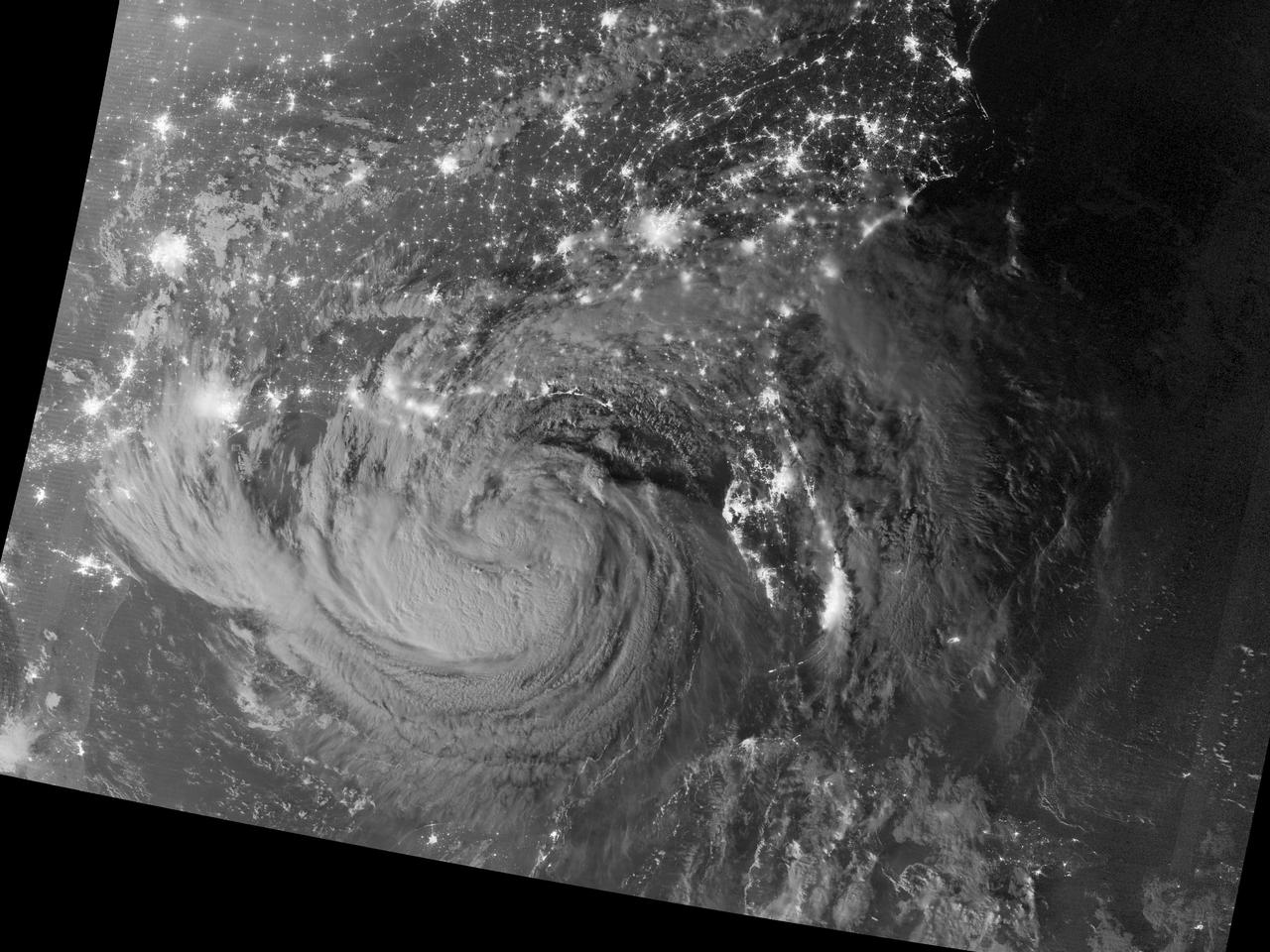
NASA image acquired August 28, 2012 Early on August 28, 2012, the Visible Infrared Imaging Radiometer Suite (VIIRS) on the Suomi-NPP satellite captured this nighttime view of Tropical Storm Isaac and the cities near the Gulf Coast of the United States. The image was acquired just after local midnight by the VIIRS “day-night band,” which detects light in a range of wavelengths from green to near-infrared and uses light intensification to enable the detection of dim signals. In this case, the clouds of Isaac were lit by moonlight. Credit: <b><a href="http://www.earthobservatory.nasa.gov/" rel="nofollow"> NASA Earth Observatory</a></b> NASA Earth Observatory image by Jesse Allen and Robert Simmon, using VIIRS Day Night Band data. Caption by Mike Carlowicz. <b><a href="http://www.nasa.gov/audience/formedia/features/MP_Photo_Guidelines.html" rel="nofollow">NASA image use policy.</a></b> <b><a href="http://www.nasa.gov/centers/goddard/home/index.html" rel="nofollow">NASA Goddard Space Flight Center</a></b> enables NASA’s mission through four scientific endeavors: Earth Science, Heliophysics, Solar System Exploration, and Astrophysics. Goddard plays a leading role in NASA’s accomplishments by contributing compelling scientific knowledge to advance the Agency’s mission. <b>Follow us on <a href="http://twitter.com/NASA_GoddardPix" rel="nofollow">Twitter</a></b> <b>Like us on <a href="http://www.facebook.com/pages/Greenbelt-MD/NASA-Goddard/395013845897?ref=tsd" rel="nofollow">Facebook</a></b> <b>Find us on <a href="http://instagrid.me/nasagoddard/?vm=grid" rel="nofollow">Instagram</a></b>
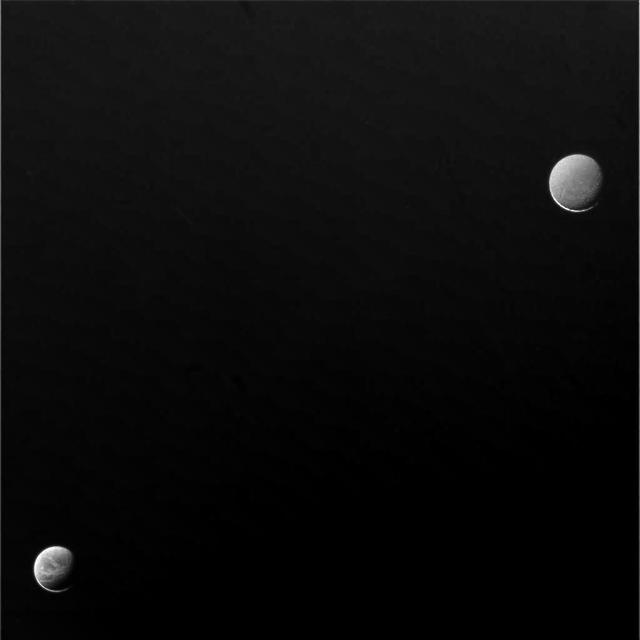
Soft light from Saturn lifts the veil of night from the moons Dione lower left and Rhea upper right
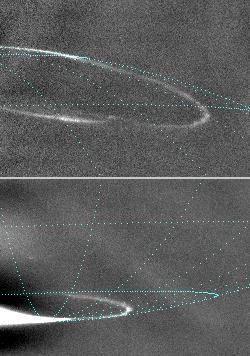
Jupiter Night-Side Auroras, North and South
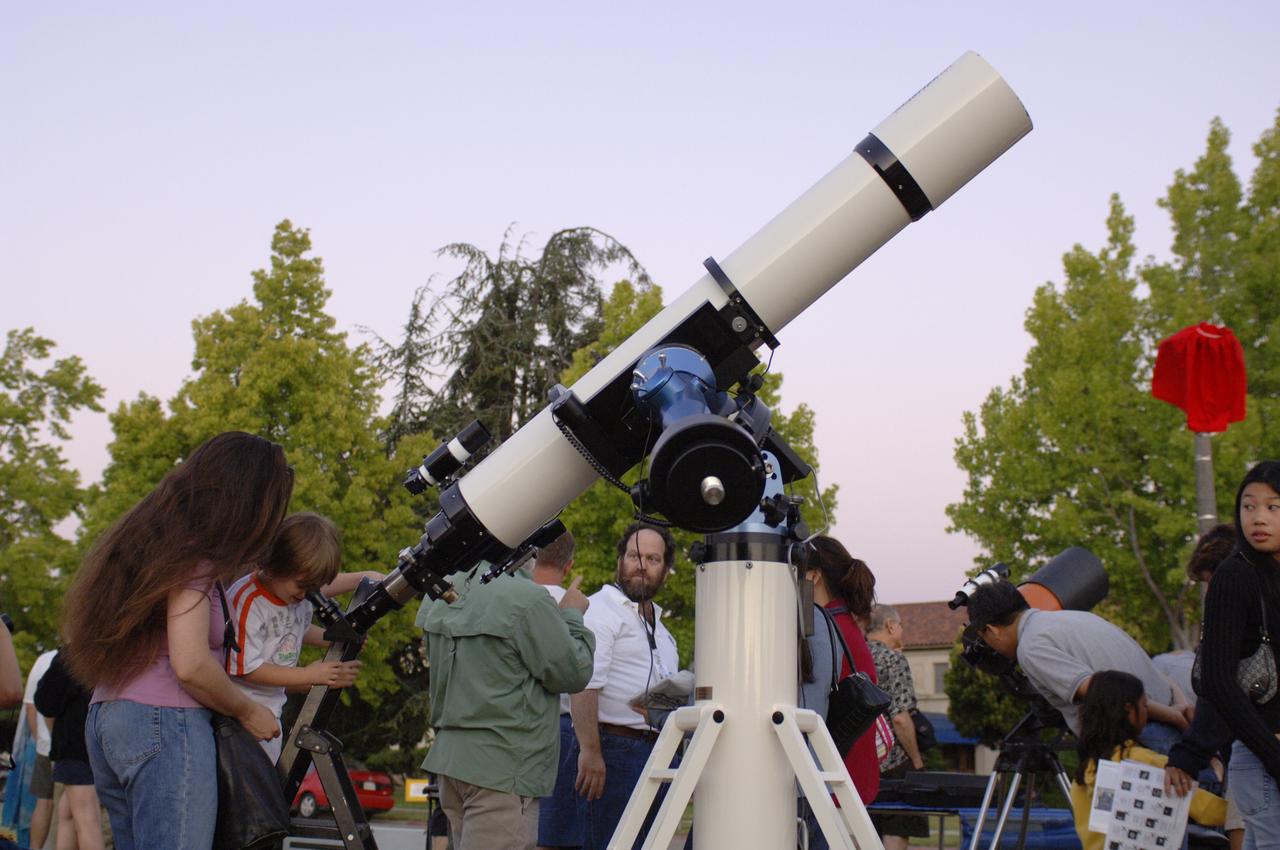
Family night: Cosmic Impact night
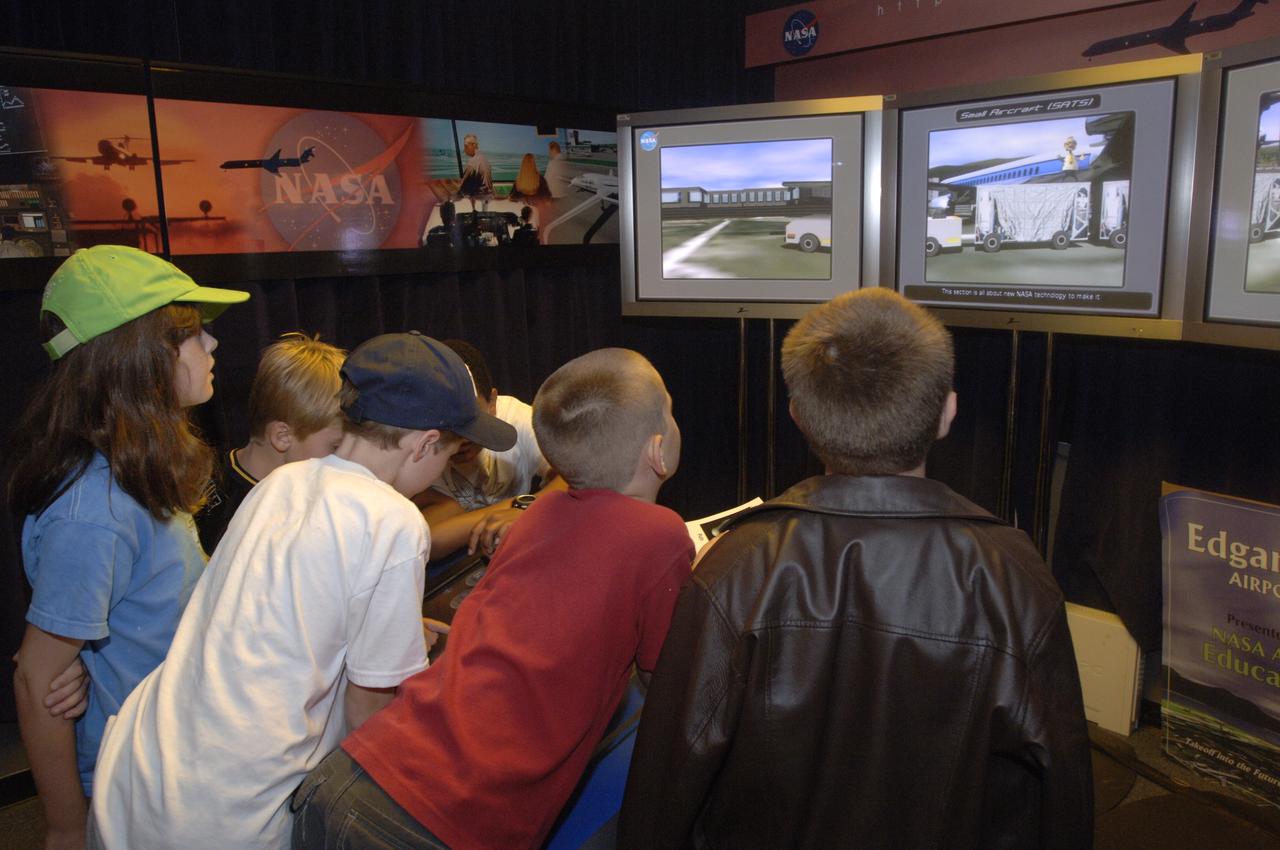
Family night: Cosmic Impact night
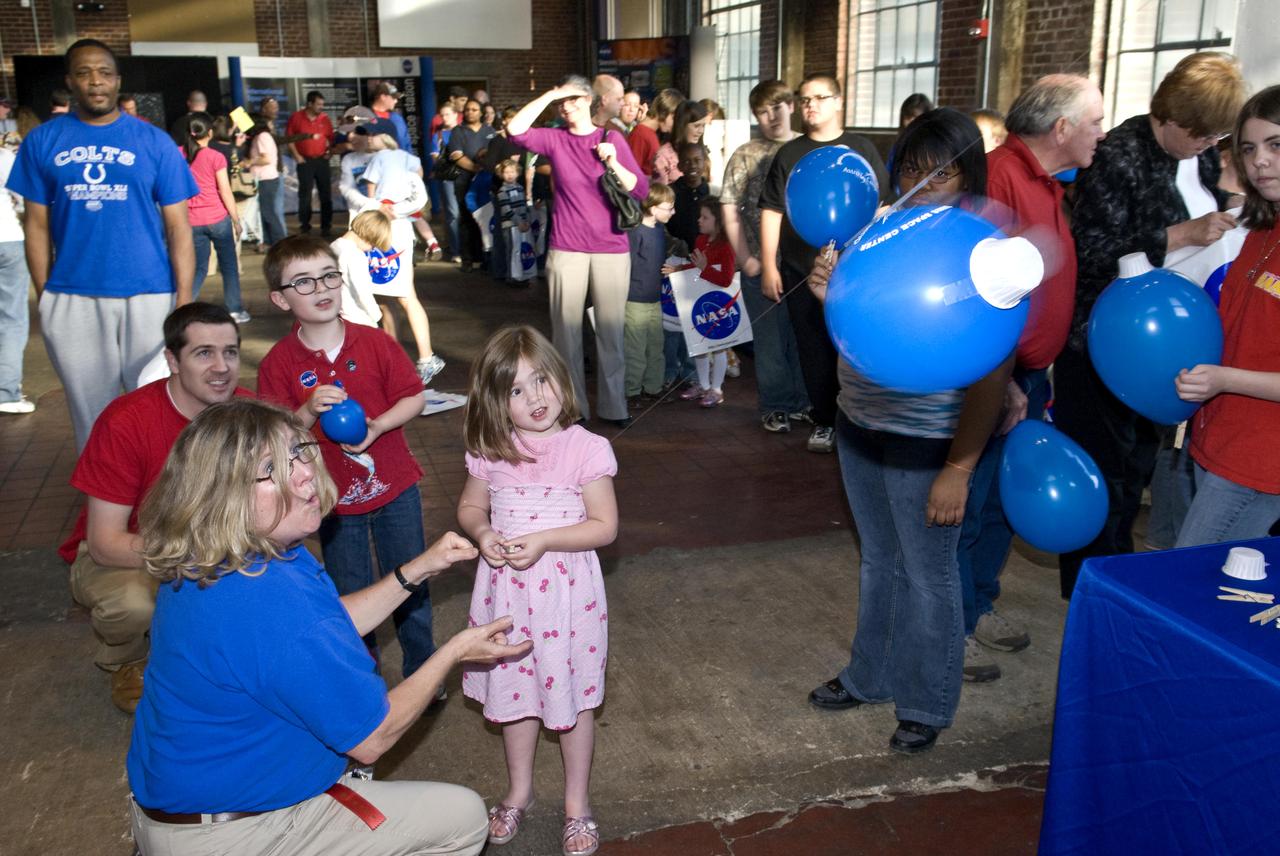
A young visitor to the Powerhouse Community Arts and Cultural Center in Oxford, Miss., enjoys a balloon rocket transportation activity during a NASA Night in the Neighborhood on March 29. NASA's John C. Stennis Space Center near Bay St. Louis visited the center with a variety of space-related displays and educational activities. Events targeted for children included moon phasers and build-your-own rocket transportation exercises, as well as an astronaut ice cream tasting station. Visitors also were able to take photos in the astronaut suit display. Displays focused on the 40th anniversaries of the Apollo 11 and Apollo 13 lunar missions, the International Space Station, and various aspects of Stennis work. The event was sponsored by the NASA Office of External Affairs and Education at Stennis.
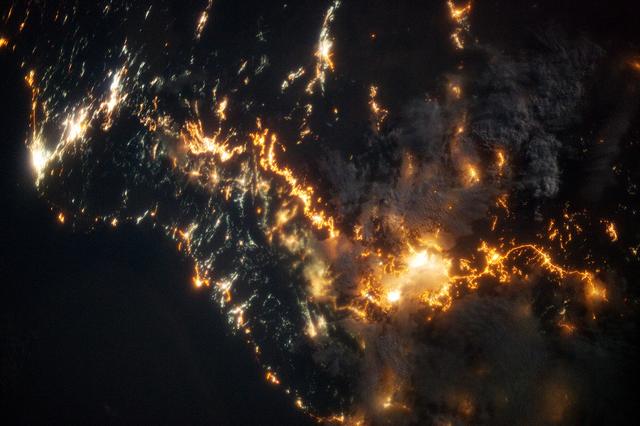
This striking image of the coastline of southwestern Saudi Arabia was taken by astronauts on the International Space Station. Patchy cloud cover partially obscures and blurs the city lights, especially in the vicinity of Khamis Mushait and Abha. While much of the country is lightly populated desert—and relatively dark at night due to lack of city and roadway lights—the southwestern coastal region has a more moderate climate and several large cities. Three brightly lit urban centers are visible at image top left: Jeddah, Mecca, and Taif. Jeddah is the gateway city for Islamic pilgrims going to nearby Mecca, a religious journey known as the Hajj. Taif is located on the slopes of the Sarawat Mountains and provides a summer retreat for the Saudi government from the desert heat of the capital, Riyadh. Bright yellow-orange lighting marks highways that parallel the trend of the Asir Mountains (image center), connecting Mecca to the resort cities of Al Bahah and Abha. Smaller roadways, lit with blue lights, extend to the west to small cities along the Red Sea coastline. The bright yellow-orange glow of the city of Abha is matched by that of Khamis Mushait (or Khamis Mushayt) to the northeast. The brightly lit ribbon of highway continues towards other large cities to the south (Jazan, not shown) and southeast (Najran, not shown). Astronaut photograph ISS036-E-25802 was acquired on July 26, 2013, with a Nikon D3S digital camera using a 50 millimeter lens, and is provided by the ISS Crew Earth Observations experiment and Image Science & Analysis Laboratory, Johnson Space Center. The image was taken by the Expedition 36 crew. It has been cropped and enhanced to improve contrast, and lens artifacts have been removed. The International Space Station Program supports the laboratory as part of the ISS National Lab to help astronauts take pictures of Earth that will be of the greatest value to scientists and the public, and to make those images freely available on the Internet. Additional images taken by astronauts and cosmonauts can be viewed at the NASA/JSC Gateway to Astronaut Photography of Earth. Caption by William L. Stefanov, Jacobs/JETS at NASA-JSC. Instrument: ISS - Digital Camera More info: <a href="http://1.usa.gov/13TqPcr" rel="nofollow">1.usa.gov/13TqPcr</a> Credit: <b><a href="http://www.earthobservatory.nasa.gov/" rel="nofollow"> NASA Earth Observatory</a></b> <b><a href="http://www.nasa.gov/audience/formedia/features/MP_Photo_Guidelines.html" rel="nofollow">NASA image use policy.</a></b> <b><a href="http://www.nasa.gov/centers/goddard/home/index.html" rel="nofollow">NASA Goddard Space Flight Center</a></b> enables NASA’s mission through four scientific endeavors: Earth Science, Heliophysics, Solar System Exploration, and Astrophysics. Goddard plays a leading role in NASA’s accomplishments by contributing compelling scientific knowledge to advance the Agency’s mission. <b>Follow us on <a href="http://twitter.com/NASA_GoddardPix" rel="nofollow">Twitter</a></b> <b>Like us on <a href="http://www.facebook.com/pages/Greenbelt-MD/NASA-Goddard/395013845897?ref=tsd" rel="nofollow">Facebook</a></b> <b>Find us on <a href="http://instagram.com/nasagoddard?vm=grid" rel="nofollow">Instagram</a></b>
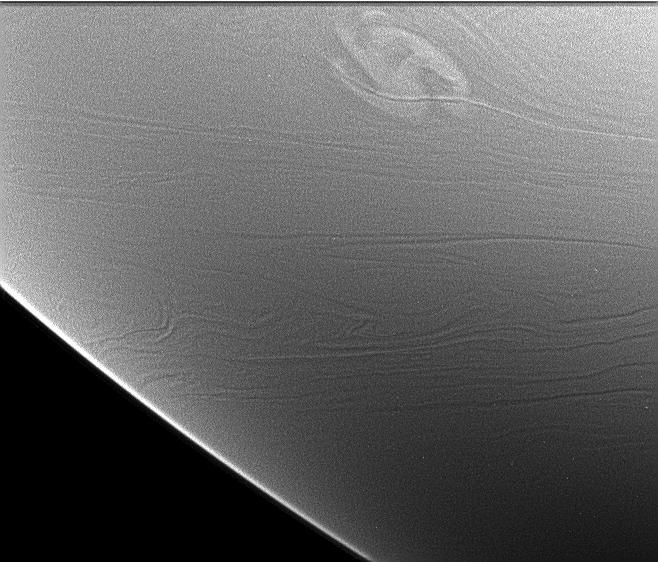
This image from shows a rare and powerful storm on the night side of Saturn Limb View

Two beams flash across a starry sky toward the Moon at Optical Site. Goddard's Laser Ranging Facility directs a laser toward the Lunar Reconassaince Orbiter on International Observe the Moon Night. (Sept 18, 2010) Background on laser ranging: <a href="http://www.nasa.gov/mission_pages/LRO/news/LRO_lr.html" rel="nofollow">www.nasa.gov/mission_pages/LRO/news/LRO_lr.html</a> Credit: NASA/GSFC/Debbie Mccallum On September 18, 2010 the world joined the NASA Goddard Space Flight Center's Visitor Center in Greenbelt, Md., as well as other NASA Centers to celebrate the first annual International Observe the Moon Night (InOMN). To read more go to: <a href="http://www.nasa.gov/centers/goddard/news/features/2010/moon-night.html" rel="nofollow">www.nasa.gov/centers/goddard/news/features/2010/moon-nigh...</a> <b><a href="http://www.nasa.gov/centers/goddard/home/index.html" rel="nofollow">NASA Goddard Space Flight Center</a></b> contributes to NASA’s mission through four scientific endeavors: Earth Science, Heliophysics, Solar System Exploration, and Astrophysics. Goddard plays a leading role in NASA’s endeavors by providing compelling scientific knowledge to advance the Agency’s mission. <b>Follow us on <a href="http://twitter.com/NASA_GoddardPix" rel="nofollow">Twitter</a></b> <b>Join us on <a href="http://www.facebook.com/pages/Greenbelt-MD/NASA-Goddard/395013845897?ref=tsd" rel="nofollow">Facebook</a></b>
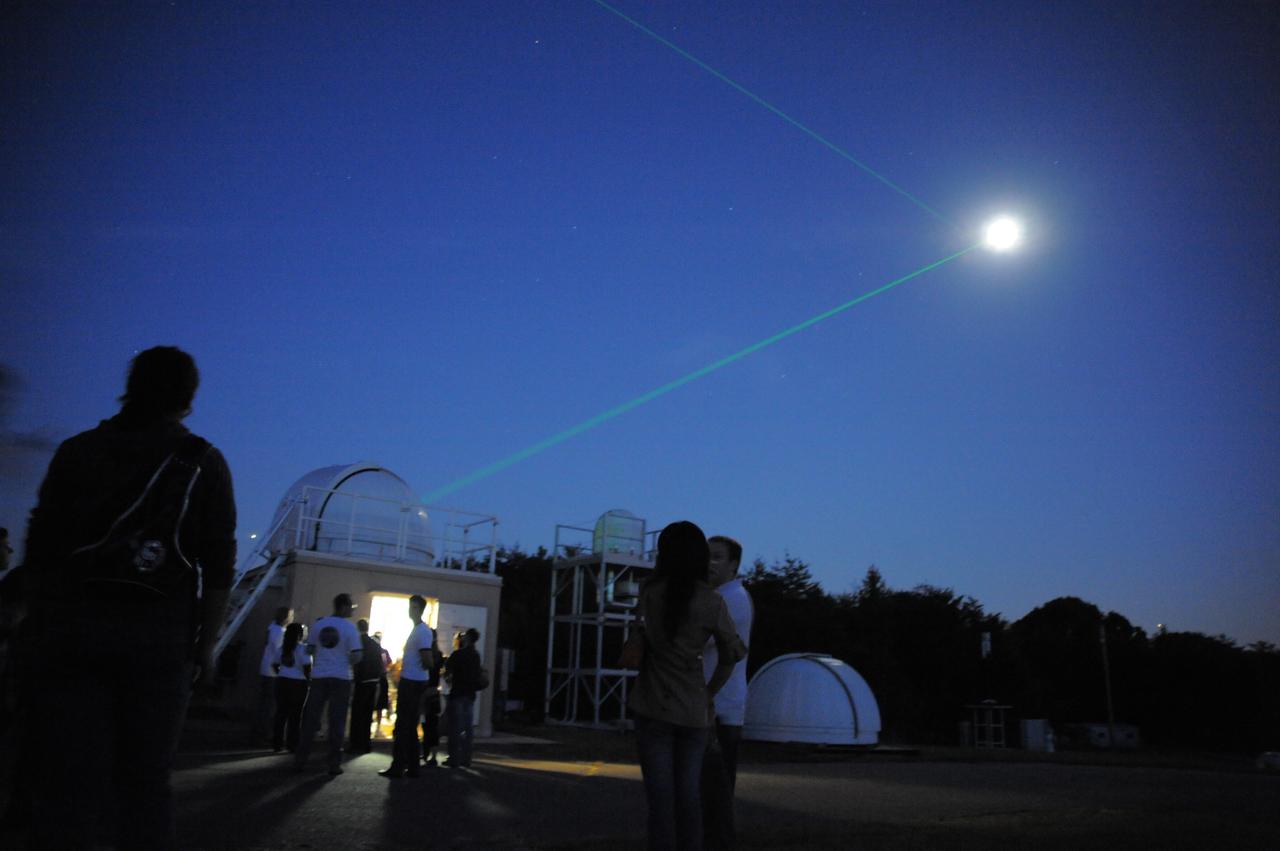
Visitors get a rare opportunity to view laser beams pointed at the moon at Optical Site. Goddard's Laser Ranging Facility directs a laser toward the Lunar Reconassaince Orbiter on International Observe the Moon Night. (Sept 18, 2010) Background on laser ranging: <a href="http://www.nasa.gov/mission_pages/LRO/news/LRO_lr.html" rel="nofollow">www.nasa.gov/mission_pages/LRO/news/LRO_lr.html</a> Credit: NASA/GSFC/Debbie Mccallum On September 18, 2010 the world joined the NASA Goddard Space Flight Center's Visitor Center in Greenbelt, Md., as well as other NASA Centers to celebrate the first annual International Observe the Moon Night (InOMN). To read more go to: <a href="http://www.nasa.gov/centers/goddard/news/features/2010/moon-night.html" rel="nofollow">www.nasa.gov/centers/goddard/news/features/2010/moon-nigh...</a> <b><a href="http://www.nasa.gov/centers/goddard/home/index.html" rel="nofollow">NASA Goddard Space Flight Center</a></b> contributes to NASA’s mission through four scientific endeavors: Earth Science, Heliophysics, Solar System Exploration, and Astrophysics. Goddard plays a leading role in NASA’s endeavors by providing compelling scientific knowledge to advance the Agency’s mission. <b>Follow us on <a href="http://twitter.com/NASA_GoddardPix" rel="nofollow">Twitter</a></b> <b>Join us on <a href="http://www.facebook.com/pages/Greenbelt-MD/NASA-Goddard/395013845897?ref=tsd" rel="nofollow">Facebook</a></b>
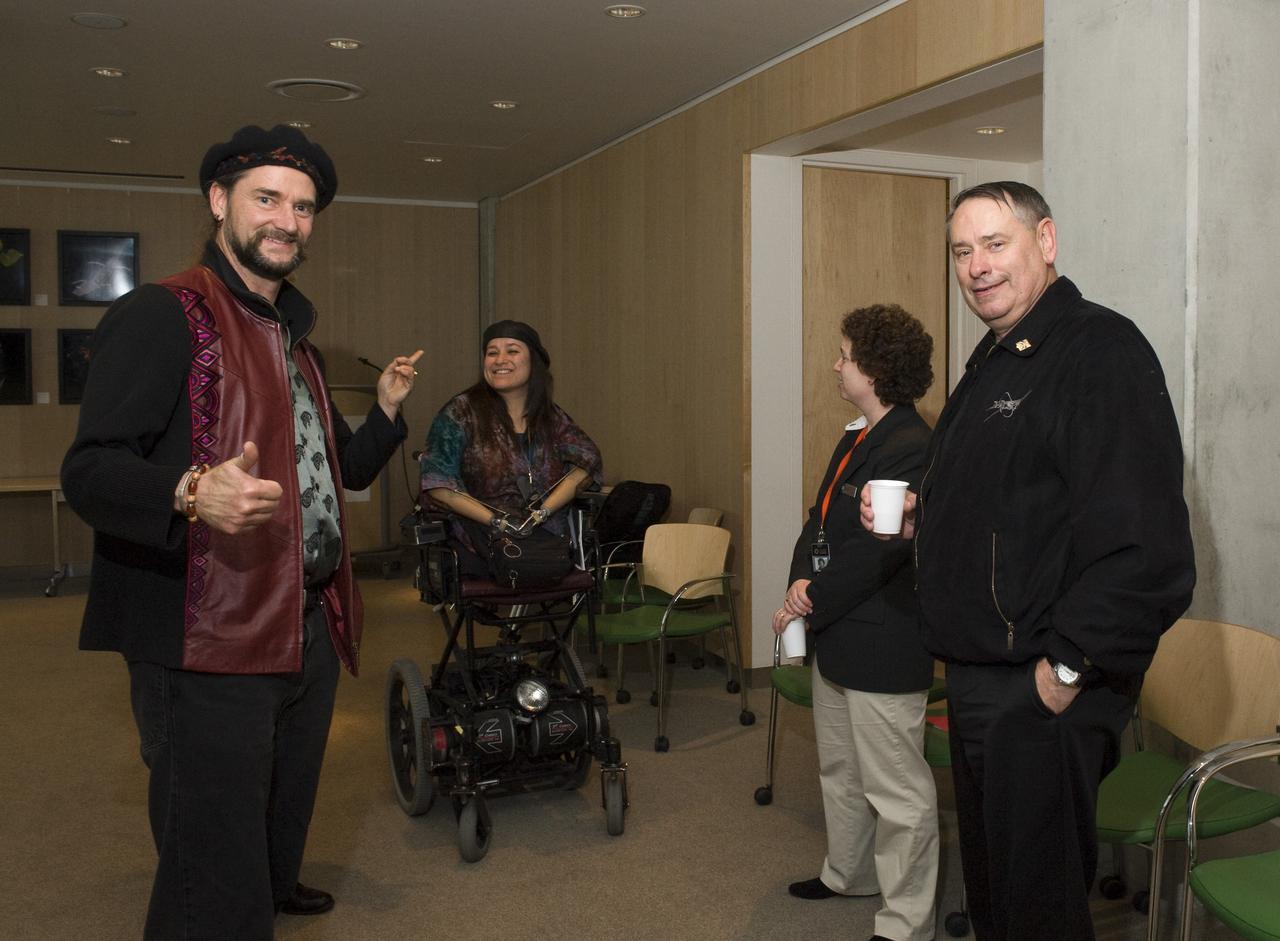
Yuri's Night 2009 held at the California Acaemy of Sciences in San Francisco, California. Image show Ames Center Director S. Pete Worden and Dana Bolles also of Ames at the beginning of the night's festivities.
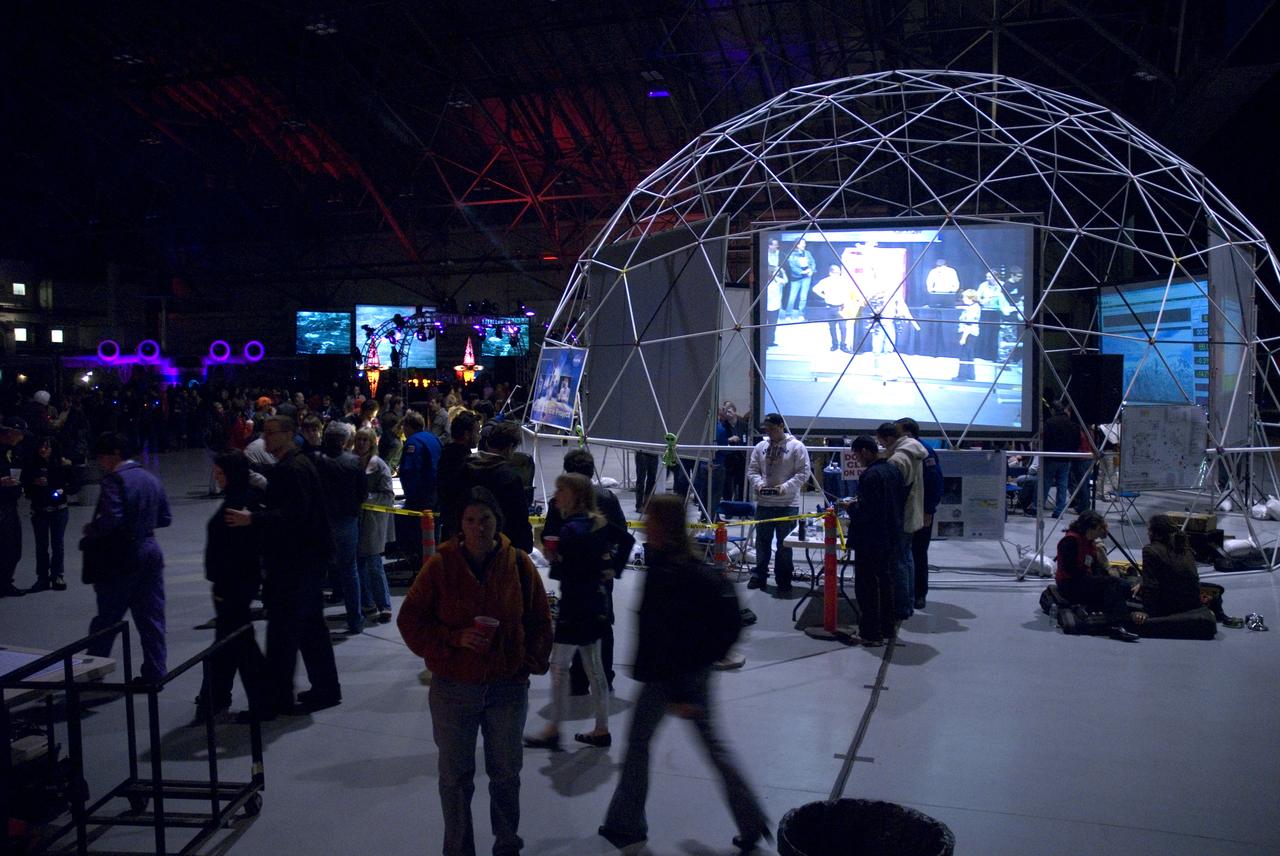
Yuri's Night at Ames a celebration of the first human in space
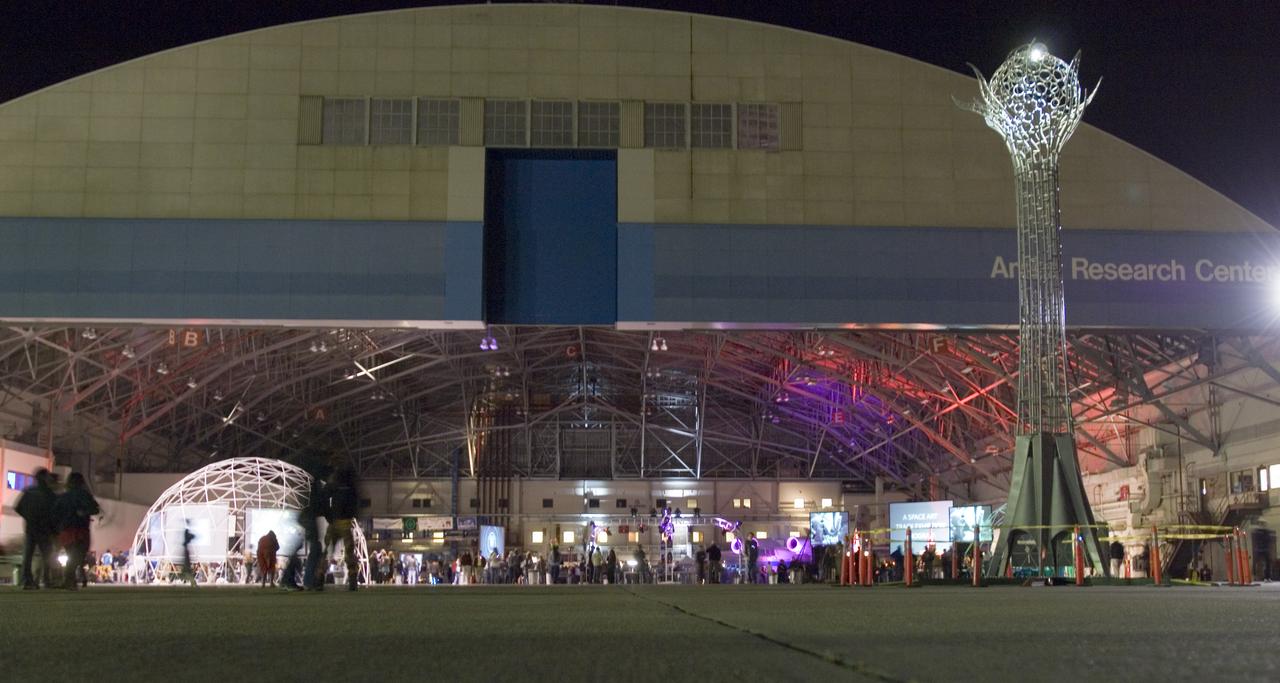
Yuri's Night at Ames a celebration of the first human in space
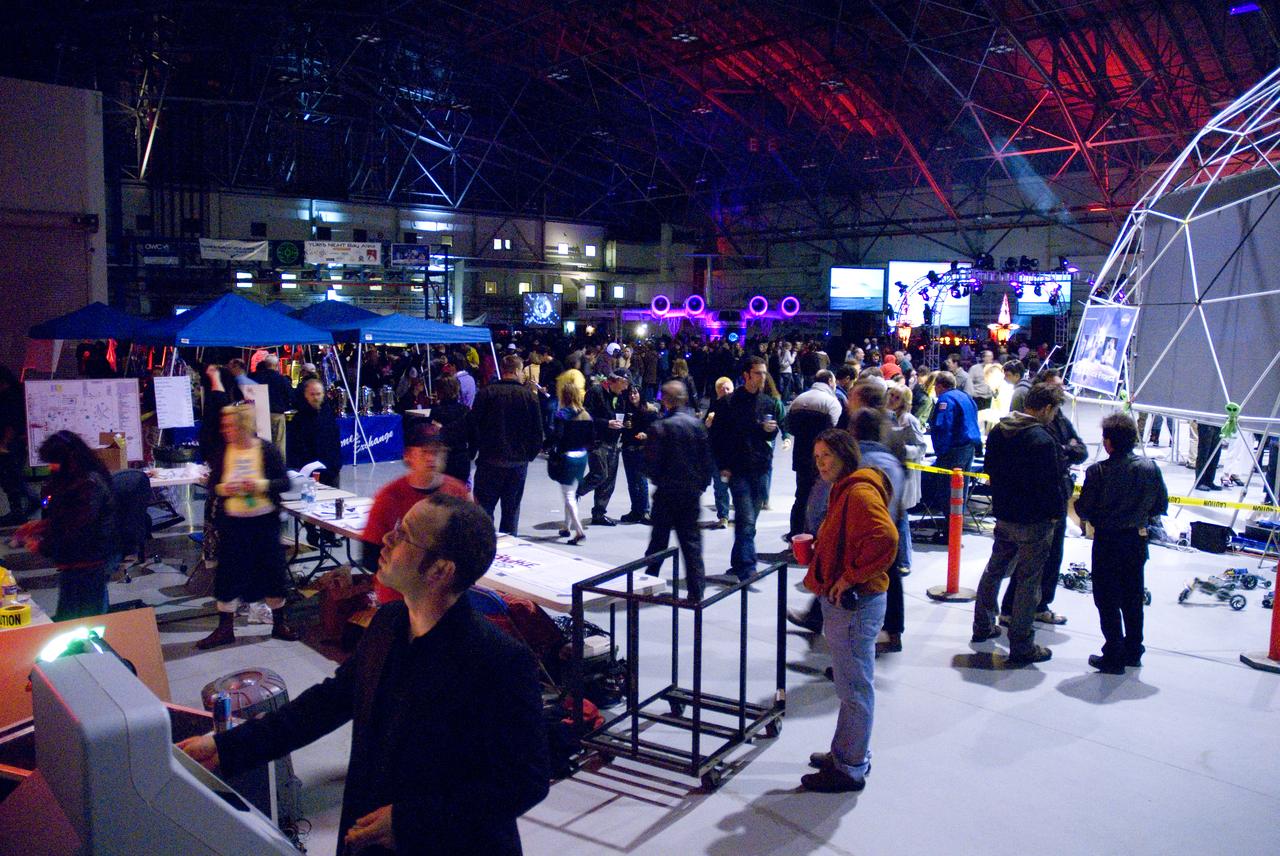
Yuri's Night at Ames a celebration of the first human in space
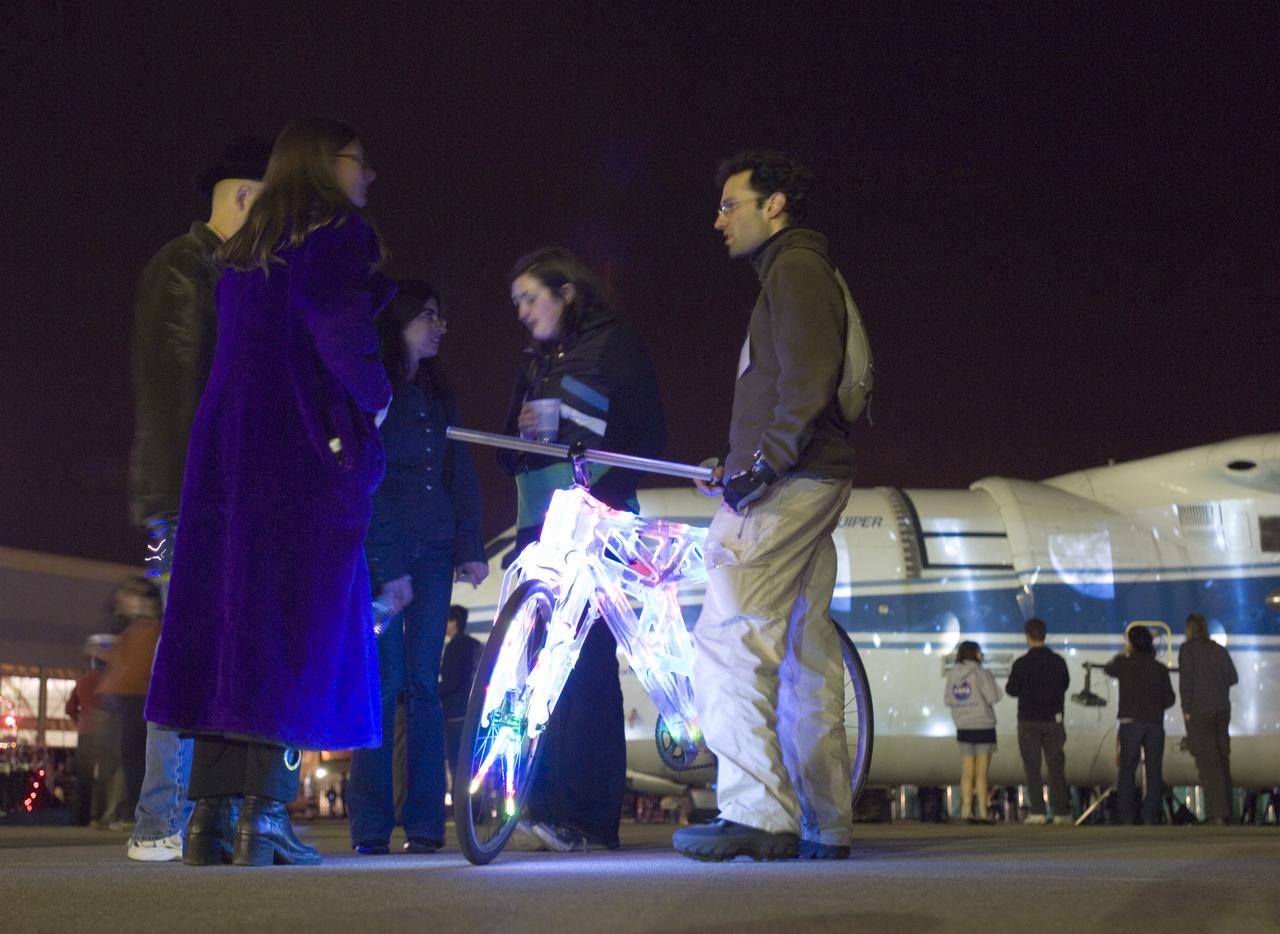
Yuri's Night at Ames a celebration of the first human in space
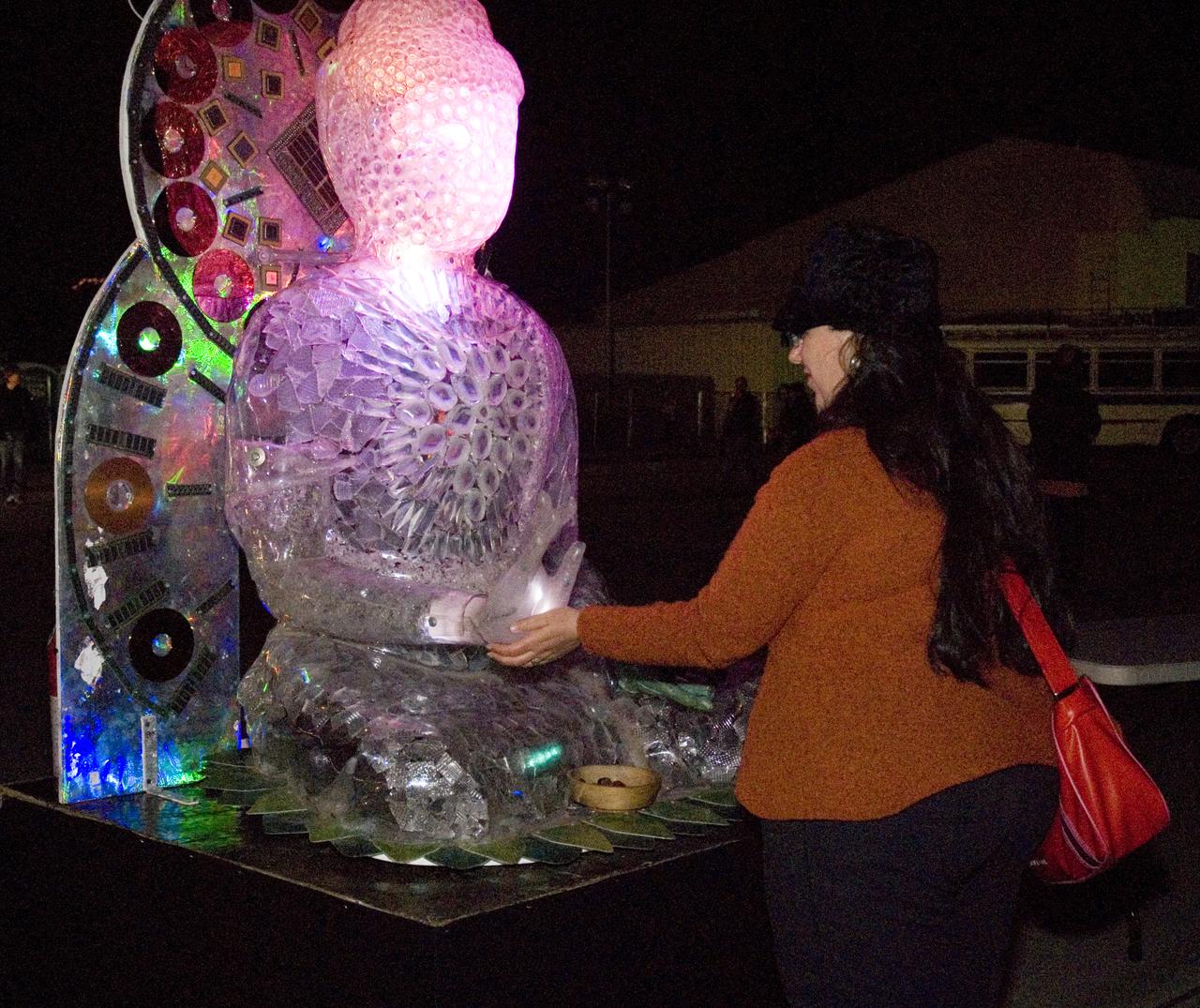
Yuri's Night at Ames a celebration of the first human in space
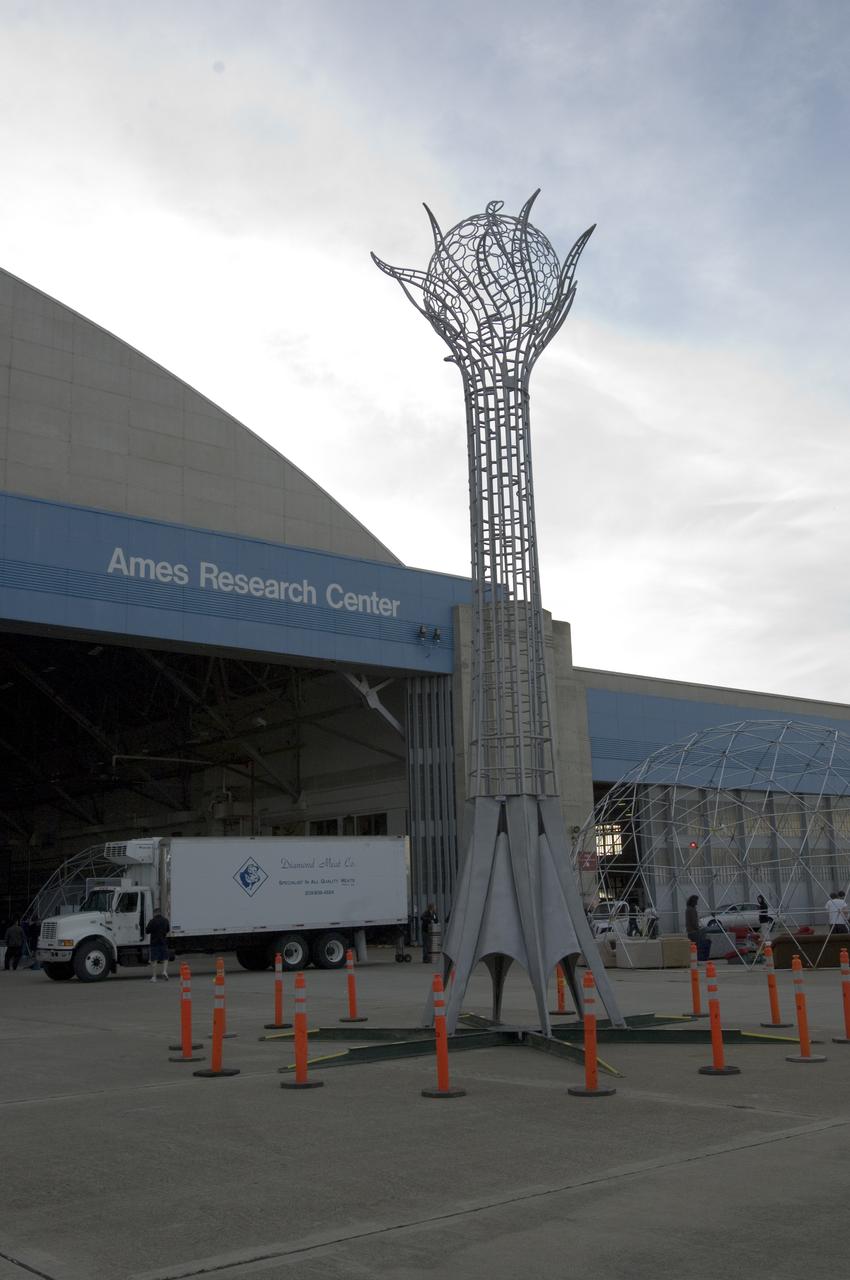
Yuri's Night at Ames a celebration of the first human in space
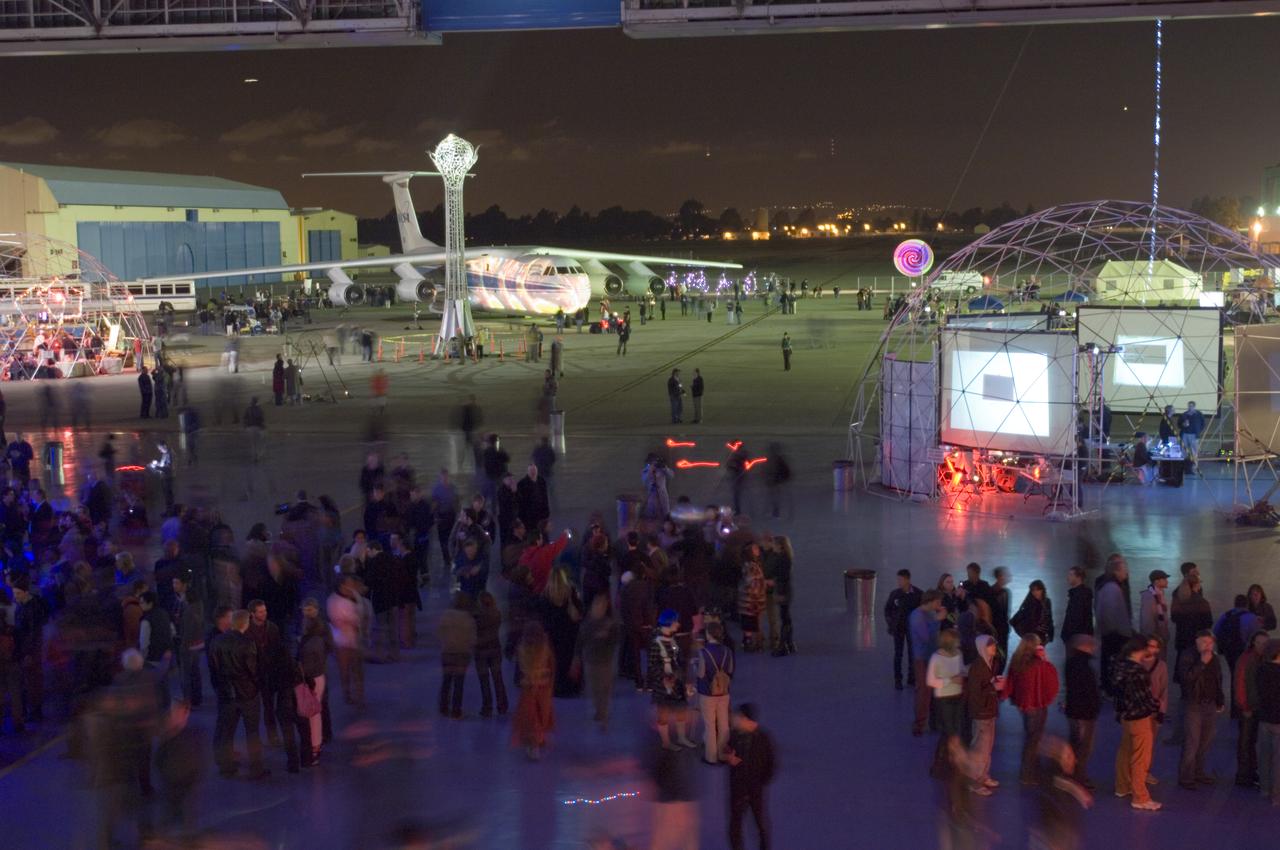
Yuri's Night at Ames a celebration of the first human in space

Yuri's Night at Ames a celebration of the first human in space
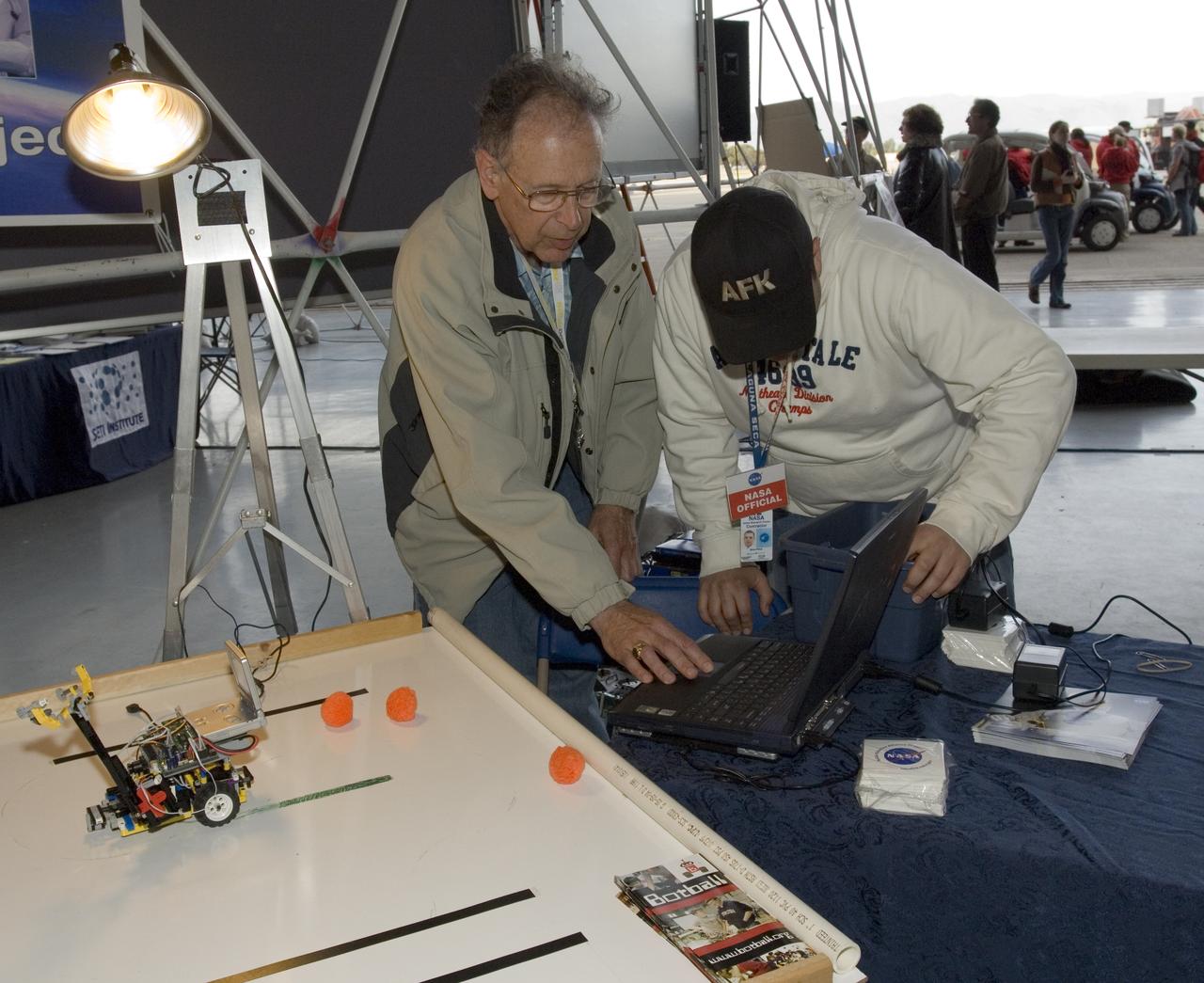
Yuri's Night at Ames a celebration of the first human in space
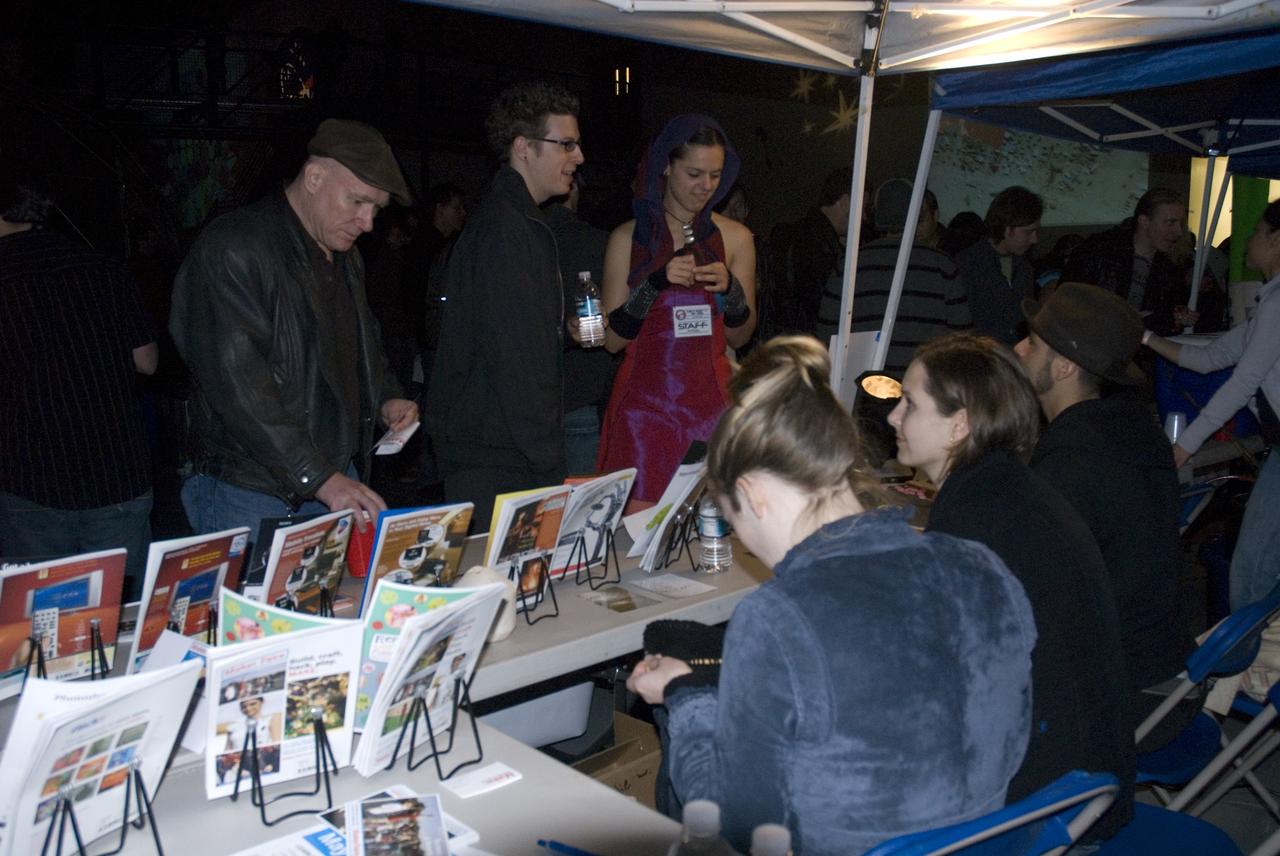
Yuri's Night at Ames a celebration of the first human in space
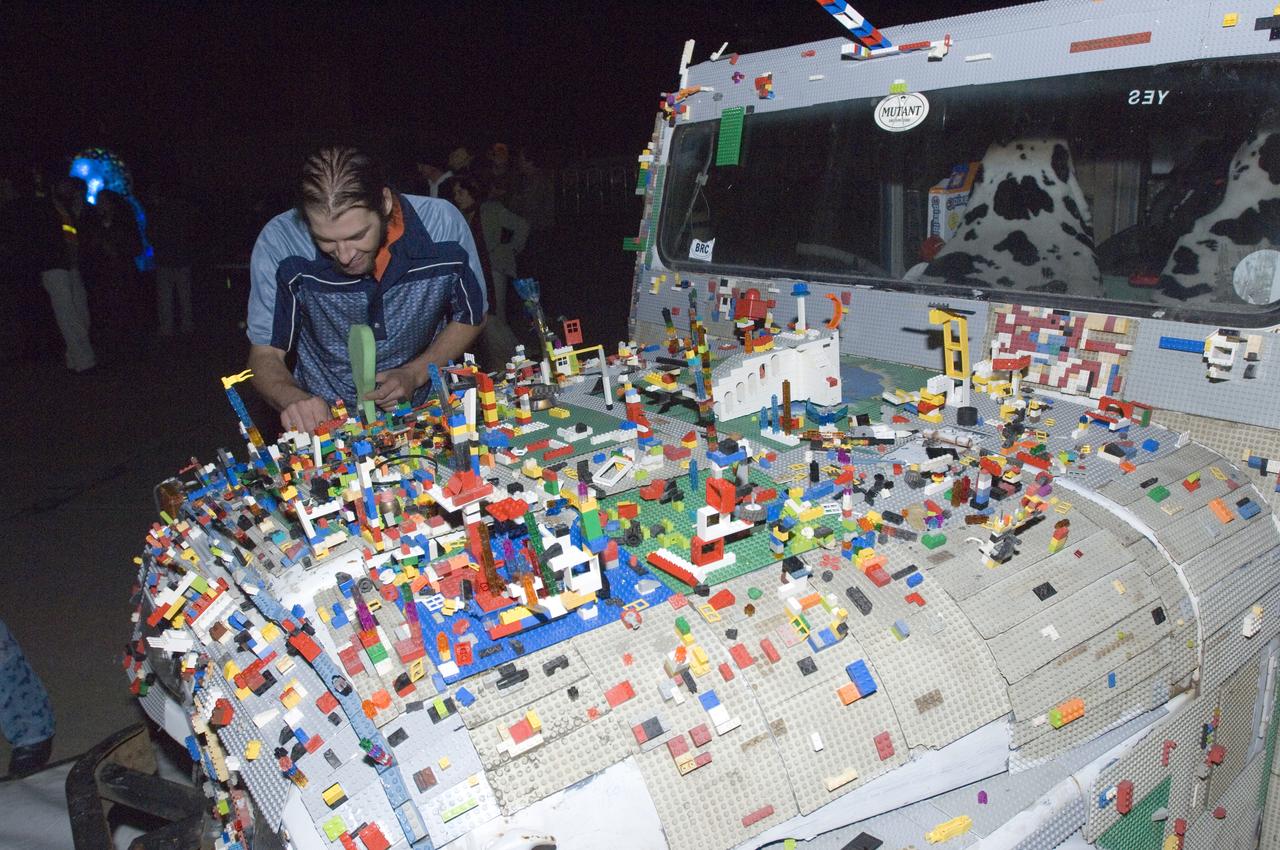
Yuri's Night at Ames a celebration of the first human in space
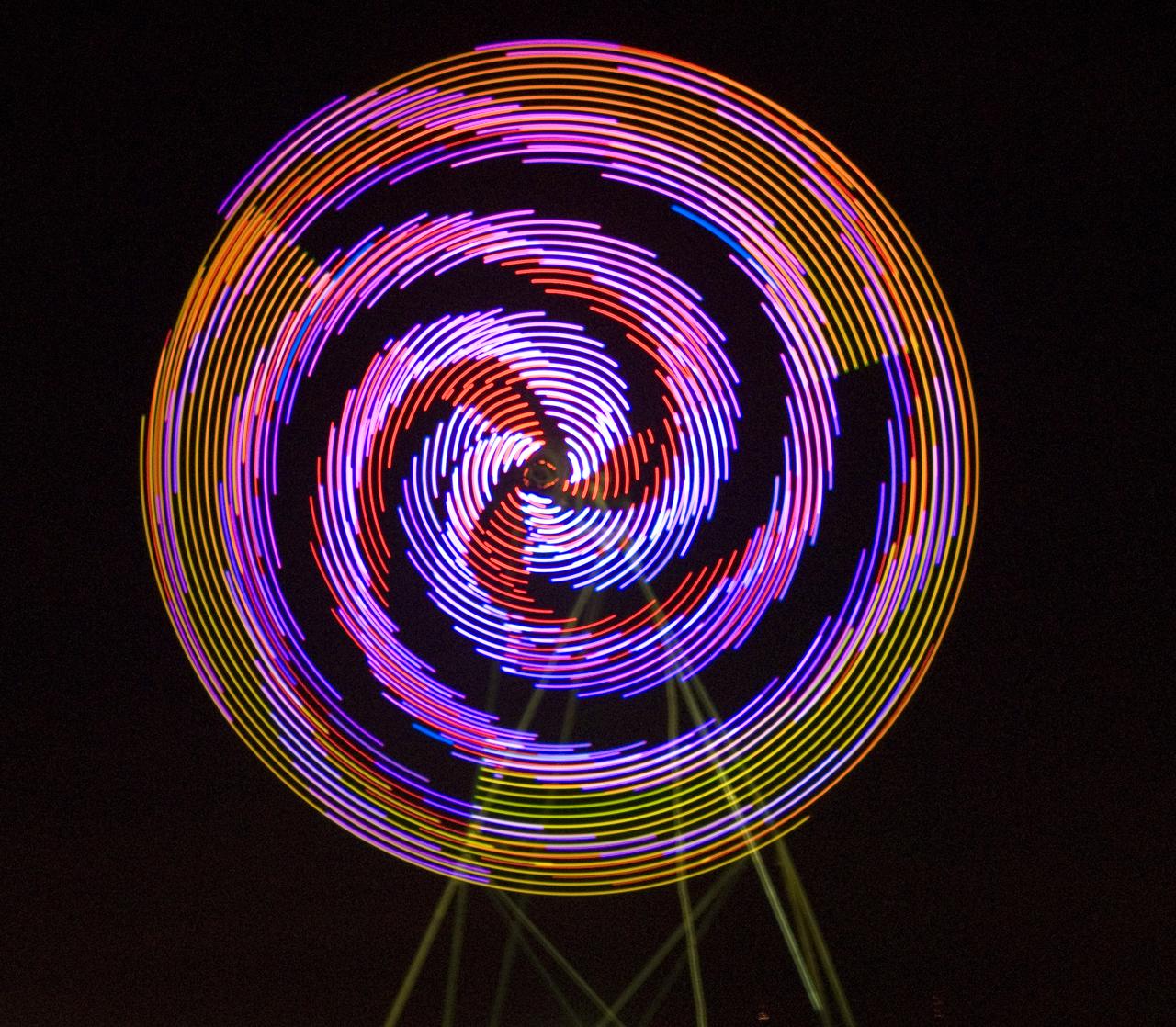
Yuri's Night at Ames a celebration of the first human in space
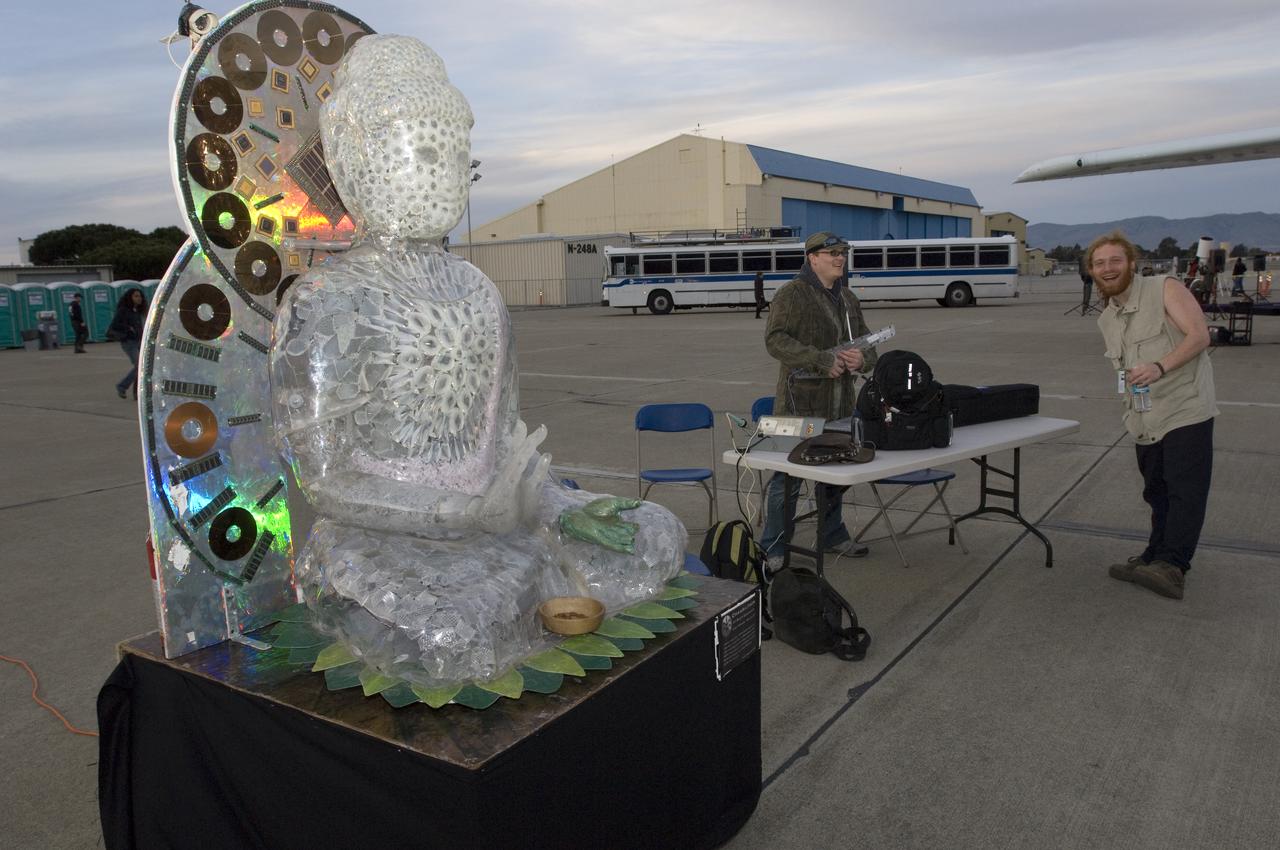
Yuri's Night at Ames a celebration of the first human in space
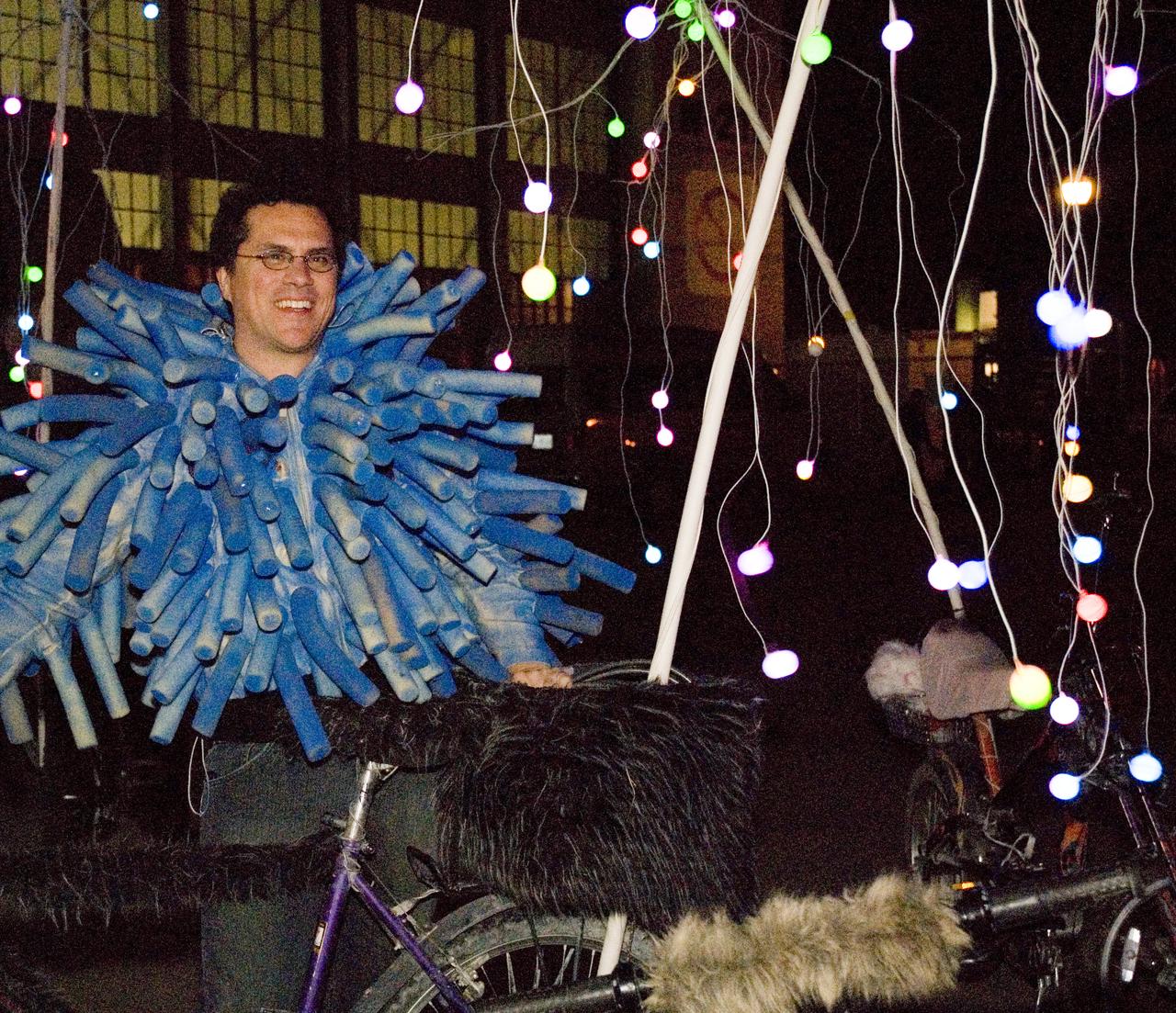
Yuri's Night at Ames a celebration of the first human in space
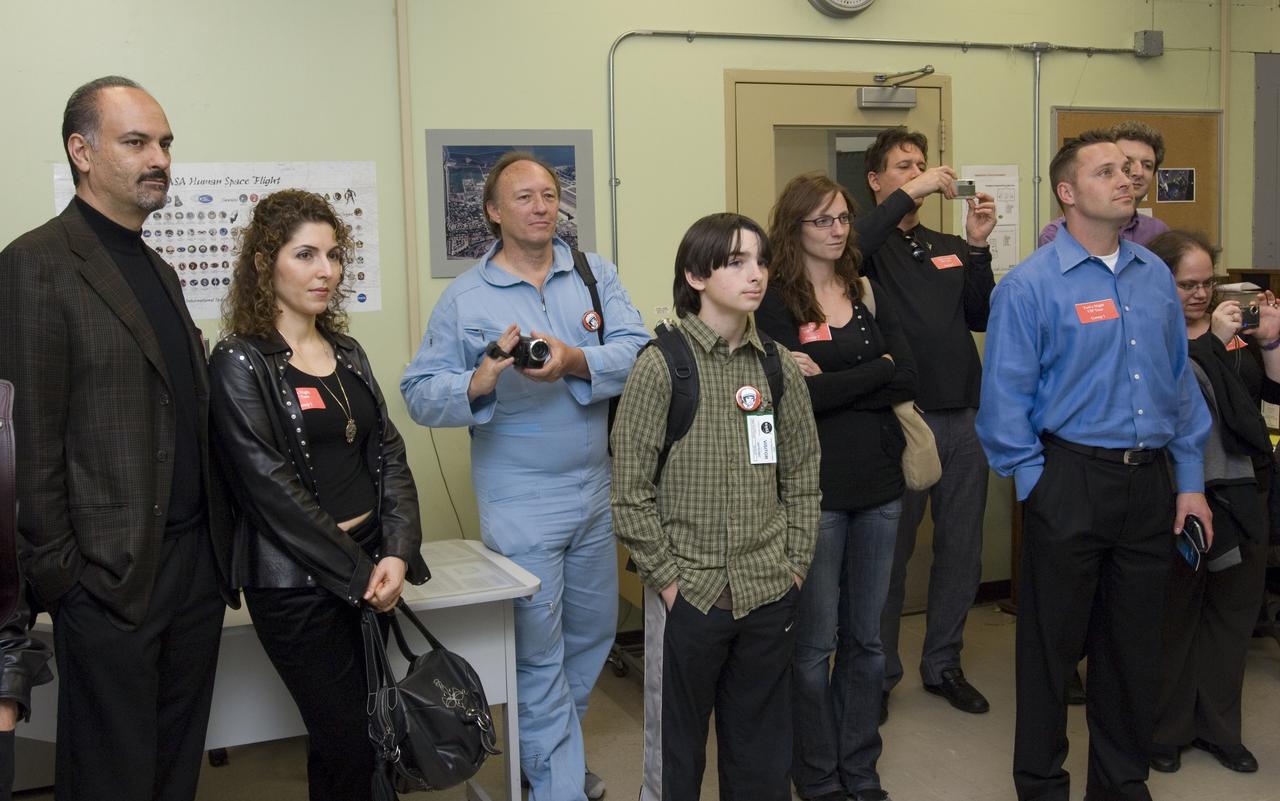
Yuri's Night at Ames a celebration of the first human in space
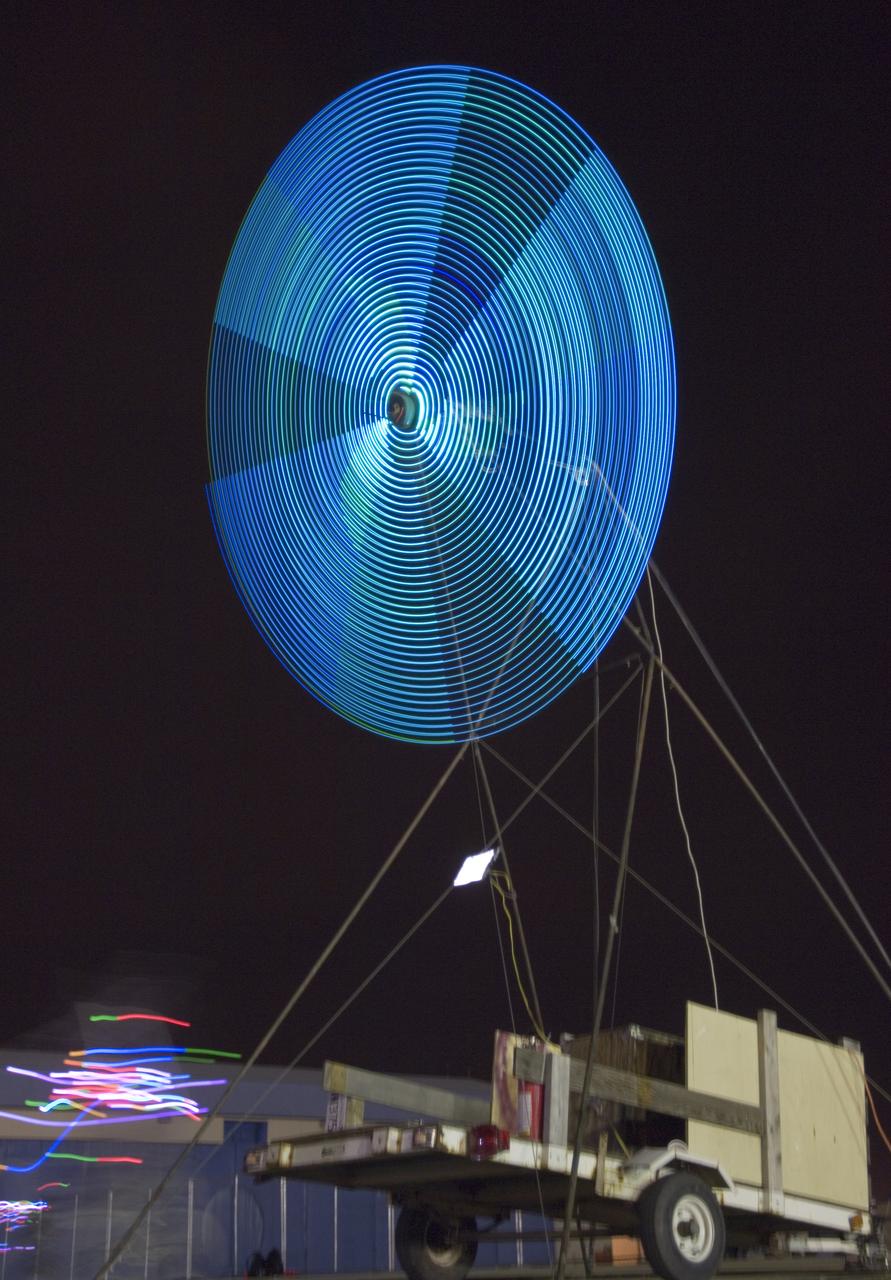
Yuri's Night at Ames a celebration of the first human in space
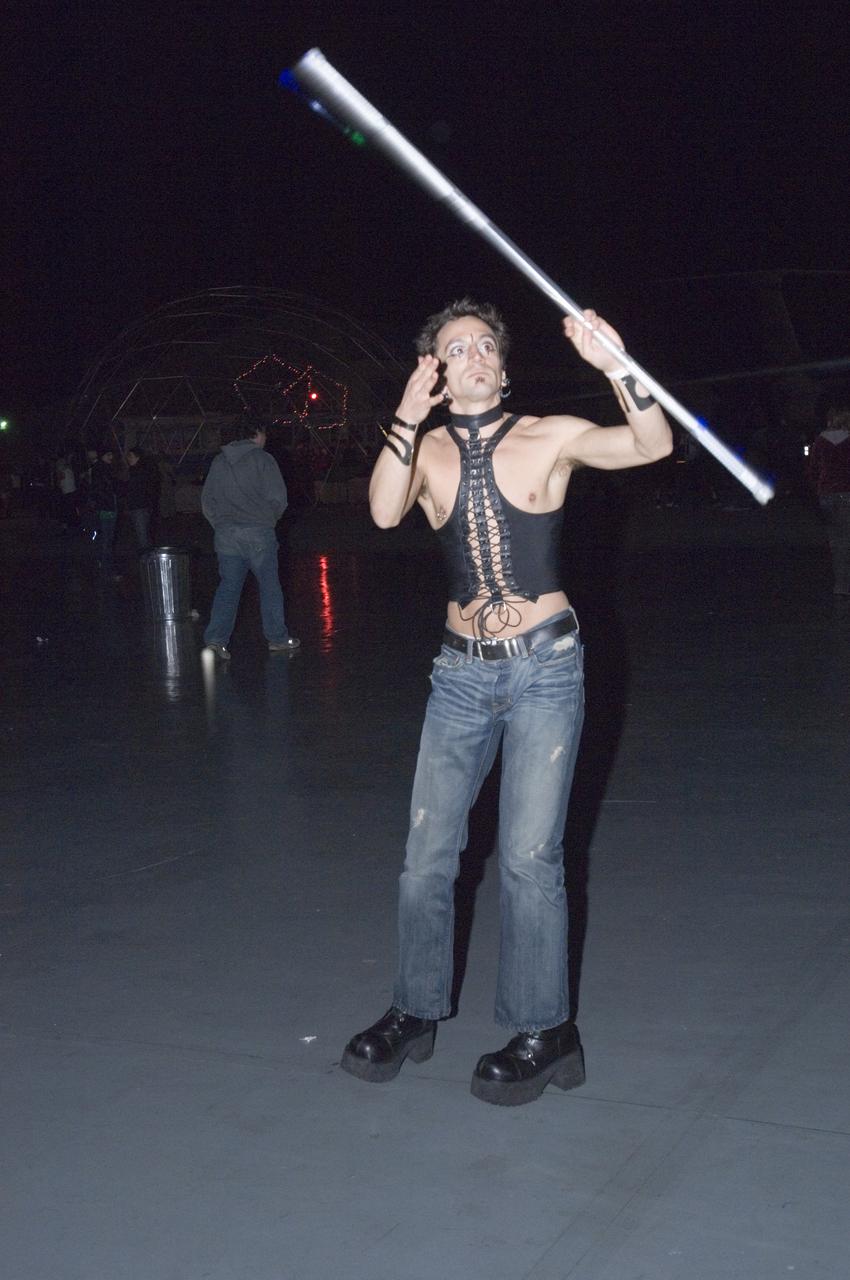
Yuri's Night at Ames a celebration of the first human in space
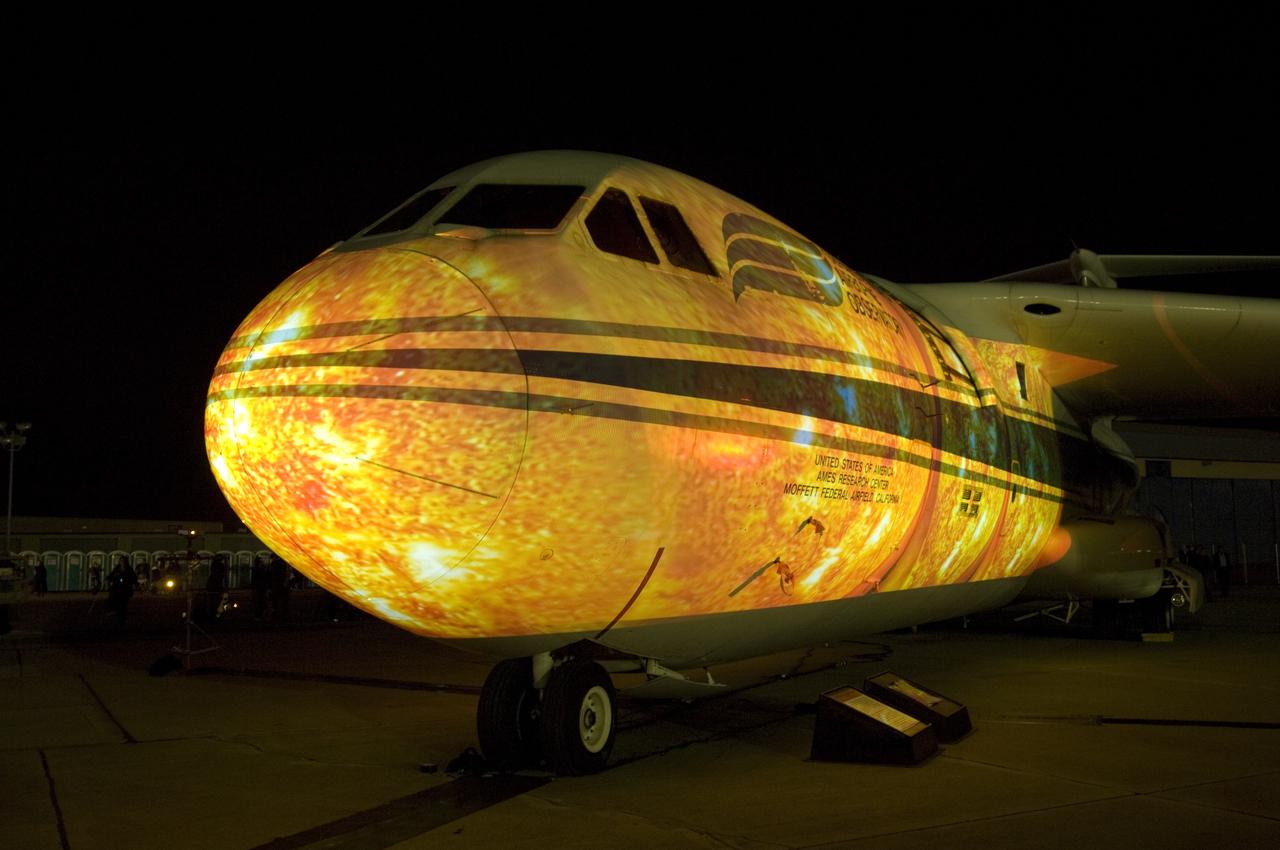
Yuri's Night at Ames a celebration of the first human in space
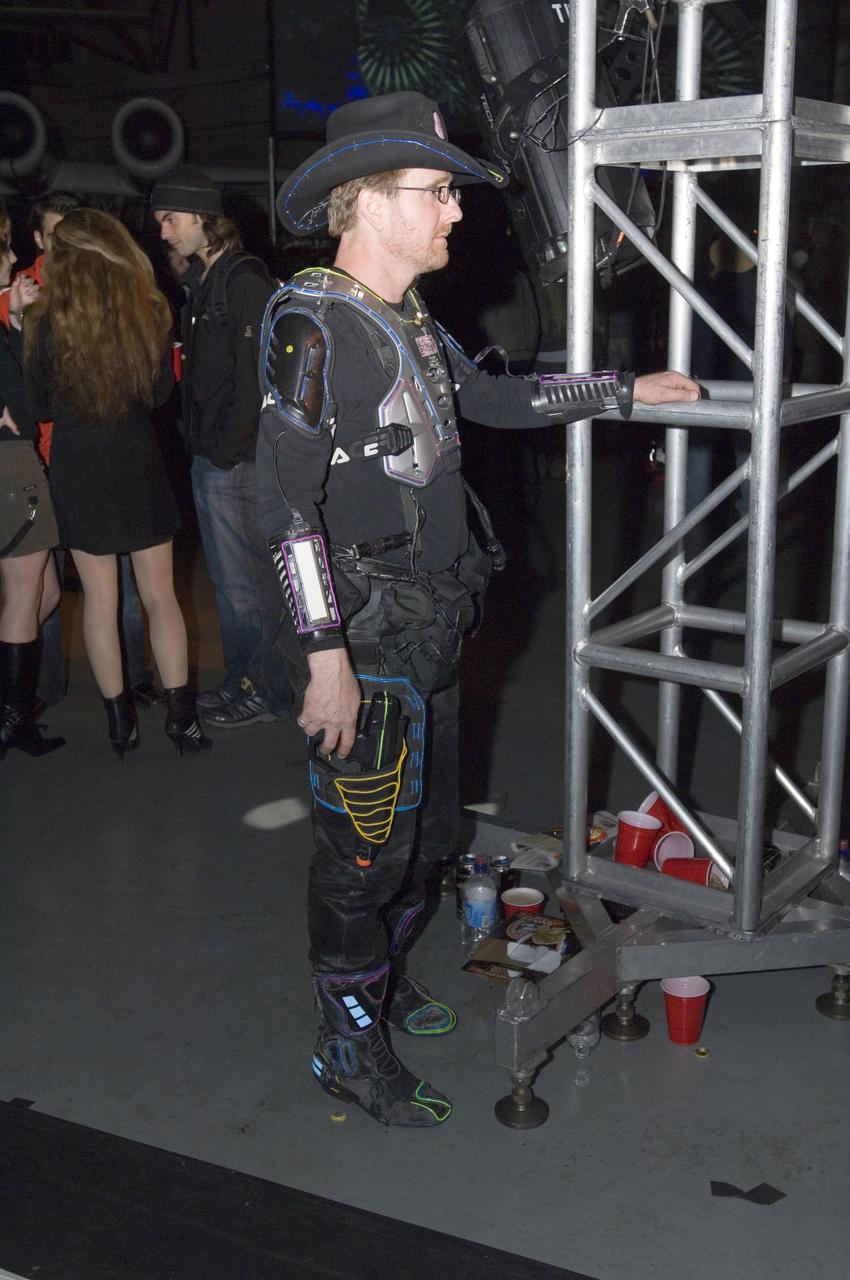
Yuri's Night at Ames a celebration of the first human in space
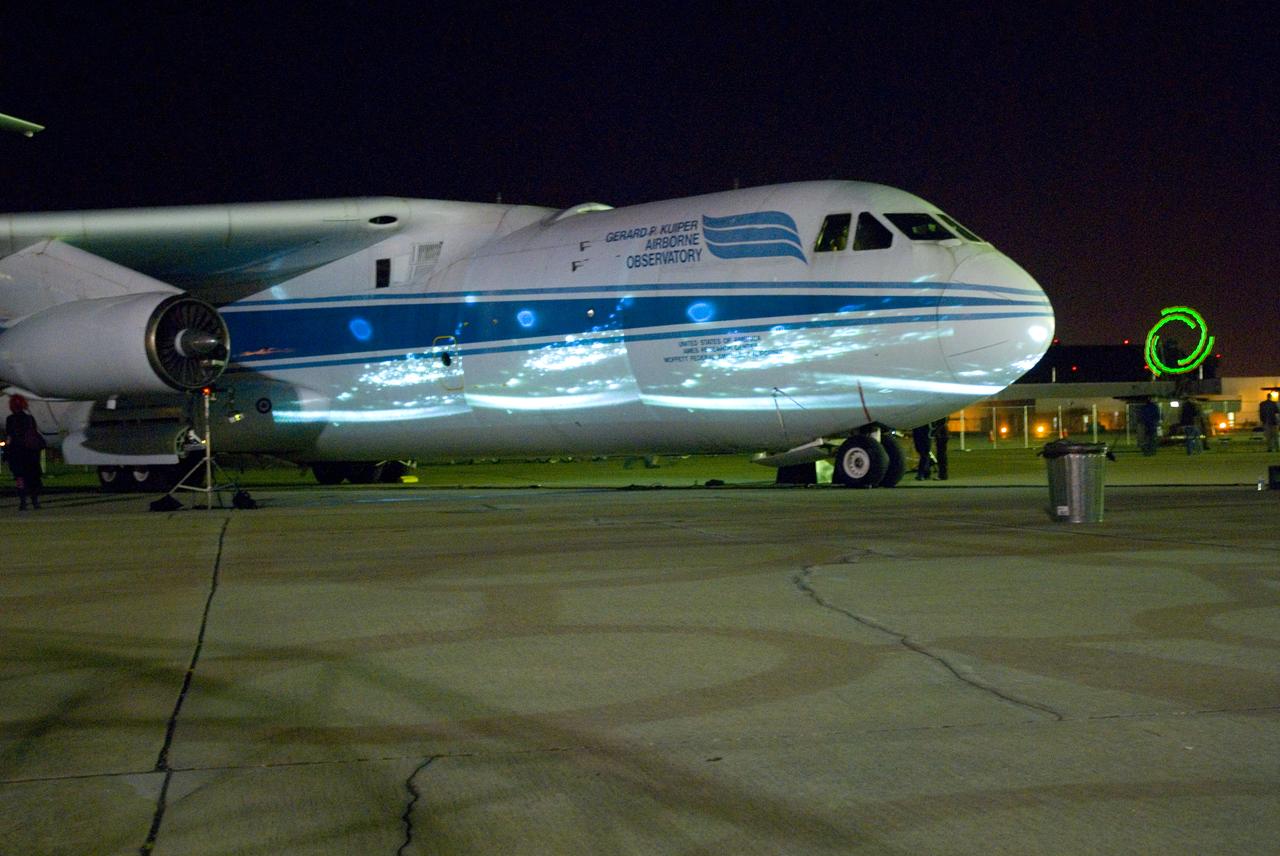
Yuri's Night at Ames a celebration of the first human in space
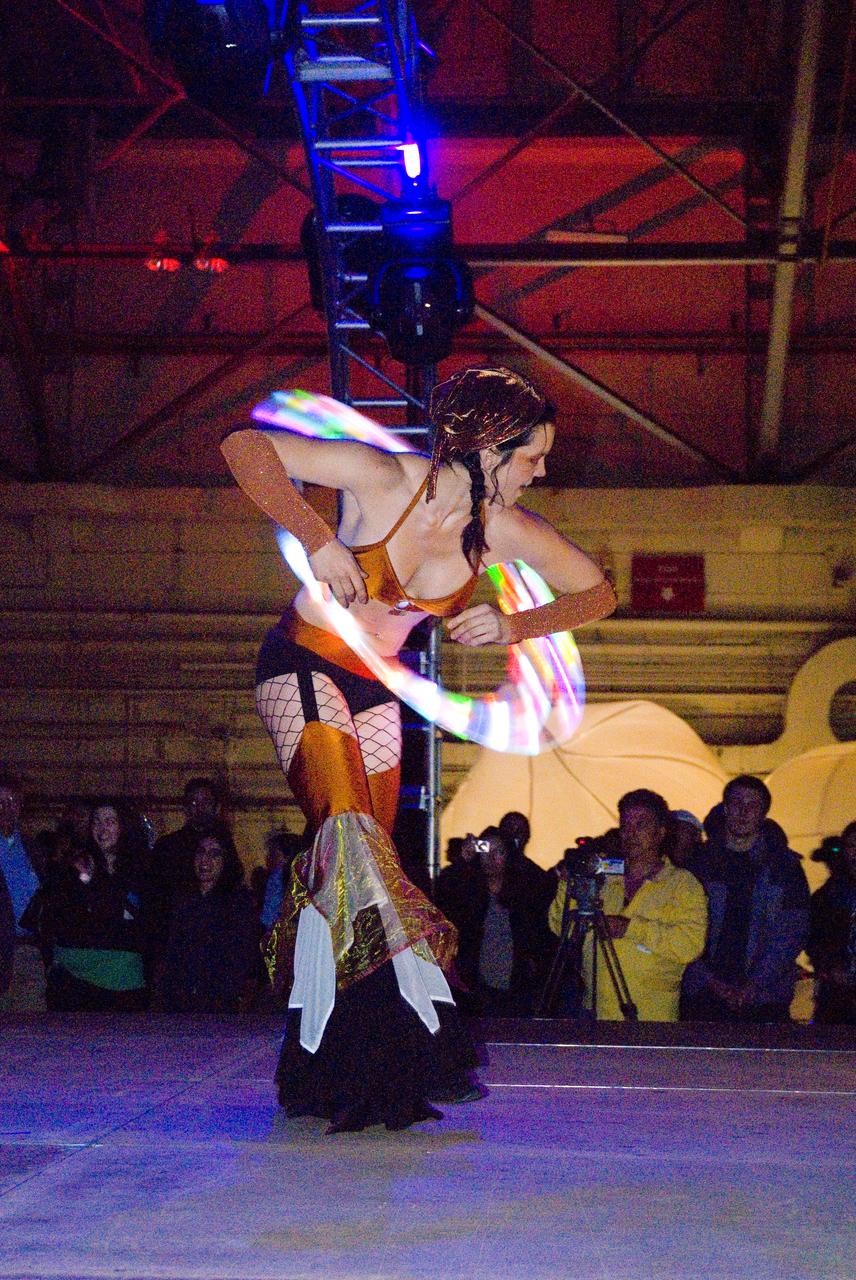
Yuri's Night at Ames a celebration of the first human in space
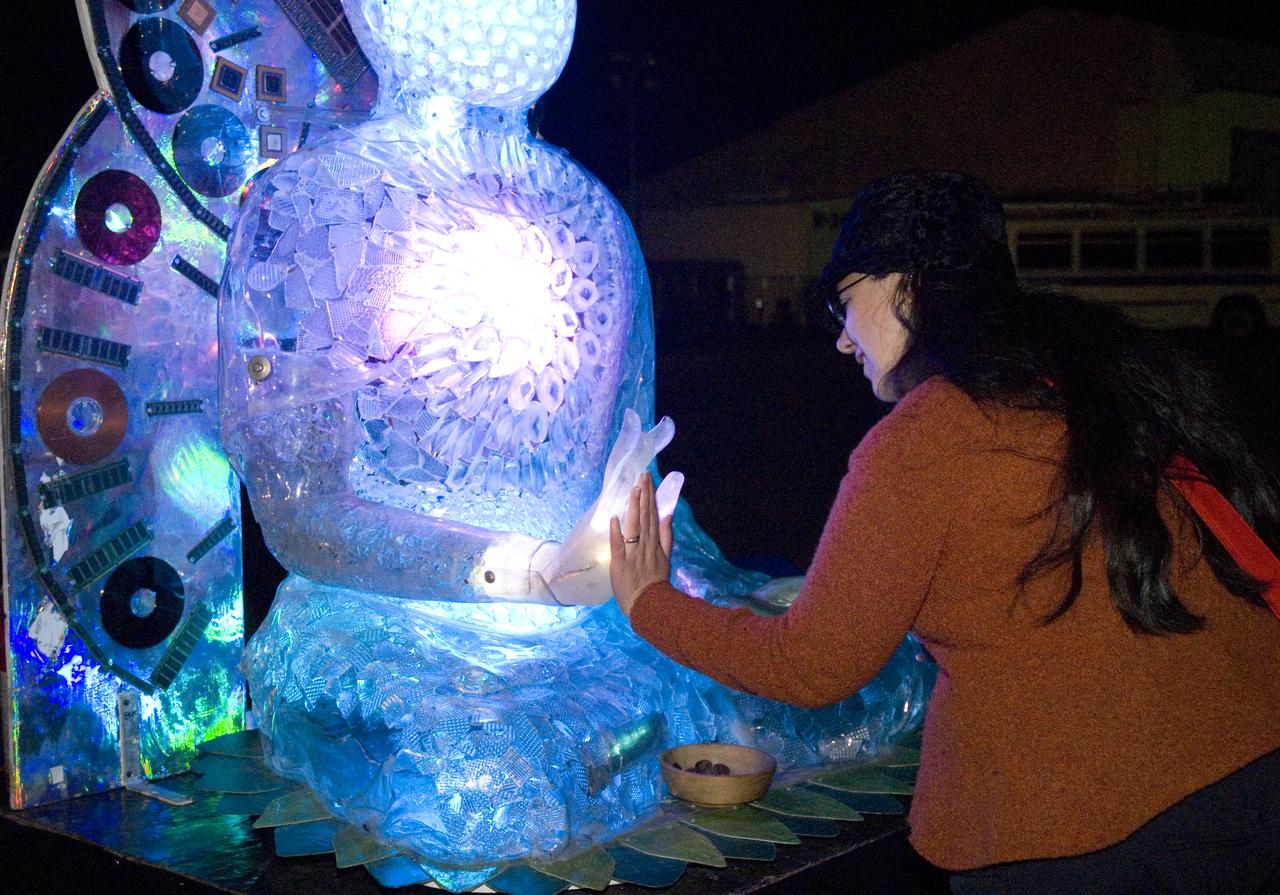
Yuri's Night at Ames a celebration of the first human in space
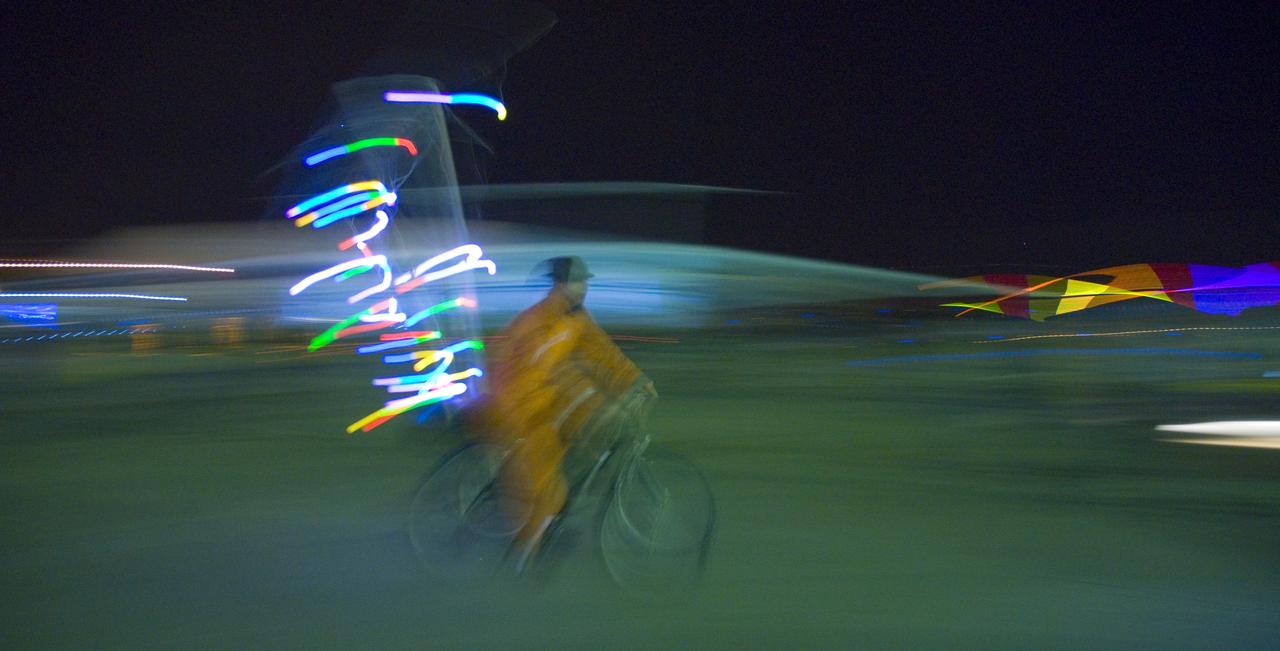
Yuri's Night at Ames a celebration of the first human in space
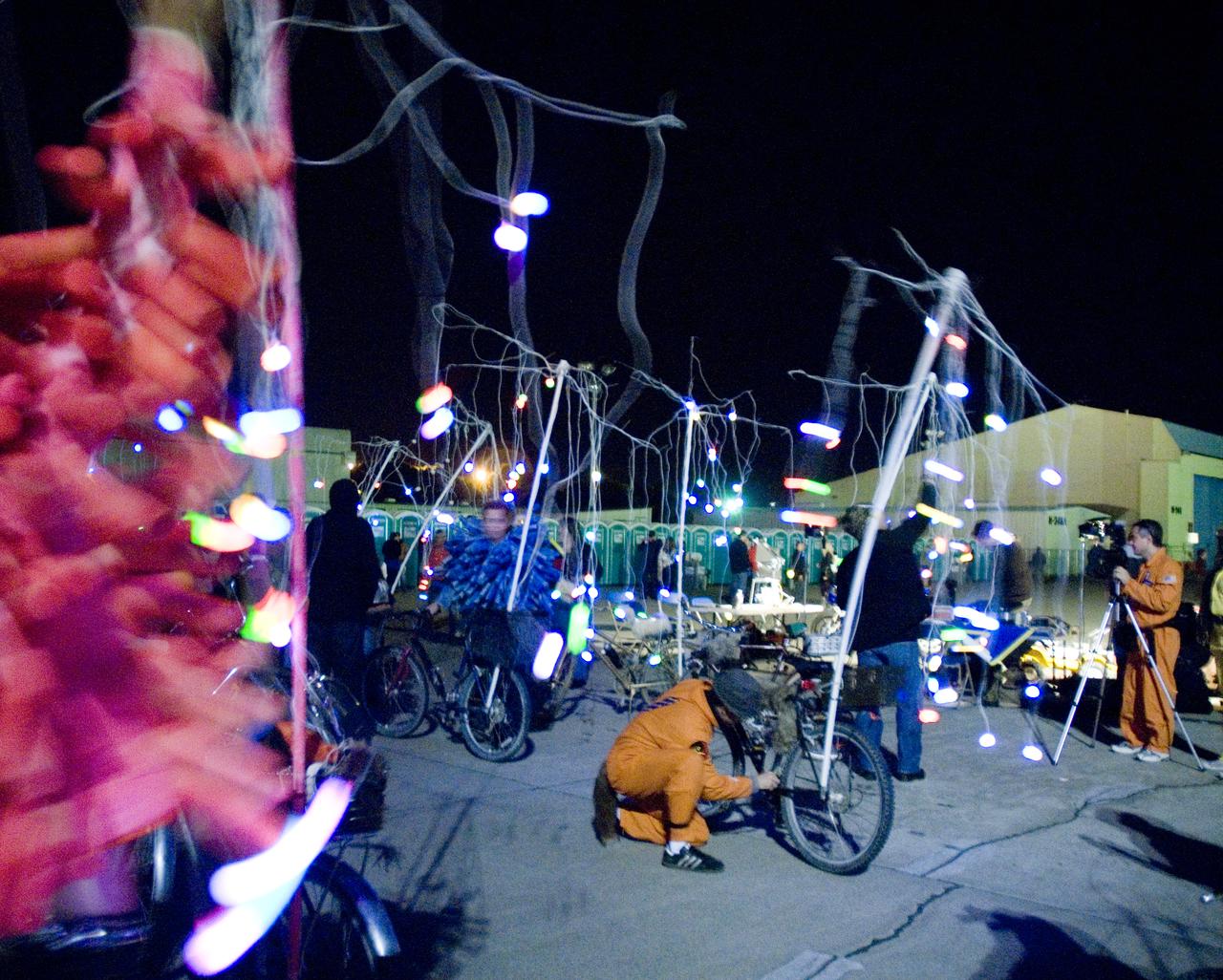
Yuri's Night at Ames a celebration of the first human in space
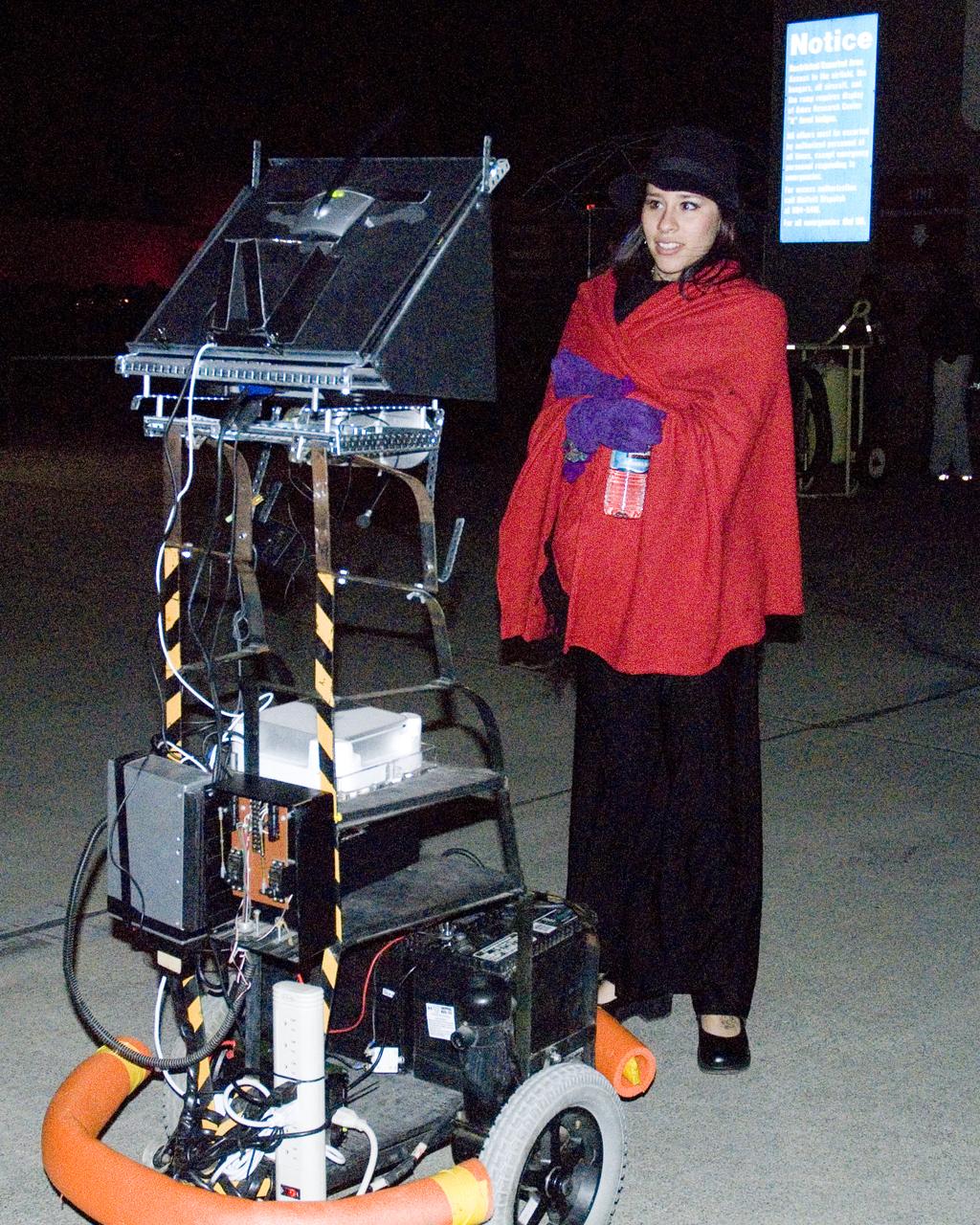
Yuri's Night at Ames a celebration of the first human in space
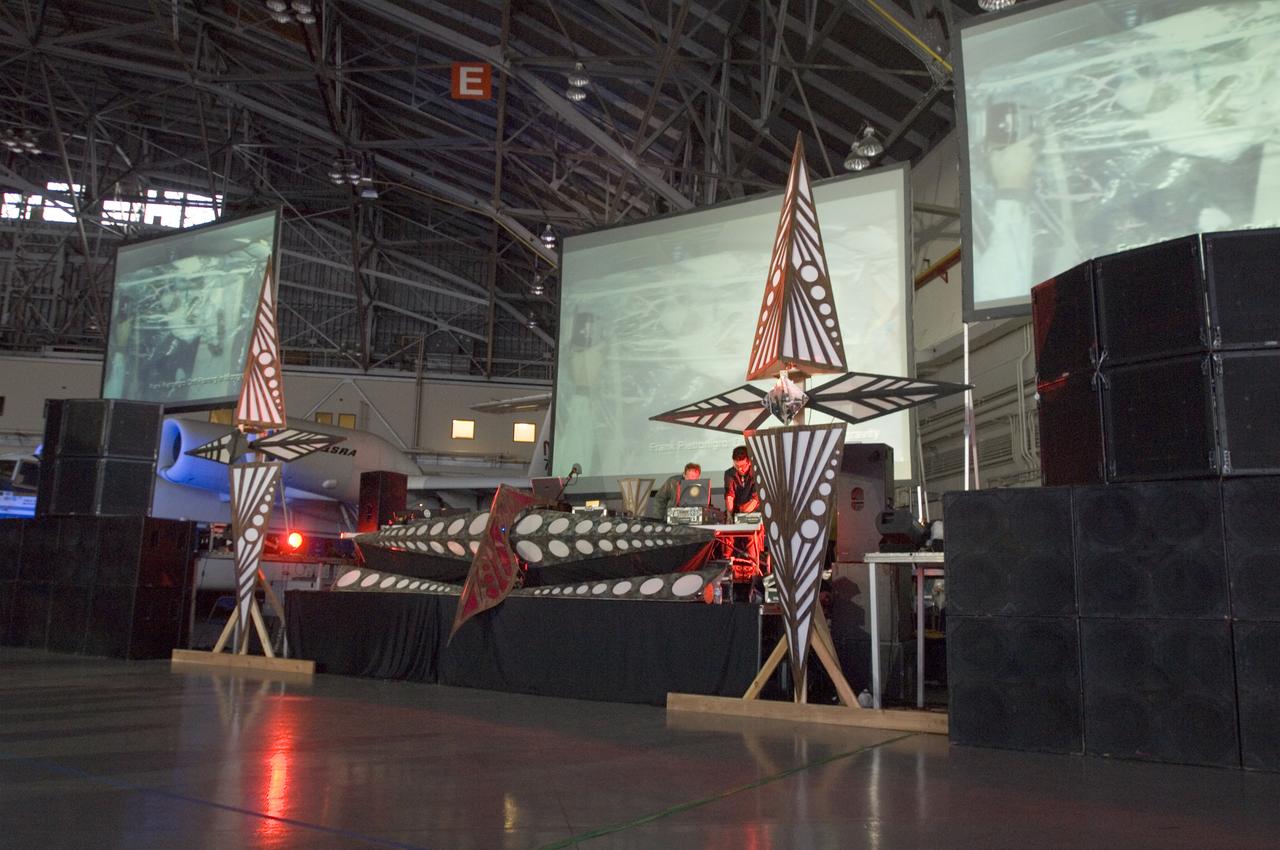
Yuri's Night at Ames a celebration of the first human in space
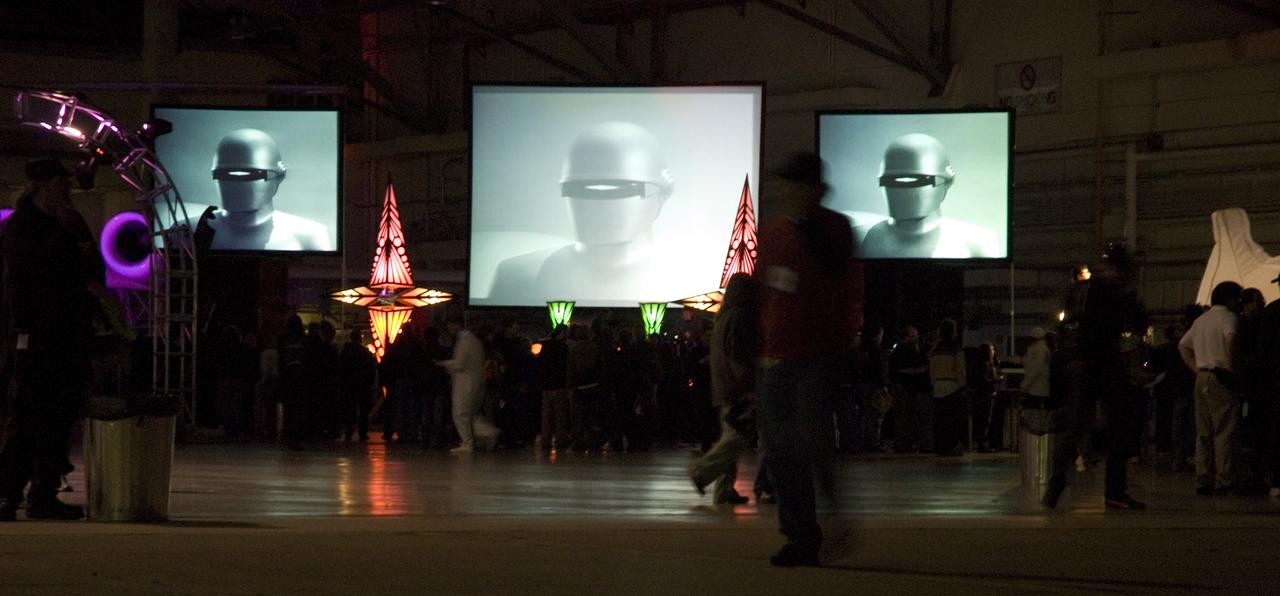
Yuri's Night at Ames a celebration of the first human in space
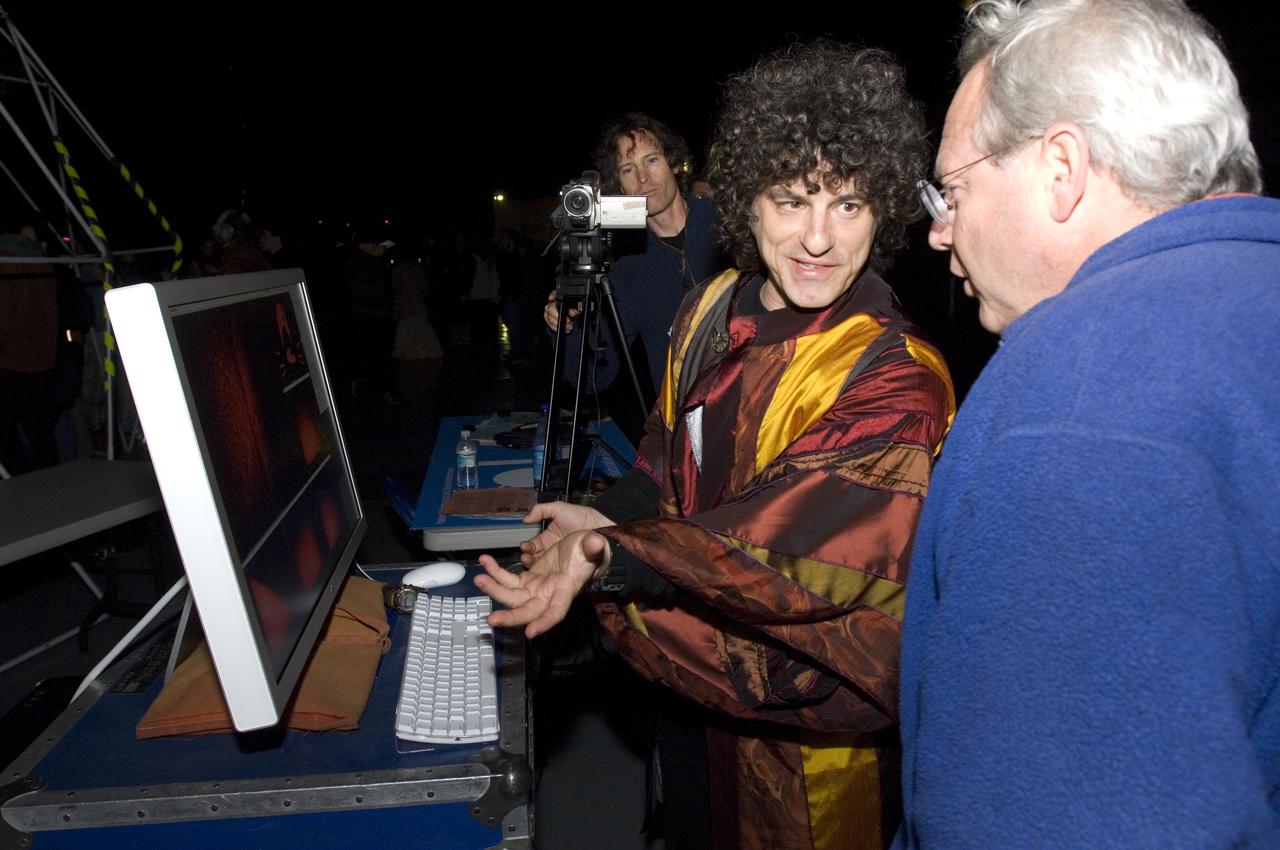
Yuri's Night at Ames a celebration of the first human in space